The first quarter of 2017 is a thing of the past. Which cars sold the best globally? We investigate.
According to Jato Dynamics, the Chinese market racked up 6 184 706 sales in the first 3 months of the year (an average of 2 million cars a month!). Even the United States – the 2nd largest market – is nowhere near that number with 4 026 256 for the same period. Japan maintained its status as the third-largest car market with 1 553 605 units for the first 3 months.
Compared with last year’s top-selling vehicles, the biggest winner is the Ford F-Series pickup, which has moved up 3 spots to take the top spot after the first quarter of this year. The Toyota Corolla slips to second, while the Volkswagen Golf slips 2 places to 4th. Surprisingly, Nissan’s X-Trail has shot up the leaderboard to take 3rd spot. Ford’s local problems with the Kuga have not hindered sales globally… in fact, the Blue Oval has moved into the Top 30 list, ranking as the 13th-most-sold vehicle worldwide.
Land Rover will add 3 more Ingenium engines to improve the range of Evoque and Discovery models.
Two new Ingenium petrol engines and a more powerful turbodiesel engine are now available in the Range Rover Evoque, whereas the Land Rover Discovery sport benefits from a more efficient turbopetrol motor. Ingenium engines have been making their way into Jaguar Land Rover products over the last couple years as the brand attempts to improve performance and efficiency in order to keep up with the Germans and Swede.
Turbopetrols
Two new turbopetrols will be introduced. The first has the same outputs as before (177 kW/340 Nm) but is more fuel efficient, claiming 8.0L/100 km in the Disco Sport. This improves on the old engine's 8.3L/100 km claim. In the Evoque, the engine is more efficient claiming 7.3L/100 km.
The second turbopetrol unit is an all-new 213 kW/ 400 Nm unit. It's the most powerful engine ever to be fitted to the Evoque. It turns the SUV into a hot hatchback rivalling robot-racer. Zero to 100 kph takes just 6.3 seconds.
Turbodiesel
A new, more powerful turbodiesel engine will be added to the Evoque as well. The new unit pushes out 177 kW and 500 Nm of torque. Maximum torque is delivered from just 1 500 rpm.
The pint-sized Suzuki Ignis is being launched in South Africa this week. Here are specifications and pricing for this model.
The Ignis is a compact family car/crossover that's all about fun-sized, yet practical motoring. Three derivatives are available: 1.2 GL, 1.2 GLX and 1.2 GLX Auto and the distinctive newcomer adds some funkiness to a competitive segment that contains crossover-derivatives of compact hatchbacks and city cars, such as the Renault Sandero Stepway, Volkswagen Cross Up!, Toyota Etios Cross. Futhermore, the newcomer seems particularly well suited to local conditions: 180 mm of ground clearance is a boon on dirt- or poorly maintained roads.
Engine and transmission
There'll be just 1 engine with two transmission options for the 2017 Suzuki Ignis. It's a 1.2-litre four-cylinder naturally aspirated petrol engine, with outputs of 61 kW and 113 Nm. It may not sound like much, but when you consider the Ignis weighs just 850 kg, performance will be spritely. Suzukis tend to offer great fuel consumption and the Ignis is claimed to sip 5.1 L/100 km.
Two transmission options are available: a 5-speed manual and a 5-speed automatic.
The Suzuki Ignis comes in two trim levels: GL and GLX
Features and equipment
The Suzuki Ignis 1.2 GL 5-speed manual comes standard with:
Colour-coded door handles and mirrors
Aircon, power steering
Dual front airbags, ABS, EBD, BAS.
Electric windows and mirrors
USB/MP3/CD Player
Remote central locking
ISOFIX Child seat mounts
60/40 split folding rear seats
Trip computer
The Suzuki Ignis 1.2 GLX 5-speed manual/automatic comes standard with:
15-inch black alloy wheels
Black wheel arches
Chrome grille
Roof rails
LED daytime running lights and LED projector headlamps
Front fog lights
Automatic climate control
Keyless entry with start button
Rear park distance control
MP3/USB/CD Player with Bluetooth
Steering wheel-mounted audio controls
Suzuki Ignis prices in South Africa
GL R169 900
GLX MT R189 900
GLX AMT R204 900
Prices include a 3-year/100 000 km manufacturer's warranty and a 2-year/30 000 km service plan.
A double cab that can complete the 0-100 kph sprint in 8 seconds, tow up to 3.3 tonnes and haul as much as a tonne, all while seating 5 in comfort? To most bakkie-loving South Africans, the 3.0-litre V6 turbodiesel-engined Volkswagen Amarok, which costs in excess of R700k in Highline Plus 4Motion spec, is the stuff of fantasy. What is such a powerful and luxurious bakkie like? We drove the V6 around town and country to find out…
Powered by a similar engine as featured in other, much more expensive, Volkswagen Group products, this 8-speed automatic Amarok is now the most powerful bakkie available in South Africa. In this clip we get to grips with the second-from-the-top 2017 Amarok double-cab derivative, which also incorporates updates to the range introduced with the mid-life cycle facelift.
Indian auto giant Tata has been promising a product overhaul for some time now, and while there is a lot more still to come, we were recently given the opportunity to sample the brand's Bolt compact hatchback for an extended test period. How big an improvement is the Bolt compared with its cheap, but unrefined, predecessors? And, given stiff competition from more proven brands, should you consider the Bolt at all?
We like: Much improved cabin design & fit/finish, standard features list, ride/handling balance, long warranty
We don’t like: Engine refinement, lack of storage spaces
Alternatives
The country's favourite: The Volkswagen Polo Vivo is a massively popular vehicle in South Africa. It may be sparsely equipped as standard, but the optional extras are not too pricey and at its core the Vivo is a quality product with a particularly attractive interior, superior refinement and the backing of one of the largest dealership networks in South Africa. For similar money you can get the Vivo 1.4 Conceptline, but bear in mind, it does not come with a service plan, whereas the Tata, Toyota and Suzuki do.
The trusted one: Going up against any product from Toyota is tricky. The recently refreshed Etios may not be the most stylish or refined product to ever come from the Japanese giant, but it has proven reliable for tens of thousands of owners. It is also spacious and surprisingly nippy. The recently launched 1.5 Sprint model also gets more attractive styling.
A brand on the rise: With strong sales in the first quarter of the year to back up its excellent showing in the Cars.co.za Consumer Awards – Powered by WesBank, where it scooped the Brand of the Year trophy, Suzuki is on the rise. For similar money to this Bolt you can get the Swift 1.2 GL, a solid little runner that is nearing the end of its product lifecycle. However, this means you may be able to strike a good deal on it, and as the award testifies, after-sales service should be excellent.
The Tata badge has not always been synonymous with good quality and attractive design, but the Bolt displays great progress.
Being synonymous with cheap cars and bakkies is no longer good enough for Indian auto giant, Tata. The company is on a major product drive – introductions of vastly improved models in a variety of segments are said to be on the cards – and the major focus areas are quality and refinement (aspects in which previous Tata products have not fared particularly well).
The Bolt is the first of these new-generation Tata products to reach South Africa and it faces a stiff challenge. On the one hand it needs to radically change consumer perceptions and expectations of Tata cars and, on the other, it has to compete with some of Mzansi's favourite hatchbacks, namely the Volkswagen Polo Vivo, Toyota Etios Cross and Renault Sandero.
The Bolt XT rides on 15-inch alloys as standard. Neat, inoffensive design and much improved quality impress.
Compared with its somewhat awkward-looking predecessors, the Bolt is an inoffensive, modern-looking compact hatchback. As for the test unit, which is finished in deep-red paint and rides on (standard) gunmetal grey 15-inch alloy wheels, well, some may even find it… attractive. The Bolt boasts a particularly neat front-end with stylish headlamp clusters featuring projector lamps, fog lamps front and rear and blacked-out C-pillars. Another important factor to highlight is that it looks and feels much better put together than the Indica ever was.
Inside, an even greater improvement awaits. The facia design is simple and the use of piano black plastic finishes, combined with chrome and darker grey works well to make a great first impression. The attention to detail extends to the inner door trim, where you'll find dark cloth inserts – most cars at this price point feature hard plastic everywhere. There are still a few sporadic rough edges in the cabin, but it is nevertheless Tata's best car interior to date – and by some margin.
The Bolt is easily the most well-made passenger car Tata has ever produced.
In terms of size, the Bolt is about 100 mm shorter than a Polo Vivo, but is wider and also has a longer wheelbase than the Volkswagen. Rear legroom is good, with enough space for a 1.8m tall adult to comfortably sit behind a similarly tall driver or front passenger. The driver's seat is adjustable for height (another rarity at this price point), while the attractive steering wheel is rake adjustable. A comfortable driving position is easy to find..
The luggage bay, on the other hand, is quite short and lags the Vivo's for overall capacity. The rear seatback is not split, but can flip forward as a single unit. The base of the rear seats can be tipped forward to make sure the floor is flat(ter), when the rear seatback is tumbled. Unfortunately the exposed foam underneat the bench's base is quite an eyesore.
The rear seatback folds as a single piece. Rear bench's cushion tips forward to create a flat(ter) load area.
Niggles? Well, there's a lack of oddments stowage spaces around the cabin. In front there is a single (small) drinks holder and the door pockets are small all-round. There are also no seatback pockets in the rear. At least the glove compartment is large and there is a useful drawer underneath the front passenger seat. A small irritation is that the tailgate can only be opened by pulling a lever near the driver's feet, or by standing behind the car, inserting the ignition key in the lock and turning it.
Performance & Economy?
The Bolt is powered by a 1.2-litre, 4-cylinder turbopetrol engine that delivers 66 kW and 140 Nm of torque, both figures being very competitive with what's priced around this model. Tata claims that maximum torque is available from 1 500 to 4 000 rpm, suggesting great mid-range performance. The engine is mated with a 5-speed manual transmission, which provides an easy, positive shift action when the 'box is up to operating temperature. However, changes can feel "scratchy" when the car's driven first thing in the morning, for example.
Blacked-out C-pillar and subtle rear wing endow the Bolt XT with an almost-sporty appearance, but performance is average.
Upon commencement of the test, the Bolt didn't like cold starts very much. The engine sounded rough at idle, almost as if it was misfiring. Stalling was quite easy when pulling away, too. So we took the vehicle to a local Tata service agent, and though nothing was replaced, a few mechanical settings were tweaked, including spark plug gaps and tappet settings. These fixes appear to have made a significant impact. The Bolt idled smoother after it had been seen to and the engine felt more response, but it still seems more sensitive to operating temperatures than other cars out there. And the engine isn't a particularly free-revving unit – it can feel "constricted", particularly in the mid-range which, ironically, is where the figures suggest it should be most impressive.
Tata claims a fuel consumption figure of 6.5 L/100 km for this model, which is quite high compared with its rivals. In the real world, we achieved figures of around 7.7 L/100 km, which are also on the high side for a small turbopetrol.
Ride comfort & handling?
With its high ground clearance and soft suspension, the Bolt is poised and comfortable on varying road surfaces.
There is ultimately nothing fancy about the Tata Bolt's suspension set-up, but it proved to be one of the highlights of the car. The compact hatchback's built for a developing nation such as ours, so the ground clearance is generous (165 mm) and the ride tuned for optimal on-road comfort. It rides well on most surfaces, and… surprise, surprise, also handles decently, offering good grip from its Goodyear tyres and a resistance to body roll, which was wholly unexpected. Perhaps the JLR (Jaguar Land Rover, which is owned by Tata) influence is starting to show…
Overall, the Bolt is a pleasant-enough vehicle to drive. The steering is light and visibility out of the vehicle is excellent. You can even select between Eco and City modes, with the former cutting back quite severely on throttle response and power to save fuel. City mode also cuts back on the power, but in a less pronounced manner.
Standard features?
Neat instrument cluster with comprehensive trip computer.
Given the fact that the Tata Bolt is up against seriously stiff competition from more established brands, one would expect it to counter with a long and enticing features list. To a large degree, the Bolt complies. As detailed in the "Design and Packaging" section of this article, the Bolt's interior represents a big step forward from its predecessors, and there are other impressive details at this price point, too. For one, it is nice to find a very comprehensive information display between the speedo and rev counter – still a relative rarity in the near-budget segment. It also offers the convenience of climate control, rather than normal air-conditioning and, as is to be expected, electric windows all-round and power steering are standard.
Neatly integrated and comprehensive Harman infotainment system is standard – it even boasts SD card support.
Possibly the highlight of the interior, and an item that gives the Bolt considerable showroom appeal, is a touchscreen infotainment system by Harman. Although the screen is relatively small and there are still hard buttons around it, the audio unit offers impressive functionality and neat displays. It also comes with USB/Bluetooth/Aux and even SD card support and there are remote audio controls on the handsome steering wheel.
In terms of safety specification, it matches the competition by offering 2 front airbags and ABS. There is no electronic stability system or ISOfix child seat mounts.
Pricing and Warranty
The Tata Bolt 1.2T XT currently sells for R167 995 (May 2017), which includes an impressive 5-years/100 000 km warranty and 2-years/30 000 km service plan. Service intervals are scheduled for every 15 000 km.
Verdict
The Bolt is easily the best product yet from the Tata stable and a sign of good things yet to come.
At the time of penning this review, we were about halfway through our extended evaluation of the Tata Bolt. The mere fact that the vehicle has been made available for such a test speaks volumes of Tata's confidence that its latest products are now up to scratch – the 5-year manufacturer's warranty is further proof. So, look out for the full wrap-up (including a video) soon. As it stands, we can only applaude Tata for the progress it has made. In our experience, the Bolt is by far the most attractive product the Indian manufacturer has ever built. What's more, it is much better finished than its predecessors and nicer to drive as well. In several areas, it runs its rivals in this tough segment very close.
But… and there was always going to be a "but", the Bolt still has some way to go before it can be considered as "safe" a purchase as a Volkswagen or Toyota, for example. Our upcoming Cars.co.za Ownership Satisfaction Survey will shed some light on what it's like to live with a Tata in South Africa (and all other brands), but as it stands, the Bolt's drivetrain refinement lags the best in this class, and its listed price puts it among some seriously competitive rivals from more established brands. If you can live without some of the Bolt XT's fancy features, you may want to consider the R10 000-cheaper XMS derivative. Also keep in mind that Tata regularly offers special deals on the Bolt, in which case the purchasing proposition becomes much stronger. But in conclusion, the Bolt shows that Tata has the potential to rapidly improve its competitiveness in all the segments it competes in.
Fuel efficiency and a desire to save money usually go hand in hand, but judging by the top 10 list of most fuel-efficient cars available in South Africa, ultimate fuel-saving technology appears to be the preserve of the wealthy…
Tight budgets and rising fuel prices are putting consumers under pressure and fuel efficiency is more relevant now than ever before. When we compiled this list last year, only cars with a claimed fuel consumption of or below 3.8 L/100 km made the list. This year, the benchmark has shifted even lower to 3.4 L/100km. But even so, it's not necessarily good news for the majority of South Africa's car buyers…
You will notice that electric cars are clear winners as they don’t use any fuel and much of this list is dominated by hybrid vehicles thereafter. A number of new SUV hybrids have been launched in South Africa recently and they too have made the cut. Most of the cars on this list are quite pricey and if you can't afford the cars on this list, there is much you can do to save fuel every day, no matter what car you drive. Take a look at 10 ways to save fuel here! You may also want to have a look at some more budget-friendly efficient cars, which you can do here in our Top 10 Most Fuel Efficient Budget Cars.
Here are the Top 10 most fuel efficient cars currently available in South Africa.
1. Nissan Leaf – 0.0 L/100 km
Although sales of the all-electric Nissan Leaf have been slow in South Africa since its launch in 2013, it remains the cleanest motoring offering in the local market (alongside the BMW i3). The Leaf is powered by a 24 kWh lithium-ion battery coupled with an 80 kW electric motor with 254 Nm of torque on offer. The Leaf is capable of running for a maximum of 190 km on a fully charged battery; you can either charge the car from a conventional power outlet or at various quick charging stations across South Africa. The Nissan Leaf is priced from R500 550.
Boasting a revolutionary design and high levels of interior quality, the BMW i3 demonstrates that electric cars can be quirky and fun to drive. The BMW i3 received the Design of the Year and Game Changer of the Year awards at the inaugural Cars.co.za Consumer Awards in January 2016.
Buyers have the choice between two derivatives, a full-electric version or the range extender, the latter of which combines an electric motor and small capacity petrol engine to deliver 125 kW and 250 Nm of torque. The i3 range extender has a range of 300 km and a claimed fuel consumption figure of 0.6 L/100 km. The full-electric BMW i3 eDrive is priced from R606 800 while the i3 eDrive REx is priced from R683 600.
The BMW 330e utilises a plug-in hybrid system where it can be charged via a plug from a normal wall socket, a charging station or from the 2.0-litre turbopetrol engine under the bonnet. BMW claims it can do 40 km on pure electric drive before the combustion engine takes over. When the two power units are used together, maximum outputs are impressive at 185 kW and 420 Nm. The 330e is priced at R767 400.
BMW’s hybrid i8 sportscar has received much attention since it arrived in South Africa and manages to squeeze impressive performance figures from its electric motor and 1.5-litre petrol engine with a total of 266 kW and 570 Nm of torque. The best part of the i8 is its claimed fuel consumption figure of just 2.1 L/100 km. It’s fuel efficient and can sprint from zero to 100 kph in 4.4 seconds before reaching an electronically limited top speed of 250 kph. What more do you want? The BMW i8 is priced from R2 015 300.
The Volvo XC90 is an accomplished SUV; it was named the winner in the Premium SUV category of the Cars.co.za Consumer Awards. Volvo recently expanded its XC90 range with the introduction of the XC90 T8 Twin Engine plug-in hybrid SUV, which uses an electric motor (65 kW/240 Nm) to power the rear axle while the front axle is powered by a turbocharged and supercharged 2.0-litre petrol engine (235 kW/400 Nm). Total output for the XC90 T8 Twin Engine is 300 kW and 640 Nm of torque and it carries a claimed fuel consumption figure of only 2.1 L/100 km. The T8 is priced from R1 117 600.
The S500e L hybrid combines electric power with a 3.0-litre turbocharged V6 petrol engine to produce a total output of 325 kW and 650 Nm of torque. Mercedes-Benz claims a fuel consumption figure of 2.8 L/100km. The S500 scooped the First Class award at the inaugural Cars.co.za Consumer Awards earlier this year, and the long-wheelbase hybrid version is an elegant and sophisticated green machine that costs a hefty R1 931 800.
Merc's C350e combines plug-in hybrid tech with a downsized engine. There's a 2-litre turbopetrol doing the fossil fuel work whilst a 60 kW electric motor allows the C350e to run for 31 km without assistance from the petrol motor. Total power adds up to 205 kW whilst max torque when the petrol and electric motors combine heaps up 600 Nm. When plugged into the wall it only takes around 2hrs to charge fully. The current price tag is R804 900.
The GLE500e 4MATIC plug-in petrol-electric hybrid SUV offers commendable fuel efficiency with a claimed consumption figure of 3.3 L/100 km. Power is generated using a turbocharged 3.0-litre V6 petrol engine combined with an electric motor to produce a combined total output of 325 kW and 650 Nm of torque. Pricing for the GLE 500e 4MATIC begins at R1 310 000.
Rivalling the Volvo XC90 T8 Twin Engine mentioned above, the newly introduced BMW X5 xDrive40e is powered by an 180 kW/350 Nm 2.0-litre turbopetrol engine coupled with an 83 kW/250 Nm electric motor to produce a total output of 230 kW and 450 Nm of torque. The claimed fuel consumption is impressive… BMW suggests that the xDrive40e will consume as little as 3.3 L/100km on the combined cycle. Its base price is R1 118 600.
The second Porsche to crack this list is the plug-in petrol-electric Cayenne S e-Hybrid with a claimed fuel consumption figure of 3.4 L/100km. It utilises a supercharged 3.0-litre V6 engine combined with an electric motor to produce 306 kW and 590 Nm of torque. Price from new? At least R1 531 000.
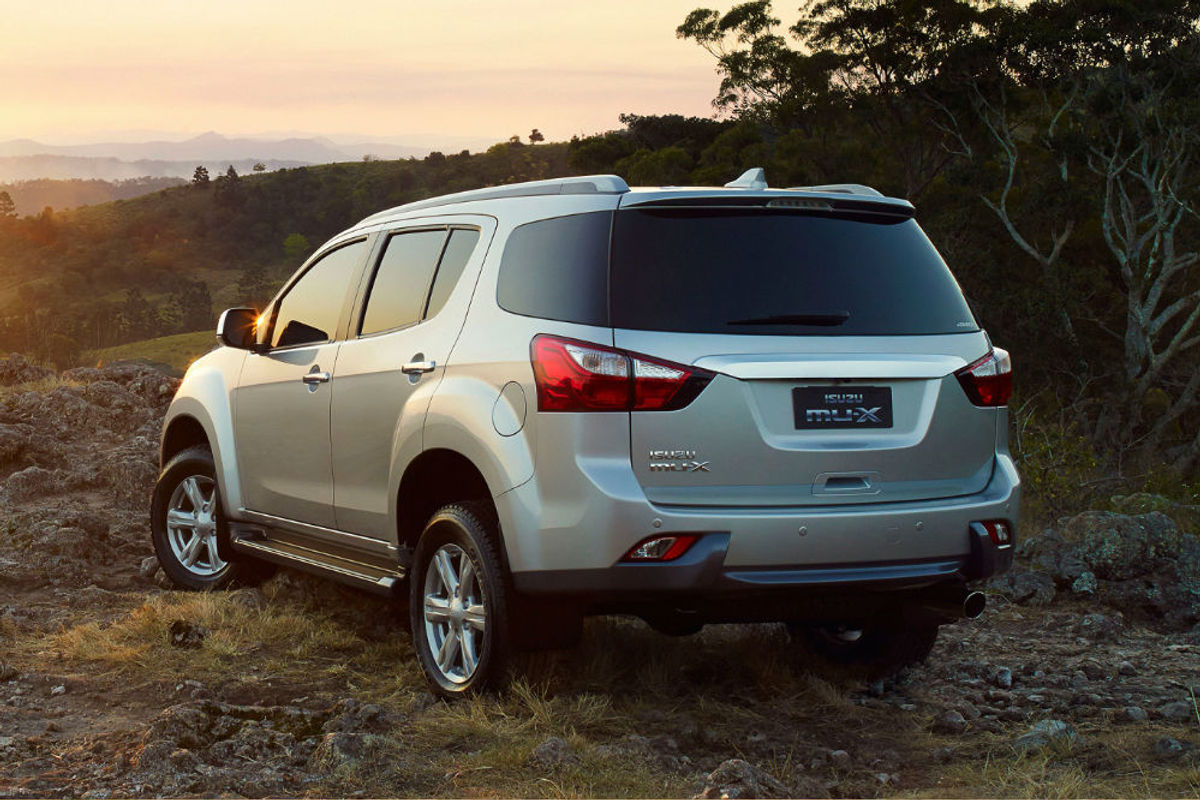
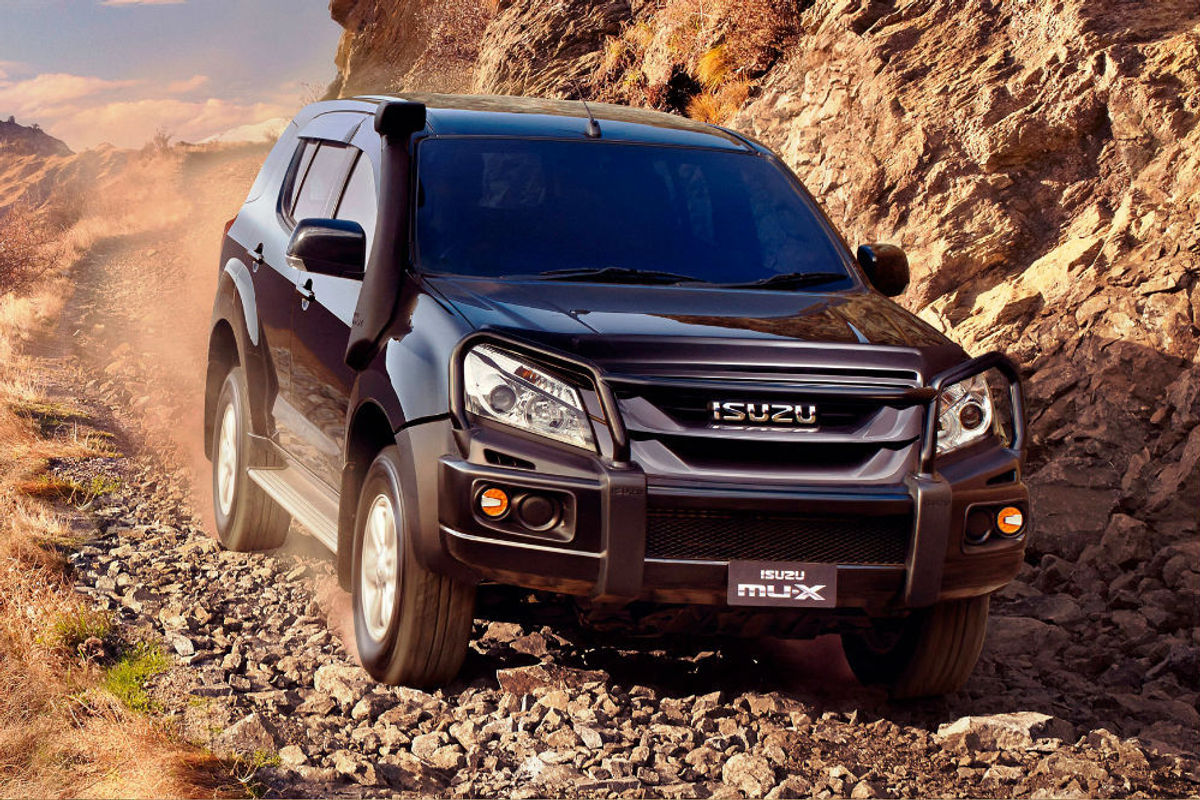
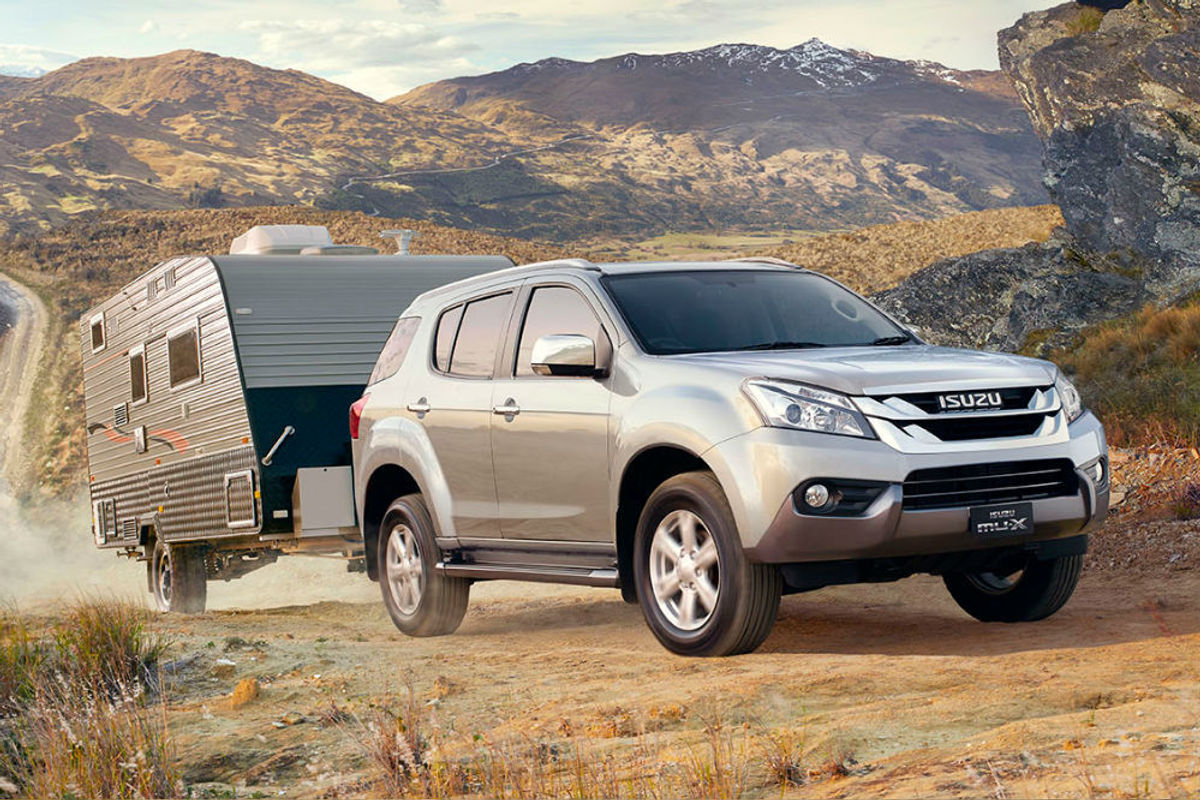
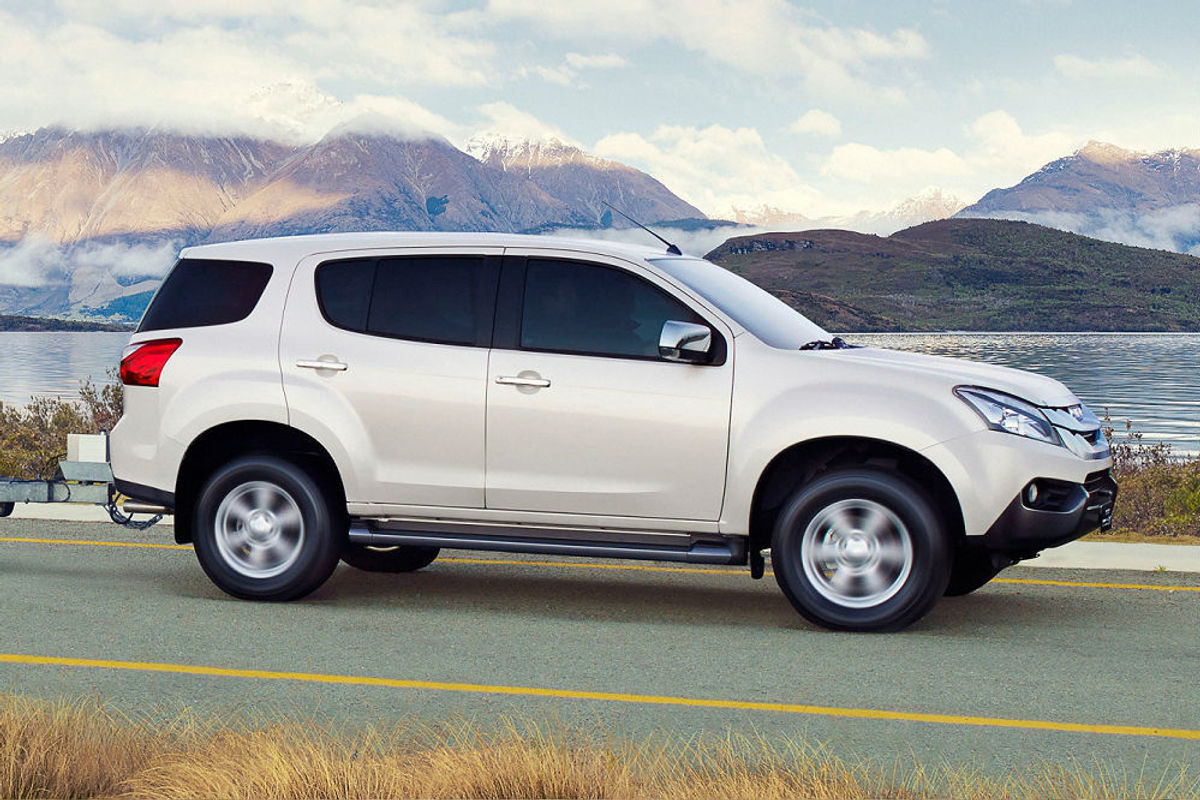
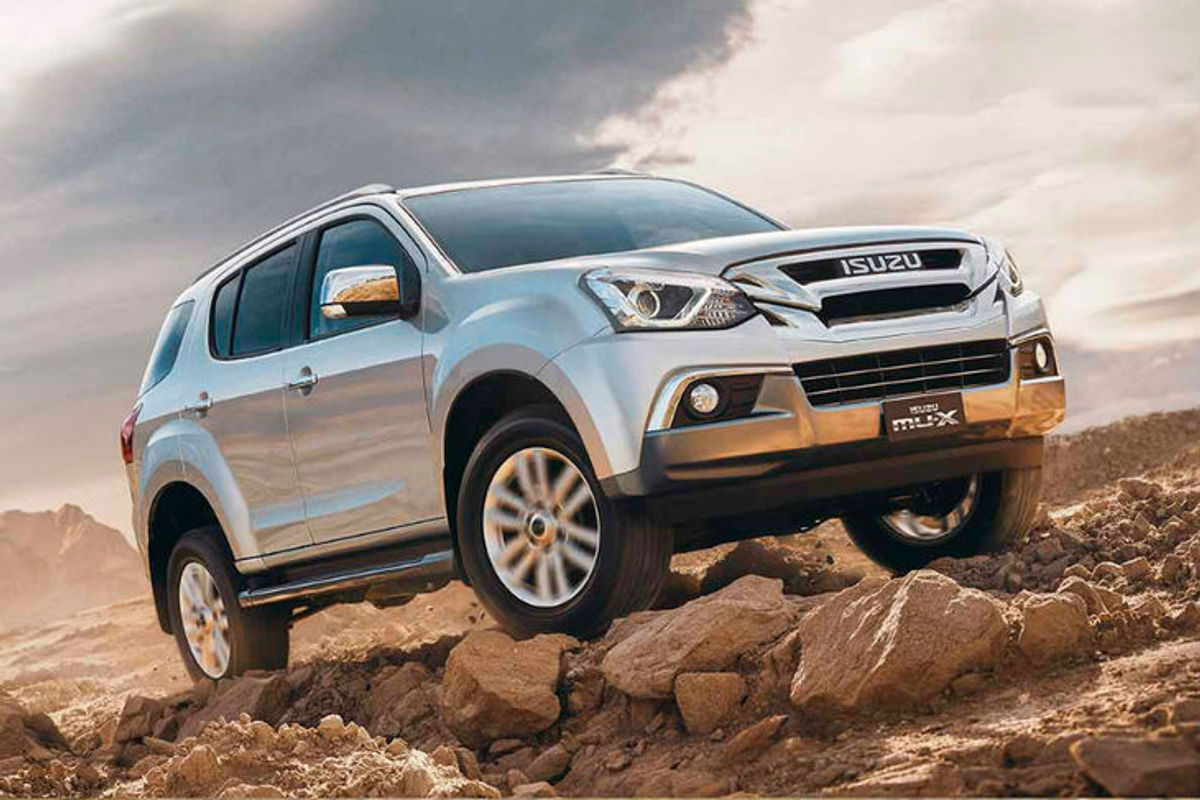
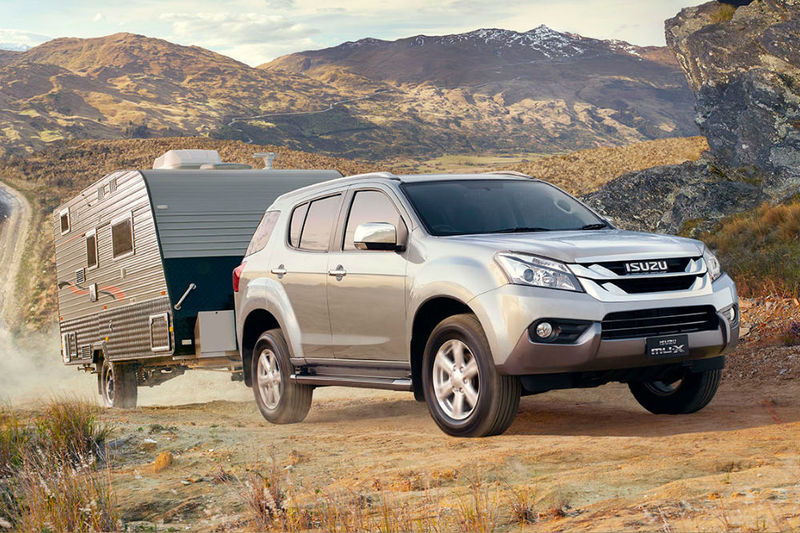
Update: General Motors exits SA Isuzu to step in [with Video]
American automotive giant General Motors (GM) has announced its withdrawal from the South African market. As a result, production and sales of Chevrolet models will cease and Isuzu will take control of the firm’s Port Elizabeth operations on January 2018. Although provisions have been made to ensure after-sales support for Chevrolet clients, the downside is approximately 600 GMSA employees could be retrenched by July 2018.
This major announcement was made to the press early on 18 May 2017 in Port Elizabeth, after GM’s top management informed its workforce and dealers of the decision. When the process is concluded by year-end (as planned), it will mark the end of the US multinational’s 13-year tenure in South Africa (the firm had officially returned to the market in January 2004), which saw the introduction of the Chevrolet, Hummer and Cadillac brands as well as the production of Isuzu and a number of Opel and Chevrolet products.
In the days following the announcement, African News Agency (ANA) reported that GM South Africa issued a notice of retrenchment to the CCMA in terms of section 189 and section 189A of the Labour Relations Act and the company confirmed that "out of a total workforce of 1500 people, about 600 workers are to be retrenched by July". In response, the National Union of Metal Workers of South Africa said the development would lead to "more than a thousand job losses in the sector, particularly as the closure… would negatively impact companies along the value chain". The union called a general meeting with GM workers and employees of companies in the firm's value chain in Port Elizabeth on 23 May "to try to map a way forward".
Speaking to Cars.co.za exclusively prior to the May 18 announcement, Ian Nicholls, President and MD of General Motors South Africa, said: “General Motors is today announcing restructuring actions in a number of different markets to drive stronger global financial performance.
Manufacturing of Chevrolet products in South Africa will be phased out over the course of the coming months.
“From a global point of view, the firm is adopting a more efficient structure to allow it to focus on its core business of building and selling vehicles and also investing heavily in defining the future of personal mobility.”
He added: “After considered assessment at a global level General Motors had determined that continued or increased investment in manufacturing in South Africa would not provide the strong returns required by GM to support their overall global business strategy.”
Nicholls pointed out that the decision by General Motors, which took control of the Delta Motor Corporation’s Eastern Cape facilities and distribution network in early 2004, had nothing to do with the state of South Africa’s economy or political situation. General Motors has in recent years also ceased or dramatically cut back on operations in places such as Australia, Indonesia and in most parts of Europe. It most recently sold the Opel brand to Peugeot Citroën (PSA).
Isuzu taking over
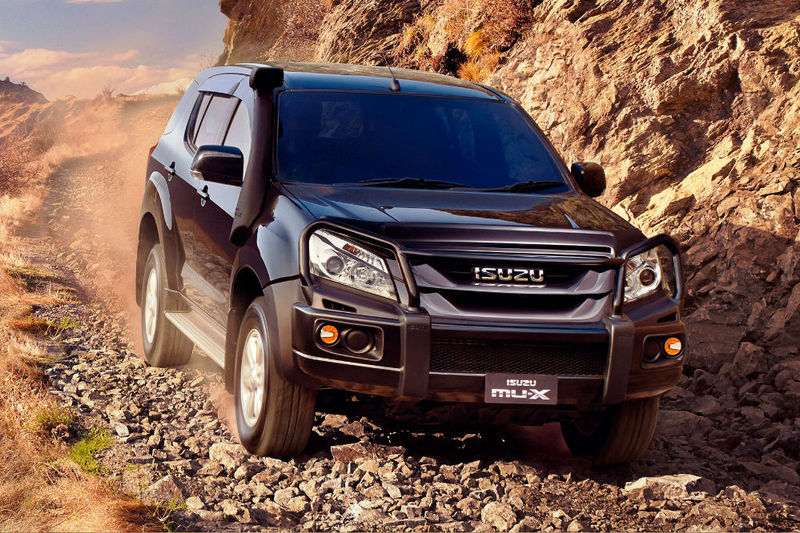
The trusted KB will continue to be the mainstay of Isuzu's local offering, but expect more products in the future.
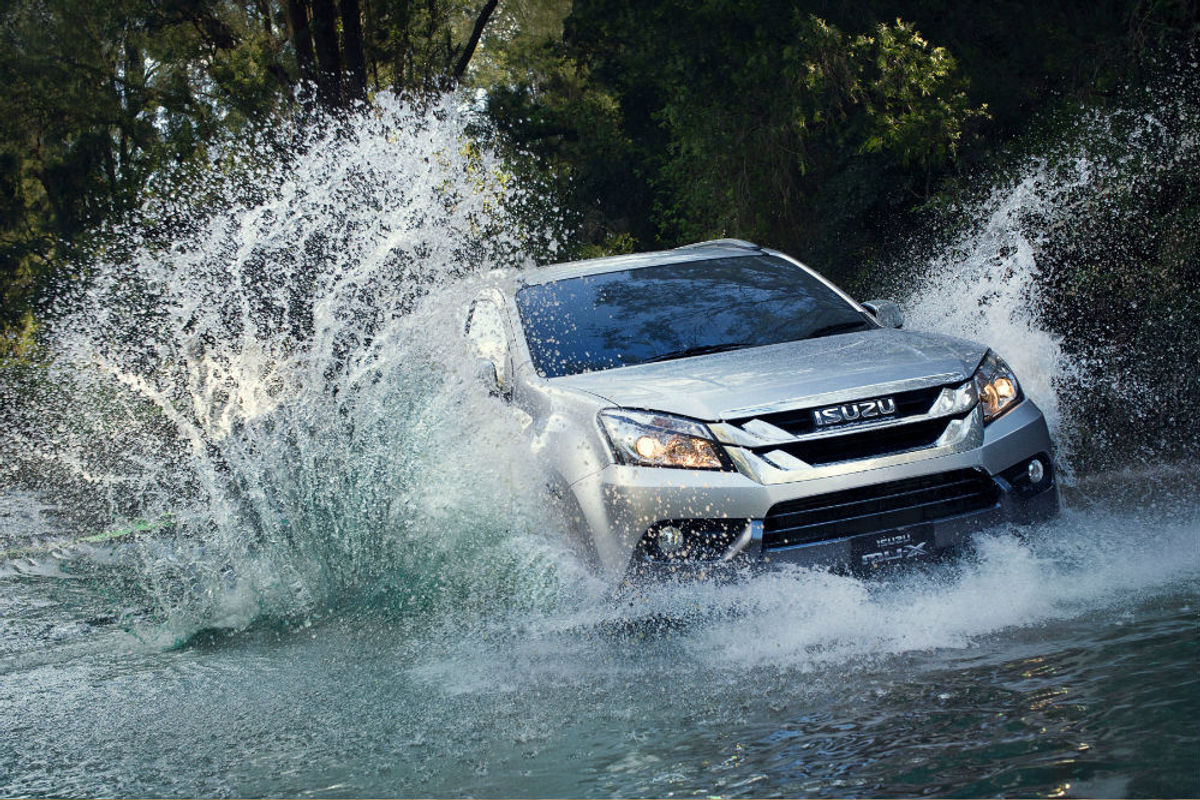
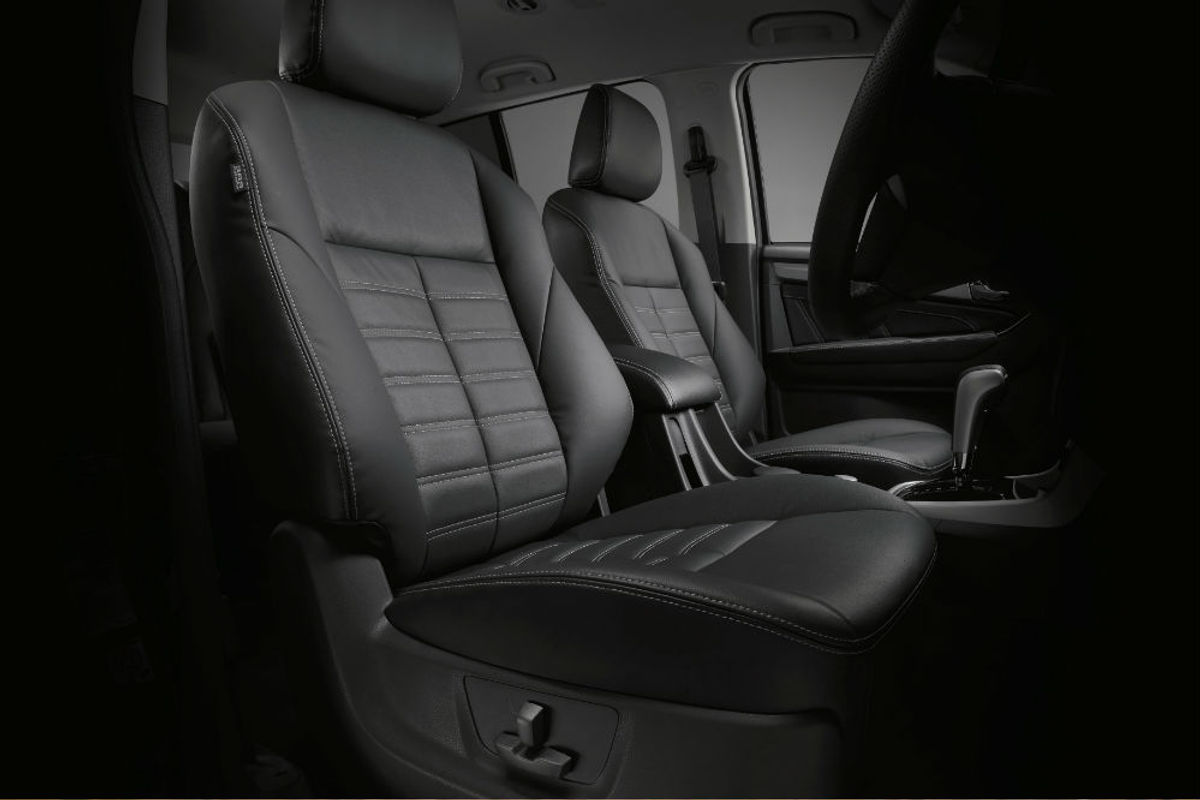
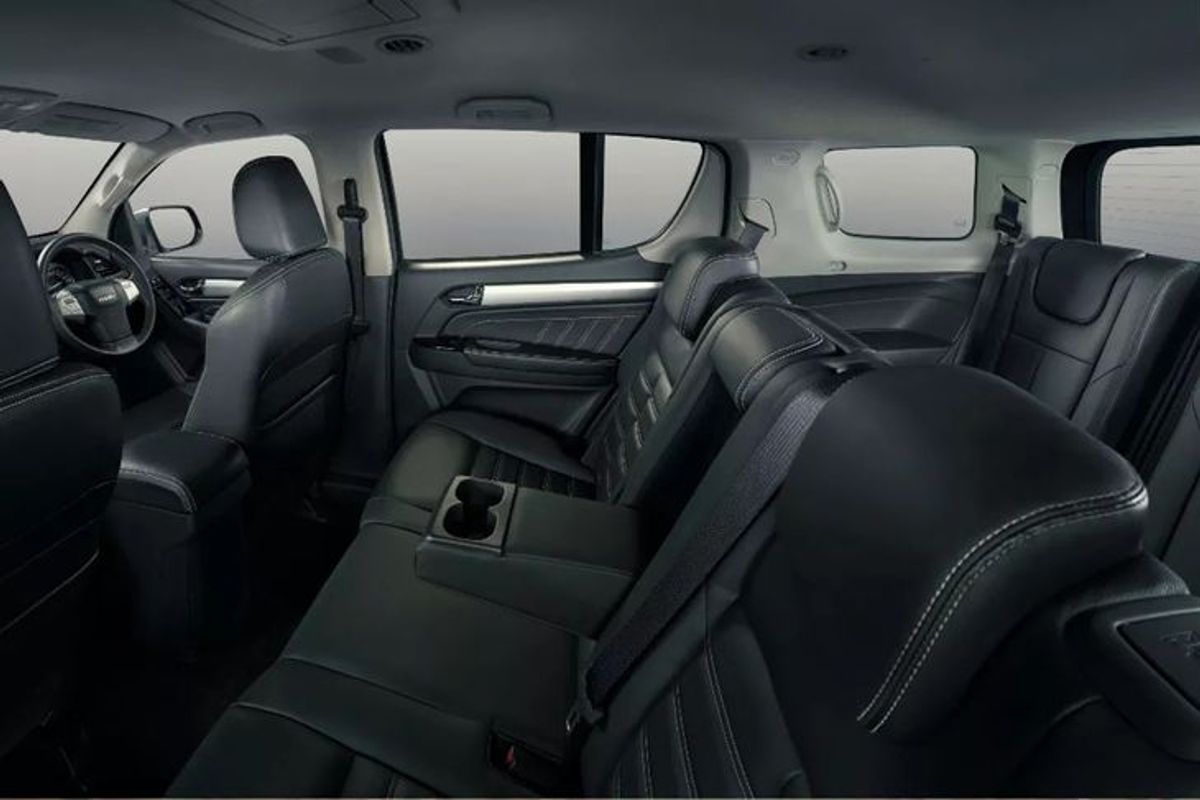
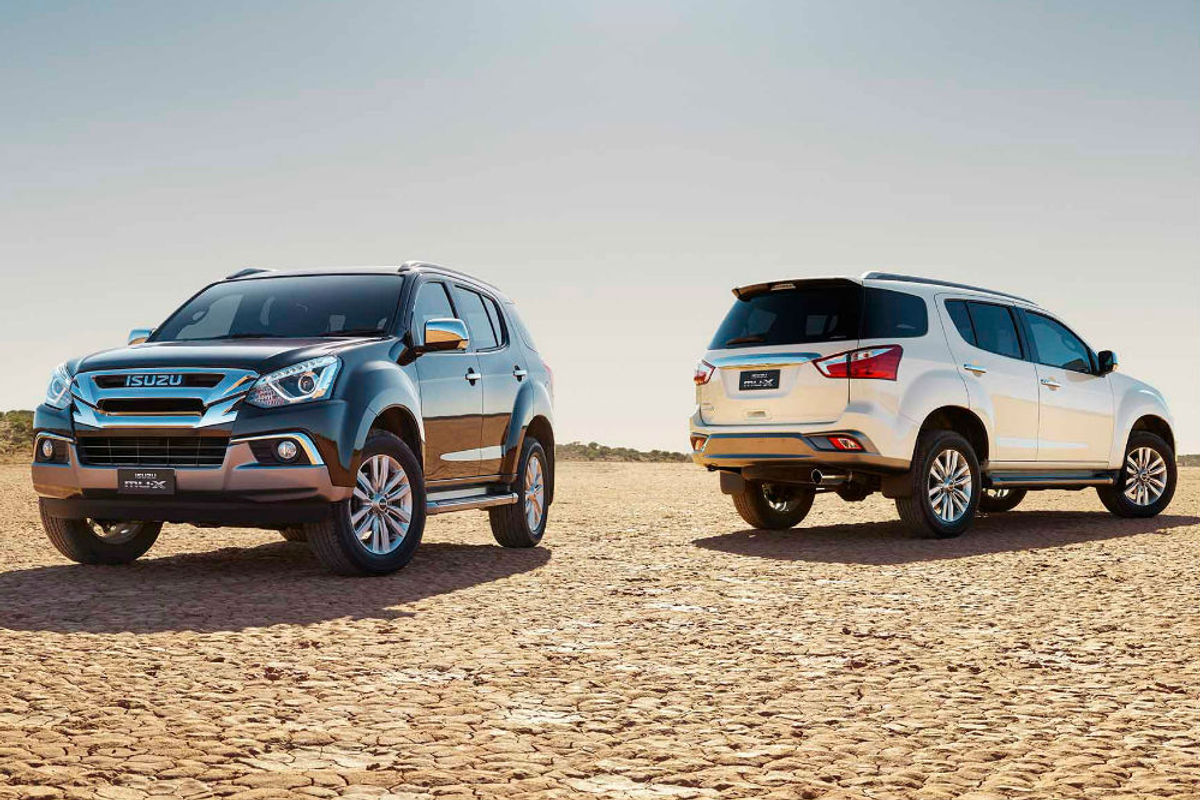
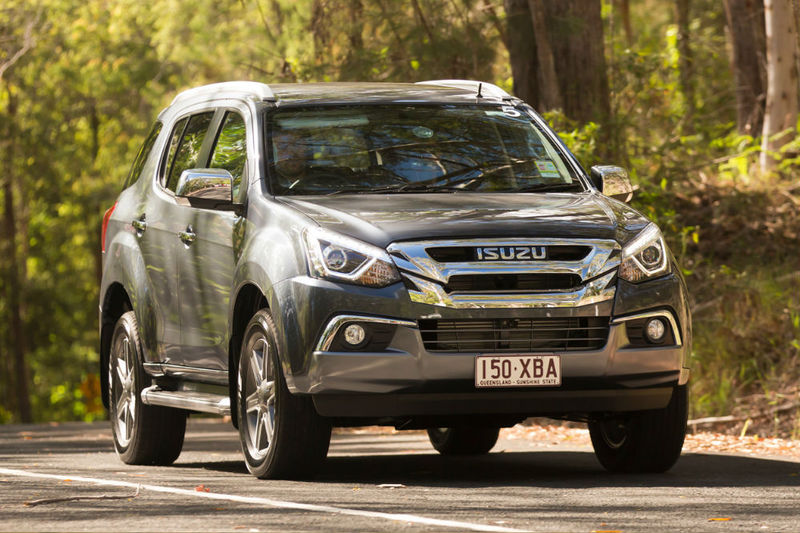
Although the local production of the Chevrolet Ute and Spark in Port Elizabeth will cease during the coming months, it's not all doom and gloom… Isuzu is staying put. The Japanese truck and LCV giant, whose KB is currently distributed by GMSA, views South Africa as a very important market for its products, as well as a manufacturing base from which to supply the rest of Africa.
Consequently, Isuzu will purchase the Struandale-based manufacturing plant, as well as the 30% shareholding that GMSA has in Isuzu Trucks SA, subject to approval by the competition commission. Isuzu will further take over the GMSA parts distribution centre in Coega and its vehicle conversion and distribution centre, where vehicles are stored prior to shipment.
Plans are underway for Isuzu to set up a national dealership network of around 90 outlets to market its LCVs and trucks in the South African market.
Isuzu will purchase most of GMSA's local operations and set up a dedicated dealership network of around 90 outlets.
It is clear that Isuzu has big plans for South Africa. According to Nicholls, the relationship with Isuzu is long-running and based on mutual respect. Isuzu trusts the local management team’s abilities to deliver on its objectives. He says the brand has major short- and medium-term plans for South Africa.
The Japanese giant is eyeing South Africa as a base from which to increase its presence into Africa. It recently purchased the 57.7% shareholding from GMSA in the Kenyan operations, where the Isuzu brand is the market leader and where SA-built Isuzu bakkies are sold.
Over and above the aforementioned restructuring programme in Port Elizabeth as a result of manufacturing shifting to support a single brand only (Isuzu), there will be a rationalisation and consolidation process at dealership level too: note that GMSA currently has roughly 130 outlets, compared with the 90 franchises planned for the Japanese brand.
What if you own an Opel or a Chevrolet?
The recent sale of Opel to Peugeot still needs to be finalised. The German brand's long-term future in SA is still being determined.
Nicholls says that all warranties and service/maintenance plans of affected brands will be honoured, either by the existing General Motors dealership network through to the end of 2017, or by the new Isuzu network being established. He envisages a parts supply agreement of “at least 10 years”.
The situation with Opel – from a sales and marketing point of view – could change in the coming months, however. As it stands, GMSA has an agreement to distribute Opel until the end of this year, and the German firm’s plans for SA will only become clear once the sale of Opel to PSA (Peugeot Citroën) is confirmed and final.
At present General Motors and PSA are working together to investigate the market opportunities for Opel in South Africa. An Opel press conference is set to take place on 8 June in Sandton. Either way, according to Nicholls, Isuzu will continue to provide back-up and support for Opel products until the expected Opel/PSA agreement is concluded.
Watch the statement by Ian Nicholls, President and MD of General Motors South Africa, below:
Renault has released a teaser image of its forthcoming Megane RS hot hatch and in the words of Renault Sport, it’s “coming soon 2017”.
The new Renault Megane RS is expected to be revealed later this year, possibly at the 2017 Frankfurt Motor Show, and it will rival the lauded Volkswagen Golf GTI Clubsport and Honda Civic Type R in the hot hatch stakes.
Renault Sport recently achieved 1 million likes on Facebook and released a retrospective video to celebrate the occasion (see the video below). At the end of the video, the new Megane RS can be seen under a cover showing its LED headlight signature as well as the chequered flag lighting elements in the lower bumper, as seen on the facelifted Clio RS.
The new Megane RS will be a 5-door model and will likely be powered by a new turbocharged 2.0-litre engine or the same 1.8-litre turbocharged engine found in the Alpine A110, which was recently revealed at the Geneva Motor Show.
Further details will be revealed in due course and we will keep you updated as more information becomes available. For now though, check out this cool video released by Renault Sport.
Volkswagen has announced a GTI version of the Up! city car and released a video in which the newcomer is compared with the car many people consider the father of the hot hatch brigade: the original (Mk1) Golf GTI! As exciting as it sounds, the Up! won't come to the South African market.
The Up! is one of our favourite compact hatchbacks and the Wolfsburg-based firm has expanded the range's lineup to include a GTI model. Right now what you're seeing is a pre-production concept car, but Volkswagen claims that it's extremely close to a production version.
The GTI's history is much-celebrated and this Up! GTI is remarkably close to the original GTI in terms of performance. Back in 1976, 81 kW was a potent output for a small car. In 2017, the Up! GTI produces 85 kW and 200 Nm from an enhanced version of the 1.0-litre 3-cylinder turbocharged petrol motor. The littlest GTI is claimed to accelerate from 0-100 kph in 8.8 seconds and go on to a top speed of 197 kph. It tips the scales at just under a tonne (997 kg) and the suspension has been lowered by 15 mm to sharpen the handling.
With sporty wheels, a rear wing and GTI badges, the Volkswagen Up! GTI looks the part. Sadly not coming to SA.
Visually, there is a plethora of GTI styling cues, with the trademark honeycomb-pattern grille and GTI logo at the front. There are also high-gloss black mirrors, 17-inch alloy wheels, a roof edge spoiler, while the cabin boasts a leather-trimmed sports steering wheel, a GTI gear knob and sporty seat trim.
Volkswagen claims it'll go on sale in 2018 and when pressed for comment in terms of the likelihood of an SA launch, VWSA replied with: "We have no plans to bring the Up! GTI." Pity.
Watch the Volkswagen Up! GTI meeting the original Golf GTI
Revealed: Performance Pack for 2017 Volkswagen Golf GTI
The facelifted Volkswagen Golf GTI has only just been launched in South Africa, but already there's a hotter derivative that's potentially coming to South Africa. Meet the Volkswagen Golf GTI Performance Pack.
The Volkswagen Golf GTI is an accomplished product and you can read about our thoughts here. With peak outputs of 169 kW and 350 Nm, it's certainly not pedestrian, but what if you wanted a bit more go from the 2-time Cars.co.za Consumer Awards-champion? The previous-generation (pre-facelift) Golf GTI line-up included a Performance Pack derivative. The latter featured a tad more power and sharper dynamics, but some critics felt that the gap between 162 kW and 169 kW was not enough to differentiate the two models.
Now Volkswagen has announced a Performance Pack version of the facelifted Golf 7 (or Golf 7.5, as some have named it) GTI and this time there's a bigger power hike between the standard and uprated versions. With the new GTI developing the old Performance Pack's outputs, a considerable increase was needed and now sits at 180 kW and 370 Nm (compared with the stock GTI's 169 kW and 350 Nm). The new GTI Performance Pack is claimed to accelerate from zero to 100 kph in 6.2 seconds, going on to a limited top speed of 250 kph.
Red GTI badges on the front and the rear plus GTI on the brakes make this a Volkswagen Golf GTI Performance Pack.
It'll look a bit different too; the Golf GTI Performance Pack features red GTI badges on the front and rear, GTI logo on the red brake calipers and, speaking of stopping power, enlarged, internally ventilated discs are fitted to the newcomer and we suspect these items (front: 340 mm, rear: 310 mm) come straight from the flagship Golf R derivative. On the mechanical side, apart from the engine upgrade, a limited-slip differential has been fitted as standard, which will help the GTI Performance Pack put down its power in the twisties.
In terms spec, the Volkswagen GTI Performance pack has more features as standard. European spec cars will have Active Info Display and the new Composition Media radio as standard. Will it come to South Africa? Given how much we love the Golf GTI brand, it would not surprise us if the vehicle did eventually make it to South Africa.
When approached for comment on the matter, a Volkswagen SA representative said, "we are evaluating whether to bring the Performance Pack but no decision, either way, is finalised."