Mazda2 Individual Plus (2017) Review
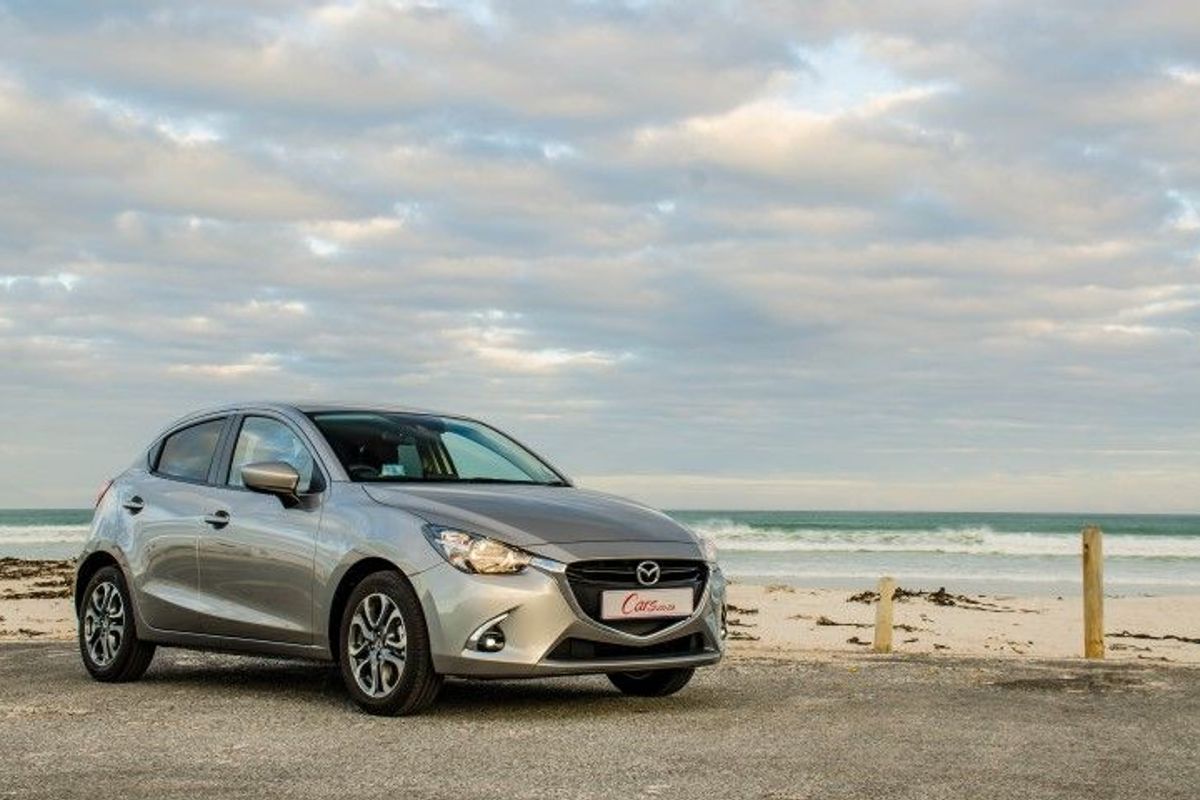
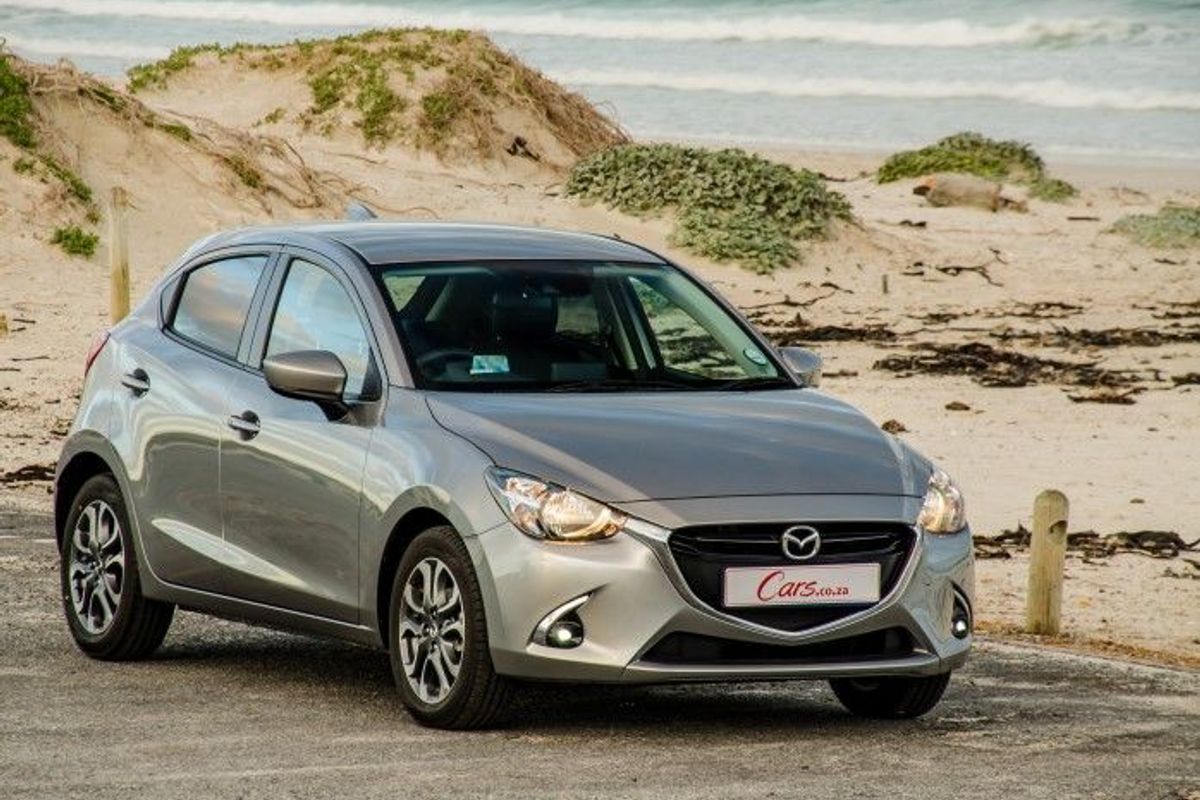
Mazda recently bolstered its Mazda2 compact hatchback lineup with the addition of a highly-specced 1.5 Individual Plus Automatic derivative. We recently had it on test and this is what we thought of it…

If you’re in the market for a highly specificed Mazda2 hatchback, then this review will be of use to you!

We like: Interior and exterior styling, lots of standard features, comfortable ride

We don’t like: Engine labours under hard acceleration and lacks punch, no stability control.

Alternatives

  • Bang-for-buck: Consider the Renault Clio 88 kW Turbo Expression Automatic priced at R264 900. A healthy 190 Nm of torque is on offer from its 4-cylinder 1.2-litre turbopetrol engine and like the Mazda2, it employs a 6-speed automatic transmission. The Clio was updated earlier this year, so it’s fresh and ready to woo you with its vibrant French looks. If you want something sportier, then the Clio 88 kW GT-Line is going for the same price with more torque at 205 Nm, but you will have to settle for a manual transmission. Either way, it’s good bang-for-buck.
  • The safe, if pricey, bet: Consider the Volkswagen Polo 1.2 TSI Automatic priced at R292 300. Just bear in mind that the all-new Polo is expected to make landfall early in 2018 and the current car’s 1.2-litre turbo engine might be replaced with a 1.5-litre turbocharged unit (yet to be confirmed for SA). Nonetheless, the Polo 1.2 TSI is a safe, if pricey, bet… just take account that its standard specification is not as comprehensive as the Mazda2’s (it does have ESC, for example).  
  • Rio grande: Consider the recently launched, all-new Kia Rio 1.4 Tec Automatic priced at R287 995. It closely matches the Mazda2 on features and price and is similarly equipped with a naturally aspirated engine offering 74 kW and 135 Nm of torque and mated to a decidedly old-school 4-speed automatic transmission. 
Compare the Mazda2 1.5 Individual Plus automatic with the Renault Clio 88 kW Turbo Expression Automatic and the Volkswagen Polo 1.2 TSI Highline Automatic


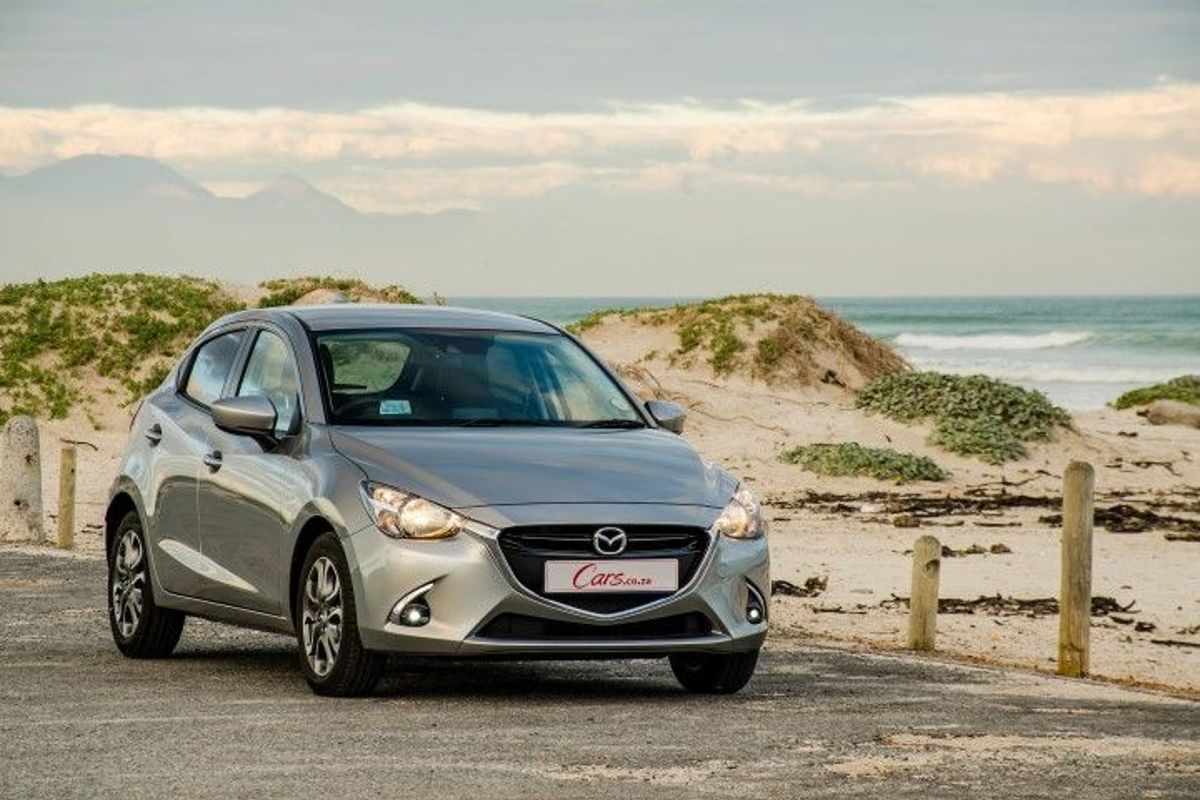
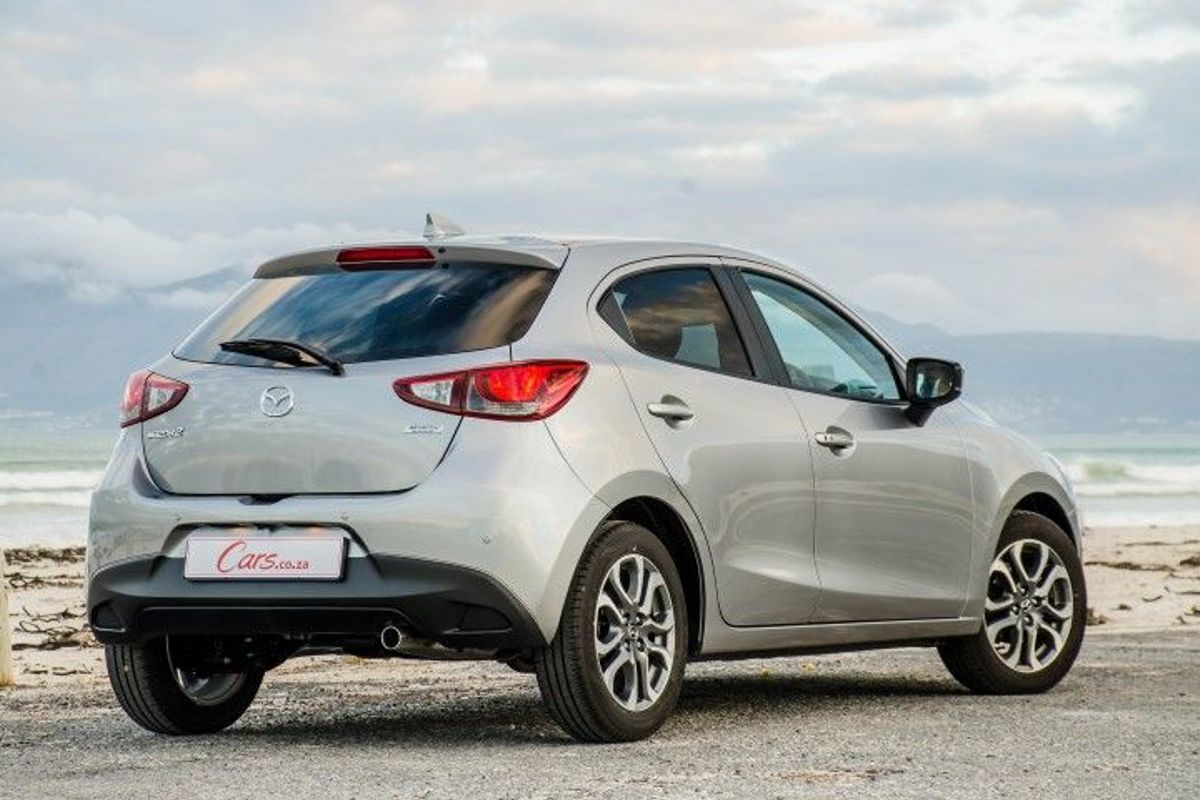
Cute, capable and full of features, the Mazda2 Individual Plus Automatic has much to offer. 

Facts & Figures

Price: R286 200 (June 2017)
Engine: Naturally-aspirated 1.5-litre
Power: 82 kW
Torque: 145 Nm
Transmission: 6-speed automatic
Fuel consumption: 5.7 L/100 km
0-100 kph: 10.4 seconds
Top Speed: 184 kph

Where does it fit in?

There are now 7 Mazda2 derivatives on offer and this 1.5 Individual Plus automatic is the most feature-rich, petrol-powered Mazda2 available, slotting in below the range-topping 1.5 DE Hazumi diesel automatic. The Mazda2 sells relatively well in South Africa and competes in a hotly contested segment against formidable rivals such as the Volkswagen Polo, Ford Fiesta, Renault Clio, Kia Rio and Hyundai i20. Should you consider this new high-spec Mazda2 Individual Plus automatic over its rivals? Let’s find out…

The Good

Kerb appeal
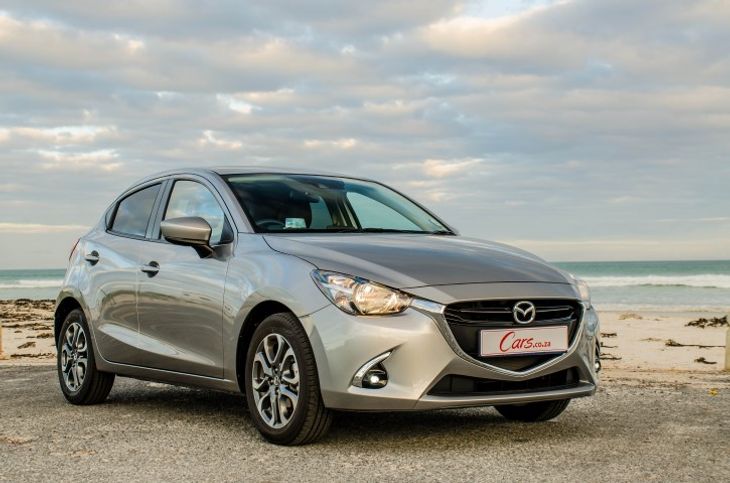

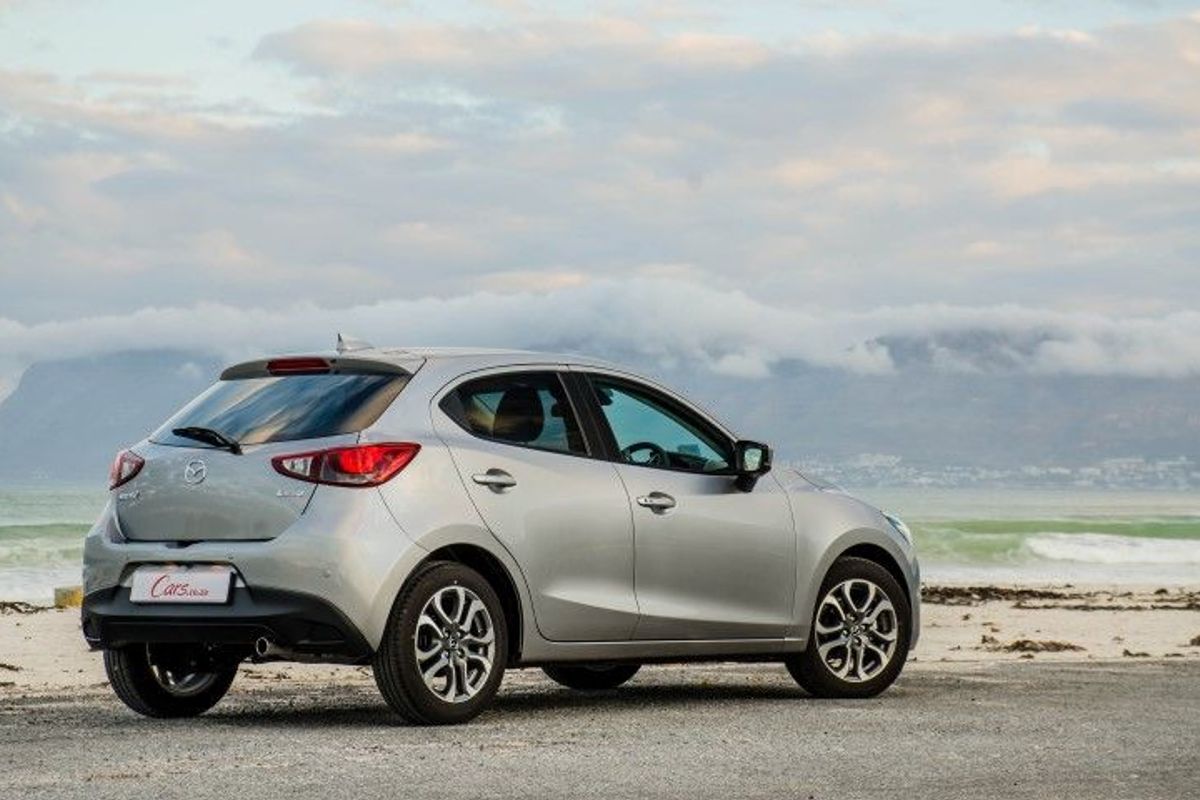
Attractive exterior styling and a modern, well-built interior have contributed to the Mazda2’s relative success in SA. 

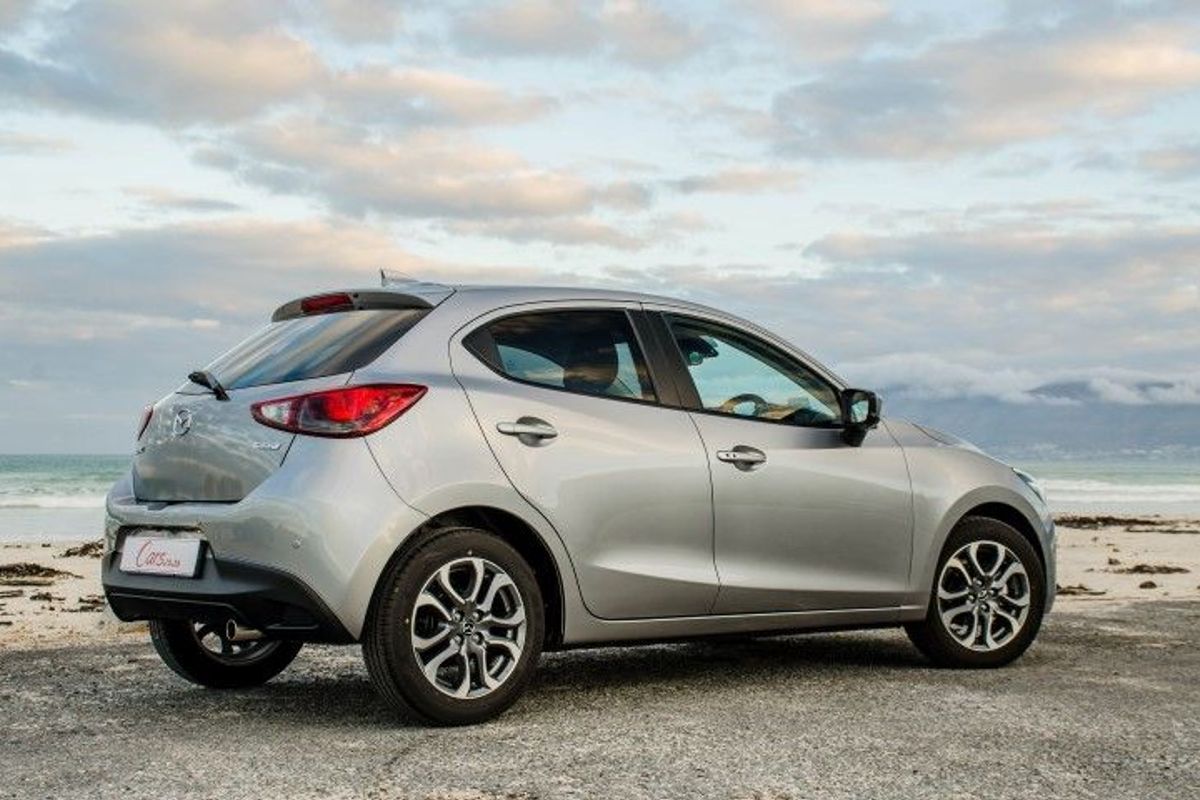
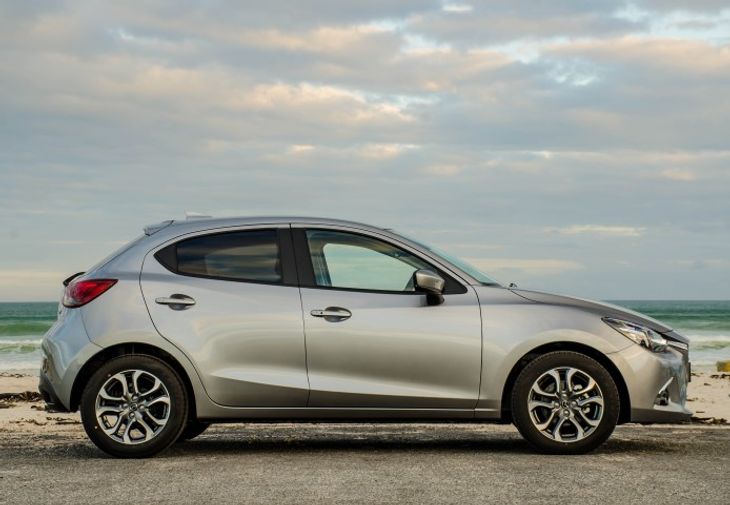
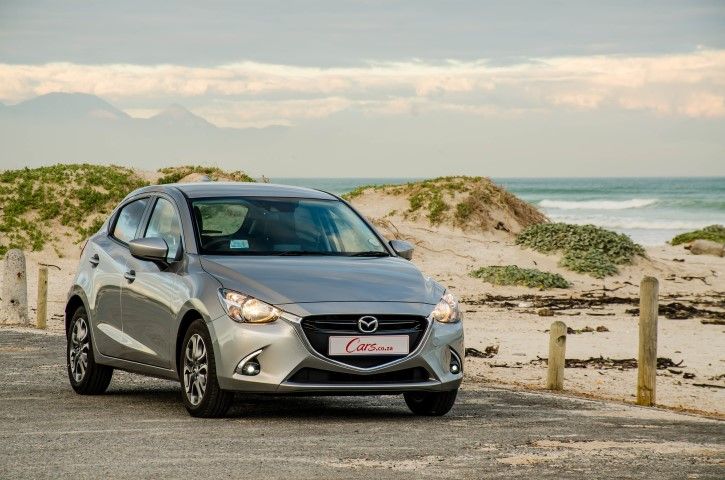
The Mazda2 is arguably one of the better looking compact hatchbacks in our market; it shares its Kodo design language with other Mazda products such as the CX-3, CX-5, Mazda3 and Mazda6. The Mazda2 offers a sophisticated and elegant look and rides on (standard) 16-inch alloy wheels. We like the Mazda2’s styling, but any aesthetic appreciation is subjective.

Performance and ride quality

This Mazda2’s propulsion comes courtesy of a naturally aspirated 82 kW/145 Nm 1.5-litre engine that drives the front wheels via a 6-speed auto transmission. The test unit’s in-gear acceleration was linear and smooth; we found a driver could get the most from the power unit by steadily feeding in the throttle, but it’s not a particularly entertaining way to drive.  

Similarly, measured driving inputs enable the transmission to work through its gears unobtrusively and the driver can execute manual shifts by using the steering-wheel-mounted paddles. What’s more, performance can be sharpened further by flicking the “Sport” switch found on the centre console, but, in truth, we found the difference to be barely perceptible.  
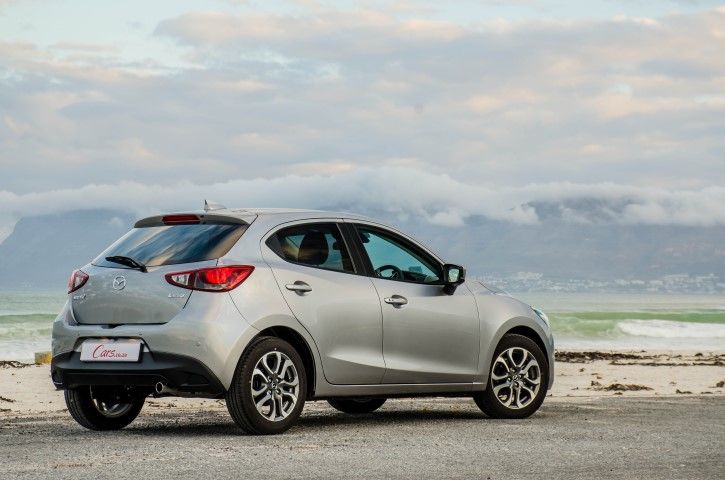

Performance is adequate, but the 1.5-litre naturally aspirated engine can’t match the punchiness offered by the Mazda2’s rivals. 

Meanwhile, despite riding on larger-than-average wheels and a suspension predisposition that is sportier than most cars in its segment, the Mazda delivers a comfortable ride quality. The suspension copes well over bumpier surfaces, yet it’s just firm enough to endow the Mazda2 with an immersive, sure-footed driving experience. 

In terms of fuel consumption, Mazda claims 5.7 L/100 km and during our test period, the fuel consumption monitor returned an average figure of 6.8 L/100km, which is acceptable.

Interior quality and features

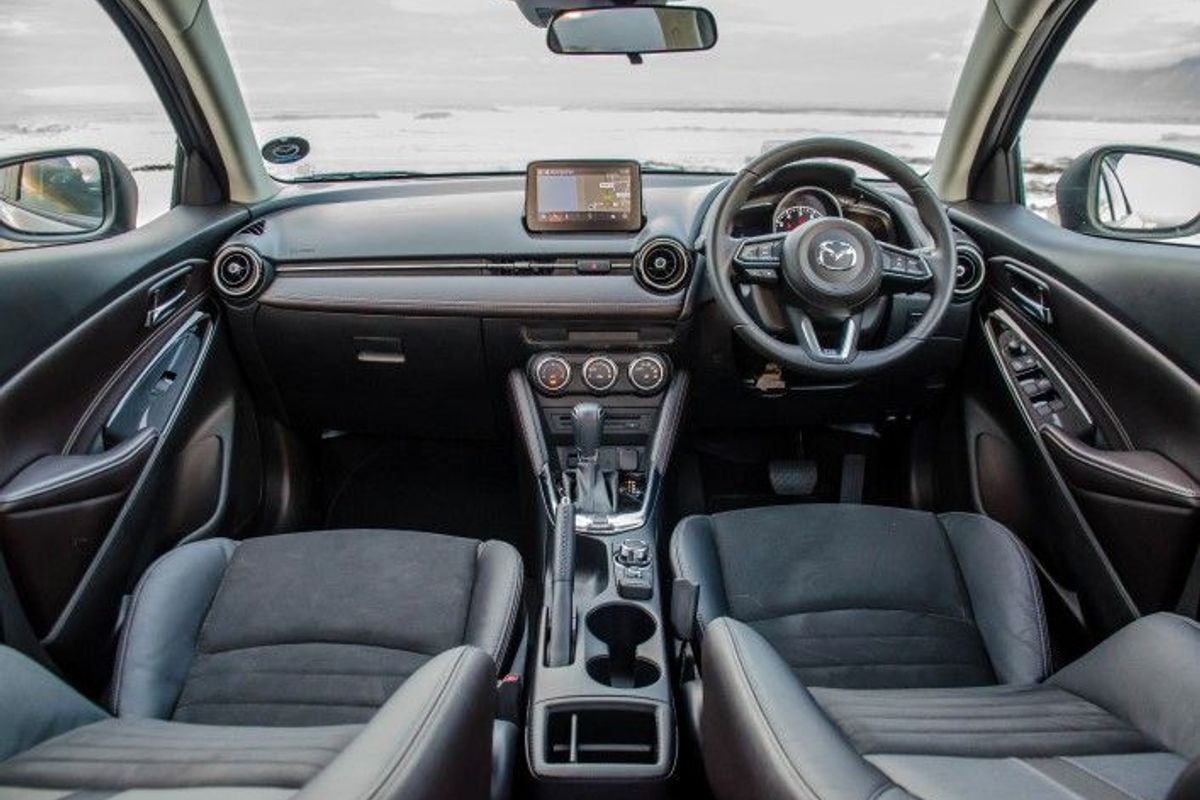
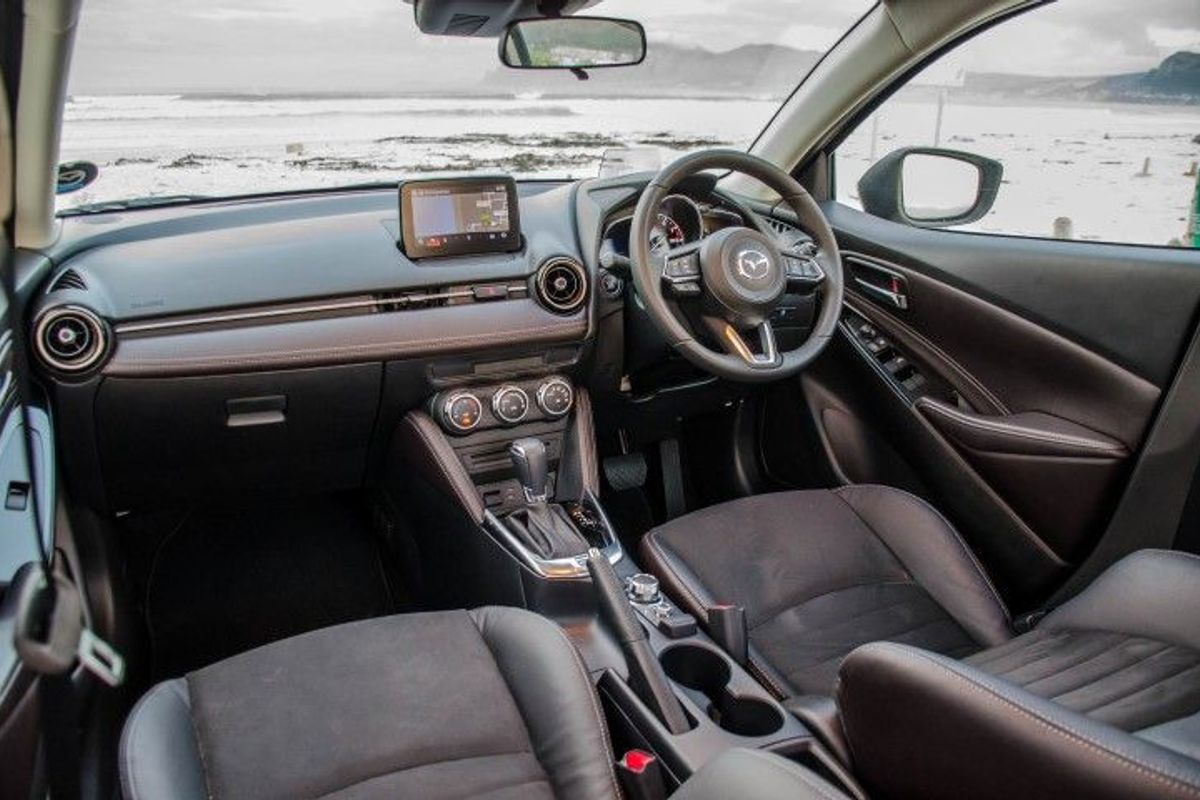
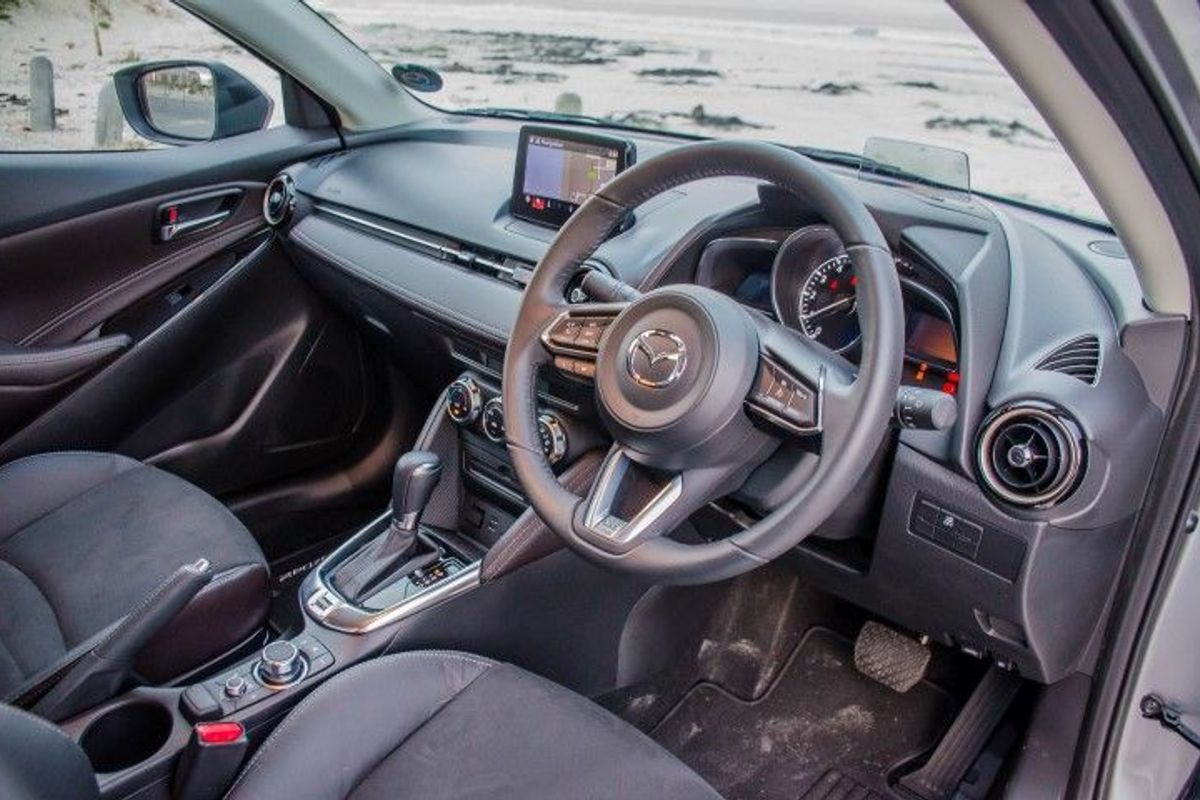
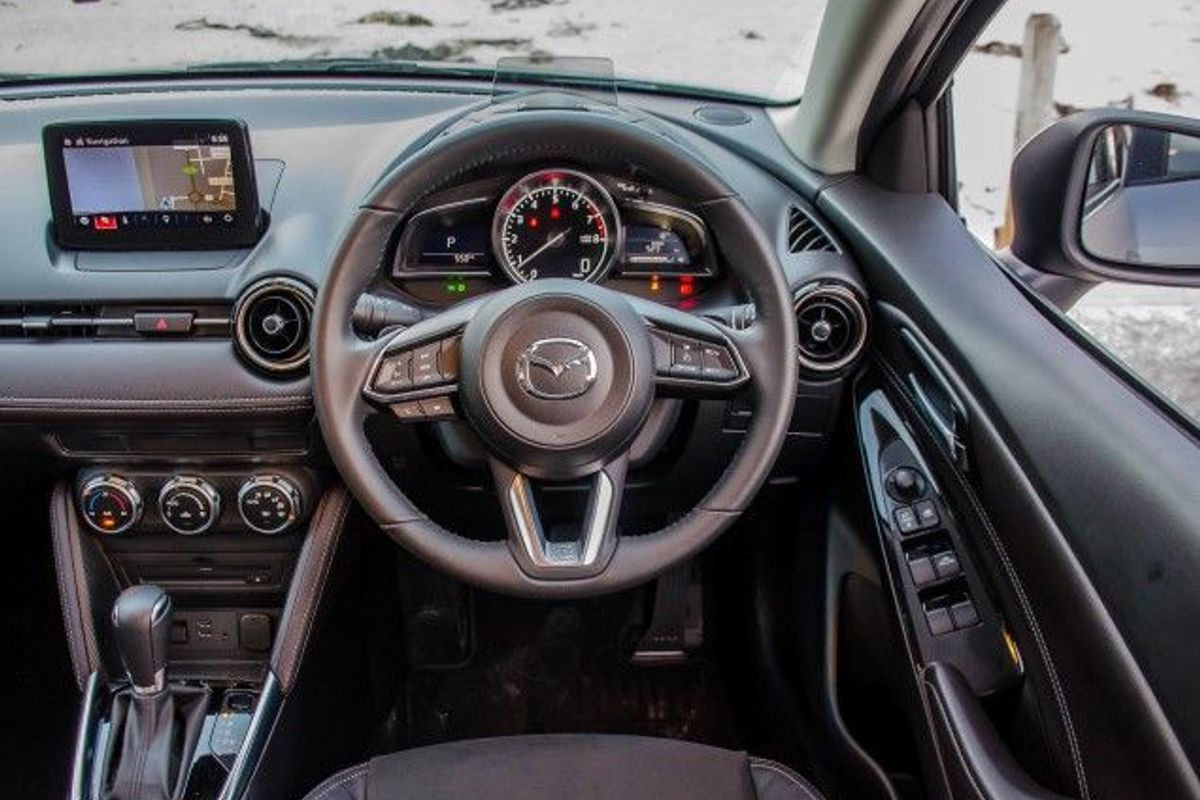
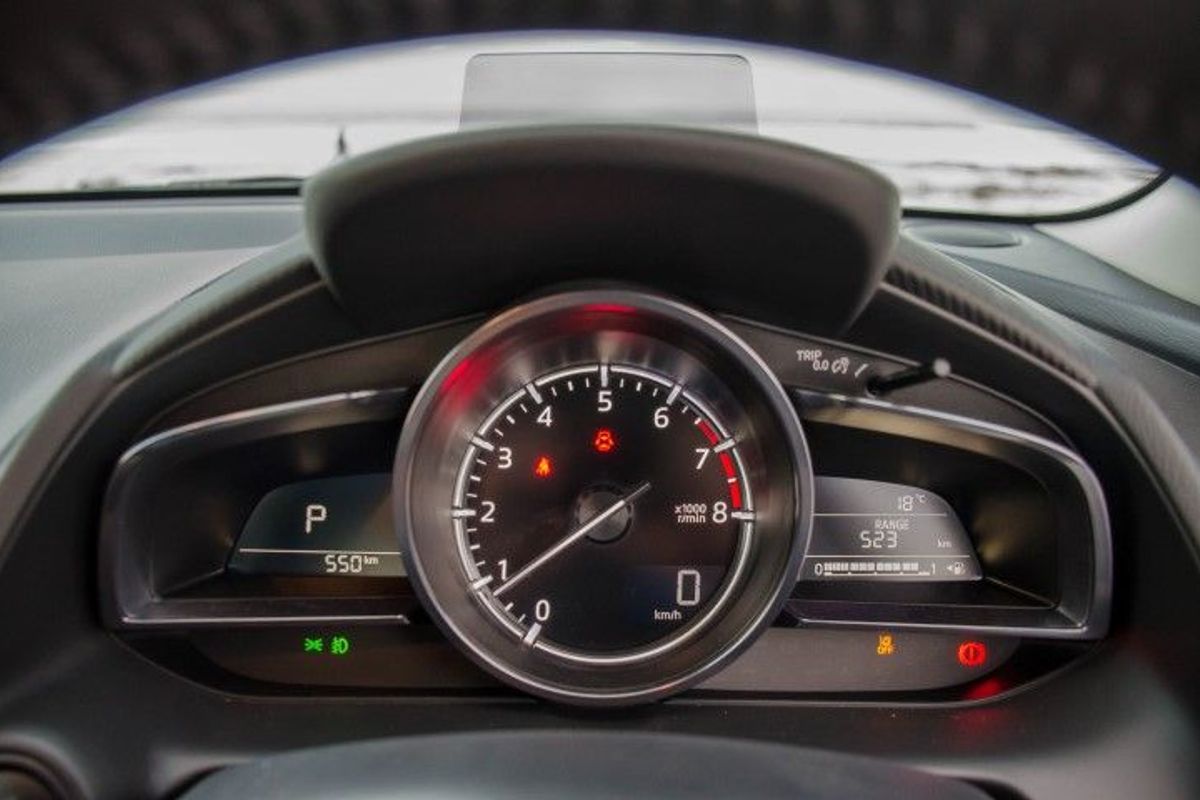
The Mazda2’s cabin is attractively styled with a premium look and feel. There are some welcome soft-touch surfaces and the quality of the switchgear and general build quality is good. The instrument cluster has a sporty look to it and an adjustable heads-up display provides information such as speed, navigational information and safety alerts without having to take your eyes off the road. This is a feature that none of the Mazda’s direct rivals can match.
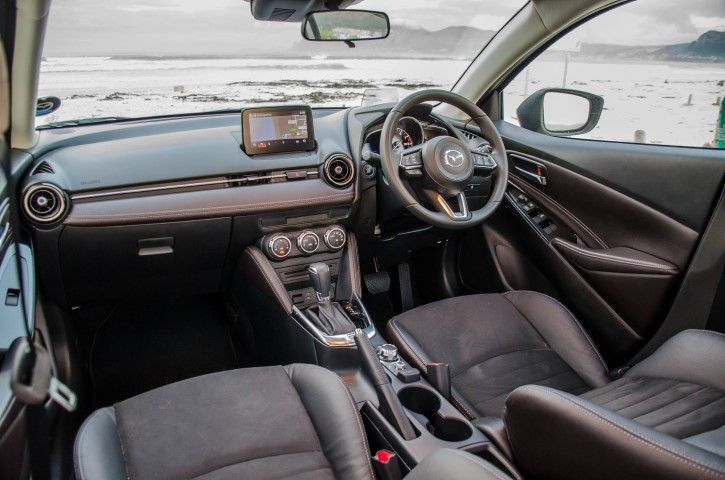

The Mazda2 Individual Plus’ minimalist interior is both comfortable and well-stocked with features. 

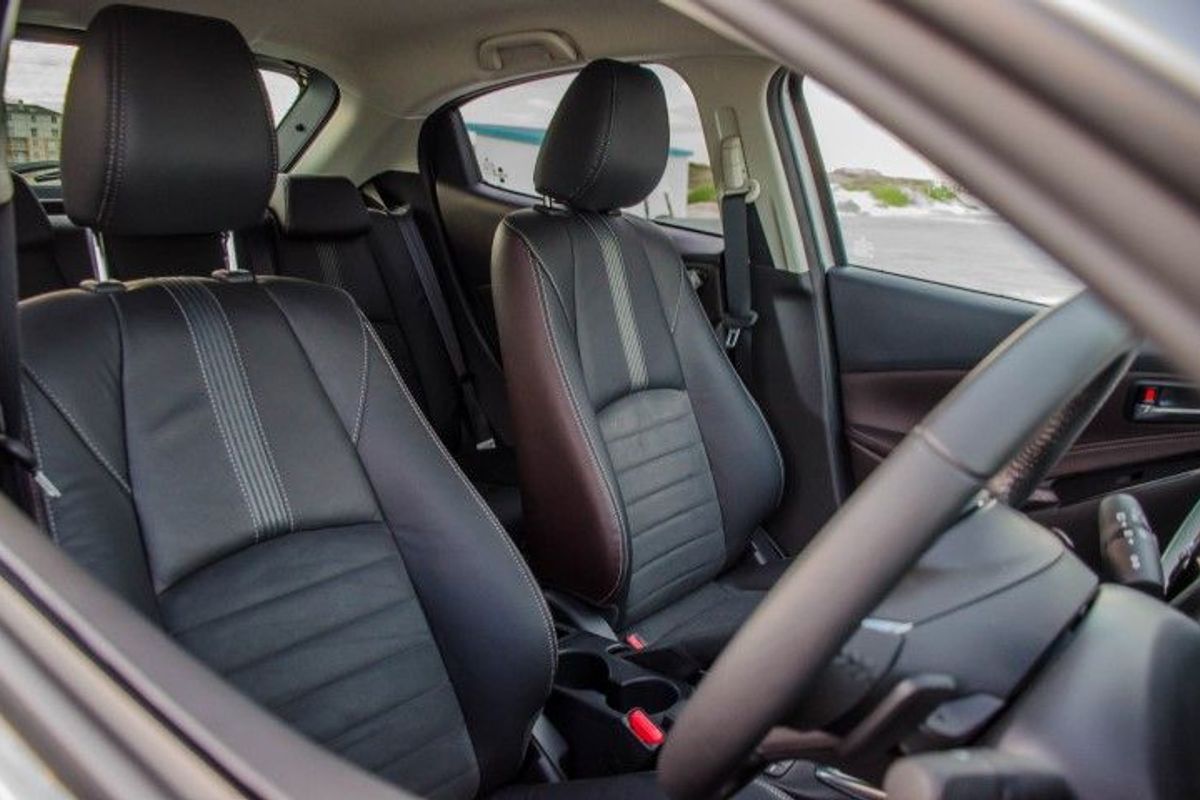
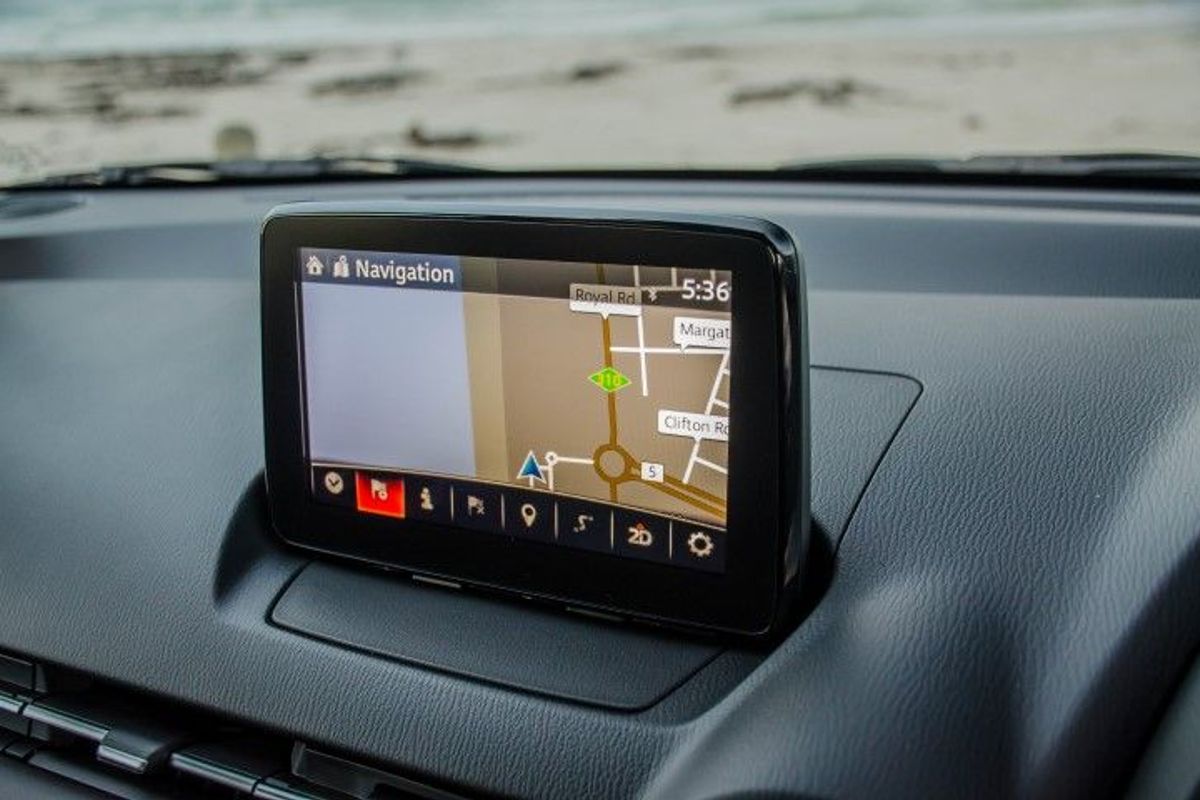
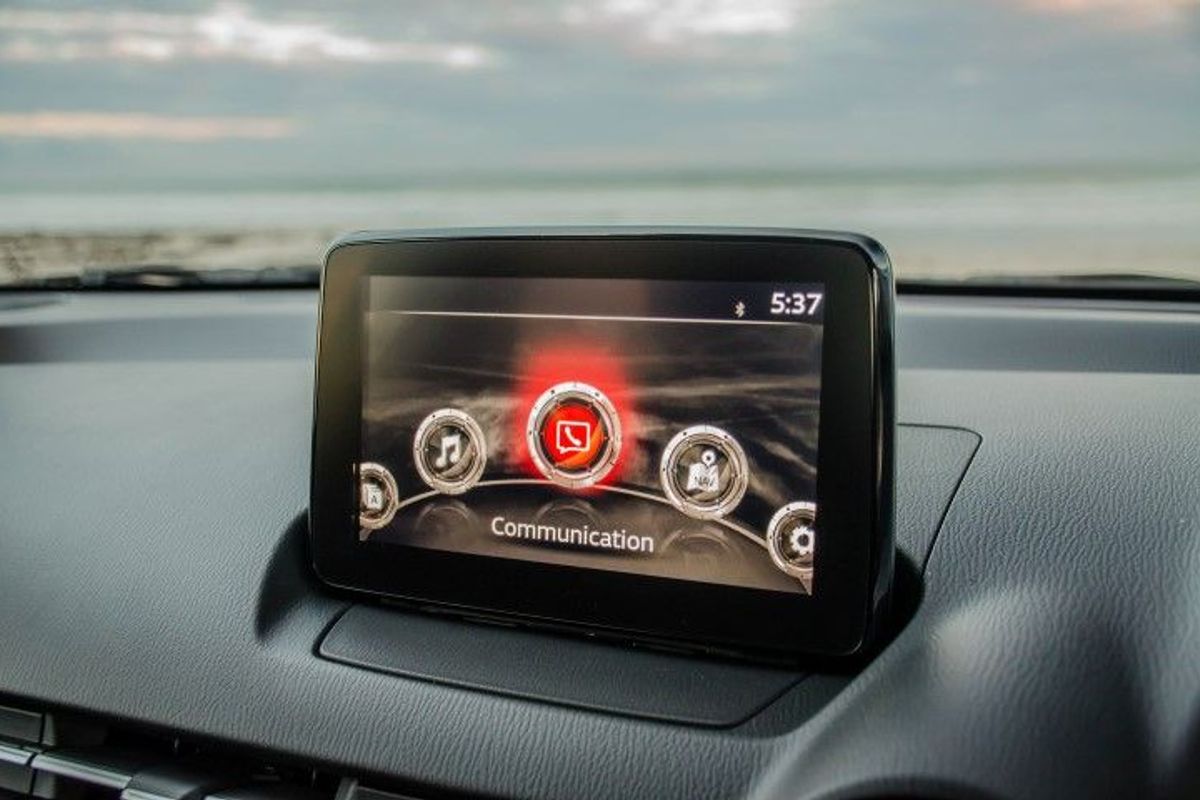
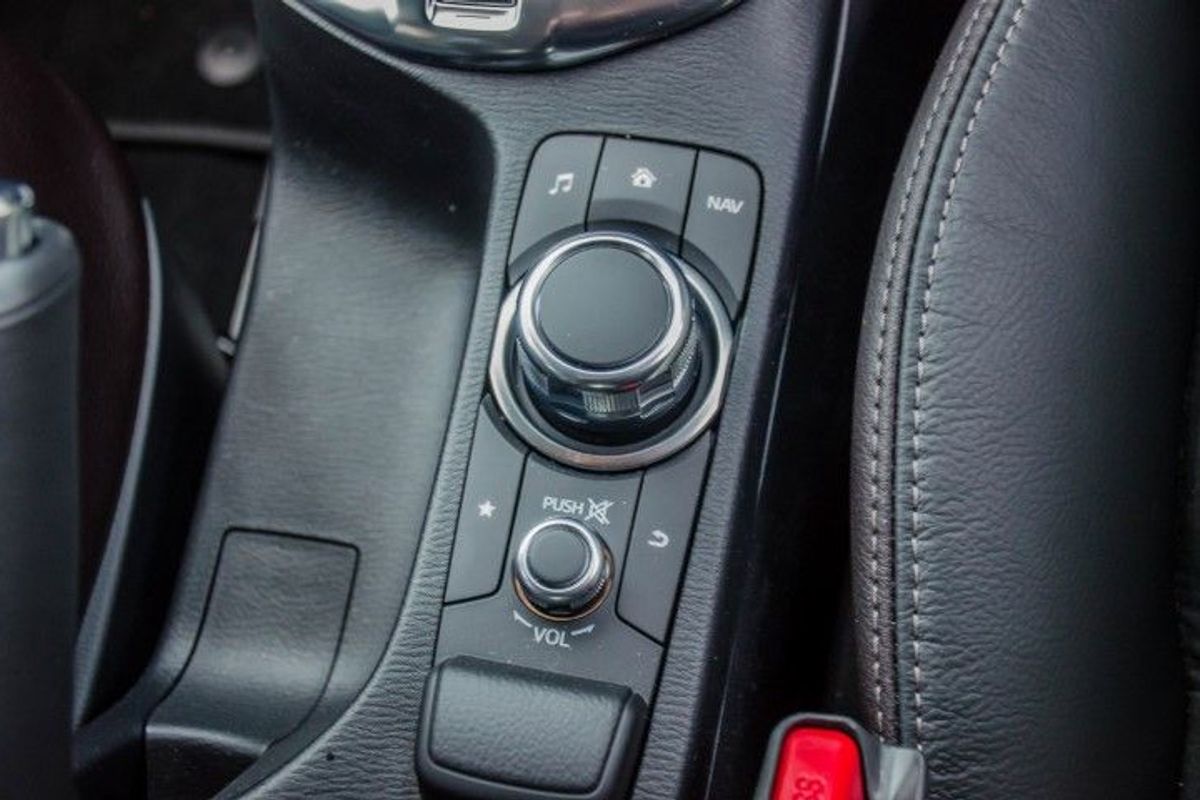
The seats (upholstered in a combination of leather and cloth) are reasonably comfortable, but some testers found them a bit too firm. A 7-inch floating touchscreen infotainment system is fitted, which can also be controlled using the rotating dial in the centre console, and its menu layout is intuitive to use. Navigation is standard and the system easily syncs with your smartphone via Bluetooth, which can then be controlled using the steering mounted controls. You will be happy to know that 2 USB ports, as well as an auxiliary port, are standard,  

Other standard features on this derivative include cruise control, climate control, electric windows, electrically folding side mirrors and a rake and reach adjustable steering wheel,

The bad

Practicality could be better
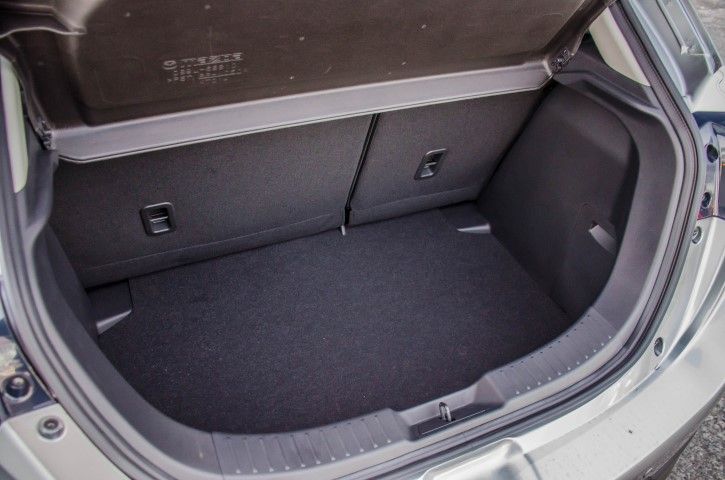

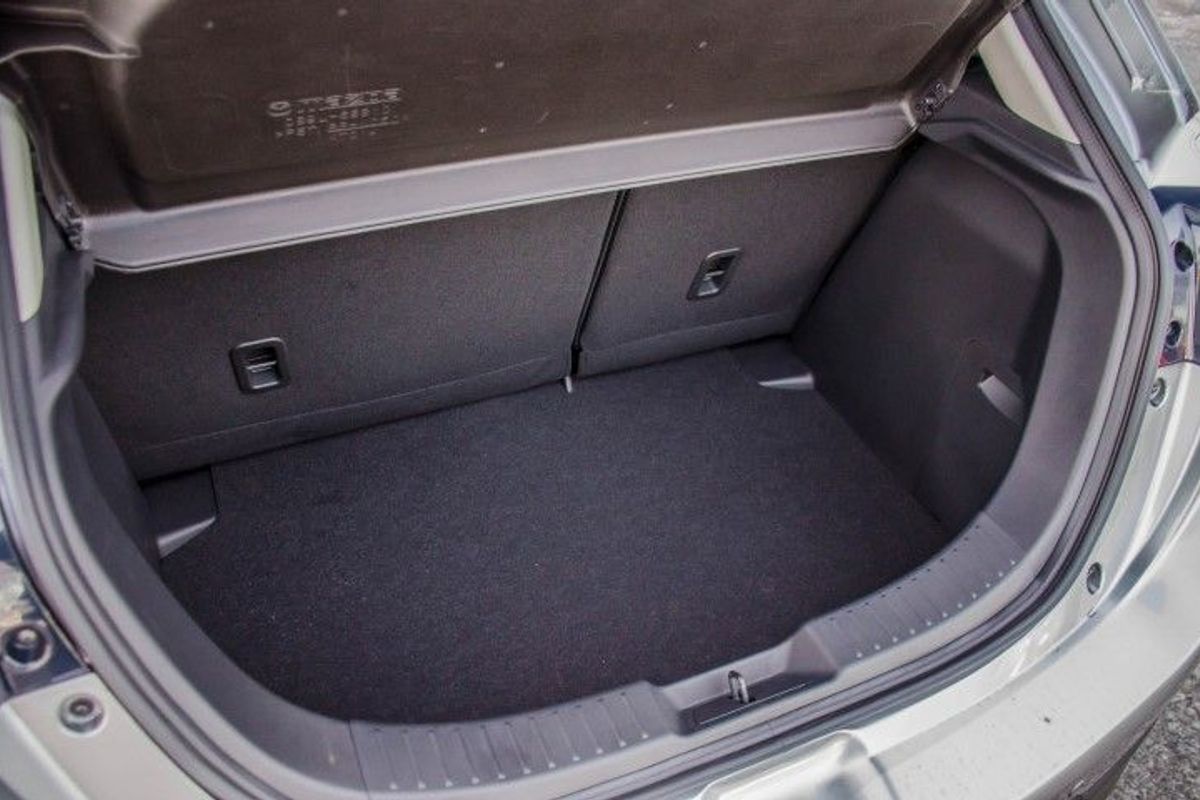
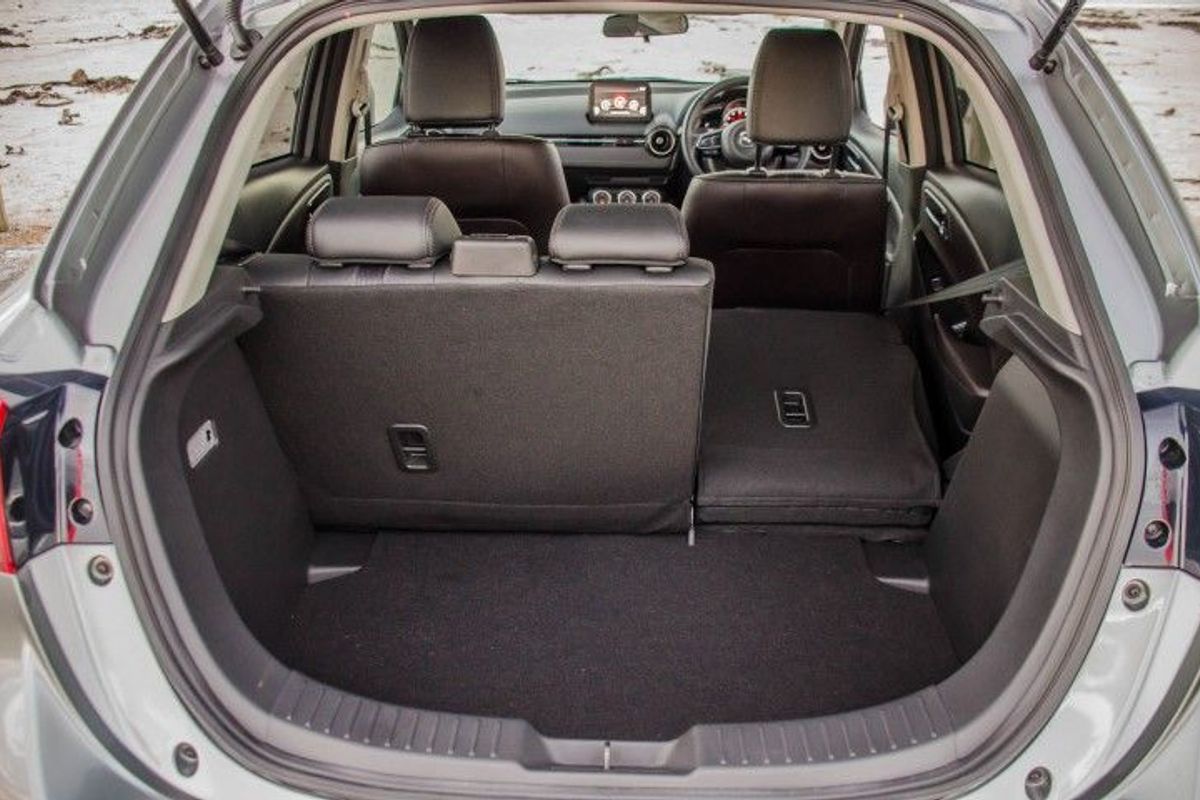
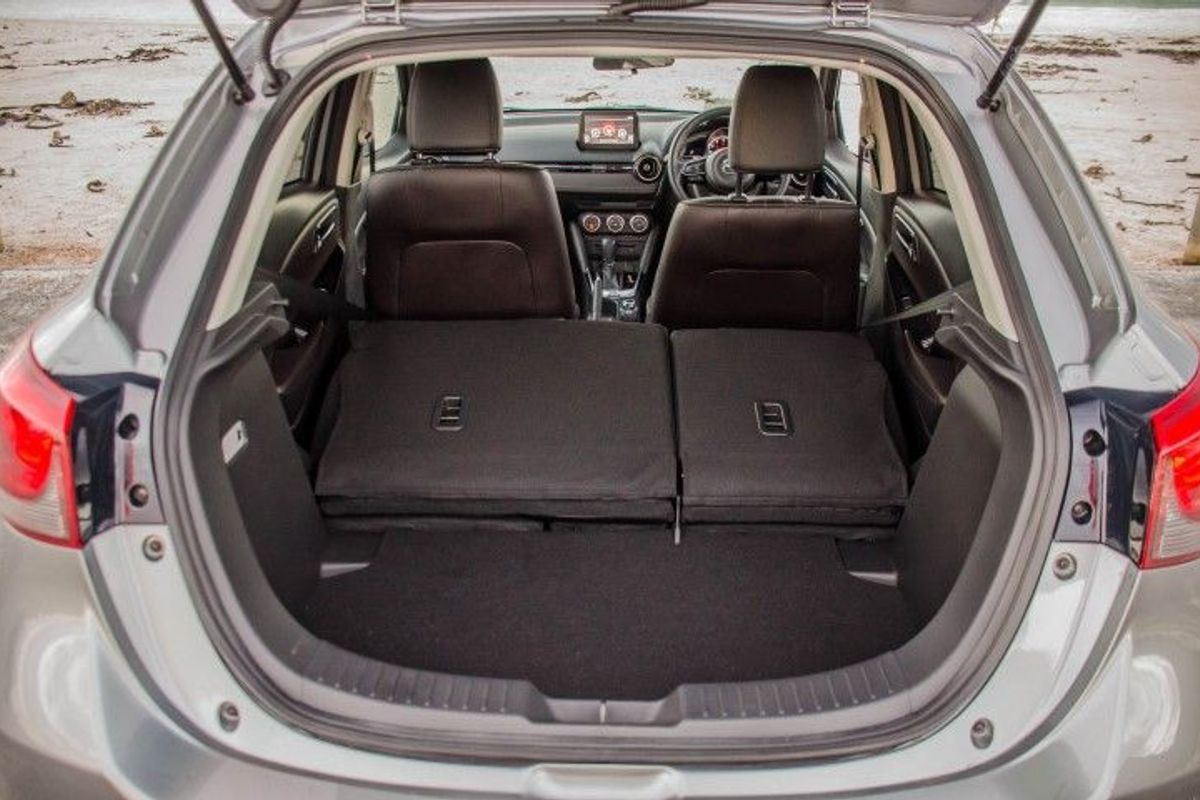
Luggage space is on the small side, but more space is available once the 60:40 split rear seats are folded down. 

The Mazda2’s luggage bay is claimed to offer 280 litres of space, which is the same purported for the Polo and marginally larger than that claimed for the Fiesta (276 litres). By comparison, the Kia Rio offers a notably more sizable luggage bay (325 litres) and even the Renault Clio (300 litres) and Hyundai i20 (294 litres) are more capacious.

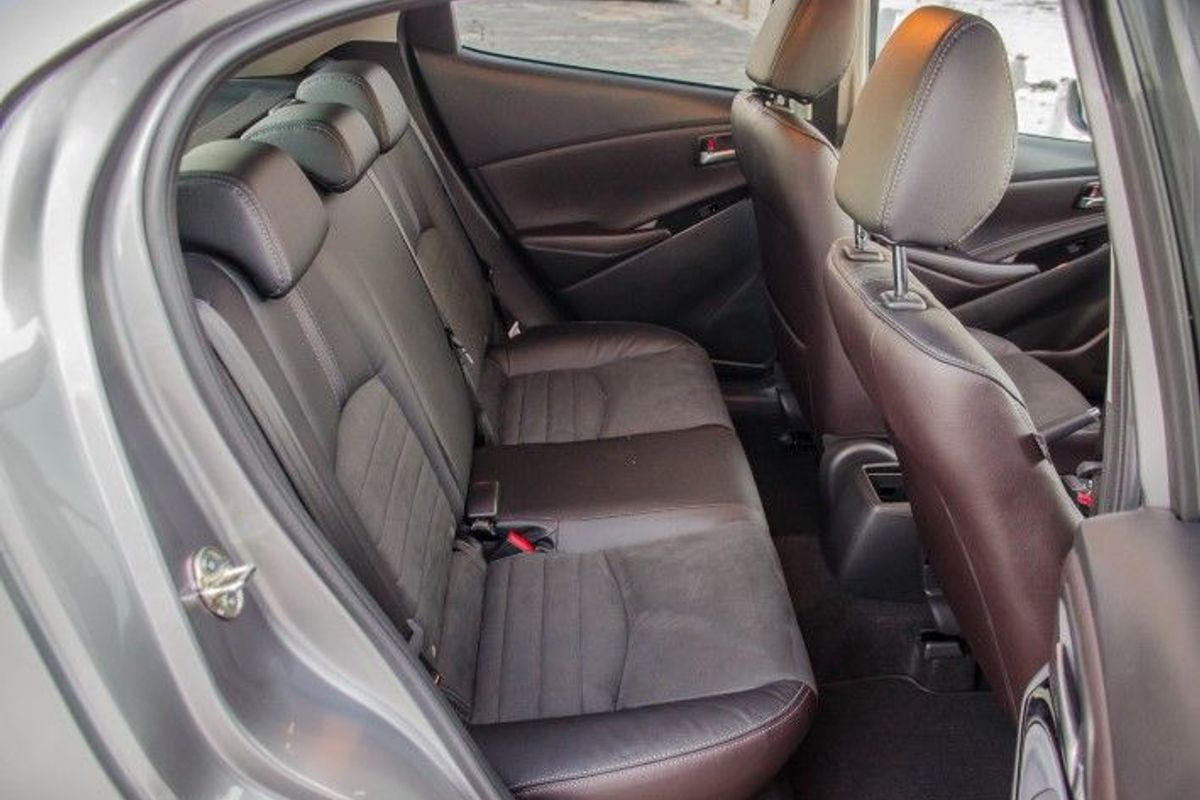
Because the Mazda2 is on the smaller side of the spectrum in terms of luggage capacity, it may deter buyers who require more practicality from their compact hatchback. The rear seatback can, however, be folded down in a 60:40 configuration to accommodate larger items. All the door mouldings have bottle holders and 2 front cup holders are also included for the front passengers. Leg- and headroom for rear passengers are just about adequate, but taller passengers may start experiencing bouts of claustrophobia, especially on longer journeys.

Does not like to be hustled

Mazda claims a leisurely 10.4 seconds for the 0 to 100 kph sprint, but under full acceleration, the engine sounds anything but relaxed. It labours and becomes noticeably louder while the transmission hangs onto each gear, squeezing every ounce of acceleration from the engine. You get the sense that this Mazda2 automatic doesn’t like to be driven hard.

Good safety spec, but…

There is a plethora of safety features in the 1.5 Individual Plus, including 6 airbags, ABS with EBD, brake assist and lane departure warning. Rear park distance control with a reverse camera is also standard and ISOfix child seat mounting points are fitted. Curiously, Electronic Stability Control (ESC) is missing, which is a pity on car that costs close to R300k.

Mazda2 – Price and warranty

*Note that 2027 pricing is shown. See the latest Mazda2 pricing here.

The Mazda2 1.5 Individual Plus Automatic is priced at R286 200 and is sold with a 3-year/unlimited km warranty and a 3-year/unlimited km service plan.
Verdict

Overall, the Mazda2 1.5 Individual Plus Automatic is a well-packaged product; it is almost ideal for those who want a self-shifting, luxuriously-equipped compact hatchback. It may not be the most spacious or punchy offering in its segment, but the Mazda2 has enough charm and sophistication to warrant your attention – it’s packed with features that its rivals can’t quite match. We found it delivers sufficient performance for both city and highway driving, although it lacks a degree of excitement and zesty punch that some of its turbocharged rivals offer. Having said that, if outright performance isn’t a priority for you, then the Mazda2 Individual Plus automatic has much to offer.

Want to buy a Mazda2?

Find a new or used Mazda2 on Cars.co.za

Frequently Asked Questions

Is the Mazda2 still sold new in South Africa?

Yes, the Mazda2 is still sold new in South Africa. The facelifted model was launched locally in 2023 with an updated design and a streamlined model lineup.

What engine is in the South African Mazda2?

All models of the Mazda2 in South Africa are powered by a 1.5-litre, naturally aspirated petrol engine that delivers 85 kW and 148 Nm of torque. This engine is paired with either a 6-speed manual or a 6-speed automatic transmission.

What is the safety rating of the Mazda2?

The Mazda2 has a 4-star Global NCAP safety rating for adult occupant protection and a 3-star rating for child occupant protection. The car comes with standard safety features like driver and passenger airbags, ABS with EBD, and stability control.

What are the main competitors of the Mazda2 in South Africa?

The Mazda2 competes in the B-segment hatchback market against rivals such as the Volkswagen Polo, Toyota Yaris, and Suzuki Swift. It is often praised for its upmarket feel and stylish design.

Related Content

Best Mazda Cars to Buy in South Africa
Mazda2 (2025) Price & Specs
Mazda3 (2025) Specs & Price
CX-3 (2025) Specs & Price
CX-30 (2025) Price & Specs
CX-5 (2025) Specs & Price
CX-60 (2025) Specs & Price 

Reviews 

Mazda3 2.0 Astina Plus Automatic (2016) Review
Mazda3 2.0 Astina Hatch (2015) Review

Mazda2 1.5 Dynamic (2015) Review
Mazda2 1.5 Individual Plus Automatic (2017) Quick Review
Mazda2 1.5 DE Hazumi (2016) Review

CX-3 (2022) Review

CX-30 (2021) Review

CX-5 (2022) Review
CX-5 (2021) Review
CX-5 2.2D AWD Akera Review
CX-5 2.2DE AWD Akera (2016) Review

CX-60 Takumi (2024) Review

MX-5 (2015) Review
MX-5: All 4 generations driven
MX-5 RF Automatic (2017) Quick Review
Mazda6 2.5 Individual Automatic (2015) Review

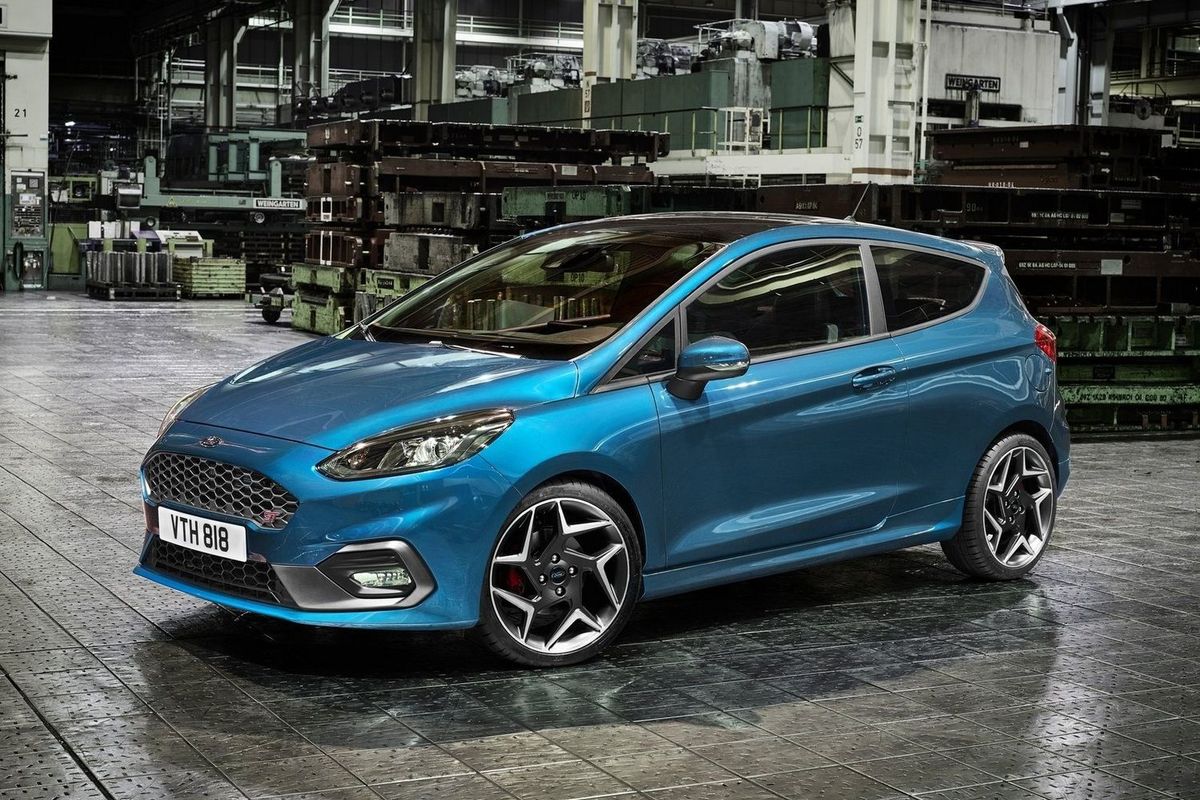
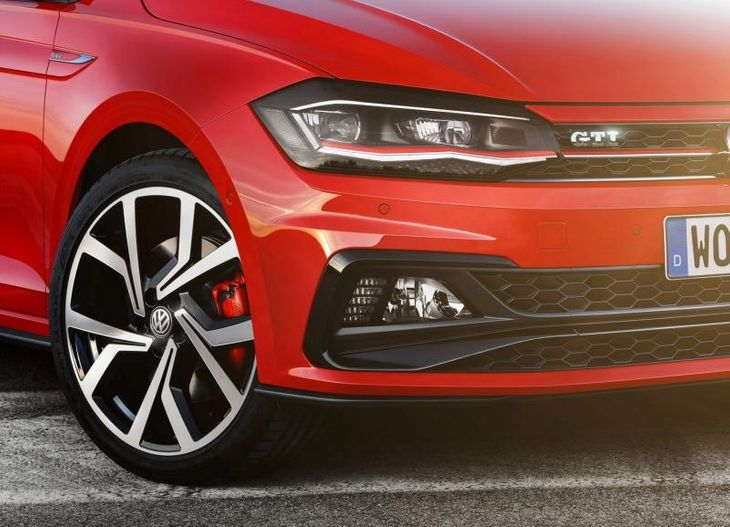
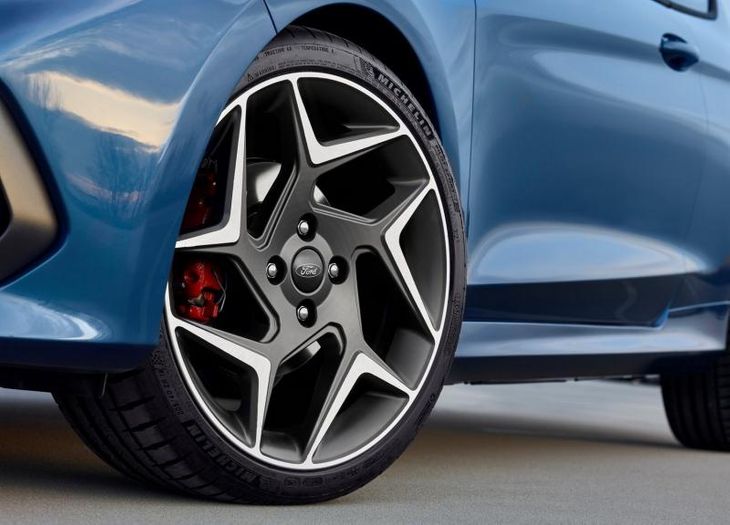
Preview: 2018 VW Polo GTI vs 2018 Ford Fiesta ST


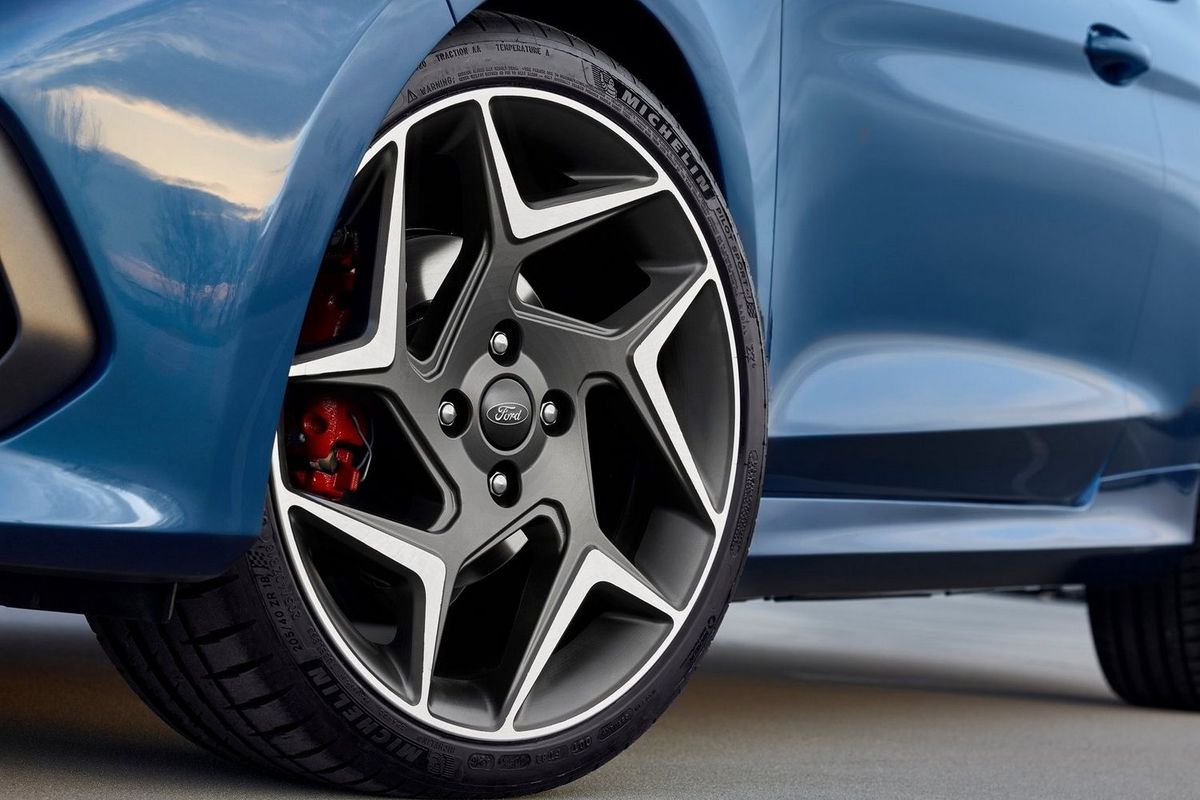
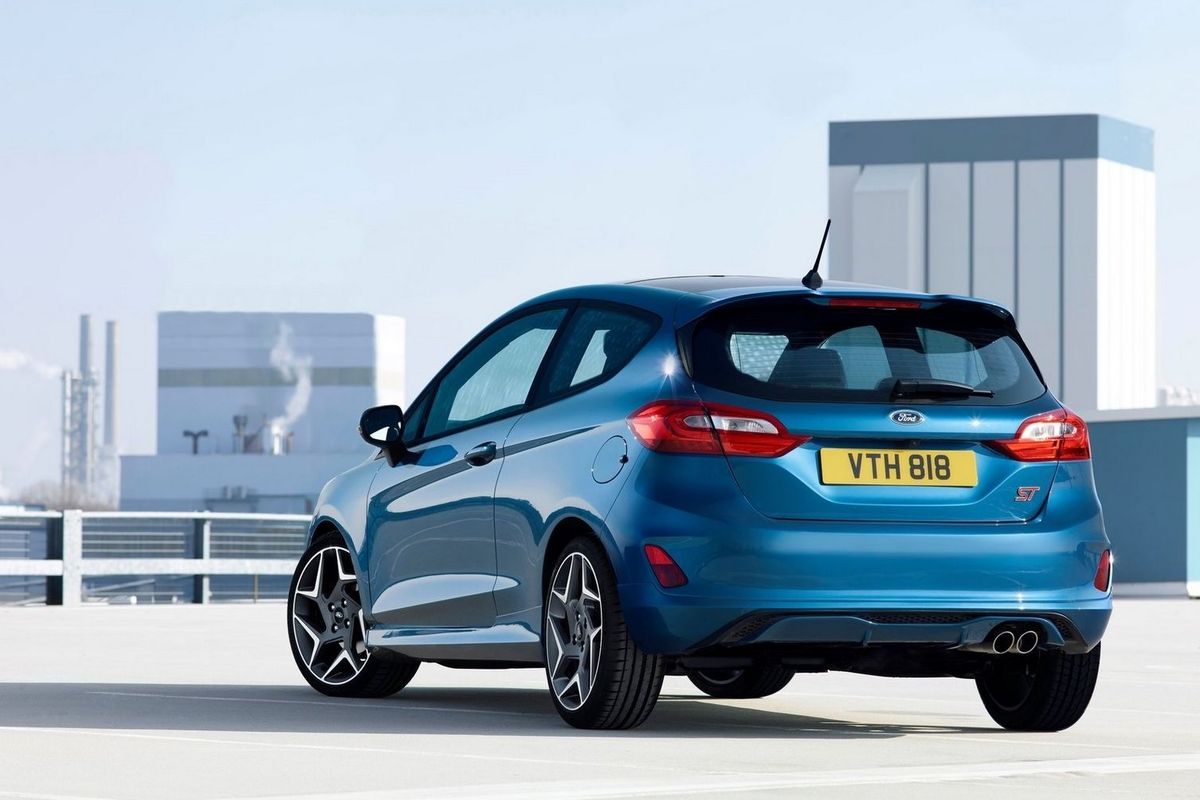
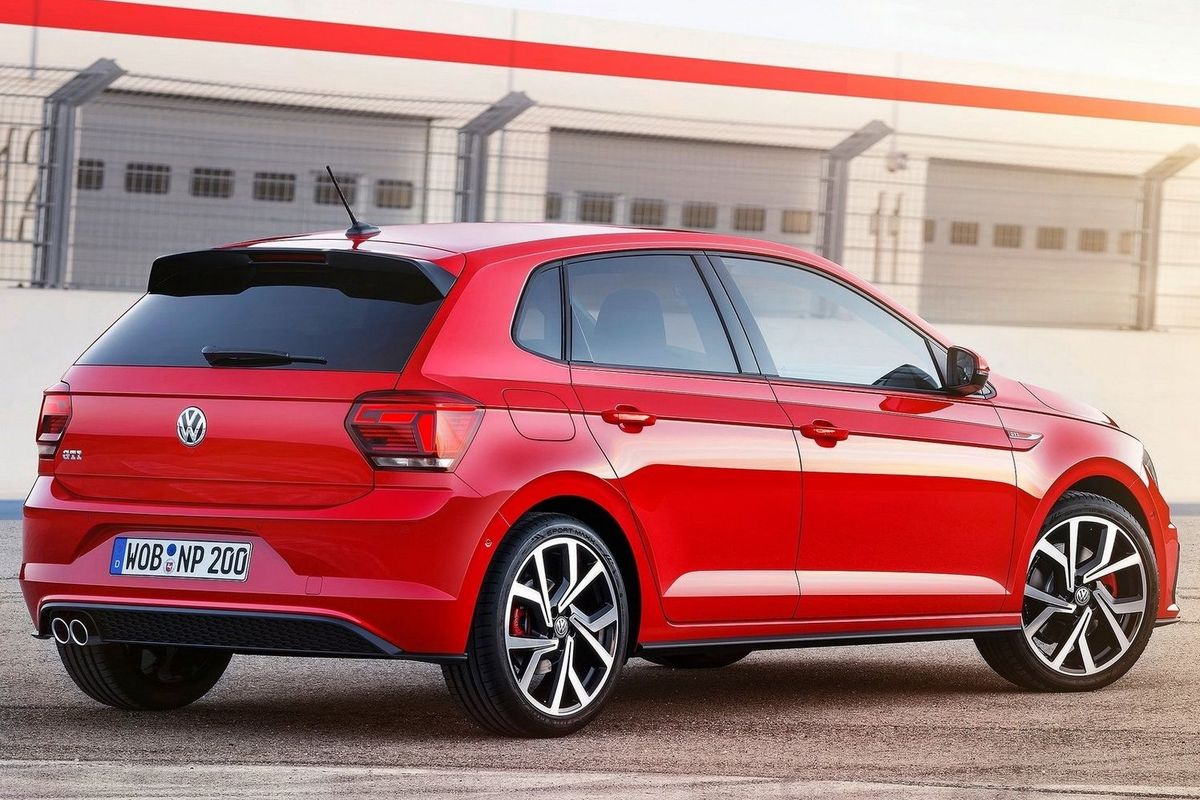
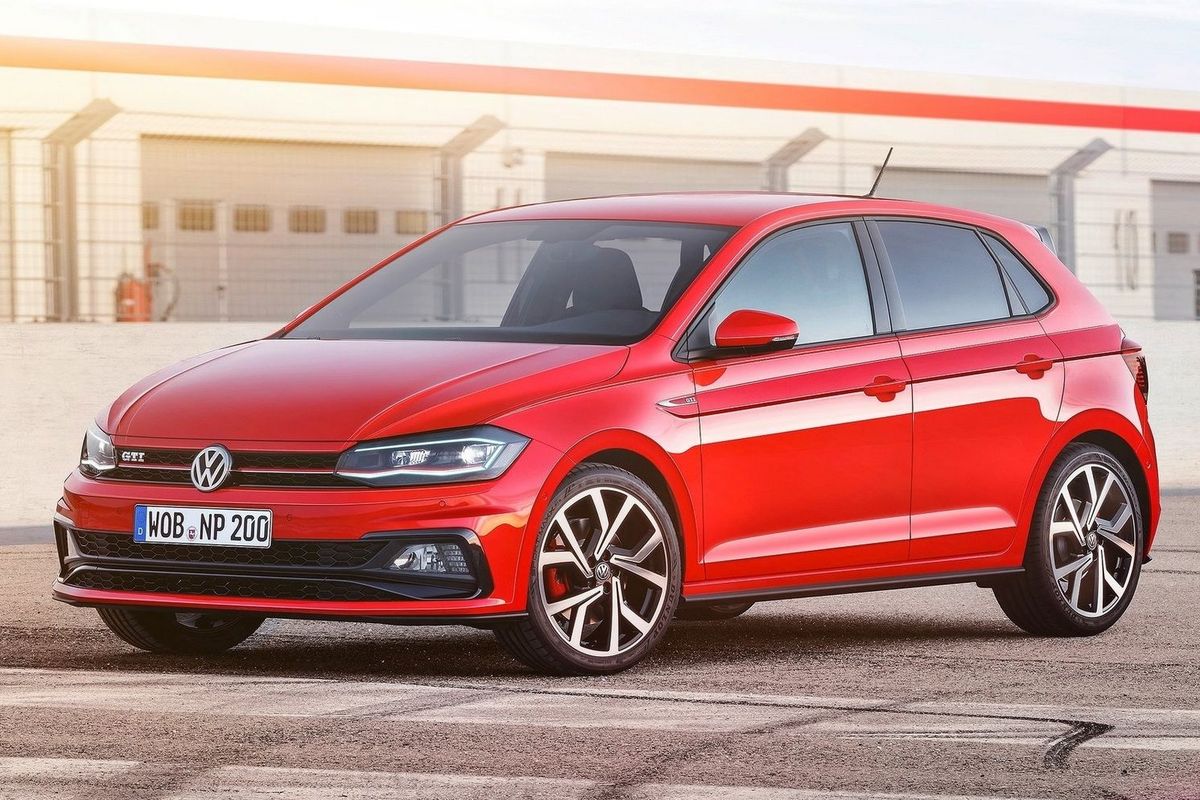
2018 will be a busy year for the compact hot hatchback segment: the South African market will see the introductions of the next-generation Ford Fiesta ST and all-new Volkswagen Polo GTI. While both cars have been revealed internationally and we have some details, it's too early to tell what the local market's cars will be specified with. However, the recent introduction of the Polo GTI now makes a like-for-like comparison worthwhile…

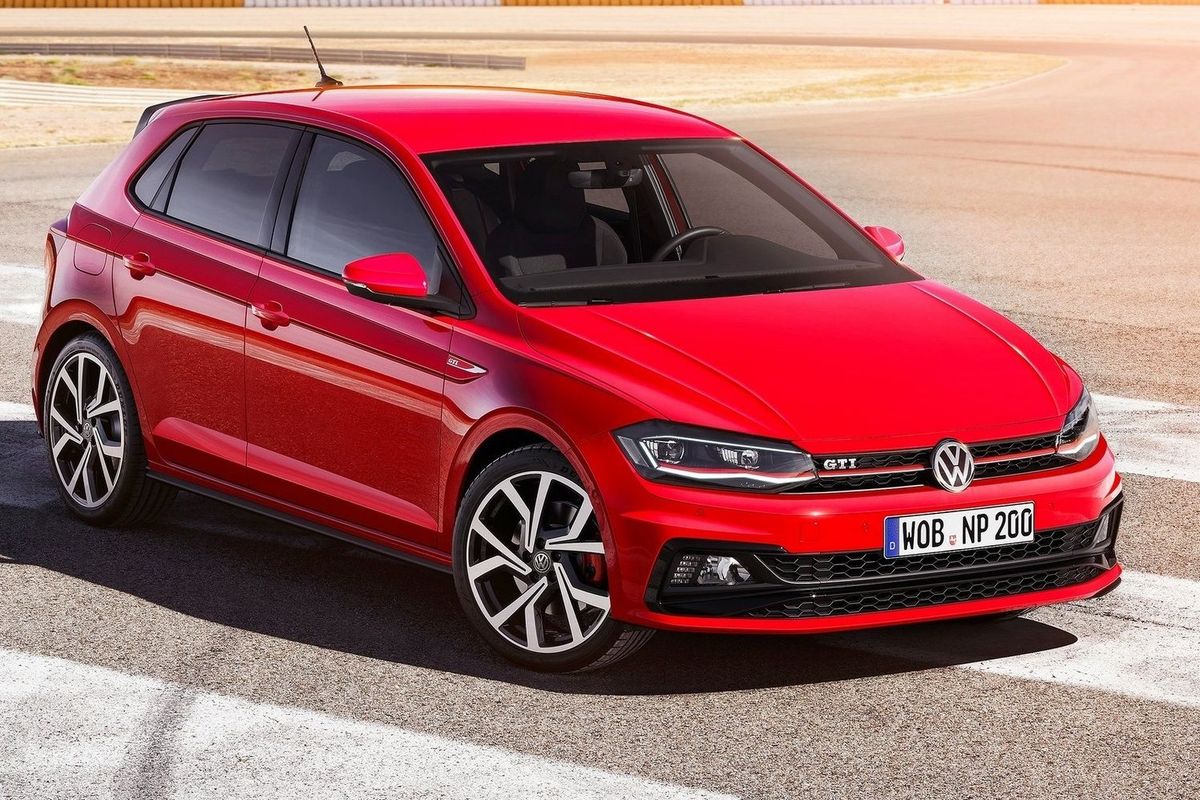
  • Developed from the ground up using Volkswagen's MQB AO platform, the new Polo measures 4 053 mm in length, 1 7511 mm in width and 1 446 mm in height. Compared with the outgoing Polo, it is 81 mm longer, 63 mm wider and 7 mm lower. 
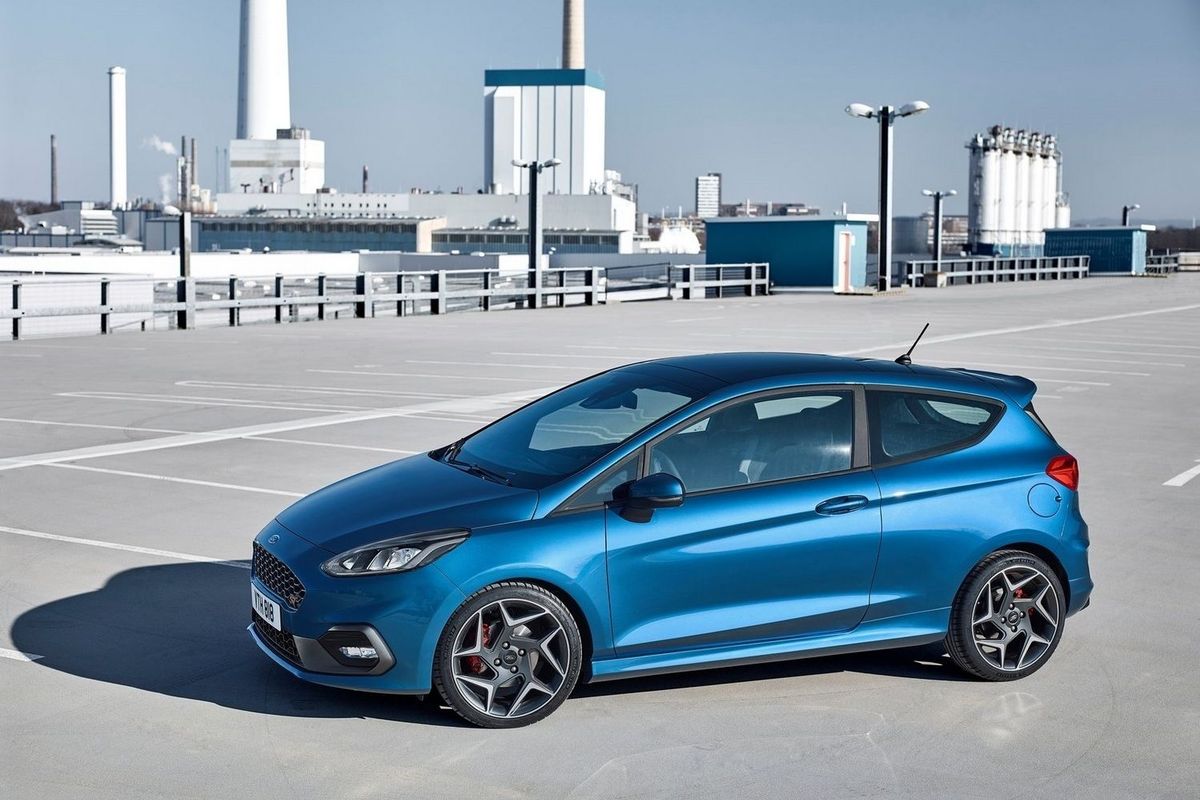
  • Meanwhile, over at the Blue Oval, the new Fiesta looks similar to its predecessor, but it's 71 mm longer and 12 mm wider. The bonnet loses its centre bulge, the grille is wider and the headlamps smaller and more elongated. 
  • Whereas the Fiesta ST features a 1.5-litre 3-cylinder turbopetrol, the Polo GTI Volkswagen has a 2.0-litre 4-cylinder engine.
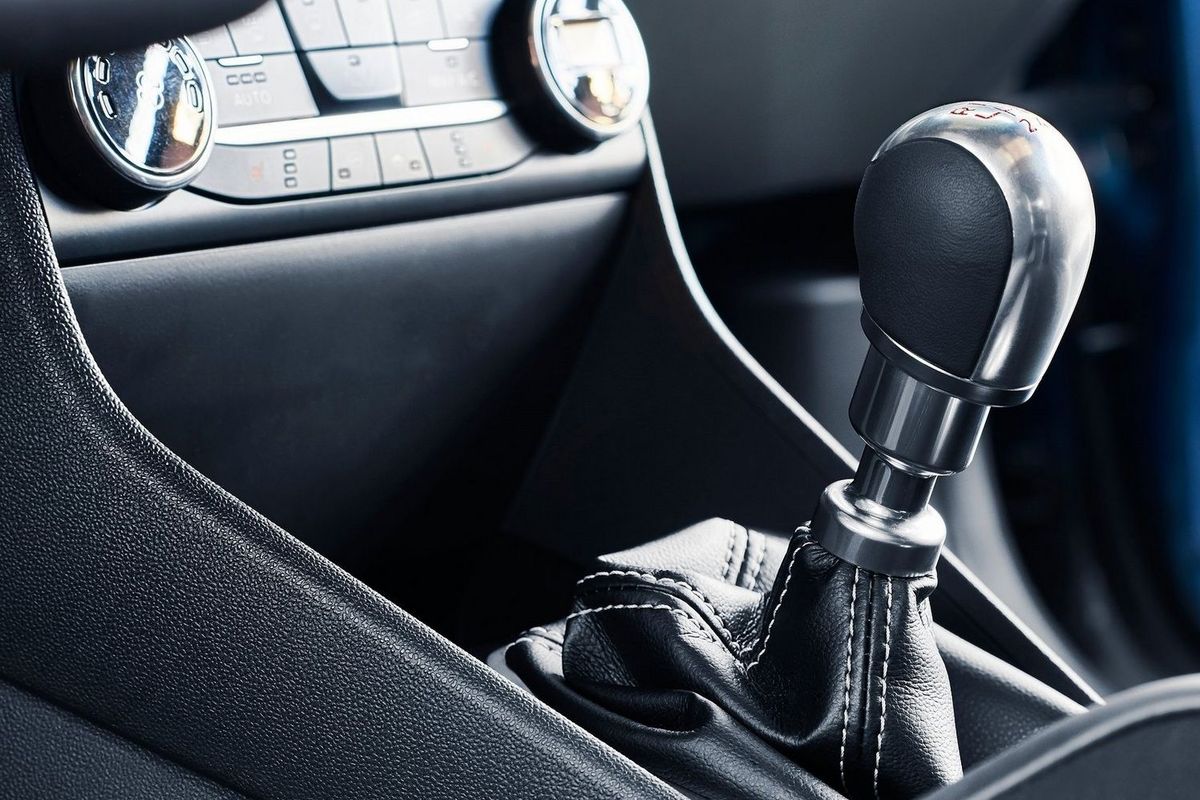
  • Ford is sticking with a manual gearbox, while Volkswagen is standing by its DSG dual clutch transmission.


Engines

We have an interesting battle on our hands as the two brands are headed in different directions when it comes to engines. Ford is continuing with its downsizing ethos, while Volkswagen is doing the opposite and upsizing.

Let's start with the Ford Fiesta ST. Under its bonnet is a 1.5-litre 3-cylinder turbocharged petrol engine that produces peak outputs 147 kW and 290 Nm of torque, plus Ford is claiming a 0-100 kph sprint time of 6.7 seconds. This newcomer is the first Ford Performance model to feature a 3-cylinder motor and it'll be the first time we will see a Fiesta ST with selectable driving modes. They are: Normal, Sport and Track, each one of which is pretty self-explanatory. As if 3 cylinders aren't few enough, the motor features cylinder deactivation to save fuel. 

In the red corner, Volkswagen has wedged a 2.0-litre turbocharged motor into the new Polo GTI. Engineering aficionados may be interested to know that this mill is essentially a detuned Golf engine. It has outputs of 147 kW, but Volkswagen has not yet announced a maximum torque figure.

The previous generation 1.8-litre motor boasted 141 kW and 250 Nm, so we predict that it'll have between 260 and 290 Nm. Performance figures have not yet been confirmed either, but based on claim for the previous generation's car of 6.7 seconds for 0 to 100 kph, we'd be surprised if it doesn't do at least 6.5 seconds to 100 kph.


Gearboxes

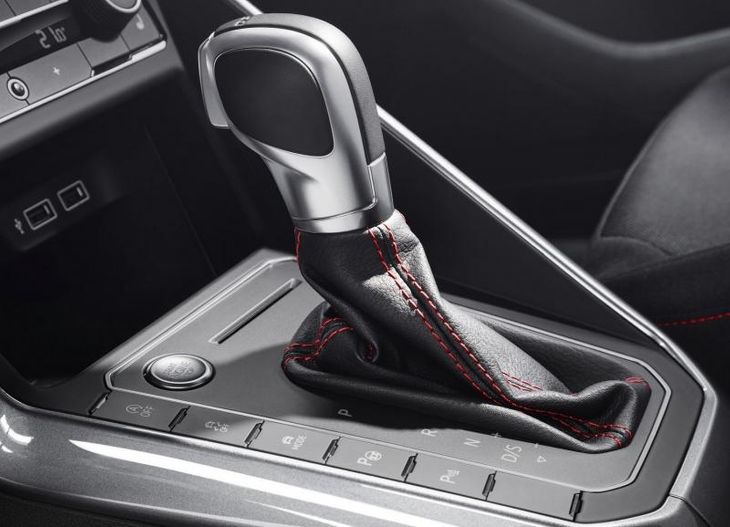
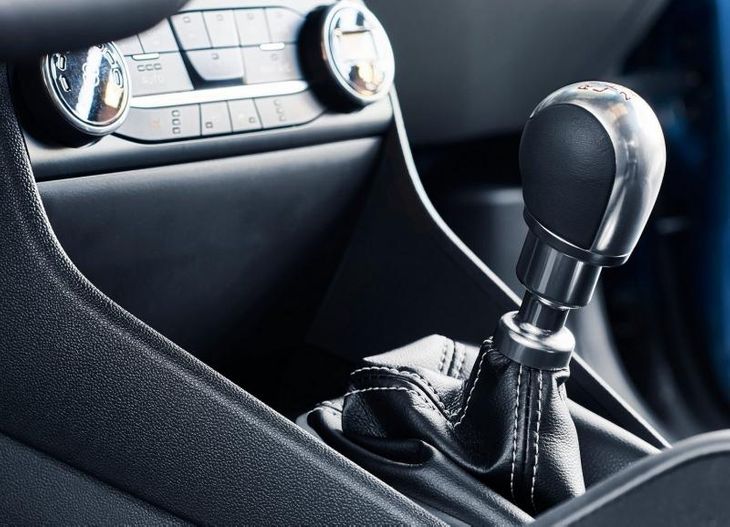
There are no surprises here: Volkswagen will be sticking to its dual clutch transmission (DSG) with steering wheel-mounted shift paddles for the Polo GTI and Ford will only offer a 6-speed manual gearbox exclusively in its Fiesta ST.


Interiors

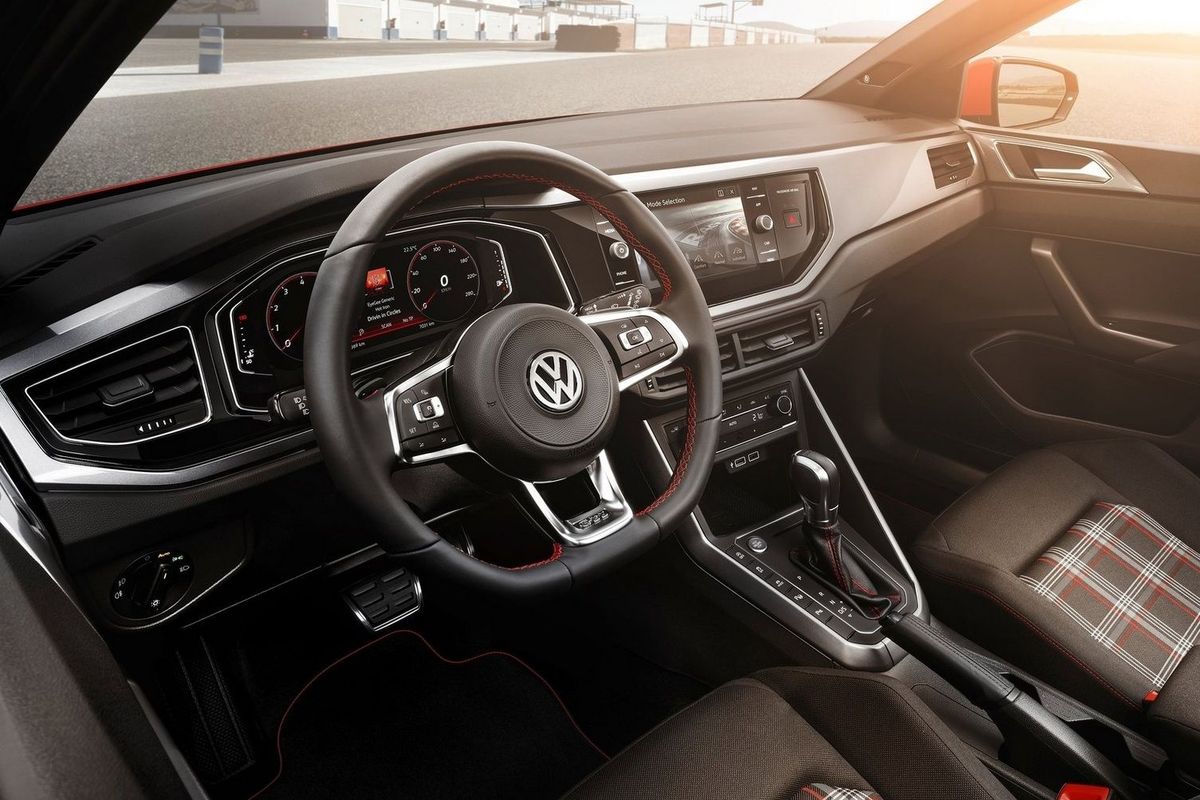
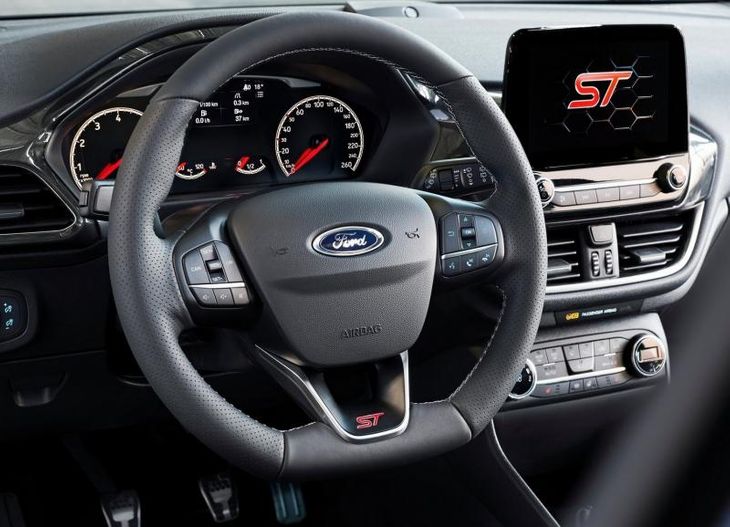
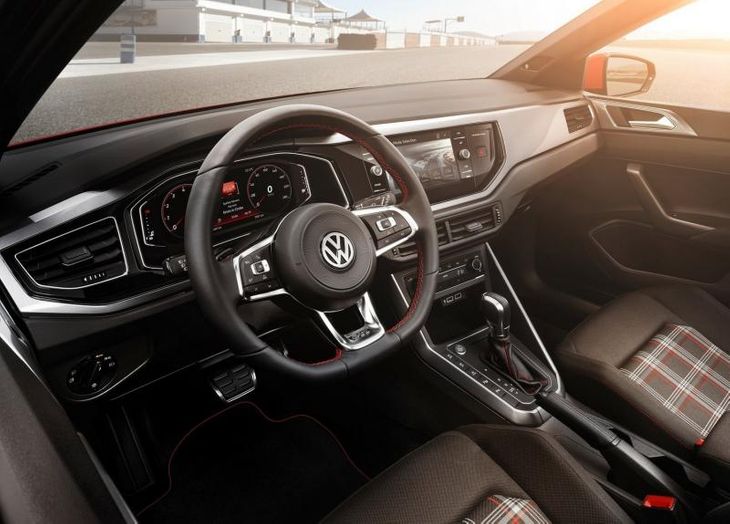
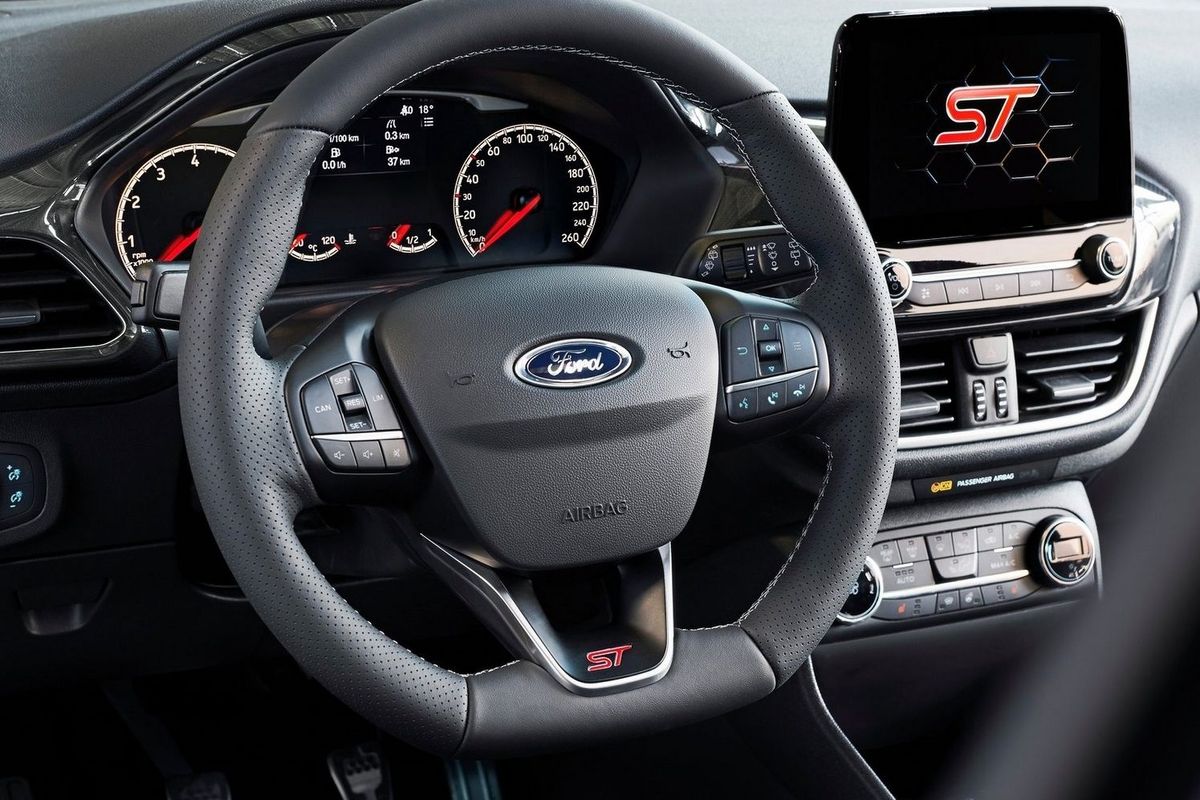
From a quick glance to compare the interiors of the ST (top) and GTI (above) it is clear that the ST retains its "working class hero" appeal (well, at least to an extent). Apart from the obligatory racier ST detailing (and sporty aluminium pedals), a colour touchscreen infotainment system and climate control console are the only overt nods to luxury in the Ford. The Polo GTI's interior, however, is dominated by piano black trim, metallic inserts, the Active Info Display (instead of a conventional instrument panel) and the fascia's integral touchscreen. 

Predictions

Based on the current models where the Ford Fiesta ST has impressed due to its fun-to-drive traits and old-school analogue feel, while the Volkswagen Polo GTI delivers quick performance with ease of use and daily drive comfort, we expect nothing to change.

Ford is determined to stick with a manual gearbox for the ST, but by offering additional driving modes, the Blue Oval demonstrates its belief that Fiesta owners would like to tailor their cars' performance characteristics. Those who know what they're getting into will undoubtedly adore the new Fiesta ST: it is still all about unfiltered driving fun. 

On the other hand, the Volkswagen Polo GTI will continue doing what it does best. It's a brisk car and while it lacks that involvement that comes with a manual transmission, it'll outshine the Fiesta in the comfort and daily driving stakes thanks to its refinement and convenience of an automatic transmission. The Polo GTI will be the sensible choice as it comes in four-door hatchback, while the Fiesta ST is only available in 3-door body shape. 

We're keen to put these two against each other when they finally arrive in South Africa at some point in 2018. It's certainly going to be a close call!

Related Ford Fiesta content:

Hottest Fiesta ST200 lands in SA

Three-cylinder Ford Fiesta ST Announced

Update: Ford Fiesta (2017) Unveiled [with Video]

Top 5 Cool Facts: Next Ford Fiesta (2017)

Hotter Ford Fiesta ST200 Revealed

Drag Race: New VW Polo GTI vs Ford Fiesta ST

Hot Lap Race: New VW Polo GTI vs Ford Fiesta ST

Want to buy a Ford Fiesta? 

Find a new or used Ford Fiesta on Cars.co.za


Related Volkswagen Polo Content:

All-new Volkswagen Polo Revealed. Details, gallery and more.

6 Rivals the 2018 Volkswagen Polo Needs to Beat

Volkswagen Polo 1.0 TSI R-Line (2017) First Drive

Volkswagen Polo CitiVivo (2017) Specs & Pricing

Volkswagen Polo Vivo Storm in SA – Specs and Pricing

Volkswagen Polo Beats Pricing in SA

Top 5 Cool Facts: Next Ford Fiesta (2017)

Kia Rio (2017) First Drive

Facelifted Renault Clio (2016) First Drive

Want to buy a Polo?

Find one for sale on Cars.co.za

Is Tesla better than BMW?


In June 2017, Tesla was named the 4th-most valuable car company in the world, ahead of BMW. Is the California-based automaker/energy storage company/solar panel manufacturer, led by arguably the most charismatic CEO in the motor industry, really superior to the Bavarian firm?

If you were going to invest your own money in a car company, chances are, it would be BMW, a company synonymous with impeccable engineering, tremendous brand equity and an array of desirable products serving all those trendline customer demands. BMW is a most remarkable entity: a car company that combines marketing genius with obsessive engineering.

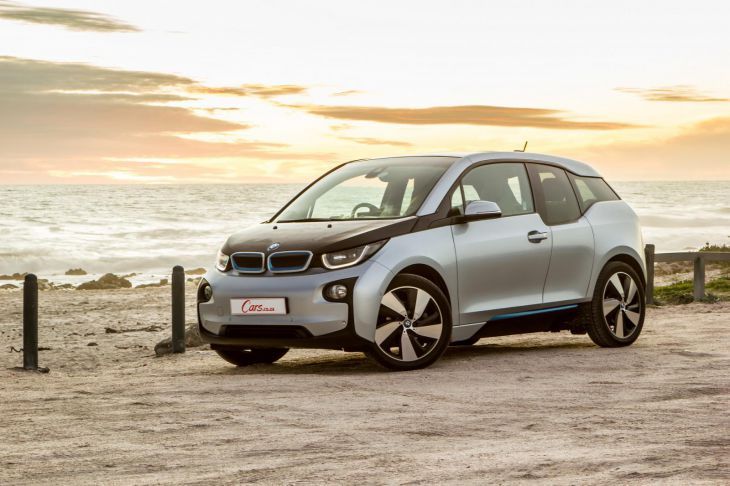
BMW has also forged ahead with its own electric car (EV) brand. Both i3 and i8 have proven to be successes, with i3 delivering zero emissions mobility for drivers seeking a clever urban motoring solution and i8, the traditional, immersive, supercar experience. Strangely, despite its portfolio of in-demand products and successful differentiation into EVs, a rival car company – which manages to sell only 3% of BMW’s total sales – is now calculated to be more valuable.

Making money without making money


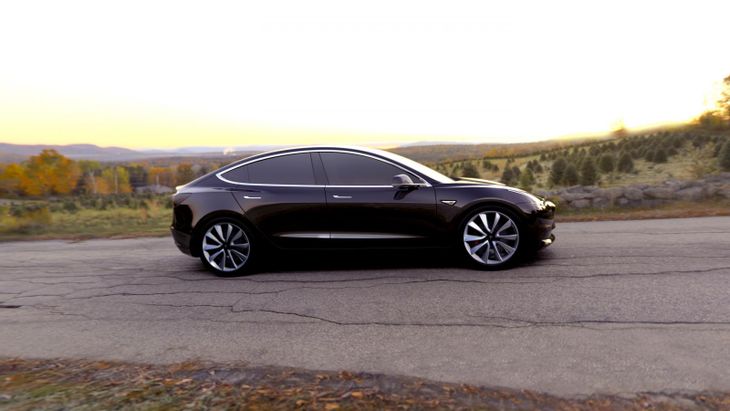
The highly-anticipated Tesla Model 3 will go into full production soon and is expected in SA in 2018 or 2019.

That upstart rival is, of course, Tesla, founded by former Pretoria Boys high school pupil and global technology disrupter-in-chief, Elon Musk. Despite manufacturing issues delaying the launch of its Tesla 3 and a reported driver fatality caused by a malfunction of the brand's autopilot feature, Tesla has converted anticipation into money, with a share price which has ballooned by 1 200% in 5 years. Comparatively, an investment in BMW, an established business profiting from an avalanche of juicy-profit-margin SUVs and crossovers, only grew by 54%. BMW also pays a 4% dividend, while Tesla is wolfing down investor capital to fund its expansion projects into the home electrification and power supply markets.

The current market worth of Tesla is a whisper more than BMW’s $61.3bn, at $85 a share. A crucial difference between these two, beyond the huge discrepancy in sales volumes, is that BMW reported a profit of $7.7bn last year, while Tesla recorded a loss of $725m. How does that work? Elon Musk’s cult of personality has imbued Tesla with near-mythical status as the "only" car company with a sustainable business model for the 21st century. Investors. Analysts. Rivals. Government. They are all in awe of anything Musk says or Tesla does, which reflects in its astronomically overvalued share price.

Musk’s true genius with Tesla has not been in its formation as an EV car company. His masterstroke has been positioning it to operate within the channels of enormously generous government incentives, totalling $2,3bn. Plainly, Elon Musk is making American citizens pay for Tesla’s R&D and production ramp-up, reducing the company’s risk to virtually zero. If BMW had access to anywhere near the incentives that Tesla currently has, there’d probably be a range of i-cars numbered from 1-to-20.

In certain US states, which total most of Tesla’s market, you’re eligible for a tidy $10 000 back on every Tesla bought. That’s a great purchasing incentive. It’s also one that the US government is now recognising as ridiculous because most Teslas are bought by very wealthy customers – the calibre of people hardly in need of a rebate. The 115 000 people who have paid deposits for the Tesla 3, which is due for delivery this year, might find themselves without the benefit of these rebates, as American tax authorities will only allow the credits to function for the first 200 000 units of any EV built by a manufacturer, per battery size.

This alludes to the troubling issue with both Tesla’s business model and market valuation. It fails to make money despite selling expensive cars (both current models are $100 000-plus cars) and has most of its risk and start-up capital provided by the American government. How is it possibly going to make money with the Tesla 3, which it promises will cost half of the current Teslas, and be without the benefit of tax rebates?

Whose batteries are they?


The Nevada Gigafactory 1 will supply lithium-ion batteries for the production of the upcoming Tesla Model 3 and other products. 

Tesla’s battery technology is also a joint venture, with Panasonic. Ordinarily, a company being valued at Tesla’s current levels, without any profits, would be considered to have proprietary technology – enabling extraordinary future profits. Curiously, Tesla’s batteries are lithium-ion, like many other EVs, and it has been Panasonic’s huge investment – not Tesla’s – in the first Gigafactory, that Musk hopes will help contain costs for the Model 3. There’s also the small matter of Tesla owing Panasonic $1.7bn for tooling and various infrastructure bits the Japanese company provided for the Nevada Gigafactory.

Musk has defended Tesla’s government incentives by saying they accelerate the car-buying public into a post-oil future they desperately want to enter. But why should one company be assisted so handsomely in the development of its products, to make that future a reality? Perhaps more pointedly, why should middle-income American taxpayers, be subsiding the narcissistic hashtag factor of wealthy Californians with their Teslas? Government incentives are great for those who benefit from them. But they’re not a forever strategy. Especially not with Mr Trump as president.

The true champion


BMW's i3 proves that the Munich-based firm has a strong future in electric mobility. 

Despite the South African context pun, Tesla has the Midas touch in everything it does, shielded from risk by US government incentives and seen as a darling investment destination for high-earning millennials keen to champion its zero-emissions cars – and recognising much of what they’d dream to be in the company CEO, Musk. Some of the disruption Musk has wrought in the automotive space will unlock value. This is a man, it is worth remembering, who spent his first multi-millionaire profits on a McLaren F1 back in 1999. A principled car bloke.

Would BMW have delivered its i-cars if Tesla had not built the Roadster, followed by the Model S and promises of world domination? Perhaps not. But they have. And without fanfare or a celebrity CEO. BMW is furiously courting researchers and committing engineers to make lithium-air batteries – the true future energy density breakthrough – work in their cars by the next decade.

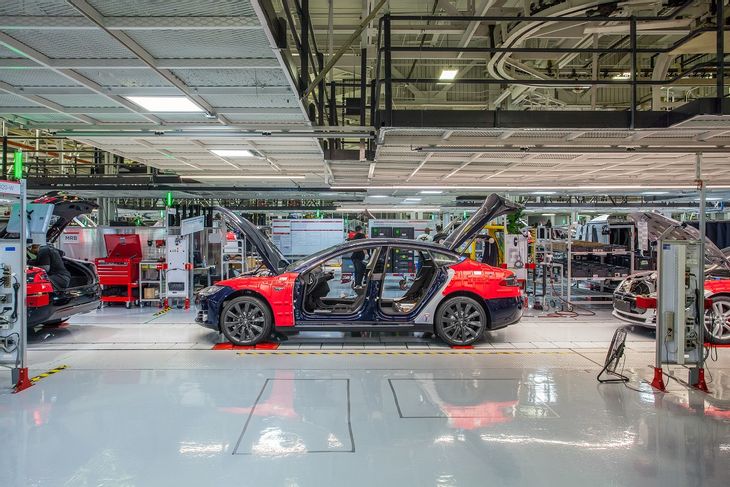
The most pronounced issue for Tesla, as a mobility company, is that it's awfully bad at building enough automobiles. With a Gigafactory in Nevada, it will have the capacity to deliver an immense inventory of batteries, but it has consistently under delivered in its production promises when assembled cars are required. Industry incidents and industrial engineering issues at its Fremont facility, where all Teslas are built, are above industry average.


Tesla's vehicle production and sales numbers can't match BMW, yet Tesla's market worth is significantly higher. 

You’d have to be awfully ignorant of its history, and the ability of Germany engineers and component manufacturers, to think that BMW could not do what Tesla can by producing a range of EVs. Ironically, BMW already does. BMW’s i3 and i8 also have sophisticated carbon-fibre structures, while Tesla is reverting to traditional steel construction for its Model 3, it’s not even attempting aluminium! Hardly the mechanical platform engineering of the future…

BMW builds more than 2 million cars each year and builds them impeccably well. Tesla struggles to make 80 000. Which do you think is easier to do: build more cars for the batteries you have, or build more batteries to go into the cars you are producing? Exactly. That's why the BMW’s market valuation is real value and Tesla's is, well, a fair bit of speculation.

Related content:

Pilot Production for Tesla Model 3 Starts Soon

First Drive: Tesla Model S 90 (2016)

Opinion: Ferrari & Tesla, which will survive the future?

Update: Tesla to Prove Autonomous Tech with Long Distance Journey (Video)

Self-Driving Cars: BMW Puts the Record Straight

BMW & Digitalisation: Embracing the Future

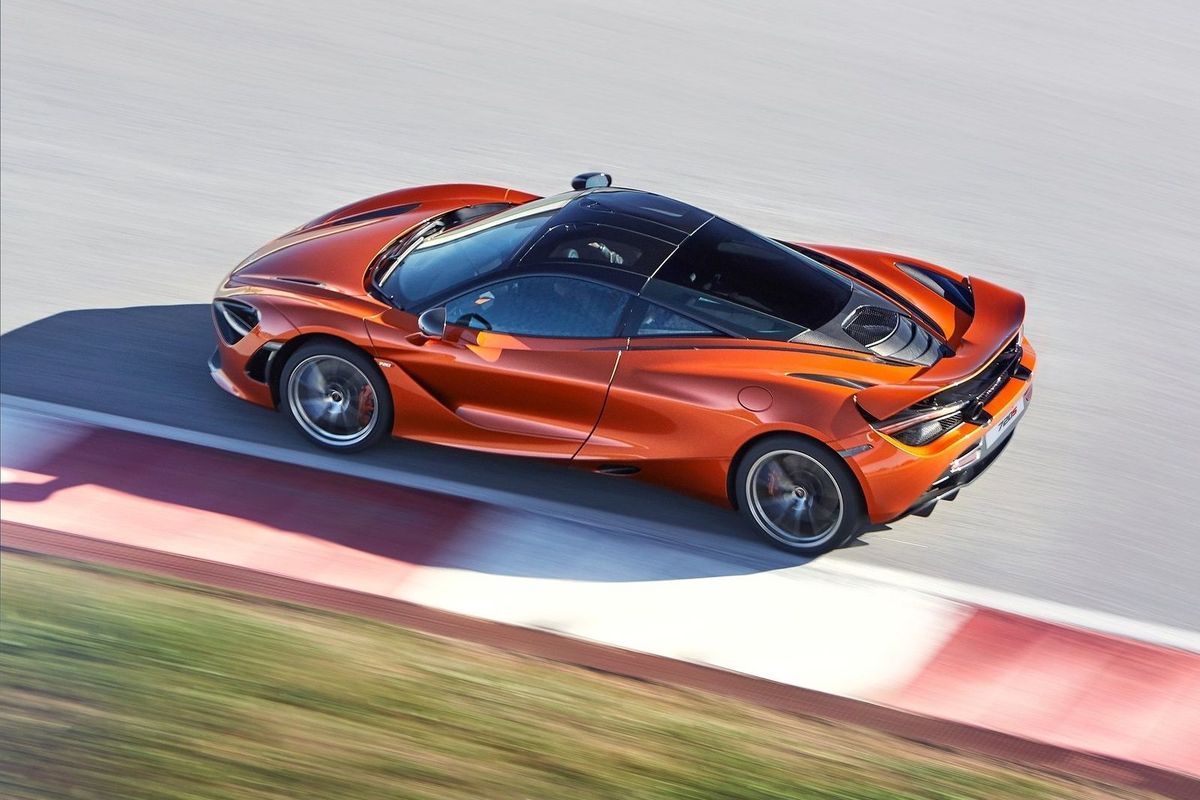
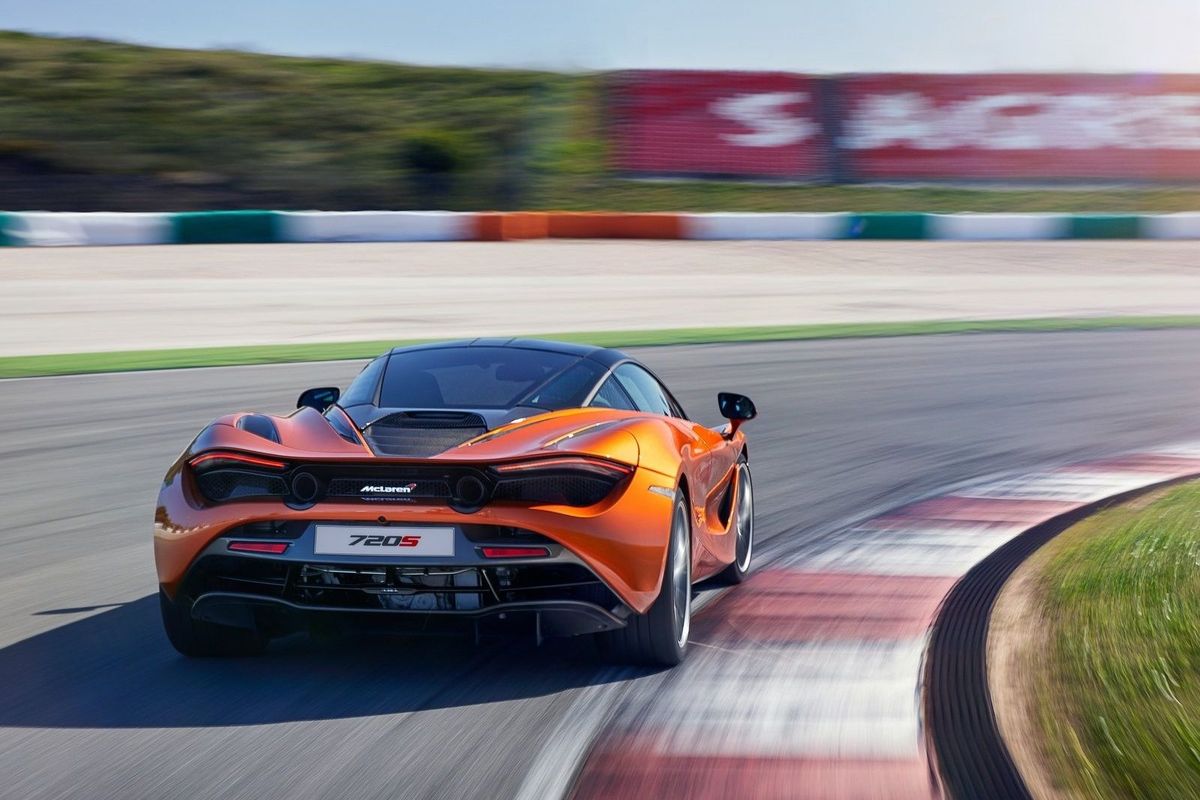
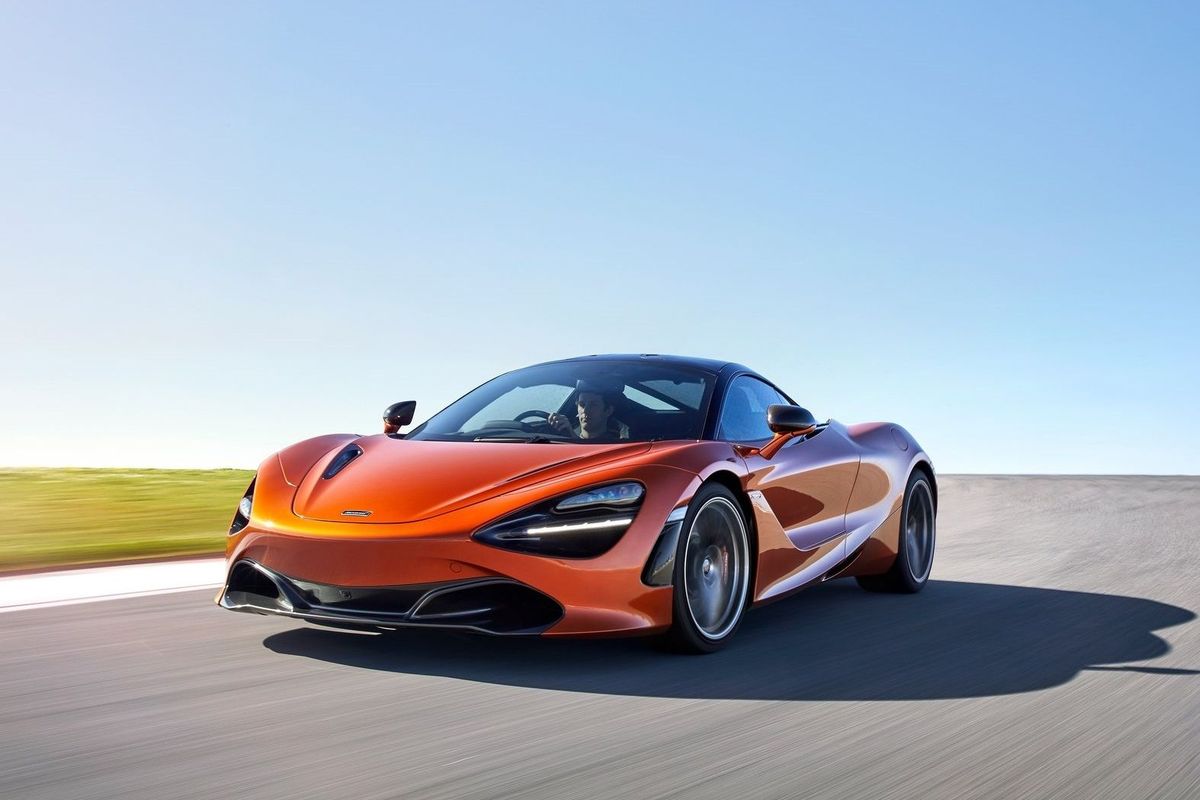
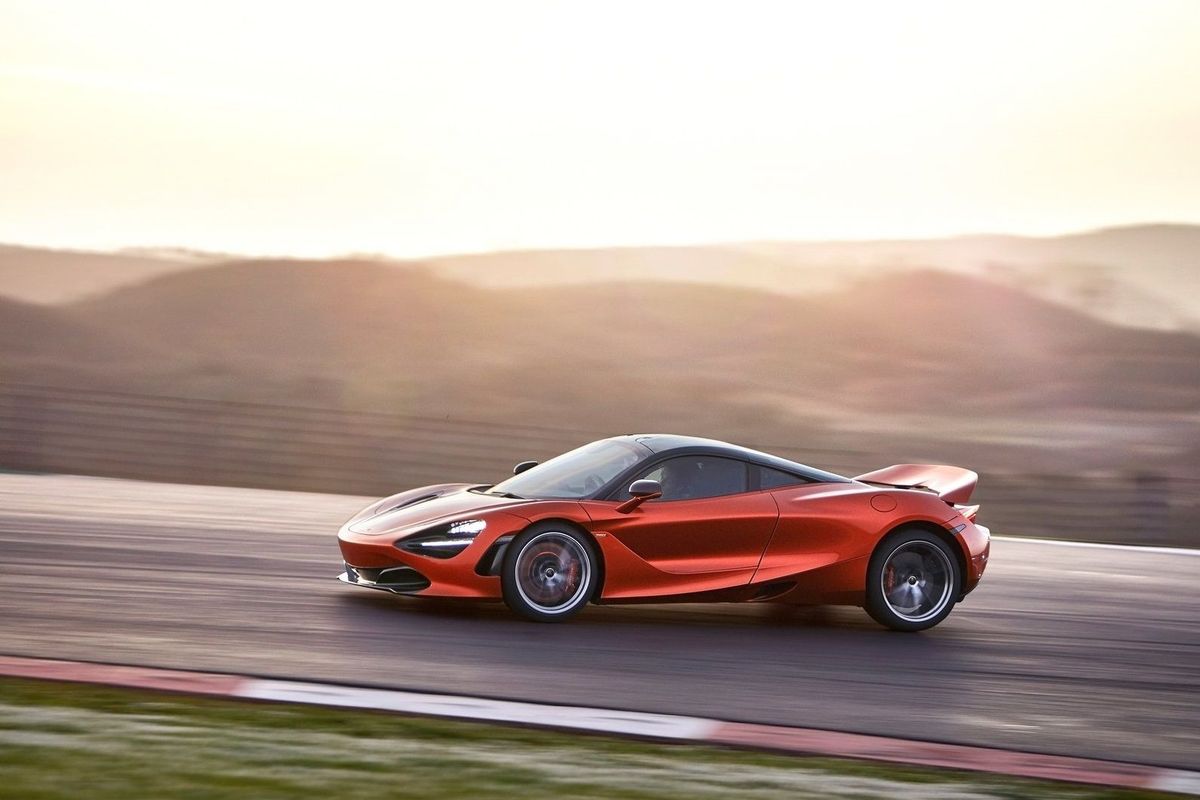
McLaren’s All-New 720S Supercar lands in SA


There's a new McLaren supercar out and it was fully revealed at the 2017 Geneva Motor Show. Finally, it's in SA. Let's meet the 720S – the second-generation model in McLaren's Super Series. 

Let's do some numbers. It's called the 720S as it has 720 horsepower. That's 530 kW with 770 Nm of torque, and it comes courtesy of a 4.0-litre V8 twin-turbocharged engine. McLaren says this engine is known as the M480T and is based on the current 3.8-litre V8 setup. 0-100 kph takes just under 3 seconds and in around 8 seconds, it will have breached the 200 kph barrier. If you're brave and if the road is long enough, it'll go onto 341 kph. 

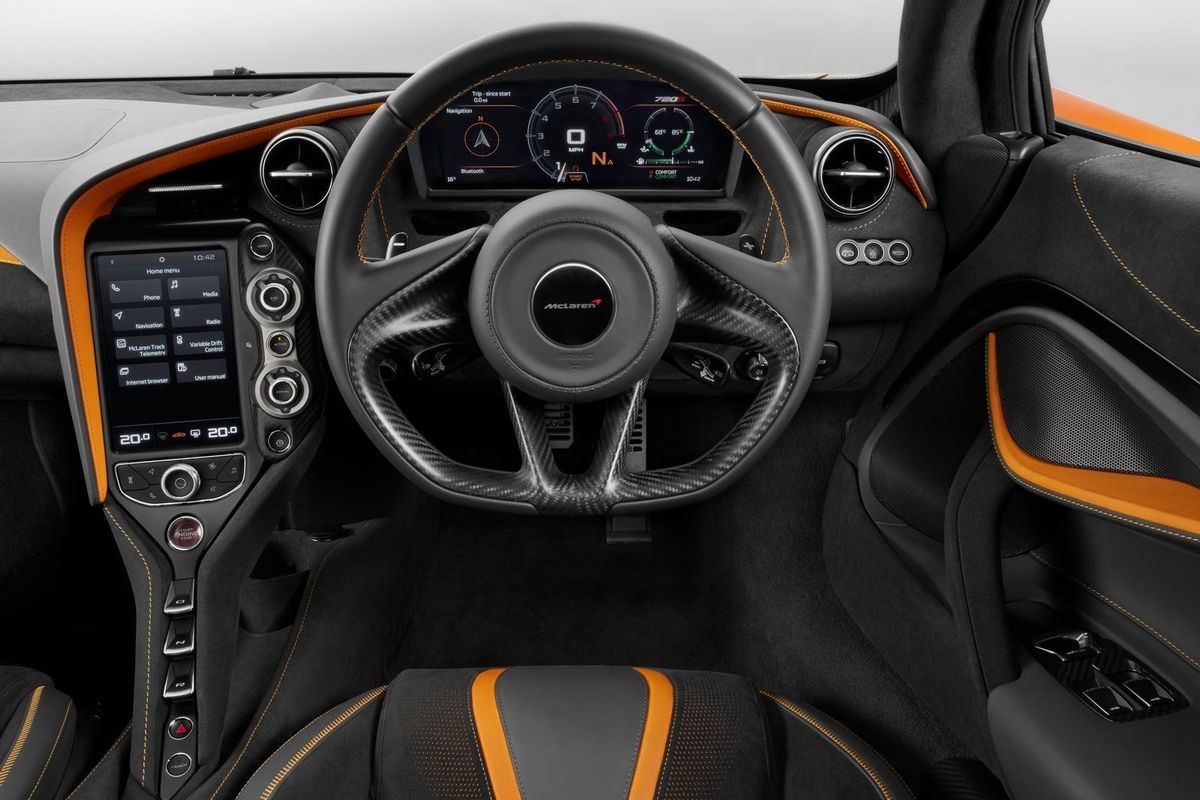
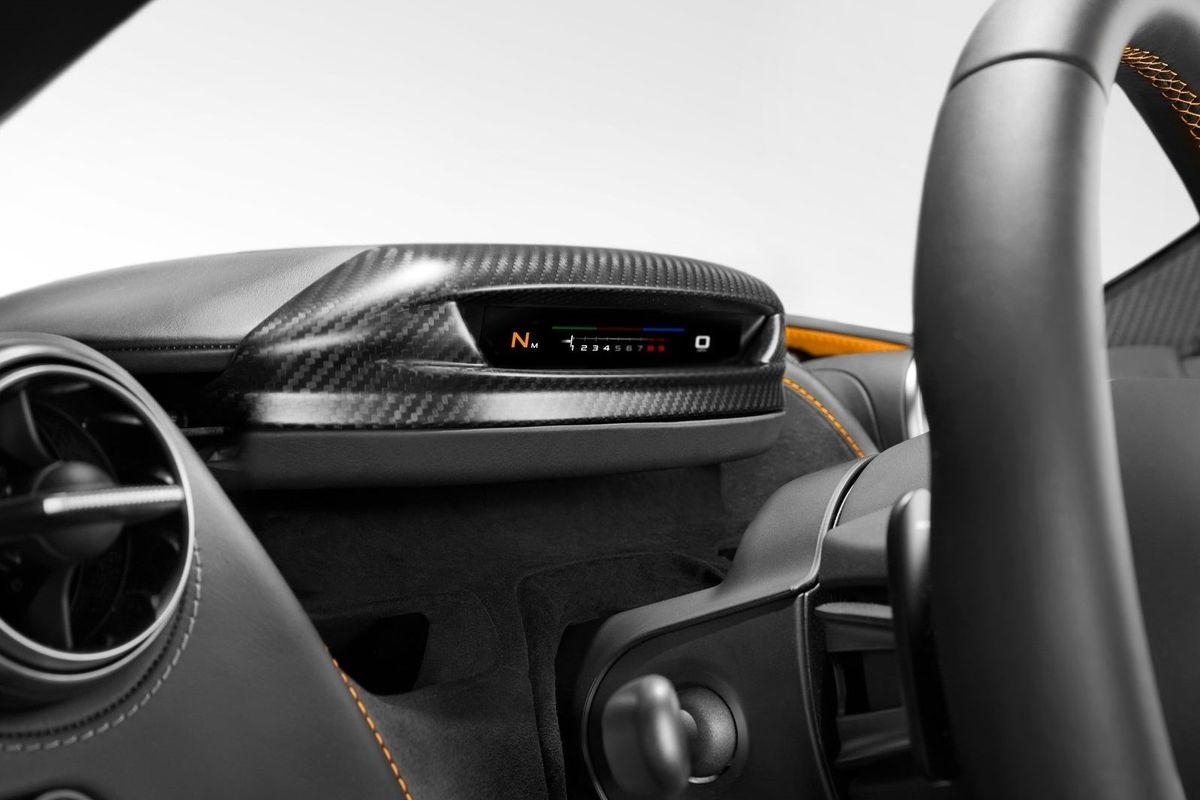
Made from a new carbon fibre structure, the McLaren 720S is both light and strong. The cabin has a luxury feel and there's extensive use of leather and machined aluminium. An all-new McLaren Driver Interface makes its debut and this comprises a folding display and infotainment screen. 

"Super Series is the core of the McLaren business and personifies the blend of extreme performance, crafted luxury and unparalleled driver involvement that is the McLaren heartland. This is the first time we have replaced a product family and the new 720S is absolutely true to McLaren's pioneering spirit in being a revolutionary leap forwards, both for our brand and the supercar segment." Mike Flewitt, Chief Executive Officer, McLaren Automotive

The new McLaren 720S is available to order and the first owners will be getting their cars in May 2017. There are three trim levels: Standard, Performance and Luxury. 

McLaren SA hosted us at an event where the first customer received his vehicle. The vehicle is priced from R5.5 million, but you can go wild with the optional extras like carbon fibre and there's talk of a customer car on its way to our shores that has cost R8 million. This year's allocation has been snapped up pretty quick, so if you're wanting one of these hypercars, best you order now to receive it in 2018.

Further Reading

Watch the Audi R8 and the McLaren 570 on track
Read a review of the Mclaren 650S here

 Watch the McLaren 720S in action


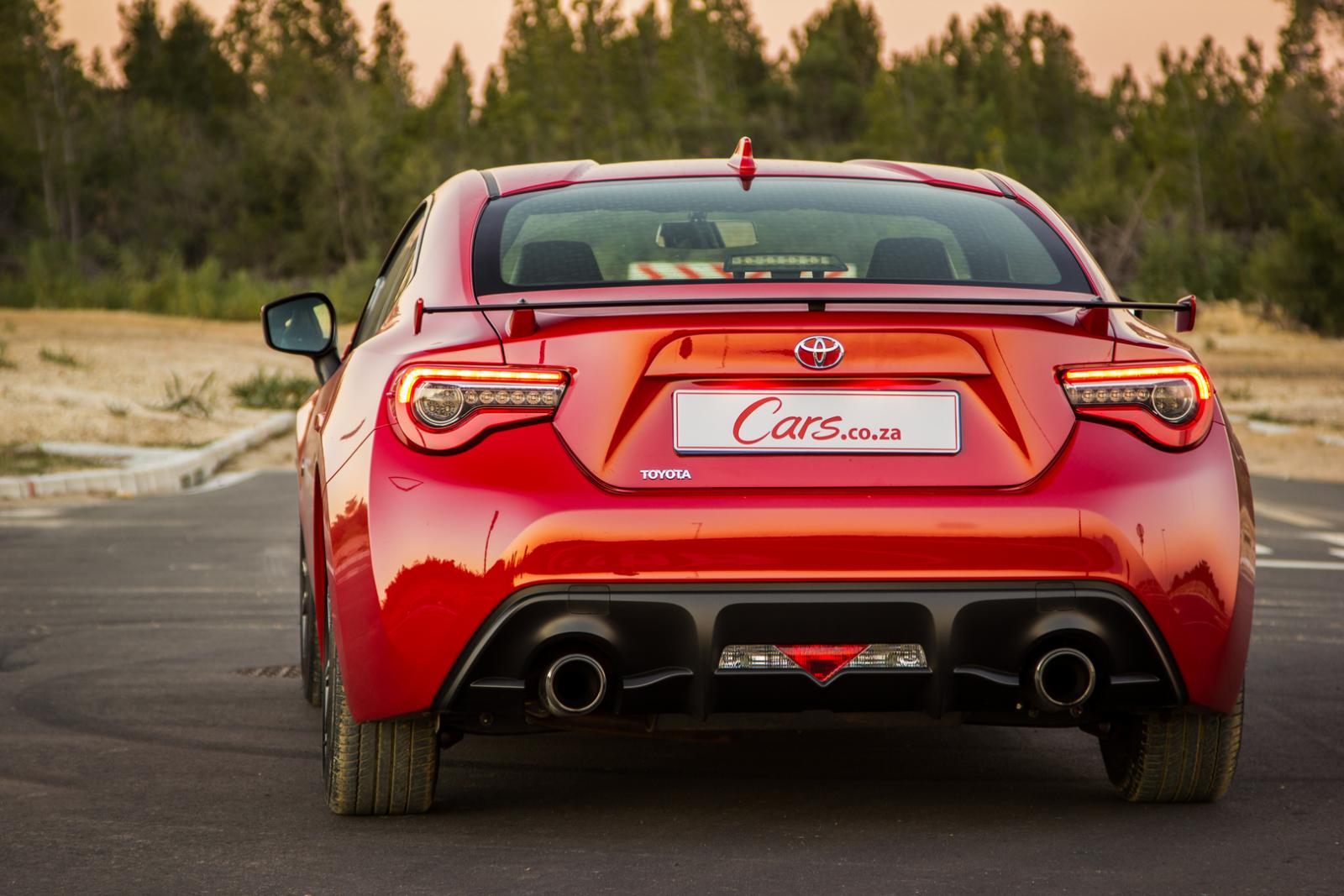
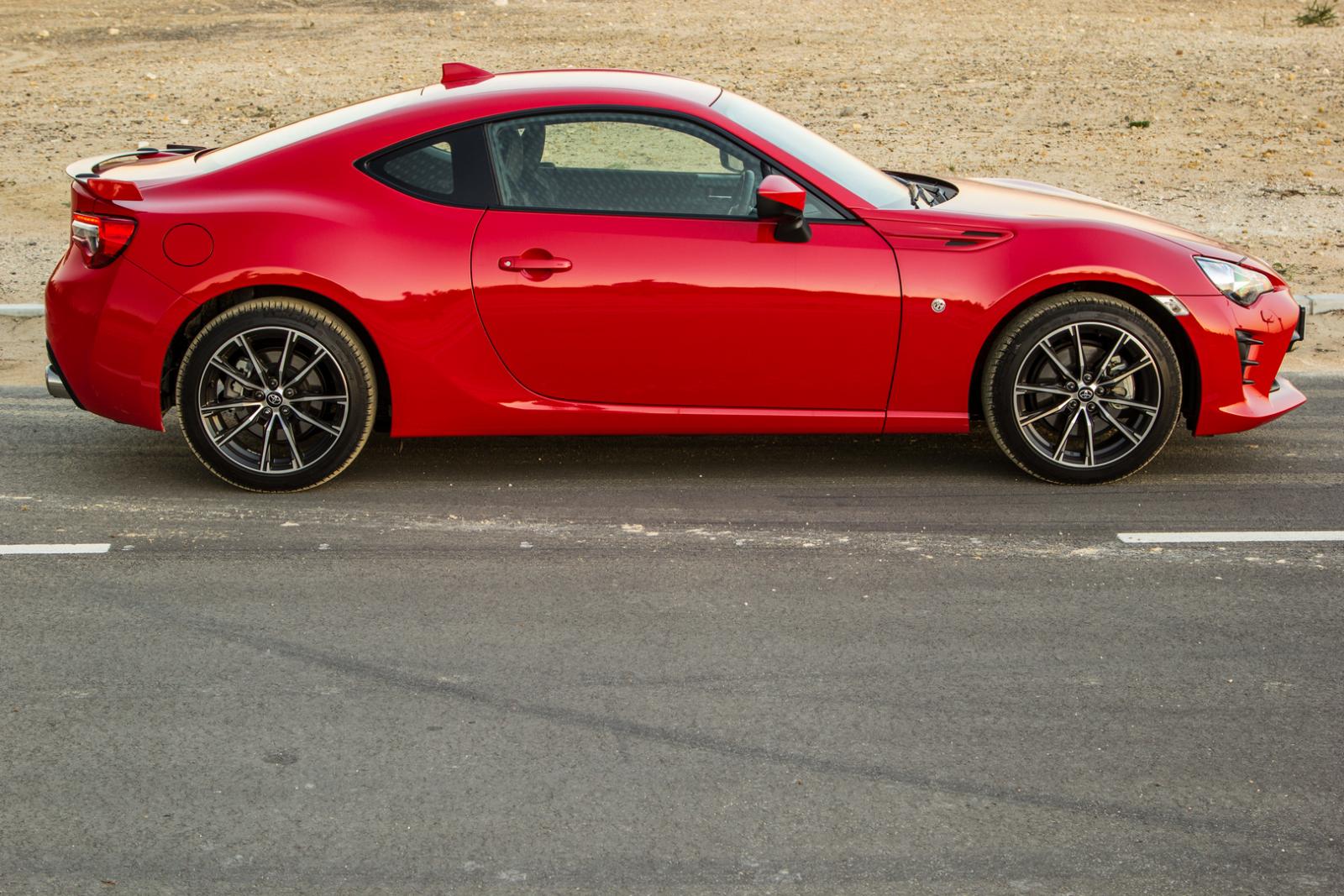
Toyota 86 High (2017) Quick Review


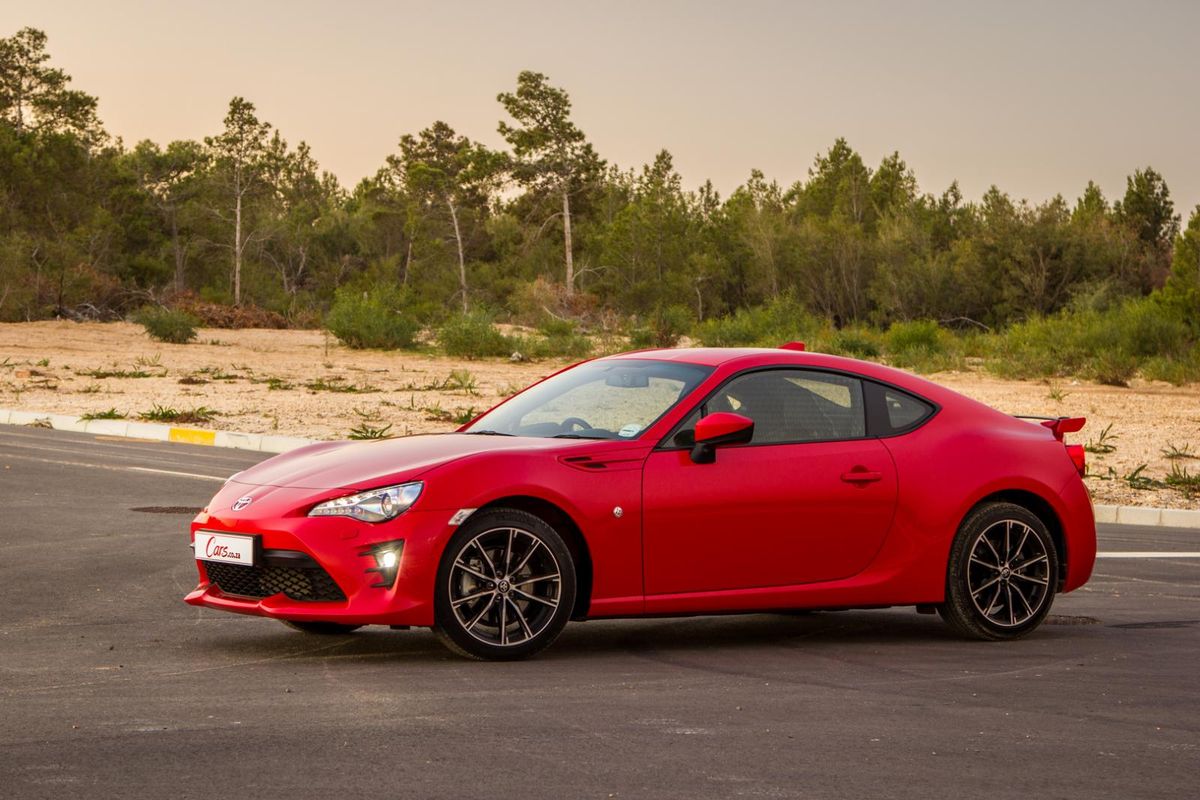
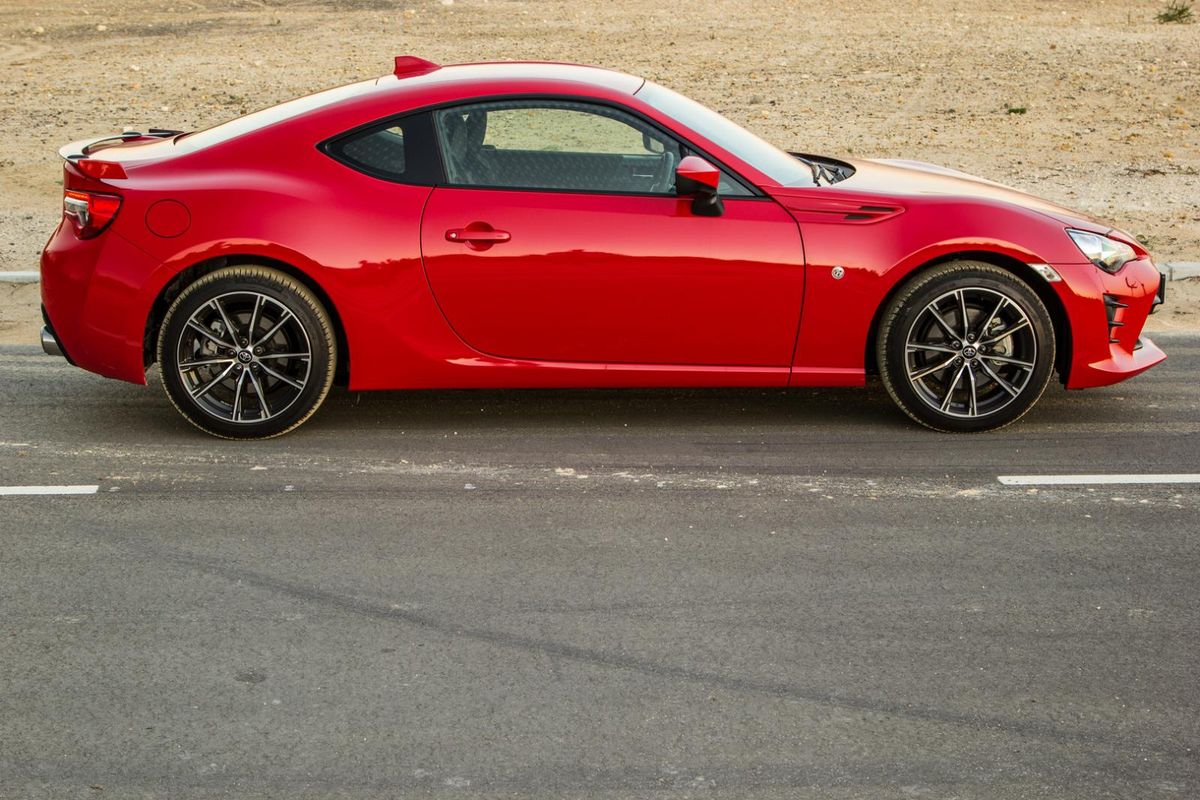
Toyota’s 86 sportscar had a recent facelift in order to improve its dynamics and styling. Have the changes dulled the 86's oversteer tendency or are the improvements for the better?

We Like: Entry-level RWD fun, better interior, original.

We Don’t Like: Expensive.

Alternatives

  • For way less money: The Ford Fiesta ST200 may only be front-wheel-drive but we’d wager that it’s just as much fun. A 1.6-litre turbocharged petrol engine does service in the ST200 and it's good for 147 kW and 320 Nm of torque. The Fiesta ST200 is priced from R339 900. 

  • For a more track-focussed machine: Renault offers the Clio RS Trophy for R70k less, if you can live with it, it’ll be faster on track. Its 1.6-litre turbocharged engine produces 162 kW and 260 Nm of torque (280 Nm with overboost). The Clio RS Trophy is priced at R419 900. 

  • The original: The Mazda MX-5 may be less powerful, but you’ll be hard-pressed to notice it. It offers 118 kW and 200 Nm of torque from its 2.0-litre naturally aspirated engine and is priced from R441 700. 

Compare the specs of the 86 to the ST200 and the MX-5 here

Facts & Figures

Price: R494 900 (June 2017)

Engine: 2.0-litre 4-cylinder petrol

Power: 147 kW

Torque: 205 Nm

Transmission: 6-speed manual

Fuel Consumption: 7.8 L/100 km (claimed)

What’s new?


The front bumper is a new design as is the new light design. Special lightweight wheels are a new addition too.

The Toyota 86 landed here in 2012 as a relatively affordable way to get into rear-wheel-drive sportscar fun. It’s an area of the market often neglected by manufacturers as they prefer to spice up hatchbacks instead of building unique, entry-level sportscars to save money.

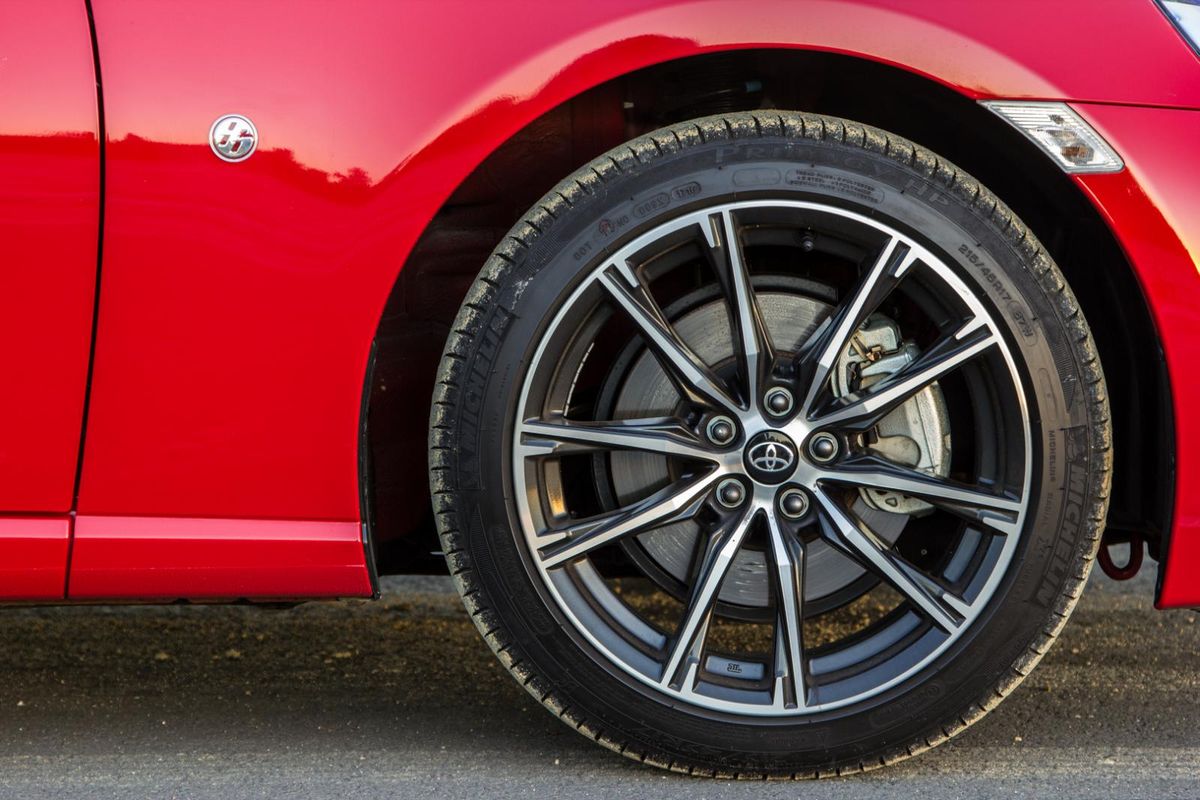
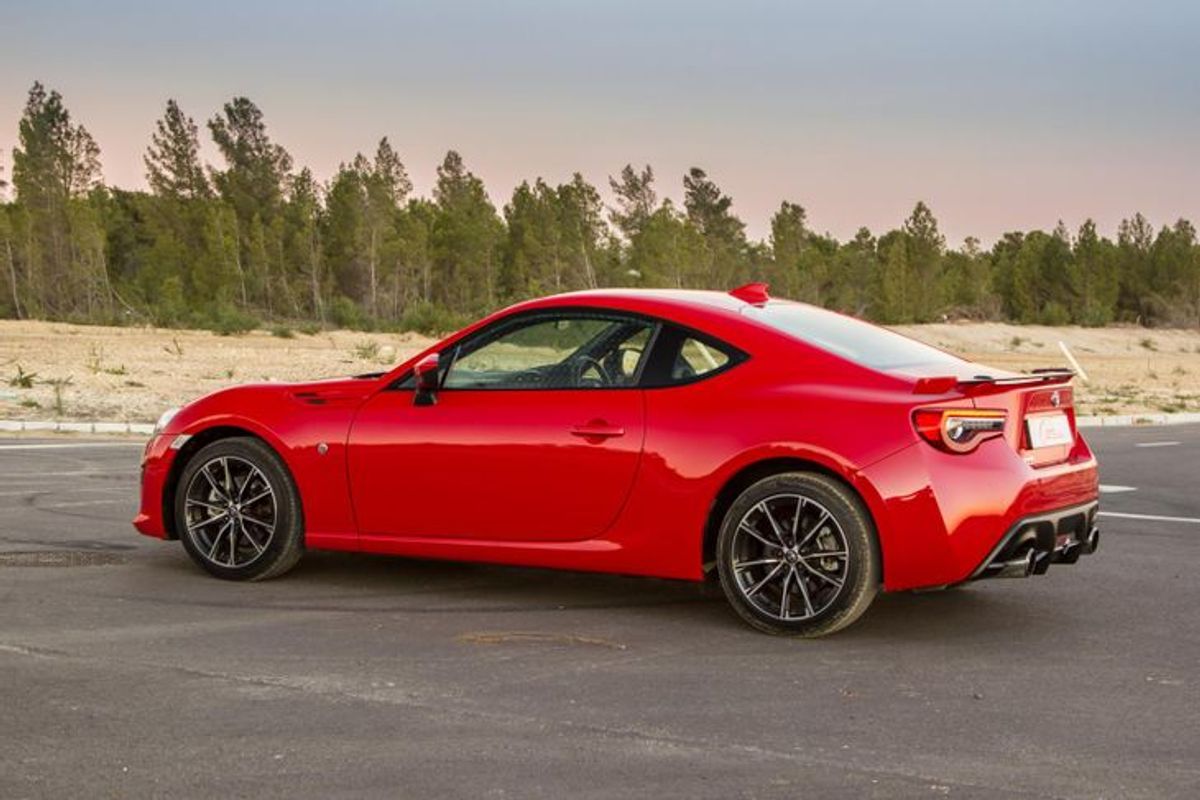
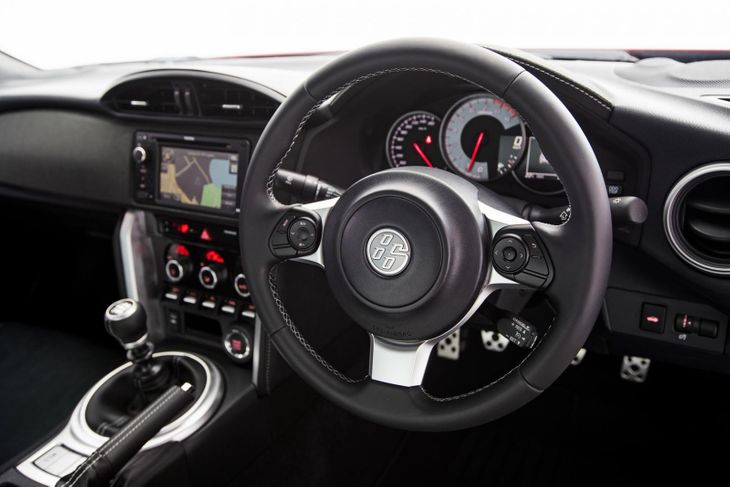
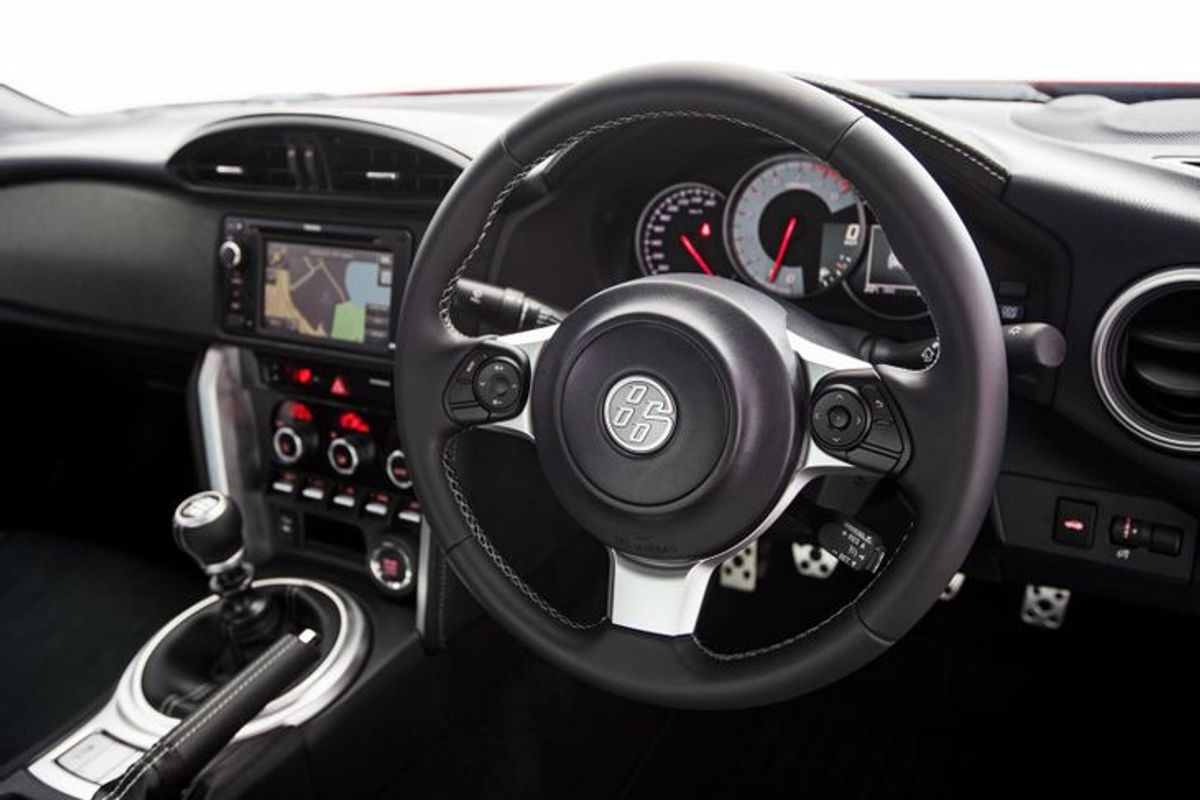
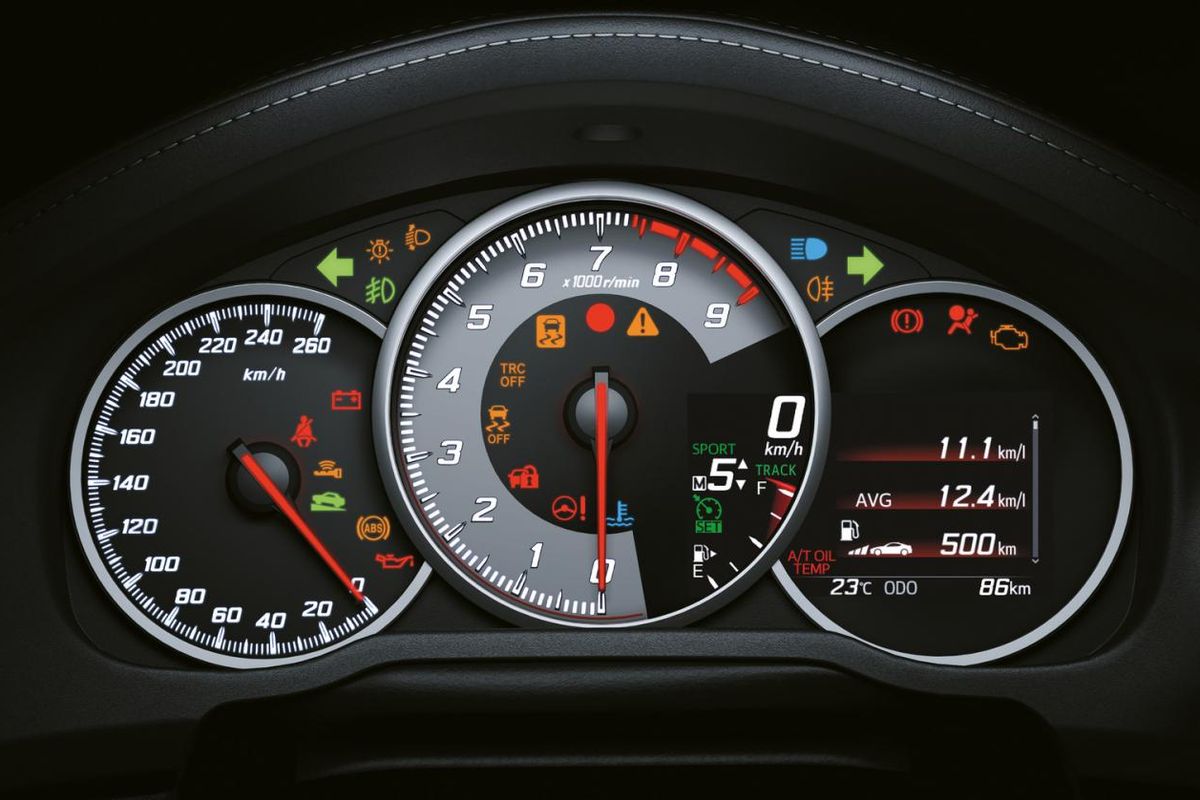
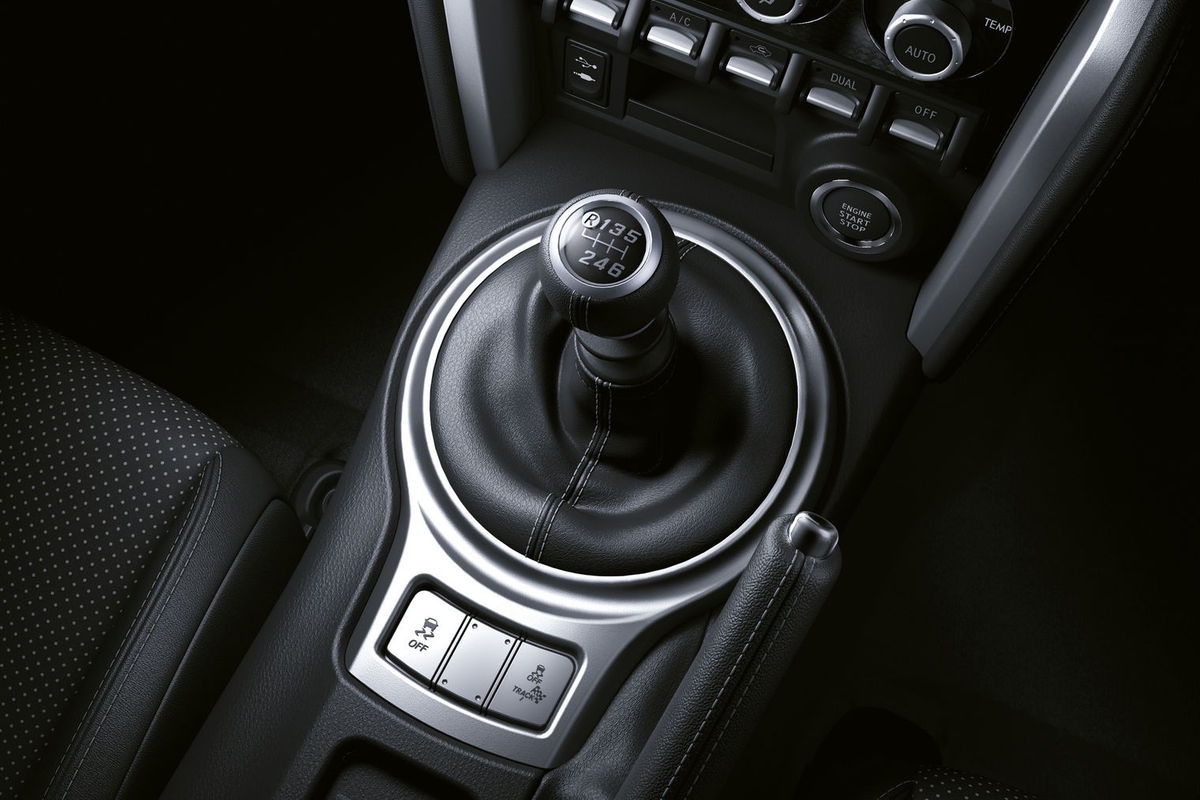
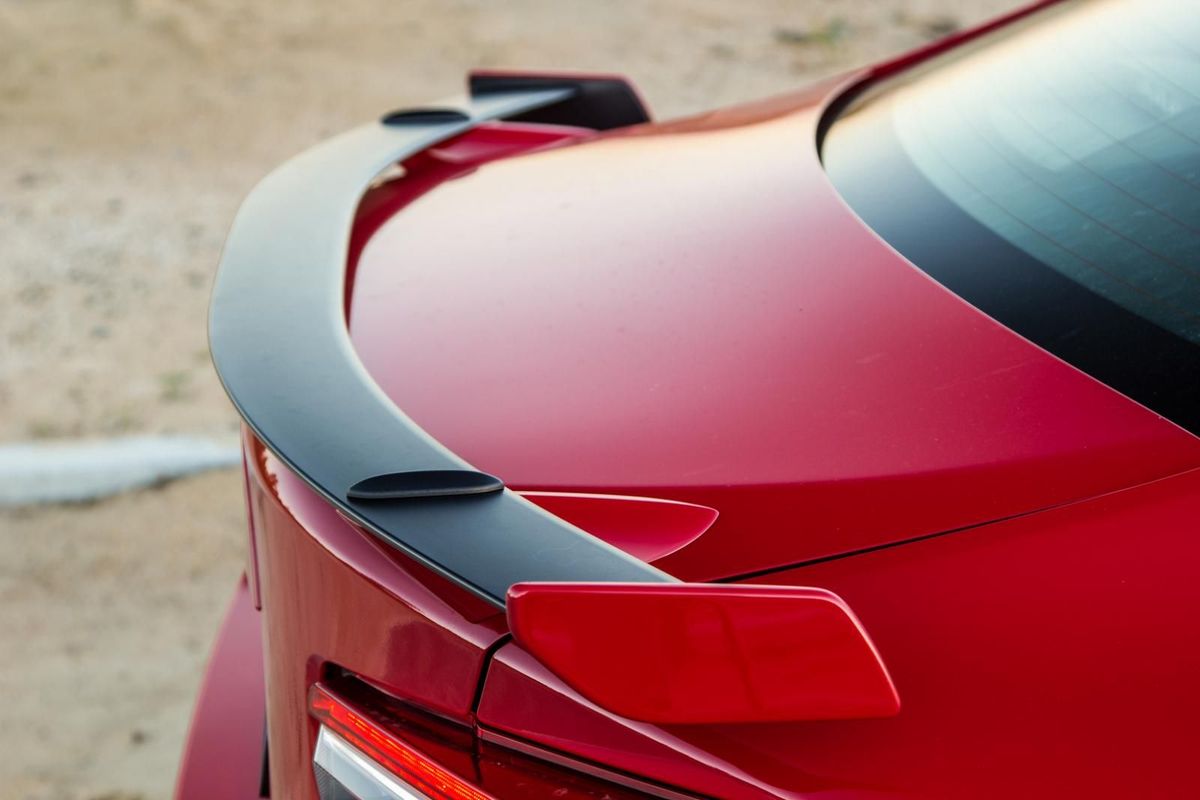
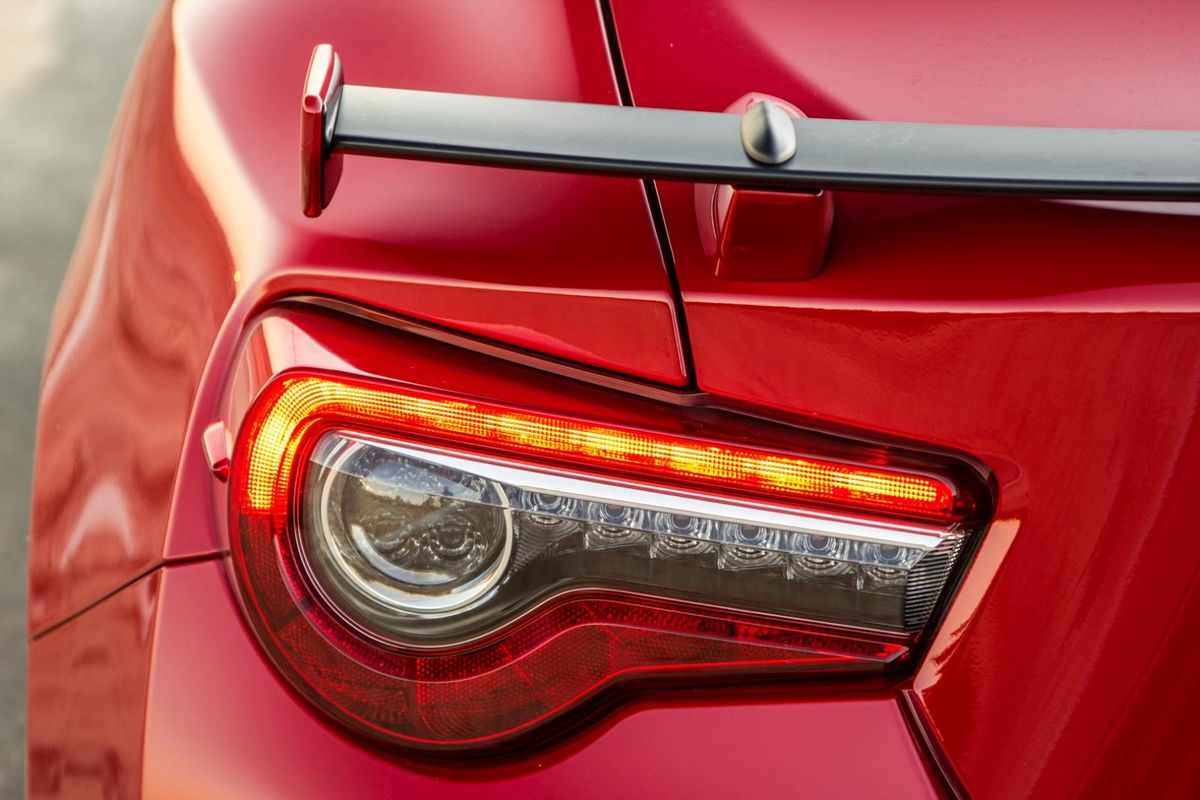
The 86 had its lights upgraded to LEDs, front and rear. There’s also a new front bumper design and new 17-inch wheels to go with a less ostentatious rear spoiler. The inside has had a solid reworking with most of the touch surfaces feeling softer or clad in Alcantara. From the driver’s point of view, the steering wheel is a whole 3 mm smaller in diameter and the information display screen between the dials is new.

The good

It's different

There’s something about a rear-wheel-drive sportscar that excites the senses. The 86 is low, really low, and you slide in rather than get in, much like you would in a race car. The cabin is tight and the seats are supportive. Your feet rest at waist height like you’re lying in a bathtub and you look out way beyond the bonnet. It takes a while to get used to these surroundings, but after a few corners, it fits like a tailored suit.


It has a new rear wing design for the facelifted model and the diffuser now sits at a 45-degree angle to generate better airflow.

Having a non-threatening 147 kW of naturally aspirated power behind the throttle has its advantages. Unlike modern turbos, there’s no sudden kick of power that comes in and then dissipates at 5 000 rpm. The flat-four cylinder engine in the 86 only starts to hit its stride at 5 000 rpm and goes on to over 7 000 rpm. It delivers clean, unadulterated power with a throttle response that’s long since been forgotten. The sound delivered could be better though. It’s like it’s being distributed to the driver via a hollow plastic box. It’s what a sheep with a really deep voice would baaa like. That’s also down to the nature of the flat-four engine, an in-line would deliver more of a scream – like the old Honda S2000.

That said the 86 is kitted with one of the best manual gearboxes in the business. The lever can be thrust into gear harder and faster than anything. Thrash the lever with all your might and you could get a shift from second to third in the same time as a dual-clutch ‘box and being a Toyota, you’d expect it to handle a lifetime of that abuse too. Coming back down the gears is just as fun too and the pedals are placed specifically to work with a heel-and-toe downshift.

Rear-wheel-drive fun

Back to the driving part… With the front wheels free from the corruption of power, they are free to do the steering alone. The turn in is sharp and direct and the steering wheel provides precise feedback as to what’s happening underneath you, a refreshing change. It’s sensitive to tiny adjustments on the wheel and you can really manipulate it however you want. The front tyres perform even better when you get a little bit of heat into them, biting harder into the tarmac. The suspension changes have made the rear-end less likely to step out every time you turn the steering wheel. The old model was always keen to slide around, even when negotiating something as simple as a right turn at a roundabout you would have to be on high alert for an unexpected drift. 

Now though, with coil spring adjustments to improve stability and handling, the 86 requires a bit more provoking to get the rear to break away. It’s still just as controllable when it does let go, it just requires a bit more finesse with the throttle and wheel.


The steering wheel is now 3mm smaller in diameter and the digital display within the instrument cluster has been updated. 

The bad

Expensive

When the 86 was introduced in 2012, this model, the 86 High manual cost  R329 400. Right now, taking inflation and a couple of currency dips into account, it commands a price of R494 900. That’s hefty if you consider what it competes with in the power stakes – Fiesta ST200 R339 900, Renault Clio RS200 Lux R379 900. Even the Mazda MX-5 is R50k cheaper at R441 700.

The issue is that if you want a proper rear-wheel drive sportscar, the options under R700k are extremely limited. Yes, the BMW 2 Series is rear-wheel-drive, but it hardly has the same visceral and low-slung feel of a sportscar. There’s the Audi TT at R600k, and that’s a very good front-wheel drive car but you’re unlikely to find it to be as playful as an 86. You have to go right up to nearly R900 000 before the likes of the Porsche Boxster and new 2.0-litre F-Type enter the fray.


The 86 is essentially the only car in its class if you want a 2-door sports coupe, but it's expensive at nearly R500 000.

Verdict

It’s hard to judge a car when there are almost no direct rivals to judge it against. The new 86 improves on the driveability of the previous model with a bit more rear grip without removing the playfulness that makes the 86 entertaining to drive. The interior has been updated, introducing better looking and softer materials but it’s not as plush or refined as a German interior.

It still feels like the engine could do with 10% more power and an extra 1 000 rpm. That would make it something very, very fun to have on a weekend run. Do away with the weird engine noise and make it scream like the old 4-cylinder RSI motors used to and you’ve got yourself an untouchable sports coupe. For now, its appeal is limited as many, especially those who live at the Reef, will be put off by being blown away by every hot-hatch on the market.

Related content

Extended Test: Mazda MX-5 [with Video]

Mazda MX-5 RF Lands in SA

Renault Clio RS 220 EDC Trophy (2017) Quick Review
Hotter Ford Fiesta ST200 Revealed

Searching for a used Toyota 86?

Start your search here

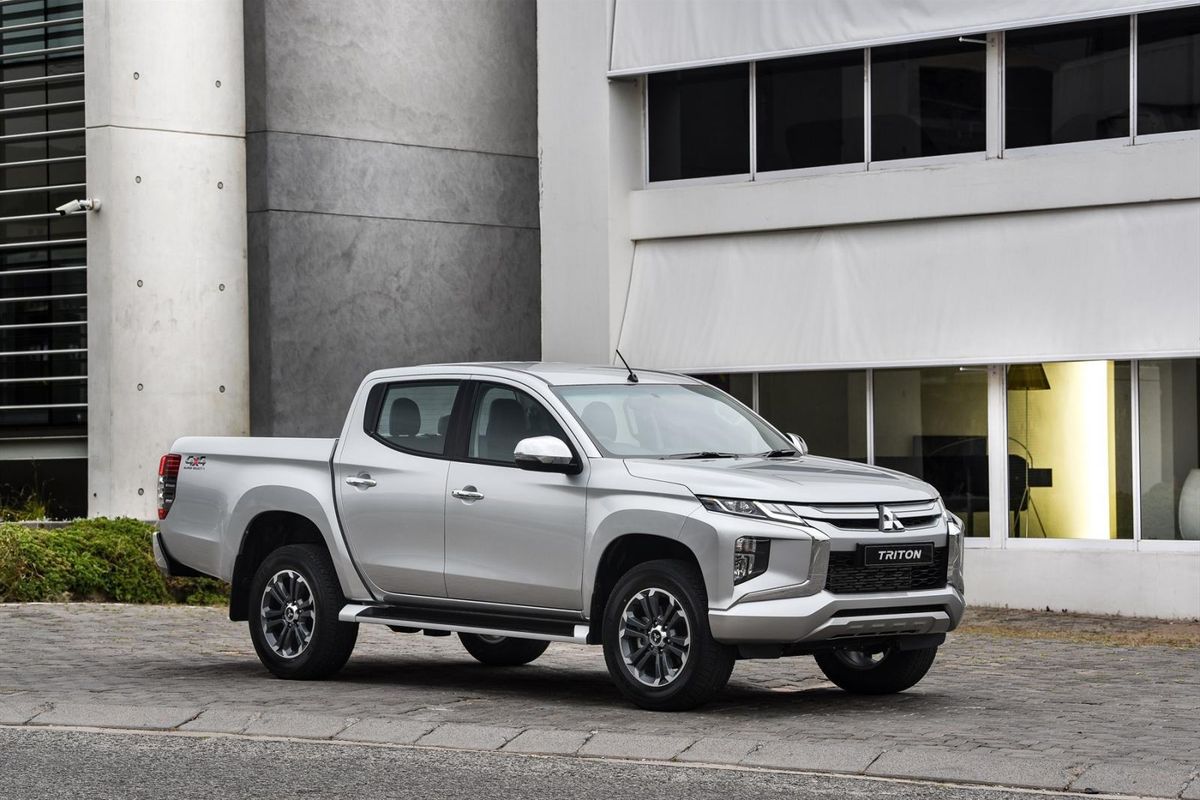
Mitsubishi Triton 2.4DI-D Double Cab 4×4 (2017) Quick Review

In the fiercely competitive double-cab bakkie segment, a newcomer has a mountain to climb if it's to win the hearts and minds of the buying public. Mitsubishi's new Triton has already won us over in automatic guise, but how does the cheaper manual gearbox-equipped derivative fare?

We like: Extensive list of standard features, ride quality, off-road capability, good rear space, great engine

We don’t like: The automatic offers more comfort and convenience

Alternatives

  • The staple: The Toyota Hilux is still South Africa’s best-selling vehicle. Buyers flock to this long-established bakkie due to its reputation for reliability and excellent resale value. The top-spec Hilux 2.8 GD-6 double cab 4×4 Raider is priced from R554 600 (June 2017).
  • The Hilux's archrival: The Ford Ranger has led a strong charge against the Hilux and occasionally edged its Toyota rival in the monthly new vehicle sales statistics. Muscular looks, strong engines and advanced infotainment are the drawcards here and the Ranger 3.2 double cab XLT is priced from R578 900 (June 2017).
  • The beast: Volkswagen’s Amarok has proved itself a strong competitor in the double-cab bakkie market. With an SUV-like interior and ride, flashy good looks and a huge load bay, it has won over more than a few buyers. The facelifted Amarok 2.0 BiTDI double cab Comfortline 4Motion automatic is priced from R544 900 (June 2017).

See how the Mitsubishi Triton compares with the Toyota Hilux and Ford Ranger

Facts & Figures

Price: R539 900 (June 2017)
Engine: 2.4-litre turbodiesel
Power: 133 kW
Torque: 430 Nm
Transmission: 6-speed manual
Fuel Consumption: 7.3 L/100 km (claimed)
Performance (0-100 kph): 10.4s 

What is it?

When we reviewed the Triton 2.4DI-D Double Cab 4×4 Auto in April 2017, it made a positive first impression. We praised its good ride quality, engine refinement and generous list of standard features. However, we had not yet experienced the manual version of the Japanese bakkie. With a list price of R20 000 less than the Auto version, is this Triton the better buy?


Although aesthetic appeal used to almost inconsequential in the bakkie market, kerb appeal is a must-have attribute these days!

The good

Solid performance

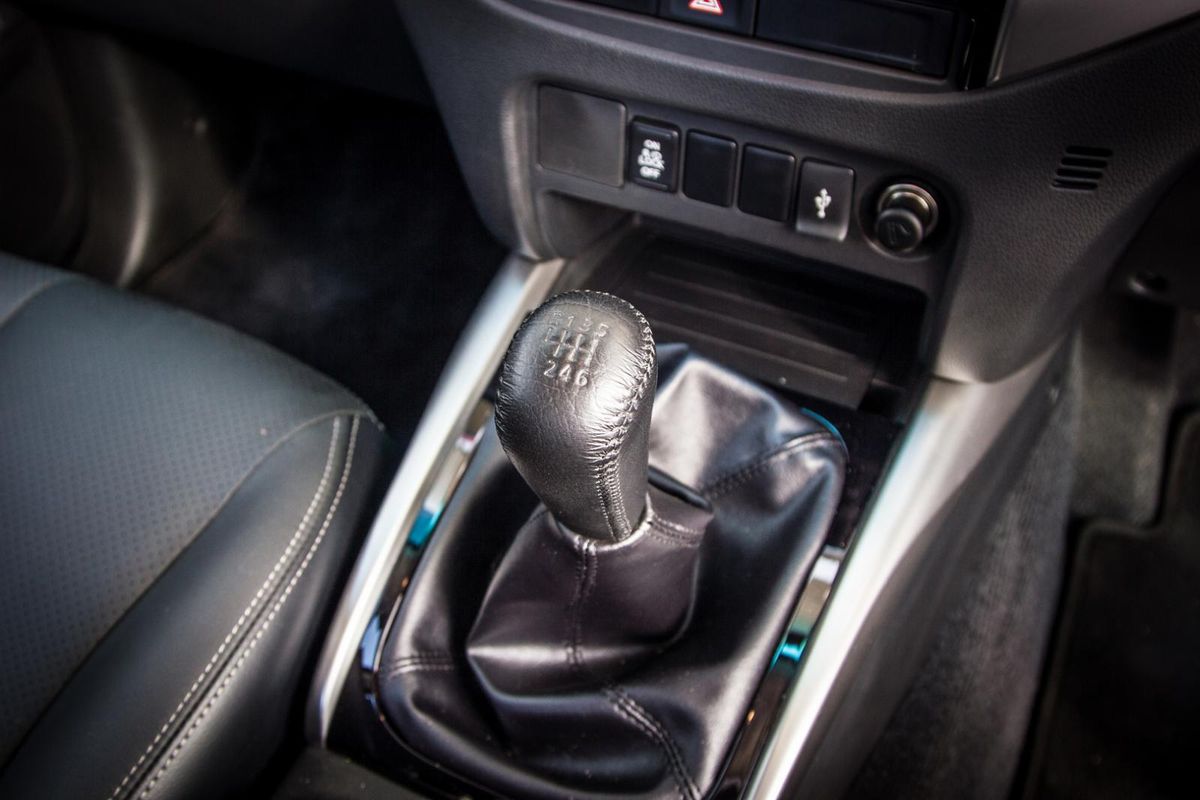
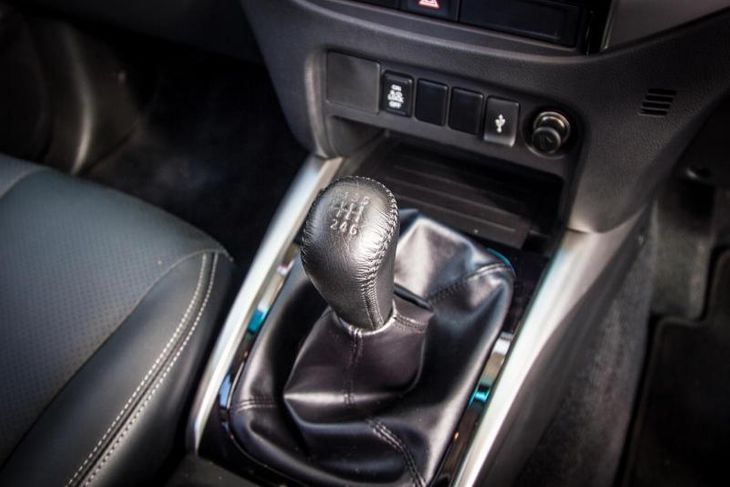
Mitsubishi's all-new 2.4-litre turbodiesel has been quite the revelation. With peak outputs of 133 kW and 430 Nm, it provides good tractability; we've been impressed with its refinement and economy. Mitsubishi claims the Triton will consume 7.3 L/100 km and during the bakkie's tenure in our fleet (during which time it did a lot of commuting), we saw an indicated 8.5 L/100 km. Meanwhile, the 6-speed manual transmission has a light clutch pedal action, but the gearshift throw feels like that of most other bakkies: long and a tad vague, at least compared with other passenger vehicles/family cars. Thanks to the flexible engine, however, you won't need to constantly work the gear knob to keep up with the flow of traffic.


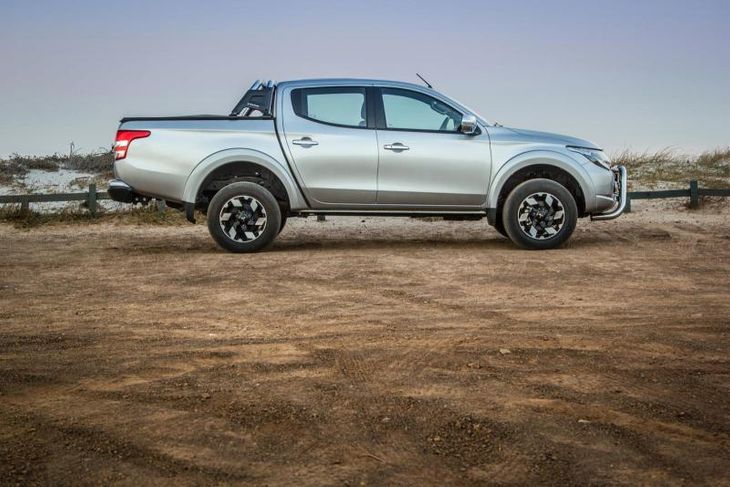
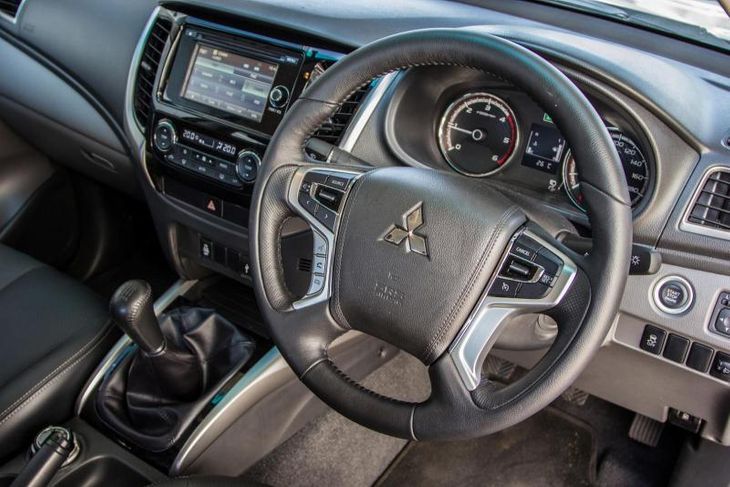
Six-speed manual gearbox is pleasant and simple enough to operate, but we'd advocate the automatic for ease of use.

Off-road skills

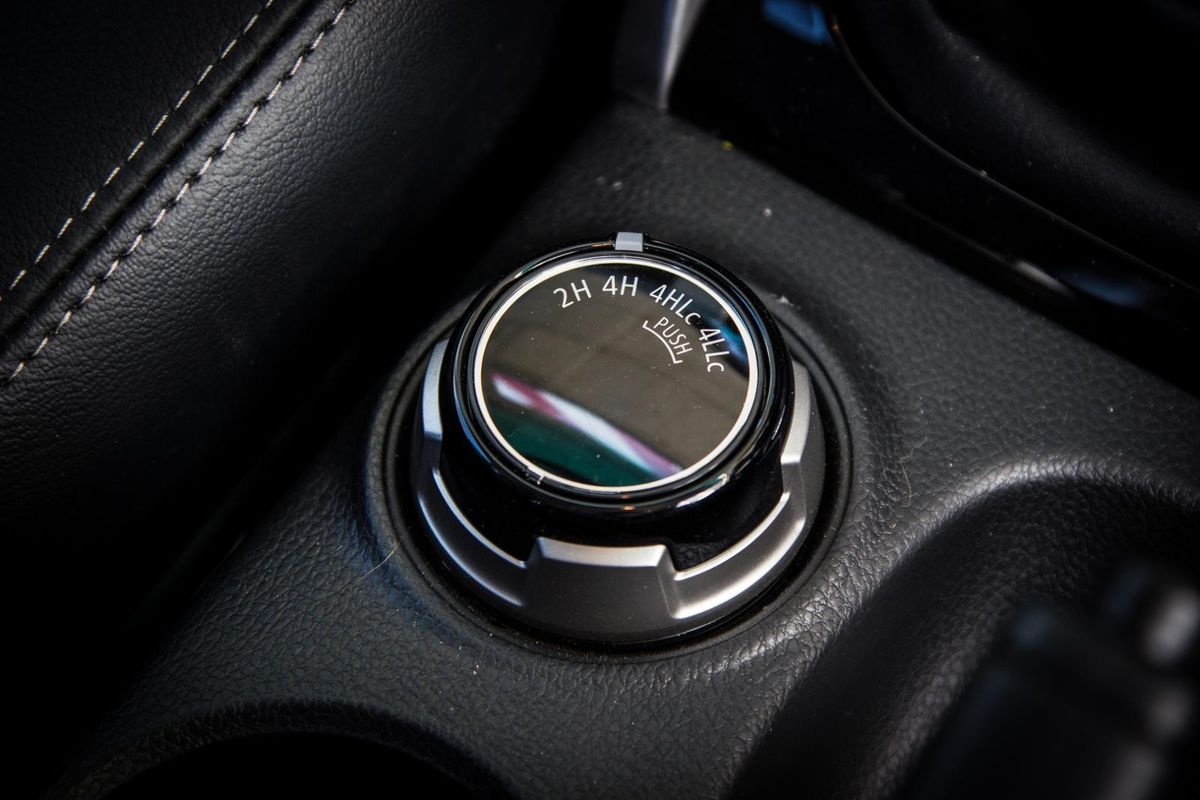
Seeing that the test unit had an all-wheel-drive configuration, we'd be remiss if we failed to mention the Mitsubishi's quartet of Super Select drive modes (2H, 4H, 4Hlc and 4LLc), which include low range and the ability to lock both centre and rear differentials. It's an easy system to operate as you simply come to a stop, engage neutral and select your driving mode. Once you're in the desired offroad mode, you can carry on driving and the Triton will impress if you take if on a serious trail. Remember not to ride the clutch!

In terms of the numbers, the Mitsubishi Triton has a claimed ground clearance of 215 mm, an approach angle of 28 degrees, a departure angle of 22 degrees and a break-over angle of 25 degrees, which are credible numbers.


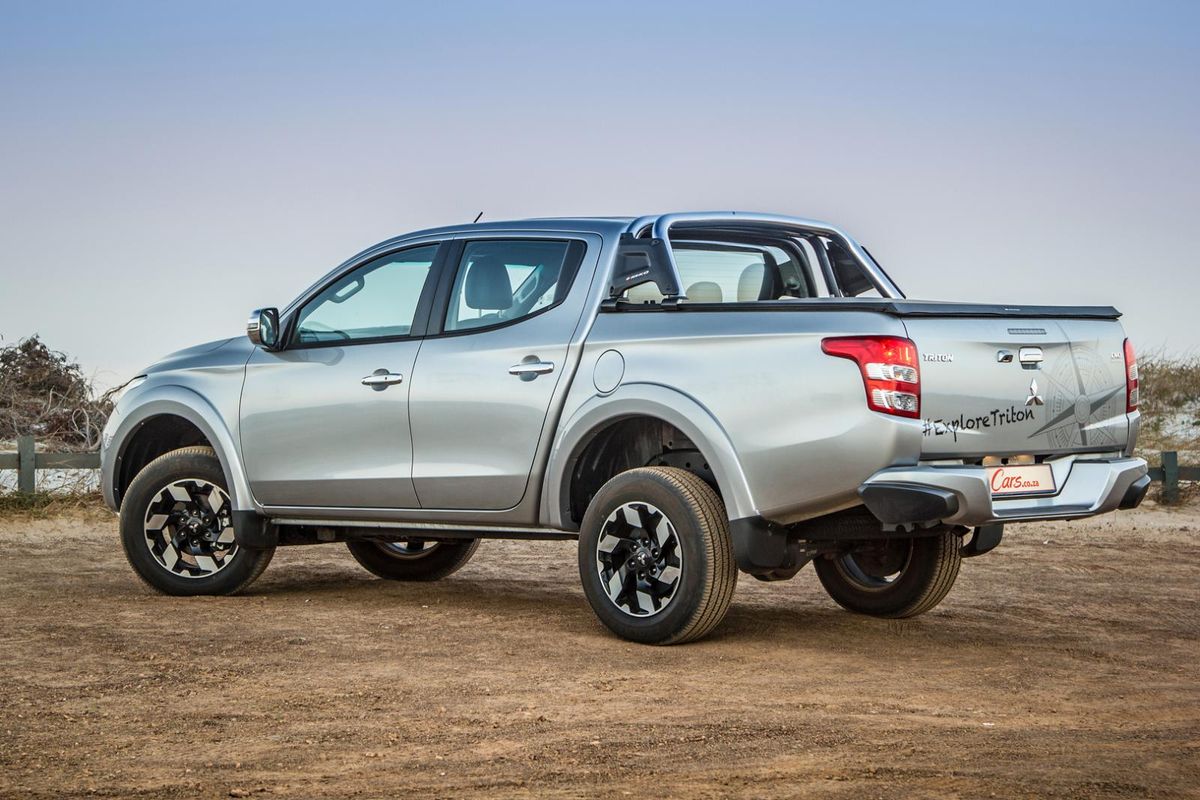
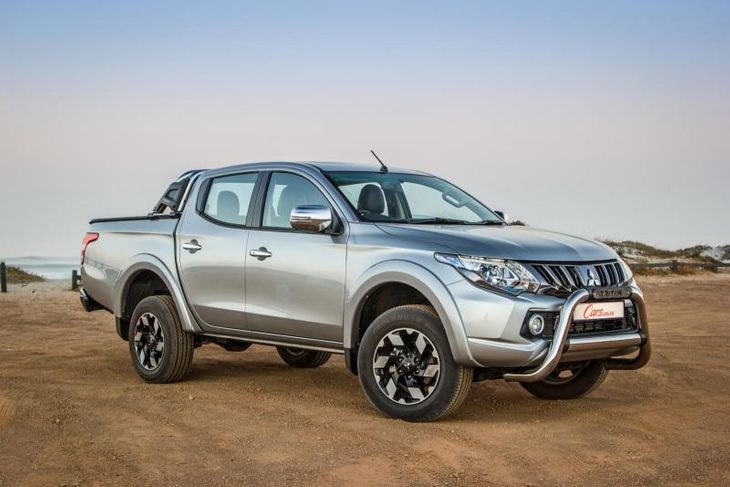
New Triton is a handsome and capable double-cab bakkie

Standard specification

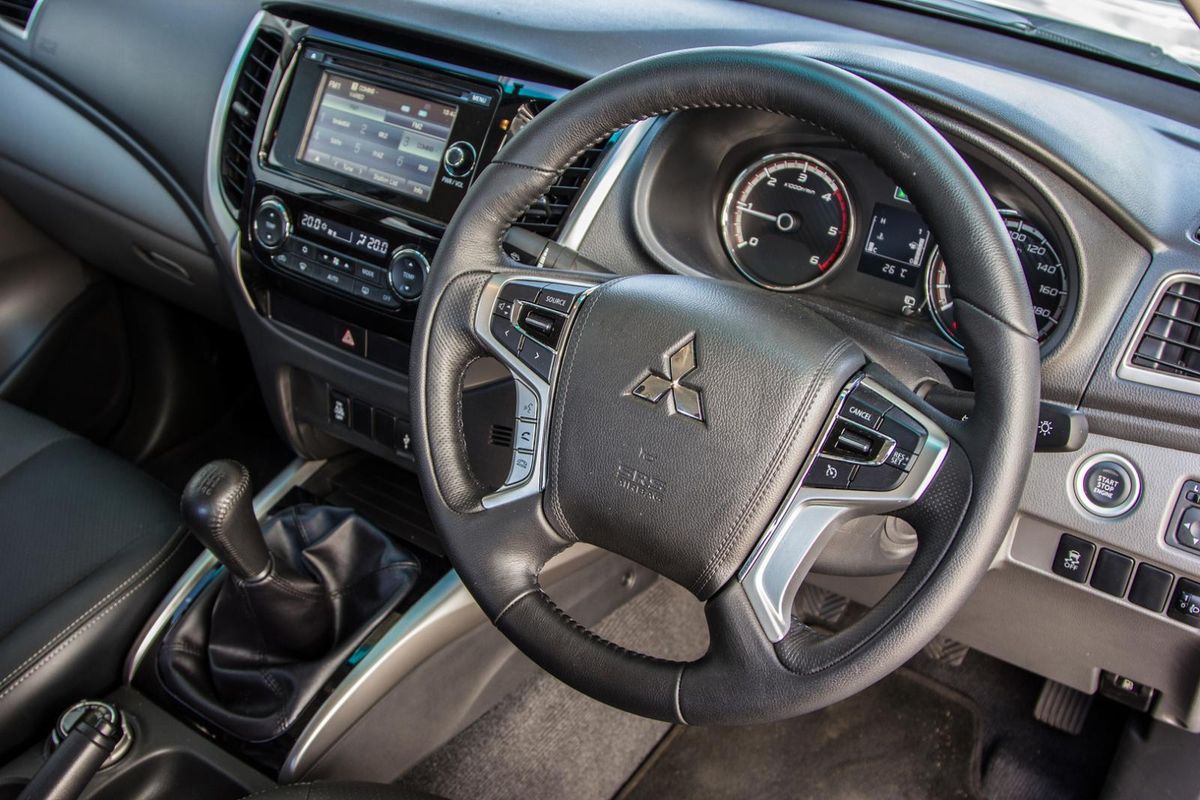
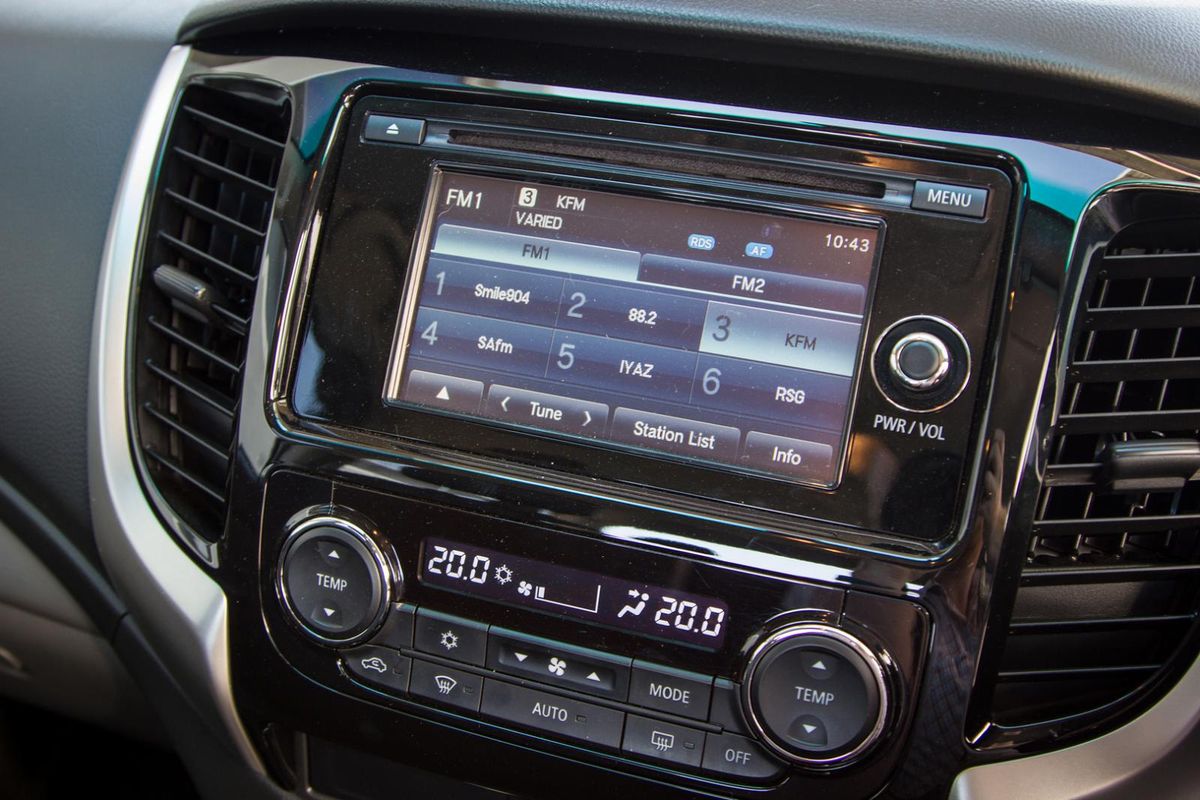
At this price point of R500 000, you should be getting a fair whack of standard features. The Mitsubishi Triton does not disappoint in this regard as the vehicle comes standard with dual-zone climate control, comprehensive entertainment system, park assist with reverse camera, and leather seats, but strangely there was no cruise control. 


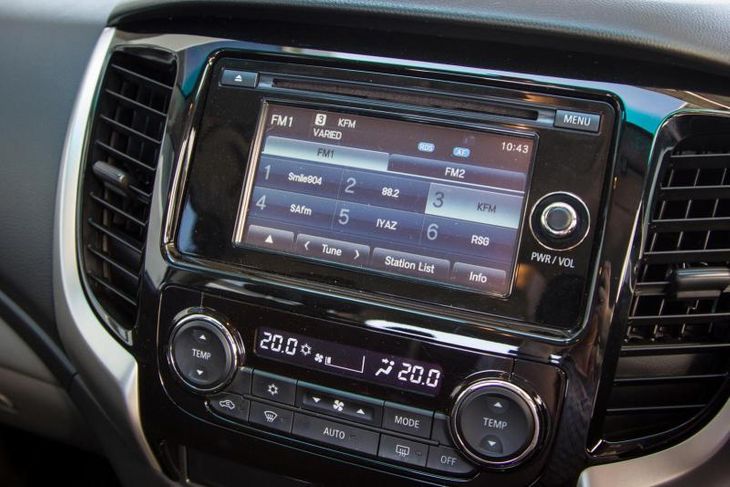
Mitsubishi Triton touchscreen infotainment system is straightforward to use

The bad

Not enough safety

These days there's a massive focus on safety when it comes to vehicles and we find it strange that the new Mitsubishi Triton can only muster just a driver and passenger airbag. All of its rivals offer up to 6 airbags, and in some cases, 7.


Manual gearboxes are dying out

Given how far we've come with the automatic and dual-clutch gearboxes, manual transmissions feel like old technology. The automatic sibling may only have five ratios, but it offers a far more relaxing drive. We'd be happy to pay that bit extra for the automatic as it'll be less effort and wear-and-tear. 

Verdict

The Mitsubishi Triton, now in its 5th generation, has proven to be a surprisingly good bakkie in terms of offroad skillset and day-to-day comfort. In manual guise it's pleasant enough, but given how user-friendly the 5-speed automatic gearbox is, we'd advise people to fork out that bit extra for the clutchless option. 

There's definitely enough kit and gadgets given its asking price and we felt that the cabin was spacious and comfortable, despite the vehicle's size which is fractionally smaller than its rivals. It drives well and certainly looks the part, and you're going to be brimming with confidence if you decide to head offroad, knowing that it's going to take a lot to get a Triton stuck. We were impressed with its handling traits on both gravel and tarmac.

With that in mind, we feel that the Triton is arguably the best product that Mitsubishi produces right now, but we're surprised that its Italian sibling, the Fiat Fullback, is matching it on sales. As a newcomer, we feel it offers enough to convince a good few South African motorists to consider it instead of the ever popular Toyota and Ford offerings.

Related content:

Most Powerful Double-Cab Bakkies in SA

Mitsubishi Triton (2017) – Meet its Rivals

Nissan Navara (2017) First Drive

What People Think of the New Nissan Navara

Extended Test: Ford Ranger 3.2 4×4 Wildtrak [with Video]

Ford Ranger 3.2 4×4 Wildtrak (2016) Review
The World's Most Badass Toyota Hilux [with Video]

Toyota Hilux 2.8GD-6 DC 4×4 Raider Auto (2016) Review
Want to buy a Mitsubishi Triton? 

Find a new or used Mitsubishi Triton on Cars.co.za

Haval H2 1.5T Luxury Auto (2017) Review [with Video]

The H2 is Chinese SUV brand Haval’s first foray into the South African market, in H2 1.5T Luxury guise, it represents a tantalising proposition: price wise, it undercuts popular compact crossover rivals, and in terms of size, it rivals family car/compact SUV offerings. What’s more, its standard specification offers features that many premium marques reserve for their options lists.

We like: premium packaging, generous specification, value for money

We don’t like: untidy rear wheel-well sealing, clicking wiper repeaters, short(ish) service plan  

Alternatives

  • The popular option: Hyundai’s Indian-made Creta compact car is one of the bigger compact family cars on the market and is selling up a storm. The 1.6 Executive AT (R339 900) is R21k more expensive than the H2, but trails it in terms of performance, luxury cabin finishes and overall specification.
  • The #CarsAwards champion: Suzuki was named Brand of the Year in the 2016/17 Cars.so.ca Consumer Awards and the Vitara 1.6 GL+ the Compact Family Car of the Year. In automatic guise (R321 900), it compares favourably with H2 in terms of economy and its build quality is superb, but in terms of premium feel and luxury specification it lags behind its Chinese rival.
  • A more MPV-like crossover: The Honda HR-V 1.5 Comfort AT (R334 200) does not offer much in the way of SUV-flavoured kerb appeal, but it remains a well-made, comfortable and reasonably spacious (if average specified) family car. Safety specification is good.
  • The not-so-compact compact family car: The Nissan Qashqai is one of the most desirable options for those who need just a little less practicality than what a family car/SUV offers. If you can live with a manual ‘box, the 1.2 Visia (R330 900) is good value, but specification wise not in the league of the H2. A facelifted version arrives in November 2017.      

Compare the specification of the H2 with those of the Hyundai Creta and Suzuki Vitara

Compare the specification of the H2 with those of the Honda HR-V and Nissan Qashqai

What is it?

Haval (we’re reliably informed its moniker is a contraction of the phrase “have (it) all” and local brand representatives suggest one pronounces the name to rhyme with the word “gravel”), is the SUV offshoot of Great Wall Motors (GWM), which has been importing a variety of vehicles into South Africa for a number of years, but is best known for its range of Steed bakkies. Last year, Haval sold no fewer than a million vehicles worldwide, and in the annual Brand Finance report (issued recently), it was listed as the “second-most valuable” and “most powerful” SUV brand in the world.

The H2 compact family car (first shown in China in 2013) will be the first of several Haval products to be released in South Africa via an initial network of approximately 40 dealerships (not all Haval-branded as yet). Whereas GWM (and now, Haval) was previously imported under licence by a South African company, the business is now wholly owned by the Chinese giant, which augers well for sustained after-sales and marketing support. 


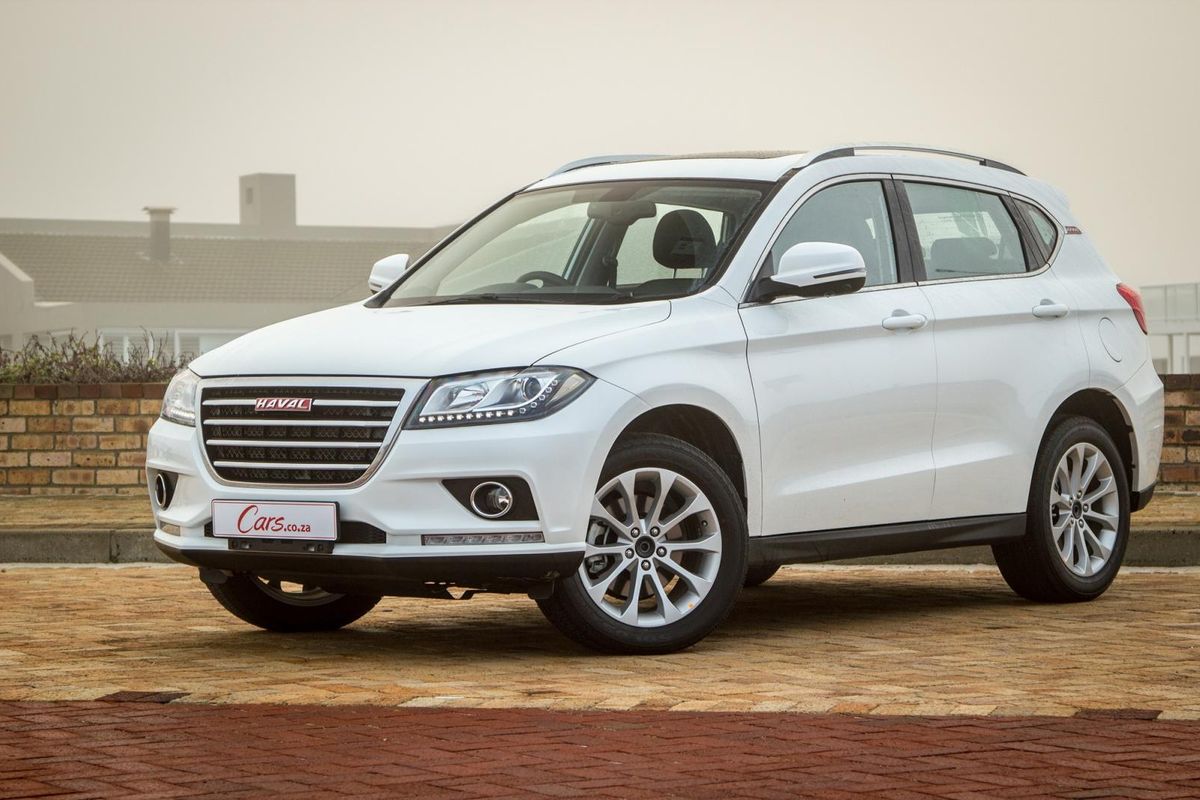
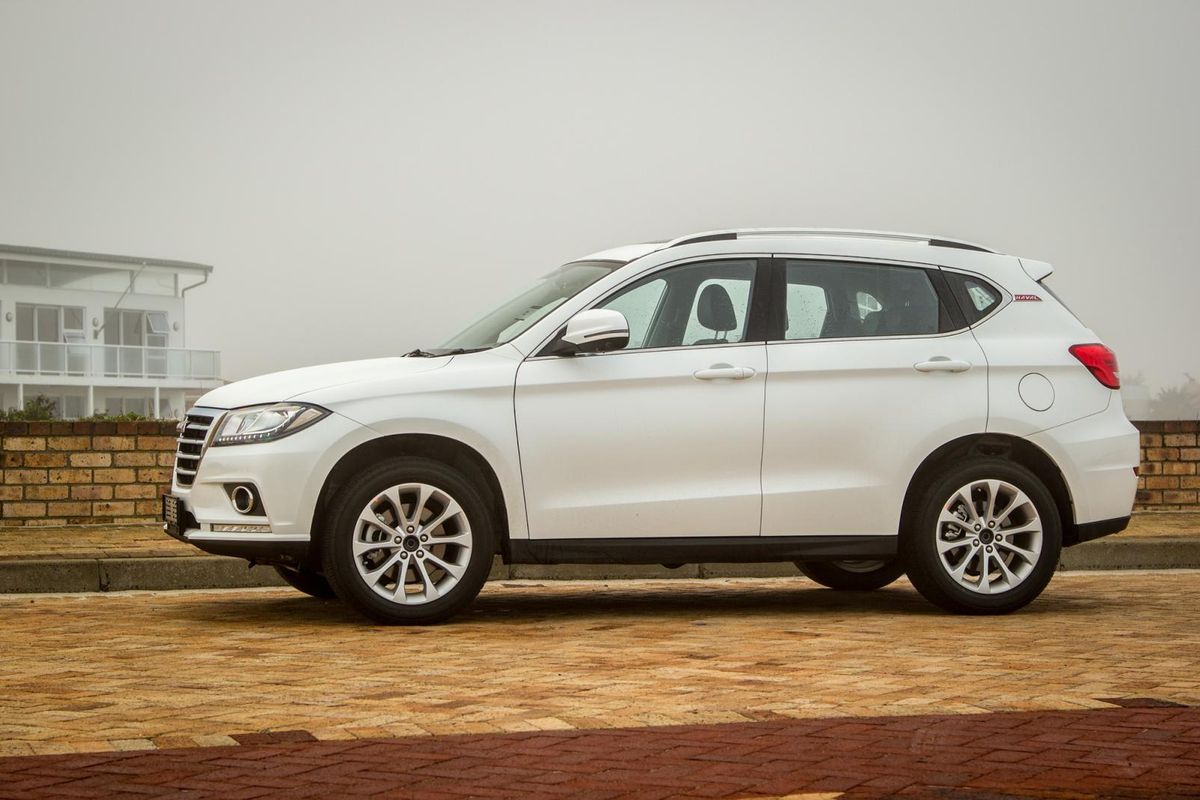
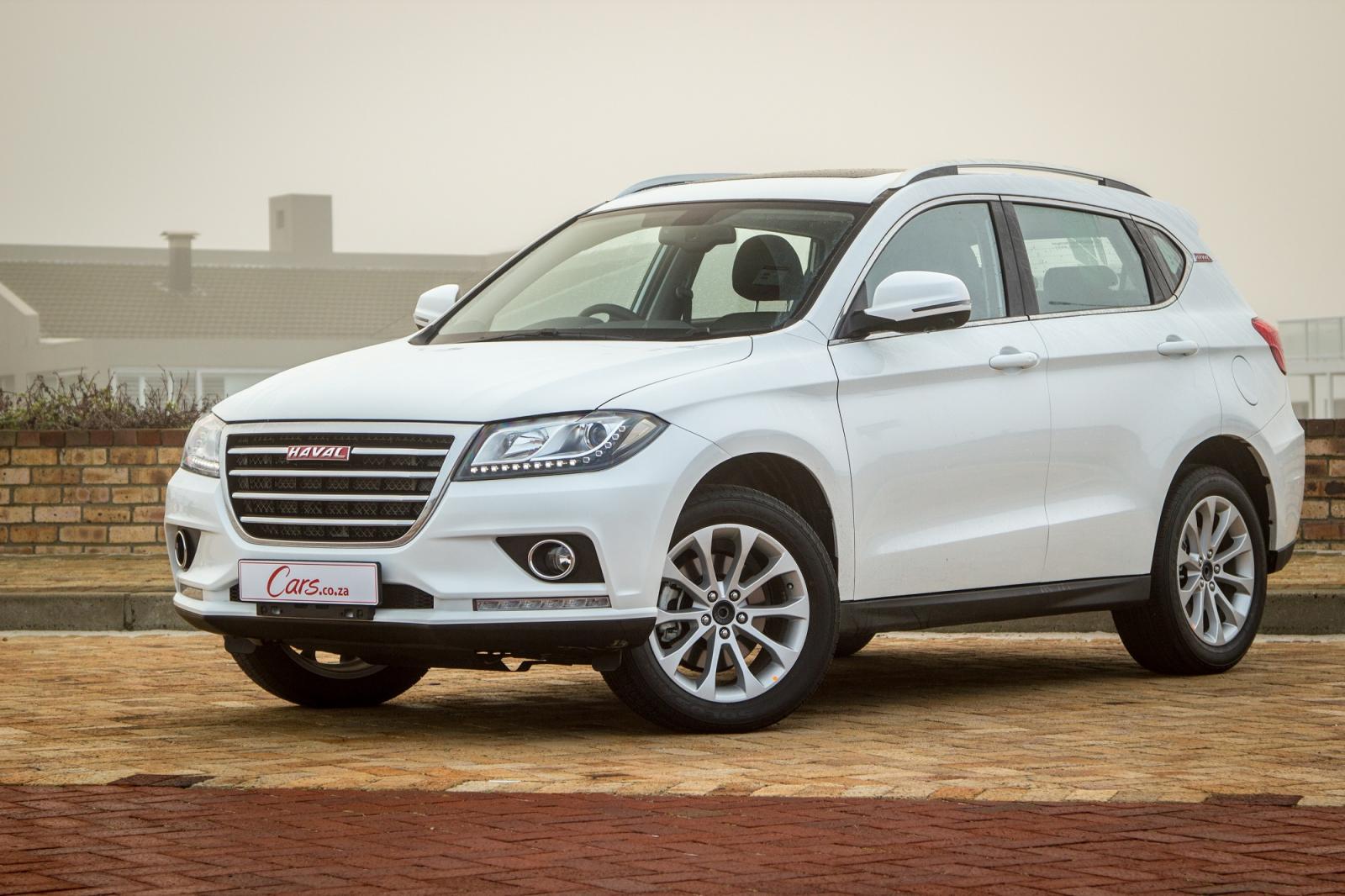
"Is that a baby Mercedes-Benz ML (now known as the GLE)?" Curious onlookers were enamoured with the H2's chunky, premium looks. 

How does it fare in terms of…

Kerb Appeal?

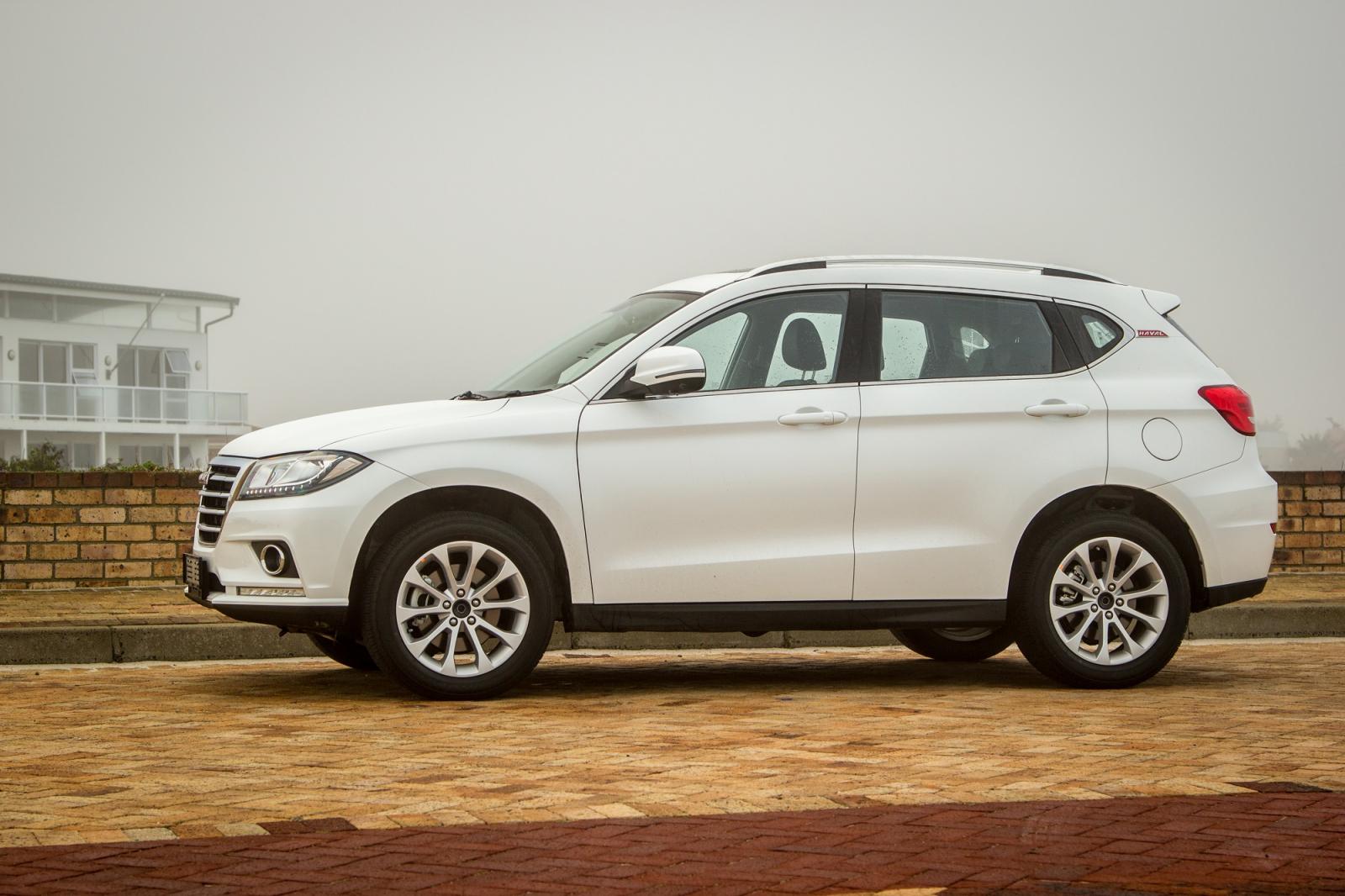
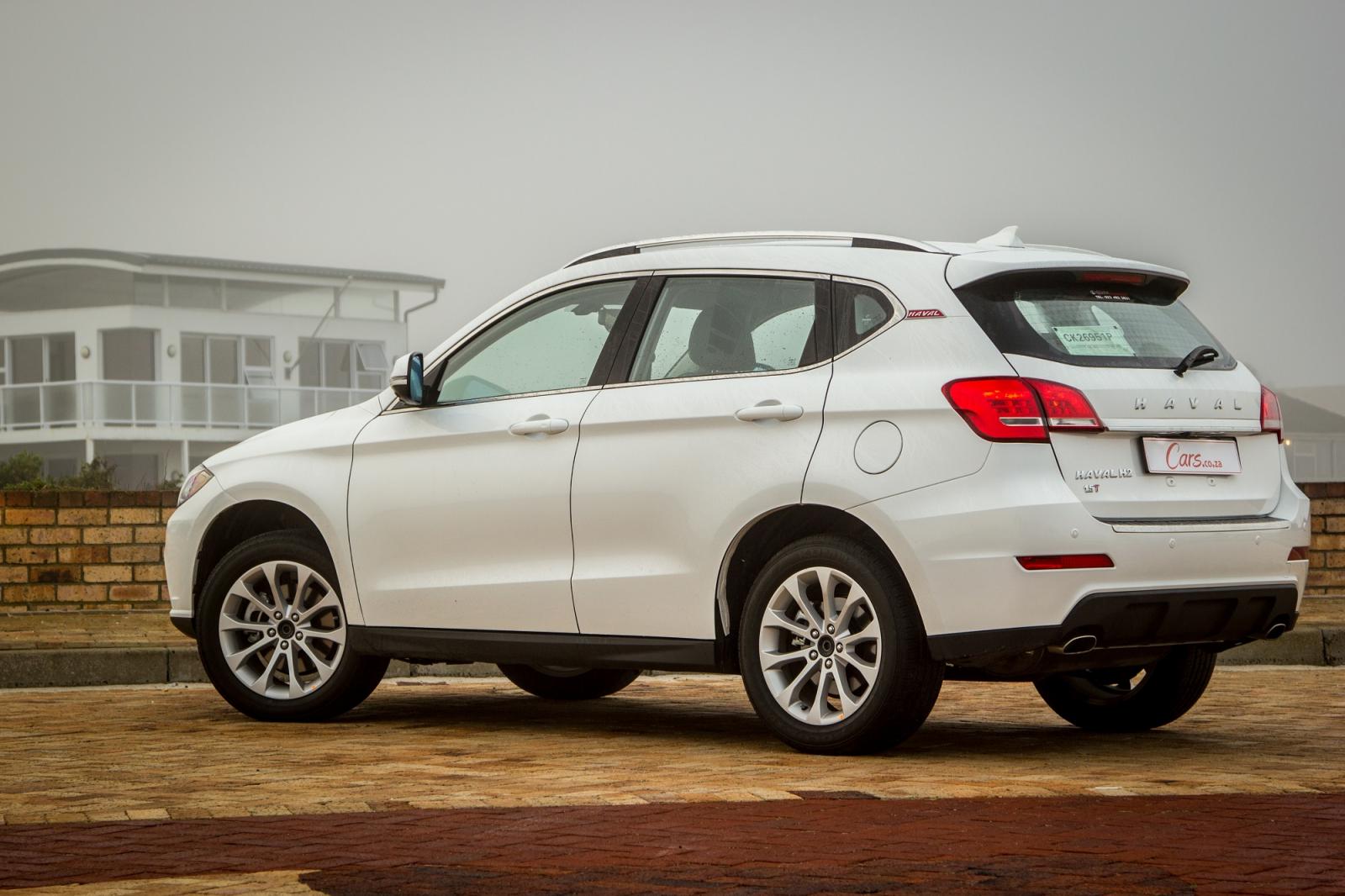
Although the H2’s exterior styling is technically well worn (because the vehicle made its Chinese debut as long as 4 years ago) it is a credit to the Haval designers that this “newcomer” still looks reasonably fresh "out of the box". In terms of aesthetics, there are number of factors that count in the 1.5T Luxury’s favour: it may be front-wheel driven, but as opposed to many crossovers, the Haval was conceived to be just an SUV, which endows it with a purposeful blockiness that appeals to so many buyers; the front styling is bold and chunky with chrome-look trim, LED daytime running lights and integrated indicator lenses that complement the standard 18-inch alloys and roof rails; in short, it has “hey, what’s that?” factor.

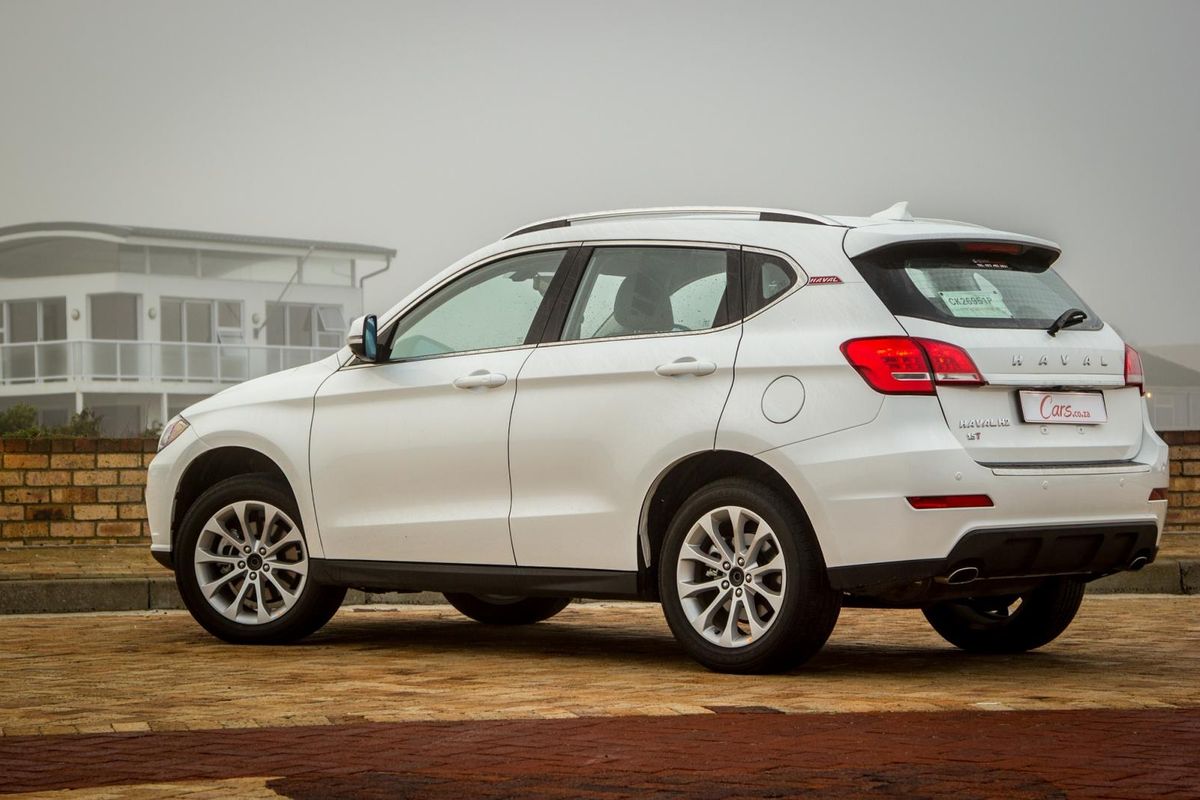
That’s not to say that the Haval’s get-up is devoid of Chinese-market quirks that set it apart from the majority of vehicles in its segment. Local consumers might find it unusual, for example, that the name Haval appears on the vehicle’s exterior in 5 places: the grille and tailgate (which is normal), the pair of C-pillars (a red rectangular decal on each) as well as the derivative designation lettering: “Haval H2 1.5T”. The overall exterior finish proved commendable, however, save for some untidy white sealant in the rear wheel wells, a driver’s door that was a bit sticky to close and 2 exposed screw holes in the tailgate, which were ostensibly meant to accommodate a squarer number plate, but were unused on the test unit.


It may appear as if the 18-inch alloys are missing centre caps, but the holes in the middle of the wheels have toothed radial designs.

Luxury packaging and practicality?

Because of the H2 1.5T Luxury’s particular price point, premium marques’ compact family car/crossover products weren’t included as alternatives for the purposes of this review, but, as it turns out, they (not Haval) should be grateful for the omission. And that’s because, at the price point of R309 900 (the test unit's list price as of June 2017), there is no product available on the new vehicle market (irrespective of segment) that can match the sheer number of standard luxury features offered by the Chinese newcomer.   

When unlocking the vehicle (with the remote key fob or standard keyless entry system), the headlamps’ welcoming function is complemented by electrically foldable side mirrors that project dazzling red Haval badges through their integrated puddle lamps. Upon ingress to the leather-trimmed interior, you’re greeted by H2-badged sill plates and a multifunction steering wheel as well as an electrically adjustable driver’s seat with lumbar support. At night, the interior is illuminated with LED mood lighting and the window sills of all 4 doors are clad in soft-touch plastic!

All these adornments could easily look overwrought, but the execution is quite tasteful and, critically, cohesive-looking. The switchgear is conventional, but the fascia is trimmed in smart piano black with metallic accents applied to the edges of the ventilation outlets and hangdown section, but also a number of the control knobs including the dial that operates the functions of the (yes, stock-standard) sunroof.


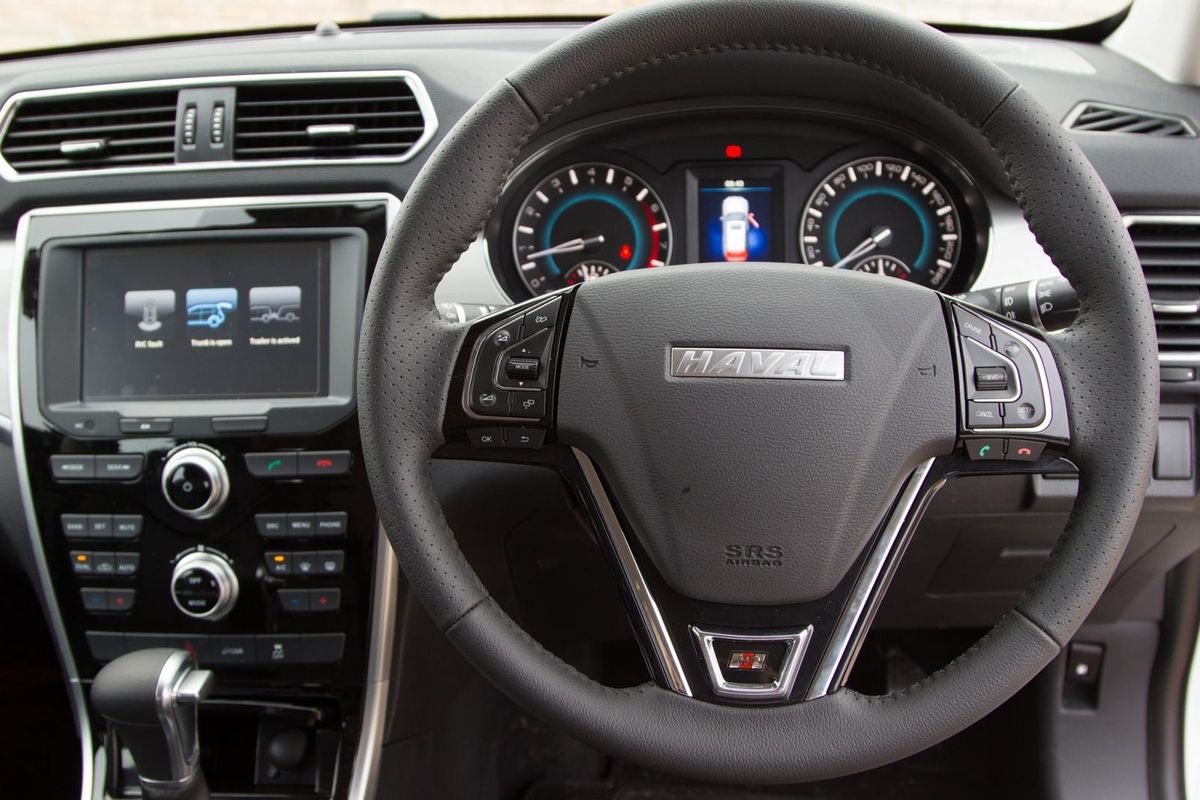
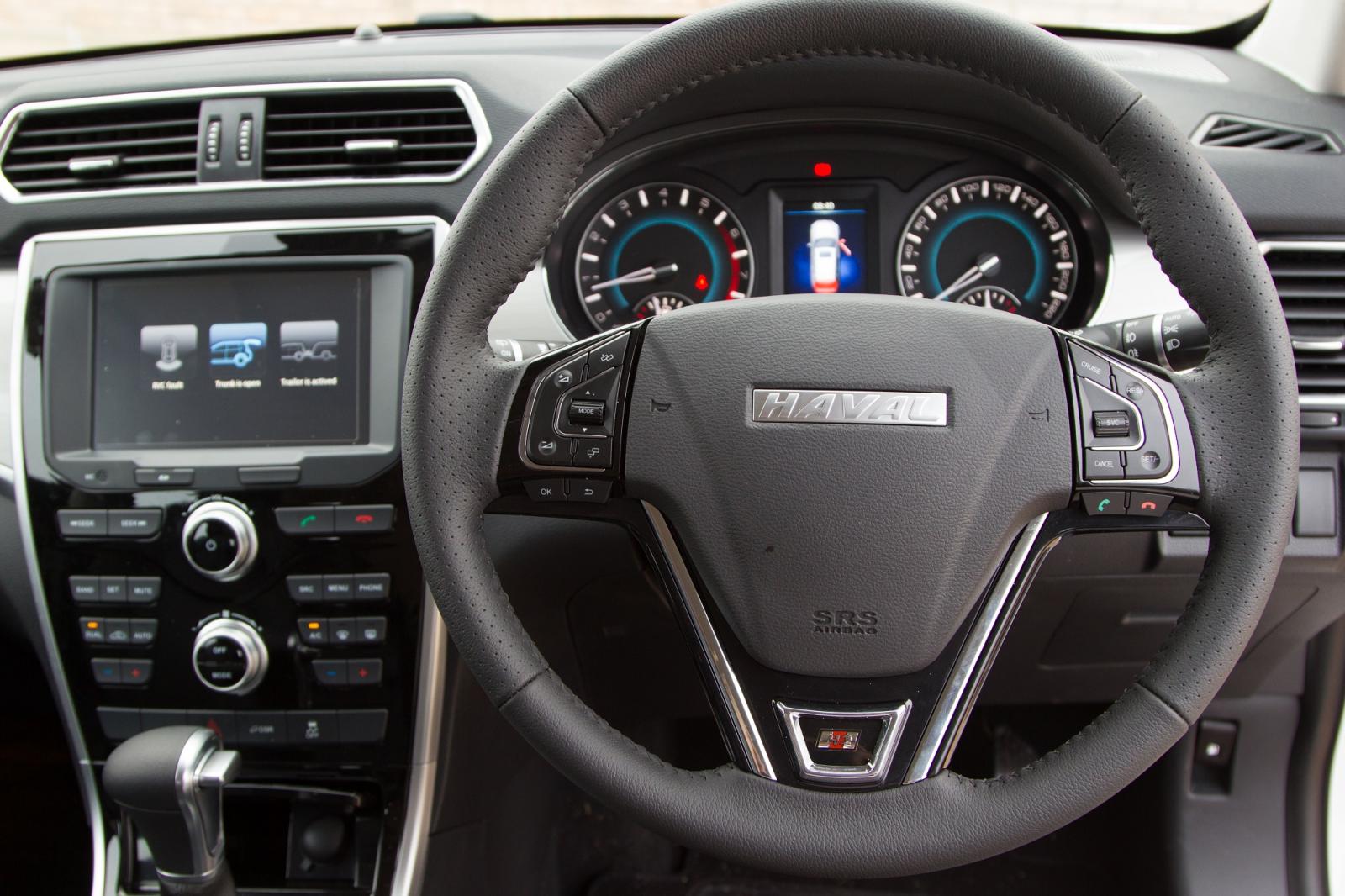
The fascia is dominated by the touchscreen infotainment display, piano black inserts and metallic finishes. Note the H2 detail at the bottom spoke of the steering wheel.

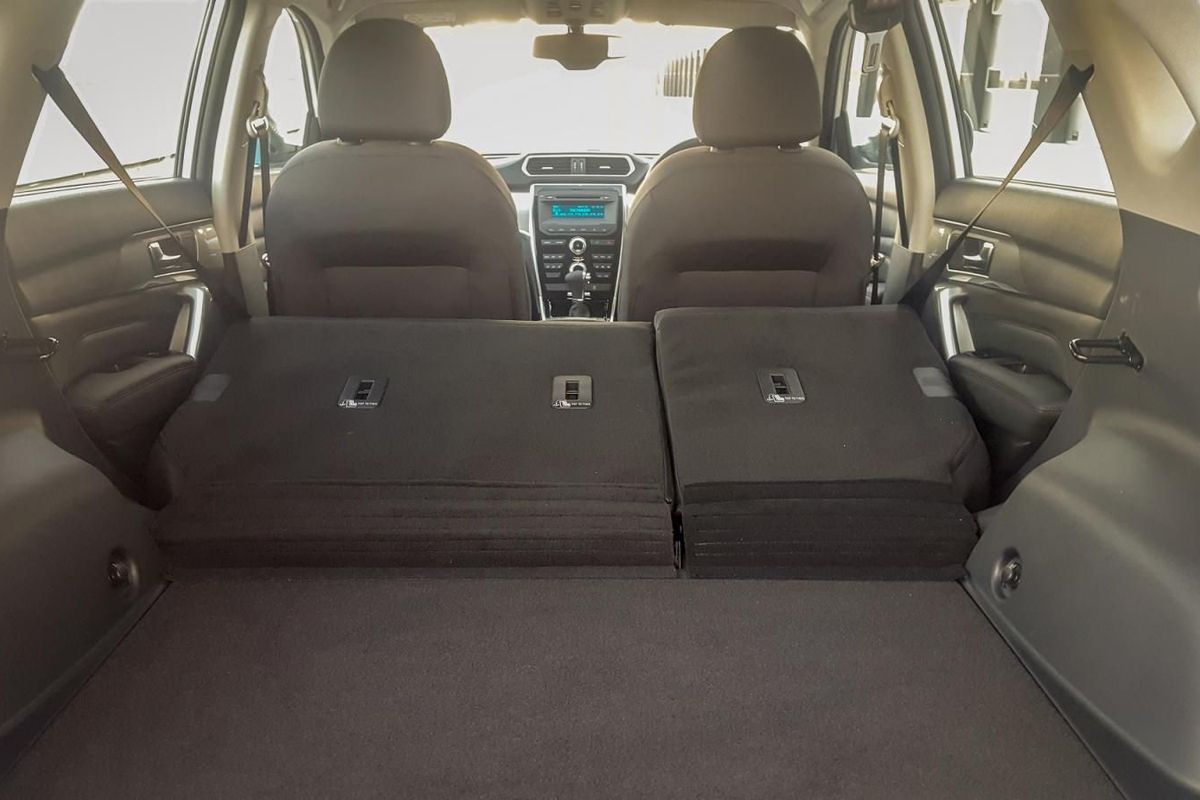
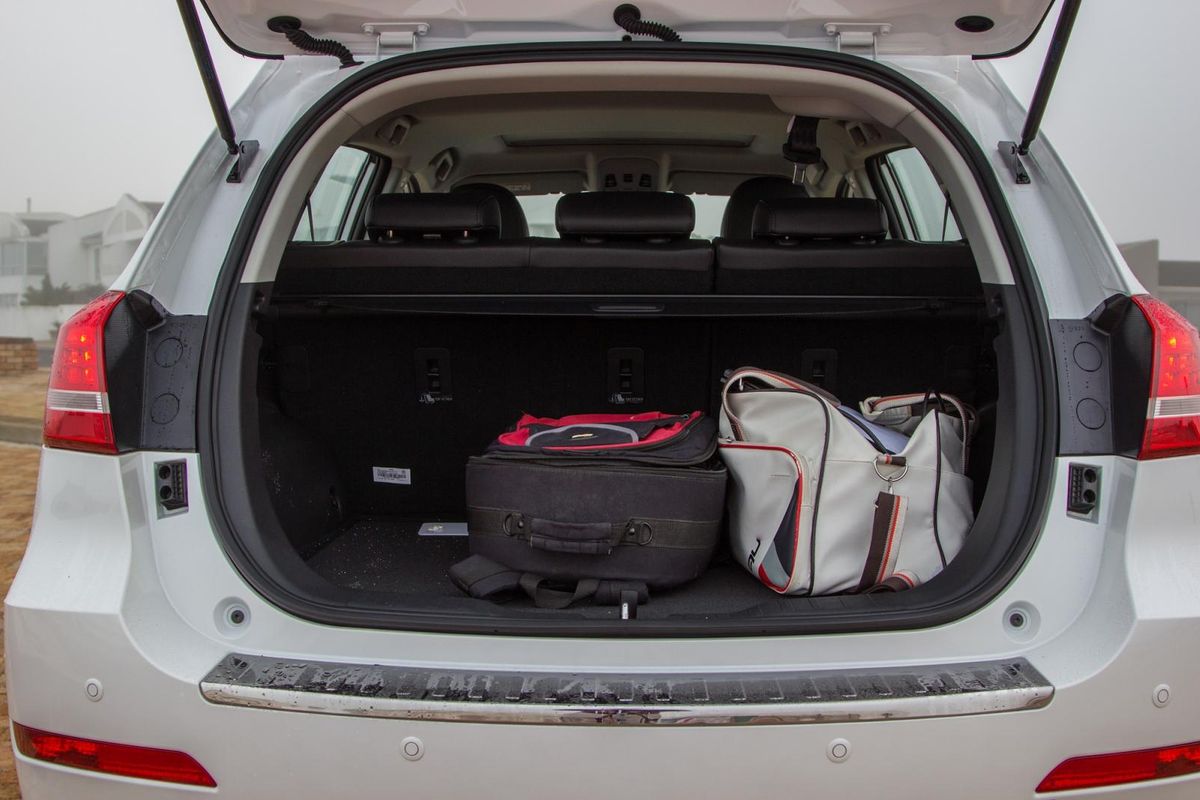
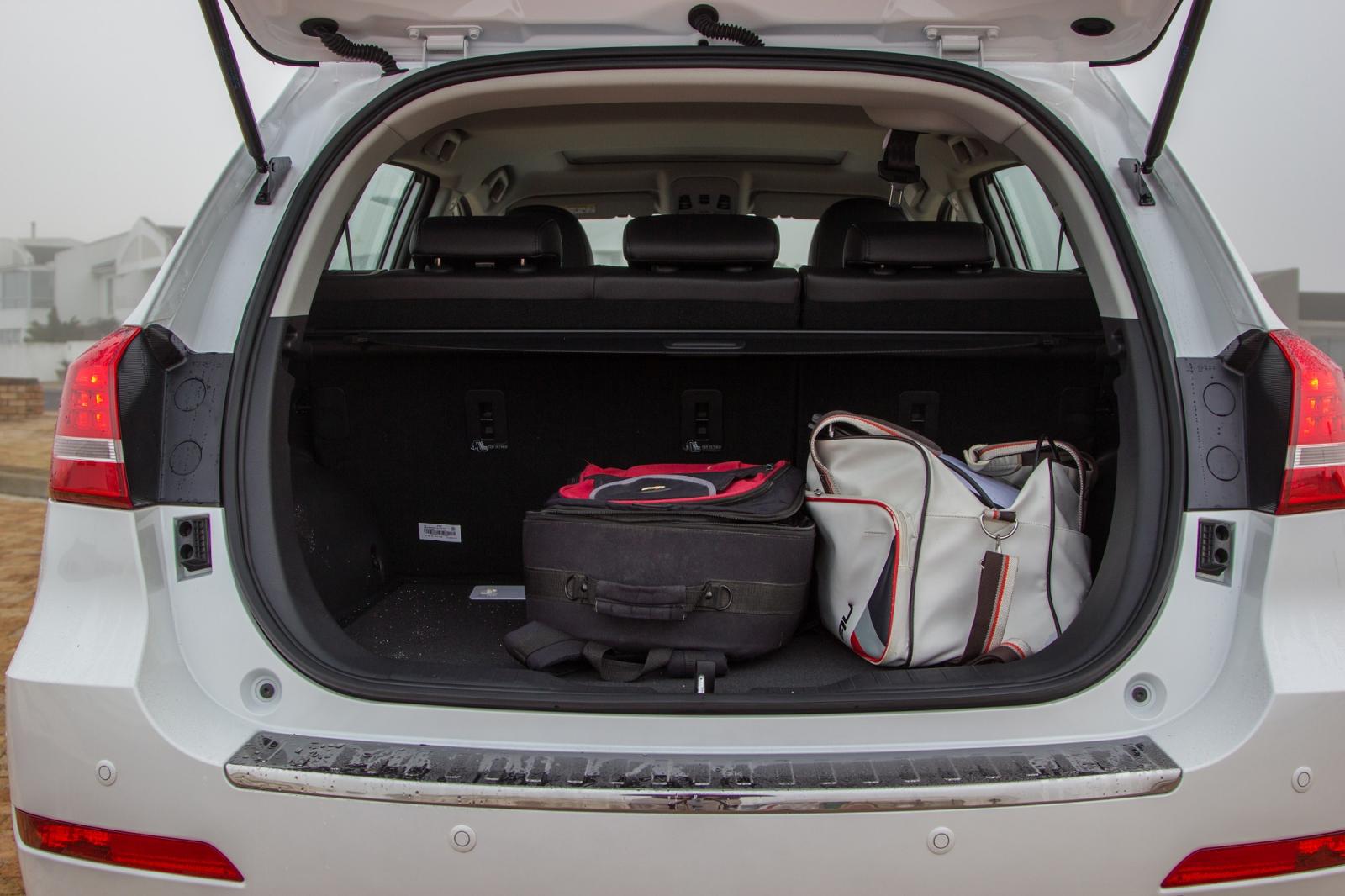
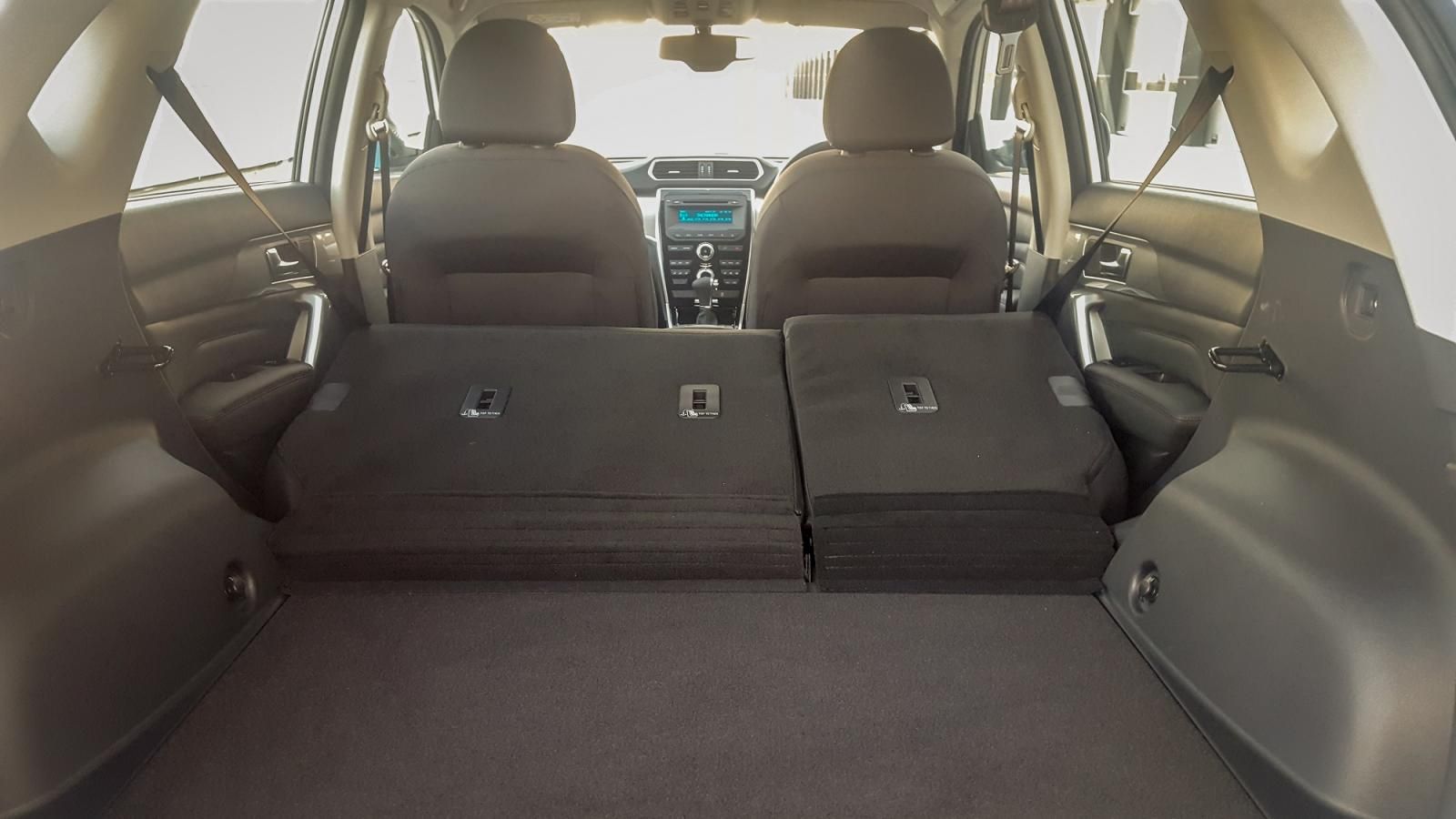
Rear passengers are afforded more than reasonable legroom, a ventilation outlet and a centre armrest with drinks holders/storage compartment. The luggage capacity is about on par for a vehicle of the H2’s size (a full-size spare wheel and fire extinguisher are provided under the boot board), but should utility space be required the 60/40 split rear seatback is easy enough to bring into operation.  

Interior and on-road refinement?

To many consumers, it’s not enough if a vehicle offers “surprise-and-delight features”, of which the H2 1.5T Luxury has many, if they don’t work in subtle, organic ways. In this regard, the Haval mostly impresses. Yes, the display of the full-colour touchscreen infotainment system, which relays the functions of the 6-speaker Bluetooth, USB and auxiliary-enabled audio unit and dual-zone climate control system, looks a bit shouty (and its user interface is a tad clunky), but it appears well-co-ordinated with the 3D-look instrument binnacle and its integral colour TFT information display.

In a similar way, it is a bit annoying that the cruise control system emits a shrill chime (which unfortunately sounds like an “onboard error message” in other cars) when you activate it (although the function seemed to work perfectly well), or that the (automatically activated) wipers' relay click incessantly when the blades are in operation. However, when we activated the SVC function on the right spoke of the steering wheel, we were delighted to find that there is a camera that monitors the kerb view of the left-hand side of the vehicle (side view camera – a boon when parking in narrow streets) and, when one executes an aft manoeuvre, the display of the reverse-view camera has a grid with a dynamic tracking function. 

Access to the load bay is at a convenient height and a metallic sill plate protects the lip of the bumper from scrape marks. 

In terms of general interior and on-road refinement, the Haval’s powertrain worked unobtrusively (except for when hard acceleration was required), and at cruising speeds the level of insulation from noise, vibration and harshness was commendable, with only wind noise (ostensibly generated by the side mirrors) becoming apparent at the national highway speed limit. Meanwhile, the steering is direct and not over-assisted, and the pedals were easy to modulate, even though the exterior of the test unit (which was delivered to us with a little more than delivery mileage on its odometer) emitted a faint toasted-metal smell, which led us to believe that the brakes were still "bedding in" when our assessment began. Otherwise, the H2 offered a reasonable ride/handling balance: most road imperfections were absorbed well, complemented by predictable road holding and cornering ability.  

Performance and economy?

Whereas the performance and economy of its GWM-badged SUV predecessors could have been accused of being marginal (or conservative for the sake of better reliability, depending on your point of view), the 6-speed automatic transmission of the 1.5T Luxury makes reasonably good use of the 105 kW/202 N.m availed by the 1.5-litre turbopetrol, even though it’s not hard to notice that the otherwise-willing motor must propel a vehicle that has a claimed kerb weight of no less than 1.5 tonnes, especially when needing to make brisk pullaways or bursts of overtaking acceleration are required.


In a compact family car package where rear legroom is good, but luggage space merely fair, the availability of utility space is a boon.

Otherwise, the H2 accelerates relatively eagerly to overtaking speeds (the transmission can be overly eager to engage high gears… and, although we did not test the vehicle’s real world fuel consumption with a full complement of occupants and their luggage on board, we did notice that by selecting the Economy drive mode, the indicated consumption dropped from the high 11s to well under 10.0 L/100 km during the duration of the (7-day) test period, which suggests that an average consumption of close to the 9.0 L/100 km mark could certainly be achievable in the long run.  

Safety specification?

Given its family car positioning, the 1.5T Luxury is suitably equipped with safety features: over and above front-, side- and curtain airbags, ABS with EBD and brake assist, the traction control system is augmented with stability control plus an electronic parking brake with auto-hold function.

The convenience of the push-button start function, automatically activated headlamps and self-dimming rear-view mirror is complemented by the whiplash-reducing front active headrests. Furthermore, child seat anchor points and –locks are provided for rear occupants and finally, the aforementioned reverse-view and side-view cameras are supplemented by parking sensors at the back. Although the H2 doesn’t have a Euro NCAP score, its safety equipment list is encouragingly comprehensive, which is, after all, in keeping with the premium positioning of the brand.    

The exterior finish of the H2 was hard to fault; the untidy application of white sealant in the rear wheel well was the biggest gripe.

Price and after sales service

The H2 1.5T Luxury retails for R309 900, which includes a 5-year/100 000 km warranty, including unlimited km roadside assistance. The kilometre limit of the 5-year service plan is 60 000 km, which is, however, shorter than some of its competitors’ 90 000 km programmes, it must be noted.

Verdict

Can there be a more effective way to enter the local market than by introducing a model that offers almost unbelievably good value for money compared with its well-established rivals? The arrival of Haval in South Africa had been anticipated for a number of years and even though the H2 arrives in Mzansi half way through its model life, there seems less risk when entering a burgeoning market segment where long-established brand biases count for less. Whereas sister brand GWM’s SUV offerings aimed to create an air of prestige on top of a brand whose reputation was based primarily on commercial vehicles, Haval’s product pitch is purposely premium and the brand’s reputation in the East is anything but insignificant.

As was the case with many of its fellow Chinese offerings, this newcomer was subjected to a very close examination by our test team. However, we could find no drawbacks to the product that could be considered deal-breakers or (forgive us) red flags, quite the contrary, in fact.

As we summarise in our video review (a link to which appears below), the Haval H2 shakes off that kiss of death that "it's the best of the Chinese brands" title that many critics bestowed on its GWM parent company's products. The 1.5T Luxury is a compelling compact family car offering – full stop. What consumers do have to bear in mind, however, is that Haval, as a burgeoning brand in the South African context, has a relatively small dealer footprint (and, therefore low brand visibility), plus it still needs to build a reputation for solid after-sales support in its own right.

Does it require a leap of faith? Perhaps, but not a huge one.   

Watch our full video review below:

Related content:

Chinese Cars: The (not-so-obvious) Barriers to Wider Acceptance
Haval H2 (2017) Launch Review
Haval H2 (2017) Specs & Price
Haval's 7-seat H7L on the way to SA
Haval to launch with H1 and H2 in SA
Shanghai Motorshow: GWM's Haval SUV brand charges upmarket
GWM in South Africa – Big Corporate Changes and Haval Arrival
Crossover Group Test: Suzuki Vitara, Hyundai Creta & Renault Captur [with Video]

Interested in buying a Haval?

Find one for sale on Cars.co.za

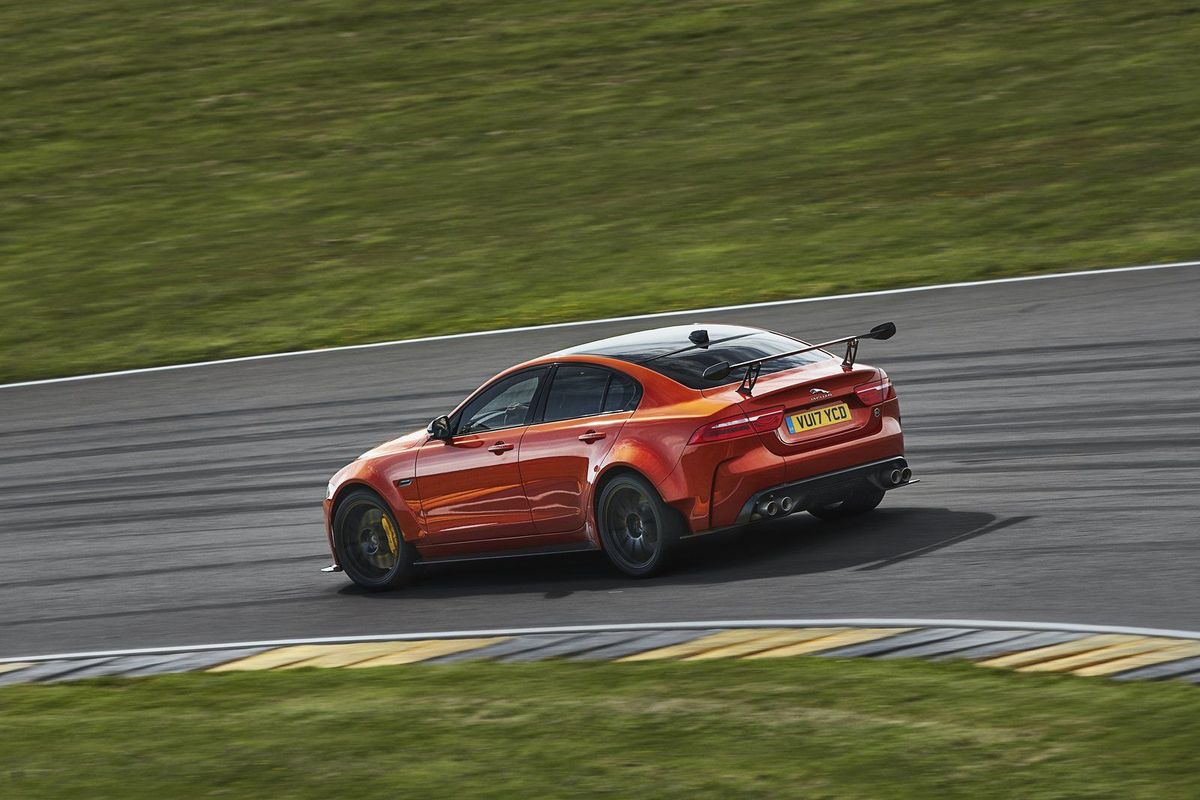
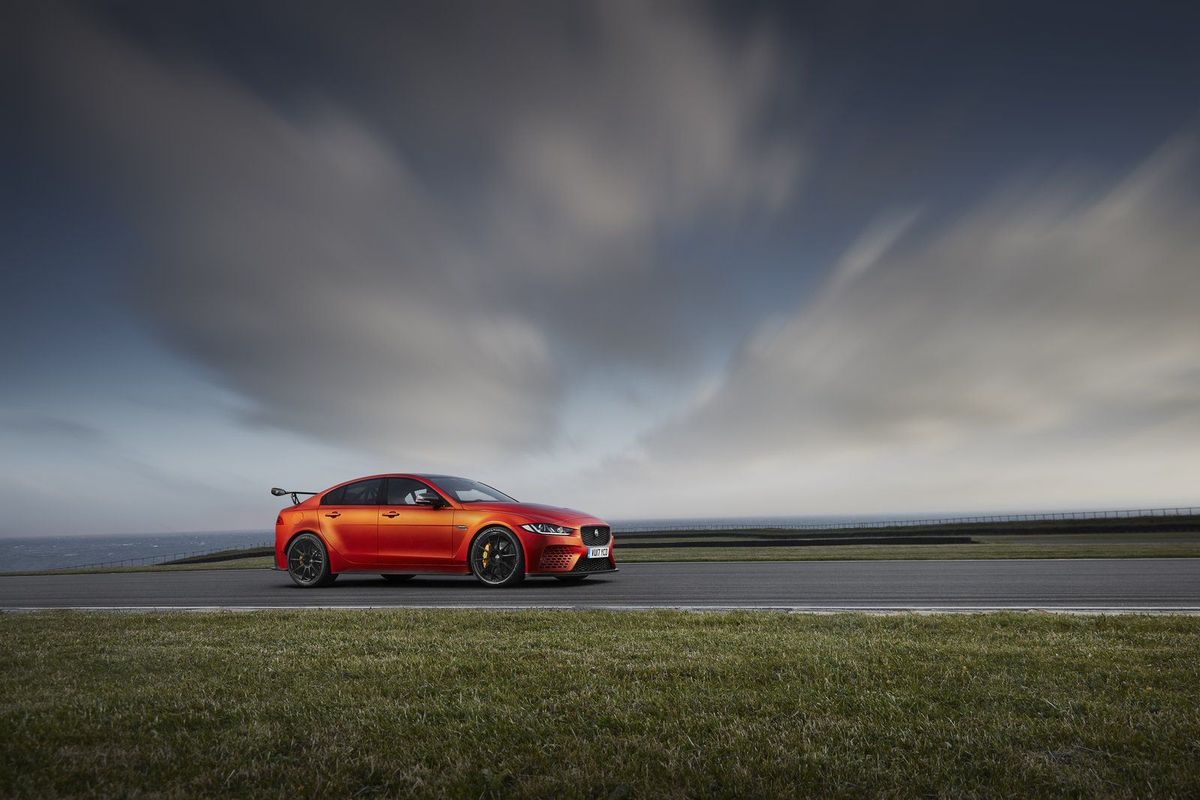
Jaguar XE SV Project 8 Revealed


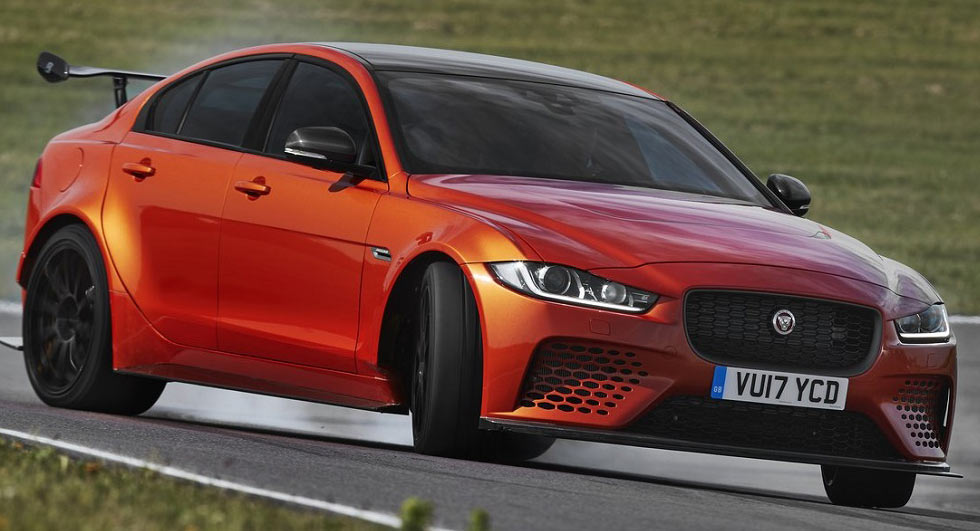
Jaguar has officially revealed the XE SV Project 8! Take a look at the details…

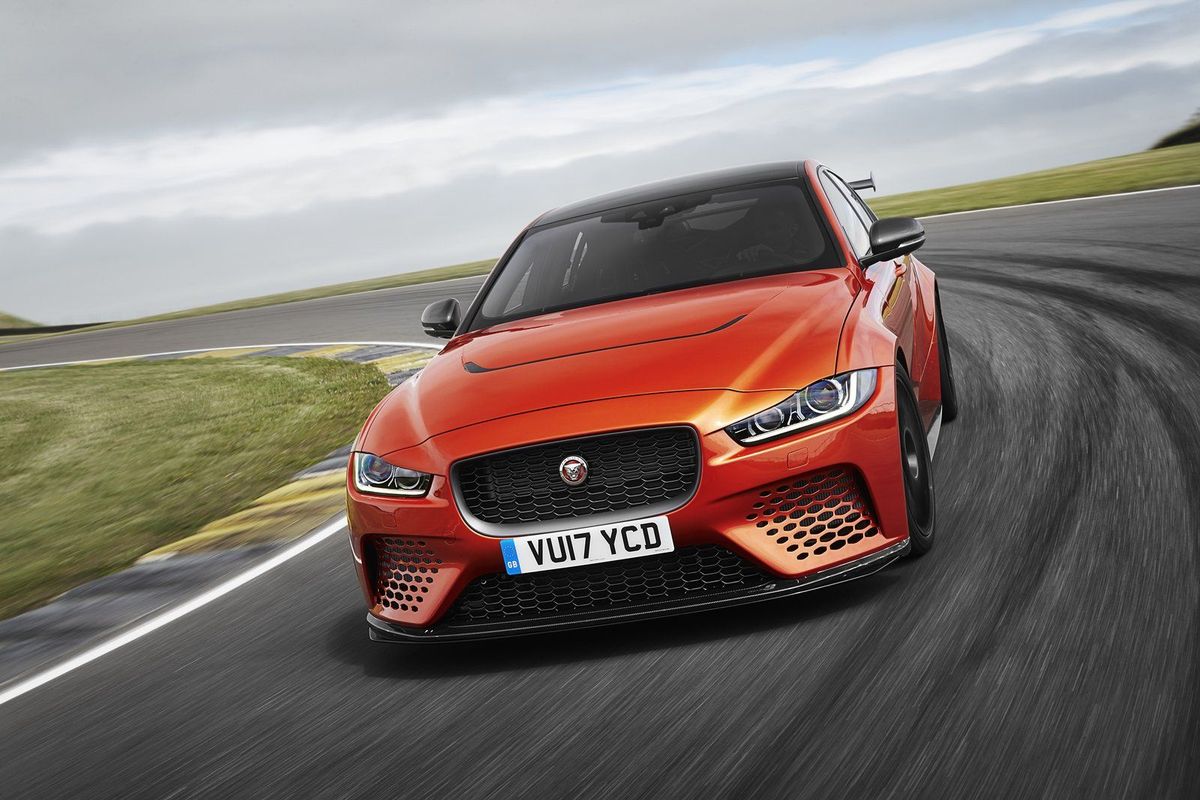
Jaguar Land Rover Special Vehicle Operations has created what it calls “the pinnacle of performance sedans” to rival the likes of potent machinery such as the BMW M3, Mercedes-AMG C63 S and the Alfa Romeo Giulia QV. It’s called the XE SV Project 8 and it means business, on paper that is…

JLR Special Vehicle Operations boss, John Edwards, said “SVO's raison d'être is to produce halo vehicles that push the boundaries in terms of luxury, performance and all-terrain capability. Project 8 is a great example of what happens when enthusiastic designers, engineers and manufacturing specialists are given the opportunity to create an extreme performance sports car without compromise."

Engine power


Only 300 examples will be built and all will be left-hand drive so you won't see the XE SV Project 8 in South Africa.

The XE SV Project packs a mean punch thanks to its supercharged 5.0-litre V8 engine that produces 441 kW  and 800 Nm of torque. The engine is paired with an 8-speed Quickshift transmission, enabling it to accelerate from zero to 100 kph in an eye-watering 3.3 seconds before clocking off a top speed of 321 kph. Chew on that for a while…

The revised suspension has stiffer spring as well as manually adjustable Continuously Variable Dampers, which lower the ride height by 15 mm for track application. All-wheel drive ensures maximum traction and it’s equipped with an Electronic Active Differential. It’s also the first time that a road car has been fitted with F1-inspired silicon nitride ceramic wheel bearings for the carbon ceramic brakes.

Key styling features

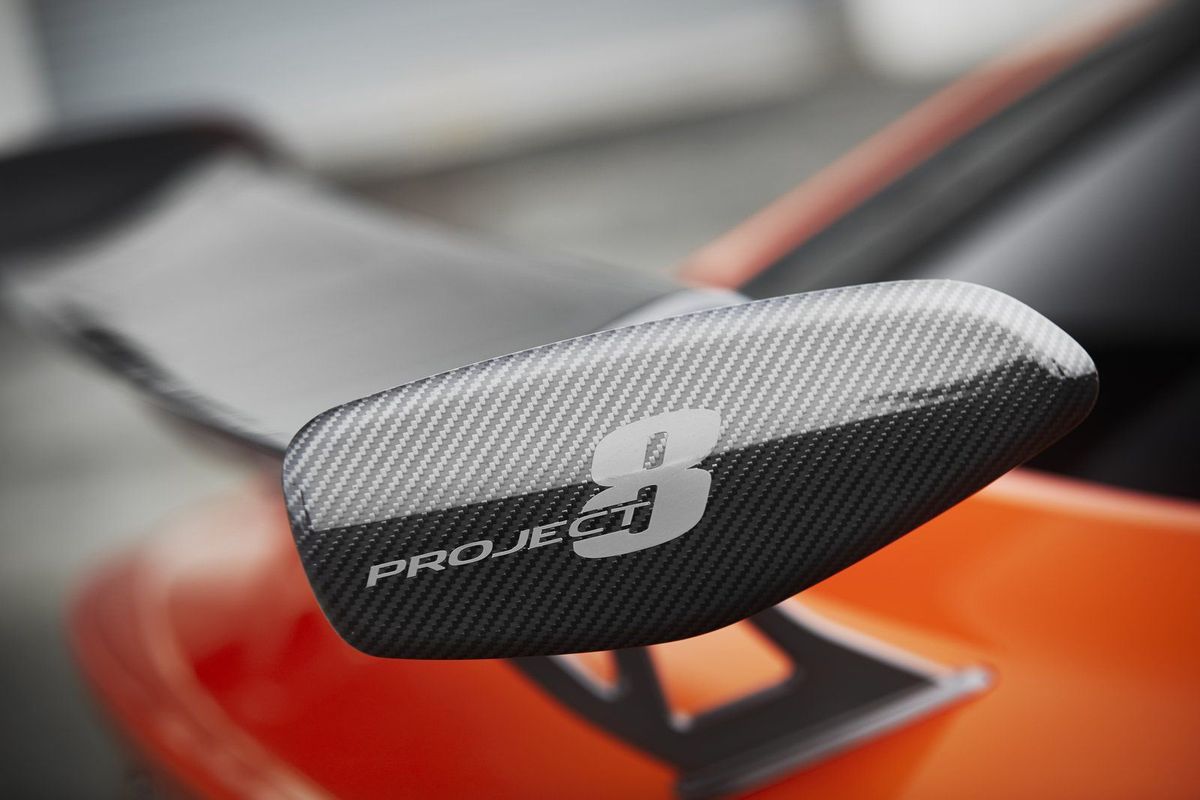
In terms of styling, the XE SV Project 8 wears a carbon fibre front bumper, carbon fibre bonnet and a adjustable front splitter. Aerodynamics are aided by a flat underbody panel and a purposeful rear diffuser. The rear bumper, you guessed it, is made of carbon fibre too… This performance beast rides on 20-inch forged aluminium wheels and is also equipped with an adjustable rear wing.


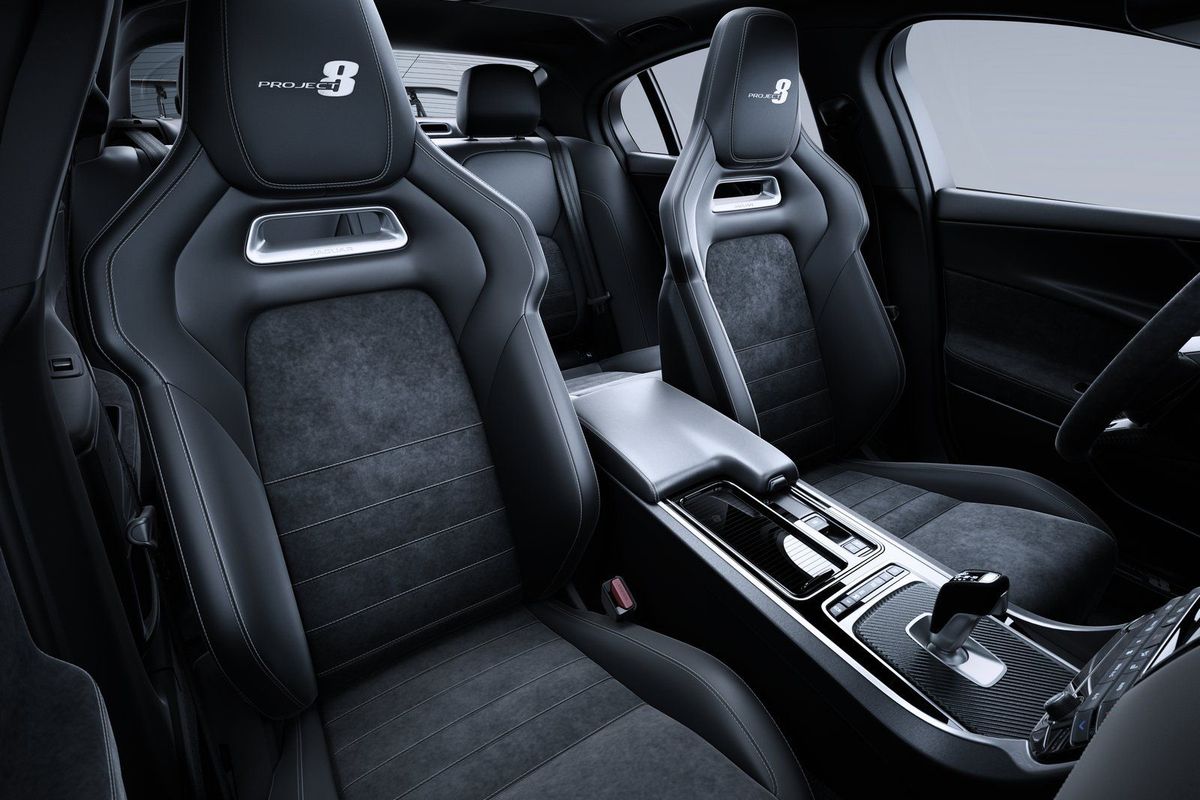
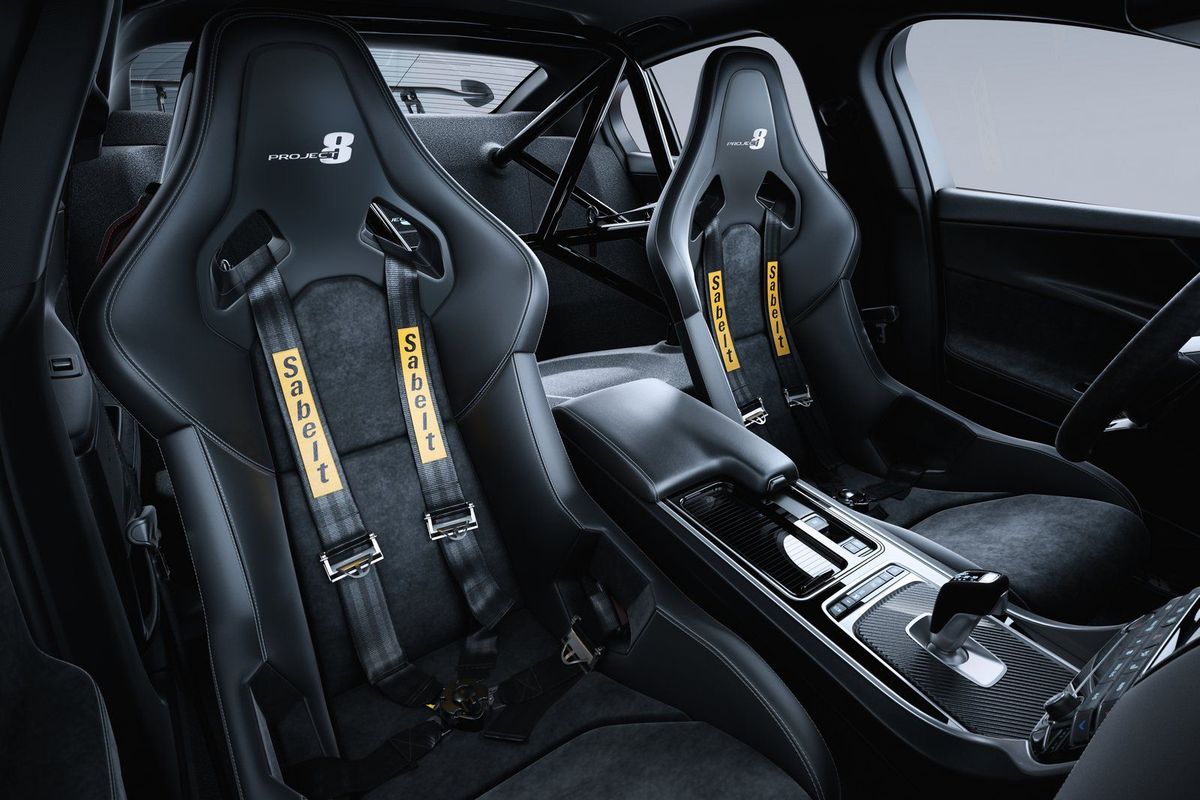
The XE SV Project 8 can either be a 4-seater or strictly a 2-seat track car complete with a roll cage with the optional Track Pack.

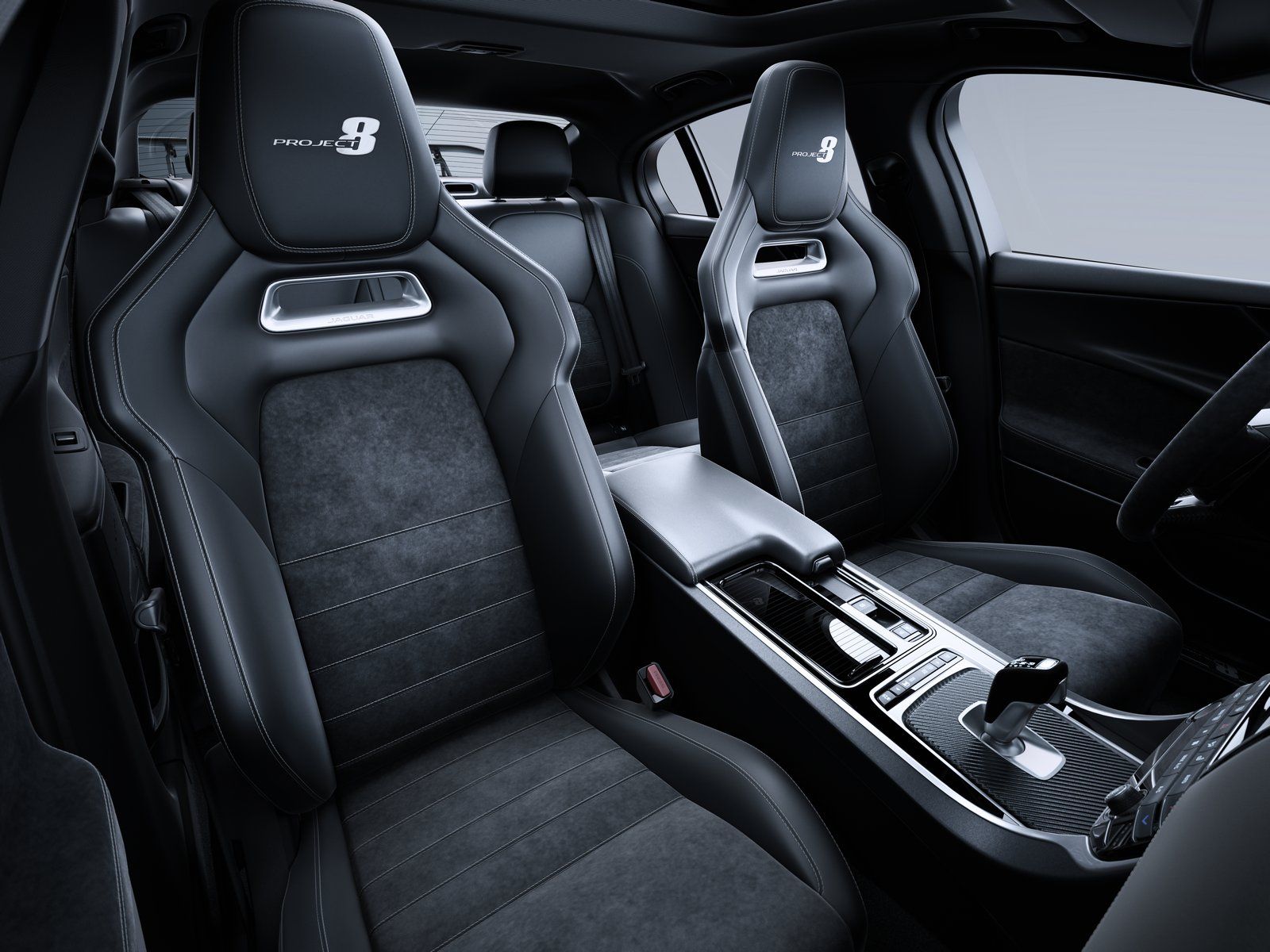
The interior benefits from an Alcantara-wrapped sports steering wheel and gloss carbon fibre trim elements. The XE SV Project 8 comes with seating for 4 as standard but a 2-seat Track Pack can be specified which includes 2 front carbon fibre racing seats with 4-point harnesses and a roll cage.

Only 300 examples of the Jaguar XE SV Project 8 will be built and all examples will be left-hand drive, which sadly means that it won’t be available in South Africa. In terms of cost, the XE SV Project 8 is priced at approximately R2.5 million.

Watch the Jaguar XE SV Project 8 in action in the video below! 

Related Content

Jaguar Unleashes All-New Ingenium Engine

Jaguar Confirms E-Pace Compact SUV

Four-cylinder Jaguar F-Type (2017) Price

Jaguar F-Type 400 Sport (2017) First Drive

Jaguar F-Type SVR (2016) First Drive [with Video]

BMW 340i vs Jaguar XE S Driving and Interior Comparison (Video)

We Drive Jaguar's All-New XE – Video Review
Special-edition BMW M3s: The Ultimate List

BMW M3 Gets Facelift

BMW M3 Competition Pack (2016) Review
Want to buy a Jaguar XE? 

Find a new or used Jaguar XE on Cars.co.za


BMW X5 M/X6 M Black Fire Edition Headed for SA


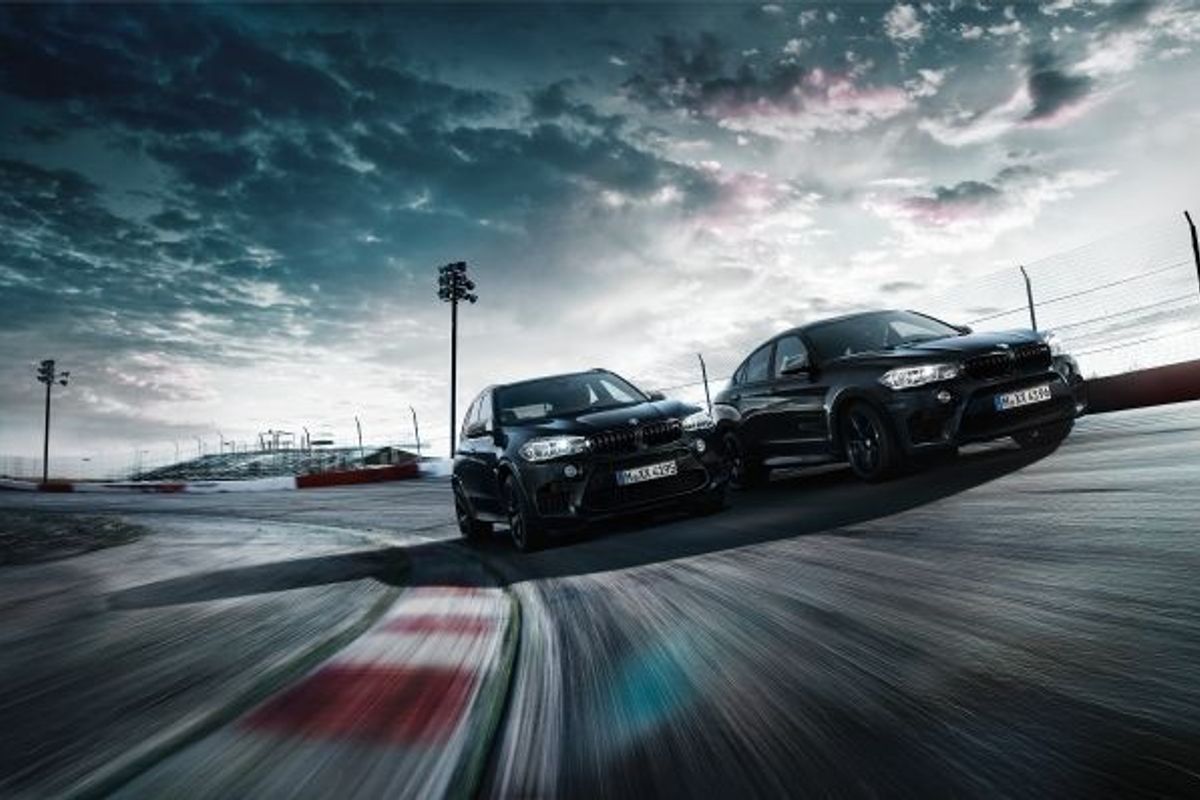
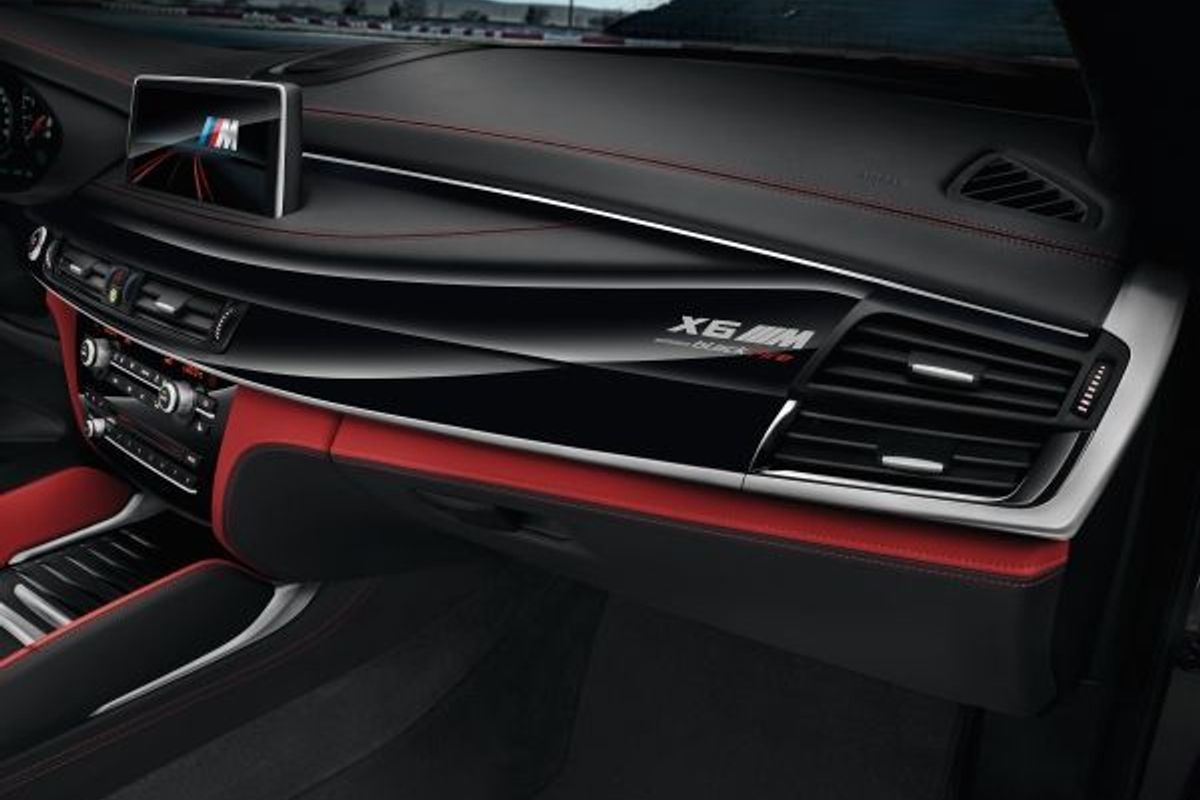
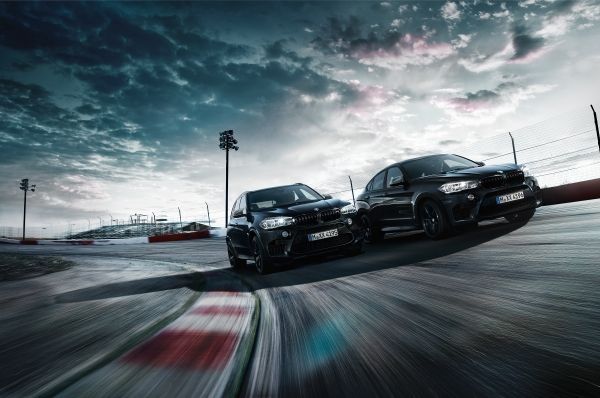
BMW has revealed a new Black Fire Edition of its X5 M and X6 M performance SUV. The limited edition models will arrive in South Africa towards the end of the year in limited numbers.

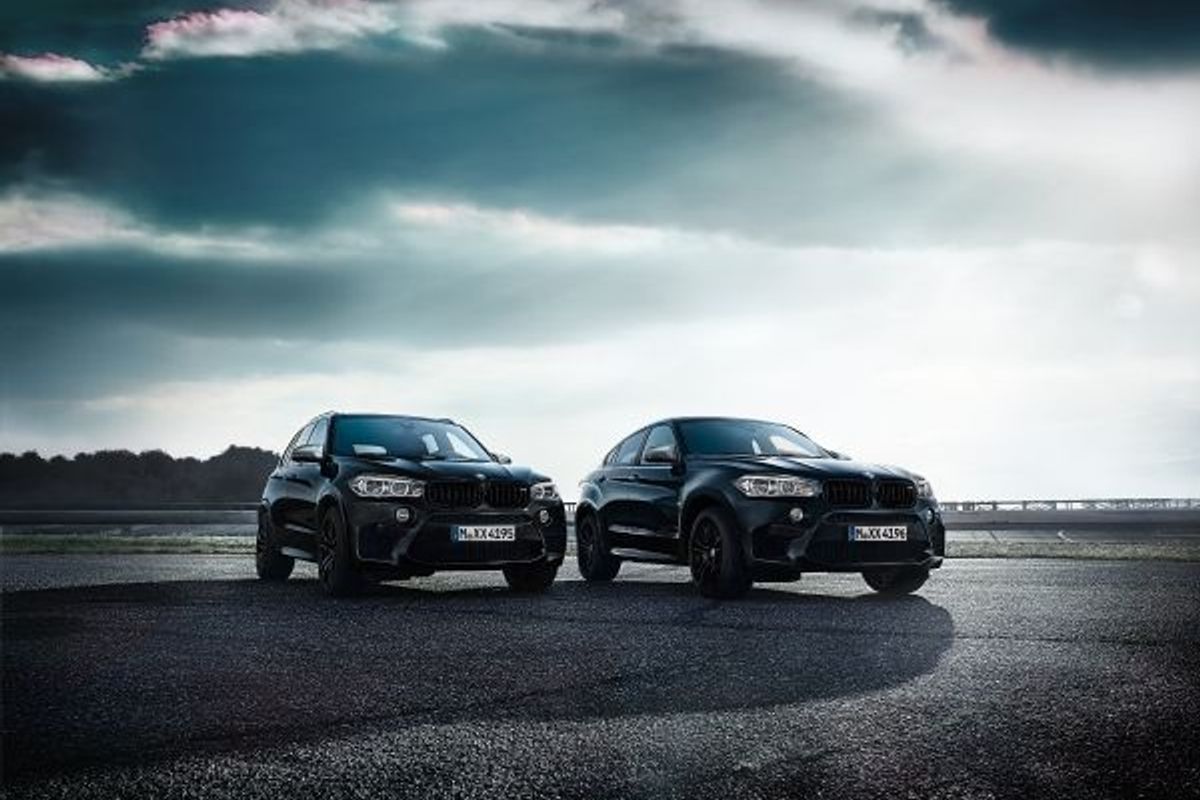
Fans of the BMW X5 M and X6 M performance SUV are in for a treat as BMW will be bringing a new Black Fire Edition to South Africa in the fourth quarter of 2017. Interested buyers will have to make their intentions known because only 25 units will be offered in our market. A total of 10 X5 M and 15 X6 M Black Fire Editions will be available.

Key details


Only 25 Black Fire X5 M and X6 M Edition models will be offered in South Africa. 

Both the X5 M and X6 M Black Fire Editions are powered by a potent 4.4-litre V8 engine that delivers 423 kW and 750 Nm of torque. Rear-biased xDrive all-wheel drive will ensure brisk acceleration using a standard 8-speed M steptronic transmission and BMW says both models will accelerate from zero to 100 kph in 4.2 seconds.

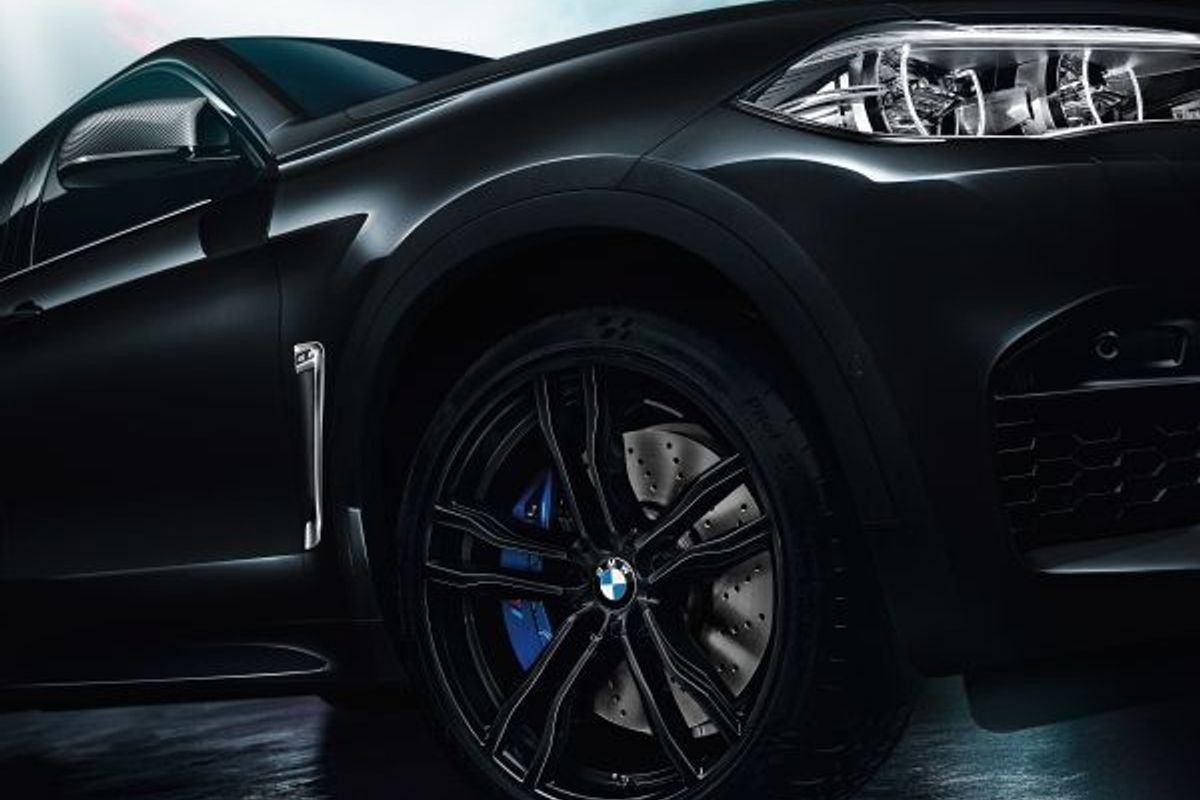
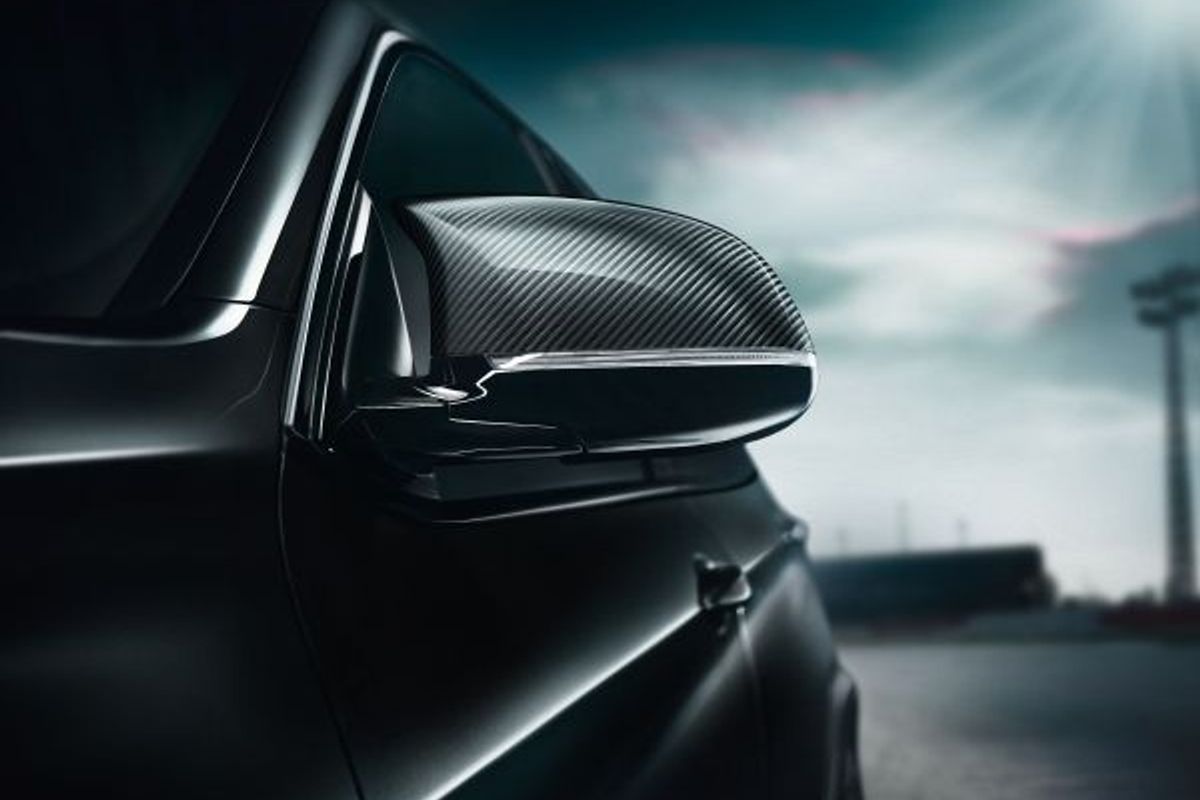
In terms of styling, both models wear a Sapphire Black Metallic paintjob and a unique black M double kidney grille with black bars dominates the front end. Large, black 21-inch forged alloy wheels are fitted and the models also feature carbon fibre mirror caps as standard.

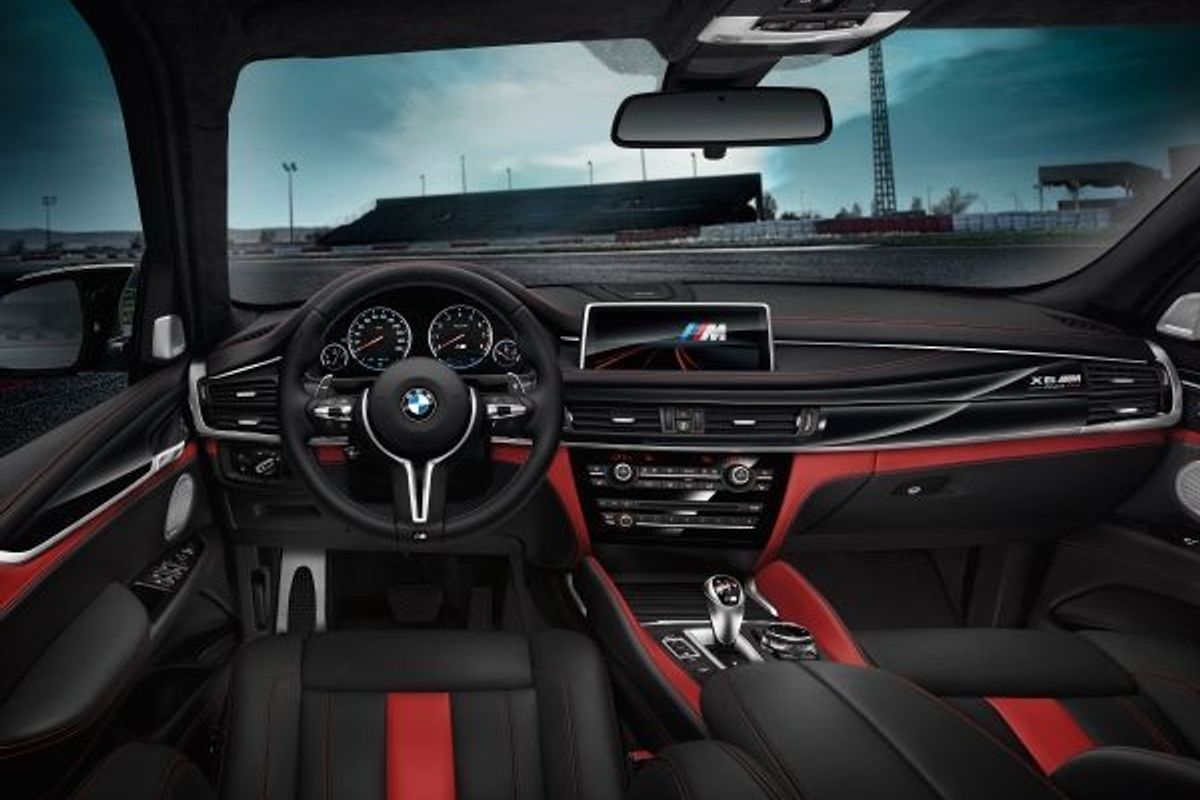
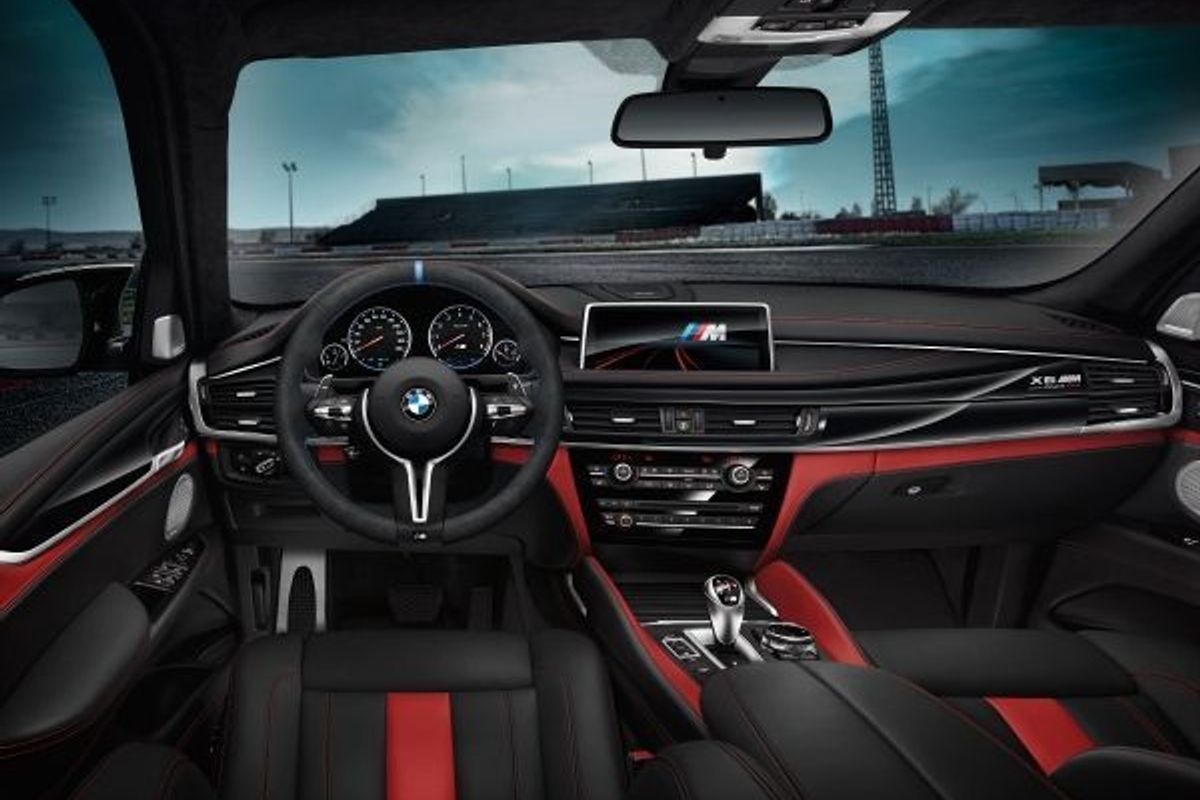
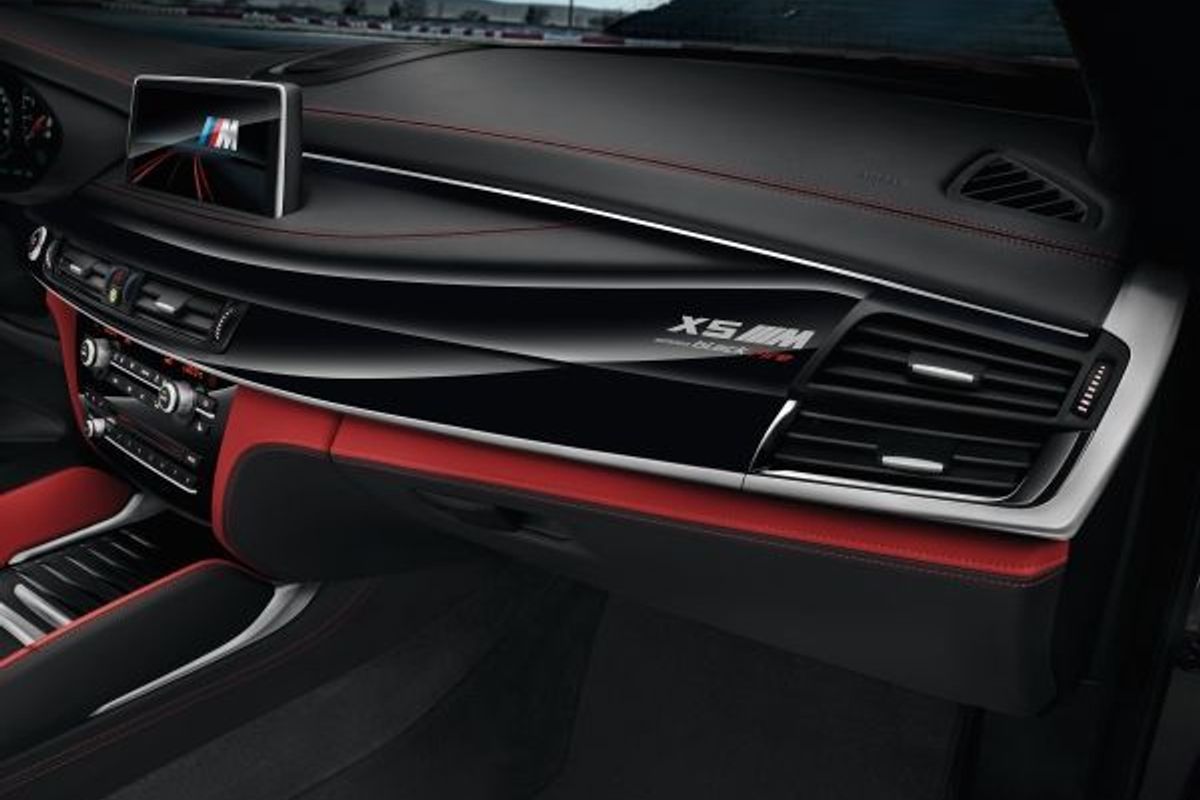
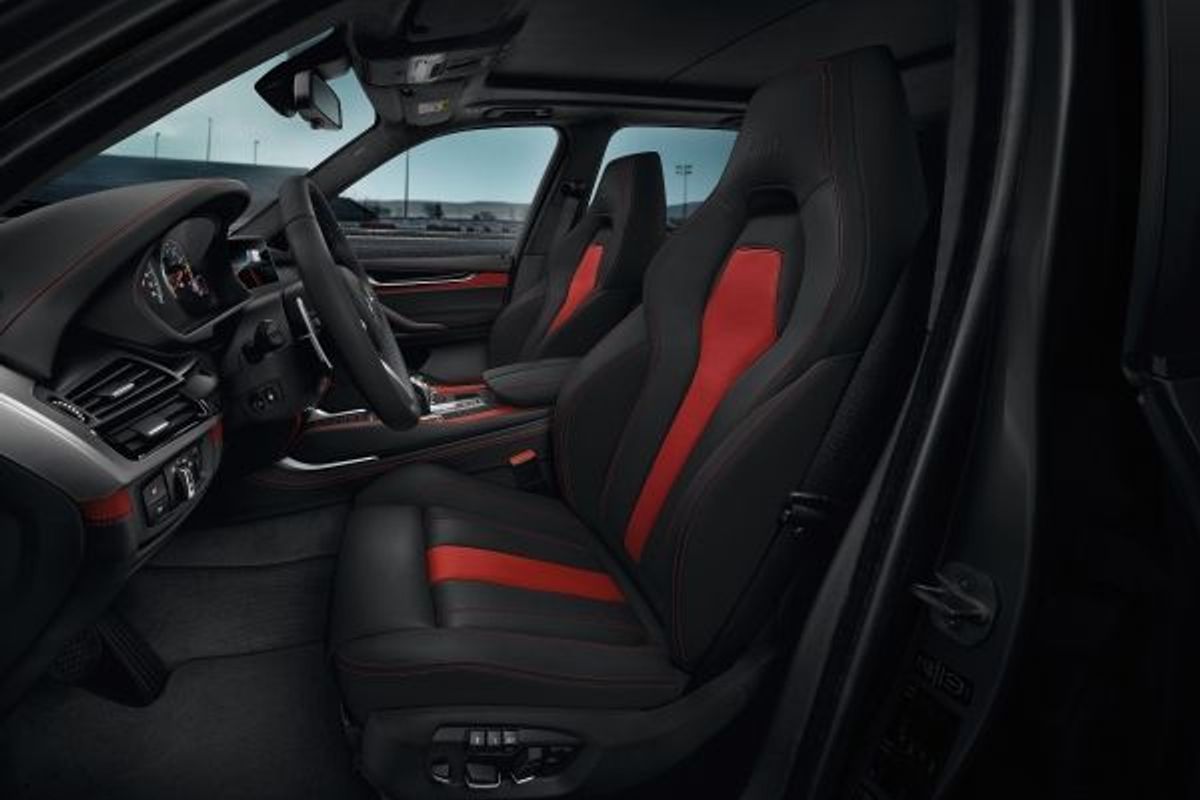
On the inside, comfort comes in the form of fully-electric M multifunctional seats with integrated headrests and upholstered in fine-grain Merino leather in contrasting black and Mugello Red. Contrasting red seams are seen on the seats and on the centre console. An anthracite headliner complements the interior look even further, as do the piano black trim elements.  A leather M steering wheel with aluminium shift paddles will be offered as standard while a M Performance Alcantara steering wheel with light-blue leather accent will be available as an option at no extra charge.

Pricing for the X5 M and X6 M Black Fire Edition models are not yet known but we will keep you updated as soon as this information becomes available.

Related Content

Spy Shots: 2018 BMW X5 Shown Testing

BMW X5 M (2015) Review
BMW X5 xDrive25d (2016) Review
Drag Race: BMW X6 M vs Mercedes-AMG GLE63 S Coupe

Drag Race: BMW X6M50d vs Range Rover Sport SDV8

Want to buy a BMW?

Find a new or used BMW on Cars.co.za
 

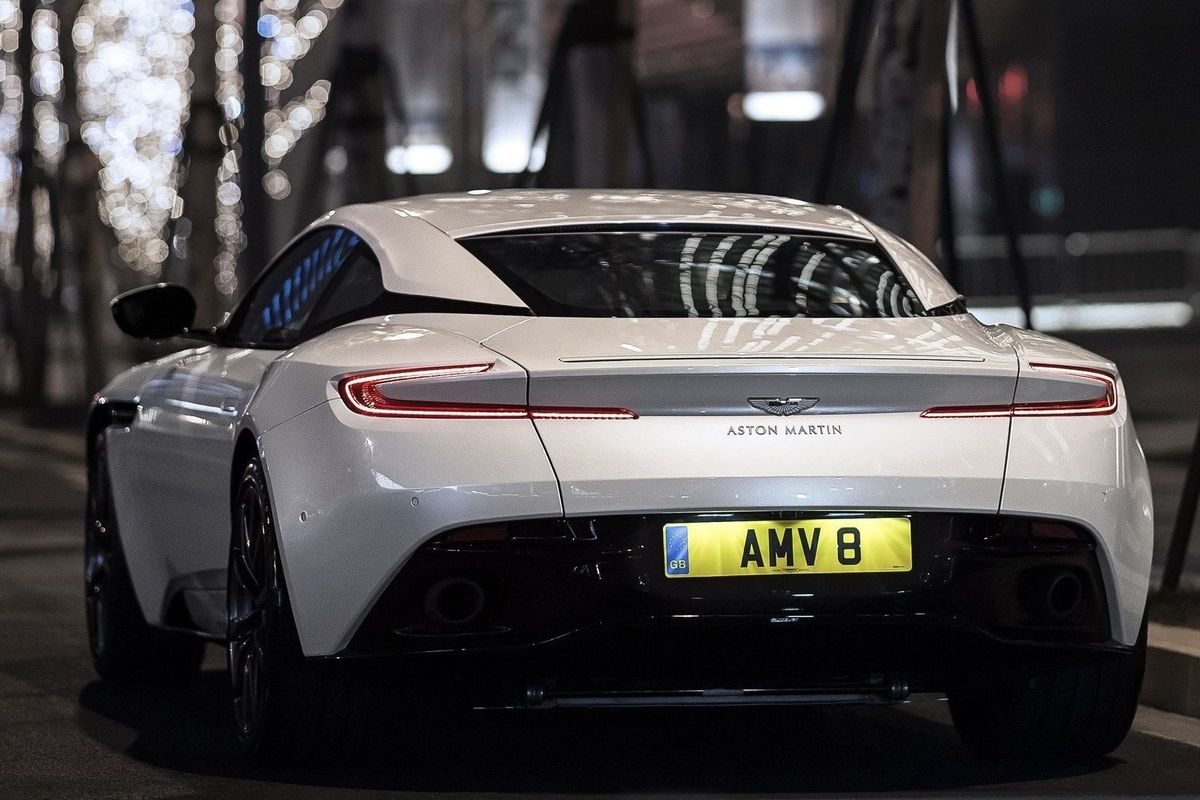
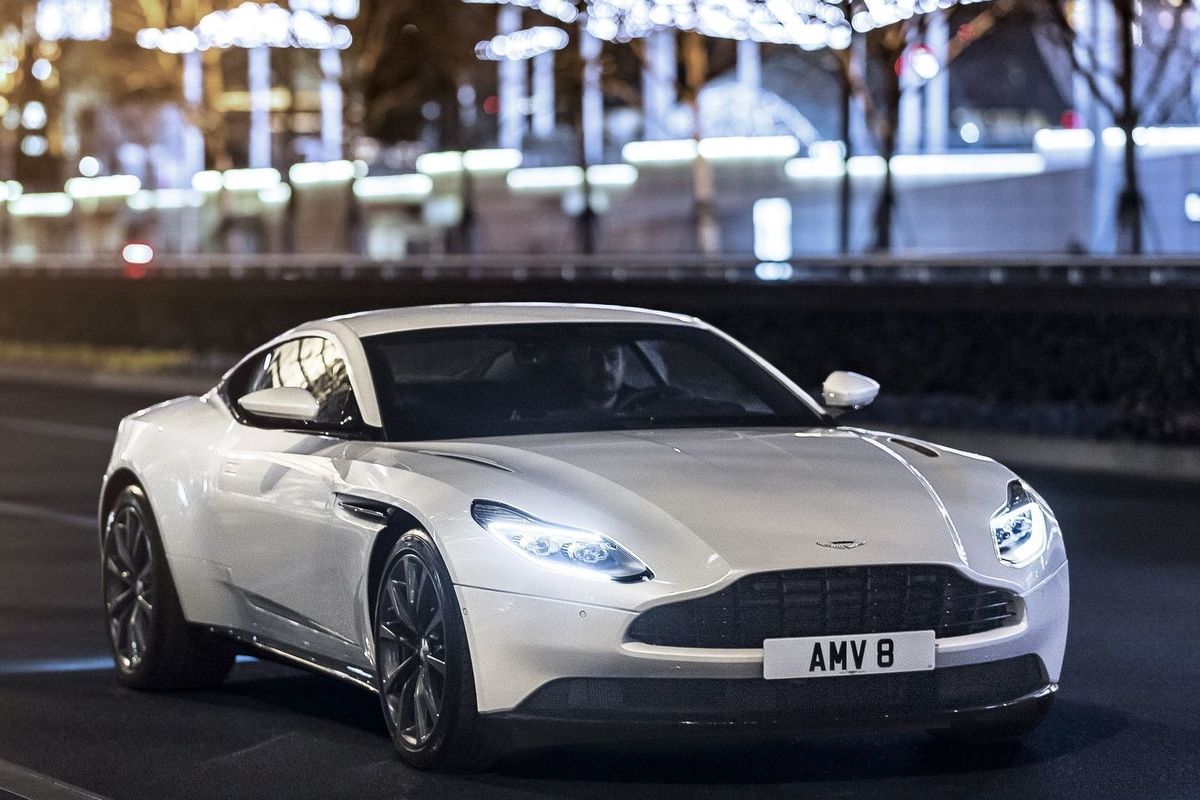
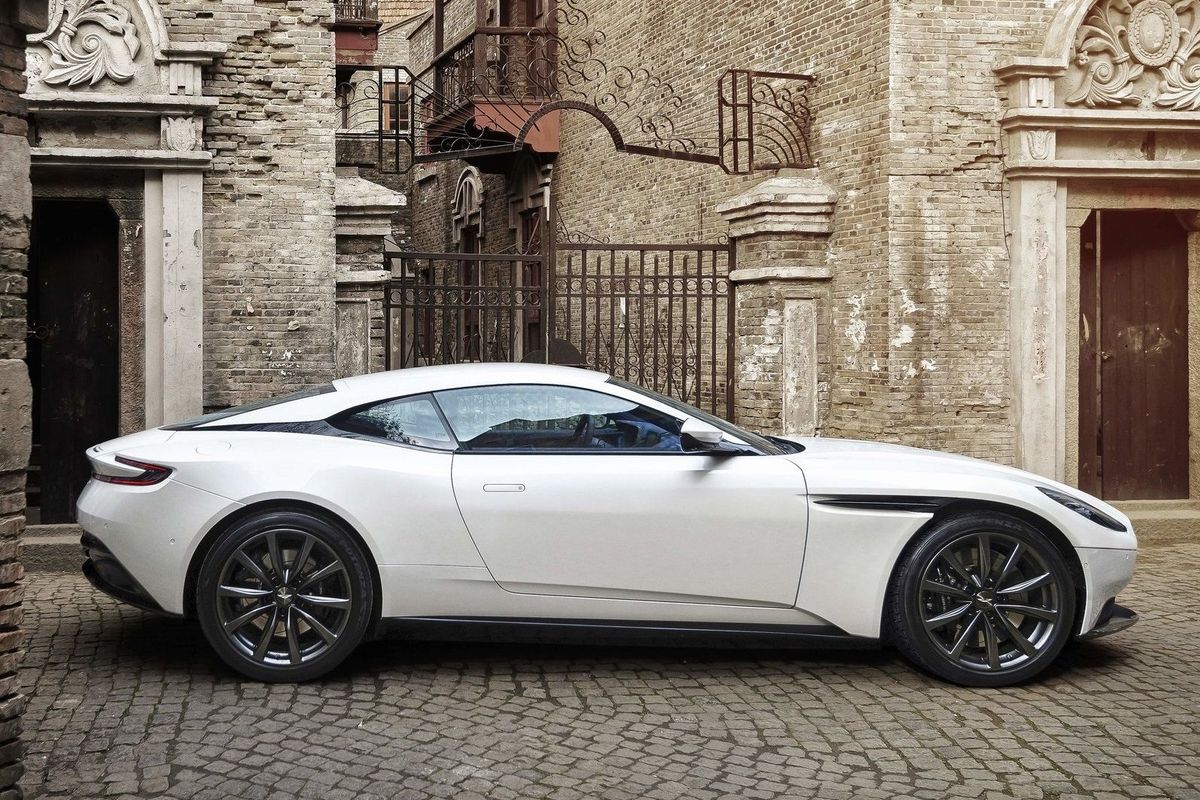
Aston Martin Showcases AMG-powered DB11


The first tangible result of the deal between Aston Martin and Mercedes-AMG has arrived. Meet the AMG-powered Aston Martin DB11!

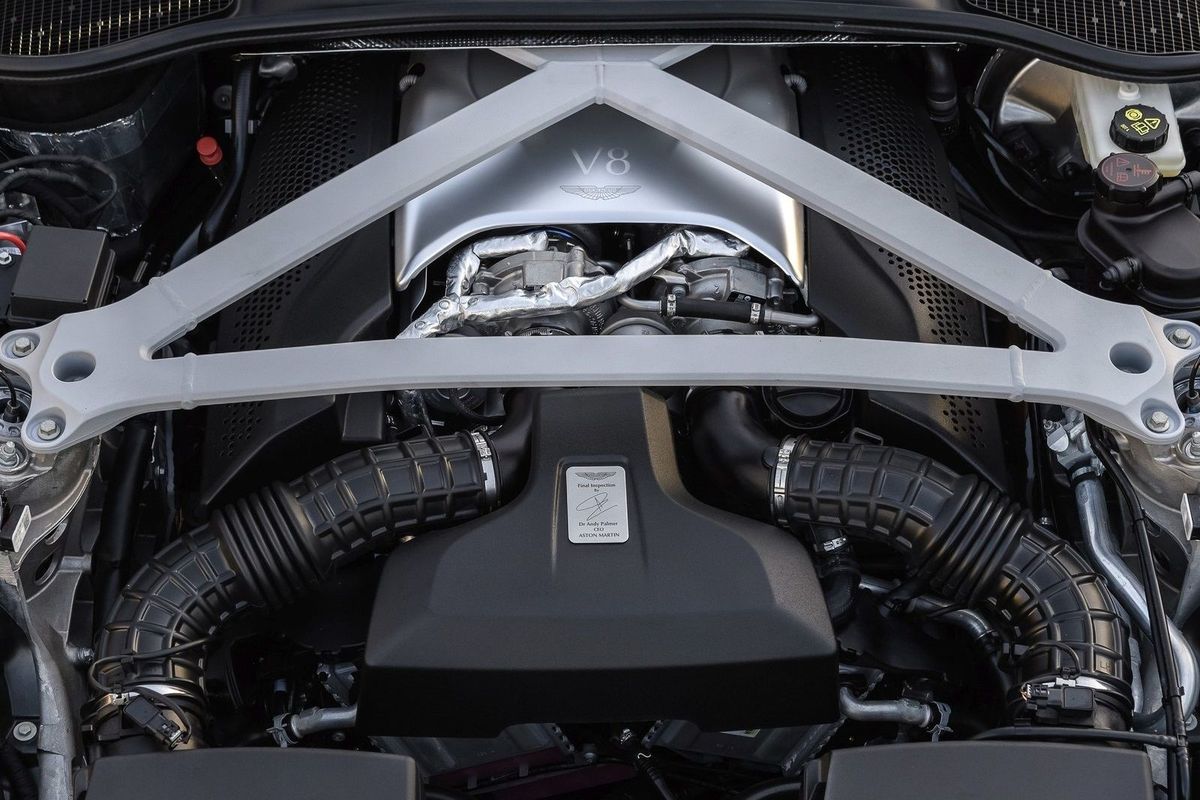
The new engine in the spotlight is the 4.0-litre twin turbocharged V8, which does duty in a number of AMG products such as the C63 and AMG GT sportscar. While it's mechanically strong enough to have its outputs substantially hiked like that of the E63 and AMG GT-R, in the Aston Martin DB11 V8 application, it produces a modest 373 kW and 675 Nm of torque. 
Those figures are enough to see the Aston Martin DB11 power to 100 kph in just 4 seconds. In comparison, the twin-turbocharged V12 is only a fraction faster, which we'll put down to its weight. The real benefit of this smaller engine is economy and efficiency, which are rated at 230g/km of CO2 and it has an EU combined fuel economy figure of 9.9 L/100 km. This is important for markets that penalise engine capacity, such as China. 

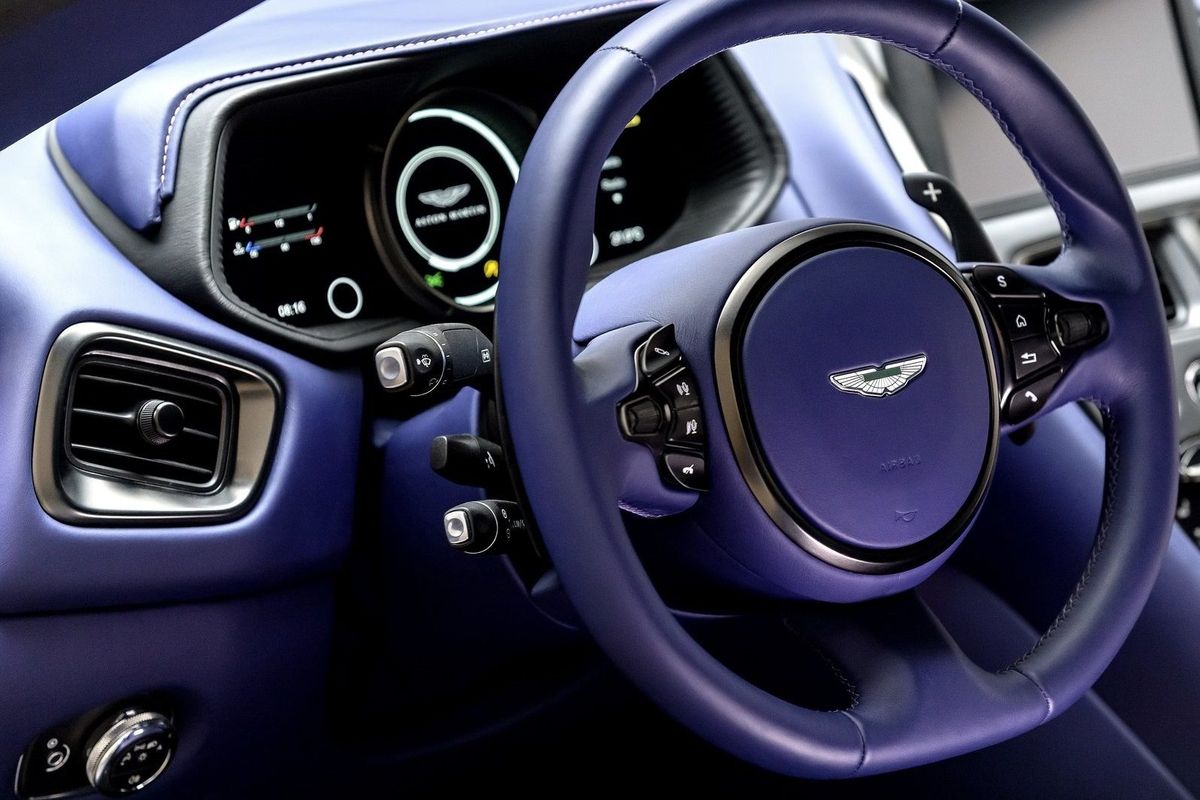
As great-sounding as the AMG engines are, Aston Martin has tweaked this V8 engine for the DB11. A custom air intake, revised exhaust and wet sump lubrication system is fitted. A remap of the engine's electronic control unit as well as tweaks to the engine and throttle mapping has resulted in that Aston Martin feel and sound that customers are after. Mechanically, the new V8-engined DB11 has seen revisions to the suspension bushing, geometry, anti-roll bars, springs, dampers and ESP software. 

Visually, you will be able to differentiate between the two DB11's, as there are unique alloy wheel finishes, dark headlamp bezels and a pair of bonnet vents instead of the four vents on the V12. These vents come in a choice of black or titanium-finish mesh, again different from that fitted to the twelve-cylinder variant.

Watch the new V8 Aston Martin DB11

Related articles

Subscribe to our Youtube channel here 

Read our First Drive impression of the DB11 

Aston Martin Vanquish Zagato Volante Shown

Lamborghini Huracan LP610-4 Spyder (2016) Review

Part 2: Audi R8 vs McLaren 570S Track Race

Part 1: Audi R8 vs McLaren 570S with Drag Race

Rolls-Royce Dawn (2016) First Drive

Rolls-Royce Ghost Series II – Driven & Reviewed in South Africa (Video)

Interested in buying an Aston Martin?

Find one for sale on Cars.co.za