Mazda Reveals All-New CX-5

Mazda has revealed the all-new CX-5 in Los Angeles. It shows a new design, updated chassis as well as improved safety and entertainment systems.

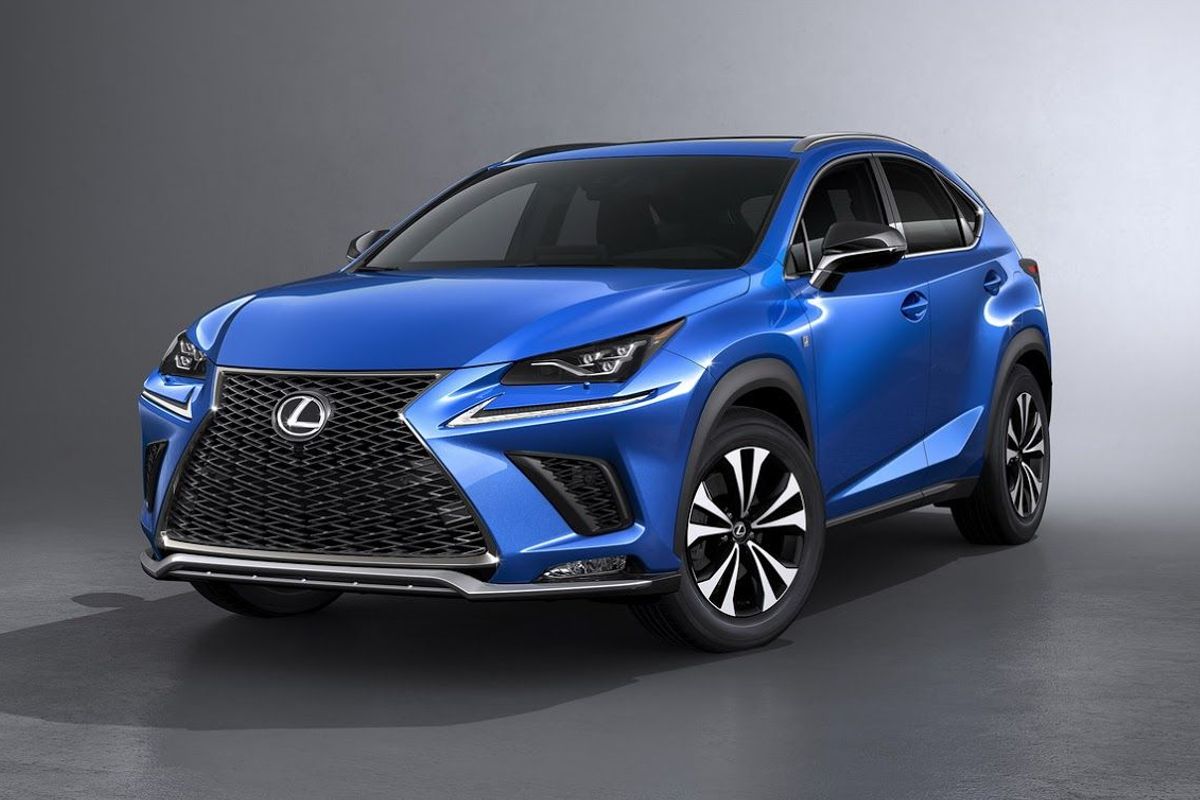
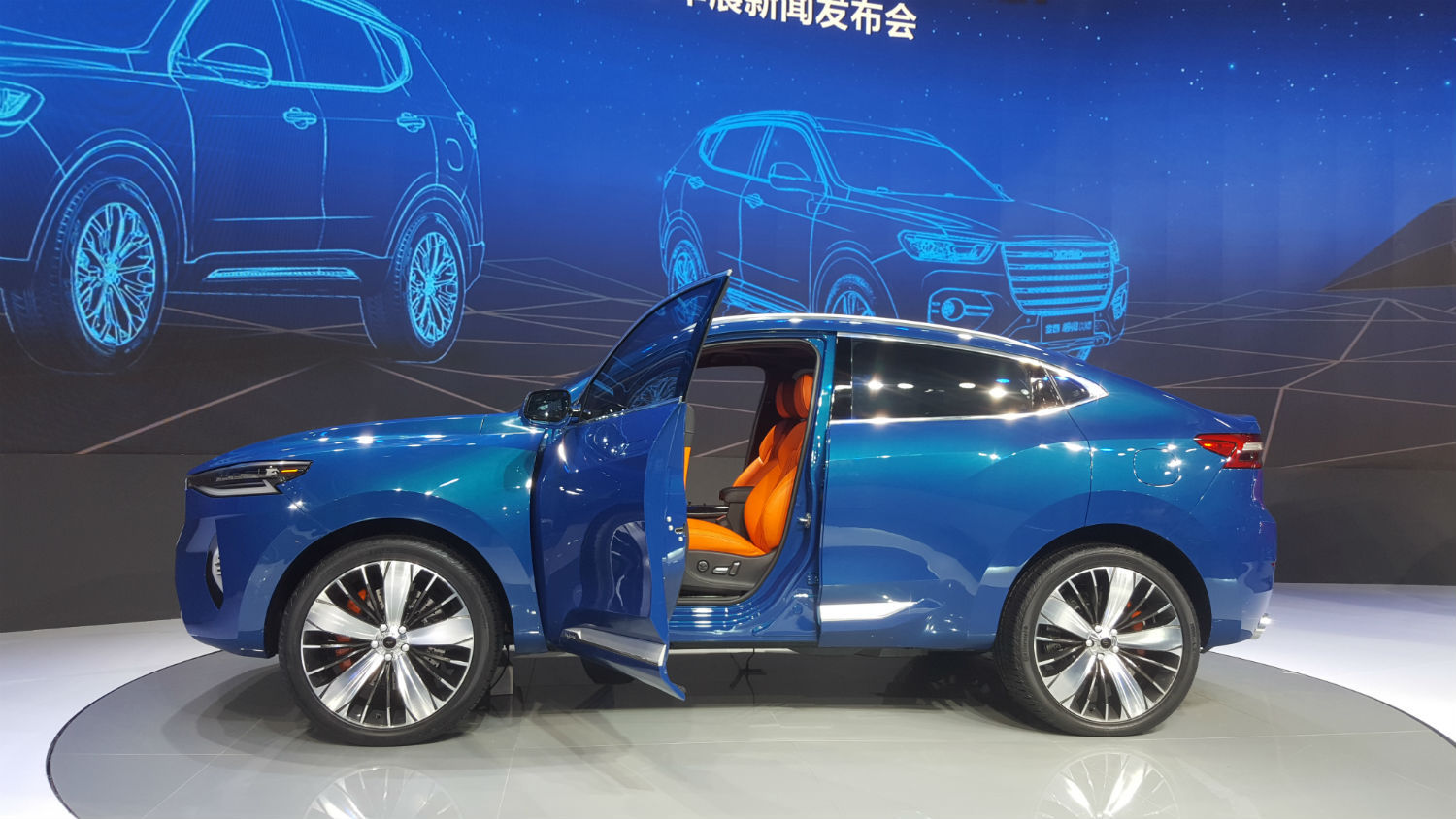
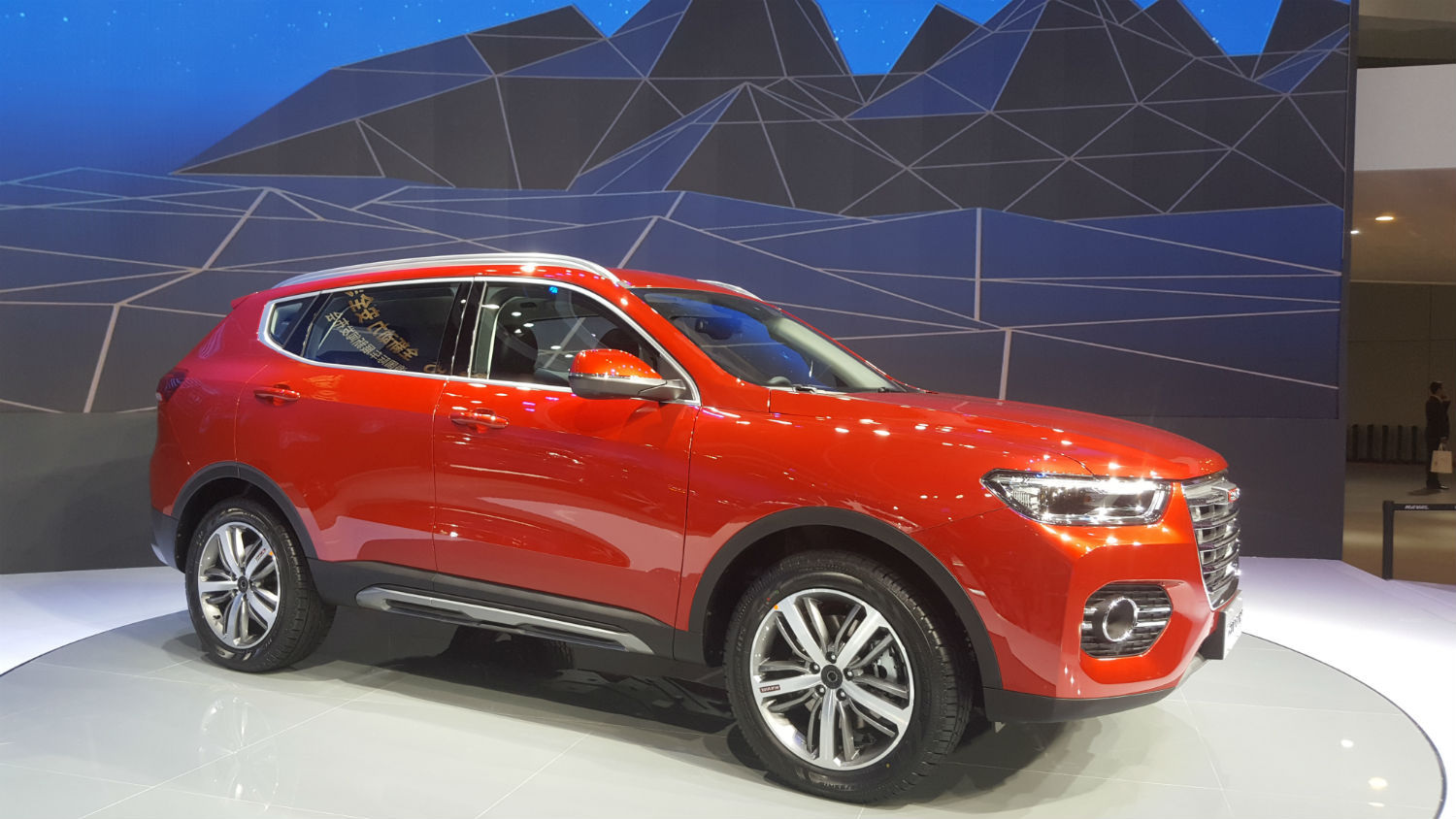
Soul Red is certainly the CX-5’s colour, just about every example we've seen on our local roads is red. The new CX-5 has just been announced and as you can see from the pictures, it’s red too. The exterior design has been tinkered with, but not overhauled entirely. The grille and headlights appear to be the major differentiator. The headlights are more slanted and aggressive and the grille is set deeper into the front end creating a 3-dimensional effect.


New narrowed headlight design and recessed grille

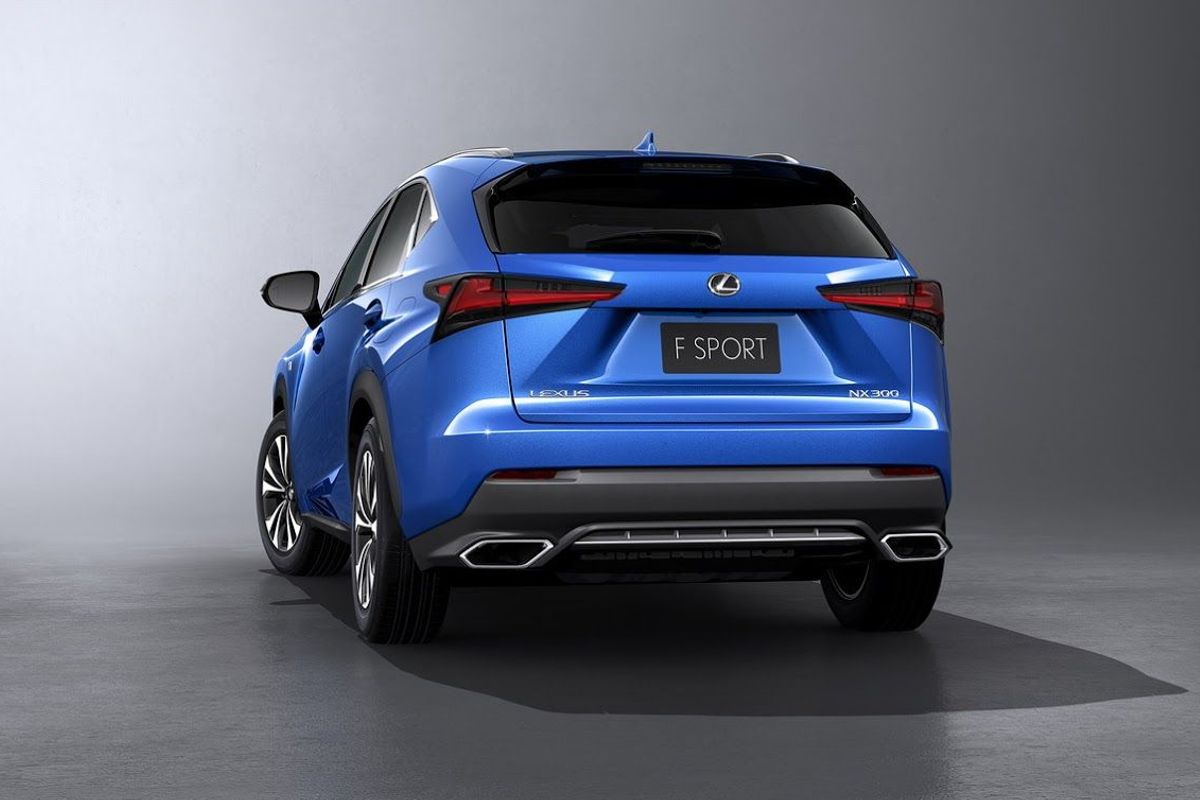
The centre of gravity of the new CX-5 has been lowered and the front and rear tracks widened by 10 mm each. The A-pillars have been shifted back 35 mm creating the appearance of a longer bonnet and sportier demeanour. The new chassis is 15.5% more rigid than before and Mazda says that this makes the CX-5 quicker at responding to steering inputs. This should mean even more agility from the sporty SUV.

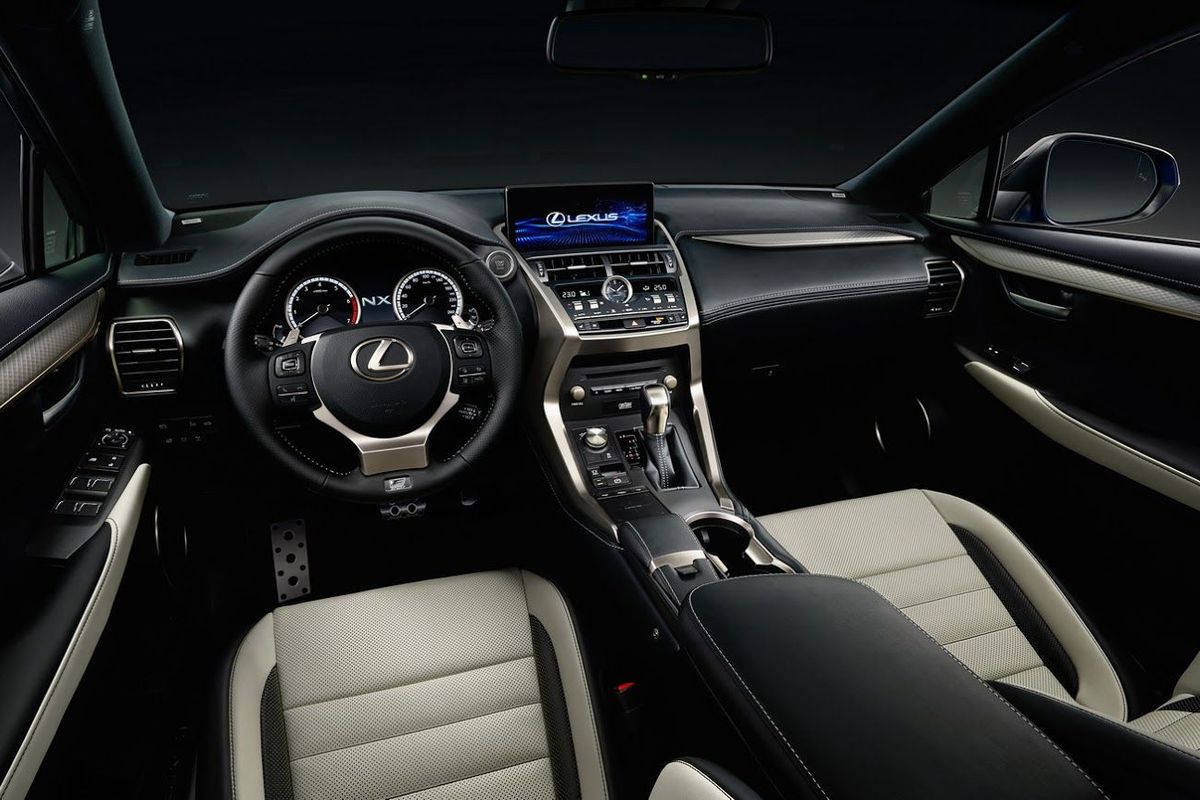
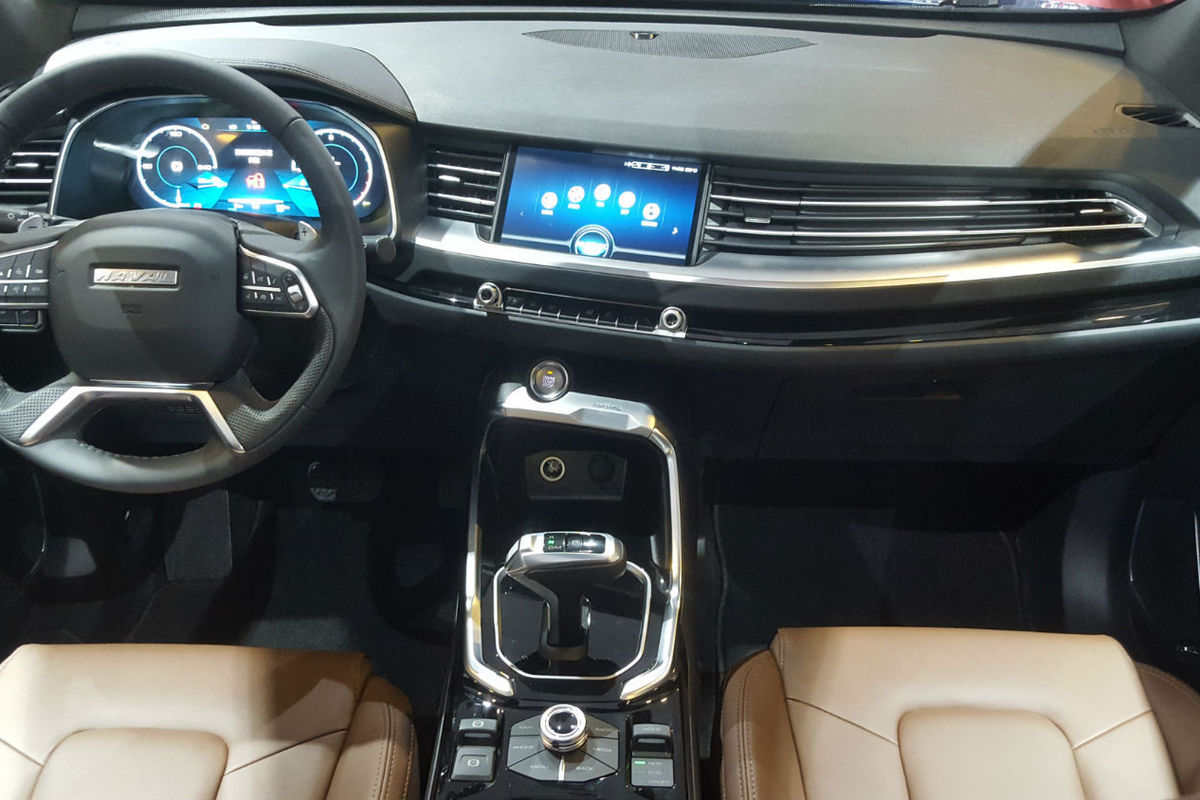
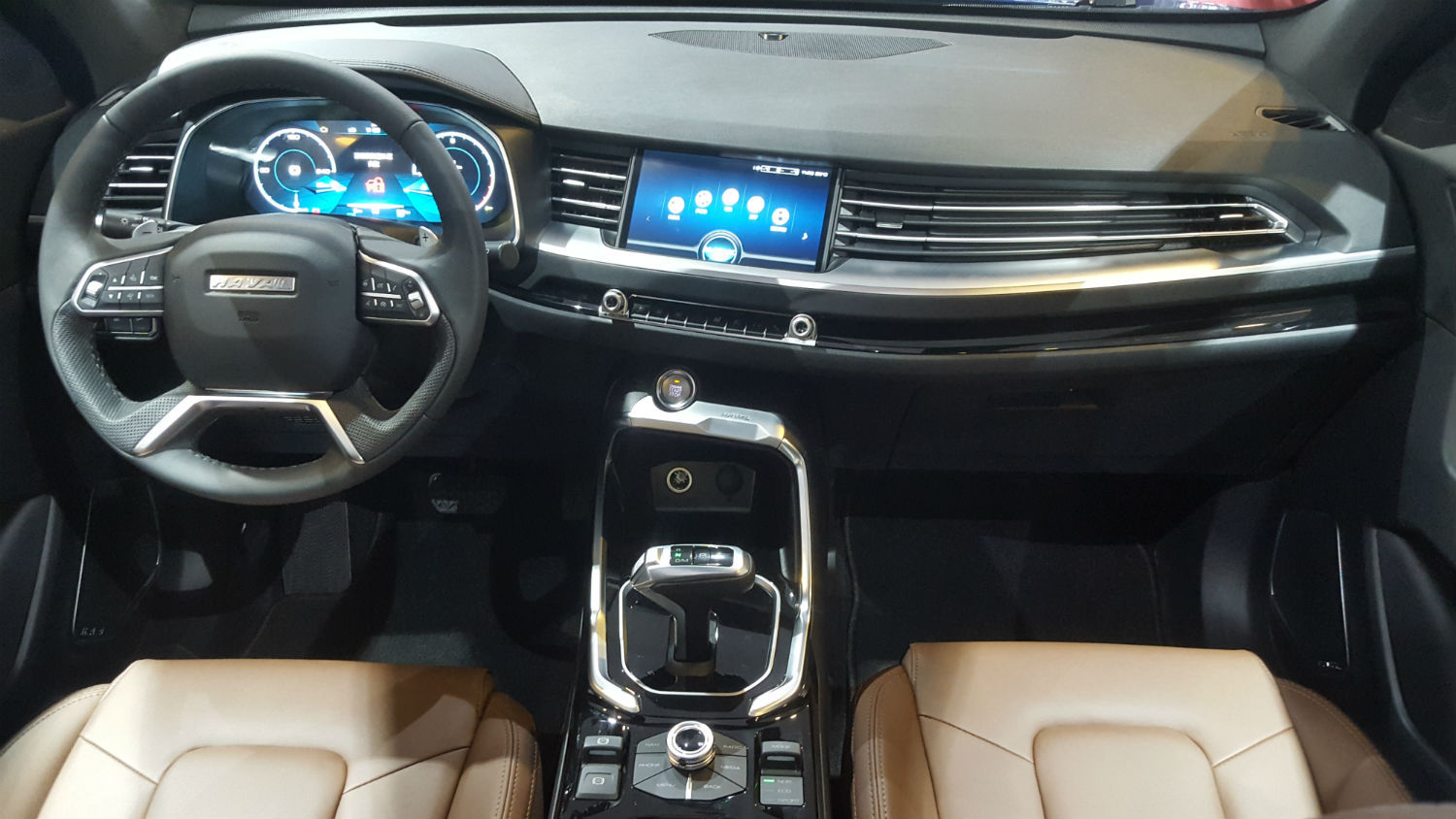
Inside, the CX-5 has undergone a more thorough update. The interior’s surfacing and buttons have been improved to feel more premium with the layout of the controls optimised for quick and easy operation. The instrument cluster now has a 4.6-inch hi-res display screen between the updated analogue dials that displays trip information and navigation instructions, among other things.

The infotainment screen measures 7-inches and has been moved slightly closer to the driver. It also benefits from a better resolution screen. The system now has internet capability as well as App integration in order to connect to social media networks and cloud-based content.


Both screens (instrument display and infotainment) have been updated to feature hi-res displays

The rear seats have been fitted with a 2-stage recline feature for added comfort and the luggage capacity is said to be 505-litres. That’s only 5 litres bigger than the previous model sold in Europe and America. Our local model, fitted with a spare wheel reduced the boot size to 403 litres, so it will be interesting to see whether Mazda South Africa will make the same decision to favour the spare wheel at the cost of load space.

The engine lineup looks to remain the same as the current generation with the 2.2-litre turbodiesel topping the range. The 2.0-litre petrol and 2.5-litre petrol will also be carried over.

Some new safety and convenience features have been added such as adaptive cruise control and road sign recognition. The increased strength from the chassis is also said to improve occupant safety in the event of a collision.

As for local introduction, Mazda SA expects the new CX-5 to be here during the second quarter of 2017.

Previously…

Mazda has announced that it plans to reveal the all-new CX-5 in November 2016.

The Mazda CX-5 has been a top-seller in the family SUV segment, especially in SA. It's sporty style, well specced interior and reasonable practicality have undoubtedly helped the Hiroshima-based firm meet customers needs. The new model, which will be shown for the first time at next month's Los Angeles Auto Show, is said to have refined all aspects of the previous model.

The new CX-5 will see another evolution of the Kodo design (soul of motion) for the exterior. The only image Mazda has released is the above teaser image, which doesn't give too many details on what to expect – other than it's likely to come in Soul Red. We will have to wait for 16 November to divulge further details.

Related Content

Extended Test: Mazda CX-5 2.2DE AWD Akera [with Video]
Mazda CX-5 2.2DE AWDAkera (2016) Review
Crossover Comparison: Honda HR-V vs Mazda CX-3

Interested in buying a Mazda CX-5?

Browse for a used example on Cars.co.za 

Mercedes-Maybach S650 Cabriolet Revealed

The ultra-luxurious Mercedes-Maybach S650 Cabriolet has been revealed at the LA Motor Show!

Luxury drop-top motoring doesn’t get much better than this Mercedes-Maybach S650, which has been revealed at the LA Motor Show this week. The recently-launched Mercedes-Benz S-Class Cabriolet is certainly an impressive and expensive luxury cabriolet, but this Mercedes-Maybach S650 is set to push the opulence limits just a little bit further.

The Mercedes-Maybach S650 is based on the S65 Cabriolet but is differentiated by a number of bespoke details. You may notice that the body gains additional chrome details as well as a redesigned front bumper. Maybach emblems are found on the fenders while the S650 rides on forged 20-inch wheels. 

A Maybach logo is projected onto the floor when opening the doors and once inside, you are met with a plush cabin adorned in the finest materials. Leather dominates the cabin and the perforated leather seats feature outer diamond quilting on the side bolsters. Bespoke trim is also seen on the door panels and instrument panel while deep-pile floor mats add yet another luxurious touch. The interior design is said to create a yacht ambiance, inspired by the Mercedes-Benz Style "Arrow 460-Granturismo" yacht. Mercedes-Maybach S650 Cabriolet customers will also receive an exclusive Maybach – Icons of Luxury travel bag set made from the same leather found in the S650. 

Engine power

The S650 Cabriolet is powered by the same 6.0-litre biturbo V12 engine found in the S65 AMG with 463 kW and 1 000 Nm of torque on offer. These numbers will allow the S650 to accelerate from zero to 100 kph in 4 seconds before reaching an electronically limited top speed of 250 kph.  The rear wheels are driven through a 7-speed automatic transmission. 

As revealed by the interior photographs, only 300 Mercedes-Maybach S650 cabriolets will see the light of day. 

Related content:

Mercedes-Benz S-Class Cabriolet (2016) First Drive
Mercedes-Benz S-Class Cabriolet – Specs and Pricing
Mercedes-Benz C-Class Cabriolet – Specs and Pricing in SA

Want to buy a Mercedes-Benz S-Class?

Find a new or used S-Class on Cars.co.za


Extended Test: Suzuki Vitara GL+

Suzuki’s Vitara spent a couple months with us as one of our extended test units. Is the sensible Suzuki mantra still the right path to follow?

Sensible and Suzuki, two words that are combined all too often when describing a brand new product from the Japanese brand. This Vitara model is positioned as a small to medium-sized SUV that’s a little bit funky. It has more ground clearance than the SX4 and is smaller and less off-roadie than the ageing Grand Vitara. Most importantly though, it’s in a segment of the market that is growing quite nicely. There has been a rapid shift from multiple manufacturers to pump a plethora of vehicles into this segment as quickly as possible. Off the top of my head, I can think of the Renault Captur, Nissan Juke, Hyundai Creta, Toyota C-HR, Kia Soul and the Opel Mokka that all vie for your money in this segment.

What does it offer?

Not straying too far from its fundamentals, the Vitara is the sensible choice of the bunch. It has a touch of excitement about the exterior with its two-tone paint scheme. Ours has a black roof against a red body colour but there are a number of colour clashes to choose from of you want to stand out. Our model is the GL+ meaning it is front-wheel-drive and manual. There are autos in the range and there’s also all-wheel-drive models if you want but I don’t think that’s really necessary for a soft-roader in a country where there’s not much ice or snow to worry about. All models are powered by a 1.6-litre naturally aspirated petrol engine. It’s a decision that goes against the market trend when you consider all the rivals offer turbocharged petrol units. Suzuki SA maintains that its naturally aspirated engines are just as fuel efficient and having less moving parts, less likely to break down. I’m not so convinced by its logic and you can read my thoughts on the naturally aspirated engine here. Suffice to say, I need more torque please, and lower down the rev range.


A photo posted by Ashley Oldfield (@ashleyoldfield) on

Is it funky anywhere else?

No. The interior doesn’t translate the exterior’s fun colour scheme. Unless you go for the top-spec GLX model, then you get colour-coded air vent plastic bits. Unfortunately, the GL+ makes do with a standard black plastic interior. None of it is soft touch but it does feel well put together and particularly sturdy. I suspect children could host a full game of 4-square in the cabin and after many hours not break or damage anything. My crazy Collie, despite leaping in and out of the boot several times made no impression on the carpets, plastics or seats.

The infotainment system seems to be a bit behind the times with its 1990s digital clock font – no touchscreen infotainment system here. The system does have Bluetooth, USB and an Aux. jack for connectivity, so all the basics are covered I guess. You can even control the radio and the cruise control via satellite buttons on the steering wheel.

The focus appears to be on practicality, and space and in that department, there’s not much to be snuffed at. The boot is spacious at 375-litres and the seats are easily folded down flat to offer 1 120-litres of cargo space. I can tell you that is just about enough to fit a bike in the back without having to take the wheel off. The boot also has neat shopping bag hooks in the corners and storage bins have been sectioned out of the boot corners to provide a space to store something as big as a pair of shoes or a lunchbox.

The rear legroom is good too, as is the head and shoulder room in the rear. The rear door pockets have nice big drinks holders just about big enough to store a 2-litre bottle in them.


A photo posted by Ashley Oldfield (@ashleyoldfield) on

Does it drive well?

Apart from the rather lethargic engine that needs its nuts revved off to get anywhere, it’s actually a refined drive. The gearbox is a neat and quick-shifting 5-speed and the steering’s connection with the road is well-weighted once you start moving off-centre. The ride is composed and settled, especially over your day to day tarmac. It’s a redeeming feature of all of Suzuki’s range, they ride very well. If you take it off-road onto your average washboard dirt track that is common place around the South African hinterlands it does a reasonable job too. For a smallish car, it irons out the bumps well.

Is it economical?

Yes. It is very economical, particularly in town and on the basic commute route. On the open road at freeway speeds, it seems to use more fuel as it struggles to maintain speed. With the torque being higher up the rev range you have to work the engine harder (and the gearbox) in order to maintain a constant 120 kph. That extra revving has an adverse effect on the fuel economy. That said, I was still able to average 6.7L/100 km over the 4 000 km I managed in the Vitara.


A photo posted by Ashley Oldfield (@ashleyoldfield) on

Final thoughts

The Suzuki Vitara probably doesn’t suit my fast-paced and urgent driving style, and for everyday use, I would far prefer a modern turbocharged engine which, has more torque at lower RPM. However, the Vitara has this undeniable sense of reliability and reassurance that it won’t break or fall apart. It’s practical on the inside but, not technologically advanced enough for the modern tech fundi to find appealing. The Vitara then remains the sensible choice in the compact family car segment.

Next-generation Ford EcoSport Revealed

The next-generation Ford EcoSport has been revealed at the 2016 Los Angeles Auto Show. Let's check out what Ford's compact family car has to offer.

The current EcoSport was launched on the local market in 2013 and has gone on to dominate sales in its segment. Its successor, which will now also be made available for the American market, looks set to achieve further success in the burgeoning small crossover market.  

The new Ford EcoSport, which is based on Ford's B-platform, will be offered with a choice of 2 engines and 4 different trim levels. The US-spec cars will feature either the award-winning 1.0-litre 3-cylinder EcoBoost engine or a 2.0-litre 4-cylinder (naturally-aspirated, direct-injection unit, both mated with a 6-speed automatic transmission. EcoSport will be made available in front-wheel and all-wheel drive derivatives, with the 4×4 version capable of sending up to 50 percent of available torque to the rear wheels when required. Global market will likely receive turbodiesel engine options and manual gearboxes.

As the new EcoSport is aimed at young buyers, the newcomer will be jammed with connectivity options. A brace of fast-charging USB ports up front, 12V power outlets front and rear, and even a 110V power outlet (for the rear passengers) will be available as an option. Ford's SYNC3 infotainment/connectivity system has been made fitted and there's a smart-looking 8-inch touchscreen. Ford is also boasting Android Auto and Apple CarPlay in its new EcoSport.

We'll have more details about the new Ford EcoSport and its specifications for our market as they are made available. As it stands, the Ford EcoSport will reach American dealerships in 2018.

Further Reading

Read a review of the Ford EcoSport here
See Spyshots of the new Ford EcoSport

Interested in buying a Ford Ecosport?

Find a used Ford EcoSport for sale here

Cars.co.za Consumer Awards: The Test Days

The Cars.co.za Consumer Awards (#CarsAwards) powered by WesBank recognise the best cars available in the South African new vehicle market using a unique, multi-faceted judging process. We recently put the finalists in each of the respective categories through their paces at the Gerotek Testing Facility, north of Johannesburg.

What are the #CarsAwards?

Read about how the Cars Awards works here

There is much more to this awards programme than handing out trophies – the goal ultimately is to identify the best buys within each of their respective categories, and thereby assisting the consumer in making informed choices. Whether you end up buying one of the winners, or one of the semi-finalists, you – the consumer – should rest assured you are buying a very good car… based not only on the findings of our panel of experts, but public feedback. But how does it work? With around 2 000 derivatives available in the South African market, the process of finding the right car can be a daunting one. 

Our test jury comprised both the in-house team of journalists from Cars.co.za and an external jury featuring candidates that are knowledgeable about cars but not necessarily active in the automotive space (to ensure that alternative viewpoints to the "petrolheaded" test team's opinions were incorporated).

Read more about the Cars Awards jury here

Where can you test vehicles safely?

The Gerotek Testing Facilities complex is an imposing place. Carved into the side of the mountain, the layout features multiple grades of road, skidpans and discrete circuits where vehicles can be comprehensively evaluated. Gerotek was formerly a military facility where tanks and assorted military vehicles were developed in South Africa's isolation era. It's an incredible place and while the military activity has largely ceased, car manufacturers often conduct hot-weather and altitude testing with their forthcoming products. During our two days at Gerotek, we spotted some irregular vehicles driving around the complex, but, for obvious reasons, we couldn't take photos of them…

The facilities' helpful and experienced staff set up a comprehensive test route on which the vehicles could be put through their paces, but also offered the consistency and safety to ensure fairness across the board. Each one of the 13 judges was required to test the finalists that were available during the two days of testing (with the exception of the First Class category) on the predetermined course before scoring the respective vehicles in the categories to which they were assigned. In between their driving stints, the judges did exhaustive static evaluations of the cars' packaging, build quality and interior features 

The test route comprised:

  • Skidpan/gymkhana 
  • 400m straight with braking zone
  • Slalom course
  • Emergency lane change test
  • Dynamic handling track
  • A variety of road surfaces to drive on, such as "Belgian" cobblestones
  • Ride and handling track up a mountain
  • 4×4 course (for appropriate 4×4 vehicles)
  • Sand pit (for appropriate 4×4 vehicles)

The route provided a thorough test of the machinery and demanded sustained concentration from the judges (we were thoroughly briefed beforehand). Despite the heat and the challenging test regimen, none of the vehicles suffered major mechanical issues – a testament to how good these finalists are.

The logistics


Losing 39 keys was a real risk. Some are missing from this photo… we found them eventually.

The challenge of delivering 39 cars from respective manufacturers' fleets to Gerotek on a specific date was no simple task. A big thank you to the fleet managers who worked behind the scenes to juggle media bookings and to the respective drivers for bringing clean, fuelled vehicles to Gerotek on time. Some vehicles were sourced from various dealerships and head offices, which would have been impossible had it not been for the willing JHB Cars.co.za team who volunteered for driving duty. That said, who would turn down a chance to drive a #CarsAwards finalist as opposed to spending a day in the office?

There was one thing we forgot…


Hats and summer attire – perfect for the Cars.co.za Consumer Awards powered by WesBank testing days.

The weather, obviously. While it was something we had no control over, none of us could predict the intense heatwave that gripped the Gauteng region during the 2-day test period. By 9 am on the first day, most cars were registering mid-20C readouts and by 11 am, the mercury had risen above 30C and kept climbing. In fact, during the lunch break, various cars displayed temperatures of 40C or more. The vehicles seemed to cope well with the heat (a few judges remarked that some of the sportier cars felt "a little lazy", their engine management units ostensibly curtailing performance to avoid overheating).

The second day marked a vast improvement with reduced temperatures, but then there was a threat of rain. Admittedly it was desperately needed as the country is in the middle of a drought… In the event, the judges completed their scoring shortly before dusk and handed in their #CarsAwards score books.   

It may have been two long and hot days, but all of the team were still smiling after it all. With the scoring tallied up and verified by our auditor from KPMG and 50% of the final result depending on the findings from the ongoing Cars.co.za Owner Satisfaction Survey (developed in association with leading automotive data specialists, Lightstone Consumer), the 14 winners of #CarsAwards (including Brand of the Year) will be announced in January 2017. 

Further Reading

Read more about the Cars Awards jury here
Read about how the Cars Awards works here
View all the Cars Awards finalists
Have your say in the Cars.co.za Owner Satisfaction Survey

The Renault Kwid: A Game-Changing Budget Car?

If there’s one budget car that has the potential to shake up and lead its segment in South Africa, Renault’s Kwid might be it, but will it succeed and can other car manufacturers learn something from the newcomer?

Renault is well-versed in the budget car game. Just look to the Sandero for affirmation. Year-to-date sales reveal that the Sandero is the best-selling model in Renault’s stable and it continues to be a popular choice for budget car buyers. More than this, the Sandero Expression is the current budget car champion in the annual Cars.co.za Consumer Awards – Powered by Wesbank, a title it will have to defend against the Suzuki Celerio 1.0 GL and the Toyota Aygo X-Play in the upcoming, second iteration of the #CarsAwards.

There is, however, a newcomer on the block, called the Kwid. It’s packaged as a compact crossover and well-priced. Based on my colleague David Taylor's First Drive article, the Kwid seems to redefine what a budget buyer can expect from their purchase. This article aims to shed some light on this impression.
But before I continue, herewith a disclaimer about the Kwid’s Achilles heel – safety specification. The Kwid is fitted with a driver airbag only and no anti-lock braking system (ABS) is available. It’s the only major criticism we can lob at the Kwid at this point (following our First Drive) and Cars.co.za can only hope that Renault will address the safety issue in time (the lack of ABS will rule the Kwid out of contention for Cars.co.za Consumer Awards recognition, should our Budget Car category remain the same). Even though trends indicate that budget buyers prioritise value over safety, we feel that ABS and an additional passenger airbag are the only missing ingredients for what seems to be a sweet product that’s extremely difficult to ignore in this segment.  

Here’s why I think the Renault Kwid can lead the budget car segment…

Styling


The Renault Kwid makes a strong case for itself by offering attractive styling. 

When you think of a budget car, pretty styling isn't usually the first association that comes to mind. Many budget cars are plagued with horrid styling and marginal build quality. In many ways, that’s what budget buyers have come to expect when shopping at the bottom of the new vehicle market. Despite the fact that the Kwid shares its platform with the Datsun GO, it seems to be worlds apart. In our experience, the Kwid doesn’t necessarily look cheap, but rather displays modern styling that will, at the very least, make its owner feel less like a pauper and more accomplished. That’s a good thing for sure.

What lessons can budget car manufacturers learn from the Kwid? Well, it may have no ABS, but cheap doesn’t have to mean nasty. Renault seems to buck the trend by simply offering a decent-looking and reasonably well-built product. Strong sales will hopefully underpin the Kwid’s success in this regard.

Features


The Kwid's cabin is simple but offers a 7-inch touchscreen with integrated navigation. 

The Toyota Aygo was the first budget car to feature a touchscreen infotainment system and Renault has taken it a step further by offering a 7-inch touchscreen display with an integrated MediaNav navigation/multimedia system on the top-spec Dynamique derivative. What? Navigation in a budget car?

Budget cars typically lack nice-to-have features and we think that touchscreen functionality and the inclusion of navigation will be welcomed, especially if you consider that far more expensive cars don’t offer these features. Other useful features include Bluetooth connectivity, USB and auxiliary audio inputs and a digital instrument cluster.

Practicality


The Kwid offers sufficient space for luggage and the boot expands even further with the rear seats folded down. 

The Kwid adopts attractive crossover styling with beefy wheel arches, plastic body cladding and a raised ground clearance of 180 mm. These features make the Renault more adept to life in the city and they will prove useful when you need to hop a kerb or tackle the odd dirt road. Interior space is decent and the luggage bay offers 300 litres of space, which expands to a sizeable 1 115 litres with the rear seats folded down. That’s not bad by budget car standards…

Performance


The Kwid's good power-to-weight ratio translates into decent performance from its 0.9-litre turbopetrol engine. 

We drove the Renault Kwid on launch and we were pleasantly surprised by the performance of the newcomer. The Kwid is powered by a small (0.9-litre) 3-cylinder turbopetrol engine that offers 50 kW and 91 Nm of torque. Power is delivered to the front wheels using a 5-speed manual transmission.

Sure, the Kwid's no race car, but if you consider that it weighs under 700 kg without a driver, its power-to-weight ratio improves performance by a fair margin and it gets you to where you need to be at a reasonable pace. Better still, the Kwid should save you money at the pumps too, with a claimed fuel consumption figure of 4.7 l/100 km.

Value for money

If you combine everything discussed so far and note that pricing for the Kwid starts at R119 900 for the Expression derivative and R129 900 for the top-spec derivative, you may be looking at a winner. More than this, the Renault Kwid also includes a year’s free car insurance on top of a 5-year/150 000 km mechanical warranty and a 6-year anti-corrosion warranty. Service plans are optional.

If safety features are all important to you, then you best look elsewhere, but if you are willing to forego some safety features, then the Kwid might just be the ideal budget runabout you have been waiting for. 

Look out for our comprehensive review of the Renault Kwid coming your way soon!

Related content:

Renault Kwid (2016) First Drive
Best Budget Cars in South Africa
Top 10 Most Fuel Efficient Budget Friendly Cars (2016) 


Want to buy a Renault?

Find a new or used Renault on Cars.co.za

Hyundai Tucson 1.7 Turbodiesel (2016) First Drive
Hyundai has beefed up its challenge in the compact SUV/Family Car segment with the addition of two turbodiesel engines to its popular Tucson range. We drove the 1.7 UII Executive in Cape Town to find out what it is like.

We have driven and reviewed several versions of the new Tucson and we consider it an accomplished product both in terms of execution and style. The market appears to have agreed as: with about 3 500 unit sales since March, the Tucson has succeeded its ix35 predecessor as a top-seller in its segment. The addition of two turbodiesel derivatives should bolster this position, which will be challenged by the all-new VW Tiguan, as well as the Mazda CX-5, Toyota RAV4 and Nissan X-Trail.

“The addition of turbodiesels will be a boost to our sales and contribute to our positive brand image. It is a welcome expansion of our range at a time when our automotive market is under pressure,” said Stanley Anderson, sales and operations director of Hyundai Automotive South Africa.


The Tuscon has achieved immediate sales success and the additional turbodiesel derivatives strengthen the range's appeal.

New powerplants

The first of the new engines is a 1.7-litre turbodiesel that conforms to Euro 6 regulations. It produces 85 kW at 4 000 rpm and 280 Nm of torque between 1 250 and 2 750 rpm and sends it all to the Tucson's front wheels by way of a slick 6-speed manual transmission. Those familiar with the outgoing 1.7 CRDi will note that the new engine produces 20 more Nm of torque.

It also features advanced technologies that save some weight (primarily in the cylinder block) and improves performance (such as the addition of a 2 000 bar high-pressure fuel injection system) and emissions output (such as the exhaust gas recirculation system). The CO2 emissions figure is 124 g/km and its claimed fuel consumption figure is 6,8 L/100 km.

The second engine to join the line-up is a 2.0-litre turbodiesel that produces 131 kW at 4 000 rpm and a hefty 400 Nm of torque between 1 750 and 2 750 rpm. The engine is mated with a 6-speed automatic transmission with a torque converter.


The instrumentation is conservative, but the TFT central instrument display offers a bouquet of trip computer functions.

Hyundai South Africa's 2.0-litre turbodiesel Tucsons were still on a ship destined for South Africa, which meant that we only had the opportunity to get behind the wheel of the 1.7 UII.

What is it like to drive?

As before, we found the Tucson to be a solid performer. The engine runs smoothly and is very quiet. At cruising speeds, the 1.7-litre motor is hardly discernable as a (usually clattery-sounding) turbodiesel. Under harder acceleration a slight rumble emanates from the engine bay, but the cabin is well insulated from this, along with road, tyre and wind noise.

The 6-speed manual transmission offers an easy-shifting action and good weighting to assist during fiddly town driving.

When pressing on the engine offers a smooth and linear power delivery, which means that it exhibits limited turbo lag and never really runs out of breath. Don’t get us wrong, this is no drag racer, but the 1.7 litre seems eager enough to keep ahead of traffic. Overtaking rarely required a lower gear to be hooked and the power delivery in the mid- rev range is very impressive.


The Tucson's exterior styling is conservatively classy; the Ara Blue paintwork does add youthful appeal.

The 1.7 UII is only available with Executive trim, which means that it comes fully packed with a long list of standard features. The cabin is crammed with leather and soft-touch panels, which further contributes to the refined driving experience. Both 1.7 UII derivatives offer electrically adjustable front seats, dual-zone climate control, air vents for rear occupants , glove box cooling, cruise control, a multifunction steering wheel and a reverse-view camera.

The seats are comfortable and offer good support over longer distances, but better side support would be welcome.

A look at the specification sheet shows the Tucson is shorter than most of its rivals, but this does not mean that the cabin's packaging is compromised. With all seats upright, the luggage capacity is 513 litres, but that increases to 1 503 litres with the rear seats folded. A low loading sill height, 2-level luggage bay floor and stowable cargo cover further aid practicality.


The standard infotainment system is appreciably functional, but looks rather plain in an age where touchscreens are the norm.

Rear legroom is ample and the ability to recline the second row of seats is a handy addition that should contribute to the comfort of rear passengers on longer road trips.

Meanwhile, despite its mid-sized SUV size, the Tucson is nimble to manoeuvre in town and light to guide through the countryside. It remains composed with very little body roll, but some body-wriggle was detected over a stretch of gravel terrain (which can be expected from a front-wheel-driven car).

The steering is wonderfully light, which assists with inner-city driving. This lightness is not much of a problem when pushing on through corners (besides, this is a family car – dynamic ability should be low on drivers' priority lists).


Rear leg- and headroom are two areas in which the Tucson bests its older rivals.

Summary

The credentials of the Tucson are undeniable. The Korean newcomer has managed to regain its segment-leading position and the addition of two turbodiesels to the line-up is certain to further contribute to the model's sales success.

We could only experience one of the new turbodiesel powertrains, but came away impressed with its performance and manners.

In terms of pricing, the 1.7 UII is aggressively positioned, although a specification-adjusted pricing exercise indicates that rivals (such as the Nissan X-Trail, Renault Kadjar and Toyota RAV4) are slightly cheaper. A similar exercise with the 2.0-model reads better, with the Tucson being priced below rivals such as the BMW X1, Ford Kuga, Kadjar and RAV4.

So, should you buy one? At its core, the Tucson is a very impressive vehicle, which now offers the benefit of a meaty and refined turbodiesel mill under its bonnet. For those seeking the benefit of slightly more torque (15 N.m) and better efficiency (a claimed 6.8 L/100 km versus 8.3 L/100 km, admittedly a diesel versus petrol comparison), the 1.7 UII costs the same as its 1.6-litre turbopetrol (manual) sibling. In that sense, the 2.0-litre top-of-the-range turbodiesel would represent a bigger performance advantage over its comparative and similarly-priced stablemate, but whichever of the turbodiesel Tucson derivatives suit your pocket best, you are unlikely to be disappointed by your purchase…


The low loading height and long luggage bay floor aid the Hyundai's family car credentials. 

Hyundai Tucson prices in South Africa (the two added turbodiesels are in bold)

2.0 Nu Premium (manual) R369 900
2.0 Nu Premium (automatic) R389 900
1.6 TGDi Executive (manual) R439 900
1.7 UII Executive Diesel (manual) R439 900
2.0 Nu Elite (automatic) R454 900
1.6 TGDi Elite DCT AWD R519 900
R2.0 Elite (automatic) R519 900

All models from the Hyundai Tucson come with 5-year/150 000 km manufacturer and 7-year/200 000 km drivetrain warranties. Roadside assistance for 5 years or 150 000 km and a 5-year/90 000 km service plan are also included. All models have service intervals of 15 000km, while the 1.7 UII Executive Diesel has a 30 000 km service interval.
 
Watch Ciro de Siena's recent video review of the Tucson:

Related content:

Hyundai Tucson 1.6 Turbo Executive Manual (2016) Review
Hyundai Tucson 1.6 Turbo 4WD Elite (2016) Review
Volkswagen Tiguan 1.4 TSI Comfortline R-Line (2016) Review
Volkswagen Tiguan 1.4 TSI 110 kW DSG (2016) Review
Extended Test: Mazda CX-5 2.2DE AWD
Akera [with Video]
Mazda CX-5 2.2DE AWD
Akera (2016) Review
Extended Test: Ford Kuga 1.5T Trend Automatic [with Video]

Interested in buying a Hyundai Tucson or ix35?

Search for a Tucson on Cars.co.za
Check our stock for a used ix35


Nissan Navara (2016) International First Drive
The arrival of the new Nissan NP300 Navara is long overdue and by all accounts, local introduction is expected early in 2017. Will the locally-built new Navara be worth the wait? Our UK correspondent drove Nissan’s latest double-cab offering to find out… 

During the Nineties, almost every middle manager with a family wanted a double-cab as their company car; they sold like hot vetkoek and, as a result, South Africa remains enthralled by the “family bakkie”. The first-generation Navara made its UK debut in 2001, but it was merely a tinselled-up version of the Hardbody, a stalwart (replete with sliding heating controls) that still soldiers on in South Africa as the NP300. Mzansi had to wait until late 2005, when the second generation (D40) Navara arrived as a full import, and it has undergone a host of updates throughout the years.  

But, after almost 11 years, it’s high time for an all-new Navara. Codenamed the D23, this Navara started life as a blank-canvas project – even the name hasn’t escaped a makeover. The “NP300 Navara” designation follows the new global house style for Nissan’s commercial vehicles, denoting the type of vehicle (Nissan pick-up) and gross vehicle mass (3 tonnes).

As you can see from these images, Nissan hasn’t tinkered too much with the outer appearance of the new Navara, which features a revised front grille, restyled bumper and sleeker bonnet. It certainly looks handsome in the metal, but that’s not to suggest it’s a show pony: the newcomer can still haul a 1-tonne load and pull 3.5 tonnes on the rear hook – just but not both at the same time. To do that you’ll need to reduce the tray load by half a tonne.


Handsome new NP300 Navara proves its mettle on a rutted off-road course.

Much improved interior

The Navara is again offered in king cab (KC) or double cab (DC) form and both versions offer rear seats, but while the DC has a traditional bench in the back and four conventional doors, the KC has two (cinema style) flip-down rear seats and small back doors hinged on the rearmost edges of the cab.

The interior represents a significant improvement for the Navara. On the high-spec derivatives there’s piano black trim, metal-effect accents, a touchscreen infotainment system with satnav and surround view monitor, the latter of which is a very handy feature on a vehicle of such enlarged dimensions.

The infotainment system will be familiar to anyone who’s driven a top-end Nissan SUV or crossover recently. The system is intuitive to use by virtue of simple, easily-navigitable menus and slick Bluetooth pairing, although the image quality relayed by the surround-view cameras could be better.

… but no soft-touch dashboard 

Although its cabin looks SUV-like in quality, the Navara’s still based on a commercial vehicle underneath – the leather steering wheel and gear lever feel upmarket, but those expecting soft-touch plastics on the dashboard will be disappointed. Yes, the Nissan cabin’s overall build quality is solid and will probably be as tough as old boots, but the plastics are all hard to the touch, unfortunately.


Piano-black finish and touchscreen infotainment lends a luxurious, SUV-like feel to the Navara’s dashboard.  

Nissan SA has not confirmed engine/transmission line-up for the local-spec Navara, but expect it to be offered with the choice of 2- or 4-wheel drive and the option of a standard 6-speed manual or 7-speed automatic gearbox.

The South African range could receive the new 2.3-litre Renault-Nissan alliance turbodiesel motor, which is claimed to be up to 24% more efficient than the ageing 2.5-litre unit it replaces, and is said to be the “cleanest and most economical in its sector”. Available with two power output options, 120 kW (409 Nm) and 140 kW (450Nm), the range-topping version introduces twin turbocharging technology – a first for Nissan in this segment.

The current 3.0-litre V6 dCi, which produces 170 kW and 550 Nm of torque, is expected to remain.


Multi-link rear suspension configuration lends the Nissan improved handling stability and a forgiving ride quality.

New independent suspension

In this regard, Nissan has set a precedent with the latest Navara. Gone is the bone-shaking leaf-sprung suspension on DC models which, mercifully, has been replaced by a new independent five-link coil system which provides a much more refined and well-behaved ride.

However, all KC models retain the rear leaf spring arrangement.

The decision to switch to a multi-link rear suspension is entirely justified as the results are instantly evident. The outgoing Navara bounced and shimmied its way along the road, leaving the driver constantly aware of the rear of the vehicle whilst giving the feeling that the load bed is entirely separate from the cab.

The new NP300 Navara does away with that feeling thanks to its new suspension as the multi-link setup removes the wobble and crash of the rear, while a new rubber seal between the load bed and the cab provides cushioning and reduces shaking.

The ride is undoubtedly smoother, but it’s as a rear passenger where you’ll notice it most. Previously the Navara (like most pickups with leaf springs), would gently jiggle you into submission over a long journey. Now, the ride is fairly static and bobble-free.


Rear passengers (in particular) will benefit from the pliant ride quality, especially on long-haul journeys.

What’s more, the rear-seat comfort has also been improved by increasing the angle of the seatback and the length of the cushion squab. While rear legroom is still not overly generous, it must be said, the changes have made the new Navara a much more practical vehicle for four occupants.

More composed, both on- and off-road

From the driver’s seat, the Navara now feels more composed both on- and off-road. The improved ride quality and quicker steering rack make the driving experience more enjoyable and less of a challenge. If you entered a quick, sweeping corner in the outgoing model, the nose tended to push outwards, but the new model tracks much better in the bends and the steering wheel conveys the front wheels’ contact with the road with greater accuracy.

Despite the improved on-road characteristics, the NP300 is still more than capable off road. A 4WD derivative comes complete with a low range ’box, hill descent control and excellent axle articulation. If you want to get really serious, a rear diff-lock is optional. Fortunately, it was fitted to all the test vehicles.

Nissan’s proven electronically controlled four-wheel-drive system has three settings: 2H, 4H, 4L and a more lightweight construction helps the NP300 Navara feel more nimble and agile than its predecessor, while the 450 Nm of torque means there’s plenty of push when needed. Up steep and rocky trails and down deep, rain-carved gullies, the Navara didn’t break into a sweat… but I did!


Navara features electronically-controlled 4WD and a differential lock; its axle articulation is excellent.

… considerably better road manners

The NP300 Navara offers the best ride comfort of any unladen bakkie I’ve driven to date. The previous-generation Navara (and other leaf-sprung competitors) tended to be bouncy and rather unsettled, but the new Navara DC feels much more stable and displays considerably better road manners.

However, there are still reminders that the Navara is, in essence, a working vehicle. There’s no getting away from the fact that below the sheet metal there’s a heavy-duty live axle attached to a ladder-frame chassis.

Nonetheless, the NP300 Navara will be one of the best pick-ups to have ever reached South African shores when it arrives. While not quite blurring category lines, it certainly narrows the gap between rough, tough, work-a-day bakkies and road-biased SUVs.

Related content:

New Triton and Navara: South Africa’s “Missing” Bakkies

Read our big double-cab bakkie comparison test

Search for new and used Nissan Navara stock on Cars.co.za

Mitsubishi Pajero 3-Door 3.2 DI-D GLS Legend II (2016) Review

The Mitsubishi Pajero represents a more old school take on the SUV, one that prioritises genuine off-road ability. There are still enough buyers out there who place a premium on a vehicle's bundu-bashing talents, but does that mean the Pajero is a compromised daily runner? Well, the large Mitsubishi can teach some of its newer, flashier, road-biased rivals a few tricks…

We like: Off-road ability, cruising comfort, willing performance, feels indestructible.

We don't like: Dated appearance and old-fashioned ergonomics, somewhat limited tank range

Alternatives

  • For something similar: The Toyota Prado is quite similar in execution to the Pajero, although it represents a more modern take on the product. Also very capable in the rough stuff (though perhaps not quite up to the Mitsubishi's standards), and offering 7 seats in a vast cabin, the Prado delivers slightly more polished performance on the road. It also features a more modern cabin layout. For this money, you can get the 3.0 DT TX model, which is not the full-house offering – the VX is.
  • A more affordable alternative: The Ford Everest is about R100k more affordable in top-spec LTD guise and, although it is slightly smaller than the Pajero, we believe it could do the job just as well for 90% of potential buyers. It offers more advanced features, more power and great on-road refinement. Where it can't match the Pajero is in go-anywhere ability. 
  • Even more space? Mitsubishi has a 5-door version of this vehicle available and while they're mechanically identical, the 5-door cargo-carrying capacity and space is double that of the 3-door version. If you need space for seven, then look no further.

Old School is Cool

The Mitsubishi Pajero has been around for ages and first saw the light of day back in 1982. Four generations later and with multiple Dakar Rally titles under its belt, it has been continuously tweaked to keep the Japanese SUV modern and fresh. The Legend II is the latest version of Pajero to reach our shores and comes with substantial upgrades to make it even more credible over the rough stuff. Let's see how it fares after a week-long evaluation.

How does it fare in terms of…

Packaging & space?

The 3-door setup on the Pajero Legend II makes for an interesting arrangement and while it can seat four, rear legroom is at a premium. The Pajero works best as a 2-seater offroad vehicle. Cleverly, Mitsubishi has bolted the spare wheel on the outside, meaning boot space is generous and not impacted by the usual placement of a spare. There's a distinct old-school feel about the cabin, which helps contribute to the relaxed and comfortable ambience. 

Convenience features?

The Pajero's cabin may look small from the outside, but Mitsubishi has ensured that the front driver and passenger are well catered for in terms of seating comfort and convenience features. The front seats, for example, feature heating and electrical adjustment. There's a multifunction steering wheel, a touchscreen infotainment system, reverse-view camera, Bluetooth and USB connectivity and a Rockford Fosgate sound system. The Mitsubishi Pajero Legend II boasts 6 airbags, ABS with EBD/BAS and Active Traction and Stability Control (ATSC) with Isofix child seat anchorages fitted at the rear. 

Ride quality & driving experience?

If there was one thing we loved about the Mitsubish Pajero other than its offroad prowess, it would be its on-road manners and ride quality. It's a well-built vehicle and you sit with a commanding view above most other cars. The driving position is excellent for all-round visibility and those thick tyres soak up the imperfections in the road. The 5-speed automatic gearbox comfortably distributes the power from the 3.2-litre turbodiesel engine. On paper, this motor pushes out a credible 140 kW and 441 Nm. That's more than enough grunt to propel the Pajero and if you're towing, 441 Nm is particularly useful. 

Offroad ability?

The Mitsubishi Pajero has a fearsome reputation for being a solid, rugged and dependable offroad vehicle. The Legend II is no exception and thanks to this version's add-ons, can press on even further into the wild. Legend II spec includes heavy-duty protection plates fitted below the engine and gearbox, hardcore Yokohama Geolander offroad tyres as well as a Garmin nüviCam with built-in dash cam pre-loaded with Tracks4Africa off-road maps.

These are in addition to a centre differential lock, generous ground clearance, low-range transfer case as well as excellent approach and departure angles of 36.7° and 25° respectively. When the going gets slippier, but speeds fast, select 4H, which results in dynamic 33:67 front-to-rear torque split. In tougher conditions that require lower speeds, you can select 4HLc, which delivers a 50:50 torque split and also locks the centre differential. Finally, if you need real crawling ability over very rough terrain, you need to come to a stop and engage 4LLc, which activates the low-range.

Pricing & Warranty

The Pajero SWB Legend II sells for R719 900 and comes backed with a 3-years/100 000 km warranty and attractive 5-years/100 000 km maintenance plan. Service intervals are set at every 10 000 km.

Verdict

It may lack the modern day technology and fashionability of equivalent SUVs, but that's not really a problem: the Pajero is not meant for the yuppie brigade. Its interior design is, in relative terms, ancient and with an optimistic claimed fuel consumption figure of 10.1 L/100 km, the Mitsubishi is not ideally suited to the daily commute. However, this is a pure offroad machine that is designed to traverse the toughest of obstacles while keeping its occupants ensconced in comfort. The Legend II package bolsters what's already a respectable offering and the Garmin GPS/dashcam unit will prove useful in the long run. It may not offer cutting edge technology in the full-sized SUV segment, but this vehicle was one of the founding members of the segment and continues to be a popular model for the brand. At R100 000 cheaper than its 5-door sibling, it makes a credible case for couples who yearn to explore the great outdoors with relish.

You may also be interested in:

View our in-depth video overview of the similar Pajero Exceed
Rear our review of the Pajero Sport 2.5 Shogun Auto
Have a look at the upcoming Pajero Sport (all-new model)

Interested in buying a new / used Mitsubishi Pajero?

Find one one on Cars.co.za

Facelift Audi A3 (2016) First Drive
Audi has refreshed its premium hatchback by introducing a few small styling tweaks and more technological features. There’s more standard kit on offer, too. We took it for a quick drive through the Winelands to get reacquainted with the A3…

Exterior updates

The extent of Audi's exterior facelifts is usually quite minor and the upgraded A3 Sportback is no exception. The small tweaks to the exterior subtly enhance the hatchback's look, but you’d still be hard-pressed to circle all the changes in a game of Spot The Difference. Here are a few clues: the front grille has been slightly widened and its framing enhanced to give the frontal view more of a 3D effect.

The headlights have also been redesigned and the Matrix LED units are now available as an option. Audi has launched its facelift model as a 3-door hatch, 5-door Sportback, Sedan and Cabriolet all in one go so there’s a whole new lineup to choose from as of November 2016.


New headlight design on the facelifted A3

Interior Updates

The interior's infrastructure has been upgraded so that it can handle more of the modern tech that Audi has to offer. That means you can specify Virtual Cockpit, which turns the whole instrument cluster into a digital screen where you can pick and choose what you want to have displayed. It’s great to see some of the tech from Audi's marquee products trickling down into the smaller models. The final visual tweaks to the interior include a frameless mirror, 3-spoke steering wheel and interior door lighting. Rear legroom appears tight for taller passenger but overall, the A3 has a very refined, comfortable interior.


Audi's Virtual Cockpit now available as an option on the A3 range.

Engine range

The biggest news for the engine range is the introduction of a 1.0-litre 3-cylinder turbopetrol motor. It produces 85 kW and 200 Nm of torque and is said to accelerate from 0-100 kph in 9.7 seconds. We drove it in manual guise and it felt very capable in terms of overtaking capability (round town as well as on the open road). It may only be a 3-pot unit, but it manages to feel like a refined engine that belongs in an Audi. It’s also available with an S tronic gearbox and it will be interesting to see how the smaller engine will combine with the self-shifting transmission.

The rest of the engine lineup is made up of the 1.4 TFSI with 110 kW and 250 Nm, the 2.0 TFSI with 140 kW and 320 Nm and the lone turbodiesel, which is a 2.0 TDI with peak outputs of 105 kW and 340 Nm of torque. The TDI is only available in S tronic guise, whereas the rest of the derivatives can be ordered with either a manual or S tronic 'box.


The A3 engine line-up comprises 3- or 4-cylinder turbopetrols as well as a 2.0-litre turbodiesel motor.  

The S3

Audi South Africa has managed to convince the decision-makers in Germany that South Africa is not as hot as they think and should allow us to have all the power available from the S3’s engine. That means instead of the 206 kW version that we had before, we now get 228 kW and 440 Nm of torque. We will certainly be looking forward to driving that in the future.

How does it drive?

The A3 still delivers a comfortable and luxurious driving experience. The optional Audi Drive Select, which allows you to adjust the behaviour of the car with multiple modes including Eco, Dynamic, Comfort and Individual, is well worth considering… The adaptive suspension affords a smoother ride on bumpier roads where the standard suspension can feel a little too sporty and firm for comfort. Otherwise, the A3 feels planted and confidence-inspiring when you conduct it through a set of bends. There’s plenty of grip from the chassis and the tyres hang on without yelping in agony when you push on in the twisties.

A3 feels premium and refined, would add Drive Select for a comfier ride.
More standard equipment  

The German luxury brands are known for skimping a little on standard equipment and Audi has added a few things that some customers felt should have been standard fare on its predecessor. Now, the A3 is standard with 2 USB ports, 16-inch wheels and cruise control. There’s are many new extras to choose from with Audi, such as safety features: rear cross traffic alert, Matrix LED lights and Audi connect that allows for internet access and Google search.

How does it fare?

Summing up the A3's segment pits it against its German rivals from Mercedes-Benz and BMW and to a certain extent Volkswagen and Peugeot (308). The A3 feels more premium than the BMW and Merc but maybe doesn't quite have the funky style that the A-Class has. To drive, it's just as good as the BMW and certainly more comfortable on our roads than an A-Class without adaptive damping. Pricing seems to be comparable with the other 2 but, if you're looking for a value for money option, you might want to seek out something from Opel, Peugeot, VW or Renault.
Pricing

The pricing has gone up, but that’s just the way things are for South Africans at the moment so the starting price for a 1.0-litre A3 is nearly R400k. An S3 is also North of R630k.

 A3 1.0T FSI Manual

 R391 000

 A3 1.0T FSI S tronic

 R409 500

 A3 1.4T FSI Manual

 R412 000

 A3 1.4T FSI S tronic

 R430 500

 A3 2.0 TDI S tronic

 R481 500

 A3 2.0T FSI Manual

 R429 500

 A3 2.0T FSI S tronic

 R448 000

 S3 quattro S tronic

 R638 500

Audi A3 Sportback:

A3 Sportback 1.0T FSI Manual

 R398 500

A3 Sportback 1.0T FSI S tronic

 R417 000

A3 Sportback 1.4T FSI Manual

 R419 500

A3 Sportback 1.4T FSI S tronic

 R438 000

A3 Sportback 2.0 TDI S tronic

 R489 000

A3 Sportback 2.0T FSI Manual

 R437 000

A3 Sportback 2.0T FSI S tronic

 R455 500

S3 Sportback quattro S tronic

 R646 000

Audi A3 Sedan:

A3 Sedan 1.0T FSI Manual

 R408 500

A3 Sedan 1.0T FSI S tronic

 R427 000

A3 Sedan 1.4T FSI Manual

 R429 500

A3 Sedan 1.4T FSI S tronic

 R448 000

A3 Sedan 2.0 TDI S tronic

 R499 000

A3 Sedan 2.0T FSI Manual

 R447 000

A3 Sedan 2.0T FSI S tronic

 R465 500

S3 Sedan quattro S tronic

 R656 000

Audi A3 Cabriolet:

A3 Cabriolet 2.0T FSI S tronic

 R566 500

S3 Cabriolet quattro S tronic

 R758 000

Further Reading

Read about the power upgrade to the facelifted Audi S3 here
Best Premium Hatchback in South Africa
Comparative Review: Opel Astra vs Volkswagen Golf 7
Mercedes-Benz A-Class A220d (2016) Review
Peugeot 308 1.2 GT Line Auto (2016) Review
Interested in buying an Audi A3?

Find one for sale on Cars.co.za