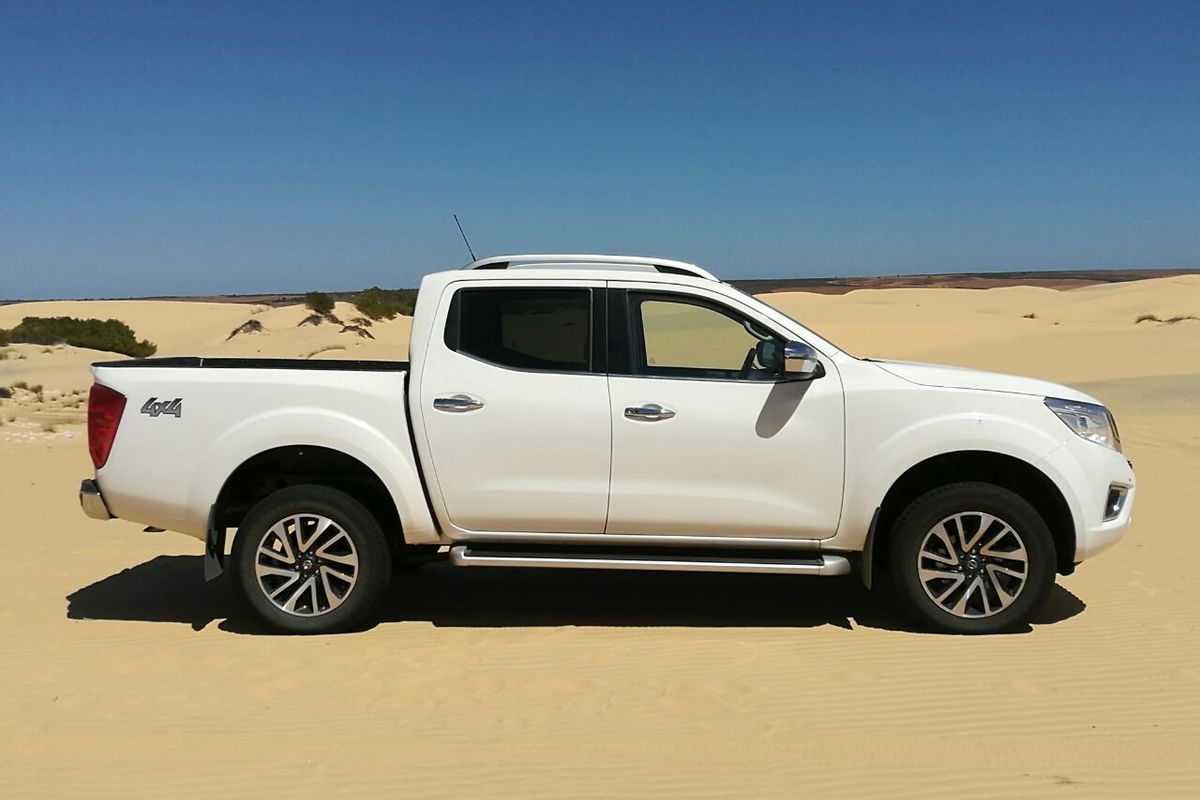
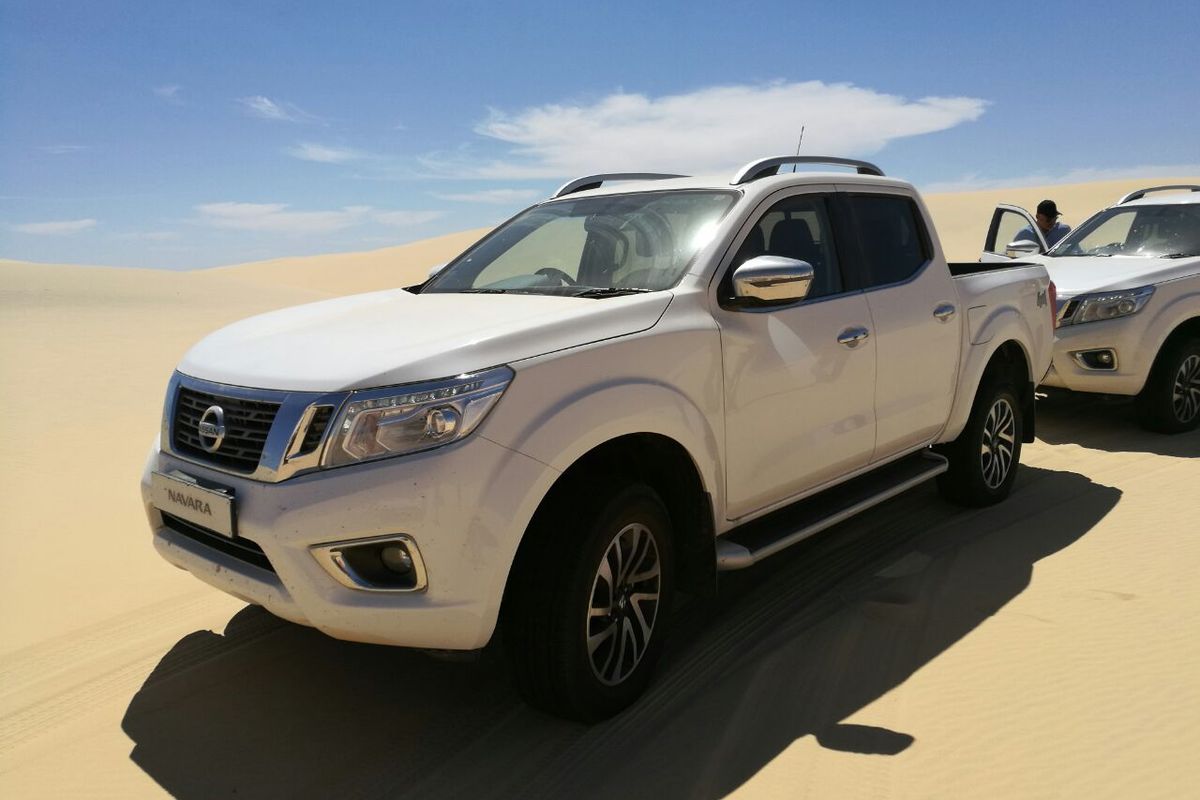
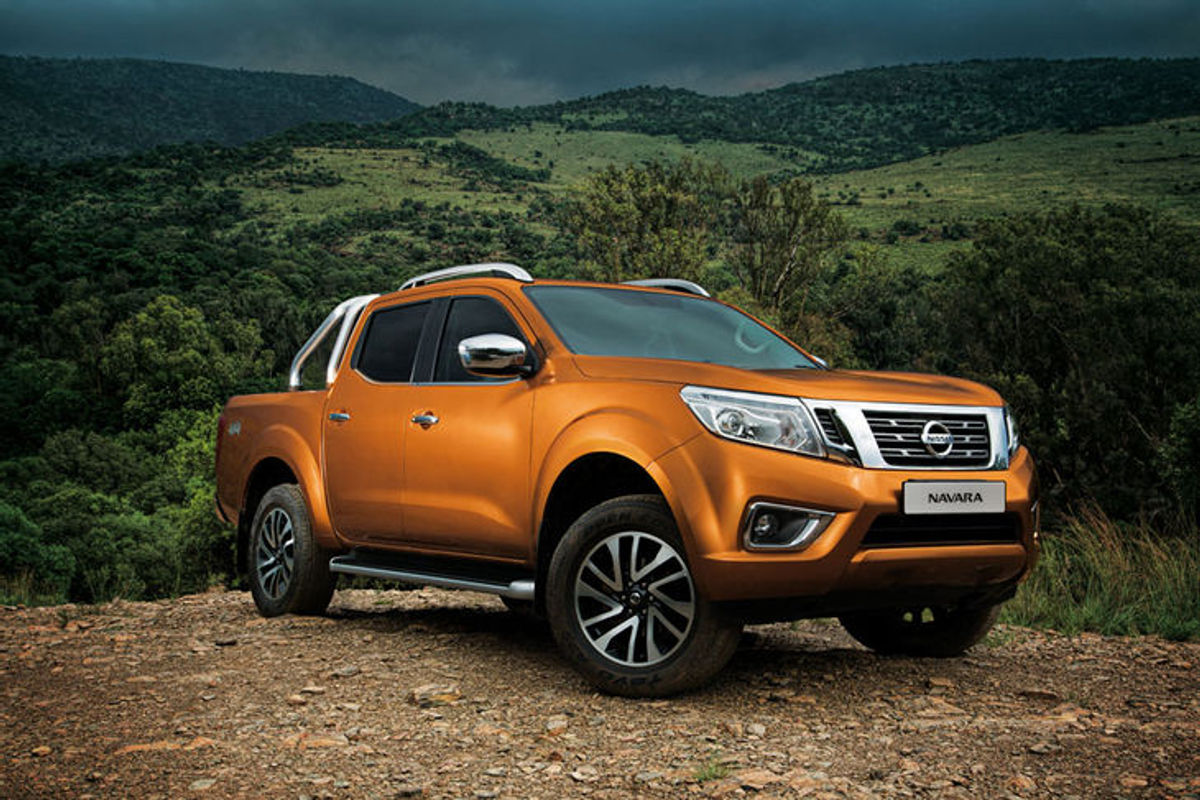
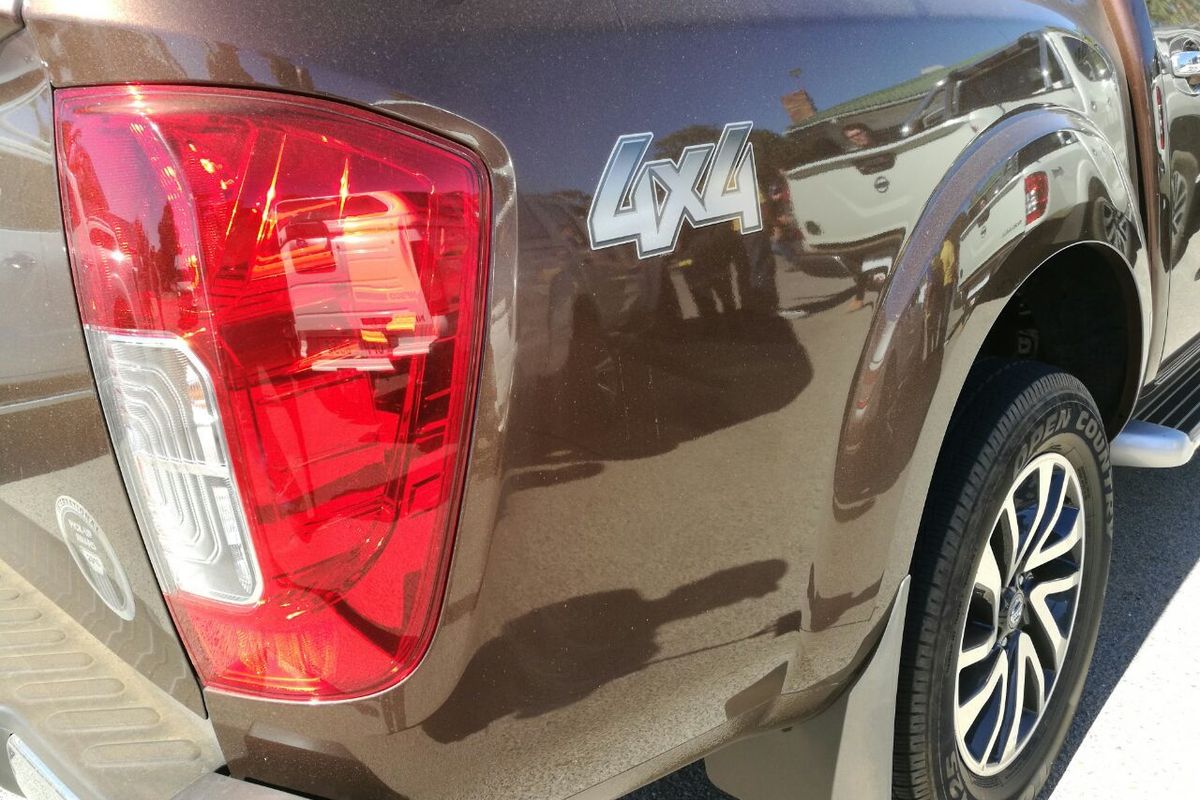
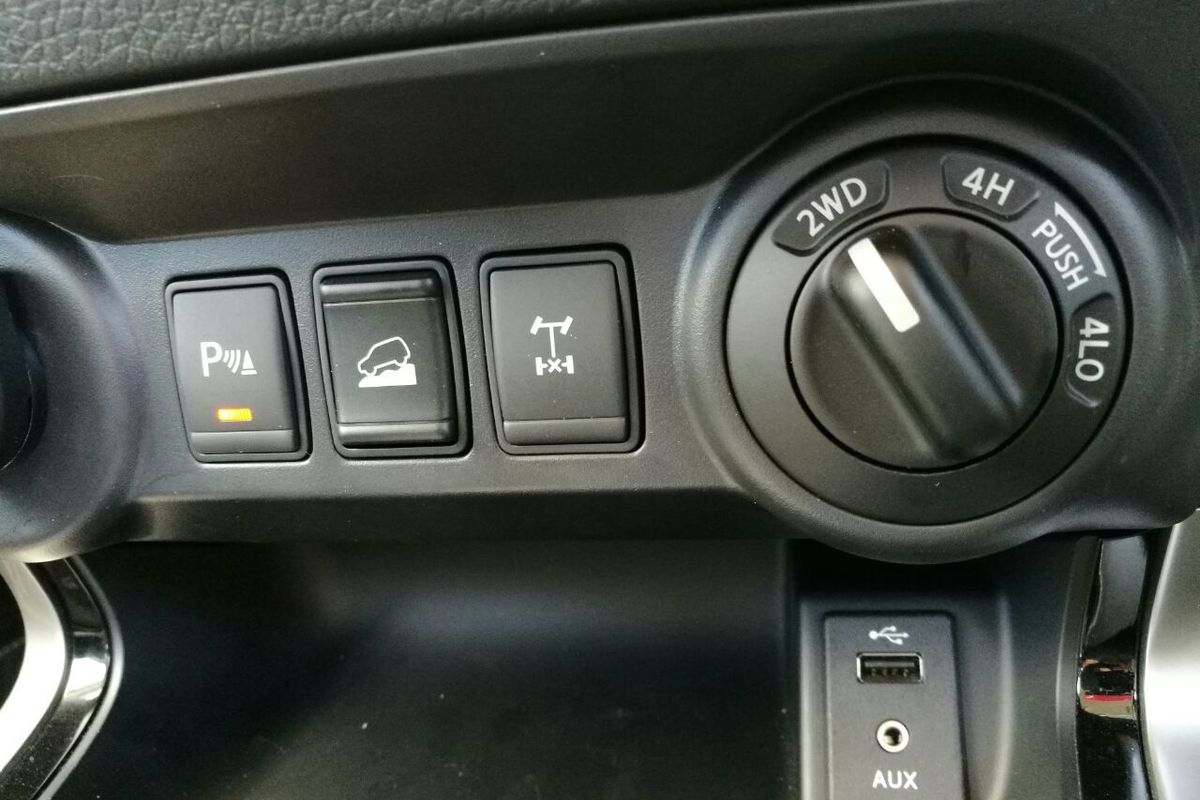
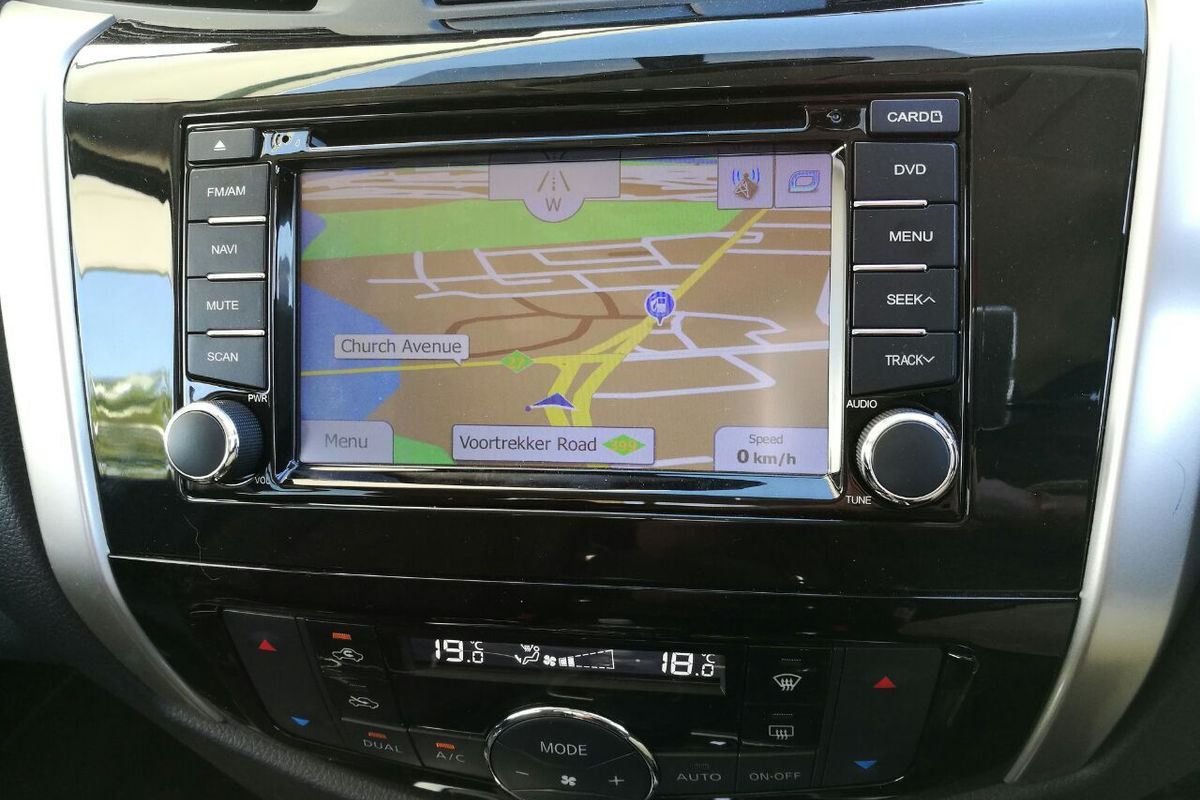
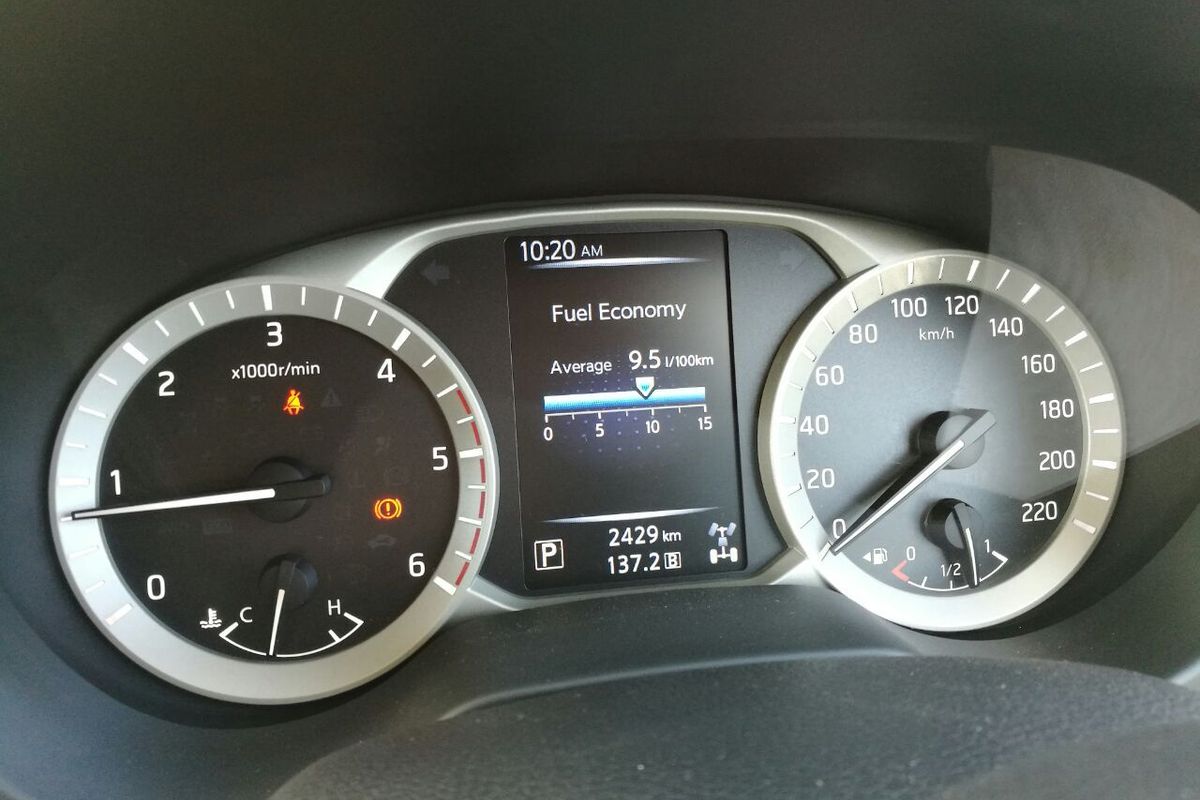
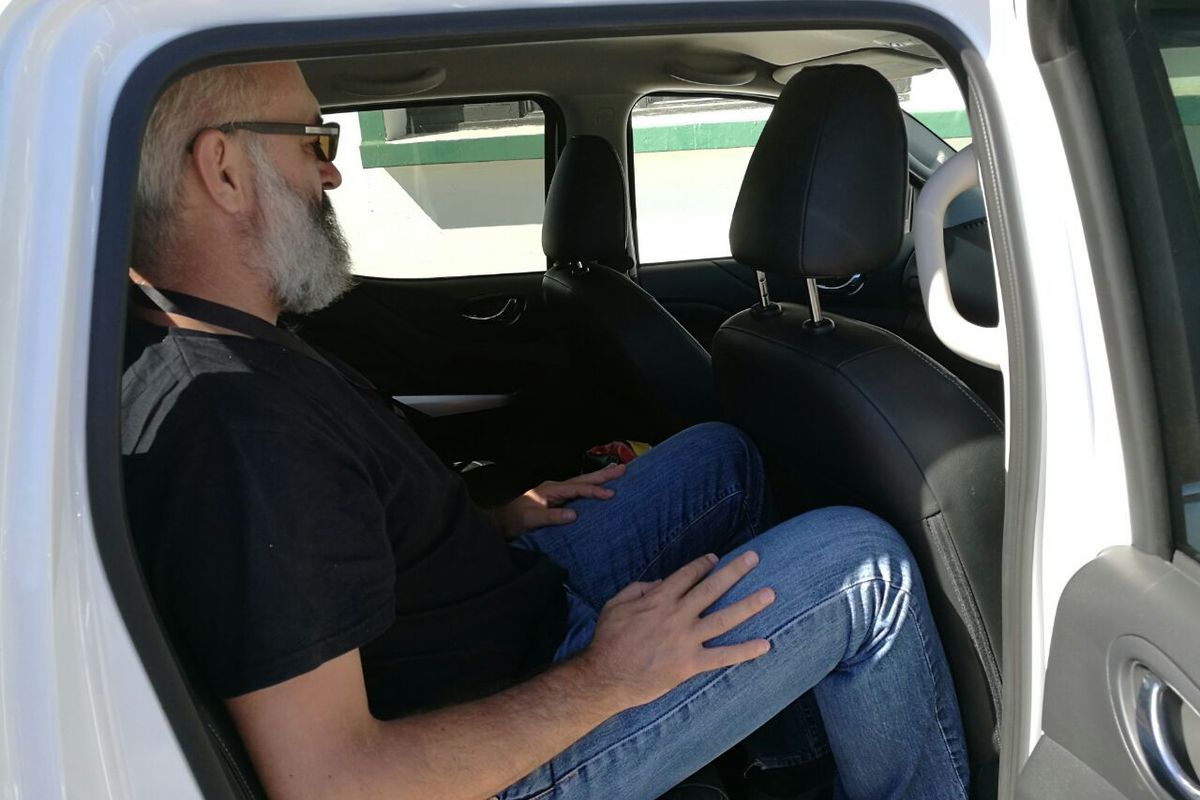
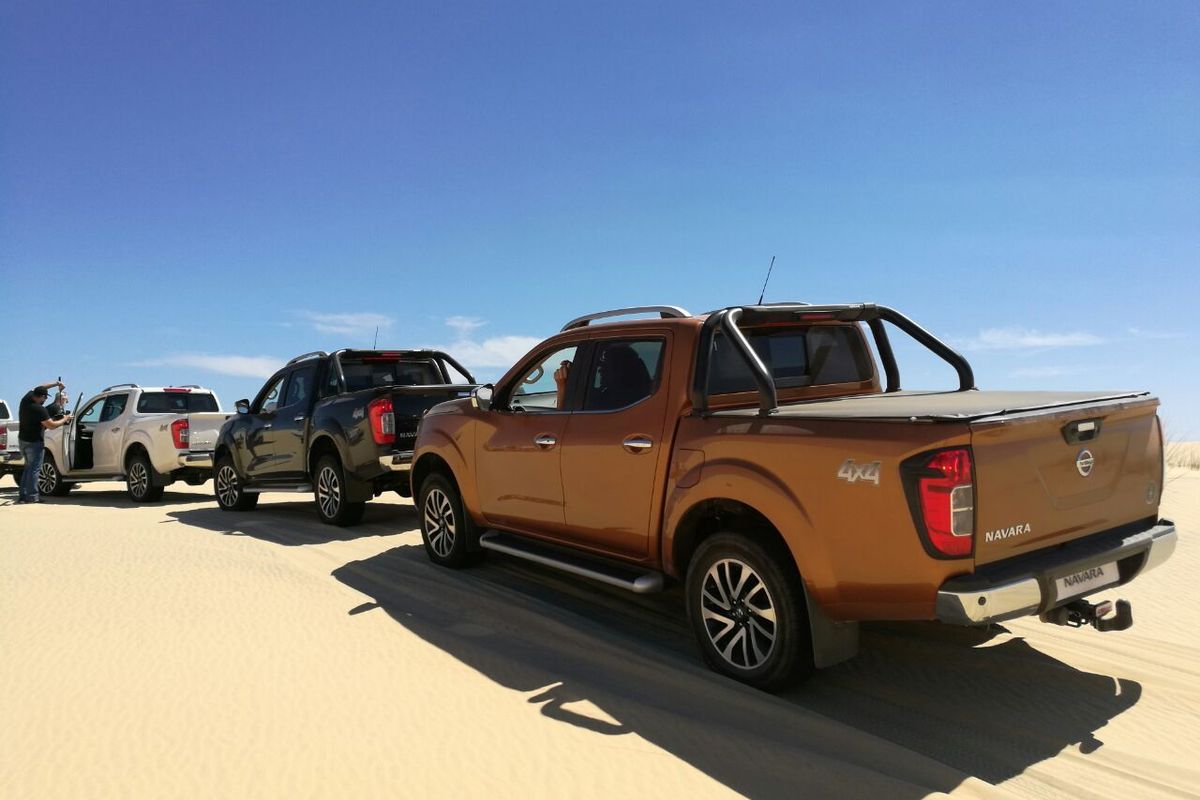
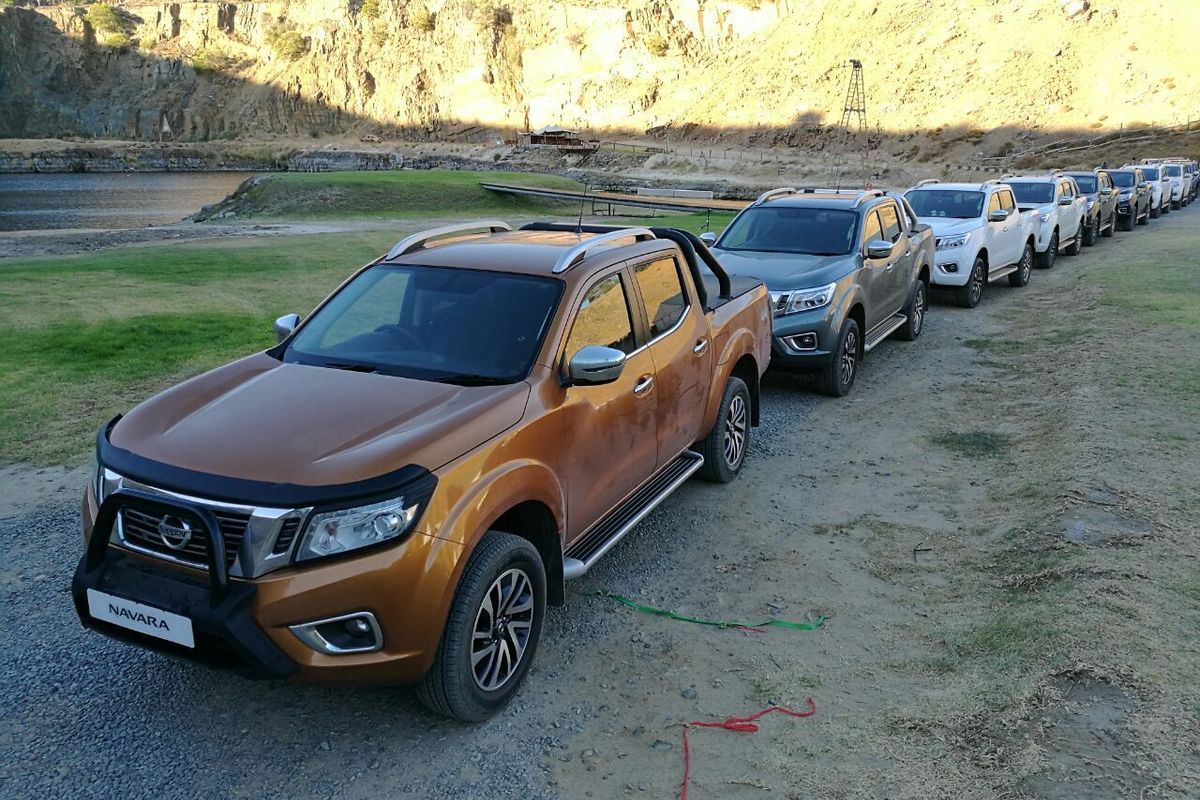
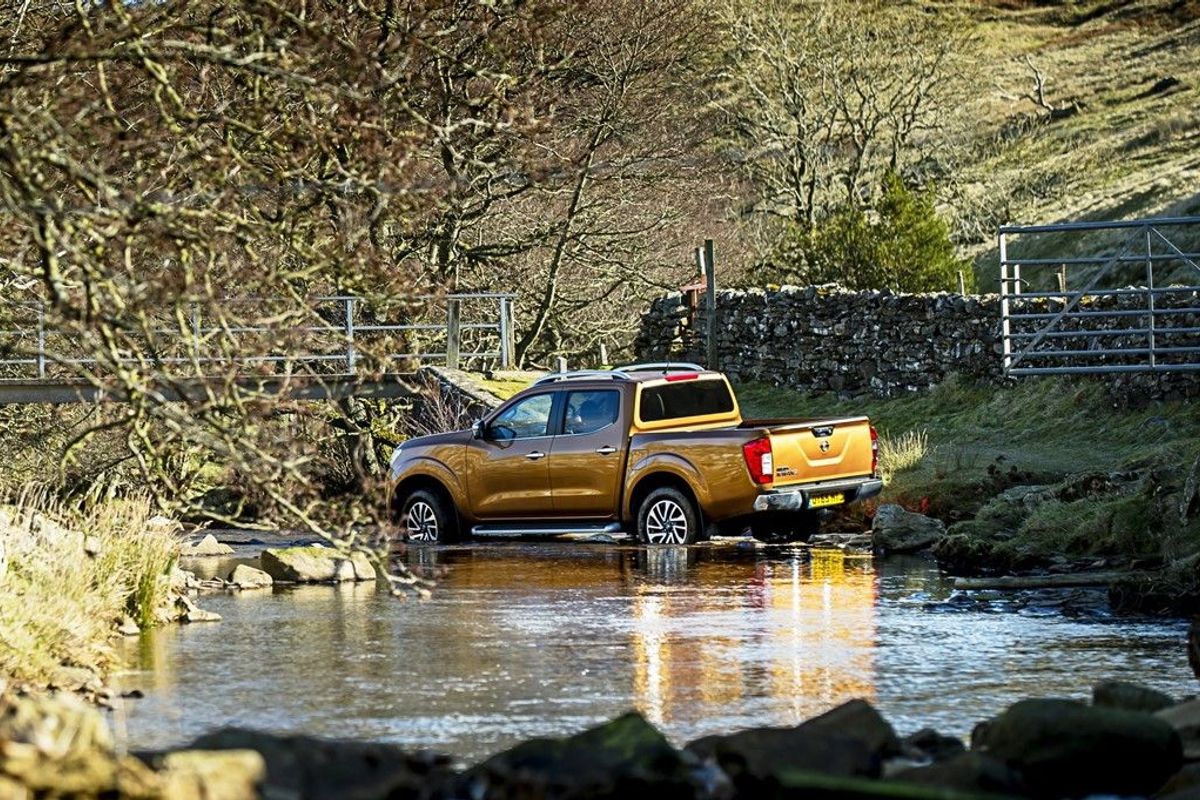
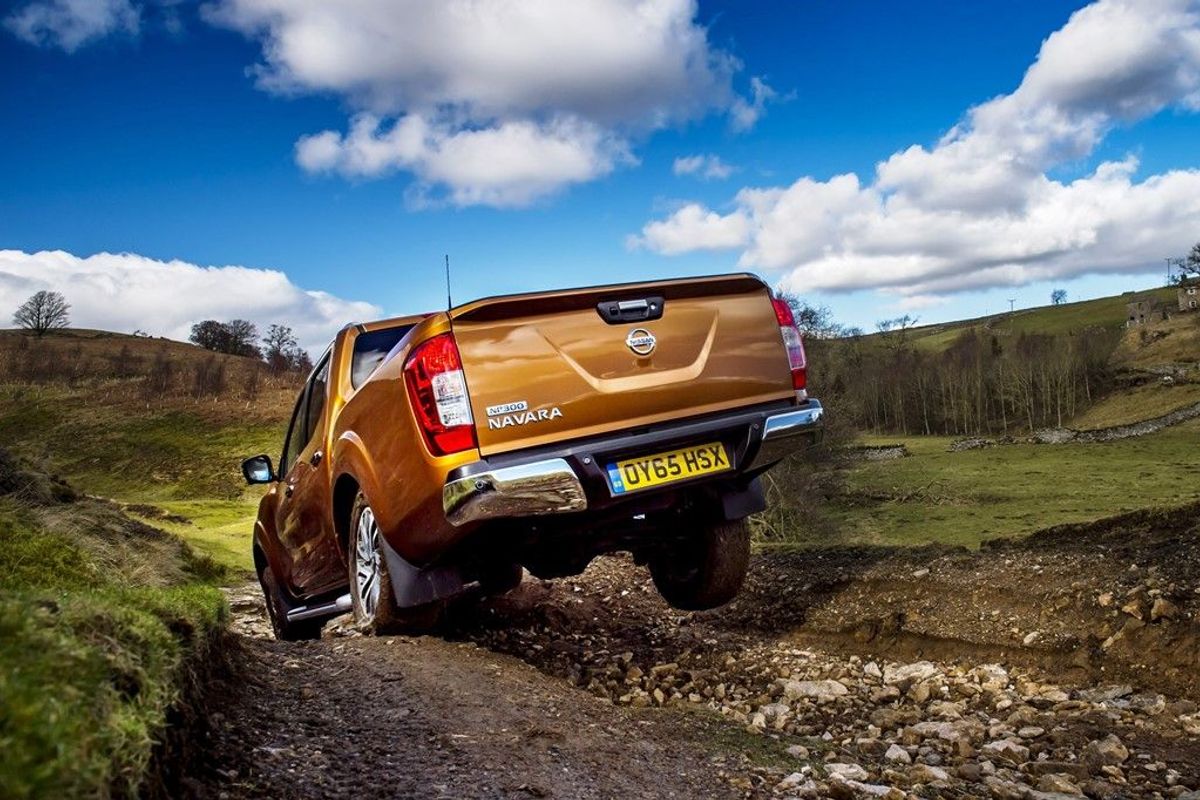
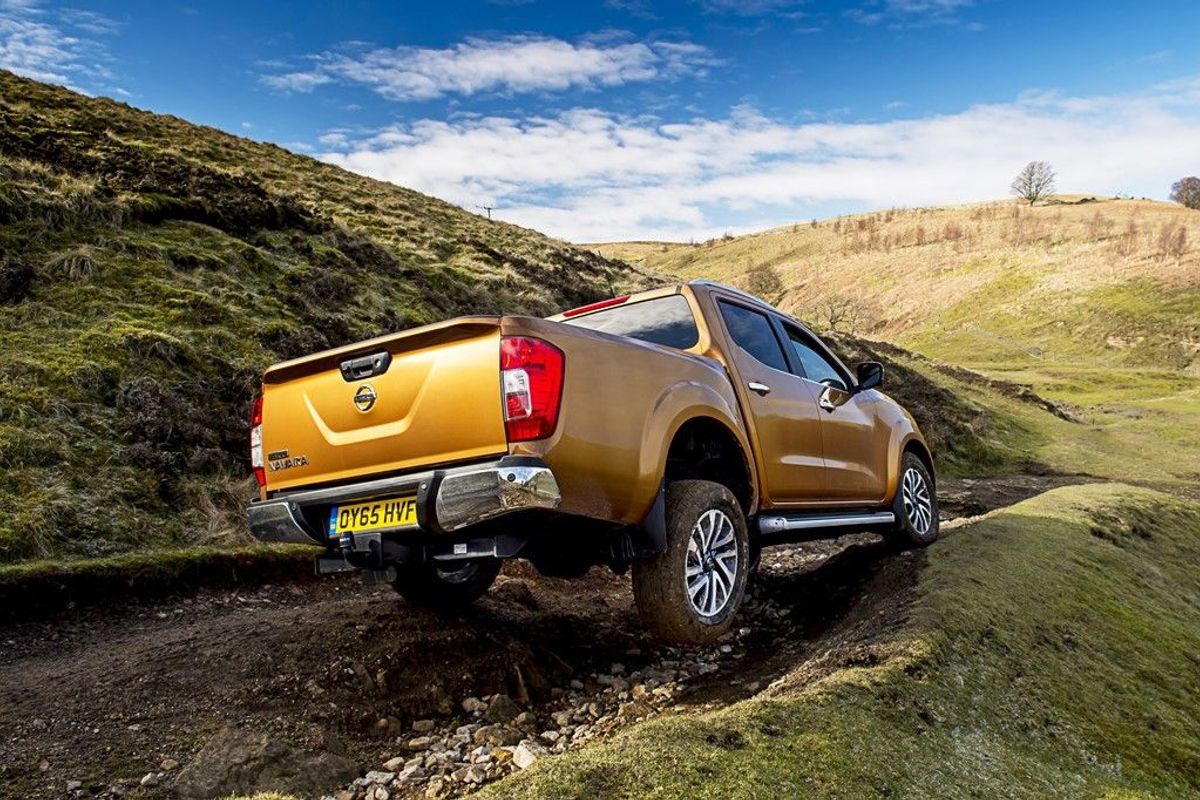
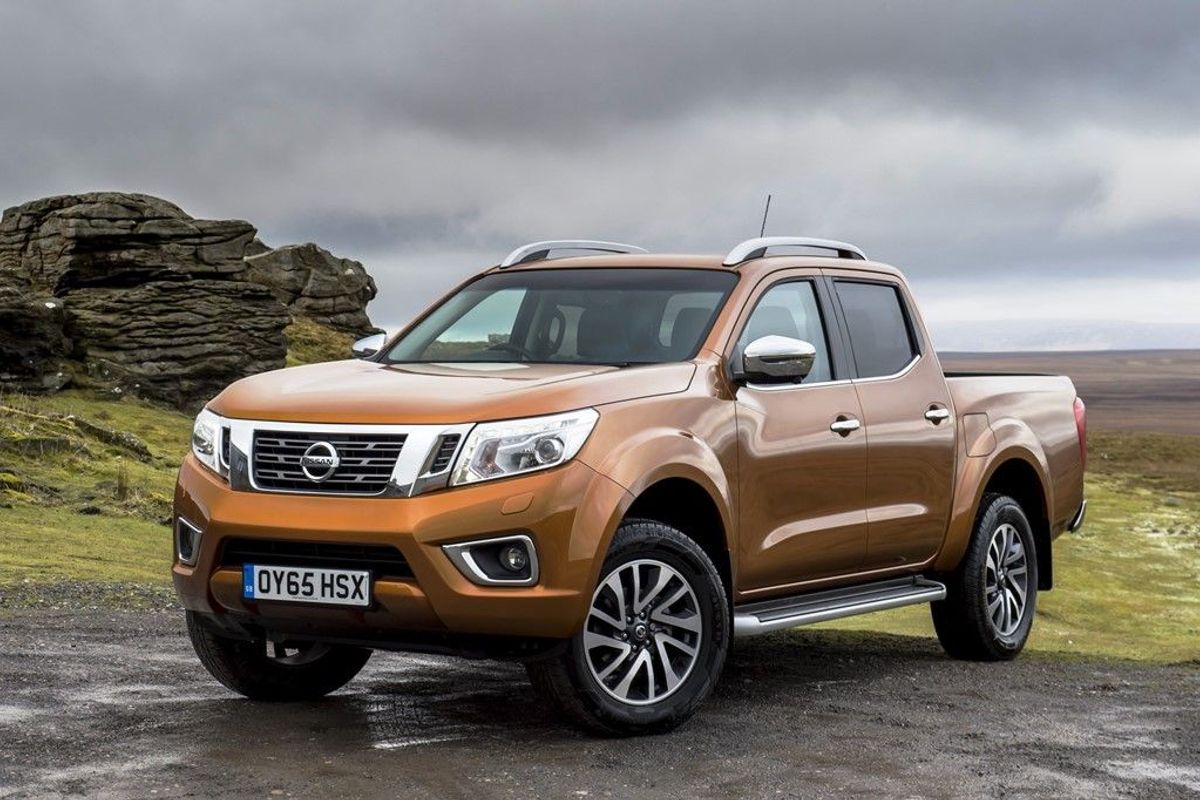
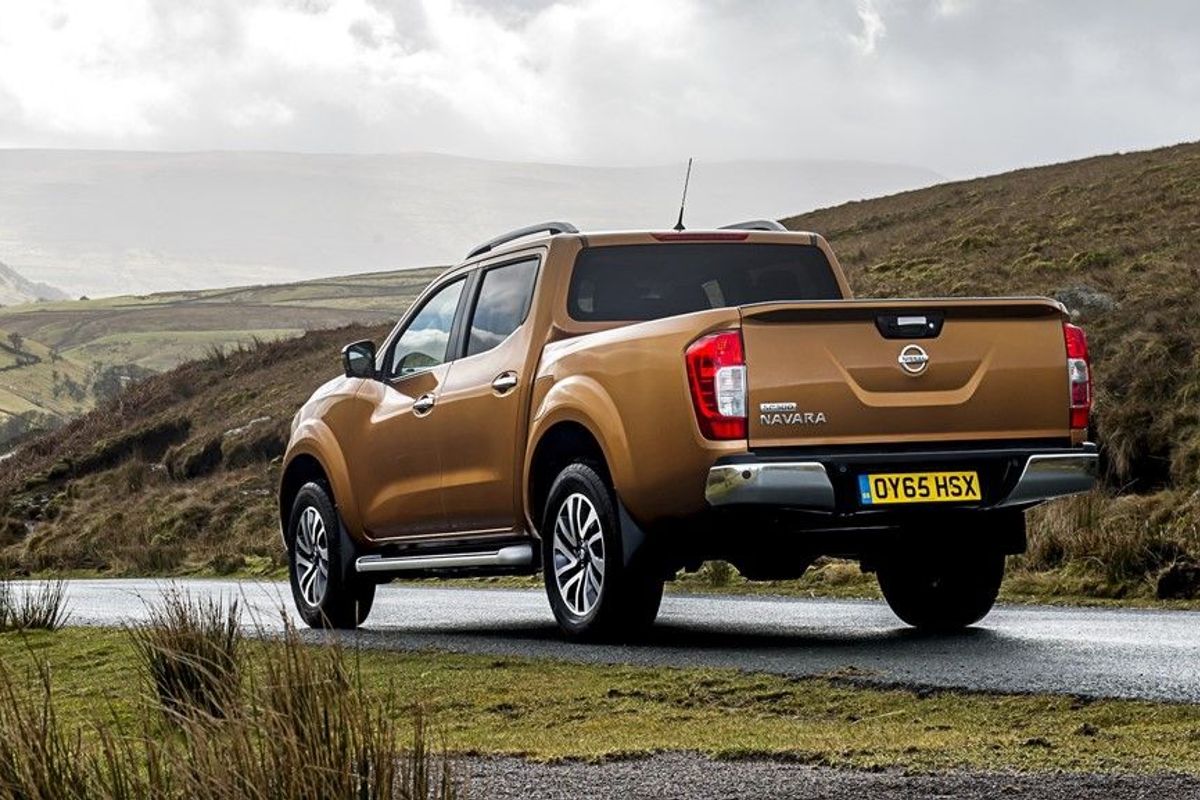
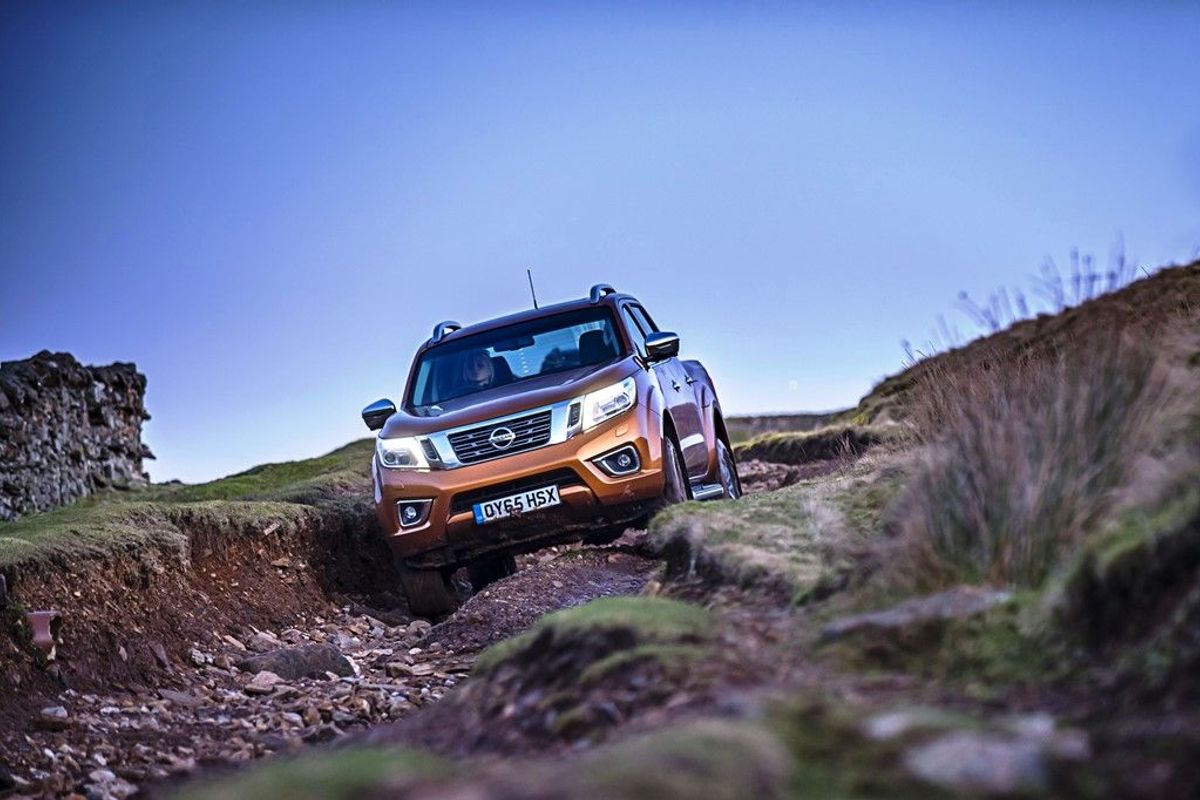
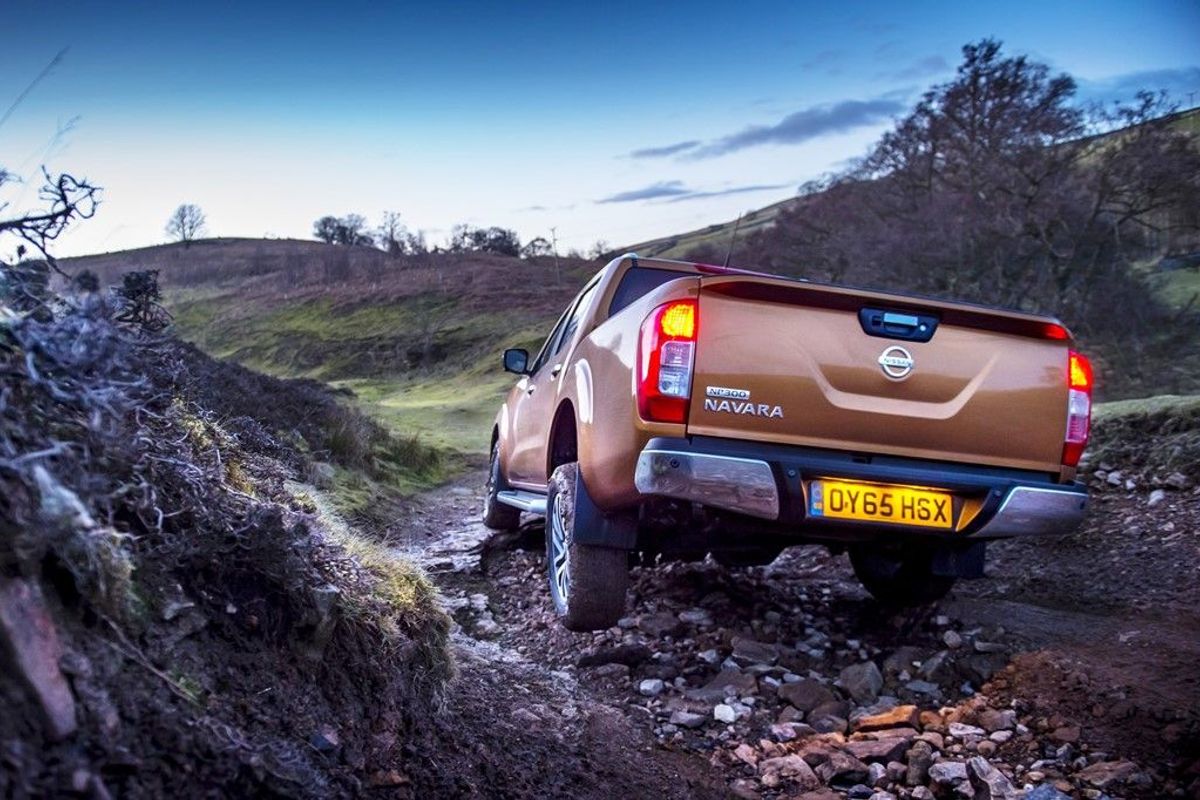
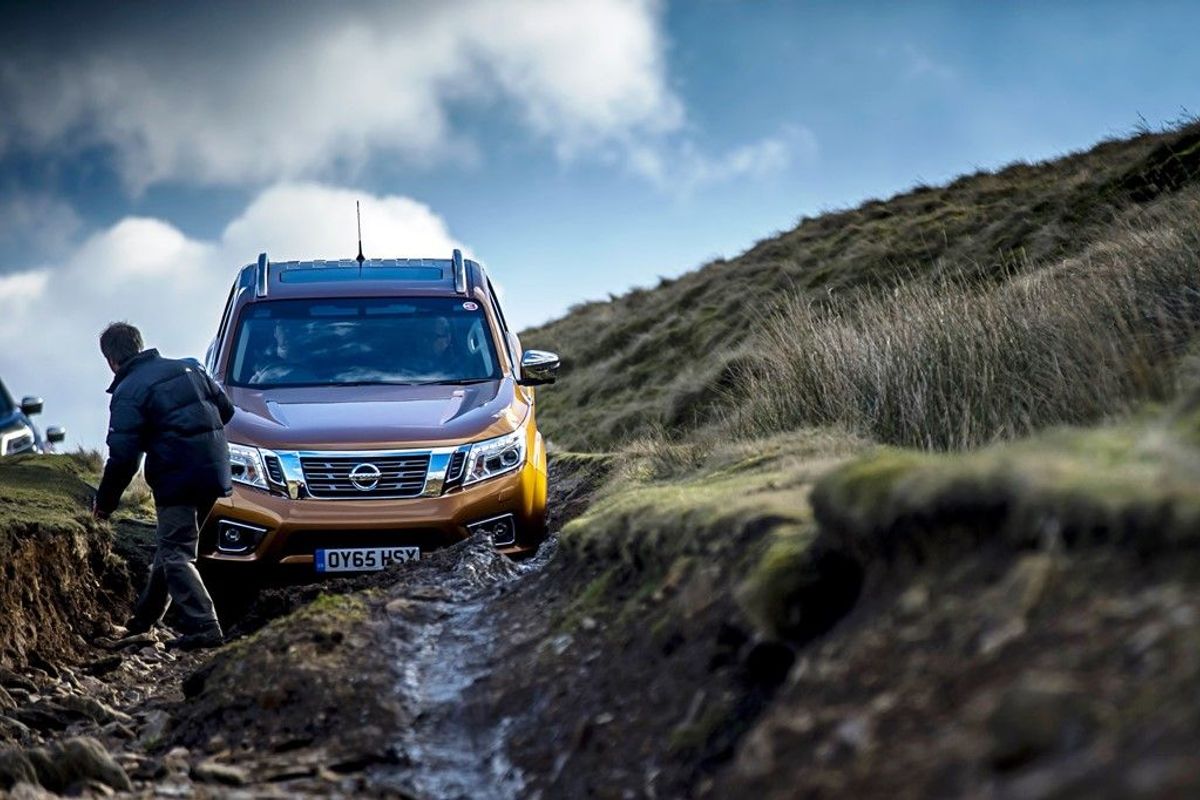
The eagerly awaited Nissan Navara is now available in South Africa. The launch line-up comprises a trio of well-specified 4×4 derivatives available in 2 spec levels: SE and LE. The range’s pricing begins at R514 900 and a 3-year service plan, plus 6-year warranty, are standard.
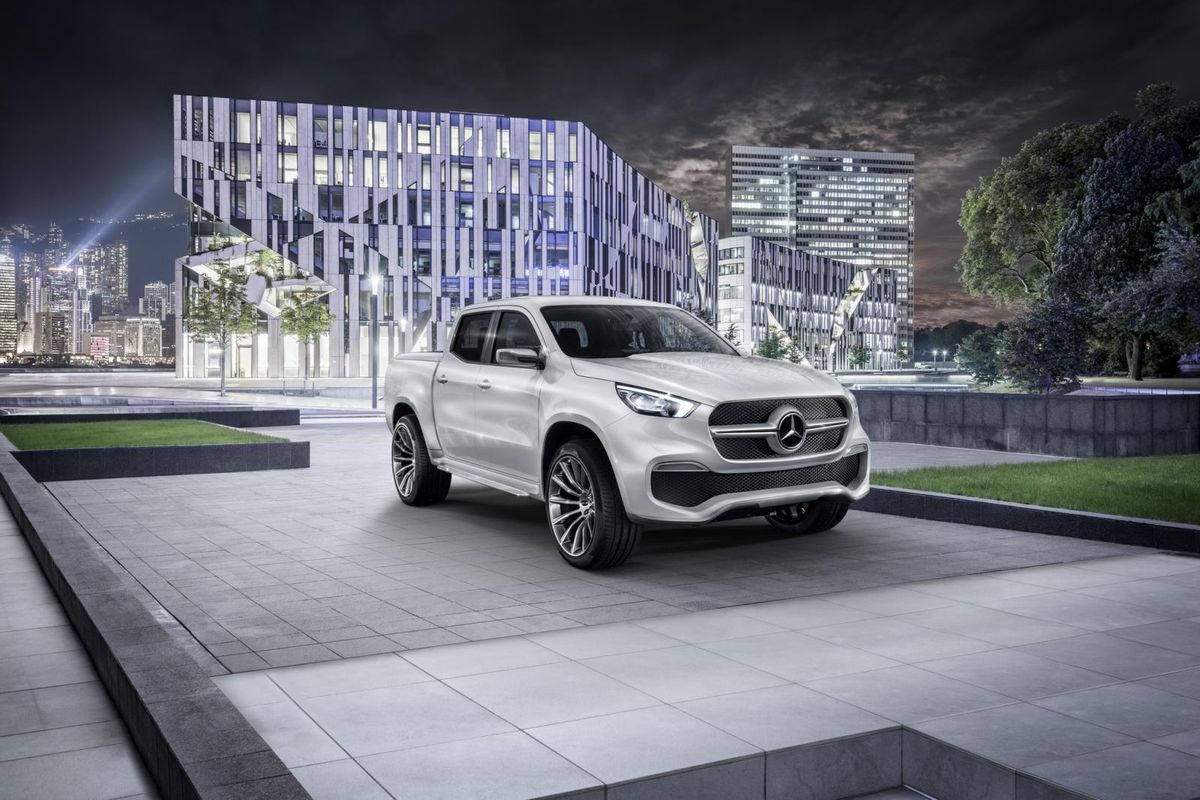
Whereas there has been a lot of attention on the arrival of the V6-engined facelifted Volkswagen Amarok and the luxurious Mercedes-Benz X-Class in the near future, the most pertinent development in terms of the current South African double-cab market is undoubtedly the arrival of the new Navara, which is currently imported from Thailand but will soon be built at Nissan's Rosslyn plant.
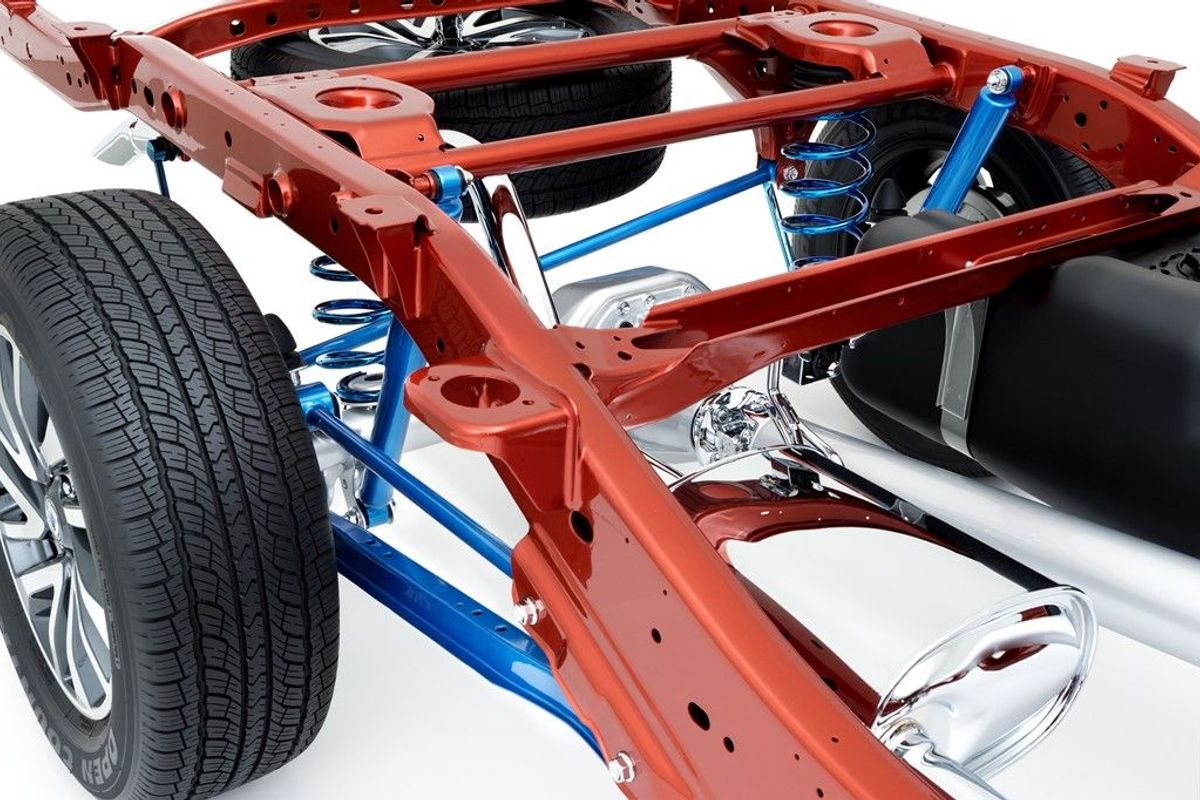
From a technological point of view, the Navara takes a bold step forward for the leisure double-cab market through the adoption of a 5-link coil rear suspension (as opposed to traditional leaf springs) in conjunction with an independent double wishbone front setup, which sets the newcomer up with the potential to set a new standard for ride comfort in its segment.
Power comes courtesy of a 2.3-litre turbodiesel engine that produces 140 kW and 450 N.m and is mated with either a 6-speed manual or 7-speed automatic transmission. All derivatives have a payload of 1 tonne, a 750 kg unbraked towing capacity and can pull braked trailers of up to 3 500 kg.
In terms of standard specification, the entry-level SE derivative comes with 16-inch alloys, LED daytime running lamps, second-row privacy glass, chrome-look grille, door handles, mirrors and rear bumper, a leather-trimmed multifunction steering wheel, cruise control, plus a 6-speaker CD/radio/auxiliary input/USB colour touchscreen infotainment system with 3D navigation and Bluetooth connectivity/audio streaming functionality.
Other nice to haves include keyless entry, automatic headlamp activation, self-dipping mirror, second-row headrests, ventilation outlets for rear passengers and reverse-view camera.
LE derivatives further feature 18-inch alloys, roof rails, the 2-channel Utili-Track loading system, push-button start/stop, dual-zone climate control, rear park distance control, rear interior lights, Hill Start Assist and Hill Descent Control.
Safety-wise, the Navara range is comprehensively equipped. ABS, EBD, brake assist, traction and stability control systems plus a brake limited slip differential are all standard, plus a full complement of airbags: dual front and side, plus driver’s knee and full-length curtain units are fitted.
Nissan Navara prices in South Africa
2.3D SE 4×4 DC R514 900
2.3D LE 4×4 DC R565 900
2.3D LE 4×4 DC auto R584 900
All prices include a 6-year/150 000 km manufacturer warranty and 3-year/90 000 km service plan.
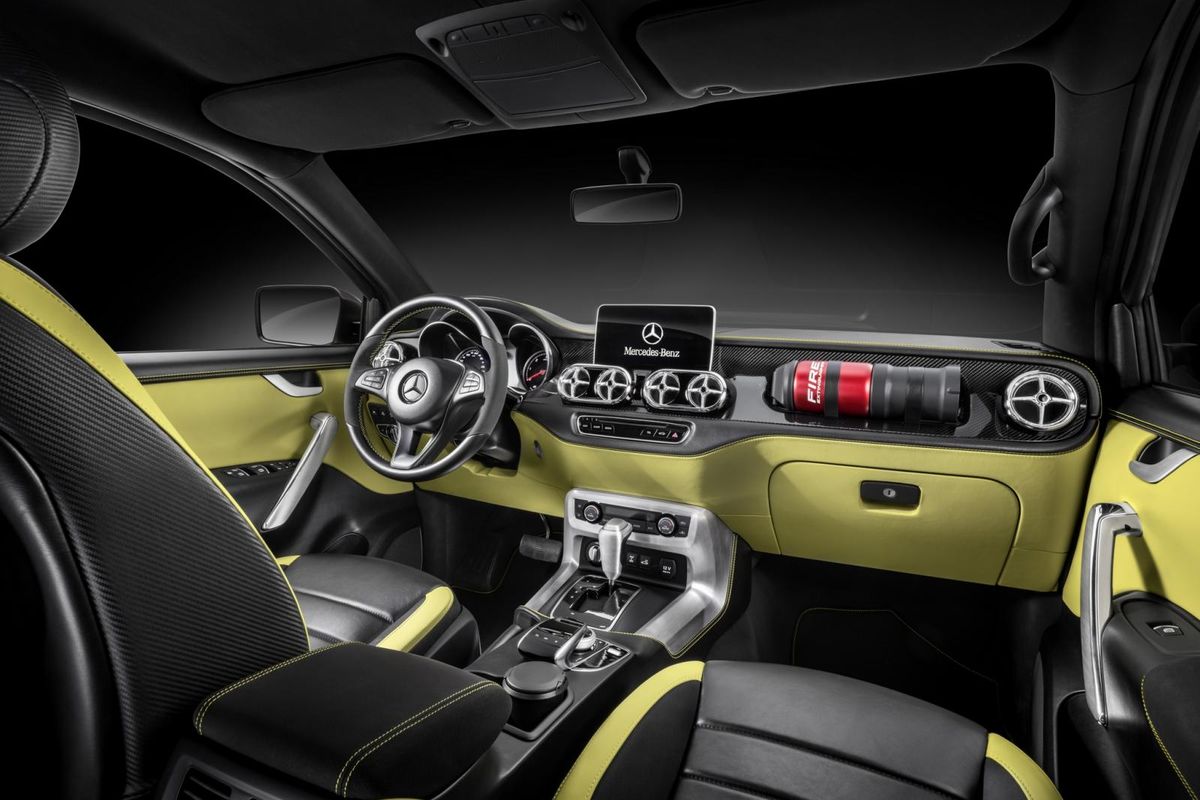
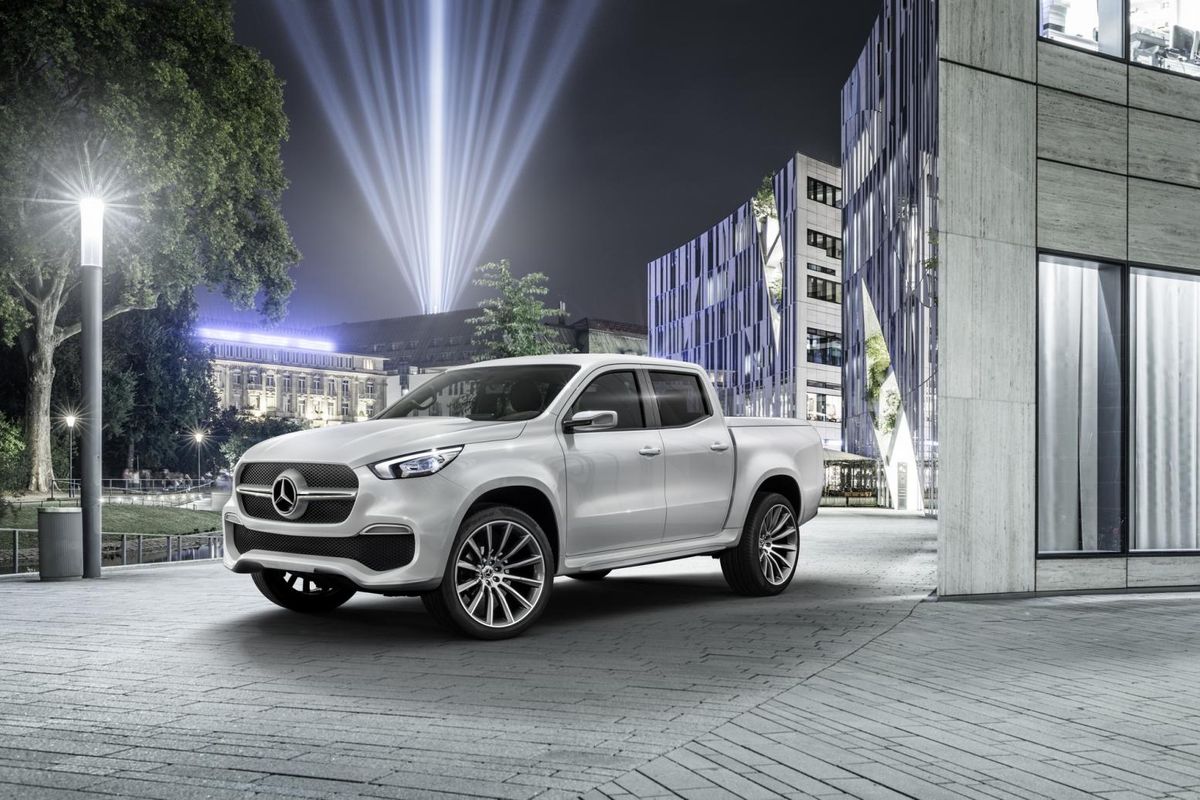
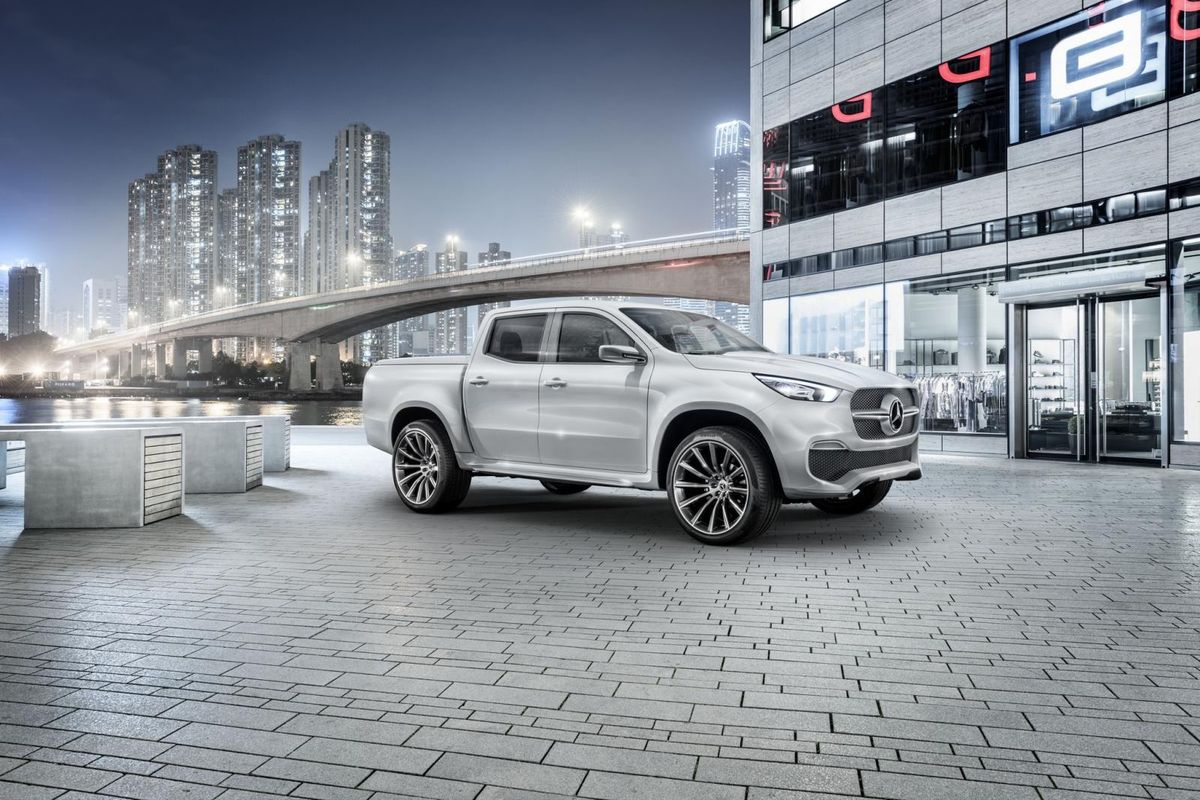
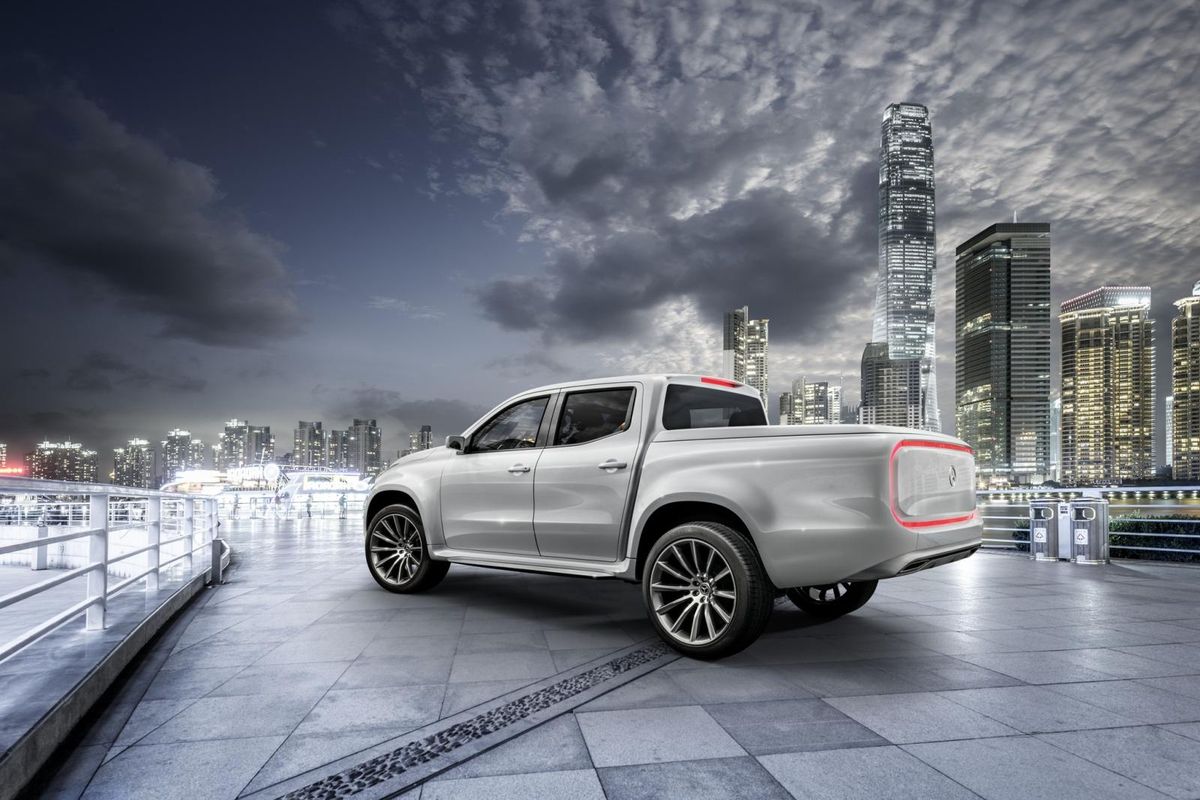
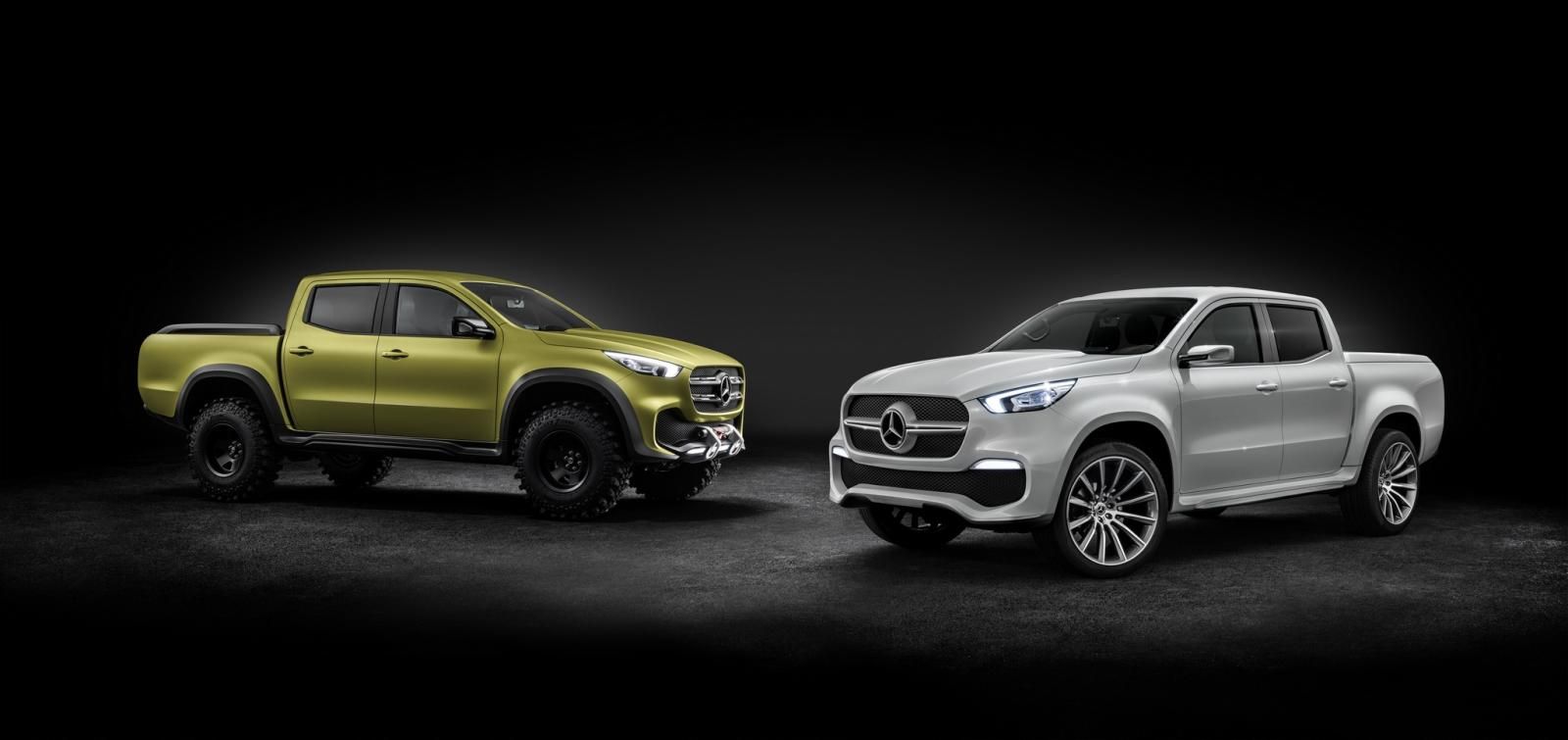
5 Things we learned about Mercedes-Benz X-Class in Geneva
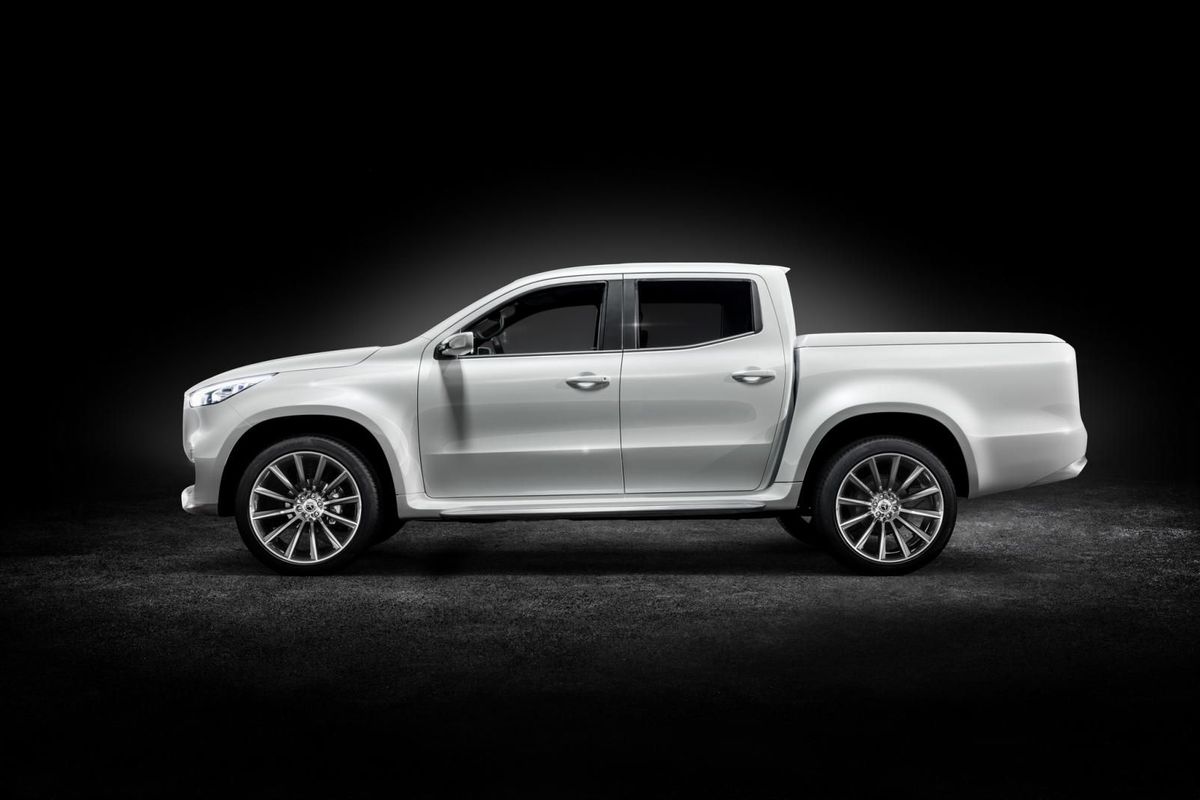
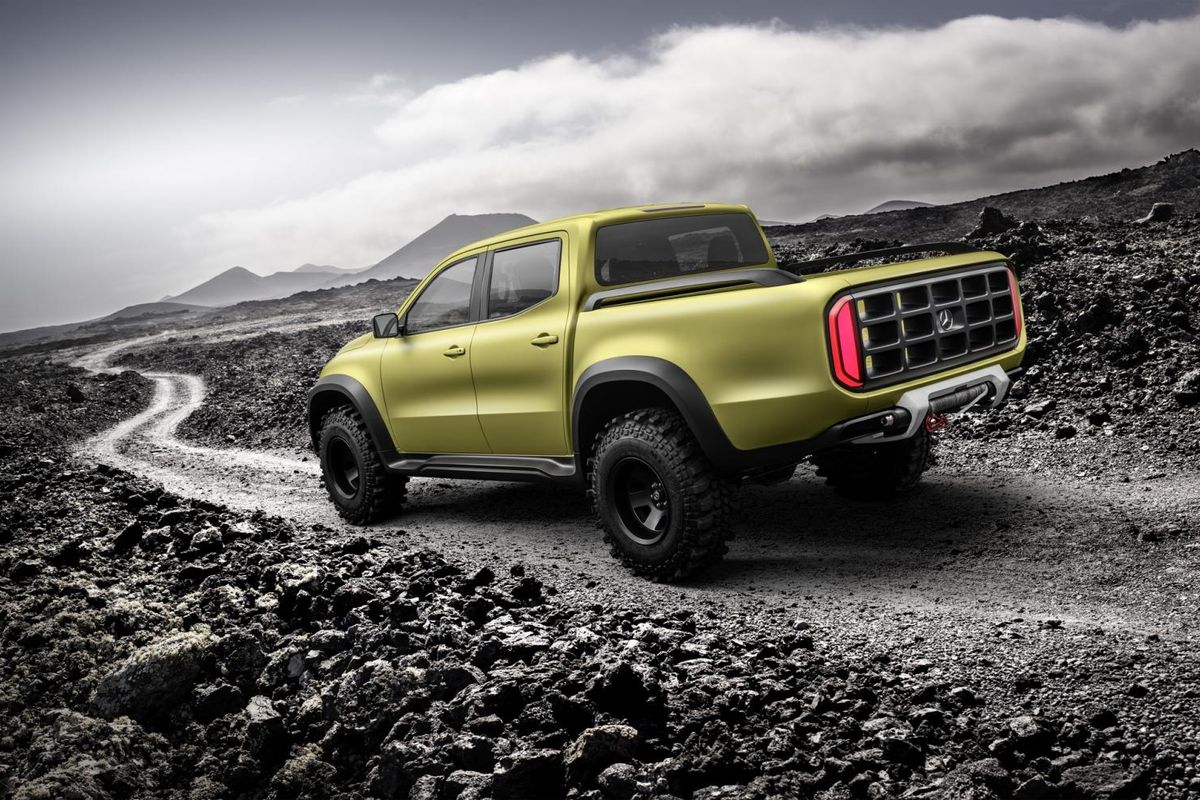
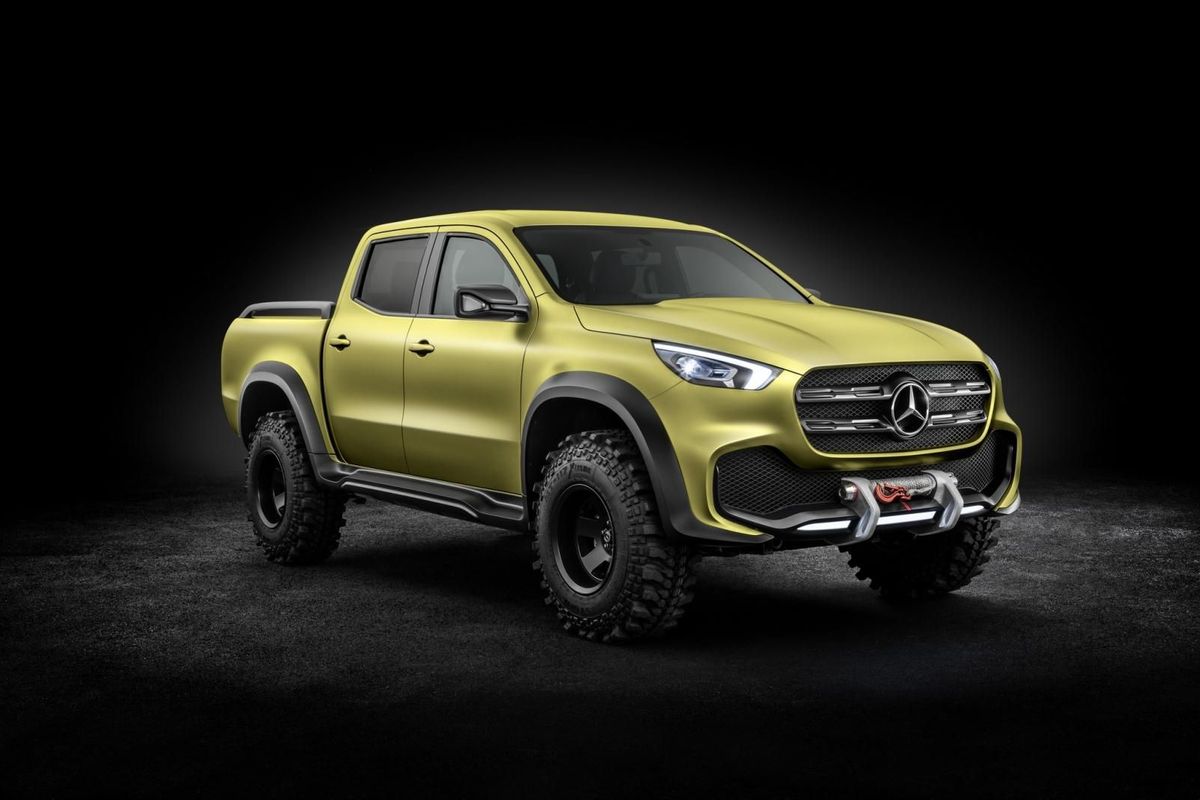
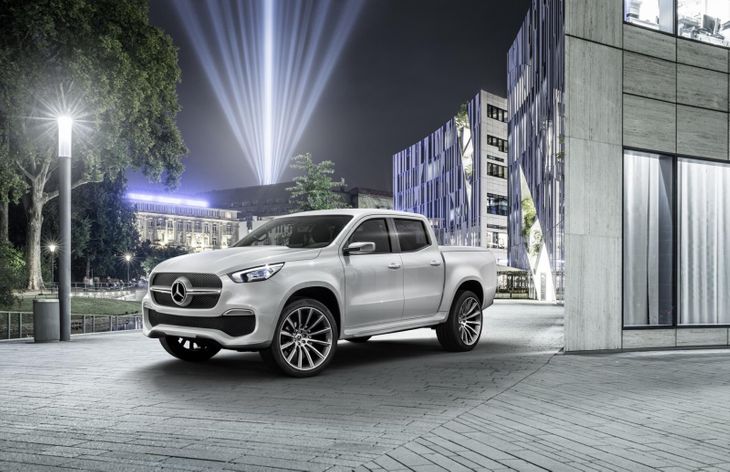
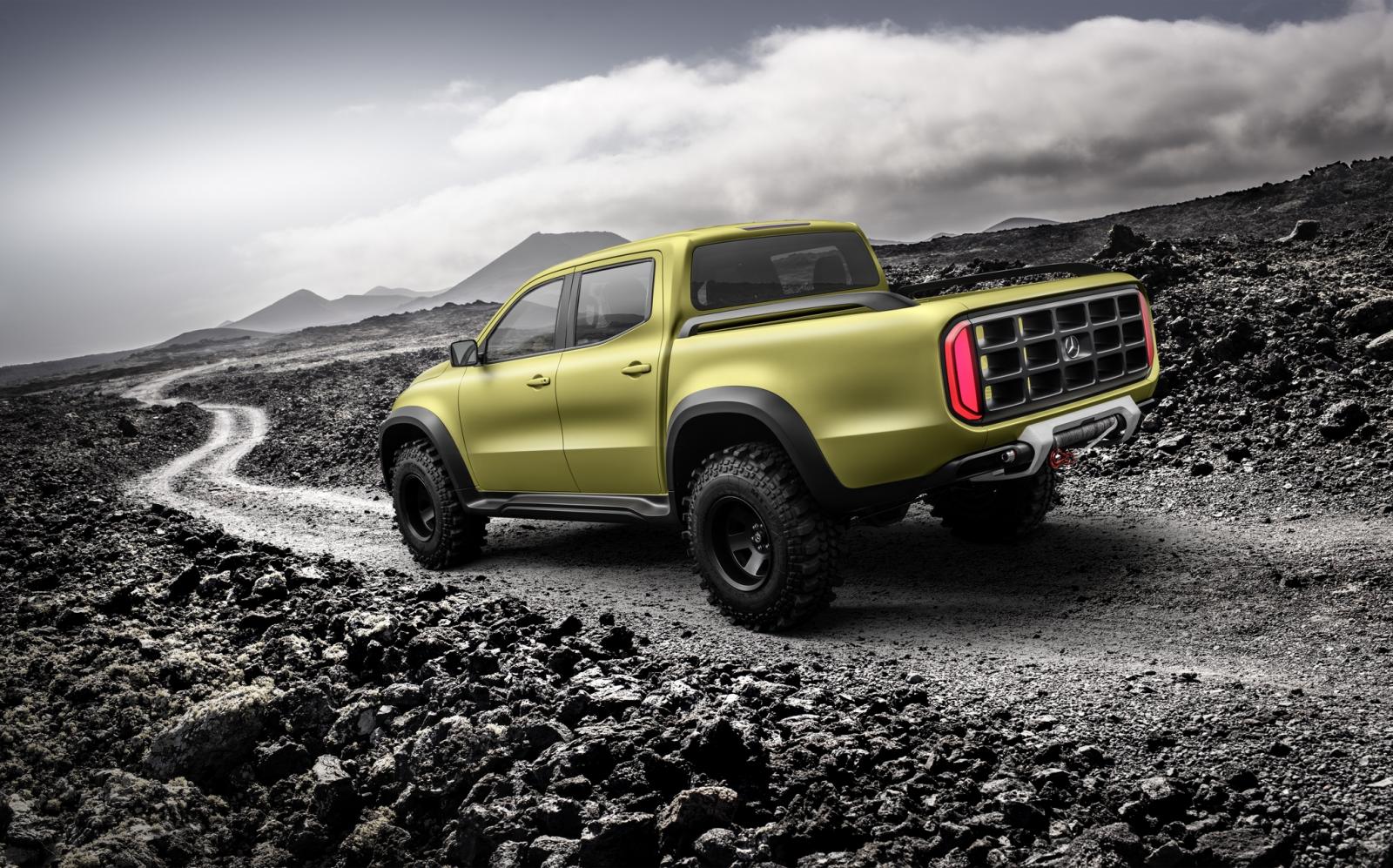
The Benz double-cab, set to become available on the local market early in 2018, has become an internet sensation in South Africa – where the bakkie is boss. We chatted to Volker Mornhinweg, Head of Mercedes-Benz Vans, at the Geneva Show to learn more about it.
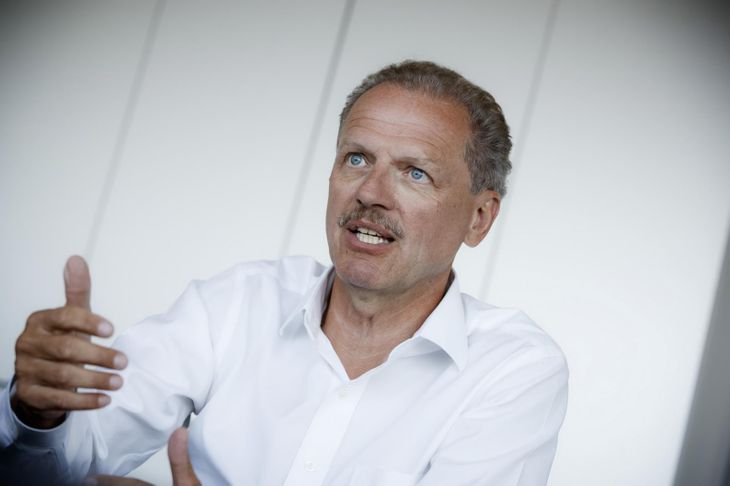
Volker Mornhinweg – Head of Mercedes-Benz Vans – talking about the new X-Class.
With a high-interest vehicle like the Mercedes-Benz X-Class, we thought it best to get some answers from German company's top brass. The X-Class will go into production quite soon so Mornhinweg was less cagey about some of the details of the newcomer and gave great insights to what is set to become one of the first true "luxury" bakkies in South Africa. While pricing was nowhere near decided for the local model, it’s unlikely you’re going to get much change from a million rand, especially if you want something more powerful than anyone else’s bakkie. And let’s face it, if you want a Benz bakkie, you’re in for the whole 9 yards. We hope to drive the bakkie before it goes on sale in the domestic market to bring you more detail.
1. It’s not a badge-engineered Navara
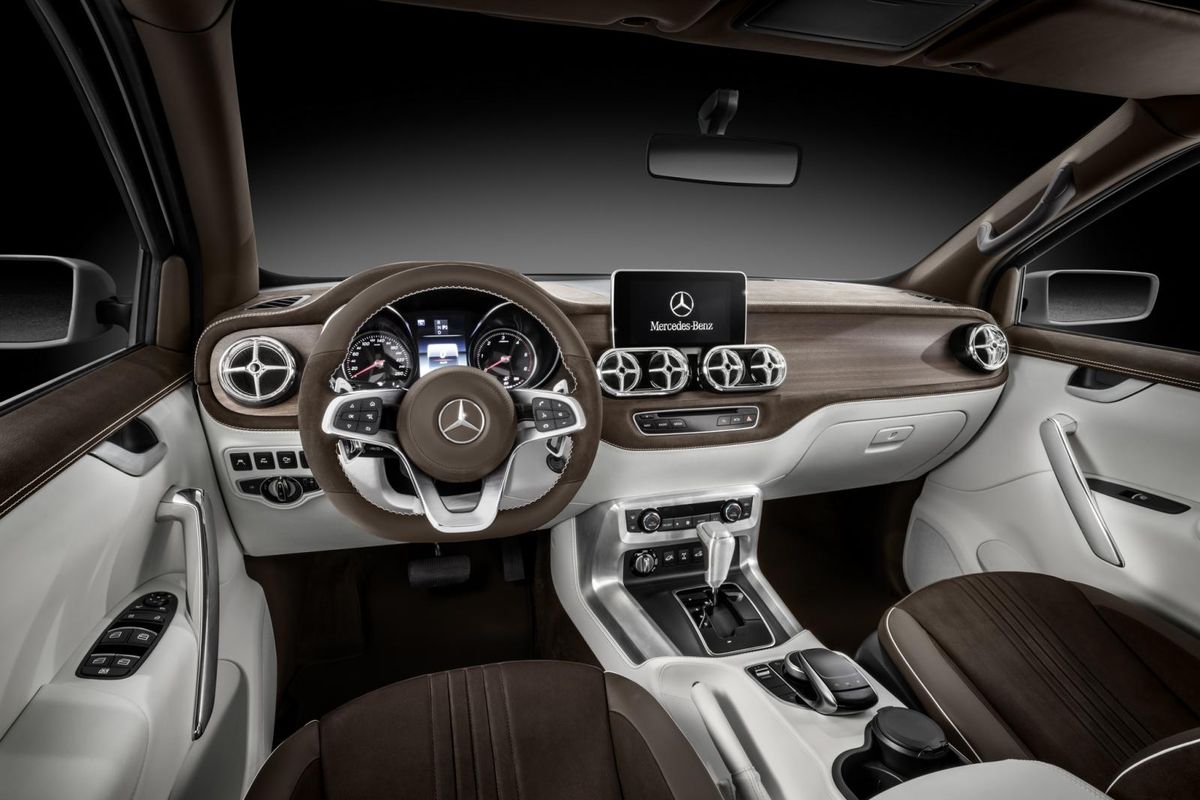
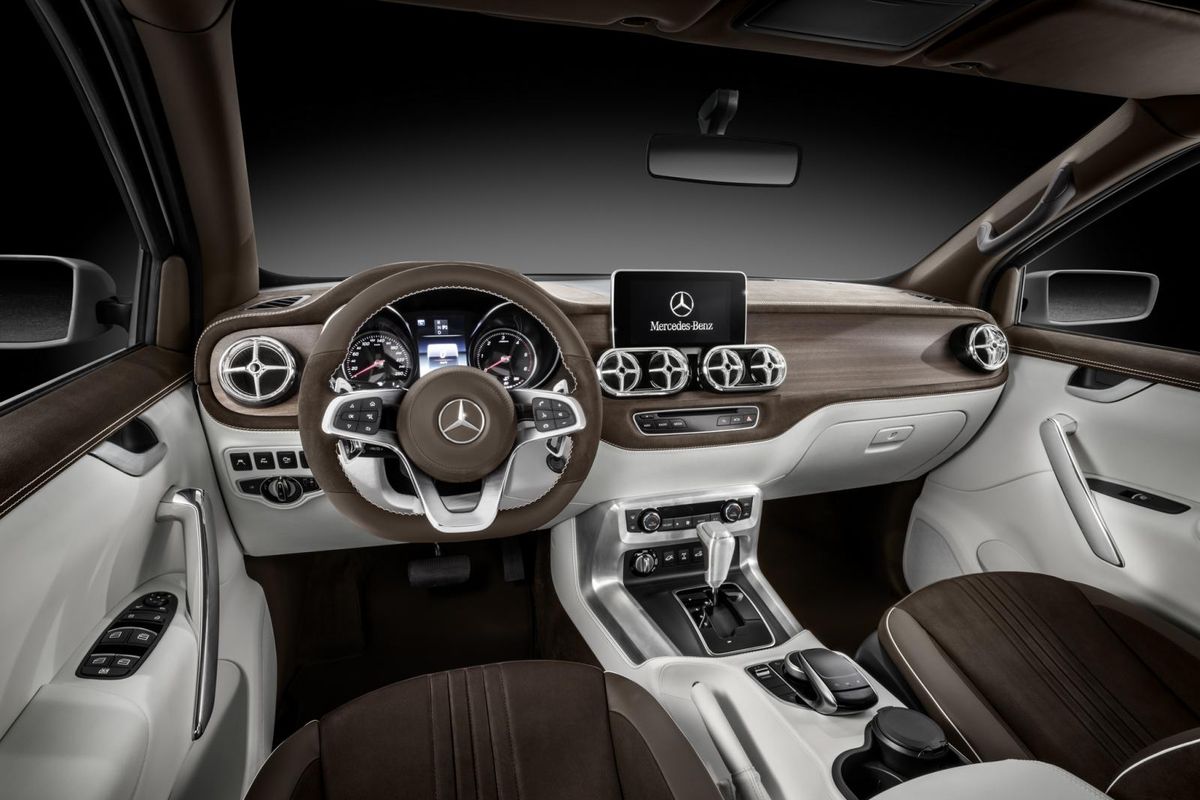
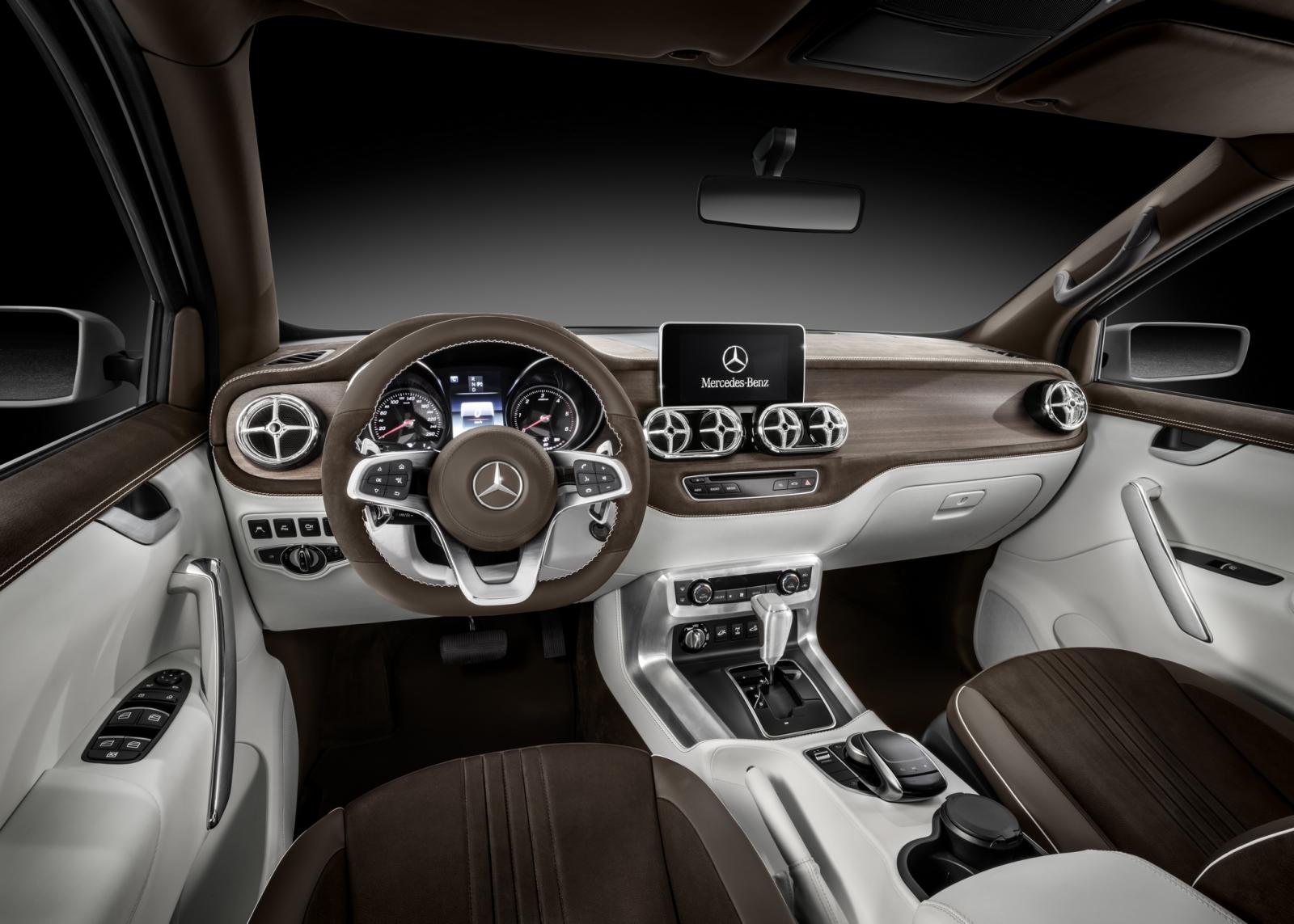
Mornhinweg is adamant: The X-Class may ride on the Nissan's platform, but Benz merely sourced the ladder frame from the Japanese firm and will manufacture the rest itself. Even the acclaimed 5-link rear suspension of the Navara may not make an appearance on the X-Class; this is to distinguish the bakkie as a distinct product – not just a Navara with a Benz badge. Our initial look inside the X-Class Concept did reveal a fair amount of Nissan switchgear, however. Mercedes is likely to add its own touches there when the final product is revealed later this year. The concept model was also festooned with voluptuous velour seats, showcasing Benz's intention to take the X-Class upmarket beyond Navara, Amarok V6 et al.
2. It won’t be built in South Africa
Mercedes will not use the plant in Rosslyn, which builds the Navara, to co-produce its X-Class. Instead, it will be built in Barcelona and at a plant in Argentina, with our model coming from the former. These plants have more capacity to build the X-Class than Nissan’s local plant in Rosslyn. Interestingly, Renault is still investigating building its bakkie (the Alaskan) at Rosslyn.
3. There will be 3 engines on offer
Mornhinweg said the X-Class would have a pair of turbodiesel engines and a turbopetrol from the outset. The 2.3-litre turbodiesel in the Navara will be the entry model while the 3.0-litre V6s (diesel and petrol) will top the range. The 7-speed automatic transmission will likely be the 'box of choice and it will have a low-range transfer case. He mentioned that the X-Class would be sold in 4Matic all-wheel-drive and part-time (selectable) 4-wheel drive guises and we believe the X-Class range could comprise the following badges: X250d, X350d and X450.
4. It will use much of Benz’s fancy tech
Mornhinweg added that Mercedes-Benz would never enter a segment or build a car that couldn’t deliver the premium experience that the Sindelfingen-based brand is renowned for. Therefore, expect the range to offer the full Pre-Safe bundle with lane departure warning and even semi-autonomous features. Whether this tech will hold up when the X-Class traverses some of the roughest off-road conditions remains to be seen. Benz still expects the X-Class will be used more as a lifestyle vehicle than a workhorse, hence there won’t be a single cab.
5. No X63 AMG
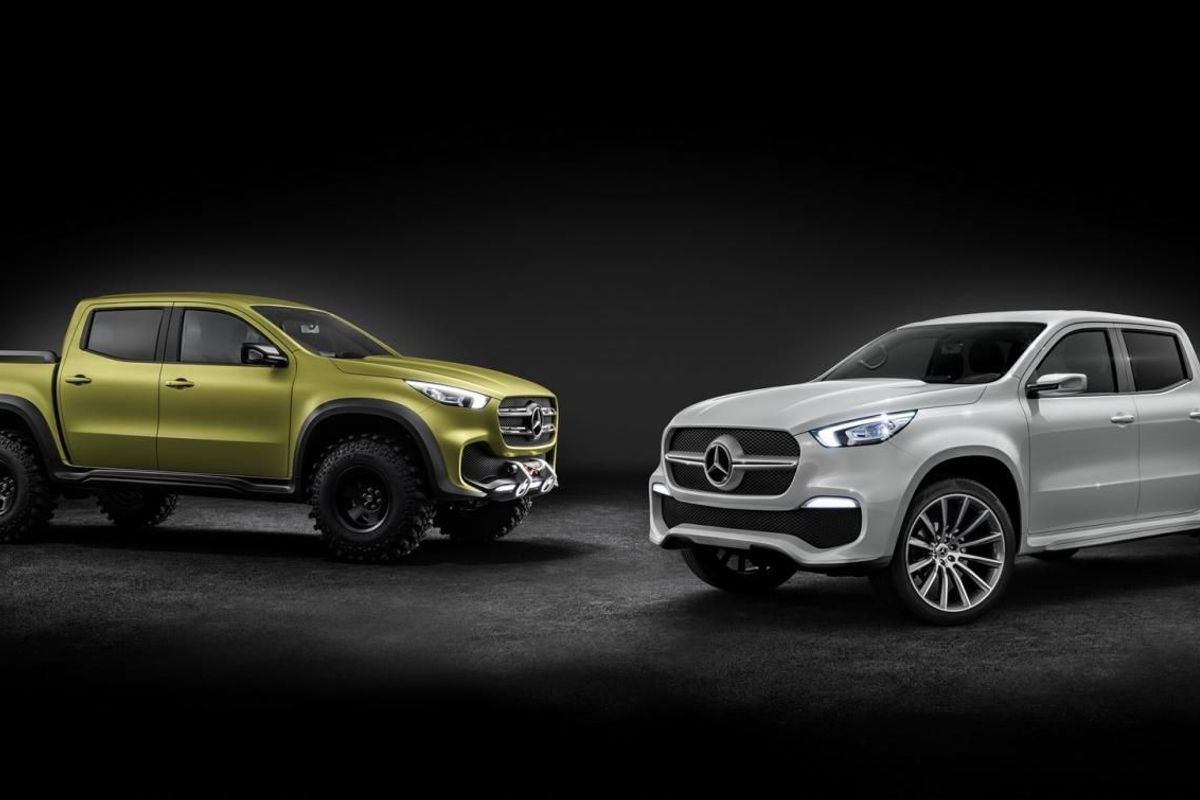
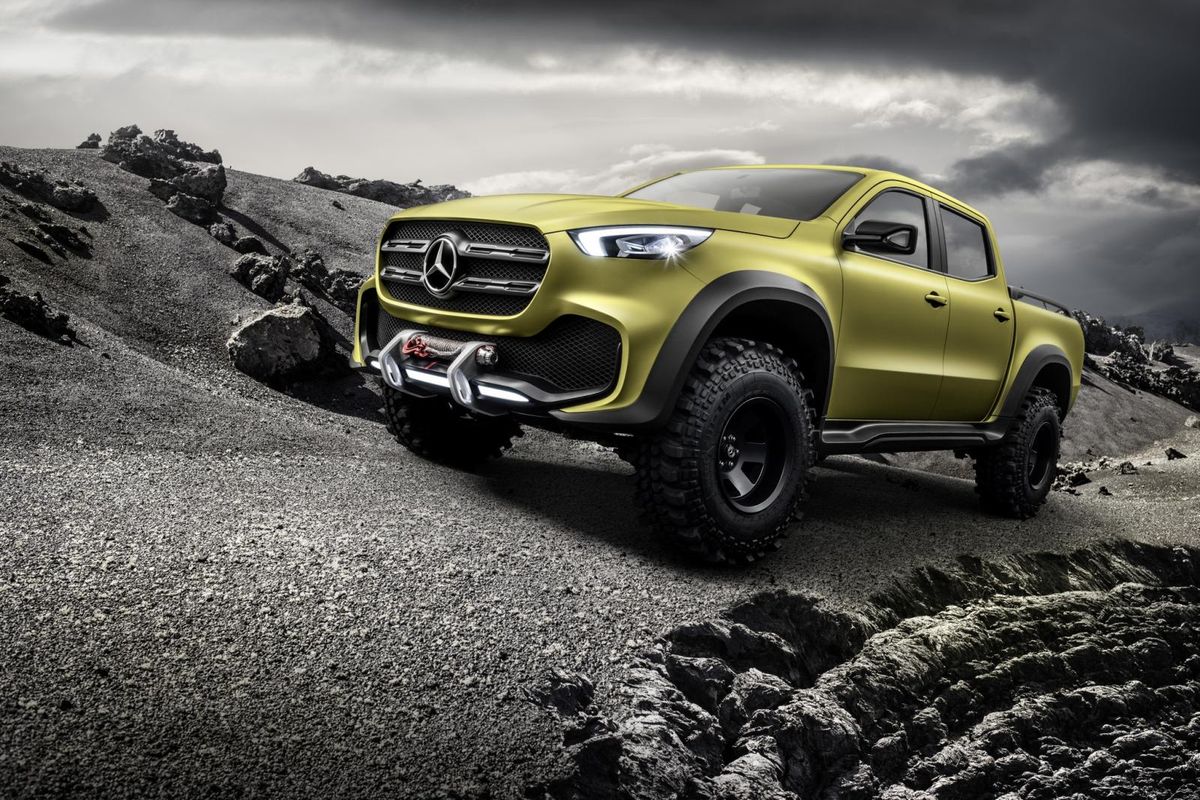
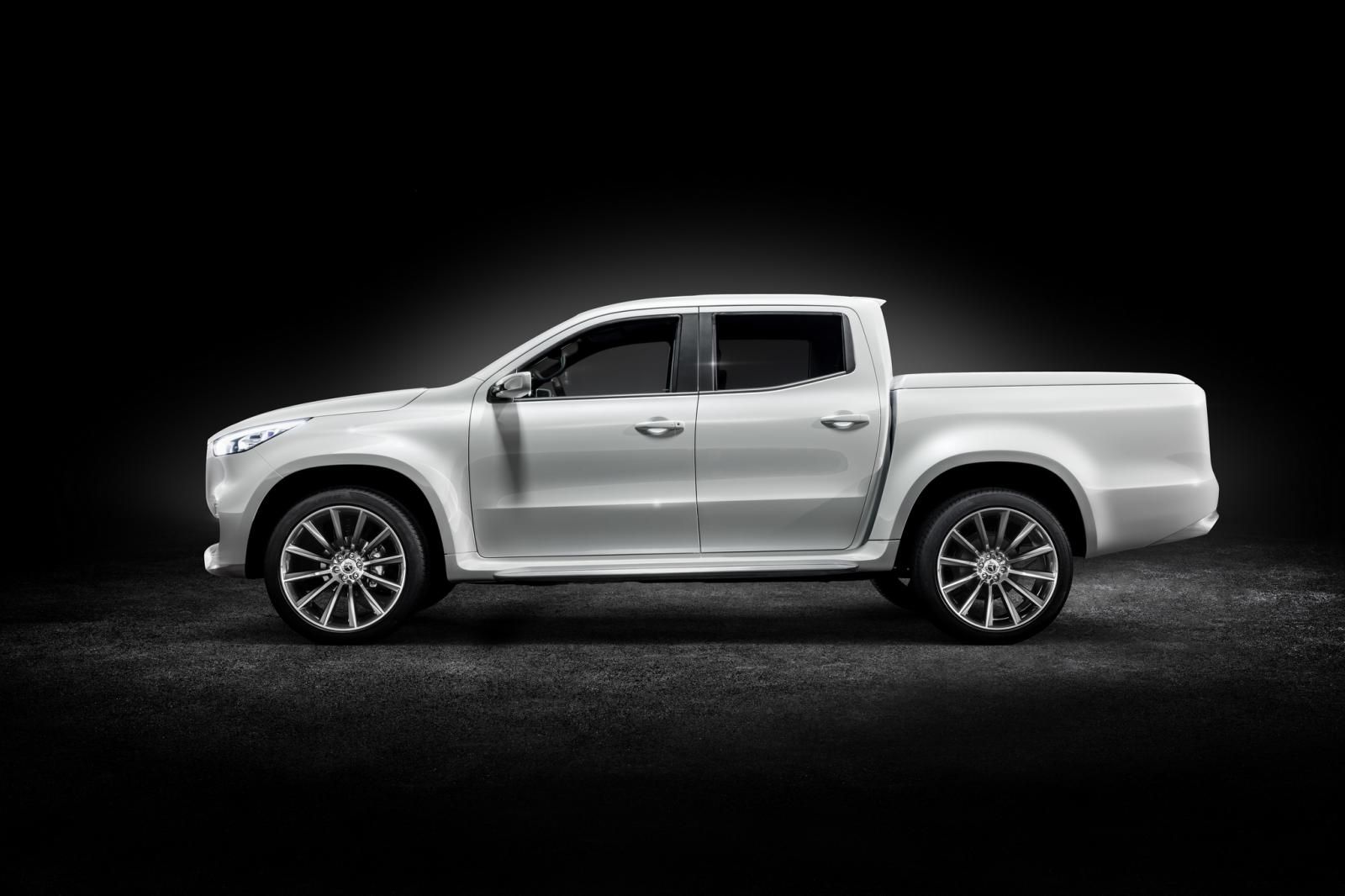
Despite the numerous traps we set Mornhinweg to admit that an X63 could materialise, he would not be pushed into revealing plans for such a derivative. He went so far as to say that an AMG-built X-Class would be overkill and that the powertrains planned for the range would be more than enough. Two lines will be made available – as we saw with the concepts. One will be a more street-styled (in other words, kerb-hopping) model and the other will have a more rugged lifestyle kit. The X-Class will be on sale in Europe by the end of this year.
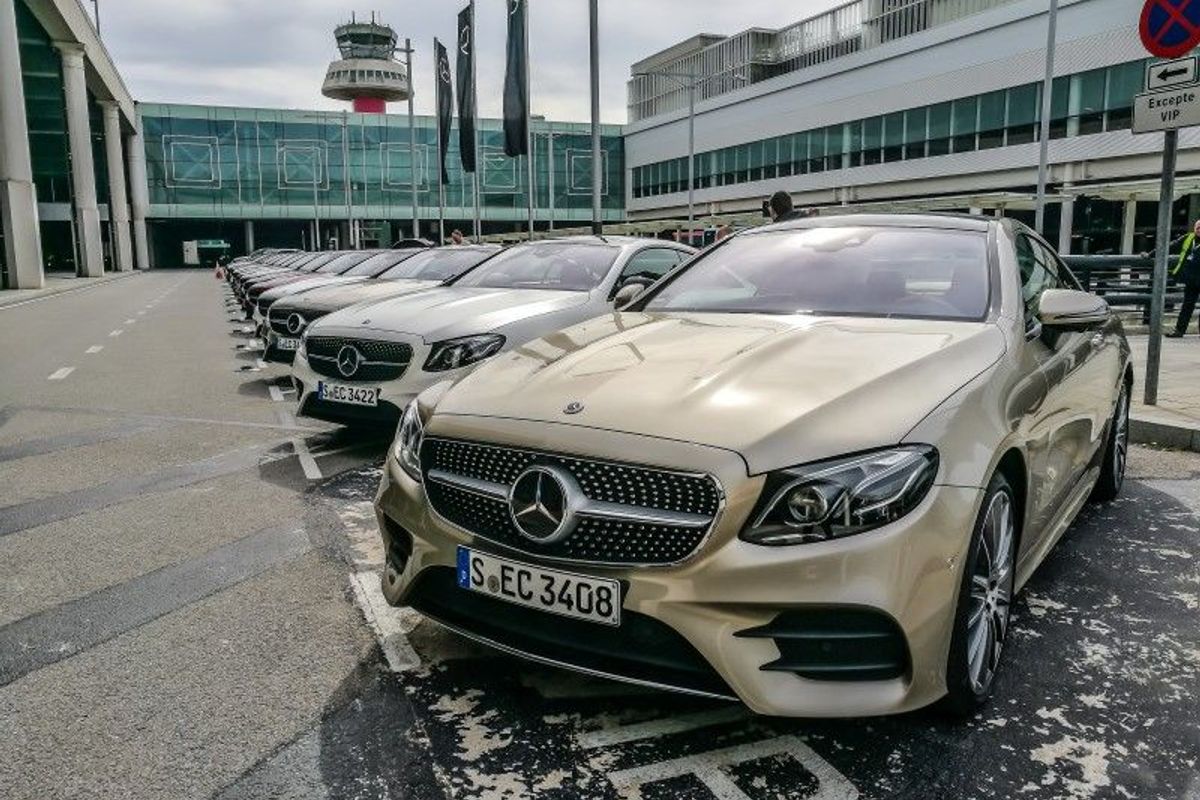
Mercedes-Benz E-Class Coupe (2017) International First Drive
We attended the international launch of the Mercedes-Benz E-Class Coupe in Barcelona, Spain, to give the svelte 2-door version of the Sindelfingen-based marque's executive sedan a whirl…
If you factor out the A-Class-based so-called "4-door coupe", the CLA, the E-Class Coupe represents the mid-point in Benz's alluring coupe range; it slots in above the popular C-Class Coupe and the S-Class Coupe flagship and currently has little competition from traditional rivals… The F10-derived BMW 6 Series is comparatively long in the tooth, Audi and Jaguar may produce coupe versions of its (next-generation) A6 and XF models (but that remains to be seen) and Lexus' recently-unveiled LC range seems to straddle the executive and first class segments. The E-Class Coupe therefore – and, for now at least – is the most sophisticated and technologically advanced executive coupe to come to market.
When is the E-Class Coupe coming to SA?
The E-Class Coupe is expected to arrive in South Africa in May 2017 with 3 derivatives launching locally.
Mercedes-Benz South Africa will introduce the E-Class Coupe in South Africa in May 2017. The European range comprises the E220d, E200, E300 and the range-topping E400 4Matic, but our market will only receive the E220d, E300 and E400 4Matic. What’s more, the recently revealed E-Class Cabrioletwill complete the range when it arrives in South Africa in the third quarter of 2017.
Let’s get the numbers out the way, shall we? Kicking off the E-Class Coupe range is the E220d, powered by a new 2.0-litre turbodiesel engine with peak outputs of 143 kW and 400 Nm. This engine emphasises efficiency and Mercedes-Benz claims a fuel consumption figure of 4.0 L/100 km.
The petrol-powered E300 is fitted with a 2.0-litre turbopetrol motor (180 kW/370 Nm) with a claimed fuel consumption figure of 6.4 L/100 km, while the range is headlined (at least initially) by the all-wheel drive E400 4Matic that delivers 245 kW and 480 Nm of torque from its 3.0-litre V6 turbopetrol motor. Claimed fuel consumption is rated at 8.1 L/100 km. All derivatives make use of a quick-shifting 9-speed automatic transmission.
Ride comfort is provided by the standard Direct Control suspension while Dynamic Body Control (adaptive damping) and Air Body Control (multi-chamber air suspension) will be offered as extra-cost options.
Bigger and better
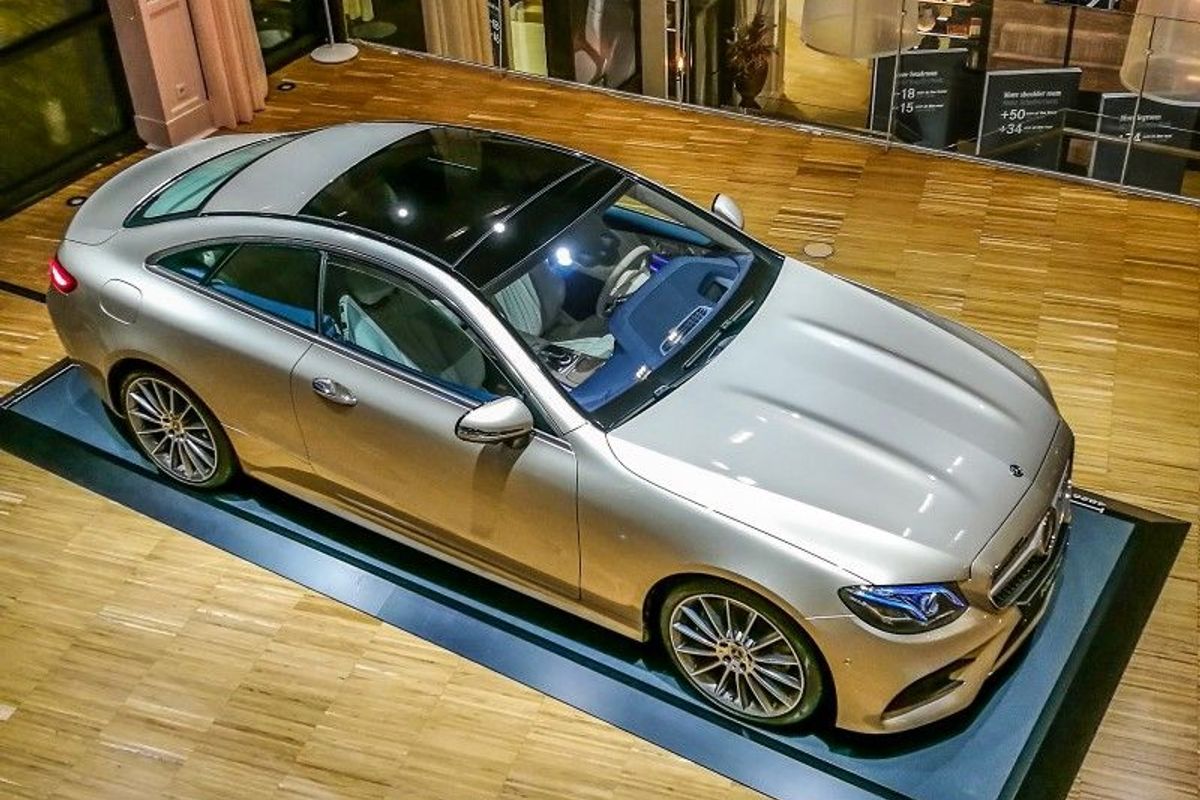
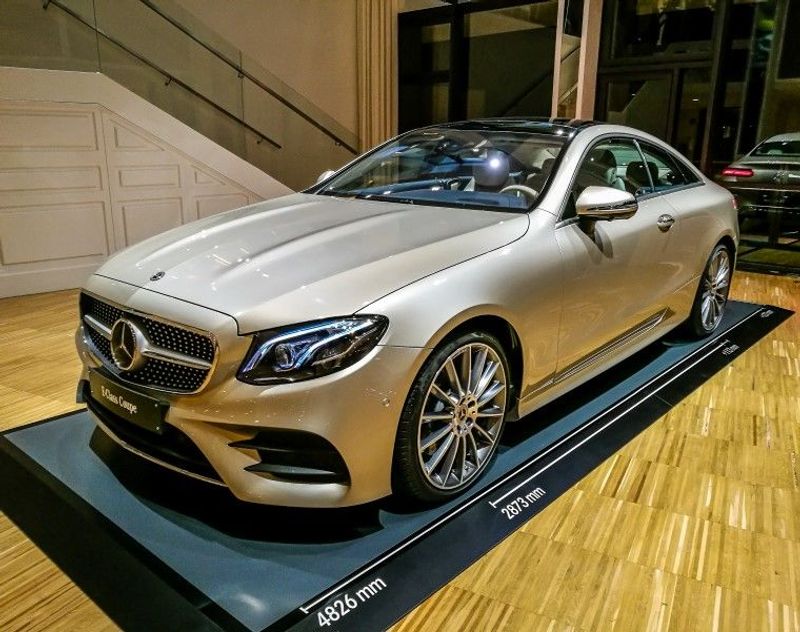
Based on the E-Class sedan, the coupe is larger (in all dimensions) than its predecessor, which means it is markedly more spacious.
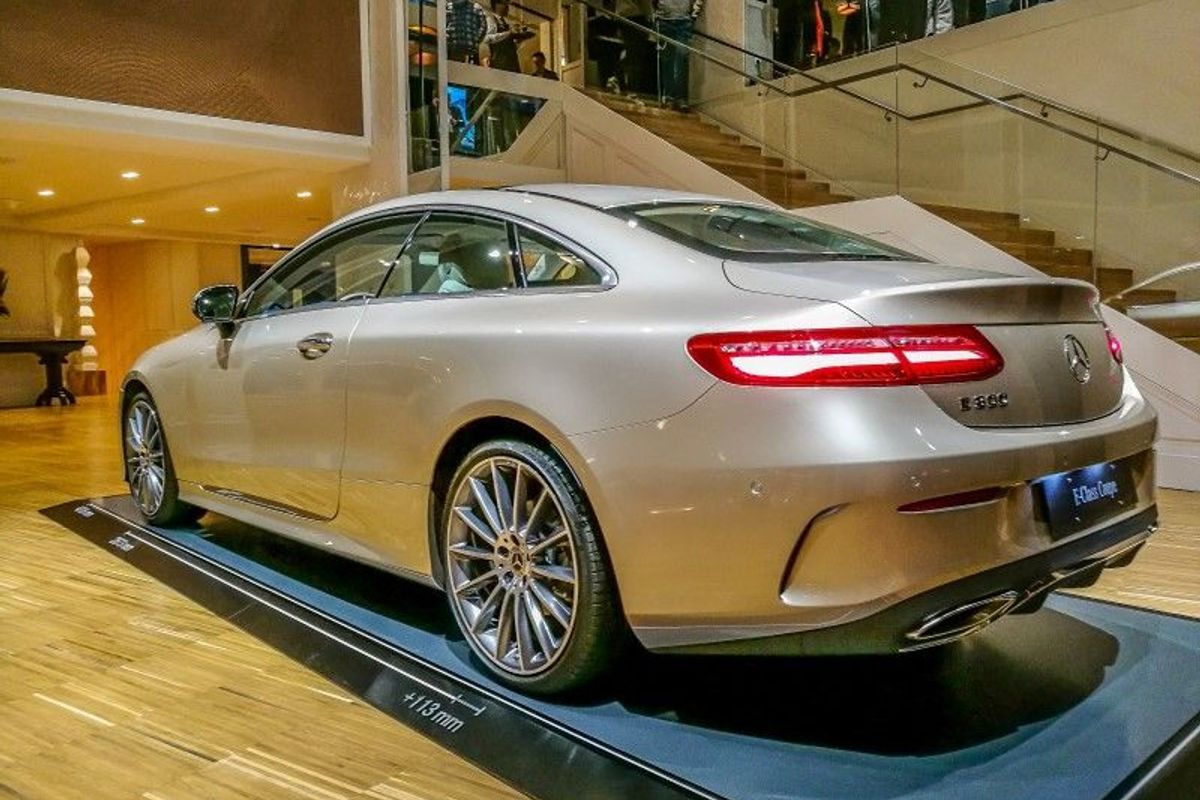
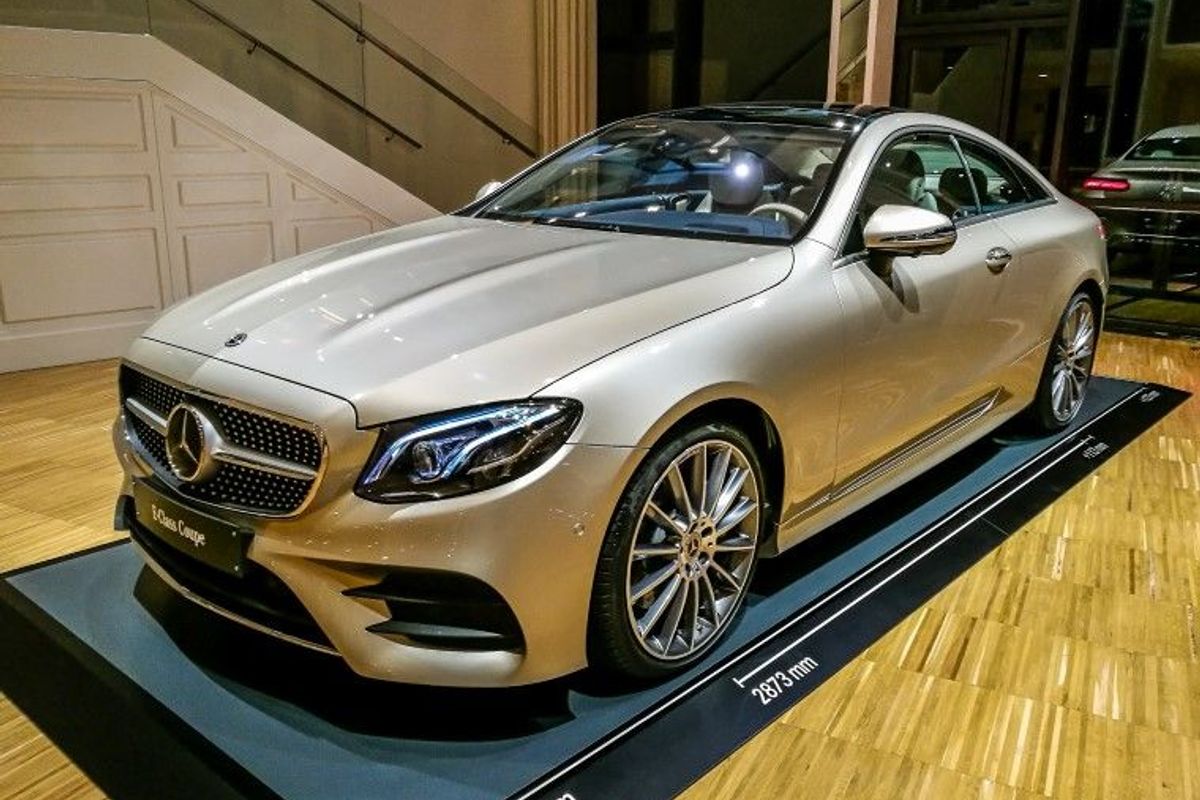
Compared with the outgoing model, the E-Class Coupe has grown substantially in terms of virtually all its dimensions. It’s 123 mm longer, 74 mm wider and stands 33 mm higher than its predecessor. The wheelbase has been stretched by 113 mm and the front and rear track widths have increased by 67 and 68 mm, respectively. To complement its sporty looks, the coupe sits 15 mm lower than the E-Class sedan.
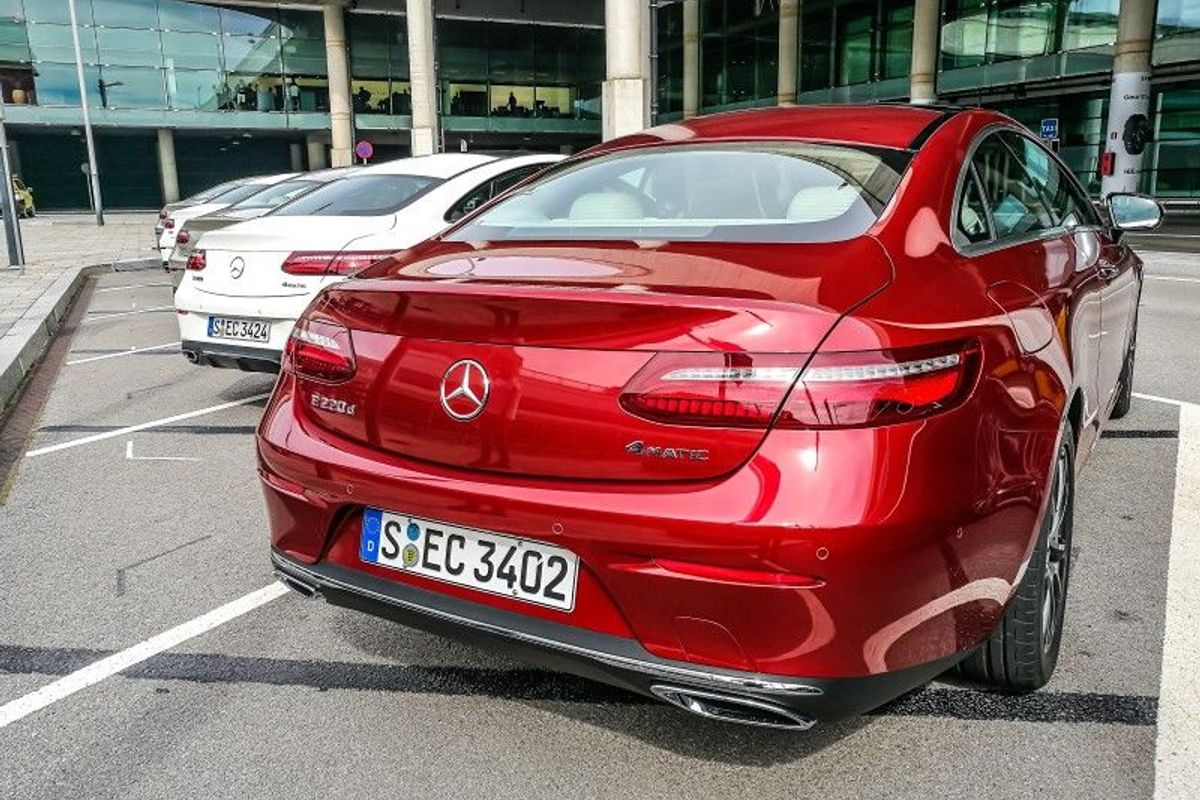
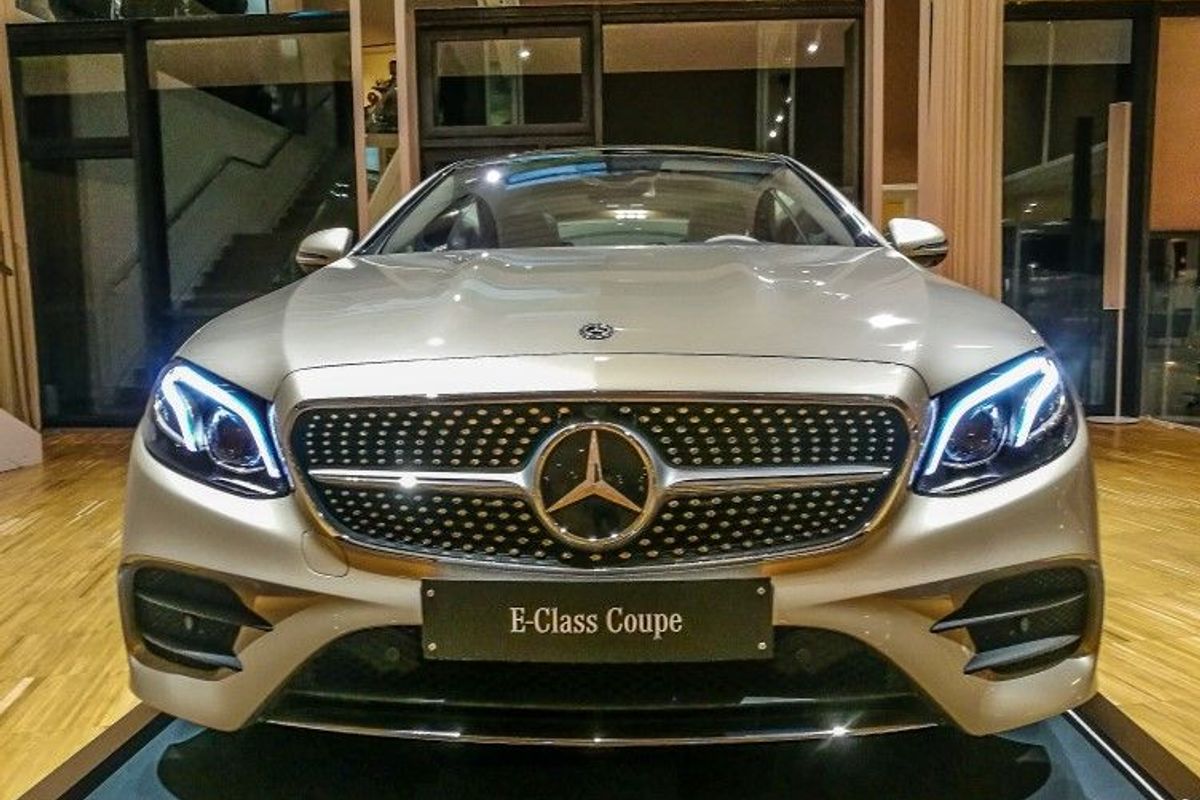
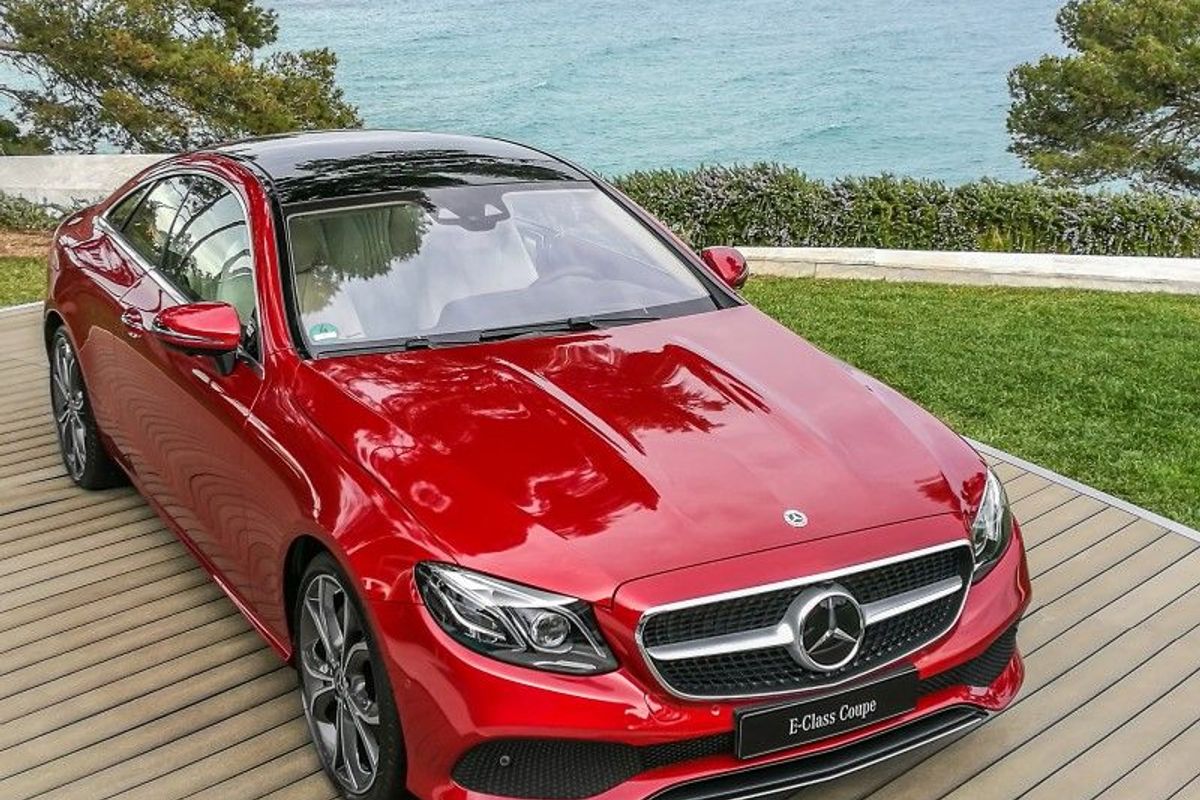
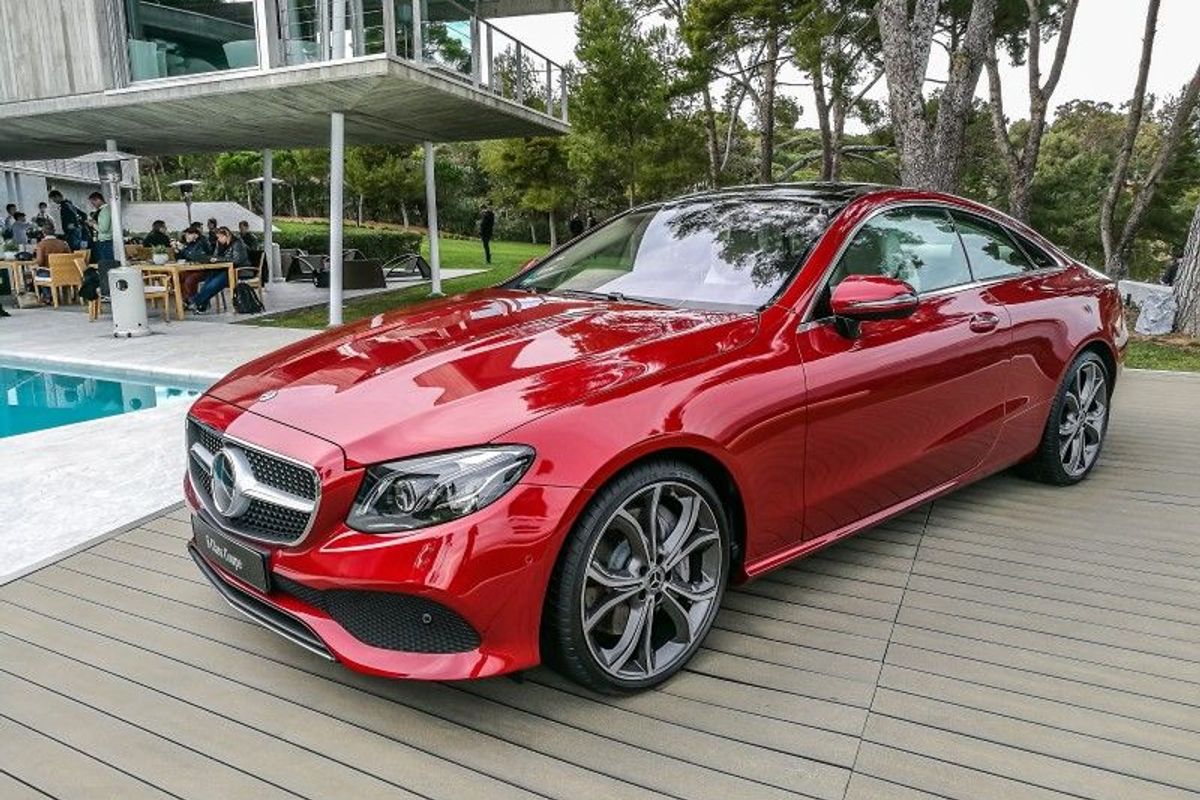
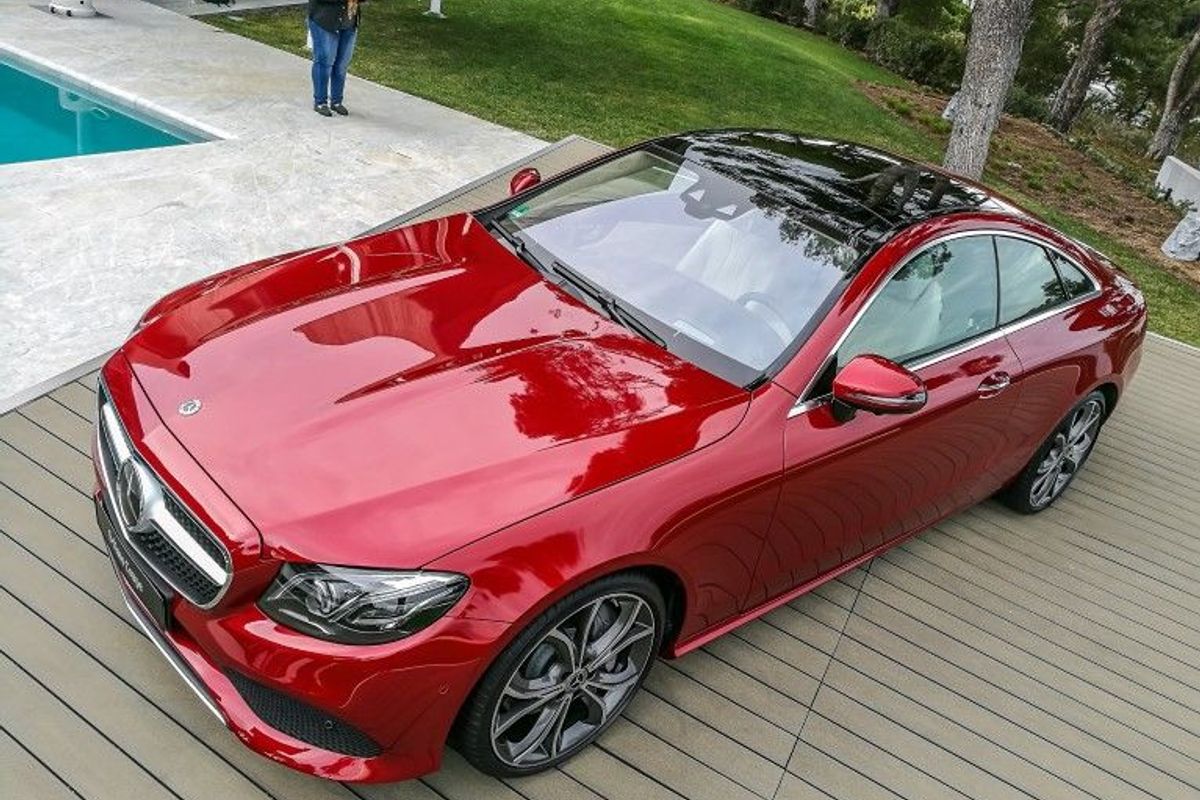
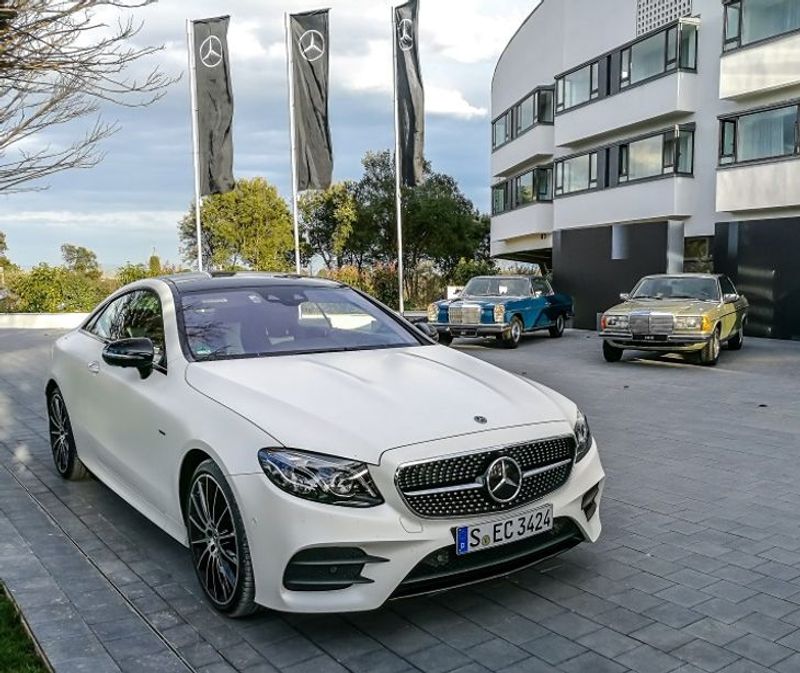
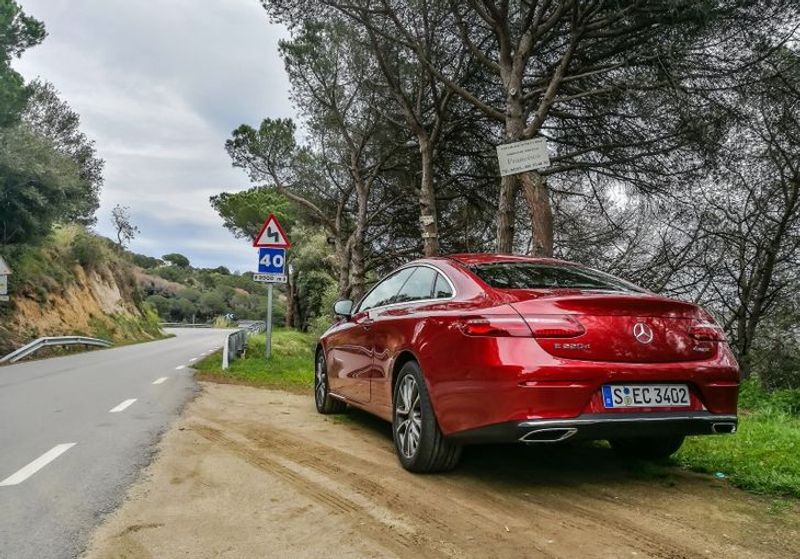
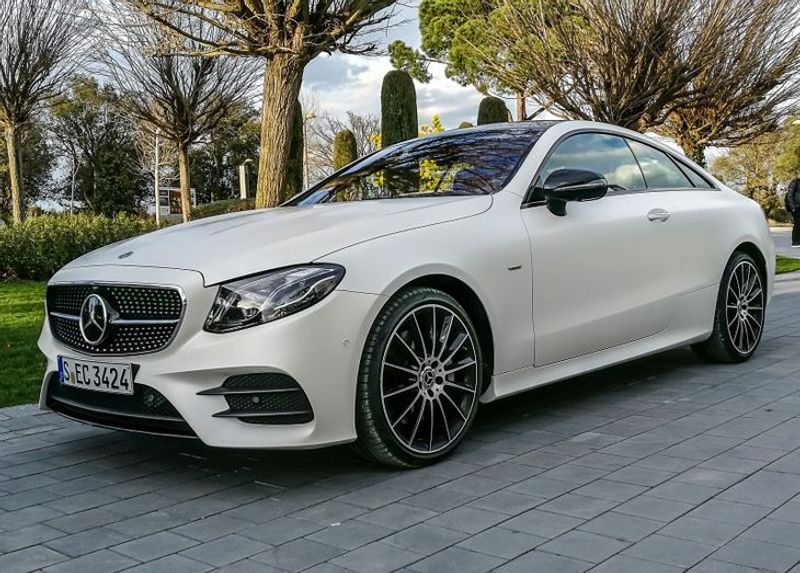
In terms of design, the E-Class Coupe is undeniably gorgeous in the metal. The long (power dome) bonnet, single-louvred diamond grille and standard LED headlamps (Multibeam LED headlamps are optional) combine to give the E-Class Coupe a powerful kerb presence.
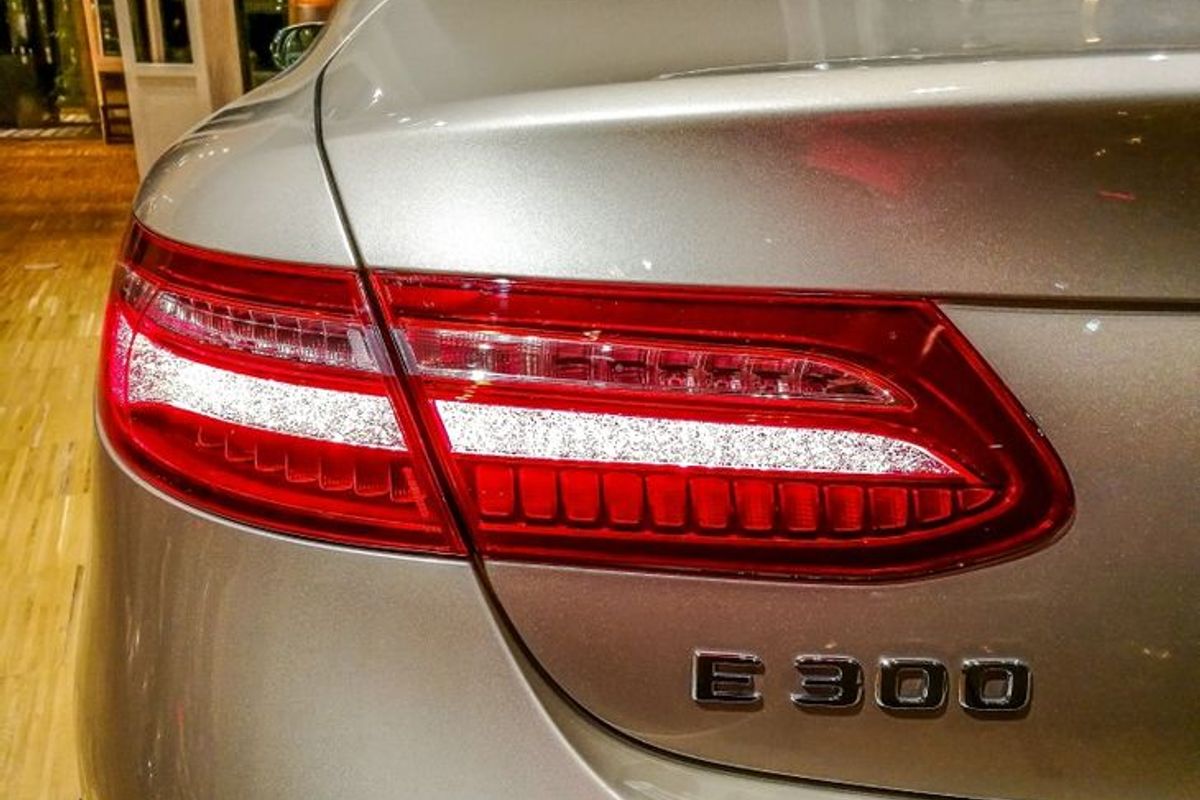
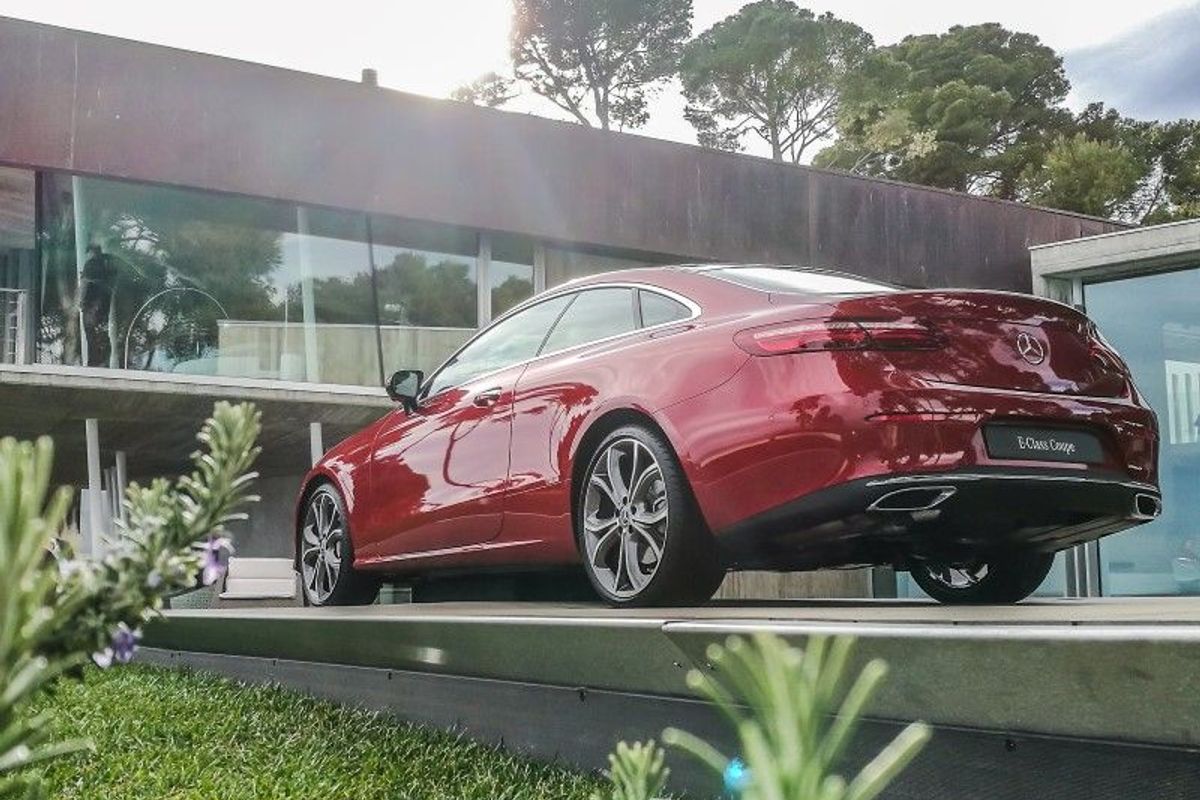
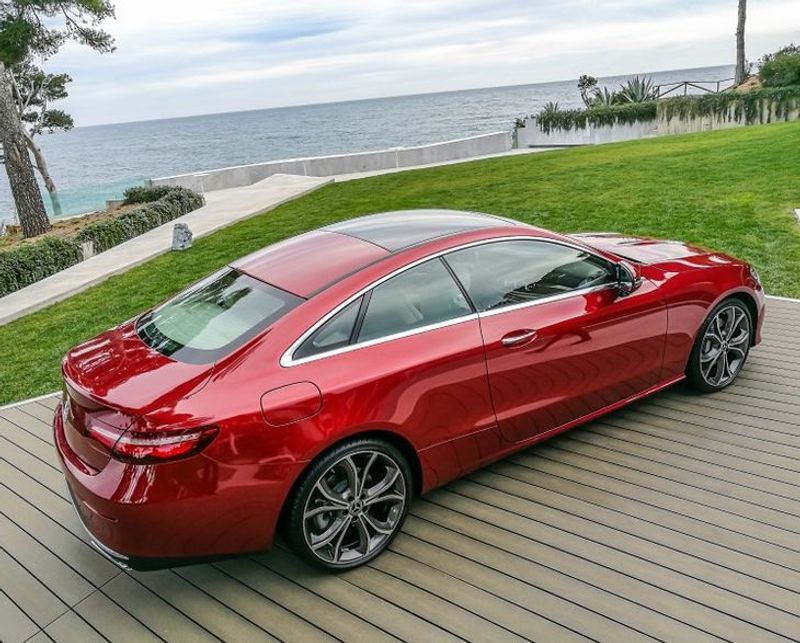
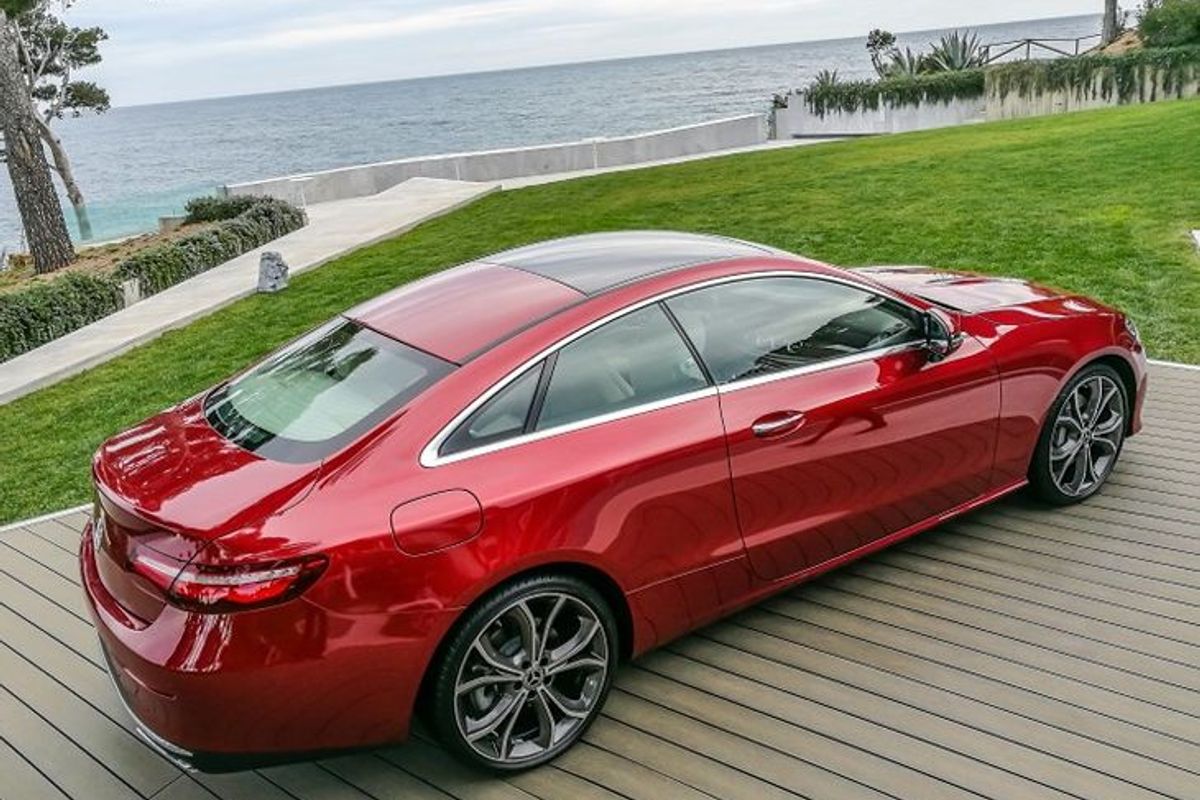
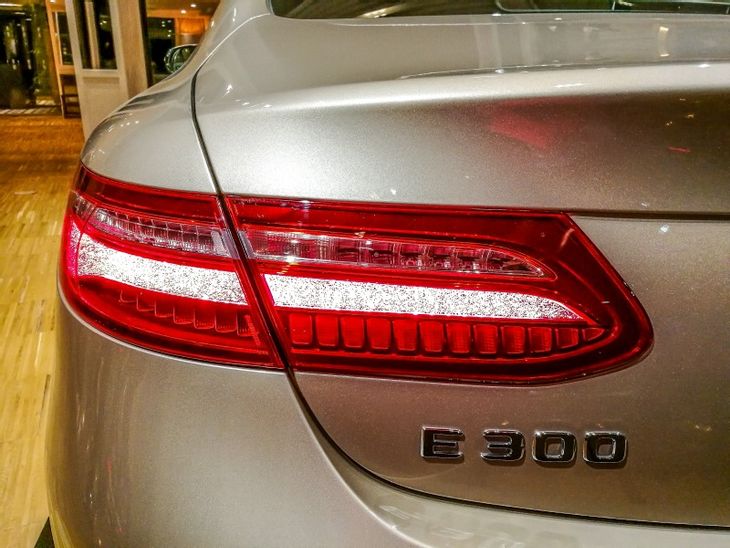
Viewed from the side, the cabin is set further back and the frameless windows and absence of a B-pillar further emphasise the coupe’s sleek proportions. The rear end features stretched, 2-part LED taillight clusters with a unique glowing crystal effect that, according to Benz, "resembles the glow of a jet engine". They also feature a welcome/goodbye feature that illuminates outwards/inwards when the car is unlocked/locked.
In our opinion, the new E-Class Coupe is a serious head-turner with looks that oozes appeal and sophistication.
Classy interior packed with technology
The interior of the E-Class Coupe is stylish and comfortable with a wide range of trim and materials available to customers.
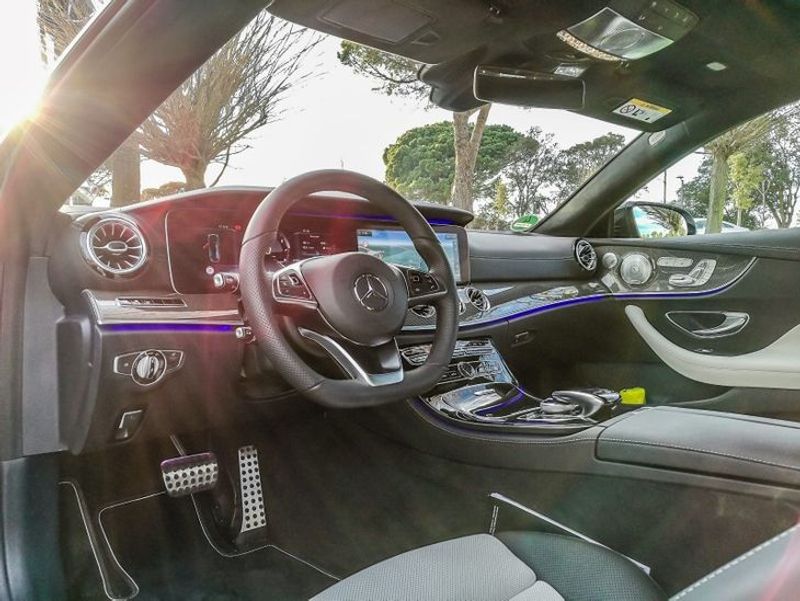
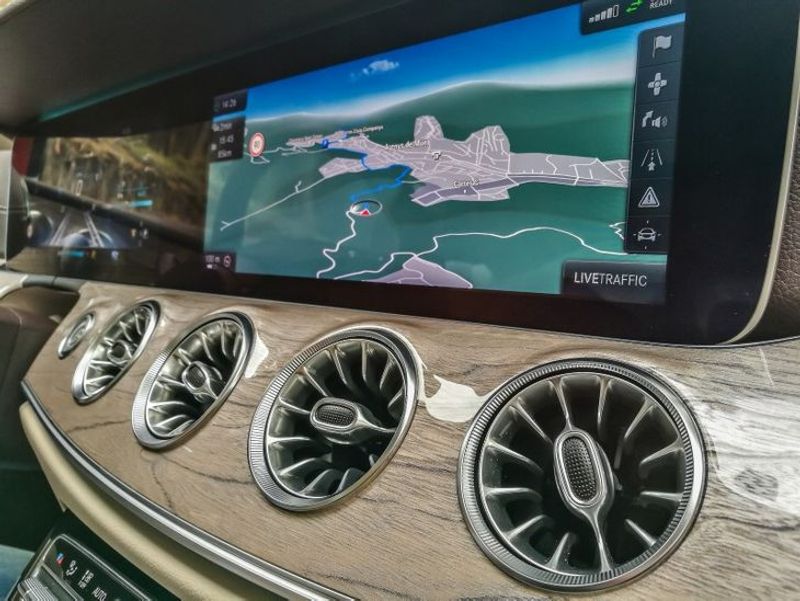
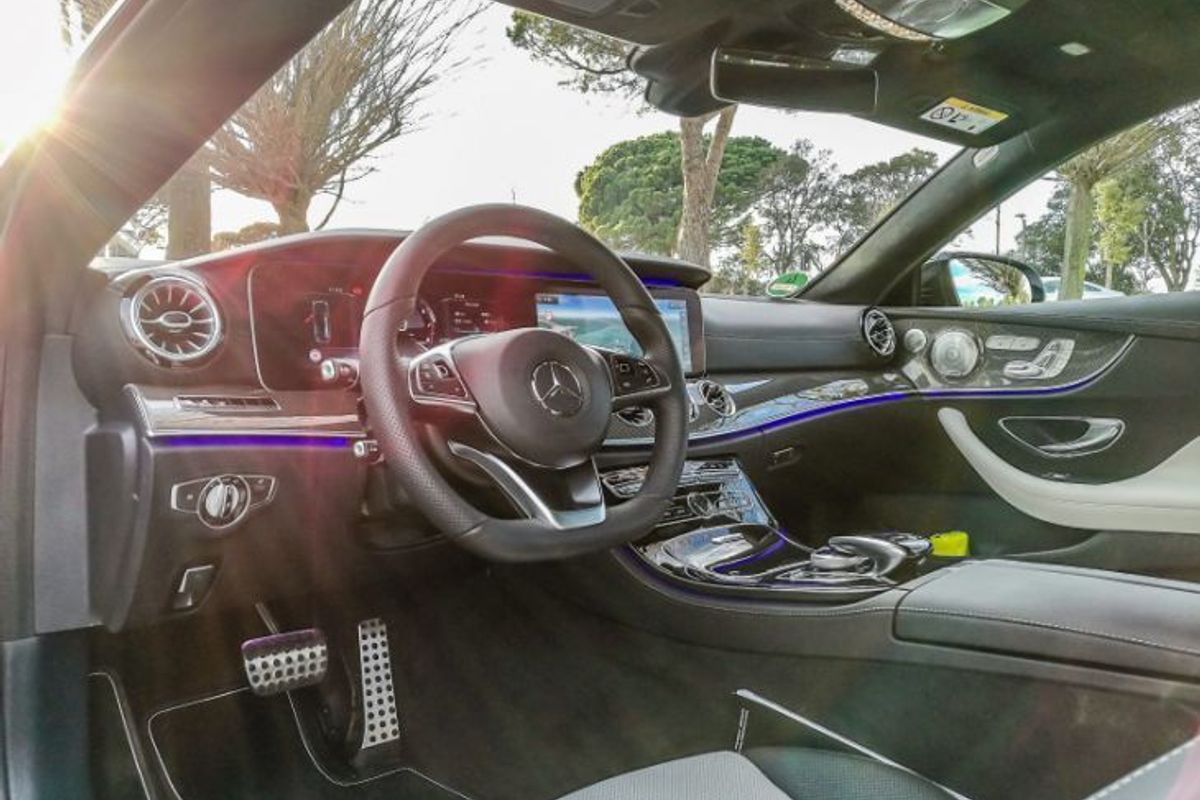
The interior design of the E-Class Coupe mostly follows that of the sedan version with an attractive horizontal, wrap-around fascia design. A key differentiating feature in the coupe is the rather sporty-looking turbine air vent design with a silver shadow finish. The interior is classy, luxurious and elegant with quality finishes. A wide variety of trims and finishes will be available.
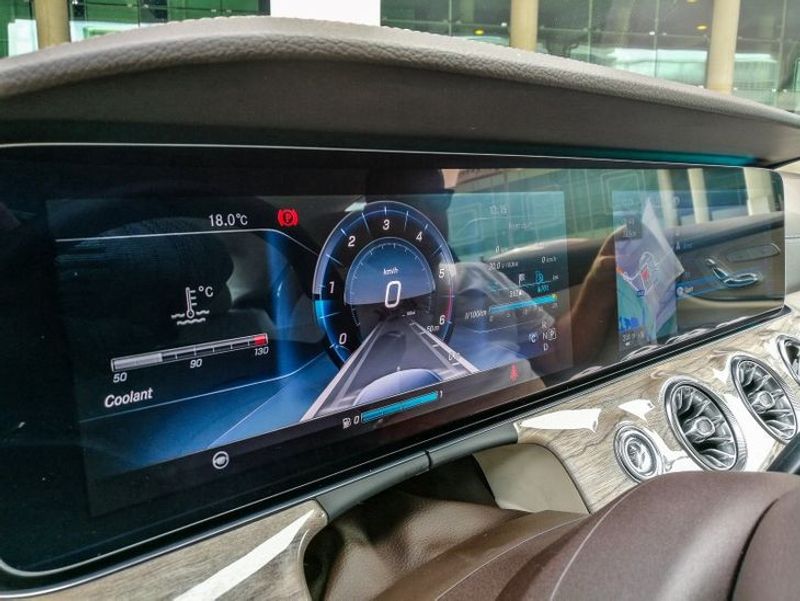
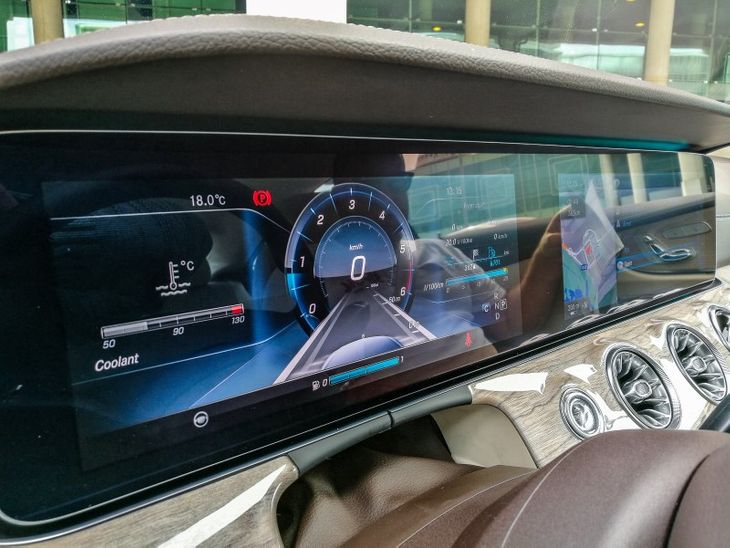
Perhaps the most prominent feature in the coupe is the optional Widescreen Cockpit, first seen in the E-Class sedan. It combines a pair of large 12.3-inch digital displays, creating a long screen stretching out towards the central dashboard. The instrument cluster can be customised with a choice of 3 themes including Classic, Sport and Progressive, depending on your preference, while the screen to the right handles functions such as infotainment and navigation. We think the Widescreen Cockpit is a must-have feature as it lifts the interior ambience substantially.
A new turbine air vent design and the Widescreen Cockpit are highlights in the new E-Class Coupe.
Both screen functions can be controlled using the handy touch control buttons on the steering wheel or, alternatively, you can use the familiar touchpad controller located in the centre console (although it works best in left-hand-drive cars if you're right-handed). The new E-Class Coupe also features a head-up display that conveniently projects information such as speed, speed limits and navigation directly in the driver’s line of sight.
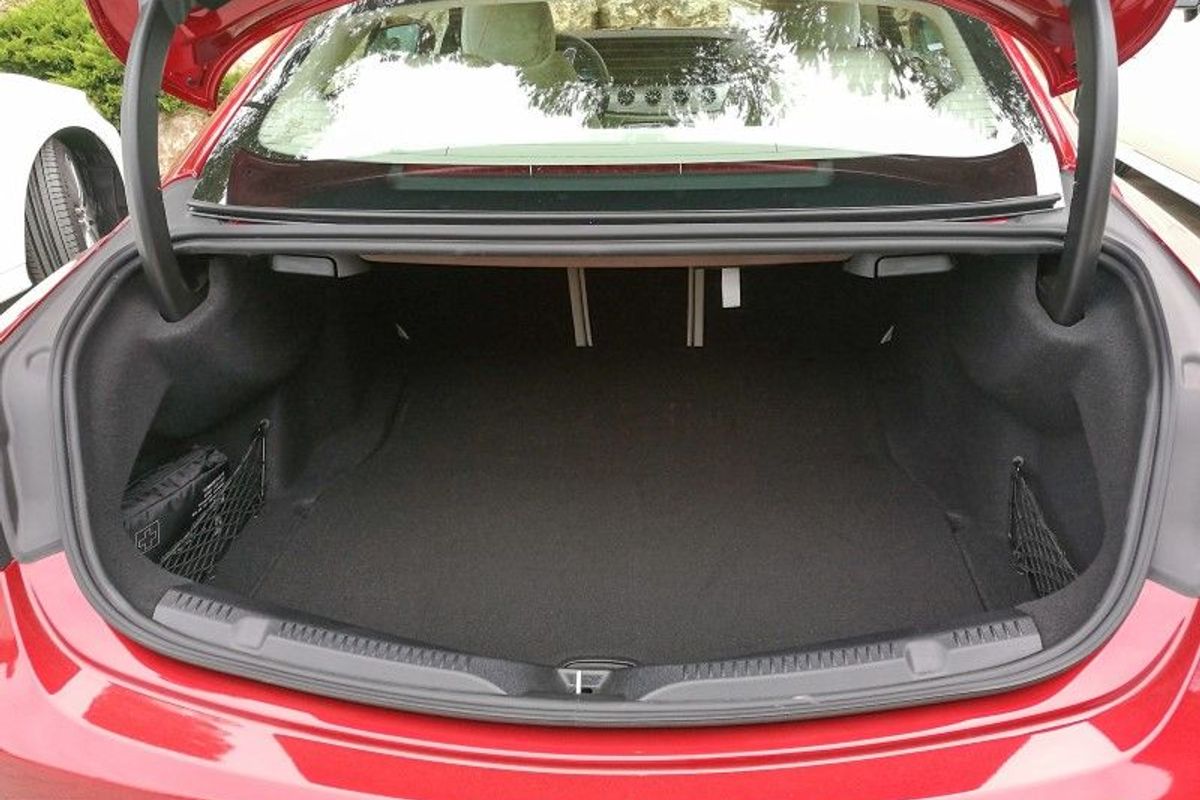
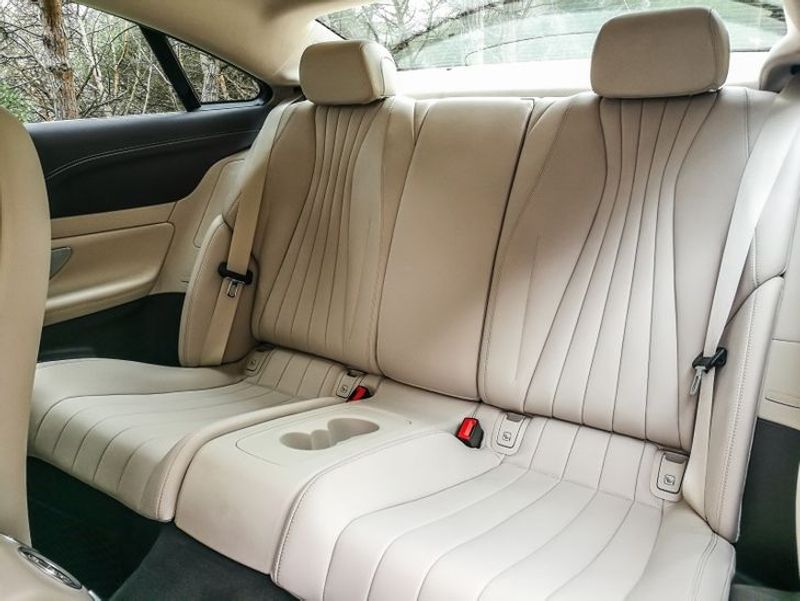
The seats are well-bolstered and comfortable and various colour and material combinations will be available. What’s is immediately noticeable while seated in the E-Class Coupe is the abundance of space, particularly for the front passenger, who will enjoy generous leg-, shoulder- and headroom. Two individual seats are found in the rear and thanks to the coupe’s larger dimensions, rear passengers are afforded additional leg-, head- and shoulder room, which will be boons on longer journeys. The boot capacity is quite spacious too, with a maximum of 425 litres at your disposal.
Rear passengers have more space thanks to the E-Class Coupe's larger dimensions.
Two equipment grades will be offered for the new E-Class Coupe: (the standard) Avantgarde and the optional AMG Line. Customers will also be able to opt for the Night Package for both grades; it adds various gloss black design details and dark-tinted windows.
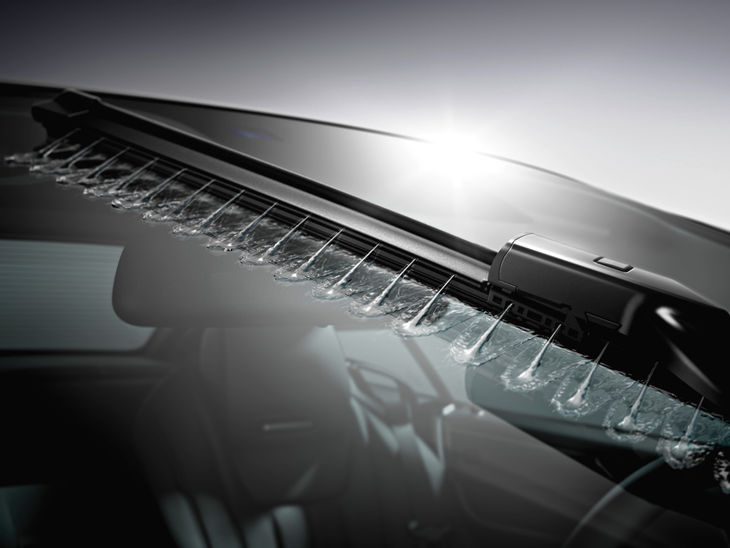
Lastly, the E-Class Coupe is also equipped with an adaptive windscreen cleaning system called Magic Vision Control. Where conventional windscreen cleaning systems will spray water (and detergent) all over the windscreen, effectively blurring the driver’s vision, this new system is far more efficient. Water ducts integrated into the wiper blade sprays water directly ahead of the blade on both sides.
This means that the water is applied directly where it’s needed and the driver’s vision remains clear at all times. The wiper blades are fully heated and operate according to the outside temperature which is particularly useful should you have ice on your windscreen…
What’s it like to drive?
The E-Class Coupe offers good ride quality and this E220d is a particularly efficient cruiser.
The launch route started at Barcelona Airport and our first drive was behind the wheel of the E220d coupe. In an effort to prevent the media contingent from getting lost in a foreign land, a number of routes were pre-loaded into the Comand Online infotainment system. With Comand Online, Apple CarPlay and Android Auto can also be accessed using your smartphone.
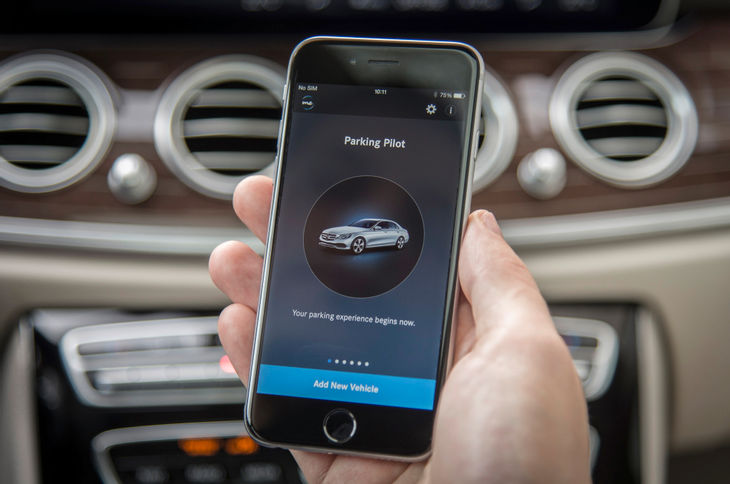
A quick word on connectivity: Qi-compatible smartphones can be charged wirelessly on a charging pad while paired with the infotainment system via Near Field Communication (NFC), which effectively turns your smartphone into a digital key, allowing the driver to lock/unlock the car and even start the engine. Also, Remote Parking Pilot, used in conjunction with an app, allows you to park the E-Class Coupe using your phone. It’s pretty smart…
The Widescreen Cockpit is easily configurable and although the navigation works well generally, it did occasionally send us on the incorrect route.
On start-up, the E220d’s turbodiesel engine is barely audible and we found it to be relatively quiet and refined while in operation. The rather light steering feel helped with navigating the congested roads in Barcelona and the E-Class Coupe’s excellent cruising ability became apparent as we headed out on the highway towards our destination some 150 km away at the PGA Catalunya Resort near Girona.
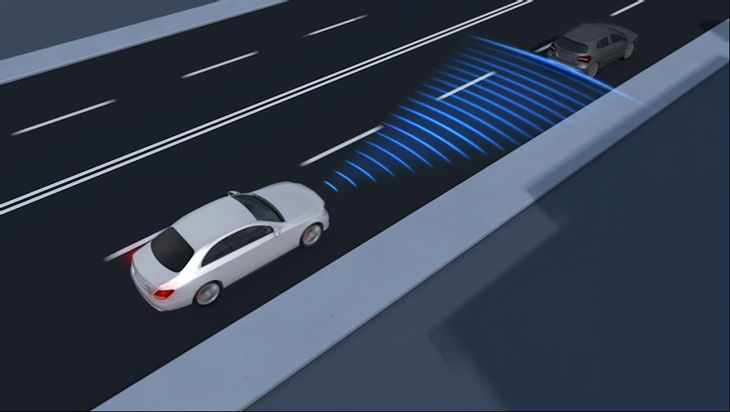
The E220d was a pleasure to drive as it effortlessly dispensed its power and offered ample overtaking ability. The open highway also gave us the opportunity to test the E-Class Coupe’s Distance Pilot Distronic with Steering Pilot. This semi-autonomous driving aid lets you adapt and maintain the distance from the car ahead of you and you can now follow the vehicle ahead at speeds up to 210 kph.
While the system is active, the driver is not required to brake or accelerate and the Steering Pilot will keep the car on course at speeds up to 130 kph. If you frequently sit in traffic jams, little or no steering input is required from the driver. Active Lane Change Assist will also effectively help you change lanes safely by steering into a lane once the radar and camera system deem it safe to do so. The car will, however, regularly encourage you to keep your hands on the steering wheel. It’s brilliant technology, but it can be quite intimidating to use at first.
The E400 4Matic tops the E-Class Coupe range and this Edition 1 derivative is particularly appealing.
Highway soon gave way to winding country roads and we decided to test the E220d’s performance in the bends. Using the Dynamic Select switch in the centre console, the driver can switch between various driving modes (Comfort, Eco, Sport, Sport+ and Individual). We opted for Sport mode and put the E220d through its paces on long, sweeping stretches of tar and although the car handled well, the efficiency-oriented derivative didn’t revel in that scenario. It much preferred being driven more conservatively; cruising is a clear strength of the E220d – it does it with utter poise.
The indicated fuel efficiency was good too… During our stint in the E220d, the readout revealed an average 6.5 L/100 km. Yes, the E220d is perhaps not the most fervent performer in the range, but its ride quality and cruising prowess are easy to appreciate.
If you want a bit more oomph from your E-Class Coupe, the E300 offers extra punch and the difference is noticeable. The driver can further exploit the engine’s performance by using the mounted shift paddles to engage manual gear selection. The exhaust note in the E300 is livelier in Sport or Sport+ mode and it feels more willing to perform. Under a heavy foot, the E300 is also much thirstier and we averaged in the region of 12 L/100 km during our drive, but this should be of little concern for your average E-Class owner. On balance, the E300 is a solid performer and seems to strike a good balance between comfort and the odd spirited driving stint.
If you are after (measured) performance thrills, the E400 4Matic is a winner. Its claimed 0 to 100 kph time is a swift 5.3 seconds (E220d – 7.4 sec; E300 – 6.4 sec). We sampled the Edition 1 and, equipped with 4Matic all-wheel drive, the E400 was by far the most athletic derivative in the launch line-up. Its exhaust note is more audible and defined, emitting an inkling of rorty goodness when the revs climb, but we felt it could have been a bit more vocal. The added performance will culminate in the decimation of fuel and the readout showed upwards of 15 L/100 km on our route.
The E-Class Coupe is attractive and suitably sophisticated and its technology offering is impressive.
Summary
The E-Class Coupe is an eminently luxurious road machine that delivers an excellent ride quality, making it a superbly comfortable long-distance cruiser. All the derivatives we drove displayed impeccable road manners (they were admittedly fitted with either the optional Direct Body Control or Air Body Control suspension, both of which enhance driving comfort), so it remains to be seen how the E-Class Coupe will ride with the standard Direct Body Control setup. However, if comfort is important to you then the optional suspension systems may very well be worth the extra outlay.
Allied with its head-turning exterior treatment, the Benz presents a cabin that is stylish and sumptuous in equal measures. Considering the high levels of occupant comfort and the broad range of technology on offer, the E-Class Coupe is undeniably a segment leader. We have to criticise the navigation system, however. For the most part it worked well, but there were moments when the system seemed to be mute and then suddenly became confused, resulting in us having to use common sense to get back on the correct course…
The E220d lacks somewhat in outright performance, but makes up for the shortfall by returning good fuel economy figures. The E300 is more eager and characterful, but if you want dynamism the E400 4Matic is the way to go. The only variant absent from the E-Class Coupe range is an AMG and when questioned on this matter, Benz representatives held their cards close to their chest, refusing to confirm, or more importantly, deny its arrival. There's no reason to believe that an AMG E-Class Coupe won't be introduced; we think it will be a welcome addition to the range. Watch this space
The new Mercedes-Benz E-Class Coupe is packed with impressive technology! Join us as we take a quick look at the major technological highlights of the forthcoming E-Class Coupe…
We recently attended the international launch of the new E-Class Coupe in Barcelona, Spain, and found it to be well-appointed with innovative technology. The E-Class Coupe is due to arrive in South Africa in May 2017 with the Cabriolet version to follow in the third quarter of 2017.
Take a look at some of the major technological highlights of the new E-Class Coupe below…
Widescreen cockpit
The Widescreen Cockpit was first introduced on the new E-Class sedan and it combines a pair of 12.3 inch high-resolution screens to create a long screen that stretches from the driver’s side to the central dashboard. The digital instrument cluster directly in front of the driver displays key information and the driver is able to easily configure the layout using the touch controls mounted on the steering wheel.
The screen to the right handles all the infotainment and navigation functionality and you can also use the touch pad controller in the centre console to browse all the functions. The Widescreen Cockpit makes the cabin feel very modern and although it will be offered as an option on the E-Class Coupe, we think it will be well worth the additional outlay.
Semi-autonomous capability
The Mercedes-Benz E-Class Coupe features impressive semi-autonomous capability as part of the optional Driving Assistance Package. Included is what the firm calls Distance Pilot Distronic with Steering Pilot. The system manages the distance between the car ahead, much like adaptive cruise control, but it can also automatically follow the car ahead at speeds up to 210 kph. More so, steering assistance is provided by Steering Pilot and the driver is not required to accelerate or brake when the system is engaged. Steering Pilot will steer the vehicle at speeds up to 130 kph, even if road markings are unclear or non-existent.
The driver will, however, after a period of time, be asked to place their hands back on the steering wheel. After numerous warnings, if you fail to put your hands on the wheel, the vehicle will automatically come to a stop and the hazard lights will come on to warn other road users.
The system is particularly useful in congested traffic, where the driver can just sit back and relax, allowing the car to accelerate, brake and steer. The system will also automatically adjust speed according to the speed limit. In addition to this, when the driver activates the indicator for more than 2 seconds, Active Lane Change Assist will steer into an adjacent lane if the camera and radar system deems it safe to do so.
Wireless charging and parking pilot
The new E-Class Coupe features a wireless charging pad suitable for Qi-enabled smartphones as well as capacitive aerial coupling that automatically integrates your phone to the infotainment system. Also, using Near Field Communication, your smartphone becomes a digital vehicle key, allowing you to lock and unlock the vehicle using your phone and you are even able to start the engine, if you so please. You can also use a smartphone app to remotely park your vehicle using the optional Remote Parking Pilot.
Smart Magic Vision Control
Cleaning your windscreen has never been this efficient. The E-Class Coupe is equipped with Magic Vision Control that effectively cleans the windscreen without impairing the driver’s vision. The wiper blade features laser-bored spray holes that apply conventional washer fluid directly ahead of the wiper lip, which is barely noticeable by the driver.
It’s also the first wash/wipe system to feature semi-automated washer programmes for different seasons. In summer, less water is used, whereas in winter more water will be used to clean the windscreen. The system is temperature controlled and can adjust the amount of water required depending on conditions and cleaning requirements. More than this, the wiper blades and fluid are fully heated according to the outside temperature, which will prevent snow or ice from sticking to the blades for effective cleaning. The system is far better than conventional systems that spray water on the whole windscreen, blurring the driver’s vision and potentially causing an unsafe situation, especially at night.
Welcome taillights
The Multibeam LED headlights and the taillights will welcome you to the car when you unlock the vehicle. The LEDs in the taillights will successively illuminate from the centre of the vehicle, moving outwards when you unlock the car. Similarly, when you lock the car, the same effect is displayed, but it runs in the opposite direction.
Perhaps the most striking feature of the E-Class Coupe’s taillights is its crystal effect. Reflector technology is used to create a unique surface that seems to glow, much like a bed of coals. According to Mercedes-Benz, the effect resembles the glow of a jet engine. This feature is impressive at night and gives the E-Class Coupe more presence on the road.
For motorists accustomed to living with modern road machinery, classic car ownership – with its vagaries and fussy maintenance requirements – represents a tantalising, if fraught prospect. Follow our columnist's emotional journey to rekindle his love affair with a car of tremendous sentimental value, while he considers the realities of what owning car of a 42-year vintage will entail…
This was meant to be a story about my 34-year-old Toyota Supra. But then something indubitably bigger than both of us happened.
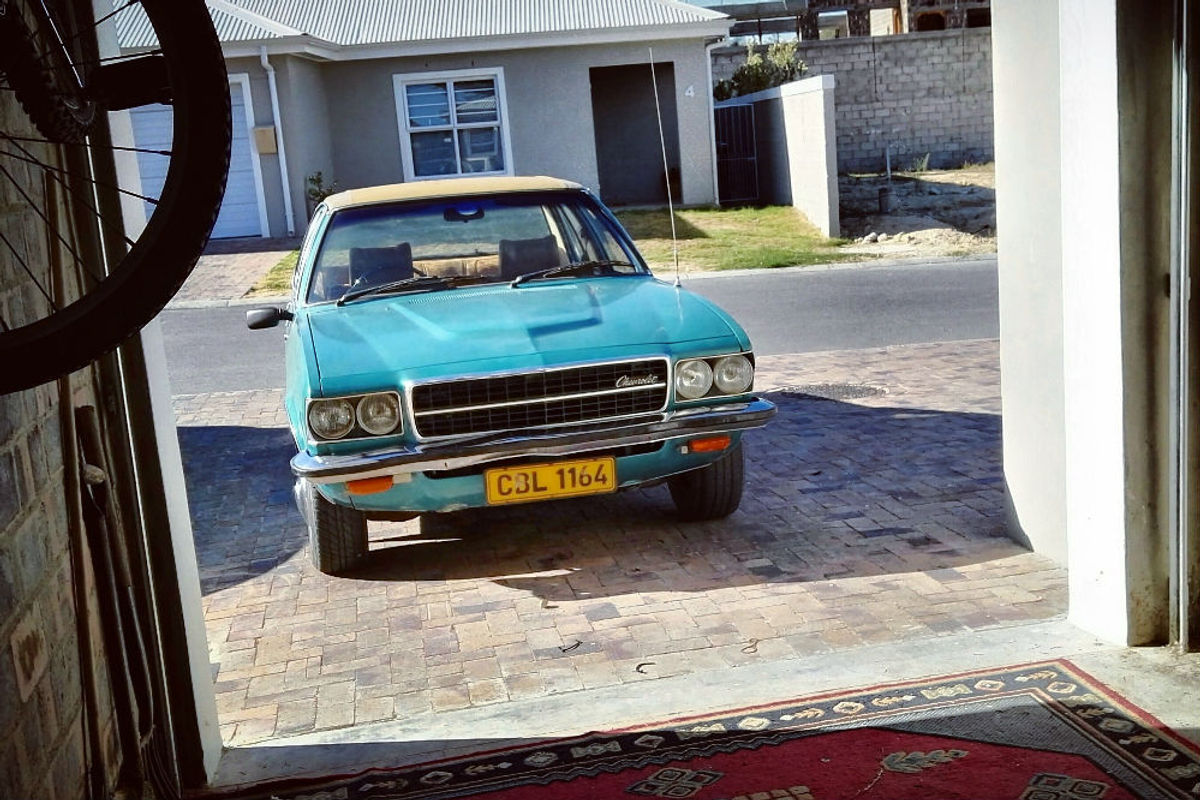
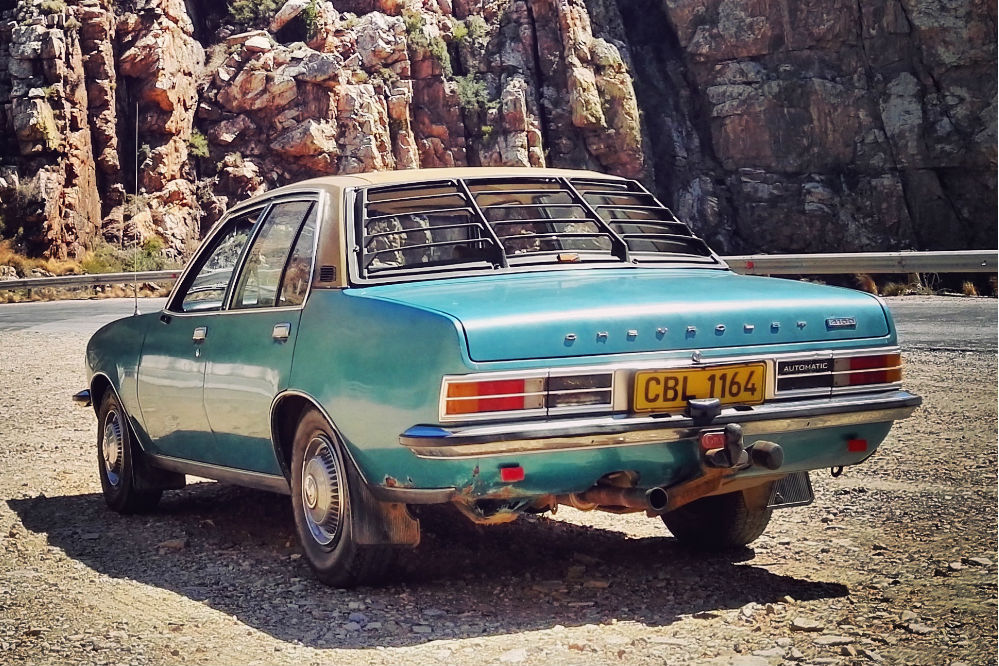
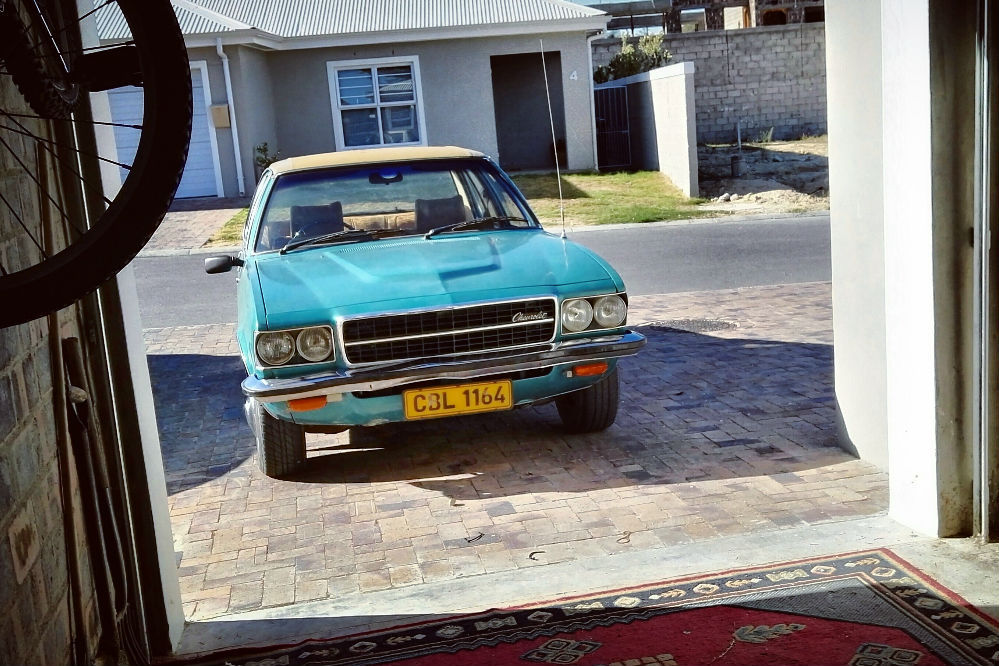
I cried today. Not a lot, mind you, but enough to warrant mentioning it in the opening line of this column. In 1993, my dad passed away. I was just 14 years old, and with his legacy, he left us his Chevrolet 4100, Suzie. For reasons both social and economical, after 3 years or so our family couldn’t keep the 4100 on the road any longer and, eventually, it slipped away from us.
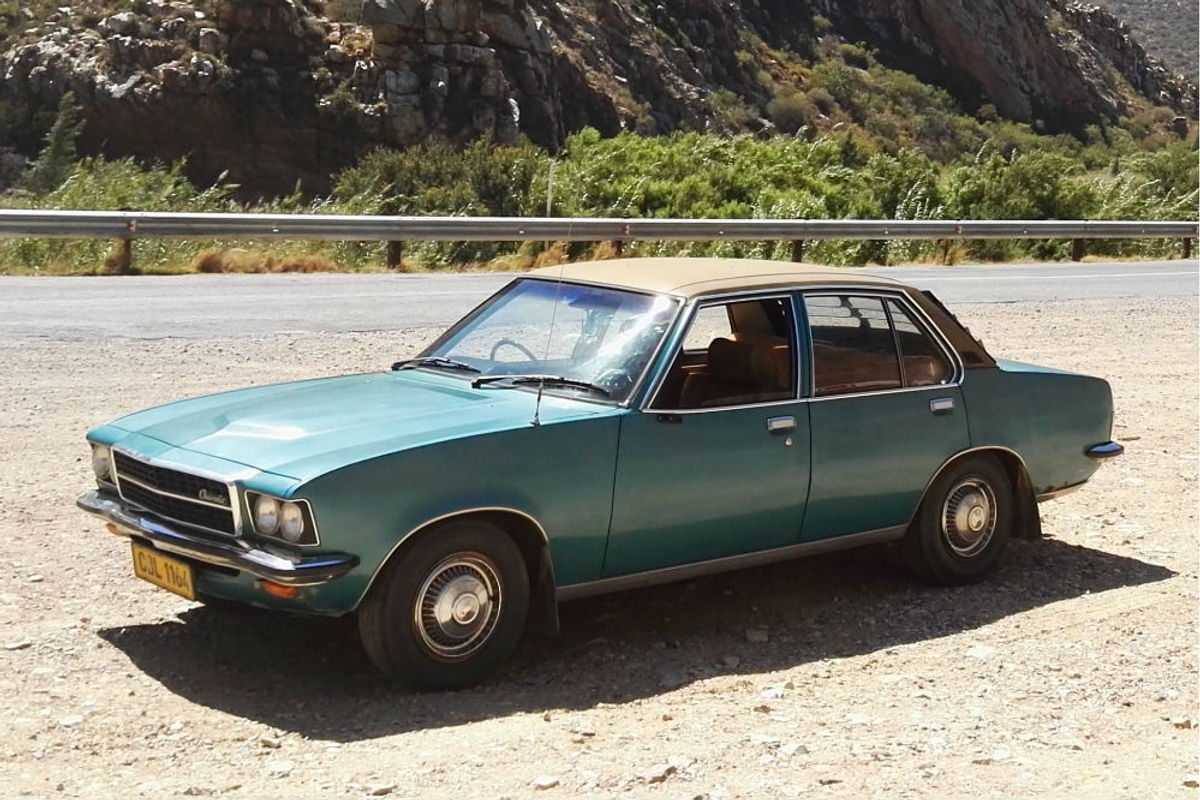
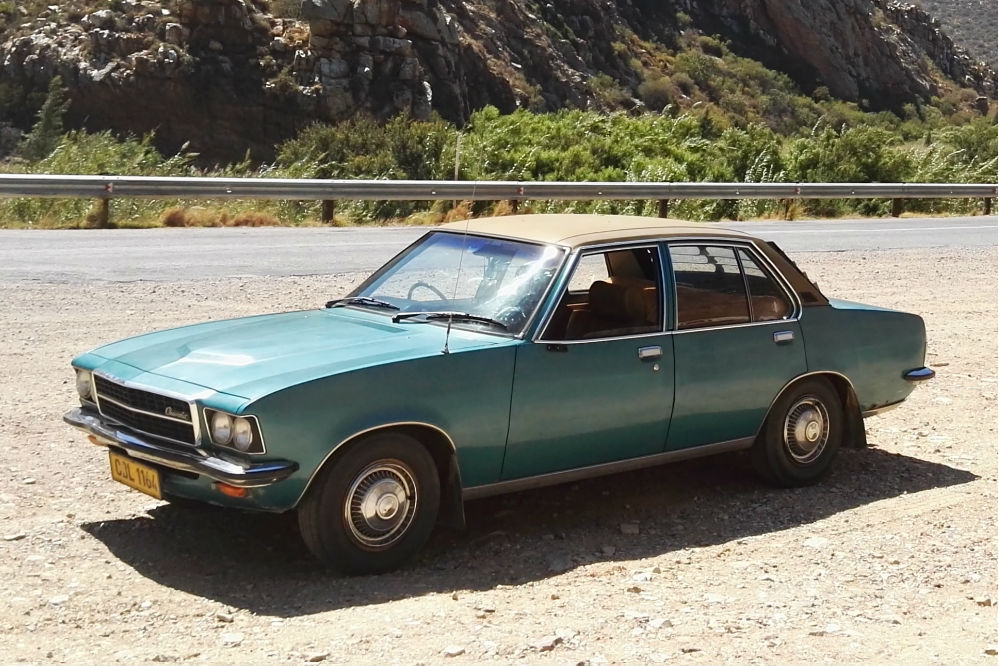
Ever since then my brothers and I (unbeknownst to one another), shared a dream to one day be in the position to replace her. To build a 4100 in honour of my dad’s car, the family ride I had literally grown up in and was absolutely instrumental in my formative car-appreciating years. Today I did it: I bought a metallic blue 4100 so similar to my dad’s that I’ve thrown my custom muscle car aspirations in the bin. Because it’s just perfect as it is.
Calvin Fisher is no stranger to classic-car ownership, but even for him, buying the Chevrolet 4100 was a rite of passage.
Why the fuss?
Let’s park sentiment for a moment and focus on what makes the Chevrolet a great car as well as a classic. There’s the fact that it’s a bonafide musclecar in the sense that in South Africa it received, via aggressive shoehorning, a 4.1-litre straight 6 into its Opel Commodore-derived body shell.
Then there’s the fact that the Chevrolet 2500/3800/4100 series was, at one point, the best-selling car in the country – and offered performance comparable (in some cases superior) to 6-cylinder BMWs and Alfa Romeos of its era. The fact that, by today’s standards, it’s simple to run, and its commonality with several Opel models, means it shares a fair number of easily attainable parts and can still be maintained with little fuss.
Also, the fact that despite its Germanic origins (beneath that American bowtie) it represents a time before the pursuit of record-breaking Nurburgring Nordschleife lap times came at the cost of comfort and on-road compliance. Being an executive saloon of the 70s era also means that if you can forgive the absence of creature comforts such as cruise control and aircon (we’ll get to that later) you’ll be rewarded with wooden trim, comfy seats all round and generally a luxuriously appointed cabin. Again, the car dates from 1975, so manage your expectations accordingly.
In the Chevrolet's pomp – the mid-Seventies – it was a top-selling family sedan renowned for its long-haul comfort.
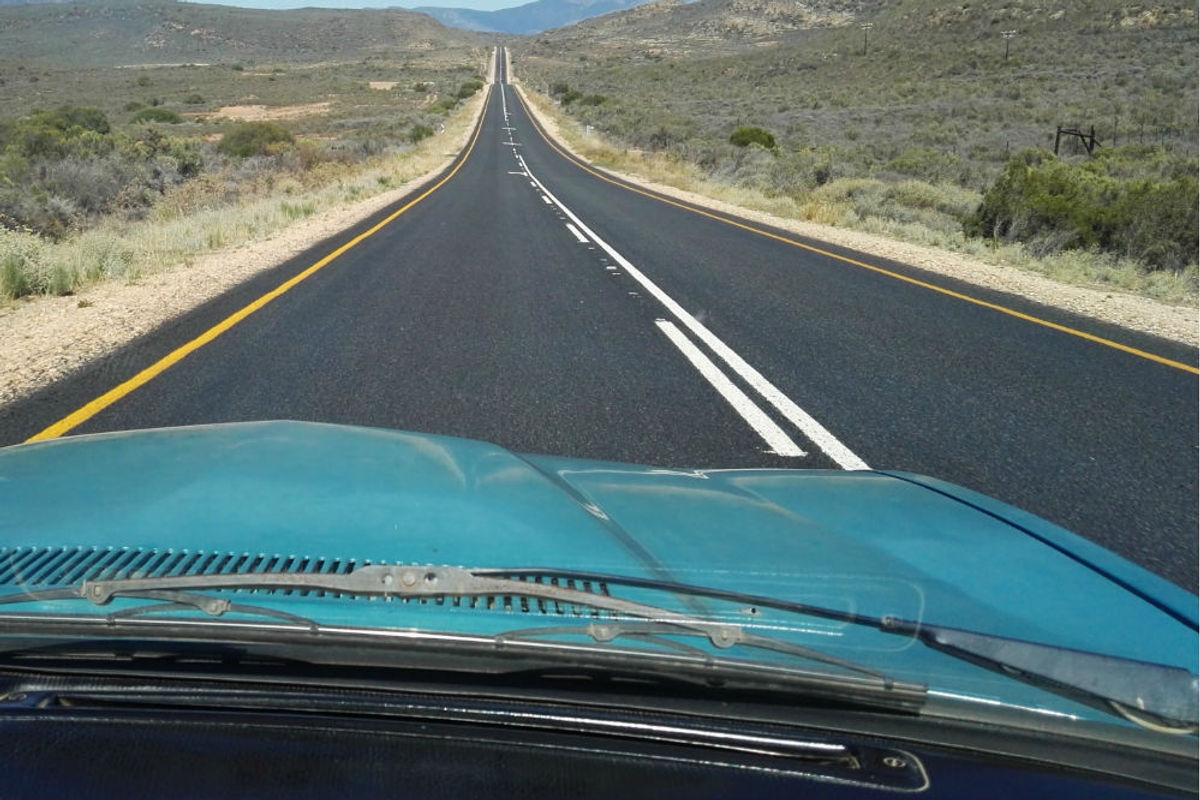
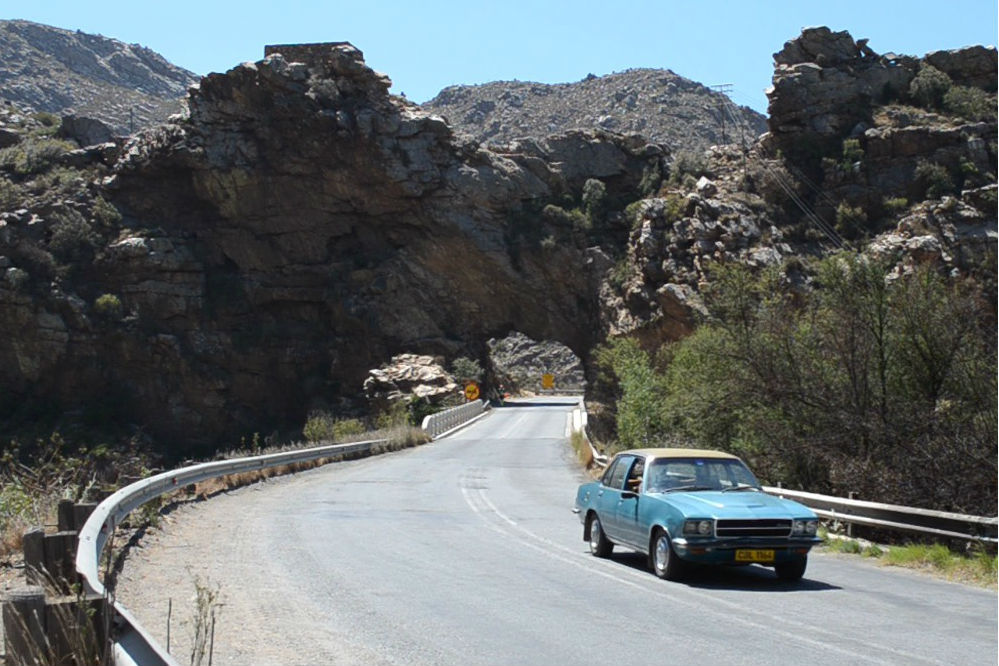
It’s with all of this in mind then, that when warned by its seller that its master brake cylinder needed attention and that there was a mild oil leak from the crankshaft and that the tyres had seen better days, I was still determined to drive it home to Cape Town. To Cape Town that is, from Ladismith some 350 km away on some of the land’s most challenging (engaging, joyous, winding – you pick a word!) asphalt. That was a hell of a gamble, for a 42-year-old car that I’d only seen in 640×480 pixel internet format. But, as they say. nothing ventured…
Sunny skies, sunburnt vleis and Chevrolet
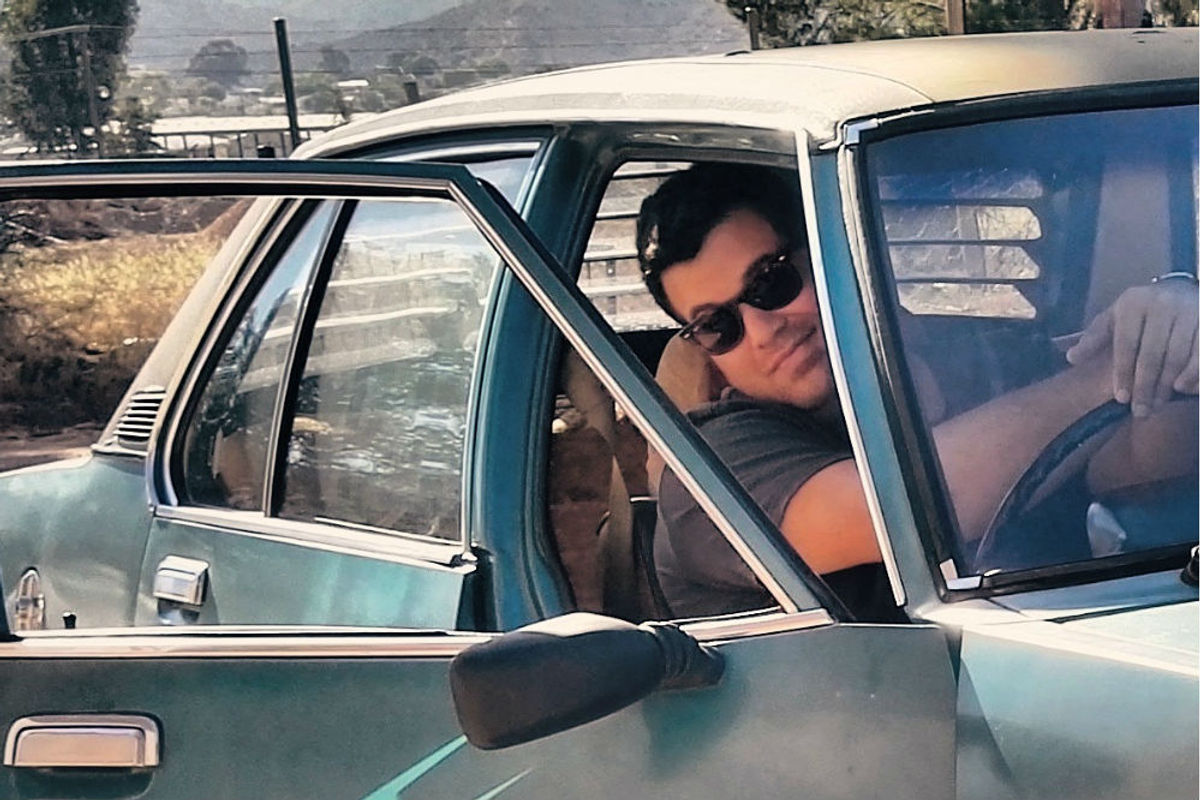
And that’s how I came to be face to metal face with Suzie Two, my new 4100. A brief walkaround, an all-to-brief 5 minute cruise around town and swapping of envelopes later and we were off. The clock had barely struck 10 am and the venerable Chevrolet was easily outperforming the DeLorean DMC12 in the Back to the Future films for sheer time travel ability. I was instantly transported 20 years back into the first car I ever drove. It was – and this shames me – the first car I drove while underage… and the car in which I had my first road accident. That was all just in one evening.
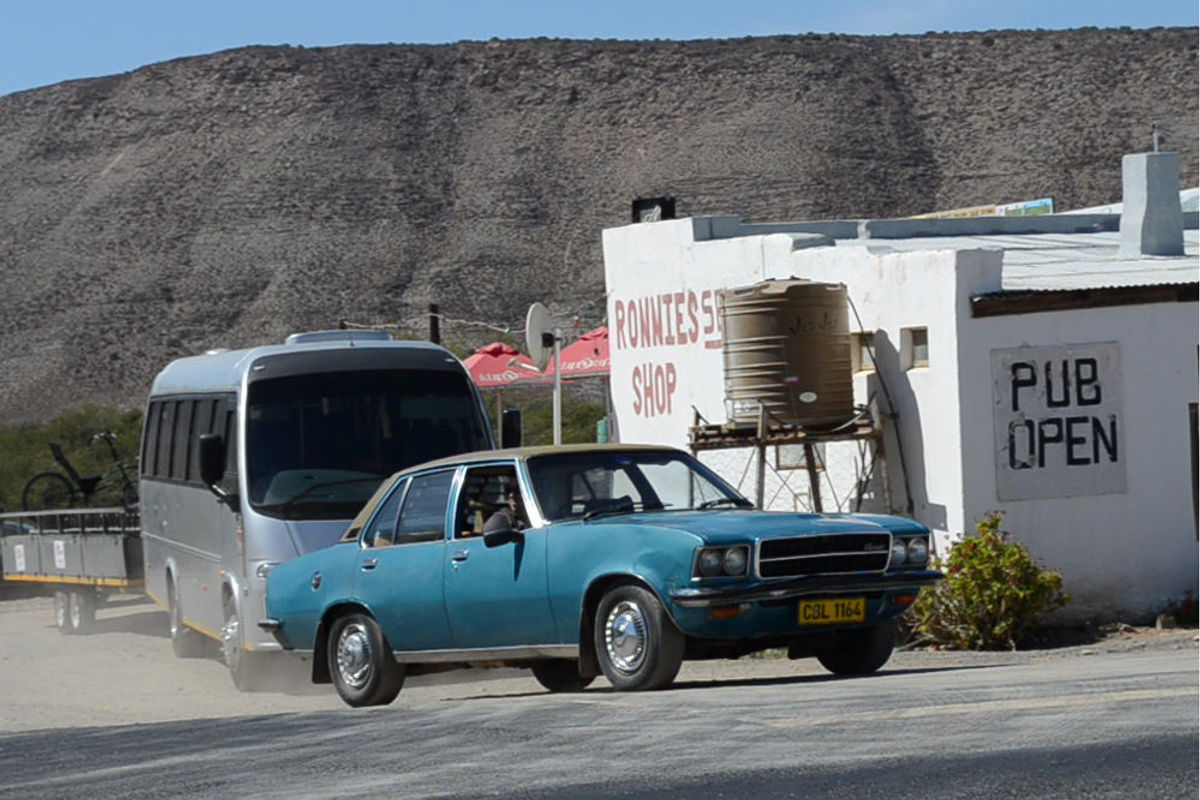
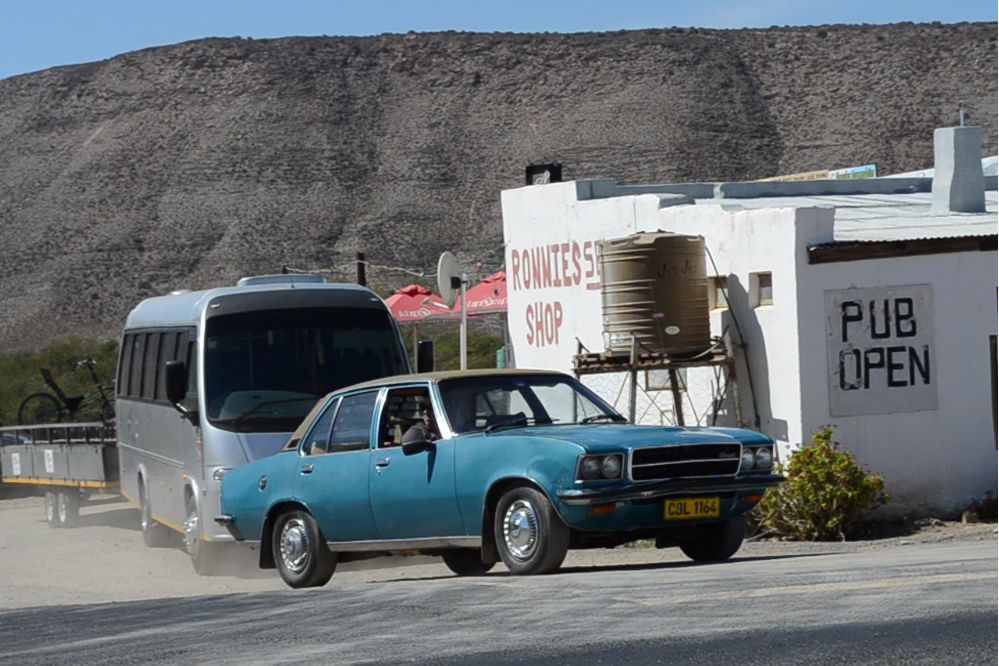
Ronnies Sex Shop is one of the landmarks along the Western Cape's Route 62, so the 4100 had to make its star turn there.
Man, the 1990s were a rush. A stupid and irresponsible rush that I’m happy to leave in the past. The fact we survived them at all must be an indication of how well these cars were made, to have survived us. It’s also the car I drove to my 1995 matric ball and so on, memories that faded away 2 decades ago now came flooding back through the vents and with it a smile that tried hard to scythe its way from ear to ear across my face.
Full disclosure: I very recently sampled a 2500, whose owner had monstered a 3800 engine into it, and come away mildly infatuated but missed the wooden instrument panels and gauges, the centre stack, clock and air vents, the details that MADE the 4100 special. This had it all. I was wildly in love and, for the first time, alone with the car. I turned the ignition over to commence the start of our trip home and the straight 6 bubbled a spluttery crescendo, the Chevrolet's snout rising ceremoniously as I fed throttle to the carburettors and all that torque cascaded to the rear differential.
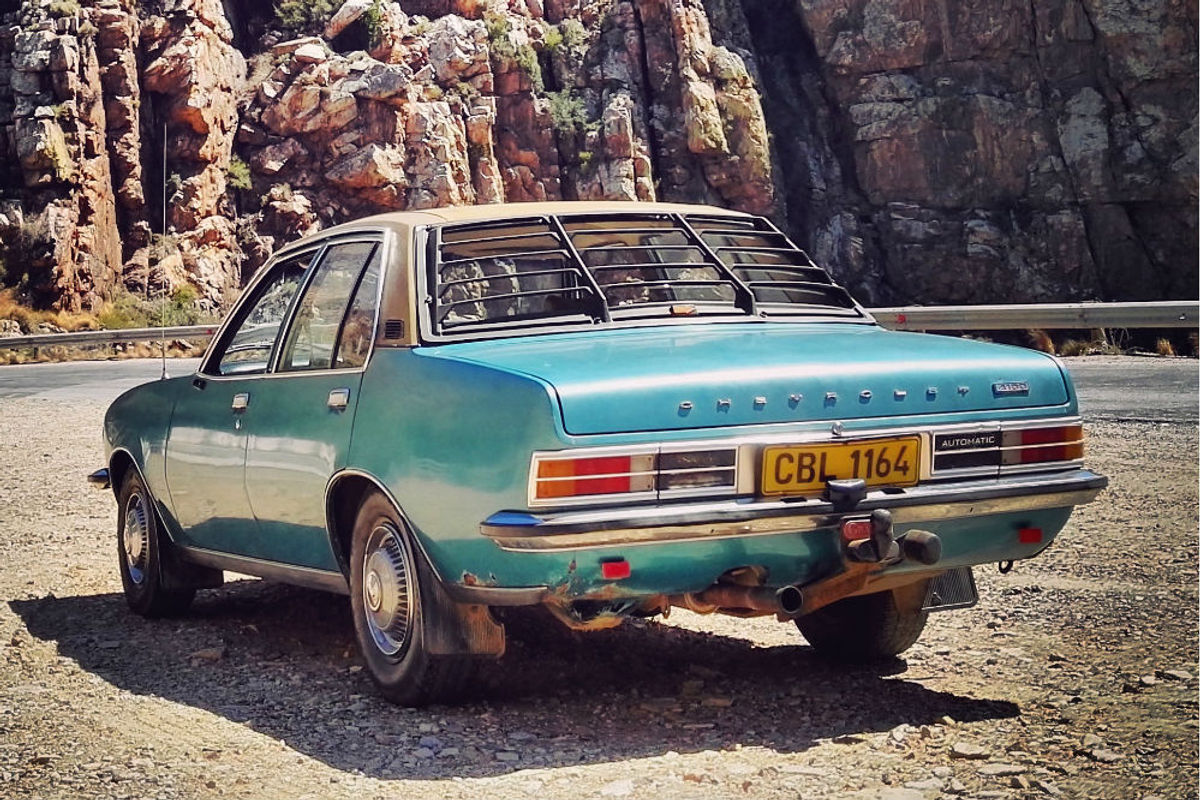
Calvin bought the Chevrolet with full knowledge of the car's cosmetic blemishes, including rust spots under the rear bumper.
Sure, 115 kW and 315 Nm (when new!) is modest by today’s standards, but this was from a time when a car’s prowess was measured by the top speed on the clock, not the stats that accompanied it. The 4100’s clocks wound up all the way to 220 kph, but, in reality, it was rated closer to 175kph. No matter, anything from 200 kph up was supercar territory on the Cape Flats, my stomping ground. We exited left from Ladismith’s dusty roads and began our charge down south along Route 62, quickly seeing off the likes of Ronnie’s Sex Shop, then Barrydale and onwards.
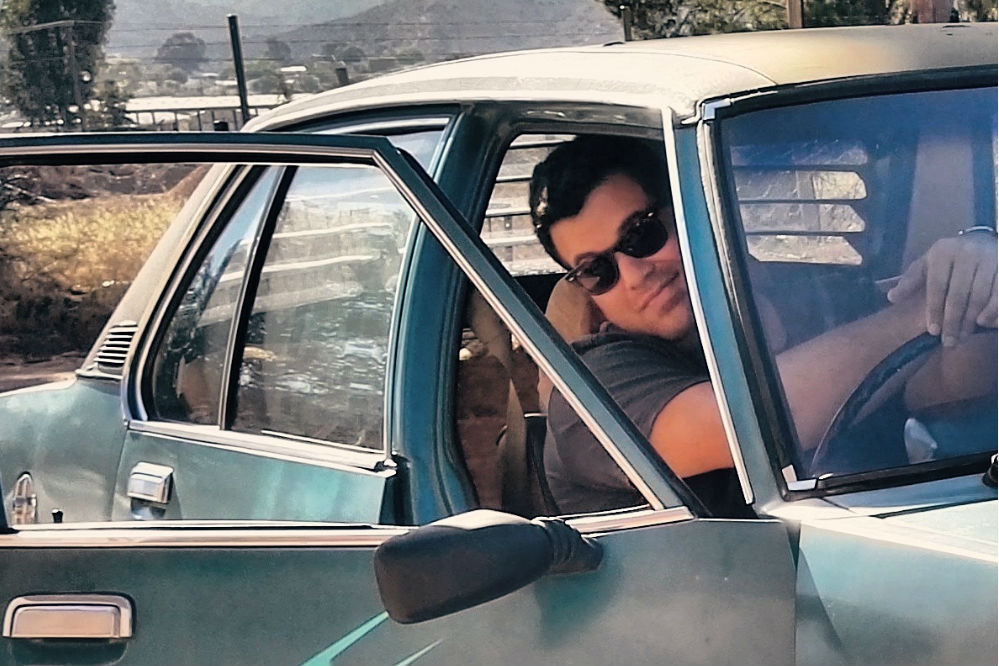
My plan was to merely chug along at 80 to 90kph, slowly and steadily winning the race home but the 6-cylinder mill purred too sweetly, goading me into action and soon 110 kph was the going rate. Then 120 kph, with room to overtake, as I did often. No aircon meant driving with both front windows down to channel cool air over me. Nostalgia meant alternating between poking my arm through the window and resting my elbow on the sill.
No sunscreen meant that by noon I was sporting an impressive trucker’s tan. And 24 hours later this would mean a fair amount of pain, but it was totally friggin’ worth it. We made it home safely and without incident. I think what we have is special. This is quite serious. I think I might propose.
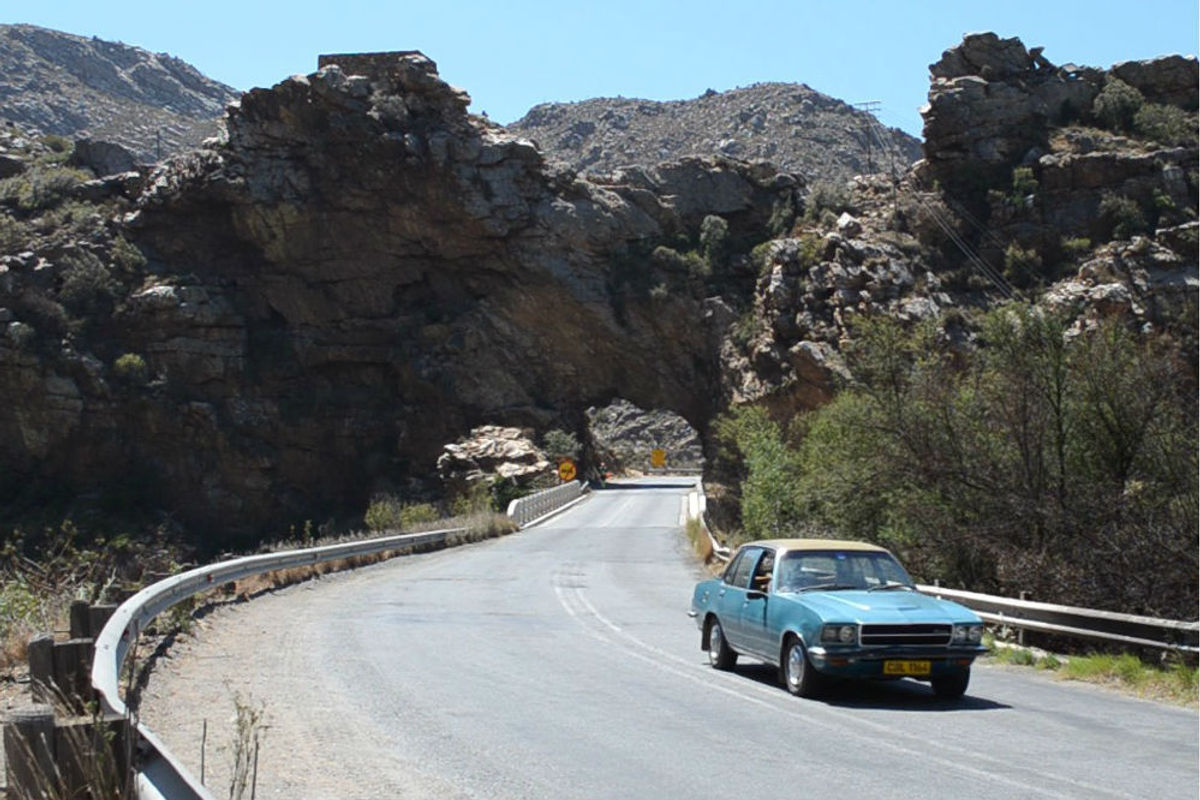
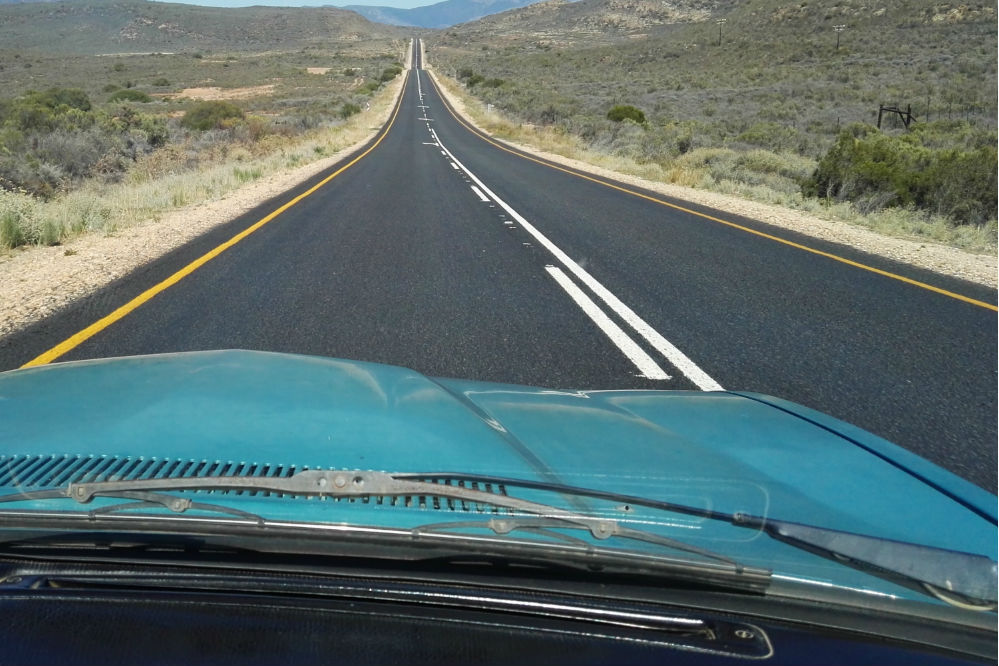
Even though a gallop to Cape Town was not best advised, Calvin enjoyed letting the 4100 "stretch its legs" on the wide open road.
With rose-tinted glasses half off
Let’s get serious for a moment. The big Chevy's fuel economy is era correct, so it's fairly high. If you’re thinking of using it as a daily runner you can expect to average 13 L/100 km, which is comparable to life with a contemporary performance sedan. If the heat is a real bother to you then a lack of air-conditioning might put you off, but I suppose there are aftermarket solutions to that "problem". And the drive home. which I admit was done at a much higher pace than was wise, heralded the rise of an old 4100 ailment, a clattery tappet cover, but that’s really all I have to report.
The tyres were in far better condition than I was expecting, and the brakes held up just fine. The car’s just been booked in for its first service (who knows since when) where it will be given a thorough check and hopefully that oil leak resolved. It’s worth mentioning that with an older car, safety standards diminish the older it is. A 42-year-old car like mine doesn’t have any seatbelts for the rear bench, but my 34-year-old Toyota does.
In the sweltering late-summer sun, the most effective source of cooling for the cabin was to drive with the front windows open.
Again, there are after market solutions to overcome this, but then that only really affects you if you’ve got a small family to carry around. Which is more than I can say about its lack of ABS and airbags.
Tempted to go classic? Read this first:
Look, it helps massively if you're mechanically minded or a compulsive DIYer with a penchant for watching "how-to videos" on YouTube. That's because when driving something of this vintage, in this case a motor vehicle approaching half a century of existence, you'll eventually find yourself in a situation where you'll need to roll up your sleeves and get your knuckles scuffed. It isn't a deal breaker of course, "old-school" auto electricians and mechanics will make light work of a broken brake master cylinder, will find out where that water (or oil) leak is located and plug it with little hassle.
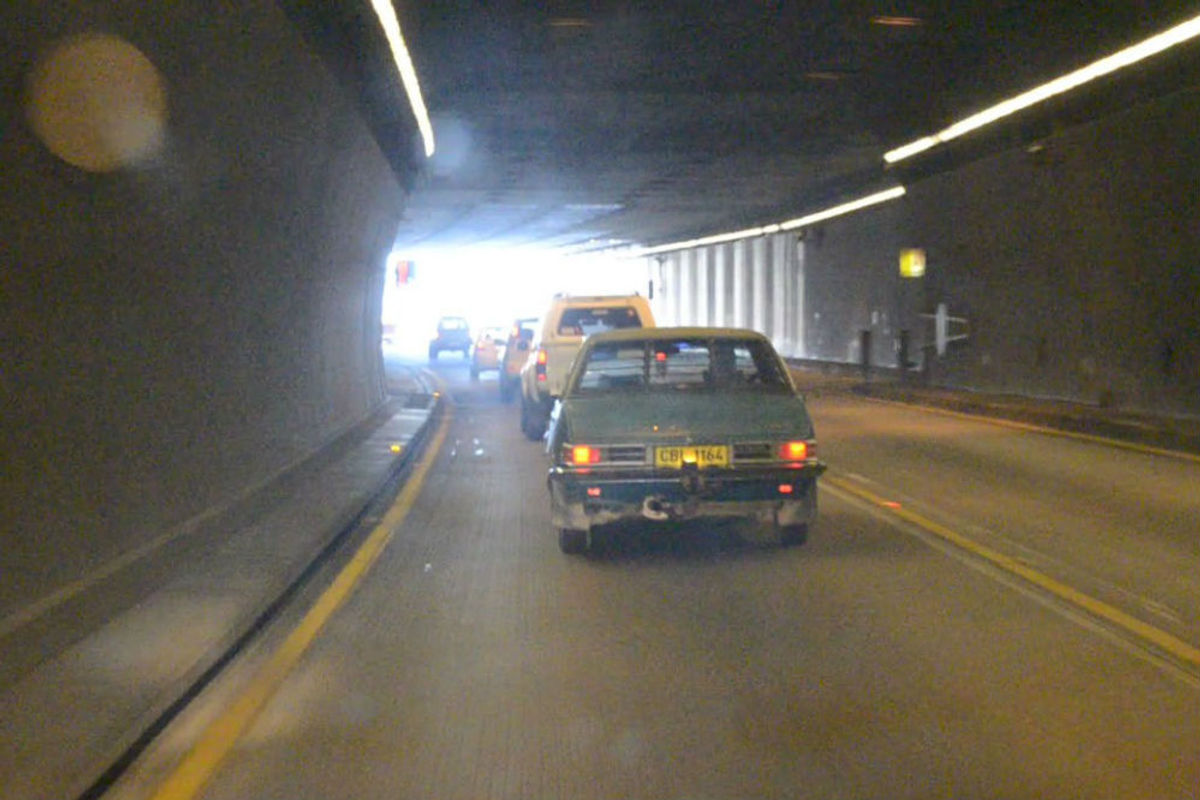
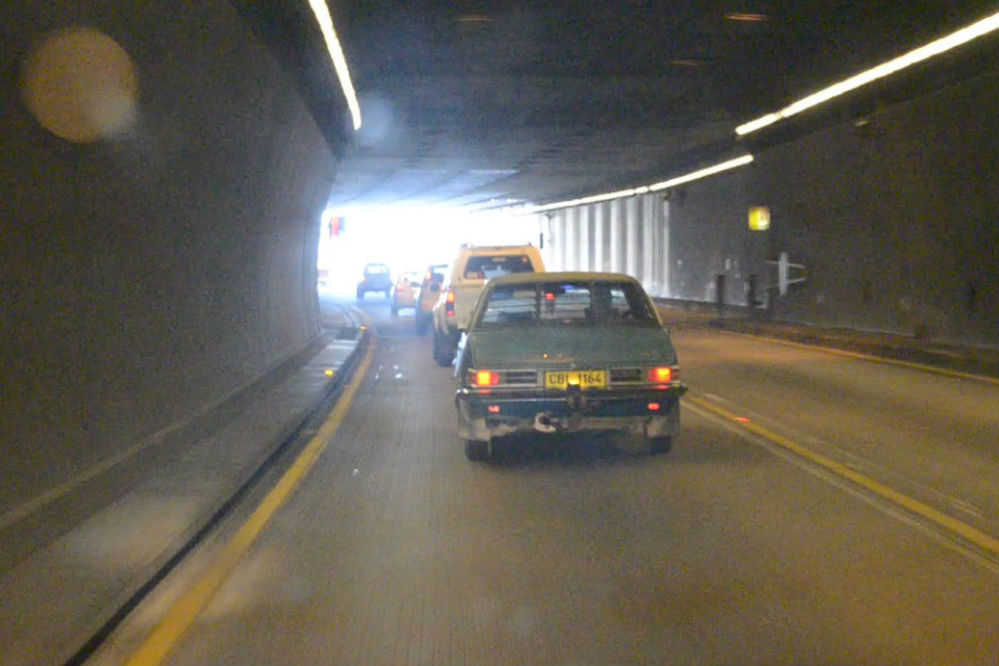
Its journey almost complete, the Chevrolet queued behind other cars in the busy Huguenot tunnel just outside Paarl.
It won't necessarily come cheap, but compared to what a modern car can cost to run after its manufacturer or aftermarket warranty has expired… it's potentially a bargain. Keep in mind that if you're buying at the coast, rust will be an issue. Have a look underneath and see how far gone the underbody is before signing yourself into a life of motorised remorse. In my Chevy's case, the original paint will require a fresh coat which will double as an opportunity to eradicate the mild formation of iron oxide (also known as tin worm, or, more commonly, rust) that has materialised.
Oil leaks are more serious, an indication of any numerous possible ailments, all of them potentially expensive. Excessive smoking is another no-no for me, especially if it leaves a black cloud in its wake, an indication at best of a poor fuel mix, or if the plumes have a bluish tinge, which is worse, that piston rings need to be replaced. That means opening the engine. That means goodbye disposable income. Smoke up front could be less of an issue, but even so be wary. My seller was upfront with the car's flaws and I'm glad to report that it stayed true the whole way home.
Whether intentional or not, Calvin rolled out the welcome carpet for the 4100's arrival at his Cape Town home.
I don’t care. I still want it
All of this aside, I’ve essentially landed myself a priceless piece of nostalgia that just so happens to be a comfortable cruise missile with an abundance of character. I had plans to cut it and shut it, and transform it into a race-track plaything as a tribute to the original car, but instead found myself forming a close bond with the 4100 in its current unmolested state on the way home.
So much so that I couldn’t dare disfigure it in any way now. And to think I got it for around the price of a set of tyres on a modern sedan developed at the Nurburgring. Have I made a case for nostalgia? You be the judge…
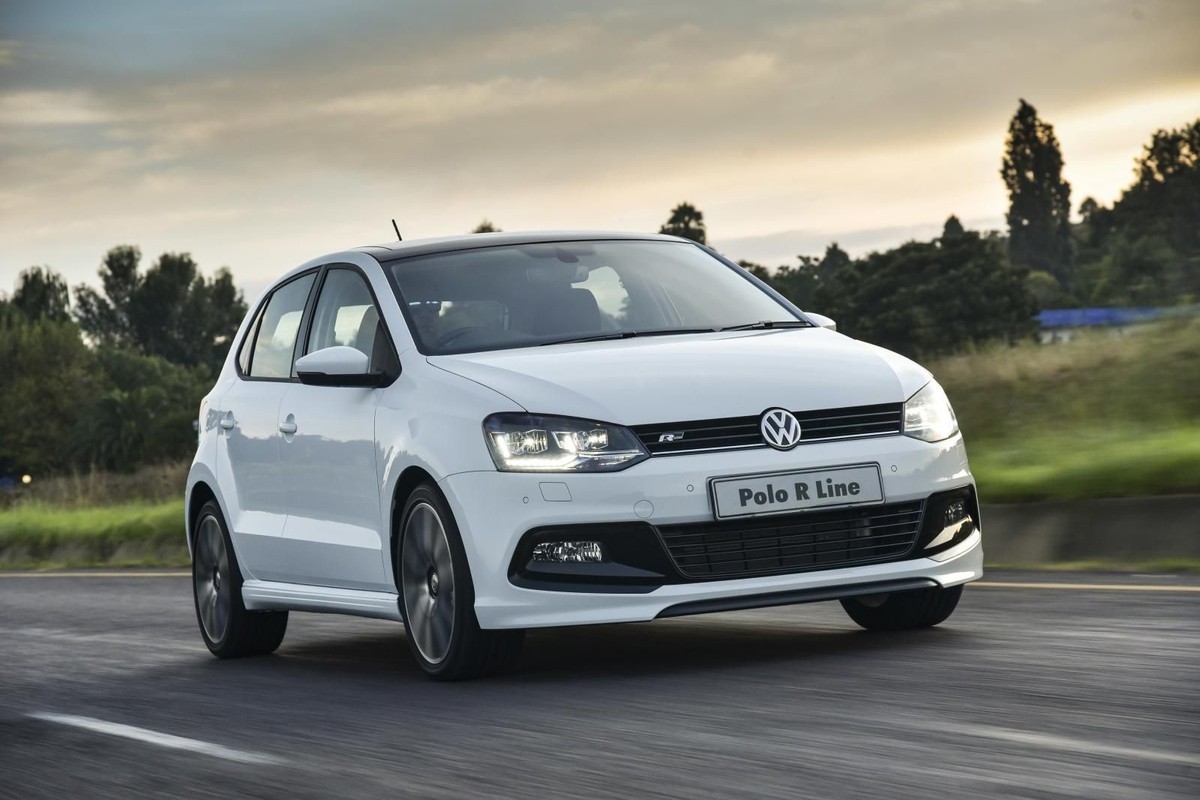
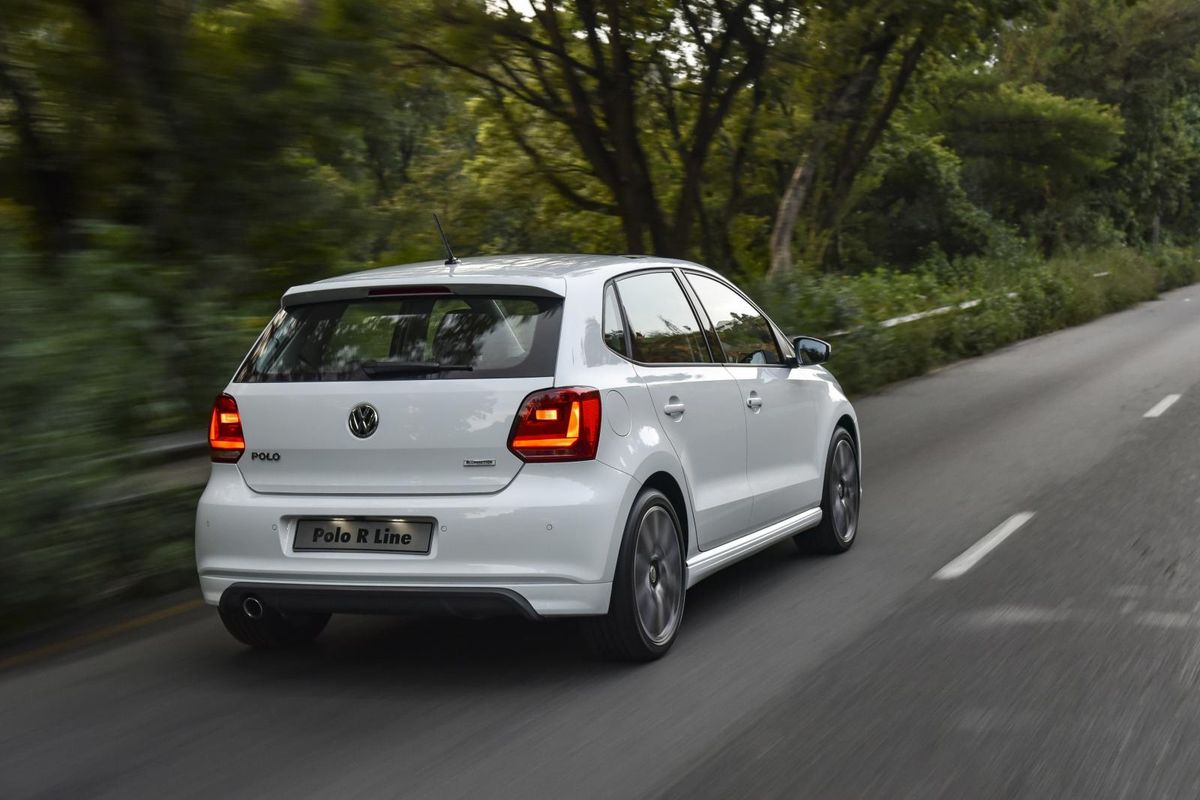
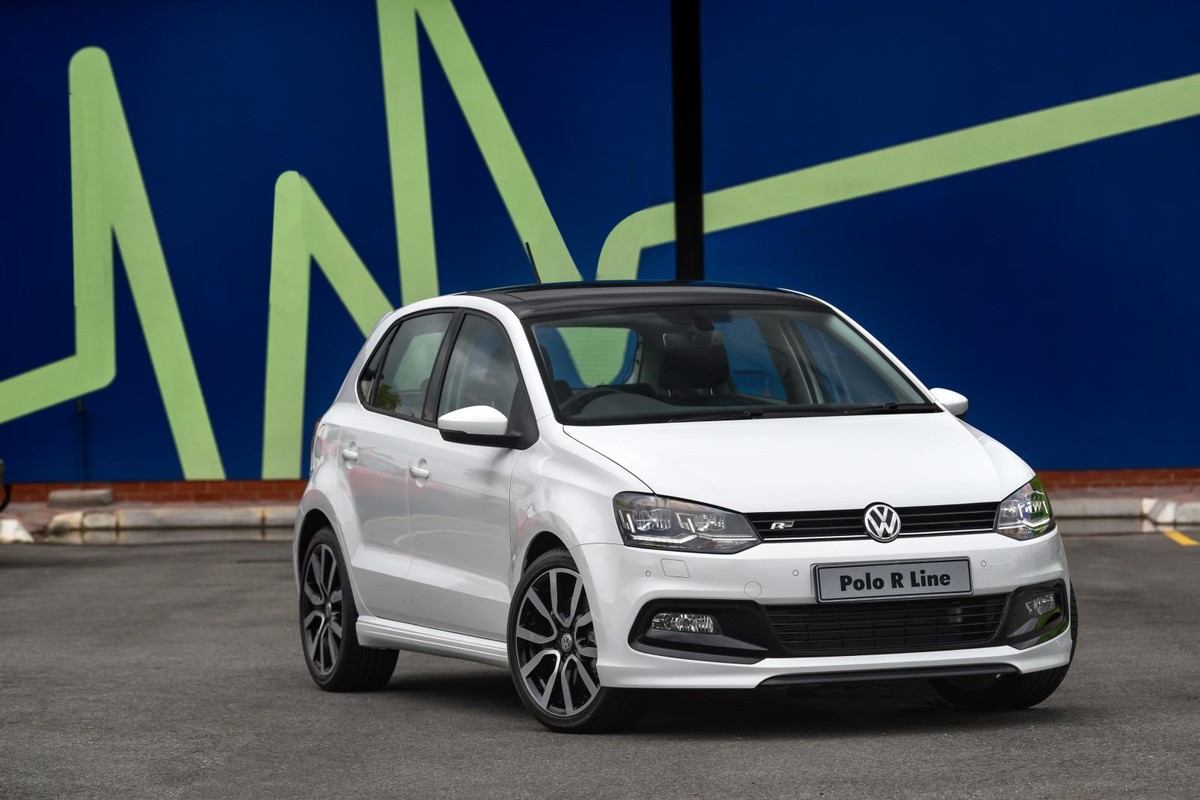
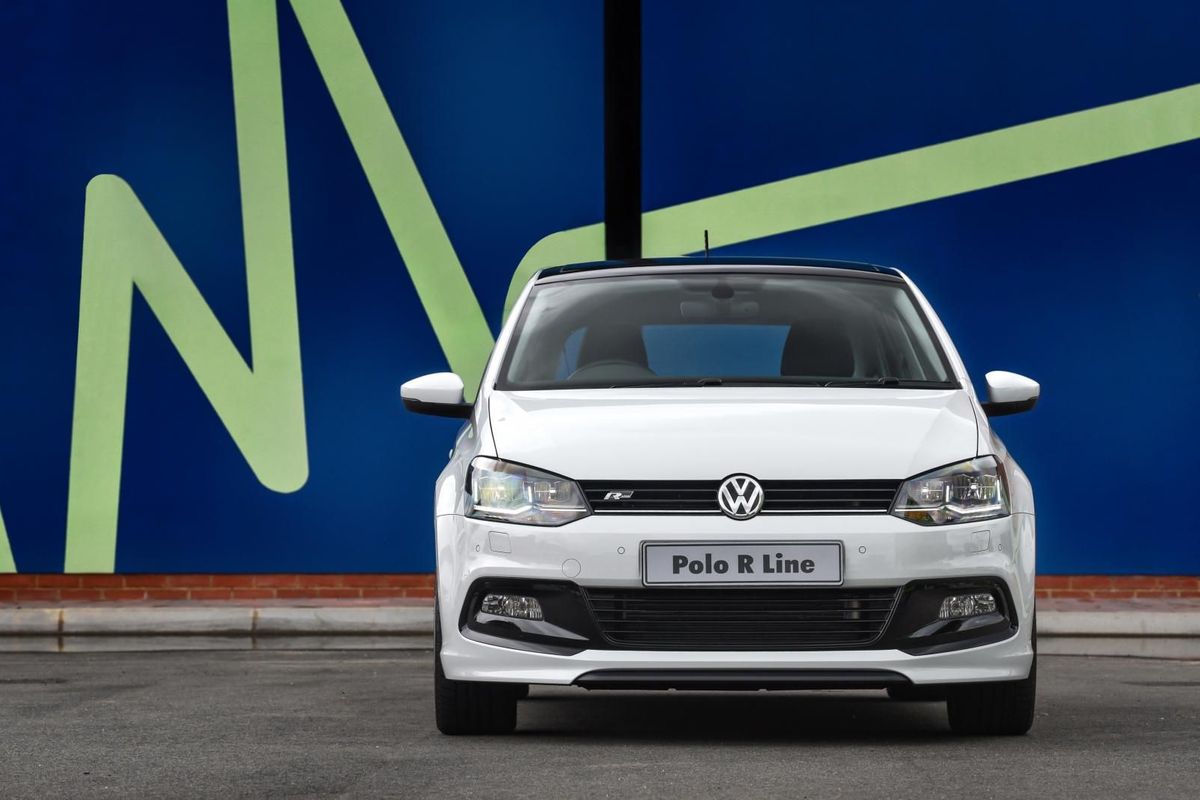
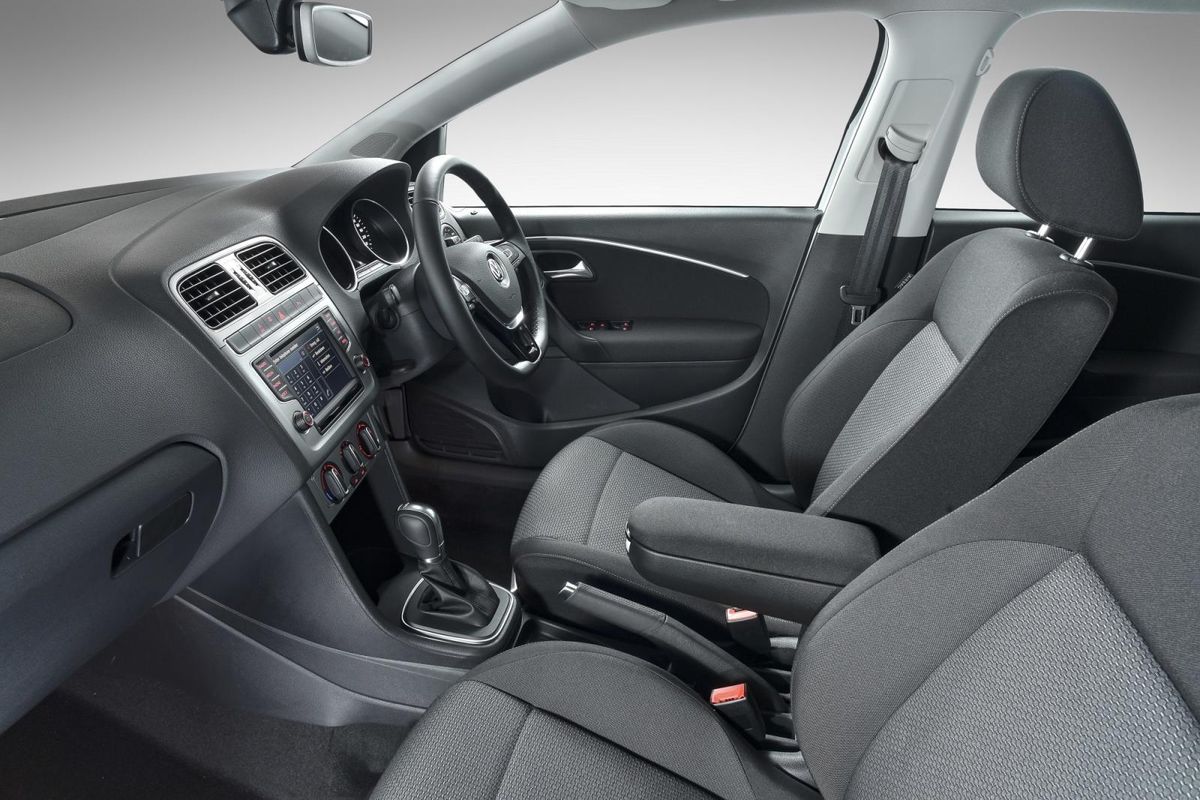
We drive the new Volkswagen Polo 1.0 TSI R-Line derivative. Is less really more? Let's find out…
It's only natural to wonder why Volkswagen would offer a Polo with a 1.0-litre engine, with only 3 cylinders and carrying an R-Line badge? Surely such a badge should be reserved for the brand’s more sportier releases? You and I would both be incorrect with that assumption, not regarding the sportiness of the R-Line badge, but rather the size of the new Polo's engine.
See, Volkswagen has long believed in downsizing. Consumers have had to get used to their 1.4 and 1.2 TSI engines, but if that wasn't enough, this new Polo takes it a step further. Losing one cylinder as well as 200 cm3 makes the new engine look somewhat insignificant, but driving the car is a different story altogether. Yes, the new Polo 1.0 TSI is an anomaly.
Sporty looks
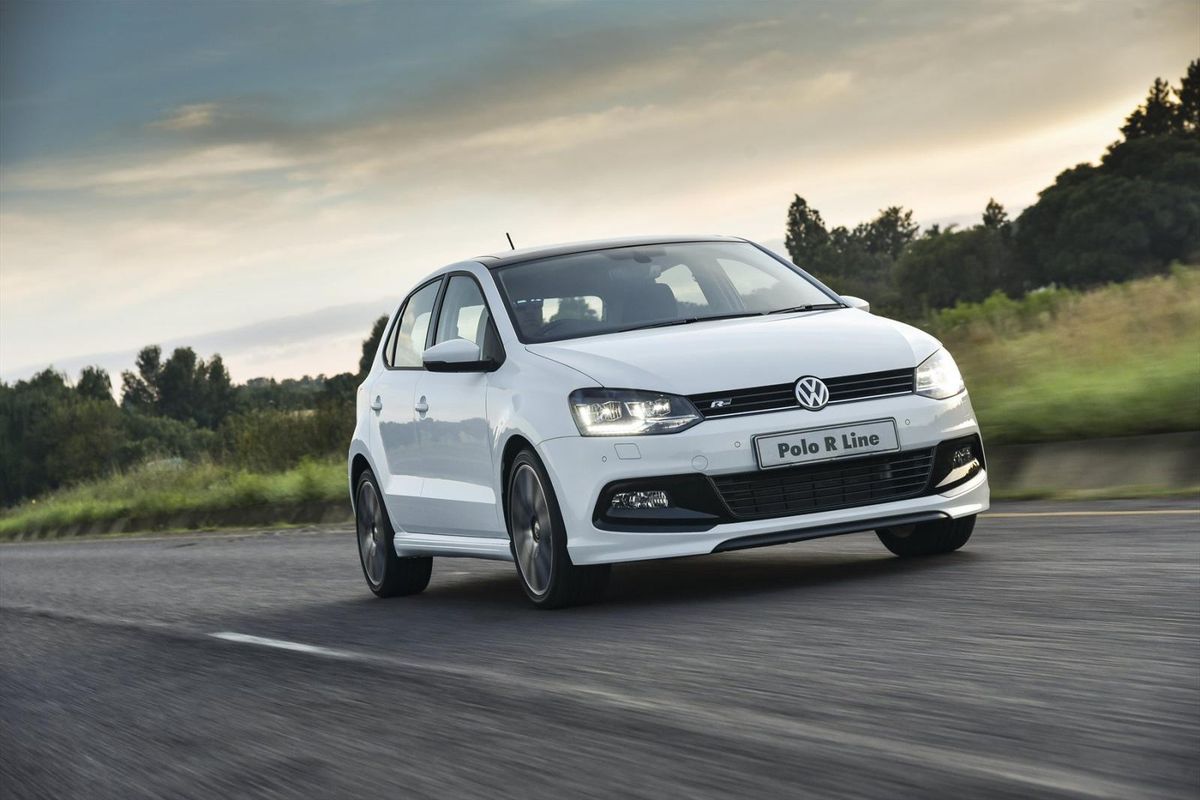
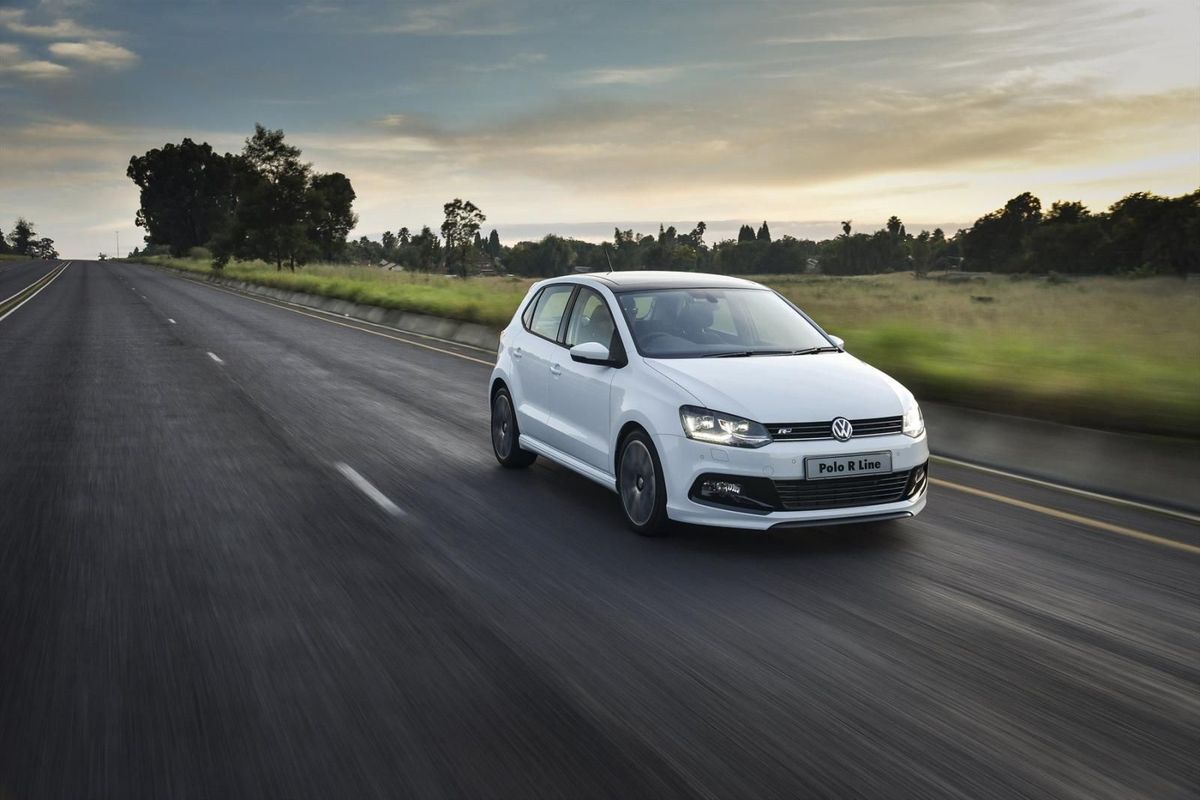
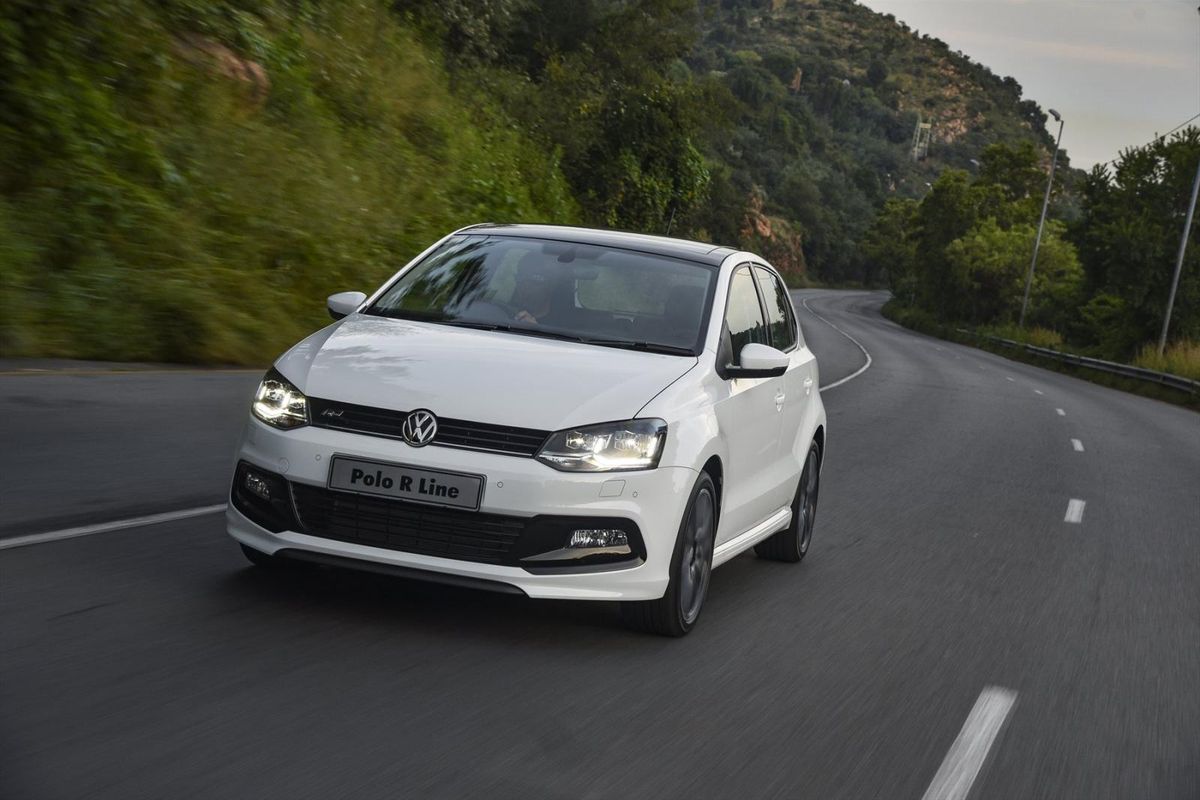
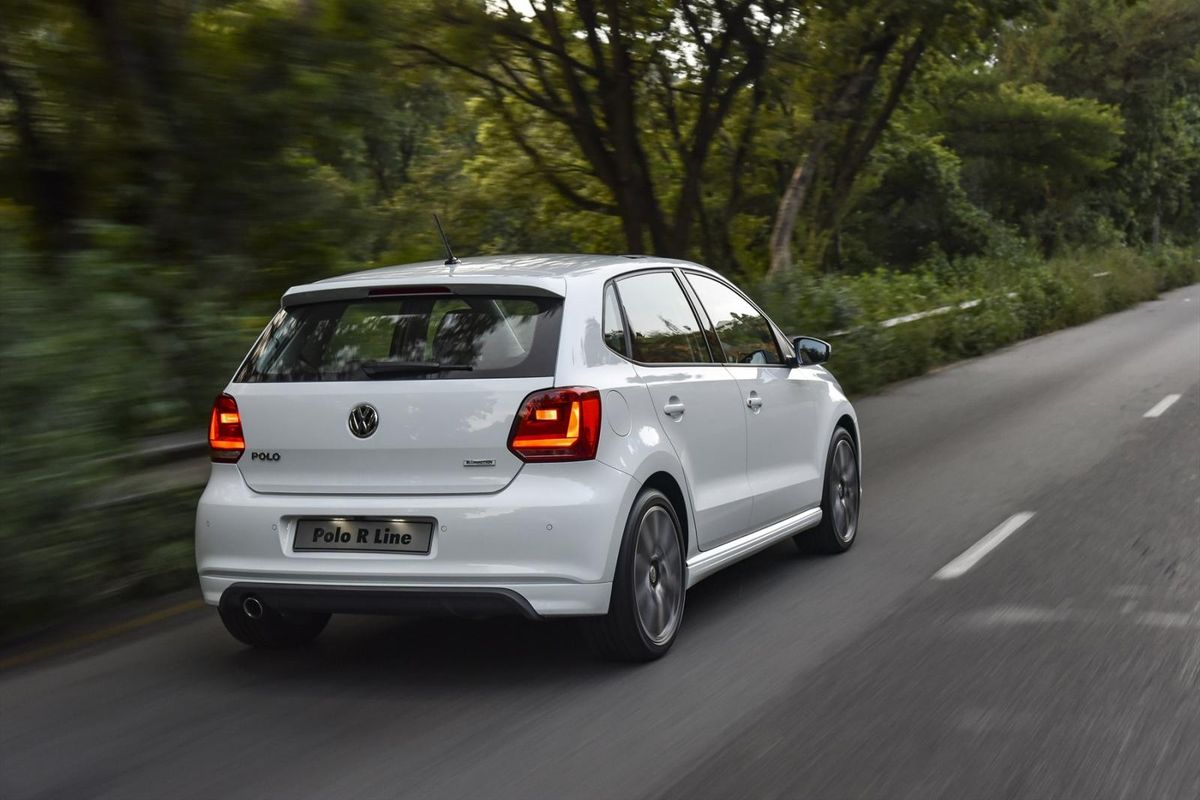
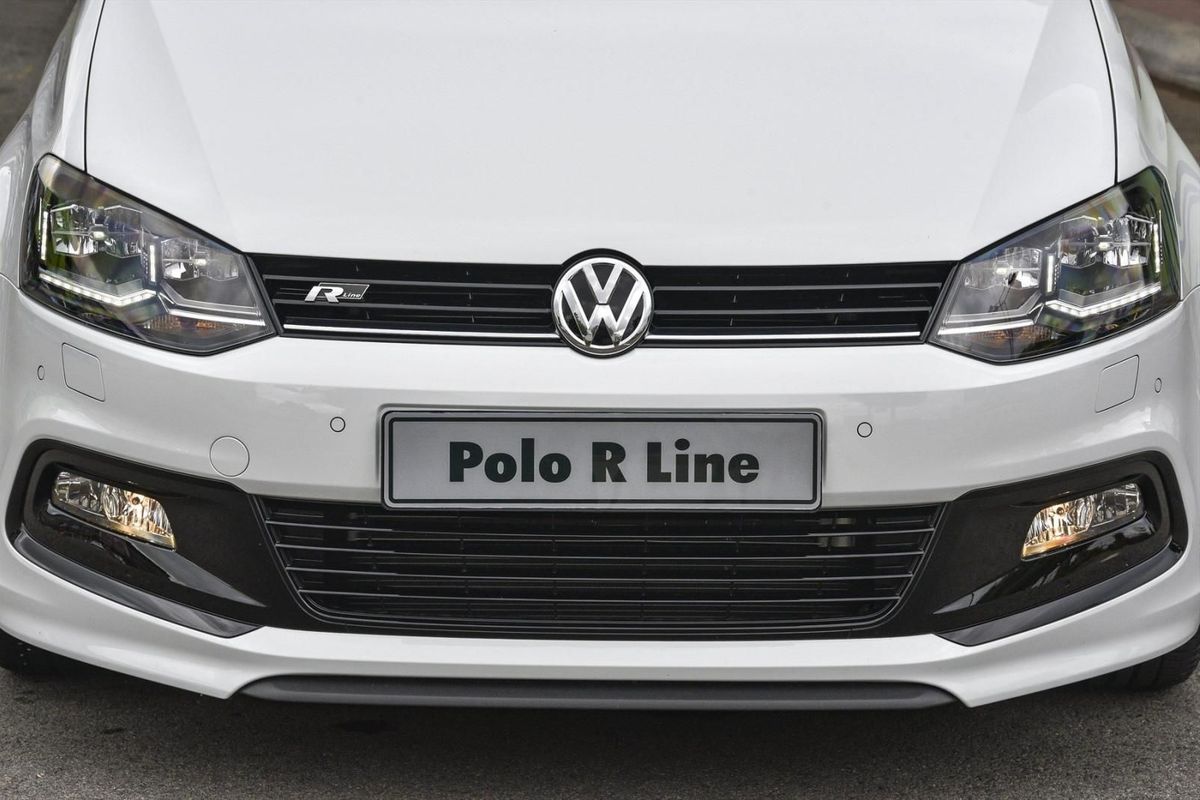
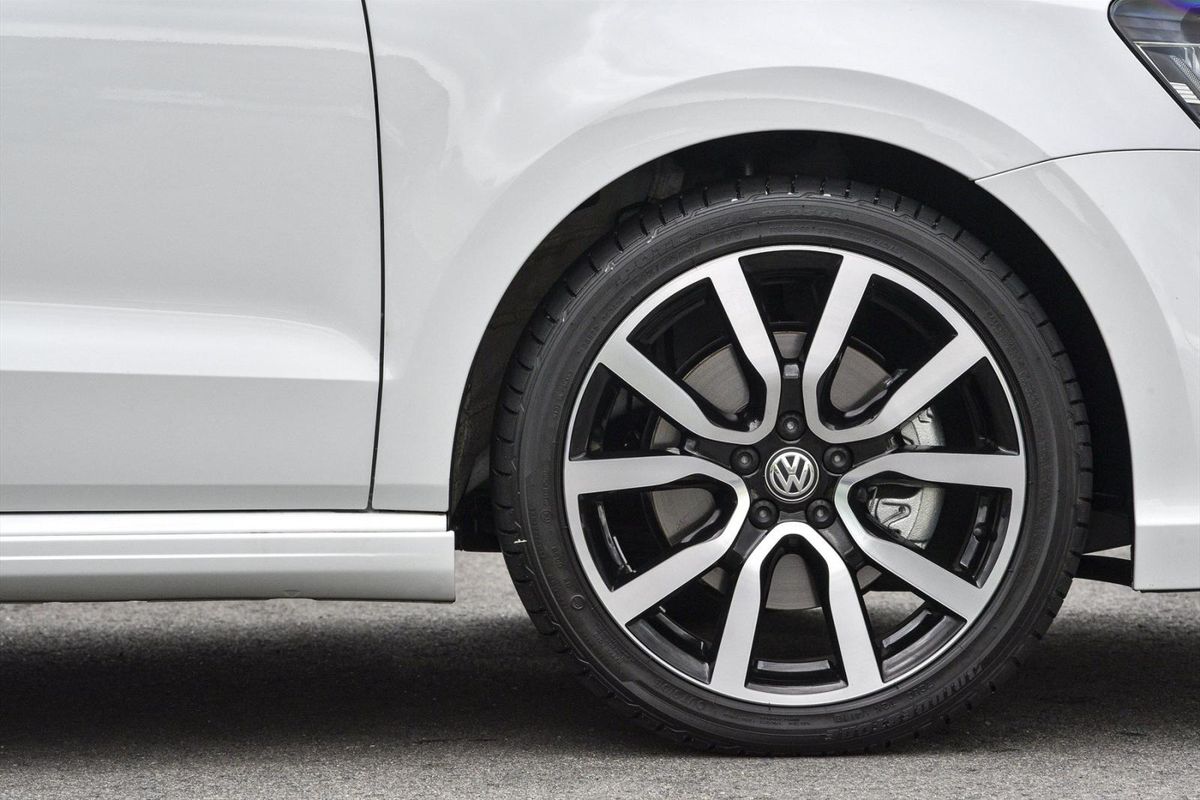
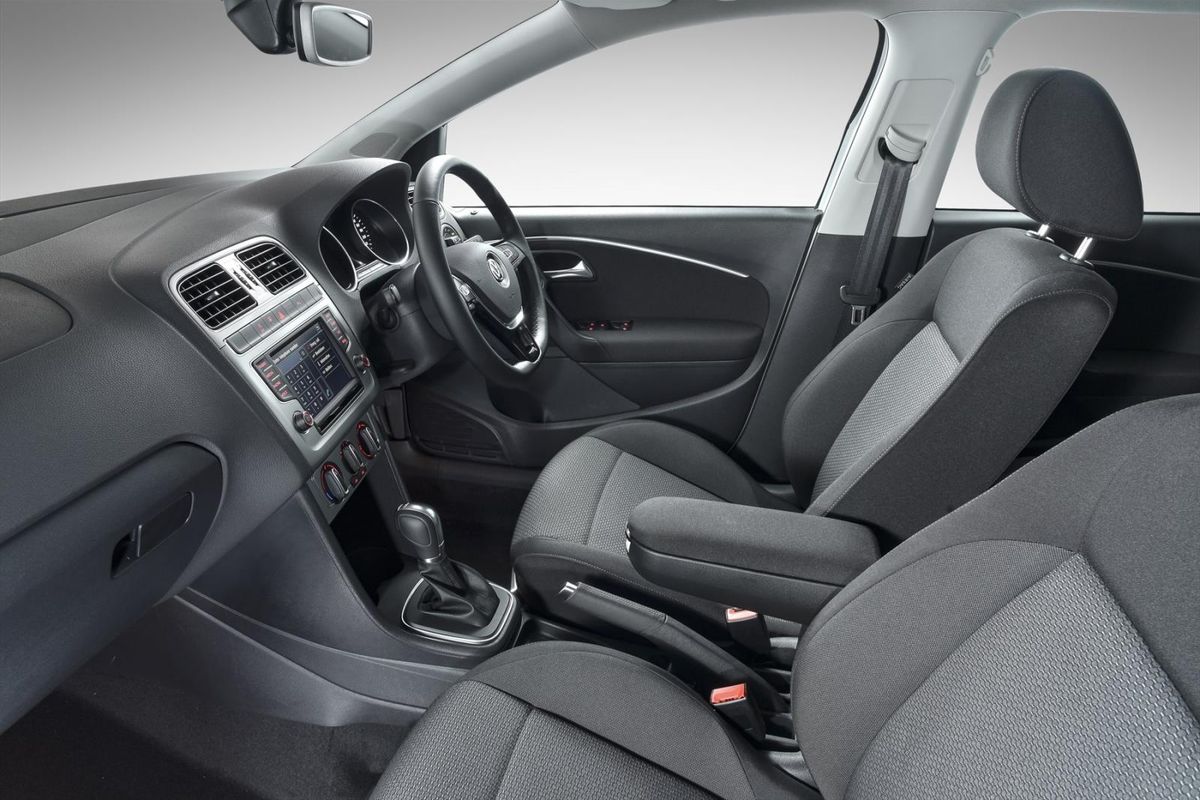
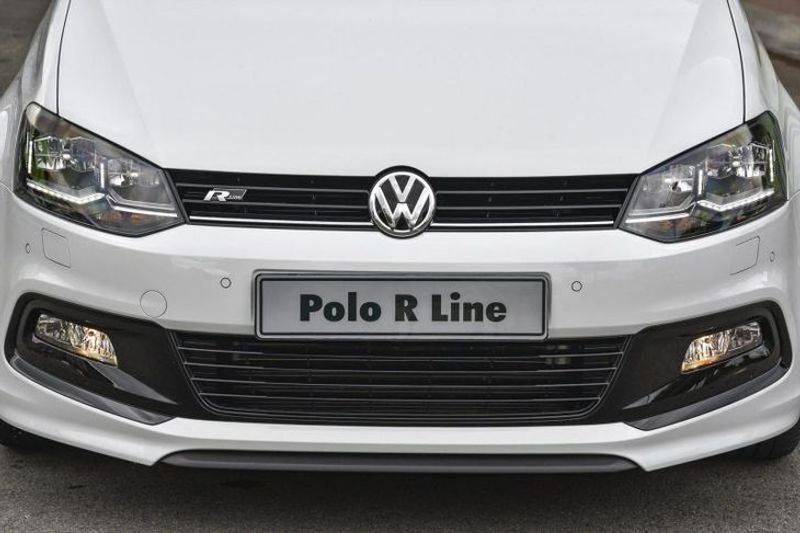
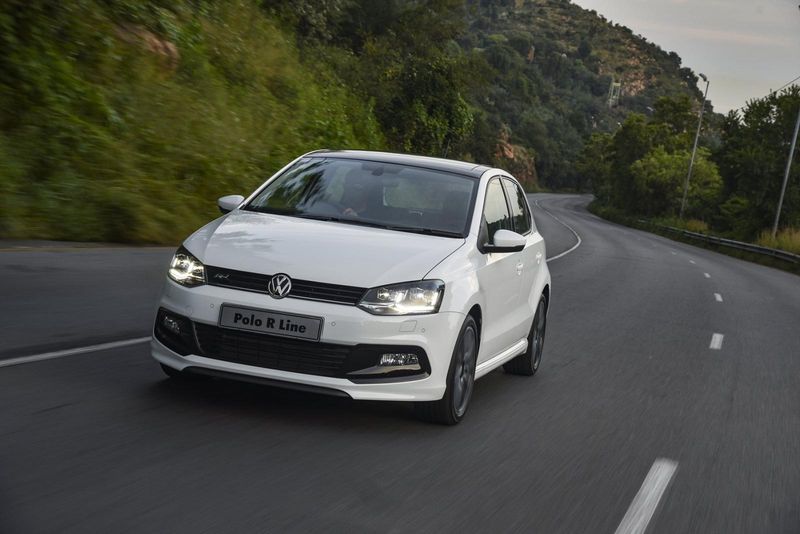
Looking at the car, you would be forgiven for mistaking it for a Polo GTI. The 17-inch wheels, an aggressive body kit and some optional Xenon lights create an aesthetically pleasing look for the 1.0 TSI R-Line. The interior follows suit… the cloth seats are chunky and body-hugging while the dashboard receives some grey detailing around the 5-inch Composition Colour infotainment system. Speaking of the infotainment system, it’s as modern as a Golf’s, even giving you Apple CarPlay so that you can enjoy your tunes to match the look of your car.
The interior is not jaw-dropping, not by a long shot, perhaps a bit bland, maybe, but in a high-quality German way. The exterior is where it’s all happening and the look is finished off masterfully with an optional panoramic sunroof which can be opened fully and of course tilted to give you that Saturday night edge at “the spot”.
Punchy performance
The Polo 1.0 TSI R-Line fills the gap between the Polo GTI and the 1.2 TSI Highline with lively performance from its small-capacity engine.
Considering the size of the engine, this is where you would expect to be disappointed. Interestingly, the 1.2-litre TSI Highline produces 82 kW and 175 Nm of torque, but this smaller 1.0-litre unit offers up 81 kW and 200 Nm of torque, which is weirdly more than its older brother. The lack of a fourth cylinder in the R-Line makes the car drive differently, less smooth, but somehow more exciting. It’s almost difficult to explain how this engine feels, but the best way to sum it up would be to say that it’s feisty.
The torque spike is pronounced, making acceleration feel edgy and immediate, despite its moderate claimed zero to 100 kph sprint time of 9.3 seconds. That's not fast, but you don’t care as the 7-speed DSG gearbox flies through the ratios. Oh, and that transmission is what makes the Polo TSI R-Line feel this way. It doesn’t feel as quick-shifting as the Polo GTI's DSG, but each time the next gear is engaged, you’re rewarded with a healthy surge of torque, which will leave a childish grin on anyone's face.
The ride is firm, but not unbearably so. Again, this is no GTI, but the R-Line is not trying to be a GTI, it’s its own vehicle, perhaps the Polo that was missing in the range. There was always a gap between the GTI and the 1.2 TSI Highline, a gap the 1.0 TSI R-Line now fills in terms of excitement and fun. This Polo 1.0 TSI R-Line is the car you buy if you’re not the boy-racer type (and don’t need nor want all that extra power), but you simply want to zip around town and maintain a certain level of youthful appeal.
Summary
This brings us to the timing of the car. It’s a pity that we’re receiving a car like this on the backend of the current Polo’s life cycle. As monthly sales figures indicate, the Polo is a very prominent car in South Africa. Perhaps the new 1.0 TSI R-Line is a way to hold interest until a new model is revealed. If that’s the case, then this model has achieved what it set out to do.
With a claimed combined consumption of 4.4 L/100 km, the 1.0 TSI R-Line represents fun on a budget. Given its price tag of R290 200, it may seem overpriced considering its diminutive engine size, but in this particular case, size doesn’t matter. The newcomer impresses despite its smaller displacement. Yes, it does require extra revs to get going, but the aural experience of the 3-motor whirring away merrily is worth it. You can still have fun even though you haven't spent the extra money on a GTI… Perhaps this is just the Polo that you want.
Volkswagen Polo 1.0 TSI R-Line price in South Africa
Volkswagen Polo 1.0 TSI R-Line R290 200
The Polo 1.0 TSI R-Line comes standard with a 3-year/45 000 km service plan, a 3-year/120 000 km warranty and a 12-year anti-corrosion warranty.
Volkswagen Polo 1.0 TSI R-Line (2017) Specs & Pricing
Volkswagen South Africa has expanded its Polo range with the addition of a new engine. Here are the specifications and pricing for the 1.0 TSI R-Line.
The current model cycle of the Volkswagen Polo is nearing its end, but the Wolfsburg-based brand has bolstered it with the addition of an R-Line derivative, which has now gone on sale.
The Volkswagen Polo Hatch R-Line comes to market with a new engine. It's a 1.0-litre TSI unit, pushing out 81 kW and 200 Nm. Power goes to the front wheels via a 7-speed DSG dual-clutch transmission. Fuel consumption is a claimed 4.4 L/100 km and Volkswagen says the newcomer will hit 100 kph from standstill in 9.3 seconds and go on to a top speed of 197 kph.
The standard specification is generous, but you can always browse through the options list to further enhance your Volkswagen Polo R-Line. The vehicle comes with electronic stability programme (ESP), dual front and side airbags, leather multi-function steering wheel, front fog lights, multi-function display, and the attractive R-Line bodykit.
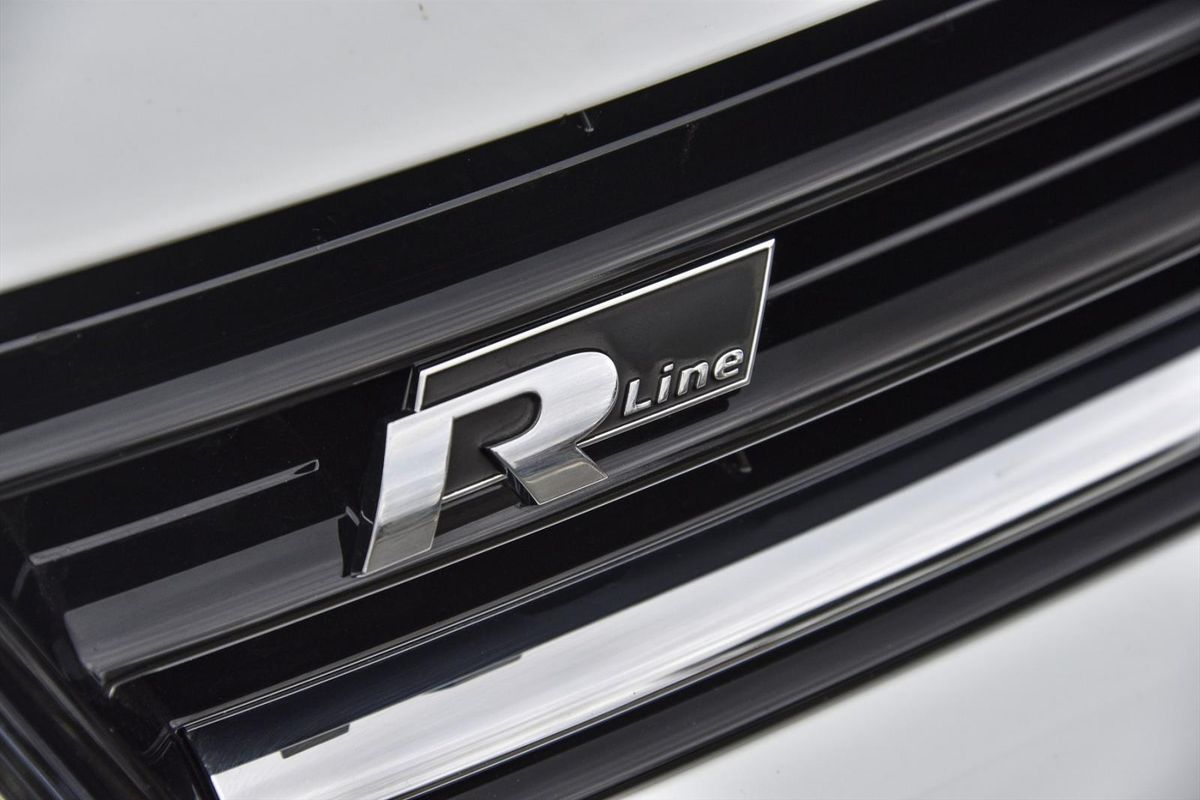
The R-Line package includes R-Line bumpers with a logo on the grille, sill extensions, rear diffuser with a chrome tailpipe exhaust and a rear spoiler in body colour. More than this, the Polo 1.0 TSI R-Line rides on 17-inch Serron alloy wheels.
There are sports seats at the front and in-car entertainment comes courtesy of a 5-inch touchscreen Composition Media audio system comprising a radio, CD player, SD-card, USB, Bluetooth and 6 speakers. Optional features worth considering include a bigger infotainment screen, reverse-view camera, cruise control, climate control and park distance control.
Volkswagen Polo 1.0 TSI R-Line price in South Africa
Volkswagen Polo R-Line – R290 200
The Polo R-Line comes standard with a Volkswagen Service Plan valid for 3 yeas/45 000 km, a 3-year/120 000 km warranty and a 12-year anti-corrosion warranty.?
Renault Sandero Stepway Dynamique (2017) First Drive
Renault's fast-selling budget offering, the Sandero, has been facelifted and the range rejigged to focus more on the popular Stepway derivative. We drive it.
In many ways the sales success of the Renault Sandero was predictable. Originally launched in 2009 and offering great value for money through its practical packaging, big-car features and good warranty, the first-generation (and locally built) Sandero sold briskly.
If anything, the second-generation car (imported from Romania), has been doing even better. Since its launch in 2014 more than 17 000 have been sold, with a significant percentage opting for the crossover-inspired Stepway derivative.
Now, Renault South Africa has introduced a mildly facelifted version, and also took the opportunity to rejig the model line-up to be more in tune with current trends. Consequently, the previous higher-specification Sandero (called the Dynamique) has been dropped in favour of an additional Stepway derivative in Expression trim.
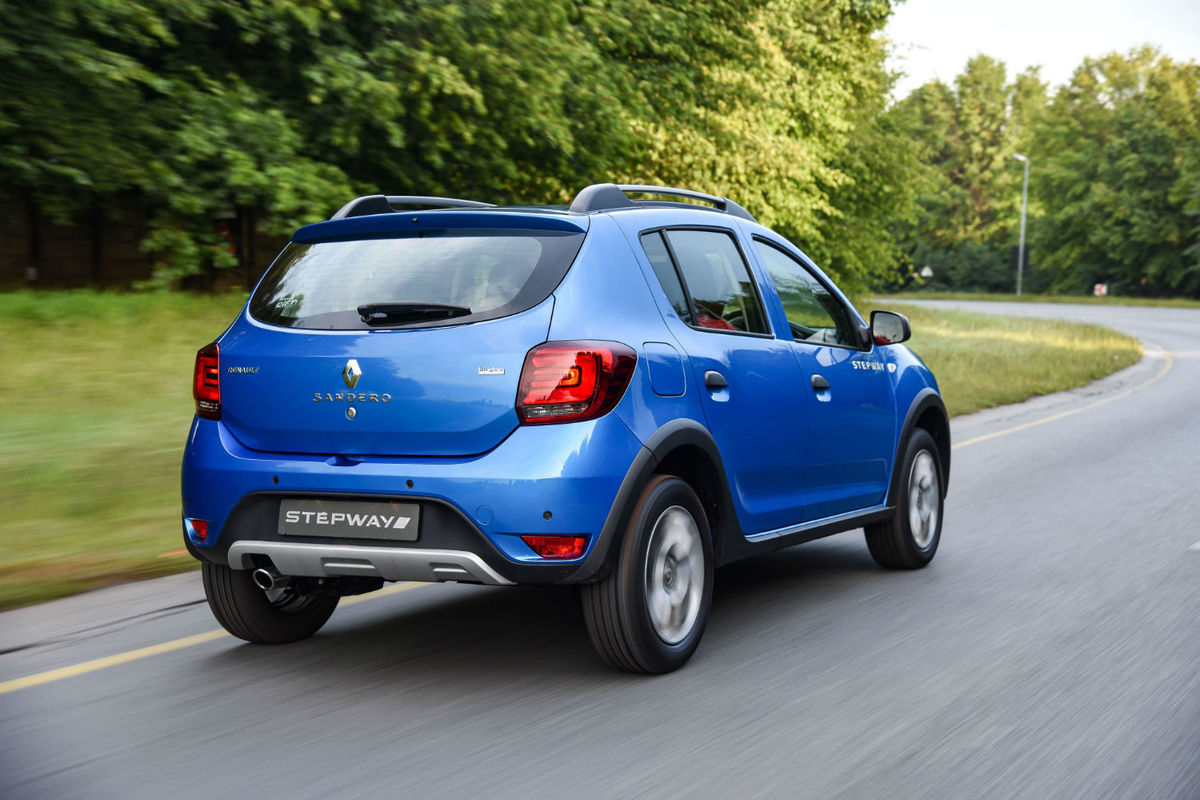
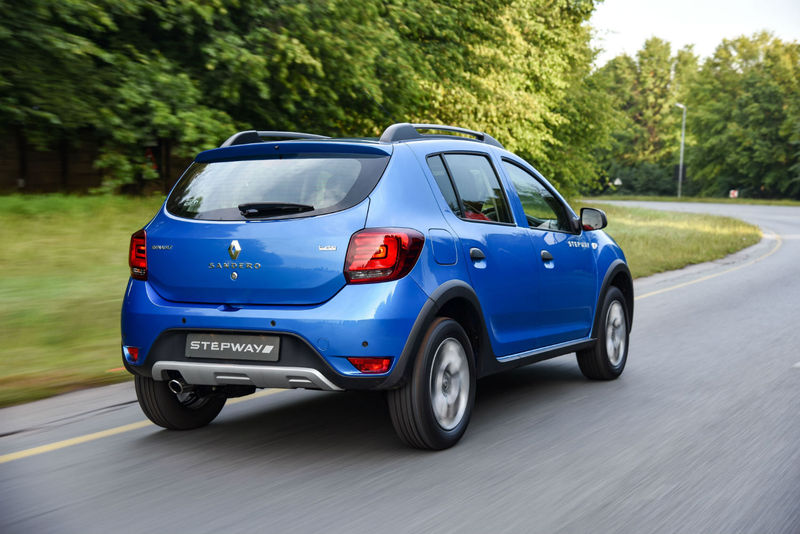
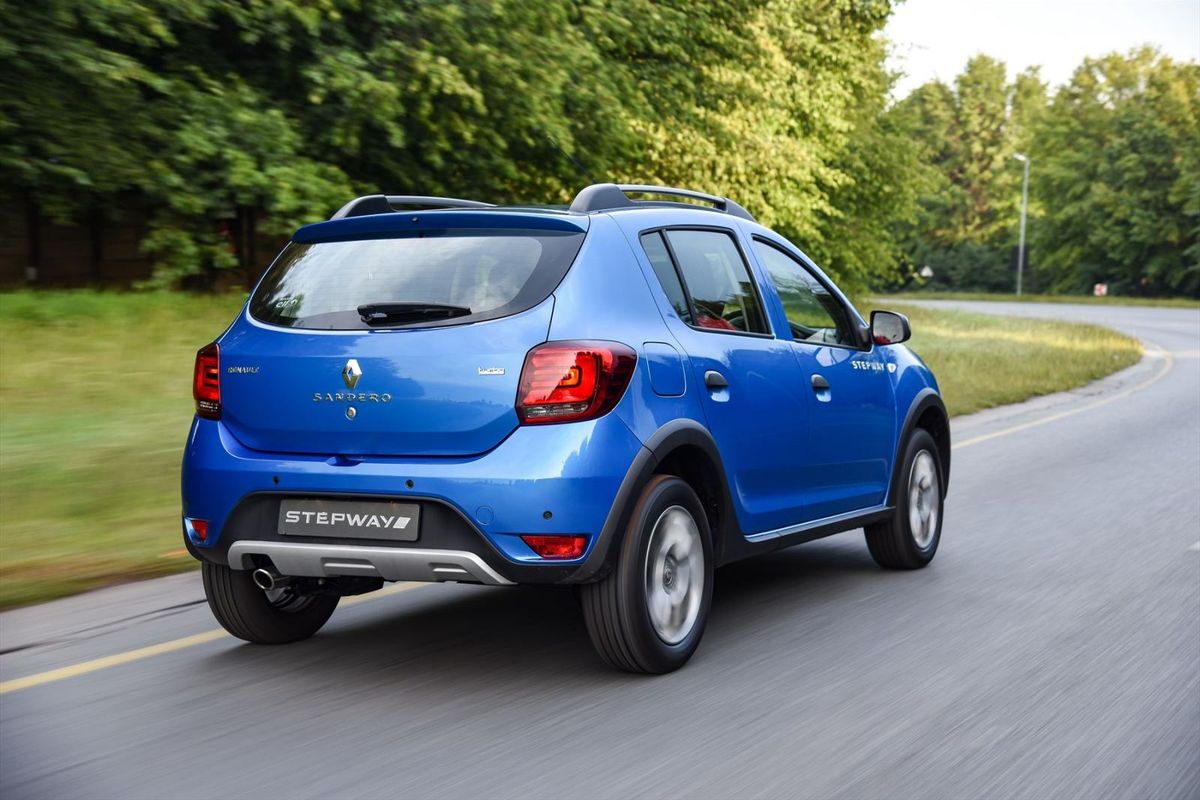
Look closely and you'll notice a stylish new rear light signature.
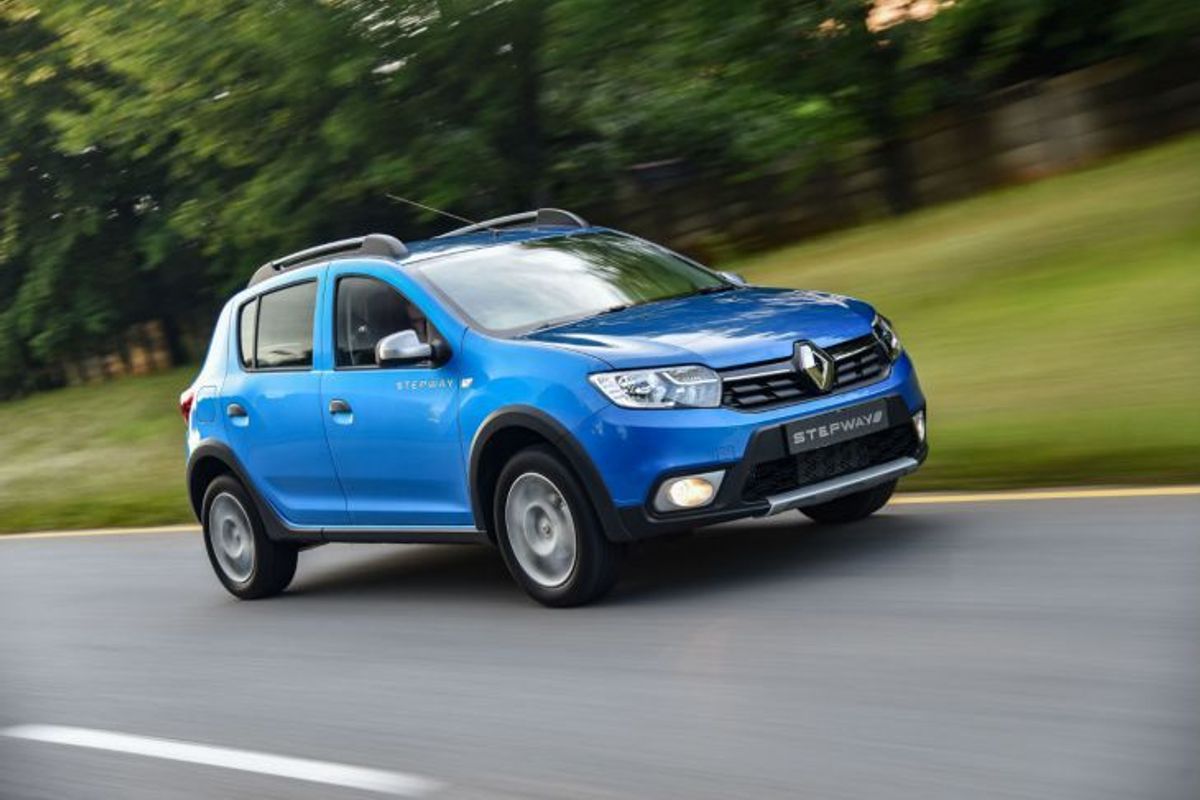
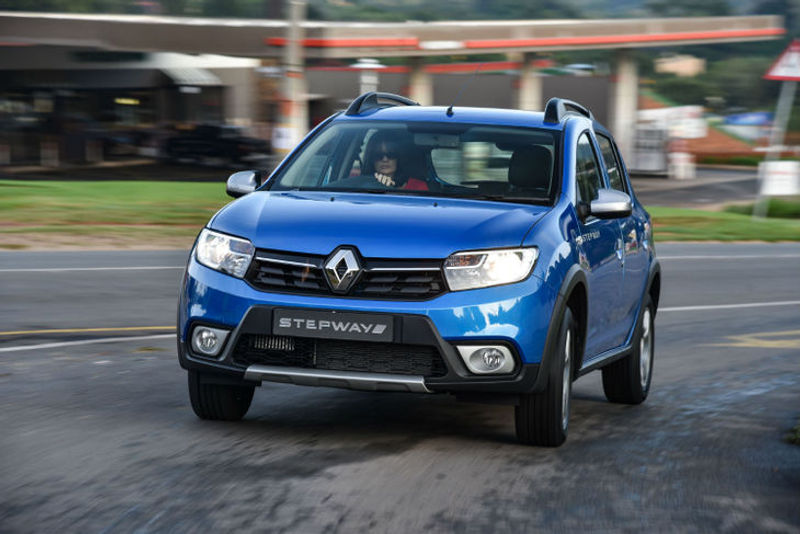
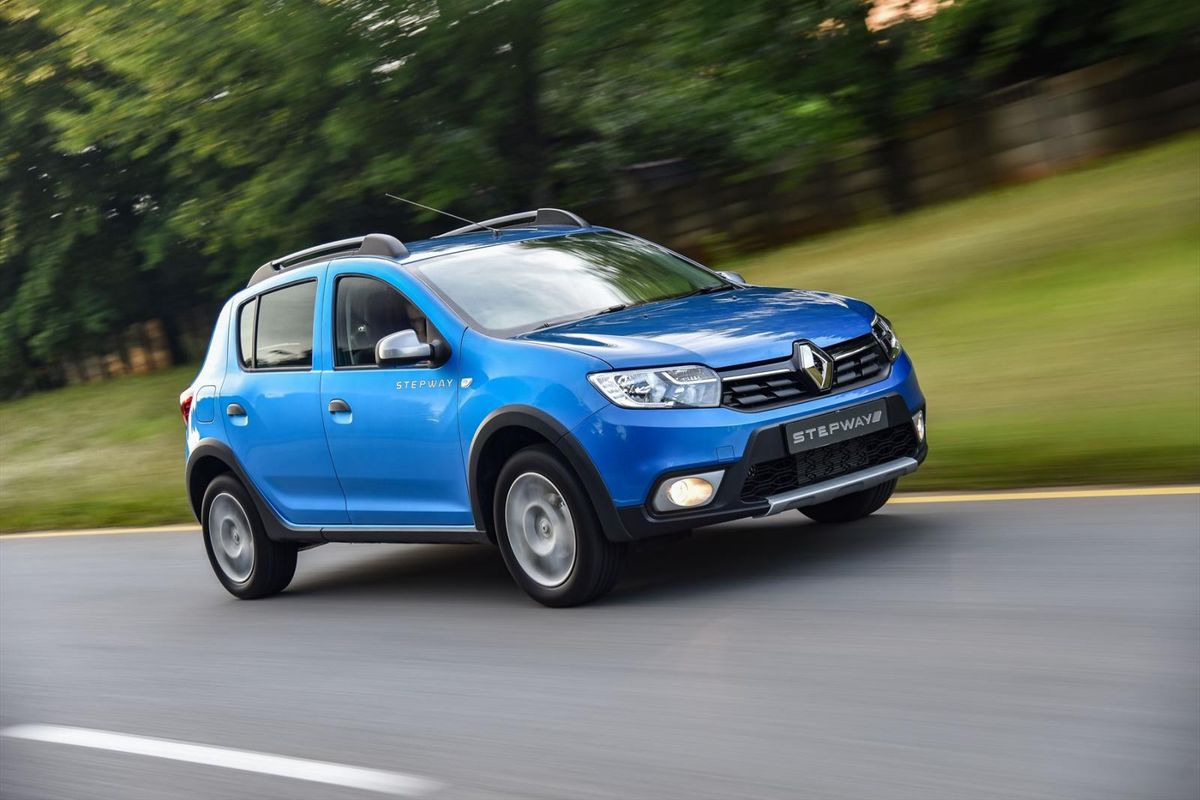
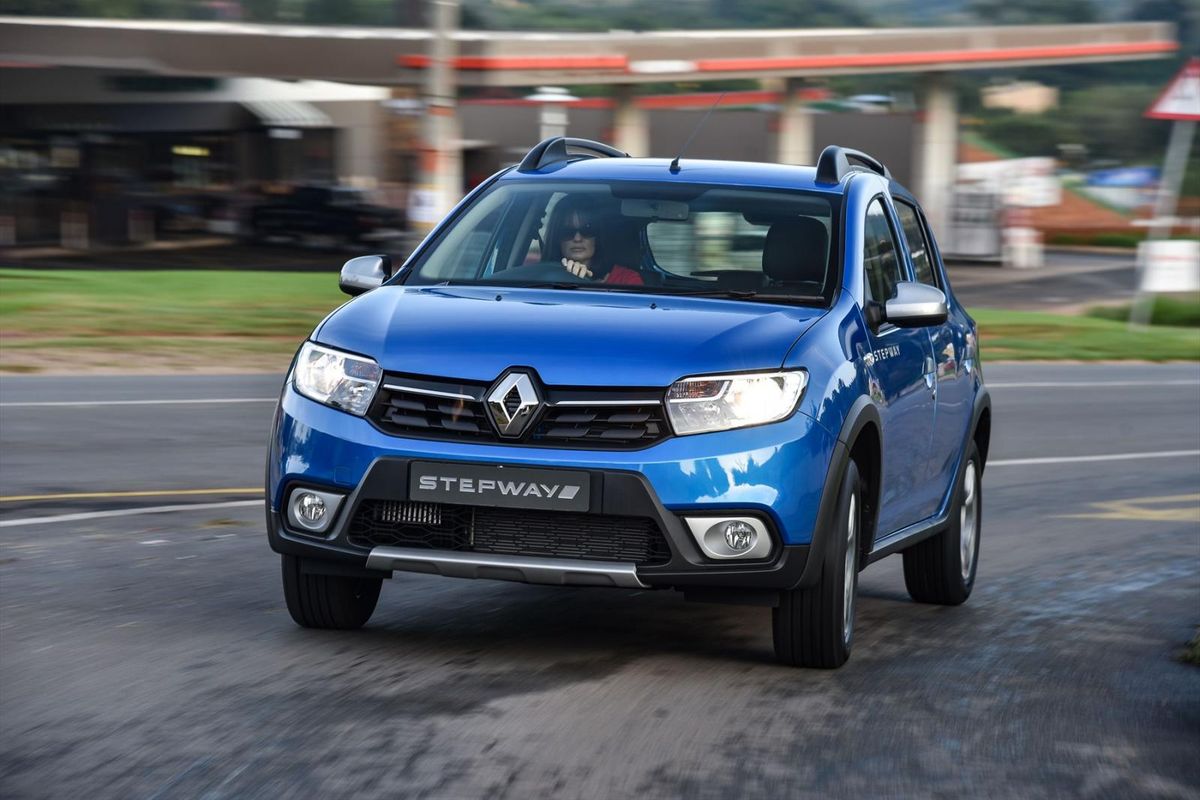
For the launch drive, we were offered the popular flagship Stepway model (Dynamique), which is priced at R189 900. The pre-facelift car was hardly in need of aesthetic attention, being one of the better-looking budget offerings on the market, but the changes have certainly given the Renault a more upmarket look and feel, and also brings it into line with some of the newer models in the Renault arsenal. Tweaks to the grille, bumper and lights have been subtle, but very effective.
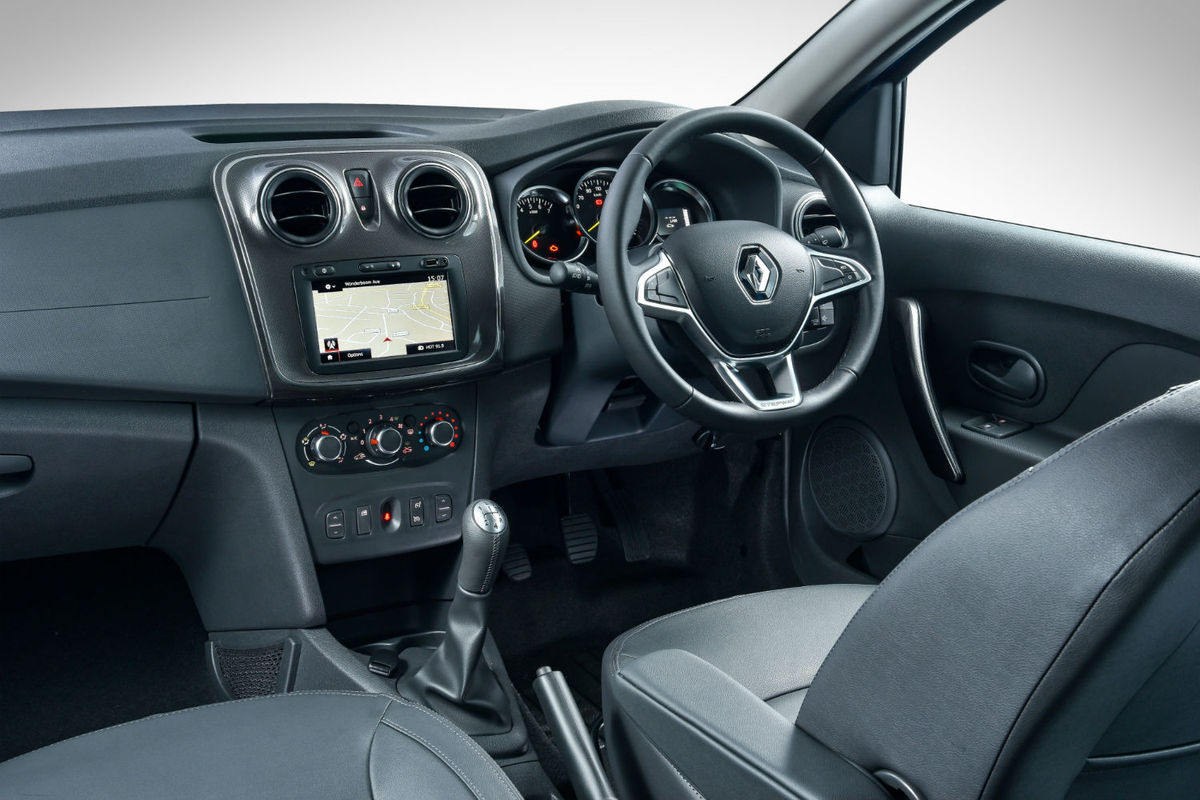
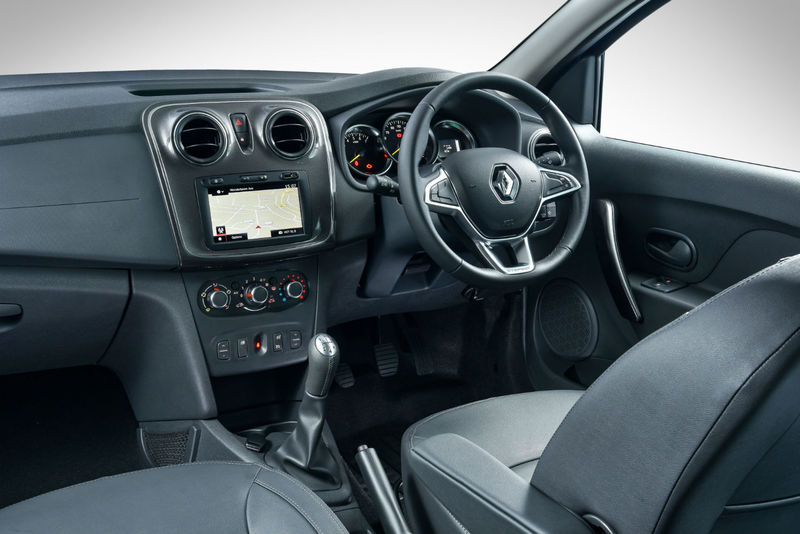
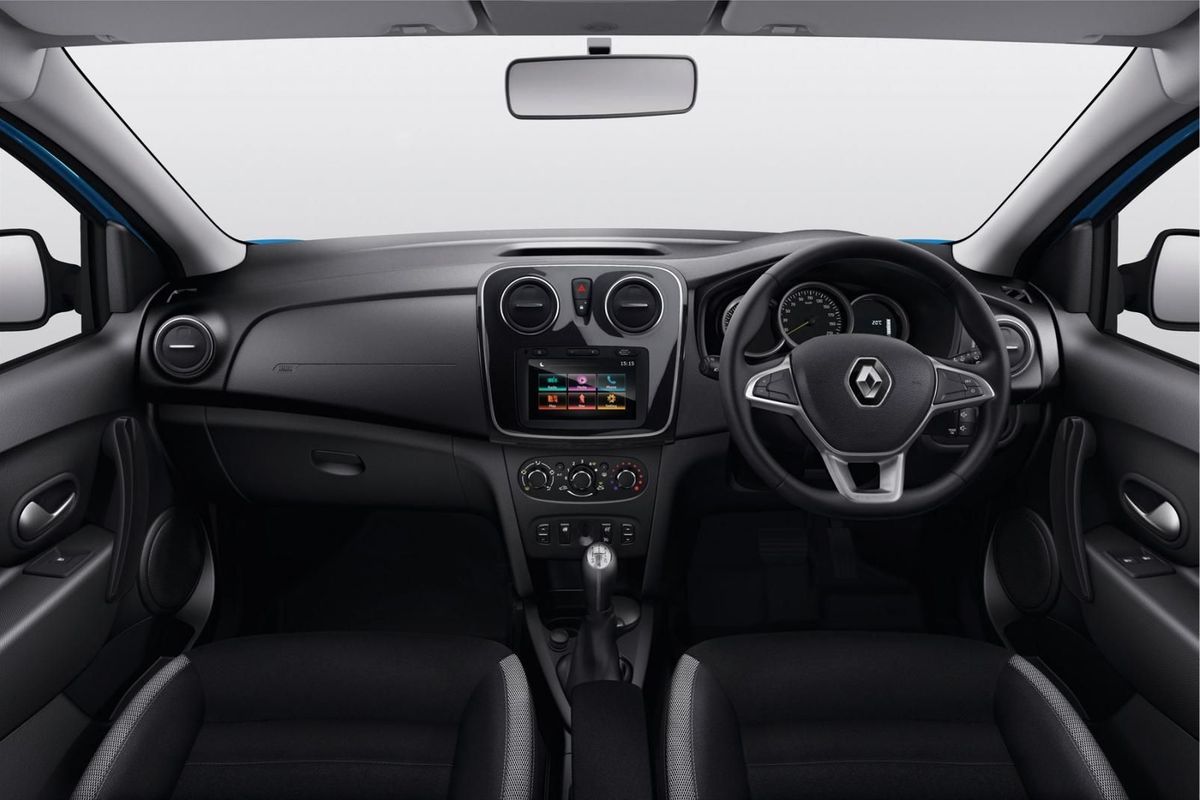
You’ll have to step inside to be able to differentiate the 2 Stepway derivatives. The Dynamique adds a smart leather-wrapped steering wheel, an armrest between the front seats and the neat 7-inch touch screen that we’ve already experienced in the Duster and Kwid, among others. These additions, along with subtle trim changes contribute to a cabin ambience that can hardly be described as “budget”.
Lots of features
Subtle trim revisions, a smart new steering wheel and standard 7-inch touch screen on the Stepway Dynamique lift the cabin beyond its budget origins.
As far as standard features go, the Renault Sandero continues to be a market leader with the French brand going for a full-house offering where the only optional (cost) extra is metallic paint (R2 500) and, on the flagship model at least, leather upholstery (R10 000).
In addition to the Sandero Expression’s front electric windows, remote central locking, remote audio controls, Bluetooth connectivity and music streaming, as well a comprehensive safety package (ABS + EBD, EBA, ESP, dual front airbags, Isofix, hill start assist), the Dynamique adds side airbags, cruise control, rear park assist, rear electric windows, electric mirrors, and the aforementioned touchscreen etc.
As opposed to the situation in the Duster, the touchscreen is conveniently positioned higher and is consequently easier to use. The controls for the front windows have also moved to the (more obvious) door panels. A comprehensive trip computer is included, too.
Comfortable on "real" roads
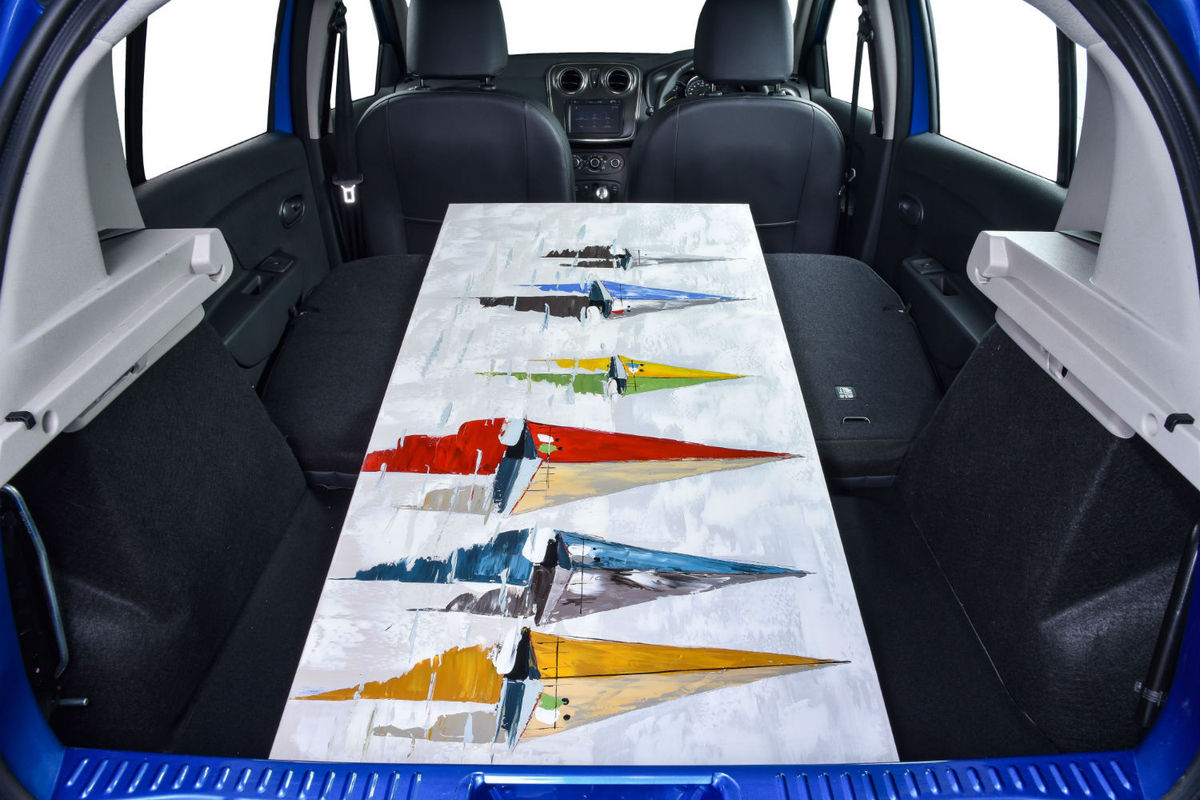
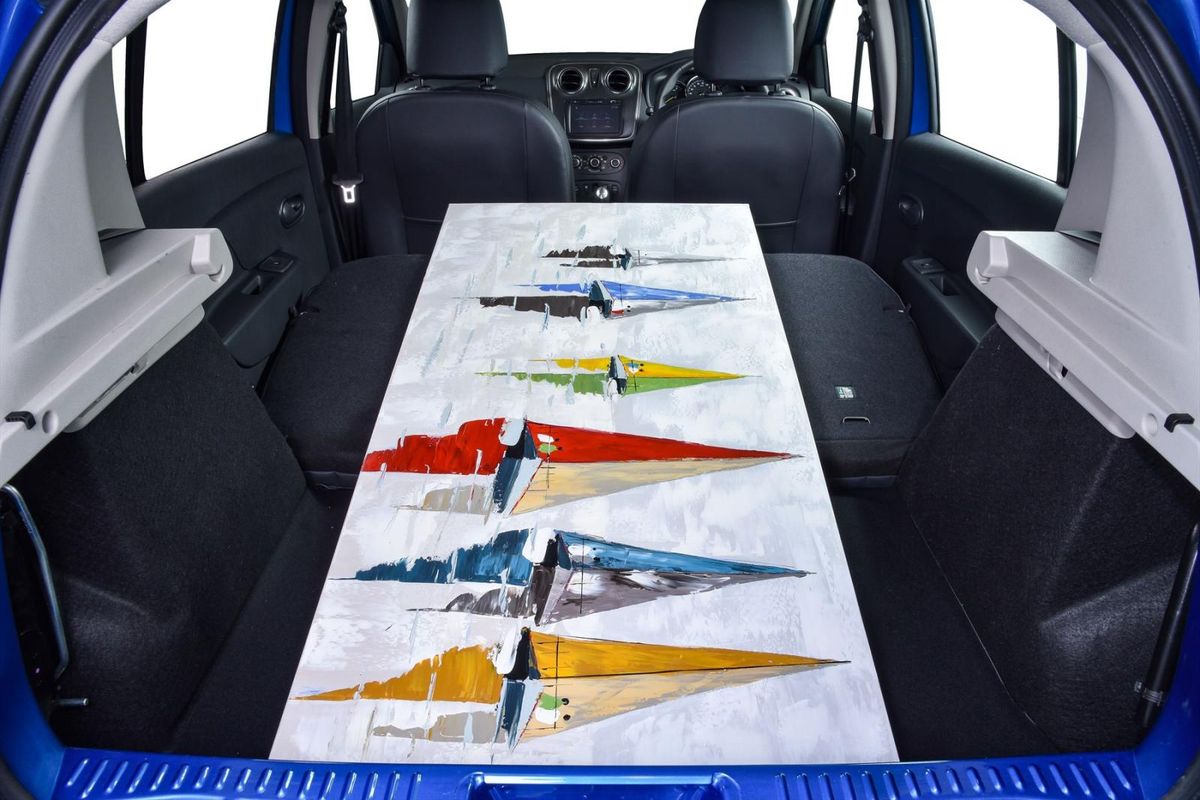
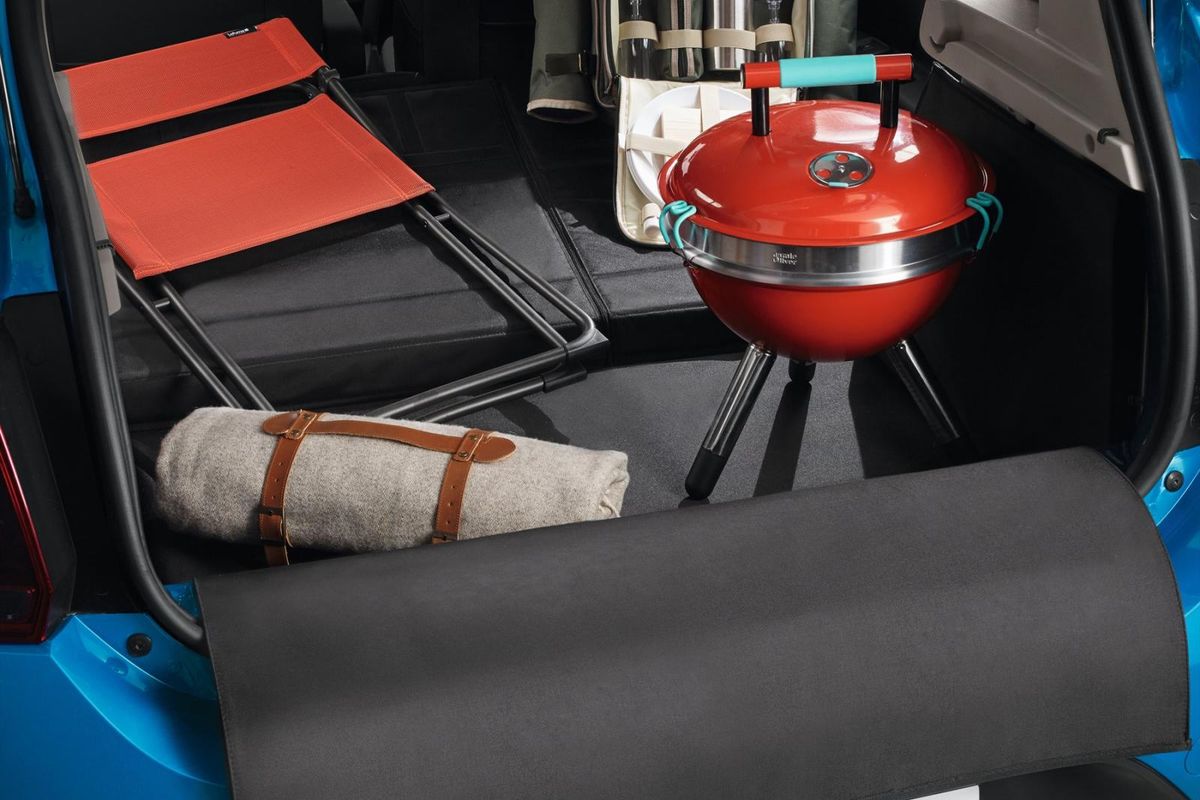
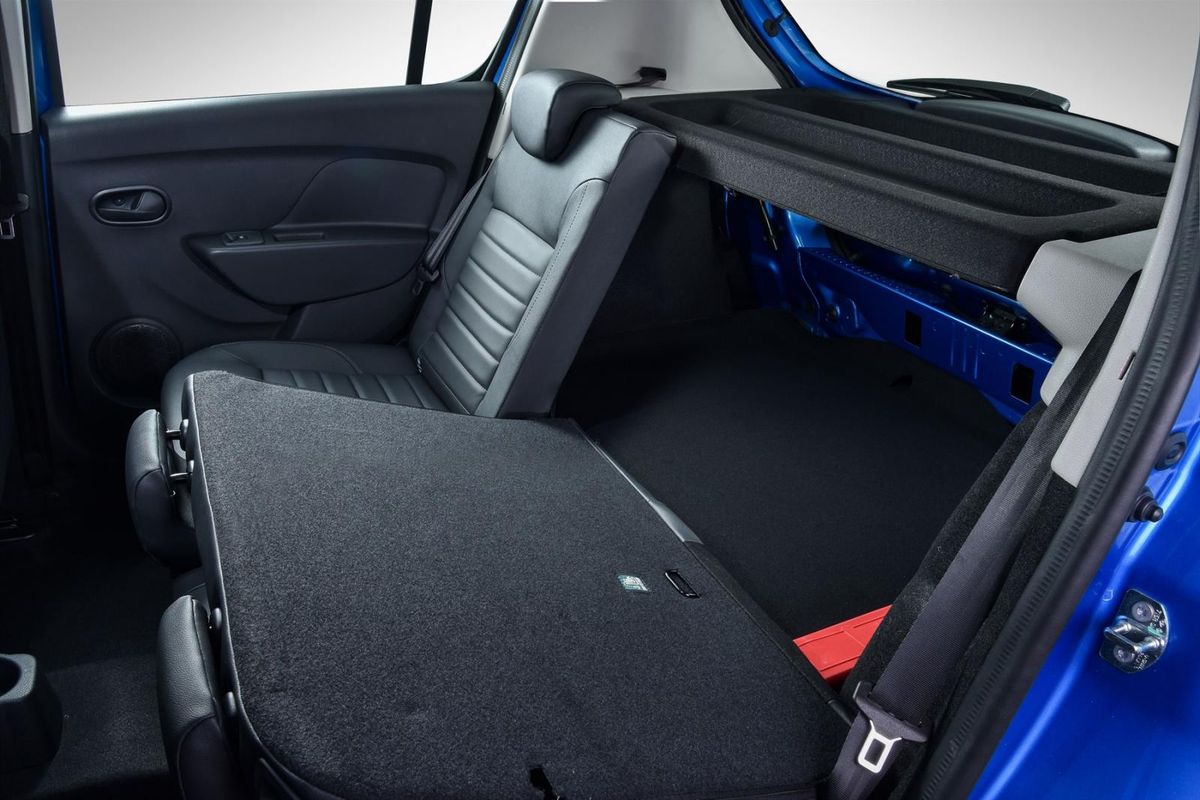
With its relatively big boot (for this segment) and 60/40 split/fold rear seats, the Sandero remains one of the more practical offerings in this segment.
One of the main benefits of the turbocharged 0.9-litre engine under the bonnet is its combination of torque and efficiency. Compared with its naturally-aspirated rivals, the Sandero Stepway has excellent torque (135 Nm), with the maximum being available at 2 500 rpm. It is also very efficient, with a claimed consumption figure of only 5.4L/100 km (for Stepway models).
I still encountered some lag on my drive (in Gauteng), which coupled with a somewhat tricky clutch, did make for a couple of slow and “lurchy” getaways during the early phases of the drive, but one soon gets used to the delivery characteristics, and once in the meat of the power band, the Sandero is not only powerful enough but also refined.
Besides its good looks, features, space and efficiency, one of the biggest attractions of the Stepway package remains its ride quality on roads of… shall we say… varying quality. The extra ground clearance, comfort-tuned suspension and plump tyres combine to make the Stepway feel very comfortable on roads where driving normal passenger cars would lead to gritted teeth.
Summary
With its greater ground clearance, soft suspension and plump tyres, the Sandero Stepway copes very well with South African road conditions.
With a strong warranty (5-years/150 000 km) and standard service plan to support what is, in many ways, a class-leading offering, the Sandero Stepway Dynamique is likely to continue to sell up a storm. If you’re in the market for a budget car, the inclusion of air-conditioning as standard on the Expression model (priced just below R160 000) makes it a very strong contender. And if you want some crossover style, then you now have two excellent Stepway offering to choose from, with your selection largely dictated by budget. Either way, you’ll be stepping into a very good vehicle.
Renault Sandero & Stepway Pricing in South Africa
All prices include VAT.
Renault Sandero Expression 66 kW Turbo – R159 900
Renault Sandero Stepway Expression 66 kW Turbo – R174 900
Renault Sandero Stepway Dynamique – R189 900
Prices include a 5-year/150 000 km warranty and 2-year/30 000 km service plan. Service intervals are set at 15 000 km.
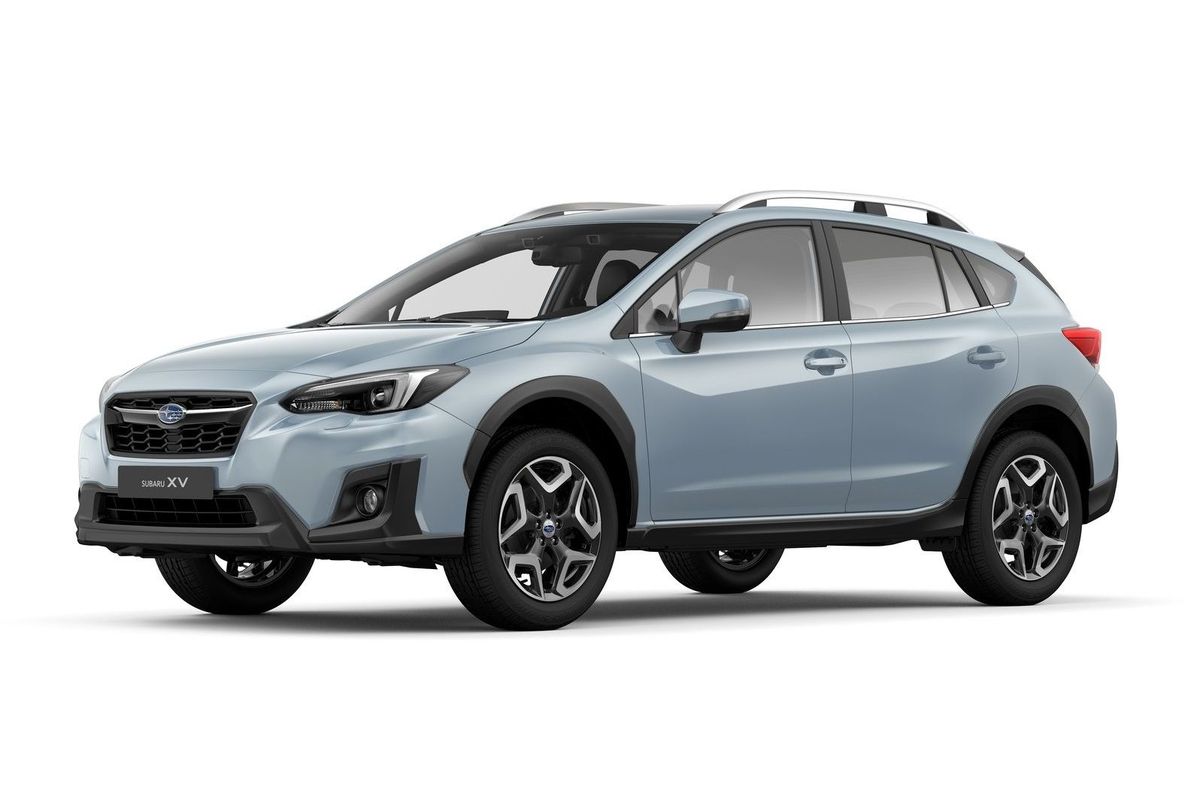
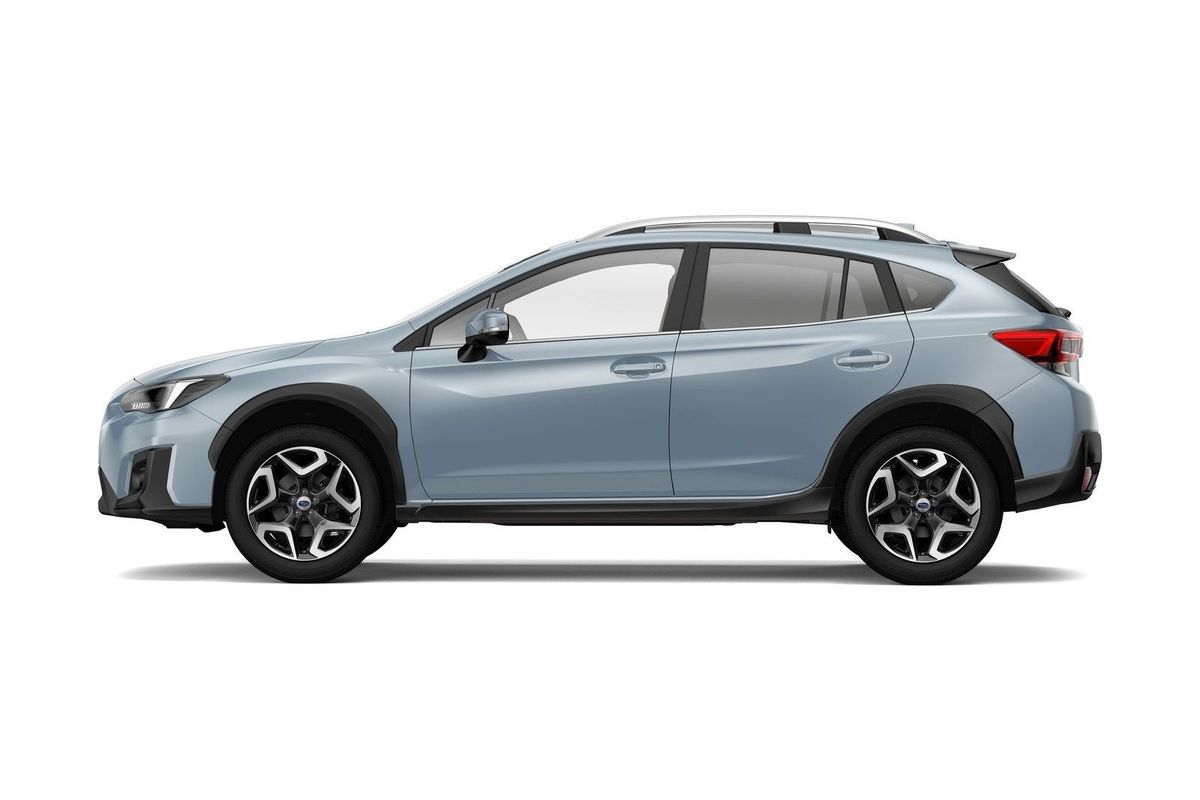
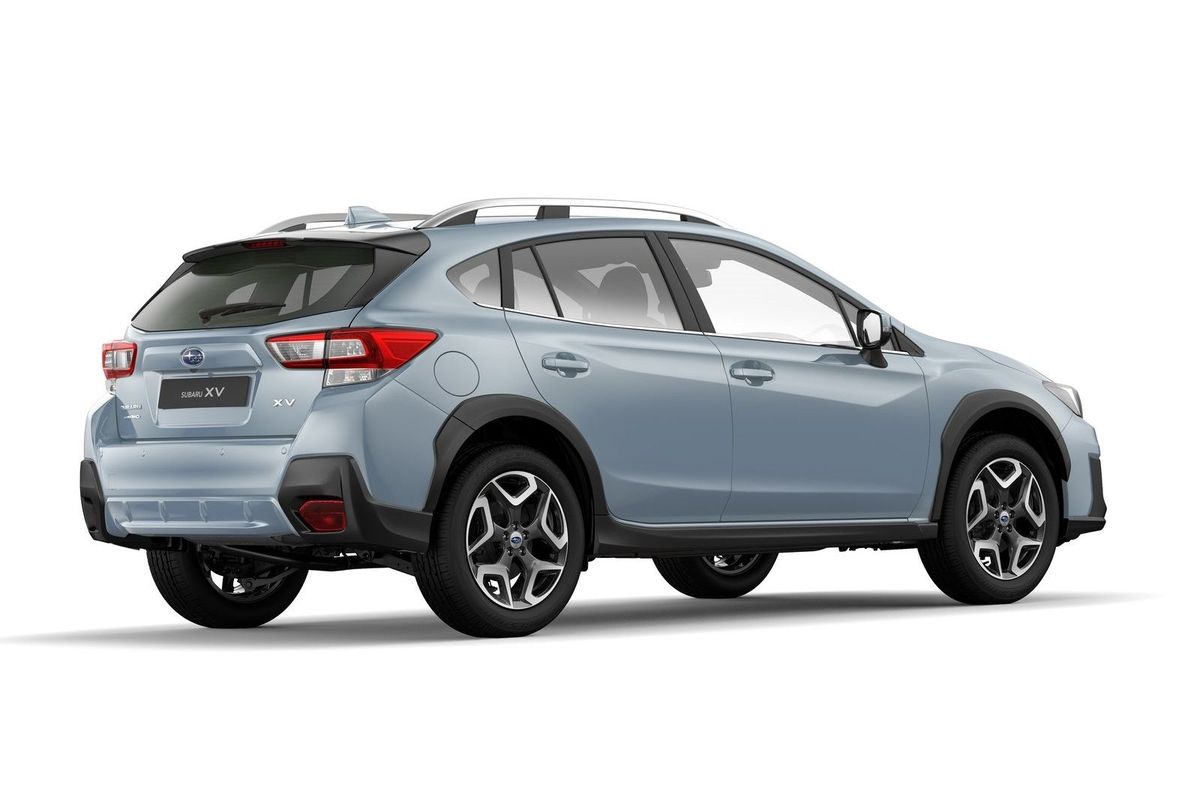
Japanese carmaker Subaru has shown off an all-new XV at the 2017 Geneva Motor Show. The revamped XV will be introduced in the South African market by the end of 2017.
The Subaru XV is a crossover that combines a compact-sized body with offroad SUV capability. The vehicle features Subaru's distinctive Symmetrical All-Wheel Drive system and this new model gains collision safety and hazard avoidance technology. The new XV is assembled on Subaru's Global Platform architecture, which underpins numerous models.
First launched back in 2012, the XV has enjoyed some success as a capable family car. This new model features rugged and sporty looks, with extended wheel arches and matte-black cladding. There are new alloy wheels and new colours to choose from. Cool Grey Khaki is what you see in the pictures here, while Sunshine Orange can be seen in the video below.
Subaru South Africa confirmed that the engine will be the same as per the Impreza, which means a 2.0-litre naturally aspirated 4-cylinder petrol with a peak output 115 kW will be offered locally. We'll have more details on local specification closer to the South African introduction.
The facelifted Renault Sandero and Sandero Stepway is now available in South Africa. Check out specs and pricing…
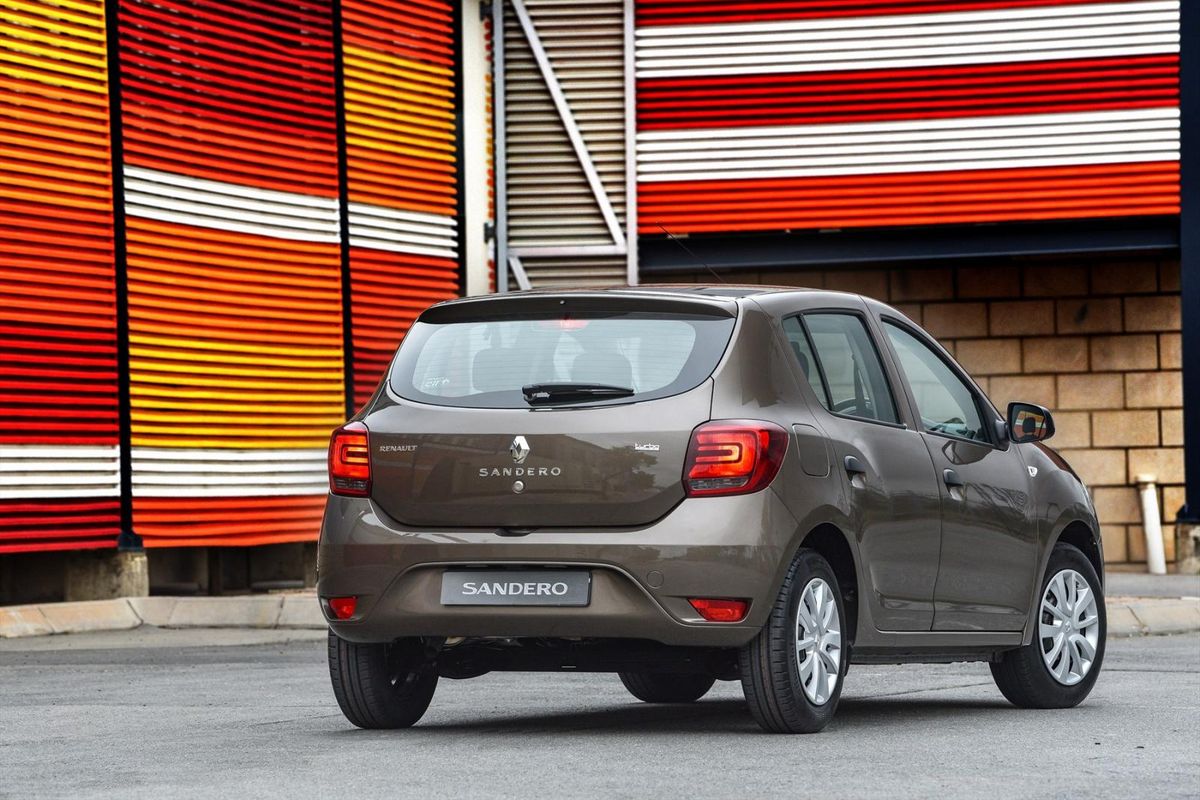
The Renault Sandero is quite a hit locally and since its launch in 2009, more than 46 000 Sandero models have found homes in South Africa. Renault has updated its popular Sandero and Sandero Stepway hatchback and it’s now available in South Africa.
Key design features
The exterior changes include a new grille, bumpers and air vent design. The C-shaped LED daytime running lights, headlights and C-shaped taillights are also newly designed. The Sandero Stepway gains additional features such as a raised ground clearance, integrated roof spoiler, roof bars, front and rear skid plates, wheel arch mouldings and front fog lights. The Sandero rides on 15-inch wheels as standard while the Stepway is fitted with -16-inch dark metal flex wheels.
Perceived interior quality has improved with upgraded materials and the Sandero now features a new centre console, newly designed air vents, updated trims and seat upholstery and power window switches found on the door panels.
Ergonomic enhancements include a new steering wheel with the hooter in the middle and one-touch indicators. Renault claims luggage space as best-in-class with 292 litres on offer and the rear seats are split for added practicality. An armrest and leather seats (optional) are offered on the Sandero Stepway Dynamique derivative.
Range Change
Renault has revised its Sandero offering by doing away with the Sandero Dynamique derivative and has instead added a new mid-spec Stepway Expression derivative to the lineup. The range is headlined by the Stepway Dynamique derivative. The entry-level Sandero Expression still remains but now gets air conditioning as standard.
All derivatives are powered by the same 900 cc turbopetrol engine offering 66 kW and 135 Nm of torque. Power is sent to the front wheels using a 5-speed manual transmission. Renault claims a fuel consumption figure of 5.2 L/100 km for the Sandero Expression while the Sandero Stepway derivatives are claimed to consume 5.4 L/100km.
Standard Features
Standard features include front electric windows, remote central locking and ECO mode for optimising fuel consumption.
The Stepway Dynamique derivative gains front and rear electric windows and side mirrors, leather steering wheel and gear lever, rear park assist, cruise control and navigation.
Additional features such as Bluetooth and a radio/CD player with USB port are also offered.
Safety features include ABS with EBD, Emergency Brake Assist and Electronic Stability Program with Traction Control. Hill Start Assist is also included and a total of 2 airbags are standard while the Stepway Dynamique gains additional side airbags.
Renault Sandero & Stepway Price in South Africa
All prices include VAT.
Renault Sandero Expression 66 kW Turbo – R159 900
Renault Sandero Stepway Expression 66 kW Turbo – R174 900
Renault Sandero Stepway Dynamique – R189 900
Prices include a 5-year/150 000 km warranty and 2-year/30 000 km service plan. Service intervals are set at 15 000 km.