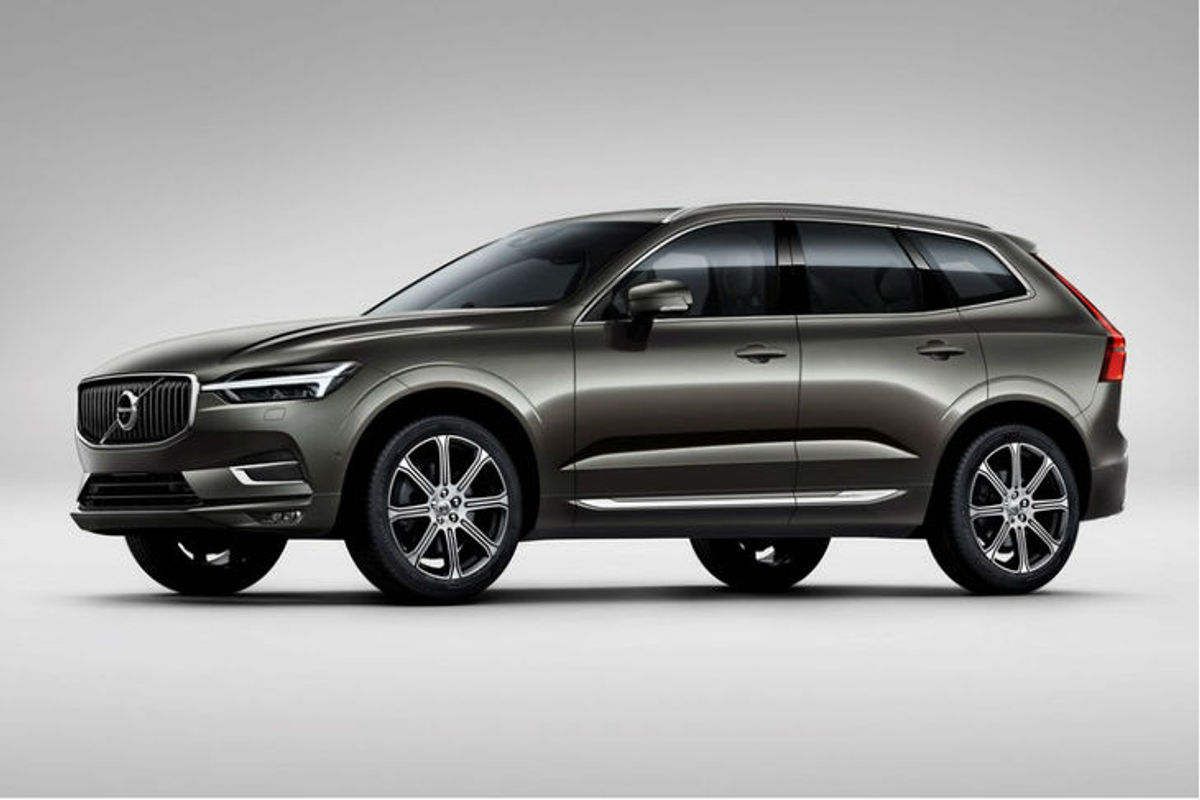
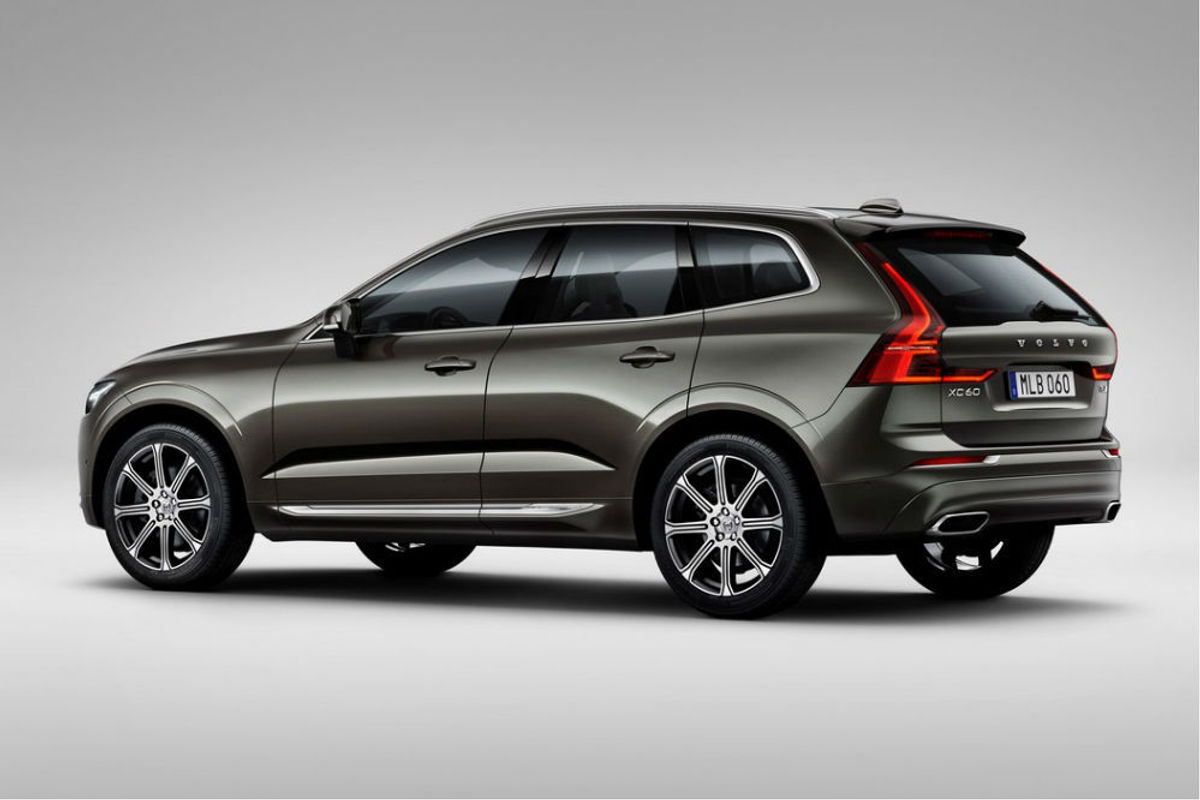
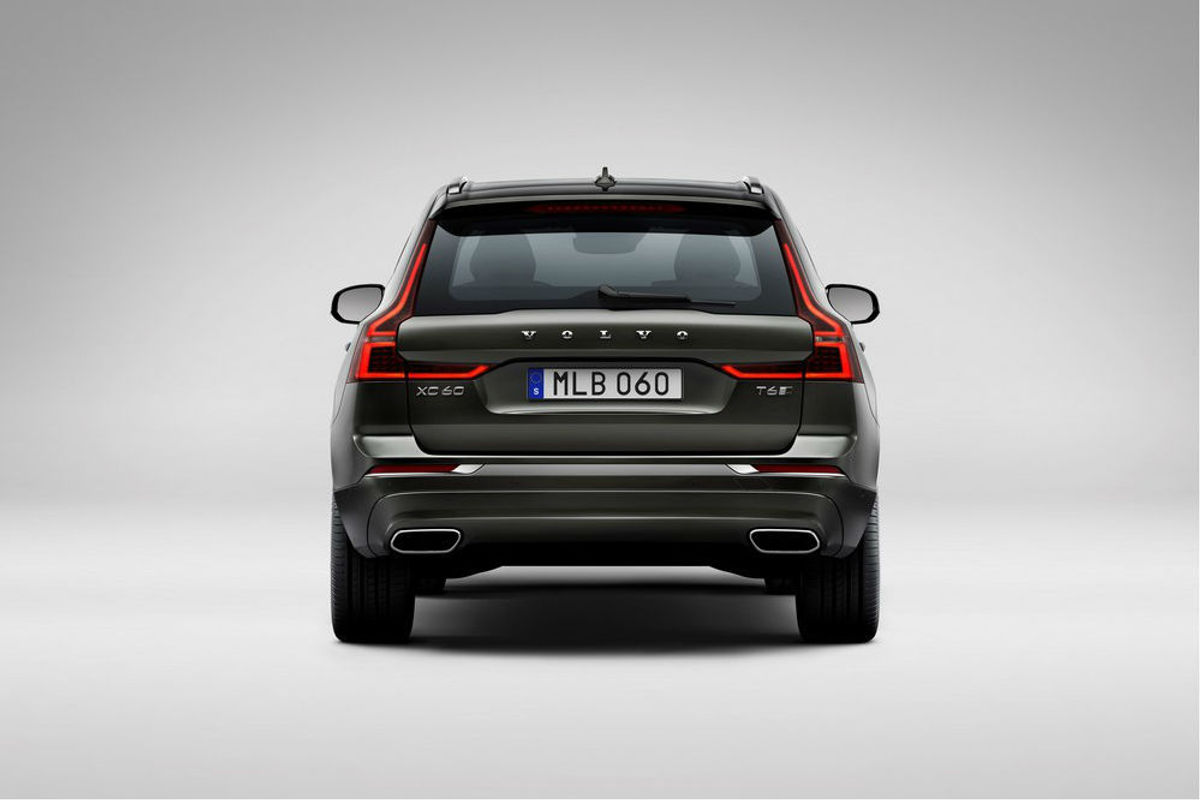
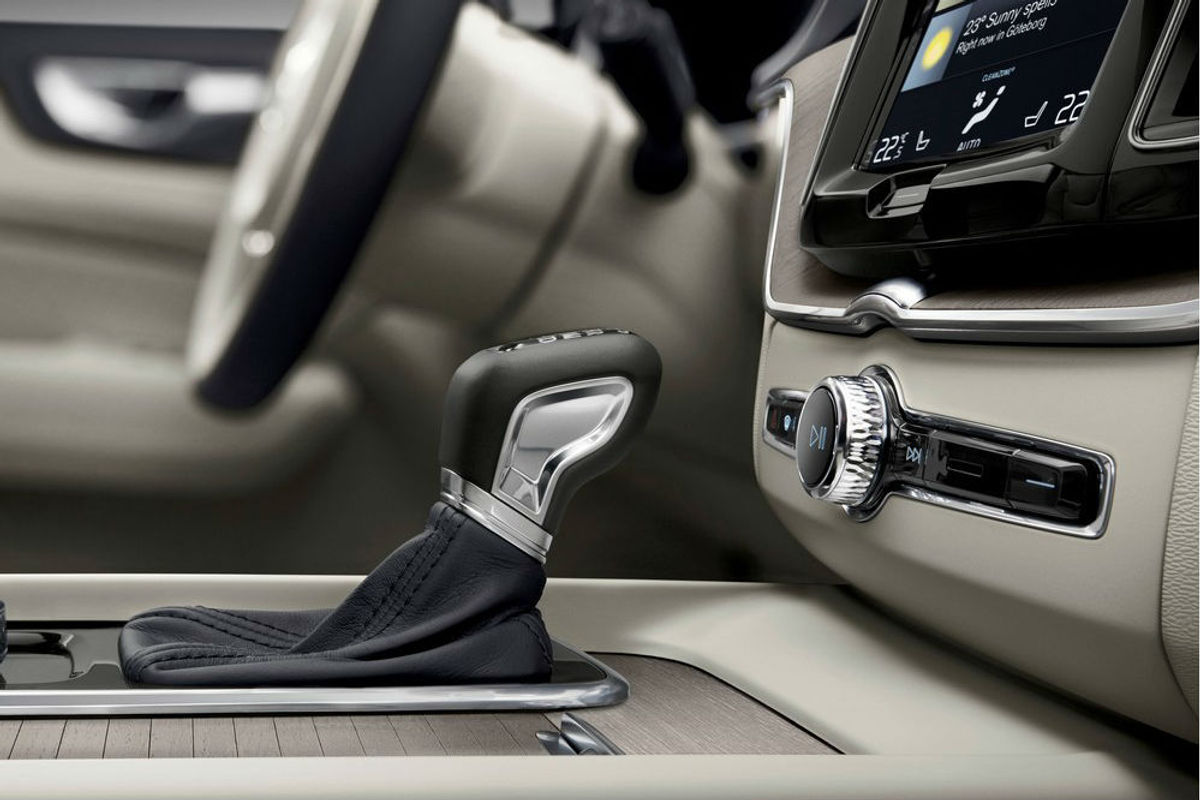
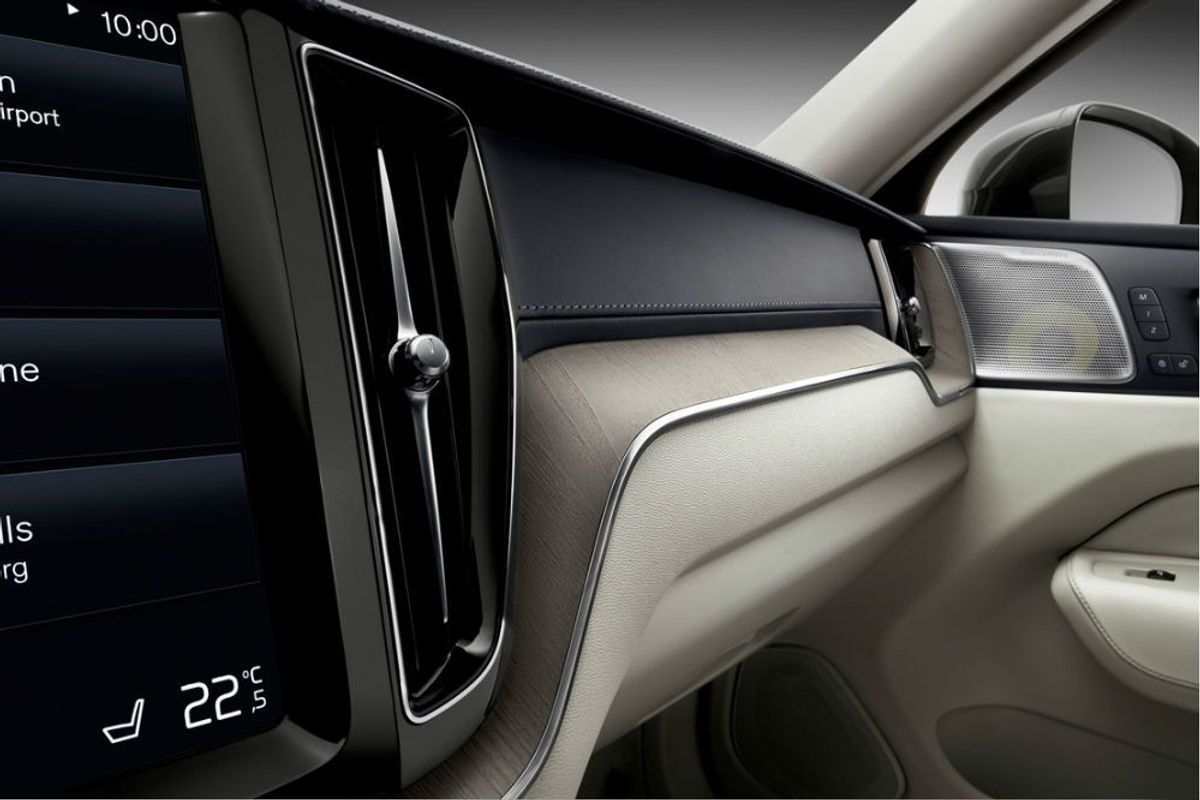
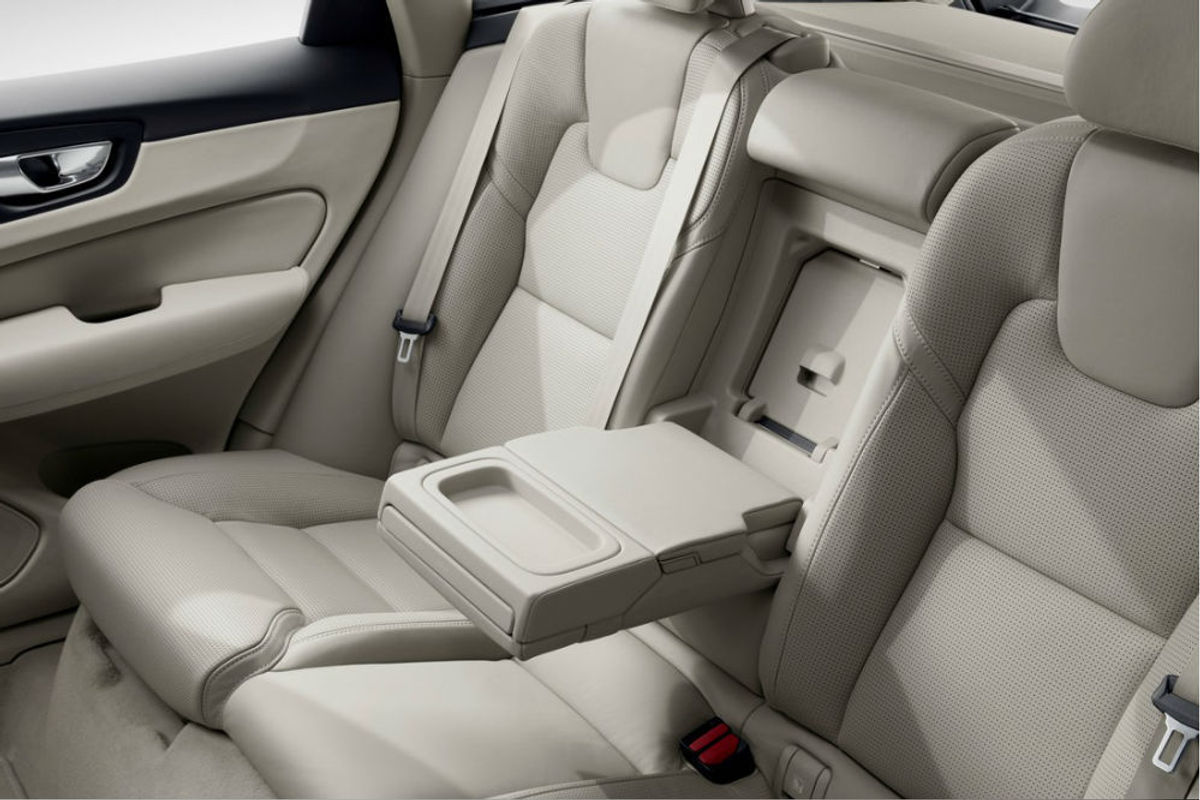
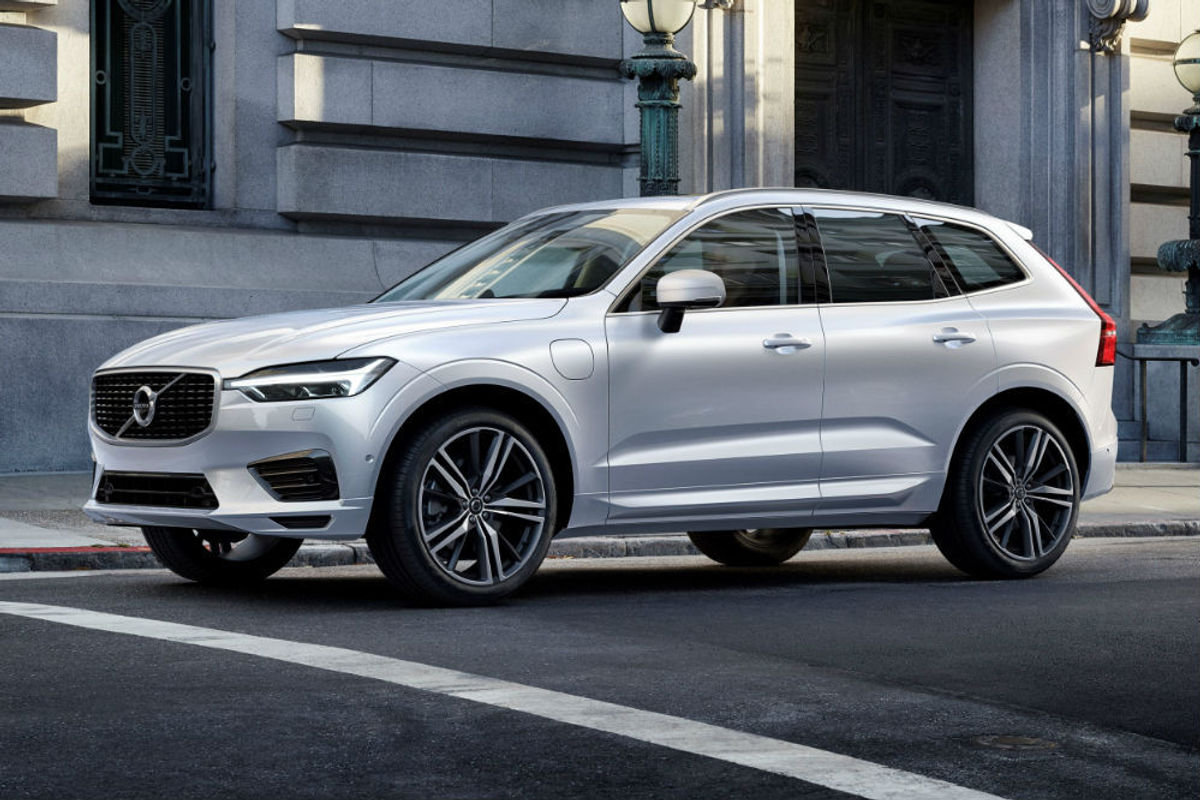
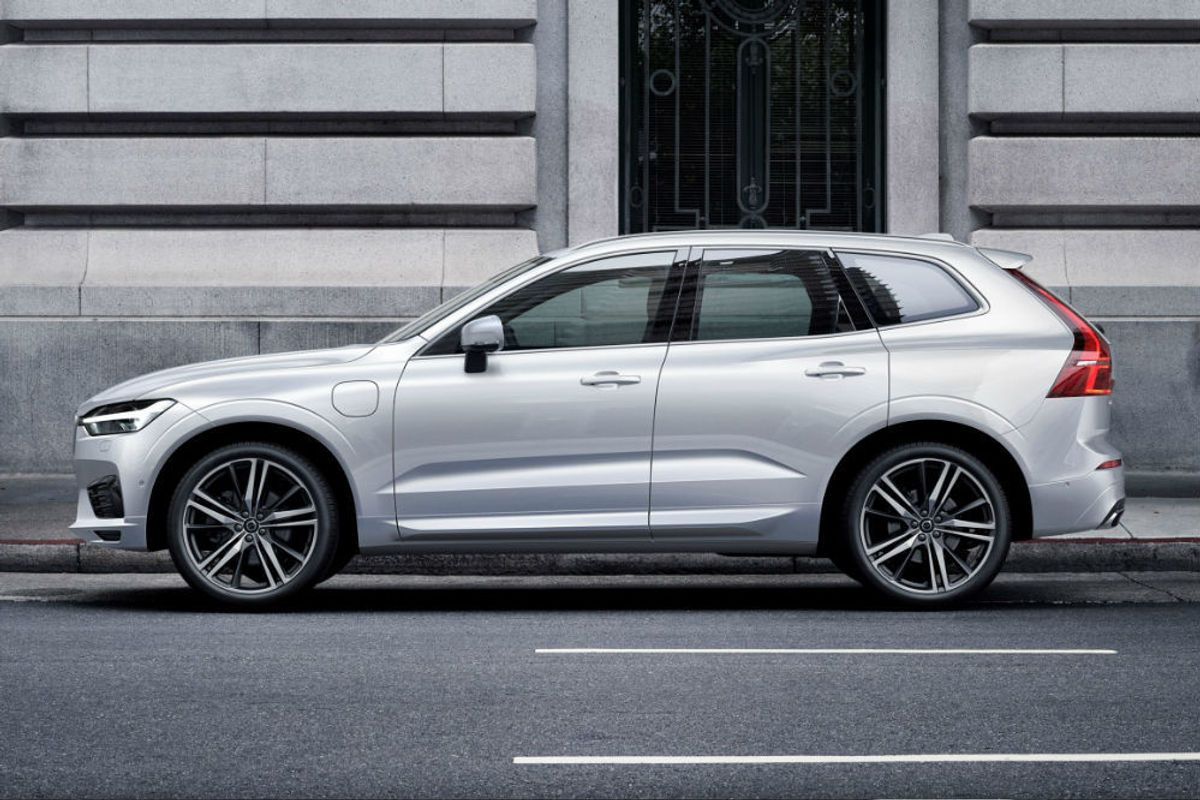
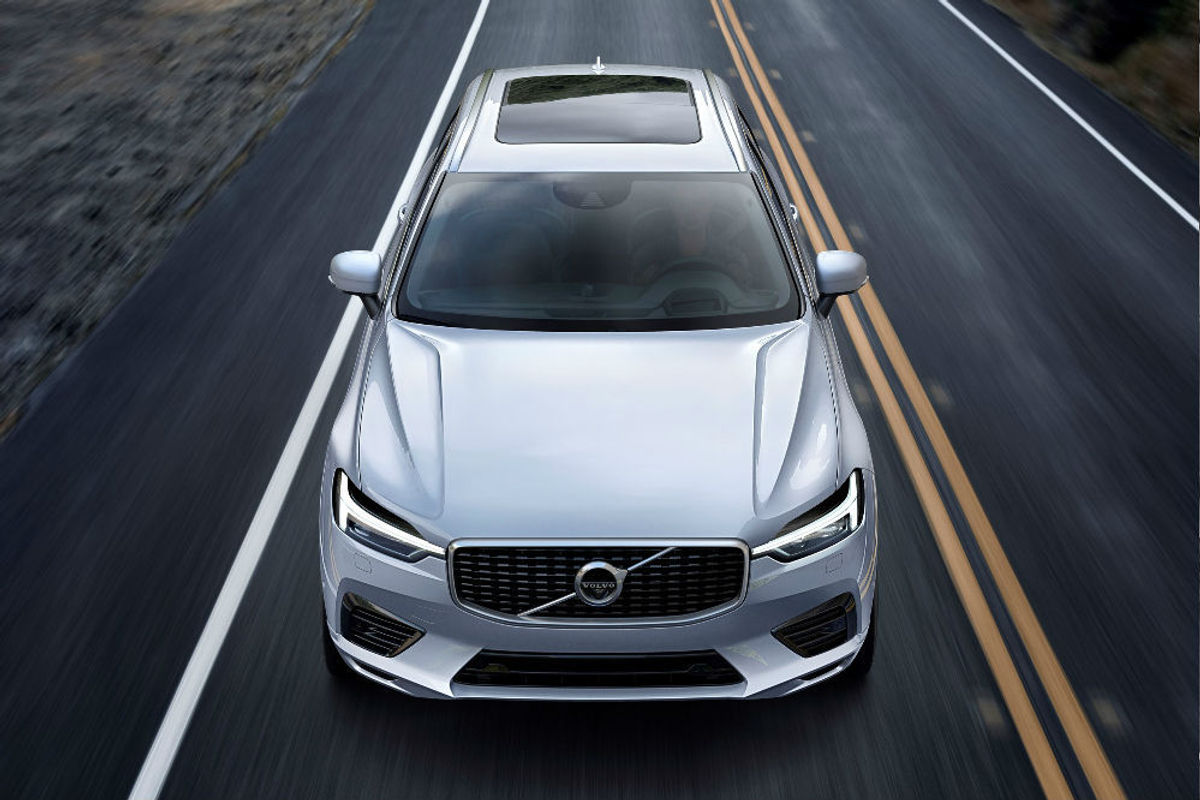
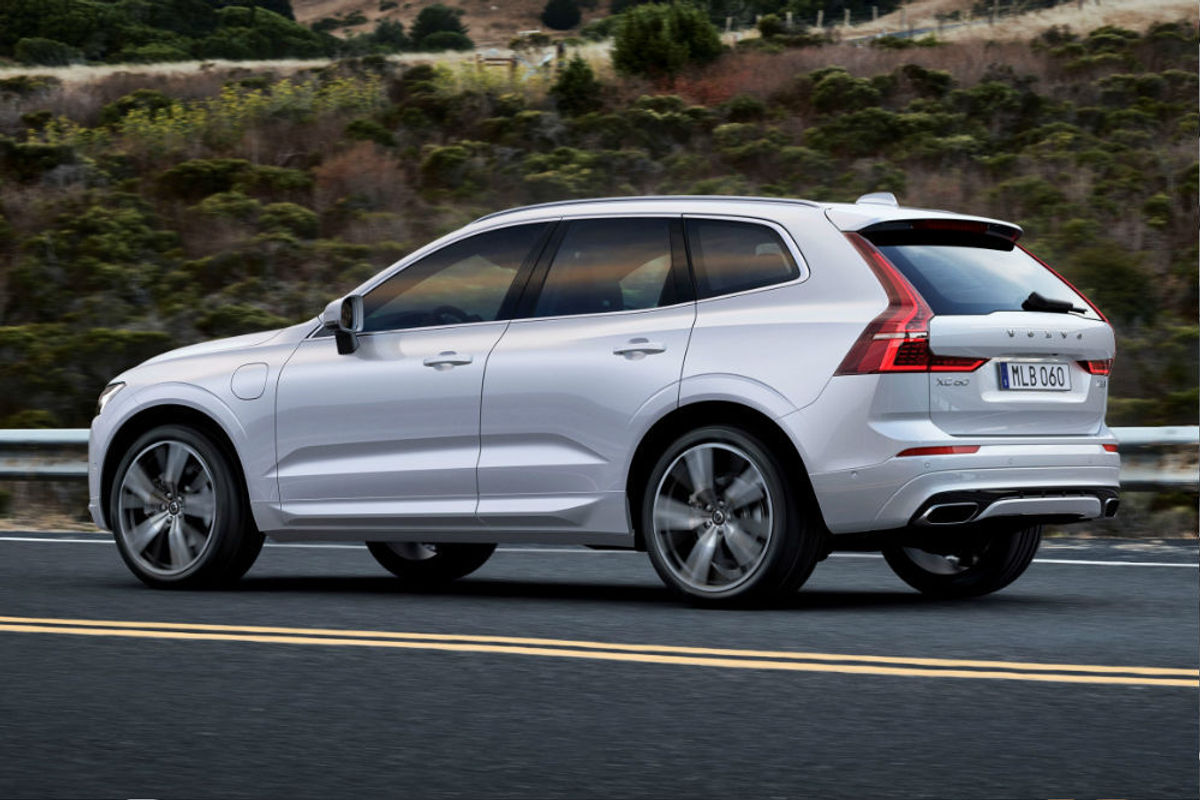
The resemblance of the XC60 to its award-winning XC90 sibling is no accident… Brimming with technology, the new leisure SUV is built on Volvo’s Scalable Premium Architecture platform and will be available in South Africa (in 2018) with a host of engines, including the 300 kW T8 Twin Engine.
First launched in 2008, the first Volvo XC60 continues to be a likeable and capable product, but in light of the recent massive strides in cabin design made by Volvo, it appears rather dated by comparison. The good news is that the all-new XC60 is preliminarily confirmed to join the local market in the second quarter of 2018.
The initial international launch line-up will include the D4 turbodiesel engine with 140 kW and the D5 with PowerPulse technology delivering 173 kW. There will also be a T5 turbopetrol delivering 186 kW and the T6, which with turbo- and supercharging, delivers 235 kW and 400 Nm of torque.
The top-of-the-range motor will be the T8 Twin Engine plug-in petrolelectric hybrid, which delivers a total combined output of 300 kW and a claimed 0-100 kph time of just 5.3 seconds.
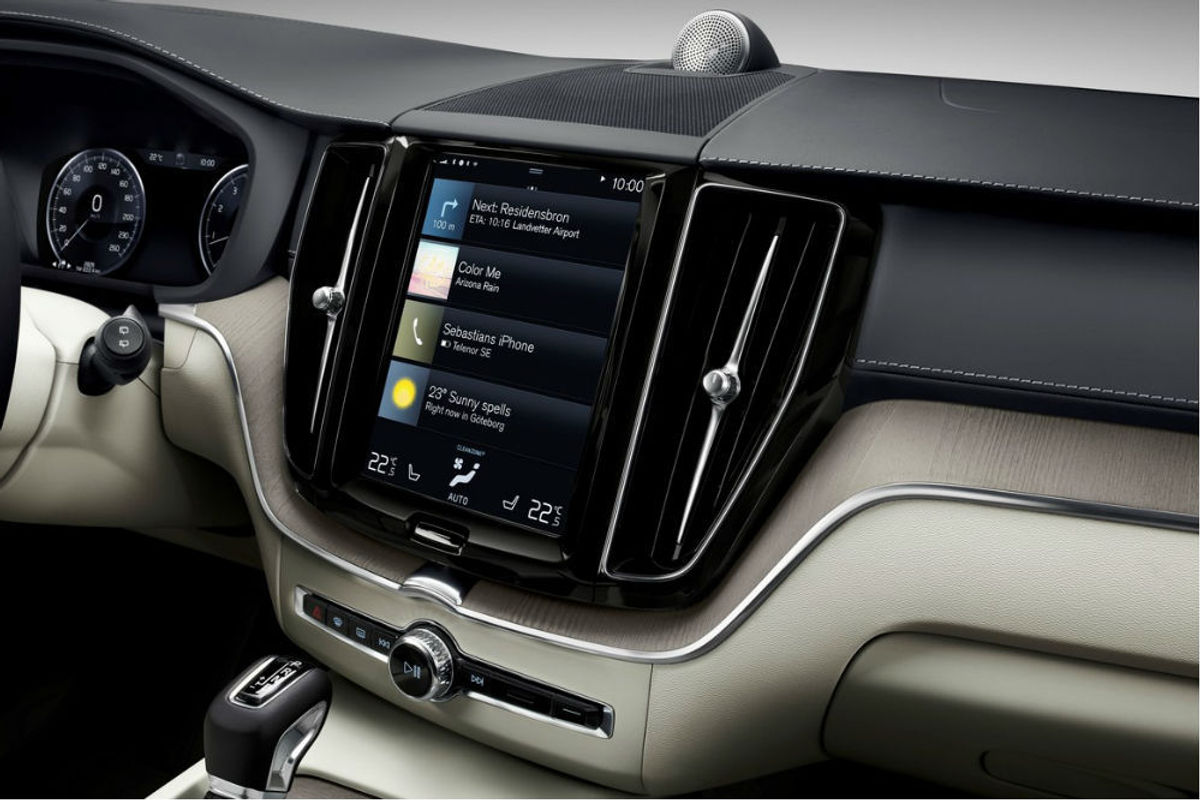
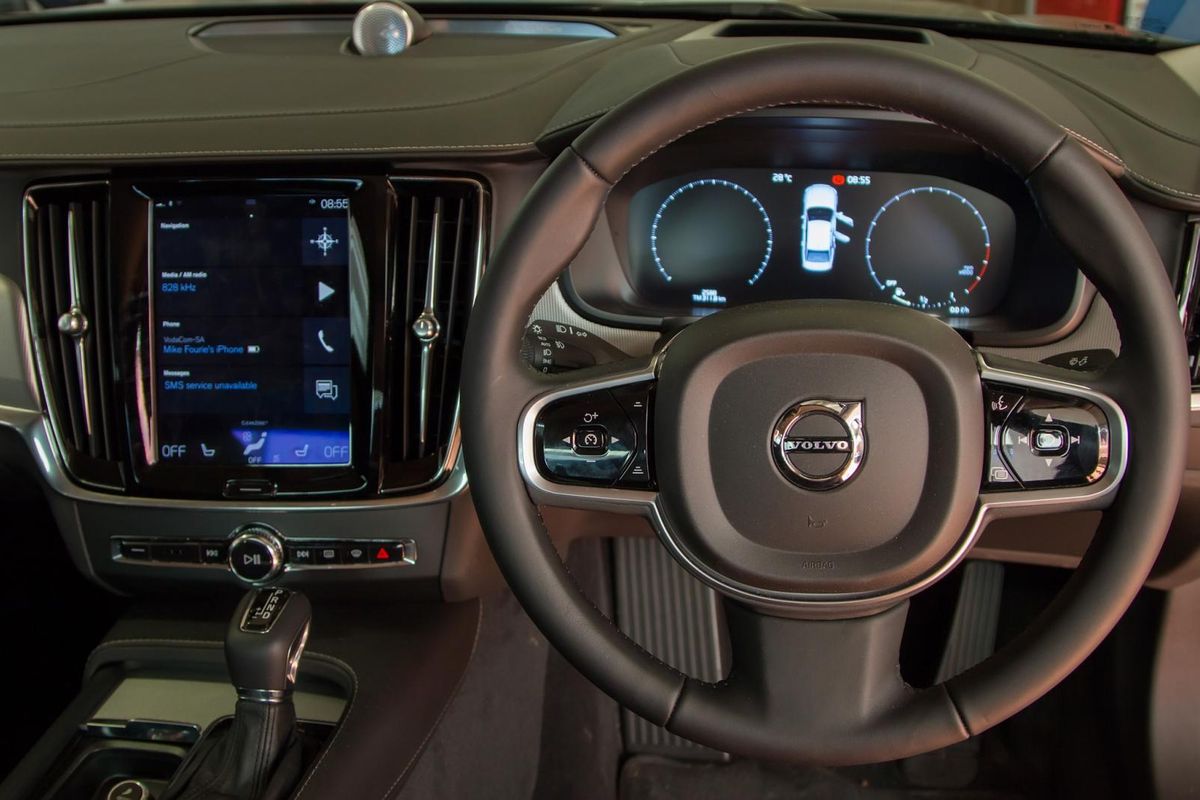
Inside, the stylish cabin features tasteful applications of leather, brushed metal and a new CleanZone 4-zone automatic climate control system, which is said to remove harmful pollutants and particles from outside the cabin, as well as the 9-inch Sensus Connect infotainment touchscreen interface.
In terms of the safety specification, Steer Assist has been added to the firm’s renowned City Safety system. Another new safety system called Oncoming Lane Mitigation, which uses Steer Assist to help mitigate head-on collisions, makes its debut in the XC60, while Volvo’s Blind Spot Information System (BLIS) now also uses Steer Assist functionality to reduce the risk of lane-changing collisions.
In conclusion, Pilot Assist, Volvo’s semi-autonomous driver assistance system that takes care of steering, acceleration and braking on well-marked roads up to 130 kph, will be optional.
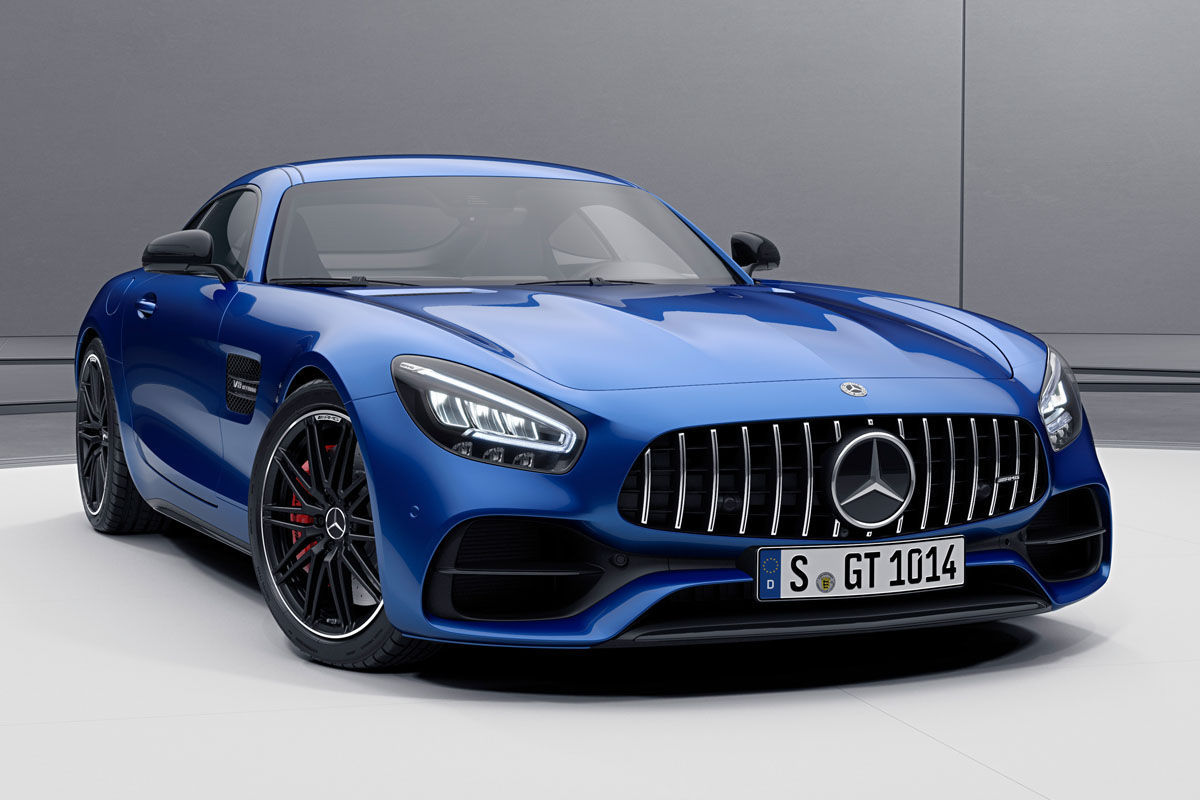
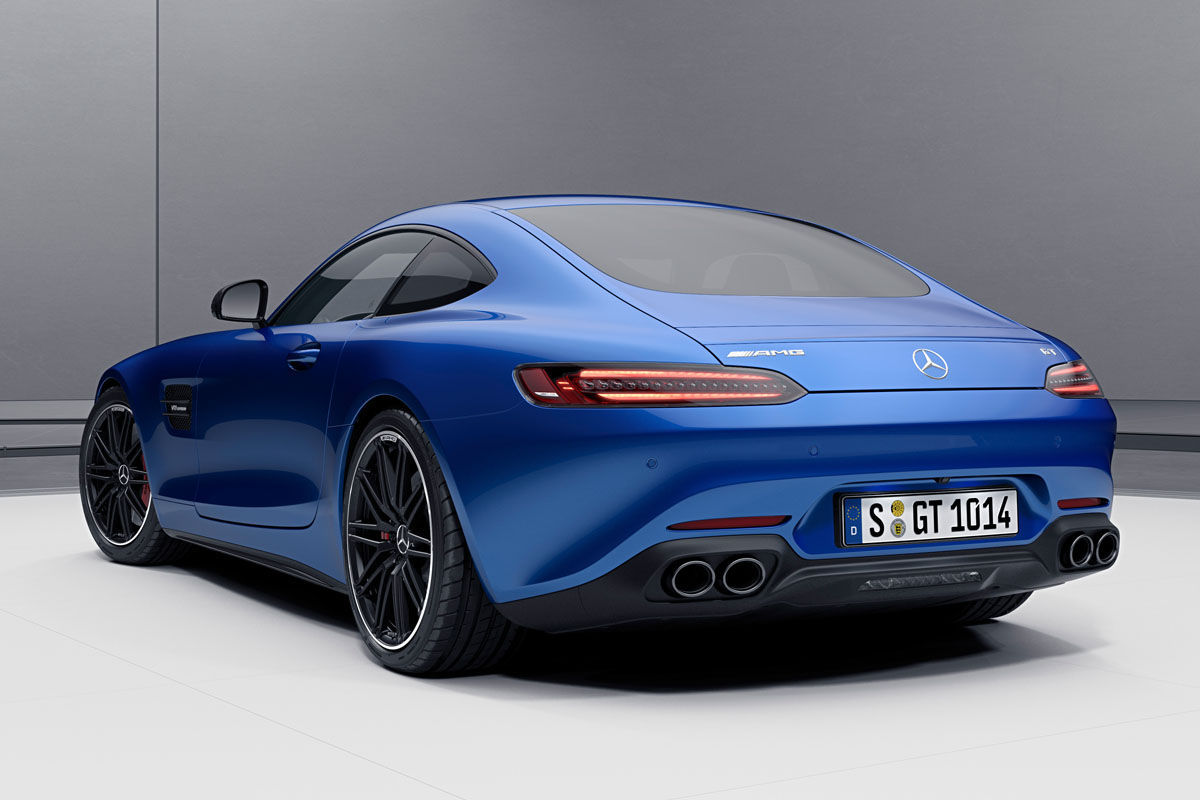
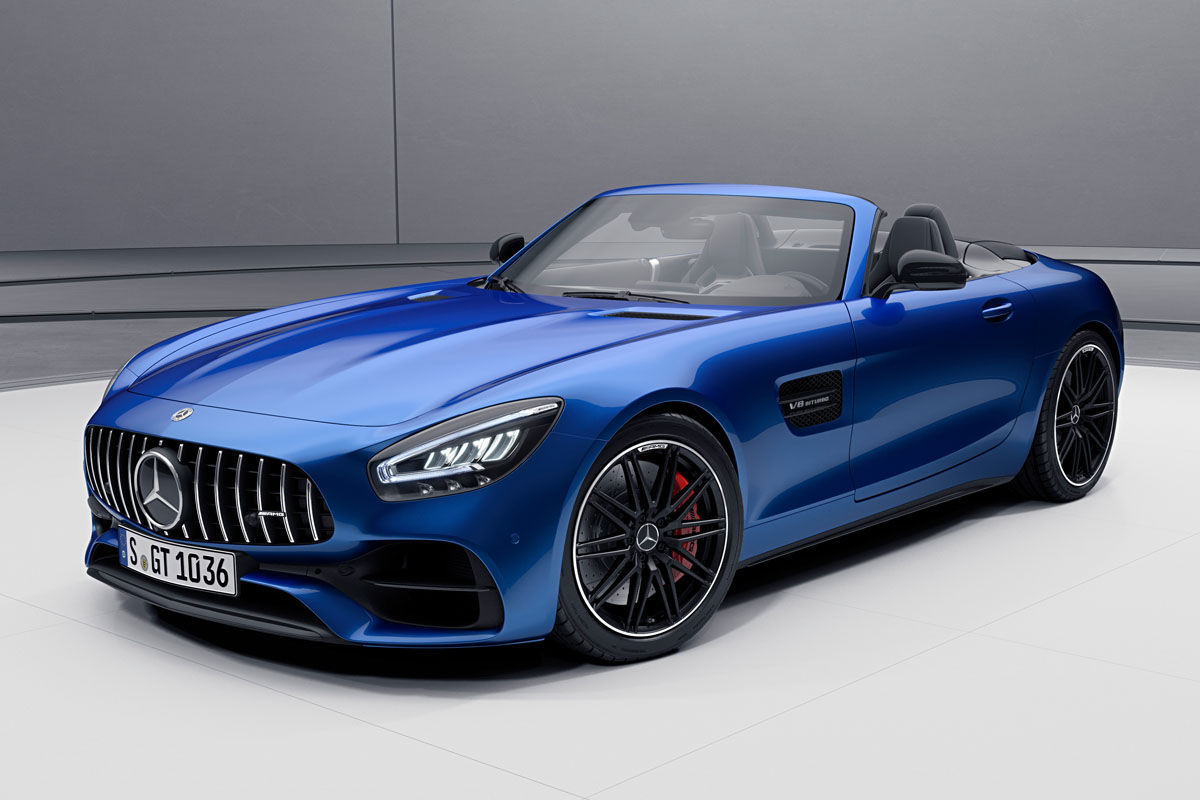
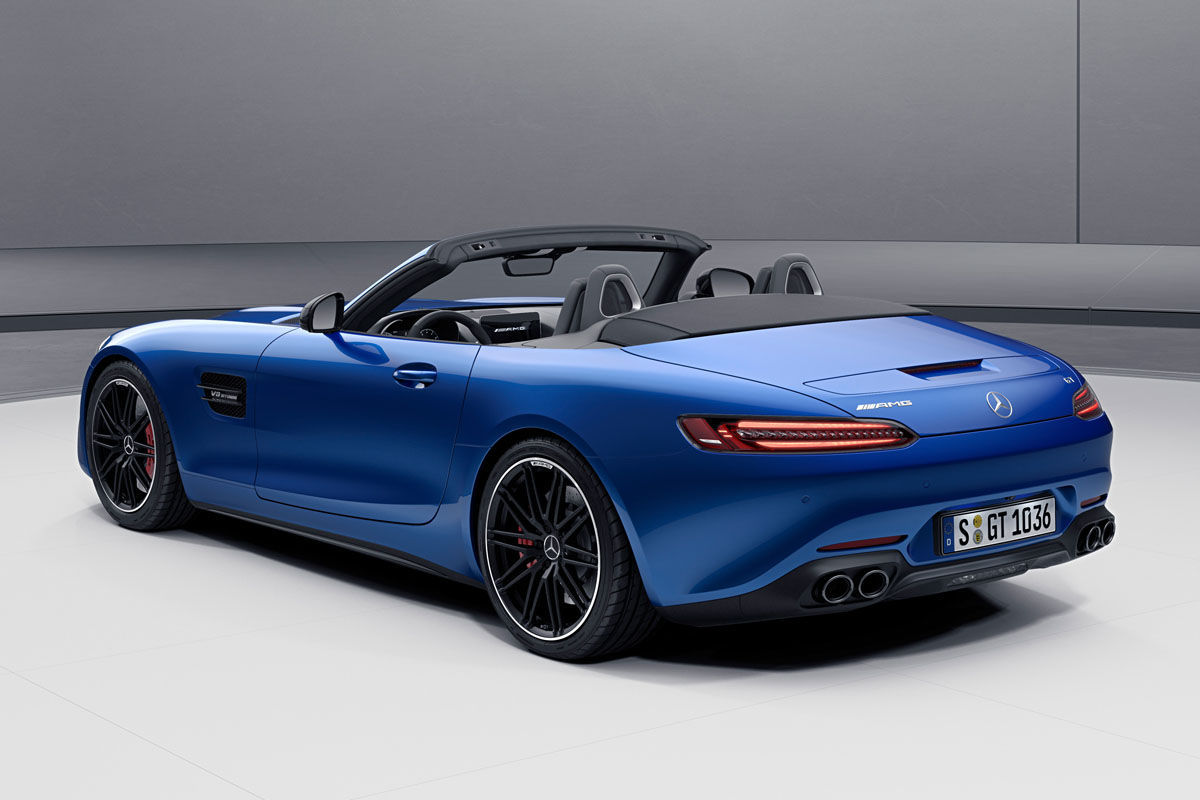
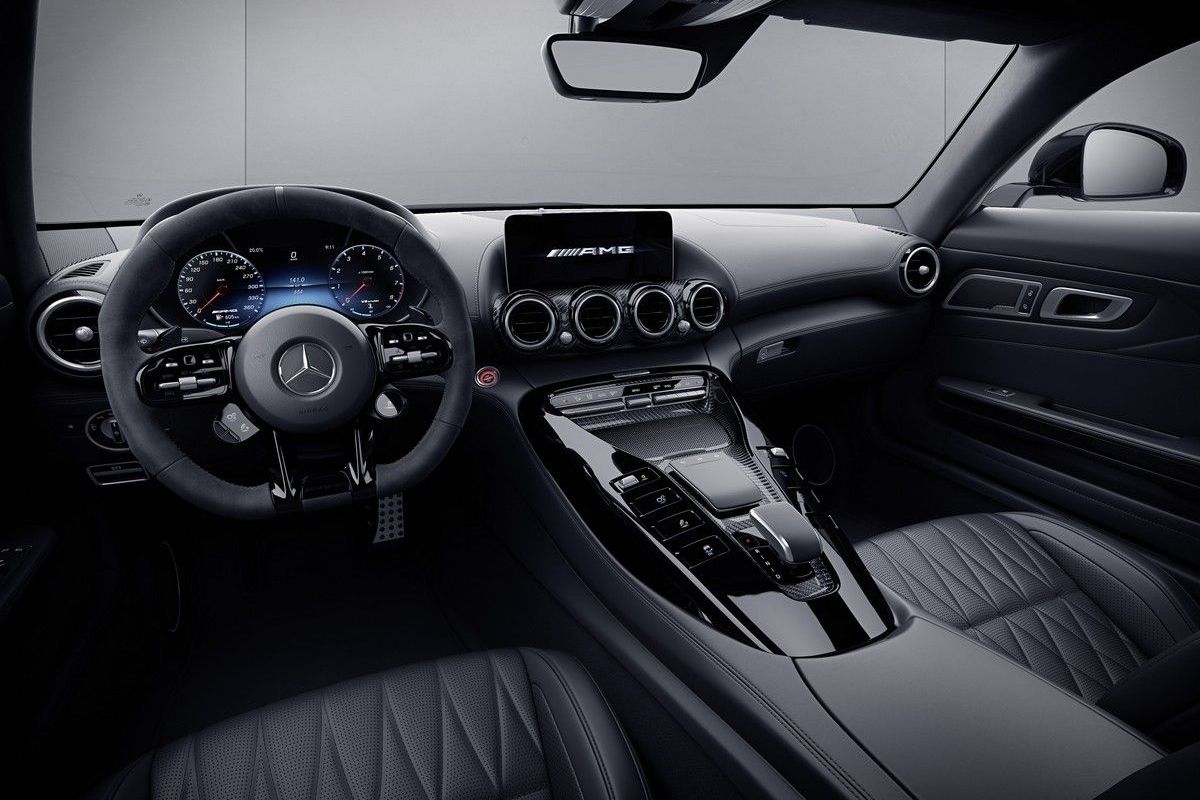
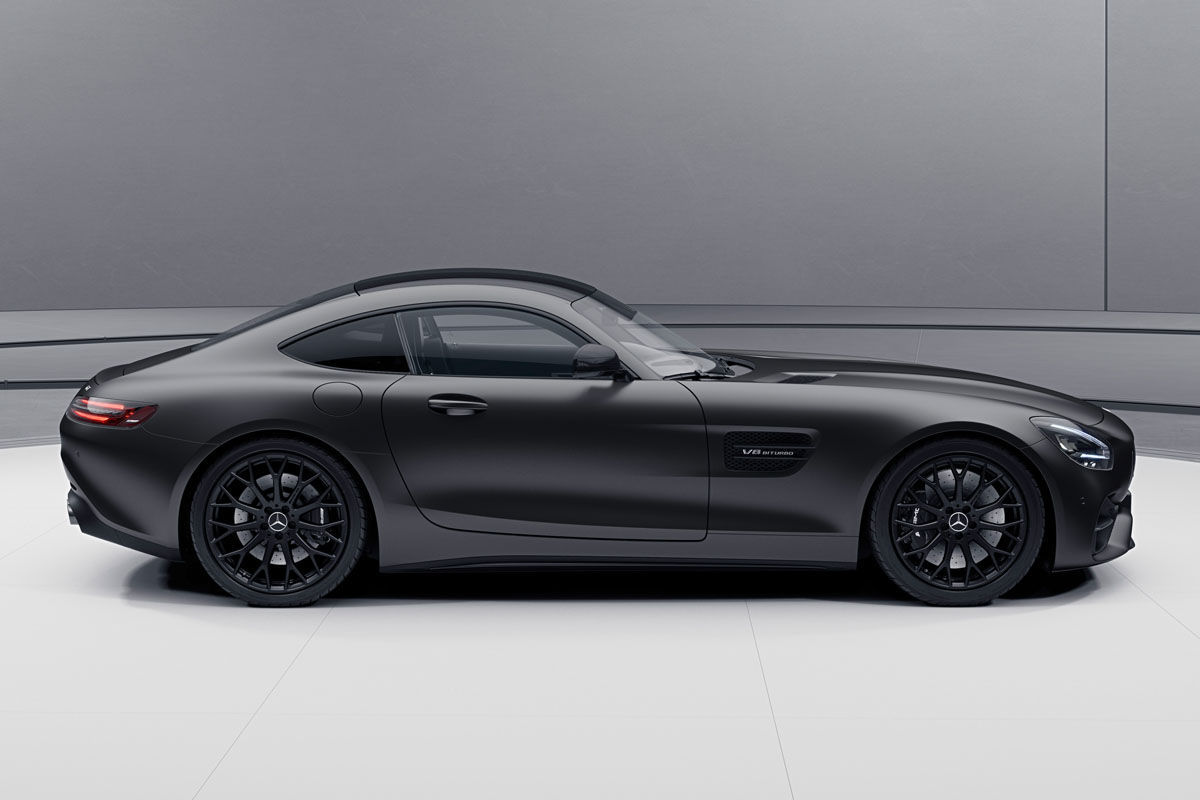
There seems no let-up in Mercedes-AMG's product expansion plans. Revealed at the 2017 Geneva Show, the GT Concept demonstrates that the Affalterbach-based brand is eager to trump any "4-seater coupe" that its countrymen, including Porsche, or any exotic manufacturer can produce.
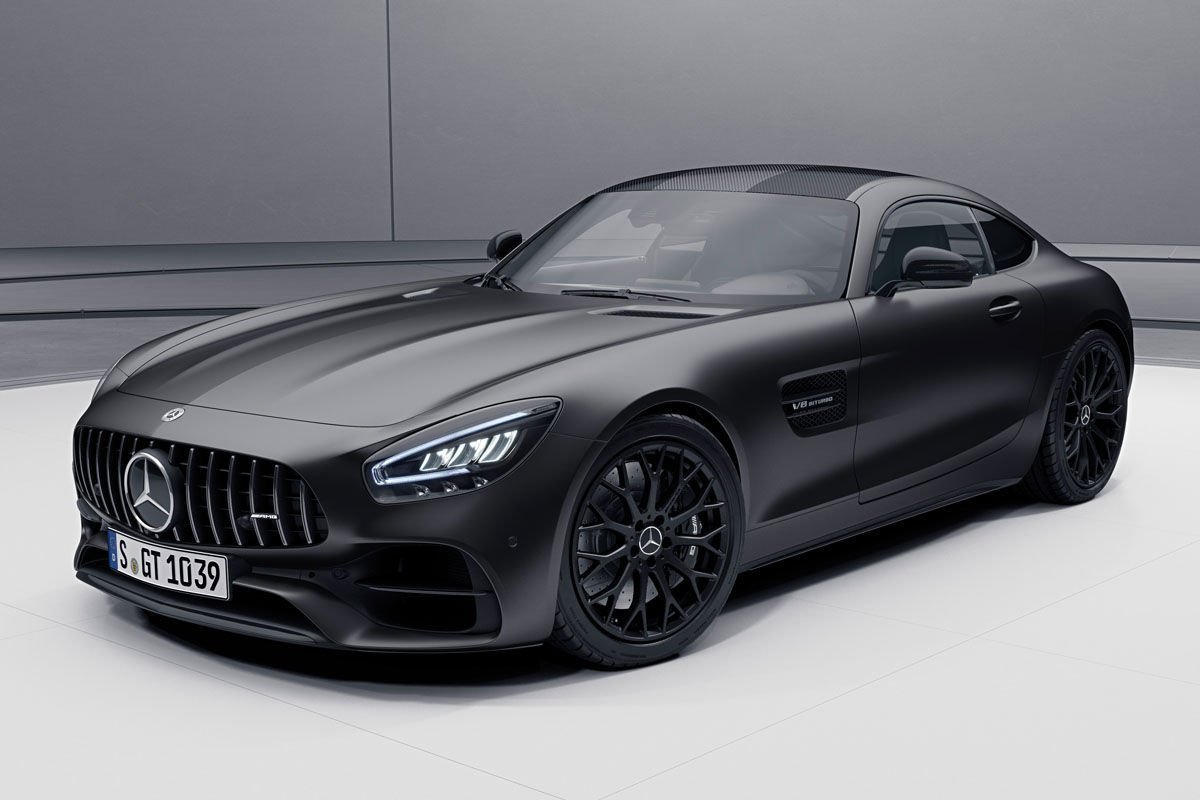
The GT family of sports cars currently includes the GT coupe, GT roadster, GT S coupe, GT C coupe and roadster and the range-topping GT R coupe. The addition of a 4-door GT model, expected perhaps as soon as in 2018, would broaden the scope within the range and rumour has it the production version will be called the GT4.
The recently released teaser video (below) revealed some details including the familiar wide grille with vertical slats, active vanes in the lower fascia, rear facing cameras in place of the side mirrors and 3D LED taillights. Perhaps the most prominent feature is the large single exhaust, while the wheels feature copper-coloured detail and aluminium spokes.
Engine power for the GT Concept comes courtesy of a 4.0-litre V8 that works in conjunction with a rear-mounted electric motor. The claimed combined peak power output is 600 kW, all of which is transmitted to the road via a torque-vectoring all-wheel-drive system. Mercedes-AMG claims a sub-3 second zero to 100 kph acceleration time. That's plenty fast.
Watch the Mercedes-AMG GT concept teaser video below:
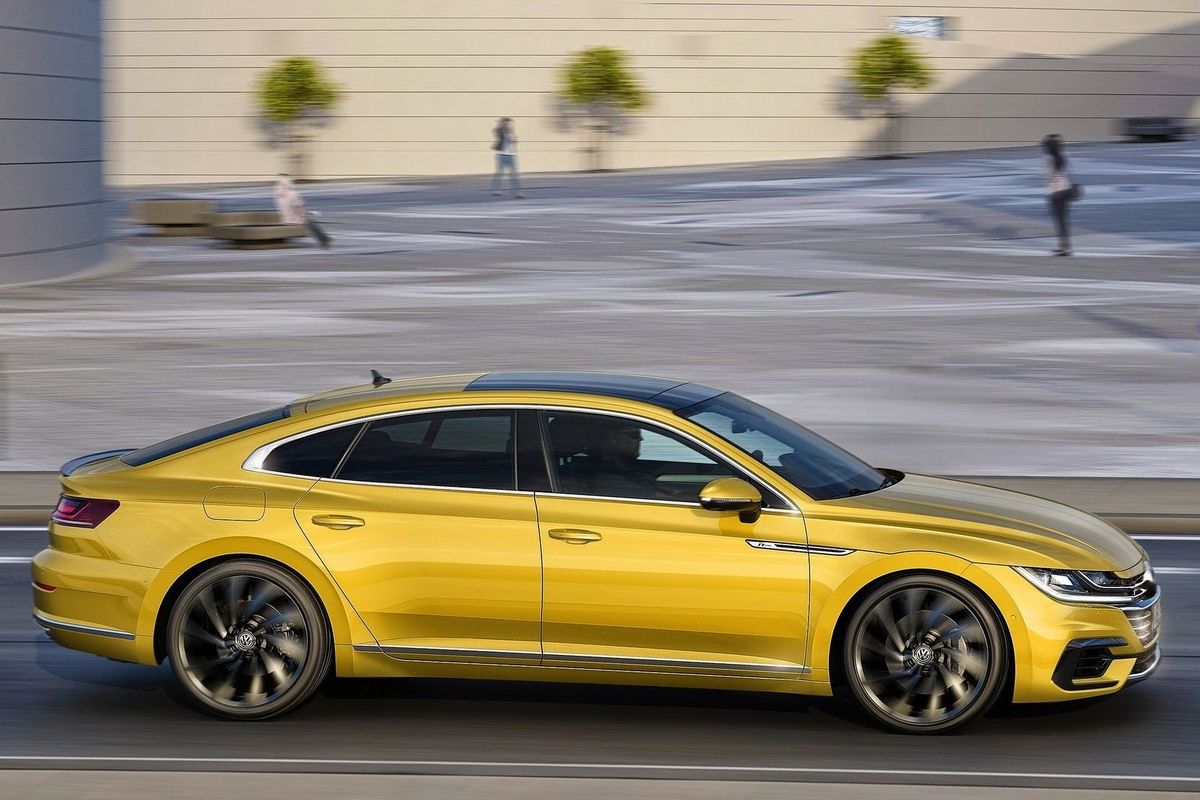
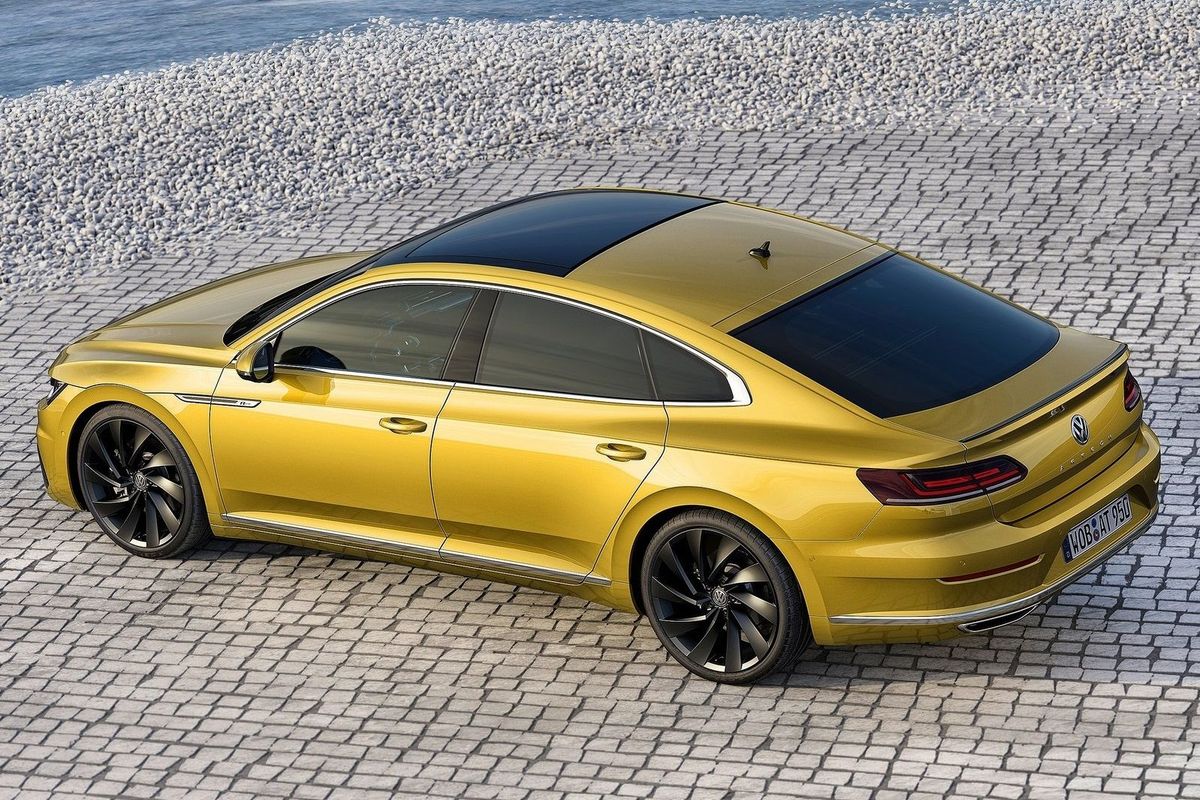
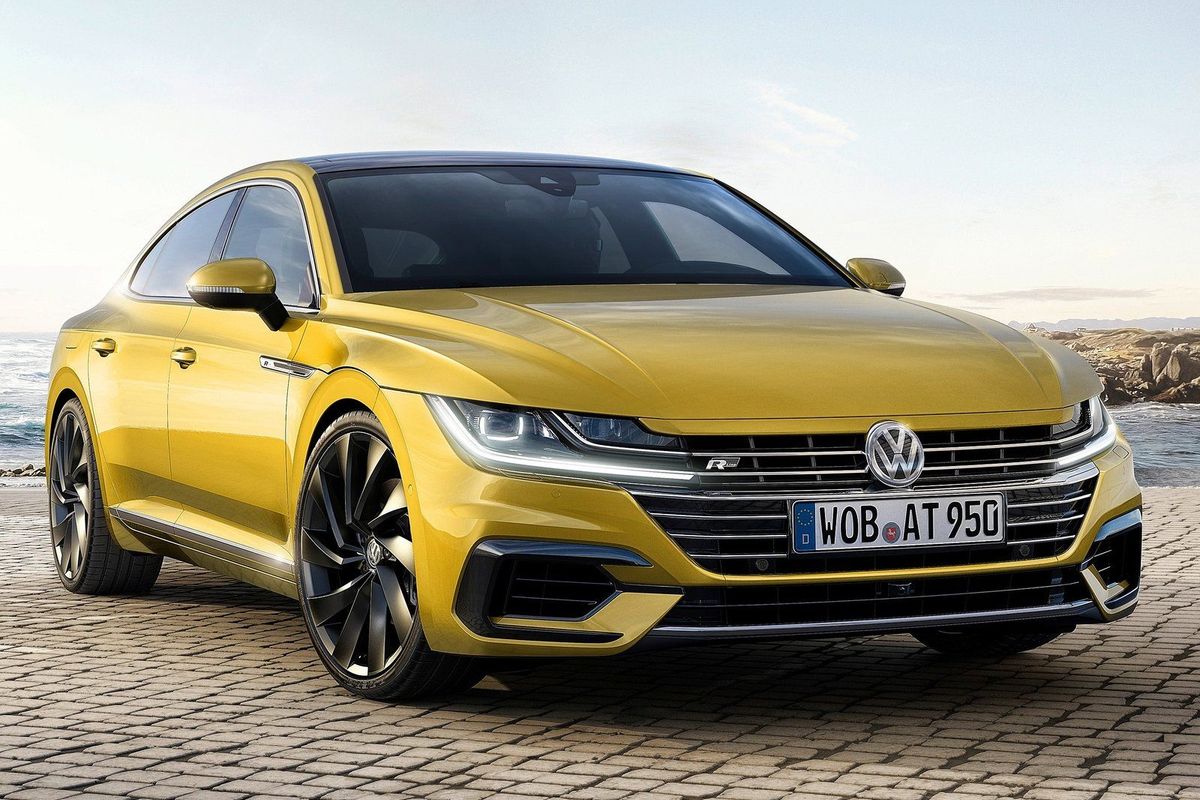
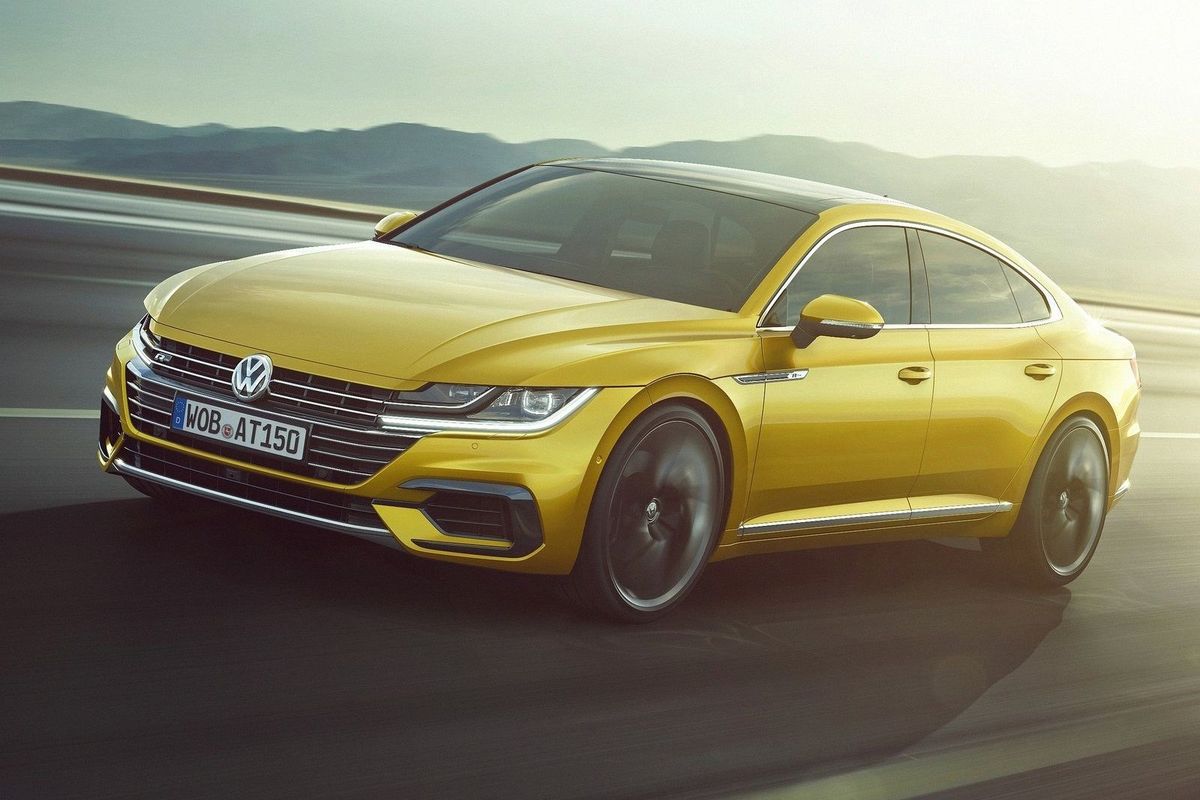
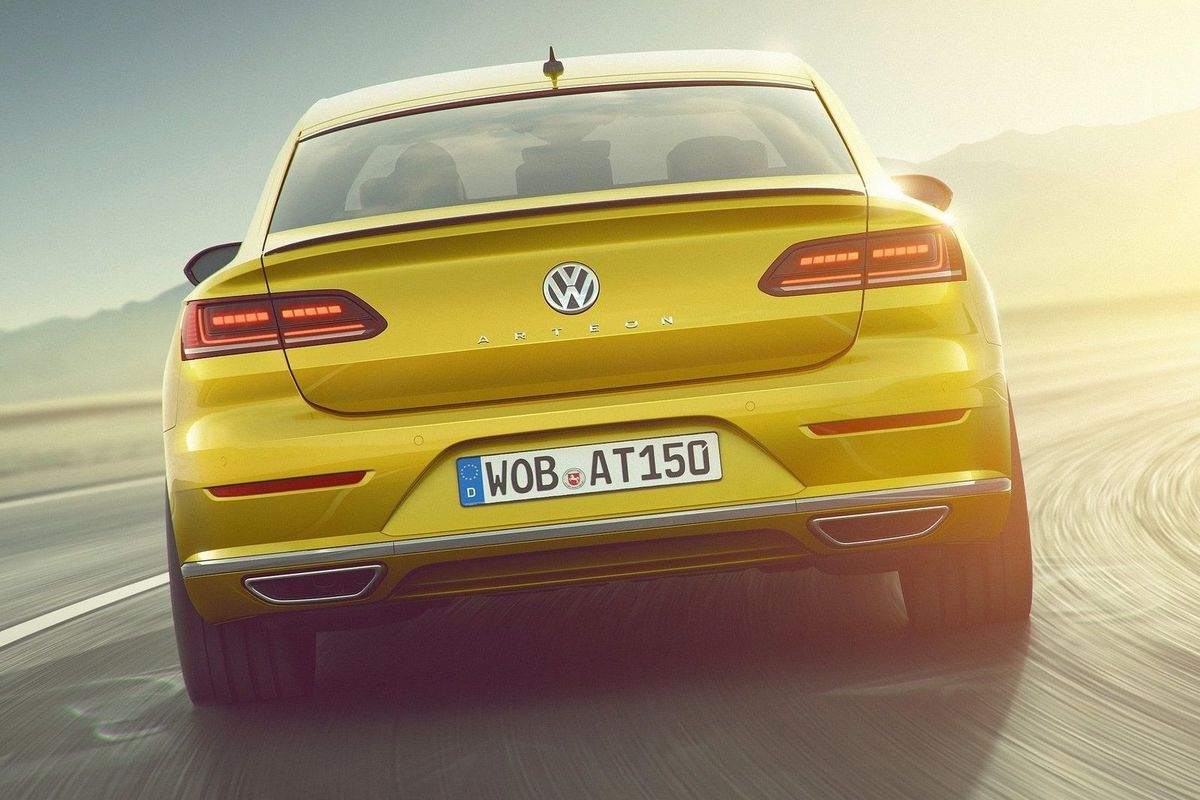
Volkswagen has officially taken the wraps off of its new luxury gran turismo (grand tourer). Meet the Volkswagen Arteon, which is positioned above the Passat and replaces the outgoing CC model.
The Volkswagen Arteon comes to market as a 5-door fastback, brimming with the latest technology and premium design. Built on the MQB platform that underpins a host of Audi and Volkswagen products, the Arteon features a long wheelbase and is fairly wide, which presupposes excellent interior space. At 4 862 mm long and 1 871 mm wide, the Arteon is sizeable. Boot space is claimed to sit at 563 litres and can be expanded to 1 557 litres.
Its front-end design is arguably the newcomer's biggest talking point. With a long bonnet, striking daytime running lights and LED headlights, there'll be no mistaking the Arteon for anything else. The flared wheel arches can accommodate wheels of up to 20-inch alloys.
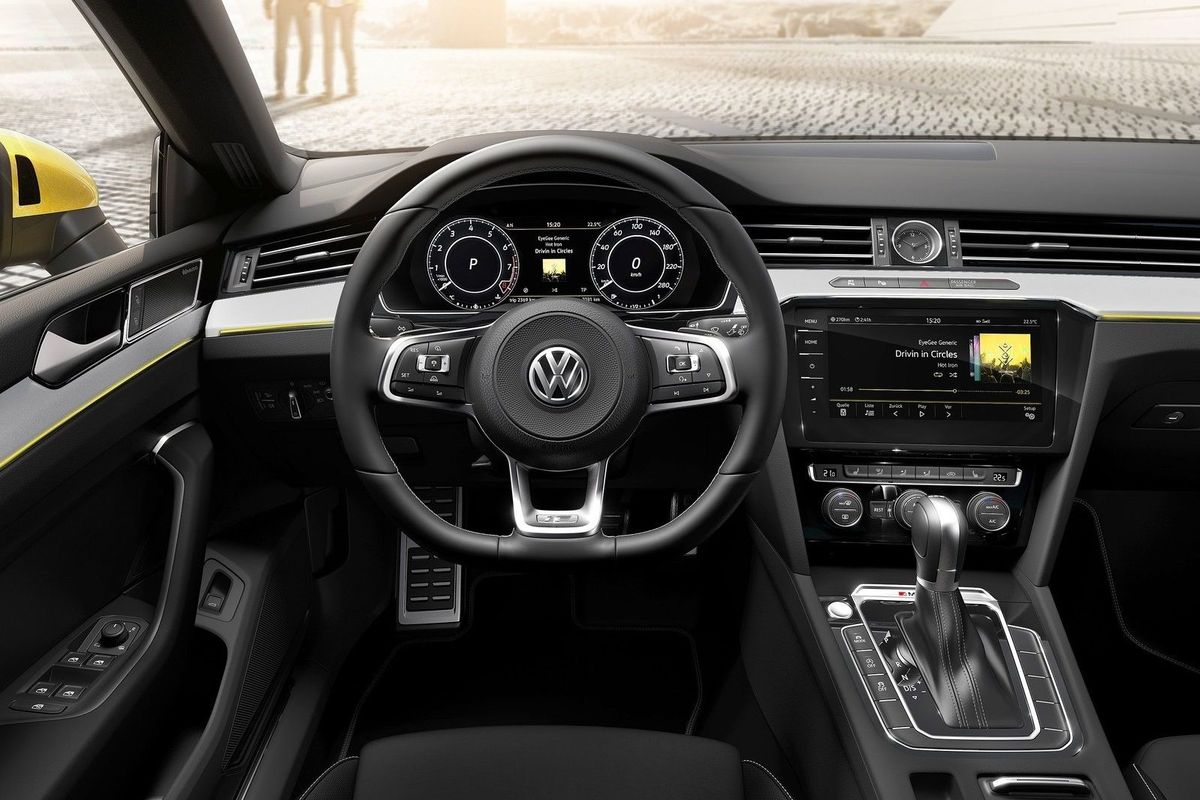
The Volkswagen Arteon sits above the Passat and will be manufactured at Volkswagen's plant in Emden, Germany. The vehicle launches in mid-June in the German market and has been confirmed for the South African market introduction. There are 6 engines, front-wheel or all-wheel drive configurations, plus digital displays and controls. Options include Active Info Display (fully digital and programmable instruments), a head-up display and the new Discover Pro infotainment system with a 9.2-inch glass screen and gesture control.
Overview of petrol engines for the Arteon:
1.5 TSI Evo, 110 kW 6-speed/optional 7-speed DSG (DSG for 1.5 TSI Evo not Germany)
2.0 TSI, 140 kW 7-speed DSG
2.0 TSI, 206 kW 7-speed DSG plus 4MOTION
Overview of turbodiesel engines for the Volkswagen Arteon:
The Volkswagen Arteon gran turismo will be available in two exclusive equipment lines: the 'Elegance' and 'R-Line'. Every Volkswagen Arteon model has the following features as standard:
Exterior
Chrome strips on side windows
LED tail lights
LED headlights with LED daytime running lights
Alloy wheels (from 17-inch)
Keyless Go locking system
Interior
Stainless steel door tread plates, front and rear
Composition Media infotainment system, including eight loudspeakers, auxiliary and USB inputs (Apple-compatible)
Electronically controlled air conditioning system
Multifunction steering wheel in leather (with shift paddles on DSG models)
Semi-electric (6-way) adjustable front comfort seats
Driver assistance and handling systems
Driver Alert System
Progressive steering
The Volkswagen Arteon Elegance includes the following custom details:
Exterior
Chrome wing mirror caps
LED tail lights with dynamic indicator light function
18-inch "Muscat" alloy wheels
Continuous chrome trim strip on lower bodywork
Heated windscreen washer jets
Interior
Aluminium pedals
Instruments, dashboard and door panels with individualised look and trim
Contrast stitching on seat covers and floor mats
Seat covers in alcantara/leather ('Vienna')
Front seat heating
The Volkswagen Arteon R-Line includes the following custom details:
Exterior
C-signature of the front air intakes in high-gloss black
Leather sports multifunction steering wheel in R-Line design
18-inch 'Sebring' alloy wheels
Heated windscreen washer jets
Unique R-Line bumpers
Continuous chrome trim strip on lower bodywork
Chrome-plated exhaust system tailpipes
Interior
Aluminium pedals
Roof liner in "Titan Black"
Stainless steel door tread plates front and rear with R-Line logo on front plates
Alcantara/leather ("Vienna") seat covers with R-Line logo
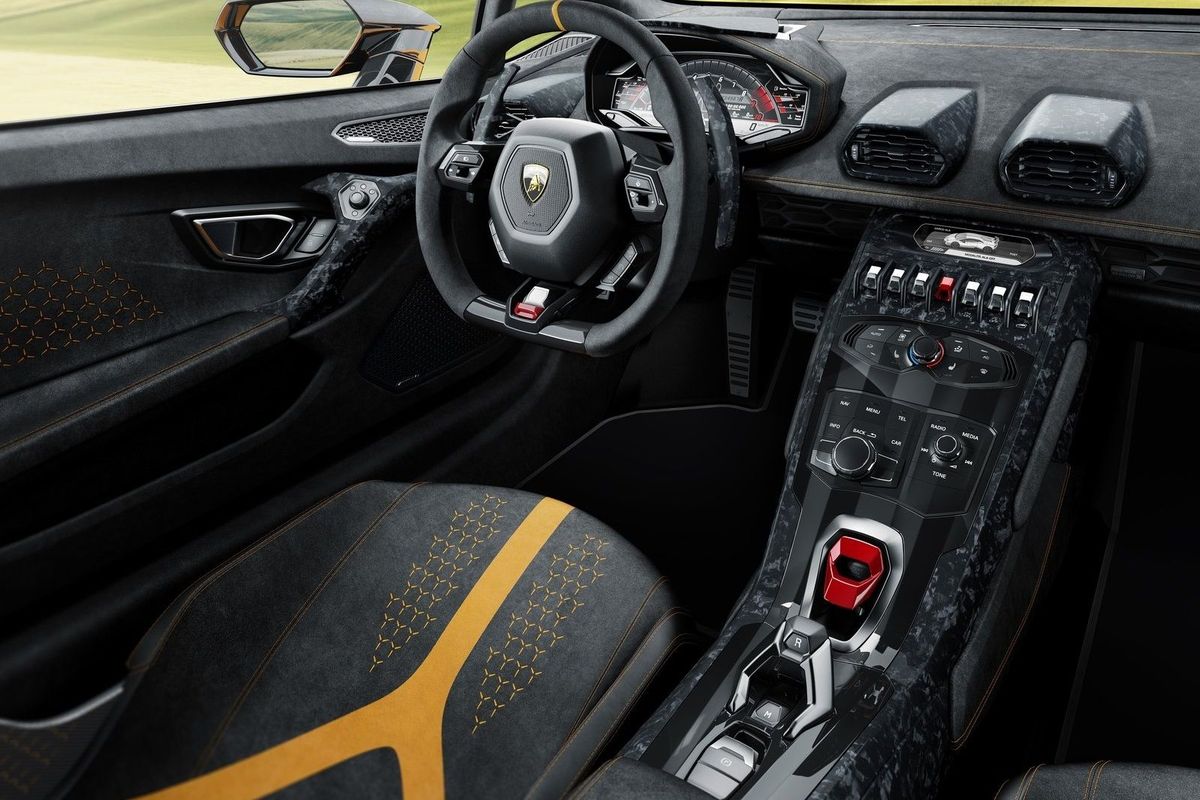
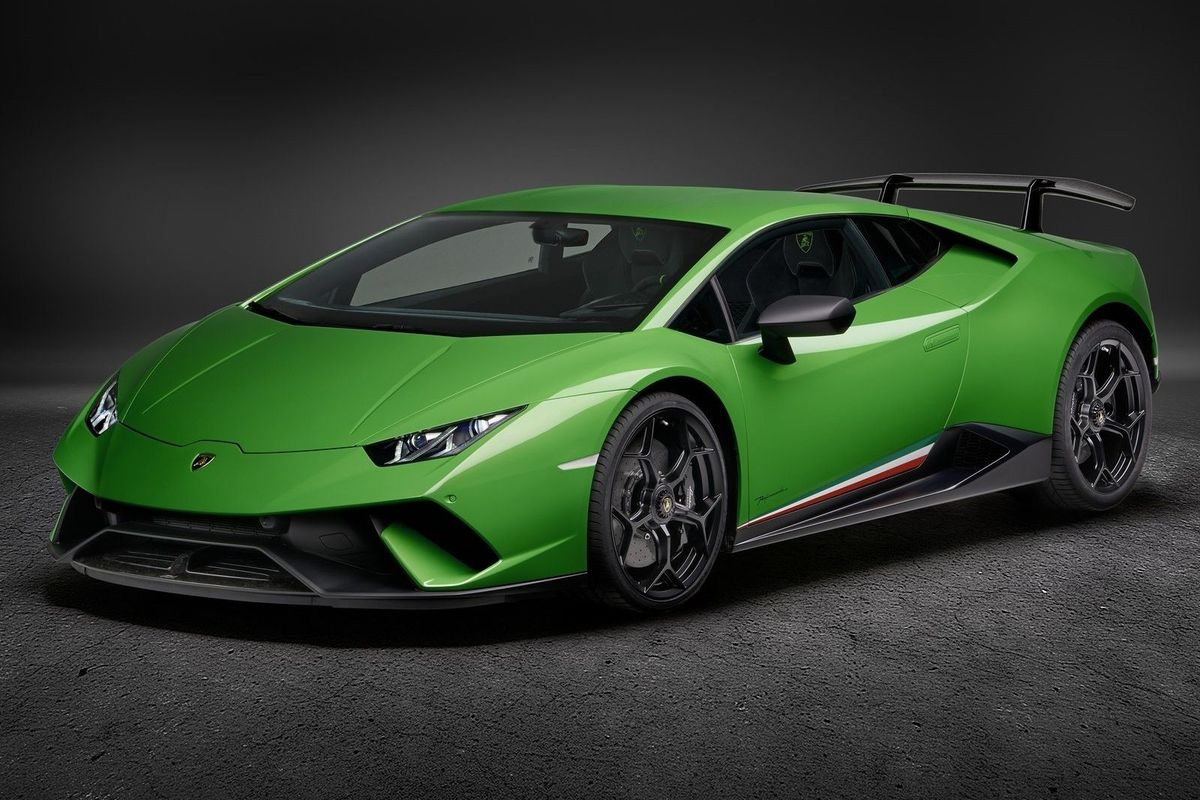
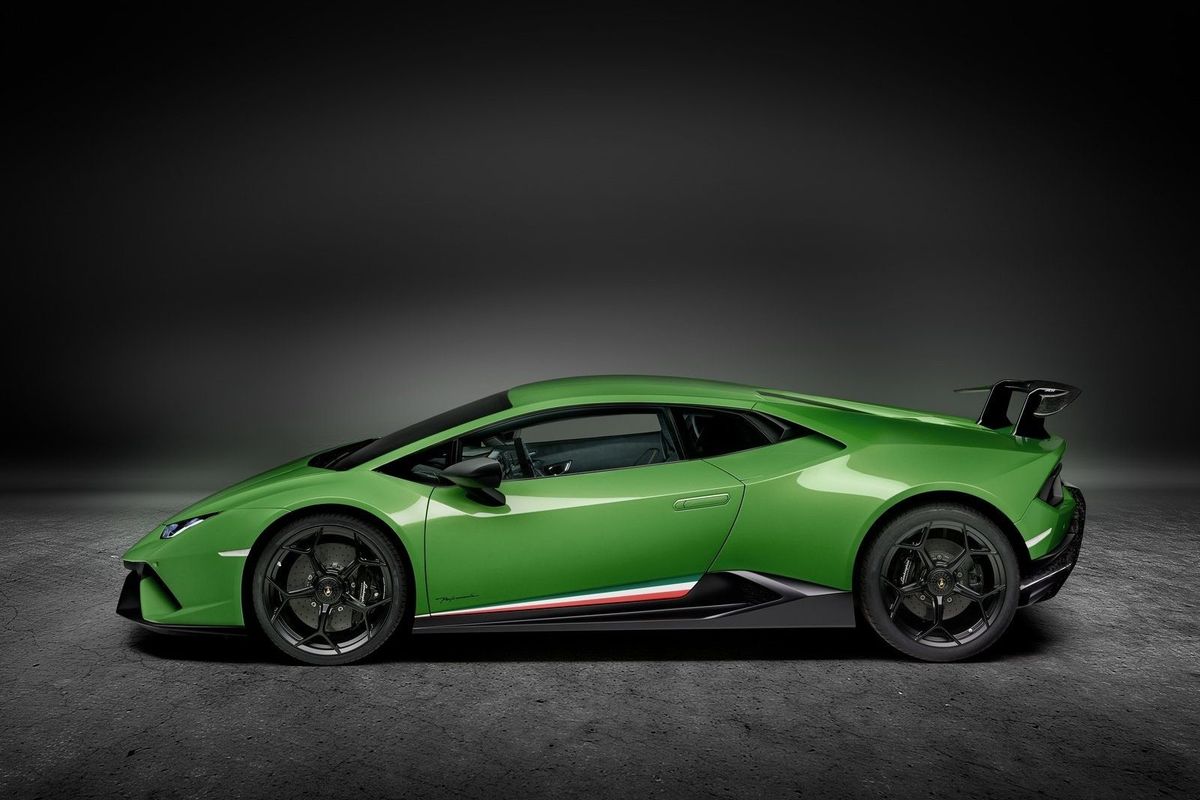
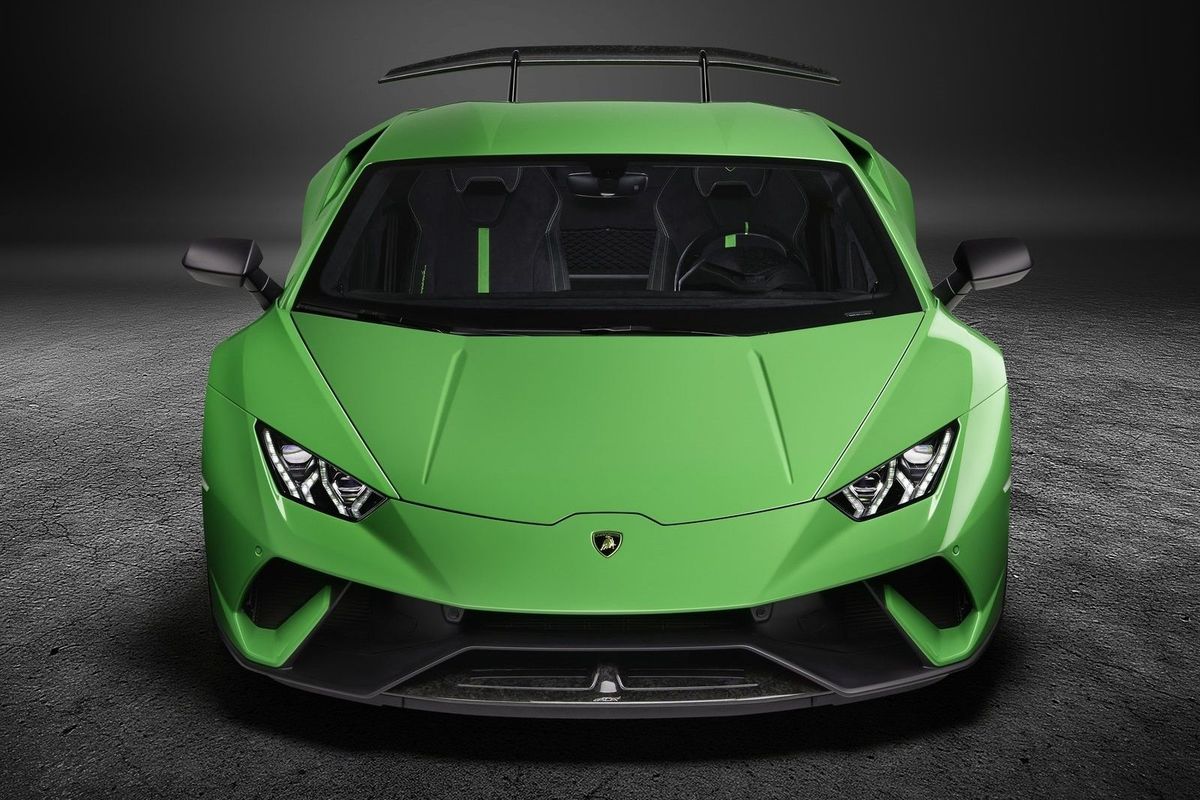
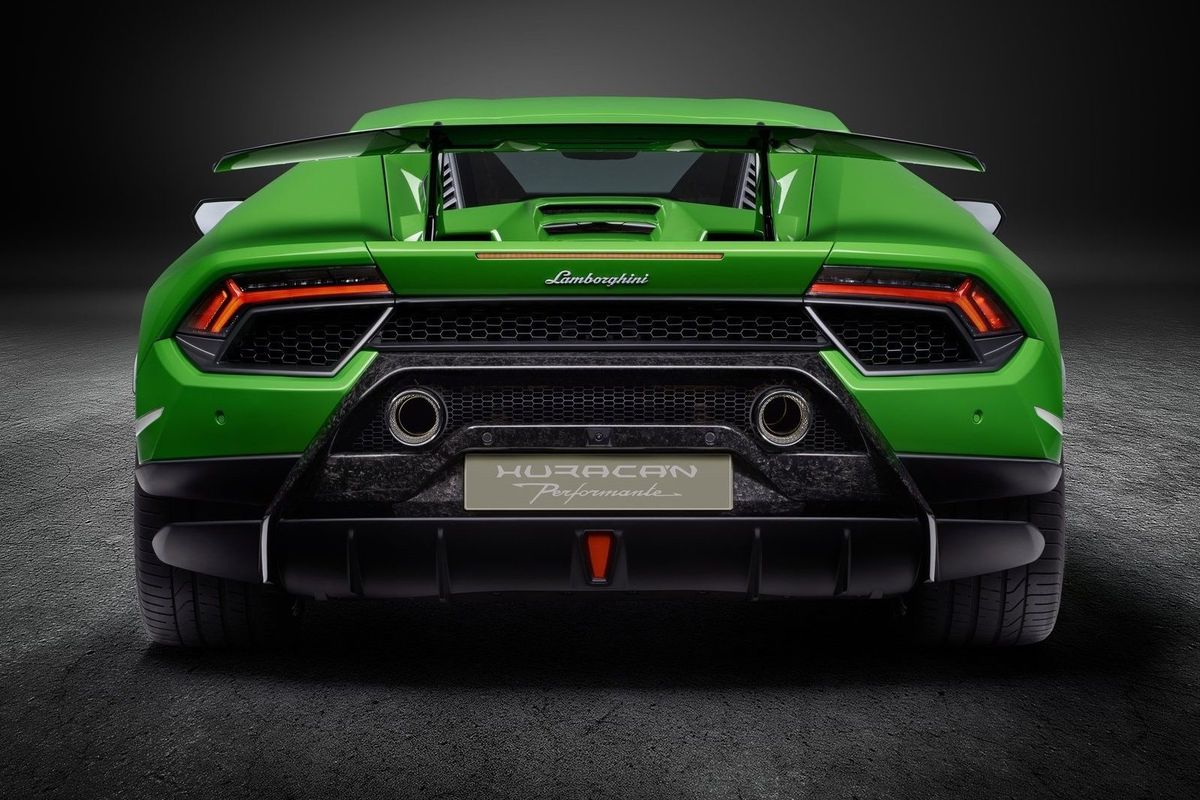
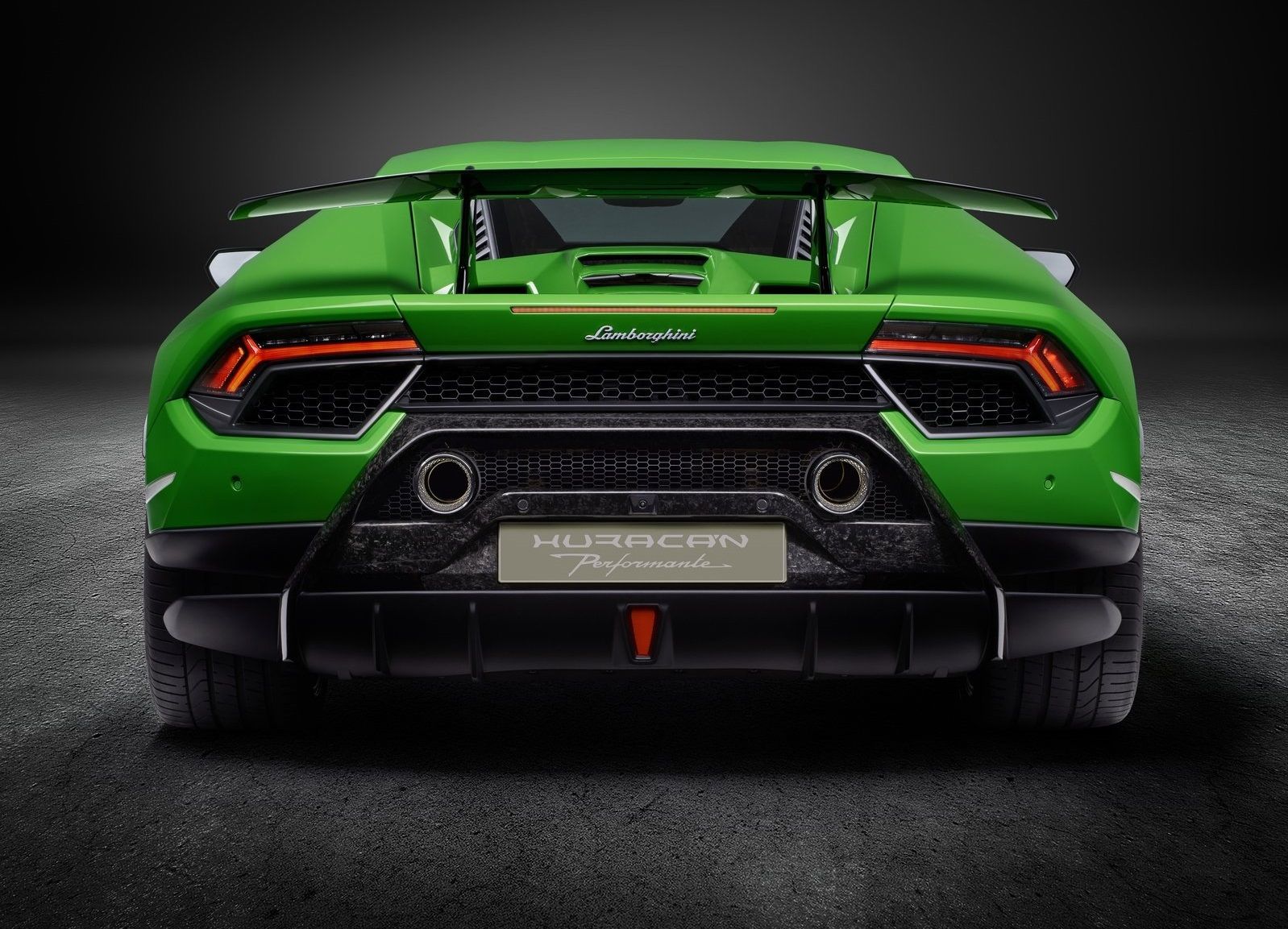
Lamborghini has officially unveiled the Huracan Performante at the 2017 Geneva Motor Show. Recently the vehicle had made headlines for breaking the production-car lap record at the Nürburgring Nordschleife in Germany.
Not much was known about the Huracan Performante during its record-breaking run, but all has finally been revealed. The Performante features new lightweight technologies, active aerodynamics with aero vectoring and a new set-up of chassis, all-wheel-drive system and an improved powertrain.
"The Huracan Performante is the convergence of technological developments to produce a car delivering perfect performance," says Automobili Lamborghini Chairman and Chief Executive Officer Stefano Domenicali. "This new car represents the powerhouse of Lamborghini DNA and innovation and a 360-degree approach to creating class-leading super sports cars. It illustrates the pinnacle of Lamborghini V10 production car performance to date, on both track and road, and is perfectly exemplified by its name: Lamborghini Huracan Performante."
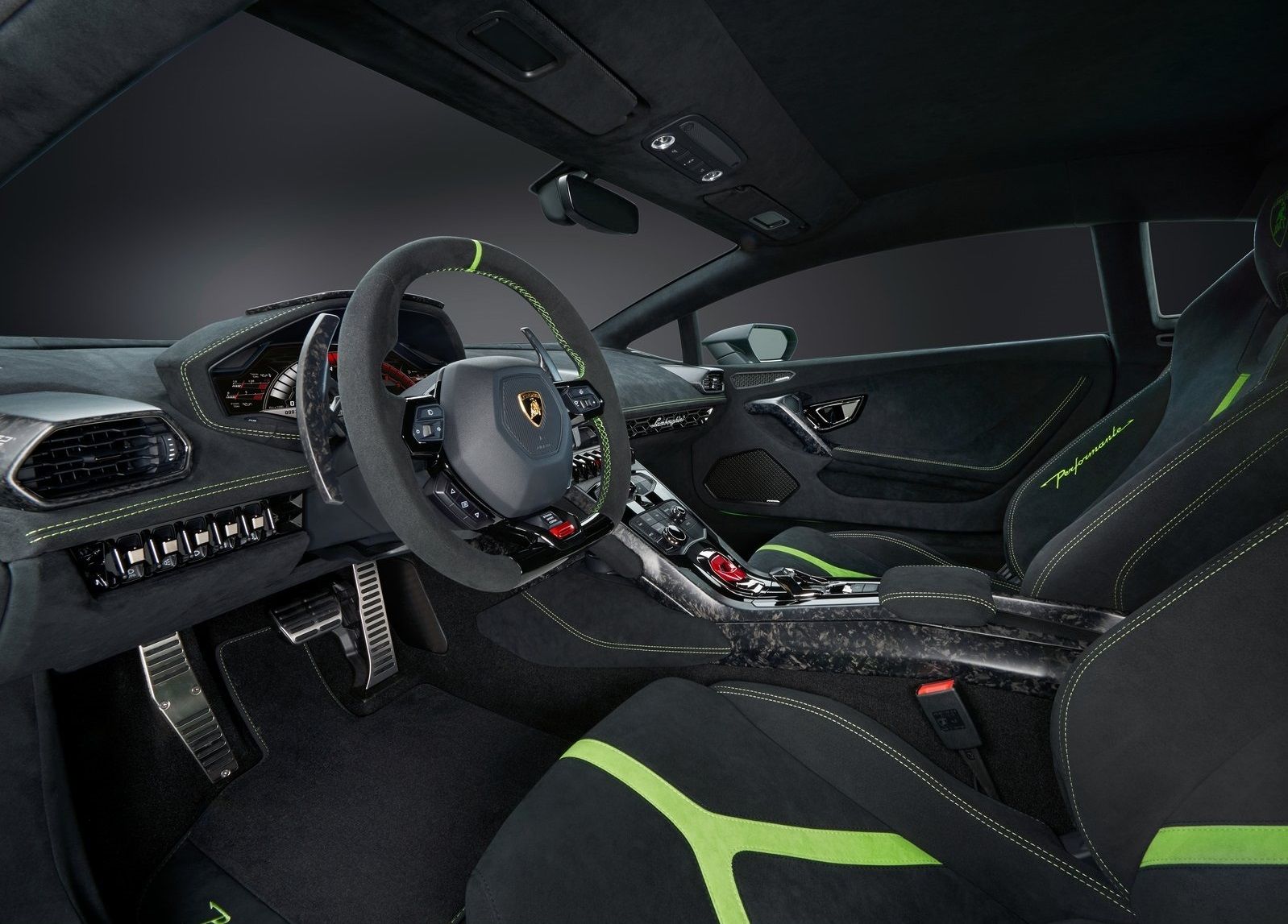
Lamborghini has shaved 40 kg off the Huracan's overall weight. The body is produced from aluminium in conjunction with plenty of Lamborghini's award-winning Forged Composite material. Featuring sheared carbon fibres set in resin, Forged Composite allows the creation of lightweight, complex geometrical shapes beyond that possible with traditional carbon fibre composite materials, while maintaining optimal stiffness. Forged Composite is used in the front and rear spoiler, the engine bonnet, rear bumper and aerodynamic diffuser, the Italian firm claims.
Incredible aerodynamic technology
The clever rear wing and active aero package improves downforce and cornering stability.
One of the key features of the Performante is its active aerodynamic system that provides high downforce or low drag (depending on requirements). This system is integrated into the vehicle in terms of design, weight and performance. The front spoiler integrates an electric motor of the front aero system, built in a carbon-forged frame with active flaps on the top exterior surface. The rear bonnet is designed around the air ducts to the rear wing as well as the wing. The car's computer governs all the systems in real time and can activate the aero system flaps in less than 500 milliseconds.
When the active flaps inside the front spoiler close, they generate added downforce for high-speed cornering and full braking conditions. However, when the flaps are opened (by an electric motor integral to the spoiler), air pressure on the apron is reduced and air flow is directed (via an inner channel) through the specially shaped underside of the car. This reduces drag and optimises conditions for maximum acceleration and top speed.
At the rear, there are 4 ducts below the Performante's engine cover. The two central ducts are always open to allow underhood ventilation and exhaust cooling, while the 2 external ducts are connected to the inner channels of the rear wing. Two flaps direct airflow through ridges underneath the wing to reduce drag and maximise the car's acceleration and top speed capabilities, plus, thanks to aero vectoring, the flow can be switched on in either the right or left side of the spoiler to increase downforce and traction on the inner wheel, counteracting the load transfer in rolling conditions. This, in turn, optimises the chassis' momentum, requiring a reduced steering angle and improving the car's overall dynamic stability, Lambo claims.
Performance and powertrains
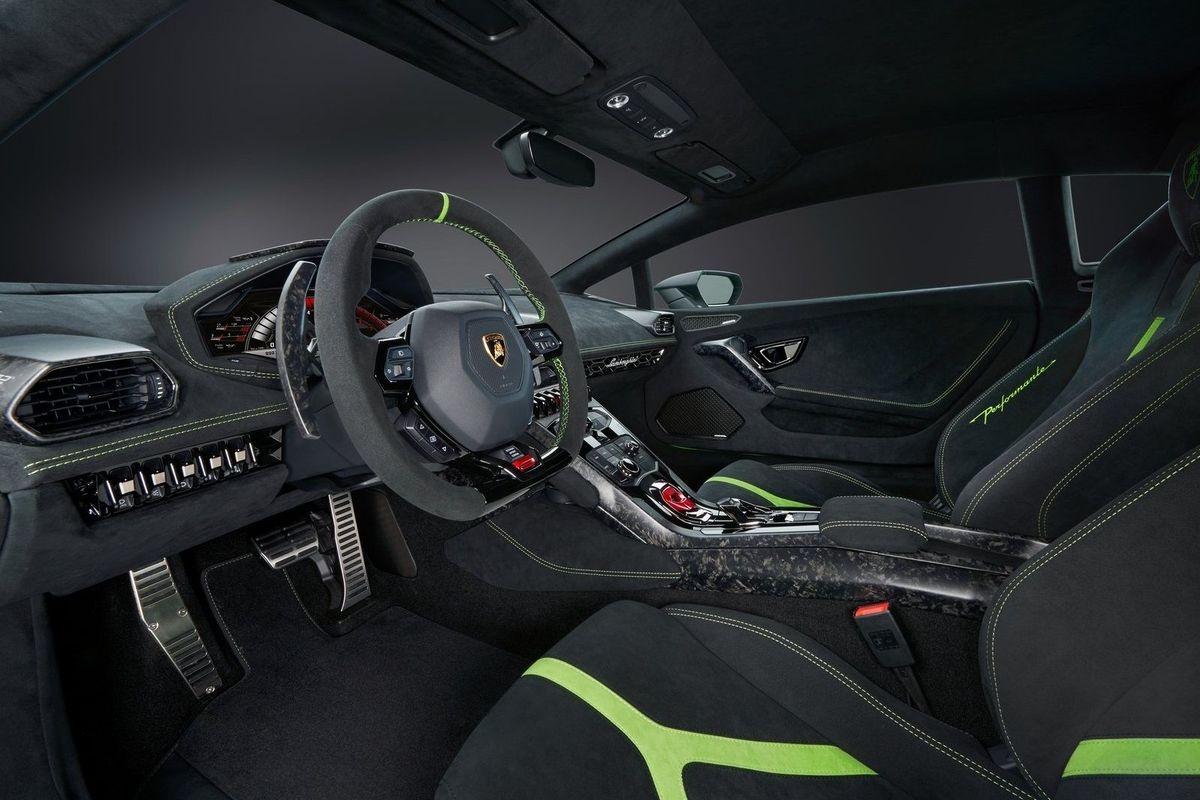
The Performante's performance focus is also evident inside through the use of lightweight materials.
Meanwhile, the Performante's V10 engine pushes out 470 KW and 600 Nm and features a new bronze manifold, as well as parts from Lamborghini's motorsports programme. The intake and exhaust have been tweaked, as well as new titanium valves that allow higher valve lifts to increase engine performance. The revised exhausts are lighter and are positioned at a higher and more central position, for a more aggressive sound.
The new engine features an optimised torque curve, with more than 70% of torque already available at 1 000 rpm. Lamborghini's 7-speed dual clutch transmission has been also optimised in order to match the increased performance. With its kerb weight of 1 383 kg, the Performante will dispatch the 0-100 kph sprint in 2.9 seconds and arrive at 200 kph 6 seconds later. The new brakes are ventilated and cross-drilled carbon ceramic discs with six-piston brake callipers at the front and four-piston callipers at the rear.
Completely revised chassis
The suspension has been completely revised; in fact, the entire Performante package has been given a harder, more performance bias. The suspension has been vertically stiffened by 10% over the Huracan coupe, via both springs and bars, and roll stiffness improved by 15%. The stiffness of the radial and axial arm bushings has been improved by 50%, significantly enhancing lateral control of the car. The double wishbone system, front and rear, features passive dampers. Both systems, passive and active suspension, are designed to improve body and wheel control especially on track.
The Huracan Performante's electronic power steering has been significantly recalibrated to be highly responsive, while the ESC has been calibrated for smooth (less intrusive) intervention when the all-wheel-drive system lays its significant reserve of power/torque on the terra firma. Lastly, the Performante rides on specifically designed bronze 20-inch Narvi forged alloy rims wrapped in specially developed Pirelli P Zero Corsa tyres.
With its widely acclaimed XC90 Swedish brand Volvo reinvented itself, and should now be taken very seriously in the Premium SUV segment. Can the marque's new S90 executive sedan do the same and crack open a market category that seems entirely stitched up by the German brands? It's a tall order…
We Like: Design (inside and out), quality build, strong performance, spaciousness We Don’t Like: Nit picking… ride refinement on poor surfaces lags class best
Alternatives
For greater refinement: While the Volvo S90 is by no means unrefined, the latest E-Class remains a class leader in this regard. The Mercedes-Benz E400 4Matic is a relative newcomer to the local line-up, and in Avantgarde specification starts at just over R1 million.
For more dynamism: The new BMW 5 Series has just arrived and while its startling 7-Series derived technology is grabbing the headlines, this has not come at the cost of the Five's legendary dynamism and focus on driving enjoyment. The BMW 540i starts at just below the R1 million mark.
Something more extroverted: The Cars.co.za Consumer Awards-winning Jaguar XF 25t Portfolio is a dynamic, stylish and luxurious alternative, but doesn't have the engine power to compete with the vehicles listed here. In 35t and S guises it is simply too expensive.
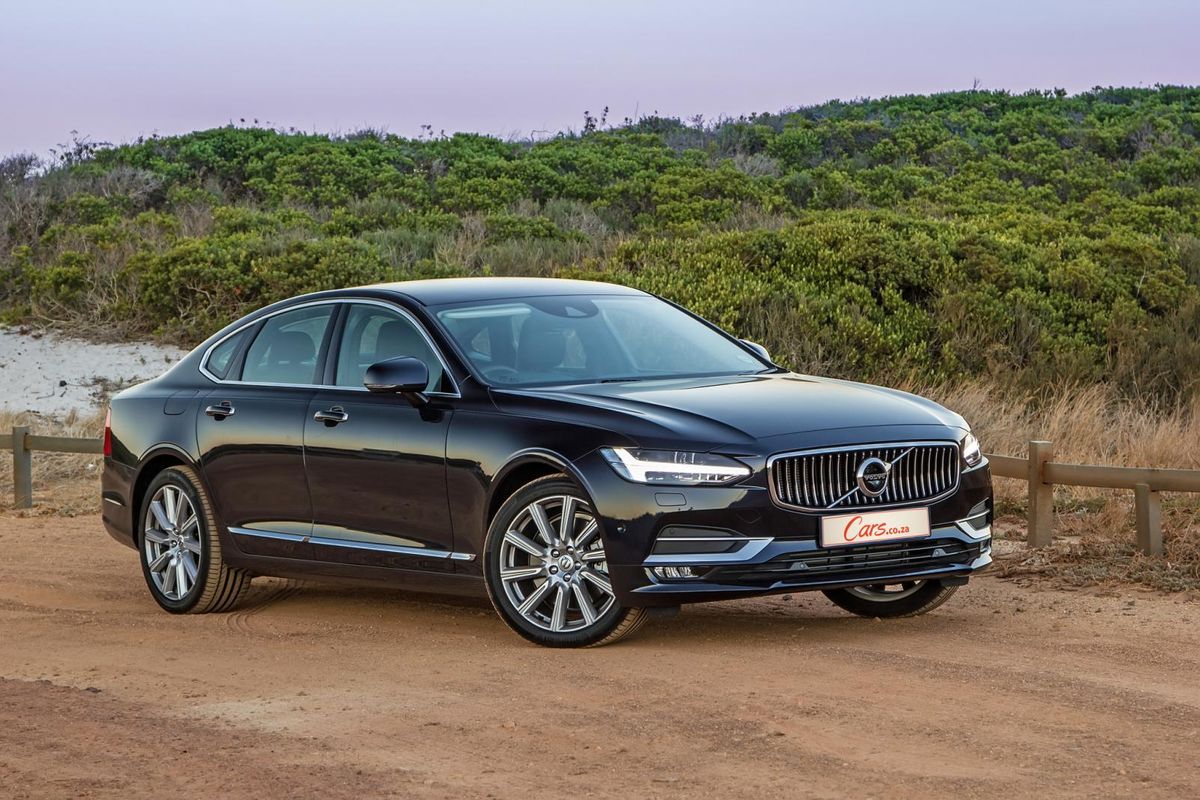
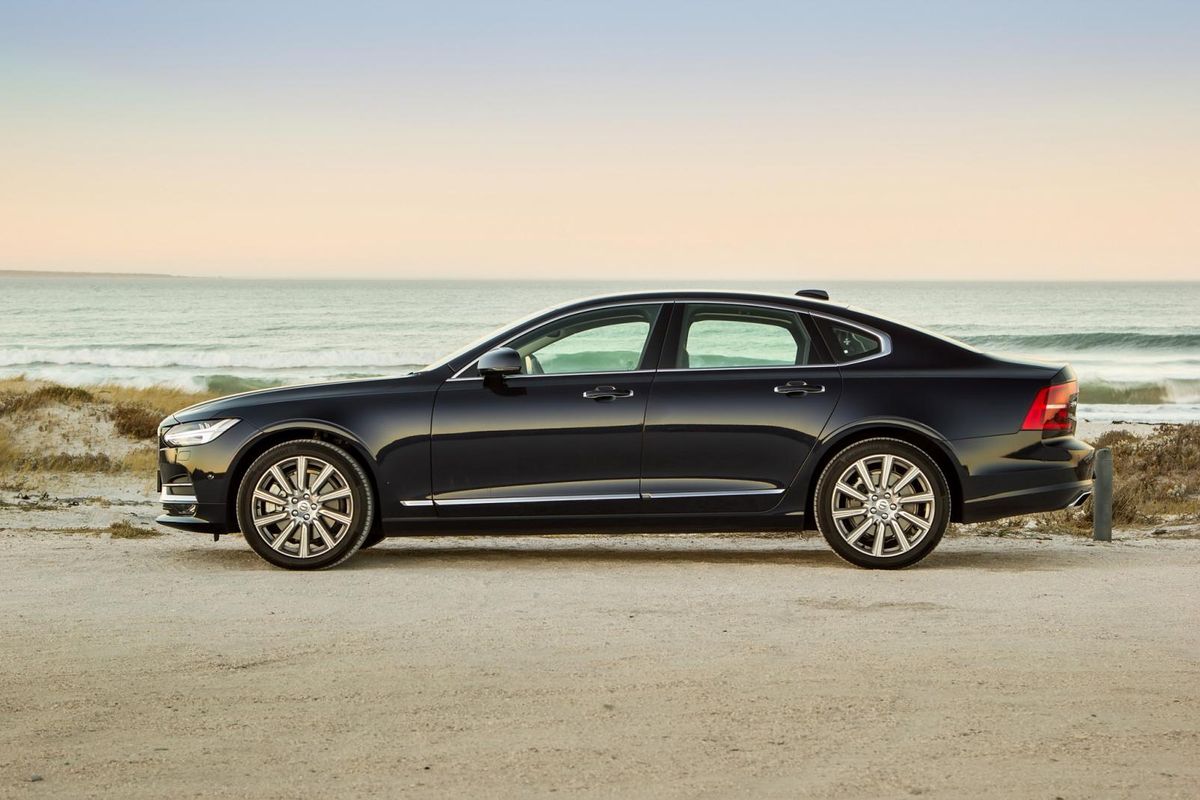
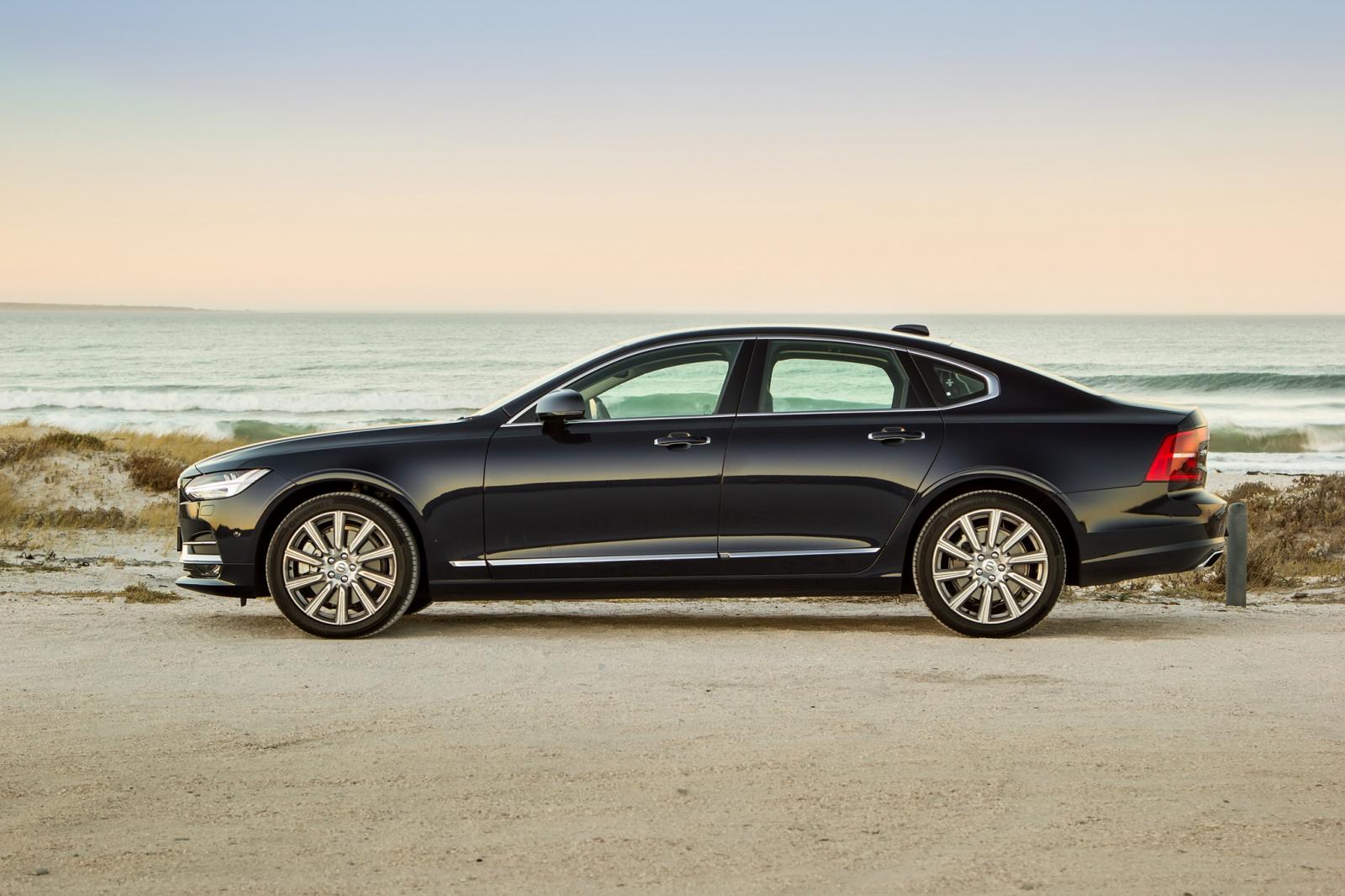
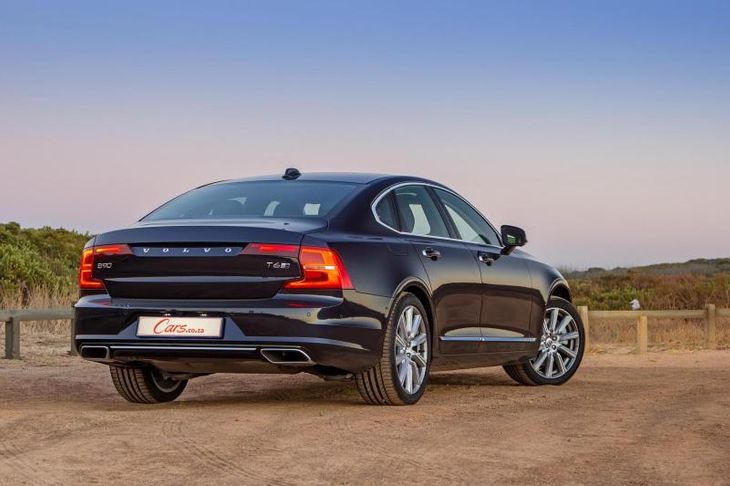
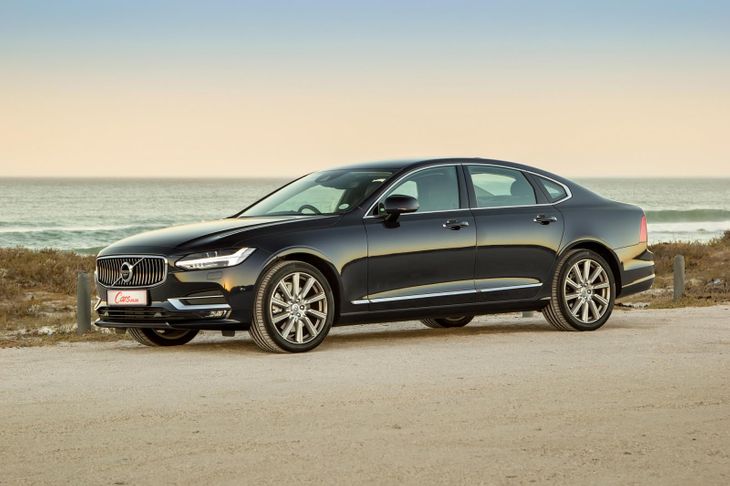
Longer than most of its rivals, the S90 is a big and imposing, yet elegant addition to the Executive Sedan segment.
Based on the same scalable architecture as the award-winning XC90 premium SUV, the S90 is Volvo's serious stab at the executive sedan segment, currently dominated by the Mercedes-Benz E-Class, BMW 5 Series and soon-to-be-replaced Audi A6. Of course, Jaguar's highly acclaimed XF and Lexus's GS also merit consideration, but based on what we've seen thus far, it looks like the stately Swede could be the one to upset the applecart… if only to a degree.
Tested here is the T6 Inscription AWD petrol model, the line-up's flagship until the T8 Twin Engine hybrid derivative arrives at a later date.
How does it fare in terms of…
Design appeal?
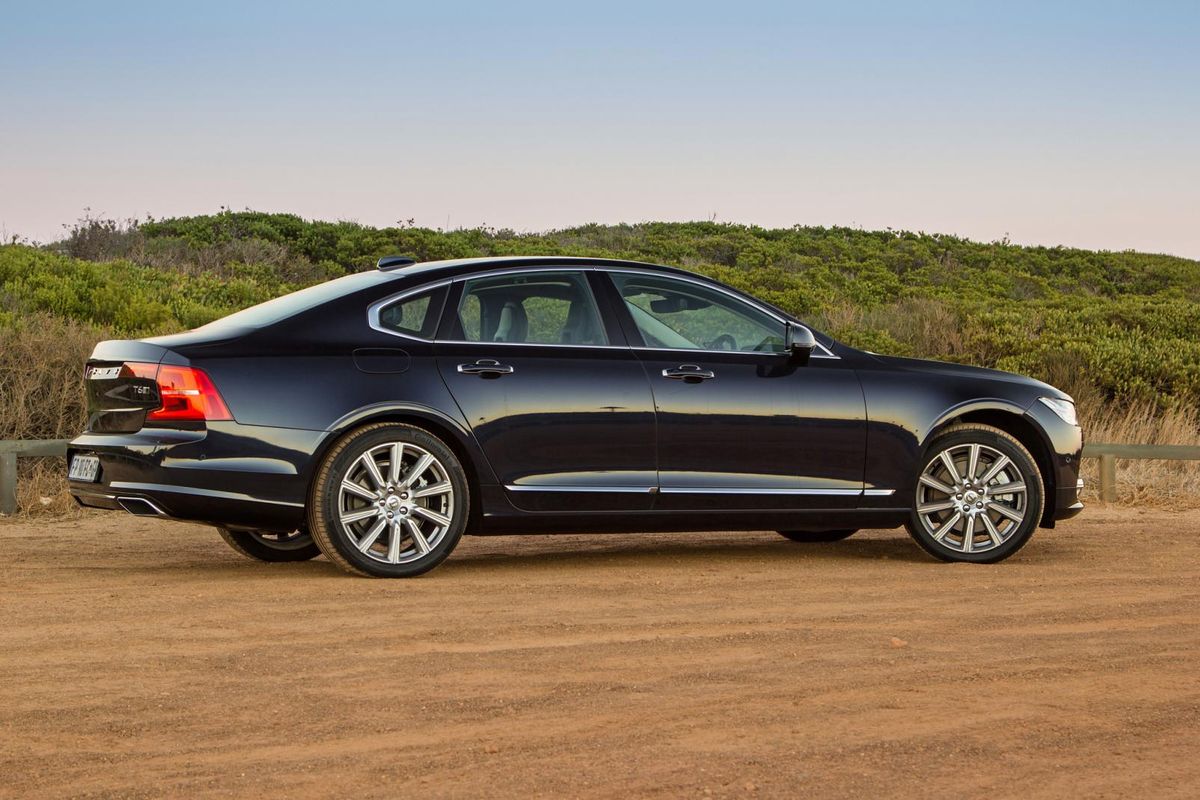
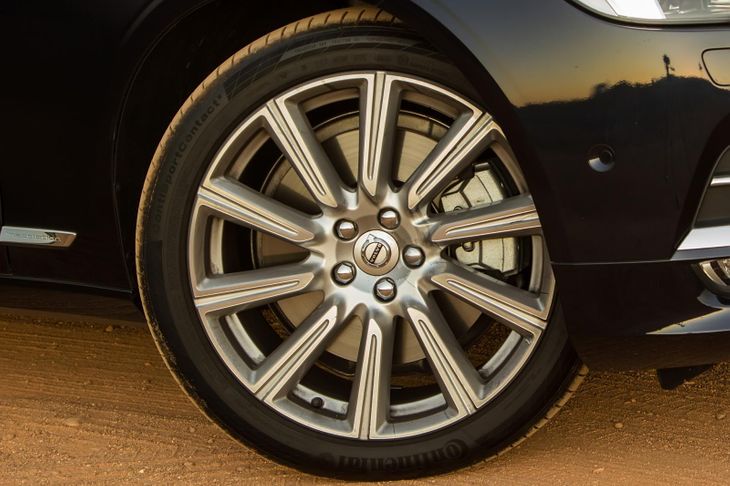
The handsome 10-spoke 19-inch wheels of the T6 AWD Inscription Geartronic add to the Volvo's kerb appeal.
The allure of driving an executive sedan has a great deal to do with perceived status and broadcasting a message of success and ambition. For that reason, an executive sedan needs to catch the eye and convey a sense of achievement but do so in a respectable way – a tall order indeed! As a team we feel that Volvo has hit the nail squarely on the head with the S90. Yes, that rear end is an acquired taste (and is far more appealing in the metal), but overall the S90 doesn't only further define the Volvo design language, it also brings a breath of fresh air into a segment that has become very predictable, particularly when it comes to the German sedans.
The success of the design is largely the result of the size of the canvas. The S90 looks like a bigger car than its rivals because it is, though not by as much as you may think. This optical illusion adds to the vehicle's presence. And with enough space to play, the Volvo designers have added just enough chrome, a beautiful and imposing concave grille and, of course, those Thor's Hammer's LED headlamps. It is, in the metal at least, a particularly handsome, elegant and individualistic choice.
One area in which Volvo has indeed mirrored the Germans is in the approach to optional extras. Yes, the S90's base price is low by comparison, but if you really want to get the eye-catching features, you'll have to fork out some extra cash.
Interior and features?
Beautiful finishes and high-tech control interfaces endow the S90 cabin with a sense of theatre.
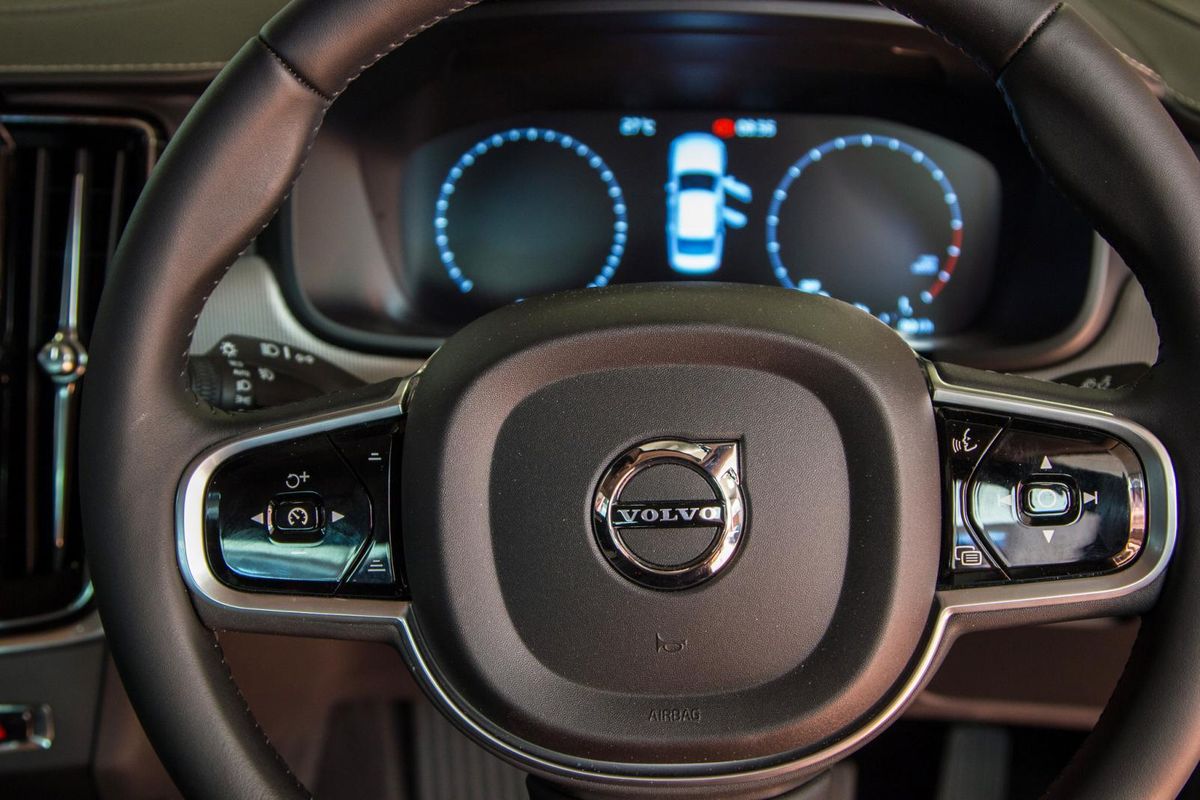
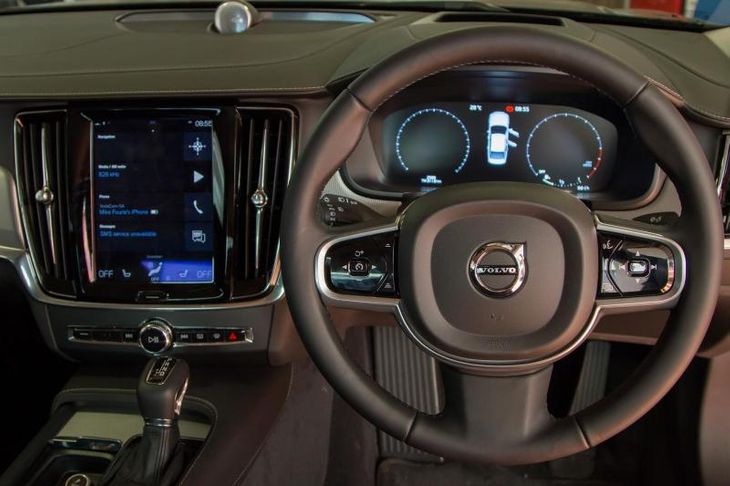
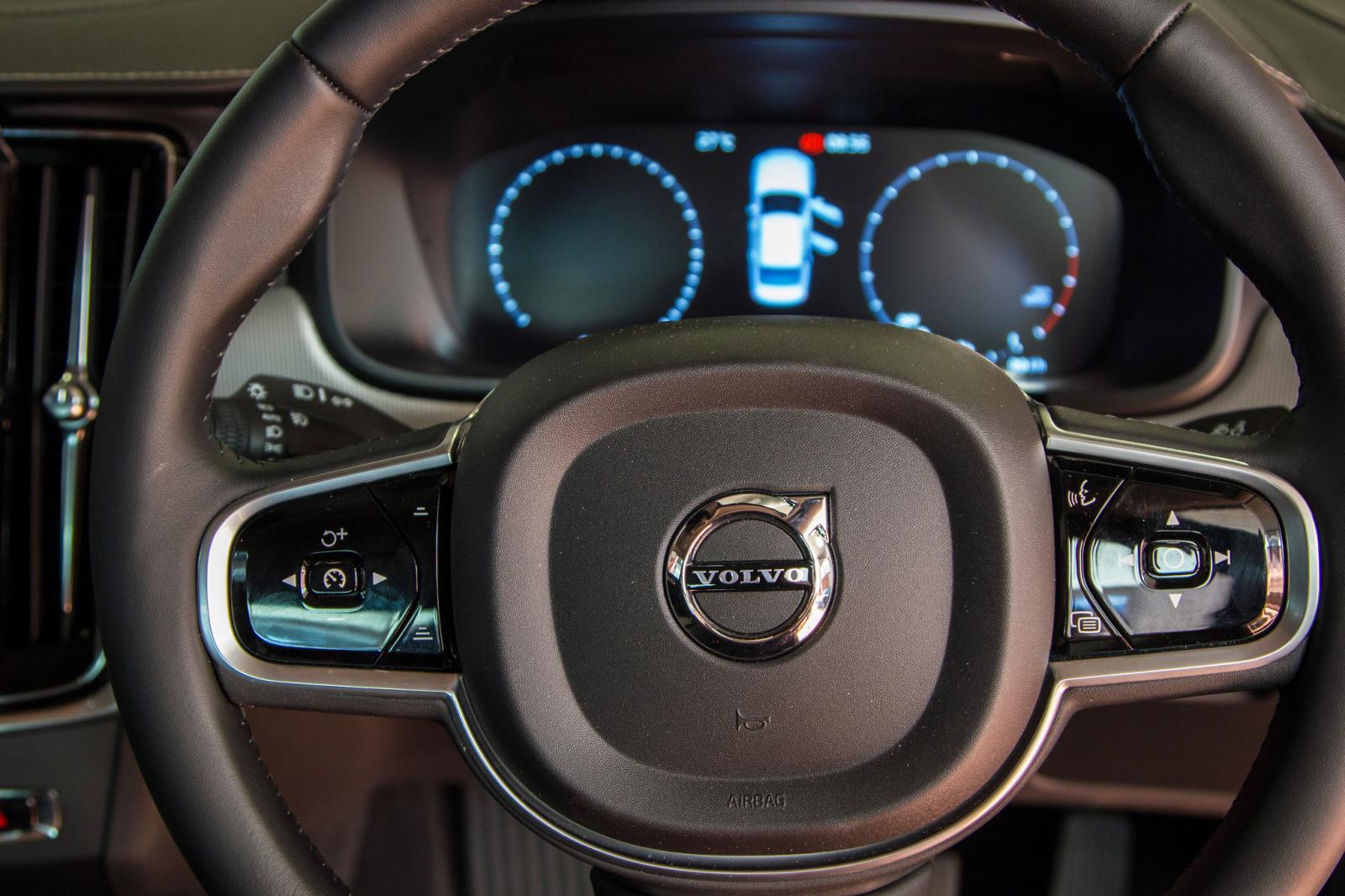
As is the case with the exterior, Volvo has steered its own course in the cabin. What we have as a result is a striking combination of old-school craftsmanship with traditional materials and modern-day technology. With its supple (and standard) Nappa leather upholstery, matte wood trim and convincingly solid shiny bits, the S90's cabin reeks of style and substance. Now add the tablet-like Sensus infotainment system with its easy swipe/pinch functionality, the 12.3-inch digital instrumentation screen and you have a cabin that, as one tester put it, exudes more of a sense of "theatre" than any other car in this segment.
But… while the standard equipment list is reasonable and includes the likes of electrically adjustable front seats (with memory), 2-zone automatic climate control and navigation, you have to pay extra for tasty things such as a leather-wrapped dashboard and door panels (R15 500), smartphone integration (R4 000), head-up display (R14 500) and rear door sunblinds (R2 850). You may also want to consider the Premium Pack (R65 000) fitted to this test unit as it includes; heated front seats with adjustable side supports, powered bootlid, power-fold rear seats, virtual park assistant with 360-degree surround view, a 19-speaker Bower&Wilkins sound system, keyless entry and starting (including boot opening/closing), and Park Assist Pilot, among other items.
All in, our test unit's price came to R1 002 875, which very much brings it into contention with the Germans, although the latter would then still need their option boxes ticked.
Regardless of the length of its specifications list, the S90's cabin is a marvellous place to be. It has a very long wheelbase, so rear legroom is superb and further enhances the Volvo's limo-like persona. The boot, too, is big at 500 litres.
Then, with regards to a traditional Volvo strength (safety), the S90 T6 features a comprehensive IntelliSafe package that incorporates City Safety. So, the S90 can spot cyclists, pedestrians or even animals. It also offers an autobraking function at intersections, forward collision warning (with full braking), run-off-road mitigation, lane keep assistant and warning as well as road signal reading. Volvo's advanced Pilot Assist (see video above), which allows for semi-autonomous cruising at speeds of up to 130 kph, is also standard fitment and functioned impressively during our test period.
Performance and efficiency?
The T6 derivative's 2.0-litre engine punches above its weight, delivering strong performance and reasonable efficiency.
Until the arrival of the T8 Twin Engine hybrid derivative, this T6 is the model line-up's flagship. It is powered by a 2.0-litre engine that is both super- and turbocharged to develop 235 kW and 400 Nm of torque – figures not too far off from what is developed by the German brands' 6-cylinder powerplants.
The S90 is a big, bulky vehicle, but courtesy of a far greater use of high-strength steels and aluminium in its architecture (as well as a smaller engine), it is not as heavy as you'd think. On the road, the S90 T6 responds keenly to throttle inputs and punches hard throughout the rev range. The maximum torque figure is available from 2 200 to 5 400 rpm, so the slick 8-speed automatic 'box has no problem with staying in the power band. Volvo claims a 0-100 kph time of 5.9 seconds, which is plenty fast enough, but bested by (the costlier) Mercedes-Benz and BMW rivals.
In terms of efficiency, we were somewhat surprised by the T6 powertrain… in a good way. In the XC90 T6 we struggled to achieve a fuel consumption figure of below 12 L/100 km, but in the S90 this proved to be easy. Nevertheless, though Volvo claims a combined cycle figure of 7.2 L/100 km for this vehicle, you'll be doing good to average 9.5 L/100 km. Given its real-world fuel consumption, combined with its long-distance cruising capabilities, the fitment of a relatively small 60-L tank is a disappointment.
Ride and handling?
The S90's steering feel is set up for comfort, not sportiness.
Based on the same underpinnings as the XC90, the S90 is fitted as standard with a unique composite rear leaf spring setup. However, our test unit featured the optional Air Suspension and Active Chassis (R17 500). Given the relatively low cost of this upgrade, as well as the inherent performance potential of the drivetrain, this is an option box we'd recommend ticking.
At lower speeds, the S90 is a very refined machine, ironing out major road imperfections and bumps while transmitting precious little of the goings-on-underneath into the vault-like, quiet and refined cabin. The steering is light, too, so around town the S90 is as good as executive sedans get. Out on the open road, too, the Swede's talents continue to shine. With the standard Adaptive Cruise Control activated, it's a mile-muncher that will please both driver (due to the little input required) and passenger (because of the high comfort levels).
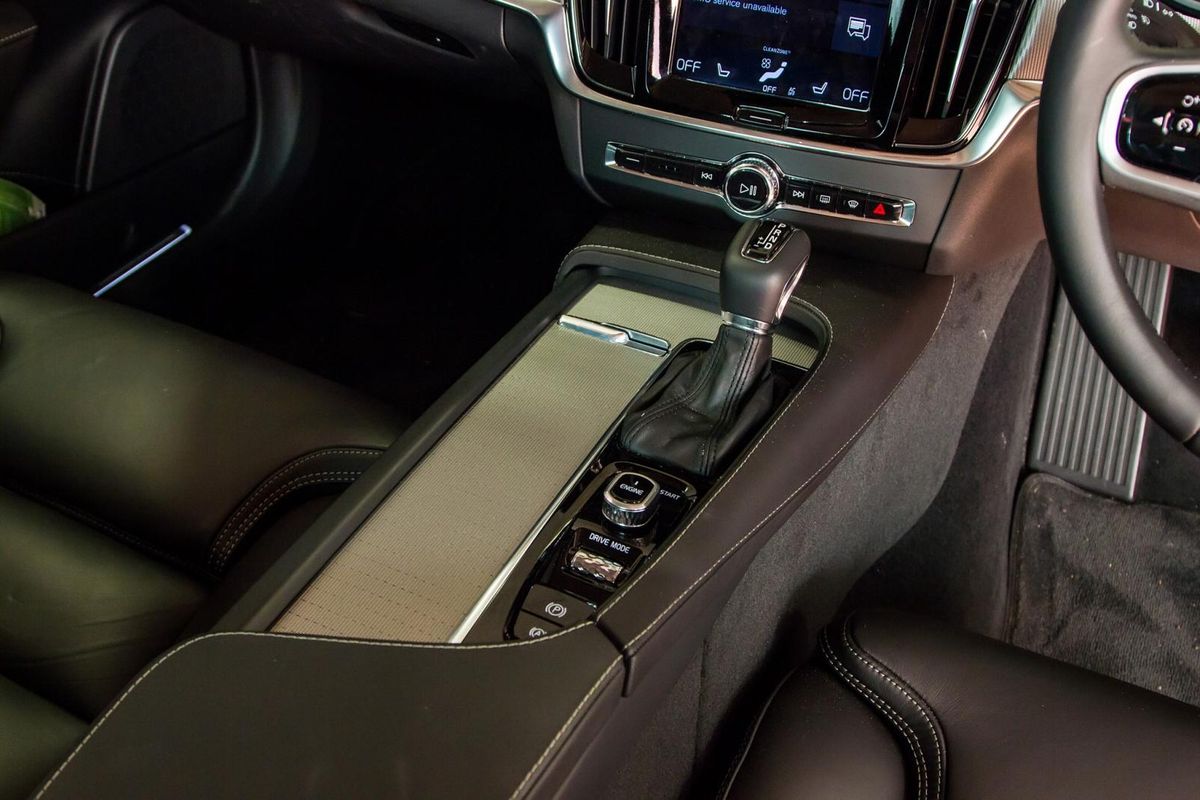
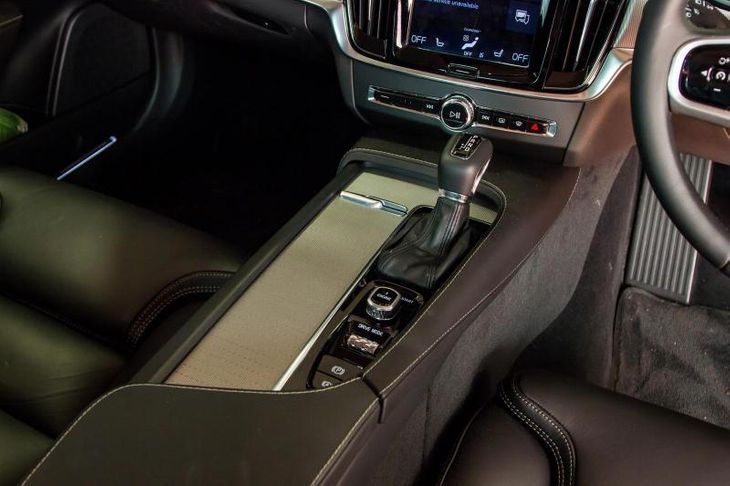
Fitment of the Sensus infotainment system has left the S90's centre console free of clutter.
The S90 T6 comes with a Drive Mode Selector as standard, and while the enhanced responsiveness in the sportier mode is appreciated, this setting also accentuates an area in which the S90 is bested by its German and British rivals. The steering is simply too "woolly" and the underpinnings too inherently geared for comfort for the S90 to feel "dynamic". That doesn't mean it rolls around sloppily in the corners and understeers aggressively, it just portrays a set-up preference for comfort, which will be admired by many consumers.
A slightly more disappointing characteristic is for the ride quality to be sensitive to a deterioration in road surface condition. The current Mercedes-Benz E-Class, to name one, is more adept at maintaining its composure than the S90. Given the overall emphasis on comfort and refinement, this may be an area in which Volvo should sharpen up.
Pricing and warranty
The Volvo S90 T6 Inscription AWD is priced (at the time of testing, February 2017) at R877 030. It is backed with a comprehensive 5-years/100 000 km maintenance plan as well as a 5-years/100 000 km warranty. Volvo has also come up with some attractive financing and insurance options – read more about those here.
Handsome, technologically advanced, comfortable and well-priced, the S90 deserves success.
Verdict
Given the S90's price advantage compared with its direct (on engine power) rivals, the argument is particularly strong in the Swede's favour. It possesses a very strong blend of luxury, style, technology, comfort, performance/efficiency and safety. In fact, the only real criticism we have is that, on certain roads, and in certain conditions, the suspension is not quite as refined as you'd find in an E-Class or 5 Series. And, ultimately, it can match neither the Germans, nor the Brit (Jaguar), in terms of dynamism. But one senses that erring on the side of comfort was a decision Volvo made early in the development of this vehicle. The S90 doesn't want to be a German copycat. And, it doesn't, like the Jaguar, wish to counter ruthless German efficiency and quality with sportiness and dynamism, either. It wants to be a Volvo, and increasingly that means safe, comfortable, thoroughly modern, fast enough, efficient and beautifully crafted.
For this test team, at least, that combination of brand pillars is increasingly alluring.
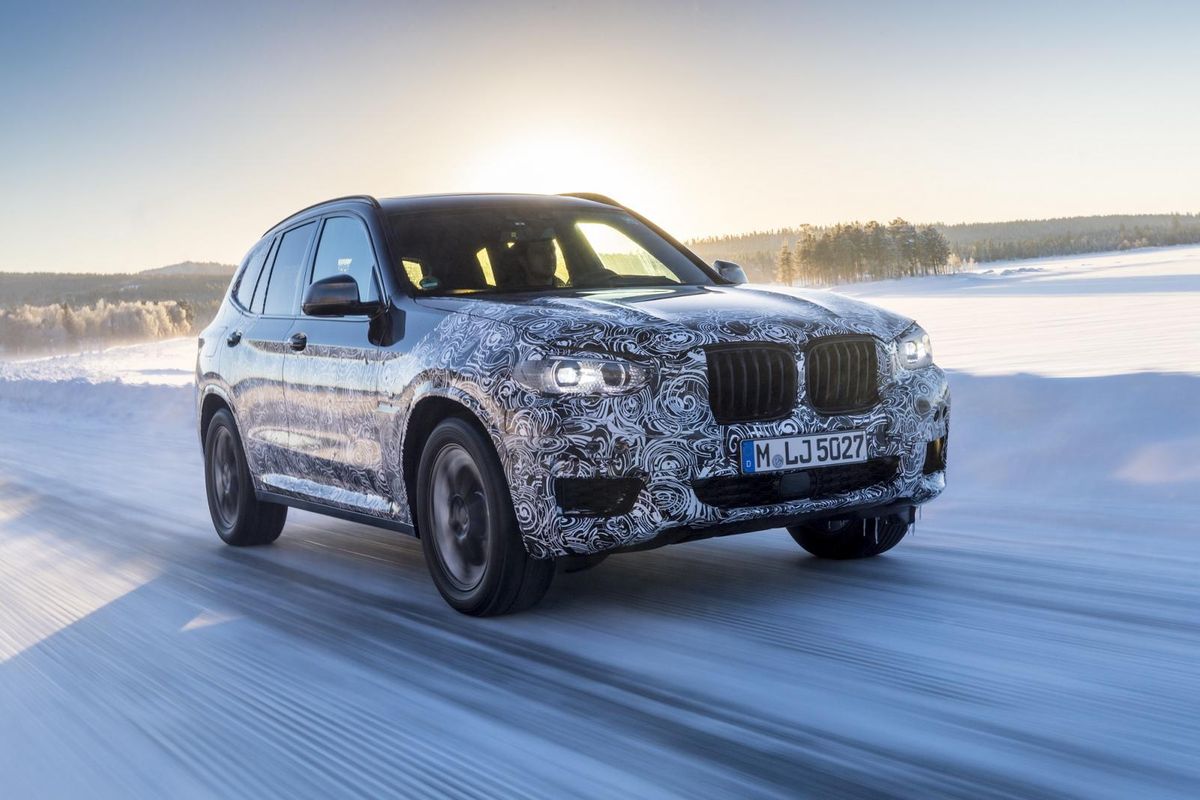
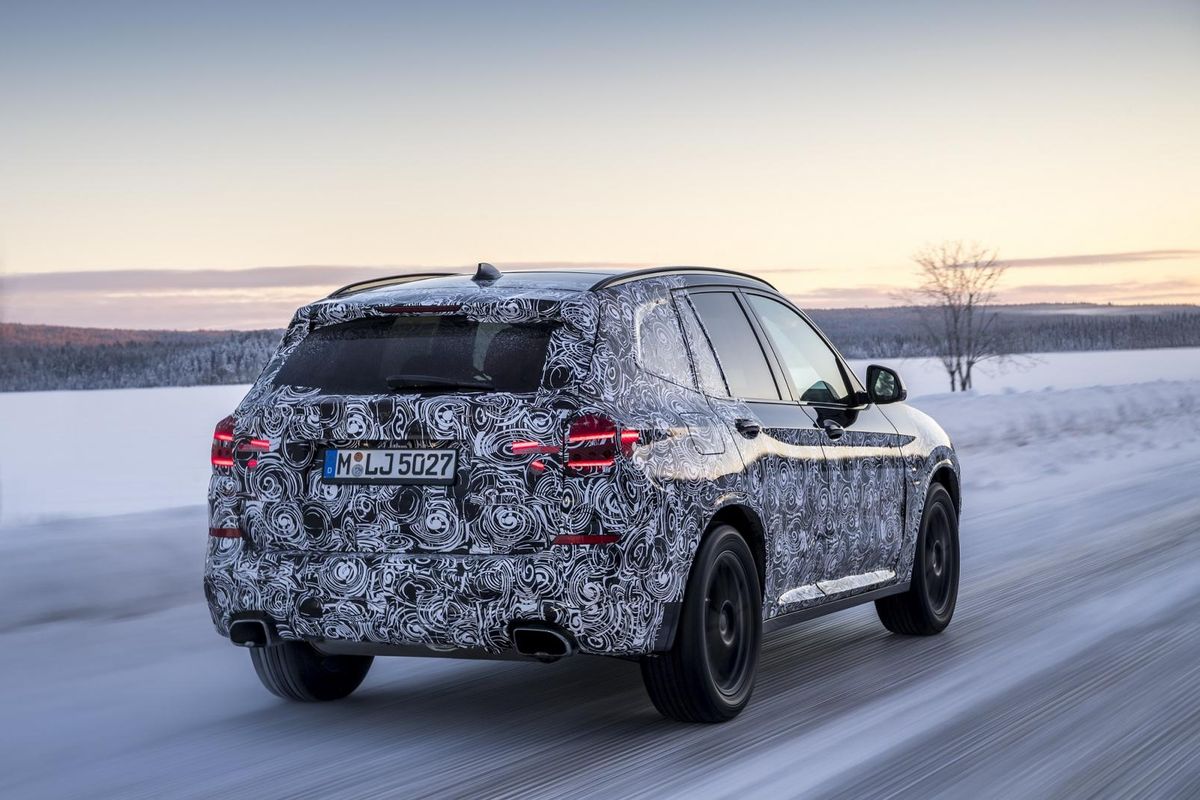
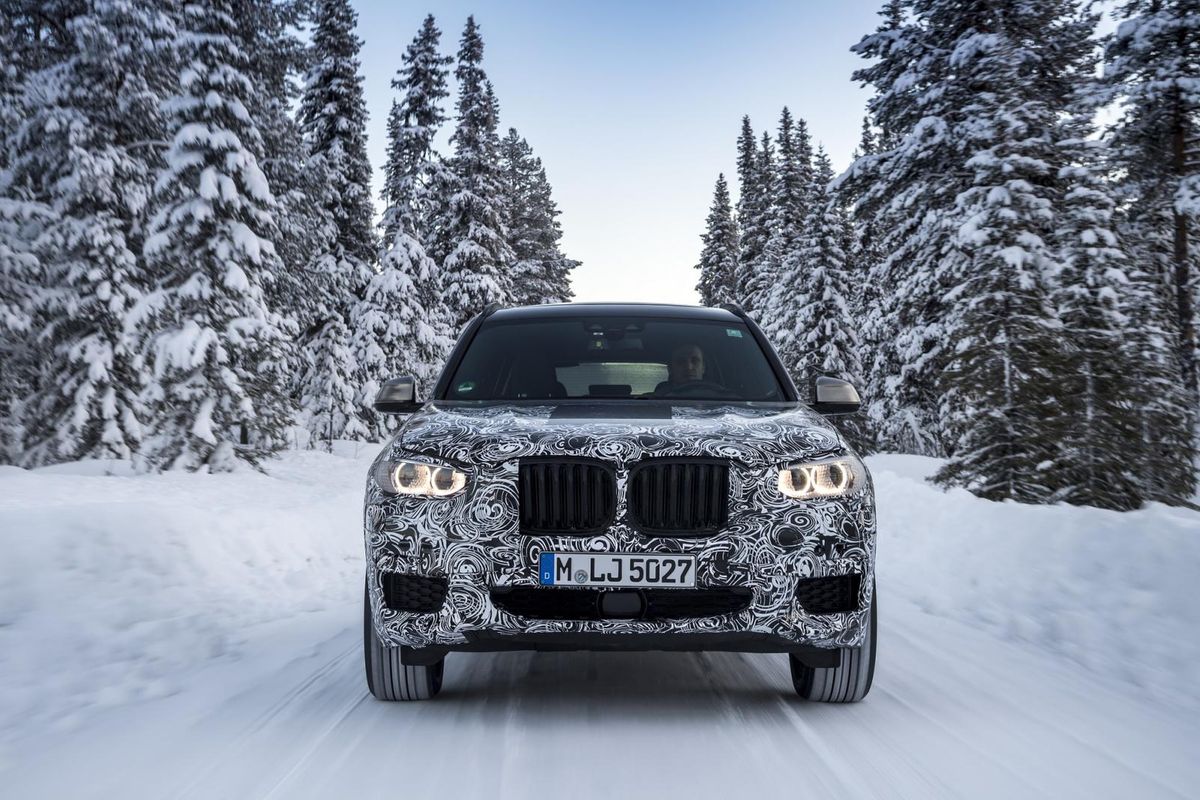
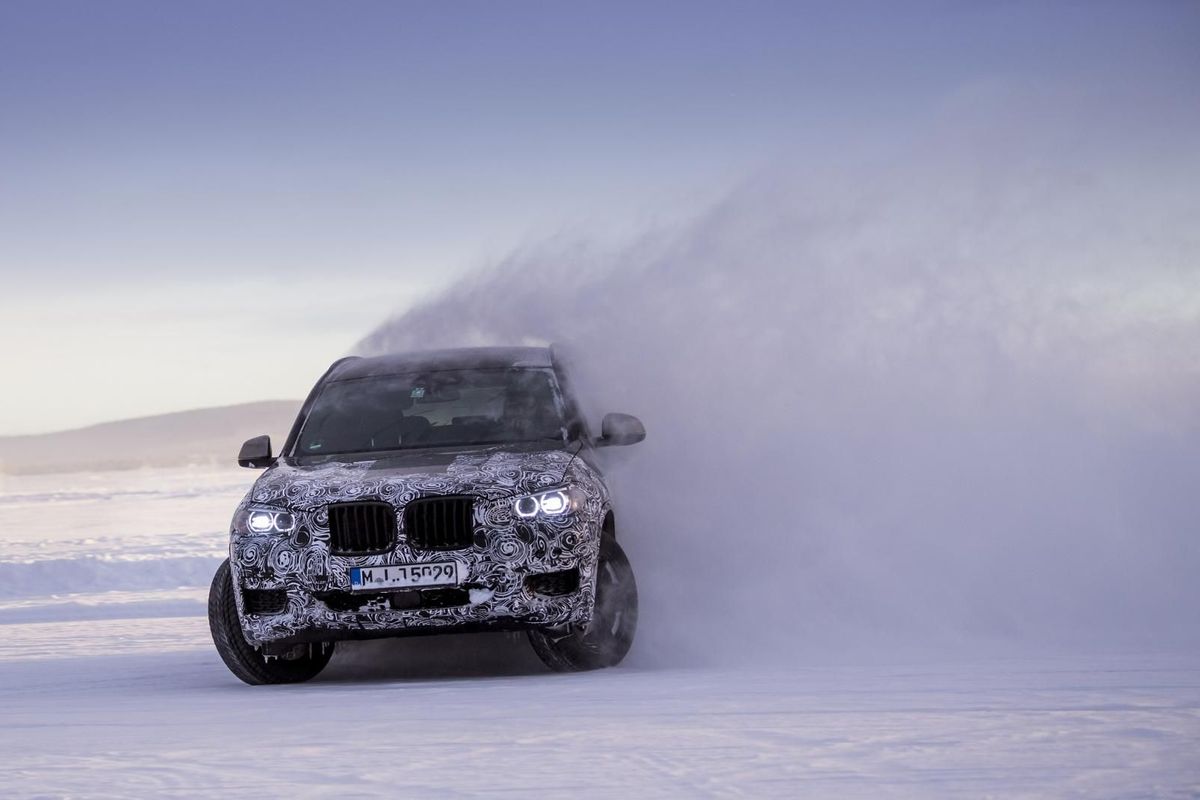
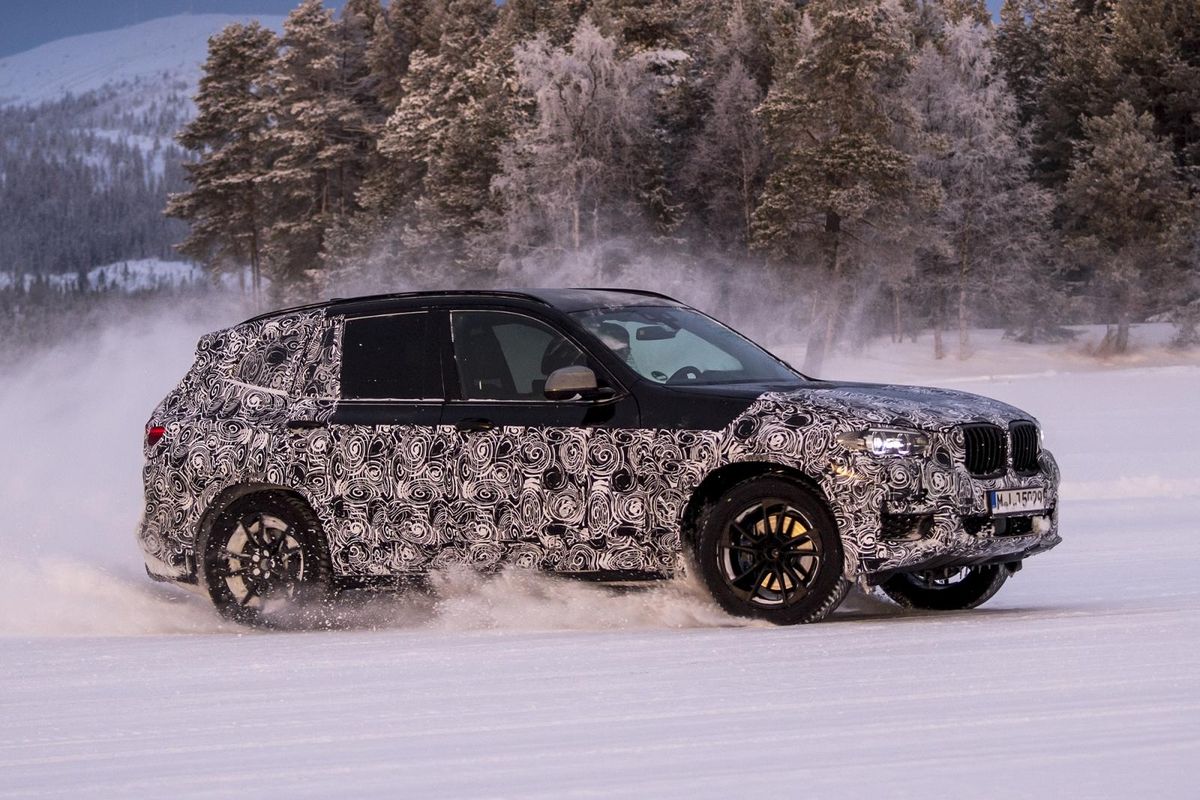
We have pictures of the next-generation BMW X3 undergoing testing in the harsh winter conditions of Northern Sweden.
Spy shots are usually sent to us by a team of dedicated car snappers whose job it is to tail (and take images of) camouflaged pre-production units. A less common practice is for manufacturers to send spy shots to the media, however. It doesn't happen very often, but when it does, the images and product information are generally of high quality.
In this case, we're getting a decent look at the next-generation BMW X3 SUV. The X3 was undergoing testing in the extreme cold of Northern Sweden. The purpose of testing in sub-zero conditions is two-fold: manufacturers have to make sure their products perform to expectations in extreme temperatures, and secondly, the suspension, traction control and handling can be fine-tuned on the loose and slippery surfaces.
BMW describes it as "the engineers are in a position to sense the vehicle’s dynamic behaviour much more accurately and synchronise the control of driver assistant systems such as dynamic stability control (DSC) or dynamic traction control (DTC) even more precisely and to attune it to the vehicle as a whole. It is this painstaking development work that later provides the customer with a competently tuned chassis for that typical BMW driving pleasure."
The new BMW X3 will go on sale globally in 2018 and if BMW specialist websites are to believed (they're usually either close to the mark or spot on), we'll see the following models launched: sDrive30i, xDrive30i, xDrive30e, xDrive30d and a performance xDrive M40i.
Watch this space! The new BMW X3 will be assembled at BMW's plant in Rosslyn, Pretoria as well as at the Spartanburg plant in South Carolina, USA.
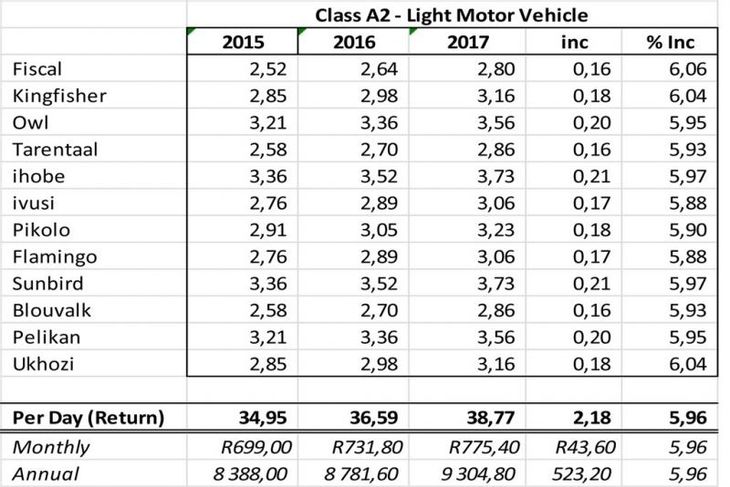
South African motorists are under even more pressure after the South African Roads Agency (SANRAL) increased the fares on national toll roads.
Following the increases in general fuel and Road Accident Fund (RAF) levies that were announced in the 2017 Budget speech, which will be reflected in commensurate April 2017 fuel price hikes, the South African National Roads Agency Limited (Sanral) implemented toll road increases on March 3. In response, the Automobile Association of South Africa says the move is "yet another financial blow to South African consumers", and "will place even more pressure on already cash-strapped motorists, commuters, and consumers."
The increases were announced and implemented on the same day, and there was no reasons given for these increases.
“Sanral has again missed an opportunity to engage meaningfully with the public on this topic. We warned last year that SANRAL must try and win support from the public, but it seems its attitude to motorists remains arrogant and uncaring. We will not be surprised if, given this attitude, and the prevailing economic situation in South Africa, more motorists decide not to pay their tolls. Sanral would do well to remember it is a service provider to their customers, the motorists of South Africa, and yet its attitude conveys the opposite message,” the AA noted.
"The toll increases are also implemented for Gauteng as part of the Gauteng Freeway Improvement Project (GFIP), or as they're more commonly known as E-tolls. The increases will have little effect as a public disobedience campaign is in full swing and payments are low.
“In April the general fuel levy increases by 30 cents, and the RAF levy increases by nine cents. This means that motorists across South Africa will be paying R4.78, or 35%, to tax for every litre of petrol they put in their vehicles. With these increases to toll rates, motorists are again being squeezed, a situation that simply cannot continue,” the AA said in closing.
The French PSA group, makers of Peugeot, DS and Citroën vehicles, will announce the successful conclusion of a deal to take over General Motors' European division, consisting of Opel and UK sister brand, Vauxhall.
Details of the deal are likely to be announced shortly (9:15 CET) at a joint press conference, which can be followed by clicking here.
It is, however, already known that the Euro 2.2 billion deal has been agreed to, but remains subject to various closing conditions. It is likely to be concluded before the end of 2017.
The transaction is reported to include all of Opel/Vauxhall’s automotive operations, consisting of the Opel and Vauxhall brands, 6 assembly and 5 component-manufacturing facilities, the Rüsselsheim engineering center and approximately 40,000 employees.
We reported earlier…
The French PSA group that owns the Peugeot and Citroën brands is edging closer to finalising a deal with General Motors to buy its struggling German arm, Opel. If the deal goes through – and at this point it looks just about done – the resurgent PSA group (including Opel/Vauxhall) would leap ahead of rival Renault in terms of European marketshare (to around 16.5%, according to Forbes).
A PSA-Opel merger would have raised many eyebrows a few short years ago, when both brands were solidly in the doldrums, but PSA has been turned around by CEO Carlos Tavares (who arrived from Renault in 2014) and is back in the black. Opel, however, has reportedly not turned a profit this century, but is in far better shape than it was 2 or 3 years ago. With around 20 production plants scattered across Europe between the 2 companies, a merger would result in far greater economies of scale, but also likely in job cuts and plant closures in the long term. It is the latter issue (job security), that is arguably a small hurdle the deal still has to clear. Tavares discussed his plans with German chancellor Angela Merkel this week, and reportedly the German and French labour ministers are of the opinion that the deal would be a "win-win".
What does it mean in terms of product?
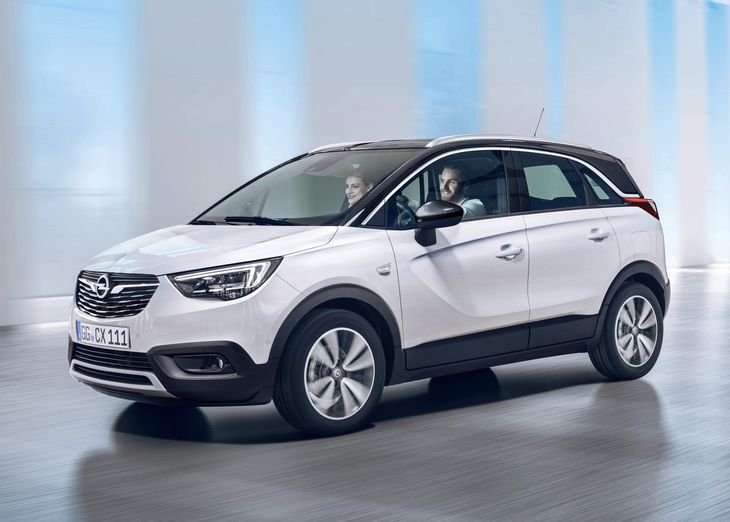
The upcoming Opel Crossland X shares a platform with the Peugeot 2008.
Tavares has not only managed to turn PSA around as a business in a very short space of time, he has also done so by allowing his engineers and product planners to develop desirable new product with distinct characters. While Peugeot and Citroën products share a great deal under the skin, they are quite different in look and feel. Interestingly, the upcoming Opel Crossland X, is already a PSA-partnership vehicle, being based on the same platform as the Peugeot 2008. Tavares has stated that Opel will be afforded a great deal of autonomy within the new "European Champion" car company. You can, however, expect that the next-generation Peugeot 308 and Opel Astra, for example, would share basic architectures and drivetrains.
What the deal means for Opel's UK sister brand, Vauxhall, is less clear, as is the product future of Australia's Holden and GM's own Buick nameplates. In recent years, both Holden and Buick product line-ups have essentially consisted of rebadged Opels. We wouldn't be surprised to see a final deal structured in such a way as to allow for this scenario to continue.
In terms of the South African impact, there is no clarity just yet. Struggling Peugeot-Citroën SA recently took the bold step to stop importing the quirkier of the two brands, Citroën, into the country as it focuses its resources on getting Peugeot right first. Just lumping Opel with Peugeot in SA at this time does not seem a likely (or wise) strategy. Tavares has, however, shown intent on expanding Opel globally.
Mitsubishi South Africa has recalled over 7 400 Pajero SUVs in our market, due to the defective airbags supplied by Takata.
This preventative recall affects 7 449 Pajeros sold in South Africa and Mitsubishi is one of many vehicle companies affected by the potentially defective airbags supplied by Takata. Mitsubishi SA says that it's in the process of getting the replacement parts to the dealers across the country before owners will be asked to take their vehicles in for repair.
As for the fix, it won't take too long and Mitsubishi SA says the inspection and replacement process will take about an hour. If you're a Pajero owner and want to see if your vehicle is affected, then head to the Mitsubishi website with your VIN number in hand.
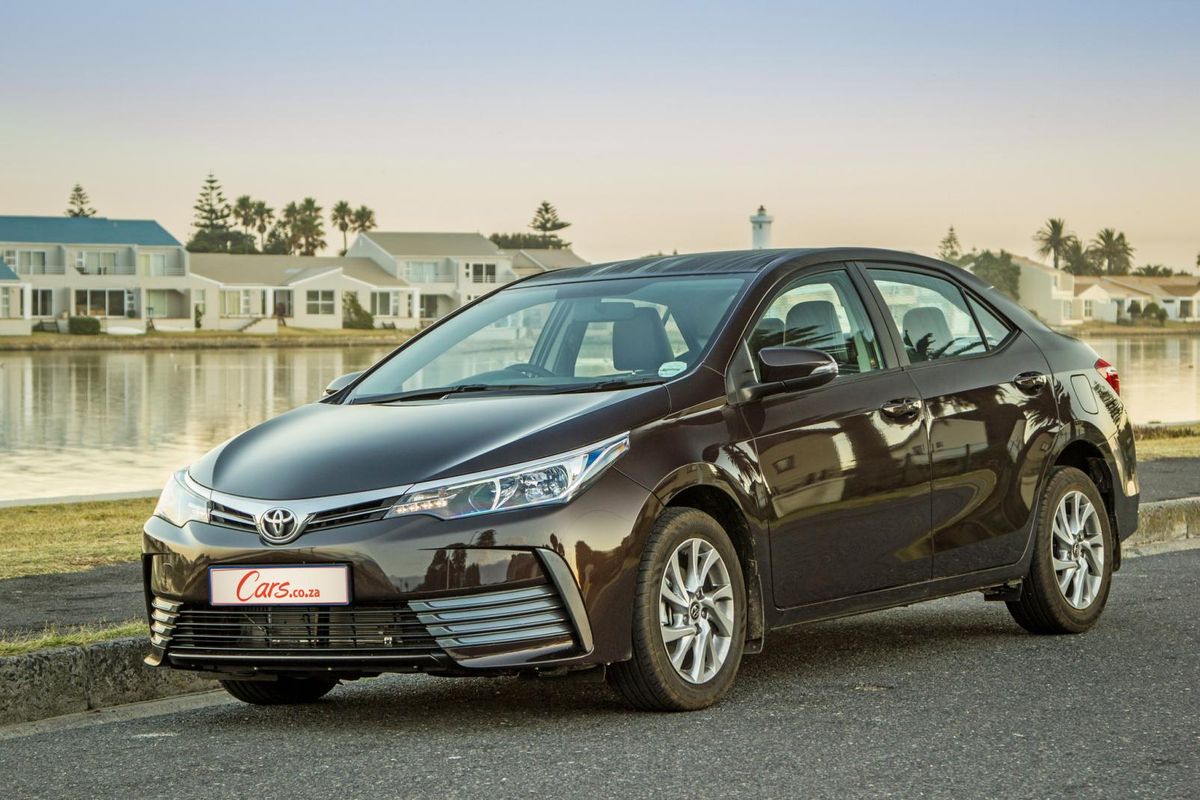
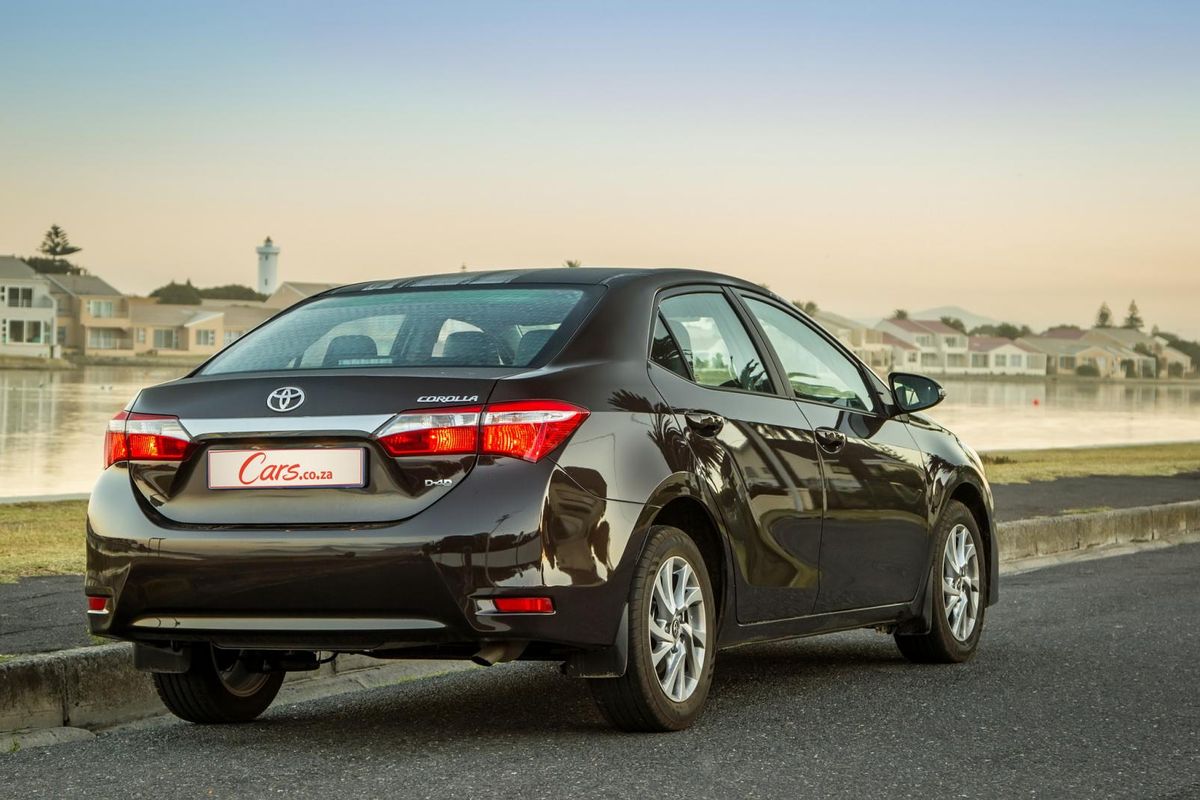
Toyota Corolla 1.4 D4-D Prestige (2017) Quick Review
This year (2017) marks 50 years of the Toyota Corolla, which is quite a milestone. We got behind the wheel of the turbodiesel derivative of the recently facelifted range to do a quick review. Is it more of what we’ve come to expect, or should you be looking elsewhere?
We like: Torquey engine with respectable performance, thrifty on fuel, spacious cabin.
We don't like: Its specification is good, but not great, some minor interior quality issues
Alternatives:
Something Korean: The Kia Cerato received a mild update last year. In 1.6 EX (petrol) guise, the Cerato offers fog lamps, 2 extra airbags, automatic light activation and cruise control, which the Corolla doesn't have, but the Toyota features leather upholstery, touchscreen infotainment and reverse-view camera/PDC, which the Kia doesn't.
Number one rival: The Chevrolet Cruz 1.4T LS is also petrol-powered, but almost matches the Corolla in terms of its peak torque output. It offers credible performance, space and spec, but it is not quite as refined as its Japanese rival. It only has a 3-year, as opposed to 5-year, service plan, but it's very well priced.
The bargain buy: The top-spec Mazda3 1.6 Sedan may not be able to match the Corolla's thrifty consumption, but its claimed consumption figure (6.0 L/100 km) is admirable for a petrol model. In Dynamic spec it comes well-specified (including auto lights and wipers) and price-wise, it undercuts the Toyota by more R20 000.
Facts & Figures
Price: R307 500 (March 2017)
Engine: 1.4-litre 4-cylinder turbodiesel
Transmission: 6-speed manual
Power: 66 kW
Torque: 205 Nm
Fuel Consumption: 4.5 L/100 km (claimed)
Top speed: 180 kph
0-100 kph: 12.5 sec
Summary: The 11th-generation Toyota Corolla's styling has been brought in line with the rest of its products.There are some mild under-the-skin changes in terms of ride and refinement, and the Corolla feels even more solid and refined than before. The 1.4-litre turbodiesel offers perky performance and frugal economy… engine wise, it is certainly the pick of the range.
The good:
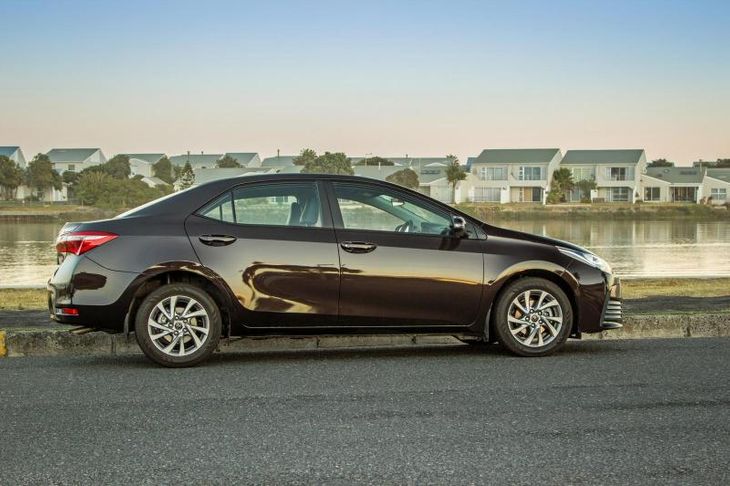
The side profile of the Corolla is unmistakable. Its design has aged rather well and, as a result, the aesthetic facelift is minor.
Practicality. The Toyota Corolla has always been a textbook example of a practically packaged compact sedan and the latest incarnation is no different. Not only does the boot offer cavernous levels of space (at a claimed 452 litres, if offers enough capacity to carry a family's luggage), but rear legroom is generous enough to accommodate three children (or a pair of full-sized adults) in comfort and the back seats fold down in a 60:40 configuration to further increase luggage space.
Engine. The star of the show is this 1.4-litre 4-cylinder turbodiesel. On paper, it looks to be down on power at 66 kW, but when you're driving it, it feels like it has a bit more poke than that. And the reason for that is that there is a generous amount of torque on tap, aided by the well-spaced ratios in the 6-speed transmission. The motor suffers from a smidgeon of low-down lag, but once the turbocharger is on song, the performance is adequate.
Generous amount of torque aided by well-spaced ratios.
In stop-start traffic, some stirring of the 6-speed manual gearbox is required to keep the engine on the boil, but the Corolla's finest skillset becomes apparent on the open road. Few vehicles in this segment are as adept at dispatching kilometres with such comfort and in such a frugal fashion.
Comfort and refinement. For this new-look model, Toyota South Africa claims the noise, vibration and harshness (NVH) has been reduced, offering a quieter and more relaxed ride. The cabin is indeed a quieter place to be (if not dramatically more muted) and the suspension has been improved too, with the addition of new shock absorbers. Mechanically, not much else has changed, but, to be fair, the package was already pretty good to begin with.
Features. In Prestige spec, the Corolla offers respectable levels of interior features: leather upholstery, touchscreen audio system, reverse-view camera, multifunction steering wheel and 16-inch alloy wheels. The Exclusive spec offers nicer things such as climate control, keyless entry and some more safety features (to name but a few), but you can't get this lovely turbodiesel engine in the top-of-range spec.
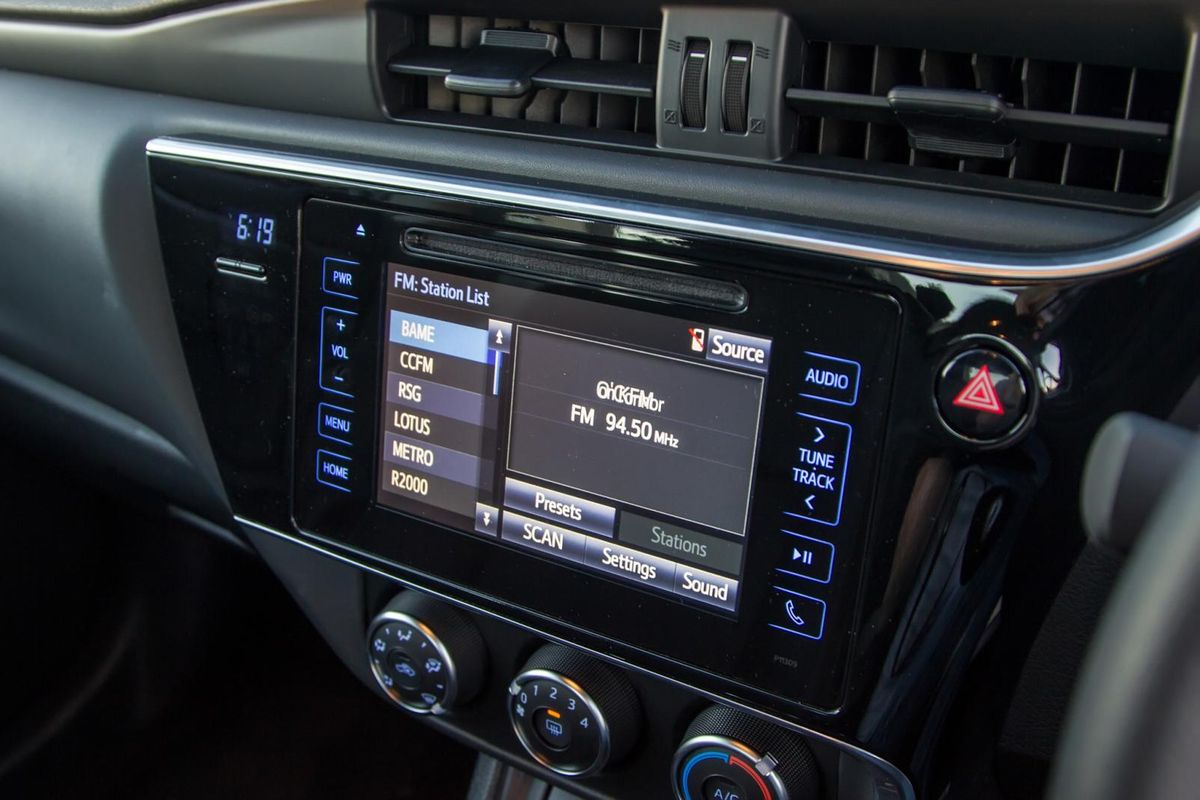
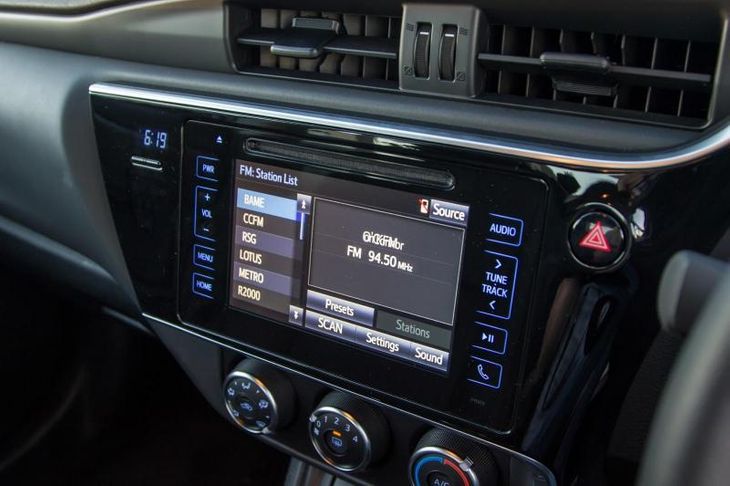
The touchscreen interface of the audio system has a chunky layout, simple menu system and is intuitive to operate.
The bad:
Pricing. The Toyota Corolla has become quite expensive over the years and this derivative is over the R300k barrier (for what many will see as a mid-spec vehicle). Pricing perceptions aside, it's interesting to note the Corolla's key rivals from Kia, Chevrolet and Mazda are more affordable (the Cerato comes in just under the R300k barrier, but the others comfortably so).
Interior quality. While the overall package feels solid and substantial, the cost-cutting measures (which all volume manufacturers implement, to be fair) just seem too obvious in the Corolla's case. The harder-quality plastics on the door sills and centre console feel like they will scuff easily. There's supposed to be good, to excellent, quality at this price point and we've come to expect high standards from Toyota. It's not a fatal flaw by any means, but worth noting if you're expecting your Corolla stand up well to hard use.
Does not land a knockout blow. There are 3 specification grades for the Corolla. This diesel derivative is not available in top-spec, but one or two surprise and delight features would have sweetened the deal. Cruise control, keyless start/stop, front fog lights, auto wipers and headlights… just one of those features, preferably the former, would have been welcome.
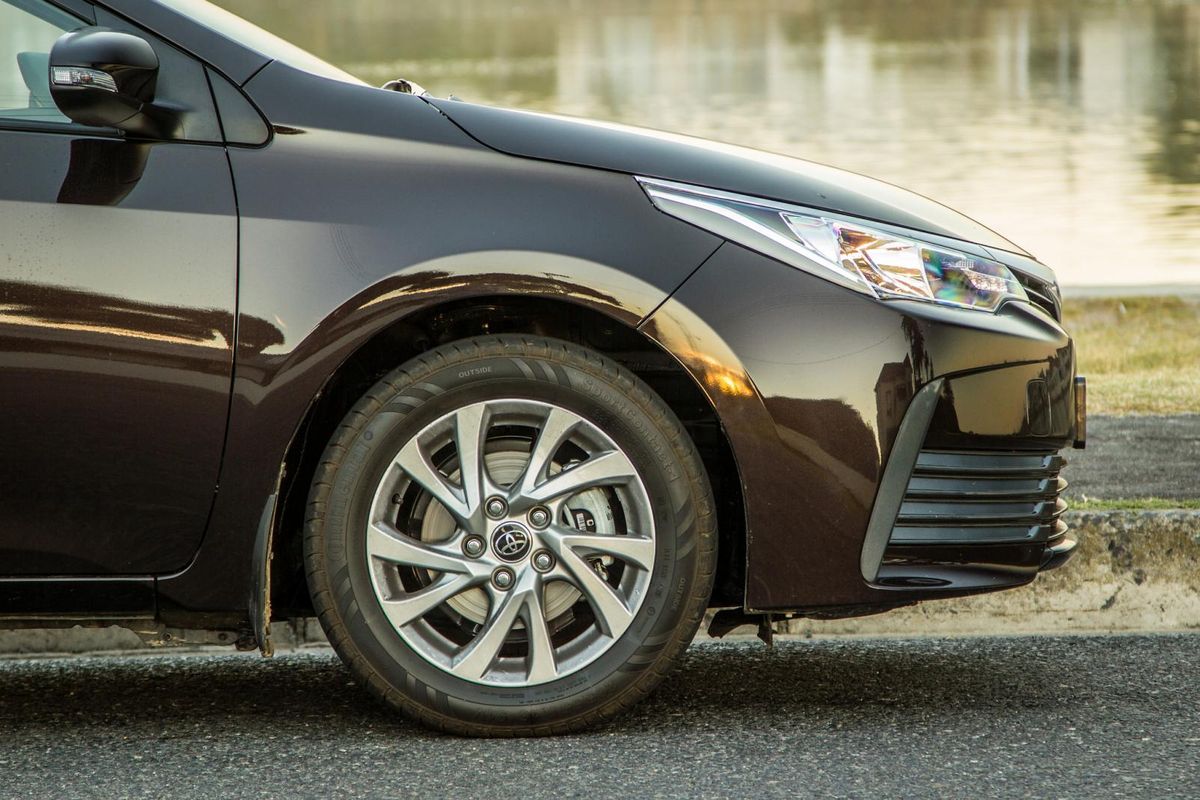
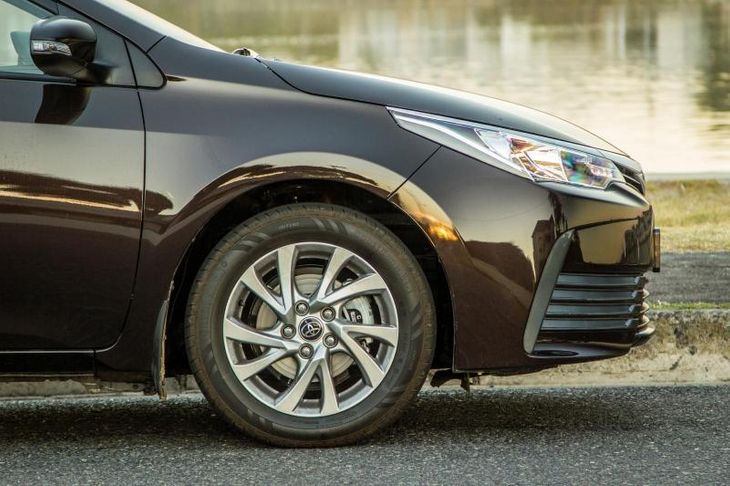
The Corolla's slimline headlamps and (standard) 16-inch alloys accentuate the arrowhead-like shape of the front of the car.
Pricing and after sales
The Toyota Corolla range starts from R261 300, with this 1.4 D4-D Prestige retailing for R307 500. The price includes a 5-year/90 000 km Service Plan and a 3-year/100 000 km manufacturer warranty.
Verdict
Despite some minor interior quality niggles, the Toyota Corolla still proudly waves the flag for comfortable family sedans. Admittedly this segment has come under immense pressure from the SUV/crossover brigade and although the Corolla Quest is down on features and you can't get this lovely turbodiesel engine, but there's no denying its value proposition at the budget end of the segment. So where does that leave a turbodiesel offering positioned slap bang in the heartland of the compact sedan market… and what does the future hold in store? Consider that Toyota itself is banking on petrol and petrol hybrids as the future as a whole host of European cities are on the verge of banning diesel engines on the ground of pollution.
As for this diesel-powered Corolla, we can only give it thumbs up: its pros far outweigh its cons. Not only is it comfortable and practical, but it offers a relaxed and frugal drive. Open road cruising is its strength; it'll happily soak up many kilometres of highway travelling. The six-speed manual gearbox is a pleasure and there are just enough features to keep the techno-savvy generation happy. By virtue of its maker's reputation for reliability, allied with its extended after-sales network, the Corolla represents a good proposition for long-term ownership.
Mike Fourie says:
There might not be many turbodiesel options in the family car segment, but in the absence of a turbopetrol (in the Corolla range), the 1.4 D4-D makes sense.