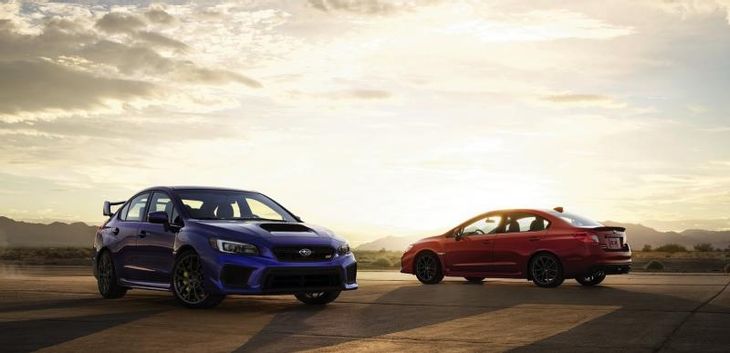
Japanese brand Subaru has a relatively small operation in South Africa and despite the lack of big sales and mainstream support from the buying public, it has big plans for 2017.
Currently the Subaru product offering in South Africa comprises the XV crossover, WRX/STI performance sedans, Forester SUV and Outback wagon. For 2017, we’ll see new product and technology make their way into our market.
Eyesight Technology
First up is the award-winning Subaru Eyesight technology which is an anti-collision system comprising a pair of cameras located behind the rearview mirror. These cameras scan the road ahead and apply automatic braking to prevent a collision. This system is linked to Pre-Collision Braking, Pre-Collision Throttle Management, Lane Departure Warning, Lane Sway Warning, Adaptive Cruise Control, Lead Vehicle Start Alert, and Reverse Automatic Braking.
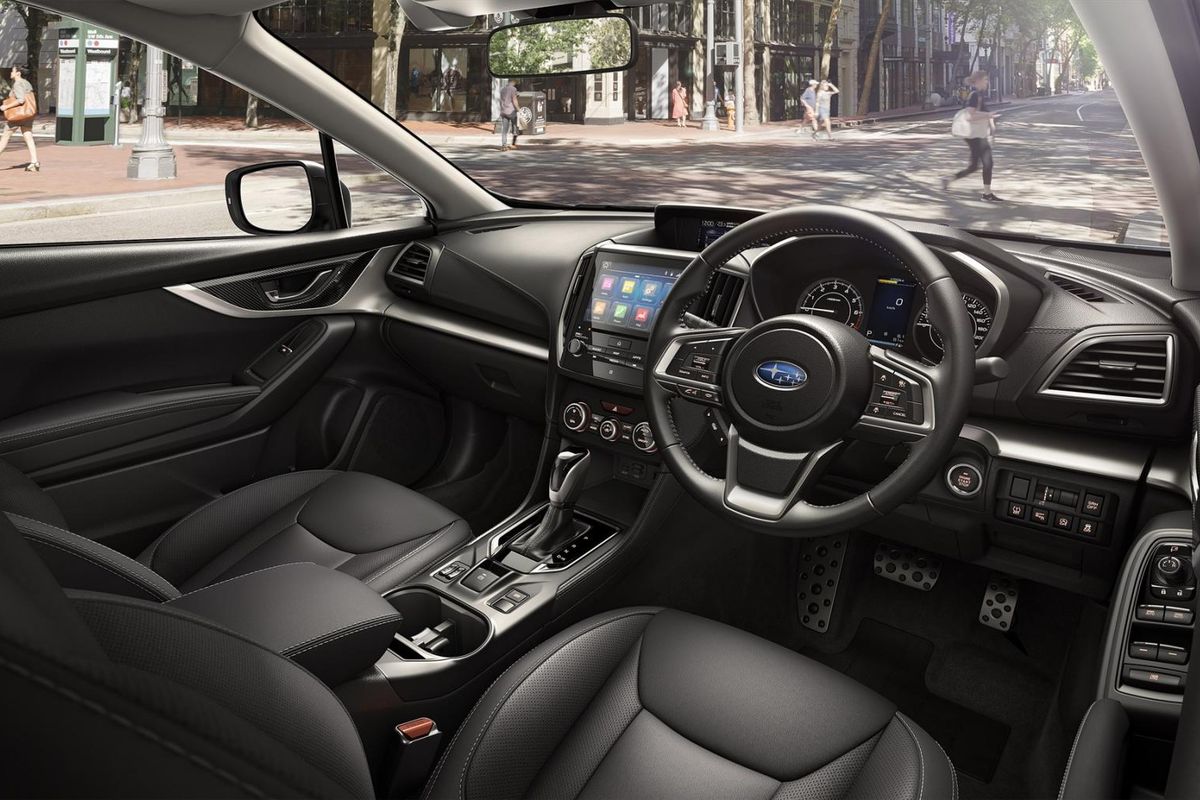
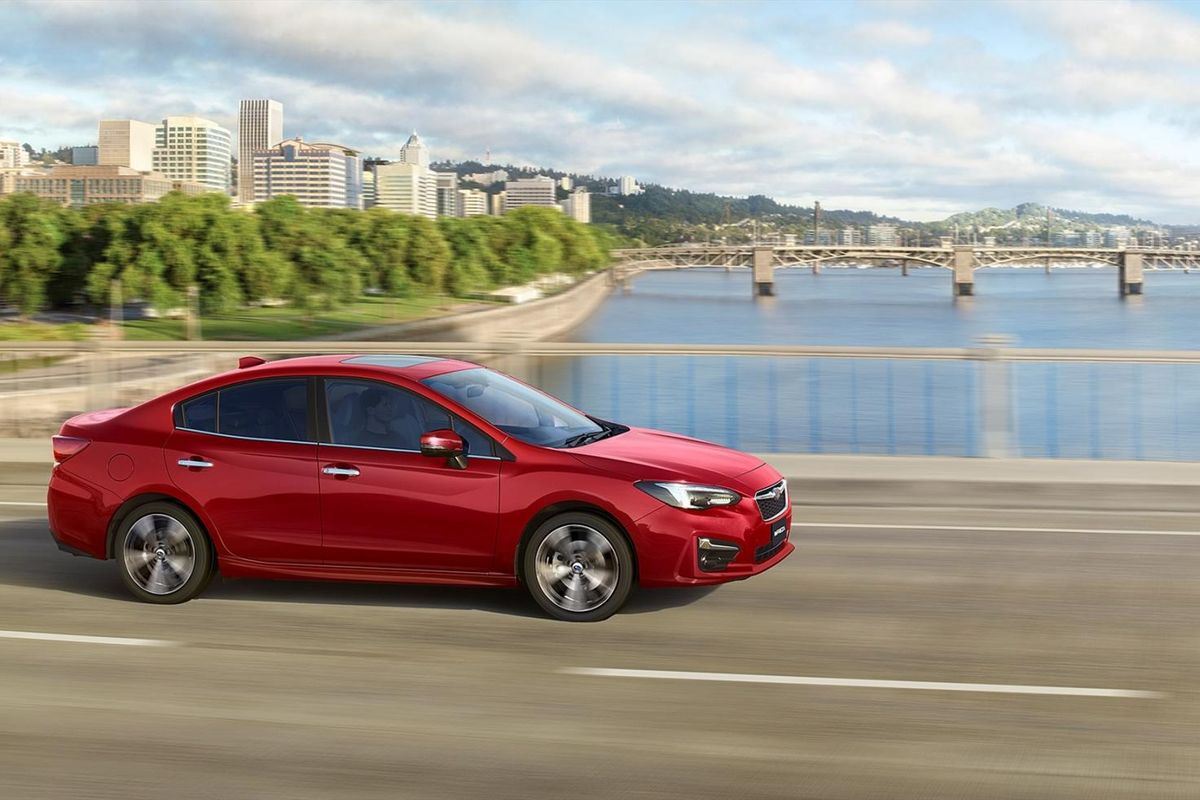
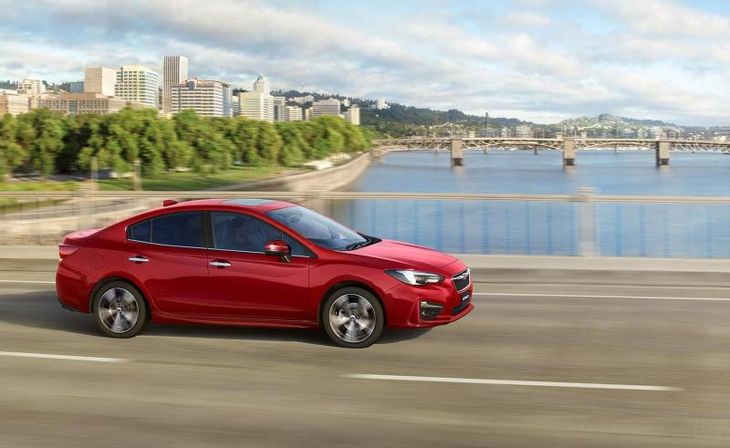
The fifth-generation of Subaru Impreza will arrive in SA during the second quarter. Featuring the new Subaru Global Platform architecture, the new Impreza is claimed to offer new levels of crash and safety protection, fuel efficiency, driving pleasure and modern tech. We’ll see the new 115 kW 2.0-litre petrol engine debut in this vehicle too.
The first few launch cars will not feature the EyeSight driver aid, but from the third quarter, the tech will be available on the new Impreza.
New Impreza arrives in South African during the second quarter of 2017.
The Subaru XV crossover will be replaced by an all-new model from the third quarter of 2017. It too is assembled on the new Subaru Global Platform and will be shown off at the 2017 Geneva International Motor Show. While not much is known yet, we can expect the new Subaru XV to feature EyeSight, a revised X-Mode all-wheel-drive system and a dramatically reworked interior.
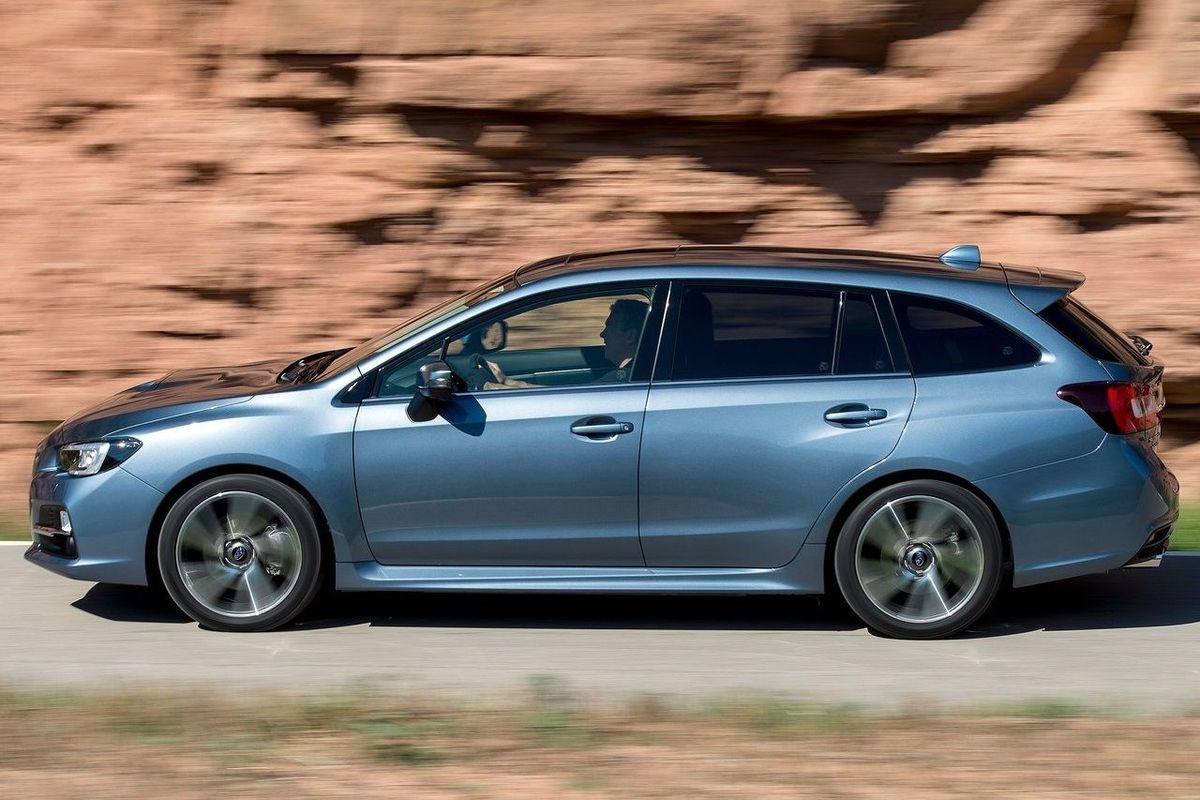
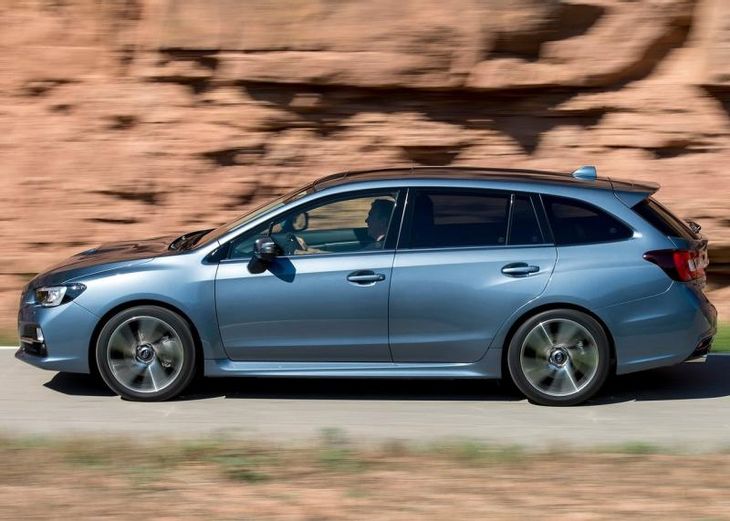
This is essentially a Subaru WRX wagon. Powered by a 197 kW and 350 Nm turbocharged flat-four Boxer engine, it’s going to be entertaining to drive and will bring back memories of fast Japanese wagons. We’ll be getting the 2018 model year derivative, which will feature a new interior as well as technology improvements to the suspension setup. It’ll arrive in South Africa in Q3 2017.
WRX / WRX STi
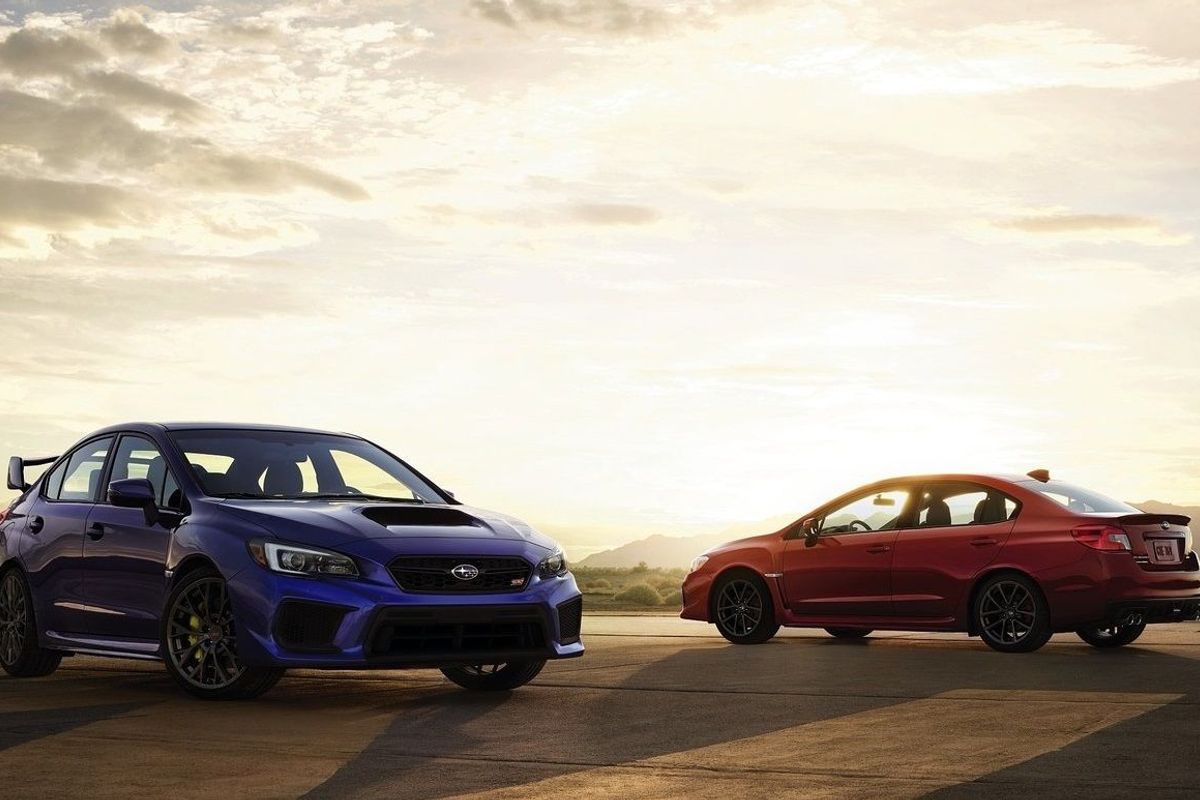
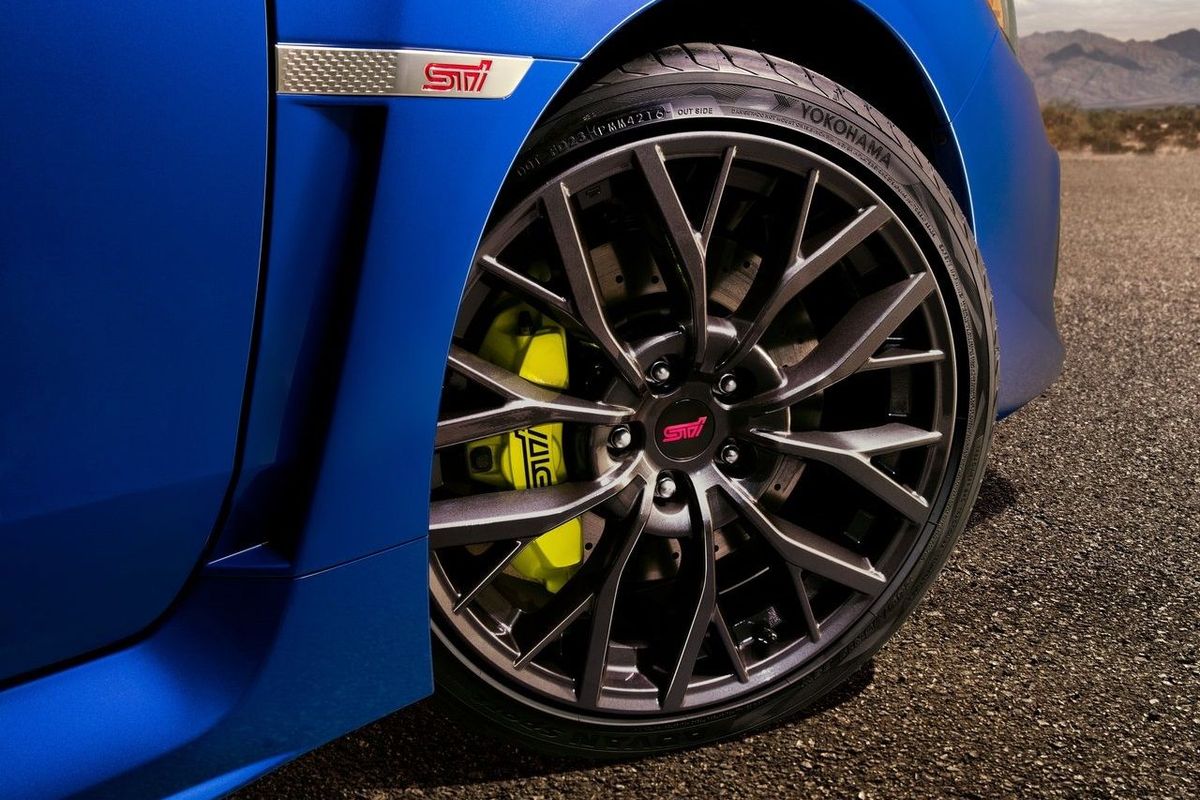
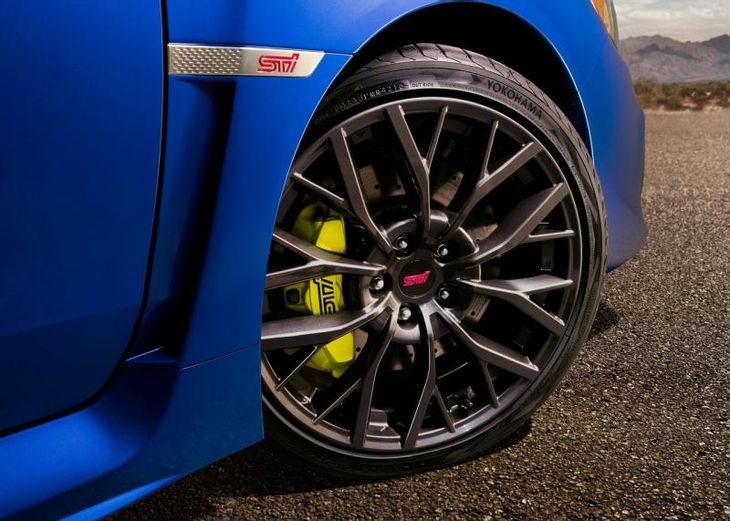
The facelifted versions of the iconic Subaru WRX and WRX STi will arrive in the third quarter as well. Some reworked front grilles, redesigned alloy wheels and updated suspension characterise these rally-bred icons. Subaru claims the Driver Control Center Differential on the STI has been switched to a fully-electronic limited-slip differential, which is said to increase the fun factor. The brake callipers on the STI are now yellow units from Brembo. Inside, both cars receive new materials, improved levels of NVH (noise, vibration and harshness) and larger HD screens.
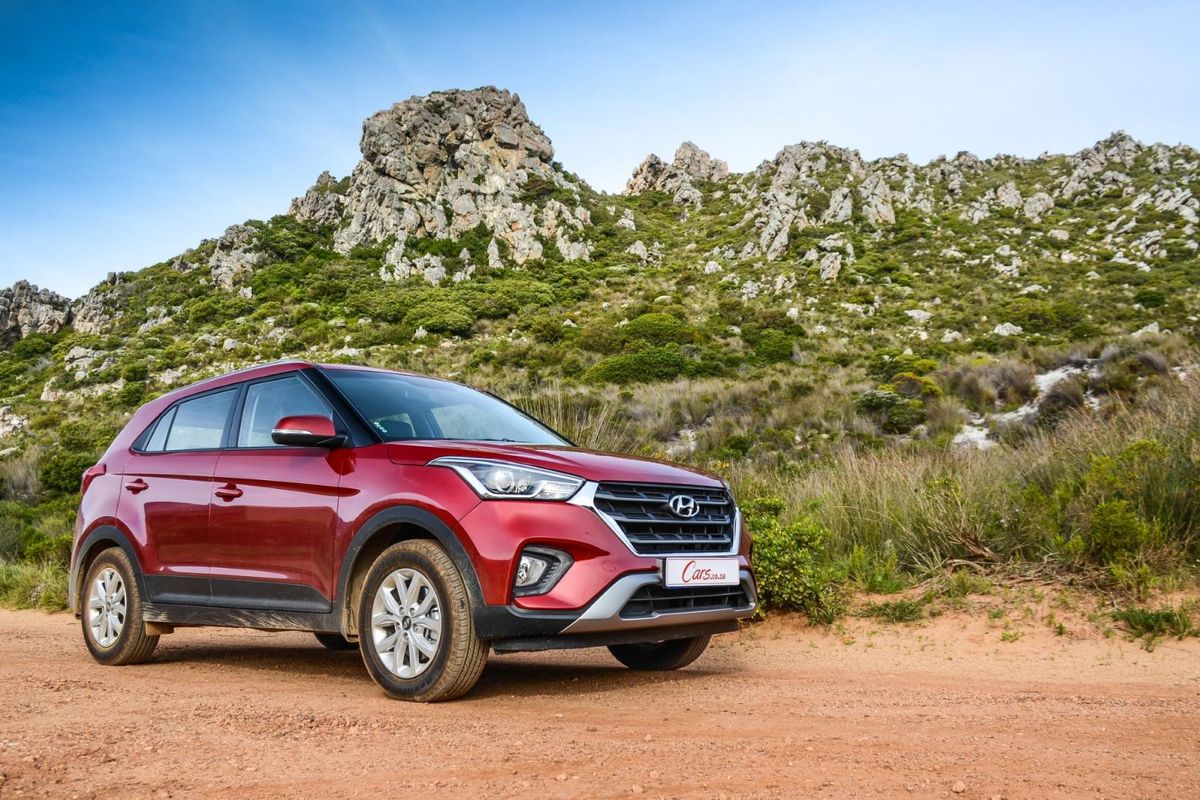
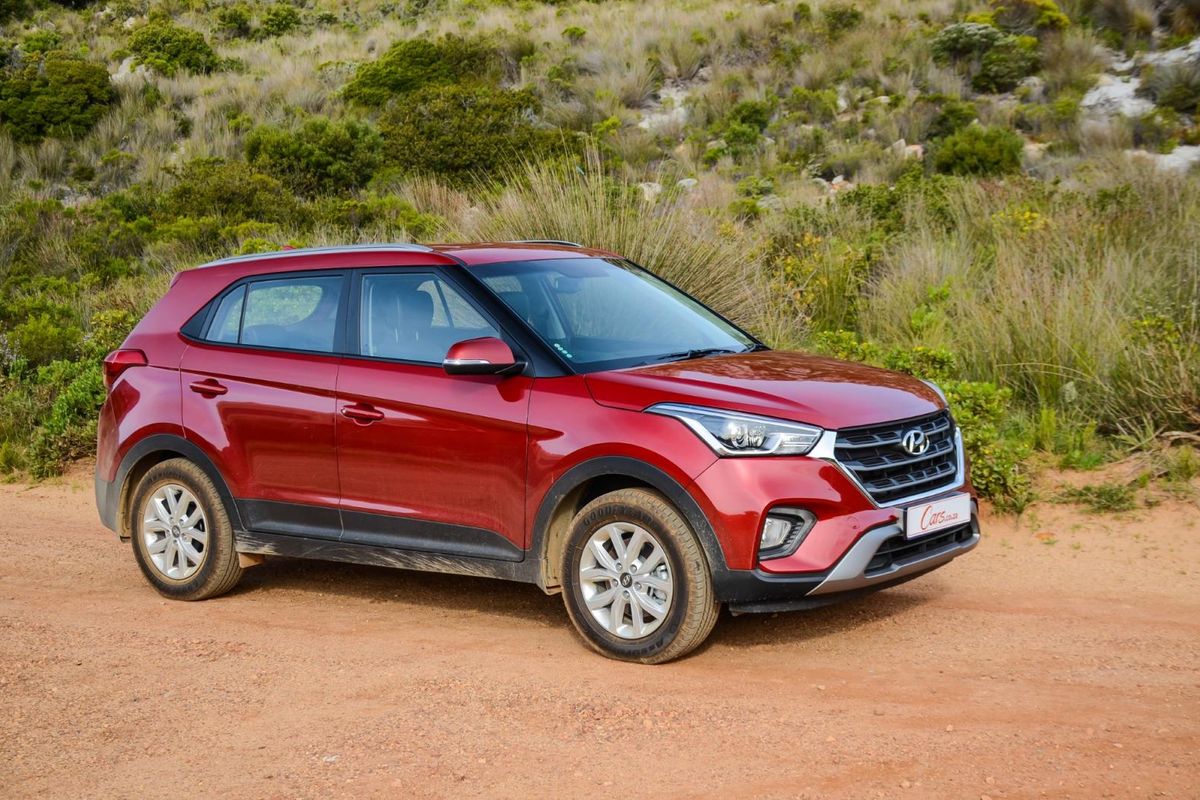
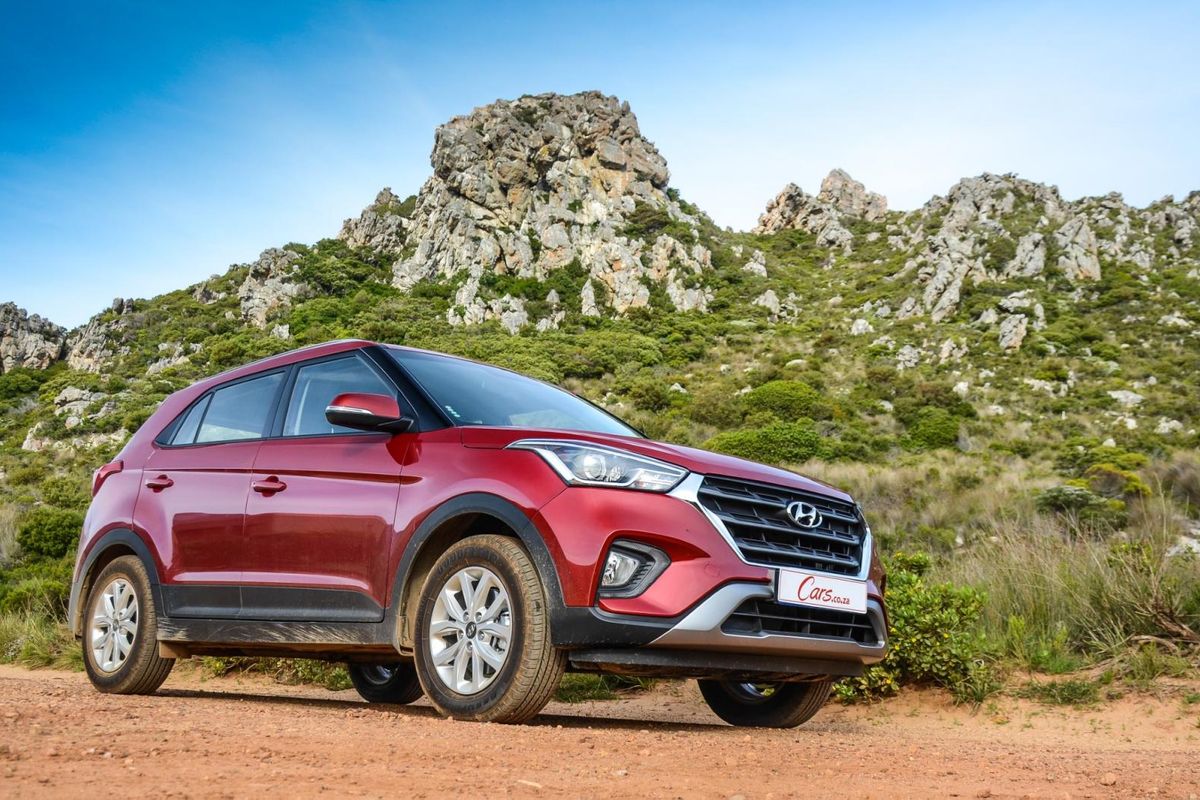
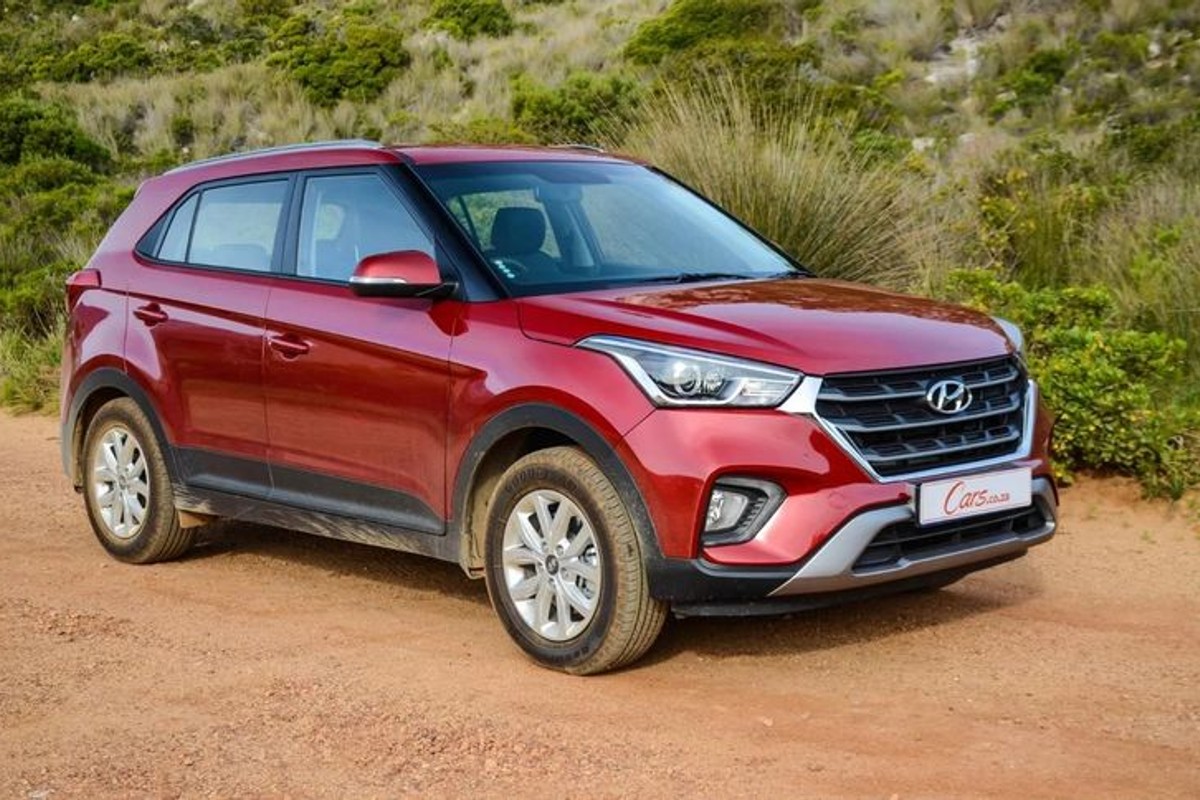
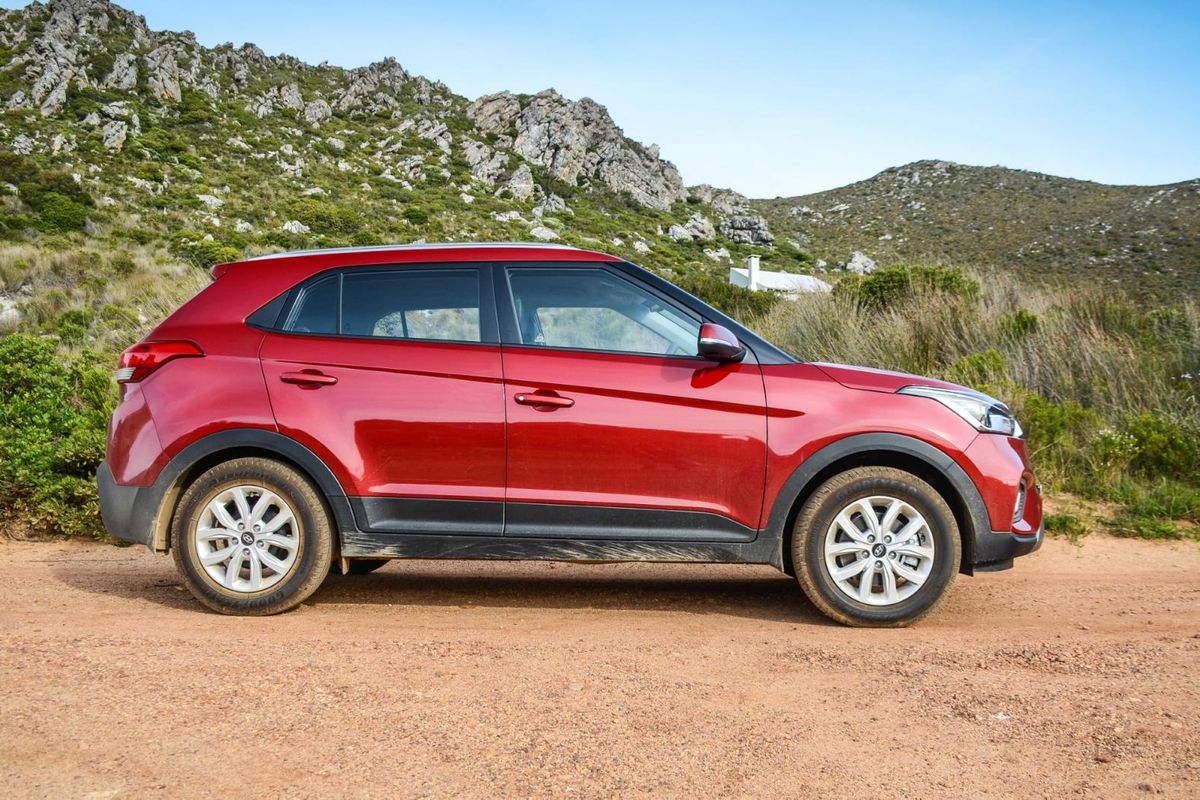
Hyundai has entered the compact family car segment with the Indian-made Creta. Here is the launch line-up and what each derivative will cost…
Cars.co.za recently published a First Drive of the Creta, courtesy of our Indian contributor Anubhav Sharma.
The local range comprises 3 derivatives. There is a 1.6-litre petrol manual, followed by a 1.6-litre petrol automatic and the flagship is a 1.6-litre turbodiesel automatic. Outputs for the engines are 90 kW and 150 Nm of torque for the petrol 4-cylinder units, while the diesel version punches out 94 kW and 260 Nm of torque. The entry-level derivative features a 6-speed manual gearbox, while the rest feature 6-speed automatic transmissions.
The range comes well-equipped with luxury, convenience and safety features. Exterior highlights include 16-inch alloys, roof rails, LED daytime running lamps, integrated indicator lenses in the side mirrors, a rear spoiler and high-mounted stop light.
The interior is surprisingly spacious for a compact family car (the luggage capacity is a claimed 402 litres). The steering wheel, gearknob and seats are trimmed in imitation leather, the touchscreen infotainment system includes USB and auxiliary ports, Bluetooth hands-free telephony and music streaming, as well as navigation functions, and the rear-view mirror is electrochromic. Electric windows and manual air-con completes the package.
In terms of safety, dual front, side and curtain airbags, ABS with EBD and a reverse-view camera with rear PDC are fitted.
Hyundai Creta Price in South Africa
1.6 Manual R319 900
1.6 Petrol Auto R339 900
1.6 Diesel Auto R369 900
The Creta is offered with a 5-year/150 000 km manufacturer's Warranty with an additional 2-year/50 000 km manufacturer's powertrain warranty and a 5-year/90 000 km service plan.
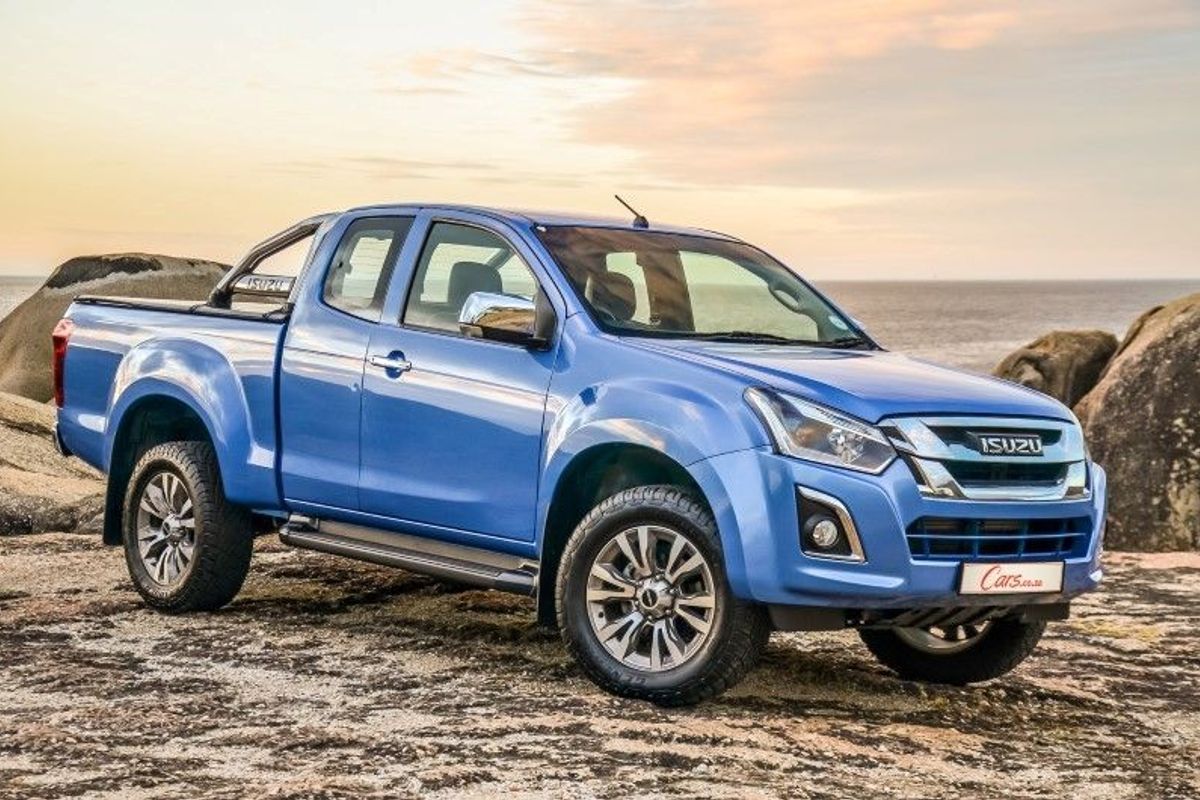
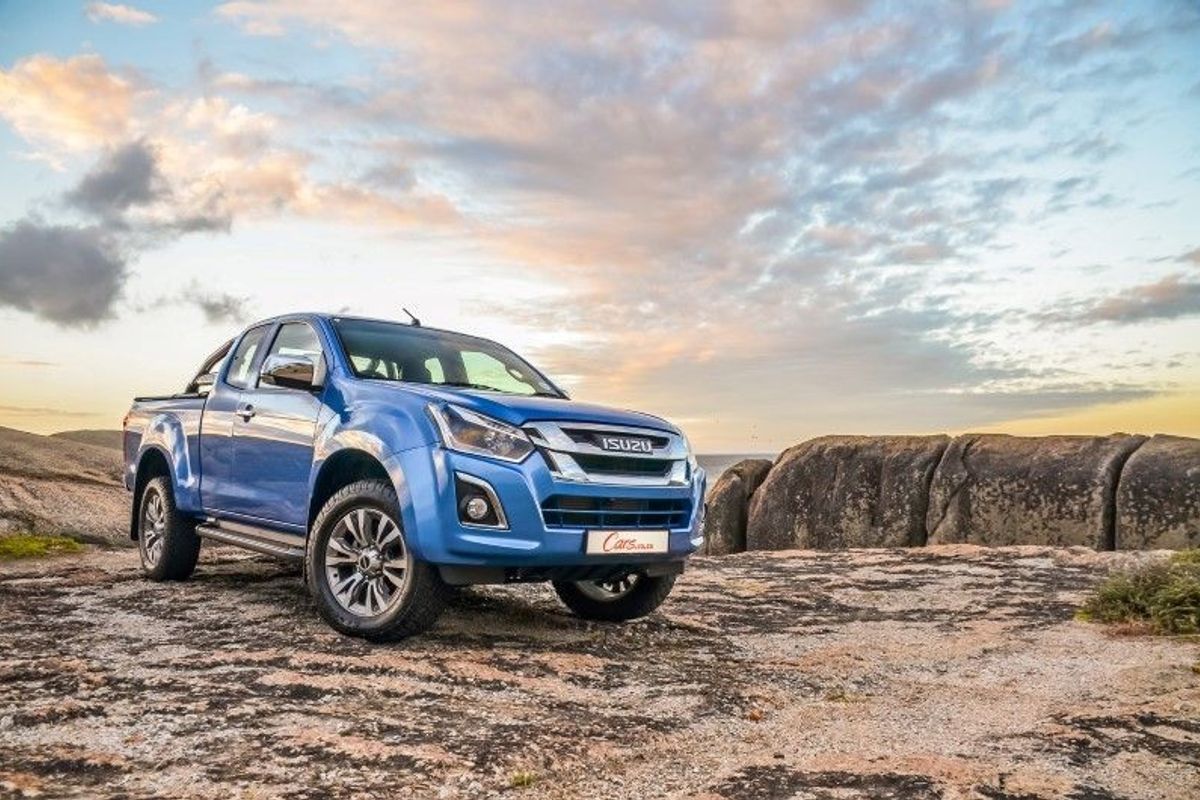
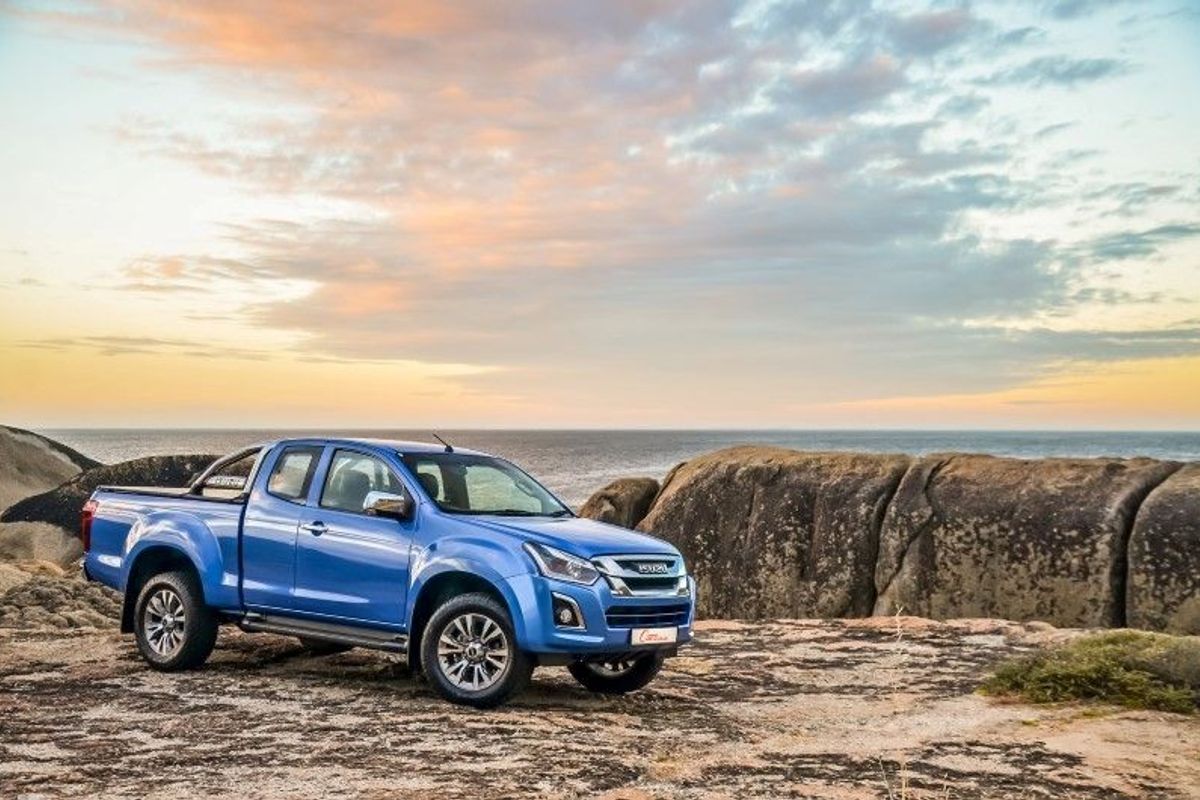
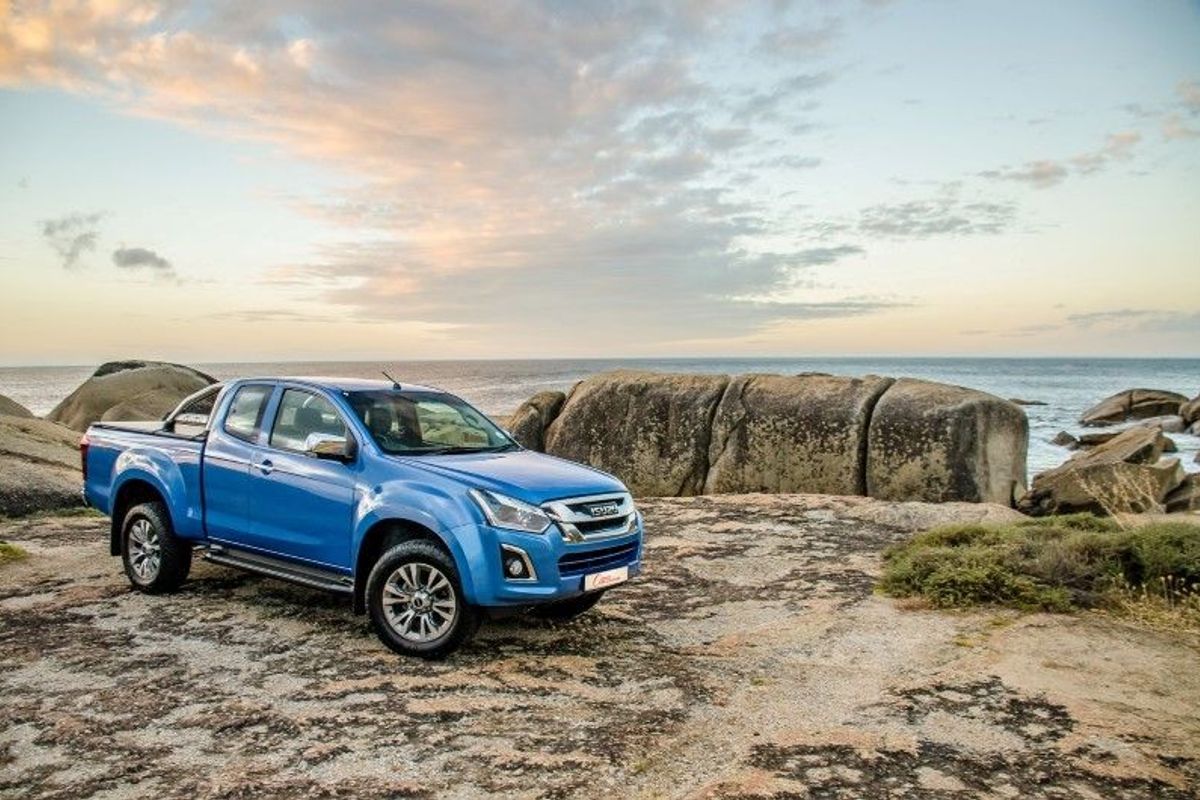
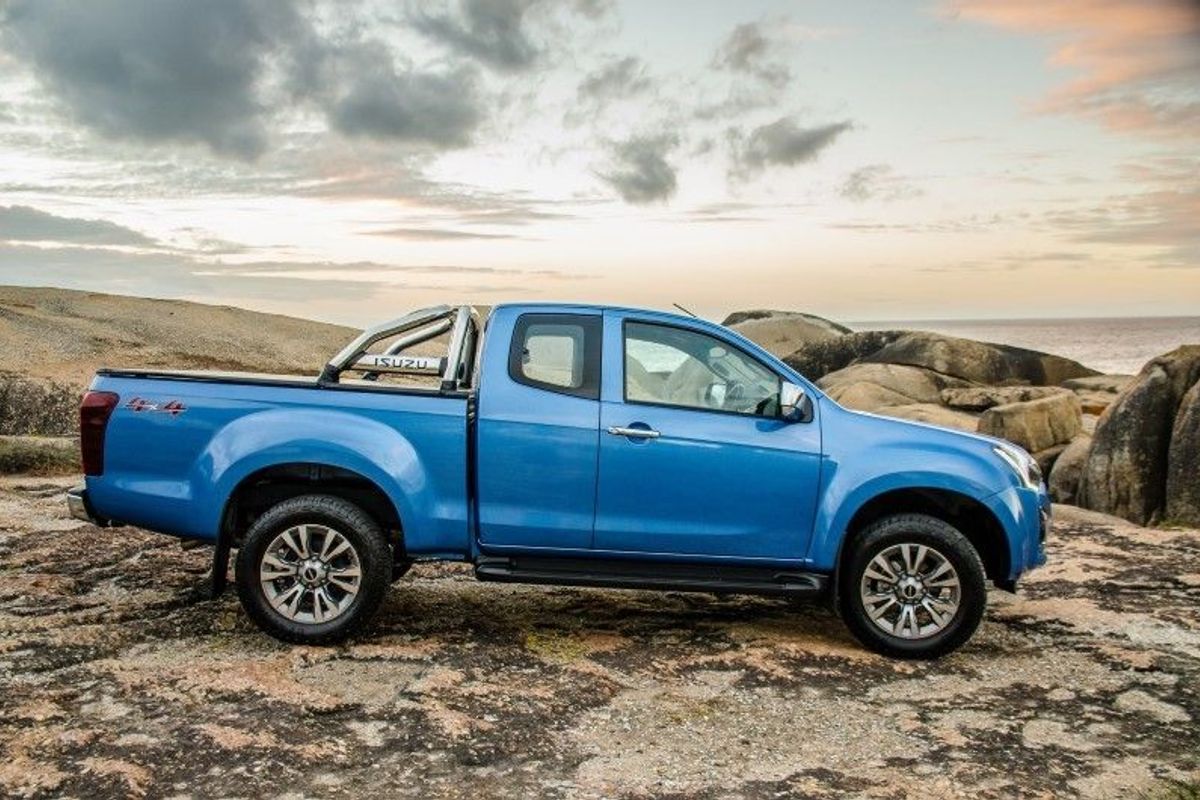
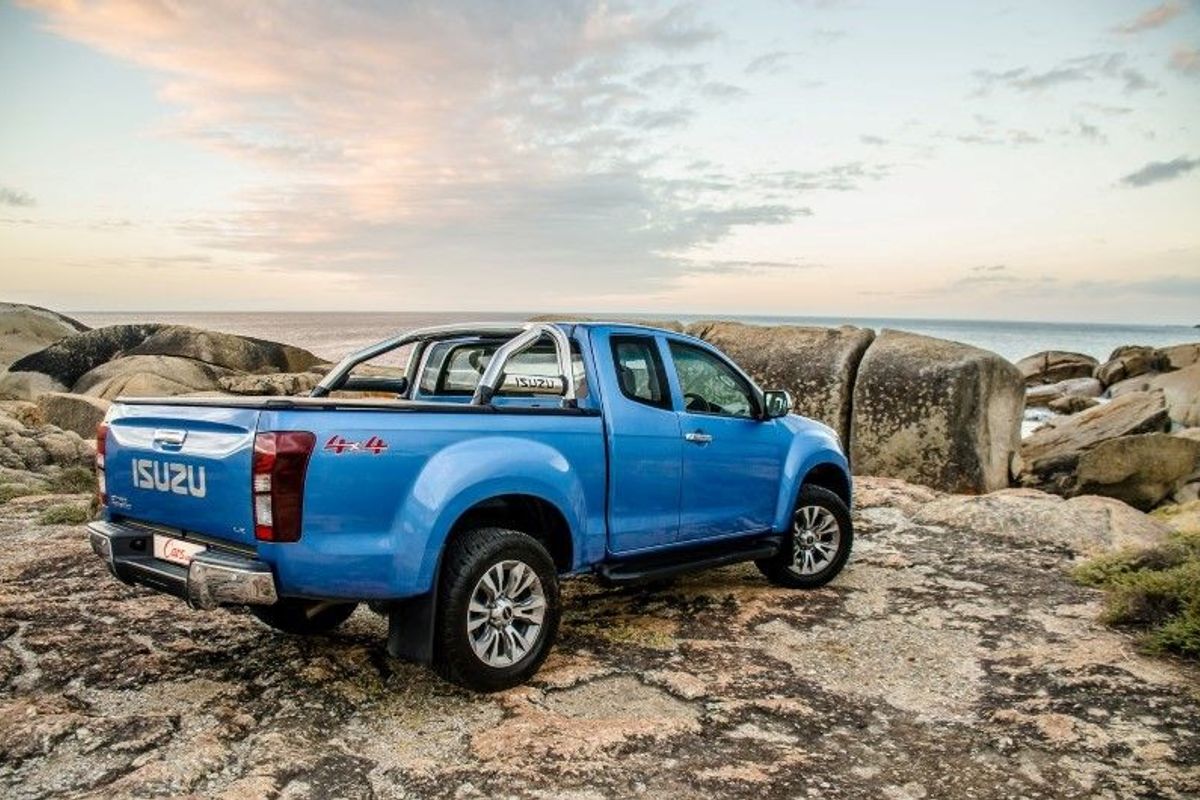
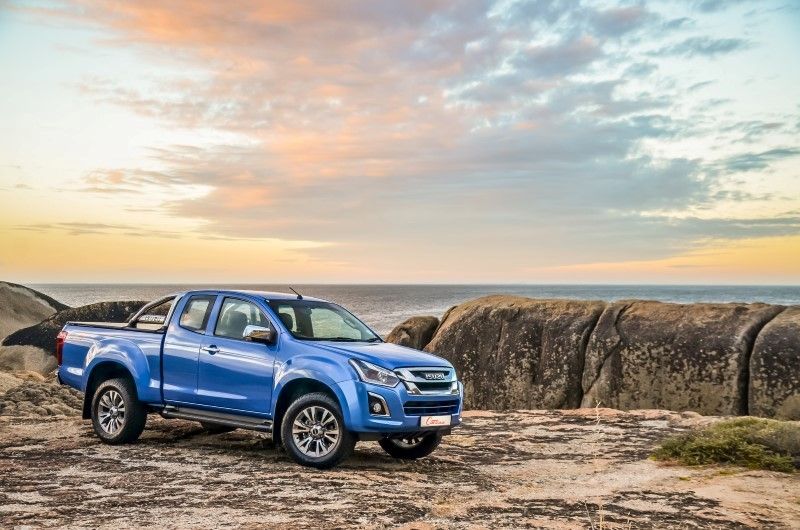
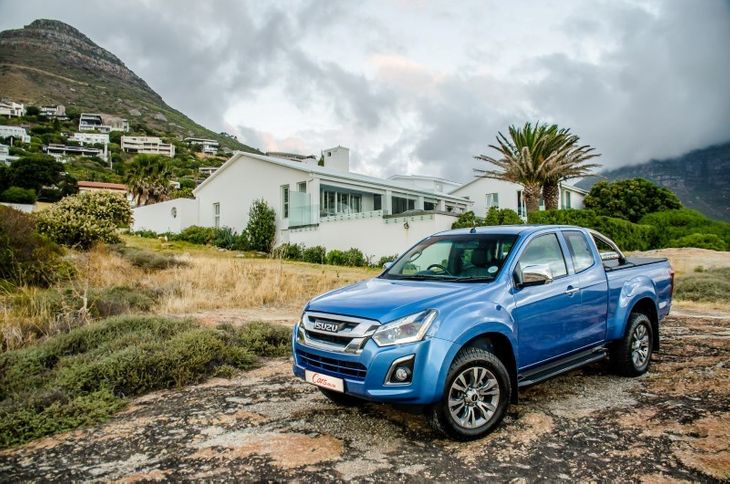
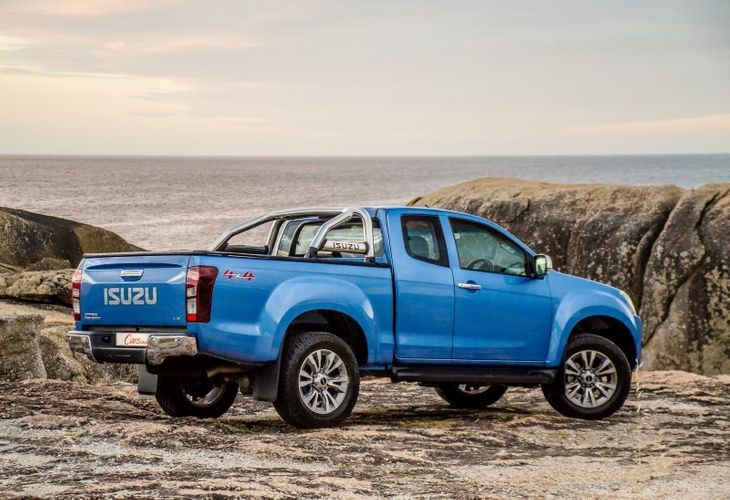
Are you looking for a dependable workhorse? We recently spent some time with the Isuzu KB300 LX 4×4 Extended Cab to determine if it’s worthy of your consideration. Read on…
We Like: Styling, improved ride comfort, sufficient features We Don’t Like: Sticky doors, middling performance
Alternatives
For the power house: Consider the Ford Ranger 3.2 XLS 4×4 SuperCab priced at R471 900. Its 3.2-litre turbodiesel engine offers 147 kW and 470 Nm of torque allied with brutish good looks.
For more refinement: Consider the Toyota Hilux 2.8 GD-6 4×4 Xtra Cab Raider. It’s a bit more expensive than the KB at R492 900 and it offers 130 kW and 420 Nm of torque from its 2.8-litre turbodiesel engine.
Wait for the new Nissan Navara: The new Nissan Navara will be launched in South Africa in March 2017 and based on our first drive report, it’s shaping up to be a goody. Depending on local pricing, the Navara could very well be worth the wait.
The Isuzu KB300 LX 4×4 Extended Cab rivals the popular Ford Ranger and Toyota Hilux, and it compares favourably.
What is it?
The Toyota Hilux and Ford Ranger have cornered the local leisure double cab market in South Africa and the Isuzu KB is often an afterthought when it comes to the double cab game. Much the same can be said in the extended cab market, where Ranger and Hilux were dominant players throughout 2016, with the Isuzu KB trailing far behind in terms of sales.
But that says more about consumer preference than it does about Isuzu’s product offering and bakkie folk are notoriously risk-averse and traditionalist when it comes to their preferred choice of bakkie. Isuzu, however, has a long history in South Africa to fall back on and its products are widely praised for their capability and rugged appeal.
We drove the facelifted Isuzu KB at launch in Namibia last year and it brought much-needed updates to the range and has effectively made the KB more competitive against its rivals, both in terms of price and specification. More recently, however, we tested the KB300 LX 4×4 Extended Cab, a vehicle that would typically attract buyers looking for a capable and dependable workhorse for a wide range of activities, including farming and construction. Is the Isuzu KB the workhorse of your dreams? Let’s find out…
How does it fare in terms of…
Work appeal?
Looks don’t really matter for a working bakkie, but it’s still good know that the facelifted KB looks bolder and more attractive than ever before. Isuzu has seemingly done a good job in lifting the presence of the KB. With a ground clearance of 220 mm, the KB does however fall short against the Hilux and Ranger in this regard, but it’s still adequately poised to tackle most terrain, whether it be in the sticks or in the concrete jungle. A maximum wading depth of 600 mm may also be useful if you need to cross a river, perhaps…
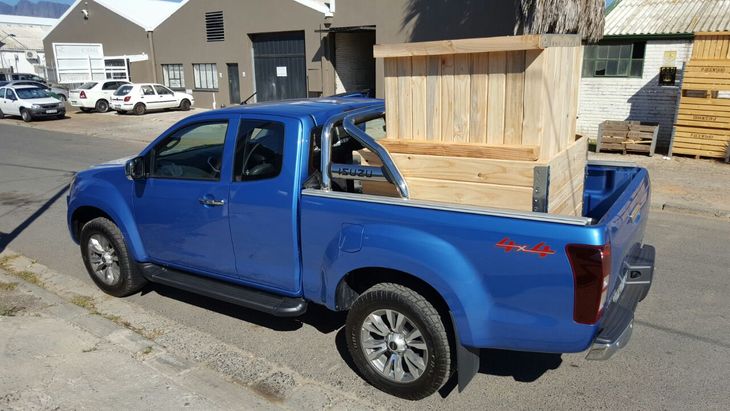
The KB has a towing capacity of 3 500 kg and its large load bay has a useful payload capacity of 1 083 kg. We put the KB to work during our test, loading it up with large wooden flower beds that needed to be moved. The KB made light work of this minor burden and it’s certainly capable of more gruelling tasks.
The KB is suitably equipped to carry out a wide range of tasks.Transporting flower beds was an easy task for the KB.
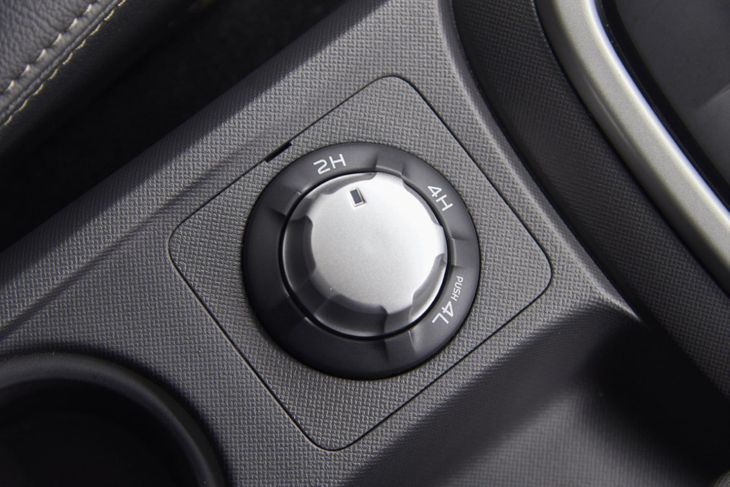
Our experience with the KB on the sand dunes of Namibia proved its capability in tough conditions. When the terrain demands it, the driver can quickly switch into 4H or 4L as required using the conveniently placed rotary dial in the centre console and a rear differential lock can also be engaged if the going gets tough.
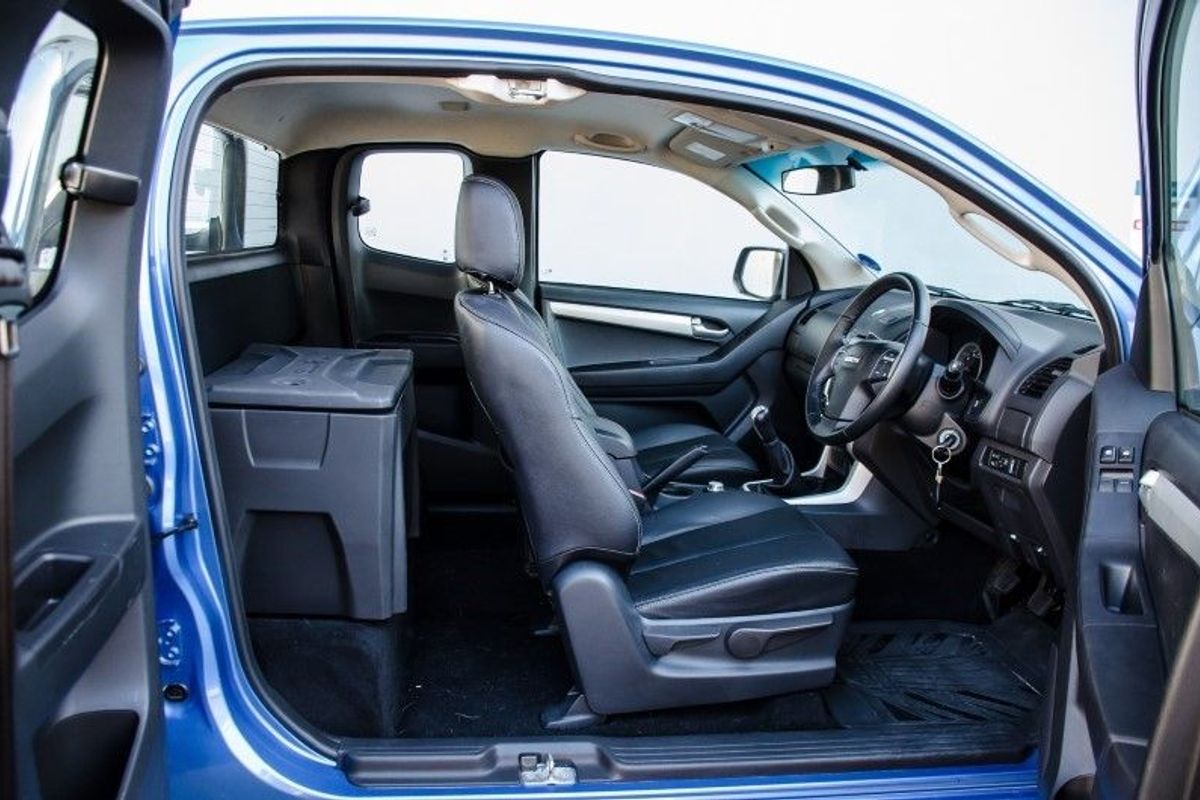
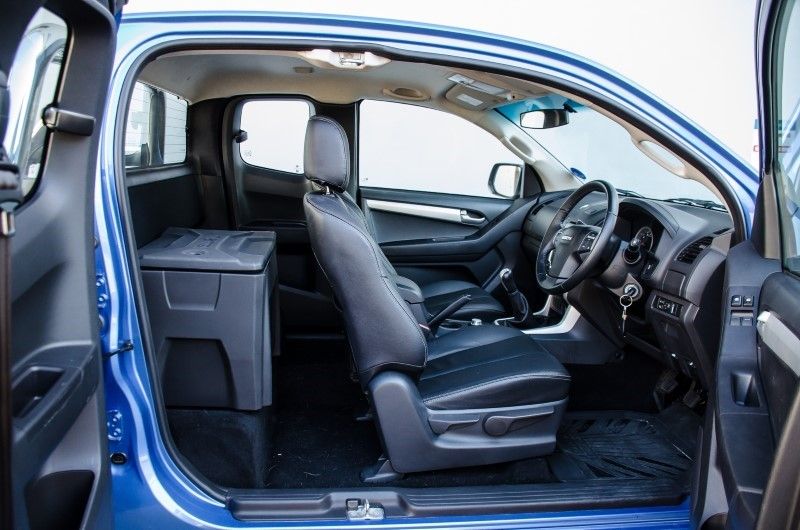
The rear cabin compartment is easily accessed via the Flex Doors and a detachable, a lockable storage box is standard and can be used to store valuables such as tools or whatever else you wish to keep safe.
Practical Flex Doors are welcome, as is the standard storage box behind the driver's seat.
Performance & ride comfort?
This KB300 LX 4×4 Extended Cab is powered by Isuzu’s 3.0-litre turbodiesel engine that produces 130 kW and 380 Nm of torque; it’s mated with a 5-speed manual transmission. Although 380 Nm of torque can’t match outputs from the equivalent Ranger (470 Nm) or Hilux (420 Nm), the KB performs ably, but can feel a little flat-footed in cut-and-thrust traffic… engine noise and turbo hiss increase as you mash the accelerator to the floor, but in normal driving situations the engine chugs away quite discreetly. The gear lever action is relatively smooth, if a tad notchy, but not frustratingly so. The current iteration of the Isuzu motor has been in service for a long time; consequently it is not as refined as its newer rivals'.
Isuzu claims 7.9 L/100 km on the combined cycle, but figures above 9.5 L/100 km are more realistic, depending on how hard you choose to work the engine…
Ride comfort is much improved and the KB performsparticularly well on gravel.
A revised suspension setup has gone a long way in improving ride comfort on the road and the difference is noticeable. The KB settles to the tar nicely and delivers a far more steady drive than the pre-facelift version. The KB Extended Cab will likely spend much of its time on gravel roads and it’s here where it shines the brightest as it copes well with ruts and undulations in the road.
Overall, we think the KB300 LX 4×4 Extended Cab is a strong performer, even though it lacks a degree of refinement found in its rivals.
Interior execution & features
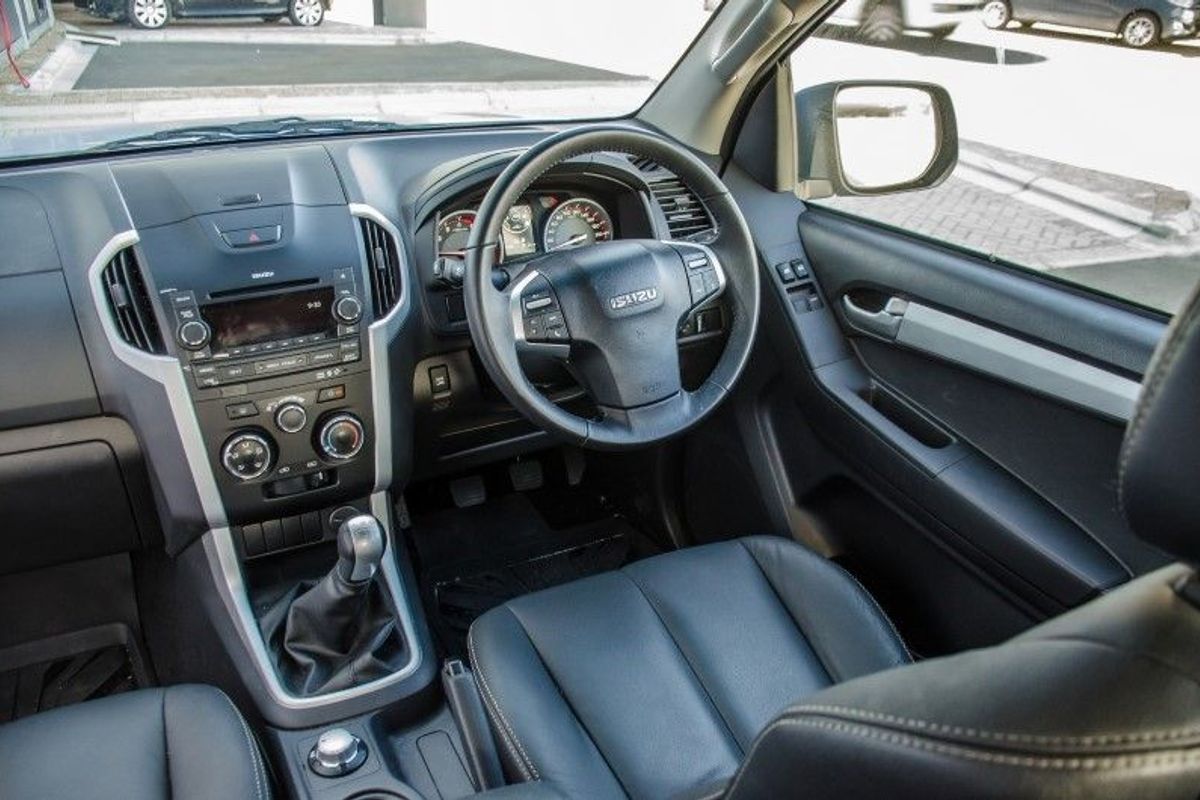
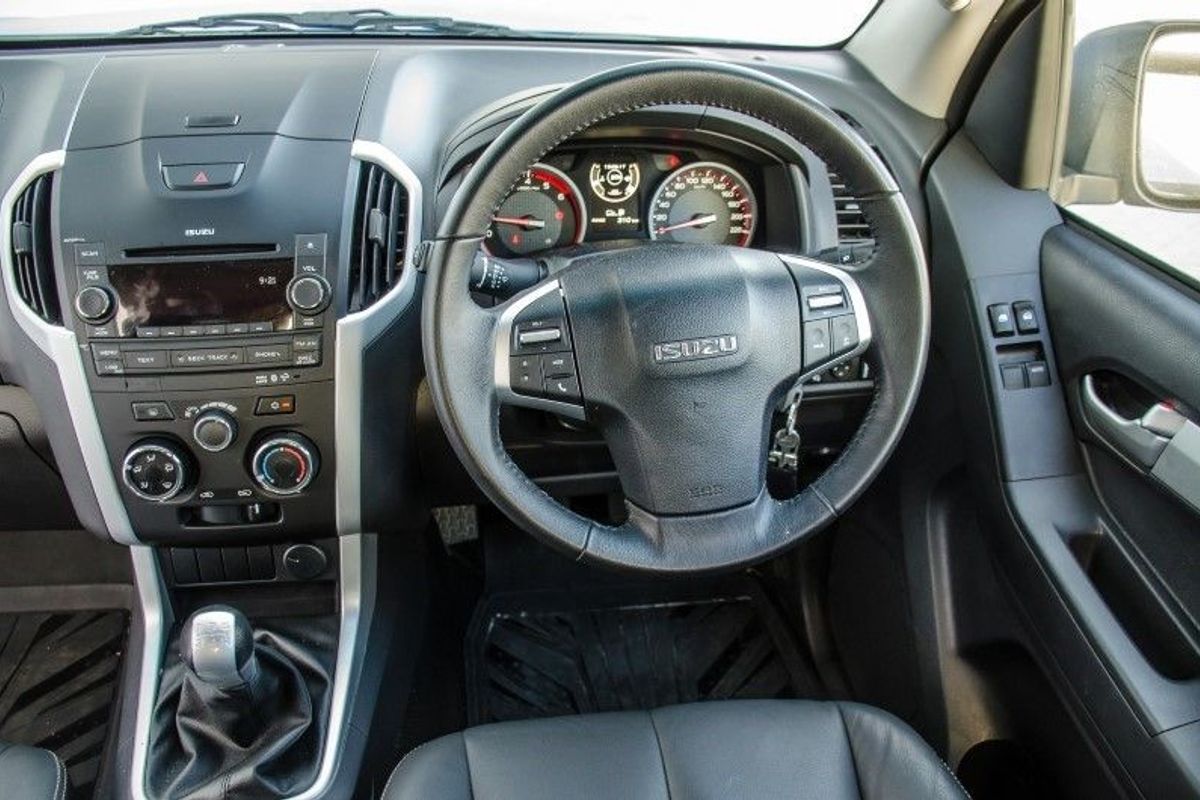
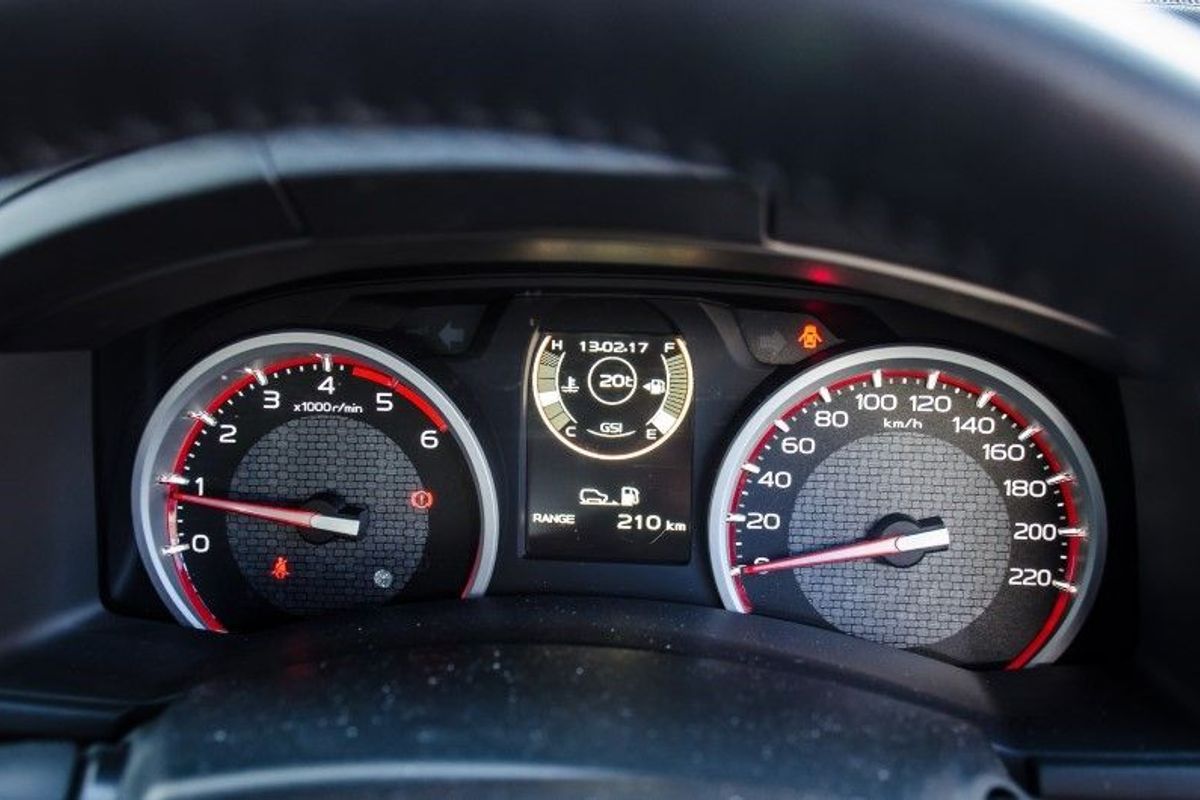
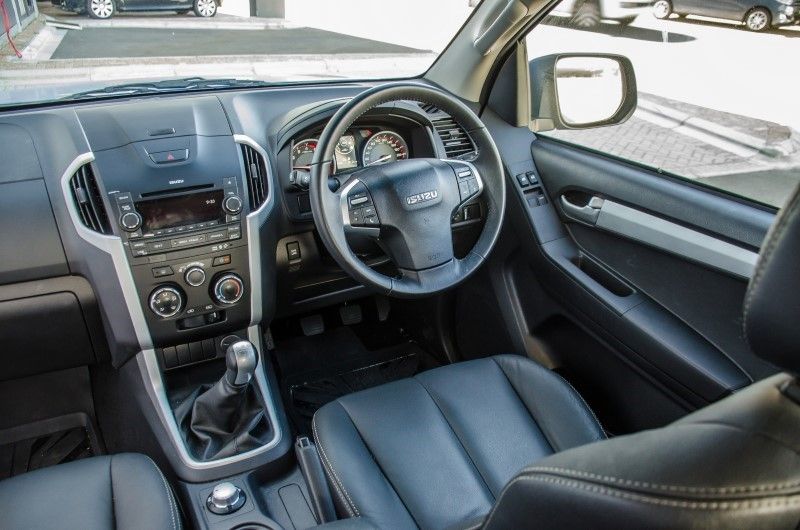
The interior of the KB300 LX 4×4 Extended Cab, although largely devoid of frills or flashy design cues, is reasonably well equipped with features suitable for a workhorse. The seats are upholstered in cloth, but leather is offered as an option (as seen on this particular test unit) and the driver’s seat is height-adjustable. The steering wheel has mounted controls for audio, Bluetooth and cruise control. The steering column, however, is only height adjustable and the low arch of the footwell still impedes a driver's left shin when operating the clutch pedal.
The KB's interior is basic but it is equipped with most features you would need in a workhorse.
This derivative is fitted with a radio and CD player with Bluetooth and MP3 functionality that’s simple enough to use. USB and auxiliary ports are standard and additional comfort features include electric windows and side mirrors and air conditioning.
There’s ample storage space found in the doors, glovebox, below the steering column and on top of the dashboard, but this compartment has a flimsy cover that doesn't feel particularly durable. Of course, there is additional storage space in the aforementioned storage box behind the driver’s seat as well as a reasonable amount of extra room behind the passenger seat.
Much of the interior is solidly built and the hard plastics should withstand the hardships associated with a life of hard work. We must mention, however, that the doors are sticky and need a fair amount of force to close properly. This is one problem that we thought Isuzu would have rectified with the facelift, but sadly, and annoyingly, it persists.
Tackling challenging terrain is made easy using this rotary dial.
Safety?
In terms of safety, only 2 airbags are fitted (there are no side bags, in other words). However, ABS with EBD, Brake Assist, Electronic Stability Control with traction control, Hill Start Assist is standard. More than this and unlike its rivals, the KB is fitted with Park Distance Control, which is very handy for safely manoeuvring its large body in tight spaces.
Pricing and warranty
The Isuzu KB300 LX 4×4 Extended Cab is priced from R479 200 and is sold with a 5-year/120 000 km warranty and a 5-year/90 000 km service plan with service intervals every 15 000 km.
The KB is worth consideration if you are looking for a hard-working bakkie.
Verdict
The KB300 LX 4×4 Extended Cab is a solid working bakkie. Its engine performance is good enough to perform just about any task you throw at it and improved ride quality has made the KB easier to live with on a daily basis. Its capability is undeniable and it’s unlikely to let you down. Yes, the interior may be a bit dull compared to its rivals but it is fuss-free and well-kitted.
The lack of additional airbags might deter some buyers, but for a working bakkie, this shouldn’t be a deal breaker. In terms of pricing, this particular KB Extended Cab derivative sits between the more affordable Ford Ranger 3.2 XLS 4×4 SuperCab priced at R471 900 and the pricier Toyota Hilux 2.8 GD-6 4×4 Xtra Cab Raider at R492 900. The allure of a more powerful engine in the Ranger might be difficult to resist for some while the Hilux’s perceived reputation of reliability is equally difficult to ignore. Having said all that, the KB offers decent value with honest-to-goodness capability and less image-conscious buyers won’t feel short changed. Just make sure you close those doors with a solid thud, hmmkay?
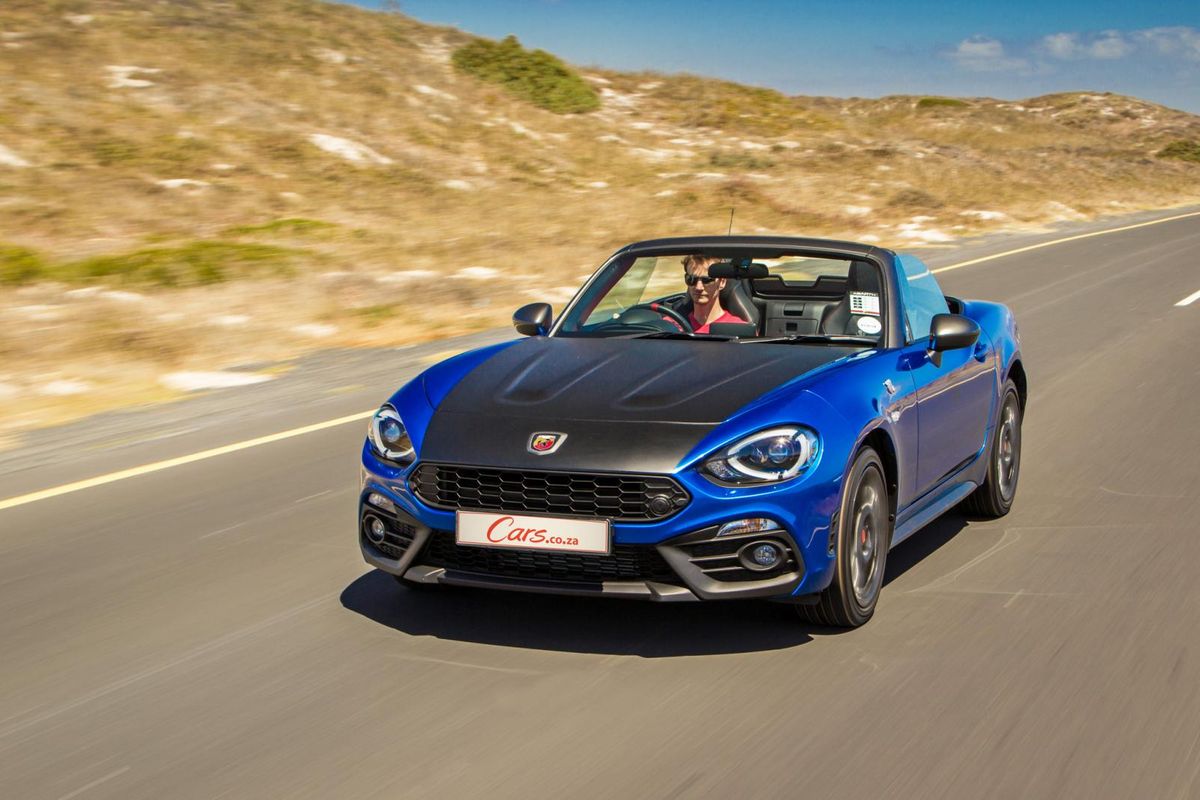
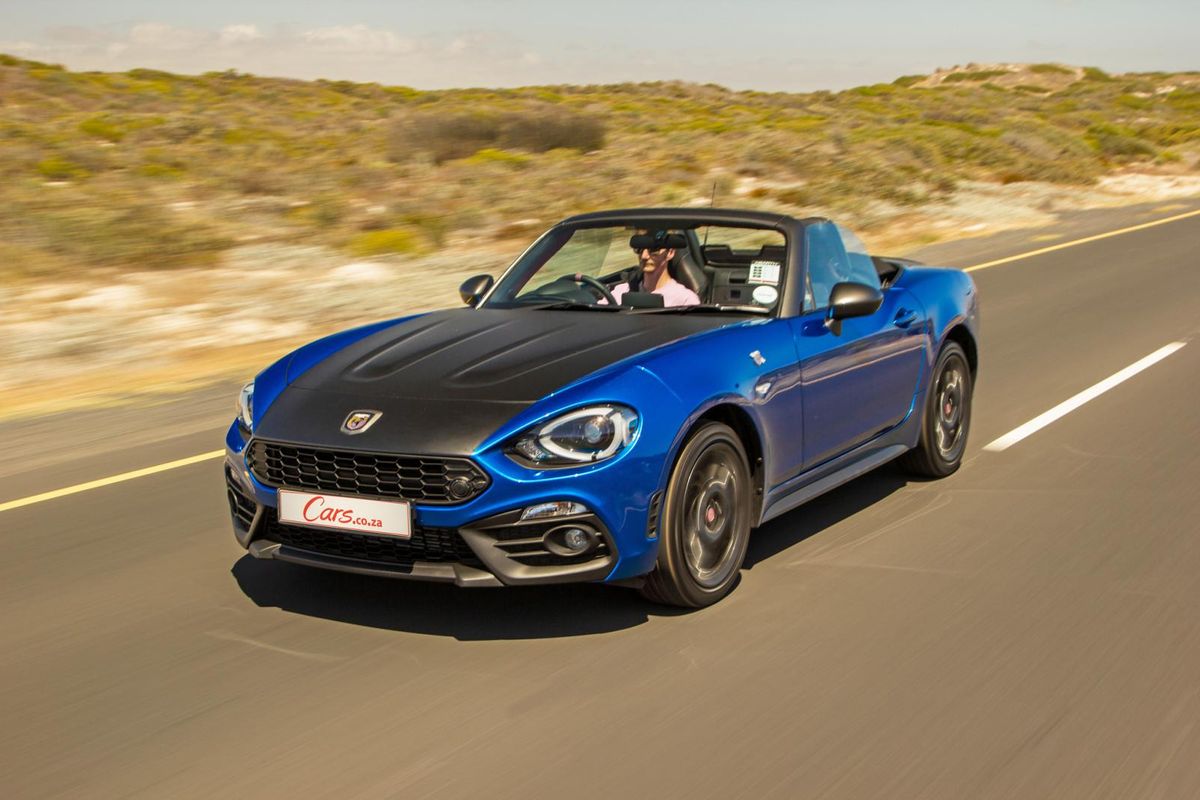
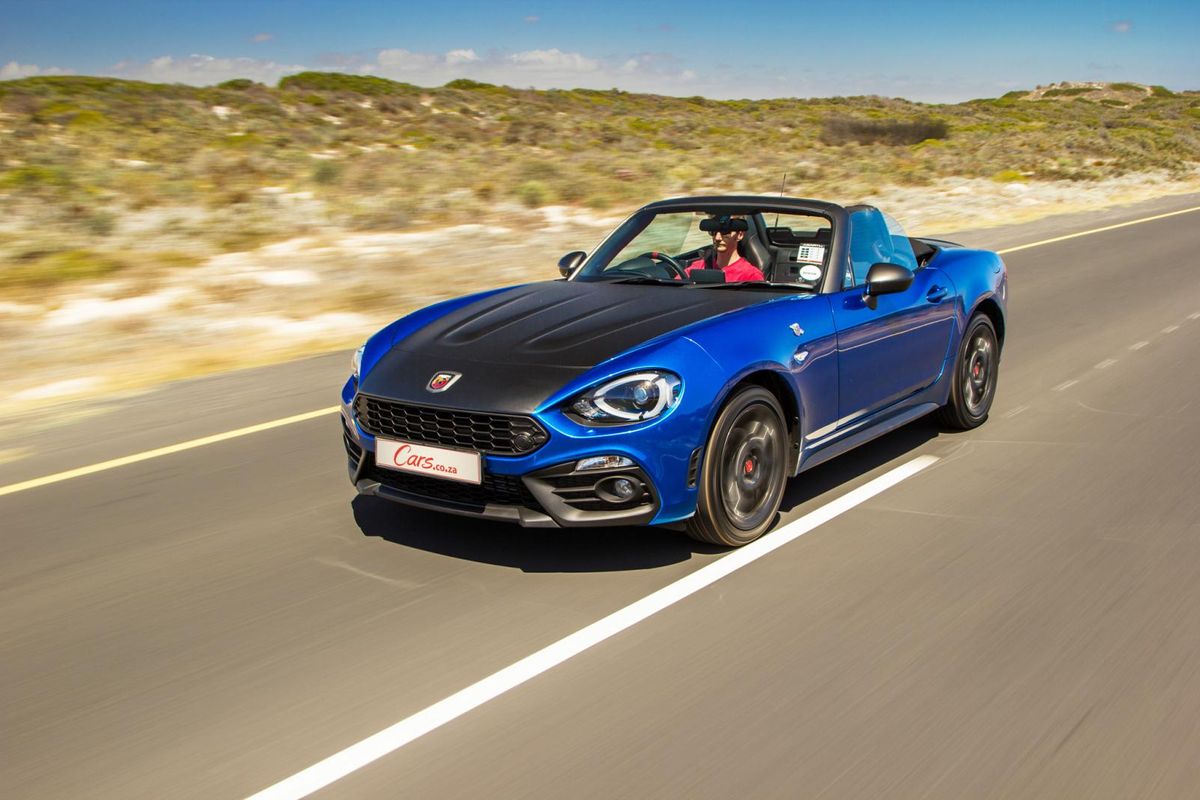
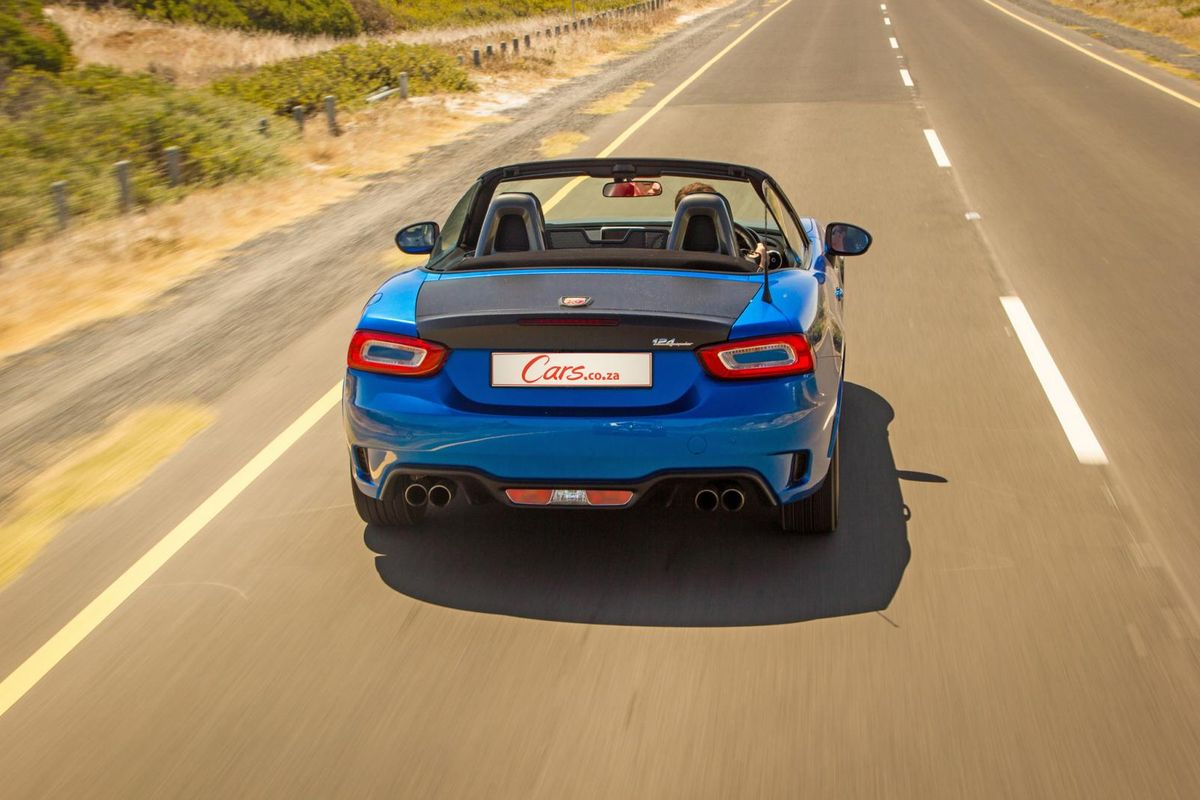
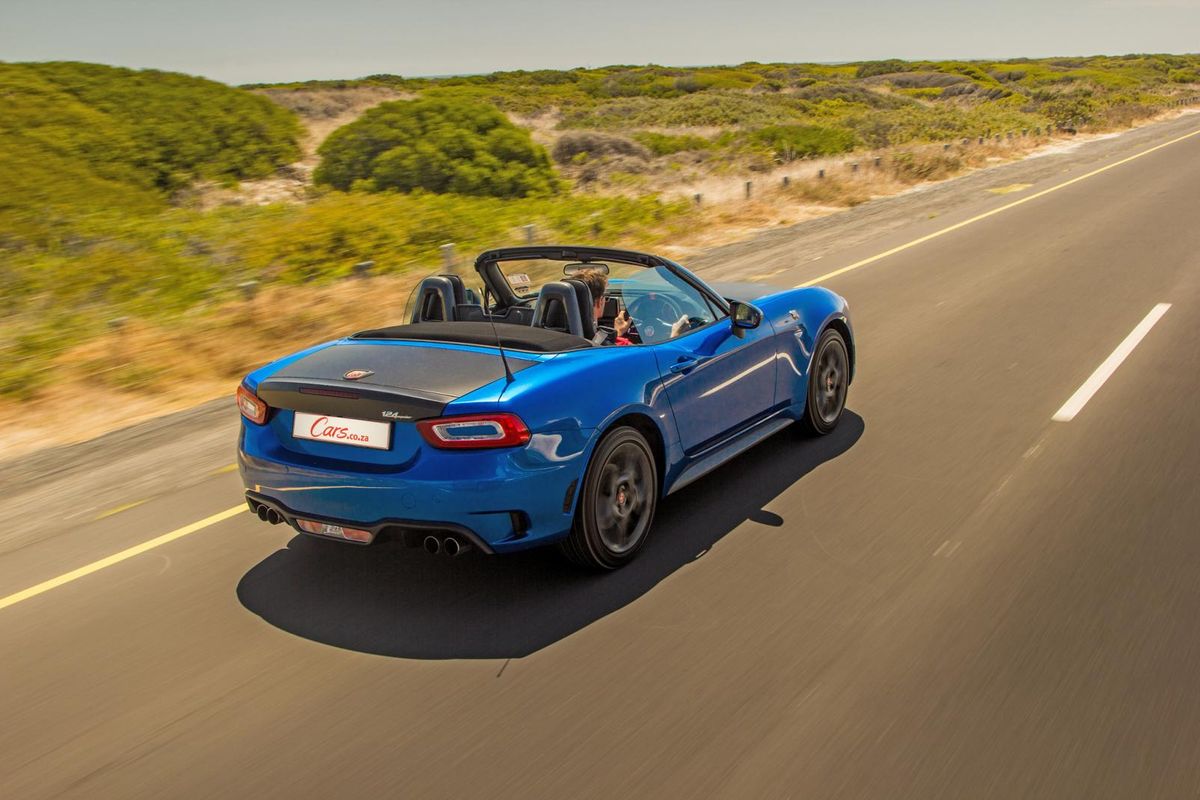
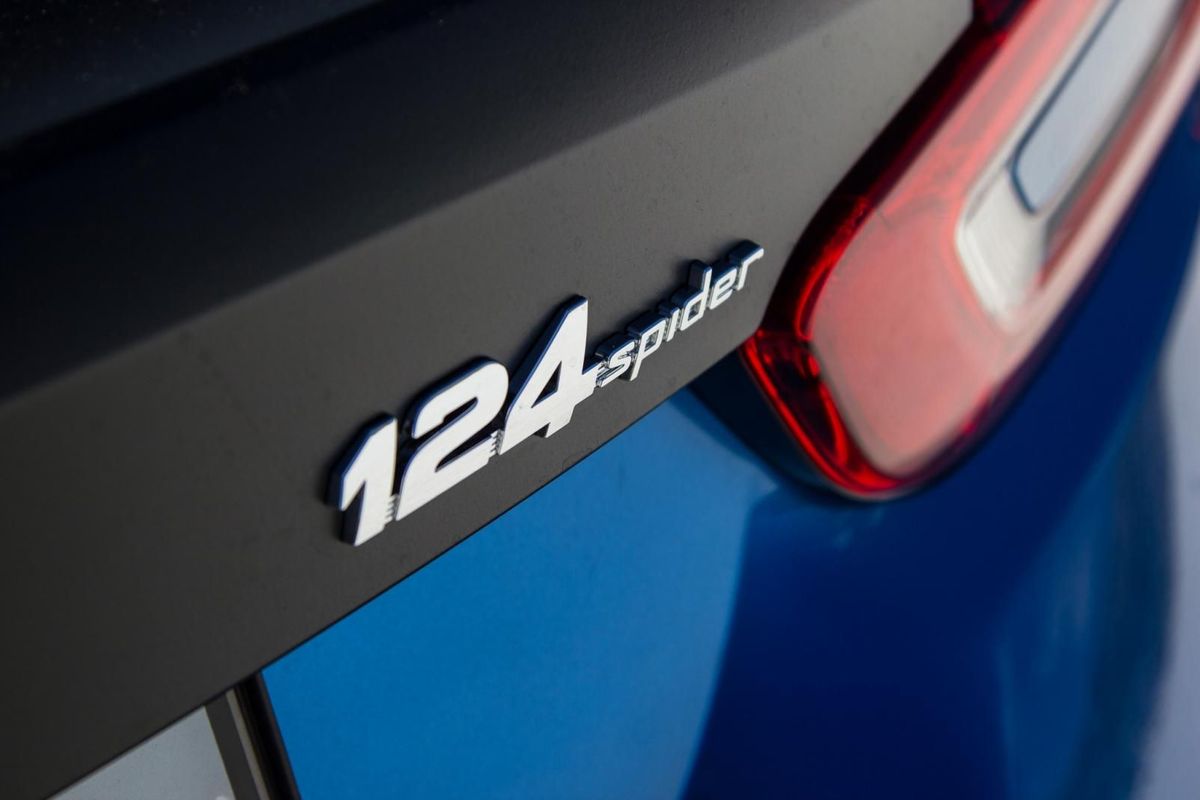
Compact, simple and hugely entertaining topless sportscars are a rarity these days, with Mazda owning the small segment through its highly acclaimed MX-5. So that's exactly where Fiat headed for help when it decided to revive its iconic 124 moniker for a stylish new sports machine. With the MX-5 as its base, the Abarth 124 Spider was always going to be a blast to drive, but the excellence does come at a cost…
Facts & Figures
Price: R649 900 (February 2017)
Engine: 1.4-litre 4-cylinder turbopetrol
Transmission: 6-speed manual
Power: 125 kW
Torque: 240 Nm
Fuel Consumption: 6.4 L/100 km (claimed)
Top speed: 232 kph
0-100 kph: 6.8 sec
We like: Solid build, entertaining dynamics, looks We don't like: Overpriced
Summary in a Tweet: "Undeniably entertaining, good looking and solidly built, but R200k price premium is impossible to justify."
What is it?
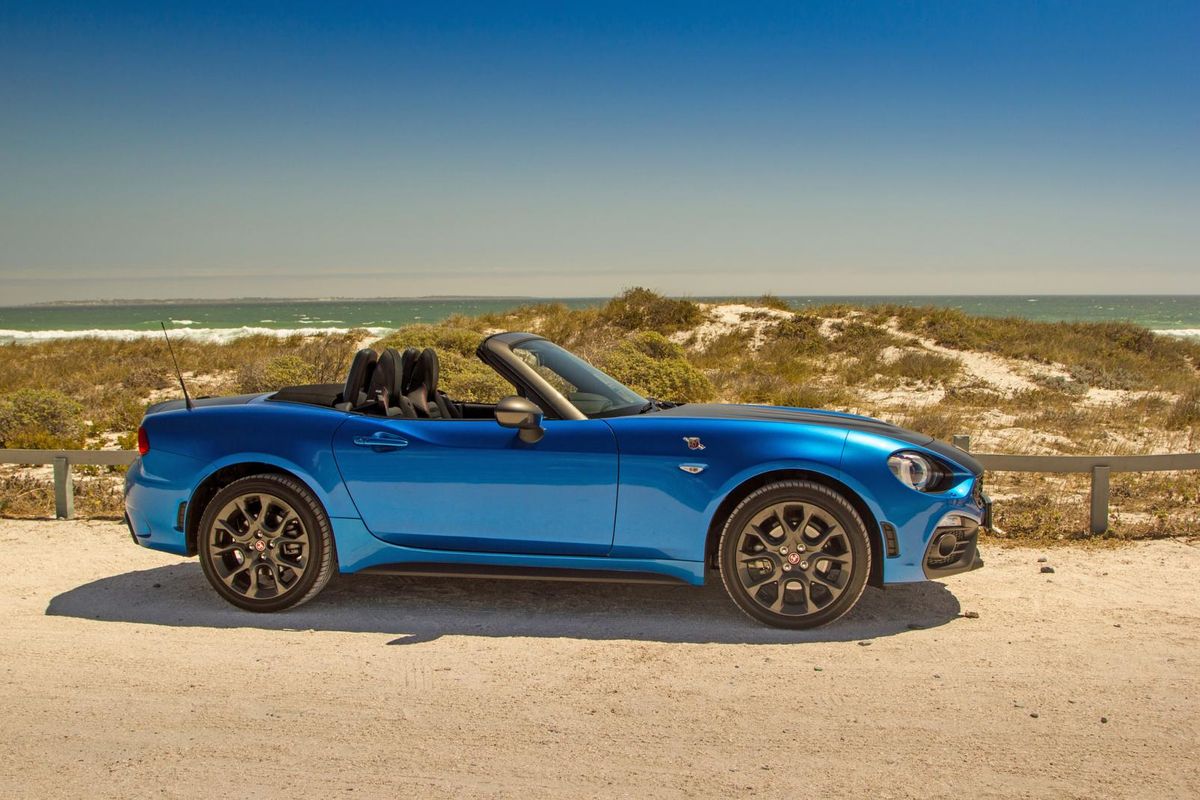
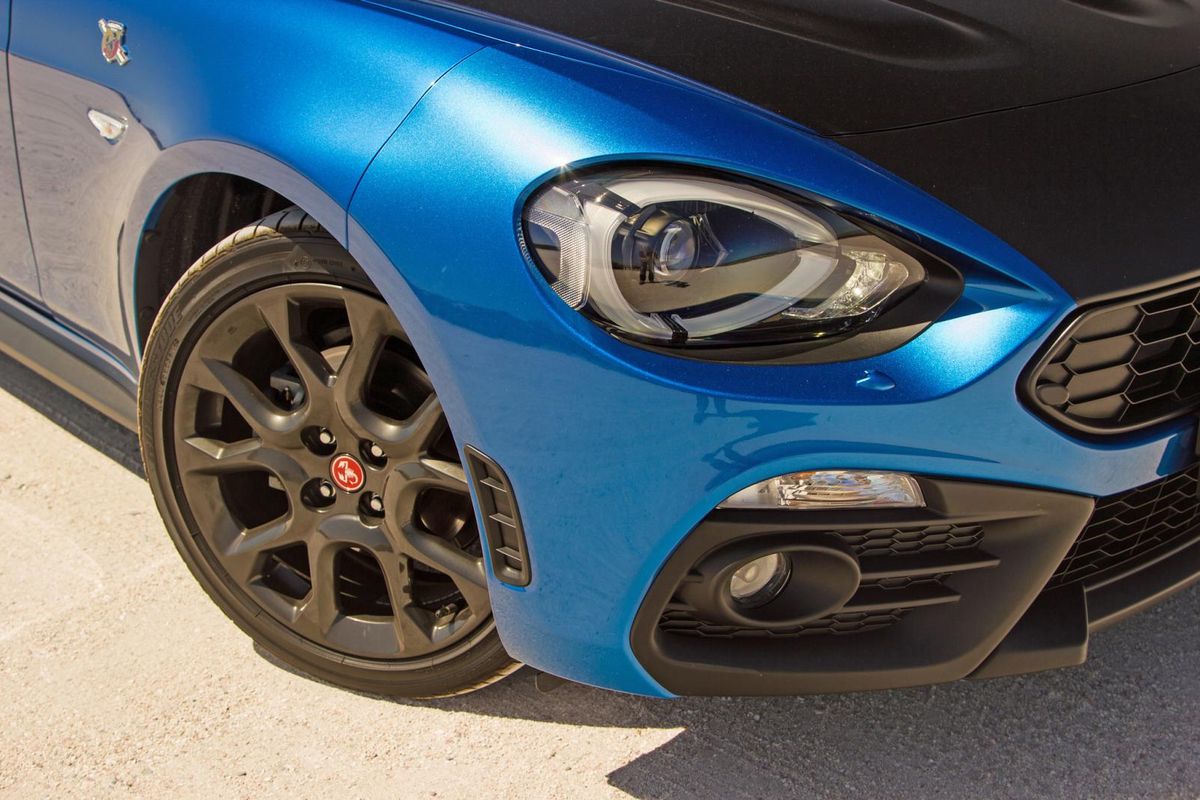
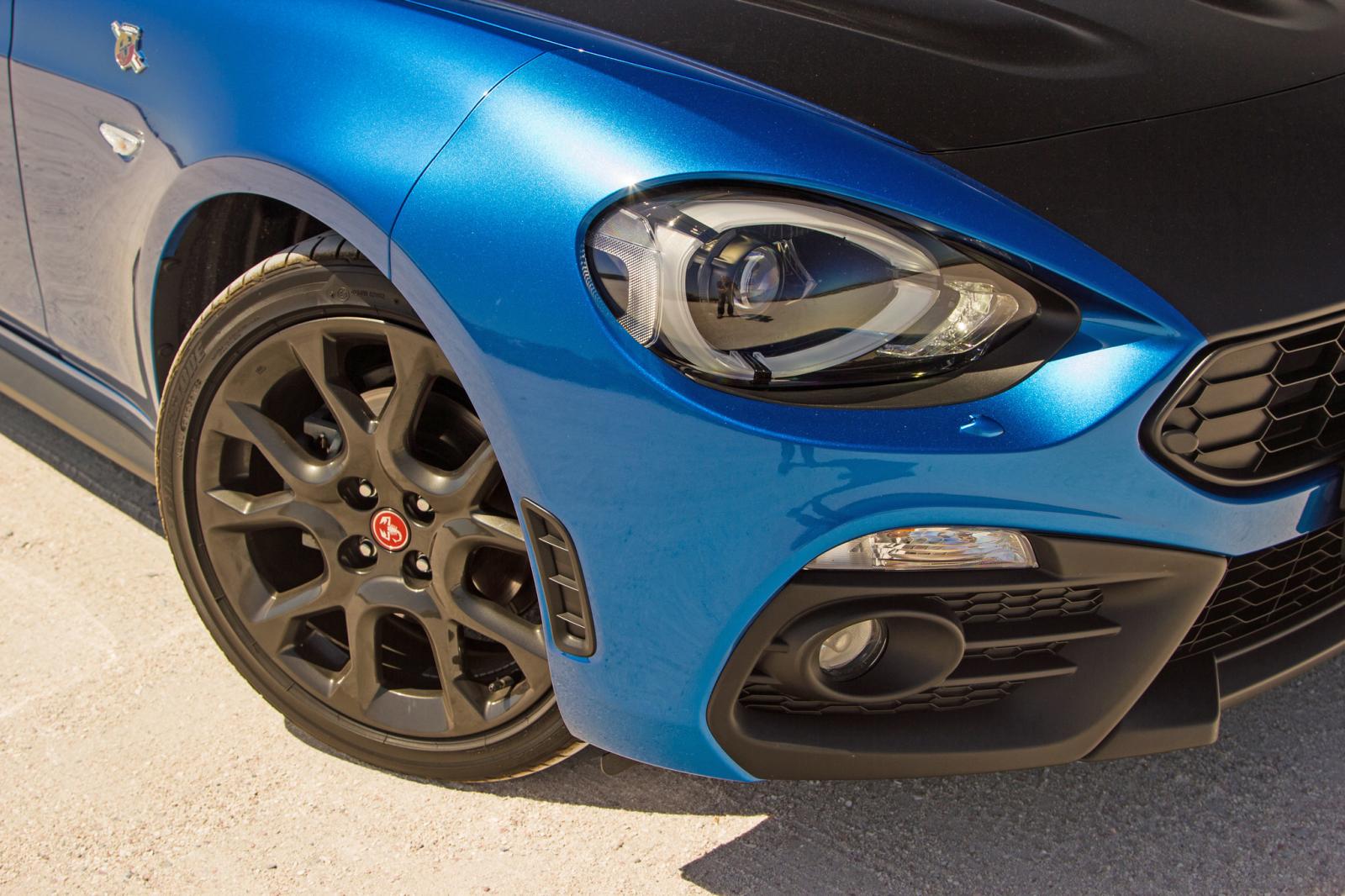
Front-end styling harks back to the iconic and long-serving Fiat 124 model of '60s, '70s and early '80s.
The Abarth 124 Spider is the "hot" version of the recently introduced (in Europe) Fiat 124 Spider. At present, it is the only "124" derivative that Fiat will sell in South Africa and comes fully loaded with features, being positioned as a halo model for the Abarth performance sub-brand. Underneath its unique exterior execution sits the acclaimed underpinnings of the Mazda MX-5, and, in reality, the Abarth 124 Spider is actually built by Mazda at its Hiroshima plant in Japan – from a build quality point of view, this is a very good thing. What's different? Well… instead of the Mazda's naturally aspirated 2.0-litre engine, the Abarth gets a fiesty 1.4-litre turbo. And there's a near R200k price difference. Yikes!
Successful heart transplant
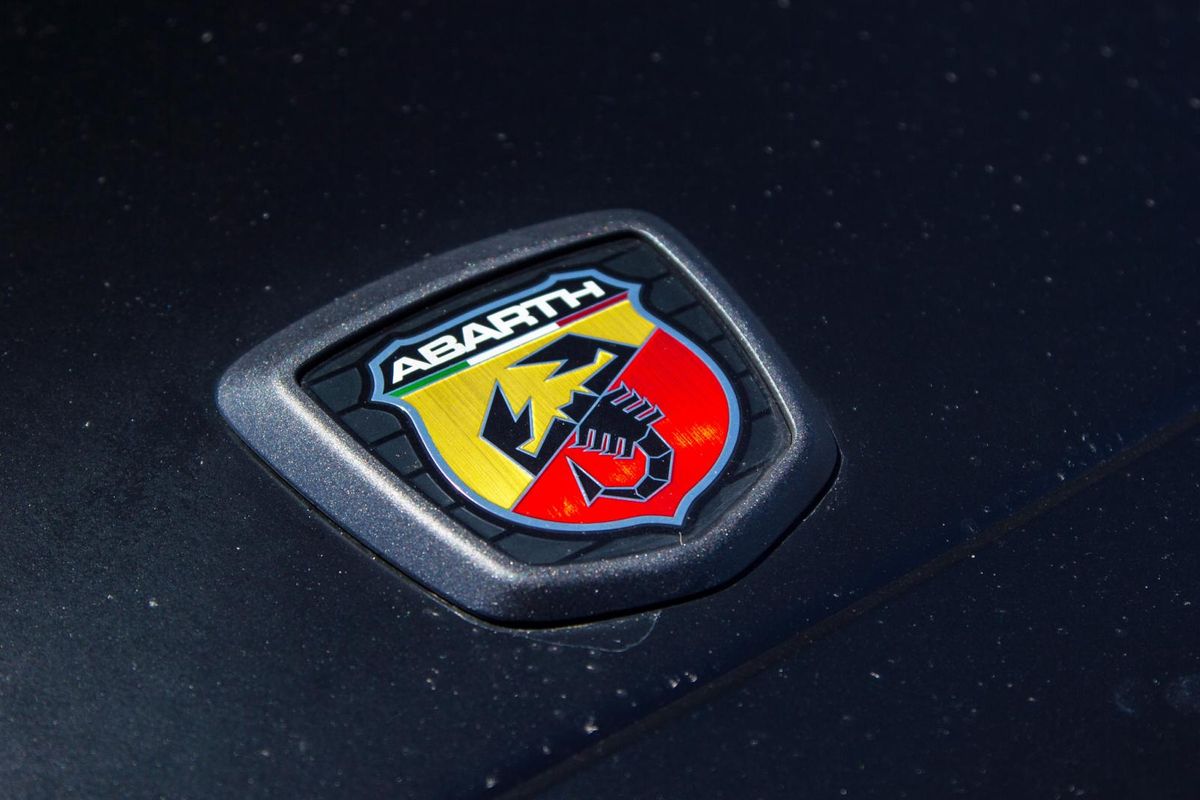
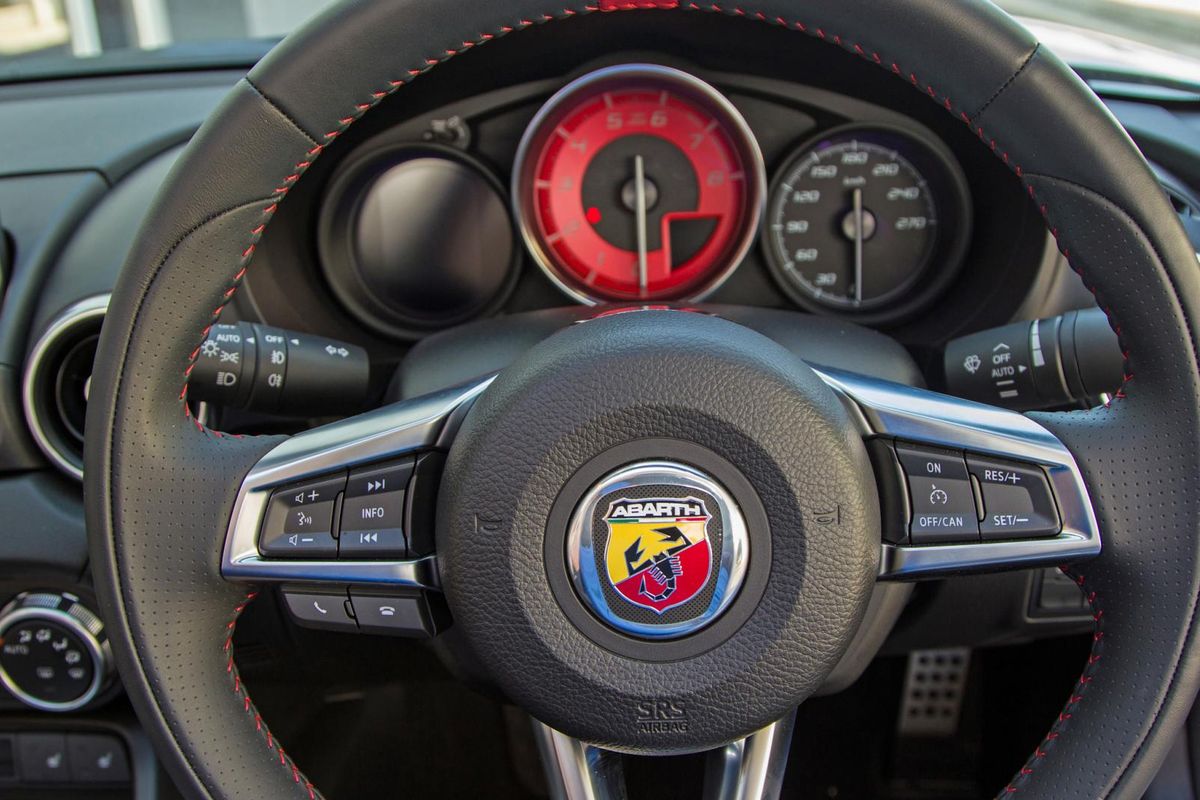
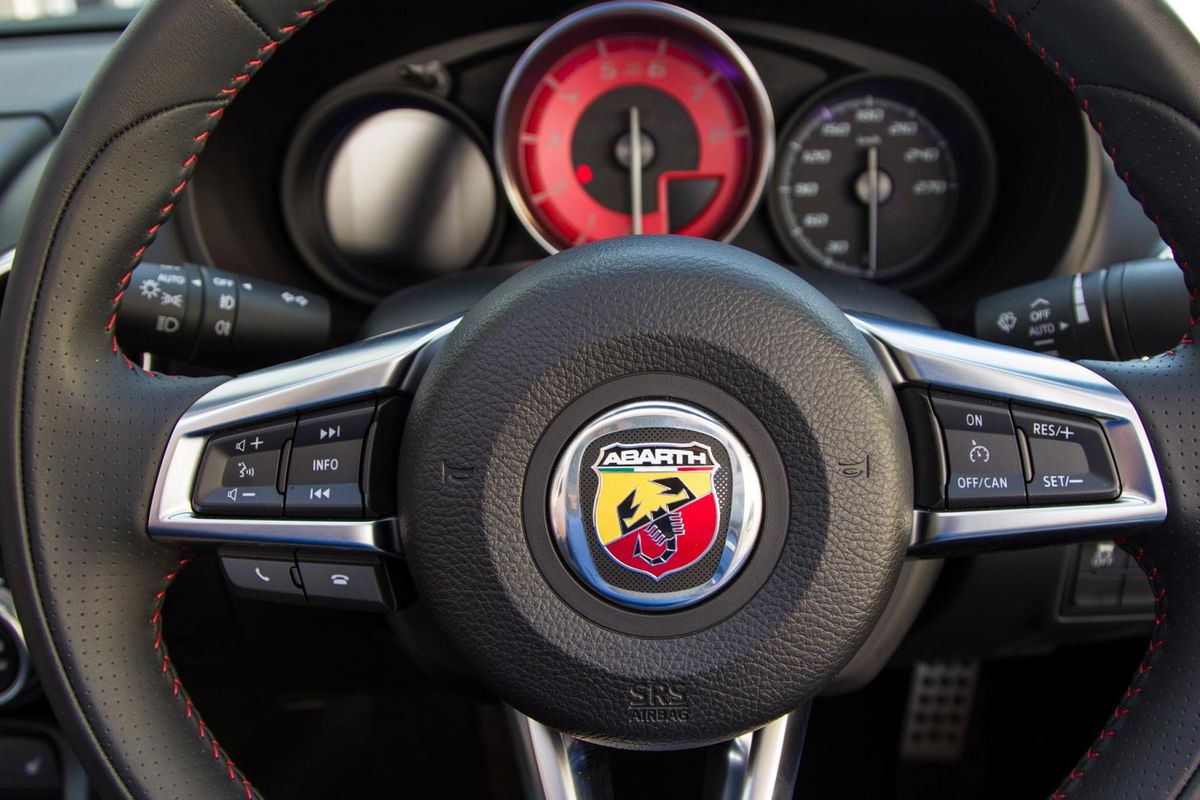
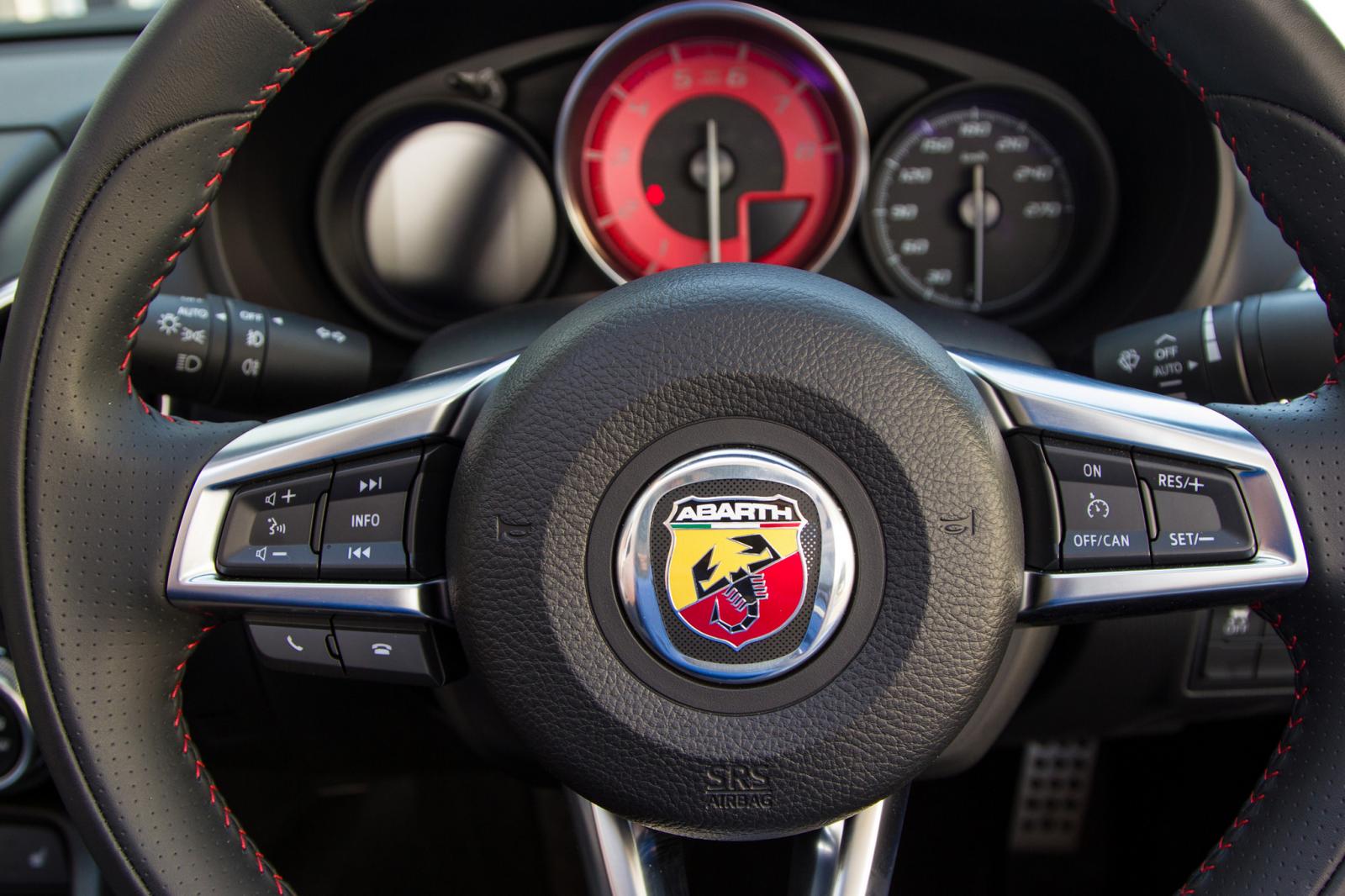
From behind the wheel, you'll notice different instrumentation graphics (to the MX-5) and, of course, the Scorpion badge.
The major difference between the 124 Spider and the MX-5 can be found underneath the bonnet. The Abarth is powered by a performance-optimized version of Fiat's 1.4-litre turbocharged Multi-Air engine, delivering a strong 125 kW and 250 Nm of torque. Both the power and torque figures are slightly up on those of the Mazda's 2.0-litre engine, and by using the same 6-speed manual transmission, albeit with slightly longer gearing, the Abarth is a faster sprinter.
It blasts to 100 kph in 6.8 seconds, as opposed to the MX-5's 7.3 sec, and tops out at 232 kph (compared to the Mazda's 214 kph). On the road, and in the absence of a MX-5 (to make direct comparisons), the Abarth feels ever so slightly more urgent than its Japanese sibling. We wish it had a bit more of a charismatic engine note, though.
Oh, and the turbocharged Abarth isn't only faster than the Mazda, it's also more economical, with a claimed combined cycle consumption figure of 6.4 L/100 km.
Thrill-a-second handling
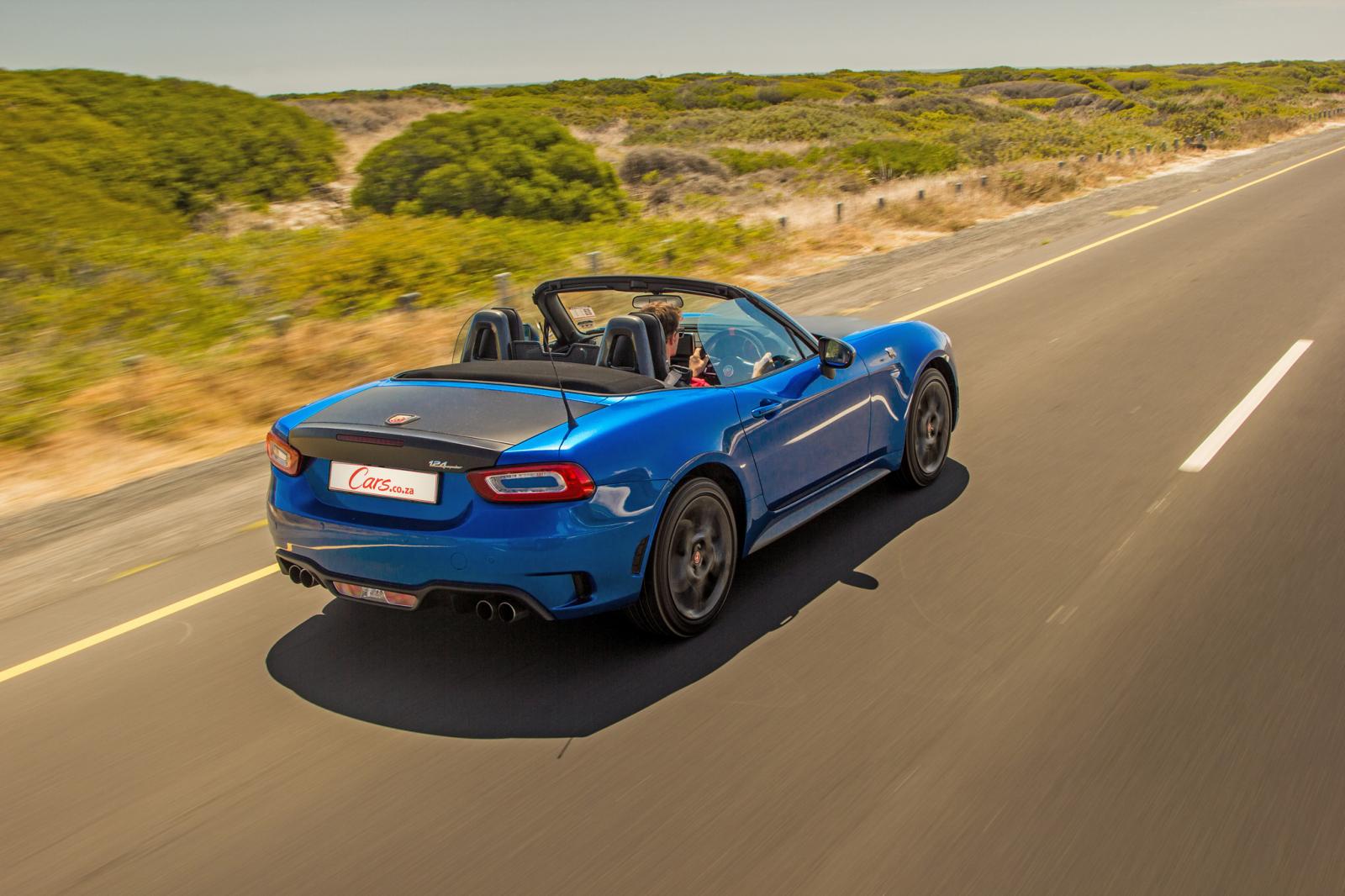
With its stiffer suspension set-up, excellent brakes and crisp steering, the Abarth 124 is a blast to drive.
With its current, and World-Car-of-the-Year-winning, MX-5, Mazda has redefined the modern-day compact sportscar, especially at its price level. In terms of the hardware, the folks at Abarth have wisely not fiddled too much, but the 124 Spider nevertheless gets a slightly stiffer overall set-up, making it marginally more roll-resistant in the corners. Combined with its near-perfect front-to-rear weight distribution and crisp steering, the 124 Spider is a blast to fling around some bends. It reminds strongly of what sportscars used to be like before they became overweight and over-complicated missiles with roadholding limits that mere mortals could never hope to exploit. The brakes, too, are impressive, offering consistent feel and quick retardation. Overall, the 124 Spider is one of only a handful of modern cars (at any price) that is able to entertain both experienced and novice driving enthusiasts.
Striking looks
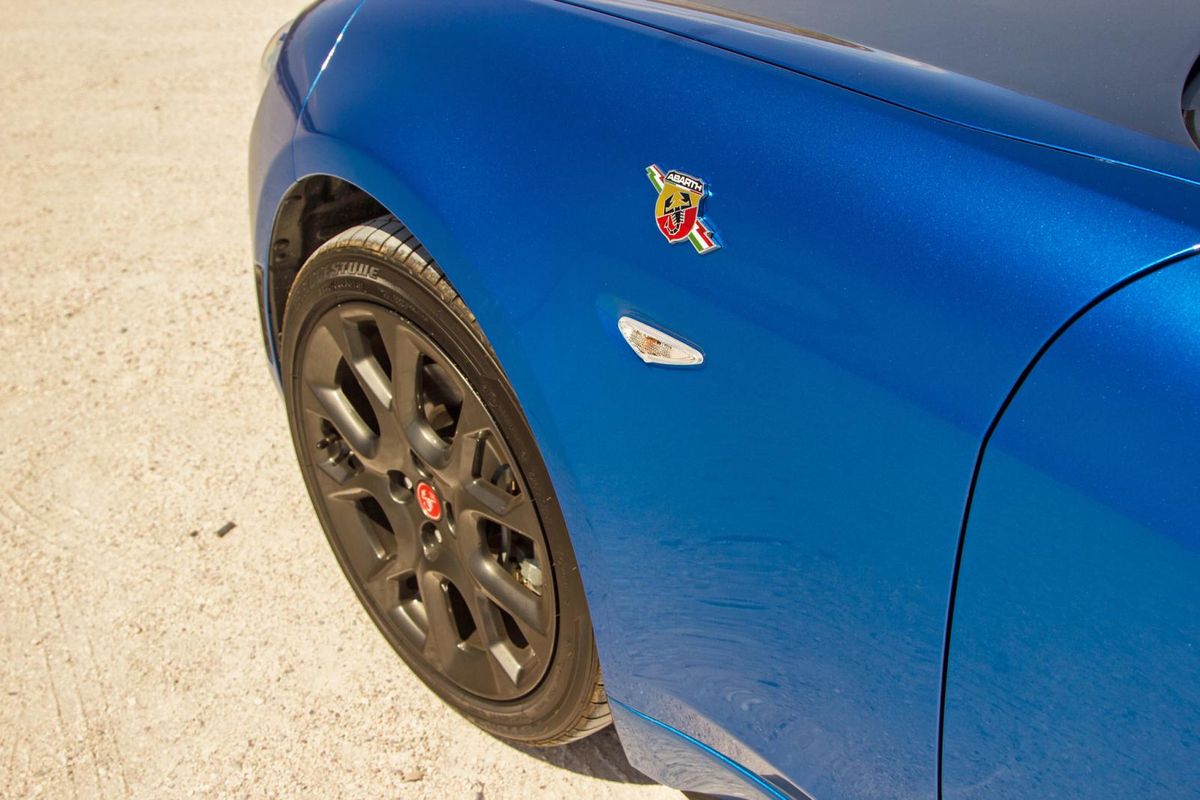
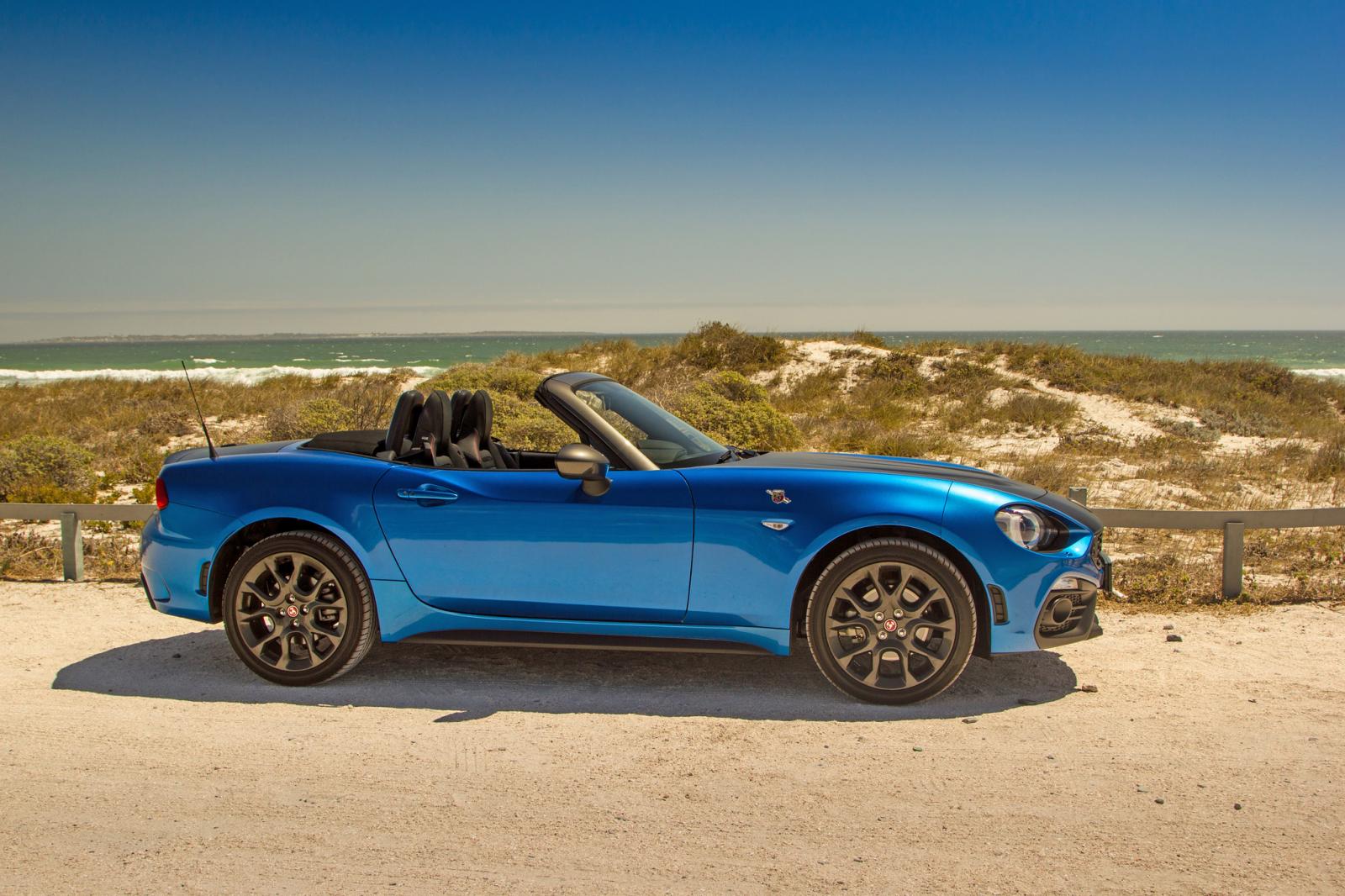
Every exterior panel is unique to the 124 Spider. Overall it is slightly longer than the MX-5.
Mechanically very little (if anything) has changed in the MX-5-to-124 Spider metamorphisis. The wheelbase is exactly the same and so is the roof mechanism and the interior space/layout. The unique body panels have, however, resulted in a slightly longer overall length (by 140 mm) and more boot space (still very limited). This is not a car that you buy for practical daily motoring… Not only is there very little packing space, the cabin itself is snug, too. Tall drivers might feel somewhat cramped, but everyone else will enjoy the driver-centric interior and the accessibility of the controls.
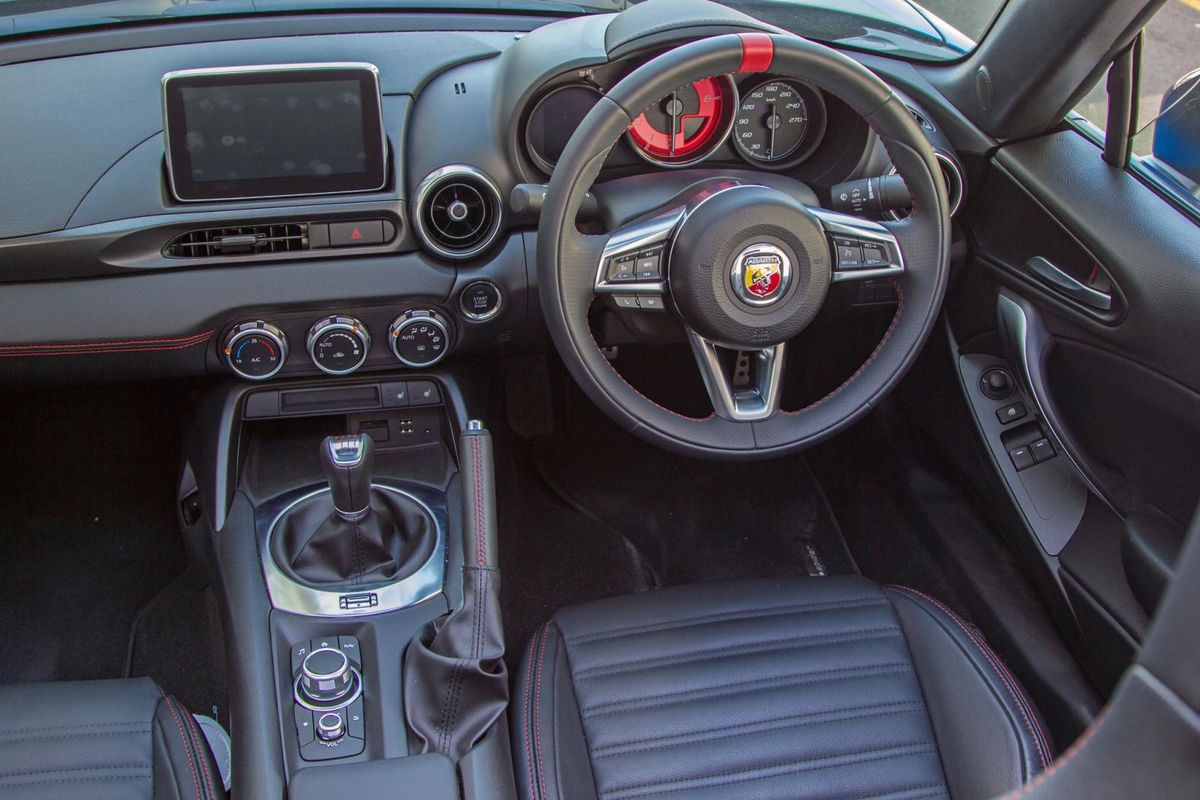
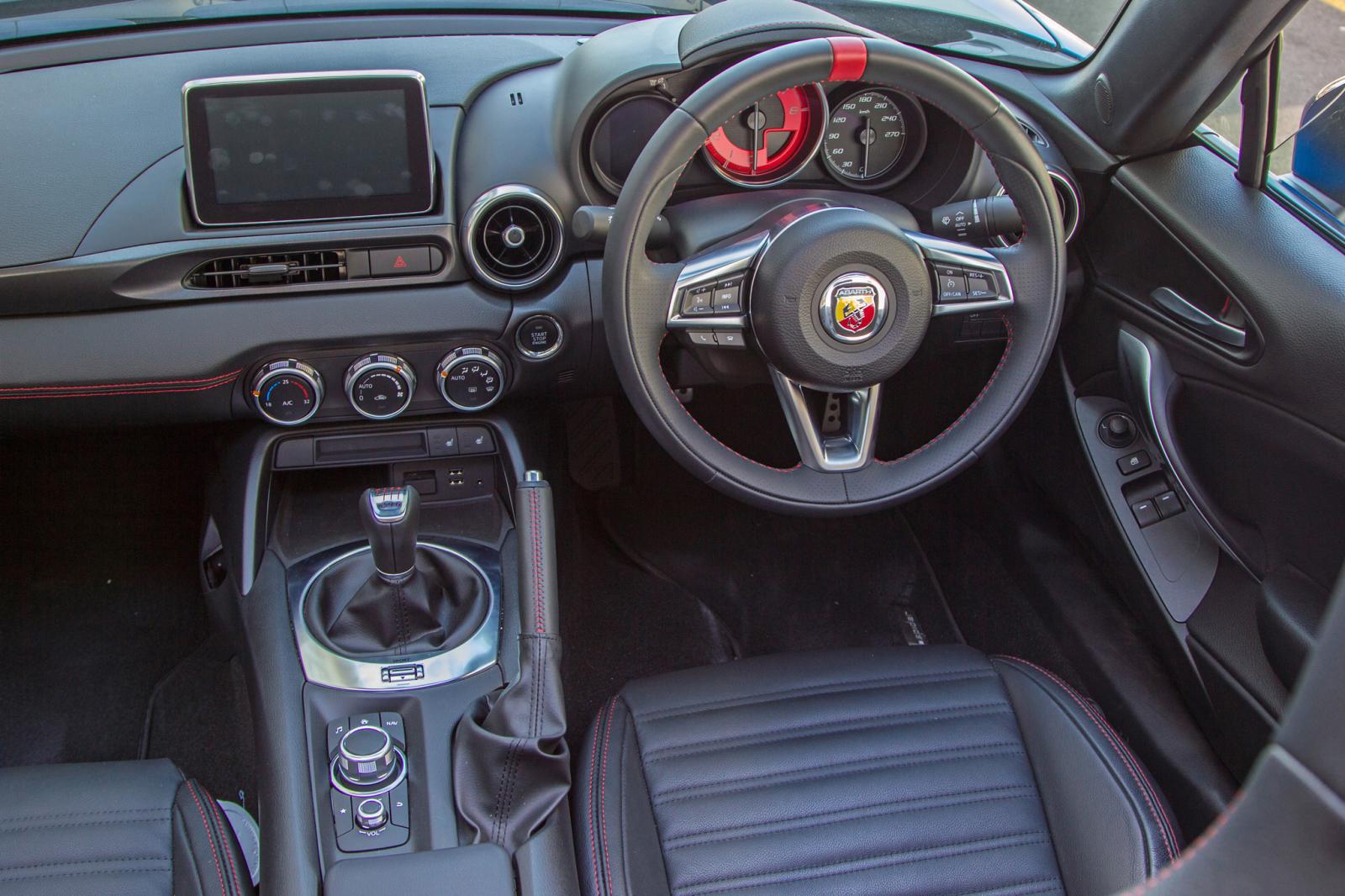
To be fair, while the cabin is much the same as the MX-5, the Abarth's cockpit does feel a bit more special courtesy of slight trim changes, more vibrant instrumentation and there is a mode selector switch behind the gear lever, which the Mazda doesn't have. It is very well made, indeed, as it should be given the price and Mazda-made underpinnings.
Standard features include leather upholstery, heated seats, climate control, an infotainment system incorporating navigation, Bluetooth and aux/USB support, park assist, auto wipers and lights, cruise control and four airbags.
Final thoughts
Cabin is largely identical to the MX-5's, but there are trim and detail tweaks.
We loved driving the Abarth 124 Spider. Like the Mazda MX-5, it offers the type of thrills that, frankly speaking, you just don't get in modern-day cars anymore. With the 124 Spider you don't have to be doing silly speeds to have fun. And even when you're just cruising, the good looks, neatly finished cabin and modern features provide more than enough joy, too. The problem, however, is the price. The Abarth 124 Spider is simply not R200 000 better than the MX-5 that it is based upon. So, who would buy it, then? Well, there are those people who are willing to pay extra for exclusivity and, in the 124 Spider's case, a hint of nostalgia. Those buyers may not be making a sensible choice by opting for the Abarth 124 Spider, but money issues aside, they'll undoubtedly enjoy what remains a superb sportscar, the equal (in terms of fun) of cars costing much more.
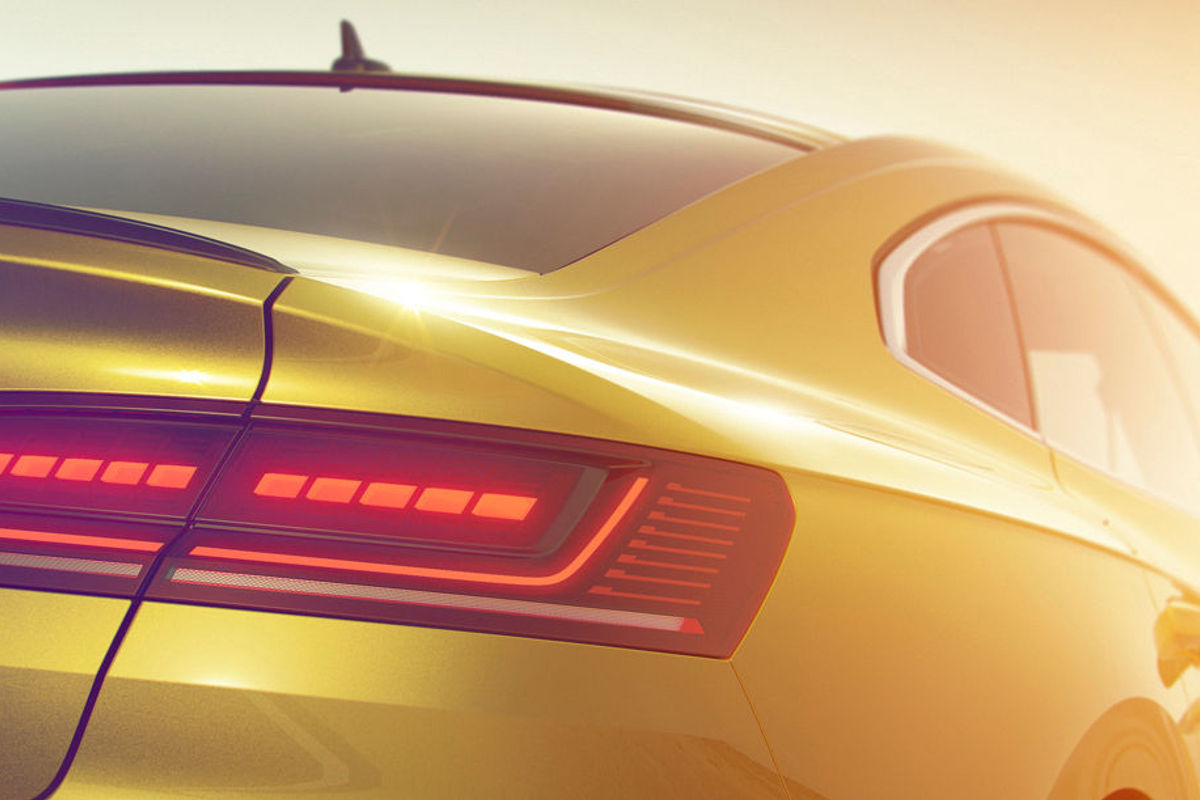
Volkswagen has teased its upcoming Arteon fastback sedan ahead of its official reveal at the Geneva Motor Show in March 2017.
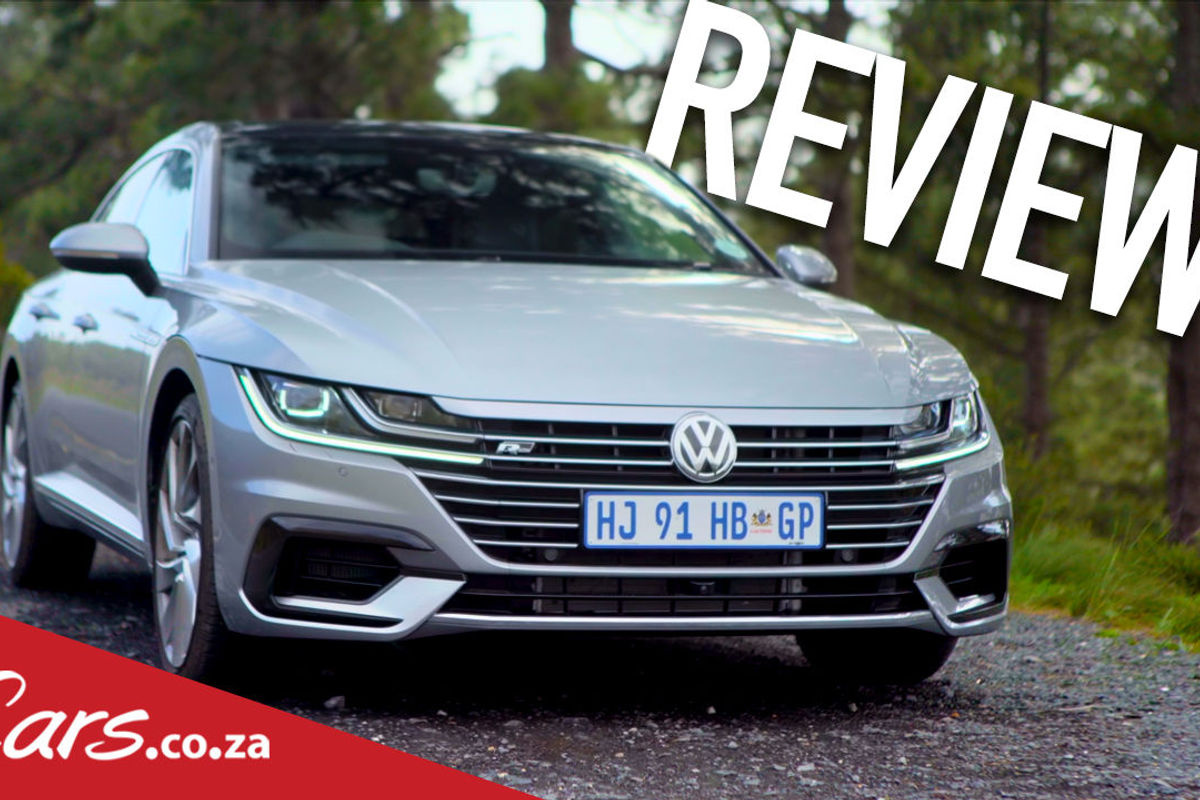
The Volkswagen Arteon is a premium fastback sedan that will replace the current CC sedan and will slot in above the Passat. The Arteon draws inspiration from the Sport Coupe GTE Concept revealed in 2015 and Volkswagen has released teaser images ahead of the Arteon’s big reveal at the 2017 Geneva Motor Show. The Arteon is likely to be the successor to the CC range.
Last year, Volkswagen released a sketch of the Arteon as well as a video showing the Arteon coming to life on paper. The Arteon’s sporty design is seen in its sloping roofline and large wheels filling its arches. Much like the Sport Coupe GTE Concept, the Arteon wears a large horizontal-bar grille leading into its striking LED headlight design. The Arteon will also feature frameless windows and a top-hinged boot lid, much like the Audi A7.
Volkswagen says that the Arteon will exhibit “an interior architecture which is exceptionally spacious – with ample head and leg room at all seats.” Furthermore, the Arteon will feature advanced driver assistance systems typically seen on high-end luxury cars.
The Arteon will reportedly be based on the versatile MQB platform and petrol, diesel and electrified powertrains are therefore likely. You can expect more information on the Arteon to be revealed at the Geneva Motor Show soon, so stay tuned!
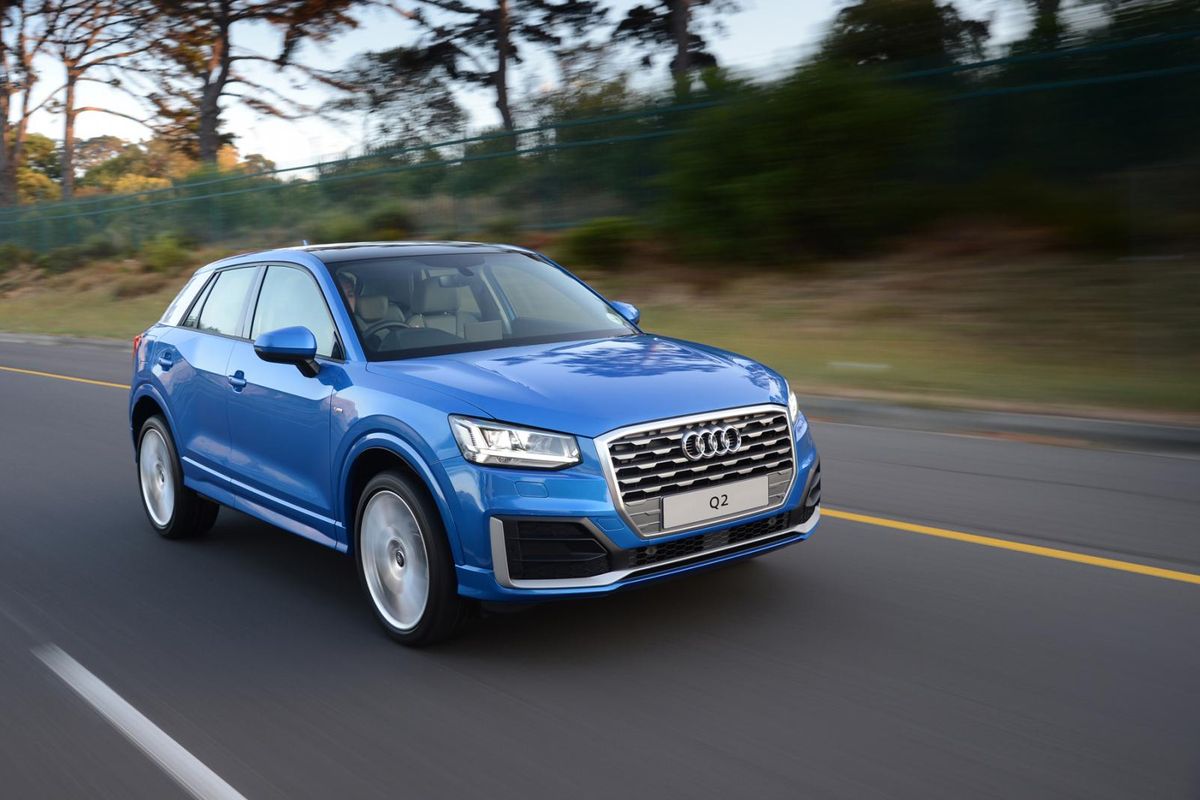
Audi is breaking new ground with its Q2 – a compact family car/crossover with a premium bent. Is there room in the tiny segment for another competitor? We investigate the newcomer's rivals.
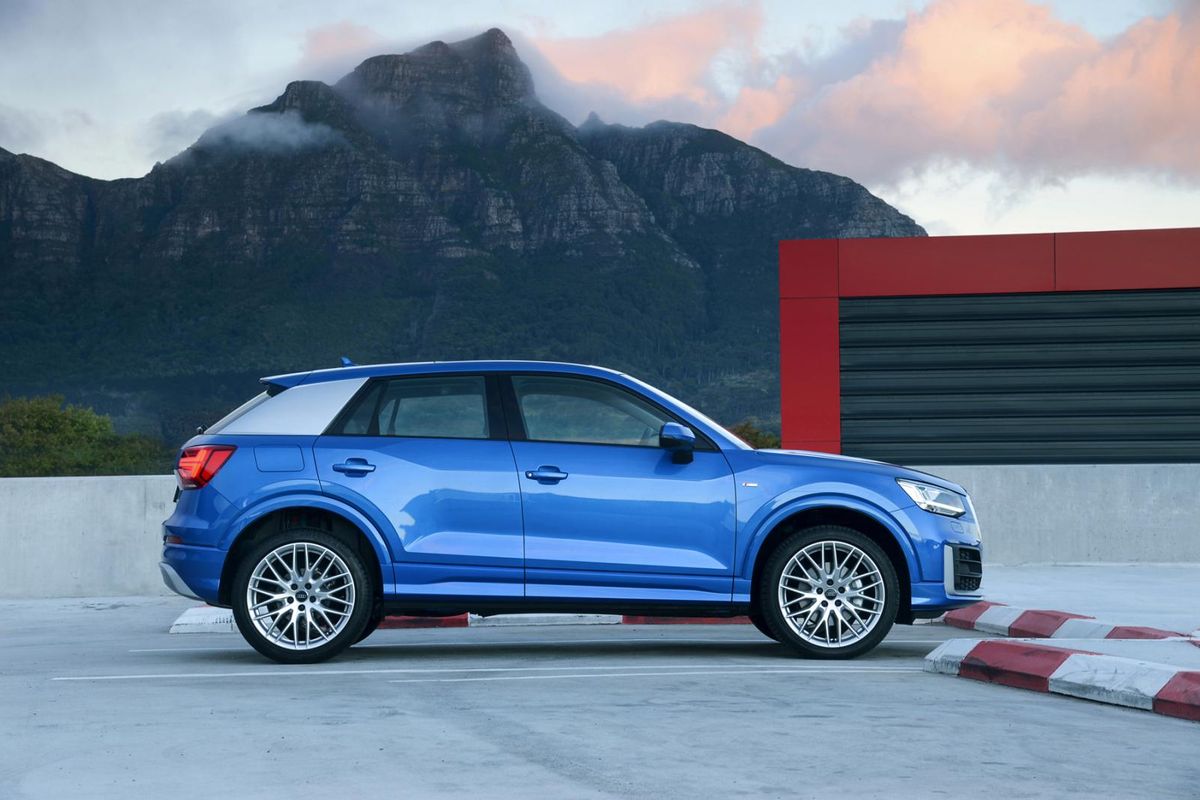
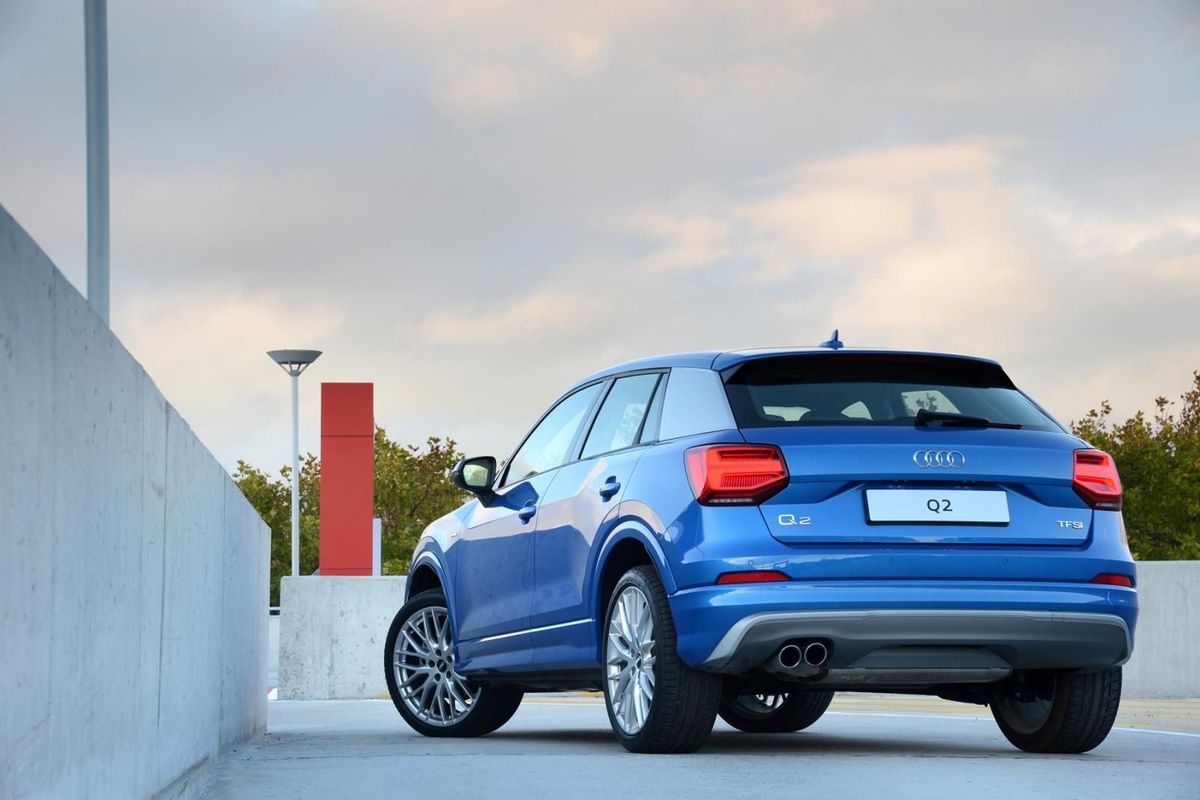
In order to more than just add another player to the mix of compact SUVs, Audi made its smallest crossover something a little bit different, which in itself is not a very "Audi thing" to do. The Q2 introduces some new design elements that we’ll see on its models in the future, but the bit that draws the most attention is the upwards kink around the rear haunches. It appears to be something from the Quattro concept a few years back that’s been dropped in and it’s either to your taste – or not. It makes the body appear angular and rigid at the rear, but at least it doesn’t suffer from Audi’s Russian Doll syndrome of late; it is certainly distinctive.
So, Audi have noted that a car in this segment needs to stand out and what of those other competitors that it needs to fend off? Well, there’s the usual German rivals, but maybe some others that could, if you were wearing your sensible hat, draw you away from the Q2. Here they are, in no particular order:
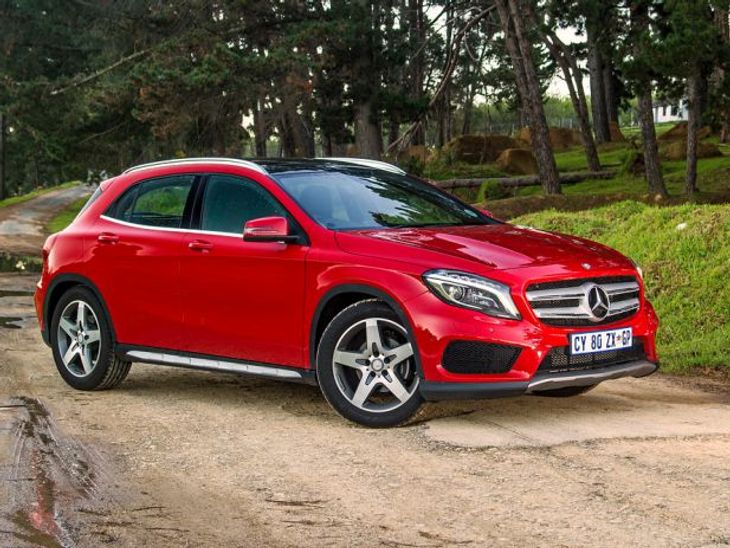
1. Mercedes-Benz GLA
The GLA is an obvious rival, but it hasn’t aged all that well in the 3 years it’s been on sale and looks a bit dull already. The A-Class chassis it rides on has been known to be particularly harsh over bumps unless the air-suspension is specced and comfort setting selected. The GLA also has a high entry price that the Q2 can beat with its 3-cylinder 1.0-litre 85 kW and 200 Nm unit. For some, the GLA just isn’t quite tall enough to be a true crossover either, especially in our market where the SUV proportions are particularly appealing. A facelift is imminent.
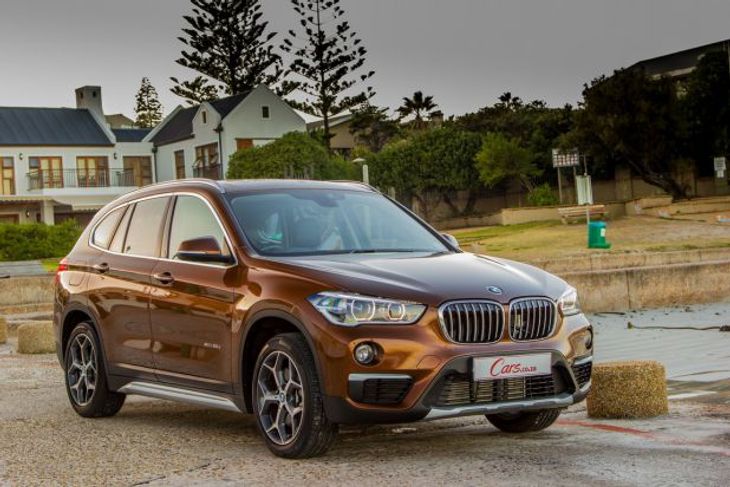
We suspect the X1 might be harder to beat as the Munich-based brand's crossover is a bigger car than the Q2 and, on equal footing, a bit cheaper as well. The Bimmer is more spacious inside and out, offers almost identical options and has the right SUV proportions for the segment. The Audi has it licked in terms of outright desirability, however. The Q2 is certainly a car that can tug at your heartstrings, whereas the BMW X1 doesn’t have the same attention-grabbing looks.
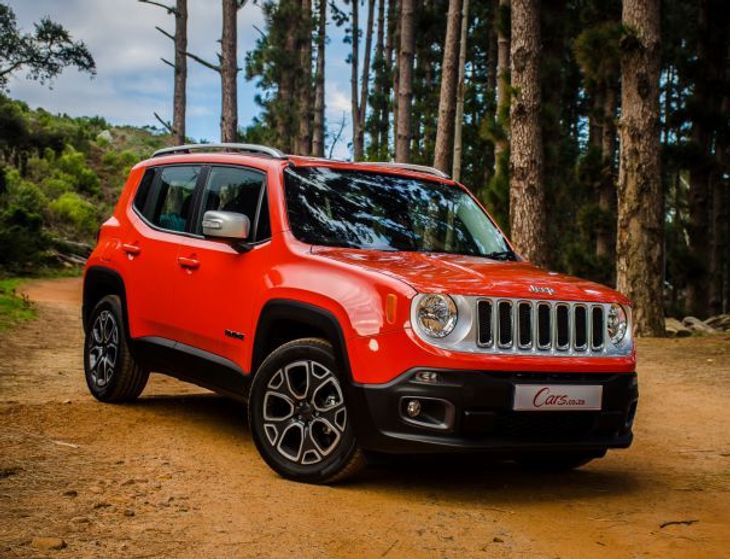
Jeep isn’t a traditional Audi rival, but when you look at cars that attract buyers based on design and attention-grabbing looks, the Renegade is a solid contender. The Jeep even has a 1.4-litre turbocharged engine that can compete with the Audi. The Jeep is a lot cheaper and comes standard with more equipment, but that equipment is not as premium or nice to touch or operate the Audi's. The build quality of the German is going to be hard to turn down once you ensconce yourself behind the tiller. The Jeep offers a reasonable alternative if you’re after something a bit different from the rest of the crowd, however.
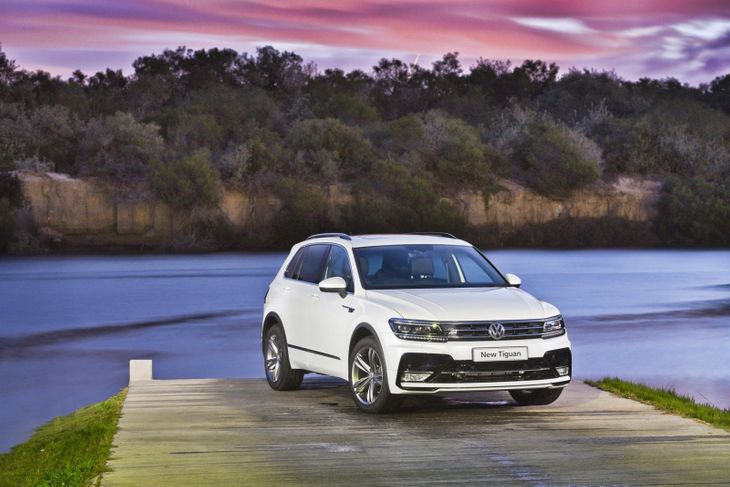
The Tiguan is the car you buy with your sensible hat on. It has more room than the Q2 and it also comes from the same family as the Q2. The Tiguan has a quality interior that’s maybe not quite as glamorous as the Audi but it’s not exactly a prison cell either. The 1.4-litre turbopetrol engine is identical to the Audis and the ride is more comfortable than the Q2's sporty setup. You need to decide if you want to play the long game with the Tiguan, that will cover all your bases or if the Q2 is just too nice to turn down…
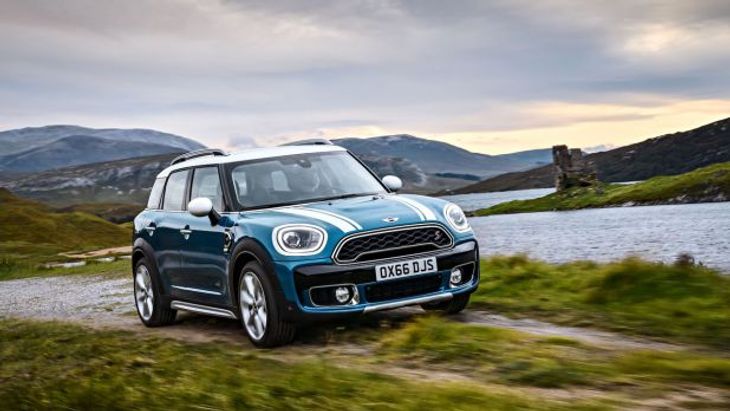
As far as customisation goes, few manufacturers can turn up the funk quite like Mini. No matter what specification you want in whatever colour combinations, Mini can do it. The Audi similarly can be customised to an extent, but those seeking a bit more funk and wild combinations might be pulled towards the Mini, which will become available in the local market at the end of March 2017. The Q2 will probably appeal to a buyer looking for a more premium experience than what you get from a fun and colourful Mini…
This year's Cars.co.za Consumer Awards – powered by WesBank took place on the 19th January at the Vodadome in Midrand. If you missed out on all the action, catch everything you need to know right here!
The Cars.co.za Consumer Awards programme – powered by WesBank – concluded with the announcement of the 13 best-considered new purchases in their respective categories of the South African new vehicle market, as well as the overall Brand of the Year. For a list of the winners, make sure you head over to our article on the wrap up here.
If you want to catch up on some of the event highlights, or even watch the whole show then here's where you need to be.
Watch the opening video:
Watch the whole CarsAwards show here:
Watch the launch trailer for SentiMetal:
Watch the launch trailer for The Journey:
Watch and understand how the Cars.co.za Consumer Awards judging process works:
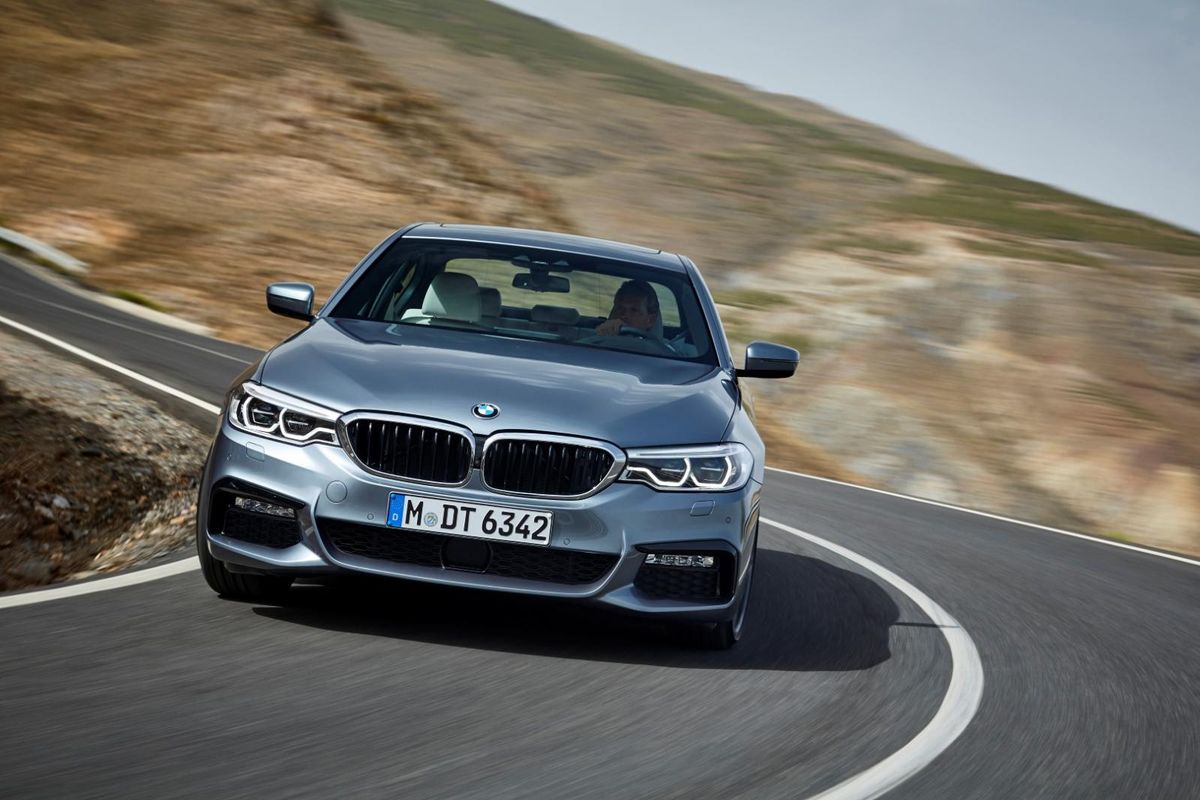
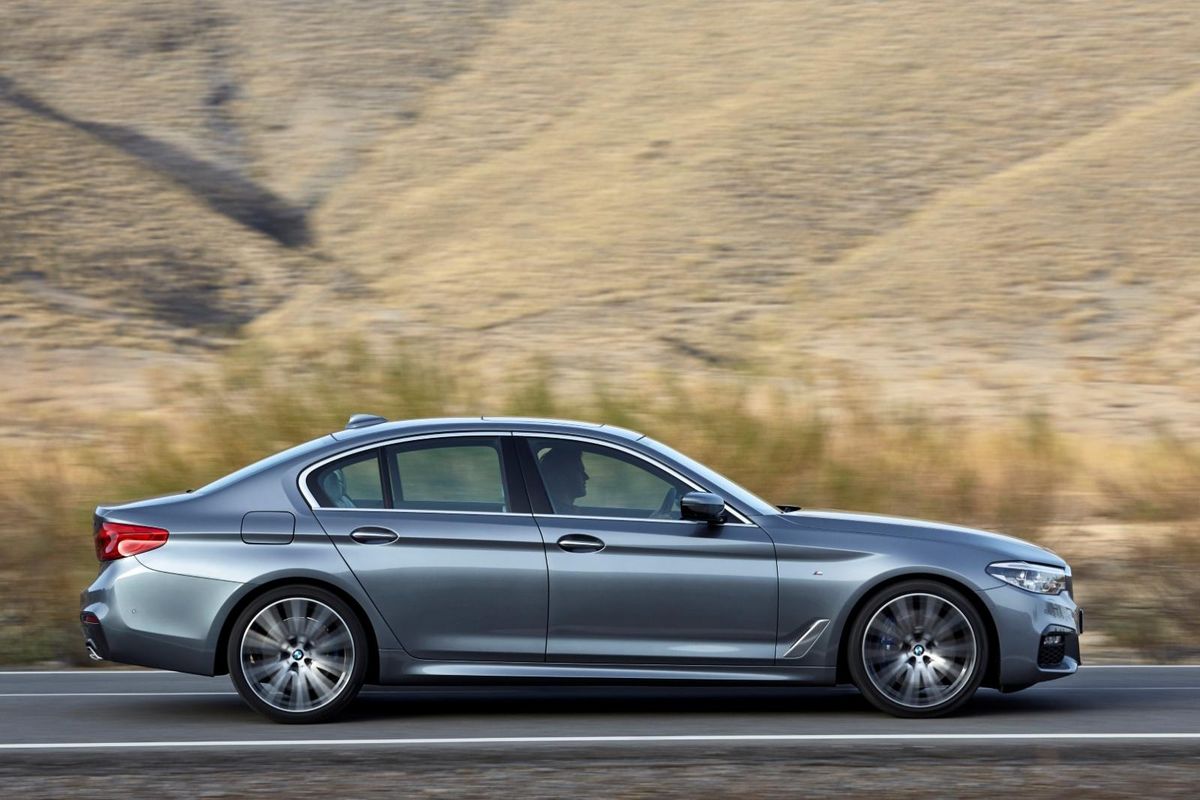
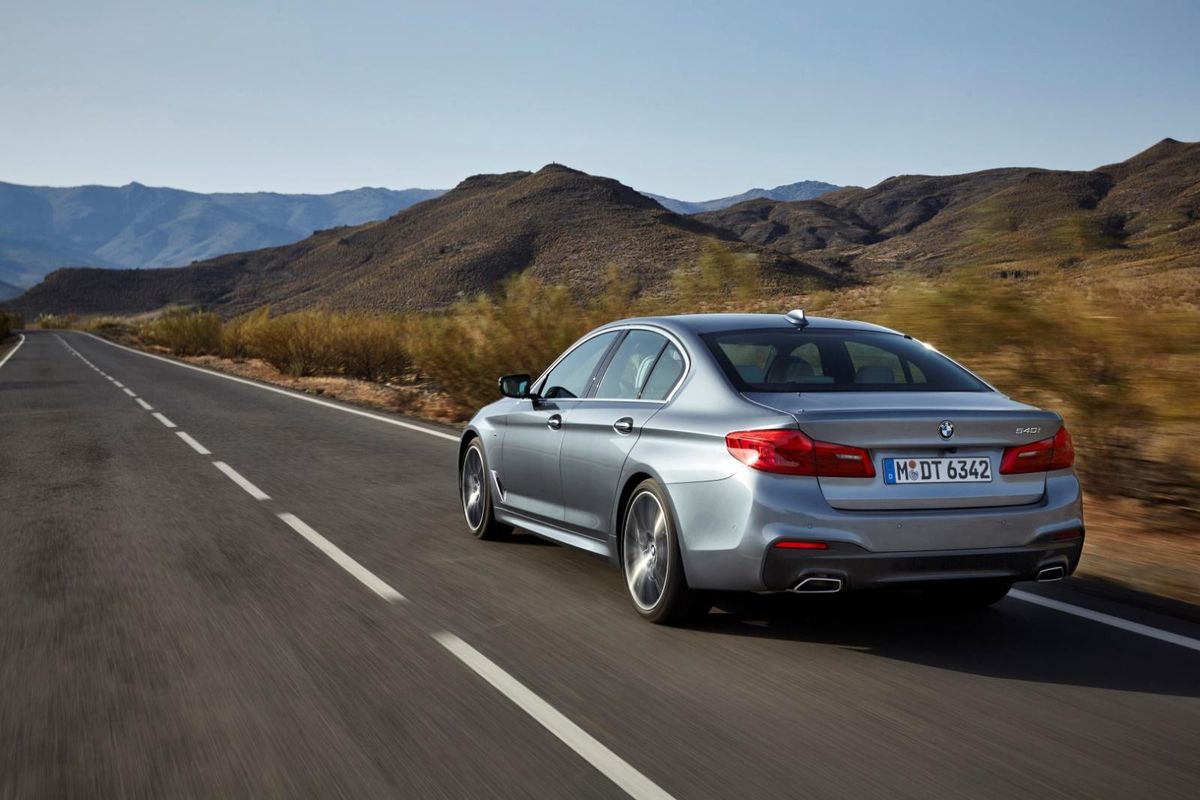
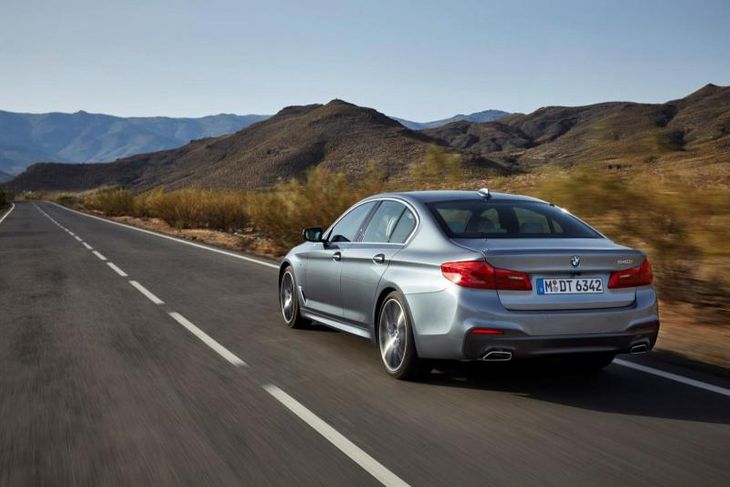
The new seventh-generation BMW 5 Series has been revealed and it will be available in South Africa from the end of February 2017.
BMW has lifted the veil on its new 5 Series sedan and according to the Munich-based firm, the new 5er will offer improved dynamics, a host of new driver assistance systems, exceptional connectivity capability and a new operating system.
The first six generations of the 5 Series racked up more than 7.6 million sales worldwide and, just as Mercedes-Benz claimed at the launch of its E-Class, its Bavarian rival believes the new-generation 5 Series sets a new technological benchmark in the business sedan segment.
“We see technological leadership, emotionally rich products and digitalisation as essential factors in achieving success. With the expansion of our model portfolio in the large-vehicle classes, we are satisfying the wishes of many customers. I’m in no doubt that the new BMW 5 Series will set new benchmarks technologically, but also have huge emotional appeal. It remains the epitome of the business sedan,” says Harald Krüger, Chairman of the Board of Management at BMW AG.
Enhanced dynamics for new 5 Series
The new BMW 5 Series sedan is up to 100 kg lighter than its predecessor thanks to the increased use of aluminium and high-tensile steel in the sedan's construction. Riding on a newly-designed chassis with a lower centre of gravity, the new 5 Series is said to combine dynamic driving ability with comfortable long-distance ability.
A wide range of driver assistance systems will offered with the new BMW 5 Series.
The new 5 Series is also packed with a wide range of driver assistance systems including a stereo camera that monitors the area around the car using radar and ultrasound sensors. New features include Evasion Aid, Crossing Traffic Warning, Lane Change Assistant and Lane Keeping Assistant with active side collision protection.
The new 5 Series also features extended automated driving functions for the optional Active Cruise Control system and steering and Lane Keeping assistant. These extensions include speed restrictions which is communicated to the cruise control system using the optional Intelligent Speed Assist. Minimal driver inputs are required when active cruise control is activated as the 5 Series will accelerate, brake and steer, improving the overall driving experience.
Interior features
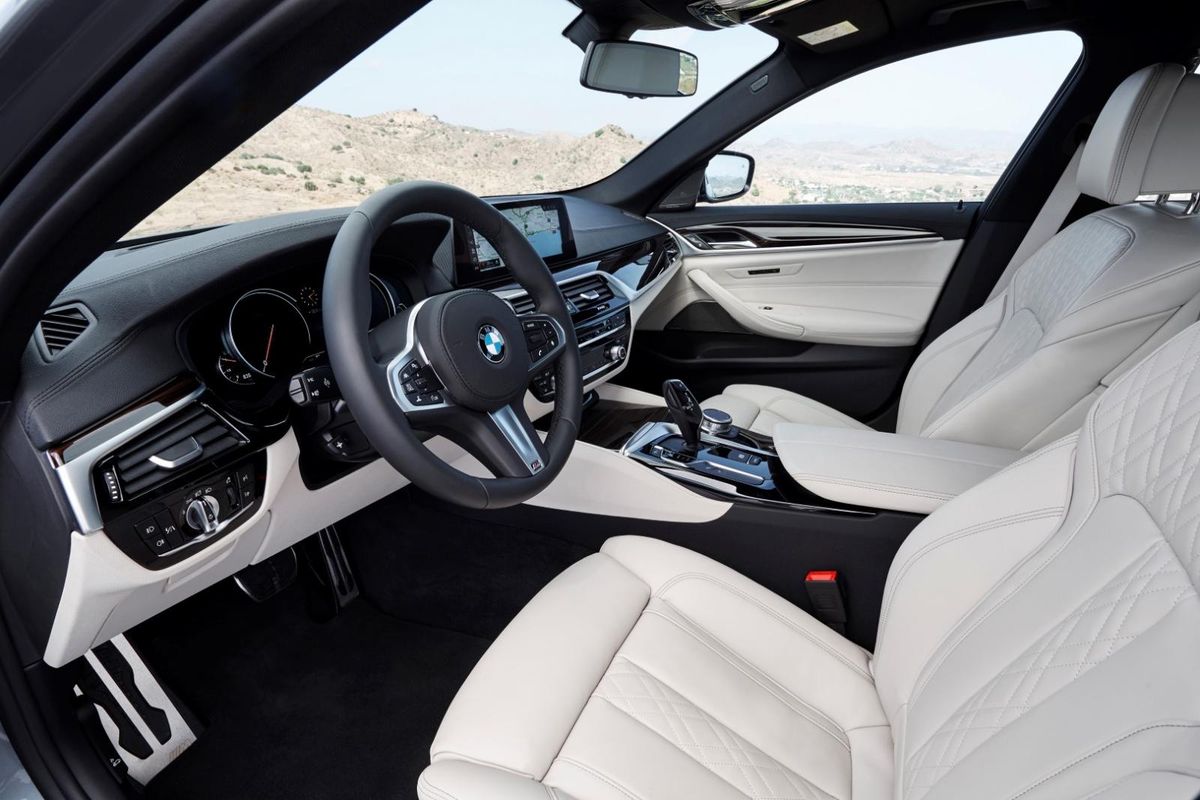
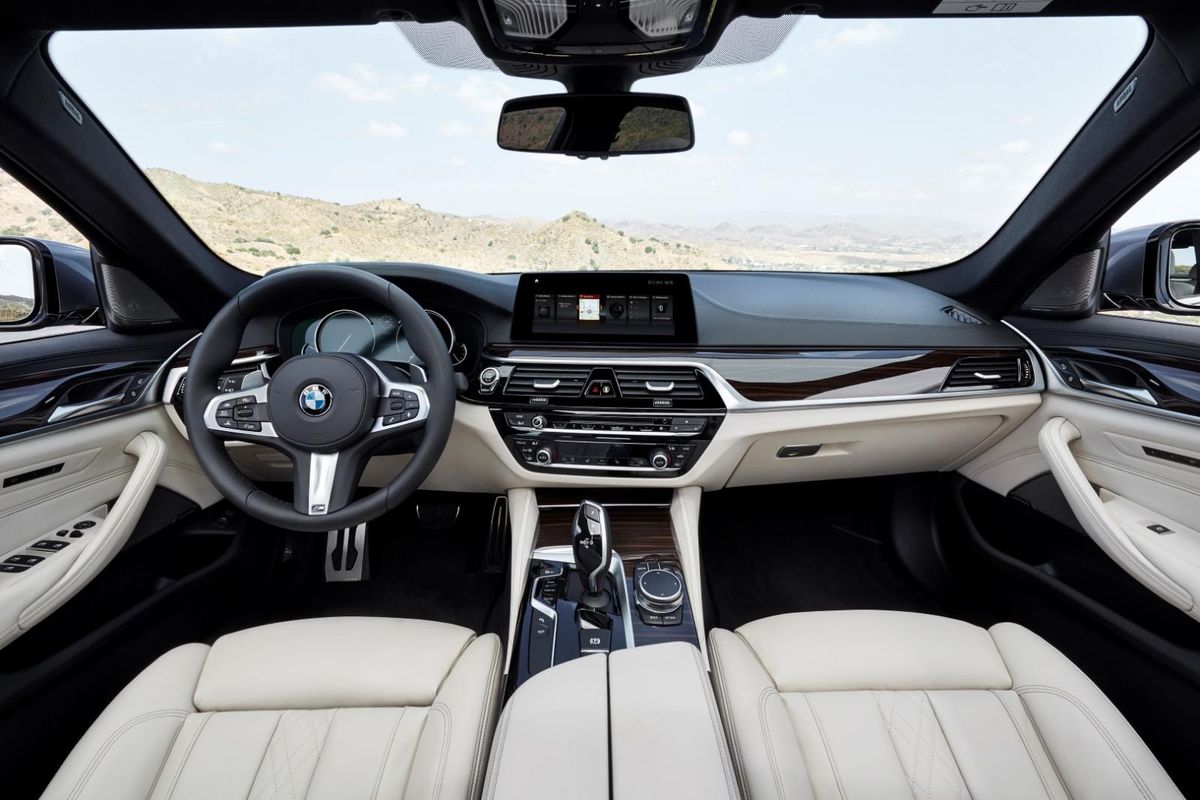
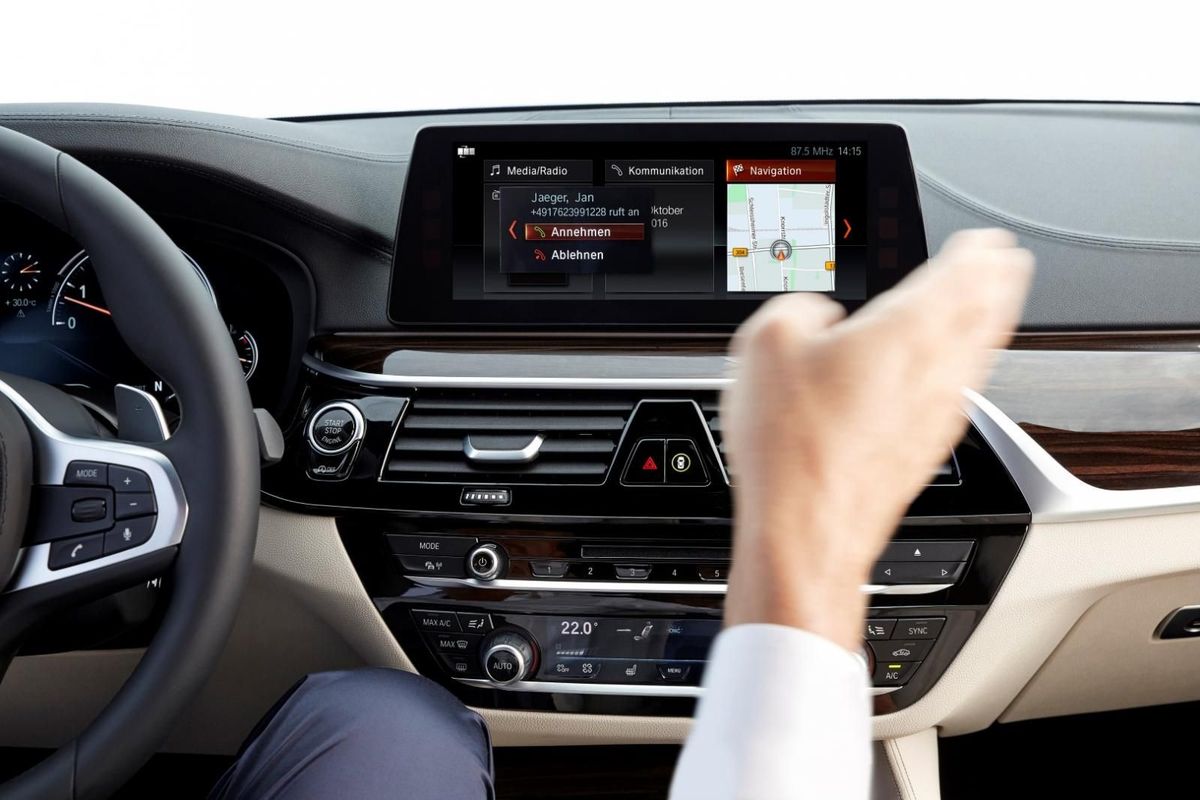
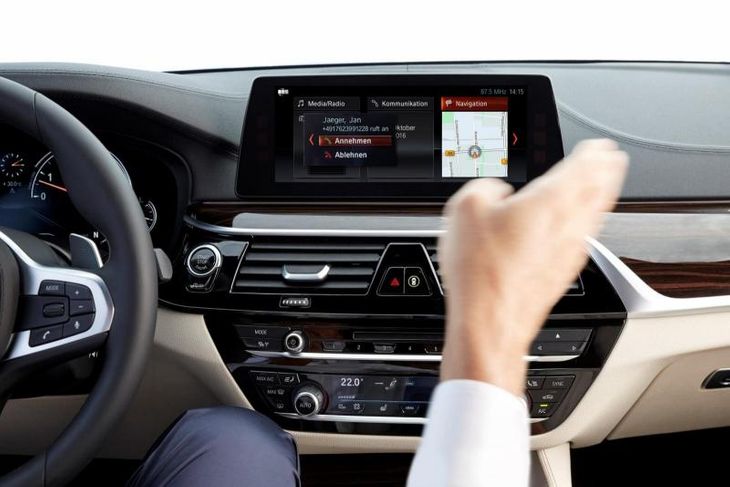
The new 5 Series will be equipped with the latest iDrive system that will display navigation, telephone functions, entertainment and vehicle functions on a high-resolution 10.25-inch screen. Furthermore, the system can also be accessed using the iDrive controller, voice commands or gestures.
Gesture control will be offered in the new BMW 5 Series.
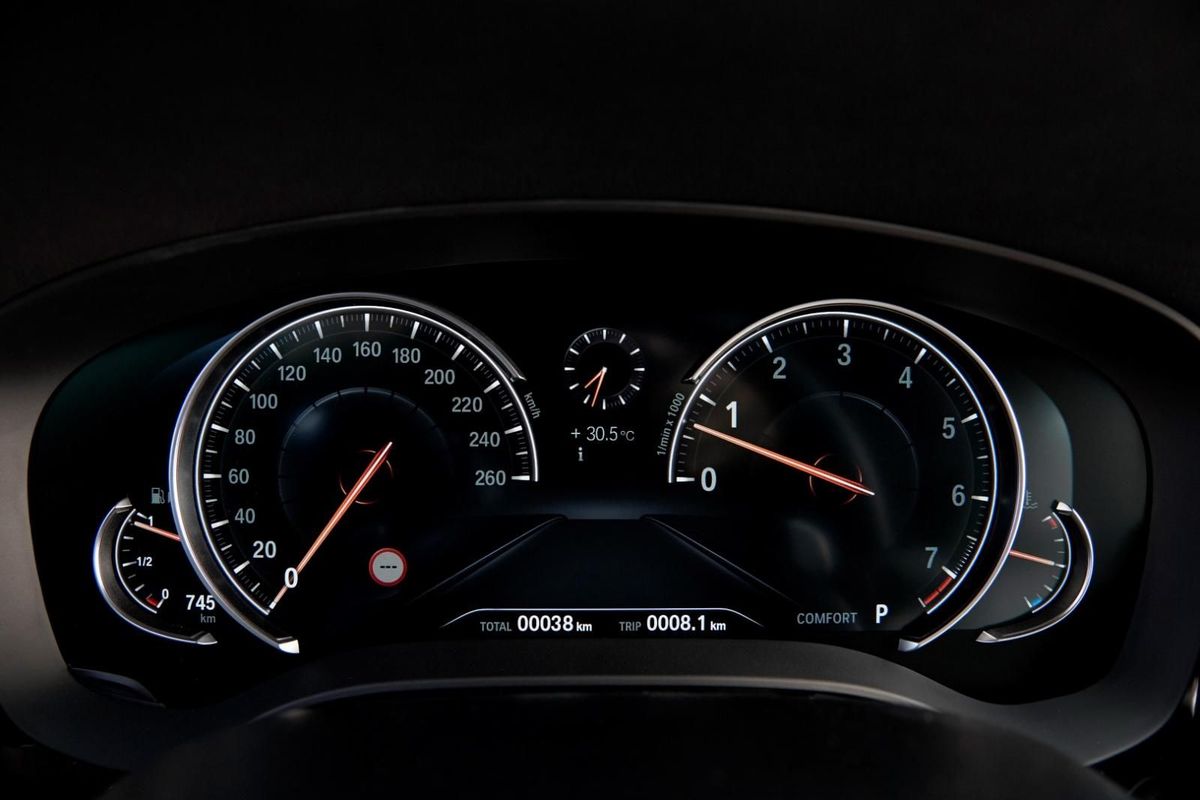
A full-colour heads-up display is also on offer and the projection surface is now 70% larger than before and communicates traffic signs, telephone listings, radio stations, music tracks, navigation and warnings to the driver.
BMW ConnectedDrive has also been updated to include new connectivity features such as ParkNow, On-Street Parking Information search function and the optional Parking Assistant. The newcomer can also be manoeuvred into parking spaces using the key fob, much like the 7 Series. Also, BMW’s personal digital mobility assistant, BMW Connected will arrive in South Africa this year and will be offered on the new 5 Series next year.
Engine line-up
Four engines including two turbopetrol and two turbodiesel engines will be available from launch. All engines offered in the new 5 Series belong to the newly developed, modular BMW EfficientDynamics engine family. The new 5 Series will be available in rear-wheel drive guise only and xDrive all-wheel drive will not be offered in South Africa.
Starting with the petrol engines, the new 2.0-litre 4-cylinder engine in the 530i will offer 185 kW and 350 Nm of torque with a claimed fuel consumption figure of 5.4 L/100 km, which is an improvement of 11% over its predecessor. The range-topping engine is a 6 cylinder, 3.0-litre engine offering 250 kW and 450 Nm of torque in the 540i. Claimed fuel consumption is pegged at 6.5 L/100km.
On the diesel front, the 520d will be powered by a four-cylinder 2.0-litre diesel engine offering 140 kW and 400 Nm of torque with fuel consumption figures of 4.1 L/100 km (manual) and 4.0 L/100 km (8-speed automatic).
The 530d with its six-cylinder, 3.0-litre diesel engine will offer 195 kW and 620 Nm of torque. Claimed fuel consumption for this derivative is 4.5 L/100 km. A plug-in hybrid model will be launched at a later stage in the form of the 185 kW 530e iPerformance.
The launch is taking place at the end of February 2017 and we have pricing for this new model.
BMW 520d R780 156
BMW 530i R850 294
BMW 530d R963 296
BMW 540i R990 316
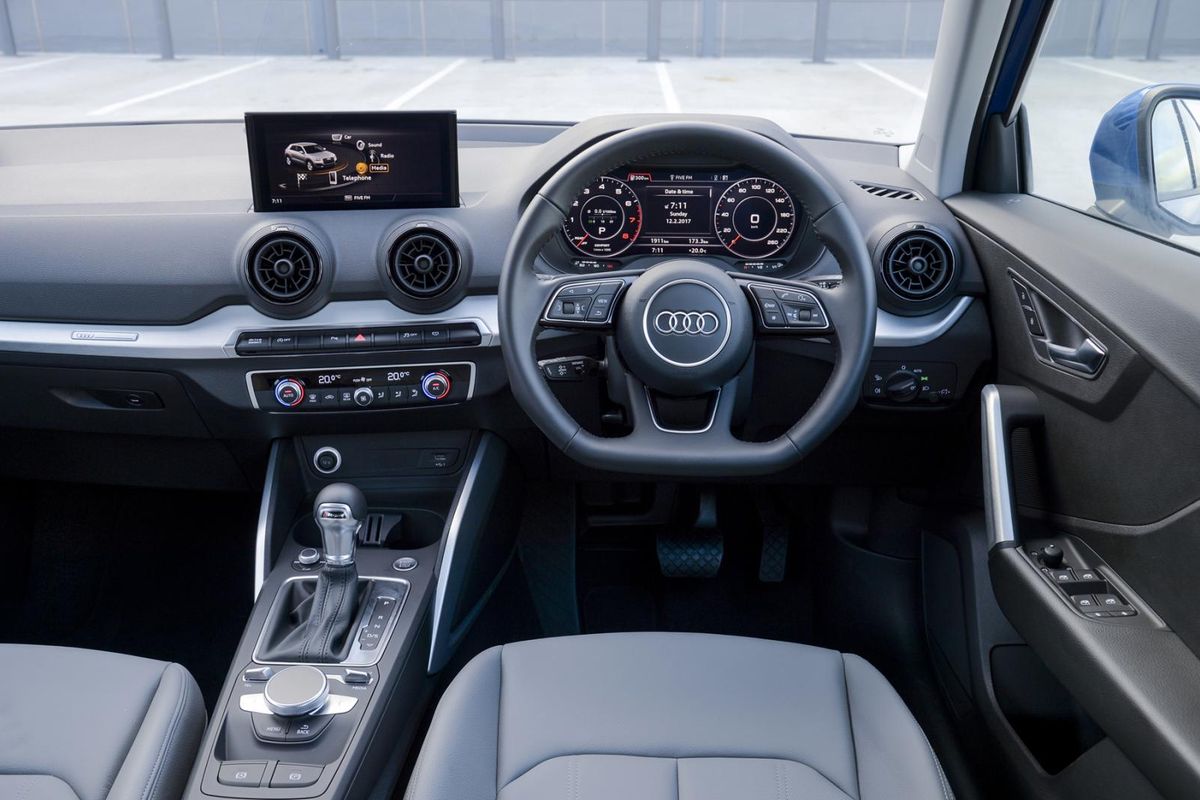
Audi has just released the brand-new Q2 premium compact family car/crossover in South Africa! It's a bold little car from the Ingolstadt-based brand, and is sure to turn heads with its progressive, fashion-forward styling.
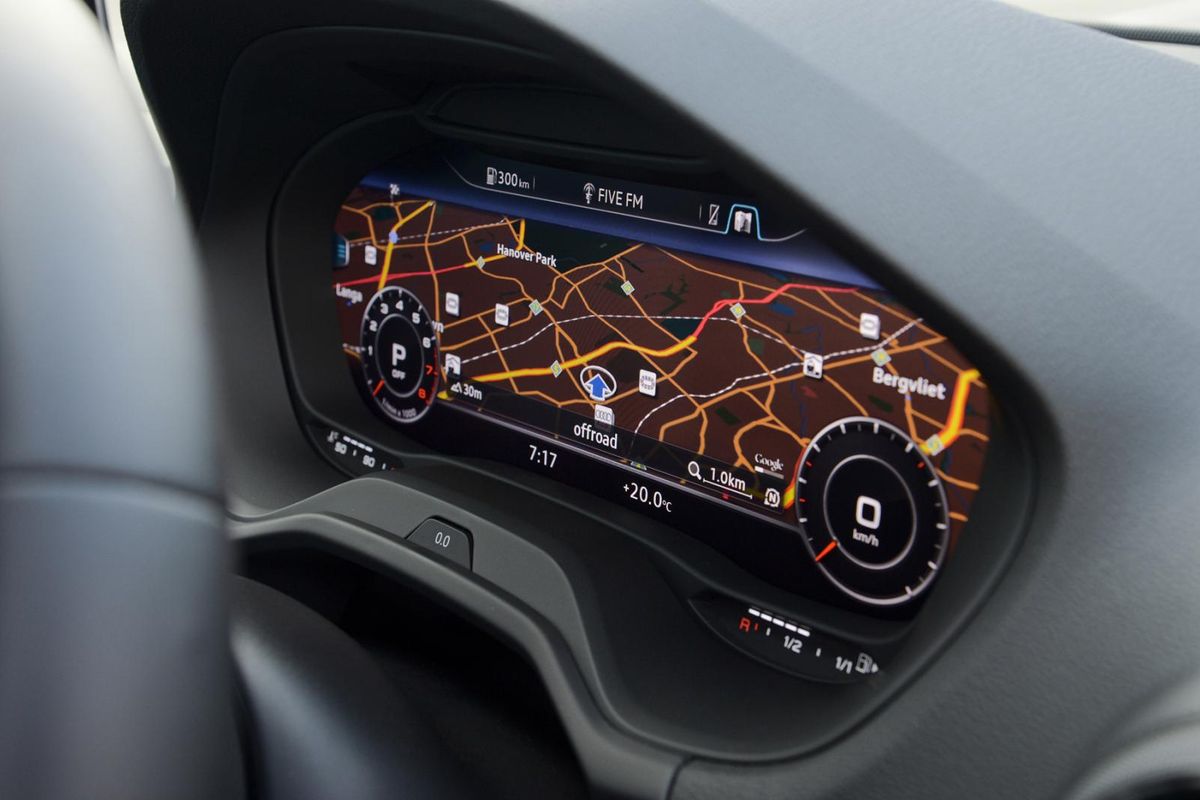
The much anticipated Audi Q2 rivals cars such as the Mercedes-Benz GLA, BMW X1, Mini Countryman, Peugeot 2008, Honda HR-V, Fiat 500X and Jeep Renegade. Take a drive with us as we look at the engines available, the ride quality and comfort, interior build and features, luggage capacity, rear legroom and some of the optional extras you might want to spec.
Pricing
Audi Q2 1.0T Manual R434 500 (May 2017)
Audi Q2 1.0T S Tronic R453 000 (May 2017)
Audi Q2 1.0T Sport Manual R464 500 (May 2017)
Audi Q2 1.0T Sport S Tronic R483 000 (May 2017)
Audi Q2 1.4T Manual R511 000
Audi Q2 1.4T S Tronic R529 500
Audi Q2 2.0 TDI Sport S Tronic R565 000 (May 2017)
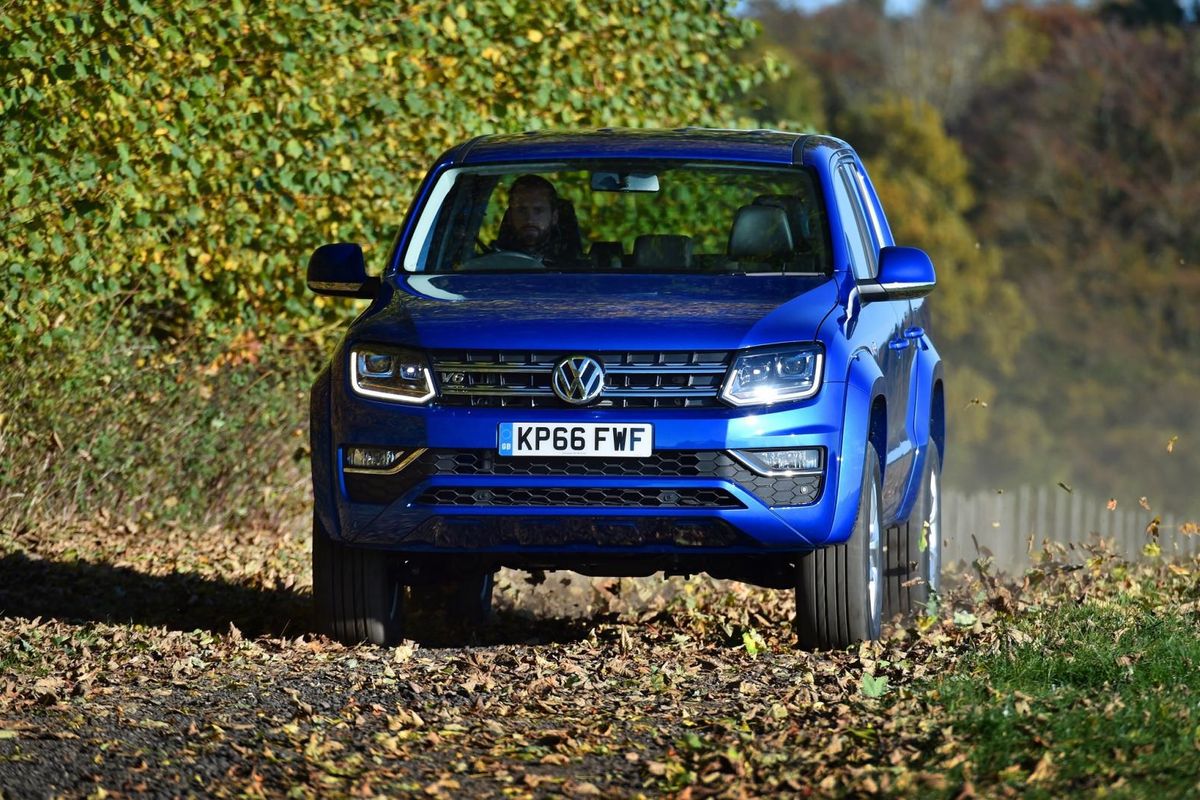
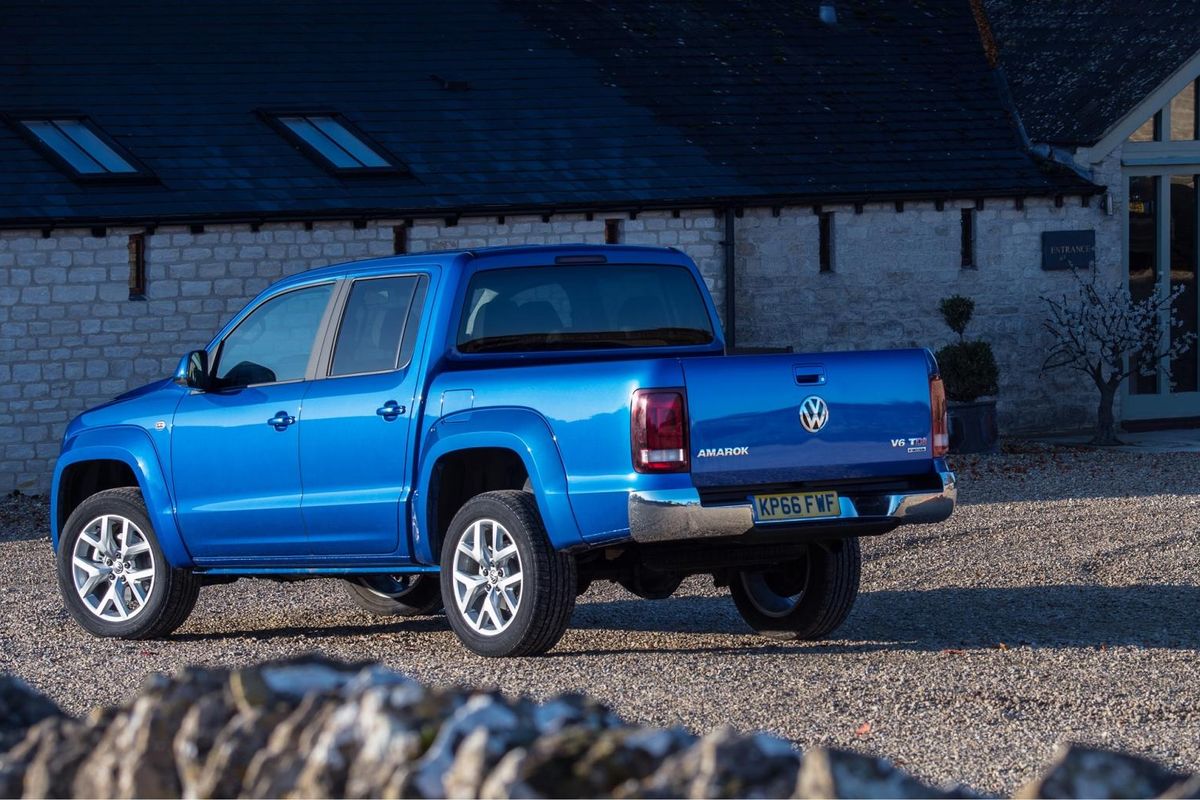
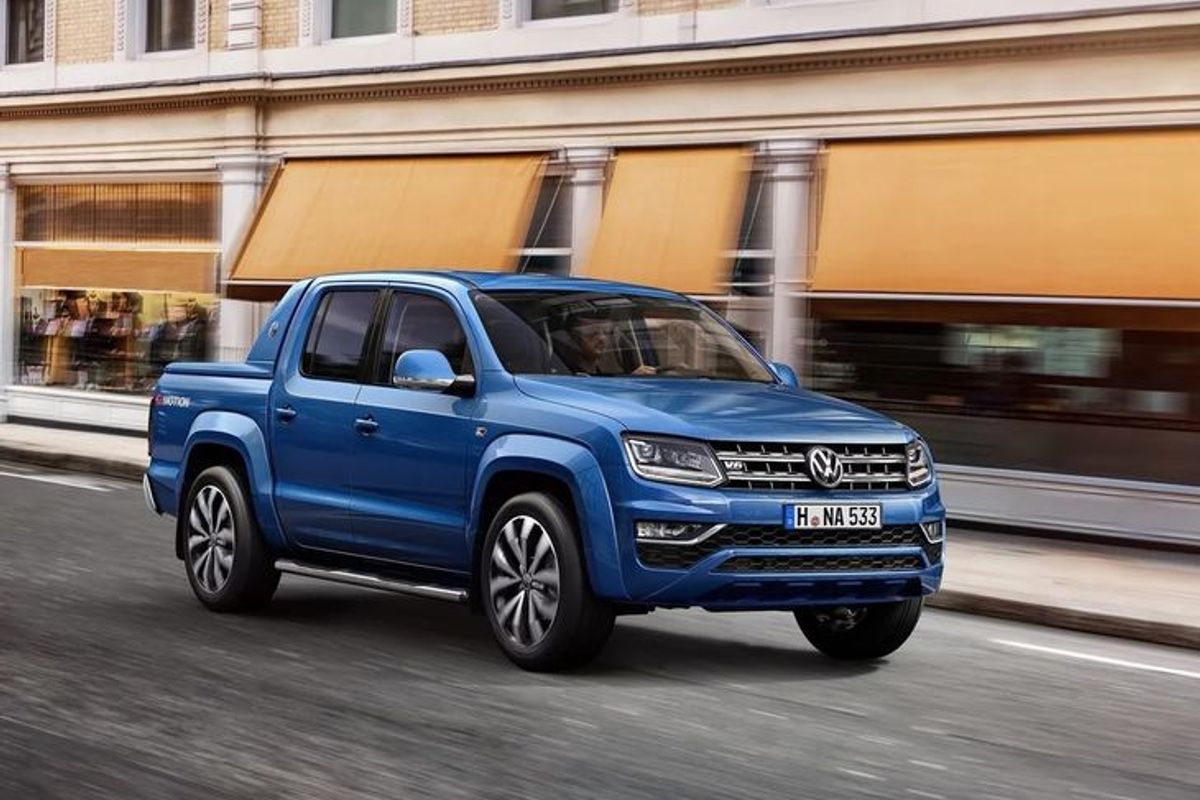
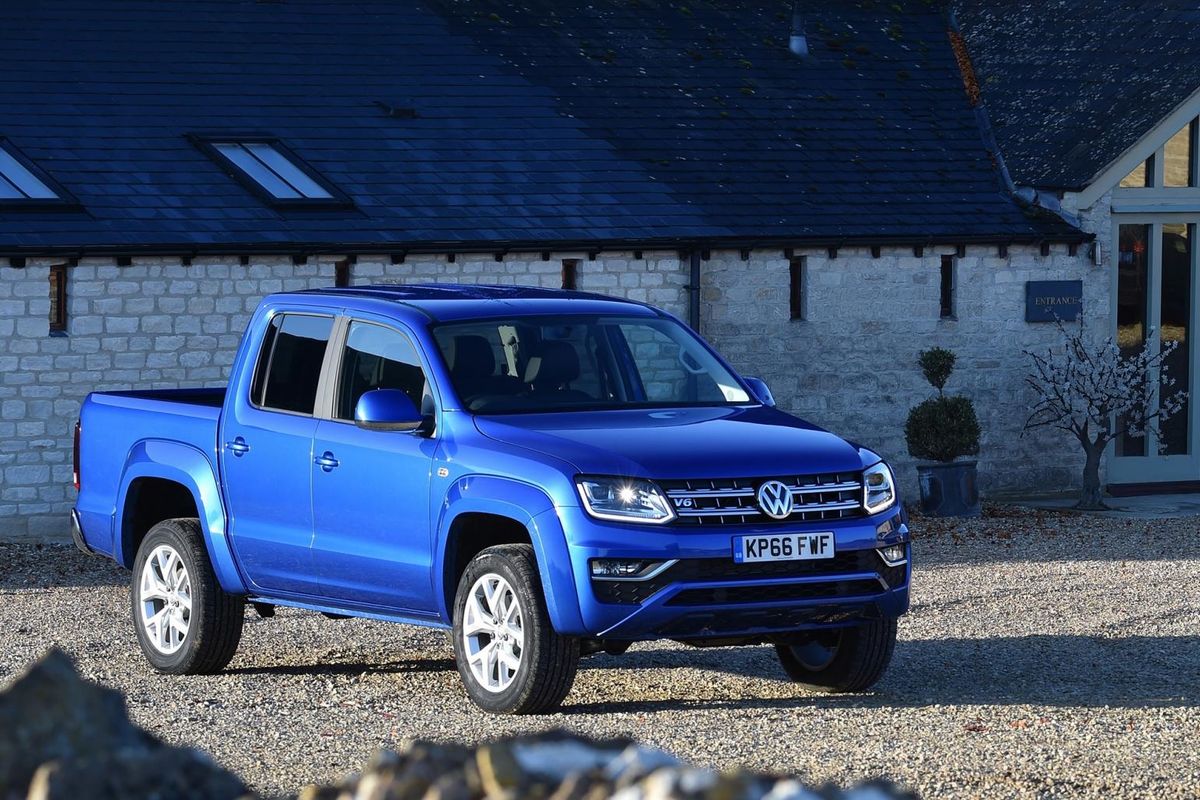
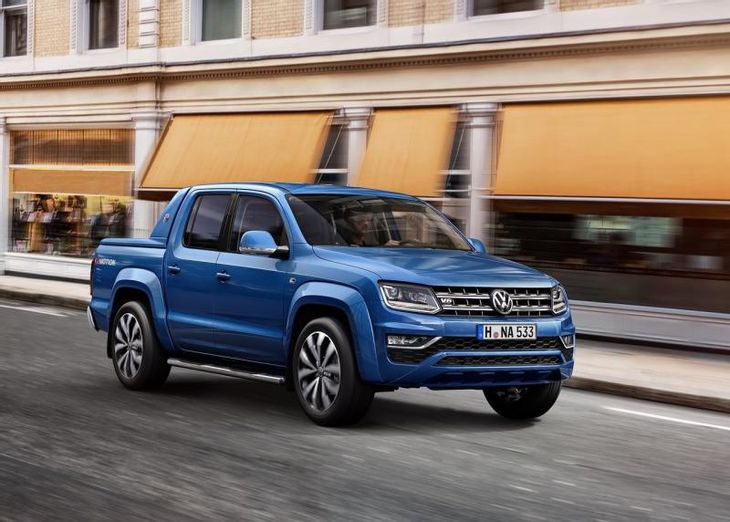
The critics who've lambasted the Volkswagen Amarok for its lack of a 6-cylinder powerplant will soon have to eat their words… the V6-powered double cab bakkie from Wolfsburg is on its way to South Africa. After a blast down the autobahn in Germany, here are 5 things we learnt.
1. The engine is magnificent
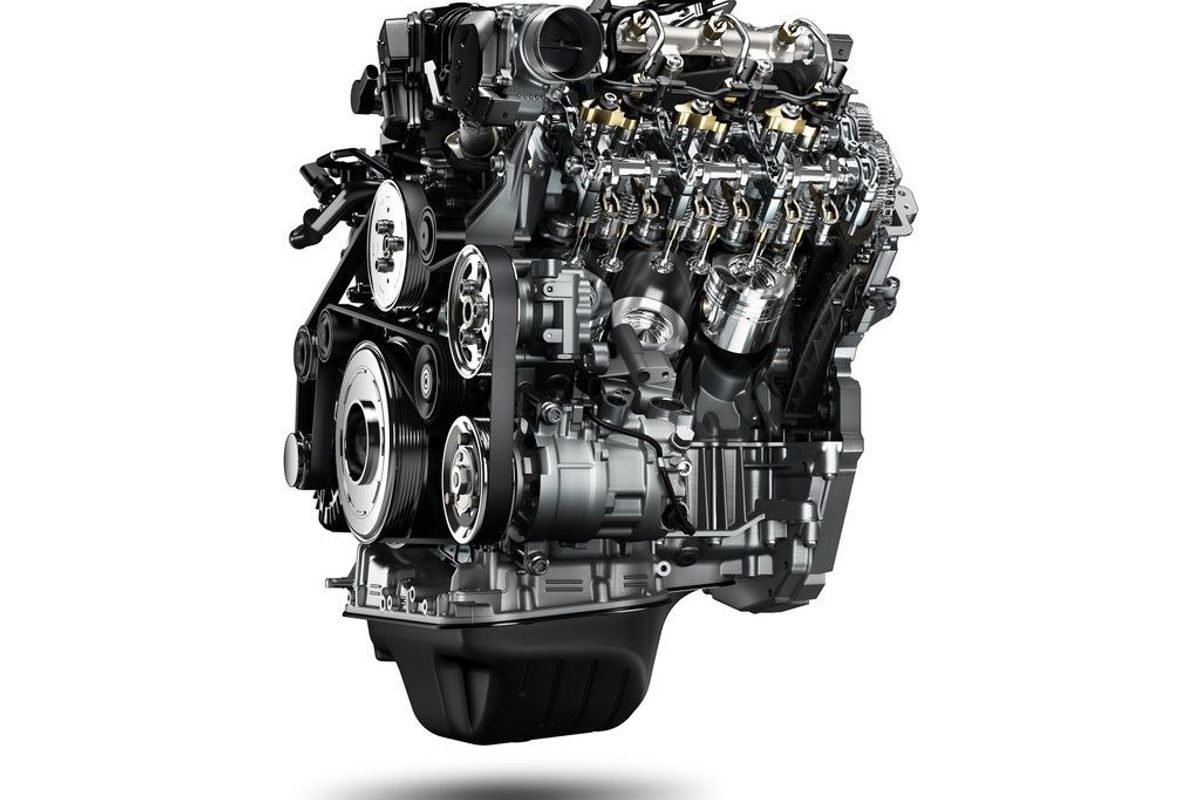
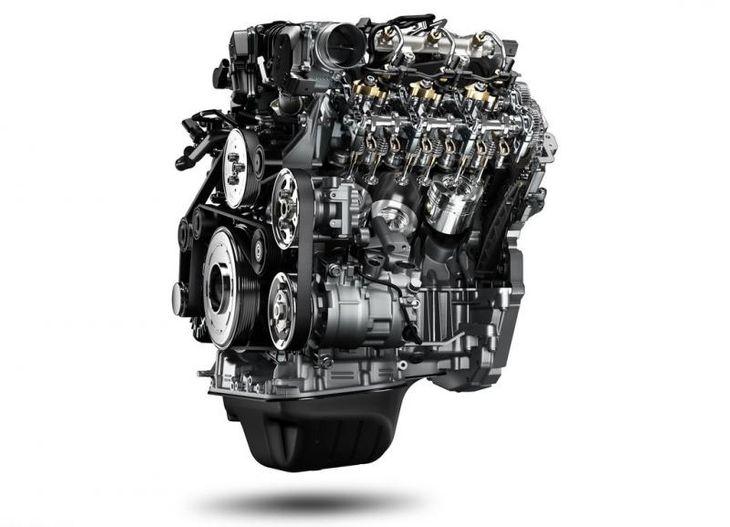
Okay, it's admittedly not a unique motor, but rather one straight from the Volkswagen Group's engine line-up. Yes, it has been tuned for the Amarok package's specific requirements like extra durability, but we've seen this engine in the Volkswagen Touareg, Audi Q5/Q7 and in some Porsche products. On paper, it delivers pleasing numbers. How do peak outputs of 150 kW and 500 N.m or 165 kW and 550 Nm grab you? In the case of the latter, it goes up to 180 kW and 580 Nm for 10 seconds on overboost.
By comparison, the 2.0-litre 4-cylinder units push out 132 kW and 420 Nm. It's a strong engine, offering flexible performance, especially in terms of overtaking acceleration at freeway speeds. Thanks to a combination of a well-ratio'd 8-speed automatic, there seems to be no let up in grunt and, as we found, the Amarok can decimate the delimited sections of the Autobahn. We sat comfortably cruising at over 170 kph and not once did the powerplant sound strained, even when we were applying the accelerator pedal with gusto.
Our only question to Volkswagen is: Why did it take your firm so long to put a V6 in the Amarok?
2) Ride quality is excellent
Thanks to their body-on-frame constructions and rudimentary suspension setups (compared with conventional passenger cars, for the purposes of more robust performance in off-road conditions), bakkies tend to have somewhat bouncy ride qualities. Things improve when the vehicles are loaded up to closer to their prescribed maximum payloads, but who has the patience to keep 500 kg in the back of their bakkie for the sake of comfortable ride quality? Yet, somehow the Volkswagen Amarok feels a bit more "family SUV" than "workhorse". It's certainly more comfortable on the open road than its rivals, despite riding on 20-inch wheels. We can also confirm that the flagship's 14-way electrically adjustable seats are really comfortable.
3. The cabin has been reworked
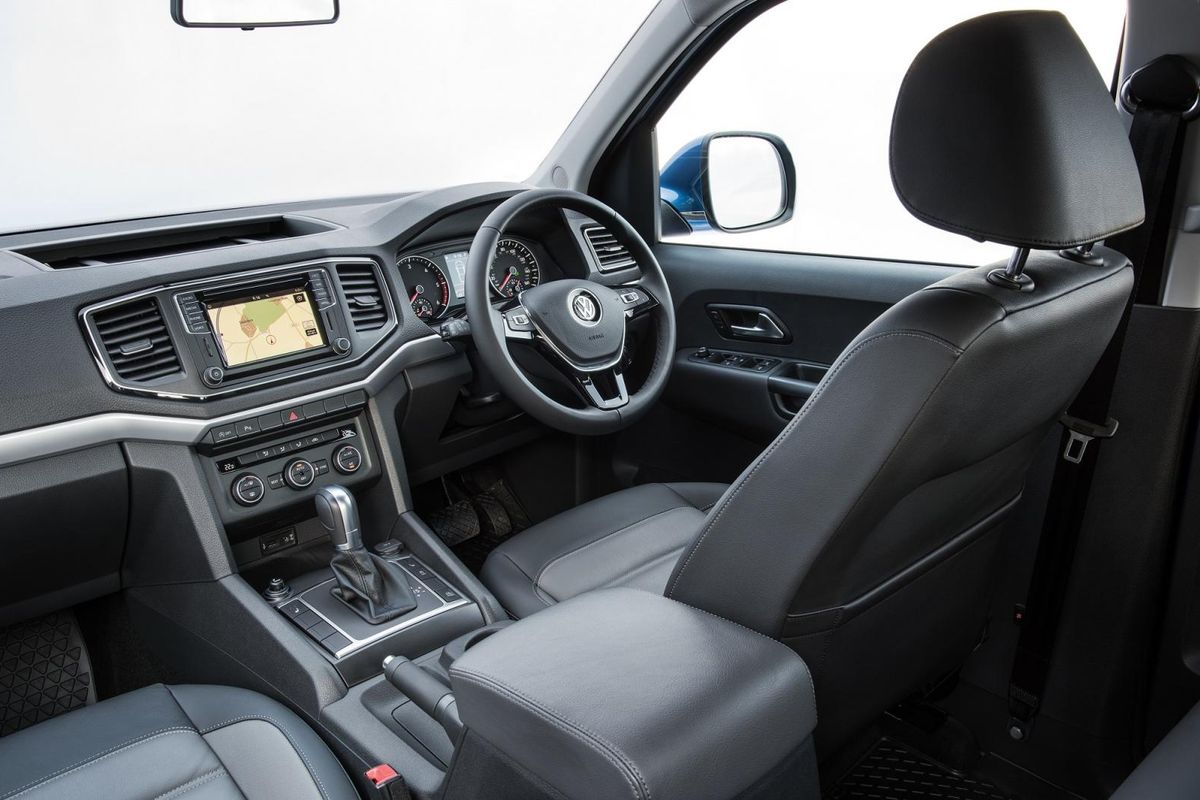
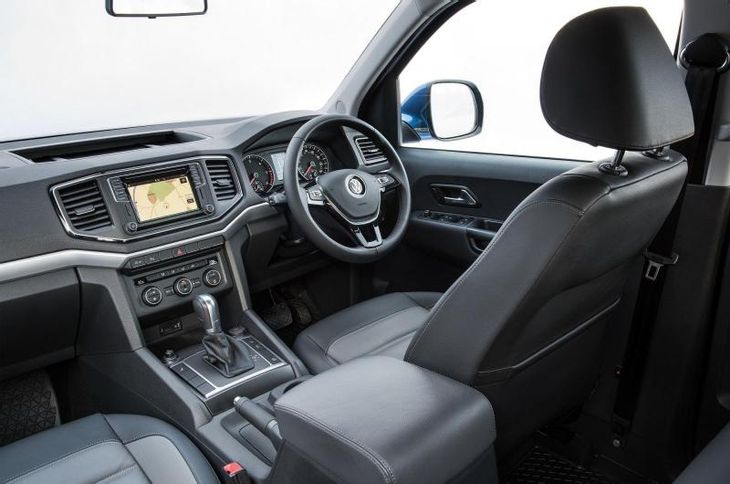
The Volkswagen Amarok V6 launch did not only encompass the introduction of a new, large-displacement motor, it included a facelift for the entire range. The derivative we drove featured a subtly redesigned cockpit, a multifunctional leather steering wheel with shift paddles, comfortable seats and an overhauled infotainment system; the latter of which features Apple CarPlay, navigation and mobile online services. Interestingly, the Volkswagen Amarok cabin also feels a lot more spacious than before and rear occupant space is commendable. Other convenience features include park distance control with a reverse-view camera. Cleverly, the camera is not mounted on the bakkie's tailgate, but adjacent to the number plate.
4. It's capable and will work hard
Many consumers consider the Volkswagen Amarok as primarily a lifestyle/family vehicle by virtue of its build quality and general sophistication, but it can be put to work. Volkswagen claims it has the biggest load area in class and can carry over 1 tonne of cargo. It has extensive off-road aids such as hill start assist, hill descent, offroad ABS and a mechanical differential lock. The Amarok has a tow rating of 3 500 kg; we can't wait to put it to the test on our 4×4 routes, as the outgoing version acquitted itself well in our big bakkie comparison.
The double-cab market appears to be splitting into distinctive sections. The likes of the Isuzu KB, Fiat Fullback, Mitsubishi Triton and the lesser Hilux and Ranger derivatives are aimed at those who need a bakkie for work purposes mostly, with family transport or leisure lifestyle pursuits playing a secondary role. The new Amarok V6, upcoming Nissan Navara (at least some of its derivatives) and eagerly anticipated Mercedes-Benz X-Class herald a new age for the bakkie market; it's clear the local market has drawn inspiration from America's Big Truck culture. These flagship bakkies won't be cheap, but they'll undoubtedly appeal to consumers who seek high-end luxury motoring combined with the "big truck" image.
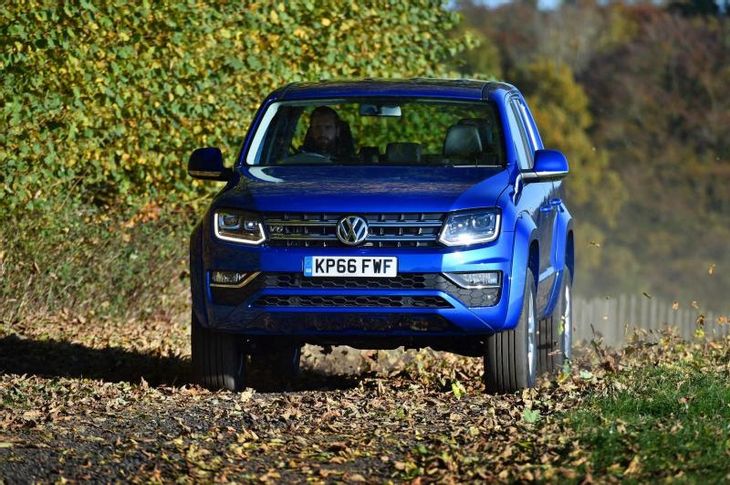
As it stands, the facelifted Volkswagen Amarok range arrives in South Africa in July 2017. The Ultimate Edition drops away and will be replaced by this Extreme Edition, badged as 'Aventura' in Europe. We will have 5 derivatives to choose from, with two V6s sitting at the top. The 2.0 TDI 103 kW and BiTDI 132 kW engines have been retained, but all eyes will be on the V6 models. Initial pricing hints suggest the Volkswagen Amarok 3.0 V6 Extreme 4Motion will be close to R800 000, but we'll keep you posted as more information becomes available.