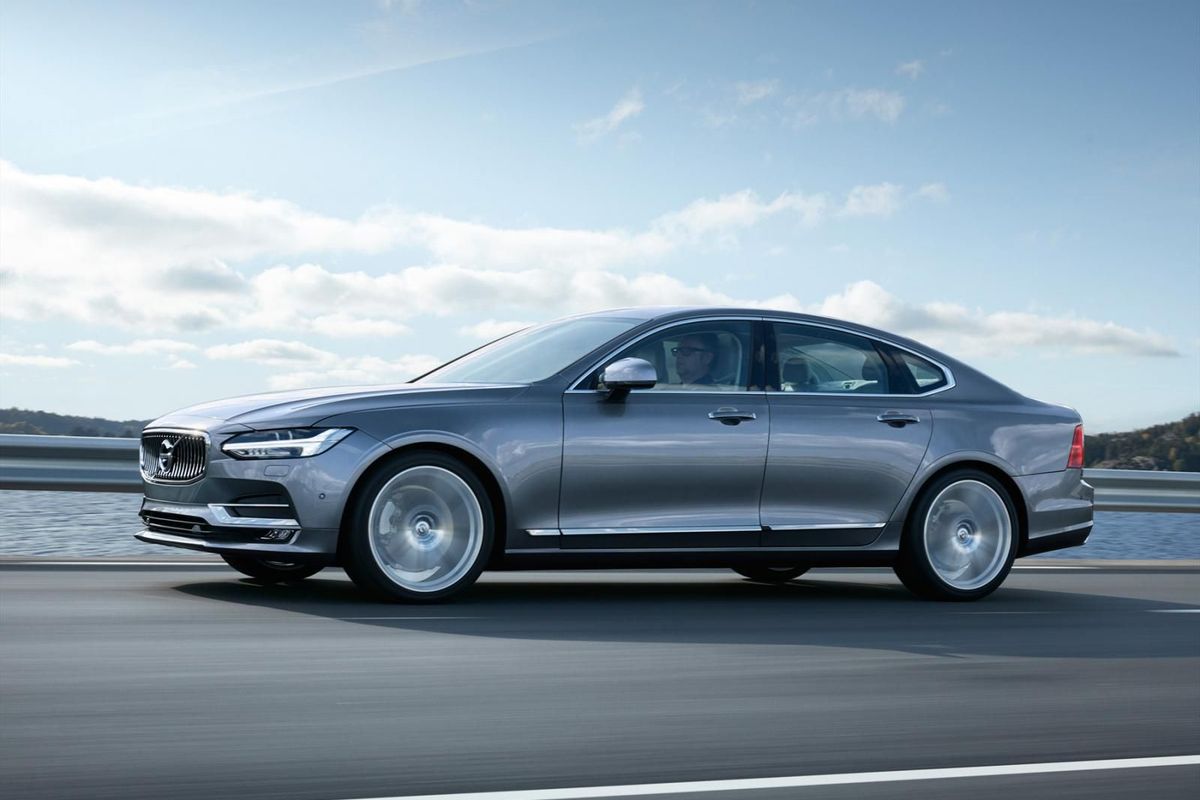
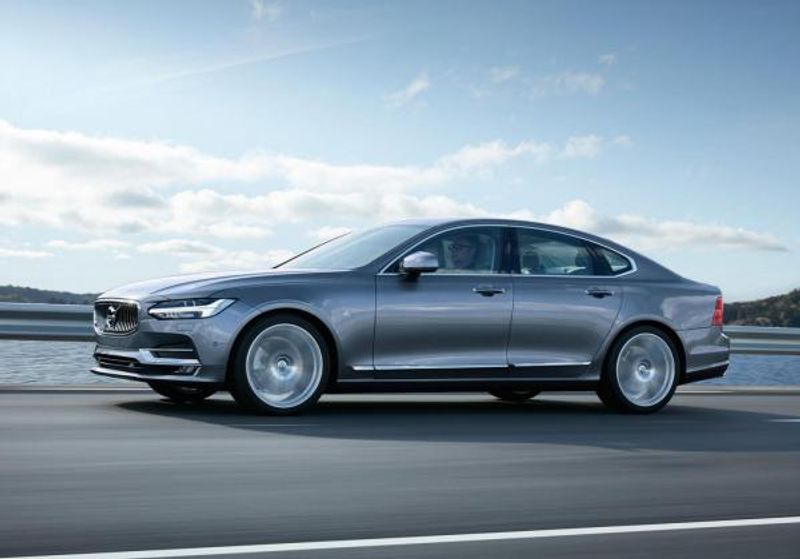
Volvo's flagship sedan, the S90, is now available in South Africa. The Swedish luxury marque has made its intentions to challenge the established players in this space, particularly the Mercedes E-Class and BMW 5 Series, abundantly clear. Here's the video we made when we flew to Spain to attend the S90's world launch in 2016.
At the time, we sampled the turbo and supercharged petrol T6 and turbodiesel D5 derivatives, the latter featuring a clever new piece of technology called PowerPulse. We also tried out the upgraded Pilot Assist software which now steers the car as speeds up to 130 kph.
Or perhaps a brand new Volvo is more appealing: Click here
Toyota Corolla facelift (2017) Specs & Price
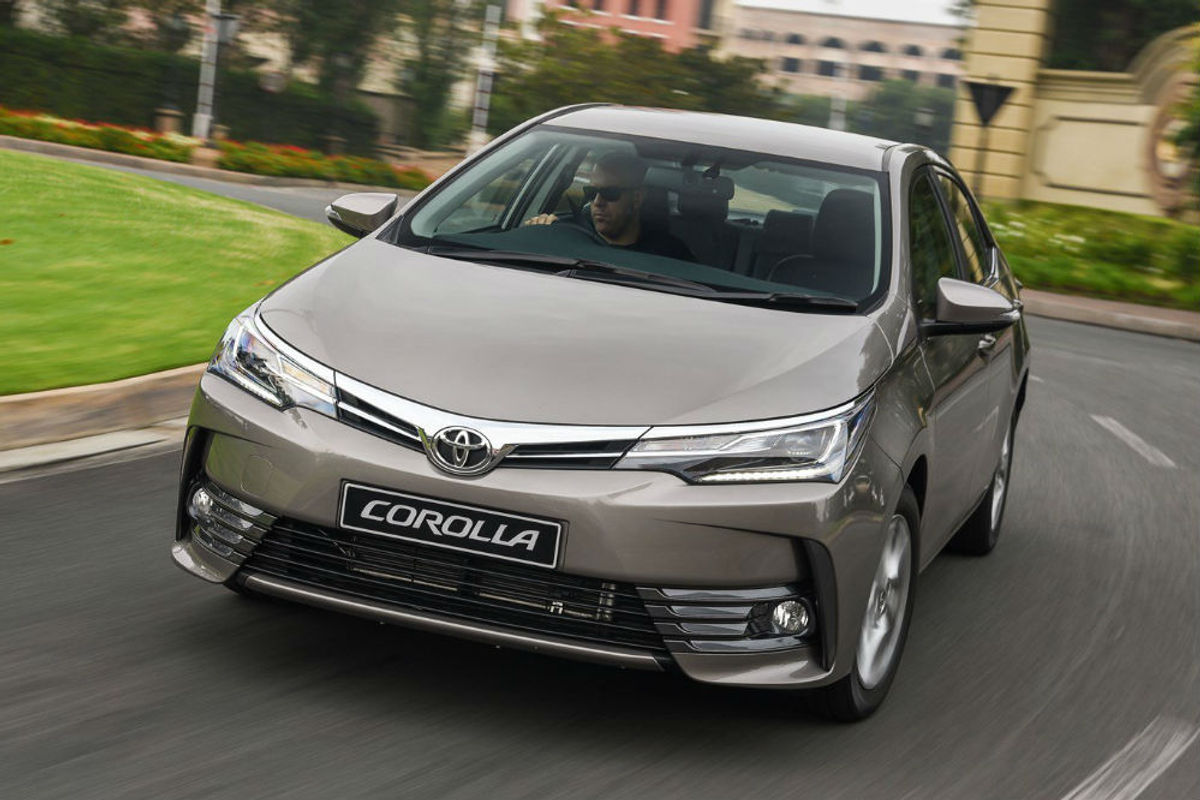
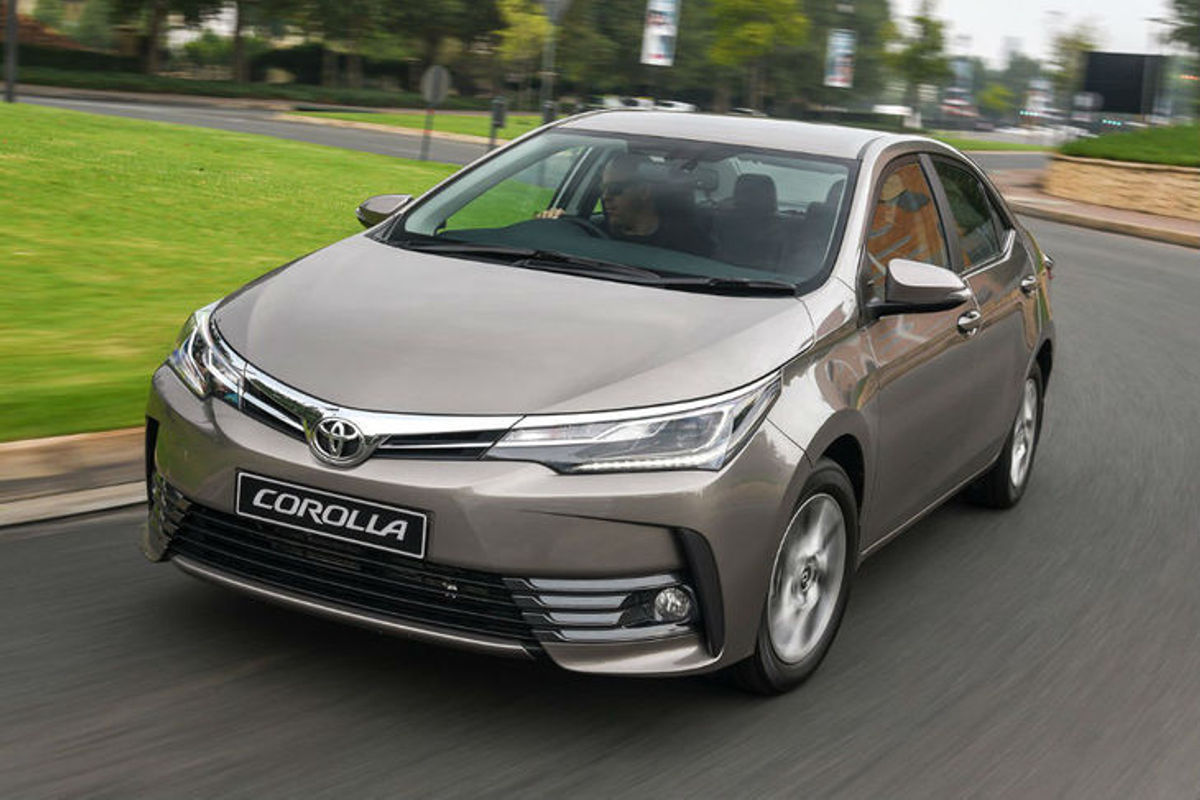
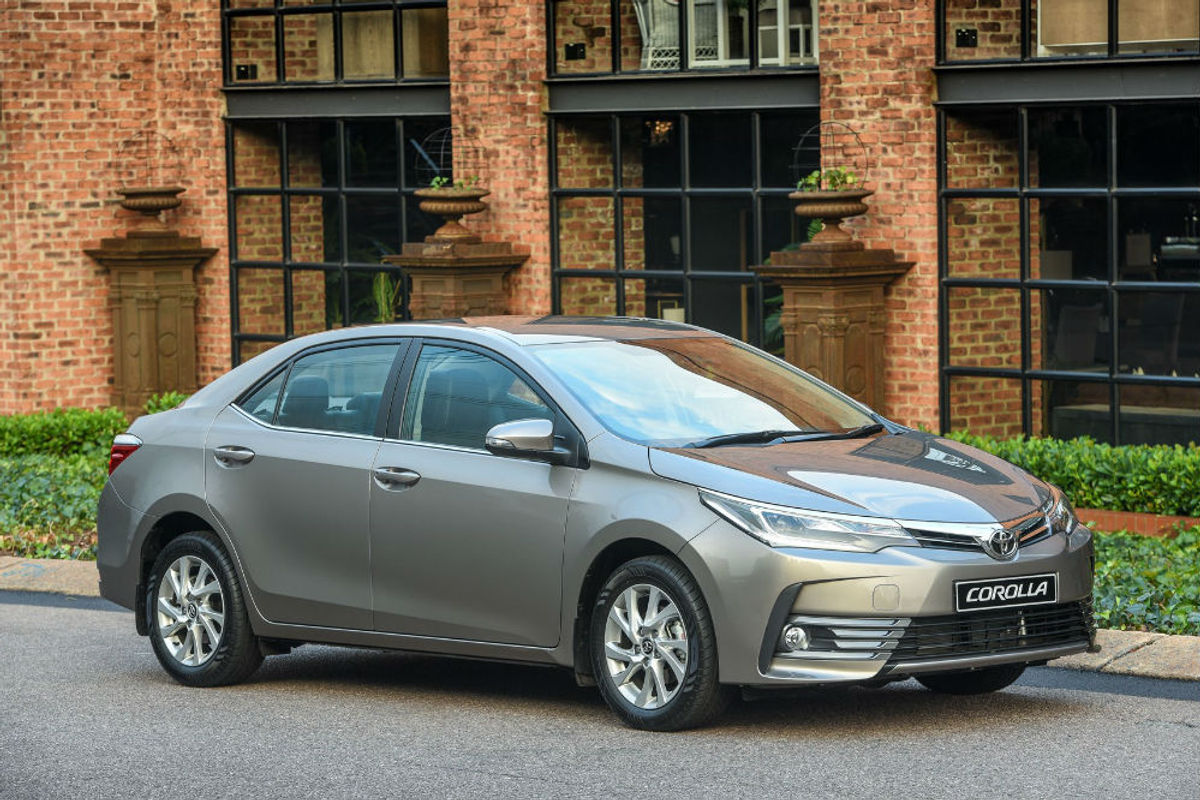
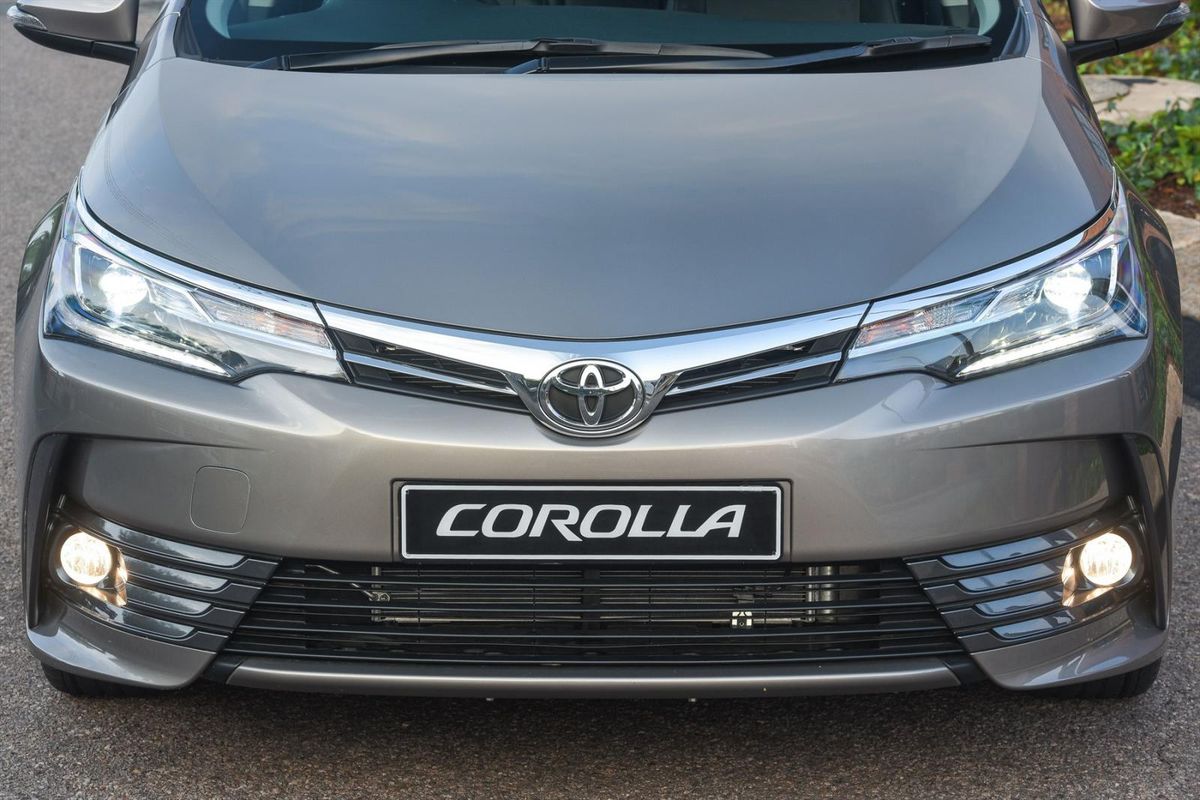
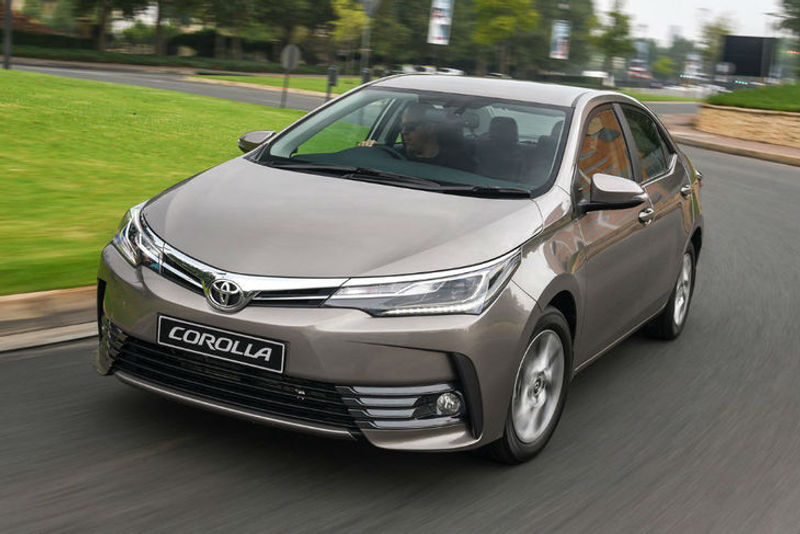
The facelifted Toyota Corolla is now available in South Africa. Although it does not incorporate major technical or mechanical upgrades, Toyota’s top-selling sedan sports a much more distinctive front end, which ties in with the progressive styling of its C-HR compact family car sibling, and a tastefully updated interior.
The current iteration of the Prospecton-produced Toyota Corolla made its local debut in 2013, which positions this facelift at almost exactly the midway point of the popular family sedan's lifecycle.
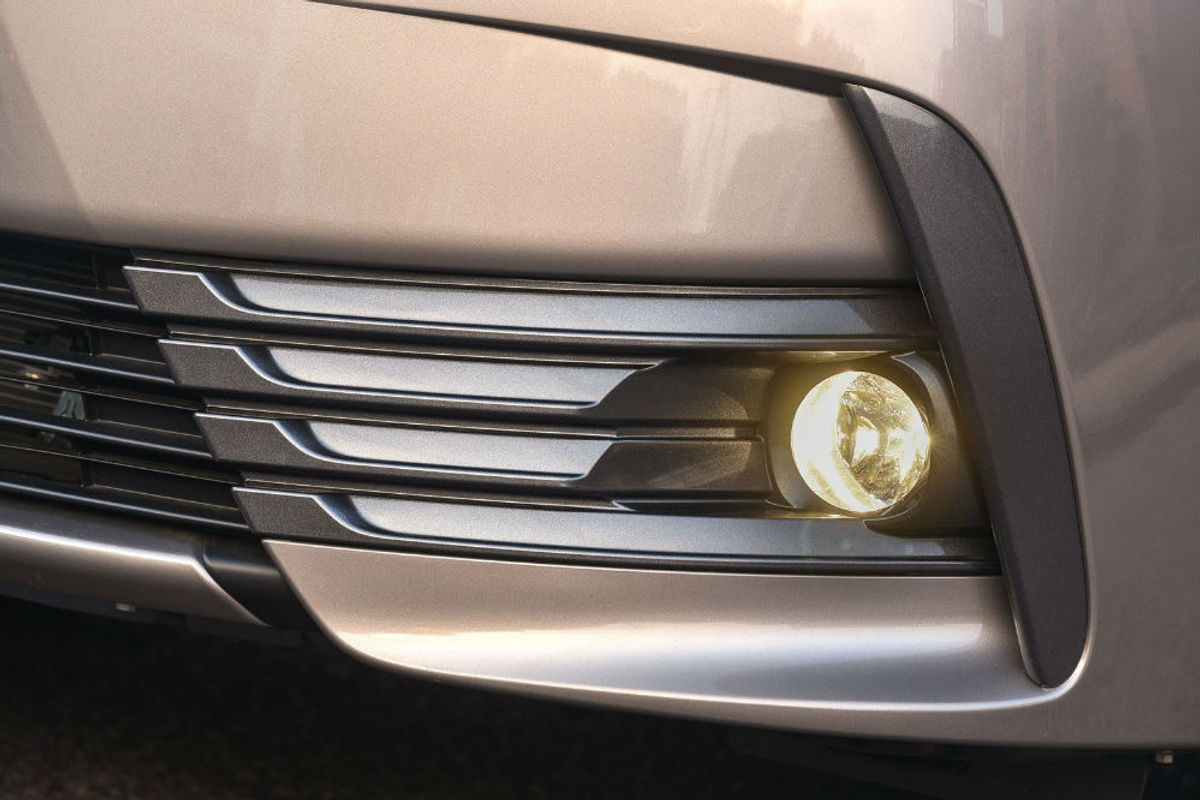
The most prominent detail is the bold refreshed front visage (said to amplify the firm’s Keen Look and Under Priority design motifs). The elongated, swept-back headlamp clusters, most reminiscent of the C-HR’s units, are adorned with LED daytime running lights and, in combination with a resculpted bumper, including an elaborate lower grille treatment and sporty swages, the Corolla looks immediately sharper.
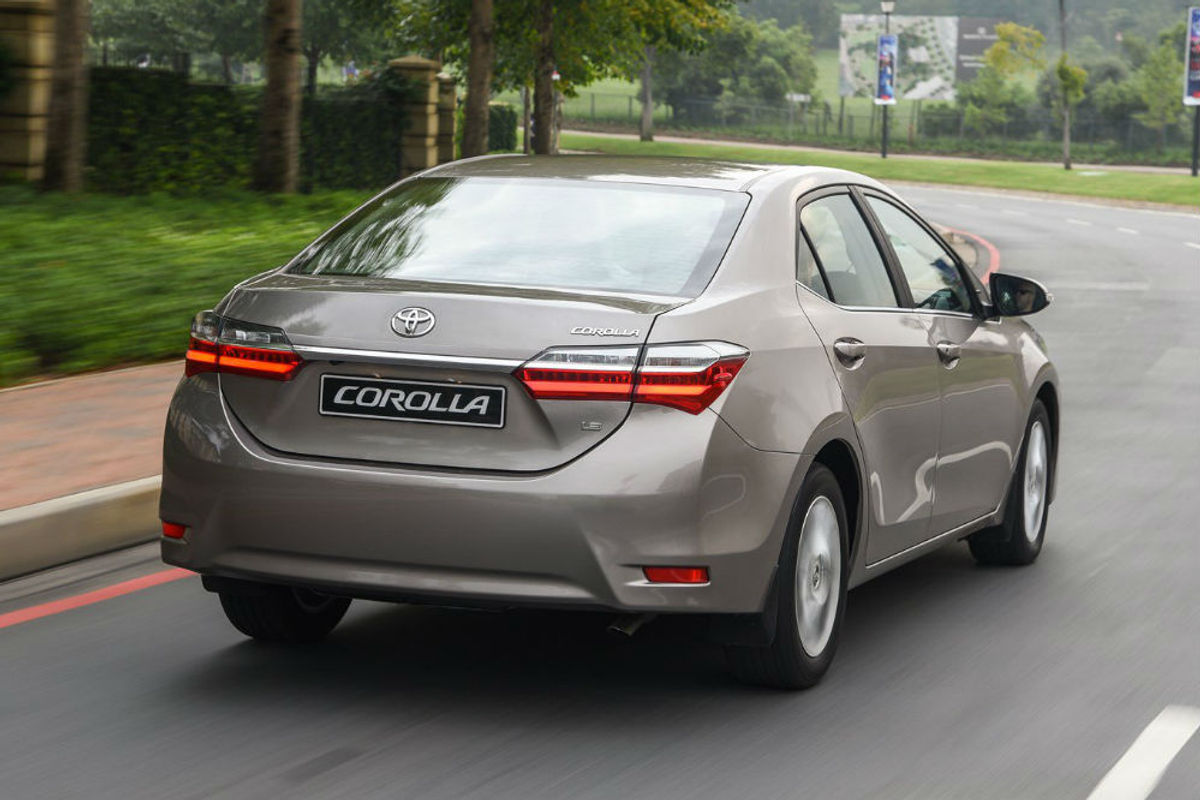
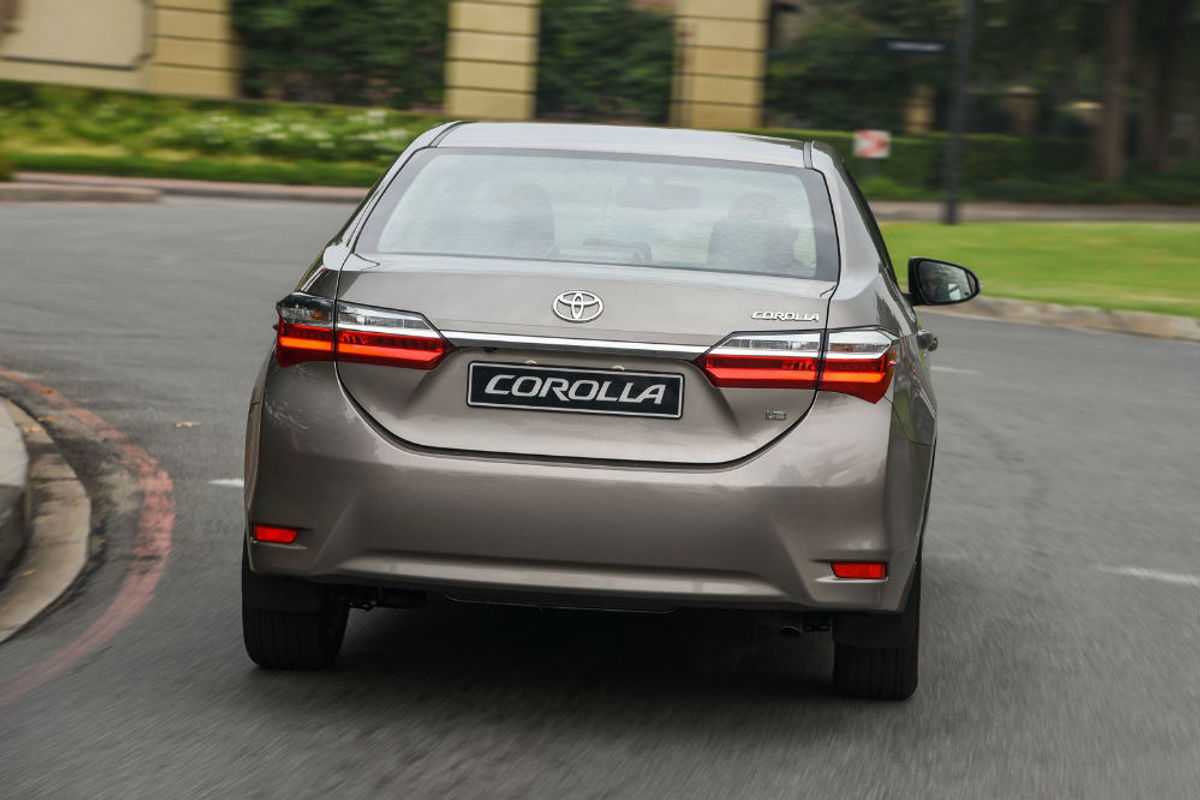
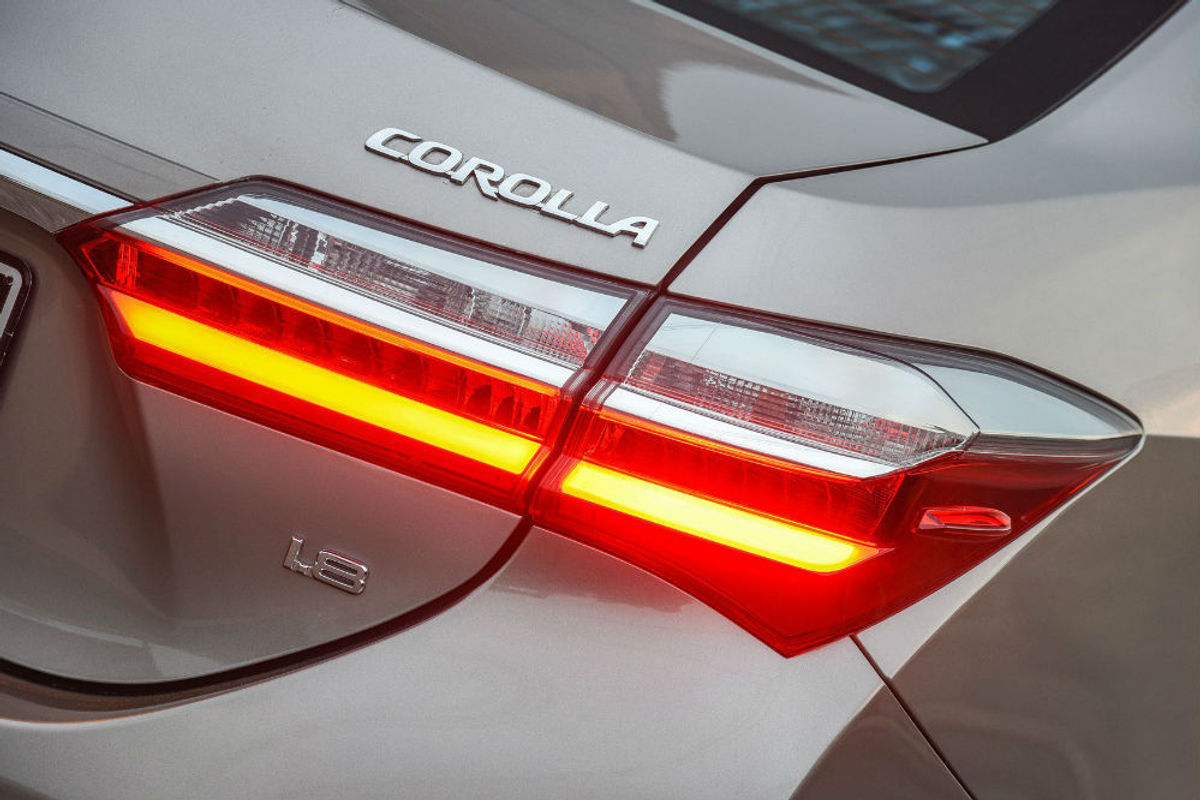
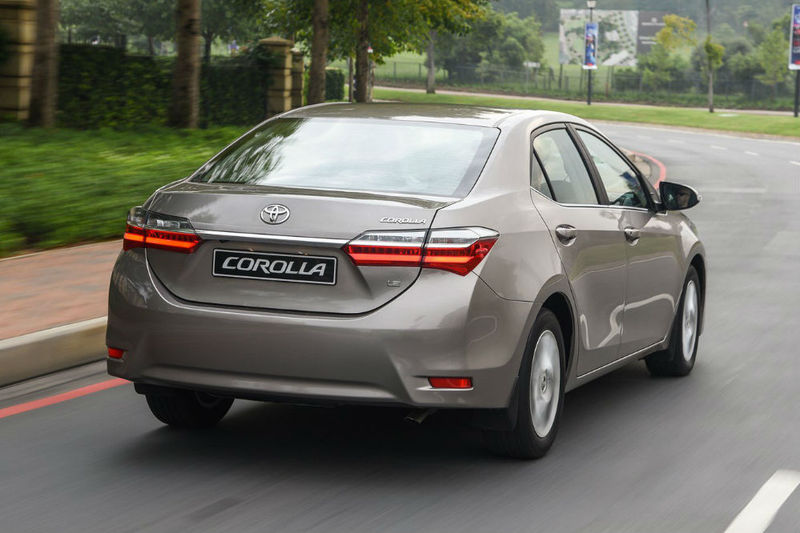
LED tail lamp clusters (on 1.8-litre derivatives) and a discreet chrome strip distinguish the facelifted Corolla from its predecessor.
Meanwhile, the rear styling has been enhanced through the adoption of LED tail lamp clusters (1.8-litre models) and a redesigned chrome garnish that further emphasises the sedan's width and stance.
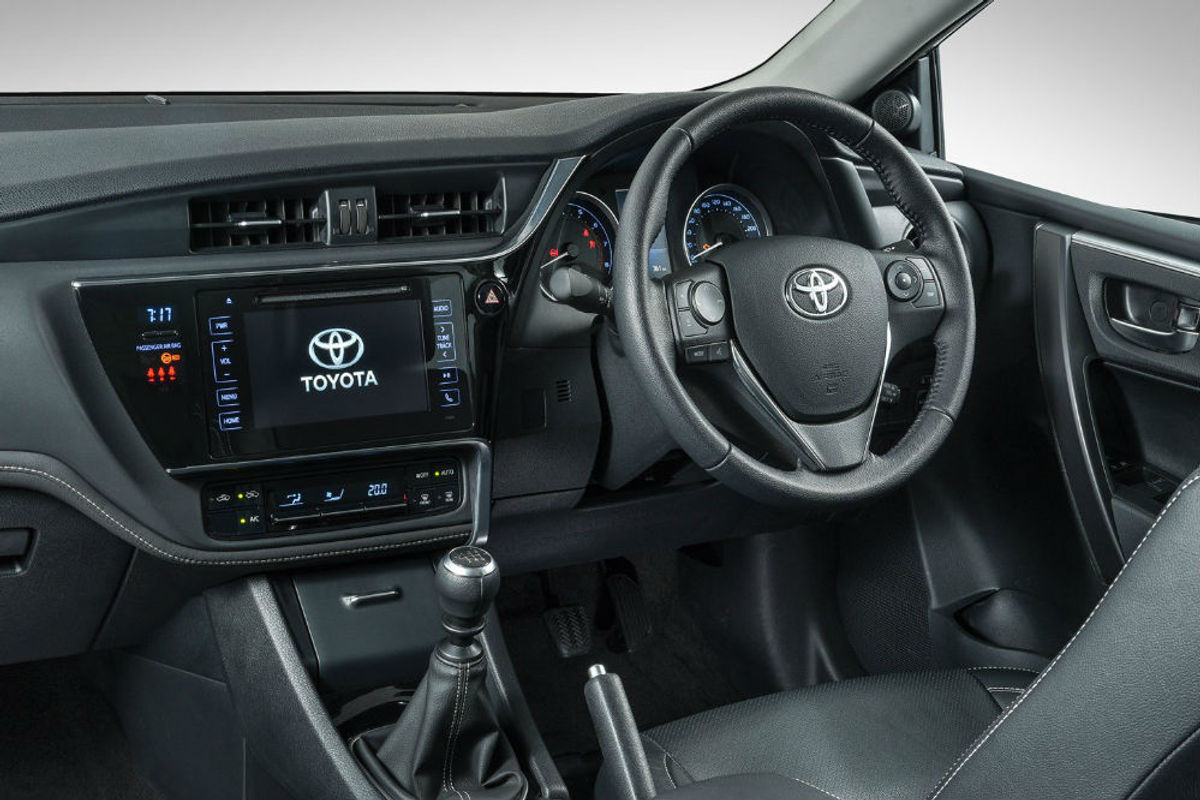
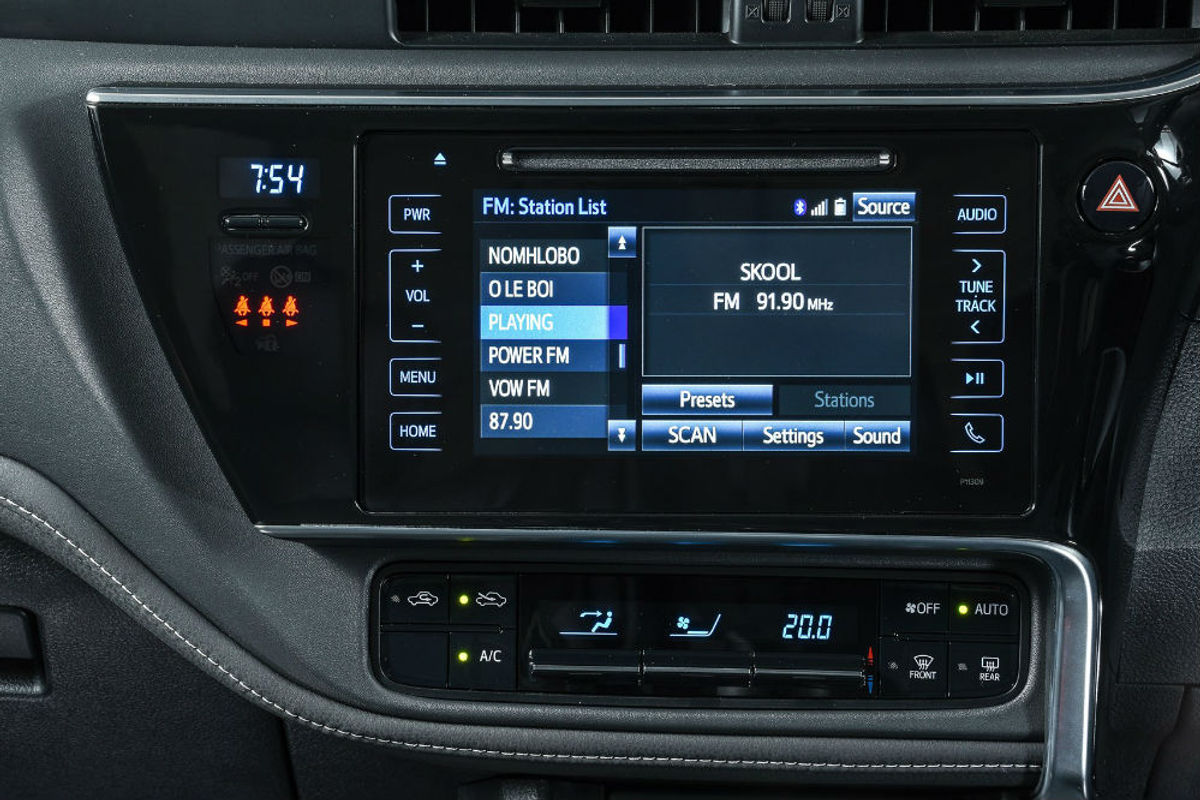
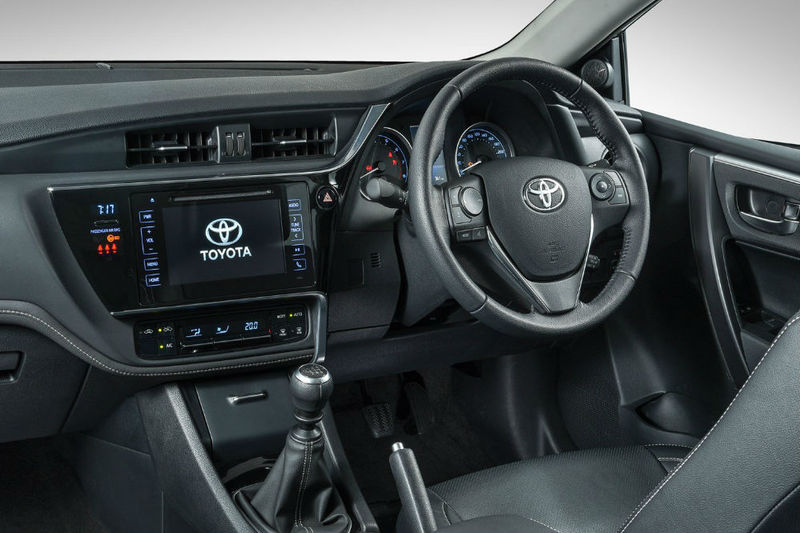
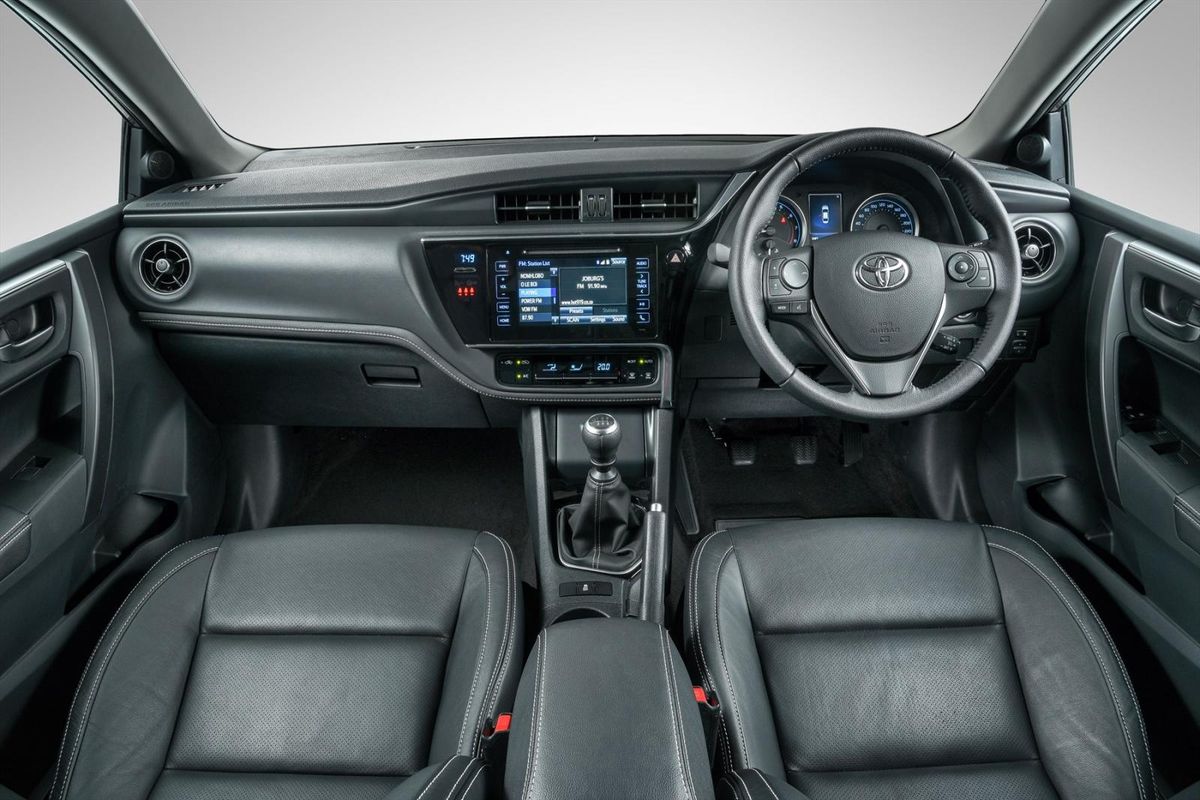
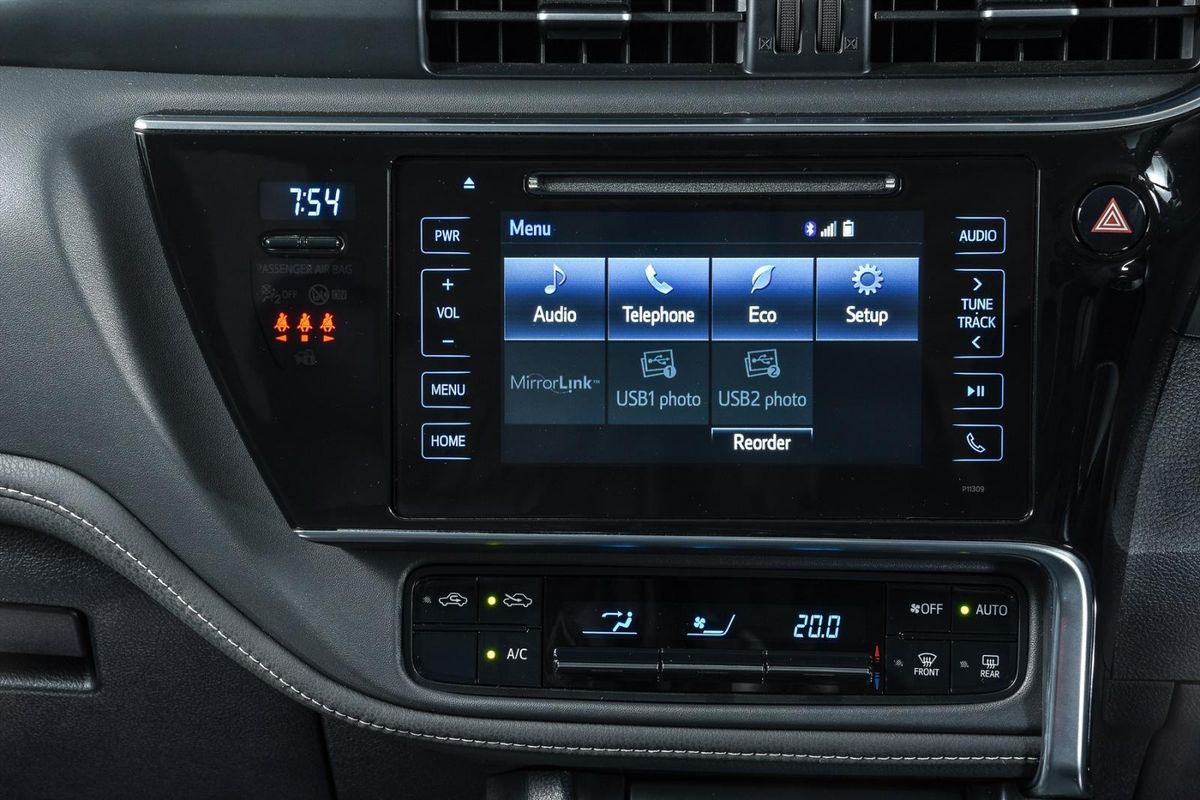
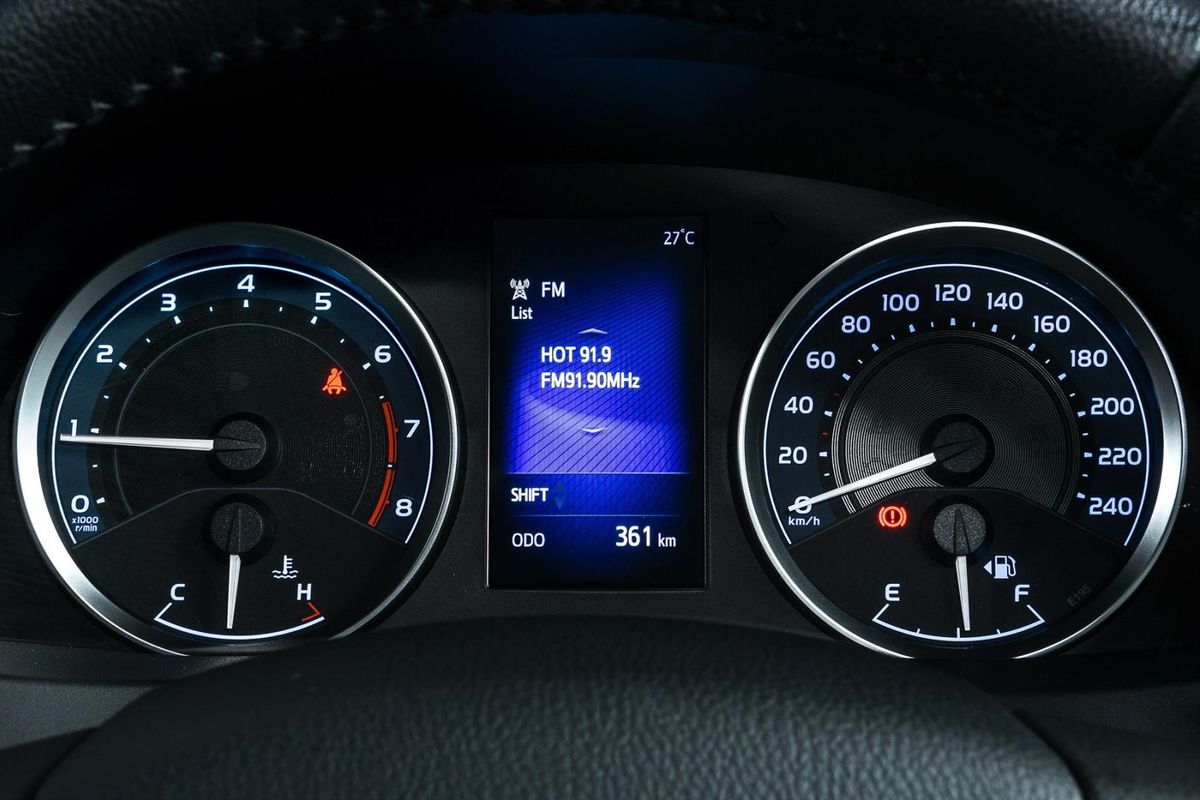
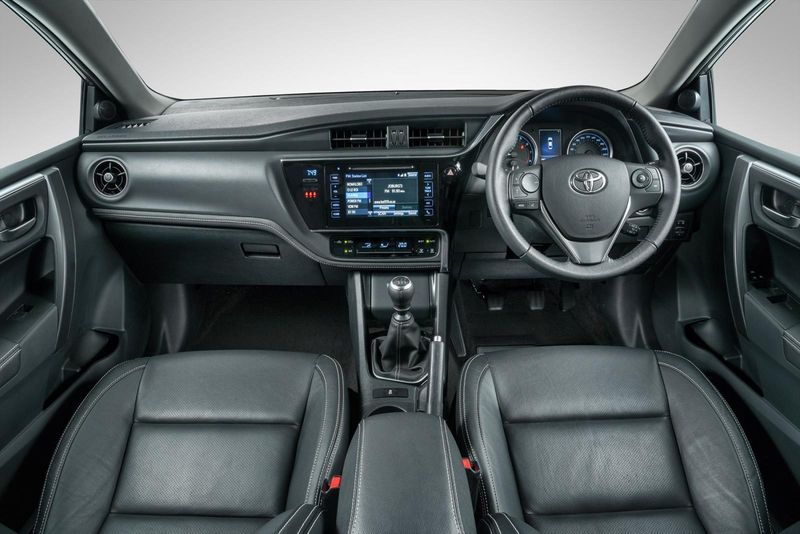
Inside, the instrument panel has been updated with a layered structure that hides joins, along with a redesigned climate control panel and circular air vents. As for the fascia, a piano-black centre-cluster surround and chrome-look trim have been added and, on Pestige derivatives, the width of the audio system's touchscreen has increased from 6.1 to 7-inches.
The Corolla should also be notably quieter on the open road by virtue of additional NVH suppression measures. These include beading on the front fender liner (said to reduce turbulence inside the wheel housing), a thicker inner silencer for the dash panel and denser floor insulation material.
Interior updates are subtle, although the touchscreen shown here won't be exactly the same as in the SA model.
Moreover, Toyota claims it has improved the Corolla’s ride quality through the introduction of larger-diameter shock absorbers, while improved mounting rigidity for the upper body and suspension and an additional rear damper bush contribute are said to optimise handling performance
As for the rest, Toyota SA says the current range’s 1.3-, 1-6- and 1-8-litre petrol and 1.4-litre turbodiesel engine line-up is unchanged. However, the CVT automatic transmission has been retuned to deliver quicker, crisper and smoother "shifts" that are better matched to engine speed. The CVT helps generate engine braking when downshifting, including deceleration control that activates the fuel-cut system and holds the pulley ratio to maintain revs and enable easier re-acceleration. Stability control and hill-start assist systems feature on all derivatives from the 1.6 and up.
Specification levels of the respective derivative grades:
Esteem
ABS with brake assist and emergency brake-force distribution (EBD)
Auto door locking function
LED daytime running lights
Multifunction steering wheel, audio system with USB, Aux and Bluetooth
Stability control and hill-start assist systems (1.6 derivatives and up)
15-inch Steel wheels
Driver, passenger and side airbags
Prestige
In addition to the specifications of Esteem derivatives:
Touchscreen audio system/DVD player
Reverse-view monitor
Cruise control
Leather-trimmed seats and steering wheel
16-inch alloy wheels
Exclusive
The top-of-the-range specification includes:
Climate control
Keyless entry and start functions
Rain-sensing wipers
Curtain and knee airbags (in addition to dual front and side units)
Auto-headlamp levelling
Front fog lamps
Self-dipping rear-view mirror
TFT colour display in the instrument cluster
The facelifted Corolla range's price list at launch:
1.3 Esteem
R261 300
1.6 Esteem
R280 200
1.3 Prestige
R281 300
1.4 D Esteem
R294 400
1.6 Prestige
R299 900
1.8 Prestige
R313 500
1.4 D Prestige
R307 500
1.6 Prestige AT
R314 000
1.8 Exclusive
R336 300
1.8 Exclusive AT
R349 400
All prices include a 5-year/90 000 km Service Plan and a 3-year/100 000 km manufacturer warranty.
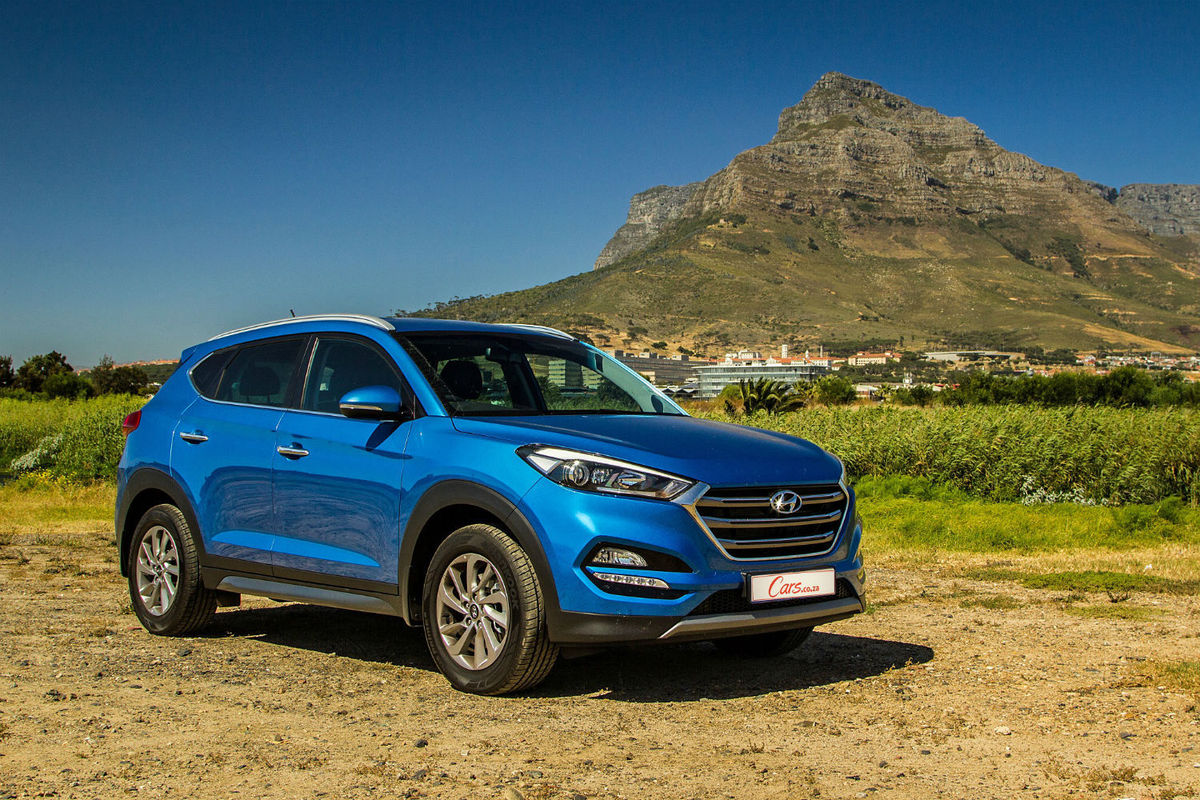
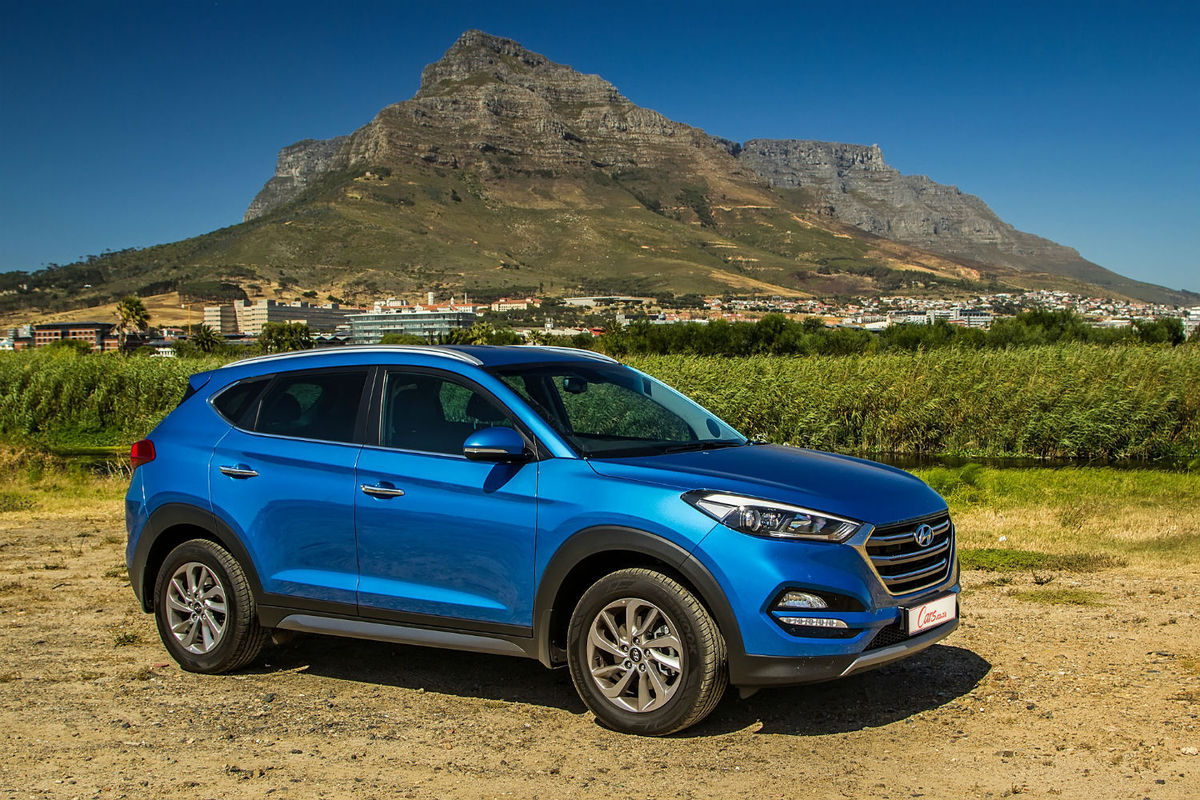
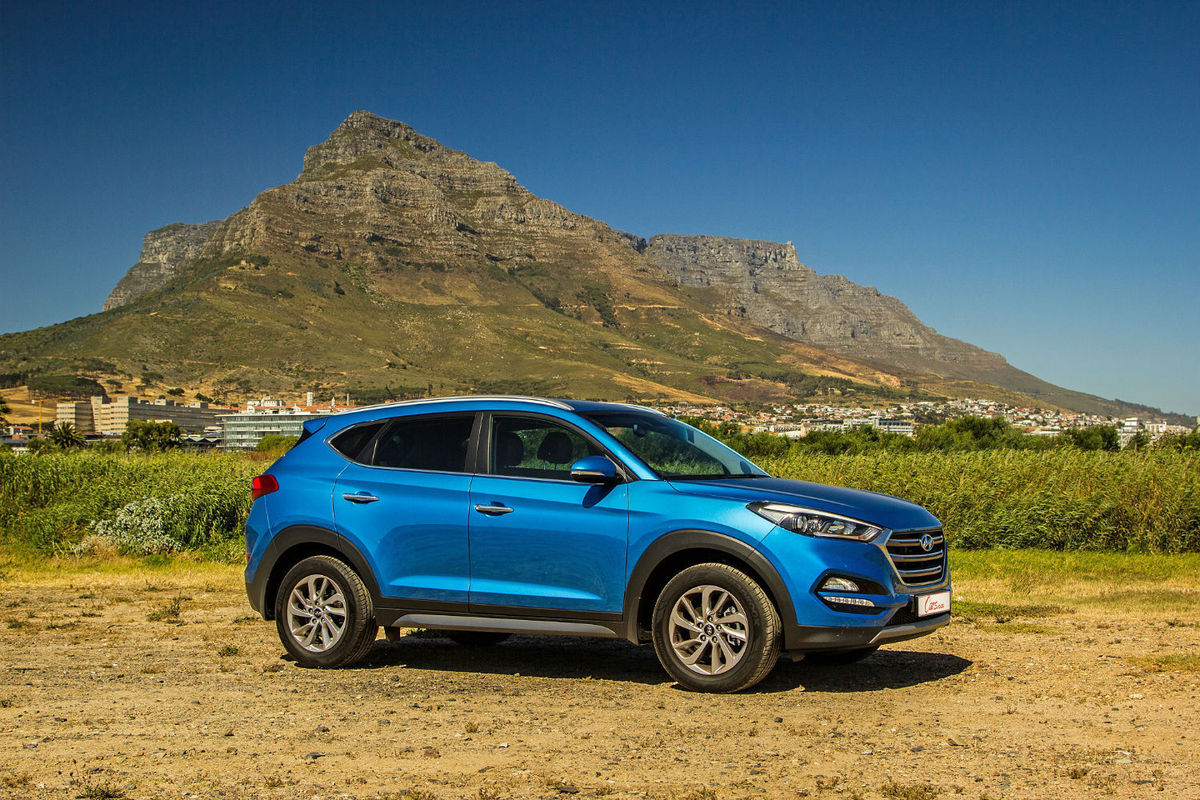
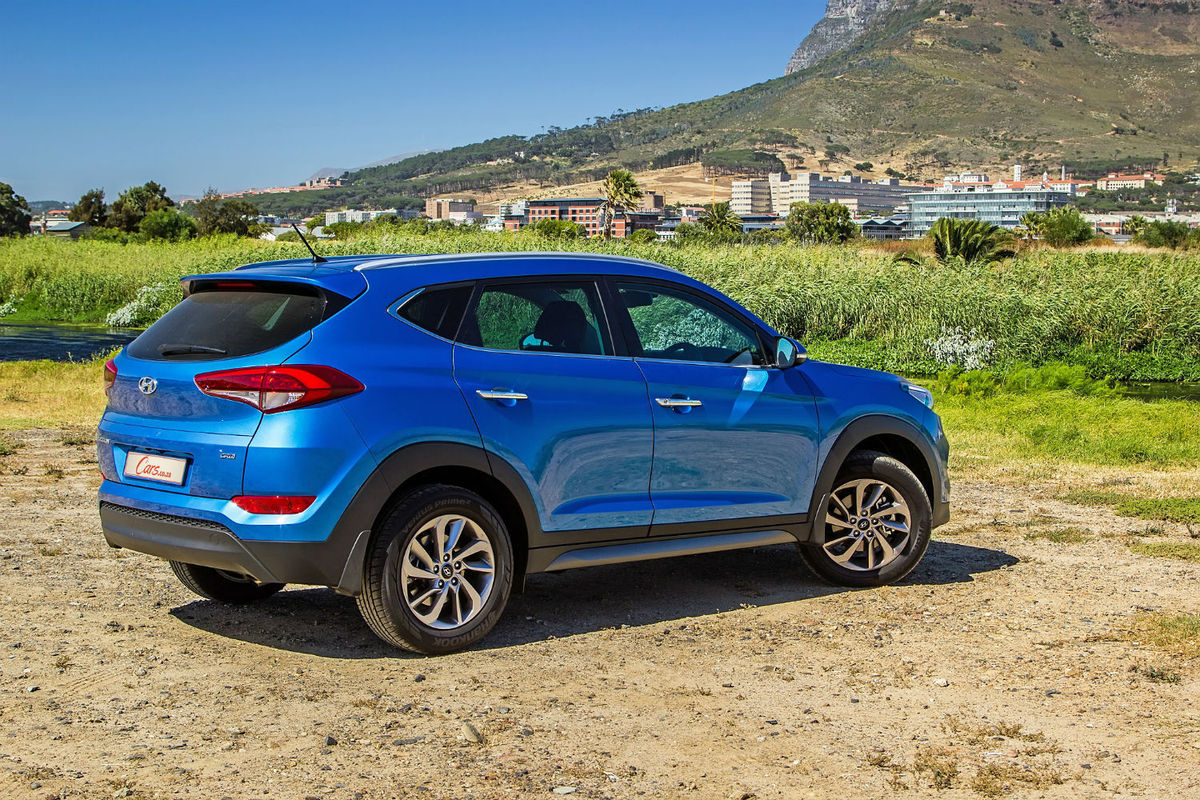
Korean brand Hyundai’s Tucson is a firm favourite in South Africa. Though the brand does not officially publicise its monthly sales volumes, we have it on good authority that the Tucson is one of the top-selling family car/SUVs in this country. Besides, you can gauge its popularity by just witnessing the sheer number of them in traffic. But which derivative is best? We think a mighty strong case can be made for this… the 1.7-litre turbodiesel Executive.
We like: Smooth, economical engine, ride quality, spacious, well-built cabin We don’t like: Steep price
Alternatives:
From Germany, with more space: The new Volkswagen Tiguan was recently crowned our Family Car of the Year, albeit in petrol guise. We have yet to test the new turbodiesel derivative, but on paper at least it appears to be down on power, similarly specced to the Hyundai, yet more expensive. It does, however, offer a larger cabin.
For more power: A new Mazda CX-5 was recently shown and will be heading for South Africa later this year. We still rate the current model highly, however, and in 2.2DE Active guise it is significantly more powerful than the Hyundai and Volkswagen. Of course, it is thirstier, too, and the cabin is not as spacious as those of the Tiguan or Tucson.
Want to spend less?: It is also worth looking at the popular Nissan X-Trail, provided you’re willing to forego a few modern conveniences. In 1.6 dCi XE guise it is significantly cheaper, but offers more power, a very spacious cabin, good fuel economy and high levels of comfort. It can also be specced with 7 seats.
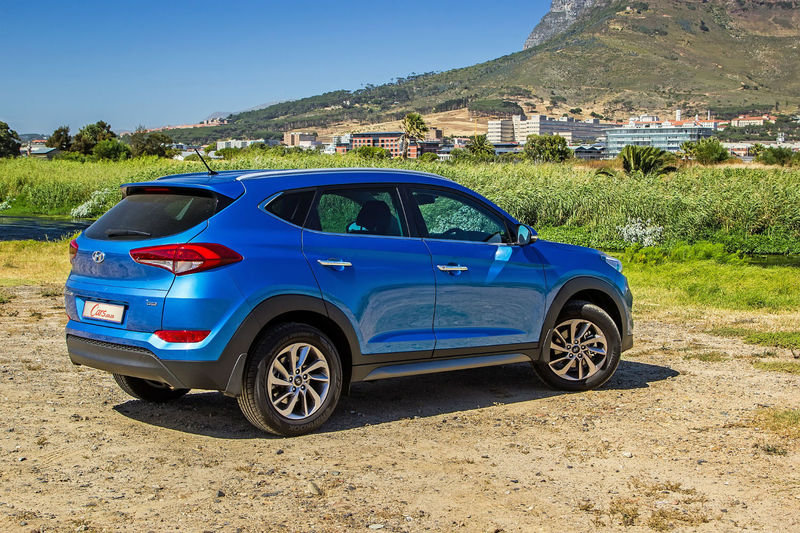
In a market that can’t get enough of compact SUVs or crossovers, the Hyundai Tucson appears to be a darling of South African families. At first glance, the reasons for this may not be that obvious – the latest Tucson is a pricey product that is neither as flamboyant as some of its rivals, nor as generously specified. And yet, it achieves startling sales figures month after month. So what’s key the to its success? We spent a week with what is arguably the sweetest model in the line-up, the 1.7-litre turbodiesel Executive, to figure it out.
Good looks married to a frugal, punchy and refined engine… what’s not to like?
This particular version of the Tucson is powered by one of those rare engines that appear to punch above its weight. The 1.7-litre turbodiesel under the bonnet is claimed to deliver power and torque figures of 85 kW and 280 Nm which, while competitive with the likes of the Tiguan and Kadjar, are not headline-grabbing stuff, particularly keeping in mind the size and weight of the vehicle.
But any concerns about a potential lack of power are dispelled in the first few hundred metres of driving this Tucson. The power delivery is smooth and linear, with a marked lack of the turbolag that often affects small turbocharged engines. The key, of course, is the torque delivery – the full 280 Nm is already available from 1 250 rpm. The engine remains smooth and refined throughout its rev range, too. Coupled with a very slick 6-speed manual transmission, driving the Tucson is not a chore at all. In fact, we suggest Hyundai should redo its performance testing, as the claimed performance figures (particularly the 0-100 kph time) appear way too conservative given the Tucson’s responsiveness in general driving situations.
And what of efficiency? Here, too, the Tucson does very well indeed. Hyundai claims a fairly high combined cycle consumption figure of 6.8 L/100 km, which we think may be either incorrect or very conservative. We suggest a consumption figure of 6.5 L/100 km is quite achievable.
Refinement and Comfort
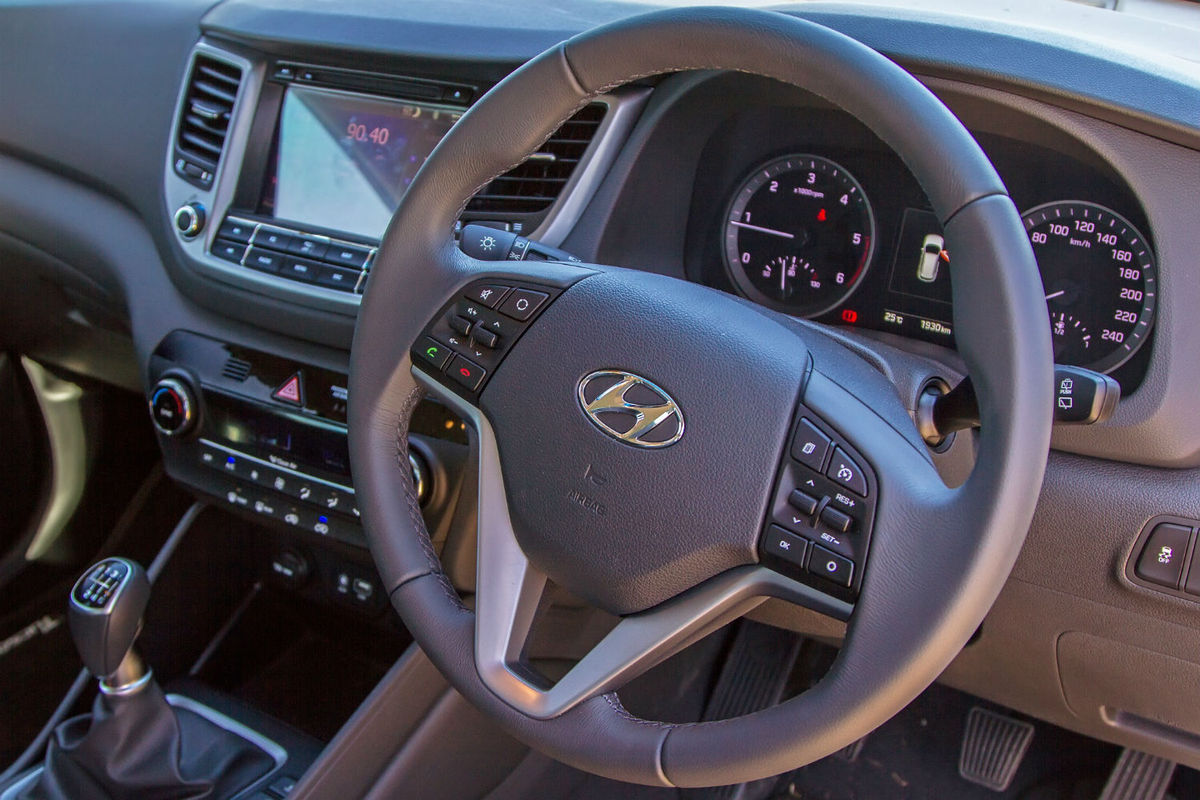
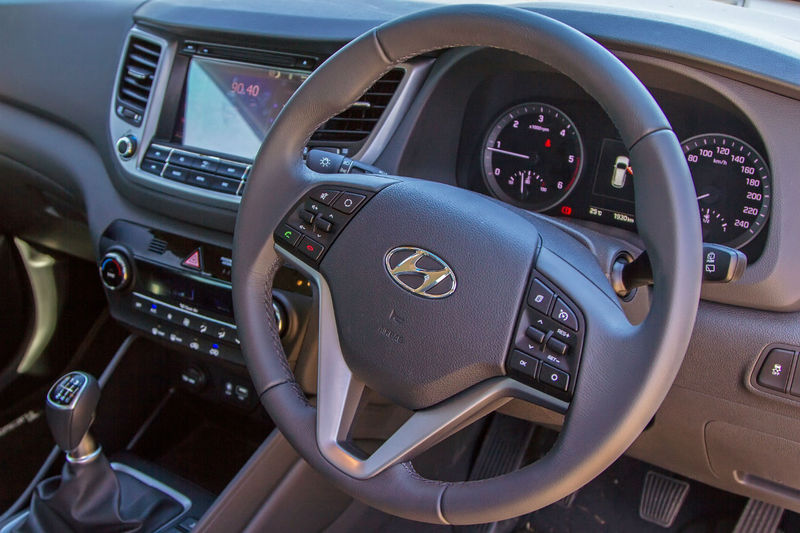
High quality materials, a hushed cabin and loads of features make the Tucson interior a pleasant place to be.
An area in which the latest Tucson (as well as the Sportage) has made considerable progress is in general refinement. The cabin environment feels appreciably upmarket and remains hushed, even at higher speeds. In fact, overall noise suppression is very impressive, because even the diesel engine under the bonnet remains relatively muted when worked hard. We’ve already mentioned the very good transmission, too. Combine this with good, nicely weighted steering and you have a vehicle that is a pleasure to drive.
A car such as the Tucson will have to remain comfortable on a variety of road surfaces, given its family transporter role. We have thus far been very impressed with this Korean’s ride and handling setup, and this derivative further reinforced the perception that Hyundai is now nearing (or at) the very top in this segment in that regard. Although this Tucson rides on striking 17-inch wheels as standard, the tyres (225/60) have generous sidewalls which definitely contribute to the overall cushioned ride characteristics.
Standard features?
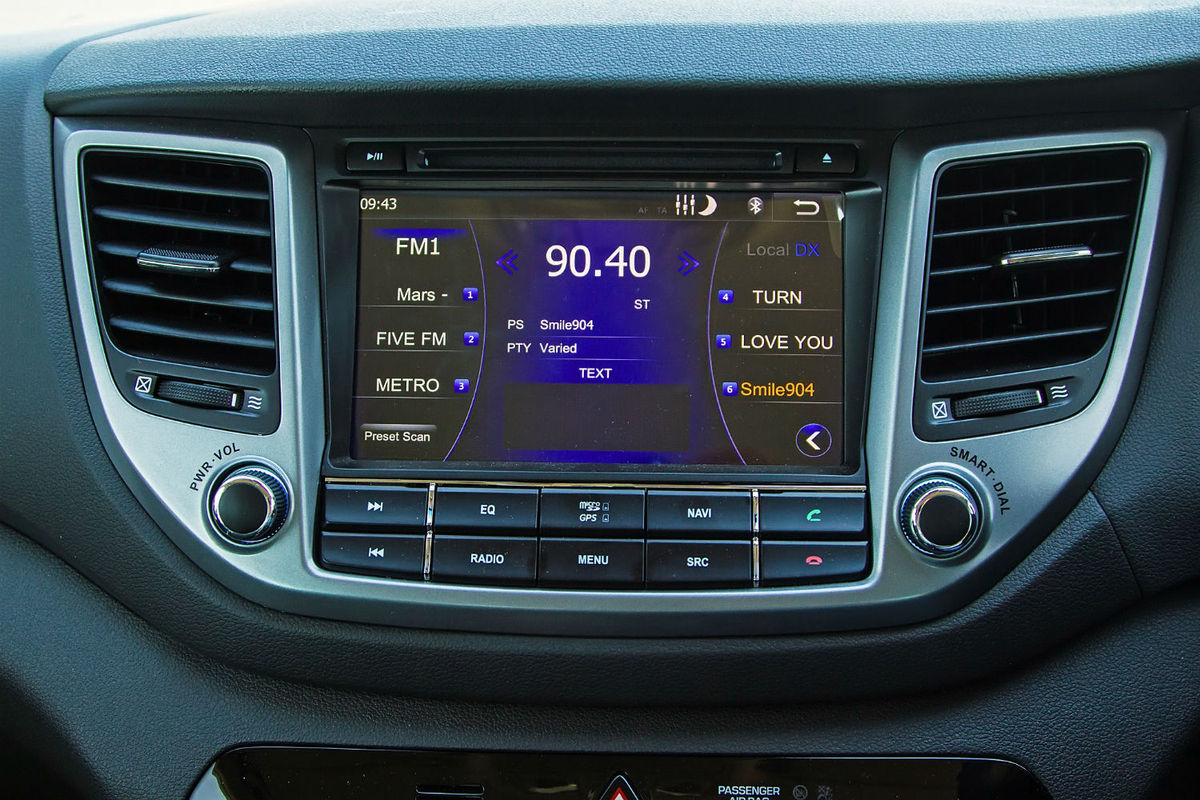
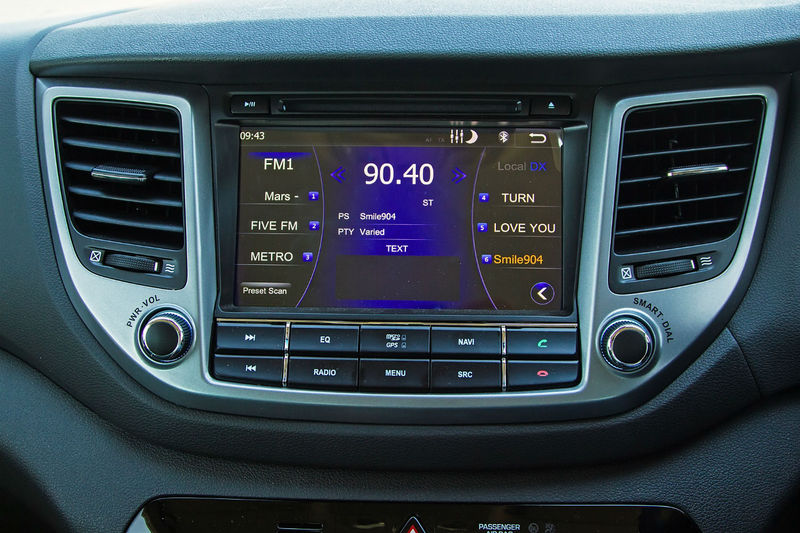
The optional 8-inch touch-screen is part of an entertainment package that also adds navigation. It costs R15 000.
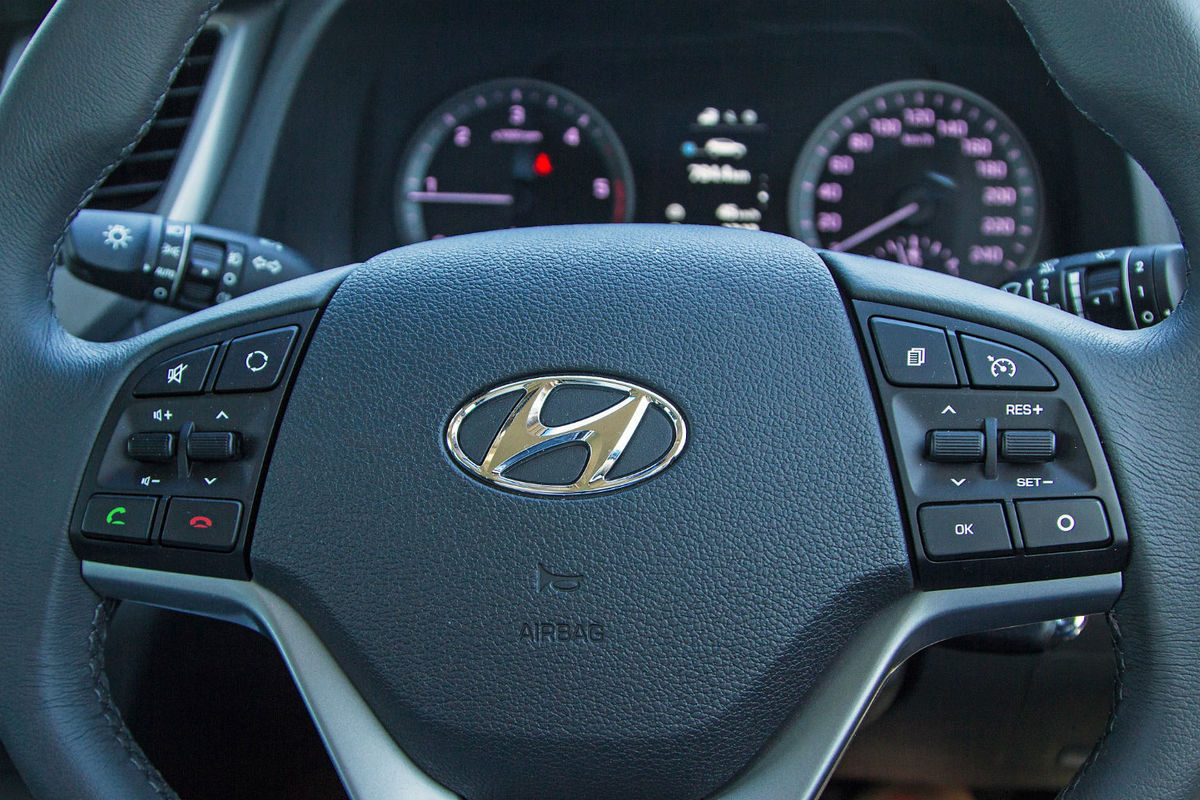
This Tucson is offered in Executive trim, which means the standard specification is quite generous and certainly as good, if not better than, some rivals that are even pricier. You get black leather upholstery as standard, and both front seats feature electric adjustment (a rarity in this segment, especially as standard). Dual-zone climate control is part of the package, and there are rear ventilation outlets, auto lights/wipers, cruise control and a rearview camera display.
Fitted as standard is a 3.8-inch display screen for the 6-speaker infotainment system that offers Bluetooth, USB and Aux support. It might be worth spending an extra R15 000 to get the more comprehensive entertainment system, which includes navigation and an 8-inch touchscreen system, as well as USB Mirror Link.
In terms of safety specification the Tucson offers a class-standard 6 airbags, ABS with EBD and an electronic stability system. Isofix child seat anchors are fitted at the rear.
Packaging?
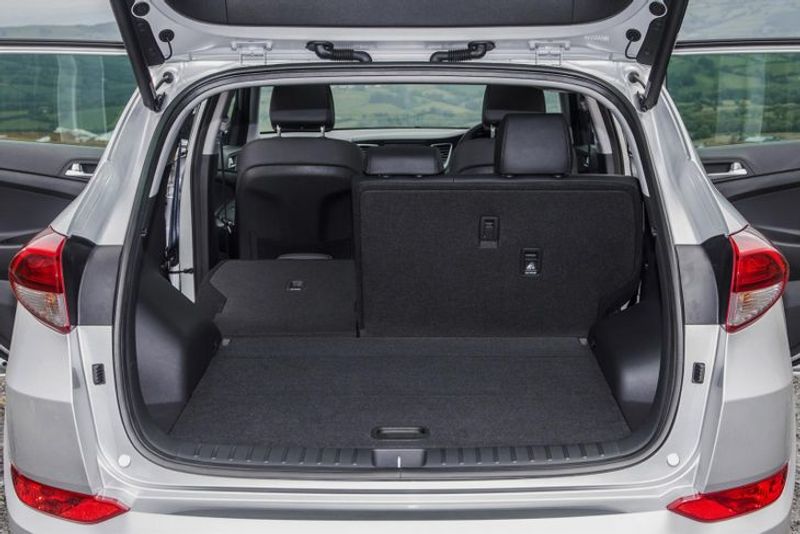
Tucson’s boot is bested by the Tiguan’s for size, but will be big enough for most families.
As mentioned in some of our previous Tucson reviews, this Hyundai is nicely shaped for a family of 5, but ultimately not the most spacious vehicle in its segment. Nevertheless, rear legroom is good, particularly if the rear seats are mostly going to be used by the kids and the boot is usefully large, too. The rear seat backrest can also recline and, of course, fold forward to extend total cargo space.
What the Tucson arguably lacks are some clever, detail touches, such as the Tiguan’s flip-up trays, or the sliding rear seats of some other rivals. We doubt these will be dealbreakers for most consumers, however.
Pricing & Warranty
The Hyundai Tucson 1.6 CRDi Executive sells for R449 900 (at the time of testing) and comes backed by Hyundai’s excellent 5-year/150 000 km warranty (including a 7-year warranty on main drivetrain components) and a lengthy 5-year/120 000 km service plan.
Verdict
The Hyundai brand has come a long way, and given the Tucson’s all-round excellence, it just about justifies the pricing.
We continue to rate the Tucson highly and this 1.7-litre CRDi Executive derivative is now arguably our favourite. Yes, the addition of an automatic transmission would arguably further enhance its appeal as a family car, but at what cost? Given the fact that the manual transmission in this model is slick and easy to operate, we can live with changing gears ourselves. More importantly, it offers a blend of comfort, performance, frugality, refinement, quality and spaciousness that is very appealing, even at the seemingly lofty price.
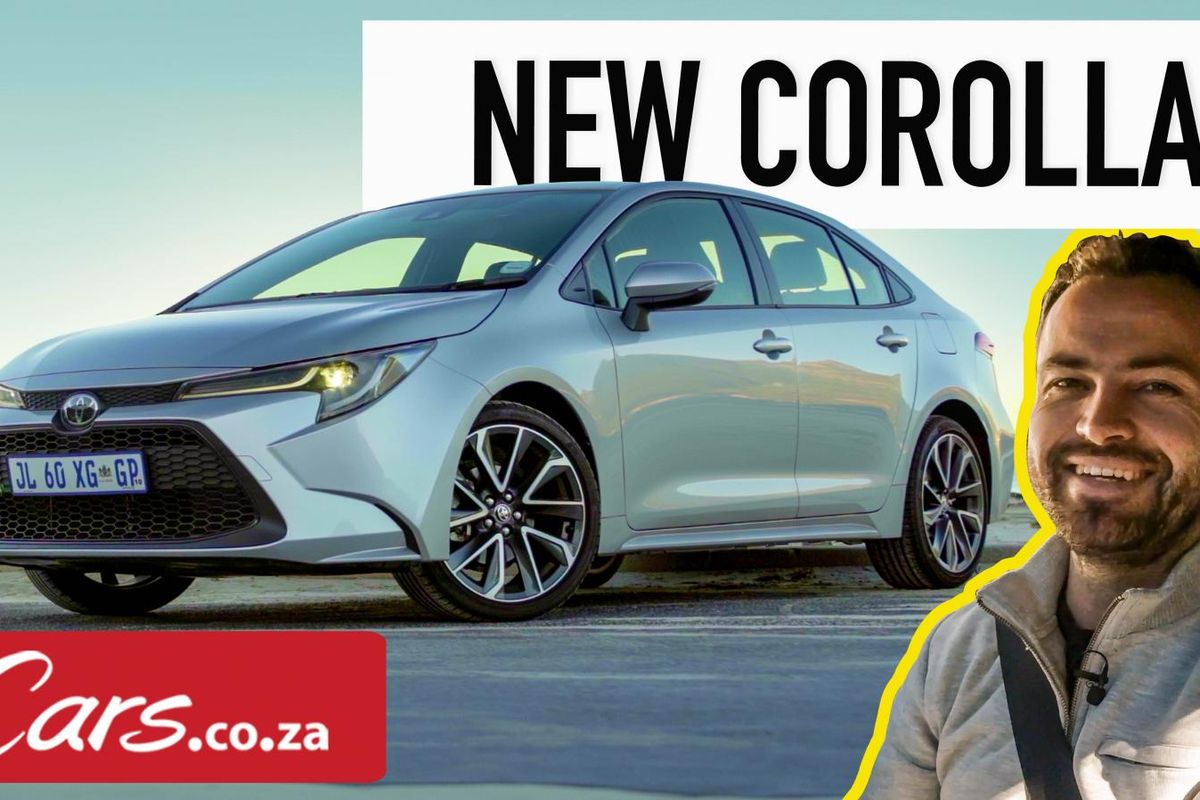
More than 1 million Corollas have been produced and sold in South Africa. A perennial bestseller, Toyota's family car faces stiff competition from other segments and rival products… Has it kept up with the times?
It’s crazy to think that the Corolla nameplate is 50 years old this year, with the first generation Corolla introduced in 1966. More than 45-million Corollas have been sold worldwide, making it the best-selling car, ever. That’s impressive! But the Corolla has a long history in South Africa too, more than 40 years, in fact, starting with the introduction and local production of the third generation Corolla in 1973.
Fast forward to 2017 and, yes, the Corolla is still very much a part of the South African motoring landscape, but the game has changed. It’s no secret that demand for C-segment sedans in South Africa has declined sharply in recent years as car buyers increasingly favour compact crossovers and SUVs instead.
Toyota will be looking to capitalise on this shift with the imminent arrival of the attractive C-HR compact crossover due for launch at the end of February 2017. Despite declining demand, the Corolla is currently dominating the C-segment sedan market against rivals such as the Volkswagen Jetta, Ford Focus, Hyundai Elantra and Chevrolet Cruze. In fact, in 2016, combined dealer sales of Corolla and Quest, outnumbered its closest rival, the Volkswagen Jetta, with a ratio of five to one, making the Corolla the best-selling C-segment sedan by a large margin. The Corolla is the only C-segment sedan that is selling well in a declining sedan market and the facelifted Corolla will no doubt strengthen Toyota’s grip in this segment.
The Toyota Corolla's styling has been improved with subtle changes to the headlights, grille and bumpers.
The facelifted version introduces minor exterior design updates to improve the overall appeal of the Corolla. These changes include new headlamp clusters, revised front and rear bumpers, a raised bonnet and additional chrome accents at the rear, giving the vehicle a more sophisticated look. LED daytime running lights (Exclusive models) and LED taillights (1.8-litre models) further add to the Corolla’s appeal.
On the inside, the Corolla now features an updated instrument panel with a revised climate control panel and circular air vents. Furthermore, the previous 6.1-inch infotainment touchscreen has been replaced with a larger 7-inch unit fitted on Prestige derivatives. Other interior improvements include a piano-black centre cluster surround as well as chrome-plated ornamentation.
Engine line-up
The engine offering remains the same with three petrol and one diesel engine on offer. Three trim levels are also offered and these include Esteem, Prestige and Exclusive. The petrol offering starts with the 1.3-litre derivative with 73 kW and 128 Nm of torque. A 1.6-litre engine with 90 kW and 154 Nm of torque is also available, while a 1.8-litre engine with 103 kW and 173 Nm of torque tops off the petrol range. The only diesel option on offer is a 1.4-litre turbodiesel engine with 66 kW and 205 Nm of torque.
Engine options remain unchanged with three petrol and one diesel engine on offer!
All engine options are mated to a 6-speed manual transmission, while a revised CVT is offered for the 1.6 Prestige and 1.8 Exclusive derivatives. Toyota says that the CVT automatic transmission has been retuned to deliver quicker, crisper and smoother "shifts" that are better matched to engine speed.
Toyota has also included stability control and hill start assist as standard for all 1.6 and 1.8 derivatives. Other standard safety features include ABS with EBD, brake assist and a minimum of 4 airbags (7 airbags are fitted on Exclusive models).
The driving experience
Toyota had both the 1.8 Exclusive and 1.4 turbodiesel Corolla available on launch. Sadly, we only had time to drive the 1.4 turbodiesel Prestige derivative.
We found the interior of the 1.4 Prestige to be pleasantly comfortable with leather seats and a leather steering wheel. It was also equipped with nice-to-have features such as cruise control and a rear reverse camera. The larger 7-inch infotainment system is more prominent and it’s relatively intuitive and easy to use.
The interior boasts a larger 7-inch touchscreen and revised instrument panel.
The launch route took us through the suburbs of Cape Town, the N2 highway and into Cape Town’s CBD. What became abundantly clear during the drive, was the Corolla’s good ride quality and surefooted handling. For this facelift, the Corolla’s suspension system adopts larger-diameter shock absorbers and an additional rear damper bush that ultimately improves ride quality and handling and it seems to be an improvement over the pre-facelift version. The cabin is also quieter while driving thanks to the implementation of improved insulation.
The 6-speed manual gearbox was a pleasure to use with its smooth-shifting action and although the 1.4 turbodiesel engine can be sluggish low in the rev range, its performance quickly escalates past 2 000 rpm and it actually performs quite well on the open road. Surprisingly, the turbodiesel engine is not as noisy as you would expect, which is a good thing…
Toyota claims luggage capacity at 452 litres and the rear seats can fold down in a 60:40 configuration should you need extra space for longer or bulkier items. With that said, if you don't need a taller luggage bay, typically offered on most crossovers and SUVs, then you will find the space offering in the Corolla more than sufficient.
Summary
Overall, we were impressed with the drive quality of the facelifted Corolla and we have reason to believe that it will still appeal buyers who are looking for an affordable, spacious and reliable family sedan. The Corolla's stylish looks, excellent reputation for reliability and competitive pricing structure against its key rivals should bode well for the Corolla's ongoing success on local soil. The Corolla is difficult to ignore in this segment and buyers looking for value should keep the Corolla "top of mind".
We will have the facelifted Corolla on test soon, so look out for a thorough evaluation coming your way soon!
Toyota Corolla – Price in South Africa
1.3 Esteem
R261 300
1.6 Esteem
R280 200
1.3 Prestige
R281 300
1.4 D Esteem
R294 400
1.6 Prestige
R299 900
1.8 Prestige
R313 500
1.4 D Prestige
R307 500
1.6 Prestige AT
R314 000
1.8 Exclusive
R336 300
1.8 Exclusive AT
R349 400
All prices include a 5-year/90 000 km Service Plan and a 3-year/100 000 km manufacturer warranty.
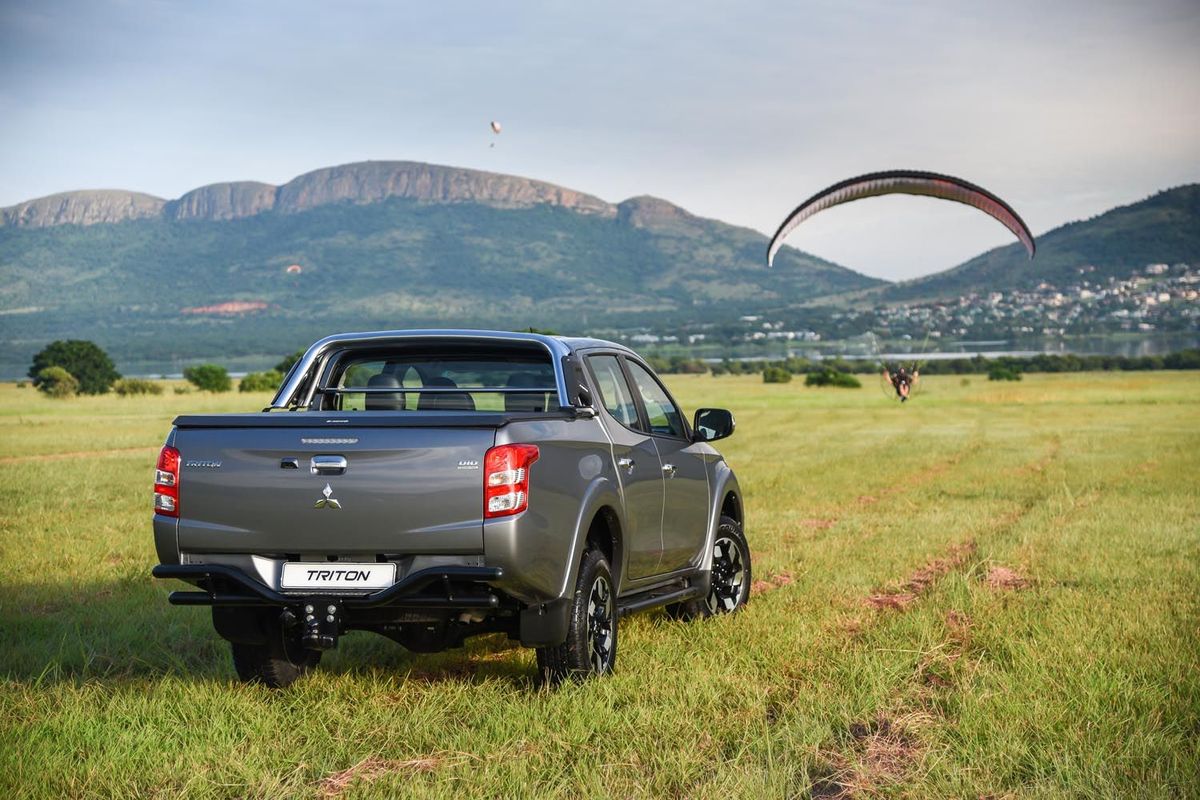
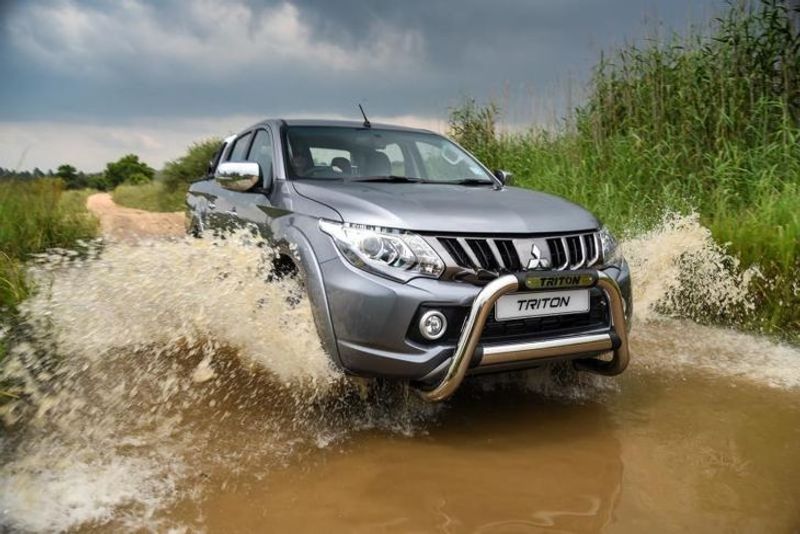
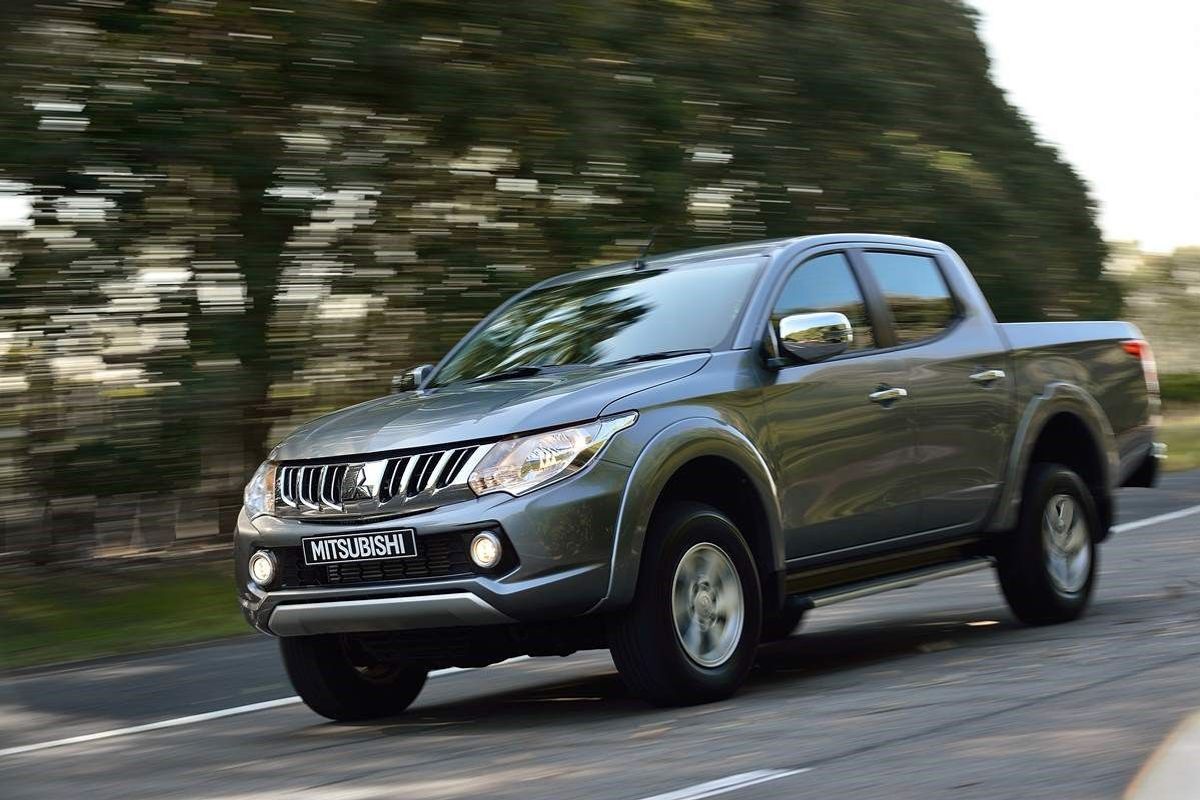
After a long delay, the all-new Mitsubishi Triton double-cab bakkie has landed in South Africa. It goes straight into one of the most competitive segments in our market and it’ll need to be better than good if it wants to steal sales from the market's frontrunners: the Toyota Hilux and Ford Ranger. Was it worth the wait? Read on…
The Triton is one of those double-cab bakkies which, despite its solid heritage and reputation, played second fiddle to the Ranger and Hilux. These two bakkies are entrenched in our market and it's incredibly tough to break the stranglehold, just ask several of the other players in the market, including Foton, GWM, Isuzu, Mazda, Nissan, Tata and most recently, Fiat… Those are among the Japanese brand's fiercest rivals in this segment.
Unfortunately for Mitsubishi, this Triton has been a long time coming and the delayed replacement has allowed rivals to release new models too. There’s an updated Isuzu, a new Fiat Fullback and the Ranger and Hilux have both seen new derivatives added to their ranges. Game on, then.
What’s new?
Almost everything, actually. The headline act of the new Mitsubishi Triton is a 2.4-litre 4-cylinder turbodiesel engine. This unit features an all-aluminium assembly and is 30 kg lighter than the previous-generation motor. It offers up 133 kW and 430 Nm, which is good in this class and Mitsubishi claims it’ll sip 7.6 L/100 km. Two choices of transmission are offered: a six-speed manual and a five-speed automatic.
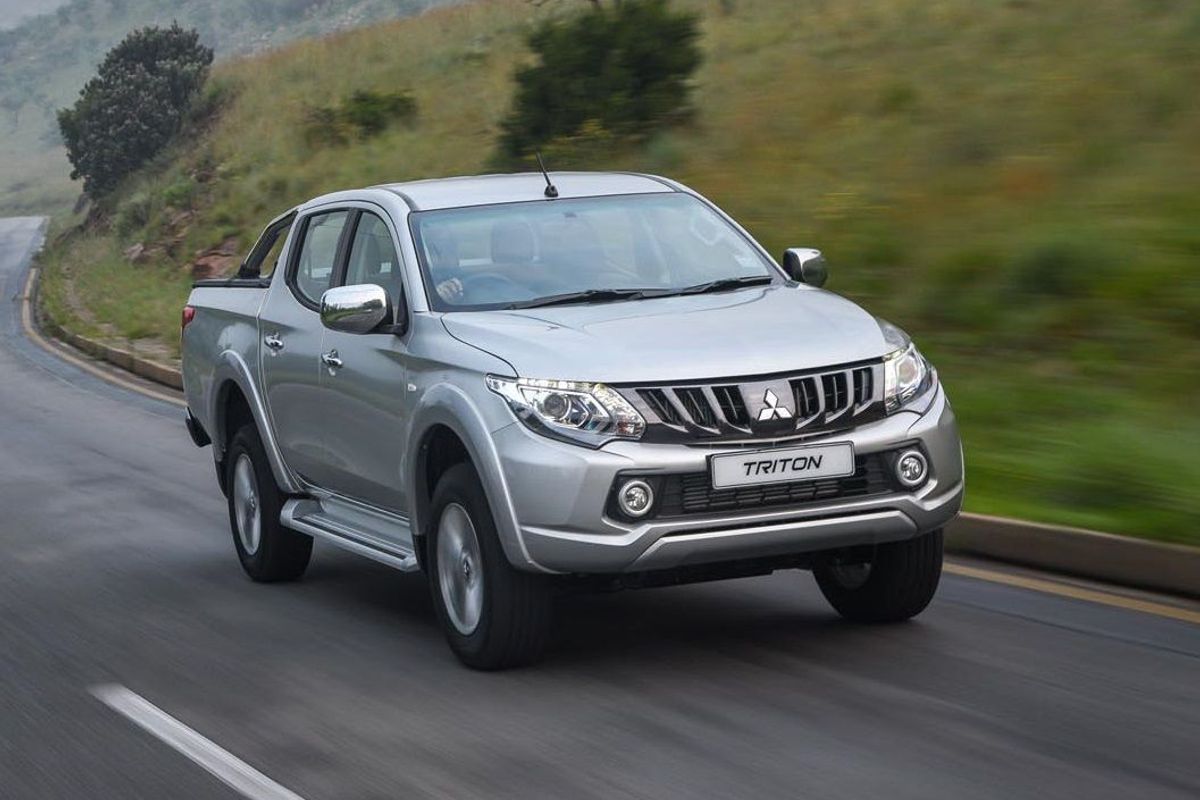
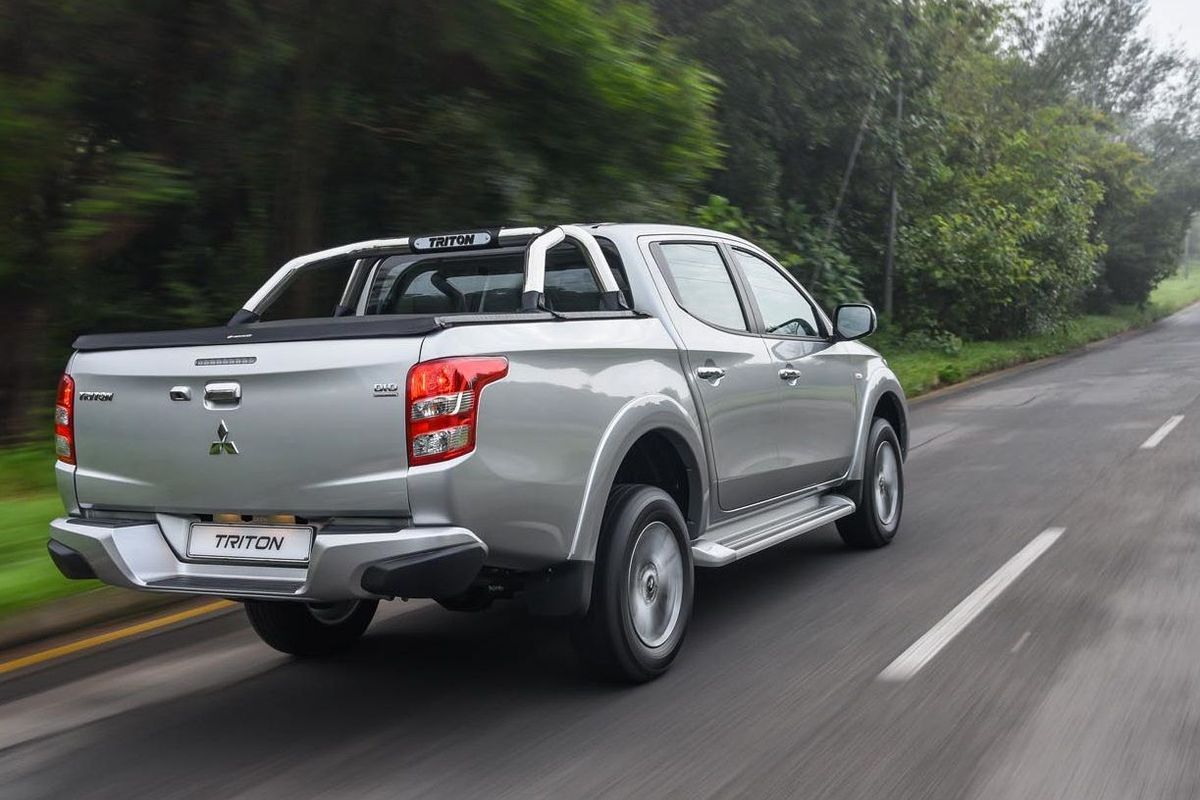
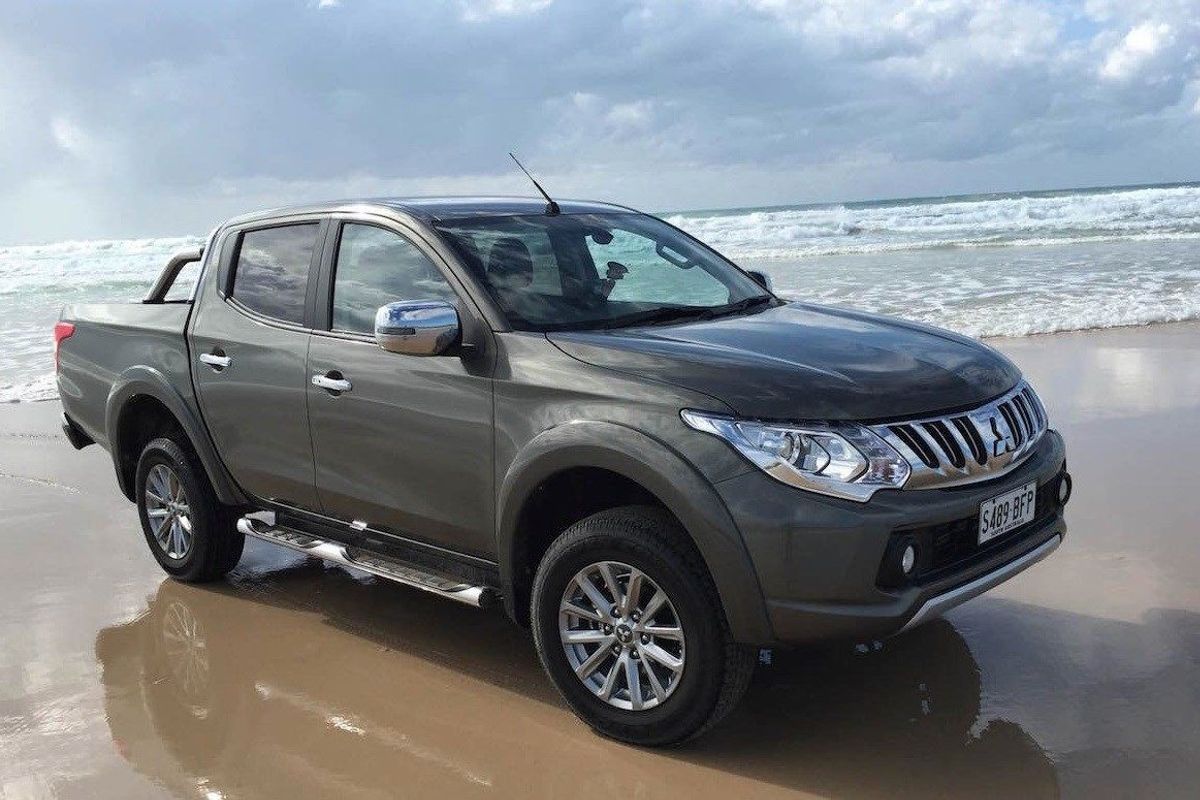
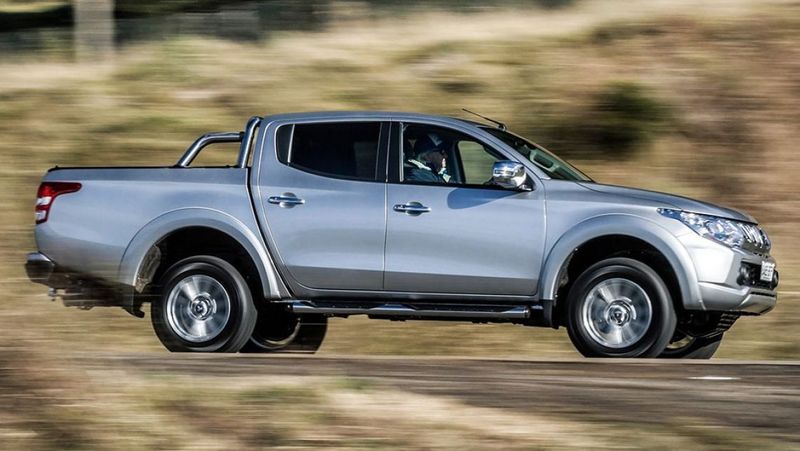
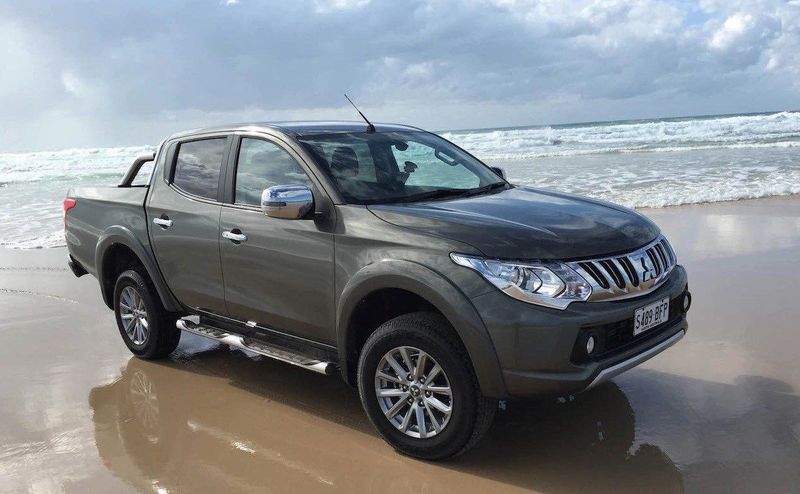
The looks have changed considerably and while it shares its underpinnings on the Fiat Fullback, enough has been done design-wise to ensure the two can be easily differentiated. In fact, the new Triton is not a bad looking double-cab bakkie at all.
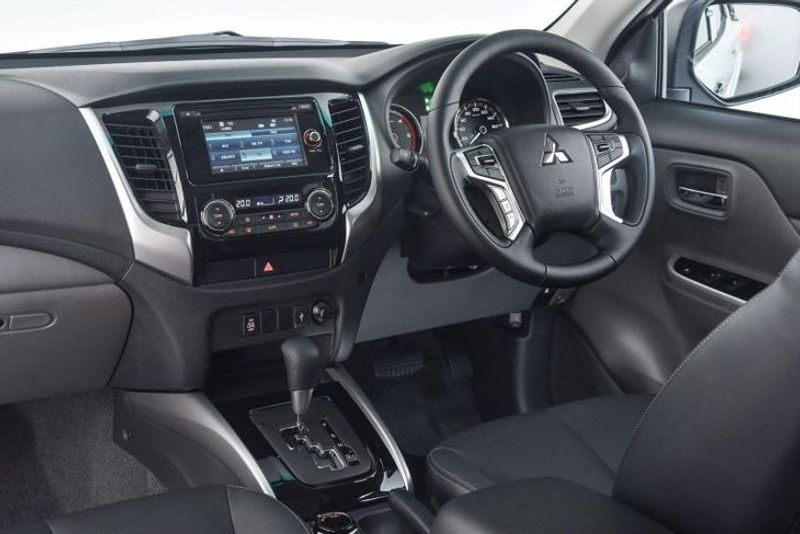
In terms of interior layout and appointments, the newcomer has a undergone a major overhaul. The cabin offers appreciably more interior space than its predecessor and it’s interesting to note that the rear bench's backrest is set at a friendlier angle. Usually, bakkie back benches are uncomfortably upright, but this is not the case in the Triton. Mitsubishi claims the cabin has been stretched by 20 mm and shoulder room is more generous.
Can it go offroad?
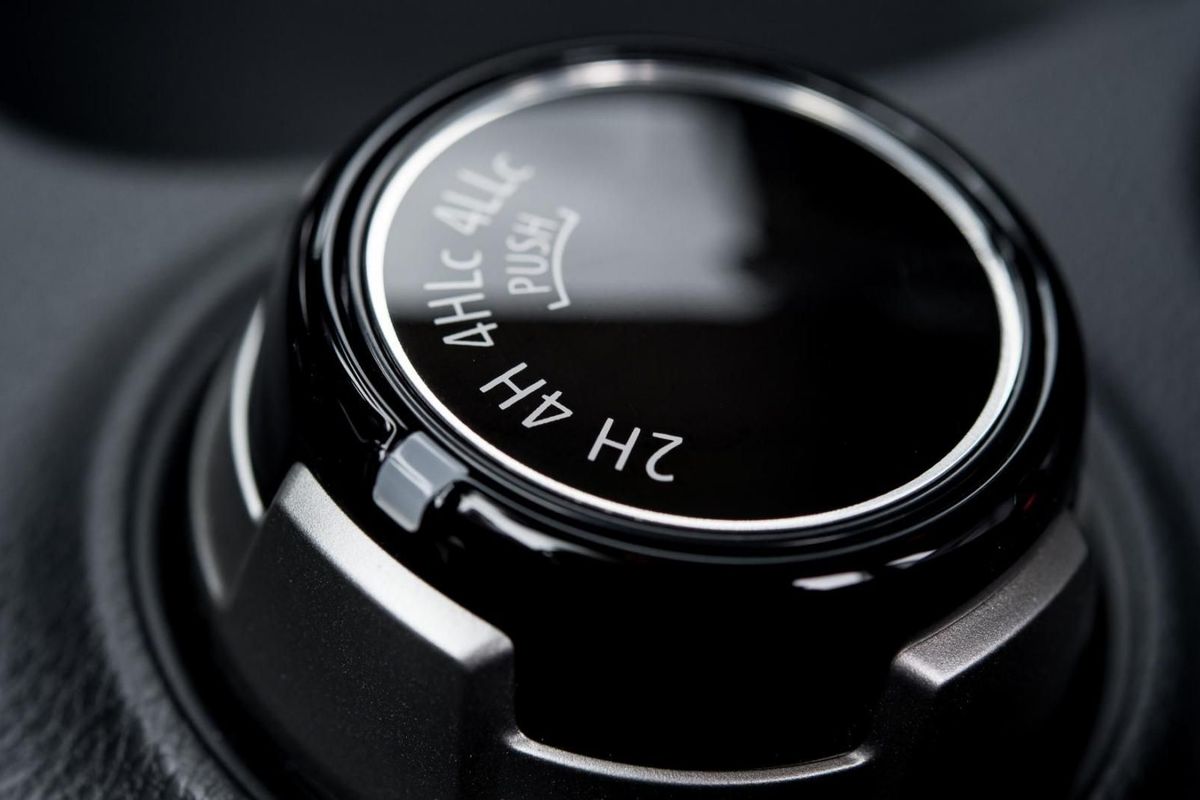
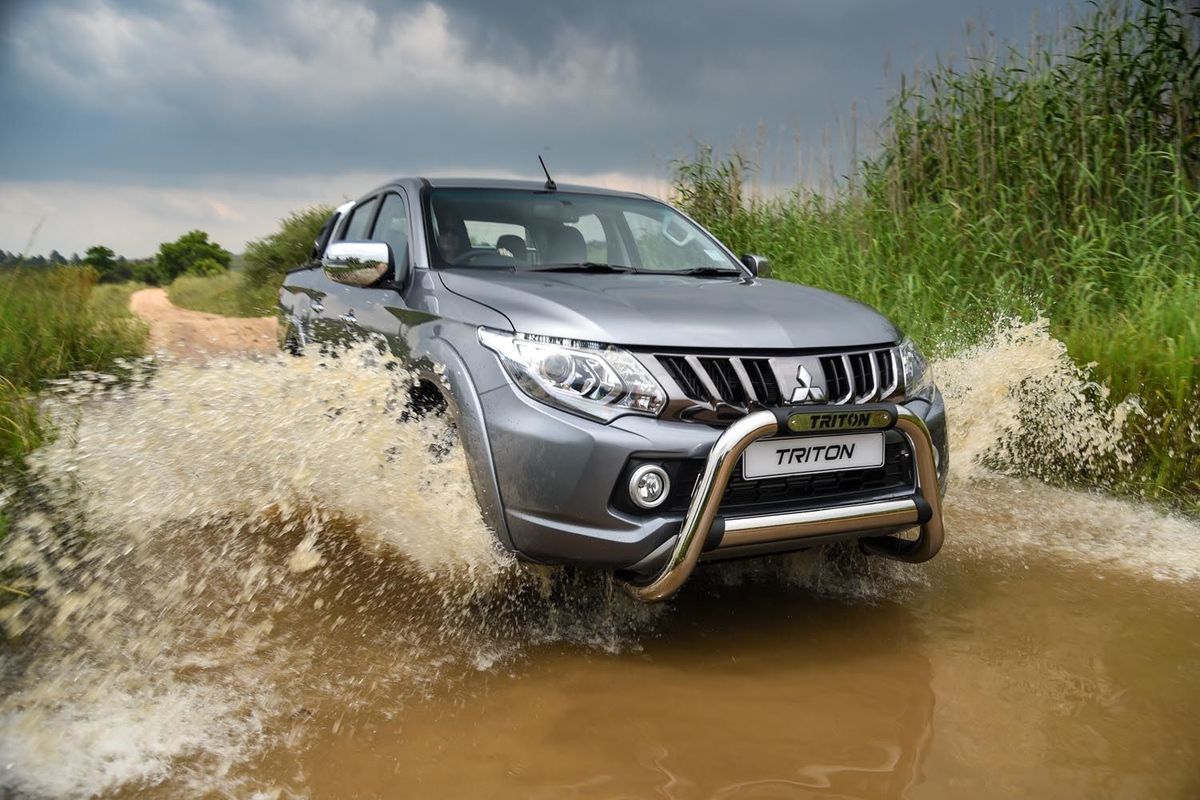
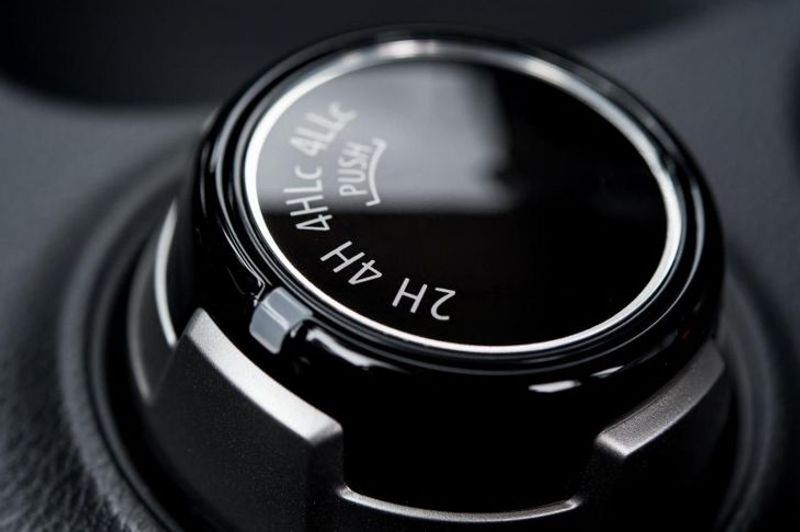
Mitsubishi can talk for days about how its Pajero won the Dakar rally and, based on our experience, the brand’s products are certainly capable in the rough stuff. The new Triton is set to continue that reputation as its rugged and capable. It features the Mitsubishi Super-Select II four-wheel drive system, which has driving modes for 4×2, 4×4 and 4×4 low range selectable via a dial on the centre console. While ground clearance is rated at 215 mm, the Mitsubishi is claimed to have an approach angle of 28 degrees, a departure angle of 22 degrees and a break over angle of 25 degrees.
We had a chance to put the Triton on a fairly challenging offroad trail and it traversed most obstacles effortlessly. The more hardcore obstacles needed some thought and effort, but they were eventually dealt with. It’s moments like these that you realise that in an off-road vehicle with a breadth of ability, the main limitation to what a vehicle is capable of is its driver’s skills and experience…
Yes, yes it can indeed go off-road. The Triton is a tough off-roader and it will take loads of punishment.
What’s it like to drive?
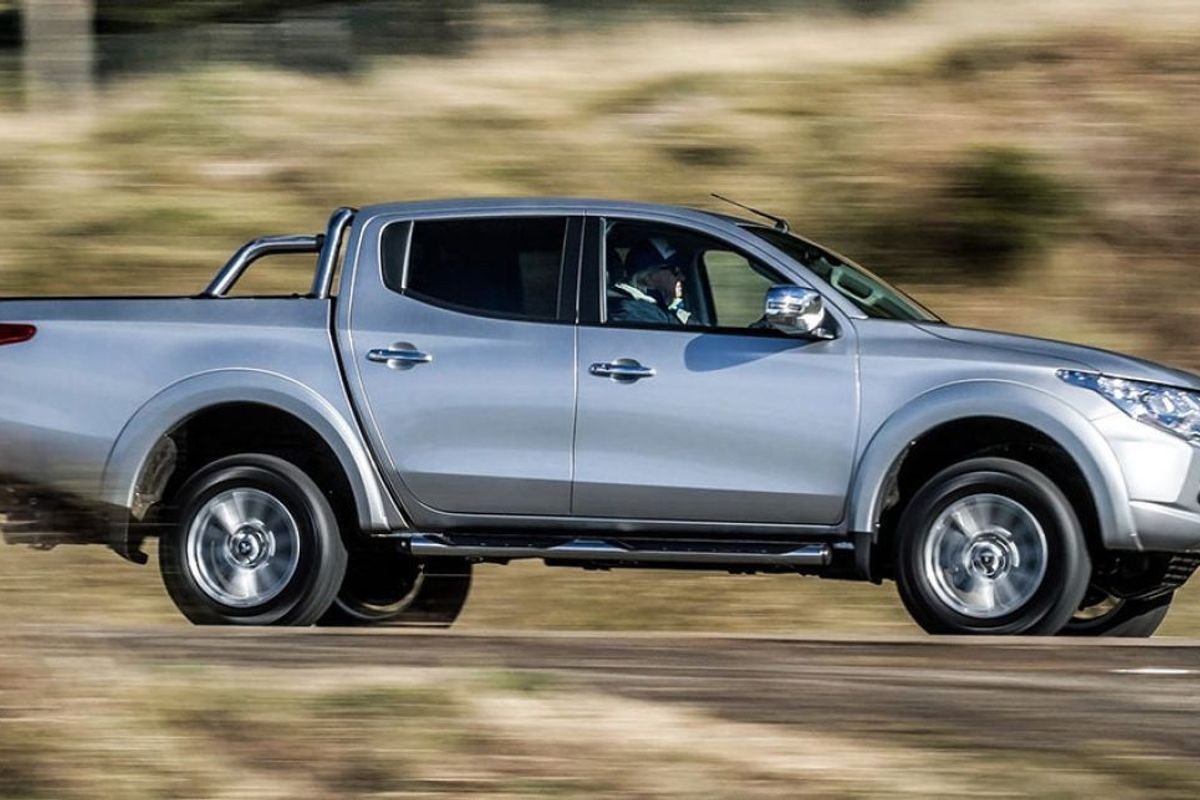
Tarmac driving proved to be an area where the Mitsubishi really shone. Not only is it really quiet (by most double-cab bakkie standards), but the ride quality is comparatively excellent. Some test units had some cargo in their load bins to demonstrate unladen and laden performance, but in each case (laden or unladen) the ride quality and refinement was superb. We’d go as far as to suggest that it’s class-leading. Sure, we’re going to have to do another big bakkie comparison test to find concrete proof that the new Triton is as accomplished on the road as we think after this launch drive.
On gravel, it was much the same. While evaluating the automatic derivative, we were thoroughly impressed by the Triton's stability and comfort on gravel… and uneven sand. At no point did the steering and handling feel untoward, which budding off-road enthusiasts will undoubtedly appreciate.
Of the two transmissions, we’d lean towards the automatic over the manual. While there’s nothing fundamentally wrong with the manual ‘box, we appreciate the convenience and ease of use of the automatic. Naysayers will suggest that five speeds aren’t as good as six, but in this case the flexibility and wide powerband of this new engine means the box doesn’t need to be constantly changing down to find the sweet spot.
The steering wheel action is surprisingly light and you’d be forgiven for thinking you’re in something compact like a Mitsubishi ASX, as opposed to a double-cab bakkie. Thanks to a shorter wheelbase, handling in town is good and you’ll find the bakkie has a surprisingly small turning circle.
Generous on-board features
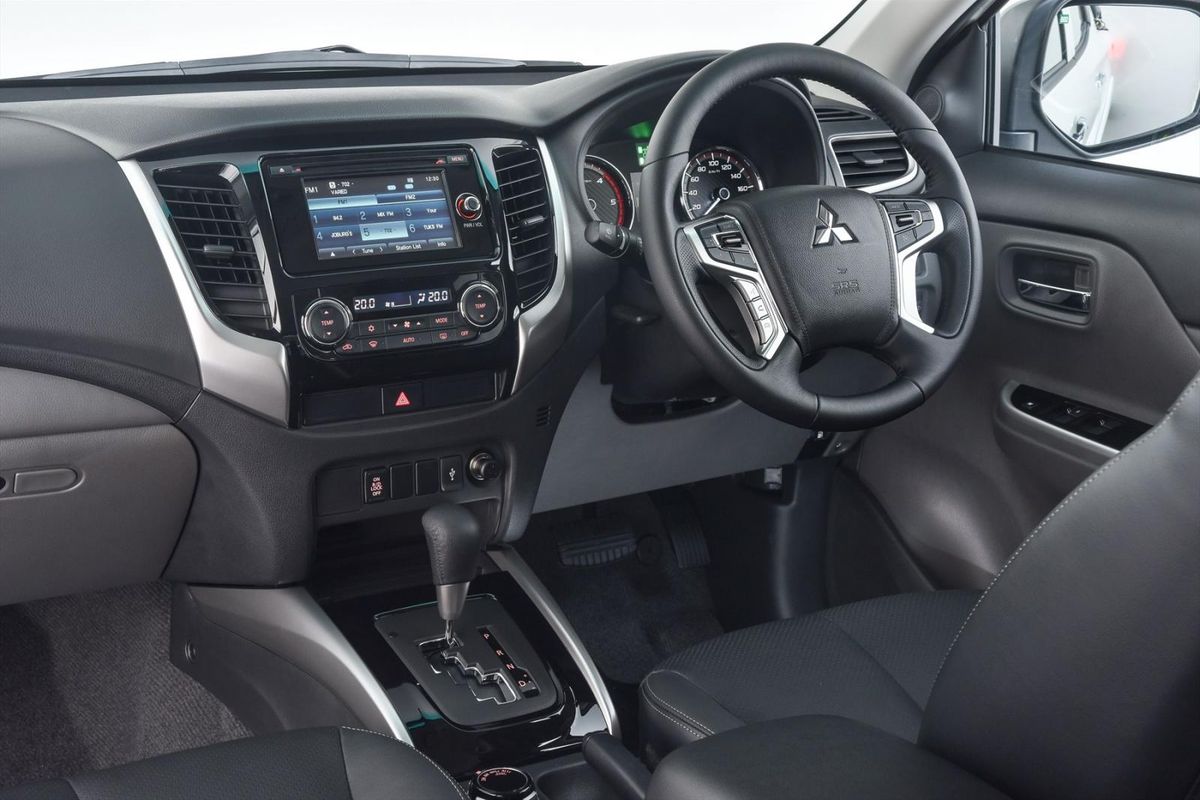
The interior of the Mitsubishi Triton is simple and well-built. Infotainment system offers the basics.
The Mitsubishi Triton comes with most boxes ticked in terms of features. A reach-and-rake adjustable steering wheel with satellite controls, climate control, Bluetooth, reverse-view camera, leather seats, USB connectivity and daytime running lights are just some of the features fitted as standard.
In terms of safety, driver and passenger airbags, anti-lock brakes, active stability and traction control, as well as hill start assist are fitted.
Rotary selector for 4×2, 4×4 and low-range driving modes.
Summary
While our launch drive was brief, initial indications suggest that the new Mitsubishi Triton has been well worth the wait. The combination of driving refinement and refined new engine make a compelling case for the bakkie enthusiasts. Sure, it’s going to be really difficult to tempt the Hilux and Ranger loyalists to switch to Mitsubishi, but for those who want something new, different and, crucially, cheaper, the Triton presents terrific value.
The cabin may be a little too basic for some, but the fundamentals are there and for most, that’s all a customer will need. We look forward to putting this newcomer through its paces against some of the more established rivals.
The Mitsubishi Triton comes to market at a competitive price in relation to its rivals. It has a 3 year / 100 000 km manufacturer’s warranty and a 5 year / 90 000 km service plan with intervals every 10 000 km.
A 400 000-mile Jaguar E-Type love affair: SentiMETAL Ep1
What is it that makes cars more than just machines? Why are they idolised, revered… and even loved? There is no easy answer – certainly not one that is universally applicable. With SentiMETAL, our new video series, we allow passionate owners to be the authors of their own automotive love affairs.
Allow me to get quite personal – that is, after all, the nature of the videos that you will see. SentiMETAL was born many years ago. I don't know exactly when. The thought that cars have character, perhaps even souls, is laughable, of course. And yet it's a belief that I've had, perhaps since the start. Written words are, I feel, not always effective enough to convey the emotion that the automobile can stir in man (or woman). Neither is a photograph. So, I'm tremendously pleased to have finally found a way – I think – to convey the beauty, the emotion, excitement, sadness, laughter… love that the car has given humanity.
This first episode of SentiMETAL was filmed as a proof-of-concept trailer. It was never meant to be shown on your screens. But here it is! We owe immense gratitude to director and producer Justin Pinto, who executed the brief so beautifully. Josh Spencer, the star of our first episode, sets the tone perfectly for what we hope will become a long-running series. He is not a wealthy collector who puts his car on display. He does the work himself. Letting go of his precious E-Type is not a thought he will ever entertain…
We believe there are many stories to tell. SentiMETAL will not be limited to classic cars and collectors, people and cars from all walks of life and backgrounds will be featured. What is important is the bond between man and machine. If you know of any such potential stories, don't hesitate to get in touch with me on Twitter: @HannesCars
BMW M4 GTS (2016) Review
Once a generation, BMW sets out to make a car that pushes the definition of “road-legal race car” to its limit. Preceded by legendary machines such as the M3 CSL and (E92) M3 GTS, this super-rare M4 has astonishing performance potential and laser-sharp focus, but does its collector’s item status cancel out its viability as a track car?
This BMW M4 GTS review will provide key information about this performance model so that you can make an informed buying decision.
We like: It’s appreciably faster and handles much better than a standard M4.
We don’t like: As a road car, it’s compromised and, because only 23 were allocated to SA, it’s effectively priceless.
Alternatives:
A less compromised option: Mercedes-AMG GT S is a well-sorted powerhouse that works both on the road and on the track. Not as driver-focused as the M4 GTS on the circuit, but arguably more composed on a public road
For series-produced sportscar:Porsche 911 GTS will be here soon. Not far off the power of the M4 GTS and possesses a chassis bred for supreme performance
More head-turning action: Jaguar F-Type SVR. More powerful than the Bimmer and with AWD. It’s slightly easier to tame than the GTS and achingly good-looking too.
What is the BMW M4 GTS?
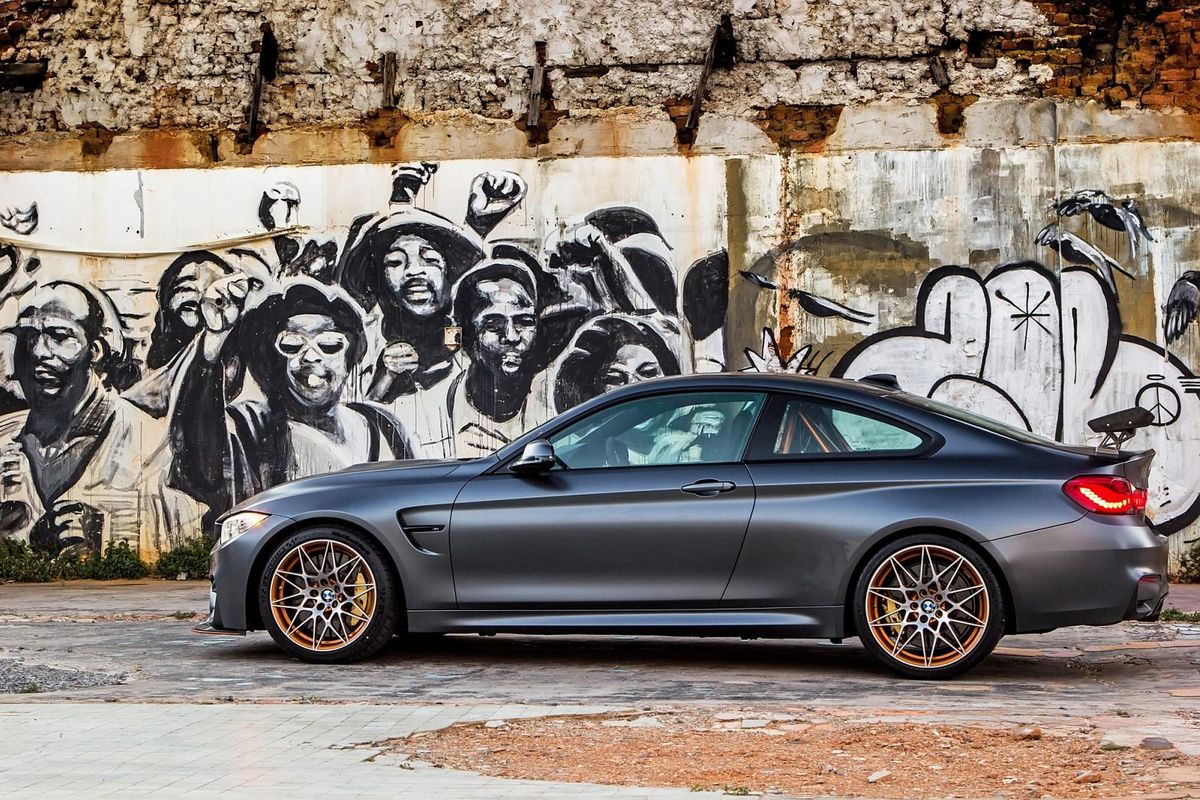
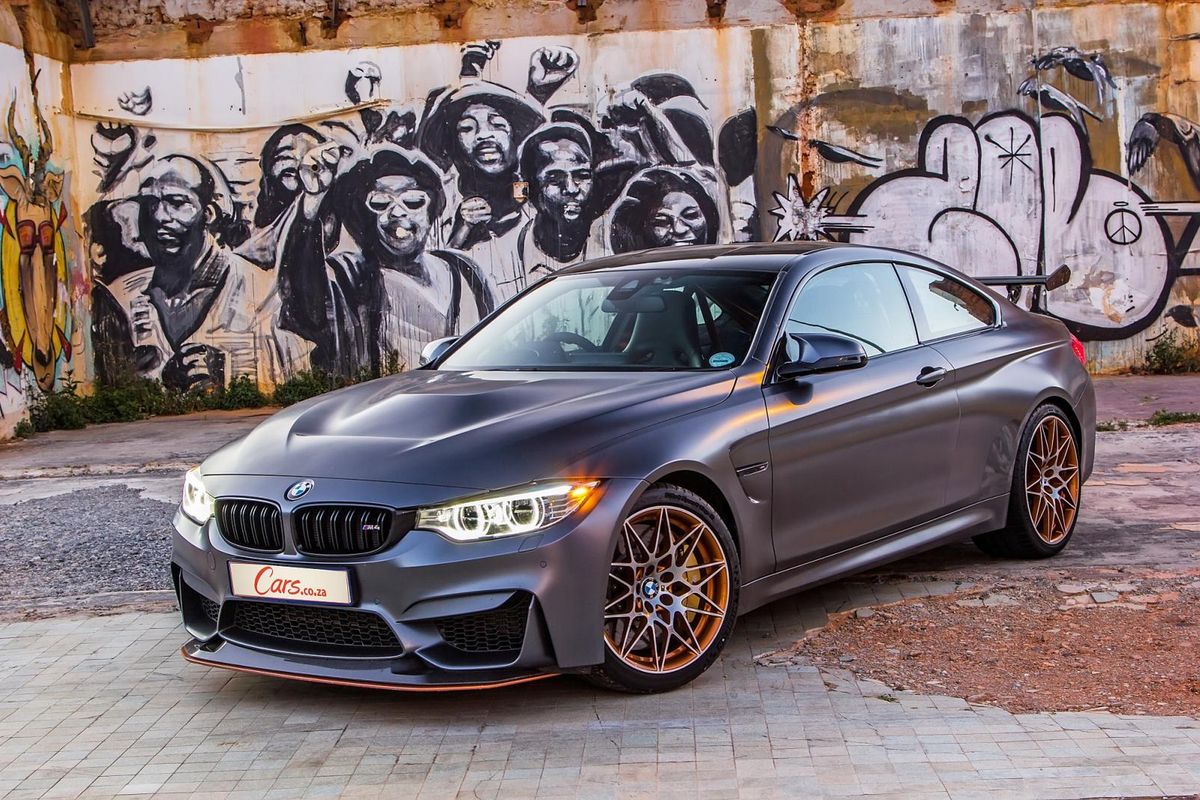
To put it simply: the most hardcore racecar-inspired machine that BMW has produced since the legendary M1 supercar of the late ’70s. The M4 GTS feels raw and unfiltered: when the engine starts from cold, the Frozen Dark Grey machine’s straight 6 lump splutters and heaves like it’s just been stabbed; not that it’s particularly wounded, it’s just… peeved. In all seriousness, when you finger the start button and the Bimmer’s motor snaps to life, people and animals run for cover in fear. That’s because there’s a new power-enhancing titanium exhaust system installed in the M4 GTS – when the exhaust gases are forcefully persuaded to evacuate the combustion chamber, it sounds like a shotgun being fired down a metal drainpipe!
The M4 GTS has been designed and tuned to work on track and then adapted to deal with everyday road conditions. Only 23 units were allocated to South Africa and all were pre-sold before they landed. We’ve driven it on track, and were pleased with its capabilities, especially on the Barcelona circuit, which it was specifically set up for. Today, however, we’re on the road, where traffic and speed bumps abound; so, is it any good here?
M4 GTS takes over the GTS nameplate from the previous M3 GTS that never made it to South Africa
How does it fare in terms of…
Getting the pulse racing?
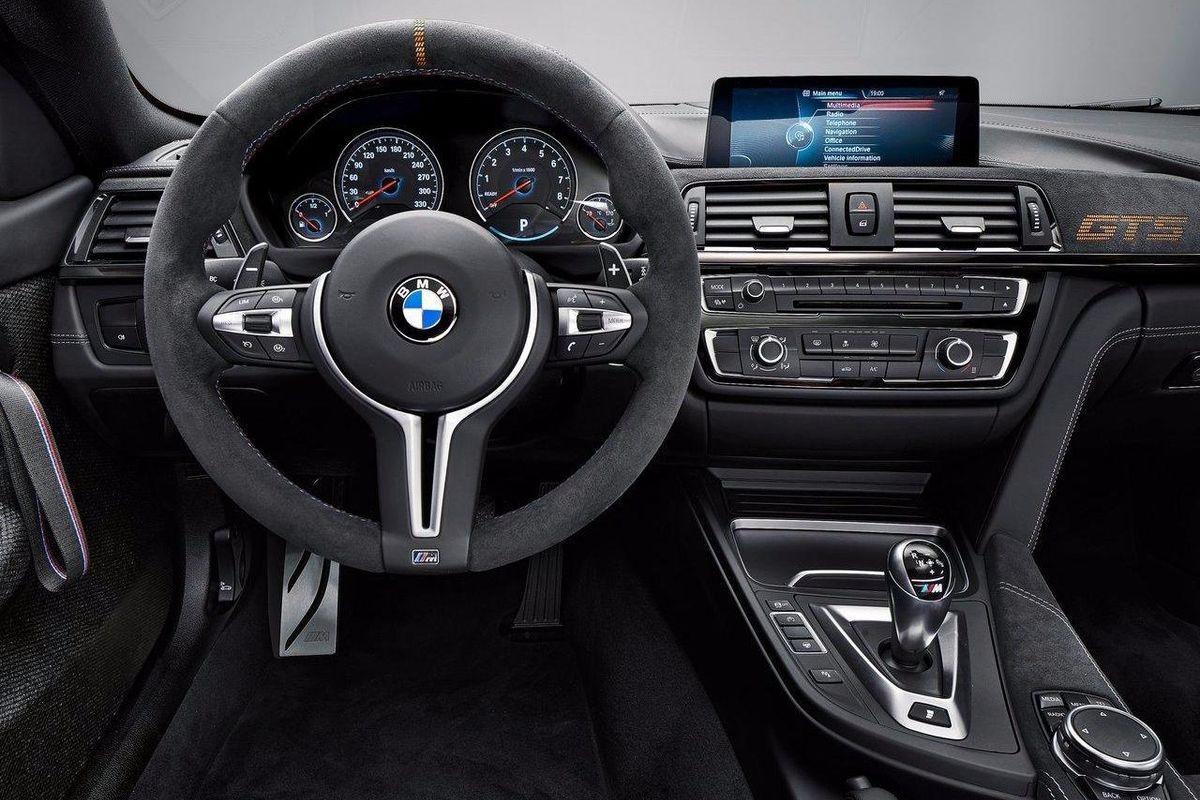
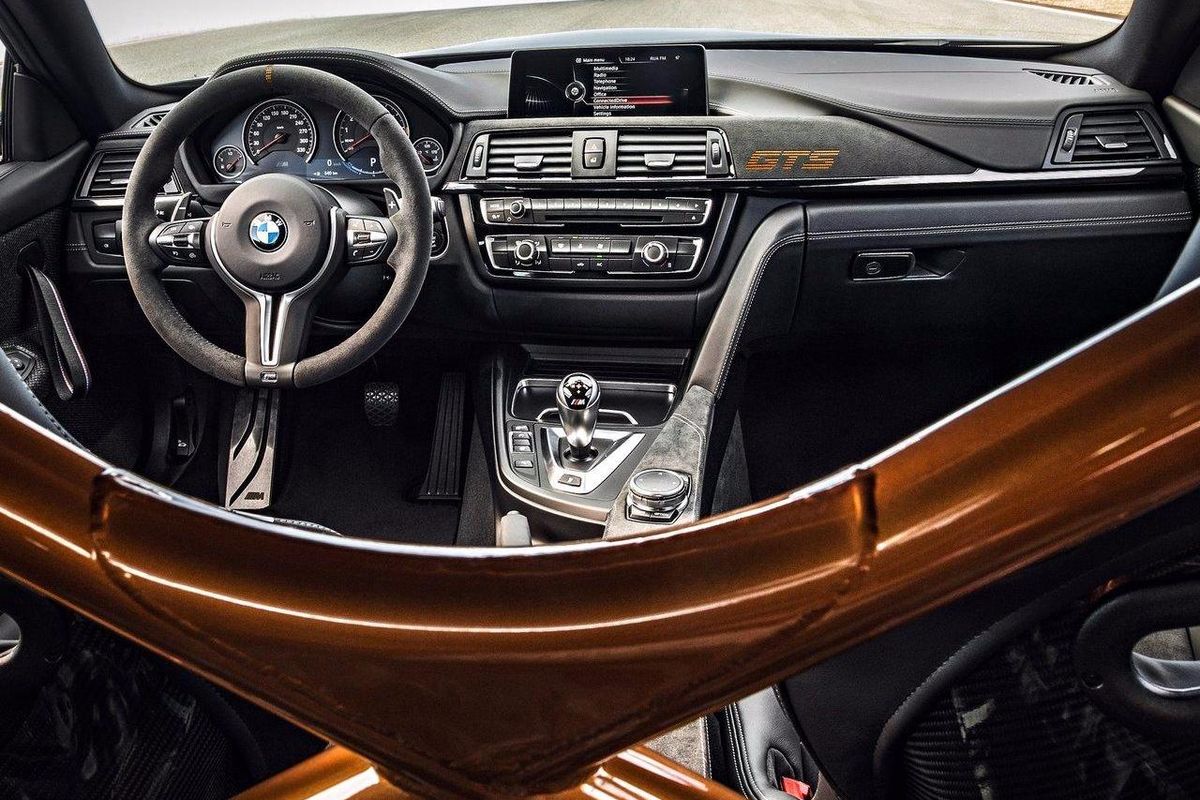
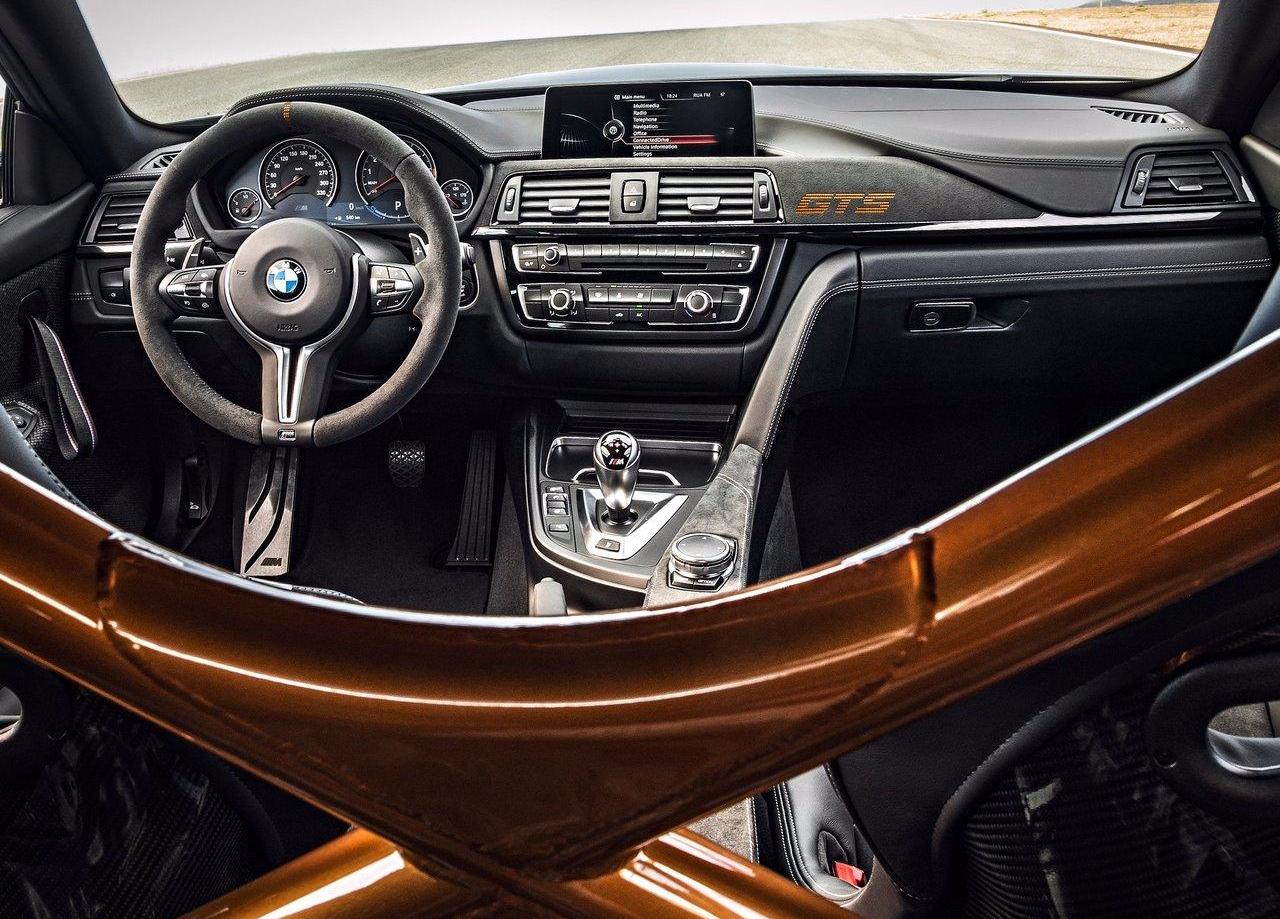
The M4’s rear bench has been discarded in favour of an orangey gold roll cage and the front seats are positioned low and crafted from carbon fibre. You know from the moment you step inside the cockpit that this car takes itself very seriously. Power is up significantly (from 317 kW to 368 kW) and the torque has been stepped up too (from 550 Nm to 600 Nm). Kerb weight has been reduced to 1 510 kg, which equates to a 30 kg saving over the standard car. A water cooling system is installed to reduce air intake temperature meaning BMW can turn up the turbo boost for the M4 GTS.
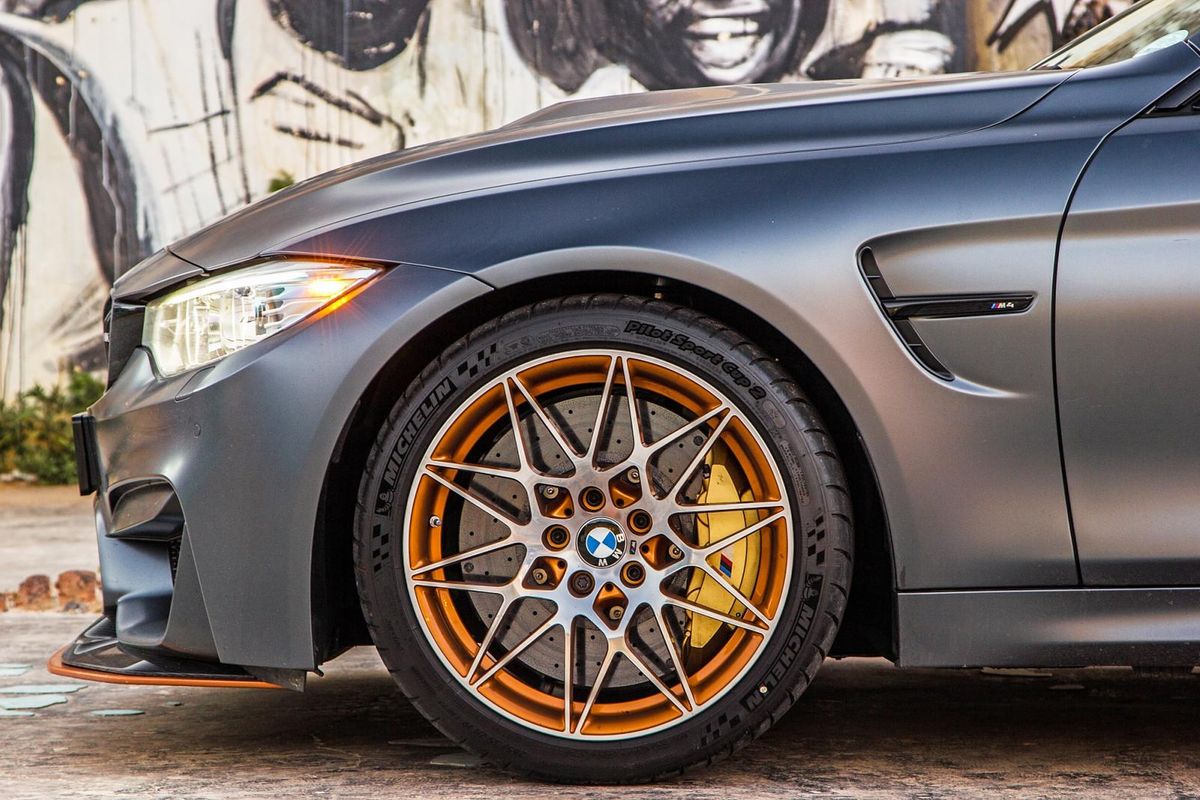
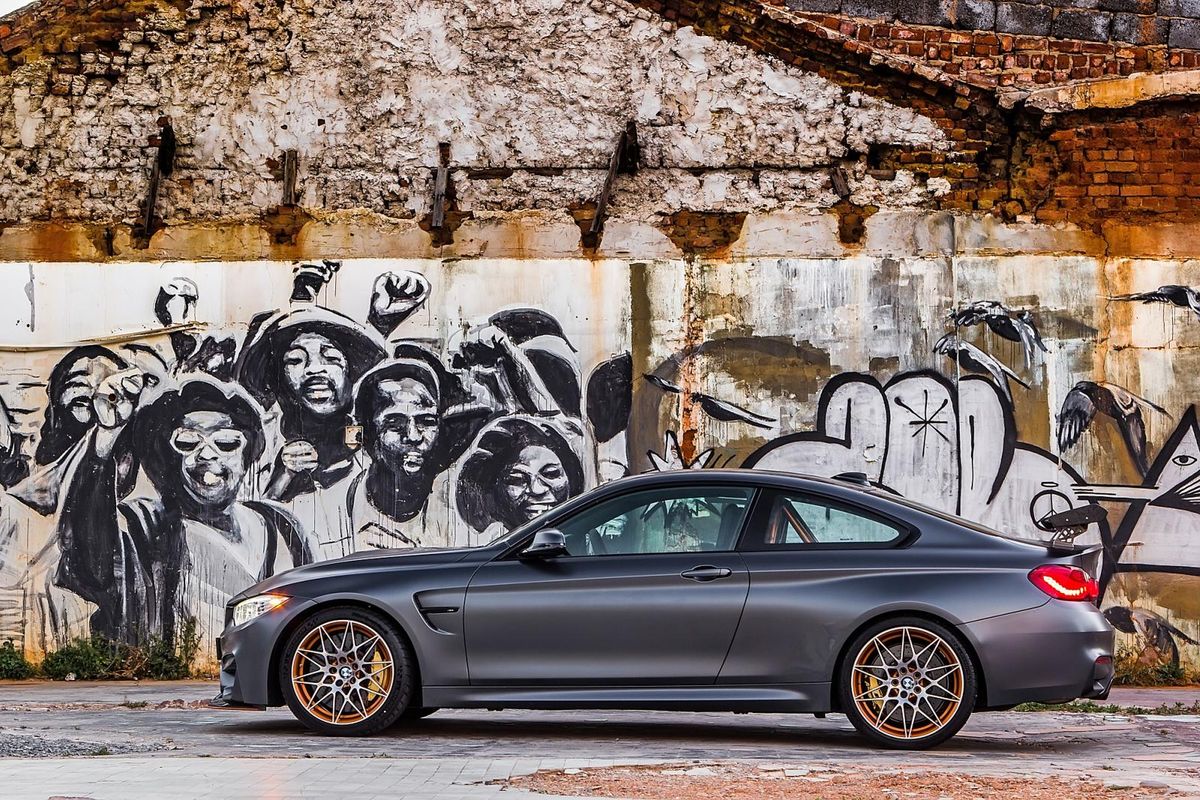
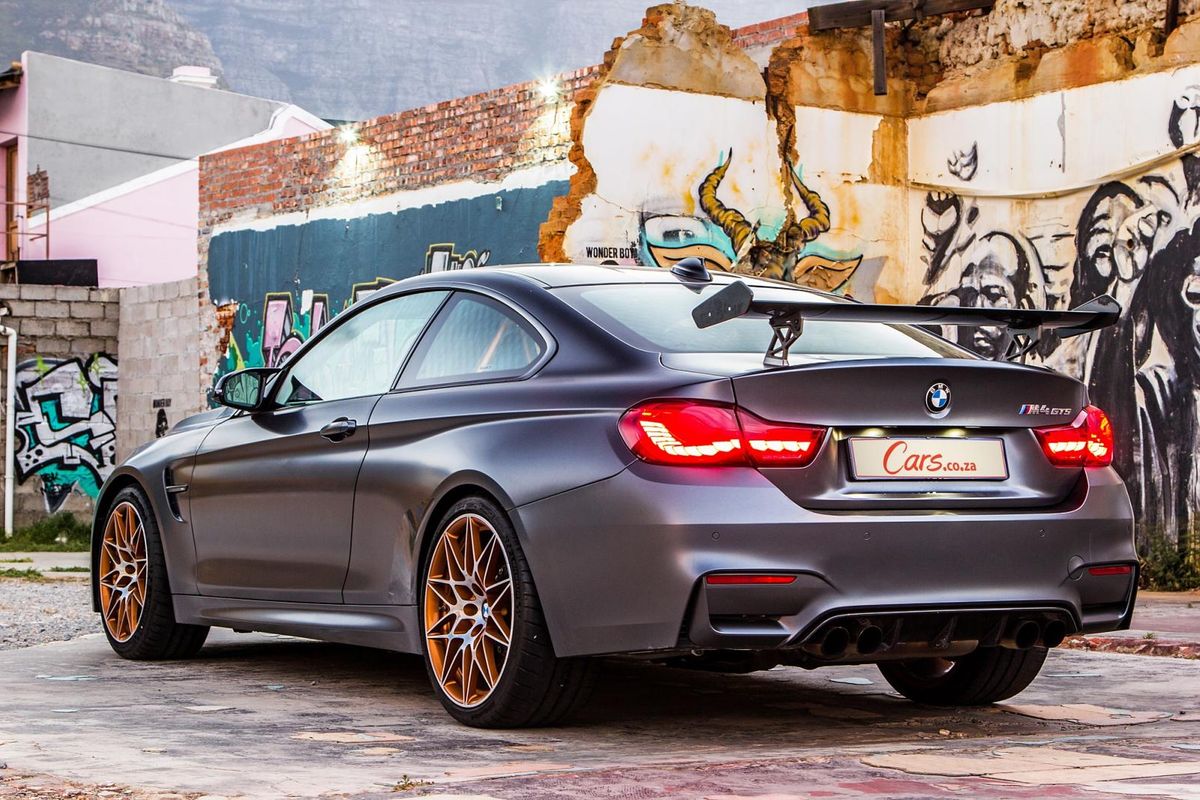
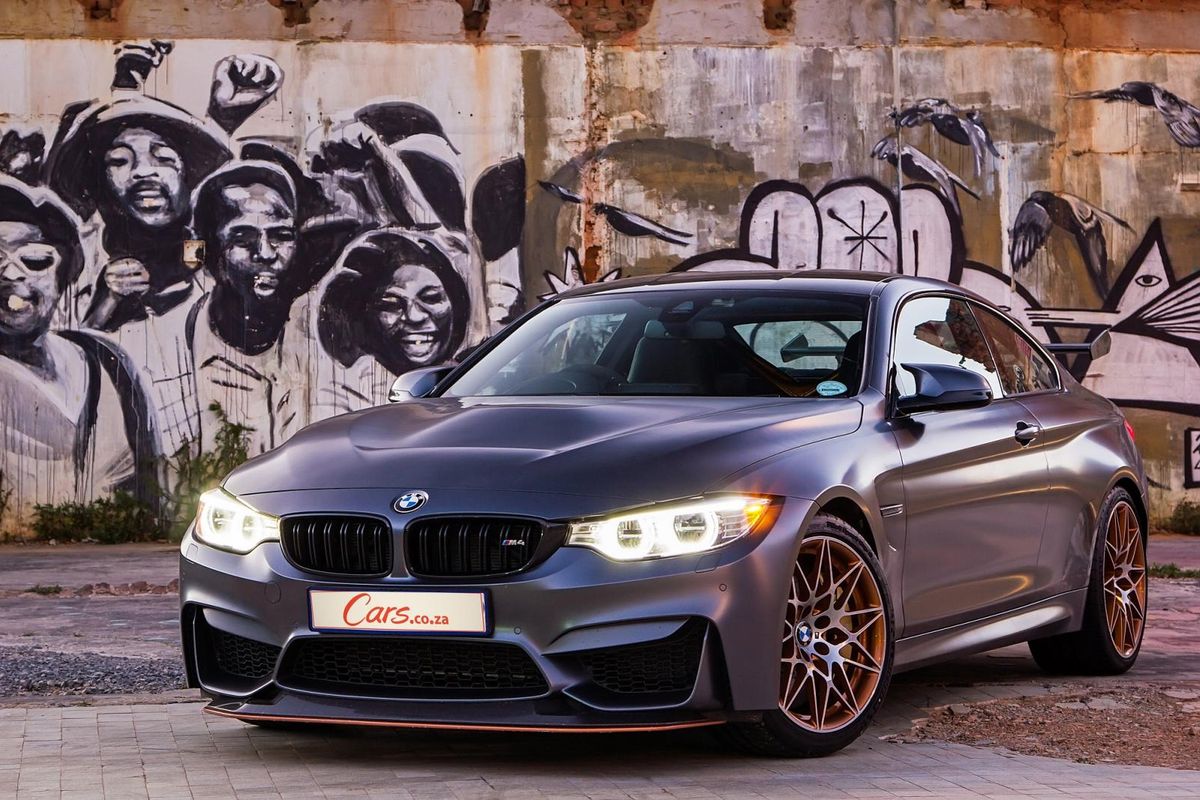
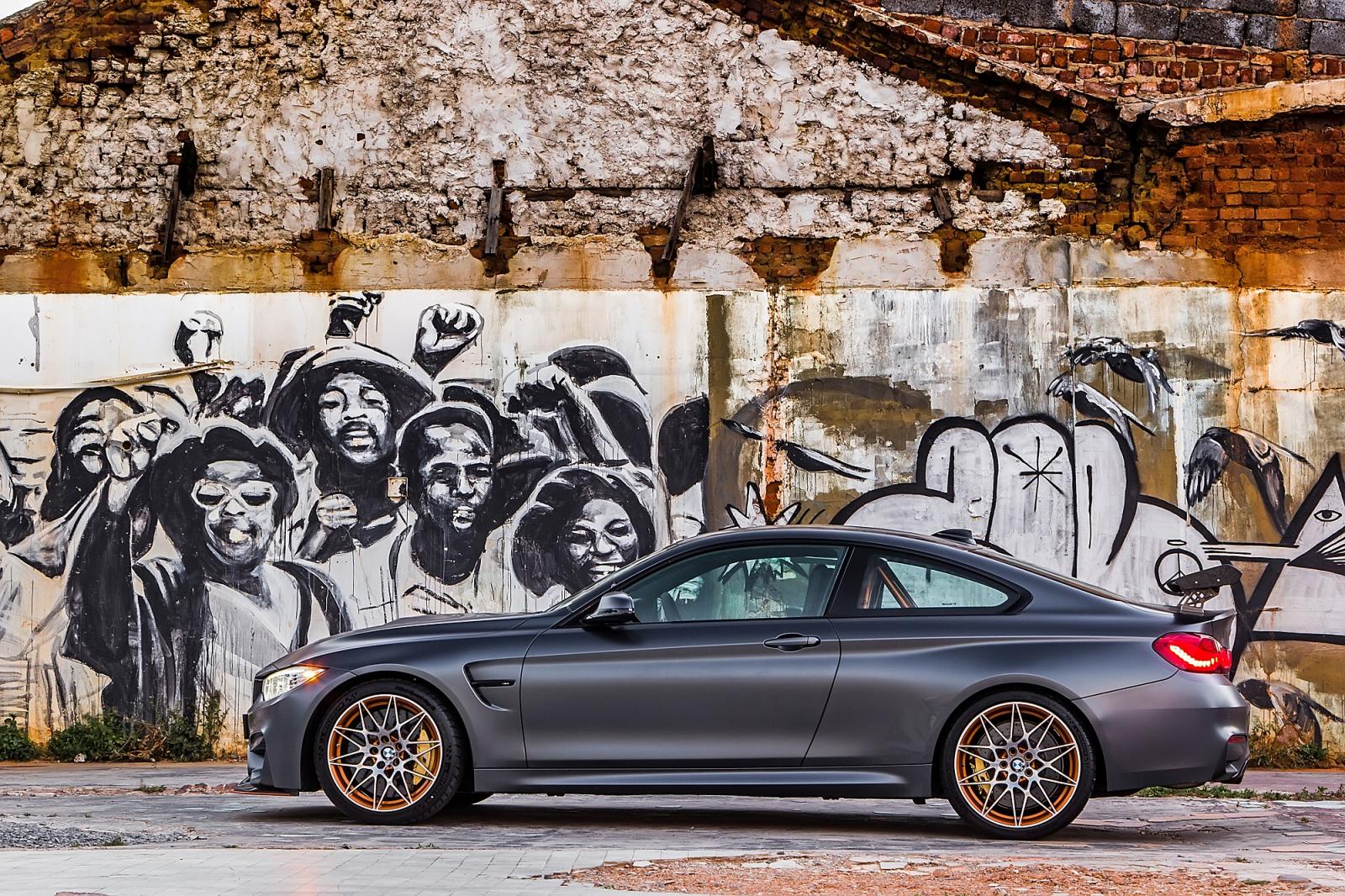
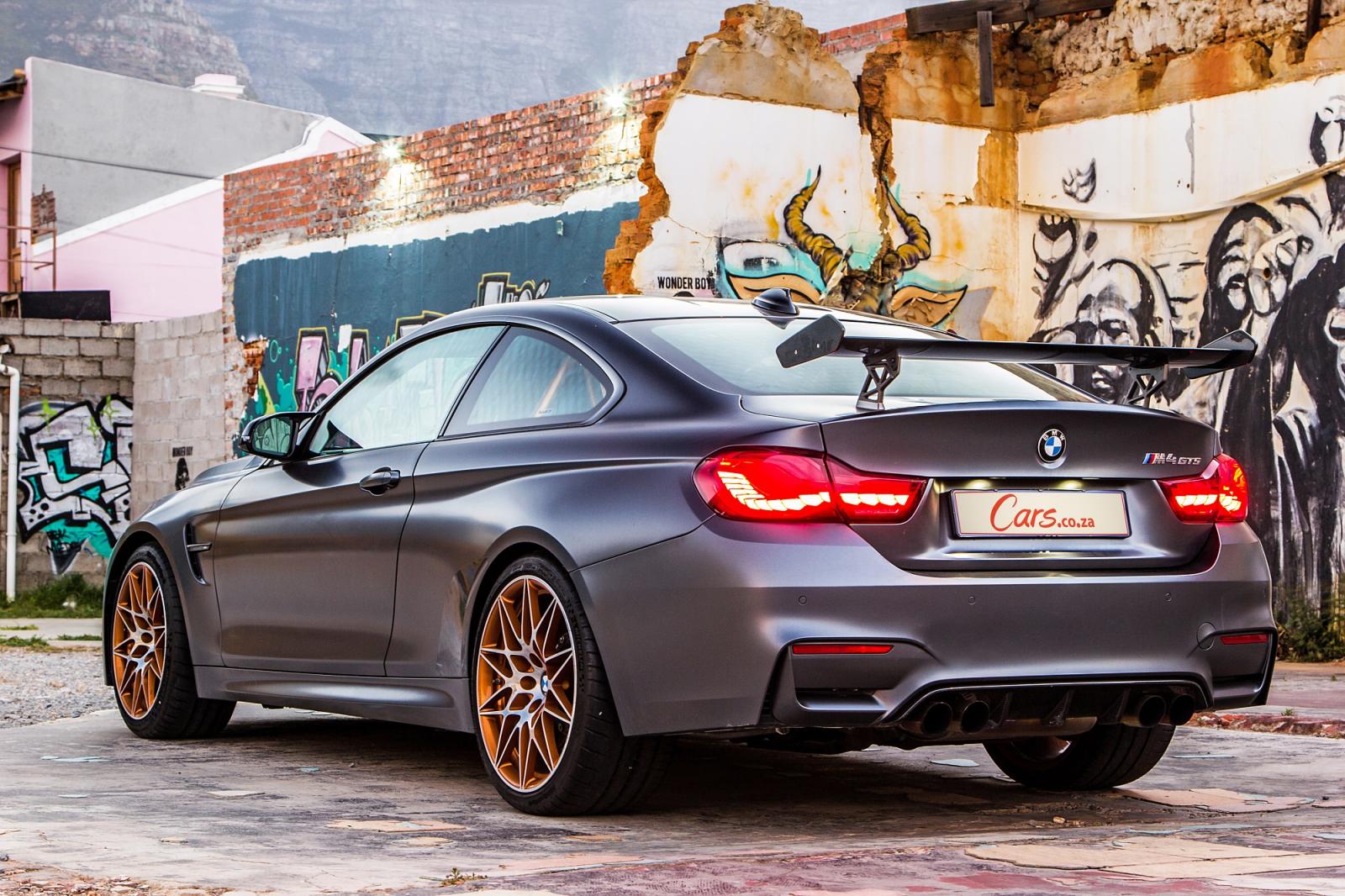
Huge rear wing and conspicuous orange wheels might not be to everyone’s taste
Those and a plethora of other mechanical changes all drain from memory the instant you fire up the Bimmer, however. The second your digits curl around the rim of the M4 GTS’ Alcantara-clad steering wheel, the act of driving transforms into an analogue engagement between man and machine; the Bimmer is best savoured on a smooth open road that allows its pilot to tap into the visceral machine’s sizeable power vat.
When driving enthusiastically, but not at the very limit, the coupe feels better planted than a standard M4 – a fact that can be appreciated by novices and experts alike. This GTS leeches to the tarmac as if its Michelin Pilot Sport Cup 2 tyres have been coated with super glue. It’s a step up in grip levels compared to the standard car. When you apply the throttle in wanton risk of life and limb in the standard car, the rear end feels a tad floaty, especially when the car’s tasked to accelerate at full tilt. Here, on the M4 GTS, it just sits and catapults you forward without any loss of traction.
With this extra confidence in the grip levels, you can get a bit carried away and not realise how much extra corner speed you can actually carry. The flickering of the stability control warning light is the first warning, a slight twitch of the tail is next, but such predictable reactions are exactly the cues that driving enthusiasts enjoy. Suffice to say the M4 GTS is utterly rewarding to drive in extremis… if you’re brave and skilled in equal measures.
The steering is another tangible change on the GTS, it’s been tuned for more immediate response. All you have to do is think about nudging the steering wheel by a smidge and the front end starts hunting down an apex. It’s very quick and more responsive than the standard car; you can really feel what the front is doing through the steering wheel. With fast steering, body roll needs to be reduced to a minimum, otherwise a car can become clumsy and slow to react to opposite direction changes. To that end… The GTS’ specifically tuned suspension features thicker anti-roll bars and, should you take to track to reel off a series of white-knuckled laps, the front and rear spoilers are fully adjustable for optimal aerodynamic grip…
Head-turning talent?
Apart from the matte paint finish, the test unit was adorned with acid orange wheels and that huge rear wing. It’s an unmissable machine, but you can’t hide the fact that it looks more “after-market tuner” than “factory fresh”. It’s competing with supercars that look like supermodels, such as the F-Type SVR, AMG GT S or R and the Porsche 911 GTS. By comparison, the M4 GTS looks more like a beefy bodybuilder that skipped leg day.
Roll Cage in the back replaces the rear seats
Still, there is no denying the fact that people are magnetically drawn to the vicinity of the M4 GTS… Perhaps not in the way you want them to be, but in a “what have they done to that M4?” kind of way. An aesthetic critique is entirely subjective, of course, and this Bimmer is ultimately a landmark product in the Bavarian company’s history, but perhaps a lighter matte hue would have been easier on the eye?
If all else fails, fire off a few rounds from the shotgun 3.0-litre straight-six turbo, get the race start sequence spot on and in 3.8 seconds you’ll be doing 100 kph – now that is a head turning figure for a product that was essentially developed from the platform of a family sedan (the F30).
Everyday usability?
The M4 GTS is billed as a track day special for the road, but what about when you’re not at the track, or on the way there? For what it claims to be, the BMW deals with road use reluctantly. The ride quality is very firm and the carbon seats, which adjust fore/aft only, don’t offer much padding when it comes to compressing bumps. When you see an unavoidable crevice or large cat eye in the M4’s path, you instinctively brace for impact. There’s a solid thud that protrudes into the cabin, but the M4 GTS shakes it off quickly. Should you inadvertently traverse a very poor road; be prepared to have your fillings checked after the excursion.
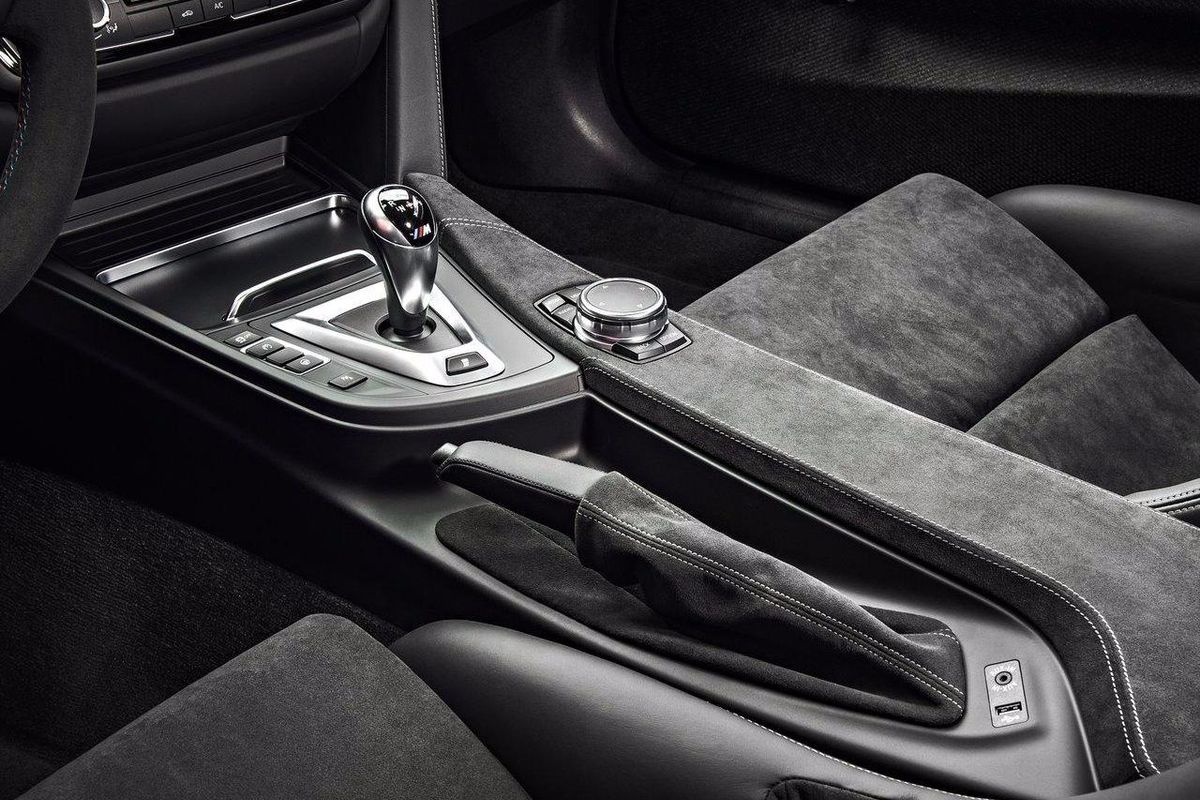
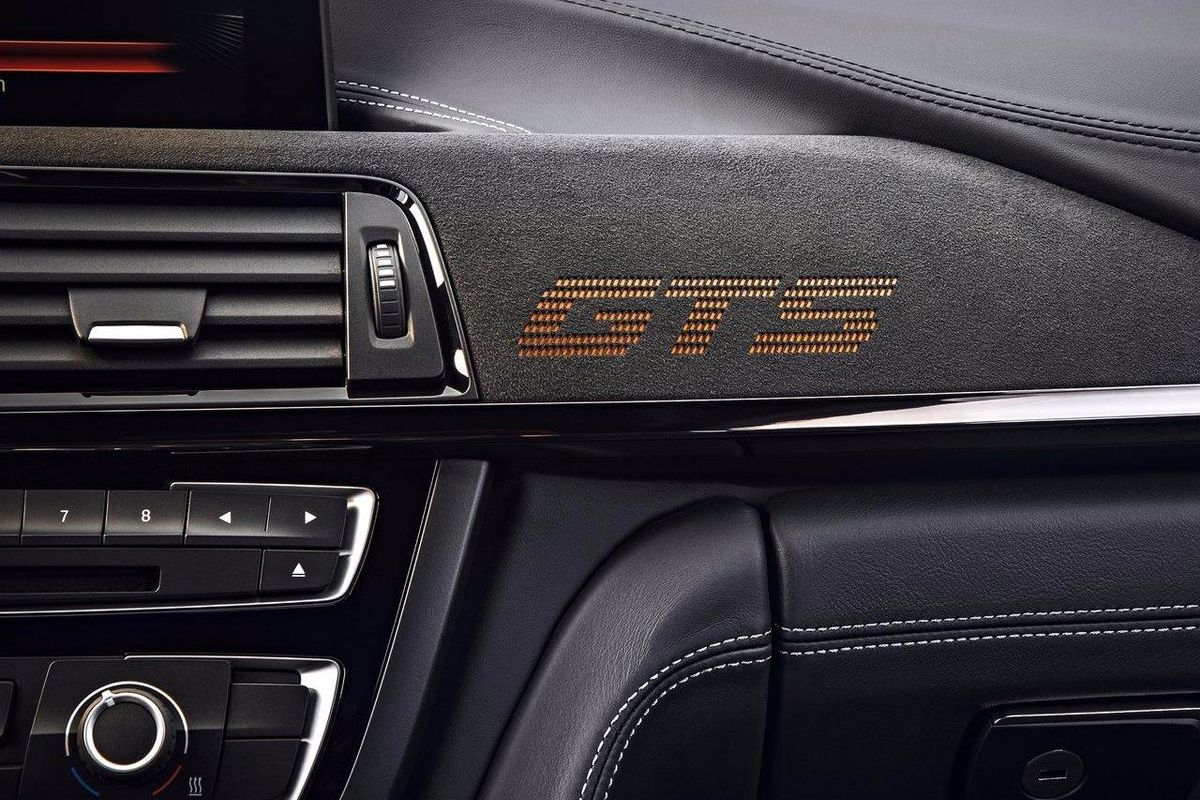
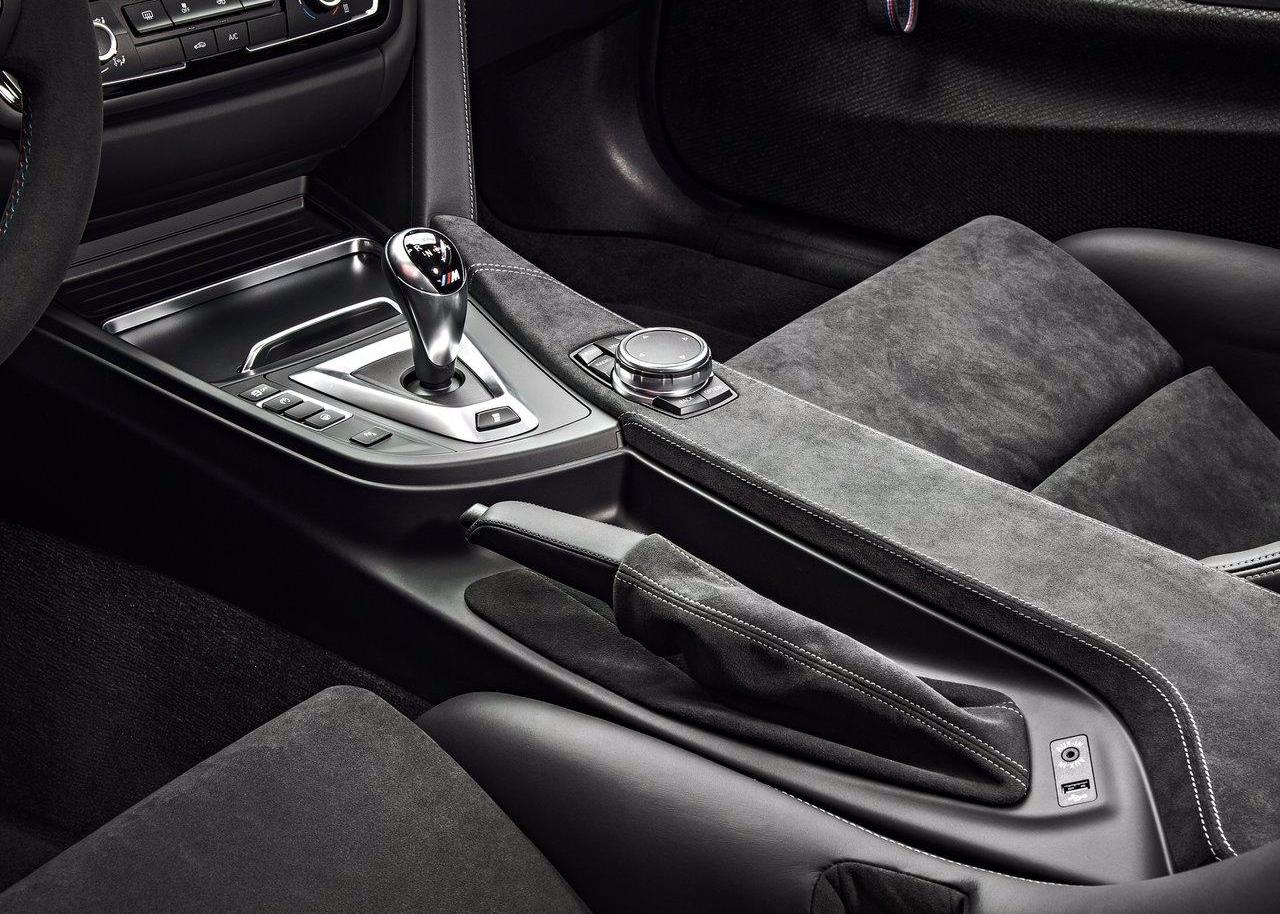
Suede adorned interior gets the racing blood pumping
The Bimmer cruises along the freeway just fine (again, provided the road surface is fair), with its exhaust barking away restlessly behind you. Apart from a bit of numb bum, it’s not hard to see yourself driving a couple of hundred kilometres in one sitting on a freeway. But remember, to find desolated roads that would allow you to stretch the M4 GTS’ legs a bit, you’d probably need to venture pretty far out of town anyway…
The front splitter also protrudes quite far in front of the GTS and is prone to scraping on driveways, inclines and kerbs – even in the highest setting. Be ultra vigilant with ramps, as after a while the expensive apron could look like the smashed shell of a hard-boiled egg just before you peel it.
How much does the BMW M4 GTS cost in South Africa?
The BMW M4 GTS costR2 203 900 out of the box. It is now worth substantially more: anything that an avid collector is willing to pay for it…
We were extremely excited when we heard the M4 GTS was coming to South Africa, the previous M3 Frozen Edition was not compensation enough for missing out on the E92 M3 GTS. The track-optimised M4 impressed us on track in Barcelona and we couldn’t wait to try it at home. Unfortunately, our time with the GTS was too short to do any track work with it at Cape Town’s Killarney circuit so we made do with a substantial number of mountain passes. As expected, prolonged exposure to the car in everyday conditions highlighted a few drawbacks. Firstly, the GTS isn’t quite as composed as some of its competitors on the road, especially when it comes to comfort. Secondly, it’s not quite the “supermodel” that the others are.
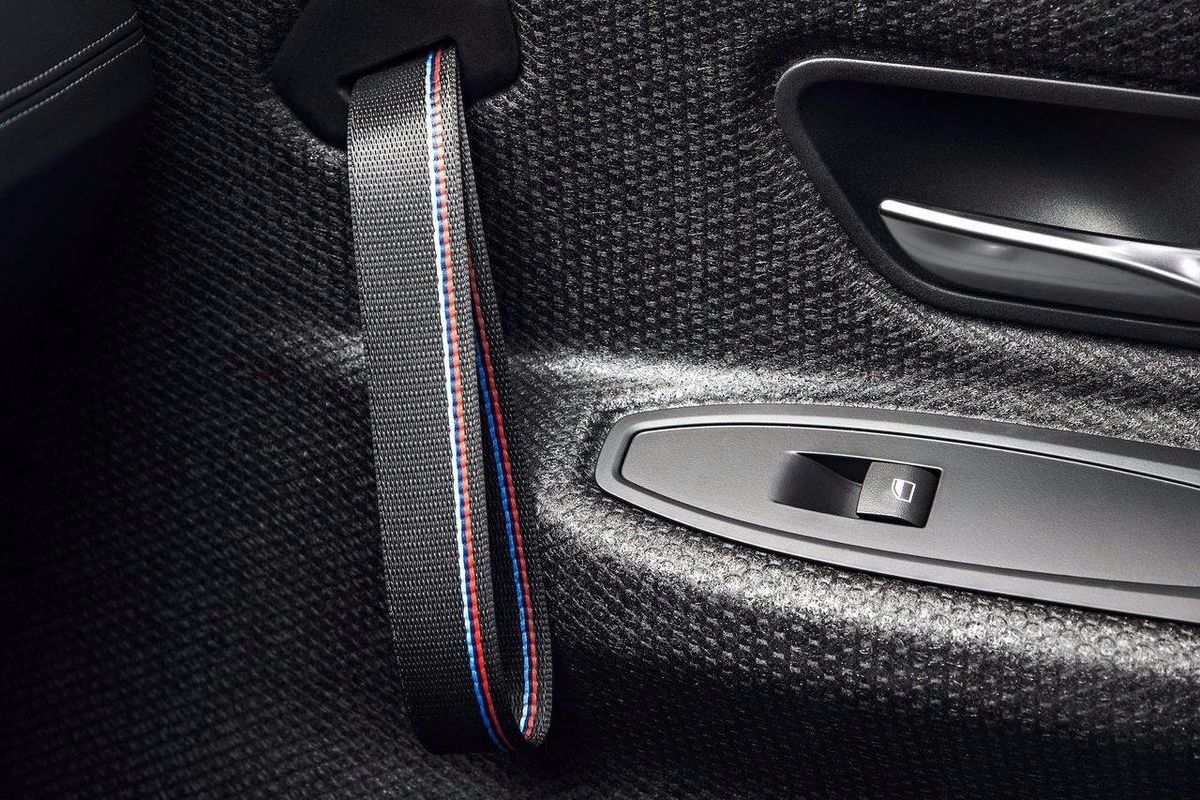
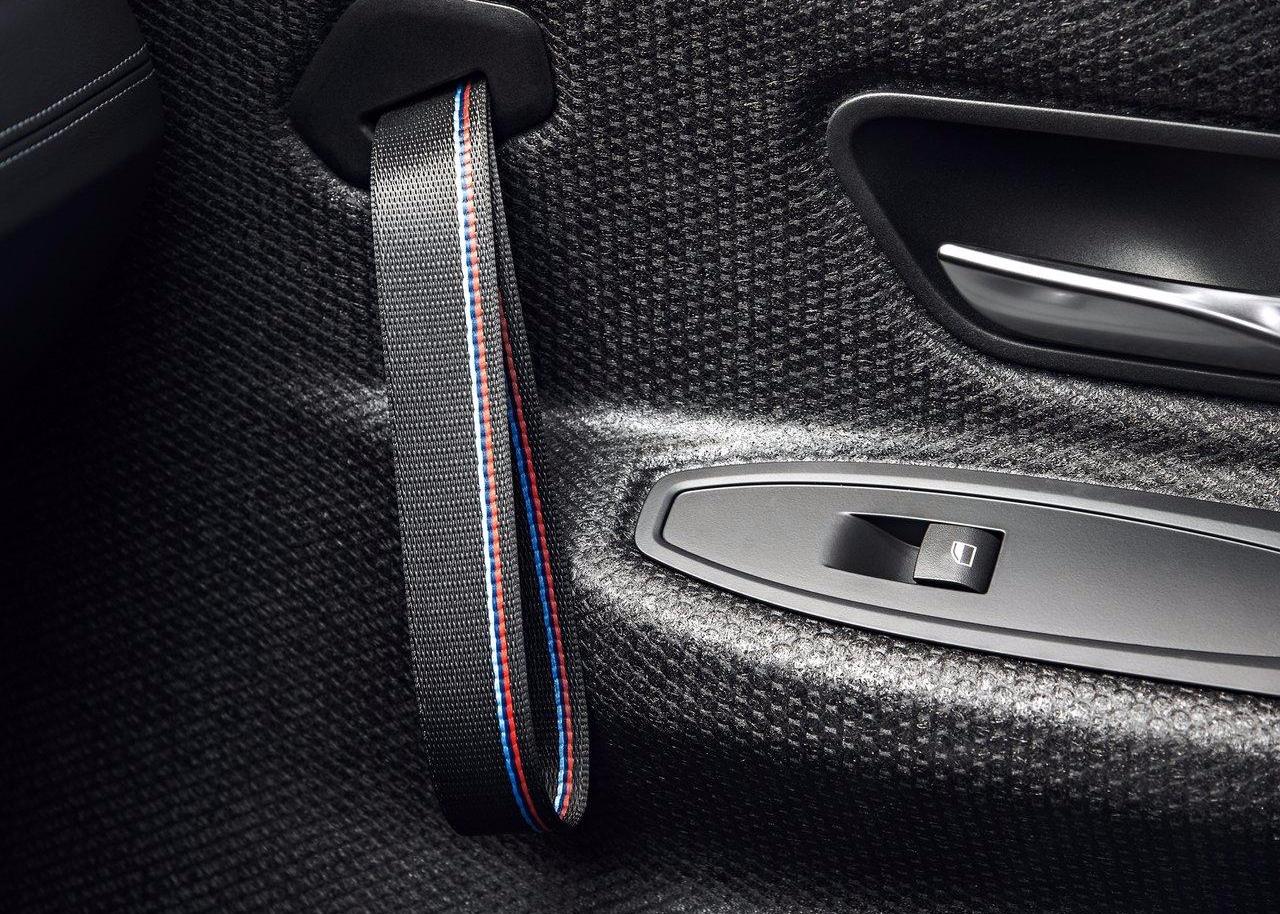
In search of the smallest weight gains, even the door handles were replaced in favour of these straps
Such is the rarity of the M4 GTS that you’d arguably be foolish to drive it where it could get in harm’s way (which is practically everywhere) and, even then, only in short, sharp bursts. As 1 of 23 cars coming into the country, this BMW is extremely collectable. That means if you want to do a track day, for which the car is custom made, you run the risk of a) running out of driving talent and damaging or totalling the car or b) some punter in their modified monstrosity careering into your “priceless” Bimmer in one of those so-called “racing incidents”. Even on specific track days for supercars, it’s unlikely you’ll get to open it up as these tend to be more like parades around circuits than hot-lapping sessions. They are also few and far between.
At the risk of sounding obtuse, the M4 GTS is what it is: an enthralling track car that is immensely quick and capable. There is a price to pay for BMW making this derivative so track-focused and that is a less than satisfying on-road experience. But, for the specific buyer the car is made for: a performance car/BMW aficionado for who money is no object, that will matter little. The GTS will take pride of place in their collection, will probably be driven only very occasionally and be mollycoddled to protect its future value. Suffice to say the M4 GTS is a watershed product for BMW’s M Division… we feel privileged to have reviewed it and can’t help but wonder what visceral performance product Bimmer will come up with next!
Frequently Asked Questions
What are the different models of the 2025 BMW M4 available in South Africa?
The 2025 BMW M4 range in South Africa includes the M4 Competition Coupe, the M4 Competition Convertible, and a limited edition M4 CS model.
What are the engine specifications of the new BMW M4?
The standard M4 Competition models are powered by a 3.0-liter turbocharged 6-cylinder petrol engine that produces 390 kW and 650 Nm of torque. The M4 CS version has an increased output of 405 kW.
What are the 0-100 kph acceleration times for the new M4?
The M4 Competition Coupe with all-wheel drive accelerates from 0 to 100 kph in 3.5 seconds. The convertible version does it in 3.7 seconds, and the M4 CS achieves it in 3.4 seconds.
What is the price of the 2025 BMW M4 in South Africa?
As of May 2025, the M4 Competition Coupe AWD is priced at R2,238,002, and the M4 Competition Convertible AWD is priced at R2,338,842.
What are the warranty and service plan details for the M4?
The BMW M4 comes standard with a 5-year/100,000 km service plan and a 2-year/unlimited km warranty.
The new Volvo S90 sedan is due for launch in South Africa this week. Take a look at pricing for the newcomer…
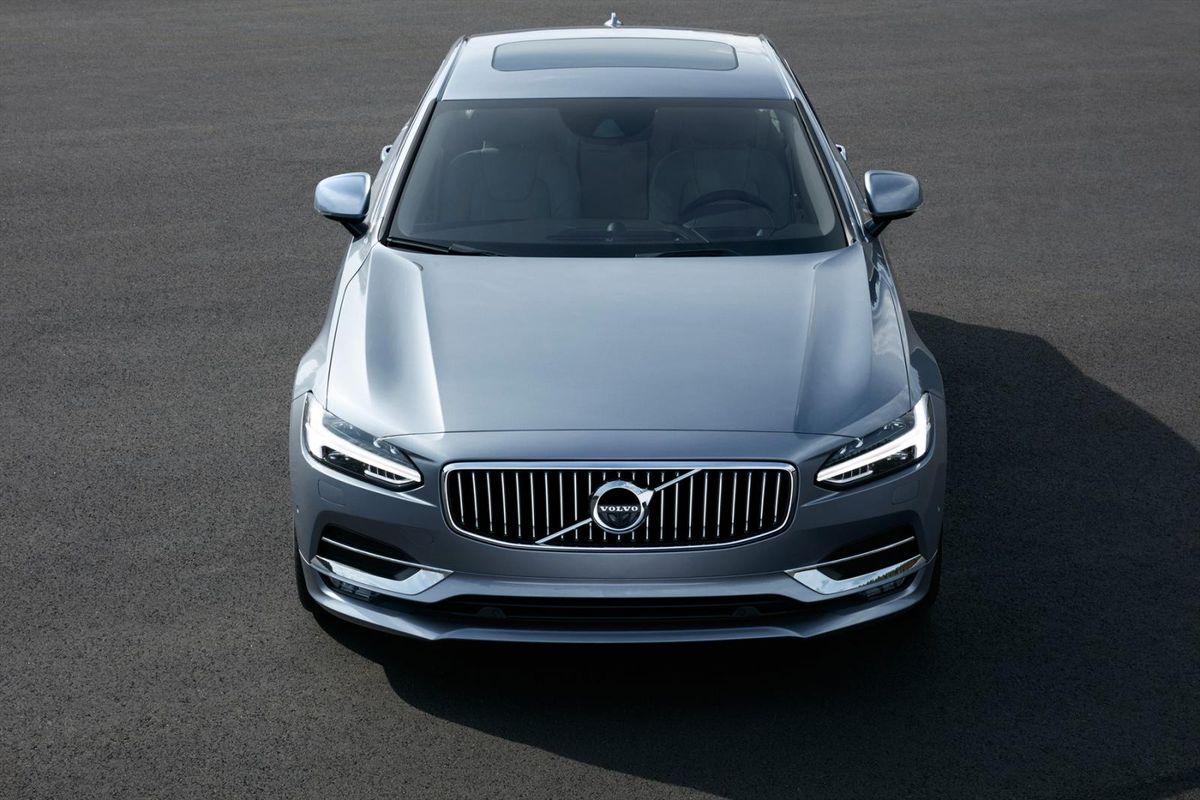
Following the successes of the Volvo XC90 SUV, Volvo has launched its S90 sedan which will be taking on the likes of BMW, Mercedes-Benz and Audi in the full-size luxury market. Like the XC90 it’ll feature advanced technology, modern comfort features as well as Volvo's latest safety and semi-autonomous features.
Volvo Car South Africa MD, Greg Maruszewski commented, "With the new Volvo S90 we are about to challenge the definition of luxury once again, a feat we achieved with the all-new XC90 when it launched in South Africa in mid-2015. We believe that the S90 range, which comprises petrol and diesel models, all of which are powered by our revered Drive-E engines, brings real value for money to the segment without compromising on quality, or indeed luxury".
The S90 range will comprise of 12 derivatives with three levels including Momentum, Inscription and R-Design. The Volvo S90 will initially be offered with D5 AWD and T5 AWD drivetrains (Momentum and Inscription) while the D4 FWD and T5 FWD will become available in 2017 with the sporty R-Design trim level.
Design and Tech
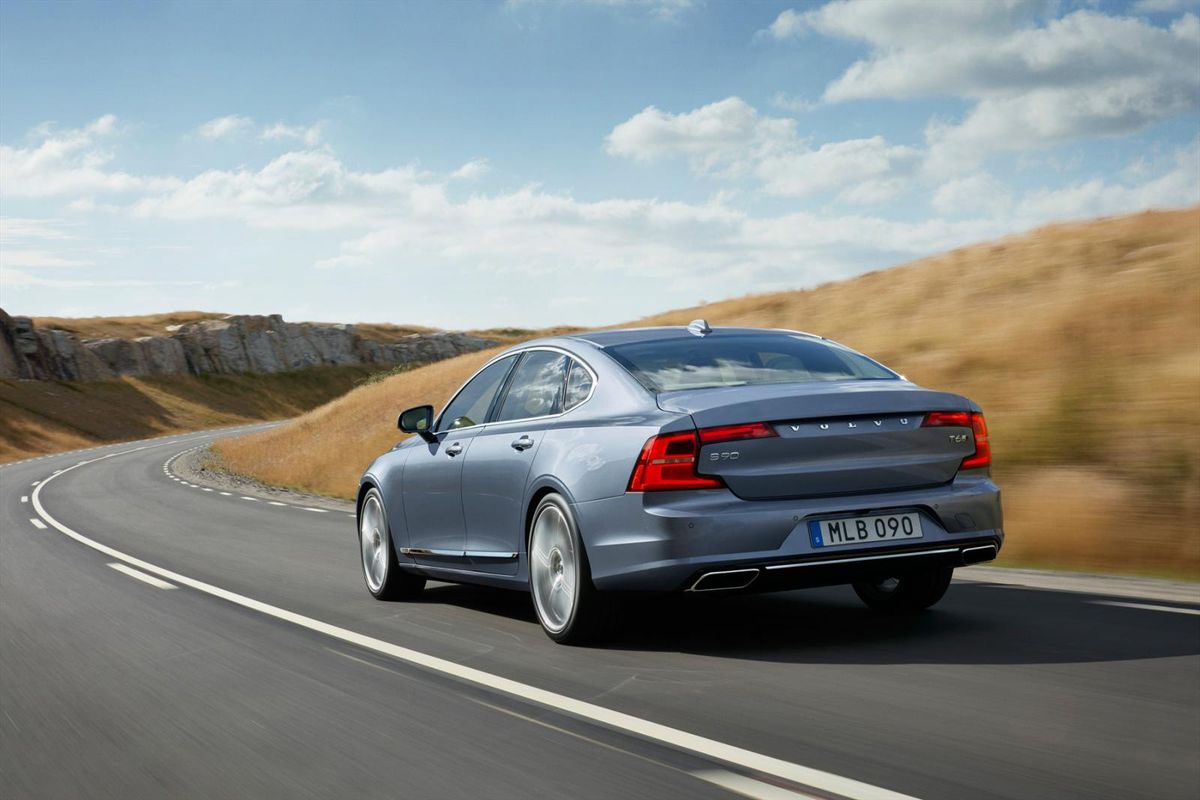
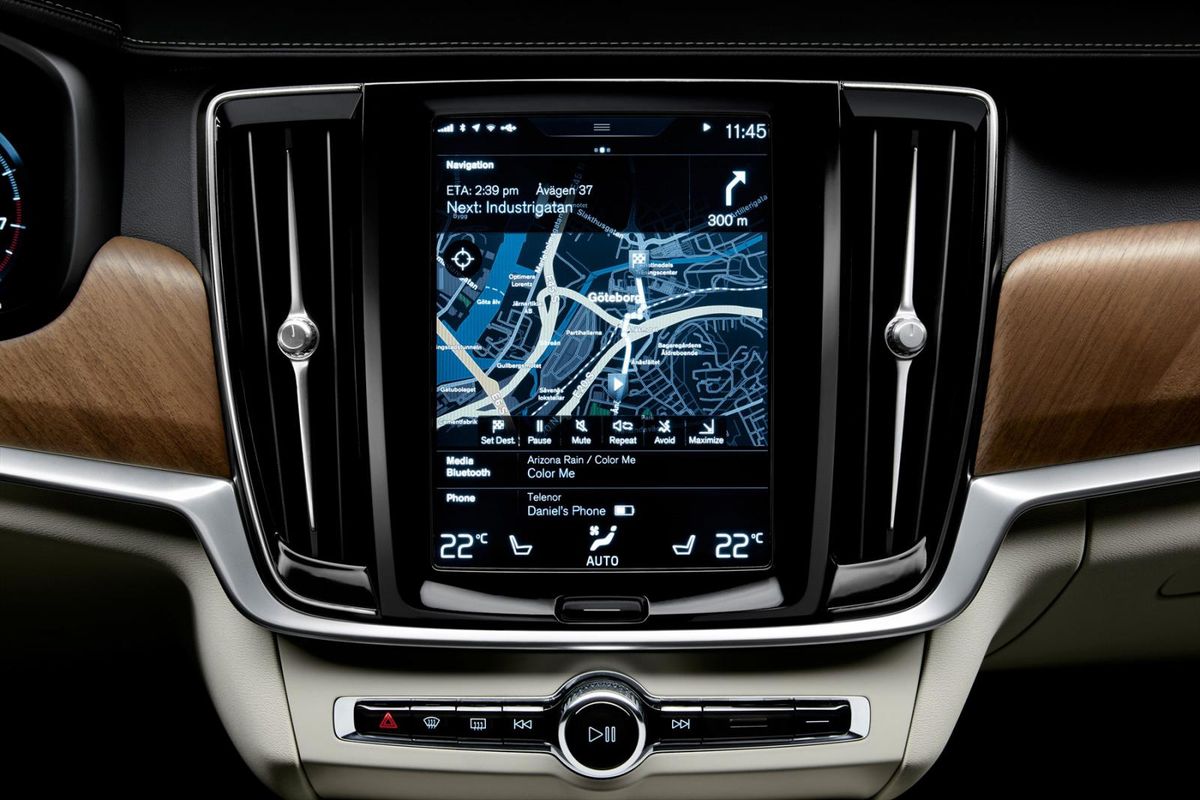
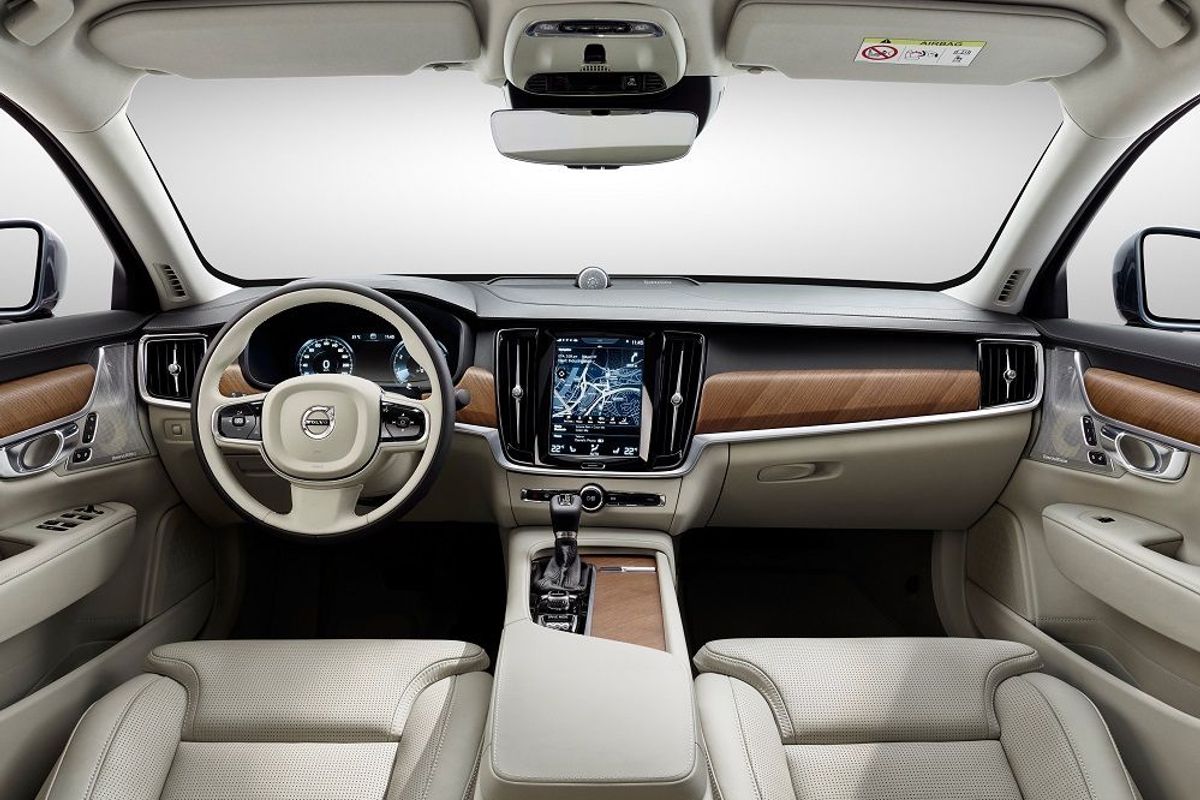
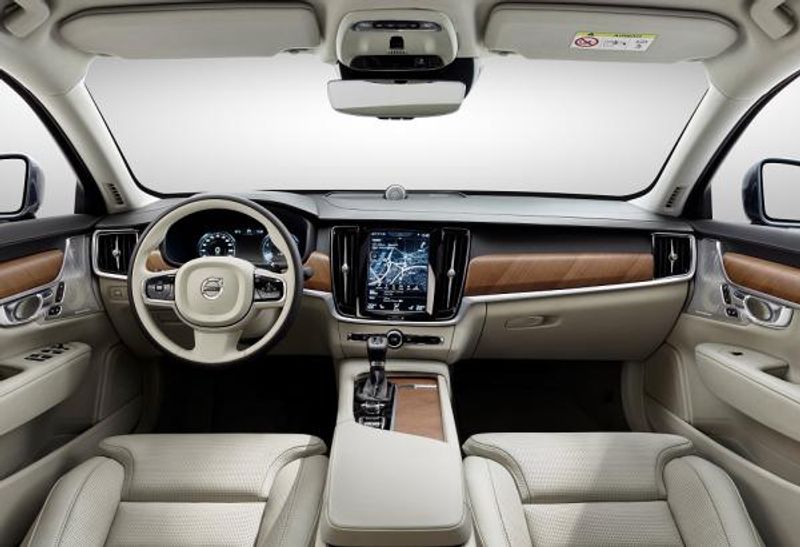
Just look at it! Essentially the S90 is a sedan version of the XC90 and many design traits, such as the Thor’s Hammer headlights are carried over. While the basic sedan shape is rather generic, the tail lamps are of an intricate and interesting design. The current generation of Volvo interiors are exceptionally smart and the S90 is no different. Dominated by a central iPad-like tablet positioned in the centre of the facia, the S90 offers a minimalistic dashboard, with the majority of functions being controlled through the Sensus infotainment system.
Volvo as a brand is enjoying a proper comeback and is making bold steps into the premium vehicle segments usually dominated by the German Big Three. "With $11 USD billion of investment over the past five years we have not only reimagined what Volvo Cars can be – we are now delivering on our promise of a resurgent and relevant Volvo Cars brand," said Håkan Samuelsson, President & CEO, Volvo Car Group.
Engines
There will be three engines for the Volvo S90. While outputs and economy figures are unavailable at this point, it’s good to see the award-winning four-cylinder, 2.0 liter turbocharged and supercharged T6 engine, the turbocharged T5 variant and the mighty T8 Twin Engine plug-in hybrid all featuring. Expect all the latest safety features and some semi-autonomous technology in the Volvo S90 as well. Volvo has mentioned that the new S90 has Moose Detection Technology, which sounds clever.
We will keep you updated as more details regarding local specification are revealed later this week.
The new Mitsubishi Triton is launching in South Africa this week and we will be driving it. Take a look at what you can expect to pay for the new Mitsubishi Triton…
Long-in-the-tooth aptly describes the current Triton double-cab bakkie, but don't despair, an all-new Triton is launching in South Africa this week. Mitsubishi refers to the new Triton as being a "Sport Utility Truck", hence SU, owing to its refined drive quality and comfort features associated with SUVs and passenger cars.
“From the onset, the brief to designers and engineers was to maintain the essence of the Triton, but also to improve on aspects of ride, handling and comfort to create a truly SUV-like experience from behind the wheel. The team has certainly complied and has earned the new Triton the signature of Sport Utility Truck among owners, dealers and within the company,” says Nic Campbell, General Manager at Mitsubishi Motors South Africa.
Key features of the new Triton
The new Triton is expected to offer higher levels of comfort and improved ride quality.
The new Triton will be powered by Mitsubishi’s latest-generation 2.4-litre turbodiesel engine producing 133 kW and 430 Nm of torque, representing an improvement of 25% in torque over the previous 2.5-litre turbodiesel engine. A choice of either a 6-speed manual or 5-speed automatic transmission will be available to buyers. Both 4×2 and 4×4 derivatives will also be offered.
"Our new lightweight turbodiesel engine is fitted with Mitsubishi's latest generation MIVEC technology and weighs 30kg less than its predecessor, resulting in improved responsiveness, fuel consumption, handling, cornering and braking performance," says Campbell.
The new Triton will also be fitted with a Super Select II 4WD system, the same system used in the Pajero and Pajero Sport, offering four different driving modes to tackle various terrains. The system is engaged using an electronic drive-selector in the cabin and the driver will have access to low-range modes and a rear differential lock to overcome more challenging off-road obstacles. Torque can also be split in a 40:60 ratio between the front and rear axle, improving cornering ability and ride quality over gravel and slippery surfaces.
The suspension has been revised to offer a smoother ride and the new Triton claims to ride like an SUV.
The new Triton will be competing in a competitive segment against the likes of the Ford Ranger and Toyota Hilux.
Mitsubishi has also improved NVH levels with noise deadening and sound absorbing materials and the automaker claims that the new Triton will feature a best-in-class turning radius of 5.9 metres that will improve manoeuvrability in urban areas.
The new Triton’s interior is said to combine ‘interior comfort of a passenger car with the functionality of a multi-purpose utility vehicle’ and according to Mitsubishi, customers can expect class-leading interior space with improvements in leg-, head- and shoulder room. In terms of features, a touchscreen infotainment system with Bluetooth and USB connectivity is fitted and comfort features include leather upholstery, electronic driver seat adjustment, rake/reach adjustable steering wheel, cruise control, rear parking camera and automatic dual zone air conditioning.
Safety features will include pretension seatbelts, active stability with traction control, hill start assist and ABS with EBD.
Look out for our first drive report coming your way this week!
Subaru has revealed a teaser image showing its new XV compact crossover due to make an appearance at the upcoming 2017 Geneva Motor Show.
Blending a sporty and rugged design, the new Subaru XV is based on the XV Concept shown last year and the production version will be showcased in March at the Geneva Motor Show.
The second generation XV will feature a new headlight and taillight design, as well as a new wheel design and a sportier silhouette with more pronounced body lines. Overall, the design is still recognisably similar to the outgoing model.
In terms of engines, the new XV will be powered by a revised 2.0-litre Boxer engine, the same engine currently found under the XV’s bonnet. Official outputs and specification have yet to be revealed. Subaru’s latest Eyesight assistant technology and Starlink infotainment system is also expected to feature in the new XV.
Subaru South Africa has confirmed that the new XV is expected to arrive in South Africa in July 2017.