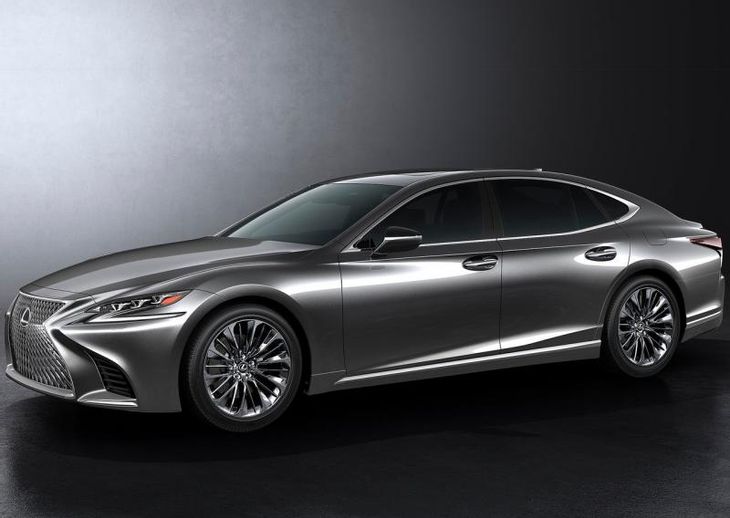
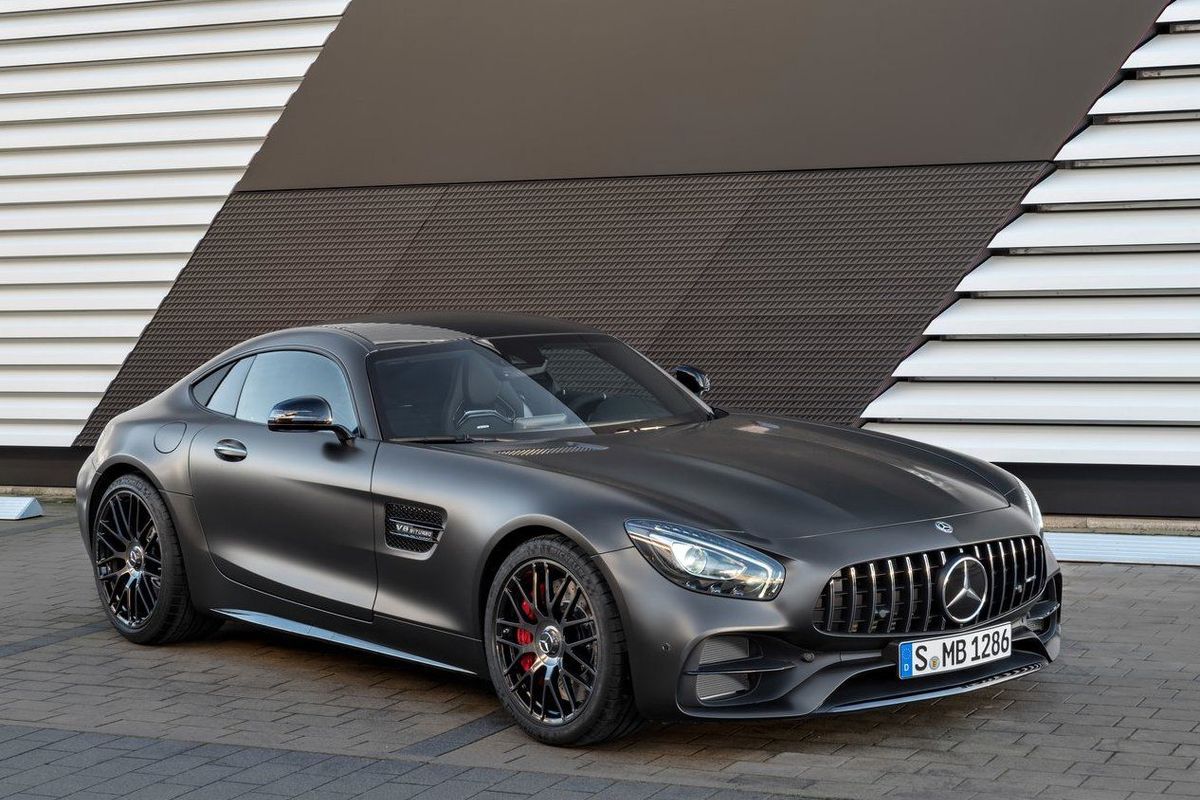
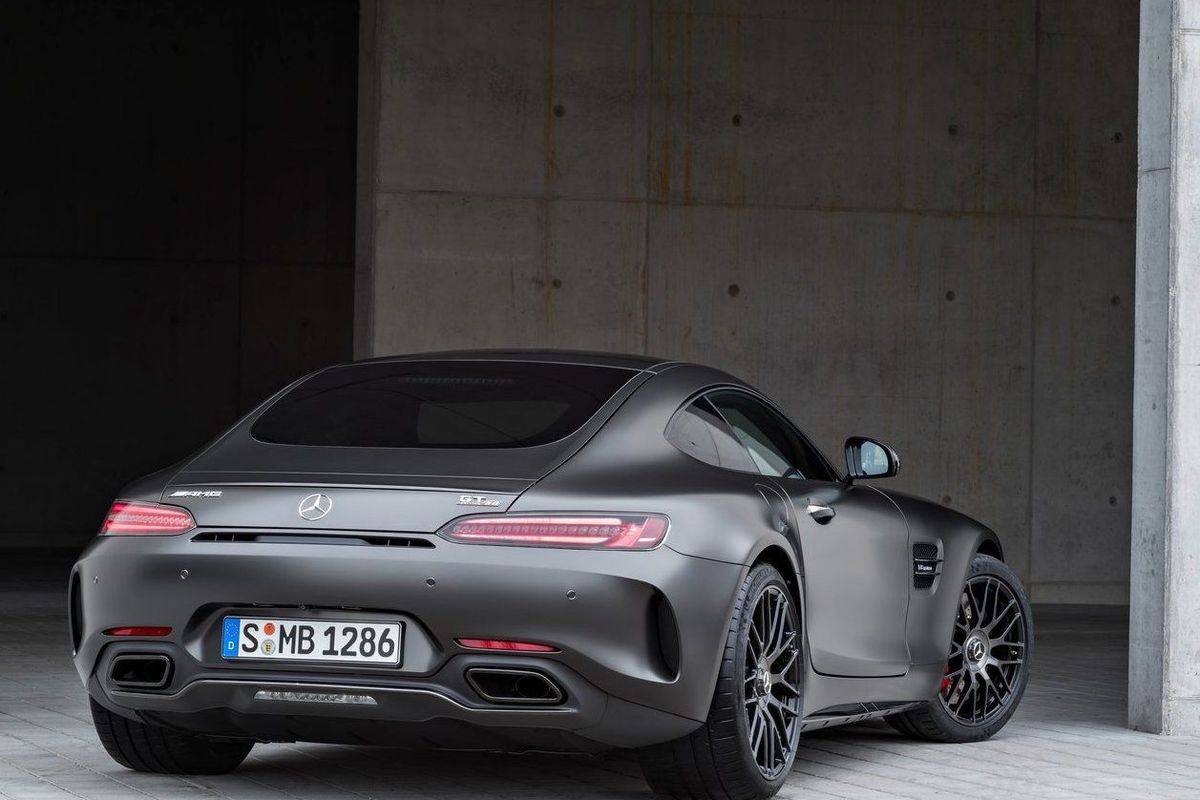
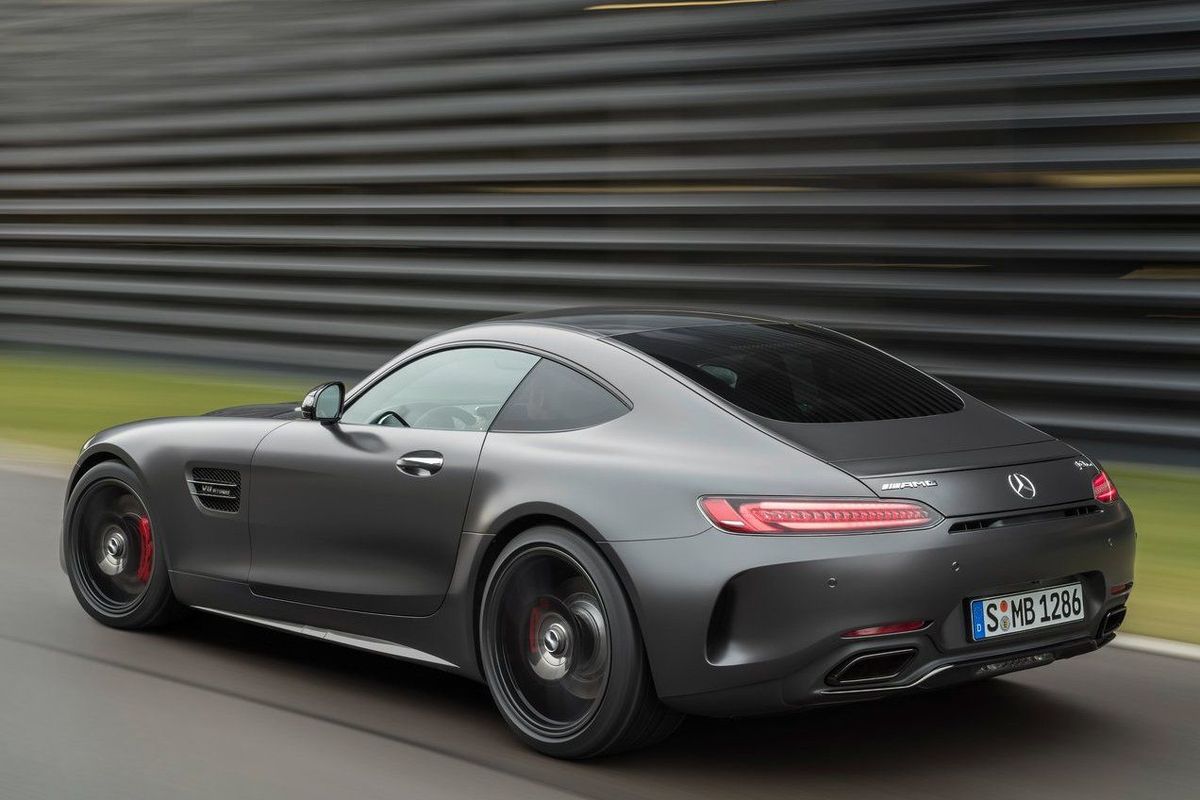
Range Rover SVAutobiography Dynamic Introduced

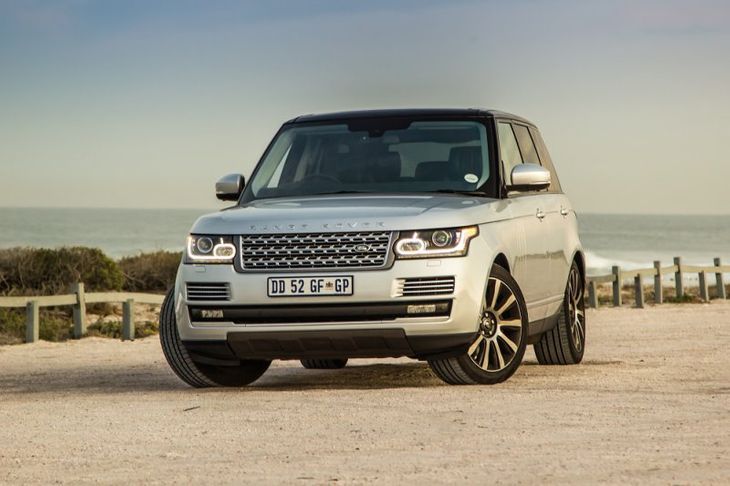
Land Rover has introduced the 2017 Range Rover SVAutobiography Dynamic derivative that features improved capability and the inclusion of semi-autonomous driving technology.

Range Rovers are known to offer exquisite levels of luxury, performance and capability and Land Rover’s Special Vehicle Operations (SVO) has followed up the Range Rover Sport SVR with the new SVAutobiography Dynamic derivative. The SVAutobiography Dynamic is equipped with semi-autonomous driving technology and has been enhanced to provide even higher levels of performance and capability. The introduction price is R2 999 100.

“The Range Rover SVAutobiography Dynamic has been specially developed by the Special Vehicle Operations team to deliver a more engaging driving experience,” said Mark Stanton, director of Jaguar Land Rover Special Vehicle Operations. “It delivers the ultimate combination of performance and Range Rover luxury, befitting its unique position in the portfolio.”

Key features

The SVAutobiography Dynamic is powered by the same 5.0-litre V8 engine found in the Range Rover Sport SVR with a total output of 405 kW and 680 Nm of torque, allowing for a claimed zero to 100 kph sprint time of 5.4 seconds using an 8-speed ZF automatic transmission. A specially revised suspension ensures agile performance without compromising refinement and comfort. The SVAutobiography Dynamic also stands 8 mm lower as a result.

A major development is the inclusion of semi-autonomous technology and Advanced Tow Assist is particularly useful if you regularly tow trailers. Getting a trailer into the right position is tricky most of the time, but Advanced Tow Assist uses the existing surround camera, allowing the driver to guide a trailer into position with ease. Trajectory lines are overlaid on the rear camera image and the vehicle will automatically follow the path selected by the driver using the Terrain Response 2 rotary controller. The system will also alert you if a jack-knife situation is about to occur.


The Range Rover SVAutobiography Dynamic features a host of new safety and semi-autonomous technology.

Furthermore, a Driver Condition Monitor and Blind Spot Assist will automatically steer the vehicle back into its lane if the sensors detect that the driver is moving into the path of another road user.

The SVAutobiography Dynamic is also equipped with Low Traction Launch, which is a mode selected by the driver to help the Range Rover Sport pull away from standstill on slippery surfaces such as wet grass, snow or ice. This feature controls the amount of torque available to the driver to prevent wheelspin and maintain traction. Low Traction Launch remains active until the vehicle reaches 30 kph.

In terms of safety, rear park distance control, cruise control (with speed limiter) and lane departure warning are standard. An optional Drive Pack adds a blind spot monitor and reverse traffic detection. You can also upgrade to Drive Pack Pro, which adds adaptive cruise control with queue assist spot. Blind Spot Assist and lane keep assist are new features on the latest model.

Exterior and interior features

The SVAutobiography can be distinguished by its side vents, bonnet finisher, grille, front bumper accents, tailgate finisher and Range Rover lettering finished in Graphite Atlas. Numerous alloy wheel designs are available in sizes ranging from 21- and 22-inches with three finishes on offer. This derivative is the first Range Rover to feature Brembo brakes with red brake callipers. There is a choice of 19 metallic or pearlescent colours in either gloss or matte finishes.

The major development on the inside is the introduction of Land Rover’s InControl Touch Pro infotainment system using a 10-inch dual-view touchscreen display. The system features improved satellite navigation functionality and connectivity as well as a range of new app services. Various functions, such as the climate control system, alarm and starting the engine can be controlled remotely. Live weather and traffic apps can also be downloaded to the system.

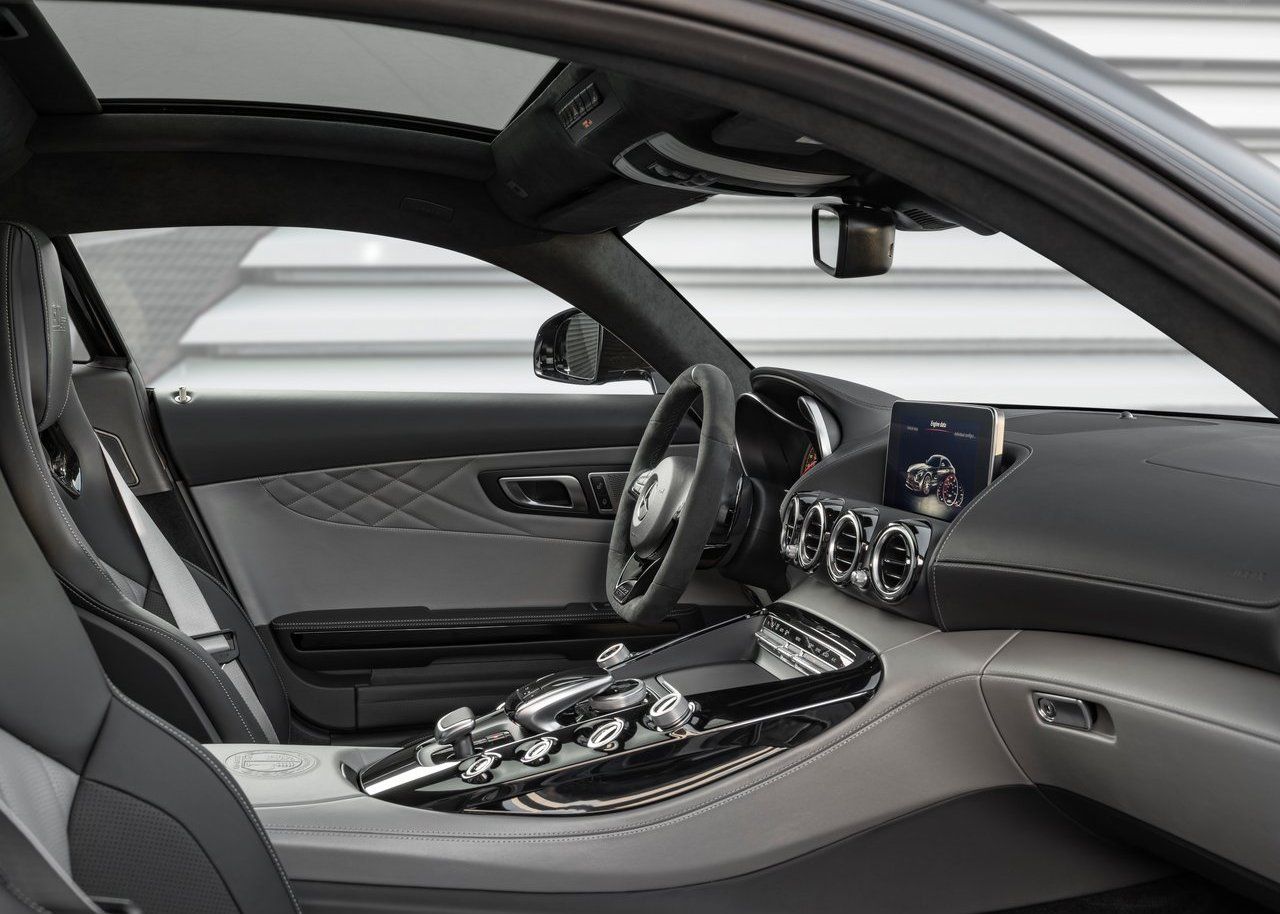
The cabin is suitably luxurious, replete with diamond-quilted leather seats with contrasting stitching (4 colours are available). The front fascia and door casings are finished in back veneer, the latter featuring a red keyline finish. The paddle shifters are in anodised red, which hints at the sportiness of the model. Furthermore, the rotary shift controller, start-stop button and pedals feature a distinctive knurled finish. 

Related Range Rover content: 

Range Rover Sport SDV6 SE (2015) Review
Range Rover SDV8 Vogue SE (2015) Review
Range Rover
Sport SDV8 (2014) Review
Drag Race: BMW X6M50d vs Range Rover Sport SDV8
Across Africa in the Range Rover Evoque and Land Rover Discovery (Video)

Interested in buying a Range Rover?

Search for a new or used example on Cars.co.za

New Honda Civic Sedan (2016) First Drive

Honda has introduced its new Civic sedan in South Africa (replete with a turbopetrol engine) and we attended the launch of the newcomer in Cape Town. Let’s take a closer look at what the new Civic brings to the market…

The Civic is an important model for the Japanese firm and its lineage spans over 40 years, making it the oldest model in Honda’s stable. Since its inception in 1973 (first introduced in South Africa in 1982), more than 23 million Civics have found homes in at least 170 countries and regions across the world.

The latest iteration of the Civic, now in its tenth generation, has hit South African shores to assert itself in the C-segment with a new 1.5-litre turbopetrol engine. Also, with the D-segment Accord officially discontinued on the local market, the new Civic intends to fill the gap somewhat with its larger dimensions and upmarket interior. Let’s dig into the details.

What’s on offer?


A new 1.5-litre turbo engine powers the new Civic with 127 kW and 220 Nm of torque.

The biggest news for the Civic is the introduction of an all-new 1.5-litre VTEC turbocharged petrol engine that produces a healthy 127 kW and 220 Nm of torque, but is claimed to consume only 5.9 L/100 km, accelerate from zero to 100 kph in 8.2 seconds and achieve a top speed of 200 kph.

To complement this new offering, the Civic can also be had with an updated version of the familiar 1.8-litre naturally aspirated engine carried over from the outgoing model. This unit delivers identical outputs 104 kW and 174 Nm, but with a claimed fuel consumption improvement of 8.8% over its predecessor (6.3 L/100 km). The sprint from zero to 100 kph is slower compared to the 1.5T variants, Honda claims a figure of 10.4 seconds with a top speed of 200 kph.

Both engines are mated with a CVT transmission specifically calibrated to each of the motors. To further maximise efficiency, both engines feature an Econ (economy) mode as well as an Eco Assist feature that assists the driver to adopt a more fuel-efficient driving style by the use of different-coloured readouts on the instrument cluster.

The new Civic range starts with the entry-level 1.8 Comfort derivative, which is followed by the 1.8 Elegance derivative. The 1.5T Sport variant features a sporty exterior treatment (including a rear spoiler and dark grille), while the range-topping 1.5T Executive features a full raft of safety and convenience features. These include adaptive cruise control with a low-speed following function, collision mitigation braking, lane departure warning, lane keeping assist, road departure mitigation, forward collision warning and lane watch with side cameras.

New design for Honda Civic


The new Honda Civic is longer, wider and sits lower on the road compared to its predecessor. 

The styling of the new Civic incorporates three main focus areas incorporating what Honda calls "charismatic design", soulfulness and comfort. Compared with its predecessor, the newcomer is 109 mm longer, sits 20 mm lower and its wheelbase has been stretched by 30 mm.

Undoubtedly shapelier and more distinctive than before, the Civic’s coupe-like shape is further enhanced with a wide stance and a longer bonnet. The front end dons a solid wing running across the width of the nose with a slim headlight design, while the taillights feature a bracketed design complemented with LED light bars. A choice of three wheel styles (in 16- and 17-inch rim sizes) are offered.

Full LED headlights and LED daytime running lights are fitted to the 1.5T derivatives, while the 1.8-litre Civics are fitted with projector halogen headlights.

Significantly, the new Civic is built on a lightweight platform that incorporates as much as 12% high-tensile steel, making it 22 kg lighter than the model it replaces with 2% improvement in torsional stiffness, all of which aids performance and economy.

Improved interior


The interior of the new Civic features a high-quality material finish, giving the interior a more upmarket feel. 

Apart from its sharper styling, the interior of the new Civic has been vastly improved with the use of higher quality materials and soft-touch surfaces. The cabin is attractive, with a minimalist design. There aren’t many buttons and knobs on the centre console and dashboard, with much of the functionality migrating to the high-resolution 7-inch touchscreen display (a 5-inch display is offered on the entry-level derivatives).

Audio system settings, Bluetooth connectively, navigation functions and vehicle information can be easily accessed via the touchscreen. Even the air-conditioning (dual zone climate control on 1.5T derivatives) can be adjusted via inputs to the display.

The steering wheel is adjustable for rake and reach and features comprehensive mounted controls. Two USB ports are offered on higher spec derivatives as are heated seats for the driver and passenger as well as cruise control. A new electronic parking brake and brake hold function is also included as standard.

Sport and Executive derivatives feature Walk Away Auto Lock that will automatically lock the car as you walk away from it while keyless entry is standard on 1.5T derivatives. In addition, the Executive model also features a remote engine start function that allows you to start the engine from outside the car using the Civic’s smart key fob.

Thanks to its larger dimensions, the Civic's cabin is more spacious… and it certainly feels that way. Rear passengers benefit from 55 mm more knee room and those of moderate height can sit "behind themselves" in comfort, headroom is good too and shoulder room better than in the previous car. Boot space has also increased to 430 litres. The newcomer should be well suited to families and, crucially, not only married couples with little children either.

What’s the new Civic like to drive?


The Honda Civic features improved ride quality and NVH levels are kept to a minimum.

The launch route took us into the Cape countryside where quiet, open roads gave us the opportunity to get to grips with the new Civic. Incidentally, only 1.5T Executive and Sport derivatives were available for evaluation. 

Honda has lowered the top edge of the bonnet to improve forward visibility and you also sit some 20 mm lower in the new Civic. The driving position is good and will especially be beneficial on longer trips in terms of comfort, but I would say it feels less than sporty. 

The new 1.5-litre turbo engine delivers decent performance and acceleration is brisk enough to execute overtaking manoeuvres quickly and safely on the highway. The CVT transmission was better than we expected and it didn’t exhibit annoying levels of droning that is so characteristic of continuously variable transmissions. It’s actually one of the better CVT’s we’ve experienced so far. If you wish to extract maximum performance from the Civic, simply shift the 'box into the Sport position and use the paddle shifters behind the steering wheel to engage manual shifting.

With its wider stance, the Civic is more planted on the road and it feels solid and composed at higher speeds. The Civic features what Honda calls Agile Handling Assist (AHA), which anticipates loss of control and takes corrective action by tempering throttle and brake inputs in imperceptible increments to help the driver maintain control of the vehicle. Other safety features include Vehicle Stability Control, Hill Start Assist and ABS with EBD. A total of six airbags are standard too. All derivatives, except the base model, are also equipped with rear parking sensors and a reverse camera.

Ride quality is good and the Civic manages to deliver improved ride quality with the help of its newly developed front MacPherson strut and rear multi-link suspension. Honda has also improved Noise, Vibration and Harshness (NVH) levels and it was only on rougher road surfaces that excessive road noise made its way into the cabin. A quiet cabin, allied by the well-built and finished interior instils a sense of "executiveness" to the Civic driving experience. 

Summary

Our first impressions of the new Honda Civic are largely positive. It seems much-improved compared with the somewhat anodyne previous-generation car. The Civic is pricier than its direct rivals such as the Ford Focus, Hyundai Elantra, Toyota Corolla and Volkswagen Jetta, but it can be argued that the attraction of the Honda nameplate is reliability, solidity and classy conservatism (which has underpinned much of the brand's sales success to date). Given its spaciousness, luxuriousness and cabin/ride refinement, the newcomer could appeal to buyers who would look beyond conventional compact sedans for a family vehicle. Whether the Civic's talents will be appealing enough to lure buyers away from dominant, more premium marques' products is another story.

We will have the new Honda Civic on test in the near future, so look out for a thorough evaluation coming your way soon!

New Honda Civic – Price in South Africa

1.8 Comfort CVT – R330 000 
1.8 Elegance CVT – R370 000 
1.5T Sport CVT – R430 000 
1.5T Executive CVT – R460 000 

Pricing includes a 5-year/200 000 km warranty, a 5-year/90 000 km service plan, as well as 3-years of AA Roadside Assistance. Services are at 15 000 km.

Search for a new or used Honda Civic on Cars.co.za 

Related Honda Civic content:

Honda Civic Type-R (2016) Review
5 Things to Know About the New Honda Civic Type-R
Track Race: Audi RS3 vs Merc-AMG A45 vs Honda Civic Type R vs BMW M2 [Video]
BMW M2 vs Mercedes-AMG A45 vs Audi RS3 vs Honda Civic Type-R: On-track analysis (Video)

Extended Test: Mazda CX-5 2.2DE AWD Akera [with Video]

The Mazda CX-5 compact SUV has been selling up a storm in South Africa in 2016. In a bid to see how good it really is/why buyers are flocking to it, we completed a 4 000 km round trip through the country in a 2.2DE AWD Akera.

Strong first impression

It seems that since Mazda’s separation from Ford in the local market (in 2014), things couldn’t be any better for the Hiroshima-based firm. Stepping out of the shadow of the bigger brand has allowed Mazda to develop its own personality, style and customer experience. Every month, the sales charts seem to suggest buyers are keen on not only the CX-5 but also the CX-3, Mazda2 and even Mazda3, which is an endorsement of the brand's SkyActiv technology.


The Mazda CX-5 has proved very successful locally, regularly featuring in the top 10 selling SUVs in SA.

And, equipped with SkyActiv D technology, the 2.2-litre turbodiesel in this top-spec Akera is rather powerful. Peak outputs of 129 kW and 420 Nm of torque are available and that puts the flagship CX-5 pretty much at the top of the power pile of medium SUVs. The equivalent Ford Kuga is more powerful by 3 kW, but lacks the 20 Nm extra of the CX-5. The segment’s top-selling RAV4 is some way down on power and torque (110 kW and 340 Nm), but the extra power and torque of the Mazda doesn’t seem to hamper its fuel economy stats: it’s also claimed to be the most efficient of the trio at 5.9 L/100 km. We weren’t able to match the claimed figure as over the 4 000 km we spent in the CX-5, it returned 7.7 L/100 km, which is not bad considering it was quite heavily loaded.

The long road ahead

Mazda has aimed its vehicles squarely at the "must enjoy the driving experience" clientele. What that means to the average driver is sporty handling, agile steering and firm springs, but dynamism aside, could the CX-5 deliver good cruising ability and long-haul occupant comfort too? I set a route to find out…

The route for my drive took me from the centre of Cape Town along the lesser travelled route to Aliwal North, around all of Lesotho and then back the same way with a stretch on the N1 after Prince Albert. The point of the trip was to get to Pietermaritzburg to participate in the SA mountain biking championship. That meant the car was packed with a bike, gear, spares and an unwilling pit mechanic/fiancé. Despite the CX-5 having a smaller loading area than the abovementioned competitors we didn’t struggle to fit everything inside the car (seats down for the bike).


The CX-5 managed to swallow a mountain bike AND two occupants' luggage with the rear seats folded down.

The twisty parts

Mazda didn't boast about the CX-5's handling talents without reason, as the test unit positively laps up bends at speed. It remains upright when cornering Gs are forced upon it and gives you the confidence to not scrub off all the speed you’ve gathered when a corner looks a bit sharp. That’s good for efficiency too, as you don’t need to constantly accelerate back up to speed after taking a corner. For the parts of my long trip that involved mountain passes and twisty sections, the CX-5 was the near-perfect compact SUV from a driver-engagement point of view (especially given the load it was carrying).


The renowned pass at Meiringspoort, its here where the CX-5 stands out from the rest of the medium-sized SUV crowd.

The straight parts

Roads don’t get much straighter than they are in the Karoo. The region is characterised by horizon after horizon of flat land with a dead straight strip of tarmac sniping through it. It’s not exactly driving paradise, but it’s the perfect place to review the CX-5’s comfort and ride quality on the long road. Long stretches of road out here feature patches of replaced asphalt and filled potholes – it’s bouncy going in some of the most comfortable cars.

The CX-5’s stiffly sprung suspension isn’t in its element here. The bumpy road surface pushed through into the cabin and it gets tiresome taking hits constantly on a long drive. A softer setup would be more comfortable on the long road, but you would lose its handling prowess everywhere else, it’s something you have to weigh up as a buyer – do you want something that’s good for long journeys or something that’s fun on everyday trips?


The Karoo is flat and very straight but it does throw up some awesome sunsets

Great spec

When the Akera arrived, I initially thought that R528 100 was a bit on the expensive side. As the drive wore on a few neat features made their presence felt; the high-end equipment attached to the flagship CX-5 is pleasantly surprising. The automatic adaptive headlights, for example, make it much easier to drive in the dark: simply hit the mains and the car takes care of dipping them when a car is in front of you/travelling in the opposite direction.

The navigation system within the infotainment system is really easy to use and loaded with detailed maps. The two USB ports were a hit for charging two phones, or one, while music was playing from a USB flash disk. A quick flick through competitors' specs shows the CX-5 trumps the Kuga and RAV with the adaptive lights and navigation. The others do have heated front seats (the Mazda doesn’t) and the cold mornings in the Free State had me longing for them.


The solidly built interior is loaded with features, including navigation. 

End of term

Handing back the keys to the CX-5 left me a tad confused, on the one hand the CX-5 was the perfect practical companion… the added ground clearance provided that extra bit of security when tackling a dirt stretch, for example. There are also high levels of refinement in both the cabin and in the ride – especially in dynamic situations. The flip side of the coin reveals an SUV that’s maybe too dynamic for a cross-country journey where lots of kilometres need to be knocked off in a day. Also, I’m not entirely convinced by AWD in a sporty SUV, FWD would probably suffice and save you a bit at the pumps in the long run (the 2WD derivative is admittedly significantly less luxurious). However, as a (nearly) full-house compact SUV, which will be used as a family vehicle for the overwhelming majority of the time, the (now) well established Mazda CX-5 is hard to fault… and, therefore, easy to recommend… if you can afford it.    

Also read: Road Test Mazda CX-5

Mazda CX-3 extended test video

Spy Shots: BMW M4 Coupe Facelift

A facelifted version of the BMW M4 coupé has been spotted undergoing hot-weather testing in Southern Europe. 

The BMW M4 has been on the market since 2014 so it is due for a mid-life refresh. After the fiery BMW M4 GTS has come and gone, what will the performance arm of BMW do next with its hot 3 Series-based coupé? These spy images show that some elements of the BMW M4 GTS will be transferred onto the facelifted car. There's a modified front end with lip as well as a similarly sculpted bonnet. Both of these details look very similar to those found on the GTS. At the rear there are new OLED tail lamps as well as a reworked, larger spoiler. Could we be looking at a new M4 variant with, perhaps, a GTS-themed style pack?

We gather that there will be a slight increase in power too, which will help it keep pace with the new fiery Mercedes-AMG C63 which packs 375 kW. At this stage, the BMW M4 coupe will be expected to arrive globally in the second half of 2017, with South African availability shortly thereafter.

Picture credit: S. Baldauf/SB-Medien

Related Content

Read a first drive of the mighty BMW M4 GTS here

See more spy shots from BMW here

Want to buy a BMW M3/M4? Browse examples here

Top 5 Cool Facts: Bentley Bentayga

Bentley’s flagship SUV is called the Bentayga and it is now available in South Africa. Here are 5 amazing facts about the world’s fastest and most powerful luxury SUV.

While its looks are not to everyone’s taste, you have to admit that Bentley has done well in creating a super SUV and the Bentayga (its name is formed by adding the first 3 letters of the Crewe-based manufacturer's name and Taiga – a type of Northern hemisphere boreal or snow forest) is one very luxurious offering. Currently, it retails for R3 987 000 and there’s just one model available. Many will suggest that it’s just a repackaged Audi Q7 underneath, but while that’s partly true as it's based on the VW Group's MLB platform, there’s been some extensive work done by Bentley to make it that much more special.

That engine


The W12 engine under the bonnet delivers a stonking 447 kW!

Right now there’s only one engine offered in the Bentley Bentayga – a massive 6.0-litre twin-turbocharged W12 unit that produces 447 kW and 900 Nm. That’s enough shove to send the Bentayga hurtling to 100 kph in just 4.1 seconds, which is jaw-dropping considering how heavy it is.

In future there may be a smaller-engined Bentayga featuring the 4.0-litre twin-turbocharged V8 from the Continental GT. There could also be a Speed version, which offers a few more kilowatts from the big W12. At the time of writing, a turbodiesel powerplant was under consideration, with the high-tech electric turbo V8 from Audi’s SQ7 looking most likely to be put into service.

First edition


Buy a First Edition Bentayag and you can pick from one of three Breitling watch designs.

Six hundred and eight Bentayga First Edition units will be produced, which is about a sixth of what the factory will be able to assemble in the first year of production. This number is significant as it’s the number of metric horsepowers the engine produces. The Bentayga First Edition features Union Jack logos on its front doors, carbon-fibre detailing, special detailing on the 22-inch wheels and in the cabin there are uniquely embroidered seats and stitching. The cherry on the top has to be the unique Breitling watch that comes with the car. Customers can choose from three and the watch values vary from $10k to $21k (approximately R130 000 to R280 000).

The customisation is almost unlimited


Bentayga customers can delve into a staggering number of options on the online configurator.

There’s a good chance no two Bentley Bentaygas are alike as the online configurator offers vast levels of customisation and options. There are incredible variations on colour themes… for example: you don’t just get blue, you get seven versions of blue! There are 8 wheel designs to choose from. You can even choose between 2 dedicated rear seats or the standard three-person bench at the rear. The options for carpets, veneer and trim stitching is really daunting, but when you’re paying this much for vehicle, you expect only the best. Bentley claims it takes 130 hours for 53 artisans to handcraft each Bentayga cabin.

If this is not enough, you can head to coachbuilding specialists Mulliner who will kit out your Bentayga with even more luxurious features, such as a fly-fishing kit! The one option that’s really interesting is the Mulliner "Tourbillon by Breitling" dashboard clock that’s wound by the Bentayga’s acceleration. The price of this clock is almost as much as the Bentley Bentayga itself.

Offroad ability


The typical Bentayga is unlikely to ever venture off-road, but that doesn't mean it can't.

"Just because you can doesn’t mean you should" is the phrase that comes to mind when you think of the Bentley Bentayga. It’s expensive to buy and potentially expensive to repair, so why would you run the risk of damaging it offroad? Bentley has made sure its first SUV can venture offroad by fitting it with adjustable ride height, four-wheel drive and electronic features like hill descent control. The chassis has 8 settings, with four for on road (Comfort, Bentley, Sport, Custom) and four all-terrain modes (Sand dunes, Mud & Trail, Gravel & Dirt, Snow & Grass). It has a ground clearance of 245 mm and can wade in water up to a depth of 500 mm.

Tick the option called All Terrain and you get drive dynamics with off-road settings, underfloor protection and a top-view camera. For peace of mind, there’s also a sump camera which lets the driver check for approaching obstacles that can potentially hurt the Bentayga.

The in-car entertainment


Individual rear seats are among the many option boxes to tick.

You name it, the Bentley Bentayga has it. There’s an 8-inch infotainment screen in the dashboard and, for the benefit of the rear passengers, a pair of 10.2-inch detachable tablets as well as a 3.5-inch touchscreen remote, with which occupants can adjust the vehicle's audio and climate settings. There are some optional audio systems available and the one you want is the flagship Naim 20-speaker setup which packs 1 950 Watts.

It’s safe too, with a number of features like auto-dipping headlights, auto braking, adaptive cruise control with traffic jam steering and 360-degree cameras.


Related content:

We take part in Cape Town’s biggest-ever supercar run
Jaguar F-PACE (2016) First Drive
5 Coolest Car Accessories
5 Amazing pieces of tech in the New E-Class

Interested in buying a Bentley?

Search for one on Cars.co.za

New Number Plates for 2017

South Africa could be set for a countrywide number plate change from next year.

The Department of Transport has released an article in the Government Gazette noting that the number plates could change from 2017. The new plates will be renewable every 5 years and need to contain an SABS certification mark on the bottom right, a 4-dimensional bar code with the QR code that contains the number of the manufacturer of the blank plate, the abbreviated name of the blank plate manufacturer and the South African flag.

Plastic number plates will no longer be used and all new number plates will be aluminium. The reasoning is that they last around 5 years and they don't melt as easily as plastic plates in a fire or accident.

Different colours will denote different transport sectors. Black is for public transport vehicles, blue for general vehicles and personalised plates, red for Government vehicles and green for diplomatic vehicles.

If the plates become mandatory as of next year, the new set of plates will cost around R250 a pair and will only be valid for 5 years.


Other articles that you may find of interest: 

Driving Licence Demerit System still on cards for SA
Car Theft Insurance Claims: When Are You Negligent?
Vehicle Warranties: The Devil's in the Detail
The Motor Industry Ombudsman Of South Africa – In-Depth Q&A
3 Must-ask Questions for a Used-Car Salesman


Suzuki Ignis Could Come to SA

The Suzuki Ignis, which will be shown at Paris Motor Show at the end of September 2016, could be coming to SA!

The Ignis will make its debut at the Paris Motor Show this year before officially going on sale in Europe in early 2017. It was first shown back at the Tokyo motor show in 2015, but we should see it in a production-ready phase in the French capital.

Suzuki SA has hinted that the compact crossover could be introduced in South Africa as early as the first quarter in 2017. Suzuki SA will undoubtedly investigate the business case to introduce the Ignis to the local market, especially given the strong growth in the small crossover segment.

No engine details are available yet, but there is likely to be a mild hybrid version available in Europe and a new 1.2-litre petrol motor on offer too.

Given the eager anticipation for the Renault Kwid A-segment crossover, which is due in SA later this year, the funky Ignis could be an interesting rival to the French marque's newcomer, as well as the VW Cross Up!Mahindra KUV 100 and others. 

Also read:

Suzuki Baleno (2016) First Drive
5 Small Crossovers (new) for under R200k
Cars to expect from the rest of 2016

All-New Hyundai i30 Teased (with video)

Hyundai has released teaser images and video of its all-new i30. It is set to be revealed during September 2016 and will reach South Africa in 2017.

Hyundai’s i30 competes in the compact car C-segment with the likes of the Volkswagen Golf, Ford Focus and Opel Astra. For the new model Hyundai says it has made significant strides in interior quality and technologies on offer.

President of Hyundai, Peter Schreyer, says, “the new-generation i30 is a car for everybody. From a design perspective, we haven’t just considered one customer; we have focused on a wide range of different people. This model showcases an evolution of Hyundai Motor’s design language with natural flowing lines, refined surfaces and a sculpted body to create a timeless appearance. We are also introducing our further developed grille: the Cascading grille.”

Hyundai will also reveal the i30’s improved safety features when the car is officially unveiled on 7th September 2016. Once it's launched, we should get some more insight into the engine details as well. A local spokesperson has said that Hyundai hopes to introduce the new i30 in South Africa during the first quarter of 2017.

Hyundai i30 Teaser Video

Related Content:

Find a used Hyundai i30 on Cars.co.za here

Hear the upcoming i30 N performance version roar here

Volvo Ups the Ante in Dealership Experience

Volvo is on a roll in terms of its repositioning as a force in the premium segments of the market. But this shift is about much more than just product, and also extends to delivering a premium dealership experience. Meet Volvo VRE, now being rolled out in South Africa.

The experience of buying an premium item of clothing wouldn’t be the same if the shop selling the clothing looked like a budget retailer. The same goes for motor vehicles – buyers want a memorable experience when parting with their money. Consequently, many premium brands have turned their dealerships into lifestyle destinations for prospective buyers and current owners. Volvo Cars has officially joined the ranks with its new VRE (Volvo Retail Experience) dealership model. The name denotes exactly what Volvo is aiming to achieve by creating these spaces, namely unique Swedish experiences.

Naturally when one thinks of anything Swedish, you imagine structure, finesse and sophistication. Well, you’ll be pleased to know that is exactly what you get at the new flagship VRE dealership in Bedfordview, Johannesburg. I recently had the opportunity to inspect the new premises and I was surprised I didn’t walk away having signed an Offer To Purchase! 

The essence of VRE mirrors the core of the design language found in new Volvo vehicles. Take for instance the XC90 – this is a large car that features a contemporary design that is minimalistic and stylish. The same goes for a VRE dealership. Uses of natural light, glass and modern furniture make for the perfect place to display new age Volvos.

Why invest millions in a market that is booming online?


The physical presence of cars in a beautiful, comfortable environment is key to the Volvo VRE experience.

This is the burning question on the minds of many. The answer is simple though, since Volvo operates in the premium segment. Going back to our clothing example, it’s easy to buy an inexpensive item online as there is less thought that goes into the process. Buying a simple T-Shirt and having it delivered to your doorstep is a normal and convenient way of shopping. On the other hand buying a tailor-made suit online is near impossible to get right because nothing beats having someone measure you personally. That is what a premium buying experience is all about. Being able to choose the exact colour, the wheels and even being able to specify your Volvo to have a tweed interior is something that requires a personal touch. For this reason, Volvo sees a space for luxury retail and online car shopping to coexist, because there is only so much you can do behind your laptop.

What makes VRE stand out from other luxury dealers?


Enjoy a coffee and pastry while you relax in the Volvo "Fika" area.

Being a niche brand, Volvo has something unique to offer to the market, a different culture. The Germans have their own and so do other nations. That is why you can enjoy a “Fika” area at a VRE dealership. Not to be confused with FICA, rather the Swedish term refers to the act of enjoying someone’s company through coffee and a pastry – a tradition we welcome. At the Bedfordview dealership, this space is tucked away to create a private area for customers to conduct business, conclude deals or wait for services to be completed.

Whilst you enjoy your Fika, you have a well-spaced display area to view new Volvos. Doors can be opened up as wide as possible as volumes of space has been purposely included to allow for customers to interact freely with the cars.


The Selekt pre-owned cars are housed indoors in a similarly premium environment.

On the other side of the Bedfordview dealership awaits an indoor pre-owned section. It’s difficult to differentiate between the new and pre-owned section as they both share a similar layout. The reason for this is because Volvo does not want to create a situation where buying a used Volvo doesn’t carry the same level of class as buying a new one does, which is often the case at some dealerships. The dress and grooming of the sales team keeps to the same standard, so the fear of a handle-barred mustachioed man in a short sleeve shirt can be forgotten. Thankfully.

Time is of the essence


Large glass windows give customers visual access to the workshop.

In the fast-paced environment we live in, efficiency is key. That is why the most important feature of VRE in our eyes is the Volvo Personal Service programme. The aim is to allow the customer to enjoy fast service whilst they wait for the car at the dealership. This will be especially useful for customers whose cars are in for minor checks, services or repairs. Although not completely new to the market, this programme will be welcomed by busy customers that cannot afford to take half-day leave in order to get their car serviced. A large glass window allows customers visual access to the workshop, should they feel the need to watch the repairs being done on their vehicle. If they are not that way inclined, the service lounge as well as the Fika area will allow the customer to quietly complete any work task at the dealership.


The new Bedfordview dealership is the first VRE facility in South Africa.

Despite not being completely finished, the Bedfordview VRE dealership is ready to accept new Volvo customers as well as service the needs of existing ones. The visual appeal and experience of walking through a clean and contemporary space is rather pleasing. The personality of Volvo’s new brand identity shines through this new VRE retail space. With their cars looking more attractive with each new model announcement and more technologically sophisticated, it only makes sense for the dealerships to follow suit. It’s pleasing to know that if you’re in the market for a new or pre-owned Volvo, you can experience a little bit of Sweden, in South Africa.

Check out this video below to get a "feel" for Volvo VRE.

You may also be interested in:

Find a used/new Volvo on Cars.co.za here

Ford Ranger 3.2 4×4 Wildtrak (2016) Review

We get behind the wheel of the top-of-the-range Ford Ranger Wildtrak to find out if it truly is the best leisure double-cab bakkie on the market in South Africa.

We like: Attractive exterior and interior styling, interior comfort, safety features

We don’t like: Lazy engine/transmission combination, can be thirsty

Alternatives:

  • The natural competitor: Consider the Toyota Hilux 2.8 GD-6 double cab 4×4 Raider automatic priced at R570 600. It’s arguably not as visually striking as the Wildtrak, but the Hilux's reputation speaks for itself. Allied with outstanding capability, the Toyota has a notably more luxurious interior than its predecessor and is packed with advanced features.
  • ?Surfeit kerb appeal: The Volkswagen Amarok 2.0 BiTDI Highline 4Motion automatic priced from R570 200. Its smaller-capacity engine delivers a good balance between performance and economy, its 8-speed automatic transmission is a peach and the interior is upmarket.

Compare the Ford Ranger 3.2 4×4 Wildtrak with the Toyota Hilux 2.8 GD-6 4×4 and Volkswagen Amarok 2.0 BiTDI Highline 4Motion


The Ford Ranger Wildtrak is arguably the best-looking leisure double-cab bakkie on sale in South Africa.

What is it?

Since its arrival in October 2015, the updated Ford Ranger has posted impressive new vehicle sales figures and the recent addition of new automatic Ranger derivatives augers well for continued showroom success. The Wildtrak derivative is widely regarded one of the most desirable leisure double-cabs money can buy. This breed of bakkie is less of a traditional workhorse and more of a family adventure vehicle and as such, qualities such as good on- and off-road performance, ride quality, comfort and safety are key for success. How well does the Wildtrak measure up to these qualities? Let’s find out…

How does it fare in terms of…

Head-turning looks? 

The Wildtrak is a sizeable bakkie. It measures more than 5.3 meters in length, 1.8 metres in height and weighs in excess of 2 tonnes. Yes, it’s a big brute and based on looks alone, it’s easy to imagine the Wildtrak tackling the toughest terrain on earth. With a ground clearance of 230 mm, the Ranger is capable of wading through water 800 mm deep, Ford claims. A set of rather attractive 18-inch alloy wheels are fitted as standard, in this case, with road-going tyres. 

A styling critique is utterly subjective, but even the biggest Hilux or Amarok fans must concede that the Wildtrak is one of the most attractive double-cab bakkies on the market with its imposing, macho styling. It exudes an air of rugged sophistication that’s rare in the world of bakkies. It’s as much a 4×4 as it is a fashion item and if capability and stand-out style are what you’re looking for in your bakkie, then the Wildtrak makes the strongest statement in that regard.
Performance and economy?

Underneath that bulging bonnet lies a 5-cylinder 3.2-litre turbodiesel engine that produces peak outputs 147 kW and 470 Nm and propels all 4 wheels of the Ranger via a 6-speed automatic transmission. As a family vehicle, open road performance (where good in-gear overtaking acceleration is required) is a key performance area and, whether it be attributed to the chore of propelling the Ford's 2 tonne plus kerb weight, tardy low rev response/turbo lag or just very economy-minded throttle and transmission mapping, the Wildtrak’s engine seems to labour under hard acceleration and the seemingly early kick downs can occur. Once at cruising speeds, however, the Ranger has no problem maintaining momentum and the motor seems reasonably refined.  


An electronically controlled transfer case allows the driver to easily switch between 2H, 4H and 4L.

By contrast, the Wildtrak excels off the beaten track. It has loads of torque and it can surge through the thickest sand or clamber over terrain only suitable for mountain goats. An electronic rear differential ensures optimum traction in challenging terrain and possibly the best part of this Wildtrak is the ability for the driver to easily switch between 2H, 4H and 4L using a knob next to the transmission lever (now a feature on a competitor product too, it must be said). Using this system, the 4×4 capability of the Wildtrak is easily accessible to the driver. More than this, the Wildtrak has a maximum towing capacity of 3 500 kg.

Ford claims 9.0 L/100km for the Wildtrak automatic and we averaged closer to 11.0 L/100km on a long journey up the coast. You may very well see higher figures than that in urban driving situations. With a large 80-litre fuel tank, the Wildtrak has a range of about 730 km.

Ride quality and driving experience?

Bakkies are relatively unrefined (compared with conventional unibody passenger vehicles) in terms of their ride qualities, but the Ranger Wildtrak bucks the trend somewhat. Whereas a bouncy and wafty ride plagues most bakkies (loading a heavy load in the back cures the problem, but that's to the detriment of economy), the Wildtrak is surprisingly smooth and well-mannered on the road irrespective of how much cargo/number of passengers it is transporting.


The Wildtrak delivers decent ride quality on the road and in the dirt.

The electric power-assisted steering is light in feel, which allows the driver to manoeuvre the Wildtrak with greater ease, but the steering can be quite vague too as a result, particularly at lower speeds. The Wildtrak copes well on gravel roads and manages to deliver a relatively smooth drive in the dirt.

Considering the height of the Wildtrak, the driver is afforded a commanding view of the road with good all-round visibility. Getting into or out of the Wildtrak can be tricky if you not careful, but running boards are fitted to assist/save shorter-legged drivers and occupants some embarrassment. Be mindful that the Wildtrak has a large turning circle and that can make parking and general manoeuvring cumbersome in busy urban areas.

Overall, the Wildtrak delivers a decent drive and although more concentration is needed in close-quarter driving situations owing to its size, the Wildtrak is fitted with front and rear park distance control along with a rear view camera to make manoeuvring more manageable.


The use of leather and colour gives the Wildtrak an upmarket feel. 

Comfort & features?

We spent a considerable amount of time in the Wildtrak and found it to be spacious and comfortable on longer journeys, although rear passengers did mention that rear legroom was not the cabin's strongest suit.

Buyers will be happy to know that perceived interior build quality is good, even though a variety of plastics (of varying quality) is splashed around the cabin. The leather-clad dashboard with orange contrasting stitching and similarly colourful detailing on the partial cloth/leather seats makes the cabin feel more vibrant and attractive. The driver benefits from an electronically adjustable seat, while the passenger seat is manually adjustable.

The Wildtrak is equipped with Ford’s SYNC2 connectivity system that’s accessed via an 8-inch touchscreen infotainment system. The system is simple enough to use and features such as Bluetooth connectivity and voice activation are particularly convenient. You can also adjust the climate control system using the touchscreen, but we were, however, disappointed to find that navigation isn’t offered with the system (in fact, Ford doesn’t offer navigation on any of its current products in South Africa). The Wildtrak is equipped with two USB ports, an auxiliary port and front and rear 12V sockets.


The infotainment system is easy to use but sadly navigation is not offered on the Wildtrak.

The driver can control infotainment and other vehicle settings using the mounted controls on the steering wheel. Infotainment information is displayed (digitally) on the left side of the instrument cluster while vehicle and trip information is displayed on the right. Overall, the instrument cluster is attractive in design but the tachometer is “squashed” into the display making it difficult to gauge where the revs are sitting while driving.  

Something for buyers to consider is that the Wildtrak is offered without a tonneau cover as standard. This means that any luggage or equipment that you might be transporting is at the mercy of the weather and social ills such as thievery. If you forego a canopy, we advise that you purchase an aftermarket tonneau cover or a lockable load cover to protect your luggage. 

Driver assistance and safety?

The Wildtrak is well endowed with driver assistance and safety features, adding to its appeal as a family leisure vehicle. Perhaps the most useful feature for the driver is adaptive cruise control (with speed limiter). Using the steering-wheel mounted controls, the driver can easily set and maintain a desired speed and distance between the vehicles ahead. The Wildtrak will automatically brake and accelerate back up to speed as required. This feature makes the Wildtrak more relaxing to drive on longer journeys. 


The Wildtrak is well equipped with safety and driver assistance features.

Features such as lane keeping alert and lane keeping aid help keep the Wildtrak in its tracks, so to speak, by warning the driver and taking corrective action if necessary. A total of 7 airbags are standard, as well as ABS with EBD, traction control, stability control and hill descent control. A tyre pressure monitoring system is also fitted as standard. With its comprehensive safety offering, the Wildtrak proves that bakkies can indeed be excellent family leisure vehicles.
Price and after-sales backup

The Ford Ranger Wildtrak 3.2 4×4 automatic is priced from R597 900 and is sold with a 4-year/120 000 km warranty and a 5-year/100 000 km service plan.
Search for a new/used Ford Ranger on Cars.co.za

Verdict

The attention-grabbing Ford Ranger Wildtrak is perfectly suited to a buyer who wants to make the boldest statement with their new double-cab bakkie purchase. The Wildtrak’s styling is attractive, particularly in Orange Pride, and buyers will appreciate that the cabin looks and feels upmarket. More so, the cabin is well-built and comes equipped with most of the nice-to-haves you would want in a bakkie.

In terms of capability, the Wildtrak is difficult to fault and even against its foe, the Toyota Hilux, we found the Ranger to have the edge in the dirt. The Wildtrak package is an alluring one but many buyers might feel that the price tag is prohibitively expensive. Upon closer inspection, the Wildtrak compares favourably to its closest rivals (Toyota Hilux 2.8 GD-6 4×4 automatic and Volkswagen Amarok 2.0 BiTDI Highline 4Motion automatic) and when you factor in features such as leather seats, adaptive cruise control, front and rear park distance control and rear camera, then the price difference becomes negligible.

If you are searching for a capable family leisure bakkie with dashing good looks, then the Wildtrak should be on your hit list.

Ford Ranger 3.2 4×4 Wildtrak Automatic – Quick Specs

Related Ford Ranger content:

2016 Ford Ranger-5-Things You Need To Know (Video)
In-Depth Comparison: New Hilux vs Ranger vs KB vs Amarok (video)
Toyota Hilux vs Ford Ranger vs Isuzu KB vs Volkswagen Amarok (2016) Comparative Review
Drag Race: Hilux vs Ranger vs Amarok vs KB
2016 Toyota Hilux vs Ford Ranger – Offroad & Review
Ford Ranger 3.2 XLT (2016) Review

Interested in buying a Ford Ranger?

Find one for sale on Cars.co.za