Exploring Lesotho with Toyota and Bridgestone

Fitting the right specification tyres to your vehicle is crucial, especially if you want to traverse grueling off-road terrain. We tackled some of the most challenging mountain roads with Toyota Hilux and Fortuner derivatives shod with new Bridgestone Dueler 693III tyres. Here's how the picturesque expedition unfolded…

Many of us long for a good old-fashioned road trip; a trek to an uninhabited locale; a drive into the unknown. A spur of the moment getaway seems rather romantic and adventurous doesn’t it? It certainly does on televised travel programmes. The reality though, is that a road trip usually requires a great deal of planning. We discovered this when we took part in a road trip that would entail long distances, mountainous gravel roads and large quantities of biltong. What, where and how are critical details on trips of this nature. What are we using to get there? Where are we going? How are we going to get there?

What


The Toyota Fortuner proved to be very capable in the tough terrain found in Lesotho.

Those who regularly make off-road expeditions stress how important it is to fit the right rubber to your vehicle to suit route conditions. Our recent encounter with Bridgestone’s new Dueler A/T 693III tyres proved this. This is a tyre that is meant to drive comfortably on-road for daily use and then tackle the roughest terrain off-road when necessary. It stands to reason, then, that given the off-road credentials of the Hilux and Fortuner, that Toyota would find Bridgestone's Dueler A/T 693III tyres to be perfectly suitable. In fact, the Dueler A/T 693III is the OEM tyre for both the Hilux and Fortuner models – vehicles we had at our disposal for this journey. So, our what was taken care of – a few Toyotas fitted with some dual purpose tyres.

Where


Lesotho is the perfect place to test your vehicles capability. The Toyota Hilux and Fortuner are well-equipped to deal with difficult terrain.

Where were we going? We needed a place that would allow us to test the capabilities of these tyres, preferably a place with large inclines and steep declines and a combination of gravel and tar. Fortunately, South Africans have the opportunity to explore our neighbouring countries and Lesotho was the perfect escape for this test. As one of our more mountainous neighbours, Lesotho would give us the chance to see what a tough car with tough tyres can do.

How

Our trip to Lesotho began in KwaZulu-Natal and we headed towards the Ongeluksnek pass on a tar road. Normally an off-road tyre tends to “whurrr” on tar due to the reinforced tyre walls and mixed compounds. Surprisingly, holding a conversation didn’t seem all that difficult as we had minimal noise in the cabin. Tyre noise will always be prevalent, but in this case, it wasn’t droning or annoying. The Toyota Hilux was our mode of transport for the first day and this gave us the opportunity to experience the refinement of these new bakkies, which offer a superior ride to the previous-generation vehicles. There was no “bobble head” effect present in this unloaded Hilux and we sailed along smoothly to our first stop where we feasted on gourmet pies, warm scones and freshly squeezed cow’s milk. This is the stuff road trips are made of!

With our bellies full, we trekked toward the Ongeluksnek pass in Lesotho, but before we arrived at the border, we had to switch the cars to 4H and manoeuvre through some steep gravel inclines. Some of the most outstanding views surrounded us upon our arrival in Lesotho. Beyond the border post was greenery, moist gravel and uphills high enough to leave marathon runners panting. This is where we would see how dual-purpose these tyres really were. As we climbed, not once did we fear for grip and not once did we get stuck. We were elated because of the views and the beauty of Africa. The descents proved to be somewhat more challenging, as these require careful planning. But again, with the Hilux in the right mode and our Bridgestone’s hard at work, we arrived at our destination happy.


The views in Lesotho are a great reward for your off-road efforts. 

The next morning, we left Lesotho through a different pass to enter KwaZulu-Natal, only to drive into Lesotho again for another taste of dust. This time our challenge was the famous Sani Pass road, a climb that is not only scenic but quite challenging if you don’t have the appropriate machinery. Tarred roads were welcome on our journey back after slowly navigating through rocks on the previous day.

This is where you see why Toyota chose the Dueler A/T 693III to be its OEM product. It simply handles the transition from on to off-road so well. Interestingly, we averaged 8.6 litres/100km in the Hilux despite us driving on very different terrains every hour. By then we'd swapped into the more family-friendly Fortuner, which had no problem powering through the sweeps on the newly tarred roads back to KZN.

As we arrived at the beginning of the Sani Pass, road conditions seemed to suggest that the route would be a walk in the park. However, having  traveled barely 3 km further, it became apparent that the road is meant for SUVs. Oncoming traffic (mainly tour bakkies) requires you to be vigilant on the climb and the higher you go, the steeper it gets. A combination of low range, second gear and not looking down got us through the climb. Moments like those make you appreciate having the right amount of traction to keep going, something we had plenty of. There’s a feeling of fulfillment that one gets after climbing 3 200 m and looking down to see what you’ve conquered. It's no wonder why people from all over the world enjoy these sorts of excursions.


Bridgestone's new Dueler A/T 693III tyres proved invaluable in reaching the Lesotho highlands.

As we arrived safely back in Lesotho and settled into our place of rest, the business presentation by Bridgestone’s representatives meant so much more to me than it usually does. Generally, we are told how good a product is and what it can potentially do. This time we had the chance to experience it for ourselves. The tyre truly offers the great handling they claim, both on and off-road. It’s low rolling resistance meant that we maintained almost identical fuel economy in both the Hilux and the Fortuner and the way the tyre is constructed meant that it doesn’t kill your ears. A manufacturer like Toyota wouldn’t trust a tyre brand if they couldn’t ensure that the claims are in fact the reality.

Summary

As mentioned, much goes into planning for a road trip and without the right tools your TV fantasy may end up to be a horror story. As many will embark on road trips soon, never underestimate the importance of having the right rubber fitted to your vehicle. Comfort, fuel economy and safety are all factors directly linked to tyres, so having the right set for the job can mean the difference between you relating the story of your travels, or your story being related for you.

Related content:

Toyota Hilux 2.8GD-6 DC 4×4 Raider Auto (2016) Review
Toyota Hilux 2.4 GD-6 4×4 SRX (2016) First Drive
In-Depth Comparison: New Hilux vs Ranger vs KB vs Amarok (video)
Toyota Hilux vs Ford Ranger vs Isuzu KB vs Volkswagen Amarok (2016) Comparative Review
New Hilux vs Old Hilux – An Expert’s Opinion on What’s Changed
Toyota Fortuner 2.4GD-6 (2016) Review
Toyota Fortuner vs Ford Everest (2016) Comparative Review [Video]
Comparative Review: Ford Everest 3.2 4×4 XLT vs Toyota Fortuner 2.8 GD-6 4×4 6At

Interested in buying a Toyota Hilux or Fortuner?

Click here to search for a new/used Hilux

New/used Fortuners listed on Cars.co.za

Renault Kwid (2016) First Drive

The budget-friendly Renault Kwid has rolled into South Africa and we drove the pint-sized city crossover in sunny Durban this week. 

With the new car market continuing to suffer declining sales and consumers struggling to make ends meet, deciding which new models to introduce in the local market (and which to avoid) has become increasingly important for car makers. With the new Kwid – a city car with the look of a compact crossover and attractive pricing – Renault appears to have hit the nail on the head. After all, it is clear that consumers want crossovers, but that they want to pay less!

It's not marketed as a crossover, however, yet it comes with visual and functional aids to make the Kwid surprisingly useful when the tarmac makes way for gravel and pot-holed surfaces. The vehicle looks chunky and solid while boasting 180 mm of ground clearance. Combined with high-profile tyres, you'll soak up the bumps with no fuss at all. 

It's powered by a naturally-aspirated 1.0-litre three-cylinder petrol engine, which was a surprise given the brand's fondness for the 0.9-litre 3-cylinder turbocharged petrol unit which does duty in many of its products. Nevertheless, it's a pleasant powerplant and it pushes out 50 kW and 91 Nm. Power reaches the front wheels through a five-speed manual transmission. 

For specifications and in-depth details about the Renault Kwid, click here.


Top-spec Dynamique models gain front fog lights.

The Drive

Those outputs look meagre on paper, so you'd expect performance to be sluggish. However, the Kwid has a trick up its sleeve. It's terrifically light and tips the scales at under 700 kg without a driver. This means it has an impressive power-to-weight ratio and straight off the bat we were able to navigate the confines of King Shaka Airport with a spring in our, erm, step. The steering is power-assisted, making maneuvering easy and parking in tight spaces a cinch. The Kwid has commendable performance in the first three gears and only once your speedometer ventures over the 100 kph mark does the engine start losing its breath. 

The gearbox and clutch are pleasantly light, and the shift action is smooth. Cars in this segment are generally a little coarse and unrefined, but the Kwid demonstrates that some degree of refinement is really appreciated. There is also very little vibration through the steering wheel and gearknob – a common affliction in this segment. Typically, 3-cylinder engines are a bit gruff and the Kwid's is no exception as the revs climb through the range. 

The downsides? Well, its mass is not conducive to high-speed stability and at the national speed limit there was no hiding the vehicle's lightness. Coupled with a strong gusting wind straight off the Indian Ocean, the little Kwid needed the driver's focus to keep it in its lane. 


Chunky rugged looks combined with 180 mm of ground clearance mean the Renault Kwid can handle potholes and rough roads.

Elephant in the room

The main gripe with the Renault Kwid is its safety package, or rather, lack thereof. Usually Renault South Africa's products are comprehensively specified in this department. The Kwid, at first glance, is the odd one out. It received just a single star rating in a safety test and features only an airbag for the driver. While an airbag certainly adds value in the safety stakes, surely anti-lock brakes (ABS) would be more beneficial as they'd help prevent the accident in the first place? Nevertheless, it was evident that Renault SA plans on doing something about this and will be looking at enhancing this offering's safety features. Just up the spec to 2 front airbags and ABS, and you'll have a winner, Renault! 

Summary

There's a small risk of this vehicle suffering from Datsun Go syndrome – the two vehicles share the CMFA common platform thanks to the Renault-Nissan Alliance. As witnessed in the sales figures, customers in this segment rate value for money over safety, and the need for a brand-new vehicle will counterweigh some hesitation over the lack of anti-lock brakes. Renault and Datsun may be in the limelight for a lack of safety features, but they're not the only culprits, as entry-level versions of the Kia Picanto and Hyundai i10 do without anti-lock brakes too.

While this piece is not meant to represent a head-to-head comparison of the Kwid and Go, it has to be said that the Kwid appears to hold a couple of important advantages. It feels substantially more solid, drives better and boasts cabin quality and features on par with vehicles costing more. It may be cheap, but it's far from nasty.

As it stands, we're getting the highest specification Kwid. The version sold in the Indian market offers an airbag as an optional extra! The Kwid's specification is decent for a vehicle in this segment and we were impressed to see the comprehensive infotainment/satnav unit from the Duster make its way into the spacious cabin. With such an aggressive pricing strategy and the bonus of a year's free insurance thrown in, the Renault Kwid is ticking many of the boxes for those who have started climbing the car ownership ladder. 


Satnav infotainment system is clean and intuitive, with a simple user experience.

Pricing and after-sales support

The new Renault Kwid comes standard with a 5-year/150 000 km mechanical warranty and a 6-year anti-corrosion warranty. Services take place at 15 000 km intervals. Optional service plans are available.

1.0 Expression 1.0-litre SCe – R119 900
1.0 Dynamique 1.0-litre SCe – R129 900

Related content

Mahindra KUV100 G80 K8 (2016) Review
Toyota Etios Facelift Coming to SA in 2017
Datsun launches limited-edition Go Remix
Chery J2 Swag (2016) Review

Want to buy a Renault? 

Find a new or used Renault on Cars.co.za

New Engines for Mercedes-Benz

Mercedes-Benz is set to introduce a whole range of new engines in 2017. There will be new 4, 6 and 8-cylinder motors available in turbopetrol and turbodiesel guises.

Starting with the smallest engine, the 2.0-litre 4-cylinder turbopetrol will have a specific output of 100 kW per litre. That means around 200 kW as a starting point. Mercedes is also adding a 48V electric system that can be used in hybrid format to boost engine speed by up to 2 000 rpm, but also power ancillaries such as the starter motor and water pump.

The new 2.0-litre turbodiesel has already been launched and features in the smooth and comfortable E220d that we compared with the previous-generation 520d earlier this year. It puts out 143 kW and 400 Nm of torque.

Sticking with a turbodiesel, you can expect to see a new 6-cylinder version in next year’s S-Class. The new engine is 40 kW more powerful than the current engine meaning you get 230 kW and over 650 Nm of torque.

There’s a new 3.0-litre 6-cylinder petrol unit on the way as well. It’s an in-line 6, which is claimed to produce 300 kW and more than 500 Nm of torque. CO2 emissions are said to have been cut by 15% and like the 4-cylinder unit, it uses a 48V electric system to power the engine at low revs and also power certain ancillaries.

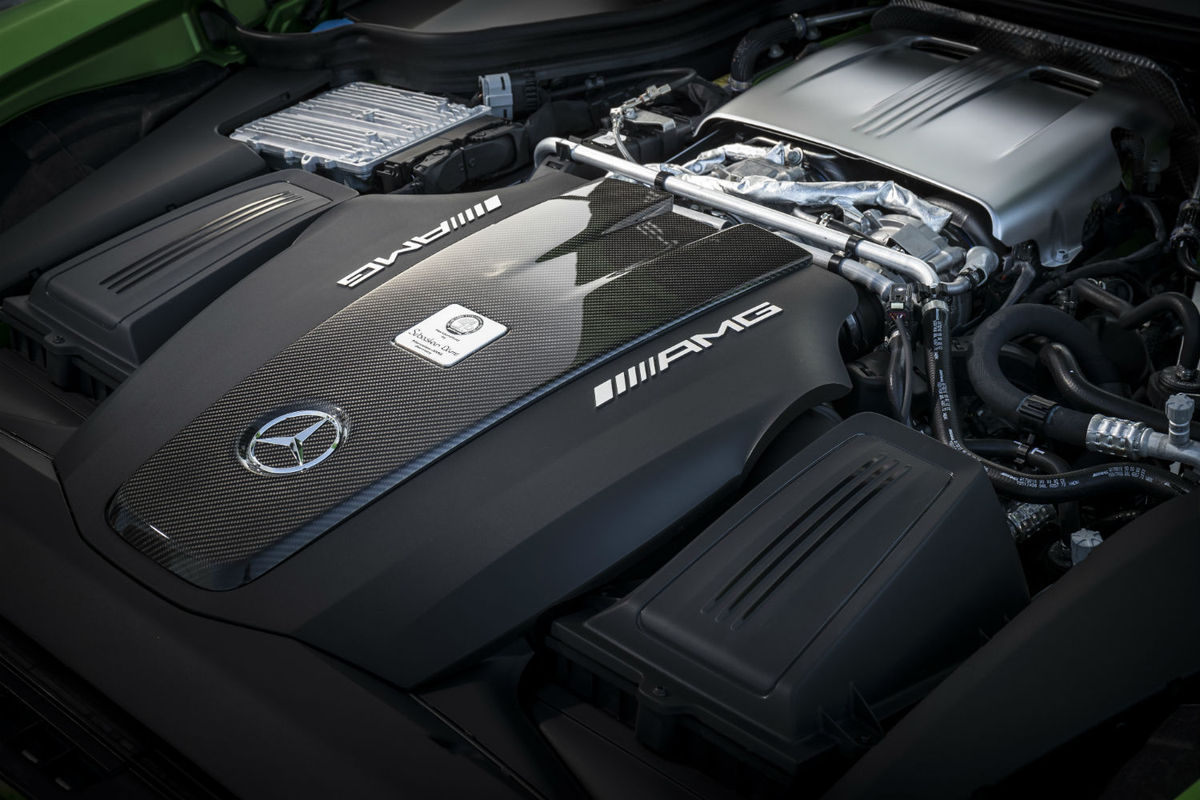
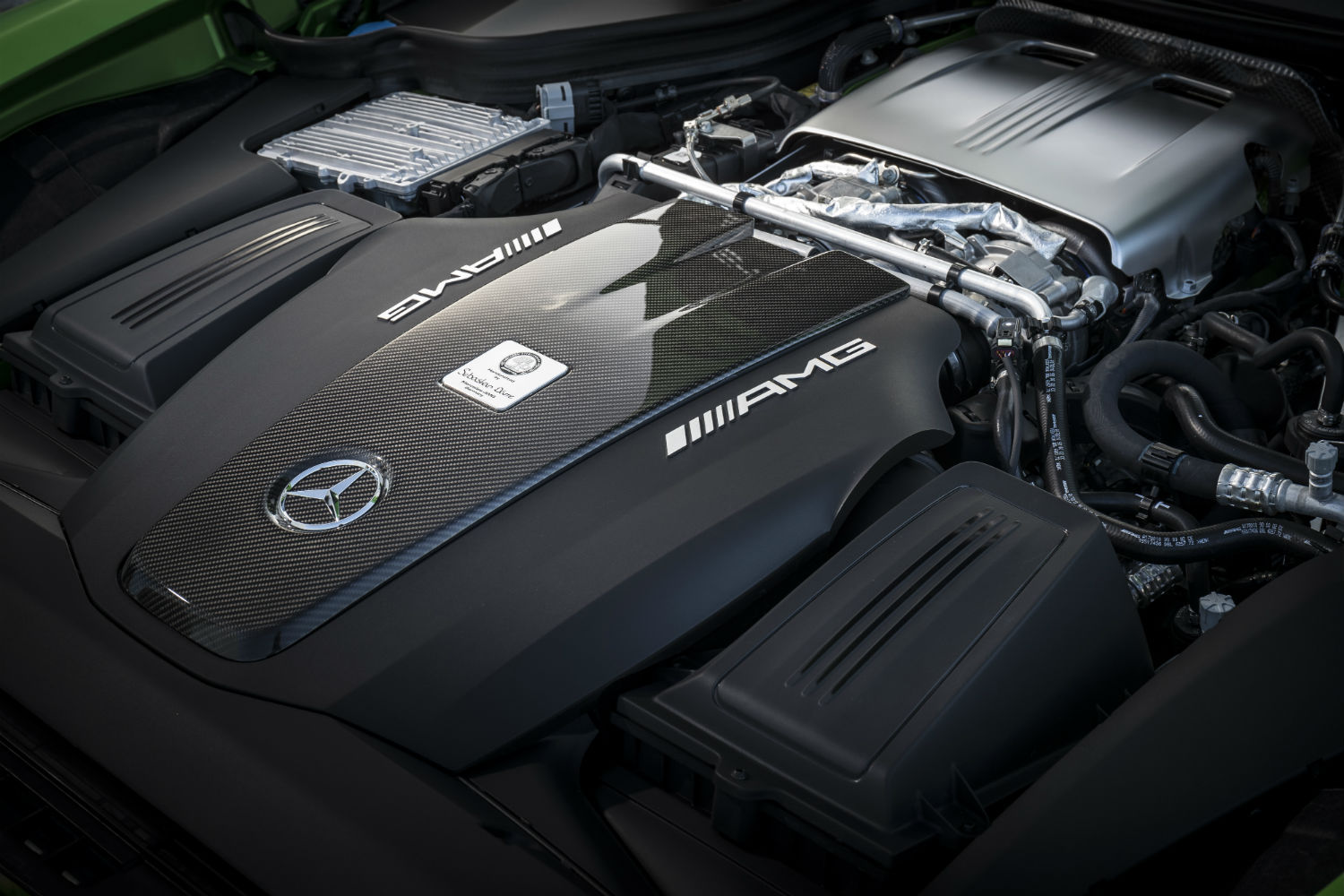
For those sold on a V8 then the all-new 4.0-litre motor appears to be even more powerful than the current 4.7-litre unit. Its power output has been lifted from the old engine’s 335 kW to 350 kW with 700 Nm of torque. That’s before any of the engineers at AMG have tinkered with it. The V8 features cylinder deactivation, effectively turning it into a 4-cylinder in certain situations to conserve fuel.

The larger engines – 4 and 6-cylinders will be available next year in the new S-Class with the others being staged in as various model updates are introduced.

Also Read:

Update: First Mercedes-Benz Generation EQ-based SUV Coupe Coming in 2019 [with Video]
Mercedes-Benz X-Class Concept Finally Revealed
Mercedes-AMG E63 Details Revealed [with Video]
Mercedes-Benz S-Class Cabriolet (2016) First Drive

Looking for a used Mercedes-Benz?

Search for one on our site

Renault Kwid (2016) Specs & Price

Renault has targeted the budget car market with the crossover-flavoured Kwid hatchback. Here are the specification and pricing details for this keenly priced new model.

The Kwid comes to market as the entry point to Renault’s comprehensive product range and will be available in 2 trim levels. Both derivatives are powered by a 1.0-litre 3-cylinder naturally aspirated petrol motor with peak outputs of 50 kW and 91 Nm. Although not a particularly powerful engine, it’s claimed to be quite frugal… Renault SA claims that its newcomer will consume an average of 4.71 litres/100 km from its 28-litre fuel tank.

Power reaches the front wheels through a 5-speed manual gearbox. While it’s not marketed as an offroad vehicle, the Kwid's ground clearance of 180 mm should be a boon when traversing dirt roads, for example.

In terms of dimensions, the Renault's wheelbase measures 2 422 mm, which means that this compact newcomer offers reasonable interior space, while the claimed luggage capacity is a credible 300 litres.

Features  

Despite the Renault Kwid being an entry-level vehicle, the features/equipment list looks substantial. The Dynamique is the more comprehensive of the pair and it features the MediaNav navigation/multimedia system replete with a 7-inch touchscreen display, radio with Bluetooth connectivity.

There are height-adjustable seats at the front, with power steering and one-touch lane changing indicators. Electric front windows and air conditioning, as well as plenty of oddment storage spaces are afforded.

The Expression model lacks metallic paint (but it’s an option), front fog lamps, some exterior finishings as well as the dual-tone dashboard. It also loses out on the fancy navigation/infotainment system, but retains the USB/Aux inputs.

The Kwid shares its platform with the Datsun Go, but on paper at least, looks to be the more premium of the two vehicles.

In terms of safety, it features just the single airbag for the driver. We were expecting ABS at the very least, but we’ll have more clarity on the important issue of safety once we’ve driven the car and spoken to Renault SA.

Pricing and after-sales support

The new Renault Kwid comes standard with a 5-year/150 000km mechanical warranty and a 6-year anti-corrosion warranty. Services take place at 15 000km intervals. Optional service plans are available.

1.0 Expression 1.0-litre SCe R 119 900
1.0 Dynamique 1.0-litre SCe R 129 900

Related content

Mahindra KUV100 G80 K8 (2016) Review
Toyota Etios Facelift Coming to SA in 2017
Datsun launches limited-edition Go Remix
Chery J2 Swag (2016) Review

Interested in buying a Renault?

Find one for sale on Cars.co.za

Suzuki Baleno (2016) Specs & Price

Suzuki is launching its new C-segment hatchback in South Africa this week. Take a look at the details and local pricing for the new Baleno.

We drove the Suzuki Baleno back in May at its international launch in Ireland and we think it's a good-value product. The Baleno is quite large. It's bigger than the Volkswagen Polo, but smaller than the Golf and is similarly priced to the Polo.

You can read our first impression of the Baleno here.

Suzuki Baleno details

International markets get a fancy 3-cylinder turbopetrol engine but locally, the Baleno will be fitted with a 1.4-litre naturally aspirated engine. The engine is pulled from the current Swift, Ertiga and Ciaz. It’s good for 68 kW and 130 Nm of torque and buyers have the choice between a 5-speed manual or a 4-speed automatic transmission, with the auto only available in top-spec GLX form.


The Suzuki Baleno is a spacious C-segment offering and is competitively priced too.  

Fuel economy is claimed at 5.1 L/100 km for the manual and 5.4 L/100 km for the automatic and if our experience of Suzukis is anything to go by, you’re likely to get very close to that figure over the long term. Acceleration times are average for a car in this segment with the manual managing the 0-100 kph sprint in 10.9 seconds while the automatic is a bit slower at 11.6 seconds.

On the inside, the top-spec Baleno GLX, features a 6.2-inch infotainment system, something local Suzuki buyers will see as a much-needed upgrade. The GLX is well-equipped with standard features like cruise control, automatic air-conditioning and rear park distance control. The GLX model also gains 4 additional airbags over the GL model, with a total of 6 airbags. The GLX also gains rear disc brakes, while the GL derivative has rear drum brakes. Standard fare across the range are USB and Aux ports.


The Baleno GLX features a much-needed 6.2-inch infotainment system and a leather steering wheel. 

Space is where the Baleno excels with a boot size of 355-litres and 1 085-litres when the rear seats are folded down. Cloth seats are the standard across the Baleno range with the GLX model getting a leather ensconced steering wheel. The Baleno GL is fitted with 15-inch steel wheels and 16-inch alloys are offered on the GLX derivative.

Suzuki Baleno prices in South Africa (February 2017)

Click here for the latest Suzuki Baleno pricing in South Africa

The Baleno appears to be extremely competitively priced for a hatchback of its size. It’s backed up by a 3-year/100 000 km warranty and a 4-year/60 000 km service plan.

1.4 GL MT R199 900
1.4 GLX MT R229 900
1.4 GLX AT R244 900

Also Read:

Suzuki Baleno (2016) First Drive
5 Cars the new Suzuki Baleno needs to beat
Extended Test: Suzuki Swift 1.4 GLS [Video]
Suzuki Vitara 1.6 GL+ (2016) Review

Want to buy a Suzuki? 

Find a new or used Suzuki on Cars.co.za

Harold Durnez Wins Cars.co.za Fortuner 4×4 Challenge

Capetonian Harold Durnez has defeated all odds and won the Cars.co.za Fortuner 4×4 Challenge to stand a chance of winning a new Toyota Fortuner 2.4 GD-6 4×2 manual.

In September 2016, Cars.co.za took to social media in search of the ultimate multitasker to represent us in the Toyota Next Level Freedom Fortuner 4×4 Challenge. To be eligible for selection, applicants were required to submit a 20-second video showcasing their multitasking skills plus physical ability (running, swimming, cycling etc.) and provide reasons why they should be selected as a finalist.

The team at Cars.co.za had the tough task of selecting the 5 best submissions and after much deliberation, we decided that Harold Durnez, Tshiama Kekana, Roger Westbrook, Saleha Mohideen and Obadiah Naidoo would be our finalists in the Cars.co.za Fortuner 4×4 Challenge.


Harold Durnez excelled in the physical test to win the Cars.co.za Fortuner 4×4 Challenge.

All 5 finalists joined us in Cape Town for a day of fun-but-difficult challenges to determine who would represent us in the final Toyota Next Level Freedom Fortuner 4×4 Challenge taking place on 15-16 November 2016 in Knysna.

Harold Durnez came out on top on the day and he will team up with one of 4 celebrity sportsman in Knysna including Dakar Rally driver Giniel de Villiers, Cheetahs rugby player Ryno Benjamin, Bafana Bafana star Siphiwe Tshabalala and cyclist Andrew McLean from Toyota Cyclelab. Harold and his celebrity teammate will compete against 3 contestants for the ultimate prize, a new Toyota Fortuner 2.4 GD-6 4×2 manual valued at R454 000.

The Toyota Next Level Freedom Fortuner 4×4 Challenge will be recorded and televised on Supersport. Follow @ToyotaSA on Twitter for more updates.

Check out the videos below to see how Harold Durnez claimed victory in the Cars.co.za Fortuner 4×4 Challenge!

Cars.co.za Fortuner 4×4 Challenge – Episode 1

Cars.co.za Fortuner 4×4 Challenge – Episode 2

Cars.co.za Fortuner 4×4 Challenge – Episode 3

Related content: 

Toyota Fortuner 2.4GD-6 (2016) Review
Toyota Invests R6.1 billion in Local Hilux and Fortuner Production
Toyota Fortuner vs Ford Everest (2016) Comparative Review [Video]
Comparative Review: Ford Everest 3.2 4×4 XLT vs Toyota Fortuner 2.8 GD-6 4×4 6At

Want to buy a Toyota Fortuner?

Find a new or used Toyota Fortuner on Cars.co.za

New Car Sales in South Africa – October 2016

Take a look at how the new vehicle market performed in South Africa during the month of October 2016.

The state of the new vehicle market in South Africa is under considerable strain and October was another woeful month with major declines seen across all vehicle segments. Despite these declines, export vehicle sales showed strength with significant year-on-year growth.

According to Wesbank, a major contributing factor to the continued slump in new vehicle sales is affordability. During the course of 2016, prices of new cars have soared as a result of a weakening Rand and many consumers simply can’t afford to buy new cars. To rub salt on an already festering wound, consumers are also faced with increasing living costs and higher interest rates, making it even more difficult to set money aside for a new car. Wesbank says that in October, the average new car financed was 12.7% more expensive compared to the same period in 2016. This grim reality is forcing consumers to seek value in the used car market.

Simphiwe Nghona, CEO of Motor Retail at WesBank said, “The new car market has been under pressure throughout the year, but receding consumer demand is even more pronounced. We’re seeing record numbers of applications for pre-owned vehicles. Consumers can get better value for money in the used market, where the average transaction value for financed a used car is nearly R100 000 less than a new car.”

Furthermore, Wesbank advises consumers to be mindful of their vehicle expenditure as this can have serious financial consequences on the household budget. “As we head towards the end of the year consumers should avoid the temptation to overspend, whether buying a new or used car. Any vehicle purchase now will have an impact on their budget for the next 4 – 6 years and they need to account for all monthly costs,” said Nghona. “This includes petrol costs, which are rising. If your budget cannot absorb these rising costs you might have an unpleasant festive season.”

New Car Sales Summary – October 2016

  • 48 745 aggregate new vehicle sales down by 10.1% (5 494 units) compared to October 2015.  
  • 32 738 new vehicle sales down by 9.5% (3 438 units) compared to October 2015.
  • 13 559 Light Commercial Vehicle (LCV) sales down by 10.7% (1 623 units) compared to October 2015.
  • 30 718 export sales up by 10.8% (2 999 units) compared to October 2015


Top 5 best-selling car brand in South Africa – October 2016
 

1. Toyota – 11 129 units

2. Volkswagen – 8 055 units

3. Ford – 7 199 units

4. Nissan – 3 692 units

5. GMSA – 3 324 units

Top 5 best-selling cars in South Africa – October 2016

1. Ford Ranger – 2 964 units

Search for a new or used Ford Ranger on Cars.co.za

2. Toyota Hilux – 2781 units

Search for a new or used Toyota Hilux on Cars.co.za


3. Volkswagen Polo Vivo – 2 701 units

Search for a new or used Volkswagen Polo Vivo on Cars.co.za

4. Volkswagen Polo – 2 458 units

Search for a new or used Volkswagen Polo on Cars.co.za

Toyota Corolla – 1 968 units

Search for a new or used Toyota Corolla on Cars.co.za
 

New vehicle sales outlook

Challenging times lie ahead for the new vehicle market and rising new vehicle costs, household disposable income pressure, low business confidence and higher interest rates will continue to have a negative impact on the market.

A leading Reserve Bank indicator has, however, registered growth for the first time in a three-year period, suggesting that modest improvements in the economy could be realised in the next 18 months. 

Related content: 

Car Prices 2016 vs 2015: How Much More Are You Paying?
2016 Kinsey Report: The Cheapest Cars to Service and Repair
5 Cheapest Automatic Double-Cab Bakkies in SA
5 Most Fuel-Efficient Double-Cab Bakkies in SA (2016)
5 Cheapest Automatic Cars in SA (2016)
Top 10 Cheapest New Cars with at least 150 kW (2016)

Mercedes-AMG CLA 45 4Matic (2016) Review

Mercedes-AMG's compact performance sedan recently underwent a facelift and we got to drive it. The Benz is a more elegant prospect than its A45 sibling, but can it justify the price premium?

We like: brutal off-the-line performance, brusque gearshift blips, looks, decent boot

We don’t like: expensive, ride is too firm, rear legroom won't be comfortable for tall people

Alternatives:

  • For a fast German sedan: Audi S3 sedan. The Audi RS3 sedan would be a more logical rival (because it produces similar outputs), but it is not in South Africa yet. The S3 sedan is not as fast as the CLA 45 but boasts impressive levels of build quality and refinement. The boot isn't as capacious as the Benz's. 
  • For a stylish and fast alternative: the BMW M2 is arguably the finest performance vehicle to emerge from BMW in years. Although it's a coupe, it's more than a match for the CLA 45 AMG in terms of driver thrills. 
  • A similar AMG: Mercedes-AMG A45. This review is not meant to be a head-to-head comparison, but the CLA 45 and A45 arguably appeal to the same target market. At R100 000 cheaper than its booted sibling, the A45 makes a strong case for itself.

Compare the CLA 45 to the Audi S3 sedan and BMW M2 here


Even in its sportiest iteration, the CLA 45's styling is divisive, those who like the micronised performance sedan looks.  

How does it fare in terms of…

Performance?

The CLA 45's 4-cylinder turbopetrol engine is said to be the most powerful production 2.0-litre powerplant in the world. How do peak outputs of 280 kW and 475 Nm grab you? Consider the 5.5-litre V8-engined Mercedes-Benz C55 from 2004 (with its snarling exhaust note) produced only 270 kW. Therefore, with half the cylinders and less than half the displacement, the CLA 45 represents the latest in compact performance from AMG. If it's not a poster child for downsizing, what is?  

Power reaches all 4 wheels via Benz's all-wheel 4Matic system, but the system is front-biased, with the rear wheels providing additional propulsion depending on how much traction is available at the nose. The best way to demonstrate the compact AMG’s performance capability is with a race start (a full-bore acceleration run from standstill). Essentially this is where the car’s hardware gets the CLA 45 off the line in the fastest possible manner by balancing traction and power perfectly. It’s straightforward to execute; turn the driving mode dial to Race, press the stability control once to engage ESP Sport, pull both shift paddles towards you and the dashboard displays "Race Start, pull right paddle to confirm".

Put your left foot hard on the brake, depress the accelerator and the engine revs climb. Release the brake and off you go. The way the Mercedes-AMG CLA 45 scoots off the line is remarkable and the claimed zero-to-100 kph sprint time is 4.2 seconds. While we didn’t go that fast, we definitely broke the 5-second barrier. It’ll go on to a limited top speed of 250 kph.


The CLA 45's purposeful rear-end styling is complemented by eye-catching alloys that fill the car's wheel arches. 

Straight-line decimation is not the only thing the CLA 45 can do well, however. Its steering accuracy and handling prowess is, if not the best in the business, certainly from the top shelf. You can effortlessly carve up a mountain pass thanks to the vehicle's abundance of confidence-inspiring stability and the 7-speed dual-clutch transmission works best in manual mode (when you’re in complete control of cog-shifting and can ensure the performance motor remains in optimal boost range).

While 4-cylinder motors are not normally renowned for evocative, throaty soundtracks, this particular powertrain featured a sports exhaust which opened up around the 3 000 rpm mark and each gear shift was accompanied by a terrific brahp courtesy of out the quad exhausts. We may (or may not) have driven through a few underpasses repeatedly to enjoy the artillery sound effects. The downside is that these fireworks can be a bit tiresome and the engine note drones, but you can dial the driving mode back to Comfort so that the car regains some sense of civility and daily-driver friendliness.


A video posted by Cars.co.za (@carssouthafrica) on

Ride refinement?

The previous CLA 45 (and its A45 hatchback sibling) suffered from one key issue. While they were both stupendously quick and agile machines, a lack of ride comfort on anything other than A-grade tarmac was a major concern. For the 2016 model, however, Mercedes-AMG attempted to address the shortcoming. The CLA suspension is claimed to feature improved damper settings and spring rates, which should, in theory, improve matters.

Is the difference noticeable? Well, sort of. The ride is still firm and sporty (and just short of crashy in Race mode, to be fair), but. fortunately, you can customise the vehicle 's adaptive suspension settings through the Individual mode and leave everything in Sport, but the suspension in Comfort. We found it the best compromise.

Practicality?


The seats are supportive and well bolstered, while the rest of the cabin is dripping with sporty touches

The CLA 45 is claimed to offer 470 litres of boot capacity, which is quite reasonable and compares favourably with its rivals. The Audi S3 sedan and BMW M2 offer just 390 litres, for example. But despite the sedan body, the rear space and legroom is only suitable for shorter-than-average adults. Our test unit featured beautifully crafted and supportive front sports seats which hinder the rear legroom a little, but in a driver-focused performance machine, rear passenger comfort is not a priority.

Standard specification is fair, but we’d expect a bit more considering we’re in the R800k territory. COMAND satellite navigation is a R26 600 option, which is a bit cheeky. As per all German manufacturers, you can go town with options and packages to make your CLA 45 AMG more comfortable and desirable. We’d suggest investigating AMG Exclusive package which includes heated front seats as well as the AMG Dynamic Plus package, which gives you the adjustable suspension.

Price and after-sales backup

The Mercedes-AMG CLA 45 4Matic retails for R838 714, which includes a 2-year/unlimited km warranty, as well as a 6-year/100 000 km maintenance plan. 

Verdict

There’s no denying the CLA 45 AMG is a blistering performer; we're sure that very few cars could keep up with it on a tight and winding section of road, let alone in slippery road conditions, where the Benz impresses with its prodigious all-wheel-drive grip. It’s also unlikely to punish driving mistakes too aggressively, which is a trait we like. What's more, the Benz is ballistic off the line; some high-end machinery had better be on their guard when a CLA 45 AMG pulls up alongside them.

Things look less rosy when you look at the CLA 45 AMG in relation to its hatchback sibling, the A45 AMG. Does the addition of a boot and distinctive "4-door coupe" styling in a mechanically similar vehicle justify a R100 000 premium? We don’t think so, and it becomes a tough sell when you start throwing in some extras. The A45 AMG is the better car, but in the case of the United States where the hatchback isn’t sold, the CLA 45 will have to do. Luckily we’re in South Africa and have the freedom of choice and while the 2.0-litre turbocharged engine is faultless, we’d prefer it to be nestled in the bay of the A45.

Related content

Stay on top of all the latest Mercedes-Benz and AMG news here
Read a review of the Mercedes-AMG A45 4MATIC
Watch the Mercedes-AMG A45 take on the Honda Civic Type R, BMW M2 and Audi RS3

Interested in buying a Mercedes-Benz?

Find a new/used example for sale on Cars.co.za

Audi TT RS (2016) International Launch Review

The eagerly awaited RS version of Audi's desirable TT sportscar was launched in South Africa in November 2017 (with a price tag of R963 000), to compete with acclaimed sports coupes such as the BMW M2 and Porsche 918 Cayman. The TT RS is powered by a characterful and potent 2.5-litre 5-cylinder motor mated with Quattro all-wheel drive and our correspondent Nic Cackett drove it in Spain late in 2016… 

Sentence three of the TT RS’s press pack finds Audi in an uncompromising mood. “Driving pleasure guaranteed!” it proclaims, having teed off with the model’s increasingly lofty power output. The exclamation mark is meant as playful confirmation of what ought to be obvious to the reader, but it’s possible to take it as huffy Germanic consternation, too: “You must like it now, surely?”

The previous TT RS did appeal to some of us, in a chin-jutting, brazenly pushy kind of way. But that contingent of fans was in the minority. Mostly we thought it was prodigiously fast and fabulous sounding but still overtly lacking in the dynamic subtlety that made the Porsche Cayman probably the most agreeable sports car of its generation. Its engine – the indubitably splendid 2.5-litre throwback 5-pot turbo – was categorically not the issue. Yet characteristically it is here where Audi has invested a good deal of time, extracting more power from an identical displacement while at the same time reducing its overall mass by 26 kg (exchanging a steel crankcase for an aluminium one accounts for most of that saving).


There's no mistaking the Aud TT RS for lesser models. The big grille, wheels and fixed rear wing add considerable presence. 

Performance

With peak silliness now at 294 kW and 480 Nm, the coupé version (there’s a roadster, too) is rated at 3.7 sec to 100 kph, which is almost a second quicker than the manual 718 Cayman S and only a few tenths slower than the current R8. The chassis, meanwhile, is a familiar reworking of the existing TT’s. The RS gets the quicker-reacting evolution of the current electro-hydraulic all-wheel drive system to go with model-specific tuning of the suspension, ESC and steering rack. 
Compared with the TTS, it sits 10 mm lower on firmer springs, which remain passive unless you upgrade to the magnetic dampers, and wears stiffer bushes. The quattro drivetrain is carried over from the RS3, although this time much less is made of the supposed back-axle playfulness attributed to that car. Audi is keener to emphasise the RS’s established appeal as flagbearer for the TT line-up, a role for which the car has been visibly bulked up. The enlarged air intakes and fixed rear spoiler serve to assist a more efficient intercooler and lustier aero, but their aggressive appearance pays greater dividends when it comes to the model’s market position.


Audi's Virtual Cockpit is standard and features buttons lifted straight from the current Audi R8 V10.

Ditto the cabin, which, like all variants of the TT, is a wall-to-wall triumph. Audi’s easy-on-the-eye Virtual Cockpit is standard, as are plush sports seats and an RS steering wheel that, for the first time, features satellite controls in addition to the S tronic dual-clutch automatic gearbox’s paddles: one to toggle through the Drive Select system, the other to thumb the engine into life.

That red starter button is the same as the one used in the R8 to spark the V10, and while the TT RS’s in-line powerplant is literally half of the R8’s lump, it generates an outsized charisma from its idiosyncratic 1-2-4-5-3 firing sequence. While it is no surprise to find the raggedy, wonderfully corrupted heartbeat familiar (helpfully embellished by an optional sports exhaust), the initially faithful replication of its predecessor’s performance is a little more unexpected.

Clearly, 480 Nm from 1 700  rpm is sufficient to have the Audi rolling readily forward, but the RS’s warbling mid-range (where you’ll spend most time) feels no more productive than it did the last time around – a consequence of only a very modest rise in peak torque, not to mention a carried-over tendency to feel a bit stodgy when the dual-clutch automatic transmission is left to its own fuel-saving devices.
Neck-wringing, then, is required to have the RS flinging out demonstratively greater speed than before. Its advantage resides in the new engine’s final 1 150 rpm, a greased slither of forcefulness that, while endearing, is rarely encountered on the road beyond the first three of the seven gears. Stretch its legs all the way to the redline and appreciate the hard work that's gone into this powerplant. 

Ride and handling


Our scribe found the Audi TT RS fast, yet sane and manageable thanks to quattro.

Naturally, that has more to do with adhering to (or otherwise) national speed limits than upsetting the drivetrain, which deadpans the extra grunt with the usual sticky aplomb. But it is the palpable absence of squirm and squirrel to which Audi is referring when it uses the word "precision" to describe the quattro system’s ground-covering abilities, and the TT RS evinces this failsafe quality from start to finish.

To its credit, the RS’s marginal enhancements do add up to an incremental improvement. Slightly lighter over the nose, endowed with additional camber on tailored Pirelli PZero rubber and wearing, in this case, optional 20-inch wheels, the car turns in a little more sharply ("agility" being another quattro watchword) and, courtesy of a torque vectoring system that works hard enough to eventually overheat the put-upon brakes, grips even more tenaciously than its predecessor managed.

Even the passive ride, an inevitably very firm, but not meanly damped washboard, was generally acceptable on our test route in Spain (more so, in fact, than the oddly inconsistent magnetic-ride alternative). Nevertheless, once again, Audi’s concepts of "precise" and "agile" don’t seek to include an ounce of real, teeth-sinkable fun beyond the physicality of either naked speed or blunt adhesiveness.

So while it may be technically capable of dispensing 100% of its available torque to the hind quarters, the RS rarely seems inclined to do so, and nor does it permit a morsel of genuine clarity to ascend the apparently mighty sinew that is its steering column. As with the RS3, coaxing a gently enlivening sense of neutrality from the otherwise front-end-preoccupied drivetrain is too often the best a keen driver can hope for – and a pale shadow of the nuanced relationship a Cayman owner can expect to forge with the 718’s cultivated chassis. 


While the TT RS is technically capable of dispensing 100% of its torque to the rear wheels, it rarely seems inclined to do.

Summary

Whereas a comparative lack of indulgence was more easily forgiven in the RS’s hatchback sibling, in a coupé, one specifically intended to compete with a raft of adjustable, rear-wheel-driven sports cars, the failure to deliver a properly rounded handling experience serves only to highlight just how two-dimensional the remainder really is. 

Which isn’t to deny the likeability, thrashability and motley soundtrack of the quirkily brilliant 5-pot engine, nor, indeed, the straight line speed, handsome looks, badge kudos and superior interior of the TT RS itself. Let's not forget this car's hard-charging, stability-happy style will be much appreciated on a drive from the office to home on a rainy evening too. 

But for it to not particularly appeal in sun-starched rural Spain, with both B-roads and an empty Circuito del Jarama laid on, goes to show just how far out of reach the slower, worse-sounding and recently humbled Porsche 718 Cayman still is.

Further reading

Audi TT 2,0T S tronic – Best Fun Car

Audi TTS 2.0T FSI quattro (2016) Review

Porsche 718 Cayman (2016) First Drive

BMW M2 Coupe Auto (2016) Review

BMW M2 vs Mercedes-AMG A45 vs Audi RS3 vs Honda Civic Type-R: On-track analysis [Video]

Track Race: Audi RS3 vs Merc-AMG A45 vs Honda Civic Type R vs BMW M2 [Video]

Watch and listen to the Audi TT RS in action:

Interested in buying an Audi TT?

Search for an Audi TT on Cars.co.za

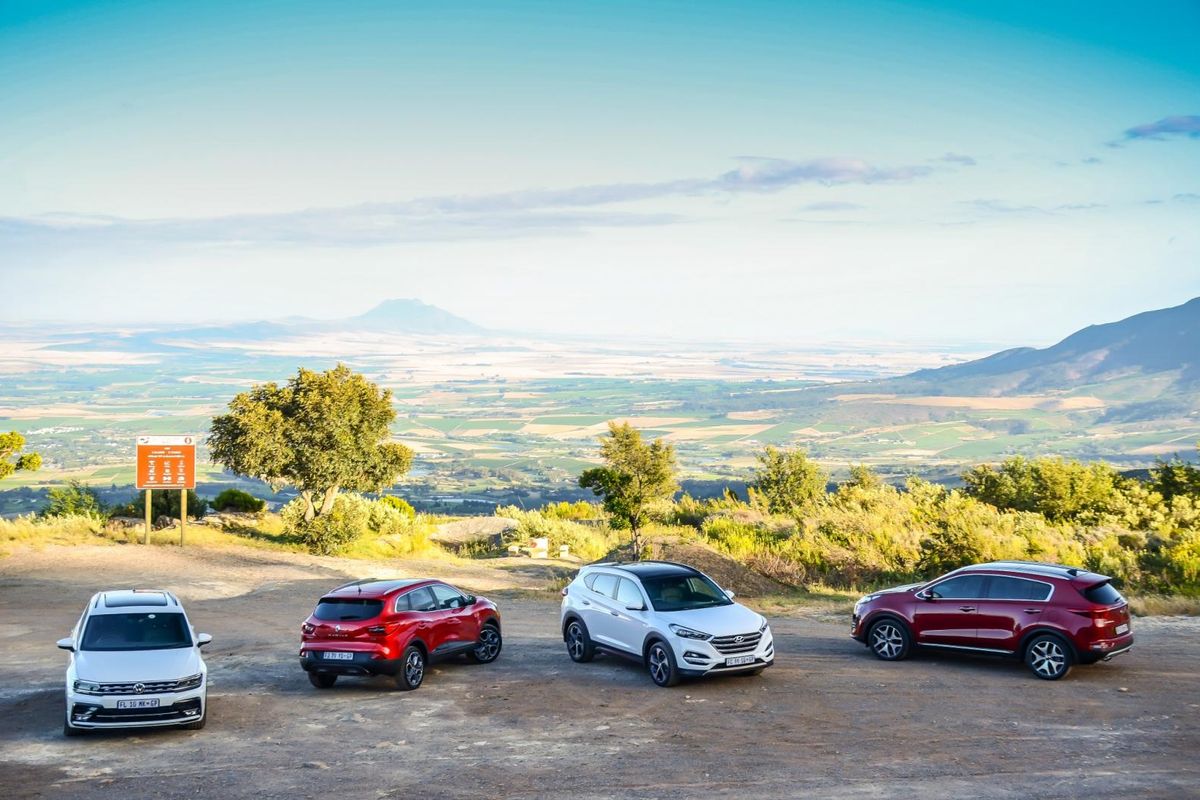
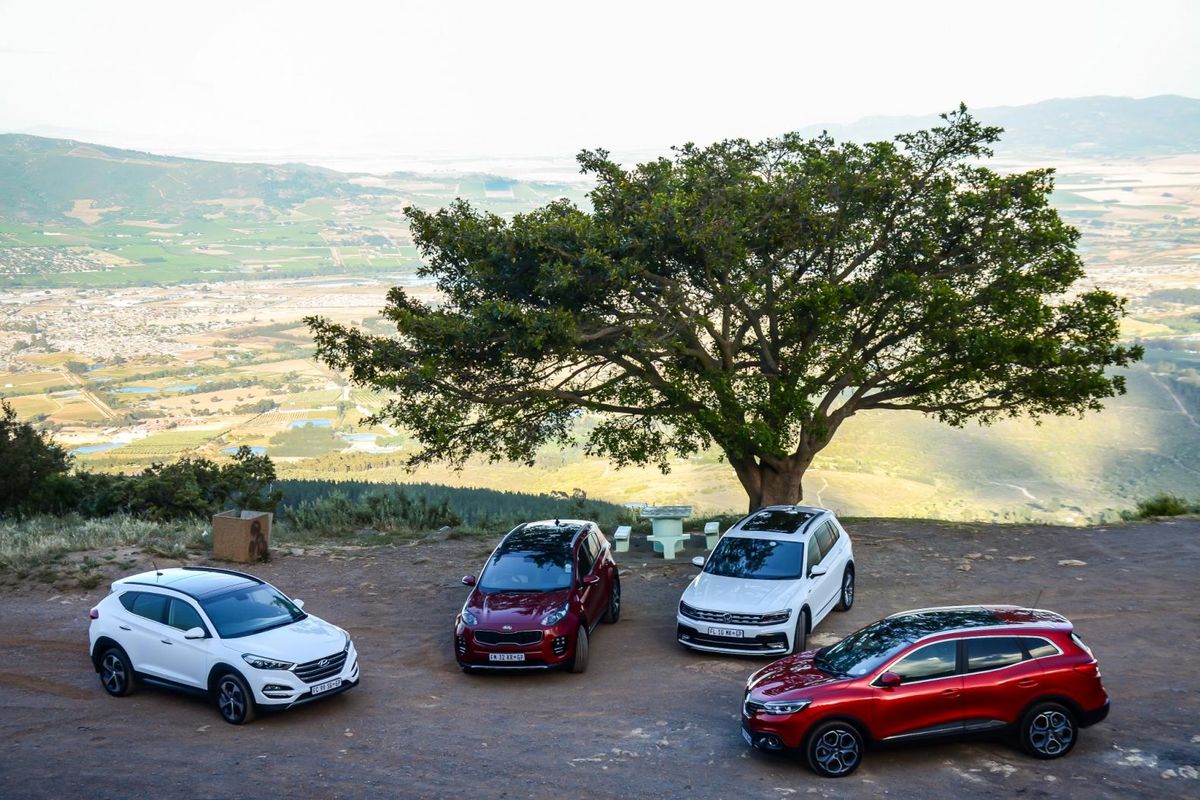
Renault Kadjar 96 kW 1.2 Dynamique Automatic (2016) Review

When Renault launched the Kadjar locally earlier this year, the range was curiously missing the option of an automatic gearbox. Now that both the petrol and diesel Kadjars are available with a 7-speed automatic dual clutch ‘box, we test drove the 96kW TCe Dynamique Auto to try and determine whether the addition of a self-shifter makes this French crossover any more desirable.

We like: Curvy good looks, sophisticated style inside and out, high level of features

We don’t like: Slightly lack-lustre performance, price premium, not much else

Alternatives

  • For something bigger: Consider the Honda CR-V 2.0 Comfort automatic. On paper, the CR-V's boot is 186 litres larger than the Kadjar’s and its 2.0-litre engine offers more power at 114 kW and 192 Nm of torque. The Honda CR-V 2.0 Comfort automatic is priced from R409 800.
     
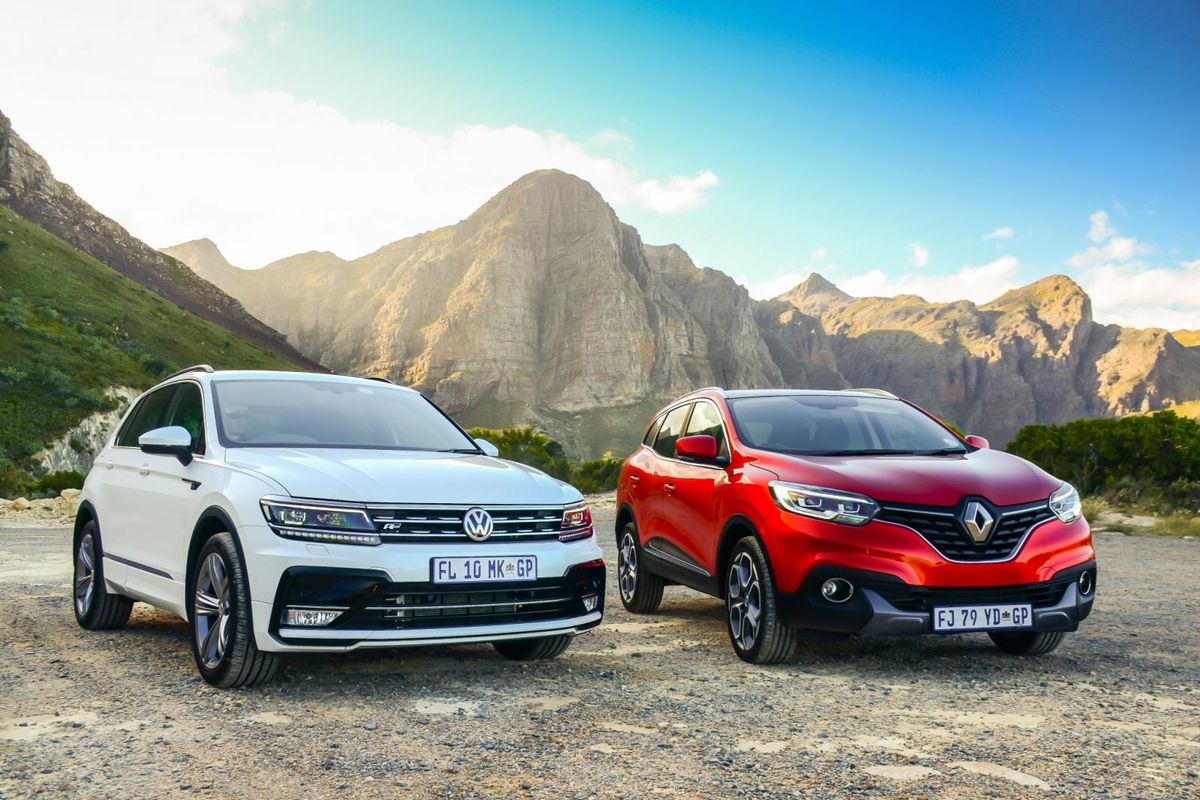
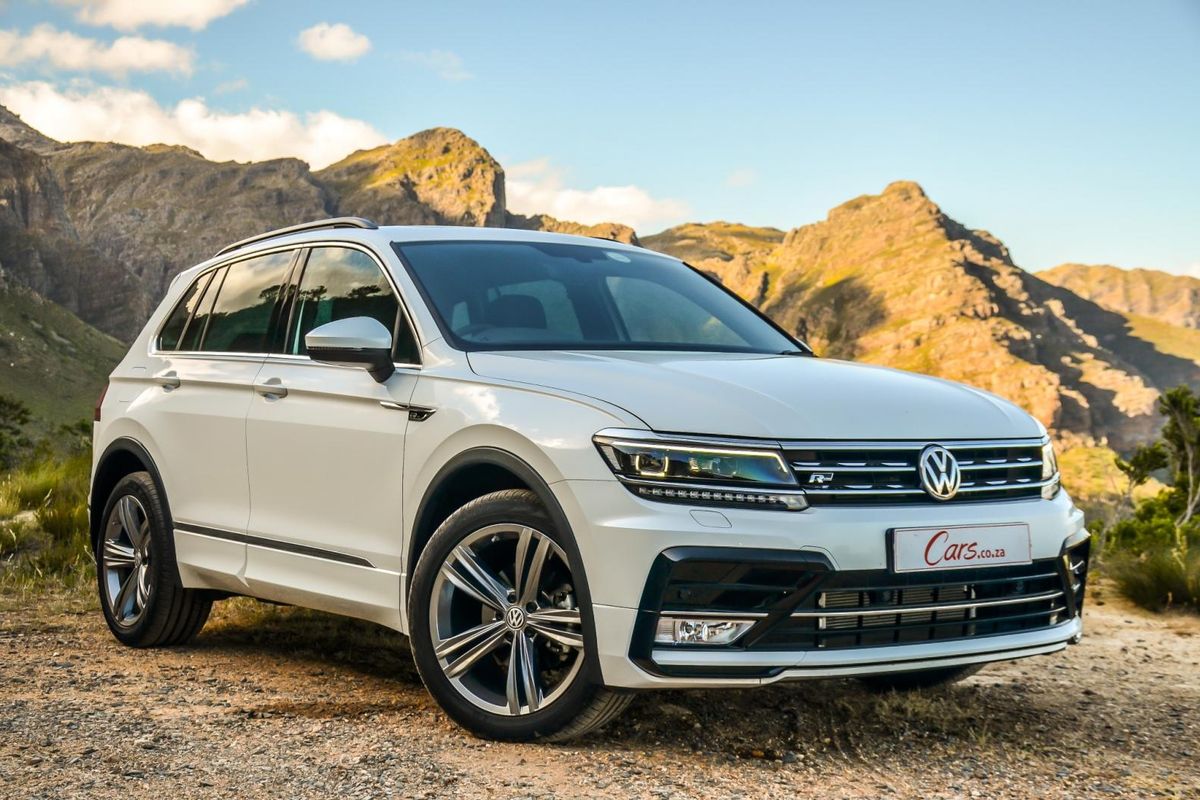
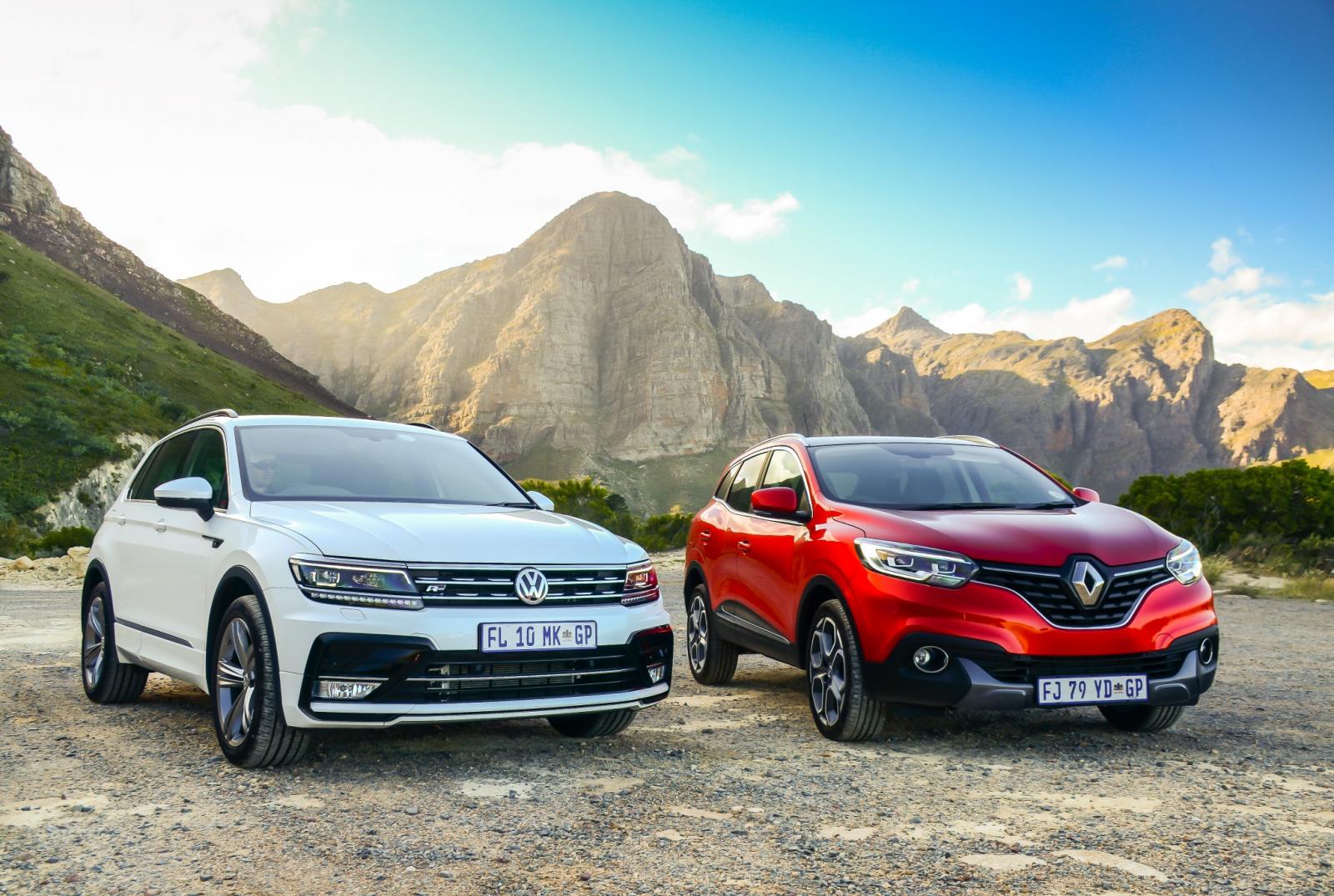
  • For more tech: Volkswagen has just launched the new Tiguan, and it’s a virtual Starship Enterprise in the cabin. For a similar level of specification to the Kadjar 1.2 Dynamigue EDC, you can consider the 1.4 TSI Comfortline automatic. It offers 110 kW and 250 Nm of torque from its 1.4-litre turbopetrol engine. The downside? It's more expensive with a price from R457 680. The Kadjar represents good value against the Tiguan. 
     
  • For something similar, but cheaper: Consider the Nissan Qashqai 1.2 Acenta automatic. Built on the same chassis and sharing an engine, it’s basically the same car but is priced from R362 900. The Qashqai's 1.2-litre turbopetrol engine offers 85 kW and 165 Nm of torque.  

Compare the Kadjar against the Volkswagen Tiguan and Honda CR-V here.

How does it fair in terms of…

Eye-catching design

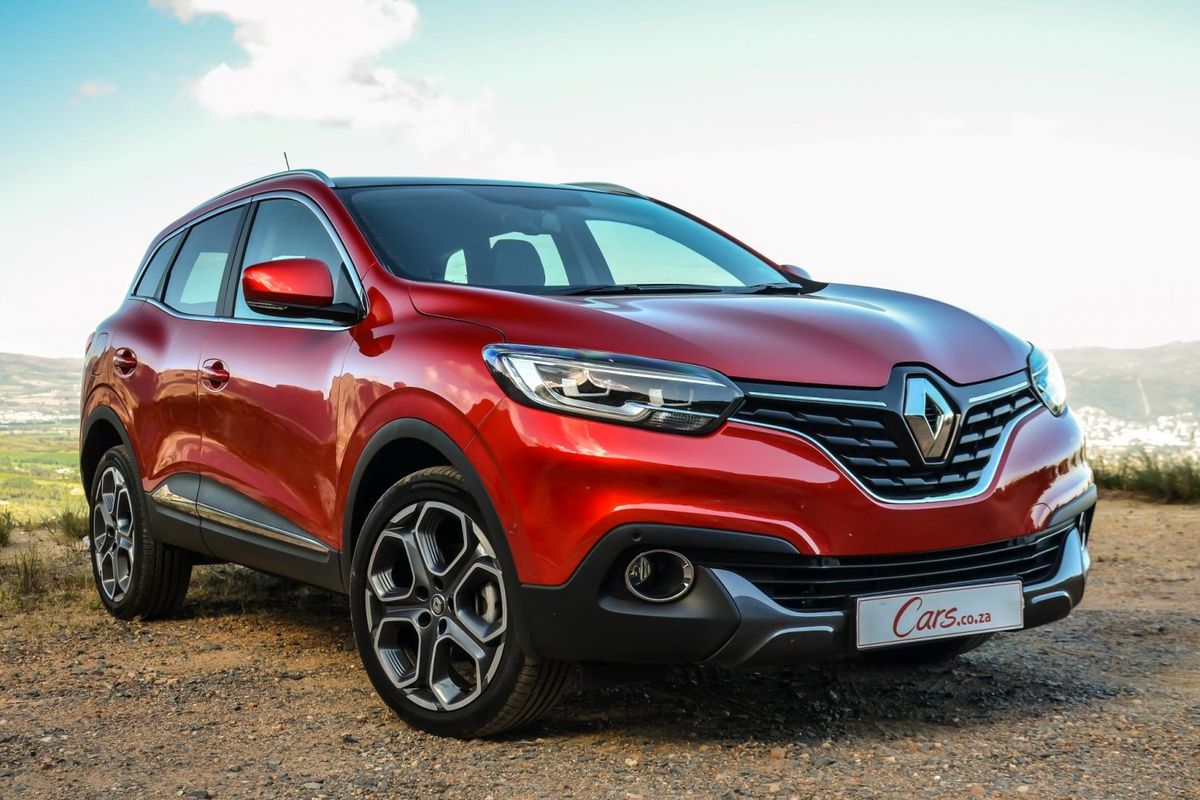
The Kadjar is certainly a looker. We think Renault have really excelled with the design here, in a segment where aesthetics are perhaps just as important a consideration as fuel economy or even practicality. The car looks even better on the optional 19-inch wheels, but if you venture into the dirt, it must be said that the accompanying low profile tyres do stiffen up the ride, and it wouldn’t be advisable on anything but the smoothest gravel roads.


The Kadjar's design is attractive and will appeal to style-conscious buyers.

Practicality

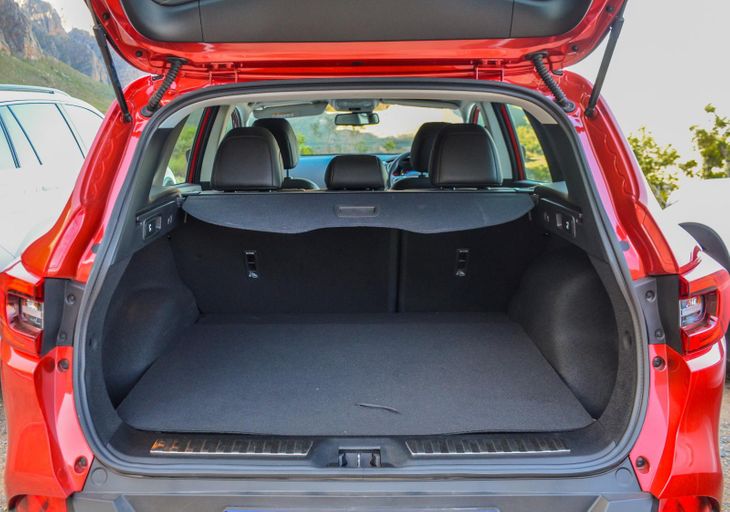
While you would never describe the Kadjar as cramped, it does offer less interior room than some rivals. The boot space is quoted as 370 litres, which is smaller than the 430 litres of its sibling, the Qashqai, and significantly smaller than cars such as the Honda CR-V, at 556 litres. However, Renault SA has decided to sell the Kadjar with a full-sized spare wheel, which they say robs the car of 100 litres of boot space.

In my experience, the Kadjar still offers the practicality of an SUV, especially when the rear seats are folded flat. I was able to help my family move a four-seat dining room table with ease.

Drivetrain performance and refinement

The star of the show here is, of course, the new automated dual clutch gearbox, taking over shifting duties from your left arm and clutch leg. Of course, in traffic, this makes life significantly easier and means you will be much less tired and frustrated after a spell in traffic, which many of us face on a daily basis in this modern motoring world.

The ‘box is smooth and unobtrusive and is particularly well-suited to the small capacity 1.2-litre engine. This is one of those marriages that just works and the Kadjar plods along happily with the driver largely oblivious to what’s happening under the bonnet.  However, I did find that the engine was slightly overwhelmed in this application; it does feel as though this is a little too much car for the motor, especially in the lower reaches of the rev range where the turbo hasn’t quite got up to speed yet. That being said, if I put my patient hat on and drove as calmly as possible, I did find the drive to be quiet and pleasant, and of course, more economical. If you think of the Kadjar as anything but a performance car, then it's a smooth and comfortable modern car with little to fault.

At only R10 000 more than the manual Dynamique variant, I would happily choose the auto every time over the manual, and I imagine that most buyers will too.

Techy things


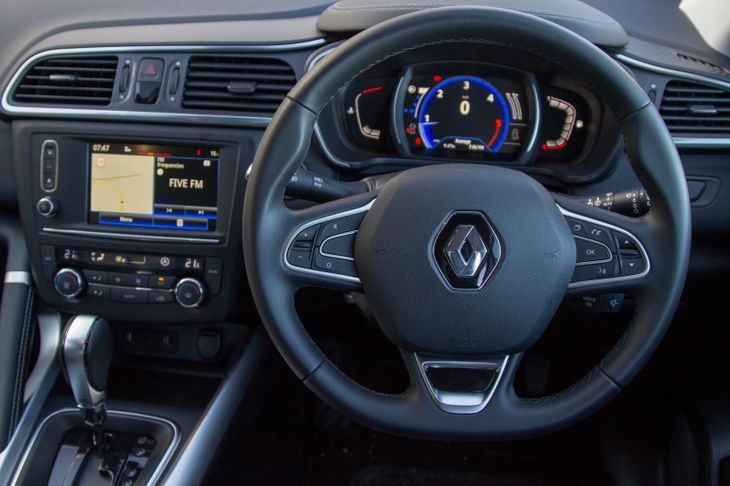
The digital instrument cluster is classy touch in the Kadjar.

The first thing you’ll notice when climbing into the Kadjar is the fully digital instrument display, as well as a crisp touchscreen mounted front and centre of the dashboard. The instruments are presented in a functional, practical way and the quality of the display is particularly impressive.

The centre touchscreen is well designed too, both in terms of hardware and software. The screen is responsive and functions very much like a smartphone and you can swipe left and right easily between screens. The software is extensive. The functions range from the frivolous: driver profiles can be set up with customised colour palettes and displays, to the didactic: there is a constantly updated report card rating your driving in terms of fuel efficiency, with the aim of making you a more economical driver. This can become quite a fun challenge – to constantly better your score, which of course benefits your bank account in the long run.

Besides the colourful screens, the interior is a bit grey; a monotone design theme dominates the cabin. However, the quality of the materials is of a high grade and the fit and finish are difficult to fault.

Standard fitment includes Bluetooth, two USB ports, an auxiliary input, navigation, dual zone climate control and park distance control.


The Kadjar's interior is well-equipped with an easy-to-use touchscreen interface.

Renault Kadjar Price in South Africa

At a list price of R399 900, you can expect to pay a little more as dealers will likely have specced metallic paint (R2500) and potentially leather/electric/heated front seats for R12 000. Again, at R10 000 more than the manual Dynamique model, we think that the automatic Kadjar is the one to have. If you are interested in a Kadjar, it's definitely worth shopping around – we found at least one dealer in the Western Cape region offering R30 000 cash back on the Kadjar, which makes it a lot more appealing.

The Kadjar is sold with a 5-year/150 000 km warranty and a 5-year/90 000 km service plan. 

Verdict

The diesel Kadjar should be strongly considered when looking at the range. With significantly more torque and better fuel economy, it too is now offered with an automatic transmission and it might be the pick of the range. At a less than R15 000 premium, depending on how many km's you drive every month, the diesel has a real chance of saving you money over the course of ownership.

As a range, the Kadjar is well-specced, has excellent levels of connectivity, trumps in the style stakes and offers a smooth and comfortable drive. Based on the Qashqai, it just about justifies the price premium over its Japanese sibling, which remains the no-brainer in this segment. The Kadjar makes an appealing option for those who can’t see themselves in a Nissan.

Related content: 

Renault Kadjar dCi Dynamique 4WD (2016) Review
Renault Kadjar Automatic (2016) First Drive
Renault Kadjar (2016) First Drive
Volkswagen Tiguan 1.4 TSI 110 kW DSG (2016) Review
Volkswagen Tiguan 1.4 DSG (2016) Video Review
5 Cool Things About the New Volkswagen Tiguan
Mazda Teases All-New CX-5
Extended Test: Mazda CX-5 2.2DE AWD Akera [with Video]
Mazda CX-5 2.2D AWD Akera Review
Mazda CX-5 2.2DE AWDAkera (2016) Review

Want to buy a Renault Kadjar? 

Find a new or used Renault Kadjar on Cars.co.za