In recent weeks the Ford Kuga engine fire issue has been the subject of much controversy and debate, particularly on social media platforms. But in the absence of a recall, and with Ford seemingly slow to react decisively, what must owners of the popular SUV do?
Go to the Ford South Africa website, click on the Kuga link and you’ll find this:
“Attention: Do you drive a 1.6-litre Ford Kuga? “Ford is currently investigating reports of engine fires in Kuga vehicles equipped with the 1.6-litre EcoBoost engine.
“To help reduce the risk of engine overheating, please urgently contact your Ford dealer to book your vehicle in for a one-hour maintenance check, free of charge. For more information, contact Ford Customer Service: 0860 011 022.”
The advice applies to the owners of some 6 300 1.6-litre Kugas bought between 15 December 2012 and 20 October 2014. The announcement came one year and 18 days after Reshall Jimmy burnt to death in his 1.6-litre Ford Kuga while holidaying in Wilderness. The latest announcement was the first time the company had publicly used the words "engine" and "overheating" in the same sentence as Kuga. This comes after numerous photographs of Kugas pulled over on the sides of various South African roads, their engines on fire, had blazed across social and traditional media for many weeks, striking fear and distrust in the hearts of Kuga drivers everywhere. Some even took to driving around with fire extinguishers and heavy tools to smash their windows should their cars catch alight.
The background
According to Jimmy’s siblings, Kaveen and Renisha, 38 Kugas have caught fire in South Africa to date, and many of their owners have described their experiences on the Jimmys’ Facebook page, Ford Vehicles Burning.
Two days before Ford’s big announcement, the National Consumer Commission issued a press release saying that Ford had undertaken to conduct safety inspections on ALL Kugas “as a precautionary measure”.
Elizabeth Lumley of Durban, who drives a 1.5-litre Kuga, only heard her model was excluded from the fire risk after she’d taken it to be checked at her local dealership – a waste of time and energy for both her and the dealership. “I’d put a wrench in the car, and told my children what to do if the car caught fire,” she said. “It was not fun.”
Ford investigation continues
Then came Ford's big revelation on Thursday. “We are currently investigating reports of engine fires in Kugas equipped with the 1.6-litre EcoBoost engine. While our investigations into the incidents are not complete at this time, we have found that the fires may be a result of engine overheating.” The company has since emailed and SMSd Kuga owners with the maintenance check advice, but the company hasn’t seen it fit to make mention of the Kuga “maintenance check” on its Twitter or Facebook pages (by Friday, December 23).
“No notice or response to owners on @FordSouthAfrica social media channels. Facebook posts ignored, nothing on Twitter..” posted Andrew Fraser (@Arfness) on Twitter.
Wayne Fillis learnt of the check in a press report, and he’s very glad he heeded the advice to get his Kuga checked out. “Mine was taken to Ford in Bellville and it did not pass their inspection which I feel saved me just before I planned to take a road trip,” he posted on Ford Vehicles Burning. But the bad news is the issue couldn't be sorted out there and then. “I am now awaiting parts and I’ll only get the car back from Ford in mid-January.”
When Masindi Mainganye heeded the call, he wasn’t impressed by the response. “I was told they are fully booked and I must bring it next Thursday. “I told her this is an urgent matter and if anything happened to my car in the next few days Ford will be accountable. So then she booked my car in and they did not find anything. “Still I don't feel safe.” Mainganye said he received “a most annoying message” telling him to check his Kuga’s coolant level every day. “Like I am driving an old car – it’s only three year’s old!”
No recall, yet
But still, Ford SA has not issued a safety recall. Why not?
Just three months after Vanilla Nurse died on her second birthday in November 2009 when her family’s Honda Jazz caught fire, Honda issued a recall of almost 20 000 Jazz models, having established that in extreme cases the window switch in the driver’s door could overheat, resulting in a fire. Forensic investigator Dr David Klutzow, who is working on the Kuga case on behalf of the Jimmy family, has urged Ford to follow Honda’s example.
Responding, Ford SA spokesman Rella Bernardes said: “It is inappropriate for us to comment on the actions of others. “Our decisions are driven by the data available, and when the data indicates action is needed, we move quickly on behalf of our customers.”
Sadly, Ford SA is unlikely to be remembered as moving quickly in the Kuga matter.
What to do
If you are among the estimated 6 300 owners of 1.6-litre Kugas bought between 15 December 2012 and 20 October 2014, get your car to a Ford dealership as soon as possible to have the vehicle’s coolant system inspected. They need to check the coolant concentration level and for any leaks or damage to the cooling system, and conduct cooling system pressure tests,” according to Ford SA spokesman Rella Bernardes.
If any engine warning light comes on, stop driving the car immediately and contact Ford on 0860 011 022.
If you drive the 1.5- or 2.0-litre model, relax, the fire risk does not apply to your car, according to Ford SA.
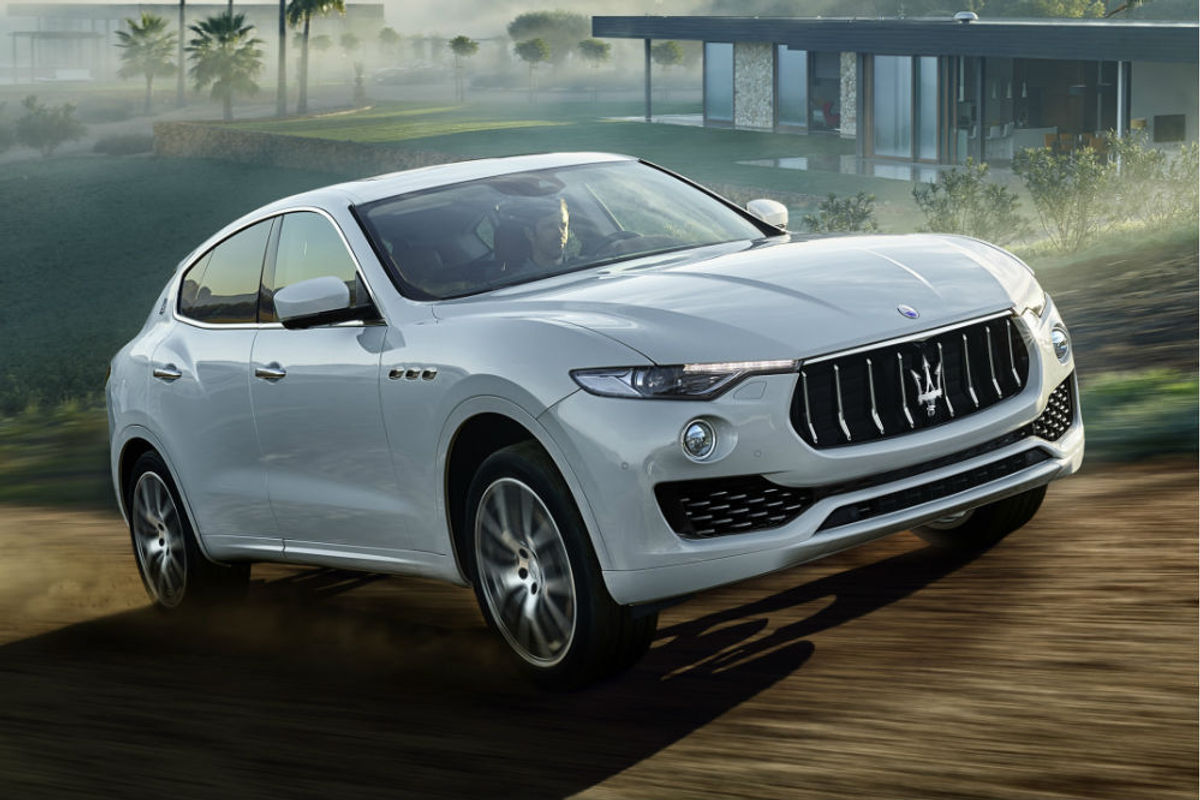
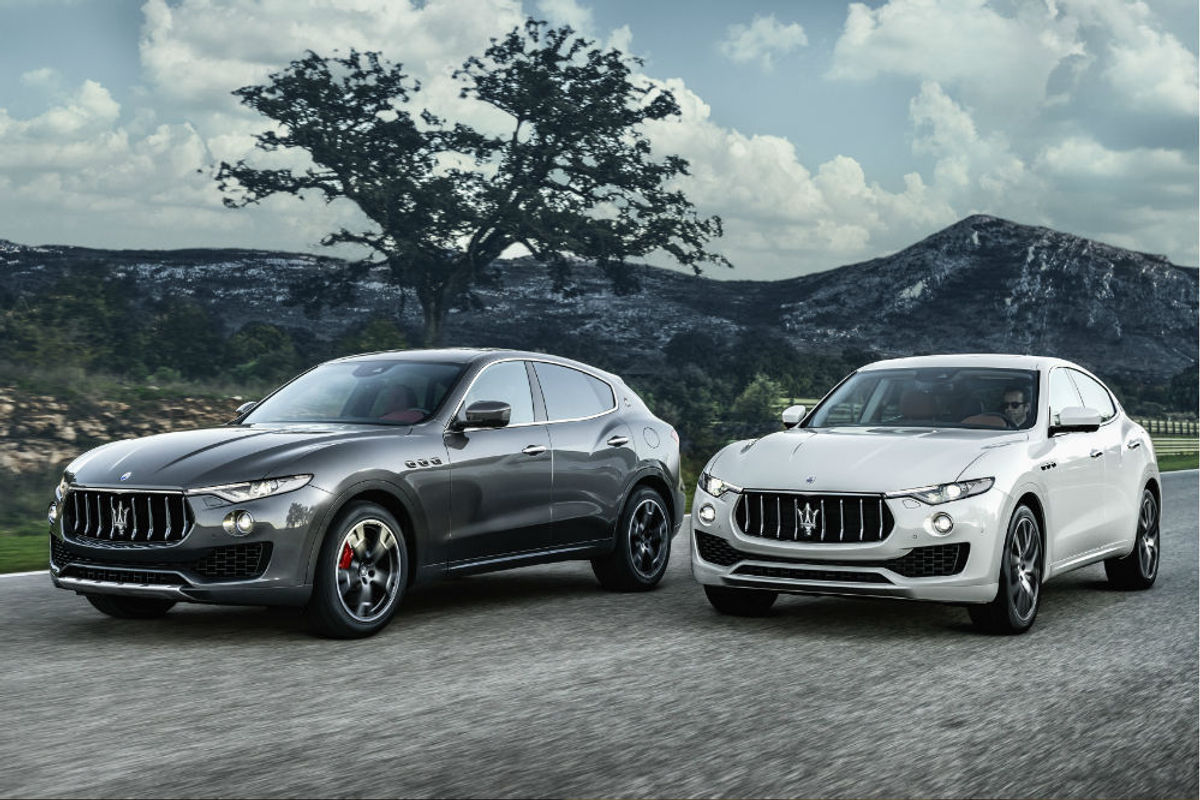
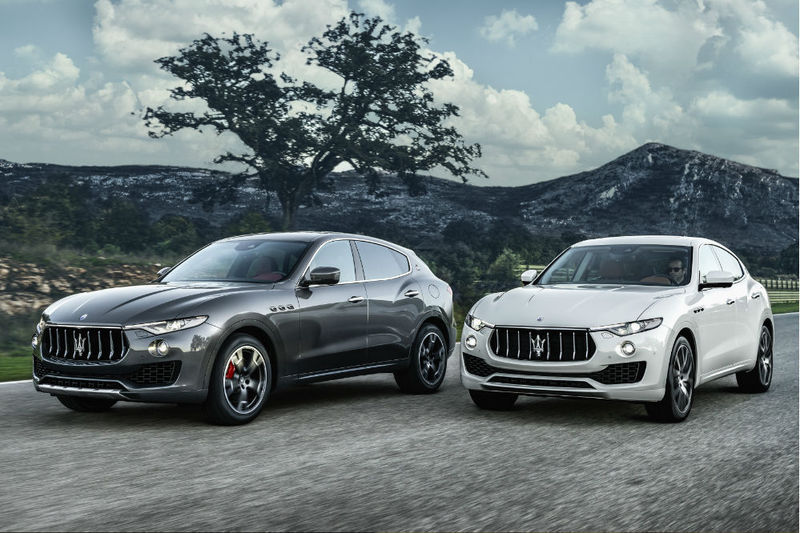
Maserati Levante Diesel (2016) First Drive
It seems an outrageous challenge: to create the "Maserati of SUVs" – a vehicle that is as sporty and luxurious as it is versatile. The turbodiesel-engined Levante is the first derivative of Maserati's new model to be launched in South Africa… Cars.co.za Consumer Awards guest judge, Eddie Kalili, drove the newcomer in Dubai to find out whether the Modenese marque has hit the mark.
In its pomp, Dubai was a byword for supreme luxury… a Gulf city dedicated to the worship of all things expensive, bespoke and utterly opulent. And even though its economy has slowed in recent years (it has been overtaken by its Arab neighbours with deeper oil reserves), there are still ostentatious glimmers of the outrageous wealth that once was.
Our hotel, for example – where we spent three nights as guests of Maserati for the launch of its first-ever SUV, the Levante – is one of only two in the world designed by none other than fashion icon Giorgio Armani. The Armani Hotel in the Burj Khalifa is a truly luxurious place to lay one’s head – the perfect setting to launch Maserati’s first foray into SUV territory.
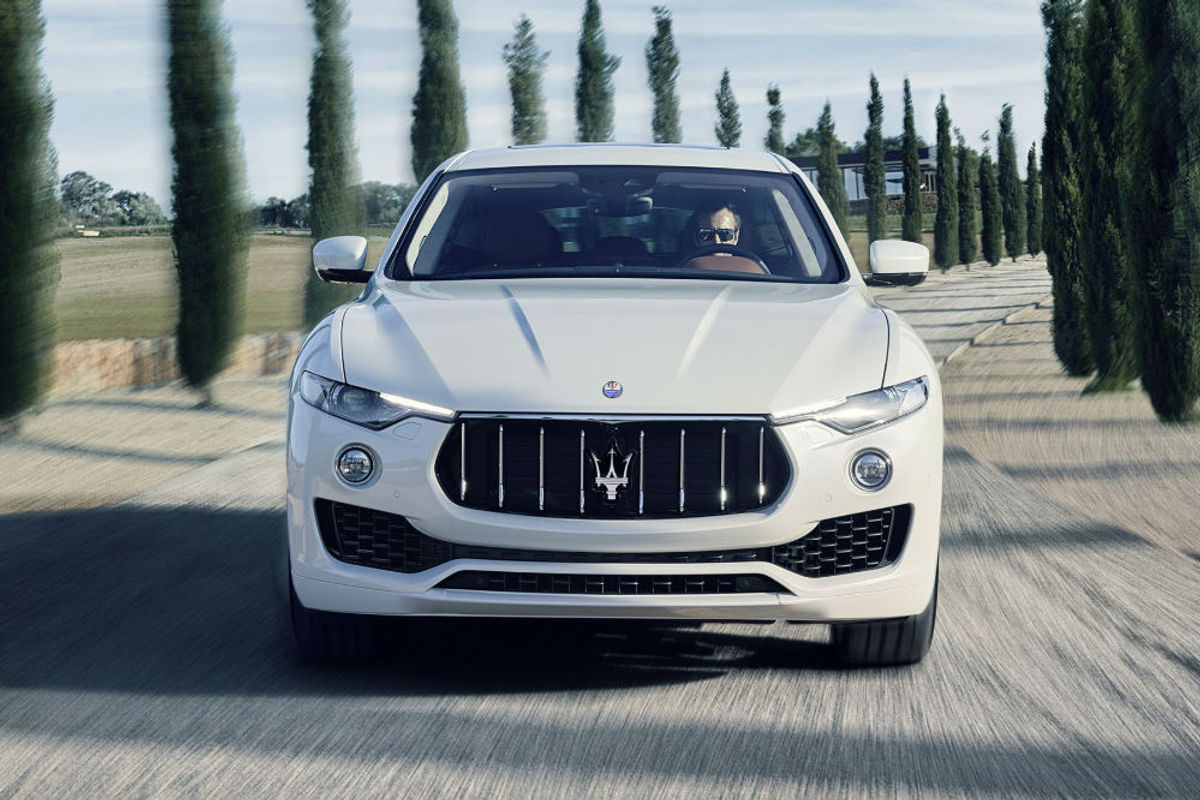
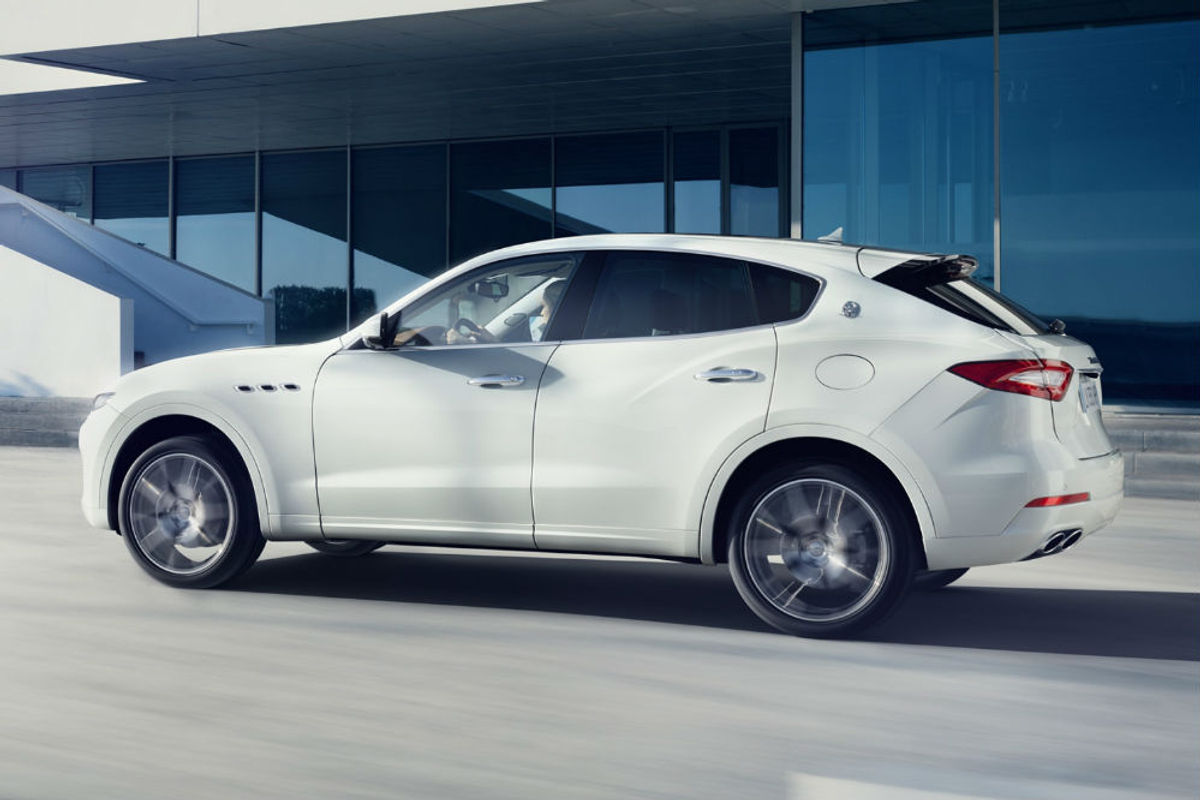
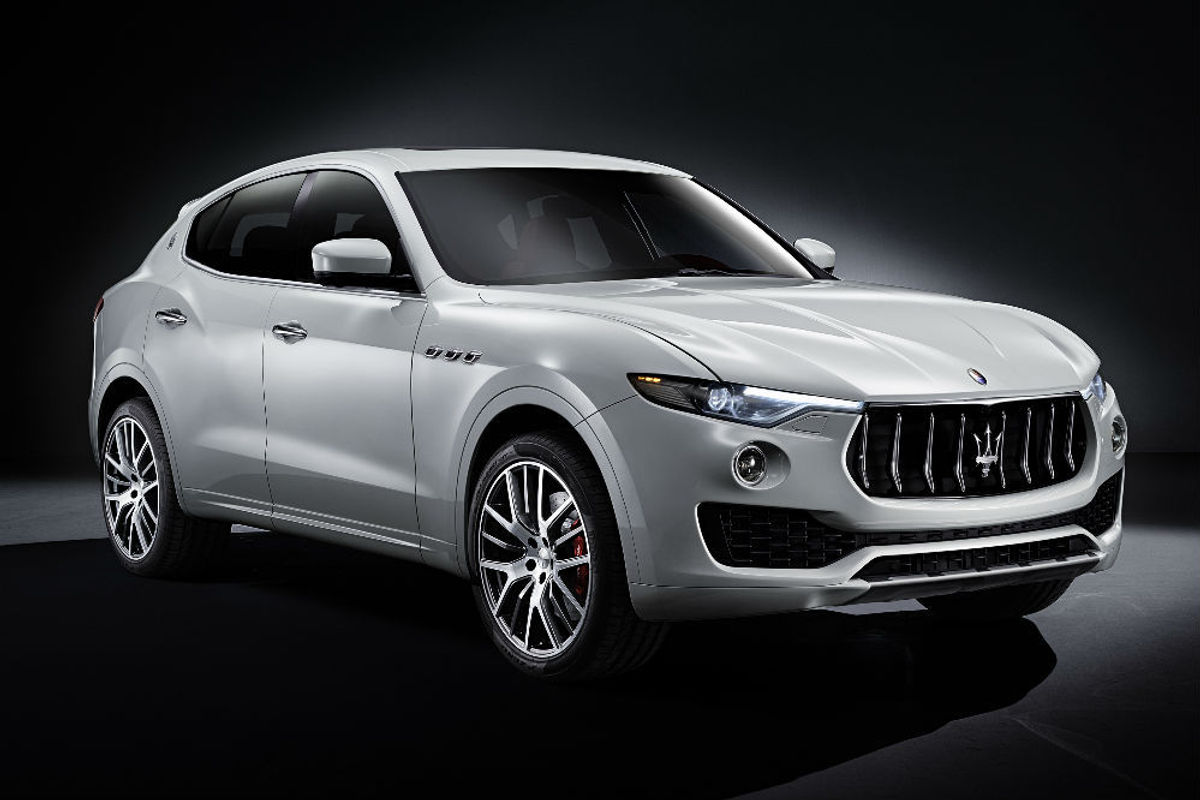
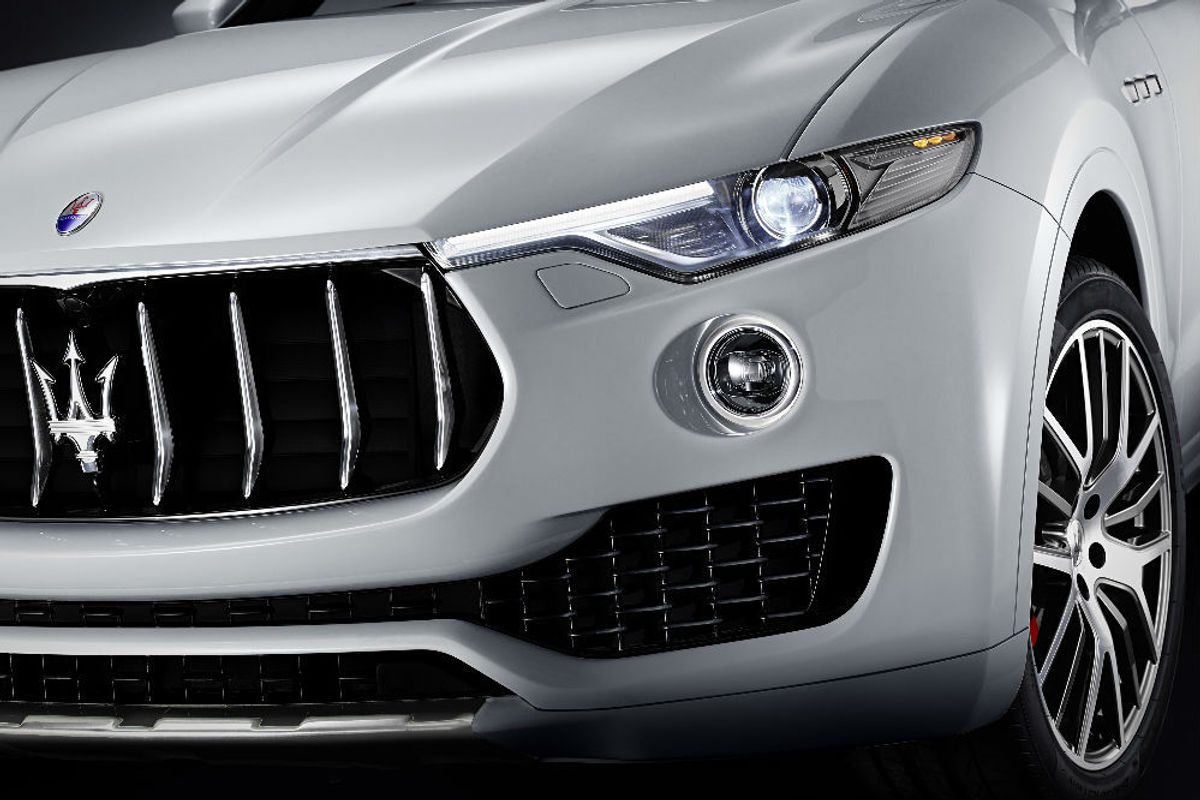
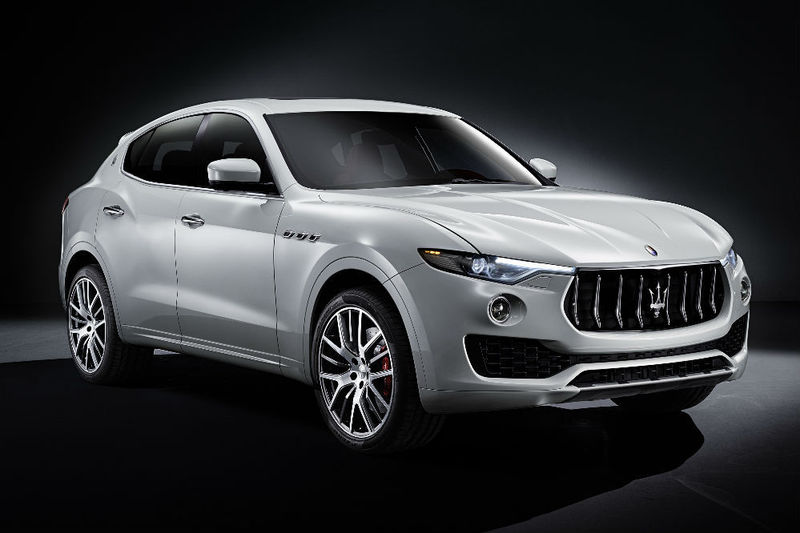
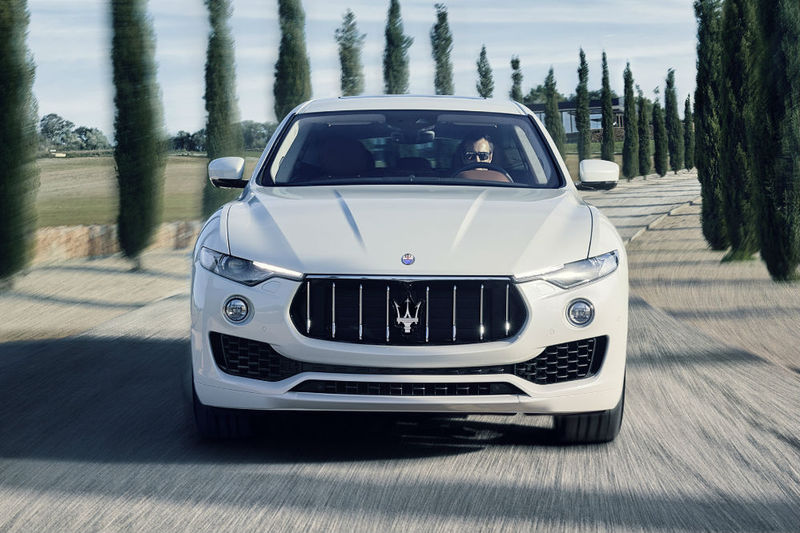
The Levante offers oodles of "let me past" presence thanks to its elaborate grille and "sinister" slim headlights.
Another premium marque joins the SUV fray
The SUV/crossover segment has seen tremendous growth in recent years and even luxury car manufacturers have seen it fit to also find a niche in the segment, by launching products that will appeal to well-heeled drivers who want space and versatility from their luxury vehicles, should they decide to venture off the beaten boulevard. Porsche was certainly ahead of its time with the Cayenne… 2016 saw the local launches of Bentley Bentayga, Maserati Levante and Jaguar F-Pace and globally, the Lamborghini Urus, Rolls-Royce Cullinan and crossover-flavoured Aston Martin DBX are in the pipeline…
Over dinner at At.Mosphere, one of the highest restaurants in the world located on the 122nd floor of the Burj Khalifa, Umberto Cini, Maserati’s Managing Director of General Overseas Markets, explains that the brief for the Levante was "to create a car that would be the most luxurious SUV on the roads". Well, Bentley may have something to say about that, but as a performance SUV, the Levante proved a truly sumptuous vehicle with a well-hewn interior and spirited performance.
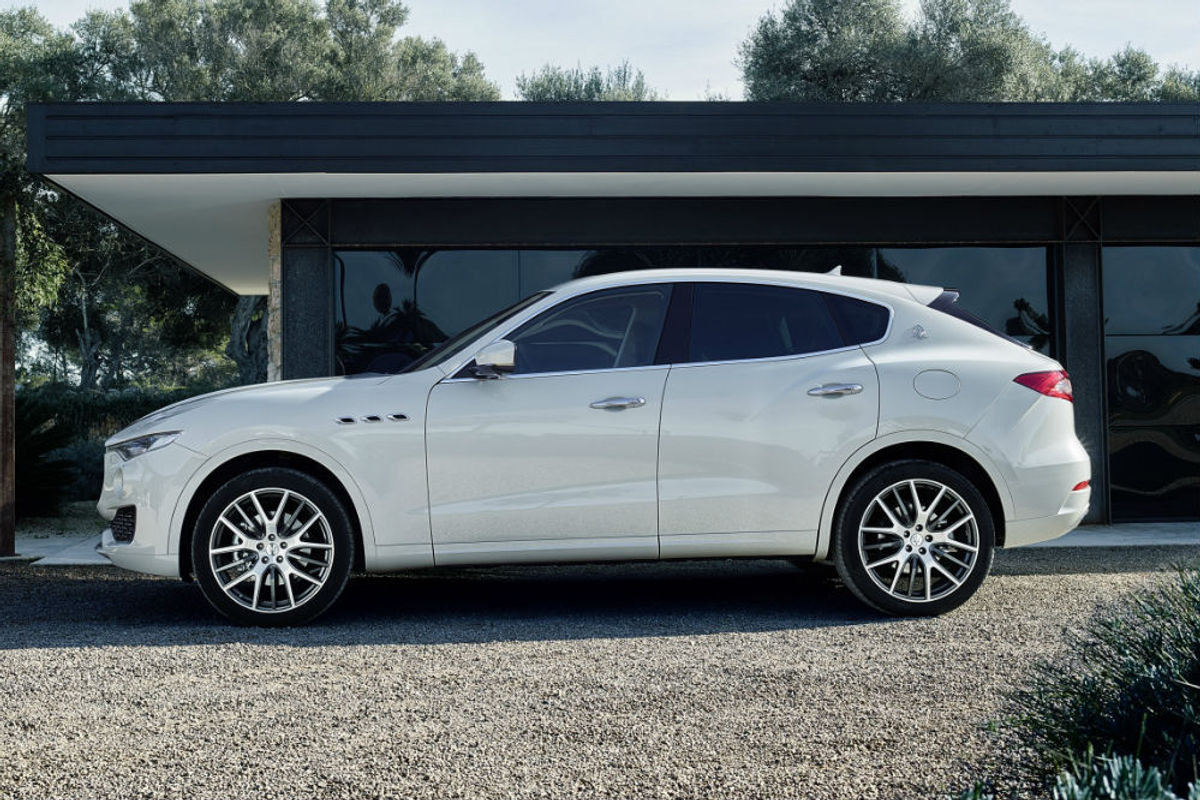
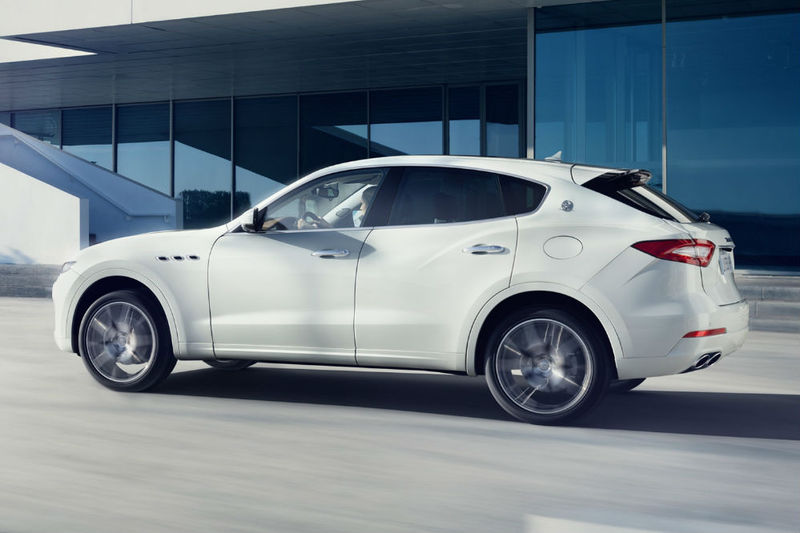
The trio of vents in the front fenders is a design cue carried over from Maserati's Quattroporte first class sedan.
Its off-road capabilities were discovered by accident, apparently, while the Levante was undergoing testing on the desert-like outskirts of Dubai. While running up to 12 hours in sweltering temperatures of up to 52 °C the (pre-production) Levante test unit's engine never overheated and suffered no mechanical maladies whatsoever… Maserati engineers, realising they had the start of a truly capable SUV, went back to the drawing board to add more versatility to Levante. Well, that's the story…
Lowest centre of gravity in its class
The result? A performance SUV that Maserati claims has a perfect 50/50 weight distribution and the lowest centre of gravity in its class. It offers multiple driving modes and an adaptive suspension that can adjust the vehicle's ride height by a range of 85 mm so that it can ostensibly tackle just about anything the bundu and gilded boulevards in Dubai could throw at it.
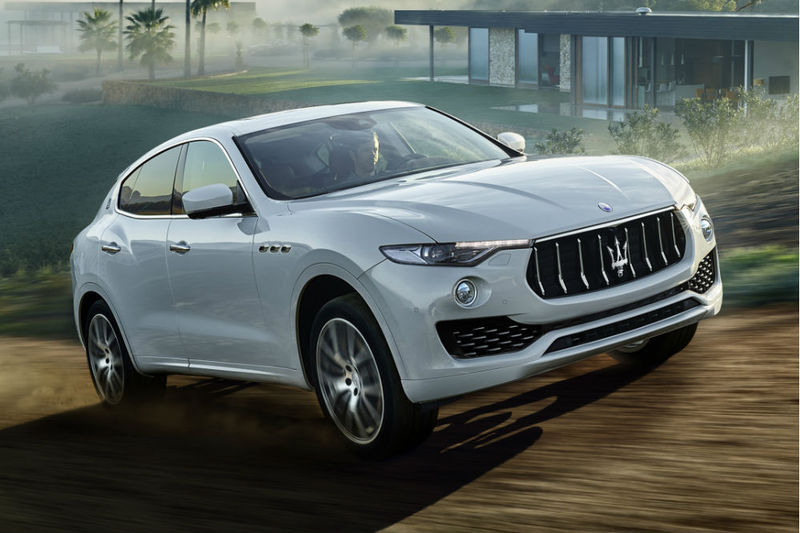
Aided by a 50/50 weight distribution, low centre of gravity and adaptive suspension, the Levante is wieldy to drive.
Propulsion comes courtesy of an intelligent Q4 all-wheel drive system (with a default rear-biased setup), while a limited slip differential (LSD) automatically directs power to the wheels with the best traction (depending on the type of terrain the Levante is traversing, of course). There are 4 driving modes: in Normal, 90% of power goes to the rear and 10% to the front; Off-Road mode has an 80/20 split (for better road-holding at the front) and the Eco Mode setting is self-explanatory.
Multiple suspension modes
Meanwhile, the Levante's suspension has 6 respective modes: in Sport Mode 1, it will drop by 20 mm and, in Sport 2, by 35 mm at speeds above 170 kph. Parking mode is 45 mm higher than normal (to avoid unfortunate scrapes with kerbs and sloped driveways), while Off-Road 1 and Off-Road 2 modes raise the vehicle by 25 mm and 40 mm above Normal mode.
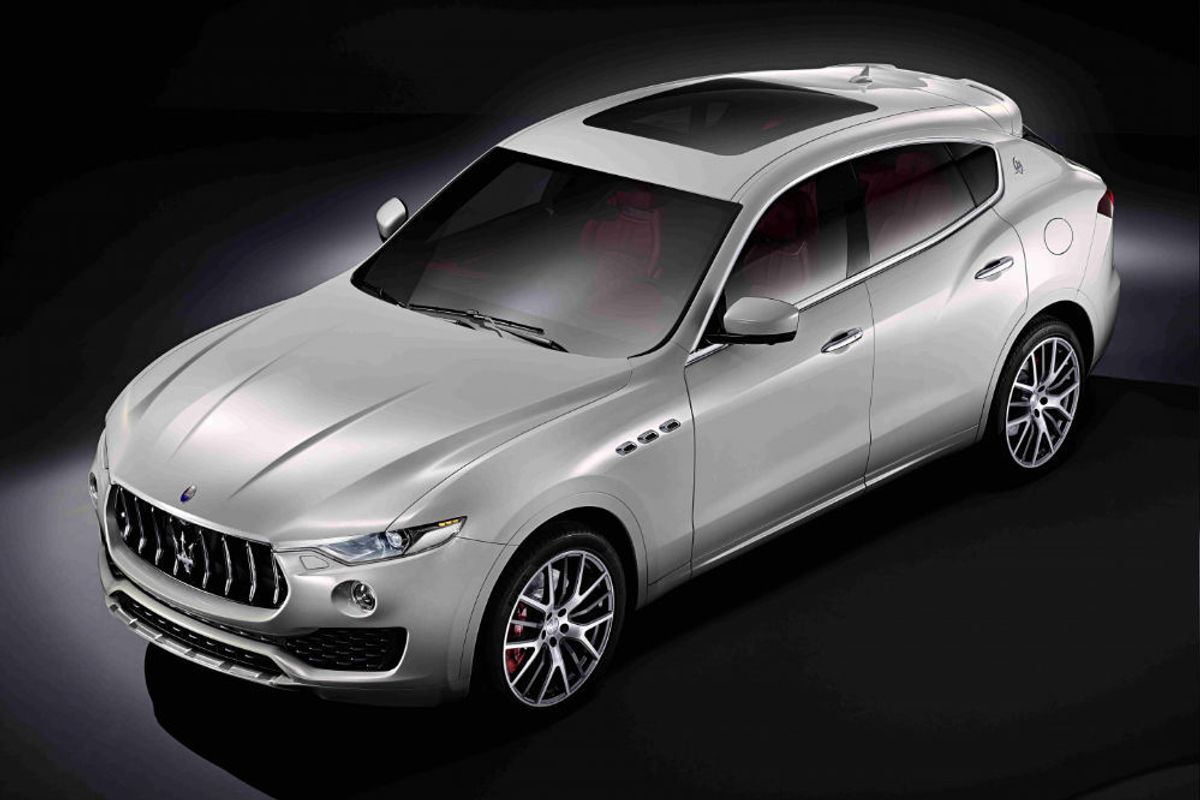
The dynamic AWD system and adaptive suspension, which offers multiple ride heights, aid off-road prowess.
All this makes the Levante as agile on a racecourse as it is capable in a desert. We went for a spin around Dubai Aerodrome track, an FIA-sanctioned 5.39 km motorsport circuit outside of town. We sampled the 3.0-litre V6 turbodiesel engine that's currently the only one available in South Africa, with Maserati hinting at a pair of twin-turbo V6 engines producing 257 kW and 316 kW, reportedly capable of 0 to 100 kph in 6.0 and 5.2 seconds, will be launched soon.
The Diesel, whose engine produces 202 kW of power and maximum torque of 600 Nm and mated with an 8-speed ZF-sourced automatic transmission, proved to be exceptionally nimble on a track – an admirable feat considering its heft (the Levante is approximately 5.0 m long, 1.9 m wide and 1.6 m high). Not only is the Maserati said to be capable of accelerating from standstill to 100 kph in 6.9 seconds, going on to reach a top speed of 230 kph, but it takes corners with, shall we say "a feline grace" that many would believe could only be achieved by a certain British manufacturer’s premium SUV…
The Levante Diesel sets the scene for the introduction of a pair of turbopetrol derivatives in the near future.
On the road, it promises to deliver a claimed fuel economy of 7.2 litres/100 km, and while the engine's general demeanour is more than satisfying, the peak torque (600 Nm) avails overtaking punch to make the Levante an enjoyable highway cruiser.
So far, so good…
We headed out to the desert just outside Dubai, a 30-minute drive that proved to be frustrating due to Dubai officialdom's exuberant love for speed cameras – there is one located every 3 kilometres! But the slow slog was worth it when we hit the dunes. After deflating the Levante's tyres a little, to increase their surface area and aid traction in the sand, we set off.
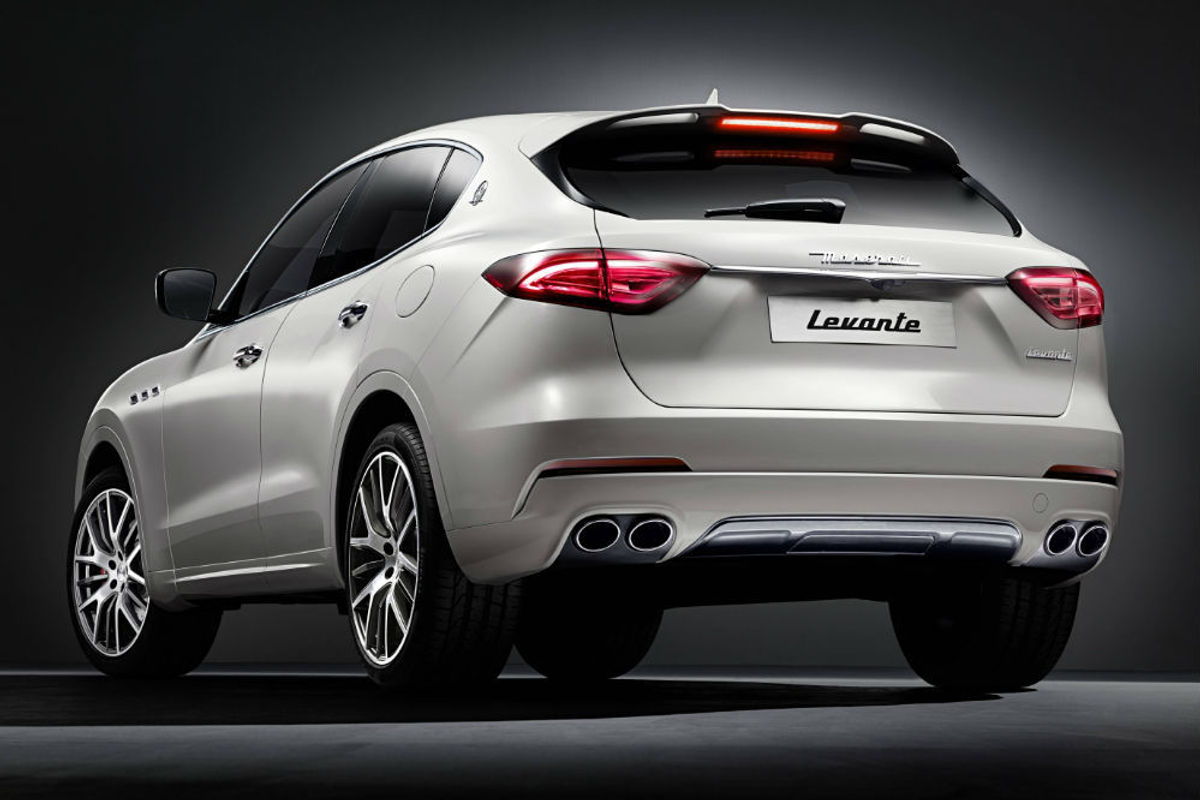
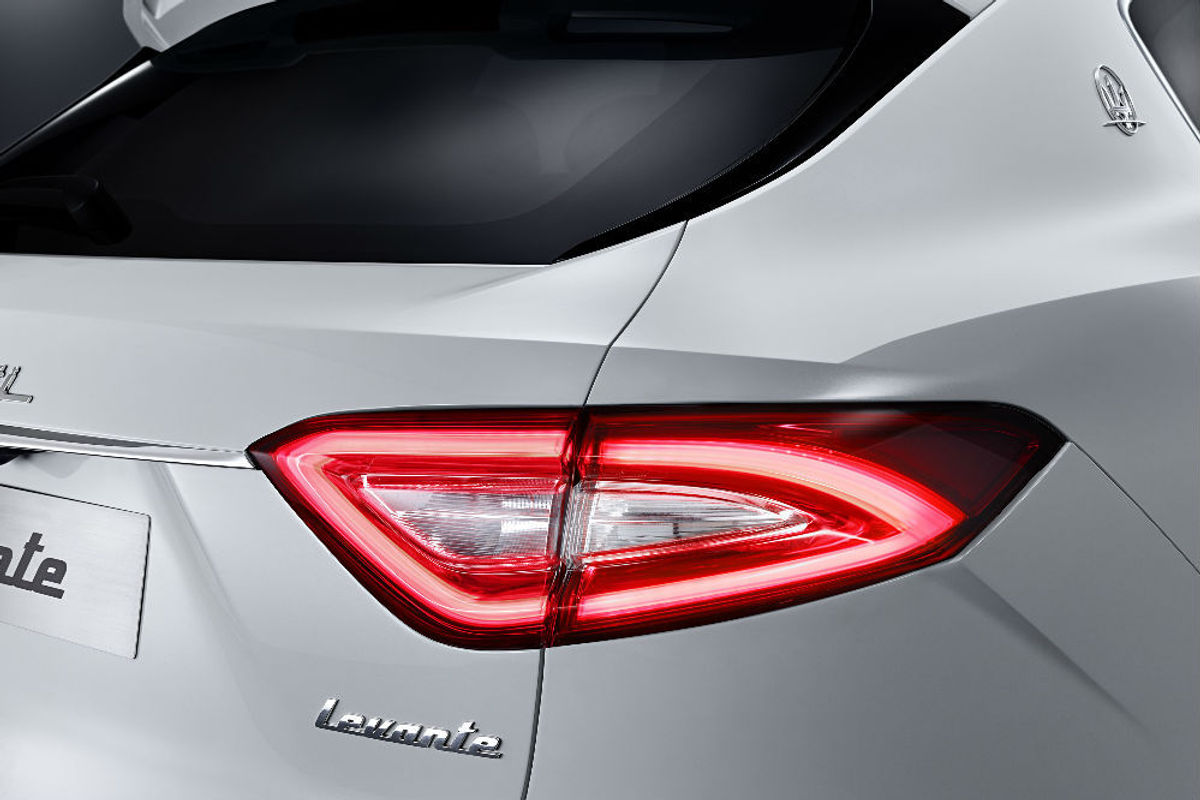
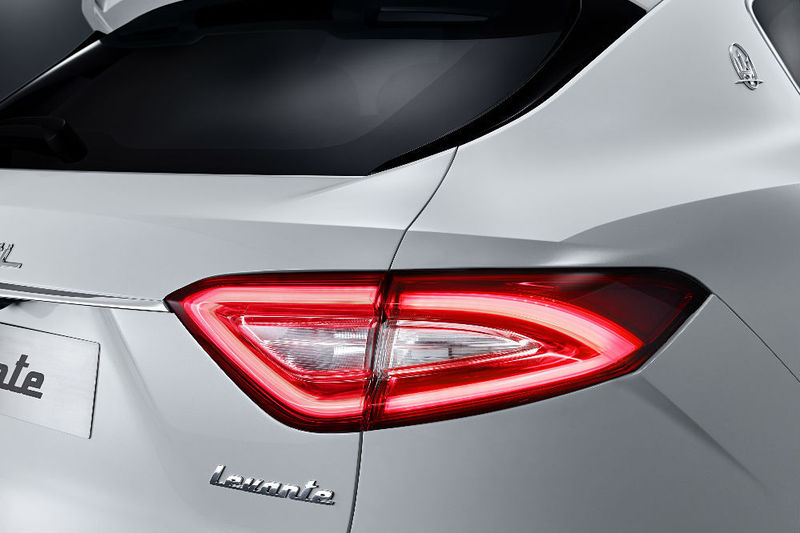
If the Levante's taillight cluster looks familiar, it is because it closely resembled that of the Ghibli sedan.
The increased ride height afforded by Off-Road mode makes the Levante particularly adept at negotiating sand dunes, and, once again, the torque makes its presence felt… the Maserati makes quick work of the dunes, where the sand can shift rapidly before your eyes. It almost seems as if only a lack of driver skill for off-roading could slow you down…
There’s no mistaking the capabilities of the Levante, but what really sets it apart is the luxury in which you are enveloped.
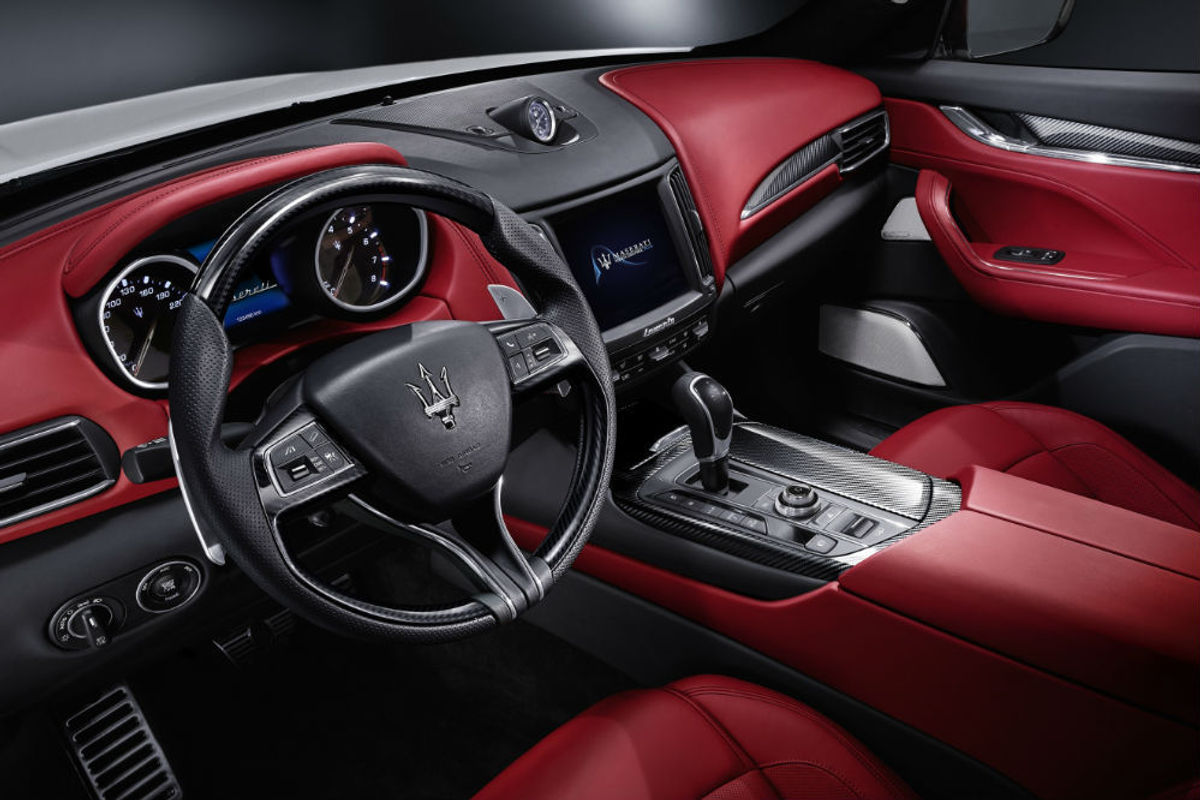
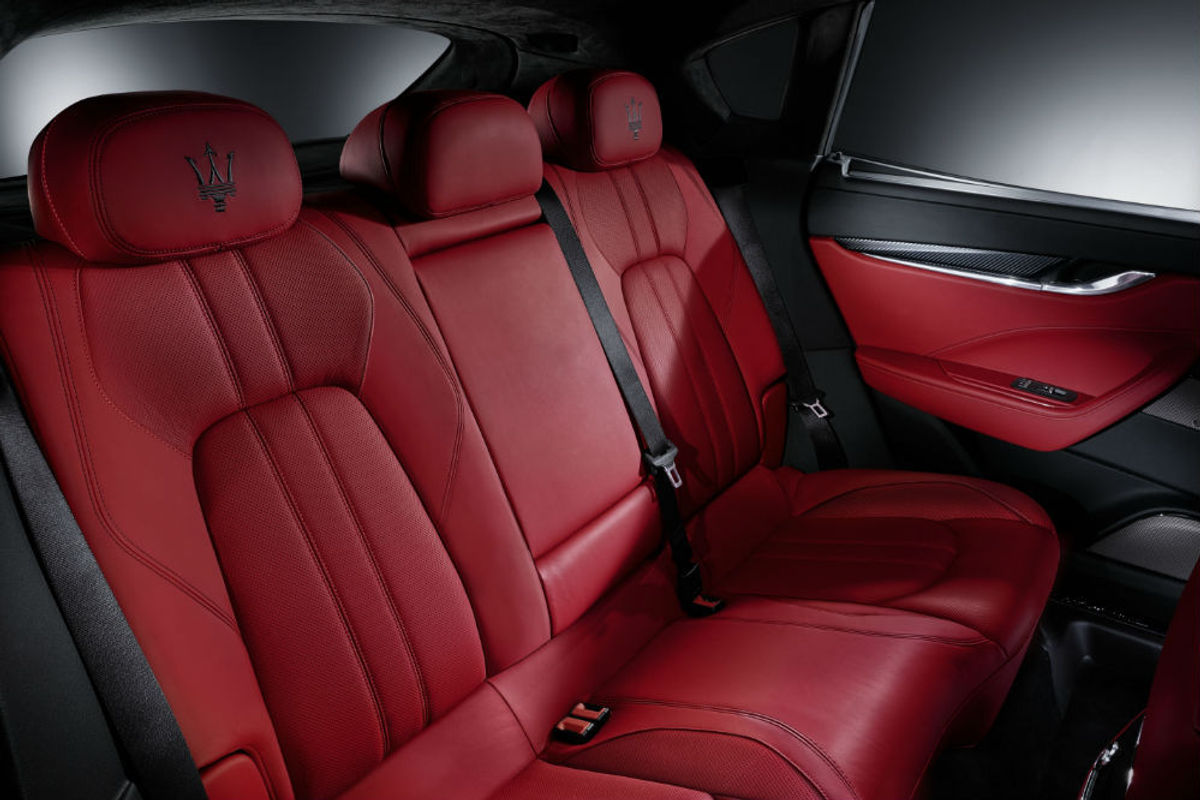
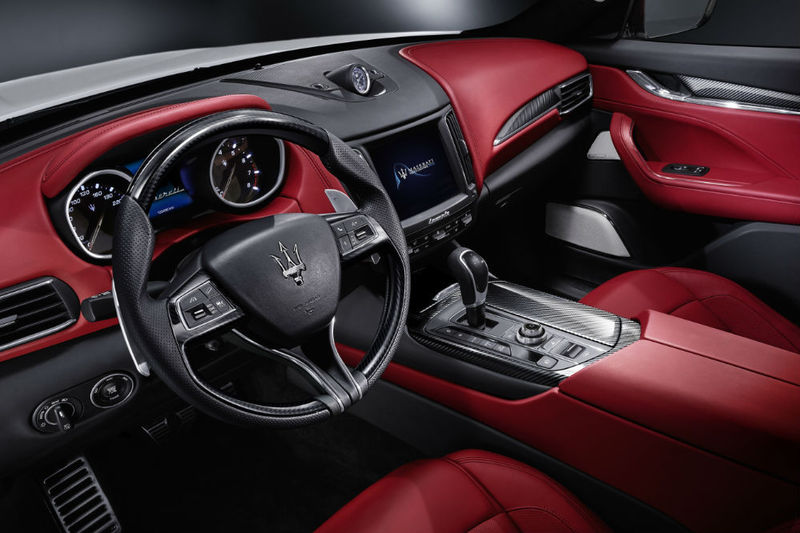
Lavish 2-tone leather upholstery, ornate fixtures and carbon-fibre look trim give the cabin a big sense of occasion.
Signature Maserati interior
Inside, the Levante is every bit a Maserati with a well-hewn interior with stunning attention to detail. If you take the optional Ermenegildo Zegna 100% Italian silk, your vehicle's seats will not only be exquisitely trimmed in leather and silk – the Italian design house will also give you enough of its fabric to make up 4 suits… how is that for exclusivity?
No self-respecting luxury car these days would be without the usual amenities such as an 8.4 inch high-resolution Maserati Touch Control infotainment system, plenty of USB connectivity and digital storage capacity.
Levante has a claimed boot capacity of 580 litres (with rear seats that fold down for utility space), making it a viable family vehicle too (although personally, I wouldn’t dare set my sticky-fingered 3-year-old loose in this plush interior).
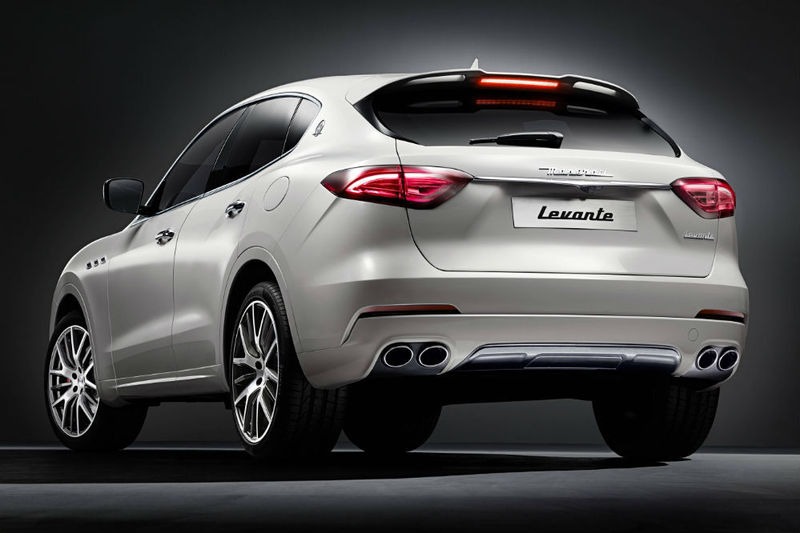
An elegant quartet of exhaust tips helps the Levante to produce its signature soulful, urgent exhaust note.
Summary
Yet, for all its all-road ability, on-road refinement, luxurious cabin and practicality, my favourite feature of the Levante is the deep beautiful sound of its engine. Turbodiesel motors aren't generally known for being sonorous, but the deep rumble that is interspersed with evocative crackles and pops (created by placing little baffles in the exhaust) underlines something that cannot easily be described and explained to those unfamiliar with the Trident marque's products: its sheer Maserati-ness.
When you consider that the beautiful symphony is emitted by an eye-catching prestige road machine that is more than the sum of its capabilities, you get a truly special SUV – the Maserati of SUVs, if you will. Having said that, exclusivity (as ever) comes at a price; the Levante Diesel costs R1 649 000, which doesn't position it at the top-end of the performance SUV price bracket, but makes it more expensive than established, similarly-engined rivals on the market, such as the F-Pace 30d AWD S (R1.33 million), the Cayenne S Diesel (R1.39 million) and even the mighty BMW X6 M50d (R1,5 million).
However, it's unlikely any of those rivals (there are others too) will make as tasteful a style statement that the Levante does.
Watch a promotional clip for the Maserati Levante below:
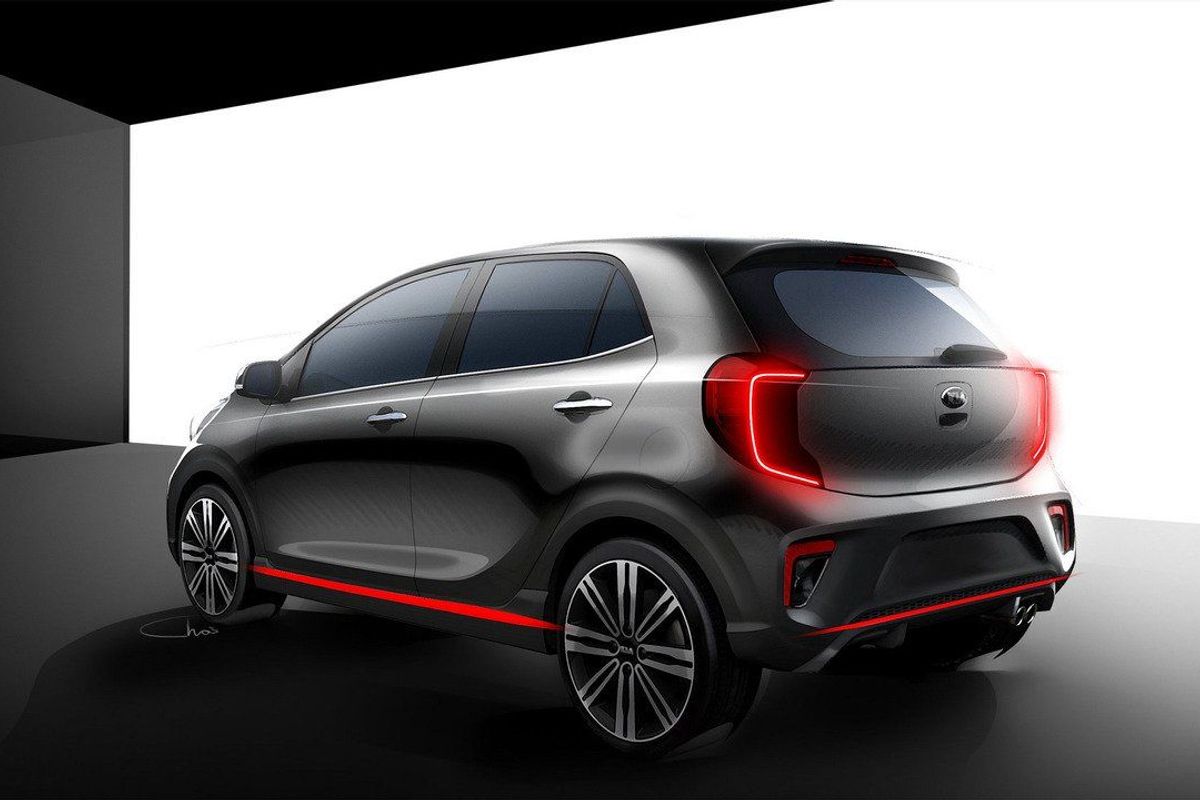
Kia has released teaser images of its new 3rd-generation Picanto city car!
The pint-sized Kia Picanto is a popular choice for budget-conscious buyers in South Africa and the new Picanto is set to build on the success of its predecessors. The teaser images you see here provide insight into the design direction for the third iteration of Kia’s A-segment city car.
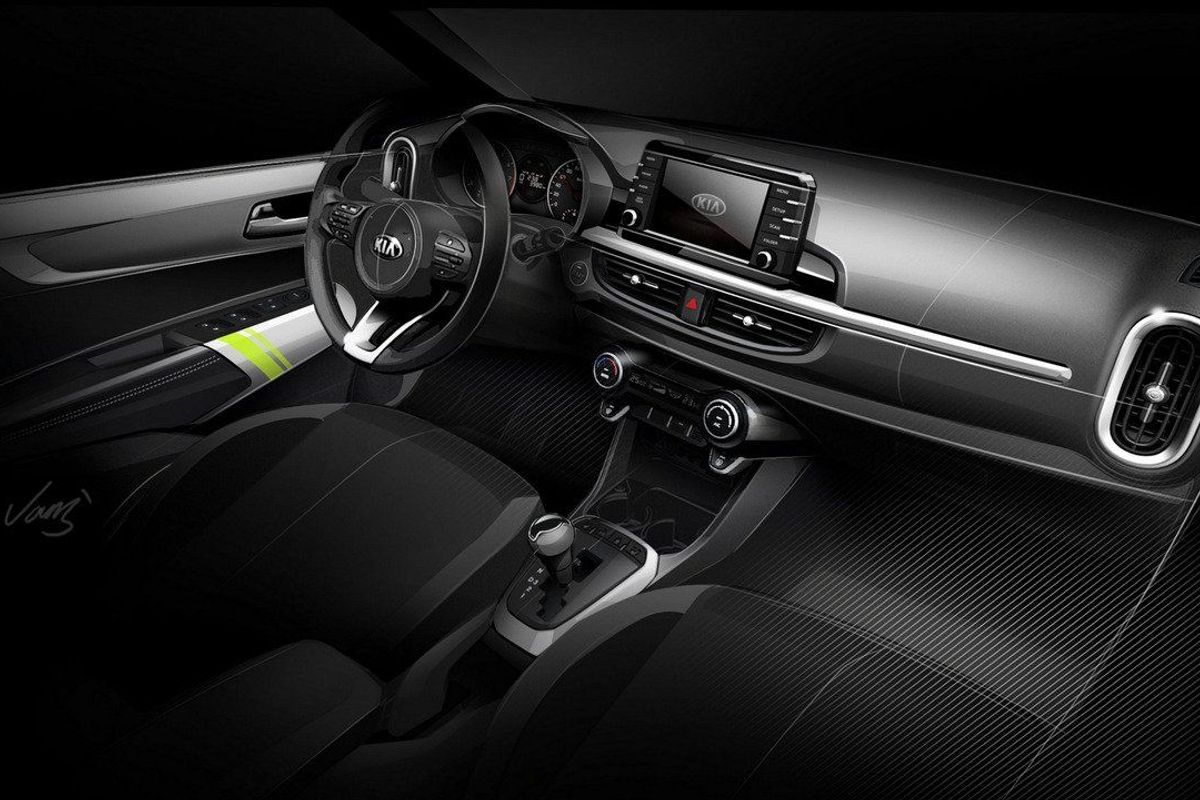
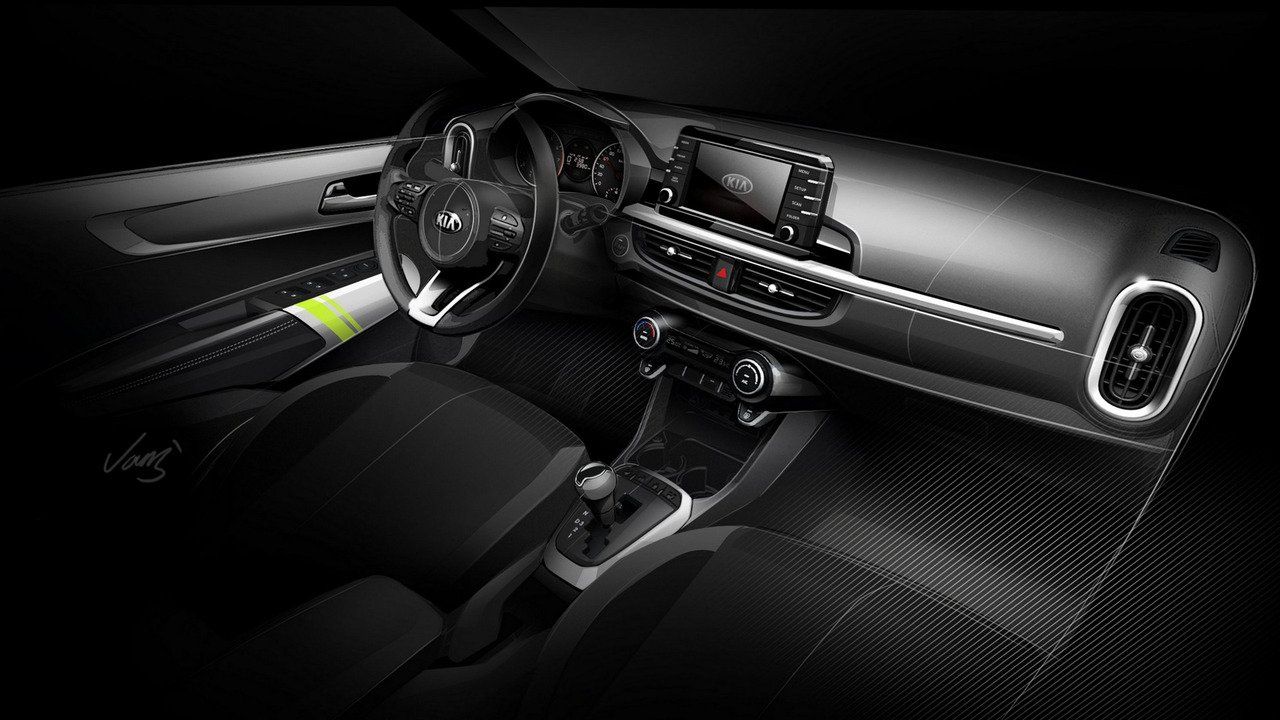
Kia describes the new design as “youthful and energetic” with more customisation options available to customers. The interior of the new Picanto has been completely redesigned and according to Kia, will offer “smarter packaging than ever before”. Based on the images, it seems that the new Picanto’s interior will be more upmarket and will feature a tablet-like infotainment system, much like the system found in the new Kia Rio, which is due to arrive in South Africa in 2017.
The new Picanto is also expected to be larger than the outgoing model, which means interior space will be more forgiving, especially for rear passengers. The luggage bay should grow in size too.
The new Kia Picanto will offer more interior space with improved material quality.
In terms of engines, you can expect a 3-cylinder 1.0-litre engine with either 75 kW or 89 kW to power the new Picanto. As is the case with the current model, a 1.2-litre engine will also likely be offered and both manual and automatic transmissions will be available.
The full reveal of the new Kia Picanto is set to take place early in 2017 and we will keep you updated as more information regarding local specification becomes available, so stay tuned!
Next-Generation VW Products Undergo Tests In SA [Video]
Volkswagen is one of many manufacturers that use South Africa's hot and dry climate for vehicle testing. Watch the next generation of VW products being put through their paces on our roads.
South Africa's altitude and climate borders on the extreme, which makes it a perfect destination for vehicle companies to test their forthcoming products in the harshest conditions. There's so much interest in testing in SA that many exciting disguised cars have been spotted around the Upington area and the Volkswagen Group has a highly-secured "Area 51" facility north-east of Pofadder. If you're a car-spotting fanatic, the Northern Cape is the place to be.
In this video, which was released by Volkswagen, you can see the next generation of its products on our roads. First up is the Tiguan Allspace, a 7-seat version of the stylish new SUV.
Then we get a proper look at the Volkswagen Arteon. It's going to be a premium sedan which replaces the CC and will sit in a more premium slot above the Passat. Finally, the Up! GTI gets some of the limelight and while it's not confirmed for SA introduction yet, we live in hope. All three of these products will be officially unveiled in 2017.
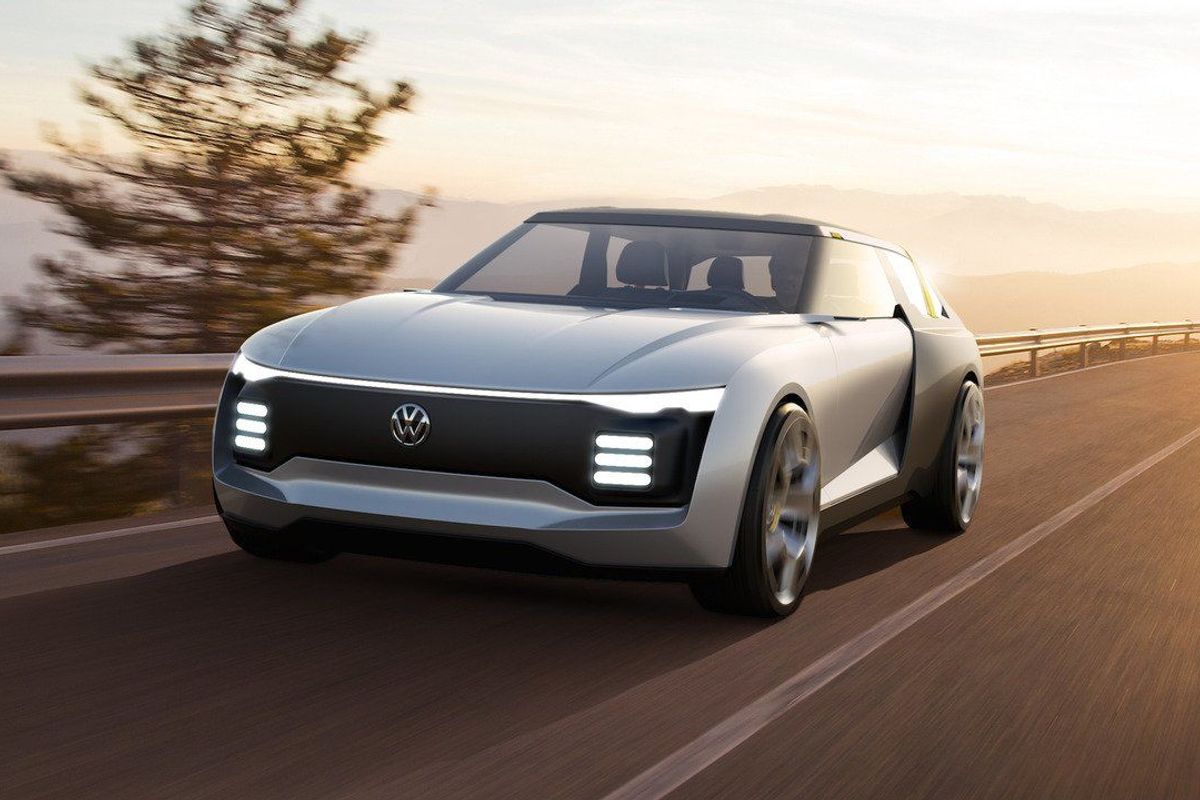
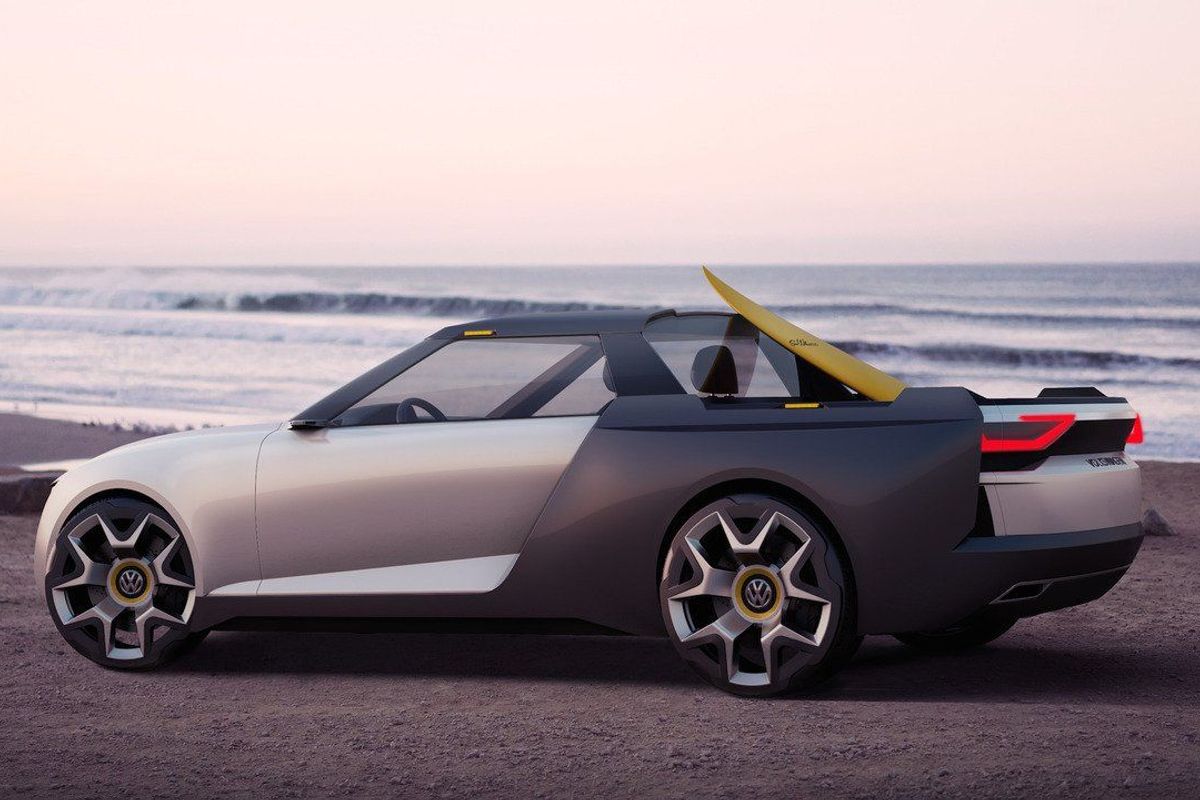
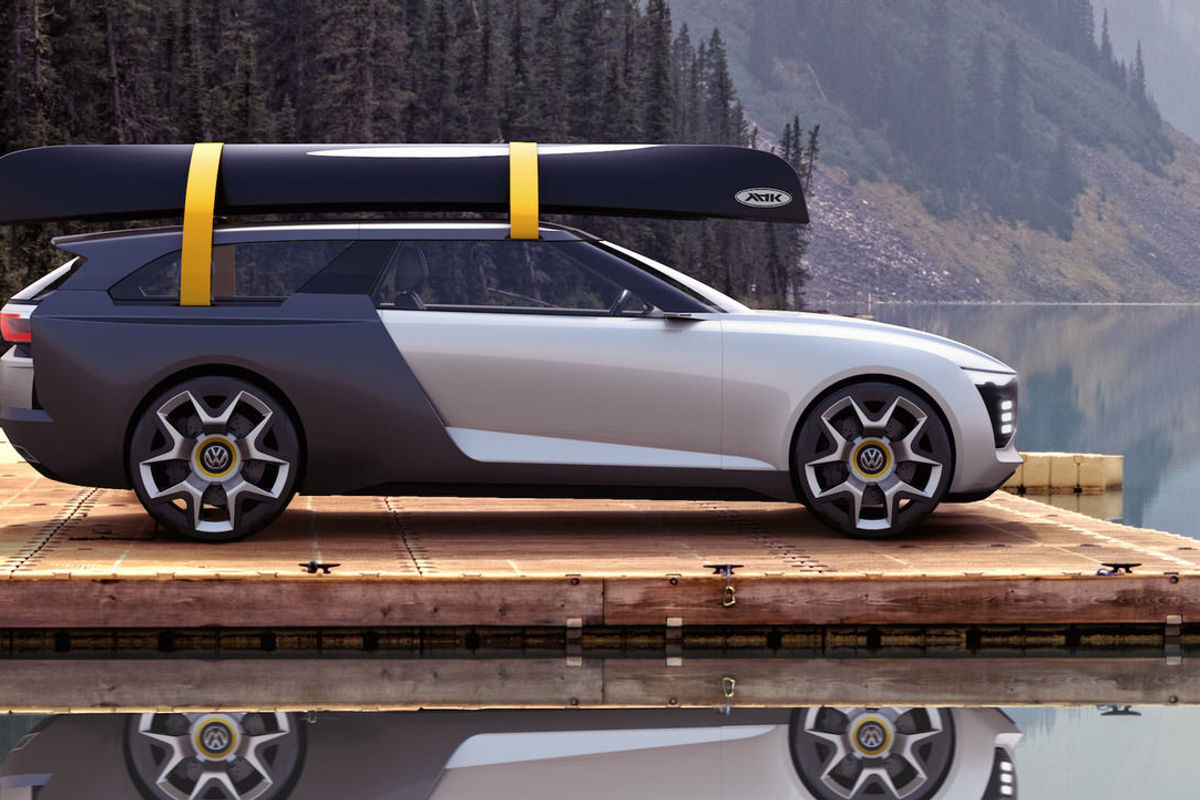
Intern design students at Volkswagen have created the intriguing Varok concept, combining the practicality of a wagon with the convenience of a bakkie.
Concepts play a critical role in the car design process. They are often outlandish in design and although few ever make it to the production line, many production cars share design cues derived from concepts. Concept cars are important in that they explore and expose ideas that would otherwise remain unseen and, more importantly, they point to the future of automotive design.
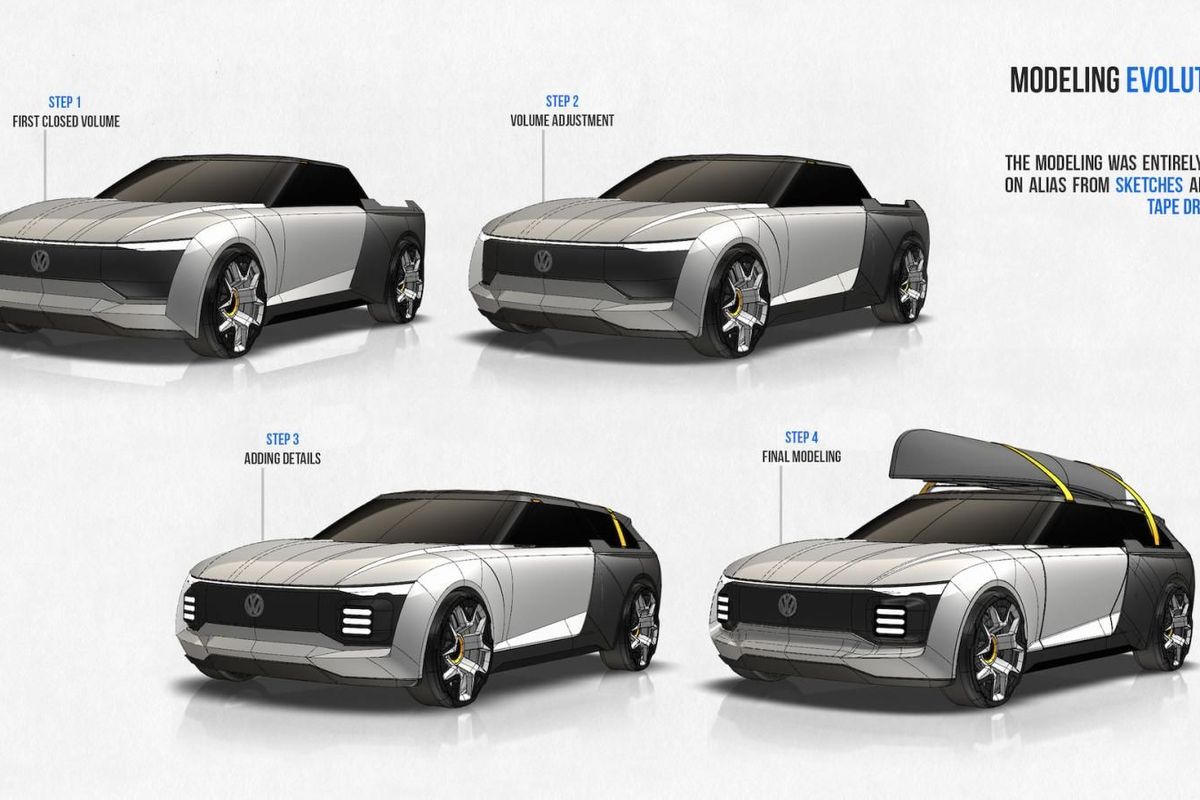
Take this Volkswagen Varok concept as an example. The Varok was created by two French intern design students, Valentin Fuchs and Pierre Joveneaux, who set out to create a unique wagon that transforms into a utility vehicle. "The goal of this project was to imagine how Volkswagen could enter in the Australian market with a ute vehicle," said Valentin.
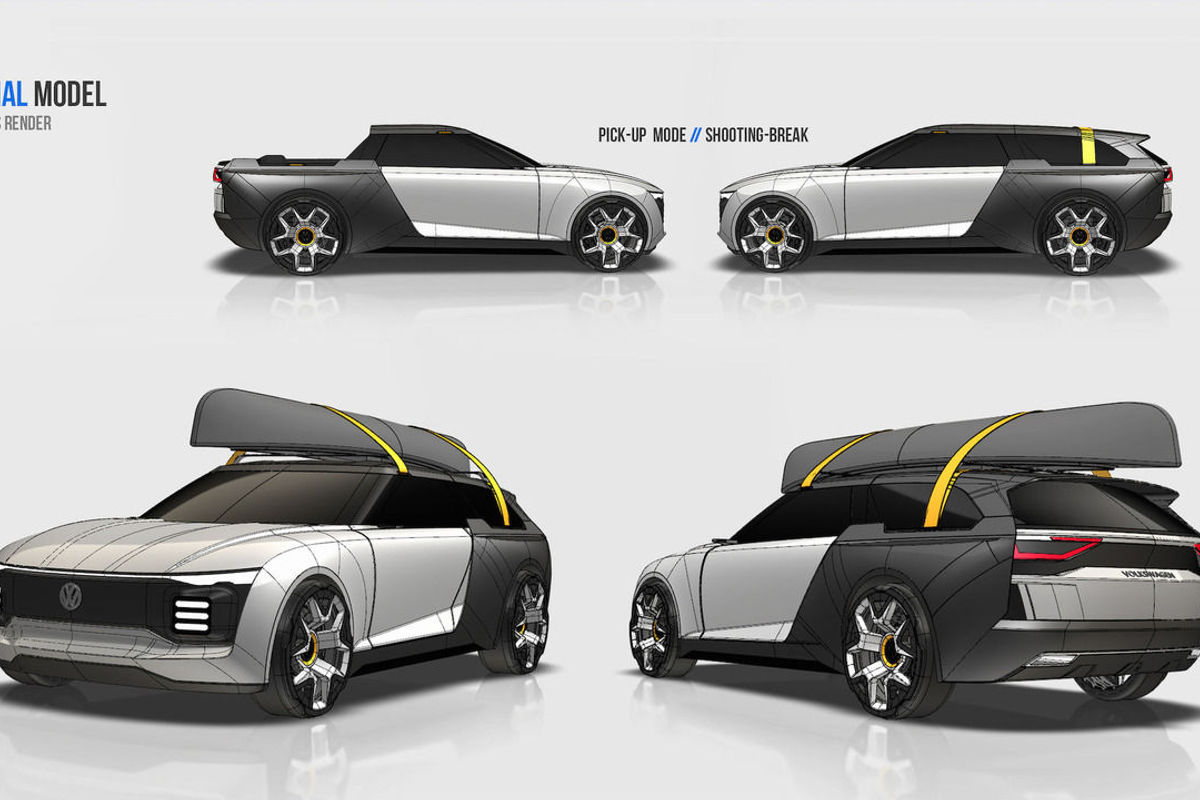
The students took inspiration from the Volvo V90 and Vauxhall Maloo in the creation of the Varok concept. In wagon guise, the Varok can accommodate 5 passengers and a fair amount of luggage. By disassembling the stern, the Varok can be converted into a stylish utility vehicle with a load bay. In this configuration, the Varok concept can seat 3 passengers, while surfboards, bikes and other leisure items can be stored in the load bay.
There is no indication whether the Varok concept will make it to production, but it certainly tickles the imagination. We rather like the look of the Varok…
With myriad new products scheduled to arrive in local showrooms in 2017, it promises to be an exciting year for South African motorists. We've picked 5 that we're particularly excited about: the new BMW 5 Series, the Toyota C-HR, Land Rover Discovery, Alfa Romeo Giulia and Nissan Navara.
In conjunction with this preview video, we've created an article that lists the new models alphabetically (by brand), including related exclusive First Drive- and news articles. Read: Cars Coming to SA in 2017.
The Baleno offers big-car comfort at a small hatchback price, but can it lure buyers away from top-selling hatchbacks or compact family cars/crossovers? We put Suzuki's newcomer to the test.
We like: Exterior styling, good performance, handling, economy, lots of space.
We don’t like: Interior design is a bit bland, infotainment system a little clunky to operate.
Alternatives:
Like for like: Consider the Ford Focus 1.0 Trend priced from R272 900. Yes, it's more expensive, but the Focus offers more power with 92 kW and 170 Nm of torque from its turbocharged 1.0-litre, 3-cylinder engine. The Baleno, however, has a bigger luggage bay, more spec and is considerably more affordable.
For a high-spec B-segment hatch: Consider the recently facelifted Renault Clio 66kW Turbo Dynamique priced from R244 900. It offers 66 kW and 140 Nm of torque from its 0.9-litre turbocharged engine, is undeniably good looking and comes well-specced, but it's not nearly as spacious as the Baleno.
For a crossover: For R249 900, you can hop into the Renault Captur 66 kW Turbo Expression. It has a bigger loading bay at 377 litres, expanding to 1 235 litres with the rear seats folded down and it offers similar specification to the Baleno. The comparatively conservative Suzuki feels a more substantial product, though.
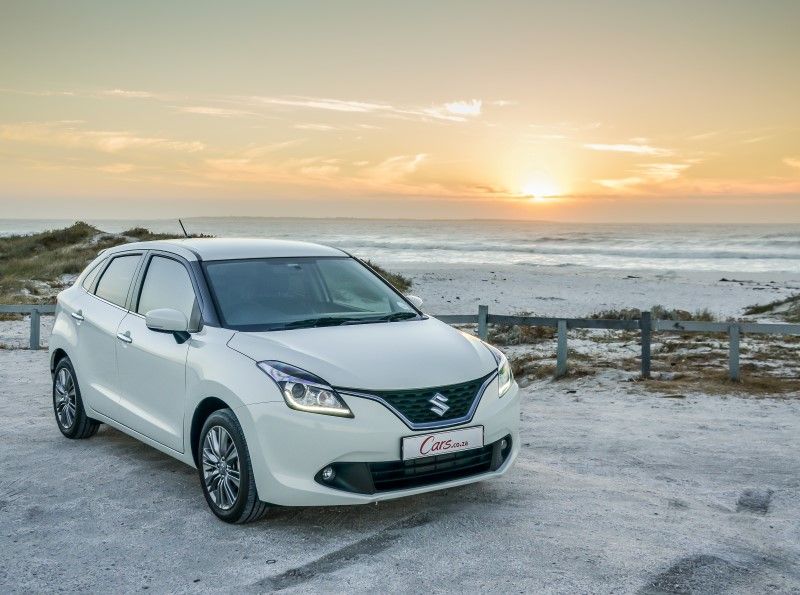
Spacious, practical and affordable best describes the new Suzuki Baleno.
An analysis of new vehicle sales figures shows South African private buyers and fleet companies have a predilection for B-segment hatchbacks: products such as the Volkswagen Polo, Ford Fiesta, Hyundai i20, Toyota Yaris… there are several other examples… Suffice to say, consumers are spoilt for choice. But for motorists who seek more practicality than those models can offer, C-segment hatchbacks, such as the Golf, Focus, i30 and Auris (just to expand on the previous examples) may just be out of reach price-wise – and they vie for the same slice of the market as compact family cars/crossovers.
Those aforementioned offerings are all compelling, but their ranges' pricing starts in the late-R200k-to-early-R300k range. The new Baleno, by contrast, tested here in 1.4 GLX manual guise, effectively offers C-segment practicality while offering attractive B-segment pricing (R229 000, including a service plan). Could the newcomer's practicality and strong value package convince buyers to forego volume-selling smaller hatchbacks (or digging deeper in their pockets to jump on the compact crossover bandwagon) and opt for a conventional hatchback from a workmanlike brand? Perhaps. Read on…
How does it fare in terms of…
Kerb appeal?
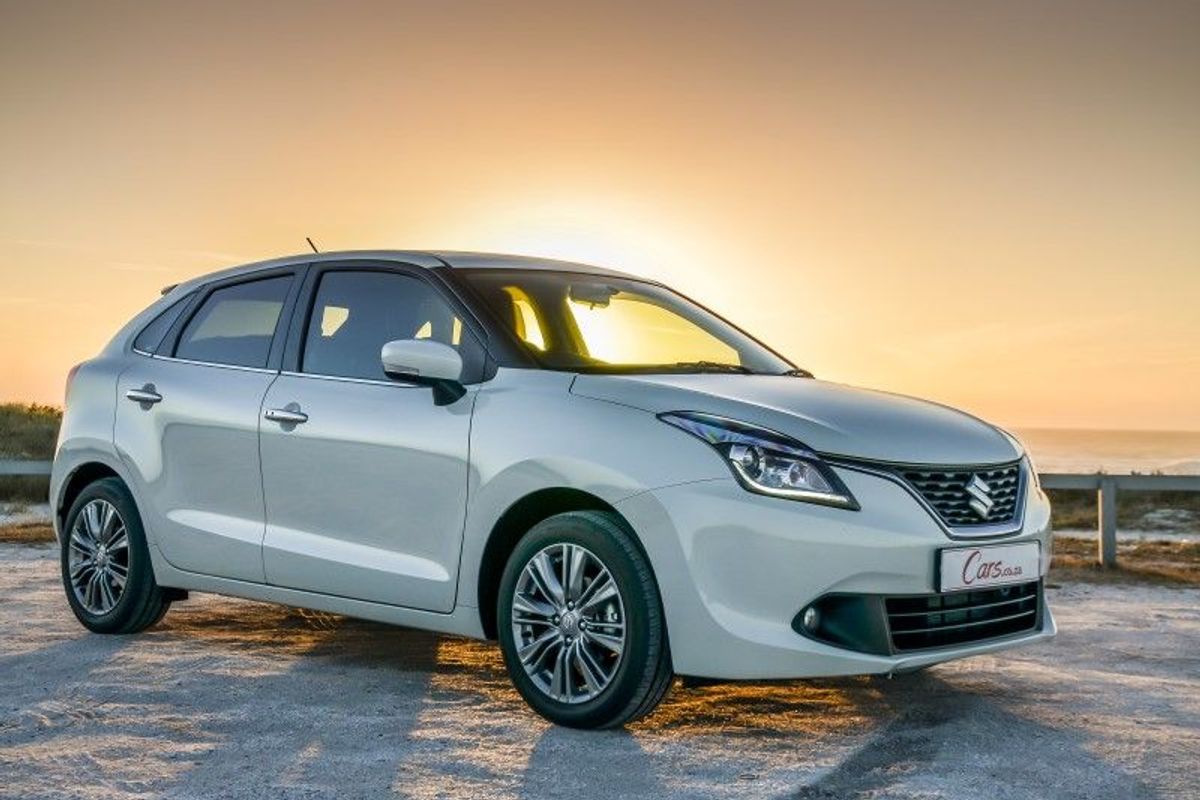
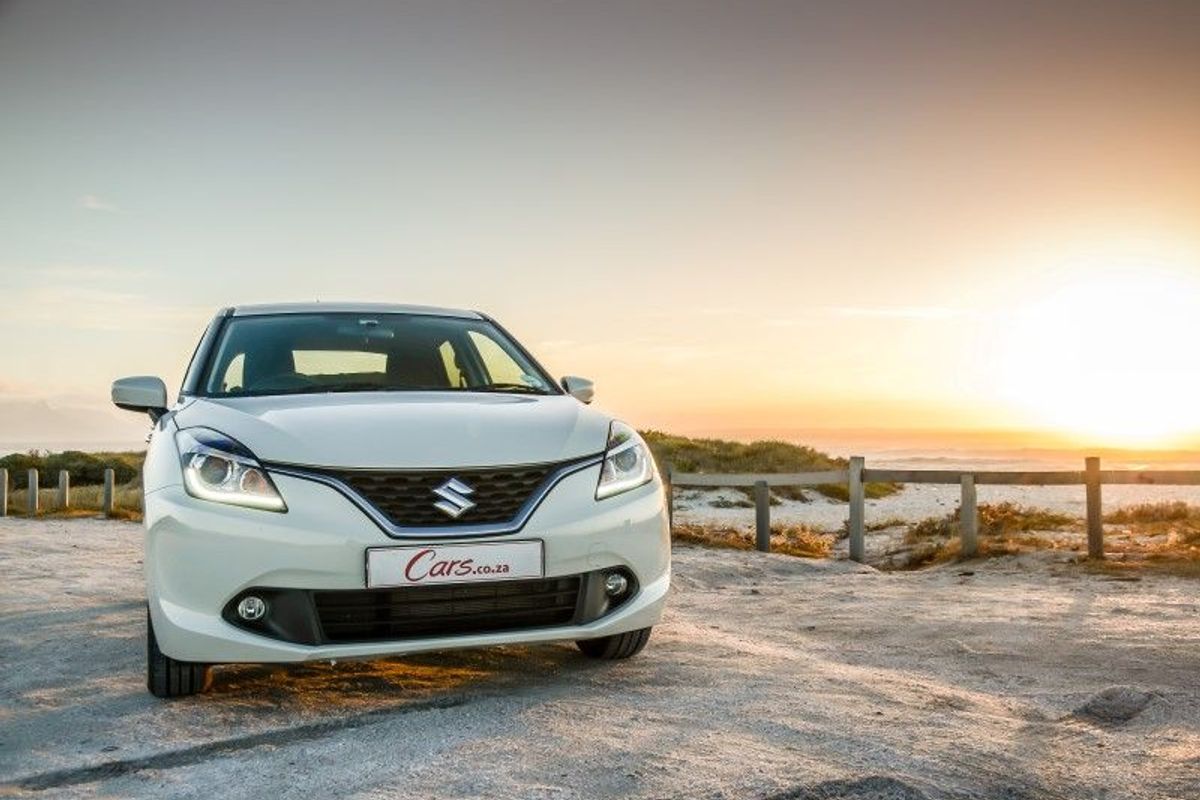
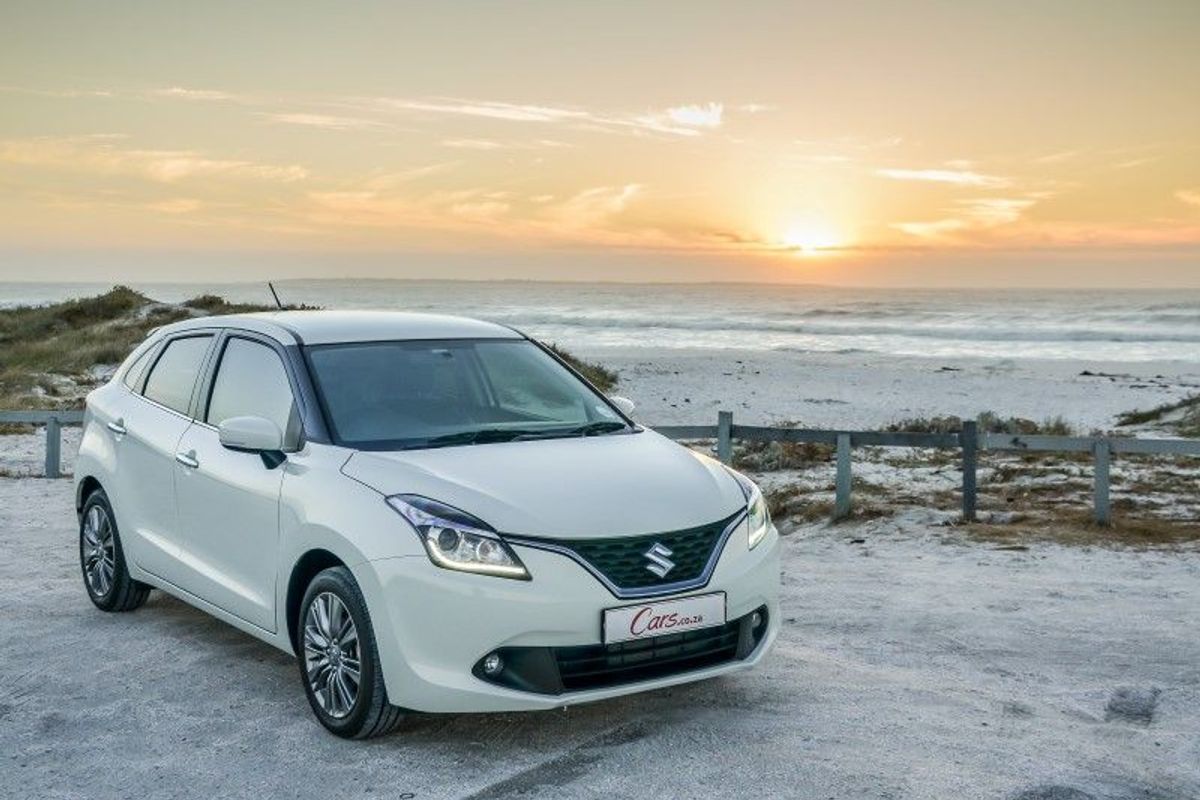
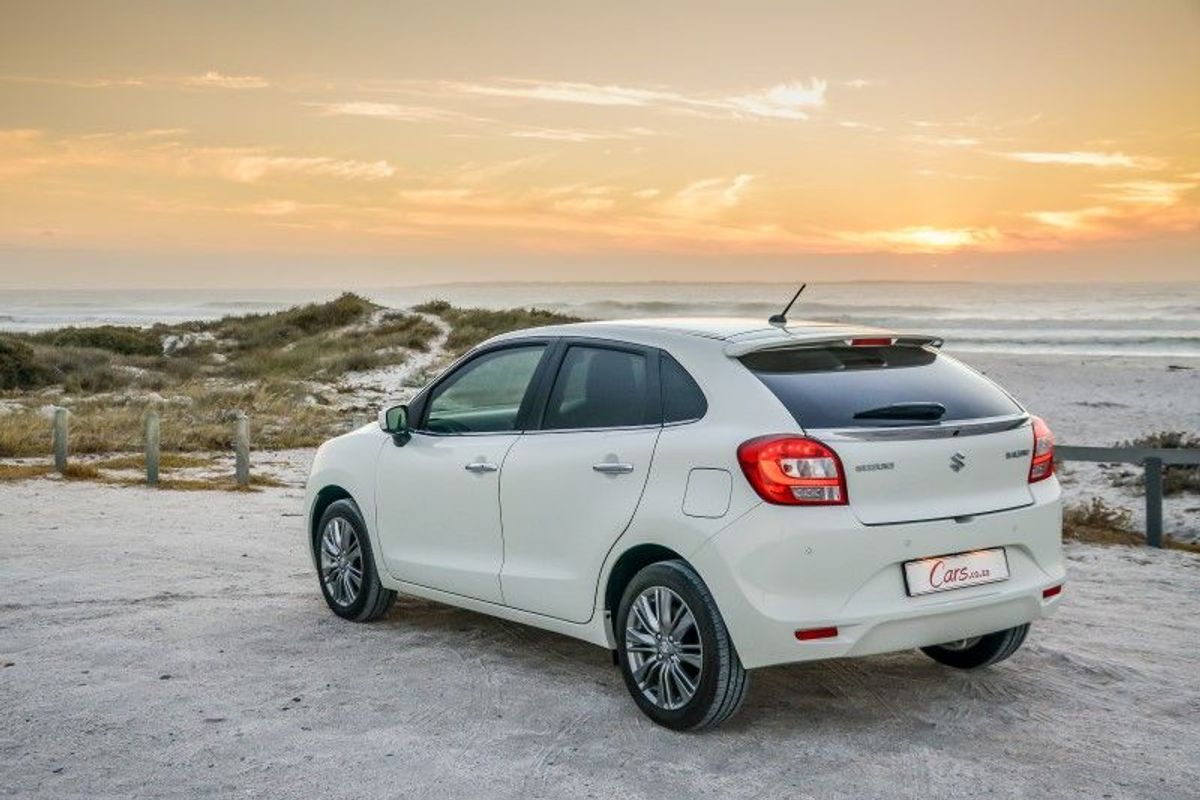
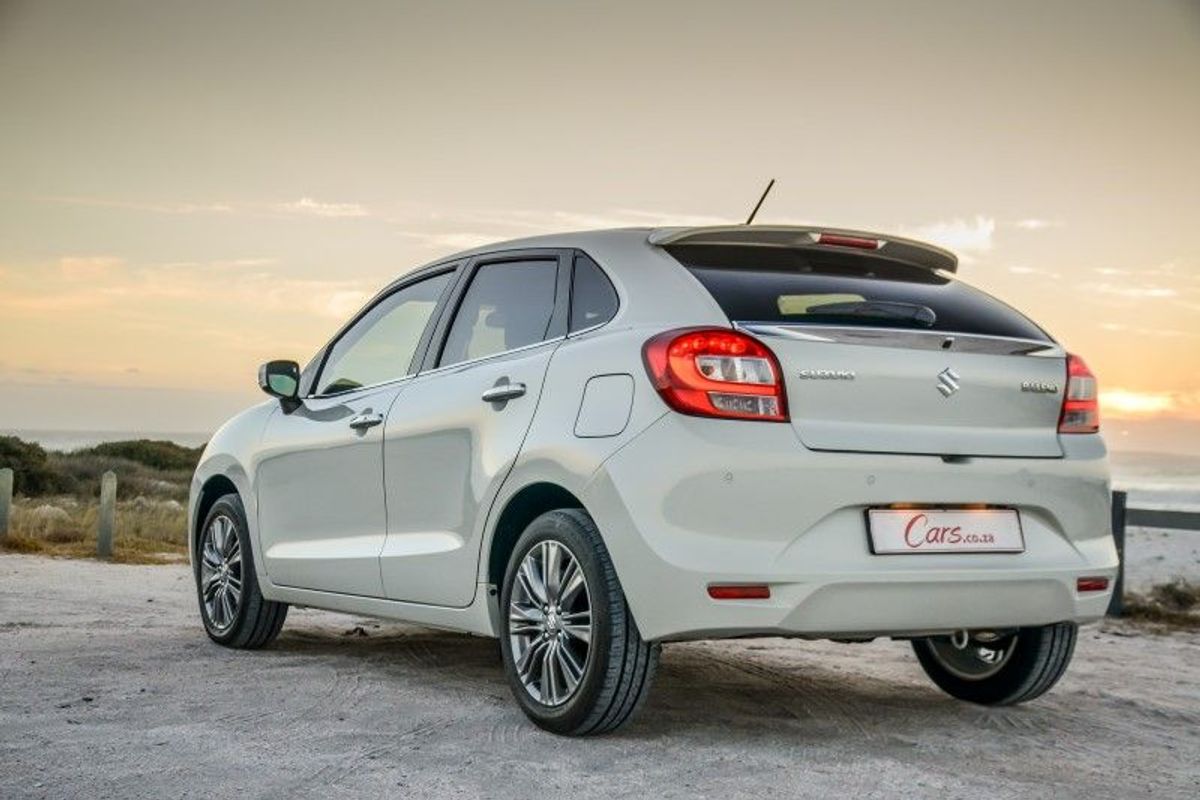
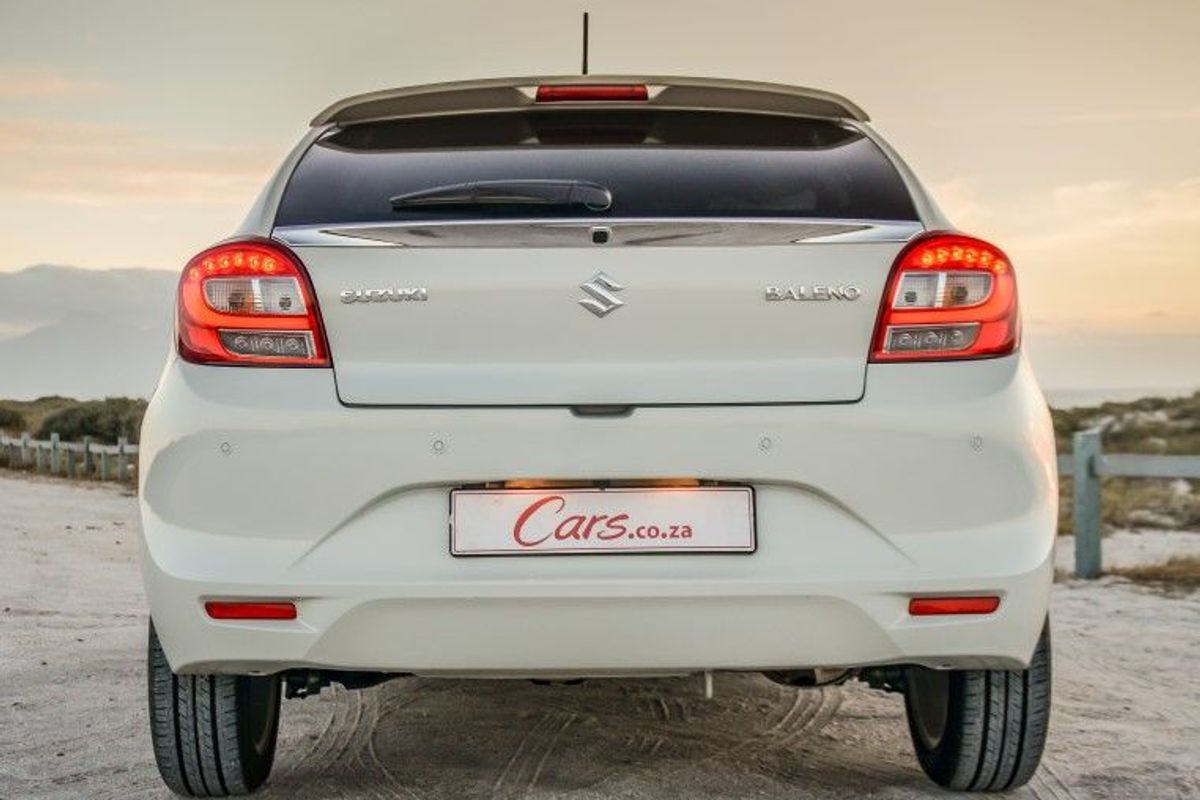
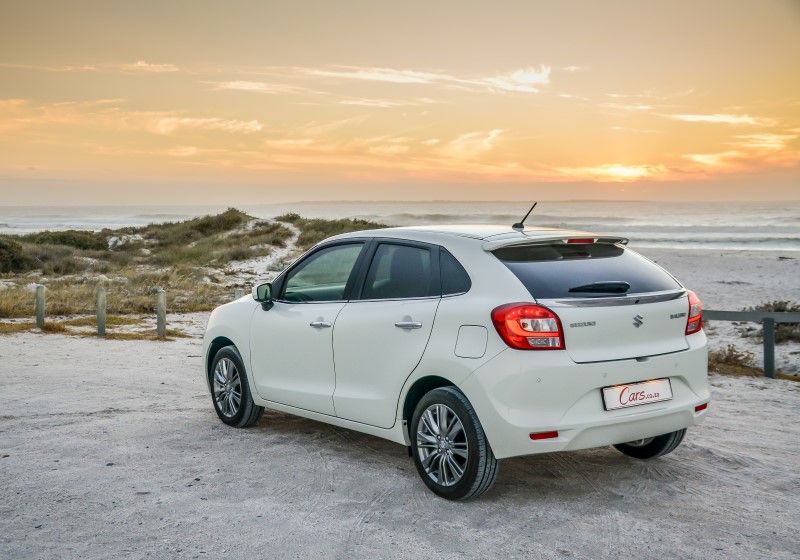
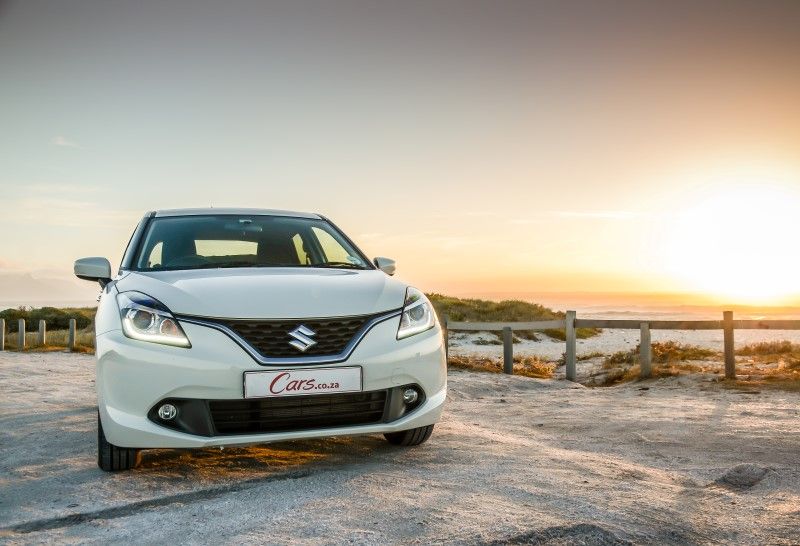
The Baleno features typical Suzuki design cues, but its design is more refined. It looks distinguished, if unremarkable.
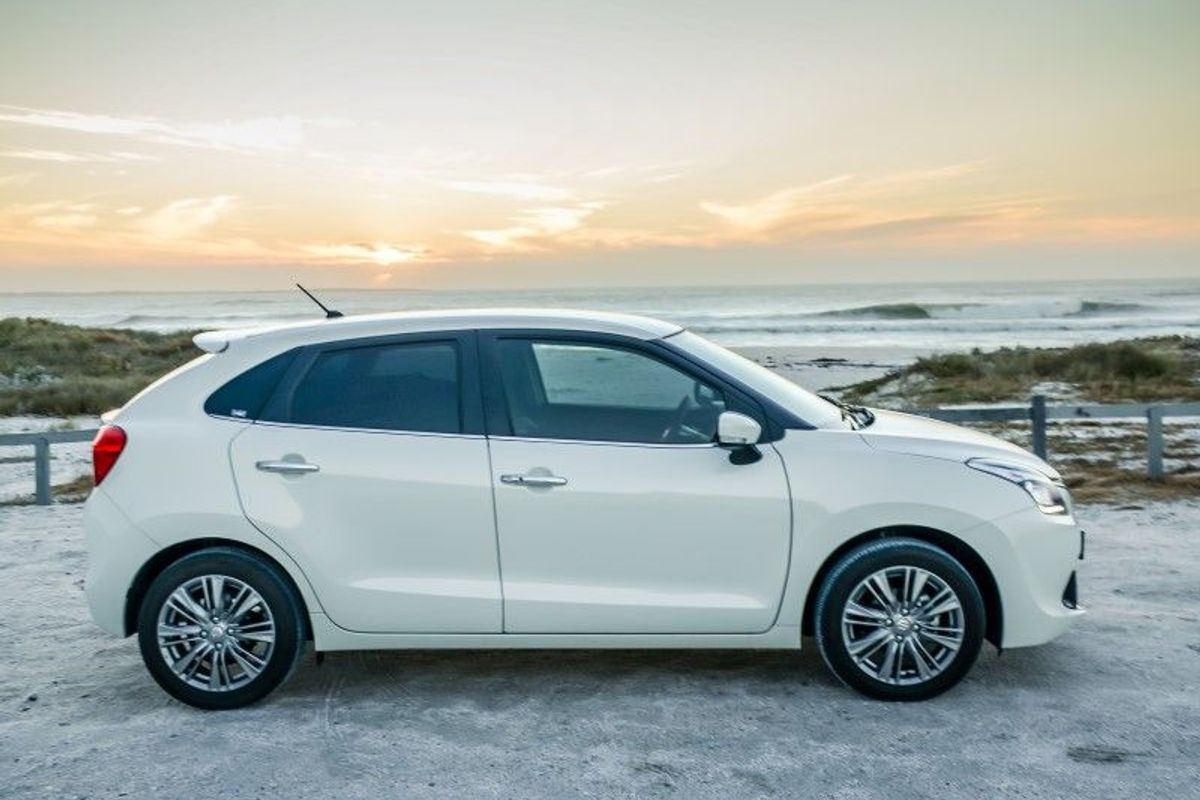
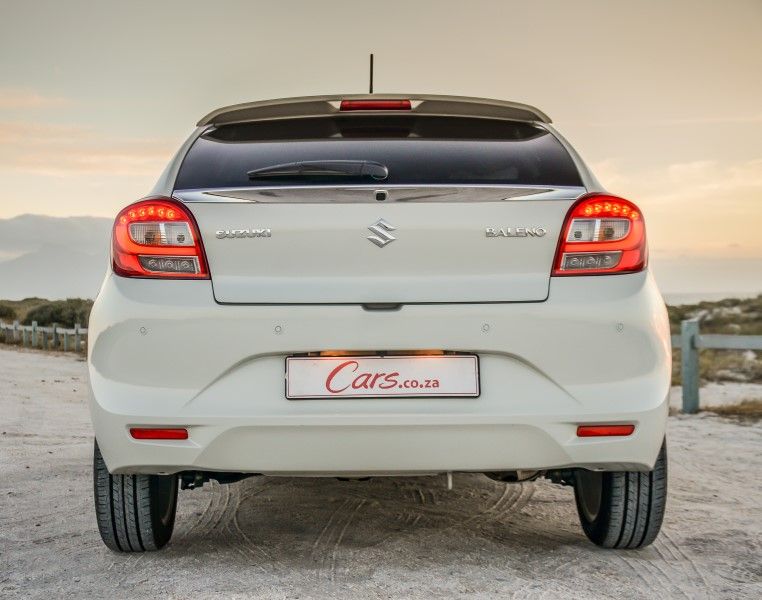
The design of the Baleno is unmistakably Suzuki. It’s reserved, yet seems to exude an air of sophistication that you wouldn’t typically associate with the brand. The newcomer's built on a new platform that emphasises increased rigidity and lower overall mass (the Baleno’s kerb weight is only 915 kg); even though it's bigger than its Swift sibling, it looks less dumpy.
This GLX derivative rides on dark grey 16-inch alloy wheels and comes fitted with a rear roof spoiler, adding a dash of sportiness to the overall design. We think the Baleno is a smart casual-dressed hatchback and for a brand that’s traditionally viewed as being, dare we say it, a bit bland and conservative, the Baleno’s design represents a progressive step in Suzuki's bid to convince the public its automotive products are "fun-loving". The photographs of the Baleno speak for themselves…
Practicality?
Previously, buyers seeking a more practical hatchback than the Swift needed to consider the SX4 or Vitara (from the Suzuki stable) or products made by other brands. With the arrival of the Baleno, the drawbacks of a small loading bay and scant rear legroom (which are inherent to most B-segment hatchbacks, to be fair) have well and truly been addressed.
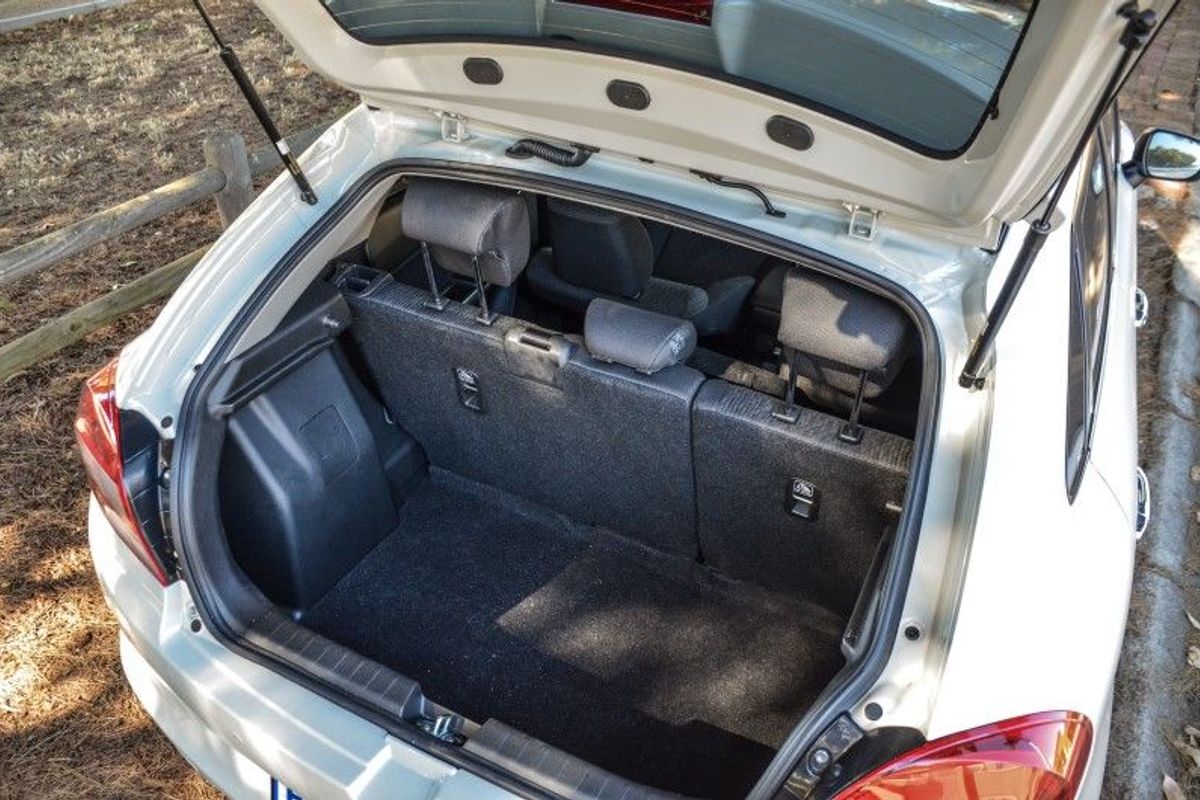
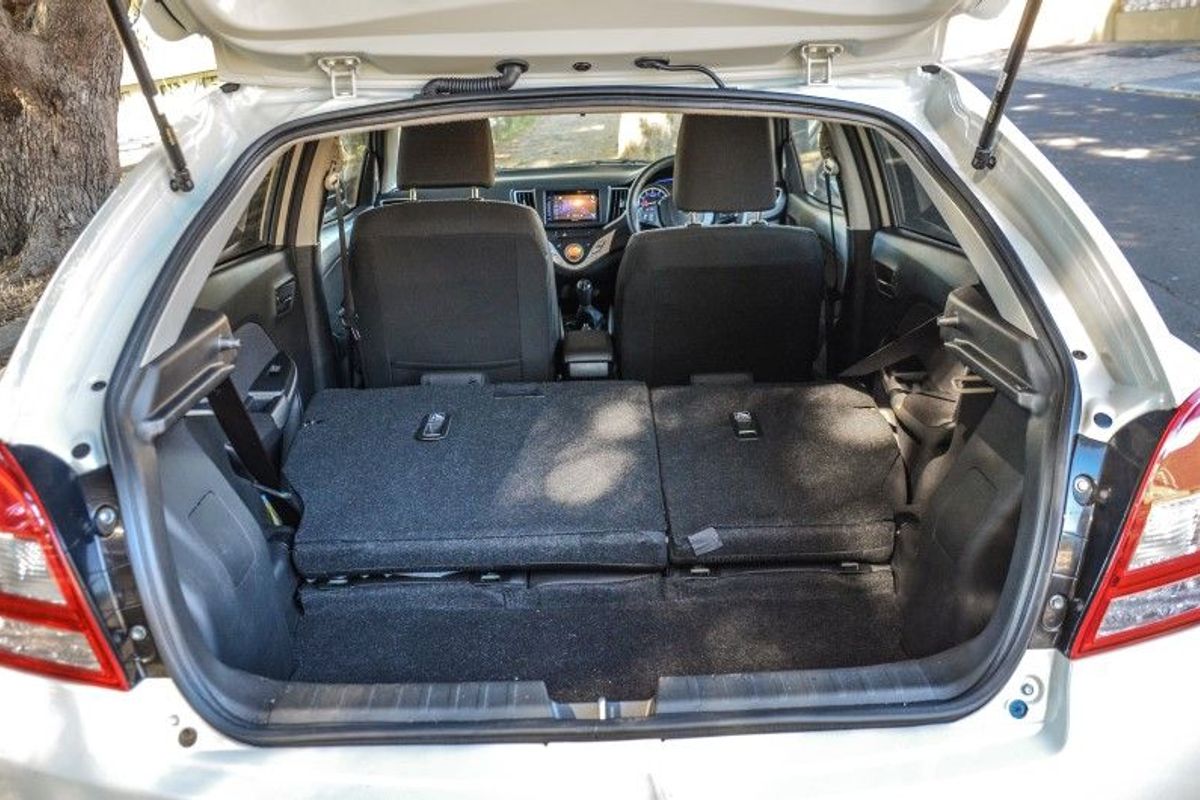
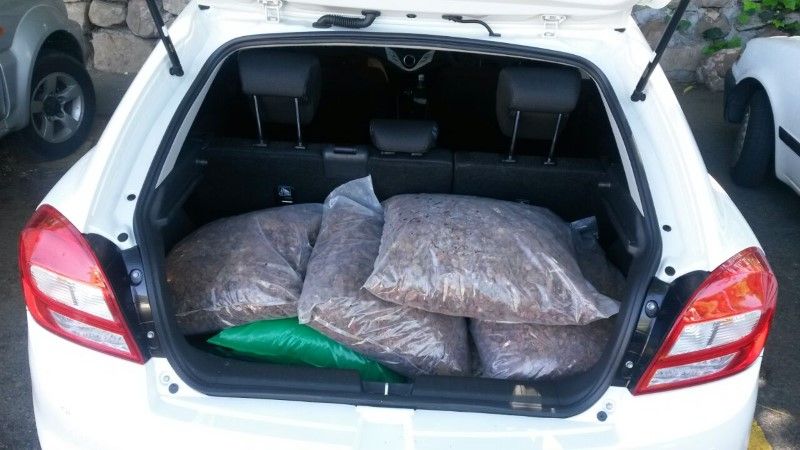
The loading bay is large and deep, capable of swallowing luggage and whatever else you might need to transport.
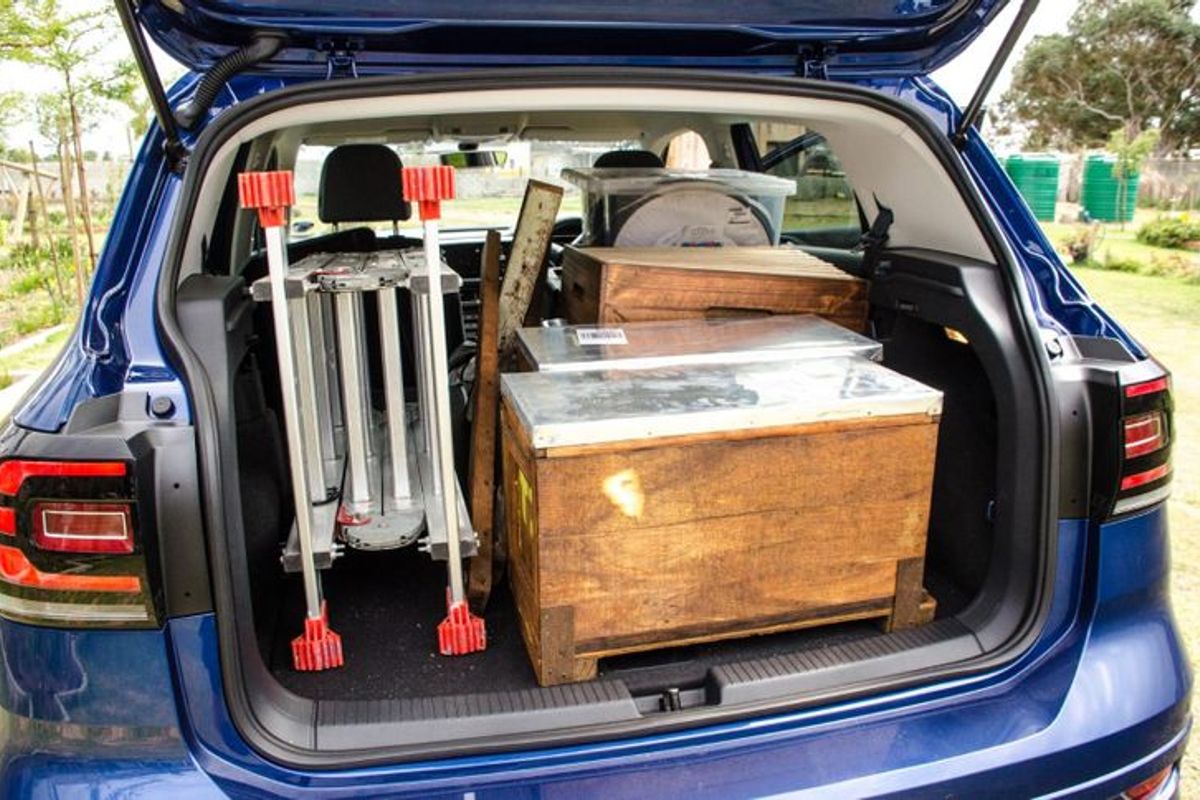
The Baleno has a sizable loading bay (a claimed capacity of 355 litres). That’s substantially more than the rivals at its price point and with the rear 60:40 split seat folded down, utility space increases to 1 085 litres. We tested the Baleno’s loading capacity with a trip to the nursery and 10 large bags of compost and wood chips were easily packed into the hatch. In fact, there was still space for more goods. It’s quite impressive! It must be noted however, that when you fold the rear bench down, it’s not completely flat, as the seat forms a pronounced lip in the loading area. Nonetheless, the space is welcome.
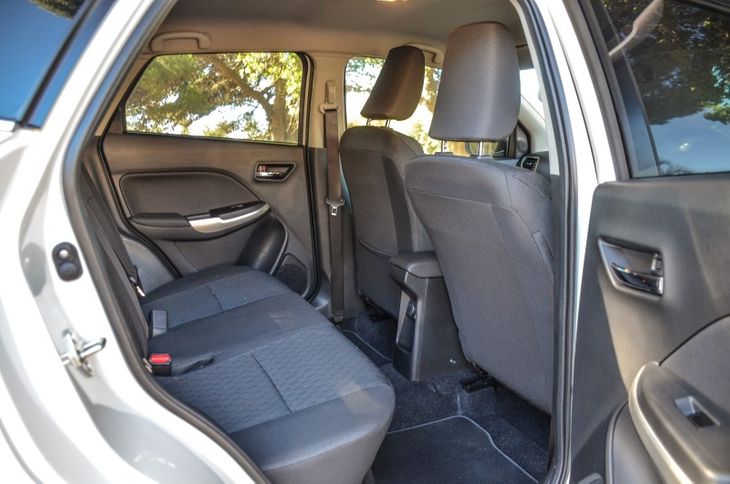
In terms of rear leg-, head- and shoulder room, the Baleno is generous; it can comfortably seat a pair of average-sized adults and rear passengers further benefit from 3 headrests, a 12V socket and bottle holders in the door mouldings.
The Baleno affords rear passengers with excellent legroom, which is typically not expected at this price point.
The driver's seat offers height adjustment, the steering column can be repositioned for optimal rake and reach and the leather-trimmed 'wheel features audio, cruise control and Bluetooth toggles. There is a pair of cup holders (located in front of the gear lever), along with a small storage tray. The centre bin is rather small, but it’s big enough to store your cell phone and house keys out of sight. Additional storage space in the door mouldings can accommodate bottles and other items.
The Baleno also benefits from keyless start and all the windows are electrically operated – as are the side mirrors. A USB port and auxiliary audio input jack are availed to the driver and front passenger, as is a 12V socket. Overall, the Baleno offers most of the essentials and its space offering is by far its biggest asset, making it more practical than most of its rivals.
Performance?
The Baleno offers sprightly performance and its comfortable ride make it a good daily runner.
In South Africa, the Baleno is powered by the same naturally-aspirated 1.4-litre engine that does duty in the Swift and Ciaz. We don't believe Suzuki’s new 1.0-litre turbopetrol, which is offered overseas, will be offered in the local Baleno in the foreseeable future, but the 1.4-litre engine is adequately suited to the car and offers 68 kW and 130 Nm of torque.
Despite those numbers not being particularly impressive on paper, the Baleno’s light weight helps matters somewhat and those outputs are enough to make the hatchback feel lively and perceptibly more responsive than you’d expect. The Baleno is by no means a hot hatch, but it’s quick enough between robots and is eminently suitable for navigating the urban sprawl.
The front wheels are driven through a 5-speed manual gearbox, which offers a positive shift action and gear changes can be executed smoothly thanks to an easily modulable clutch pedal. The engine produces its peak outputs higher in the rev range, so to get the most out of it, you have to keep it spinning at 4 000 rpm (where maximum torque is available) and all of the modest 68 kW comes 2 000 rpm later. Therefore, in overtaking situations, you will invariably have to gear down to access more power, but we like the fact that the Baleno can be a relaxed, sedate cruiser and the newcomer's impressive fuel efficiency is a worthwhile tradeoff. Suzuki claims the Baleno will consume 5.1 L/100 km and we easily achieved 6.2 L/100 km. If driven with consideration on a regular basis, the Baleno could very well return figures below 6.0 L/100 km.
Another aspect of the Baleno that quickly became apparent is its respectable ride quality and handling characteristics. The Swift is good in those regards, but the Baleno is better. Its suspension does an admirable job of dealing with road imperfections and the ride is generally composed. The Baleno feels solid and planted in the corners, thanks, in part, to its stiffer chassis, and the steering weighting provides satisfactory feedback to the driver. This bodes well for everyday use.
Interior quality and features?
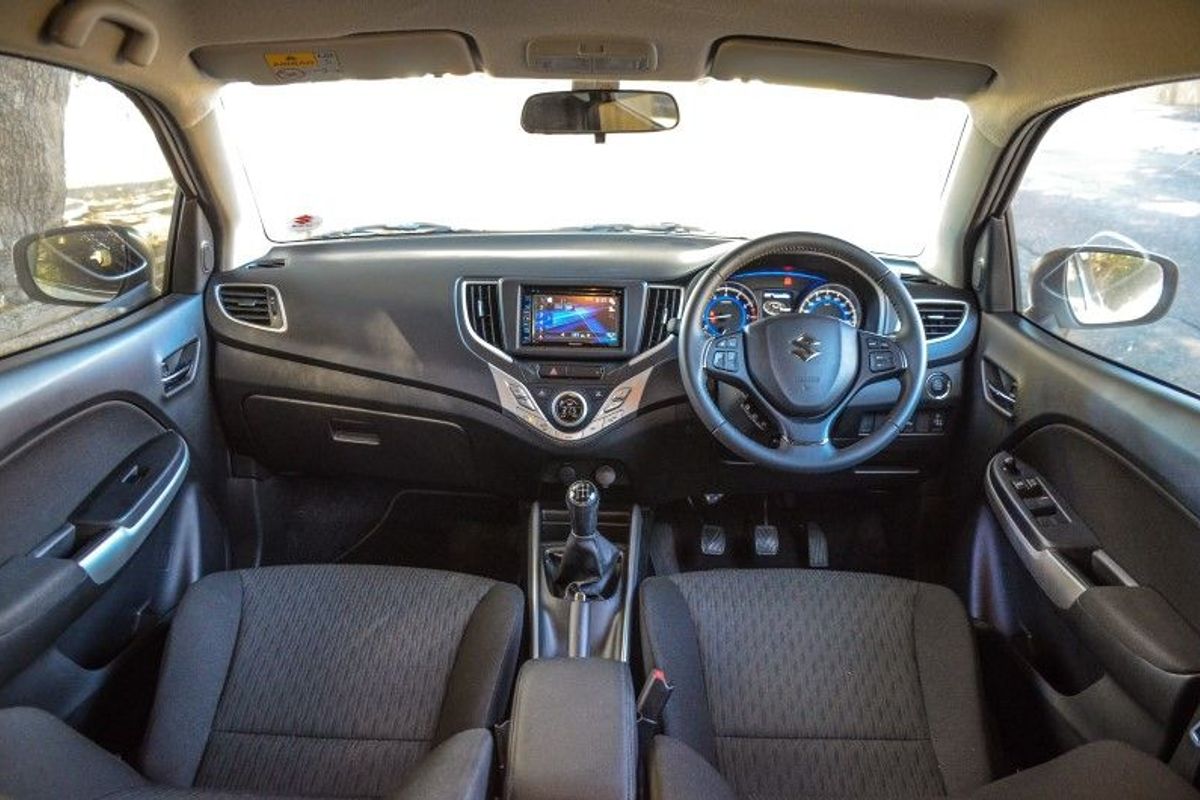
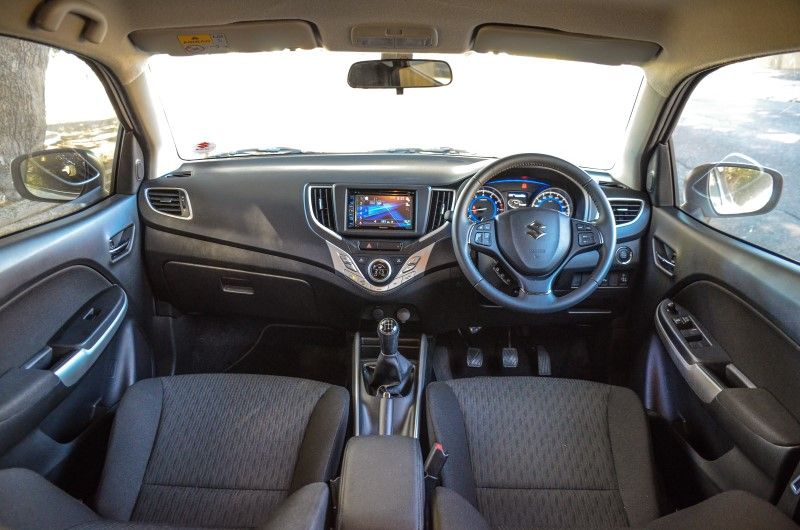
The interior of the Baleno isn't exciting, but its simple, practical and well-built.
The Baleno’s interior build quality is, if less than luxurious, a model of solidity. The cabin is dominated by flush-fitting, hard-wearing plastic that will likely withstand the daily abuse from the kids on the school run. The design of the interior is by no means exciting, however. You can tell by the choice of materials that Suzuki tried to strike a balance between affordability and practicality. That said, the Baleno’s cabin is not premium, nor does it feel cheap, it’s rather somewhere in between.
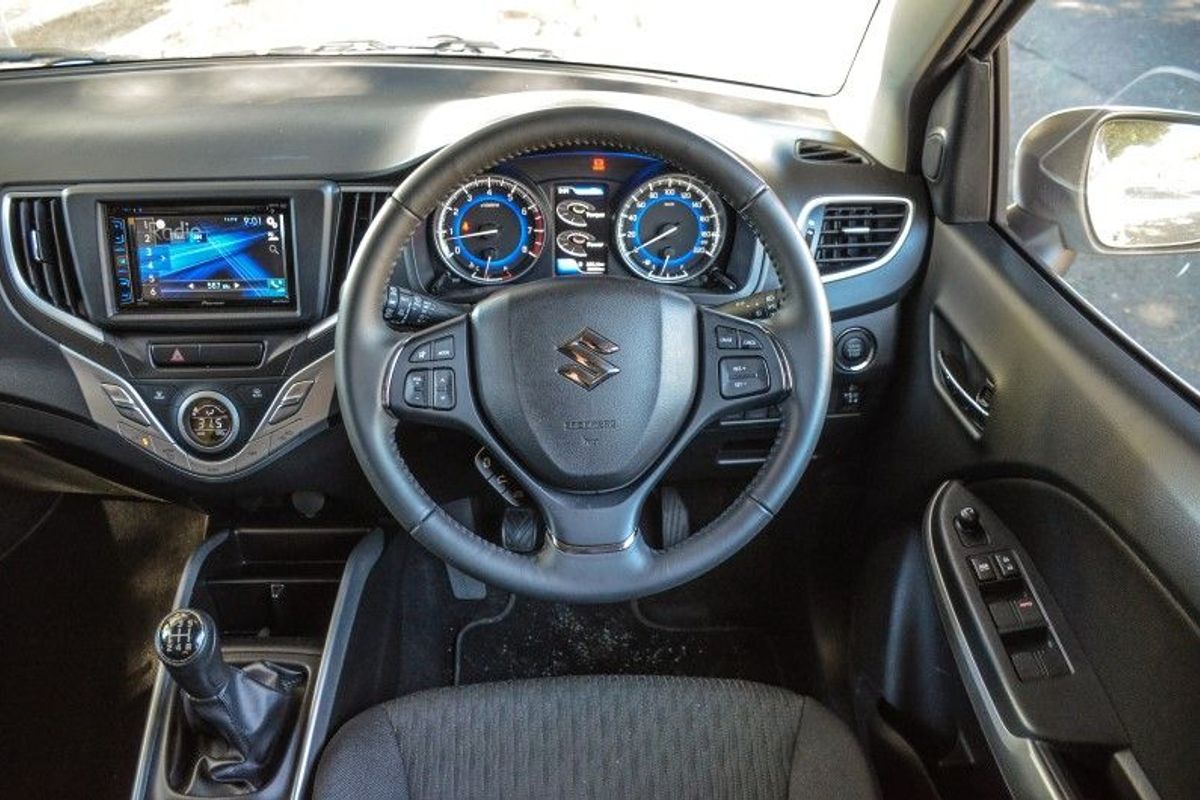
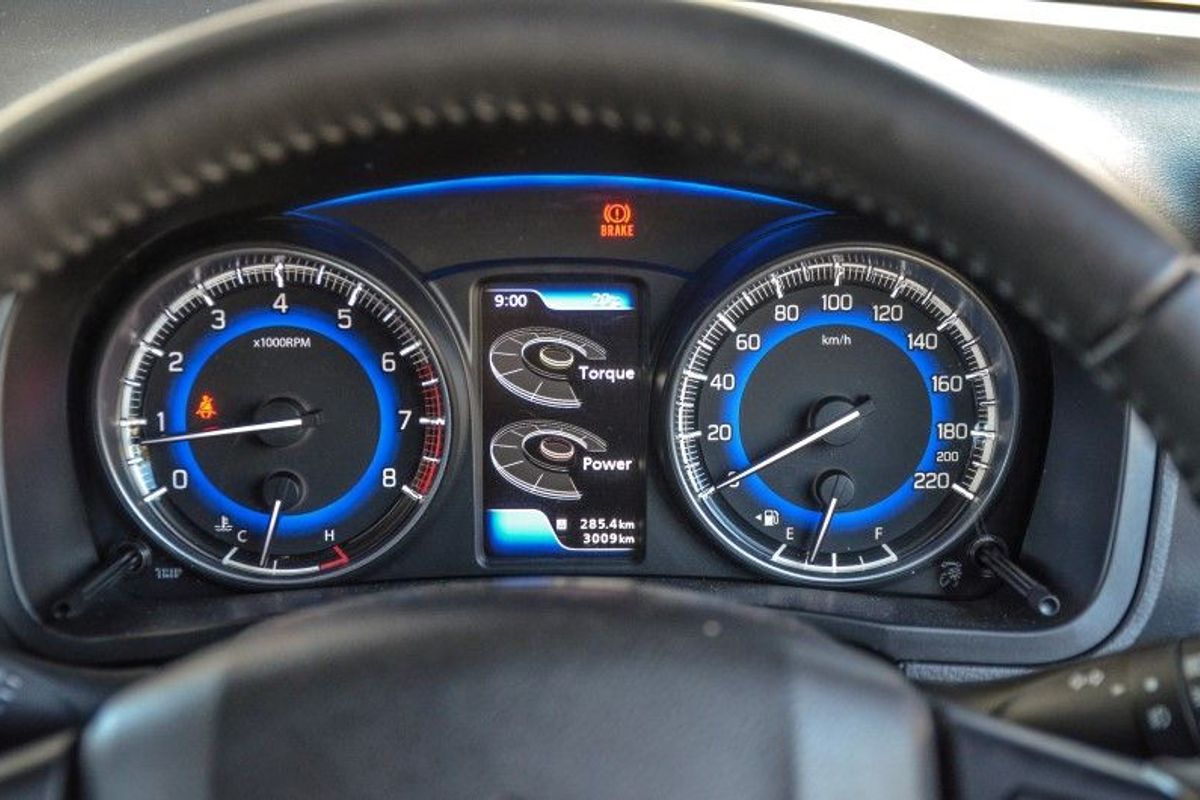
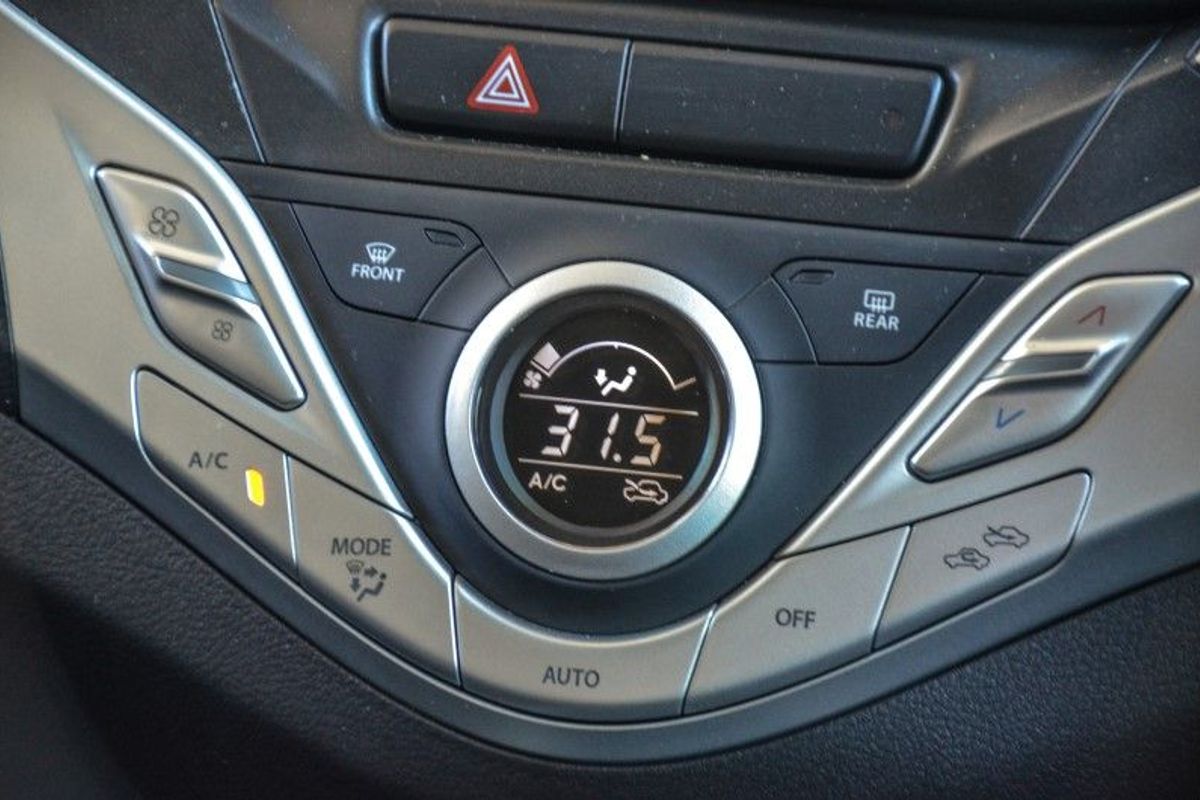
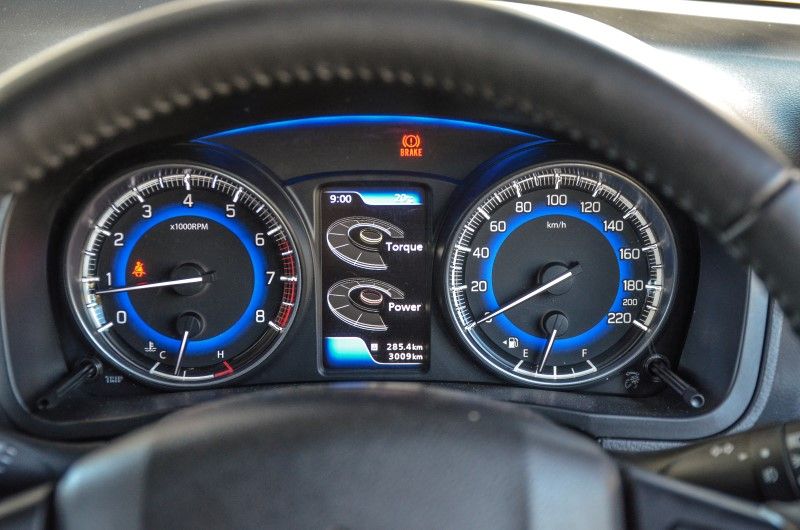
It’s a noticeably dark cabin, with the only contrast seen in the silver trim surrounding the automatic climate control air conditioning system and air vents. The instrument cluster adds some colour to the interior with its blue backlighting and houses a 4.2-inch TFT information display that includes two circular bars that indicate how much power and torque you are making use of. It looks a tad gimmicky perhaps, but bear in mind that it is but one of the availlable trip computer displays..
The instrument cluster adds much-needed colour to an otherwise predominantly dark interior.
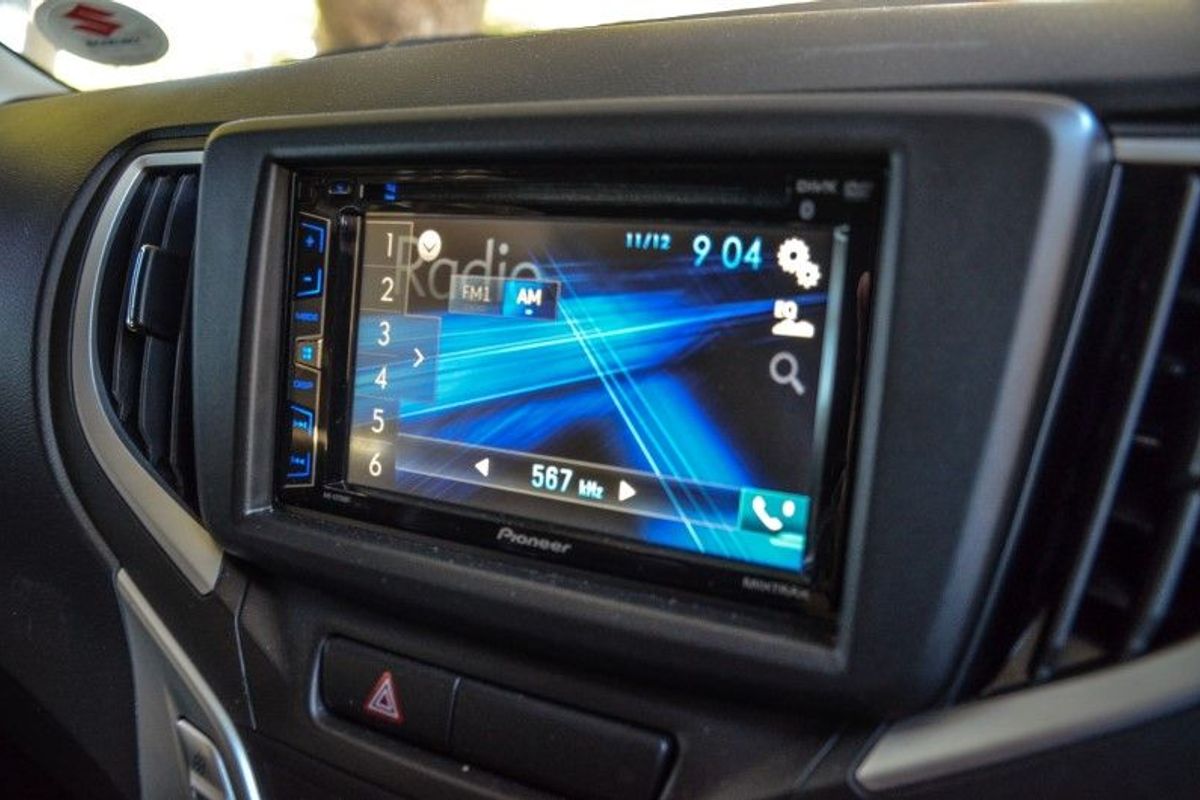
The GLX derivative is equipped with an aftermarket 6.2-inch infotainment system that takes care of basic functions such radio, CD and Bluetooth streaming. The system's functions are easy enough to use once you're used to it, but we think it could be better. The small buttons make the system finicky and distracting to use; a Suzuki with a touchscreen is a novelty.
In terms of safety, the Baleno isn’t equipped with electronic stability control, but it does have ABS with EBD, brake assist and the GLX model is fitted with 6 airbags. If you have offspring to cart around, there are Isofix child seat tethers on the rear seatback. Rear park distance control is included, but a reverse-view camera would have been a nice-to-have feature.
Pricing and warranty
The Suzuki Baleno 1.4 GLX manual is priced from R229 000 and is sold with a 3-year/100 000 km warranty and 4-year/60 000 km service plan. Service intervals are set at 15 000 km.
The Baleno is great if you want the practicality of a bigger hatchback at a more affordable price.
Verdict
The Baleno is a solidly impressive addition to Suzuki’s vehicle range. It’s a neatly-styled hatchback that offers reasonable performance, plus well-sorted ride and handling abilities, but its spaciousness (given the newcomer's keen asking price) is a stand-out feature. Even if the interior lacks a degree of aesthetic appeal, it’s comfortable and well-equipped enough to live with on a daily basis and based on our experience, the Suzuki should regularly return good fuel consumption figures.
Whether the newcomer takes a big enough step in terms of adopting an exterior design that will coax a younger clientele away from "Polo-sized cars" or matches/exceeds the appeal of climbing into a small crossover is debatable – the market's response to the Baleno will tell. The 1.4 GLX represents excellent value and warrants consideration based on sheer merit.
Mike Fourie says:
The Baleno's strongest traits are its traditional, spacious hatchback configuration, generous specification and its solid build quality. It's not flashy, but certainly endearing…
Lamborghini has revealed an enhanced version of its flagship Aventador supercar!
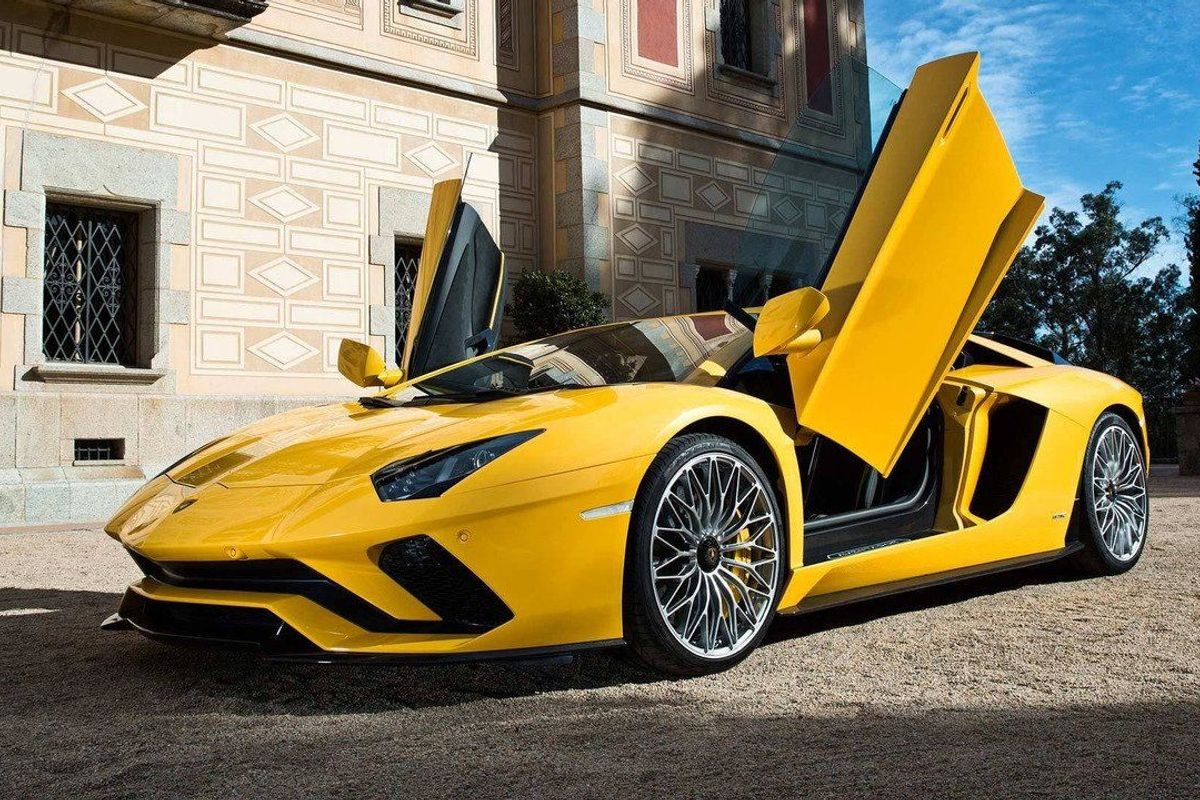
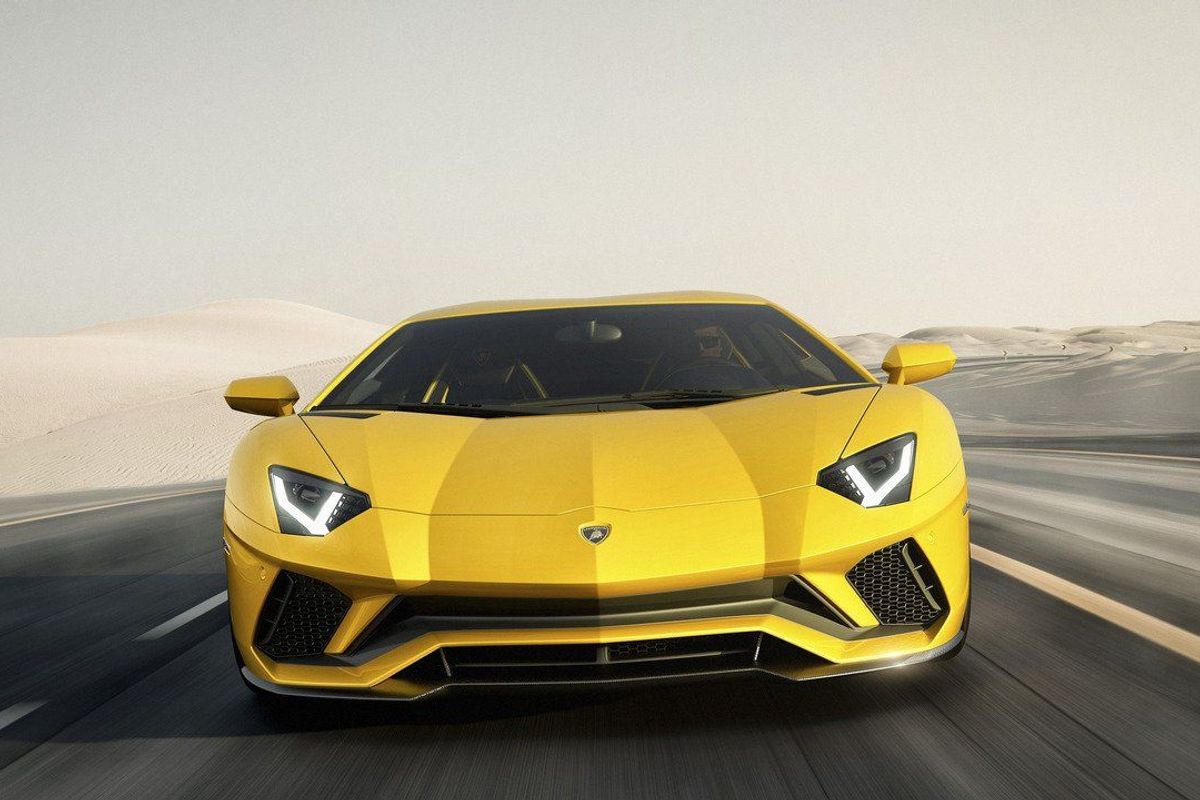
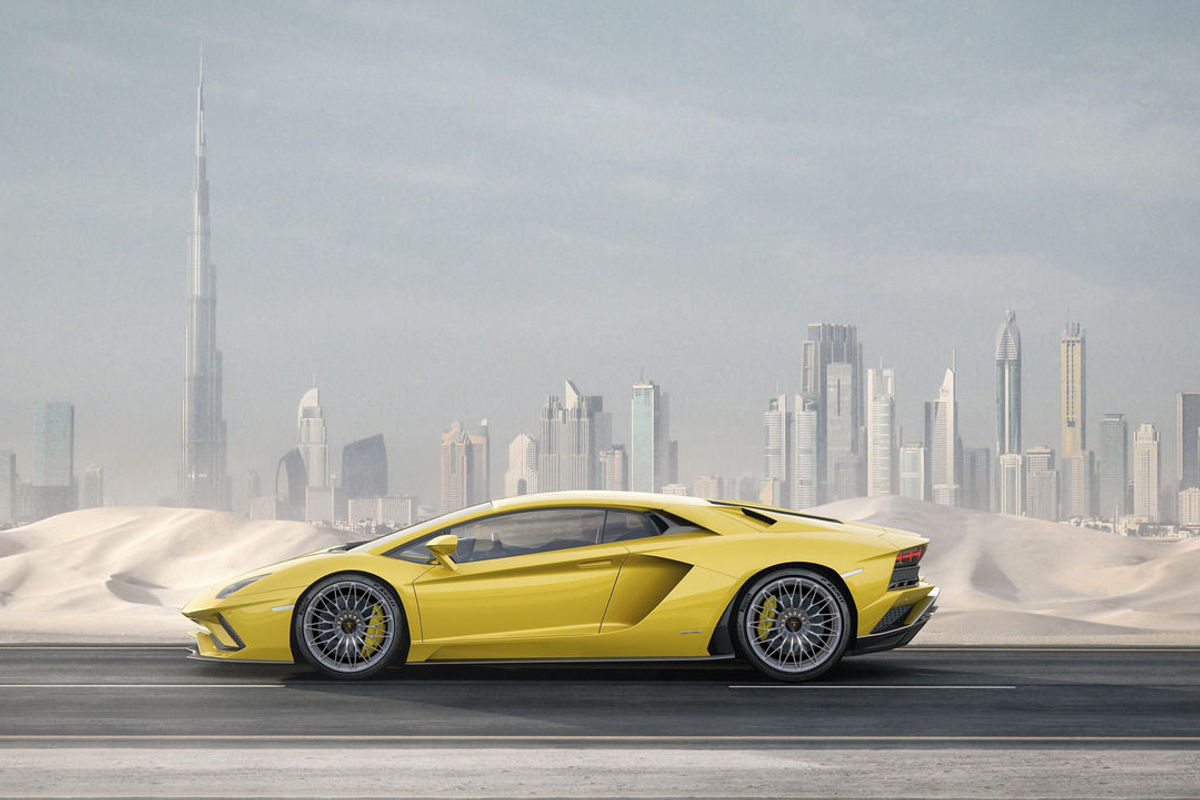
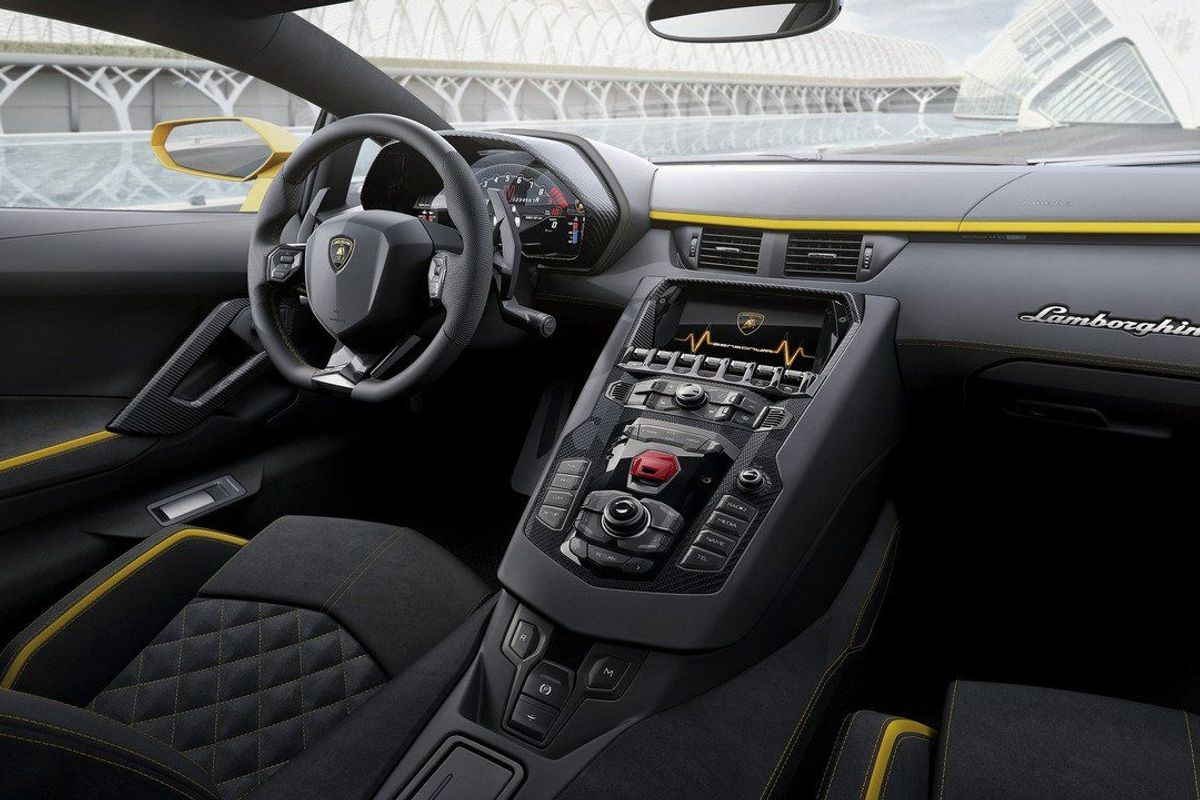
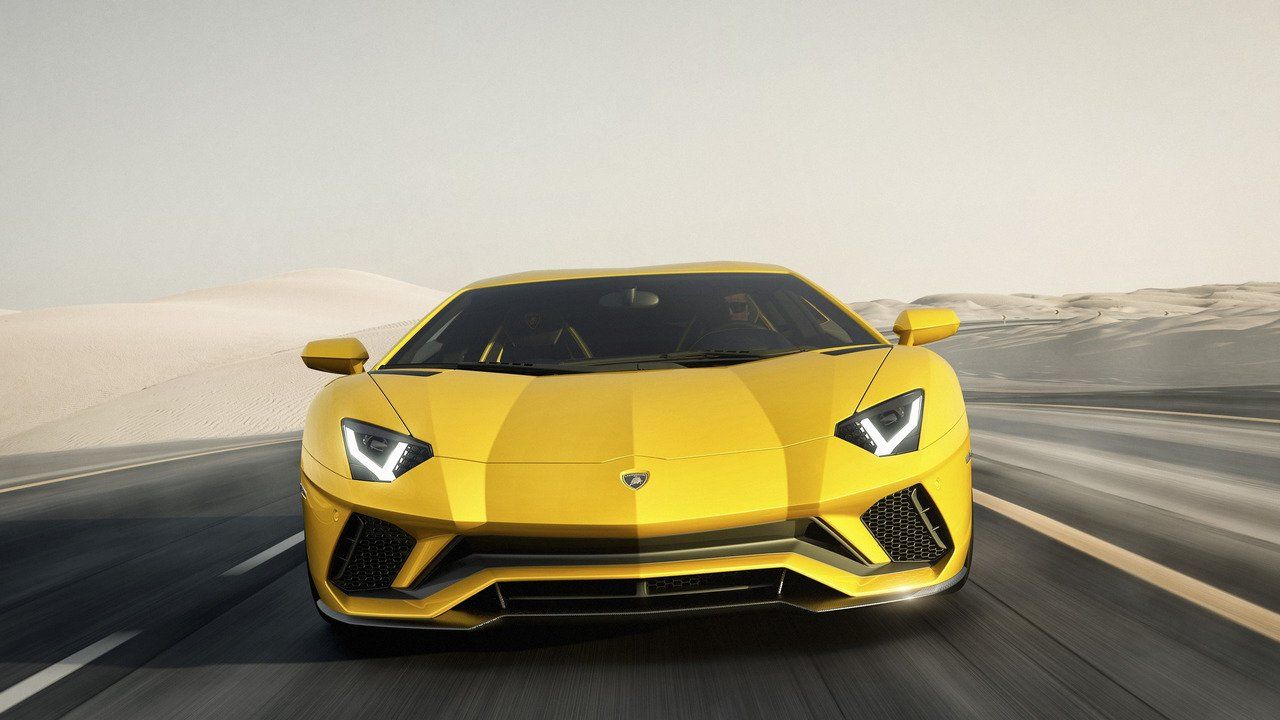
The Sant’Agata Bolognese-based firm has revealed details of what is essentially a facelifted version of its ferocious Aventador – meet the Aventador S. With a focus on aerodynamic performance, the Aventador S features an enhanced design with improved suspension and electronics, and for the first time on a Lamborghini, features a new four-wheel steering system. The Aventador S has also been blessed with more power generated from its naturally aspirated 6.5-litre V12 engine, now offering 552 kW.
“This is the next generation Aventador as well as the expression of new technological and performance milestones in super sports car development. The Aventador S is visionary design, cutting-edge technology and driving dynamics in pure harmony, and elevates the concept of super sports cars to a new level,” says Automobili Lamborghini Chairman and Chief Executive Officer Stefano Domenicali.
Design details
The Aventador S features more power and considerable improvements in aerodynamic performance.
The front-end of the Aventador S has been enhanced with a longer front splitter to improve aerodynamic performance and engine and radiator cooling. The two ducts seen on the side of the front bumper help to reduce aerodynamic interference from the front tyres while also improving airflow to the rear radiator.
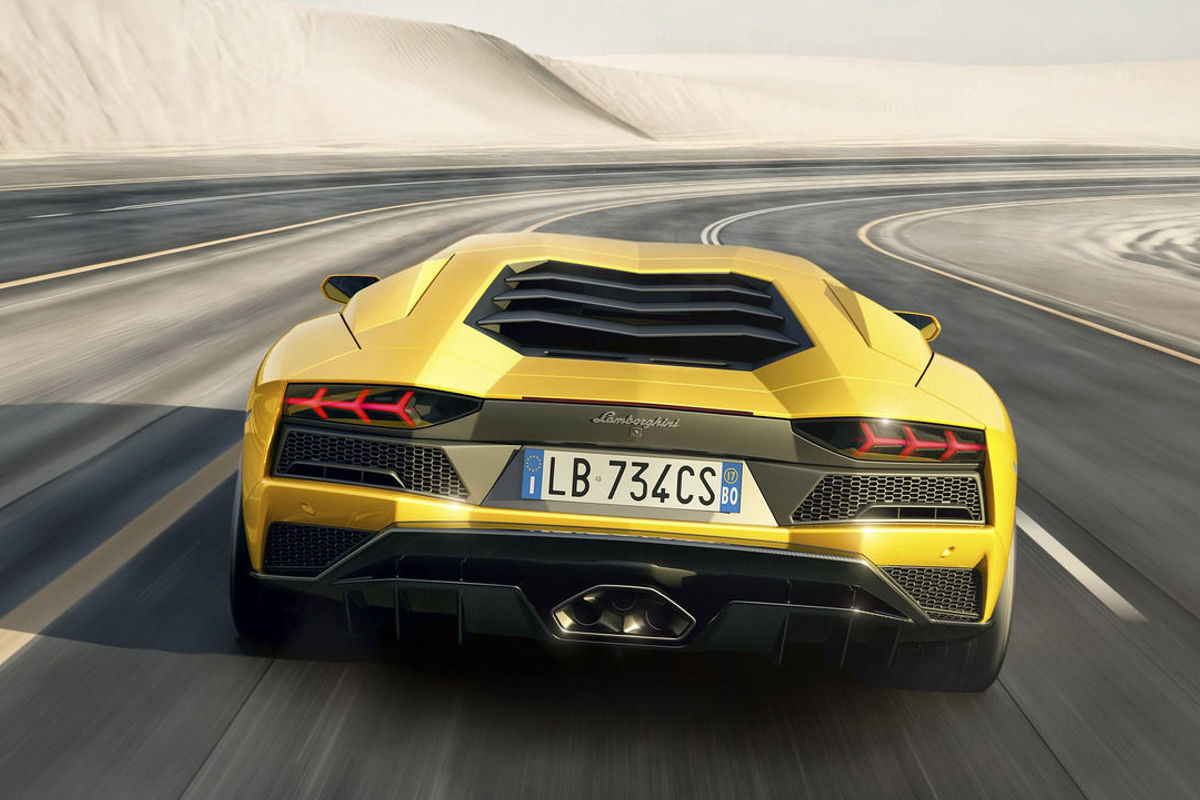
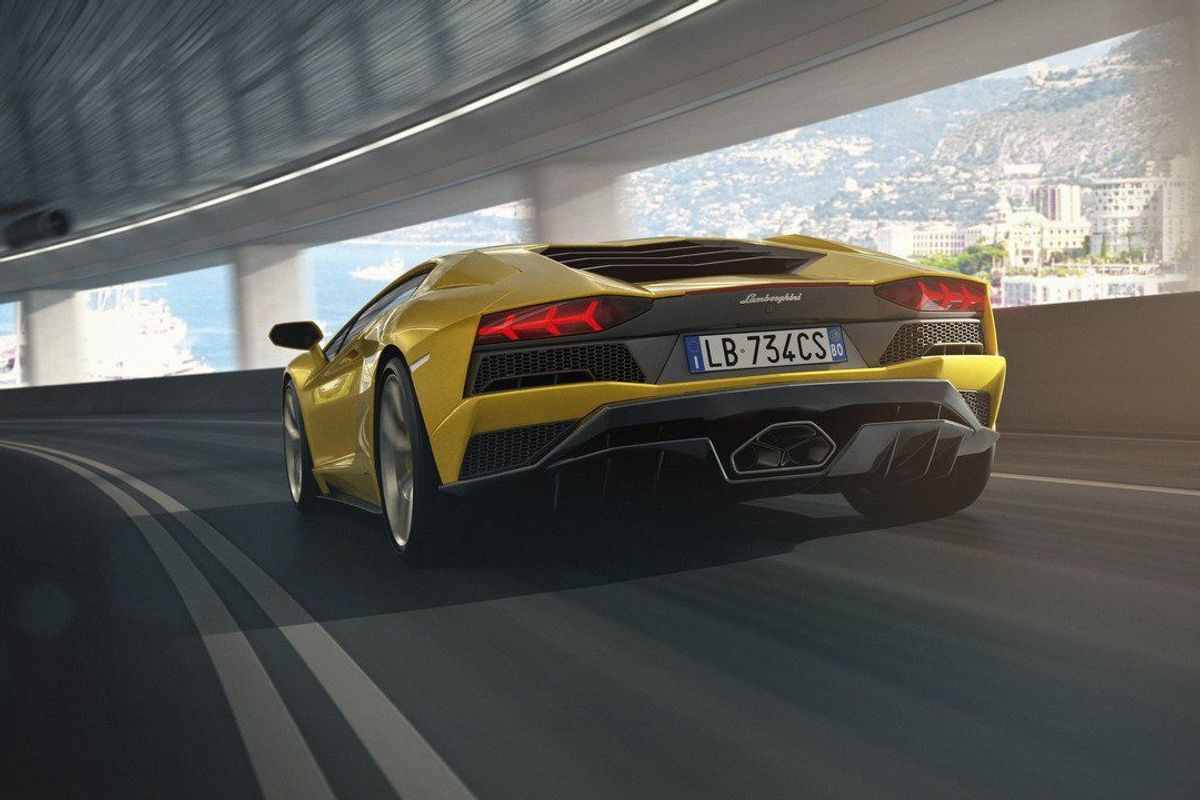
At the rear, a prominent black diffuser with vertical fins reduces drag, optimises airflow and creates much-needed downforce. You will also notice 3 single exhaust tips in the rear bumper (the exhaust system is 20% lighter than before). The Aventador S is also equipped with an active rear wing that can move in 3 positions to improve overall balance of the vehicle during high-speed runs.
Lamborghini says that aerodynamic performance has improved significantly with the new design and front downforce has seen 130% improvement compared with the previous Aventador. With the rear wing in its optimum position, 50% additional rear downforce is created while low-drag mode downforce has improved by as much as 400%.
The new four-wheel steering system has improved lateral control and the Aventador S is more agile at low to medium speeds, with increased stability at high speed. The updated pushrod and Lamborghini Magneto-rheological Suspension (LMS) suspension with revised kinematics has been adapted for the four-wheel steering.
Engine power
A naturally aspirated 6.5-litre V12 engine now produces 552 kW (30 kW more than previous Aventador) and 690 Nm of torque. A lightweight Independent Shifting Rod (ISR) 7-speed transmission sends power to all four wheels.
Four driving modes, including STRADA, SPORT, CORSA and the new EGO mode allows the driver to exploit the Aventador S’ performance. Acceleration from zero to 100 kph takes only 2.9 seconds before reaching a top speed of 350 kph. The Aventador S is equipped with a stop/start system as well as cylinder deactivation, which deactivates 6 cylinders when full engine capacity isn’t required. Under acceleration, the system reverts back to full 12-cylinder mode with the changeover virtually imperceptible to the driver.
On the inside, the Aventador S features a new TFT digital dashboard that can be customised according to the driver’s preferences. Apple CarPlay is standard, providing voice-activated communication and entertainment using a personal Apple device. A telemetry system, used to record lap times, track performance and trip information, is offered as an option.
The estimated price of the Lamborghini Aventador S is in the region of R4-million.
Volkswagen is planning on introducing a new Up! GTI model in 2018!
The Volkswagen Up! city car has been a sales success in South Africa since it was launched almost 2 years ago. The facelifted up! was introduced recently but reports are indicating that Volkswagen will be "spicing up" the range with a new Up! GTI model due to make its debut in 2018.
If there is one car South Africans love, it’s the Golf GTI and it’s hardly surprising that Volkswagen will introduce an Up! GTI. Just by virtue of adding GTI lettering to its name, the popularity of the up! is bound to increase as a result.
Key details
Much like the Golf GTI, the Up! GTI is likely to feature sportier styling that sets it apart from the rest of the Up! range. The red exterior detailing seen on the Golf GTI is likely to appear on the Up! GTI and you can expect sports seats, a sports steering wheel and sport pedals transferred into the new model.
A GTI model, however, means nothing without performance and the Up! GTI will still be fitted with a 3-cylinder, 1.0-litre engine, but power will be tuned to 85 kW (current Up! offers 55 kW) with a manual gearbox driving the front wheels. Although 85 kW might not sound like much, with a kerb weight of only 880 kg, a favourable power to weight ratio will ensure perky performance and the zero to 100 kph sprint will take approximately 8.8 seconds.
We will keep you updated as more details become available, so stay tuned!
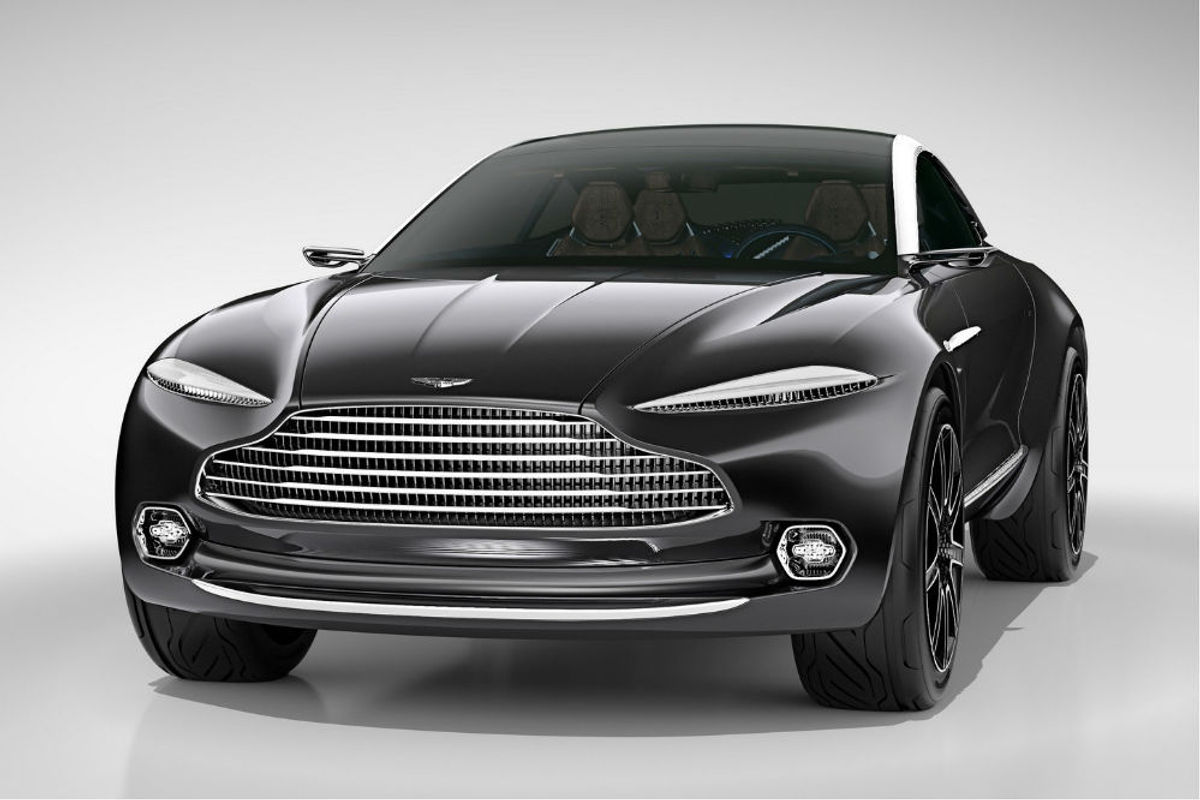
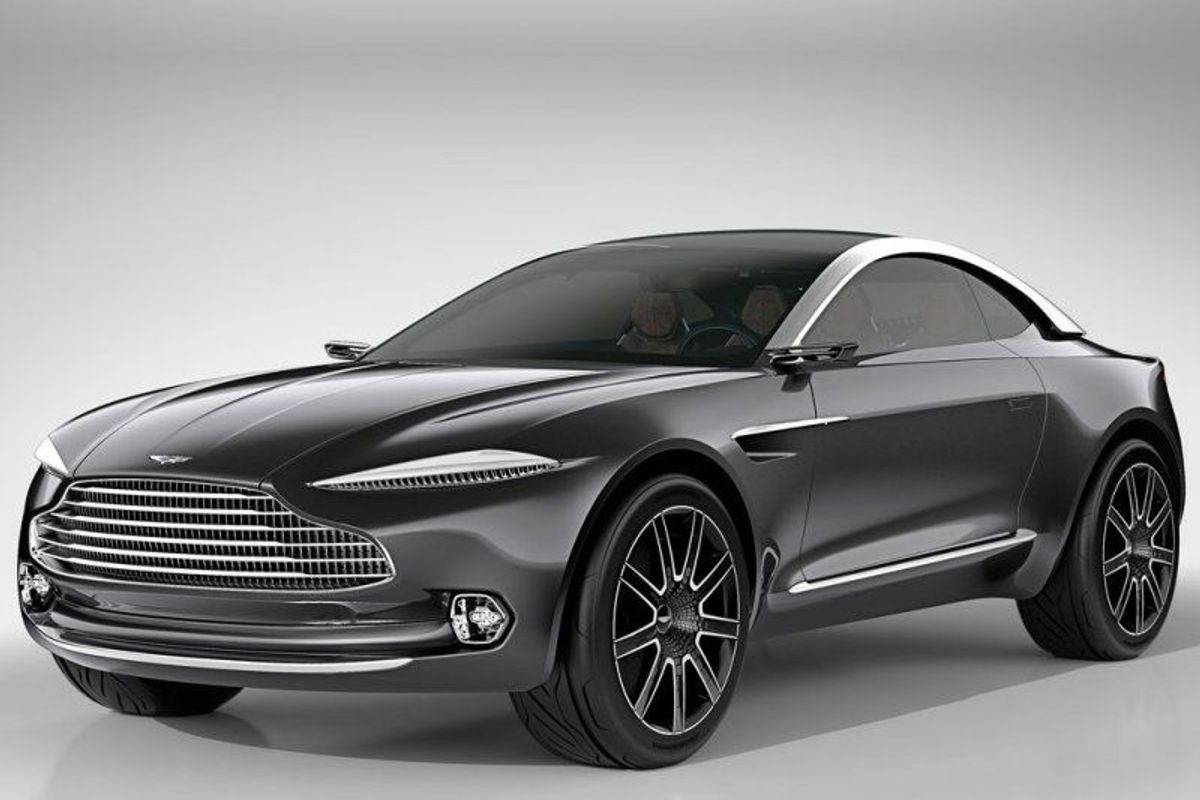
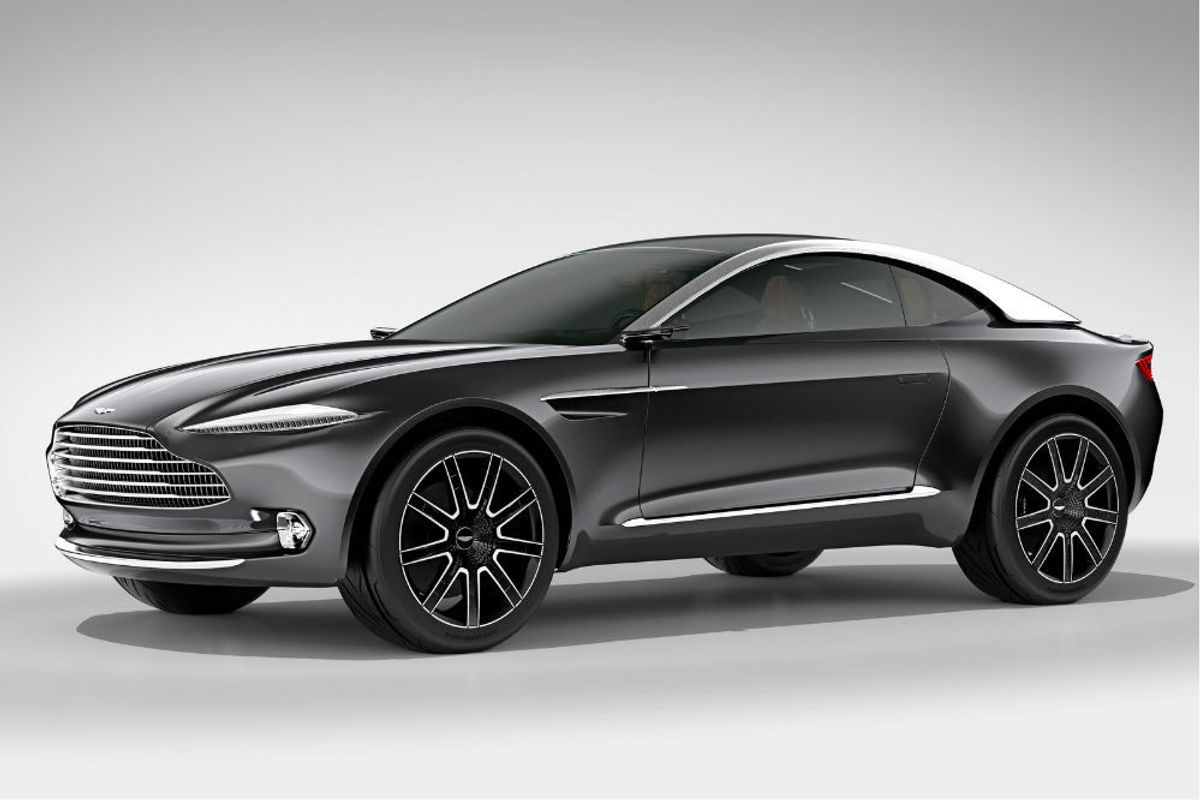
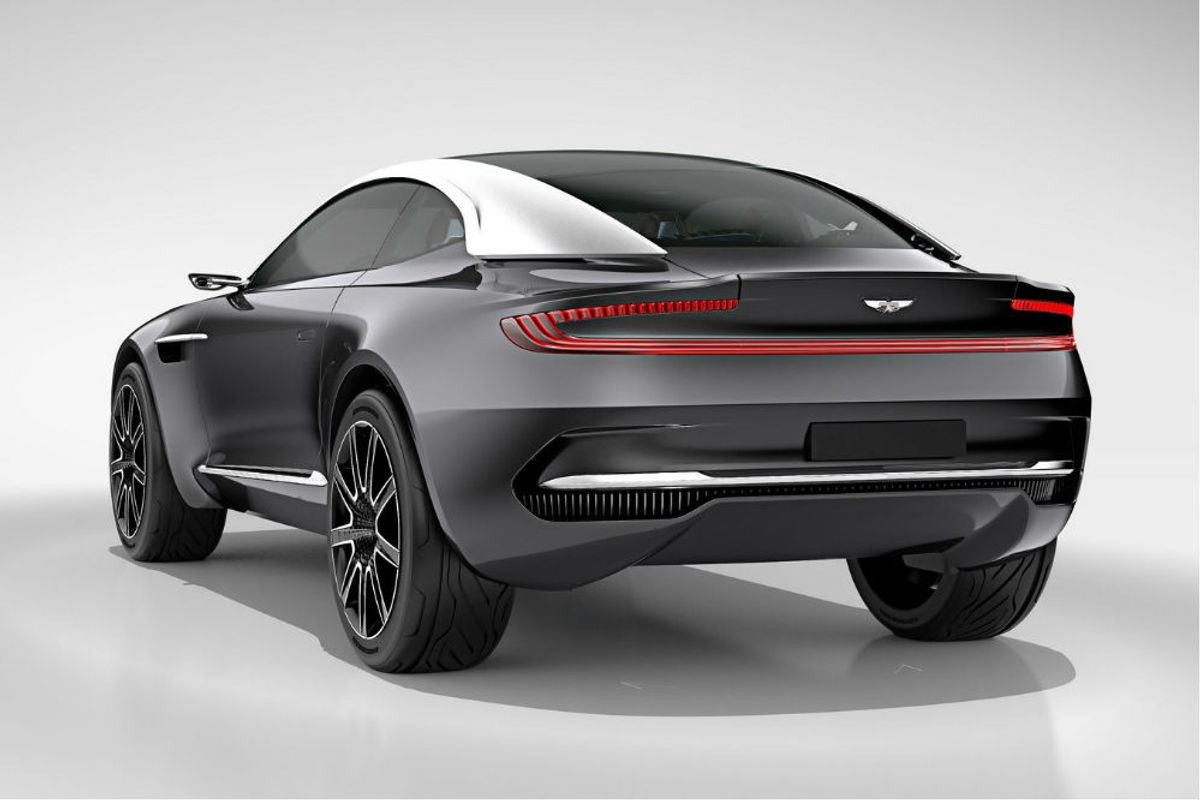
Aston Martin will replace and expand its entire product line-up over the next 5 years – and the Gaydon-based marque will build the production version of the controversial DBX concept at an all-new (second) factory in Wales.
The British sportscar manufacturer, which recently availed us a First Drive of the knee-tremblingly pretty DB11, will soon start construction of a 360 000 m2 facility in St Athan as part of a R3.5-billion investment in a second manufacturing plant.
The factory has been earmarked to produce the DBX crossover, which was first shown at the 2015 Geneva Show (if that is what the production version will ultimately be named) by 2019. At a later stage, Aston Martin will also start assembly of Lagonda-badged first class sedans at the plant, but only after Aston Martin has rolled out replacements for the Vantage and Vanquish, which will continue to be produced in Gaydon, UK.
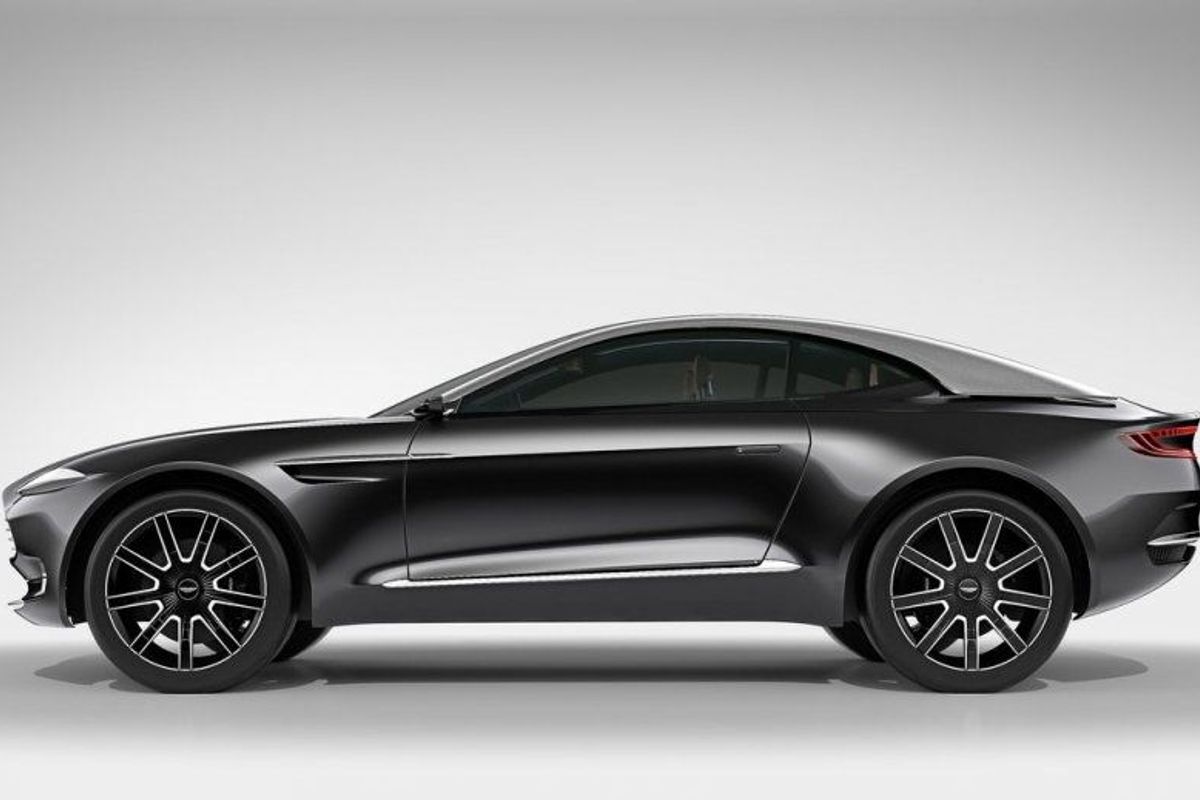
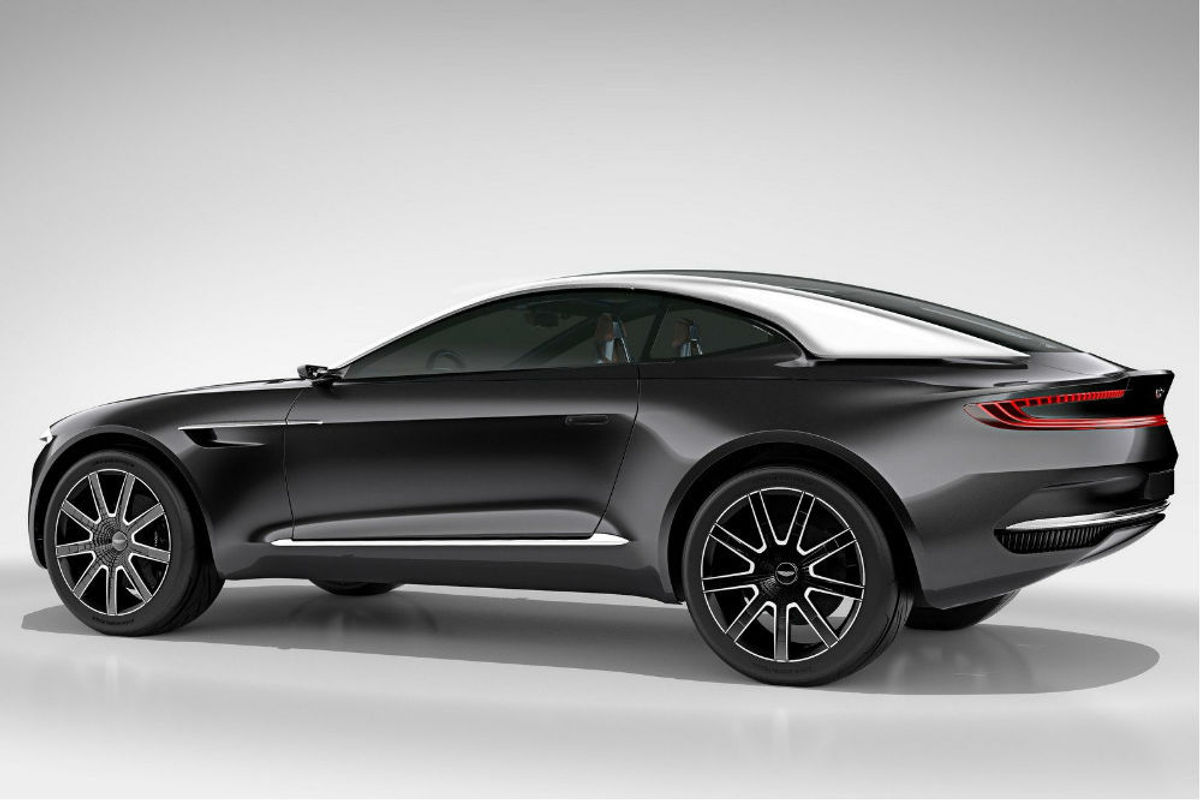
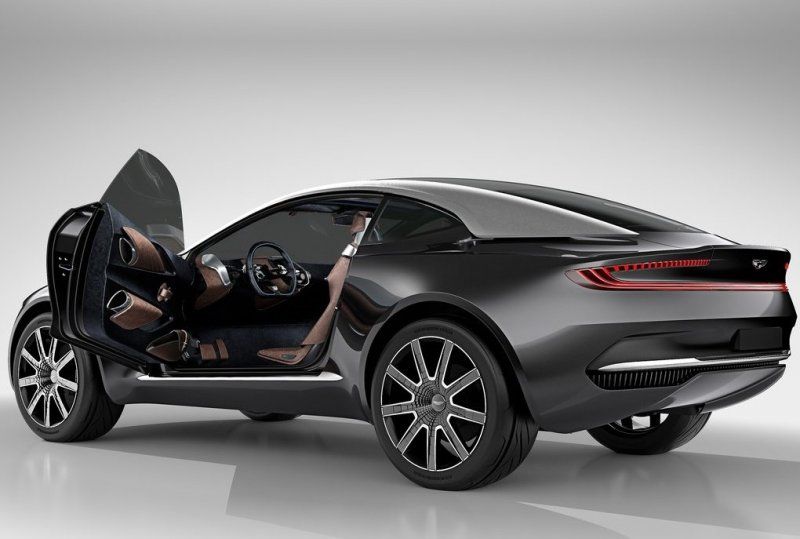
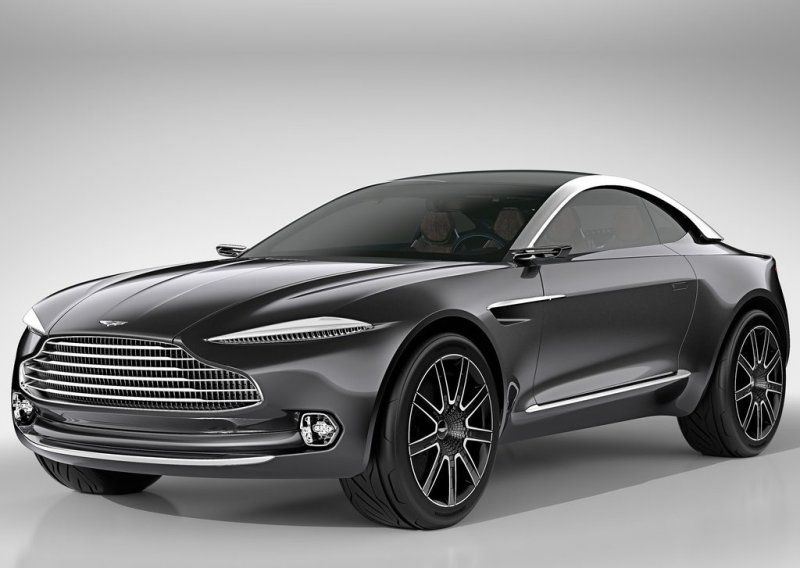
The somewhat inelegant C-pillars and up-on-stilts look of the DBX concept have drawn criticism from some quarters.
A production version of the RapidE all-electric vehicle is also on the cards for 2018.
So, is the DBX Aston Martin’s answer to BMW’s X6 (of which a bigger brother is apparently in the works) and Maserati Levante, to name but two examples, a more practical proposition than the Bentley Bentayga and Lamborghini Urus, or simply a super-luxurious, supersized Range Rover Evoque coupe? Over to Aston Martin CEO, Andy Palmer…
"The DBX… is a challenge to the existing status quo in the high luxury GT segment. It envisages a world, perhaps a world not too far away, when luxury GT travel is not only stylish and luxurious but also more practical, more family-friendly and more environmentally responsible.
Aston Martin is keen to explore the crossover market… but will the production version by an all-electric car?
“I asked my team at Aston Martin to expand their thinking beyond conventions, to explore what the future of luxury GT motoring would look like in years ahead, and the DBX Concept you see before you is the result," he said back in 2015.
Aston Martin DBX details
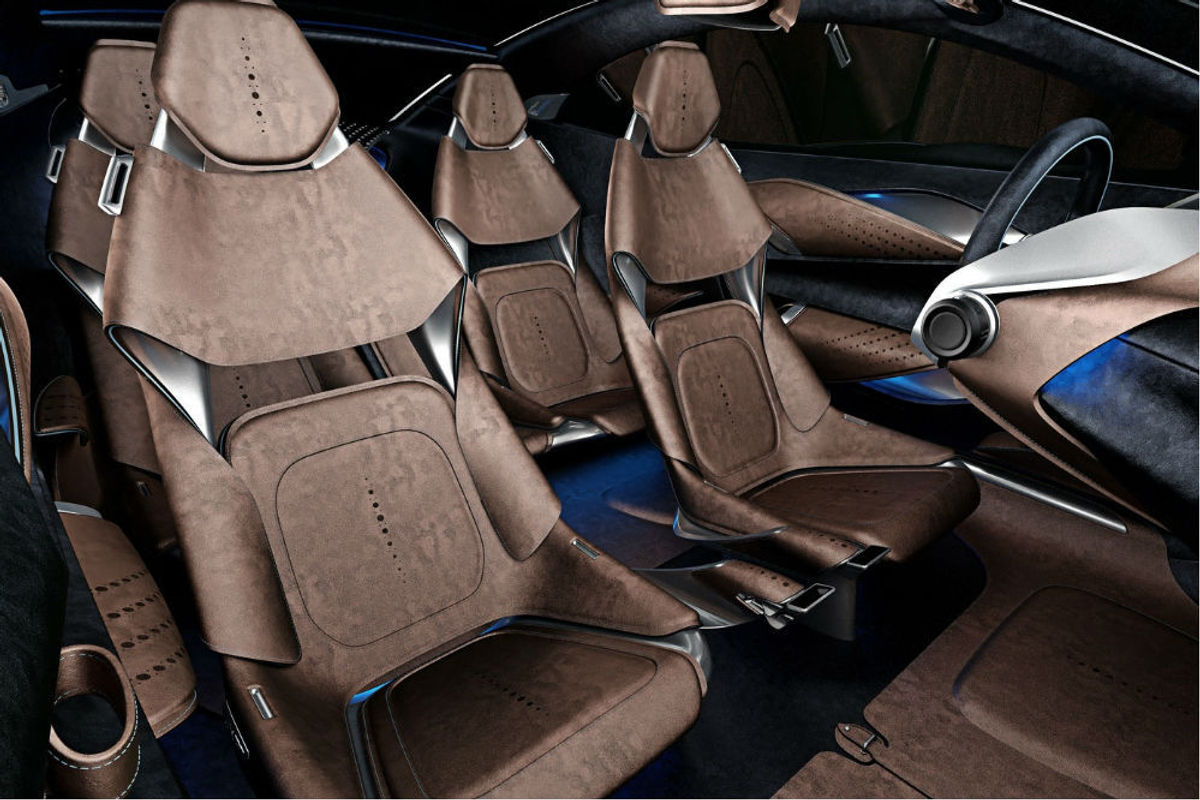
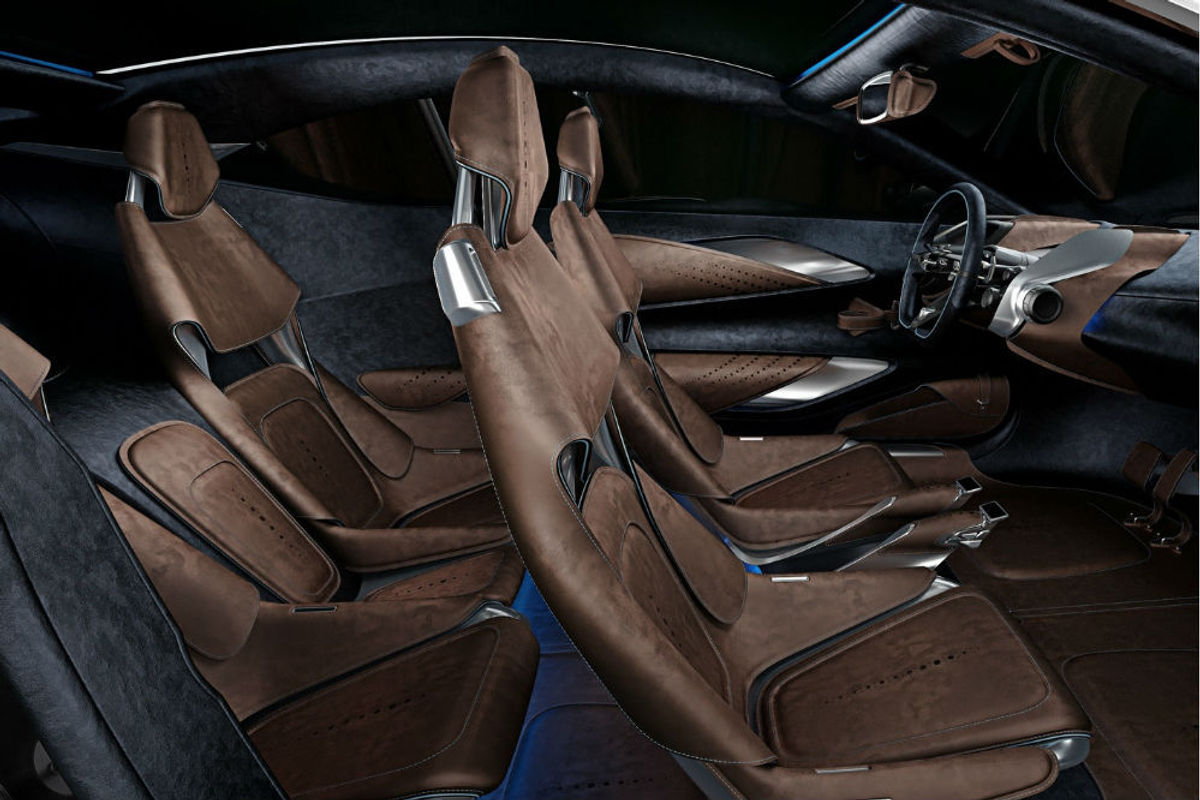
Although it remains to be seen if the DBX will stay true to its concept and feature an all-wheel drive and all-electric configuration (although the confirmation of the RapidE EV suggests it could, it will most definitely be a plush 4-seater.
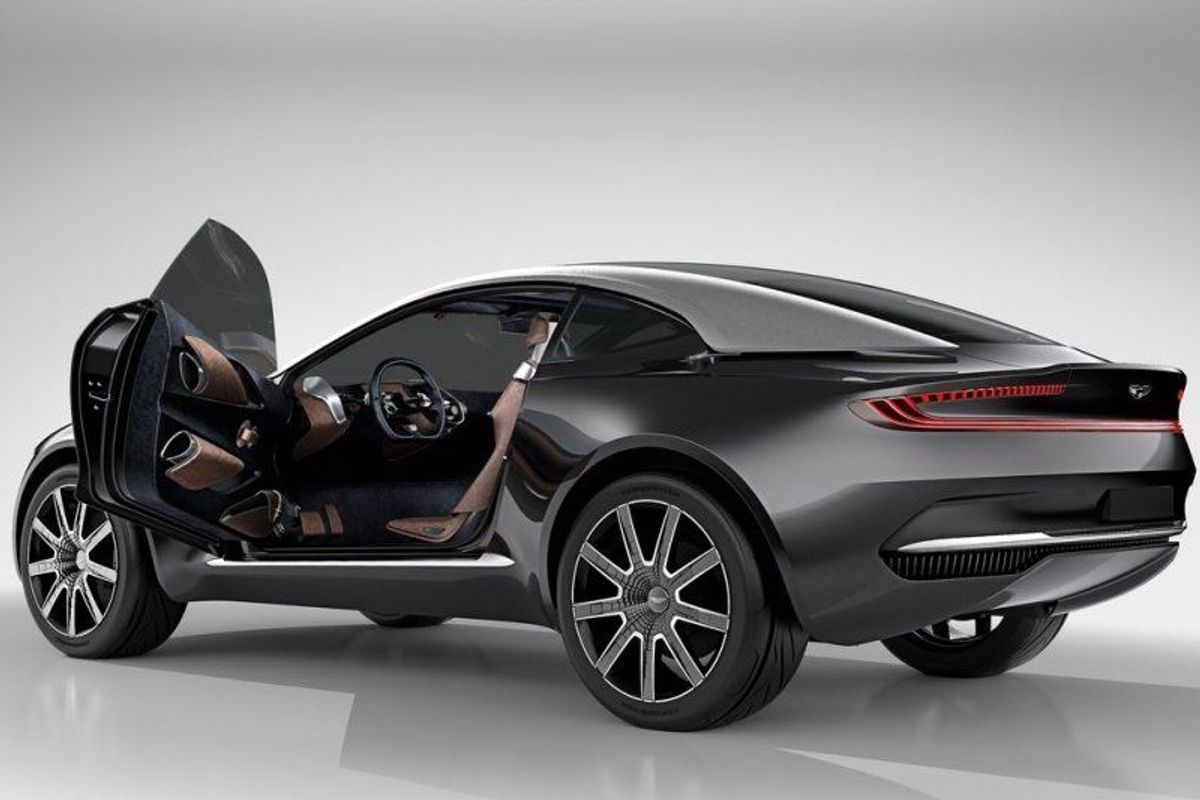
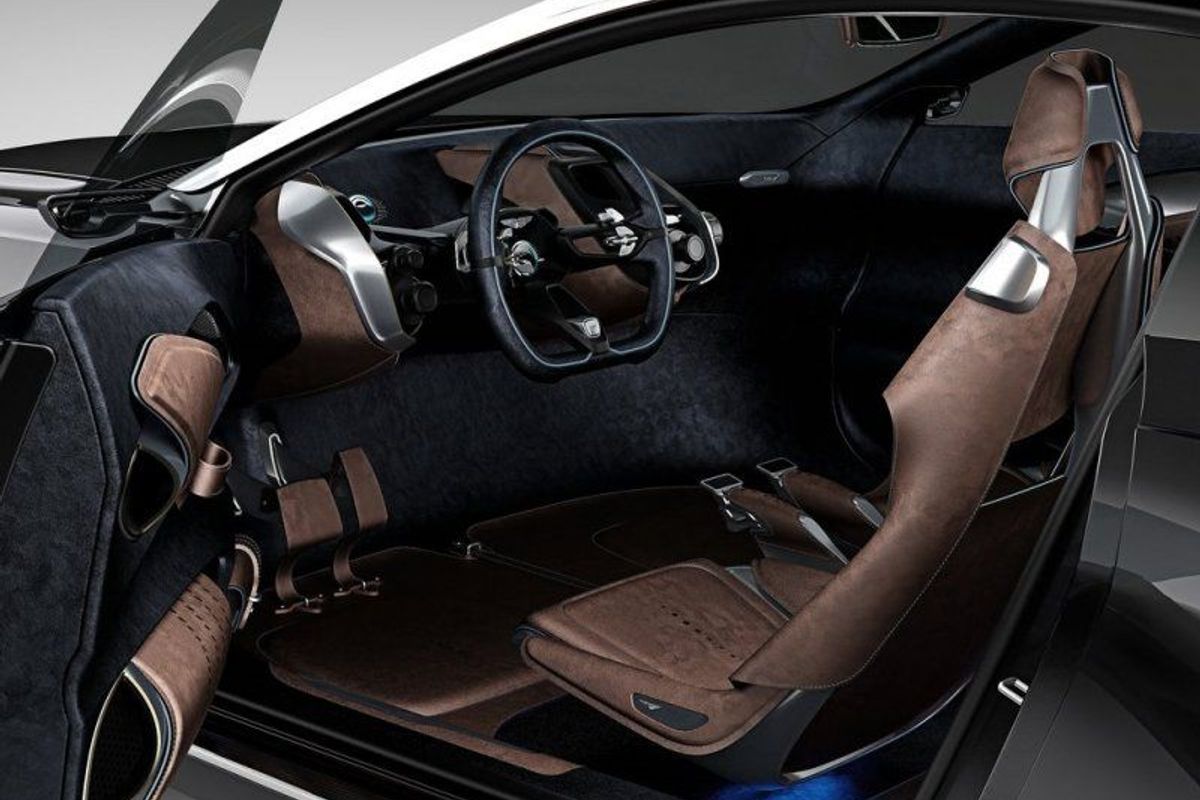
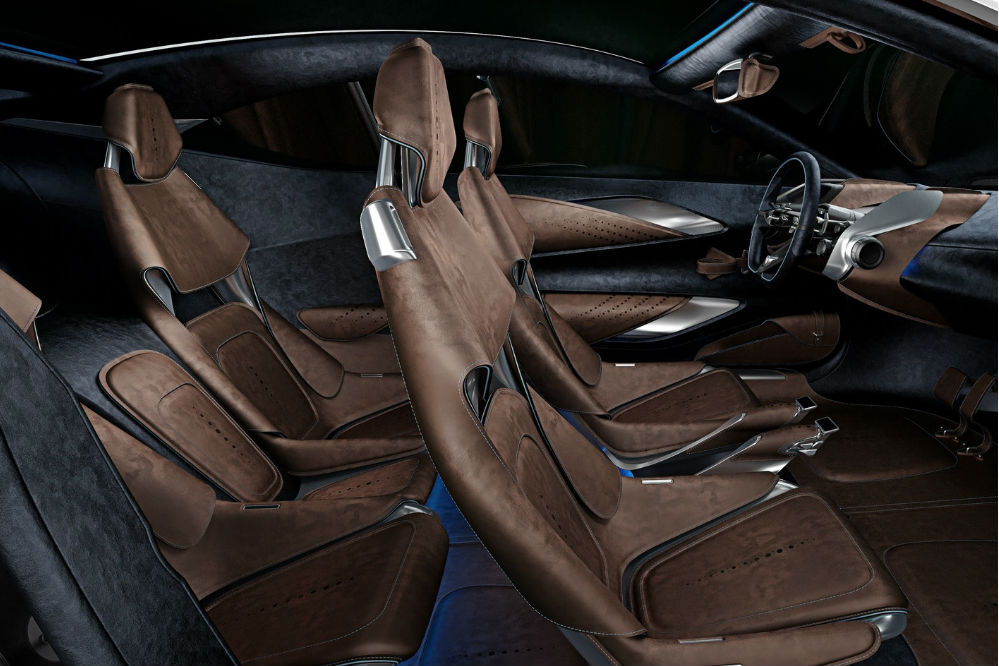
Even in a highly stylised conceptual cabin execution, the rear accommodation looks a trifle claustrophobic.
The concept featured dual cargo areas: the rear luggage bay, as well as a frontal loading area (there is no conventional engine bay by virtue of the lithium sulphur cell-powered electric motors being located inboard of the wheels). The exterior sheet metal was made of machined billet aluminium, while the interior was covered in velvet-like Nubuck leather.
It remains to be seen whether the auto-dimming “smart glass”, bespoke driver and passenger head-up displays will be on the roadgoing, fit-for-public-consumption version, but Active LED headlights and carbon ceramic brakes coupled with an integral energy recovery system do not seem too far-fetched…