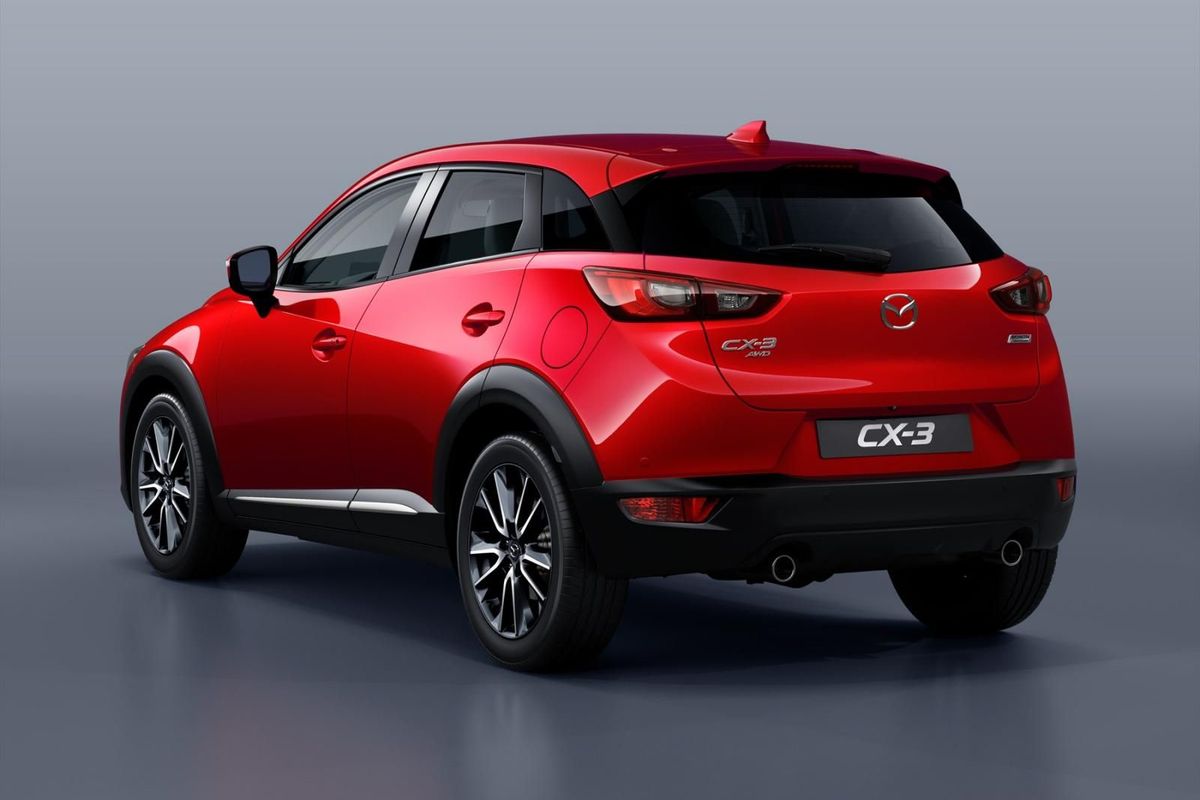
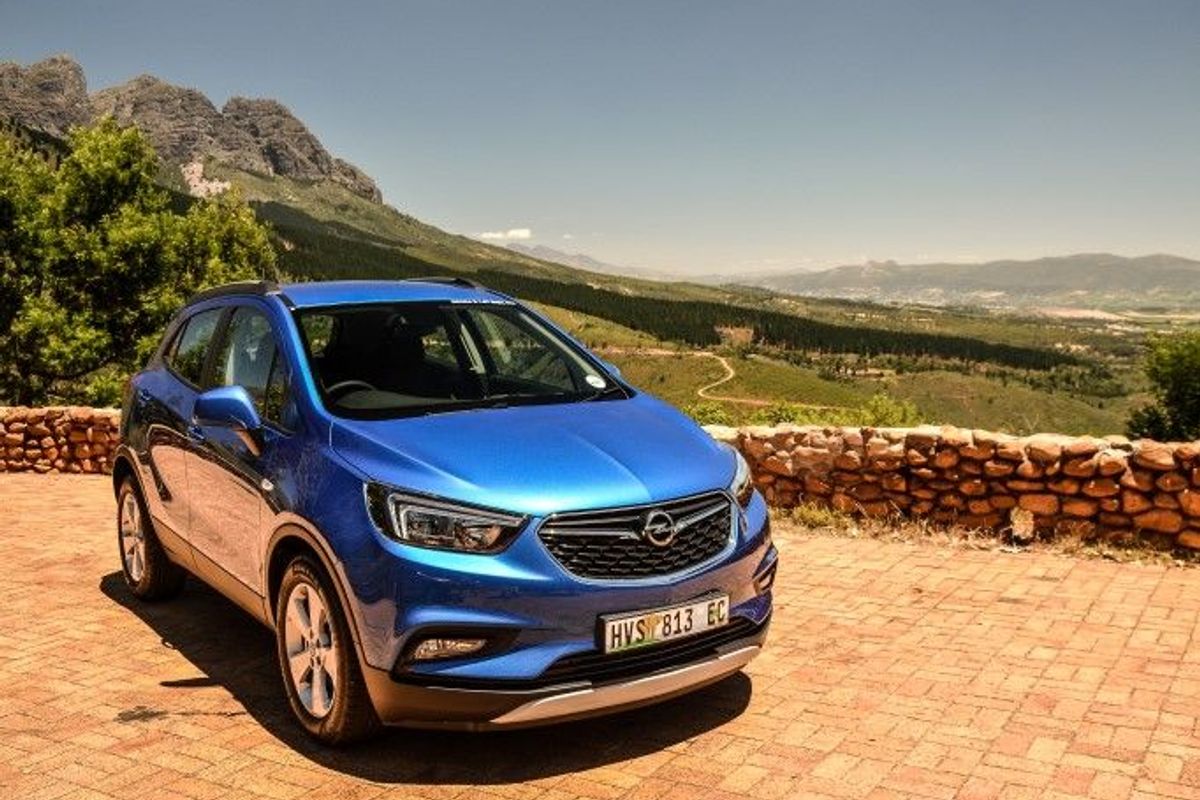
The compact CX-3 crossover will see the introduction of G-Vectoring as well as a new Individual Plus model added to the range.
Mazda’s popular crossover, the CX-3 is set to acquire a few neat upgrades come 2017. The major update will be the introduction of G-Vectoring across the lineup. G-Vectoring was first introduced on the updated Mazda3 we tested earlier this year. G-Vectoring uses the engine’s torque to momentarily shift weight to work in the vehicle’s favour in order to improve the handling. It also reduces driver fatigue, with fewer adjustments having to be made to the steering in order to keep it straight.
The new model being introduced in 2017 will sit right at the top of the range. The Individual Plus Auto offers some neat safety additions as well as some different visual cues to help it stand out. Safety introductions include adaptive headlights, lane departure warning, Smart City Brake Support (visual and audible warnings are issued if the risk of a collision is detected), driver attention alert and blind-spot monitoring. Silver strips have been added to the door sides as a visual upgrade from the rest of the range.
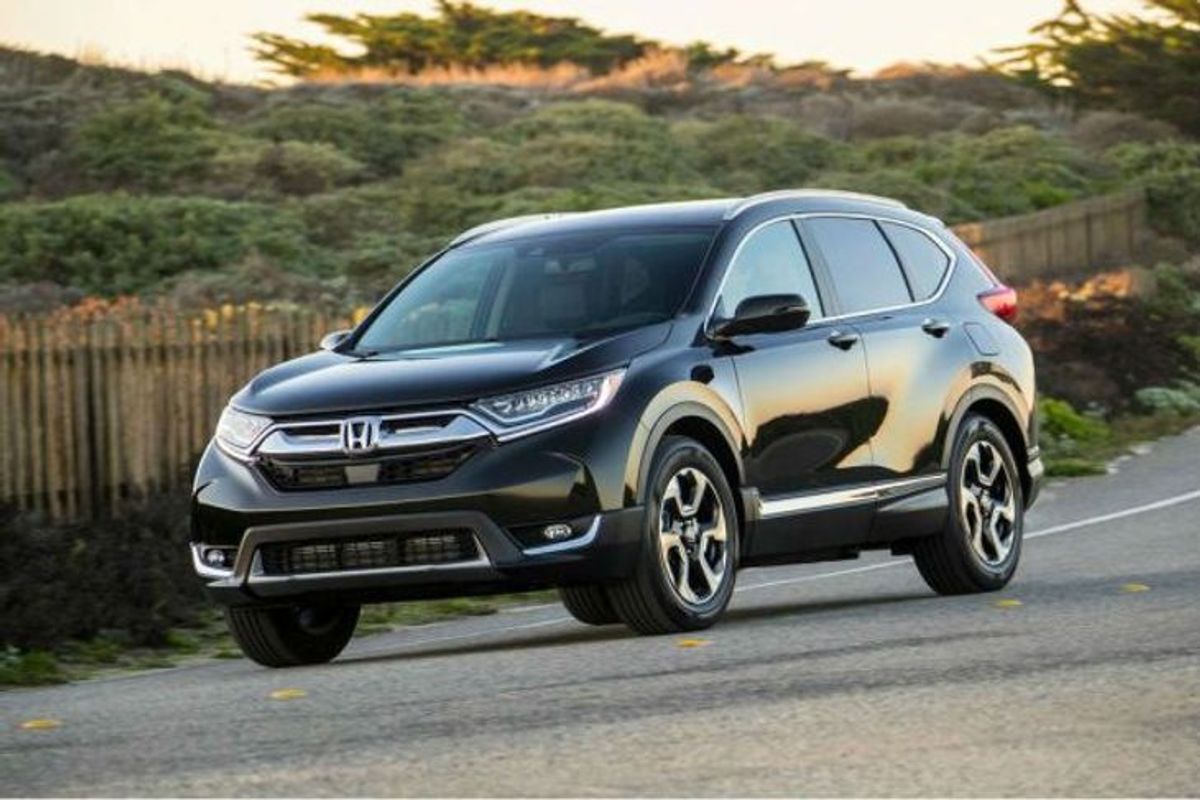
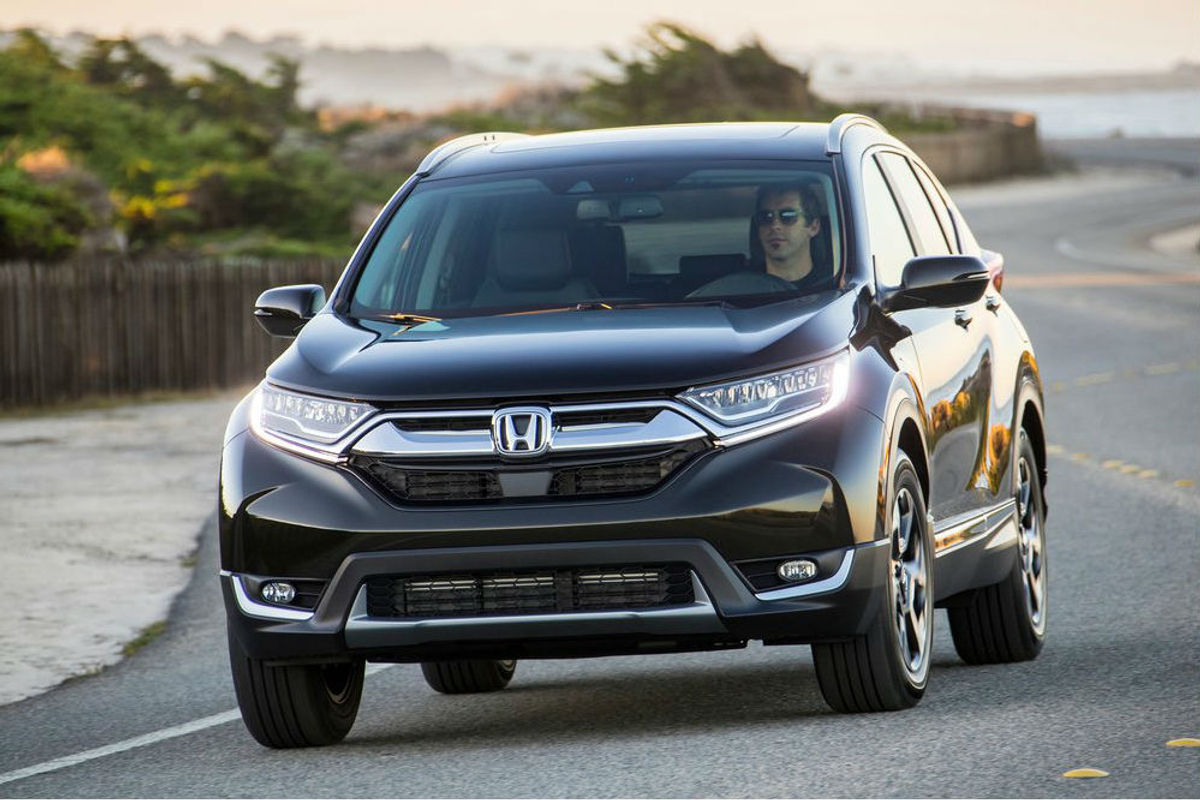
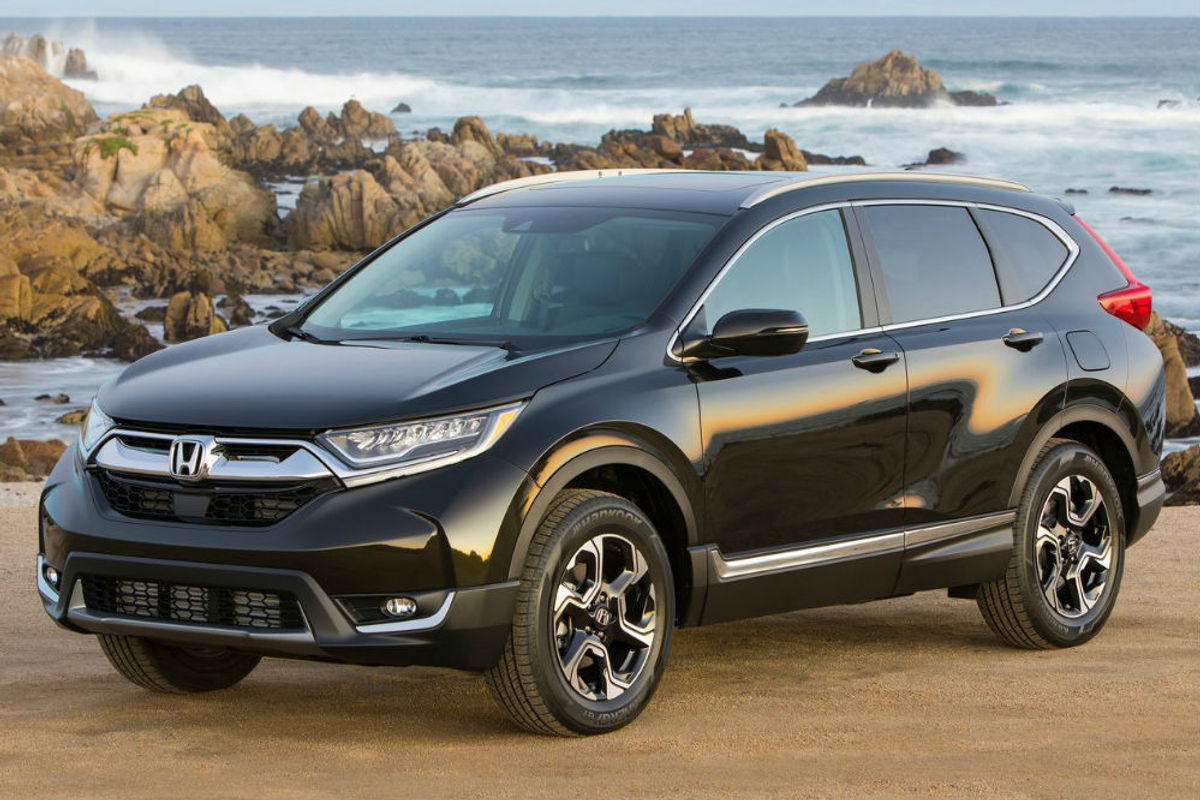
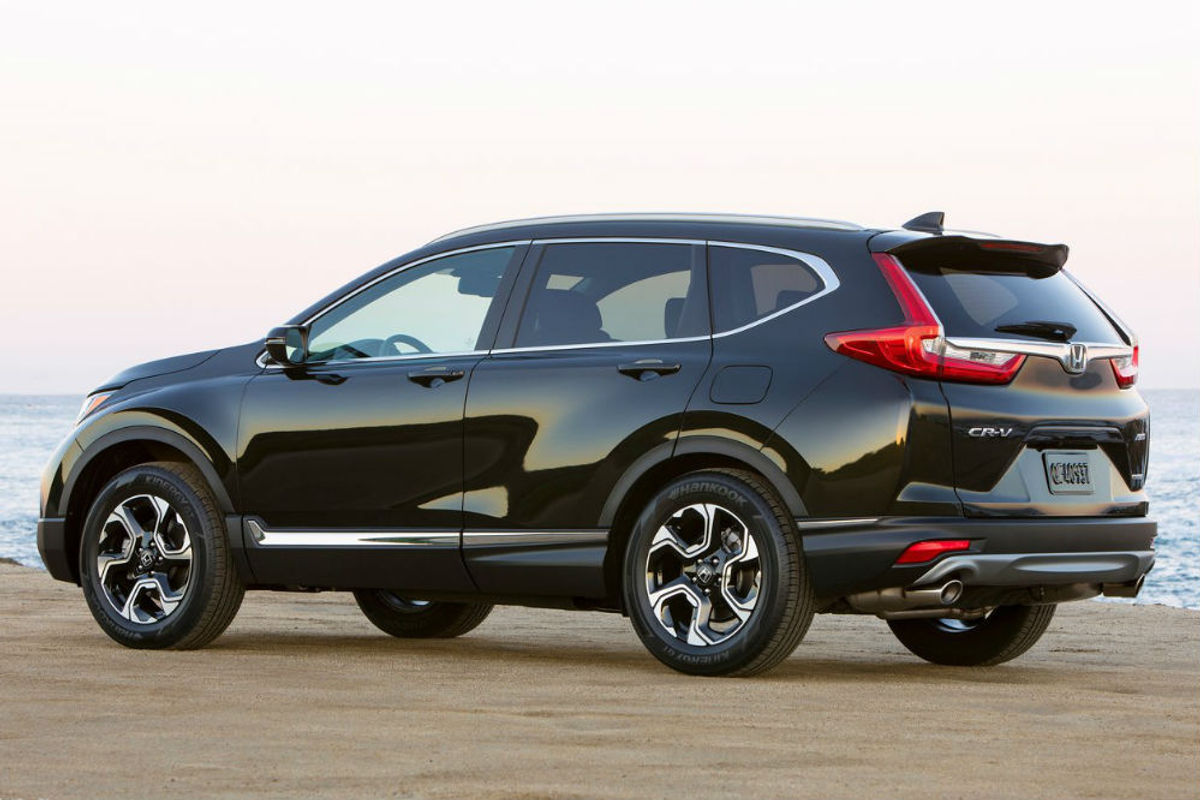
Honda North America recently revealed the all-new CR-V and the new model will arrive on South African shores in the second half of 2017!
In July 2016 we published spy photographs of a new CR-V prototype undergoing testing (supplied by our European-based source), which suggested the Honda would be notably bigger than the current car and feature more distinctive exterior styling (especially when viewed from the front).
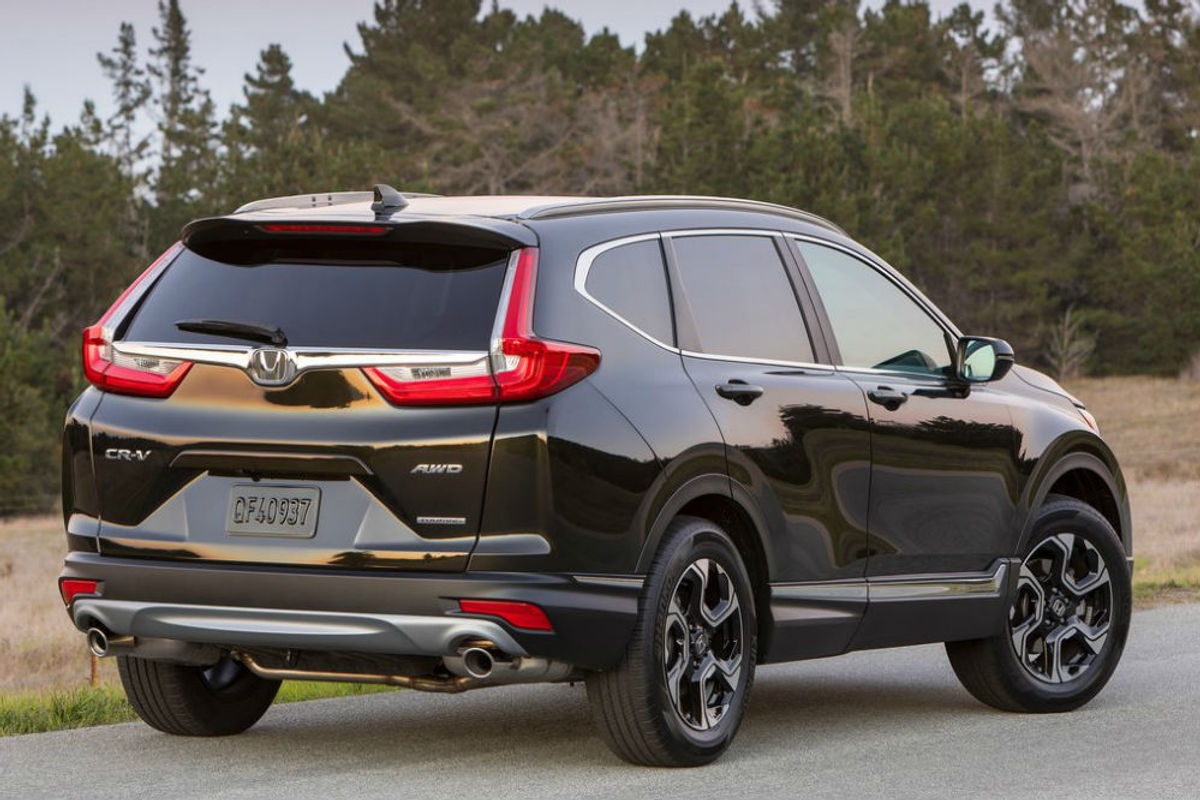
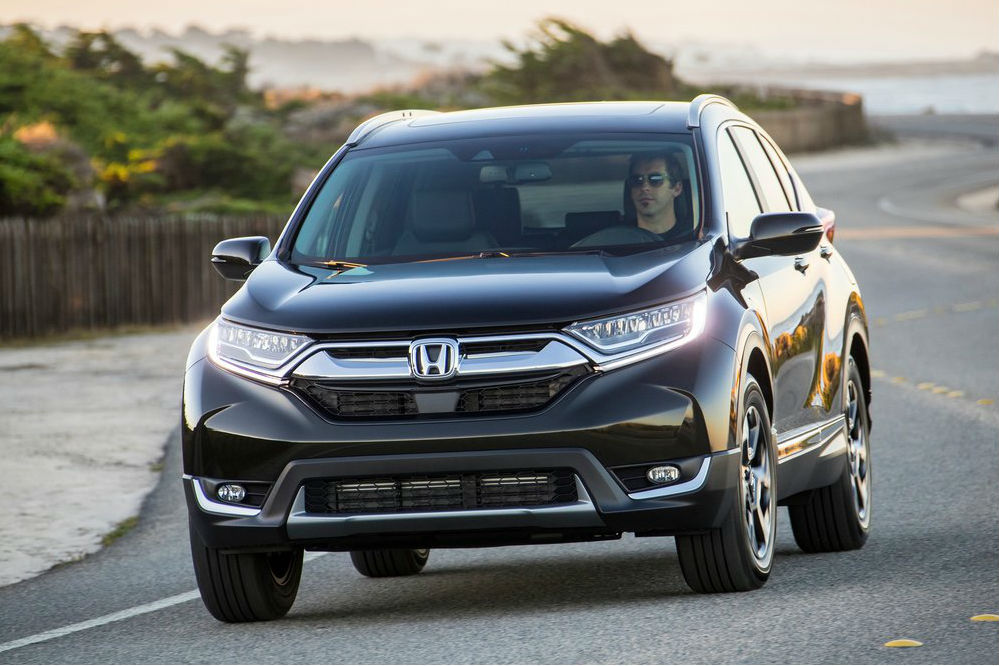
As expected, the newcomer’s wheelbase is longer, but its overhangs shorter, while a long bonnet, narrower A-pillars and flared fenders give the new CR-V a more sophisticated, athletic presence. The rear aspect is dominated by L-shaped swages in the fenders, sculpture-like taillight clusters that almost converge in the centre of the tailgate, exhaust tips at the extreme ends of the bumper. In North America, the car’s alloys will be either 17- or 18-inch units, complemented by swathes of chrome-look trim along the sides the vehicle, completed by equally-shiny roof rails.
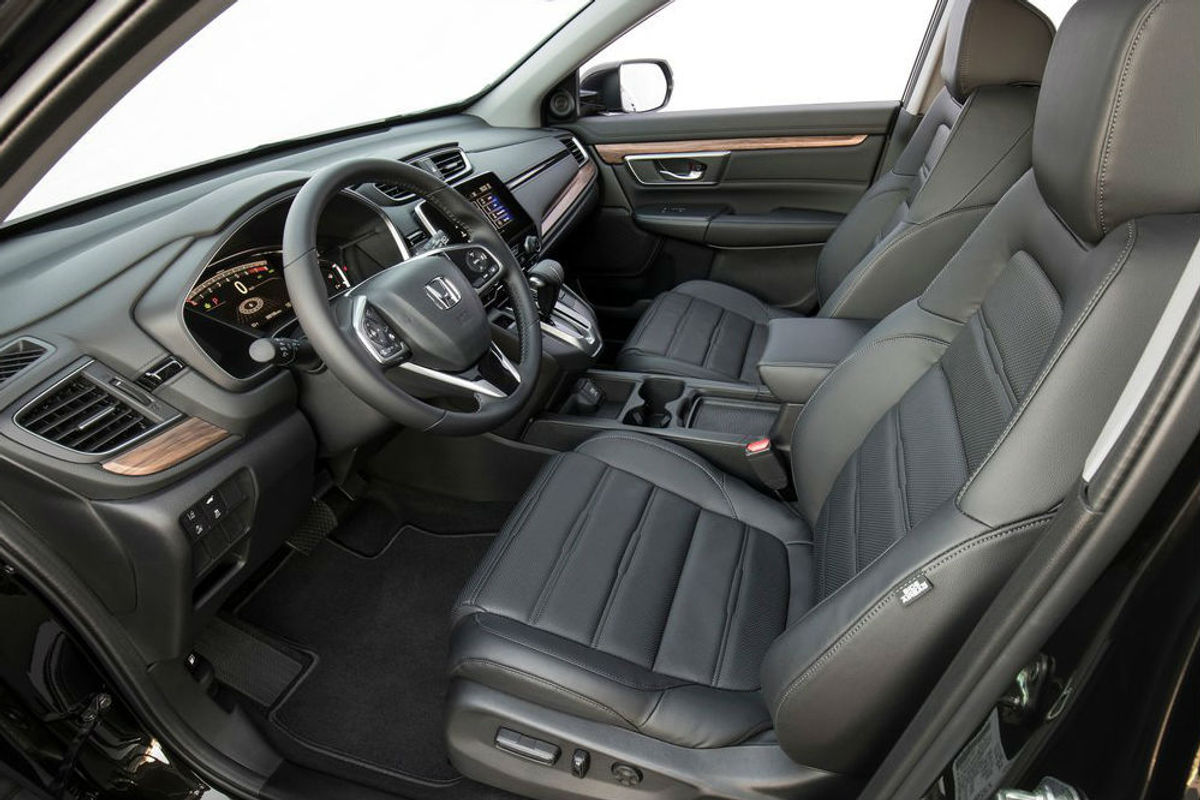
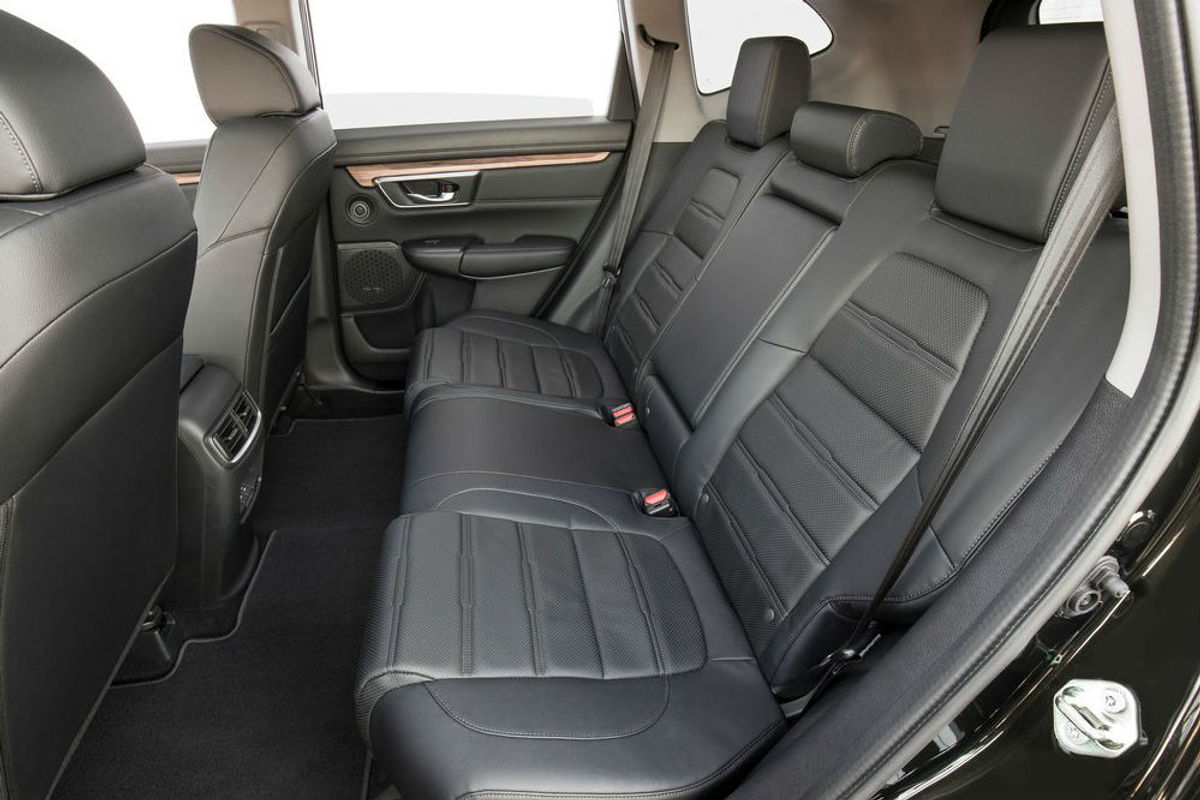
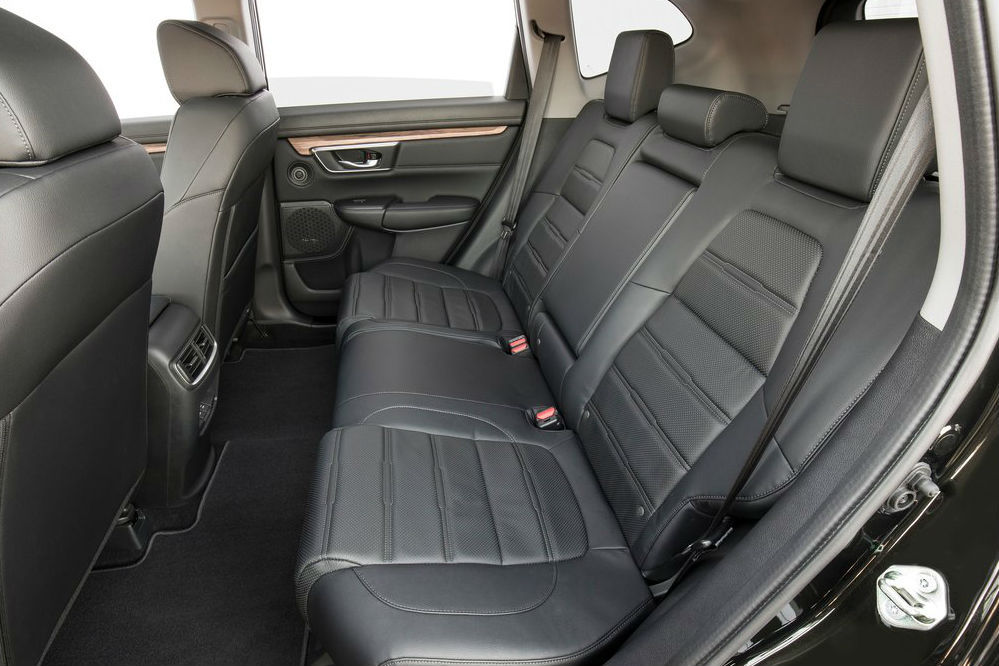
The rear passengers are availed generous levels of leg- and headroom (US market model).
'Best in class rear legroom'
Although this list of features doesn’t necessarily reflect what South African-spec CR-Vs will be specified with, it’s illuminating that the North American vehicles include a Honda-first automatic shutter grille system that lowers aerodynamic drag, a hands-free access electric tailgate that can be opened by moving your foot underneath the rear of the vehicle and automatic wipers and lights, the latter with high-beam assist.
The newcomer is based on a stretched version of the new Civic platform and Honda claims the new CR-V “raises the bar for interior refinement, utility and premium features in the compact SUV class. The more spacious cabin (features) top-in-class interior space and the best rear legroom in its class.”
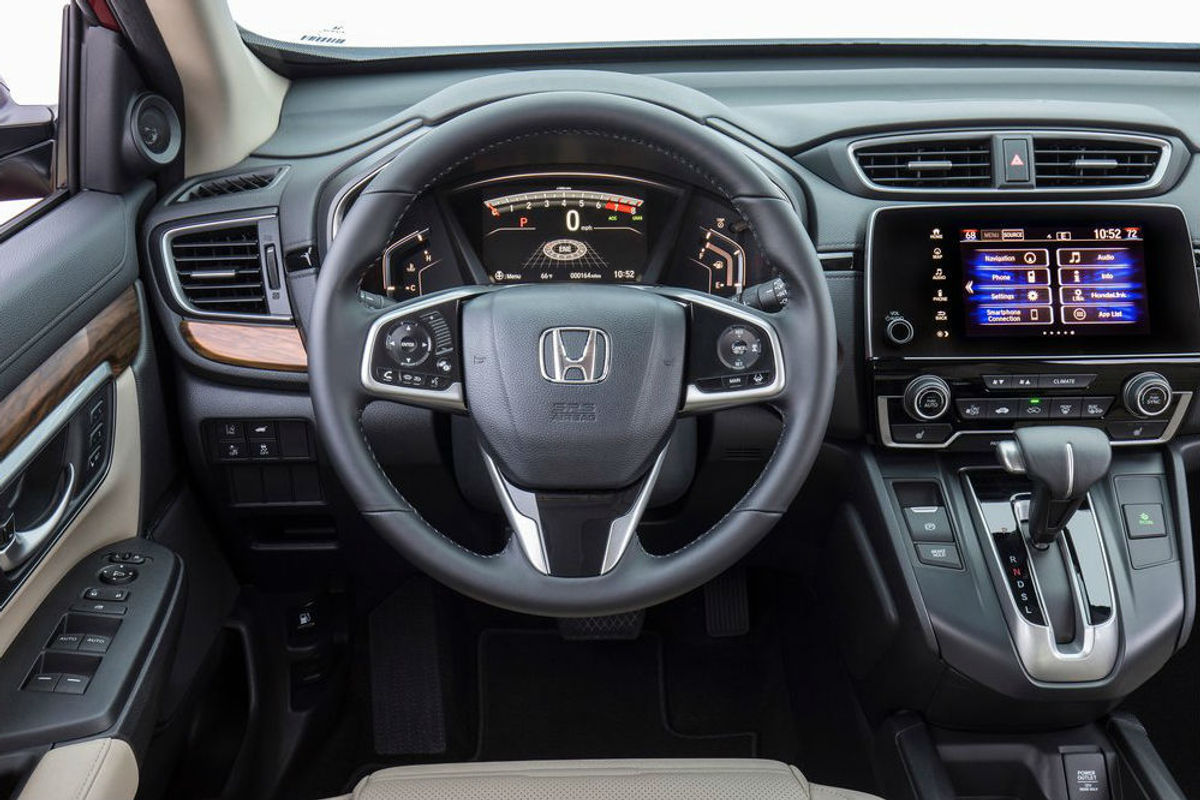
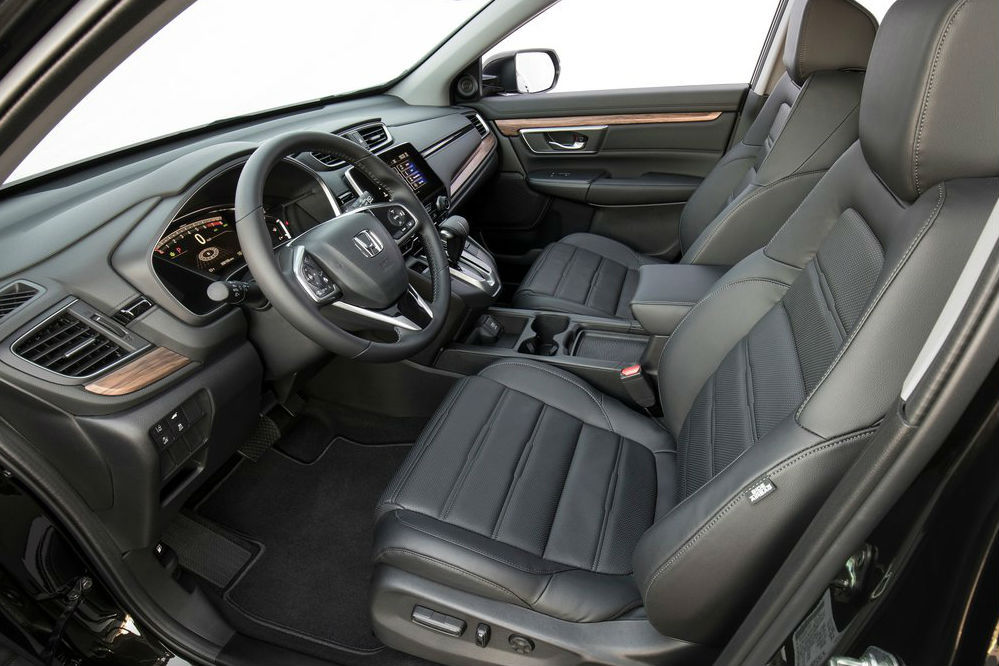
An all-electronic instrument panel may feature on South African models, but that is still unconfirmed (US market model).
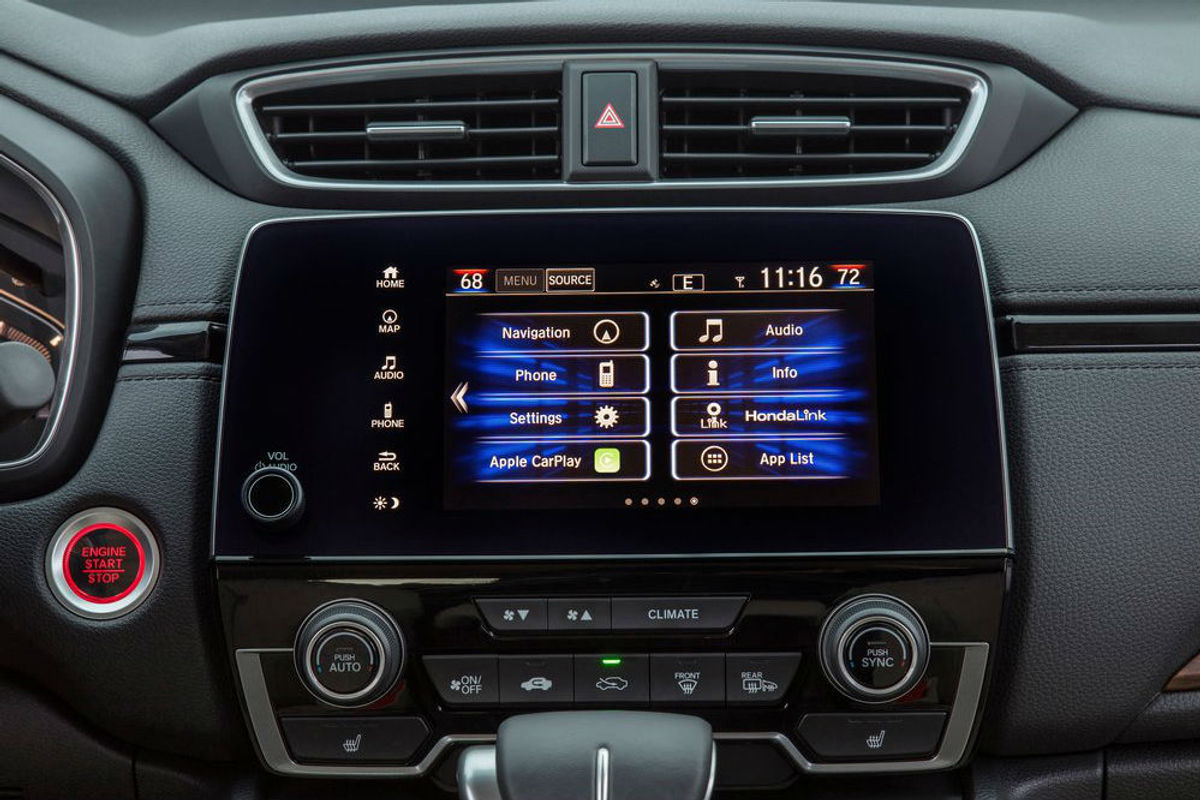
Some of the highlights include a new soft-touch fascia, more intricately stitched (leather) seats, a full-colour TFT driver information display (in the instrument panel), an Apple CarPlay and Android Auto-compatible 7-inch touchscreen infotainment system with navigation, remote engine start (as on the Civic), dual-zone climate control, heated side mirrors, an Electric Parking Brake (EPB), rear USB charging ports, 8-way electrically adjustable driver’s seat (with 4-way lumbar support) and heated front and rear outboard seats.
Honda Austraila has confirmed that both 5-seater and 7-seater versions of the new CR-V will be launched in 2WD and 4WD format with the former expected to be a best-seller in that market. There is currently no indication that a 7-seater CR-V will be offered in the South African market.
The 1.5-litre turbopetrol should provide more fizz than the outgoing 2.0-litre naturally aspirated motor.
The first turbopetrol CR-V
As is the case with the Civic, the newcomer is powered by a turbocharged 1.5-litre 4-cylinder engine mated with a continuously variable transmission. In America, a 2.4-litre naturally aspirated motor is offered as well, also in combination with a CVT, which could also be the case in South Africa.
Based on Honda’s next-generation Advanced Compatibility Engineering (ACE) body structure, the CR-V “provides more agile and confident handling, greater refinement, additional ground clearance and superior overall versatility,” Honda claims.
The newcomer’s (MacPherson strut and rear multi-link) suspension utilises low-friction dampers, with both FWD and AWD models featuring tubular front and solid rear stabiliser bars. Dual-pinion, variable ratio electric power steering “contributes to the CR-V's direct and satisfying steering feel,” it adds.
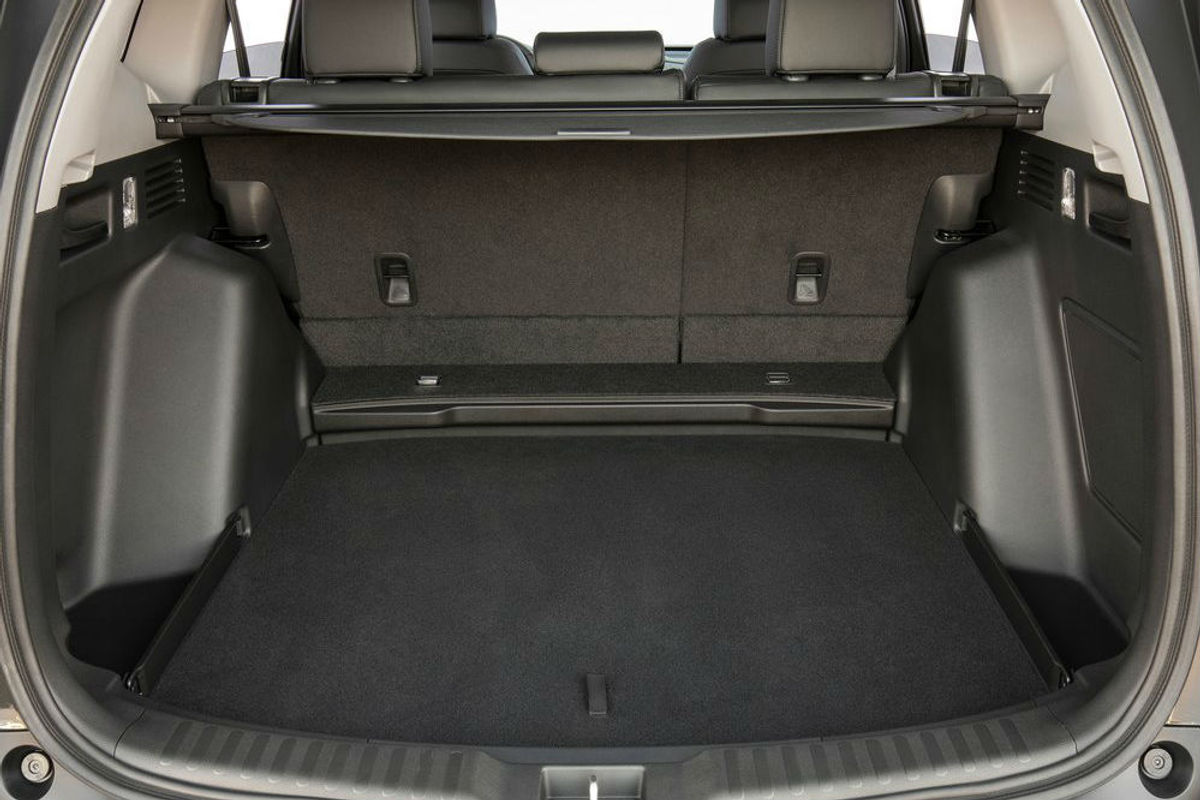
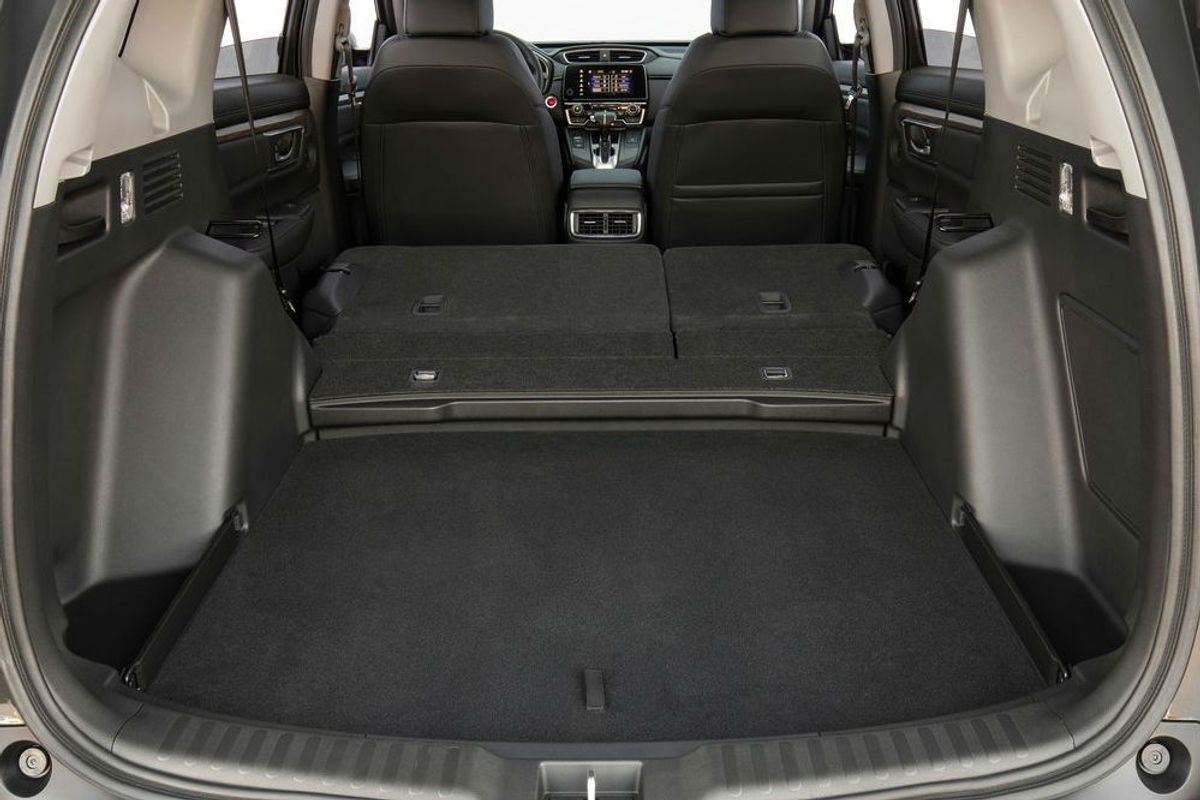
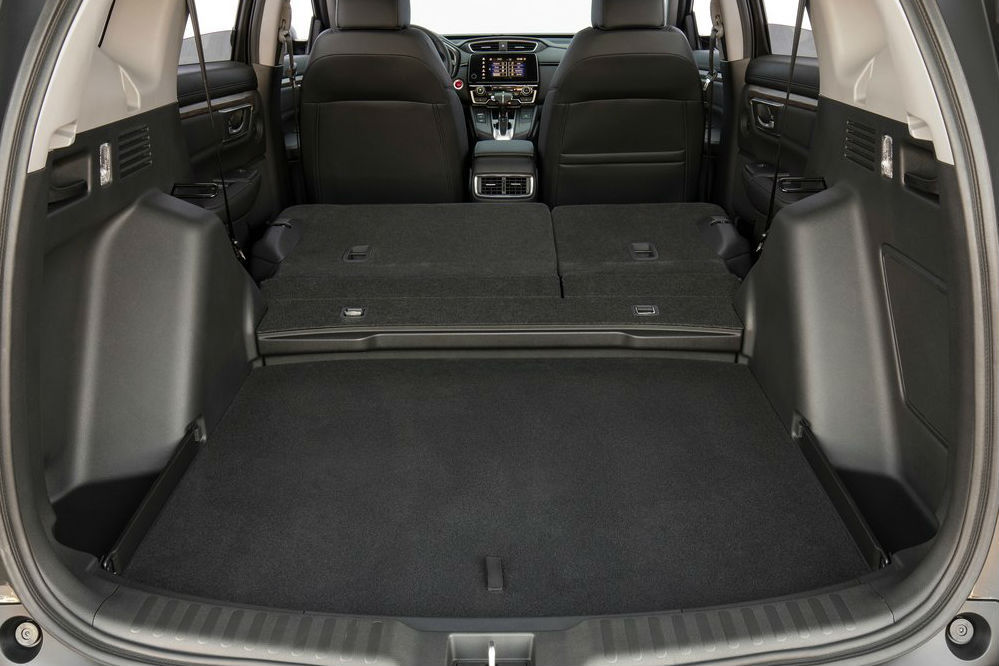
Shown here in 5-door configuration, the 2017 CR-V is strong on practicality, especially loading capacity.
A bouquet of safety systems
Along with the usual complement of airbags, ABS with EBD and brake assist, as well as a stability control system, a bouquet of safety features known as "Honda Sensing" will be available. It includes Collision Mitigation Braking with Forward Collision Warning and pedestrian sensing capability, Road Departure Mitigation with Lane Departure Warning, Adaptive Cruise Control with low-speed follow and Lane Keeping Assist. Additional new driver-assistive technologies include the available Blind Spot Information (BSI), Rear Cross Traffic Monitor (CTM) and Auto High Beam (HSS) headlights.
We will keep you updated as soon as local engine and specification details become available.
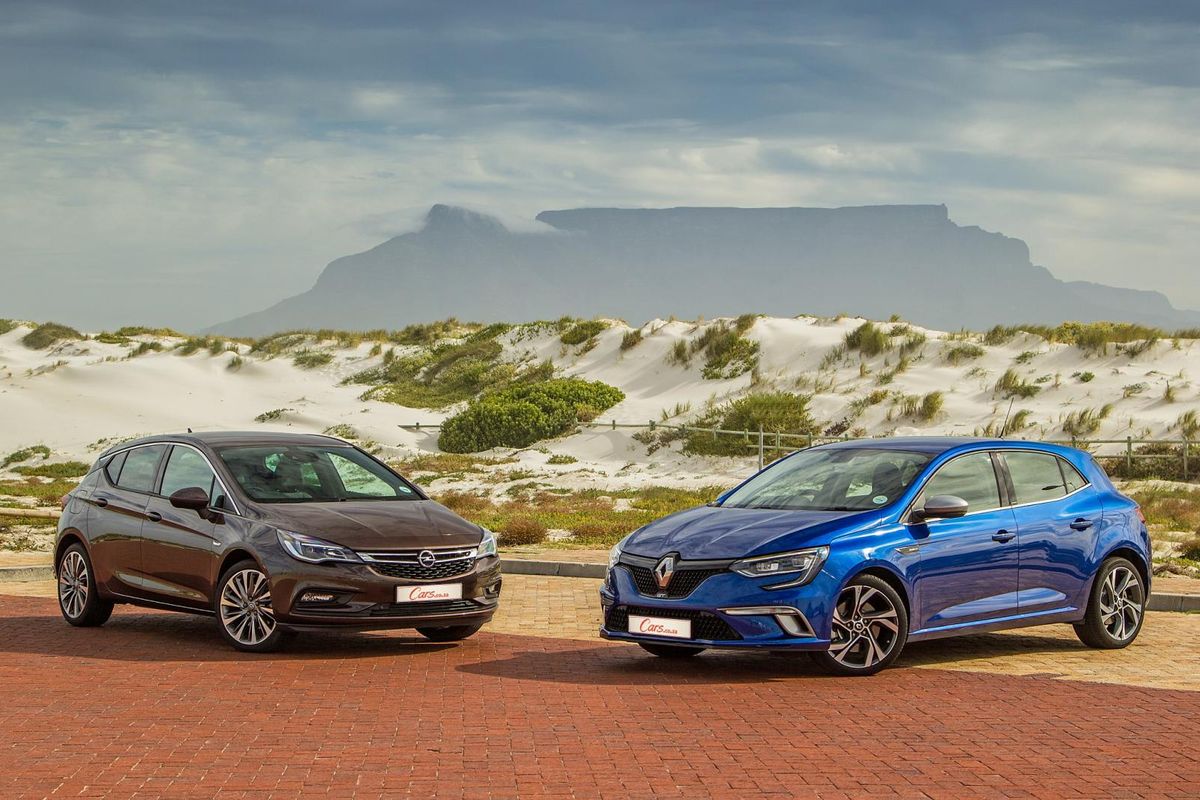
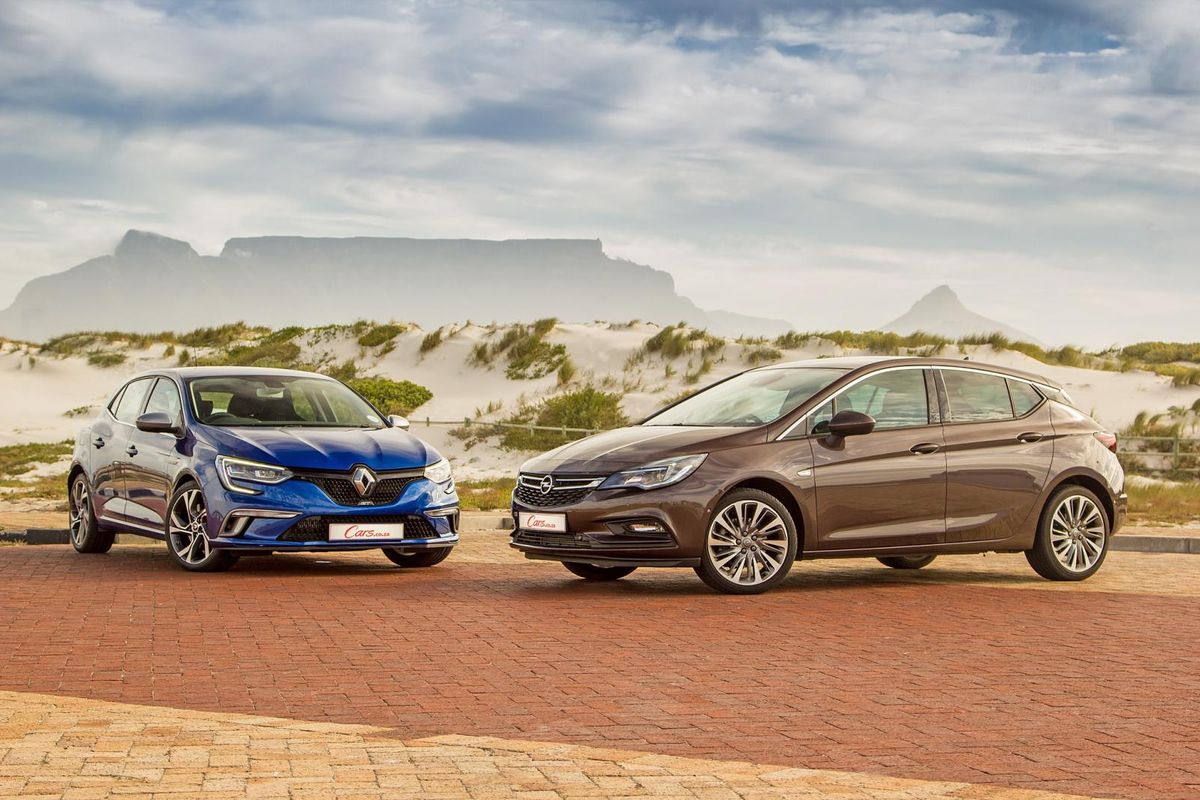
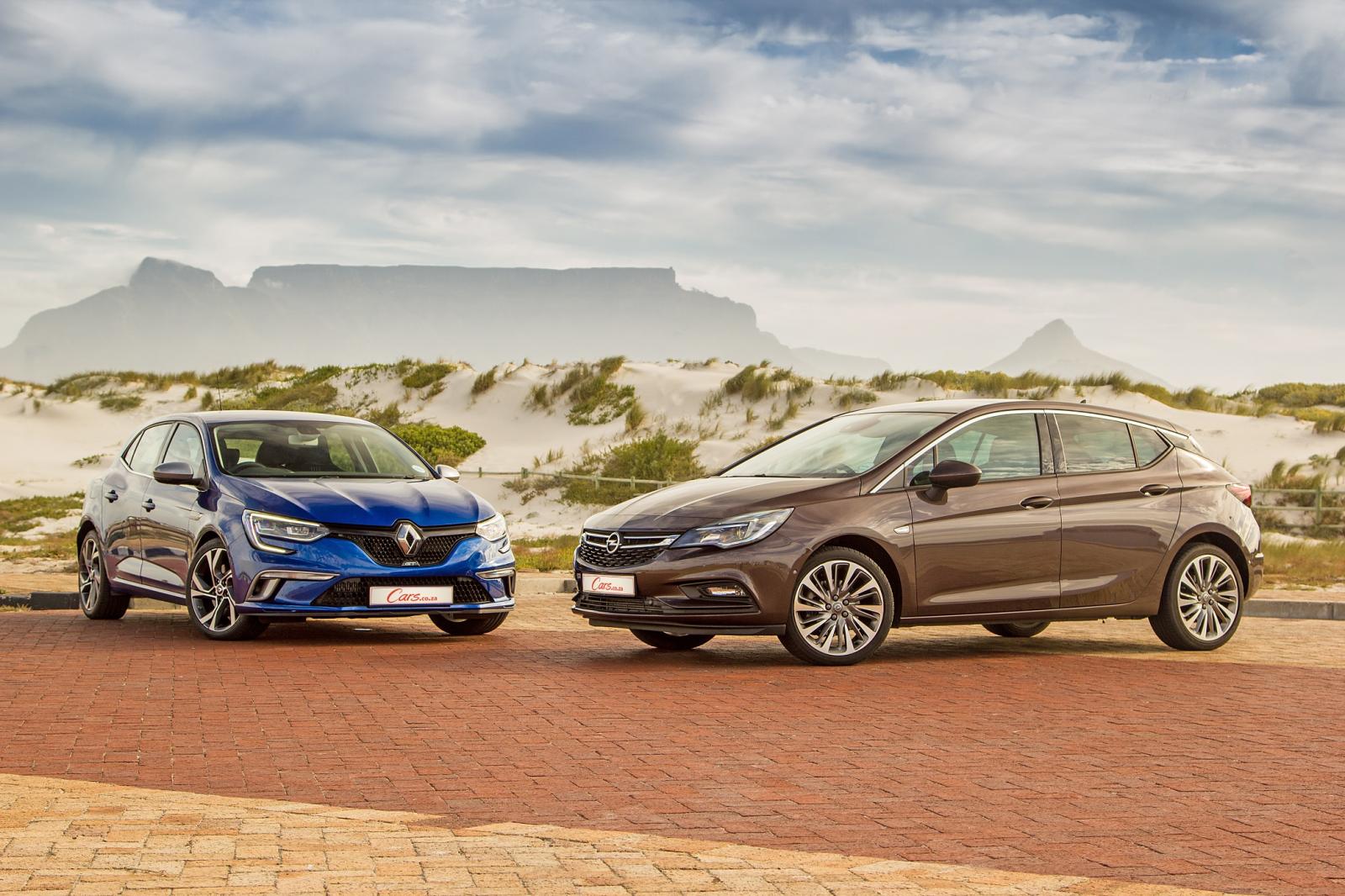
Comparative Review: Opel Astra 1.6T Sport vs Renault Megane GT Turbo
Two sporty hatches face off in a Euro-centric clash that pits new German design against French flair and innovation.
At a glance
Opel Astra 1.6T Sport
Renault Megane GT Turbo
Power/Torque
147 kW/280 Nm
151 kW/280 Nm
We Like:
Ride quality, standard spec, interior quality, strong engine
Sporty exterior, bucket seats, big boot, handling prowess
We Don't Like:
Bland for a sporty car
A bit pricey
Price
R394 800
R452 900
There’s a small niche in the compact hatchback market reserved for warm offerings. It’s a place where the sales-conquering Volkswagen Golf doesn’t compete and where these two 2016 additions have sought to cement their places in the ranks. Warm (or medium) basically means they aren’t honed or hardened enough to get special badges like OPC or RS, but they offer more "fizz" than your average hatchback. Think of it like ordering your Nandos chicken with a mild basting: you want a little kick of warm flavour, but you don’t want to singe your gullet.
How do they compare in terms of…?
Sporting apparel…
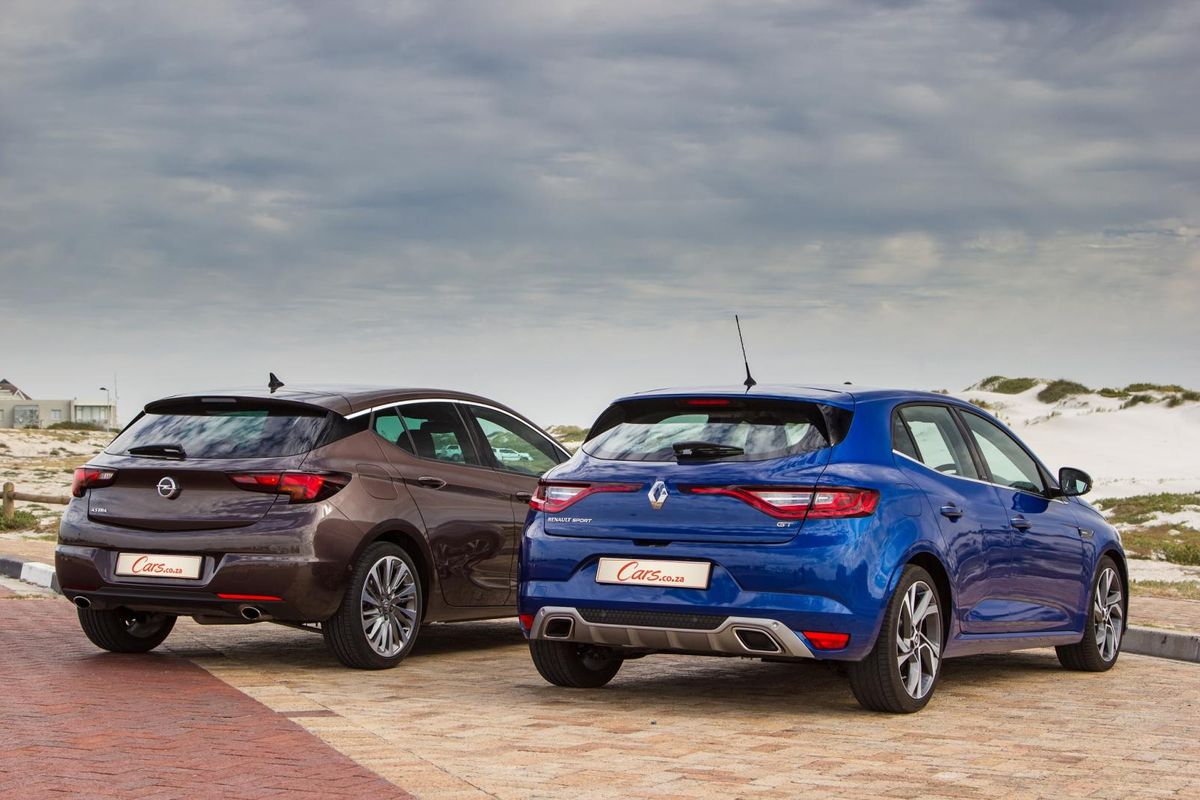
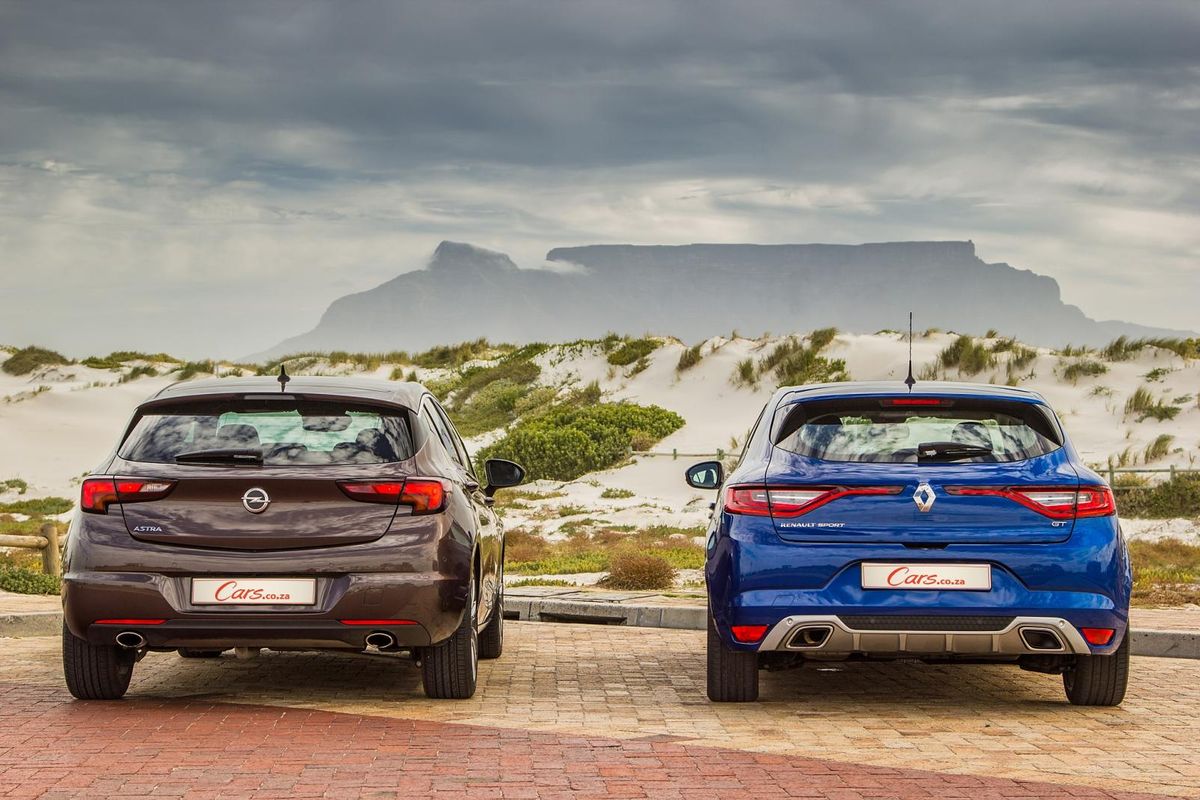
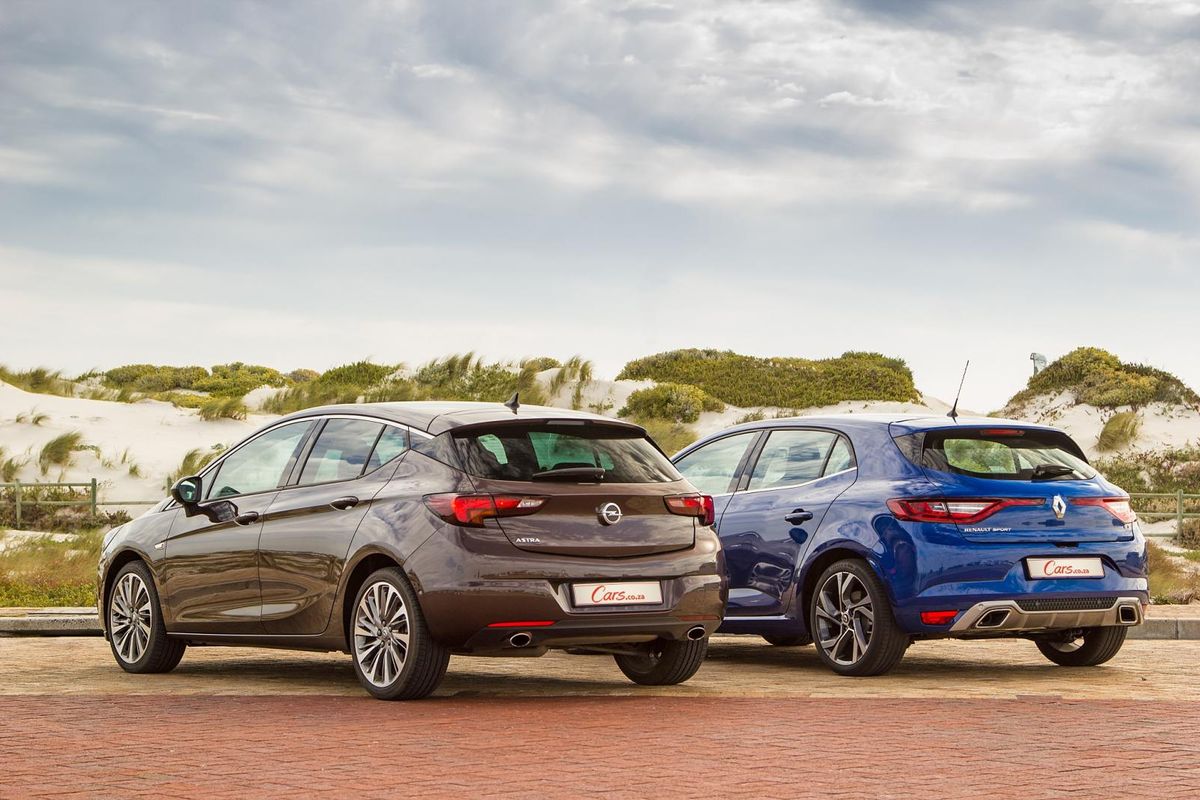
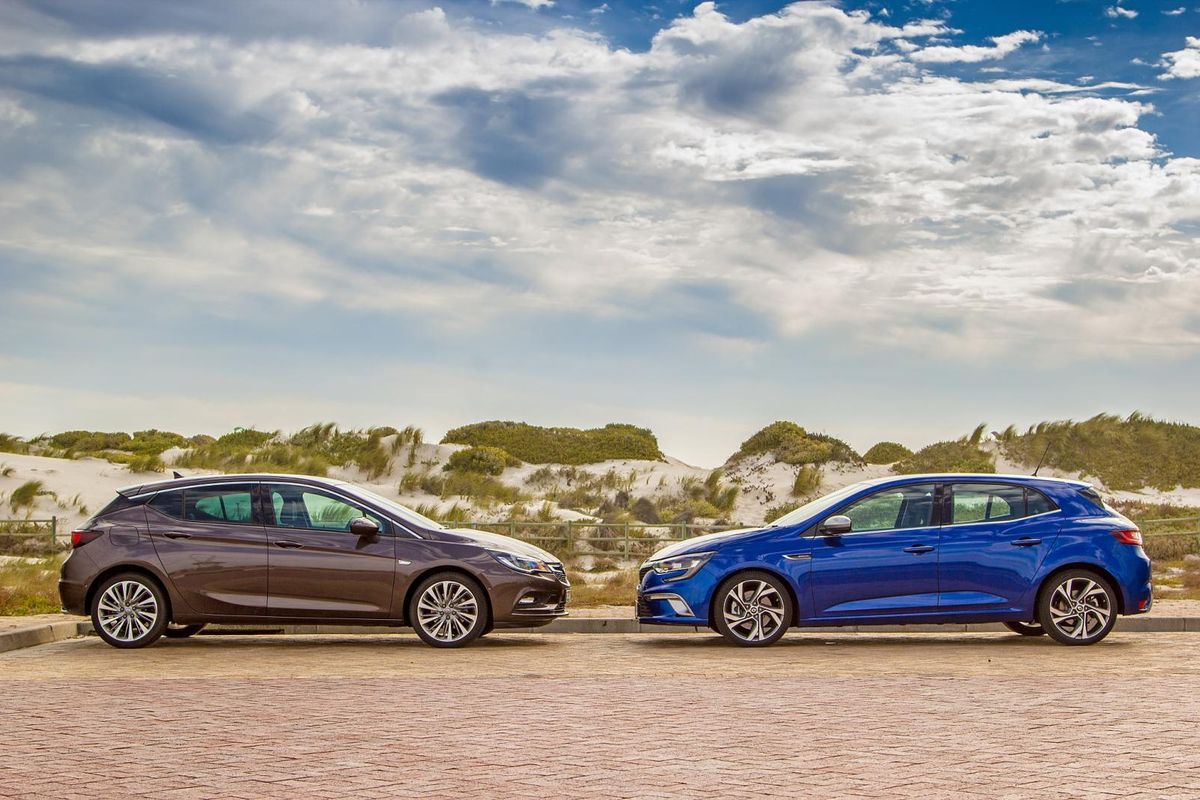
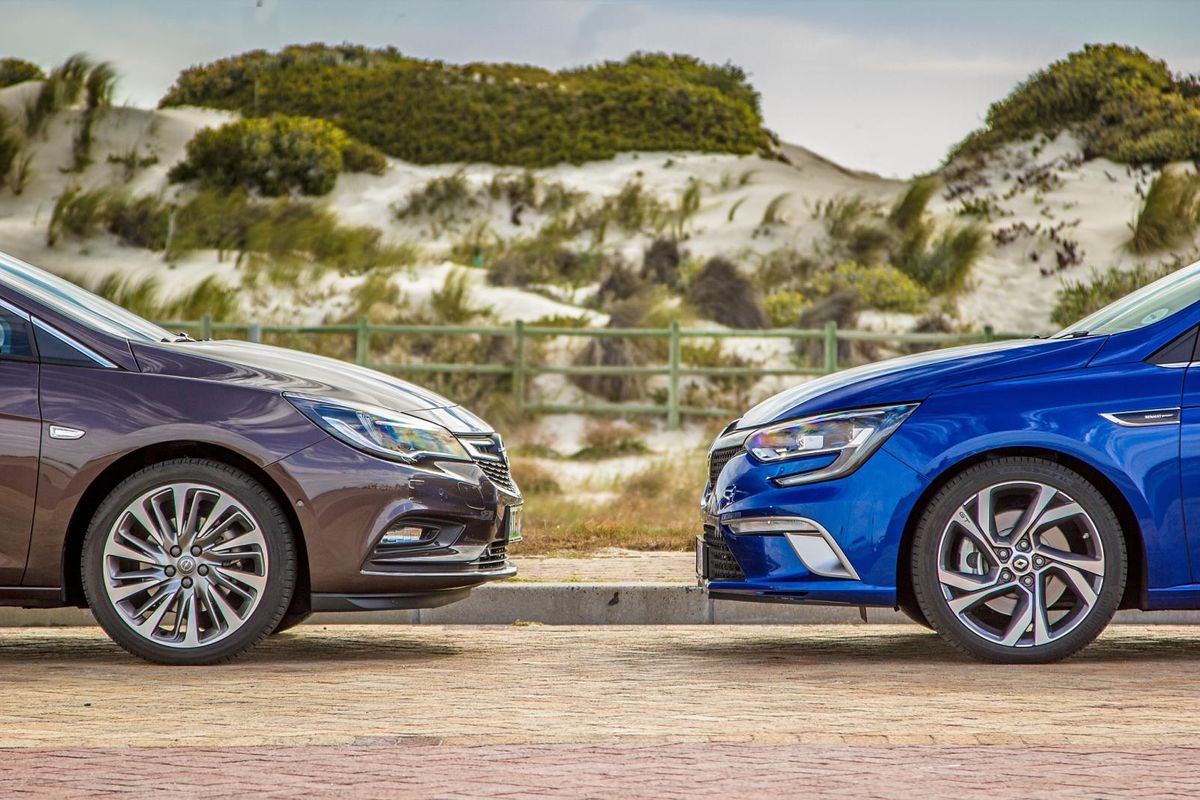
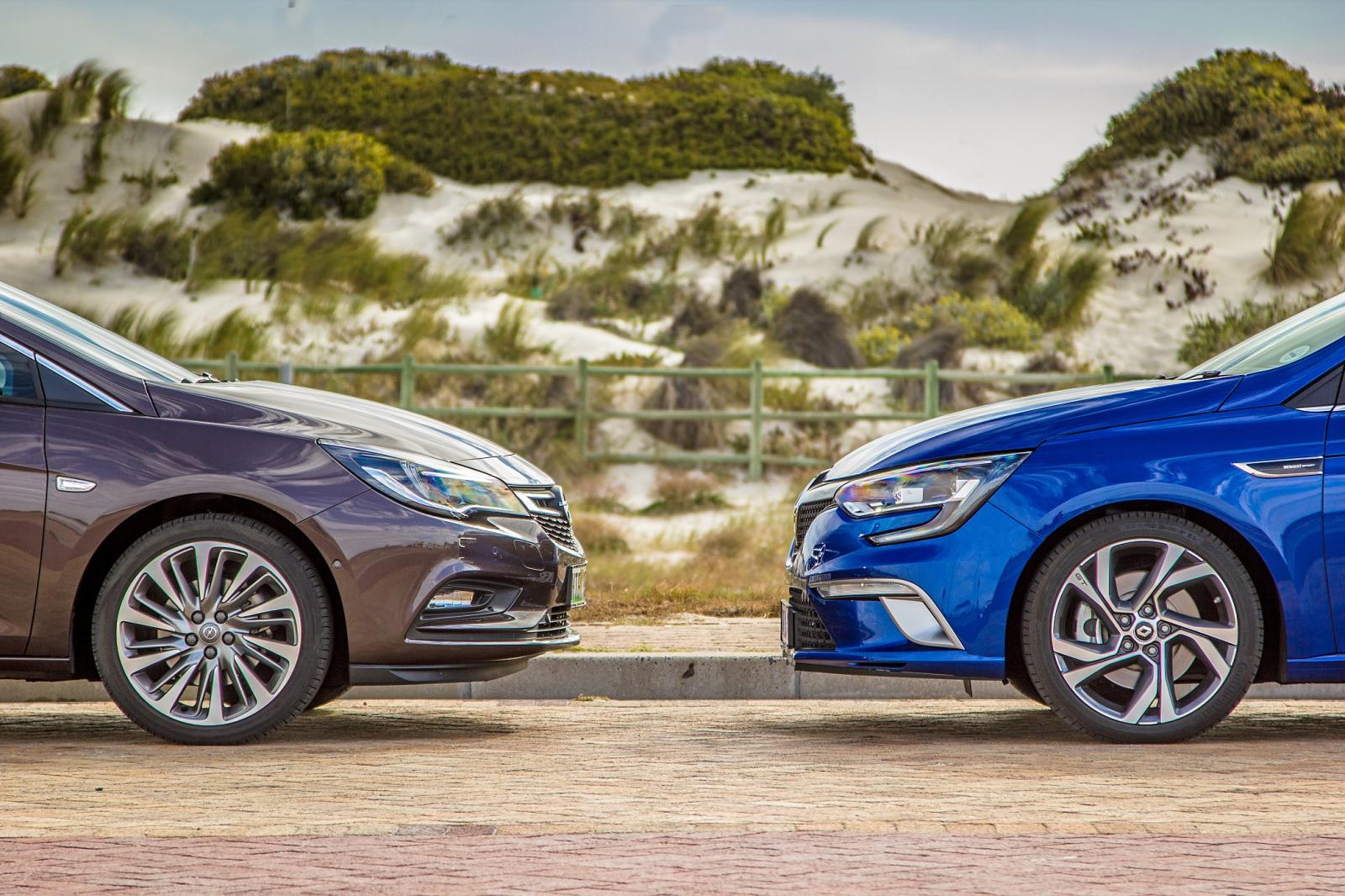
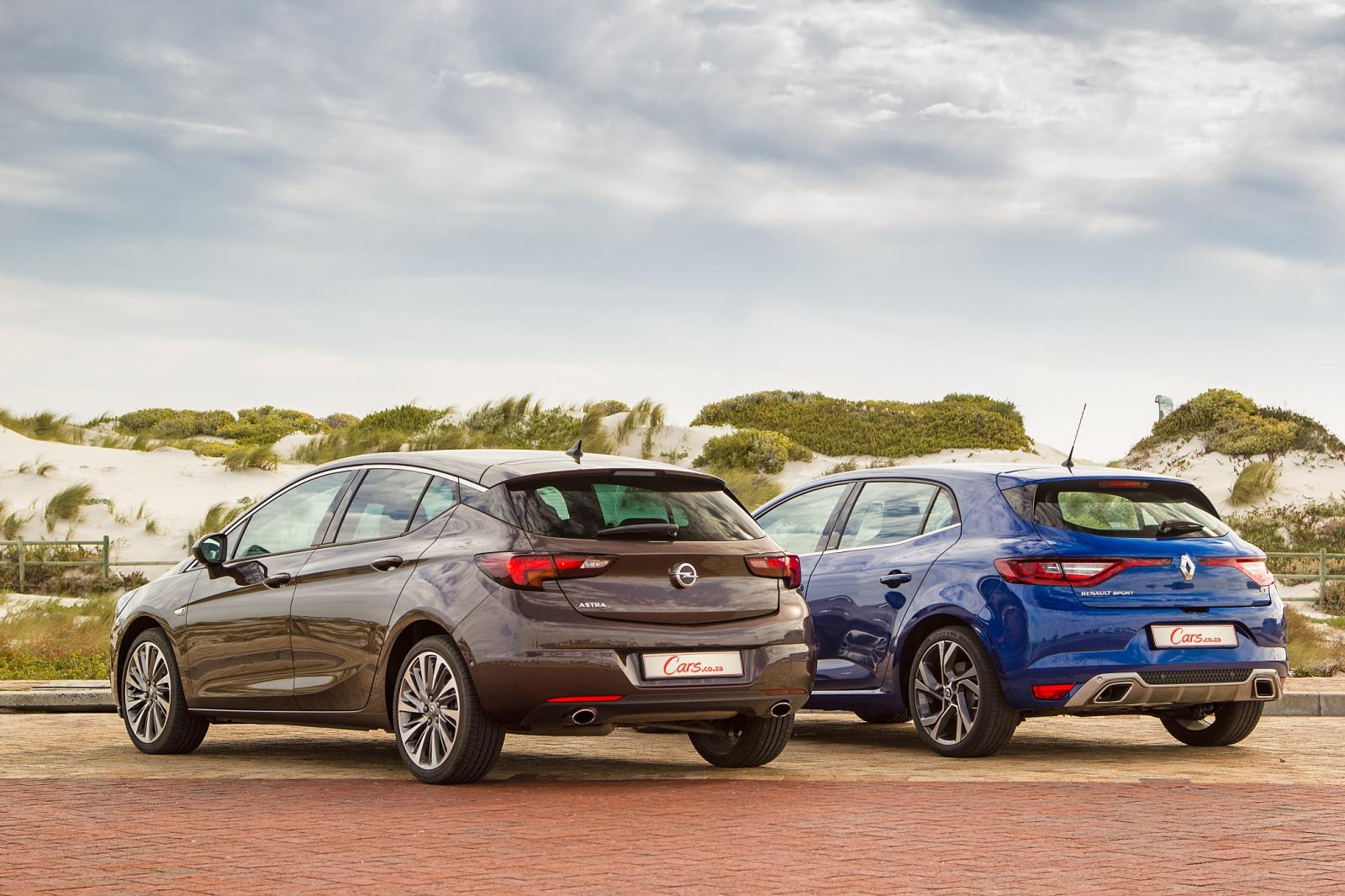
The new Megane has been blessed with a sporty physique and some extra touches to give it a more athletic look. Just under the badge on the nose, there’s a GT decal and the fog lamp design looks like a pair of pistols pointing towards the sharp end of the car. It’s a racy exterior that’s backed up by the diffuser at the rear and muzzled twin exhaust ends. The Astra Sport, by contrast, is muted in its sportiness, the additions are limited to tinted rear windows and chromed tip exhaust pipes. As they stand here, the Renault's exterior packaging is more likely to pique (and hold) your interest.
As far as looks go, it's the Megane that makes more of a statement
Mild firepower…
Both premium hatchbacks are powered by modern 1.6-litre turbopetrol units, but, where the Astra has a manual 6-speed ‘box, the Renault comes equipped with a dual-clutch automatic complete with paddle shifters behind the steering wheel – more on those paddles in a bit. In the power stakes, the Megane has the slight upper hand with 151 kW compared to the Astra’s 147 kW. Both sit with an identical torque of 280 Nm. Even with the Renault’s built-in launch control system, the Astra is the faster from 0 to 100 kph, clocking in at 7.0 seconds to the Megane’s 7.1 seconds.
In terms of engine feel and delivery of power, the manual Astra impresses most. It feels less encumbered by the 6-spd gearbox than the Megane with its 7-spd dual-clutch unit. The Astra quickly builds up boost and revs energetically towards its redline before mildly tapering off as the turbo’s effect diminishes. The Renault, by comparison, is by no means lethargic but doesn’t provide the same kick or revvy feel as it gathers speed.
Manual vs auto? Renault's dual-clutch 'box still needs improvement
In the Megane, however, you do get a variety of engine/powertrain modes to choose from (and experiment with)… An RS button on the fascia effectively enables you to exploit every ounce of sporty driving that the Renault has to offer. When engaged, the French car's exhaust and engine notes are cranked up and the traction control gives you a bit more leeway to be aggressive on the throttle. The Astra has no such gimmicks as what you see is what you get, if you want it to be sporty, then just drive in a sporty manner; if you want it to be economical, then just drive economically. You need to decide whether you prefer the electronics taking care of your driving needs or if you just want to get on with the job yourself.
Cornering…
The Renault has the upper hand in this department with the knowledge and know-how gleaned from years of RS-badged Meganes. The newest addition to the tech fold is the addition of a 4-wheel steering system. In effect the rear wheels turn in the opposite direction to the fronts at lower speeds and then in the same direction at higher speeds. At low speeds, this improves agility and at high speed, you get more stability. It works rather well on the Megane GT, especially in the slow stuff like hairpin bends or simply, trying to manoeuvre the hatchback into a parking space.
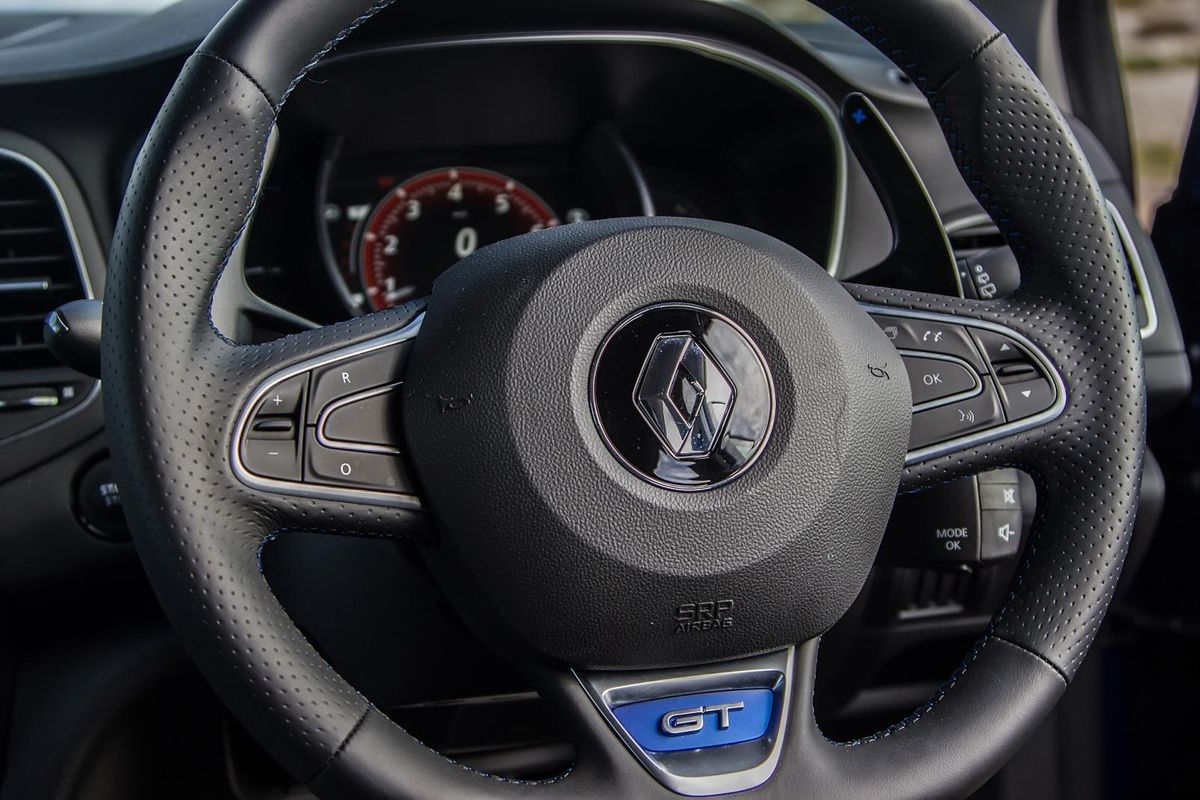
At high speed it feels stable, but the effect of the 4-wheel steer is less perceptible. In terms of overall handling ability, the Megane does a better a job than many will expect. It’s by no means an RS in terms of its dynamics but, it can certainly deal with corners well. It’s great fun to hustle around bends and its well-weighted steering is particularly engaging to work with. Unfortunately, the paddle shifters are affixed to the steering column (they don’t move with the wheel as you turn it), which means you have to shift our hand position as you search for another gear mid corner – not ideal.
The Astra has a more comfortable ride but, the Renault is better in the corners and when driving enthusiastically.
The Astra doesn’t have any fancy tricks up its sleeve, but it offers an engaging driving experience nonetheless. The body control is good as you whip the Opel from side to side; the German car's attitude remains poised throughout. The steering is okay in terms of weighting, but not quite as responsive as the Megane's. But the ride quality of the Astra over bumps needs to be commended: even on the 18-inch wheels, the suspension smooths out nasty bumps. The Megane isn’t far off in the ride quality department but the Renault feels a little stiffer over bumpier road surfaces, which is probably why it has the upper hand in the handling department.
Interior ambience…
Both manufacturers have worked tirelessly to improve the quality and feel of their cars' interiors. The previous Megane lacked premium feel and the dashboard was one vast expanse of grey. The old Astra felt plasticky in places and its infotainment system was an absolute button-fest. These new interiors represent massive improvements over those of heir predecessors and are tech-heavy with their large touchscreens and connectivity options.
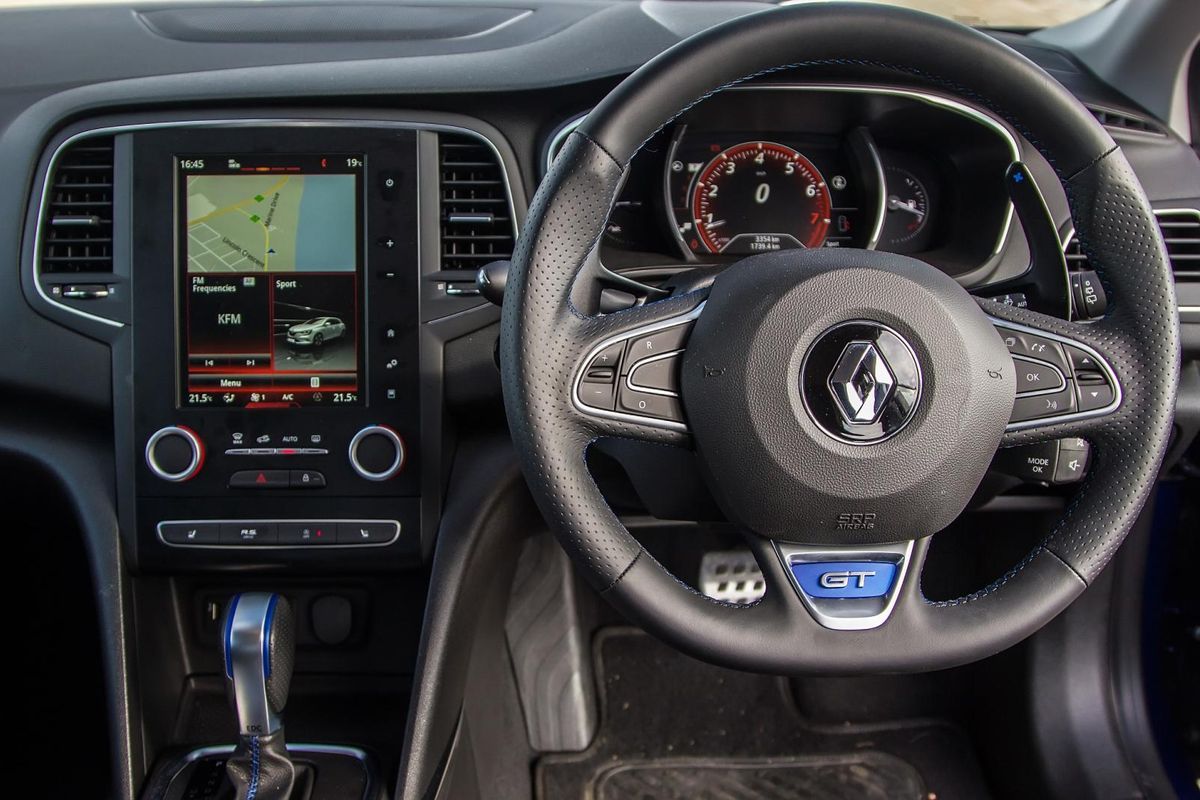
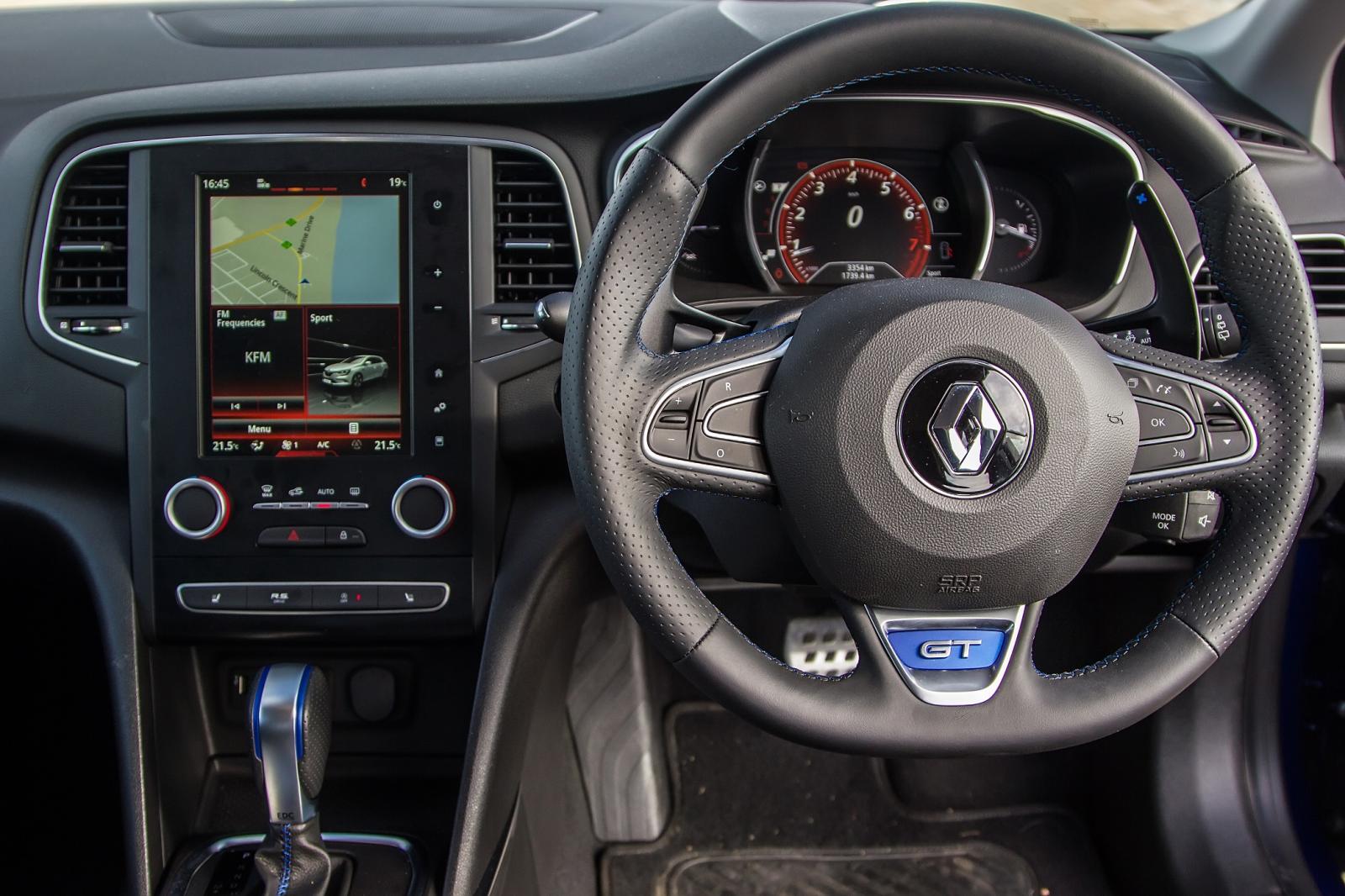
New Renault interior has many sporty (blue) cues. It's a major improvement over its predecessor.
The Megane does "sporty" better than the Astra. The first thing you notice as you get seated are the racy bucket seats. They are very supportive and comfortable, but they do hamper space for rear occupants. The GT model isn’t subtle about its sporty credentials: there’s blue stitching all around the cabin and some GT signage on the bottom of the steering wheel for good measure. Mood lighting along the door panels is adjustable to just about whatever colour you want and almost every feature is controlled through the large touchscreen. The materials are a distinct improvement, making the cabin feel lively and upmarket but, there are still harsh plastics as you start pressing trim pieces like the centre console and gearshift surround.
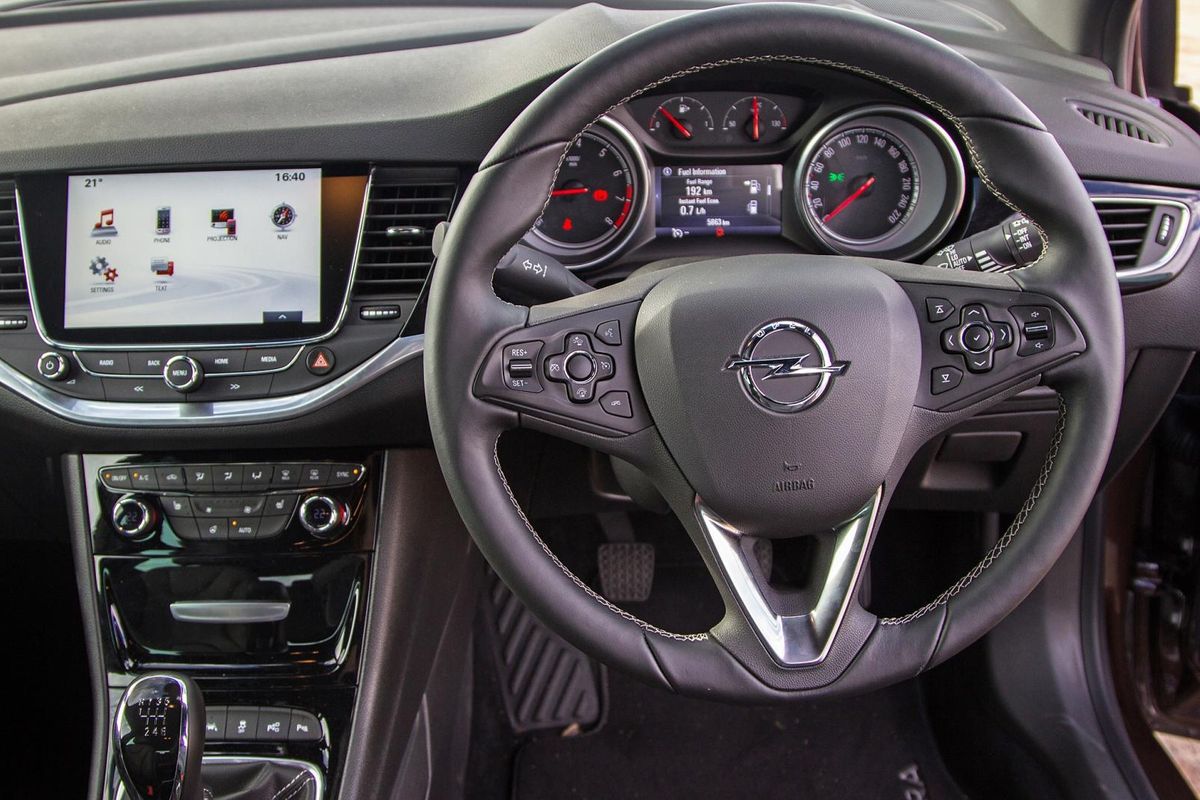
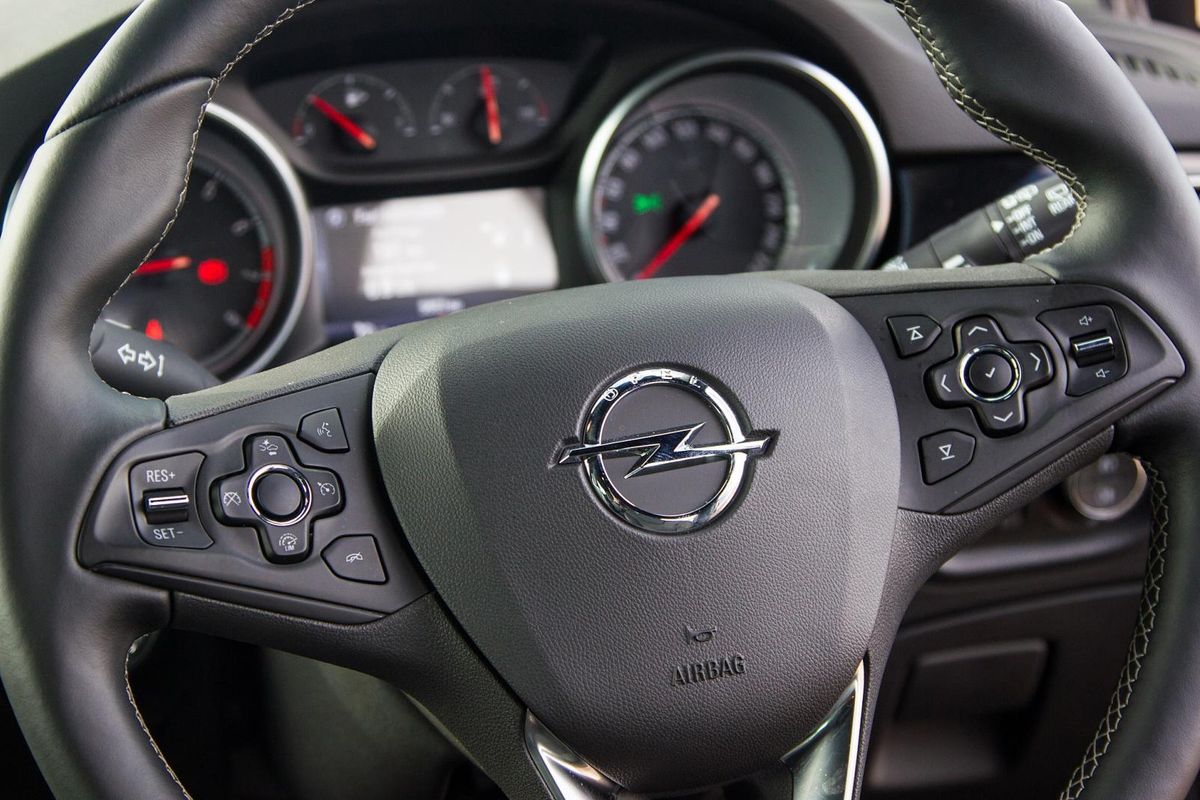
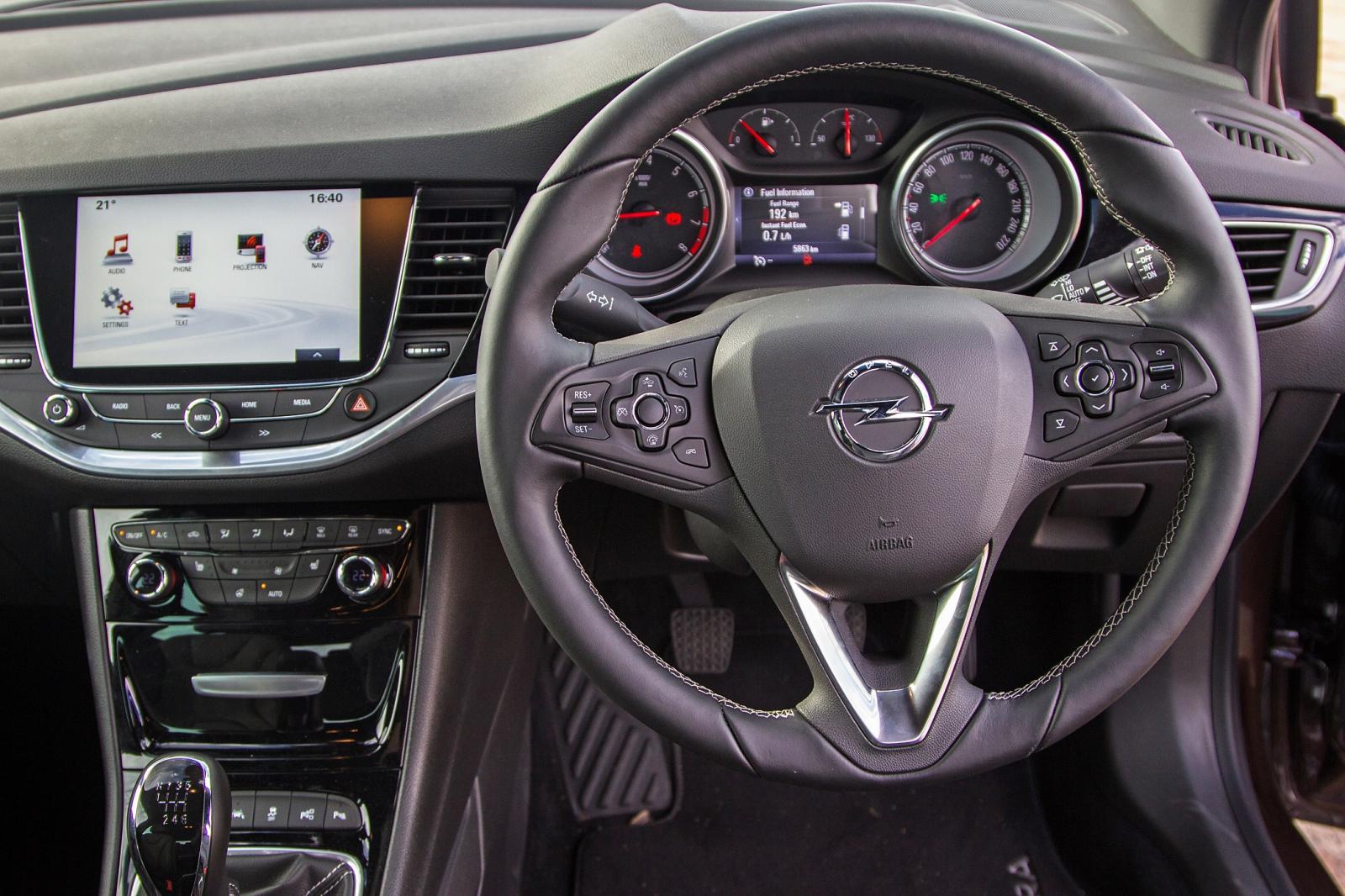
Astra's interior feels slightly less plastic than the Renault but not as colourful.
The Astra doesn’t show off its sporty credentials the way the Megane does but it’s certainly not lacking in onboard equipment. Seat heaters in the front and rear are a novel touch in this segment and the Opel's abilities to read road signs and detect following distances are particularly handy during longer trips. As for the quality, there’s mostly soft-touch materials and the mixture of Piano Black sections with strips of silver metal creates an upmarket feel. The strange mobile phone holder in front of the gear lever is a bit odd and would be more useful if utilised as a general storage space.
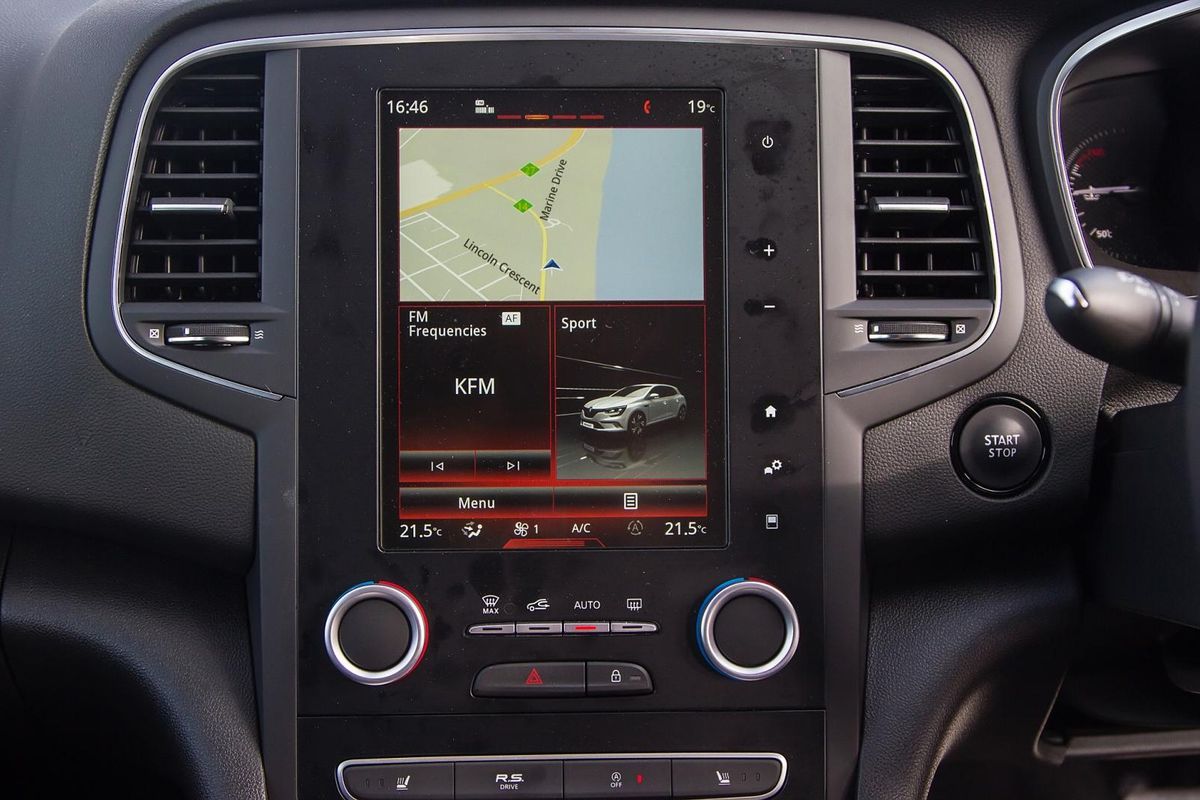
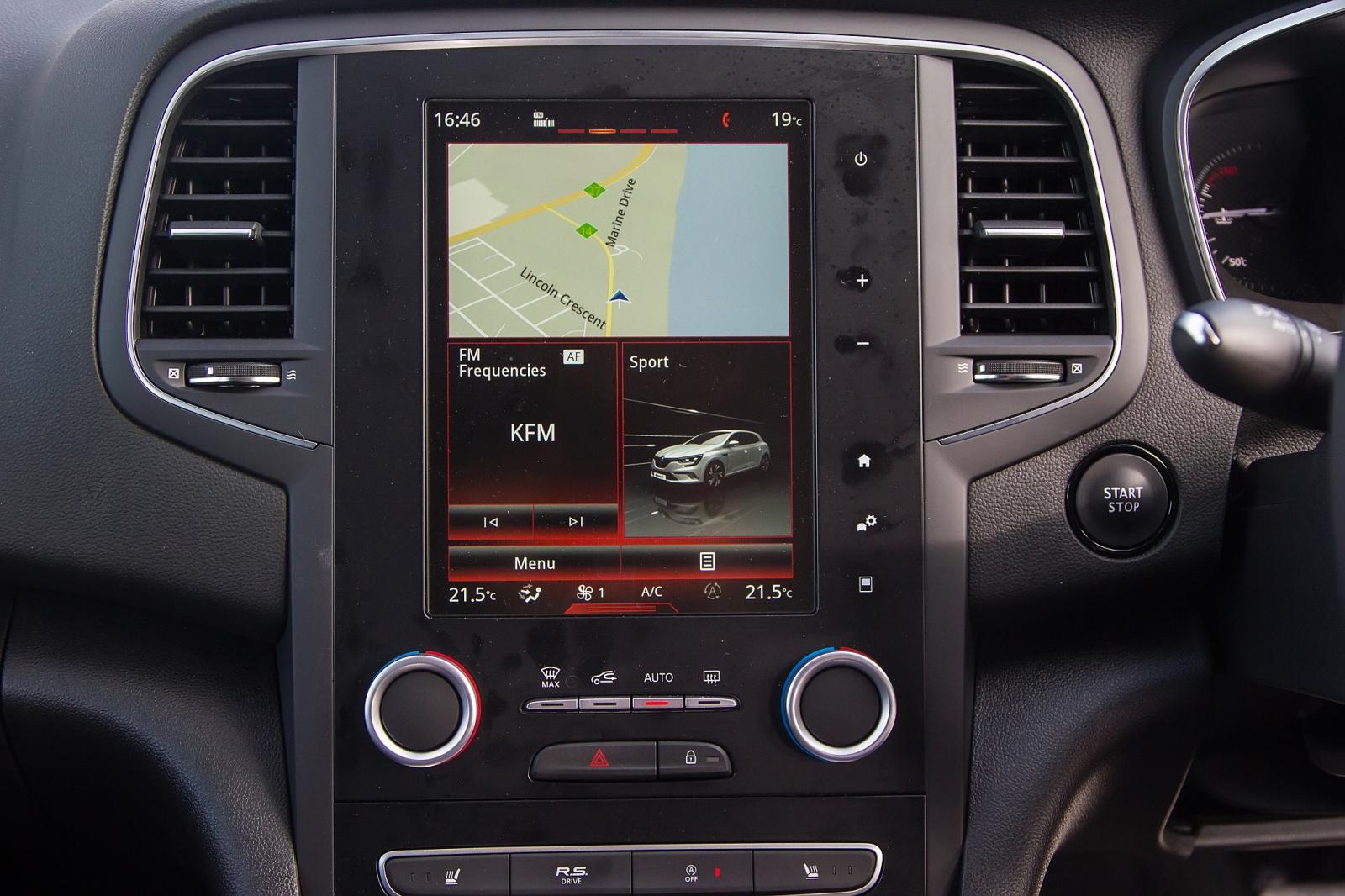
Infotainment system on the Megane is customisable. RS button at the bottom accesses all the vehicle's sporty attributes.
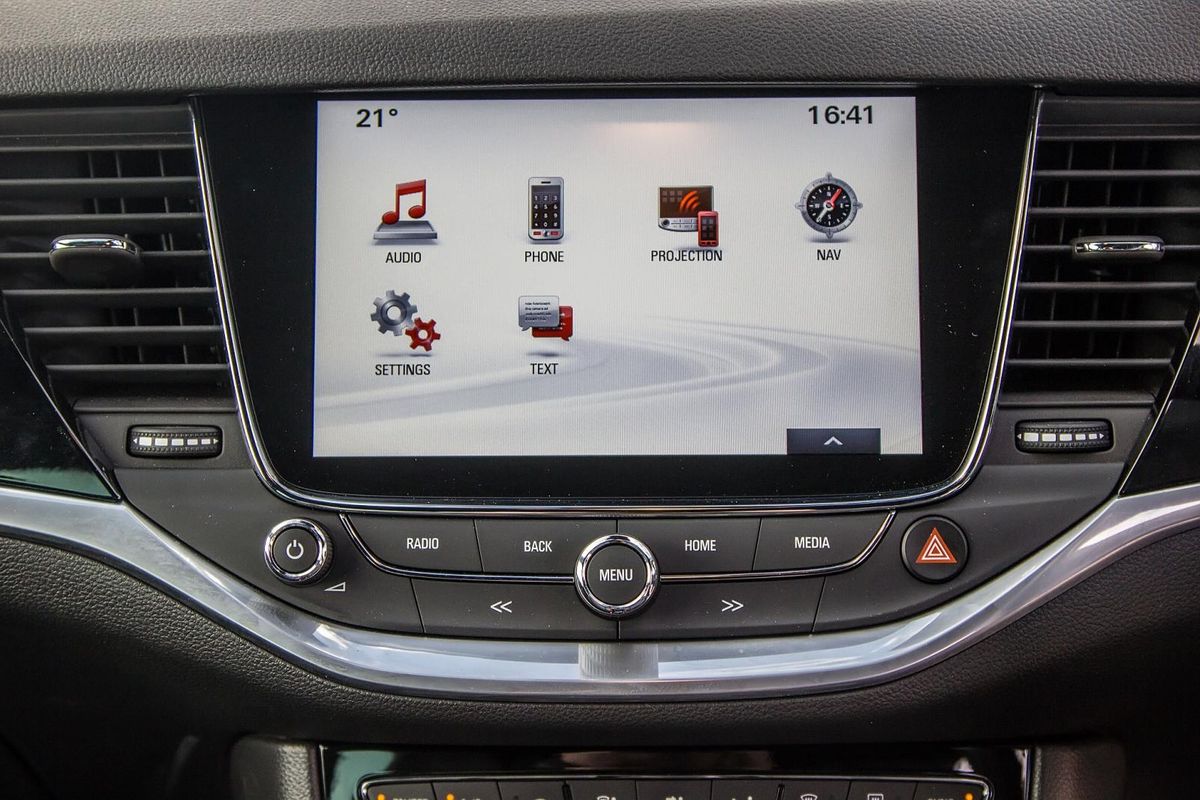
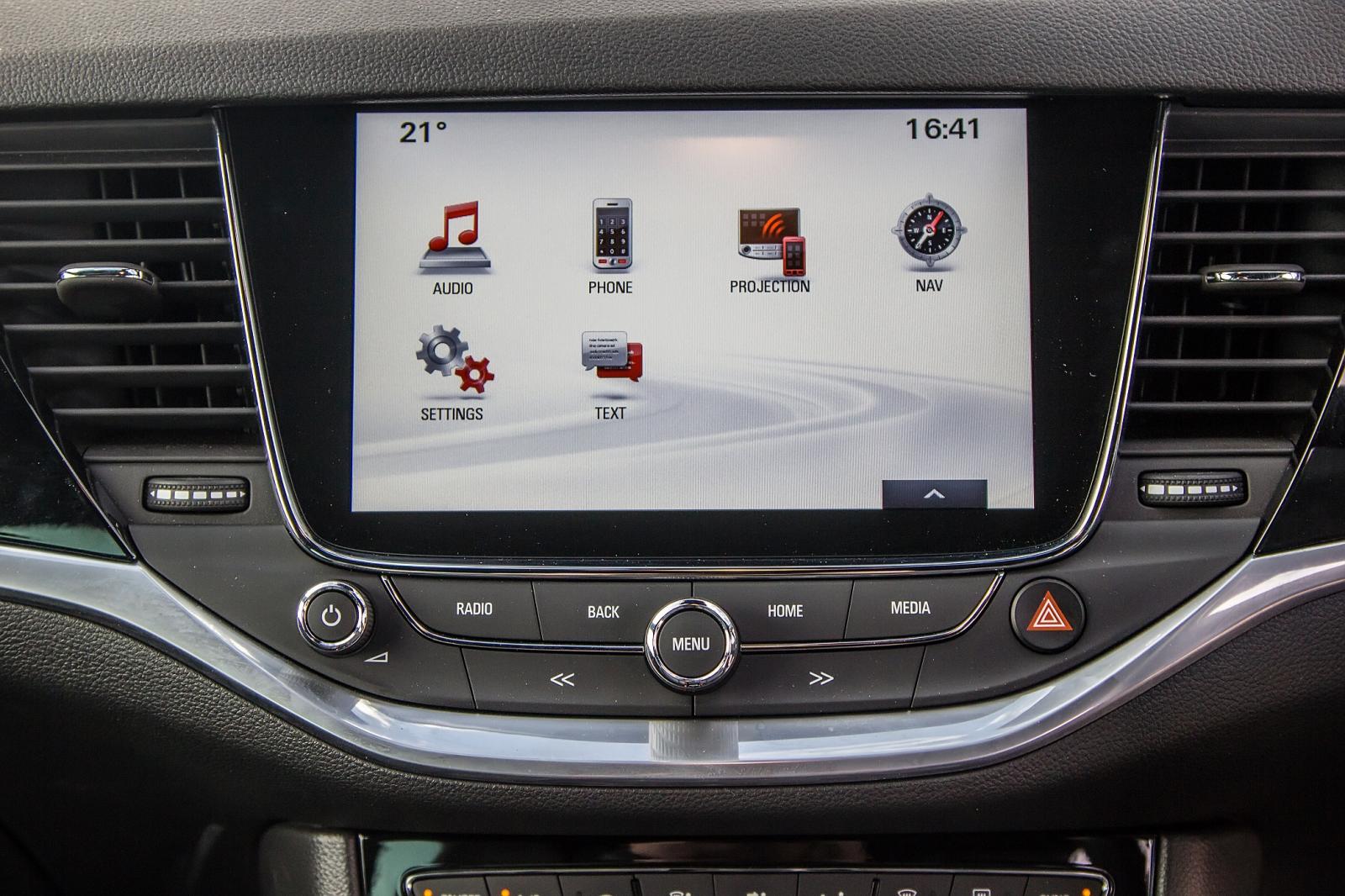
Comparing the infotainment systems is tough as they both offer practically everything you could currently ask for cars of this class. Navigation, Apple Carplay, Mobile phone projection and app integration are available on the Astra and it’s a quick and simple system to get used to. The Megane is more adjustable but takes longer to figure out the menus and where all the functions are kept. You can customise individual screens with things you want to see and then swipe right or left – like you would on your phone – to move to another customisable screen. It’s difficult to separate the two cars in this department. They will both also park themselves hands-free into any parking spot – just another area in which they compare closely.
Opel's touchscreen is simple and easy to use and still has all the tech you'll need.
Practicality…
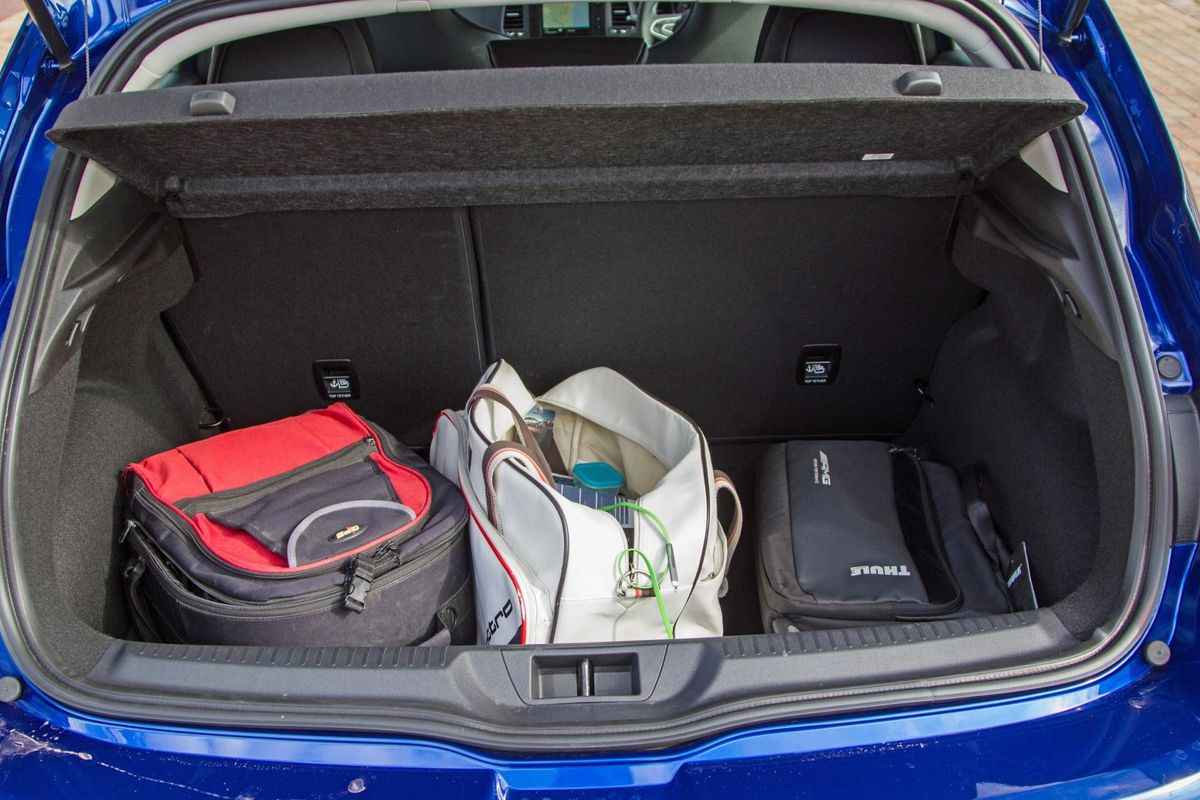
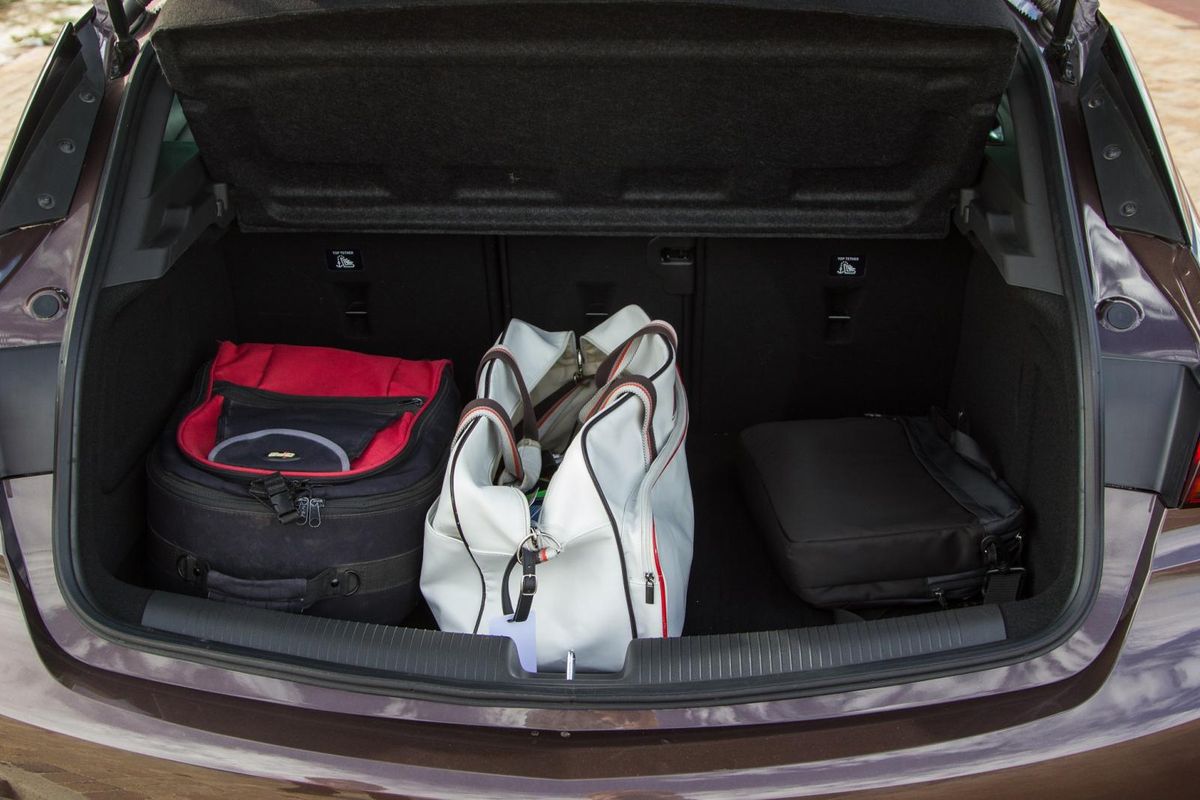
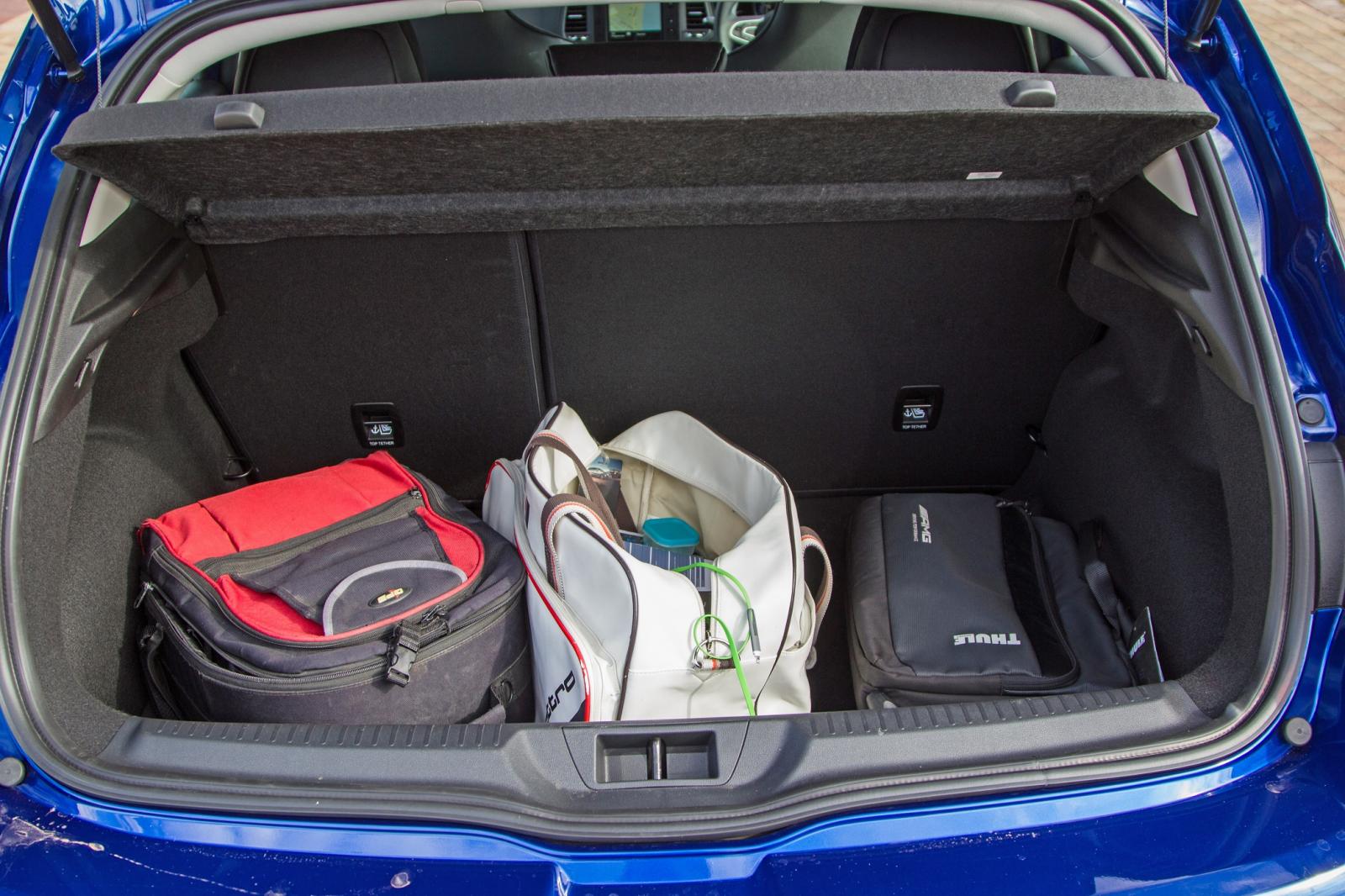
The Megane has the bigger boot of the 2 cars.
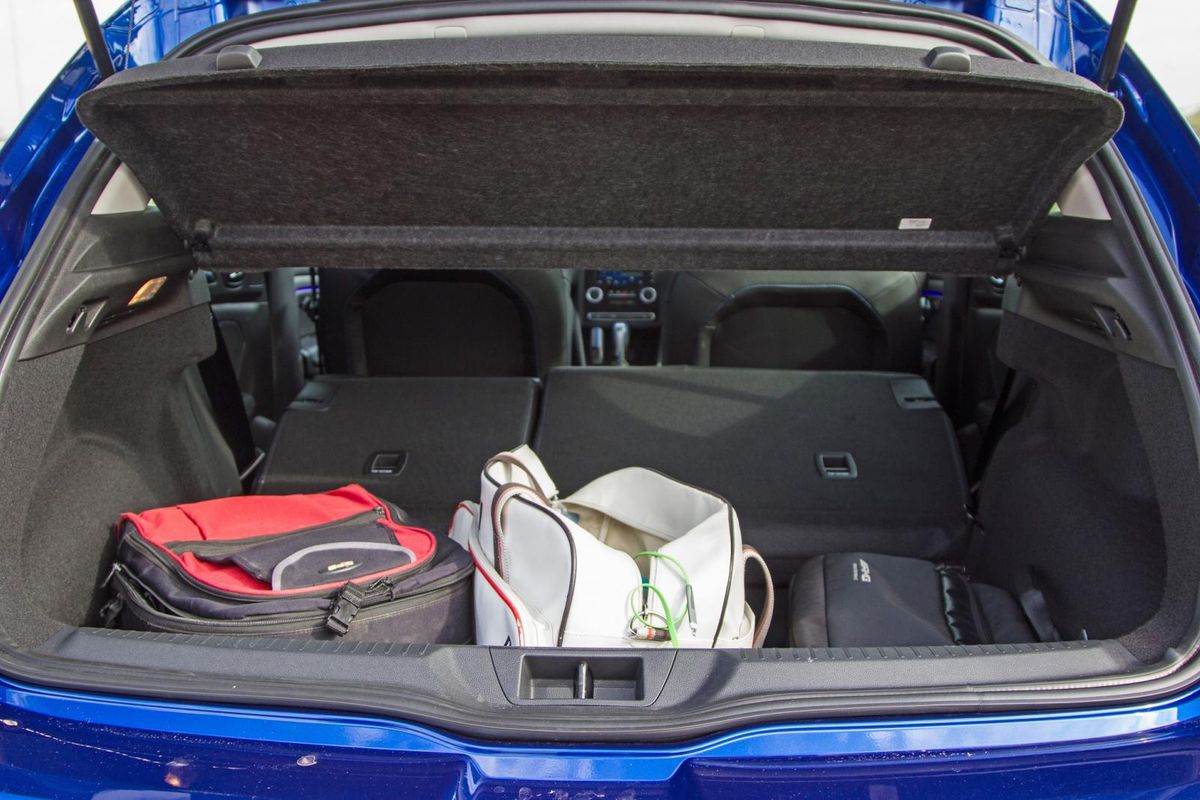
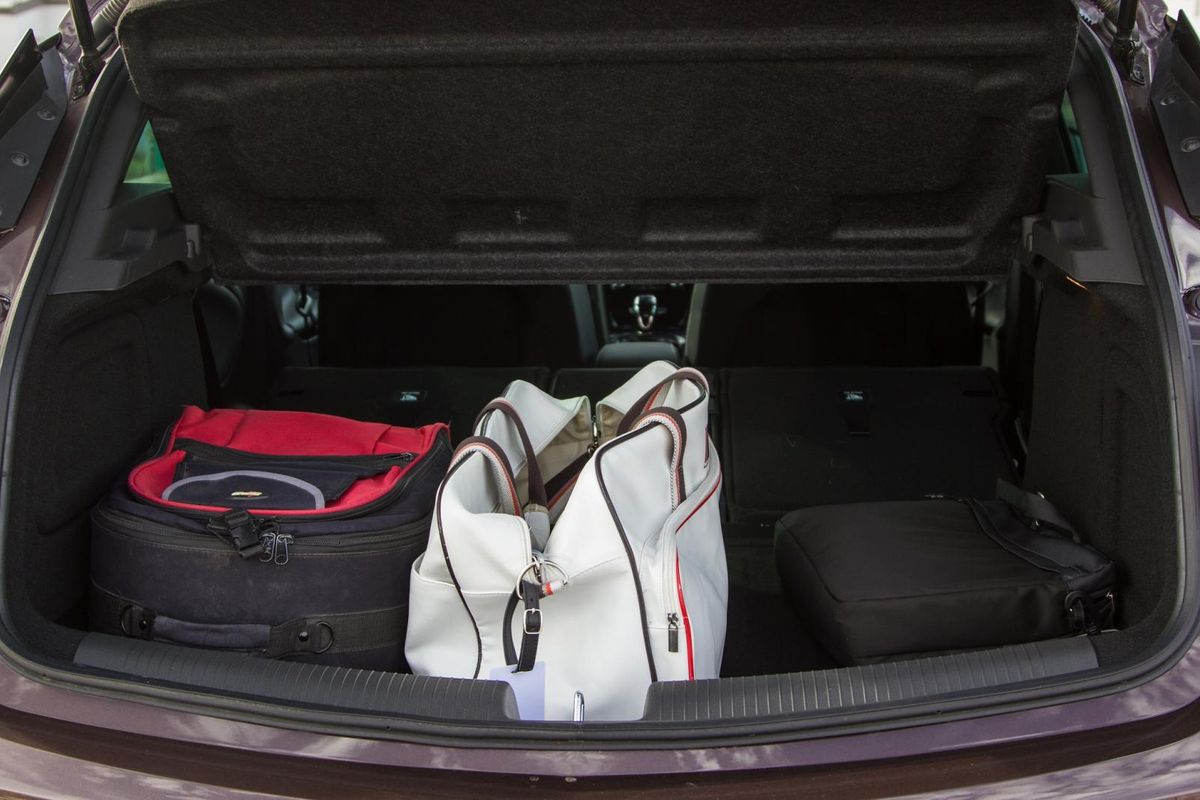
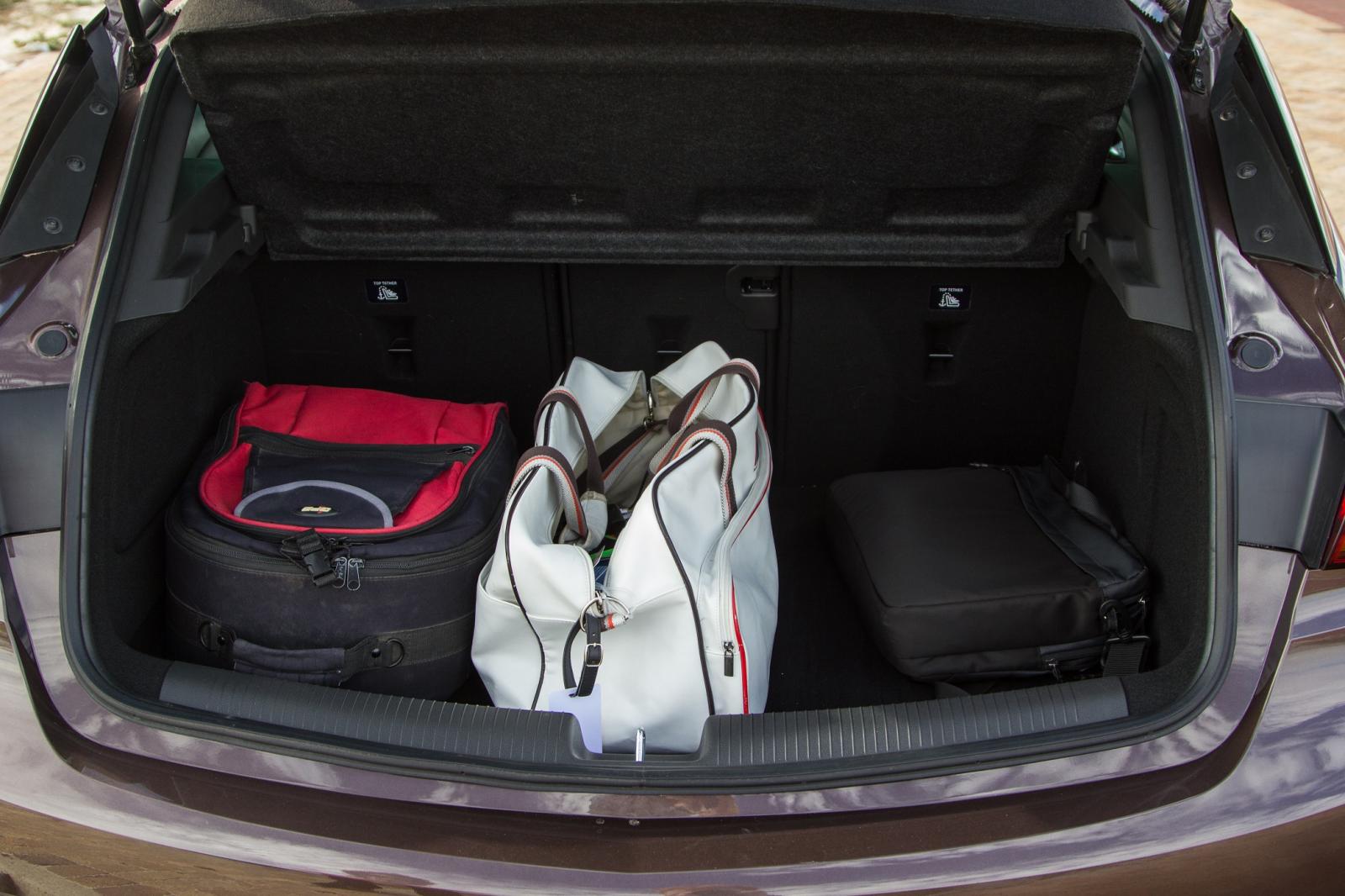
While these two rivals may have sporty pretentions, they still need to fulfil an element of practicality. For passengers, the Astra has more space and feels roomier inside. There’s also more legroom in the rear and when the seats are folded down, the Astra has a flatter loading area. The Megane loses out in rear comfort as the front bucket seats take up much of the legroom availed to rear passengers. The Megane has the bigger boot, which is said to accommodate 434 litres compared with the Astra’s 370 litres.
Astra has 40/20/40 split folding rear seats that fold flatter than the Renault's.
Verdict
The comparative review effectively pitches a car with overtly sporty packaging (the Renault) against another premium product with more of "a sporty bent" (the Opel, which uses the Sport moniker primarily as the designation of a well-specced styling-pack).
The Megane has a more eye-catching design and road presence than the Astra, which are 2 major ticks in the Renault's column. In the handling department, the French car is again a notch above its German rival, but the latter pulls back some ground with its superior ride quality and the fact that, given that they offer similar levels of performance, the manual 'box is easier to live with than the Megane’s not-quite-there-yet dual-clutch setup.
As is the case with the cars' respective exterior executions, the Megane's interior has a greater sense of occasion; it shows off more with its blue stitching and interior lighting tricks. By contrast, the Astra is simpler, but with plusher materials used.
If dynamism, sporty looks and, more specifically, road presence are what matters to you most as a prospective buyer, the Megane has a definite edge on the Astra.
However, there is the not-insignificant matter of price. The Astra is R394 800, compared with the Megane’s R452 900. Even if you add the Sport Plus package to the Astra that adds LED adaptive headlights, it’s still only R415 200.
In terms of value, the comprehensively-specced Opel scores very highly, even if its warranty period is slightly shorter (5-year/120 000 km versus 5-year/150 000 km, both competitors have 5-year/90 000 km service plans). It's more practical than the Renault (with a flat-folding rear seatback and more rear legroom) and with that in mind, the Astra wins this comparative review because an appreciation of the Megane's aesthetic qualities is entirely subjective and the latter's dynamic edge is too minor, we feel, to justify its price premium over its rival.
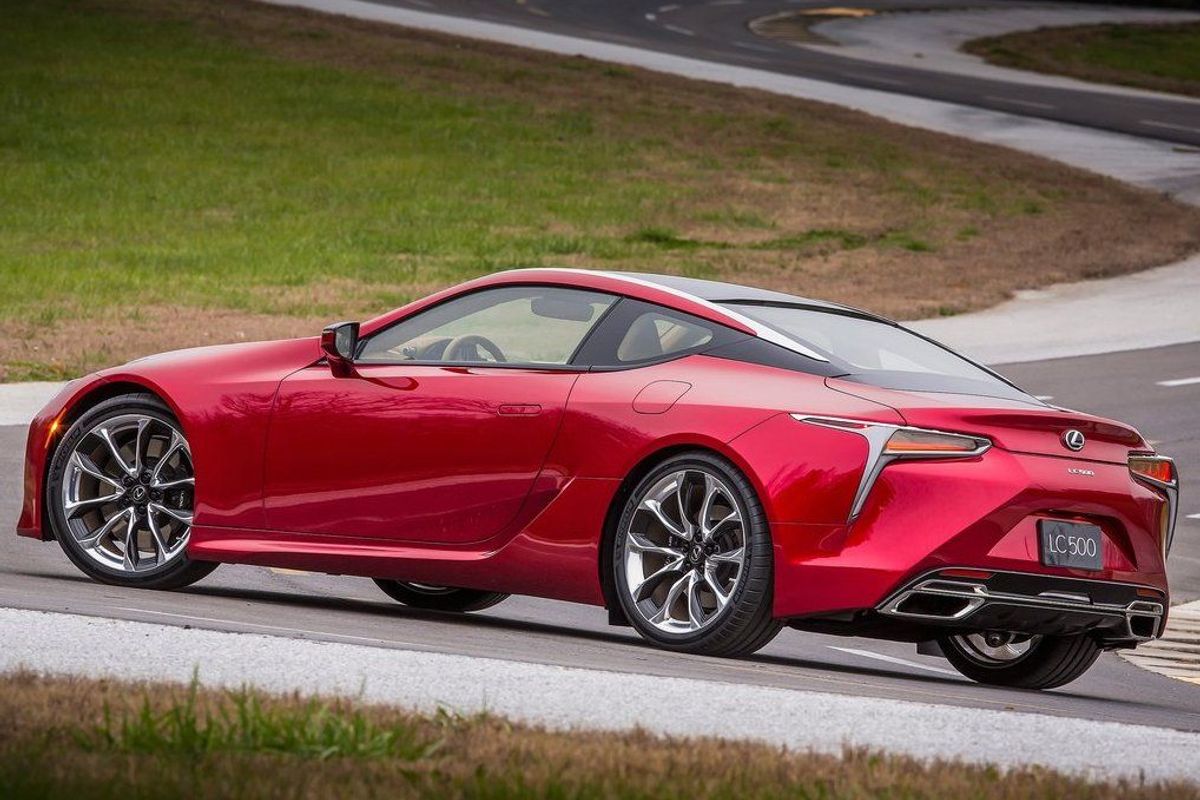
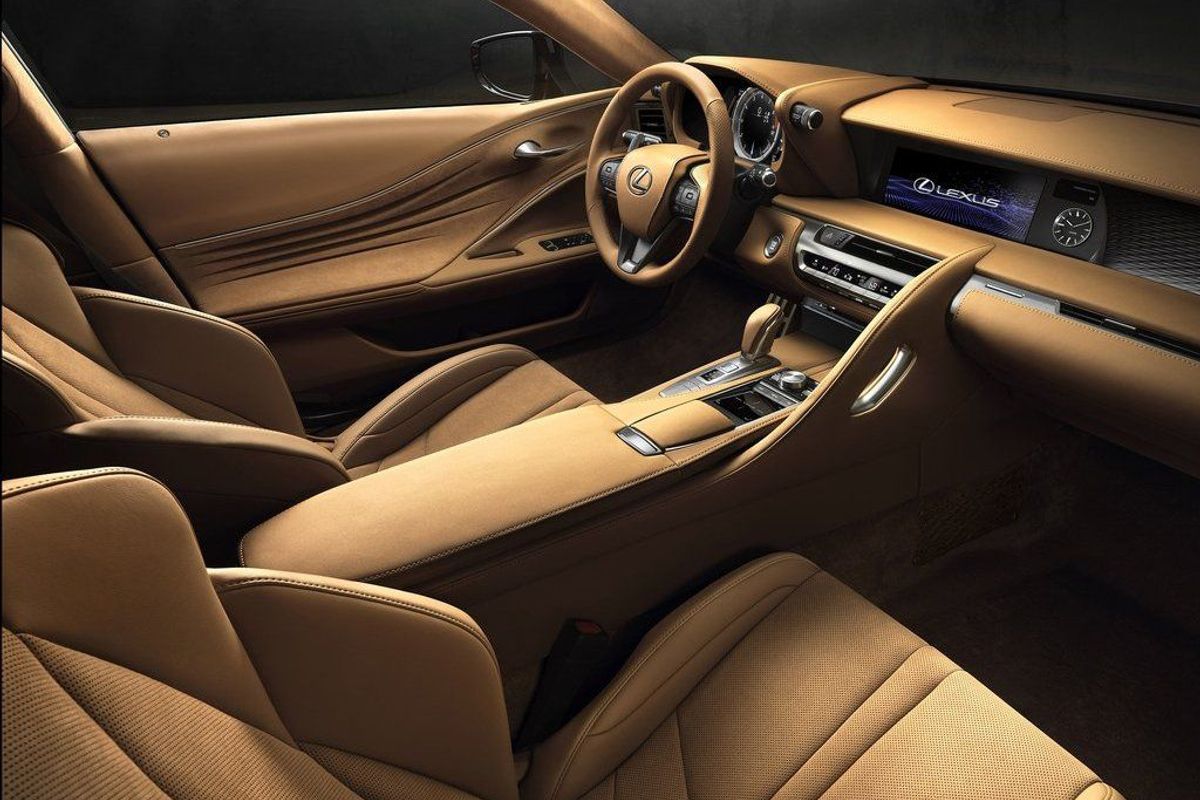
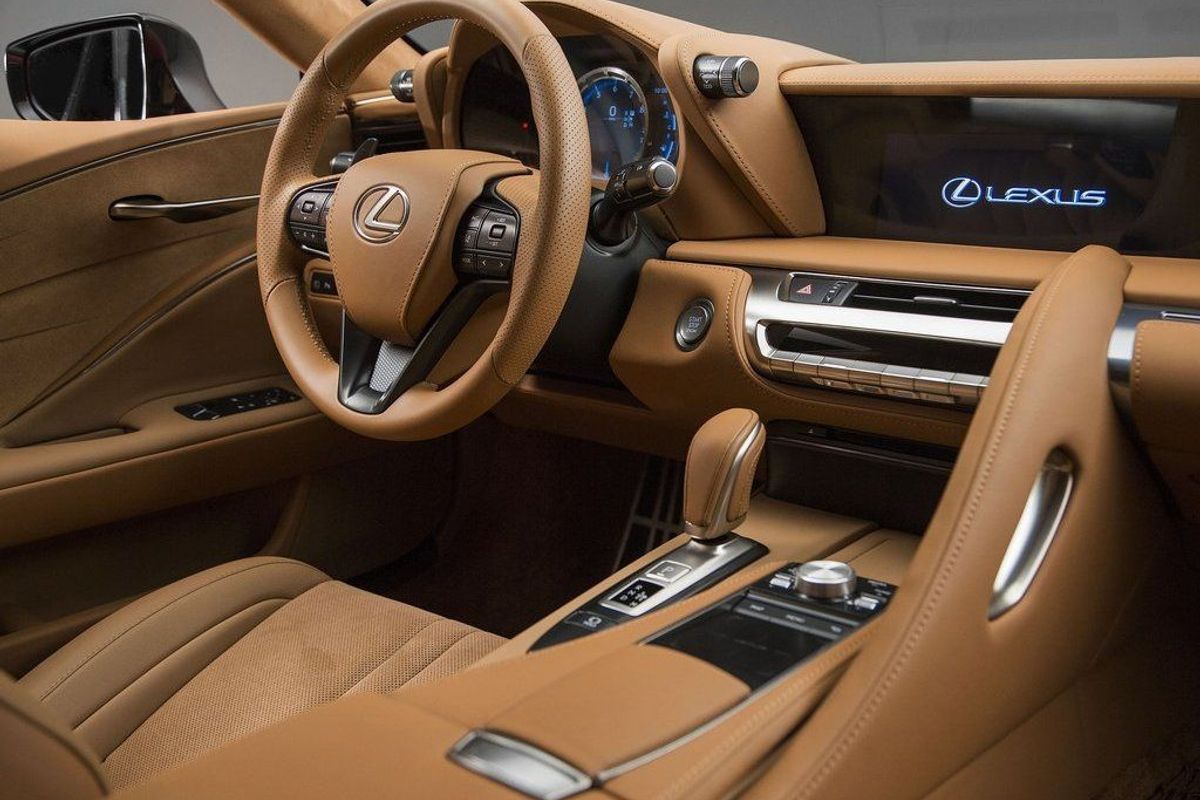
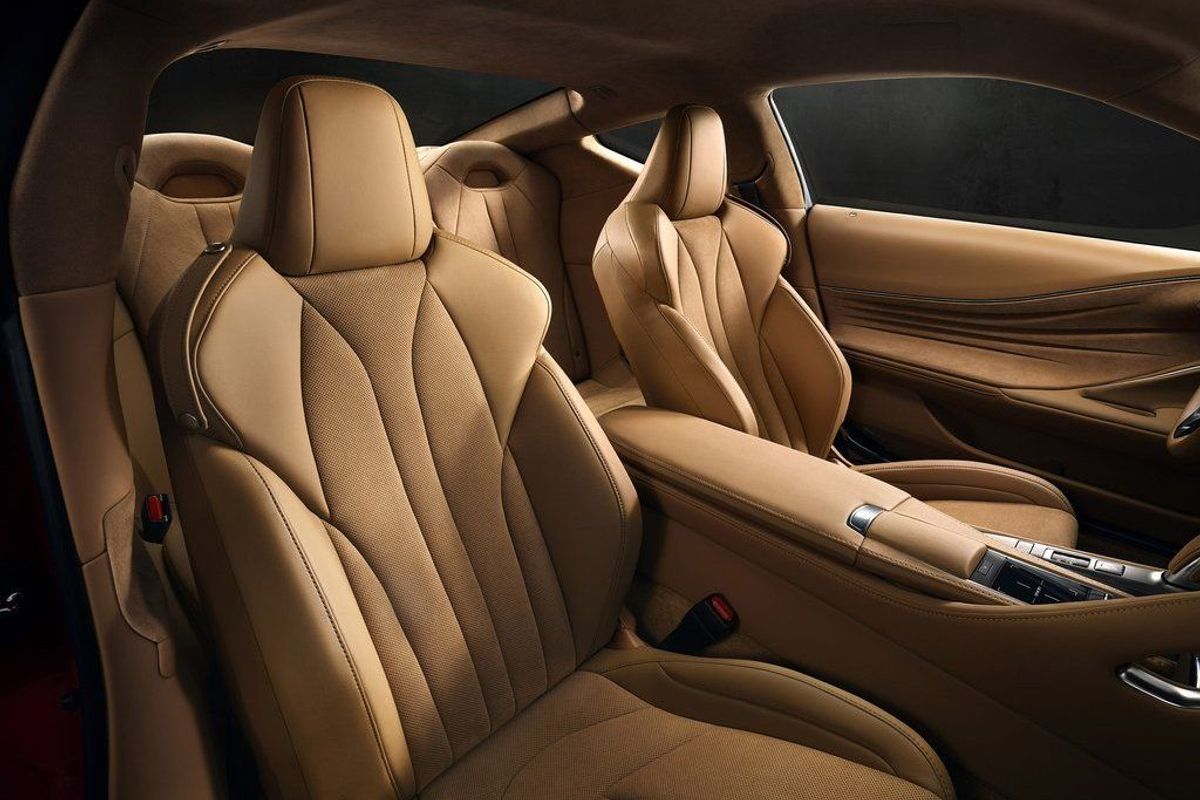
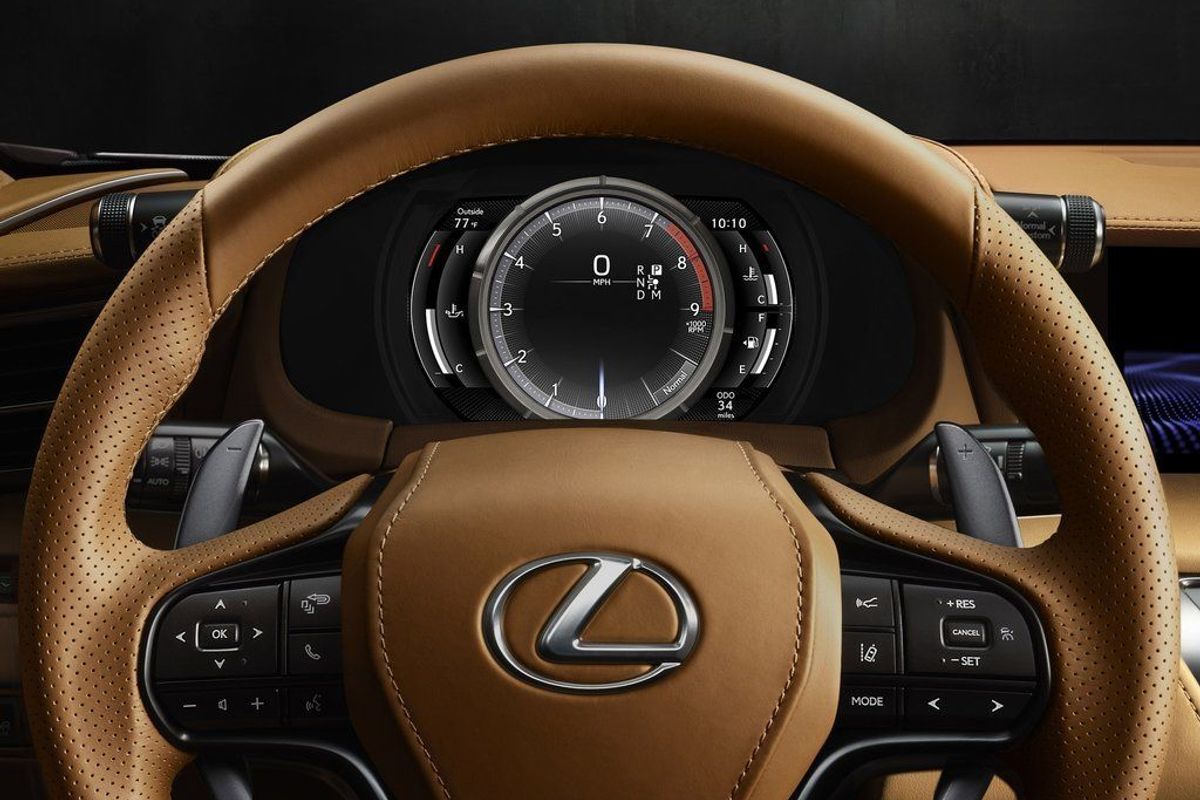
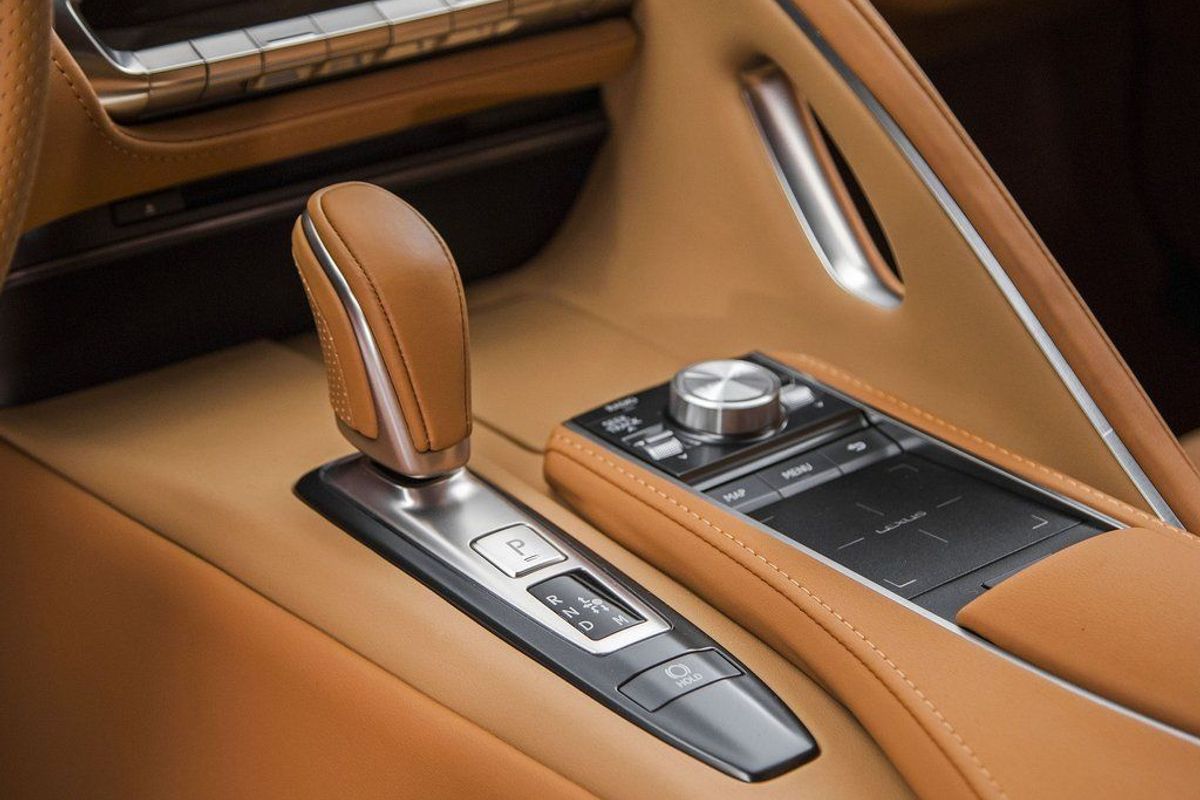
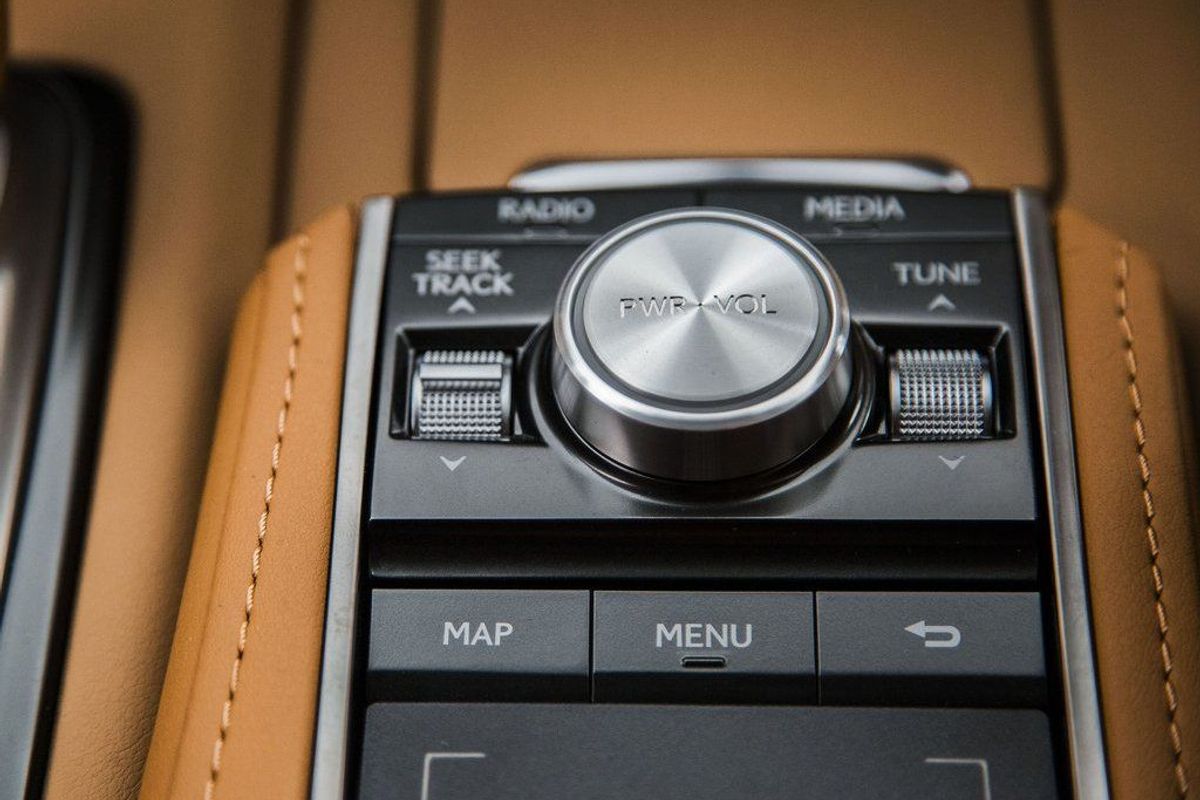
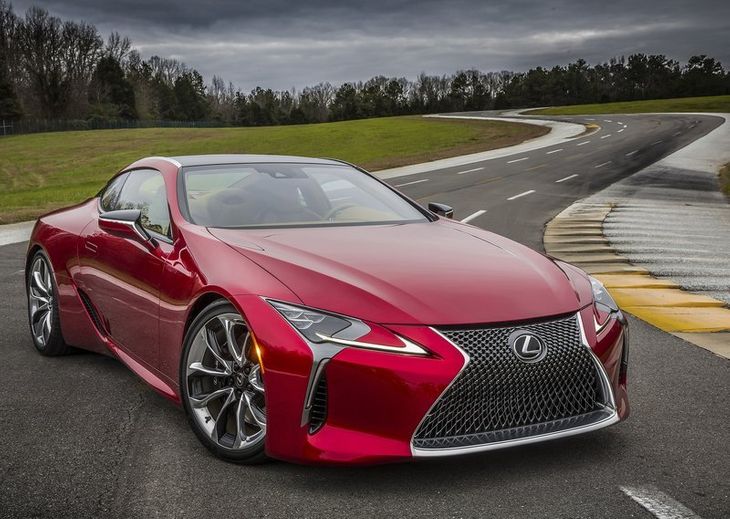
Our video man, Ciro De Siena, is currently making his way to Spain for the global launch of the Lexus LC500. While we await his first driving impression and video, here's a first look at a car which Lexus hopes will invigorate their current lineup.
Lexus has a reputation for building solid, reliable, luxurious cars, but besides the superb yet largely unattainable LFA supercar, there is very little in the Lexus stable which stirs emotions or creates excitement amongst enthusiasts or even the most casual of petrol heads.
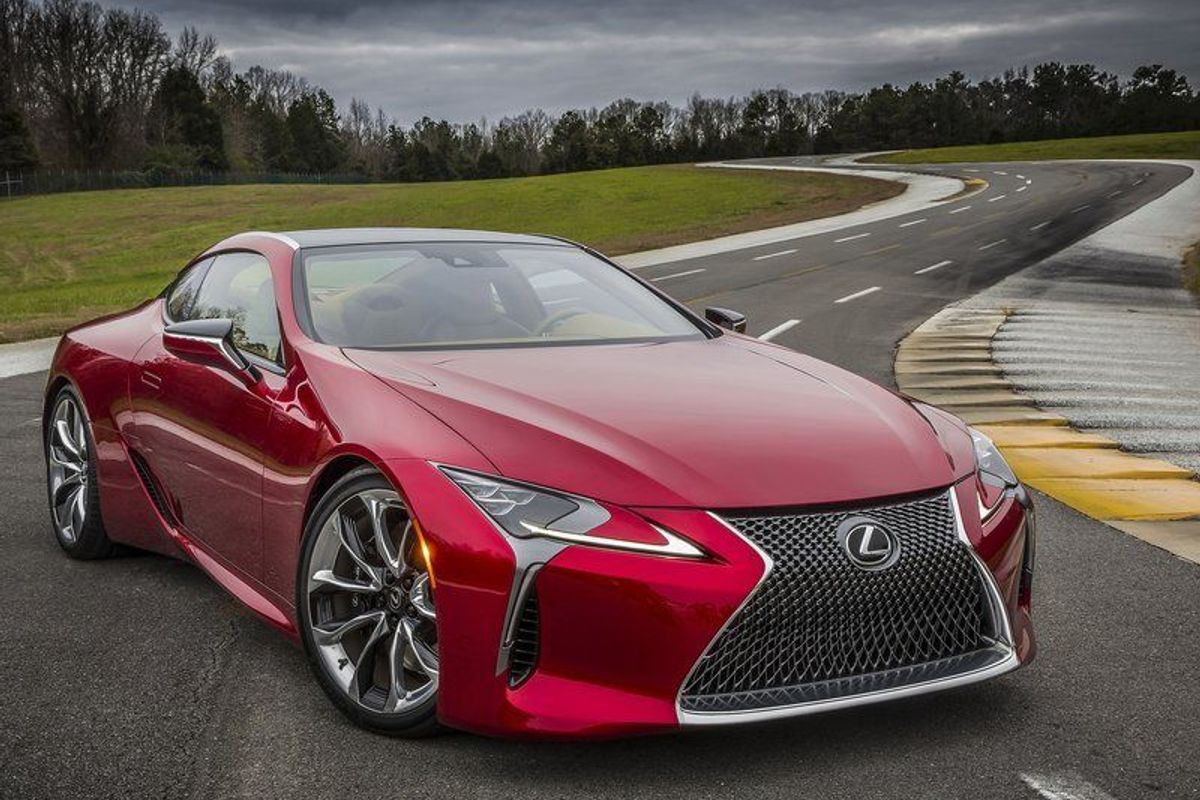
With the LC500, the Japanese marque is hoping to change that. Interestingly, Lexus were never planning to make a car like this – it exists because of the overwhelmingly positive response received by the LF-LC concept which first debuted in 2012. Such was the enthusiasm for the 2+2 Coupe concept that the president of Toyota and Lexus, Akio Toyoda, tasked his engineers with creating a road-going, customer-ready version of the concept.
Key details
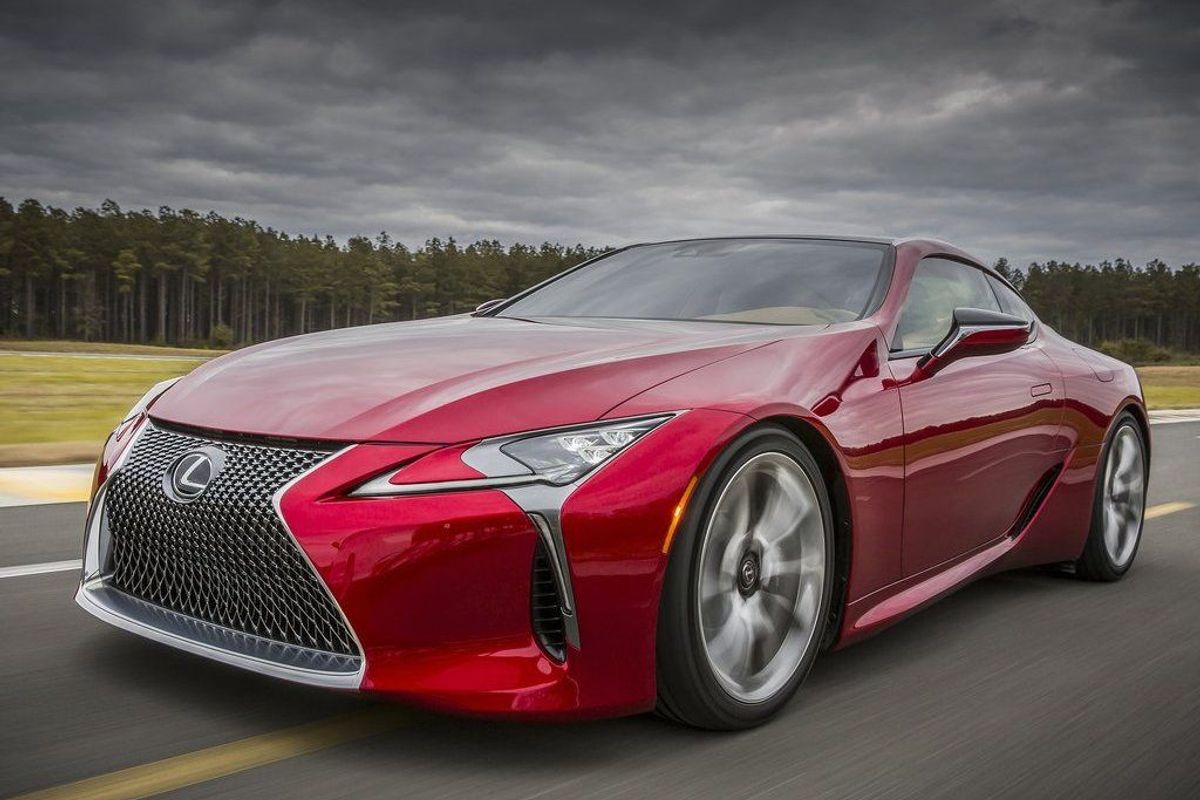
The overall shape and most of the dramatic lines of the LF-LC have been retained, if a little restrained for the real world. Power is provided by a naturally-aspirated 5.0-litre V8 engine producing 348 kW and 527 Nm of torque, which is mounted aft of the front axle and as low as possible for optimum weight distribution. The LC500 will feature a 10-speed, single clutch automatic gearbox with close gear ratios to maximise performance and enhance fuel economy.
Lexus claims this new transmission carries no weight penalty over similar 'boxes, and swops cogs as quickly as any dual-clutch transmission. Headline performance figures are a 0-100 kph sprint time of "under" 4.5 seconds.
The rear-wheel drive Lexus LC500 combines purposeful styling with a powerful 5.0-litre V8 engine.
While the styling is obviously inspired by the LFA supercar, the LC500 will not be constructed out of carbon fibre like its V10 sibling. Instead, high-tensile steel and aluminium make up the chassis and bodywork. However, a carbon fibre roof is available (glass roof is standard) and carbon fibre in the door structures and a composite boot floor further aids in reducing the overall weight of the car.
Lexus has tried to emulate the characteristic sound of the LFA's V10, and although the V8 will always sound different, they believe the two cars "share the same philosophy" when it comes to engine sound. Even so, they have included a digital sound generator which pipes carefully created sounds through the cars sound system to "enhance" the aural experience.
Lexus's chief engineer, Koji Sato, who we'll be chatting to in Spain, sees the LC500 fitting in the market somewhere between the Porsche 911, Mercedes SL, Maserati GT, Jaguar F-Type and BMW 6-Series.
With an intriguing mix of GT and sports car attributes, we're excited to sample this new product from Lexus. The launch will feature some cross-country driving and a spell on the track, at the Circuito Monteblanco in southern Spain. The inclusion of a track segment is interesting; perhaps Lexus wants the LC500 to be seen as more than just a luxury GT.
The Lexus LC500 is likely to arrive in South African showrooms around June 2017.
Look out for our first driving impression and Ciro's video coming to our Youtube channel soon.
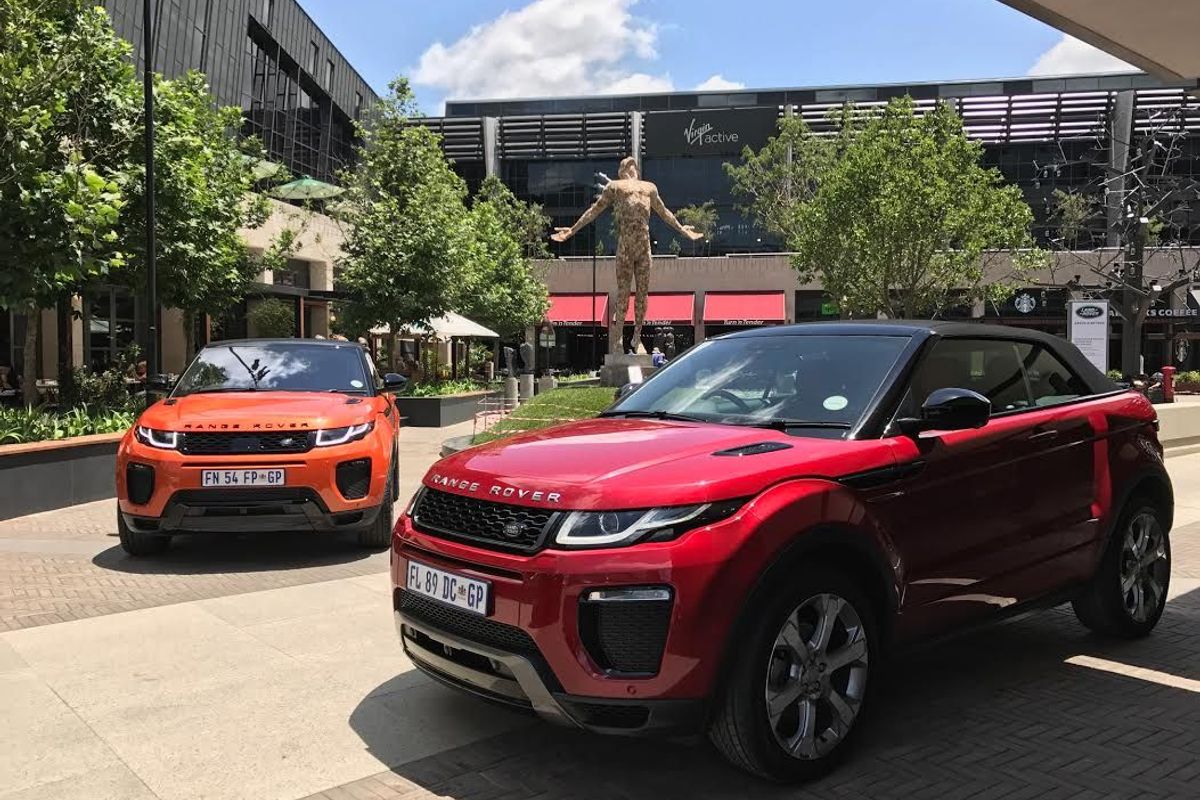
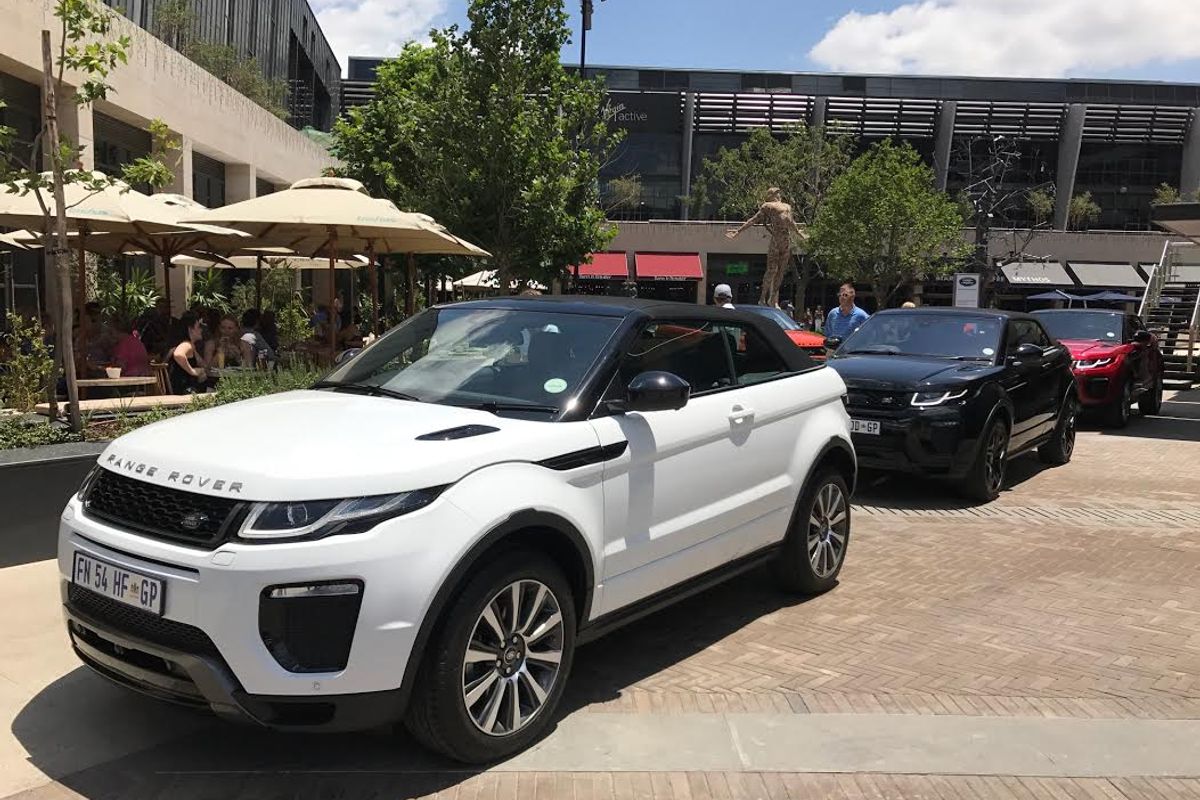
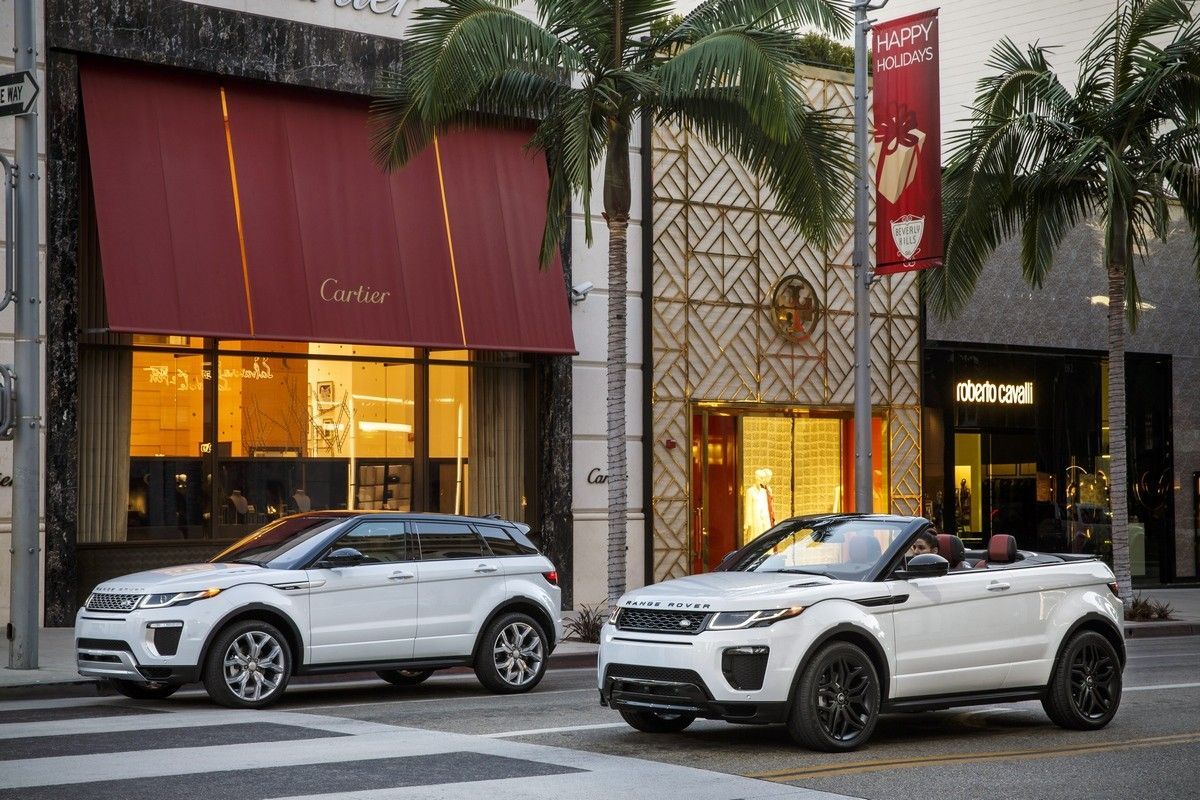
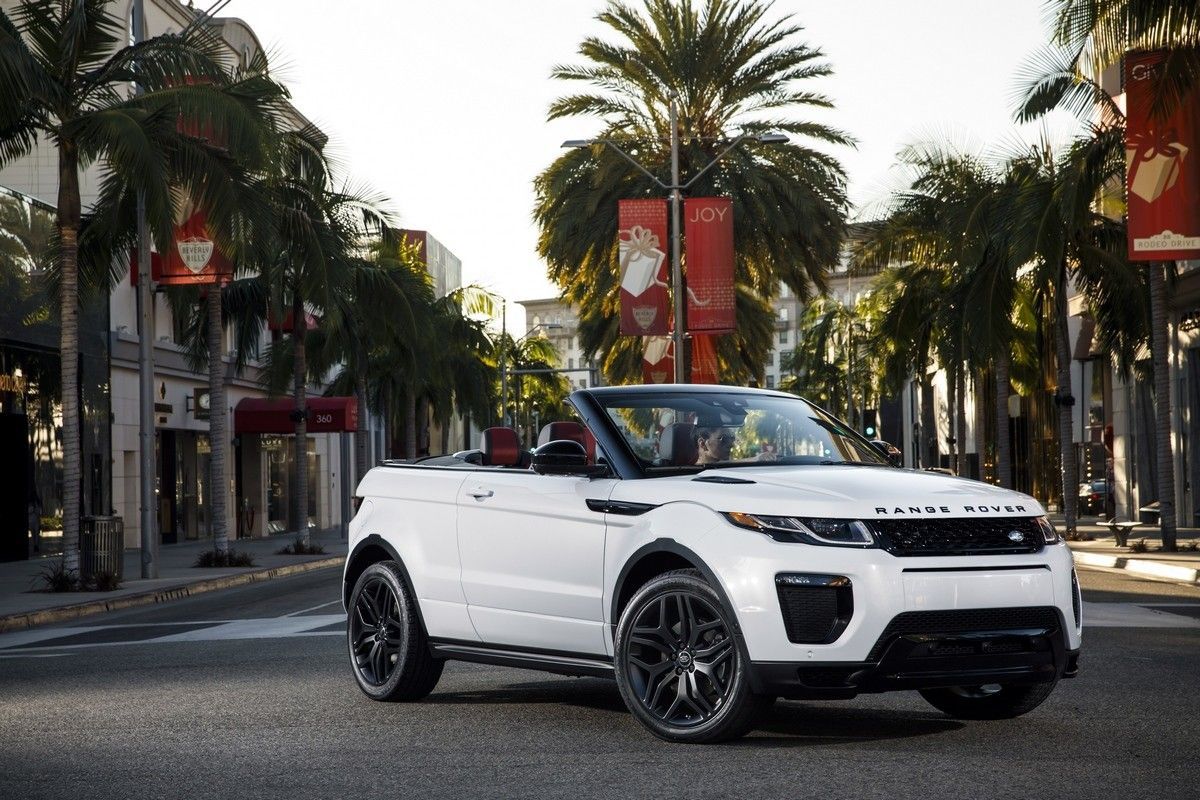
The Range Rover Evoque Convertible, branded as the "world’s first luxury compact SUV convertible" is now available in South Africa. It's arrived just in time for summer, but how much does making such an emphatic style statement cost you? More than a million…
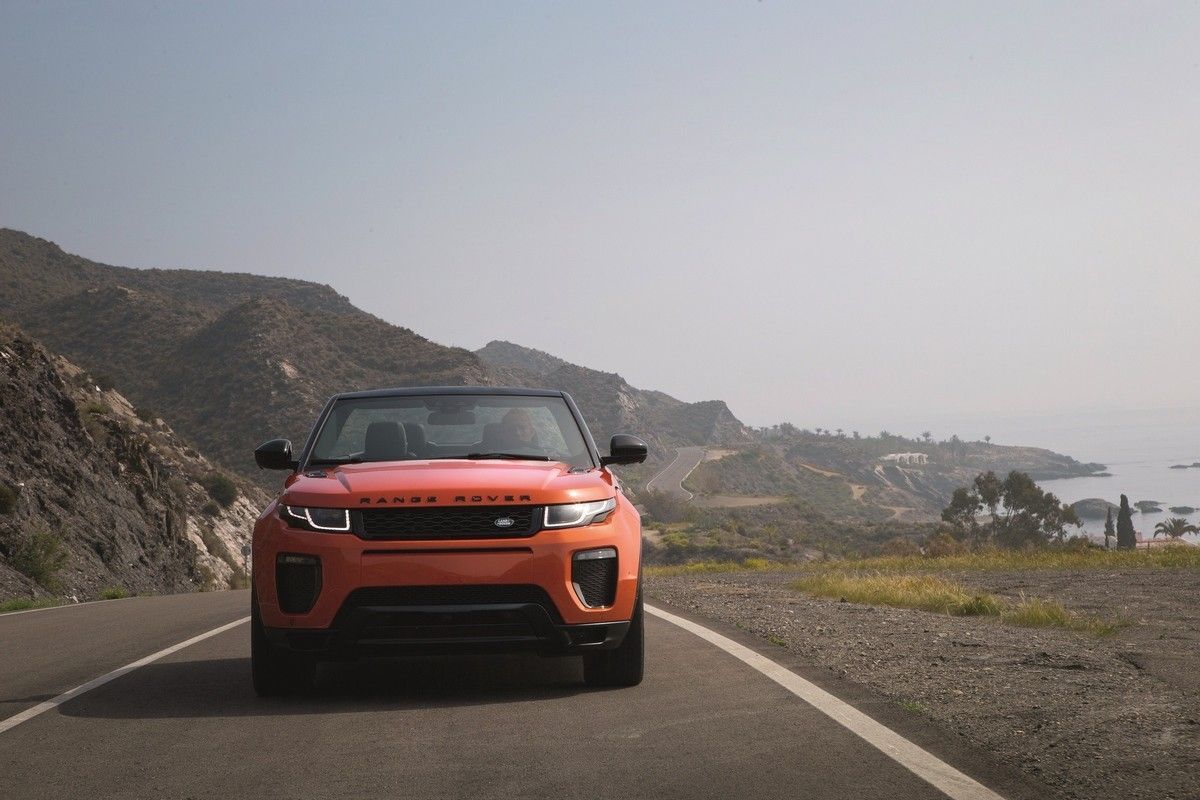
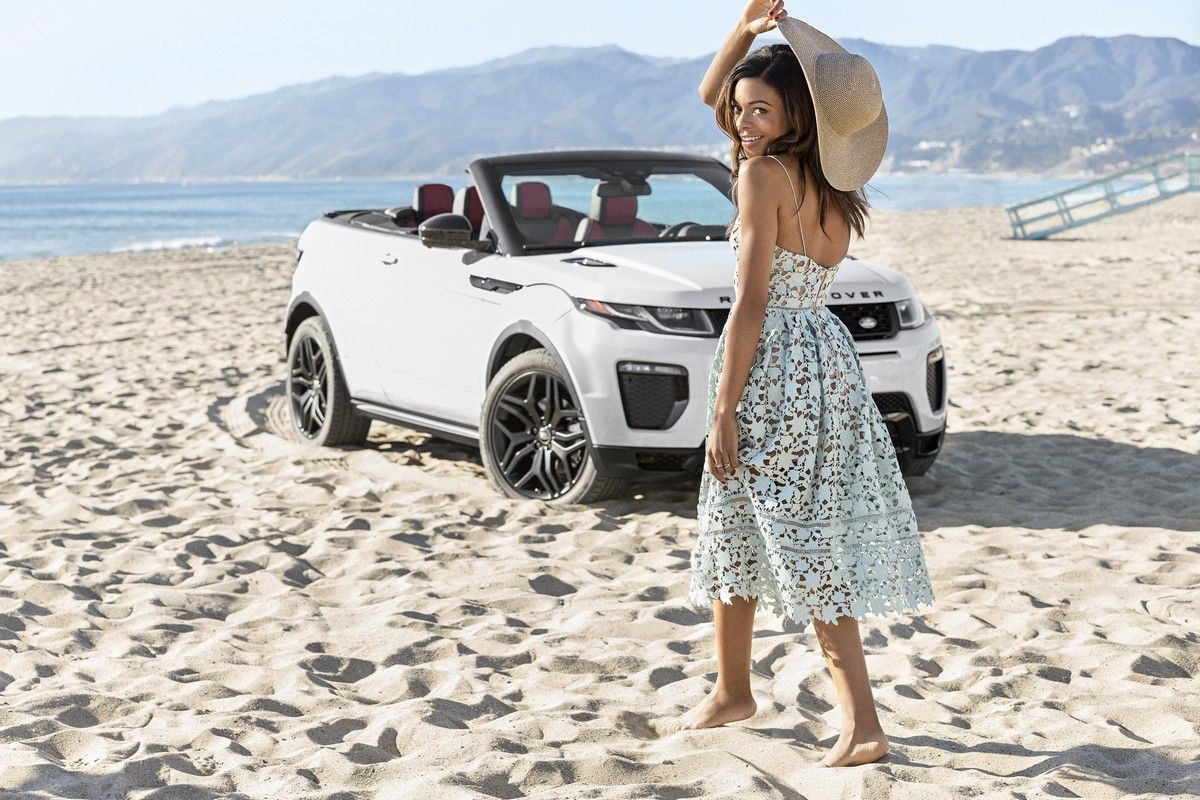
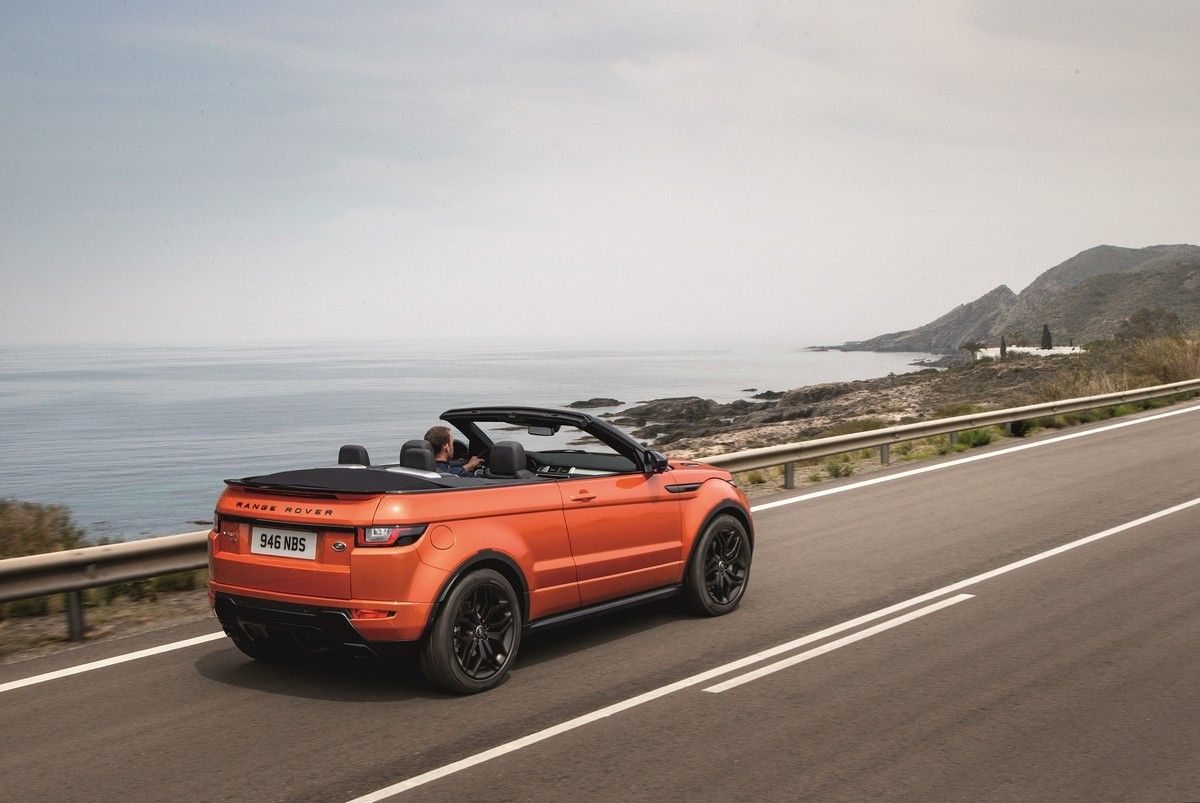
Based on the Evoque’s cachet as a status symbol, let alone the Convertible version's sensational appearance, Range Rover's first convertible model is clearly earmarked for stylish professionals who want to be seen. It’s a vehicle that makes you look instantly cool and fashionable, more so if it’s in an eye-popping colour such as orange or red. In our opinion though, the white looks best: classy and elegant.
The Evoque Convertible comes in one specification; a 2.0-litre turbopetrol HSE Lux. At the launch in Pretoria last week, I got to drive the newcomer in automatic guise and in standard trim. Standard features on the HSE Lux include Xenon headlights, In Control Touch Pro with navigation, and Meridian analogue audio, while a digital audio system is optional, as is a technology package that incorporates driver assist plus, adaptive LED headlights, adaptive cruise control, infrared reflective windscreen, and a laser head-up display. Other cosmetic choices include 17 paint colours; 7 interior colourways; 10 wheel options; and heated and cooled seats.
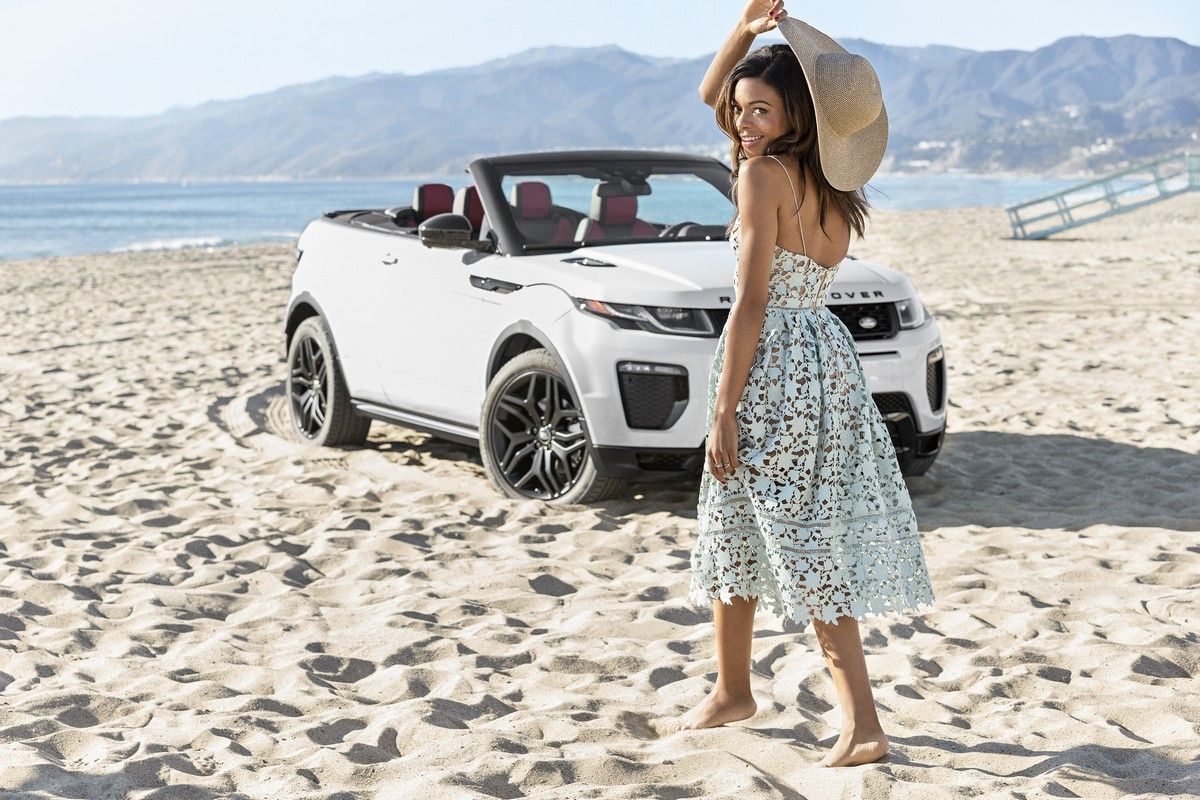
Actress Naomie Harris, the star of recent James Bond films, shares the frame with the exquisite Evoque Convertible.
A convertible for all seasons
Seeing as this particular Range Rover is regarded as the "convertible for all seasons", we got to drive it both in the city, and off-road towards the Cradle of Humankind, which makes it ideal for those who want to be seen in the right places, and still be able to take it on weekend getaways with ease.
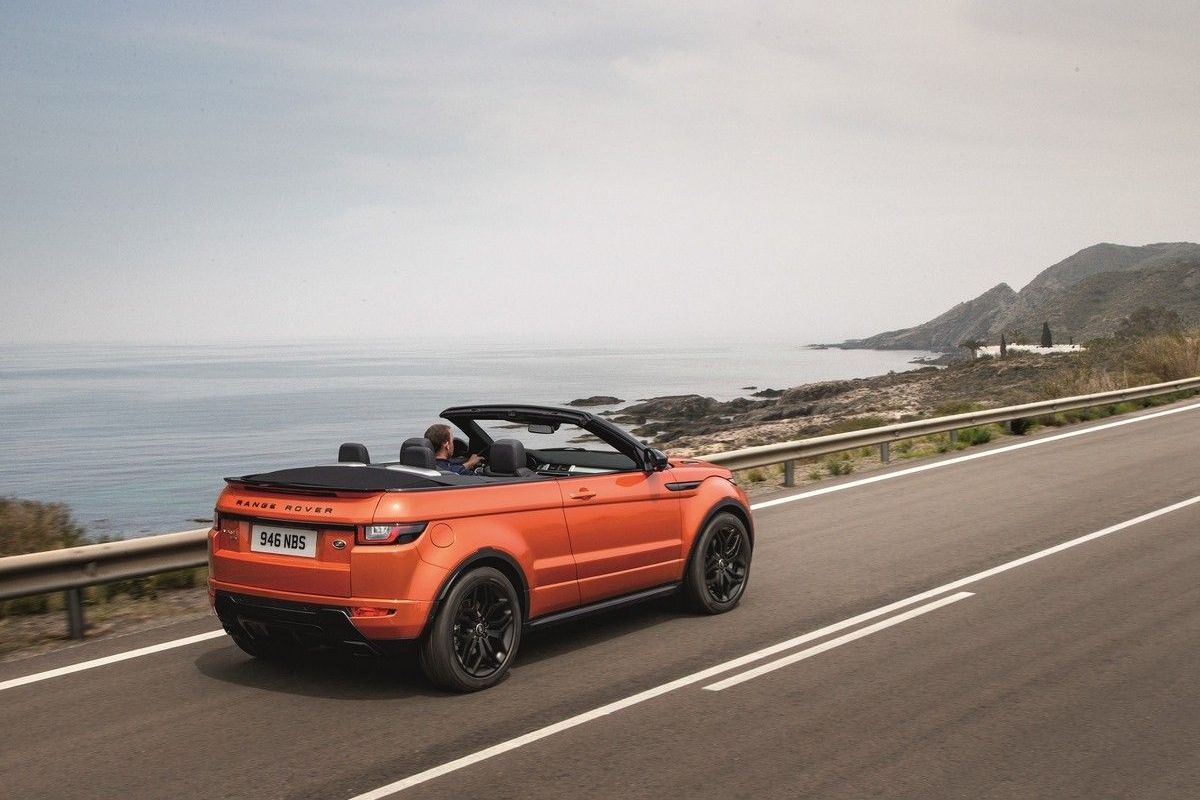
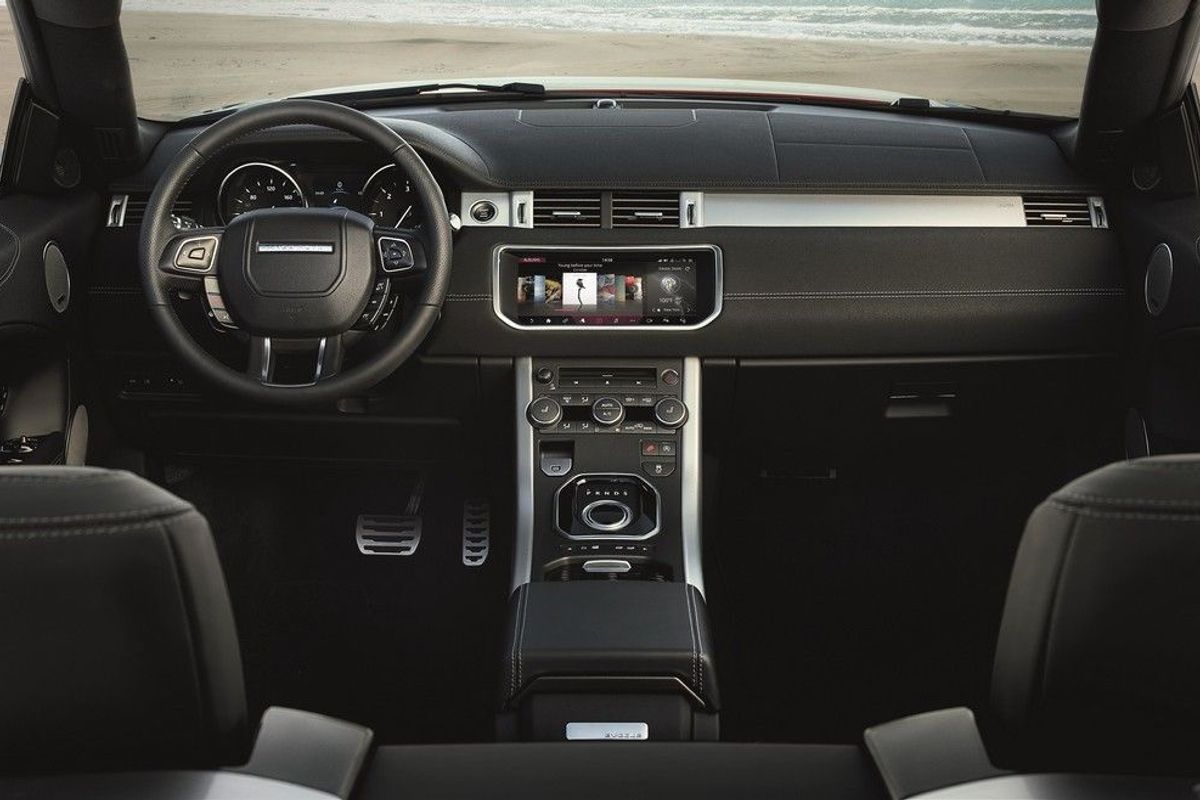
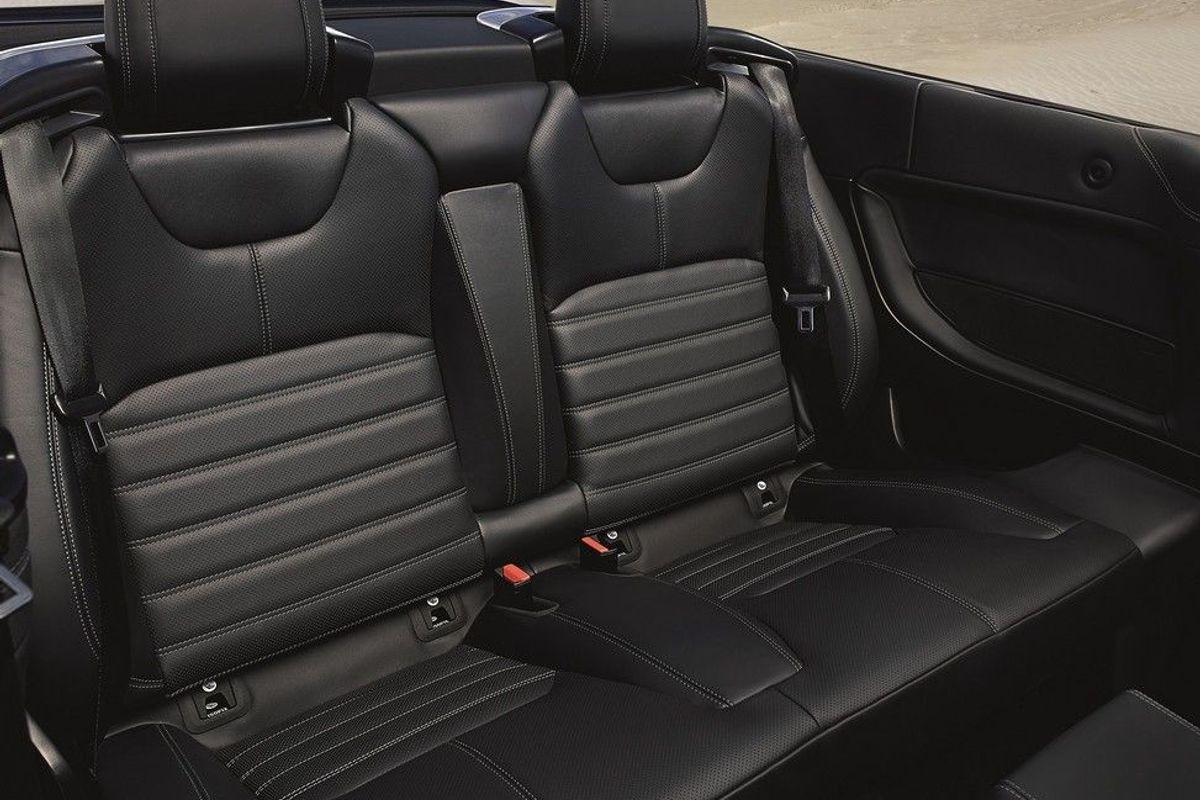
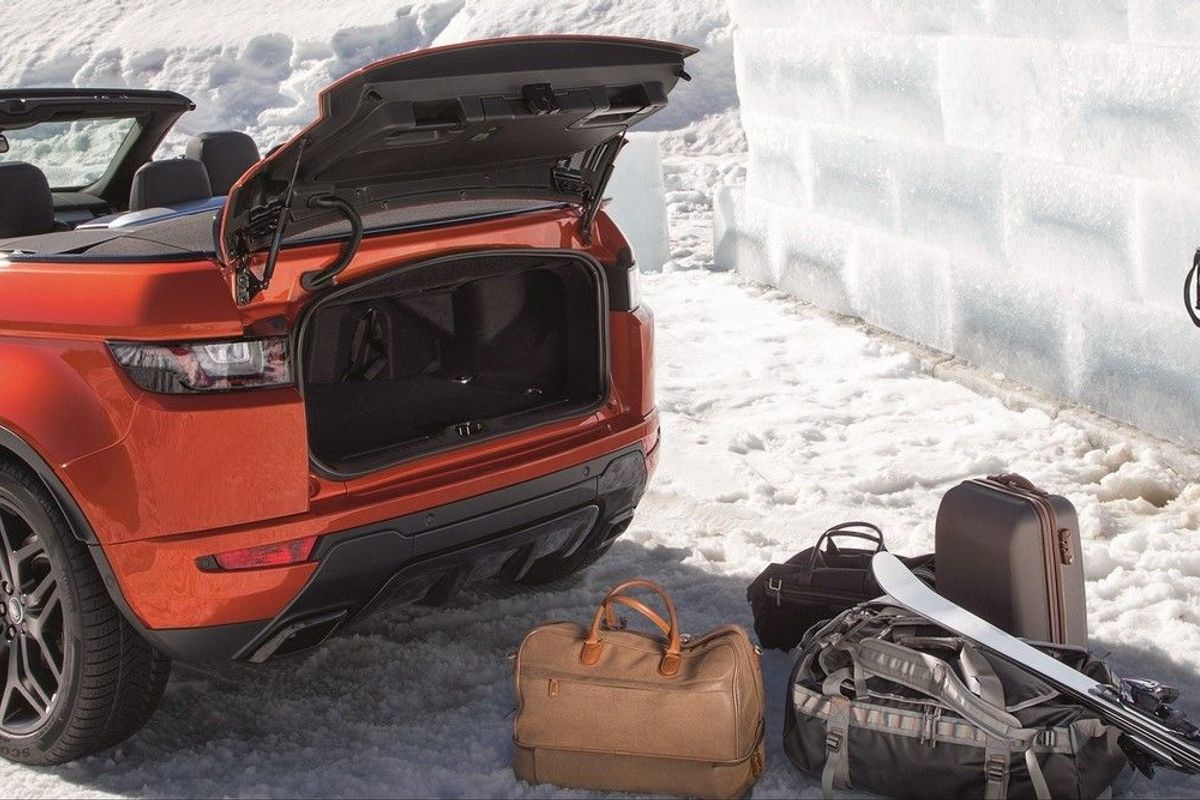
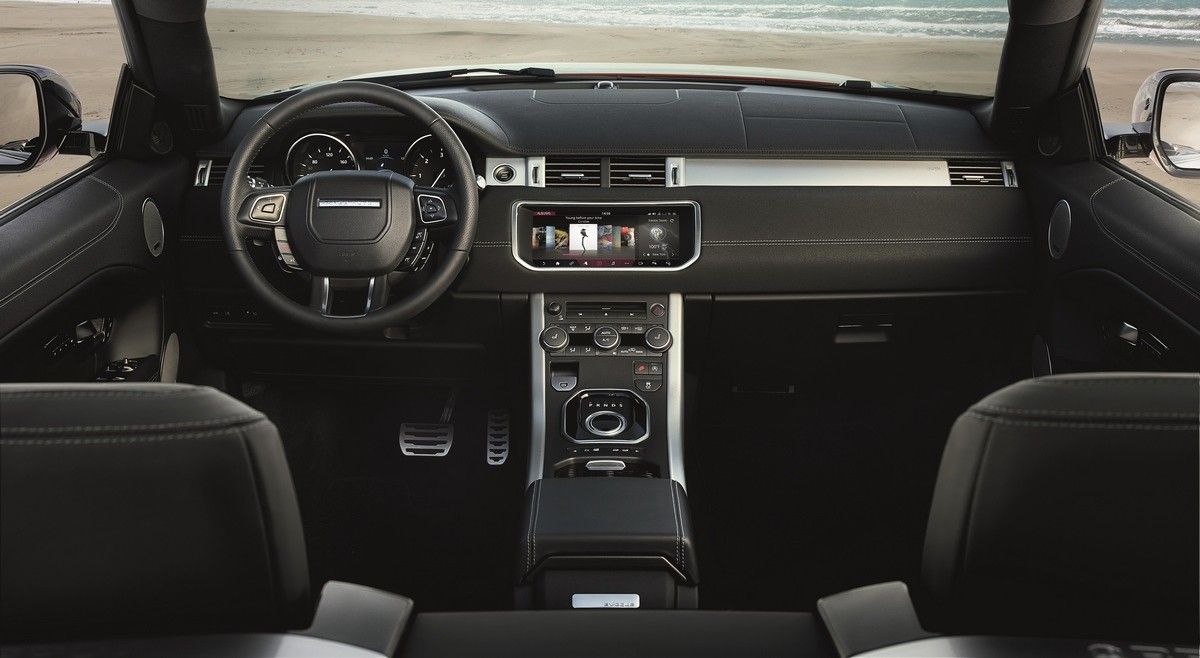
It has the same distinct look and award-winning elegant design of the Evoque, except in a convertible configuration. Inside is every bit luxurious as you’d expect from a Range Rover, with enough storage compartments. The boot is decently-sized and slightly on the narrow side, but then again, you’re not buying this Range Rover for its purported practicality. It’s a 2-door 4-seater based on the 3-door Evoque Coupé, featuring a fabric roof with a Z-fold mechanism that sits flush when lowered.
The convertible incorporates the latest-spec Evoque switchgear… including the Control Touch Pro system.
You need to be travelling at a speed of less than 50 kph in order to operate the roof mechanism (the automated ragtop goes down in 18 seconds; and deploys in 21 seconds). Jaguar Land Rover says the fabric roof on the Evoque Convertible is currently the longest and widest fitted on any vehicle on sale today.
Not for shy types
While driving along the highways in Gauteng, 1 thing was obvious – the Evoque Convertible is a head-turner. To drive a car like this, you need to be able to handle the attention at all times. There weren’t any creaks discernable, which is impressive considering the car lost a critical part of its structural rigidity – its metal roof.
However, driving any convertible is going to sound noisy with the buffetting wind, but the drive along the highway at around 120 kph in Sport mode was more enjoyable than I expected, especially with the excellent sound delivered by the 380W Meridian sound system, with its subwoofer and 10 speakers. This, along with In Control Touch Pro (and its built-in hard drive to house all your music) that was first introduced on the F-Pace earlier this year, comes standard in the Evoque Convertible.
The Evoque Convertible's profile is certainly distinctive… will this be the first of a new generation of topless SUVs?
When overtaking on the highway, Sport mode is the way to do it. Having said that, I did expect more “oomph” from Sport mode, which suggests that the strengthening that Land Rover applied to the Convertible certainly added weight to the vehicle; the engine is willing, but less than muscular. Driving off-road was a comfortable ride, both with the roof up or down.
Evoque Convertible price in South Africa
The 2L HSE Lux petrol Evoque Convertible pricing starts at R1 002 400. Extras available separately. It comes standard with a 5 year / 100 000km warranty and maintenanc
Summary
Overall, the Evoque Convertible is a fun car for both urban and off-road locations, especially when it’s you and three friends with the top down. If you’re stylish and thrive on being seen at the right places at whatever cost, the Evoque Convertible is the car for you. However, that cost would be more than a cool R1-million! We suspect the intended clientele won't mind that…
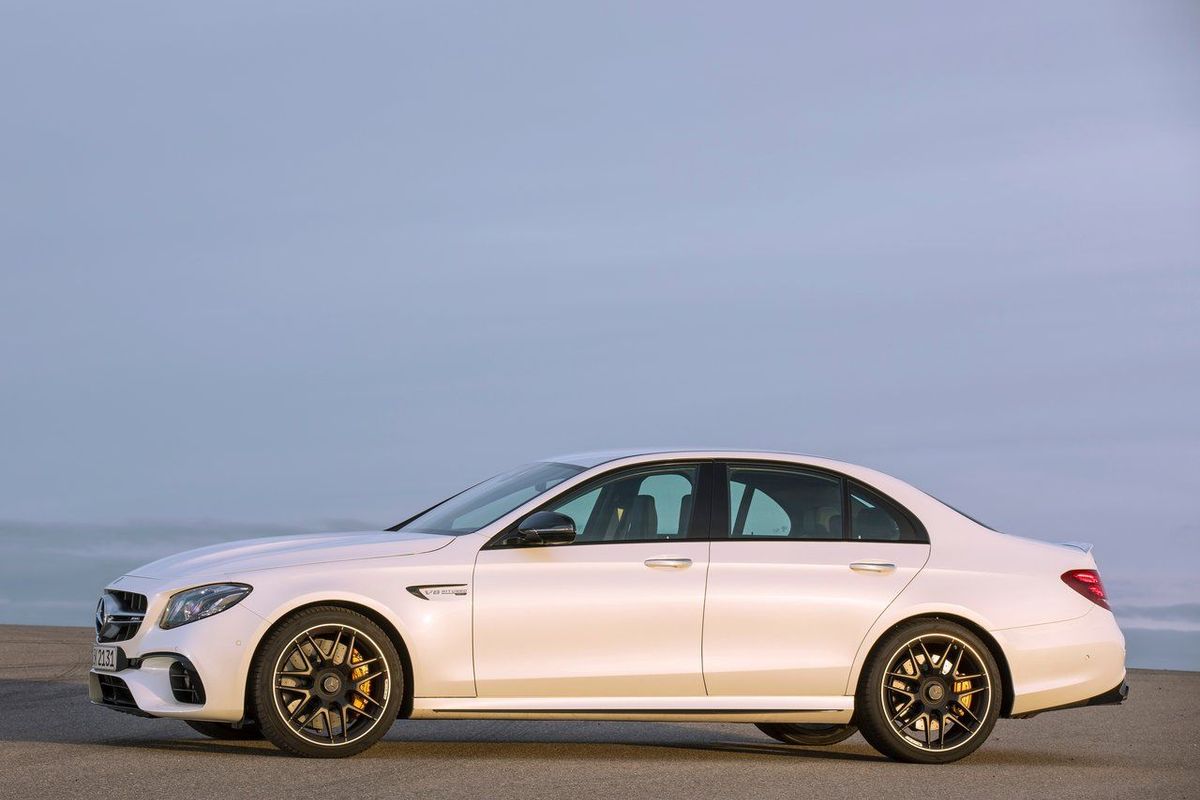
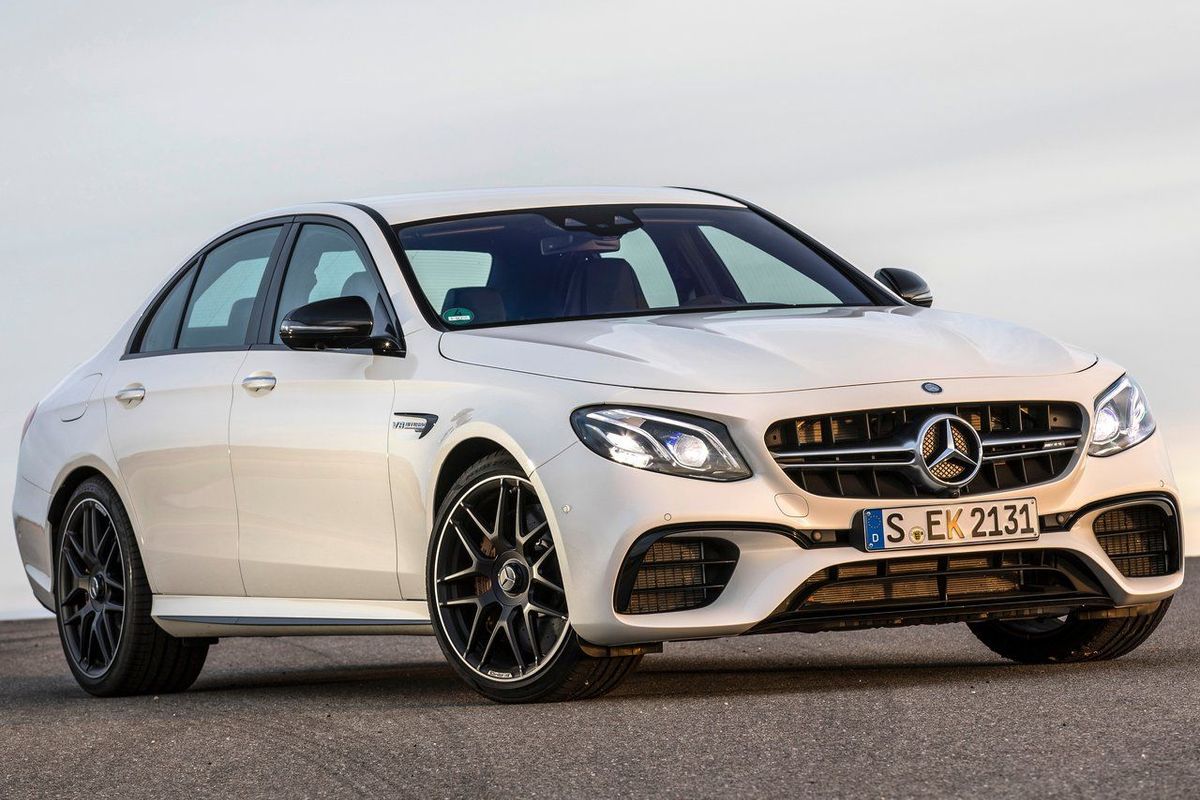
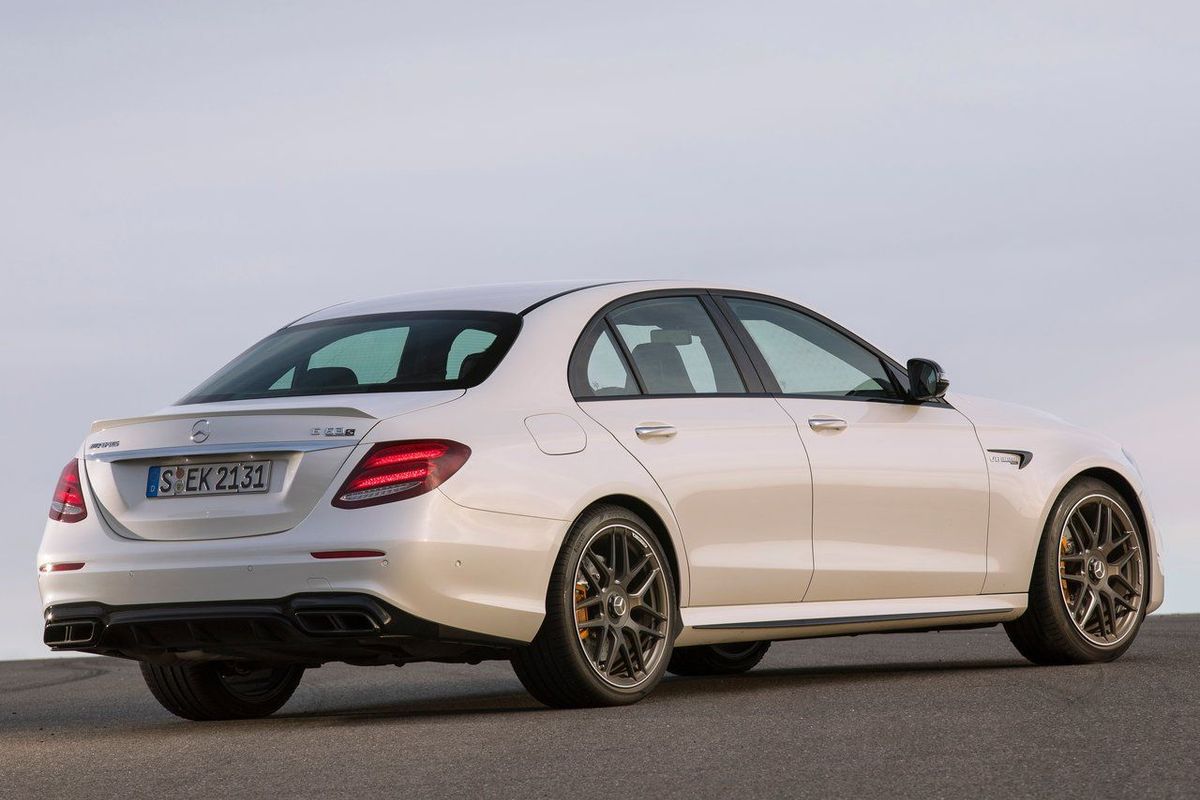
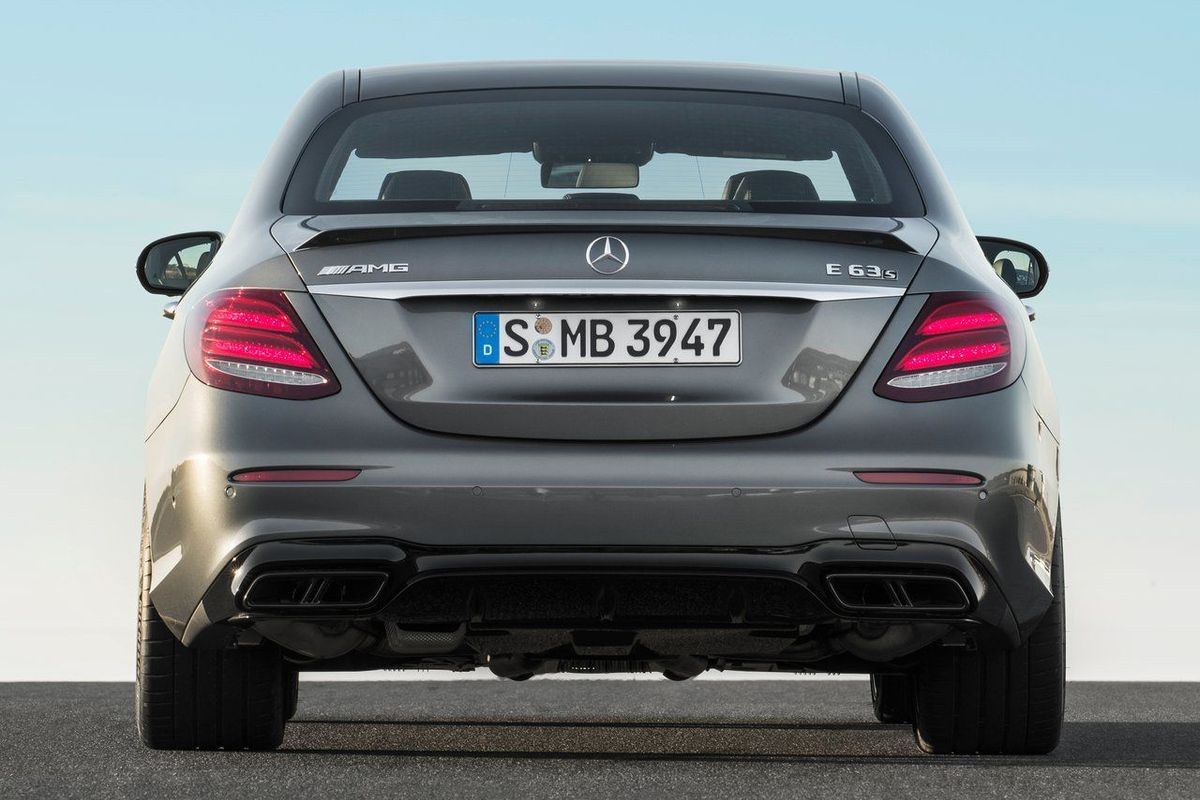
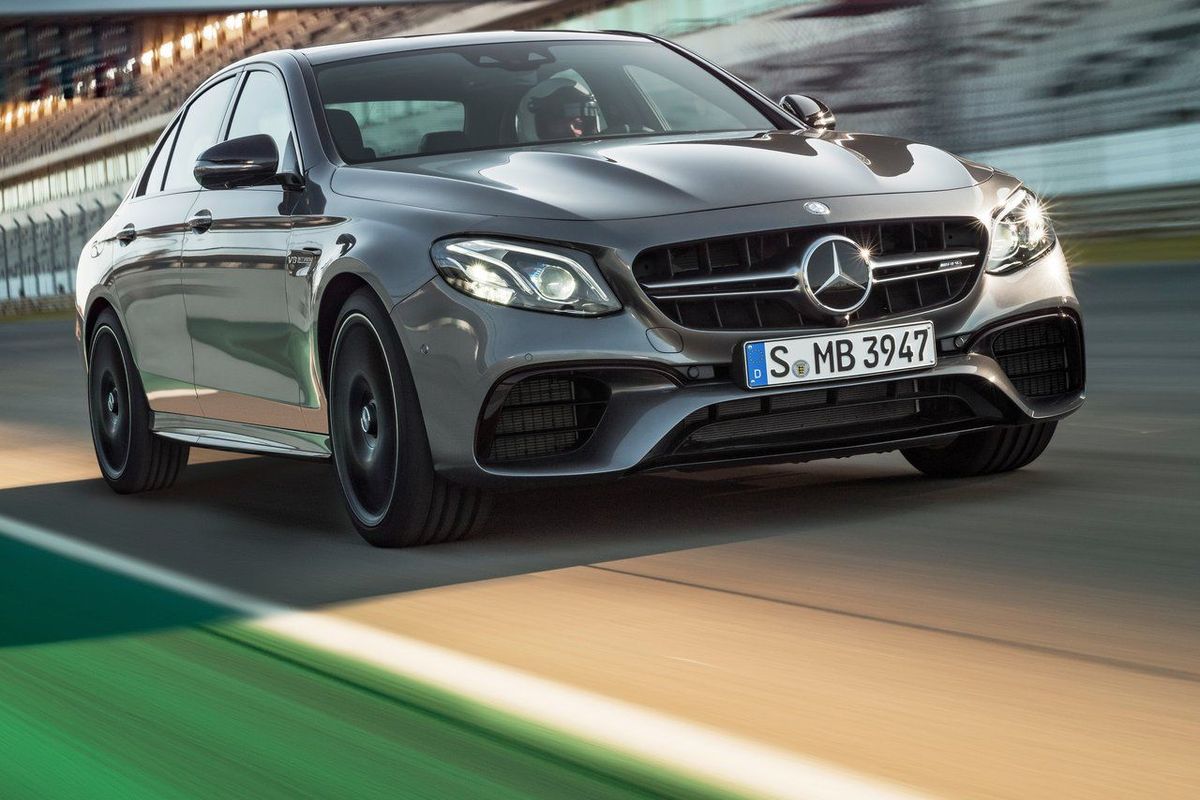
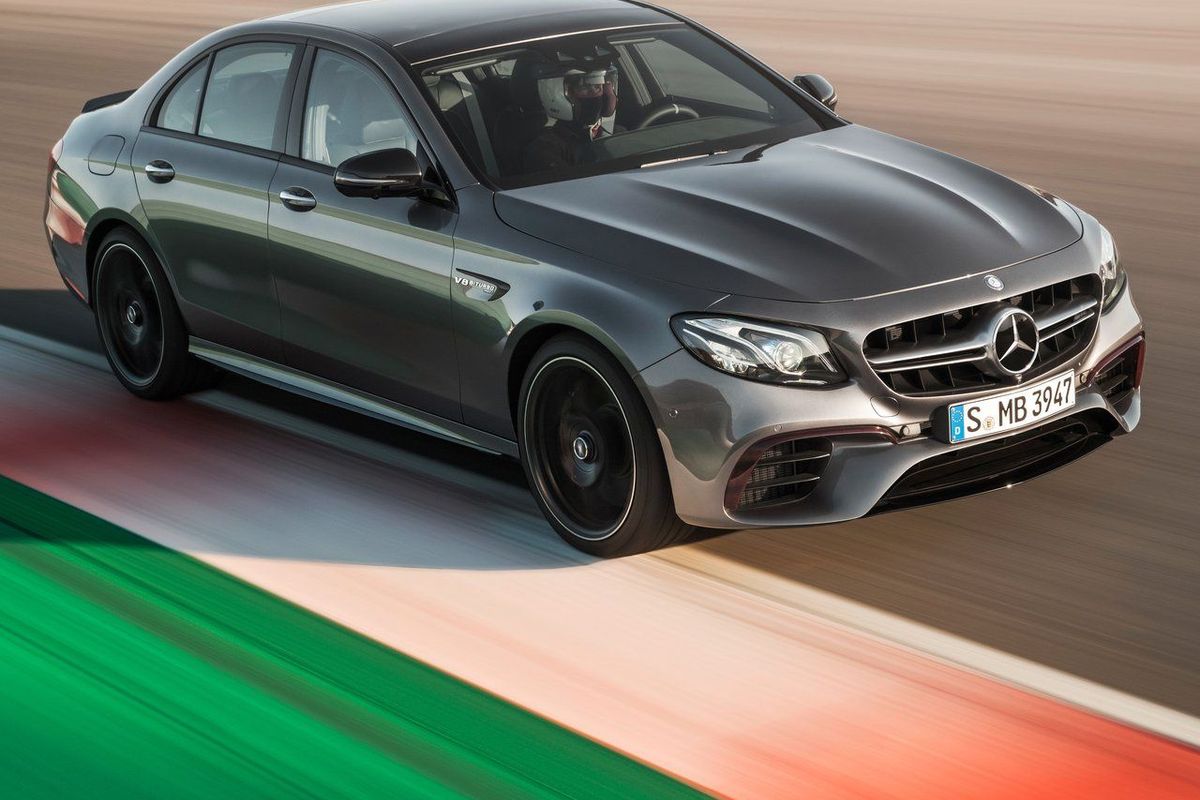
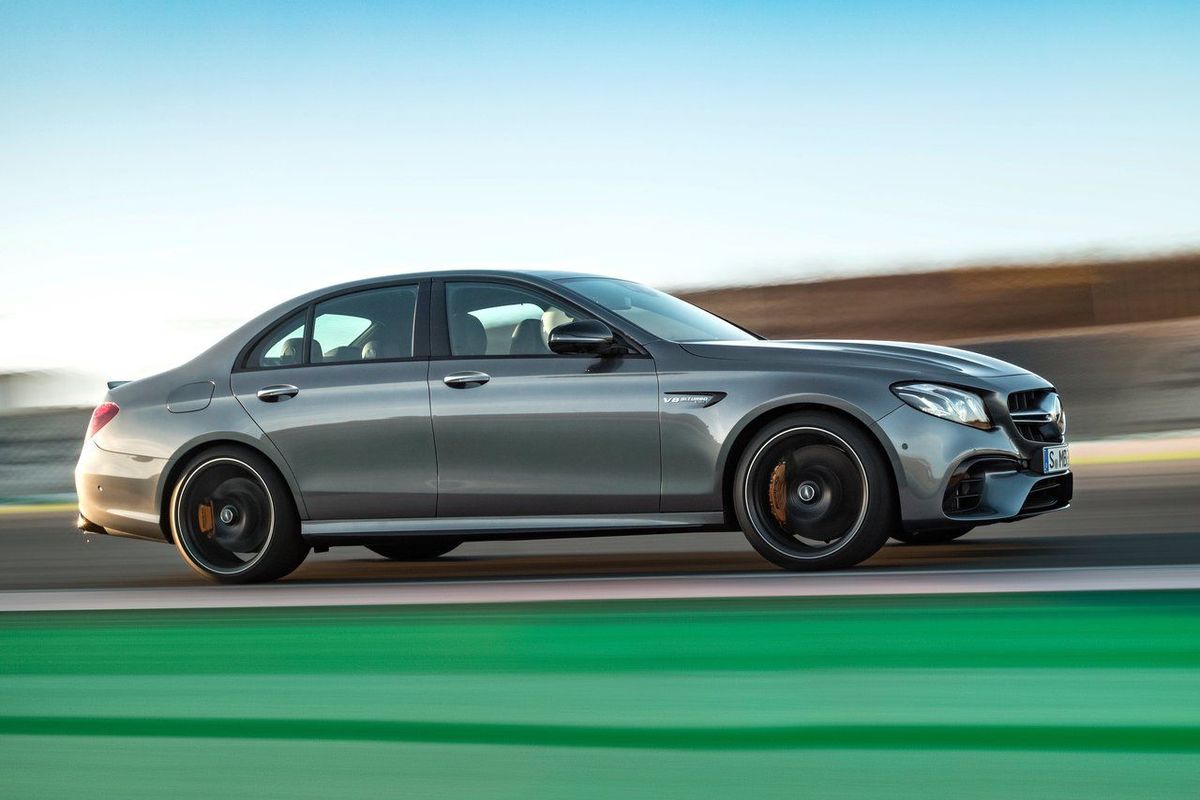
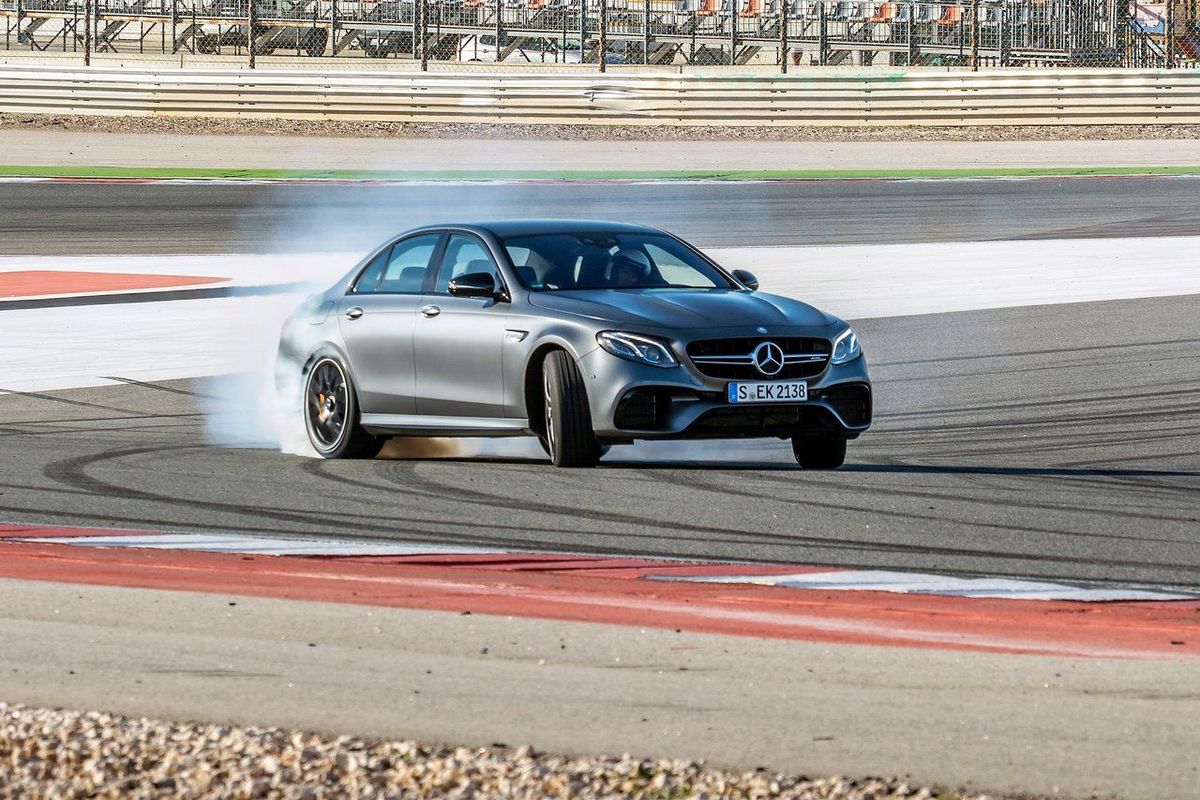
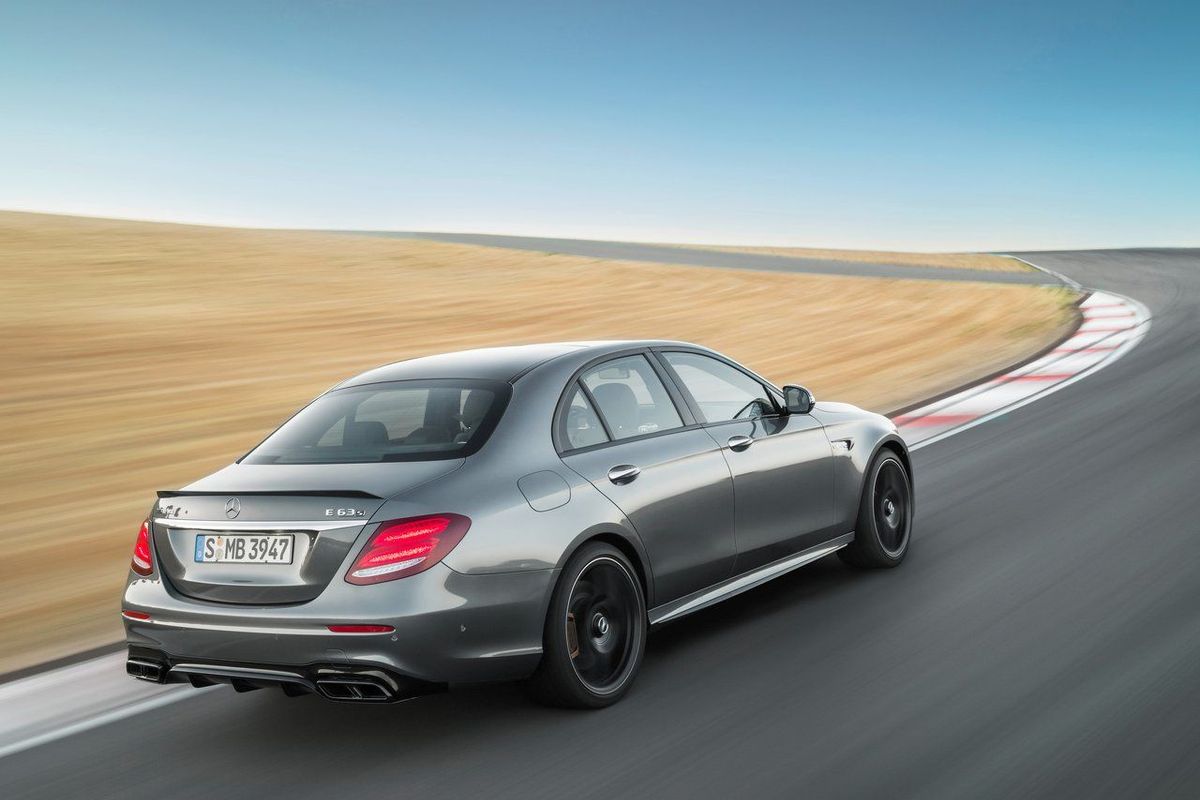
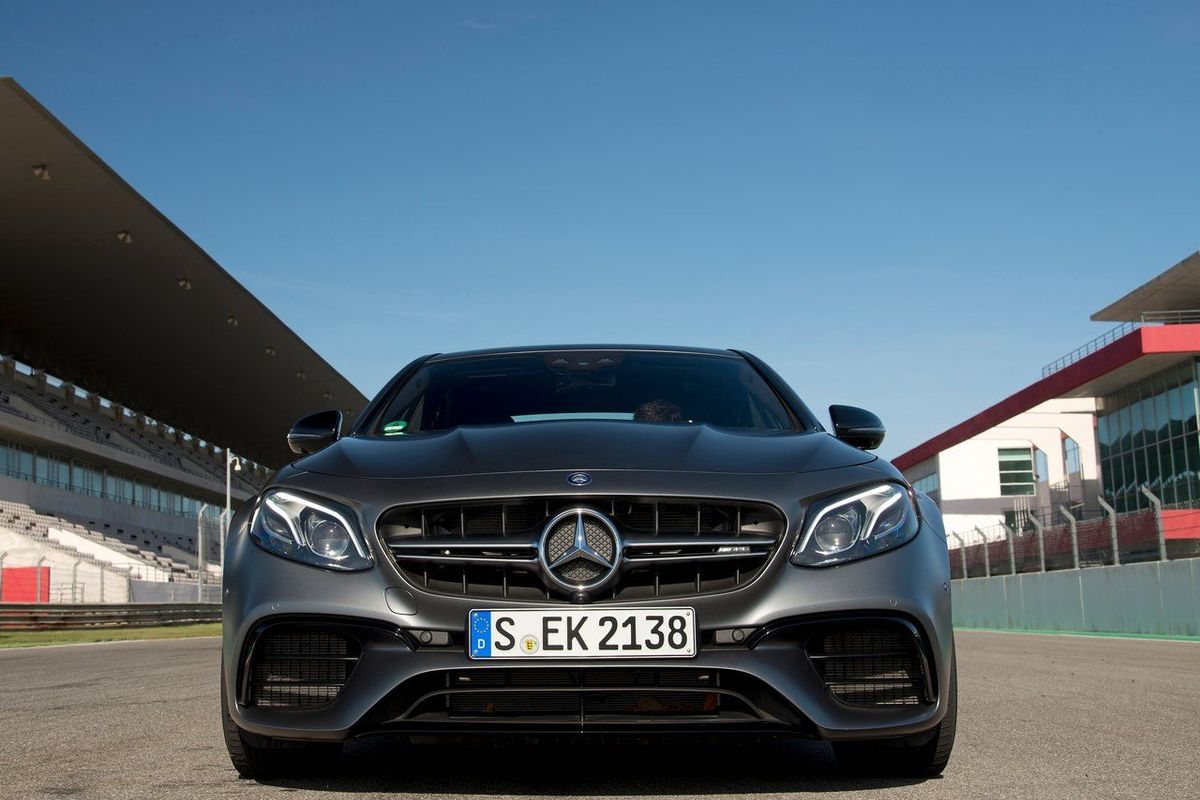
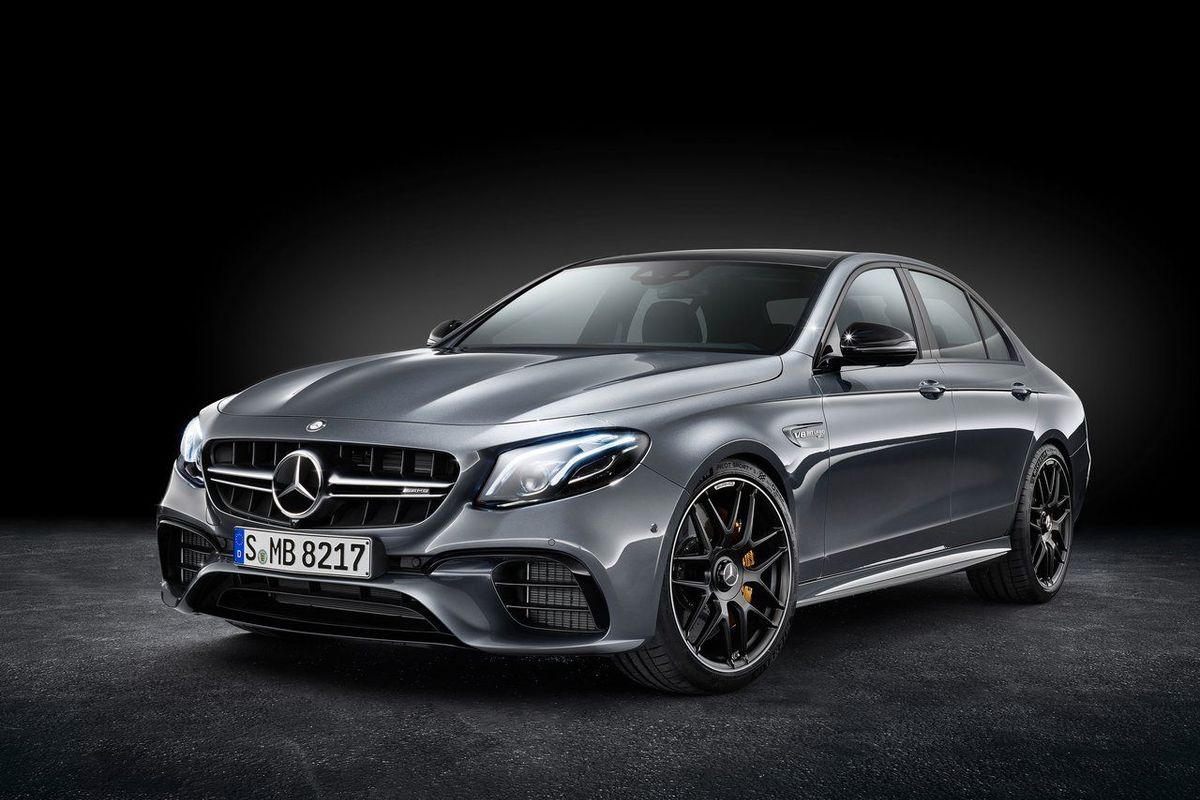
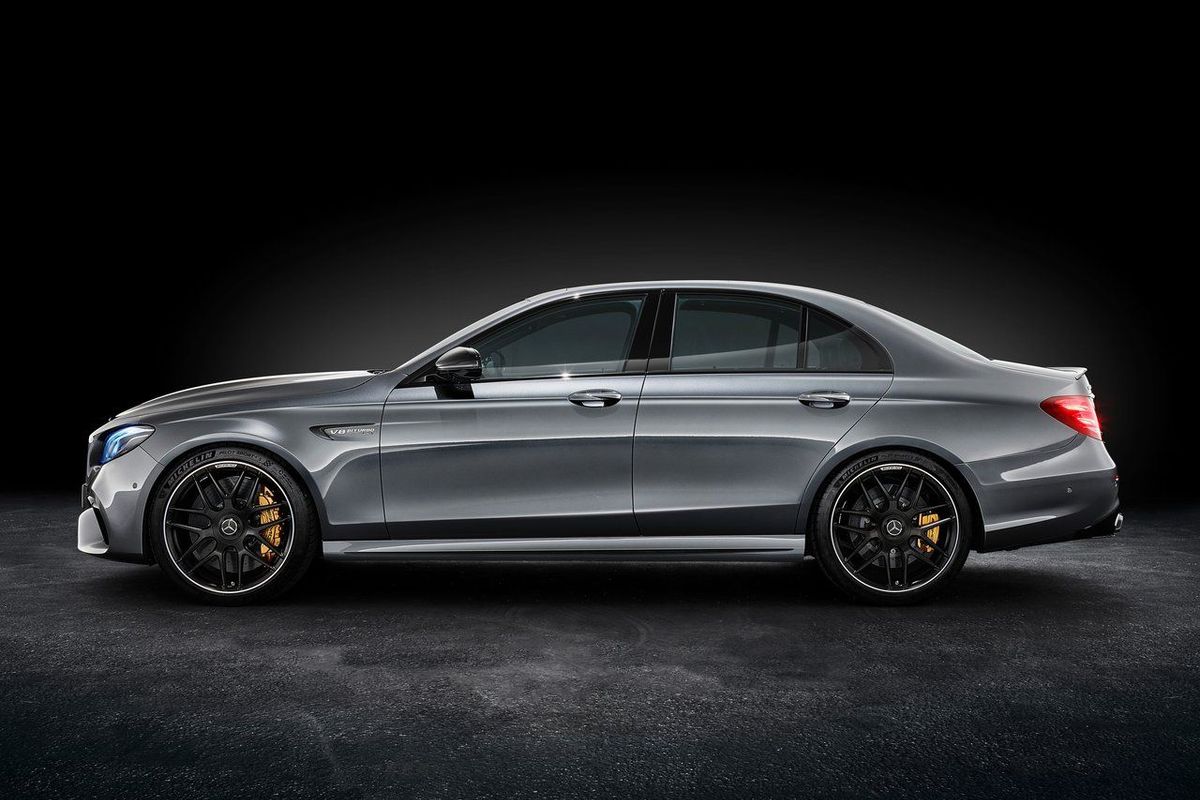
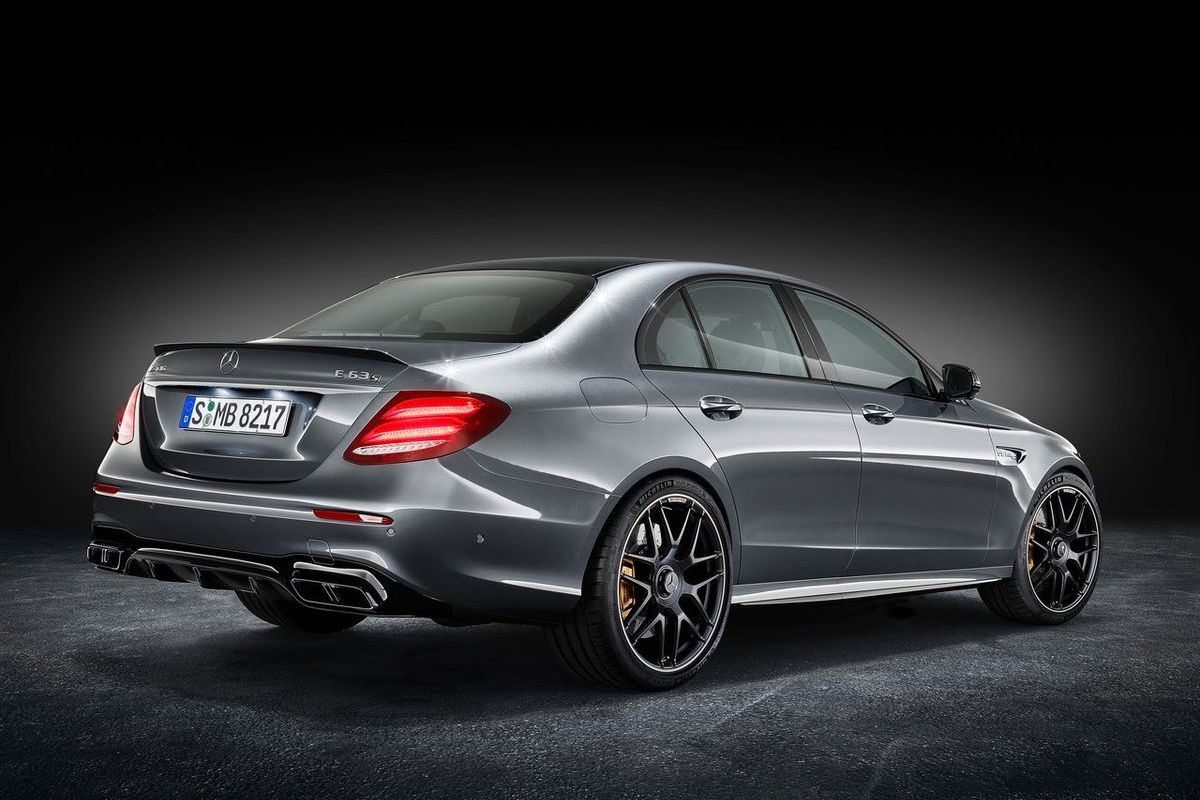
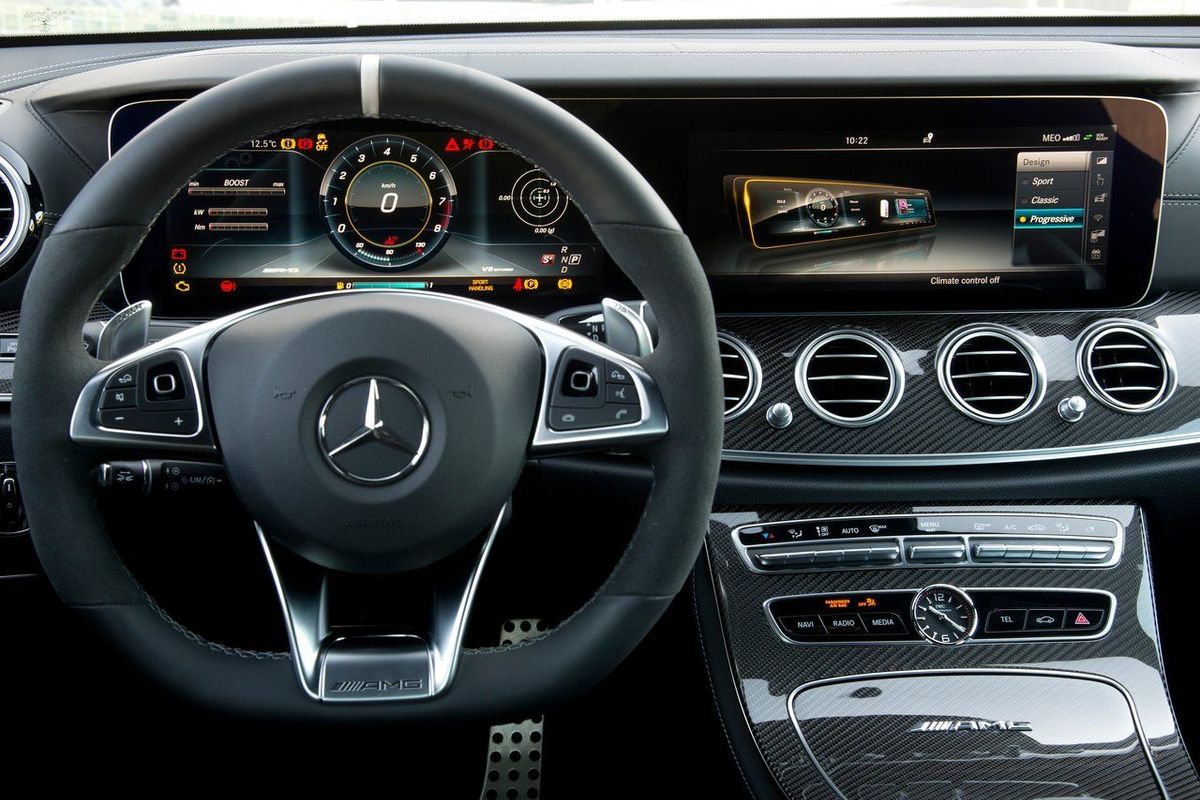
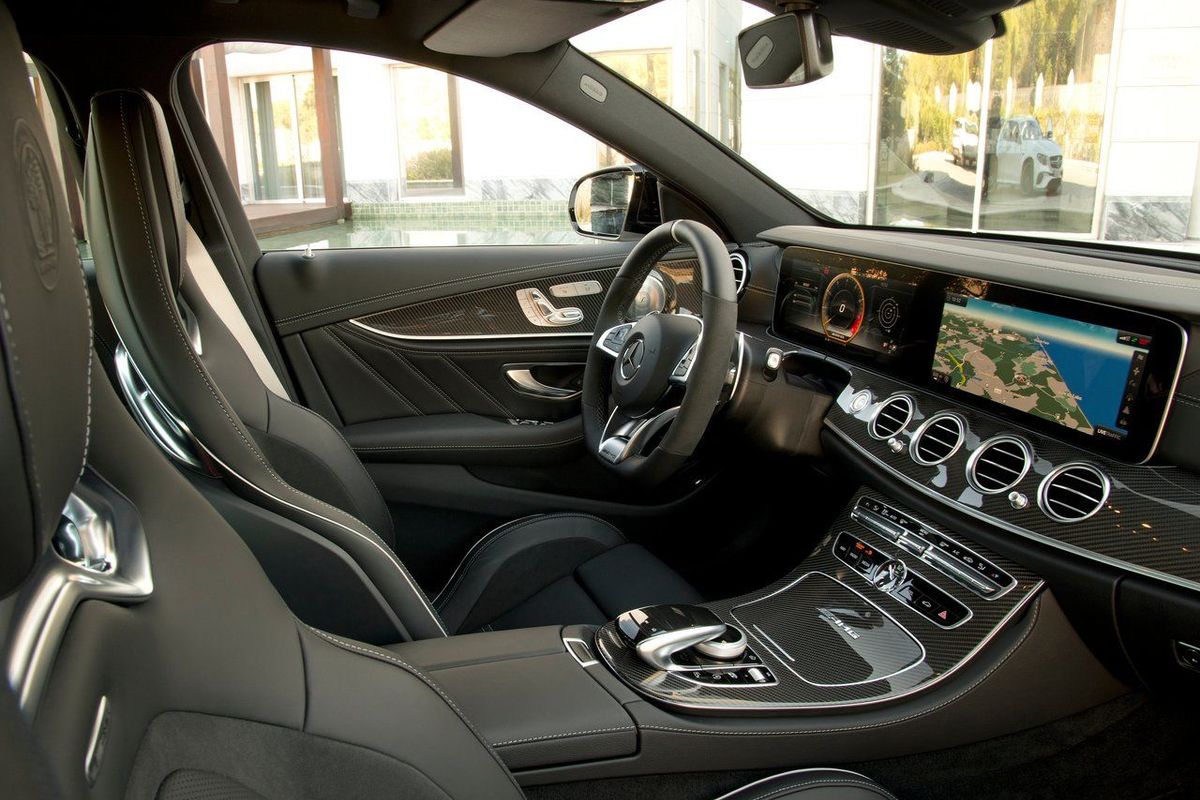
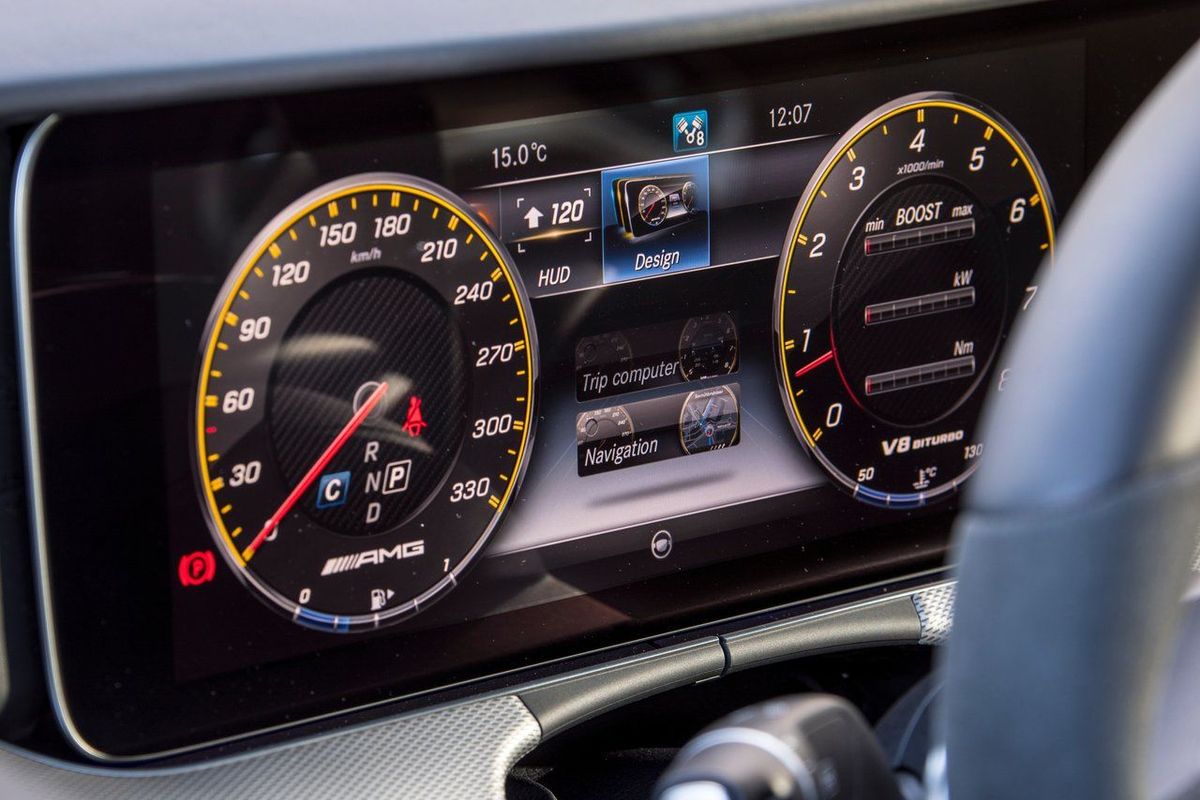
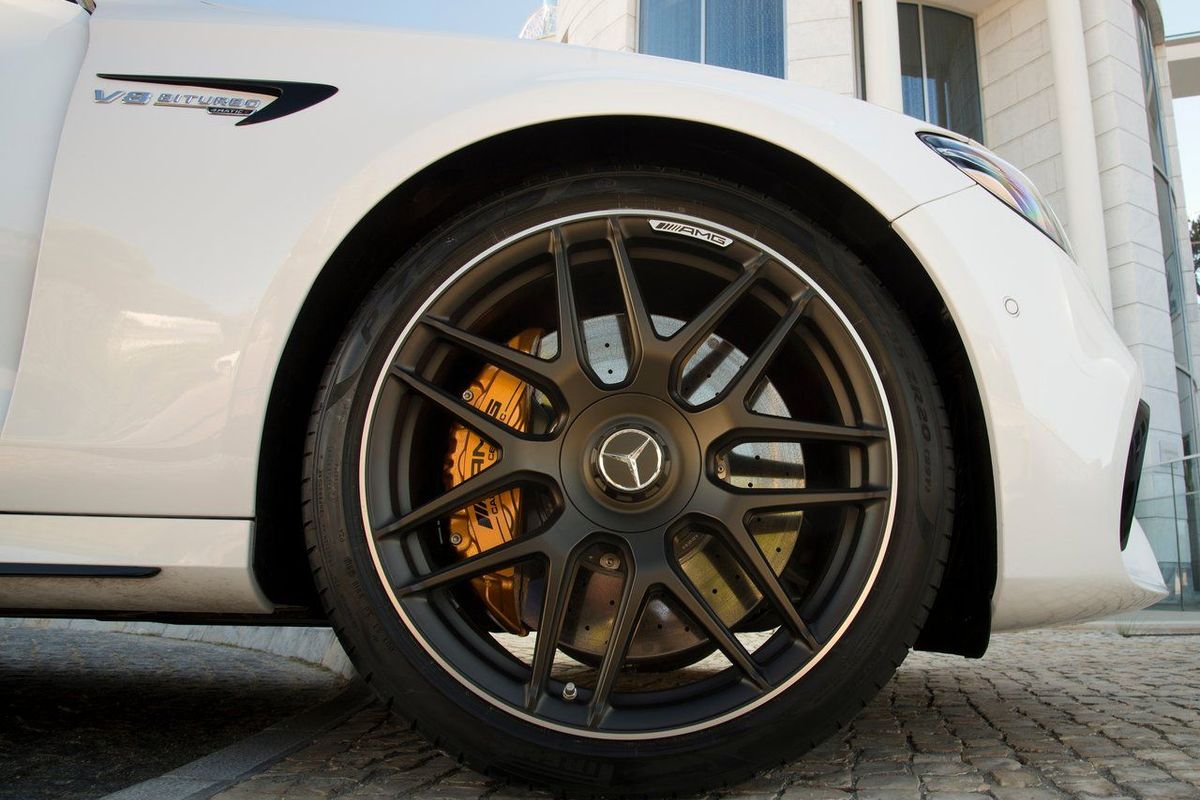
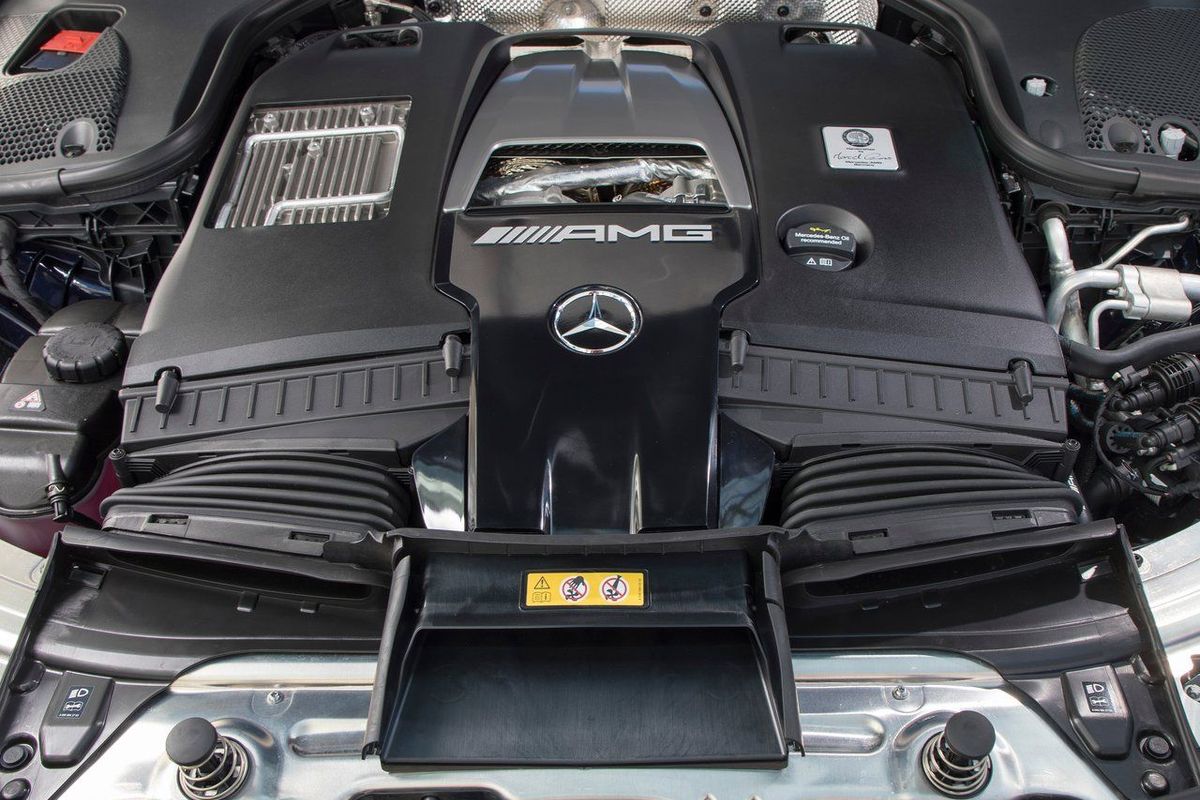
The Mercedes-AMG E63 S was recently launched in Portugal and we got to sample Affalterbach's latest ubersaloon. Here's a photo gallery showcasing this Autobahn Monster. The vehicle will launch in South Africa in April 2017.
Related Content
Read the specifications about this new product here
Get behind the wheel with Ashley Oldfield as he experiences the new E63 on track
Want to purchase a Mercedes-Benz? Browse stock here.
Listen to the Mercedes-AMG E63 S on track
Aston Martin DB11 (2016) Video Review
The DB11 has finally arrived and we've secured an exclusive first drive in South Africa. Aston Martin has become synonymous with the glamorous world of Hollywood through its long-time association with the James Bond movie franchise, but how does the Gaydon-based marque's latest model fare in the real world?
This car is the successor to the achingly pretty DB9 (the DB10 was created exclusively for the Bond film Spectre). Drawing styling cues from Aston's One-77 hypercar, the DB11 is an entirely new vehicle, with an entirely new engine: a twin-turbo charged 5.2-litre V12 developed in-house by Aston Martin themselves.
Join us as we take a detailed look at the latest British supercar on the streets of Cape Town, and the beautiful, deserted roads of the Franschhoek valley.
Opel launched the Mokka X compact family car/crossover in South Africa this week and we took it for a drive up the West Coast. This is what we discovered…
The resurgence of the Opel brand on the local market is well underway following a host of local model introductions in the last 2 years. Vehicles such as the Adam, Corsa and Astra have laid a solid foundation for the Rüsselsheim-based firm, which is gearing up for another big year in 2017 with 7 new introductions expected in Europe, two of which will make it to South Africa. We suspect that Opel will introduce new performance models in the form of the Corsa OPC and Astra OPC in 2017, but Opel has not confirmed our suspicions… yet.
Opel’s final launch of 2016 was the introduction of the facelifted Mokka, now known as the Mokka X. The "X" moniker will identify all forthcoming crossovers and SUVs from the Opel stable and the launch of the Mokka X took place in sunny Cape Town this week. We drove the newcomer up the West Coast to Langebaan…
What’s cooking, good-looking?
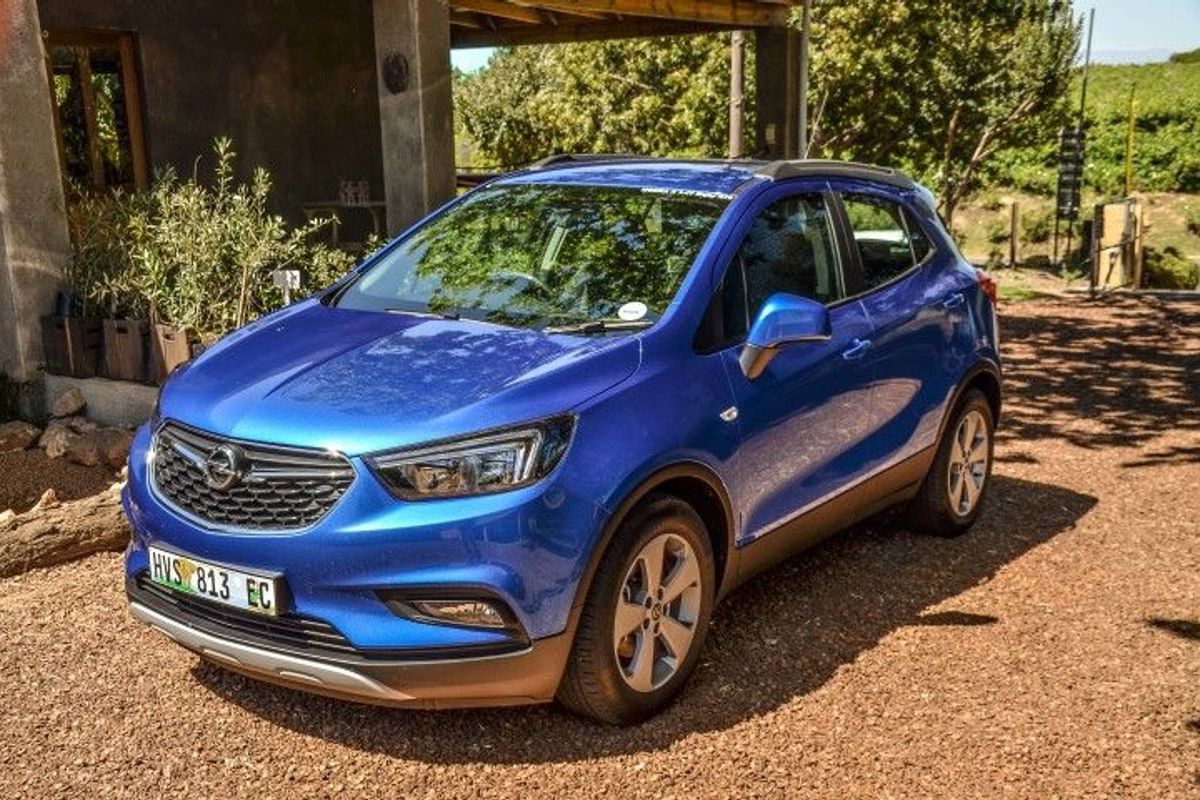
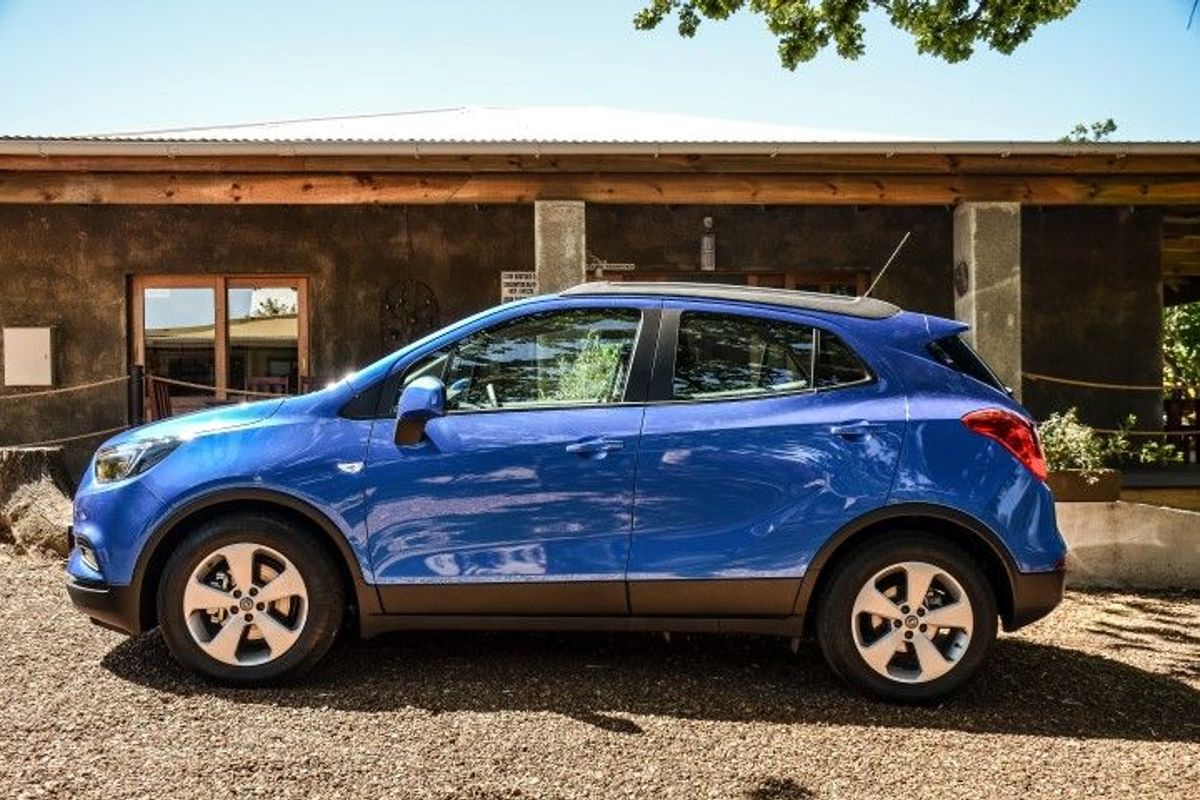
The Opel Mokka X features appealing exterior styling with improved interior features, especially as far as the infotainment system is concerned.
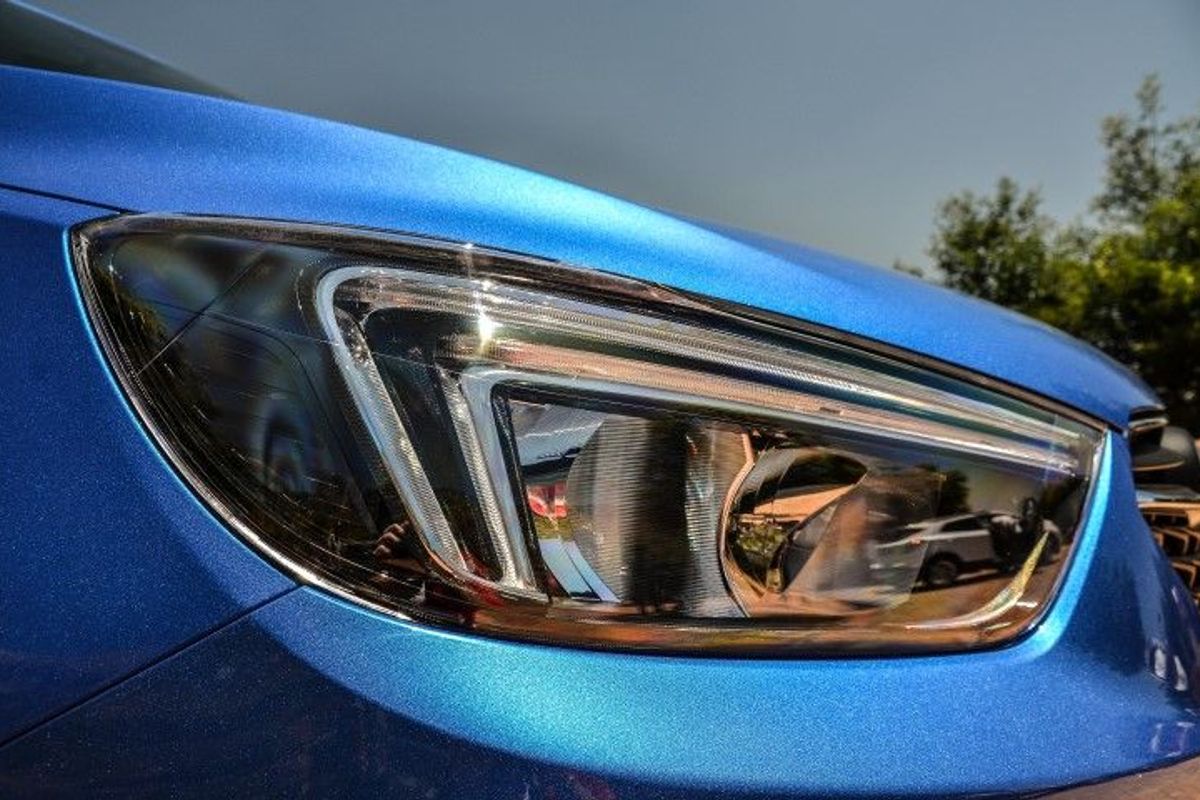
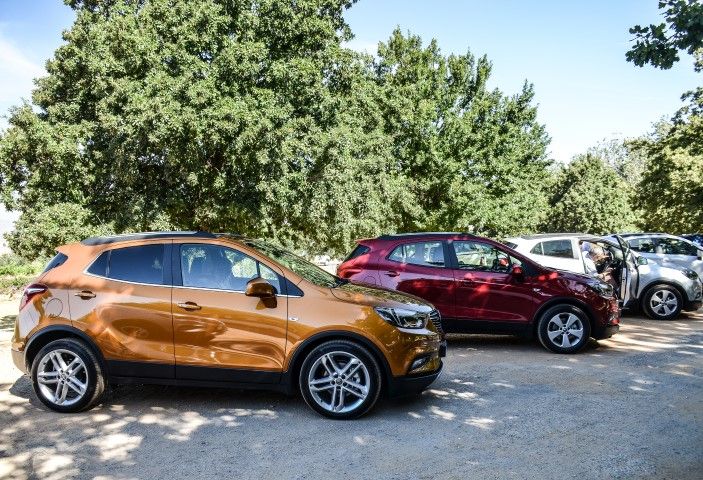
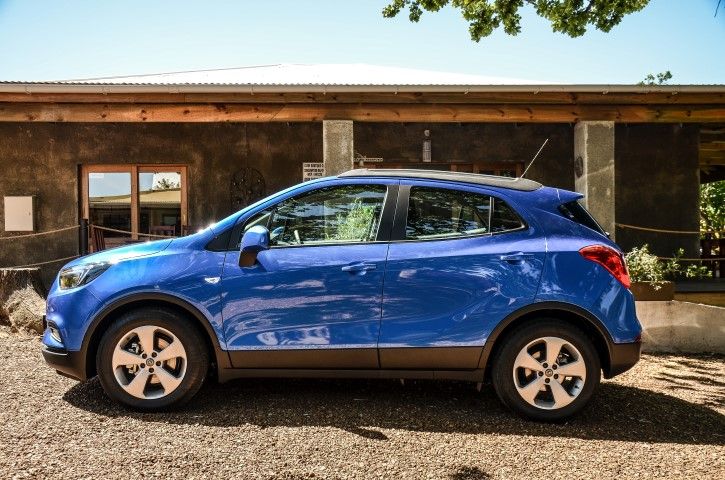
The Mokka, in our opinion, is a good-looking compact family car/crossover and Opel has tweaked the exterior styling to make it look even better. The exterior changes, although minimal, have gone a long way to modernise the product and this is evident in the striking double-blade LED headlight design and the double-wing chrome grille.
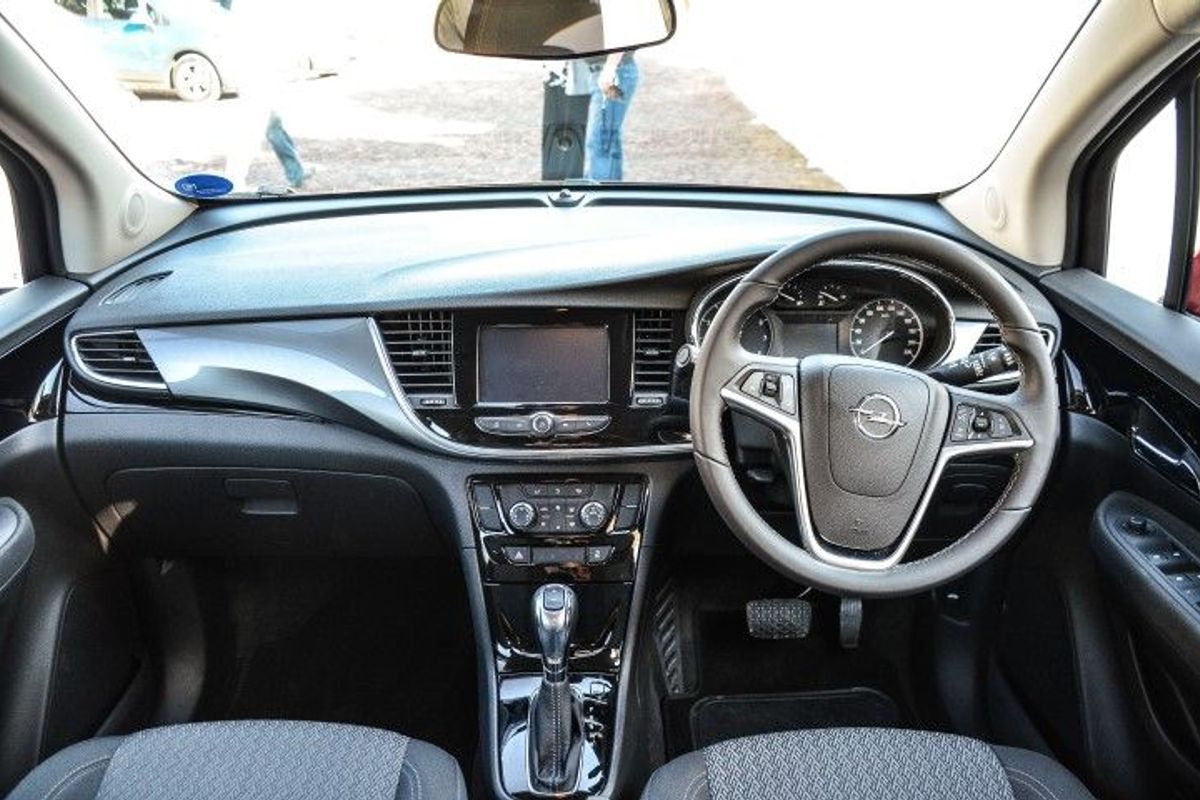
The interior is much improved too, with the Mokka X now adopting the familiar dashboard layout from the Astra. New infotainment systems are on offer in the form of the R4.0 IntelliLink system (Standard on Cosmo derivatives, optional on Enjoy derivatives) and Navi 900 IntelliLink system (optional on Cosmo derivatives). The systems are intuitive to use and utilise 7- and 8-inch touchscreens. Apple CarPlay and Android Auto are offered, but Google has not yet authorised Android Auto for South Africa.
What's the Mokka X like to drive?
The Mokka X employs the same proven 1.4-litre turbocharged engine with 103 kW and 200 Nm of torque and it’s mated with either a 6-speed manual or automatic transmission.
Our drive started at Nitida Wine Estate near Durbanville behind the wheel of the Mokka X 1.4T Enjoy automatic. We found the engine to be particularly punchy on the open road; the Mokka X gets up to speed with ease and has more than enough power to perform overtaking manoeuvres. We were also impressed by the smoothness of the automatic transmission, which changed gears almost imperceptibly. The driver can also initiate manual gear shifts via the transmission lever.
The 1.4-litre turbocharged engine delivers good performance and decent ride quality.
When driven with fervour, the engine pipes up/can become a bit noisy, but for the most part, it runs quietly under most circumstances. Ride quality is good on smooth tarmac, but on bumpier roads, the ride becomes more bouncy as the Mokka X tries its utmost to iron out imperfections. Overall, the Mokka X delivers suitable levels of driving comfort on most surfaces.
My co-driver and I then climbed aboard a Cosmo manual derivative and headed for Langebaan. The 6-speed manual is pleasant to use… thanks to a light, direct shift action, it does not take much effort for the driver to extract maximum performance from the engine. The manual gearbox is well recommended, even if the auto version is bound to be more popular.
In terms of practicality, the Mokka X is said to offer 356 litres of luggage capacity, which is enough for general shopping runs and out-of-town excursions, You can, of course, fold the split rear bench down to access as much as 1 372 litres of utility space. Rear passenger space is decent too – the rear bench will easily fit a pair of average-sized adults. We also found the folding driver armrest to be particularly comfortable on the open road (the Enjoy derivatives feature fabric upholstery, while the Cosmo derivatives are equipped with leather seats).
Summary
Although in terms of its aesthetic upgrade, the Mokka X facelift is subtle, the newcomer's upgraded infotainment system promotes Opel to near the top of its segment in terms of functionality and user-friendliness, which is a boon. What's more, the Mokka exudes a sense of sophistication, allied by good build integrity, which will increase its appeal to single urbanites and young families alike. Opel's compact family car/crossover remains a highly underrated product; if nothing else, it deserves to outsell its predecessor.
We should have the Mokka X on test soon, so look out for a thorough evaluation coming your way soon.
The latest sales data from the National Association of Automobile Manufacturers of South Africa (Naamsa) show that the decline in new vehicle sales continued in November 2016
The new car sales slump continues as a total of 46 413 vehicles were sold last month, resulting in a year-on-year decline of 9.6%. WesBank’s forecast of a 12% decline for 2016 is coming close as new vehicle sales are now down 11% compared to 2015. The only positive note from this past month's sales is that locally manufactured vehicles continue to top sales charts. Year-to-date sales indicate that the most popular vehicles are volume sellers from mainstream brands, while the five top-selling vehicles for the year are all built in South Africa.
The bakkie market continues to do well, with a year-on-year growth of 1%, which is excellent considering tough trading conditions and a declining new vehicle market. It is claimed that this positive result is due to new models such as Toyota Hilux and facelifted Isuzu KB, for example.
There have also been aggressive pricing strategies as well as sales incentives to entice buyers. However, the rest of the market is not doing well. Demand for new vehicles shrank 4% compared with November 2015 if you measure the volume of finance applications received. To put it simply, this can be attributed to poor affordability as the average new vehicle financed in November cost R293 500 – a year-on-year increase of 12% – and sales volumes for premium brands have declined noticeably.
“Consumers continue to battle with affordability in the new market. This is most evident in the premium segments, where sales have fallen markedly,” says Simphiwe Nghona, CEO of Motor Retail at WesBank. “The majority of these premium models are imported and have been heavily impacted by the poor performance of the Rand. These customers are either downgrading and buying more affordable models from mainstream brands, or moving to the used market. There are many marketing incentives and finance assistance offers from dealers and manufacturers at the moment.
“Consumers should consider these and take the best deal, rather than looking for a specific car,” he added.
The best-selling passenger vehicles for November 2016
1. Volkswagen Polo: 1 762
2. Toyota Corolla/Auris/Quest:1 746
3. Volkswagen Polo Vivo: 1 649
4. Toyota Fortuner: 1 135
5. Ford Fiesta: 1 130
6. Toyota Etios: 1 106
7. Ford EcoSport: 908
8. Renault Kwid: 519
9. Datsun GO: 484
10. Toyota RAV4: 462
The best-selling bakkies for November 2016
1. Ford Ranger: 3 680
2. Toyota Hilux: 2 492
3. Chevrolet Utility: 1 670
4. Nissan NP300: 1 440
5. Nissan NP200: 1 311
6. Isuzu KB: 1 041
7. Volkswagen Amarok: 397
8. Toyota Land Cruiser Pick-up: 356
9. Mahindra Scorpio Pik-Up: 73
10. Mahindra Bolero: 68
Cars have got a lot bigger over the years, yet parking bays have stayed the same (at best) and, in some cases, they've shrunk. Therefore, if you are considering renting a space for your vehicle, make sure the "parking bay" is adequately sized and practically positioned.
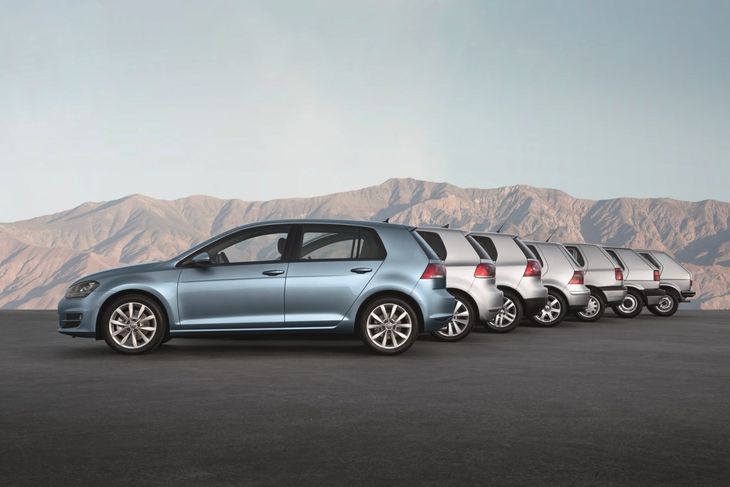
Just consider what's happened to the dimensions of the hugely popular VW Golf, Toyota Corolla and BMW 3 Series in the past couple of decades. In the 1970s, when the earliest VW Golfs were a modest 1.6 metres across, the UK’s Institution of Structural Engineers and the Chartered Institution of Highways and Transportation recommended a standard bay size of 2.4 metres by 4.8 metres, and those dimensions haven’t changed since. Meanwhile, including mirrors, today’s Golf 7 is 2.027 metres wide, almost as wide as a Range Rover!
Factor in the increasingly popular SUVs, and the average motor vehicle silhouette is far, far bigger than it was a generation ago. The standard parking space in this country is slightly bigger than that of the UK – 2.5m wide by 5m long – but it, too, hasn’t changed for three decades, while cars have bloated in what the Guardian calls “a vehicular obesity epidemic”.
A side-by-side comparison of the Golf 7 with its 6 predecessors demonstrate how the top-selling hatchback has grown.
A marked increase in parking 'dings'
UK company Accident Exchange, which rents out cars, has estimated that there had been a 35% increase in parking bay bumps and scrapes in that country due to the growing size of cars.
But finally there are moves to expand UK parking bays to better accommodate today’s cars.Buckinghamshire county council has reportedly approved a new guideline of 2.8 metres wide. And Q-Park, a Dutch firm with more than 60 sites in the UK, has introduced a small number of 3.6-metre “superbays”, and plan to add angle bays because they’re easier to enter and exit.
There doesn’t appear to be any parking bay super-sizing going on back home. In fact, the developers of some shopping malls and residential blocks have clearly shaved off a centimetre or two from the standard measurement here and there in order get more parking bays out of the available space.
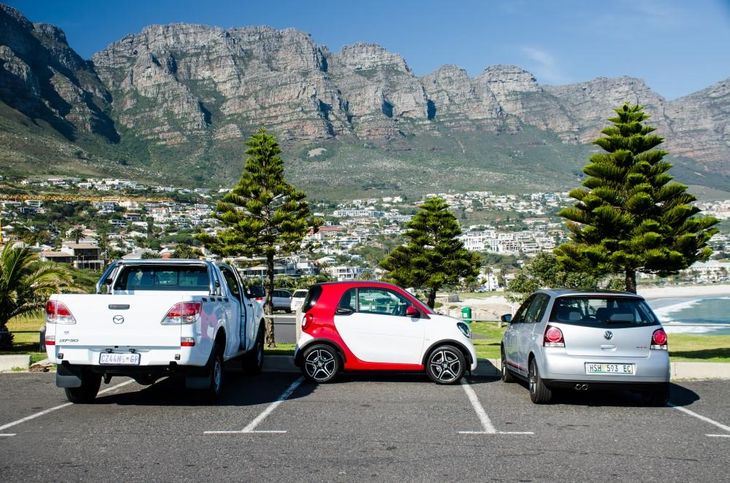
Sadly, few cars can achieve the feat of the Smart ForTwo… and these parking bays are generously sized by modern standards.
No wonder those scratch-and-dent policies have become so popular. A couple of years ago I was contacted by a woman who’d rented an apartment in Umhlanga, having signed the lease without asking to see the parking bay she’d been allocated.
Big mistake.
It was only after she'd moved in that she discovered that the bay was only 2.12 metres wide at the entrance, thanks to a really large pillar intruding into the space on the right. There was no way she could get her car into it.
When she complained to the rental agent, he told her she was the first person to complain about the parking; and that's it's a bay, that’s that.The block’s supervisor and the security guards told her otherwise, but she was forced to park her company car in an open, secure lot next door, paying R15 a day.
I challenged the rental agent to meet me at the parking garage in question, and we’d both attempt to park our cars in the bay in question.
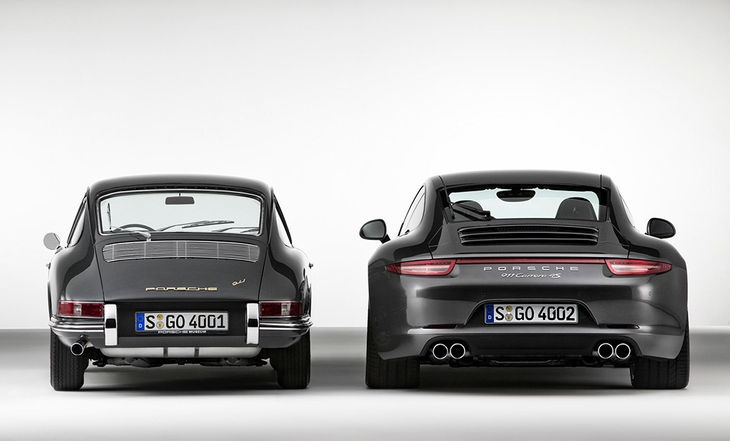
The scale of progress… the original 911 (left) compared with its contemporary descendant.
He arrived in a Golf 1 – yes, the original small little Golf – and, well, he got it in there. Just. But it’s a discontinued, particularly small car, with relatively tiny side mirrors. He wouldn’t have got a Golf 7 in there, and I certainly couldn't get my test car at the time – a Kia Cerato– a small-to-medium sized hatch – into it.
Fortunately, the tenant was allocated a full sized parking bay at no extra cost.
Ask to see it
So, when you’re flat hunting, don’t assume anything about the parking. Ask to see it. And better yet, see how easily you can get your car into and out of it. Size is one thing; but context is everything when it comes to parking bays. The approach angle may make it a real hassle to access.
“Some parking bays that are adjacent to walls… are effectively narrower (than a normal-sized bay) without an adjacent bay,” tweeted CapeTalk radio about the issue this week.
And Seán Crookson added: “The parking bay they rented to me was under a particularly nasty tree that shed sticky bits. Known to everyone but me. LOL.”
Again, assume nothing.
And, importantly, make sure that you have proper use of the parking – not some temporary “you can use it for now, as long as the owner says it’s okay” type arrangement. Because when that arrangement ends, as they do, you’re left without a parking, which is a big problem.