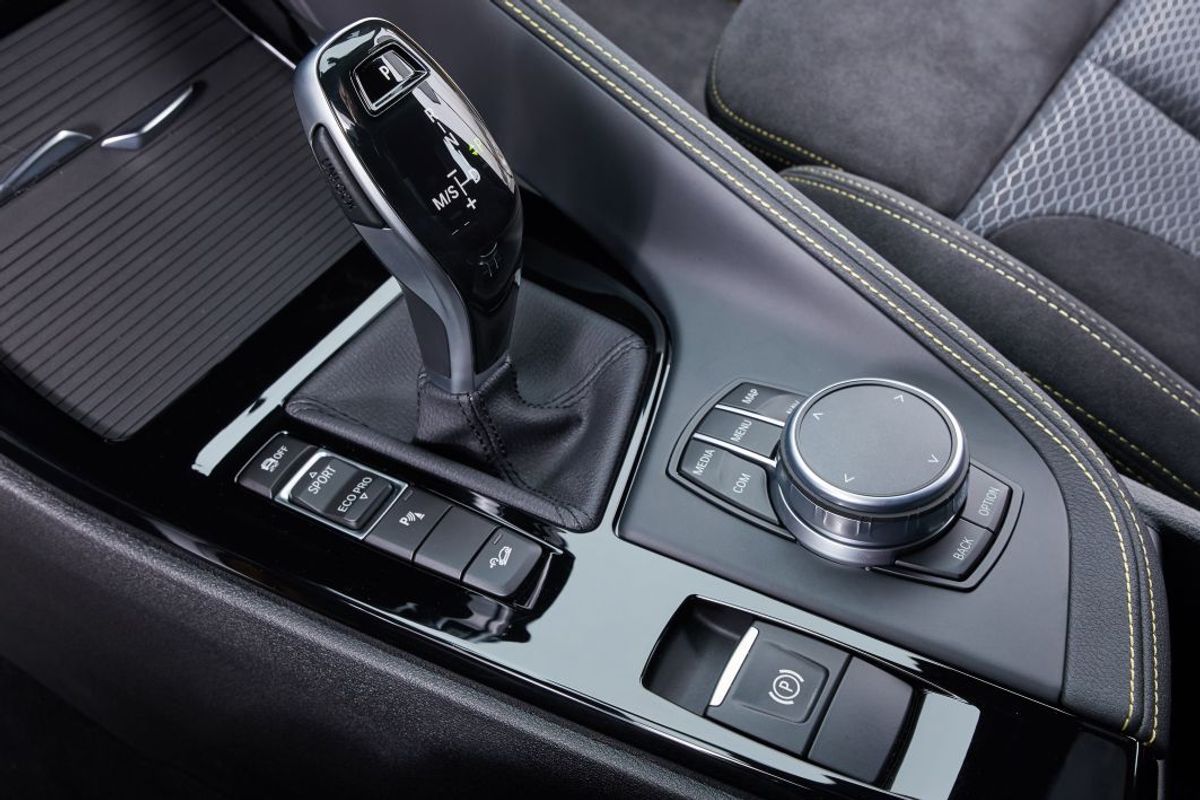
BMW previews X2 compact crossover in Paris [with Video]
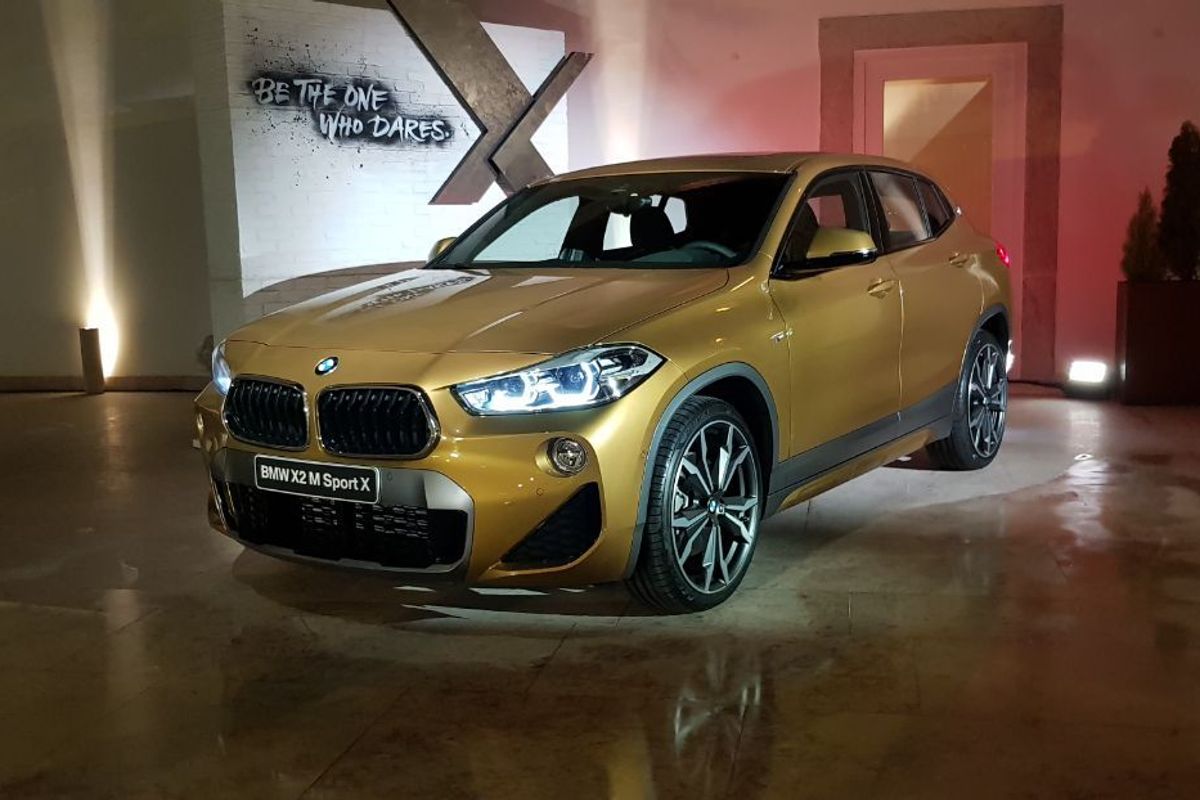
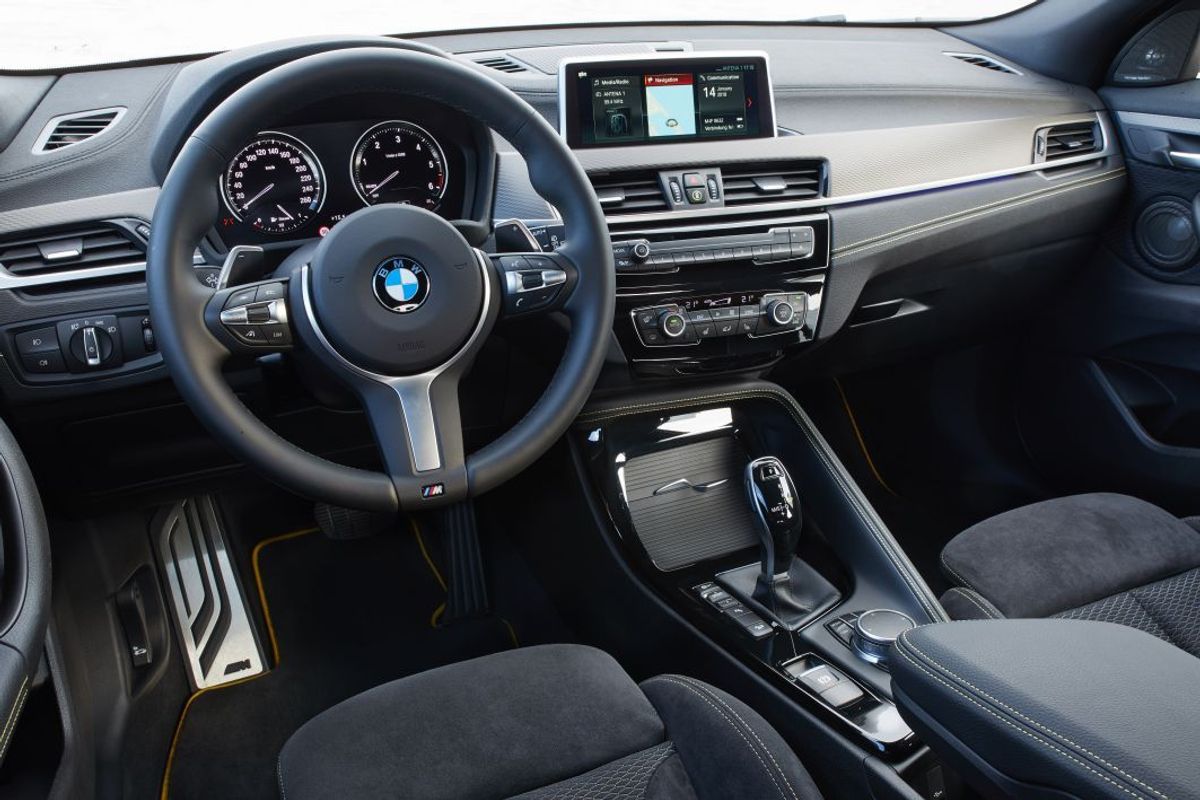
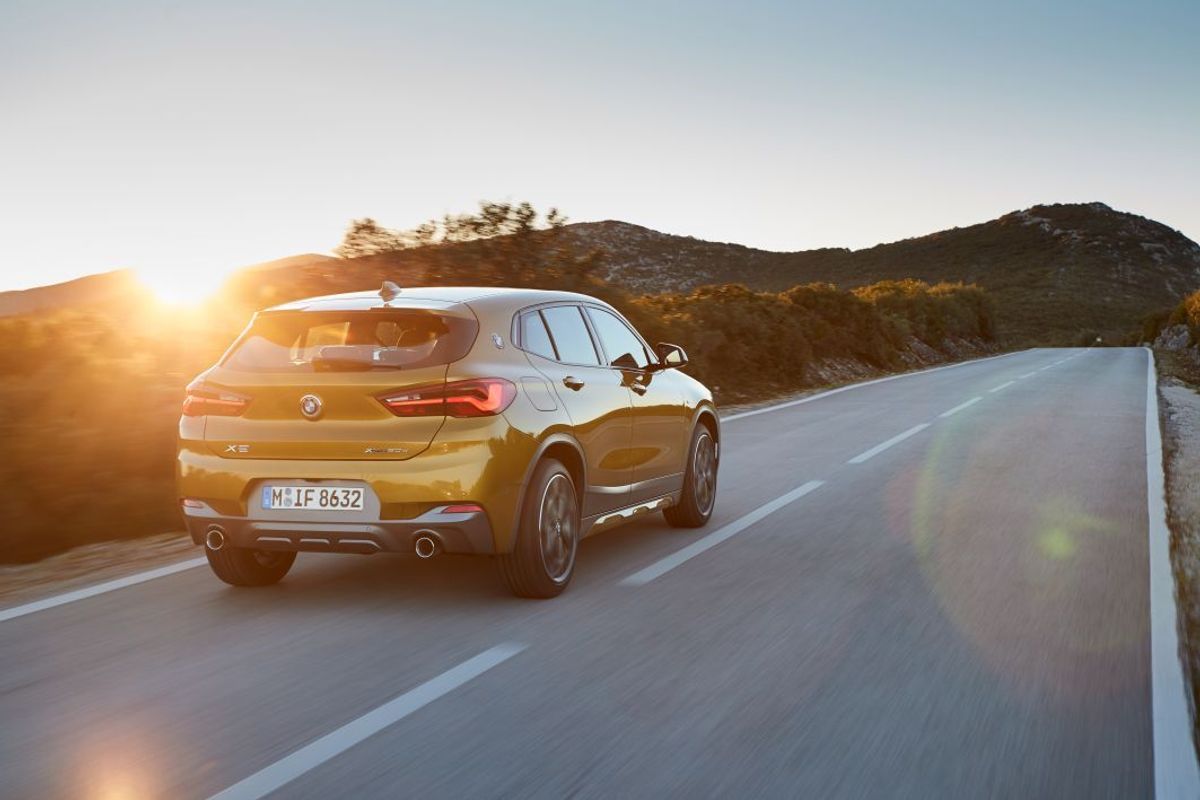
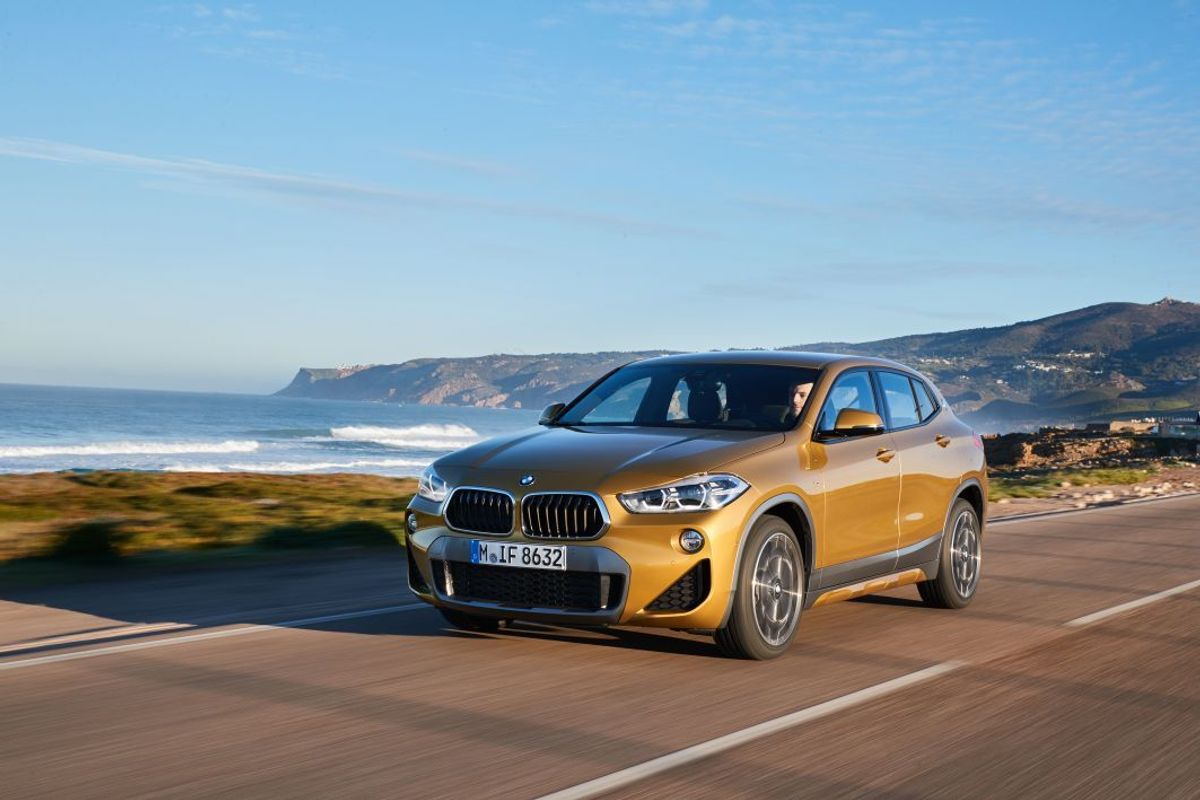
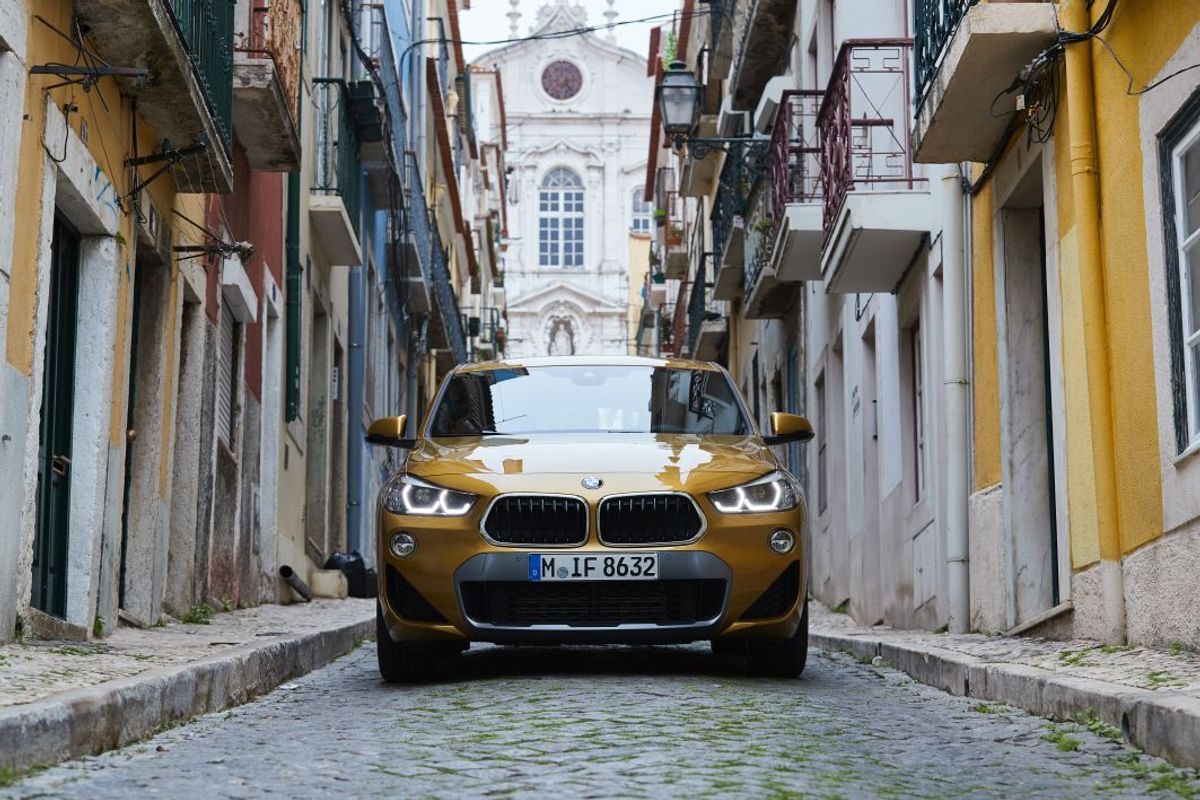
BMW has revealed its new X2 compact crossover at the Paris Motor Show. Though still a concept car at this stage, the production version is likely to look almost identical when it goes on sale early in 2018.
The new X2 is essentially a sportier derivative of the X1, much in the way that the X4 complements the X3 and the X6 the X5. It rides on the company's front-wheel drive UKL architecture, so you can expect a line-up of predominantly front-wheel drive offerings, with all-wheel drive available on some models. Also, much of the X1's engine range should be carried over to the X2.
So what is the surprise, then? Well, where most onlookers had expected the X2 to be merely an X1 with a coupe-like profile, BMW's designers were clearly given a far less restrictive brief. The X2 is a bold machine, with several design cues from recent concept cars seemingly headed for production. "This is a sporty vehicle with a bold character, and it allows us to open up some fascinating new design possibilities for the BMW brand,” says Karim Habib, Head of BMW Design.
Inspired by BMW coupes of the past
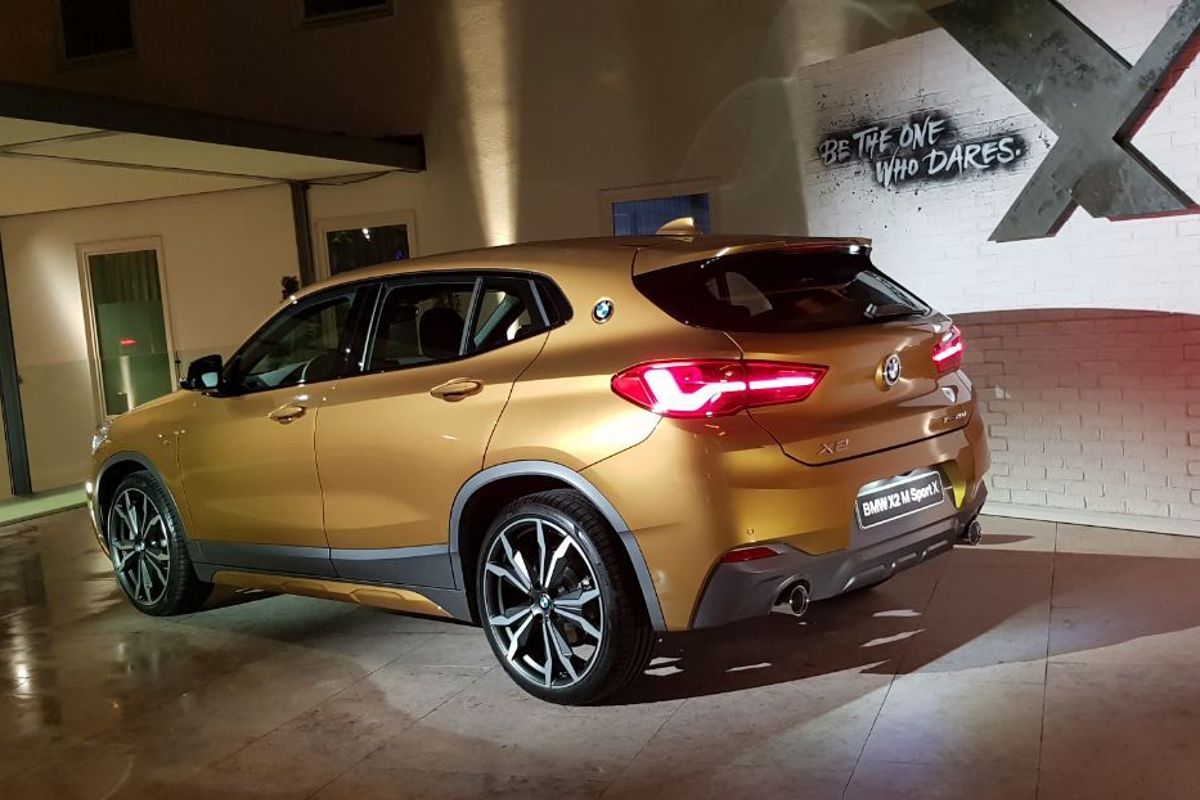
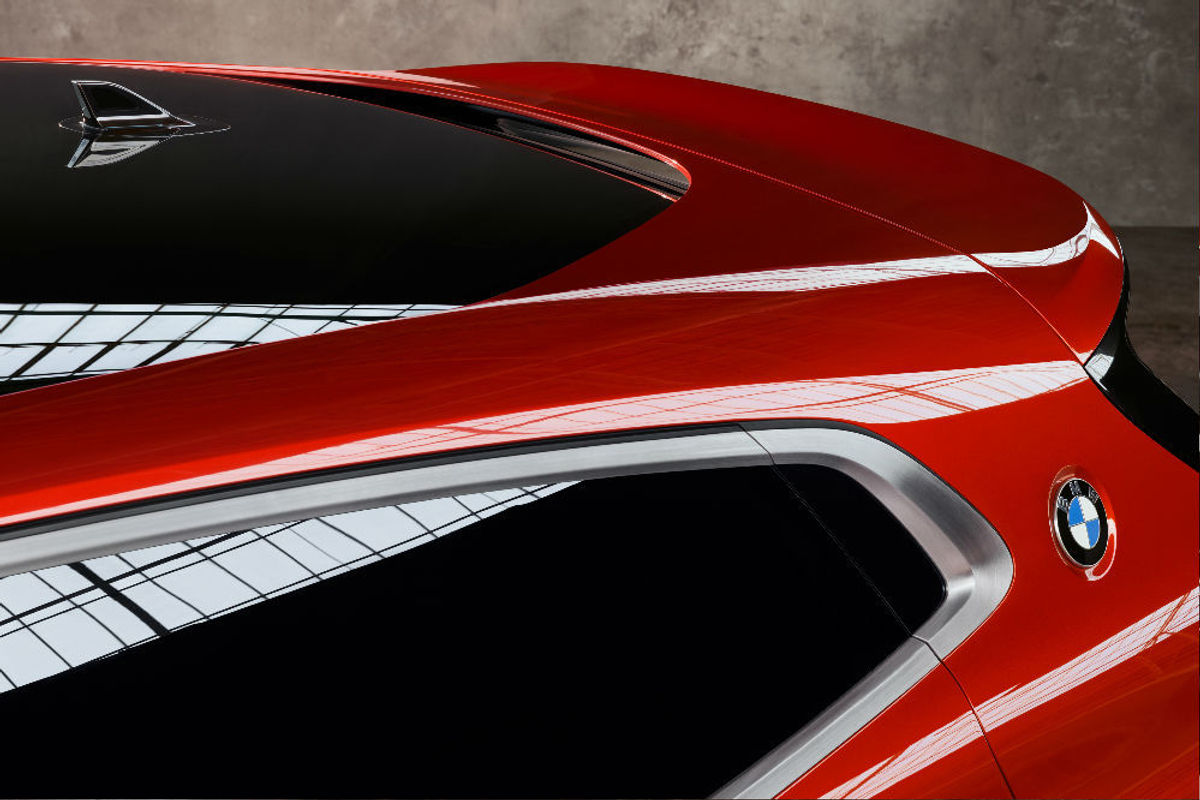
According to the press release it "draws on BMW's history of coupe-making," and it is clear, at least to yours truly, that the famous kidney grille is starting to gain depth again, and closely resembles the design of the grilles featured on the recent 3.0 CSL Hommage R and Vision Next 100 concept cars. It is, says its designers, the first BMW grille where the kidneys are wider at the bottom than the top. Those concepts, of course, were, in turn inspired by the "shark-nose" BMWs of the past… Another throwback to yesteryear's coupes is the positioning of the logo on the C-pillar.
This being a concept, there are of course some details that are unlikely to feature on the production version or, at least, not on all of them. This concept rides on very striking bi-colour 21-inch wheels, for example. But we expect much of the headlight detailing to remain. The classic BMW twin circular lights look gets a more hexagonal form on the X2, and the laser light technology allows for very slim headlamps. We don't anticipate laser lights to be offered on all X2s, but expect the graphic to be similar. At the rear, too, BMW has put a new twist on its traditional "L" design, with a more 3-dimensional appearance.
So, in summary then, and perhaps surprisingly so, the X2 could be quite important from a design perspective, as it seemingly steps slightly out of the current BMW design language on several fronts and represents a more emotive take on the brand's current look.
Watch a video of the X2's unveiling at the Paris Show:
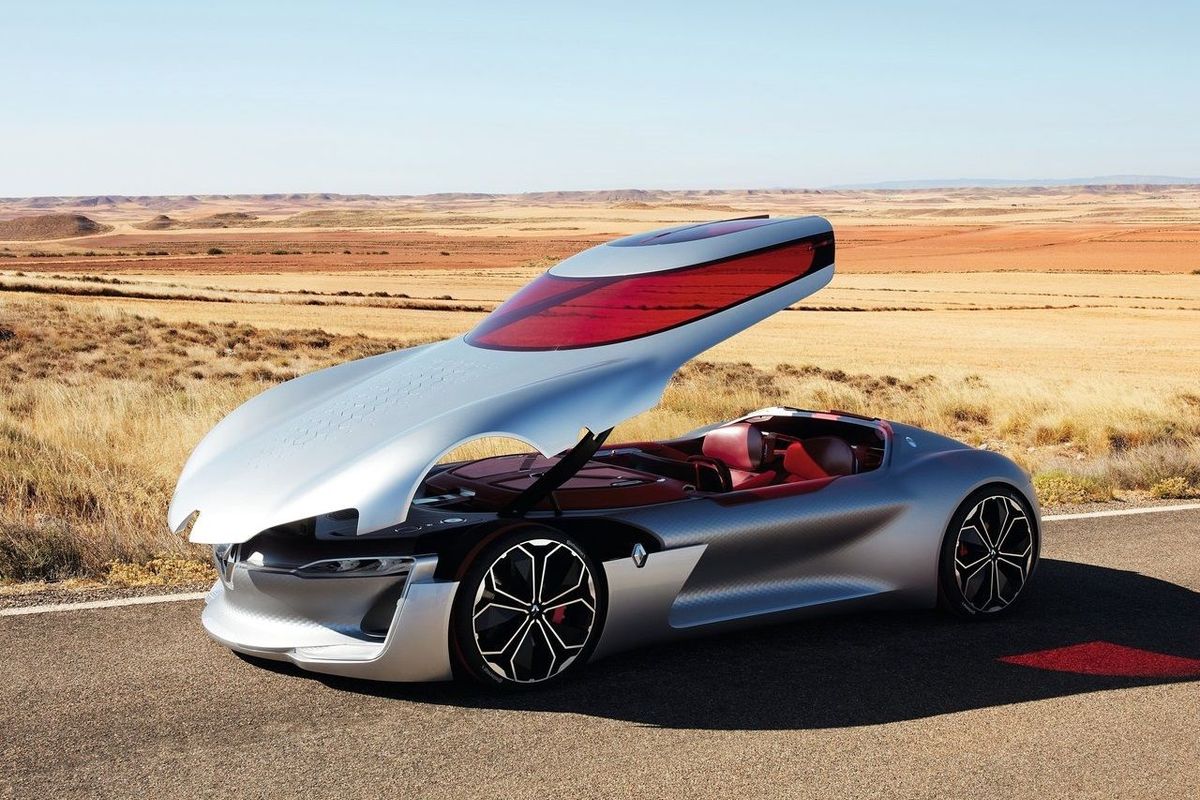
Renault Shows Off Wild Trezor Grand Tourer Concept at Paris Motor Show
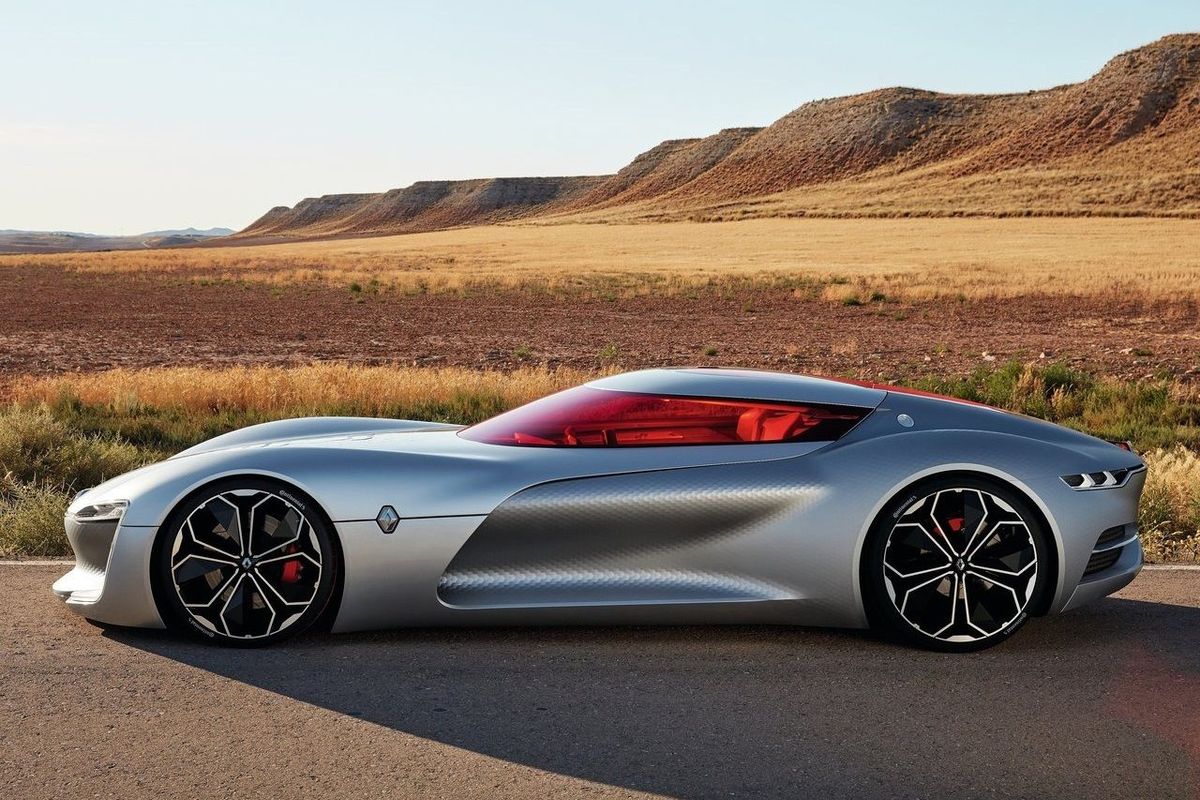
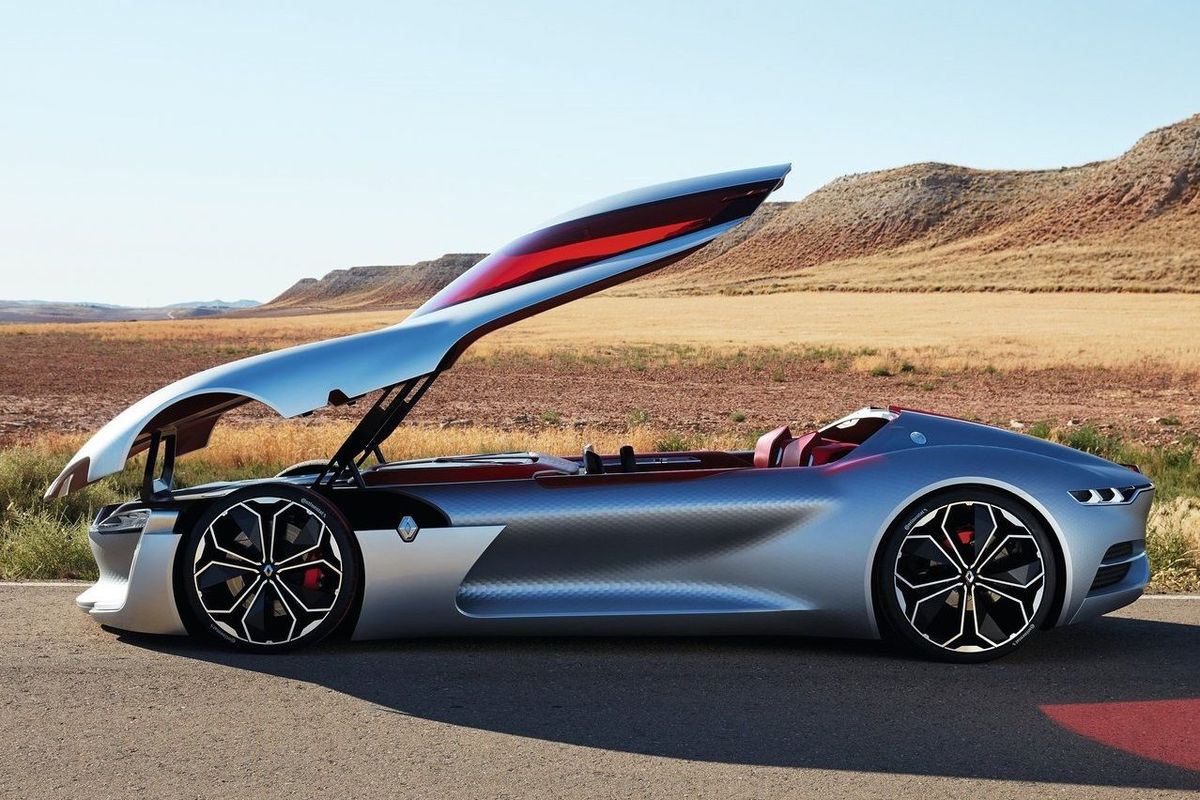
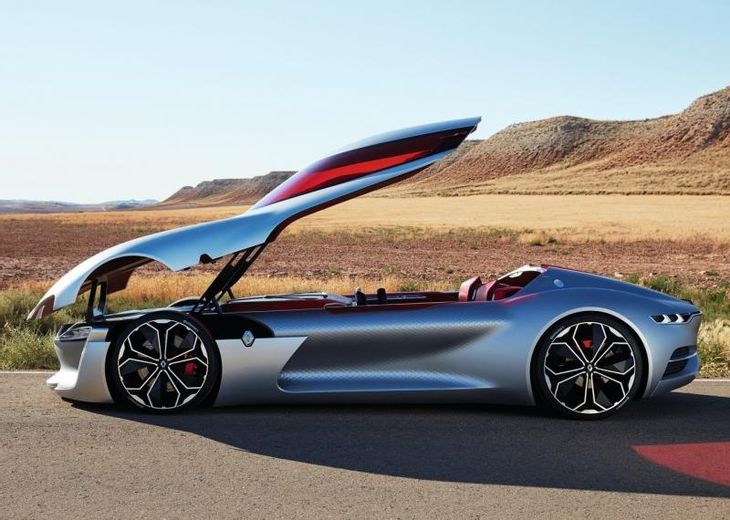
Renault has unwrapped a breathtaking concept at the 2016 Paris Motor Show. Let’s meet the Renault Trezor – an all-electric Grand Tourer concept car.
The Renault Trezor is a Grand Tourer concept car that blends all-electric powertrain and autonomous driving. “The Renault range has now been completely renewed and upgraded with a spectrum of complementary models, each one of which has its own assertive identity. With the Trezor, we have pursued this renewal by introducing a new lifecycle sequence. This concept car is the fruit of a freedom of expression and prepares the way for the trends we are likely to see in our upcoming vehicles. These trends fall into two categories: French Design and Easy Life.” said Laurens van den Acker – Senior Vice-President, Corporate Design
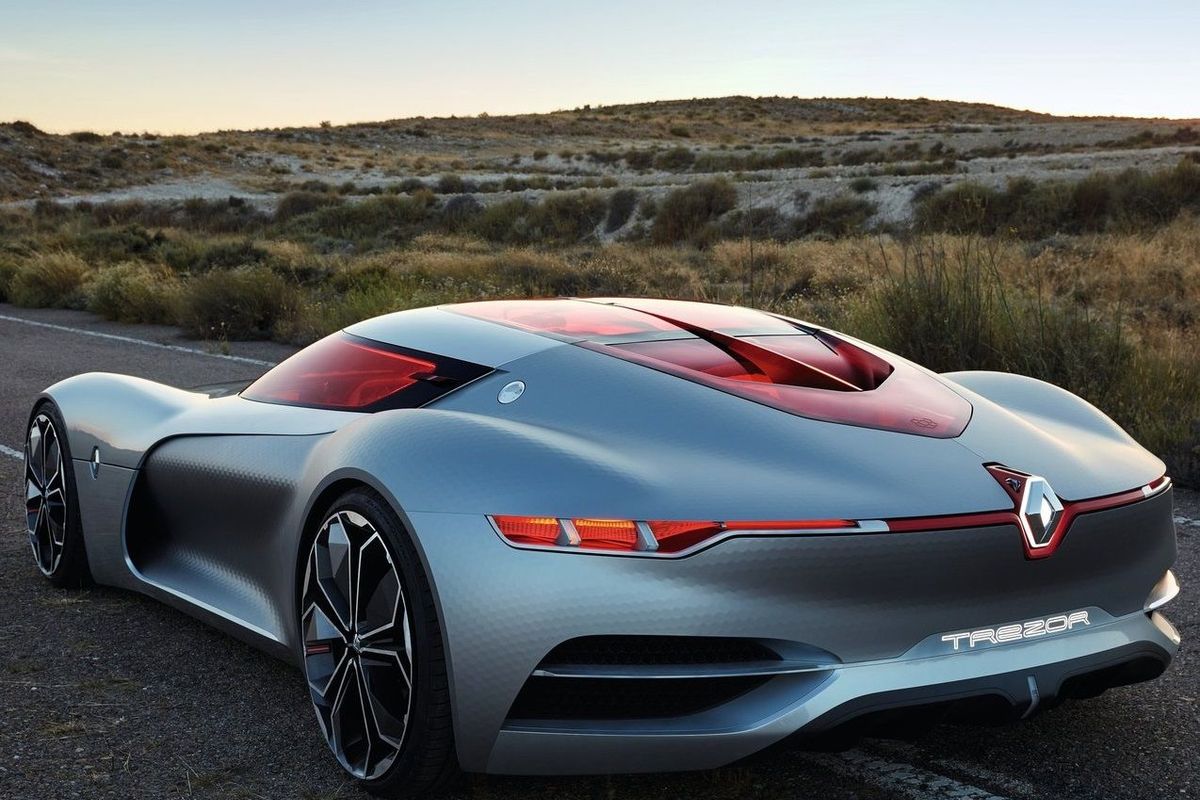
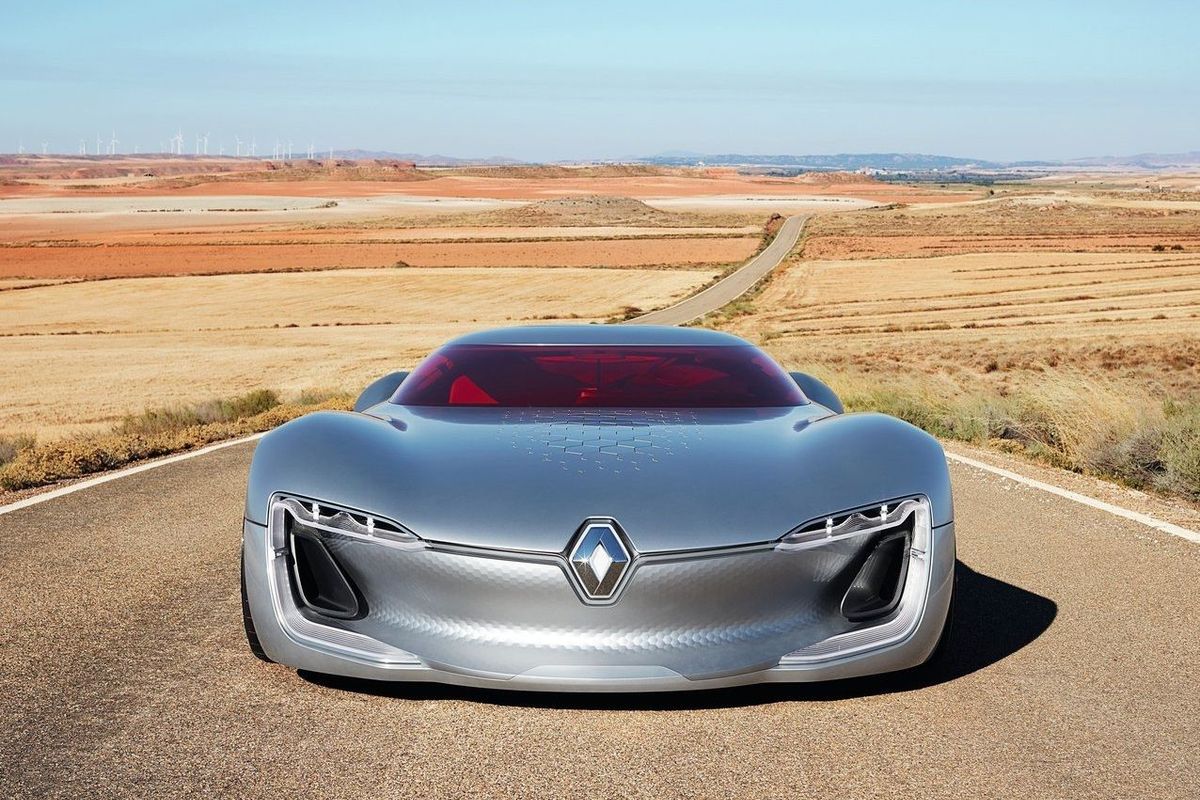
It’s a beautiful and eccentric design, and the Renault Trezor features a metallic finish and styling of a classic GT. The bonnet features a honeycomb-styed air intake which opens and closes for extra ventilation, giving the impression the car is alive and breathing. On the left-hand side of the body, the fuel filler hatch has been replaced by an analogue gauge that indicates the vehicle’s charge level, drawing on traditional sports car practice.
Engine & powerplant
The engine of the Renault Trezor comes straight from the Renault e.dams, two-time winner of the Formula E Teams’ world title. It has outputs of 260 kW and 380 Nm, which is enough to see it hit 100 kph in under four seconds. There are two batteries each featuring their own cooling system as well as a brake-based energy recovery system, lifted straight from a Formula E racecar. The Renault Trezor has 50:50 weight distribution and features rear-wheel drive. It also features 21- and 22-inch alloy wheels wrapped in specialised Continental tyres.
Interior
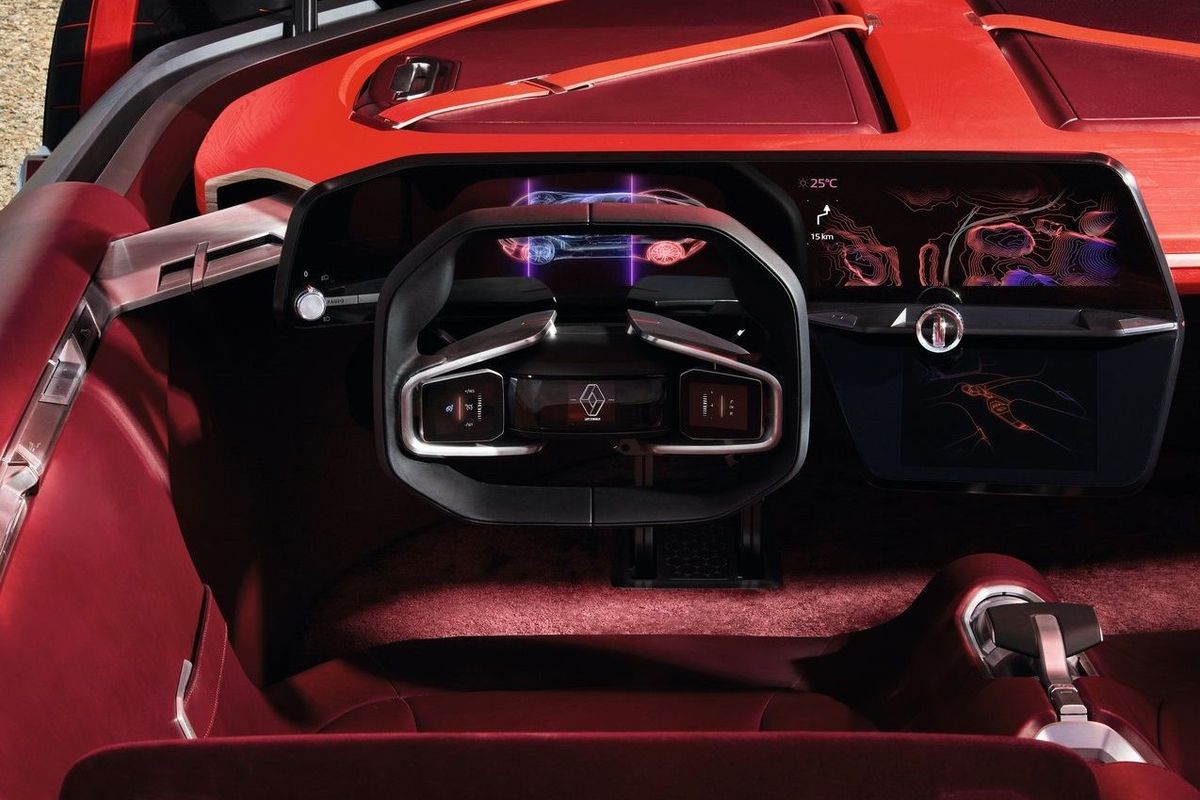
The cabin of the Renault Trezor introduces an all-new dashboard design with a unique L-shaped display which combines multimedia system as well as dashboard controls. The Renault Trezor sees the brand explore a new approach to dashboard design with a unique L-shaped display that combines the dashboard controls and the multimedia system. The Ultra High Definition screens ensure crisp images with superior contrast and colour reproduction. Being in the age of the smartphone, the Renault Trezor caters for the driver as it features a dedicated storage area for devices. The phone is recognised and a greeting displayed. Personalisation of the touchscreen interface is present and drivers can adjust apps and widgets to suite their needs.
Autonomous Driving Capability
The Renault Trezor offers three driving modes: neutral, sport and autonomous. The car changes while in autonomous mode and the exterior lighting signature changes and extends to the lateral and rear logos, to indicate to other road users that driving has been delegated to the computer. When in autonomous mode, the steering wheel opens up to display a cinema screen, which provides entertainment to the driver and passenger in the form of watching a film, playing a game or flicking through photographs.
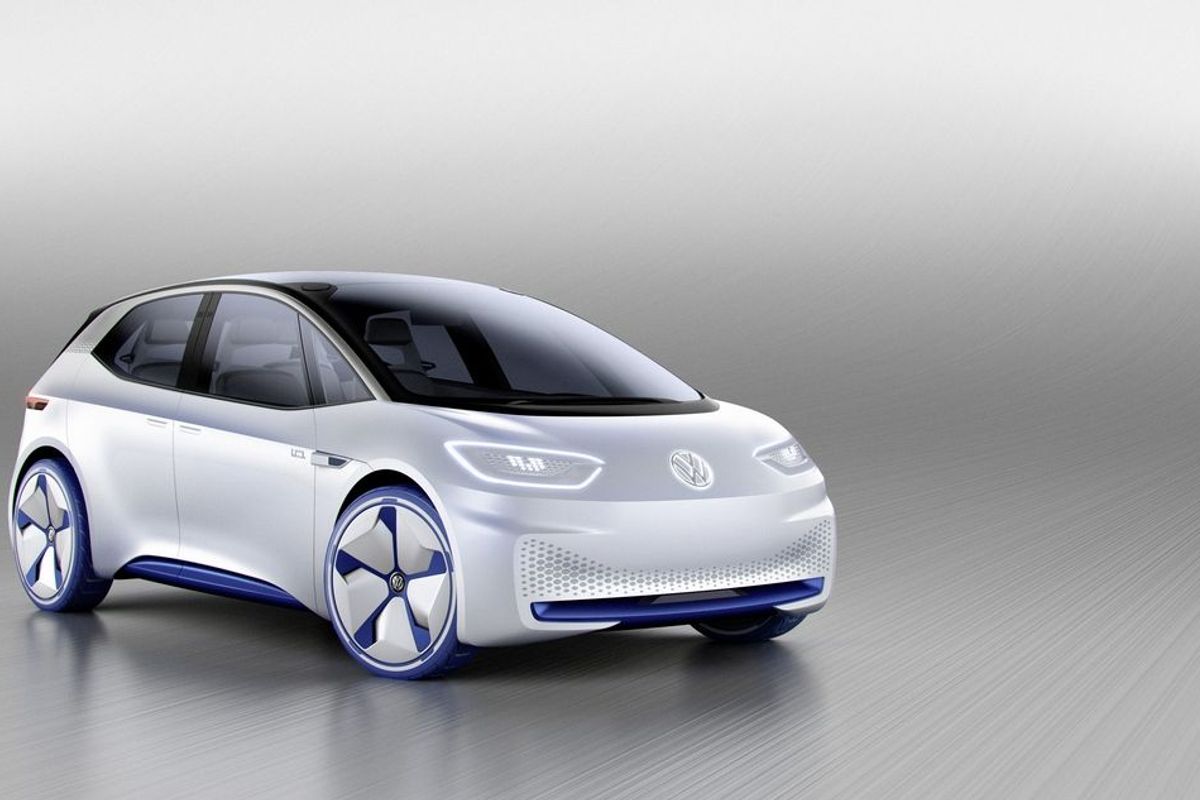
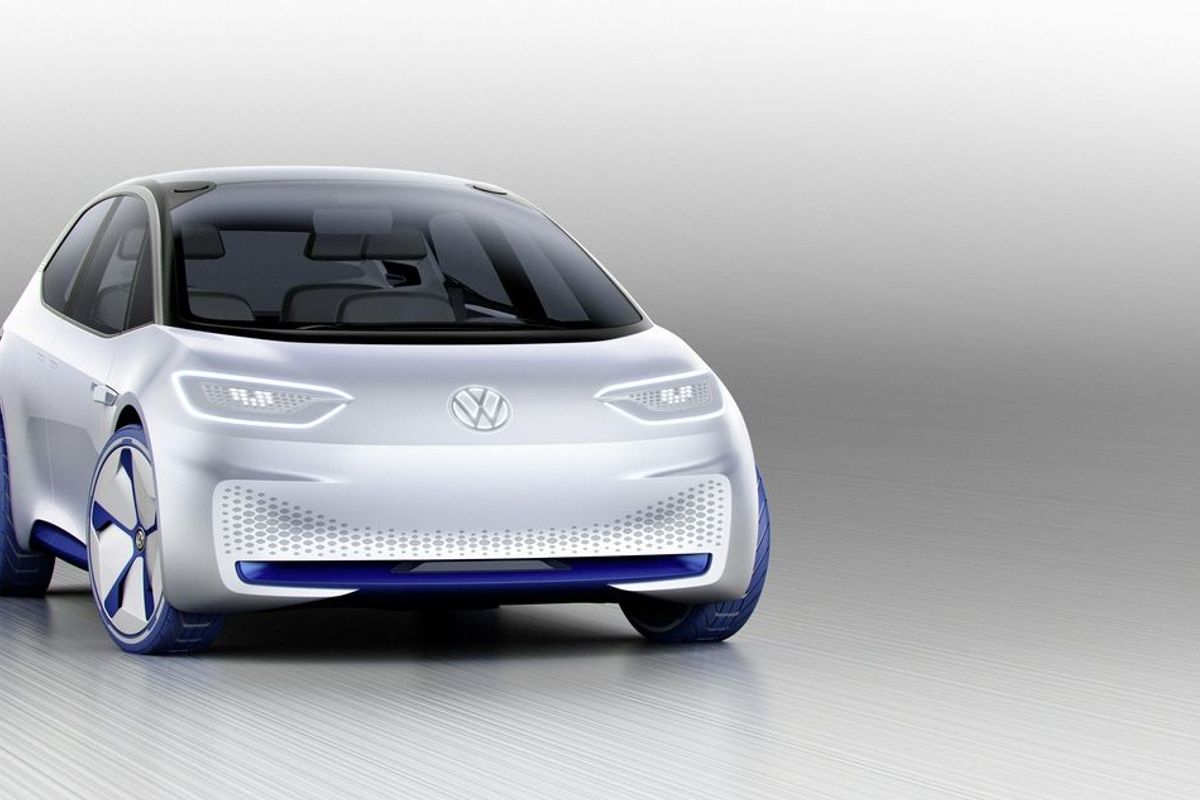
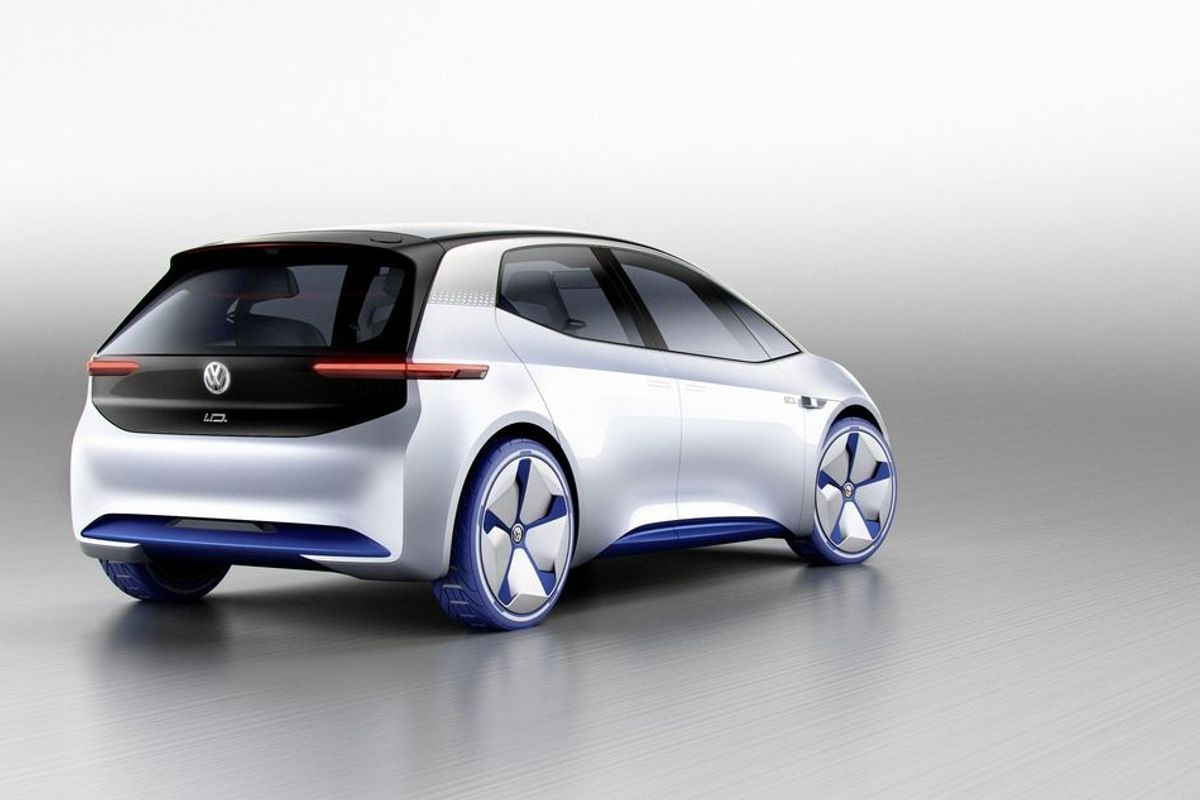
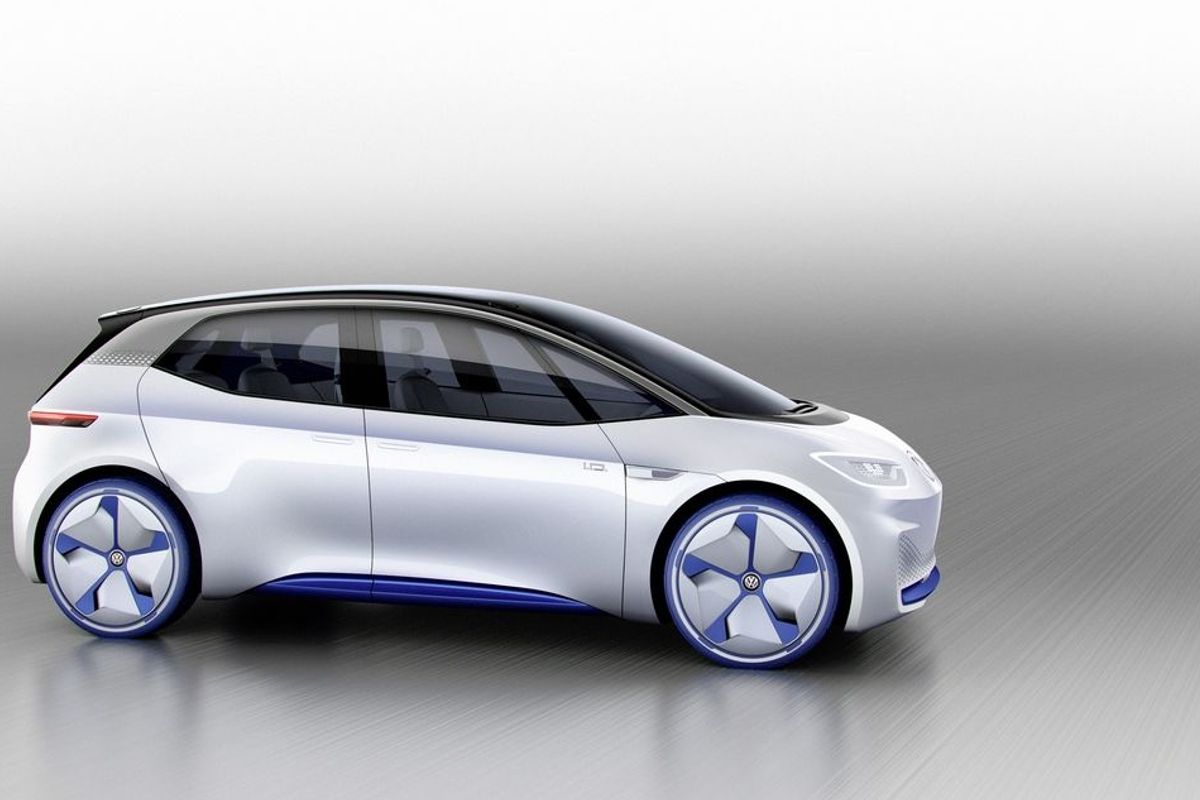
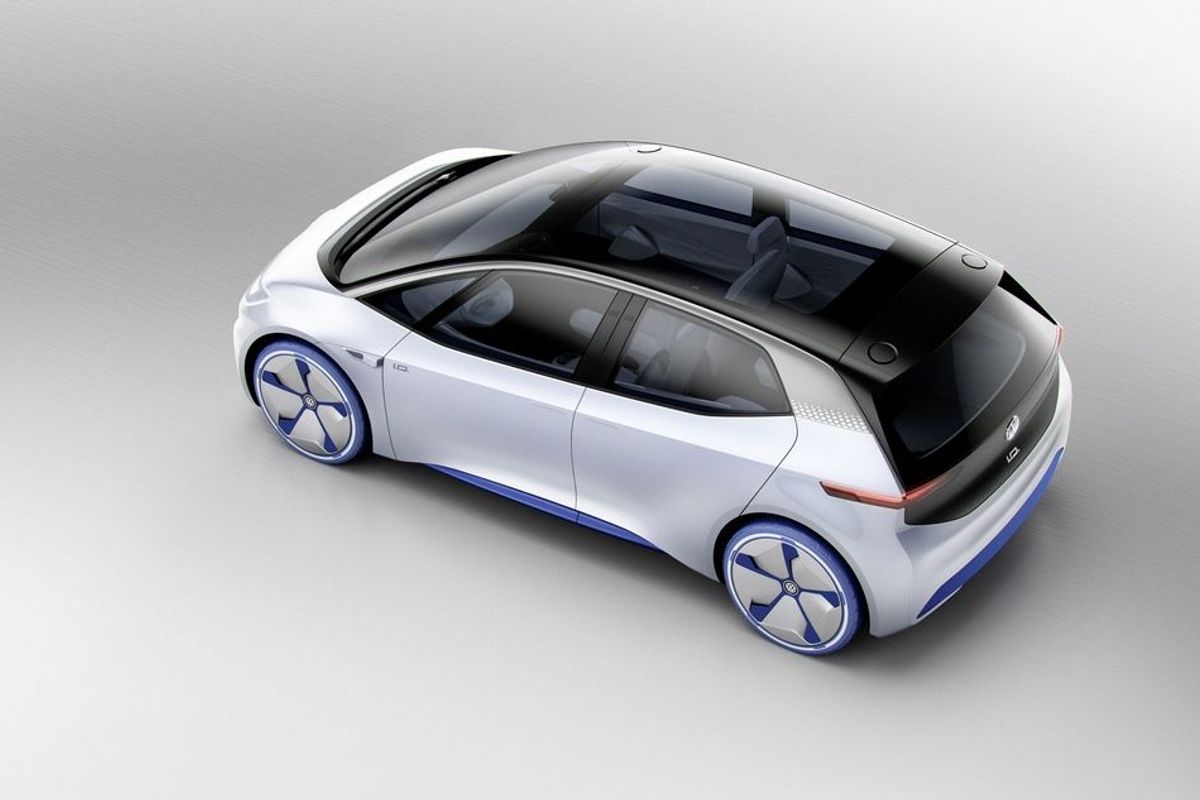
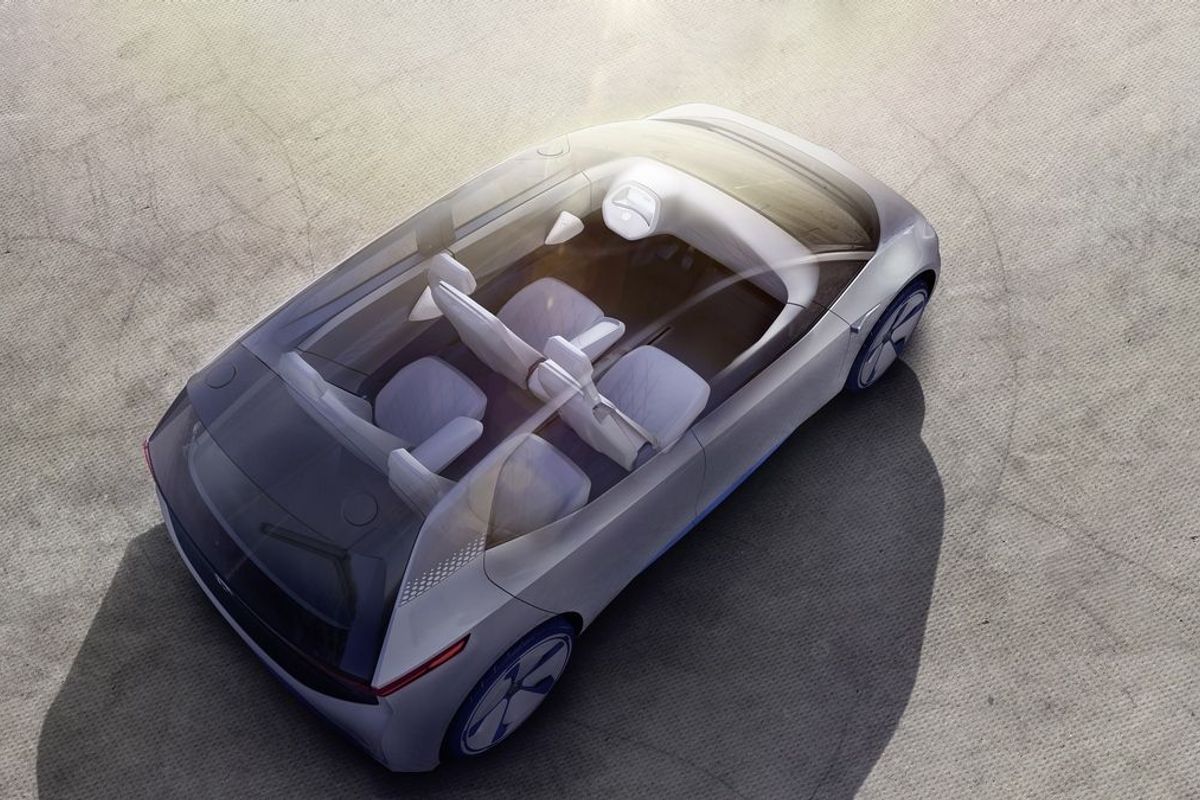
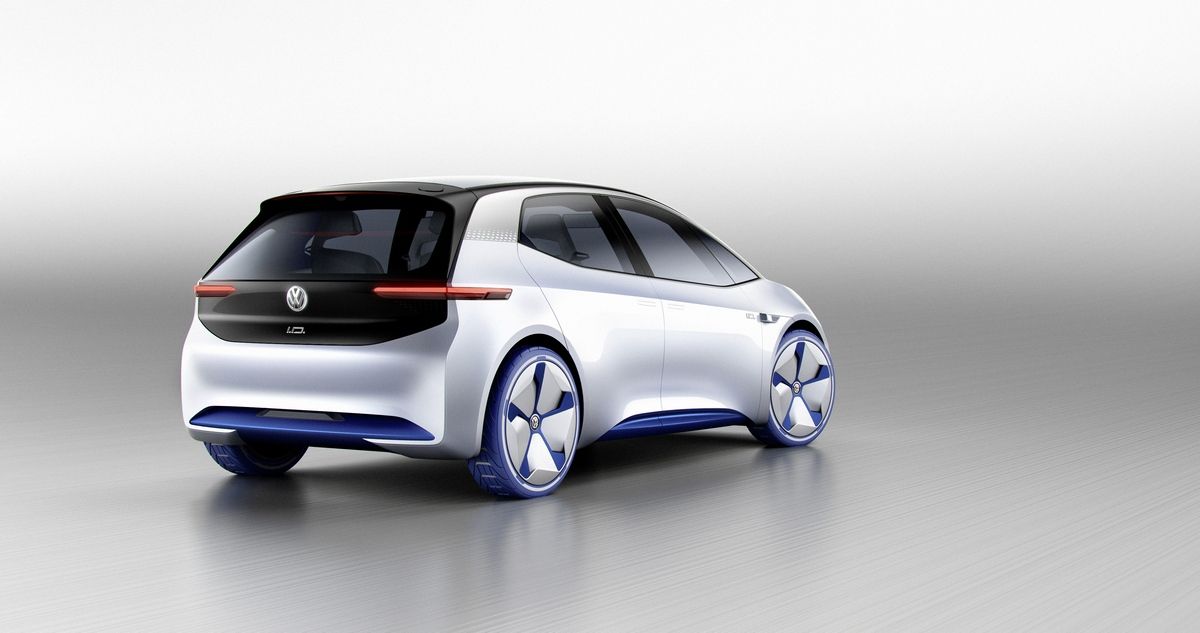
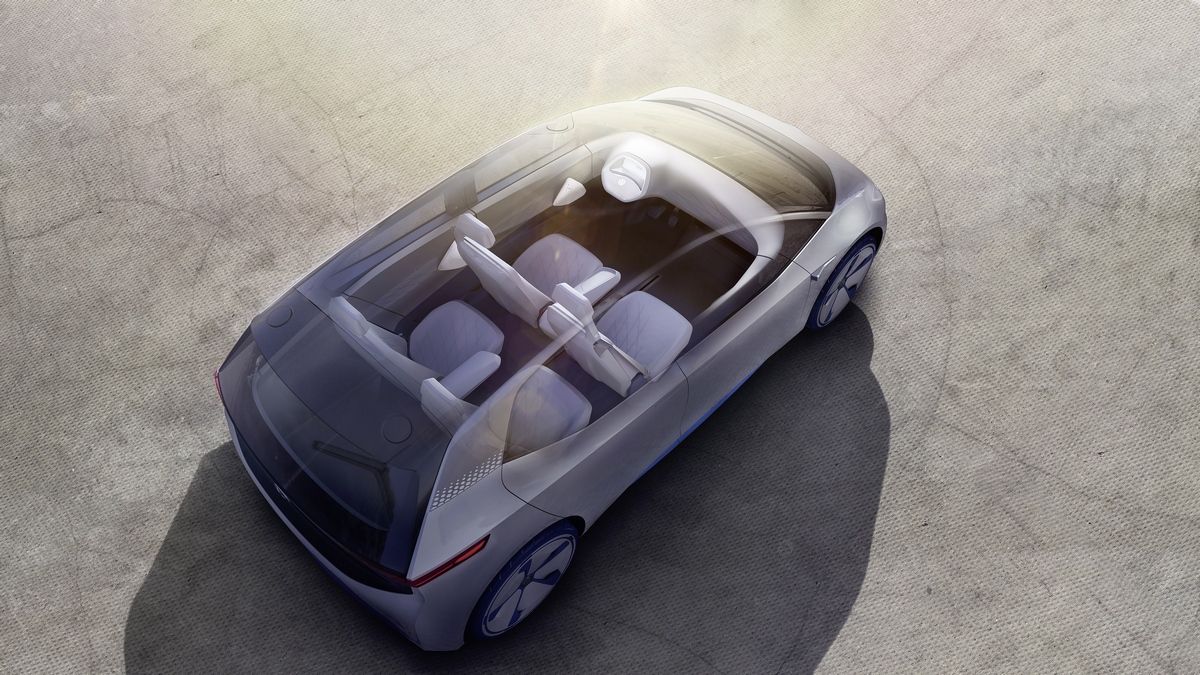
This VW I.D concept is planned for a 2020 public release. Demonstrates VW’s plan for a fully automated mode by 2025.
Last week VW announced it would be showing multiple electric vehicles at the 2016 Paris Motor Show. This is the first and it’s called the I.D which will lead Volkswagen’s electric lineup of cars that is said to reach 30 models by 2025.
This I.D will hit the road by 2020 and features plenty of new technology – not only in its drivetrain system. The electric motor has an output of 125 kW and is capable of sprinting to 100 kph in 8 seconds. Top speed is also decent at a claimed 160 kph with VW saying the batteries will last anywhere from 400 – 600 km on a single charge. Thanks to fast charging it can also be topped up to 80% charge in just 30 minutes. The I.D has both cable charging and inductive charging capabilities. Inductive charging requires the driver to park over a ‘charging plate’ where it is then charged. It’s sort of like wireless charging on modern smartphones.
Volkswagen is also debuting its automated driving system that it says will be available from 2025. In order to activate auto-pilot, you have to press the VW badge on the steering wheel for 3 seconds, at which point the steering wheel retracts and the car takes over driving duties. A simple touch of the brake or pedals will return the I.D to manual mode and extend the steering wheel back into place.
Inside the I.D is where Volkswagen plans to show initiative with its electric vehicle lineup. The I.D features new technologies such as multifunction steering wheel where the gear selections can be pressed. There’s also the more basic functions such as phone and infotainment switches. The infotainment system has been increased to 10-inches and includes 3D navigation. The screen can also control functions on the steering wheel or be divided up into 3 separate sections.
An e-Mirror system replaces the standard rear-view mirror but still looks just like a rear-view mirror. Information from both the wing mirror cameras and the rear camera are fed to the single rear-view system. The removal of the wing mirrors improves the car’s aerodynamics.
In multi-storey car parks, Volkswagen's concept car can find a parking space all on its own. All the driver has to do is stop the I.D. in a specially marked zone in the entrance to the car park that is suitably equipped with the necessary infrastructure and activate the "Pilot for multi-storey car park" using the Volkswagen app, and off the I.D. goes! To ask the I.D. to leave the parking space again, all the driver has to do is tell the Volkswagen to return to its starting zone again via the app.
At the moment the I.D looks far from a production-ready vehicle so, the next four years will be fast-tracked in order to meet the prescribed deadline of 2020.
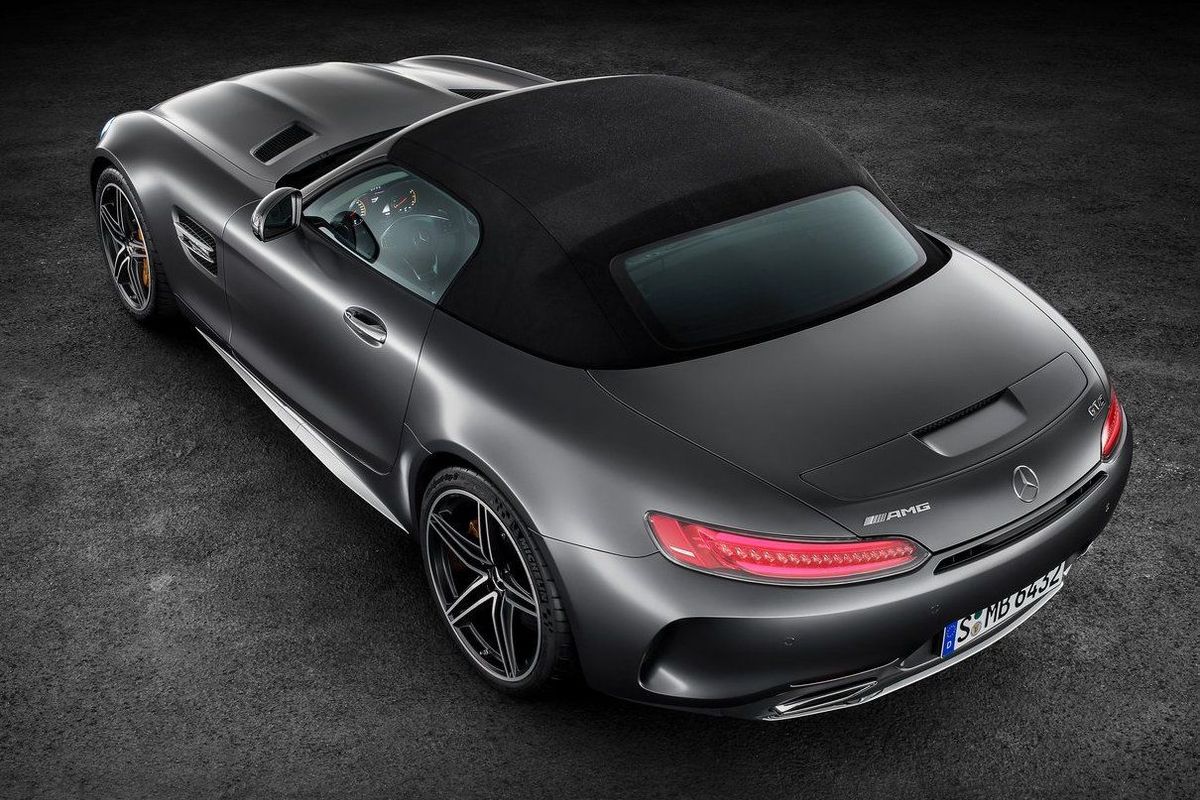
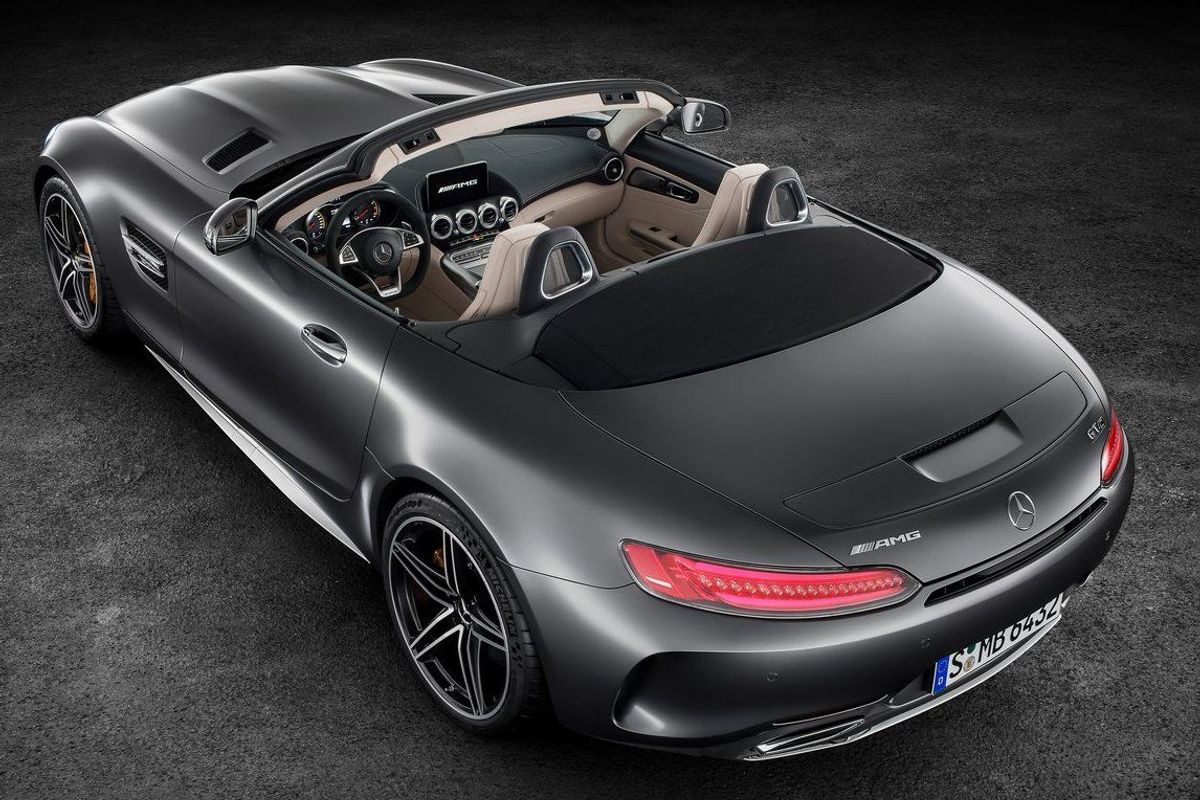
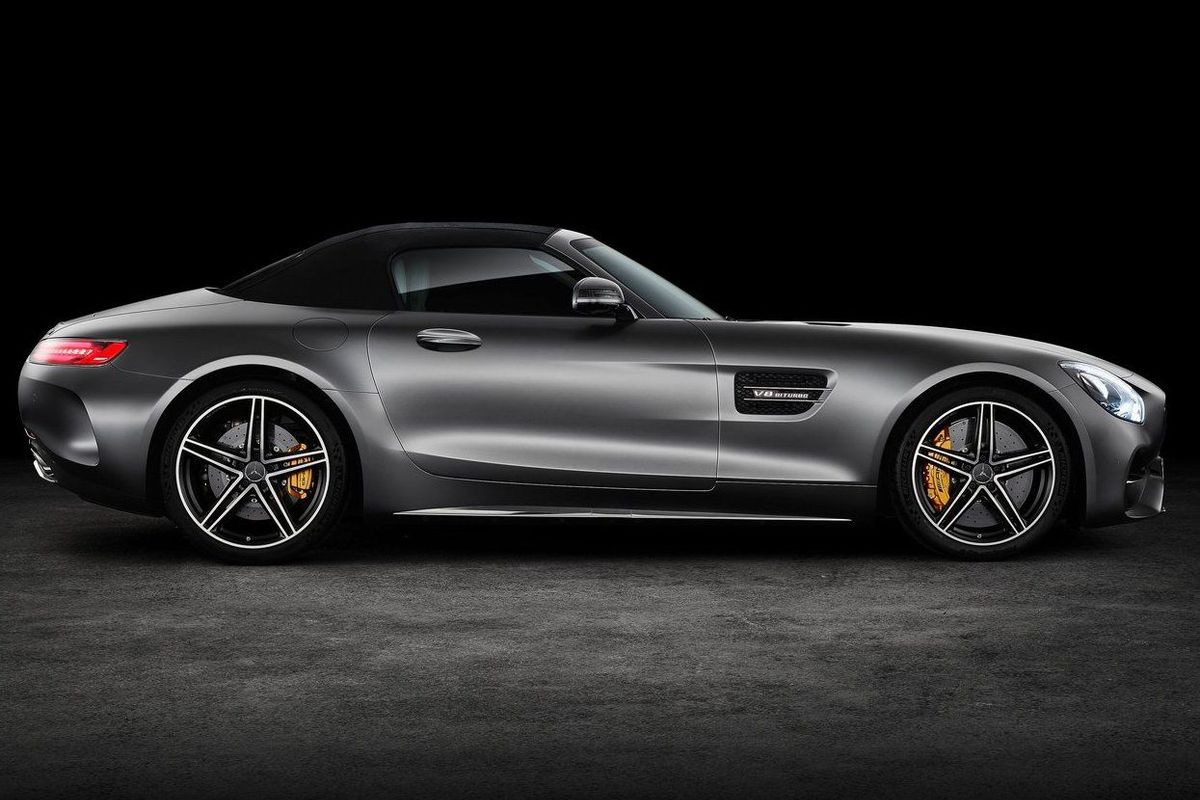
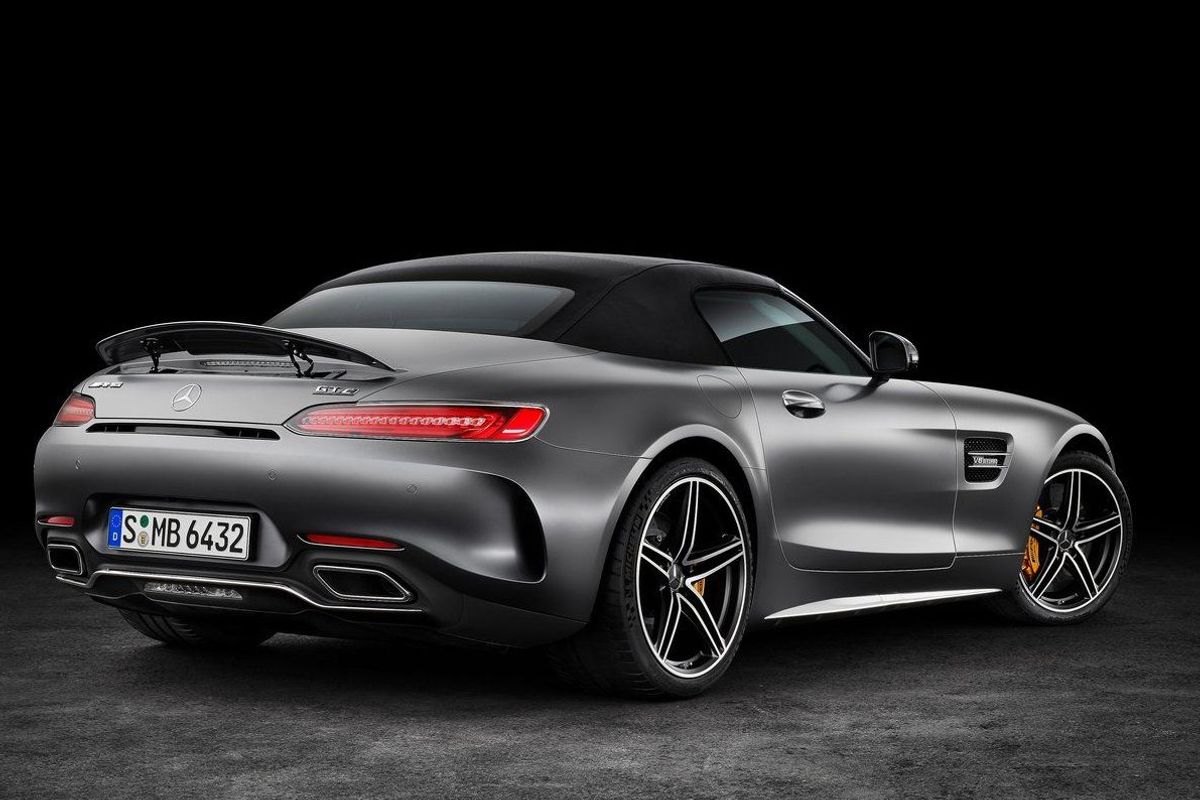
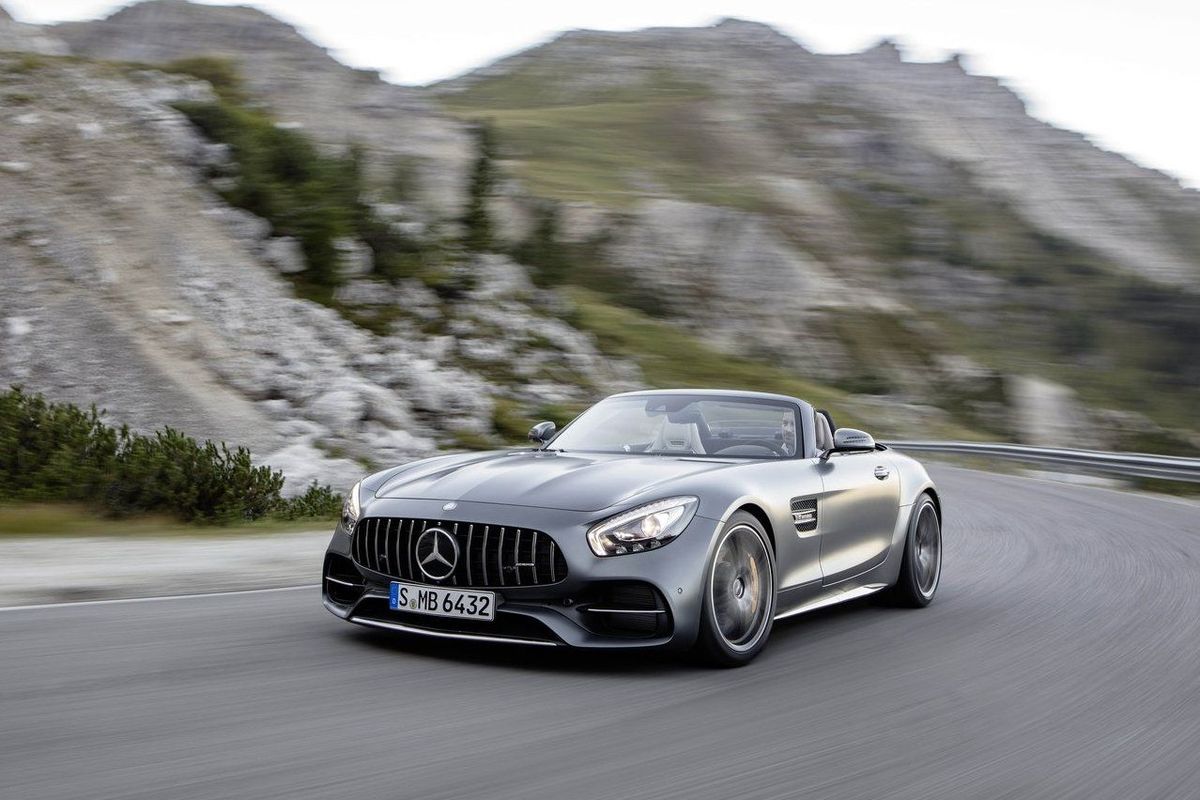
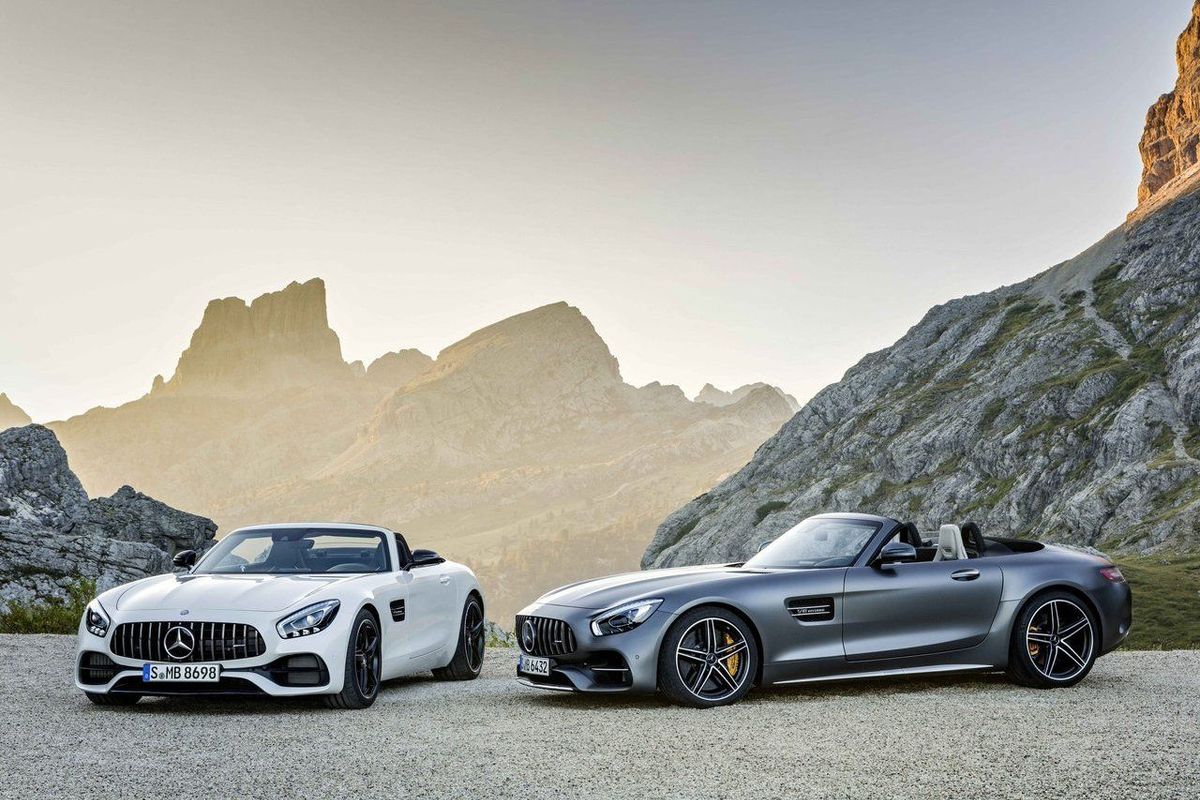
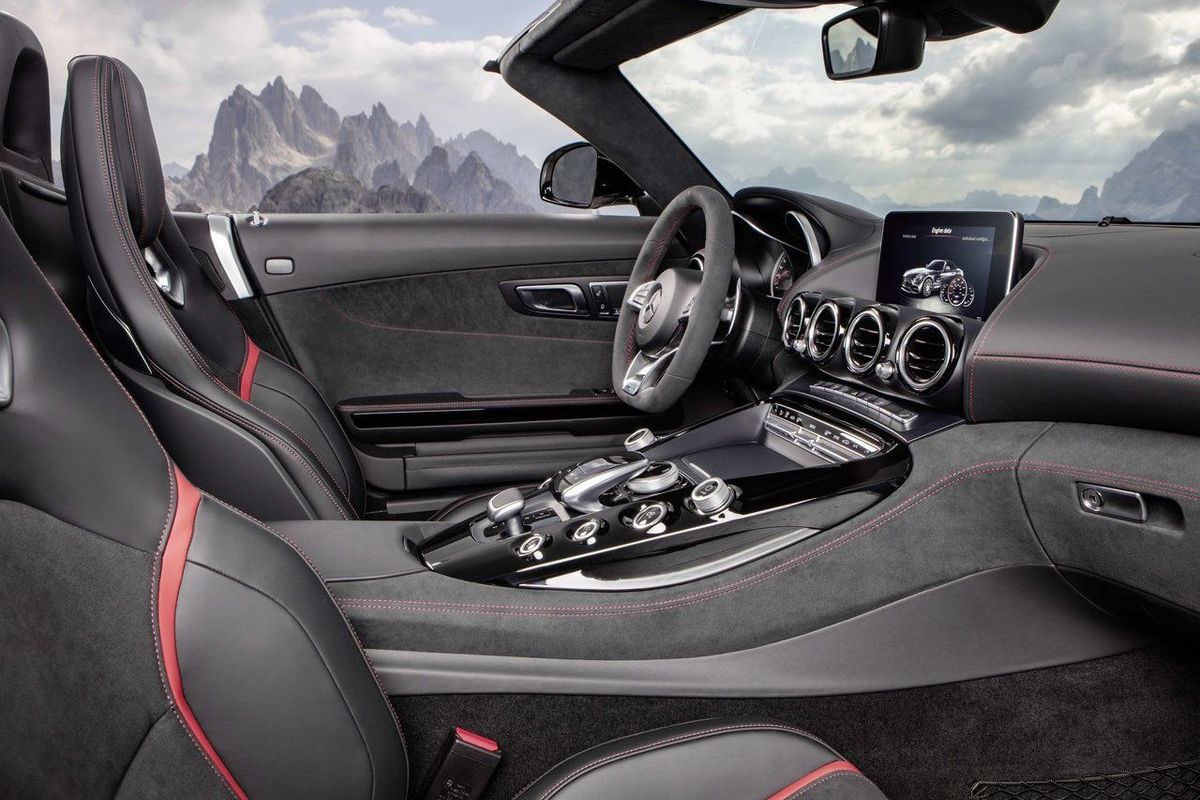
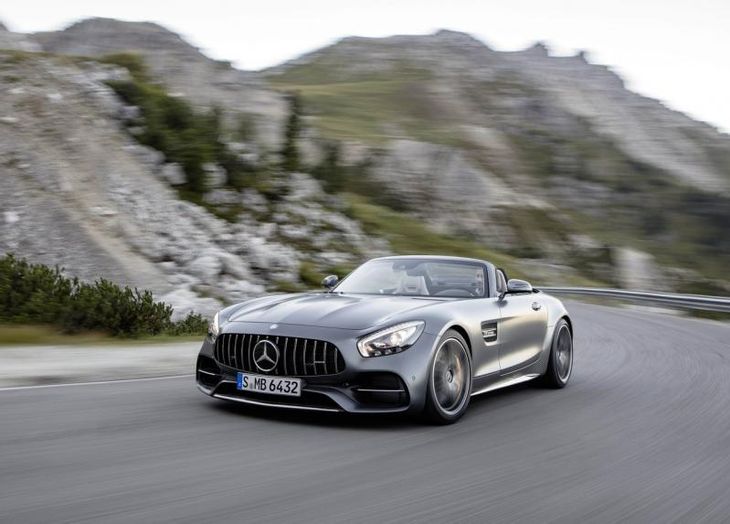
Mercedes-AMG has revealed two new additions to its GT sports car stable at the Paris Show. Meet the Mercedes-AMG GT Roadster and the GT C Roadster!
By all accounts, the Mercedes-AMG GT is a phenomenal sports car that delivers engaging performance by the bucket load. Not too long ago, Mercedes-AMG revealed the beefed-up GT R and now the AMG performance arm has revealed the latest new members of the GT family, the GT Roadster and the GT C Roadster.
The Mercedes-AMG range now consists of five variants and a local representative from Mercedes-Benz South Africa confirmed that the GT Roadster and GT C Roadster can be expected in South Africa in mid-2017.
"With our two Roadster models, we are strategically expanding the AMG GT family by two exciting variants. With the AMG GT C Roadster, we are also introducing a new model variant to which we have transferred main performance-related components from our top sports car, the AMG GT R. The result: a highly dynamic driving experience in a very exclusive ambience, coupled with that pure roadster feeling," says Tobias Moers, Chairman of Mercedes-AMG GmbH.
Power figures
Open-top driving in the Mercedes-AMG GT and GT C Roadster is now a reality with a retractable fabric roof.
The entry-level GT Roadster is powered by a twin turbocharged 4.0-litre V8 engine offering 350 kW and 630 Nm of torque. Power is sent to the rear wheels using a 7-speed dual-clutch transmission, resulting in a zero to 100 kph sprint time of 4 seconds before reaching a top speed of 302 kph.
The uprated GT C Roadster employs some of the technological refinements seen in the GT R and these include active rear axle steering, electronically controlled rear axle locking differential and comes fitted with AMG Ride Control sport suspension.
The GT C Roadster is also powered by a twin turbocharged 4.0-litre V8 engine but offers 410 kW and 680 Nm of torque. That’s 35 kW more than the GT S and only 20 kW less than that offered in the GT R. Like the GT Roadster, power is sent to the rear wheels using a 7-speed dual-clutch transmission. The sprint to 100 kph will take only 3.7 seconds in the GT C Roadster, before hitting the speed limit at 316 kph.
Key Features
Both the GT Roadster and the GT C Roadster feature a fabric roof that opens and closes in 11 seconds at speeds up to 50 kph. The fabric roof can be had in three colours including black, red or beige. A total of eleven exterior colours and ten interior colours are on offer.
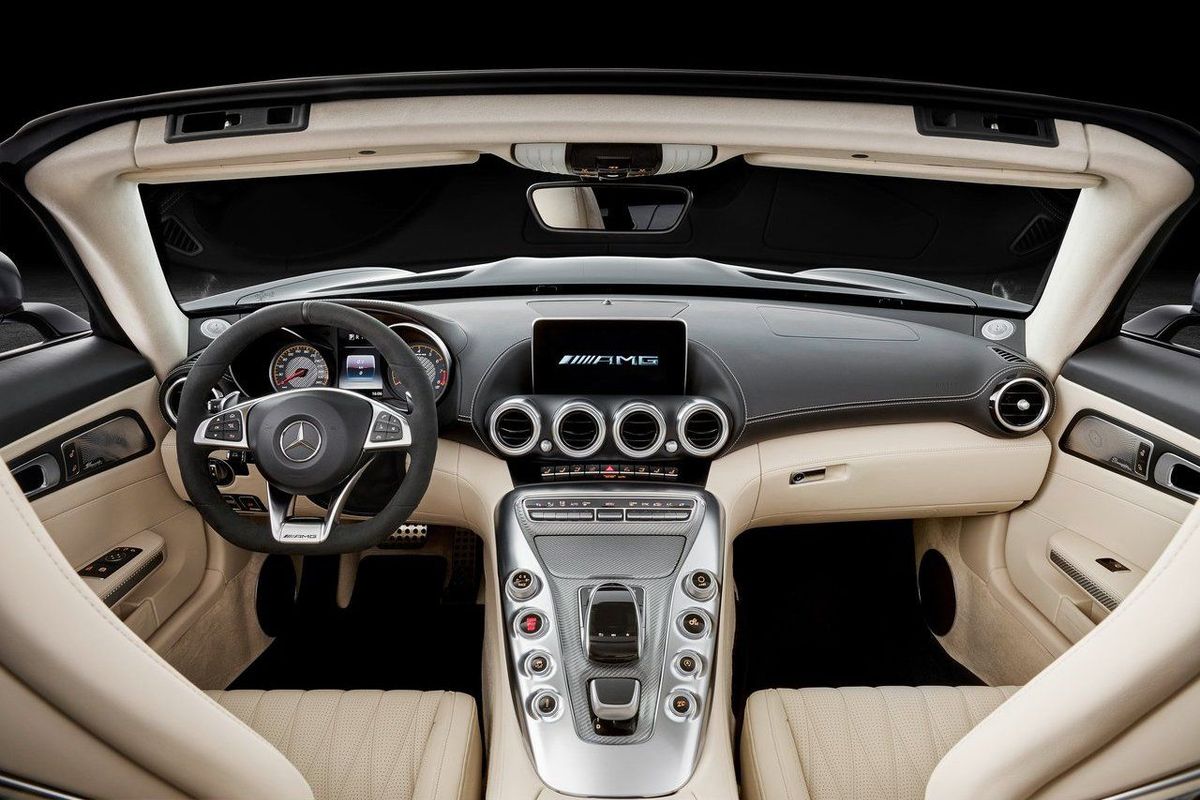
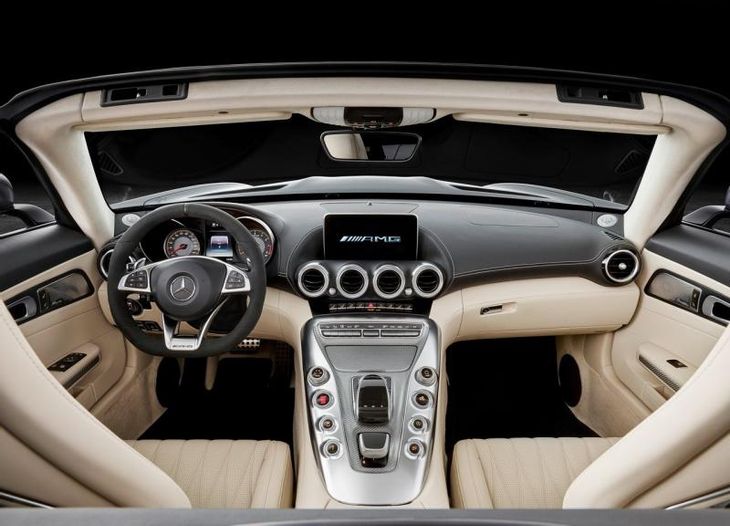
The GT C Roadster features a nappa leather interior as standard with a performance steering wheel in nappa leather and DINAMICA microfibre. This model also gains an additional RACE transmission mode and comes with an AMG performance exhaust system fitted too, which is offered as an option on the GT Roadster.
The interior of the GT C Roadster is sporty with the addition of a RACE transmission mode.
Aural pleasure is offered by a Burmester surround sound system or the Burmester high-end surround sound system featuring an Extended Coupled Subwoofer (ECS), providing concert-hall sound quality.
Both GT Roadster models feature active air management, seen on the GT R, incorporating vertical louvres in the lower section of the front fascia. These louvres can open and close to enhance cooling when it’s required. A combination of 19- and 20-inch AMG light alloy wheels in a 5-twin-spoke design are fitted as standard.
Pricing details will be announced closer to launch and we will keep you informed as more information becomes available, so stay tuned!
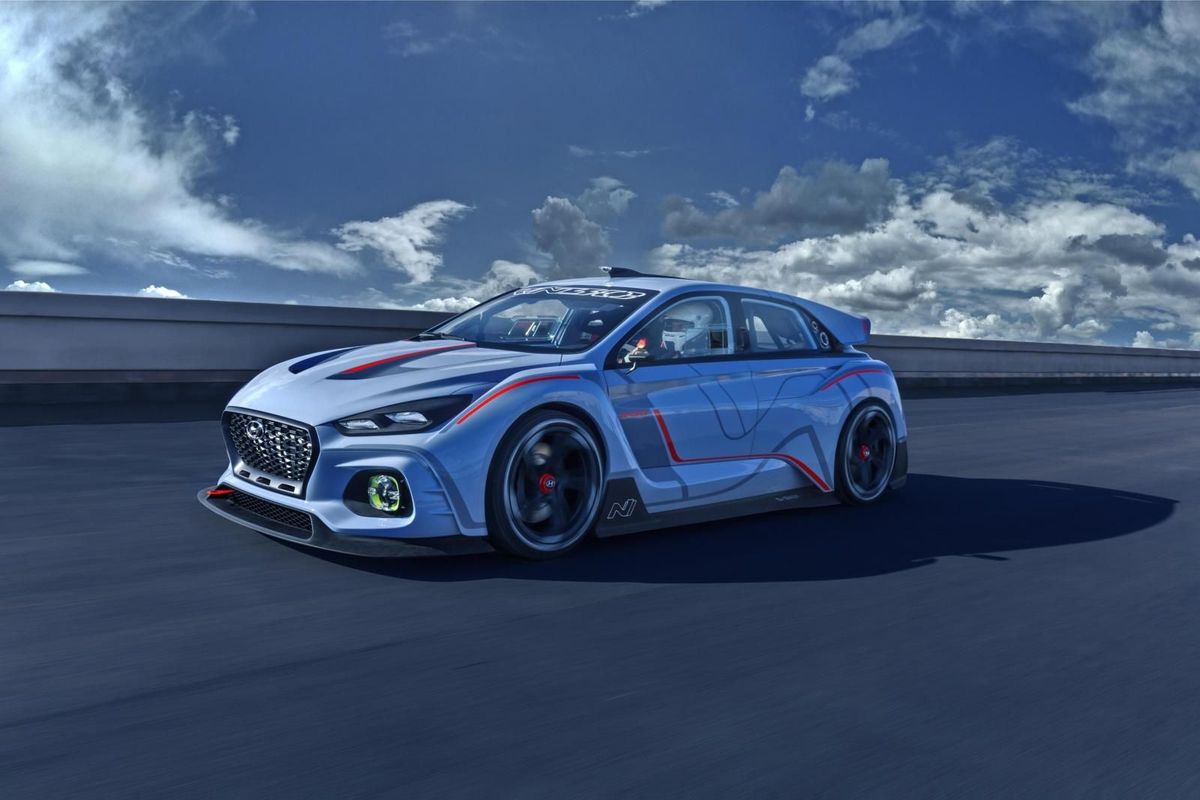
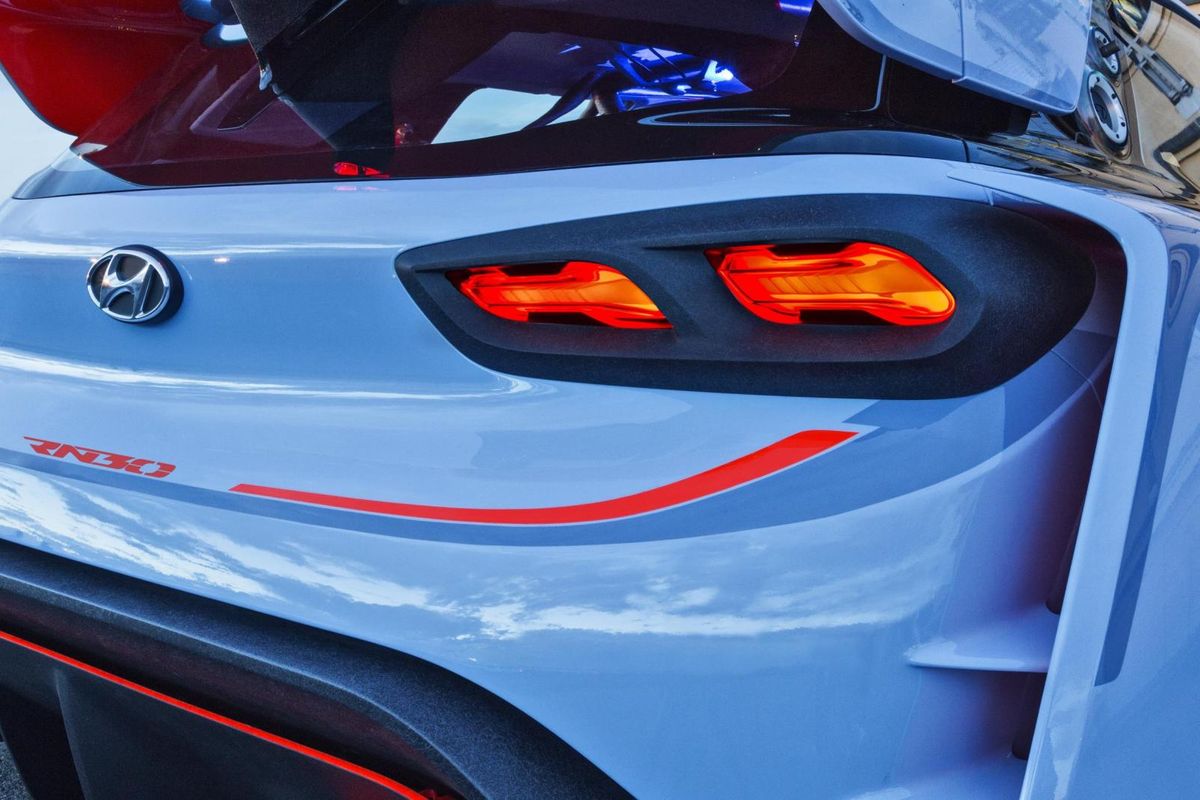
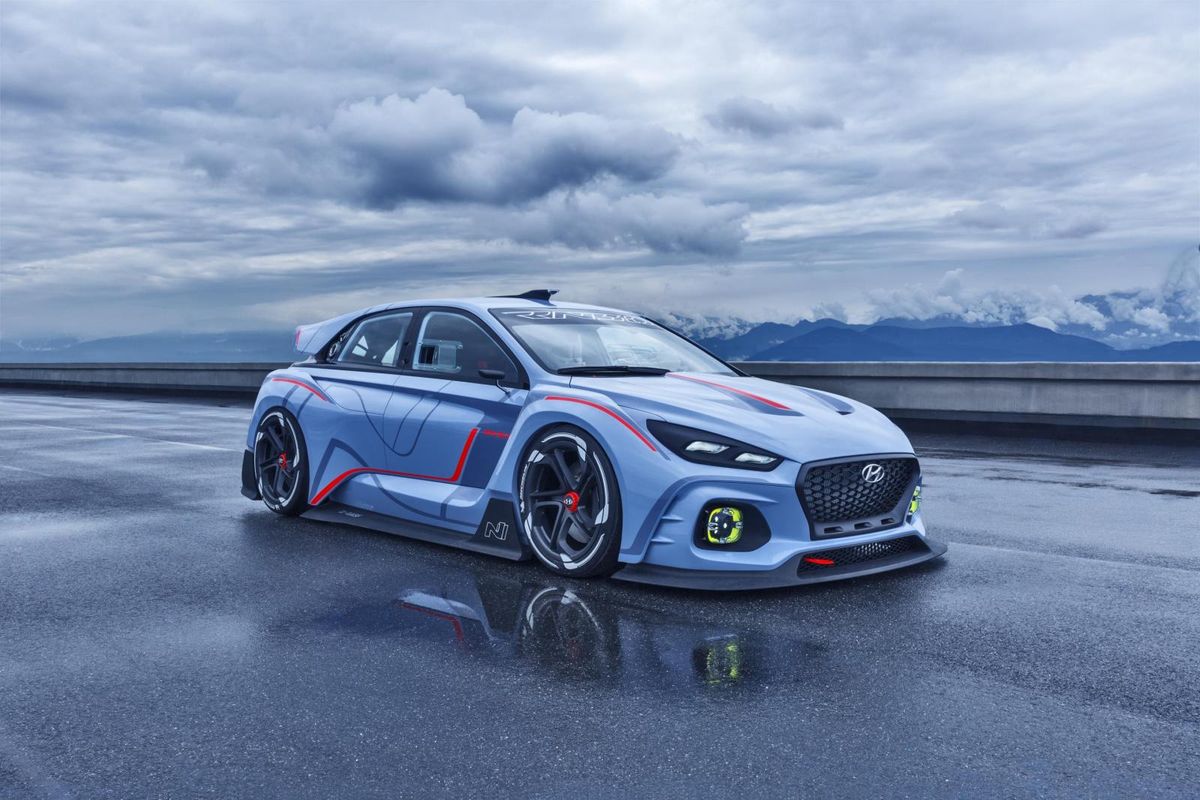
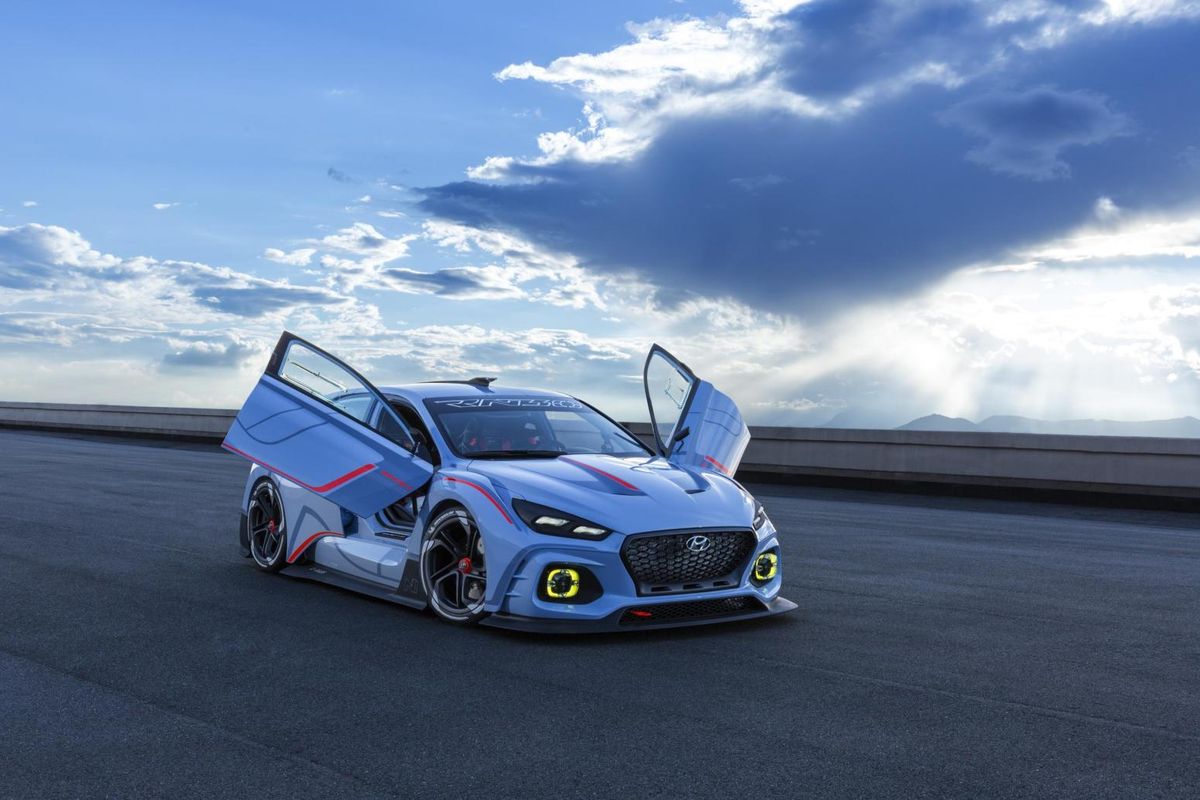
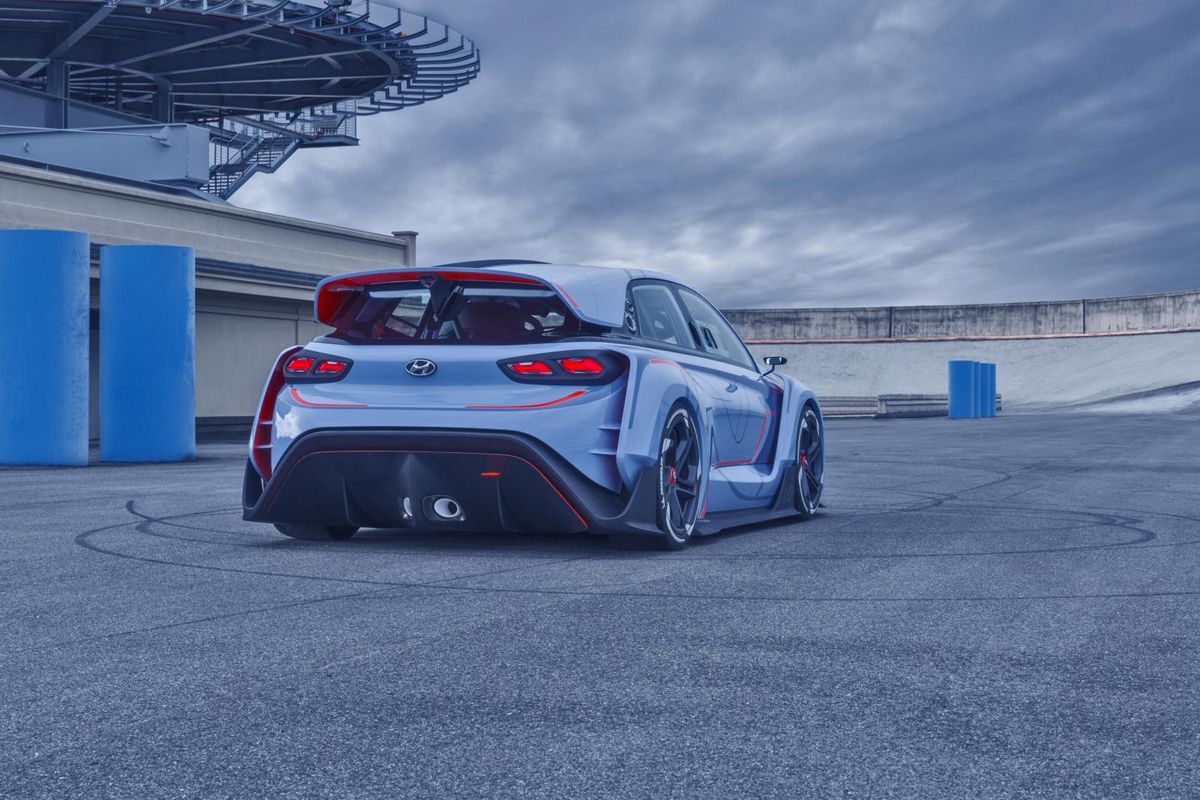
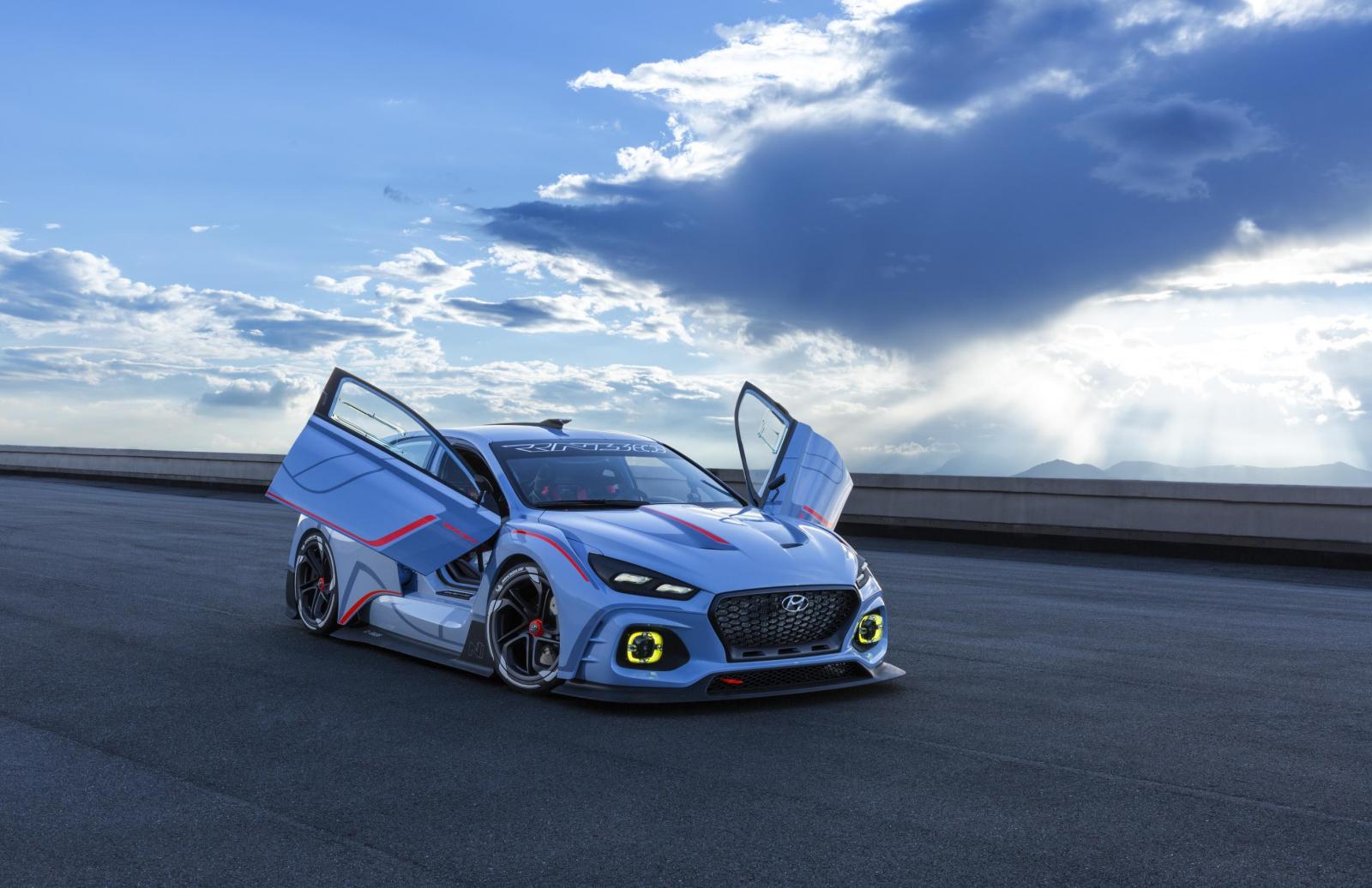
Hyundai showcases what to expect from its future N-badged cars with this racy concept.
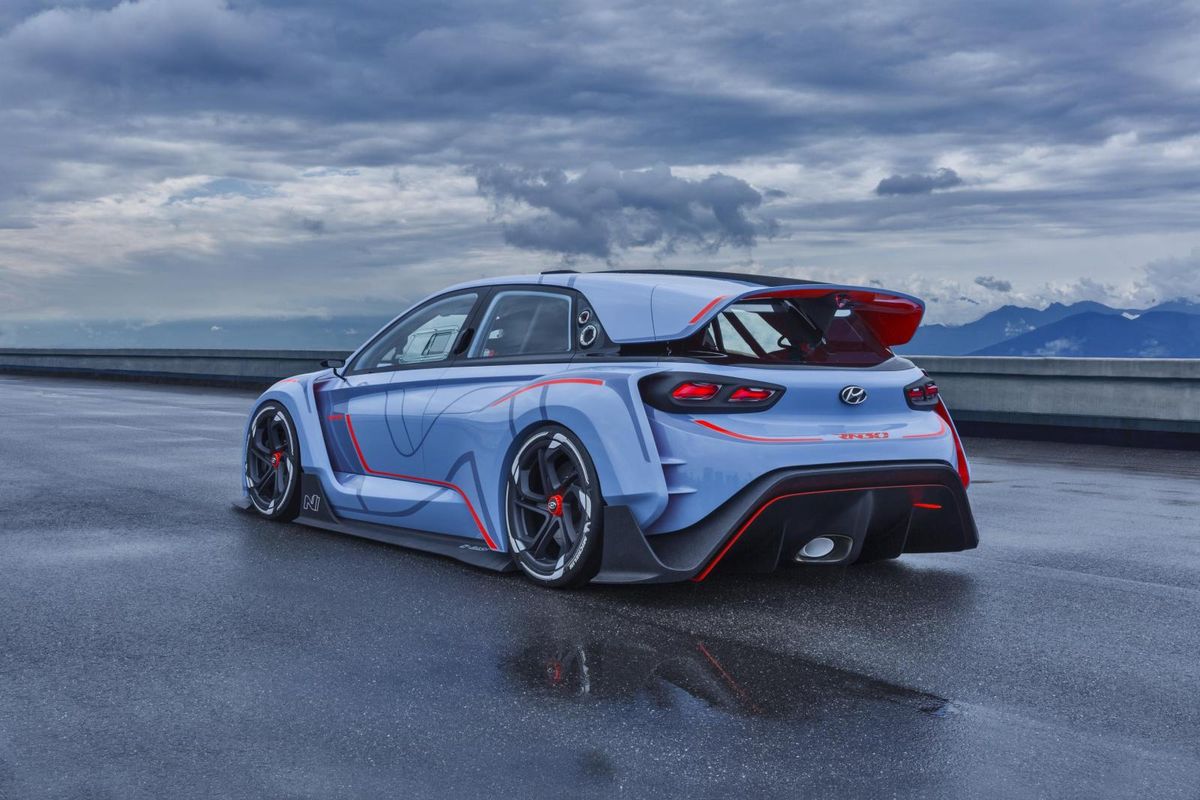
Hyundai is slowly building up its sporting pedigree as it aims to add a lineup of "N" badged cars that will be biased towards driver engagement. This RN30 concept is just a taste of what it plans to do in the future.
The RN30 Concept was developed in collaboration with the motorsport department that currently runs cars in the Word Rally Championship. Albert Biermann, Head of Vehicle Test & High-Performance Development for Hyundai Motor said; “RN30 embodies the concept of a strong, high-performance car that brings dynamic, sporty driving.
"Soon to evolve into our first N model, the RN30 is inspired by our passion to provide a high-performance car that our customers can enjoy effortlessly. We have drawn on our technological expertise – honed through our motorsport successes – to deliver emotional delight through an engaging blend of performance and control, the goal Hyundai’s N strives to achieve in future performance models.”
Under the bonnet of the RN30 Concept sits a 2.0-litre turbocharged engine with 280 kW and 451 Nm of torque. That’s Mercedes-AMG A45 power. There’s also a dual-clutch gearbox to take care of the shifting and some rev-matching software to make sure those shifts engage smoothly. An electronic variable exhaust system has been fitted in order to up the ante in the sound department when using the throttle. Just like the rally car that the RN30 draws inspiration from its all-wheel-drive.
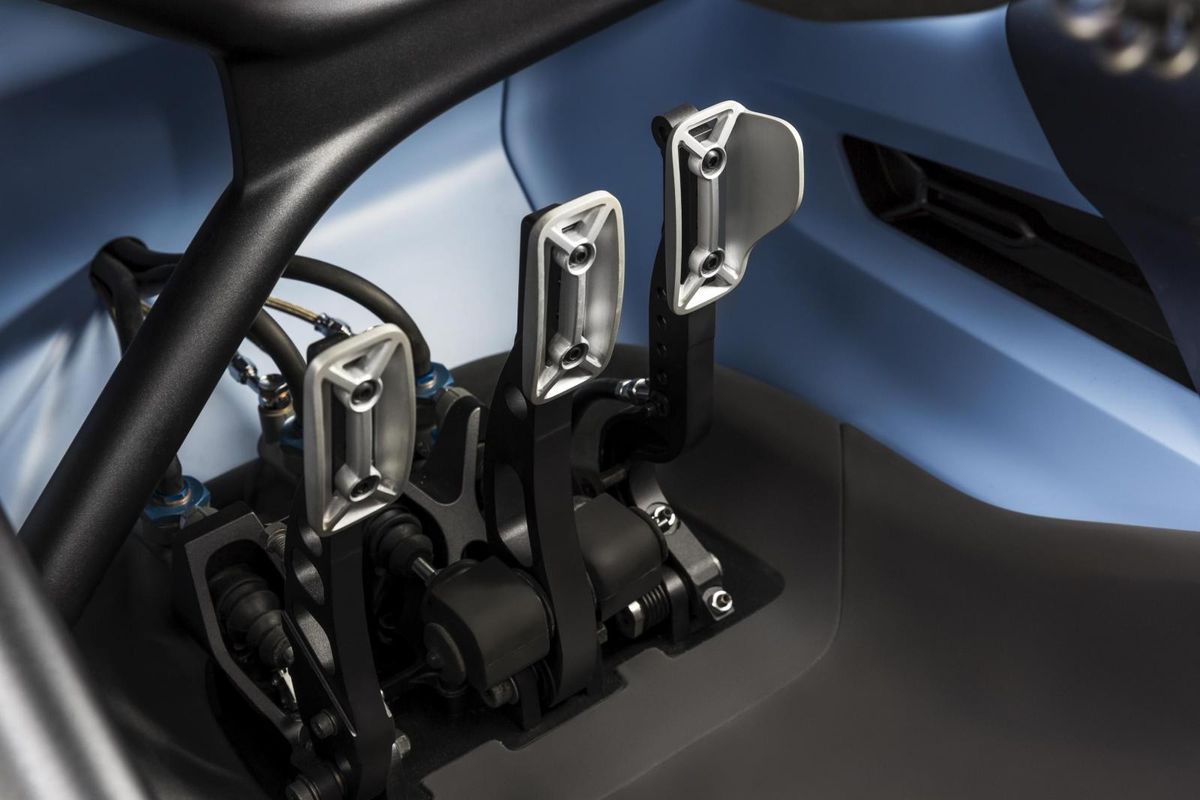
Weight saving has been taken to extreme levels with no room for excess or redundant parts. Instead of carbon fibre reinforced polymer, Hyundai has used high-performance plastic, which it says is light, strong and also more environmentally friendly. The heavier parts in the concept have been shuffled as low down in the car as possible to improve its centre of gravity.
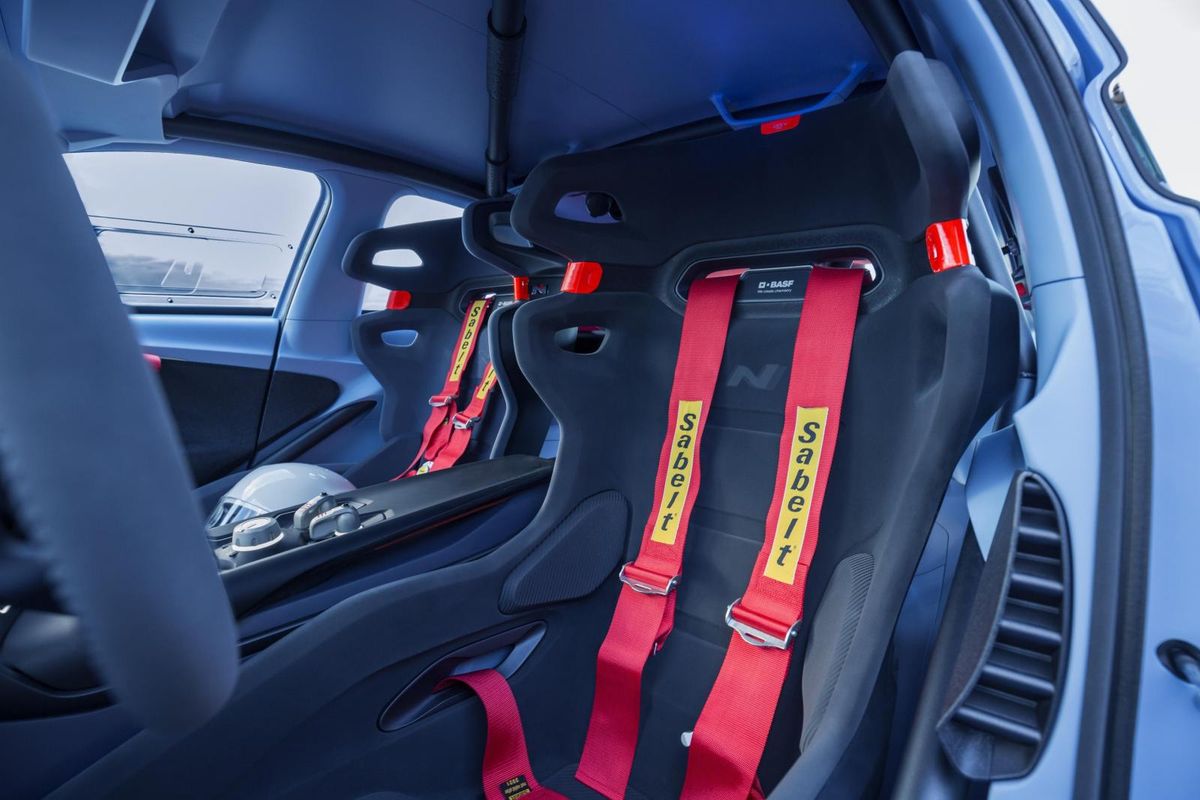
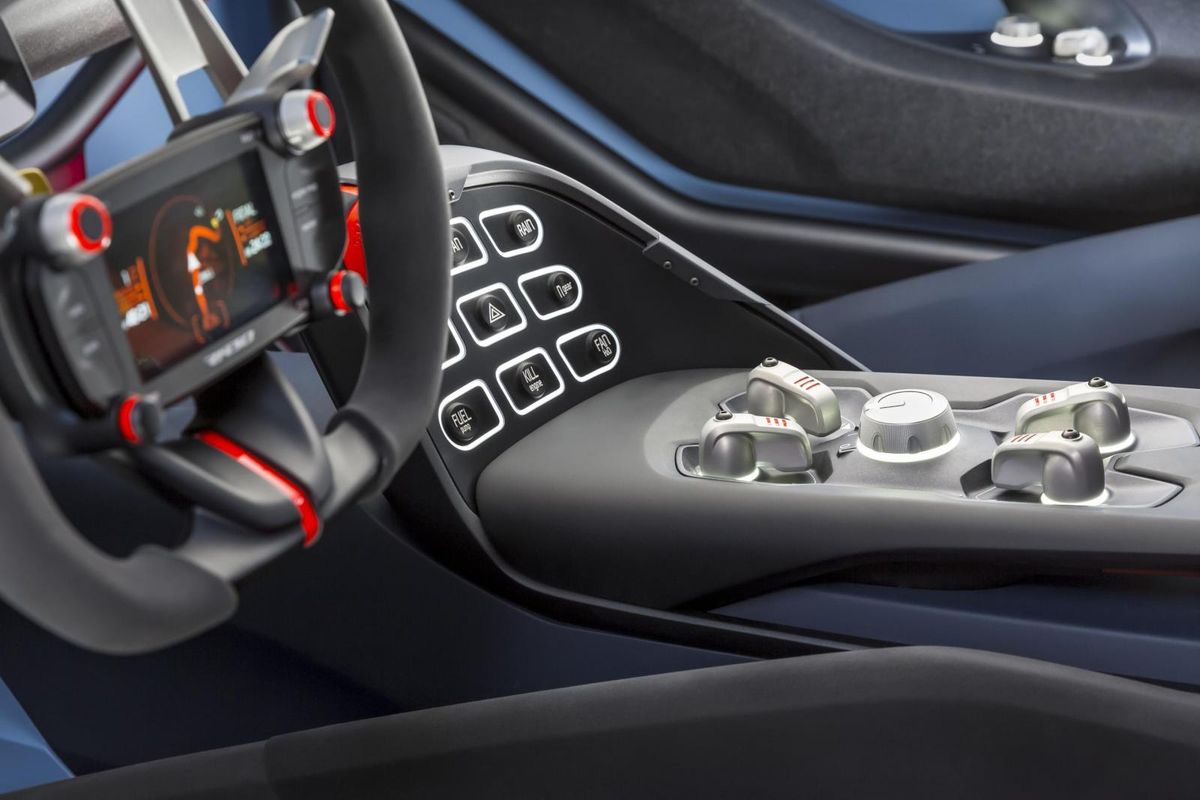
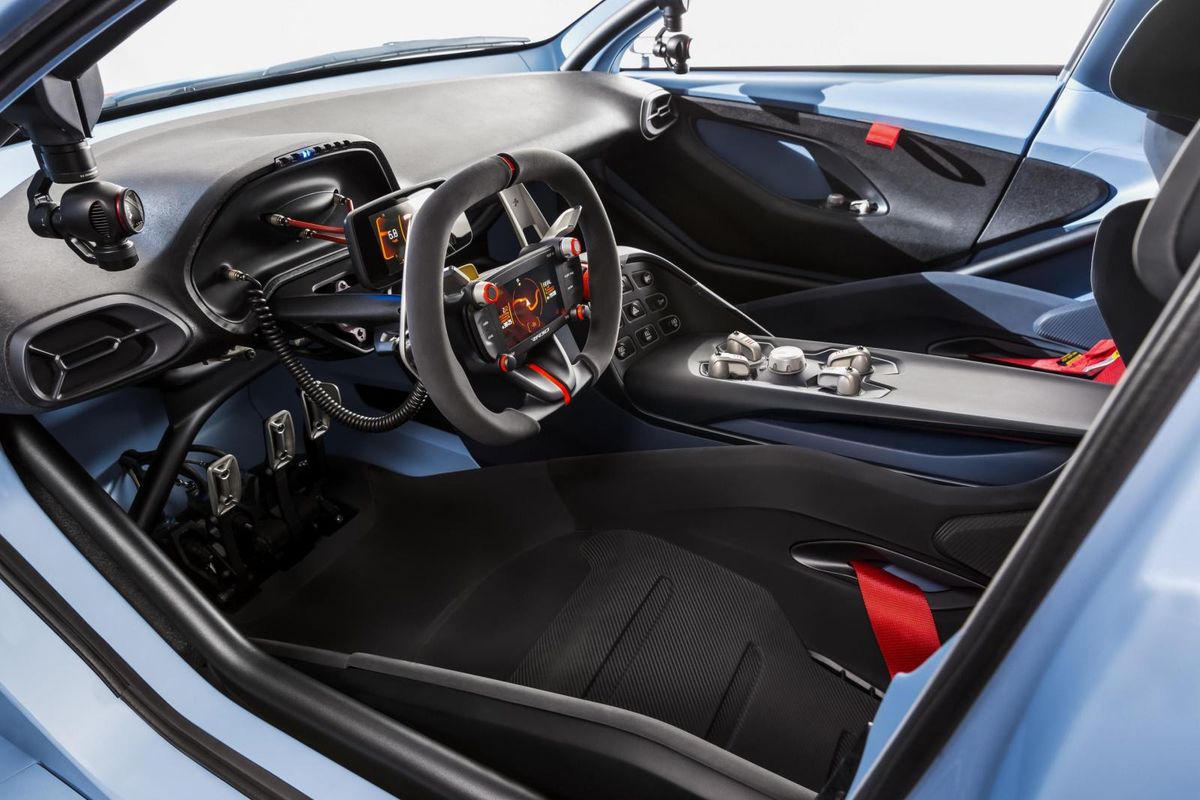
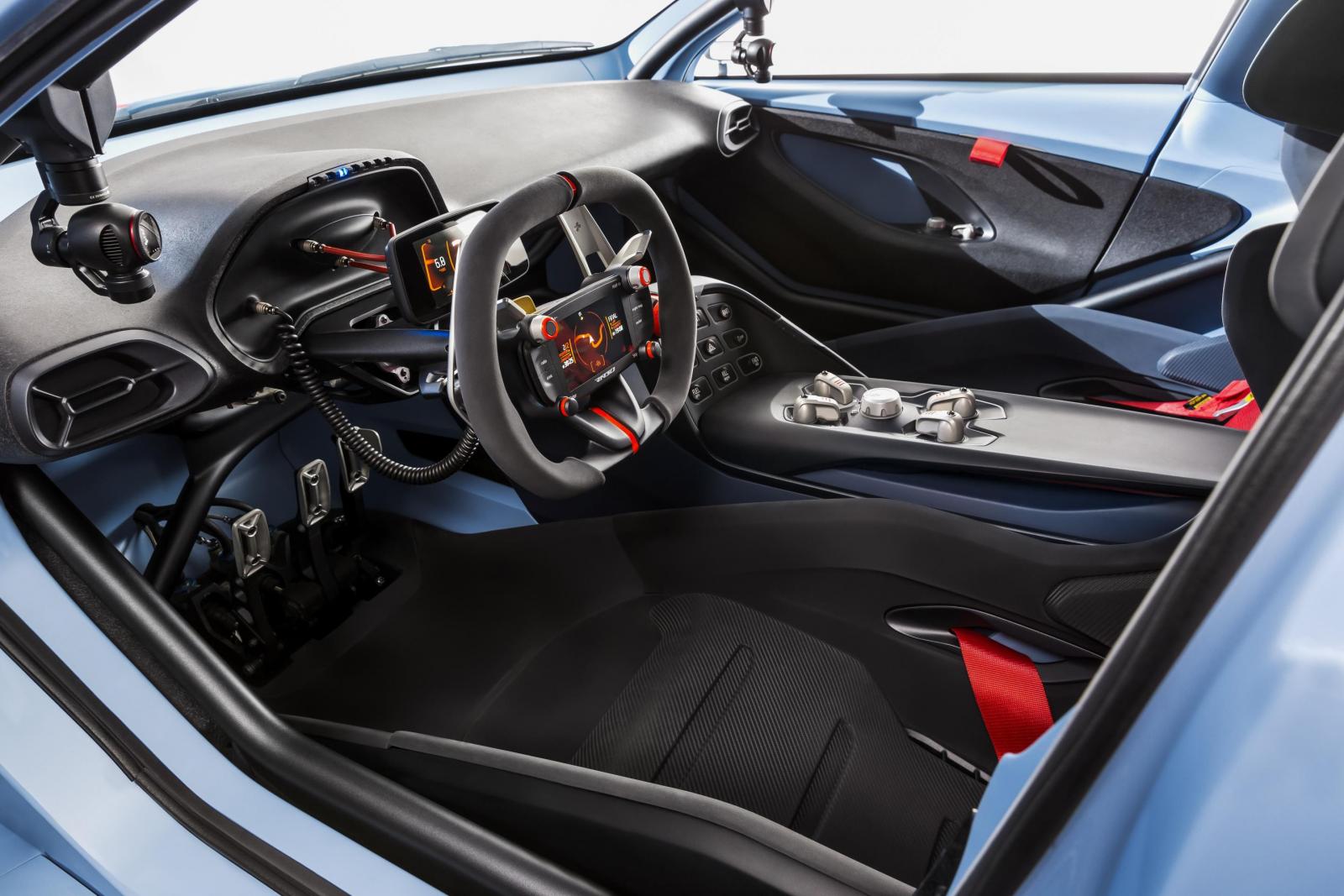
Inside the cabin, there’s a bucket seat, which perfectly fits the driver’s body and an integrated roll cage, which increases the vehicle body strength, support and protects the driver if things go awry. To capture the driver’s reactions and dynamic moments while on the road or track, image-stabilizing gimbal cameras are attached inside each A pillar, with an outside camera attached to the centre fin on the roof.
Hyundai plans to have an i30N model on sale in 2017. Hopefully, it’s better than previous sporty models like the Hyundai Veloster or the i20 N Sport.
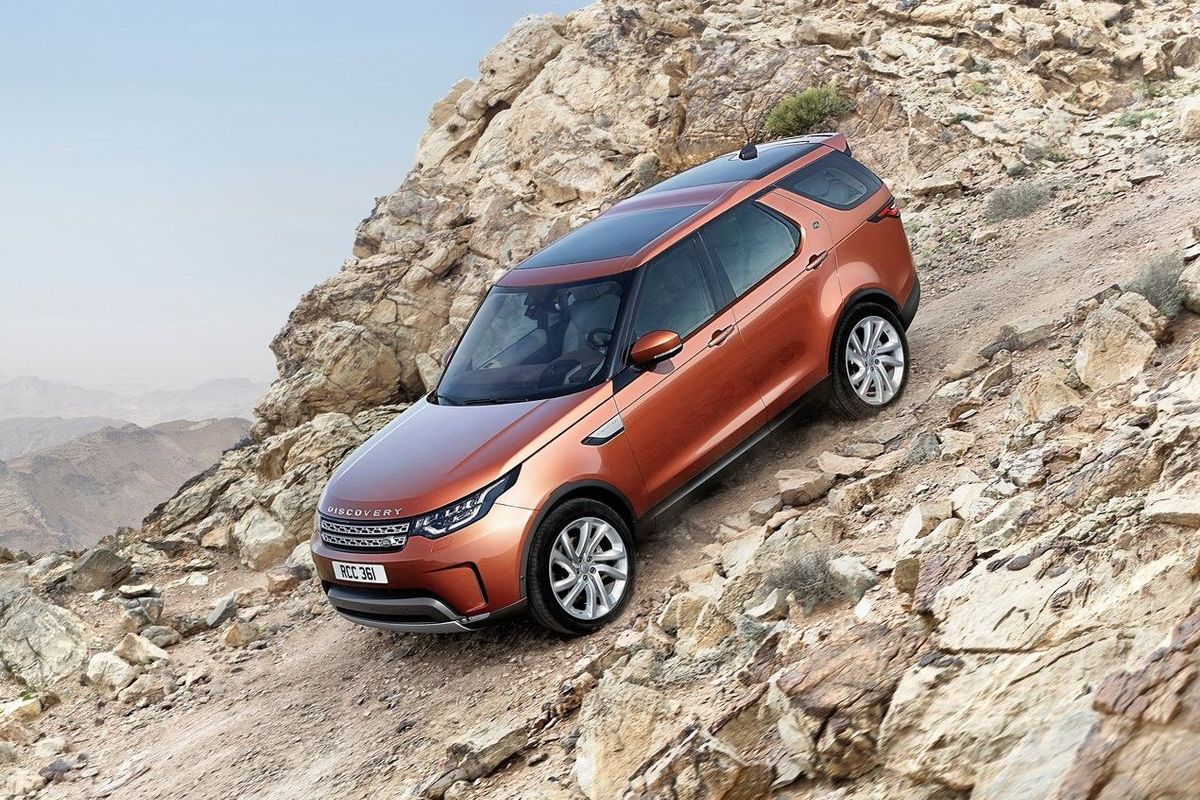
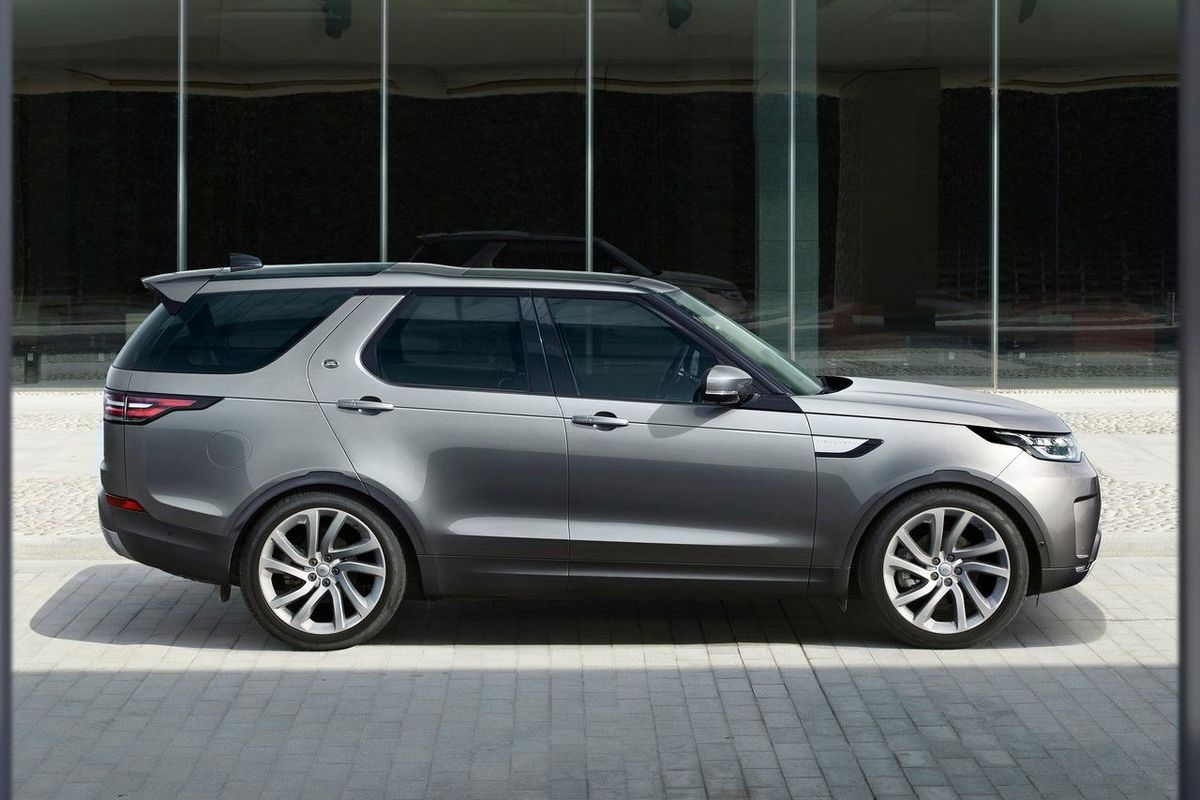
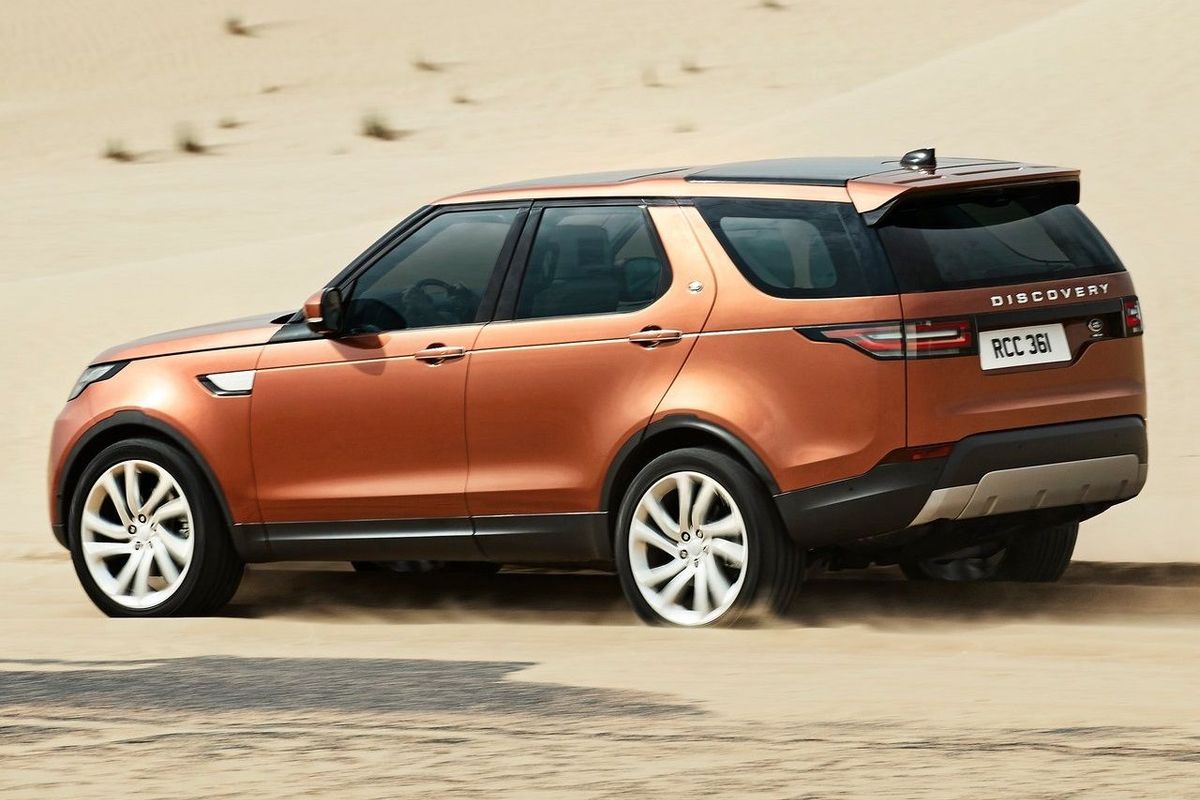
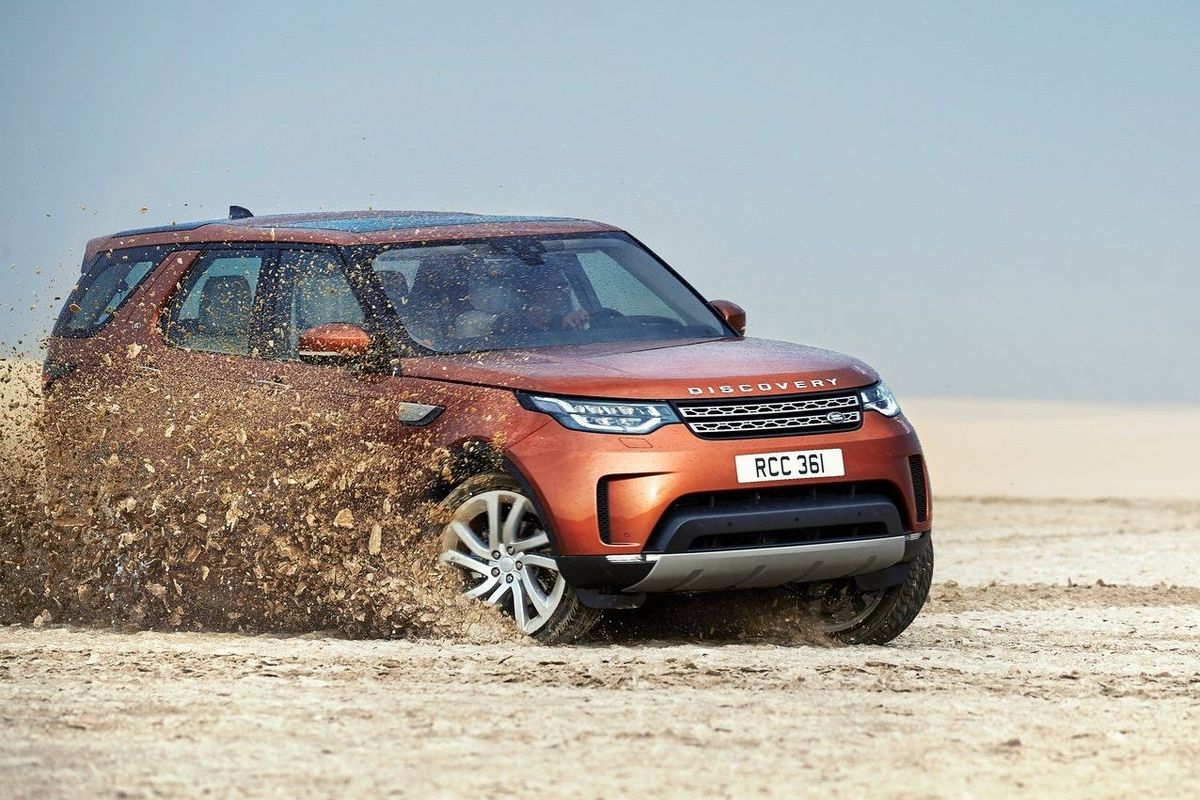
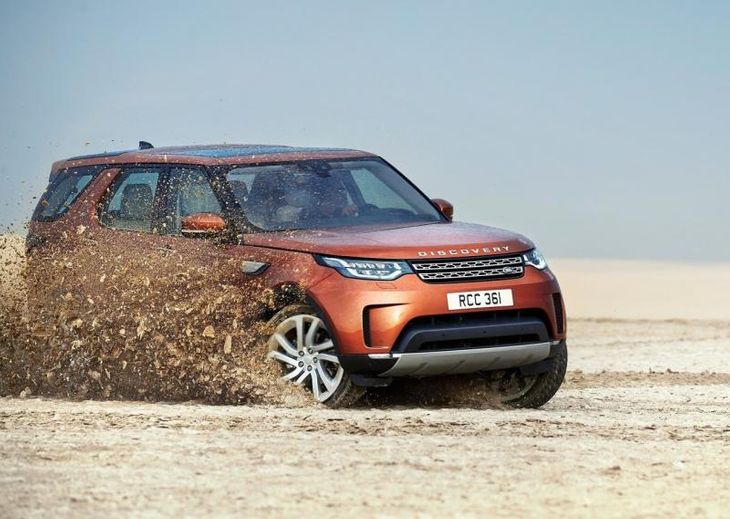
The 5th generation of the Land Rover Discovery has been officially unveiled on the eve of the 2016 Paris Motor Show. Here's the low down on this stylish, yet capable SUV.
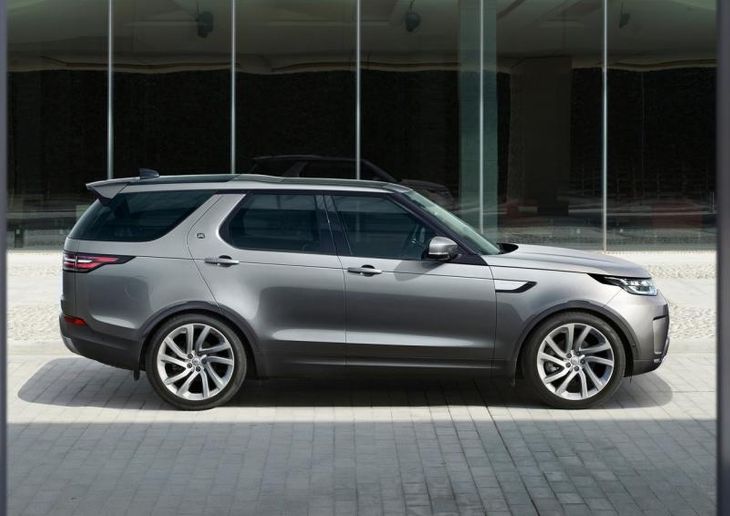
The new Land Rover Discovery has been officially revealed, despite the Internet providing an assortment of teases and leaks. We got hold of a head-on teaser photograph of the LR Discovery here, but that image did little to satisfy our need to see the new product. It's finally here and the upgraded looks are fresh, yet unmistakably Land Rover. At first glance, it looks like a larger Discovery Sport/Range Rover Sport. Despite its fashionable looks, it's still going to feature the practicality of a 7-seat cabin as well serious off-road credentials.
Gerry McGovern, Land Rover's Chief Design Officer said: "The Discovery Vision Concept set the tone, alluding to a radical departure in design for the new Discovery family. Now, we have turned that concept into a production reality, this beautifully proportioned vehicle is a highly versatile family SUV that makes a compelling statement to our customers."
There'll be 17 different colours available for the new Discovery: Namib Orange, Silicon Silver, Fuji White, Santorini Black, Corris Grey, Indus Silver, Loire Blue, Aintree Green, Firenze Red, Scotia Grey, Kaikoura Stone, Montalcino Red, Yulong White, Farallon Black, Waitomo Grey, Carpathian Grey and Aruba. The option of a Santorini Black or Corris Grey contrast roof provides additional scope for personalisation. There are 12 alloy wheel designs to choose from and for the first time, 21- and 22-inch wheels are available.
Space, Comfort and Practicality
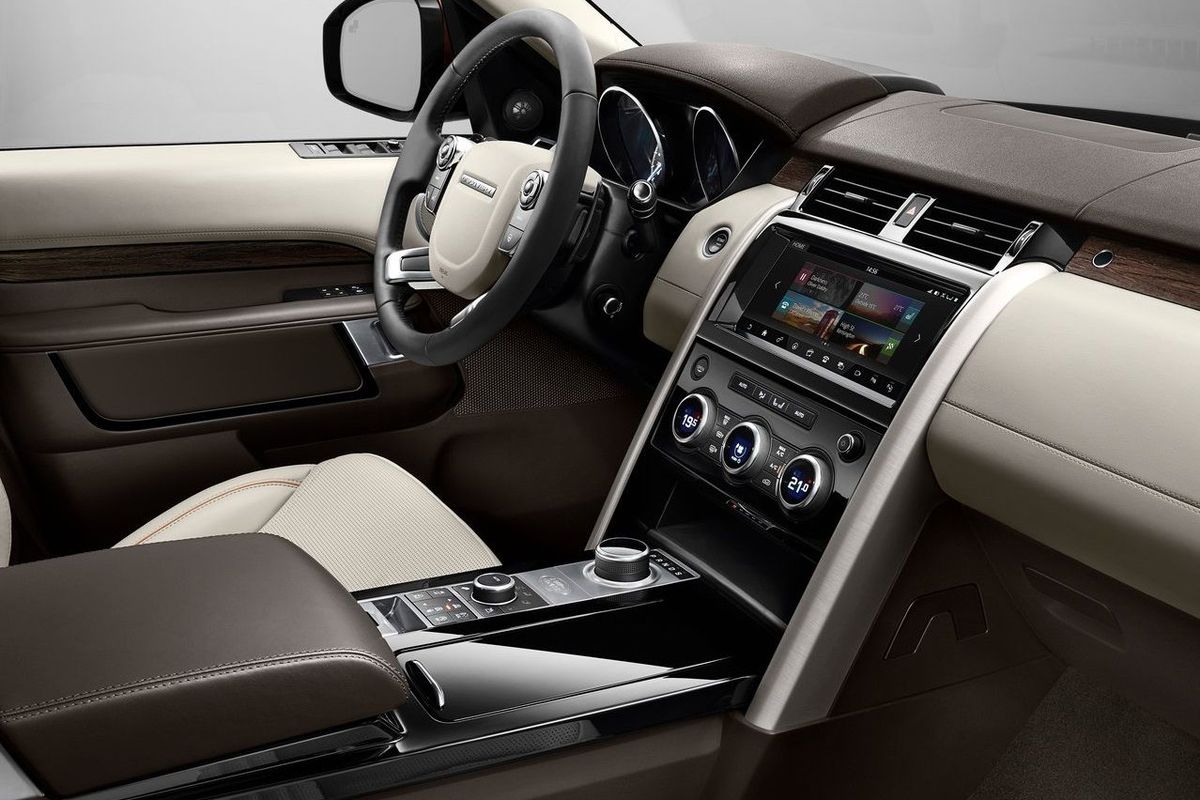
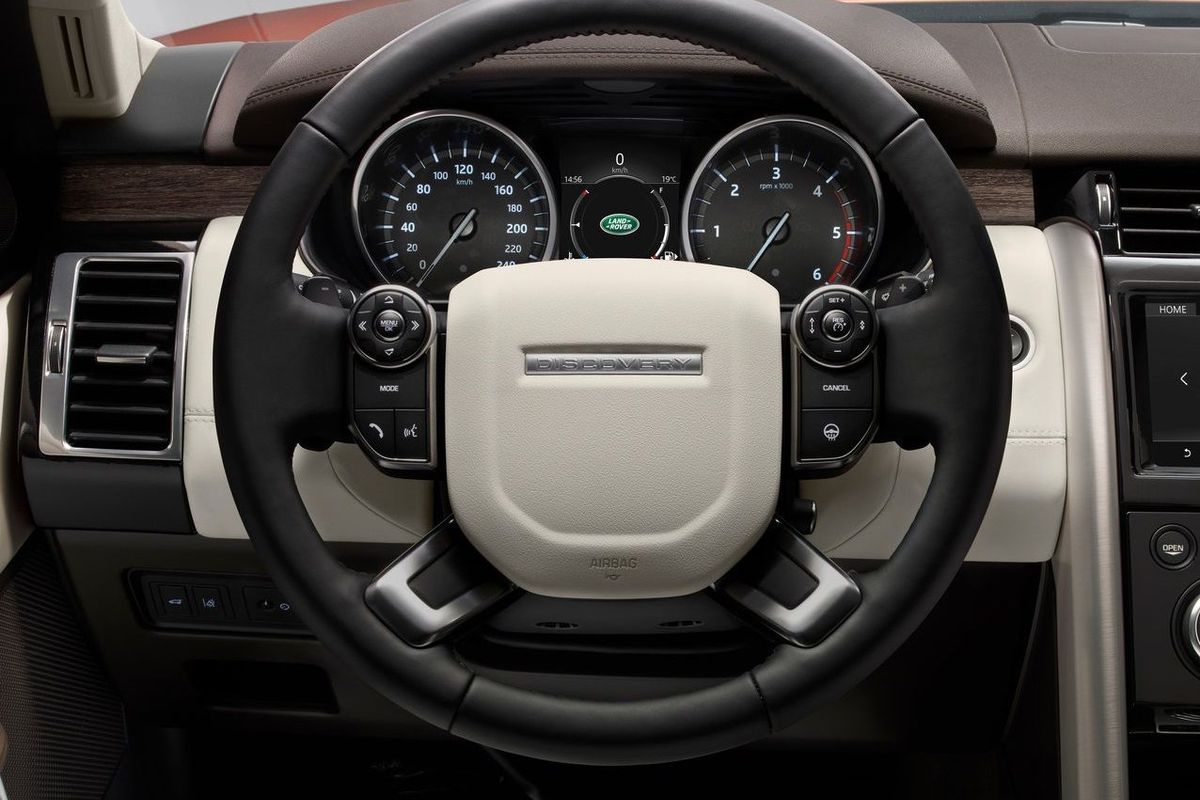
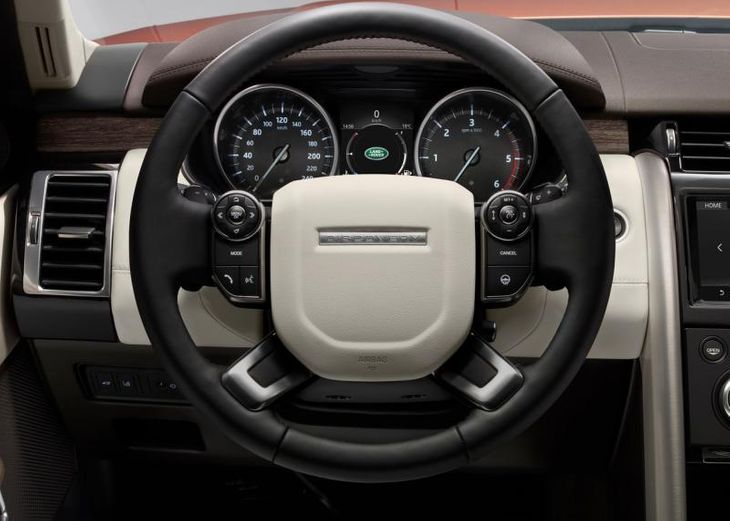
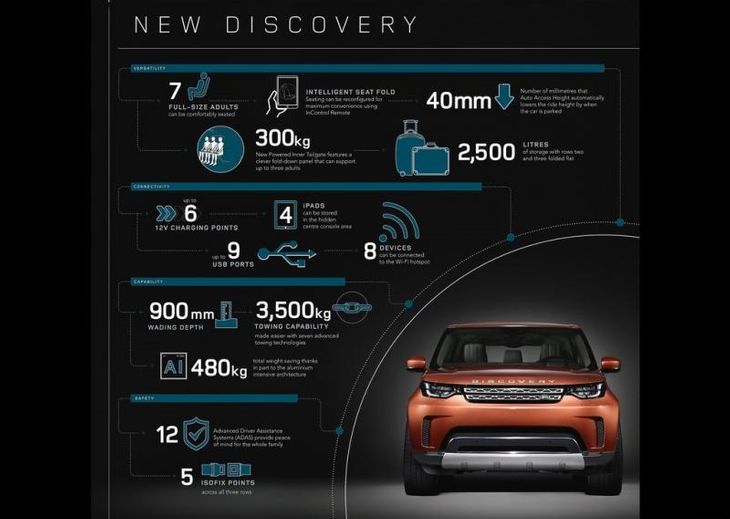
The new Land Rover Discovery is claiming loads more interior space and plenty of storage compartments. There's a hidden stowage area in the centre console (below the cup holders) that can accommodate four iPads or a pair of 2.0-litre drinks bottles. The central armrest can hold up to 5 iPad minis or accommodate an optional freezer/chiller compartment. Further storage solutions include double map pockets on the rear of the driver and front passenger seats, while 3rd-row occupants haven't been forgotten: individual storage areas on top of the rear side panels are available with a USB charging point.
Cupholders are located to the side of the seat cushions in row 3. You can spec up to four 12V sockets and as many as 9 USB charging points. Heated seats are available in the front, middle and, for the first time in the SUV sector, the 3rd row, while a total of 5 ISOfix mounting points (on SE models and above) make it possible to fit child seats in the rearmost row. Up front, heated and cooled climate seats with a massage function and 16-way adjustment are available.
In terms of dimensions, the new Land Rover Discovery measures 4 970 mm long, 2 220 mm wide (mirrors out) and 1 846 mm tall, making it 141 mm longer but both narrower and lower than before. The 2 923 mm wheelbase has been increased by 38 mm.
The 2nd-row seats slide forwards and backwards by 160 mm, allowing customers to optimise luggage space and rear legroom as required, as well as improving access to the third row. Land Rover is claiming a total load volume of 1 137 litres behind the second-row seats while the boot opening has been described as class-leading. If more space is required for even larger items, folding the row two seats provides up to 2 406-litres of carrying capacity. With all seven seats in place, the loadspace available is still a useful 258 litres – enough to accomodate a golf bag or as many as 3 cabin bags.
Derivatives and Trim
To celebrate the launch of the new Land Rover Discovery, a limited First Edition model comprising just 600 examples in the UK will showcase some of the key design and technology features. These First Edition units come in 3 colour combinations and 2 interior colourways. Bespoke details include aluminium interior trim on the facia and doors featuring an etched map motif in celebration of New Discovery's British design and engineering credentials.
Aside from the First Edition models, there will be an S model (available with SD4 engine only), SE, HSE and HSE Luxury derivatives, with an optional Black Design Pack available on all but S specification. The base-spec S derivatives feature air suspension, twin speed transfer box, 4-mode Terrain Response, 19-inch alloy wheels and dual-zone manual climate control, which is good for an entry-level model.
SE models feature leather upholstery, satellite navigation, automatic climate control and upgraded audio. HSE trim provides Windsor leather upholstery, upgraded Meridian branded audio, connected navigation, fixed panoramic roof 20-inch alloy wheels and LED headlamps with front and rear signature lights.
Finally, the top of the range HSE Luxury derivatives add extended application of Windsor leather, 21-inch alloy wheels, electrically operated sunroof with fixed rear panoramic sunroof and rear seat entertainment as standard (among a host of advanced convenience and safety features).
Engines & transmission
The new Land Rover Discovery will be powered by a wide array of Jaguar Land Rover powerplants. These are 4- and 6-cylinder units, with the 2.0-litre Ingenium turbodiesel kicking off the range. All engines are paired with a smooth-shifting eight-speed ZF automatic gearbox, which can be controlled manually by using the steering wheel-mounted gearshift paddles. With 177 kW and 500 Nm on tap, the new Discovery can do 0-100 kph in 8.3 seconds.
The next engine up is the 3.0-litre V6 turbodiesel engine, which is badged the Td6. It has 190 kW and 600 Nm on tap and it's claimed to propel the Discovery to 100 kph in 8.1 seconds. More importantly, Land Rover is claiming 7.2 L/100 km. Finally, for the petrol fans, there's a supercharged 3.0-litre V6 motor which packs a 250 kW and 450 Nm punch. It'll be the fastest Discovery and Land Rover claims 0-100 kph in 7.1 seconds.
Offroad capability
The new Land Rover Discovery is still able to tackle the rough stuff. It features ground clearance of 283 mm, combined with an approach angle of up to 34 degrees, a break-over angle of 27.5 degrees and departure angle of 30 degrees. The wheel articulation is rated at 500 mm, thanks to the air suspension, while it can wade through 900 mm of water.
For those craving technical details, the Discovery features a 2-speed transfer box as standard, providing selectable high and low range gears for optimum on-road and off-road performance. The intelligent system provides a standard 50/50 torque split between front and rear wheels, but uses a range of sensors to distribute torque between the wheels depending on the conditions. Shifting can take place at speeds of up to 60 kph.
The comprehensive range of on- and off-road technologies also includes:
Hill Descent Control (HDC), which maintains a set speed while tackling steep descents off-road.
Gradient Release Control (GRC), which slowly releases the brake when moving from a standing start on an incline for greater control.
Electronic Traction Control (ETC), which applies a braking force or reduces torque to individual wheels to stop wheelspin.
Roll Stability Control (RSC), which detects the beginning of a rollover and applies the brakes to the outer wheels to stabilise the vehicle.
A Wade Sensing system that provides real-time wading depth information in relation to the maximum wading depth on the infotainment screen.
All-Terrain Progress Control technology (ATPC) allows the driver to set a crawl speed.
Terrain Response 2 Auto automatically monitors the driving conditions to ensure the vehicle is primed to cope with a range of surfaces: General driving; Grass, Gravel and Snow; Mud and Ruts; Sand; and Rock Crawl.
Advanced Tow Assist, which is semi-autonomous tech to make towing a trailer or horsebox as safe as possible.
Safety features
Land Rover has made sure its Discovery is as safe as possible. A noteworthy advanced driver aid is Autonomous Emergency Braking (AEB), which includes a new pedestrian detection system that recognises adult or child pedestrians, as well as other vehicles in the road and applies the brakes to stop the vehicle quickly and safely; hill Start Assist and Engine Drag torque Control. Meanwhile, advanced assistance programmes include:
Adaptive Cruise Control maintains a preset speed and automatically adjusts to maintain a pre-determined distance from vehicles in front. It is also able to come to a complete stop when in traffic.
Traffic Sign Recognition uses a forward-facing camera and satellite navigation information to inform the driver of speed limits.
The Intelligent Speed Limiter uses the Traffic Sign Recognition and GPS systems to identify speed limits and reduce the vehicle's speed. The driver is not able to exceed this limit, unless they cancel the function, and the system will use engine braking to slow the vehicle appropriately.
Automatic High Beam automatically dips the headlights between high and dipped beam when it identifies a vehicle in front (either from its rear or headlamps).
Driver Condition Monitor is able to monitor driver behaviour through inputs of steering, brake and accelerator to detect that they are becoming tired and suggest they take a short break.
HD Surround Camera System with 360-degree Surround View, Front Junction View, Rear Junction View, Tow Assist and Hitch Assist, including reversing camera system
Lane Departure Warning warns the driver through a vibration in the steering wheel if the digital camera detects the vehicle drifting out of its lane.
Lane Keep Assist applies gentle torque to the steering to keep the driver within their lane.
Discovery Manufactured in the United Kingdom
The Land Rover Discovery will be manufactured in Jaguar Land Rover's Solihull production facility in the West Midlands, UK, alongside the Range Rover and Range Rover Sport, while the advanced engines are assembled at the Engine Manufacturing Centre in Wolverhampton, UK. This new Land Rover Discovery will be going on sale internationally in early 2017 and we're likely to see it reach South African shores mid-2017.
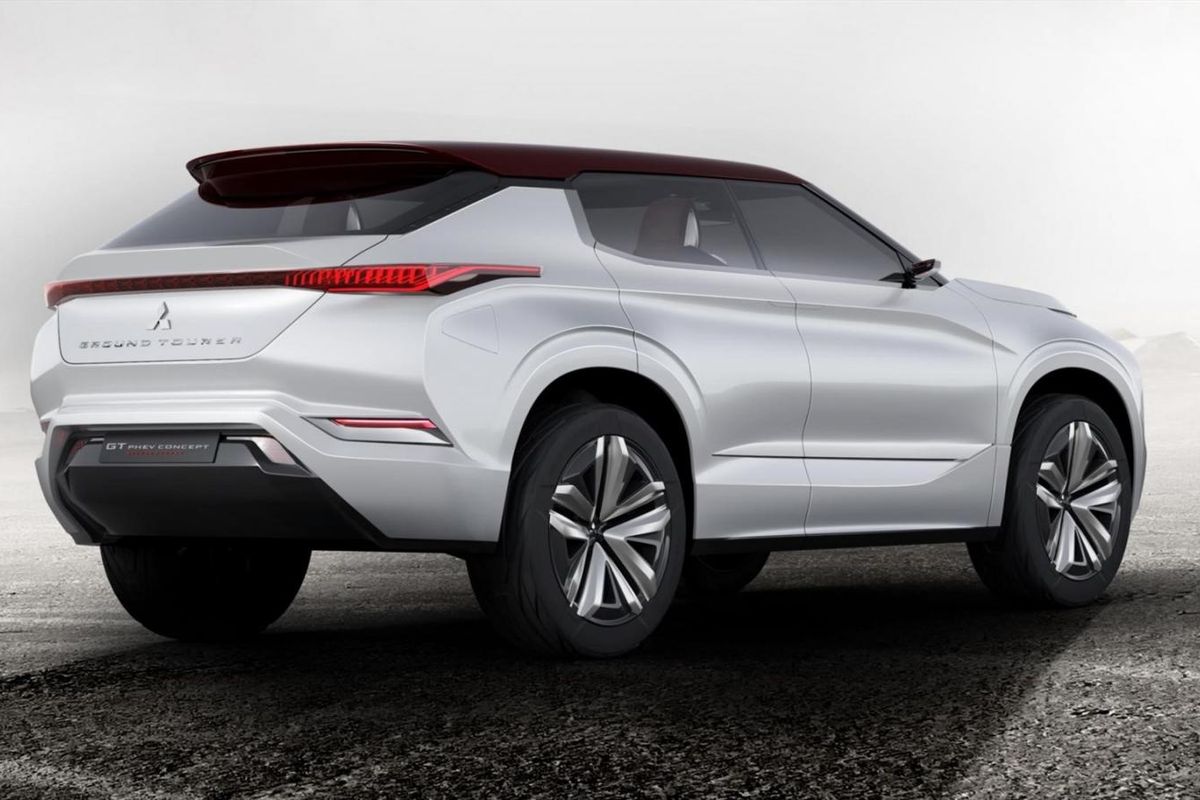
Mitsubishi GT-PHEV Concept to Debut in Paris (Updated)
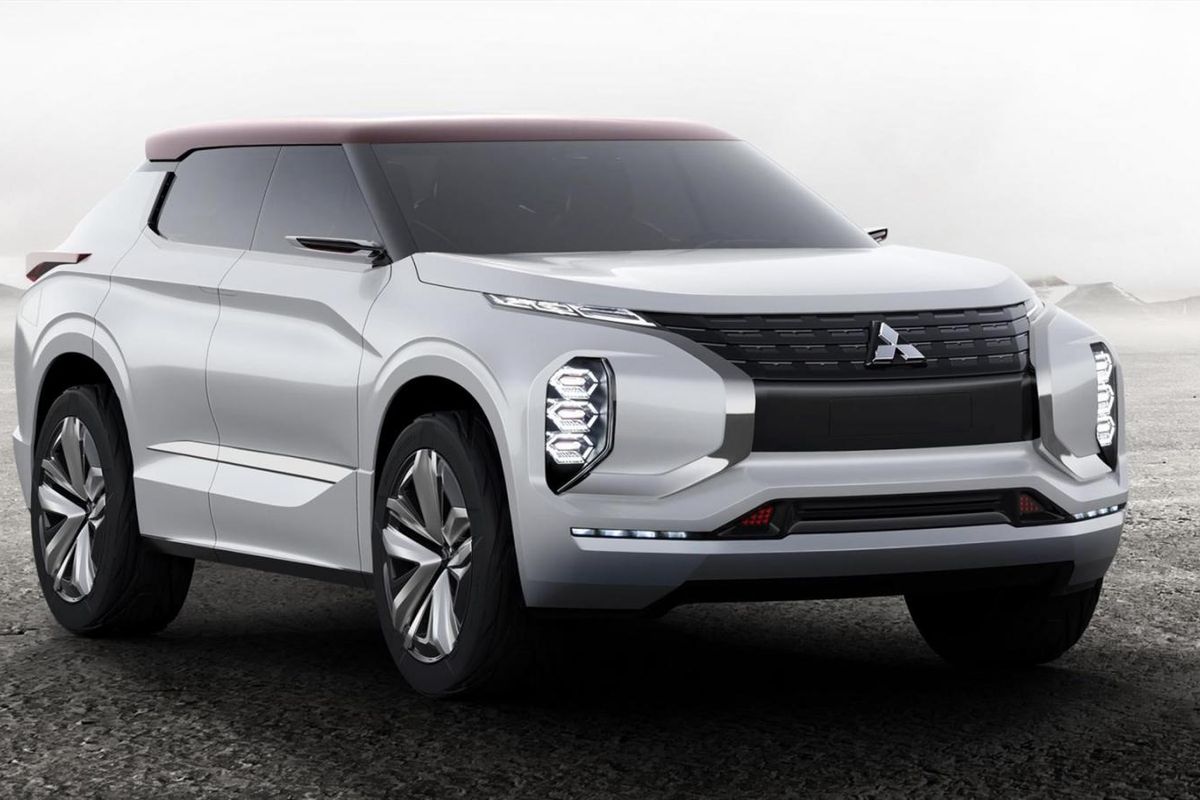
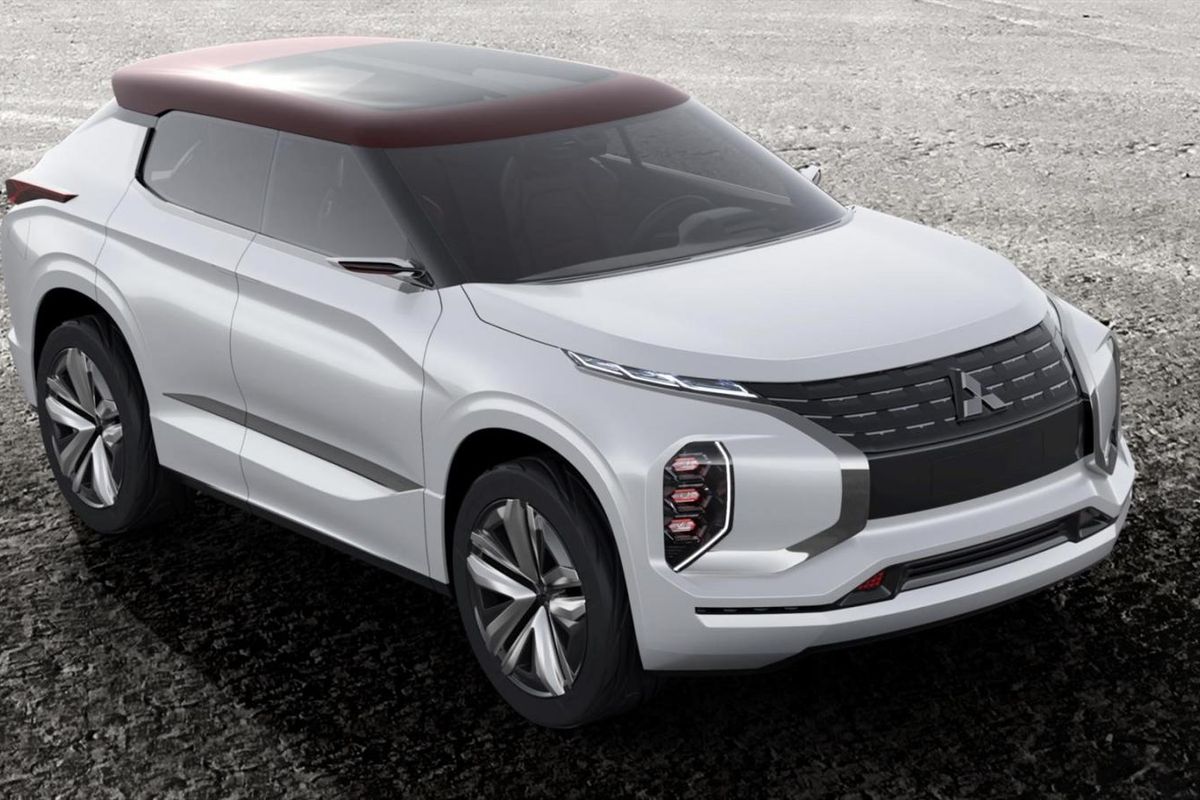
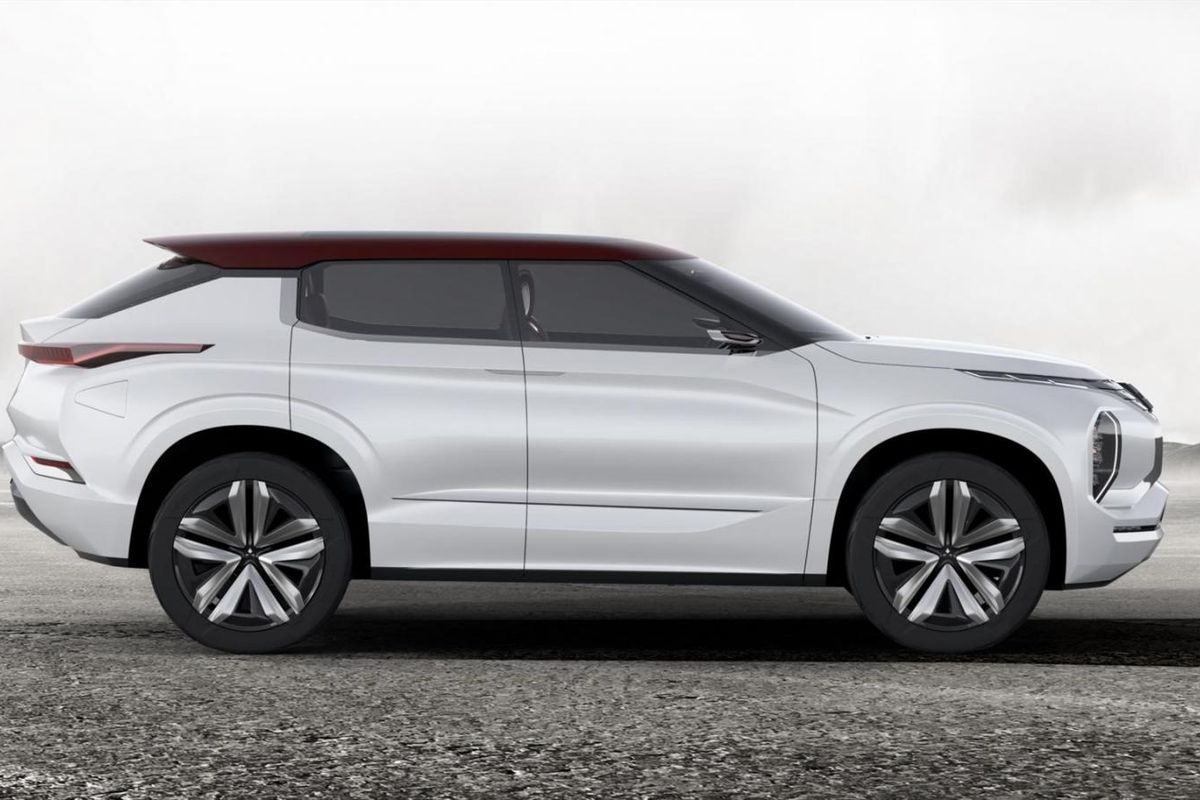
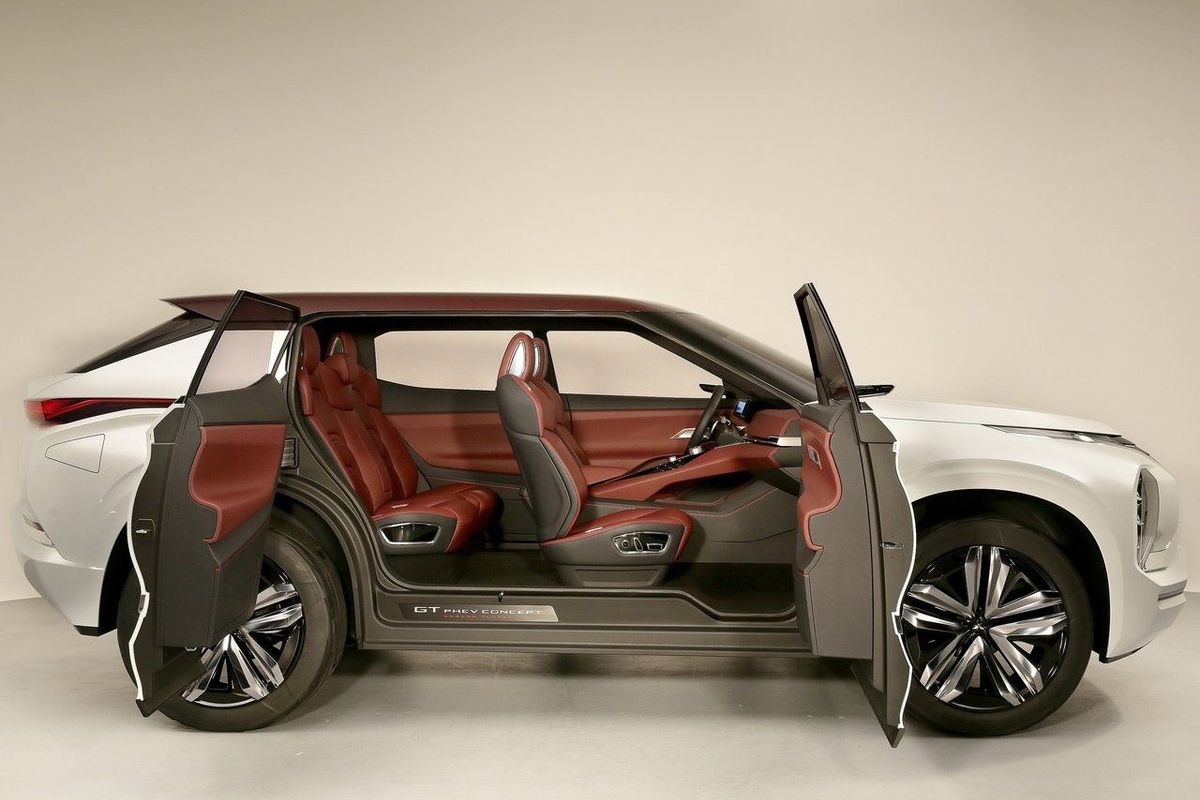
Mitsubishi has showcased the GT-PHEV concept, which previews its next-generation of SUV products, at the 2016 Paris Show.
The successor to the XR-PHEV, first seen at the 2013 Tokyo Auto Show, the new concept will showcase the Japanese manufacturer's lastest plug-in hybrid technology as well as in-car connected technology, while incorporating several (potential) styling cues of future Mitsubishi products.
This GT-PHEV boasts a new plug-in hybrid system comprising a trio of electric motors in conjunction with a small, lean-burning internal combustion engine, all of which delivers drive to all 4 wheels. The optimal range of the vehicle is claimed at 1 200 km using all modes of propulsion and 120 km when operating on battery power alone.
The 3 electric motors are split between the front and rear axles, with 1 electric motor in front, alongside the internal combustion engine, and 2 fitted on the rear axle – each connected to one of the rear wheels. Using Super All Wheel Control (S-AWC), the GT-PHEV Concept "offers an active all-wheel drive system that will seamlessly switch between different drive modes, depending on driver needs and road conditions", the firm says.
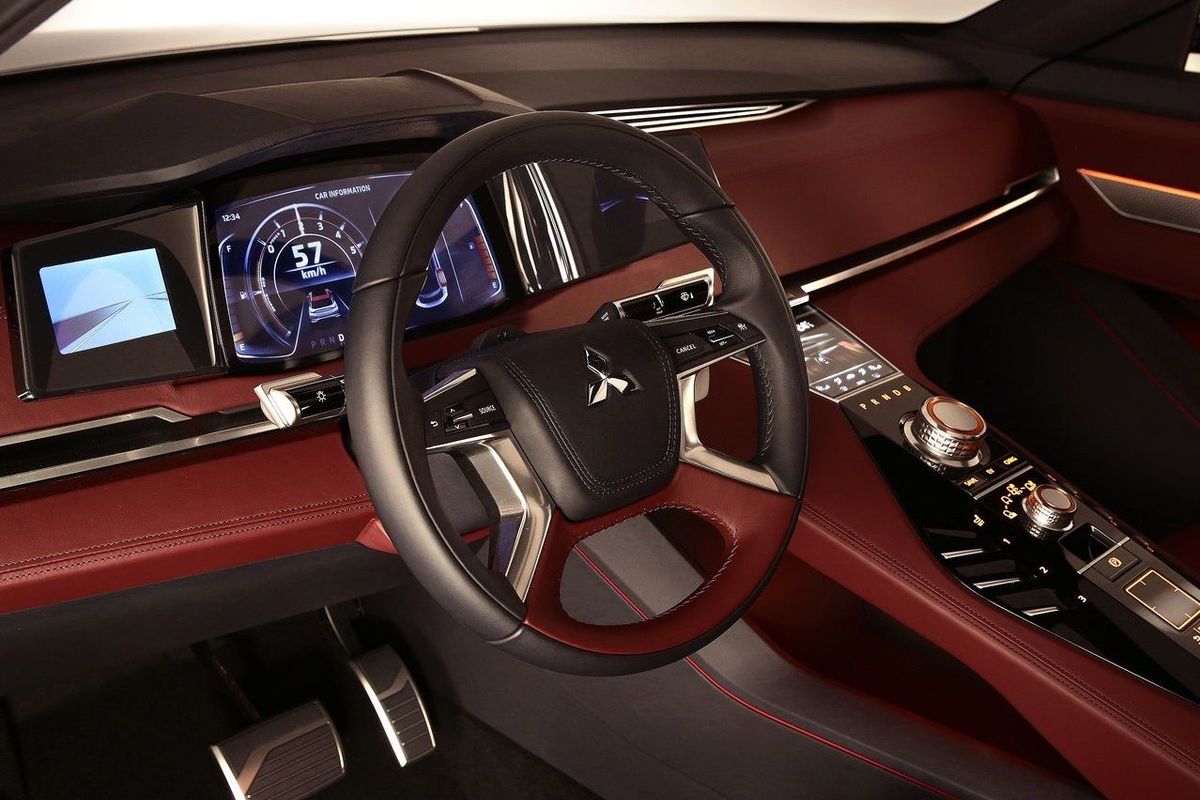
Mitsubishi announced that it will further develop the highly connected digital cockpit concept of its XR-PHEV and XR-PHEV II forebears. There'll be a system that seamlessly combines a large number of data sources from the vehicle’s own sensors and exterior cameras (as well as from connected traffic, weather and road sources) to dynamically adjust the vehicle’s settings in real-time. This negates the need for the driver to adjust their vehicle's settings based on the weather/changes to the road surface and will best utilise Mitsubishi’s S-AWC system.
It's a slick-looking concept from Mitsubishi and we're keen to see more. Stay tuned for more information coming from the 2016 Paris Motor Show later this week.
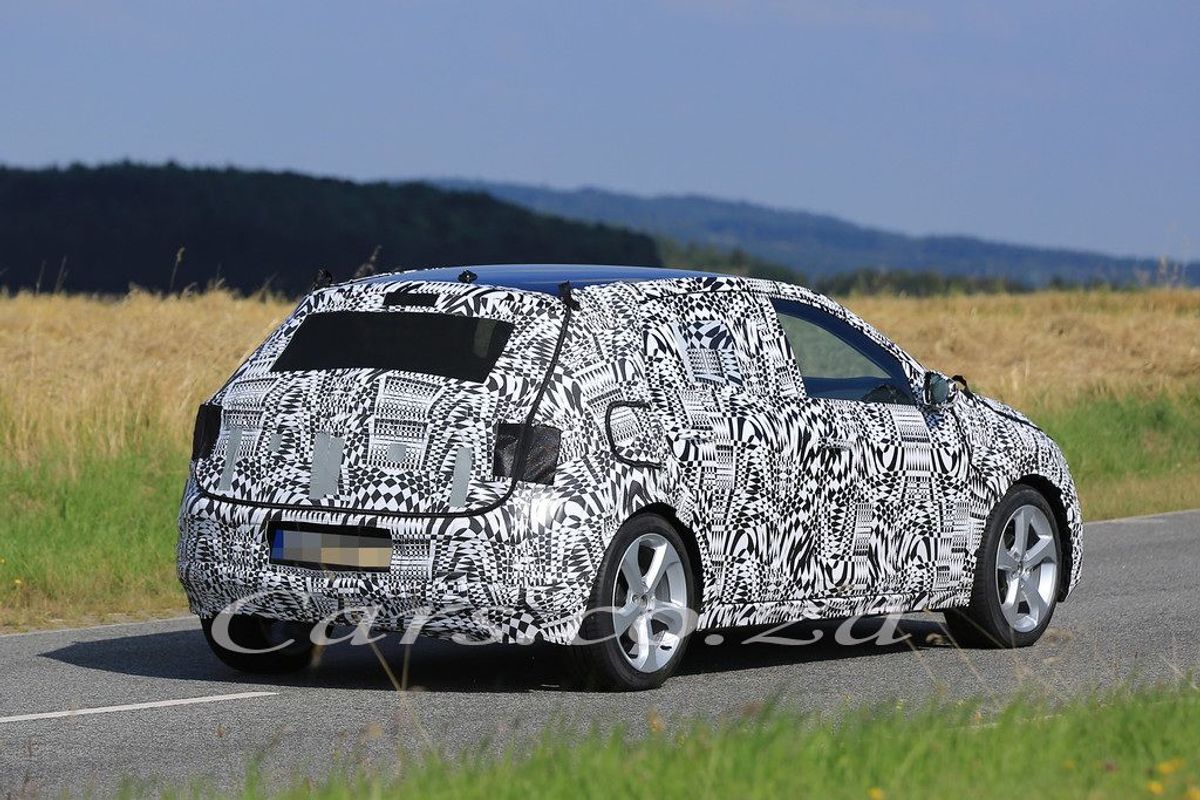
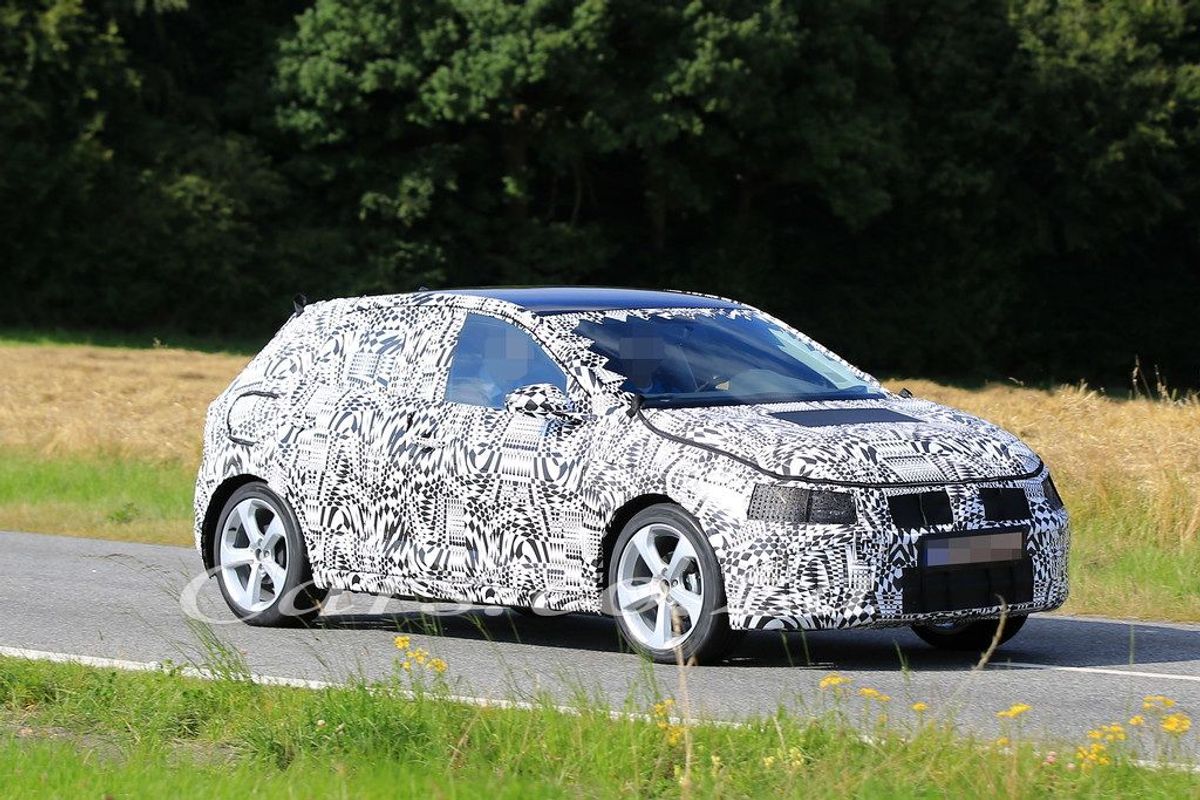
Following the emergence of spy shots of the next-generation Volkswagen Polo, reports suggest the German marque's (significantly) enlarged compact hatchback will be revealed early next year. Here are more details…
Photos by S.Baldauf / S.B. Medien
The 6th-generation Volkswagen Polo is widely expected to make its debut at the Geneva Motor Show in March 2017 and, given its popularity (and the fact that it is currently manufactured) in South Africa, the model is likely to be launched here soon thereafter.
Here we can see a regular Volkswagen Polo and the hot GTI derivative undergoing testing in Germany. The GTI can be identified by its larger alloy wheels and red brake calipers.
The Polo Mk6 will ride on the smallest version of the flexible MQB platform which underpins the likes of the Volkswagen Golf, new Tiguan and many other products in the Volkswagen/Audi family. Just how much bigger will it be than the current model? Well, a report by Spanish site Autopista suggests it’ll be up to 200 mm longer, which will make it longer than the Golf 4 (discontinued a little over a decade ago!) and about 70 kg lighter than the current Polo.
The engine lineup may include a new additions such as a 51 kW 1.0-litre TSI turbopetrol, as well as a 1.5-litre TDI turbodiesel, which will replace the 1.6-litre TDI unit offered overseas (local models are 1.4-litre units). A plug-in hybrid version has been mooted (at least for the European market), while the Polo GTI will either be powered by 147 kW 2.0-litre TSI or an upgraded (more powerful) version of the current 1.8-litre powerplant.
Autopista further suggests an electronically-controlled adaptive suspension will be offered as an option, as will the Active Info Display digital instrument panel. Meanwhile, the current CrossPolo could make way for/be complemented by a Polo-based SUV/crossover, as we reported here.
The Cars.co.za Ownership Satisfaction Survey, in partnership with leading data specialists, Lightstone Consumer, forms an integral part of the awards programme, with the survey accounting for 50% of the final result in each category. The brand-specific data incorporates feedback from thousands of South African new vehicle owners, based on their experiences of their vehicles (must be less than 5 years old and serviced through franchised outlets).
These technological masterpieces represent an enviable blend of First Class luxury and comfort, and Business Class technology and dynamic appeal. More often than not, these are the most advanced cars on the road. Prestige is usually a given in this segment, but we’re also looking for significant technological advancement, yet without compromising the level of comfort and refined style that these sedans are renowned for.
For a car to be considered in this category, the following criteria apply: its listed price must be between R750 000 and R1 000 000 at the time of semi-finalist voting (September 1, 2016), the vehicle must fit in the D/E-sedan segment and “four-door coupe” variants of applicable models are also considered.
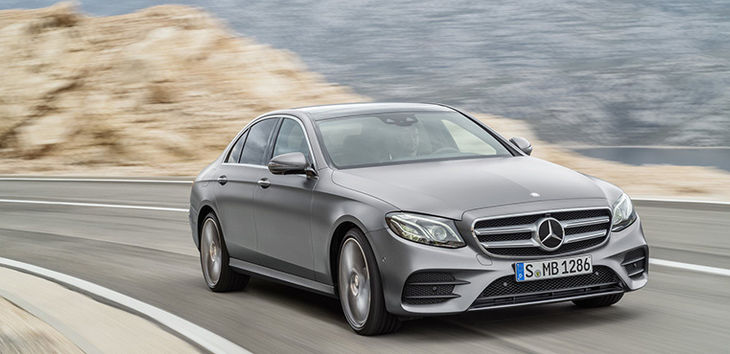
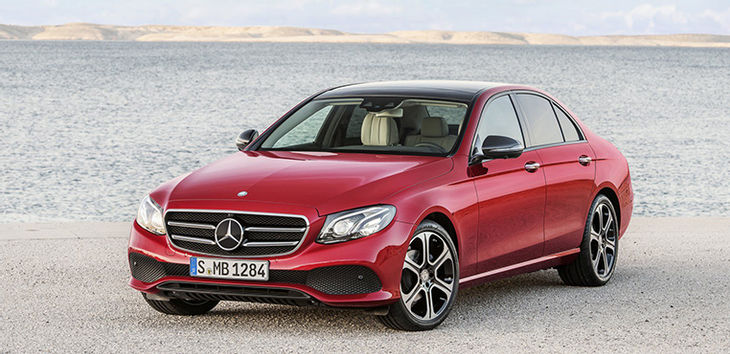
The new Mercedes-Benz E-Class has shaken the Executive Sedan segment to its core. At a time when most of its rivals are due for replacement, the Benz features the most up-to-date cabin in its segment and unparalleled refinement. If you want an executive sedan with a brisk turn of pace, this derivative will not disappoint. With 190 kW and 620 Nm of torque on tap from its 3.0-litre V6 turbodiesel engine, the E350d is not short on power and it delivers unflustered on-road performance. The E350d pulls strongly when overtaking is required and its performance is enhanced by a 9-speed automatic transmission, which shifts in a smooth, unobtrusive manner. The steering wheel-mounted shift paddles allow the driver to exploit performance further with manual 'changes.
Mercedes-Benz’s new E-Class is purported to be the most accomplished executive sedan on the market. Yes, it's awash with new onboard technology, but how well does it stack up against its segment rivals? The E220d is powered by a 2.0-litre 4-cylinder turbodiesel (143 kW/400 Nm), which is, like the E350d, mated with Mercedes’ 9G-Tronic transmission. The maximum torque is available from only 1 600 rpm, promising great flexibility for overtaking.
It is a highly responsive, willing and civilised engine, which is about 17% lighter than its 2.1-litre predecessor and more compact, thanks to the decreased displacement and the setting of the cylinders closer together and a few other innovative measures. At idle there is very little to give away its turbodiesel configuration (inside the cabin), because the motor (when at optimal operating temperature) has a smooth tickover. Under hard acceleration there is no lag and even though the E220d loses about 1.0-litre of displacement to the 350d, the engine easly achieves and maintains high cruising speeds.
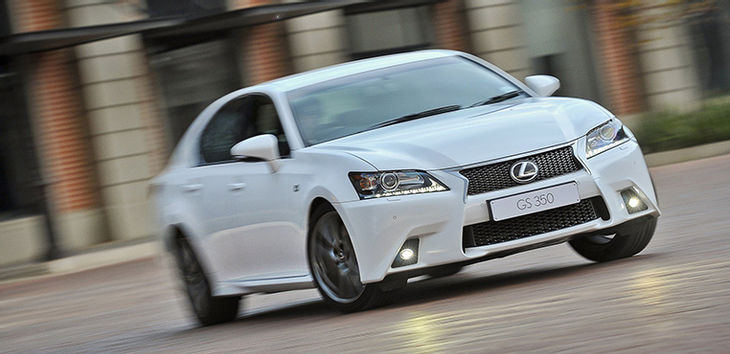
The Lexus GS was updated earlier in 2016 to give it a more assertive appearance and to introduce some new features in the well-made, fully loaded interior. As ever, Lexus’s approach to the premium market is different – you don’t have to pay extra to get all the toys. The GS350 F-Sport is powered by a 3.5-litre V6 engine that delivers a muscular 233 kW and 378 Nm of torque, through a silky smooth 8-speed automatic transmission. Those outputs make the GS350 F-Sport the most powerful car in this Awards category, and Lexus claims a blistering 0-100 kph time of only 6.0 seconds, as well as a top speed of 235 kph.
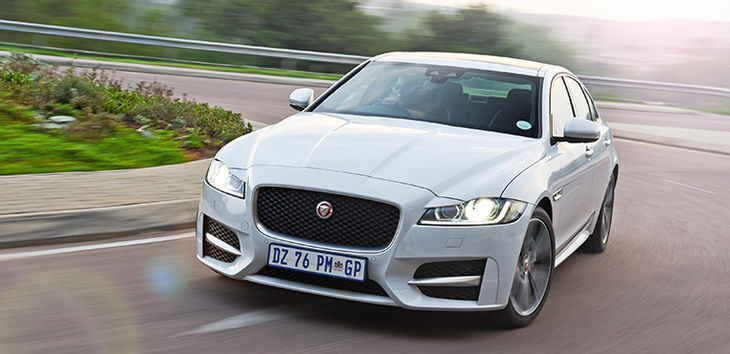
The latest Jaguar XF is positioned as a sportier, more dynamic offering in the Executive Sedan segment. Considerably lighter than before and boasting Jaguar’s latest engines and onboard technologies, it’s a thoroughly luxurious business express for the executive who enjoys driving. With peak engine outputs of 177 kW and 340 N.m, the turbocharged and intercooled 2.0-litre 4-cylinder powerplant delivers commendable performance… as the (claimed) 7.0-second zero to 100 km/h sprint time for the 25t Portfolio clearly attests. The engine is mated with Jaguar’s 8-speed automatic transmission and the torque peak is available between 1 750 and 4 000 rpm, promising great flexibility.
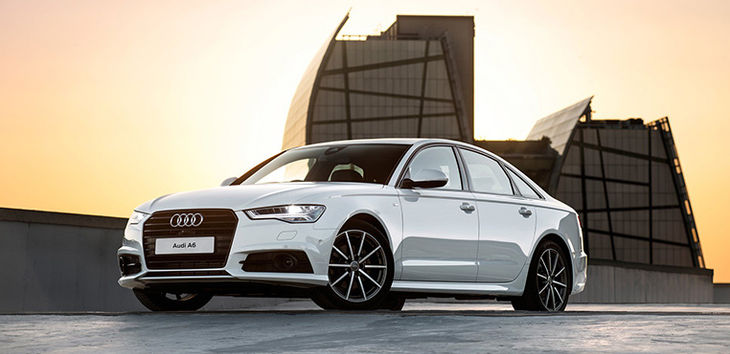
Following a facelift in 2015, Audi’s A6 not only looks sharper, but benefits from the addition of some new technologies and options. The A6’s biggest drawcards have always been its solidity and the smartly designed and beautifully finished cabin. This A6 is powered by a 2.0-litre, 4-cylinder turbocharged engine. On paper, this may appear a strange choice for such a large sedan, but not if you consider the power figures.
With outputs of 185 kW and 370 Nm of torque, available across a wide rev range from 1 600 to 4 500 rpm, this A6 is an enthusiastic sprinter, one of the fastest in this segment, in fact. It storms from zero to 100 kph in only 6.7 seconds and has a 250 kph top speed, using Audi’s crisp 7-speed S tronic dual-clutch transmission, which, when left to its own devices, prioritises efficiency. Audi claims a commendable average consumption figure of 5.9 L/100 km.
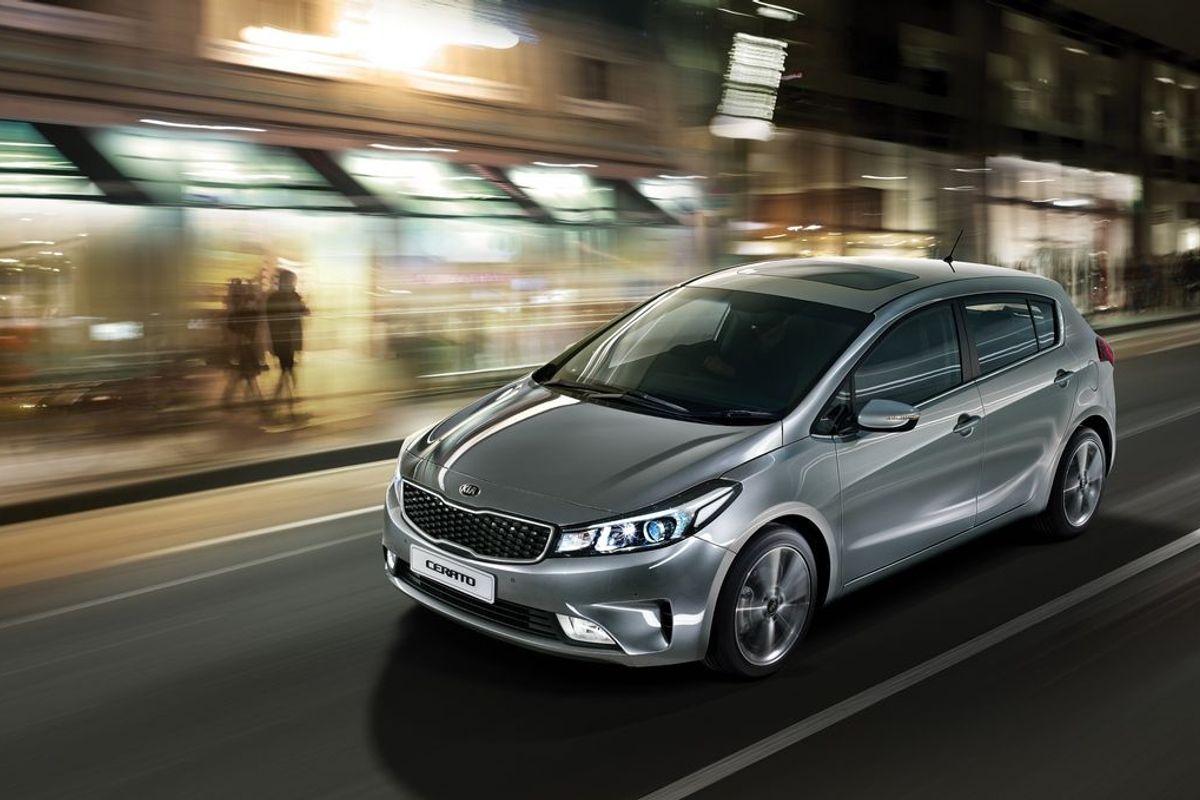
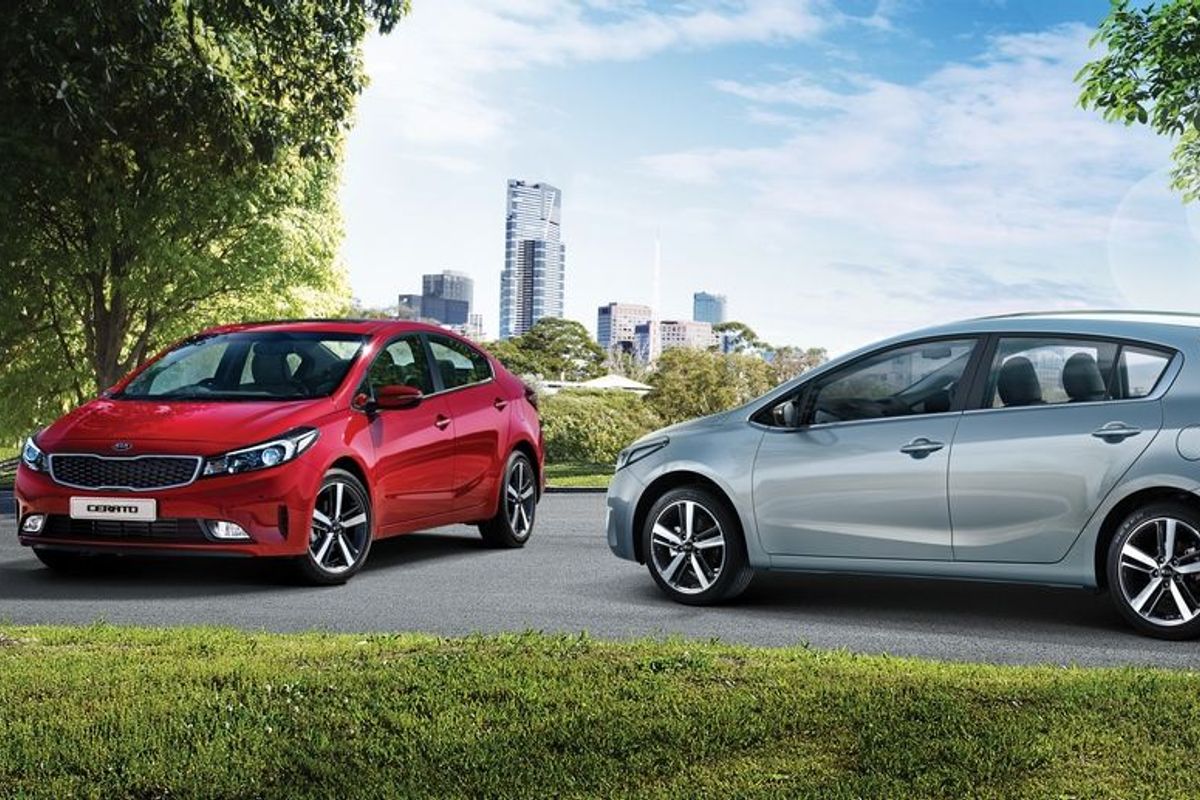
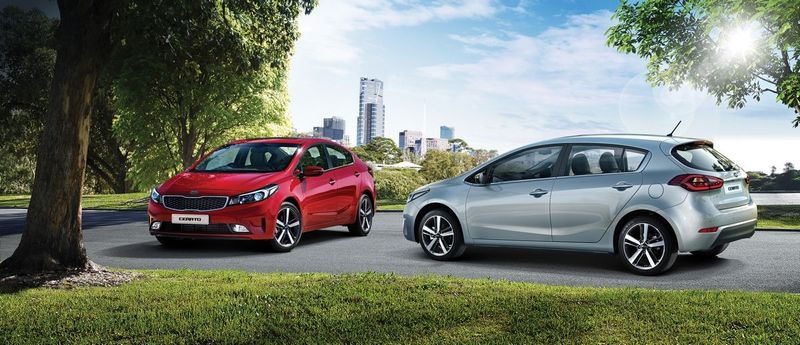
Kia updates its mid-size hatch/sedan with some minor cosmetic details and changes the model specs.
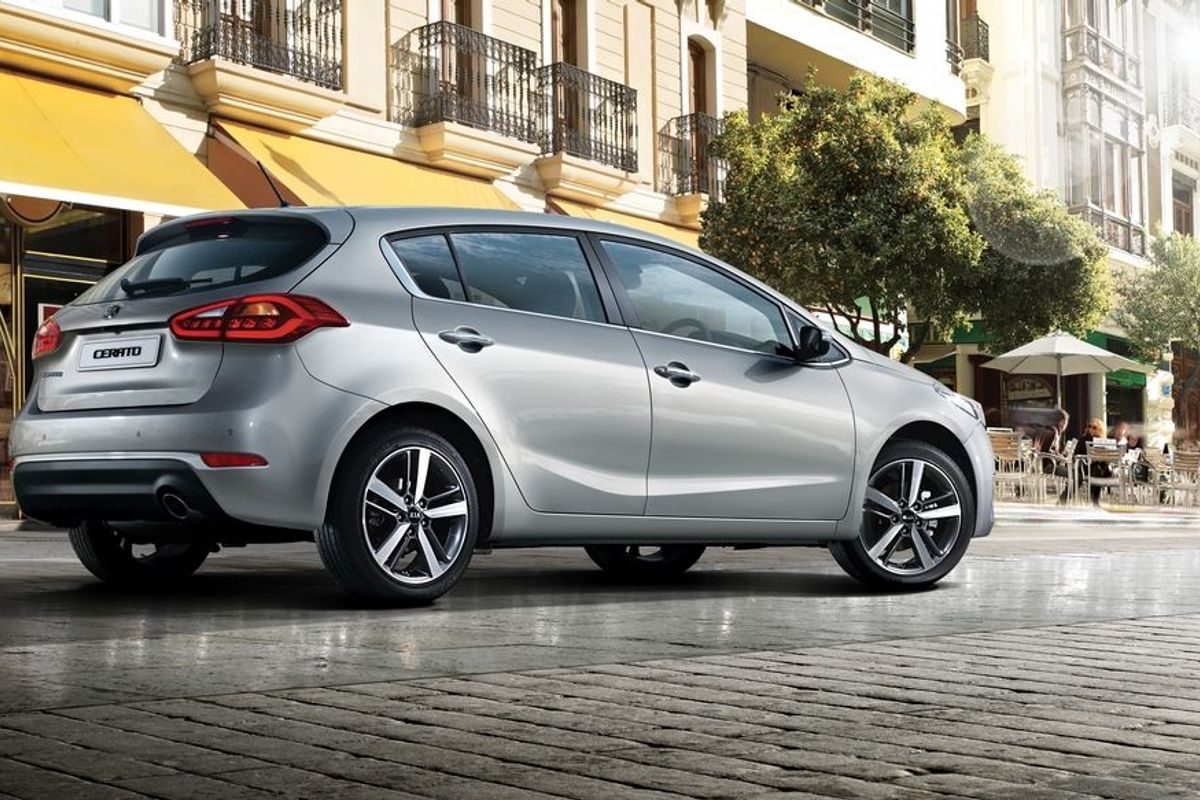
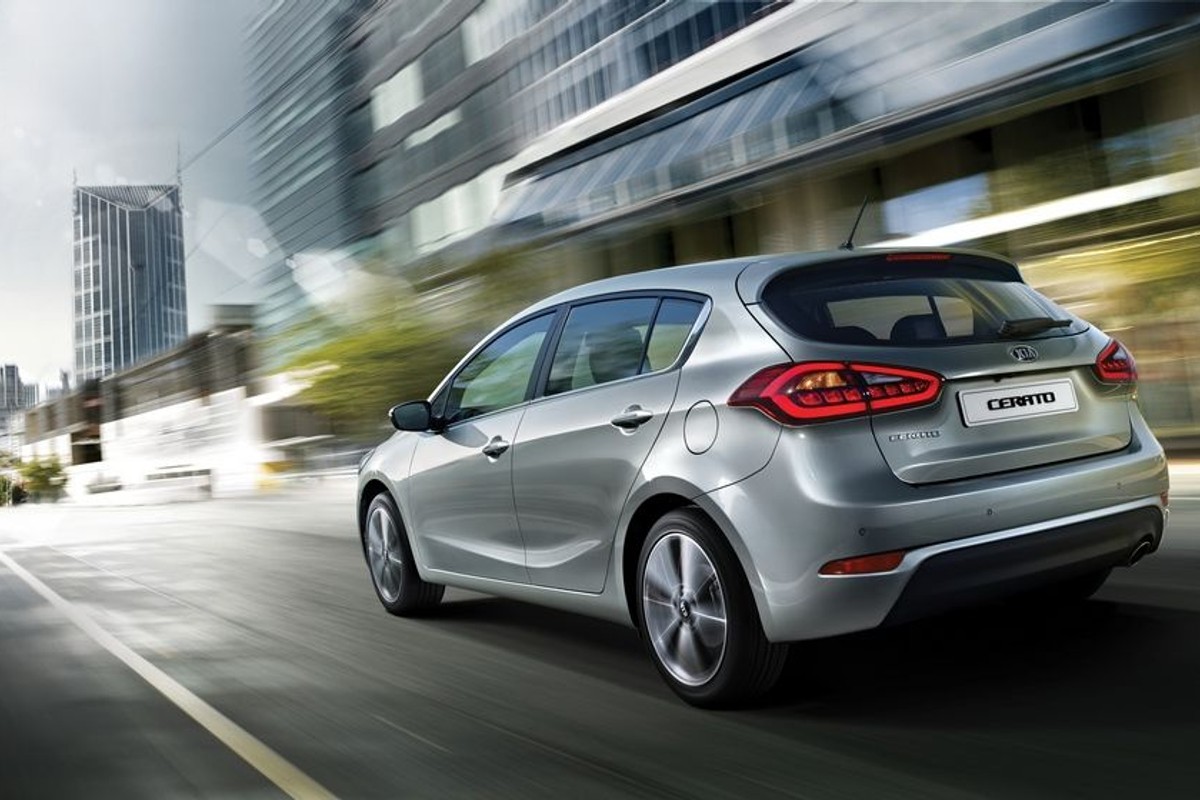
The current iteration of the Kia Cerato has been on the local market since 2013. The Cerato hatch is a Volkswagen Golf/Opel Astra/Ford Focus competitor whereas the sedan is more of a Toyota Corolla/Volkswagen Jetta rival. The facelift hasn’t changed much about the car, but the spec levels of the 1.6 and 2.0 are slightly different.
The changes
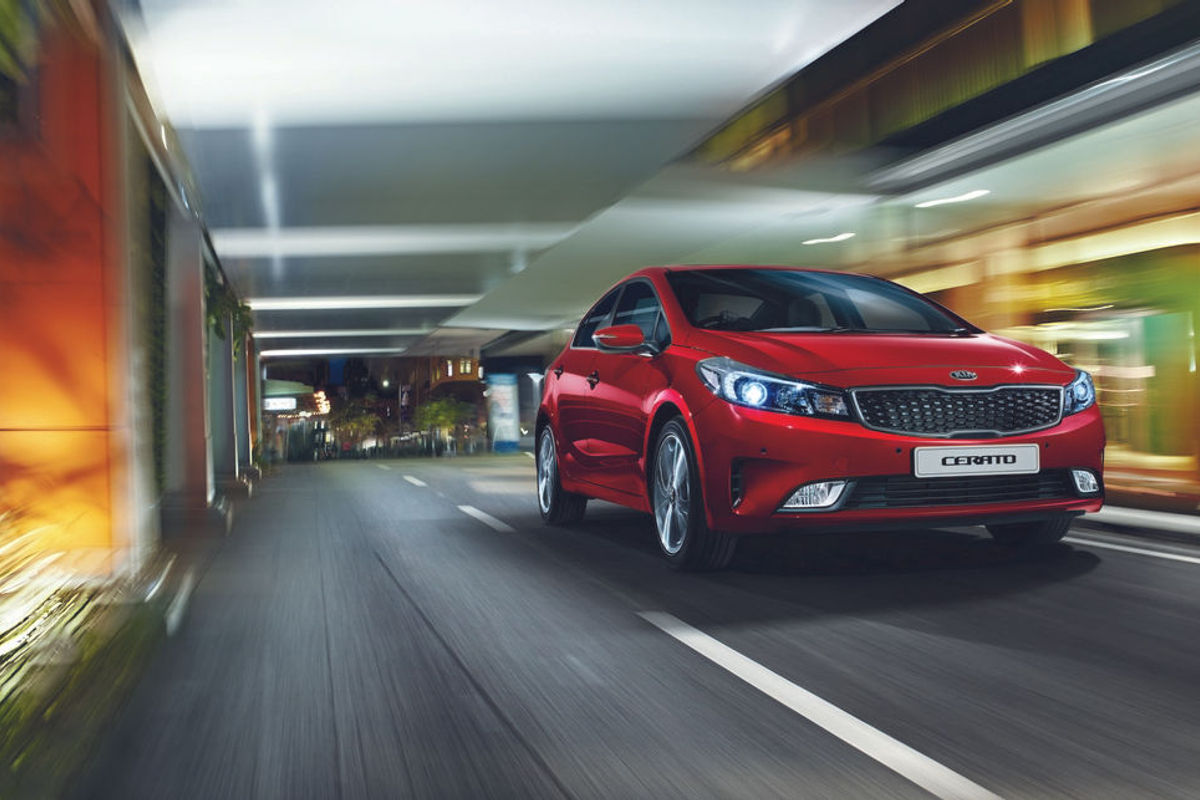
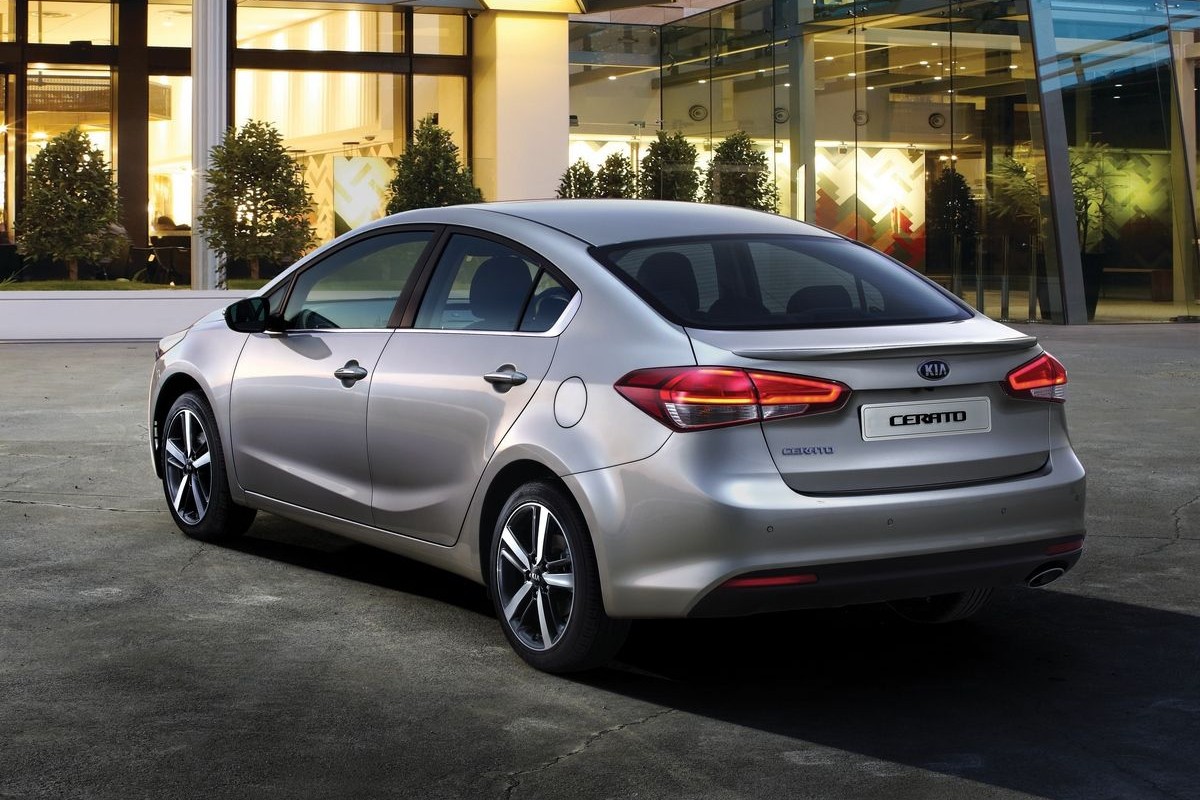
As mentioned above, the aesthetic changes on this facelifted model are subtle. The exterior features redesigned head- and foglights, a reprofiled bonnet and front bumper, as well as black or gloss black grille trims. Sedan derivatives further receive a refreshed rear bumper and updated taillights, complemented by new, sportier alloy wheel designs. All models now feature electric folding mirrors as standard.
The Cerato is available in a choice of 10 exterior colours, including Clear White, Snow White Pearl, Silky Silver, Aurora Black Pearl, Metal Stream, Planet Blue, Temptation Red, Racing Red, Rich Espresso and Gravity Blue, the latter two being new additions to the line-up.
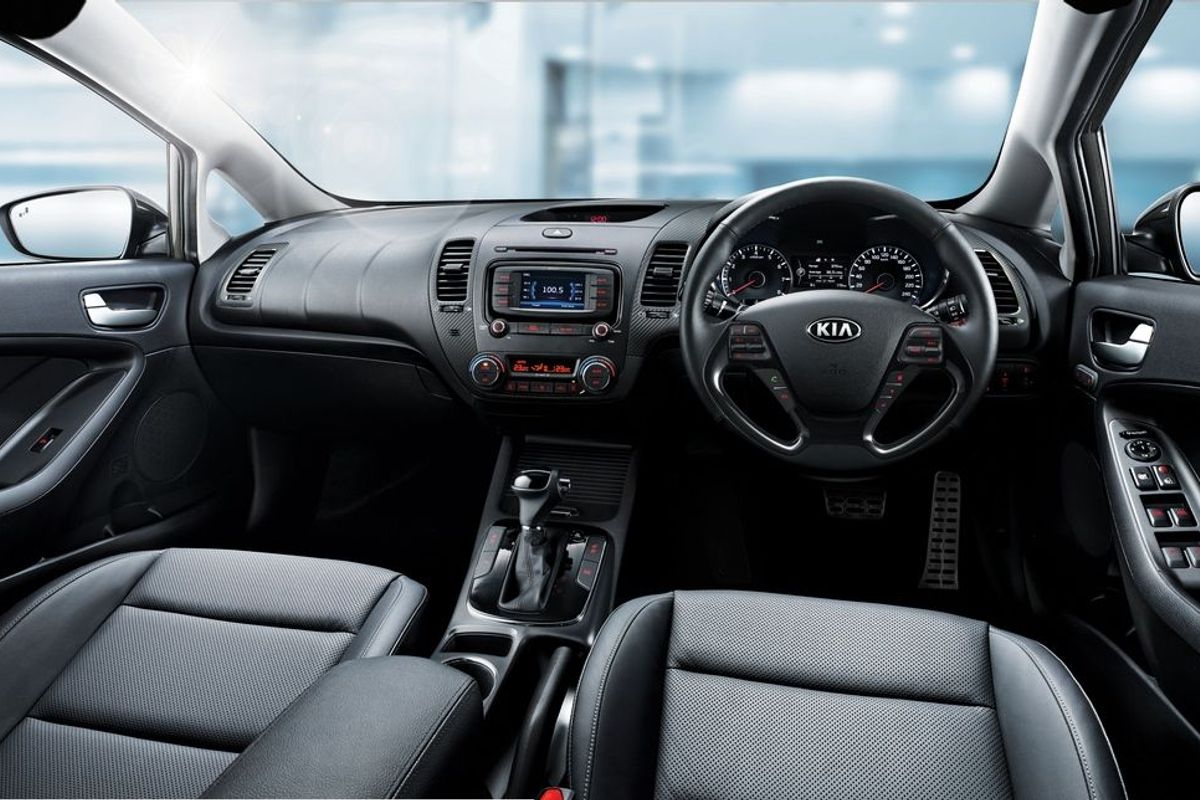
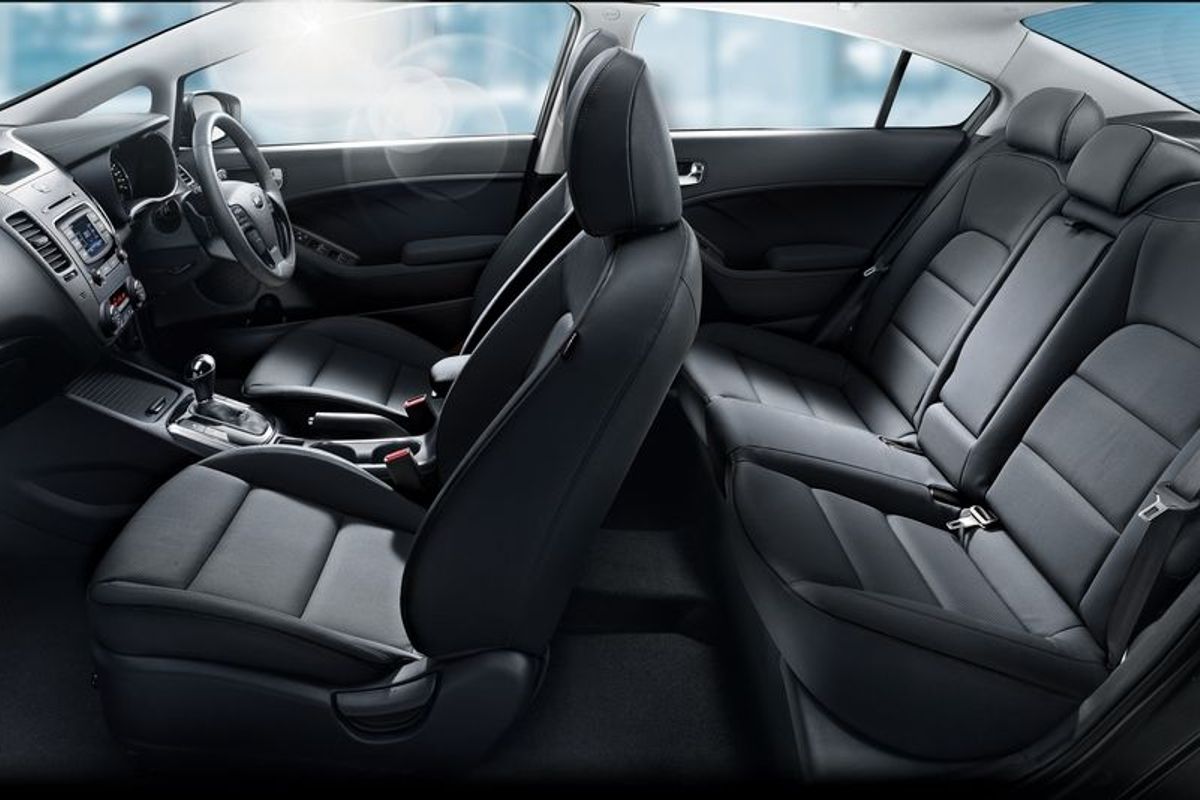
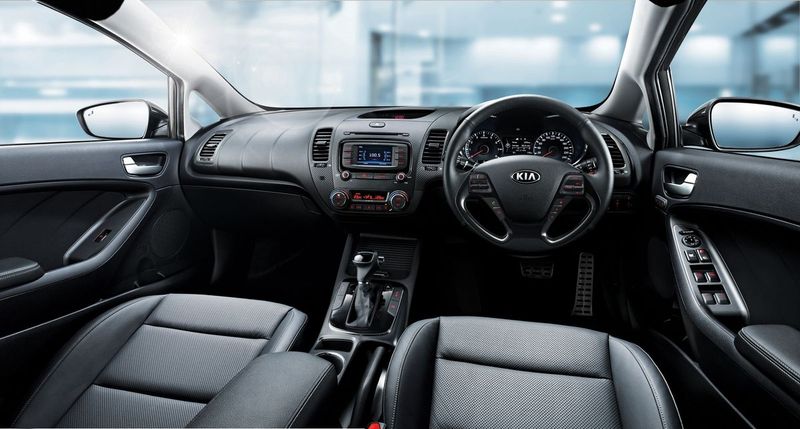
The interior design is identical apart from some new piano black trim around the fascia and Kia has updated some of the materials to make the cabin feel more upmarket. The dashboard plastic and door panel trim feel a bit softer to the touch and the gear lever has been revised to match the premium additions.
Updated materials have been used on the gear lever, dashboard and door panels
What's more, automatic derivatives drivers have a new Drive Mode Select (DMS) system at their disposal with three selectable modes – Normal, Sport and Comfort – which alter the effort required to turn the steering wheel, depending on their individual preferences.
The engines
Kia has persisted with naturally aspirated petrol powerplants: the 1.6-litre unit delivers 95 kW and 157 Nm, the 2.0-litre’s rated at 118 kW and 194 Nm and both motors are available with a manual or automatic transmission. At altitude, both models seemed capable on the short stint we drove on the freeways of Pretoria. The lack of turbocharged torque may make overtaking a little more difficult, but the performance was still adequate for those who aren’t in a rush.
Hatch and sedan get new alloy wheel designs for the facelift
Notable during our drive was the quietness within the cabin. Kia appears to have improved the build quality of its vehicles and it shows at freeway speeds where road roar from the tyres and wind noise from the joints are minimal.
The lineup
The Korean manufacturer says that its fleet buyers tend to opt for the higher powered 2.0-litre, but prefer a lower specced interior with fewer features. The private buyer, by contrast, tends to prefer the 1.6-litre model, but with more features inside.
Kia has thus removed the 2.0 SX high-spec derivative and introduced a 1.6-litre SX high-spec hatch and sedan. The hatch is only available in a 6-speed manual, while the sedan is exclusively a 6-speed automatic. However, both sport xenon headlamps, front and rear PDC with a reverse-view camera, a smart key with stop/start button, a smart welcome lighting system, a supervision TFT LCD cluster and automatic dual-zone air-conditioning and leather upholstery.
Nonetheless, the entry-level 1.6 EX derivatives are equipped with numerous standard convenience features, including air-conditioning, automatic light control, Bluetooth connectivity, steering wheel-mounted controls for audio and cruise control, front and rear electric windows, LED daytime running lights, an MP3/iPod/USB compatible radio with CD front loader, rear air vents, 6 speakers, 60/40-split rear seats, as well as ISOFIX child seat anchors. The 2.0 EX features identical specification, except for an upgraded instrument cluster and leather upholstery.
Pricing
The Kia Cerato will go on sale in October 2016 and comes Kia’s impressive 5-year/unlimited km warranty and 5-year/100 000 km service plan.