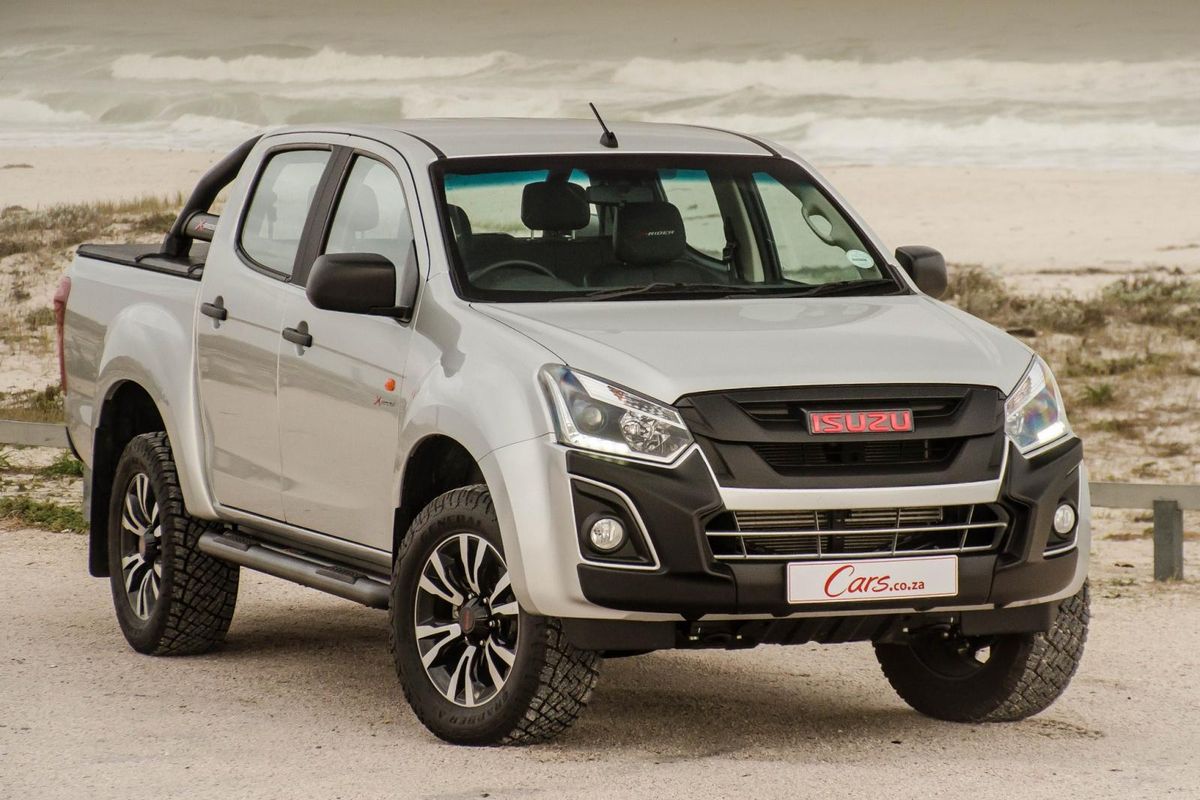
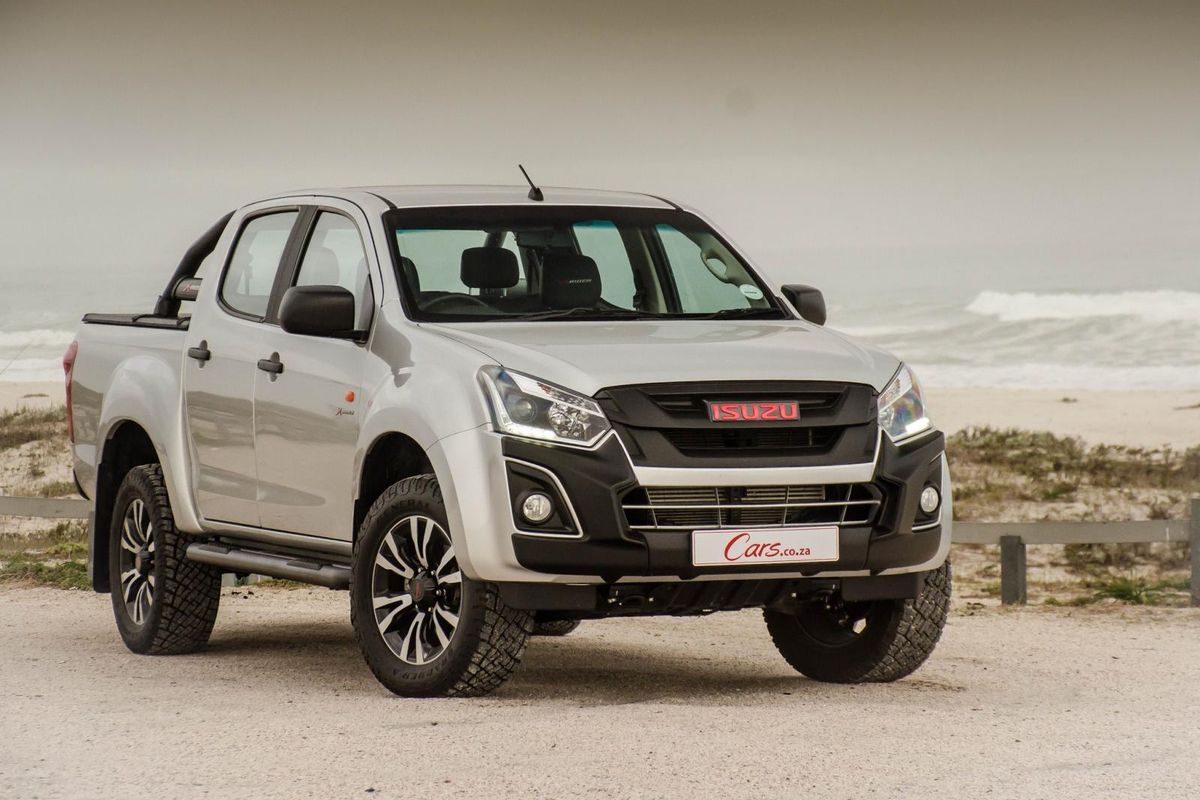
As the demand for SUVs in South Africa and around the globe shows no signs of abating, fuel efficiency will be a deciding factor in consumers' purchasing choices. We list the most fuel-efficient SUVs currently on sale in SA.
The definition of an SUV is tricky. Is a vehicle with passenger car underpinnings and a raised ride-height considered an SUV – or is that a crossover? Can a crossover not be an SUV? For the purposes of compiling this list, we haven't considered the hatchback-derived crossovers. Therefore, vehicles such as the Ford Ecosport, Renault Captur and Mazda CX-3 are excluded as they are basically hatchbacks on stilts.
That still leaves a surprisingly large field of cars to sort out and, impressively, all the vehicles in our top 10 are claimed to consume less than 5.2 L/100 km on the combined cycle. Three petrol-electric hybrids make the list, but the remaining 7 spots are all occupied by small-capacity turbodiesels.
Most fuel Efficient SUVs in SA (2016)
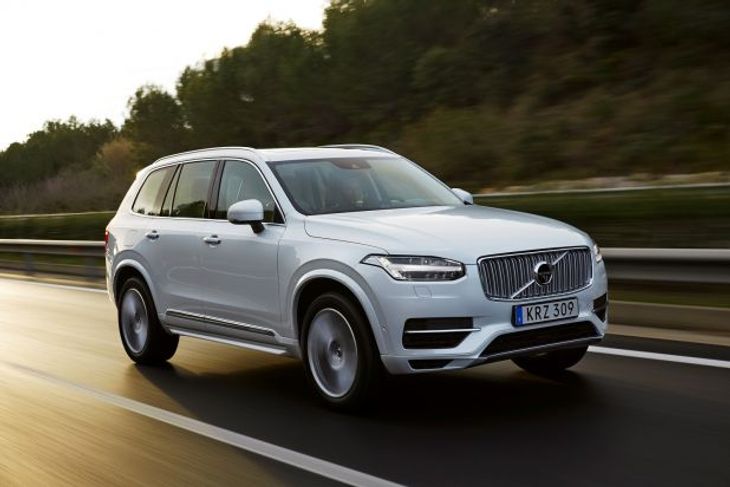
1. Volvo XC90 T8 Twin Engine
The Volvo XC90 plug-in petrol-electric hybrid is said to consume as little as 2.1 L/100 km. It’s not a pedestrian eco-mobile either, as its 2.0-litre turbo- and supercharged engine combine with a 65 kW motor to produce 300 kW and 640 Nm of torque. In all-electric mode, it can travel up to 40 km and maintain 125 kph. Over and above the energy regeneration system, the XC90's batteries can be recharged by plugging it into an ordinary power socket. R1 074 100.
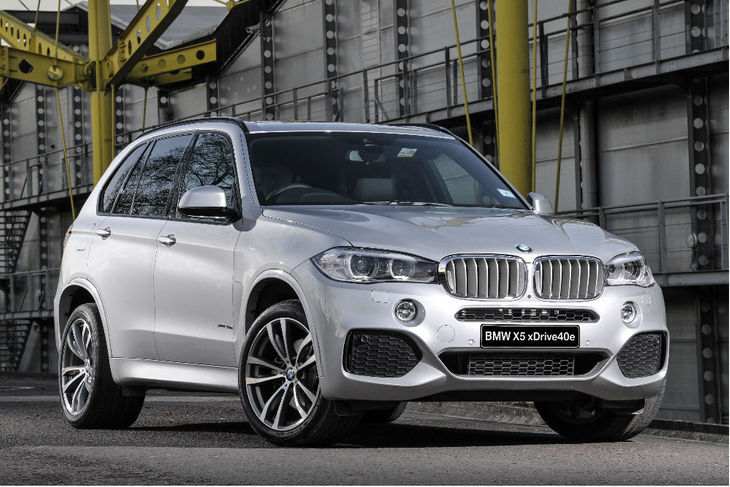
BMW launched its X5 xDrive40e at almost the exact same time as the Volvo XC90 T8 arrived. The xDrive40e is also BMW’s first plug-in hybrid vehicle and it combines the 2.0-litre turbopetrol motor with an 83 kW electric motor. The result is a maximum of 230 kW and 450 Nm of torque, but the headlining figure is a claimed fuel economy of 3.3 L/100 km. The BMW, like the Volvo, can also have its battery charged separately via a plug-in cable. R1 137 000.
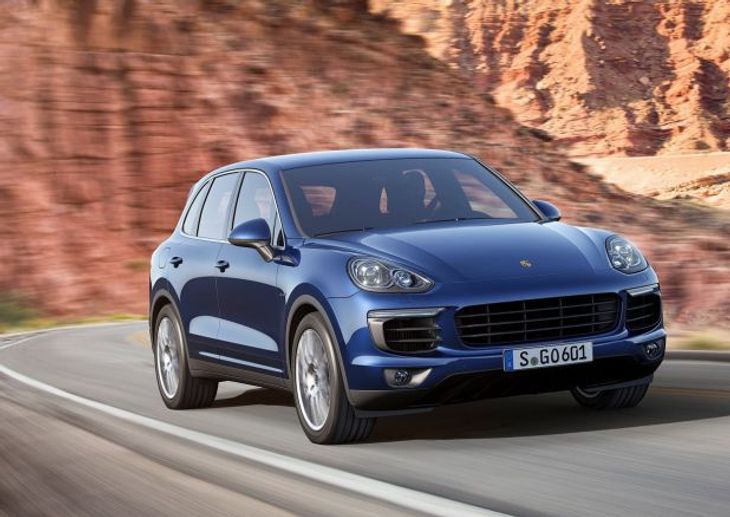
The Cayenne hybrid may have been on sale for 2 years already, but it continues to feature on our fuel-efficiency lists. Its powertrain comprises a 3.0-litre 6-cylinder turbopetrol and electric motor that produce 306 kW and 590 N.m. Like the Volvo and BMW, the Porsche utilises a plug-in system and can run on electric power alone for a maximum of 35 km, but still consume as little as 3.4 L/100 km, which isn’t far off the plug-in vehicles' claims. R1 517 000.
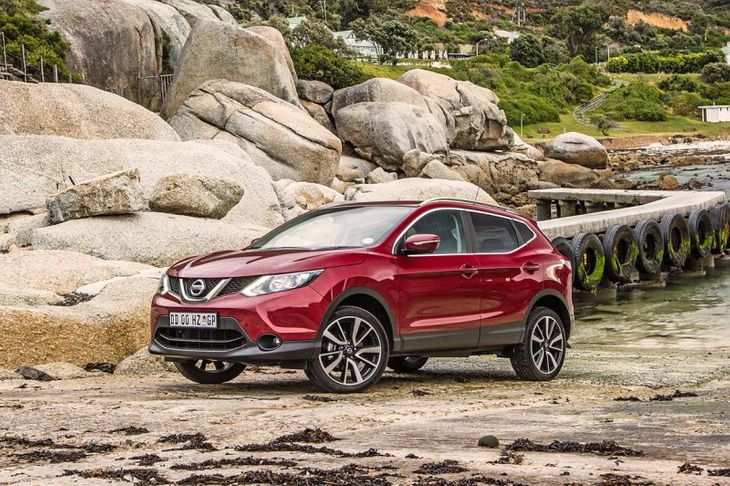
Finally, a slightly more value-oriented SUV appears on the list. The Qashqai, with its 1.5-litre turbodiesel motor, is claimed to use just 4.2 L/100 km. With outputs of 81 kW and 260 Nm, the Nissan offers more than enough performance to be practical both on the freeways and around town. The Qashqai further offers a very comfortable ride quality and a spacious interior that go a long way to explain its sales success around the globe. R362 900.
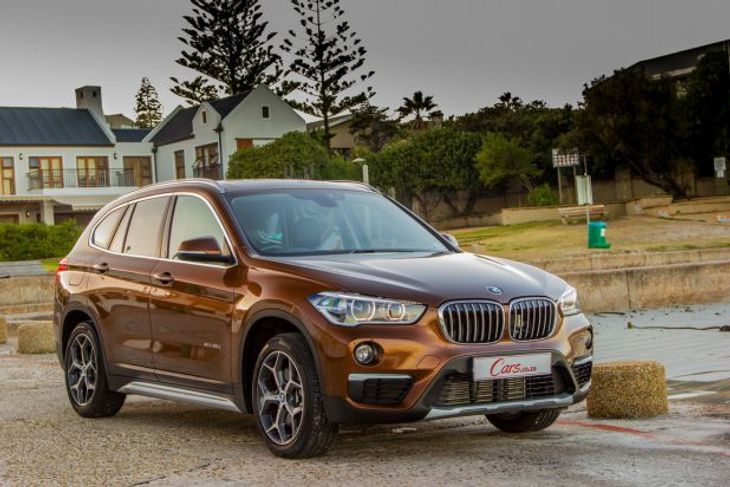
The second-generation of BMW X1 is a much-improved product. The build quality and packaging are major enhancements, but it appears the new 2.0-litre turbodiesel engine is also particularly efficient. The claim is that it will return 4.5 L/100 km – not bad for a 140 kW 400 Nm turbodiesel. R522 900.
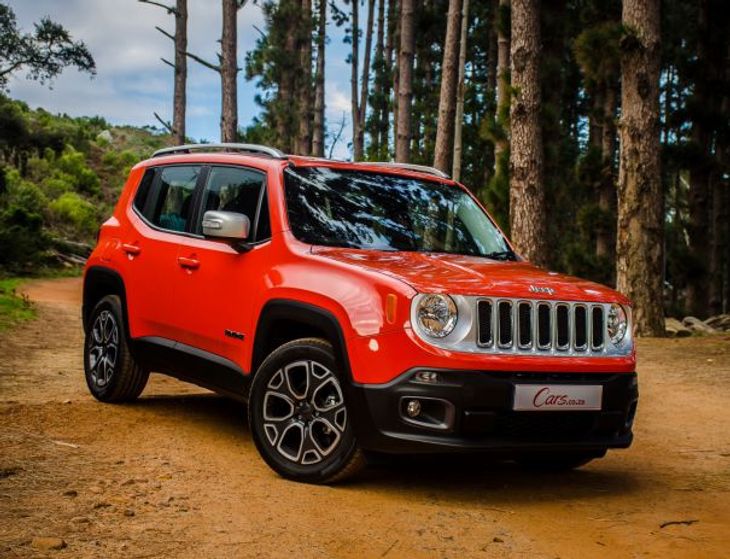
The Renegade range has gradually expanded over the last year and now includes a turbodiesel derivative. The macho-styled SUV, together with its 1.6-litre turbodiesel engine delivers a reasonable 88 kW and 320 Nm of torque. The claimed consumption figure is excellent at just 4.6 L/100 km. R421 990.
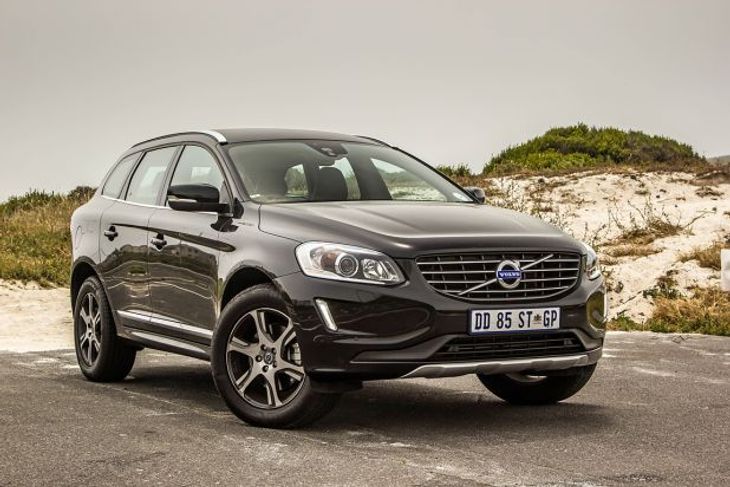
A second contender from Volvo enters the fray, this time the smaller-packaged XC60. Volvo is certainly pushing fuel efficiency to new highs (or lows) as its 2.0-litre turbodiesel is both powerful and efficient. The outputs are 140 kW and a healthy 400 Nm, and the fuel economy? Only 4.7 L/100 km. R610 956.
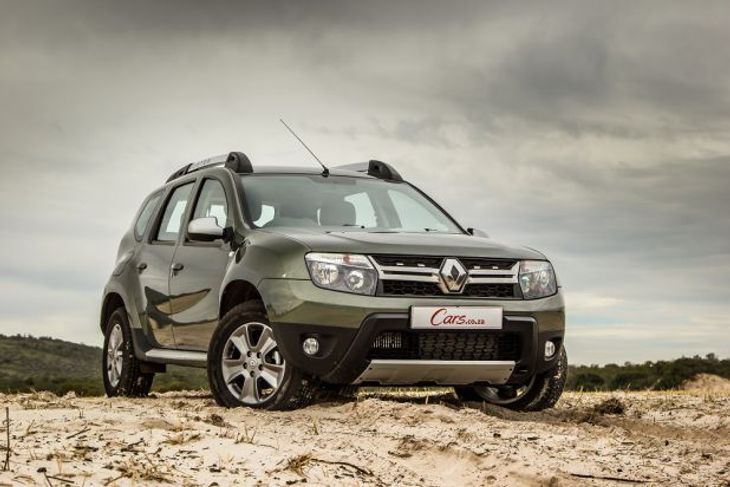
Renault updated the Duster last year with a slight facelift and a new range of engines. The 1.5-litre turbodiesel (in manual, 2-wheel-drive guise) is the most efficient derivative. Replete with 80 kW and 240 Nm, the Duster is said to use 4.8 L/100 km. The Duster is also the most affordable car on this list. R276 900.
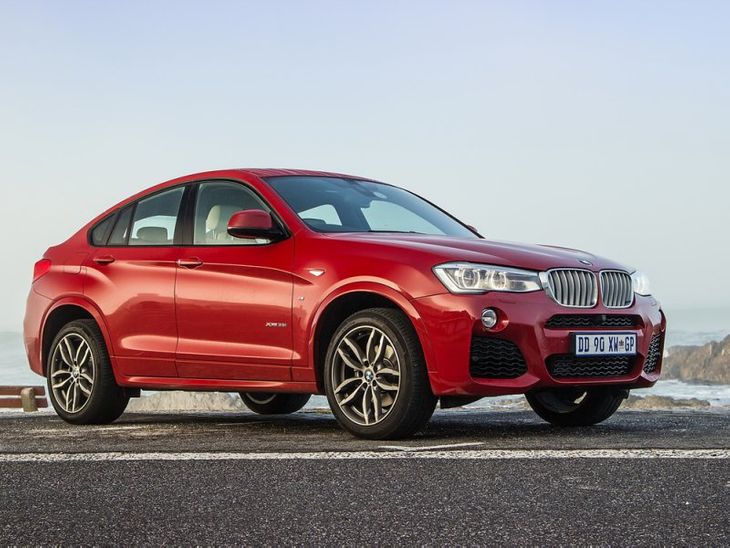
BMW’s xDrive system combined with the extra heft of the bigger X3/X4 platform probably accounts for most of the increase in fuel economy over the X1. The same 2.0-litre turbodiesel (with the same outputs as the X1) is claimed to return as little as 4.9 L/100km. R632 226 and R722 226 respectively.
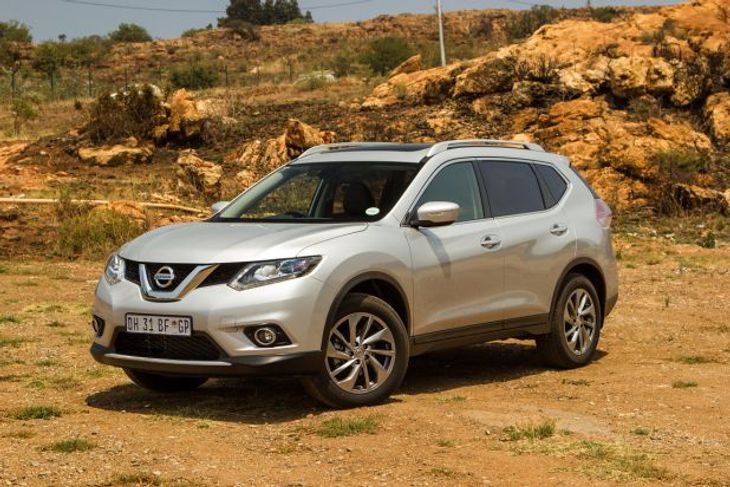
Nissan is the third manufacturer to get a second car in the top 10. The X-Trail uses a 1.6-litre turbodiesel unit mated with a manual gearbox. The most fuel efficient version is the 2-wheel-drive model (said to consume 5.1 L/100 km. The engine delivers adequate power at 96 kW with 320 Nm of torque. R381 900.
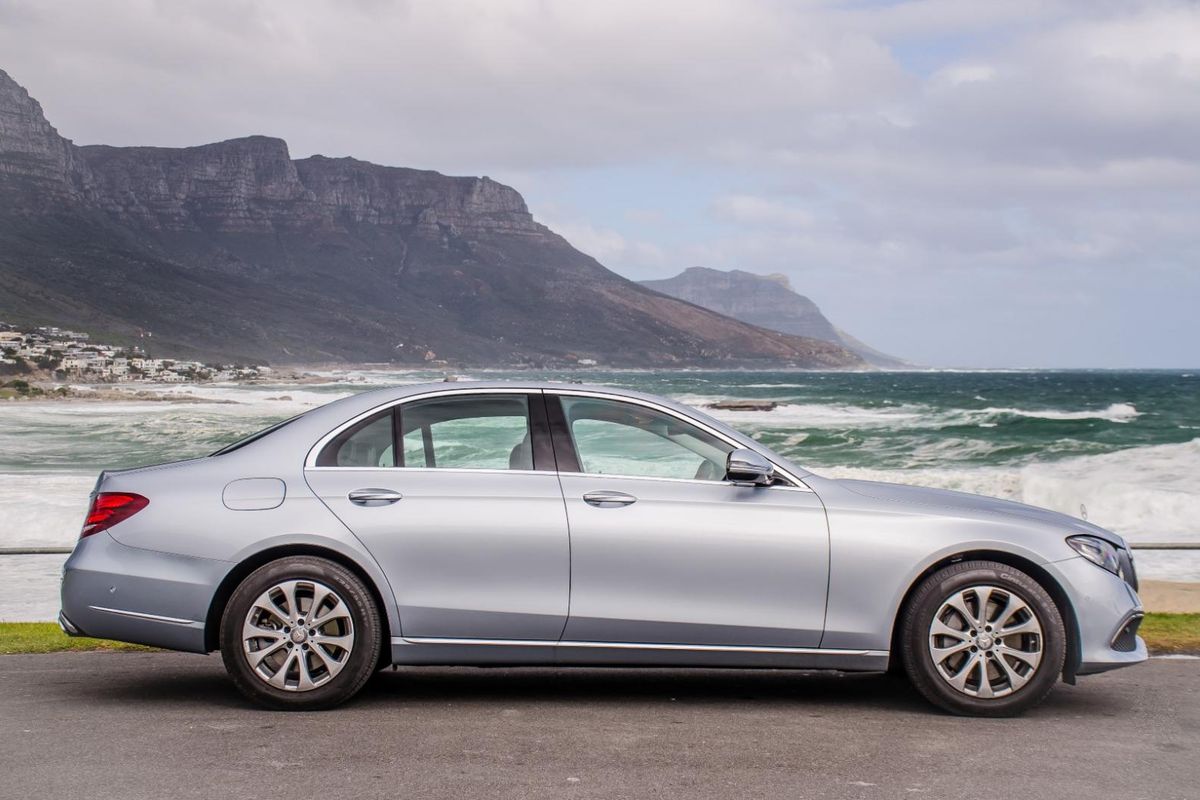
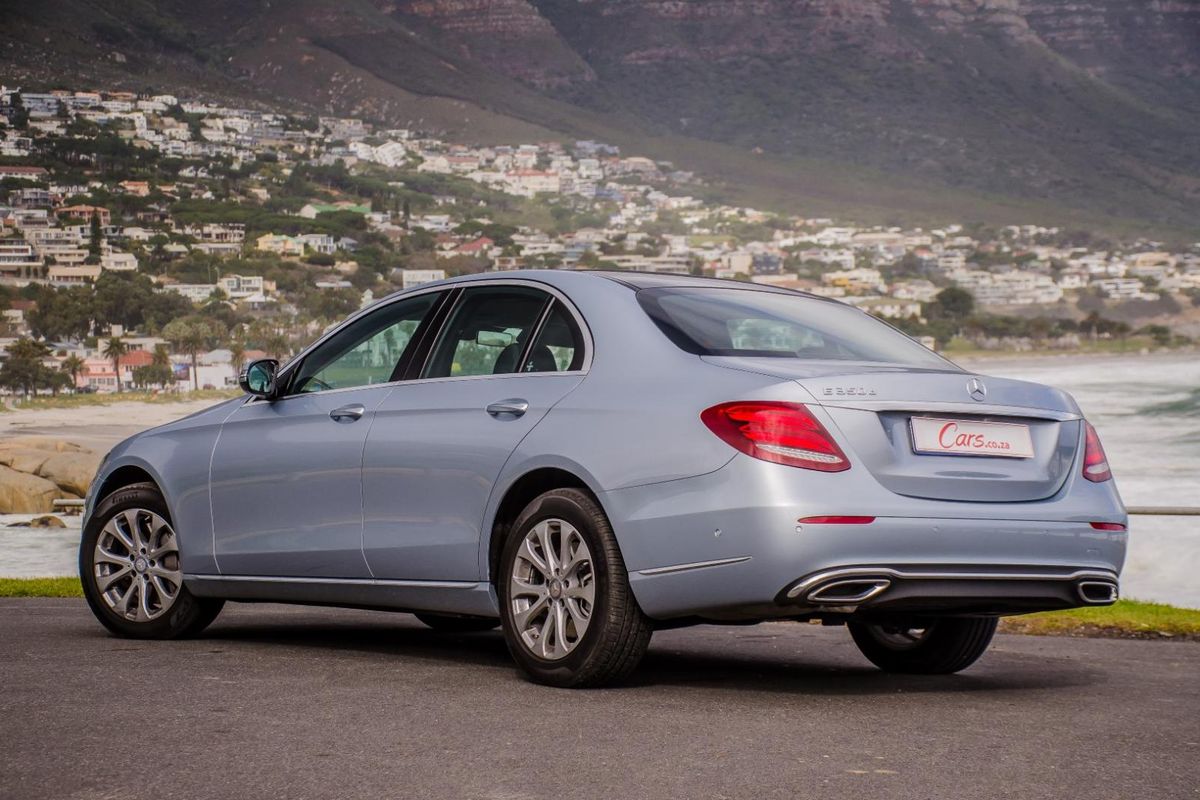
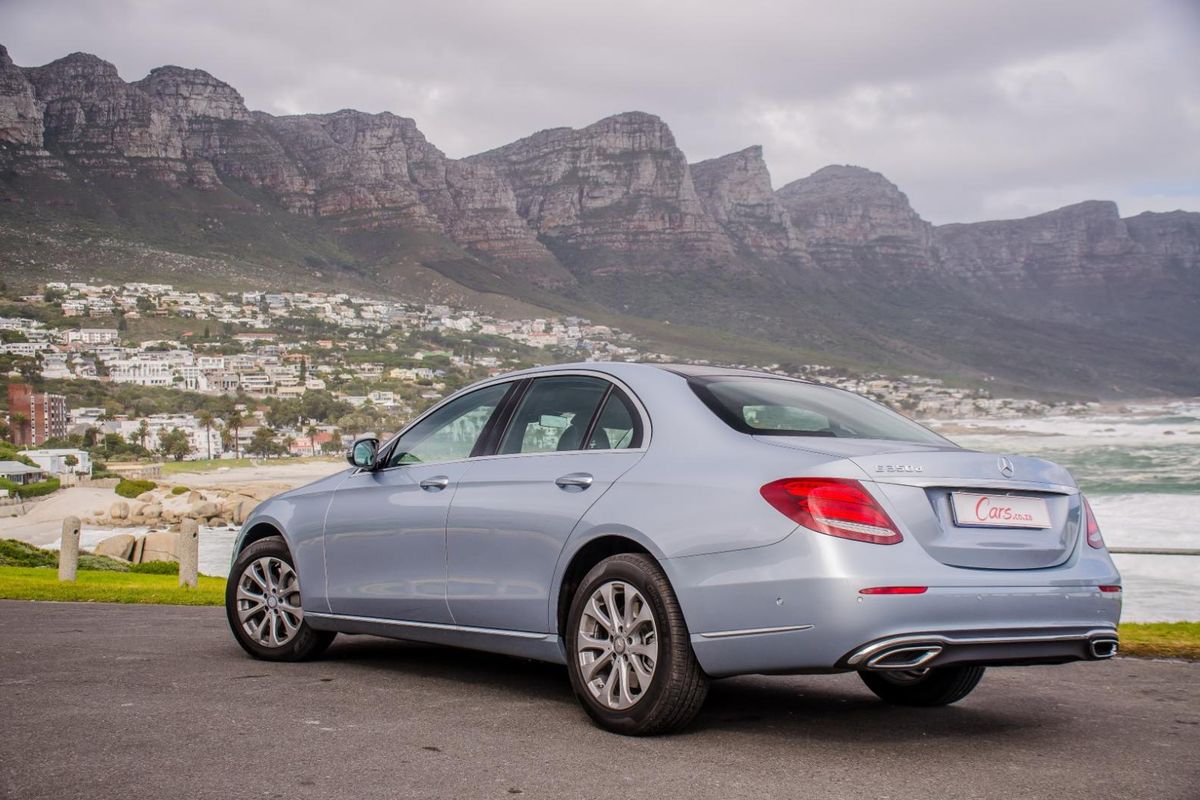
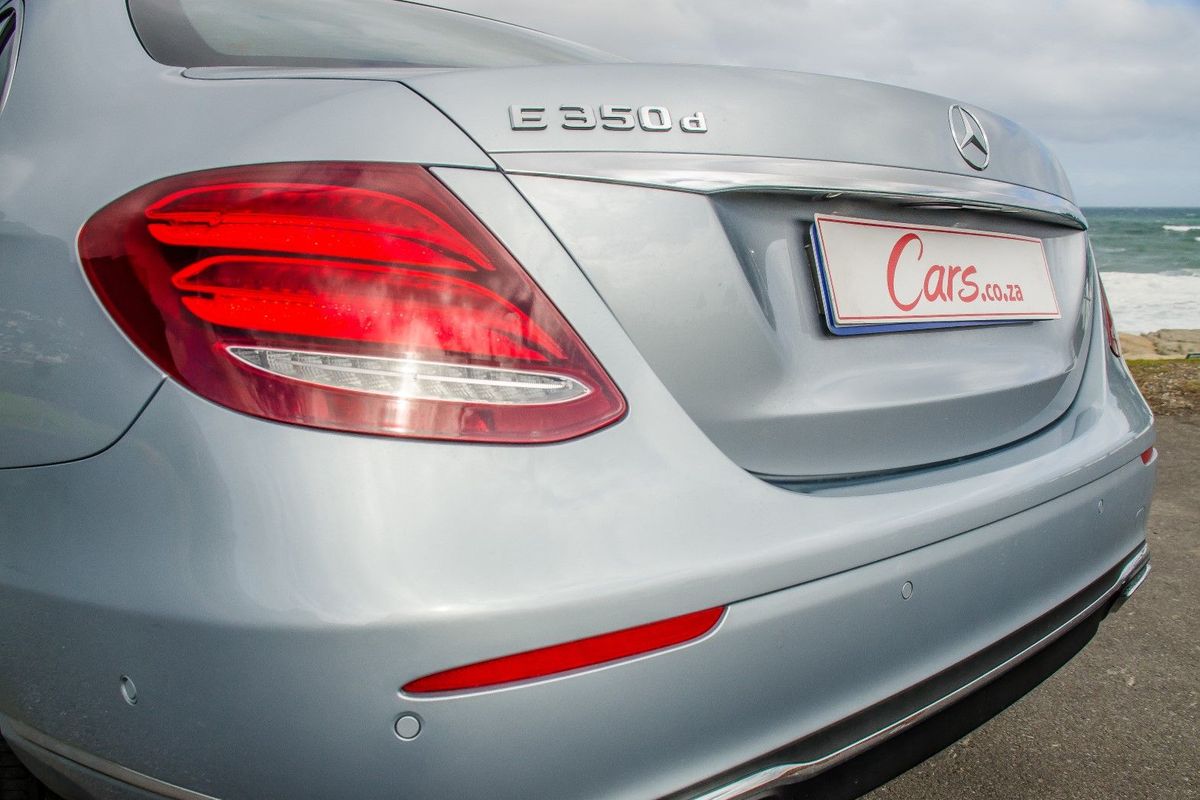
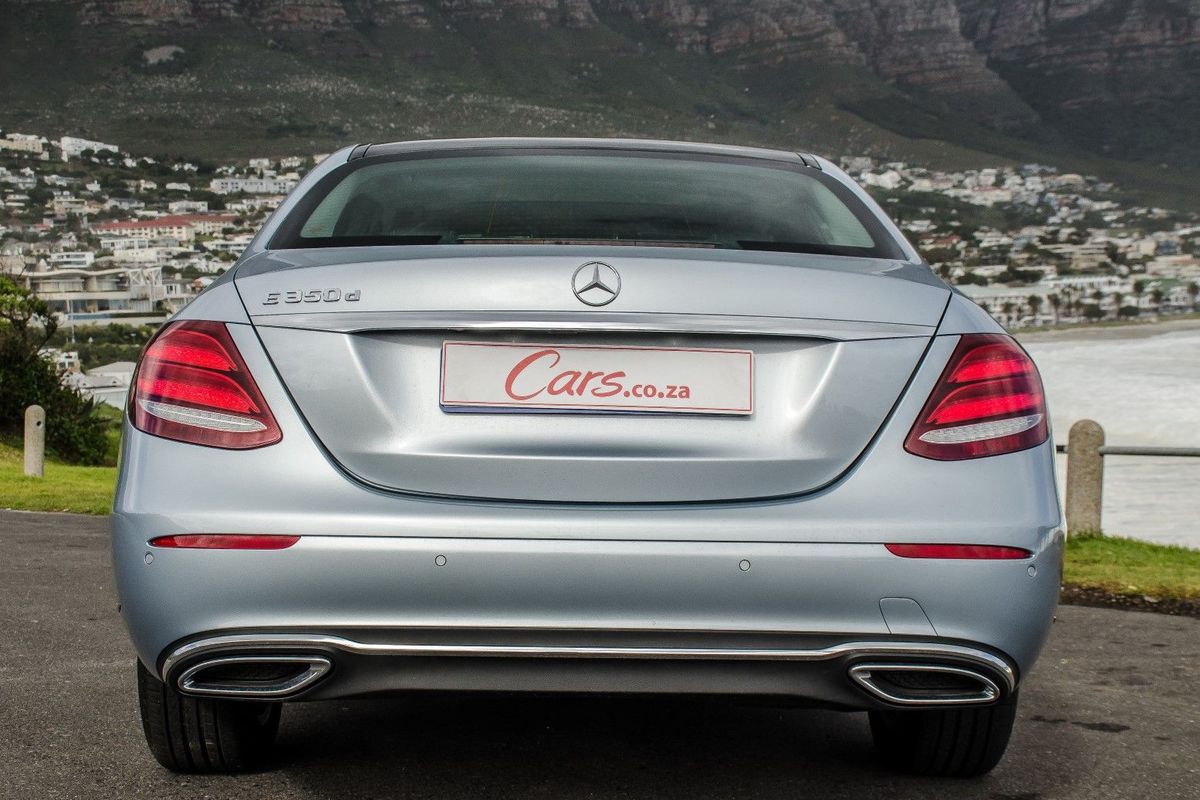
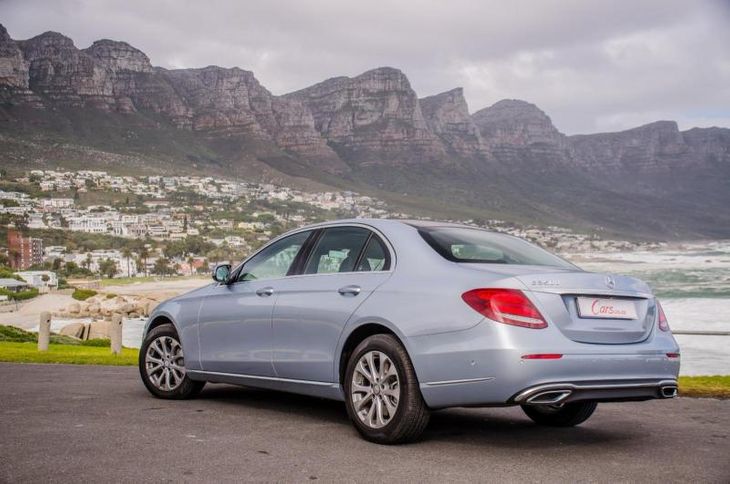
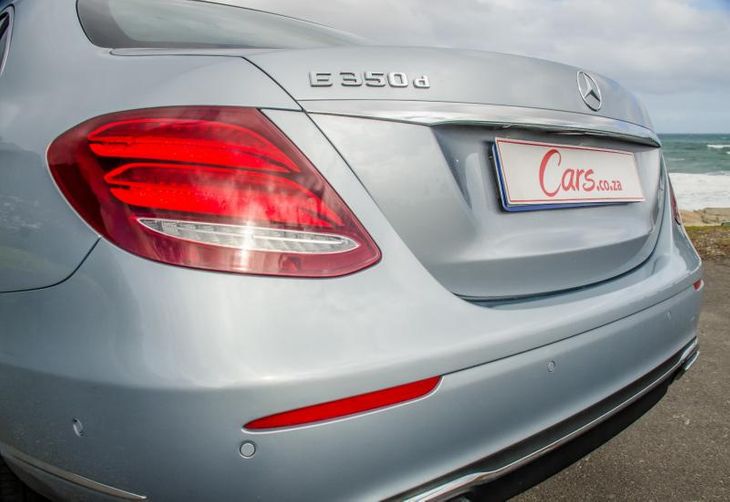
The newly-introduced Mercedes-Benz E-Class is touted as the best executive sedan on the market. Does the range-topping E350d deliver on its promise of sublime comfort and exceptional road manners? Let’s find out…
We like: Interior execution, technology features, comfort, ride quality
We don’t like: Perhaps-too-understated exterior styling, E220d seems a better buy
Alternatives
For similar power: The BMW 535d (R1 026 052) offers more power at 230 kW and comparable torque (630 Nm) from its 3.0-litre 6-cylinder turbocharged engine. The 5 Series is, however, due for replacement in early 2017 and the current car feels its age in some aspects. The G30-generation will see the introduction of several new engines and a host of new technologies, some of which is currently offered in the 7 Series.
For value for money: The Audi A6 3.0 TDI (R733 500) is also equipped with a six-cylinder 3.0-litre turbodiesel engine, which offers 160 kW and 400 Nm of torque. The Ingolstadt-based brand does not offer its bi-turbo turbodiesel in the A6, which will also be replaced next year, but at this derivative's asking price, you can afford to spec up the TDI liberally.
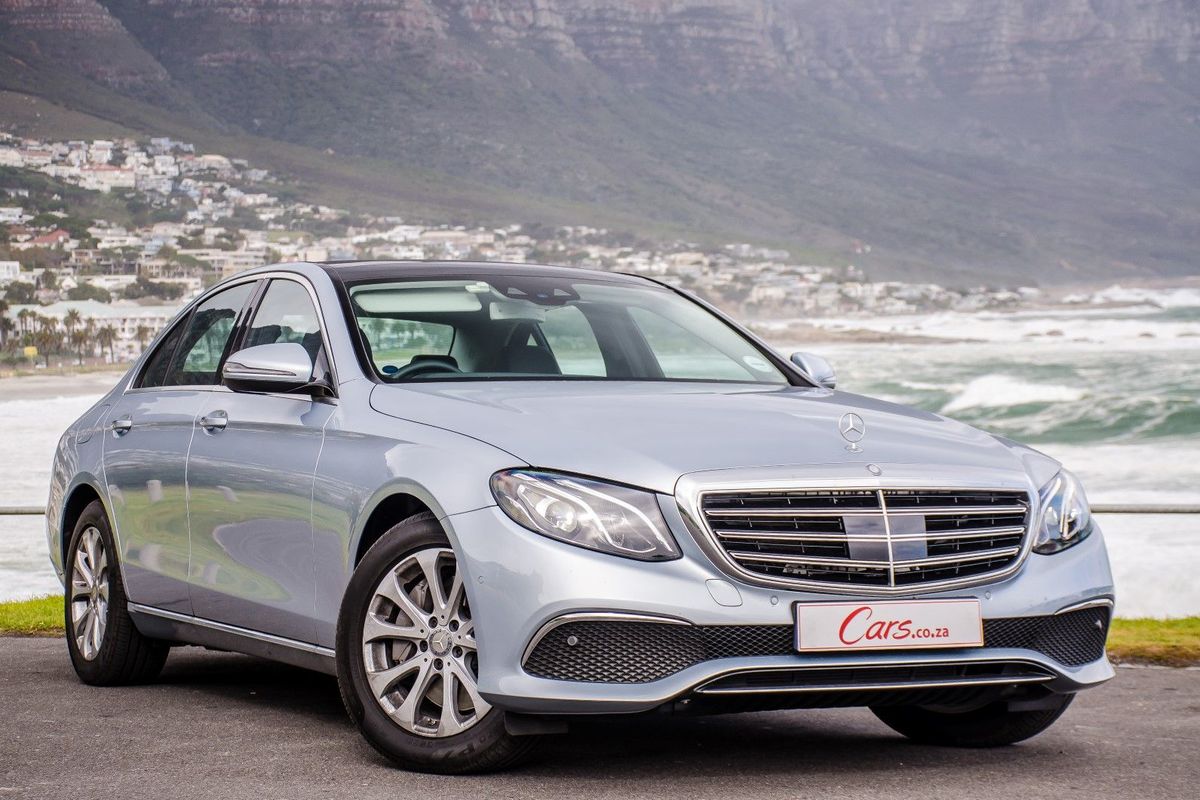
The Mercedes-Benz E350d is supremely comfortable to drive on the daily commute.
The local executive sedan market has shrunk considerably in recent years because many buyers are opting for the added practicality of premium SUVs. Despite their declining popularity, executive sedans still have much to offer in the way of comfort and refinement and the latest E-Class has received much praise in this regard. While it competes against ageing rivals (in the shapes of the BMW 5 Series and Audi A6), it’s likely to dominate the segment until a product comes along to match and, possibly, dethrone it. Volvo’s S90 sedan (which is due in South Africa in October 2016) looks like a strong opponent and if the success of the XC90 is anything to go by, the Swede could make waves when it arrives on our shores.
We got our first taste of the new Mercedes-Benz E-Class at its international launch in Portugal earlier this year. Our road test editor, Ashley Oldfield, who attended the event, was suitably impressed with the newcomer's “intelligent” technology and resolved road manners. The new E-Class was subsequently introduced to South Africa with three derivatives on offer from launch (the range will expand later this year). The line-up currently comprises the E200, E220d and the E350d.
How does it fare in terms of…
Technology?
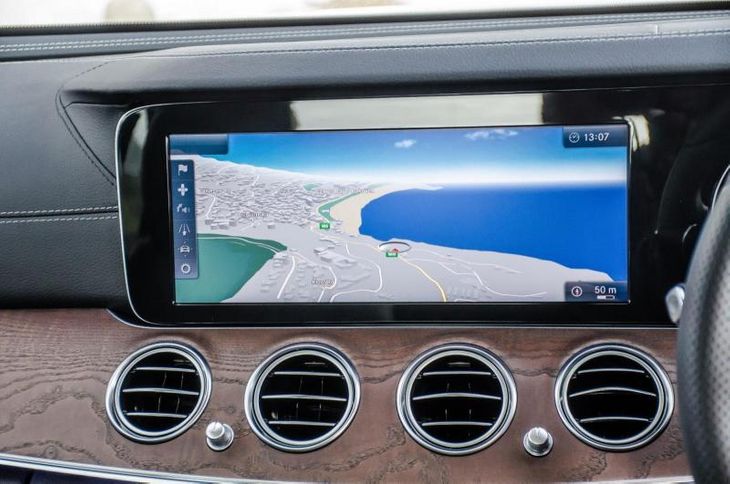
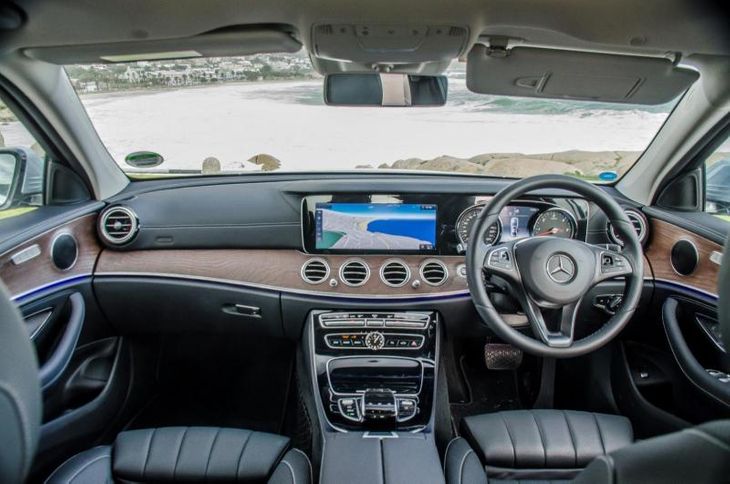
The large infotainment display is impressive, but the optional Widescreen Cockpit is a "must-have feature".
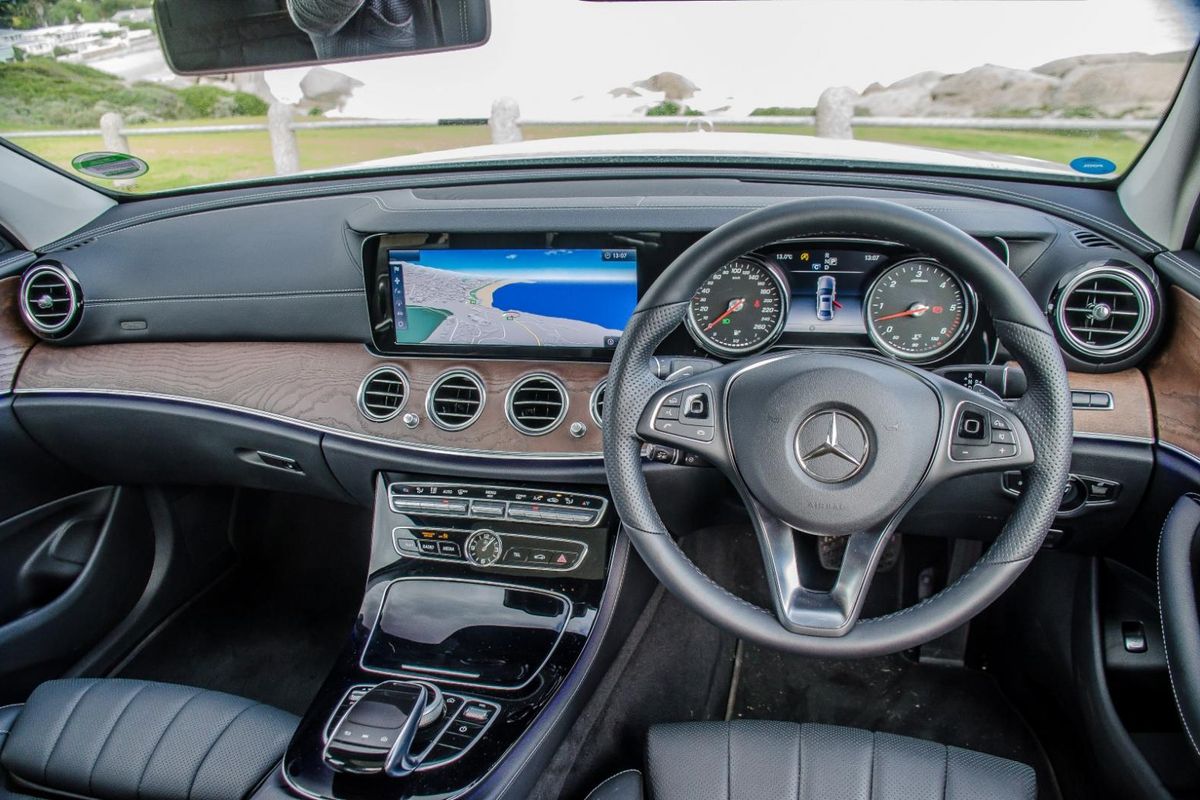
The new Mercedes-Benz E-Class is jam-packed with a host of technological features that improve the sedan's overall driving experience. The most noticeable feature in this E350d was the large, high-resolution, 8.3-inch infotainment display.
The system is highly customisable and features an attractive menu setup that can be navigated using the familiar Comand controller and Touchpad, or, if you prefer, you can use voice activation instead. In addition to this, you can also control the infotainment system using the touch-sensitive buttons mounted on the steering wheel (the E-Class is the first Benz to feature such buttons on the steering wheel). The infotainment system is slick and easy to use, just the way it should be.
Not only can you can wirelessly integrate your smartphone with the infotainment system, you can charge your phone using the inductive charging pad in the centre console (provided the former’s Qi-enabled). Two USB ports are also included.
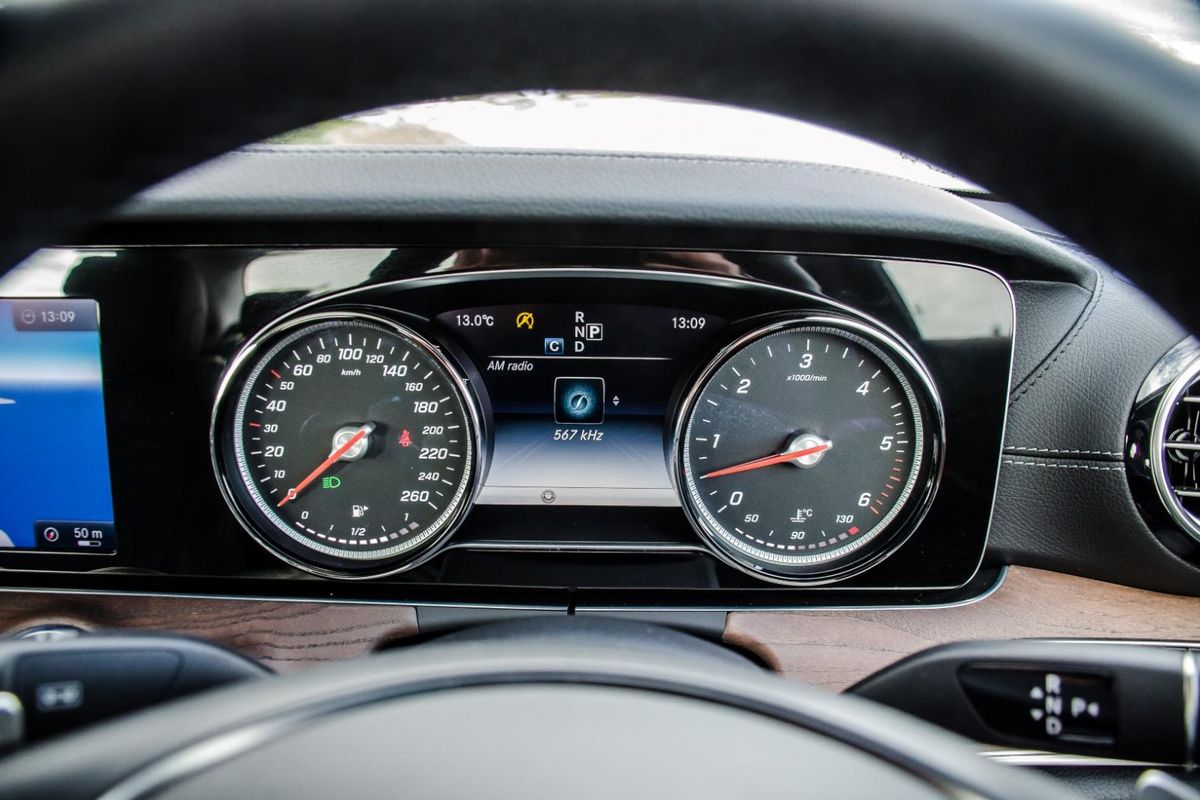
The E-Class can also be optionally fitted with an impressive Widescreen Cockpit (R14 500) that combines two 12.3-inch screens that simultaneously serve as a digital instrument cluster (positioned directly ahead of the driver) and as a central infotainment screen. Sadly, our test unit featured the standard instrument cluster with round dials and the 7-inch display. It’s not unattractive, by any means, but the Cars.co.za team feels the Widescreen Cockpit is well worth the extra spend.
In terms of driving assistance and safety features, the E-Class impresses too. The optional Driving Assistance package (R32 500) provides a host of features, including Drive Pilot/Distance Pilot DISTRONIC. Drive Pilot automatically maintains following distances to other vehicles at speeds of up to 210 kph; all the driver needs to do is keep their hands on the wheel.
Working in conjunction with steering assist, the E-Class is able to drive itself without much steering or throttle inputs from the driver and it will brake and accelerate for you as well. The system is intimidating to use at first, but it’s fascinating to experience this level of intelligent technology in congested traffic situations. The driver is, however, required to hold the steering wheel, and if you fail to do so, audible and visual warnings are activated before the E-Class brings itself to a halt.
Active safety features such as active brake assist, attention assist, crosswind assist, rear cross traffic alert, evasive steering assist, active lane-change assist, active lane keeping assist and active blind spot assist instil confidence in the driver and undoubtedly make the Mercedes-Benz E-Class fundamentally safer to drive on a daily basis.
Buyers can also look forward to the arrival of Remote Parking Pilot next year, which will allow you to move your E-Class into or out of parking spaces using a smartphone app. Overall then, from a technological perspective, the E-Class doesn’t disappoint. Just be mindful that many of the most desirable features are optional extras.
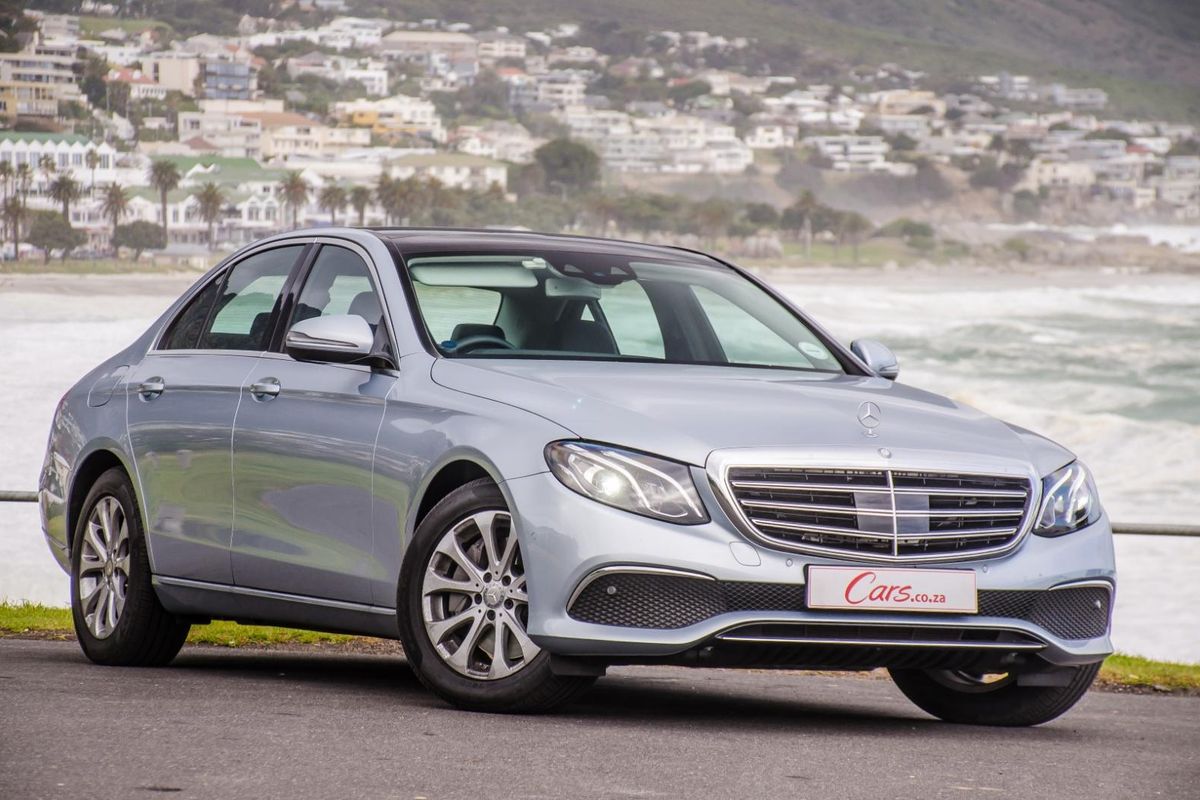
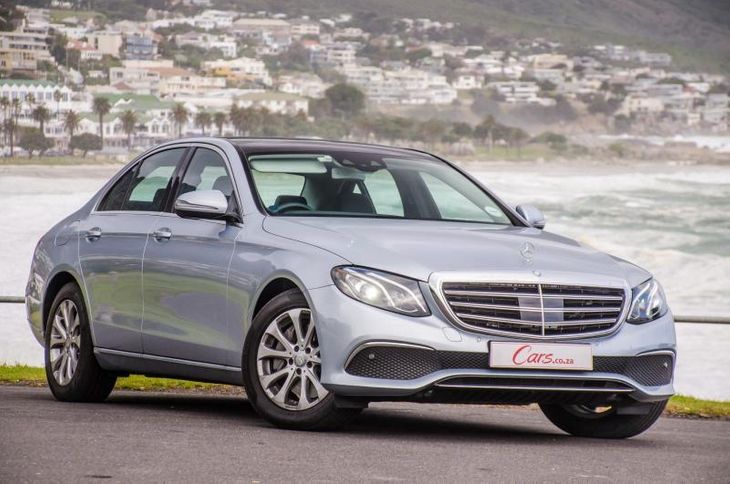
The exterior design of the E-Class is derivative, yes, and conservative, but it suits the nature of the car.
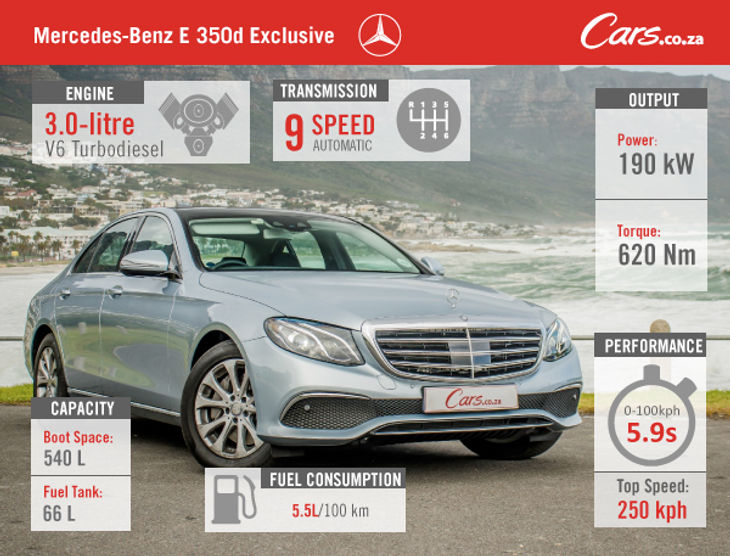
With 190 kW and 620 Nm of torque on tap from its 3.0-litre V6 turbodiesel engine, the E350d is not short on power and it delivers brisk, unflustered on-road performance. The E350d pulls strongly when overtaking manoeuvres are required and its performance is further enhanced by the 9G-TRONIC automatic transmission, which shifts in a smooth, unobtrusive manner. The steering wheel-mounted shift paddles allow the driver to exploit performance even further with manual inputs.
As an executive sedan, the E-Class seems best geared for comfortable cruising, but you can extract notable performance from the E350d, which enables the driver to choose between Eco, Comfort, Sport, Sport+ and Individual driving modes. Ultimately, the E-Class doesn’t feel as fast as it is, which is largely due to its refinement… You simply don’t feel the speed.
Meanwhile, the E350d has a claimed consumption figure of 5.5 L/100 km. While we could not match that average, we achieved a respectable 8.2 L/100 km with little effort. When driven conservatively, the Benz should dip well below that.
Ride & handling?
Ride quality is exceptionally good in the E 350d, making it the most refined executive sedan offering currently on sale in SA.
A major highlight of the new E-Class is the way in which it interacts with terra firma. With its steel, comfort-oriented suspension and selective damping system, the E350d glides over tar in a way few cars can. Only the biggest undulations will jar the suspension and, on most road surfaces, the Benz provides high levels of driving comfort. If you really want to treat yourself to superb ride quality, consider the optional Air Body Control air suspension (R29 000). The E350d is also accomplished when tackling corners, where it feels well-balanced and composed. Steering feel is direct and responsive.
The engine emits minimal mechanical noise, which, together with a well-made cabin that's well-insulated from tyre rumble and wind intrusion, creates a serene in-car environment. It all contributes to an eminently refined driving experience.
Packaging, comfort and practicality?
The interior of the E-Class is comfortable and well-built. It's a pleasant place to inhabit…
When sitting inside the E350d, the cabin's excellent perceived build quality is difficult to ignore. To put it simply, the interior of the E-Class is beautifully-made. Our test unit featured brown open-pore ash wood trim, which exuded a classy, upmarket feel. The interior's ambient lighting adds glamour to the overall package with a total of 64 different colours to choose from.
The electrically adjustable black leather seats were supremely comfortable and offered sufficient lumbar support, which was particularly desirable on longer journeys. Furthermore, the seats featured a heating function (an R18 500 option that offered some respite from the cold winter chill) and a dual-zone automatic climate control air system is fitted as standard.
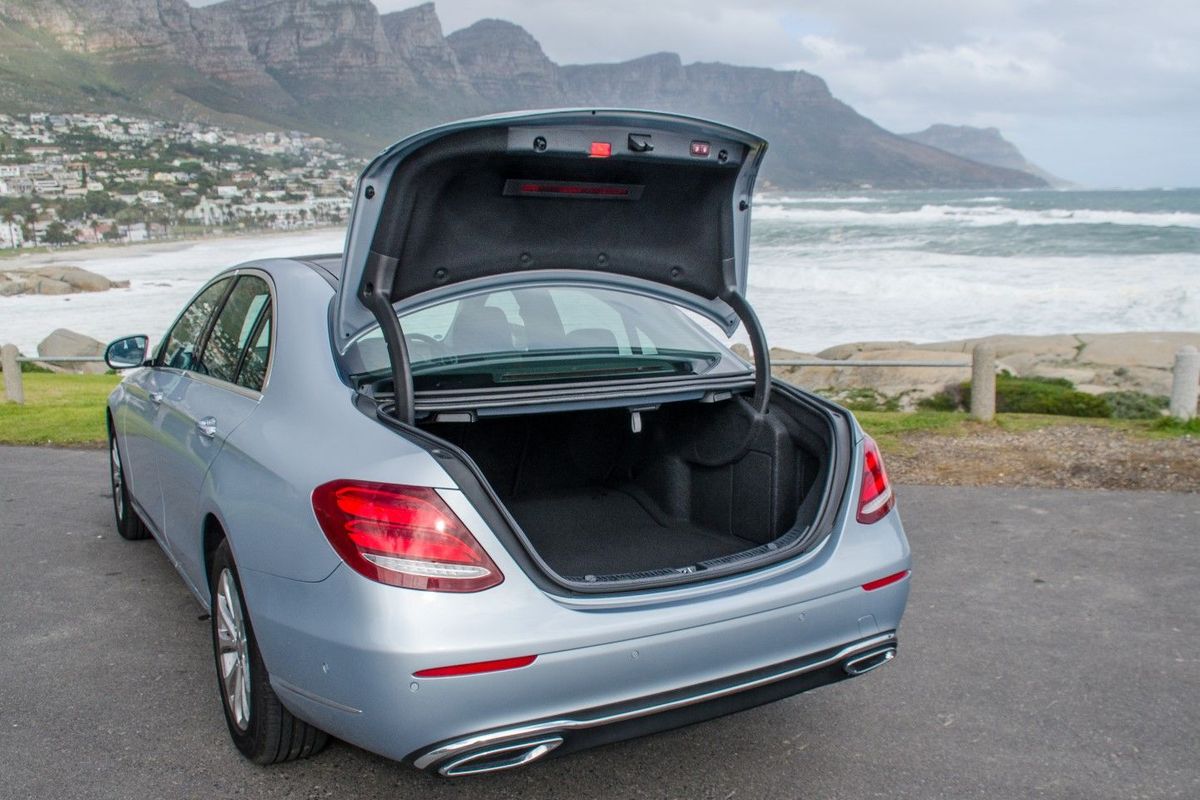
The E350d features a capacious boot (540 litres). The boot cavity is both long and deep, making it perfect for swallowing goods of various shapes and sizes. A 40:20:40 split rear seatback, which offers multiple configurations, was fitted. The centre section can be folded down to accommodate longer items without impinging on the rear seats, or the whole bench can fold flat to free up maximum loading space. There’s also sufficient storage spaces afforded in the doors and centre console.
Compared with its predecessor, the new E-Class is 43 mm longer and its wheelbase has been stretched by 65 mm. This development has particular benefit to rear passengers, who will find the generous levels of leg-, shoulder- and headroom.
Pricing and Warranty
The range-topping E350d is priced from R973 936, but the E220d (R803 100) is arguably the most desirable derivative in the range. A 2-year/unlimited km warranty and a 6-year/100 000 km maintenance plan is included in the purchase price.
The E350d impressed us with its cohesive, refined and sophisticated package. The perceived interior quality was definitely a highlight and passengers were well ensconced in the E-Class. Tech-savvy buyers will also appreciate the comprehensive technology systems on offer. Overall, the Benz is difficult to fault and Mercedes-Benz has shifted the goal posts in terms of technology, packaging and ride comfort in the executive sedan segment. That said we feel that the styling of the E-Class is understated and somewhat conservative (if that's a bad thing?), which may preclude it from standing out in showrooms.
The E-Class has received criticism for being too similar-looking to the C-Class. Why then should buyers consider the E-Class over its sibling? The answer is simple. The high levels of refinement and build quality of the E350d can’t be matched by the C-Class. The E-Class is a cut above and buyers seeking refinement, comfort and luxury won't be disappointed. The E-Class will, however, be challenged when the new BMW 5 Series, Audi A6 and Volvo S90 are introduced to our market.
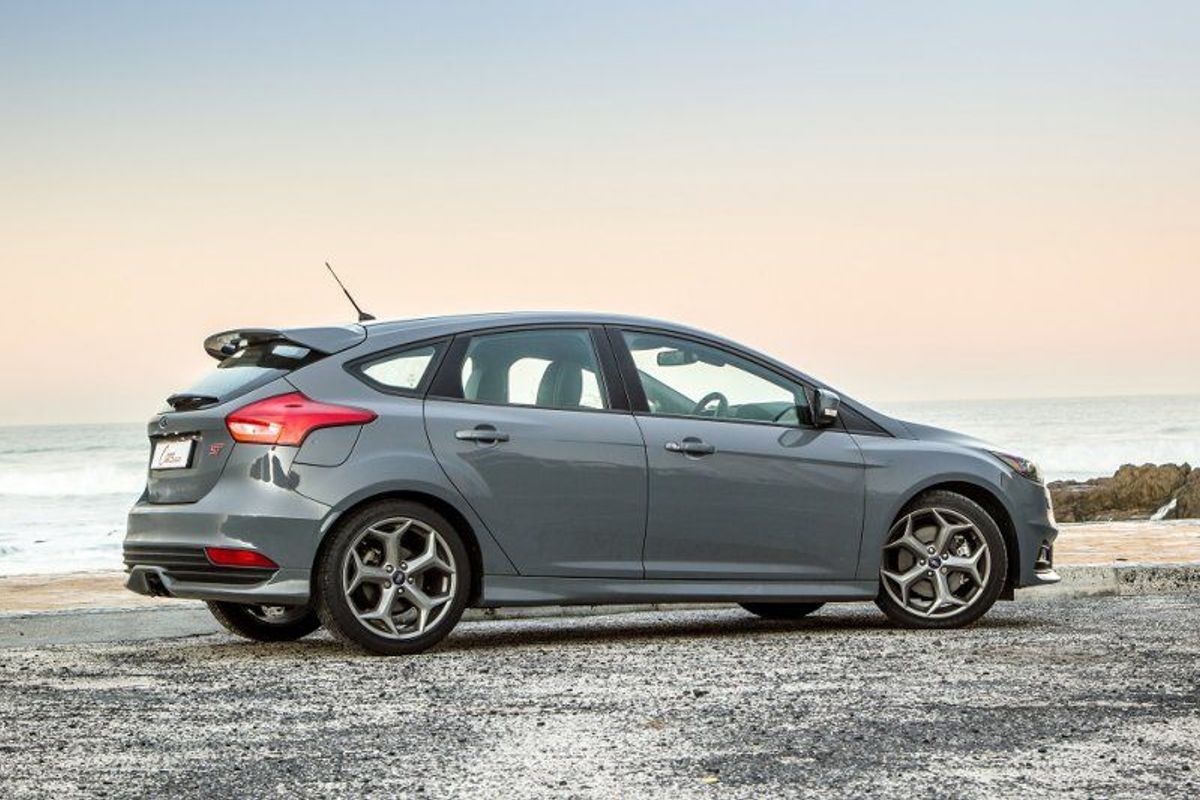
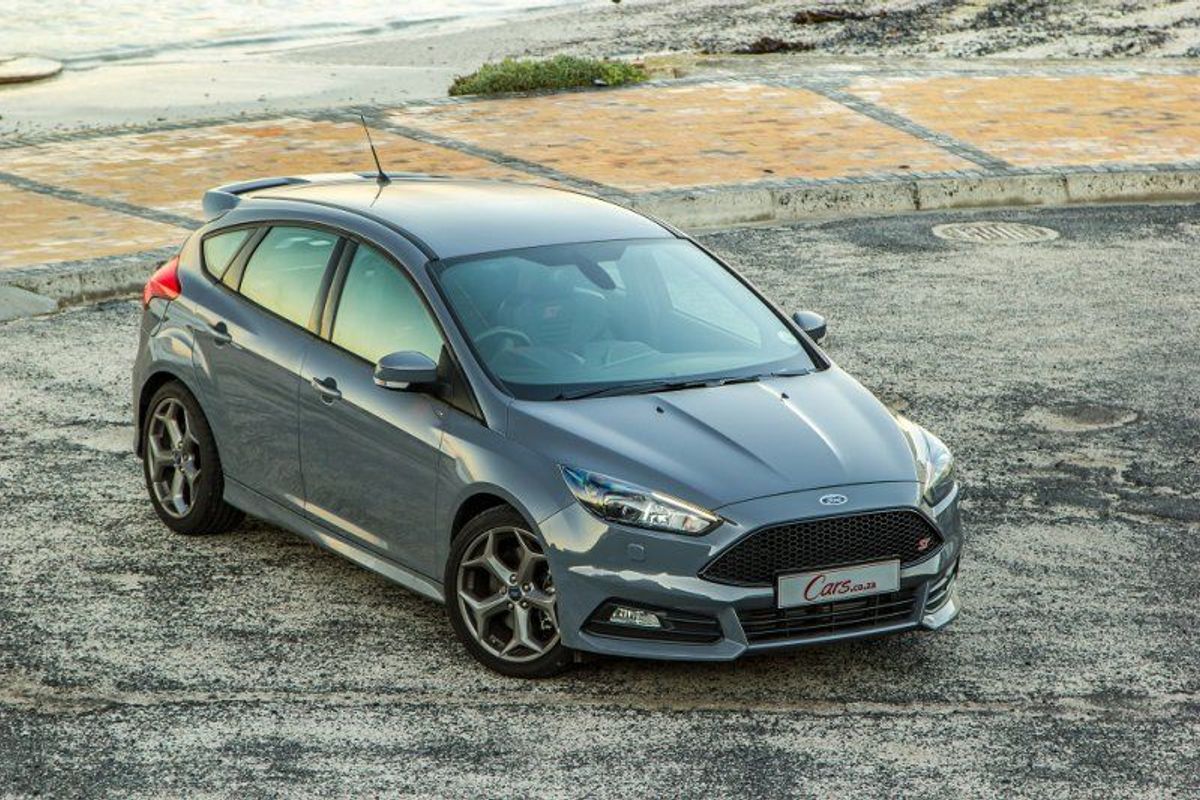
Hot hatches are said to pair rapid performance and everyday practicality in the perfect motoring marriage. We tested the Ford Focus ST for an extended period to find out just how well-balanced those attributes are…
First impressions
I couldn't contain my excitement! I got to call another hot hatch "my own car" for a whole month rather than just the usual 10-day test period. I’m no stranger to living with hot hatches (having tested a Renault Megane RS Trophy for 6 months), but I was quite looking forward to driving the Focus ST, which is a little less hardcore/track-oriented – a firm, sporty ride and heavy clutch are great on the track, but offer little comfort on the congested commute to work.
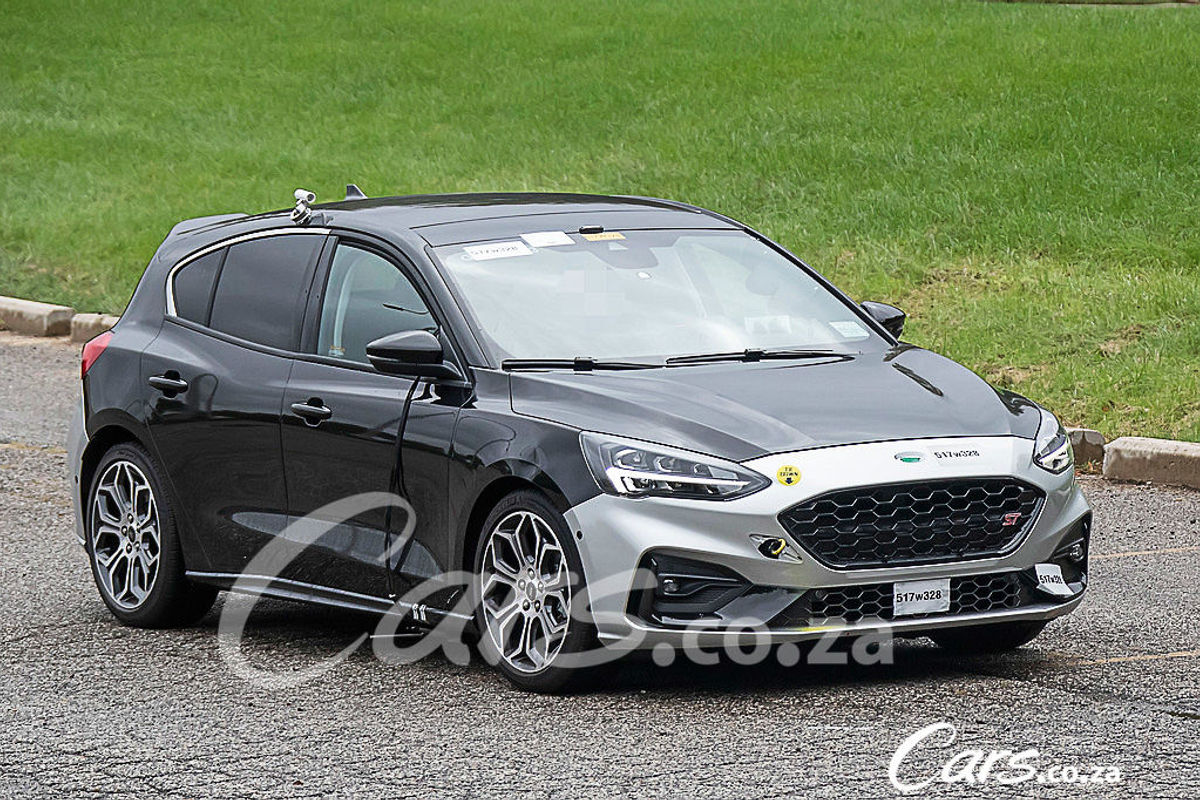
The Focus ST arrived finished in Stealth Grey with 13 000 hard-driven kilometres on its odometer and its interior seemed to have stood up well to extensive use (by members of the motoring media) since it became a fleet vehicle. The seats looked almost new and there weren’t rattles or ill-fitting panels in the cabin. The number plate needed a better mounting system because it rattled against the body every time the hatch closed; double-sided tape would sort that out.
Living with the 'heat'
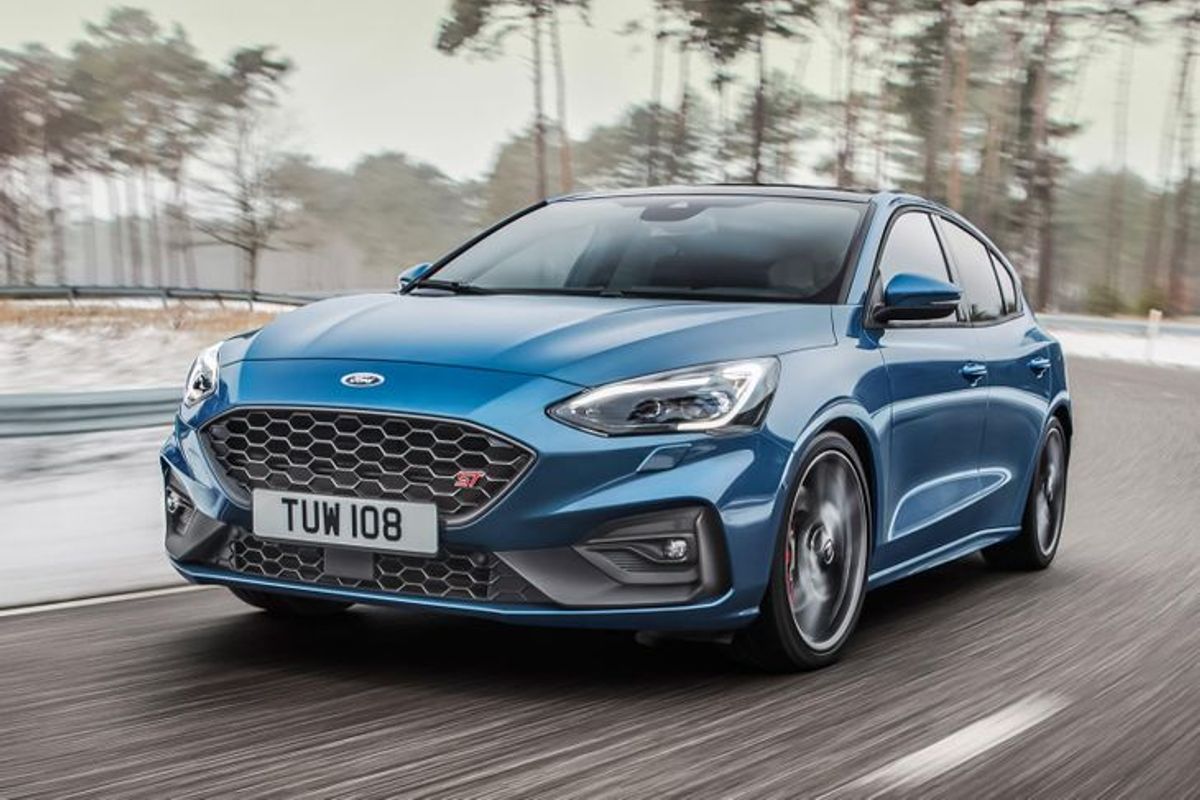
The Focus ST has an incredible soundtrack once you exploit its full (184 kW) power output. Ford has managed to keep the throaty growl from the old 5-cylinder engine, despite lobbing off a cylinder with this latest model. The sound elicited excitable throttle inputs from my right foot and I took just about every opportunity to get the ST growling: I leant hard on the throttle when pulling away from 'lights and punched overtaking moves with more pace than required. Of course, that played havoc with fuel economy… The ST averaged 10.1 L/100 km during the test, which is not awful, considering how much "fun" we were having.
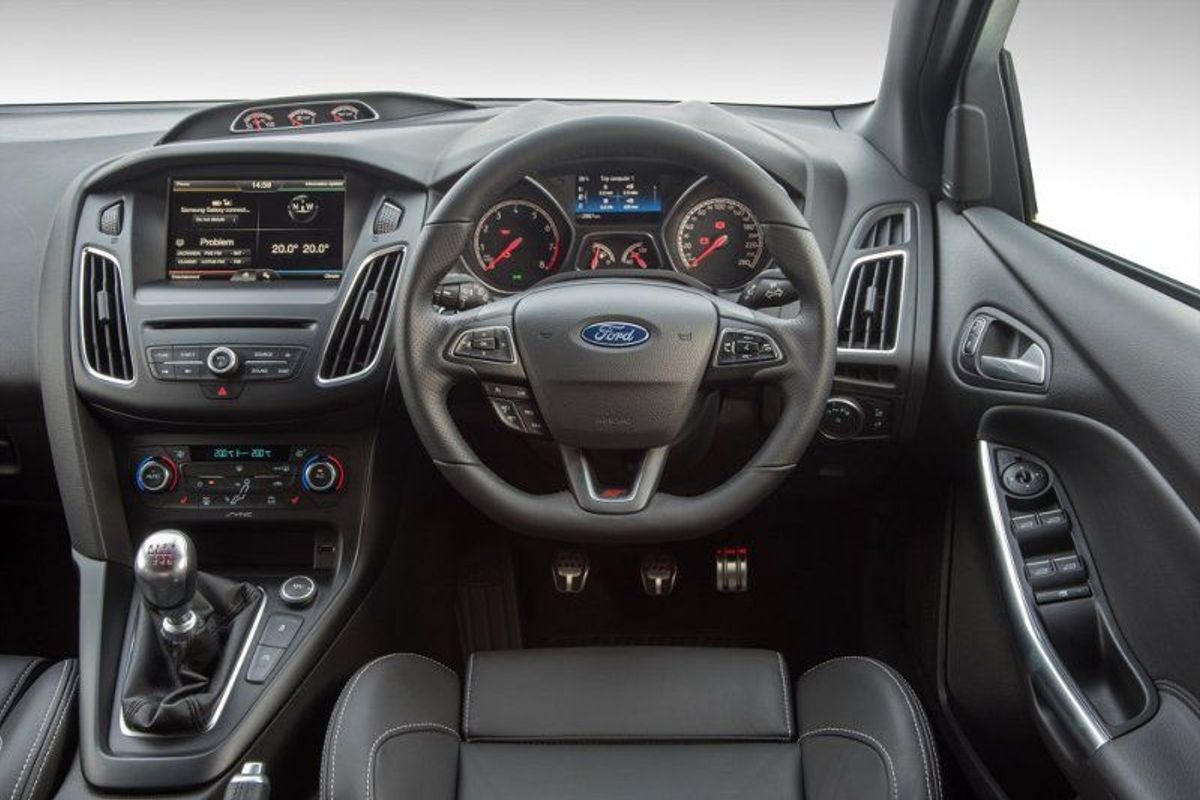
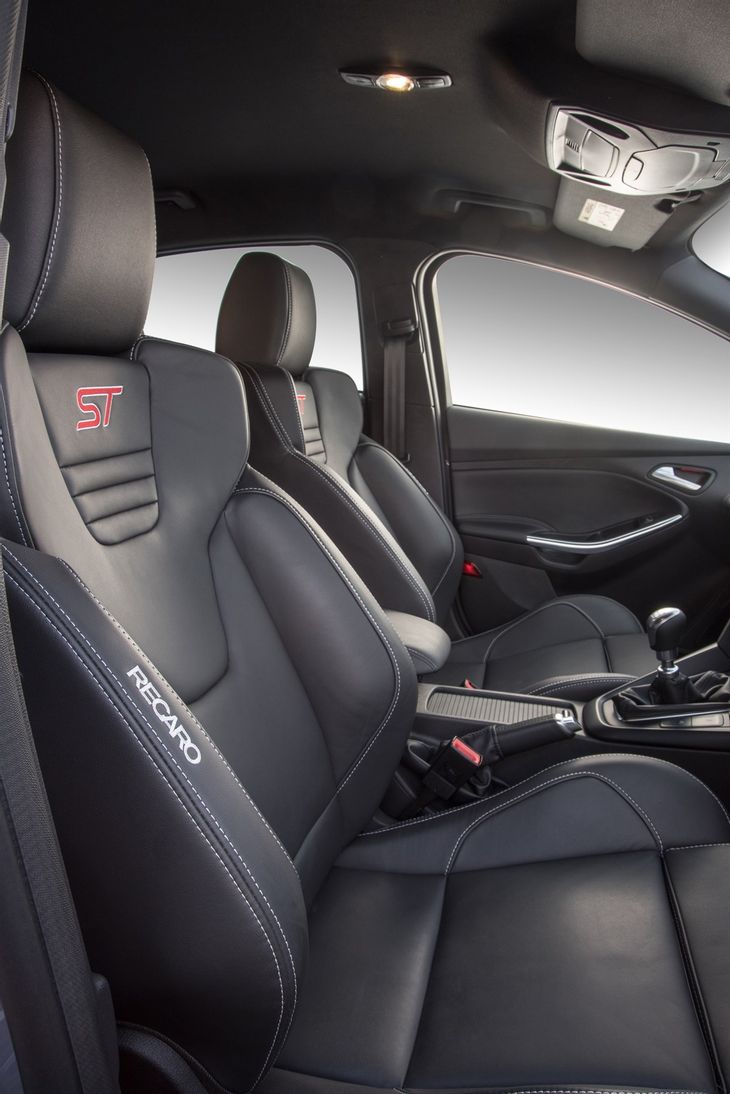
The Recaro front seats are impressively supportive and easily the highlight of the Focus' cabin. It’s nice to be held firmly in your seat by the large side bolsters that stop you from sliding out of your preferred position when the ST is driven enthusiastically on twisty roads. Some larger passengers complained that the seats were a bit too tight for their liking, but the pews' cushioning does smooth out the ST's stiffer ride quality to an extent.
Now in the latter half of its product cycle, the ST has been updated with a stiffer suspension setup and the steering has been sped up in order to make the hot hatch more agile. Despite the less-absorbent damping, the ST rides well over all but the sharpest of bumps and doesn't feel overly unpleasant over longer trips. If you’re doing a long-haul trip, however, the ride can get irritating after 3 or 4 hours, so plan a few stops along the way. You may also want to add a mountain pass or two to the journey. Once I got to grips with the way the ST handles, I aimed it at the nearest mountain pass and put it to the test.
Recaro seats offer impressive lateral support but not built for "wider" people
Despite a highly-engineered suspension and a clever torque vectoring system that’s meant to reign in torque steer, the ST is wild. Slamming on the power during corner exits will elicit tugs from the steering wheel (as if the Focus wants to go into a direction of its own rather than the one the driver intends). You have to be fully vigilant when pushing on: the wheels are more than happy to spin up considerably before the traction control gets involved. Once fully awake, the ST’s chassis feels alive and its proportions seem to shrink into those of a smaller, easily chuckable- and confidence-inspiring driver’s car.
There’s just enough wiggle from the rear end when you lift off the throttle to get a tight, apex-hunting turn in. As your confidence grows with each and every successfully negotiated corner, understeer will eventually intervene to let you know that you are asking too much from the front tyres. It’s more at home on sweeping, flowing bends than tight hairpins or point-and-squirt sections. The torque steer is a bit too intrusive to really enjoy consecutive tight switchbacks.
I never tired of the engine sound and muscular gear-shift action though. The tractable nature of the turbocharged engine means that 6th gear is good enough for overtaking from almost any speed. The ST provides a smooth everyday experience and, when lit up, delivers thrills to sustain adrenaline junkies.
The finer things
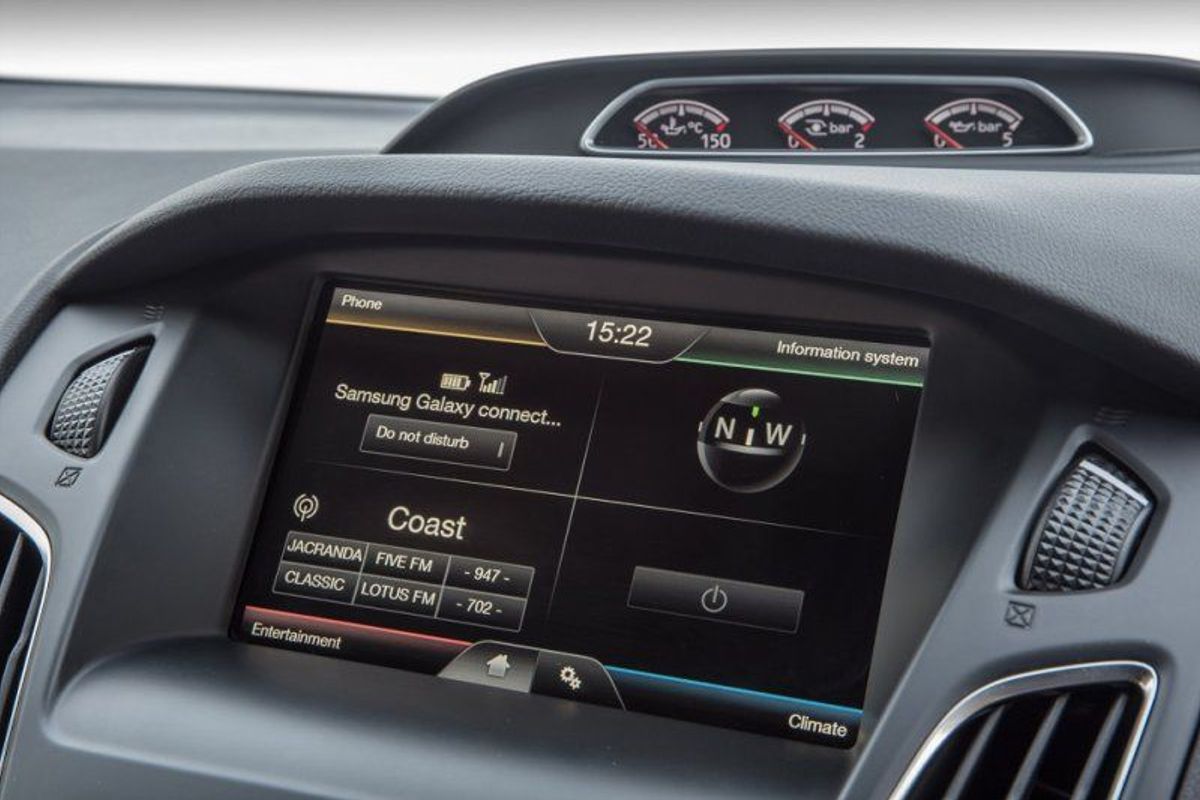
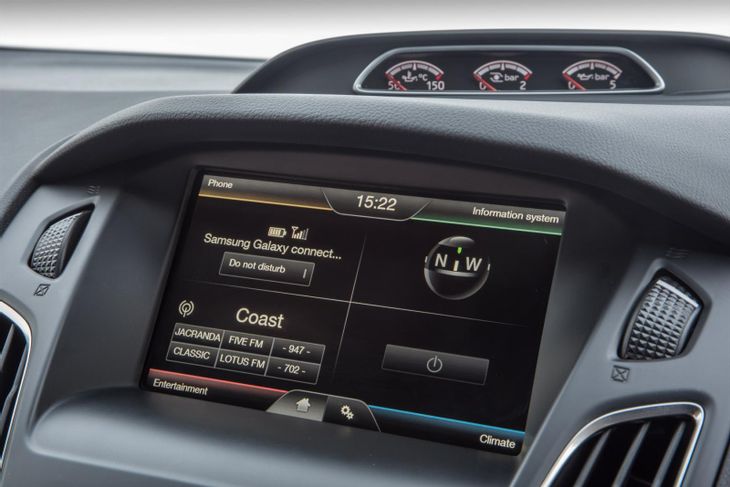
I missed a navigation function in the Focus ST – it’s something that’s not offered and there’s no way to interlink a Smartphone app to do the navigation either. You can still connect your phone via Bluetooth to make calls and the Sync system will also display text messages. Overall, the Sync system is intuitive to use (accessing media and altering climate settings can be done via the touchscreen). There are also climate controls toggles on the centre of the fascia.
As a third option, you can change just about any setting through the voice activation system. I found this to be a bit too difficult to use and it was easier and quicker just to use the touchscreen – it’s a cool gimmick to show your mates, though. Standard seat heaters are amazing; winter is here and there’s nothing better on a crisp morning than putting the seat heaters on full blast to warm up your posterior while the main heater takes its time to come on stream.
Sync system on the Ford is intuitive and easy to use but there's no navigation or reverse camera available
Practicality wise the perky Ford did more than an adequate job. It ferried my mountain bike and trail dog (in its luggage bay) to several venues around the Western Cape and found itself with 4 people up a few times. Larger occupants (6ft plus) complained about the legroom in the back when seated behind the driver, but remarked how comfy the seats were. Notable omissions are parking sensors and a reverse-view camera. They're not even available as options. As a terrible reverser/hitter of hidden tree stumps, I’m terrified of backing into things. Cameras and parking sensors are the first options I'd tick on the list.
The question that every hot hatch buyer has to ask themselves is this: is the Ford Focus ST better than a GTI? Well, the Volkswagen is the segment leader, but the ST is more powerful and certainly a more fun car to drive on track/when a road snakes its way around a mountain. The GTI wins on the comfort front, but that’s not really what hot hatch hooliganism is about. The ST’s a more original choice than the GTI, but probably won’t hold its value as well in the long run. Ultimately, the ST is not the performance bargain it once was, but even with that in mind, the Ford is still more of the driving enthusiasts' hot hatch.
Jaguar has launched what it calls a performance SUV. It features some strong powerplants, intuitive technology and promises an enthralling, hands-on driving experience. Let’s get under the skin of the new Jaguar F-PACE.
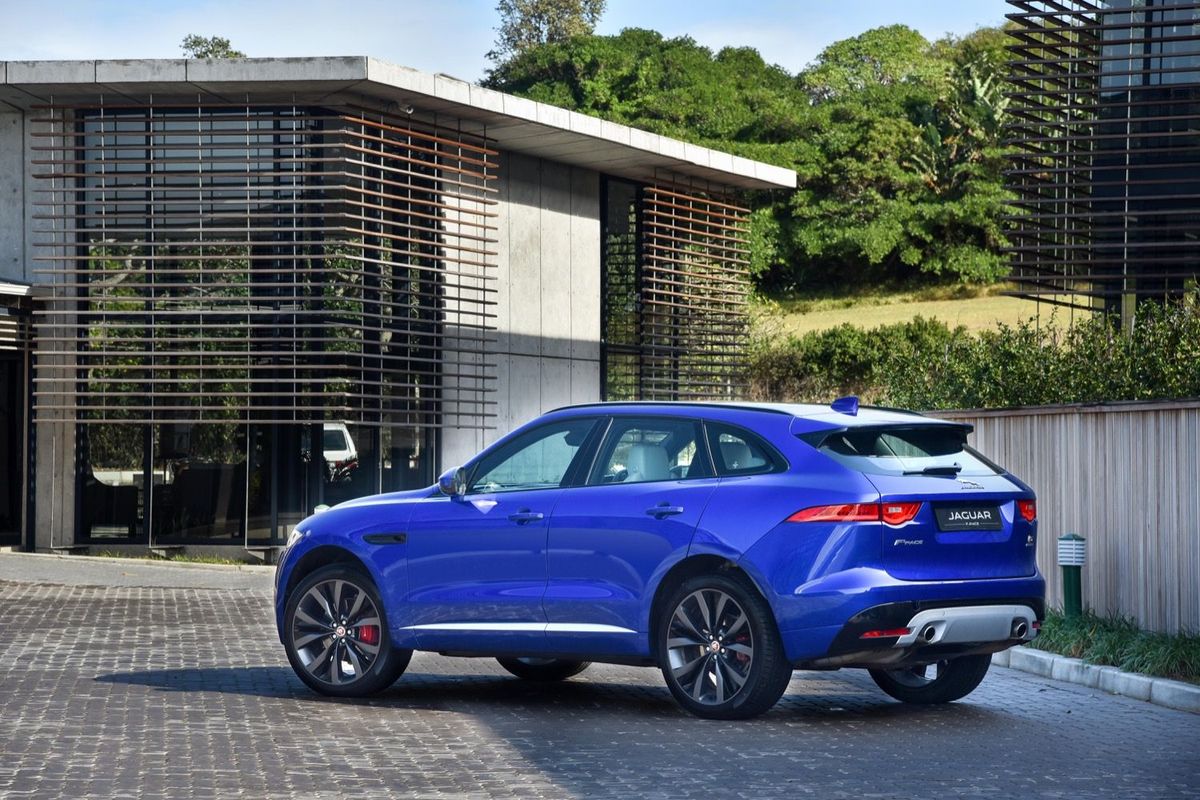
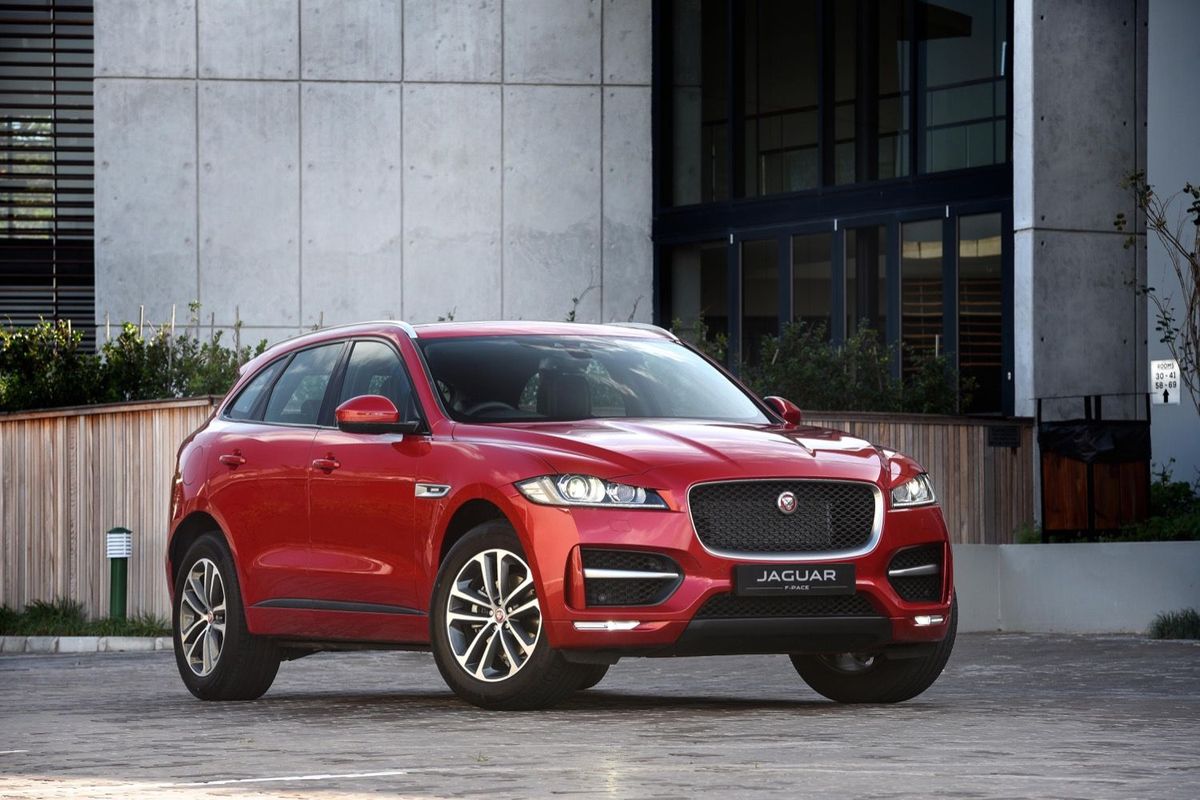
While looks are subjective and one man’s rose is another’s weed, the common consensus on the launch was that this Jaguar is an exceptionally graceful and striking newcomer. In an era where cars closely resemble each other, there is no mistaking the Jaguar for a product made by any other brand.
Yes, this is a Jaguar through and through, and you can see design cues from the brand's F-Type sports car have been transferred and adapted into the lines of this imposing SUV. We say imposing because it’s a big vehicle. However, despite Jaguar’s marketing spin, we don’t quite buy the "SUV tag". Think of this as a raised body variant of the Jaguar XF or XJ and whereas the F-PACE's not a dedicated offroader, its all-wheel drive abilities are better than expected.
The F-PACE is unique in its assembly. Jaguar could have taken the easy route and based the newcomer on the Discovery Sport's underpinnings, but Jaguar built its own platform (based on that of the XE, XF and F-Type) instead and this means it has car-like driving manners. Good work Jaguar!
Powertrains and outputs
At launch there are three engines to choose from, all with varying states of output. Kicking off the range is the 2.0-litre, 4-cylinder turbodiesel motor that delivers a healthy 132 kW and 430 Nm. However, the turbodiesel engine that you really want to stretch your budget for is the 3.0-litre V6. It produces 220 kW, which is not insignificant in itself, but a whopping 700 Nm of torque. In terms of the turbopetrol line-up, the venerable 3.0-litre V6 supercharged engine makes an appearance. You can opt for 250 kW and 450Nm of torque, or in top-spec S trim, you have 280 kW and 460 Nm at your right foot's disposal.
On paper, the 2.0d has the smallest outputs, but despite its diminutive size, the baby turbodiesel punches well above its weight and is, unsurprisingly, the most frugal of the bunch. The numbers are respectable; it’ll hit 100 kph from standstill in 8.7 seconds and return a claimed consumption figure of 5.3 L/100 km. The bigger diesel, in turn, is substantially faster from zero to 100 kph at 6.2 seconds, and it is said to consume 6.0 L/100 km. Onto the potent petrol engine and the eager motor will propel the F-PACE to 100 kph in 5.8 seconds (5.5 for the S). The petrol engines are both claimed to return 9 L/100 km.
All F-PACEs come with an 8-speed automatic transmission that directs power to all 4 wheels, but with a rear-wheel-drive bias (the front wheels come into play in low-traction conditions). Meanwhile, a torque vectoring system enhances the handling by sending braking power to the inside wheels while cornering.
The F-PACE comes in 3 trim levels, but you can request a 4th called First Edition, which is virtually full house, but at a substantial premium. Pure starts off the range and you progress up to R-Sport and then the range topper is the S model. With each jump in trim level, wheel size increases accordingly and you can specify wheels up to 22-inch in size. Pure models have 18-inch alloys, R-Sport moves up to 19-inch items, while S models have 20-inch rims.
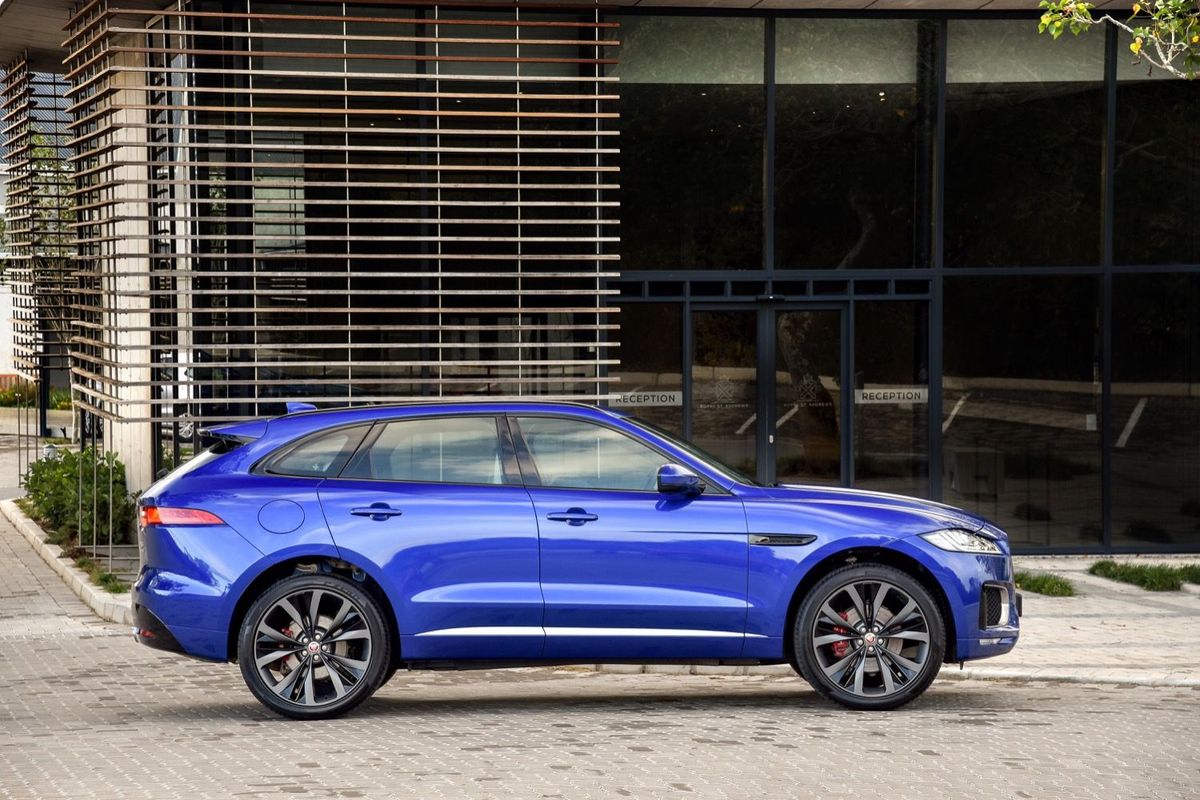
Dual-zone climate control, cruise control, push-button start, electronic parking brake, large touchscreen infotainment, reverse-view camera, front and rear parking sensors and electrically adjustable seats are just some of the features available, but be mindful that if you select the bottom-of-the-range trim level, you will have to spec the F-PACE up at extra cost. The options list is vast: items such as a blind-spot monitor, cross traffic alert, satnav, heated seats and wifi are available. The First Editions come fully loaded and are available in some limited edition colours. The Caesium Blue you see here is a First Edition option.
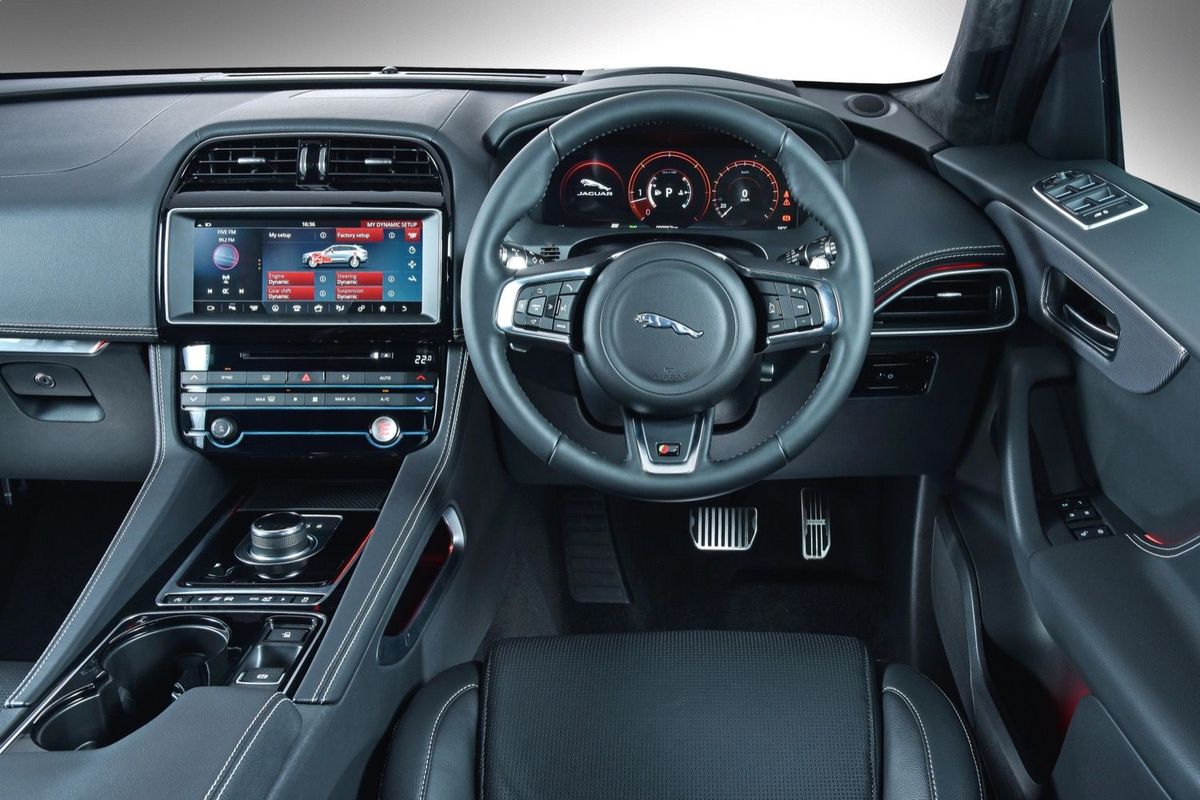
The cabin is extraordinarily spacious and, on top of that the luggage space is generously large. The Jaguar F-PACE is going to make families very happy as the rear legroom is ample, even for tall people. The dashboard features elements from the XF and XE, and combines them all into a high-riding package, which is to say the visibility out the front is excellent. Our units came equipped with digital instrument clusters, which was clear and intuitive to operate.
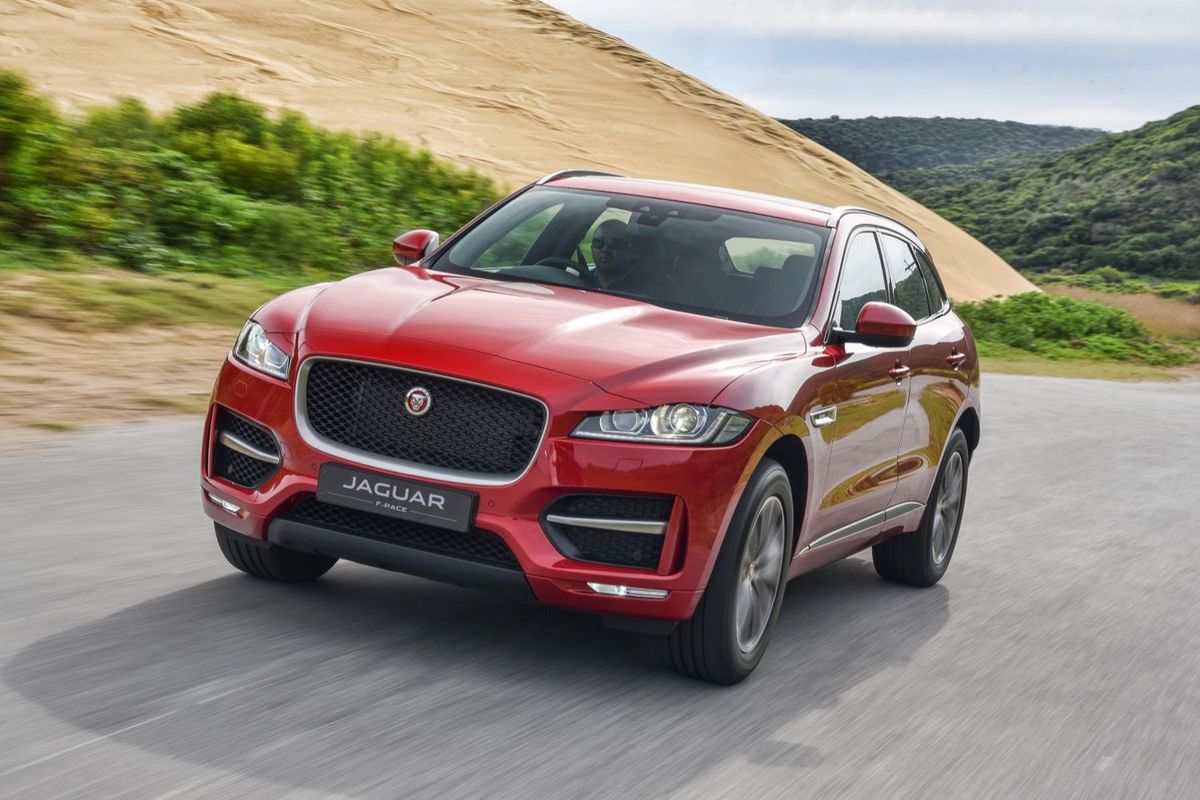
The launch took us to the Eastern Cape where we put the F-PACE through its… er…. paces on different surfaces. We drove on a combination of surfaces: open national highway, back roads and gravel routes through a game reserve. Our first impression of the range was with the baby turbodiesel and we came away impressed with its on-road refinement and comfort. Despite riding on big 19-inch wheels, the ride quality was pliant and supple, and it was only on an imperfect (pockmarked) surface that any coarseness translated to the cabin. Wind and engine noises are well-damped thanks to good cabin insulation; it's only on the open road (and around the national speed limit) that the big wheels and tyres generate substantial road noise.
As for the handling, the F-PACE suppresses body roll as well as any big SUVs and there’s some truth to the marketing spin from Jaguar: the newcomer is definitely a driving machine. The steering is nicely weighted, provides solid feedback and the sure-footedness of the Jaguar encourages enthusiastic cornering. There’s plenty of grip available and unlike some of its competitors, the F-PACE doesn’t feel unsettled unless you deliberately manhandle it.
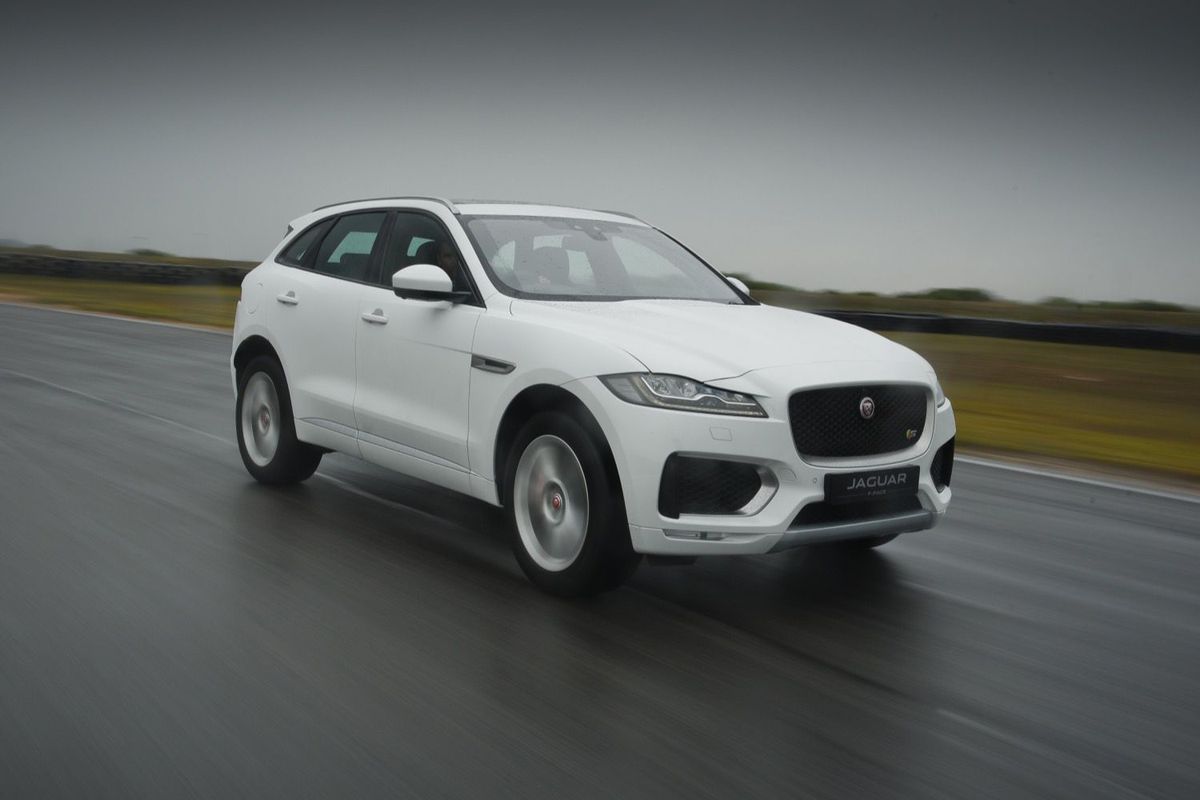
Jaguar incorporated a track session at the Aldo Scribante circuit to underline the sportiness of its new SUV and while we still maintain that it’s just weird to coax a 1.8-tonne SUV around this twisty circuit at heady speeds, the F-Pace performed better than expected. Admittedly our expectations were a little low and we feared the laws of physics would overwhelm the Jaguar, but it’s surprisingly poised.
It may be road-orientated and lack a low-range transfer case, but the Jaguar acquits itself well when you take it off the beaten track. If you want the proper bundu basher experience, then look to products from the Land Rover stable, but F-Pace can tackle gravel with ease. We suspect it’ll be effective on slippery surfaces thanks to its smart all-wheel drive system which shifts power between axles and wheels.
The baby turbodiesel Jaguar F-PACE was a pleasant surprise as the motor didn't feel overwhelmed by the task of lugging the big body around: it's still brisk and has plenty of overtaking grunt. At first glance, this looks to be the sensible option for buyers. Then you get the bigger diesel and that proved an eye-opener to drive. The brawny V6's torque is, in a word, stupendous and allows the F-PACE to thunder down the road not unlike a runaway freight train. The best part of this performance is that the motor's claimed fuel consumption is fair; it's a really strong performer.
On the second day, we got to grips with the supercharged V6 petrol unit. Having been teased the previous day by petrol F-PACE launch units overtaking us and hearing the beautiful roar of that supercharged V6 motor, we were itching to have a go. The reality is that the range-topping model is an indulgence: its abundant power delivery is matched with a monstrous thirst as leaning on the throttle will send the consumption rocketing skywards. The instantaneous power delivery and delightful roar of the engine are addictive, and it feels like the soul of an F-Type sportscar has been transplanted into this SUV.
Has Jaguar done enough to ensure sales success with the F-PACE? Based on our first impression, absolutely. Is it a quality product that moves the Jaguar brand further? Definitely! So it’s a great-looking vehicle that boasts some very smart technology and the cabin is spacious. The boot is cavernous and you’ll just love the way it drives. If we were to select our favourite from the launch, we’d head straight for the mighty 3.0 V6 diesel. It thunders along, riding a 700 Nm wave of torque that makes overtaking on the open road effortless.
Is it value for money? Er, no. As good as the Jaguar F-PACE is, the competition around the R1-million mark is tight. Rivals are everywhere and unfortunately for Jaguar, one of them is a blood relative. For an extraordinarily similar amount of money, a Range Rover Sport can be purchased. It has an off-road pedigree, something this newcomer cannot offer. In the premium SUV market, Volvo has done a sterling job with its new 7-seat XC90 and its flagship T8 TwinEngine is cheaper, lighter on fuel and just as quick as the Jaguar F-PACE.
Jaguar has its sights on the Porsche Macan, BMW X3 and Audi Q5, and the F-PACE knocks them for 6 in the space department. It has most of its rivals licked in terms of drive quality too. Tough competition aside, Jaguar has done extraordinarily well with its first attempt at a full-sized SUV/crossover. It is road-biased, but you’ll appreciate the extra bit of ground clearance and intelligent all-wheel drive when you head onto gravel roads. It’s more capable than we give it credit for and once you’re familiar with the Jaguar's electronic aids, you can tackle roads you wouldn’t feel comfortable travelling on in an executive sedan.
The technology and digital integration into the car is exceptional and we're very keen to try the iWatch and waterproof Activity Key out.
Rumour has it that BMW is developing a more hardcore version of its M2 coupe and… we hope it's true.
Where there’s smoke, there’s fire! The BMW M2 Coupe recently launched in South Africa and it was received with arms wide open. Some even tout it to be the best M car to come from the Munich-based firm in recent years.
Can the M2 really get any better? Sure it can. Reports are suggesting that BMW is working on a more hardcore version of the M2 coupe and it will likely be dubbed M2 GTS or M2 CSL. However, BMW has not confirmed this, but a report from Auto Motor und Sport suggests that the car has been given the go-ahead. If the standard M2 is anything to go by, the M2 GTS is bound to be a very special vehicle indeed.
The BMW M2 GTS will be a pure track-focussed machine and is likely to feature carbon fibre body panels and an aerodynamic kit with a large fixed rear wing. To maximise performance, the M2 GTS will be offered with ceramic brakes and a track-biased adjustable suspension while riding on wider wheels and sitting closer to the ground. Furthermore, the rear seats may be omitted to shed weight in favour of going even faster.
Power will come from an uprated version of the six-cylinder 3.0-litre turbocharged engine used in the current M2 but with an output of at least 300 kW. The current M2 offers 272 kW and 465 Nm of torque and can sprint from zero to 100 kph in 4.3 seconds and reach a top speed of 250 kph.
We will keep you informed when more information becomes available.?
In case you are wondering how the current BMW M2 stacks up against cars such as the Mercedes-AMG A45, Audi RS3 and Honda Civic Type R, you're in luck, watch our track test below!
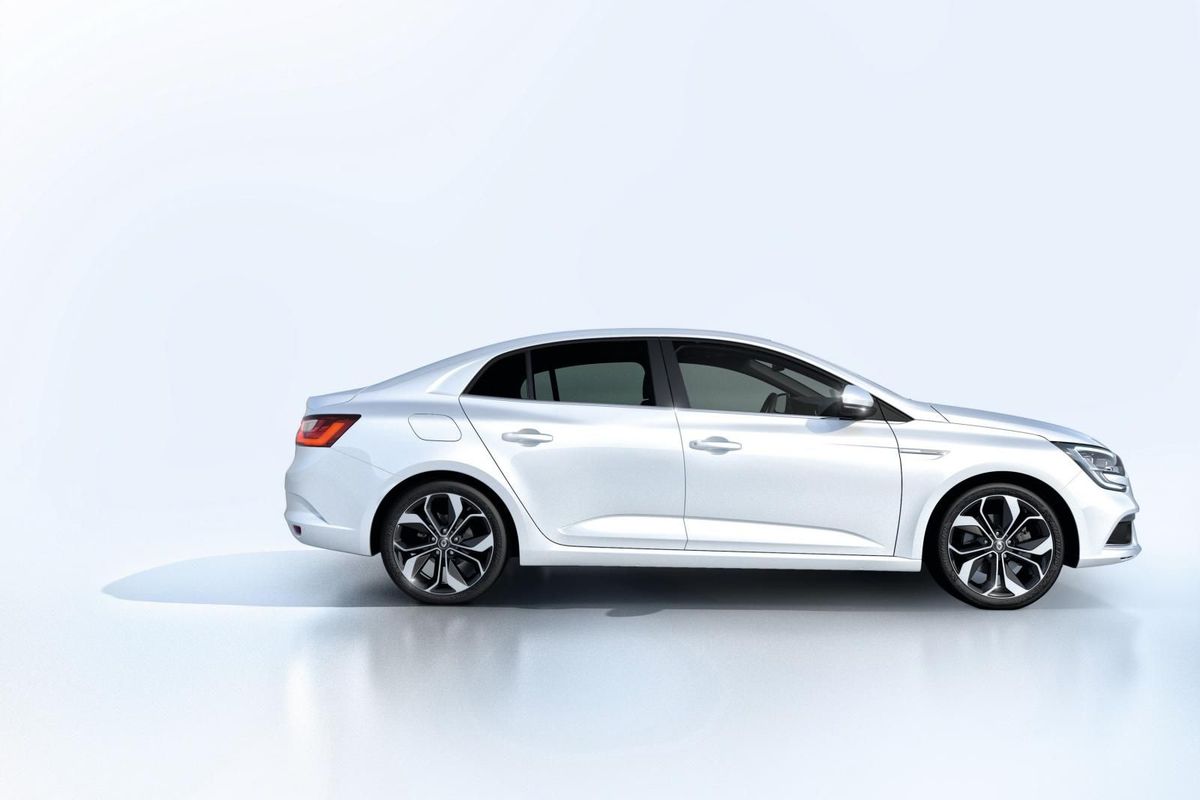
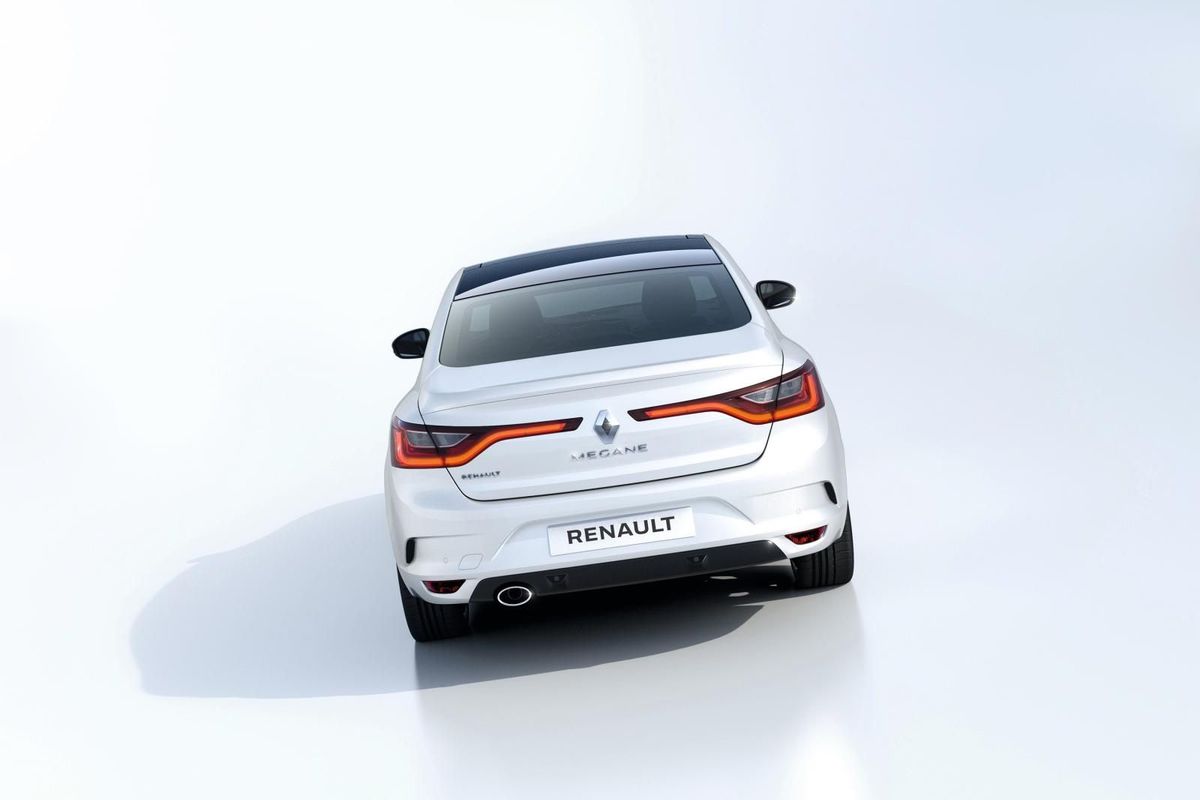
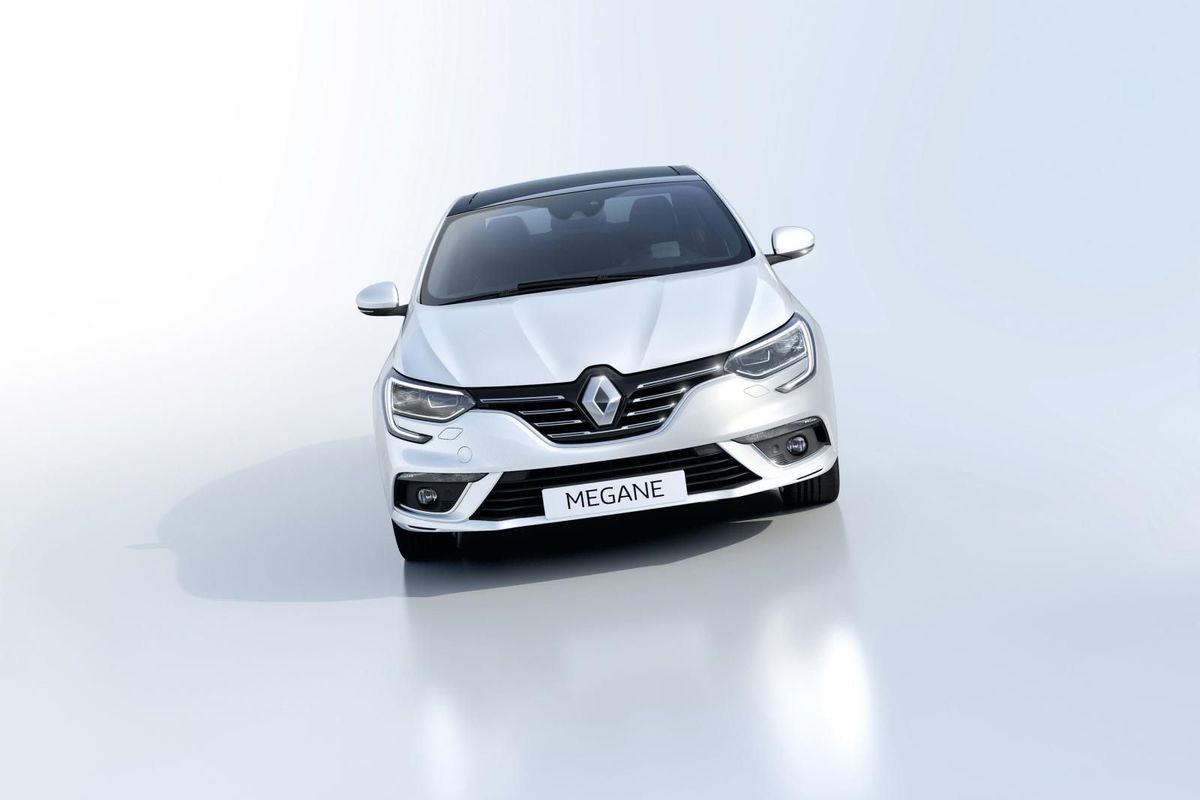
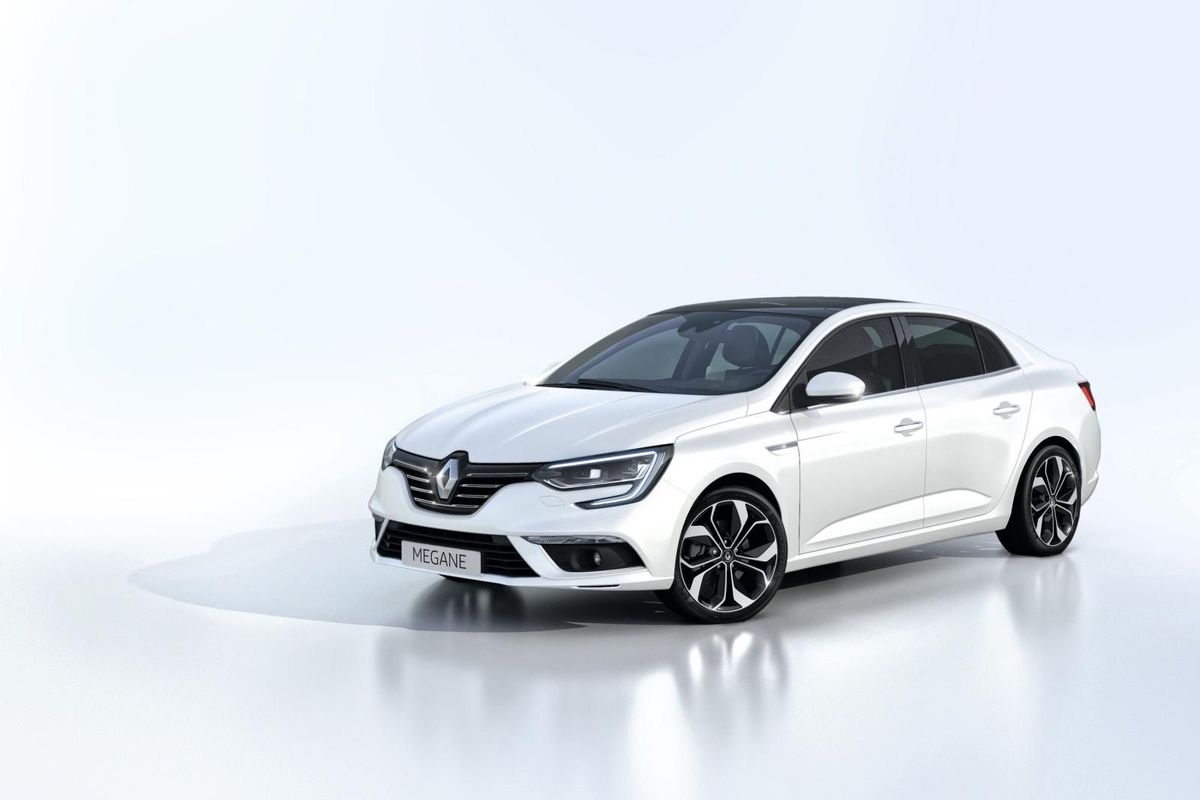
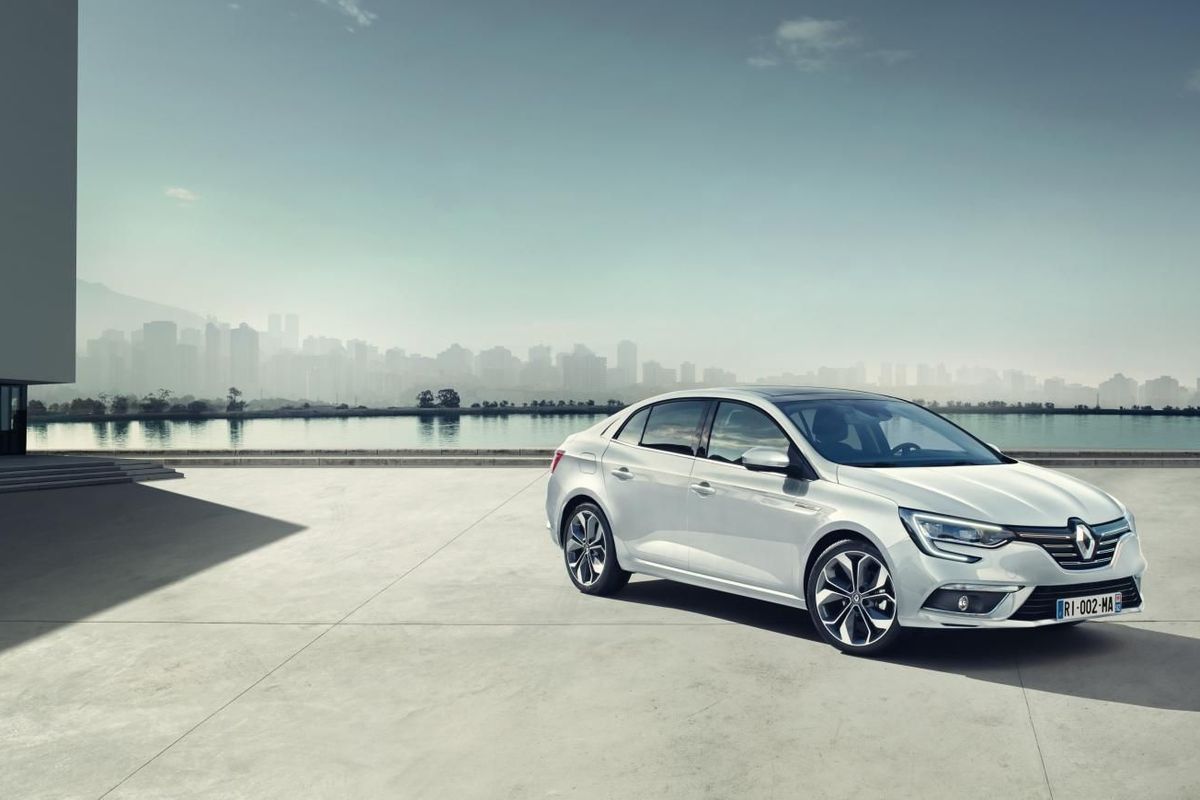
Renault adds a sedan model to its new Mégane lineup and, it’s rather good looking. Also… it's not coming to South Africa.
Renault originally announced the new Mégane at the Frankfurt motor show way back in 2015. The hatchback model should arrive in South Africa later this year, but since the original European introduction the company has steadily been rolling out more variants in the form of a station wagon and now, the sedan. Instead of calling it a sedan, Renault calls its attractive new four-door a Grand Coupe.
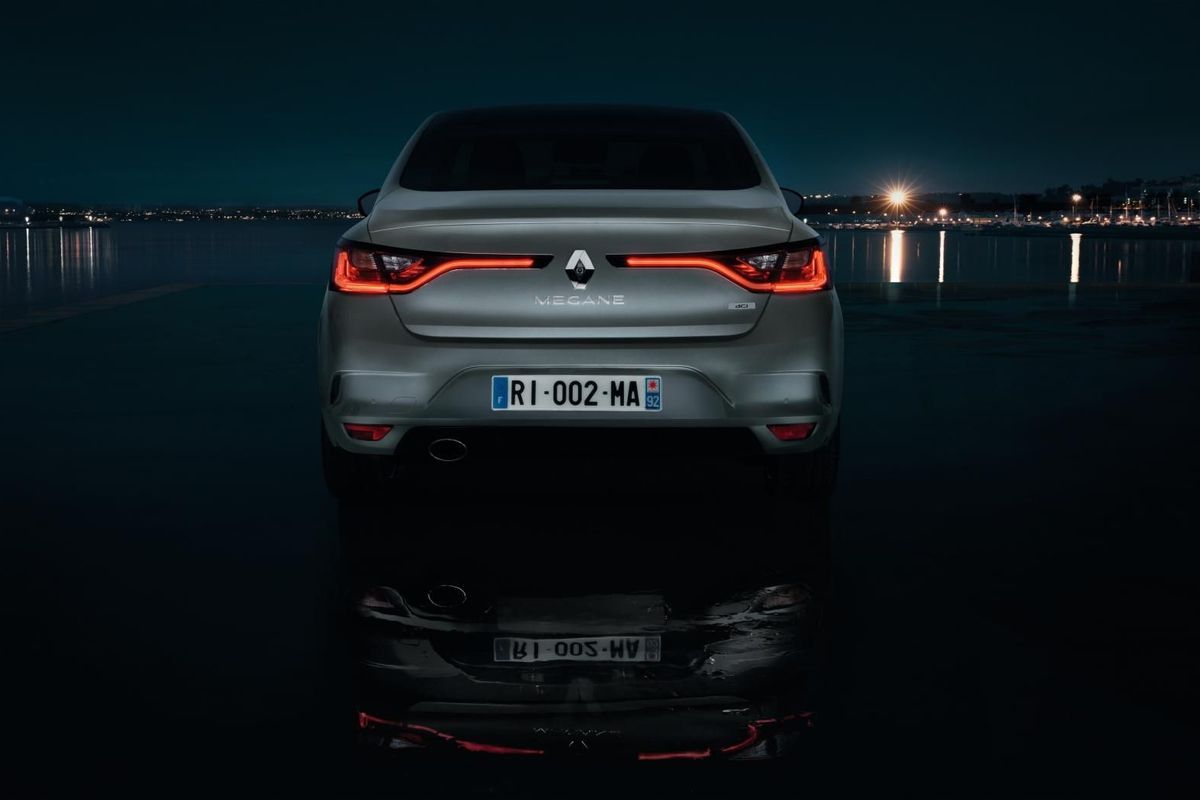
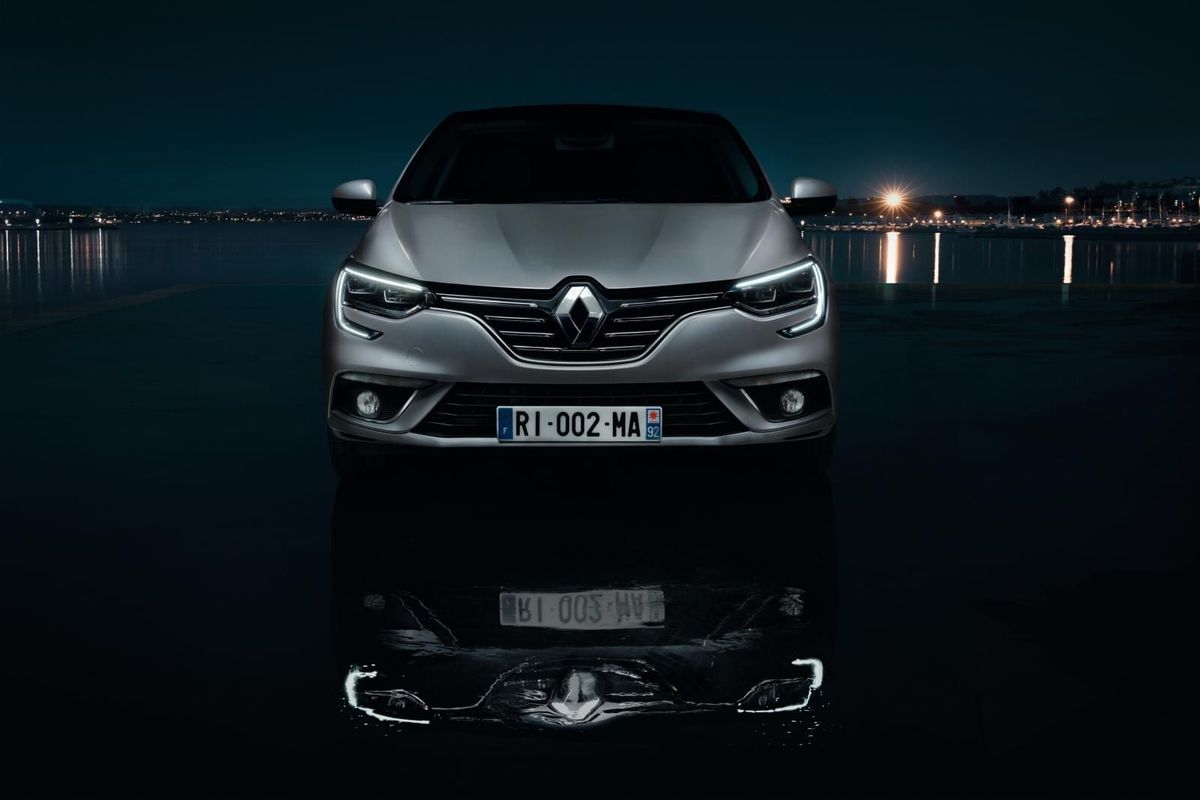
The Grand Coupe has a newly styled rear end with elongated rear tail lamps filled with LEDs for a very distinctive lighting signature. The front end remains identical to the hatchback with the ‘teardrop’ LED lighting starting to grow on us a bit more.
The boot of the "sedan" measures in at a healthy 508-litres and is operated using Renault’s hands-free Easy Trunk system. The boot opens when you wave your foot underneath the rear of the car and then is closed with a button on the tailgate.
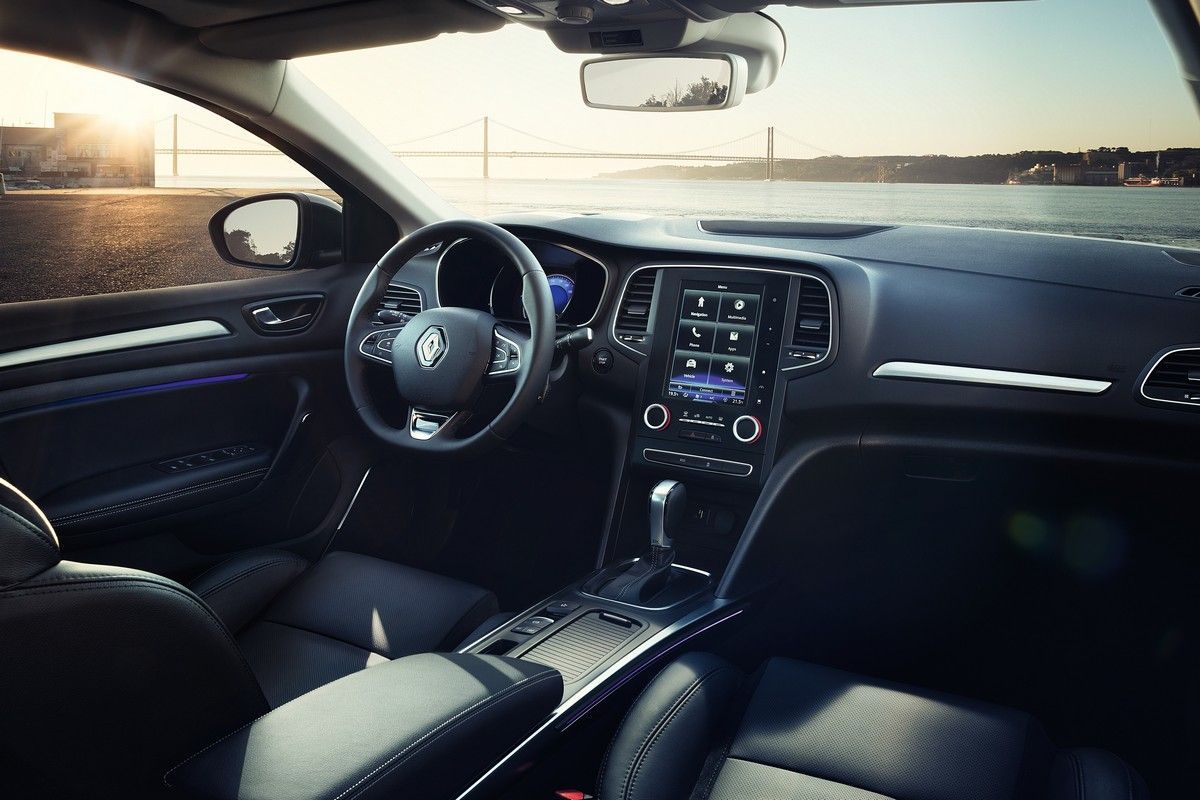
The interior is, again, identical to the hatch's and we can't wait to try out Renault’s new 8.7-inch TFT touchscreen. The system is an updated version of what is currently offered on the Kadjar. The Mégane Grand Coupe also features Renault’s Multi-Sense system that offers three modes (Comfort, Eco and Sport) to adjust the driving character of the car.
The Grand Coupe will use the same engines as the hatch in Europe. Currently the line-up consists of two petrol engines – one naturally-aspirated and one turbocharged unit. Three diesel engines are available with 6-speed manual or 6-speed automatic transmissions.
Given the current depressed state of the C-segment sedan market in South Africa, the sad news is that the Grand Coupe is not currently planned for South African introduction, according to Renault SA.
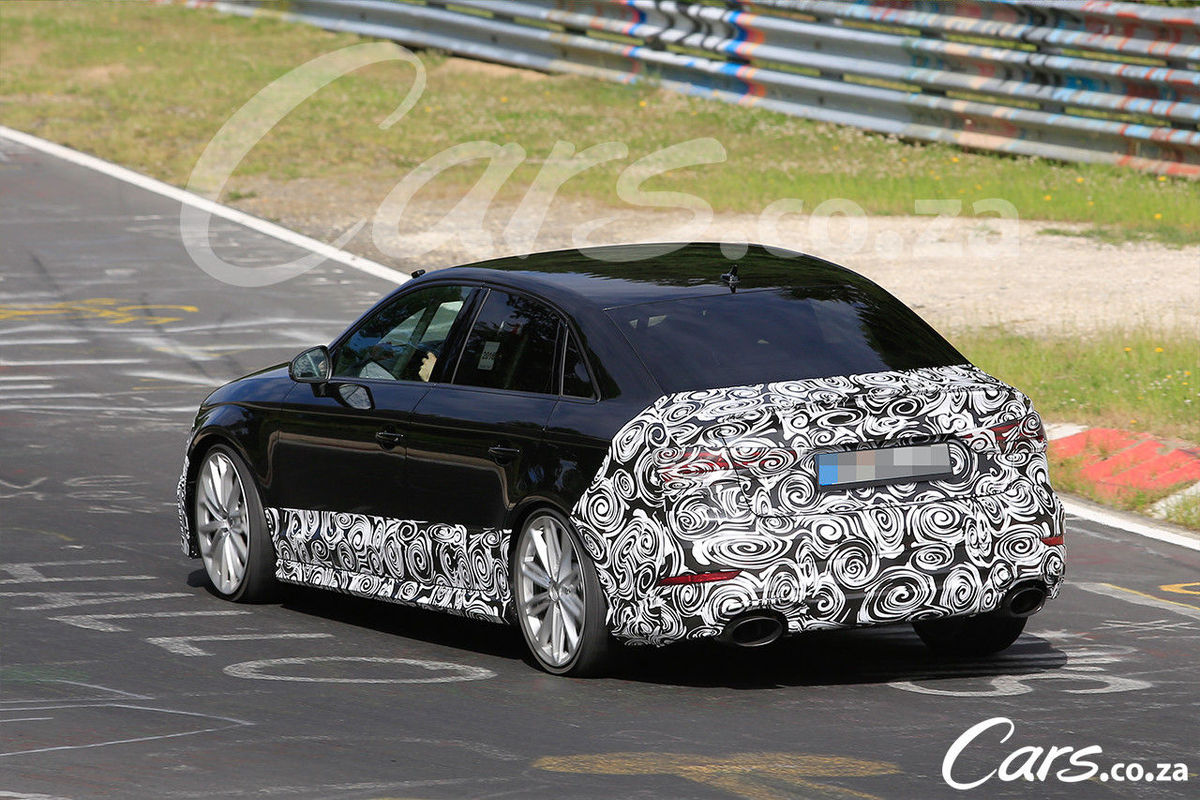
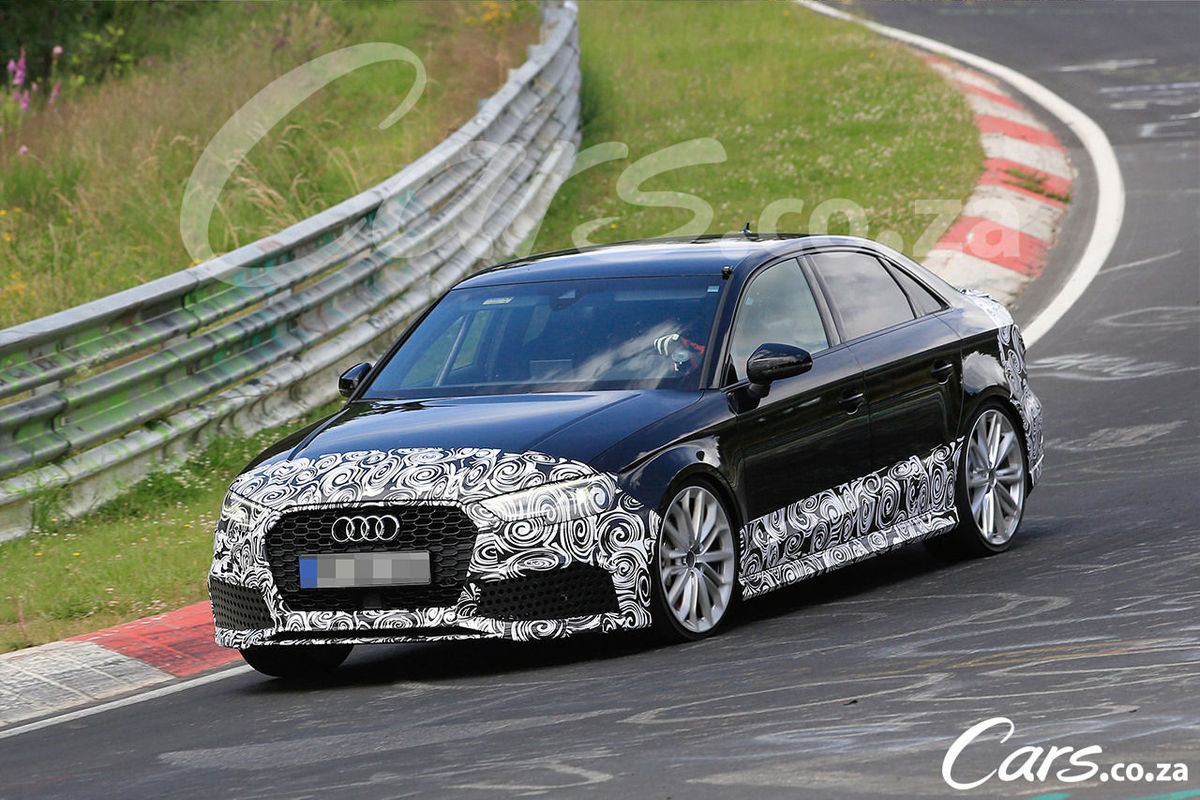
Audi is in the final stages of testing its most hardcore 4-door A3 variant – the RS3 sedan, which will be launched soon.
It's surprising, given how hotly anticipated the German luxury car is, that details of the RS3 sedan are a trifle sketchy. The 4-door RS3 will continue to use the same MQB platform as its Sportback sibling, but there is a strong possibility that it will use a newly developed engine.
The engine is expected to be a 2.5-litre 5-cylinder turbopetrol, but not the same unit as in the hatchback version. Instead, it could be the motor that will debut later this year in the TT RS; one reportedly capable of making 300 kW (that's more than the Mercedes-AMG A45 – although that has one less cylinder).
With this information, we can expect the RS3 Sedan to be a bit quicker than the RS3 Sportback’s 0-100 kph (4.3s) with a limited top speed of 250 kph.
With the TT RS arriving later this year, the introduction of the 4-door RS3 is like to be pushed back until 2017. We anticipate that South Africa has a relatively good chance of getting this model, which will compete with the likes of the BMW M2 and the CLA45.
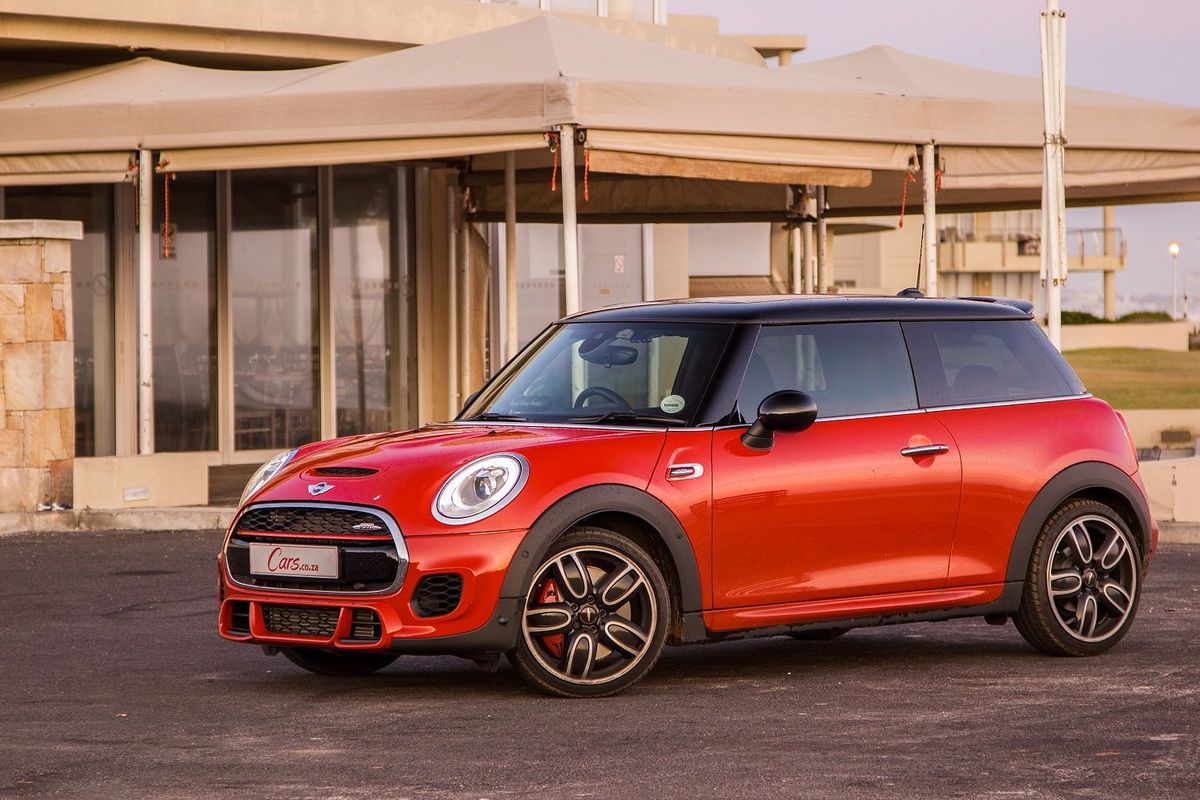
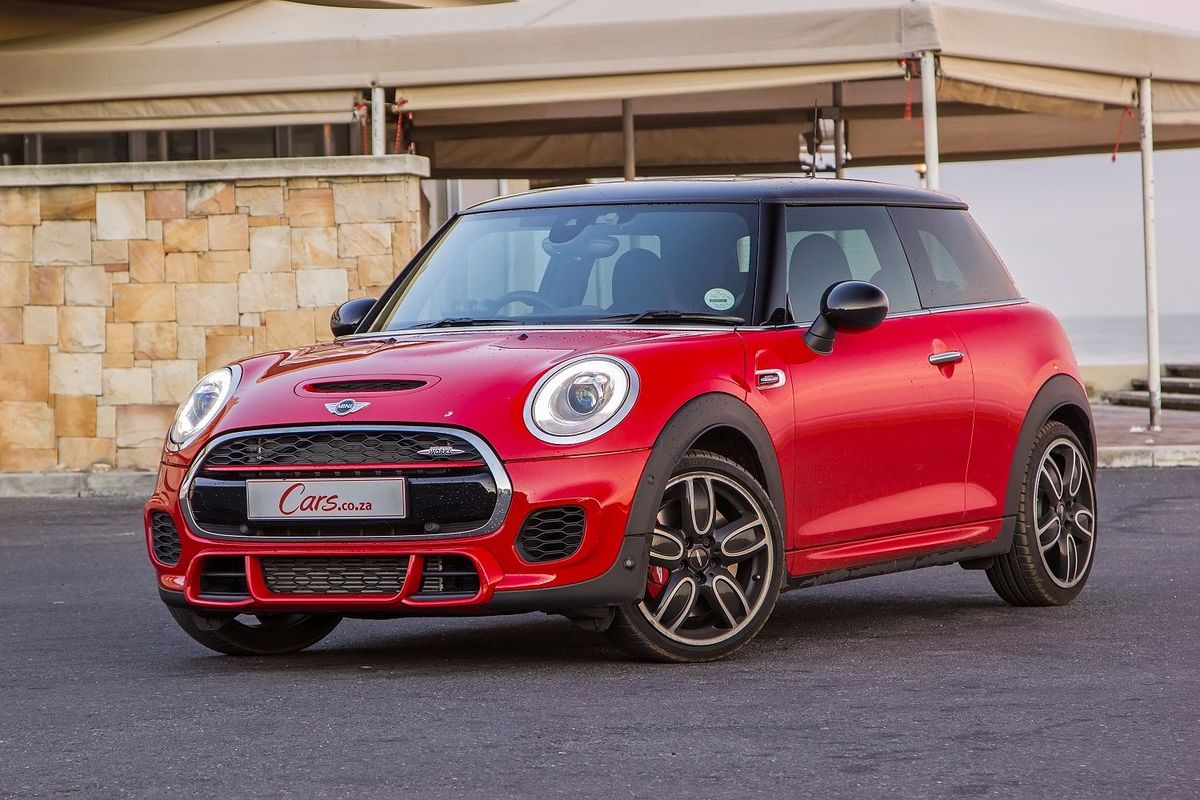
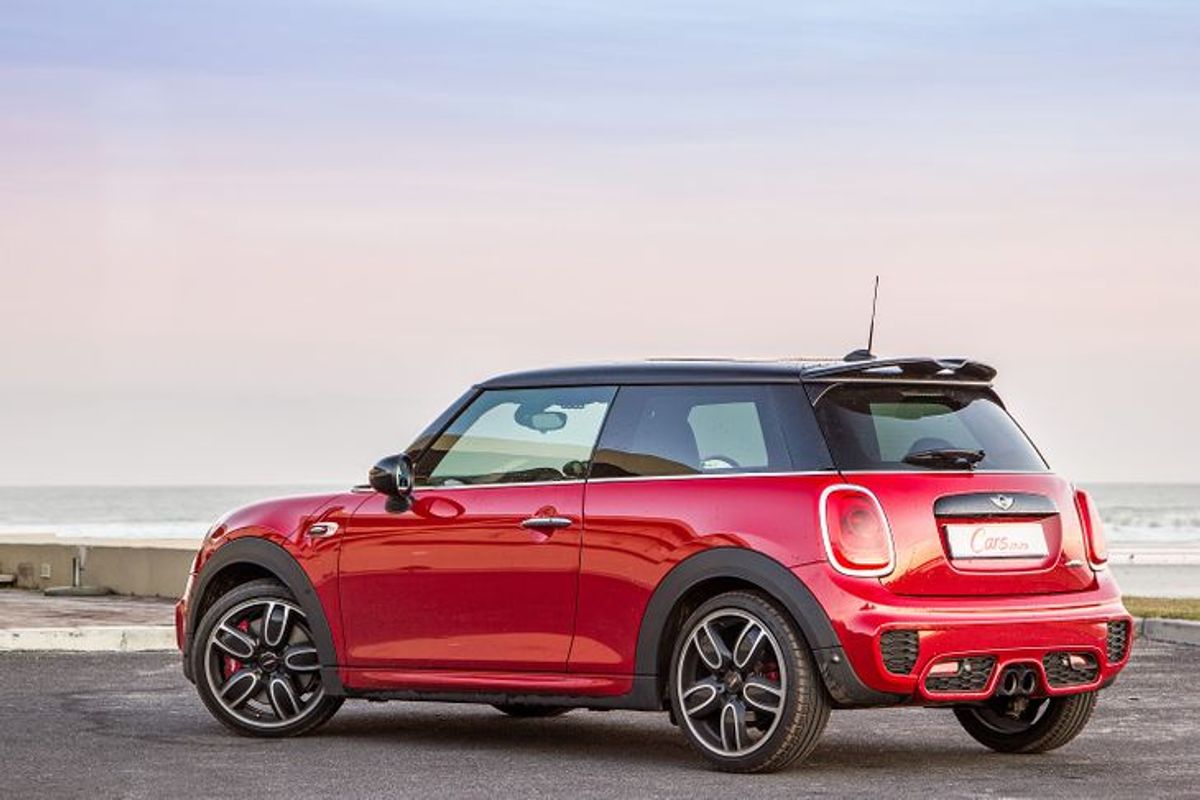
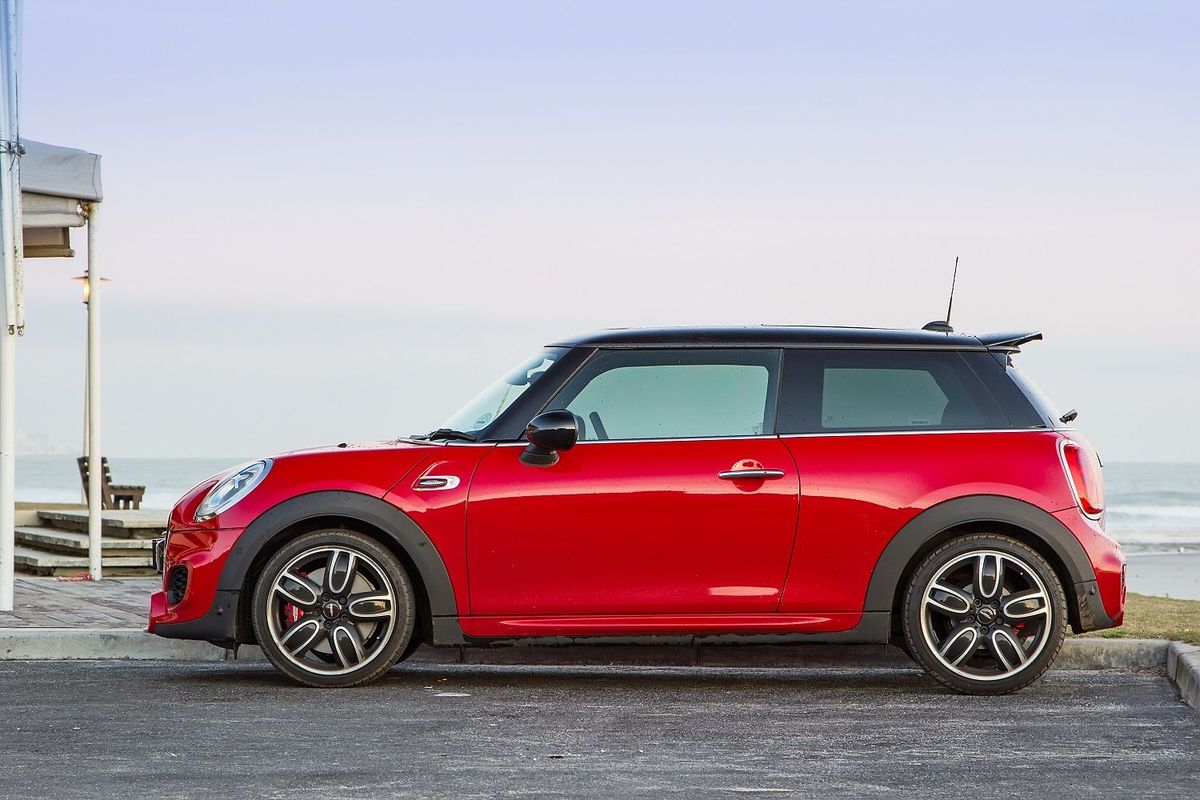
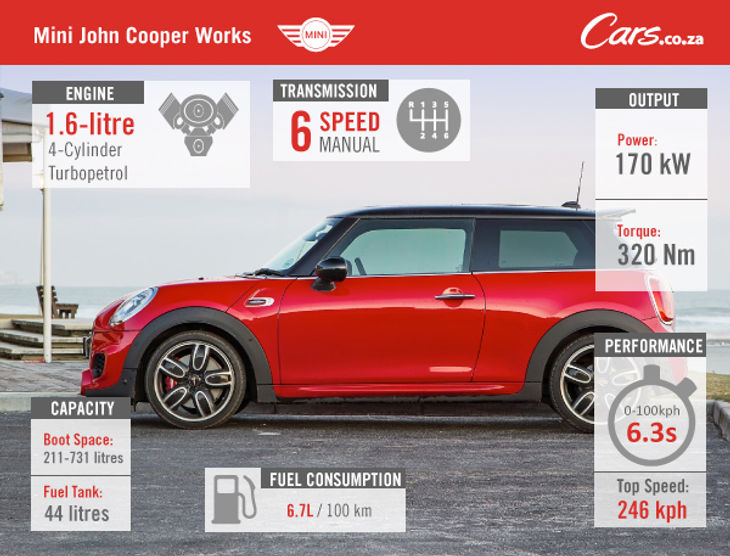
Mini's in-house tuning arm has turned up the wick on its Cooper S hot hatchback and aims to make this JCW the sportiest model it has produced… so far. Is it enough of a step up from its S sibling or just a tuned-up version with some fancy badging? Let's find out
We like: more composed on the road than previous JCW, agile in the twisties, exhaust popping leaves a grin on your face.
We don’t like: Not the best manual gearbox, expensive with options fitted.
Alternatives:
For more pace: Renault Megane RS – add some options to the JCW and you’ve spent Megane RS money. The Megane, now in the twilight of its production cycle, is for the more hardcore driver who’s likely to go to track days with their car, however.
For something similar: Audi S1 – the Audi offers similar outputs to the Mini, but utilises a quattro drivetrain to lay down its power; its handling ability is quite similar to that of the JCW and it costs about the same too.
For a left-field alternative: Alfa Romeo Mito Quadrifoglio – the baby Alfa offers a little less in the power stakes, but has lots of personality and charisma.
What is it?
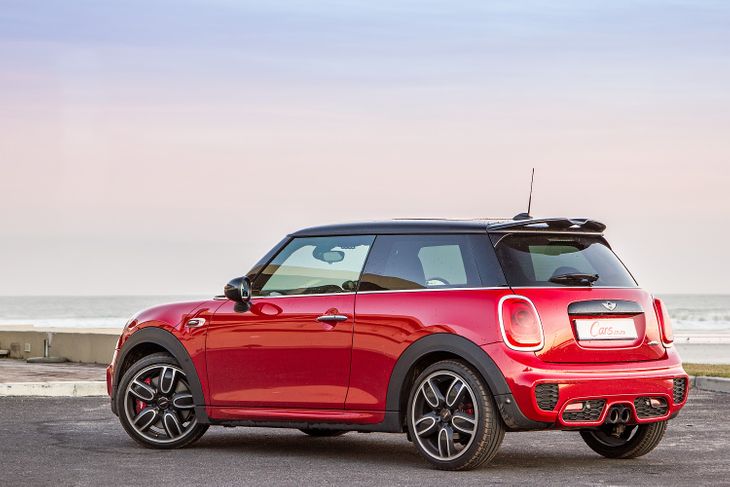
With a John Cooper Works (JCW), Mini takes a standard Mini Cooper S (which is anything but pedestrian) and tweaks virtually every aspect of the car in the pursuit of extra performance. The result is a more sporting exterior, replete with boy-racer bits and a racy interior that, again, has a few more exciting touches to it. The handling dynamics and engine outputs get slight seeings to and the final product is a very fast, quite firm and special Mini.
How does it fare in terms of…
Performance?
The JCW obviously has a performance bent to it, so the standard Cooper S has its power "adjusted upwards" from 141 kW to 170 kW while peak torque is kicked up from 280 Nm to 320 Nm. The major positive about the performance upgrade is that it doesn’t turn the JCW into a wild, tyre spinning, crazy car. It remains composed and deals with the extra power… almost as if it was always meant to have 20% more clout. Traction control does not intervene in an obtrusive manner (even when the front wheels are beyond their limits); it merely reigns the power in gently until full traction is regained.
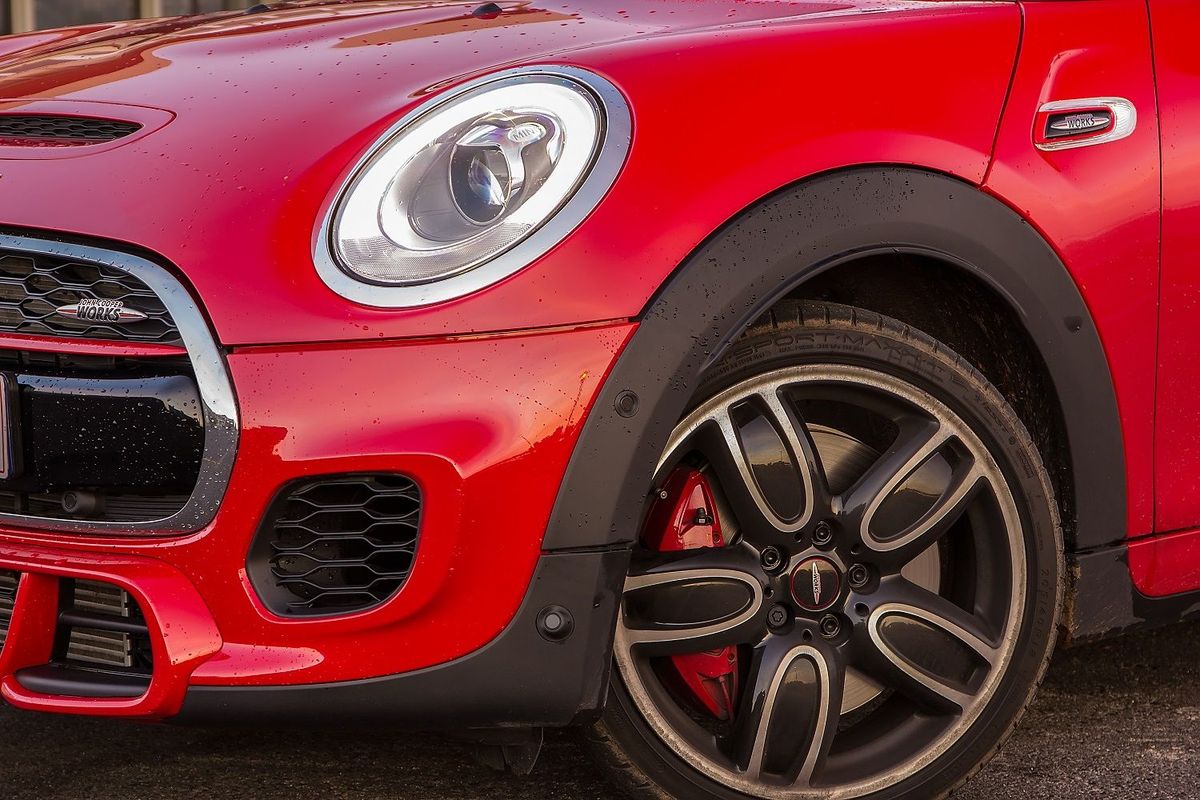
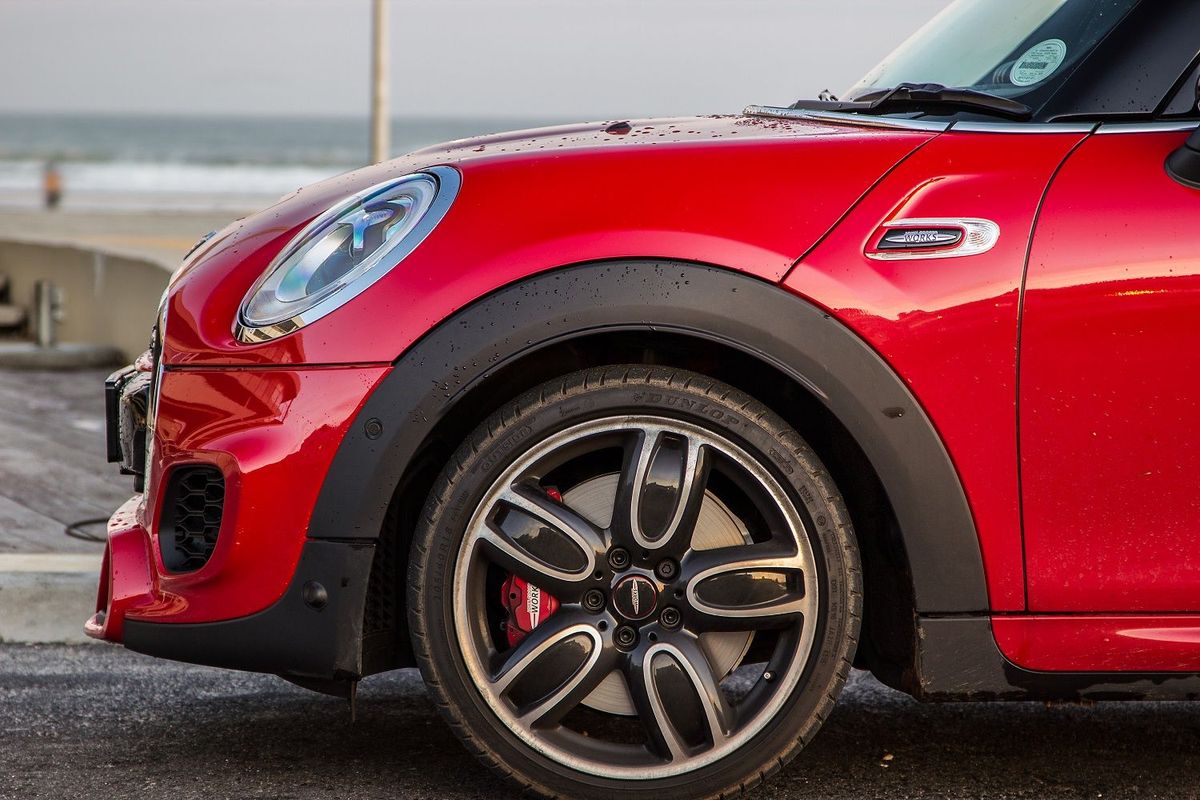
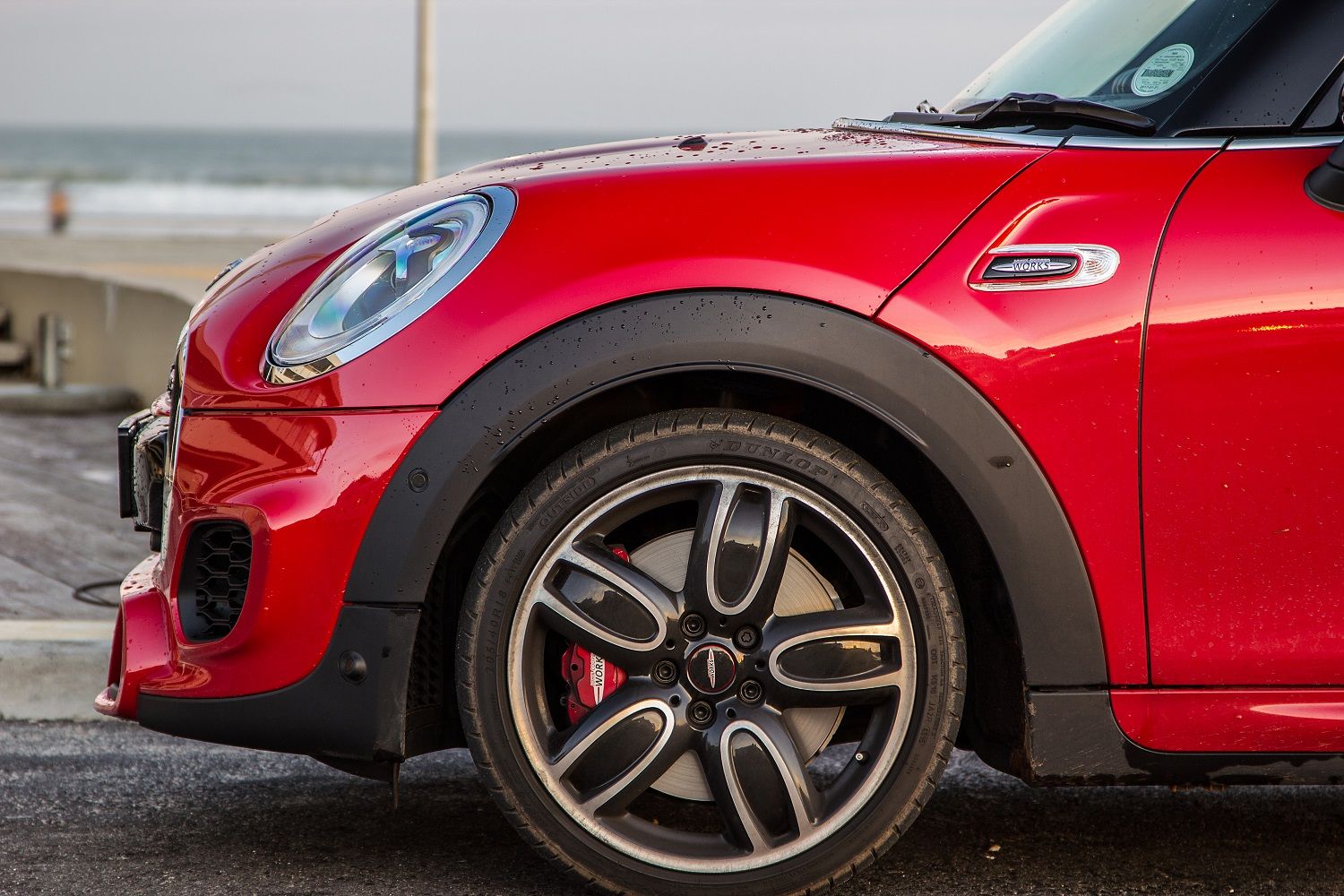
Extra power of the JCW harnessed by Brembo brakes and lightweight wheels
The tuned exhaust system helps improve power, but when Sport mode is selected it has a far more noticeable effect. On the overrun, there’s a cameo appearance from the Rice Krispie triplets (and in full voice!). It’s hilariously entertaining and definitely over the top for what a 2.0-litre turbo motor would normally express. Fuel consumption takes a hit as a result of the showy sportiness; we were only able to achieve 10.2 L/100 km during the JCW's tenure.
Handling?
The second most important requirement for a JCW is that it needs to offer some sort of handling benefit over a standard Cooper S. The main upgrades occur not to the suspension, but to the brakes and wheels. The brake discs are pinched by Brembo calipers and the wheels are specially-designed lightweight racing alloys (17 or 18-inch). The brake upgrade is very noticeable and there’s great feel and confidence in the pedal that tends to promote late braking manoeuvres just before your favourite set of bends. There’s a Sports suspension fitted as standard and adaptive dampers are offered as an option.
The adaptive dampers have a pronounced effect on the overall ride quality, allowing the JCW to remain calm when not buzzing around a track or quick section of road. In a normal driving situation (like the daily commute) the Sports setting makes the Mini's ride a bit too stiff and bumpy to live with, but opt for the dynamic dampers if you want to choose between a calm and – when required – hyperactive JCW.
Meanwhile, all you need to do is point the JCW towards a collection of chicanes and you get the best out of it. It has a fast front end that vacuums up apexes while the rear is mostly settled and very rarely do you feel any lift-off oversteer. The centre of gravity is particularly low, so lateral grip is exceptional for a front-wheel-drive car. Whipping it into an apex and then powering out while unwinding the steering really shows how well the JCW’s chassis can hang on.
JCW front and rear bumpers have loads of little grilles to help cooling and aero
The JCW we tested was equipped with a manual gearbox, something we haven’t seen in a long time on a performance Mini, surprisingly. The lever is frustratingly long and it’s not the most pleasing thing to look at with its thin long stalk and T-shaped head. It’s also not that great a shifter, it’s springy between gears and has quite a long throw… a Mini should really have a short, very direct shifter. The manual is some R40 000 cheaper than the sports automatic.
Specification?
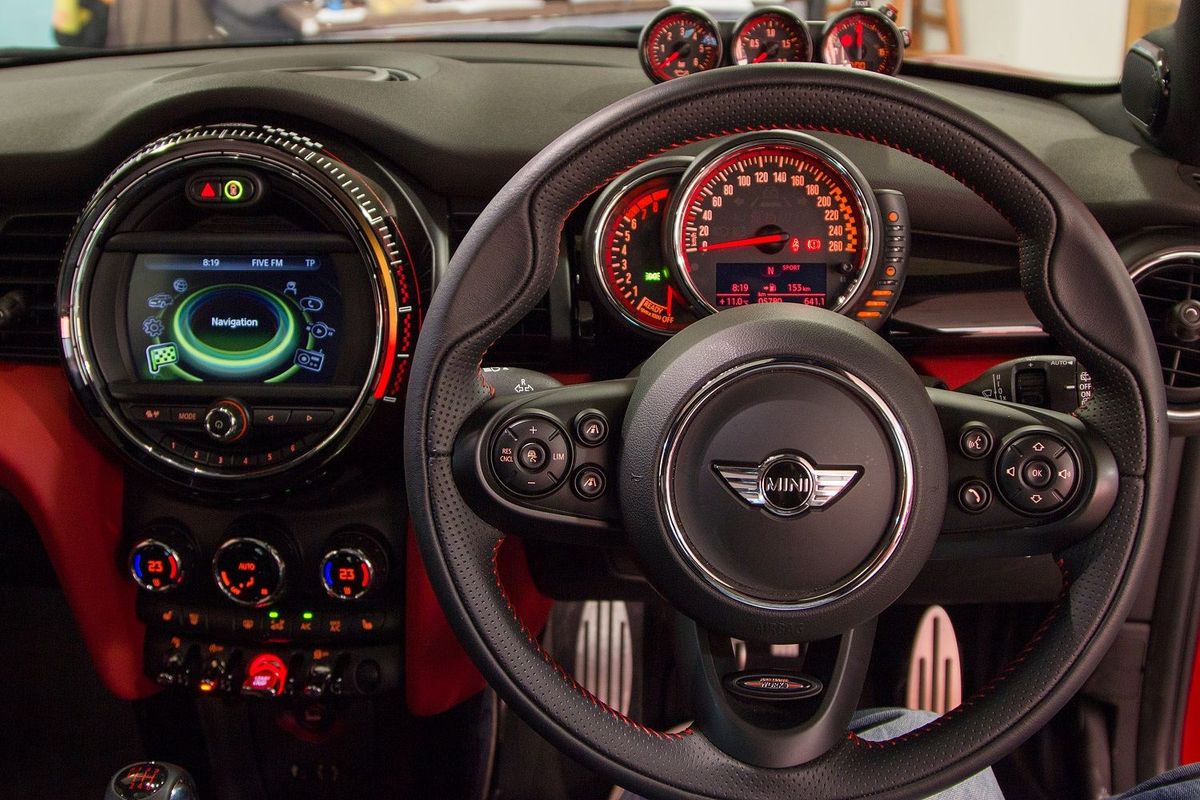
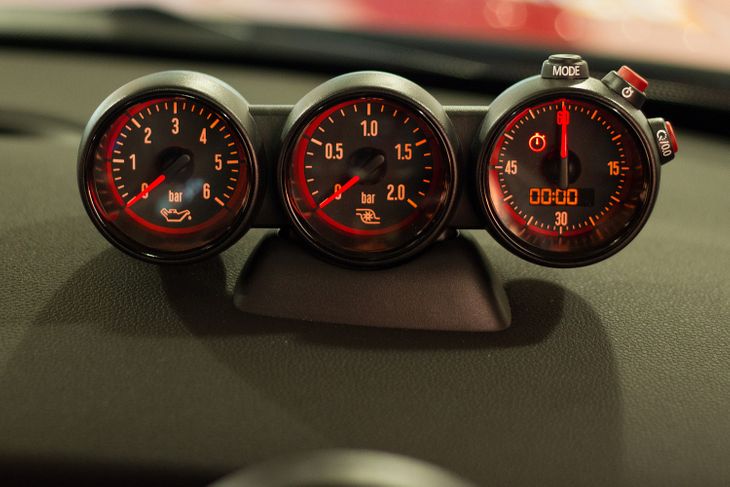
What’s available in the standard Cooper S is also available in the JCW. Our model came specified with the Cockpit Chrono Package, which adds an extra set of dials above the instrument cluster. The dials indicate values such as turbo pressure and an analogue lap timer that you need to reach over the steering wheel to activate. We think the latter is a bit of a gimmick, but a neat little feature to show your buddies.
Cockpit Chrono package adds these dials in front of the steering wheel. Yes, you have to reach over the wheel to push them
If it's unique JCW cosmetic addenda that you’re after, then the Chilli Red roof and mirror covers are available, as are JCW stripes on the bonnet. The interior is fitted with JCW sports seats and a derivative-specific multifunction 3-spoke leather steering wheel. There are loads of options available for connectivity, navigation etc and funky ways to further spruce up your Mini (so that there is little danger that it will look quite like someone else’s).
Verdict
Success! The Mini John Cooper Works ups the ante on the standard Cooper S without turning the Mini into an unmanageable Neanderthal. It’s not quite a track-day special car, but it’s certainly a thoroughly entertaining driving machine. The dynamic damper option is a must-have (in our opinion) as it really does smooth out the ride/make the JCW less of a back-breaking proposition on an everyday basis. Unfortunately, the manual gearbox is less engaging than we hoped for due to its springy action and long throw but, it is some R40k cheaper than the auto. The Audi S1 proves to be the JCW’s main competition, but, in fairness, the Ingolstadt hatchback takes itself more seriously than the Mini. The JCW has a funky, fun personality; is it too measured for its own good? Nah.
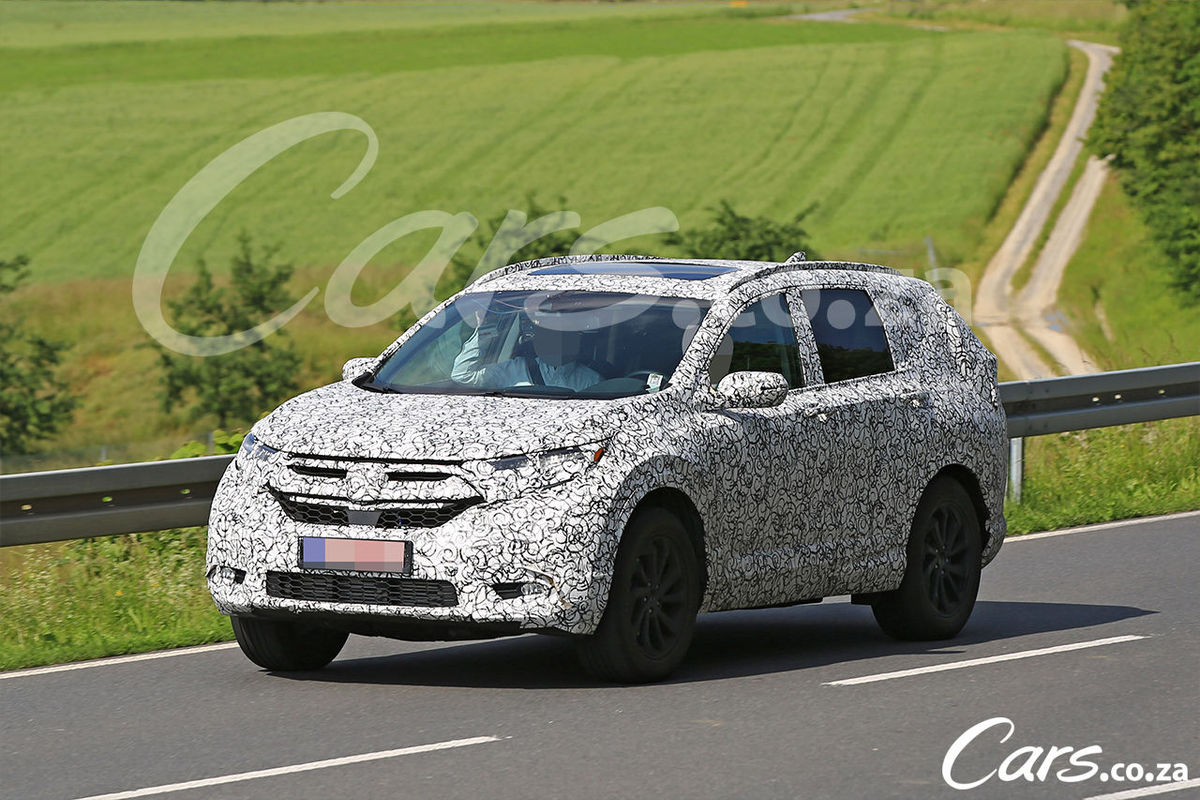
The bigger, next-generation CR-V will feature turbocharged powerplants and be offered in, inter alia, 7-seater guise, to compete with the latest wave of its compact SUV rivals, including the new Volkswagen Tiguan.
These spy photographs of a prototype undergoing testing (supplied by our European-based source) suggest that the next CR-V, which can be expected in South Africa in 2018, will be notably bigger than the current version and feature more distinctive exterior styling.
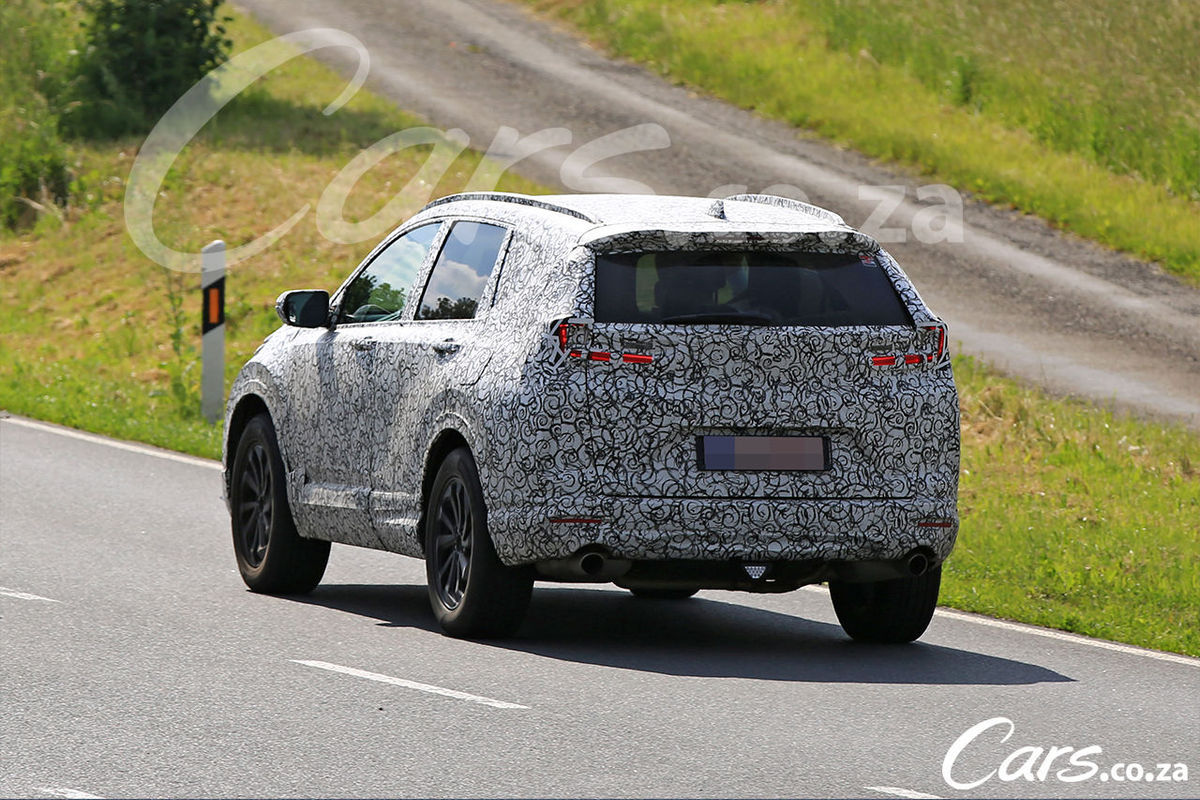
Judging by these images, the next CR-V incorporates some of the aesthetic cues from the latest-generation Civic, including Honda’s "Solid Wing Face" grille and slim-profile headlights, as well as bolder, L-shaped wraparound taillights that stretch from the tailgate around the rear edges and up the side of the glass. They also protrude from the body ever so slightly.
The newcomer will be based on a stretched version of the new Civic platform, which also underpins the next-generation Accord, and, whereas the wheelbase of the Japanese compact SUV could increase by around 80 mm over the existing car’s, its overall length will increase by 50 mm, which suggests its overhangs will be slightly shorter.
The increase in length is believed to facilitate the (optional fitment of a pair of extra seats at the rear and although this would not make the Honda a natural rival to the Land Rover Discovery Sport, Hyundai Sante Fe and Kia Sorento, for example, we understand that Volkswagen plans to introduce a Tiguan with an extra row of seats in the near future and other compact SUV/crossovers are more than likely to follow suit.
Apart from added interior space, the CR-V should also be more upmarket, replete with a plusher cabin trim, extra sound-deadening material (for better NVH suppression in the Honda's interior) and a modern touchscreen infotainment system.
The range will begin with a front-wheel-drive derivative with a 6-speed manual gearbox and although a 1.0-litre 3-cylinder i-VTEC turbopetrol engine is possible, it’s more likely that a 1.5-litre turbopetrol and 1.6-litre turbodiesel will be offered in conjunction with a revised version of the 2.0-litre petrol motor.
As for the self-shifting option, there are conflicting reports: it could be either a 9-speed automatic ‘box or a continuously-variable transmission. It is certain, however, that top CR-V models will again be offered in 4-wheel-drive configuration.
The iconic custom performance vehicle manufacturer, Shelby, is now officially represented in South Africa.
Ford Mustang enthusiasts – as well as musclecar fans in general – will be pleased to know that the iconic Shelby brand is now officially represented in South Africa, with its headquarters based at the Cape Mod Shop in Malmesbury, Cape Town. Other outlets are expected to be opened in Gauteng, Mpumalanga, KwaZulu-Natal and the North West.
Although not many of its products have reached South Africa, cars such as the AC/Shelby Cobra and original Shelby Mustangs are icons across the globe and have often been glamorised by Hollywood. The founder of the company, the late Carrol Shelby, has legend status, and the brand comes with an enviable racing pedigree. So, there's a lot of history at play…
But what if you don't know that history, which may very well be the case for many younger South Africans? Well, all you need to know right now is this… For many years the core Shelby recipe has been startlingly simple and effective – take a standard Mustang and make it gallop faster!
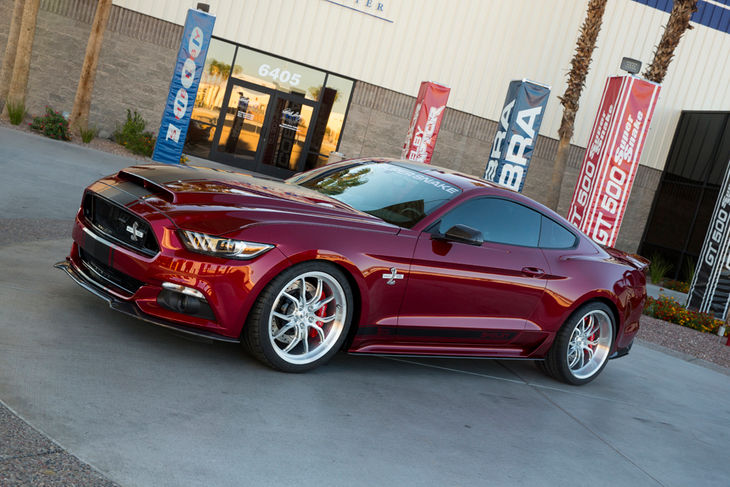
The Shelby Super Snake will ensure you are seen… and heard!
The Shelby that gets people most excited is arguably the aptly titled "Super Snake". You take your new-generation Mustang GT to Shelby South Africa and select the appropriate upgrade package, priced from R1 248 000. Given a base Mustang GT's price of around R850 000, this means a Super Snake will set you back around R2 million. What you get is a significantly different and exclusive type of musclecar, however.
Firstly, the Mustang gains carbon fibre body components, including a sexy Super Snake bonnet, rocker panels and blades, rear spoiler and diffuser. There are also changes to the grille and a variety of Super Snake details (badging and striping) added to the body. Oh, and let's not forget those lightweight, forged 20-inch Super Snake wheels made by Weld Racing. Similarly, the interior is not left untouched; a carbon fibre gauge pod cluster, which displays boost, fuel and oil pressure, is the most obvious addition.
Under that bonnet, however, is where the true magic happens. Supercharged to 670 horsepower (yes, roughly 500 kW), the changes are so far-reaching that the car gets a unique CSM numbered engine plate. And whereas the current production Mustang GT is perhaps a bit quiet to our ears, the Shelby Super Snake has no such flaw – it roars! See (hear) this video…
The Super Snake also features an all-new suspension developed with Ford Performance, Shelby Wilwood 6-piston front brakes, Ford Performance half shafts and a special cooling pack, among other items. So… it is a serious reworking of an already impressive machine.
But that's only the beginning…
Also on offer is a 750 horsepower variant (that's around 560 kW!) for just short of R23 000, that gets an upgraded cooling package (including differential and transmission cooling), Shelby Wilwood 4-piston rear brakes (around R55 000) and a brake-duct kit.
More options are available on top of that, including a 1-piece driveshaft, roll cage and race seats, among others.
Shelby GTE
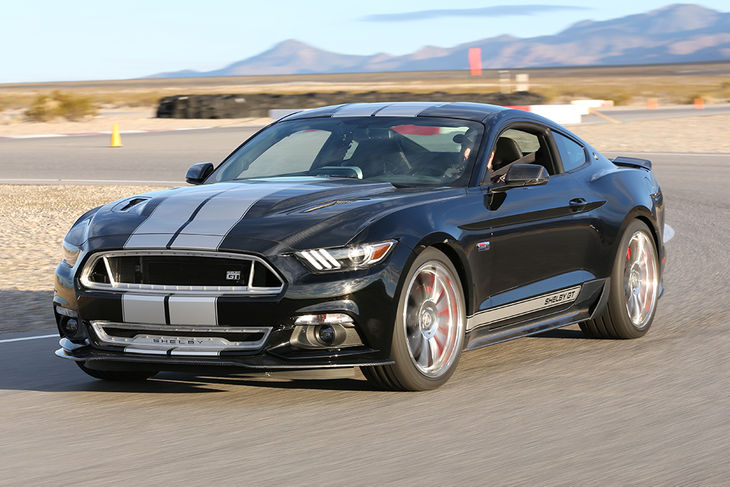
The standard Shelby GTE kit consists of mostly visual and dynamic upgrades.
If your budget doesn't quite stretch far enough for a Super Snake, then consider the Shelby GTE. Again, you start with a standard Mustang GT (manual or automatic), head to Shelby and pick your features. The standard Shelby GTE upgrade kit sells from R665 000 and includes a big exterior upgrade in the form of carbon fibre rocker panels, front splitter, bonnet, rear spoiler and diffuser. Iconic Shelby GT striping and badging is added, as are custom upper and lower grilles. The standard upgrade also includes Weld 20-inch wheels, a Ford Performance handling pack, short-throw shifter and Shelby exhaust tips.
Interior changes are more restrained, but you can always delve into the further options list and add items such as the 3-gauge dash pod and Katzkin interior kit.
A number of added-cost extras remain, of which the most important is the availability of the 670 horsepower supercharger kit, for around R165 000.
A similar GT kit is also available to Mustang 2.3-litre EcoBoost owners (though obviously not the power enhancements).
Shelby Terlingua
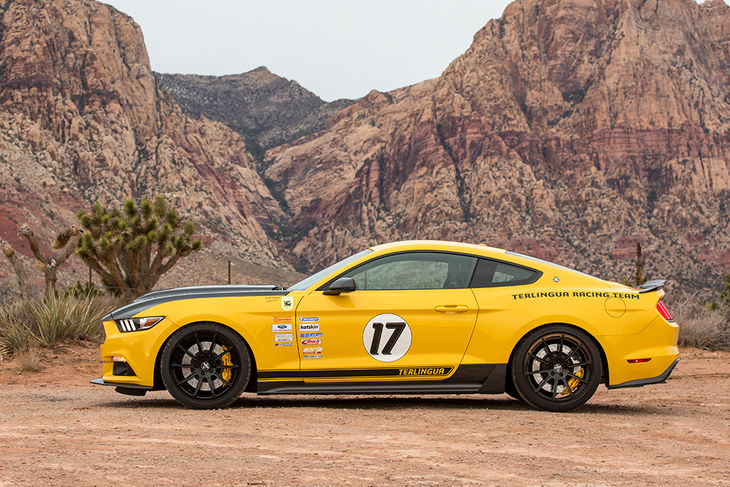
Only 50 examples of the Terlingua will be made, and 5 have been allocated to South Africa.
A surprise announcement at the Shelby launch event was that five examples of the extremely limited-run Terlingua have been allocated to South Africa. The Terlingua occupies a special place in Shelby folklore, as it recalls Terlingua racing team and their feats in the 1967 Trans Am championship. Consequently, the Terlingua is the most track-focused Shelby on offer at the moment. Pricing is unavailable at this time.
Again, using the Mustang GT as a starting point, it gets a Whipple supercharger to push power to 750 horsepower (560 kW), as well as Shelby-by-Eibach sway bar and adjustable coil overs. A large number of Ford Performance parts are also added, including half-shafts, a short-throw shifter and an "aggressive sounding" Borla exhaust with black tips. A Brembo big brake kit beefs up stopping power and several items from the Shelby carbon-fibre parts catalogue are fitted as standard.
Only 50 of these cars will be made (5 for South Africa) and each gets an autograph plaque of Bill Neale (a Terlingua founder and designer of the team's crest), Carroll Shelby and Jerry Titus, the winning driver in 1967.
Interested?
If you own a current Mustang and want to turn it into a Shelby, or would like to find out more, then head to www.shelbysa.com for contact details. Note that Shelby retains all the take-off parts from donor vehicles. The man behind Shelby in South Africa is Peter Lindenberg, who is well-known in local motorsport (and powerboating) circles. Also involved is another legend of local performance-car development, Jimmy Price of Hi-Tech Automotive.
We can't wait to get our hands on a Shelby Super Snake for filming. Until then, enjoy our Ford Mustang GT video below.