The opportunity to drive a Lamborghini is an experience to savour… but when 2 are availed to you on the same day, the experience can literally overwhelm your senses. Nonetheless, we braced ourselves to test two variants of the Huracan to see how the Italian supercar fares in terms of an open-topped driving experience and sheer rear-wheel-driven madness
Living in Cape Town has its drawbacks. Sure, it is lovely here. But in winter, the clouds roll in and the rain falls, sometimes relentlessly for days at a time.
And so when Lamborghini gave us a ring and asked if we’d like to drive the new Huracan Spyder, we started researching if anyone had ever invented a dance that encouraged the rain to go away.
Mercifully, the skies were a stunning blue when we showed up to the Lamborghini dealership to fetch this remarkable looking new supercar.
But we weren’t just here for the Spyder; the brand new rear-wheel-drive Huracan 580-2 come along for the ride – a car that will make you very glad indeed that the roads aren’t wet.
And so we’re hugely excited to present our side-by-side Lamborghini shootout.
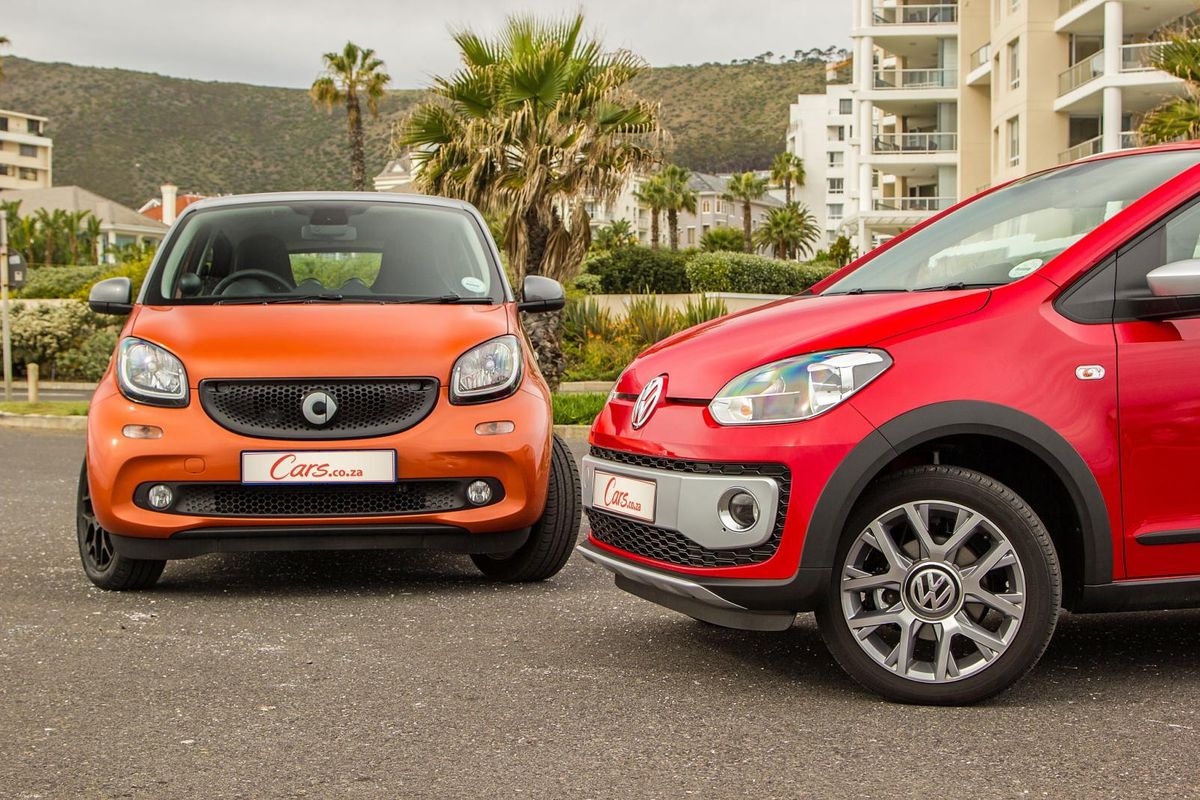
Comparative Review: Volkswagen Cross Up! vs Smart ForFour
Volkswagen has expanded its Up! lineup with 5-door and crossover-styled models, while Smart has launched the all-new ForTwo and ForFour. We compare the Cross Up! and ForFour (52 kW Prime) to find out which one is the better buy.
At a glance
Volkswagen 1.0 Cross Up!
Smart ForFour 52kW Prime
Price (July 2016)
R185 500 (Before extras)
R199 400
We Like:
Build quality, refinement
Fashionable European flair and charm
Spritely to drive
Great safety features
We Don’t Like:
Extras push the price over the R200 000 mark
Price is high
What are we comparing?
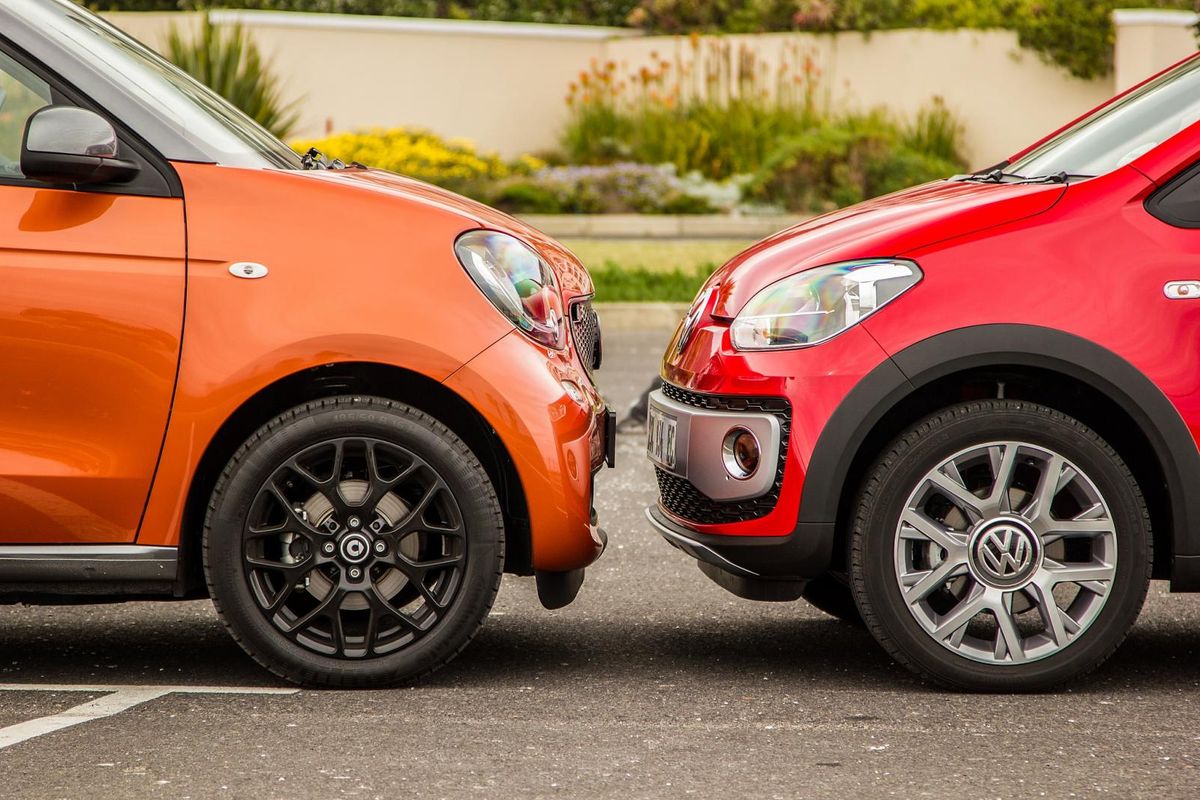
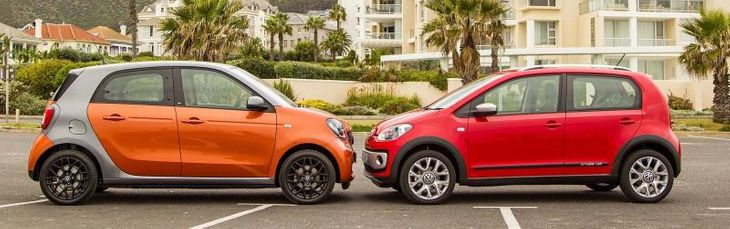
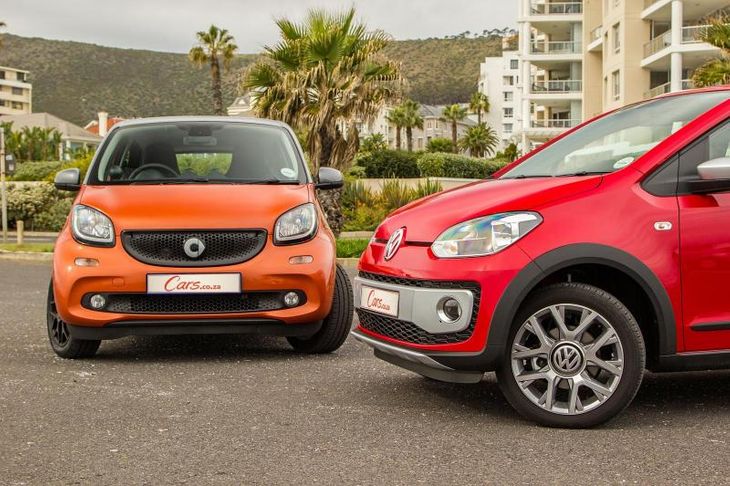
Don't let the lighter hue of the Smart fool your eyes, the Up! is fractionally longer than its rival.
The Volkswagen Up! took a while to reach South African shores, but since its arrival many have rolled off showroom floors. It's clear that this pint-sized VW has a lot going for it. However, the lack of an extra pair of doors (compared with a conventional small hatchback) is a drawback; if you consider how well Mini has done with the introduction of a 5-door Cooper, practicality is a major factor for buyers, even for those of so-called boutique cars. VW has addressed this with the striking 5-door Colour Up! and crossover-styled Cross Up! Conversely, Mercedes-Benz's city car arm Smart has returned with new versions of its ForTwo and ForFour. With four occupants being the key point here, can the new Volkswagen 5-door Up! match the cute and funky Smart ForFour?
There are 5 versions of 5-door Up! but this Cross Up! is the most striking visually. It features some rugged touches such as roof rails, unique alloy wheels, black wheel arches as well as a raised ride height. While it looks like it could go off-road, it's a city slicker through and through.
Mechanically, the VW and Smart have quite a bit in common. Both have naturally-aspirated 1.0-lire engines mated with 5-speed manual transmissions and their outputs are 55 kW/95 Nm and 52 kW/91 Nm respectively. Although they're closely matched on paper, the Up! feels less strained on the open road. When you're packing under 100 Nm, in-gear acceleration is not a forte and overtaking manoeuvres require a combination of planning and quick downshifts, especially at freeway speeds. The Up! copes… just, while the ForFour struggles unless you really thrash it. Perhaps the Volkswagen's cabin has better sound insulation; its engine certainly feels the more refined of the two and while it emits that typical 3-cylinder rumble, it's not as obvious as in the Smart.
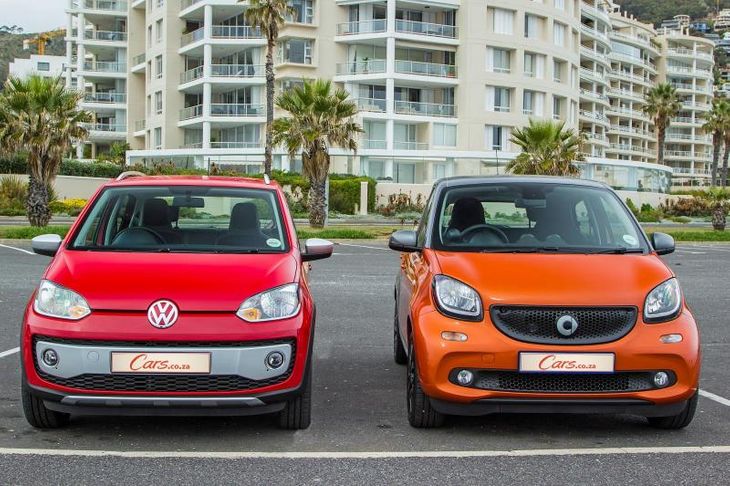
The pair's compact widths make them palpably easy to park in confined urban areas.
Put either car in the confines of a city and you'll feel the difference immediately. This pair is tailor-made for the urban sprawl and the closely-spaced ratios of their gearboxes make them sprightly to drive. If you need to parallel park or nip into (or out of) small gaps in traffic, the VW and Smart are ideally-sized, plus both cars have light and quick steering setups. As long as you don't have to travel great distances, where their short gearing and 35-litre fuel tanks will be disadvantages, you should be satisfied with their performance and economy. The Smart is claimed to consume just 4.2 L/100 km and the VW 4.7 L/100 km, but our test revealed that the Up! was lighter on fuel as the engine didn't need to be pushed as hard. Incidentally, the VW weighs less than the Smart.
This Smart's (Renault-sourced) 5-speed manual is pleasant and light, something you'll appreciate in thick traffic, where you'll be working the clutch and gear knob incessantly. As good as it is, it's not as slick as the VW's 'box, however, and therefore the Up! edges the ForFour in terms of driving dynamics.
Practicality?
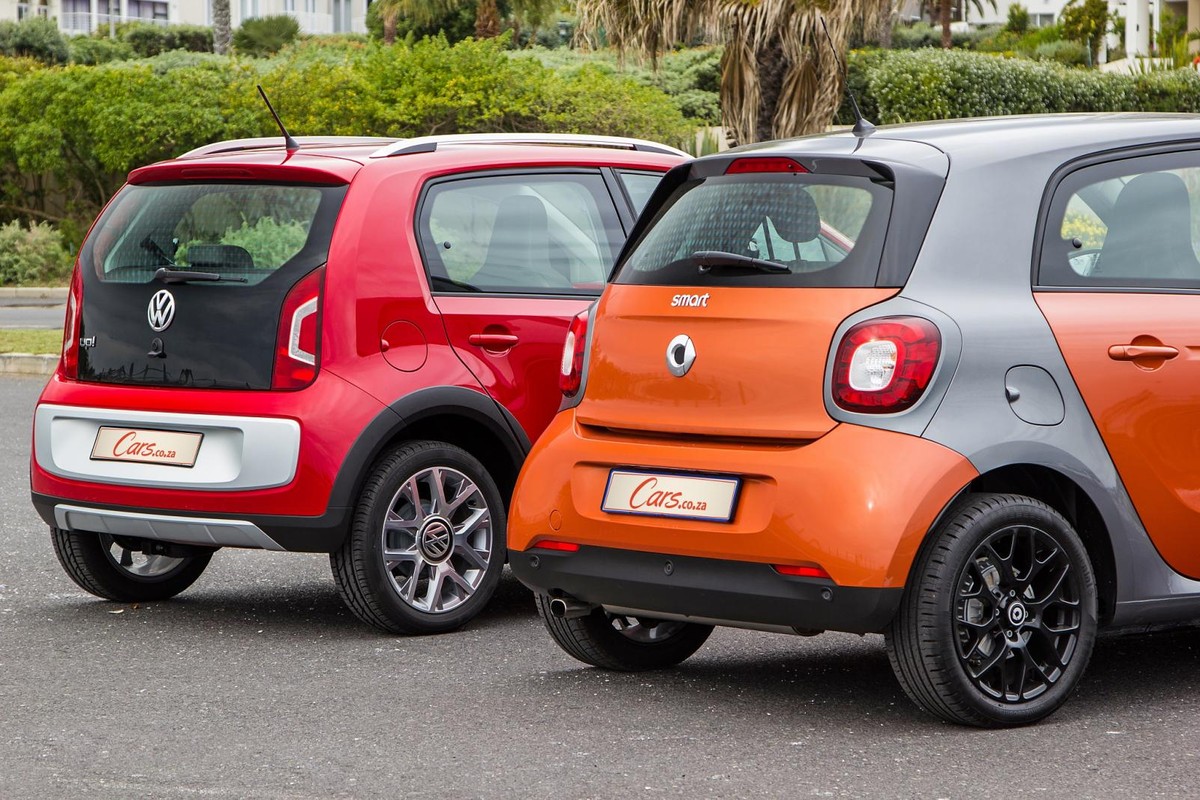
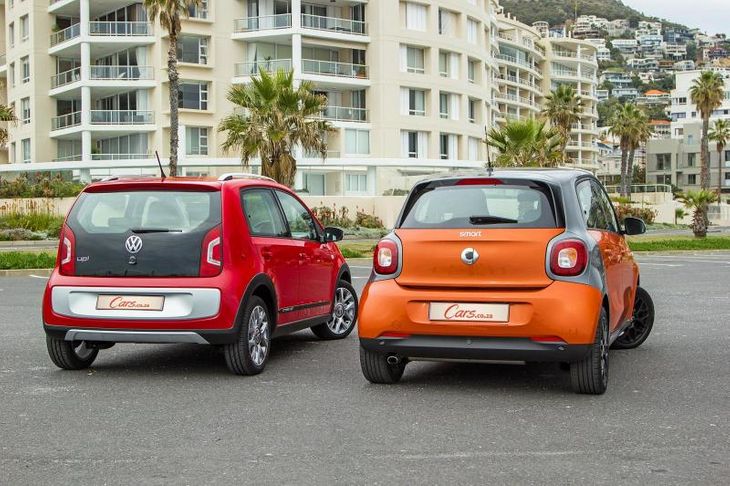
The conventional configuration of the Up! gives it a luggage capacity advantage over the rear-engined ForFour.
The ForFour is at an immediate disadvantage because its engine is located at the rear – where most cars have their luggage compartments. The vehicle does have a luggage compartment, but it isn't particularly deep. The optional sound system that came with our car also doesn't help space availability, but we discovered that the JBL subwoofer could be removed if you urgently require extra carrying capacity.
Unlike a mid-engined Porsche (such as a Boxster, Cayman or 911), which has its engine behind the passenger cell and a cargo area in its nose, the Smart has some mechanical components in its nose and offers a pocket of space at the front. The front cover comes off courtesy of quick release clips and is easy to put back (with practice). Despite the ForFour being the bigger of the two Smart products, it still feels a little tight in the cabin and rear legroom is not adequate for anyone over the age of 12. Furthermore, taller drivers will find that their heads gently brush the roof.
The interior packaging (and, therefore, space utilisation) of the Volkswagen Up! is better. The luggage bay floor can be lowered for extra loading capacity and the sculpted shape of the front seatbacks means that adults have a bit more kneeroom when they're sitting in the back. Having said that, fully-grown adults will still find the rear quarters cramped. The cumbersomely large doors of the 3-door Up! have been replaced by smaller doors that make getting in and out of tight parking spots far easier. It may be a compact car, but the clever use of space makes the VW's cabin relatively spacious.
Interior quality?
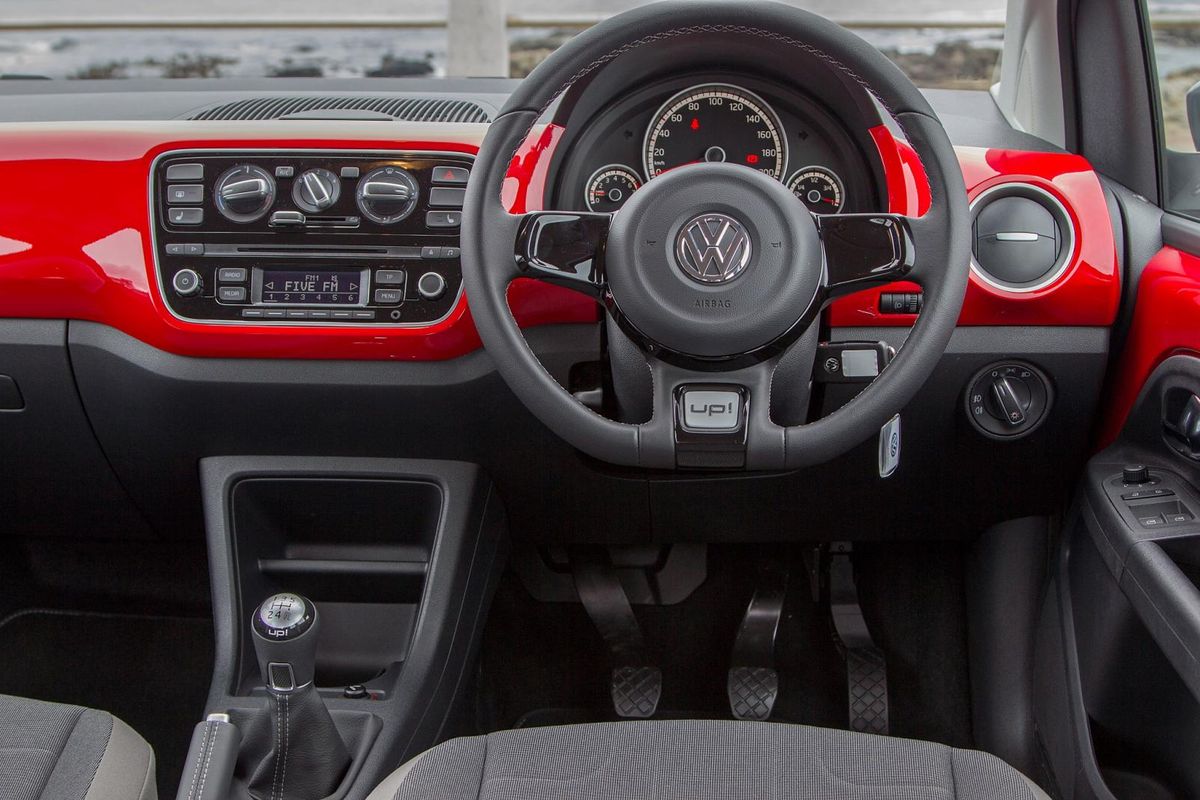
The interior detailing of the Up! is devoid of frills, but the build quality is excellent.
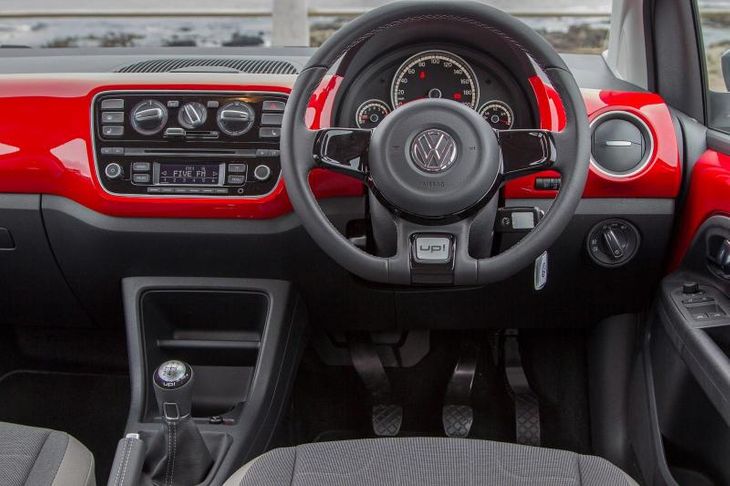
Oh, Volkswagen's rivals must loathe how the Wolfsburg-based firm continues to set the standard in terms of interior finishes and general build quality. It may be one of the cheaper Volkswagens on the new vehicle market, but the Up! feels substantially better-made than most of its rivals. It's well assembled and while the purchase of an Up! may signify that you're at the lower end of the market, it doesn't feel like "a poverty-spec car". In Cross Up! specification, the dashboard is a bright red colour, which adds some character, but there's nothing unique nor striking to the general design. It all feels built to last and well put together, but other than the ventilation and audio controls on the Volkswagen's chunky fascia, the dashboard of the Up! is minimalist and basic.
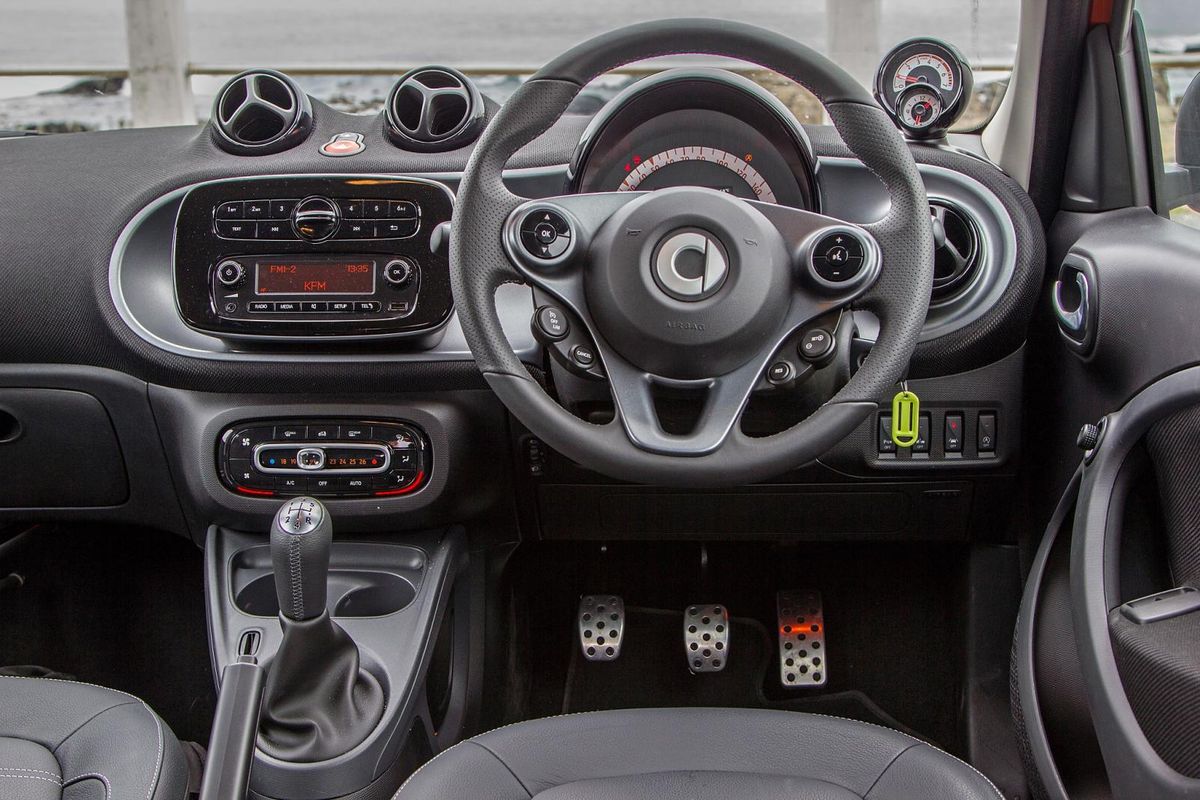
Apart from the old-school sliding interior temperature toggle, the Smart's fascia feels completely up to date.
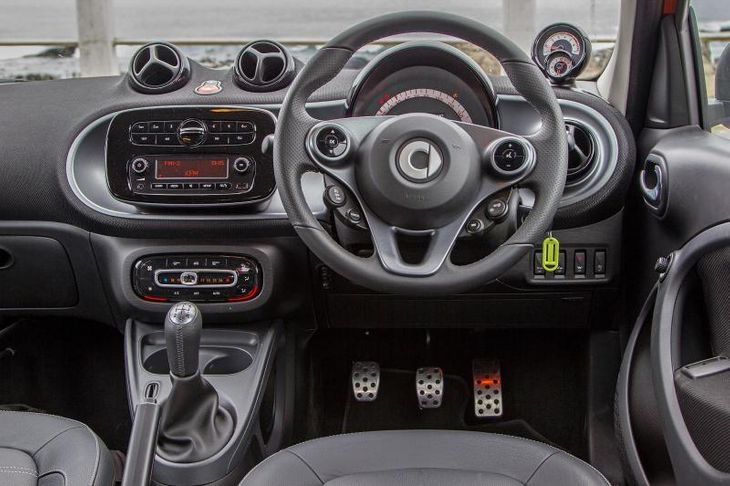
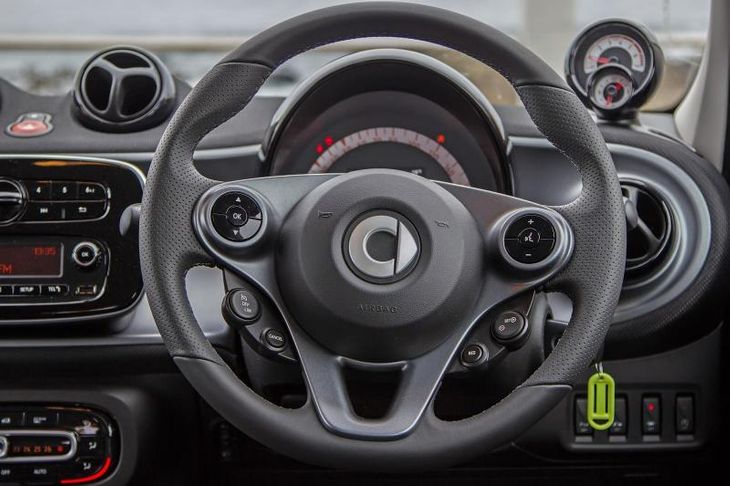
The Smart's interior is comparatively more modern and much funkier. See, Smart collaborated with French carmaker Renault when it designed the ForFour's interior and it'll take fans of La Regie's products only a few seconds to realise that this cabin feels vaguely familiar. We say vaguely because this cabin is based on the not-in-SA Renault Twingo (the rear-engined cutie that is popular in continental Europe). Some may argue that the Smart has far too many toggles on the steering wheel, but after driving the vehicle for an extended period of time, you appreciate the convenience that these buttons afford.
The rest of the ForFour's cabin is interesting and quirky, which is what Smarts are all about. We liked the separate rev counter, which is located away from the rest of the dashboard, while the ventilation control with the magnifying glass is a cute, if old-fashioned, touch. Gadgets and gizmos aside, the Smart interior feels solid, but the gloss black plastic may be prone to scuffing. It's not as solid as the Up!'s cabin, but it certainly has more pizzazz.
Technology and features?
This Cross Up! came with a few additions such as heated seats (R3 300) and the Tornado red paint costs R950. If you want the convenience of Bluetooth connectivity with an SD card slot, you'll have to fork out a further R3 600. A multifunction display with cruise control and park distance control comes in at R3 600. What are you getting without these options then? The Up! comes standard with front power windows, a height-adjustable driver's seat, manual air-con, trip computer, 6 airbags… that's about it.
Standard Bluetooth, cruise control and a multifunction steering wheel set the ForFour apart.
The Smart has more features than the Volkswagen Up!, but you'd expect this given its higher asking price. Both cars have ABS-equipped anchors, but the Forfour's electronic brake force distribution and brake assist mean it should be more effective during emergency stops.
The Forfour is comprehensively equipped with cruise control, Bluetooth connectivity, USB/aux inputs, steering wheel controls, climate control, and electric windows. You can opt for one of many packages which come with things like bigger wheels, a JBL sound system as well as a smartly-designed media system with navigation. Prime specification adds alloy wheels and a leather interior, and you can customise your ForFour to high levels of detail on the online configurator. What's particularly important to note is that several safety features from parent company Mercedes-Benz have been passed down: the Forfour range features crosswind assist as standard as well as five airbags. Forward collision warning and lane keeping assist are optional.
Verdict
The rivals' black and grey cladding set them apart from run-of-the-mill "shopping trolley" hatchbacks.
This looks like a clear-cut victory for the Volkswagen from a consumer point of view. However, Mercedes-Benz Smart never said it was targeting the lower end of the market and the ForFour is a premium city car, whereas the Cross Up! is a budget-busting champion. The Smart offers far more in the way of personality and if you tick the right boxes, safety technology not seen before in this city car segment. If city cars all came with these features, the world would be a better place. In this battle however, it's really hard to argue against a 5-door Volkswagen Up! The highly-rated 3-door Up! was a Cars.co.za Consumer Awards finalist in the Budget Car category. The 5-door expands on this offering and as someone's first new car, represents excellent value. The Cross Up! adornments are an indulgence; you can save further Rands by buying the Up! in Move Up! 5-door specification which costs R167 500.
The Smart ForFour is not disgraced, however. It is arguably better looking than the VW and offers charm and personality that the more utilitarian Up! can only dream of. The cabin is a fun and it makes its rivals' interiors look bland by comparison. It won the hearts of onlookers and we really like this generation of Smart vehicles thanks to their looks and compact nature. As far as Smarts go, this is the best yet and so much better than the previous generation car.
However we're a consumer-focused publication and the point of this evaluation was to find which car was the better vehicle to buy. It may not have the edgy personality or 21st-century tech savviness of the Smart Forfour, but the 5-door Volkswagen Up! is an excellent product and is our choice here.
In terms of warranty and after sales, the Volkswagen has a 3-year/120 000 km warranty with optional service or maintenance plans. The Smart, by comparison, has a 2-year/unlimited mileage warranty and comes with a 3-year/60 000 km service plan.
Ever since the current Sportage made its local debut in 2010, Kia’s compact crossover/SUV has been very popular in South Africa. At times, demand has comfortably outstripped supply. Can its successor, which will be introduced in South Africa in October 2016, build on the Sportage’s established strengths without ruining a winning recipe?
Kia’s outgoing third-generation Sportage is one of the best vehicles in its class – at least as far as I’m concerned. Upon its arrival, apart from being a very good car, it was the right product at the right time (amid the crossover boom, which shows no signs of abating). More than 100 000 people in Europe bought a Sportage last year, but continued success (with the launch of the fourth incarnation) can never be guaranteed…
After all, tinkering with a successful formula is always a bit of a risk, just ask Coca-Cola about its disastrous “New Coke” campaign in 1985. But in the motoring world, you have to keep moving forward on all fronts (especially in terms of design and technology), because the competition will always be snapping at your heels, particularly in the crossover/SUV market in which more and more new models arrive on a seemingly monthly basis.
So, exactly what is new about this fourth-generation Kia Sportage? Well, there is some good news for fans of the model…
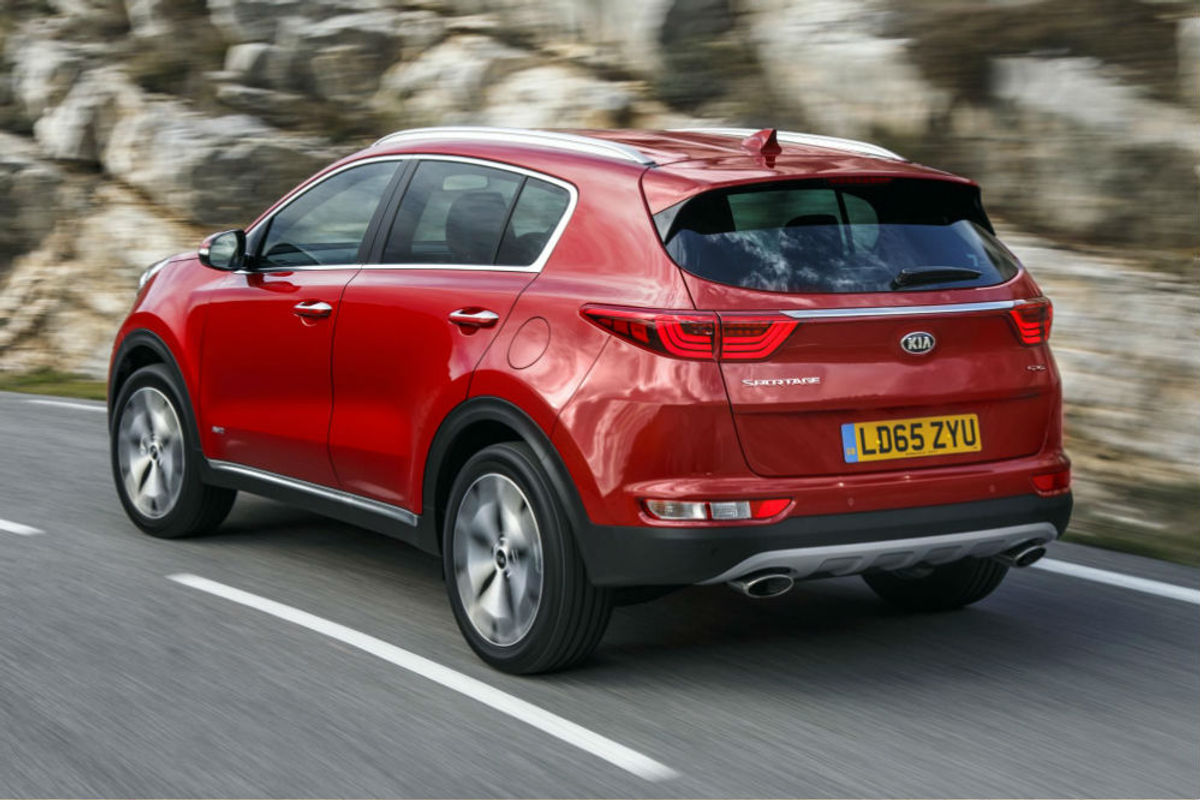
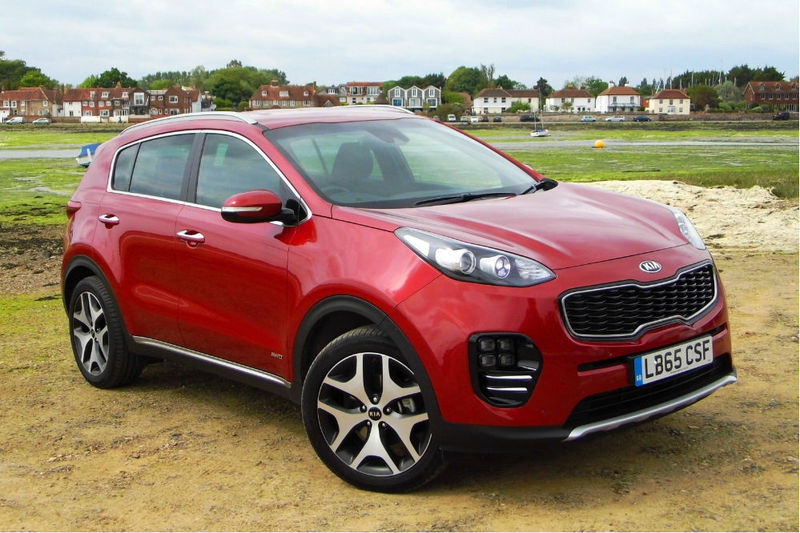
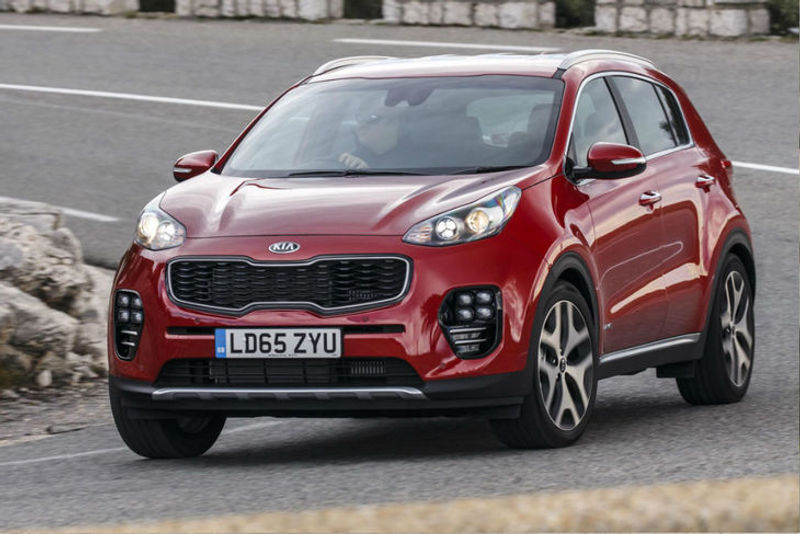
The 4th-generation Sportage cannot be accused of being derivative; it’s eye-catching, but a little divisive too.
An all-new look
Under design director Peter Schreyer (the chap who gave us the original Audi TT and who has produced almost a decade’s worth of distinctive Kia designs), the new, 4th-generation Sportage gets an all-new look with high-set front headlights and a dominant grille.
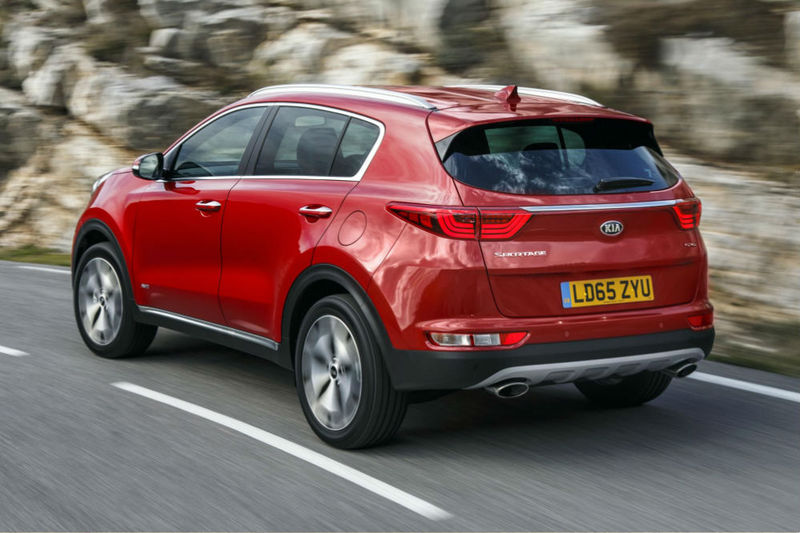
Its styling has divided opinion here in the UK. The rear is neat and attractive, but in an attempt to bring the Sportage in line with Kia’s current corporate “design language”, the new rendition of the “tiger nose” grille appears at odds with the rest of the car. However, like with wine appreciation, all styling critiques are subjective and fortunately, in the case of this new Sportage, it in no way negates what is, once again, an all-round excellent car.
The new model’s wheelbase has been stretched by 30 mm and although longer overall (by 40 mm) it has the same width and height as its predecessor. The result is more rear legroom than there used to be and slightly longer rear doors. Kia has also lowered the car’s floorpan by 40 mm so that it’s easier to get in and out thanks to a correspondingly lower seat height.
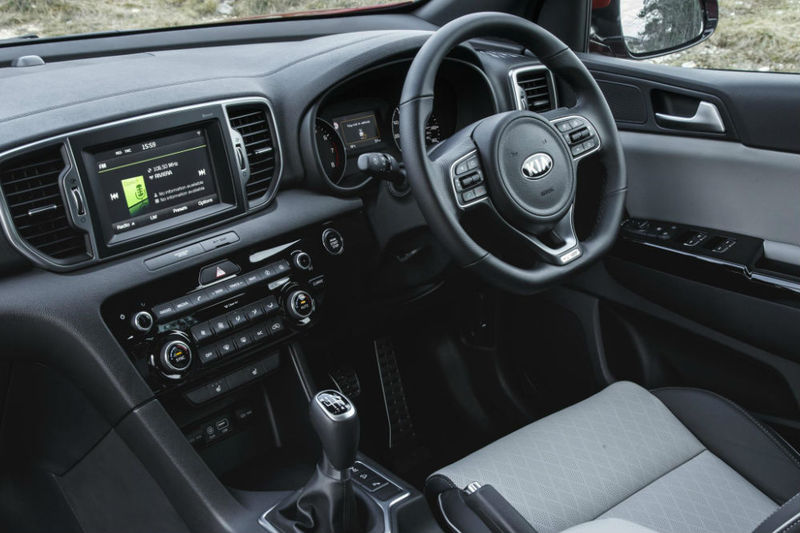
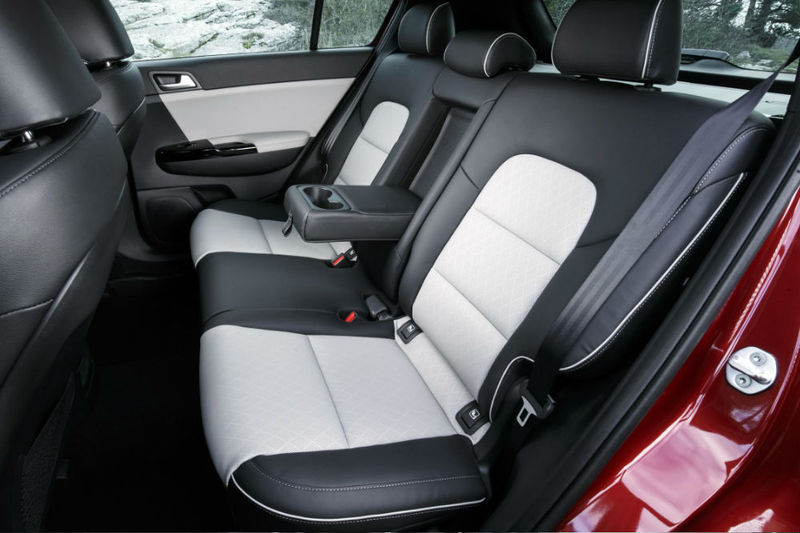
Interior shown in UK GT-line spec, SA cars’ interiors will also be well-specced, but may look slightly different.
Expensive-feeling surfaces
Climb into the driver’s seat, you’ll find a tasteful interior that, thanks to those dimension changes, offers a bit more room inside. However, that is unlikely to be the first thing you notice…that will be the build quality. It’s a tactile, subjective, indefinable attribute that used to be the preserve of the German premium marques. Switches, dials, handles, levers and useable surfaces: they all feel really – in a word – expensive. It’s only when you look closely lower down the dashboard that you find slightly cheaper-looking plastics used, which frankly is normal across most manufacturers these days.
When it comes to practicality, there’s a lot going for this latest Sportage. There’s plenty of head and legroom for adults in the rear seats thanks to the car’s extra length. At 491 litres, the Sportage has an average sized boot for the class. It is a good, practical shape and the load lip is low and flat. A nice touch is the large under-boot storage area that can store the removed parcel shelf too.
The elevated driving position feels very good and there is clear forward visibility, but the narrow side windows and thick rear pillars mean visibility out of the rear isn’t the best.
Whereas the previous Sportage’s ride was a trifle fidgety (especially on bigger wheels and tyres), the new one rides absorbently.
More-pliant ride quality, better refinement
Comfort has taken a significant step forward on the new Sportage. The ride has become more pliant thanks to a revised suspension set-up, which has allowed Kia to install more supportive seats, and the combination is a good one.
You can fit three people comfortably in the rear of the Sportage – even though the middle seat passenger has to position their feet either side of the transmission tunnel. There’s excellent knee room and decent head room despite the sloping roof-line. There are ISOfix points in the two outer seats and one particular feature that marks out the Sportage us its reclining rear seats that offer an extra bit of comfort in the back.
Not only do rear occupants benefit from increased legroom, but their seatbacks can recline for more comfort.
Once on the move, it’s clear much has been done to improve on-road refinement, which means the Sportage makes for a comfortable way to cover our expansive South African distances. But the differences between the newcomer and the outgoing model become even clearer when the road becomes twisty as the new Sportage proves to feel more taut and surefooted compared with its relatively ponderous predecessor.
Kia has enhanced refinement by adding plenty of sound deadening and the Sportage is noticeably quieter than the old model at all speeds. Strategically placed rubber bushings mean that fewer vibrations make their way into the cabin and there’s a feeling of precision to the operation of all the car’s controls.
There’s very little noise intrusion to speak of and wind and engine noise aren’t a problem for the most part, although working the turbodiesel hard can make for a raucous experience.
The new Sportage imparts a sportier driving feel that befits its athletic appearance.
Controlled body roll
The car’s underpinnings are very well set up and offer up a comforting degree of confidence to deploy large dollops of enthusiasm with the accelerator pedal. Body roll really is minimal and the Kia always feels like it has a good handle on what the road’s throwing at it.
Kia Motors SA could not divulge too many details as the local launch is still “a few months away”, however, we were told that there would be 4 trim levels with a mix of two- and four-wheel drive and a selection of manual and automatic transmissions.
On the engine front, we can confirm that there will be a turbodiesel option in the form of a 2.0-litre CRDi, which will possibly to be offered in 2 states of tune. Also available will be 4 petrol units, one of which could be a 1.6-litre GDi turbocharged engine, which will be offered in the top-of-the-range derivative.
Summary
That there was very little wrong with the outgoing Sportage is a measure of quite how far the Korean manufacturer has come in a relatively short space of time. However, the new Sportage replacement seems more in tune with modern consumer demands… It feels sportier to drive than the old car, yet offers superb refinement and a more forgiving ride quality. The more capacious interior is an obvious win for families, but that it also offers significant improvements in terms of quality and efficiency, not to mention an excellent 5-year/unlimited mileage warranty, adds glazed cherries to an already appetising cake.
Hyundai is serious about taking on the performance hatchback segment of the market and its forthcoming i30 N will gain go-faster parts in an effort to ruffle-up established offerings such as the Volkswagen Golf GTI and Ford Focus ST . While the production version of the i30 N is yet to be revealed, mules have been spotted undergoing testing. Here's what the i30 N could sound like!
The performance hatchback segment of the market is ultra-competitive and it's the German brands that are currently the most popular. That's not to say the offerings from France, England and Italy are below par, it's just that Volkswagen Audi Group just gets it right more often than not. For a newcomer to break into this market, it'll have to be exceptional in all disciplines. It will have to offer a combination of attractive styling, luxury, modern connectivity and quick,agile performance. More than this, a successful performance hatchback must fulfil the roles of weekend performer and daily driver too. It's not an easy task, but the likes of the Volkswagen Golf GTI, Ford Focus ST, Mini Cooper S and Renault Megane RS somehow tick most of these boxes.
A while back we posted pictures of Hyundai's forthcoming i30 N undergoing testing. While the photos don't give away much in terms of what the vehicle will look like, Hyundai has assured us that it will have the show to match the go. Hyundai says it will be powered by a turbocharged 2.0-litre motor with 'at least 194 kW and over 300 Nm of torque'. There'll be an option of a manual transmission and potentially, a dual-clutch gearbox. Those outputs put it squarely in the middle of the competition and it will be interesting to see how the newcomer fares.
Hyundai put out a teaser video for its new i30 N and the purpose of the clip is to showcase the car's exhaust note and soundtrack. Watch the video below to hear what the Hyundai i30 N might sound like.
The first half of 2016 has flown by and while the South African new vehicle market is clearly under considerable pressure, our love for SUVs (of all sizes) remains apparent. These are the 10 SUVs South Africans bought more than any other during the past 6 months…
Whether you're looking for a simple city runabout, or hoping to head off-road in search of some adventure, it is very likely that an SUV of some sort is on your shopping list. And, while a major reason for the success of this type of vehicle is as superficial as "because it's trendy to own one/keep up with the Joneses", SUVs do offer some practical advantages, such as higher ground clearance, better outward visibility and, generally speaking, more space. They're simply more flexible than other vehicle body shapes and can, therefore, be used for the daily school run as well as occasional long-distance journeys (with the entire family and its luggage on board) over a wide variety of road surfaces. No wonder South Africans have fallen in love with SUVs…
But which SUVs do we love most? Using sales figures for the first six months of 2016 (provided by Lightstone), we've drawn up the top 10 list based on sales (excluding rentals/fleets). And there are a couple of surprises!
Please note that the sales data includes estimates based on aggregate volumes reported and financial data for the GWM, AAD and AMH group brands, including potential volume sellers Hyundai and Kia. We had to therefore exclude vehicles such as the new (and strong-selling Hyundai Tucson) and Kia Sportage/Sorento.
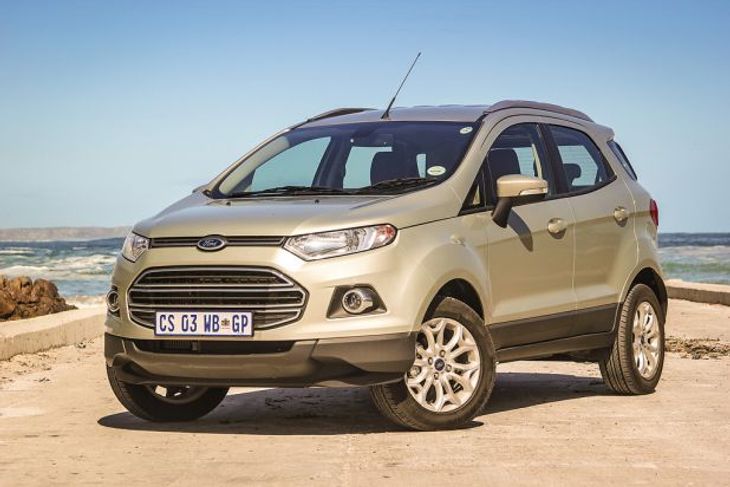
1. Ford EcoSport
Ford's EcoSport continues to find favour in South Africa, and is the top seller of 2016, thus far.
The Ford EcoSport has been a strong seller for the Blue Oval ever since its introduction. It is not hard to fathom why: it offers great manoeuvrability due to its compact size, good fuel efficiency, a spacious and practical cabin and… all of that wrapped in a package that has just enough SUV machismo in its design.
Consider the EcoSport if: you are looking for a compact, well-equipped daily driver that offers enough space for weekend escapes with the family.
Priced from R239 900 (for the entry-level 1.5 Ambiente) to R299 900 (for the 1.5 Titanium Automatic), there is an EcoSport for everyone. The entry-level derivative is the range's top seller, but we'd nominate the 1.5 TDCi Titanium as arguably offering the best mix of driveability, economy and features. It is powered by a punchy 1.5-litre turbodiesel and has a claimed consumption figure of only 4.6 L/100 km.
Titanium specification includes 16-inch alloy wheels, electronic stability control, climate- and cruise control, radio/CD player with Bluetooth and USB support, 6 airbags and rear park-distance control, among other items.
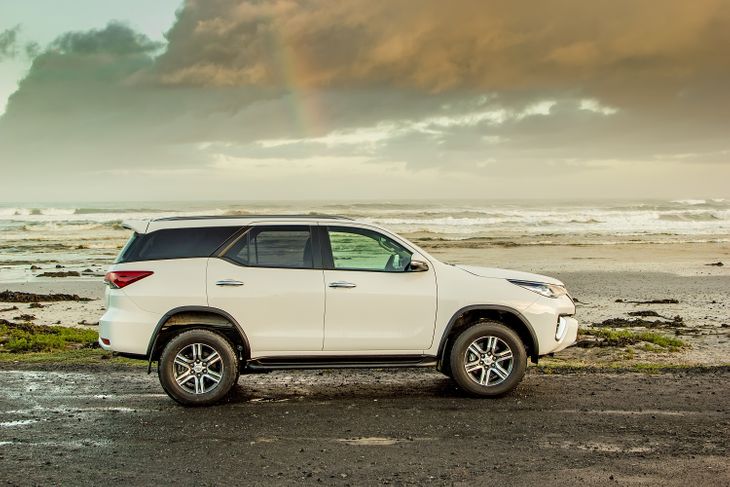
The entry-level version of the Fortuner represents outstanding value.
As we had always expected, the new Fortuner has hit the ground running and Toyota can't keep up with demand. The newcomer is a big step forward from its popular predecessor in terms of refinement, interior design and boasts a number of excellent new engines as well.
Consider the Fortuner if: you are going to head off the beaten track quite often, and need 7 seats. It remains a superb off-road vehicle.
The Fortuner line-up starts at R439 000 for the 2.7-litre petrol auto, but that is a very thirsty vehicle, so the 2.4GD-6 looks like a far better bet and is offered with manual or automatic transmission. An unfortunate specification issue is that Toyota offers this derivative with only 3 airbags (all in the front of the vehicle). If you want a more comprehensive safety package, you'll have to stretch your budget to one of the excellent 2.8GD-6 derivatives – available in 4×2 or 4×4, as well as automatic or manual guises. A 4.0-litre petrol version is also offered, but only for diehard petrolheads.
Following its recent facelift, the Toyota RAV4 is arguably a more rounded product than ever before, and it shows in the sales charts. The RAV4 was one of the original "soft" off-roaders and its enduring appeal is arguably unmatched by any competitor. What is the secret behind its success? Well, it's not really a secret… The RAV4 is an excellent all-rounder backed by the largest dealership network in South Africa. After all, Toyota is our current Brand of the Year.
Consider the RAV4 if: quality, practicality and fuss-free motoring are high priorities.
The Toyota RAV4 line-up starts with the 2.0 GX at R354 500, but the automatic version (R366 500) is equally popular and gets our vote as the pick of the range, all things considered. That said, the higher-priced 2.2-litre turbodiesel variants are superb too (starting at R443 400) and both offer all-wheel drive. There is also a 2.5-litre all-wheel drive derivative (R494 300), but it has proven relatively unpopular.
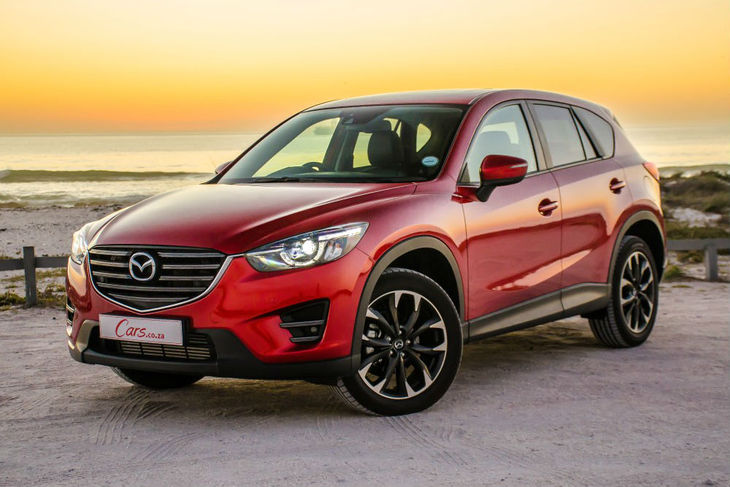
Though hardly new anymore, the CX-5 appears to be growing more popular with age!
First introduced in 2013, the Mazda CX-5 appears to be similar to a good red wine (insofar as it improves with age). The recent facelift has certainly made it a more attractive offering, but at its core, the CX-5 has always been a solid offering, with a classy, upmarket cabin, good space utilisation and excellent ride comfort. Now that Mazda is being marketed and distributed independently of the Ford brand, it appears to be on a very strong footing.
Consider the CX-5 if: you want value and quality, but don't want to compromise on style and comfort.
The CX-5 line-up begins with the 2.0-litre Active (R350 500), which is a solid value offering. In fact, the automatic version (R361 800) was a Family Car finalist in our inaugural Cars.co.za Consumer Awards and is the top seller in the range. Further up the range, we rate the 2.2DE AWD Akera derivative very highly for its combination of power/efficiency and luxury. But no matter which model is being considered, the CX-5 is eminently recommendable.
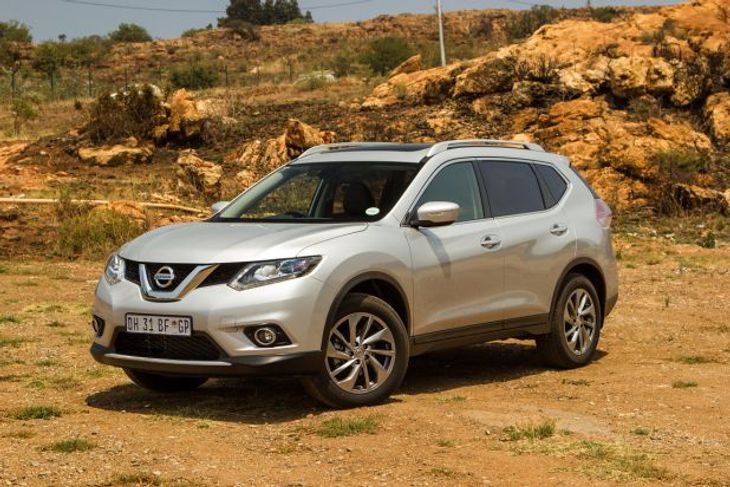
The Nissan X-Trail can also be specified with optional third-row seating.
The Nissan X-Trail is a firm Cars.co.za favourite – it was a finalist in both the Family and Leisure Car categories of the first annual Cars.co.za Consumer Awards. Exceptionally versatile, well-made and with solid Nissan backing, it's no wonder that South Africans agree.
Consider the X-Trail if: you are looking for one car to do everything – a relatively compact SUV/crossover with 7 seats.
The most affordable X-Trail is the 2.0 XE petrol-engined derivative (R354 900). This is also the best-selling X-Trail and the version we nominated as a finalist for the Cars.co.za Consumer Awards, in the Family Car category. Nissan also offers the frugal 1.6dCi derivatives (with 4×4 being available), as well as the flagship 2.5-litre petrol SE 4×4 derivative. The latter is equipped with a CVT (continuously variable transmission), which, according to the sales figures provided by Lightstone, has found favour in South Africa. Note that for less than R10 000 extra, the third-row seating is a great optional extra on the X-Trail.
The X-Trail is also one of South Africa's most frugal SUVs… read more here
6. Mazda CX-3
The second Mazda to make the list is somewhat of a surprise. The CX-3 is a stylish compact SUV that trades heavily on its design appeal and luxury car features, rather than usual SUV staples such as practicality and rough-road ability. And… it is working. We recently spent a month with the CX-3 to discover its charms, which you can hear about them the video above.
Consider a CX-3 if: you're looking for a compact city slicker that looks the part (you don't want a conventional hatchback) and if style and a plethora of features are more important to you than ultimate spaciousness and boot size.
You can step into the bottom-of-the-range CX-3 2.0 Active for R274 400. Based on the Lightstone sales figures, however, it is clear that when it comes to the CX-3, South Africans want all the goodies and, as a result, the top seller is the flagship Individual Automatic (R351 000). All CX-3s use the same 2.0-litre petrol engine, and as we've found it, you have to adjust your driving style slightly to make full use of its efficiency-boosting technologies.
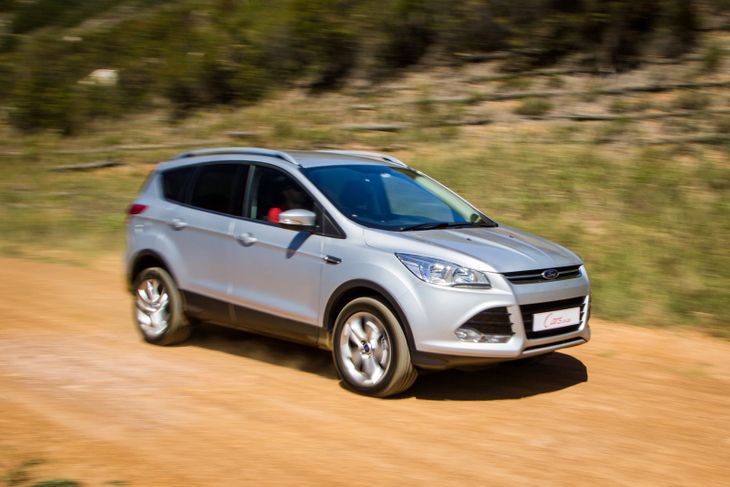
Superb cabin comfort, spaciousness, value for money and ride quality are Kuga hallmarks.
The second Ford SUV to make the Top 10 is the evergreen Kuga, the Blue Oval's mid-size offering that competes with the likes of the Hyundai Tucson, Toyota RAV4 and Volkswagen Tiguan. The Kuga is a very spacious vehicle with excellent utility space (once those rear seats are folded down). As is to be expected from Ford, the standard features list is generous, which is why the Kuga offers such excellent value for money – and consequently, sells so well.
Consider the Kuga if: you want maximum value for money, with a long list of standard features in a very practical, comfortable vehicle.
There are no fewer than 8 Kuga models to choose from and the range starts with the 1.5T Ambiente (R366 900), which is also the top seller in the line-up. We recently had the 1.5T Trend Automatic (R422 900) on an extended test, so watch out for a full report and video coming soon. This model proved to be exceptionally comfortable and adept at making the daily slog in traffic a pleasant affair. We did, however, struggle to match Ford's fuel economy claims on this model, so if it is efficiency you're after, then perhaps consider the pricier 2.0 TDCi turbodiesel derivatives (from R488 900).
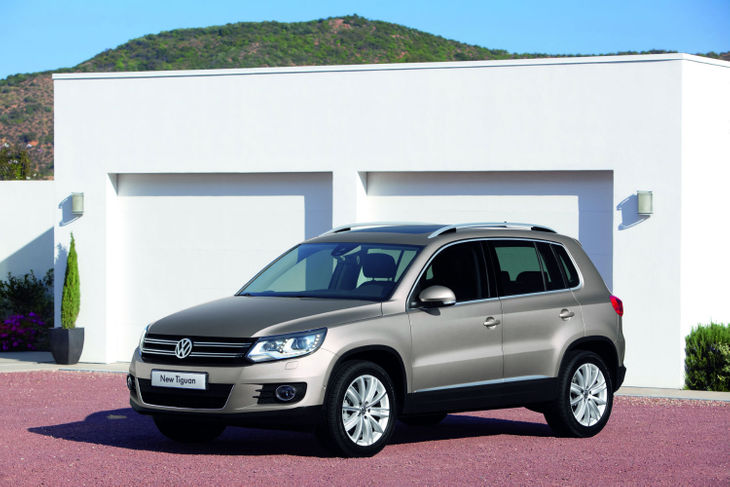
A replacement for the Tiguan is imminent, but the current version remains popular.
Even in the face of imminent replacement, the current Tiguan still sells in droves. Originally introduced as long ago as 2007, the Tiguan has shown remarkable longevity, with its design remaining up to date courtesy of frequent small updates. Though a bit small inside by modern standards, it still offers superb drive comfort as well as, of course, the desirability that comes from having the Volkswagen badge on the nose. They're popular on the used market, too, so selling after a few years shouldn't be a problem.
Consider the (current) Tiguan if: you can twist your VW dealer's arm for a great deal. After all, a new model is imminent.
The current Tiguan line-up starts at R367 000 for the entry-level 1.4 (90 kW) TSI Trend&Fun and peaks with the 2.0 TSI 4Motion Sport&Style (R530 300). There are 8 models in total, and the most popular variant in South Africa is the base model, with the 2.0 TDI Trend&Fun also proving a sales success. In fact, given the economy and driveability of the 2.0 turbodiesel model, we'd recommend the latter as our pick of the (current) range.
If value for money is your highest priority, then you've come to the right place if you're looking at the Renault Duster. Unlike most compact SUVs these days, the Duster is designed for some rougher use. The materials used inside may not be as glitzy as on some rivals, but is hard-wearing, and the spaciousness of the Renault's cabin also promotes a wider variety of lifestyle applications. In short, consider the Duster the automotive equivalent of a duffel bag.
Consider the Duster if: the budget is tight and you need a spacious, practical all-rounder that doesn't mind getting its boots dirty.
The Duster 1.6 Expression (R232 900) is the entry-level model and also one of the most popular, along with the 1.5dCI Dynamique (R276 900). A limited-edition 1.6 Explore derivative was recently added for R258 900. The flagship is the 1.5dCi Dynamique 4WD that sells for R296 900. We think the two-wheel drive 1.5dCI Dynamique represents the sweetspot in the line-up.
The only brand with 3 vehicles in this Top 10 list is Ford, courtesy of a strong performance by its Everest. Given the relatively limited model offering at present (no cheaper 2.2-litre offerings, yet), the Everest looks well positioned for massive jumps up the sales ladder once the range expands. Like its arch-rival, the Toyota Fortuner, the Everest is targeted at families that want to head off the beaten track every now and again. It is very impressive off-road, and offers greater on-road comfort than the Toyota.
Consider the Everest if: you intend going off-road, towing heavy trailers/caravans, need 7 seats and don't want to compromise on daily driving comfort.
At present there are only two models on offer, and both are powered by the company's brawny 3.2-litre turbodiesel engine. The pricier Ltd model (R698 900) is the top seller, but the more affordable XLT (R634 900) is also worth considering.
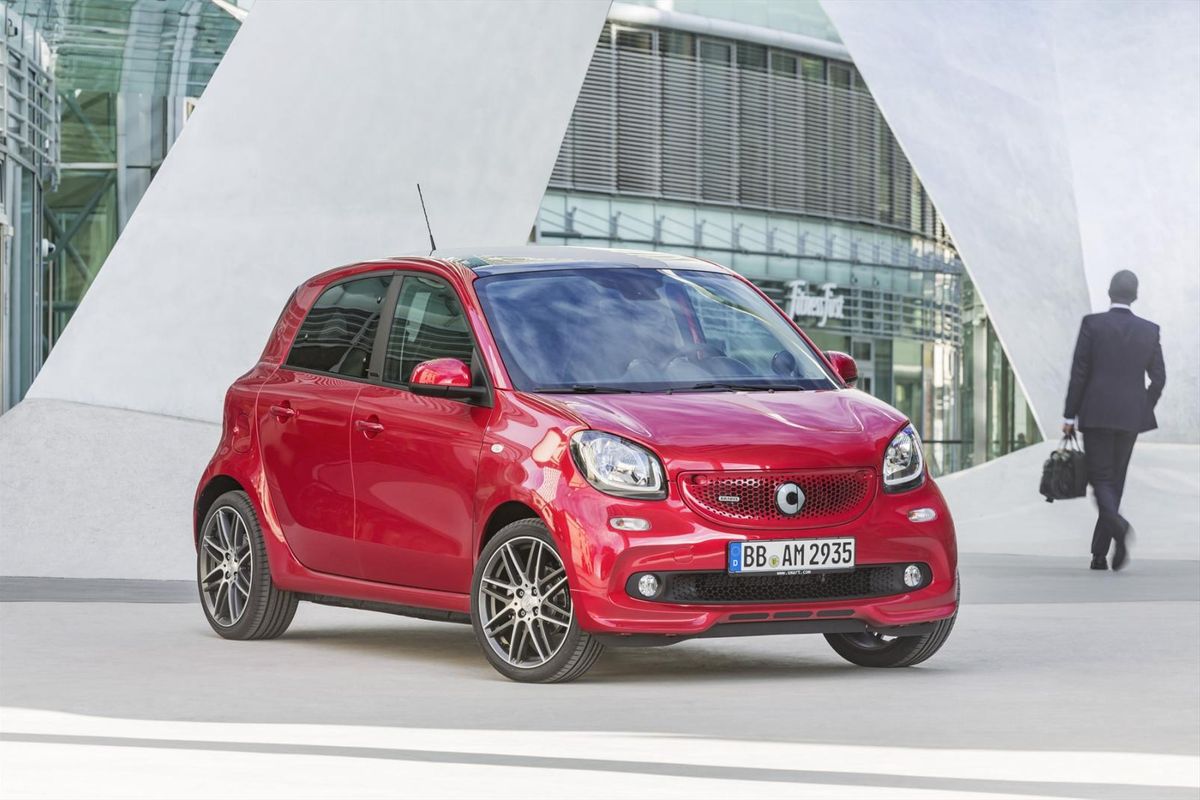
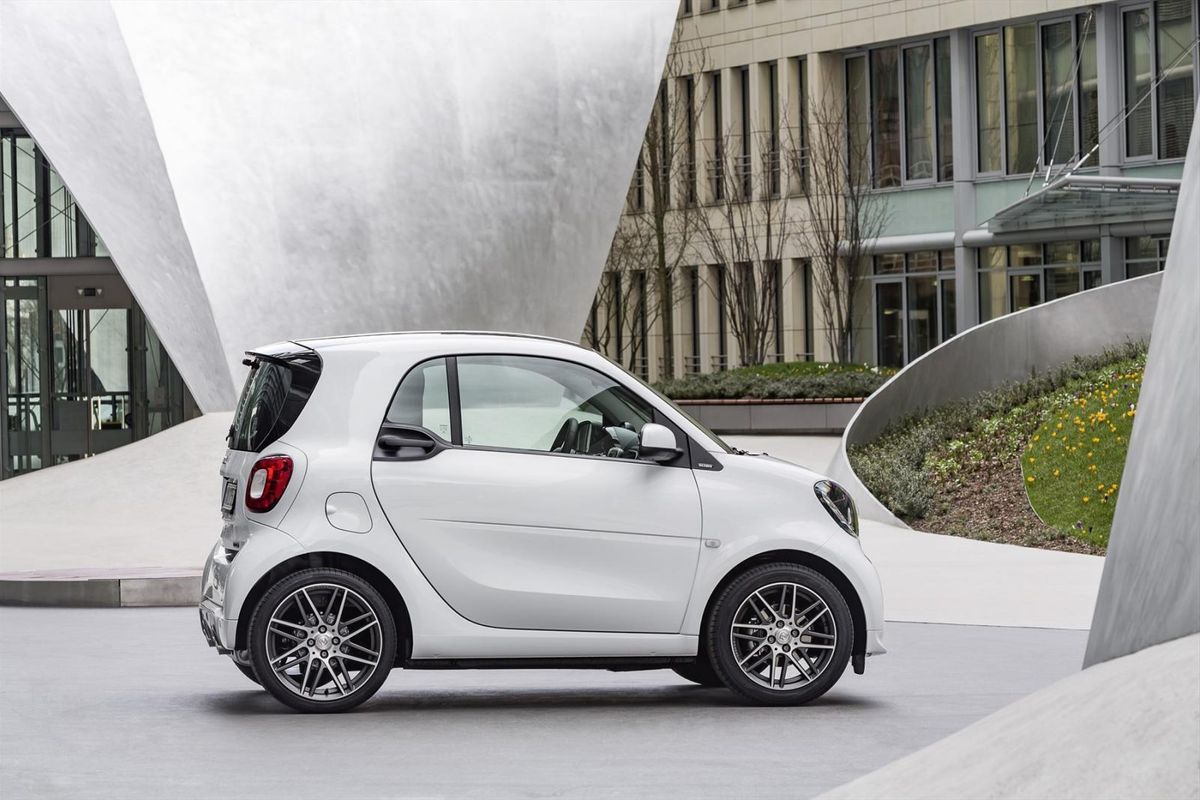
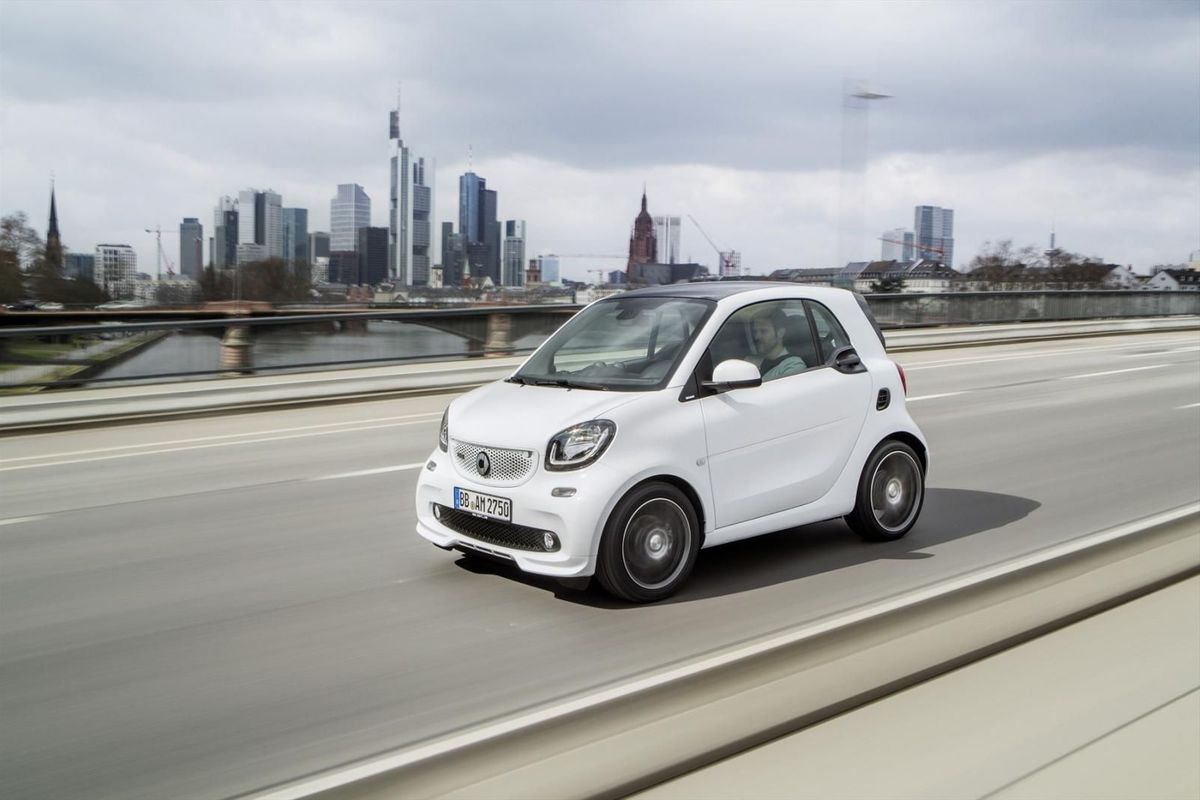
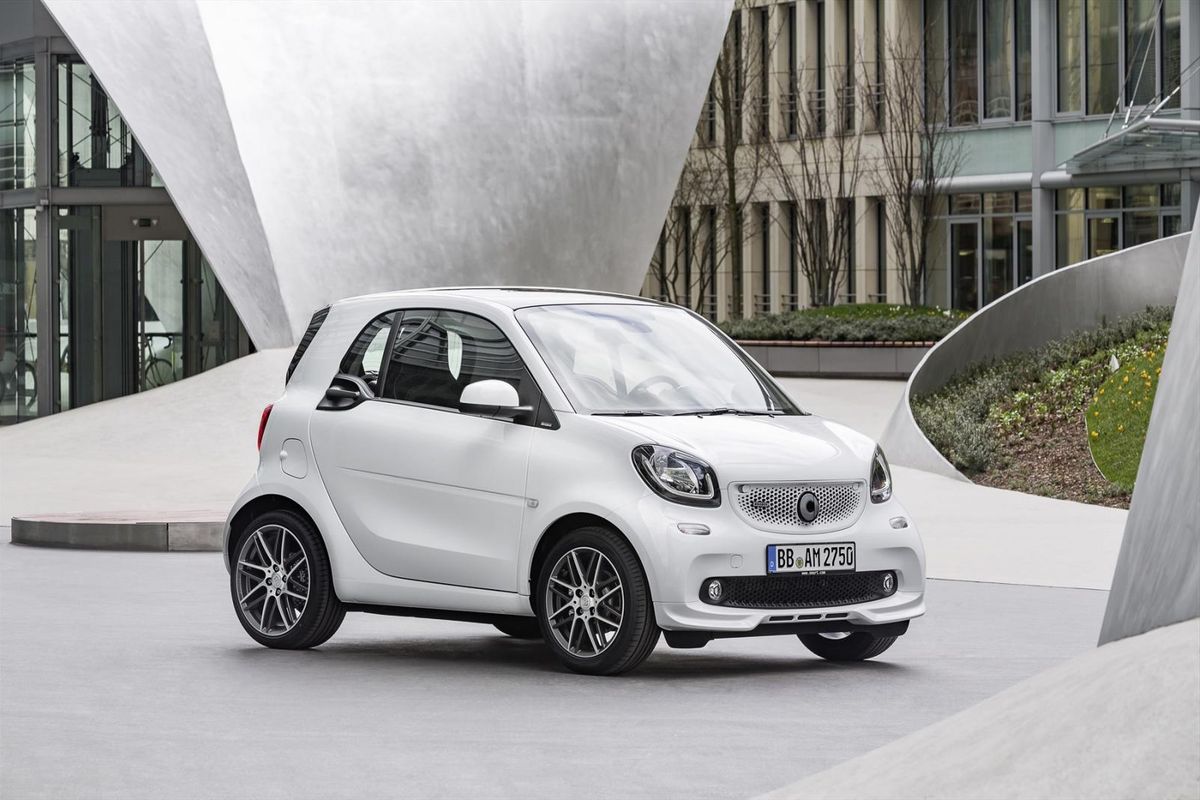
The performance tuning arm of Smart has developed unique ForFour and ForTwo derivatives with more power and performance- oriented dynamics.
Brabus is renowned for tuning Mercedes-Benz products to spectacular levels of performance, but the firm is also known to tune tiny cars… The Smart Brabus ramps up the performance on the otherwise tame Smart city car; not only is it available with a turbocharged engine, but with two levels of trim.
The 0.9-litre turbocharged engine, which normally develops 66 kW, has been tuned up to deliver 80 kW with 170 Nm of torque. The shift in power reduces the claimed 0-100 kph time to below the 10-second barrier (9.5 seconds) and the Brabus will apparently hit a top speed of 180 kph.
The 6-speed dual-clutch gearbox has been enhanced to deliver faster shifts and also features a race-start mode. Race-start (colloquially known as launch control) allows the driver to hold the car on the brake while the revs build up to optimal launch conditions.
Other fun additions to the Brabus Smart are the sports-tuned steering, sports- exhaust system and sports suspension. The suspension is 20% stiffer than on the normal car and, with an added anti-roll bar, reduces roll in the corners. The final performance touch is grippier Yokohama tyres that add a little extra grip.
The Brabus interior differs from the standard model's as well. Special Brabus seats, steering wheel, handbrake, sports pedals and gear knob are installed.
Those looking for an extra touch of sportiness to their Brabus Smart can opt for the Xclusive line. This upgrade kit includes touches such as Brabus leather seats, black and white Brabus instruments, Brabus floor mats and an Xclusive badge.
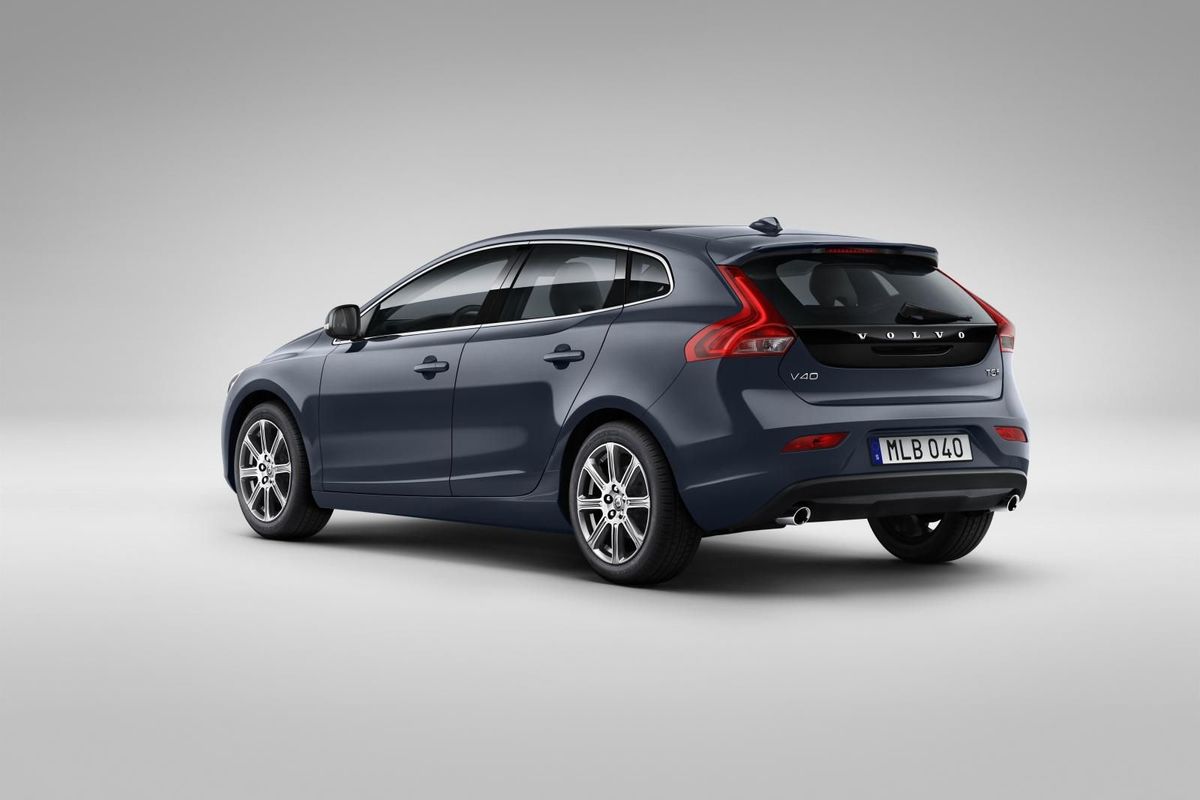
A facelifted version of the Volvo V40 is set to be introduced in SA shortly. Here’s how much you’ll be paying for the updated Swedish premium hatchback.
The most notable change for the facelifted Volvo V40 is the distinctive headlamp design that mimics that of the award-winning XC90. "Thor’s hammer" (as the shape of the running light element has been nicknamed) is integrated into headlamp design and provides a striking front-on appearance for the V40. Between the front lights, the V40’s grille is more upright, again, like the XC90's. The exterior facelift is topped off with new wheel designs and a new Denim Blue paint finish.
There are 4 spec levels: entry-level Kinetic, mid-range Momentum, luxurious Inscription, and sporty R-Design, the latter of which rounds out the range. Volvo has specced all models with City Safety, which automatically detects objects and, if necessary, brakes the car to avoid a possible accident at lower speeds.
Three turbodiesel models and 5 turbopetrol models will be available from launch, all front-wheel driven. The D2 entry-level turbodiesel is only available as a manual, while the T3 and T4 turbopetrols are available in both manual and automatic. The D3 and D4 turbodiesels are only available in automatic.
Much of Volvo’s safety technology has filtered down to the V40 from the XC90, but many of the features are only available as options. Road sign detection, lane keeping aid, automatic parking, traffic congestion information and adaptive cruise control are all now available on the V40.
Power outputs are as follows (derivate names that start with T are turbopetrols, D: turbodiesels):
Volvo V40 T3: 112 kW and 250 Nm (manual is a 2-litre, auto a 1.6-litre)
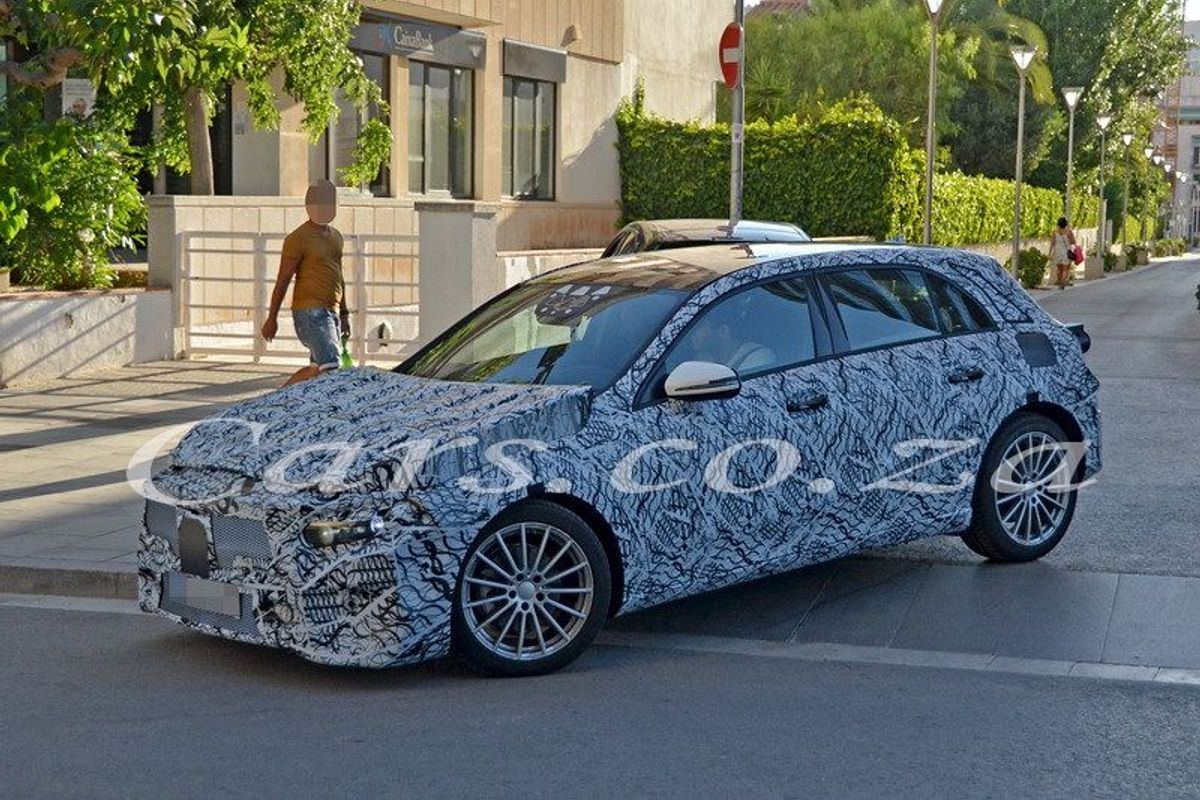
Spy shots of the third generation Mercedes-Benz's A-Class premium hatchback have emerged.
The Mercedes-Benz A-Class shook up the market when the MPV-like first generation model was replaced by an also premium-positioned, but altogether sportier version in 2012. Facelifted internationally towards the end of 2015, it reached South African shores in early 2016 and we tested it thoroughly.
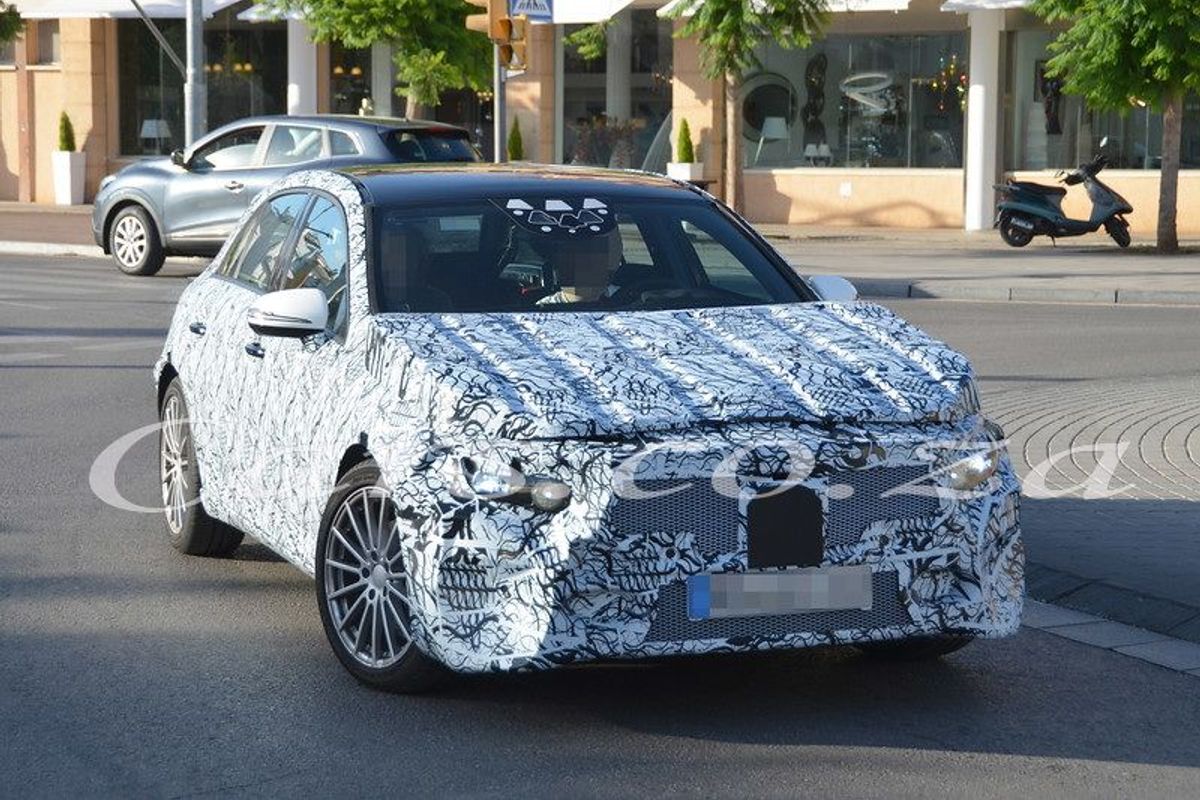
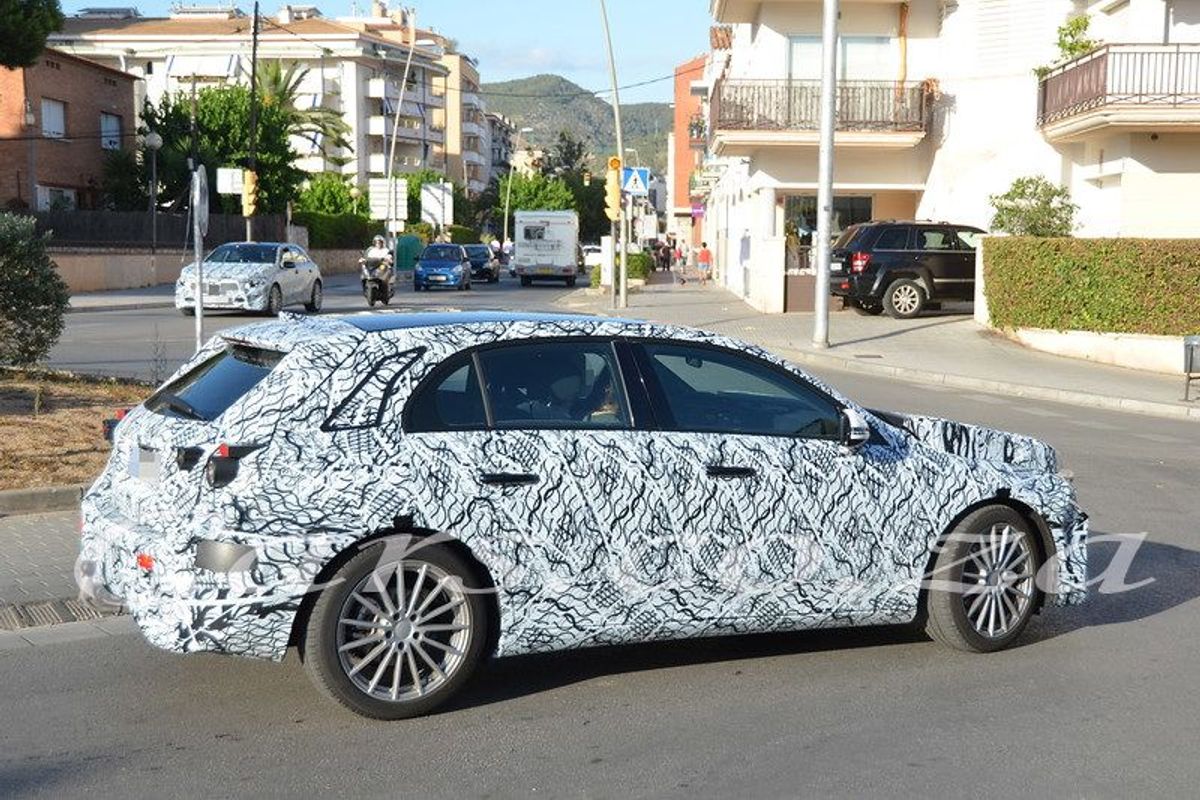
However, a series of photographs showing the next generation of Mercedes-Benz A-Class have already emerged. This model is scheduled to be unveiled in 2018 and these are the first pictures of the car being tested on a public road. While the test unit is heavily camouflaged, you can see some new details such as new mirrors, enlarged rear doors and a hatchback that looks a little wider than the outgoing model's, all of which will help to improve practicality.
We expect this model to feature the latest in Mercedes-Benz technology as showcased on the recently-introduced E-Class and we'd be very surprised if there was no autonomous driving functionality. Judging from the number of addenda, which appear to be an array of sensors (on the front of the car), the hatchback's likely to be pretty high tech indeed. Right now this vehicle is in the very early stages of development we'll keep you up to date.
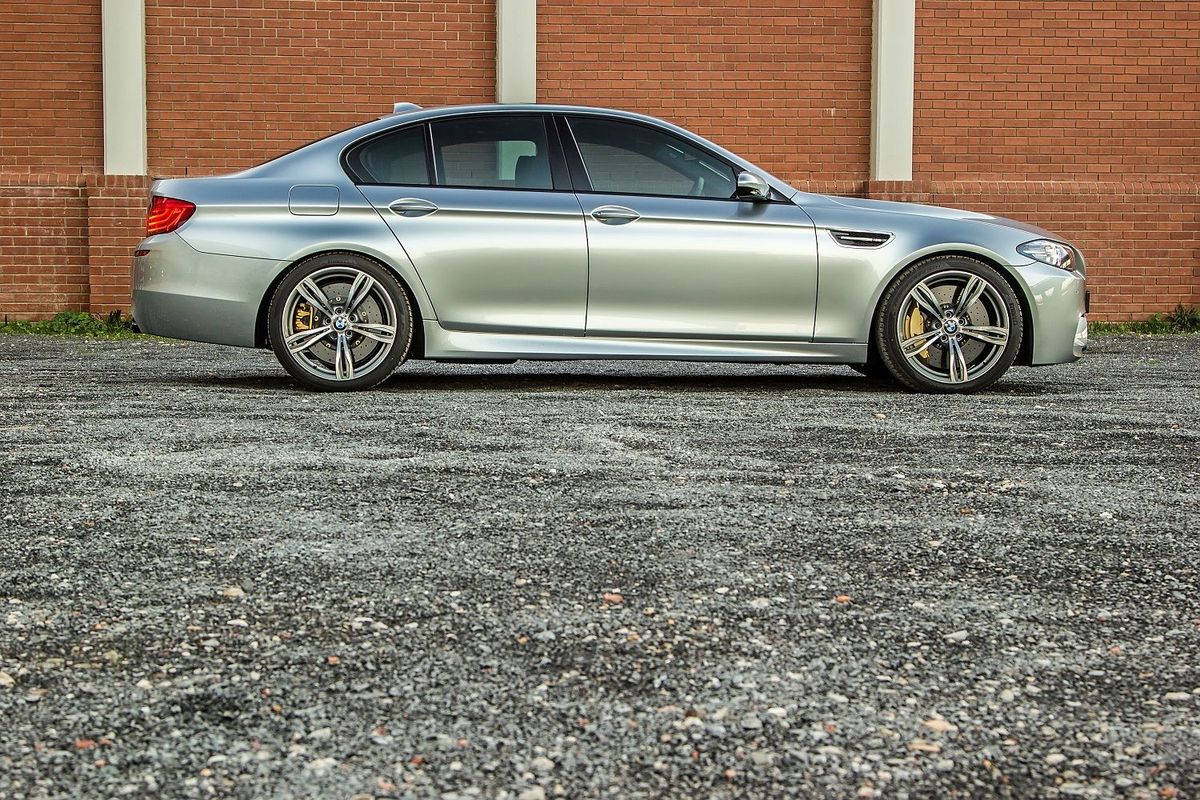
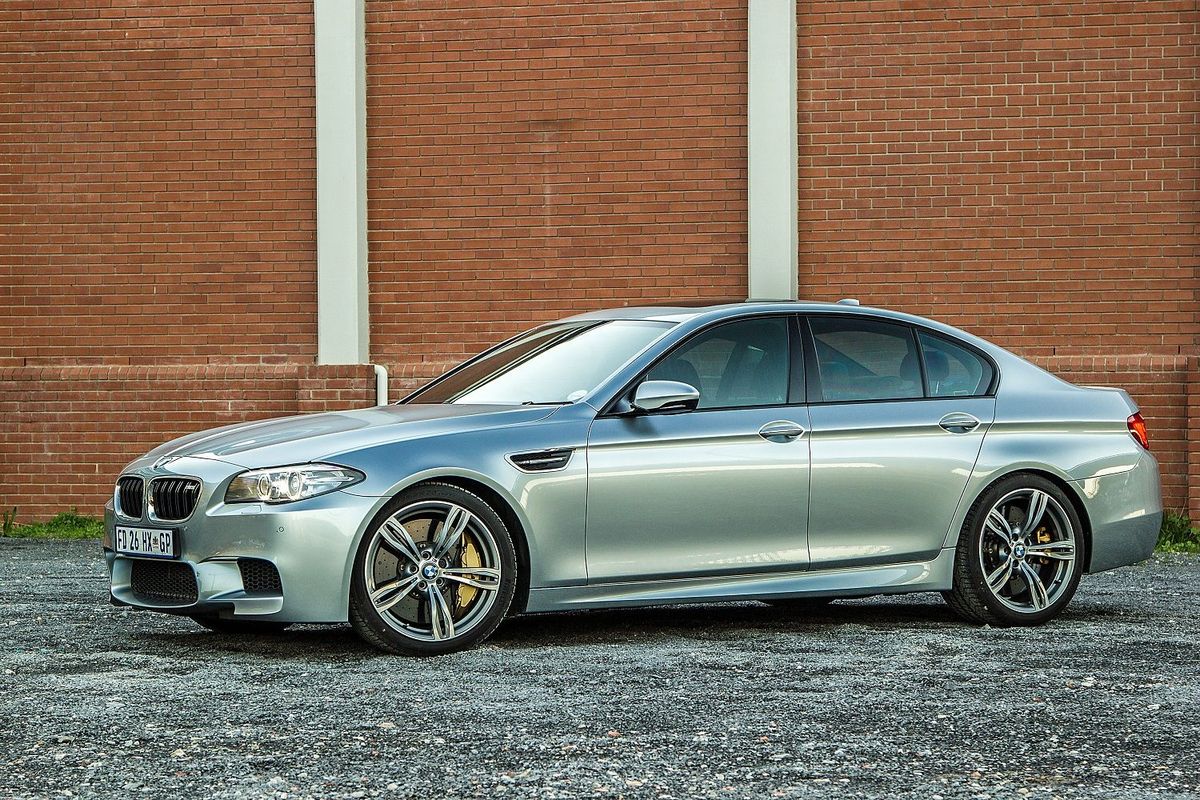
This is the final hurrah for the flagship of the F10-generation BMW 5 Series. It’s the most powerful and exclusive M5 to make landfall in South Africa, and we spent 7 days holding on for dear life.
We Like: Effortlessly fast, gorgeous paint finish, immense brakes
We Don’t Like: Underwhelming noise, cabin feels a little dated despite recent updates
Alternatives:
German alternative one:Audi RS7 Sportback. This biturbo brute offers quattro all-wheel drive, which helps it match the M5 Pure Metal Edition off the line. There’s no sedan option as the RS6 is a station wagon, but at least the RS7 is a 4-door “coupe”. It’s more affordable, but not a limited-edition car.
German alternative two:Mercedes-AMG CLS63 S. Benz doesn’t have a direct rival to the BMW as the new E-Class AMG is still some way away. However, the CLS63 S offers performance that runs the M5 very close. It’s fractionally down on power, but offers 100 Nm more torque.
Something a bit different:Porsche Panamera Turbo. The Panamera is a four-door 2+2 and in Turbo guise, its delivers substantial punch. It offers less than 400 kW, but a mighty 770 Nm will help it keep up with the M5. It’s a bit more expensive, however, and due for replacment too.
The BMW M5 is such an iconic performance sedan that many unit sales could be attributed to the truncated name of the top-of-the-range 5 Series alone. The M5 badge carries tremendous gravitas and prestige, and the world’s premium marques have no choice but to sit up and pay attention to every new iteration of this Autobahn-storming uber saloon, which offers searing pace, seats 4 adults in sumtuous comfort and can haul all their luggage too.
It’s a great recipe and that’s the reason why each successive version of the M5 to roll off the production line carries with it great expectations. The current M5 represented a departure for the BMW… the introduction of turbocharging made the F10-generation version somewhat less intense and, ultimately, charming, than its predecessors, but the 4.4-litre forced-induction V8 – not least its dual-clutch transmission – delivered far more flexible performance.
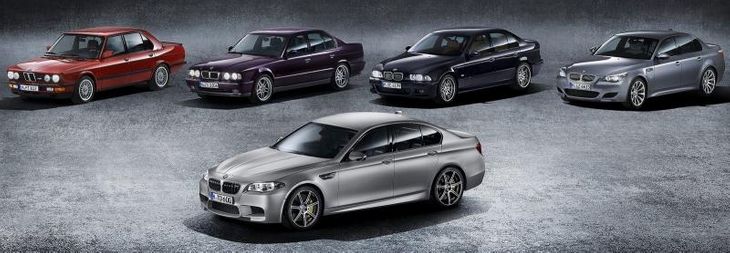
BMW M5 30 Jahre with the older M5 versions. We didn’t get the derivative here, so BMW SA made its own version.
The current M5 was unleashed upon the world a few years back and now, as we cross the middle of 2016, it’s almost time for this model to be replaced. An all-new BMW 5 Series is imminent and a new M5 is sure to follow shortly thereafter. To celebrate the end of the (F10) BMW M5, there was a limited edition model called the 30 Jahre. This vehicle never made it to South Africa, but BMW South Africa chose to make its own special version, again. We say again, because BMW SA created the 333i and 325iS Evo I and II when the first-generation M3 was unavailable for the local market. Let’s not forget the E92-generation M3 Frozen Edition either, which made up for the BMW M3 GTS’ non-arrival… Thanks, BMW SA, you’re permanently on our Christmas card list.
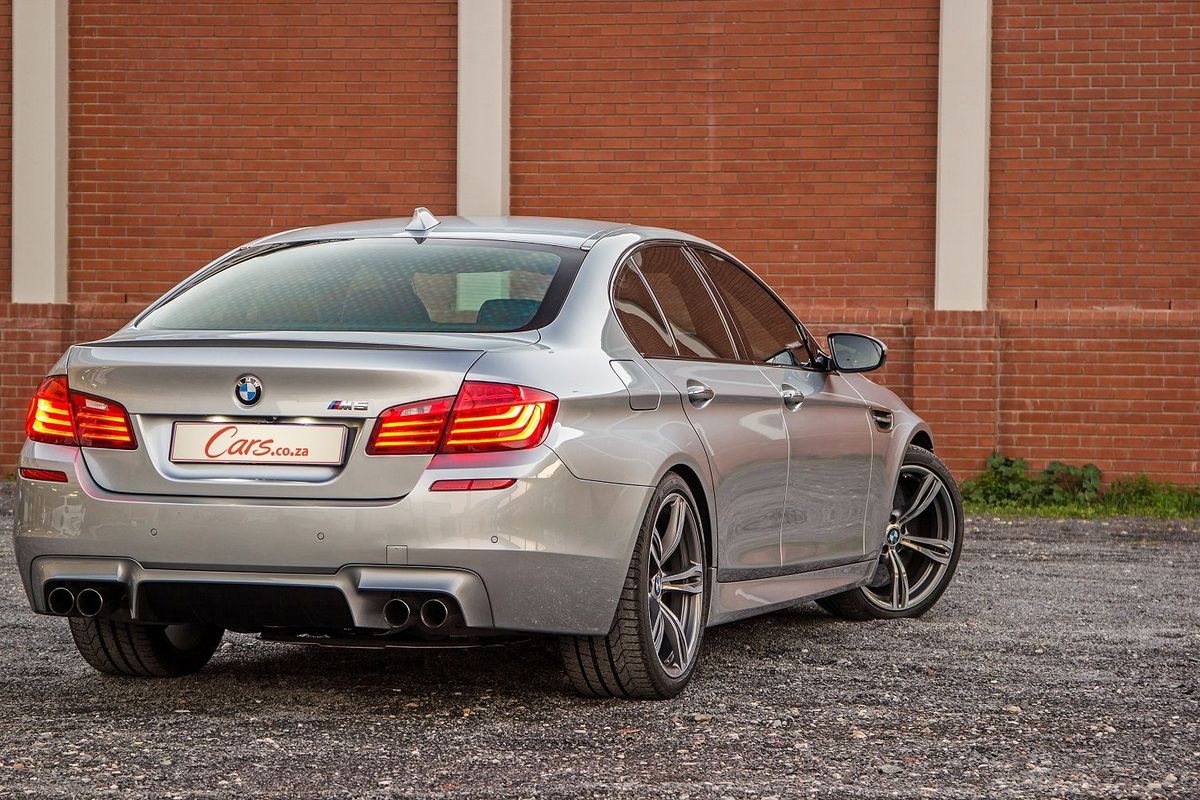
So, what is this BMW M5 Pure Metal Edition all about? Let’s start with that colour. It’s called Pure Metal Silver Metallic and, at first glance, it almost looks like a chromed finish! The paintwork simply glistens in direct sunlight and is quite dazzling. If you want this exterior finish on a standard M5, it will cost you a tidy R100 000 extra. It’s a one-of-a-kind paint option and, as you’ll see in the video below, it’s the product of a unique manufacturing process.
How does it fare in terms of…
Performance and ride quality?
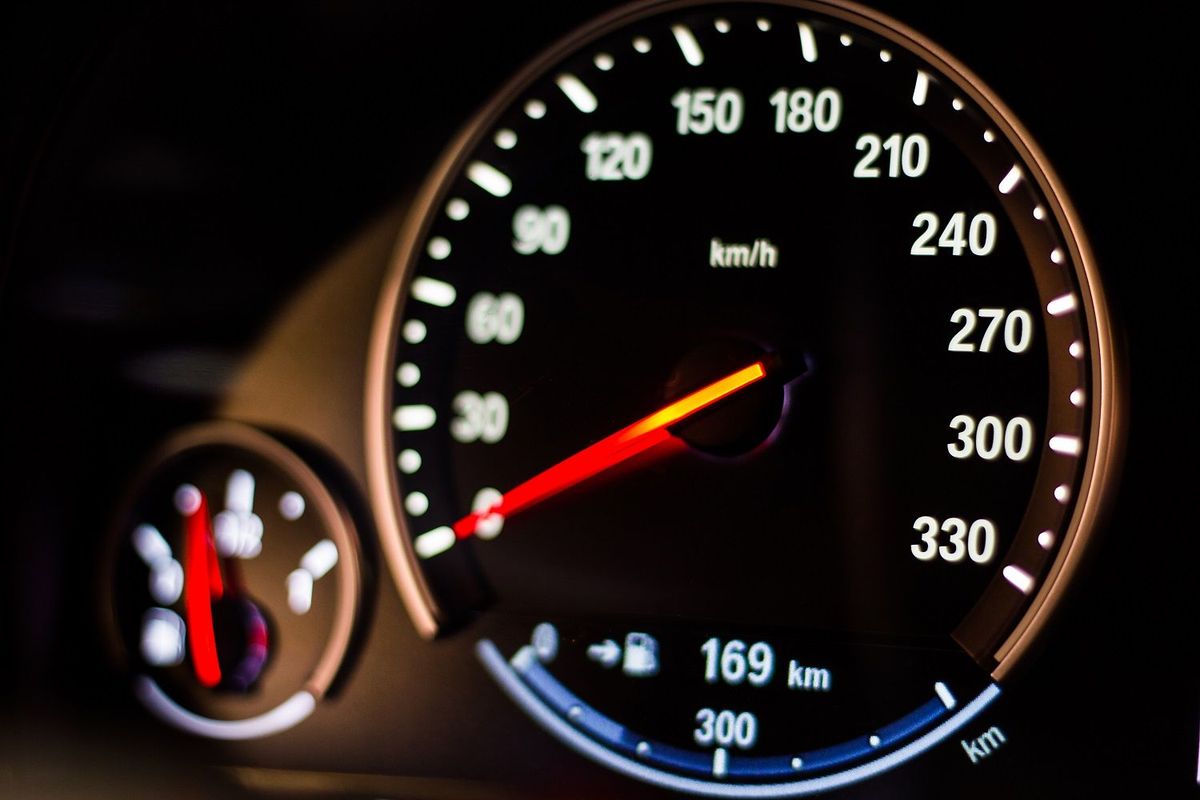
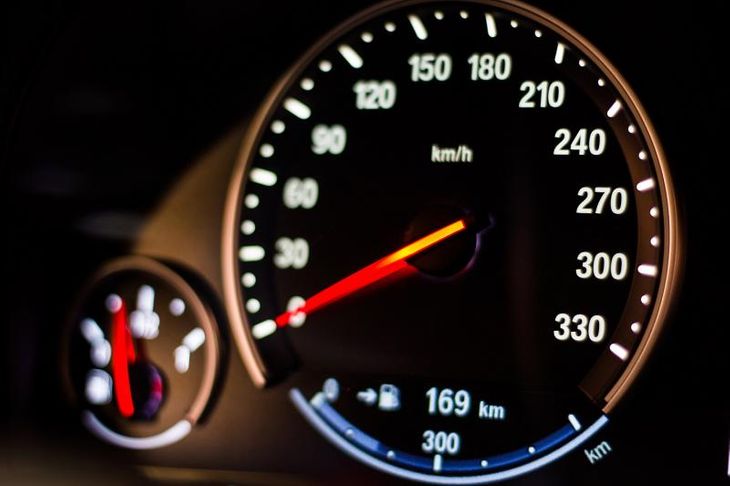
Speedometer reads to 330 kph. While most cars are marked to an optimistic number, this M5 feels like it could get to 330 kph.
This particular M5 also has a 4.4-litre twin-turbocharged V8 motor, but whereas in standard guise this engine produces 412 kW and 680 Nm, this version has been upgraded to deliver peak outputs of 441 kW and 700 Nm (power is transmitted to the rear wheels via a 7-speed dual clutch transmission).
Climb into the Pure Metal Edition, click your seatbelt into place and stab the “Engine On” button. When the V8 bursts to life, its engine notes is – by the standards of modern performance machinery – seriously underwhelming. At the time of writing, a shiny BMW M4 fitted with an M Performance exhaust system arrived for testing and compared with the M5, it sounded nothing short of demonic… So, when we look back at our time with the Pure Metal Edition, we missed some snarl from the quad pipes. It sounds a bit rorty from a cold start, but the note becomes muted once the M5 is up to operating temperature.
Noise (or lack thereof) aside, driving the Pure Metal Edition was an unforgettable experience. The typical BMW M configurable driving modes are available and you can alter the steering weighting, engine responsiveness, suspension pliancy and even adjust the severity of the gear changes. Set everything to comfort and you could fool people into thinking you’re in a normal 5 Series. Start playing with the settings and flick the M gearbox into its most aggressive mapping and prepare for neck-snapping shifts. The tiller is equipped with shift paddles and they’re a joy to use thanks to near-instantaneous responses.
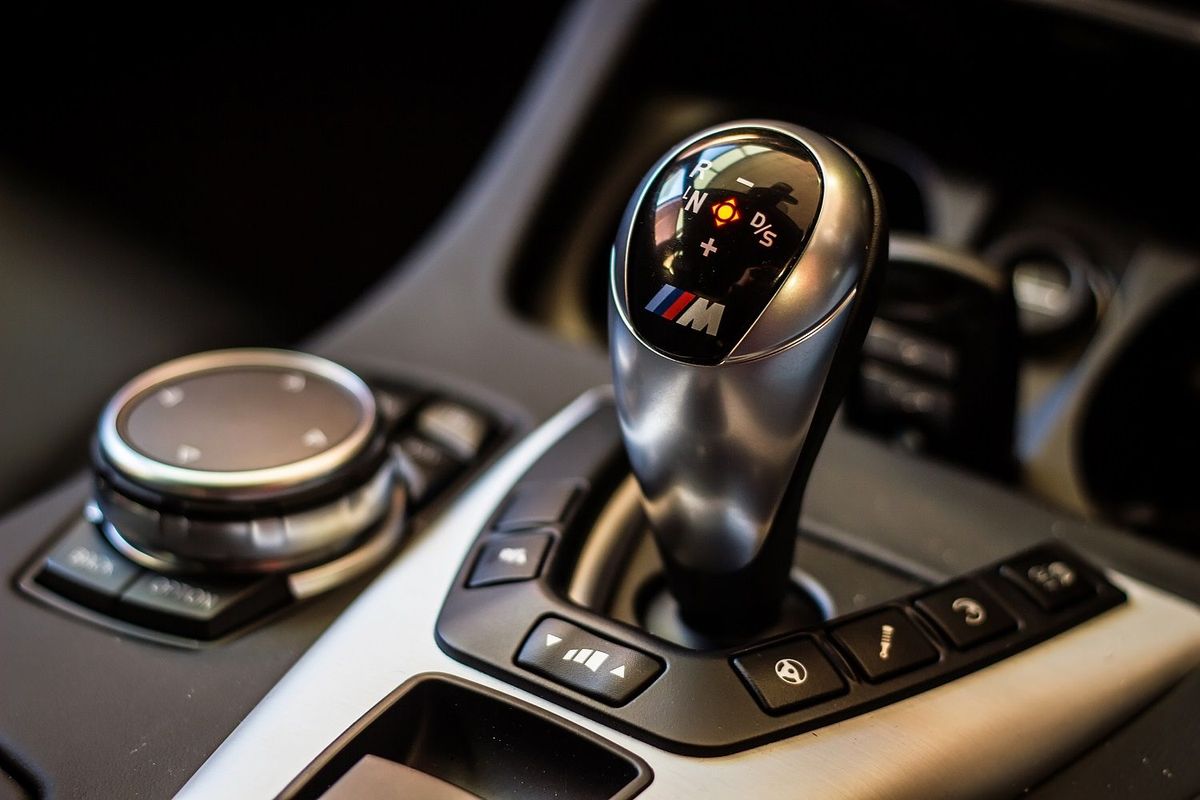
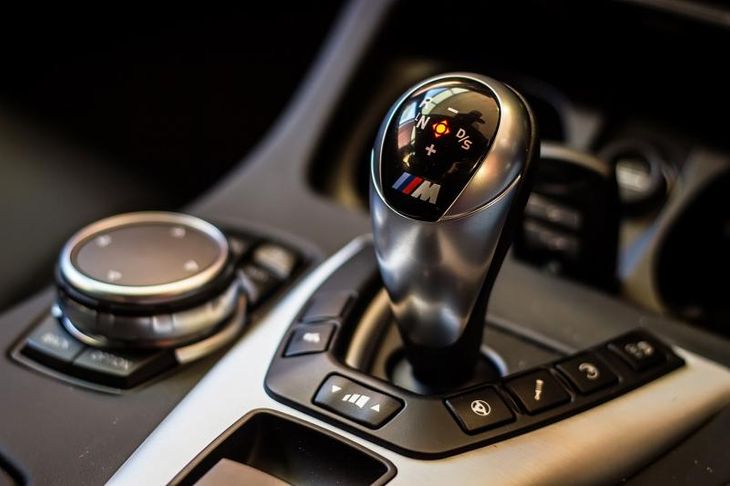
Typical BMW M stubby gear selector. Note the gear severity button just aft of the stub, and engine/suspension settings to the side.
The M5’s fitted with launch control, but we opted not to use it, because the BMW M5 Pure Metal Edition’s party trick is not turning in sheer obliterating sprint runs, but attacking the asphalt from speeds where it can lay its awe-inspiring power down. Obtaining a benchmark 0-100 kph time is not easy as the rear tyres tend to be overwhelmed by the BMW’s sheer grunt, but the way the super sedan accelerates in-gear from 80 kph is almost… terrifying.
If we had access to an Autobahn, this Pure Metal Edition could warp from 100 to 200 kph and if the road was long enough, go on to hit 300 kph. Acceleration is one thing, but the braking prowess is more impressive. The ceramic discs require a little more time to get up to peak operating temperature than steel ones, but once they’re primed, you can bring the Pure Metal Edition to a halt in such a manner that it feels like your eyes may pop out of their sockets!
When it’s not trying to defy the laws of physics, the BMW M5 Pure Metal Edition still does the basics right. When all the modes are set to comfort, it’s a comfortable and spacious executive sedan with plenty of overtaking power just a stab of your right foot away. The feel conveyed through the wheel is just right for driving enthusiasts who bemoan the fact that the overwhelming majority of executive cars feature overly numb (comfort-driven) steering setups.
Technology and comfort?
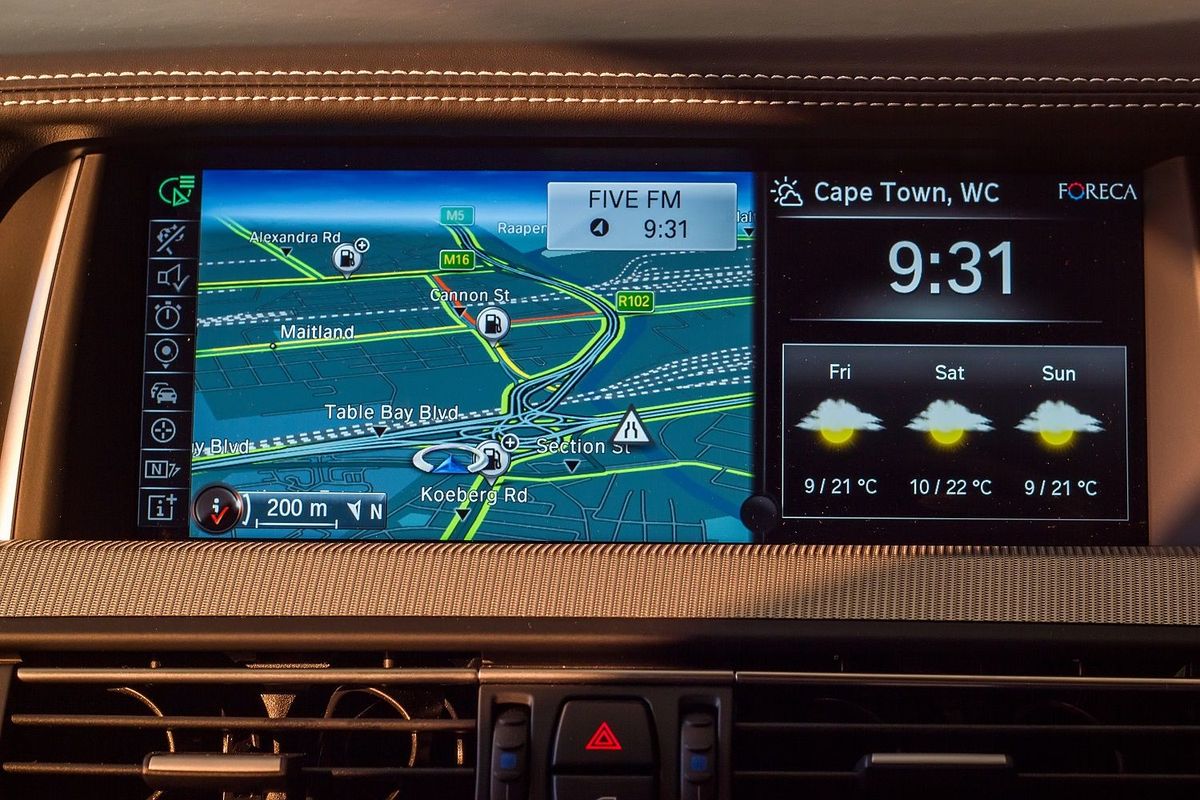
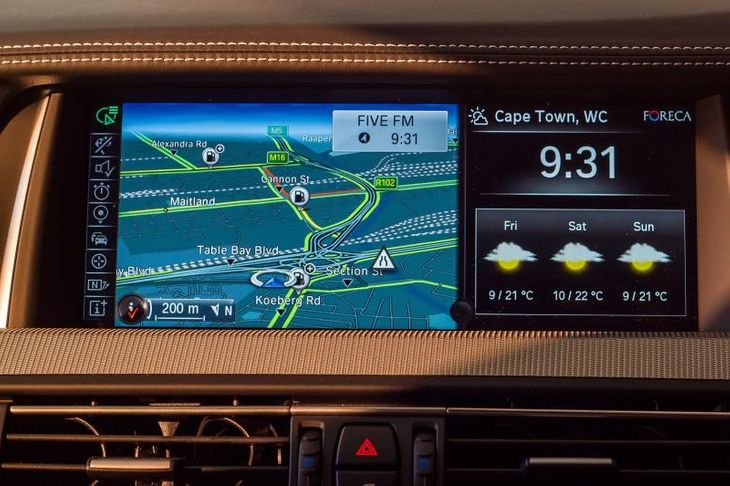
Live traffic updates are useful. BMW Connected services include weather and the car will even read news stories to you.
It must be noted: the Pure Metal Edition is not only impressive because of its monstrous engine and the fact that its driving experience can be customised to individual tastes. The head-up display is excellent, the satellite navigation features live traffic updates and when we landed up in traffic jams, the car amused us by reading out news headlines. Heated seats are a welcome addition, but we wish the Bang & Olufsen sound system was standard.
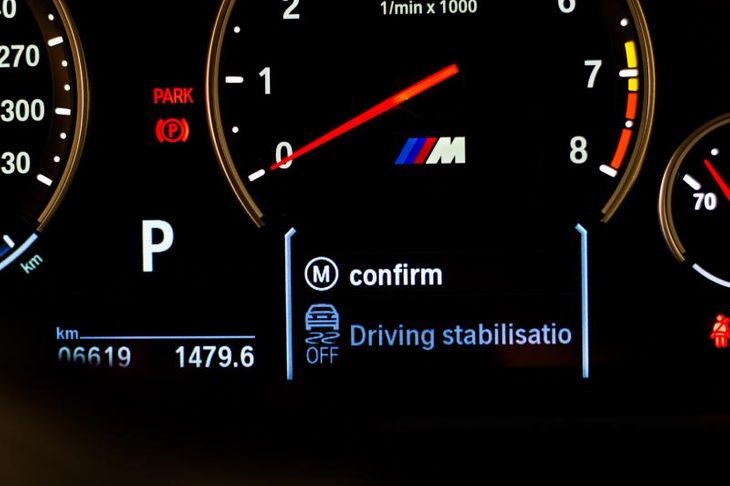
If you want a sporty and comfortable driving experience, then set the engine to sport and suspension to comfort. Easy. If you’re finding the gearshifts a little too savage on your neck, then dial the shift-severity down. You can further program your favourite Drive Mode settings into the M1 and M2 buttons on the steering wheel and even pre-disengage the stability control (although the onboard system will ask for confirmation). Do the latter at your own risk, however.
Switching of the M5 Pure Metal Edition’s stability control system should be avoided unless you feel particularly brave…
Value for money?
There are 2 ways to look at this. On the one hand, this is a limited-edition BMW M5 and, as the plaque on the dashboard points out, it’s one of 20 units that will be produced. Generally speaking, limited-edition performance vehicles hold their value well and (eventually) become highly sought-after collector’s items. If the BMW 1M is anything to go by, the BMW M5 Pure Metal will surely command high prices.
Then, on the other hand, when you compare the BMW M5 Pure Metal spec-versus-spec with an M5 Competition Pack (with a few extra boxes ticked), it seems a little expensive for what it is. Owners can, however, take comfort in the fact that they’re packing 441 kW, 18 kW more than the Competition pack and a whole 29 kW more than a standard out-the-box M5. You also gain those model-specific, executive-looking 20-inch alloy wheels.
And, the BMW M5 Pure Metal Edition is not just a shiny silver version of the M5 Competition Pack. To justify its high price tag, there are a few other tasty add-ons. Competition Package comprises a revised chassis, lower suspension, an Active M differential, a top speed increased to 305 kph and some electronic tweaks to the stability control and M steering. The Pure Metal Edition specification adds on ceramic brakes and an uprated interior comprising Merino leather-wrapped M seats, which offer a nice balance of support for performance driving and comfort for longer journeys.
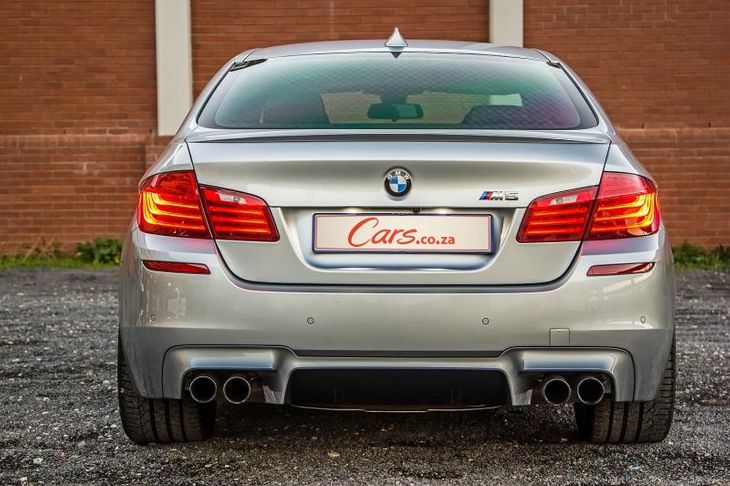
The view which most other road users will see of the BMW M5 Pure Metal Edition.
BMW M5 Pure Metal Edition price in South Africa
This limited-edition derivative costs R1 948 000, which includes a 5-year/100 000 km maintenance plan.
Verdict
The BMW M5 Pure Metal Edition is one special vehicle. By virtue of its near 2-tonne kerb weight, it should be appreciated more for its ferocious in-gear performance and high-speed cruising ability than its outright handling prowess (on tight, twisty roads). As great as the tyres are, they simply cannot cope with the sheer torque and unless you’re circumspect with the throttle, you’ll find the stability control light flashing in time to the rubberwear’s audible protests. We had an in-office joke about this car: it only has three gears: first, second, and HOLD ON FOR DEAR LIFE. Once it found some grip, the BMW M5 Pure Metal Edition would effortlessly lunge towards the horizon with passengers sitting in the back wondering how it was possible to be so brutal.
But not everyone is in the mood to drive at scenery-distorting speeds at all times, so with the Pure Metal Edition’s engine in its tamest setting, you’re behind the wheel of a supremely-specified BMW 5 Series, and while it does feel a tad dated, it’s superbly comfortable and refined. It offers one of the finest driving positions and even though it is a hefty car, it doesn’t feel dramatically larger than a 3 Series and is effortless to pilot in the confines of the city.
This generation of BMW M5 hasn’t quite won over the hardcore M5 fans whose eyes glaze over in happiness when you mention the sedan’s V10-powered SMG predecessor. They need to face the facts: engine downsizing and turbocharging are the way of the future, whether they like it or not. The next-generation BMW M5 is likely to use a similar engine and all-wheel drive, as featured on the mighty X5/X6 M, in on the cards.
As for the Pure Metal Edition, it’s a desirable swansong for this generation of the BMW M5. It’s not only stupendously fast, but involving to drive and let’s not forget those practical elements of a big boot and enough seating for four adults. If only it was louder/more dramatic in the aural department…
As Kia Motors South Africa prepares to launch an all-new Sportage compact crossover/SUV in the final quarter of 2016, the Korean marque has made small changes to its model line-ups, such as adding an SLX derivative of its Sorento SUV.
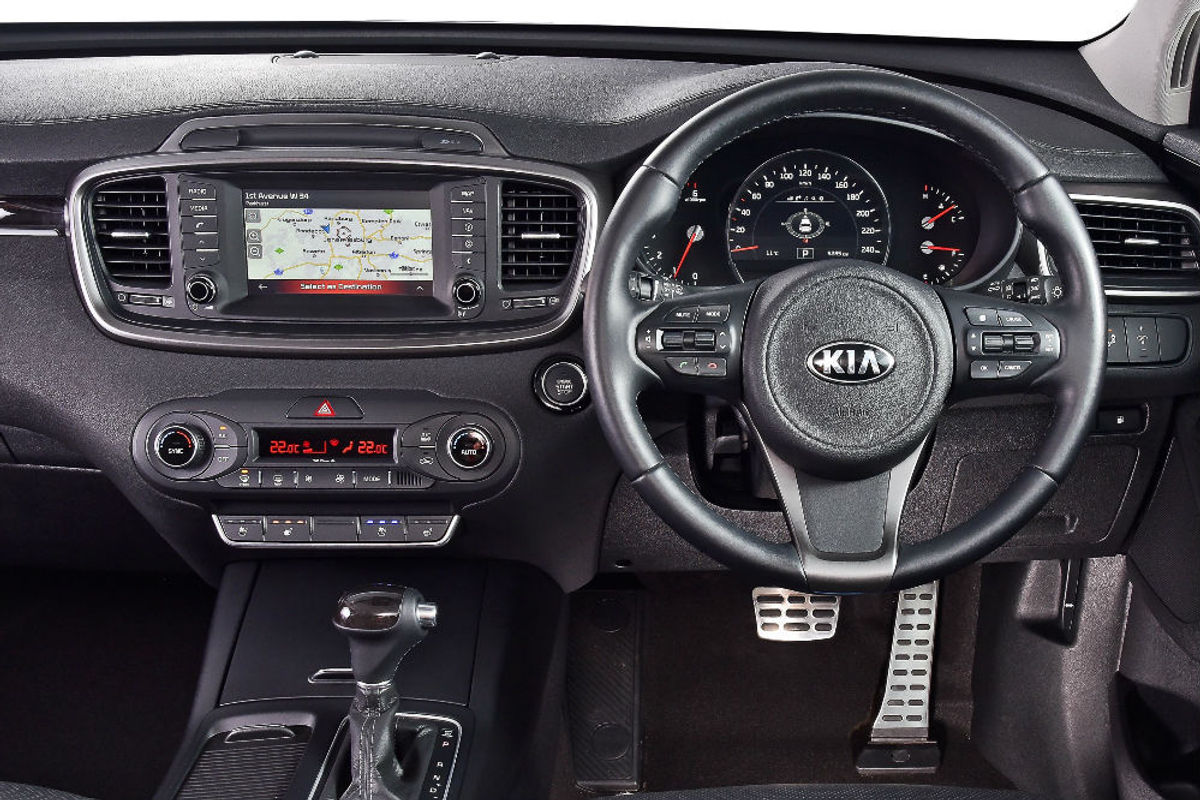
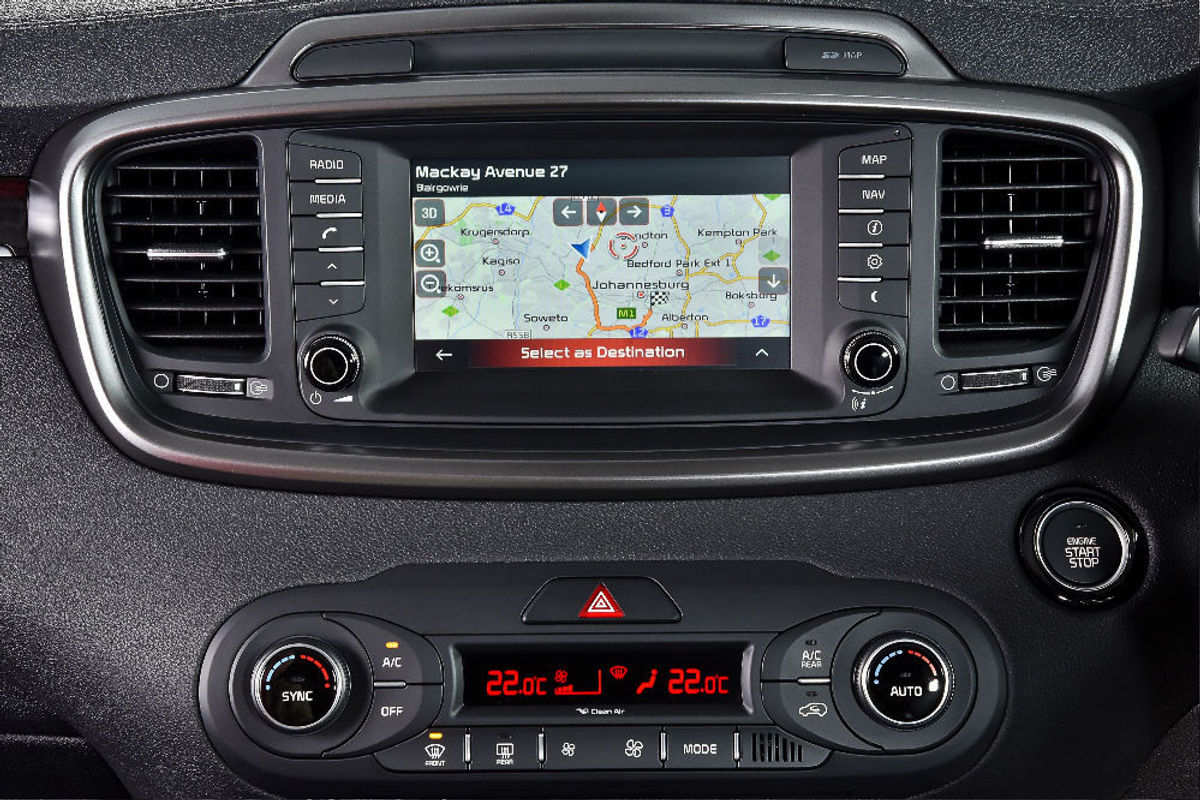
Kia recently launched a 1.2 LS derivative of its Picanto small hatchback – making the newcomer the second-most affordable model the brand offers – and, since June 1 2016, all Kia products sold from new are covered by a 5-year/unlimited mileage warranty. Now a 2.2 CRDi SXL AWD Auto 7-seater derivative has joined the Sorento line-up, replete with a 7-inch colour touchscreen (with satellite navigation integrated into the infotainment system) as standard.
Based on the existing SX AWD model, the SXL is powered by a 2.2-litre turbodiesel engine, which develops 147 kW of power and 440 Nm of torque, and is mated with a 6-speed automatic transmission and Dynamax AWD. Among a raft of standard features, the new SXL comes equipped with blind-spot detection with lane-change assist, rear cross-traffic alert and an electrically-operated, remotely-opening Smart Power tailgate.
As with all Sorentos, the SLX comes with a 5-year/100 000km maintenance plan, 5-year/unlimited kilometre warranty, as well as roadside assistance.
Kia Sorento prices in South Africa
2.4 LS Manual 5-Seater R443 995
2.2 CRDi LX Auto 5-Seater R568 995
2.2 CRDi EX AWD Auto 7-Seater R672 995
2.2 CRDi SX AWD Auto 7-Seater R699 995
2.2 CRDi SXL AWD Auto 7-Seater R719 995