Hyundai SA lent Cars.co.za an upgraded H1 so that we could transport the team to and from the Cars Consumer Awards function. Here's a summary of the updates to the Korean bus:
Hyundai’s H1 bus is a perennially popular people mover, particularly in the tourism industry, where many operators choose the H1 over pricier German alternatives. While the Hyundai badge doesn’t quite hold as much prestige as those of its Volkswagen and Mercedes-Benz rivals, it easily matches them in terms of features and practicality.
The market has been particularly receptive to the Hyundai H1 bus; 10 493 units were sold since its local launch in January 2009. The range also includes the van (2 017 units sold) and H1 Multicab, of which 802 examples have been sold since January 2012. The H1 is evidently a segment leader — a position Hyundai will be keen to maintain…
What's new for Hyundai H1?
The Hyundai H1 has undergone a mild facelift for 2016. While we were invited to the local launch, it clashed with our Cars Awards event in Johannesburg (read all about the Cars.co.za Consumer Awards). However, Hyundai South Africa graciously made the H1 bus available to us and it was immediately put to work as a logistics and transport vehicle.
For a start, the exterior's been updated. It sports a new-look grille and redesigned alloy wheels, while the interior benefits from changes such as refreshed centre facia as well as a modern-looking dashboard. There are new convenience features too, such as a new leather steering wheel, chilled glove box, fully automatic air conditioning system, electric folding mirrors and cruise control. The safety features have been upgraded too — the Hyundai H1 receives side airbags as well as ESP on top of its driver/passenger airbags and ABS-equipped brakes with EBD.
The engine line-up has remained the same. For the H1 bus, there’s a 2.5-litre turbodiesel automatic and a 2.4-litre petrol manual to choose from. With 126kW and 224Nm on tap, the petrol engine is claimed to return 10.2L/100km, but on specs alone, it seems wiser to opt for a turbodiesel model. It has 1kW less at 125kW, but 441Nm more torque, which will be more useful when hauling a heavy load. The turbodiesel Hyundai H1 is claimed to be lighter on fuel (9.0L/100km) and has loads more features, which goes some way to explain its R100k premium over its petrol sibling.
We evaluated a turbodiesel unit with a full complement of passengers on board and the convenience of an automatic transmission in peak hour highway traffic was hard to ignore. The added torque from the diesel motor was especially apparent during overtaking overtaking manuoevres. With seven adults on board, all had ample legroom, something that most full-sized SUV can’t really offer due to their rather small third rows. Also noticeable was the large boot, but sadly that third row of seats can’t fold flat. The ride quality was pleasant too and we got the impression that the Hyundai H1 was designed to be comfortable even on the longest of road trips. One of the best things about the Hyundai H1 is that each row gets its own air conditioning vents, which is very handy given the current summer weather.
2016 Hyundai H1 price in South Africa
The refreshed Hyundai H1 comes with a five-year/150 000km warranty, five-year/90 000km service plan and five-years' or 150 000km worth of roadside assistance.
H1 2.5 Diesel 9 Seater Bus AutomaticR579 900
H1 2.4 Petrol 9 Seater Bus ManualR482 900
H1 2.5 Diesel 6 Seater MulticabR492 900
H1 2.5 Diesel 3 Seater Panel VanR441 900
Special-edition Volkswagen Amarok Ultimate in SA
Volkswagen has introduced the special-edition Amarok Ultimate in South Africa.
If you are looking for a double-cab bakkie with a bit more road presence over standard offerings, then you may be interested in the special edition Volkswagen Amarok Ultimate. The Amarok Ultimate is based on the top-spec 4Motion Highline derivative and comes fitted with LED-integrated bi-xenon headlights and LED daytime running lights.
The appearance of the Amarok Ultimate is further enhanced with silver side mirror-covers, darkened rear light lenses, LED number plate illumination, ‘Ultimate’ lettering and a silver-coloured underbody guard. The bakkie is further enhanced by a styling bar as well as side-sill bars finished in silver. The Ultimate rides on 19-inch Cantera alloy wheels.
Other standard features include park distance control with a rear-assist camera and the side mirrors are heated and electrically adjustable. The front seats are heated and upholstery options include either Vienna or Alcantara leather. The Amarok Ultimate is also fitted with a radio/CD player with mobile phone integration and an auto-dimming rear-view mirror and velour floor mats are also included. An integrated navigation system with six speakers is optional.
Engine power
The Volkswagen Amarok Ultimate is powered by a 2.0-litre BiTDI engine that delivers 132 kW and 420 Nm of torque through an 8-speed automatic transmission. Fuel consumption is claimed at 8.3L/100km.
Volkswagen Amarok Ultimate price in South Africa
The VW Amarok Ultimate 4Motion retails for R600 200. The price includes a three-year/100 000 km warranty and five-year/90 000 km service plan with service intervals at every 15 000 km.
Following the unveiling of the new Mercedes-Benz E-Class, focus has shifted to the arrival of the Affalterbach-tuned Mercedes-AMG E63 and E63 S versions. The awe-inspiring AMG performance models are reportedly in the final stages of testing and we believe our spy photographers spotted a pre-production unit while it was undergoing an evaluation.
Power hungry
The performance outputs of the Mercedes-AMG version of the E-Class has not officially been confirmed yet but, AMG has been hinting at a minimum power delivery "near the 450 kW mark". If this figure comes to fruition, it would make the AMG E63 more powerful than an AMG GT-S (375 kW) by some margin. The AMG E63s will be powered by the same 4.0-litre biturbo V8 that serves in the GT-S, but Mercedes-AMG says this version will represent the “next step” in terms of development.
New transmission
In the recent past, most AMG models have utilised seven-speed automatic gearboxes, but the Mercedes-AMG E63 will be the first AMG model to use the new, more efficient, nine-speed automatic transmission.
All-wheel drive
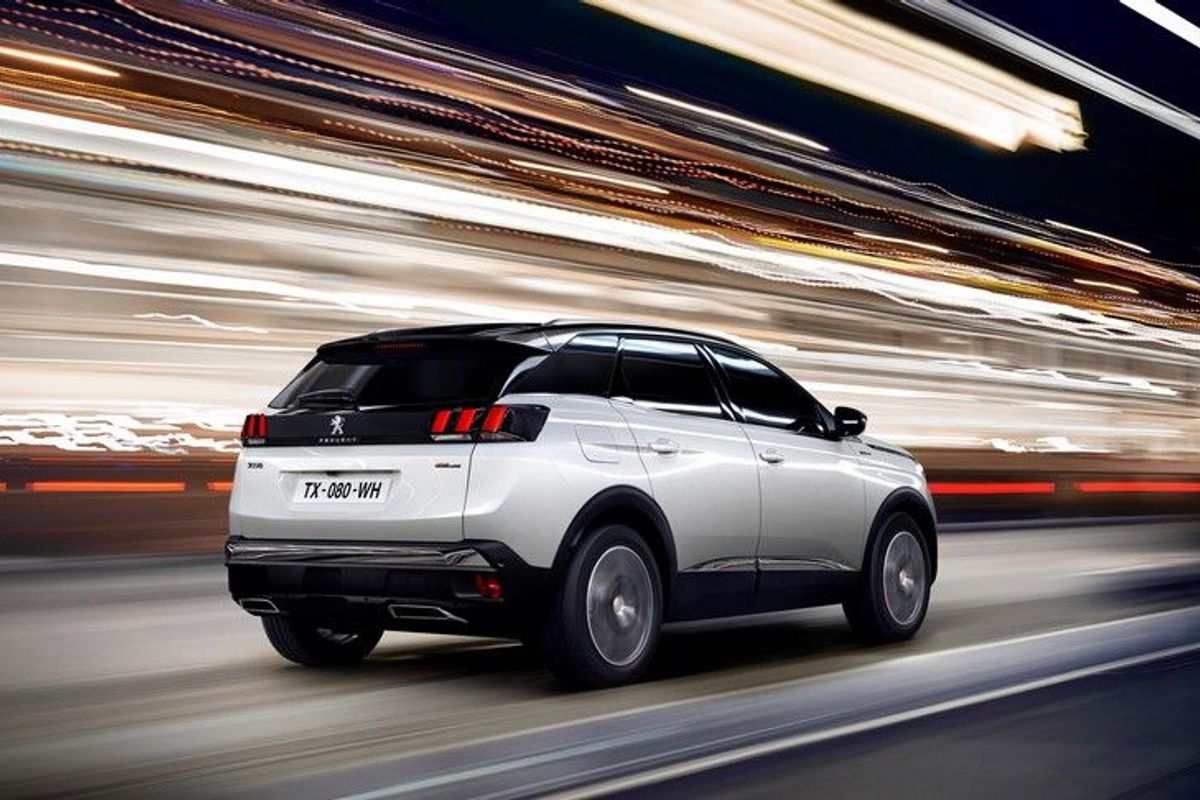
The Mercedes-AMG E63 will be produced as an all-wheel drive model around the world. This will mark a departure for South African aficionados, who are accustomed to AMG sedans (apart from the CLA45 AMG) being rear-wheel driven — but in the majority of markets, an all-wheel drive configuration is the norm. AMG representatives are however promising that the fastest E-Class models will be no less exciting to drive and just as raw-edged as previous E63s.
Coming soon
Rumours are that the AMG E63 could be launched before June this year (2016), at least in overseas markets. The regular E-Class is set to be launched globally at the end of February 2016. Spin-offs from the E-Class are set to continue with a station wagon, CLS Coupe and Shooting Brake set to be added to the range in time.
Winners: 2015/16 Cars.co.za Consumer Awards
The winners of the inaugural Cars.co.za Consumer Awards were announced at Shine Studios in Braamfontein on January 14 2016.
The Cars.co.za Consumer Awards was established to be the most prestigious, credible and influential awards programme in the South African motor industry. It recognises nine vehicles that represent the best-considered new purchases in their respective categories of the South African new vehicle market and names three special category winners: Game Changer, Design and Brand of the Year.
Cars.co.za’s awards programme has a multi-faceted judging process, based on inputs from four members of the experienced editorial team and three highly respected external jurors (non-motoring journalists, who were selected for their analytical ability). The combined jury allocated scores to the three finalists in each category based on their assessments from a test day (on which all vehicles were compared back-to-back), as well as comprehensive feedback from thousands of South African new vehicle owners who participated in the Cars.co.za’s Owner Satisfaction Survey,
as well as statistics supplied by leading automotive industry data specialists, Lightstone Auto.
Whereas the winners of the Game changer and Design of the Year special categories were selected based on scores awarded by the editorial team members, the prestigious Brand of the Year award was determined solely by manufacturers’ ratings in the Cars.co.za’s Owner Satisfaction Survey (in association with Lightstone Consumer) and the market share change and resale value statistics of every vehicle brand during the period January to December 2015 (supplied by Lightstone Auto).
Complete List of Winners
Compact Car Category – Ford Focus 1.0T Trend
In order to have been eligible for this category, contenders had to meet the following criteria: a list price that did not exceed R250 000 at the time of semi-finalist voting (June 22 2015), including the cost of any of the following features (if they were optional): ABS, electronic stability control, dual front airbags, air-conditioning, USB/auxiliary audio support, Bluetooth compatibility and a service plan. The most important judging factors were: balance of fuel economy and performance, value
for money, brand strength, design and quality appeal, ride/handling and safety features.
“Ford must have sharpened its pencils a lot to offer this much car at such a low a price. The Focus offers a very strong spread of talents.” — Hannes Oosthuizen
Runners-up: Opel Corsa 1.0T Enjoy, Honda Jazz 1.5 Elegance
In order to have been eligible for this category, contenders had to meet the following criteria: had to be a C-segment hatchback/crossover with a list price of between R300 000 and R500 000 at the time of semi-finalist voting (June 22 2015), including the cost of any of the following features (if they were optional): electronic stability control, dual front, side and curtain airbags. The most important judging factors were: a balance of efficiency and performance, practicality, brand strength, design and quality appeal, ride/handling, safety, as well as in-car entertainment systems and connectivity.
“There’s no denying the premium and luxury ability of the Golf GTI. The latest incarnation offers more all-roundedness than performance, giving it a maturity other hot hatches lack.”— David Taylor
Runners-up: Mercedes-Benz GLA200 CDI Auto, BMW 120i 5-dr M Sport Auto
Business Class Category – Mercedes-Benz C250 AMG Sport
In order to have been eligible for this category, contenders had to meet the following criteria: a list price of between R400 000 and R700 000 at the time of semi-finalist voting (June 22 2015), including the cost of any of the following features (if they were optional): at least six airbags, as well as electronic stability control. The most important judging factors were powertrain technology, luxury, brand strength, design and quality appeal, driving dynamics and technological features.
“This is a car that takes refinement, luxury and comfort to the next level. The C-Class ticks all the right boxes as a premium sedan.” — Ashley Oldfield
Runners-up: BMW 428i Gran Coupe Sport sports auto, Audi S3 quattro S tronic
First Class Category – Mercedes-Benz S500
In order to have been eligible for this category, contenders had to meet the following criteria: a list price of more than R1 million at the time of semi-finalist voting (June 22 2015). The most important judging factors were powertrain technology, luxury and on-board technology, brand prestige and exclusivity, design and quality appeal, driving dynamics, ride comfort and overall refinement.
“The big Mercedes-Benz has become a symbol for elegance, sophistication and intelligence. In fact, its grip on this market segment is so strong that it is called the S-Class class…” — Hannes Oosthuizen
Runners-up: Range Rover SDV8 Autobiography, Mercedes-Benz S65 AMG Coupe
Family Car Category – Citroën C4 Picasso e-HDI Intensive
In order to have been eligible for this category, contenders had to meet the following criteria: a list price of less than R350 000 at the time of semi-finalist voting (June 22 2015), including the cost of any of the following features (if they were optional): ABS, electronic stability control, six airbags, split/folding rear seats, service plan and air-conditioning. The most important judging factors were engine flexibility, fuel economy, space/practicality, design and quality appeal, comfort safety.
“The C4 Picasso is such a futuristic interpretation of a family car. The rest of the package is very impressive too, with many tech features and plenty of interior space.”— David Taylor
Leisure Car Category – Land Rover Discovery Sport SD4 SE
In order to have been eligible for this category, contenders had to meet the following criteria: a list price of less than R700 000 at the time of semi-finalist voting (June 22 2015), including the cost of any of the following features (if they were optional): electronic stability control, at least six airbags, split/folding rear seats, a minimum ground clearance of 180 mm and all-wheel drive capability.
The most important judging factors in this category were performance, space and practicality,
in-car entertainment systems, cabin comfort and all-surface ability.
“This vehicle is going to give rival brands massive headaches. Not only is it desirable in terms of brand and design appeal, but it does everything so well, too!” — David Taylor
Runners-up: Nissan X-Trail 2.5 SE CVT AWD, Toyota Land Cruiser Prado 3.0 TD TX
Premium SUV Category – Volvo XC90 D5 Inscription
In order to have been eligible for this category, contenders had to meet the following criteria: a list price in excess of R700 000 at the time of semi-finalist voting (June 22 2015) and it had to be a large SUV or its crossover derivative. The most important judging factors were powertrain technology, luxury features, brand strength, design and quality appeal, driving dynamics, space and practicality.
“Wow… Volvo’s hit the nail squarely on the head with the new XC90 – it quite possibly has the best cabin on the market and is very cleverly engineered. It’s refined too.” — Hannes Oosthuizen
Runners-up: BMW X5 xDrive30d Steptronic, Range Rover Sport SDV6 HSE
Fun Car Category – Audi TT s tronic
In order to have been eligible for this category, contenders had to meet the following criteria: a list price of less than R600 000 at the time of semi-finalist voting (June 22 2015) to ensure that this category isn’t dominated by extravagant exotic vehicles. The most important judging factors were drivetrain engagement, entertaining handling, sensory appeal and the number of standard features.
“The latest generation of Audi TT epitomises the sportscar category. Not only is it easy on the eye and brimming with technology, it’s also terrific to drive. The nimble handling and the backfires from the exhaust make for an entertaining combination.” — David Taylor
Runners-up: BMW M235i Steptronic, Renault Megane RS Trophy 275
Budget Car Category – Renault Sandero Expression
In order to have been eligible for this category, contenders had to meet the following criteria: a list price of R150 000 or less at the time of semi-finalist voting (June 22 2015), including the cost of any of the following features (if they were optional): ABS, dual front airbags and a service plan. The most important judging factors were: fuel economy, value for money, practicality and brand strength.
“The Sandero is modern and solid offering. Despite its keen price, it still manages to maintain excellent levels of standard safety equipment and in-car entertainment.” — Ashley Oldfield
Runners-up: Suzuki Swift 1.2 GL, Volkswagen Take up!
Design of the Year Category – BMW i3
Whether the topic is cars, architecture, furniture or even mobile devices, good design is never restricted to only premium products. The finalists in this category each brought fresh thinking to their respective market segments and demonstrated you don’t have to spend millions to turn heads. While there was no price limit to exclude exotica, our focus fell on more mainstream products.
Game-changing products can have a significant impact on the new vehicle market in a variety of ways: by increasing sales volumes, introducing new technology, improving brand perception or simply representing a vast product improvement. Judges selected the finalists in this category
from all the new vehicles that were launched in the South African market during 2015.
Runners-up: Ford Everest, Volvo XC90
Brand of the Year – Toyota
The prestigious Brand of the Year was determined solely by the manufacturers’ ratings in the Cars.co.za’s Owner Satisfaction Survey, allied with market share change and resale value statistics per vehicle brand (supplied by Lightstone Auto) during the period January to December 2015.
“We believe that Cars.co.za (in conjunction with Lightstone Consumer) has developed the fairest and most credible formula for determining the winner in this category. It is entirely data-driven, and entirely determined by what consumers and the market believe to be happening in South Africa. Toyota, of course, is a much-loved brand in this country, and our data confirms that its customers believe it is tops where it really matters. It is truly the people’s champion.” — Hannes Oosthuizen
The Cars.co.za Consumer Awards Judging Process
The Cars.co.za Consumer Awards is different to other automotive-themed award programmes in a number of ways… The Cars.co.za editorial team considered each and every model in the new vehicle market — candidates were evaluated as individual models and not as parts of complete model line-ups. What’s more, candidates were eligible for an award irrespective of when they were launched.
During the first phase of judging, the editorial team (Hannes Oosthuizen, David Taylor, Ciro de Siena and Ashley Oldfield) researched, analysed and debated each of the cars on sale in South Africa. Contenders were measured against predetermined “pillars of success” to determine if they were eligible for an award in their categories. Five finalists were selected in each of nine categories.
For the second phase, the Cars.co.za editors completed comprehensive scoring sheets to assess the semi-finalists in terms specific criteria, such as interior comfort, performance, efficiency, packaging etc. The weightings of the criteria were adjusted to reflect the requirements of the target markets of each category. Once the scores were tallied, the finalists were trimmed to three in each category.
For the ultimate phase of the judging process, the Cars.co.za editorial team was complemented by three guest judges who were selected based on their reputations for being no-nonsense fact finders and because they are not necessarily active in the automotive space. They were consumer journalist Wendy Knowler, The Daily Maverick editor, Branko Brkic and Business Day editor, Songezo Zibi.
The final judging day, which was attended by the combined jury, was hosted in Johannesburg in late 2015. It presented the judging panel with an opportunity to re-evaluate all the vehicles that were chosen as finalists for the Cars.co.za Consumer Awards. However, instead of completing the in-depth scoring sheets (with the weighted criteria points system) based on only their assessments, jurors awarded their scores by referring to the findings of the Cars.co.za Owner Satisfaction Survey.
The Importance of Incorporating Consumer Input
The Cars.co.za Owner Satisfaction Survey, developed in association with leading automotive data specialists Lightstone Consumer, incorporated feedback from thousands of South African owners (of vehicles newer than five years old), who rated their own cars for reliability, after-sales service, cost of ownership and general satisfaction. This credible, invaluable consumer input, allied with resale value data per vehicle brand supplied by the Auto division of Lightstone, allowed the jurors to adjust their final scores to reflect consumers’ experiences as well as vehicle brands’ market performance.
“There are many awards programmes out there that claim public participation, but what we mean when we talk of consumer input, is not a popular voting mechanism,” said Cars.co.za Consumer Experience Manager Hannes Oosthuizen. “We didn’t want a ‘beauty pageant’… we wanted real, credible input, and the only way to do that is for the public to give us their views on the cars they know best — the ones they own. The only way the public can impact the results of the Cars.co.za Consumer Awards is by completing our survey, done in partnership with Lightstone Consumer.”
The results of the Cars.co.za Consumer Awards were verified by respected auditing firm KPMG.
About the Event
The gala event, hosted at Shine Studios, was attended by approximately 150 guests including prominent South African motor industry executives, including representatives from vehicle manufacturers and importers, dealer groups, the finance sector, media agencies, social influencers and celebrities.
The head of Cars.co.za’s video division Ciro de Siena and comedian John Vlismas presented the awards (handcrafted car-key shaped trophies made from stainless steel, titanium, aluminium and acrylic); Mike Sharman — the owner of Retroviral Digital Communications — was the guest speaker. The event was digitally broadcast on Twitter, Instagram, Facebook and, in a first for an automotive-themed awards ceremony in South Africa: the Periscope Live Stream App. The significance of the multi-platform broadcast was that it allowed consumers, who are at the core of Cars.co.za’s awards programme, to actively participate in the event. Furthermore, the #CarsAwards hashtag was one of the top trending topics in South Africa on Twitter during — and immediately after — the event.
Visit http://www.carsawards.co.za for more information about the Consumer Awards, including the winners and finalists, and view images of the award recipients that were taken at the event.
About Cars.co.za
Leading online automotive retail portal Cars.co.za, which lists tens of thousands of new vehicles stocked by hundreds of vehicle dealers countrywide, delivers in excess of 25 million page views per month to more than a million unique users. Cars.co.za has a presence on multiple digital platforms and it’s ranked in the top 10 branded South African Youtube channels with 6 million views to date.
In 2015, Cars.co.za repositioned itself as a consumer champion by optimising its editorial content for the purposes of engaging and empowering its users. The recent Cars.co.za Consumer Satisfaction Survey, in association with Lightstone Consumer, and now, the inaugural Cars.co.za Consumer Awards, underline the company’s objective to become the most comprehensive resource available to South African vehicle buyers, so that they can make the most-informed buying decisions.
Cars.co.za Consumer Awards Ceremony: Follow it live!
The winners in the first annual Cars.co.za Consumer Awards will be announced at a glittering event on Thursday, January 14th. We've gone to great lengths to ensure that the public will be able to see it unfold in real time.
For a quick recap on the Awards, the judging process, the various categories and finalists, visit the Awards site
The awards event will take place in Johannesburg on Thursday, January 14, and will be attended by around 150 motor industry representatives, CEOs, members of the finance sector, press, media agencies, social influencers and celebrities. And, thanks to modern technology, the most important guest will also be able to watch it live – you!
The awards event will be digitally broadcast across many platforms and you're encouraged to join in the conversation from around 7pm. Follow and subscribe to the following channels and remember to look out for (and use) the hashtag #CarsAwards. The awards ceremony will be hosted by our very own Ciro de Siena, along with comedy legend, John Vlismas. Also look out for an illuminating chat on digital and consumer trends by Mike Sharman.
Just to recap, we have 9 product categories ranging from Budget Car to First Class luxury vehicles as well as 3 special categories for Design of the Year, Game Changer of the Year and Brand of the Year. Visit the Cars Awards website here for more information.
Toyota Corolla Sprinter (2015) Review
Toyota recently introduced minor changes to the Corolla and we got behind the wheel to see what it’s like… Is the Corolla still an icon, or should you be shopping elsewhere?
The Toyota Corolla is a mainstay of the South African new vehicle market and the latest incarnation is another solid offering. We rather enjoyed the 1.4-litre turbodiesel version — the D-4D motor ably propelled the comfortable compact sedan while consuming relatively little fuel. Now factor in the Corolla's capacious boot, generous rear legroom and notable build quality, and its not difficult to understand why the sedan is perennially popular.
So, what’s new?
Bluetooth phone compatibility and daytime-running lights are standard across the entire Corolla range and the touchscreen infotainment system is now stock fitment in the Sprinter model, as tested here. The Sprinter nomenclature is associated with sportier addenda, but the test unit's exterior execution is relatively demure… The only way to distinguish the model from its brethren is by a tiny bootspoiler, handsome 16-inch alloy wheels and a Sprinter badge.
Engine and drive
Unfortunately, the engine is the weak link in this package. While the 1,6-litre engine performs willingly, it cannot match the poke and responsiveness of its newer, turbocharged rivals. You need to rev the motor hard to get the best out of it, which is, of course, detrimental to fuel economy. Power is rated at 90kW and maximum torque: 154Nm. While those numbers prove sufficient to help the Sprinter keep up with traffic, the torque peak is achieved only towards the top of the rev range. Unlike its turbocharged rivals, which offer plenty grunt from the get go, the Corolla Sprinter does need to be driven hard and you’re going to need to change gears often if you’re want to get anywhere in a hurry.
That said, the six-speed manual gearbox is pleasant to use and its action is light and precise. When you drive the Sprinter in a relaxed manner, it will return a quite reasonable fuel consumption figure. While Toyota claims 6.6L/100km is achievable on the combined fuel cycle, you’re more likely to see a return of 7.5L/100km, which is fair.
As far as the driving experience is concerned, we were impressed with the ride quality and handling abilities of the Sprinter. It’s a comfortable cruiser and clocks up the miles with ease when the terrain is flat. However when there are hills involved, you’ll find yourself working that transmission hard to maintain momentum. Lack of outright power aside, you’ll find the Corolla relaxing to drive — a trait that Toyota has mastered well through the years.
Features and comfort
Toyota has specified the Sprinter as well as can be expected on a mid-range offering. The touchscreen infotainment system (with reverse camera) and climate control are the highlights, but standard specification also includes electric windows, half-leather seats, front fog lights, daytime running lights. Over and above seven airbags, ABS, electronic stability control and for those with children, ISOFIX childseat mounts, complete the safety package.
The cabin feels like a pretty generic space, but while the facia, instruments and seats may not be the prettiest nor most cutting-edge in the class, the cabin exudes solidity and reliability. The interior simply feels well-built and built to last.
Furthermore, the boot is one of the most spacious that we’ve ever experienced during a test of a compact sedan. Rear legroom must be commended too: full-sized adults should be able to sit in the back quite comfortably.
Summary and conclusion
The Toyota Corolla is a well-proven product. Thanks to its excellent space utilisation, remarkable build quality and reputation for reliability, it should be high on your shortlist when considering a family sedan. The engine, however, is the chink in the armour. The 1.6-litre is adequate and nothing more. If you want the best performance, then opt for the 1.4-turbodiesel engine which is, not insignificantly, lighter on fuel than any other model in the Corolla range.
Toyota Corolla Sprinter price in South Africa
The Toyota Corolla Sprinter retails for a R268 800 and you get a three-year/100,000km warranty. It also comes with a standard five-year/90 000 km service plan with service intervals are set at 15 000 km.
We like: build quality, features, reliability, mammoth space, ride quality
We don’t like: underpowered engine
Also consider: Chevrolet Cruze, Honda Civic, Suzuki Ciaz
The low-slung LC500 Coupe has been unveiled at the Detroit Motor Show!
If the 2012 Lexus LF-LC Concept impressed you, then you should like the all-new, production-ready LC500 luxury Coupe on which it is based. The LC500 is the brand’s flagship coupe and is said to "embody the essence of Lexus’ future product direction".
"The LC500 has been an important product for Lexus and me personally," said Akio Toyoda, chief branding oficer and master driver for Lexus. "A few years ago, we decided to guide the future of the brand with products that had more passion and distinction in the luxury market. This flagship luxury coupe's proportions, stunning design and performance make a strong statement about our brand's emotional direction and will grow the Lexus luxury appeal globally."
Design features
A key goal for engineers and designers was to create a production car that carried the design philosophy of the LF-LC. As a result, the LC500 Coupe incorporates several design cues of the concept car. The prominent Lexus grille is trimmed with chrome on three sides and features a 3D mesh design. L-shaped daytime running lights are set below the triple-LED headlights, which Lexus says includes the industry’s thinnest projectors. The technology allowed the LC 500 Coupe's designers to endow the newcomer with a low-profile bonnet and short overhangs.
A sloping roofline, long wheelbase (2 870 mm) and squat haunches give the LC500 an athletic stance. A glass roof is fitted as standard, but a carbon-fibre roof can be specified. The rear-end is defined with multi-layered taillamps, diffuser and an active rear spoiler to manage airflow when travelling at high speed. The LC500 rides on 21-inch forged aluminium wheels.
Interior features
As you’d expect, the LC500 Coupe's luxurious and elegant interior layout is decidedly driver-focused and the seating position was designed to inspire spirited driving. The seats are clad in leather and Alcantara, but sport seats featuring additional bolstering and lateral support will be offered as an optional extra. Lexus reportedly paid particular attention to the size and angle of the steering wheel and the feel and positioning of the magnesium alloy paddle shifters.
"At an early stage, the designers collaborated with the engineers to understand their image for the Lexus LC500's driving dynamics, and they incorporated this into the design," said Tadao Mori, the chief designer of the LC500. "For example, we gave serious consideration to where the driver's eyes would focus, and designed the surface shape in that area to help support a driver's mindset. This project was one of the first times that designers were closely involved in the dynamic engineering development so we could understand the driving goals and support with the car's design."
The chassis
The LC500 is the first Lexus to use the brand’s all-new rear-wheel drive platform that forms the blueprint for future rear-wheel driven, front-engined cars. In an effort to improve the centre of gravity, much of the vehicle’s mass, including the engine and occupants, are positioned lower in the chassis. Managing mass was a high priority for the LC500 Coupe and as a result, the car features a well-balanced 52/48 front-rear weight distribution. The LC500 features the stiffest unibody ever made by Lexus and the strategic use of lightweight, high-strength steel further increases torsional rigidity.
Lexus also focused on the development of the LC500’s multilink suspension system, which features double ball joints on the upper and lower control arms. The setup is said to improve suspension geometry, increasing wheel control and delivering a more precise steering response.
The engine
The Lexus LC 500 coupe is fitted with the same naturally-aspirated 5.0-litre V8 found in the RC F and GS F. This engine produces 348 kW and 527 Nm of torque, powering the rear-wheels through a newly developed 10-speed automatic transmission, which marks the first time this type of transmission is utilised on a luxury car. The 0-100kph sprint time is said to be well under 5 seconds.
In terms of safety, the LC500 features Lexus' Safety +, which integrates All-Speed Dynamic Radar Cruise Control, Pre-Collision System, Lane Keep Assist and Automatic High-Beam.
You can expect to see the Lexus LC500 Coupe in South Africa at the end of 2016 or in the first quarter of 2017.
Kia Telluride Concept shows upmarket SUV
Kia has introduced a new concept of a full-size SUV at the North American International Auto Show (NAIAS). The Telluride is a purely conceptual seven-seater luxury SUV positioned above the current Sorento and the concept suggests that Kia is considering taking a significant step into the premium sector.
“The Kia Telluride makes an aesthetic statement for the Kia brand as a bold, all-new luxury SUV with an abundance of advanced technology, focusing particular attention on the experience and comfort of second-row occupants,” said Tom Kearns, chief designer, Kia Design Center America (KDCA). “Longer, wider and taller than the recently redesigned Sorento, Telluride allows us to envision what a full-size seven-passenger SUV from Kia could look like.”
Health stats displayed
Telluride’s front doors and rear doors open in opposite directions (much like cabinet doors) to create easy ingress to the cabin. The large cabin allows the middle seats to recline nearly flat and include large fold-away footrests for even more comfort. All four seats (the third row is a bench seat) include a series of diamond-cut openings in the seatback, each of which is embedded with Smart Sensors to capture a passenger’s vital health information.
These vitals are displayed on the interior door panel screens, which then synchronize with a light-emitted rejuvenation system. This rejuvenating system utilises a sizeable wing-shaped LED panel mounted beneath the sunroof that displays a pattern of therapeutic light that is said to "treat jetlag and improve the passengers’ energy levels".
Another technology based feature of the Telluride is Swipe Command – a thin, touch-sensitive, interactive band mounted to the second row's centre console – which allows rear-seat passengers to quickly scroll and select desired media by simply swiping their hand. Up front, a compartment in the centre stack allows for wireless cell phone charging.
Much bigger than Sorento
At 1.8m tall, 2 metres wide and 5m long, Telluride is 1 170mm taller, 1 200mm wider, and a sizable 2 400mm longer than the current Sorento. Underpinning the Telluride is a modified Sorento chassis with a wheelbase stretched 302mm to 3 081mm. Topping off the premium look is a set of massive 22-inch five-spoke wheels.
Kia is also hinting towards a hybrid future with the Telluride featuring both petrol and electric power. Utilising a 3.5-litre petrol V6 engine and electric motor, the Telluride’s engine and electric drive combines to produce 298 kW (201 kW from V6 and 97 kW from the electric motor) while achieving 7.84L/100km in freeway conditions. Power is routed to all four corners of the Kia by an all-wheel drive system.
While there are currently no plans to put the Telluride into production, the concept signifies Kia's strong intentions to expand the brand into new territory…
Update: Next Generation Mercedes-Benz E-Class Revealed
More details of the next generation Mercedes-Benz E-Class have been revealed!?
The forthcoming Mercedes-Benz E-Class is probably the automotive industry’s worst-kept secret and now, the biggest image leak to date provides us a proper look at the new executive sedan.
At first glance, the similarities between the new E-Class and the current C- and even S-Class are uncanny. Given the executive sedan’s traditionally conservative clientele, it’s not a surprise that the newcomer’s exterior styling treatment does not represent a radical departure from those of contemporary Mercedes-Benz products, which are rather smart-looking anyway. However, the interior showcases some of the latest and best technology in the Mercedes-Benz arsenal and we won’t be surprised to see some of the S-Class’ gadgetry fitted here. The steering wheel features touch-sensitive control buttons, which is a first, and respond to horizontal and vertical swiping movements.
Other impressive features include Air Body Control multi-chamber air suspension which automatically controls the ride height to suit driving conditions. Using the Dynamic Select switch, the driver can also choose between four suspension settings including Comfort, ECO, Sport and Sport+. An Individual option also allows the driver to configure the vehicle according to personal preferences. The new E-Class also features, Remote Parking Pilot, Distance Pilot Distronic, Active Brake Assist with cross-traffic function, Evasive Steering, Active Lane Keeping Assist and Active Blind Spot Assist.
In terms of dimensions, the E-Class is fractionally longer than the current C-Class (4,92 m versus 4, 68 m). Of interest is that the sedan’s drag coefficient is claimed to be 0.23, which will undoubtedly aid fuel efficiency. Numerous engines will power the new E-Class including a new four-cylinder turbodiesel engine offering 143 kW / 400 Nm of torque in the E 220 d. This motor has frugality in its sights with a claimed consumption figure of just 3.9L/100 km, which is outstanding. The E-class will also be initially offered with a four-cylinder 2.0-litre petrol engine with 137 kW and 300 Nm of torque. A range of 4-cylinder petrol engines will join the range with power outputs ranging between 135 kW and 180 kW. A six-cylinder petrol engine with 245 kW will also be on offer. A 6-cylinder diesel engine will power the E 350 d with 190 kW and 620 Nm of torque. The E 400 4MATIC will join the range later and will top the diesel offering with 245 kW and 480 Nm of torque on offer. A 110 kW 4-cylinder diesel engine will join the range at a later stage. All engines feature ECO Start/Stop functionality and all models will be fitted with a 9-speed automatic transmission at launch. Expect a range-topping AMG model no doubt featuring a big turbocharged V8 in 2017.
The E 350 e Plug-in Hybrid model will be powered by a 4-cylinder petrol engine and electric motor with a total output of 205 kW and 600 Nm of torque. The E 350 e Plug-in Hybrid can achieve about 30 km of pure electric and emission-free driving.
The new Mercedes-Benz E-Class will be shown at the Detroit Motor Show from 11th January 2016.
Rugged VW Tiguan GTE Active Concept Revealed
Volkswagen has revealed another GTE concept — the latest addition to the brand's lineup of GTE-branded ideas. The Tiguan Active GTE Concept turns the Tiguan into a rugged-looking off-roader replete with all the beefy cladding that "outdoorsy" vehicles require. Under the bonnet sits a plug-in hybrid system mated with an all-wheel drivetrain.
All-electric mode
The Tiguan GTE starts every journey in all-electric E-mode. Normally, drive is transmitted via the rear wheels, but if there is loss of traction, the front wheels are engaged instantaneously. Four-wheel-drive is also activated when the driver selects 4MOTION Active Control or when GTE-mode is selected, for example. The vehicle can travel up to 35km in all-electric mode. The driving range, based on a battery capacity of 12.4 kWh and a 64 litre fuel tank, is 930km.
Hybrid mode
The Tiguan GTE Active Concept is equipped with a turbocharged petrol engine that produces 110 kW and 250 Nm of torque, mated with a pair of electric motors that produce 40 kW at the front wheels and 80 kW at the rear. The combined system output (165 kW) is delivered to all four wheels by a six-speed DSG transmission; the electric motors can be charged either by plugging the GTE Active Concept into a power socket or by the operation of the petrol engine.
Exterior details
The Tiguan GTE Concept is based on the MQB platform that also underpins the VW Golf and Audi Q3 and A3. Changes on the exterior include a sturdy front skid plate for off-road excursions. The matte aluminium shield is equipped with four solid black polymer protectors — it acts as a guard against contact with stones and bushes and can easily be replaced. The front bumper is also trimmed in an all-terrain element made of "Dark Graphite" durable polymer.
Interior tech
VW has updated its contemporary interior architecture (as seen on the new Passat) with some of the innovative features from the BUDD-e. The main infotainment screen is a tablet-sized touchscreen that supports gesture control. It is also equipped with the latest Smartphone connectivity apps such as Mirror Link, Android Auto and Apple CarPlay. The instrument cluster is fully digital and can be configured to display up to 10 different types of content on the screen.
The next generation Volkswagen Tiguan is expected to be introduced in South Afrca towards the end of 2016. The execution of the concept is said to very reminiscent of what the production model could look like.