2016 Ford Ranger-5-Things You Need To Know (Video)
The new Ford Ranger made its debut late last year and after a thorough analysis, we put together five things you need to know about this bakkie.
There are a few Ranger-themed videos on our channel: including one in which we new pit the Ford Ranger against the new Toyota Hilux as well as the Isuzu KB and Volkswagen Amarok. It’s a comparative test you won't want to miss; subscribe to our Youtube channel so you’ll see the videos as soon as we publish them.
This may not be a Toyota-sanctioned development, but a 6×6 version of the brand's iconic Land Cruiser is bound to be a subject of dreams for many South Africans.
A few years ago the brutish six-wheel drive version of the Mercedes-Benz G-Class made plenty headlines, and subsequently more than 100 of the G63 AMG 6×6 beasts were built – some even made it all the way to South Africa…
But what about a six-wheel drive Toyota Land Cruiser? A joint project of NSV from Dubai and Multidrive Technology from Australia, the Land Cruiser 6×6 is powered by a supercharged 4.0-litre petrol V6 that delivers just shy of 300 kW and nearly 500 Nm of torque. It makes use of a five-speed manual transmission in standard form. However, a 4.5-litre V8 diesel and automatic transmission are options… tempting ones, too. You can even have it as a single or a double cab!
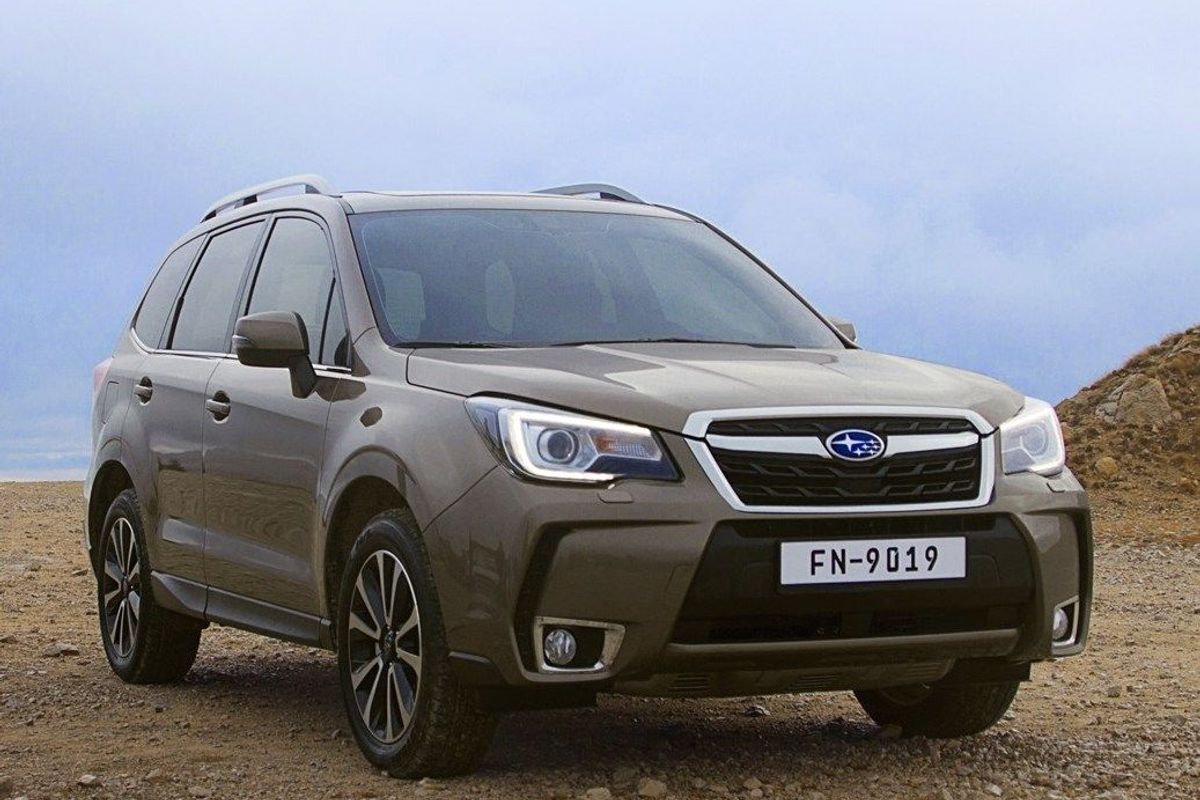
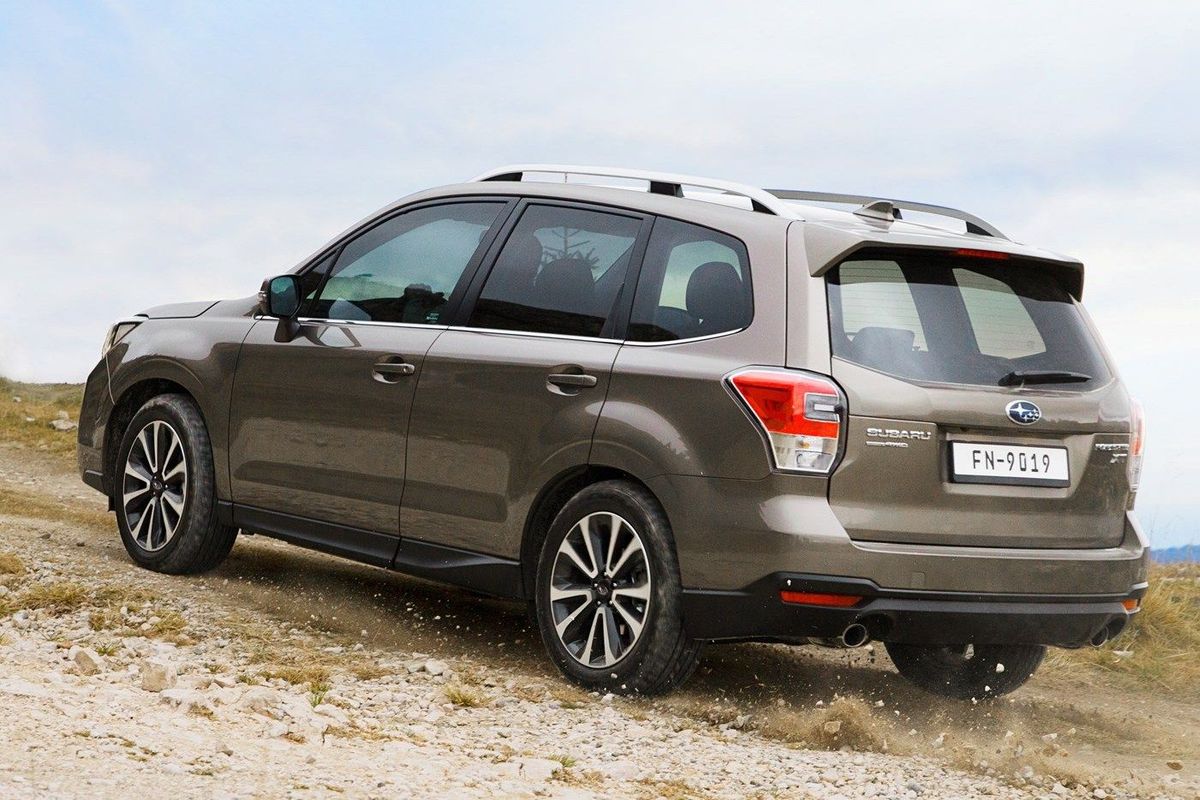
Subaru has updated its Forester SUV for 2016 with a host of exterior, interior and dynamic improvements.
In a bid to keep the Forester SUV competitive against rivals such as the Nissan X-Trail, Ford Kuga, Toyota RAV4 and Honda CR-V, amongs other compact crossover/SUV offerings, Subaru has implemented a number updates to keep the buying public interested. Let’s take a look at what’s changed…
Exterior improvements
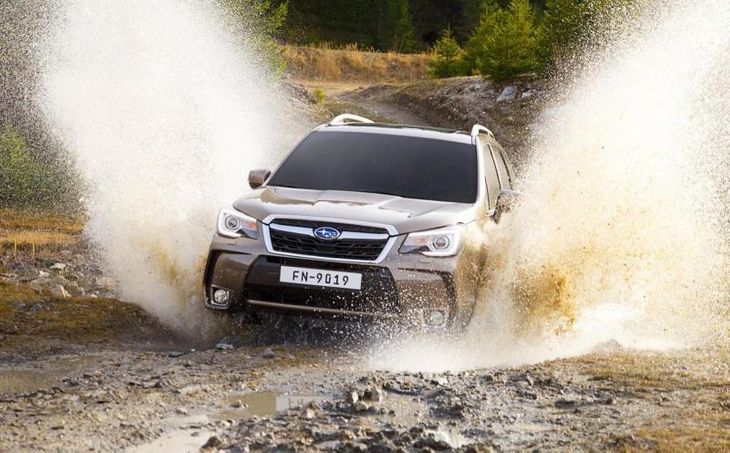
The Forester now wears an updated face that incorporates a redesigned grille, bumper and headlights. The bumper is wider and the fog lamps are now garnished with L-shaped chrome trims. The grille is set in a chrome frame and features the updated mesh treatment. The design of the LED-adorned headlights has been improved too; the units feature Subaru’s signature C-shaped "Hawk-Eye" daytime running lights.
At the rear, LEDs are now used for the fog- and brakelamps, with the C-motif also evident in the design. The updated range also features new 17- and 18-inch alloy wheel designs and Subaru has also added a new colour: Sepia Bronze Metallic, to the range.
Interior improvements
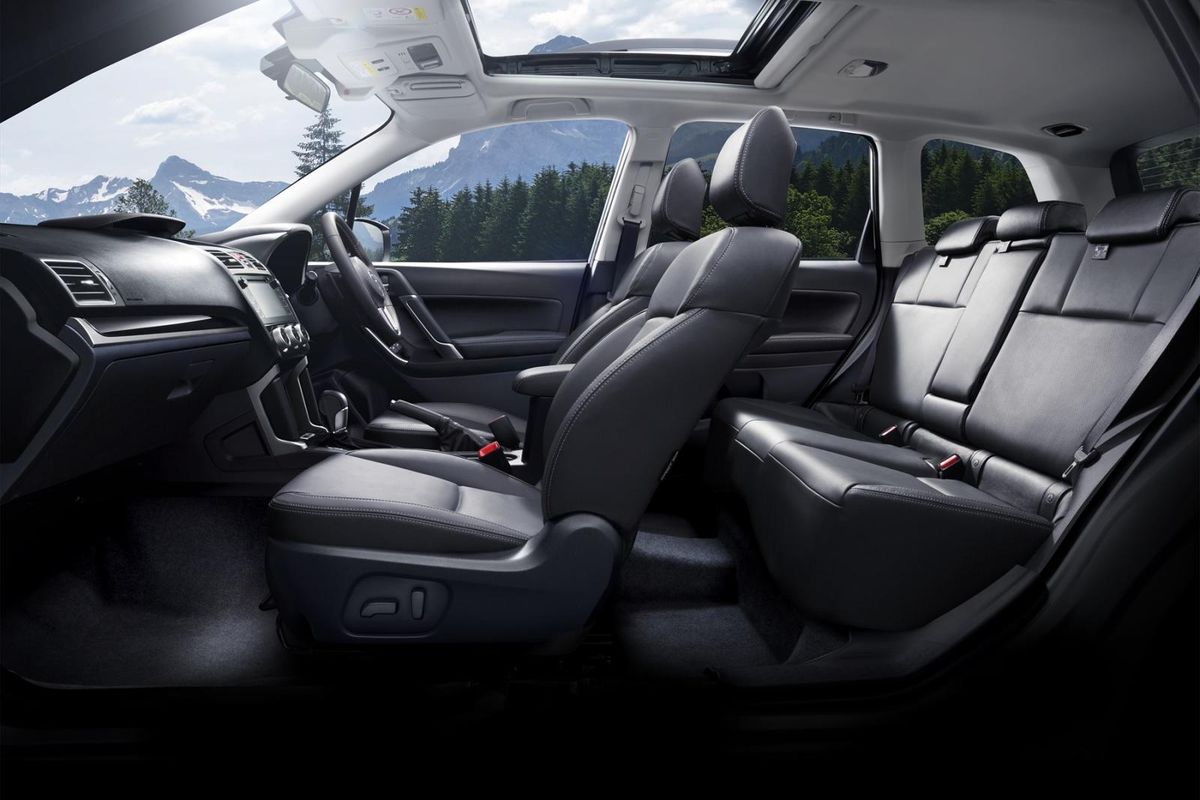
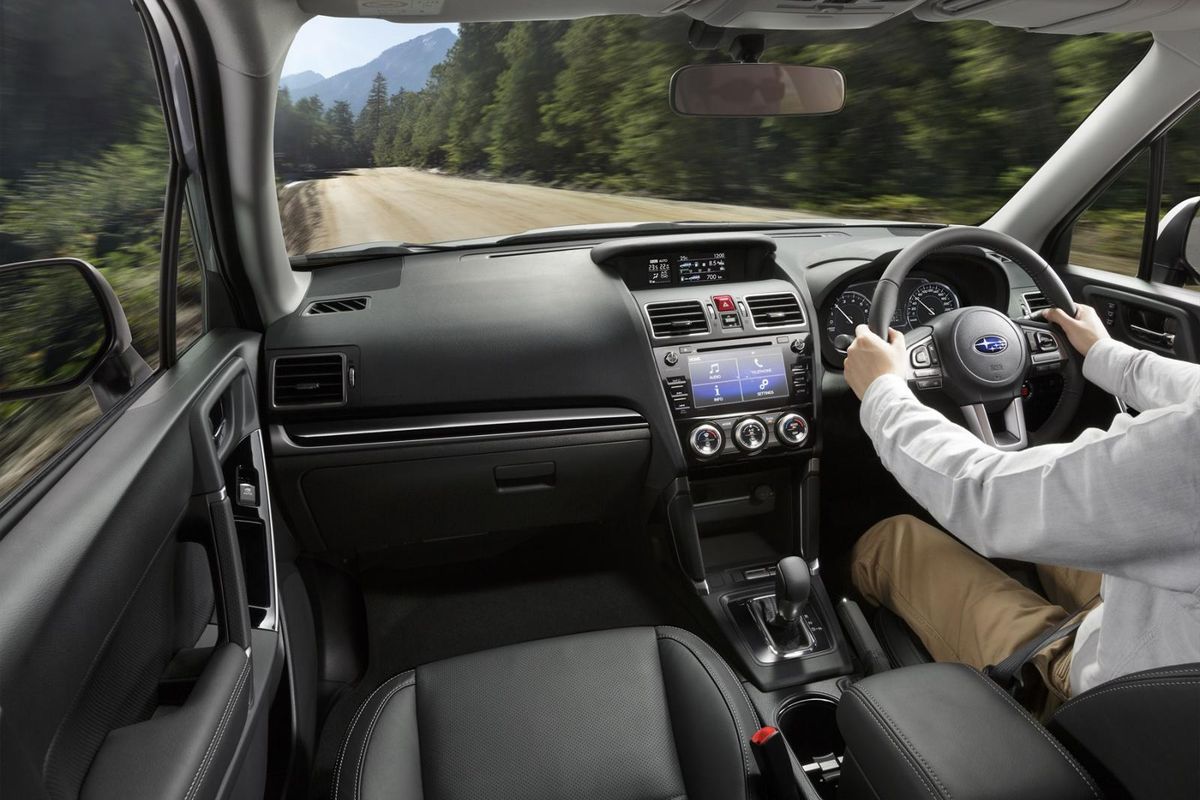
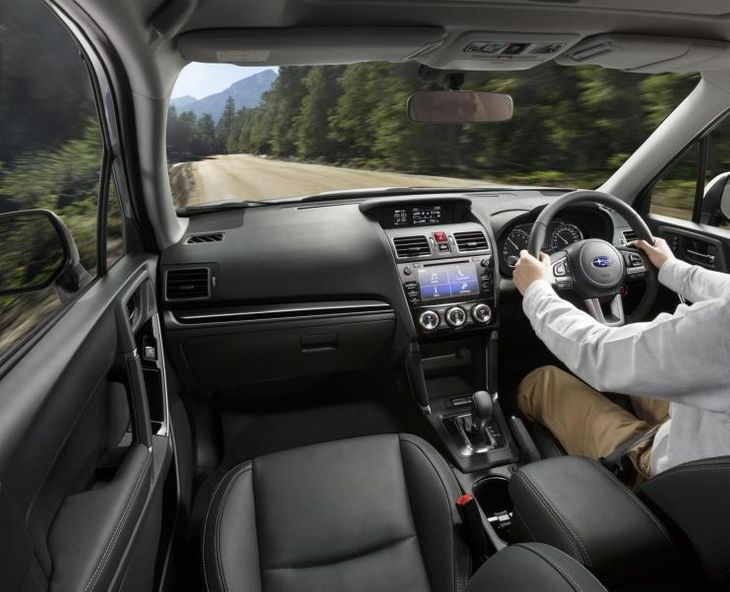
According to Subaru, the interior of the Forester has been reworked to be “classier and more functional”. The Forester now features a new steering wheel design with silver detailing on its three spokes. The LCD TFT instrument display has been upgraded with new graphics and colours while the middle display is now encased in smoked glass. The tachometer and speedometer needles have been reworked too.
Subaru has also used a more tactile material for often-used areas in the cabin such as the door handles, centre stack and handbrake. The trip computer on all Forester models have been re-upholstered in new material with contrasting silver stitching, which also features on the front and rear cup holders. New high-gloss black and chrome panels are also found on the dashboard.
The updated Forester is also fitted with improved fabric seats, which now feature more lumbar support. The design of the seats display a black 3D design with new contrasting silver stitching and the driver’s seat is now equipped with a memory function for added convenience. Automatic open/close functionality is included for the front electric windows and illuminated vanity mirrors are also included.
A choice of black or black and grey interior leather upholstery is available too.
Updated technology
Subaru has also revised the Forester's information, entertainment and communication interface, which includes Siri eyes-free, as standard on all models. The system works with the voice recognition system, linking to a Siri-compatible device and allowing the driver to use Siri via a button the steering wheel. If your device is not Siri compatible, then the voice recognition can still be used to control functions such as telephone, audio and climate control.
Furthermore, premium models in the Forester range are equipped with a new 8-speaker Harmon Kardon sound system, which includes 440-watt amplifier.
On the safety front, the Forester now includes Steering Responsive Headlamps (SRH) that shifts headlight illumination in the directions that the vehicle turns and is effective in both high and low beam modes. SRH is said to improve visibility at night, making the Forester a bit safer overall.
Improved refinement
In an effort to improve ride comfort, Subaru has reduced cabin noise and vibrations with the use of more insulation around the windows, which are now 0.5 mm thicker than before. Sound-deadening material has also been added to the floor, rear apron, boot floor- and footwells.
The damping rates of the shock absorbers have also been tweaked, while the steering wheel's turning ratio has been increased to improve steering feel.
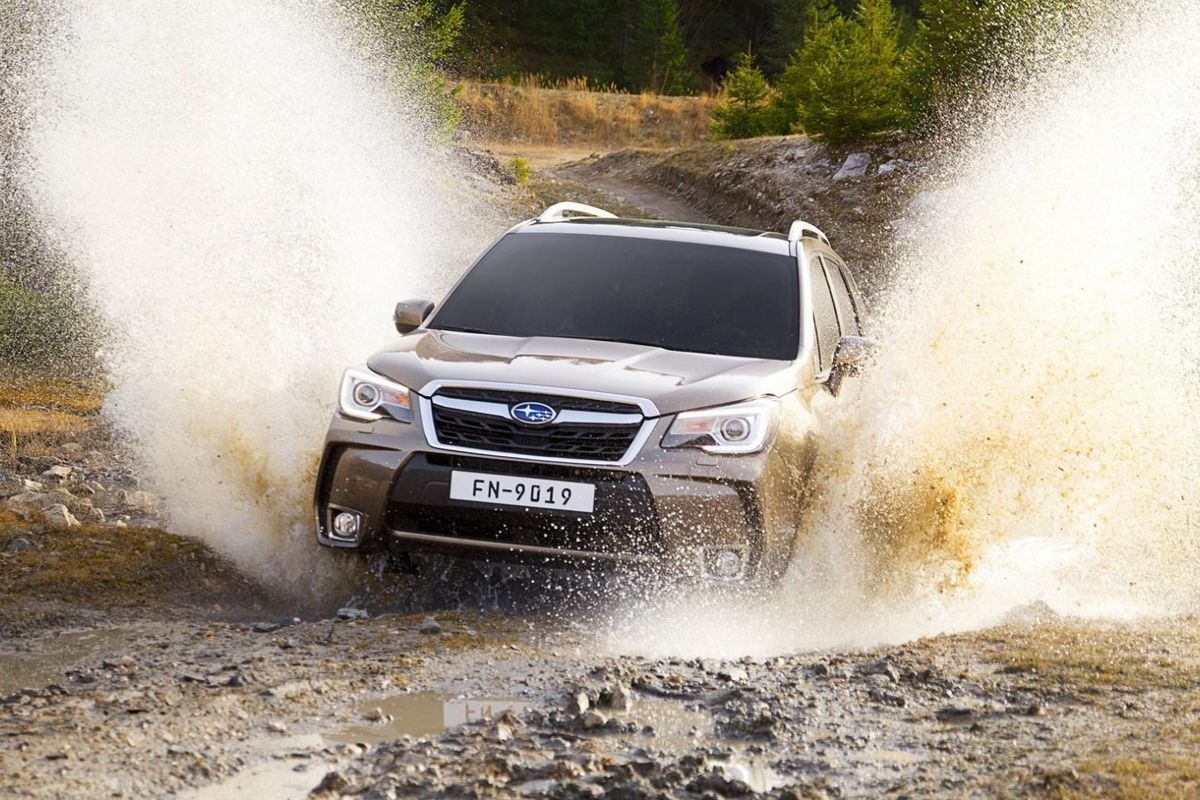
With its 220 mm ground clearance, X-Mode and symmetrical all-wheel drive system, the Forester still offers decent off-road capability.
Five models make up the Forester range, starting with the 2.0X derivative (powered by a naturally aspirated 2.0-litre Boxer engine that offers 110 kW and 198 Nm of torque through a 6-speed manual transmission). The claimed fuel consumption is 7.2 L/100 km.
A larger 2.5-litre Boxer engine is offered in X, XS and XS Premium trim levels with 126 kW and 235 Nm of torque. A CVT transmission is standard for these derivatives while X-Mode and the two-mode SI-Drive is standard for XS and XS Premium derivatives. Fuel consumption for these models is rated at 8.1 L/100 km.
The range-topping 2.0 XT derivative offers 177 kW and 350 Nm from its turbocharged Boxer engine. This model is also mated to a CVT with a claimed fuel consumption of 8.5 L/100 km. This derivative benefits from new 18-inch alloy wheels, as well as a more sporty bumper and three modes for SI-Drive.
The Subaru Forester is sold with a 3-year / 75 000 km full maintenance plan, a 3-year / 100 000 km warranty and Subaru Assist. Various maintenance plan extension packages are optionally available at extra cost.
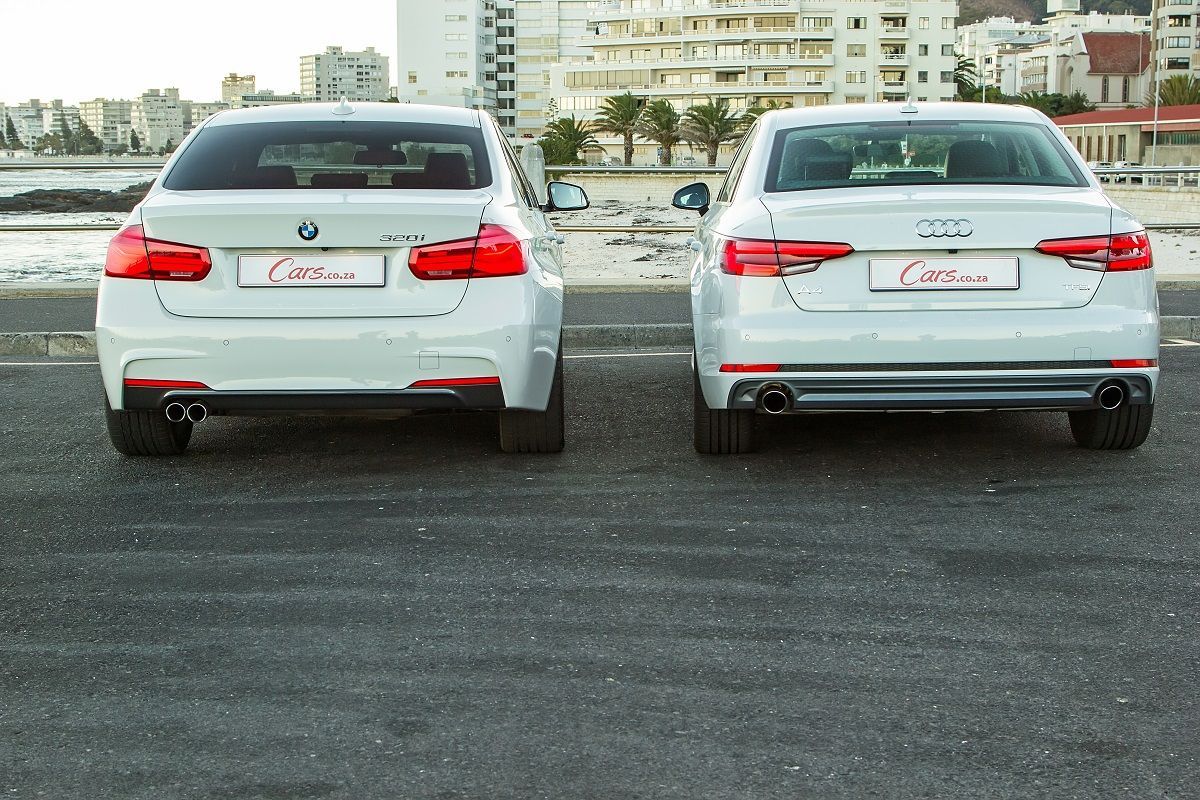
Audi A4 2.0T vs BMW 320i (2016) Comparative Review
The 3 Series is regarded as the definitive compact executive sedan thanks to its balance of sportiness, style and luxury, but the BMW's rivalry with the Mercedes-Benz C-Class and Audi A4, of which an all-new version was recently launched, is fierce. Does the Audi A4 2.0T have the right set of attributes to trump one of the 3 Series' best-selling derivatives? Read on.
In terms of sales figures, the South African-made BMW 3 Series' biggest rival is the (also locally made) Mercedes-Benz C-Class – a formidable product that won the Business Class title in the inaugural Cars.co.za Consumer Awards courtesy of the C250 AMG Sports.
Meanwhile, the F30-generation 3 Series underwent a mild facelift during the third quarter of 2015 and Audi launched its eagerly anticipated new A4 in the first quarter of 2016. Our initial impressions of the A4 suggested the newcomer could be better than the 3 Series, but the only way we would find out for certain was by doing a side-by-side comparison.
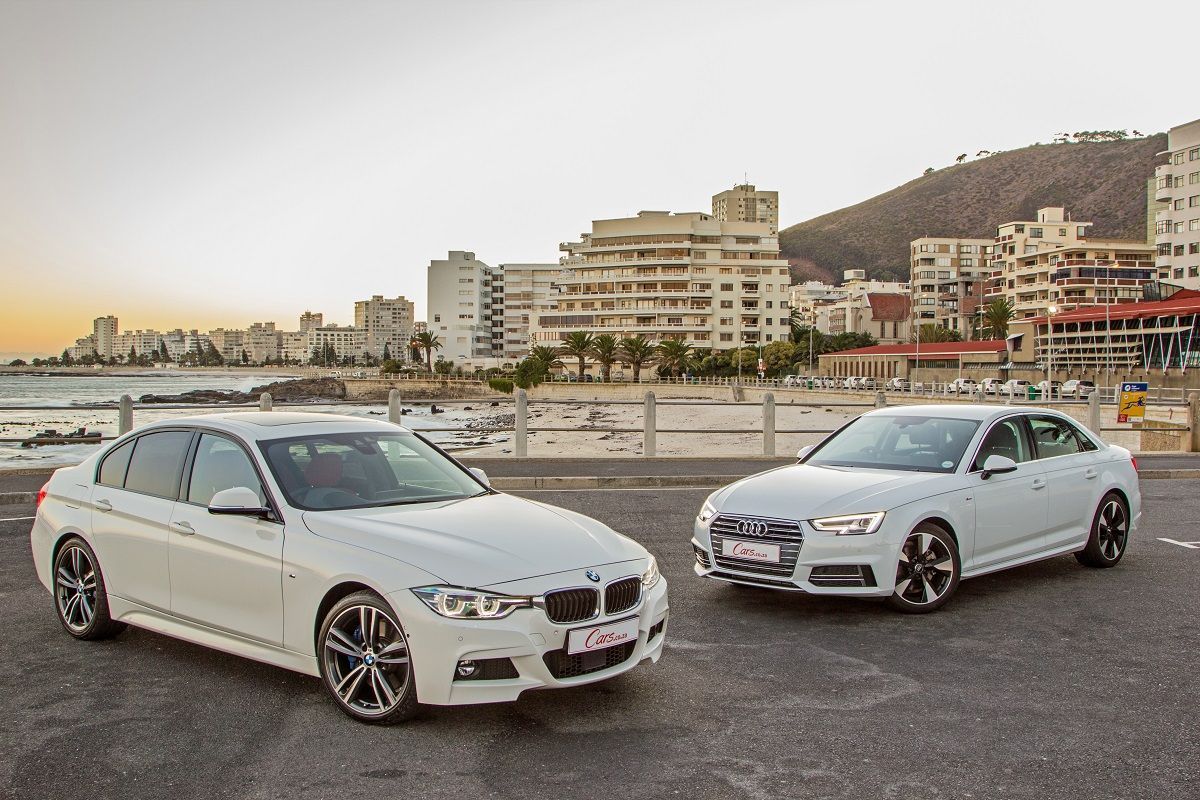
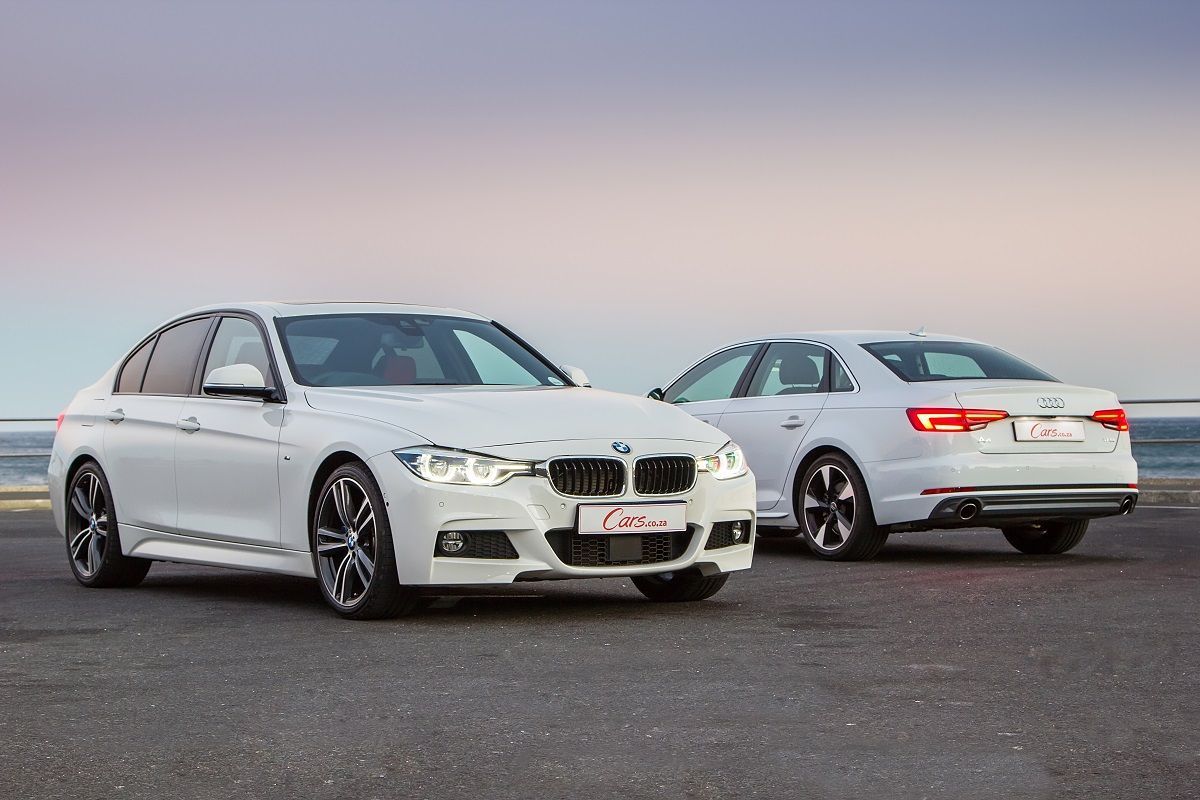
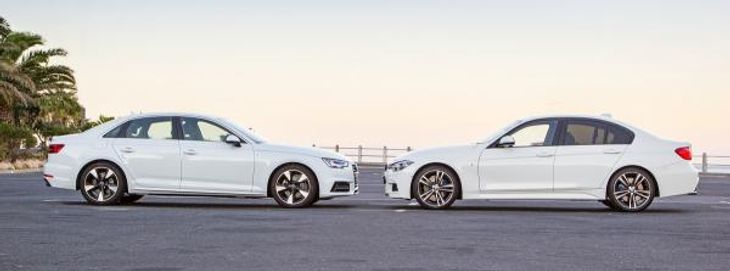
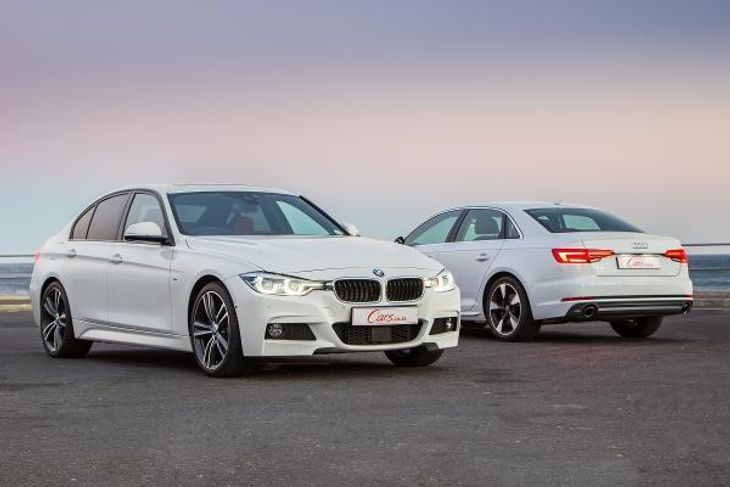
In this comparison, we pitch the 320i M Sport sports auto against the A4 2.0T FSI Sport line. Both vehicles came equipped with numerous options that push their prices up substantially, but essentially these are the "bread-and-butter derivatives" of their respective model ranges.
These vehicles have a fair bit in common (such as a 2.0-litre turbocharged four-cylinder motor), but their executions (and driving experiences) couldn’t be more different.
Showdown! Newcomer Audi A4 faces off to archrival BMW 3 Series.
Alternatives
This segment is diverse and while we feature two out of the three most popular models in this review, there are a number of contenders to choose from (depending on your taste).
For more premium feel: The Jaguar XE offers a distinctly different take on the compact executive segment and Mercedes-Benz C-Classcontinues toarguably represent the most desirable car in this segment.
For more specification as standard: The Lexus IShas always been underrated and is more impressive than ever before, especially with its new turbocharged engine.
Value for money choice: If brand prestige is not a major factor, then consider the excellent new Volkswagen Passat.
How do they fare in terms of…
…performance and economy?
Although both cars feature 2.0-litre turbopetrol motors the BMW is rear-, as opposed to front-wheel driven, while the Audi offers notably higher peak torque and somewhat more impressive claimed fuel consumption figures.
BMW 320i
Audi A4
Engine type
2.0-litre turbo four cylinder
2.0-litre turbo four cylinder
Gearbox
8-speed automatic
7-speed dual clutch
Drive wheels
Rear
Front
Power
135 kW
140 kW
Torque
270 Nm
320 Nm
0-100
7.3 sec (claimed)
7.3 sec (claimed)
Top speed
235 kph
210 kph
Fuel consumption
5.3 L/100km (claimed)
4.9 L/100km (claimed)
Sport accessories boost the kerb-side appeal of these "humble" derivatives.
The numbers tell only half the story, however. As you’ll find in the next section of this comparison, the 3 Series feels sportier to drive than the A4 and emits a pleasingly sporty exhaust note as well. Whereas the BMW's performance feels lively and urgent, the Audi delivers a brisk, but calmly restrained, driving experience.
The claimed fuel consumption figures from both manufacturers are optimistic and you’ll battle to achieve within 10% of these numbers. As you’ll see in the video below, we managed to achieve 9.1 L/100 km in the BMW 320i while the Audi A4 was indicating 9.3 L/100km on the trip computer. We drove both vehicles in a combination of traffic conditions such as the open road/freeway, grid-locked traffic as well as some twisty roads.
Ride and drive
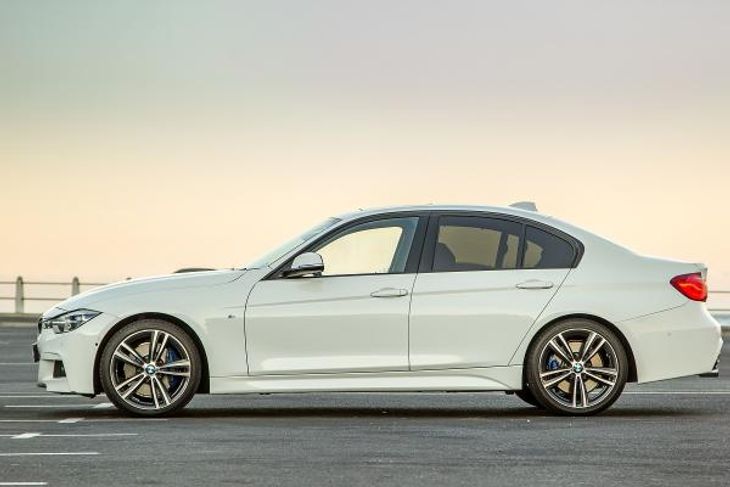
M Sport kit on a BMW 3 Series adds some visual appeal, and includes blue brake callipers.
The 3 Series is renowned as the driving enthusiast's choice and the 320i doesn’t disappoint. The thick-rimmed steering wheel takes some time to get used to, but its action is weighty and reassuring. While much has been written about the added driver involvement offered by a rear-wheel-drive configuration, the BMW does have a sense of dynamism about it. It feels at home both on morning trudges to the office and while you’re driving briskly through a series of corners. You can thank a well-tuned suspension and 50:50 weight distribution for that.
The differences in feel between the driving modes (Sport, Eco and Comfort) are substantial. The inherent dynamism of the vehicle is particularly apparent when you’re pressing on in the BMW – it’s responsive to the slightest of inputs and eager to please the enthusiast.
While sportiness plays second fiddle to refinement in the Audi, the A4 delivers a turn of pace effortlessly. It too has modes that can be activated via the drive select button. Eco will set the engine and air conditioning to a low-power bias, while dynamic mode enhances the responsiveness of the powertrain. But, in cut-and-thrust driving conditions it feels somewhat out of its comfort zone relative to the BMW.
That said, the A4 is significantly improved in this regard compared with its predecessor. You can now take it by the proverbial scruff of the neck and make it hustle through the bends. The steering feel is a little inert though; suffice to say we’d prefer a setup that communicated more feedback. It’s predictable and safe, however: something that Audi A4 owners have come to expect.
In terms of overall ride quality and refinement then, the 3 Series loses a bit of ground to the A4, but makes up for it in terms of hands-on driving involvement. For driving enthusiasts the greater engagement and weightier controls of the BMW still give the 3 Series the edge, whereas the Audi offers a muted and restrained experience from behind the wheel. On side note, be mindful that when you configure your car, larger alloy wheels wrapped in low-profile rubber will result in more road noise and firm up the ride.
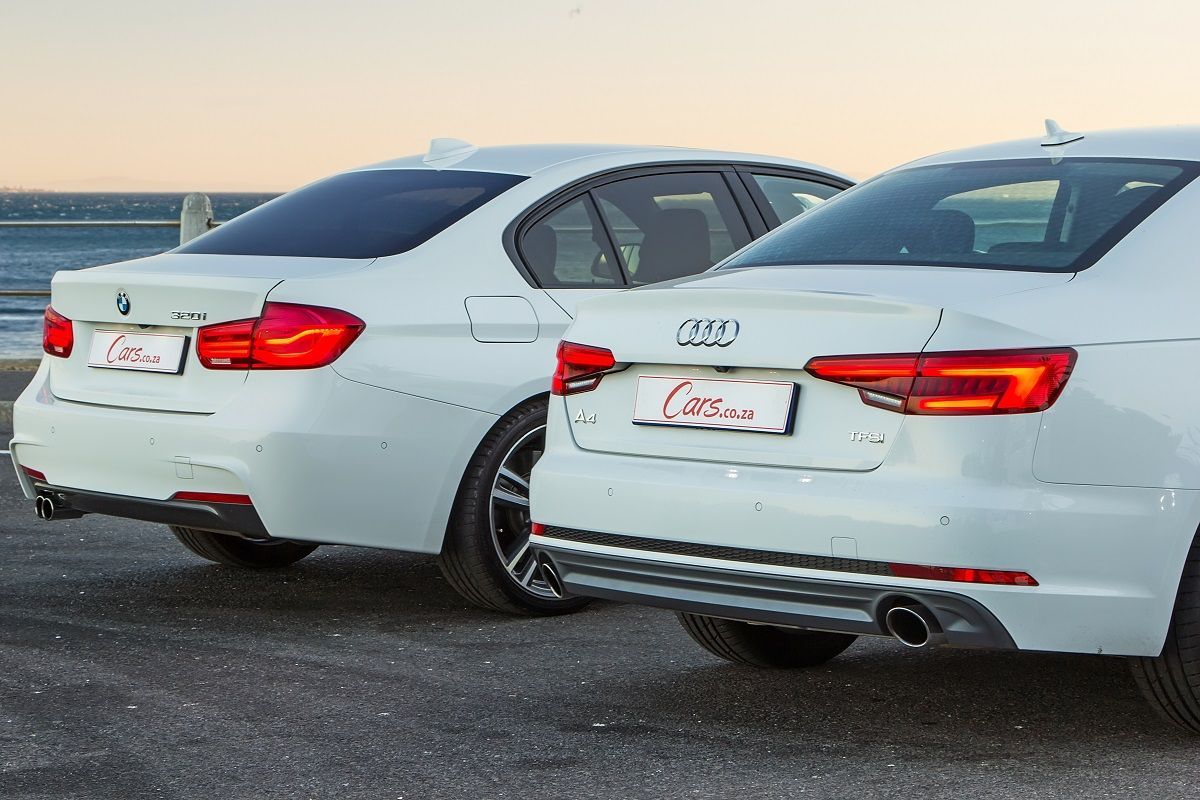
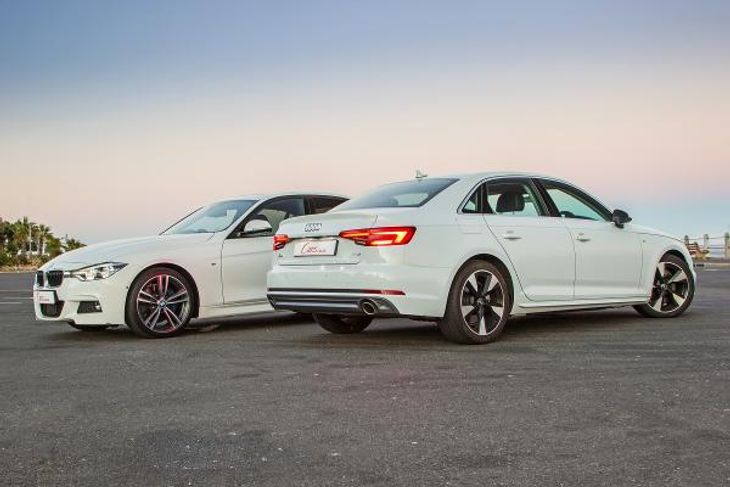
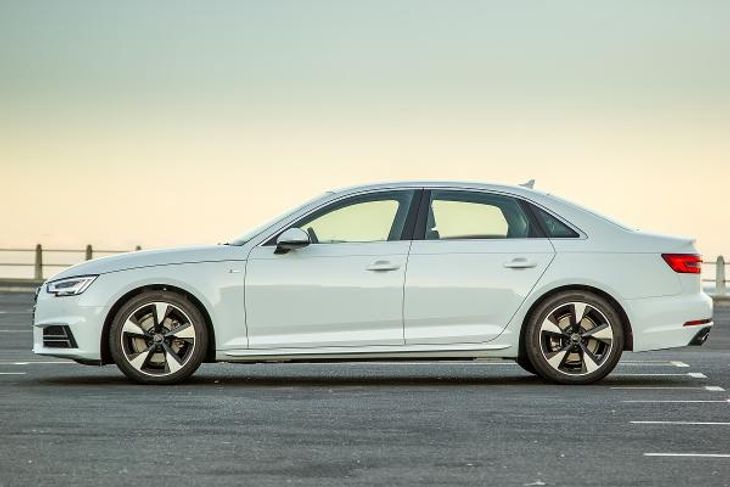
Audi A4 came with the eye-catching S-Line kit. Big wheels and big pipes round off the styling.
… interior and practicality?
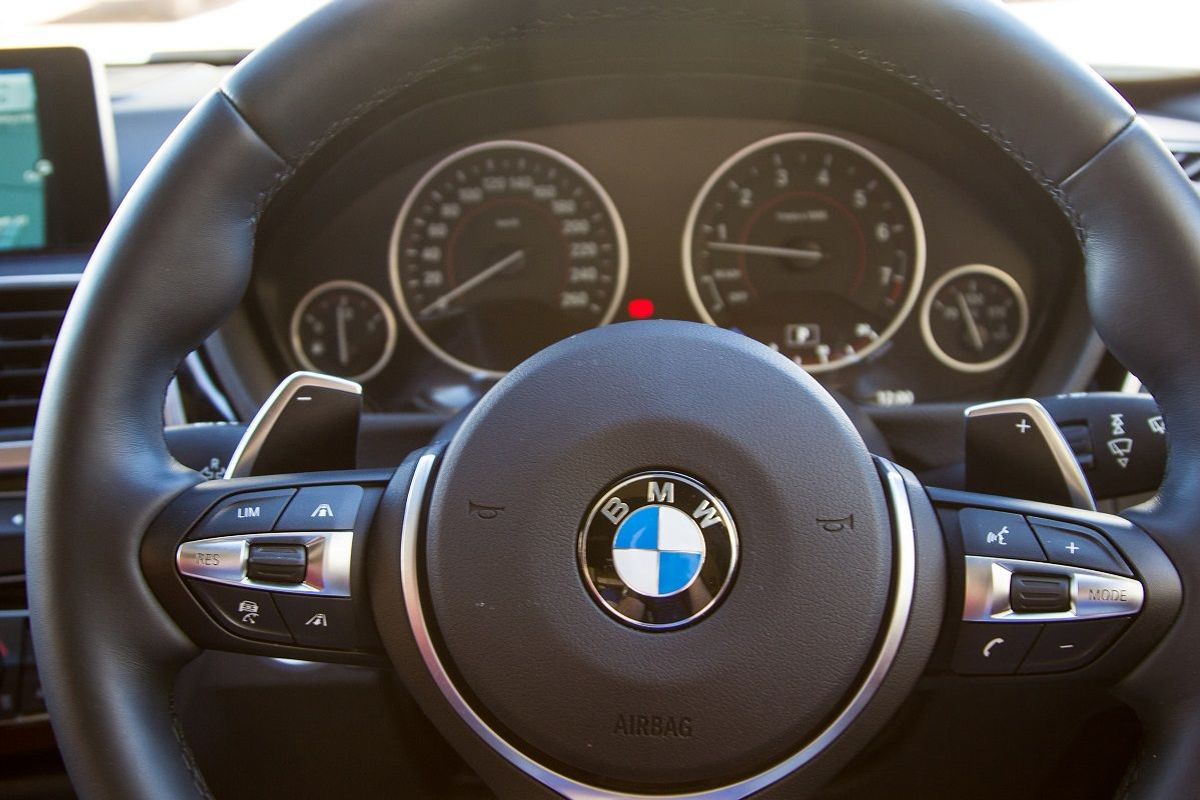
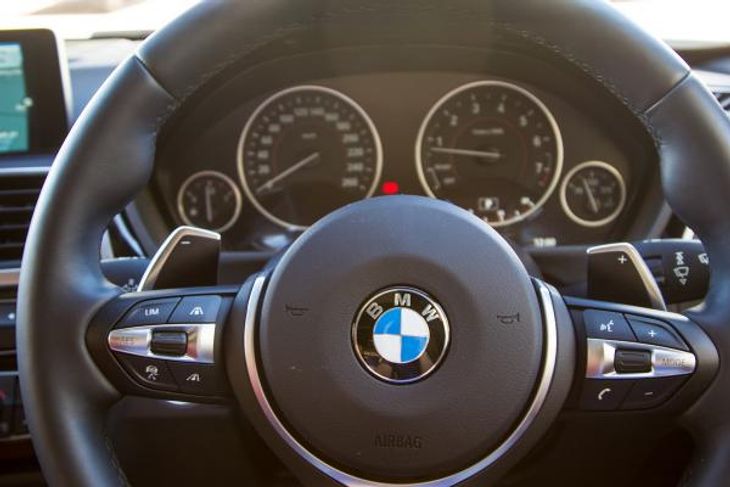
The 3 Series's analogue instrumentation works well but looks outdated compared with the Audi's digital setup.
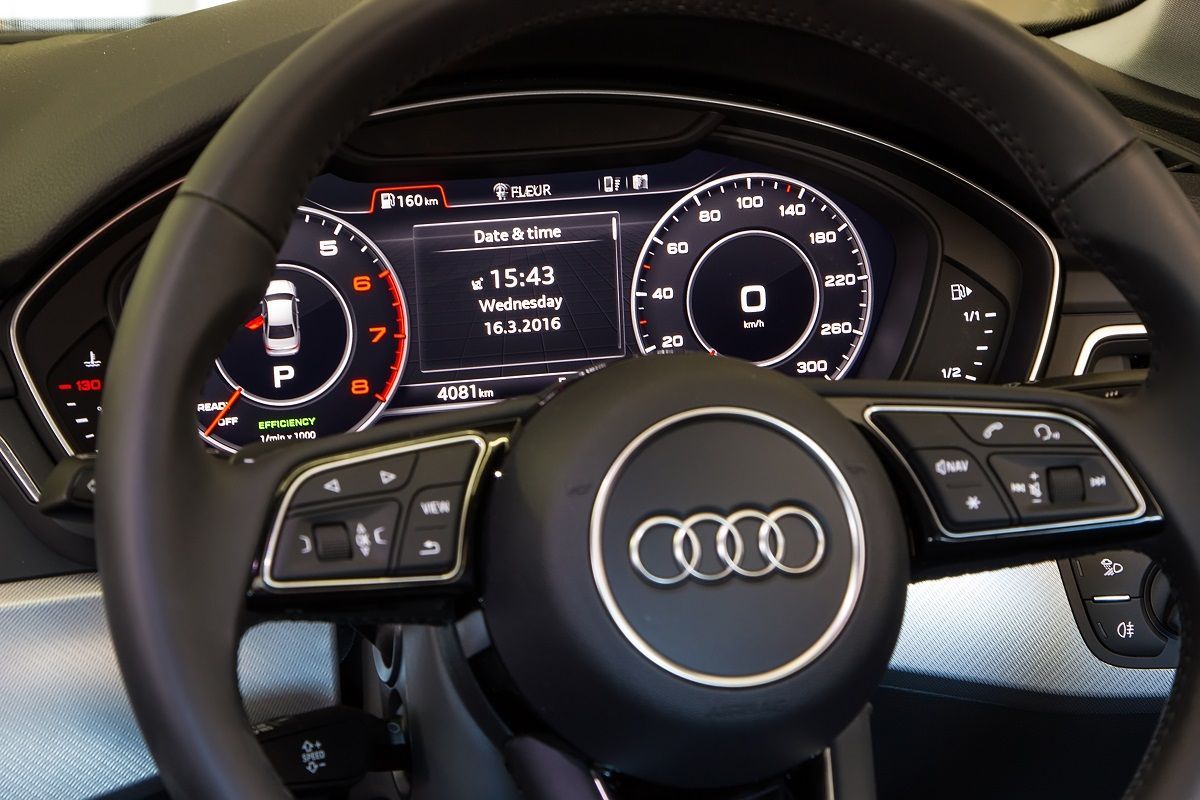
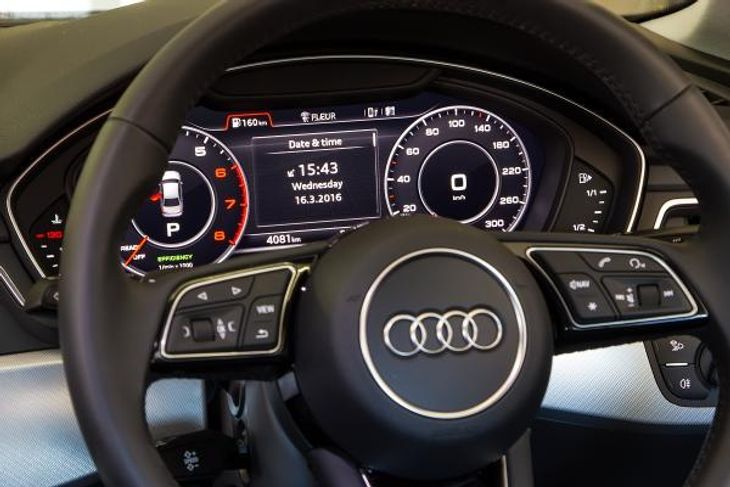
The Audi's cabin is well-designed, user-friendly… quite exceptional, in fact – it makes the BMW’s interior feel somewhat dated by comparison. Buttons and switches have an undeniably premium feel and the entire centre console is a nod to minimalistic, yet functional design. This test unit was optionally specified with the Virtual Cockpit all-digital dashboard, which lends the cabin a high-tech ambience. As sharp, crisp and modern as the Virtual Cockpit is, we can’t help feel that it’s a tad redundant as the centre screen displays virtually the same information, though.
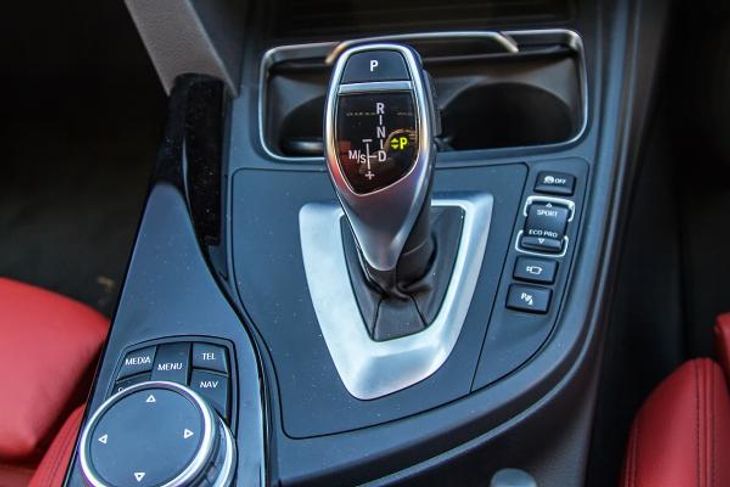
2016 iDrive is sharp and responsive. Sport buttons are orientated towards the driver. Note: manual handbrake!
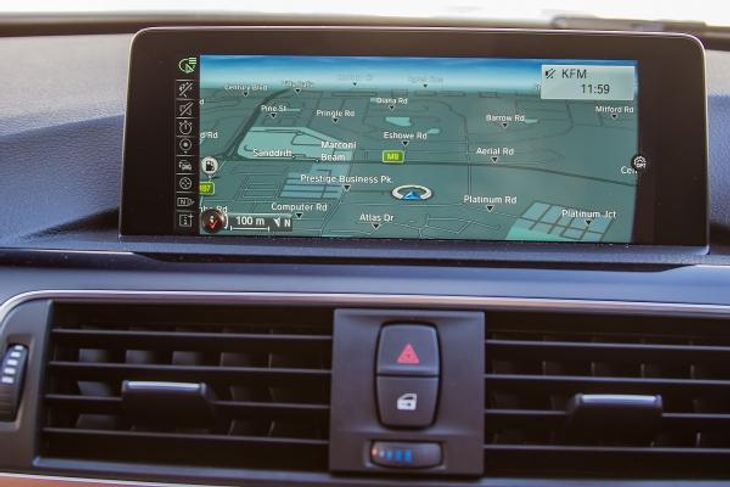
It’s hard to fault the Audi’s exquisite cabin refinement and build quality, but the BMW is not completely outclassed in this regard… its wide infotainment screen offers better graphics and resolution, plus its analogue dials are complemented by neat digital readouts.
The cabins of both cars are comfortable places to be whether you’re in the driver's seat or relegated to the rear bench. In terms of interior space, the Audi boasts a wheelbase that’s 93 mm longer than the BMW's (4 726 mm). It’d be nitpicking to say that the Audi offers a bit more space, but when you’re doing a comprehensive assessment of both cars, if 93 mm is what separates the two, then so be it!
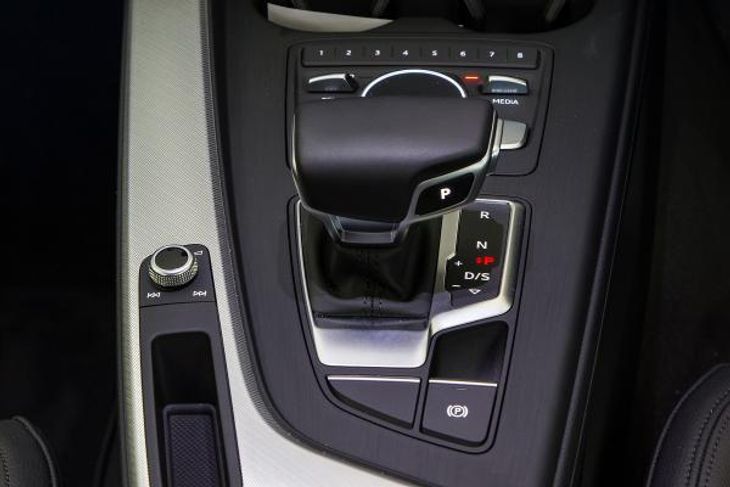
Gear selector serves as a resting place for the driver's wrist when using the MMI controller.
Both vehicles offer folding rear benches as an option, but on the BMW it's cheaper to specify (R3 250, compared with the Audi's R5 300). Both vehicles claim a boot loading capacity of 480 litres, which is enough for two sets of golf clubs or a pair of big suitcases.
Audi Virtual Cockpit blasts all analogue offerings. Clear, concise and intuitive to use.
… 21st-century technology?
Both Audi and BMW offer extensive options lists that can hike their products' asking prices considerably, but the technology available is quite extraordinary. The game has moved on significantly. To think features such as Bluetooth and climate control have become everyday items!
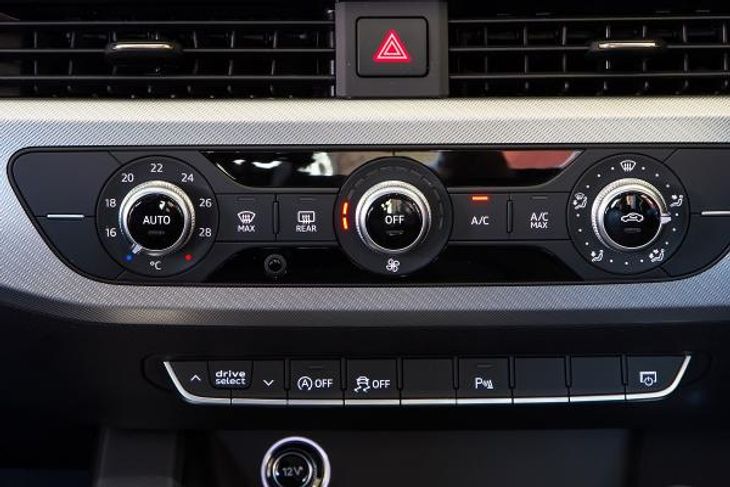
Well crafted buttons and switches in the Audi A4. Note: Audi drive select button to choose engine modes.
You can opt for adaptive suspension in the BMW that firms up or softens the ride depending on your mood. You can also select heated seats that will take the frostiness out of winter. There’s auto parking, radar-guided cruise control, satellite navigation, full 360-degree cameras, and BMW ConnectedDrive services. This system constitutes a range of services and apps such as a concierge, internet browsing, and real-time traffic. You can even wirelessly connect your GoPro to your car. In summary, the 3 Series has become a vehicle that can make restaurant bookings for you, tell you which congested roads to avoid and it’ll automatically brake for vehicles in front of it when the dynamic cruise control is activated.
The Audi A4 is also laced with technology. You can choose the outstanding Matrix LED headlights, heated and cooled seats, adaptive suspension, which can switch from sporty to soft at the touch of a button, auto parking, Virtual cockpit, satellite navigation, tablets for the rear seat entertainment, additional USB ports for the rear occupants, to name but a few.
Both vehicles can be specified with head-up displays, but the BMW unit is better than its rival's system. Both vehicles offer upgraded sound systems, with BMW going the Harmon/kardon route while Audi has chosen Bang & Olufsen.
The Audi and BMW come with an array of standard safety features, including front-, side and curtain airbags as well as stability/traction control systems. An assortment of additional safety features are available, such as blind spot indicators and lane keeping assist. Also worth considering are tyre pressure monitoring and heads-up display (HUD).
BMW's widescreen infotainment screen offers crisp visuals and is easily explored using iDrive controller.
Verdict
It is just about impossible to convince a buyer loyal to a particular German premium marque to switch from their beloved brand. Audi A4 customers will be quietly satisfied with their purchases, while BMW fanatics will continue to clamour for the latest 3 Series. While there’s little to separate them in terms of features, it’s even closer when it comes to the ownership and servicing experience. According to our Ownership Satisfaction Survey, after-sales service, dealer footprint, sales experience and ownership experience, are all very similar, with the two brands trading blows but never quite landing a knock-out punch.
It was almost too close to call as both the 320i and 2.0T are worthy of the praise heaped on them. Ultimately, it boils down to what you desire from your premium sedan. But let's leave brand bias out of it for the moment… If you’re a driving enthusiast, then perhaps the BMW 320i is the better option. The Audi A4 doesn’t disgrace itself when it comes to spirited driving, it’s just the BMW feels a more involving, willing participant. In that regard, nothing has changed, but the gap is narrower.
The new A4 represents a signficant step forward for the brand in the premium compact sedan market. We liked how the Mercedes-Benz C-Class introduced many things from its bigger brothers when it was introduced and now Audi has done much the same. The cabin layout, dashboard design and build quality are easily on par with larger luxury sedans from just a few years ago. It’s a superb vehicle. How it didn’t become the 2016 World Car of the Year 2016 remains a mystery.
Ultimately, the A4 2.0T just edges the BMW 320i because it offers superior levels of refinement. While the BMW 3 Series is dynamically ahead of the Audi, we have to measure this victory in dynamics against a win for the Audi in a department that's arguably of greater importance for more consumers. We think this market requires a car that's happy playing both the routine 9-to-5 traffic game as well as excelling during a weekend leisure trip through the hills. With the new A4, Audi has moved its offering close enough to the 3 Series in the fun-to-drive stakes to make sure victories in particular the areas of cabin design and refinement are enough to score it the overall win.
It's close. Audi A4 brings more refinement and prestige to the segment and ultimately clinches this shootout.
Pricing
The BMW 3-Series range starts from R427 500, with this 320i M Sport Sports Auto without extras costing R520 056.
The Audi A4 range starts from R459 000, with this A4 2.0T FSI Sport line without extras costing R517 000.
Watch an interior and specification comparison video between these two cars
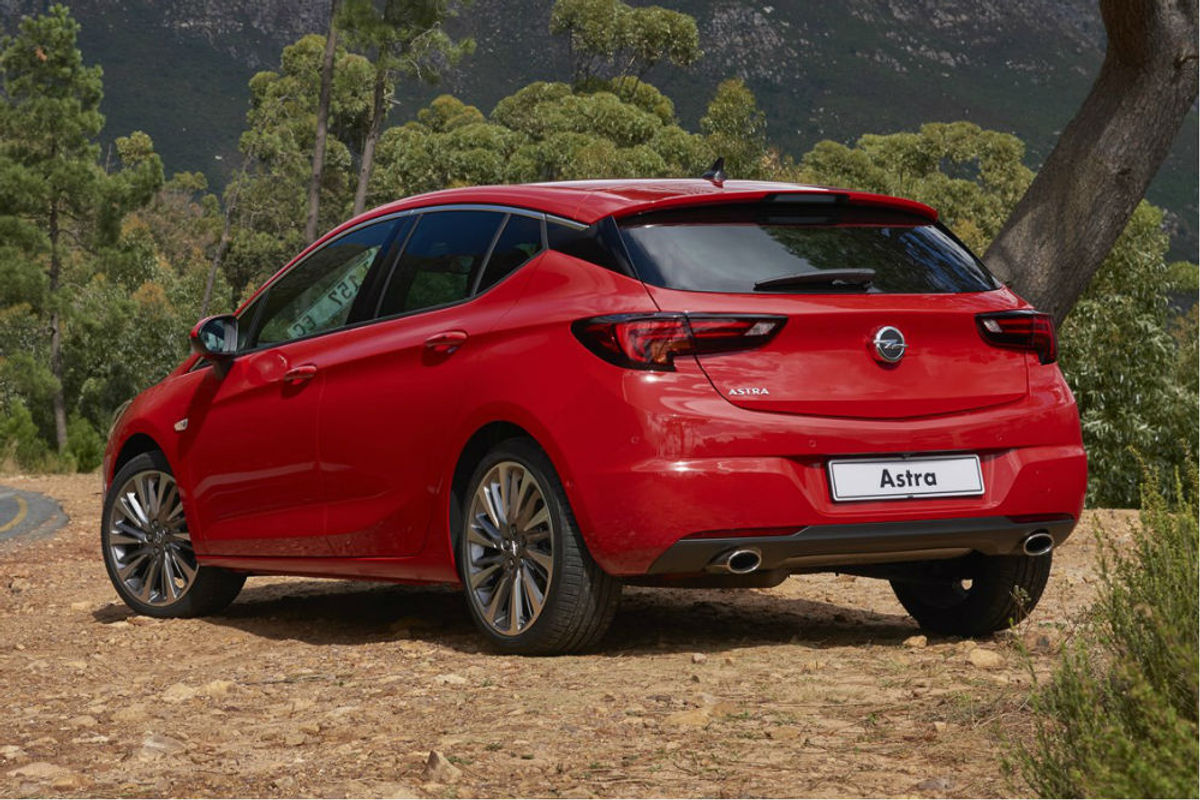
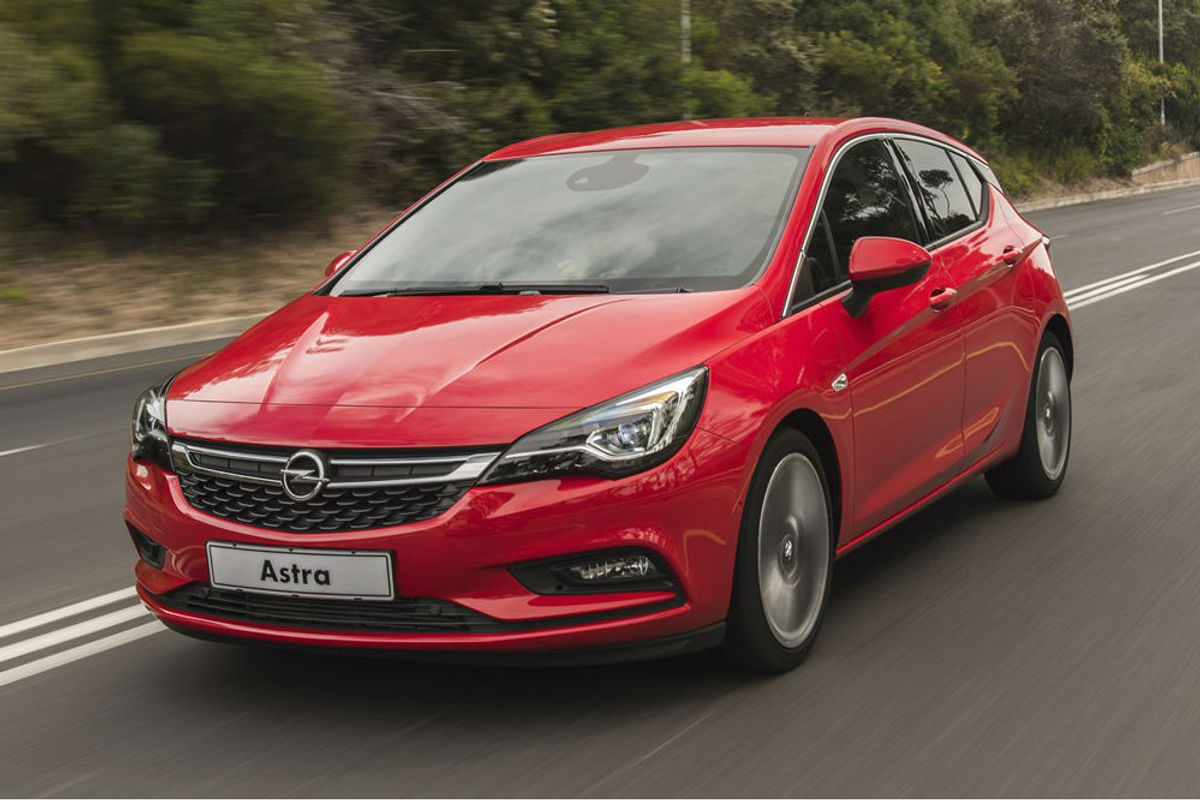
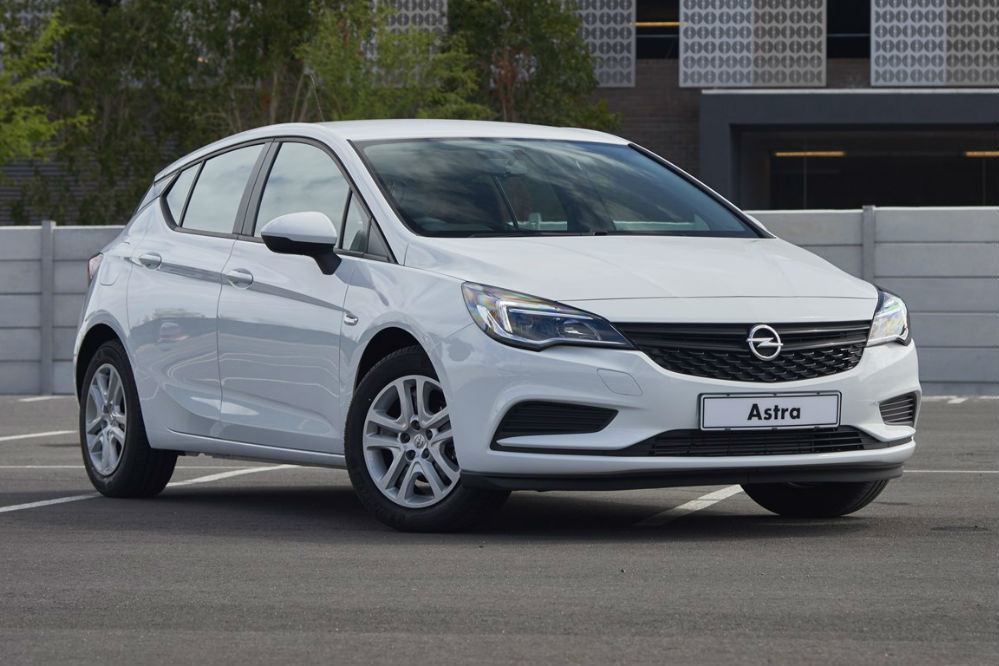
Buoyed by the European Car of the Year title, the new, feature-packed Astra has its sights set on restoring Opel as a force in the compact hatchback market. Moreover, General Motors SA hopes it will attract a fair share of premium hatchback buyers too.
When GM shifted the focus of its passenger vehicle product line-up to Chevrolet the best part of a decade ago (there were several reasons for that, including uncertainty about Opel's future at the time), the Astra, which had joined its old rival, the Volkswagen Golf, in a push up the market, suffered more than most of the Russelsheim-based brand's products.
In light of developments in the compact hatchback market, where downsized, turbocharged engines feature at the entry level and premium brands' offerings encroach on the top of the range models, the new Astra needs to be well-designed, efficient and technologically advanced, yet retain a level of driver involvement over and above the brand's pursuit of refinement.
Kerb appeal
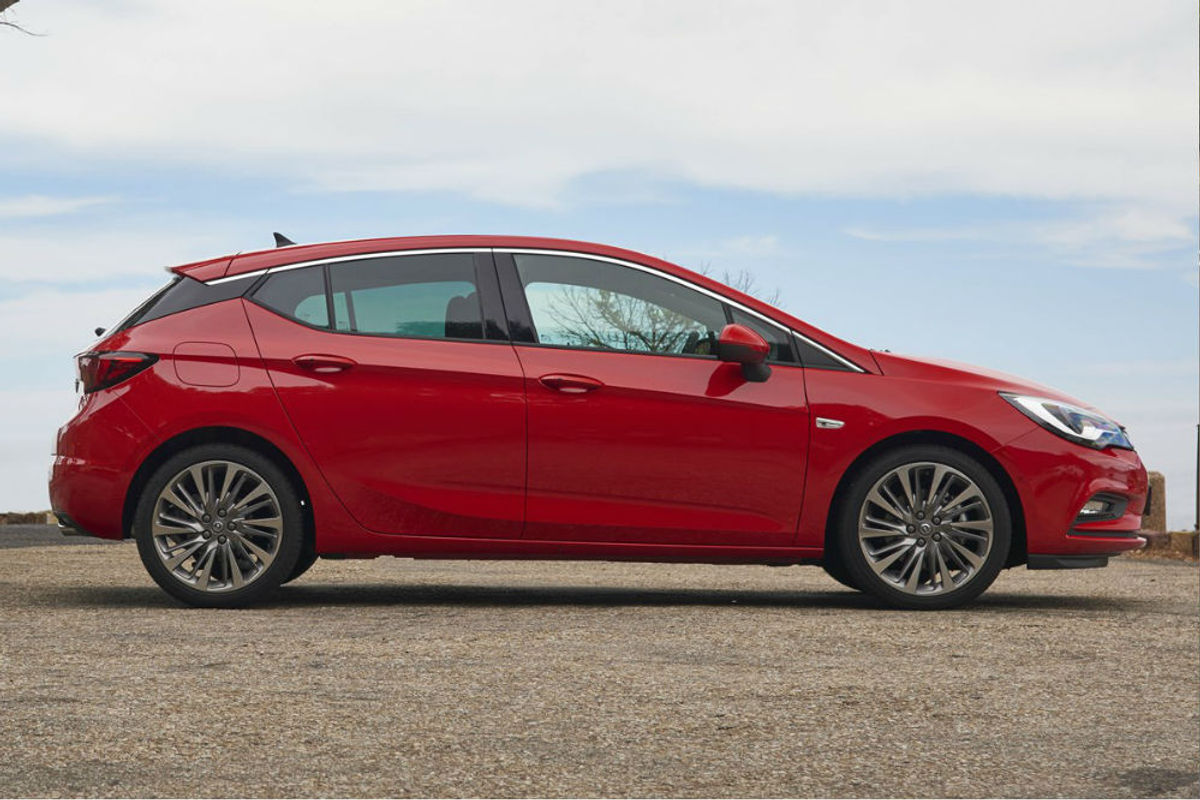
The trend towards downsizing does not only pertain to the 1.0-litre EcoFlex engine in the entry-level Astra derivatives. The newcomer is 49 mm shorter and 26 mm lower than its predecessor, which has resulted in improved aerodynamic efficiency, but through innovative packaging, Opel has freed up 35 mm more rear legroom and 22 mm more front headroom.
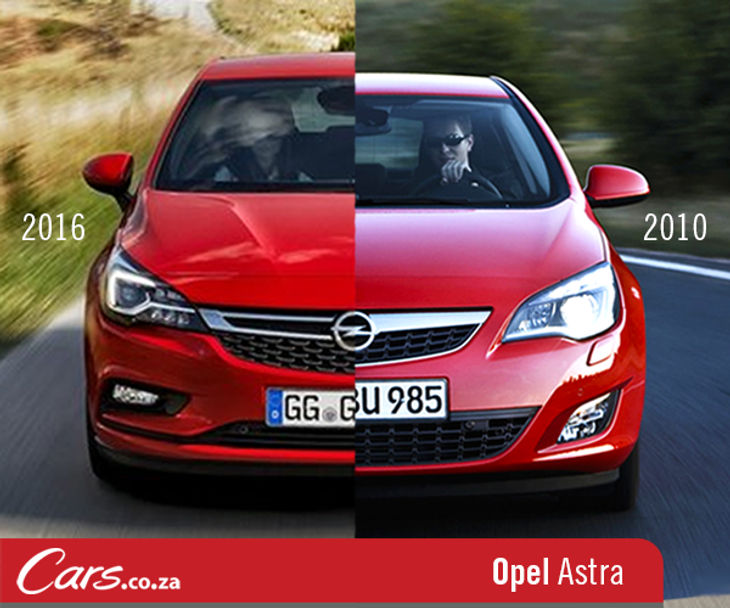
The new Astra (left) is markedly lower and more distinctive than the model it replaces.
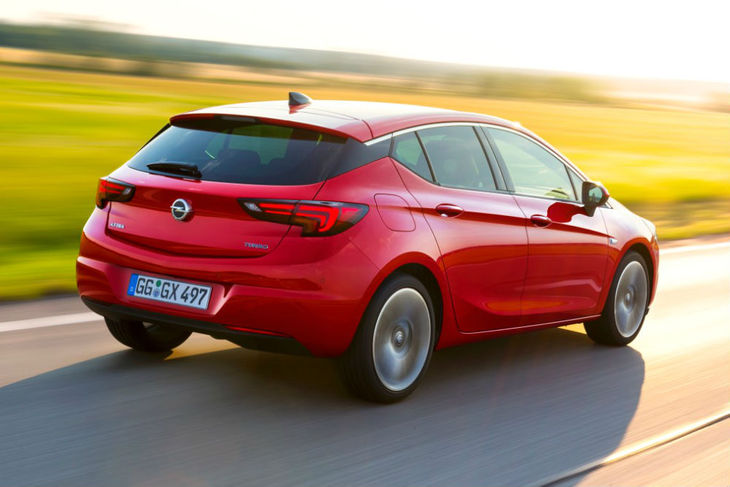
As this graphic illustrates, the comparatively low-slung new Astra is far more distinctive from the front than its predecessor — and compared with its Corsa sibling’s posterior, the newcomer’s rear is positively chic. Adding to the Astra aesthetic appeal is the fact that all models bar the entry-level 1,0T Essentia are shod with 17-inch wheels (with the Sport/Plus models riding on 18-inch alloys) and have LED daytime running lights/indicators. If any element of the exterior design may divide opinions, it’s probably the narrow strips of black plastic trim on the C-pillars that create the “floating roof effect”; we think they add nifty detail to the Astra's rear three-quarter aspect, but some observers have described them as fussy.
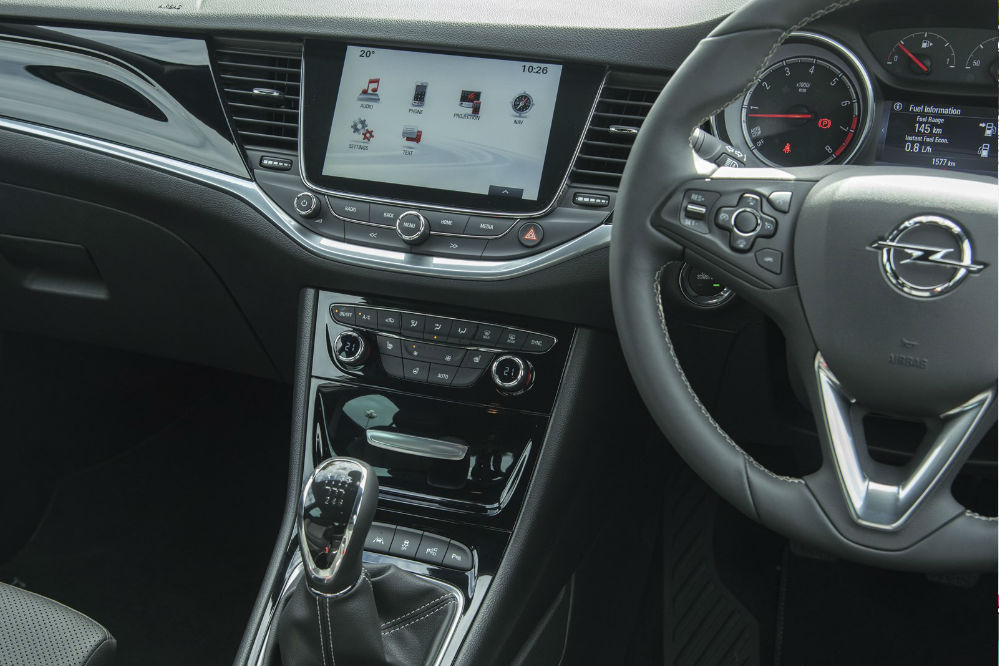
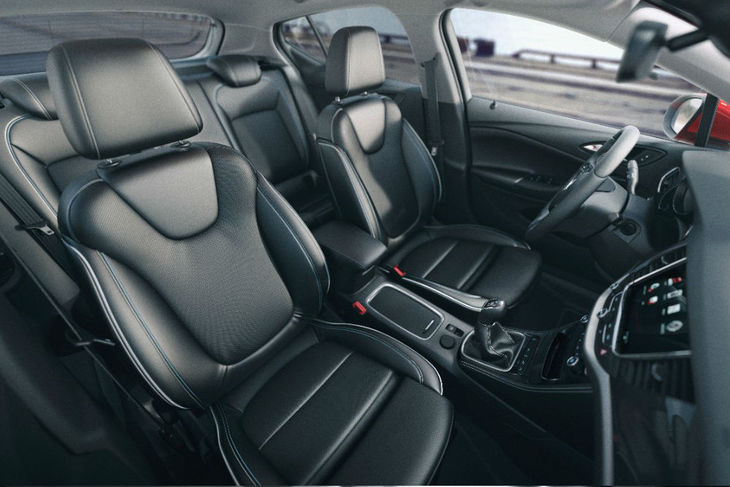
The Sport-specificationAstras benefit from leather trim, piano-black inserts and handsome steering wheel.
Handsome, well-appointed interior
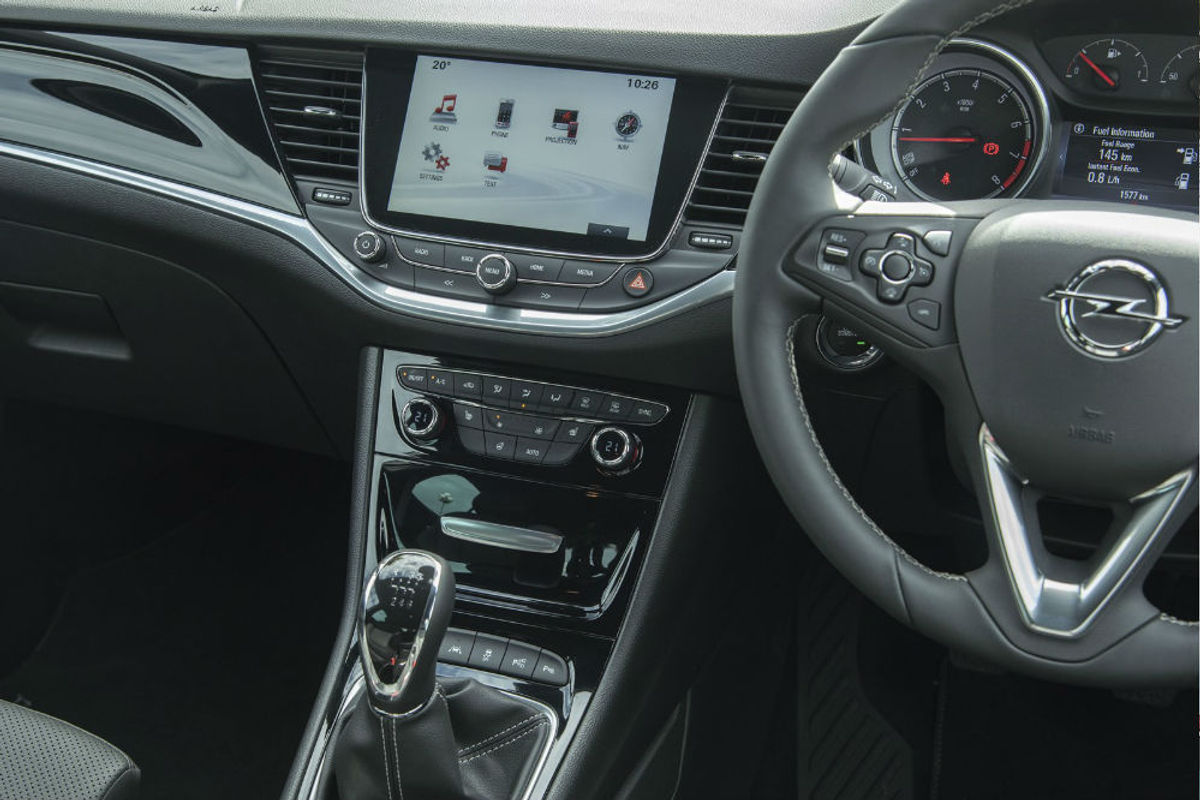
General Motors took a strategic decision a few years ago to prioritise the development of infotainment systems (and their respective smartphone interfaces) and the result is immediately evident in the Astra. The IntelliLink 4.0 7-inch touchscreen (for the 6-speaker Bluetooth/USB/MP3/AUX audio system) that's located near the top of the soft-touch dashboard has effectively decluttered the fascia and is very intuitive to use.
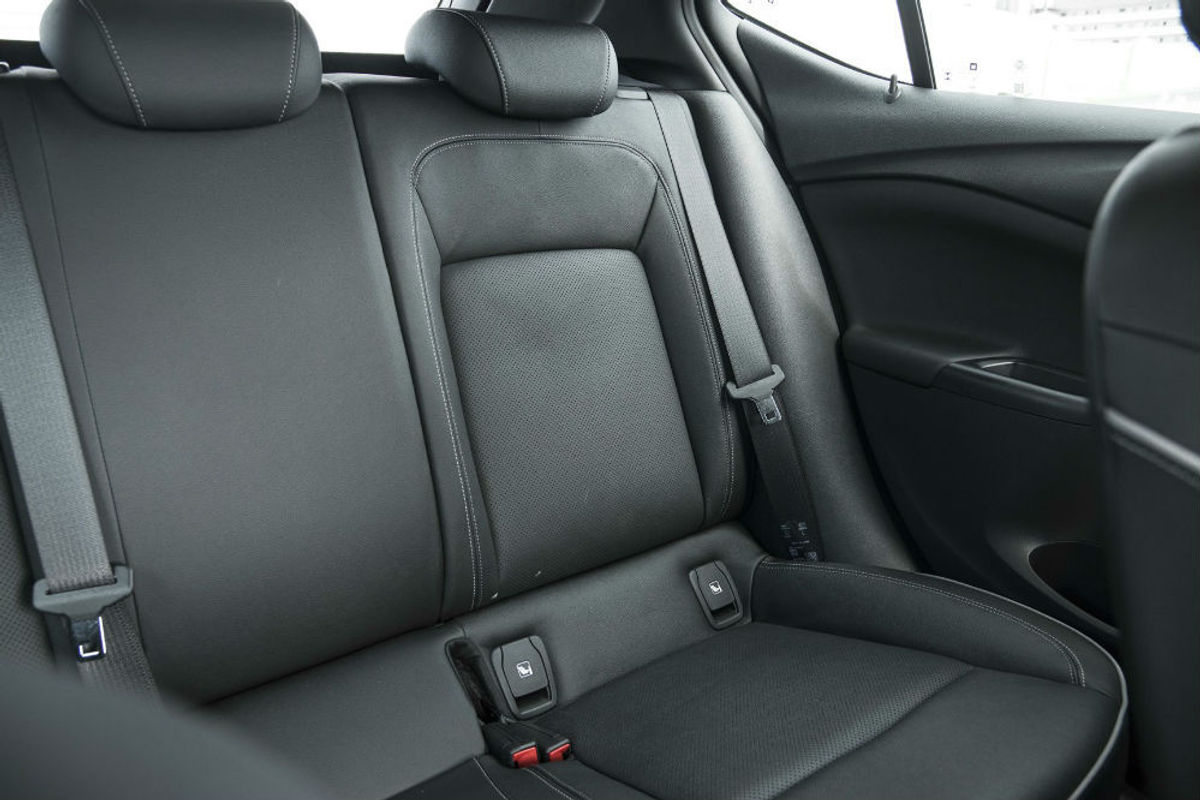
Repackaged Astra interior offers more headroom at the front, and extra legroom at the back.
Speaking of which, the fascia of the Enjoy models look a little grey and plain without the Sport-spec’s piano black trim (and not least the electronic climate control console with its metallic accents). What's more, the generic GM polyurethane multifunction steering wheel can’t quite hold a candle to the Sport’s handsome, leather-trimmed tiller either, but where Opel has stolen the march on everyone, however, is by sporting the smartest-looking instrument clusters!
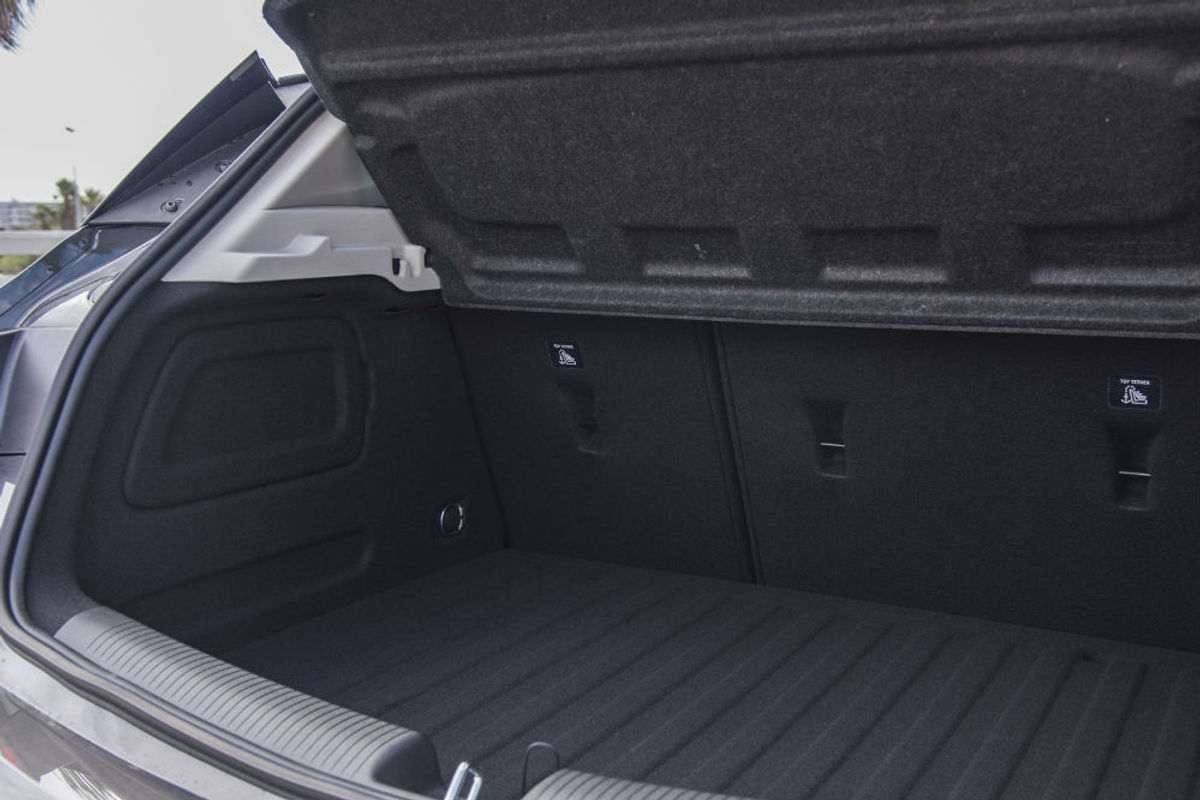
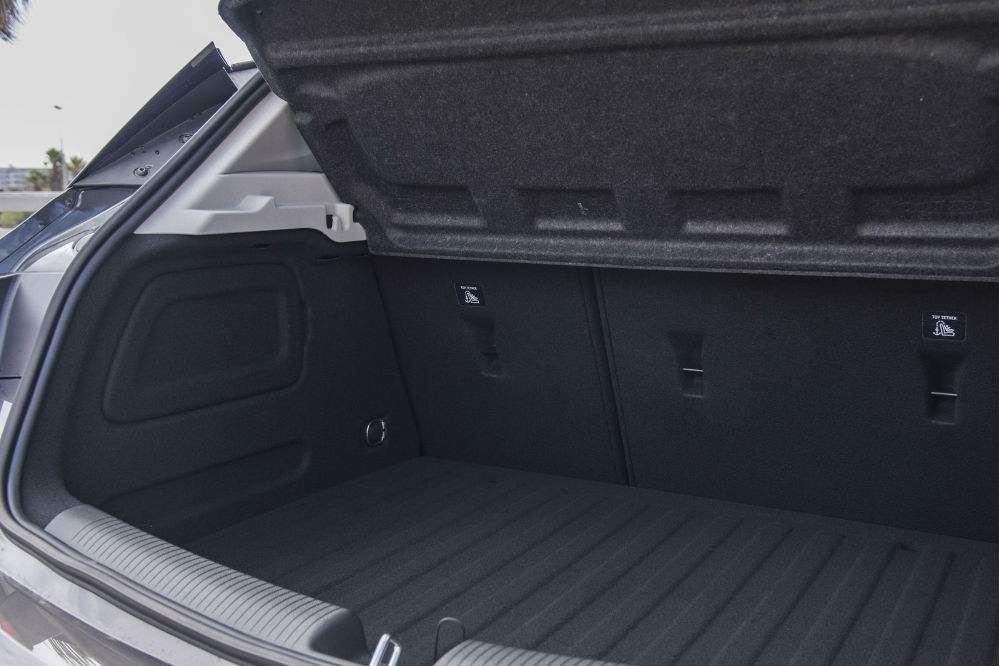
But that does not mean that there is much amiss with the build quality of the Astra’s interior; quite the contrary, in fact. Whereas the previous version of Opel’s compact hatchback lagged behind the opposition in terms of the quality of its cabin plastics and the way that panels fit together, our biggest criticism of the newcomer is just a lack of storage space above the gear lever (the storage compartment in the centre console is not particularly large either). And in terms of general accommodation, the rear legroom is quite suitable for a pair of adult passengers and the luggage bay is capacious.
Luggage capacity does not suffer for the improvement in rear legroom.
Impressive on-road refinement
Although the appeal of the Astra’s interior will probably have a number of potential buyers convinced well before they’ve departed the showrooms on a test drive, the Astra’s accomplished, multi-faceted driving experience is worth savouring.
None of the models, from the 1.0- to the 1.6-litre, will leave you astounded by their outright pace (even if their performance figures are more than fair) and their ride qualities are pliant and predictable, as opposed to cossetting, but one of the most impressive aspects of the newcomer is the way it melds good noise, vibration and harshness suppression (at least as far as the driver and passengers are concerned) with smooth and willing powertrains and a level of suspension tuning that is comfort-oriented for everyday use, yet responsive and dynamic enough to reward enthusiastic inputs to the Opel’s steering.
The 1.0 litre proved impressively willing and smooth and should offer more than adequate performance if you need a town runabout and the 1.6 only leaves the 1.4 in its wake when you’re trying to execute hurried overtaking manoeuvres and in conditions where its uprated rear suspension can show its mettle, which, to be fair, probably won’t be that often in an Astra.
The 1.6T Sport and Plus models feature compound crank with additional Watt’s linkage rear suspension.
Unobtrusive, but effective safety systems
While it’s a moot whether the number of airbags and safety-related acronyms fitted to vehicle will generate much showroom traffic, the integration/operation of the safety systems ought to have an impact on purchasing decisions, because in the case of the Opel Eye camera sensor array, its functions make active, worthwhile impacts on the driving experience.
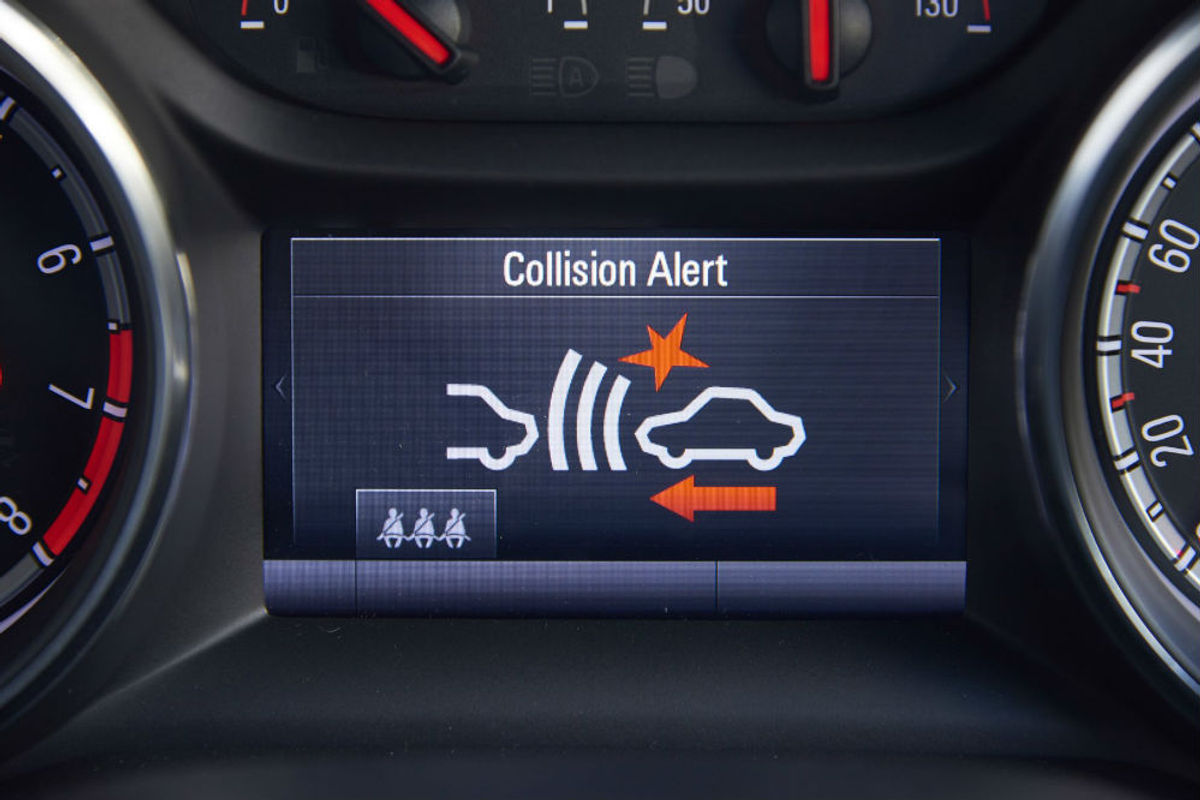
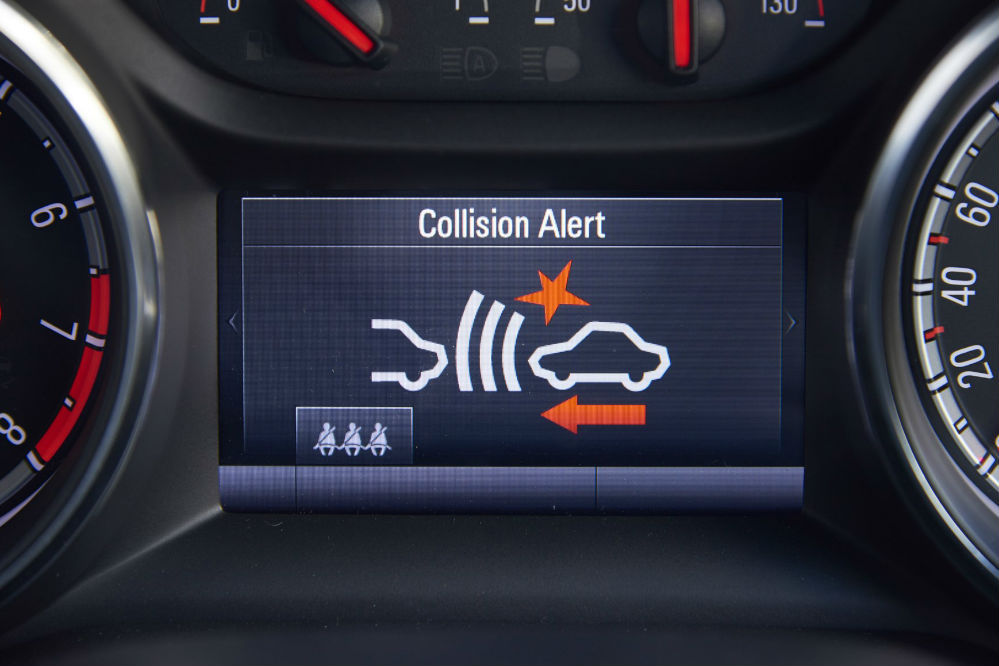
It underpins a number of driver assistance systems that are offered as standard from the 1.4T model and up, such as forward collision alert, following distance indicator and collision avoidance/mitigation systems (through a brake preparation system–up to a speed of 80 kph, Emergency Automatic Braking — up to a speed of 60 kph, with full braking below 40 kph, and forward-looking brake assist.
The Astra's collision alert system has three sensitivity settings.
The lane keeping assist system isn’t as intrusive as similar systems I have encountered, but very effective, plus the traffic sign recognition, which reads traffic signs, then displays and stores their values on the instrument cluster, is especially helpful if you’re travelling in an unfamiliar area and hope to remain in the local enforcement’s good books…
Its sheer “Astraness”…
A quick glance at our recent specs and prices story will probably prompt interested buyers to reach for their calculators to see if they can afford the 1.4T Sport automatic, which has leather, front sports seats with electrically adjustable lumbar support and a front/rear seat heating function. That, or its slightly lower-specced manual sibling, is likely to interest consumers the most. The phenomenal LED IntelliLux Matrix Lighting System (with automatic headlamp levelling, dynamic control and adaptive forward lighting) and LED tail lights is only available on the top-of-range 1.6T Plus, unfortunately.
Considering how well equipped the 1.6T Plus is, it does represent good value compared with premium hatchback rivals such as the BMW 120i, but the Plus is a harder sell in a snobbish, image-obsessed marketplace. Any of the 1.4T models (depending on your budget) are well worth a look, but the model that most impressed us was the 1.0T Enjoy. Despite its relatively sober specification (compared with the Sport versions), it rides well, performs ably and its overall refinement is very satisfying given its R284 300 pricetag, which includesa 5-year/120 000 km warranty and a 5-year/90 000 km service and roadside assistance plan.
The 1.0-litre motor is not overwhelmed by the bulk of the Astra's body; it proves surprisingly perky.
And that’s the “Astraness” to which we referred before. From the user-friendliness of the Apple Carplay and Andriod Auto-friendly IntelliLink 4.0 7-inch touchscreen interface, to the way that the model's respective engines and transmission go about their business in a unflustered manner, to the comfort of the cabin and the solidity of its minor fixtures and, lastly, the relaxing, yet still engaging, driving experience means this Opel product should not be overlooked. It has been instrumental in the brand’s recent sales success in Europe… and we believe it deserves to succeed on local soil as well!
Opel Astra pricing in South Africa
1.0 T Essentia R254 000
1.0 T Enjoy R284 300
1.4T Enjoy R328 000
1.4T Enjoy automatic R338 000
1.4T Sport R354 000
1.4T Sport automatic R374 000
1.6T Sport R387 000
1.6T Sport Plus R407 000
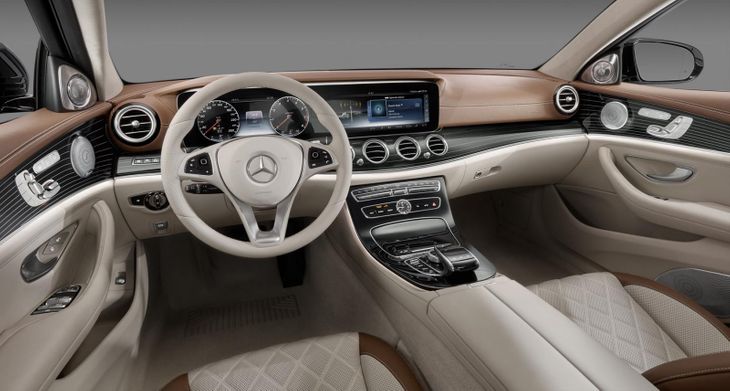
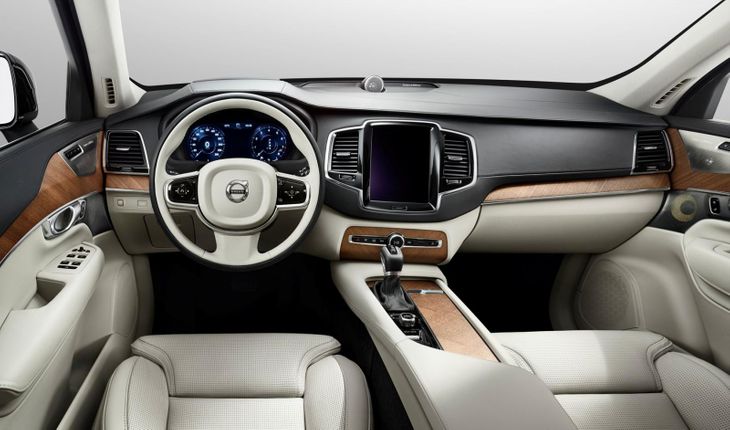
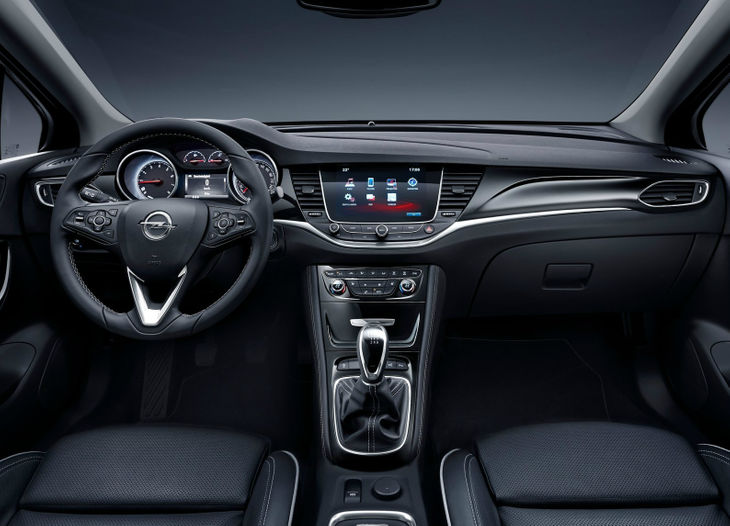
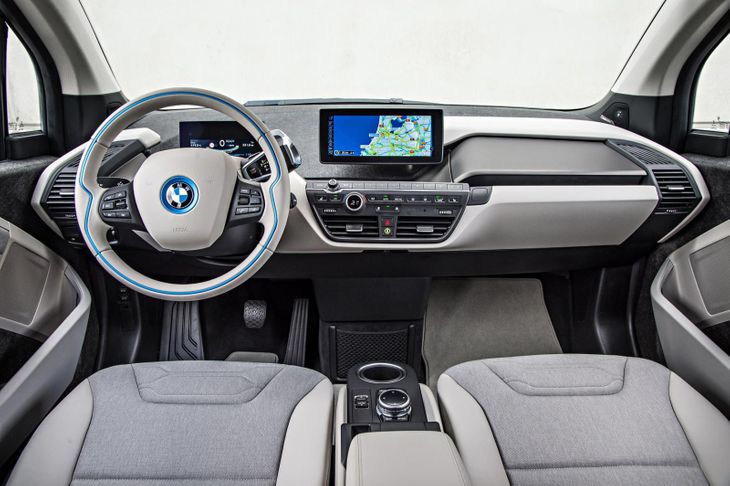
We often judge a car's appeal by its exterior design, yet we spend a lot more time looking at their interiors. The Cars.co.za team put their heads together to identify the new cars that boast the most pleasing cabins. What are yours?
Interiors are difficult to judge as it is arguably more important that they are functional and comfortable than a work of art. On the other hand, there’s nothing worse than a dashboard that looks terrific but is built with scratchy materials and large panel gaps. The German manufacturers have honed their craft to a stage where they dominate the quality and refinement side of things.
Perhaps unsurprisingly, then, the German brands dominate our list of top interiors for 2016 (thus far), but keep an eye on the likes of Volvo and Lexus – both are producing some excellent work at the moment. In Volvo’s case, the XC90's cabin design and functionality place it near the top of the pile. Lexus maintains its strength in build quality and attention to detail but maybe lacks a little in the ease-of-use and functionality departments.
Take a look at our choices below but don’t be shy to comment and let us know what interiors you think are the best in the business.
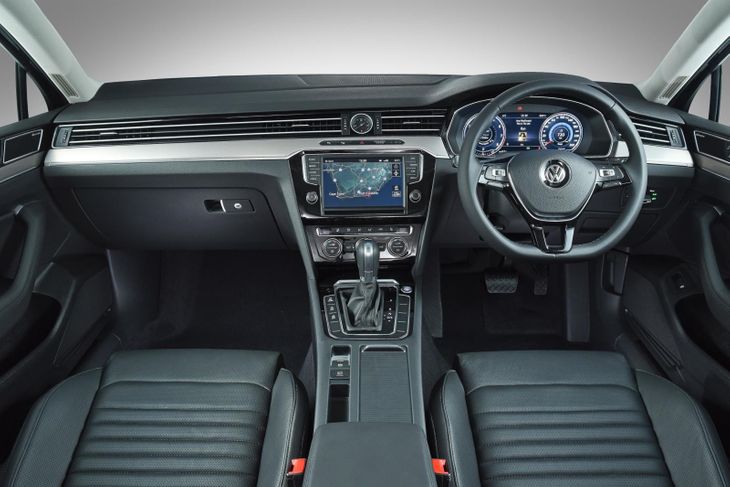
The Passat sits in a declining segment in South Africa. It’s a pity as the Passat is an all-around excellent car. If you specify the optional Active Info display, the instrument cluster turns digital but is impressively crisp and vibrant. The full-width air vents are a great design feature too and makes the cabin feel wider. The shut lines are tight and the overall feel is sophisticated and premium.
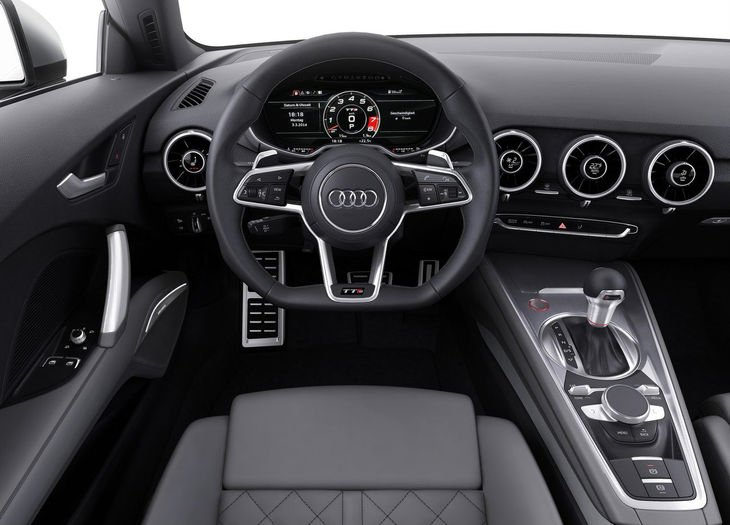
Audi probably leads the game when it comes to interiors and the TTS interior is currently the pinnacle of its lineup. There are neat design features like the air vents with digital displays on the dials. The virtual cockpit instrument cluster combines digital dials with the entire infotainment system in one place. It allows what is a tight interior to feel more spacious than it actually is and is also less cluttered. Oh, and the quality is top notch!
The new E-Class's interior has moved the game on for Mercedes-Benz. The adaptable nature of the digital instrument cluster allows for individual tastes. The huge display also runs from the instrument cluster to the centre of the dashboard. It’s extremely clear and can be controlled from the steering wheel. The ambient lighting at night can be varied in any of 64 different colours. The materials used also seem to be a step up from the current generation of C- and even the S-Class.
The Volvo XC90 is the first interior from the ‘new breed of Volvos’. It will be a busy few years for the brand as it has stated that it will have an all-new model range by 2019. The XC90’s Sensus infotainment system is its highlight. It’s intuitive and with its tablet-like design and layout, it feels just like our everyday Android or Apple companions. The use of quality materials and elegant design results in a spacious, harmonious cabin.
The Opel Astra has just hit the streets in SA and first impressions are excellent – it is, after all, the current European Car of the Year, too. The new Astra has a nicely integrated infotainment screen in the centre facia that’s Apple and Android Car Play capable. The design and layout are both aesthetically pleasing and functional. The materials used are also more lavish than we’ve seen in this segment before.
The BMW i3 has a take on interiors that’s a little bit different than we’ve become accustomed to. Recycled materials have been used as much as possible to create a very open and modern feel to the cabin. The suicide doors create a pillar-less cabin that further heightens the sensation of spaciousness. There’s no transmission tunnel intruding on the cabin so the floor is flat and people have more room for their legs. No wonder the BMW i3 is currently both our Design and Game Changer of the Year.
Mercedes-Benz C-Class Coupe prices released in South Africa
We were browsing the Mercedes-Benz South Africa website and stumbled upon pricing for the new C-Class Coupe.
The newcomer purports to blend the best of a sedan with the sportiness of a coupe. The South African lineup is mixed, with a truncated list of turbopetrol, turbodiesel and AMG models. The range starts with a C200 Coupe powered by a 135 kW 2.0-litre engine. The diesel-powered C220 has the venerable 2.1-litre four-cylinder engine (125 kW) and the C300 is the most powerful non-AMG model. Its 2.0-litre petrol engine produces peak outputs of 180 kW and 370 Nm.
For the performance fanatics, there are two AMG models. Both have the quite excellent 4.0-litre twin-turbocharged V8 engine that produces 349 kW and 650 Nm in AMG spec, while the AMG S packs a wallop with 375 kW and 700 Nm. The C63 AMG is said to be capable of reaching 100kph in 4 seconds, while the C63 AMG S is 0.1 seconds faster. For more details about the Mercedes-Benz C-Class Coupe and its C63 AMG Coupe sibling, check out the article here.
Mercedes-Benz C-Class Coupe prices in South Africa
In a clever marketing campaign, Volvo stole wasted energy from cars to charge its new XC90 T8.
In the video above, Volvo creates a clever but simple charging system for its new XC90 Plug-In Hybrid model. The idea was to create a speedbump on a busy road with pipes underneath filled with fluid. As the cars run over the speedbumps and pipes below, the fluid pressure creates power that is able to charge the Volvo charging station next to the road.
It’s a clever marketing idea but they never really show how much energy was created by this setup. It is also worth remembering that the cars that have to drive over the speedbumps waste extra energy by having to accelerate again after the bump. It might be a viable idea if the bump is at a mandatory stop – like a stop street.
Renault Kadjar (2016) First Drive
Renault has introduced its new Kadjar crossover SUV in South Africa. Can the dashing newcomer compete in an already crowded marketplace?
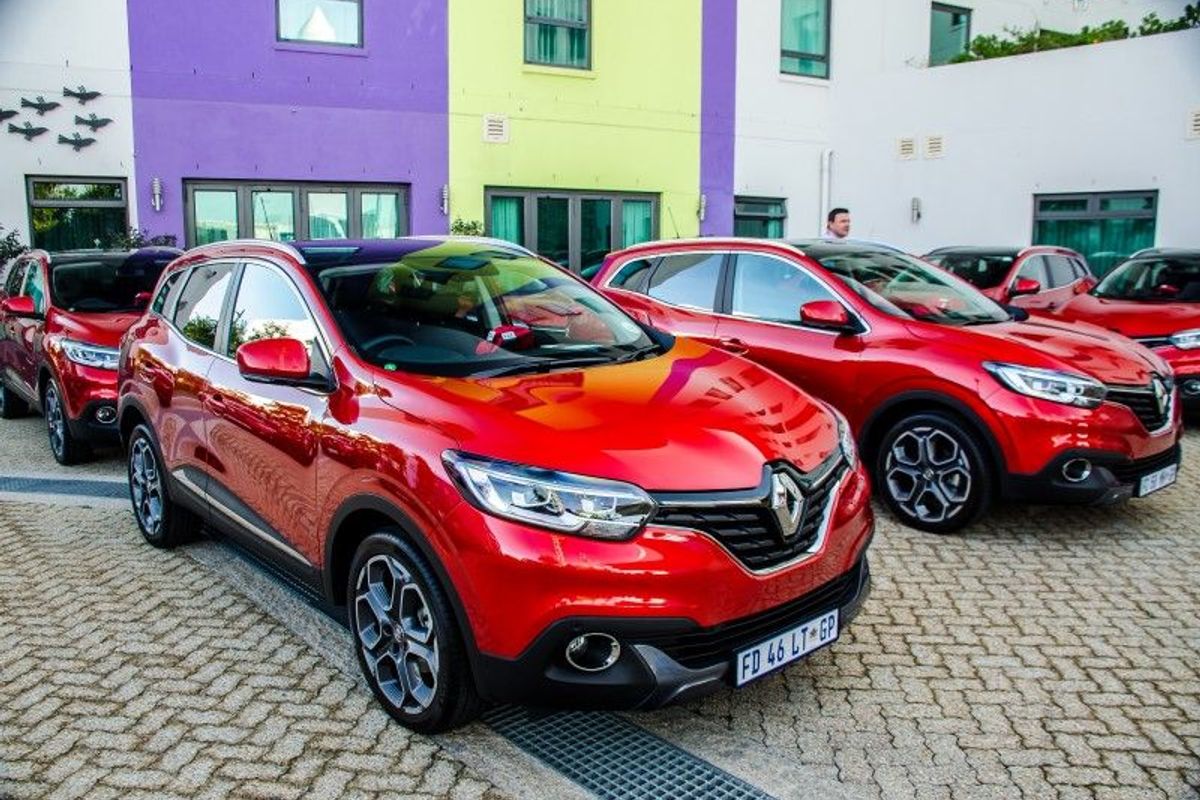
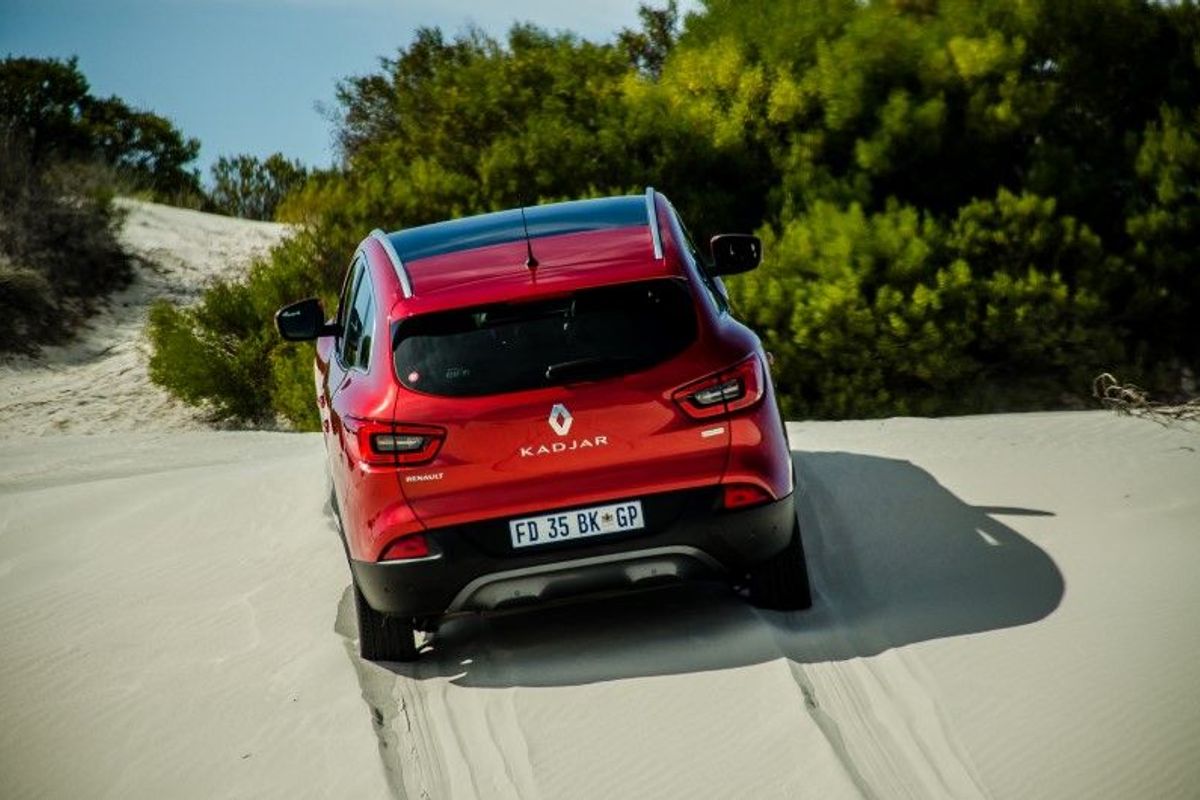
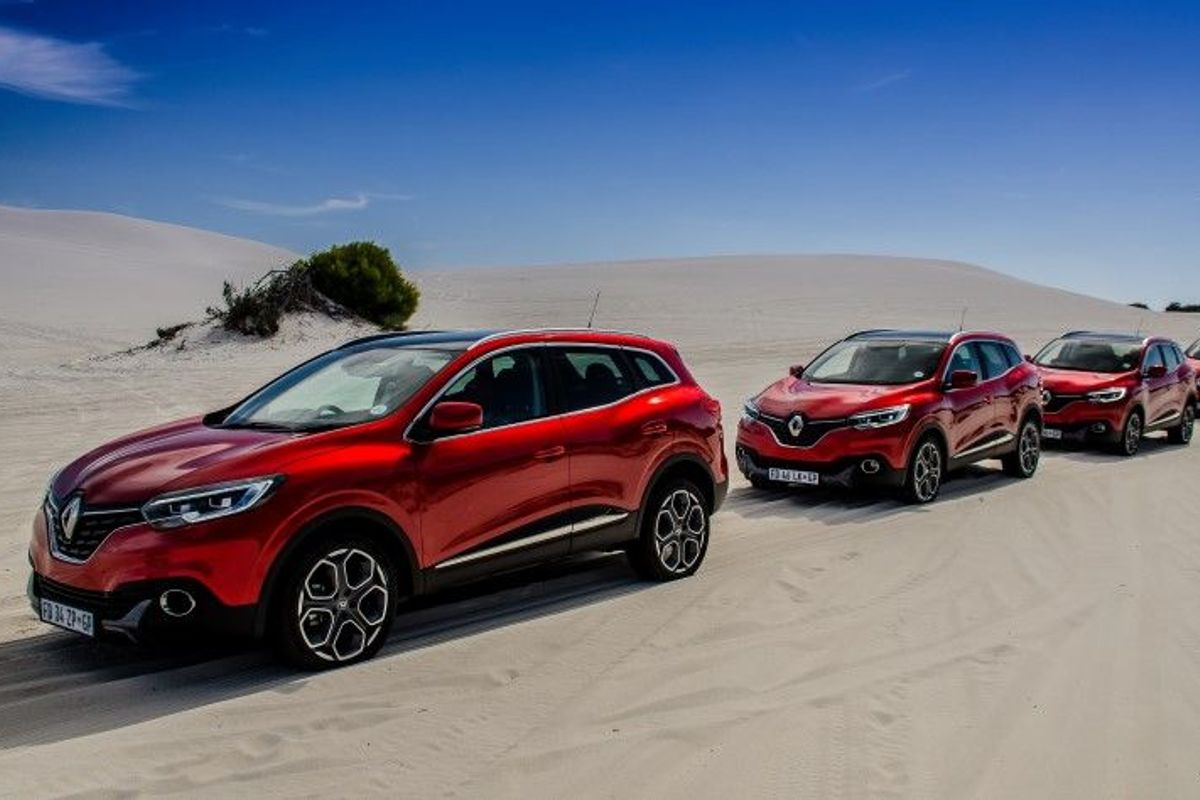
Building on the success of the Captur, which was launched last year, Renault now welcomes the bigger Kadjar crossover SUV to the South African market. With its attractive styling and feature-laden interior, the Kadjar is likely to compete significantly better than the ageing (previous-gen X-Trail based) Koleos SUV and is built on the same platform as the current Nissan Qashqai, which is a very good vehicle indeed. That said, the Kadjar has its work cut out and will go up against heavy-hitters in the crowded medium SUV segment, including the popular Toyota RAV4, Ford Kuga, Nissan Qashqai and the new Hyundai Tucson, amongst others. The launch of the Kadjar took place in Cape Town this week and we were there to drive it on tar and sand.
The Kadjar range
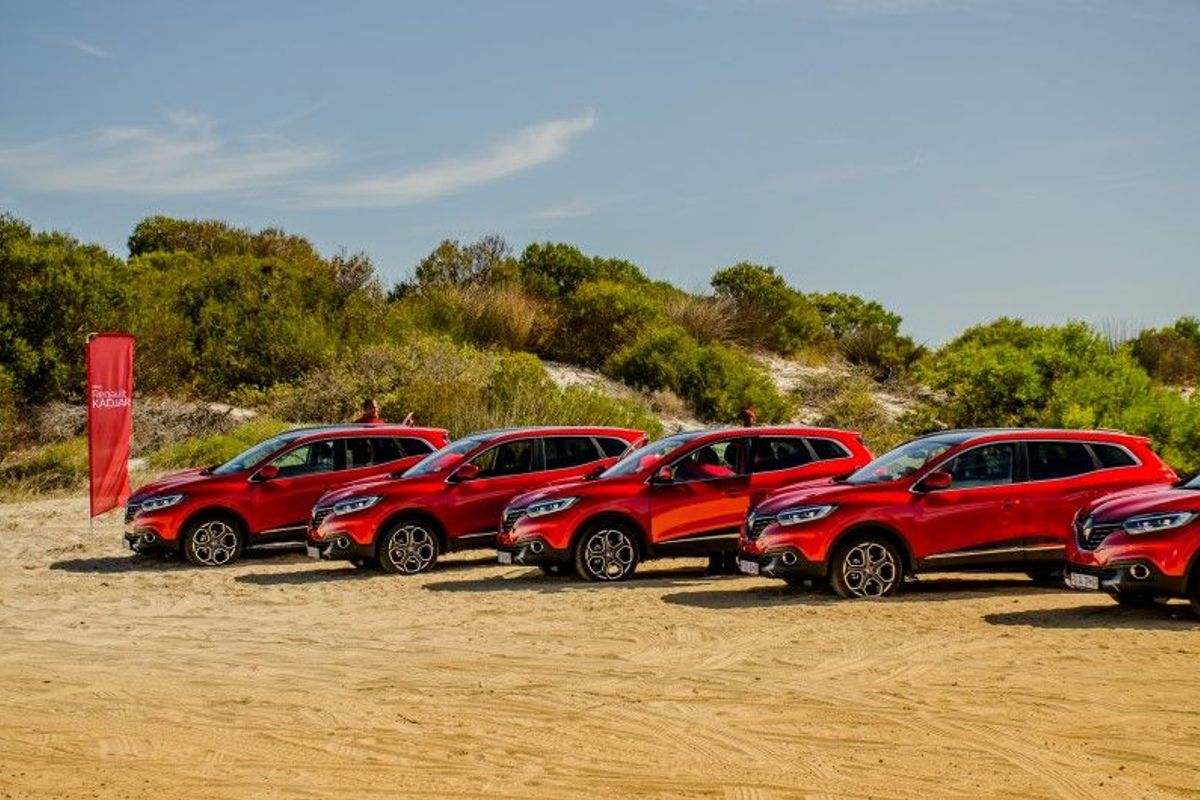
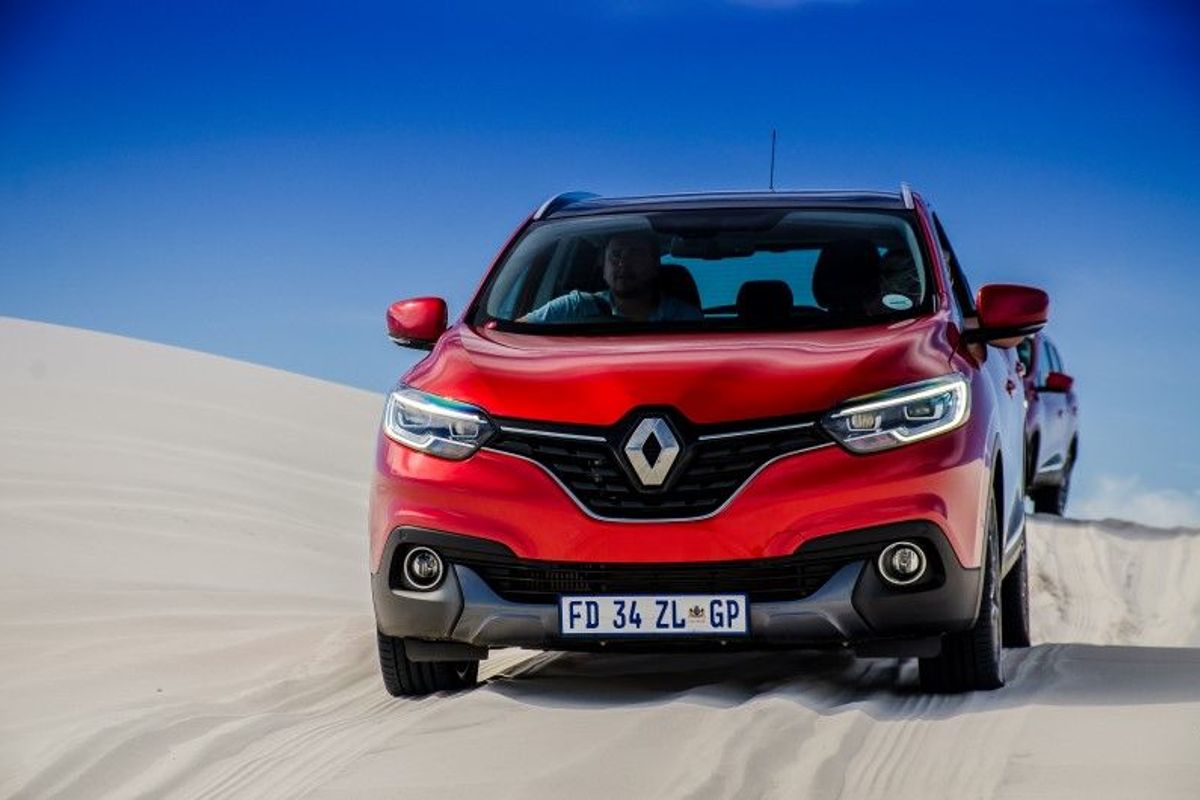
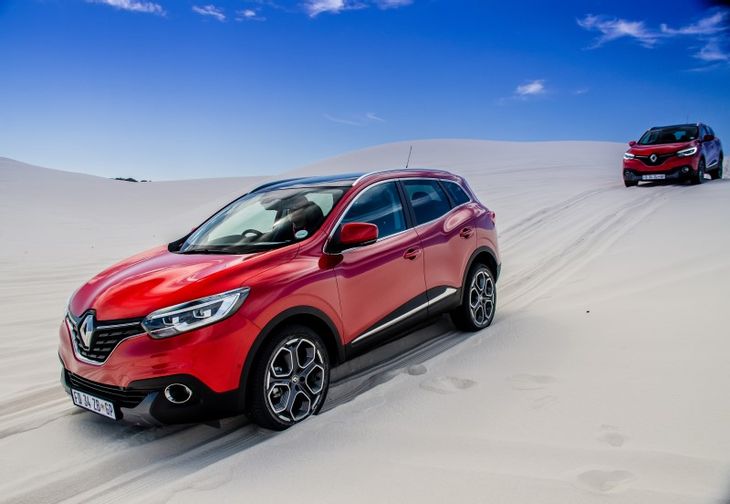
Kadjar dCi Dynamique is offered with four-wheel drive, which is quite handy on sand.
Three derivatives make up the Kadjar range with two trim levels (Expression and Dynamique) on offer. The range kicks off with the Expression model, featuring a 1.2-litre turbo petrol engine with 96 kW and 205 Nm of torque. Fuel consumption for this model is rated at 5.7 L / 100km. The same petrol engine is offered in Dynamique guise with fuel consumption rated at 5.8 L / 100km.
The range-topping Dynamique dCi 4×4 derivative is powered by a 1.6-litre turbodiesel engine that offers 96 kW and 320 Nm of torque. Fuel consumption for this derivative is rated at a respectable 5.4 L / 100 km. All Kadjar models are offered with a 6-speed manual transmission only and an Eco mode function is standard across all derivatives, reducing fuel consumption by up to 12%.
The Kadjar Dynamaique 4×4 derivative is further equipped with a three-mode, four-wheel drive system that includes 2WD (front-wheel drive for normal driving conditions), Auto (ensures optimal traction with automatic torque correction) and Lock (50/50 torque distribution between front and rear wheels up to 40 kph for sand, mud and snow conditions). The Kadjar also boasts a decent ground clearance of 200 mm, which should make it adequately capable on dirt roads.
The Kadjar is well equipped with safety features too and comes fitted with ABS, EBD, EBA, ESP, ASR, Hill Start Assist and a total of six airbags. ISOFIX mounts are also included and the Kadjar carries a 5-star EuroNCAP safety rating. A number of optional driver assistance features are available on Dynamique derivatives and these include Blind Spot Detection, Self-parking system and 360° Park Distance Control with a rear camera.
What’s cooking good looking?
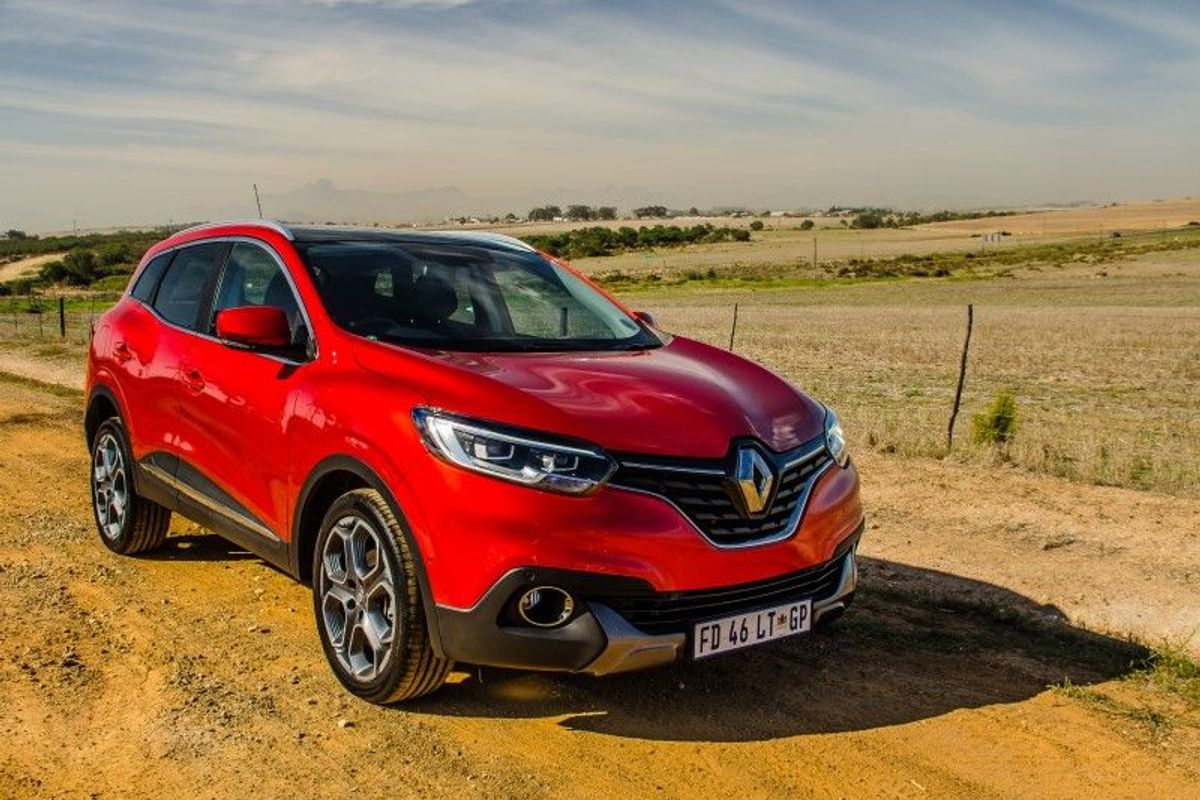
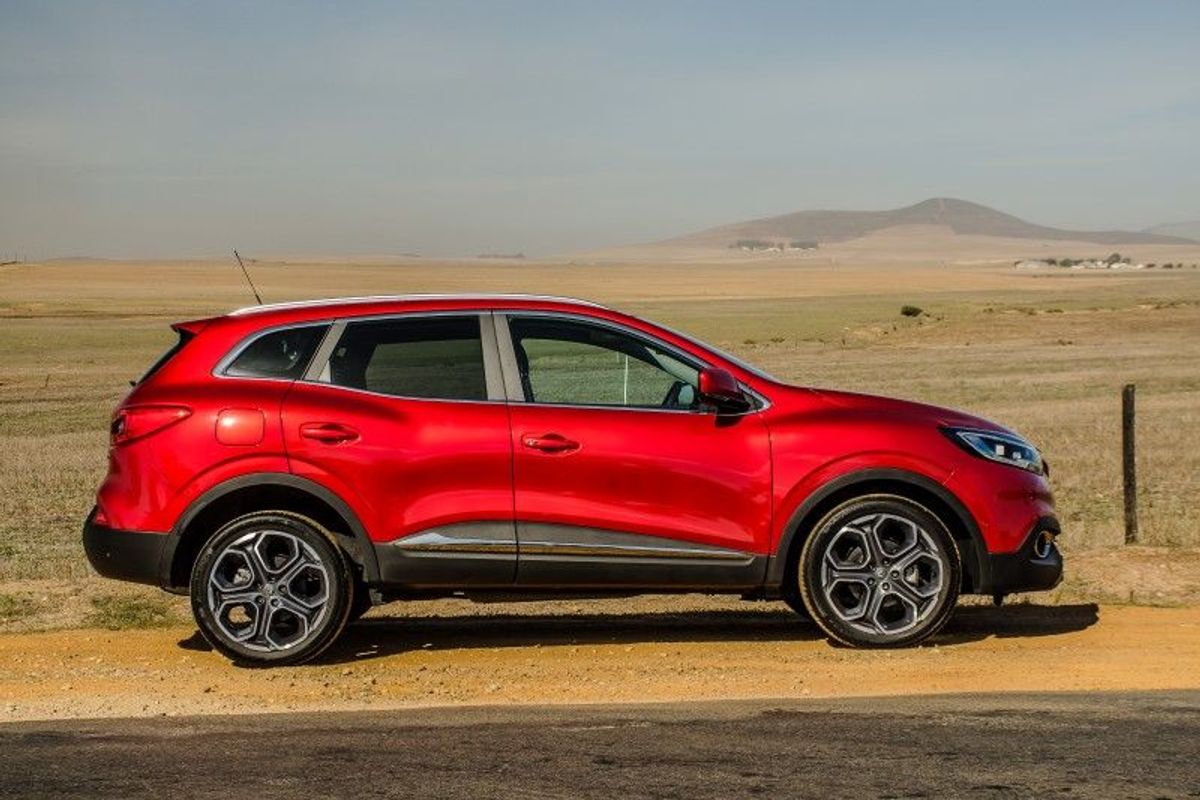
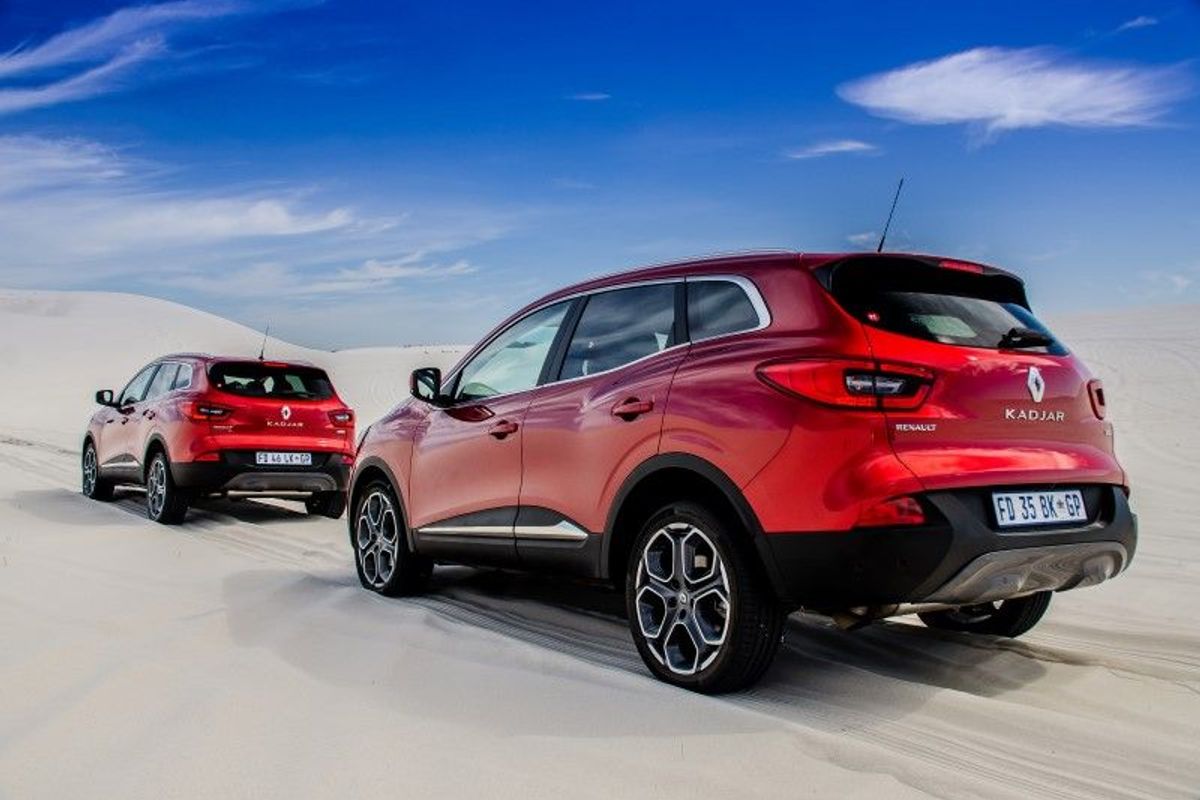
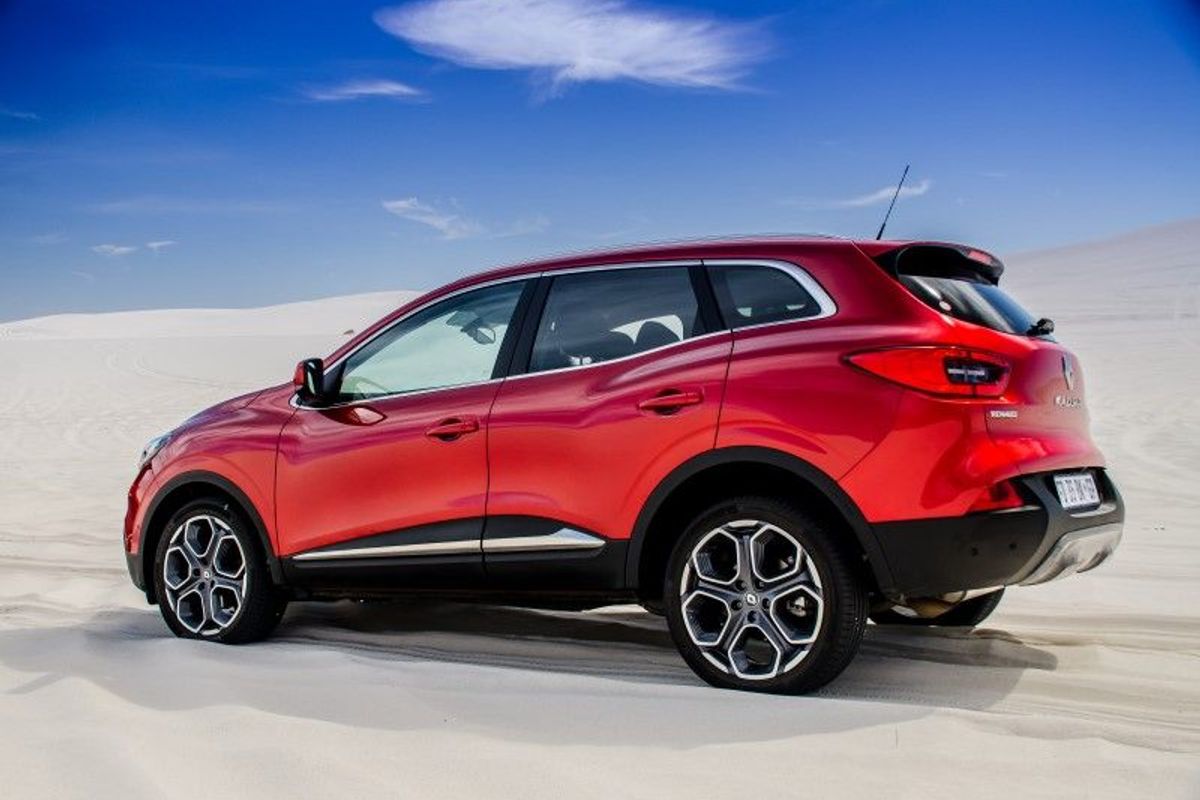
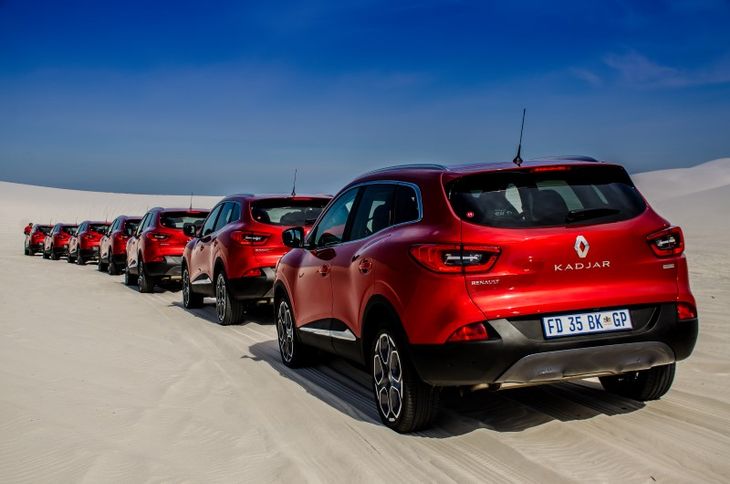
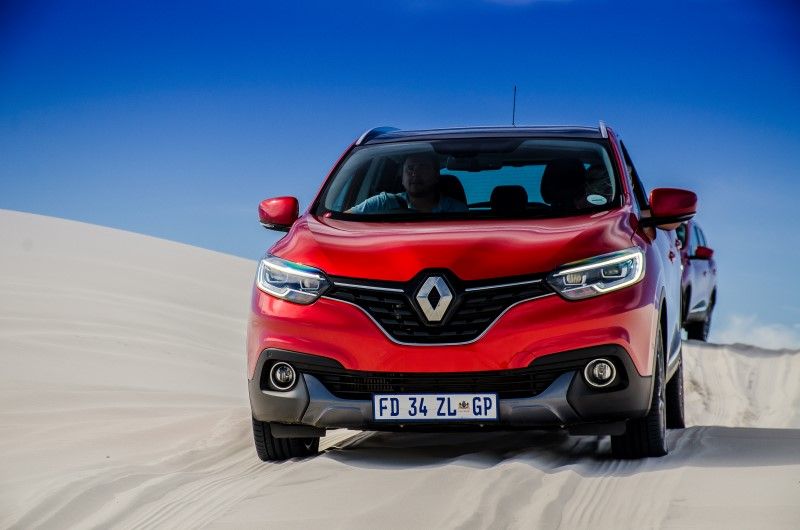
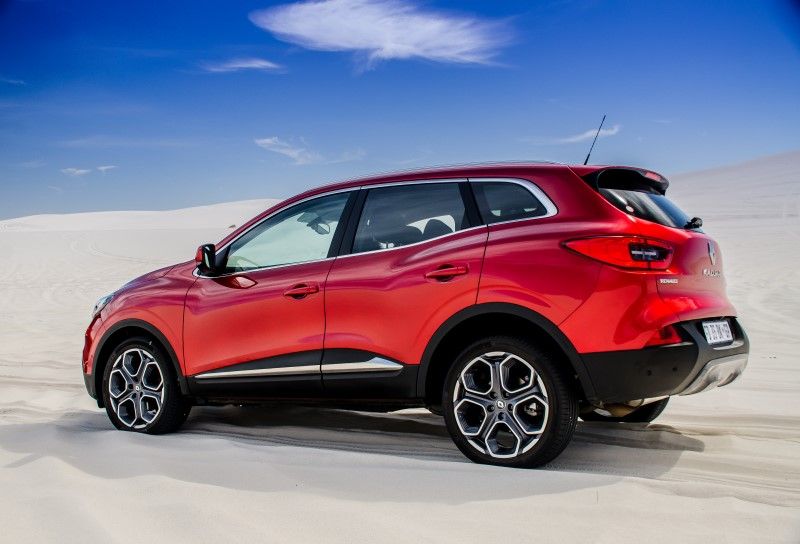
From the outside, the Kadjar is attractive. Wearing Renault’s latest design language and incorporating a prominent grille and flared wheel arches, the Kadjar takes on a muscular stance with 17-inch alloy wheels fitted as standard on Dynamique models (19-inch wheels are optional) while the Expression derivative features 16-inch steel wheels with covers. The look is further enhanced with an integrated rear spoiler and front and rear skid plates while the C-shaped Daytime Running Lights and LED headlights (Dynamique only) round off the exterior styling.
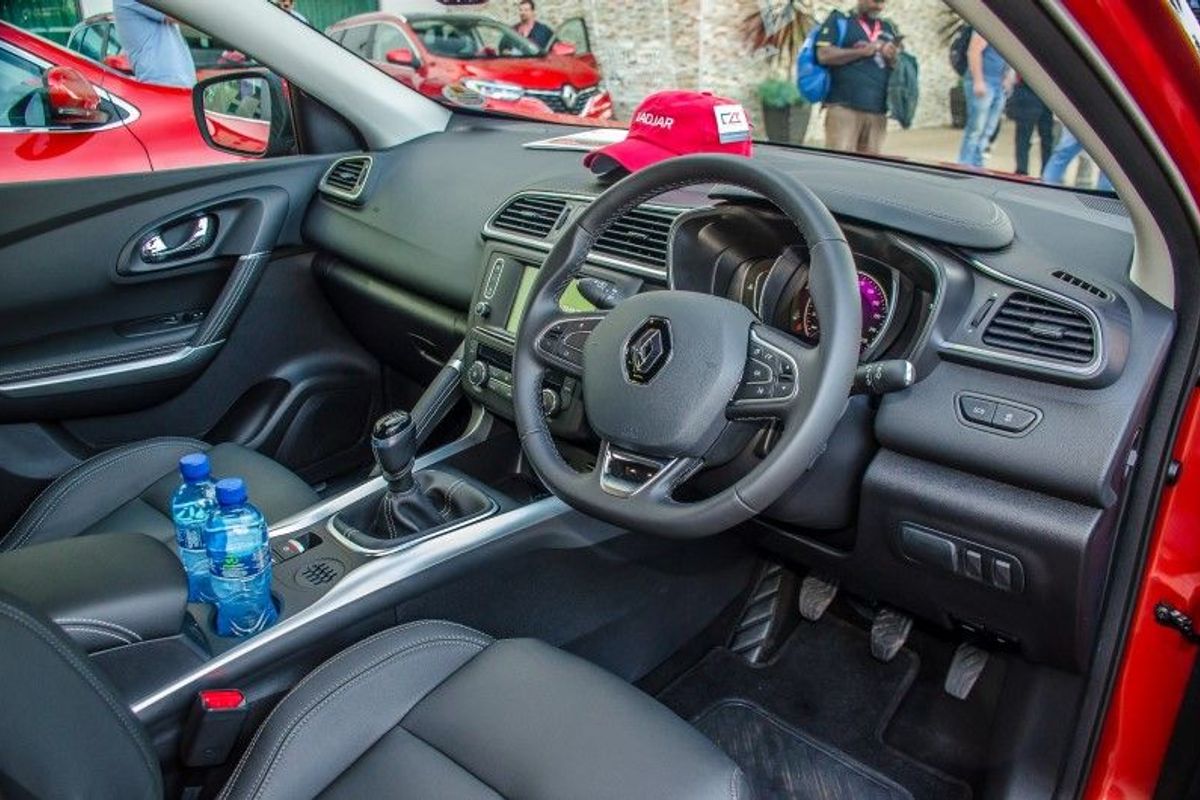
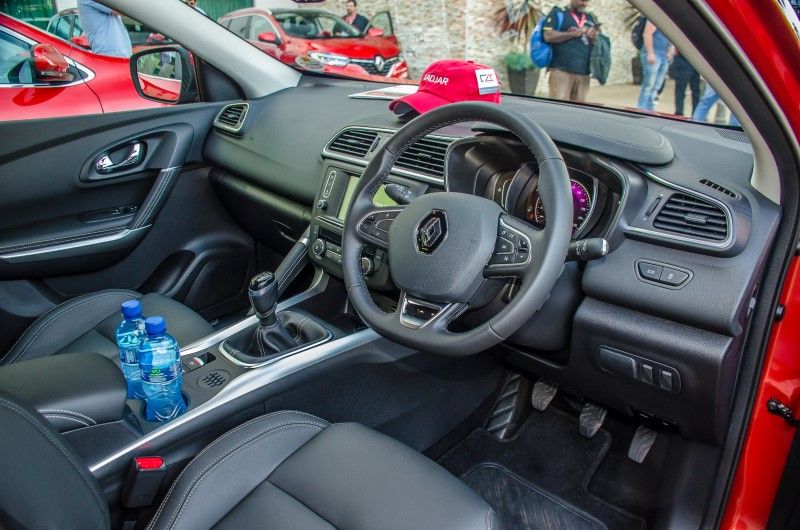
Simple, elegant interior boasts a 7-inch TFT colour instrument cluster.
With a focus on comfort, the Kadjar’s interior is impressive with its simple, yet likeable cabin layout. The customisable 7-inch TFT colour instrument cluster is a nice touch and can be configured using the multifunction steering wheel (rake and reach adjustable). Taking care of your infotainment needs is a 7-inch touchscreen multimedia system (Dynamique only) in the centre console that offers a range of functions including a CD/radio, navigation, Bluetooth, air quality monitoring, tyre pressure monitor, voice recognition, eco driving and allows playback of pictures and videos. Two USB ports (Dynamique only) and an auxiliary port are included and cruise control with speed limiter is offered across the Kadjar range. Furthermore, electric and heated leather seats are available as an option on Dynamique derivatives.
Renault is confident that the Kadjar 4×4 can actually head off-road.
The launch of the new Kadjar began behind the wheel of the 1.2 Dynamique Turbo derivative. The vehicle displayed good on-road manners and delivered impressive levels of ride comfort out on the tar. Despite its small capacity, the 1.2-litre turbo engine performed admirably and never felt strained or under-powered. We also liked the smooth-shifting action of the transmission. Perceived build quality is good and as a result, very little road and wind noise makes its way into the cabin. This model felt solid and composed, and although its performance won’t blow your pants off, it offers more than enough grunt for both city driving and the occasional trip out of town. The high levels of interior comfort made the drive that much better too, something buyers in this segment will appreciate.
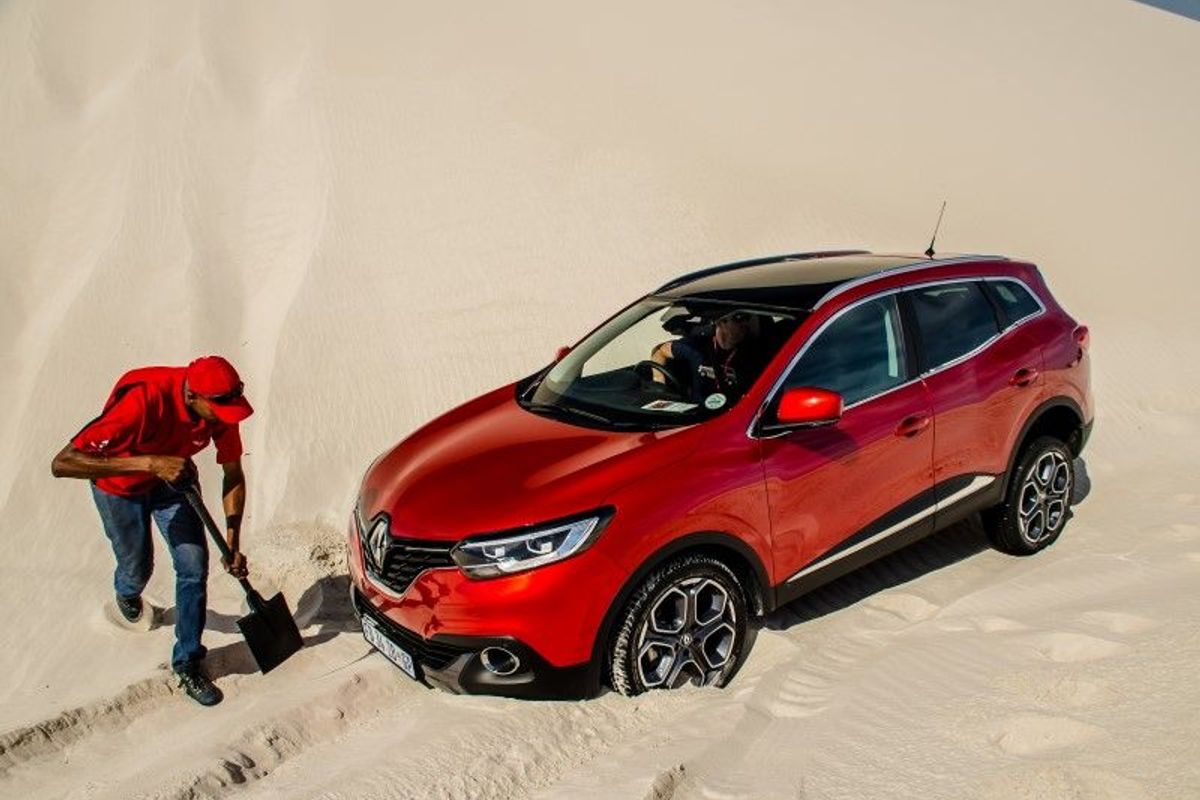
The launch route took us to the sand dunes of Atlantis on the outskirts of Cape Town, rather surprising as the typical Kadjar owner is unlikely to ever head into the rough. Upon arrival, we hopped into the range-topping 1.6 dCi Dynamique derivative to explore the vast, white dunes. With ‘Lock’ mode engaged, the Kadjar set off. It wasn’t long before the Kadjar buried itself in the sand, spinning sand high into the air. We were stuck, but team Renault came to the rescue with a hard-working spade (not standard) to dig the Kadjar free.
Without low-range and a differential lock, the drivers of the Kadjar were treading a thin line between pleasure and disaster. But with that said, the Kadjar is not a hardcore 4×4 vehicle, it’s a soft-roader, and it copes well enough on gravel roads. Its performance on the tar is what matters most. It’s here where this 1.6 dCi Dynamique excels. With more torque at your disposal, this derivative felt distinctly livelier under acceleration and its ride comfort on tar was excellent with all the interior niceties you could possibly want from a car.
Parting thoughts
The Renault Kadjar is a product worth considering in the medium SUV segment. It’s attractive to look at and the interior is modern and solidly built. The Kadjar performs well on tar and is easy and comfortable to drive with sufficient power for your everyday commute. Although it may not be a true 4×4, it will perform adequately on the odd gravel adventure, but less so in the rough. With its competitive pricing structure, the Kadjar should sell well.
We will have the Renault Kadjar on test soon, so look out for our comprehensive evaluation in the near future. For now though, take a look at what you can expect to pay for the new Kadjar.
Renault Kadjar price in South Africa
96kW Turbo Expression – R359 900
96kW Turbo Dynamique – R384 900
96kW dCi Dynamique 4×4 – R449 900
The Renault Kadjar comes with a 5-year/90 000km service plan and a 5-year/150 000km warranty.
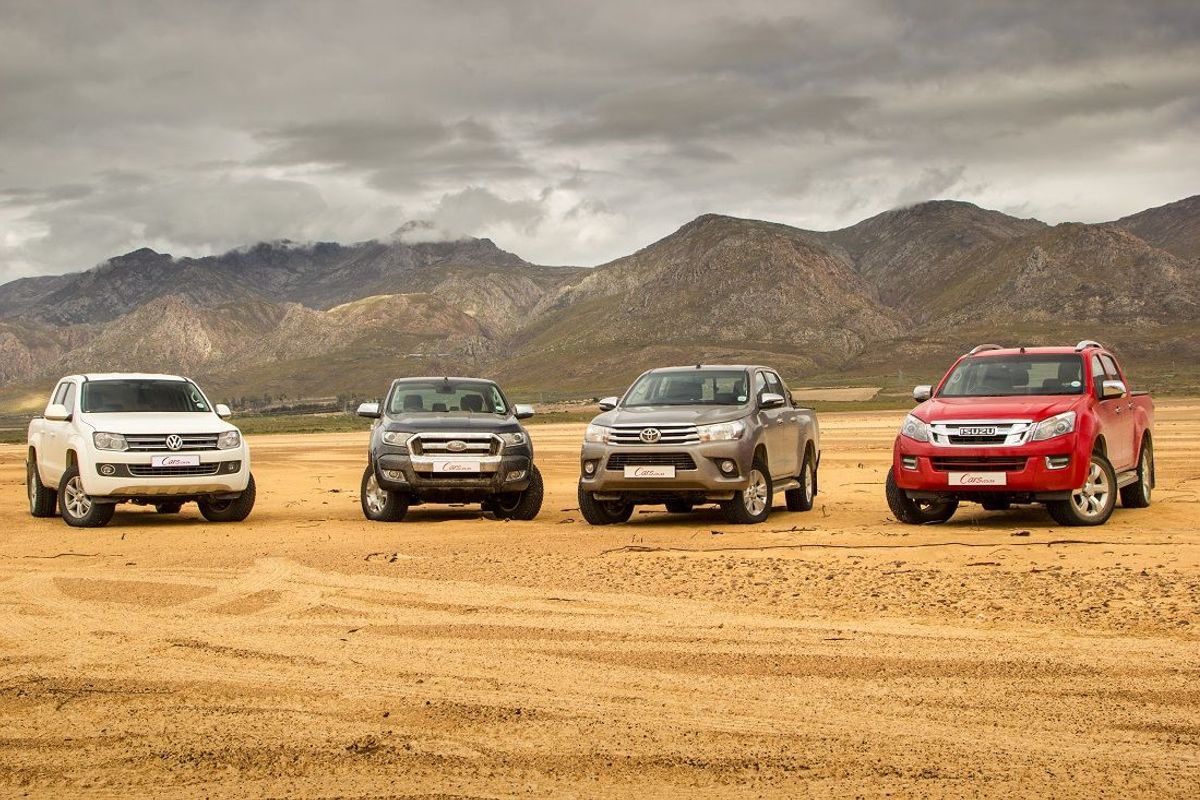
In-Depth Comparison: New Hilux vs Ranger vs KB vs Amarok (video)
South Africa is bakkie country. Our outdoor, active lifestyles are a perfect fit for the leisure-oriented double cab, but following the introduction of the facelifted Ford Ranger and new Toyota Hilux, which rules the roost?
The previous-generation Toyota Hilux had a very long and successful model life, but towards the end of that career was feeling the heat from Ford’s Ranger. Ford then turned up the heat even more with a comprehensive update towards the end of 2015. So, Toyota can ill afford not coming out guns blazing with the new Hilux.
But the Ranger is not its only rival. Isuzu’s KB continues to find favour with South Africans that appreciate its particular blend of sturdiness, dependability and dual-purpose appeal. And then there’s also Volkswagen’s Amarok, a vehicle that is regarded as heavily road-biased but which surprised us during our tests.
In this video we take you to Klipbokkop near Worcester and put the four bakkies through a number of test routines to discover their pros and cons, including an on-road assessment, gravel road driving, sand dunes, steep descents and gullies.
Performance stats and specifications for all the cars are presented at the end of the video.