Revealed – 2016 Toyota Hilux Pricing in SA

The official launch of the new Toyota Hilux is later this month, but initial pricing for the entire model line-up has been revealed online. South Africa, get your cheque books ready…

The new-generation Hilux is easily the most eagerly anticipated new vehicle launch of 2016. We've reported on it extensively before (read the initial story here), but now, following a leak on 4x4community.co.za we can reveal the pricing and model line-up that consumers can expect when they march into Toyota dealers later this month. We have confirmed the pricing in this article with a Toyota dealer, but must caution that there is a possibility of a 1 March price increase, though the dealer in question is unsure if that would affect Hilux launch pricing. The pricing has also appeared on Durban South Toyota's blog.

The model line-up and pricing

The initial line-up consists of no fewer than 23 derivatives, split into single-, double- and Xtra-Cab bodyshapes. Though we can't confirm any power/torque output changes to the carry over engines (2.0-litre petrol, 2.7-litre petrol, 4.0-litre V6 petrol), we can confirm that the brand's new 2.4- and 2.8-litre turbodiesels are on offer immediately, but that only the 2.8-litre diesel of the latter pair will be available with an automatic transmission.

On Durban South Toyota's blog the following engine information graphic was published (to be confirmed by Toyota SA at launch).

Petrol Single Cab


Single-Cab Hilux models offer a longer, stronger load box (Model shown may not preview SA specification).

Hilux 2.0 VVTi  R228 900
Hilux 2.0 VVTi A/C R236 400
Hilux 2.7 VVTi Raised Body SRX R309 900

Diesel Single Cab

Hilux 2.4 GD R259 900
Hilux 2.4 GD A/C R267 400
Hilux 2.4 GD-6 Raised Body SRX R319 900
Hilux 2.4 GD-6 4×4 SRX R379 900
Hilux 2.8 GD-6 Raised Body Raider R377 900
Hilux 2.4 GD-6 4×4 SR R382 900
Hilux 2.8 GD-6 4×4 Raider R435 900

Petrol Double Cab


New Hilux 4×4 is said to offer Land Cruiser-like off-road ability (Model shown may not preview SA specification).

Hilux 2.7 VVTi Raised Body SRX R377 900
Hilux 4.0 V6 Raised Body Raider Auto R503 900
Hilux 4.0 V6 4×4 Raider Auto R593 900

Diesel Double Cab

Hilux 2.4 GD-6 4×4 SRX R439 900
Hilux 2.4 GD-6 Raised Body SRX R414 900
Hilux 2.4 GD-6 4×4 SR R441 900
Hilux 2.8 GD-6 Raised Body Raider R468 900
Hilux 2.8 GD-6 Raised Body Raider Auto R485 900
Hilux 2.8 GD-6 4×4 Raider R529 900
Hilux 2.8 GD-6 4×4 Raider Auto R547 900

Xtra Cab


Three versions of the Xtra Cab will be offered (Model shown may not preview SA specification).

Hilux 2.4 GD-6 Raised Body SRX R333 900
Hilux 2.8 GD-6 Raised Body Raider R410 900
Hilux 2.8 GD-6 4×4 Raider R470 900

Analysis

The pricing of the new Hilux (if accurate) appears to be very competitive indeed which, combined with its significant brand appeal and status, should send shivers down the spines of the marketing folk at rival brands. As before, it will be built locally, and considerable development has taken place to make the vehicles even better suited to South African conditions. We look forward to the launch, and a full review, very soon.

Key improvements


New Hilux cabin is markedly more sophisticated, but we still have to see South African specification.

Among many other enhancements, these are the six features/abilities that appear to have been the top priorities for Toyota's engineers.

  • Design – A more upmarket, refined look without sacrificing the legendary workhorse toughness and rugged durability.
  • Comfort – A more spacious and comfortable interior combining what is claimed to be SUV practicality and functionality with passenger car-like cabin NVH levels.
  • Safety – A new high strength, impact-absorbing body structure and comprehensive brake control systems including ABS, EBD, VSC and Trailer Sway Control (TSC).
  • QDR – A new, tougher ladder chassis, a reinforced deck structure and Active Traction Control (A-TRC), Downhill Assist Control (DAC) and Hill-start Assist Control (HAC) systems raise 4×4 capabilities to match what Toyota says are Land Cruiser levels.
  • Commercial Vehicle Capabilities – A larger, stronger and more practical cargo deck and an improved, 3.2 ton towing capacity.
  • Total Cost of Ownership – The new 2.4 and 2.8 D-4D engines come with claimed class-leading fuel economy.


If you're interested in new Toyotas, you may also be interested in the arrival of the new-generation Toyota Fortuner – details here

The new Hilux's most serious rival is the recently updated Ford Ranger – details here

5 Things to Know About the New Honda Civic Type-R


The new Honda Civic Type-R is in South Africa and it’s quite special…

We have spent a week with the new Civic Type-R and, as expected, Honda's hot hatch delivers a visceral, hard-edged driving experience. Yes, it’s quite pricey at R586 400, but then again, there’s no front-wheel drive hot hatch that has enough firepower to compete with the Type-R in South Africa, at least for the moment. Look out for a Review of the new Type-R soon, but without spilling all the beans, let’s take a quick look at some highlights of this niche model.

Also see: Honda Civic Type-R (2015) First Drive

Most Powerful Production Front-Wheel Drive Car in SA

Yes, you read that correctly. The Honda Civic Type-R has left naturally aspirated power in its wake and is now powered by a turbocharged 2.0-litre VTEC petrol engine that delivers 228 kW and 400 Nm of torque powering the front wheels through a 6-speed manual transmission. That’s more power than the all-wheel drive Volkswagen Golf R (206 kW/380 Nm) and the Renault Megane RS Trophy 275 (201 kW/360 Nm). The result is blistering performance with a 0-100 kph sprint time of 5.7 seconds and a top speed of 270 kph. The Civic Type-R now redlines at 7 000 rpm and Honda has adapted its VTEC valve lift system to produce more low-end grunt and make turbo lag less noticeable.  

Aerodynamic addenda

Unlike some performance cars, the aerodynamic parts fitted to the new Civic Type-R do serve a purpose. A wide front splitter with deep sills on either side reduce lift on the front axle while a flat underside, in combination with the rear diffuser, increases downforce. The front bumper is further designed to reduce air turbulence and lift around the front wheels and the apertures in the grille further minimise aerodynamic loss. The large (and somewhat flashy) rear wing aerofoil helps to provide additional downforce on the rear axle when driving at speed. The Civic Type-R is less about the show and more about the go…

The +R Button

The new Civic Type-R features a nifty +R button that turns the vehicle into a track-focused animal. At the push of the button, several things happen. Firstly, the dials in the instrument binnacle change from white to glowing red to show that +R mode is engaged. Engine responsiveness is sharpened and the torque mapping is altered to allow for more torque to become available at lower engine speeds. In +R mode, the steering becomes weightier in feel and more responsive to inputs and the damping force of the Adaptive Damper System is increased by 30% to make the suspension firmer and the handling more agile. The +R mode button is by far the best and most useful button in the new Civic Type-R, especially if you want to make the most of a track day.  

Sporty seats

The specially designed seats in the new Civic Type-R are well worth a mention. They are unashamedly sporty in appearance, but more importantly, offer high levels of comfort when you are driving the Type-R at its limit… and beyond. The sport seats are high-backed and feature suede-like fabric with red double stitching while high side bolstering ensures maximum support in the corners. The new Civic Type-R just won’t be the same without them…

The Type-R legacy

The first generation Honda Civic Type-R appeared in 1997, but was never offered in South Africa. The same applies to the second generation Type-R (introduced in 2001). South Africa got its first taste of the third generation Civic Type-R in 2007 with the introduction of the three-door Euro-spec version that never really sold well locally due to being outgunned by turbocharged rivals such as the Volkswagen Golf GTI. Nonetheless, Honda’s naturally aspirated VTEC engines, which powered headlining Civic and Ballade models, were – and still are – hugely popular in South Africa. Many enthusiasts are still seen souping up their VTECs with after market add-ons to extract more power and performance. The arrival of the new fourth-generation Civic Type-R is bound to put Honda back on the map in the eyes of performance aficionados and will re-ignite passions of the past with a new and exciting turbocharged product.

Look out for our full review of the new Honda Civic Type-R coming soon…

Renault Alpine Sportscars are back!

Renault has decided to resurrect its sportscar brand, Alpine, best known for the iconic A110. This classic brand has many fans and there's a lot on the cards for the French marque, including a comprehensive model line up. First out the blocks is this Alpine Vision concept.

The brand had been mothballed for more than 20 years, but Renault has confirmed that Alpine will make a full production return in 2017. However, despite its absence, the Alpine brand has been busy thanks to its fanbase. Plenty of racing examples are still being entered in events and, between the years of 1955 and 1995, 30 000 Alpine vehicles were produced and sold… so its return is highly anticipated. The Alpine vehicles will be assembled in Dieppe, France, which is the home of RenaultSport, and the first units are expected to go on sale in European markets in 2017 with plans to ship them around the world.  


The iconic Alpine A110 was the design inspiration for the reborn marque.

Alpine Vision concept details

The Alpine Vision concept car is a mid-engined, two-seat sports coupe that has a lightweight body and a turbocharged engine. Alpine is claiming that it'll hit 100 kph from standstill in 4.5 seconds, which puts it squarely in Porsche Boxster and Alfa Romeo 4C territory (that's not bad company to be in). Power will come from a four-cylinder motor, but at this stage there are no details about its capacity or peak outputs. However, we can speculate that either a 1.6-litre turbo from the Renault Clio RS or the 2.0-litre turbo from the Renault Megane RS Trophy would be ideal candidates. If we look at how well the Alfa Romeo 4C has done with its 1.7-litre turbo motor, the secret to performance success is not outright power, but rather a good power-to-weight ratio. A twin-clutch transmission is expected, but we'll hope for the option of a manual. The cabin will receive a digital dashboard similar to the one found in the Audi TT.

The reception that Alpine has received since 2012 when Renault Group announced a relaunch has been incredible. To celebrate the 50th anniversary of the legendary 1962 Alpine A110 race car, Renault built the Alpine A110-50 concept which sounded incredible and was shown off at many motorsport events.


Chery J2 Swag (2016) Review

Chery recently upgraded its budget car offering with the introduction of the J2 Swag, which offers a lot of standard specification – let alone added kerb appeal – for R154 900. How does it compare with mainstream volume offerings?  

By Stuart Johnston

What a difference a new set of wheels can make to a car! Slot on a set of stylish 17-inchers, as Chery has done with its J2 hatchback, and you suddenly have a car with a lot more swagger. "Swag" is derived from swagger and suggests something is stylish. It certainly is a short, sharp and catchy name.

Eye-catching adornments

Nevertheless, there will be more than a few Chery J2 Swag owners arriving home with smug grins on their faces as they unveil their new car to their friends and family. You see, with those wheels and accompanying low-profile footwear, subtle “Swag” decals and an attractive chrome tailpipe known, for some reason, as an “F1-X”, this little hatchback is suddenly much easier on the eye compared with the standard J2 model on which it is based.

There are interior features that earn bragging rights too, such as a Telefunken touchscreen audio/satnav system with Bluetooth and streaming capability. It is mounted at the top of the silver-grey-trimmed facia and incorporates an MP3-compatible CD player as well as a USB port.

Then there is the new leather-trimmed interior; the seats are covered in what looks like commendably durable hide with stand-out stitching.

A few revisions are evident

As for the rest of the Chery, it is pretty much stock J2 fair – the Swag serves as a mid-life refresher to a model launched here in mid-2013.

The car is not unattractive, but it needed those larger wheels to draw attention and, the overall shape is a credit to Chery’s in-house stylist. The swage line on the flanks is very reminiscent of Fiat's styling, and the way the large tail lights and sleek headlight clusters are incorporated into the whole is pleasing.

Inside, when one looks past the leather trim and infotainment pod, there are elements that are cool, but not all the finishes are that well-thought out. The silver-grey finish on the console housing the ventilation dials (and similarly-painted panels on the door inserts), looks okay when new, but doesn’t age well.

On the other hand, the panel fit compares well with that of the J2 Swag's rivals, such as the Toyota Etios and Honda Brio, to name two examples. And, from a practical point of view, there is impressive rear leg- and headroom and a luggage bay that measures 274 litres, which is generous in this A-B-Segment.

Safety-equipment-wise, it ticks the usual boxes in the under R180 000 bracket, airbags for driver and front passenger, and ABS (anti-lock brakes) and (EBD) electronic brake-force distribution.

Comfort stuff includes remote central locking, air-conditioning and electric windows front and rear. Oh, and don't forget power steering.

On the daily commute 

The J2 Swag is fitted with a 1,5-litre normally aspirated four-cylinder motor and a five-speed gearbox driving the front wheels. When reversing out of a parking spot for the very first time in the Swag, I noticed a bit of clutch shudder on the car, which didn’t repeat itself when using the five forward ratios.

Power is rated at 72 kW and 140 Nm, and I must say those figures seem slightly optimistic, although it has to be taken into account that the J2 is not exactly a lightweight. Fully-equipped with electric gizmos as it is, it tips the scales, un-laden, at 1 180 kg. The claimed 0-100 kph sprinting capability is 15 seconds, which is not exactly firebrand stuff. Neither is the 170 km/h top speed, but then those figures probably won’t be a factor for buyers of this car, the majority of whom will want a multitude of ticked feature boxes and are less likely to be interested in the Chery's handling and performance balance.

Fuel consumption is rated at 7,4 litres/100 km, and you will be lucky to improve on 8,0 litres/100 in day-to-day use. The problem is that the motor works hard even in commuting situations, and on the highway, downshifts are sometimes needed to maintain pace on steep gradients.

Overall, the ride quality is not bad, just a bit choppy over big bumps, but the steering feel is very vague, and the car does feel as if it is up on tip-toes.

Furthermore, the car was very new when I tested it, and I feel this reflected on the braking performance. The J2 Swag needed a hefty right foot to get the ABS to kick in. The shift quality of the gearbox, I have to say, was of the notchy variety.

Pricing

Ultimately, the Swag isn’t going to sustain any kind of swagger when measured against the European or Japanese-made models in its market, but as a new purchase, at its price, R154 900, it offers many creature comforts, handy navigation, smart-looking leather, and impressive passenger and luggage space.

Plus there is a 5-year/120 000 km warranty, 5-year roadside assist, as well as a 2-year/30 000 km service plan. As a utilitarian runabout it is worth a look.

View the prices and specifications of the Chery J2

Search for Chery J2s for sale on Cars.co.za 

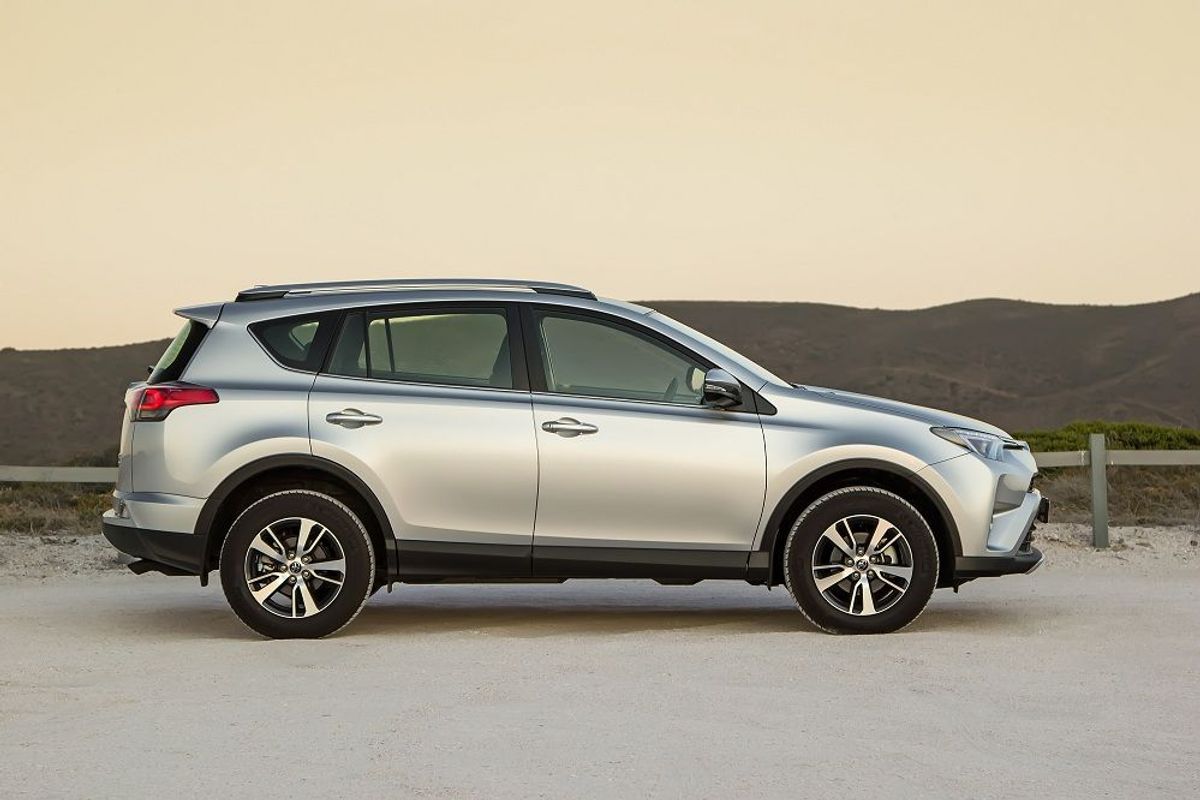
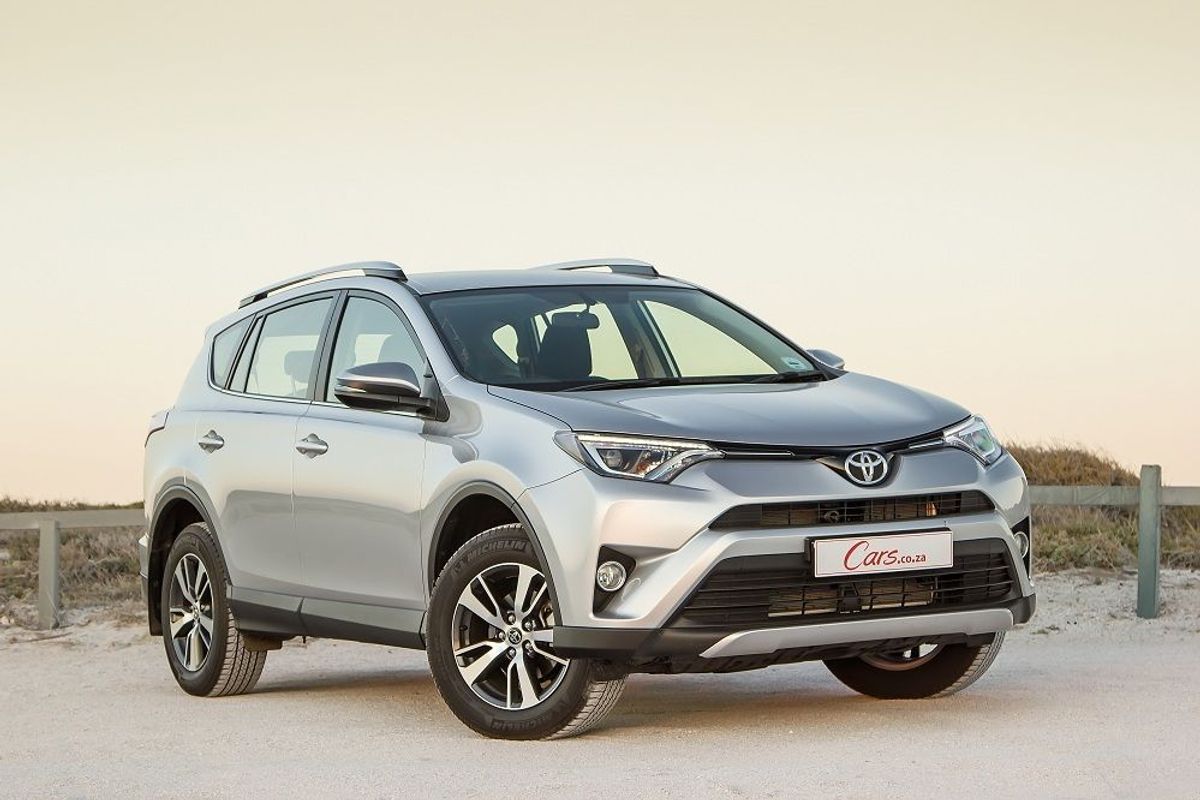
Facelift RAV4 Video Review – Load Space, Comfort, Features

Ciro De Siena gets behind the wheel of the Toyota RAV4 SUV and shares some of the best features that this vehicle has to offer.

Read our first drive impressions and find pricing here: https://www.cars.co.za/motoring_news/facelifted-toyota-rav4-2015-first-drive/42058/

Enquire about a new car here: https://www.cars.co.za/newcars/Toyota/RAV4/2.2D-4D-AWD-GX/

See all of our used Toyota RAV4's here: https://www.cars.co.za/usedcars/Toyota/RAV4/

Subscribe to our YouTube channel here: https://www.youtube.com/user/Carsdotcoza

Lexus IS 200t (2015) Review

Lexus has added a turbocharged four-cylinder engine to its IS compact sedan range. While it produces less power than the meaty V6 engine in the IS 350, is less actually… more?

The Lexus IS sedan is a rather well-assembled vehicle that goes head to head against the likes of the BMW 3-Series, Audi A4 and Mercedes-Benz C-Class. When it's not taking on the big German three, you’ll find it also fending off the Infiniti Q50 and to a lesser extent, the Mazda6, Honda Accord and new Volkswagen Passat. It’s a hotly contested segment and despite the positives of the Lexus IS, the wares of the German trio dominate the monthly new vehicle sales figures.

It may be a cliché, but variety is the spice of life and when it comes to model diversity, a comprehensive engine lineup is one of the many reasons why the Audi, BMW and Mercedes-Benz compact executive sedans sell so well. Lexus, by contrast, had this problem that the IS was only available with a petrol 3.5-litre V6 and for customers who list fuel economy as a priority, it was a drawback. Lest we forget the Lexus IS350 F-Sport, which costs more than R600 000, is expensive.

Powerplant and economy

Enter the new Lexus engine. It’s a 2.0-litre turbocharged four-cylinder that first debuted in the Lexus NX crossover. It has subsequently been rolled out into the IS sedan (tested here), the RC coupe as well as the GS executive sedan. The IS version has received a few tweaks in the exhaust and mapping departments and with engine outputs of 180 kW and 350 Nm on tap, this motor offers credible performance, at least on paper. Downsizing the powerplant has meant the fuel economy figure looks more reasonable and Lexus claims the IS 200t will consume just 7.5L/100km. The Lexus IS 200t is rear-wheel driven and its 8-speed automatic can be operated manually with shift paddles located behind the steering wheel.

How does it drive?

Ride quality and on-road refinement are are two traits of Lexus products that we admire greatly. Toyota’s luxury arm clearly spends vast sums of money on product refinement, including build quality. As a result, the intrusion of engine noise into the IS's cabin is kept to a minimum and the cabin is a tranquil and relaxing space in which to enjoy the driving experience.

The engine responds urgently thanks to the twin-scroll turbocharger and the transmission delivers a smooth shift quality. There three driving modes: Sport, Eco and Comfort. Eco tones down the responsiveness of the motor and prioritises economy over power, whereas Sport does completely the opposite. The steering wheel feels pleasingly weighty in your hands and the Lexus IS200t certainly has a sporty edge. While it’s not designed for out and out performance, it’s a pleasant surprise to find a chassis and engine combination that’s willing to deliver some thrills in an otherwise quiet and staid market.

Lexus claims the IS200t will accelerate from standstill to 100 kph in just over 7 seconds and, in reality, it doesn’t feel far off. However, towards the top of the rev range, some of that refinement is lost as the engine sounds a little coarse. Still, despite a hint of performance, the overarching theme is still luxury and refinement, or as Lexus calls it, "business as usual". There are tweaks to the suspension and the revised damping does a great job of flattening the lumps and bumps of our roads.

For a softer and more refined ride, we'd recommend you look at the Lexus ES which is also slightly bigger than the IS:

Features and equipment

Lexus traditionally equips its products liberally and the IS200t continues this strategy. Despite the IS200t being the entry-level model, you’re not being shortchanged in any way. There are two trim levels for the Lexus IS200t, E and EX (model tested here). The Lexus IS200t EX is well specced and there are very few options to choose from. Both vehicles ride on 17-inch alloy wheels and even the base model IS200t gets full leather upholstery, with the front seats both cooled and heated.

There’s a 7-inch infotainment screen which displays the satnav data (EX only) and the array of connectivity options is impressive. You get front and rear parking sensors as well. Go for broke and get the EX which includes rain-sensing wipers, a reverse camera and an electrochromatic rear-view mirror too. The list of standard equipment is near endless, best you check out the comparison between the Lexus IS200t and its rivals at the bottom of this article for a full breakdown.

There’s no skimping on safety either as the Lexus IS200t features 10 airbags, ABS with EBD and brake assist, traction control and electronic stability control.

Summary and conclusion

So the IS200t looks rather sharp, with plenty of blade-like designs at the front, but my appreciation of the Lexus's exterior design is subjective. The sedan's nice to drive, its engine strikes a good balance between performance and efficiency and the specification is generous. The rest of the car is impressive in terms of premium finishes and accommodation, even though rear legroom is fair, rather than generous. The boot is capacious at 480L, which is on par with its rivals.

In this segment, however, Lexus's battlefront is not product quality, but brand perception. While there’s very little to fault the Lexus IS200t in terms of product offering and aftersales service/backup, not enough customers regard the Lexus nameplate with the same reverence as they do for those of its German rivals. It just doesn’t scream, “I’ve made it” loud enough.

But, for those that who have seen the light, the Lexus IS200t is a very accomplished product and the addition of a 2.0-litre turbocharged powerplant has undoubtedly broadened the appeal of the Japanese compact executive sedan. Given the market’s shift towards turbocharged downsizing, this vehicle makes a great deal of sense.

If a Lexus IS200t sedan doesn't appeal, how about the Lexus NX200t crossover, which boasts good levels of tech and refinement?

Lexus IS200t price in South Africa

The Lexus IS200t range starts at R524 000 for the E, while this IS200t EX tested here retails for R576 000. All Lexus models gain a 4-year/100 000km service plan with intervals every 15 000km.

Team opinion

"The Lexus IS 200t is solidly built and offers a smooth and refined drive, even on poor road surfaces. The 2.0-litre turbo engine delivers good performance and I like the fact that the 200t caters for both conservative and spirited driving. This 200t is comfortable and well sorted to tackle those longer, out-of-town journeys with ease." – Gero Lilleike

We like: Excellent engine, superb ride and refinement, value for money, build quality, legendary Toyota aftersales and back up.

We don’t like: Thirsty when pushed, interior not as modern as rivals

Also consider: BMW 330i, Audi A4, Mercedes-Benz C-Class, Honda Accord, Volkswagen Passat.

Click here to compare the Lexus IS200t to the BMW 330i and the Audi A4 quattro Sport.

Search Cars.co.za for Lexus IS models for sale

Opel Adam S (2016) First Drive


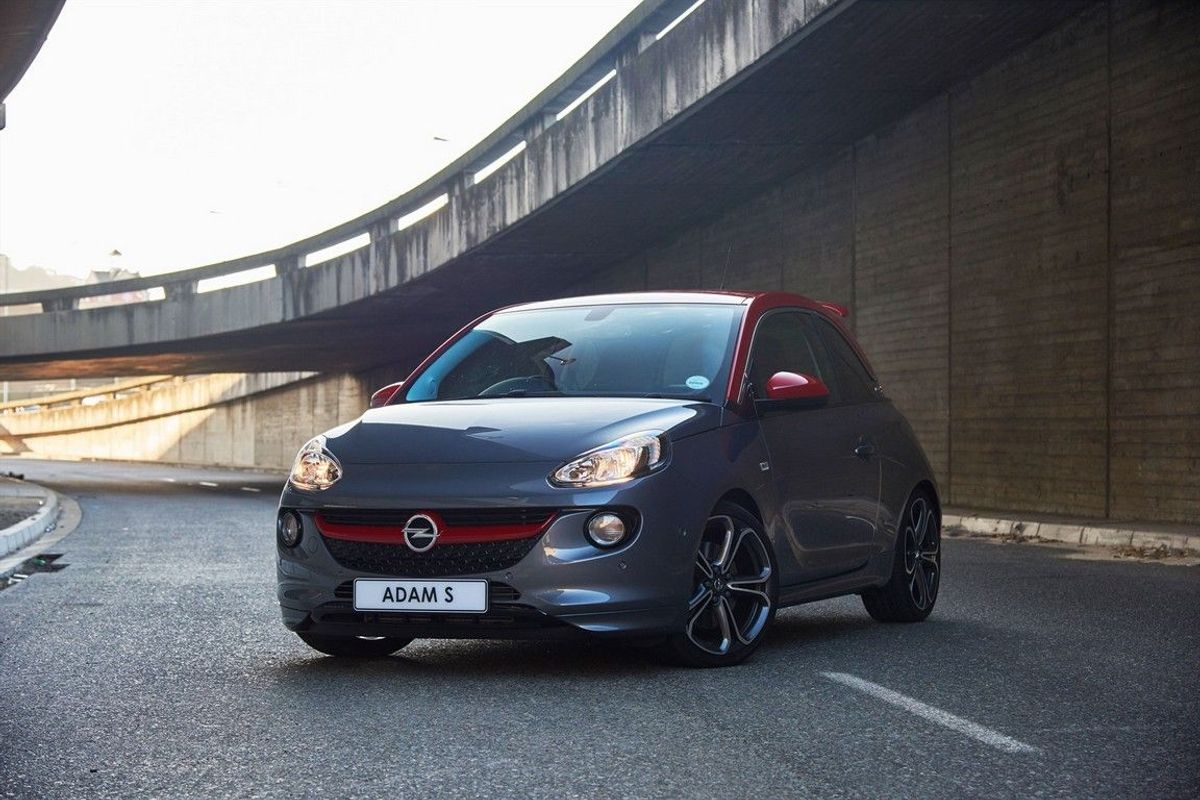
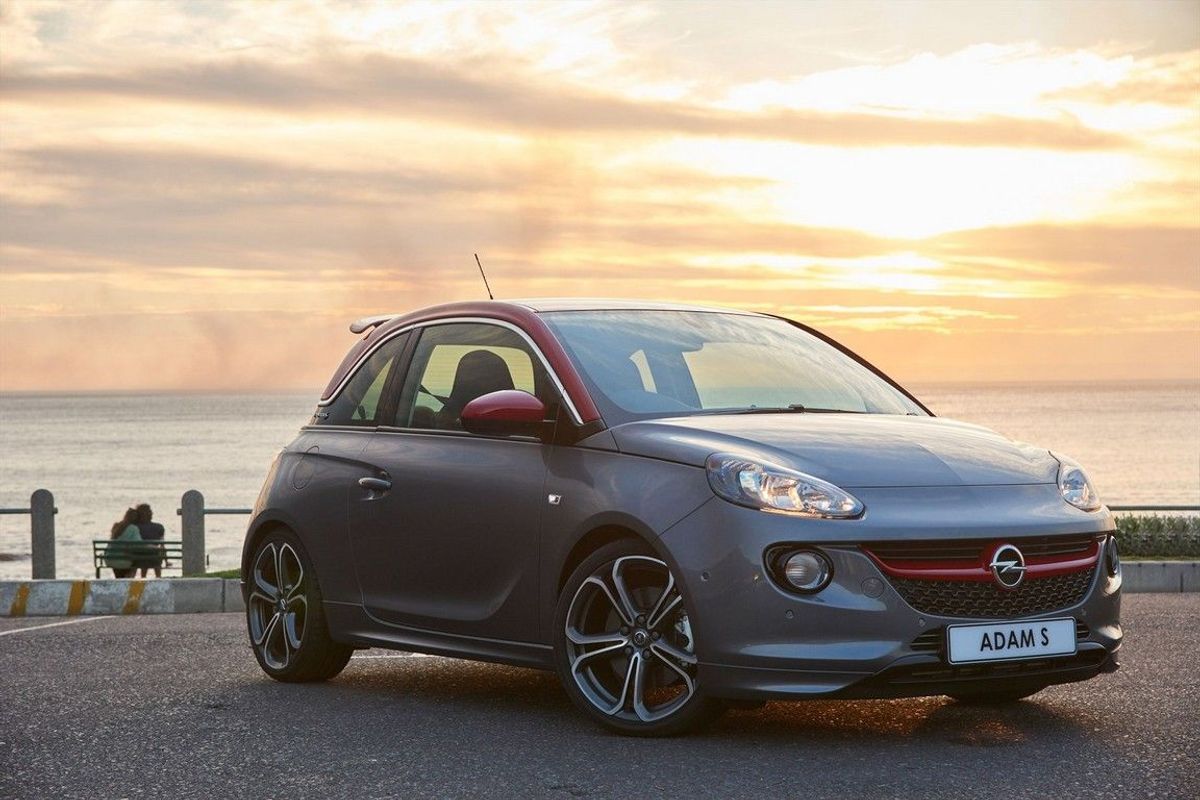
The Adam S is the third variation of Opel's boutique light hatchback to land on our shores, after the standard Adam and Adam Rocks crossover. It’s the sportiest Adam currently available and ushers in a new engine and some neat little upgrades to enhance the handling and appearance.

The go faster bits

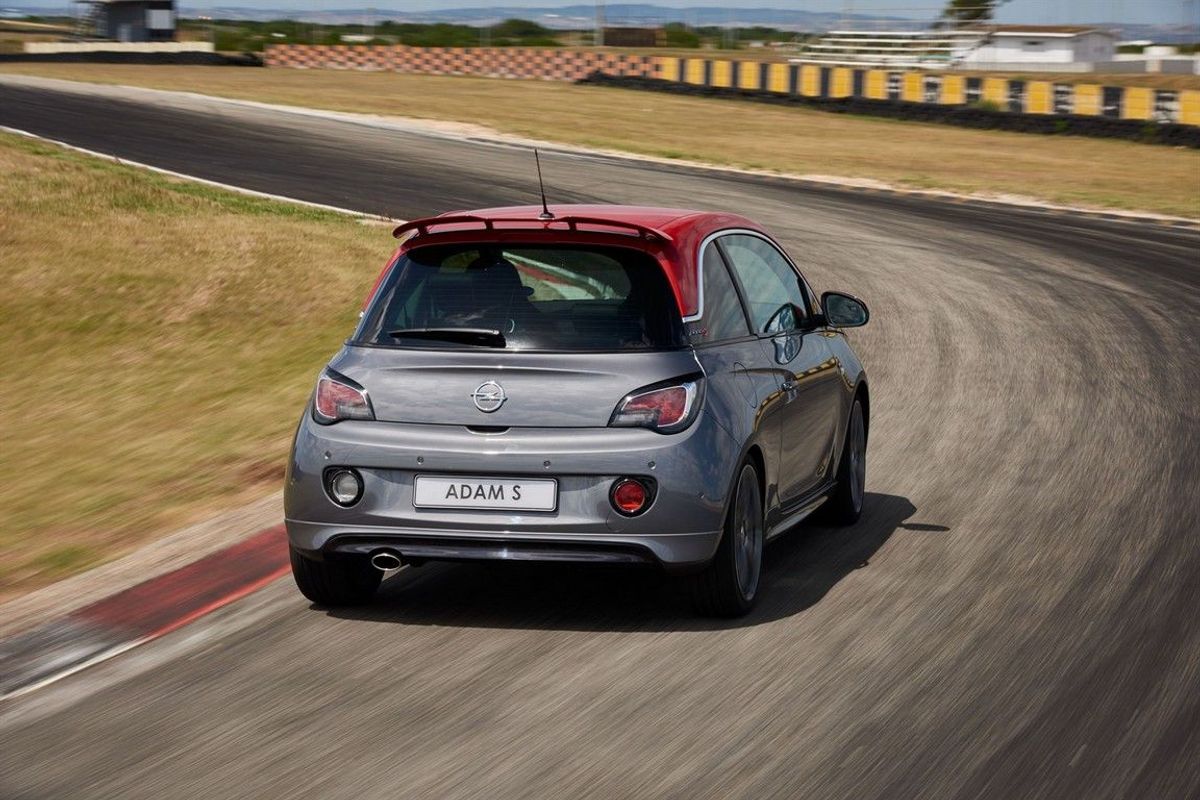
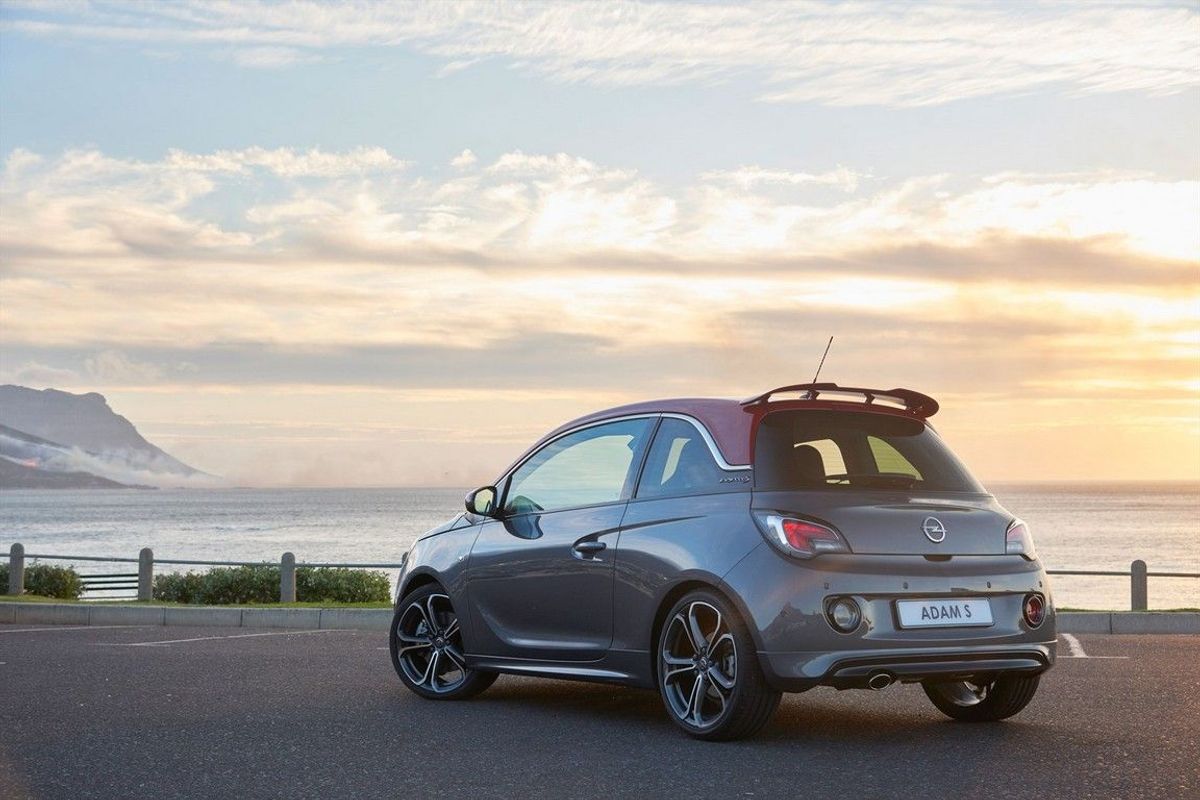
The exterior of the Opel Adam S has had the compulsory sporty upgrade to match its S badging. Adornments that make the S model special include red brake calipers, bulging side skirts and the lip on the front bumper, while at the rear, there’s a sports bumper and an enlarged, chrome-finished exhaust tip. The rear roof spoiler is arguably the most obvious cosmetic upgrade and the wheel size has been increased to 18-inches.

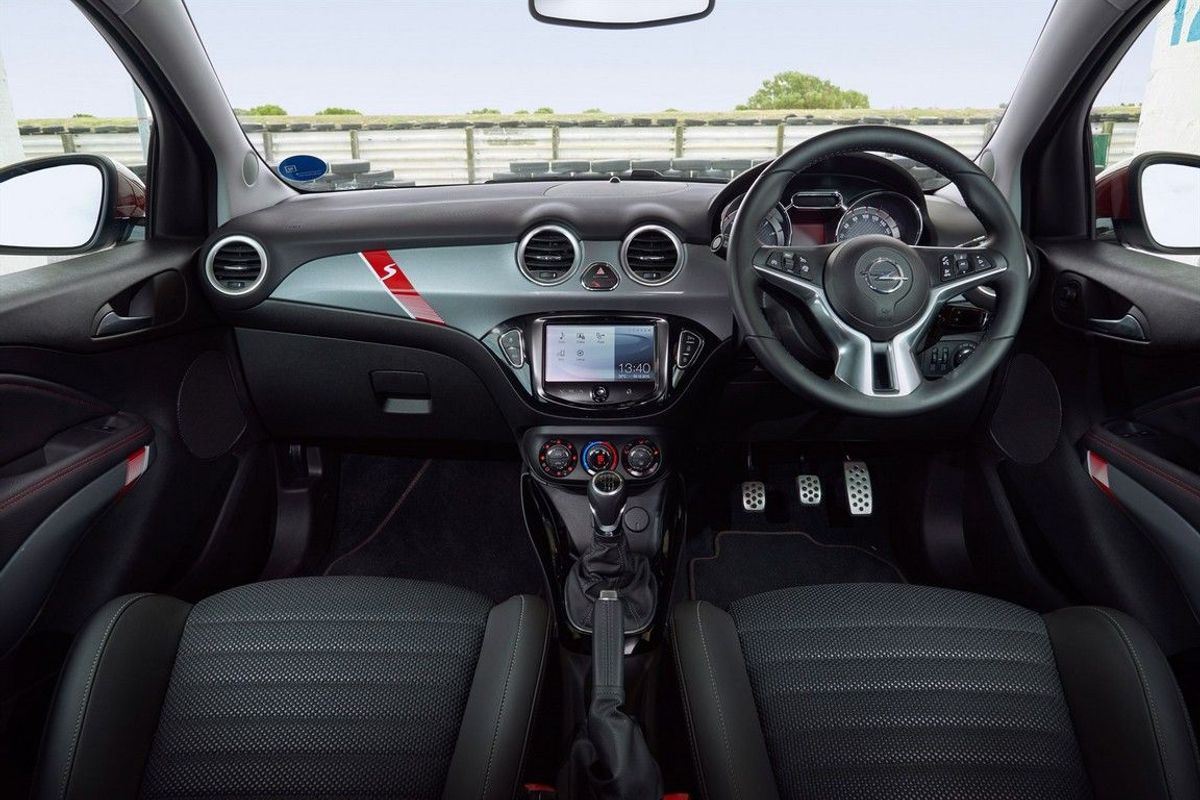
As for the interior, the Adam S gains some extremely supportive and comfortable bucket seats, a red gear knob and an S badge on the dashboard. It doesn’t sound like much, but the upgrades make the Adam S feel more special than its siblings. The newcomer's specification list is the same as the Jam's, so there's a good complement of connectivity- and safety equipment. Opel offers the advanced park assist system, which can park the Adam S for you. as standard.


A photo posted by Ashley Oldfield (@ashleyoldfield) on

New engine

The Adam S uses a 1.4-litre four-cylinder turbocharged petrol engine with outputs of 110 kW and 200 Nm. The beefier motor hasn’t made the S a lightning fast hot hatch, but there’s enough grunt to satisfy burgeoning driving enthusiasts. Zero to 100 kph takes 8.5 seconds, but what really makes the Adam S fun is its handling characteristics. The engineers have tinkered with the Adam's suspension and anti-roll bar to make the S handle better in the bends.

On-track prowess

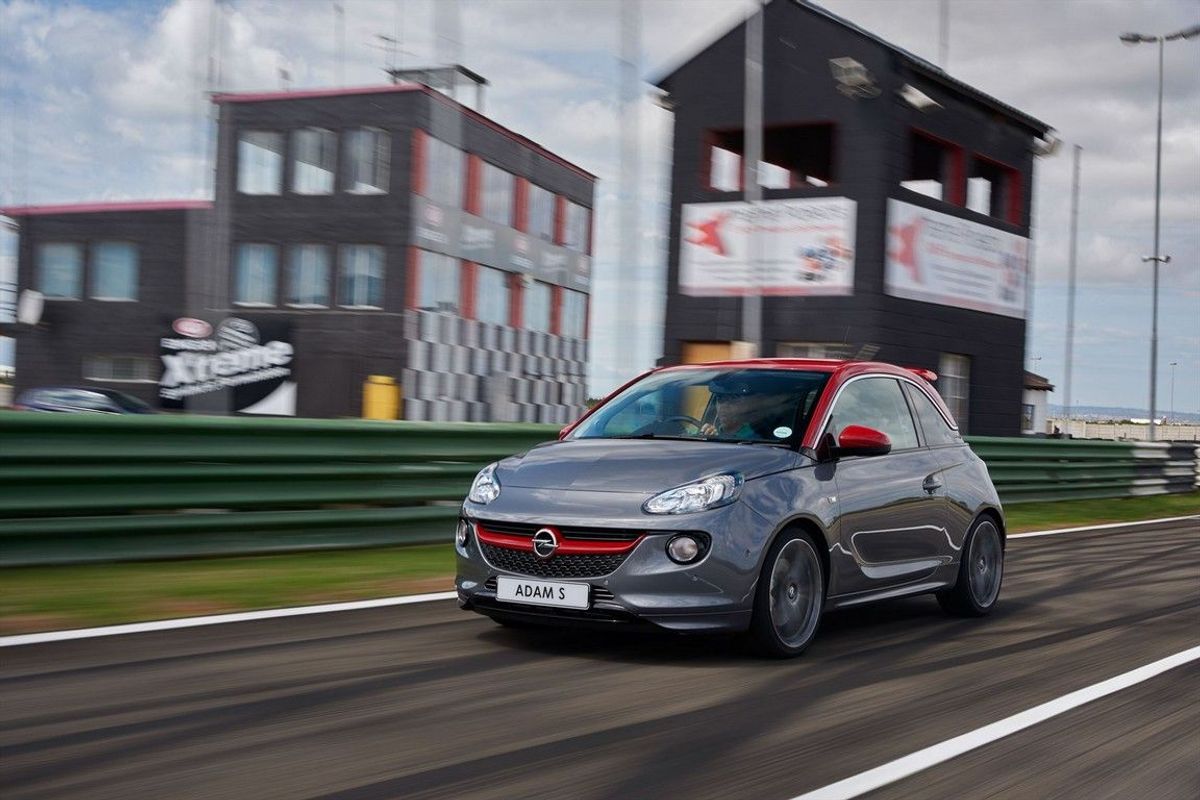
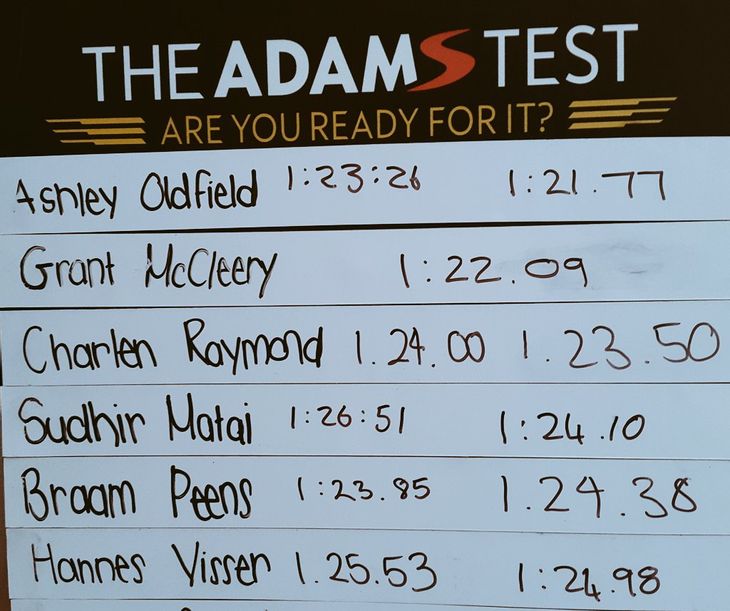
The Adam S's springs are stiffer (as are the anti-roll bars) and the brakes have been enlarged. The brakes were plucked from the now-discontinued Corsa OPC and work well on track. During our track sessions, the Adam S’s brakes held up surprisingly well considering the constant hammering they took at the Aldo Scribante circuit. The handling is agile; it changes direction quickly. It was fun to hustle around the track and even after multiple laps we were still finding lap-time improvements. The stopwatches came out and we were set a benchmark of 1m22.0 by ex-production car driver Grant McCleery. With a session to learn the track in the morning, the Adam S had its neck properly wrung in the afternoon as we went in search of faster lap times. We didn't have a chance to test the Adam S on road conditions, but I imagine the stiffer springs and bigger wheels may make it quite harsh on our rugged roads.

Pricing

The Opel Adam S is a limited edition vehicle (there are only 50 cars available in SA) and exclusivity comes at a price, R330 000. It's expensive when you consider that it's not actually much car for your money… The boot is small and it only has two doors, but if you want a peppy fashion accessory then the pricing seems on par. The Mini Cooper S starts at R376 847 and a Citroen DS3 Sport is R358 400. The only cheaper competitor is the Alfa Romeo Mito at R322 990, although the hot QV version costs R347 990. The Adam S comes with a 5-year/120 000 km warranty and a 3-year/60 000 km service plan.  

Opel Adam S Launch Video

Search Cars.co.za for Opel Adam models for sale

Search Cars.co.za for Mini Cooper S models for sale

Search Cars.co.za for Citroen DS3 Sport models for sale

Search Cars.co.za for Alfa Romeo Mito models for sale

Teased: Audi Q2

There have been many rumours that Audi plans to introduce a Q2 crossover in the near future and the Ingolstadt-based brand has released a few teasers ahead of its predicted reveal at the 2016 Geneva Motor Show.

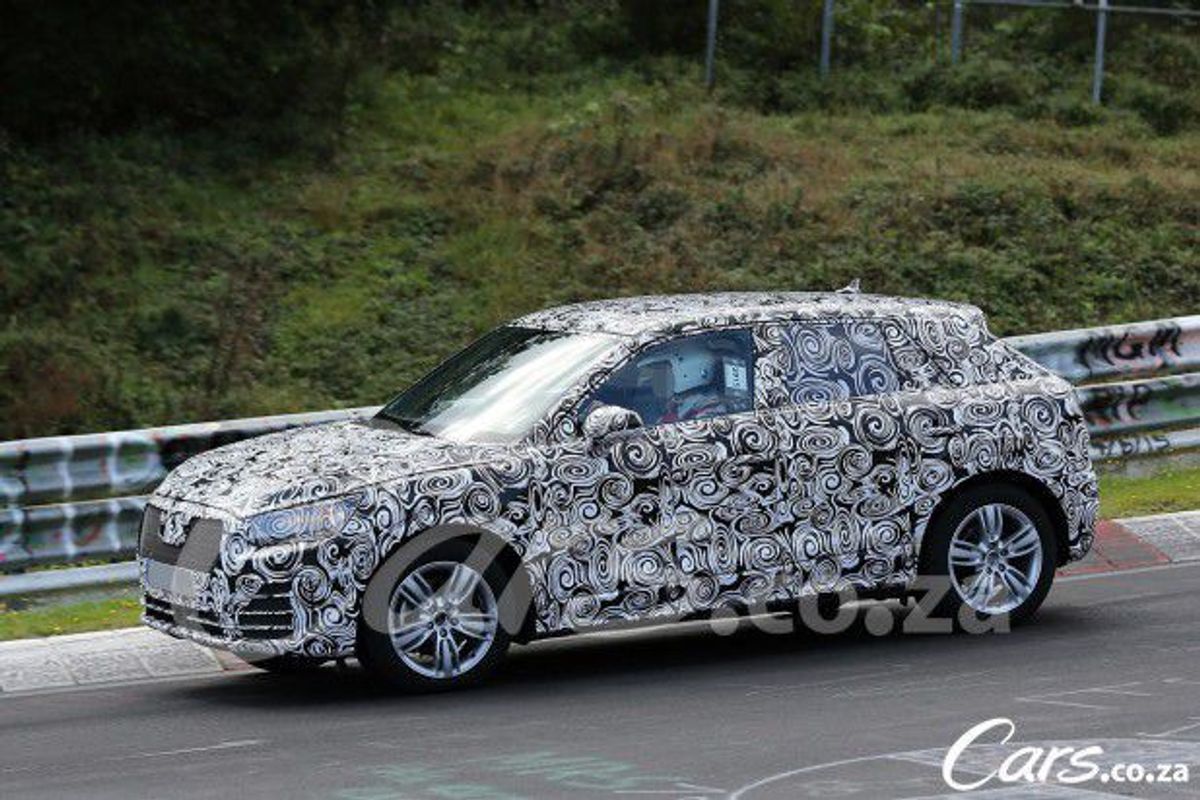
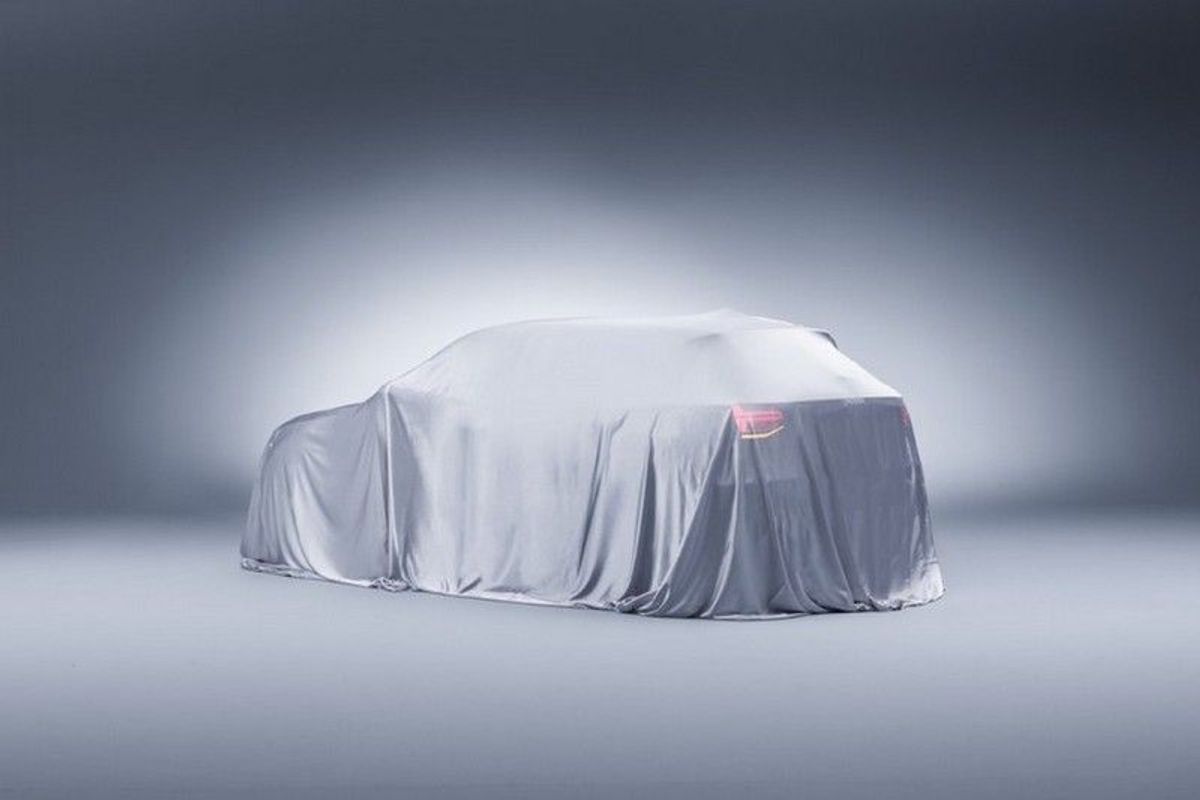
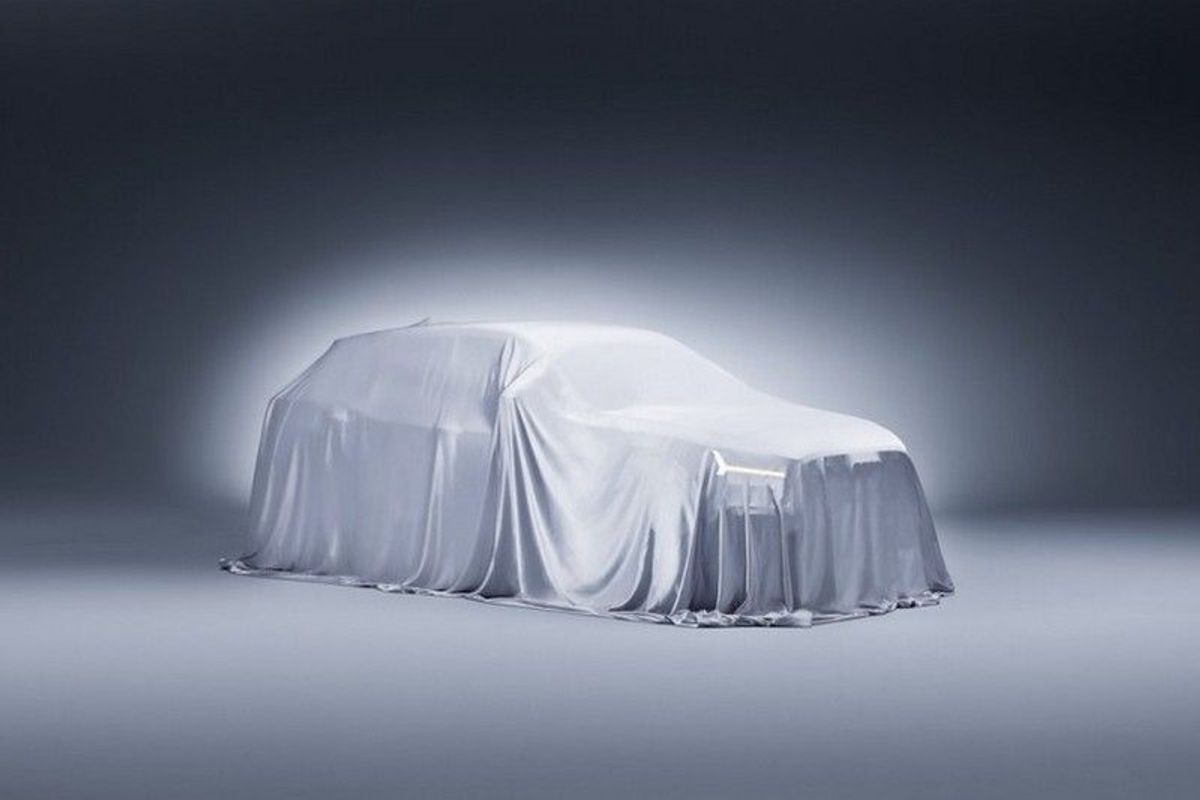
These two images suggest what the vehicle will look like, including a hint of the trademark Audi daytime running lights. The name is confirmed as the Q2 and despite a legal battle with Fiat Chrysler Automobiles over the name, the vehicle is due to be revealed in Geneva in March 2016. The Audi Q2 will utilise the successful MQB platform, which is what the Volkswagen Golf 7, Audi A3 and many other products from the Volkswagen Group are based on.

The range should be quite comprehensive… There will be turbopetrol and turbodiesel motors in the line-up as well as all-wheel drive quattro variants. Rumours are rife that a plug-in hybrid and even a performance version (such as an SQ2) will follow on later in the model's lifespan.

If all goes according to plan, we'll see the Audi Q2 making its South African debut around the middle of 2017.

For more information on Audi's product offensive over the next five years, click here.

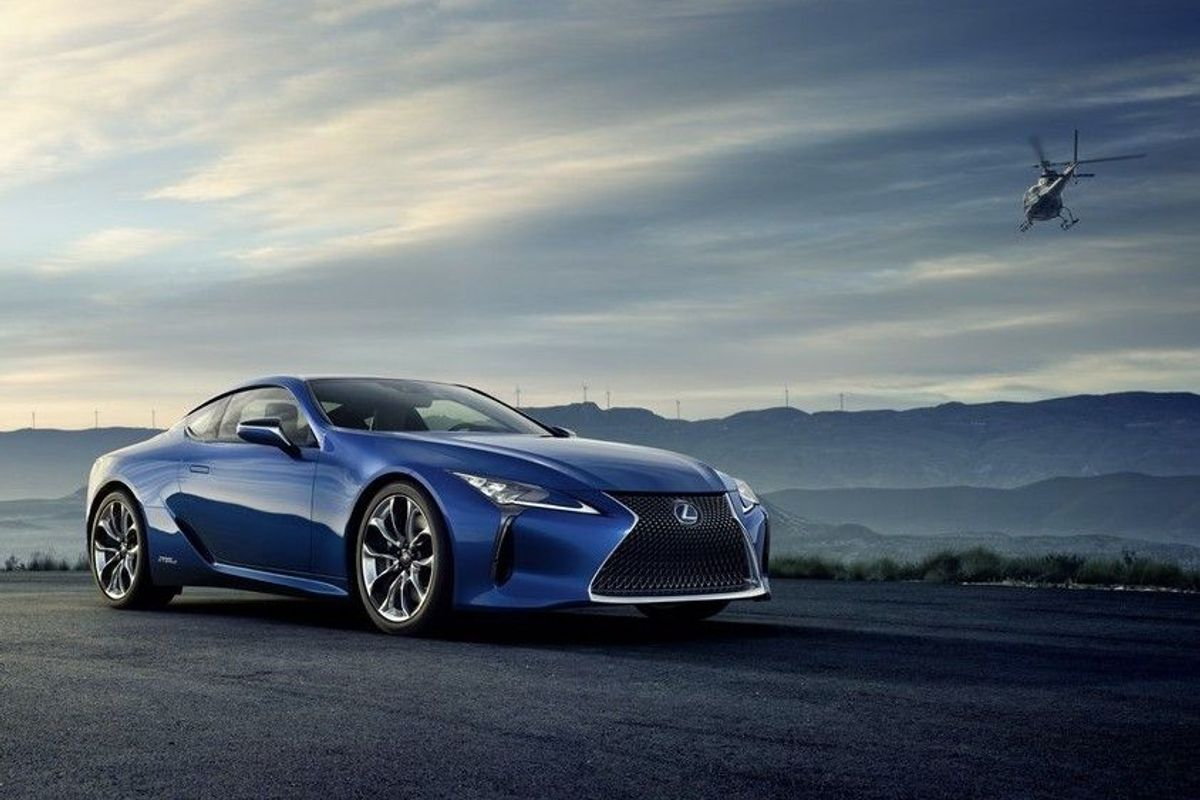
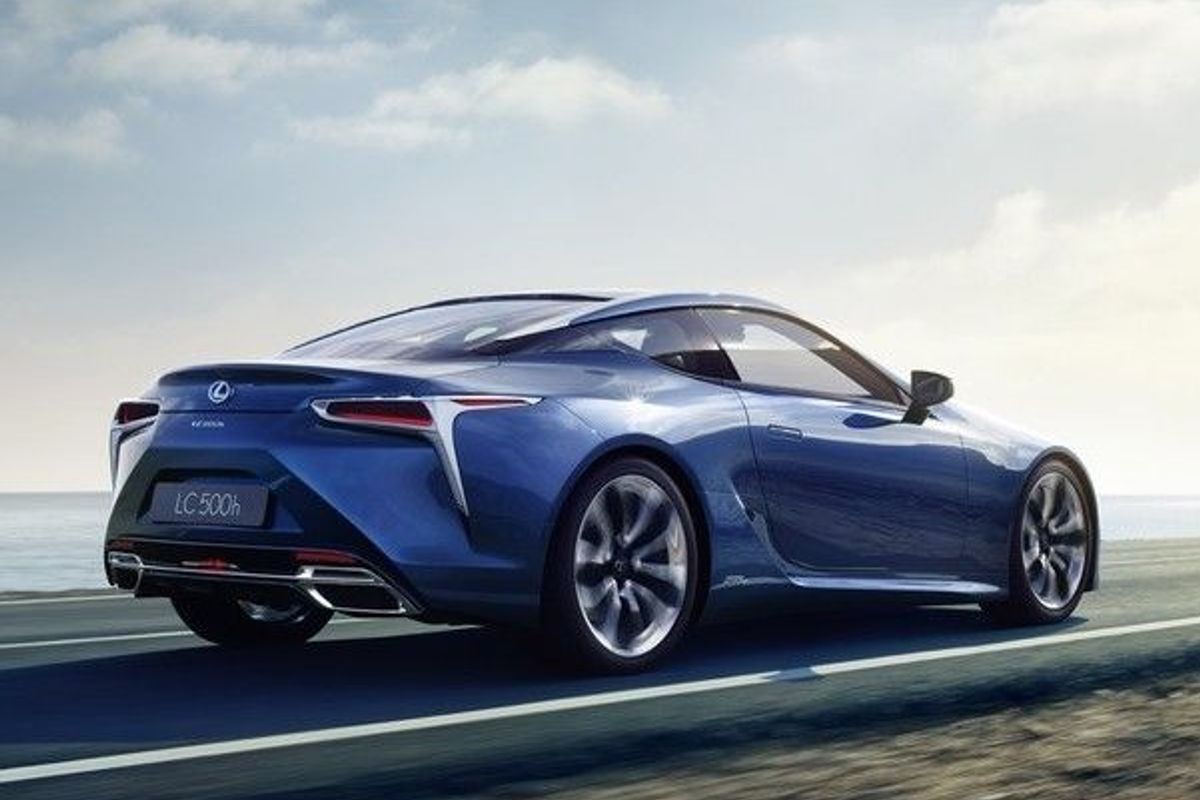
Lexus LC500h Revealed


Lexus is readying a hybrid sportscar of its own. It will introduce the LC500h at the 2016 Geneva Motor Show.

Last month, Lexus revealed its flagship LC500 Coupe at the Detroit Motor Show and we think it’s quite a striking vehicle. Now, Lexus is set to expand the range with a hybrid version known as the LC500h. The vehicle will be officially revealed in Geneva on 1 March 2016.

Hybrid power

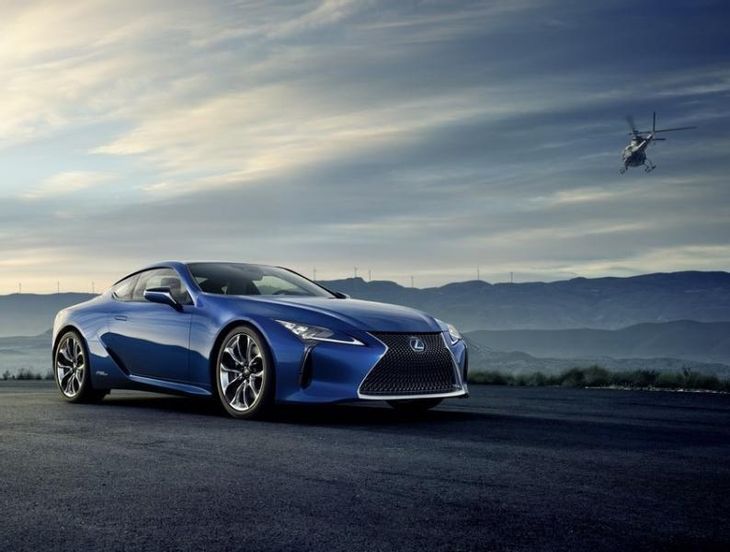
Stylistically speaking, the LC500h seems to be identical to the LC500 shown last month, but this time it is dressed in attractive blue hue. The LC500h will showcase Lexus’s all new Multi Stage Hybrid System that “promises enhanced driving pleasure, more performance, and greater efficiency.”

Official details have yet to be revealed, but speculation suggests that the LC500h will be powered by a 3.5-litre V6 engine in conjunction with an electric motor. The V6 should be good for 230 kW while the electric motor may contribute as much 162 kW, taking the combined output up to about 350 kW. In comparison, the LC500 is powered by a 5.0-litre V8 that produces 348 kW and 527 Nm of torque.

Further details will be revealed closer to the LC500h’s debut at the Geneva Motor Show and we will keep you updated with any additional information when it becomes available. 

As it stands, Lexus South Africa has confirmed that the LC500 Coupe will launch locally at the end of 2016 or early in 2017. 


GWM M4 1.5 (2016) Review


The GWM M4 has nothing in common with BMW’s tarmac-searing sportscar… apart from its name. But the Chinese-made light crossover, which competes with the Renault Sandero Stepway, Toyota Etios Cross and Polo Vivo Maxx, underwent a revamp early in 2016. Here’s what it’s like…

Sharper styling

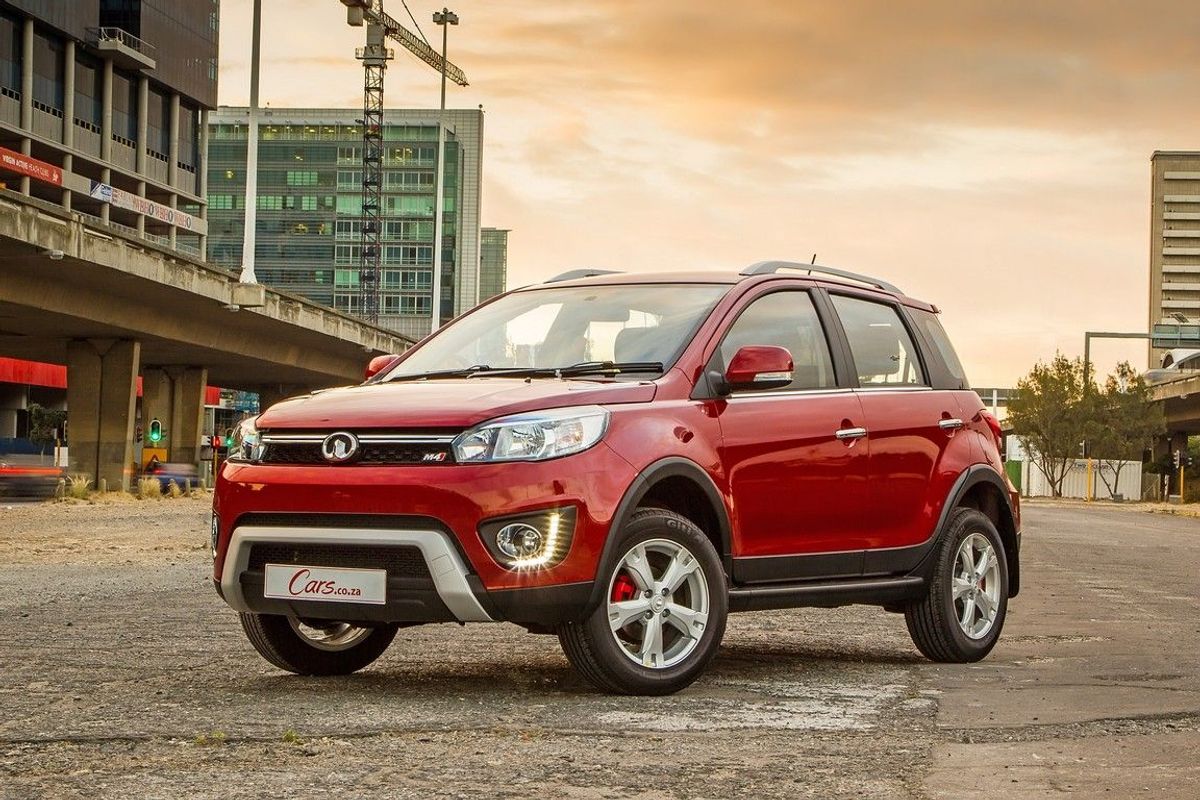
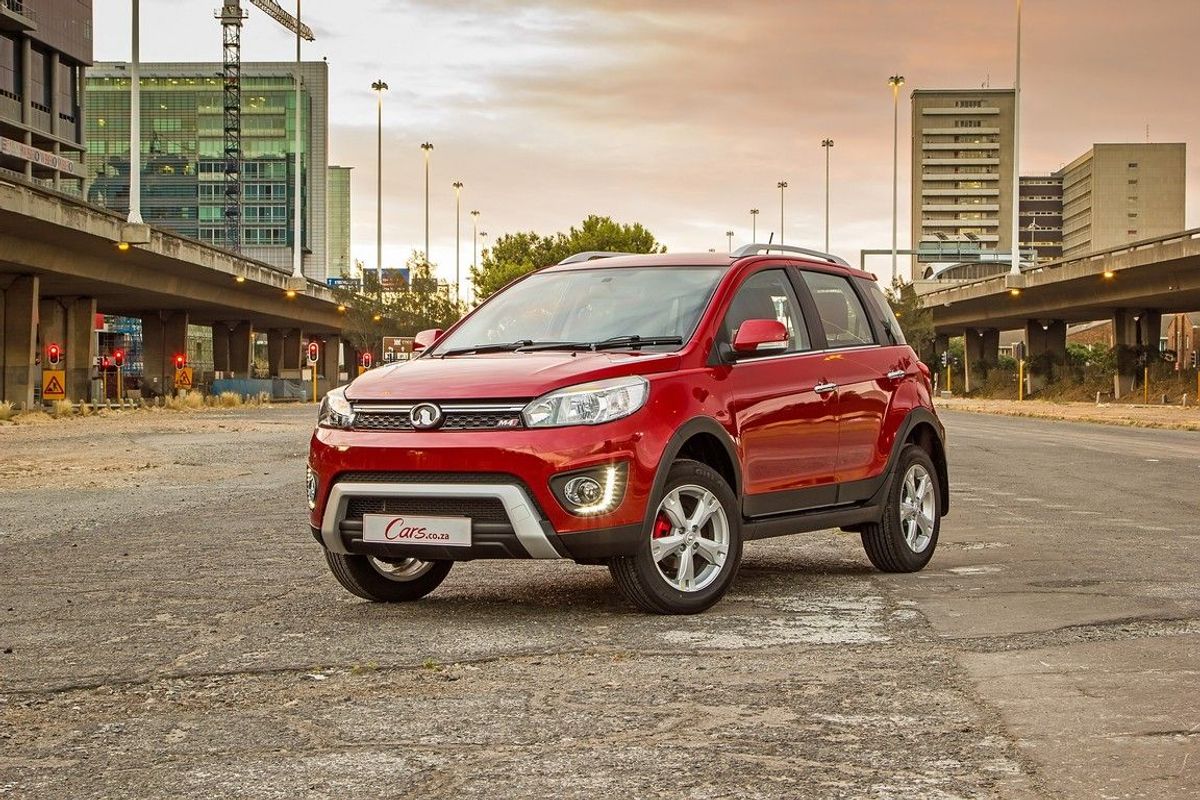
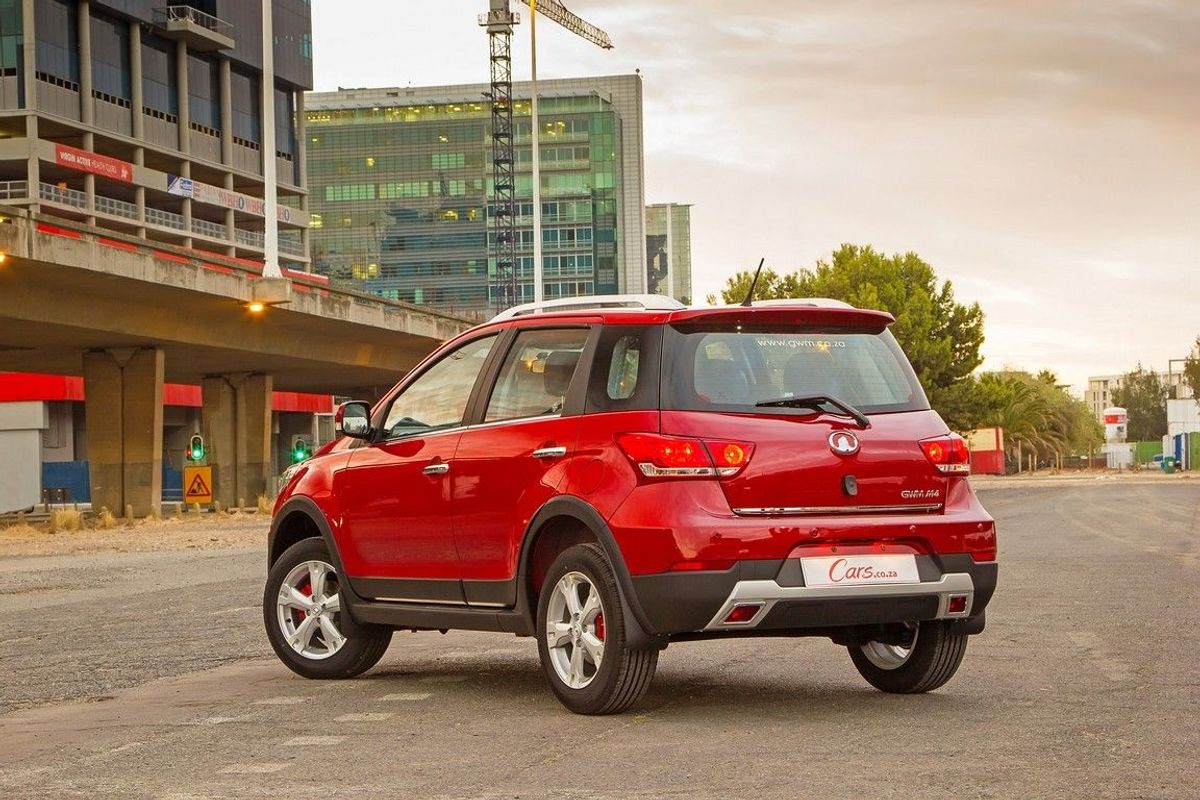
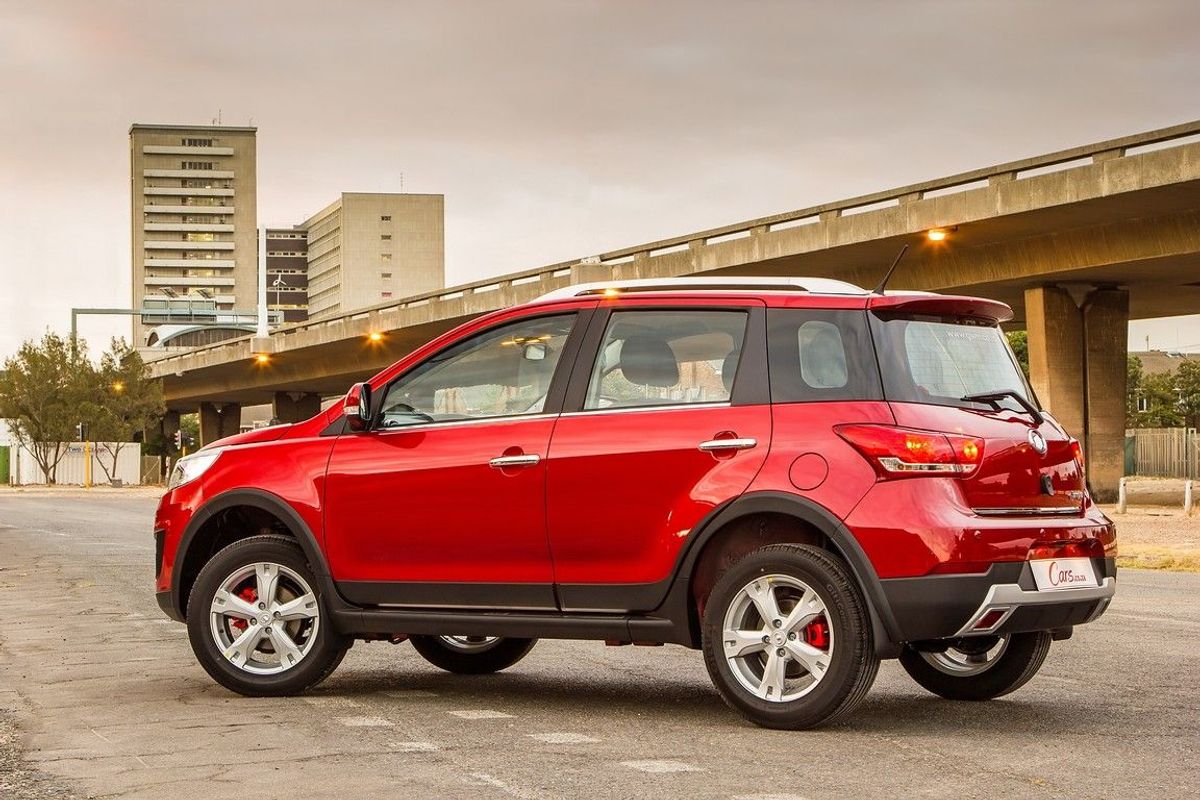
The GWM M4’s exterior appearance represents a marked improvement over that of its predecessor. The M4 is marketed as a cool-looking baby SUV for trendy, single urbanites — as opposed to merely a raised hatchback with rugged-looking addenda — and it’s equipped with numerous SUV-like adornments. It has a more rugged appearance, replete with moulded black bumpers and side sills as well as a band of grey trim around the front bumper’s air intake grille. Standard daytime running lights and front and rear fog lamps set the M4 apart from the competition. Overall, it looks like an attractive pavement hopper.

Under the bonnet

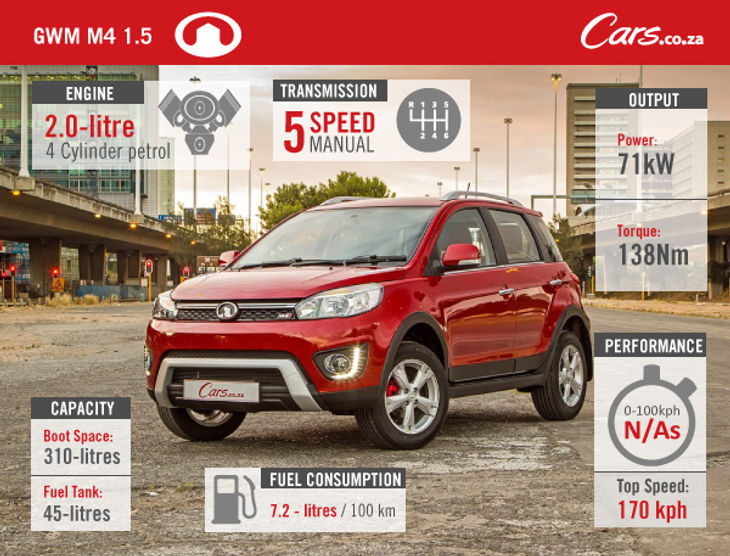
In China, the M4 is nicknamed the Speed because of how quickly it sells in its native market. Under the GWM’s bonnet, however, you won’t find a source of tremendous speed. The 1.5-litre naturally aspirated petrol engine (producing 71 kW and 135 Nm) compares favourably against those of its aforementioned rivals, but maximum power is developed at 6 000 rpm, meaning that you have to rev the motor hard before you feel its extra grunt. The rivals develop power and torque at lower revs than the M4 and that results in lower fuel consumption. The M4 is quite thirsty for a budget-conscious vehicle. Claimed consumption is 7.2 L/100 km in a segment where around 6 L/100 km is the average. The engine is therefore not the strong point of the M4’s arsenal but, if you’re happy to potter around at a gentle pace then the M4’s performance is adequate, if not particularly frugal.

Inside the cabin


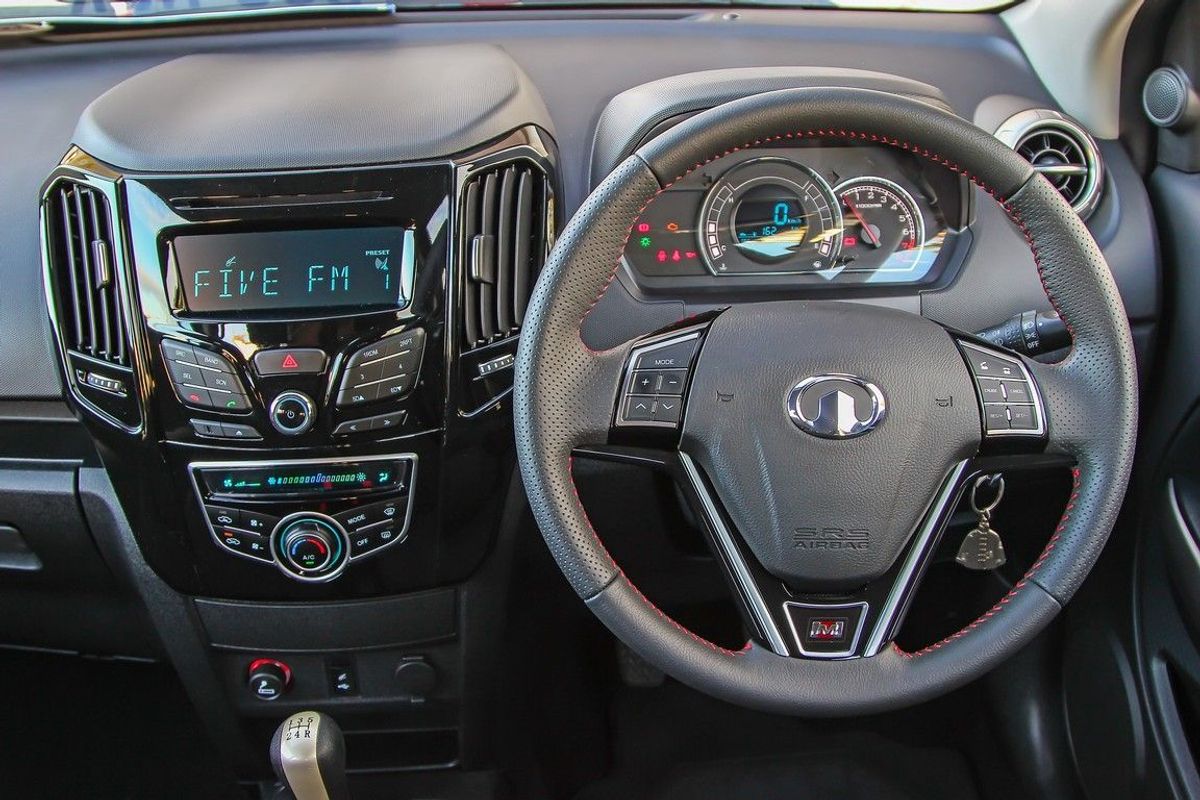
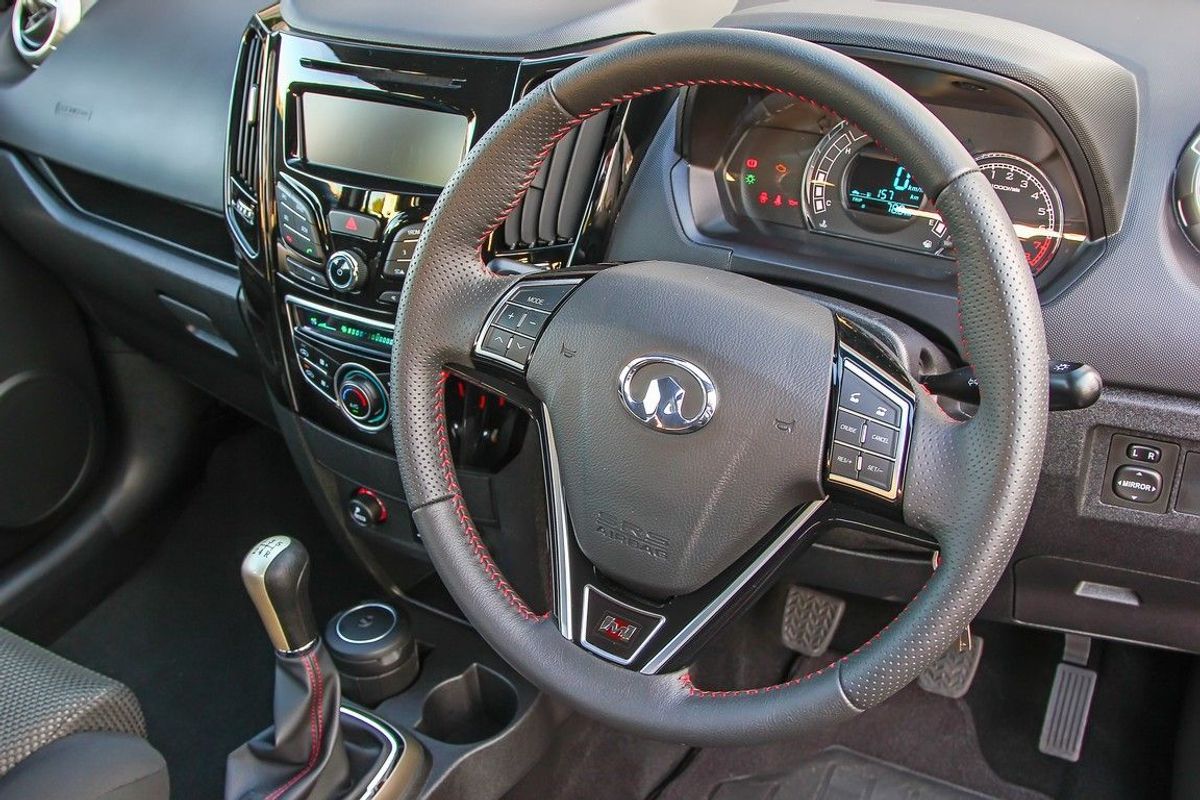
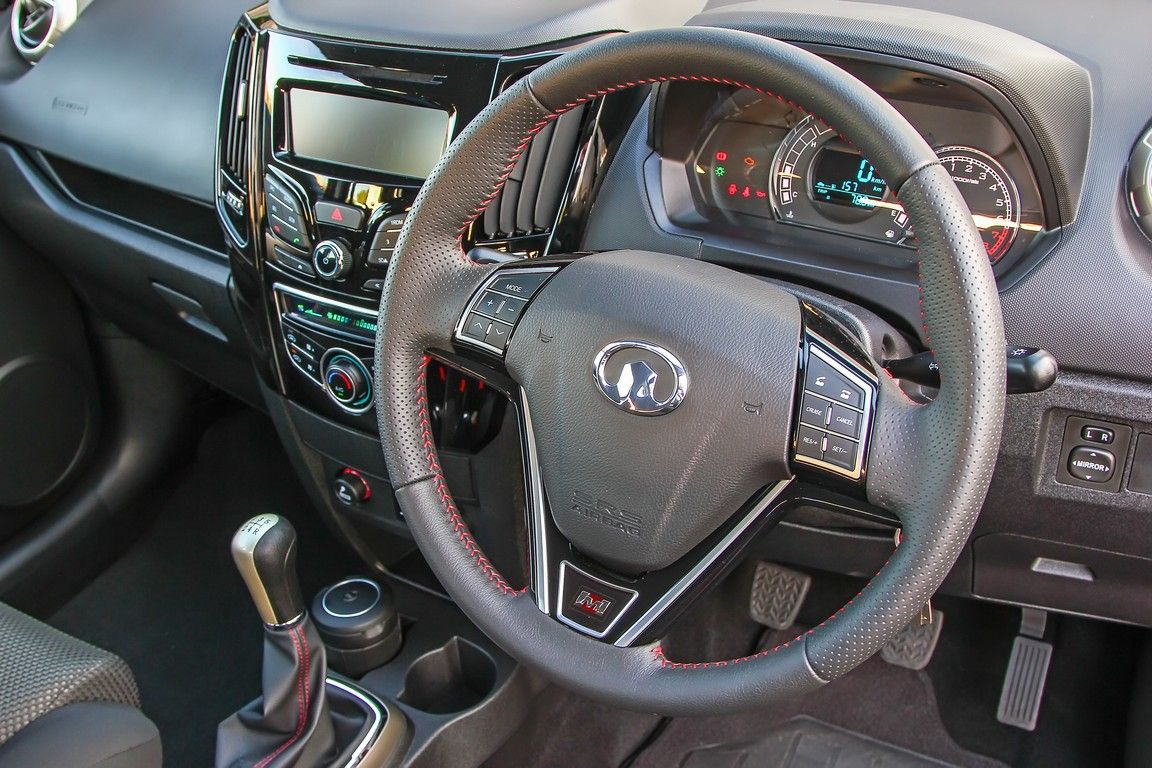
GWM M4 cabin is well made and quite upmarket in appearance and finish. 

Chinese brands haven taken a lot of flak for utilising cheap-looking cabin materials with less than impressive levels of fit and finish. The GWM’s interior, although not particularly sophisticated in design, features a number of impressive upmarket fitments. The leather-clad steering wheel with red stitching (and an “M” badge at the bottom), and digital speedo, combined with the analogue rev counter, are easy on the eye. The audio system has a rather plain digital display, but offers USB and auxiliary input sockets as well as Bluetooth connectivity. The facia is even clad in piano black trim — a rare sight in a vehicle that costs less than R200k. Overall, the facia materials are respectable and the build quality looks impressive in terms of shut lines and the rigidity of the fittings.

There is a slight ergonomic issue, however. Taller drivers will probably struggle to get comfortable behind the M4’s steering wheel, which can be adjusted for rake (up and down), but not enough to get out of the way of the driver’s legs. It becomes annoying when your leg brushes against the wheel every time you release the clutch or move your foot to the brake pedal. It should be noted, however, that shorter members of the Cars.co.za test team didn’t have a problem with it. Cabin space is acceptable up front and would suit smaller passengers in the back, but the luggage area, which is equipped with a retractable cover, measures 310 litres, which is fair — but less than capacious.

Ride and handling

It appears that GWM spent all its research and development money on upgrading the light crossover’s interior and forgot about improving its indifferent ride comfort. The M4 is shod with handsome 16-inch alloys but rides quite harshly on rippled roads and over speed bumps; it becomes tiresome to be jostled about in the cabin. The M4 has a slightly raised ride height and has a ground clearance of 183 mm. It’s by no means an off-roader but will hop onto a pavement (if you can’t find a conventional parking spot) or travel down a gravel road with ease. The added height does make the M4 feel a little top heavy and it leans when you corner or tackle a roundabout quickly.

Verdict

The GWM M4 has improved inside and out, and quite considerably so. The exterior design is quite appealing and pulls off the rugged, baby SUV-look aptly. It is a generously equipped light crossover (it even includes front and rear parking sensors as well as cruise control) and its cabin quality looks comparable to that of the Sandero (and it’s arguably better than that of the Etios). The weak points of the package lie in the engine and chassis. The petrol engine needs revving to build up a head of steam and it is thirsty in comparison to the competition. The M4 is not particularly great to drive when the road gets bumpy or if you’re a tall driver, but its exterior packaging and spec should find favour with its target market. 

Watch the GWM M4 Video Review below


GWM M4 pricing

There is only one model in the GWM M4 range right now and it costs R189 900. There is a standard 5-year/100 000 km warranty and an optional 5-year/60 000km service plan.

Team opinion

"The M4 offers great value for money in a stylish, compact package. However, that driving position does not suit taller folks (like me), which is a drawback." David Taylor 

"Although practicality is not the M4's strong suit, the GWM should be viewed as a stylish hatchback for urban commuters rather than a multi-purpose crossover." Mike Fourie

We like: Improved styling, interior design and decent build quality, specification

We don’t like: Thirsty on fuel, unrefined ride  

Also consider: Renault Sandero Stepway, Toyota Etios Cross, VW Polo Vivo Maxx

Click here to compare the M4 to the Stepway and Etios Cross

Search Cars.co.za for GWM M4s for sale