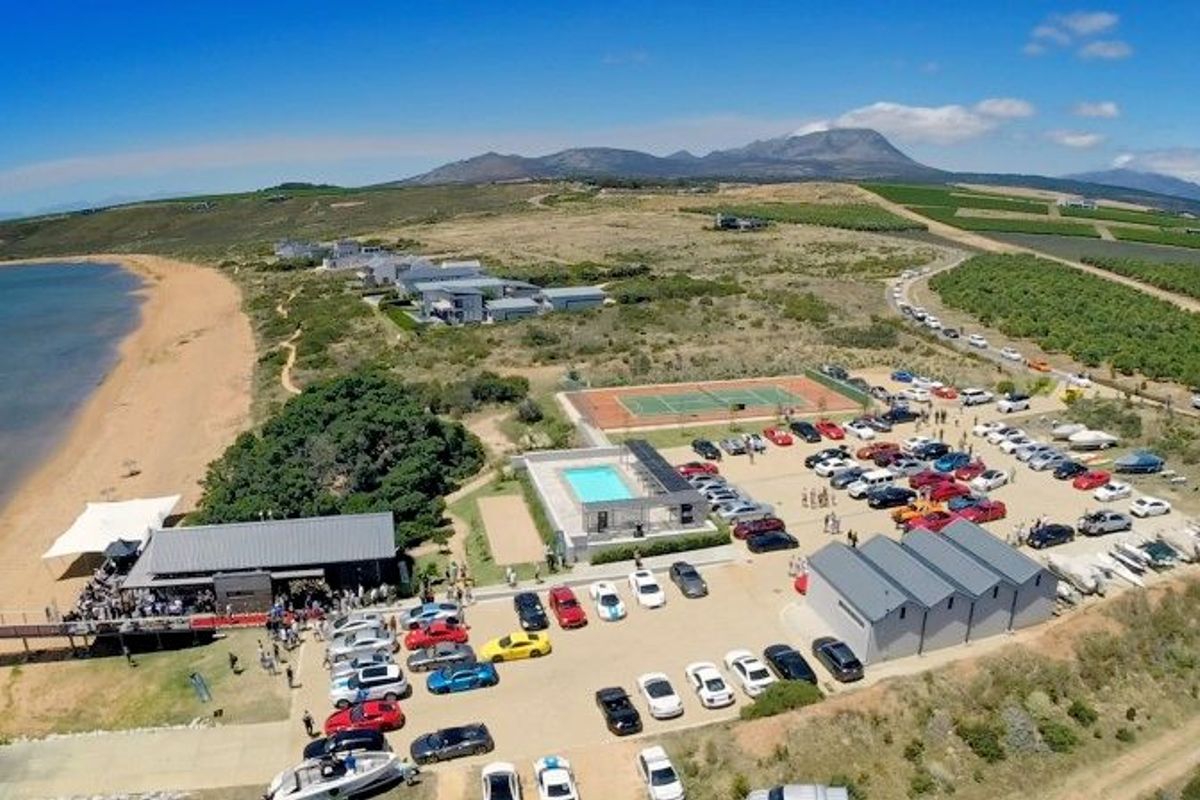
The finalists for the 2016 World Car Awards (WCA) have been announced.
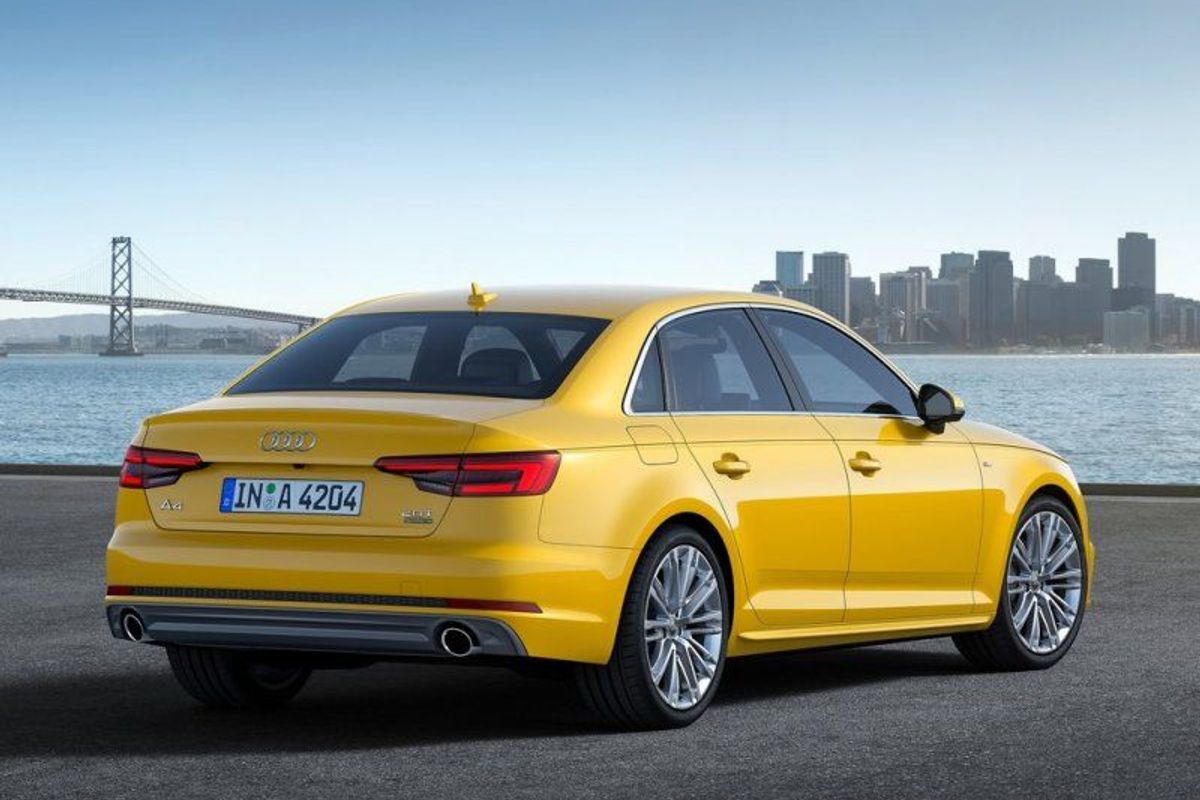
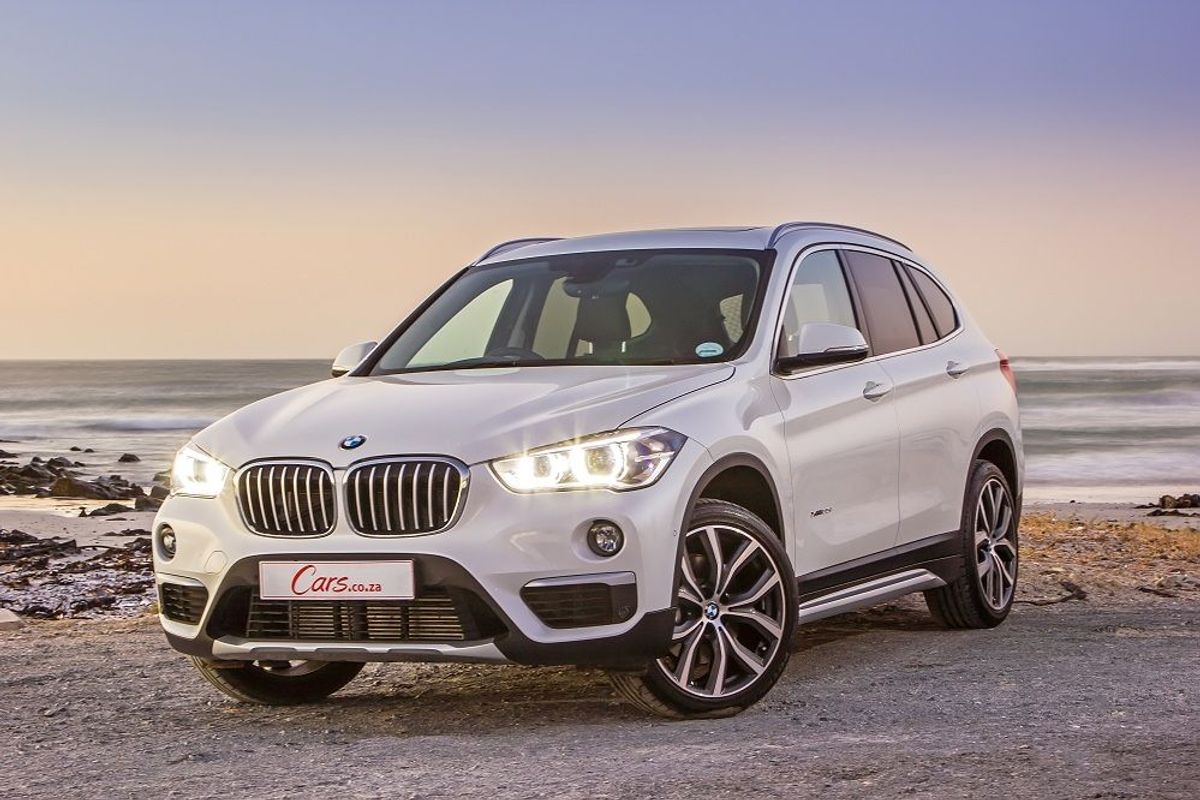
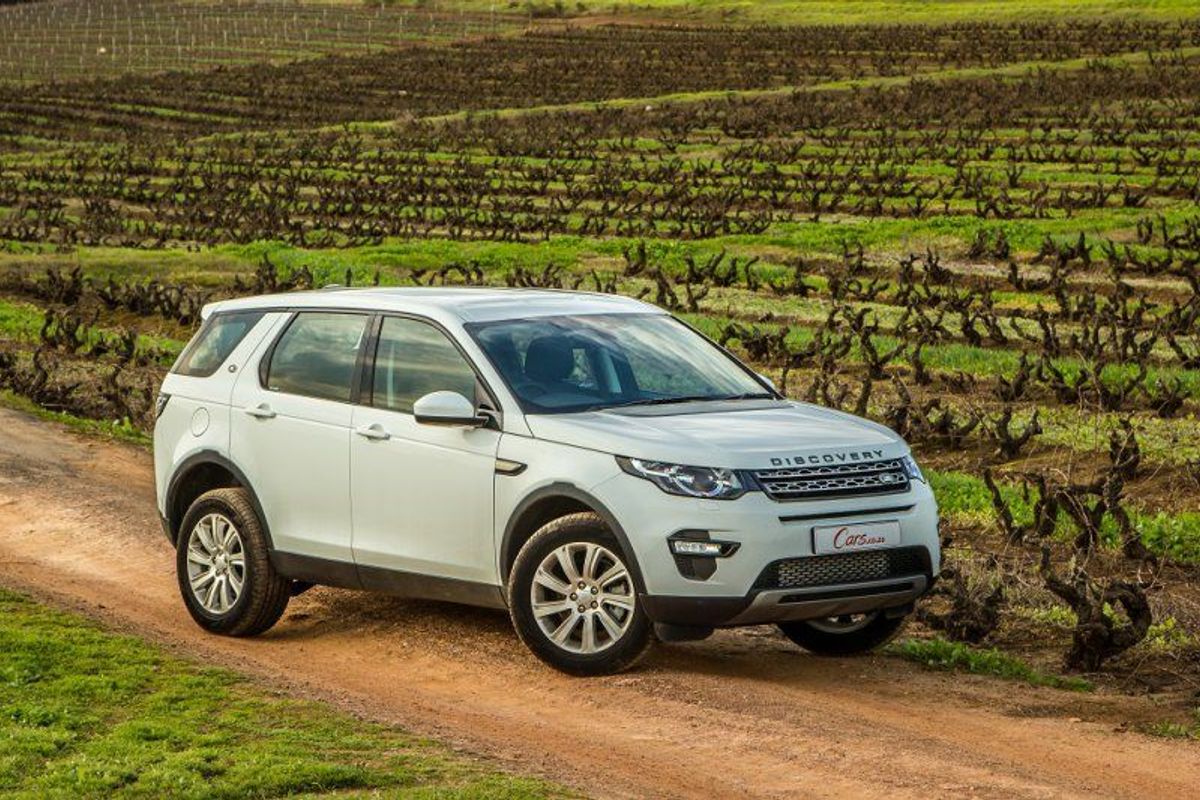
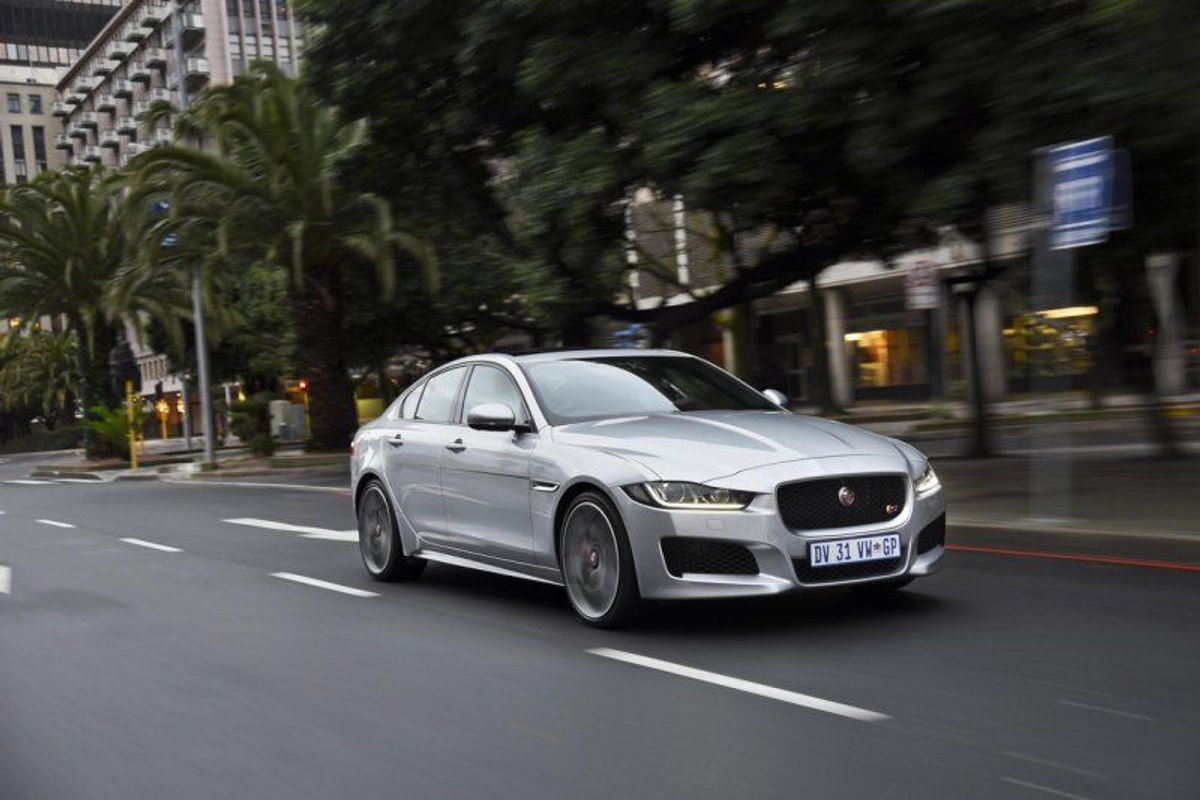
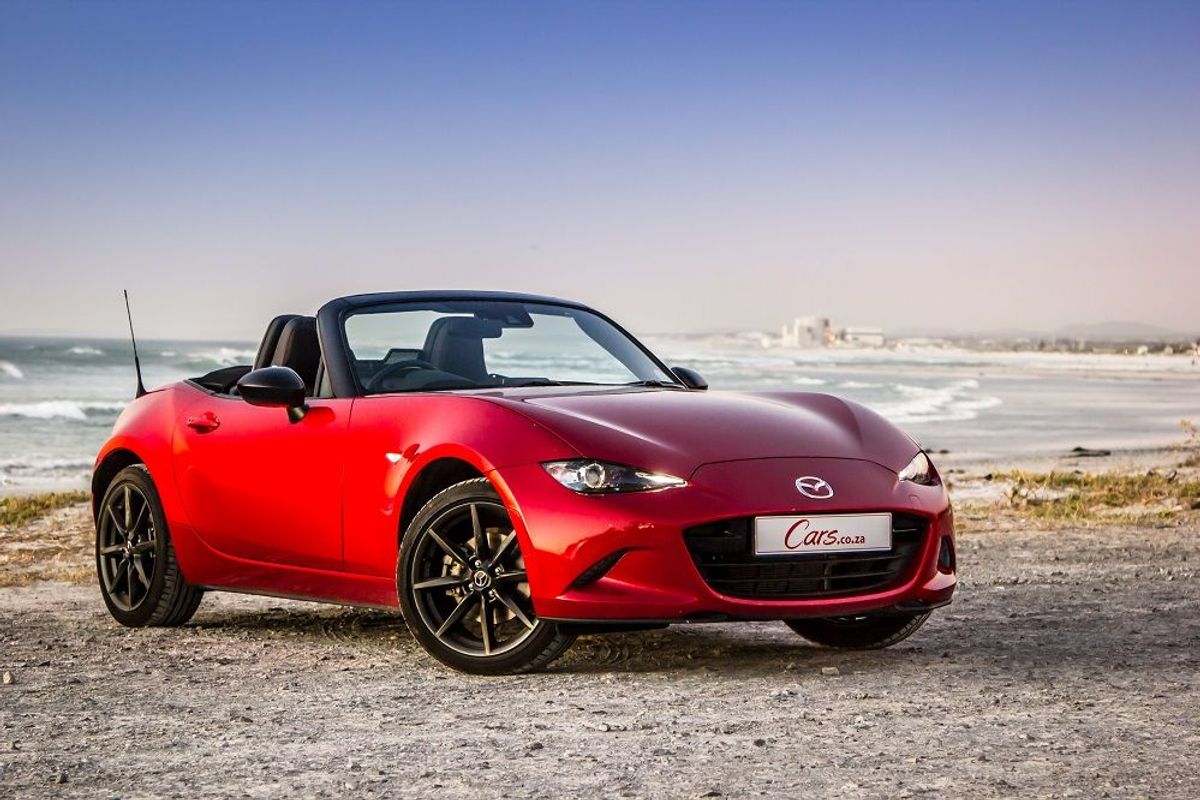
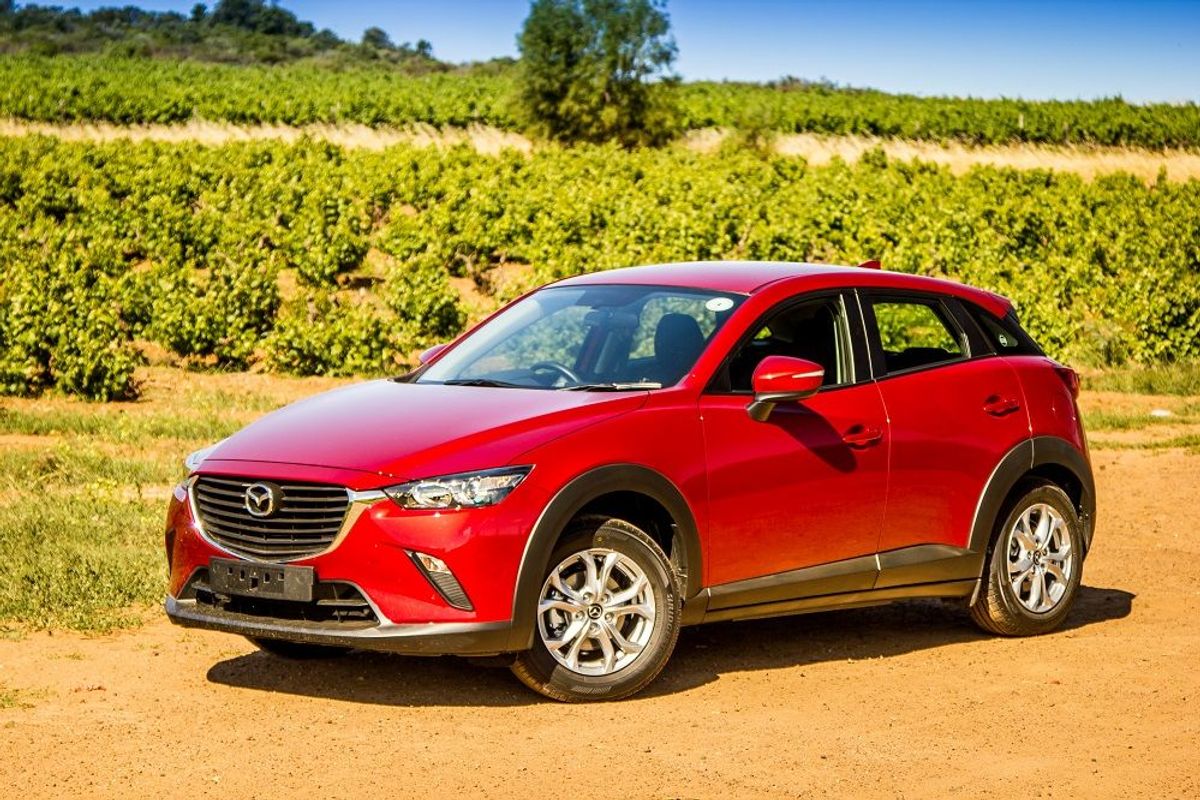
And, the contenders for the prestigious World Car of the Year include a number of exciting newcomers to the South African market, such as the imminently arriving Audi A4 and Hyundai Tucson and some of the major introductions of 2015, such as the BMW X1, Jaguar XE, Land Rover Discovery Sport (recently named Best Leisure Car in the inaugural Cars.co.za Consumer Awards), Mazda CX-3 and Mazda MX-5 and the Mercedes-Benz GLC.
The top contenders for the 2016 World Car of the Year, World Luxury Car, World Performance Car and World Green Car were selected by a jury of 73 international motoring journalists, including Cars.co.za consumer experience manager Hannes Oosthuizen and Cars.co.za content manager Mike Fourie, who are the two South African representatives on the panel.
2016 marks the third consecutive year that the World Car Awards is the number one automotive awards programme in the world in terms of media reach. The top three finalists will be announced in Geneva on March 1 and the overall winners in New York on March 24.
The international accounting firm KPMG tabulated the jurors’ ballots. The finalists are:
The 2016 World Car of the Year will be selected from the following 10 finalists listed in alphabetical order.
The 2016 World Performance Car top five finalists are:
Audi R8 Coupé
Chevrolet Camaro Honda Civic Type R
Mercedes-AMG C 63 Coupé
Range Rover Sport SVR
The 2016 World Green Car top five are:
BMW 330e Plug-in-hybrid
Chevrolet Volt
Toyota Prius (hybrid)
Toyota Mirai (hydrogen fuel cell)
Volkswagen Passat GTE
Meanwhile, a design panel comprising six respected world design experts produced a short-list of recommendations for the jurors in the World Car Design of the Year category. The finalists are Cadillac CT6, Mazda CX-3, Mazda MX-5, Jaguar XE and Land Rover Discovery Sport.
We will report on the announcement of the top three finalists in each of the categories of the 2016 World Car Awards (WCA) programme during the upcoming Geneva Show.
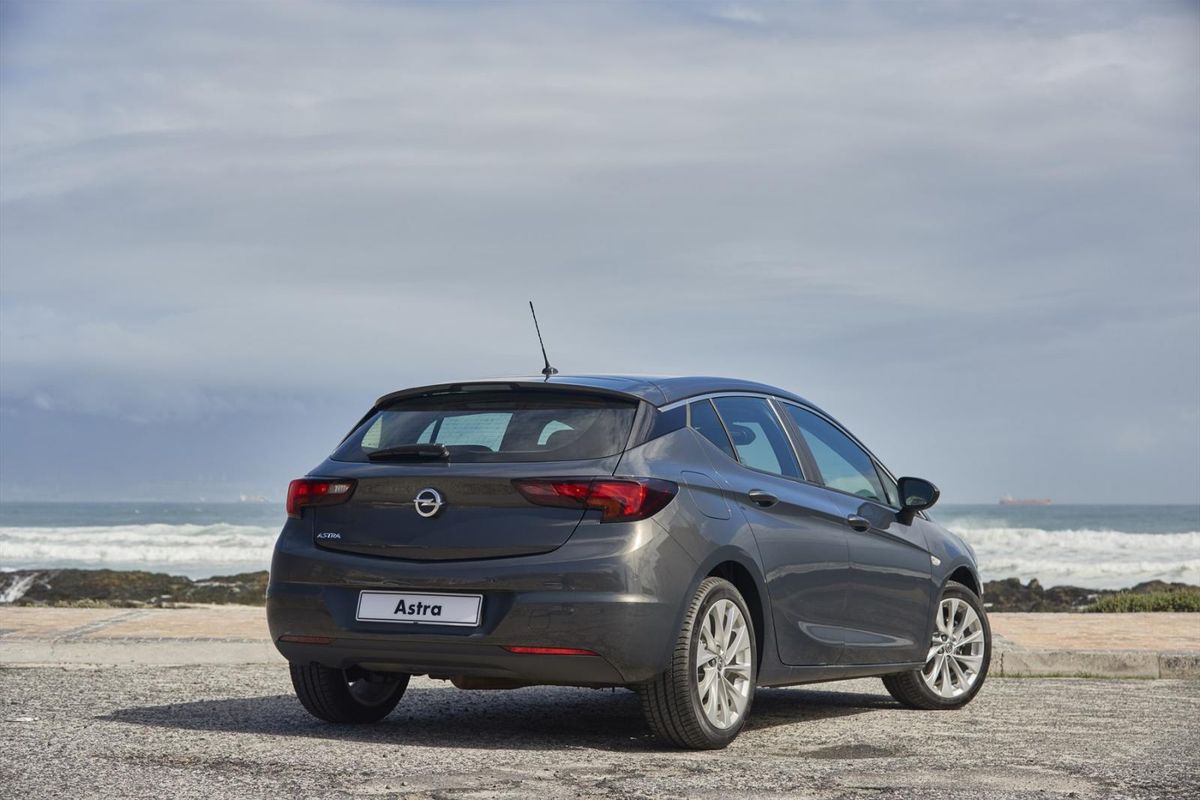
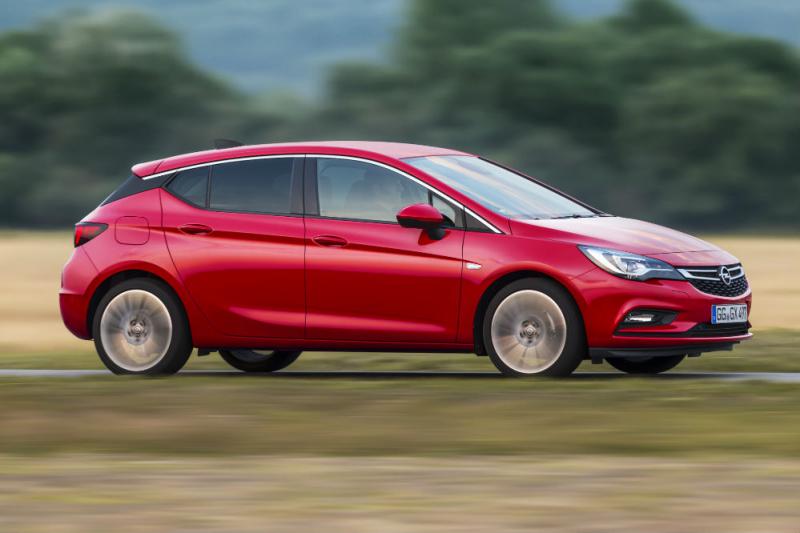
Opel Astra 1.4T (2016) First Drive
British-based correspondent Wayne Gorrett shares his first impressions of the all-new Opel Astra ahead of the newcomer's arrival in South Africa in April 2016
Seven. Now there’s a famous number – it features everywhere in popular culture. Think of the Seven Seas, Seven Brides for Seven Brothers, the Seven Wonders of the World, The Magnificent Seven, the seven dwarfs, seven deadly sins. I could go on… (please don't – Ed).
Throughout international automotive markets, the achievement of producing a seventh-generation model is a milestone. To be honest, there aren’t many living members in the current "7G" club; the Golf, Corolla, Corvette, Civic, Fiesta are a few of its still-mortal members.
This year, that small and elite club opens its doors to its newest member… Opel’s all-new Astra compact hatchback.
The model was launched in South Africa in 1991, although the Kadett name was retained for the hatchback versions of the Astra until 1999. Since then hatchback, sedan and station wagon models were offered under the Astra name. Both the Kadett and Astra won SA Car of the Year in ‘93 and ‘94, even though they were variants of the same car.
Now that it has recovered from its financial difficulties, Opel’s parent company General Motors is spending big and overhauling its global model range – and it appears to be making up for lost time.
The new Astra may look familiar, but it's completely new. Underneath the evidently crisper styling is an all-new platform that is approximately 200kg lighter than that of the outgoing model. Combined with slippery aerodynamics, the Astra’s thirst for fuel is reduced too.
Sophisticated exterior styling
Banishing the image of the rather portly previous model, the new Astra manages to be smaller in size, but offers more interior space.
Opel has not overhauled its compact hatchback's exterior design features; instead it has tightened up the look of the previous Astra and added a few subtle extras that give it a higher-quality feel. The new model is 5 cm shorter and 2.6 cm lower, making it more aerodynamic and feel better-planted to the road. The new lines make the car appear wider and more hunkered down to the road, giving it a sportier profile.
Opel has also restyled the grille with the addition of a chrome bar that frames the classic thunderbolt badge, while the rear end has also been spruced up with sculpted angular panelling. Best of all is the blacked-out C-pillar section that makes the roof appear to be floating unsupported. It's a design cue that has become quite de rigeur.
The reduction in exterior dimensions has meant some small sacrifices, mainly noticeable in the reduction in wheel sizes (in the UK, 18-inch rims are the largest alloys offered). The integrated front headlights with LED daytime running lights provide excellent visibility at all hours of the day, while the new wing taillights are a definitive design feature.
That new lightness also benefits the Astra’s agility, making it feel much more nimble both around town and on windier back roads. Revised suspension settings and a suite of electronic systems are designed to make the Opel Astra more enjoyable to drive than before.
Upmarket interior
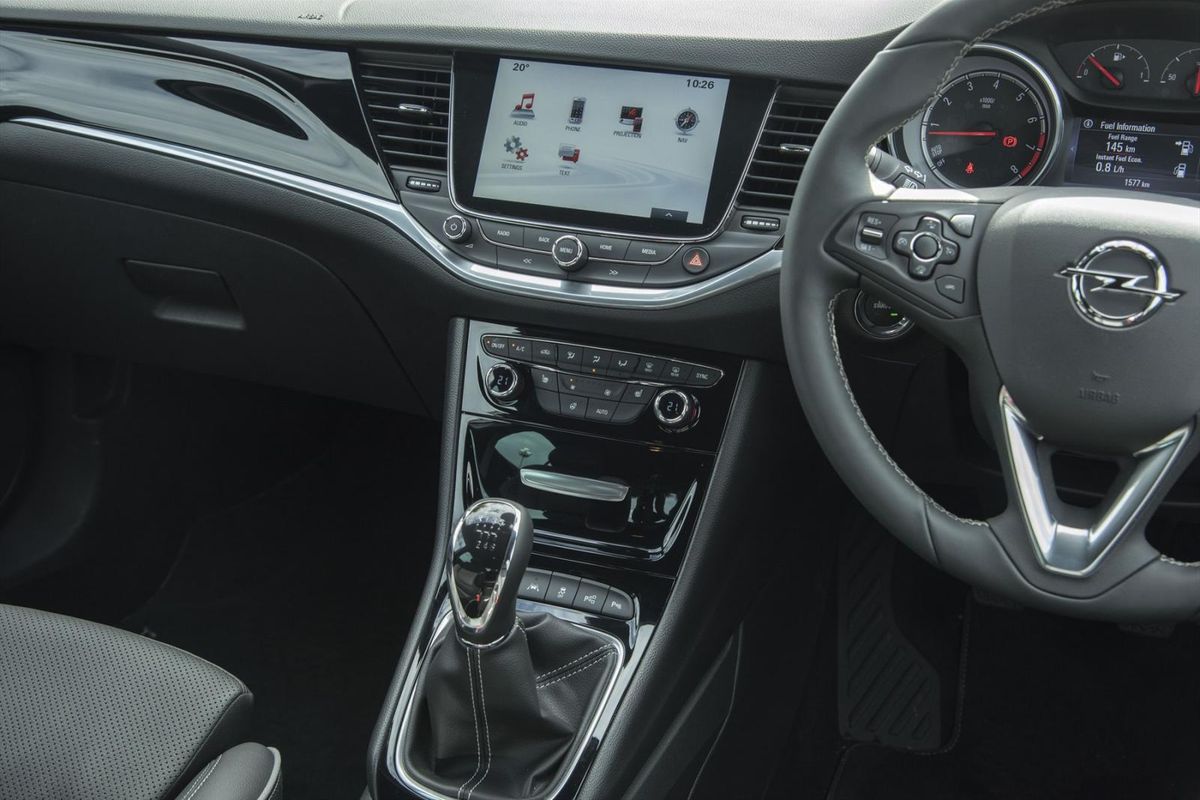
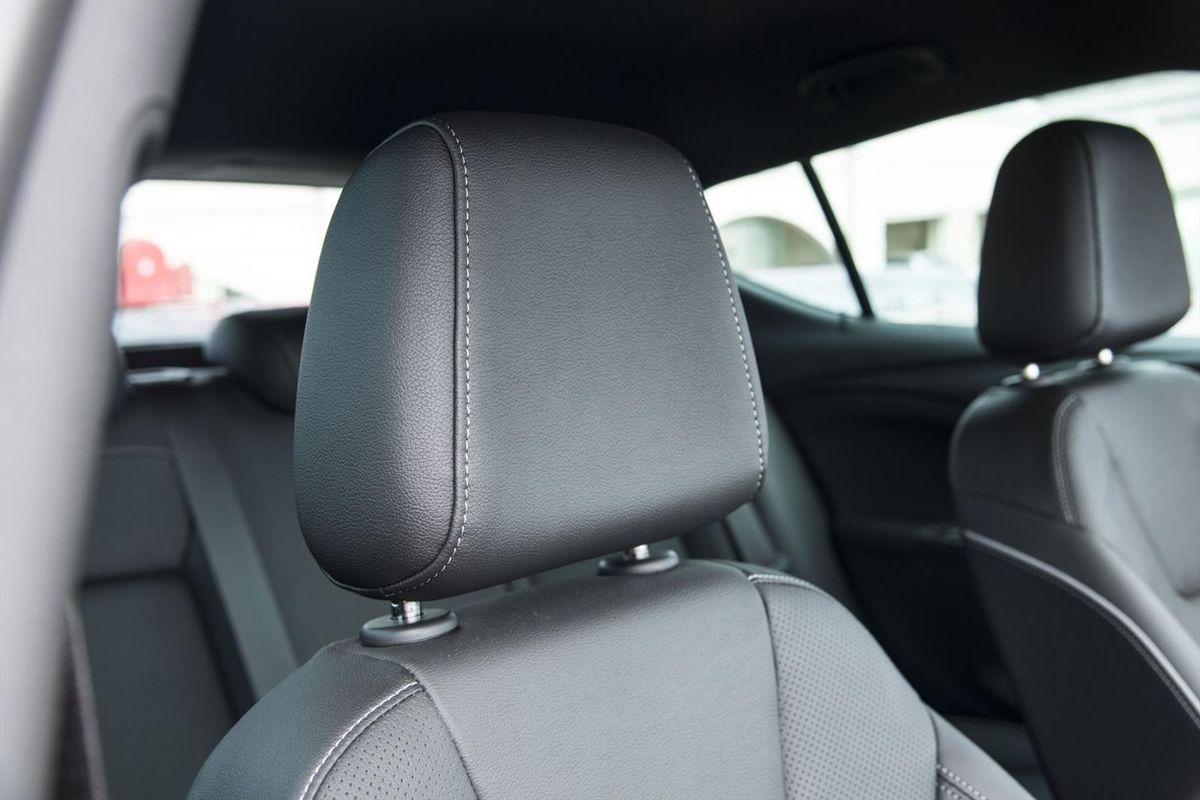
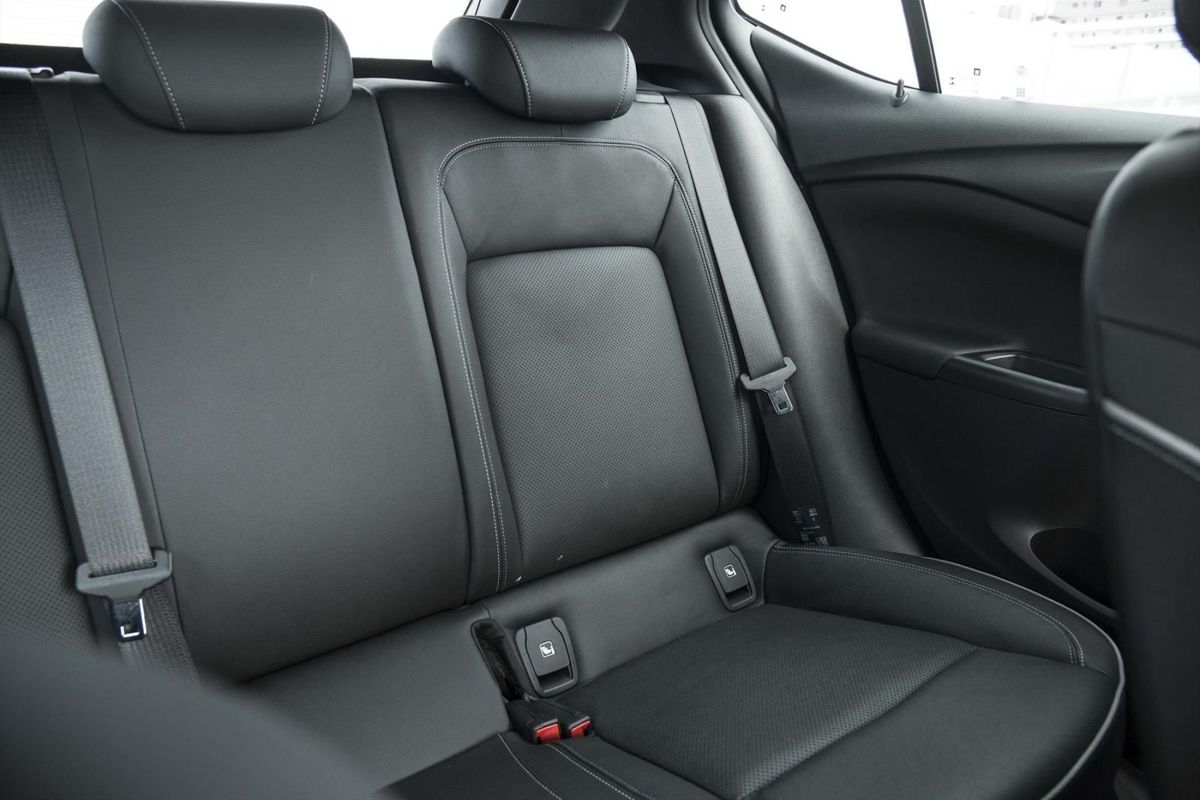
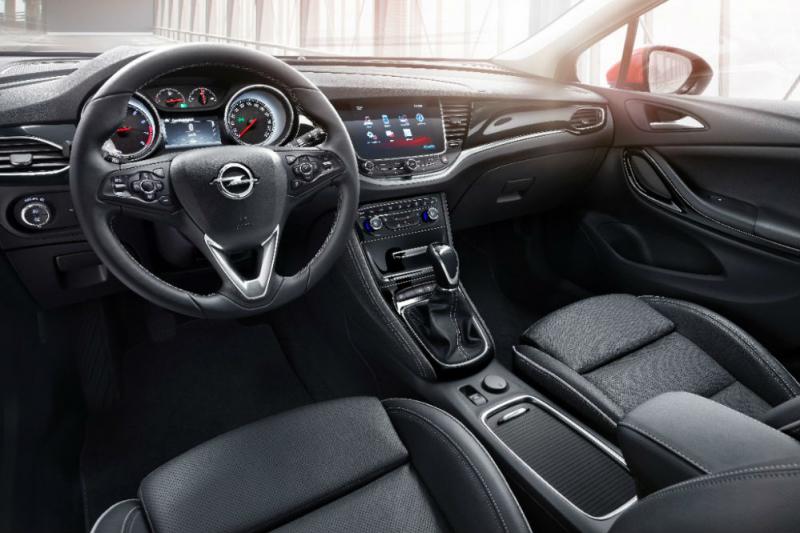
Inside, there’s more space for passengers (allowing four six-foot adults to sit comfortably), the dashboard's received a long-overdue revamp and the multi-function steering wheel looks and feels smart.
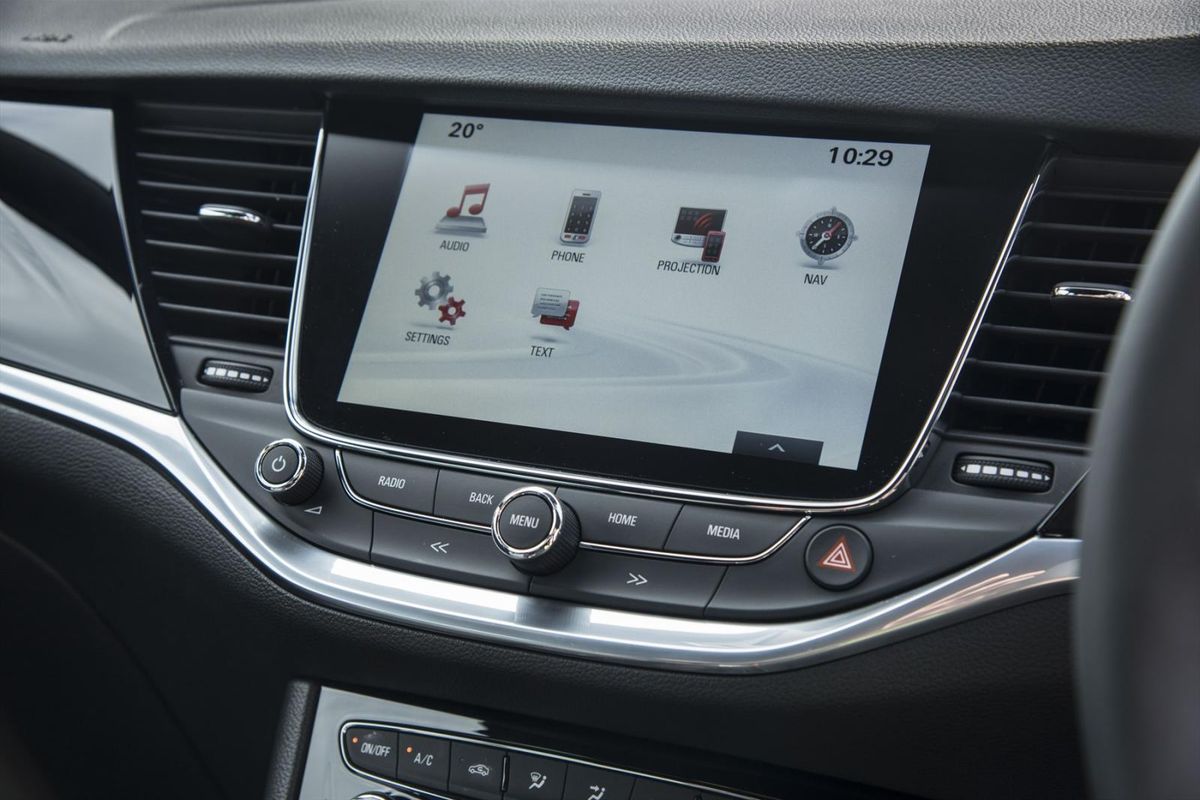
The interior takes many styling cues from the recently revised Corsa and Adam, but employs higher quality plastics. There is a sleek new Intellilink touchscreen panel, which, inter alia, links Apple and Android devices to enable users to control navigational functions.
The car has good boot space, with a 351-litres standard capacity that can be increased through some clever rear-seat adjustments.
The combinations of engine and equipment levels in the local Astra line-up will be revealed by Opel SA when the range goes on sale in April, but there will definitely be Essentia, Enjoy and Sport models.
Engine, drivetrain & performance
Some may think that a little 1.4 petrol engine – even one that packs a turbocharger – would struggle to shift a car the size of an Astra and passengers with any measurable degree of efficiency, and in most cases they would be right. However, remember that 200kg weight loss? There you go.
The all-new 1.4-litre turbo engine as tested is the second-most powerful petrol unit available in the range (the range-topping 1.6-litre turbopetrol produces 147 kW). It has 110 kW of peak power and 230 Nm of torque. With its 6-speed manual gearbox, you can get from standstill to 100kph in only 8.4 seconds and work your way up to 210kmh, at least according to the manufacturer's official numbers.
The 1.4T is described by Opel as being "the big brother of the one-litre, three-cylinder unit" deployed in the Adam and Corsa. It offers sufficient power and when you change gears at the right time, real-world combined fuel consumption could nudge the claimed 5.4 l/100km.
The 1.4-litre turbo is as refined as you’d expect from a four-cylinder petrol, and pulls strongly from low down in the rev range. It’s more about calm, mid-range progress rather than high-rev action, as the unit sounds a tad strained upwards of 5 000 rpm. By comparison, VW’s 1.4 TSI demonstrates more willingness to rev and Ford’s 1.5T Ecoboost sounds more characterful, but neither can match the Opel’s power plant for overall smoothness.
On the road
The 200 kg weight loss also suits the Astra’s newfound enthusiasm for the twisty bits. The ride and handling balance is as good as you’ll find anywhere else in the class, with strong grip levels and a tied-down, planted feel. The precise but overly-light electric steering isn’t blessed with an abundance of feel and the ride has a discernible edge to it. It’s communicative rather than unforgiving, rounding off the sharper edges of the nastiest bumps and potholes. You’ll know they’re still there, but you won’t complain as you go over them.
There are MacPherson struts at the front and a torsion-beam rear axle with a Watt’s link at the back – Opel chose not to go with an independent multi-link rear set-up for the sake of a better ride/handling/packaging compromise. And having ridden in both the front and the back of the new Astra, I’d say that was a fine decision.
Shows much promise
When the new Astra arrives in April it should be a credible frontrunner in the compact hatchback segment of the South African market. It looks sharp, drives better than any Astra before it and the cabin execution is top notch. What's more, there’s plenty of cabin space, quality finishes and hi-tech equipment. With a range of frugal and efficient petrol engines plus a five-star Euro-NCAP safety rating in its pocket, the newcomer looks poised to continue Opel's recent market resurgence into the compact hatchback class… Watch this space.
* words by Wayne Gorrett
BMW i3 – Design of the Year
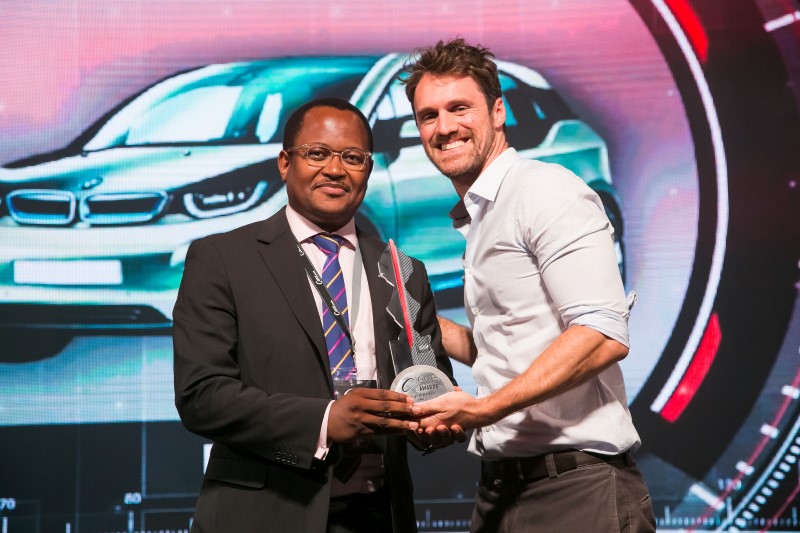
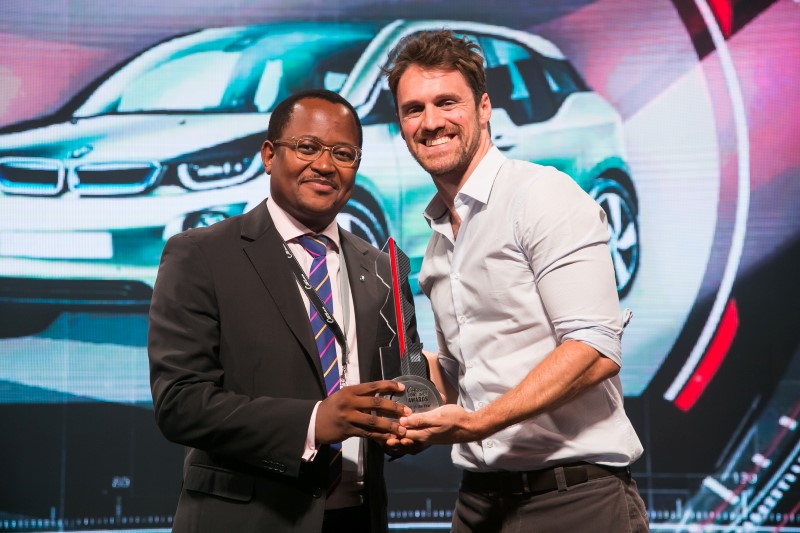
The BMW i3 recently scooped the Design of the Year Award at the inaugural Cars.co.za Consumer Awards, which were announced in Johannesburg on 14 January 2016.
Whether the topic is cars, architecture, furniture or even mobile devices, good design is never restricted to premium products… The BMW i3 takes design to the next level, and for an electric car, that’s a massive achievement. While there was no price limit to exclude exotica, our focus for the Design of the Year category fell on more mainstream products.
Why did the BMW i3 win?
Design remains one of the biggest hurdles for electric cars. In the past, car companies have either dreamed up weirdly compromised packages or tried to “hide” the futuristic powertrain under a traditional shape, but neither approach worked. The electric car customer is a bold decision maker and (probably) want their car to reflect that. You don’t get much bolder than the BMW i3. The product of a clean sheet design, the i3 uses a fusion of aerodynamics, high-tech materials and sheer bravado to bring the future into showrooms, today.
Unlike some other EV offerings, the i3 is not based on the platform of an existing internal-combustion vehicle. Instead, the LifeDrive architecture is based on a flat floor (incorporating the powertrain), with a passenger cell (made from advanced materials such as carbon fibre) mounted on top of it. Instead of hiding its unique construction, BMW left many of the most important details exposed – such as the carbon fibre weave, which is visible in the door sills.
The so-called “black band”, which is so integral to the unique exterior appearance of the i3, runs from the bonnet over the roof to the rear of the vehicle to create a perception of “lightness”.
The single-minded pursuit of efficiency and eco-friendliness is also evident inside, where the purposeful minimalism is celebrated by the use of materials, such as KENAF, which is a member of the cotton family and very sustainable. These materials sit next to modern touches such as a seemingly floating infotainment screen, beautifully crisp digital instrumentation and a unique rotary gear selector controller located next to the steering wheel.
Opinion from the judges
“Right now I would say the BMW i3 is the single most important car I’ve driven in 15 years of doing this job. I can’t give it higher praise than that. It is exactly the type of car that is needed to break down barriers to greater electric car acceptance. And the design… well, that actually plays a big part in its desirability. It is extremely bold. Very confident. And I like it very, very much” Hannes Oosthuizen
“Perhaps it's the radical choice of materials — much of the interior is recycled and the textiles are bamboo — that inspired the i3's designers to break so drastically from convention, but the i3's interior is the freshest I've seen in a decade. It feels like a concept car that escaped from the design studio before anyone could make it dull. The i3 offers is a wonderfully modern, comfortable cabin to commute in, and hopefully all BMWs (and cars in general) will look and feel like this in the future…” Ciro de Siena
BMW i3 driven and reviewed in South Africa: why it's so good
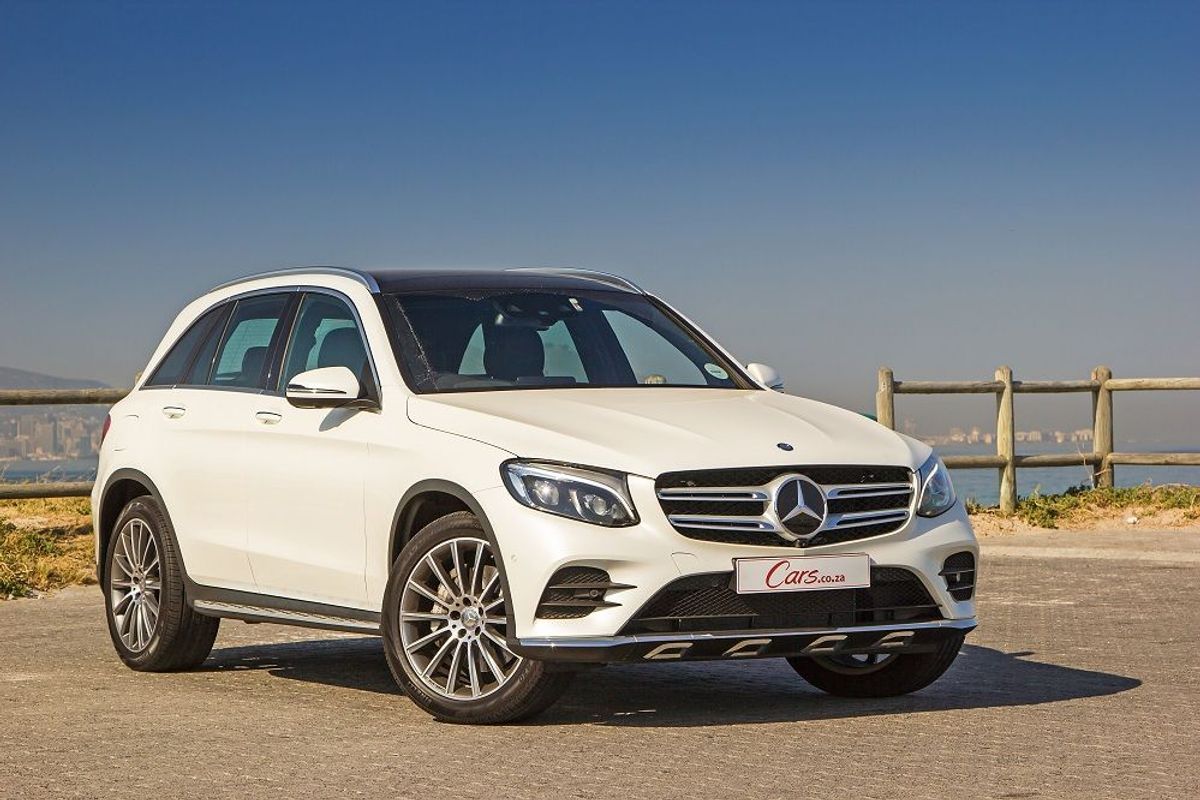
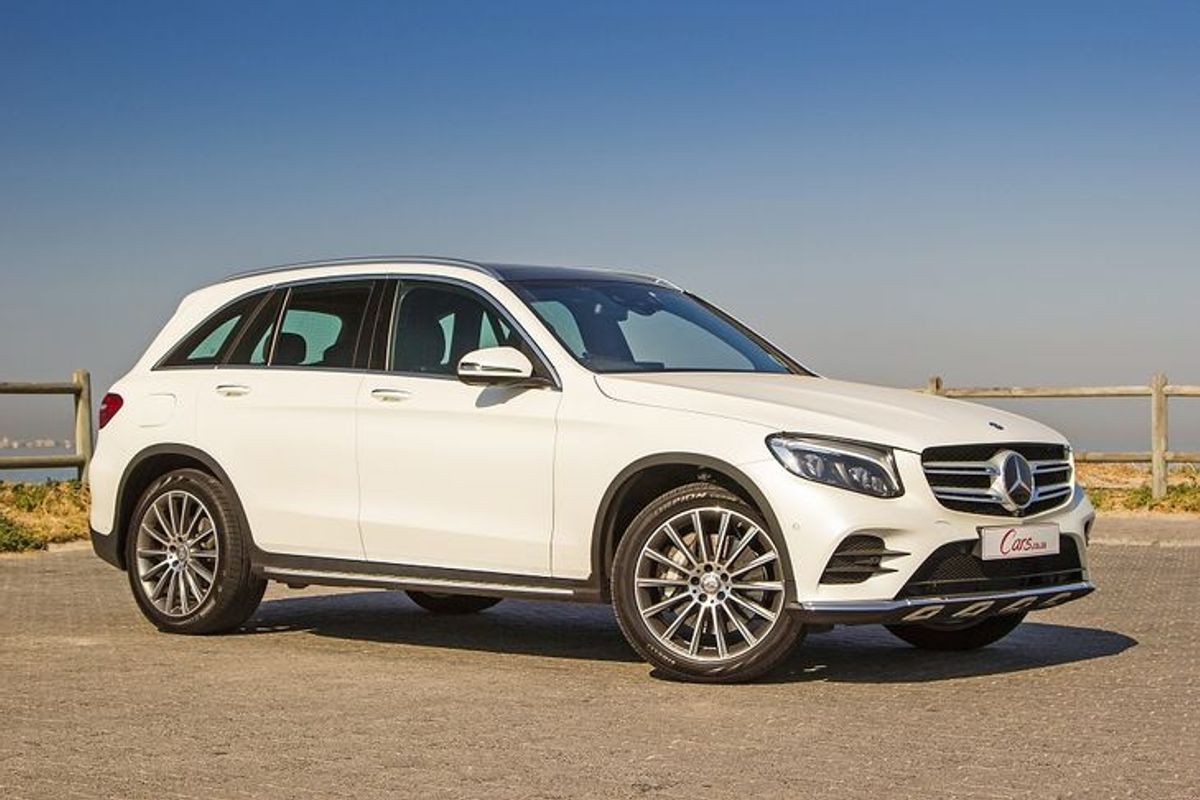
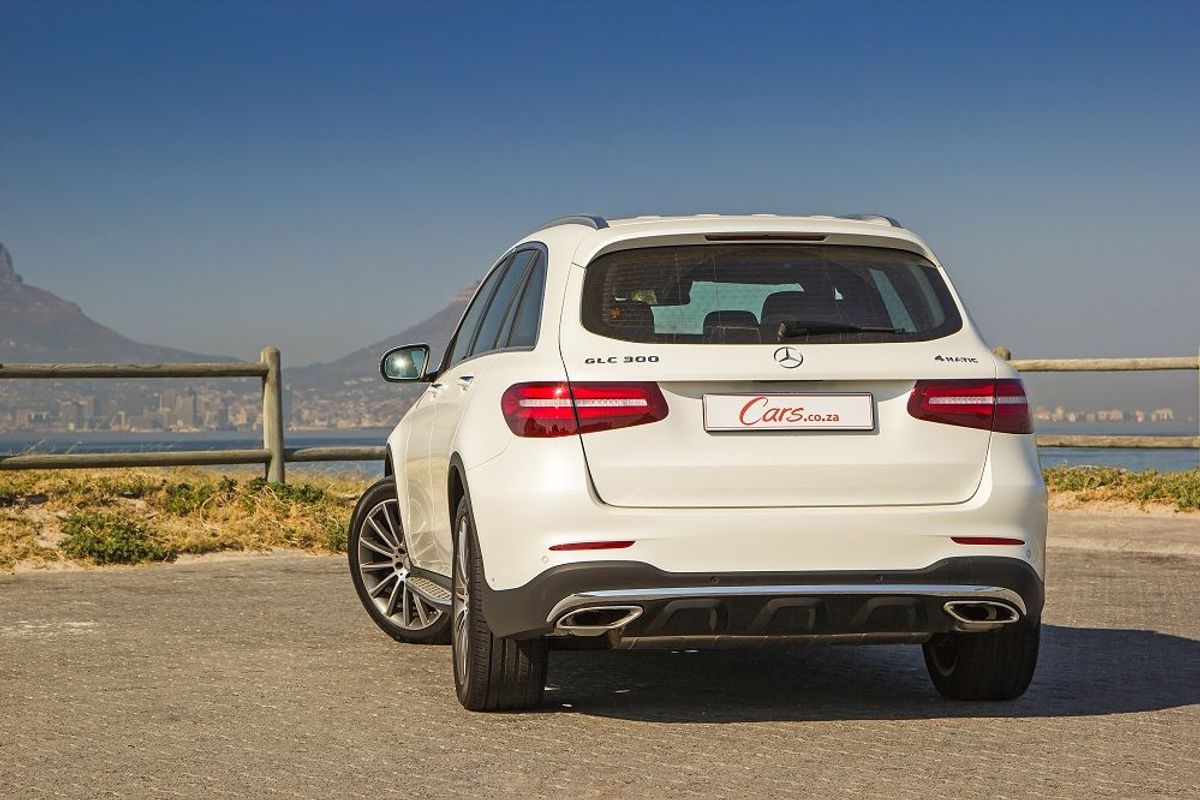
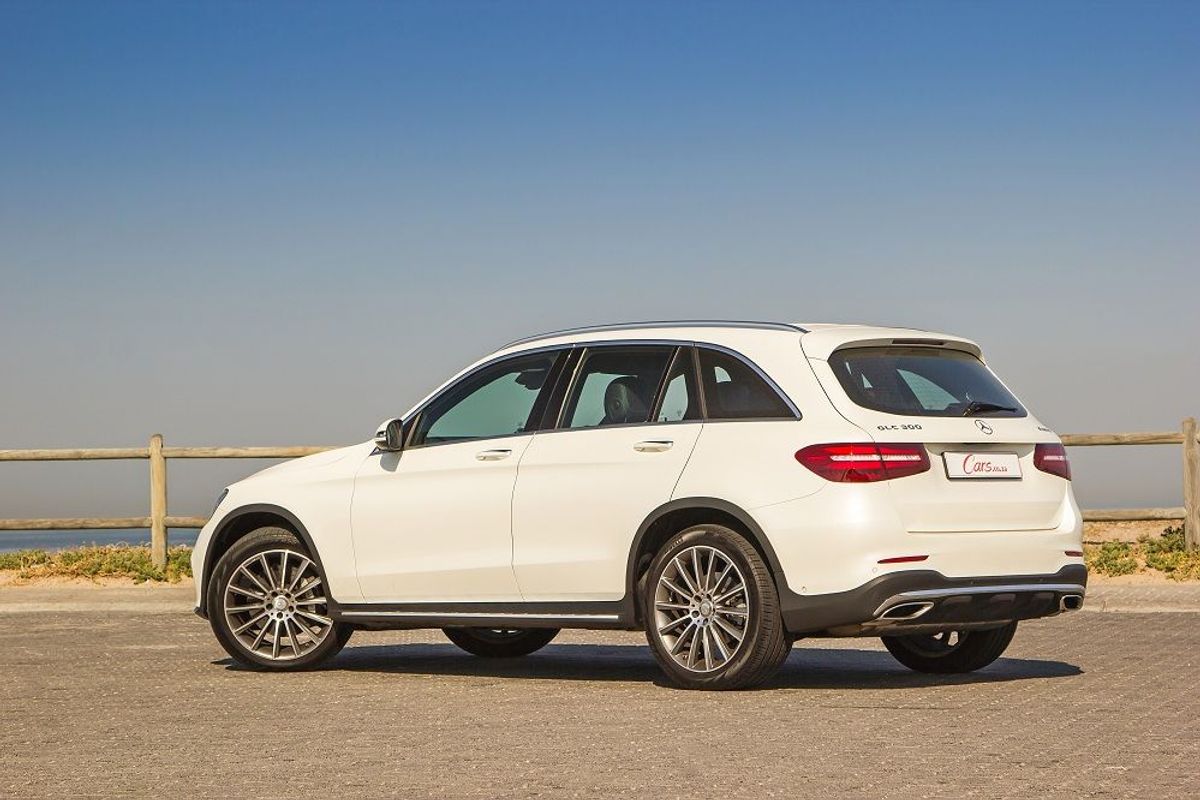
Mercedes-Benz GLC 300 (2015) Review
The Mercedes-Benz GLC marks the brand’s first mid-sized SUV offering in South Africa. This means that Mercedes-Benz now has a proper rival to the likes of the BMW X3 and Audi Q5. How does it shape up? We spent a week behind the wheel getting to know the ins and outs of the GLC.
Where does it fit in?
The Merc GLC can be thought of as a C-Class just wearing an SUV suit. The newcomer utilises the C-Class’ platform, but gets a 33mm longer wheelbase and both the front and rear tracks have been widened to suit the SUV set up. Much like its German rivals, Mercedes-Benz has equipped all the models in the GLC range with all-wheel drive configurations and there are petrol and diesel engines to choose from. What we have here on test is the top-of-the-range GLC 300 4Matic AMG Line.
Under the bonnet
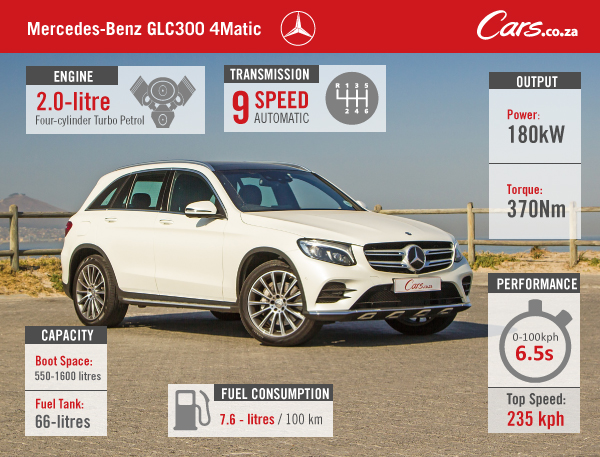
The GLC 300 is powered by a 2.0-litre turbocharged petrol engine that produces peak outputs of 180 kW and 270 Nm of torque. Despite its bulk (1 900kg), the GLC will bolt from zero to 100kph in 6.5 seconds, which should give a few hot hatches a run for their money. Power delivery from the 2.0-Litre engine is smooth and linear and when driving in everyday situations, the engine note is quite hushed, which is a boon, seeing that the powerplant sounds a trifle dull when accelerating.
The nine-speed automatic gearbox is quite smooth when changing gears, but if you require the Benz to execute a quick kickdown, the ‘box can be a bit jerky in its attempts to call on lower gears. If you want a more tactile engagement with the gearbox then a set of paddles have been supplied behind the steering wheel, although this won’t stop the clumsy downshifts.
Inside the cabin
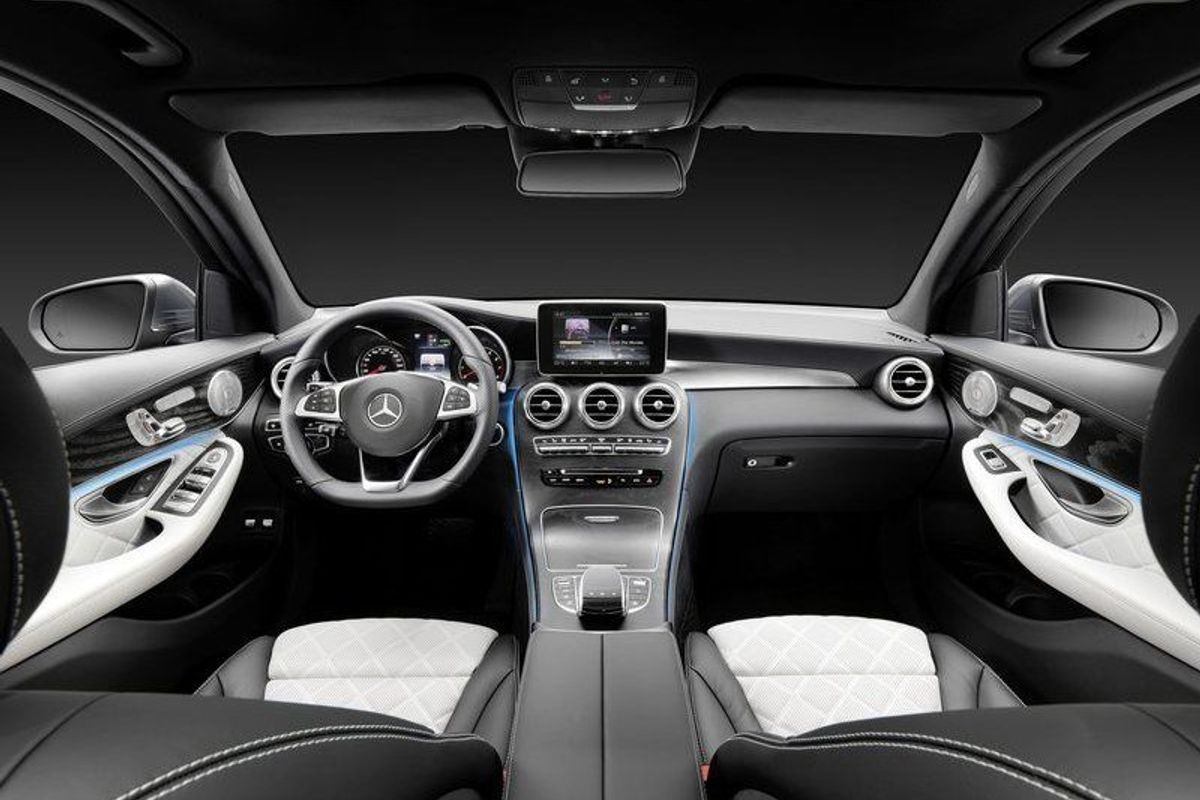
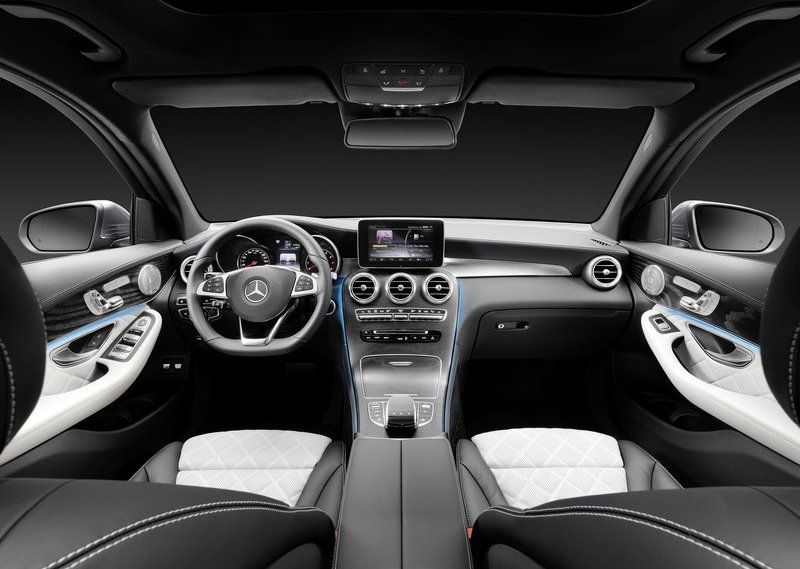
The stylish and tech-heavy trend from Mercedes continues in this GLC. Much of the C-Class’ design and layout dominates the cabin. It’s very classy, bathed in lavish looking materials and simple to understand. Control of the tablet-shaped centre screen is driven through the rotary knob in the centre console and for the most part, it’s intuitive to use. Opt for the Command Online package and you’ll get internet capabilities and real-time traffic information about congestion. The navigation system is probably the most difficult part of the infotainment system to use and seems overcomplicated when setting a destination or searching for a point of interest.
Comfort up front is plush and the raised seating position provides excellent visibility; in time-honoured Benz tradition the cabin makes its occupants feel cosseted and cocooned. Rear space in the two outer seats is adequate, but the passenger seated on the middle seat has to deal with quite a large lump of raised carpeting from the transmission tunnel. The rear seats fold down providing a satisfactory 1 600 litres of loading space. The boot alone can hold 550 litres – again identical to rivals in the segment.
How does it drive?
Thanks to the optional air suspension (R14 000), the GLC adapts well to variable road conditions. In Comfort mode, it was softly-sprung and actually leant and rolled more than expected through the corners. Once Sport suspension was selected, it firmed the ride up adequately but meant that the gearbox would hold onto revs a little too long to be comfortable for everyday use. The Individual mode, which allows the driver to set up personal settings for the suspension and transmission, was very handy. Sport suspension and Comfort gearbox settings seems to be an ideal combination. If you happen to encounter a dirt road then the comfort setting on the suspension would be best.
There’s not much to complain about as far as the GLC 300’s steering feel and agility. The electric steering is well-weighted and despite the huge optional 20-inch wheels (R12 000) on our model, the level of road noise intrusion is minimal and the suspension doesn’t crunch over bumps.
Tech and safety spec
Mercedes-Benz is particularly good at filtering its high-end tech through to its “lower” models and almost everything you can ask for is available on a GLC – at a cost. Our test unit here had R300 000 worth of options specified. The most expensive option fitted is the Driving Assistance Plus (R29 900), which adds a solid collection of safety systems. These include Pre-Safe, Steering Assist, Distronic Plus, Pre-Safe braking, cross traffic alert, lane keeping assist and active blind spot assist.
Verdict
The arrival of the GLC means that Benz has an impressive foil for the BMW X3 and Audi Q5, both of which are much older products. It’s certainly stylish, spacious and with the air suspension option ticked adaptable to any kind of surface. The engine is more than powerful enough and returns decent fuel economy. There’s a lot to like about the GLC’s interior as it feels like a really upmarket place with loads of connectivity and technology. With a starting price of R705 784, it’s quite expensive but not much more than the X3 and R50 000 more than a soon-to-be-replace Audi Q5.
Price and after sales support
The Mercedes-Benz GLC 300 AMG Line starts at R705 748. Our model, complete with options totalled R952 848. It comes with a 2yr/unlimited km warranty and a 6yr/100 000km maintenance plan.
Test Team Opinion
“The Mercedes-Benz GLC goes head to head against the BMW X3 and Audi Q5. It rides beautifully and the interior is luxurious. There’s a good range of engines available and all models are equipped with 4Matic. However, once you’ve thrown on some extras, the price tag is just a few Rand short of R1 million which is alarming.” David Taylor
We like: Spacious and premium interior, adaptable ride, loads of tech and safety available
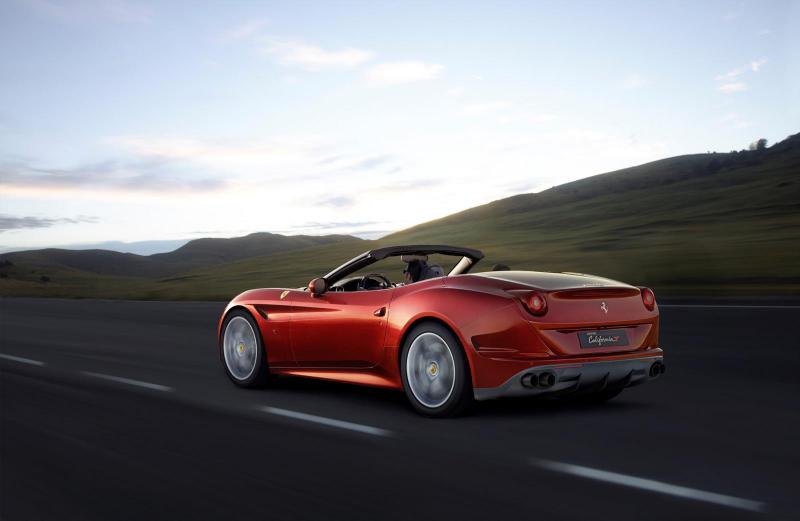
The Ferrari California T convertible will be offered with a handling package to enhance the vehicle’s sporty appeal…
Ferrari will unveil a California T with the HS (Handling Speciale) package at the upcoming Geneva Motor Show and the Maranello-based firm says that “owners looking for an even more sporty driving experience, particularly on challenging, twisty routes, (will) have a new optional package to meet their needs.”
Ferrari California T HS package
The HS Package incorporates a number of specific calibrations that enhance the performance of the Ferrari California T in sport mode and incorporates new damper settings as well as modified springs. As a result, the car is stiffer and its ride comfort is marginally compromised in favour of sportier feedback and enhanced handling dynamics. The front springs are 16% stiffer while the rear springs are 19% stiffer, resulting in increased body control.
The sport mode gear-shift logic has also been modified for both automatic and manual mode which has resulted in faster up and down shifts. Furthermore, a revised F1-Trac logic ensures improved acceleration upon exiting corners and on bumpy road surfaces.
The HS package also includes a new exhaust system with silencers featuring new geometry that delivers an engine note that becomes more pronounced as speed increases. Ferrari says “the exhaust’s new timbre is instantly recognisable as soon as the driver hits the Start button. It is fuller, richer and more involving at all speeds and in all driving situations.”
Over and above all the technical changes that the HS package offers, a number of aesthetic features further differentiate the model from the standard California T. The front grille, for instance, is finished in matte Grigio Ferro Met and the same colour is applied to the rear diffuser with matte black fences and matte tailpipes. On the inside, a special plaque is visible indicating that the car features the HS package.
Engine power
The Ferrari California T is powered by a front mounted 3.8-litre turbocharged V8 engine that offers 412 kW and 755 Nm of torque through a 7-speed dual clutch transmission. Acceleration is swift and the California T achieves 0-100 kph in 3.6 seconds before hitting a top speed of 316kph. Fuel consumption is rated at 10.5L/100km.
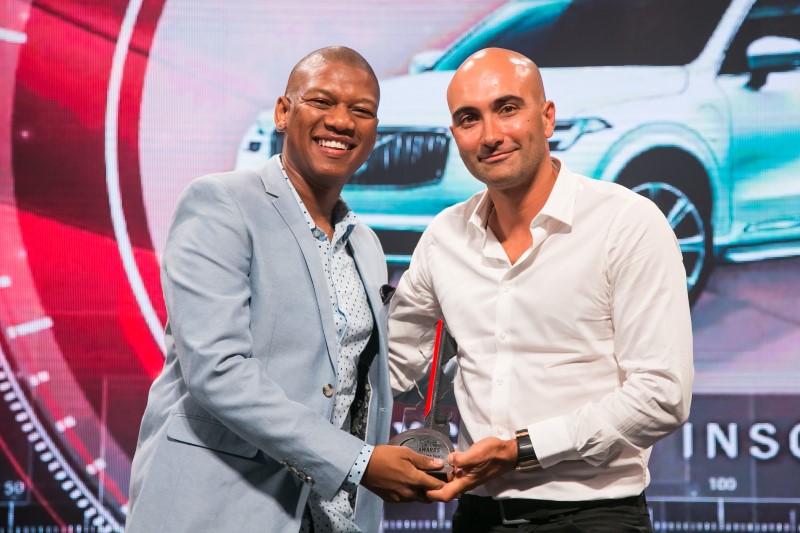
The Volvo XC90 D5 Inscription was named the Best Premium SUV in the Cars.co.za Consumer Awards, which are announced on 14 January 2016.
The Cars.co.za Consumer Awards recognised the Volvo XC90 D5 Inscription as the best premium SUV on sale from new in South Africa. Vehicles in the Premium SUV category were required to have list prices in excess of R700 000 at the time of semi-finalist voting (22 June 2015). Contenders also had to be large SUVs or crossover derivatives thereof.
In this category, the following pillars of success were important to the judging process: Powertrain technology, luxury features, brand strength, design and quality appeal, driving dynamics, space and practicality.
Why did the Volvo XC90 D5 Inscription win?
Volvo’s new XC90 was one of the most eagerly anticipated introductions of 2015 and given how well the newcomer's been received, it seems it was well worth the wait.
The XC90 has a beautifully crafted cabin loaded with clever, high-tech features and there’s an abundance of space, even in the third row.
On paper the Volvo’s 2,0-litre four-cylinder turbodiesel engine seems under-equipped to propel the XC90 with any zeal. However, it performs quite impressively. The engine delivers 165 kW and 470 Nm of torque, the latter output across a range of 1 750 rpm to 2 500 rpm. Performance is good, with a claimed 0-100 km/h time of 7.8 seconds. It’s also very economical, with a claimed consumption figure of 5.8 L/100 km. This translates into a range of 1 224 km range on a 71-litre tank. Finally, this model has a towing capacity of 2 700 kg.
Volvo endeavoured to the endow the XC90 with passenger sedan-like dynamics. As a result, the premium SUVs suspension setup, consisting of an interesting transverse leaf arrangement at the rear, is slightly firm. You could opt for smaller wheels with higher sidewalls, which will undoubtedly improve ride comfort, or specify an air-suspension system.
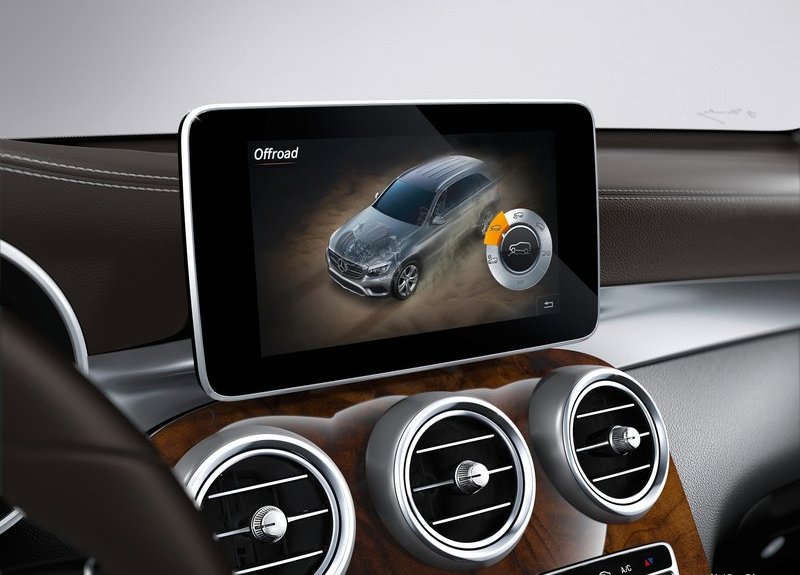
Several driving modes can be selected from the infotainment screen. Comfort is the default setting, Dynamic sharpens up the handling, and Off-road sets up the large Volvo for some light off-roading. But the XC90 is mostly an on-road biased machine, and it excels there.
The XC90 compares favourably with the best in its class in terms of luxury. When you sit in the cabin for the first time, you're likely to be impressed by the elegant minimalism and excellent occupant comfort. The standard features list is long, too, with high beam assist, front/rear park distance control with a rear-view camera and a power tailgate included.
An option that warrants consideration is the Premium Pack (R55 000), which adds, inter alia, heated front seats, heads-up display, 360-degree surround view and a Bowers&Wilkins audio system. You won’t feel short-changed, however, even in the stock-standard form the XC90's refinement and NVH (noise, vibration, harshness) control is excellent.
The XC90's space utilisation and practicality are hard to beat. It is a genuine seven-seater with space for adults in the rearmost row, as long as they’re not much taller than 1,70 m. The second row offers slide functionality, so that legroom – or lugagge space – can be tailored as required with the rear-seats folded flat. The luggage area is cavernous and Volvo provides ventilation outlets for all three rows, as well as a 12V outlet for each row.
The XC90 represents a bold new direction for the Swedish brand. The significant focus on quality and technology is likely to see this brand’s light shine a lot brighter in the next few years as it moves up the premium ladder into direct competition with the German brands. Locally, the marque is still unfairly punished by poor resale values, but the XC90 has proven popular in South Africa in its previous incarnation and has a reputation for good reliability. This new model is backed by a 5-years/100 000 km warranty and maintenance plan.
Opinion from the judges
“Wow… Volvo’s hit the nail squarely on the head with the new XC90 – quite possibly the best cabin on the market and very cleverly engineered. Refined too.” – Hannes Oosthuizen
“The XC90 represents the reinvention of the Volvo brand, and offers premium design and finishes in a very spacious, yet tech-laded interior that makes the Germans look rather outdated.” – Ashley Oldfield
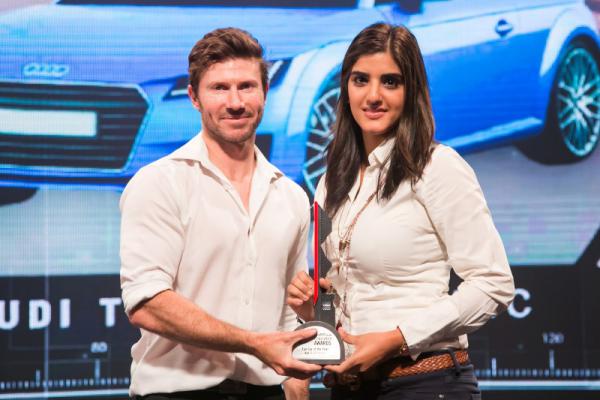
The Audi TT 2.0T was crowned the winner in the Fun Car category of the first annual Cars.co.za Consumer Awards, announced in Johannesburg on 14 January 2016.
What makes a fun car "fun"? Is it purely about performance and handling? To a large degree it is, but for this award we were looking for a total package that is not exorbitantly priced. This must be one for the petrolheads – a car that leaves die-hard enthusiasts smiling after every drive, because of the way it looks, handles, sounds and, yes, performs.
We were looking for a vehicle that cost less than R600 000 and the winner needed to deliver on a number of levels. The drivetrain of this car had to be responsive and reward driver inputs with immediacy and urgency. The handling had to be entertaining; sufficient steering feel and feedback was essential. The car also had to be aesthetically appealing and emit an evocative exhaust note. And, let's not forget that the standard features list had to be reasonably generous.
Why did the Audi TT win?
The Audi TT’s main appeal has always been its arresting design and quality interior, rather than outright performance and dynamics. In its latest incarnation, however, the Audi coupe's fun factor has been dialled up significantly. It's more agile and engaging than ever before, and offers such easily accessible performance and handling prowess that the TT is bound to please both the enthusiasts and poseurs. Thanks to a 2.0-litre four-cylinder turbopetrol motor that delivers 169kW and 370Nm driving the front wheels through a slick S-tronic dual-clutch box, the Audi TT feels agile and nimble. 0-100kph should come up in about 6,0 seconds accompanied by a delicious exhaust note, of course.
In its latest form the TT is a more aggressive-looking machine with straight edges endowing the now familiar shape with some menace. From the square-cut grille to the edgy LED daytime running lights in the headlights, the new TT looks the business. It rides on neat 17-inch wheels as standard, but you can opt for 18-inchers (R17 040) or even wheelarch-stretching 19-inch items (R29 610). You may also want to select the dazzling LED Matrix headlamps (R30 030) or the S line kit (R22 380) to sharpen the looks further. Inside, the facia design sets a new standard for minimalism and high-tech features. It features a virtual cockpit – an entirely digital instrument cluster with loads of individualisation options. And the way the climate control displays are integrated into the vents is pure art. The alcantara/leather upholstery feels lovely to touch, too.
Cars.co.za co-founder Ross McIlroy with Audi communications representative Sameerah Bhabha.
At the price, the TT’s combination of style, sophistication, performance and features puts forward a very convincing purchasing argument. It’s a properly upmarket package that includes navigation, cruise control, climate control, a sound system with Bluetooth/USB/aux support, auto wipers/lights and even keyless access.
Opinion from the Judges
“Even in front-wheel drive form the new Audi TT delivers sufficient thrills to be considered a seriously sporting machine. And it does it all with such style and sophistication.” Hannes Oosthuizen
“The latest generation of Audi TT epitomises the sportscar category. Not only is it easy on the eye and brimming with technology, it’s also terrific to drive. Handling is darty and the backfires from the exhaust make for an entertaining combination.” David Taylor
“A front-wheel drive Coupe that somehow manages to mask the negative understeer perceptions. There’s seemingly endless grip and the most responsive dual-clutch gearbox I’ve ever driven.” Ashley Oldfield
The BMW i3 was recently awarded the Game Changer of the Year award at the annual Cars.co.za Consumer Awards.
Game-changing products can have a significant impact on the new vehicle market in a variety of ways, including: increasing sales volumes, introducing new technology, improving brand perception or simply representing a vast product improvement. Judges selected the finalists in this category from all the new vehicles that were launched in the South African market during 2015. The BMW i3 won the category despite going up against the Volvo XC90 and Ford Everest, both of which were strong contenders.
Why did the BMW i3 win?
The BMW i3 is not the first electric car to go on sale in South Africa, but it could be the EV that jolts the electric revolution into motion. With its revolutionary architecture, futuristic design and overall quality, the i3 has captured the public's imagination. The newcomer's quick off the mark, remarkably refined and, given the desirability of the BMW brand, the i3 represents a convincing trailblazer for the age of the electric car.
Unlike some other EV offerings, the i3 is not based on the platform of an existing internal-combustion powered vehicle. Instead, the LifeDrive architecture is based on a flat floor (incorporating the powertrain), with a super strong passenger cell mounted on top and made from advanced materials such as carbon-fibre. Instead of hiding its unique construction, BMW celebrates it by leaving many of the most important details exposed – such as the carbon fibre weave, which is visible in the door sills.
BMW and Nissan have teamed up to develop the electric car charging infrastructure in South Africa. This crucial move should accelerate the acceptance of electric cars in South Africa.
The single-minded pursuit of efficiency and eco-friendliness is also evident inside, where the minimalism is celebrated by the use of excellent materials – KENAF, for example, is a member of the cotton family and very sustainable. Then there’s the fact that the factory that builds the i3 is 100% powered by electricity generated from sustainable sources.
Opinions from the judges
“Right now I would say the BMW i3 is the single most important car I’ve driven in 15 years of doing this job. I can’t give it higher praise than that. It is exactly the type of car that is needed to break down barriers to greater electric car acceptance. And the design… well, that actually plays a big part in its desirability. It is extremely bold. Very confident. And I like it very, very much” Hannes Oosthuizen
“Perhaps it's the radical choice of materials – much of the interior is recycled and the textiles are bamboo – that inspired the i3's designers to break so drastically from convention, but the i3's interior is the freshest I've seen in a decade. It feels like a concept car that escaped from the design studio before anyone could make it dull. The i3 offers is a wonderfully modern, comfortable cabin to commute in, and hopefully all BMWs (and cars in general) will look and feel like this in the future…” Ciro de Siena
BMW i3 driven and reviewed in South Africa: Why it's so good
Opel GT Concept teased (again)
Opel has teased the GT Concept that will be unveiled at the Geneva Motor Show
Leading up to the big reveal, Opel has taken the opportunity to keep the world guessing by releasing a second teaser video of the GT Concept.
The first teaser video that Opel offered up didn't reveal much detail; it featured Opel chief executive Karl-Thomas Neumann asking us to “take a look at Opel with a fresh pair of eyes.” In a follow-up to that first teaser, Opel further piques public anticipation with a second video that reveals a bit more about the concept.
In this second teaser video, Karl-Thomas Neumann returns in much the same fashion and proclaims that “Opel has re-invented itself. Don’t miss what happens next.”
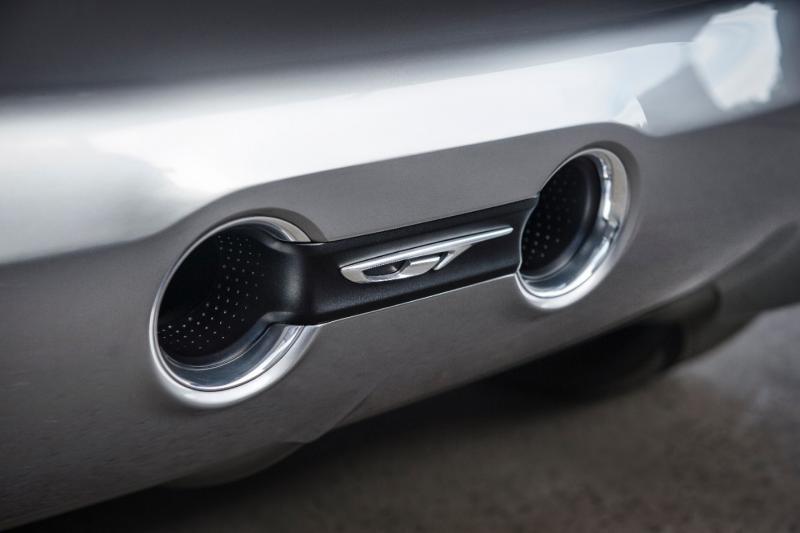
In the video, a view of the front quarter of the GT Concept is shown. From this alone, it’s fair to assume that we can expect to see a sportscar riding on large wheels housed in muscular wheel arches. The front-end features imposing headlights with LED daytime running lights and GT badging seen on the front fenders. Opel also provided an image of the dual exhaust system featuring a GT badge in the middle, alluding to the sporty nature of the concept.
Opel will be gathering feedback regarding the vehicle at the Geneva Motor Show. If the feedback is positive enough, Opel may give the GT Concept the green light for production. If that happens, a production version of the Opel GT could be in showrooms by 2017…
We will keep you updated with more information on the GT as soon it becomes available.
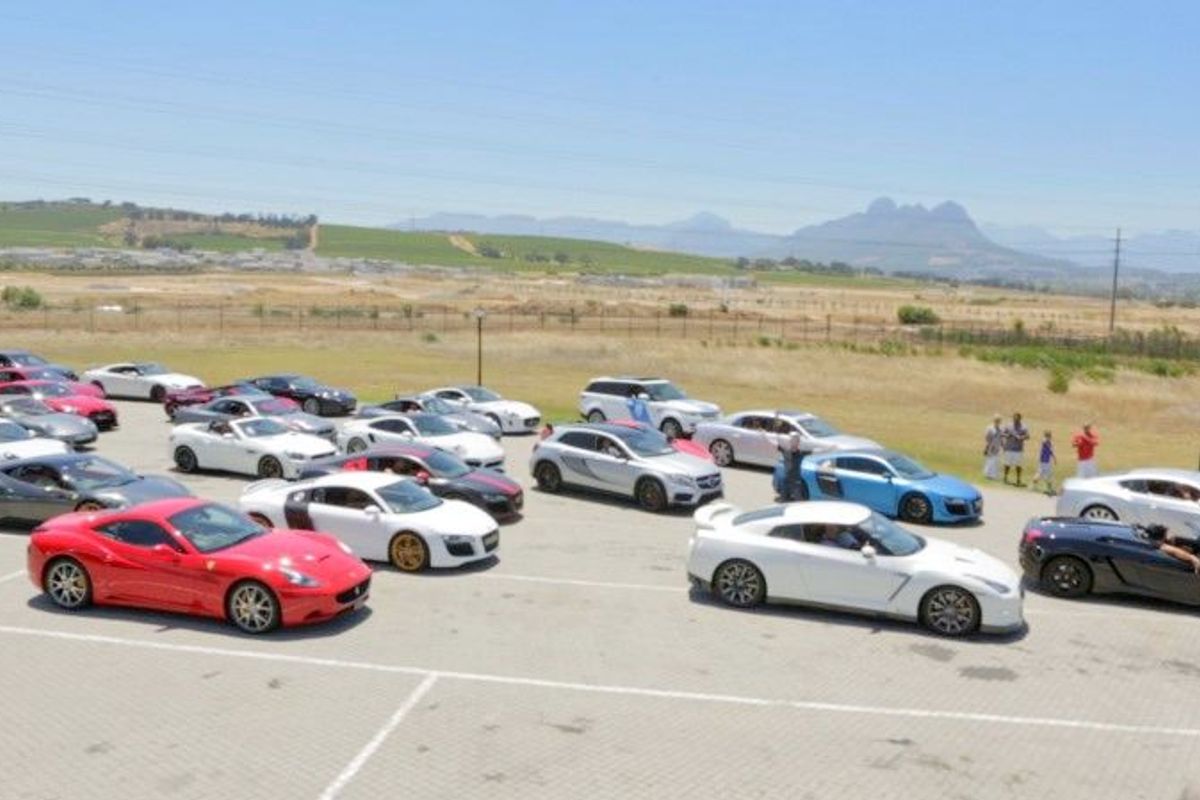
We take part in Cape Towns biggest-ever supercar run
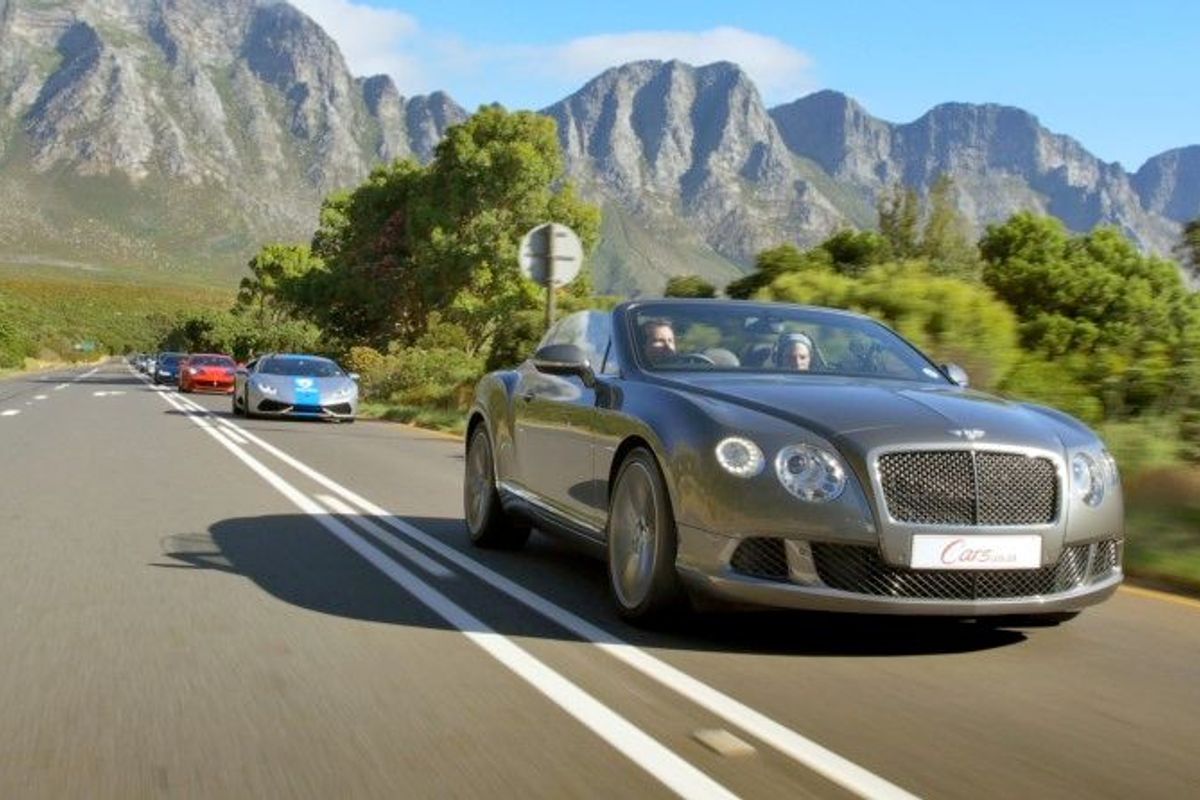
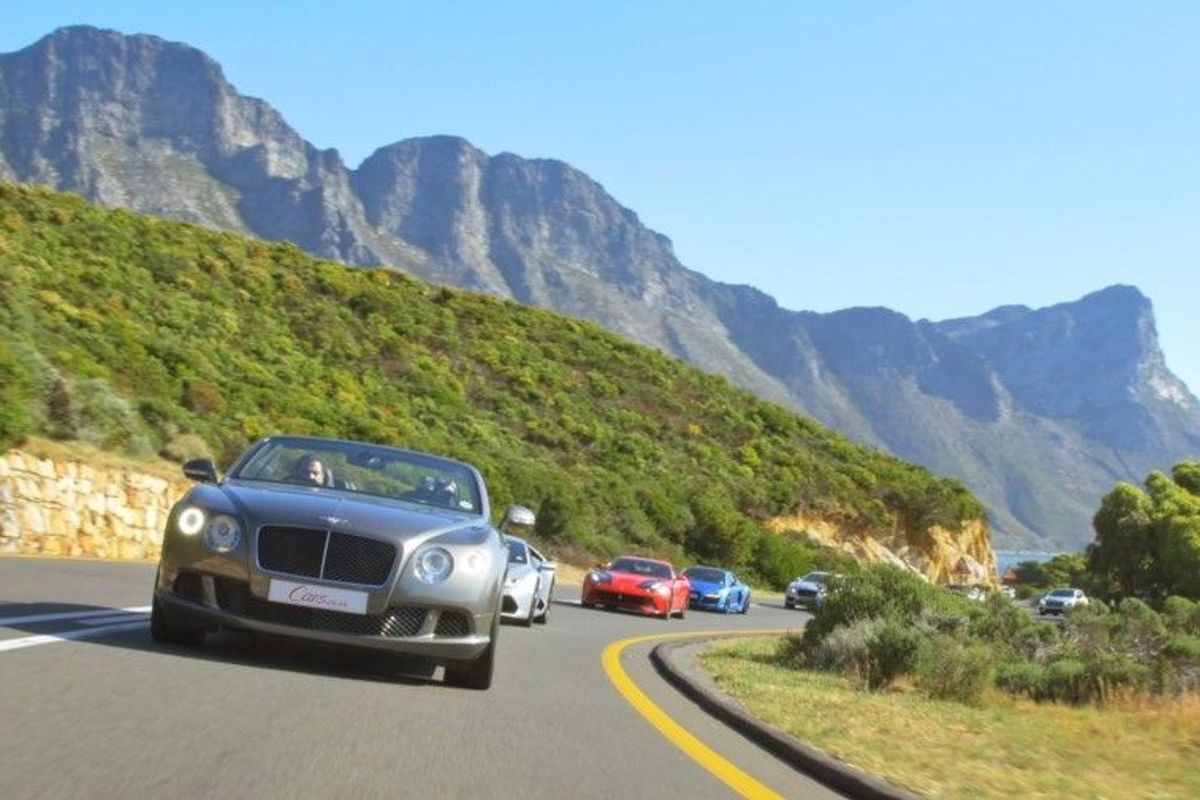
We spent a day with more than 100 supercars and took a drive in a Bentley Continental W12 Speed convertible on one of Cape Town's most scenic roads.
Late last year, we were asked if we would like to drive a convertible Bentley and take part in what was touted be the biggest supercar run ever held in Cape Town — and possibly in South Africa.
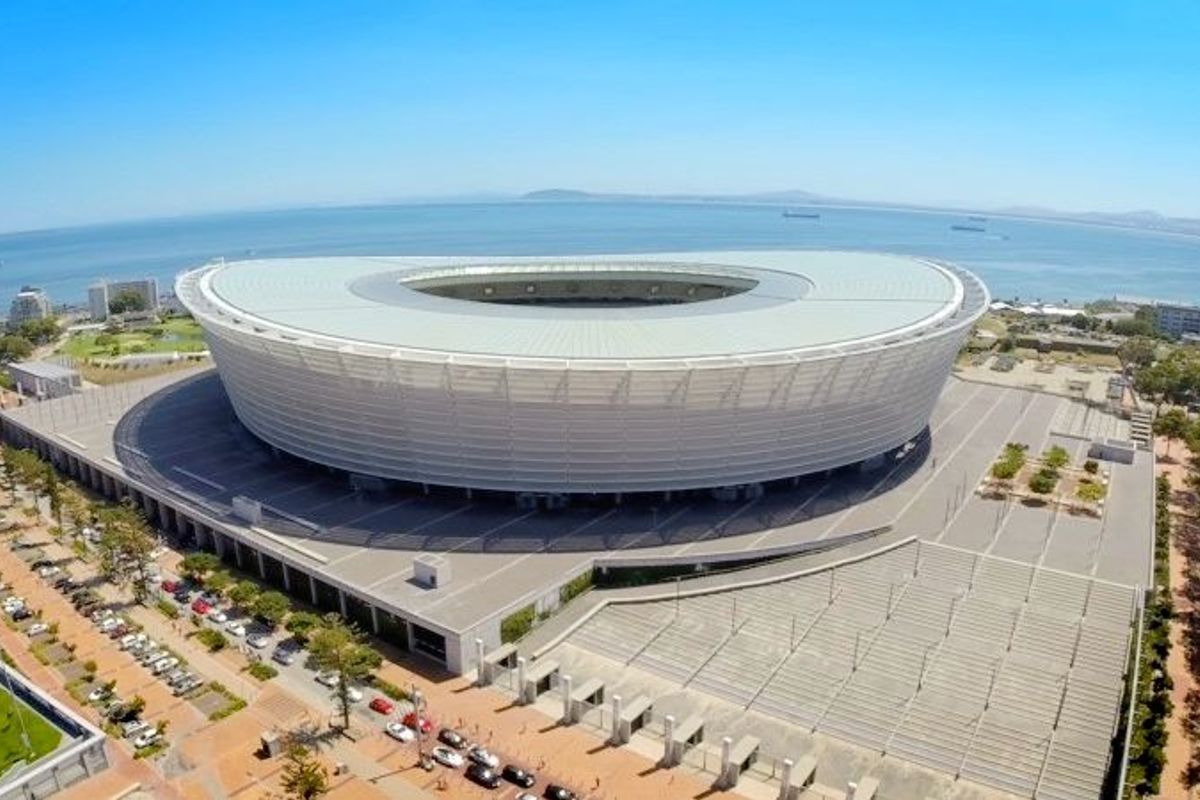
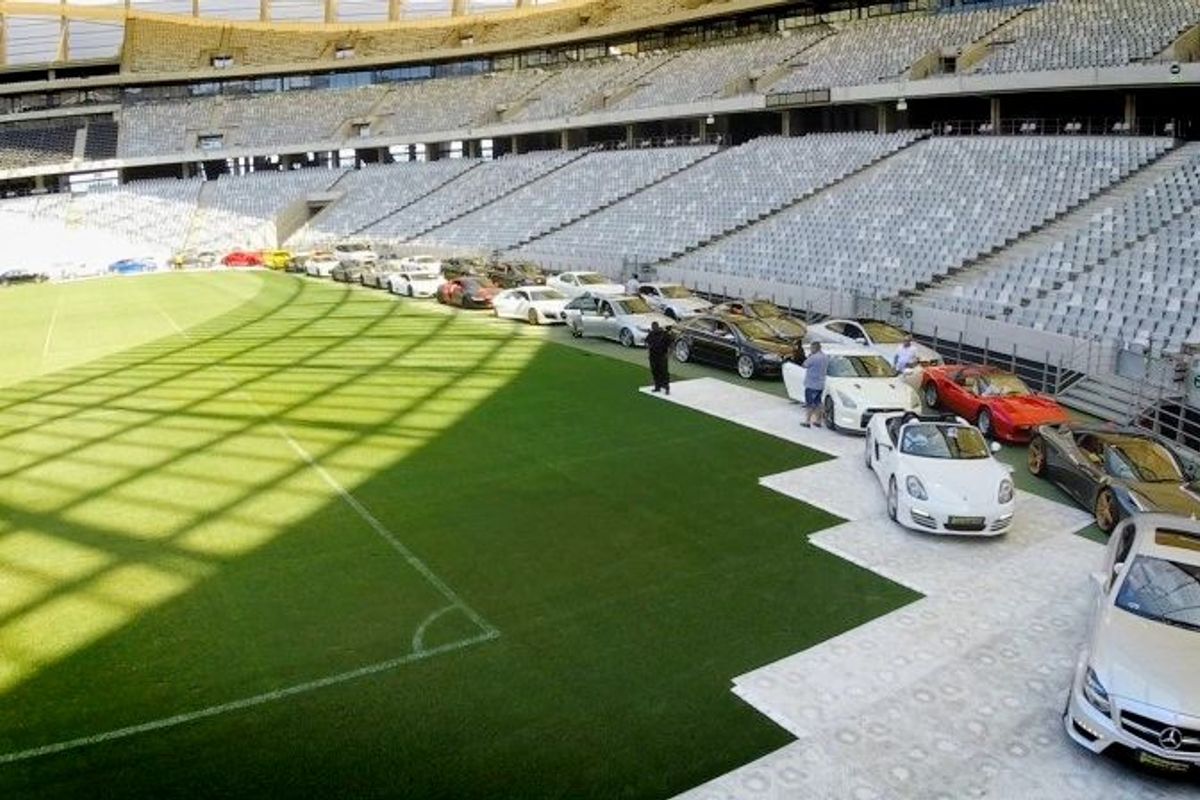
The event was scheduled for 27 December and, by some miracle of bureaucracy, the City of Cape Town opened up the Green Point stadium for the event. We were due to begin our run on the pitch of this beautiful theatre of sports events and Coldplay concerts.
It’s hard to describe what it’s like driving a Bentley into a football stadium with its top down. I’m sure Wayne Rooney could tell you. But walking (and drooling) over the astonishing collection of vehicles will remain a fantastic memory.
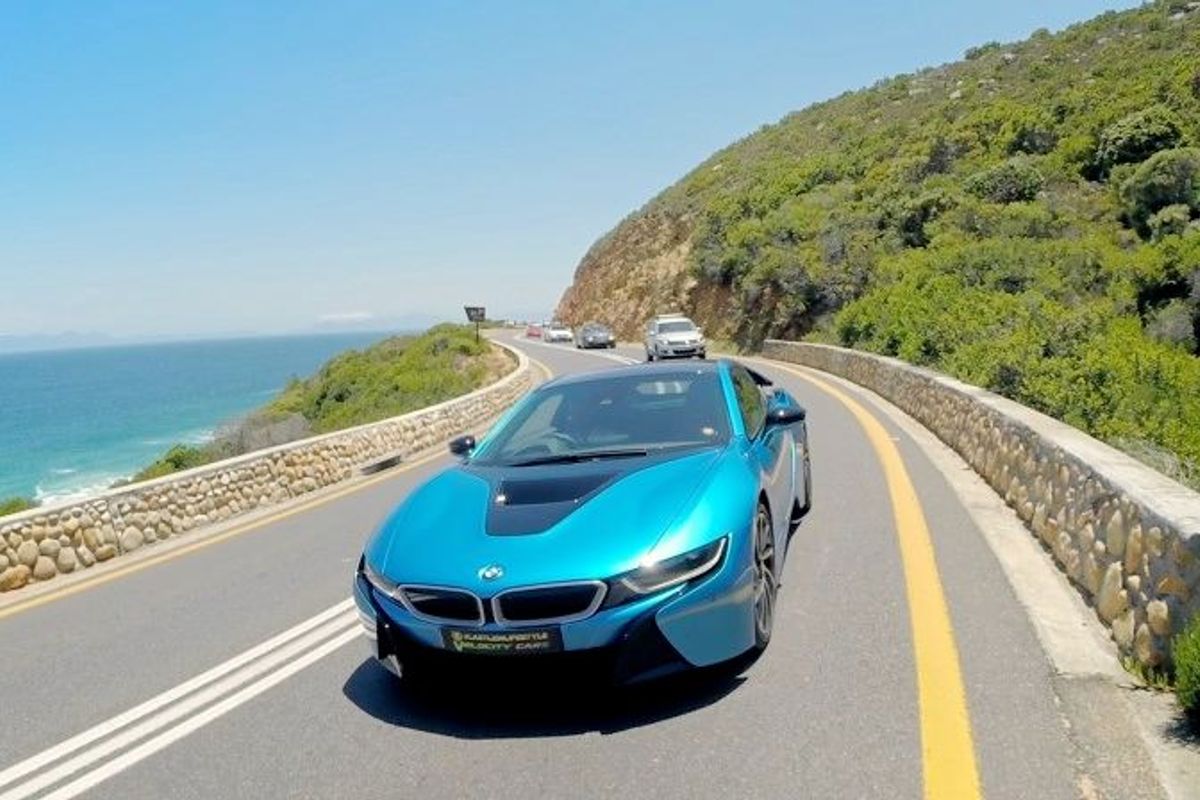
The "police"-branded supercars were unique aspects of the event. Cars such as a Lamborghini Huracan, a McLaren and even a Hummer H2 were all marked and driven by city traffic officials, to promote #boozefreeroads — an initiative to raise awareness of the dangers of drinking and driving during the festive season.
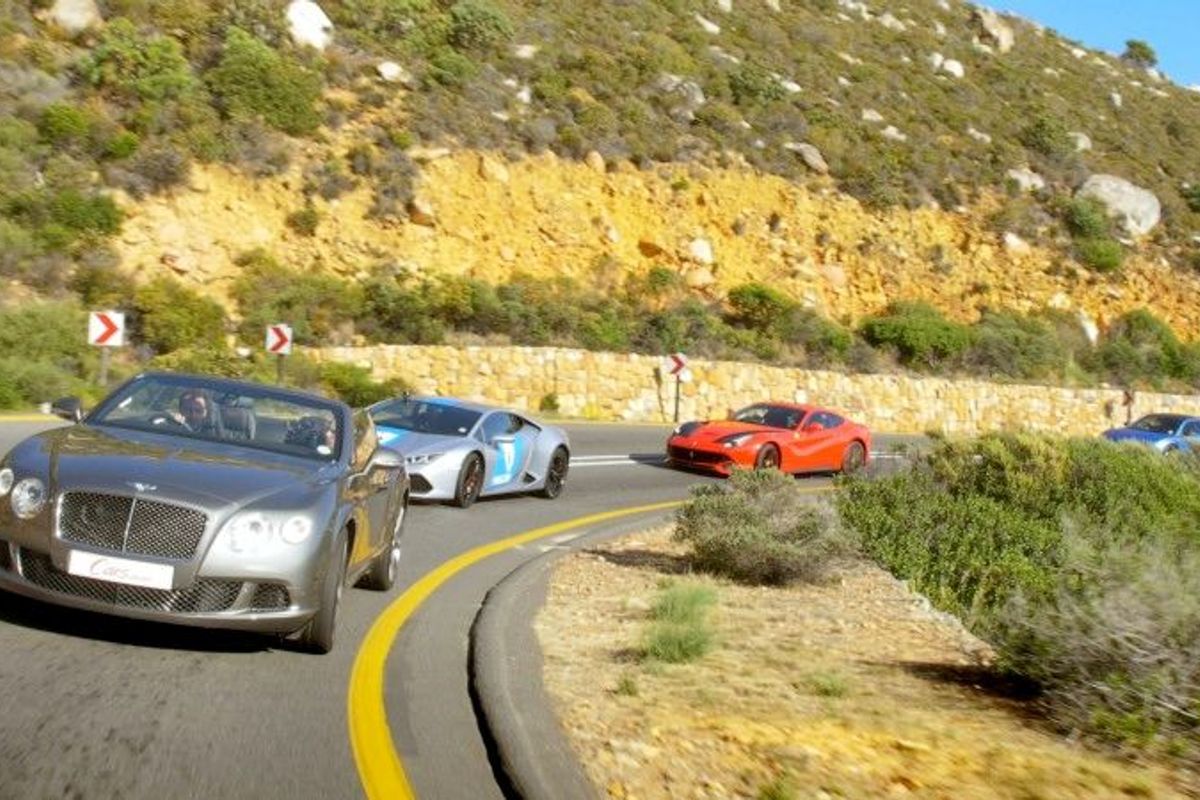
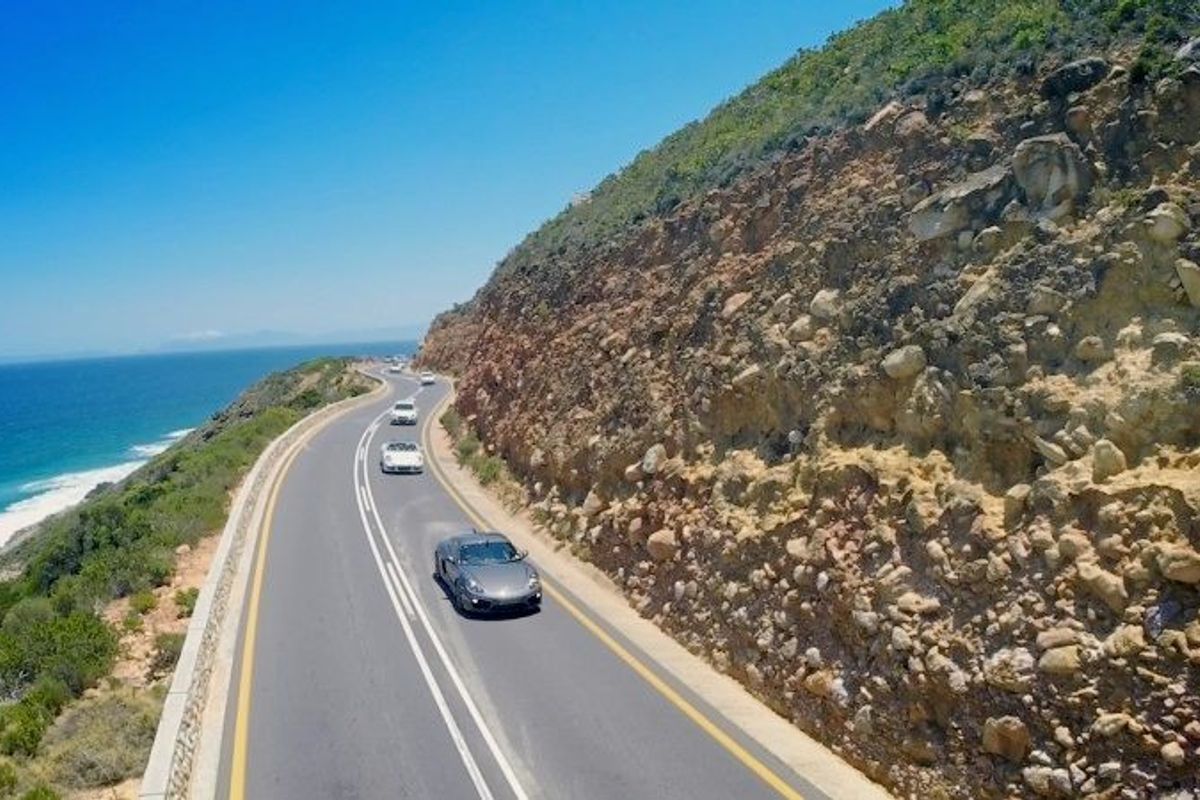
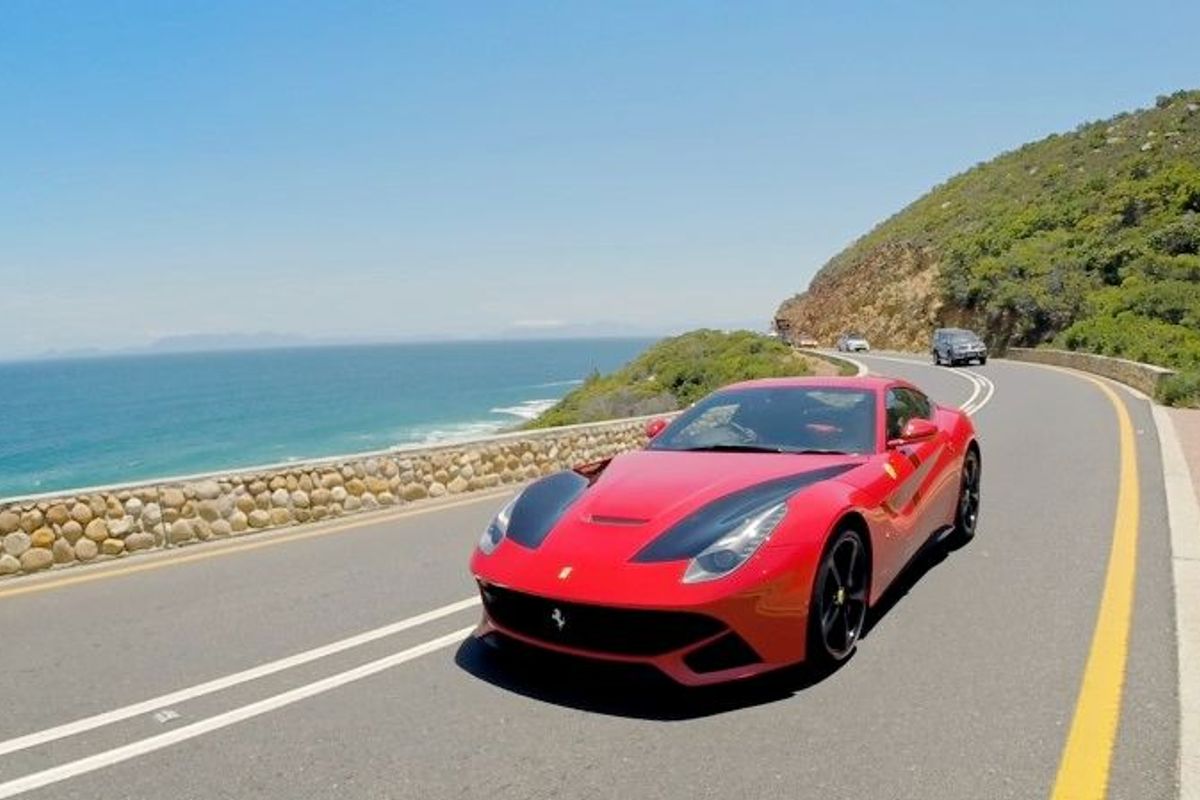
The City’s traffic officers led the parade from the stadium via road intersections that had been temporarily closed. Then we rumbled out of the city, rolled through Somerset West and turned off the N2 towards Gordon's Bay to join what must be one of the most beautiful roads in the world: Clarens Drive.
This is a stretch of tarmac that has been featured in countless car adverts around the globe, magazine shoots, new vehicle launches (both local and international) and, of course, the holiday snaps of decades worth of tourists.
It is a picturesque road that hugs the mountain with nothing but the Atlantic Ocean on its other side. And it was about to be experienced by supercar drivers from around the country as part of the final Last Lion Lifestyle event of 2015.
Truth be told, it was a difficult time of year for an event of that kind. The road was busy, but the holiday traffic certainly didn’t dampen the mood; the sight of at least six supercars following me in the Bentley was certainly something.
Last Lion Lifestyle will be hosting many more events in 2016. Stay up to date with their activities on Instagram @lastlionlifestyle. We’d like to thank Last Lion Lifestyle for including us in their programme and Bentley SA for kindly lending us the rather spectacular Bentley Continental W12 Speed.