The Peugeot 308 GTI is the brand’s flagship offering and has to deliver if it wants to compete. Watch our video from the launch to see if its any good.
We were in Portugal to drive Peugeot’s GTI fighter. We had the chance to drive the vehicle on both public roads and on track. The gentle roads of rural Portugal gave us a great idea of what the car is like to live with as a daily driver, but can it deliver performance thrills that are the bread and butter of this segment? The hot hatch segment also demands that a vehicle look the part, while not being seen as childish so this Peugeot has its work cut out for it.
First impressions are good as you’ll see below, but we’ll have to put the Peugeot 308 GTI against the Ford Focus ST, Renault Megane RS265 Lux and Volkswagen GTI together for a group test to see how it really fares.
2015 Kinsey Report – What Are The Cheapest Cars to Service and Repair?
Which are the cheapest cars to service and repair? The annual Kinsey Report is out now!
The Kinsey report for 2015 has been revealed. The report aims to give the consumer an idea as to how much it costs to service or replace parts on your vehicle. Winners in each category are determined by costs of servicing parts (filters, spark plugs, wipers and brake pads), repair parts (cam belt, shocks, clutch plate, flywheel and fan belt) and finally crash parts (doors, fenders, bumpers, glass, lights and wheels etc.). The winner is the cheapest in the three categories combined.
While the report does its best to provide the consumer with accurate information, it does state that shopping around for parts can be beneficial. The Kinsey report sources prices from dealers around the Durban area over the course of a single month. The 74 cars are split up into nine categories for comparative purposes.
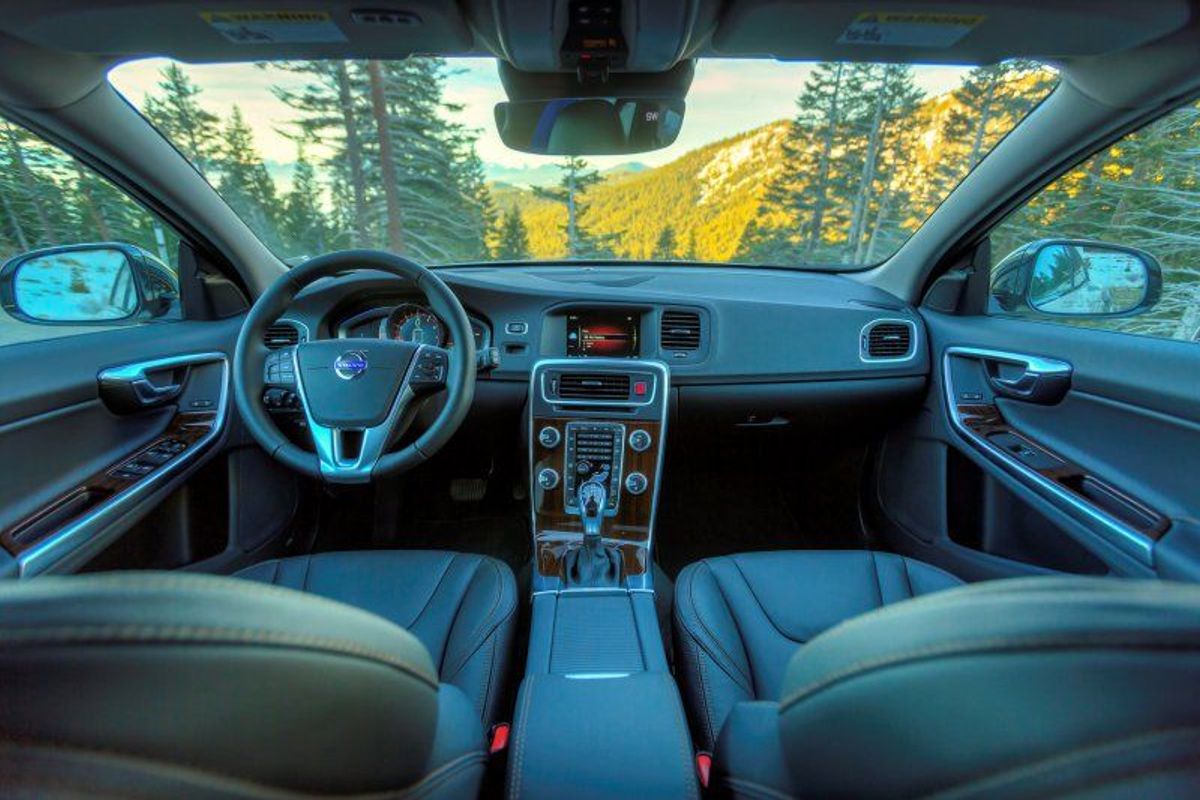
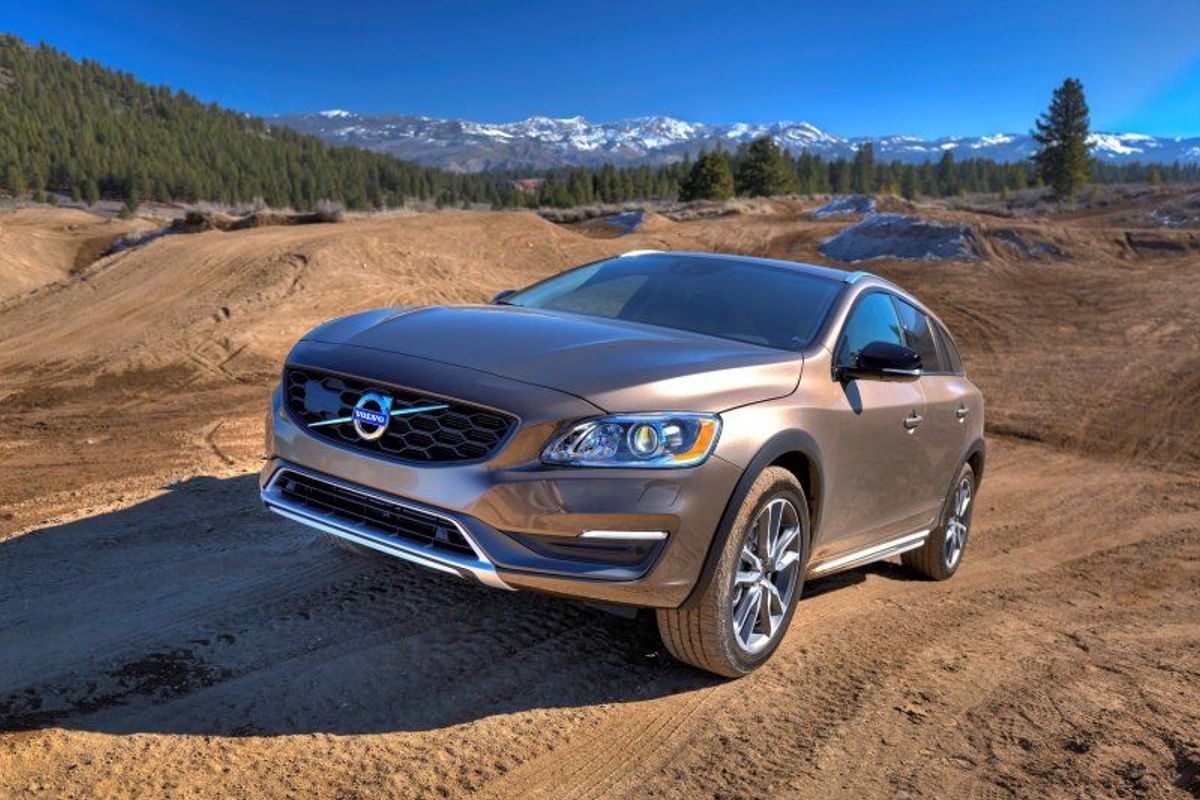
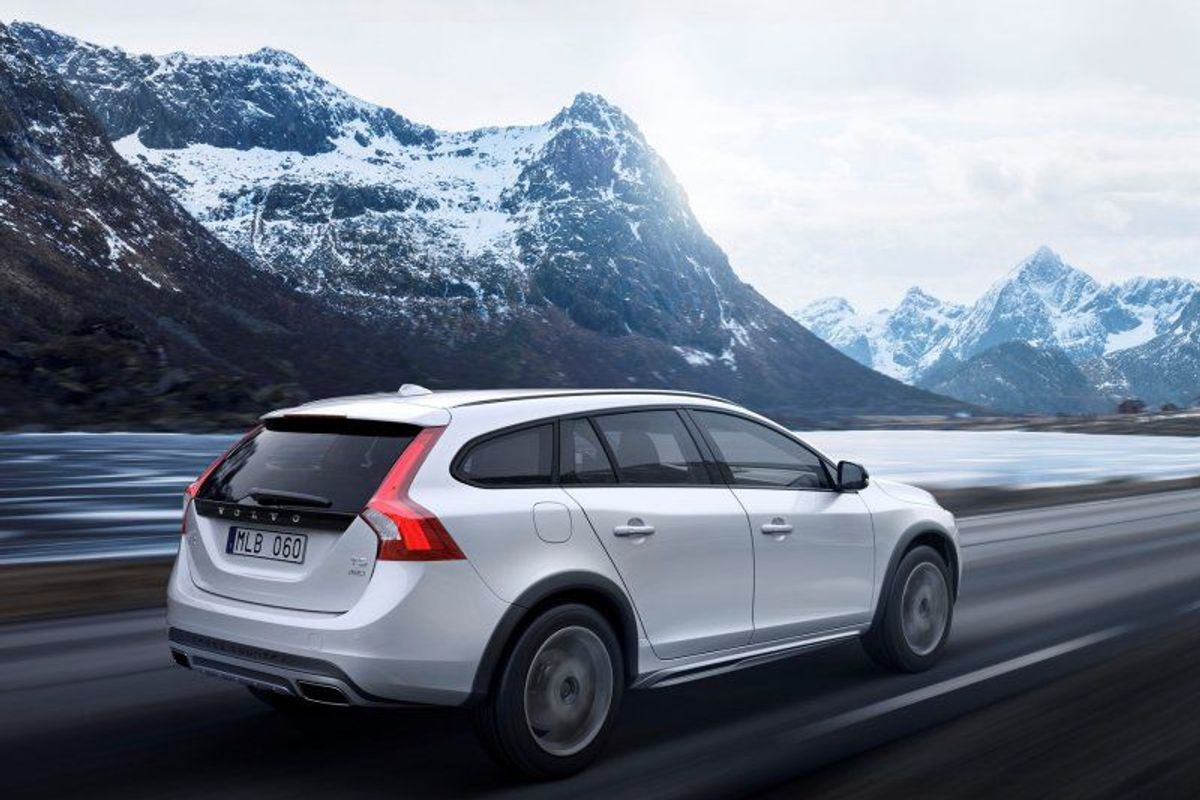
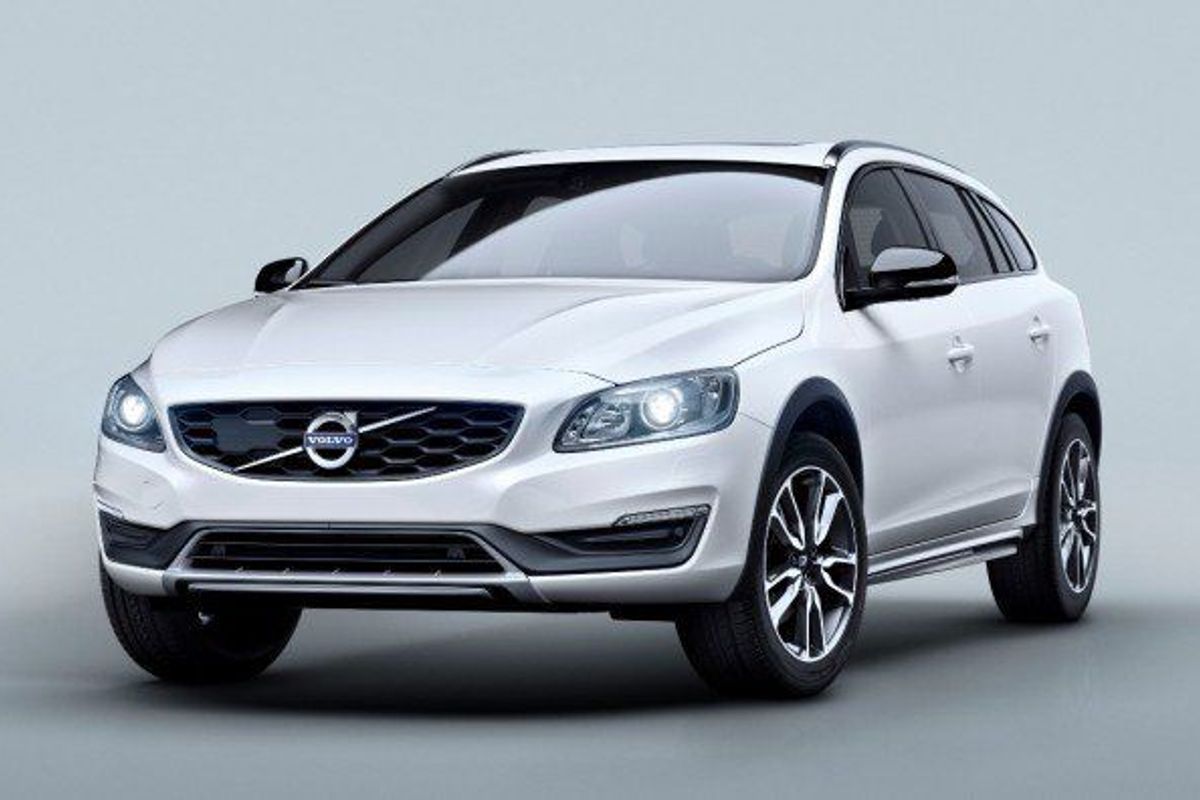
Volvo has launched the V60 Cross Country in South Africa, which comes with all-road capability and rugged design.
We are delighted to add the third true Cross Country model to our product portfolio. The successful combination of dynamic styling and rugged capability places the V60 Cross Country in a class of its own, said Lex Kerssemakers, Senior Vice President Product Strategy and Vehicle Line Management at Volvo Cars.
Increased Capability
The Volvo V60s ground clearance has been increased by 68mm over the standard V60, which gives it added capability should you decide to take the road less travelled. The V60 Cross Country is also fitted with torque vectoring technology and corner traction control which gives it a sportier drive.
The Volvo V60 Corss Country is offered with new 18- and 19-inch wheels with high profile tyres making it perfectly suited for hopping pavements with confidence or tackling rocky tracks.
Rugged Design
Adding to its rugged persona, the V60 Cross Country is fitted with front and rear skid plates, side scuff plates, fender extenders and integrated tailpipes. Boot space is rated at 430-litres. Only AWD derivatives will be available in South Africa with two trim levels namely Momentum and Inscription on offer.
Engine Choice
Two engine choices are on offer and these include a five-cylinder 2.4-litre turbodiesel engine offering 140 kW and 420 Nm of torque. Fuel efficiency for this engine is rated at 5.7L/100km. The 0-100kph sprint is claimed at 8.9 seconds with a top speed of 205kph.
Theres also a 2.5-litre turbo petrol engine in the mix with 187 kW and 360 Nm of torque on offer. Fuel consumption is rated at 8.5L/100km for this derivative. The sprint to 100kph will take 7.1 seconds before reaching a top speed of 210kph.
Both derivatives use a 6-speed Geartronic automatic transmission to power all four wheels.
Volvo V60 Price in South Africa
Volvo V60 Cross Country D4 AWD Momentum R499 900
Volvo V60 Cross Country D4 AWD Inscription R519 900
Volvo V60 Cross Country T5 AWD Momentum R533 500
Volvo V60 Cross Country T5 AWD Inscription R553 000
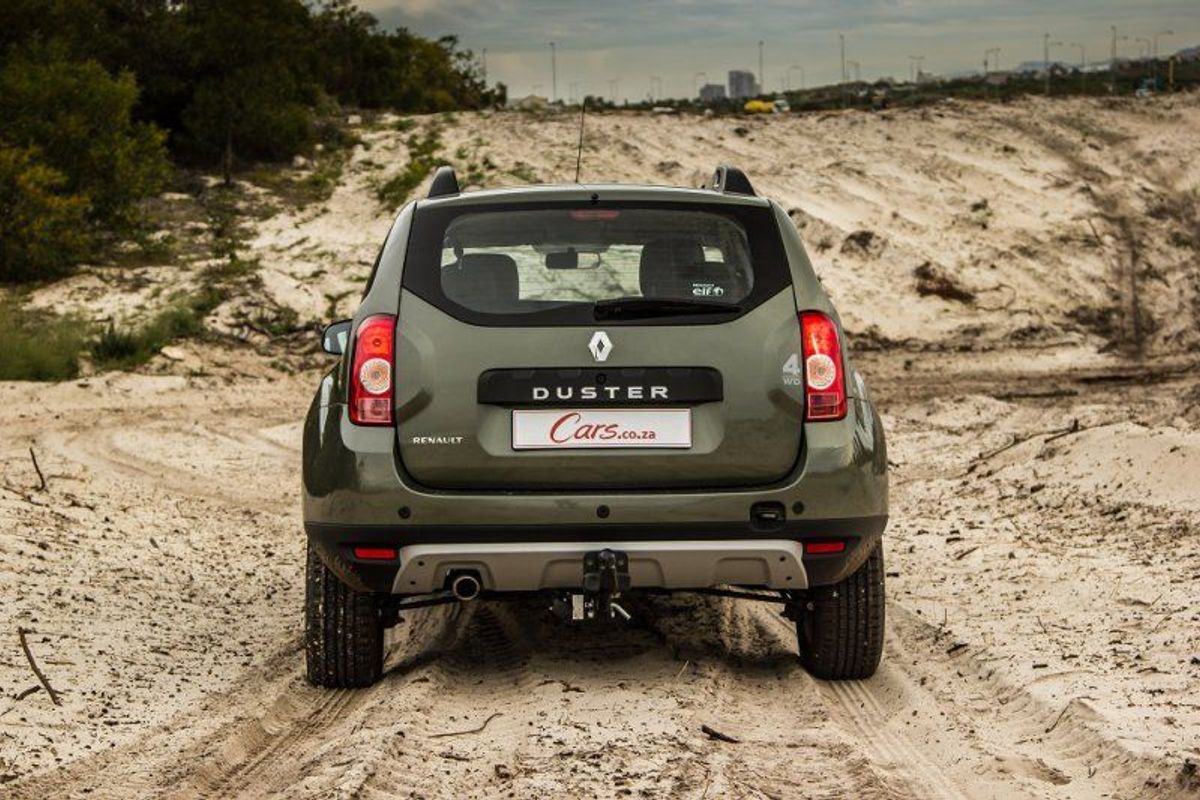
Renault Duster 1.5dCi 4WD (2015) Review
We spent a week with the recently facelifted Renault Duster. Are the changes enough to ensure this popular model’s continued success?
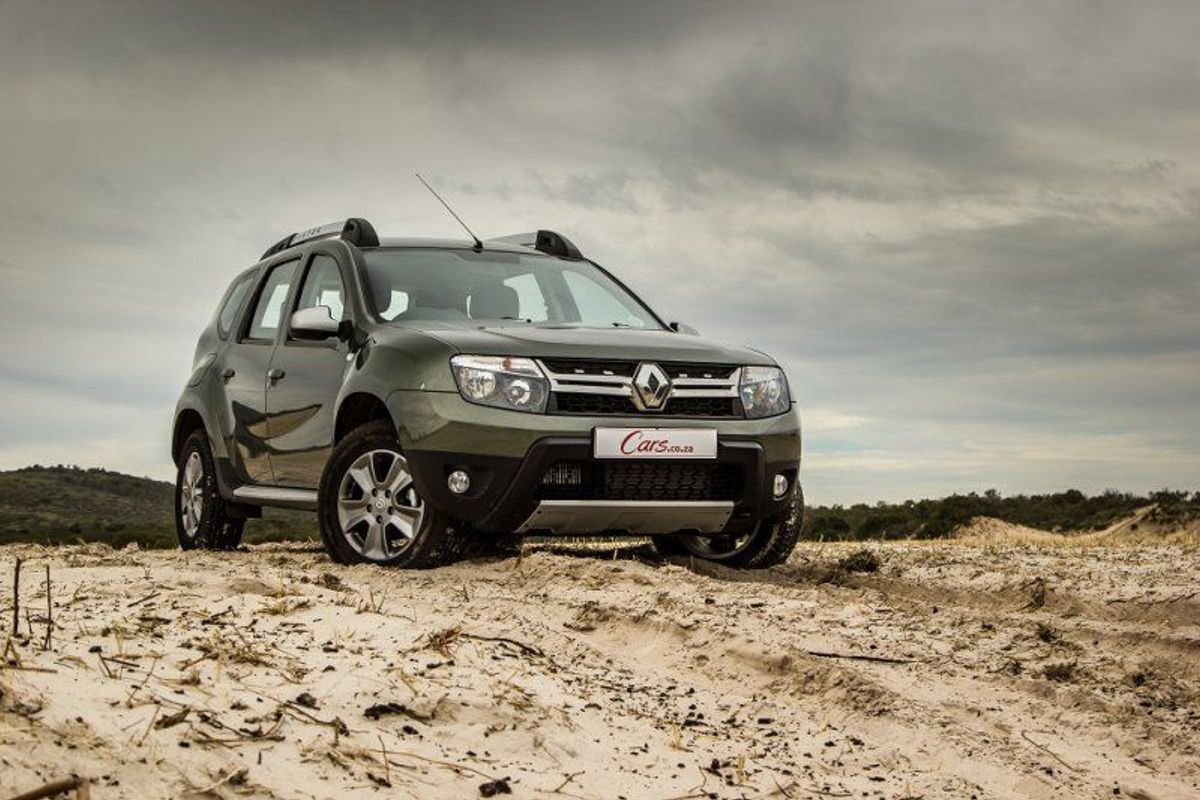
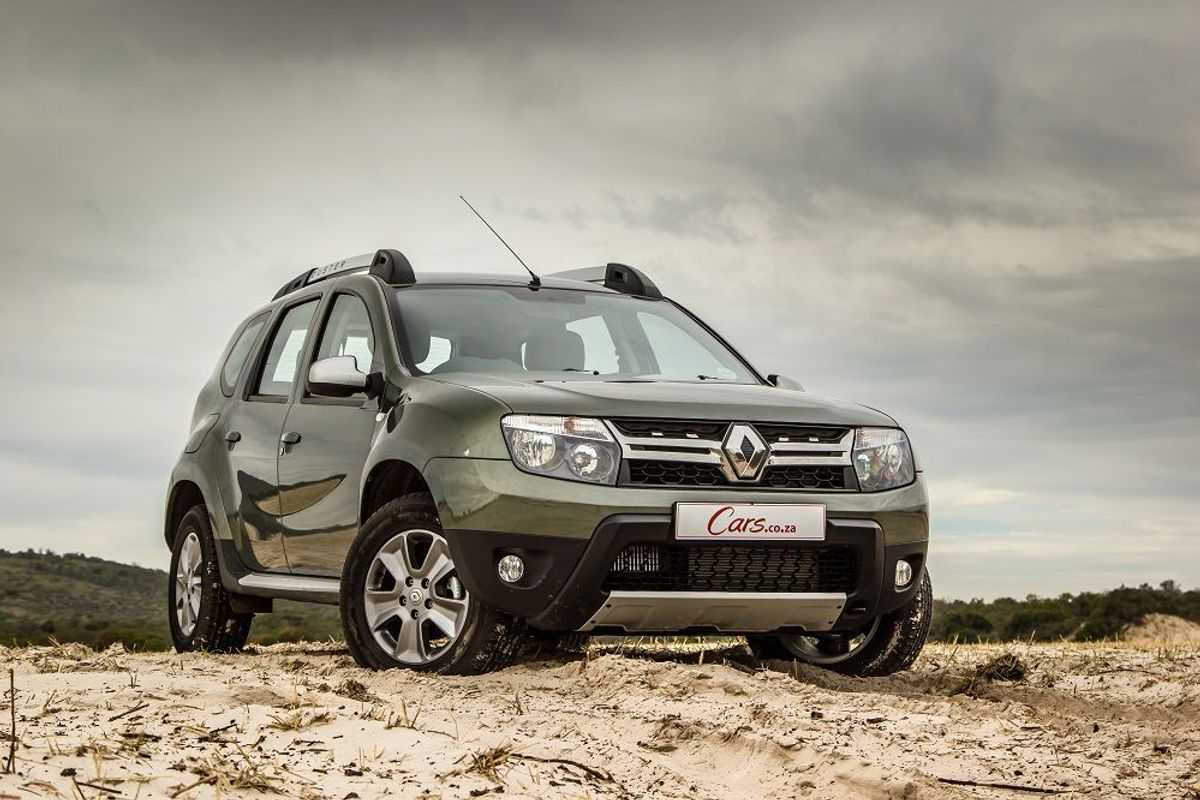
The Renault Duster has been a sensation on the local market with strong sales from the word go. Its success, along with the Clio 4’s popularity, has boosted Renault’s market share in this country significantly. Keys to the Duster’s appeal have been its disturbingly low pricing and no-fuss, solid mechanicals. Now theres a facelifted model available with minor exterior and interior enhancements. We had the turbodiesel 4×4 variant on test.
Whats changed?
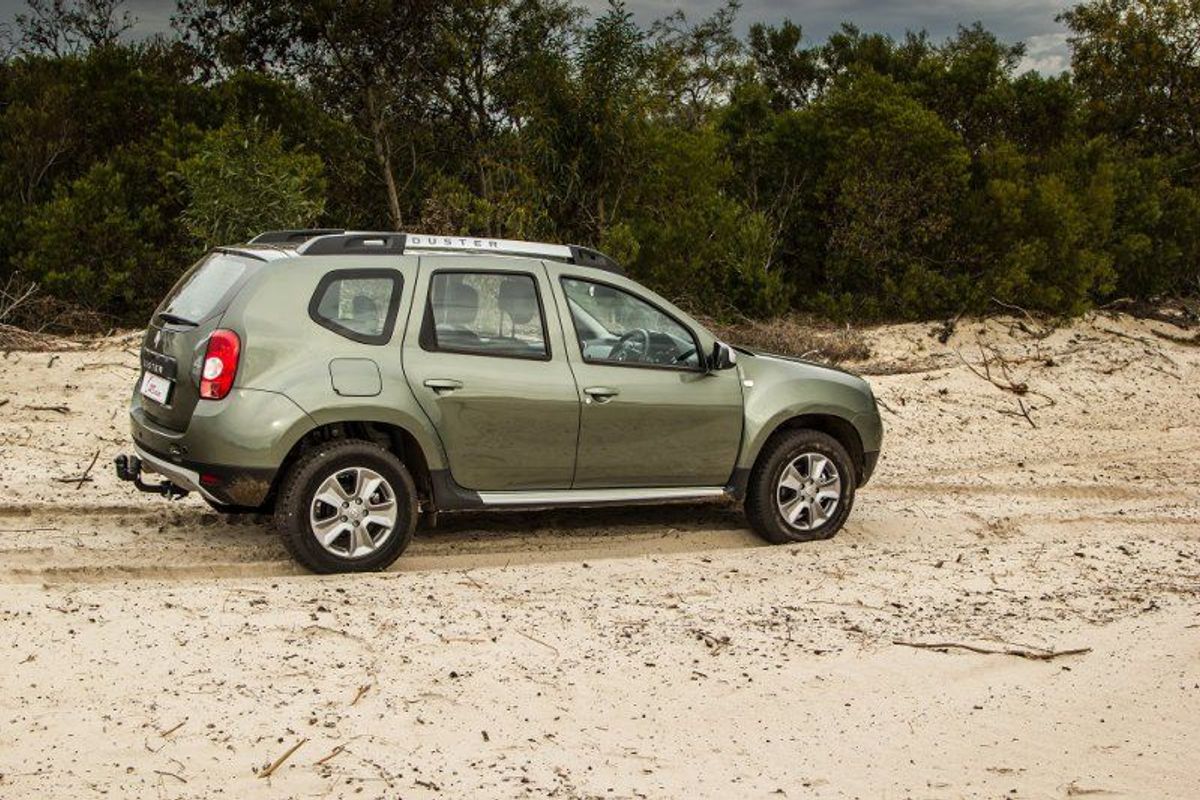
Its a rather modest facelift, to be honest, and instead Renault is punting the fact that the manufacturing is now done in Romania instead of India. The company expects quality as well as availability to improve because of this production swap. From an exterior perspective, theres less chrome and shiny bits, including the new two-tier front grille and rear nameplate. The roof bars are new along with different alloy wheels.
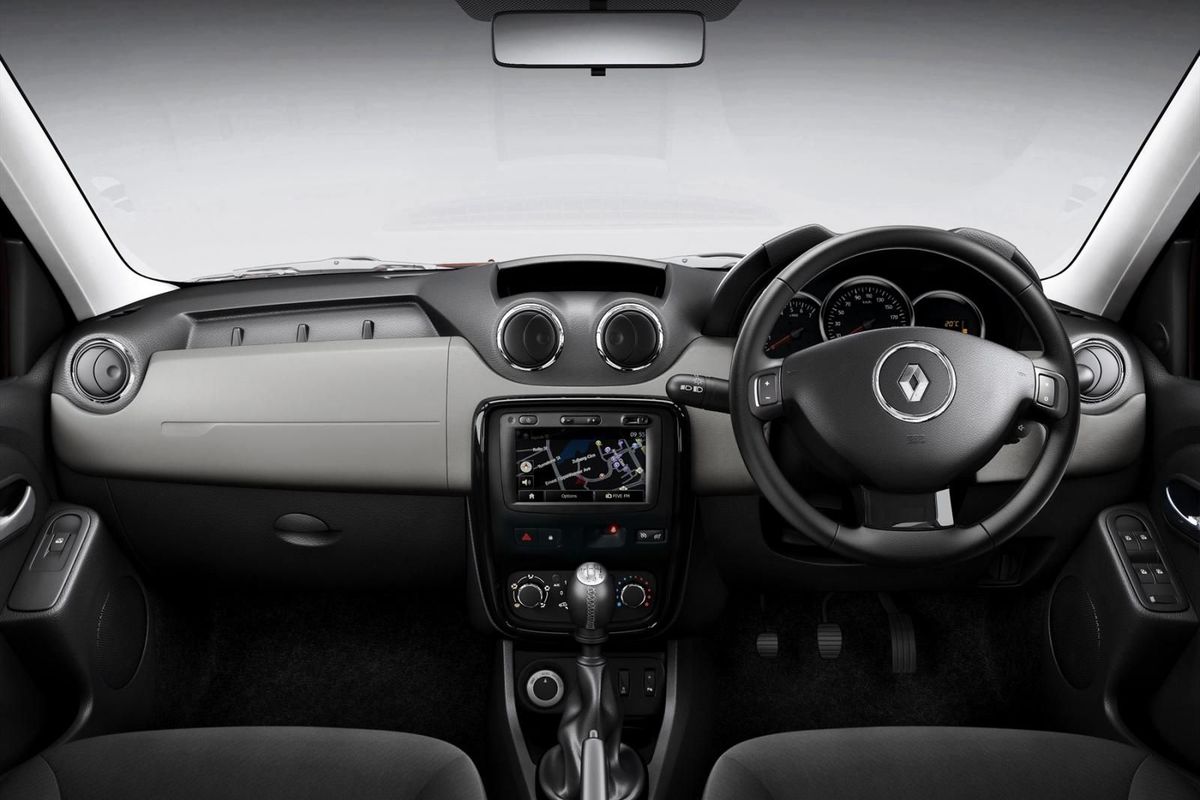
Turning to the interior, theres been an upgrade to some of the materials. Star attraction is a seven-inch touchscreen that has been carried over from the Clio range. Cruise control is standard across the range as are rear parking sensors. As a final touch, navigation is available on the Dynamique variants (including our test unit).
Engine
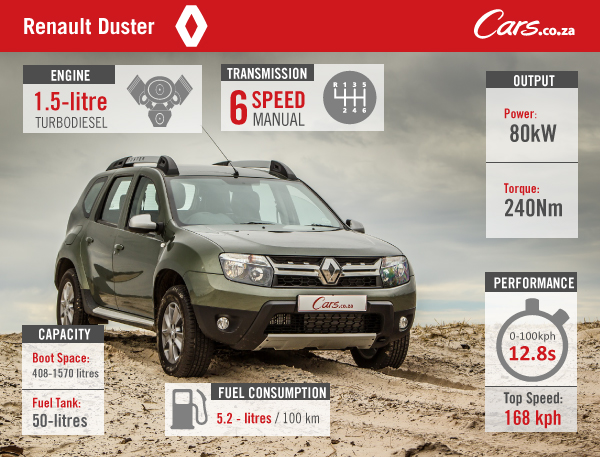
The diesel model tested here is equipped with a 1.5-litre turbodiesel engine that pushes out the same power and torque as before (80 kW and 240 Nm). There is an improvement in fuel economy, however, as Renault has reduced the Dusters consumption from 5.5L/100km to just 4.8L/100km. The engine is now Euro VI emissions compliant, as opposed to the older Euro II specification of the previous model’s engine. Its quite a rough-sounding diesel, and certainly more obviously diesel (in engine clatter) than most of its rivals. Its old-school, then, but remember that with that clatter should come a sense of reliability and solidity. The engine is connected to a six-speed manual gearbox that has some of the shortest ratios weve ever had to shift through. Its possible to cruise around town in sixth gear at 60kph and not worry about stalling or being in the wrong gear.
The engine has quite a short torque band and acceleration tapers off as soon as you pass 3 000rpm. At 120kph the revs are a bit high meaning the fuel efficiency on long runs wont be as good as you might expect. The bonus to having the short ratios is that if you take it off-road the first gear could work as a low-range and you can tackle quite steep inclines without riding the clutch to explosion.
Climb aboard
As a bare nuts-and-bolts entry-level 4×4 the Duster does a decent job of not being awful. The plastics feel solid and durable, but are not soft to the touch. Inside there’s a vast expanse of grey plastic save for the cloth inserts in the door and the rubber steering wheel. The cloth seats are easily adjustable, but lack quality side support so you have to hold on while cornering. All the basics are covered with regards to modern electric conveniences and the touchscreen adds an upmarket touch. The screen is however mounted too low and you have to take your eyes and peripheral vision off the road to use it. The Duster is spacious inside with plenty room for rear passengers and a good-sized boot. It’s easy to understand its family car appeal. Rear Isofix child seat anchors and four airbags are also fitted.
Only this top-spec 4×4 model comes with traction control and it has a rotary switch to change between 2WD and 4WD on the fly. As mentioned before, cruise control is standard and controlled by the buttons on the front of the steering wheel. Renault has persisted with controls behind the steering wheel to adjust the radio volume and after much fiddling for years, we’ve learnt where the buttons live.
On/off the beaten path
The Renault Duster rides reasonably on road, but its short wheelbase combined tall ride can make it bouncy over speed bumps and pavements. It is better out on the freeway where it feels less springy and the steering provides solid feel and confidence. Once you take the Duster off-road it makes a lot of sense. The ride over rippled dirt roads is nothing short of impressive as it dances over the surface.
The shakes and rattles are ironed out by the suspension and its comfortable for long stretches on dirt sections. When the going gets a bit trickier the 4WD system works well and traction can be sent to the wheels that need it. The 210mm ground clearance is also very useful.
Verdict
Renault South Africa has managed to bring the facelifted Duster in at nearly identical pricing to the pre-facelift model. That alone is reason enough to upgrade to the newer, prettier version. If youre looking for a solid, reliable-feeling 4×4 on a budget then the Duster is first choice. Family buyers will be grateful for the spacious interior and large loading space but its a pity only the top spec model gets traction control. The engine may be a bit on the rough side, but that doesnt detract from the value for money offering that continues to be the Dusters strongest suit.
Renault Duster Pricing
The range of Dusters begins with a petrol 1.6 Expression at R215 900. The Dynamique 1.6 is R233 900. The Diesels start with the 4×2 Dynamique at R254 900 while the 4×4 Dynamique we tested here comes in at R269 900.
Test Team Opinion
The Renault Duster is a wonderfully cheap baby SUV that offers practicality galore. The diesel engine may sound a little unrefined, but it’s a strong and willing unit. It is also surprisingly good off-road and happy to try take on everything. The only downside is it feels cheap, but when the competition costs so much more, it’s not a big problem at all. -David Taylor
We Like: Price, off-road ride, practical
We dont Like: Short ratio gearbox, rough sounding engine
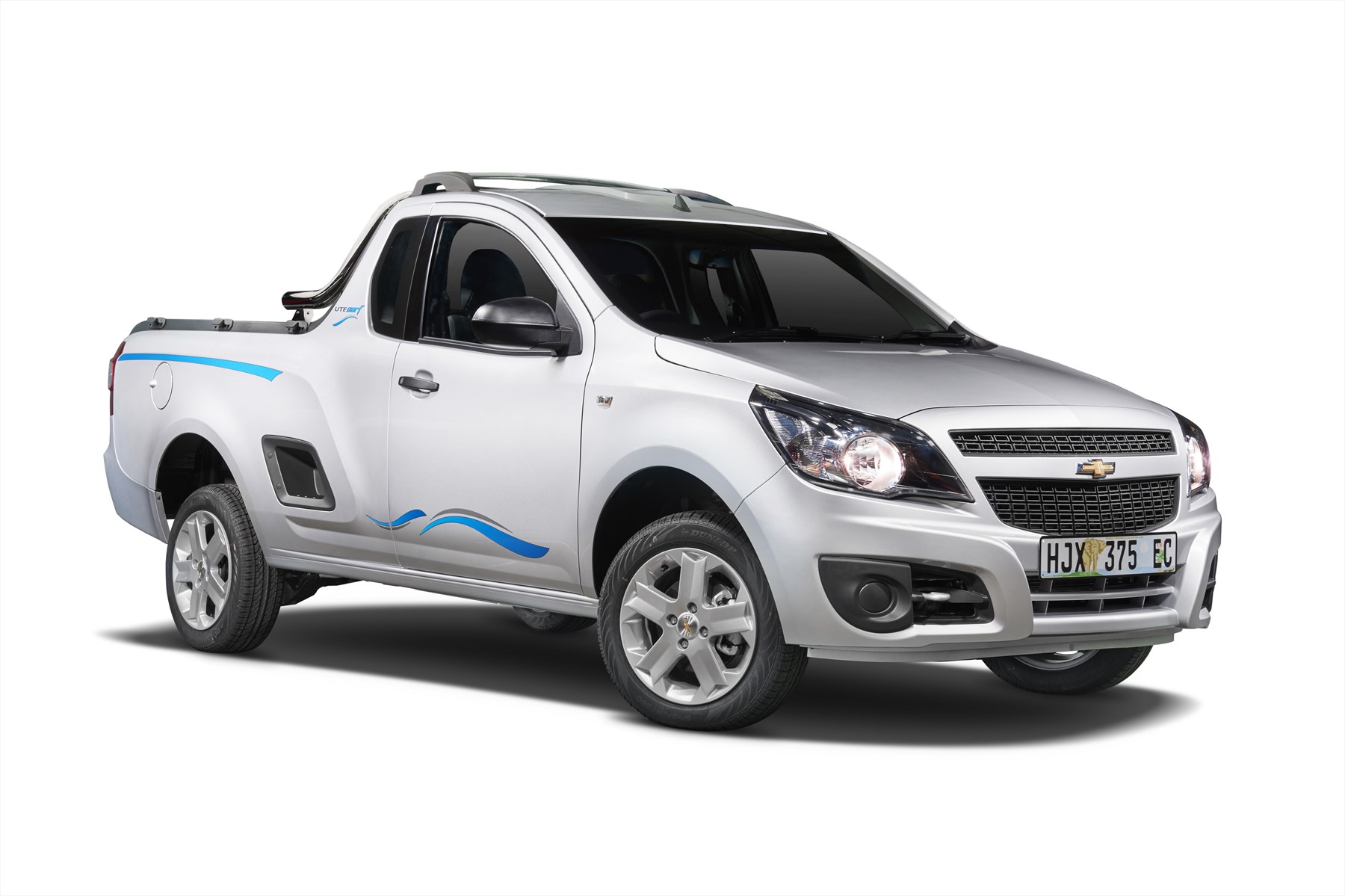
Chevrolet is offering three new limited edition models in South Africa including the Spark Curve, UteWorking and the UTESURF.
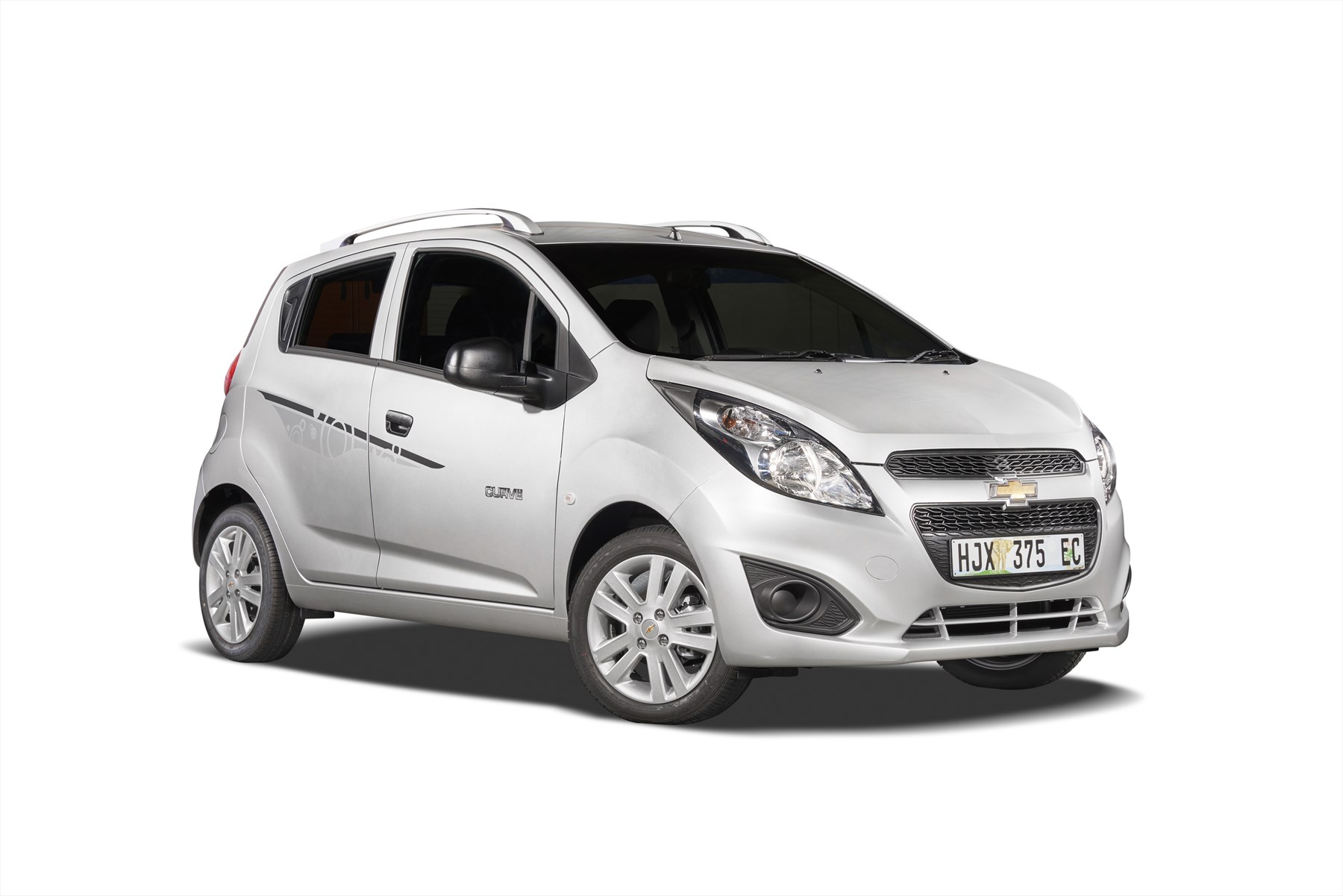
Chevrolet Spark Curve From R131 000
The Spark Curve with its 1.2-litre engine gets a number of visual enhancements to make it stand out from the run-of-the-mill Spark and these include lightweight alloy wheels and side decals, while mats are fitted as standard. The Spark Curve offers 60kW and 108 Nm of torque and only 150 units will be offers to buyers in South Africa.
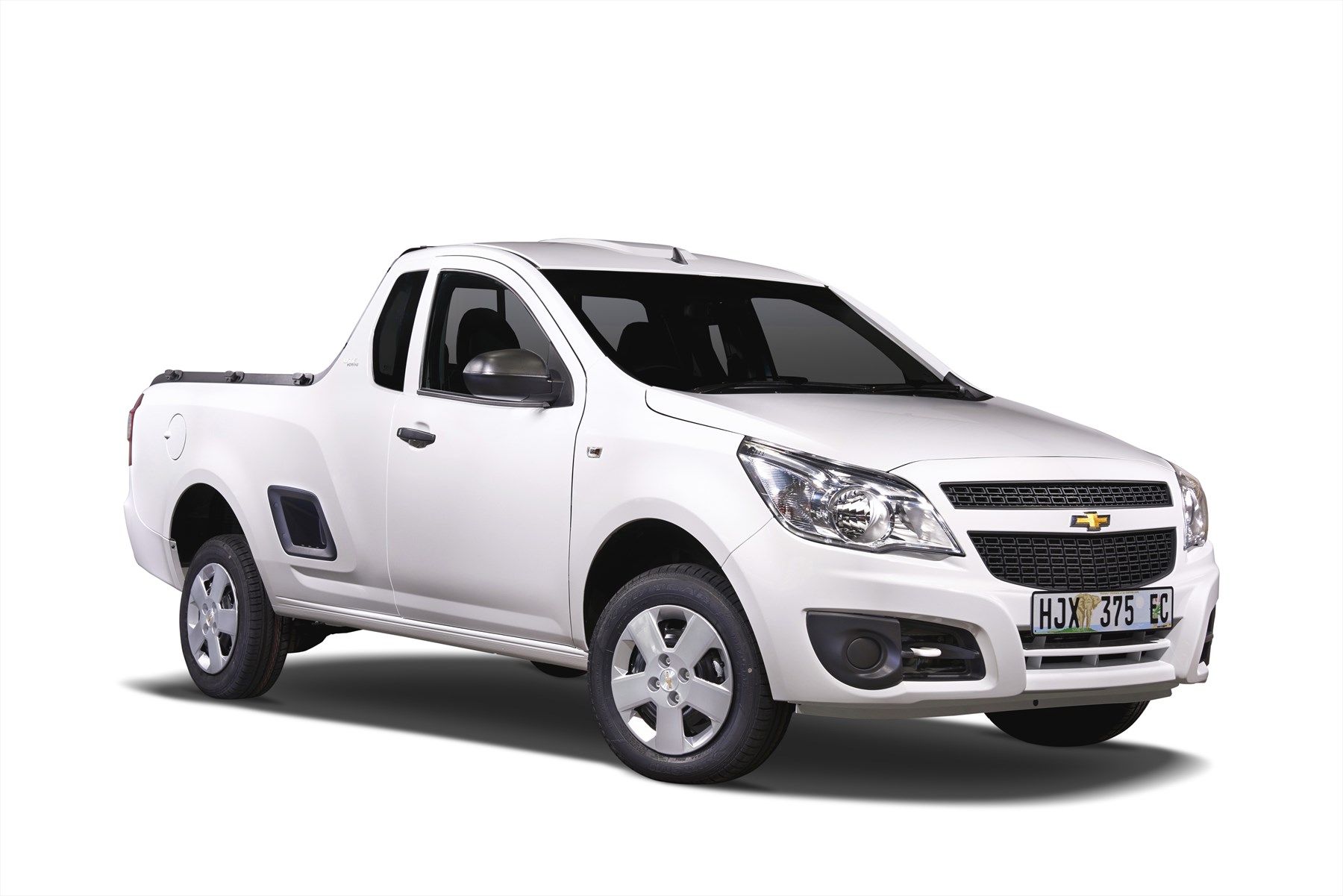
The UteWorking special edition model features a cab protector framing the rear window and the load box is rubberised too. The model also gains body decals and unique wheel covers. The interior features a CD/tuner and air conditioning can be specified. The UteWorking is powered by a 1.4-litre petrol engine with 68kW and 120Nm on offer. Only 200 UteWorking models are available.
Aimed at the lifestyle orientated individual, the UTESURF comes fitted with a tubular stainless steel sport bar and a roof rack/spoiler combination which makes loading lifestyle accessories easy. The vehicle also benefits from side and rear decals while the headlights feature dark surrounds and the B-pillar has been blacked-out for added effect. The UTESURF rides on five-spoke alloy wheels. On the inside, a CD/tuner and air conditioning is fitted as standard. Two engines power the UTESURF and these include a 68kW/120Nm 1.4-litre engine or a more powerful 77kW/161Nm 1.8-litre engine. Only 400 UTESURF models are on offer.
All prices include a 5-year/120 000km warranty and a 5-year/unlimited mileage anti-corrosion warranty.
Off Road in the New Ford Everest 4×4 Video Review
SCROLL DOWN FOR VIDEO
Its become a cliché that modern 4x4s spend most of their time navigating mall parking lots, occasionally taking on a pavement here and there, instead of grinding through mud and sand and mud and more mud.
However, with the new Ford Everest arriving in SA, packed full of the latest in Fords 4×4 technology, we thought mall parking lots and curbstones just wouldnt be enough to challenge the latest bakkie-based SUV.
And so we headed out to the infamous Melk Bos 4×4 facility north of Cape Town, and the result is this video: a full off-road affair with all the mud-flinging, water-diving, side-skirt-scraping three-wheeled action you could hope for or at least that I could pull off without breaking the car/injuring myself/breaking a camera.
With a new terrain response system, which youll see in action, it was as easy as turning a dial to deal with whatever the Ford wanted to climb over. And as capable as it felt from the get-go, it felt virtually invincible when in 4×4 low range. Its like running out of ammunition in a battle, only to remember you have a tank ready and waiting.
However, as good as it might be out here, what really matters is how the Everest fares in the hearts and minds of South African motorists. At around R650 000 for the top of the range Limited model in our video, it is pricier than the current Toyota Fortuner, but therell be a new one of those out early in 2016, and I think its fair to wait until then to compare the two.
At that price, the Everest is in line with the Toyota Prado, and with its impressively luxurious interior, we think some buyers might be interested in comparing the two.
After a full day out in HelGat, the facilitys 4×4 crater of awesome, I was a) badly sunburnt and b) hugely impressed with how easy it was to pilot the Everest over the rough stuff. Either I am very good at this sort of thing, or the Everest is very good off-road. And I think we all know the answer to that.
Ford Everest 4×4 Video Review
Popular Vans in South Africa
For this weeks #ChooseDay we shifted our attention to people movers. Which are the most popular people-moving vans in South Africa?
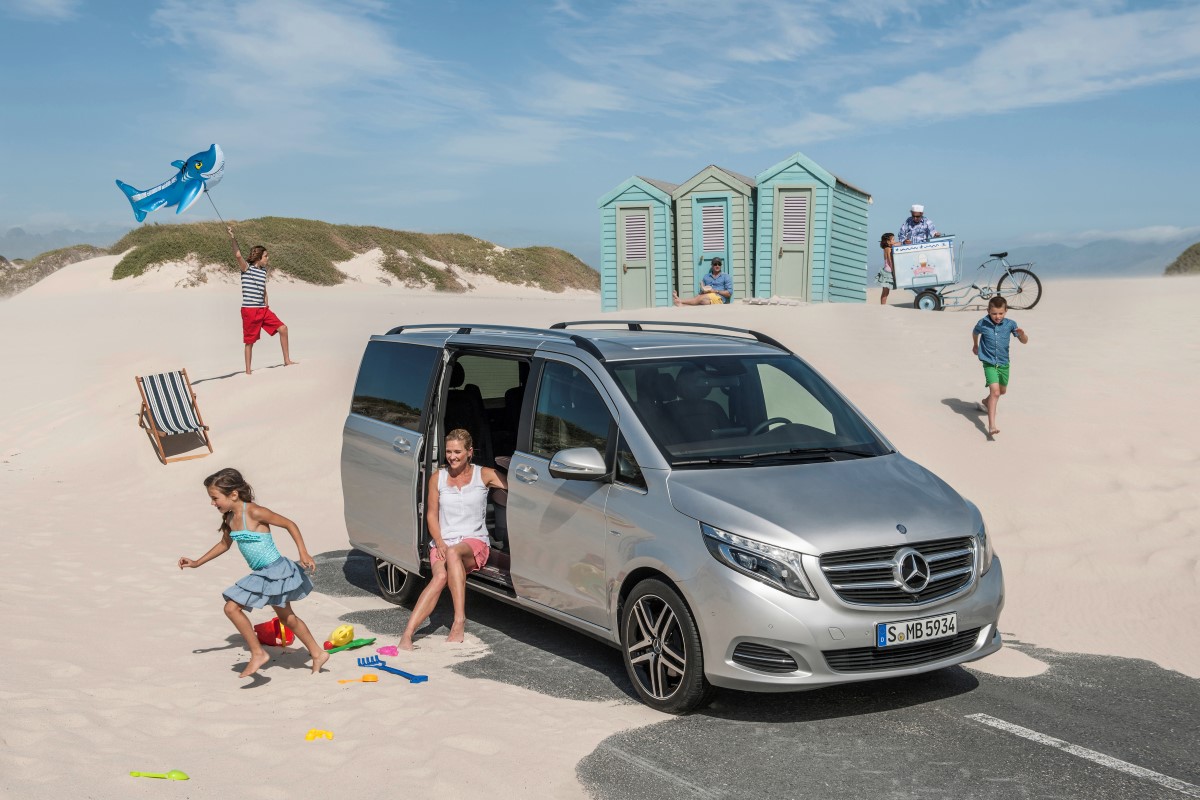
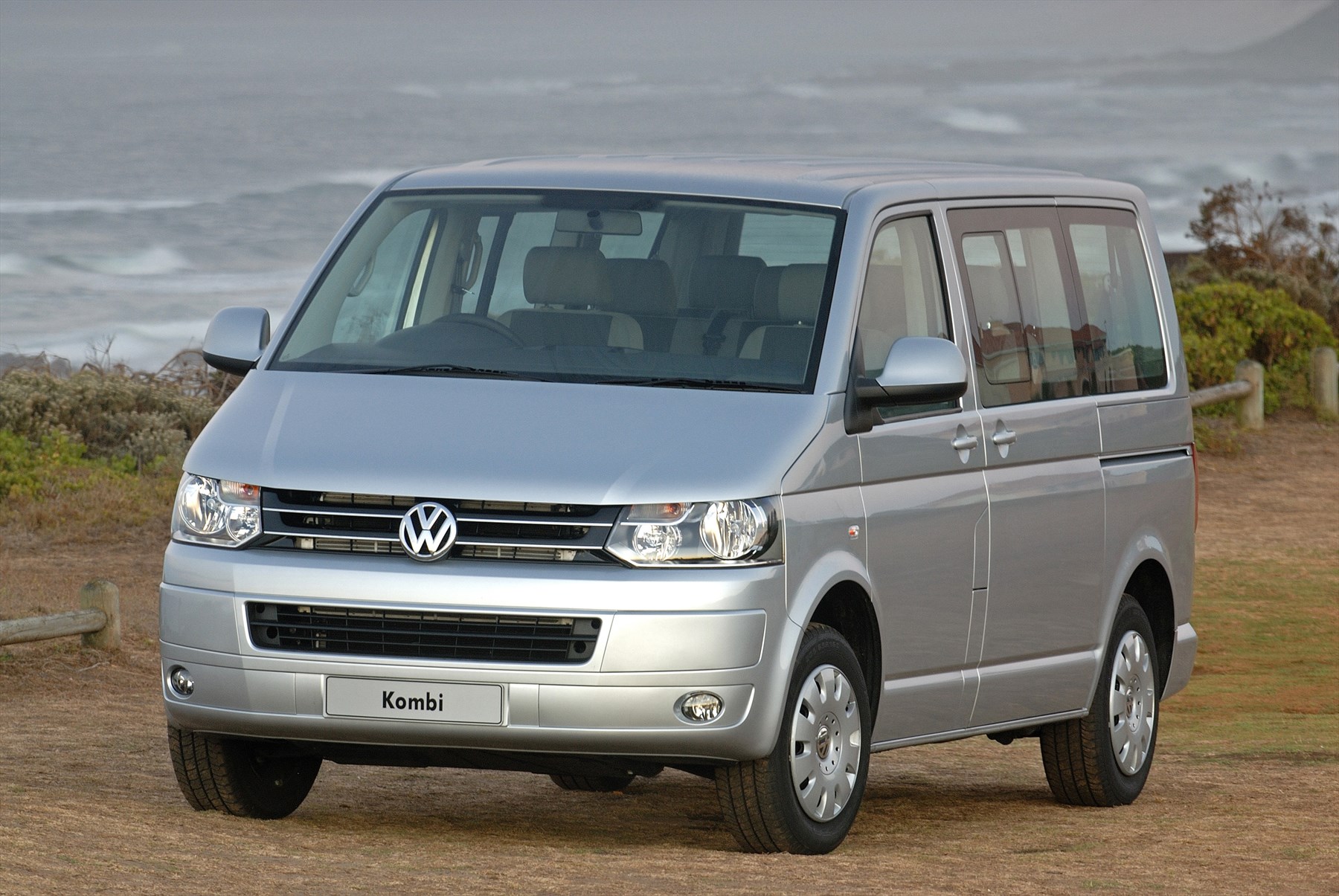
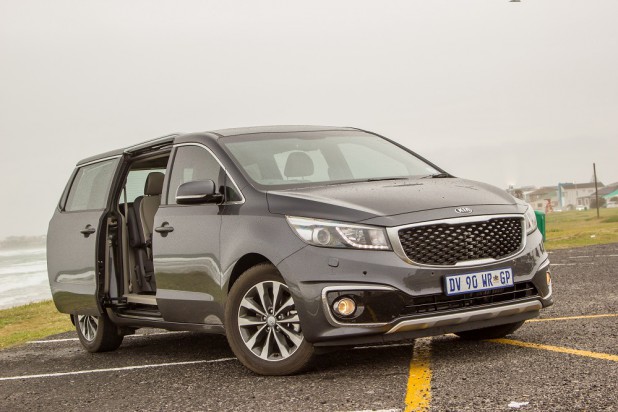
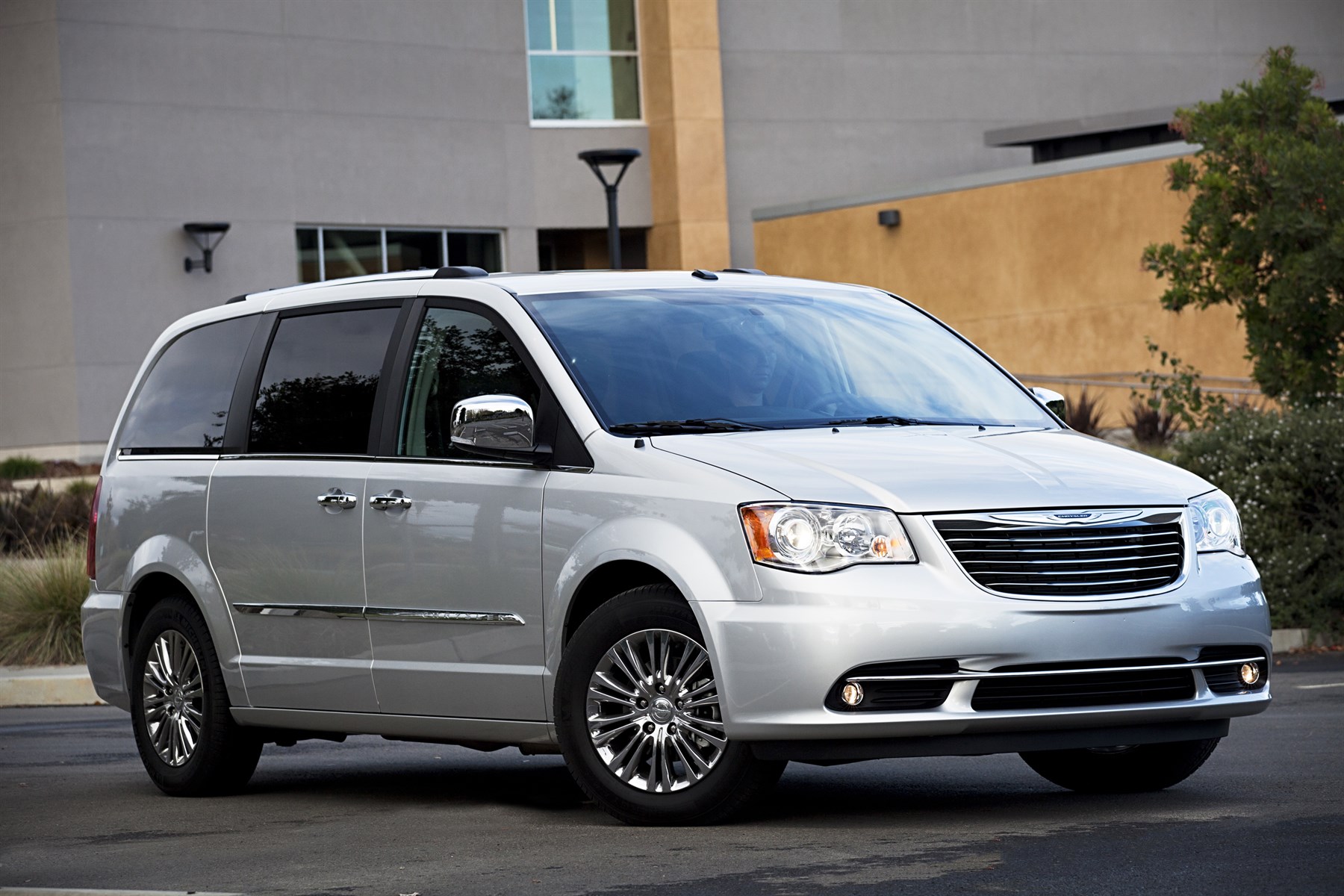
These vehicles are designed to be practical and comfortable, making them perfect for business use or families. We gave you the choice between four vehicles including the new Mercedes-Benz V-Class, Volkswagen Kombi, Chrysler Grand Voyager and the recently launched Kia Grand Sedona. You voted for your favourite van and we tallied up the scores to determine the most popular vans in South Africa. Take a look at the results.
Popular Vans in SA
1. Mercedes-Benz V-Class with 59% of the total vote
The Mercedes-Benz V-Class was launched in June this year and claims a landslide victory on this list with 59% of the vote. Not only is the V-Class super luxurious, but its also flexible and can be specced according to your transport requirements whether it be for leisure or business use. The V-Class is also packed with the latest safety technology and is powered by 2.2-litre turbodiesel engine with three power outputs ranging from 100 kW all the way up to 140 kW. Pricing for the V-Class starts from R695 981.
The Volkswagen Kombi is a firm favourite in South Africa and like the V-Class, its perfectly suited for both commercial and leisure use. The Kombi can seat up to 8 people comfortably and the seats can be folded or removed depending on your requirements. A 2.0-litre turbodiesel powers the range with varying power outputs ranging from 75 kW to 103 kW. Pricing for the Volkswagen Kombi starts at R474 800.
We recently had the new Kia Grand Sedona on test and we were impressed by both its performance and high levels of practicality. The Grand Sedona returns good fuel economy too and there are two engines powering the range including a 147kW/440Nm 2.2-litre turbodiesel and a 199kW/318Nm 3.0-litre V6. Buyers will be happy to know that the Grand Sedona comes well specced too which means you get a whole lot of car for your money. Pricing for the Kia Grand Sedona starts at R499 995.
4. Chrysler Grand Voyager with 6% of the total vote
Maybe not the most popular MPV in South Africa but the Chrysler Grand Voyager offers much in way of comfort, space, drive quality and value for money. There are two models on offer in South Africa and both are powered by a 2.8-litre turbocharged diesel engine that develops 120 kW and 360 Nm of torque. Pricing for the Grand Voyager starts at R609 990.
Volkswagen South Africa has updated the Polo sedan which features new interior and exterior styling and now comes with a 3-year/45 000km service plan as standard.
On the outside, the Volkswagen Polo Sedan features redesigned front and rear bumpers while the Comfortline derivatives get newly designed headlights and front fog lights. The Comfortline model also gets chrome accents for the door handles, front lower grille, bootlid and on the lower rear bumper.
For the Trendline derivatives, colour coded side mirrors and door handles are now offered. The indicators are now integrated in the side mirrors. There are also four new colours to choose from which include Titanium Beige metallic, Night Blue metallic, Carbon Steel metallic and Toffee Brown metallic.
Under the bonnet, the 77 kW 1.6 TDI has been replaced with a 77kW 1.5 TDI.
Optional features for the Polo sedan include:
Rear park distance control
Cruise control (standard for Comfortline)
Rain sensor with auto-dimming interior mirror (Only for Comfortline)
Along with a standard 3-year/45 000km service plan, the Volkswagen Polo sedan is also offered with a standard 3-year/120 000km warranty and a 12-year Anti-Corrosion warranty. Service intervals are set at 15 000km.
Volkswagen Polo Sedan Price in South Africa
1.4 63kW Trendline – R189 900
1.4 63kW Comfortline – R207 900
1.6 77kW Trendline – R204 900
1.6 77kW Comfortline – R219 900
1.6 77kW Comfortline Tiptronic – R234 900
1.5 77kW TDI Comfortline – R247 200
All-New Audi TTS Coupe in South Africa
Audi introduces a hotter version of its TT coupe to South Africa. Meet the TTS
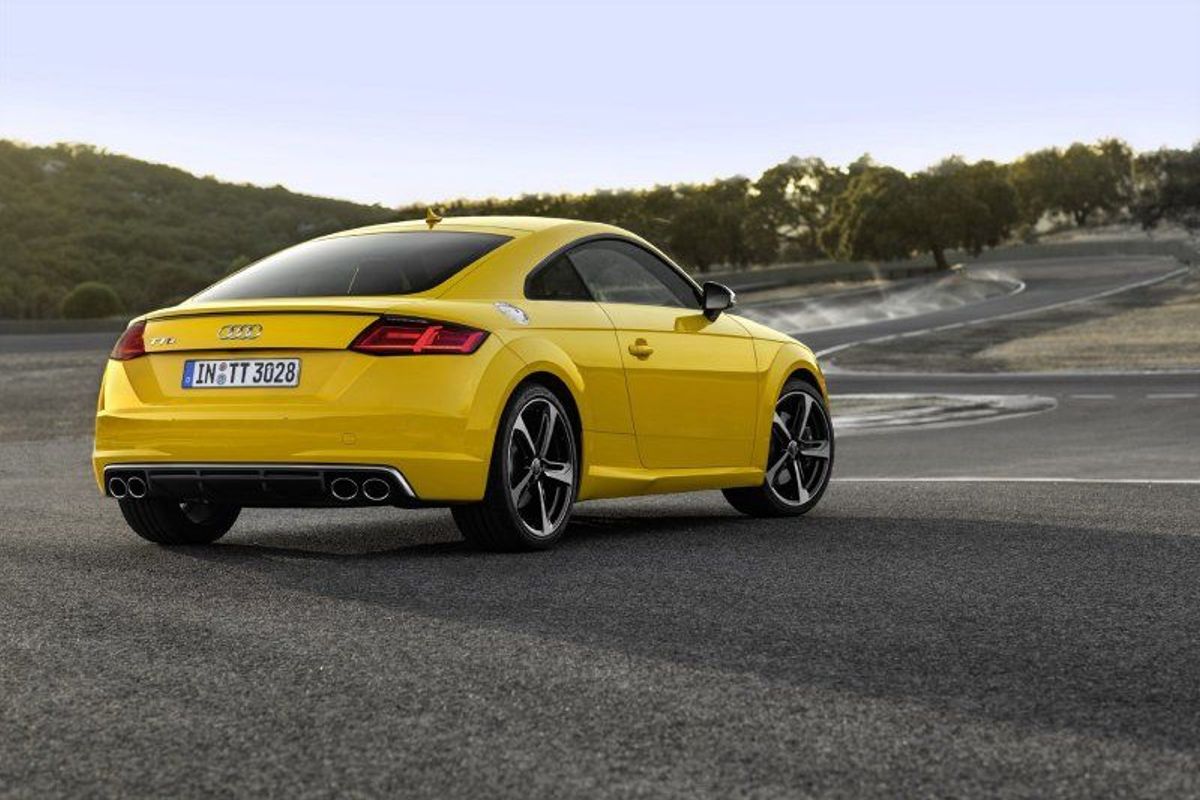
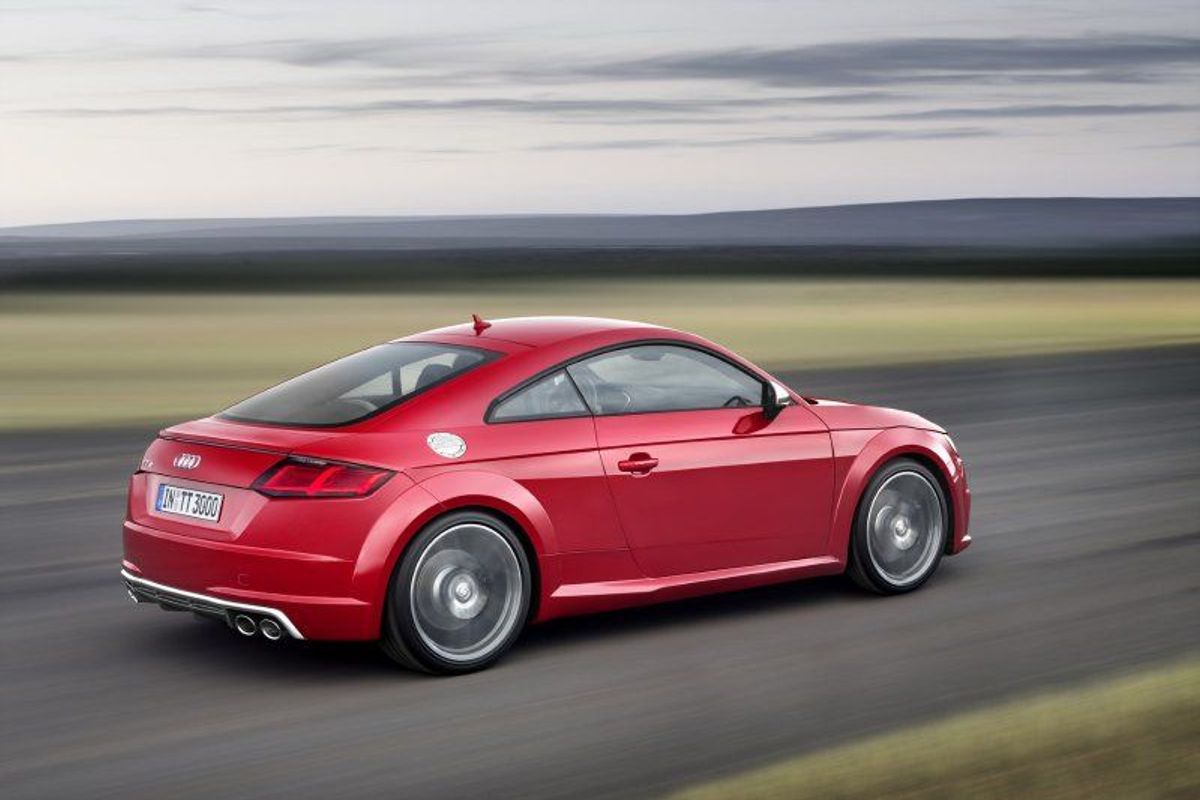
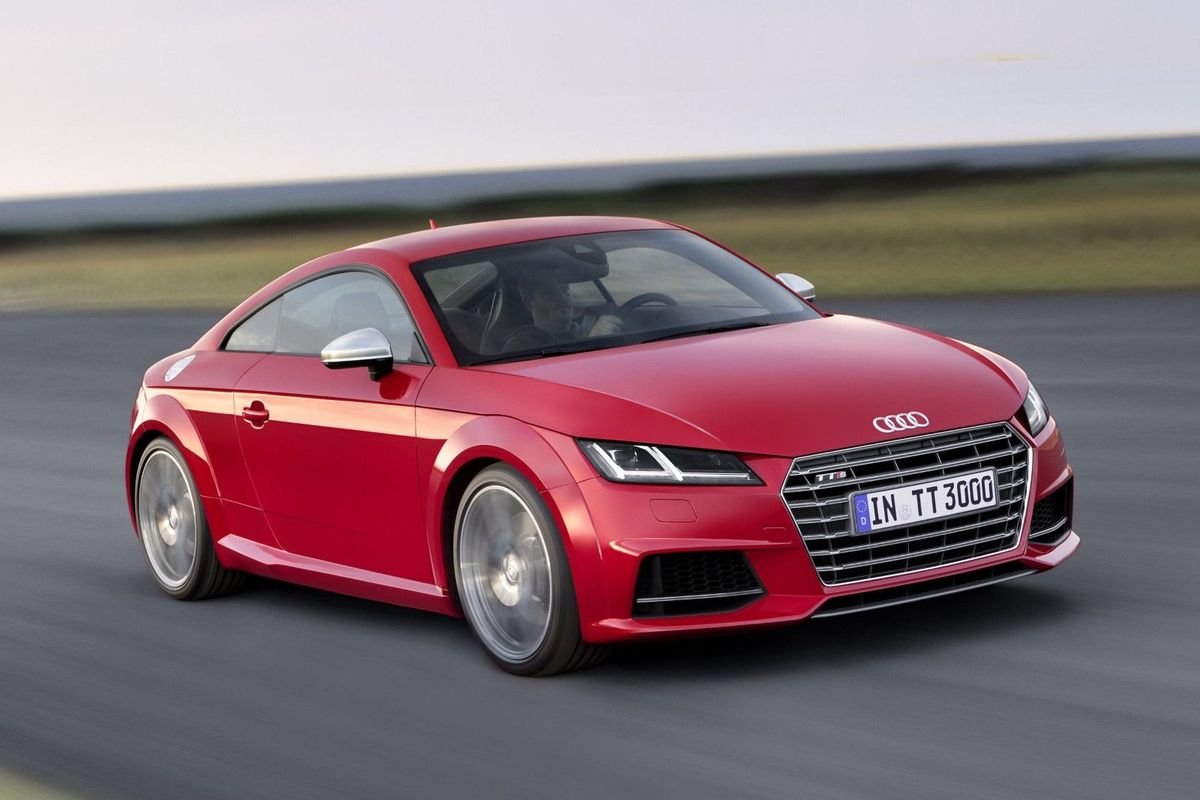
Audi launched the all-new TT in South Africa back in February and as you will know by now, its impressive. To make things all the sweeter, Audi has now introduced the new high performance TTS Coupe to the range.
Performance Deluxe
The Audi TTS made its first appearance in South Africa way back in 2008, albeit in limited numbers, and now the third generation TTS returns with its power sourced from 2.0T FSI engine borrowed from the S3 which develops 210 kW and 380 Nm of torque.
Those numbers ensure a 0-100kph sprint time of 4.8 seconds with fuel consumption rated at 7.1L/100km and an emissions figure of 164g/km.
The Audi TTS is fitted with an S tronic transmission along with launch control function and an optimised quattro all-wheel drive system for maximum traction. Using Audi drive select, the driver is able to adjust the all-wheel drive according to specific preferences and the modes include auto and dynamic.
Design Features
On the outside, the TTS shares its design with the TT, but adds a few additional details. Firstly, the TTS sits 10mm lower and gets a specific grille with wider air intakes as well as four rear exhaust pipes. The TTS rides on 19-inch wheels and is further recognised by aluminium-look exterior mirrors.
The front and rear over hangs are shorter too when compared to the previous model and the wheelbase is longer giving the TTS a sportier stance. The full LED headlights on the TTS feature a 3D design and are fitted as standard while Audi Matrix LED headlights are offered as an option.
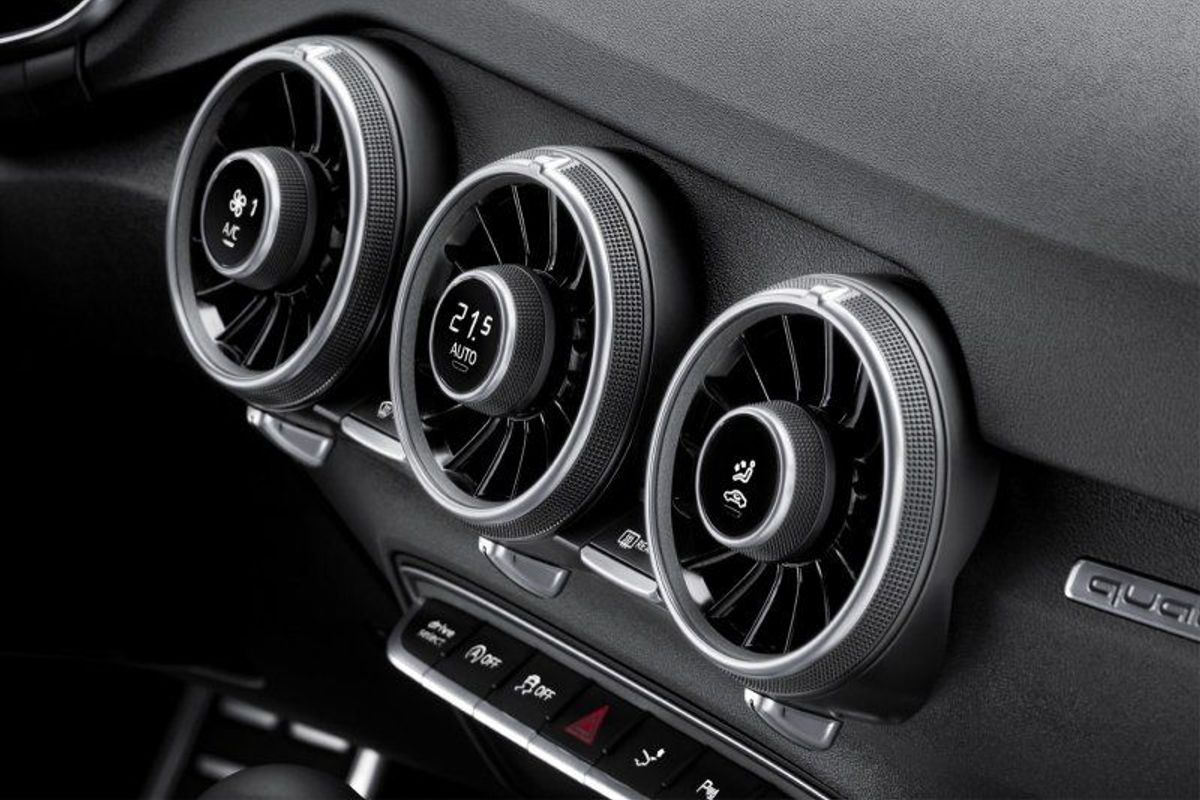
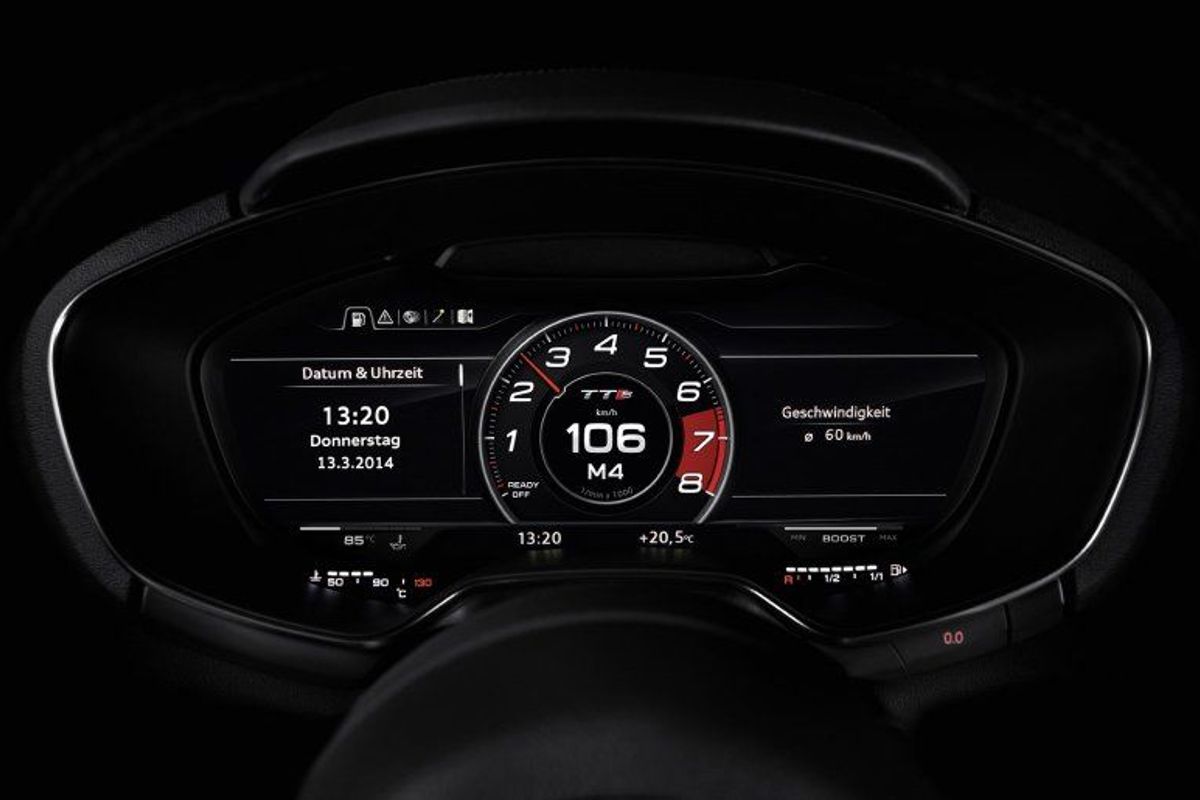
The interior is shared with the TT range but TTS badging sets this car apart from the pack. Audis impressive Virtual Cockpit is fitted as standard in the TTS and is combined with the Audi MMI control interface for intuitive use via a high resolution 12.3-inch LCD screen.
Standard features for the Audi TTS include:
TTS designed Virtual cockpit with Audi MMI navigation Plus and Touchpad control
19-inch alloy wheels
LED headlights
Electrically operated front seats
Keyless entry
Audi drive select
Audi music interface with USB
Bluetooth interface with audio streaming
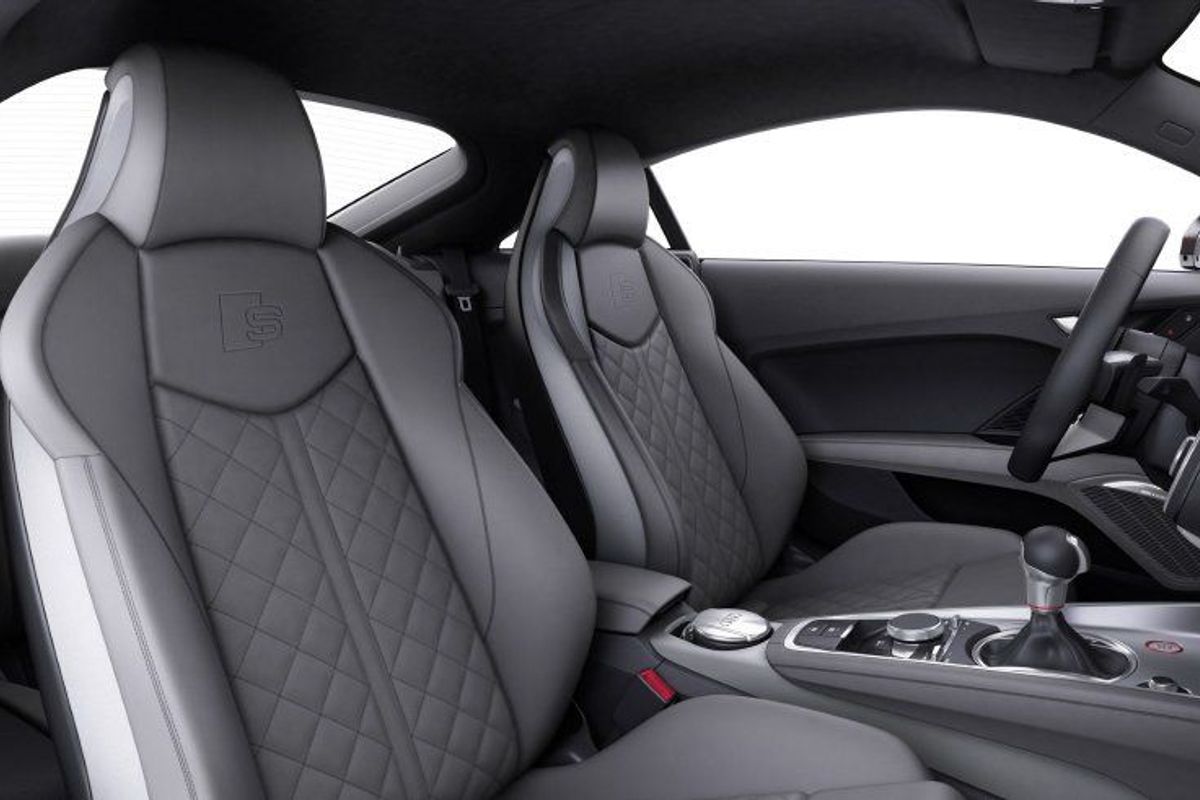
Alcantara/ leather upholstery
Light/rain sensor
Aluminium look interior enhancements
Front centre armrest
TTS Leather-trimmed, 3-spoke flat bottom multi-function steering wheel Plus with shift paddles
Front sports seats
Cruise control system
Digital air conditioning
LED interior lighting
Audi TTS Price in South Africa
Audi TTS Coupe 2.0T FSI quattro S tronic – R700 500
Price includes a 5-year/100 000km Audi Freeway Plan.
Five Questions: Gilles Vidal (Peugeot)
We sat down for an exclusive chat with Peugeot’s Director of Style, Gilles Vidal, who is responsible for many of the breathtaking concepts seen at the world’s big motor shows. Vidal currently operates out of the Peugeot-Citroen facility at Velizy-Villacoublay, near Paris.
Cars.co.za:Who is Gilles Vidal?
GV: I started as a car designer in 1996 for Citroen after attending art/design school. I originally worked as an exterior designer, but I did a bit of interior too. I became a design manager and worked on many projects. In 2004 I became head of concept cars and advanced design for Citroen. Between 2004 and 2008/2009 I did many concepts and helped with advanced thinking and design. I inherited the full Citroen design portfolio and was offered the Director of Design position for Peugeot in January 2010.
Cars.co.za:The design and small size of the Peugeot steering wheel has been a discussion point amongst journalists and petrolheads alike. What are the benefits of the smaller wheel as opposed to a conventionally-sized wheel?
GV: Actually the small wheel gives more control, but its not everybody’s opinion. We’re car professionals and we’re used to the bigger wheel. We have to keep in mind that clients are not like us. They don’t drive like us on test tracks and for the every day driver and on long distances, you don’t want your arms positioned so high so you don’t need the bigger wheel. It’s just better ergonomics.
Cars.co.za:How far in advance are you working?
GV: Right now we’re working on cars to come out in 2022. What we’re doing is not set in stone, we keep it open for as long as possible so we can adapt as close as possible to the deadline.
Cars.co.za:As a designer, what inspires you outside of the car world? Do you look at brands of television and think ‘that’s nice!’?
GV: You’re right. It’s not just TVs though and most of the designers here hang out at the concept stores, fashion shows and modern art exhibitions and all that feeds your creativity. There’s a theory about creative people: they have less inhibitions and filters, and get a lot more stimulus from things. It’s not direct inspiration and saying “Oh that’s a nice line and I will redo that on a car.” It’s more about creativity cultivation and translating things into something fresh and new.
Cars.co.za:How do you blend creative design flair with engineering reality? How many times have the engineers said to you, ‘that’s impossible?’
GV: Every day! (laughs) With experience we know what’s feasible or not, but we have to challenge the engineers to make something feasible. We have to keep pushing and proposing things that we know by experience are not feasible, because without that we would stop the creative machine. To that extent, we’re all designers in the company and an engineer should be a creative person anyway.