To celebrate the 40th birthday of the Volkswagen Golf GTI, a hotter version has been announced.
Volkswagen has this tradition of anniversary models and milestones such as the 20th, 25th, 30th and 35th all resulted in special editions. The limited-edition 35 Golf GTI is a proper collectors item and many made their way to South Africa.
Performance Engine
Meet the new Golf GTI Clubsport, the most powerful production Golf GTI ever. Packing a direct injection and turbocharged 2.0-litre engine tuned to deliver 195 kW, this GTI is claimed to hit 100kph in just 6.0 seconds for the manual version. With the quick-shifting DSG transmission, you’re looking at 5.9 seconds for the same sprint. The torque figure hasn’t been announced, but we estimate around 380 Nm should be available.
That’s not all though. Using some clever mapping, the Golf GTI Clubsport offers 10% more power for 10 seconds, taking it to 213 kW! This overboost function is activated when the throttle is fully depressed. It’s not always about performance though as the Volkswagen Golf GTI Clubsport is claimed to consume just under 7L/100km.
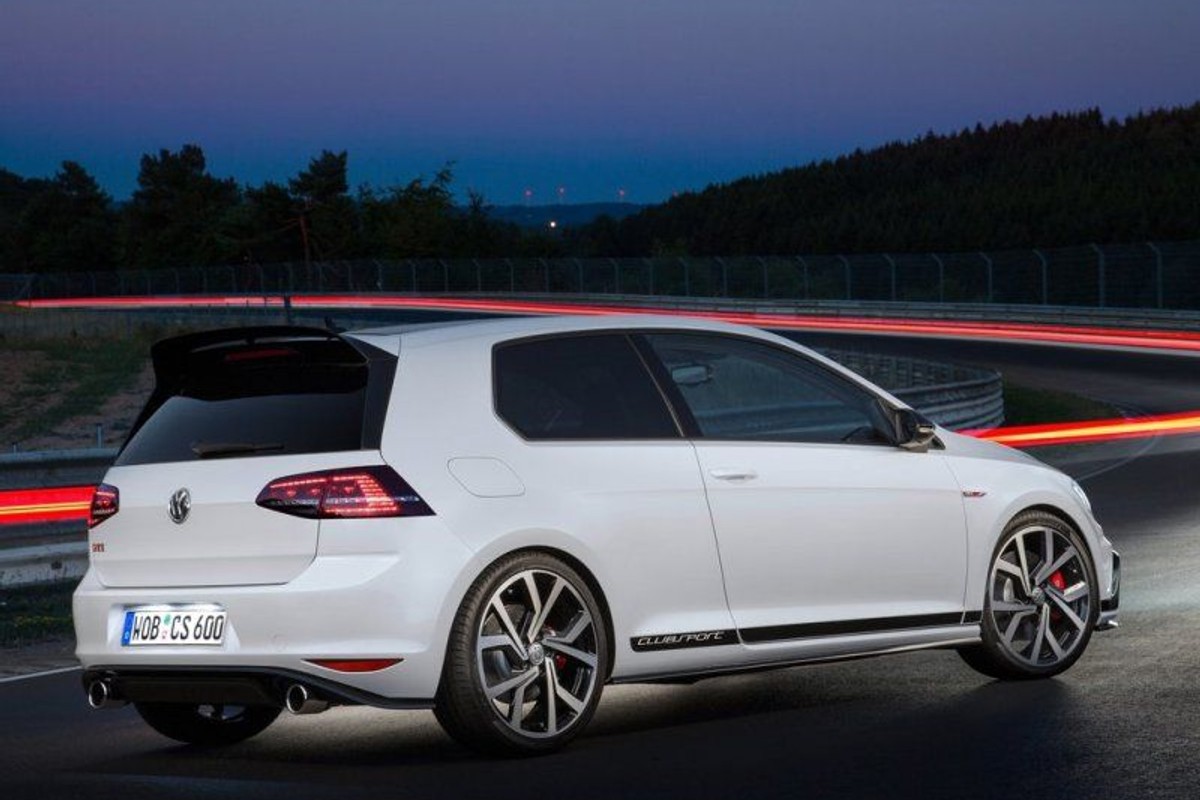
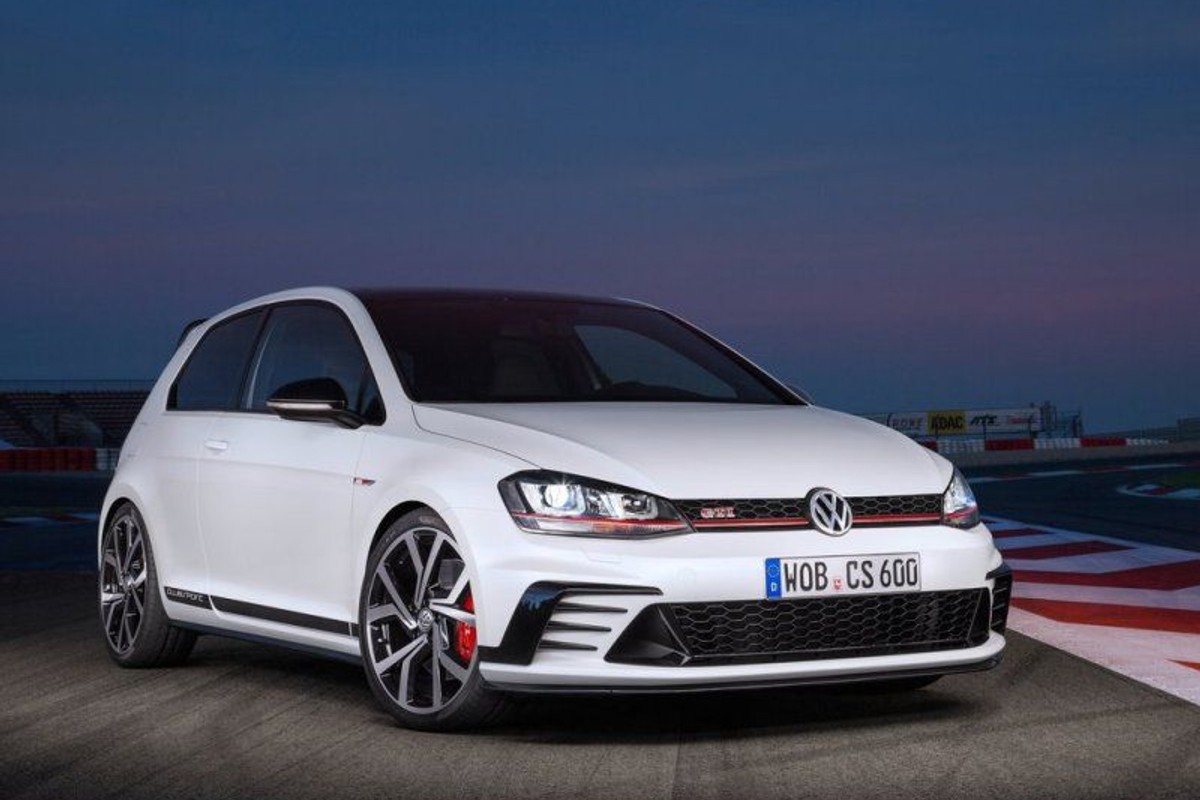
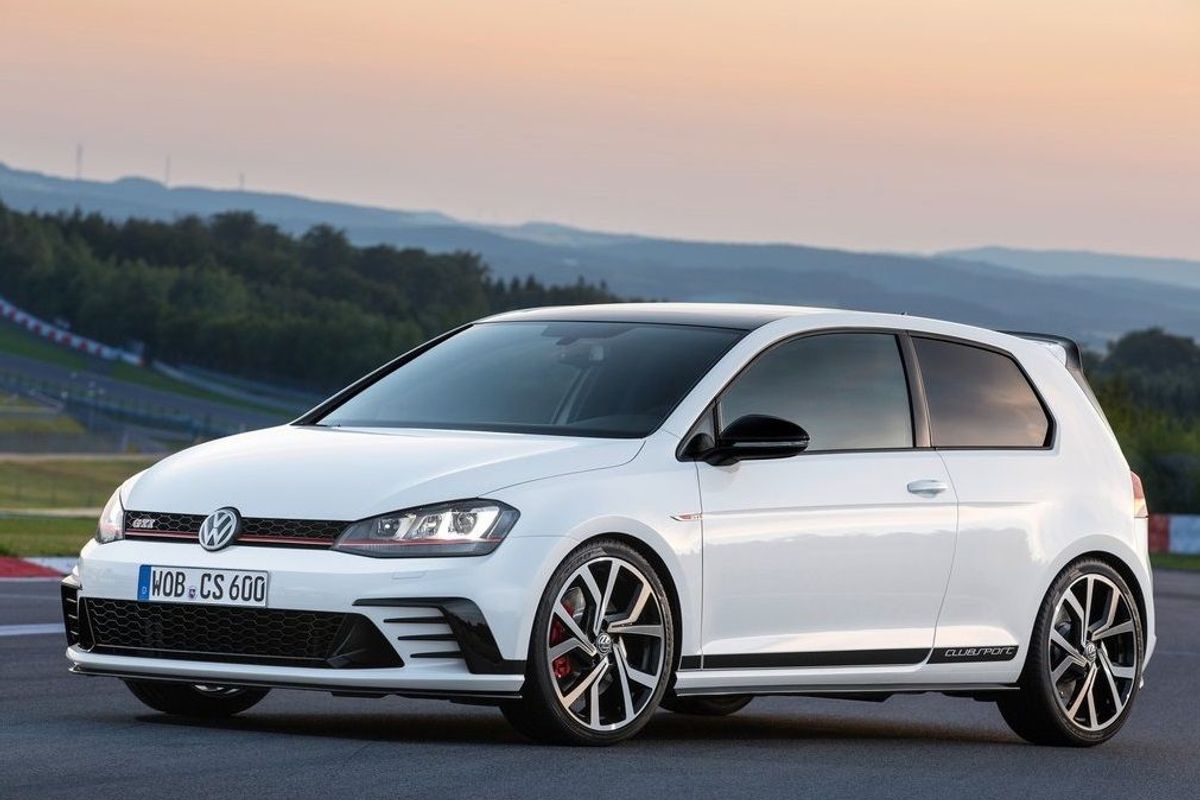
It’s arguably the best-looking Golf GTI yet, with a number of tweaks in terms of design, aerodynamics and equipment. Clad in bright Oryx White paint with a contrasting black roof, the Volkswagen Golf GTI Clubsport looks menacing. It also features a completely new front bumper, new side skirts, a new rear diffuser, a new roof spoiler and exclusive forged aluminum-alloy wheels.
It also features Clubsport decals and a wide black trim stripe on the side between the front and rear wheel arches at skirt level. This stripe is replicated on the side of the anniversary model and pays homage to the original 1976 Golf GTI.
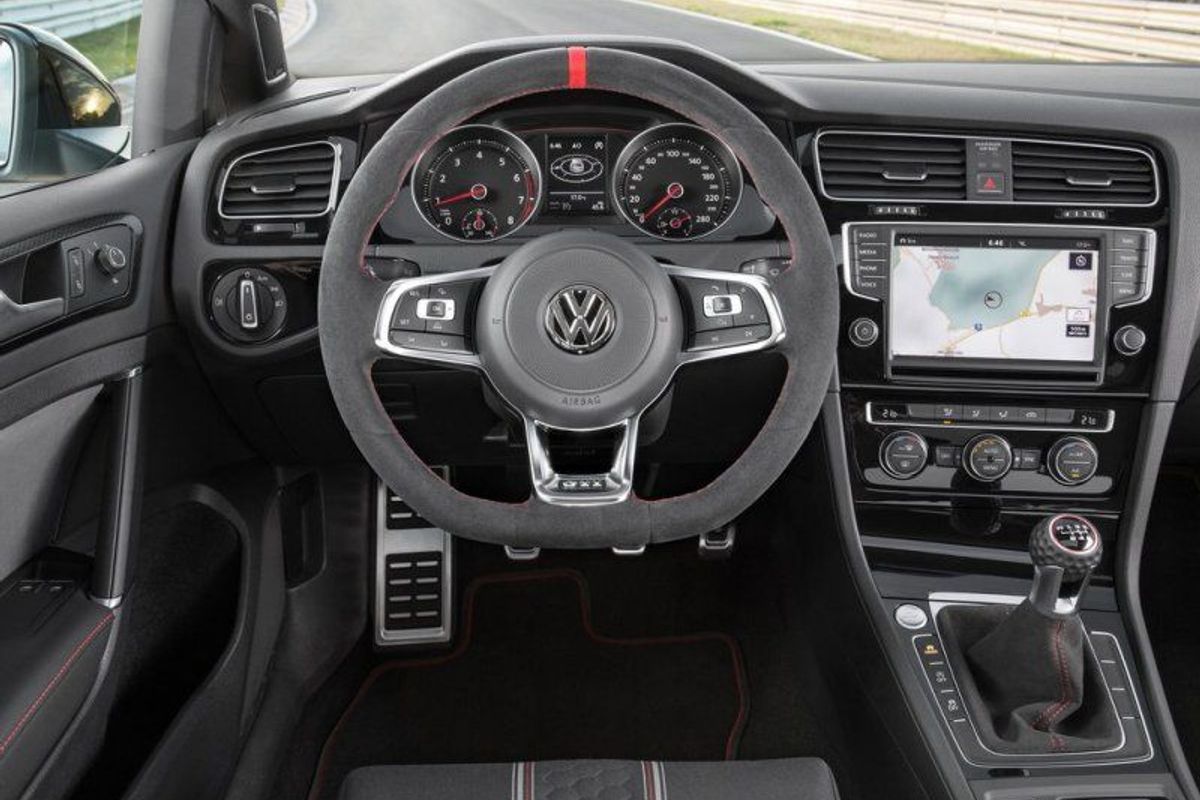
Inside the Volkswagen Golf GTI Clubsport are racing bucket seats featuring tartan fabric upholstery, red stitching, a golf-ball-shaped shifter knob and black headliner. The seat belts have a red line down the middle and there’s plenty splashes of Alcantara around the cabin.
When approached for comment on the availability of the Golf GTI Clubsport in South Africa, the reply from a Volkswagen SA representative was, “We will only know after its European launch in the first quarter of 2016 if we can introduce it in SA.” Let’s hold thumbs.
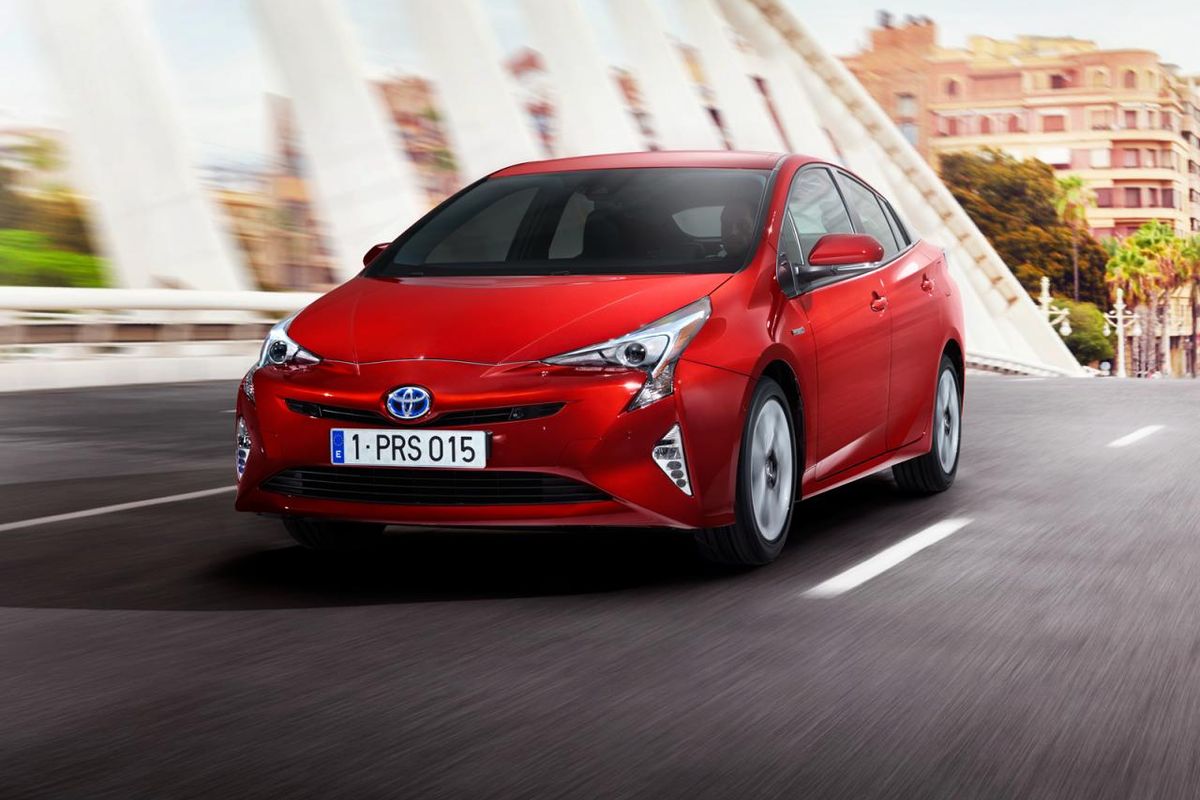
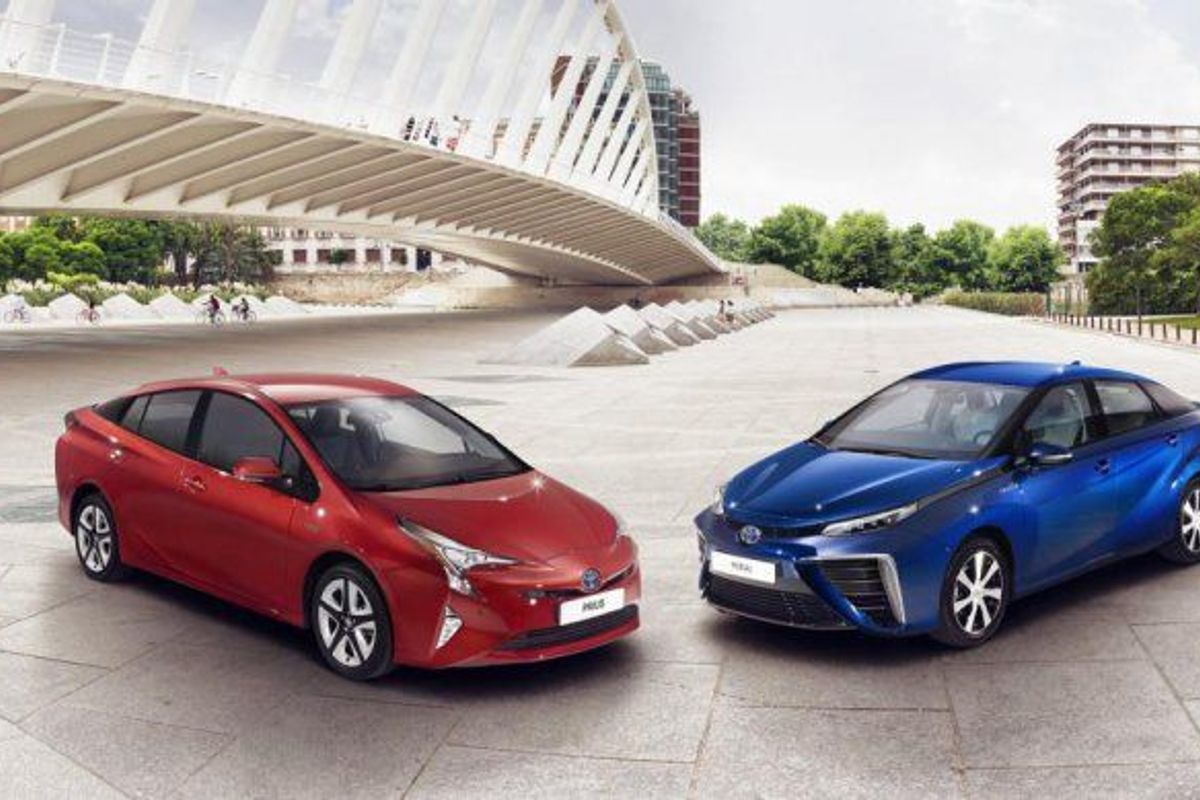
New Toyota Prius Revealed For 2016
The Toyota Prius went on sale way back in 1997 and became the first ever mass produced hybrid car. Meet the new one.
Since 1997 Toyota has sold 3.5 million Prius across the globe. This latest model features a new chassis, advanced hybrid systems and improved dynamics.
Prius Hybrid details
Toyota has annoyingly released zero details about the powertrain and hybrid system, but mentioned that it is vastly improved. Almost every internal component of the Prius engine is new or substantially revised.
A comprehensive program of size and weight reductions for major hybrid components was achieved while maintaining overall performance. As a result, the Prius has achieved over 40% thermal efficiency and a huge boost in fuel economy.
New Prius architecture
The Prius will feature Toyotas new global platform. The chassis claims to improve basics such as handling and safety. It is also 60 percent stiffer than before with the engine sitting lower down, reducing the centre of gravity.
Design
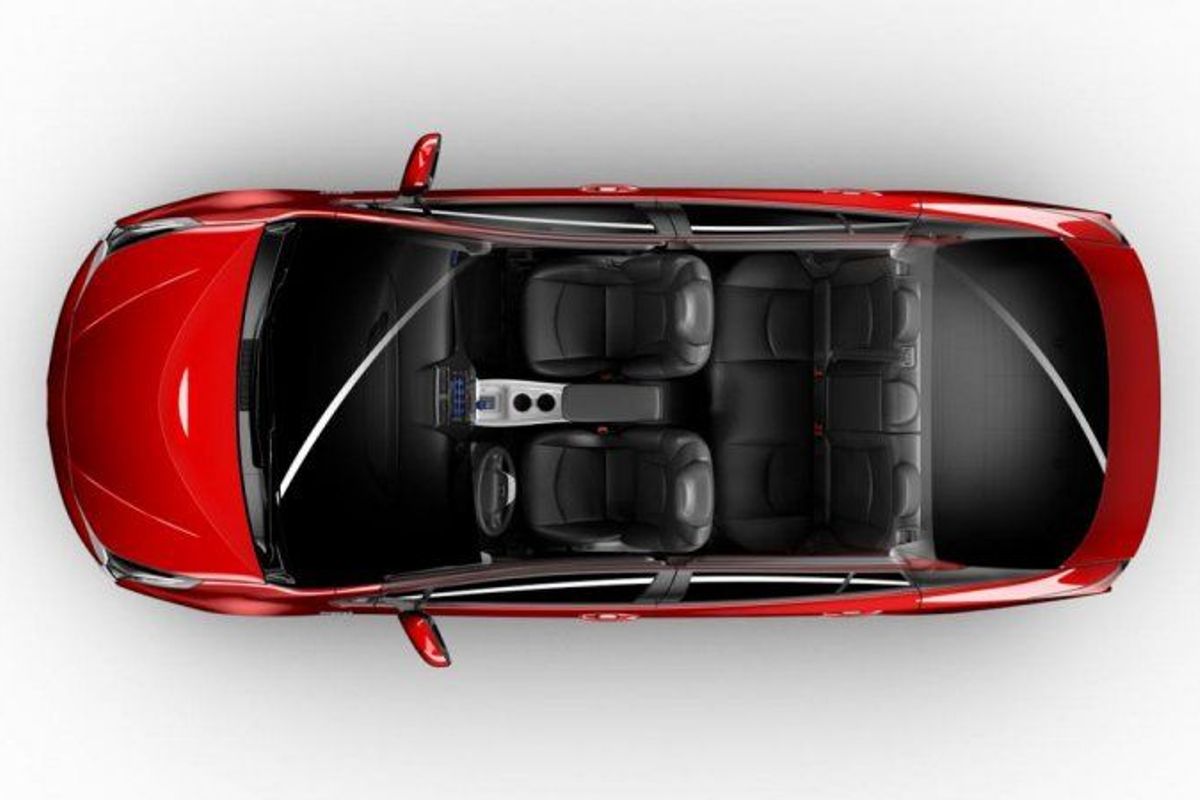
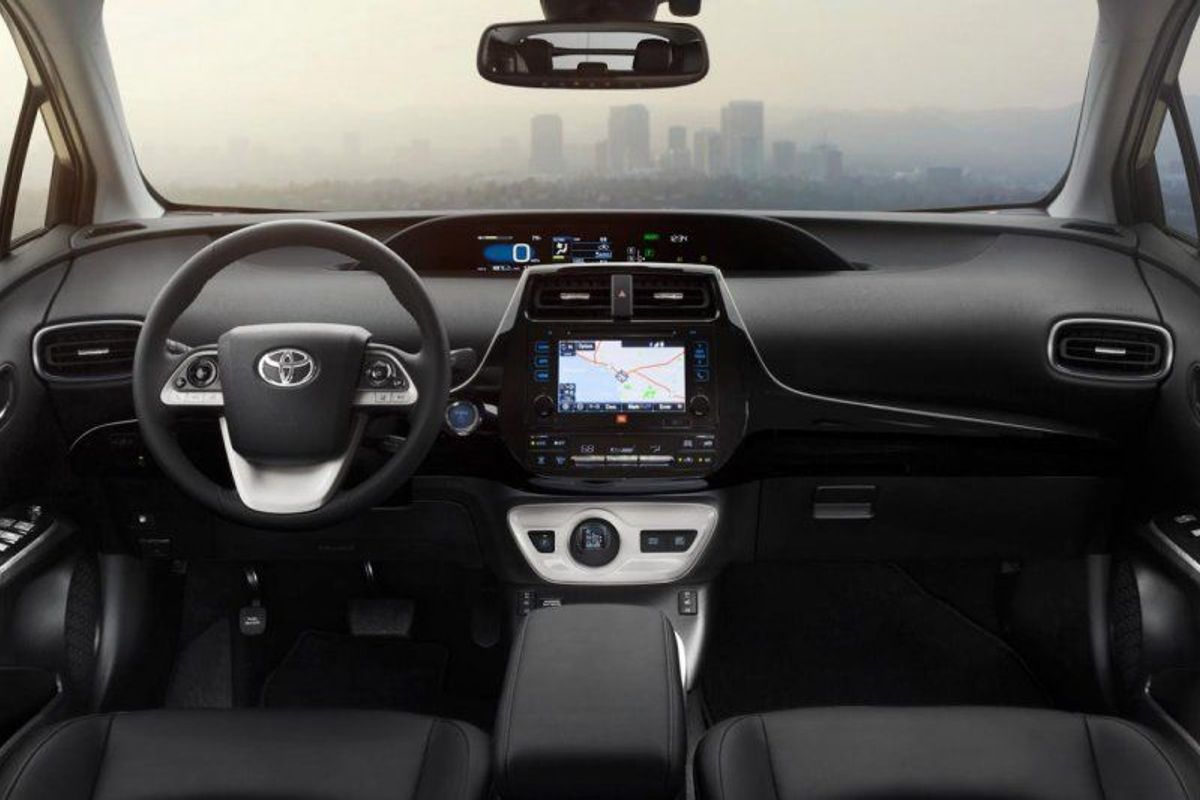
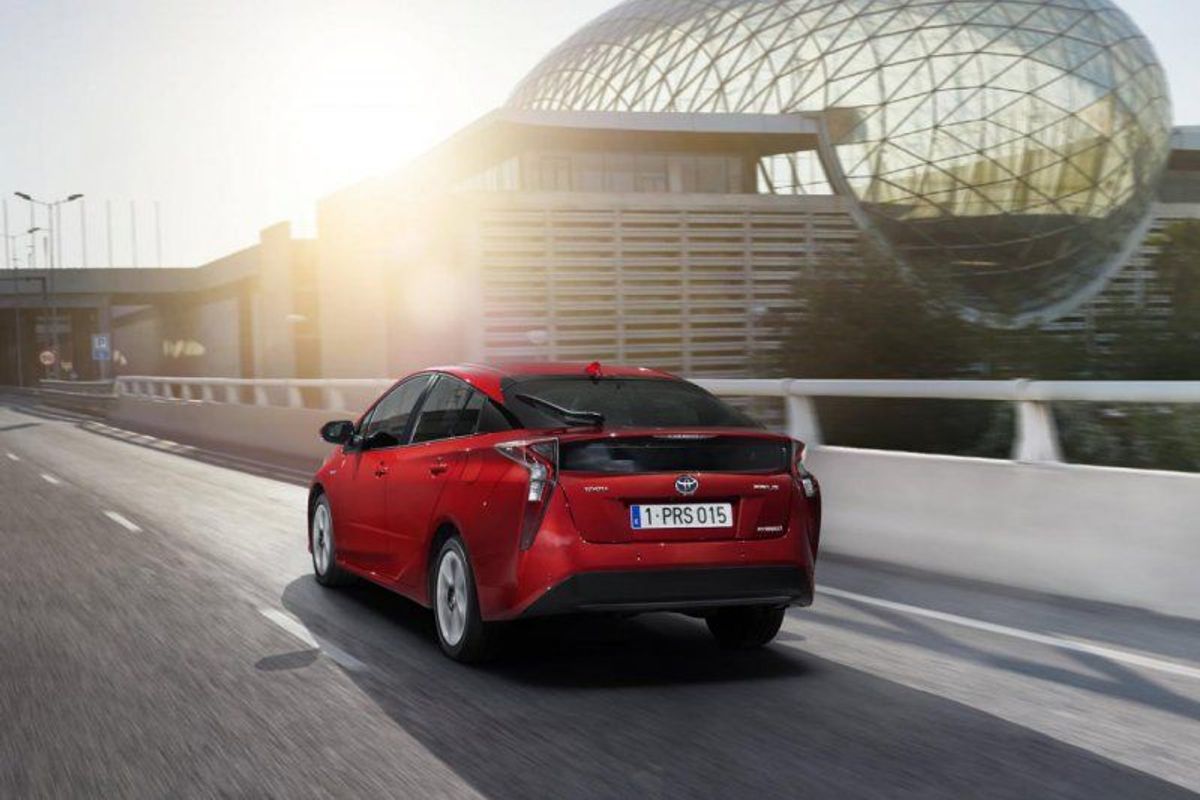
It seems that much of the fuss made about this Prius has been over the styling. The top of the roof has been lowered by 20mm and moved forwards, while the bonnet has also been lowered. All improvements have been achieved with no sacrifice to interior space.
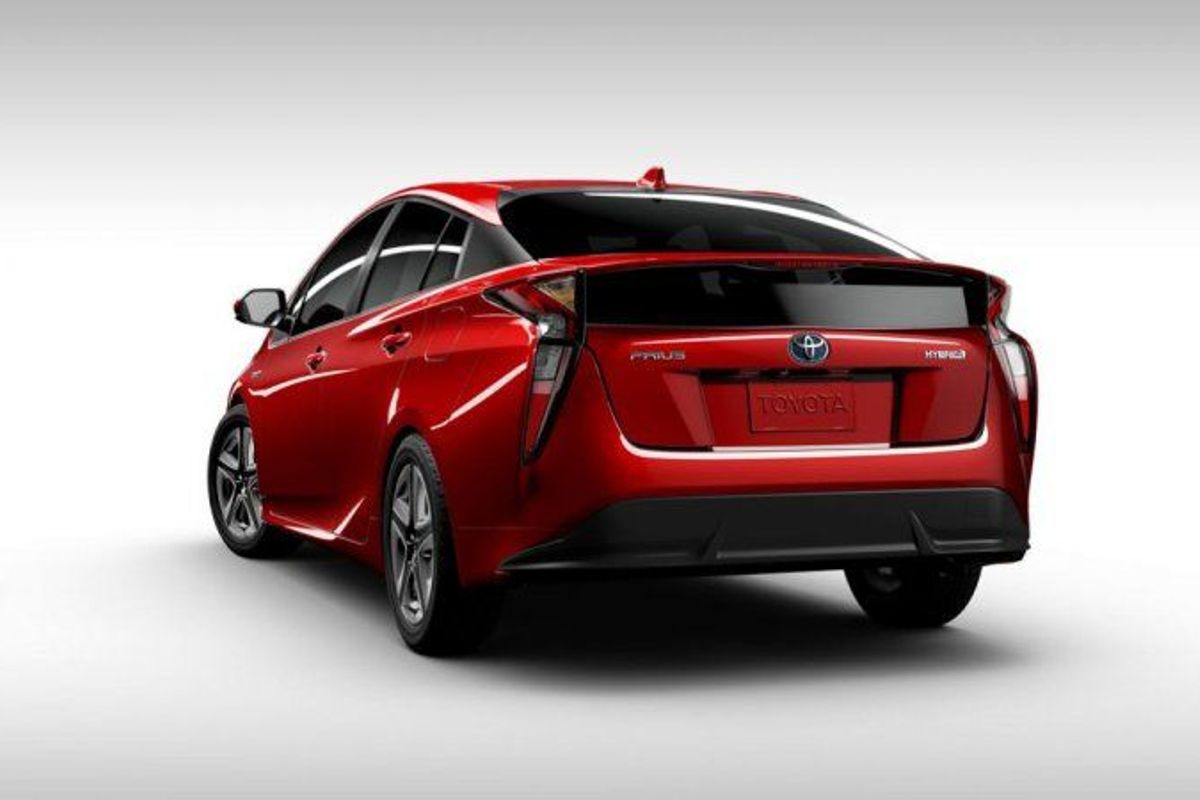
The use of new headlamps minimizes the Prius’ frontal area and, at the same time, provides a striking lighting display. Meanwhile, the rear combination lamps express the distinctive lines of the Prius from the rear spoiler to the trailing edges of the sides.
Up to eight exterior colours are available, including “Emotional Red” which utilizes a newly developed treatment process to achieve a deep, vibrant luster.
On Sale
This latest generation of Prius will go on sale later this year in Japan before heading to markets around the world soon after.
2015 Polo GTI vs Golf GTI Which Should You Buy?
SCROLL DOWN FOR VIDEO
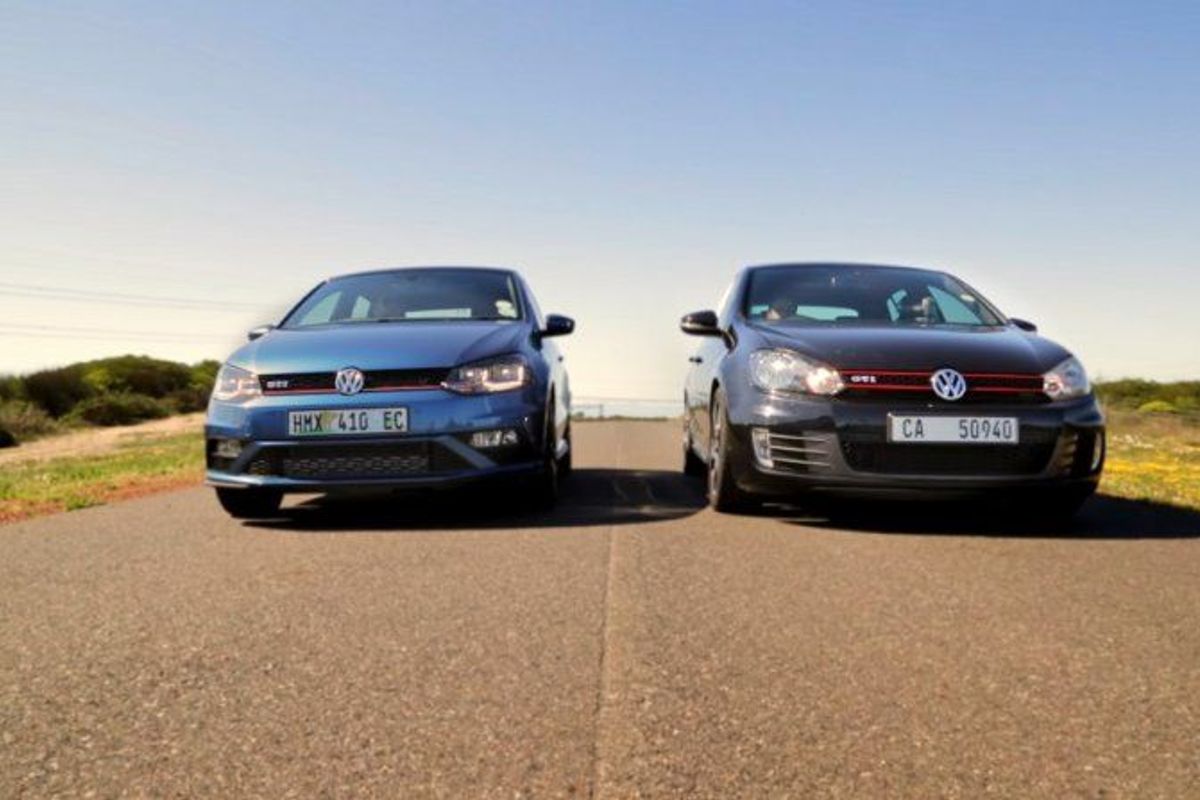
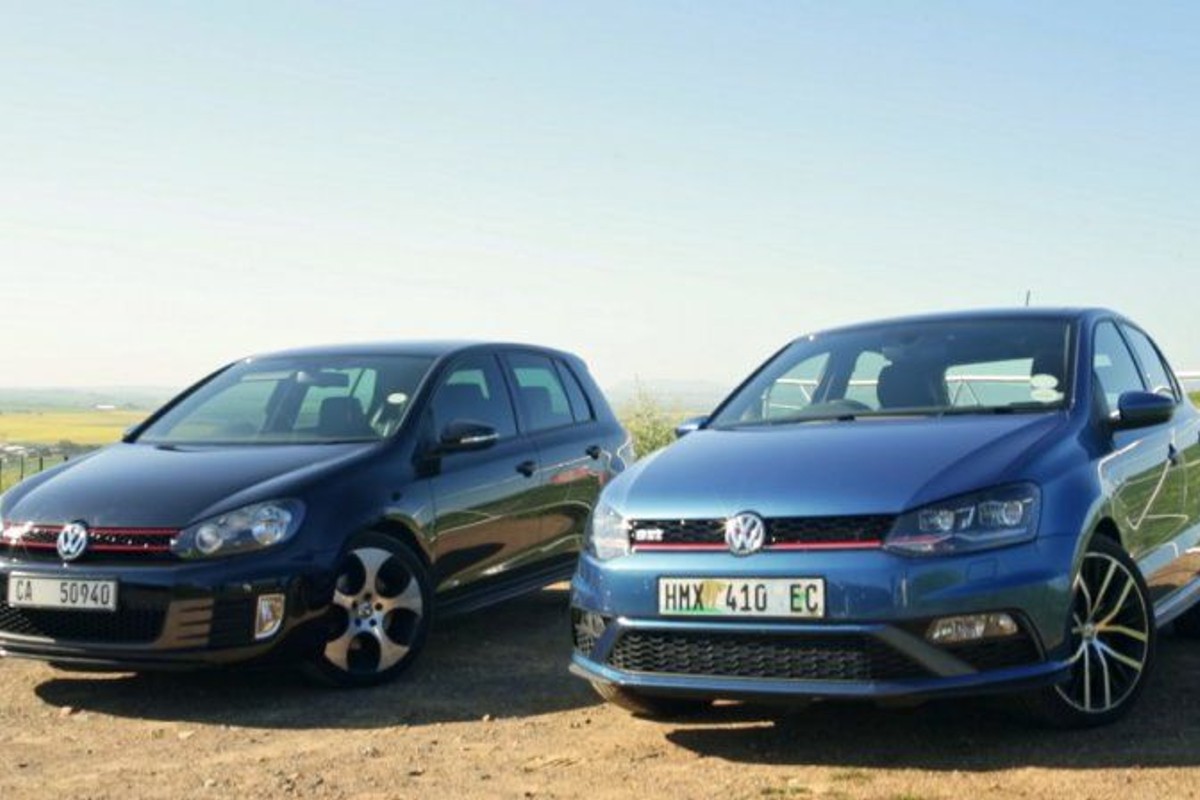
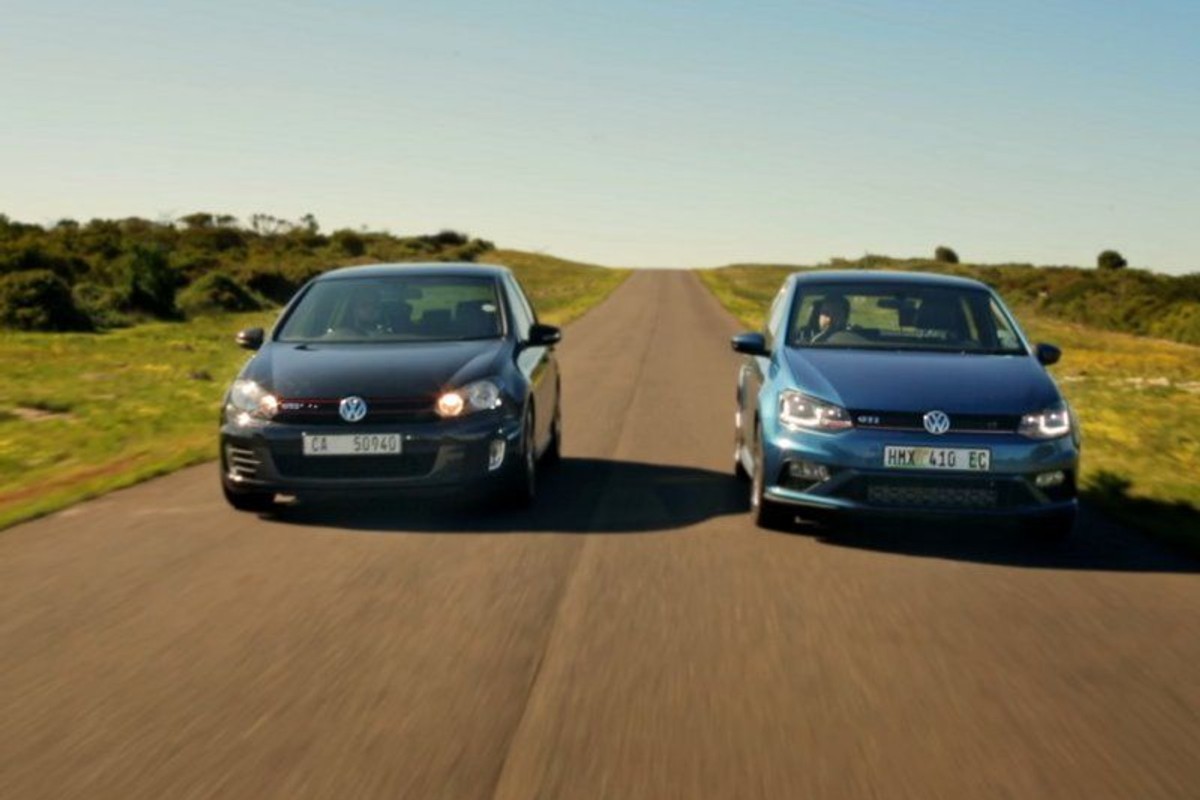
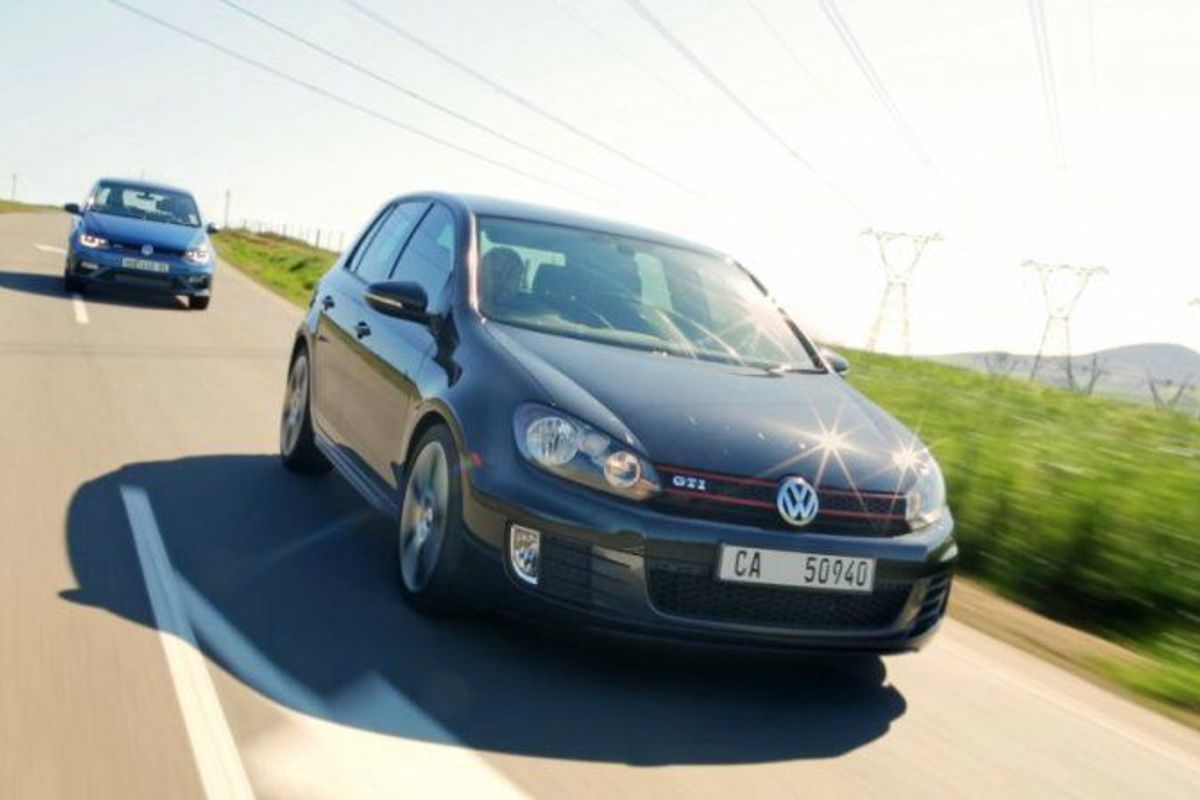
The new Volkswagen Polo GTI is pretty good, but is it R320 000 good? Worth it, or is a preowned Volkswagen Golf 6 GTI better?
When the latest Volkswagen Polo GTI arrived at the office, I have to confess to liking it. Quite a lot actually. It has the essential hot hatch elements: large wheels, sporty bumpers and skirting, an unnecessary engine with unnecessary power.
And with the manual gearbox, the Polo GTI is even more fiery; with 70 more Nm over the DSG version. With its vital stats now standing at 141kW and 320Nm, this was all shaping up very nicely.
Out on Cape Towns backroads, the new little GTI didnt disappoint. Its one of the sharpest drives you can get in a car with a VW on the front. Its the kind of car which seems to enjoy being pushed, and in a refreshing way, it feels light on its feet. Its all very un-Volkswagen.
Until you look at the price. With a starting price of R313 000, the new Polo GTI is cheaper in manual guise, but still, were north of R300 000 here. For a Polo. And to make matters worse, our test unit was specced to R352 000. For a Polo.
And that got me thinking. How much could I pick up a good, used, Golf 6 GTI for these days? I began trawling through Cars.co.zas vast database and I came up with some gems:
There are literally hundreds more to choose from, to suit just about every budget. In this video, we set out to answer what seems to be quite an interesting question: If you have about R330 000 burning a hole in your pocket, which you should you buy? The 2015 Polo GTI, or a used Golf 6 GTI?
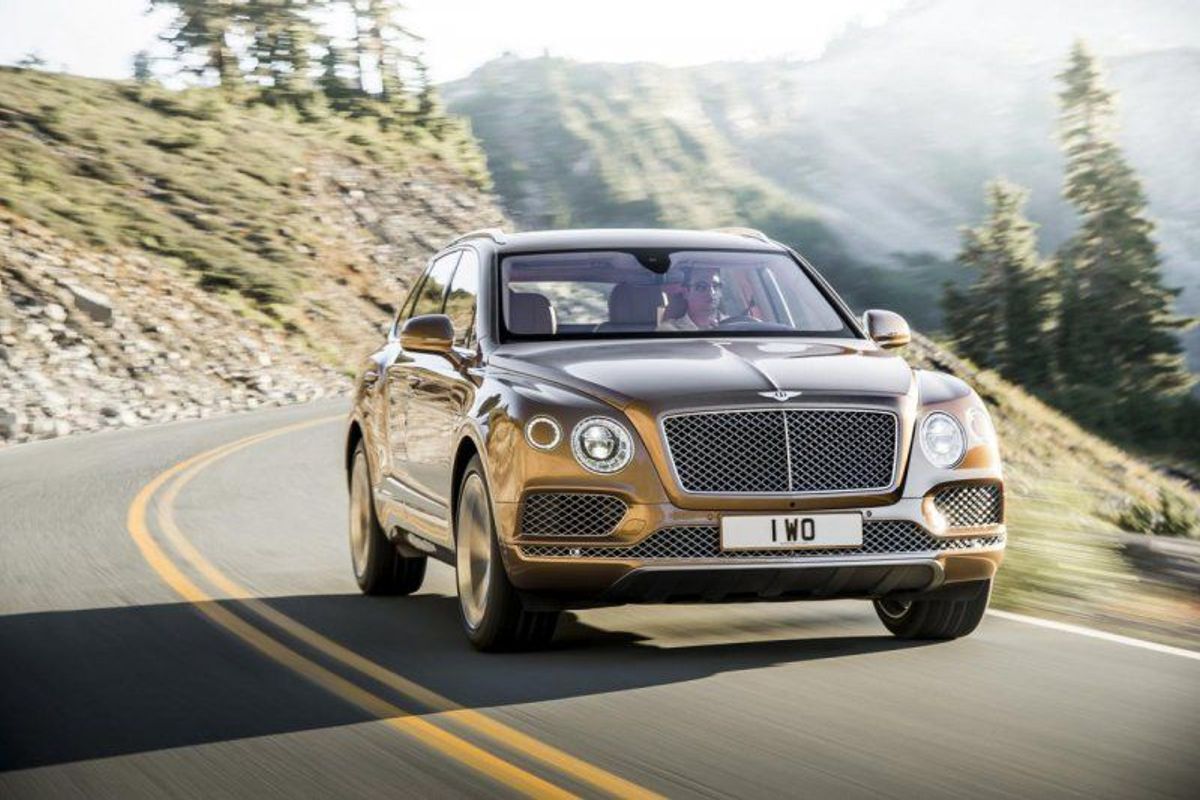
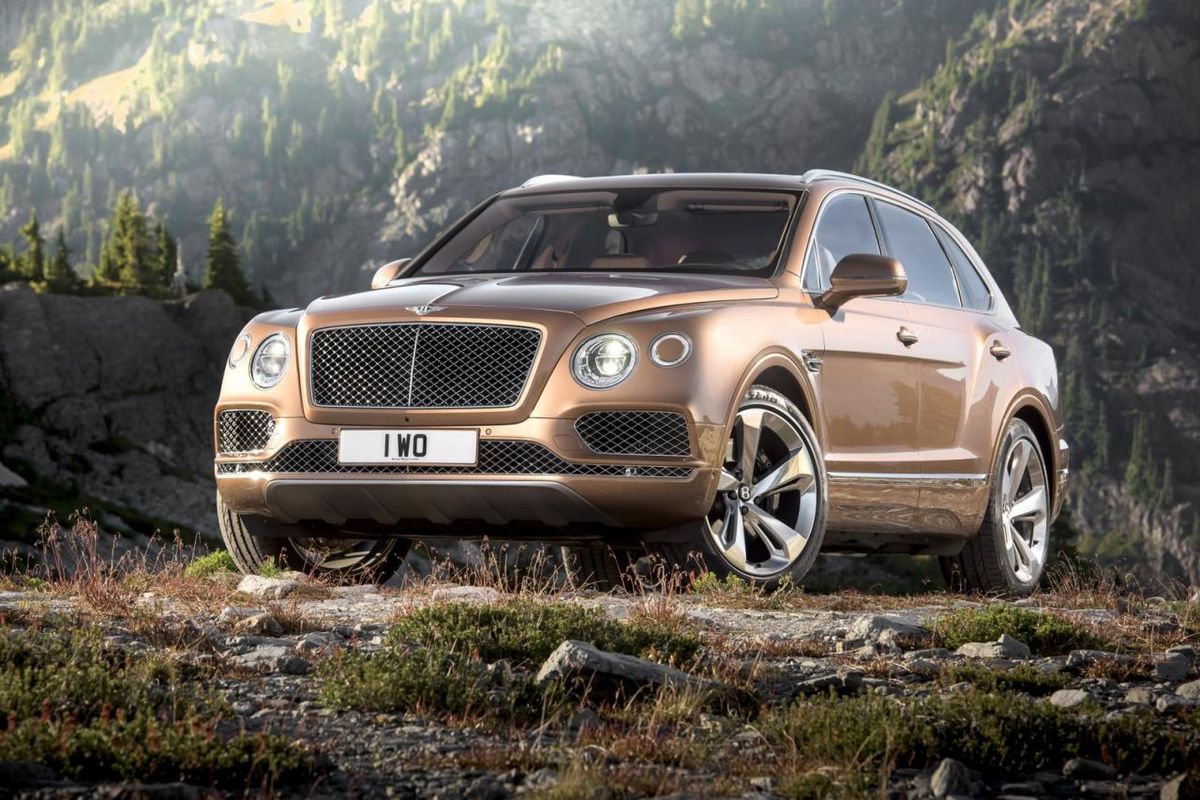
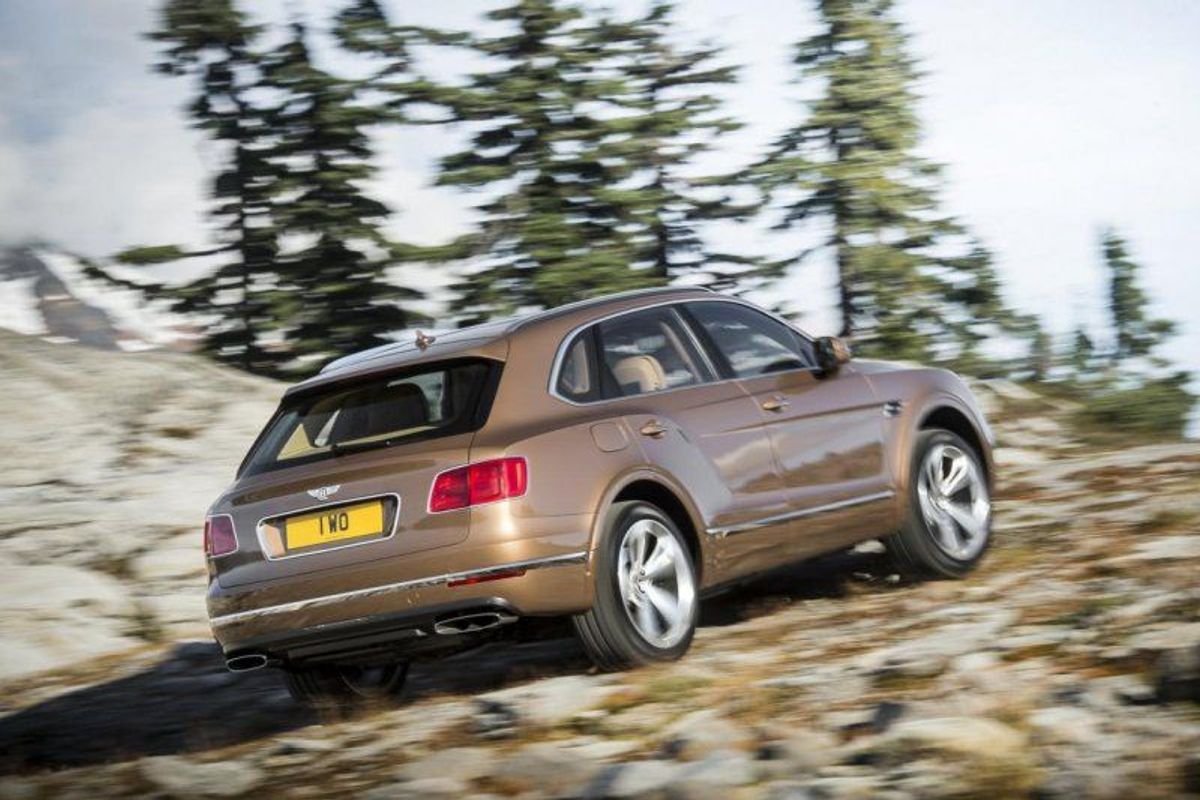
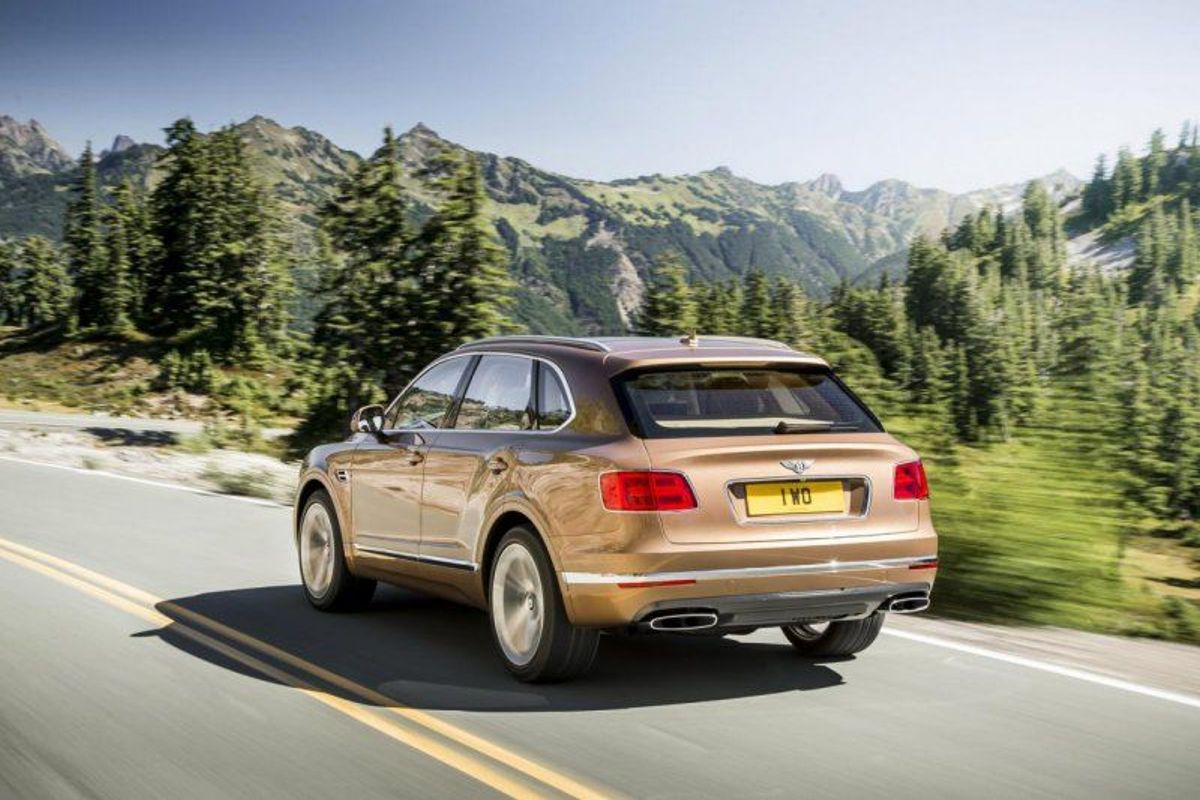
Bentley has dipped its foot into the premium SUV market with the launching of the new Bentayga.
In true Bentley fashion however, it has made sure that the Bentayga will be the best of the best. Bentley describes the Bentayga as the fastest, most powerful, most luxurious and most exclusive SUV in the world.
Bentayga Details
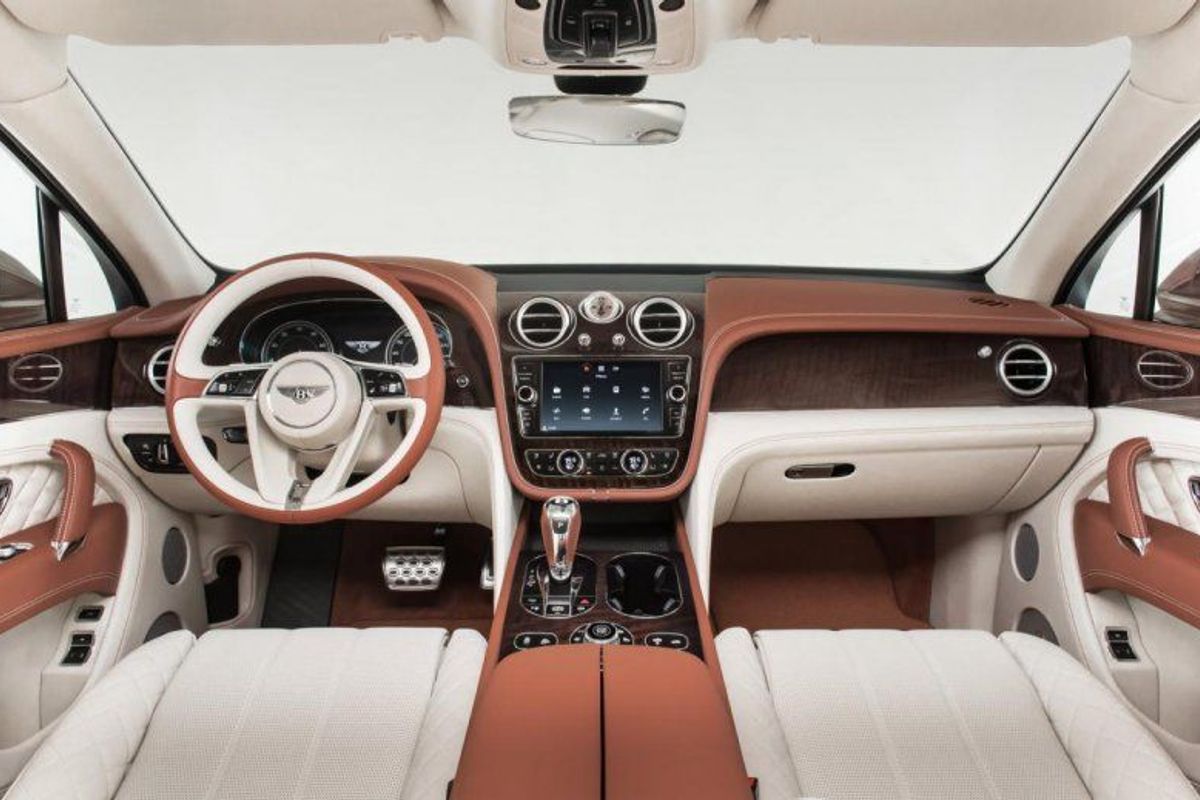
Reading through Bentleys release on the Bentayga its hard not to notice that it has used the statement in the world almost as much as an episode of Top Gear. For instance the interior is the finest in the world, with handcrafted wood and leather throughout engineered with precision to deliver absolute perfection.
The dashboard takes the iconic Bentley wing design as its inspiration, with the beautifully finished surfaces flowing from door to door over the top of the instrument binnacles, down under the centre console and back up around the passenger side fascia and foot well.
Engine Details
The 12-cylinder engine beneath the Bentaygas bonnet is also the technologically advanced 12-cylinder engine in the world. It does develop 447 kW though with 900 Nm of torque. Its sprint time from 0-100kph is 4.1 seconds making it marginally quicker than the seemingly less crazy BMW X5 M that manages just 4.2 seconds. The power is sent to the wheels via an eight-speed automatic gearbox that has been strengthened to deal with the excessive torque load. The four-wheel drive system has also been strengthened.
Extra handling prowess
In order to make the Bentayga handle all the power and subsequent cornering loads, Bentley will introduce a system called Dynamic Ride. It is an electric active roll control technology. Inherent in larger vehicles with a higher centre of gravity, this system instantly counteracts lateral rolling forces when cornering and ensures maximum tyre contact. It improves cabin stability, ride comfort and handling.
Bentley spec
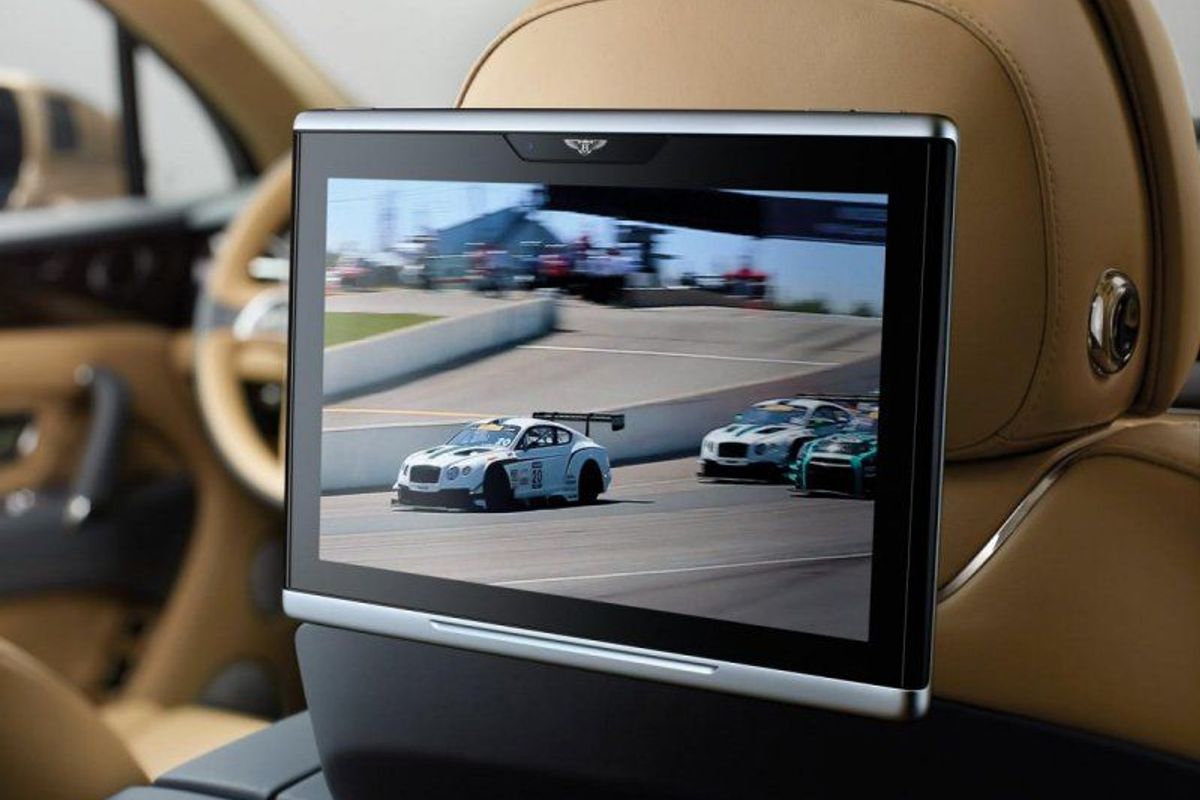
In order to make sure the Bentayga sits above all other SUVs, it comes standard with 20-inch wheels. These can be increased to 22-inches if needed. Optionally available is a Naim sound system that offers 18 speakers and super tweeters that can put out 1950 watts. Rear passengers get a cool 10.2-inch detachable Android tablet. It has 4G, WiFi and Bluetooth for use on the road.
First deliveries of the Bentayga are set for early in 2016.
Bentley Bentayga Video
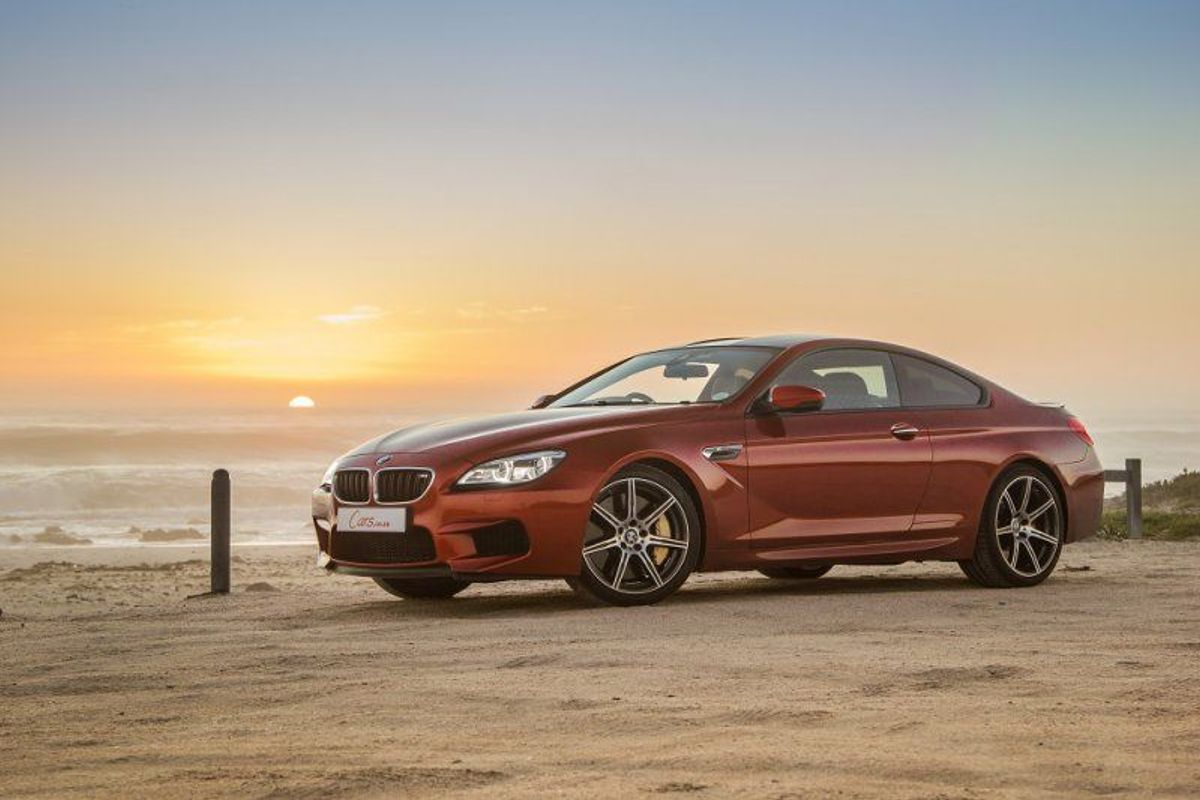
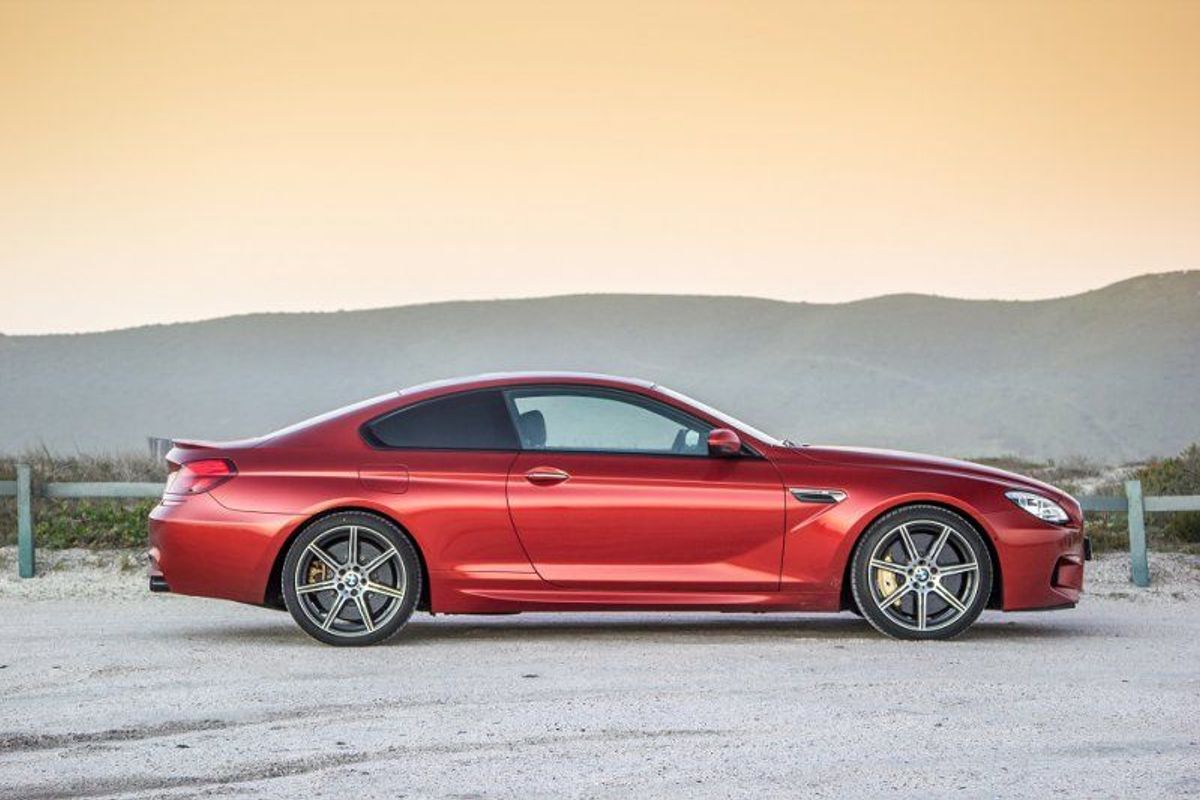
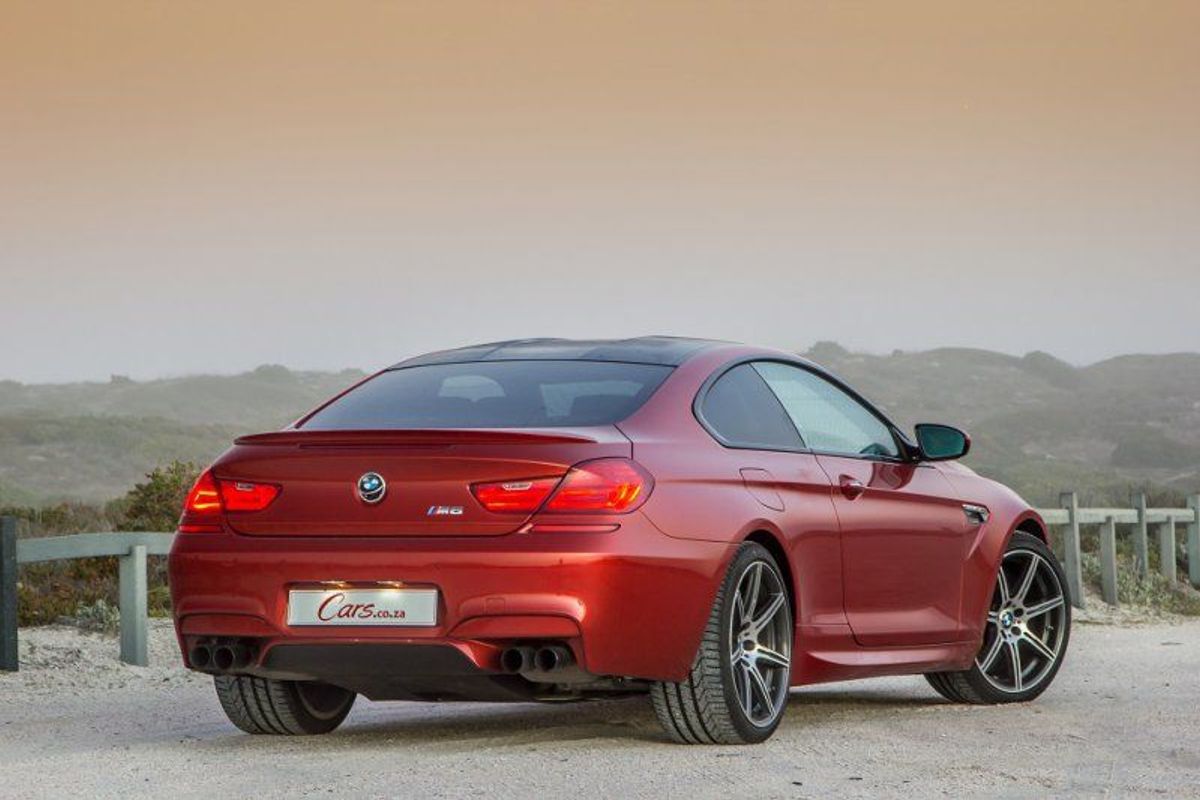
BMW M6 Competition Pack (2015) Review
The hot BMW M6 just got hotter. Meet the BMW M6 Competition Pack.
Its hard to understand why there would be many people that buy a BMW M6 complete with 412 kW and 680 Nm of torque and think, I wish it had more power. Well, if youre that person then walk this way please. This is the BMW M6 Competition Pack and its mental. Its also terrifying and more addictive than the comments section of a bad Youtube video.
Turned up to 11
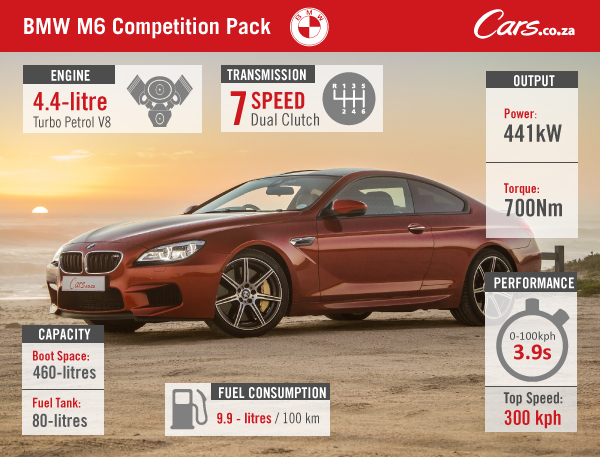
Power in the M6 Competion Pack is cranked up to 441 kW and BMW has also added 20 Nm more torque, meaning that the 4.4-litre V8 turbo engine delivers a nice round 700 Nm. Included as part of the Competition Pack deal is an upgraded suspension and some specialised electronics for the differential and stability control systems.
Oh, theres also an even louder than normal Akrapovic exhaust system. The resulting increase in performance is notable, as the M6 Competition pack shaves 0.3 seconds off its 0-100kph time. Subsequently it penetrates the four second barrier with a 3.9 second claimed time. The top speed limiter gets lopped off as well allowing it to hit a mesmerising terminal speed of 305kph.
All this excess comes at no fuel efficiency loss with the M6 Competition Pack claiming just 9.9L/100km. Range, thanks to an 80-Litre tank is over 800km although we didnt manage much more than 450km, if were entirely honest. Much of the test teams salary was spent at fuel stations around the Western Cape during our tenure with this car.
Where to drive it?
The M6 Competition Pack is built for places that have no speed limits. Places like Germanys Autobahn or the Isle of Man thats about it though. That doesnt mean you cant have fun in it around town or out in the hills. In-gear acceleration is where you can explore much of the performance on offer. Use more than gentle downward flex of your ankle and the M6 senses your need for speed.
It will shuffle through a few gears momentarily before assaulting multiple senses simultaneously. The sound of the Akrapovic exhaust system barks aggressively like a defensive German Shepard. Youre thrown into the enveloping seats like The Rock has just dropped a huge elbow onto your chest while your eyes struggle to cope with where to focus as the scenery begins to blur beside you.
Just dont look anywhere near the speedo on the heads-up display because it will frighten you how fast youre actually going. It may have been easier for BMW just to make the digital speedo readout on the heads-up display read out in batches of 20kph because thats just about all youll ever see.
Singular focus, multiple personalities
BMW fits many of its cars with adaptable suspension that can be electronically adjusted by a simple switch in the cabin. In the M6 Competition Pack its no different, you can potter around in ECO mode or Comfort and its reasonable. It may even fool you into thinking it can be used every day on everything except a particularly bad stretch of road.
Thats not what its for or how it expects to be used. That would be like throwing a ball for your hyper Collie and then expecting it to walk calmly to the ball, pick it up and walk back to you. What it really wants is to run absolutely flat out everywhere and then pass out in a ditch from exhaustion. Thats exactly how life in an M6 Competition Pack is lived.
Only Sport and Sport+ modes matter and the amount of slip that M-differential will allow before catching you. Its probably a wise move to leave the electronic leash on as well as this machine has a tendency to bite if you run out of talent. Mostly this has to do with the big lump of metal thats being hurled about at raucous speeds. Its still a 6-Series after all and its primary focus is being a big GT cruiser rather than a sports car.
Verdict
The M6 Competition Pack is not a simple add-on kit thrown at an M6, the price alone reflects that. Its R147 600 more than a normal M6. Is the tweaked suspension, power upgrade and bragging rights worth that much? Well, if youre thinking of spending more than R1.6 million on a car then it probably is worth it.
The M6 Competition Pack also gains you that little bit of extra exclusivity whilst turning it into more of a drivers car that can still cope with the day to day hustle albeit in a more hardcore manner than the M6. You have to be a serious BMW fan though to go down this route if you look at whats available at this price range. Think Jaguar F-Type R Coupe and Mercedes-AMG GT
The BMW M6 Competition Pack costs R1 838 091 in South Africa and comes back with a two-years/unlimited km warranty and a five-years/100 000 km Maintenance Plan.
“The BMW M6 Competition Pack is one of the smoothest and most brutal cars around. Few cars are this quick and it doesn’t feel compromised like an out-and-out supercar. It’s a pity that it’s not as aurally dramatic as the X5M.” – David Taylor
We Like: Incredible performance, can still cruise like a GT car
We dont Like: Can feel heavy in the corners, pricey
Also consider: Jaguar F-Type R Coupe, Mercedes-AMG GT
BMW M6 Competition Pack – Quick Specs
Frankfurt Motor Show 2015 Preview
Frankfurt motor show always produces the goods when it comes to big manufacturer releases. This year looks like no exception and we are in for a few surprises along the way. Weve compiled a quick A-Z list of whats coming from all the main marques. Hopefully theyll also produce some awesome concepts to get the petrol (although now mostly hybrid) in our veins pumping.
Alfa Romeo
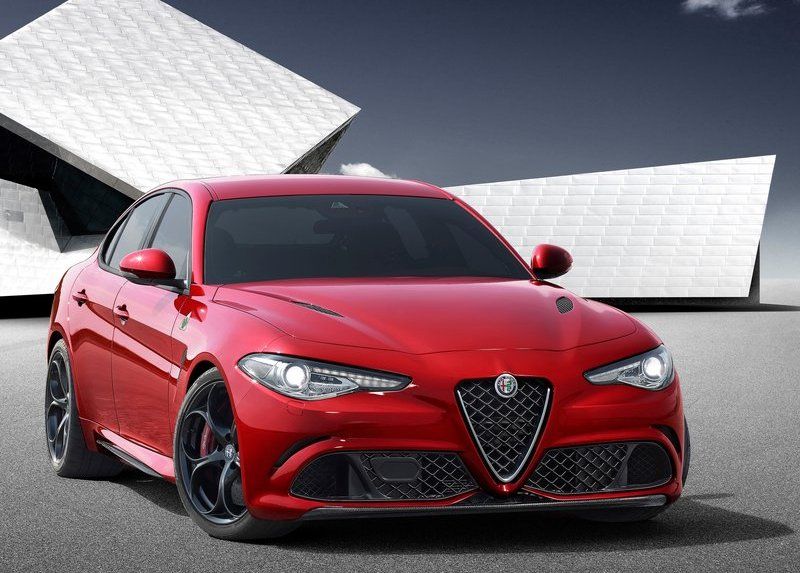
Giulia A proper C-Class/3 Series/A4 rival from the Italians. We expect to see more models shown alongside the 375 kW Qudrifoglio Verde.
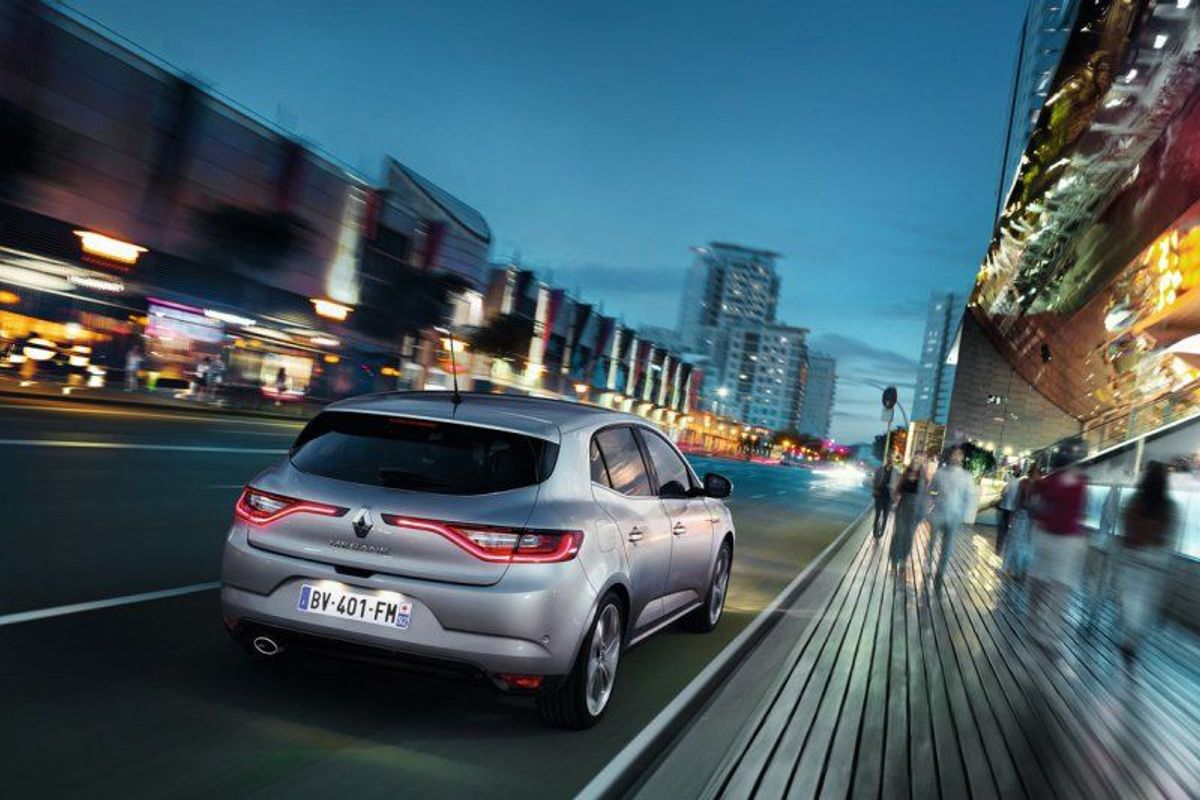
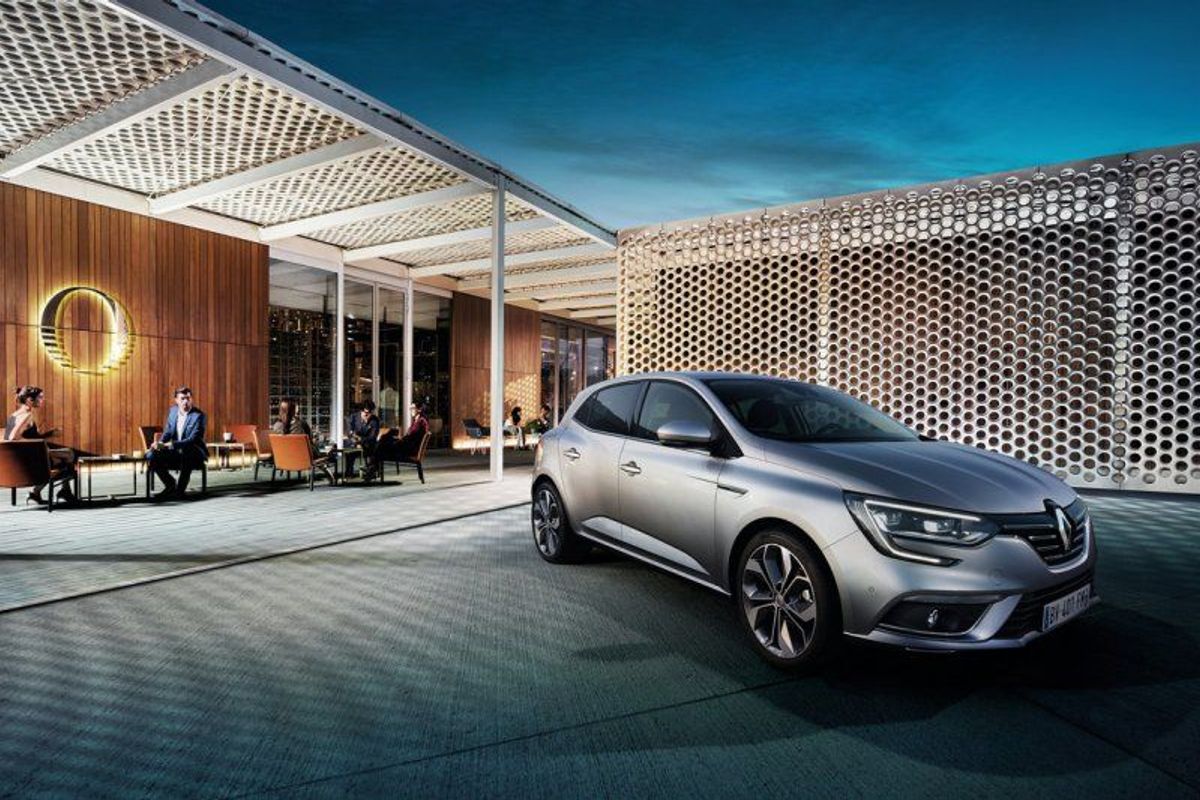
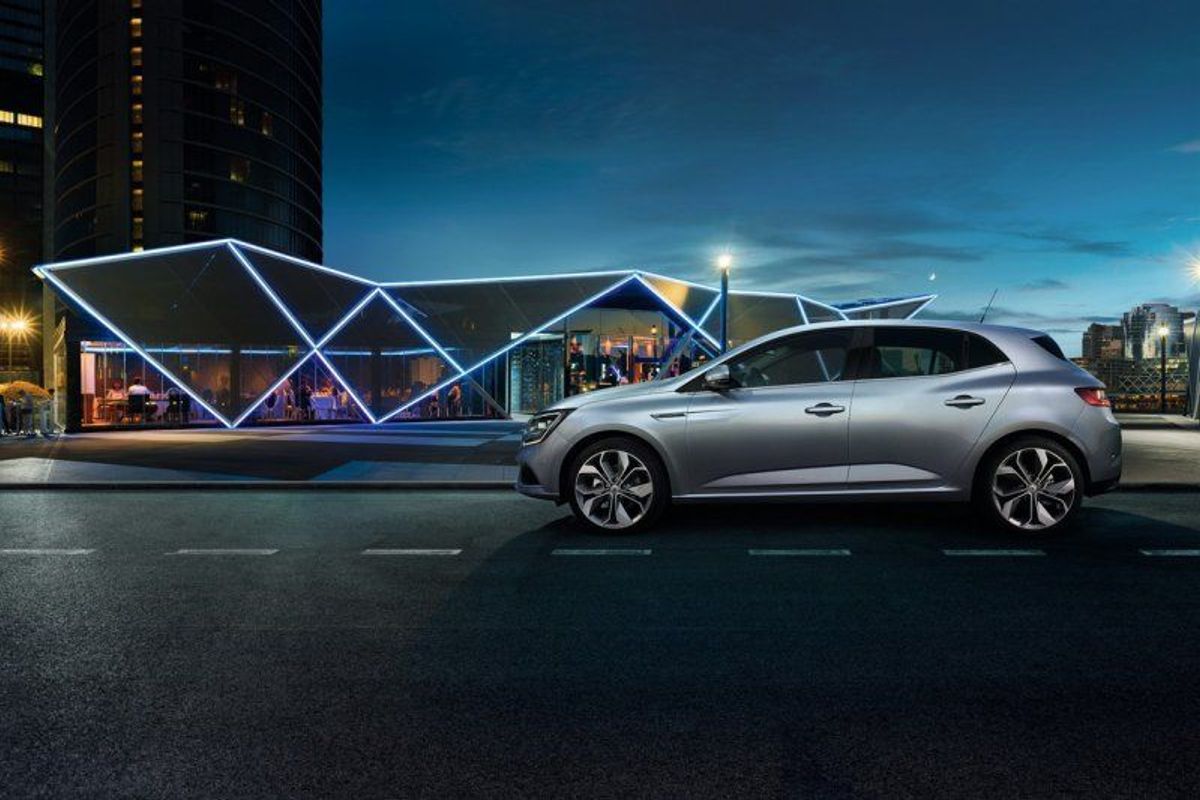
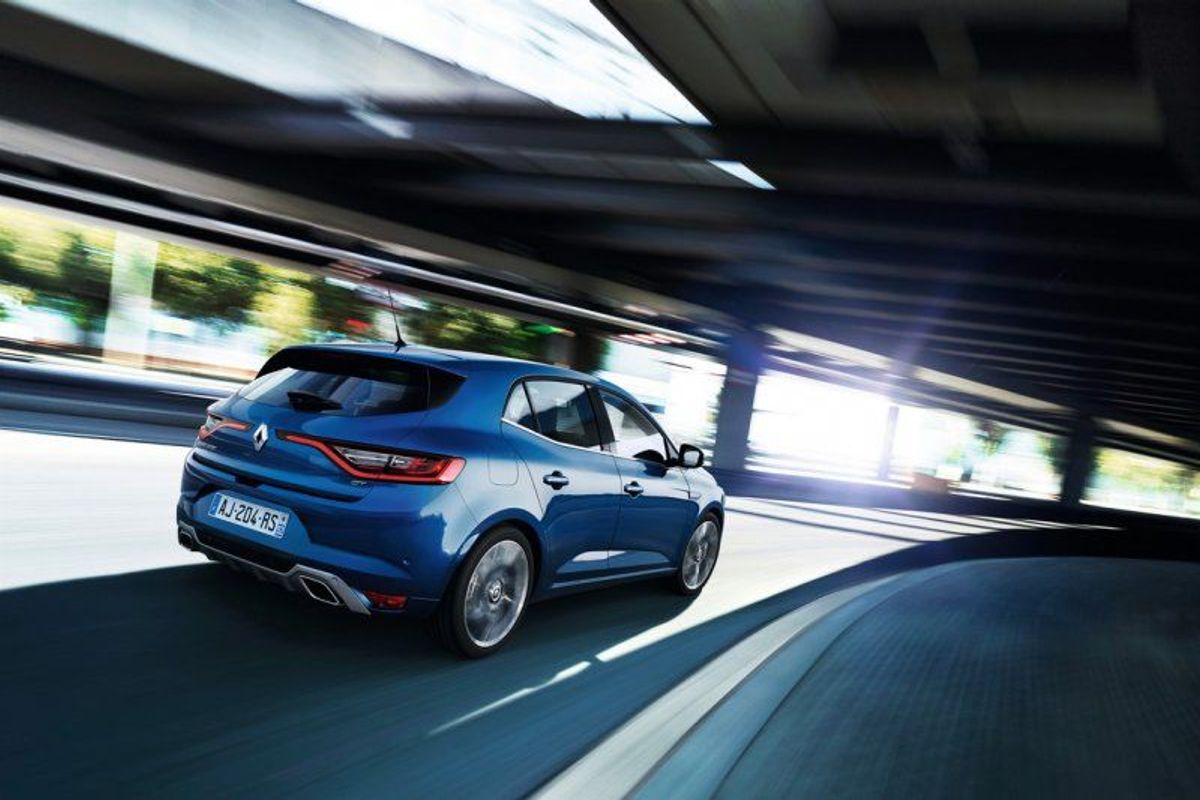
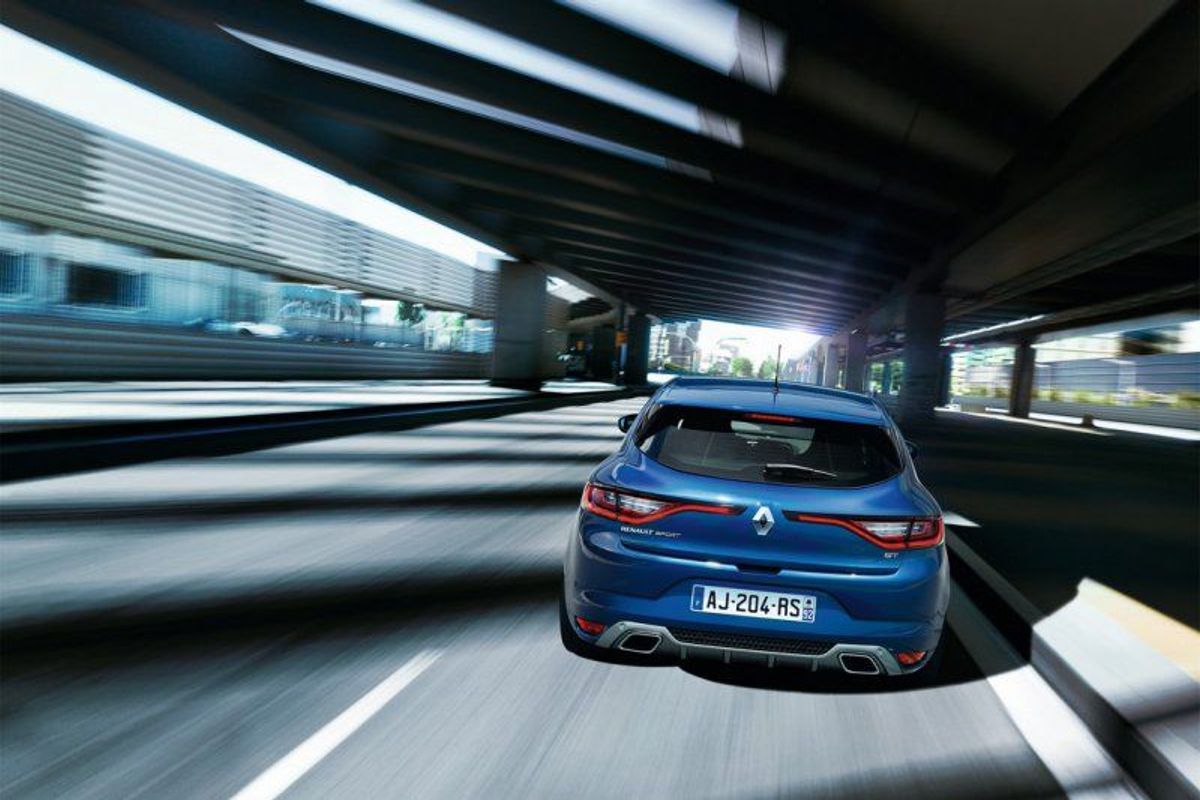
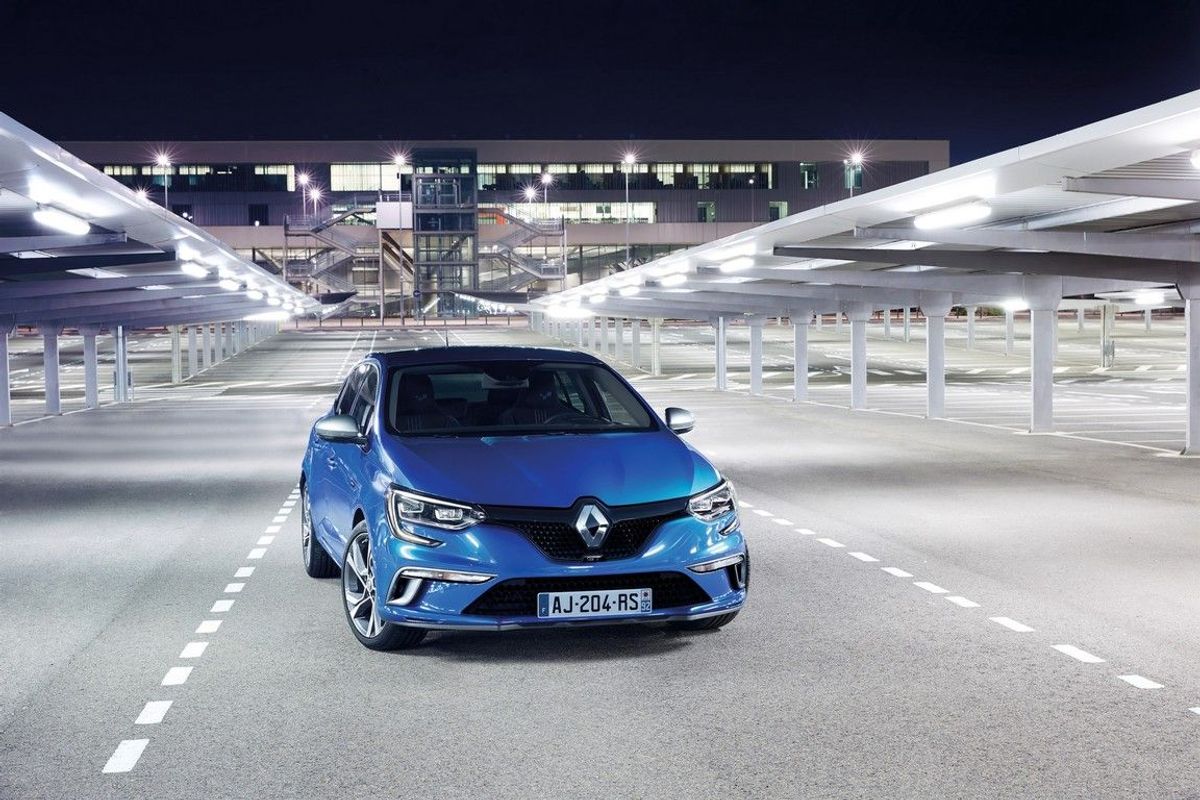
The brand new Renault Megane has been revealed a week before its major debut at the 2015 Frankfurt motor show.
Only a few details are available at the moment but right from the outset, Renault plans for the Megane to be a stylish model that stands out from the crowd.
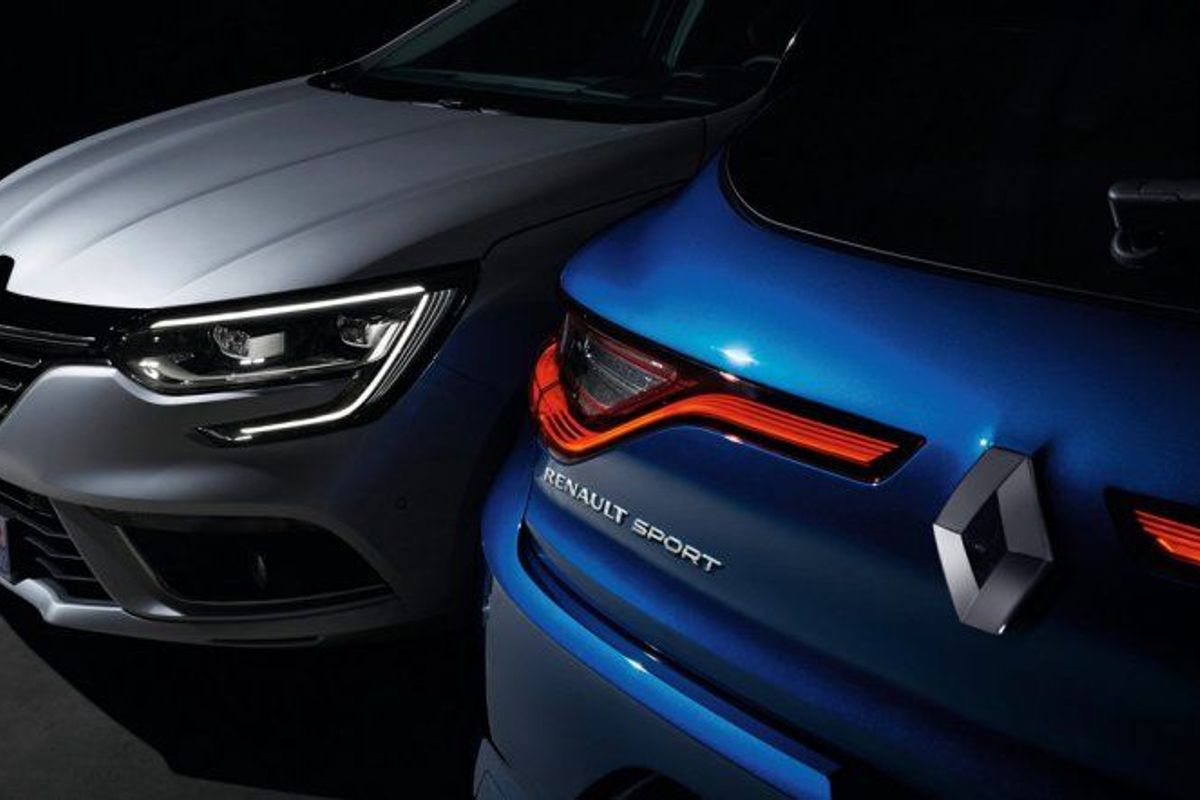
New Megane boasts a specific lighting signature at the front with, C-shaped headlamps whose surround continues into the bumper. At the rear, the new lighting signature, goes right across the car to increase the perceived width. “On the highly competitive market of compact saloons, it was vital that New Megane should stand out right from the first glance”, says exterior designer Franck Le Gall.
New Megane comes in at 25mm lower at the front with a 47mm wider front track. Its also 39mm wider and has a wheelbase thats 28mm longer. Franck goes on: “The precise, taut lines, which draw the whole design towards the front, are part of the side surfaces. In combination with the sculpted shoulders, these lines give New Megane dynamism and character.”
Megane GT version available from launch
The new Renault Megane GT has a redesigned front bumper to look sportier. It incorporates a broader air intake and the new grill has a honeycomb design.
At the rear, the design of New Megane GT is underscored by two chromed tailpipes. New Megane GT has a “Renault Sport” badge at the rear, on the wings and in front.
This sports version will be available with new “Iron Blue” paintwork, combined with “Dark Metal” touches at the front and on the body-coloured door mirrors.
The Renault Megane GT also has 18-inch aluminium wheels developed especially for the model by Renault Sport.
We are likely to get more details regarding engines and model derivatives in the coming week.
Porsche 911 Facelift Revealed For 2016
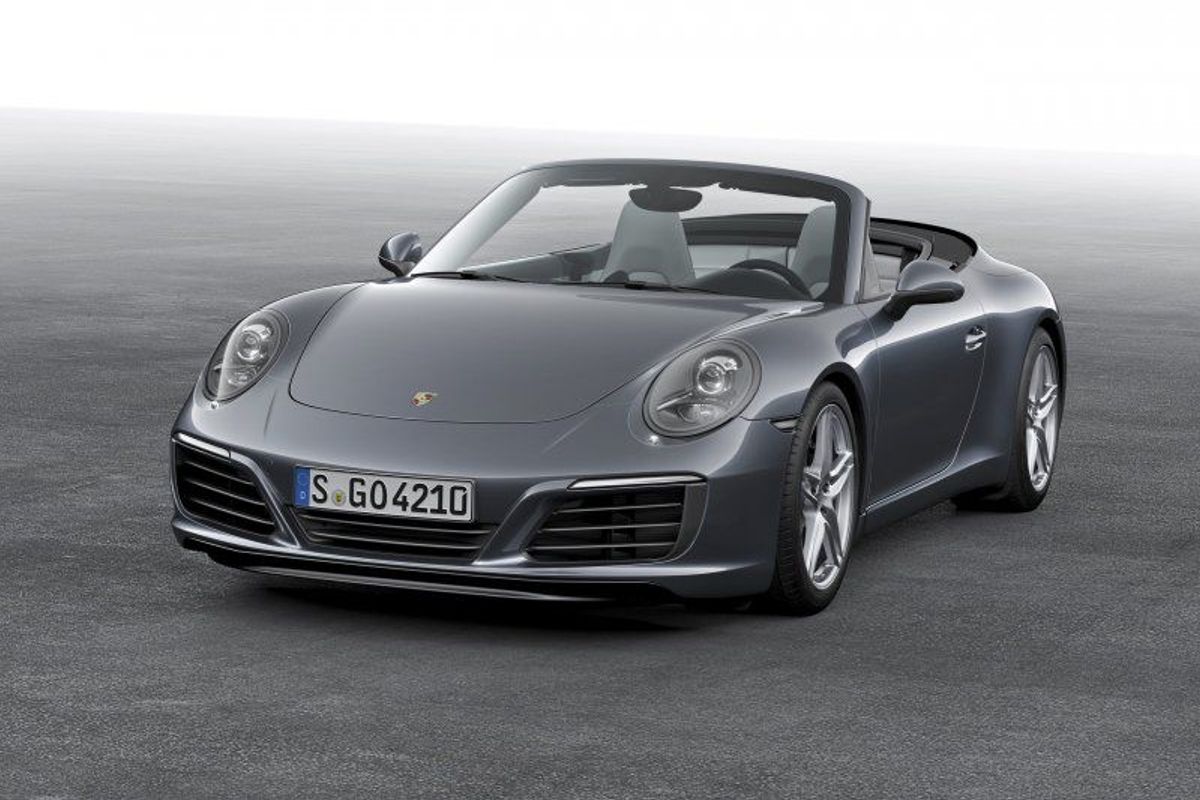
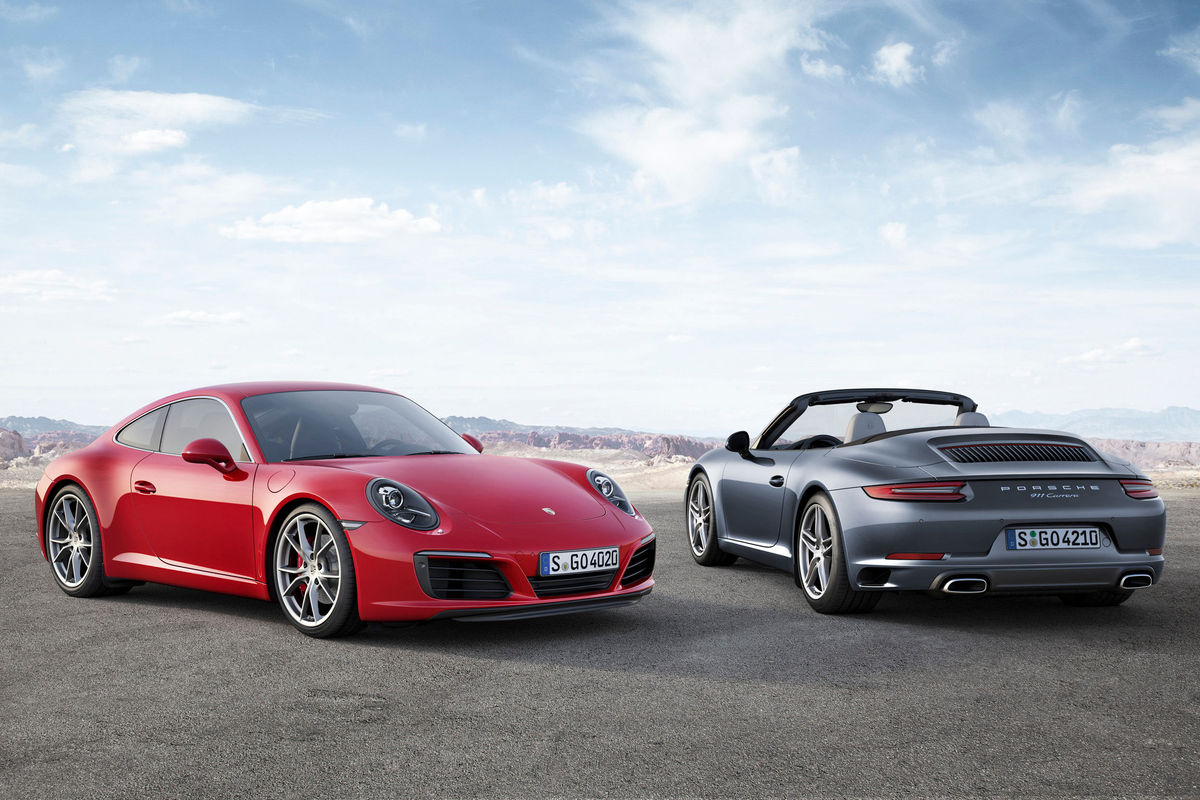
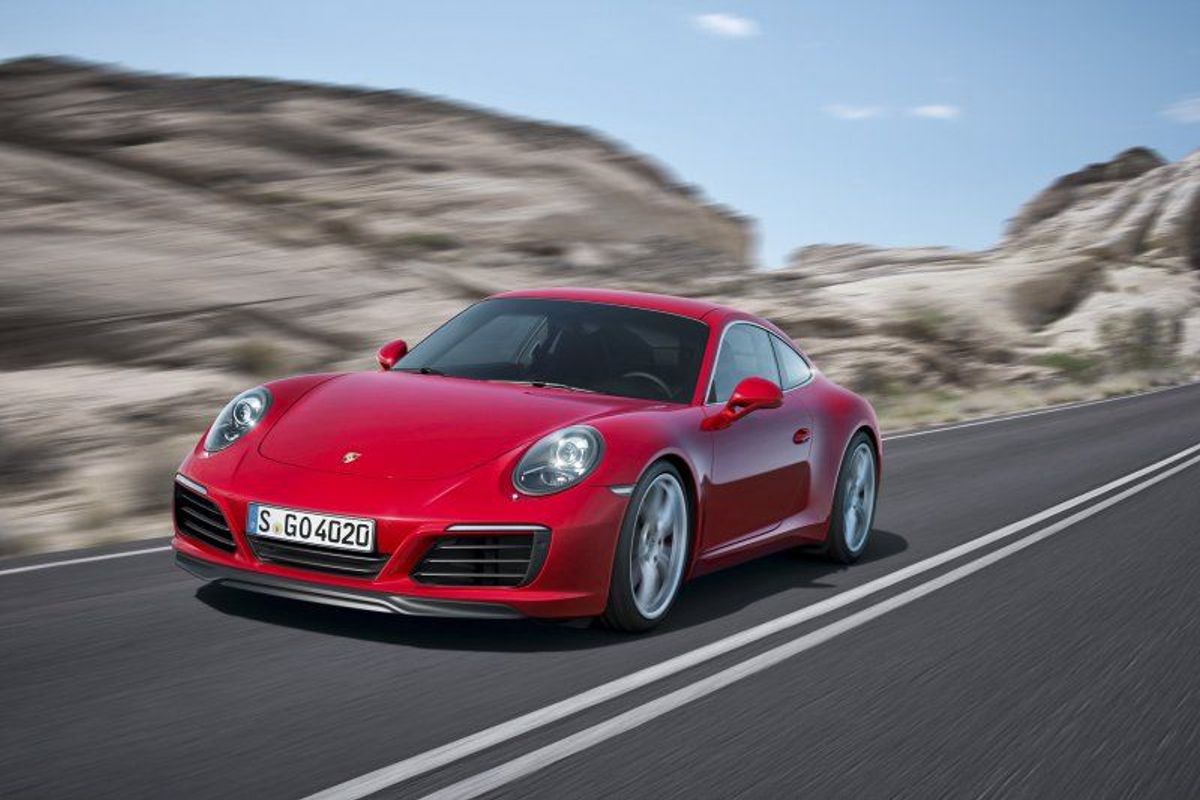
Porsche revealed its facelifted version of the evergreen 911 now featuring turbocharged engines.
The latest version is set to feature a turbocharged lineup of engines, a new infotainment system and even more chassis genius. Topping off the changes is rear axle steering that is now available as an option on Carrera models.
Porsche 911 Details
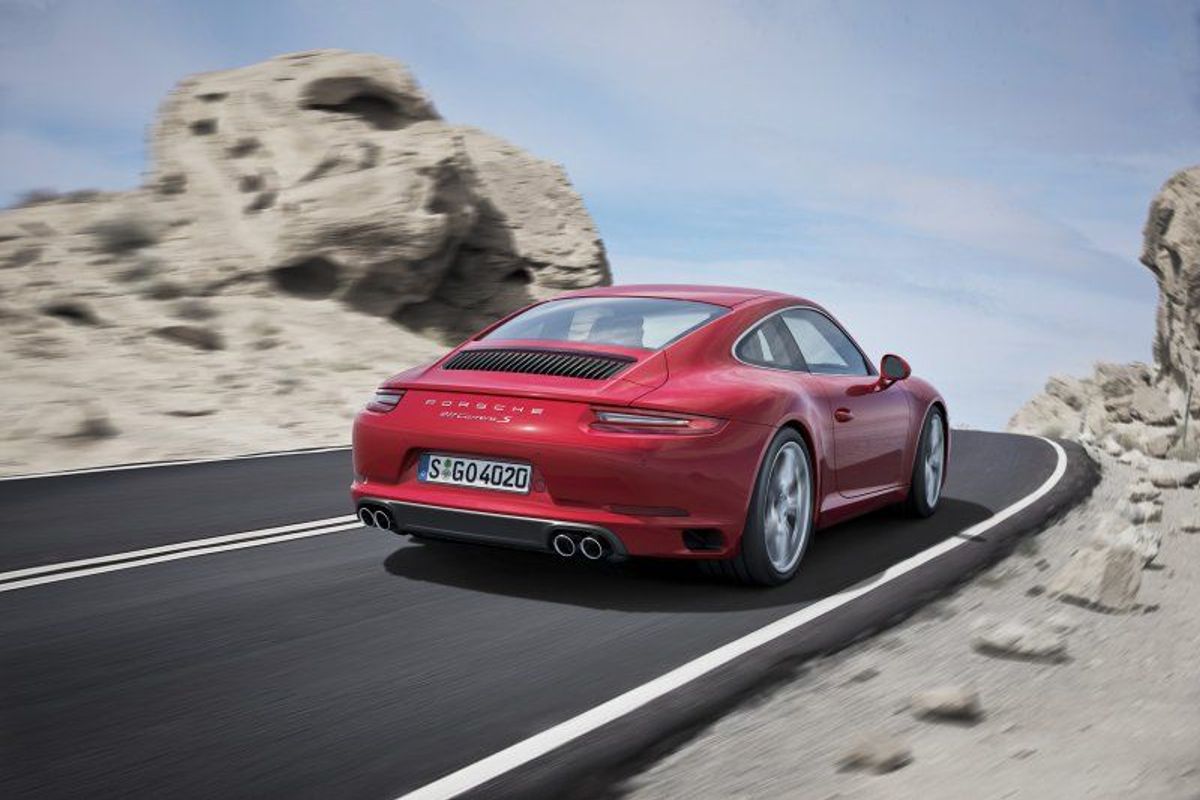
The exterior update includes new headlights with four-point daytime running lights, a redesigned rear lid with vertical louvres and new rear lights. The interior update is limited to an overhaul of the infotainment system that is apparently much more user friendly and intuitive.
The new engine lineup consists of bi-turbo units complete with an extra 15 kW in the Carrera as well as the Carrera S. That means the 3-Litre flat-six turbo in a Carrera puts out 272 kW whilst the same engine in the Carrera S is uprated to unleash 309 kW. Torque also increases significantly (around 60 Nm) in both models. The standard Carrera shifts to 450 Nm and the Carrera S to 500 Nm of torque. Porsche still maintains quite a revvy engine with the redline set at 7500rpm. Farewell to the naturally-aspirated engines that have served the 911 range for many years!
More Fuel Efficient
Across the range, the 911 boasts performance and efficiency enhancements compared with predecessors. Fuel consumption is reduced by up to a litre per 100 kilometres. The 911 Carrera PDK claims just 7.4L/100km (a reduction of 0.8L/100 km), while the 911 Carrera S with PDK consumes 7.7L/100 km (1.0L less per 100 km).
The new 911 also improves in the performance department: the 911 Carrera Coupe with PDK and Sport Chrono Package sprints from zero to 100kph in 4.2 seconds making it two tenths of a second faster than its predecessor. The 911 Carrera S with PDK and Sport Chrono Package performs its showcase discipline in just 3.9 seconds (also 0.2 seconds faster). This makes it the first 911 in the Carrera family to undercut the magic four second mark. Top speeds for both models have also increased further; the 911 Carrera now has a top speed of 295kph, while the 911 Carrera S now reaches 308kph.
Added Safety Systems
Porsche will also be offering a whole load of new equipment and safety systems with the facelifted 911. The optional Adaptive Cruise Control now has a coasting function with the PDK transmission. When driving behind a slower car, the clutches are disengaged, thus saving fuel. Theres also blind-spot detection and post-collision automated braking.
Porsche will be showing the facelifted 911 at the 2015 Frankfurt motor show.
Cars.co.za Consumer Awards – The Finalists
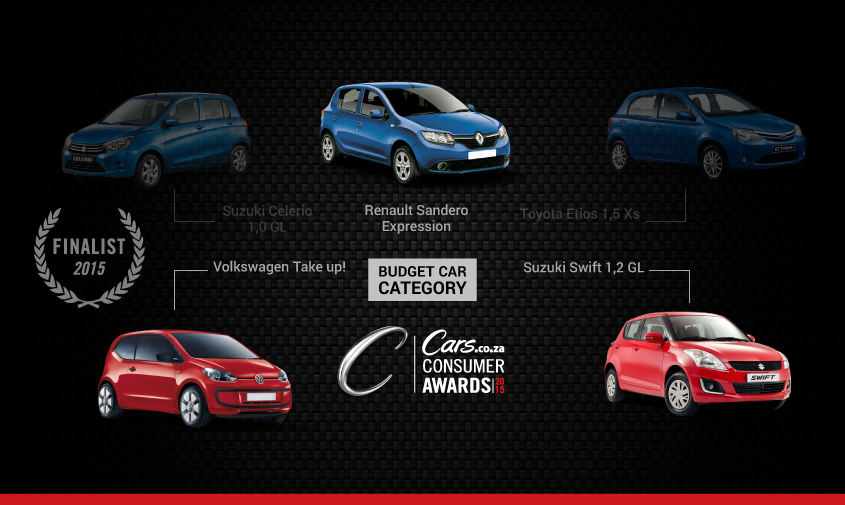
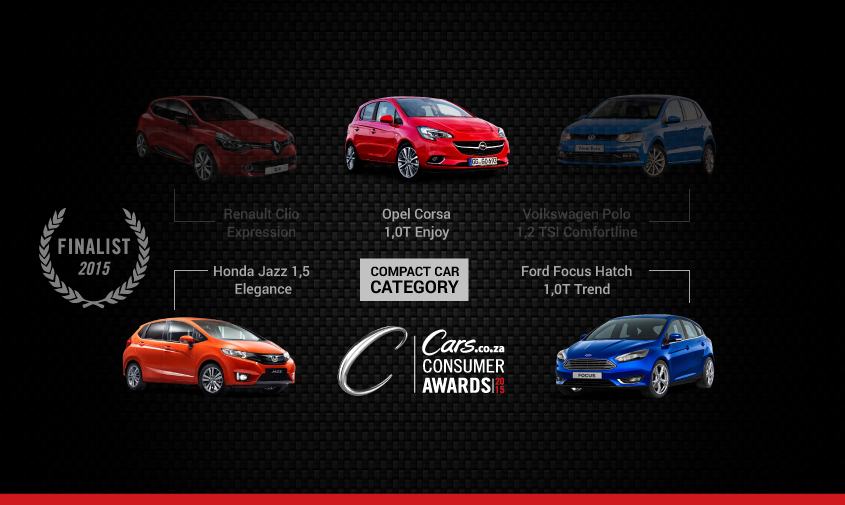
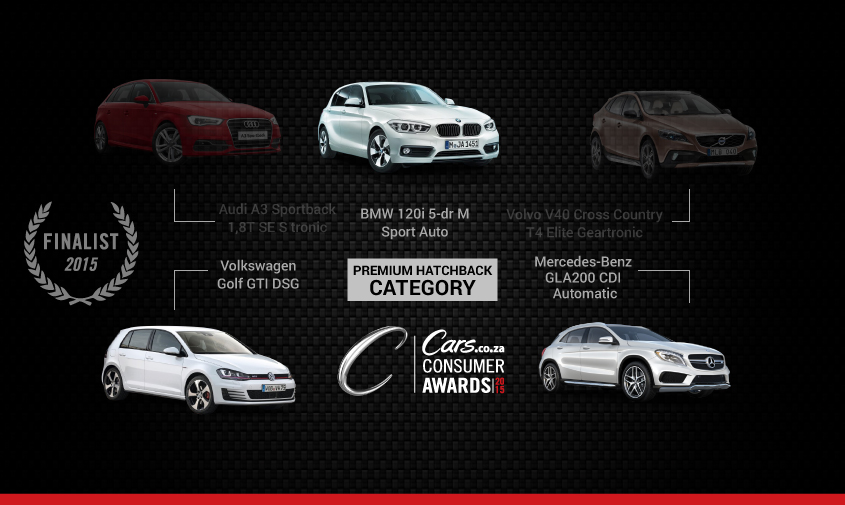
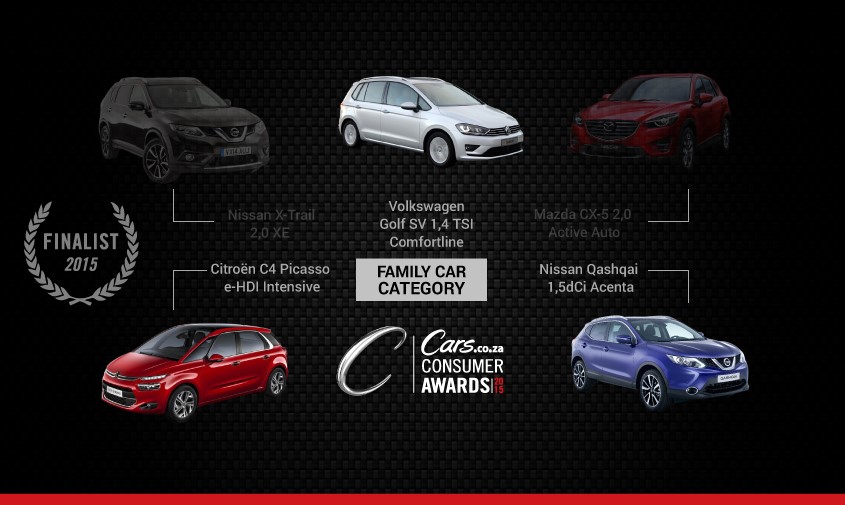
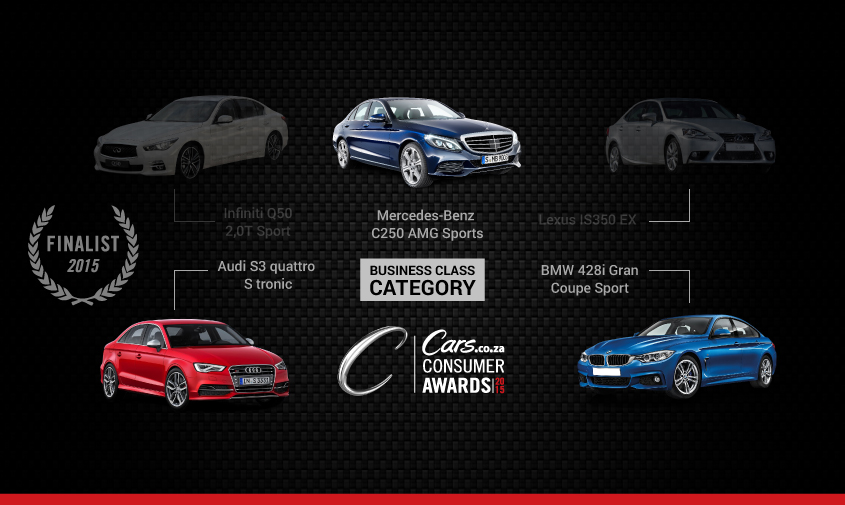
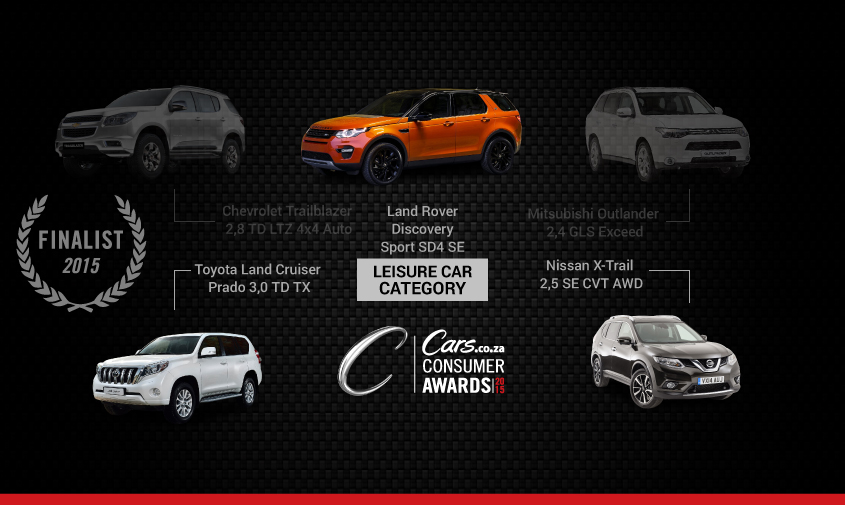
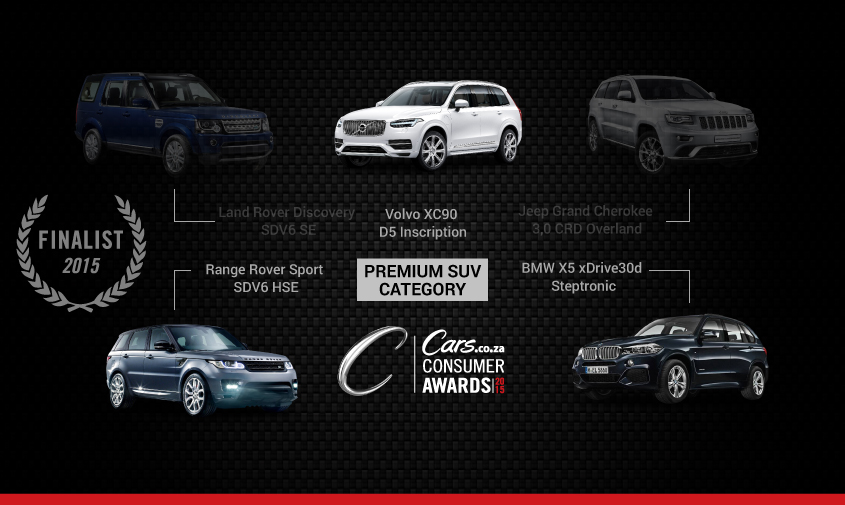
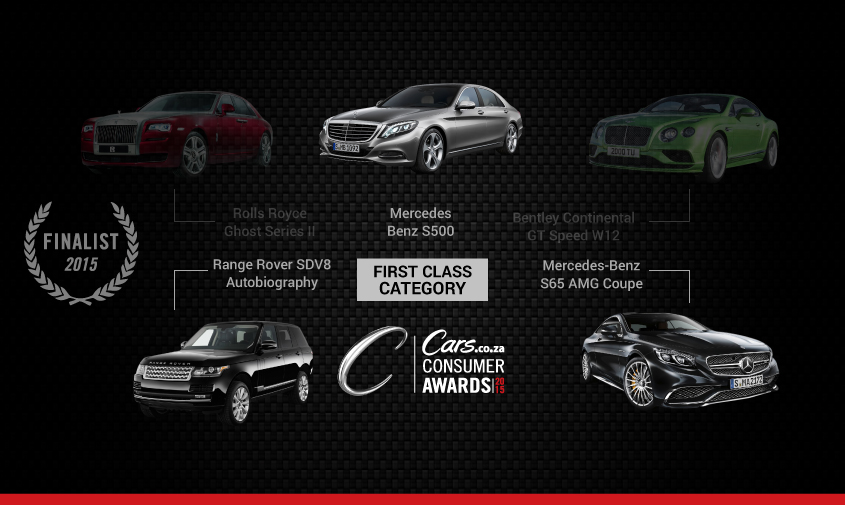
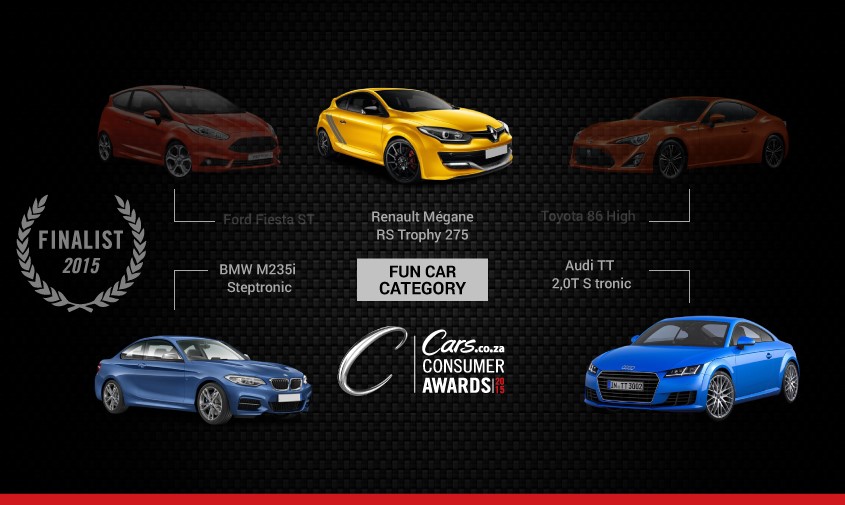
Following an in-depth round of voting by the Cars.co.za road test team, the finalists in the first annual Cars.co.za Consumer Awards have been selected.
In this round of the project, two semi-finalists were eliminated, leaving only the top three vehicles in each of the nine categories.
The finalists are: (click on the images to go to the Awards website)
What follows next? Our panel of external judges will now get the opportunity to test drive these vehicles, before the final vote takes place before the end of this year.
To read more about the Cars.co.za Consumer Awards and to view the finalists in detail, as well as indicate your support and take part by completing our survey, visit the Cars Awards website.
We are thrilled by the support that the industry and public has given this project, says Cars.co.za Consumer Experience Manager, Hannes Oosthuizen. These awards are not about trophies, but about figuring out through a very rigorous and data-driven process, what the best cars are in the South African market.
The final voting process is very unique. The recently launched Cars.co.za Owner Satisfaction Survey gives the public real say in the outcome. Our survey partner, Lightstone Consumer, is confident that we will be able to put very insightful preliminary results in front of the judges when the final vote takes place, Oosthuizen explains.
The survey measures general owner satisfaction, as well as reliability, after-sales service and other ownership issues. This information will be analysed by the judges when scoring the finalists to determine the winners in the first annual Cars.co.za Consumer Awards. Completing the survey only takes about ten minutes, and R25 000-worth of prizes are up for grabs, including a Samsung Galaxy S6 smartphone, cash, advanced driving course etc.
A Toyota Hilux V8 Called REX (Video)
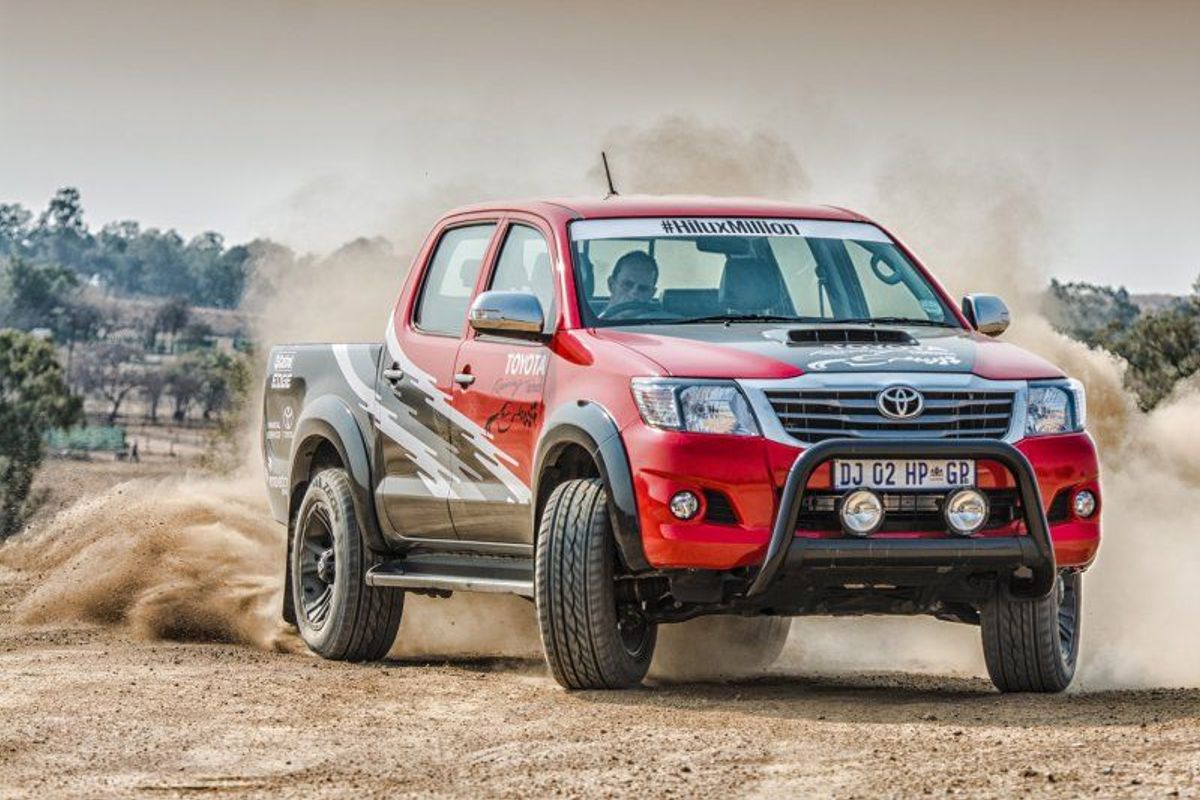
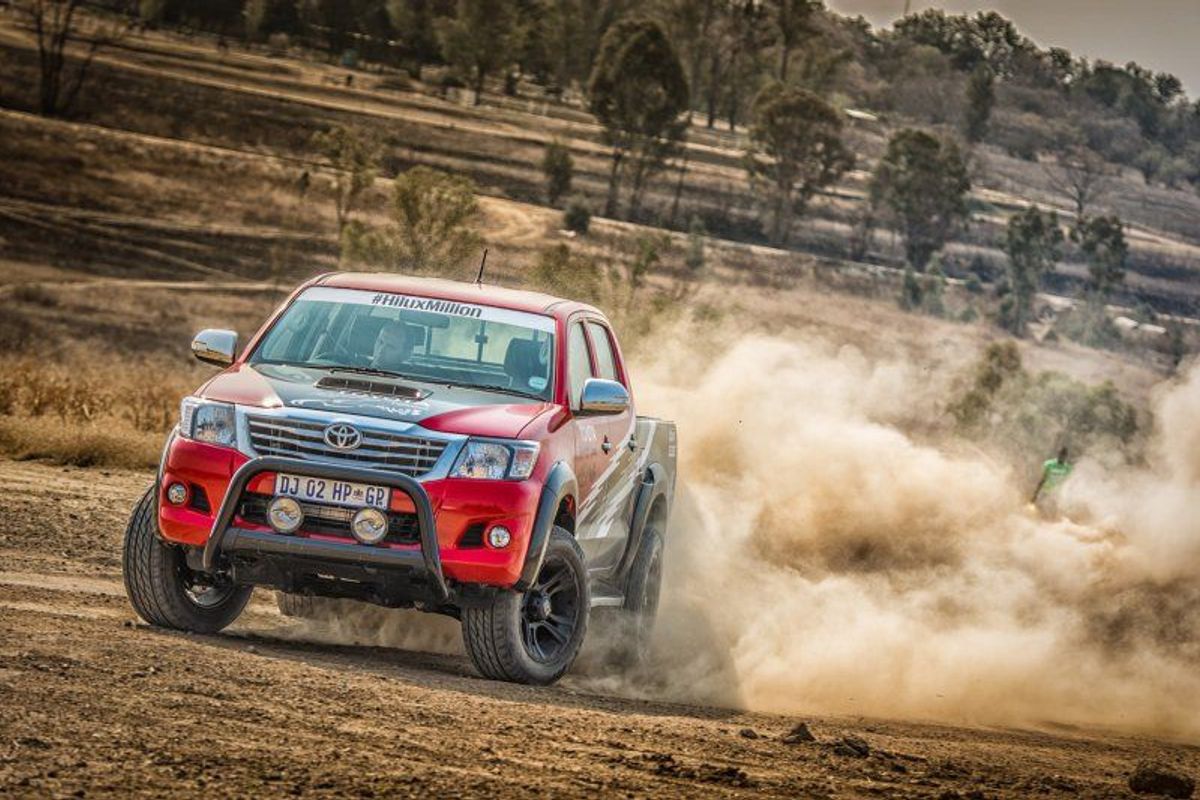
One-off Hilux V8 to celebrate one-million Hilux sales in SA, 335 kW and trick suspension
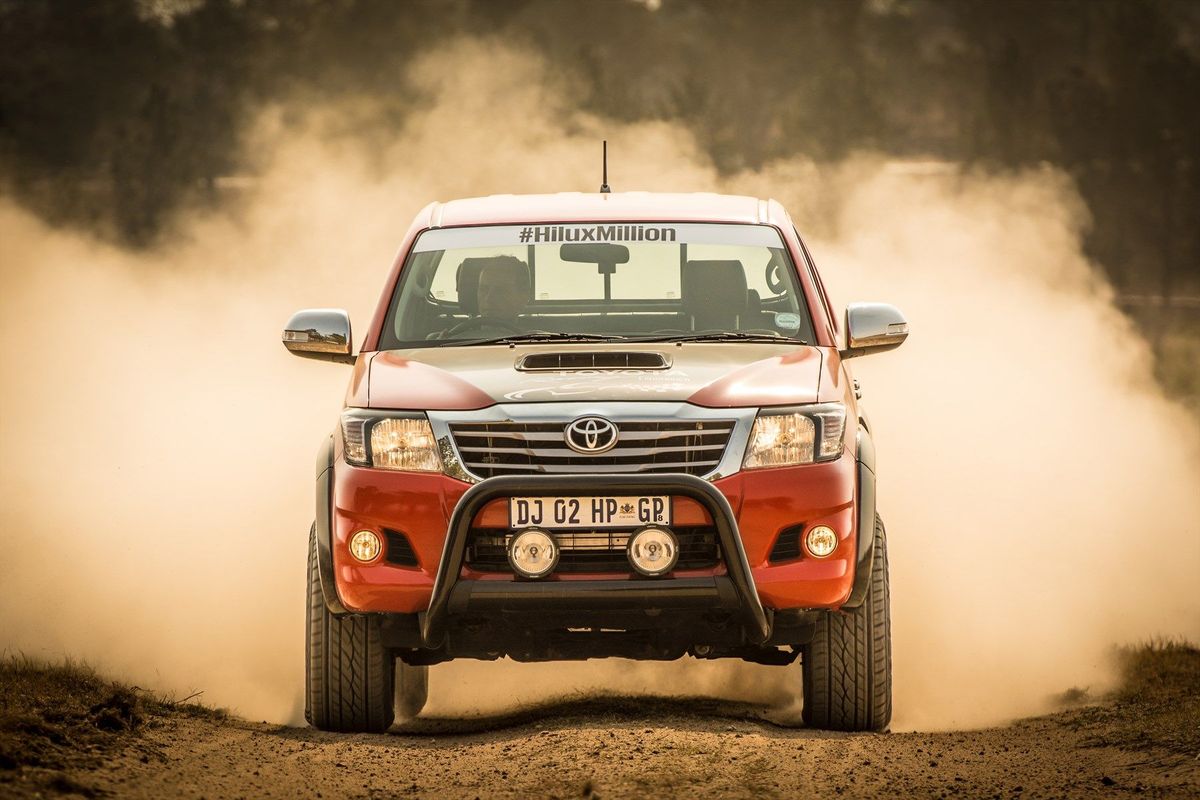
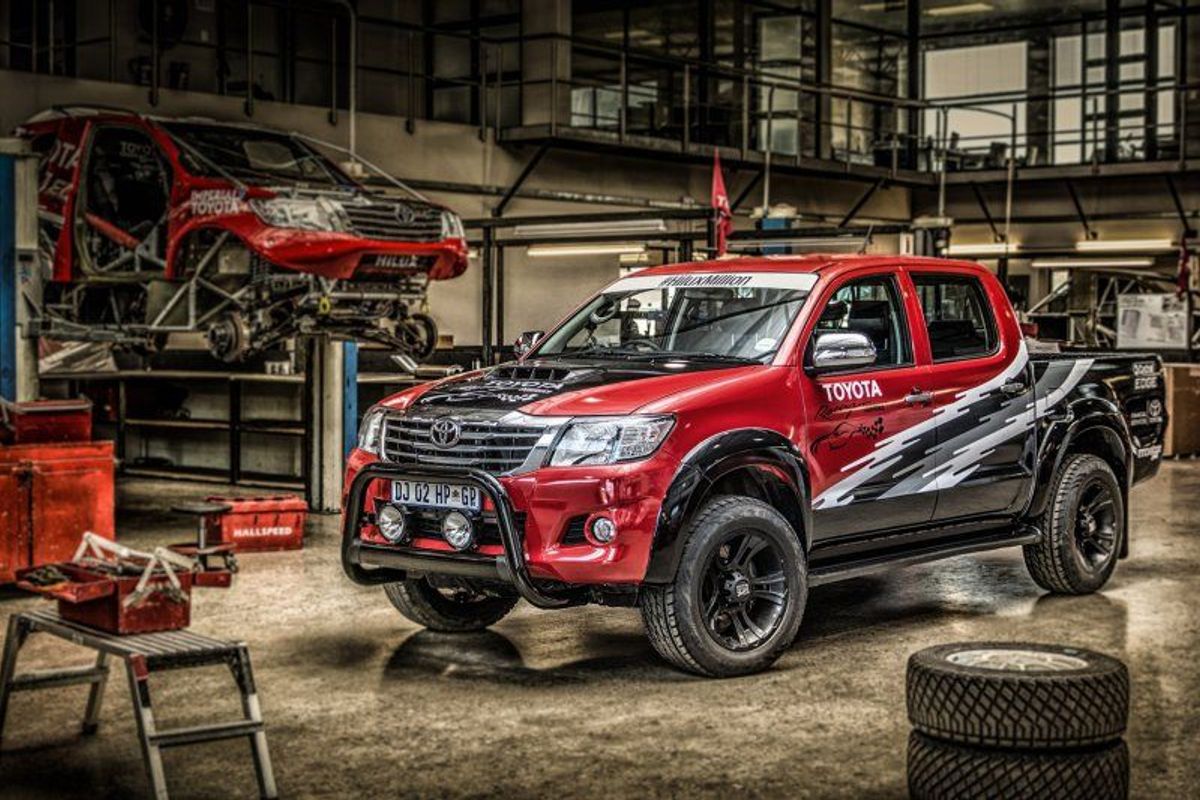
Toyota has sold one-million Hiluxes in South Africa. As a celebration of the milestone it has developed a very special one-off V8 Hilux. The special Hilux combines technologies from its experience in Dakar and a Lexus V8 under the bonnet.
Toyota Hilux REX Details
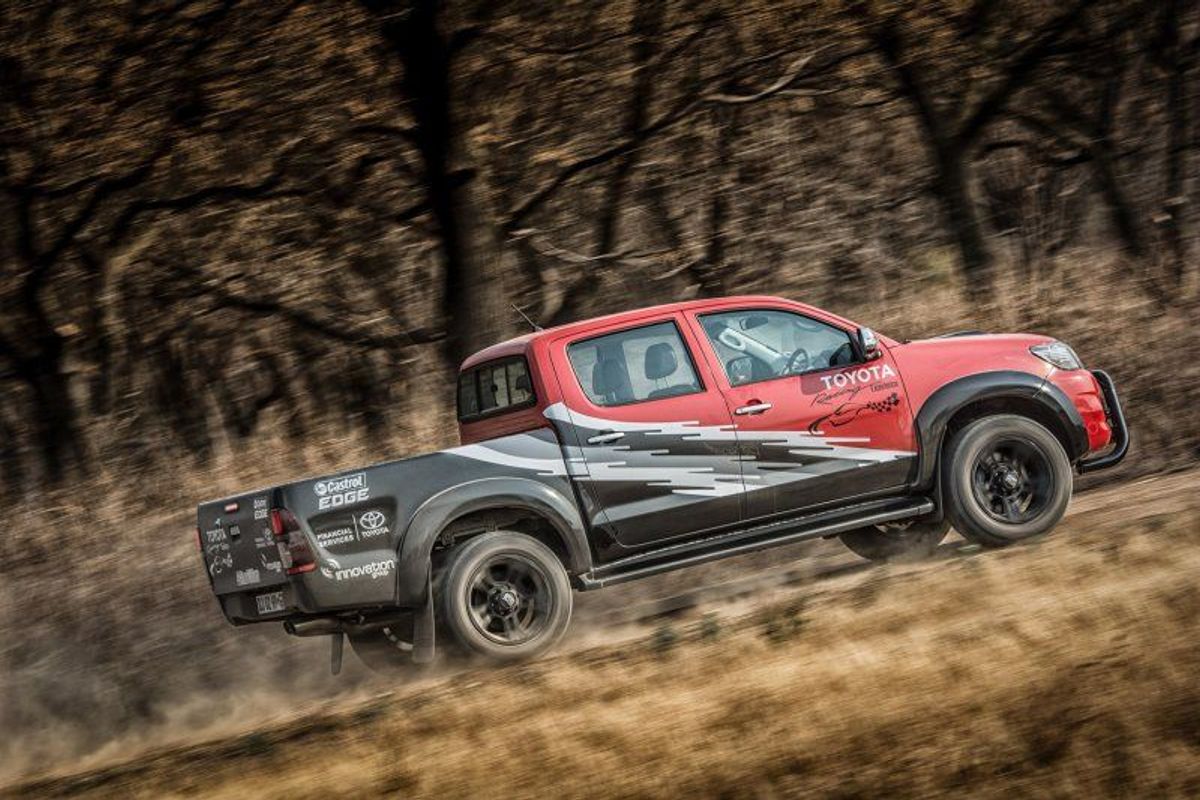
We were able to take REX (Racing EXperience) for a quick spin on a short dirt track constructed at the Gerotek testing facility. The V8 under the bonnet is the highlight, combined with a roaring soundtrack that gives it pure racecar pedigree. The Lexus sourced 5-Litre V8 stamps out 335 kW and 600 Nm of torque. Its an absolute beast, it shunts the Hilux out of corners like its escaping a stabbing.
The Hilux REX is not just about power however, in order to make it a more capable machine the REX also has a few suspension and sports upgrades. The suspension was softened a bit as it no longer needs to take heavy loads at the rear. It was also fitted with fully adjustable dampers and has been lowered by 50mm. The steering has been sped up to make the Hilux REX more agile and responsive to steering inputs. The brakes have been uprated to handle the extra power and the discs measure 350mm with four-piston calipers. Seemingly one of the few standard parts is the gearbox, which comes straight from a Hilux D-4D. Thats right, they hooked a diesel gearbox up to a petrol V8.
The modifications have been done by the same team that runs Toyotas motorsport project in SA. They have been responsible for the Hiluxes string of podiums at the Dakar. Our short blast in the Hilux REX revealed that its an exciting bakkie that makes a proper sound with some performance to back it up.
Toyota currently has no plans to build any more than just this one-off model, but if demand is sufficient, it could be tempted into a very limited production run. Its entirely road legal and would certainly give most sportscars a run for their money in a straight line.