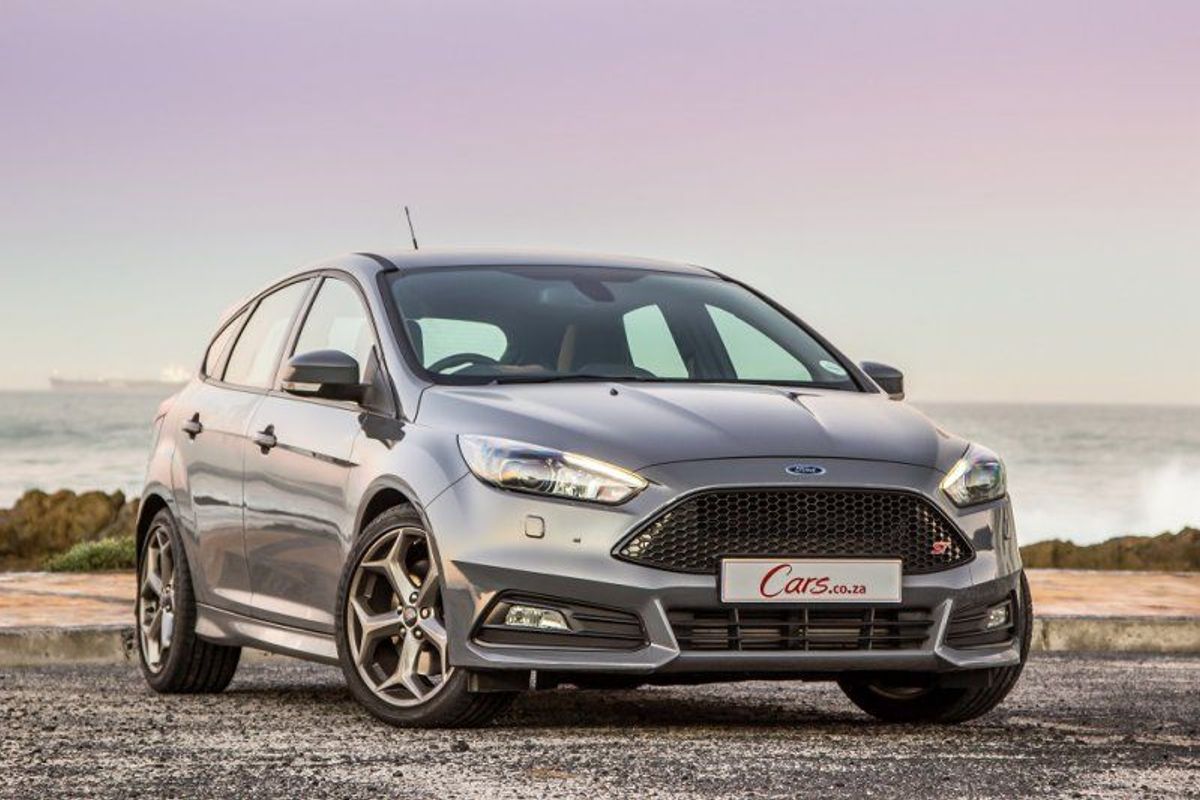
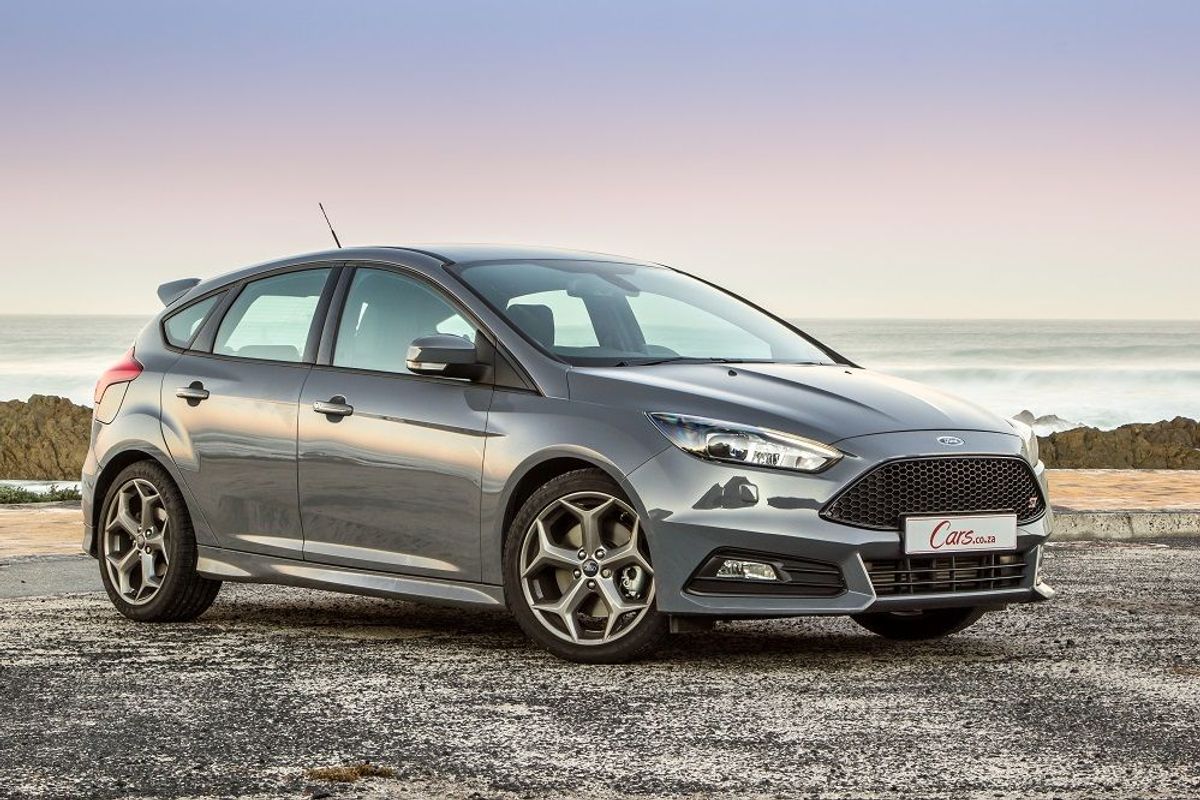
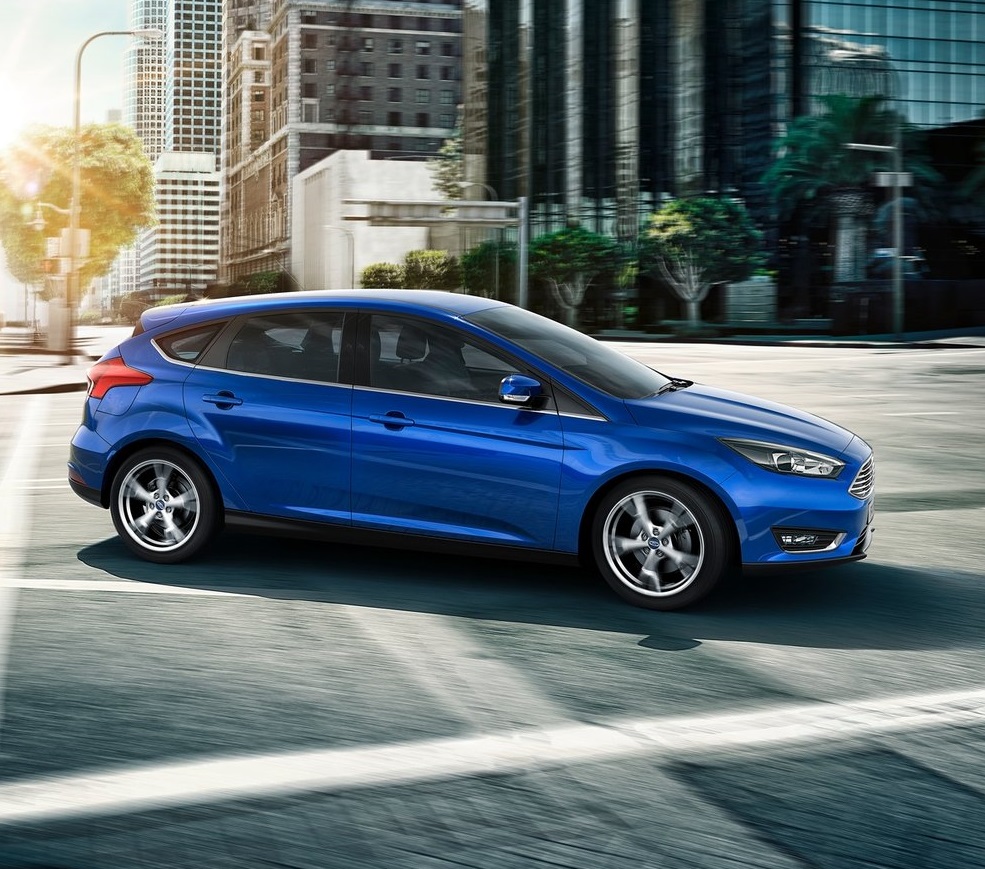
We spent a week with the facelifted Ford Focus ST in ST 3 guise. Can it match the best hot hatches in the segment?
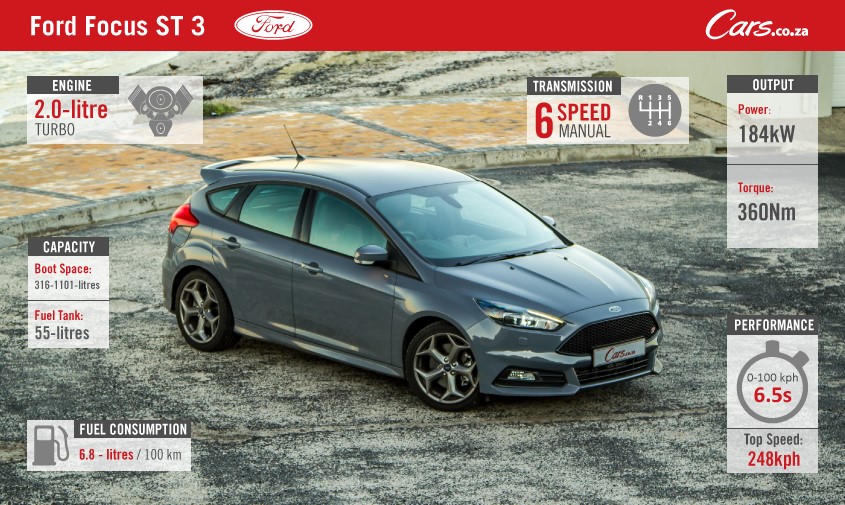
Highlights: 2.0-litre turbo engine with 184kW and 360Nm 0-100kph in 6.5s, top speed of 248kph Five-door practical hot hatchback From R381 900
Ford’s ST department has a knack of making terrific and entertaining vehicles. We’re especially fond of the Fiesta ST and the old 2.5-litre five-cylinder engine which did duty in the second generation Focus ST. The third generation of Focus ST did away with the five-pot motor on the grounds that it was simply not clean enough. Replacing this unique engine was a 2.0-litre four-cylinder motor which sees it slot alongside its rivals in terms of capacity.
This newer version features no power increases, which we think is a bit of a shame. There’s 184kW and 360Nm on tap, which gives it credible on-paper performance. Zero to 100kph is dispatched in around 6.5 seconds and if the road is long enough, it’ll go onto 248kph. Being a Ford EcoBoost engine, economy is claimed at 6.8L/100km, but given the nature of this vehicle, you’re not likely to see that very often.
Ford claims the new Focus ST has an improved stability system, revised suspension, tweaked steering as well as an improved infotainment system. With these upgrades in mind, let’s see how it fared.
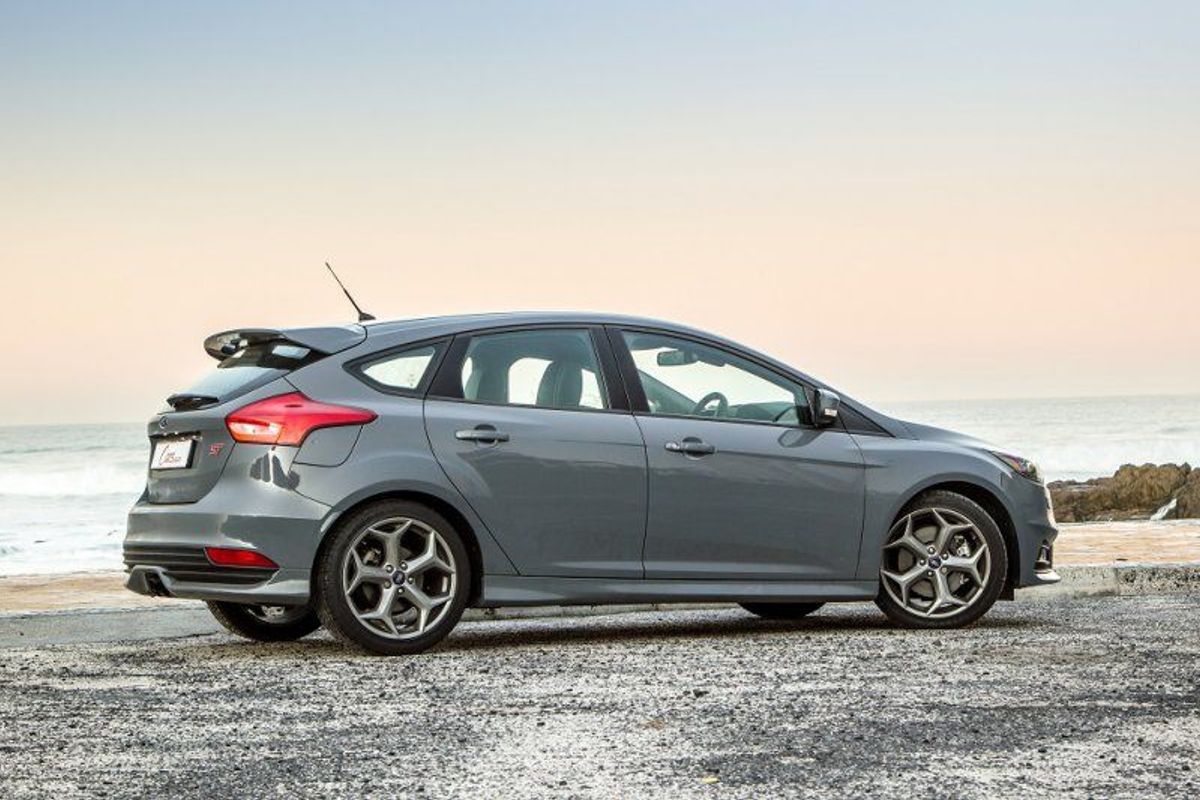
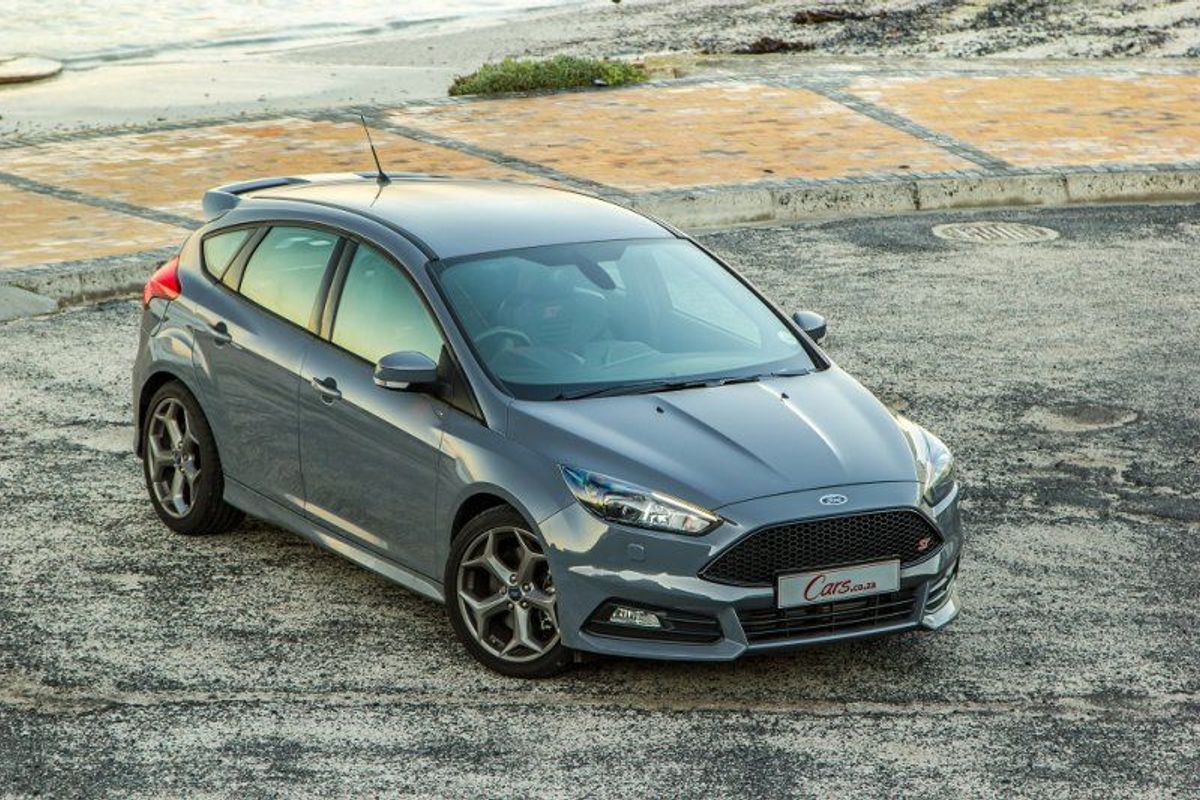
Our test unit arrived in this menacing gun-metal grey colour, which is striking and very appropriate given the nature of the car. It’s called Stealth and this colour/car combination is anything but! Fans of the outrageous Tangerine Scream orange colour need not panic as this colour has been retained for the new generation. The only visible changes we could pick up were redesigned headlights, tail lamps and a mildly-tweaked bumper.
How does it drive?
Once the wheels have grip and you’re moving, the Ford Focus ST is a rapid performer.
The previous version of the Ford Focus ST had a reputation for being a wild animal under hard acceleration, with the driver having to wrestle the steering wheel in an effort to keep the vehicle straight and true. The torque steer was quite evident and to get the best out of it, you had to have your wits about you and be gentle with the throttle.
Sadly the latest version suffers from the same affliction and hard acceleration gives your arms quite a workout, with the front wheels spinning wildly. Once the wheels have grip and you’re moving, the Ford Focus ST is a rapid performer. It’s six-speed manual gearbox offers a pleasant shift action and thanks to all that torque, the car’s responsiveness is good. From third gear onwards, all 360Nm can be unleashed and it’s in-gear acceleration is its strongest performance asset. Let’s not forget that distinctive induction bark too…
When you’re not pressing on, the Ford Focus ST offers a mature driving experience and the ride is fair on smooth roads. On uneven surfaces, the ride becomes a little crashy. The steering is very direct, which is a good thing for a car such as this.
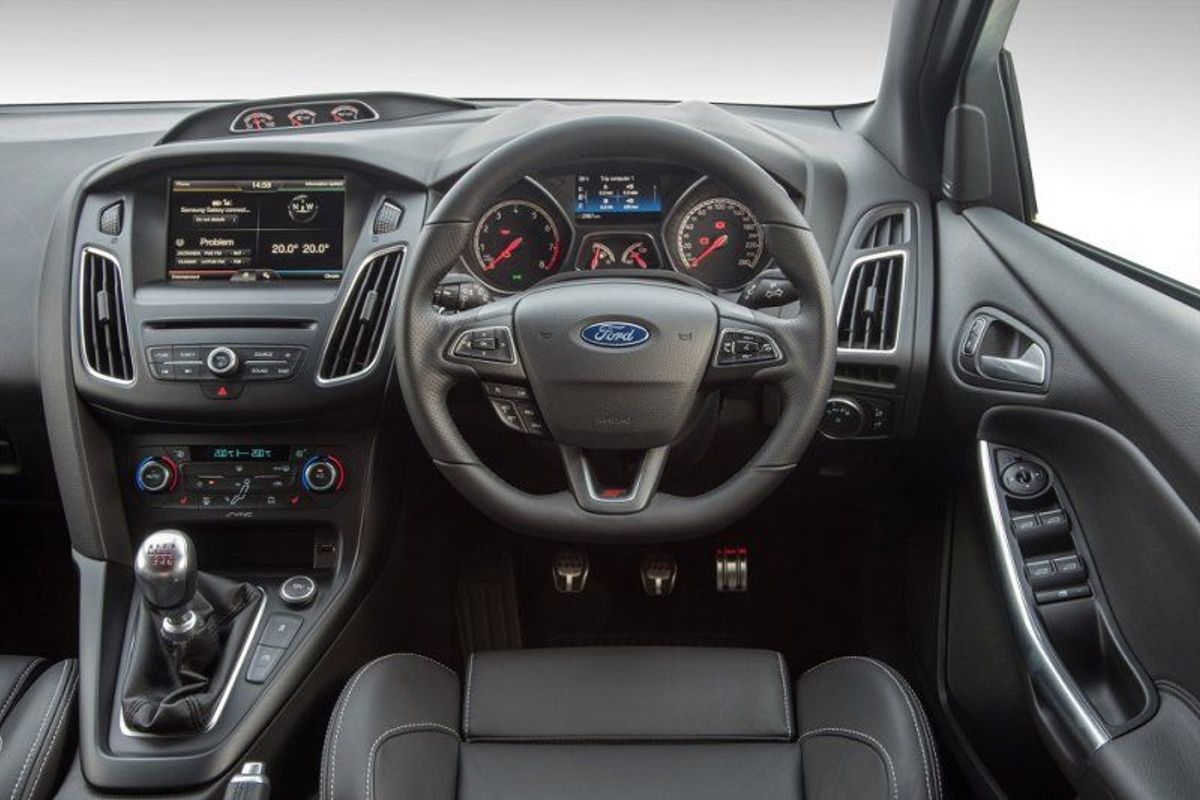
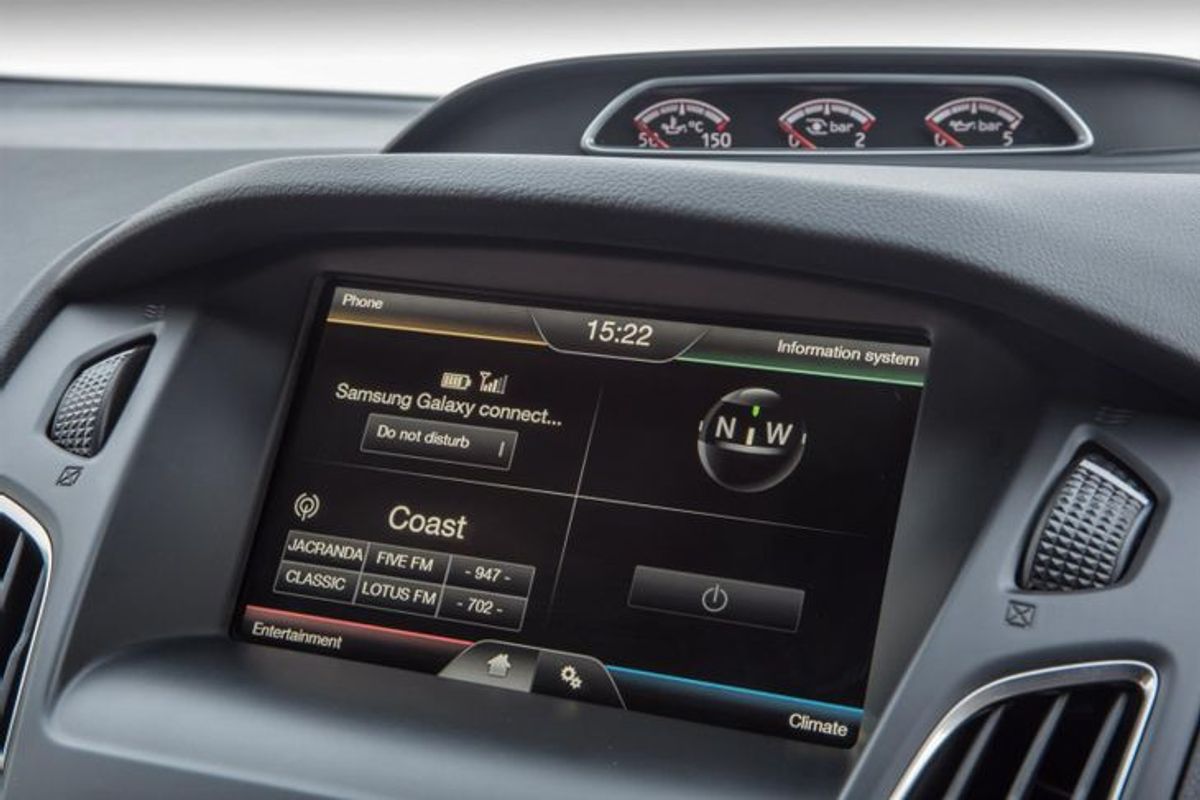
Another aspect where the Ford Focus ST arguably outshines the competition is practicality and specification. At this price point, the car comes well equipped and the infotainment system with Sync 2 connectivity which we’ve experienced before in the Ford Fusion sedan is commendable. It’s slick, intuitive and works well. The car also features heated seats, cruise control and lovely Recaro racing seats. The boot is surprisingly spacious and the five-door configuration makes it suitable for four adults. With the seats folded down, the Ford Focus ST offers class-leading boot space.
Verdict and Summary
While it’s not bad at all, it’s tough to recommend the Focus ST given the exceptional quality of its opposition.
The Ford Focus ST is trying hard to wear both the Comfort/Practicality and Entertaining Performer hats all at once. As past experience has shown, only one hat can be worn at a time to be successful. We were expecting a little more if we’re honest, but we have the Ford Focus RS to look forward to.
While it’s not bad at all, it’s tough to recommend the Focus ST given the exceptional quality of its opposition. The Volkswagen Golf GTI offers a combination of luxury and practicality which makes it a best-seller, while the Renault Megane RS Lux is more composed a performer.
The Renault is the most compromised of the three as it’s a three-door coupe and it’s difficult to live with day to day, but it more than makes up for it in the performance stakes. It has more power and crucially, comes in under the R400 000 barrier. The Volkswagen Golf GTI can match the Focus ST in most departments and is available with both a manual and twin-clutch gearbox. It’s also the most comfortable and the recent GTI Performance Pack improves its dynamic ability even further. This comes at a price premium though.
Ford Focus ST Price in South Africa
The Ford Focus ST is priced from R381 900 for the ST 1, while the ST 3 tested here goes for R421 900. The price includes a 4-year/120 000km comprehensive warranty, 4-year/80 000km service plan, 3-year/unlimited km roadside assistance and 5-year/unlimited km corrosion warranty. Service intervals are every 20 000km. The only options are a sunroof and bigger 19-inch alloy wheels.
Second Opinion
“I enjoyed my time with the Focus ST – I particularly love the sound of the thing, and the in-gear power delivery is addictive. It’s also quite practical and generally easy to live with, but the Golf GTI remains the superior product. Still, if you want something with a bit of a harder-edged character, but also don’t want to go all the way out and get a Renault Megane RS, this strikes a very good compromise.” Hannes Oosthuizen
We Like: Practicality, space, specification, smart infotainment system, in-gear acceleration
We dont Like: Torque steer, compromised ride on uneven surfaces
Also consider: Volkswagen Golf GTI, Renault Megane RS
Mercedes-AMG C63 Coupe Edition 1 Models Introduced
Mercedes-AMG introduces the C 63 and C 63 S Coupe Edition 1 models.
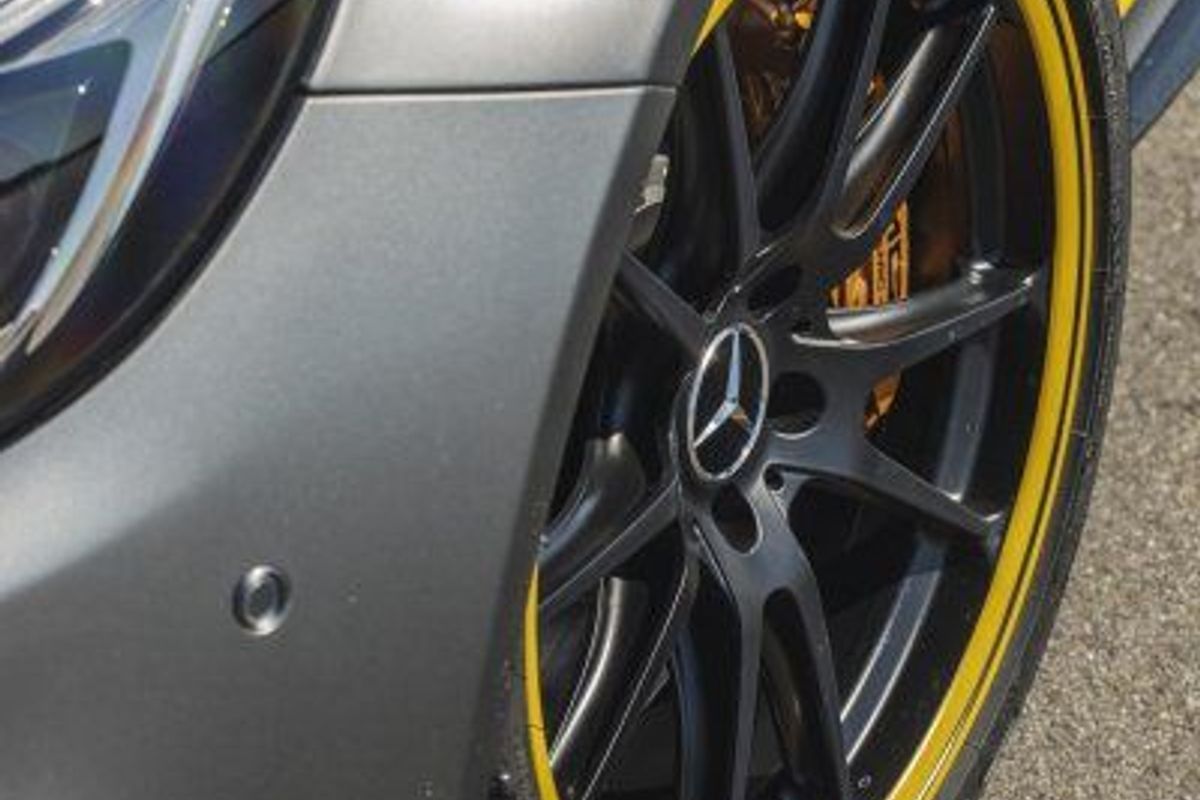
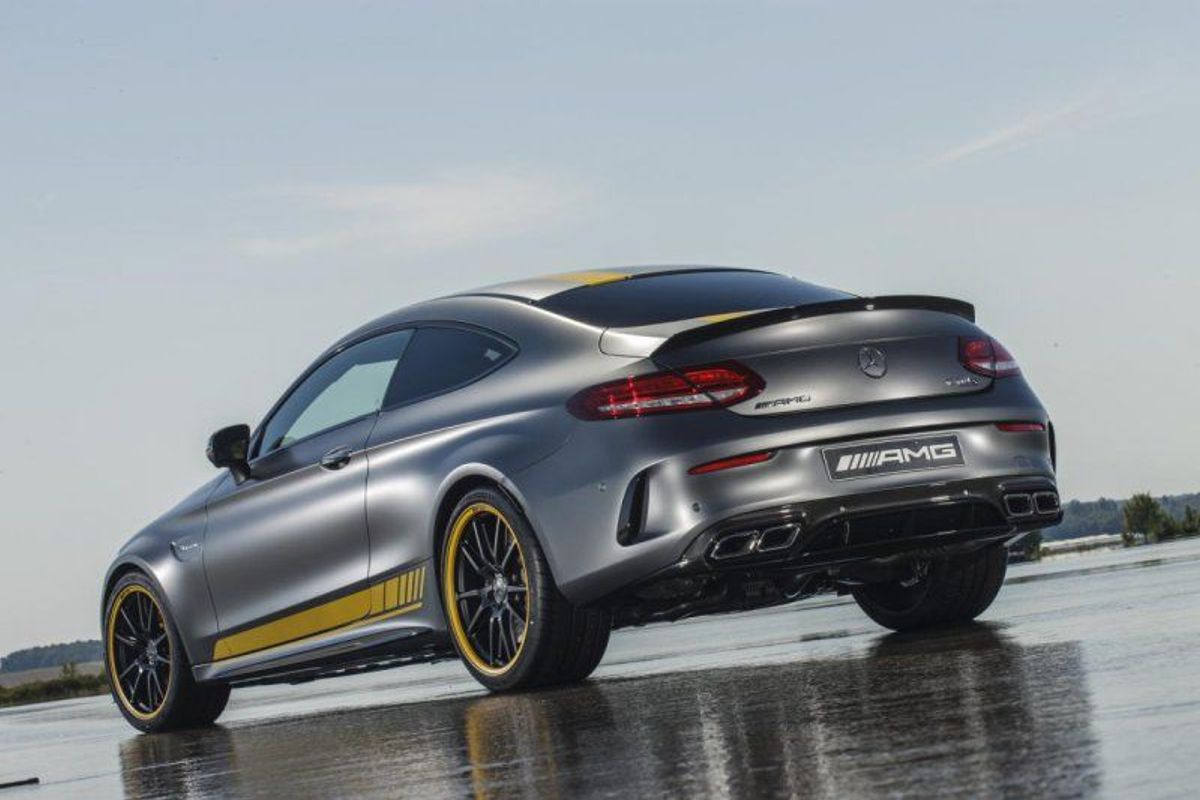
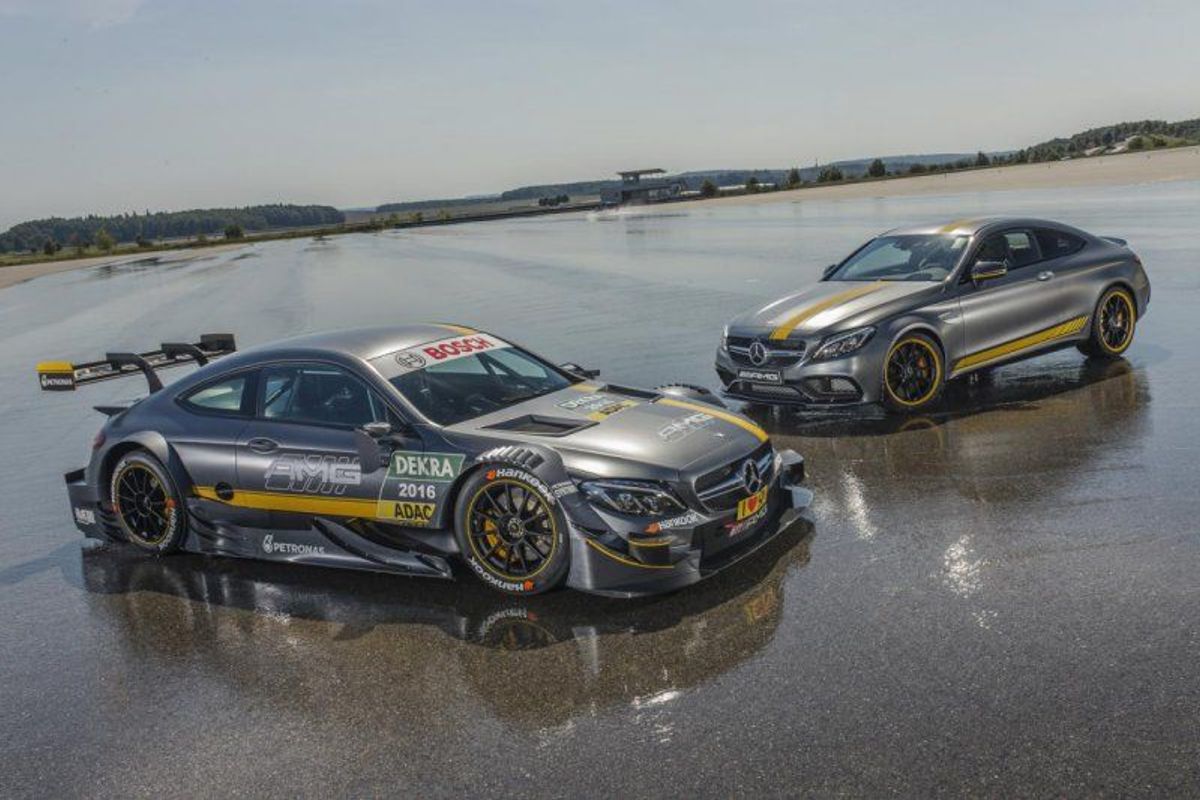
Two Edition 1 models will be available, coinciding with the launch of the C 63 Coupe. The DTM-inspired Mercedes-AMG C 63 S Coupe is dressed in Designo Magno Salenite Grey with yellow film coating and black wheels with yellow rim flanges. Yellow sport stripes are found on the bonnet, roof, bootlid and side lines above the rocker panels. The C 63 S Coupe model is fitted with light matte-black performance forged wheels in five double-spoke design and features a high-performance ceramic compound braking system.
The second C63 Edition 1 model is a bit less flambyoyant in terms of design with its sport stripes in graphite grey matte. The matte black forged wheels feature high-sheen flanges with cross-spoke design. The sport tyres and ceramic compound braking system are available as an option for this model but a full choice of exterior colours are available.
The AMG Aerodynamic Package in high-gloss black gives the vehicle a more aggressive appearence and includes a large front spoiler, side skirts, lateral airflow breakaway edges in the rear apron, rear diffuser and the break-away edge on the bootlid further enhance the look. An AMG Night Package is also available for the series-production version of the Edition 1.
On the inside, the AMG Performance seats are covered in Nappa leather with contrasting yellow stitching in diamond pattern. This yellow stitching is also found on the door centre pannels, arm rests, steering wheel rim and beltline. More yellow accents are found in the instrument cluster, AMG-specific analogue and on the floor mats.
V8 Power for Mercedes-AMG C 63 Coupe Edition 1
The Mercedes-AMG C 63 Coupe Edition 1 is powered by a 4.0-litre bi-turbo V8 engine that develops 350 or 375 kW (depending on the model) which is complemented with AMG RIDE CONTROL suspension with electronically controlled shock absorbers as well as AMG DYNAMIC SELECT transmission modes and a rear axle limited-slip differential.
Citroen Cactus M Concept Is The Coolest Car for Summer
Citroen has everyone’s attention with this awesome-looking Cactus M Concept. Is this the coolest car for summer?
This vibrant and flamboyant concept is based on the Citroen C4 Cactus, a car we’re big fans of. The Citroen Cactus M Concept will make its official debut at the 2015 Frankfurt Motor Show.
Citroen Cactus M Concept
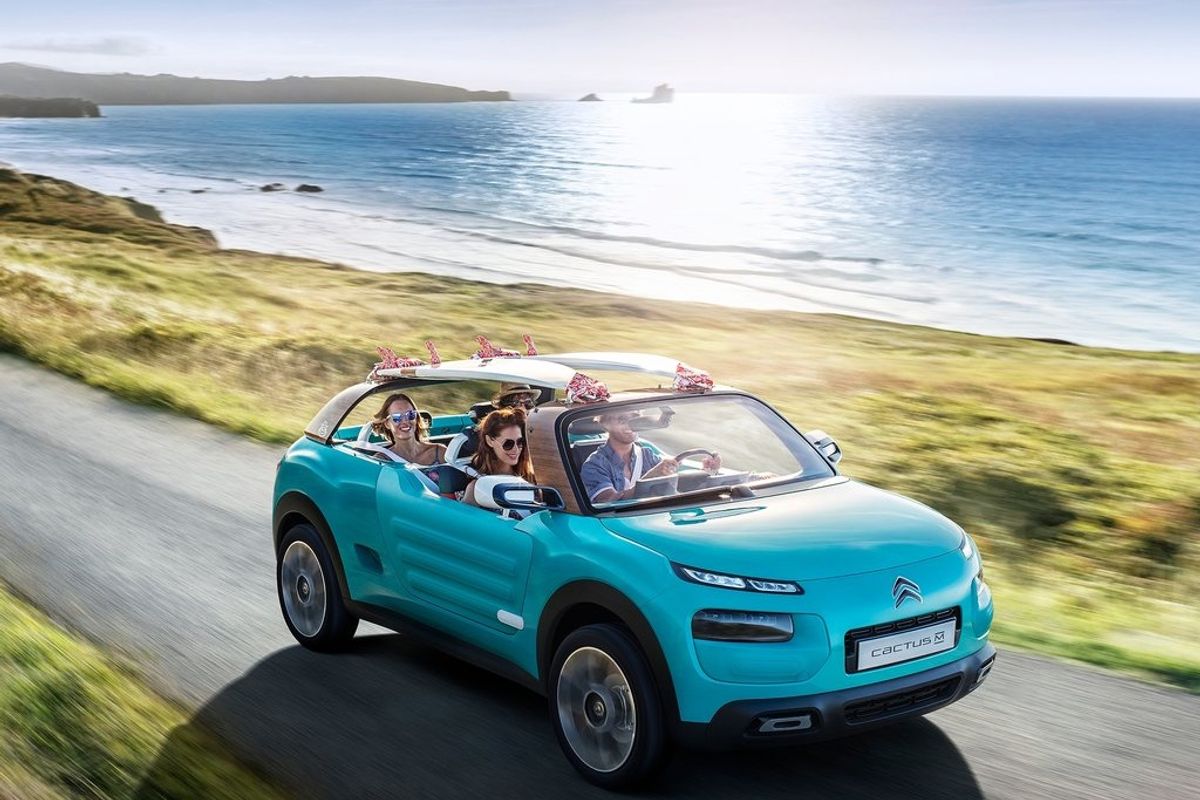
The Citroen Cactus M Concept shares elements from the Cactus, the Aircross Concept as well as the classic Mehari from 1968. It features big tyres and wheel arches which give it increased body height and an SUV look. It’s meant to be an open-air vehicle and the aim is to bring passengers closer to their surroundings. It has two long doors which makes access easy. Or, you can gain entry like they do in the movies, by leaping over the doors.
The doors have the same Airbump tech as the C4 Cactus which helps reduce damage from knocks, dents and scratches as well as salt water and sand. Beach sand isn’t the nicest of substances to find in a car, but the Citroen Cactus M Concept is designed with the beach and ocean in mind. There are holes in the foot wells so water can run out, while the seats are made from water and salt-resistant fabric. Citroen claims passengers can get into the Cactus M Concept fresh from a swim or surf without drying themselves off. When the cabin gets really dirty, it can be hosed out.
With a strong surfing theme, the Citroen Cactus M Concept has provision to carry boards on the roof racks, while the interior has a distinct tropical colour scheme of Hawaii Blue. The cabin has a nautical theme to it and resembles a boat’s hull.
It’s super cool and we’d love to see a production model come along. Perfect vehicle for summer? We think so!
Renault Alaskan Concept Shows Bakkie Potential
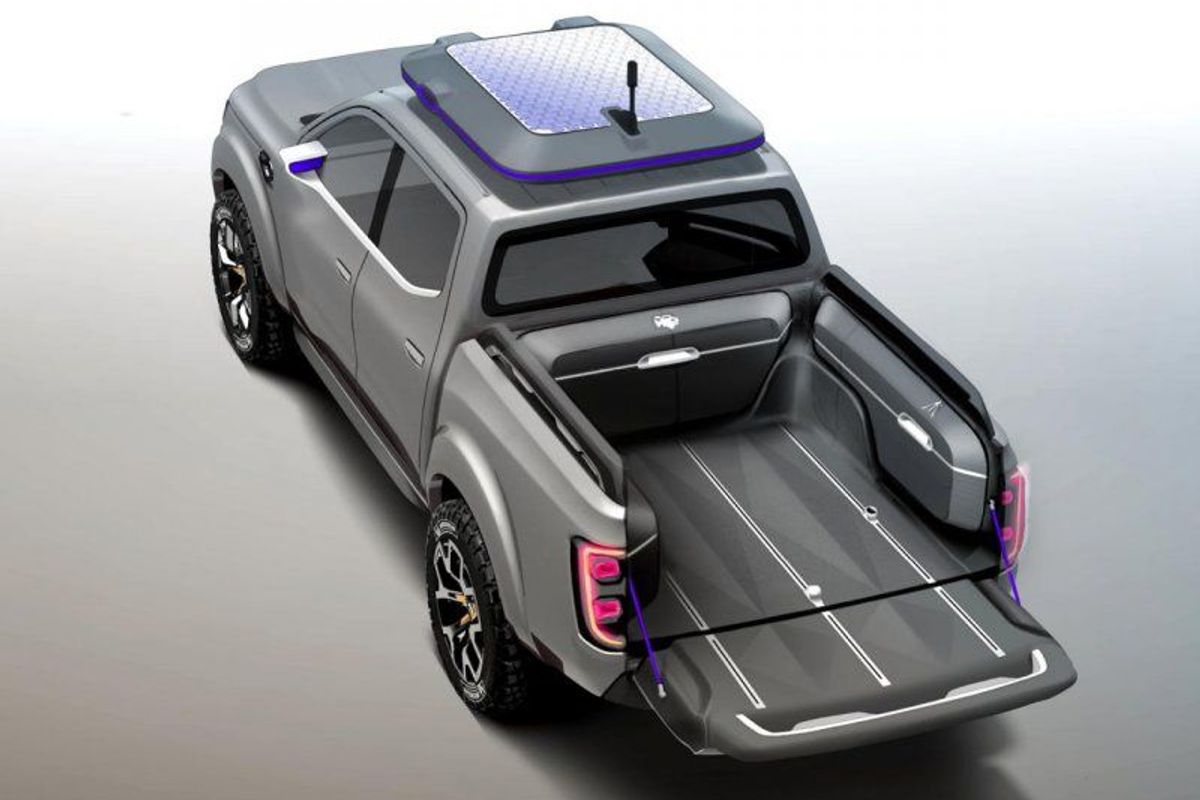
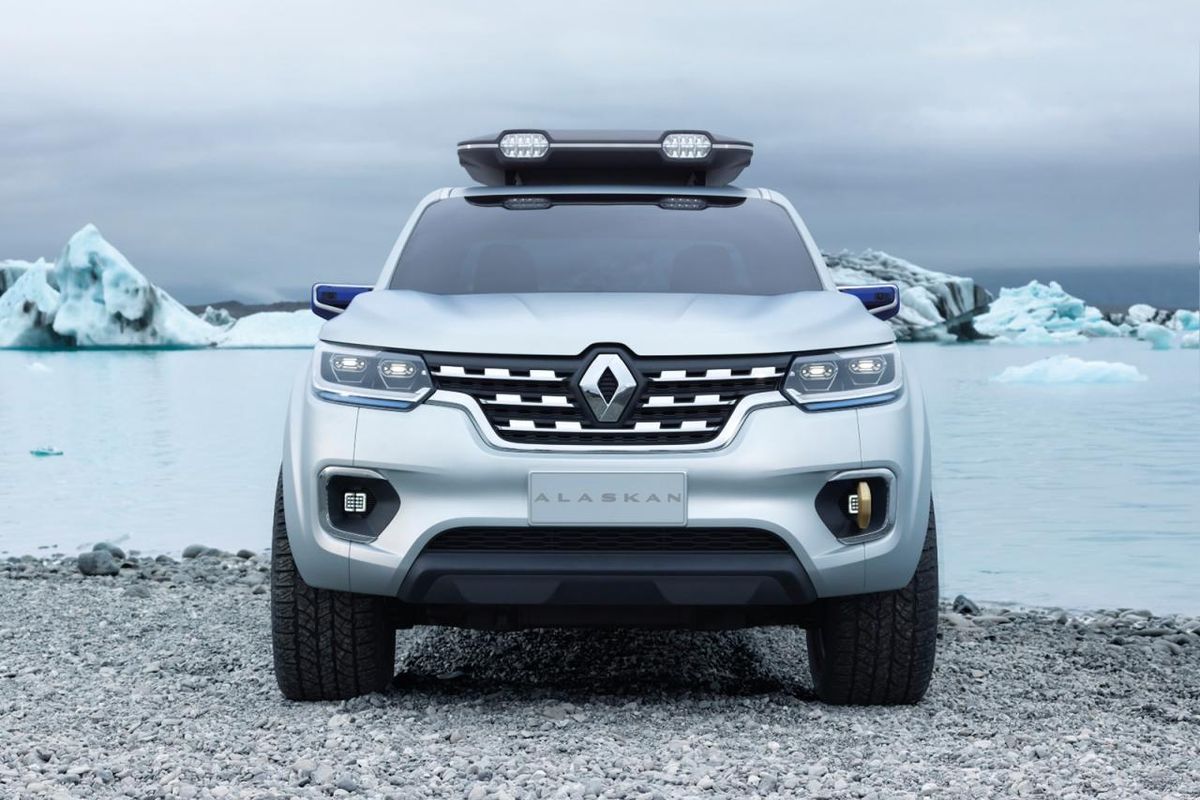
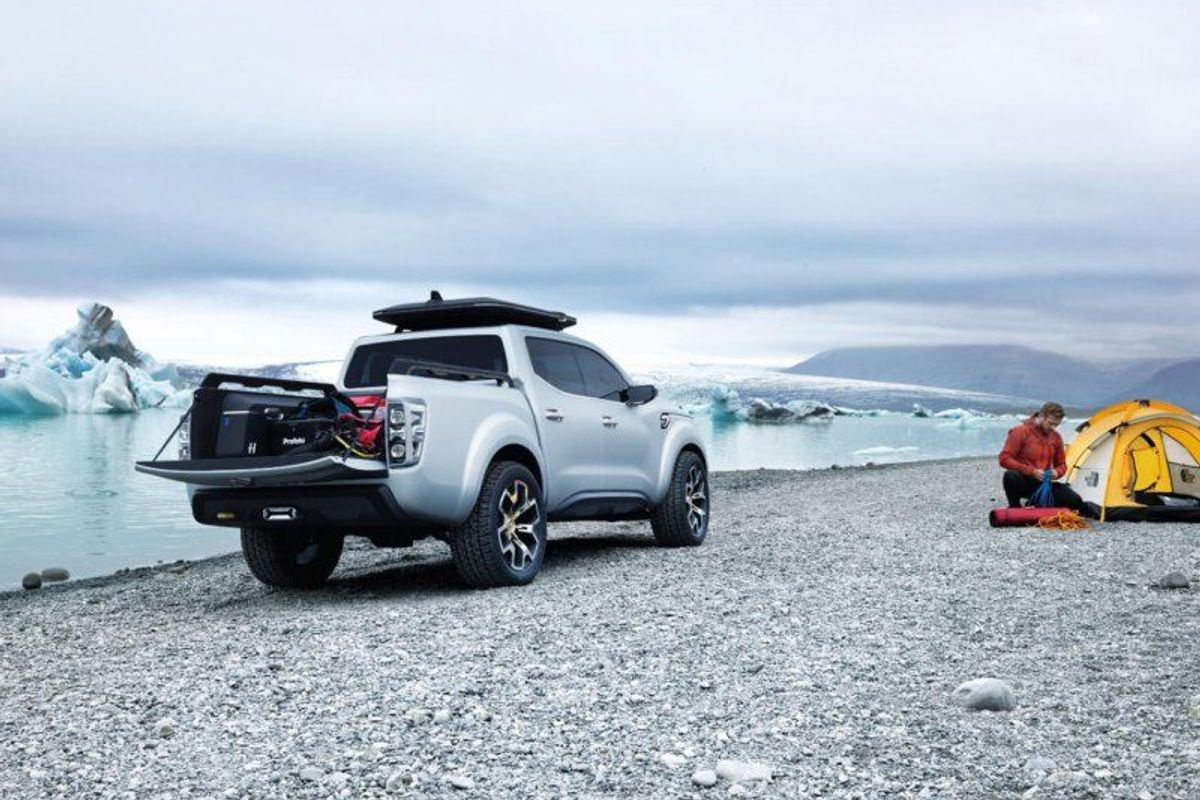
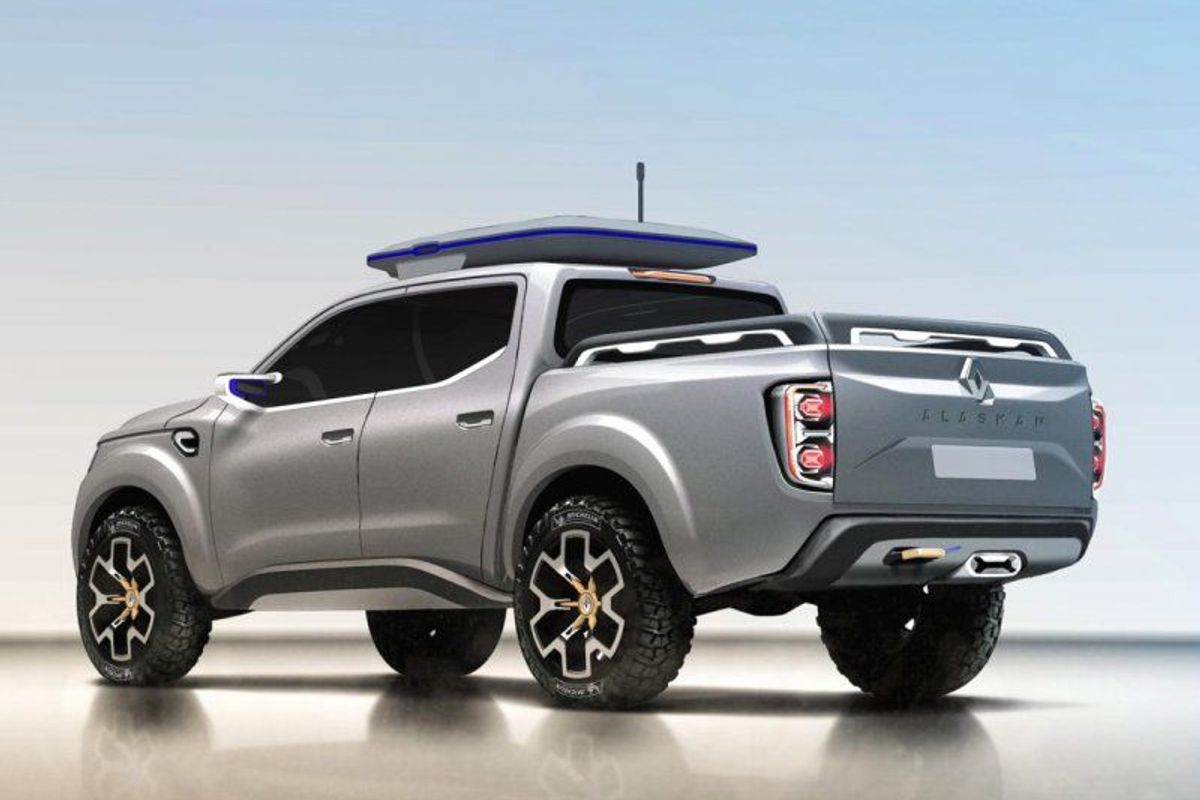
Renault has previewed the one-tonne ALASKAN bakkie concept which will be officially revealed in 2016.
The bakkie market worldwide accounts for more than a third of sales in the light commercial vehicle segment and Renault is set to claim its share of the pie. The Renault Duster Oroch concept shown earlier in the year is intended solely for the South American market while the ALASKAN Concept paves the way towards becoming a global model.
We are now equipped to take our Global Growth Plan forward and fulfil the aspirations of business users and individual LCV customers across the world thanks to an enhanced product line-up, new services and an upgraded customer experience, commented Mr Ashwani Gupta, Vice-President, Global Head of LCVs.
Renault ALASKAN – Features
With a payload of one-tonne, the ALASKAN Concept is designed to cater for both leisure and business purposes. Flared wheel arches are home to 21-inch wheels and there’s that big Renault logo up front, flanked by C-shaped headlights with full LED lighting signature. A camera is fitted in the side mirror housing which will allow for filming of the passing landscape. The ALASKAN will be powered by a four-cylinder, twin-turbo diesel engine. Renault says the ALASKAN will also come fitted with equipment, connectivity and comfort features which will make it suitable for driving on a daily basis.
The production version will be similar in spirit to the ALSAKAN Concept and will feature the same dimensions. Renault will also offer a wide range of body types and powertrains. The new bakkie from Renault is due for production and should go on sale in 2016.
This Renault ALASKAN will be joining the Mercedes-Benz bakkie and the two look likely to turn the segment upside down when they launch in 2016.
We will keep you updated as more information becomes available, but for now take a look at this video of the Renault Alaskan Concept.
Things People Hate Most About Driving in South Africa
This week we set out to find out what frustrates and annoys you most about driving in South Africa.
Now, we all know that South Africas roads and the motorists who drive on them are riddled with issues. Evidently, it was quite difficult to choose four issues to focus on because one problem is just as bad as the next. Nonetheless, we settled on drinking and driving, traffic jams, the petrol price and that irritating thing they call eTolls. Many of you highlighted equally frustrating issues such as texting while driving, potholes, aggression on the road and taxi drivers who do think they are above the law. Despite all the problems, there is much you as a person can do to remedy the situation and it literally starts with you. For starters, here are 5 ways to be a better driverand also be sure to familiarise yourself with common driving mistakes and how to avoid them.
From all the responses we received, one thing is for sure, South African motorists are fed up! Take a look at the results below
Things People Hate Most About Driving in South Africa
Drinking and Driving 31% of the total vote
Drinking and driving remains to be a serious problem in South Africa and its effects are felt on a daily basis as lives are lost on our roads. Not only does alcohol impair your ability to control a vehicle, it drastically increases your chances of having a potentially fatal accident which puts your life and the lives of other road users at risk. In South Africa, the legal limit is a breath alcohol content of 0.24mg per 1,000ml, or a blood alcohol limit of 0.05g per 100ml. If you are going to drink, rather use a designated driving servicesuch as UBER to get you home safely, but whatever you do, dont drink and drive.
Traffic Jams 26% of the total vote
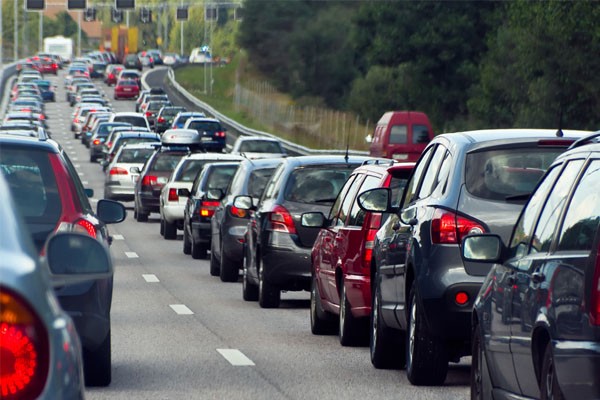
Traffic congestion has become progressively worse over the years as more and more cars take to the roads and in certain areas, the infrastructure simply cant cope. This is a fact in just about any major city in South Africa. Cape Town was recently named as the most congested city in South Africa, but lets be honest, places like Gauteng arent much better. Until government steps up to the plate to upgrade infrastructure, which could take a very long time, the best thing motorists can do is to avoid peak traffic times or find alternative routes to their destinations.
eTolls 23% of the total vote
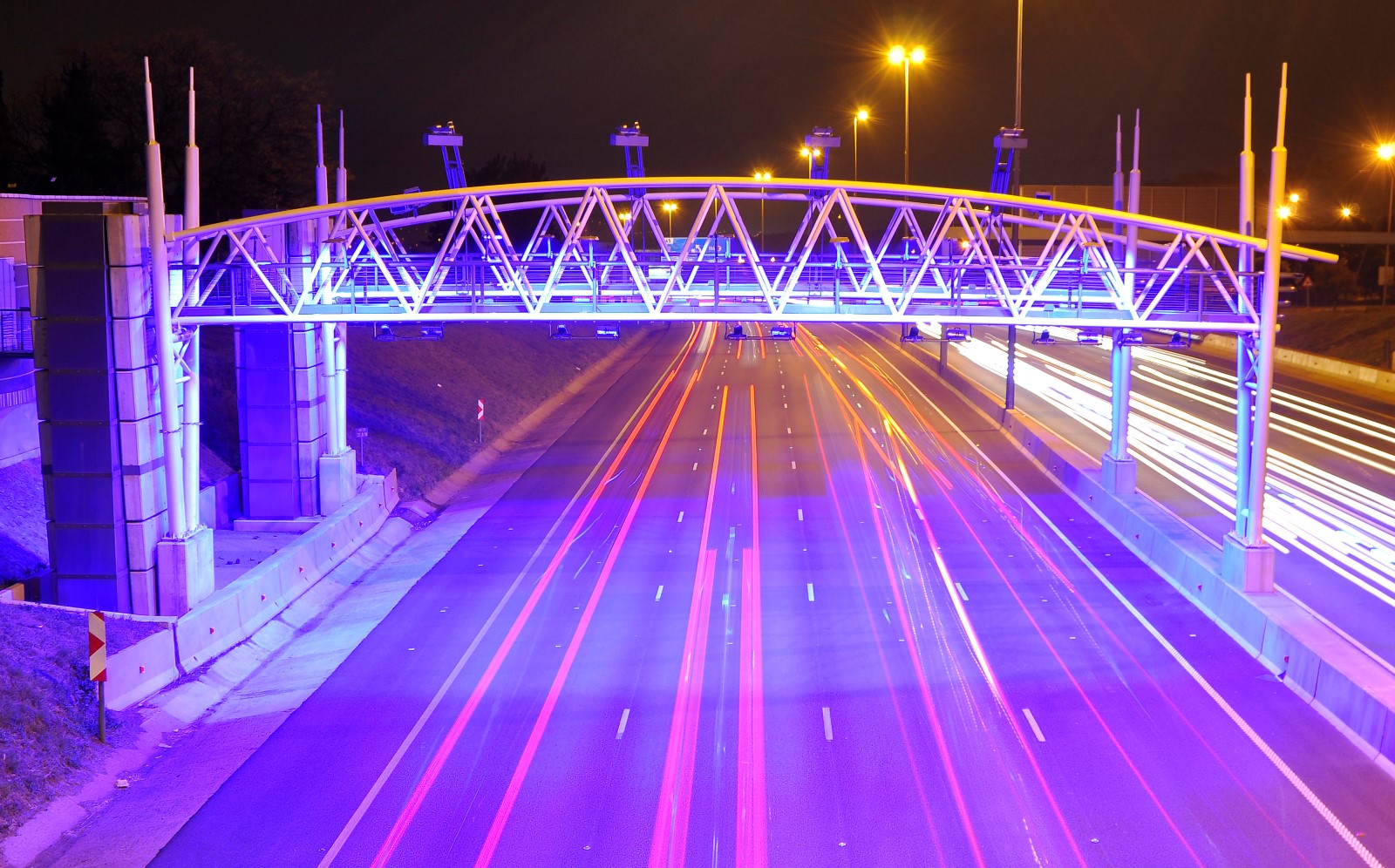
The word eToll has become a thorn in the side of thousands, if not millions of South African motorists. Since its dubious inception in Gauteng in 2012, much hate has been flung at SANRAL and the government and a large portion of motorists simply refuse to pay. SANRAL has now turned its attention to the Western Cape where it plans to toll sections of the N1 and N2. If SANRAL gets its way, Western Cape motorists could pay up to three times more to use the roads compared to their Gauteng counterparts. For now, the debate rages on and the outcome remains to be seen.
Petrol Price 20% of the total vote
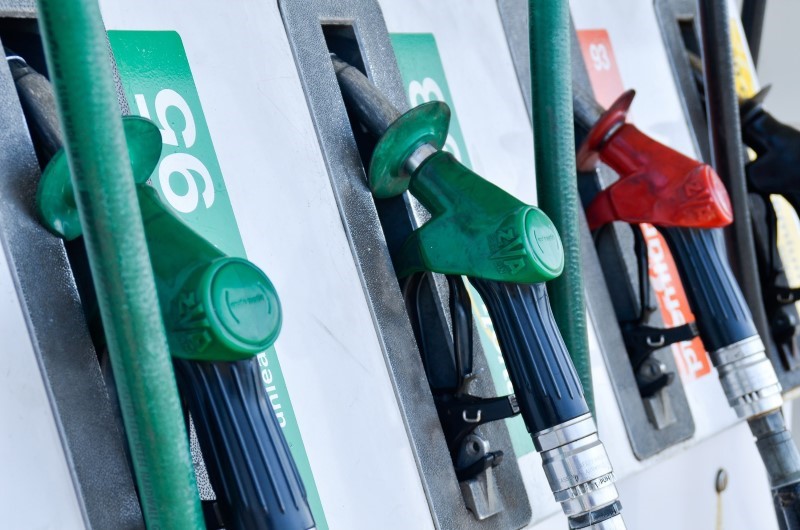
The petrol price is another beast all together and if theres one thing that gets people upset, its petrol. South African consumers recently got some relief with a fuel price decrease, but the overall picture doesnt look pretty as motorists can expect fuel prices to increase again in coming months. Motorists unfortunately have no choice but to adapt to prevailing conditions and there is lots you can do to cut your fuel bill, such as adopting fuel efficient driving techniquesor consider buying a more fuel efficient car. Either way you look at it, fuel prices are likely to rise, so the best thing you can do is to sit back, relax and enjoy the ride.
VW – The Next Five Years
Volkswagen’s current struggles in big markets such as China and North America are partly due to a lack of new product momentum. That’s all set to change…
Things are rather topsy-turvy in the world of Volkswagen at present. Theres been good news (major new investment in South Africa) but other markets (such as North America and China) have proven more problematic. Seeing as those are two rather large markets, the company is working very hard behind the scenes to define an effective business and product strategy. But matters are made trickier by boardroom struggles. The legendary Ferdinand Piech resigned as chairman in April 2015 after a reported dispute with CEO Martin Winterkorn, and until a permanent replacement is found interim boss Berthold Huber will have to keep the hot seat, er warm. The latest reports suggest Dieter Poetsch, VW finance chief since 2003, could be the frontrunner.
One of the reasons analysts say Volkswagen sales are suffering in China is a lack of new product. Well theres certainly plenty of new product on the way including, very importantly, a number of new SUVs and crossovers.
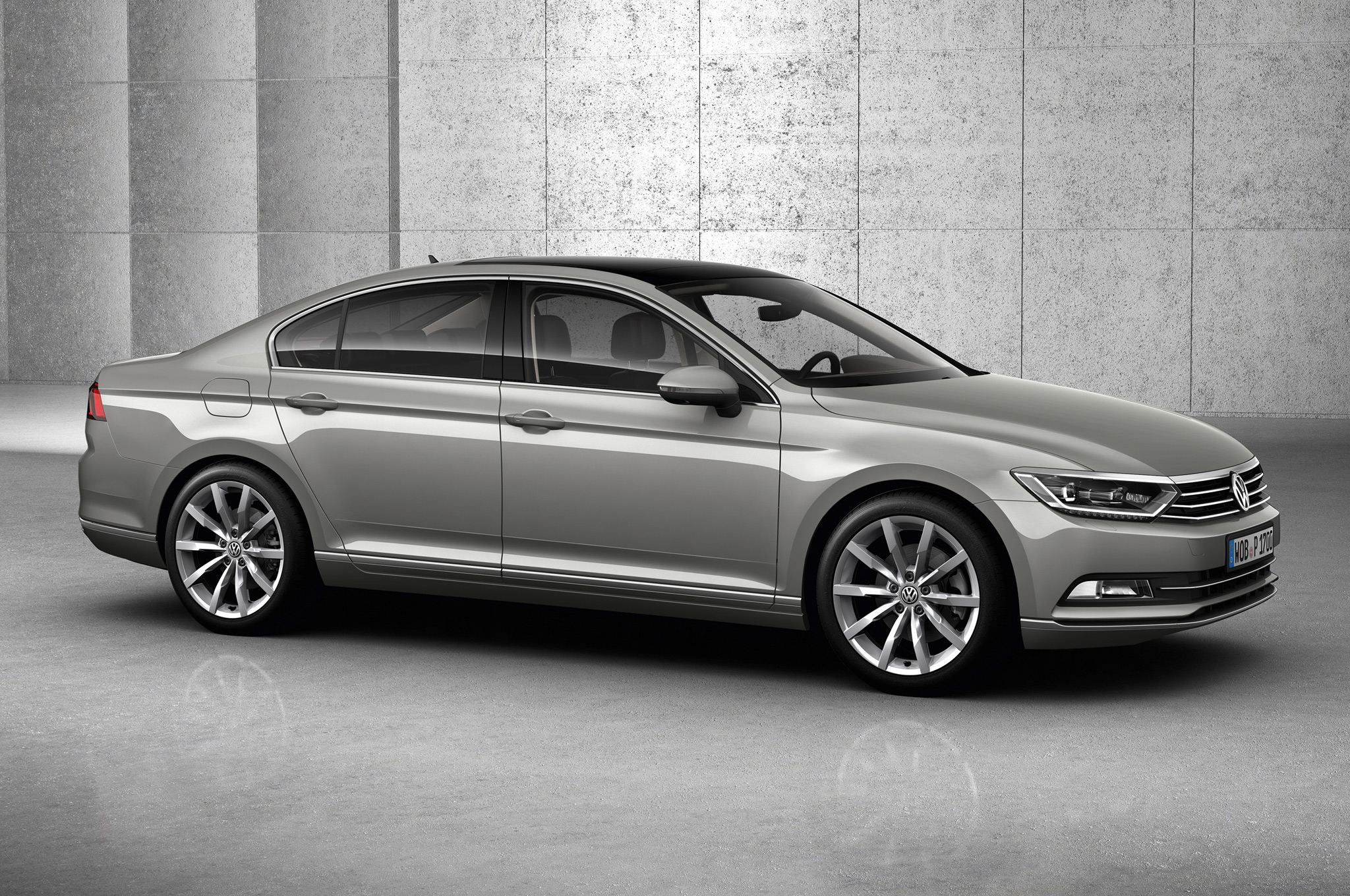
Although sedan sales are under serious pressure in South Africa, the bodyshape remains popular elsewhere and the previous iterations of the Passat large sedan have done well for Volkswagen. The eighth-generation model reaches South African soon, but the model line-up is not going to be nearly as extensive as it is in Europe, where up to ten different engine options are offered, as well as the option of a station wagon body. Whether the very powerful new twin-turbodiesel 2,0-litre diesel will be offered in South Africa remains to be seen. It offers 176 kW and 500 Nm of torque.
The newcomer boasts far more coherent styling, with a simple and elegant overall look with just enough brightwork to lift it upmarket. Volkswagen claims the newcomer is up to 20 per cent more efficient than before and also significantly lighter. Inside, it gets a very smart Audi TT-like virtual instrumentation cluster.
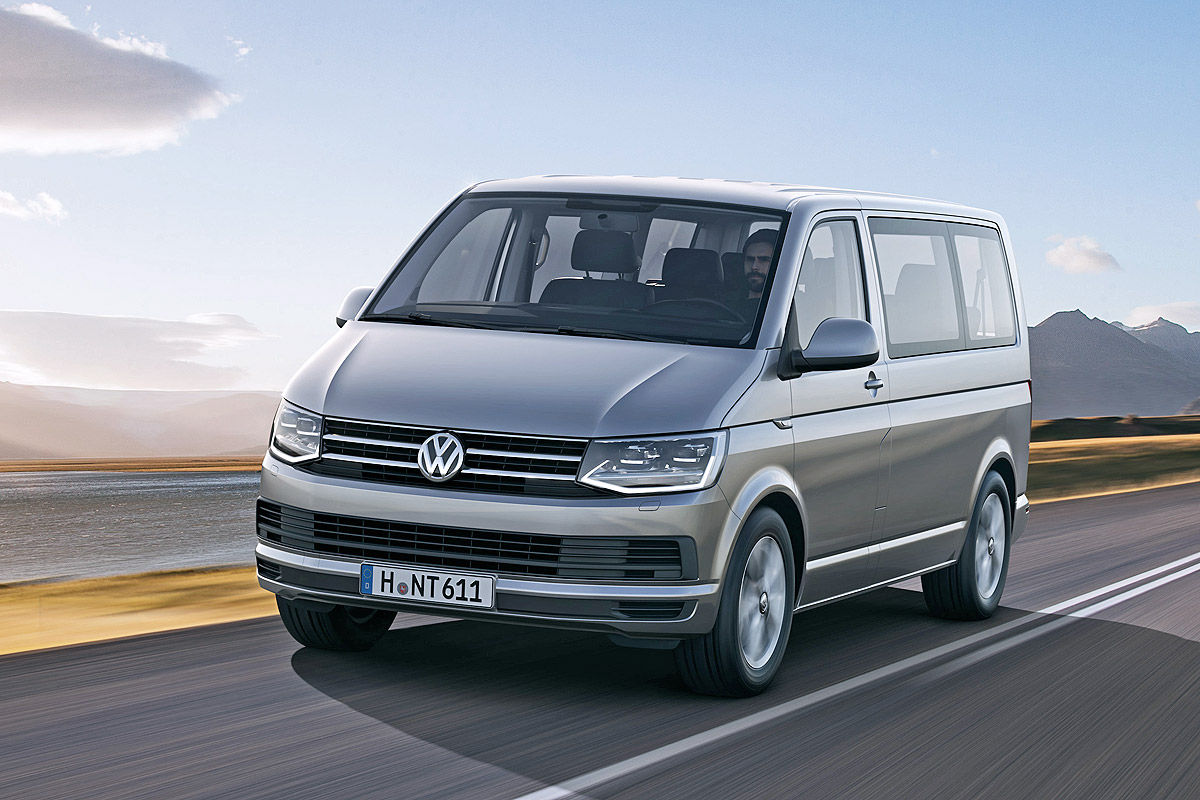
In recent years the venerable Volkswagen Kombi has moved far beyond its utilitarian beginnings to occupy a near-premium positioning in the local minibus market. The sixth-generation model (T6) arrives in South Africa very soon and will further heighten the upmarket leisure appeal.
At first glance the newcomer is very similar to its predecessor and also the same size. Of course, when it comes to a boxy vehicle such as this, design flair is very difficult to display, but Volkswagen has done well through the addition of LED-infused head/taillamps, and a generally crisper, horizontally themed design language to give the T6 its own character.
Inside, the materials are certainly of a higher quality and most of the switchgear will be familiar to VW owners, as much of it is borrowed. This is not a bad thing.
The local line-up will largely mirror the current T5s, with Caravelle and Kombi models on offer. Even the engine range is likely to be the same. The utility market will again be serviced by the Crew Bus, panel van and pick-up derivatives.
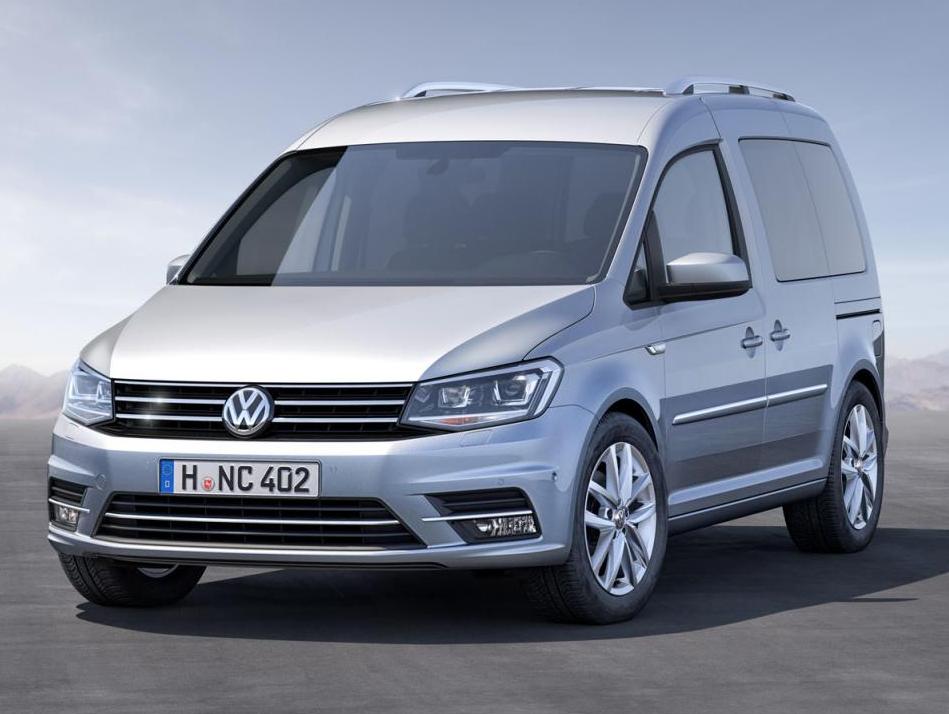
VOLKSWAGEN CADDY- Very soon (SA)
The new Caddy line-up has already been launched internationally and arrives in South Africa very soon. Similar in design to the outgoing model, the new version introduces a far less utilitarian interior with some surprisingly upmarket finishes. Flagship models even boast some personalisation options.
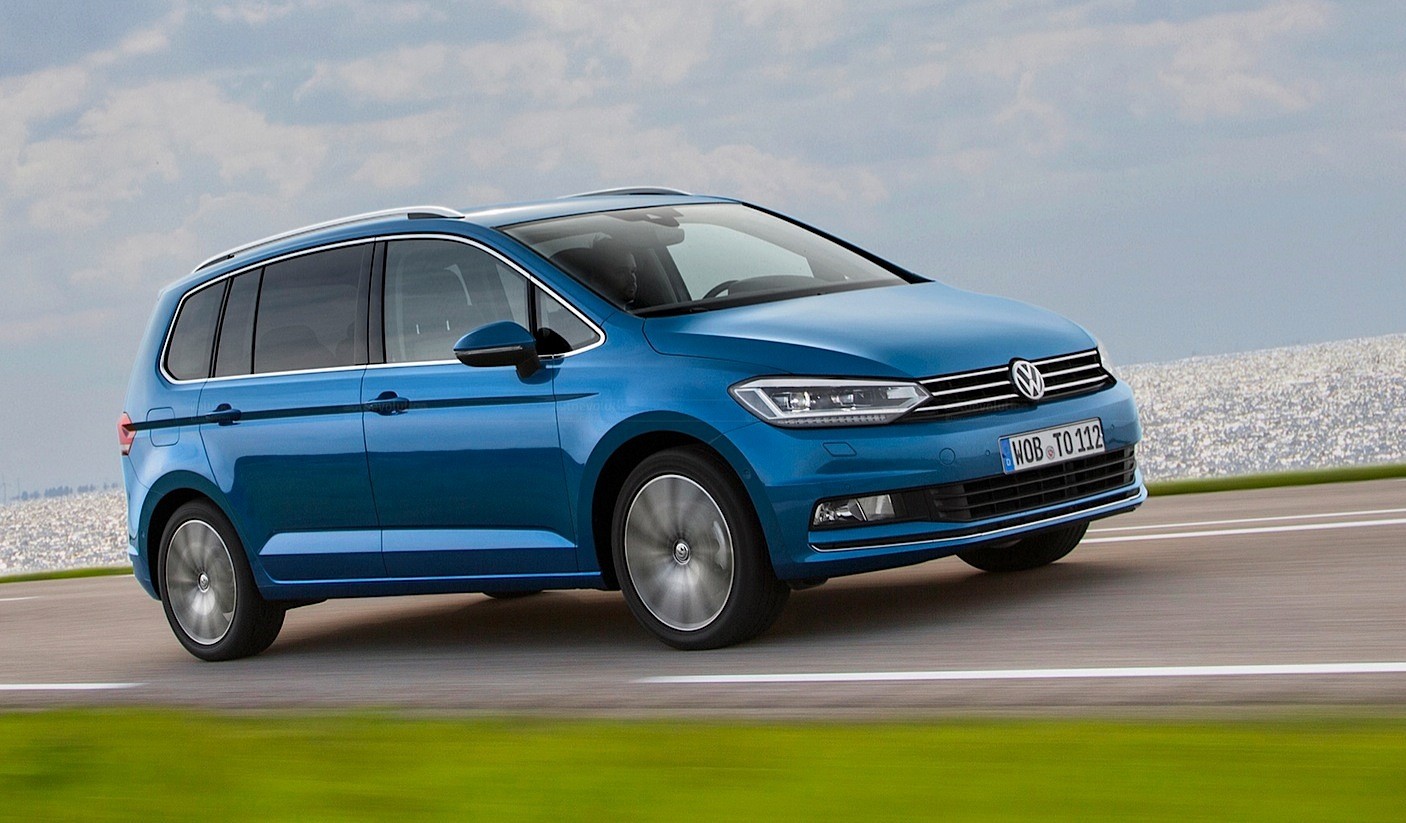
Already revealed to the world earlier this year, the new Touran MPV will make its debut in South Africa later in 2016.
Now riding on the Golf 7s acclaimed MQB platform, the Touran also boasts crisper, cleaner styling and an interior that brings premium car finishes to the MPV segment. Key to its appeal is the interior packaging. Available as a five- or seven-seater, the Tourans second row of seats can be individually folded or slid to allow for more legroom/packing space as required. The boot is very big at a claimed 743 litres.
There is also a strong focus on safety features, with up to nine airbags on offer. Sadly some of the advanced features, such as automated city braking and adaptive cruise control are not coming to SA.
A model that is likely to do well in South Africa is the version powered by the Volkswagen groups punchy 1,4-litre turbopetrol engine (110 kW/250 Nm) coupled with the well-known seven-speed DSG transmission. Diesel versions will also be offered but the final line-up has not yet been confirmed.
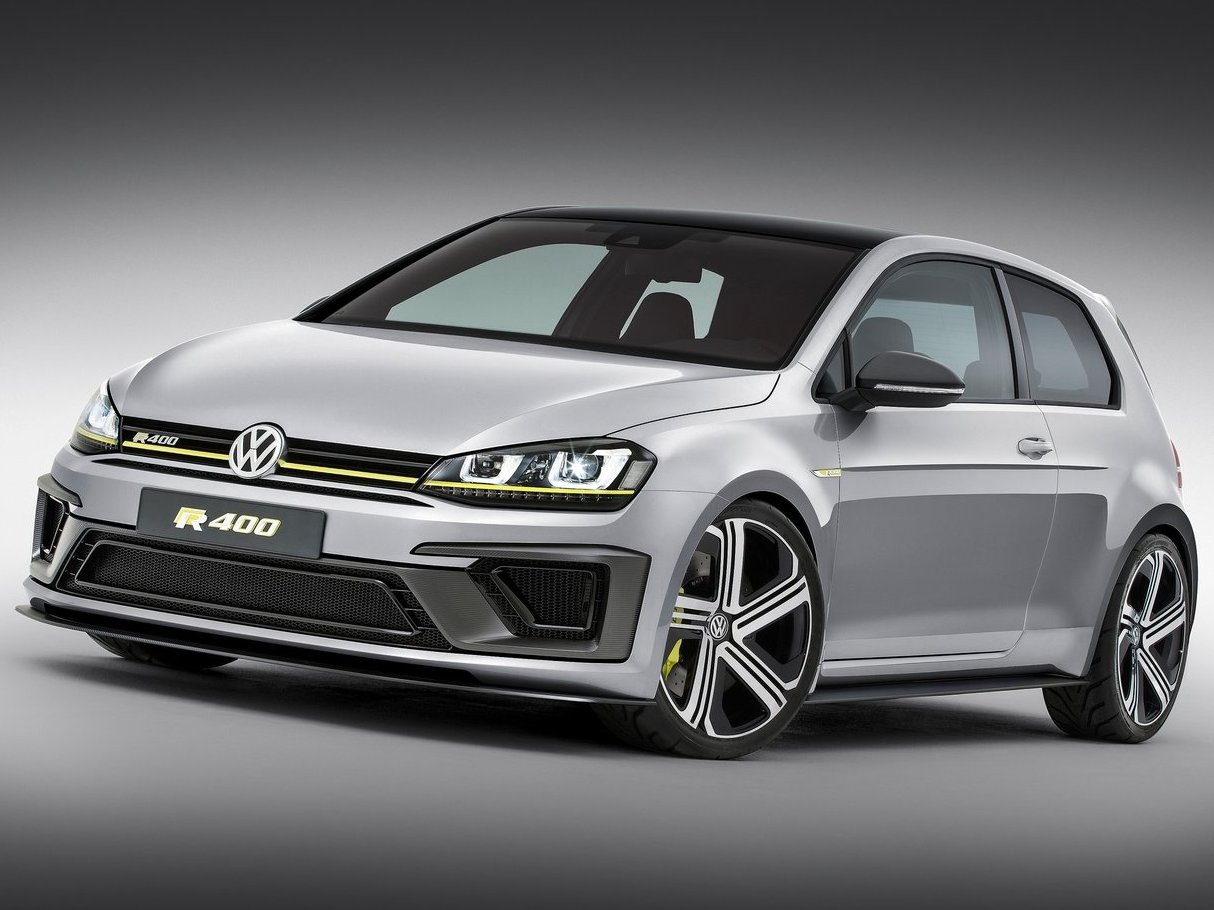
VOLKSWAGEN GOLF 7 R400 – World Launch 2016
Reports that the Golf R400 has been green-lighted for production nearly broke the internet, such has been the interest in this hot Golf. It will be unveiled at the upcoming Frankfurt Motor Show and is likely to be powered by a new 2,0-litre turbocharged four-cylinder engine that delivers no less than 309 kW and 450 Nm of torque. It will use all-wheel drive to put all that power on the road effectively.
Volkswagen South Africa says this model has not yet been confirmed for local introduction, but given the interest we’d be very surprised if it didn’t arrive.
Originally launched in 2007, the Tiguan has done well for Volkswagen but an all-new model is urgently required to stave off competition from just about every other carmaker.
Perhaps it is the importance of the expanding and relentlessly growing SUV/crossover market that has delayed the Tiguan, but rumours suggest Volkswagen is planning to attack this market from multiple angles. There will, apparently, be a standard five-door version, as well as an extended wheelbase seven-seater and possibly even a quasi-coupe BMW X4-like derivative.
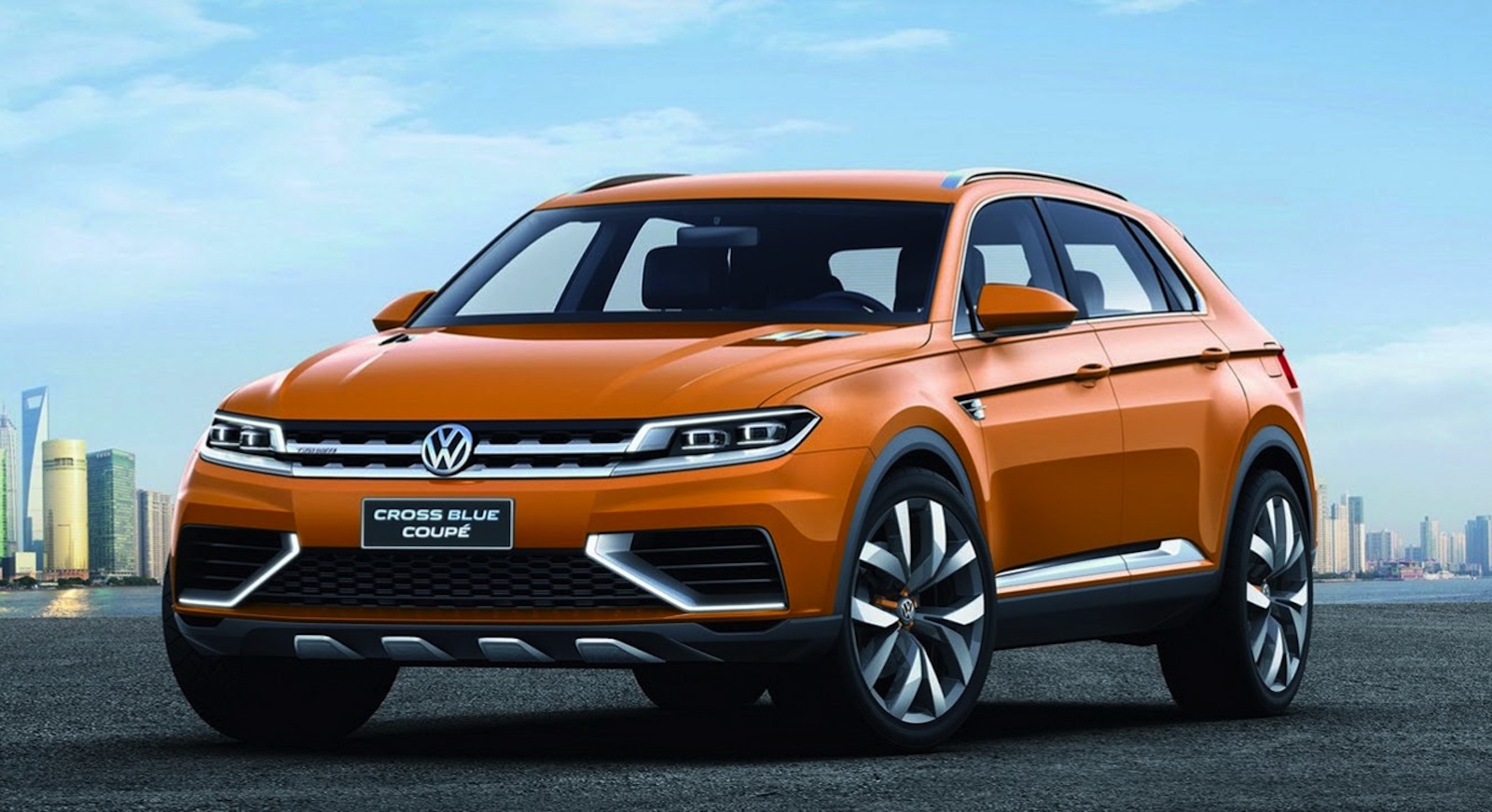
Also utilising the brands MQB platform, the Tiguans design is said to resemble the Cross Blue Coupe concept (pictured above) from the 2013 Shanghai Motor Show. This new design language favours crisp, horizontal lines and simplicity.
The powertrain line-up is likely to remain pretty much as it is today (especially with regards to the South African line-up), so that means 1,4-litre turbopetrols and 2,0-litre turbodiesels. Nothing official has been announced, but Volkswagen could add a plug-in hybrid model for some markets.
The new Tiguan will likely reach South African shores late in 2016.
VOLKSWAGEN TAIGUN – World Launch 2016
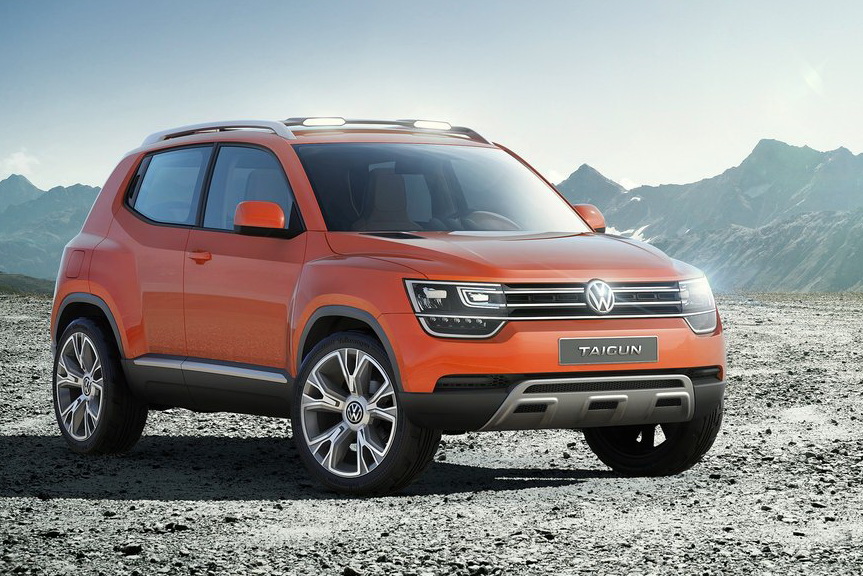
Already shown in concept form, the very small up!-based Taigun compact SUV arrives on world markets in 2016. It will target vehicles such as the Renault Captur and Ford Ecosport. This funky little city bruiser stands about 80 mm wider and taller than the up! it is based upon and will be powered by a similar range of engines, including the 1,0-litre, three-cylinder TSI.
Inside, the cabin layout is minimalistic and youthful, and dominated by an integrated info-tainment screen.
According to Volkswagen South Africa the Taigun is not yet confirmed for local market introduction, but given the popularity of this type of vehicle at present, we’re confident of it being a matter of “when”, not “if”…
VOLKSWAGEN C COUPE GTE – DUE 2016 (China)
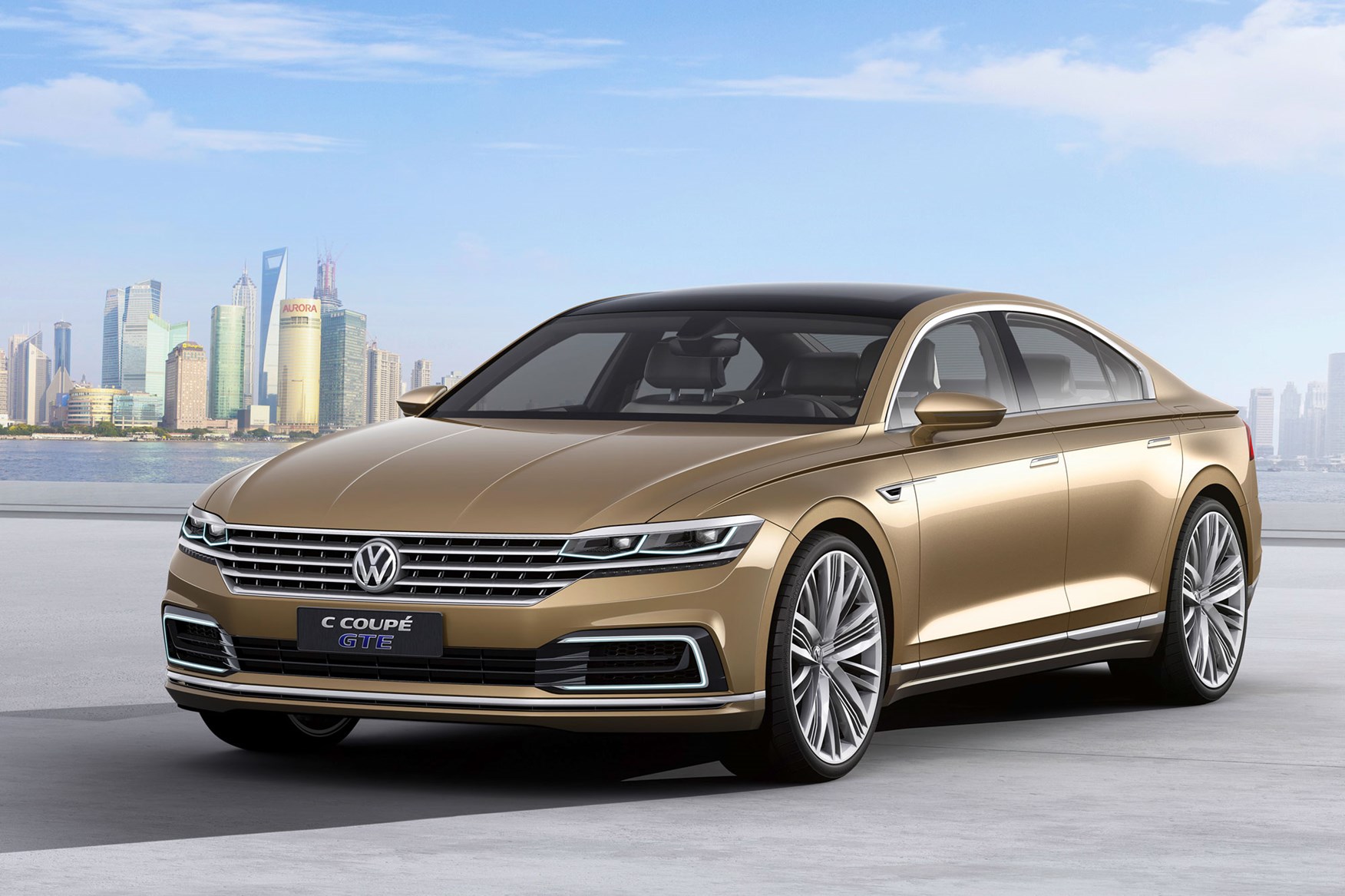
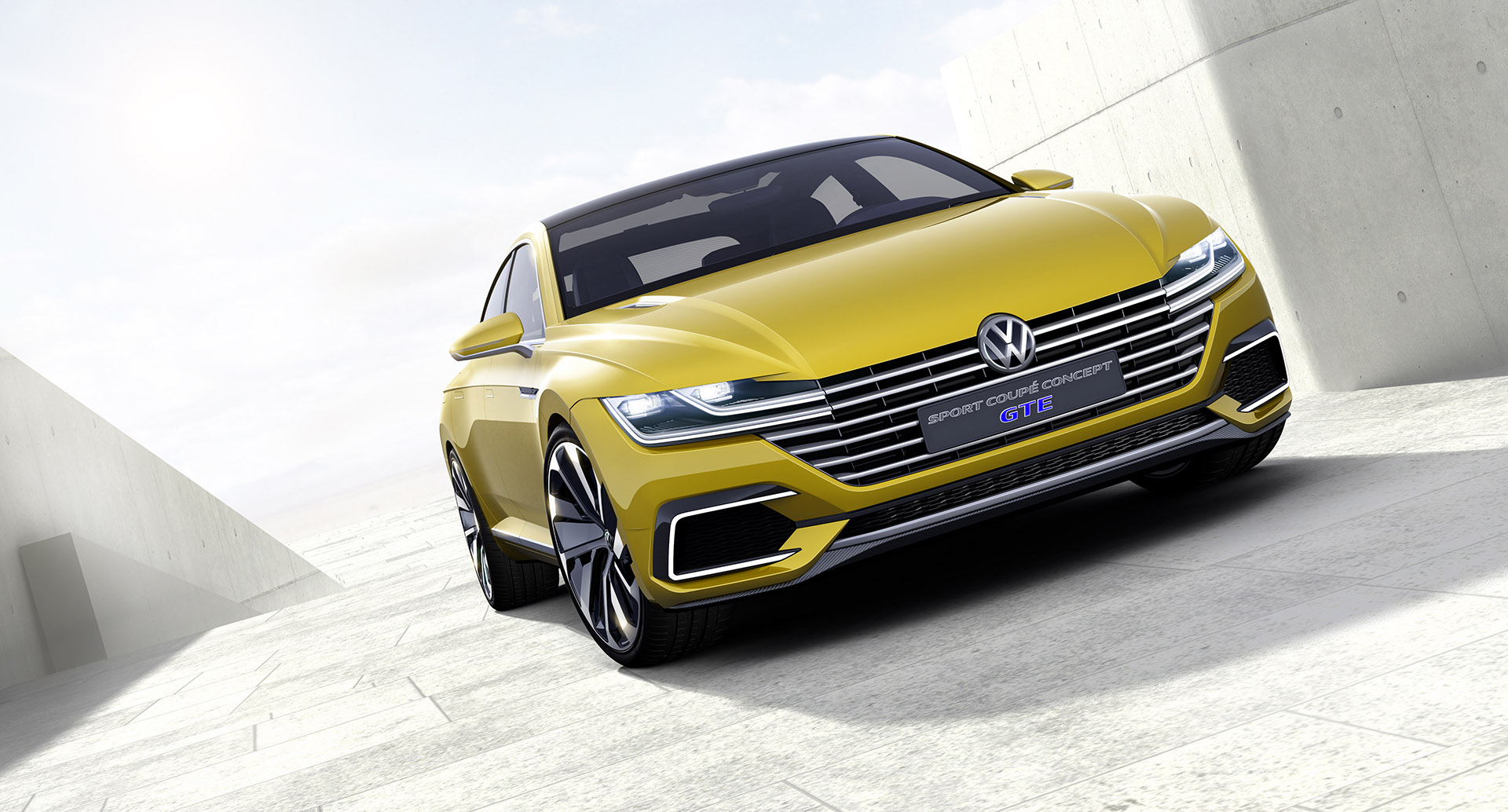
Although it looks likely that Volkswagen will develop an all-new Phaeton super-luxury car, it will add a different luxury sedan between the new Passat and the future Phaeton, seemingly exclusively for the Chinese market. This model will take the shape of a swoopy four-door coupe to battle the likes of the Audi A5 Sportback and Jaguar XF, and was previewed by the C Coupe GTE concept.
Closely related to the Audi A6L (long-wheelbase) offered in China, the C Coupe GTE it will be built in partnership with Chinas SAIC. A large number of powertrains are likely to be offered in China, including the concepts plug-in hybrid drivetrain.
The Chinese market still loves sedans, especially those with very large rear legroom. Many wealthy Chinese still preferred to be chauffeured around, rather than drive themselves. At the same time, bold look-at-me design is also a requirement for that market. The C Coupe GTE certainly answers both needs very well.
As is the case with the Q7, new Touareg will be bigger than before, but also significantly lighter and more fuel efficient. In fact, expect the powertrain line-up to closely resemble the Q7s so the most popular in South Africa is likely to be the 3,0-litre turbodiesel with around 180 kW/600 Nm. On the petrol side expect either a 2,0- or a 3,0-litre powerplant. A new 10-speed DSG transmission is rumoured.
New Touareg will become a seven-seater and the cabin will be jam-packed with tech features, including very likely the virtual cockpit from the Audi TT/new Passat and a host of connectivity systems that could stretch to the rear passengers as well.
Volkswagen South Africa launched a significantly updated version of the current Touareg last year, so it is too early to commit to launch details of its replacement just yet.
VOLKSWAGEN POLO 6 – DUE 2017
This very important newcomer could go into production early in 2017. Few details have been leaked thus far, but like the next Golf, expect a squatter, more sharply styled car with a longer wheelbase and very short overhangs. As is the case with all new Volkswagens, weight has been cut and efficiencies improved.
The bigger news is probably to be found in the interior, where the Audi TT and new Passats virtual instrument cluster could make an appearance, along with the latest connectivity systems, including Apple CarPlay and Android Auto. The stretched wheelbase will also improve rear legroom and boot space.
A GTI derivative will follow shortly after, as well as a SUV/crossover variant (see T-Roc).
Volkswagen South Africa says it is too early to commit to timing and details of the local introduction of this crucial model.
VOLKSWAGEN T-ROC – World Launch 2017
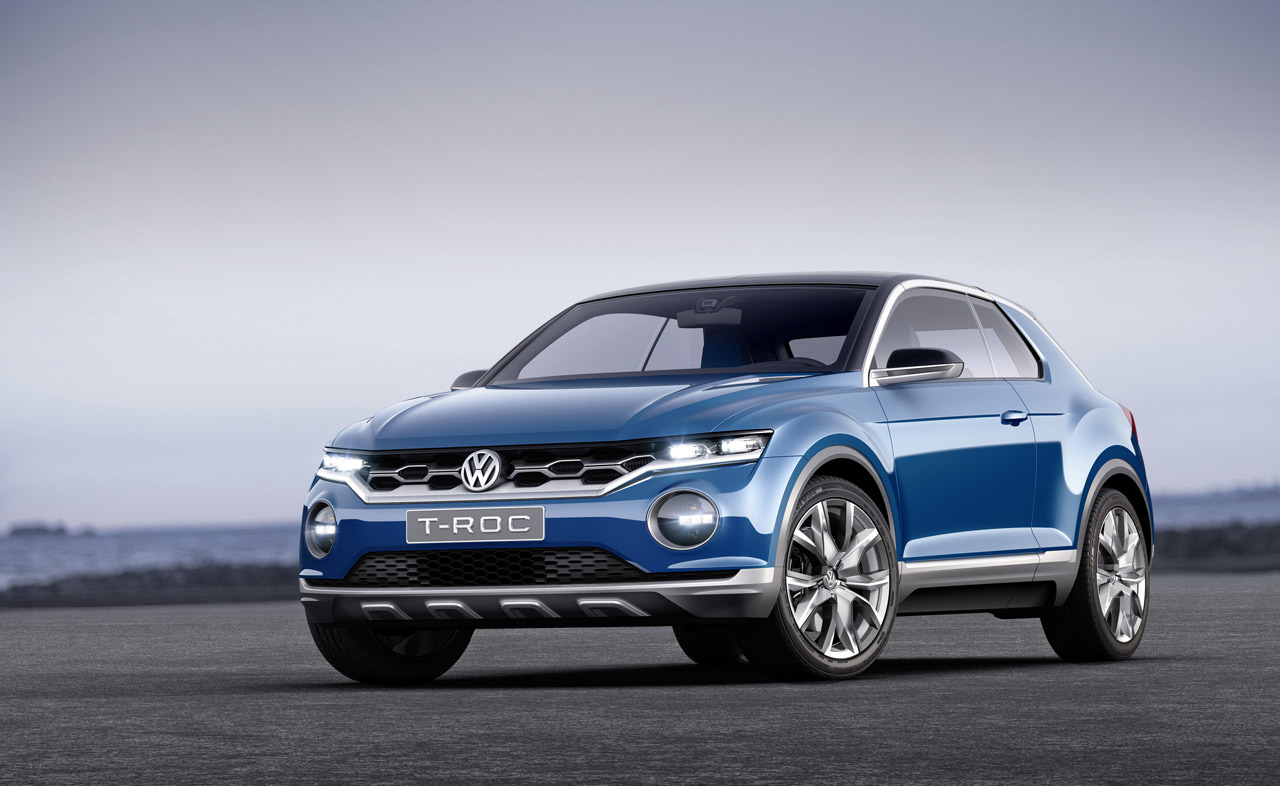
As you have noticed, Volkswagens big product push in the coming years is to make sure it covers all the bases in the ever-expanding SUV/crossover market. Slotting in between the little Taigun and the next Tiguan (which grows), is the Polo-based T-Roc. This sporty crossover may even be offered in three-door form as the concept previewed, but five-door versions will be available too. It targets the likes of the Nissan Juke and Mini Countryman and will borrow its engines and gearboxes from the Polo. It may also be closely related to the upcoming Audi Q1. As is the case with the smaller Taigun, the interior design is likely to be more youthful than other, larger Volkswagen products.
Volkswagen South Africa says there is no confirmation yet of a production version of this model.
VOLKSWAGEN up! – World Launch 2017
The cute little up! may still be relatively new to South Africans but it was around in Europe for a good three years or so before reaching our shores. This means it is older than you think, and that a new model is due around 2017.
Little is known about the newcomer, except that it will ride on a stretched platform. A major issue with the current model is that the very short front-end prohibits Volkswagen from fitting certain engines and gearboxes from its parts bin. This will be addressed with the next derivative.
Volkswagen South Africa says the next up! is merely a facelift and that there is no indication yet of timing.
VOLKSWAGEN SCIROCCO – World Launch 2017
The current Scirocco coupe remains an attractive offering, but it is most certainly dating, especially in the cabin. An all-new model, based on the agile MQB platform is due for launch in 2017 and the big news is that it will reportedly ditch the current cars quasi shooting-brake design for a proper coupe shape. Word is that the new car’s look will be heavily inspired by the Sport Coupe Concept GTE pictured above.
As is currently the case, the engines and gearboxes will be carried over from the Golf, and like most of the new Volkswagens due in the next five years, expect to see that attractive virtual cockpit and a host of connectivity solutions.
Performance fans will be delighted by the news that Volkswagen is plotting a very hardcore 250 kW RS version.
An updated version of the current Scirocco was launched recently, so Volkswagen South Africa is not in a position to comment on the next-generation model’s local availability just yet.
VOLKSWAGEN JETTA – World Launch 2017
The next product to be based on the MQB platform is the all-new Jetta, due in 2017. With this model Volkswagen is likely to take an even bigger step in differentiating it from the Golf, so expect a longer wheelbase and a very upmarket interior, again with the virtual cockpit from the Audi TT and the latest connectivity. The reason why the car is likely to grow in length is not what you may think.
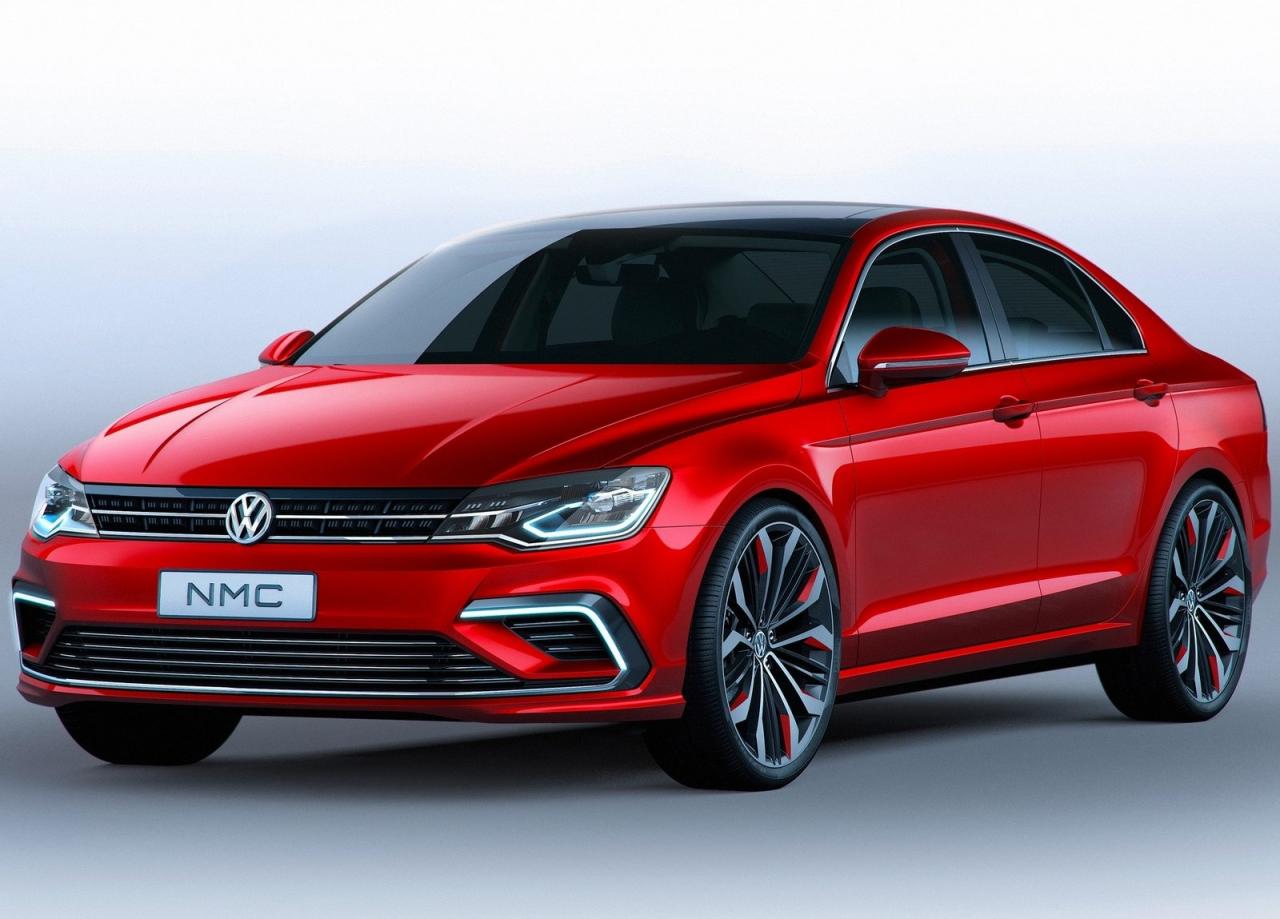
Volkswagen is keen to add a fourth derivative to the Jetta mix (in addition to sedan, estate and Alltrack), and the hot tip at the moment is for a svelte, but spacious coupe. This type of vehicle does well in a market such as America, but is unlikely to reach South Africa. The vehicle pictured above is the NMC (New Midsize Coupe) coupe, and is said to provide design clues.
Volkswagen South Africa says the next-generation Jetta isn’t currently part of its plans.
VOLKSWAGEN BUDGET CAR FAMILY – DUE 2018
Already confirmed as being high on the agenda is an all-new budget car range due for unveiling in 2018. Targeted at the Chinese market, but potentially also other nations, the new range of vehicles will spawn hatchback, sedan and SUV derivatives. Previously a tie-up with a Chinese manufacturer was mooted, as well as the establishment of a stand-alone brand. Volkswagen already has two Chinese partners in FAW and SAIC, but also rumoured recently is a collaboration with Great Wall Motors (GWM). However, Chinese law prohibits Volkswagen to partner with more than two companies, so the only way this could happen is if the joint venture is done through a sub-brand
Either way, Volkswagen has done a lot to add capacity in China but arguably is yet to deliver the correct product mix for this market. More (and cheaper) SUVs are needed, and Volkswagen knows this all too well
Official word from VW South Africa is that there are no plans for this model’s introduction for South Africa.
VOLKSWAGEN GOLF 8 – DUE 2018
The all-new Golf arrives in 2018 and will apparently be quite a radical departure from the still-new Golf 7. Efficiency has been prioritised, so expect significant weight reduction, advanced aerodynamics and even coasting technology to feature. Apparently the target weight is as low as s1 100 kg! You can read more here.
Inside, Volkswagen wants to retain its class-leading position in terms of perceived quality, but there will be a pronounced focus on in-car tech. A very large info-tainment screen supplemented with gesture control is very likely. Mobile connectivity through the likes of Apple CarPlay, Android Auto and Mirrorlink will be provided.
Volkswagen South Africa says it is too early to start talking about Golf 8.
VOLKSWAGEN GOLF 8 GTI – DUE 2019
First rumours of the next-generation GTI suggest that it will arrive in 2019 and likely again run a 2,0-litre four-cylinder turbopetrol, but that power will be the same as todays Golf 7 R (just over 200 kW).
The next iteration of the MQB platform will be used as a base, and it is said to be even lighter and more rigid, both boding well for even better handling and performance. Good news for petrolheads is that a six-speed manual transmission will stay part of the offering (with seven-speed DSG as an option). In fact, it would appear as if the next-gen GTI may be quite a hardcore machine, with a model-specific sports suspension likely to also be offered, in addition to beefier brakes, an electronic limited slip-diff and adaptive dampers.
Volkswagen is traditionally very conservative with the Golf, but it would appear the next version could bring a more pronounced design step. The longer wheelbase, shorter overhangs and narrower side window glass area will make it look squat, hunkered-down.
At this stage there is very little information available on when this vehicle is likely to debut and what the biggest changes would be, but looking at VWs traditional life-cycles, we cant see them delaying the new model until much later than 2017. Indeed, Volkswagen South Africa says a facelift of the current model is due in 2017.
That said there is another angle to consider, namely the all-important American market. It has been reported that Volkswagen would like to enter the lucrative pick-up market in the States but that the current Amarok is too small to compete. A rumour suggests that Volkswagen could push out the Amarok update until around 2019, to ensure that a larger variant could be spun off the same platform.
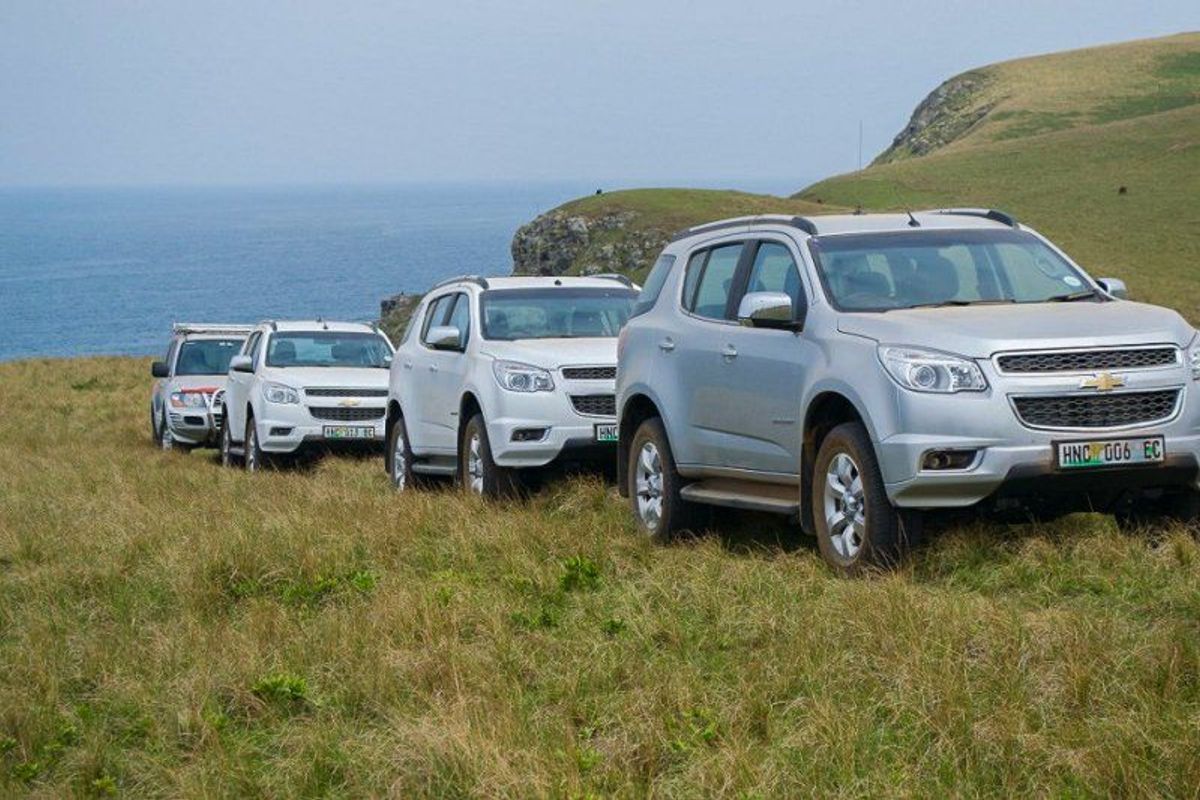
Chevrolet Trailblazer Roadtrip – The Real Test
How far off the beaten track can you go with the Chevrolet Trailblazer? We find out with a roadtrip to the Eastern Cape.
So when Chevrolet offered a trip to the wild Eastern Cape with its rugged Trailblazer to really get to grips with the vehicle, naturally we jumped at the opportunity.
The Trailblazer is Chevrolet’s contender into the bakkie-based SUV segment and past experiences with this vehicle have not been unpleasant. You can read a review of the Trailblazer here and here. For 2015 the Trailblazer has received some upgrades, most noticeably is the inclusion of the intuitive and modern MyLink infotainment system.
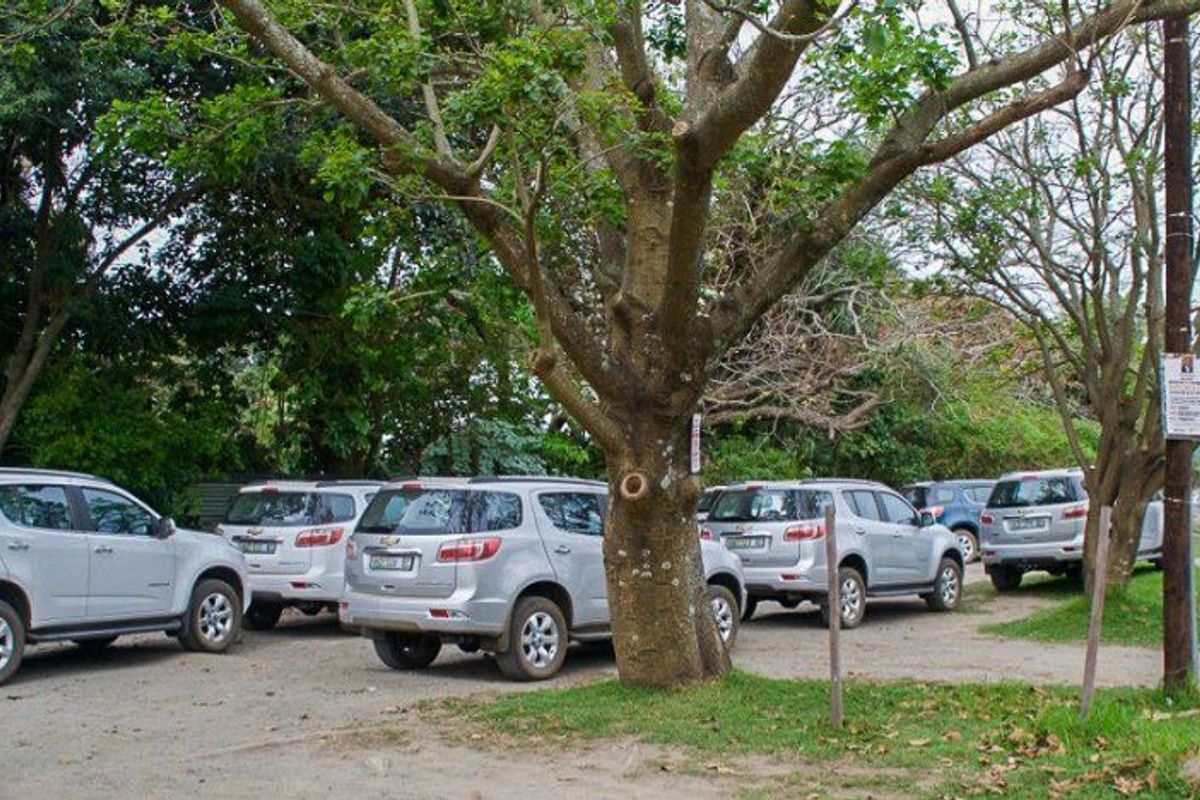
After arriving in Durban, we chose our vehicles. On hand were both manual and automatic versions of the 2.8-Litre diesel LTZ. The Trailblazer is a seven-seat vehicle and we were impressed with its load-carrying capacity. We were four up with luggage and the Trailblazers sense of interior space is notable. After escaping the clutches of Durban traffic, we turned onto the backroads.
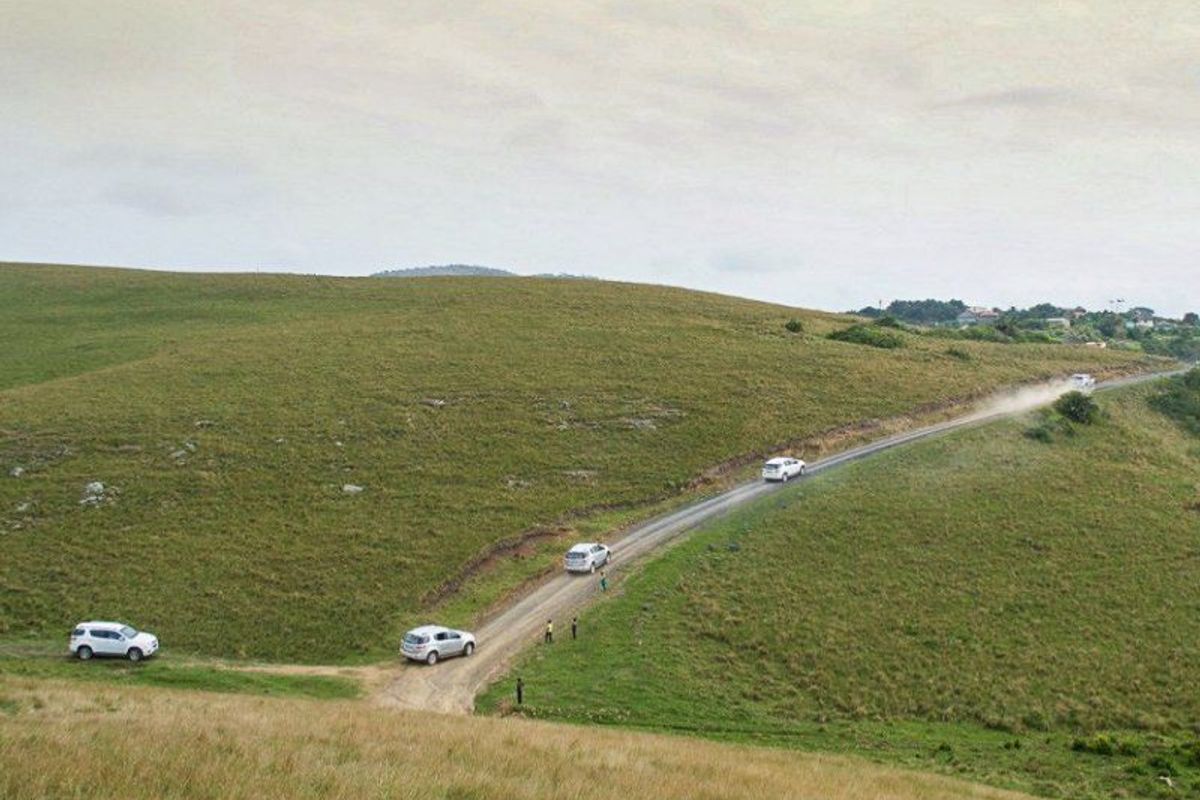
Now if you have never driven this part of the world before, be advised you will need your wits about you. The rural parts of Kwa-Zulu Natal and Eastern Cape are renowned for bad roads, fog and livestock on the tarmac.
Our route took us through the towns of Flagstaff, Lusikisiki and Port St Johns – proper untamed country. We overnighted at Mbotyi river lodge which required traversing some incredible dirt roads through forest. A normal passenger vehicle might have made the journey but why would you put yourself through unnecessary stress? An all-wheel drive or 4×4 offers far more capability. While we didn’t need to go into low range, having four-wheel drive provided excellent stability, useful when climbing steep roads.
The Chevrolet Trailblazer is not a small vehicle nor is it lightweight. Bringing this two-ton beast to a halt isn’t easy, but the Trailblazer brakes are ABS and EBD equipped. We had a great opportunity to try them out on the winding downhill section towards Port St Johns when a herd of cows was briskly coming down the mountain. They bolted into the road, requiring an emergency braking maneuver.
Chevrolet Trailblazer Five Roadtrip Facts
We do like the Chevrolet Trailblazer, but we haven’t tested it in such an extreme environment nor been in the cars for that long before. Here are five key takeaways which we picked up on this extreme road trip:
1) The rear bench is a great place to sit. Not only is there plenty of space and legroom, but the second row of seats can individually recline, adding to your comfort.
2)The power band of the engine is narrow so you will be changing gears regularly. For this reason, we swapped our manual Trailblazer with an auto on the second day. The auto is the one to have.
3) The USB and 12v charging points were invaluable especially as we had an abundance of electronic devices. Invest in a cigarette lighter adapter which has two USB ports and you’ll never go wrong. We had phones, a WiFi hotspot generator and a walkie talkie plugged in.
4) You are able to switch from 2wd to 4×4 while driving by just turning a dial. Gone are the days where you have to come to a complete stop to engage off road modes and you certainly don’t need to get out the vehicle to manually lock the hubs/riffs any more.
5) While the Chevrolet Trailblazer doesn’t officially have a drinks fridge,we noticed that the cup holders are strategically positioned to be in direct firing line of the climate control vents by the doors. Within half an hour, most beverages were pleasantly chilled.
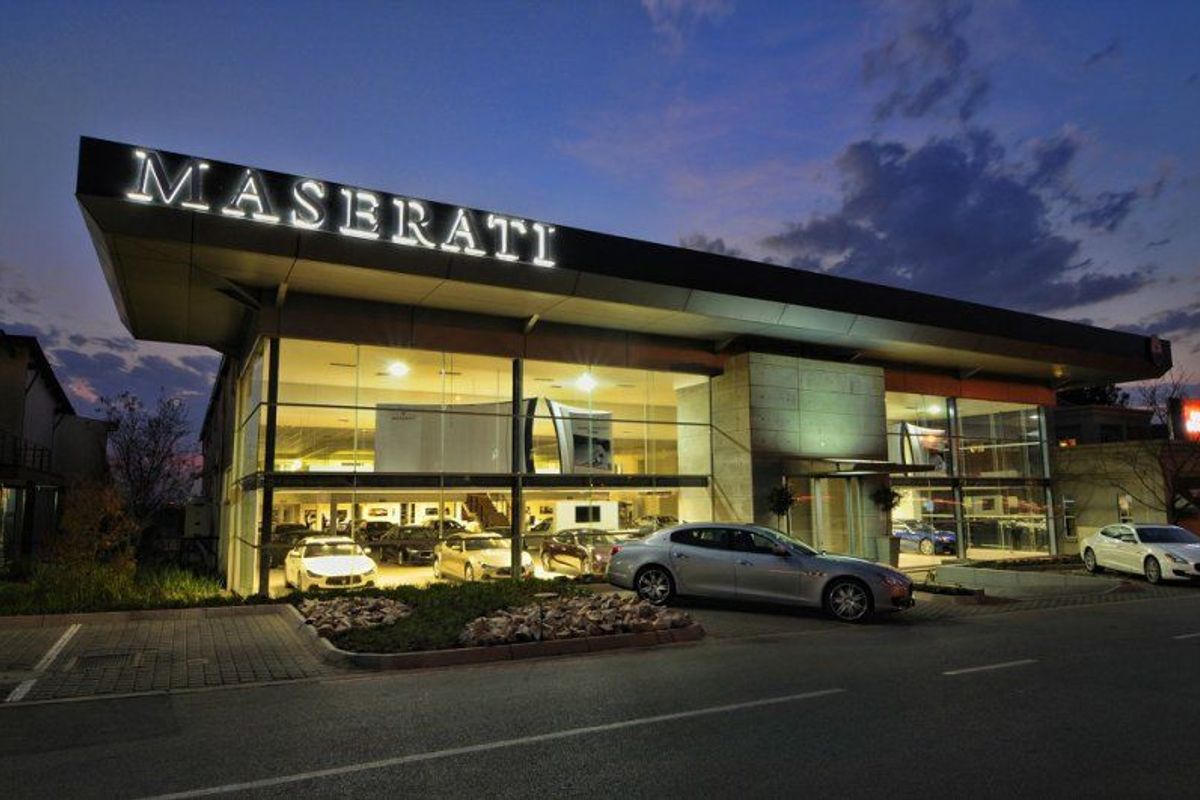
Maserati is Back in South Africa
Luxury Italian car maker Maserati has made a welcome return to South Africa as a fully independent vehicle retailer.
Previously, the distribution rights for Maserati was owned by Viglietti Motors who also had the rights for Ferrari in South Africa.
Maserati Makes A Welcome Return
The people responsible for Maserati’s re-introduction to our market are Australian importers EAI, who on the back of successful Maserati operations in Australia, have opened up shop in South Africa. The team are excited by the market opportunities here and Glen Sealey, COO of EAI had this to say, “South Africa holds considerable potential for Maserati and offers a unique opportunity to expand our company into a growing market with a dynamic economy and an outstanding future
As it stands, Maserati SA has one dealership which, is a 16 car showroom and servicing facility located in Bryanston, Johannesburg. Dealerships in Cape Town and Durban are planned and should be completed soon.
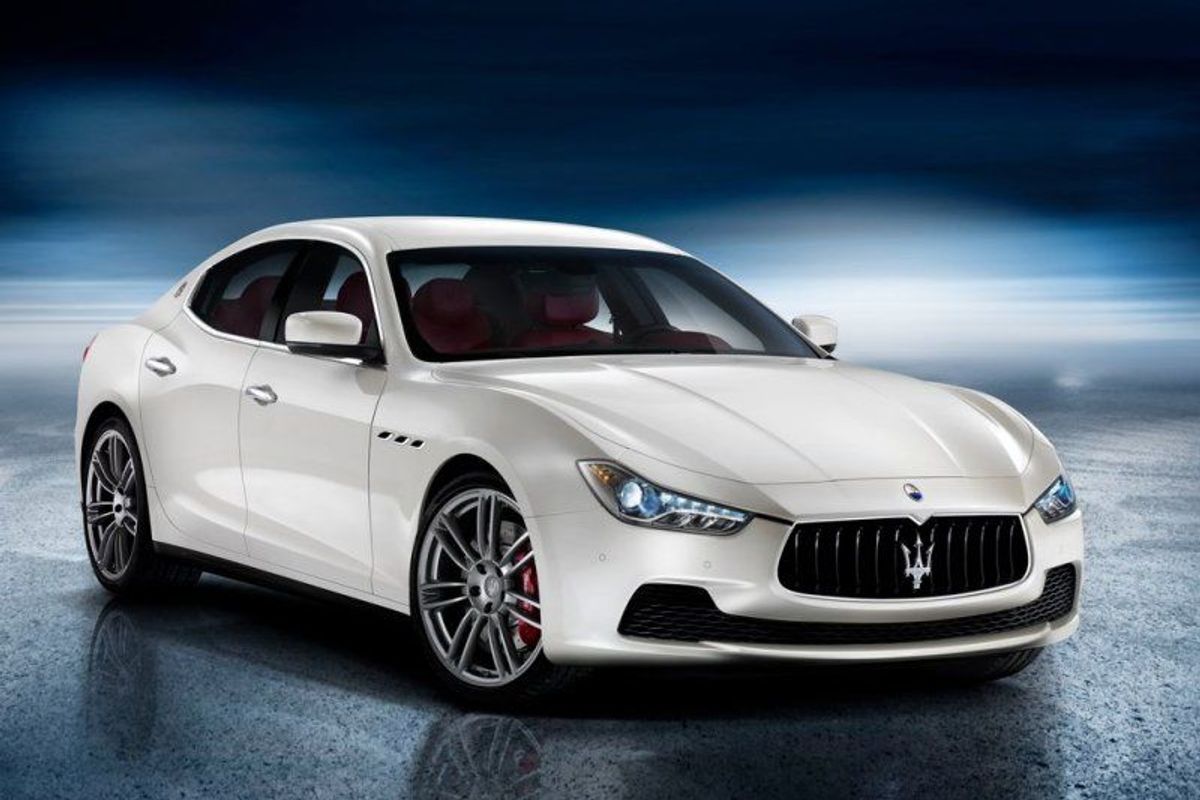
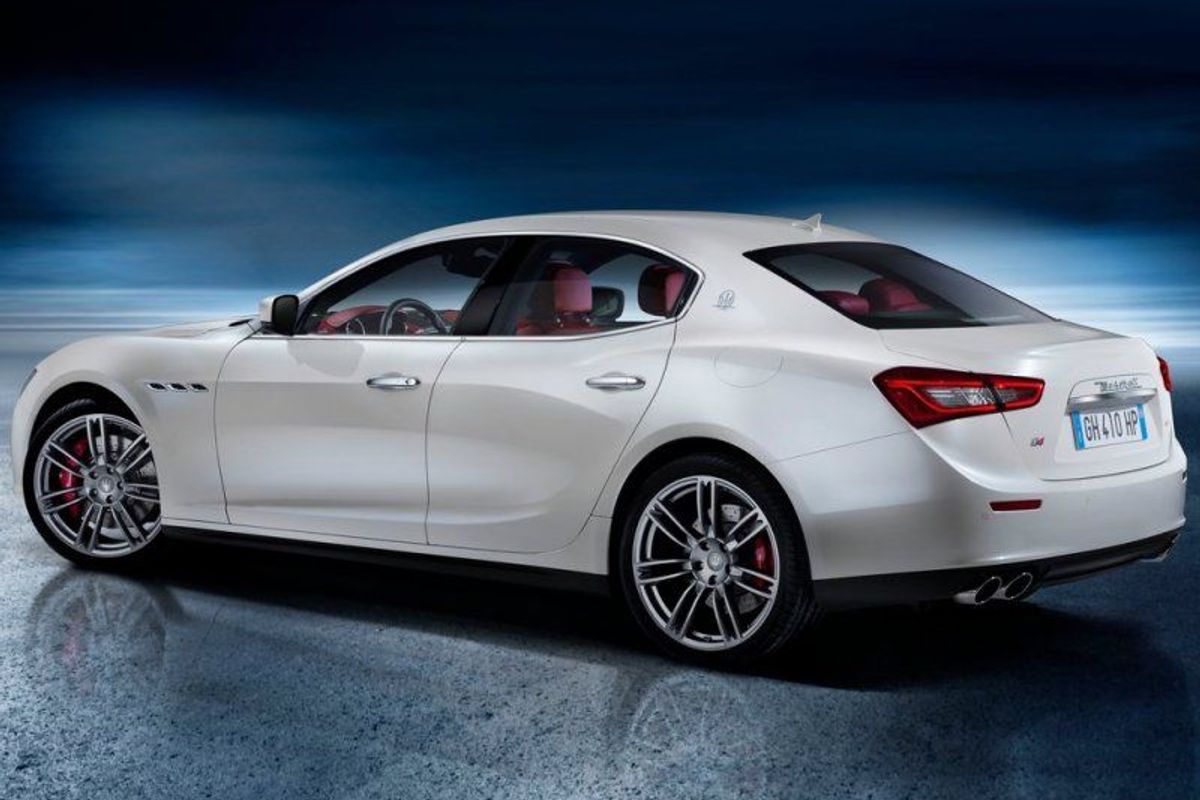
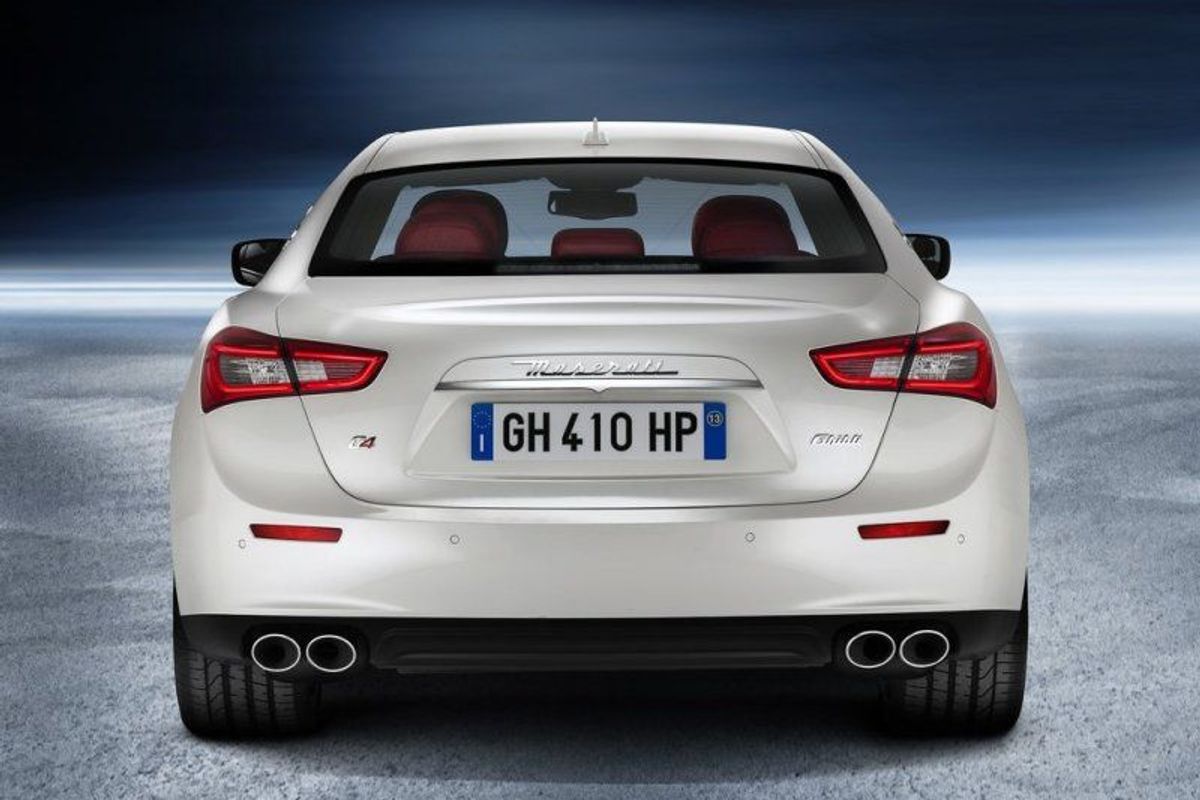
One highlight of the brand’s reintroduction into South Africa was the unveiling of the new Maserati Ghibli compact sedan. Ghibli promises passionate performance and classy finishes in a compact and stylish body. Power comes from a 3.0-litre twin-turbo V6 petrol engine which is offered in two levels of tune. There’s a 246 kW/500 Nm option, while the Ghibli S has 305 kW/550 Nm. There’s also a diesel derivative that will come later.
Maserati Ghibli Price in South Africa
Pricing starts from R1.3-million and for this performance/exclusivity, we think the pricing is fair. We just hope the Rand/Euro exchange rate doesn’t decline any further…
Other Maserati products which will be sold in South Africa include the flagship Quattroporte sedan as well as the GranTurismo and GranCabrio two-door duo.
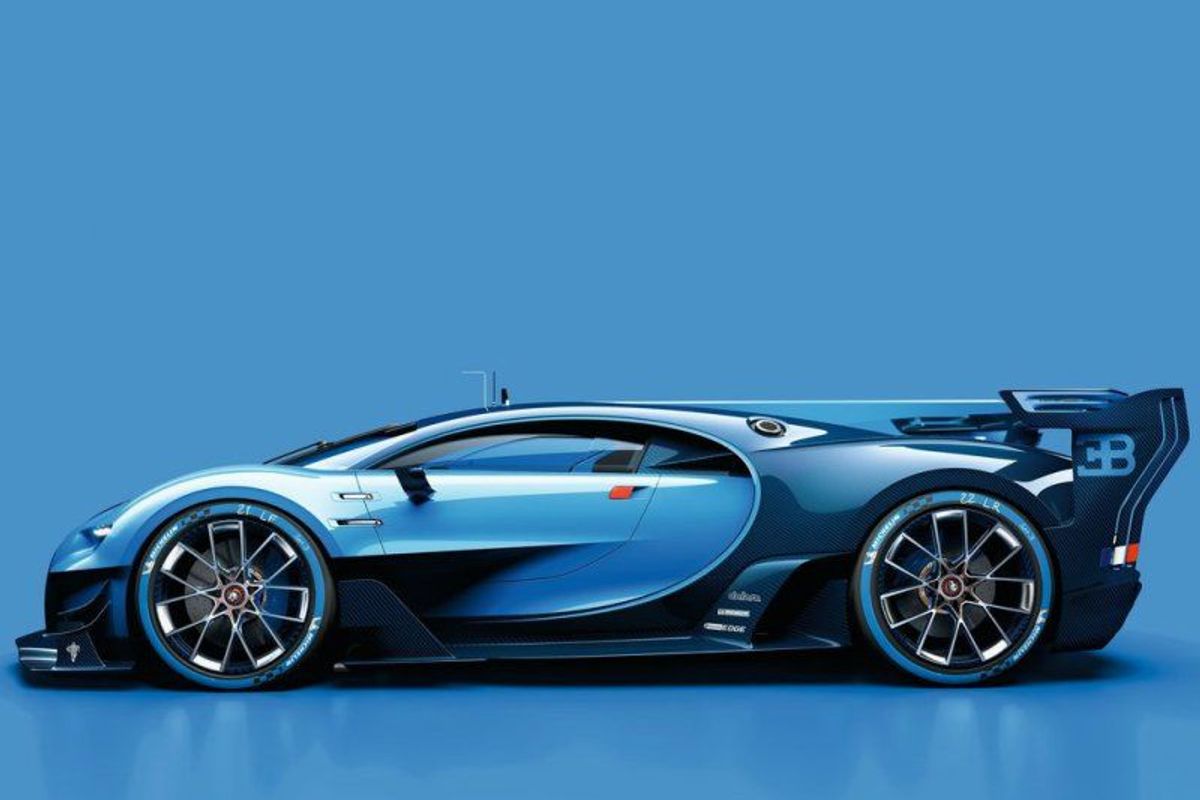
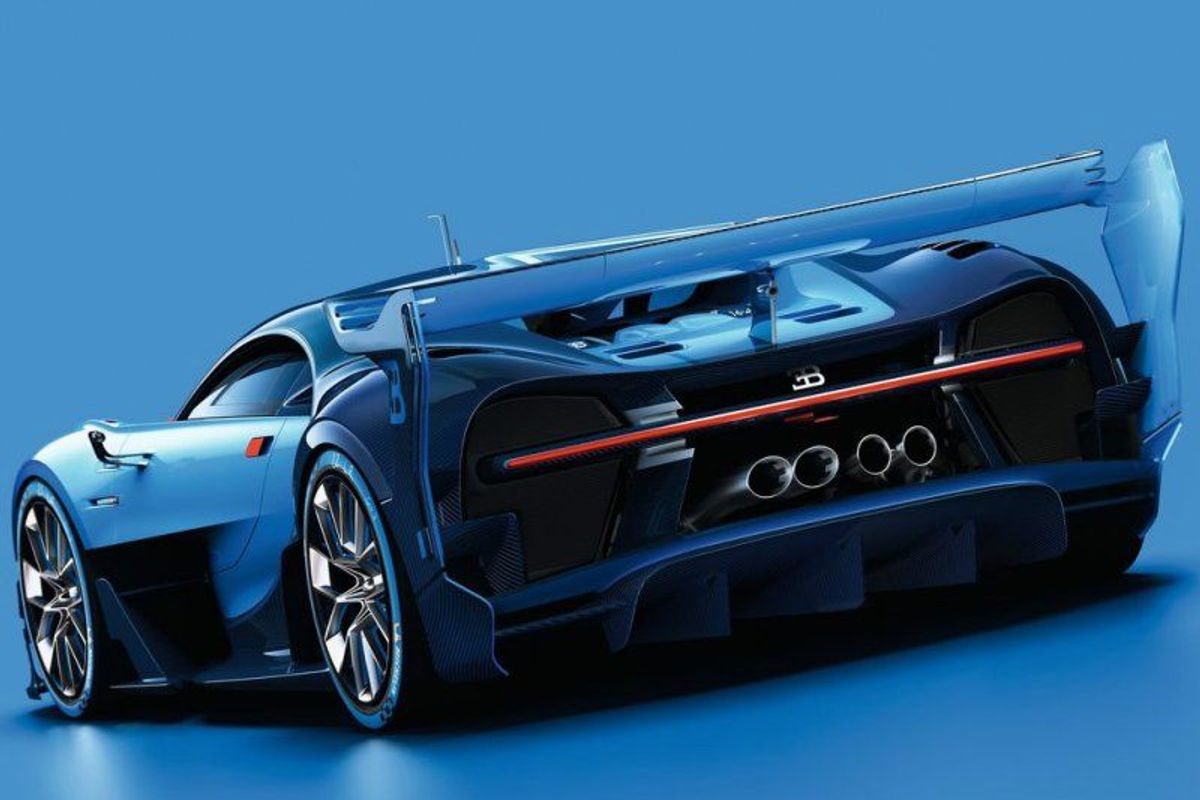
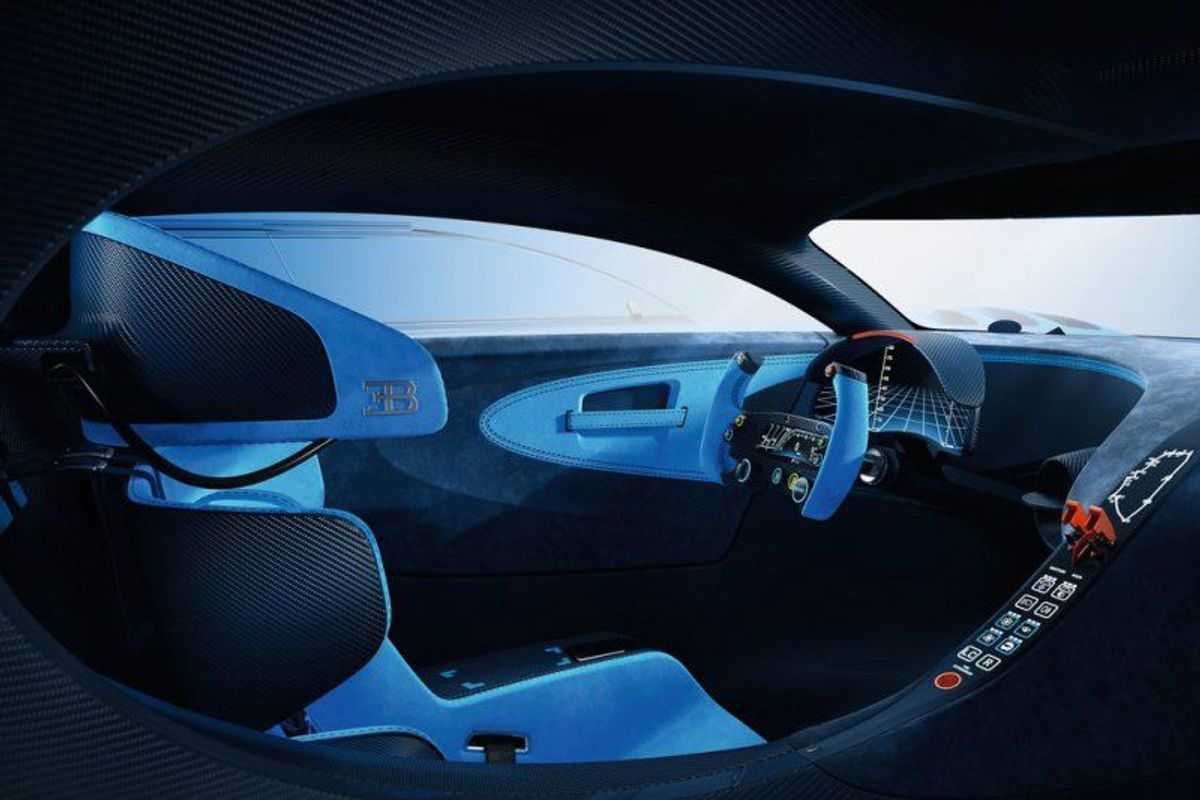
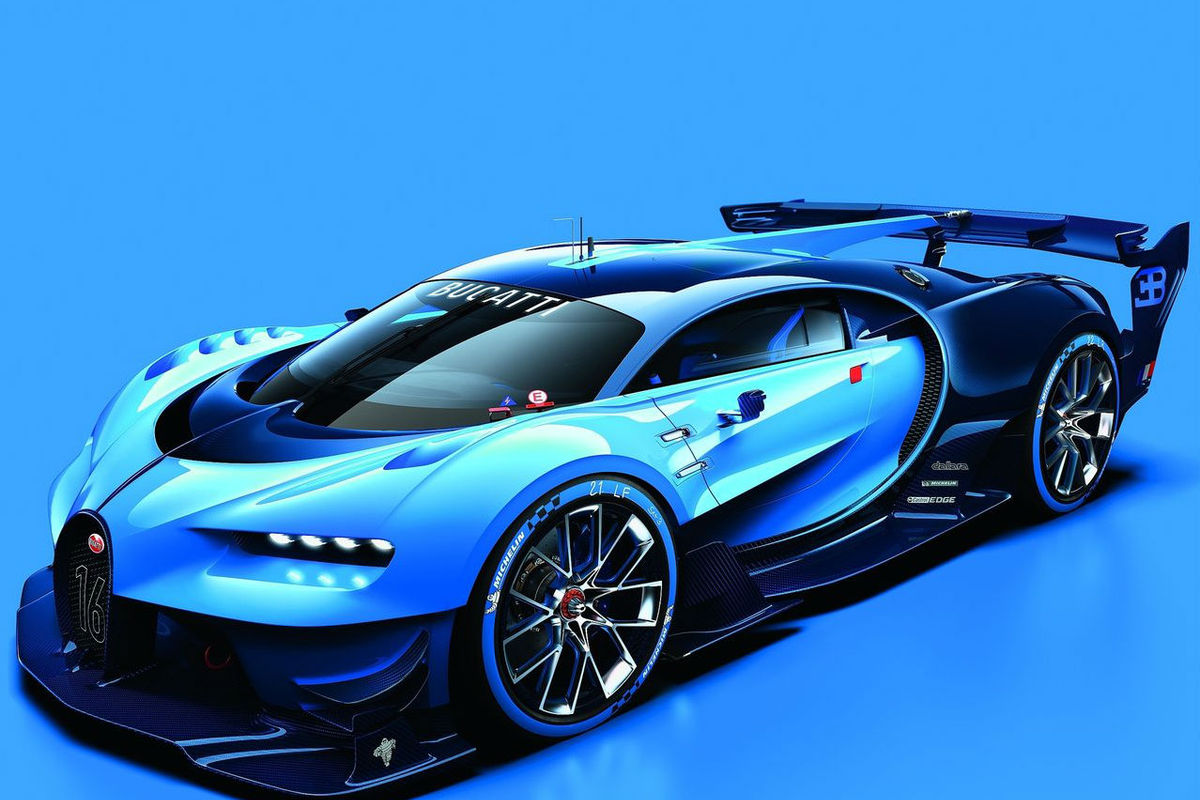
Following the sale of the 450th and final Veyron in 2015, Bugatti is embarking on a new chapter in its corporate history with the presentation of the next super sports car. The first stage in the process will be a virtual project developed by the luxury super sports car brand in cooperation with creators of the Gran Turismo video game franchise. For the first time, Bugatti will be represented in the “Vision Gran Turismo” category. In addition, the “Bugatti Vision Gran Turismo” project will give an outlook of Bugatti’s new form and design language. This virtual project is to be presented at the Frankfurt motor show.
Bugatti to the masses
Bugatti is the world’s most exclusive super sports car brand and Bugatti cars are only available to an extremely small group of automobile connoisseurs,” says Wolfgang Dürheimer, President of Bugatti. The ‘Bugatti Vision Gran Turismo’ will make our brand available to them as well as to gamers and high-performance aficionados throughout the world, only very few of whom will be able to afford a real Bugatti. They can all benefit from the success of our brand. This is a project for our fans.
With the ‘Bugatti Vision Gran Turismo’, we have not developed a fantasy product of the type which is normally seen in this category of the game,” explains Achim Anscheidt, head of the Bugatti design team. We had the clear goal of developing a vehicle which could also be driven on a real race circuit if it left the virtual world.
Bugatti’s design DNA has reached a new stage in its evolution, Anscheidt announces. In view of the nature of the project, our concept car for ‘Vision Gran Turismo’ will be exaggerated and extremely performance-oriented. Even so, the progressive design language will give an impressive demonstration of the path to be taken by Bugatti design over the next few years.
Best Compact Cars in SA 2015
As a buyer steps up from a budget car to a compact car the prerequisites alter. We list the best buys in the compact car segment.
We love hathbacks in South Africa. Theres something about keeping that small car feel but without skimping on practicality. They are easy to park, easy to see out of and generally, drive rather well.
Once youve stepped up from budget cars, you start looking for something with a bit more prestige and premium-ness. You definitely want a little more power but without too much of a fuel economy hit. This is where the compact car comes in. Weve set the bar at R250k for the best compact car list.
A good compact car needs to have broad appeal. It should entice both the family buyer as well as the single professional. Design and style are obvious prerequisites and youre probably going to want excellent functionality from the infotainment system. Value for money still remains a pertinent facet for buyers in this market and thats why weve set the price limit at R250 000.
Since this segment also pulls buyers looking for a family car we think its necessary to have certain safety features as standard. Electronic stability control and ABS are a must as are dual front airbags.
Best Compact Cars in SA
Ford Focus 1.0T Trend R235 900
Quite large for a compact car but it comes in at such a good price point with so much spec we couldnt leave it out. The award-winning 1-Litre turbo engine supplies ample power in the new, lighter Focus. Spend R11 940 extra for the Driver Assistance Pack you get a whole raft of desirable features, including Active Park Assist, rear view camera, Lane Departure Warning, Active City Stop, auto lights, auto wipers and a TFT colour screen for the audio system. And youre still under the price barrier of R250 000. Read More
Honda Jazz 1.5 Elegance R241 900
The Honda Jazz is renowned for its unflappable reliability and unmatched practicality. This new generation sticks to that very tried and tested formula. The 1.5 iVtec engine sits under the bonnet and delivers good power. Hondas Magic Seats also mean that boot space is best in class (and even bigger than the Focus above) and rear passenger space is more than sufficient. It is priced slightly higher than its rivals though. Read More
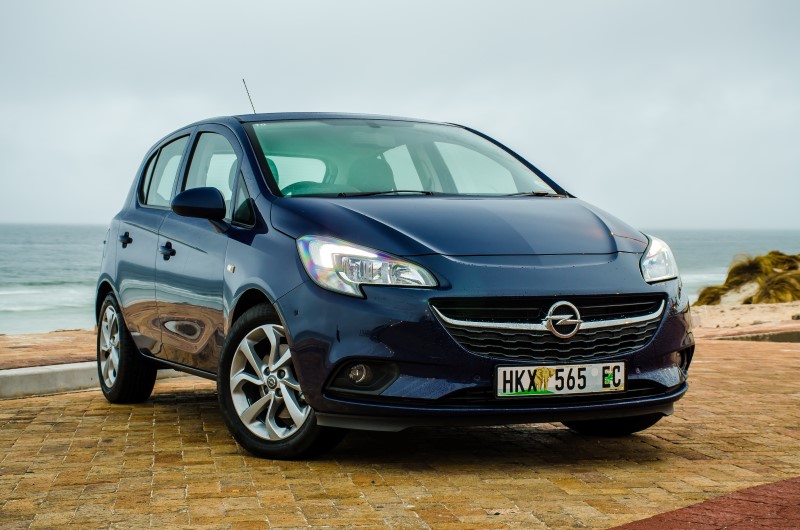
Opel Corsa 1.0T Enjoy R216 200
Opel is back with a raft of new models for 2015 and we think this new Corsa is one of the best. The new 1-Litre turbo engine is brilliant and proves to be very fuel efficient in any situation. The Corsa also fights strongly on the safety front with six-airbags, ESP and ABS as standard. The entertainment system is also top notch and if you tick a few optional extras you can get the self-parking system. Read More
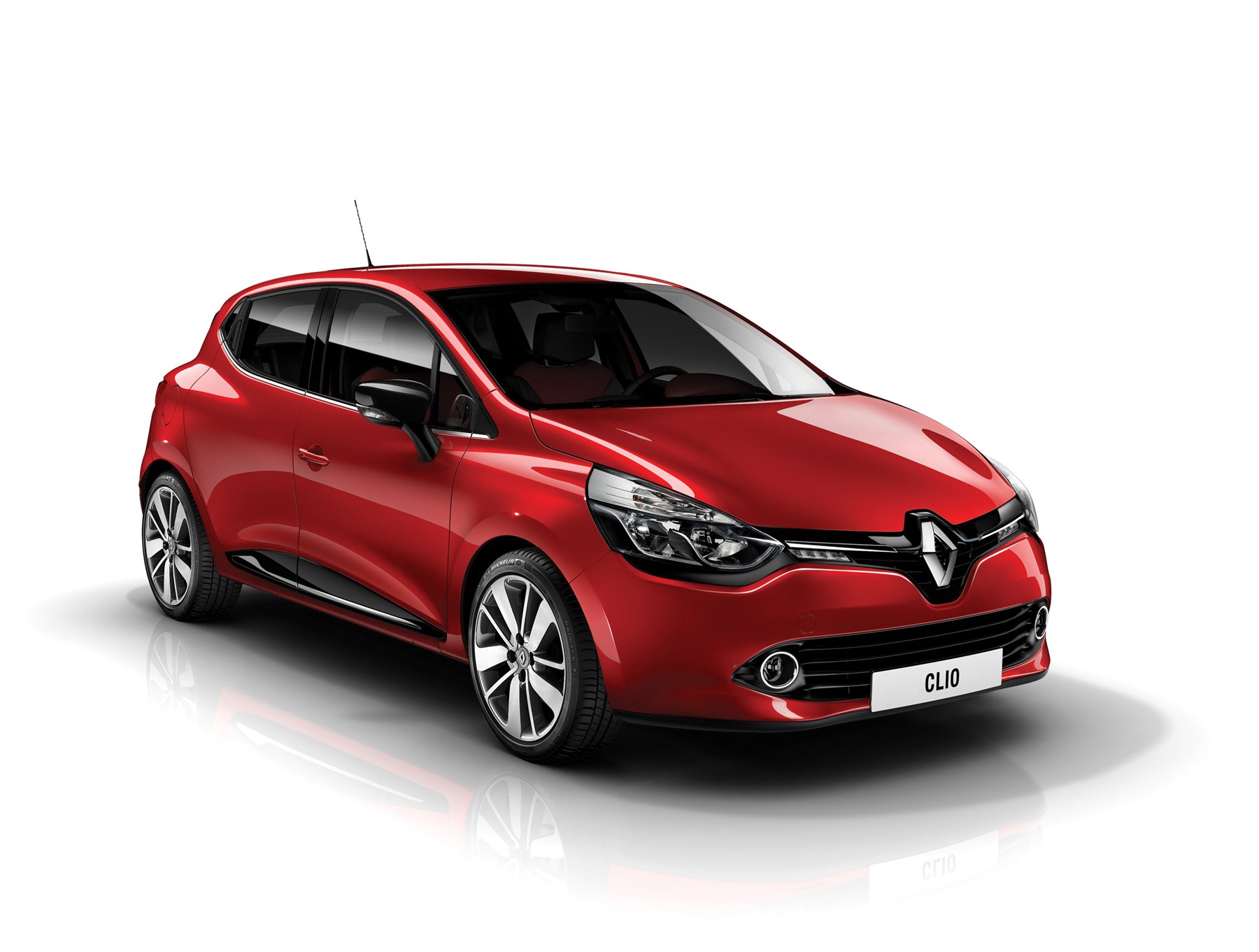
Renault Clio Expression R199 900
The Renault Clio has become a very popular car amongst SA buyers. We believe its down to its attractive styling an excellent value for money in offering we could be wrong though. The Clio, like those above in this list has a three-cylinder turbo motor. It doesnt feel quite as strong as the others in the power department but still makes the grade on the fuel economy run. It is priced very keenly and comes specced with everything you could want. Theres even navigation standard. Read more
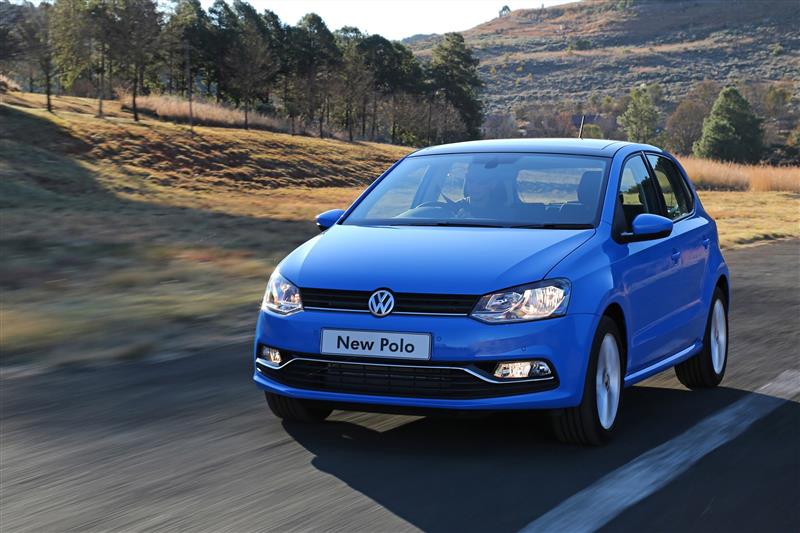
Volkswagen Polo 1.2 TSI Comfortline R225 900
The Polo is the benchmark in this segment as far as sales go in SA. It hits the spot in terms of build quality and refinement. Then youve always got the peace of mind of having the entire VW dealer network at your disposal should something go awry. The 1.2-Litre turbo engine returns a good balance between power and efficiency both in city driving and out on the freeway. Optional extras can get costly however when you decide to spec the Polo to comparative levels. Read More
Notable Exclusions
Some of you may be reading this list and wondering why your pick isn’t here. The filters set out in this segment did knock a few notable contenders out. Things like the Mazda2 didn’t make it because it lacks ESP (except for the top spec Hazumi, which came in over budget) which is a major safety concern. The same goes for the Hyundai i20 and Kia Rio. Toyota does not spec its Yariswith traction control either unless you fork out for the Hybrid that breaks the bank at R277 000.