Volkswagen has updated its Scirocco range in South Africa, which now includes two new engines.
New Engines for Scirocco
The Scirocco range now features a 132 kW 2.0-litre TSI engine that replaces the outgoing 118 kW 1.4-litre TSI engine. The 162 kW 2.0-litre TSI that does service in the Golf GTI replaces the 155 kW 2.0-litre TSI and this derivative takes the form of the Scirocco GTS.
The 132 kW 2.0 TSI version offers 280 Nm of torque and is mated to a 6-speed manual transmission. 0-100kph is completed in 7.4 seconds with a top speed of 227kph. Fuel consumption for this derivative is rated at 6.1L/100km.
The 162 kW 2.0-litre TSI Scirocco GTS comes fitted with a 6-speed DSG transmission and the 0-100kph sprint will take 6.9 seconds before reaching a top speed of 246kph. Fuel consumption for the Scirocco GTS is rated at 6.4L/100km.
Scirocco GTS Exterior Detail
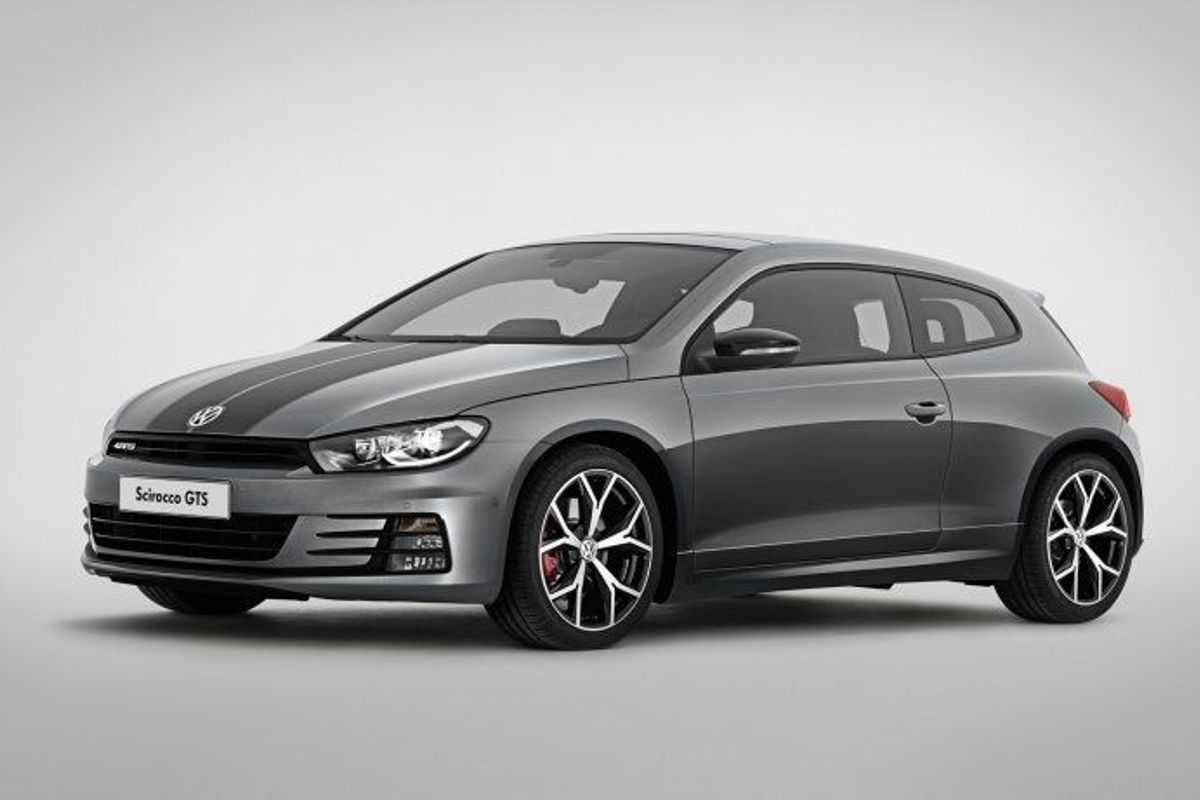
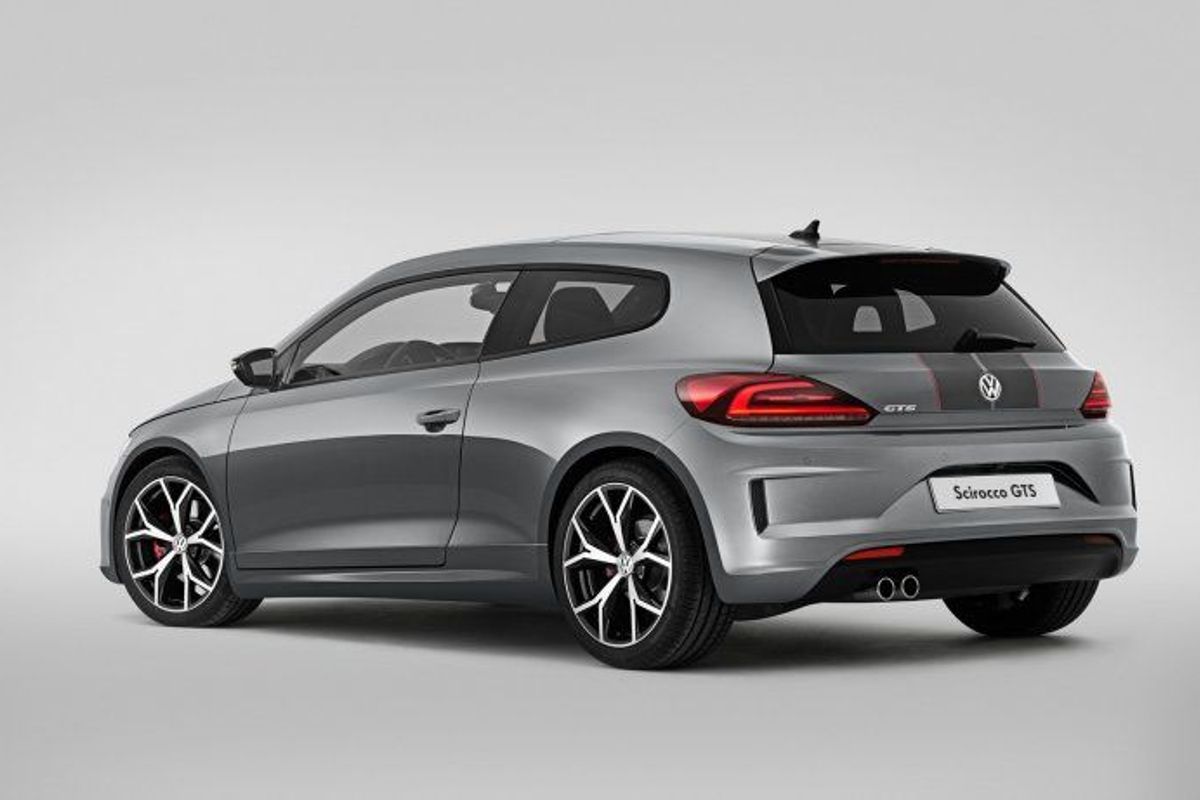
The Scirocco GTS rides on new 18-inch Norwich alloy wheels as standard and is also fitted with R-style bumpers, custom side sill extensions, a roof spoiler and a diffuser from the R-Line package. The mirror caps are in black and the sporty GTS decal is available as an option which, includes two red stripes (black if exterior colour is Flash Red) that runs over the bonnet, roof and boot. The Scirocco GTS also features 3D logos on the radiator grille and on the tailgate. Customers have the choice between six colours including Deep Black, Indium Grey, Urano Grey, Pure White, Oryx White and Flash Red.
Interior Detail
The interior is a combination of black and red in colour and features include:
Black headliner,
Inlays in Piano Black Lacquer in the centre console and on the dashboard,
GTS badges on the sill panel mouldings,
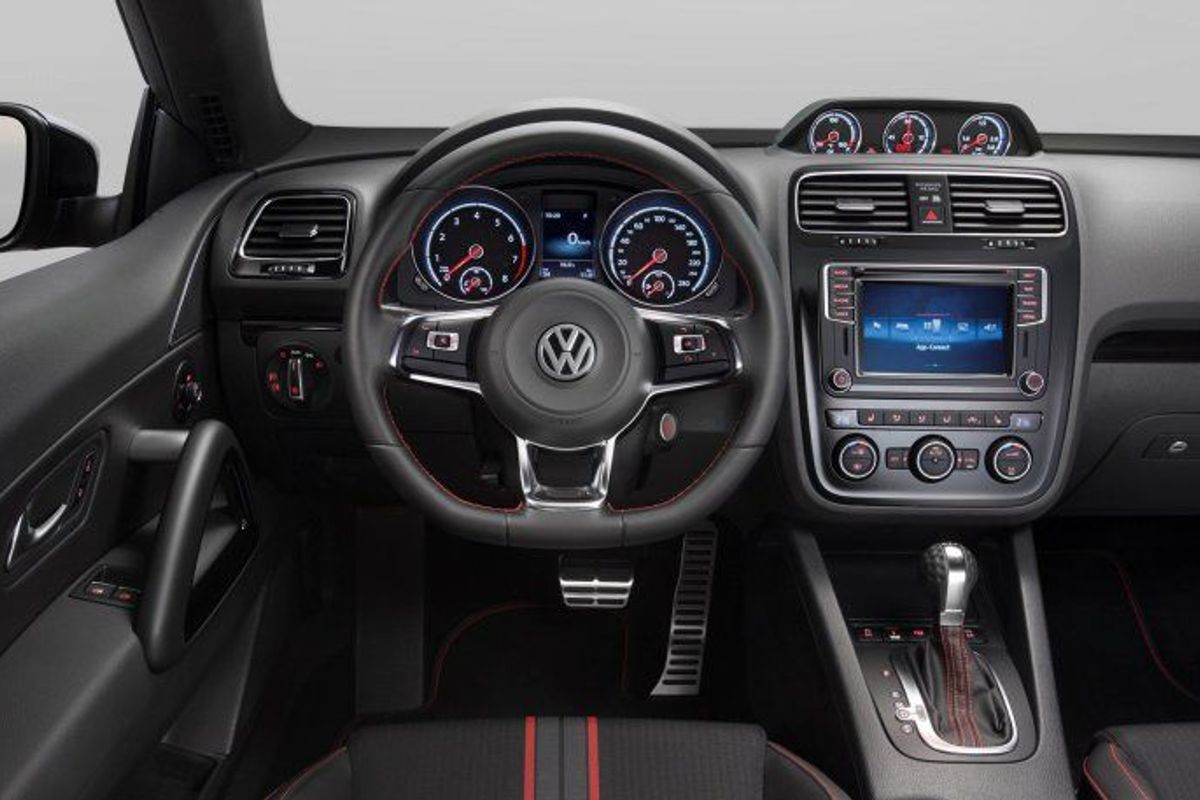
Sports steering wheel with red seams and the lower spoke finished in Black Piano Lacquer (with the GTS logo),
Stainless steel pedals,
Red decorative stitching,
GTS package includes golf ball gear knob,
Chrome trim package (for the wing mirror and electric window switches)
Air vents and inside door handles in Black Piano Lacquer
Contrasting red seams for the safety belts, the handbrake lever, the gear lever gaiter, the central armrest and the floor mats.
In terms of infotainment, the Scirocco GTS features the Composition Media infotainment system fitted as standard. The system utilises a 5.8-inch colour touchscreen which incorporates Bluetooth, audio streaming, proximity sensor, CD player, USB, MP3 functionality, auxiliary port and SD-card slot.
Optional Features
The Volkswagen Scirocco GTS can also be had with a range of optional extras which include a panoramic tilt sunroof, bi-xenon headlights, high beam light assist, Keyless Entry, Rear Assist Rear View camera, Adaptive Chassis Control, Park Distance Control (PDC), Discover Media Navigation System, DynAudio 400W Excite sound system with subwoofer and 19-inch Lugano alloy wheels.
Volkswagen Scirocco Price in South Africa
2.0 TSI Scirocco Highline 132 kW Manual – R369 900
2.0 TSI Scirocco GTS 162 kW DSG – R439 000
2.0 TSI Scirocco R 188 kW DSG – R494 200
All prices include a 5-year/90 000km Service Plan, 3-year/120 000km warranty and a 12 year anti-corrosion warranty. Service Intervals are set at 15 000km.
Ferrari 488 Spider Revealed
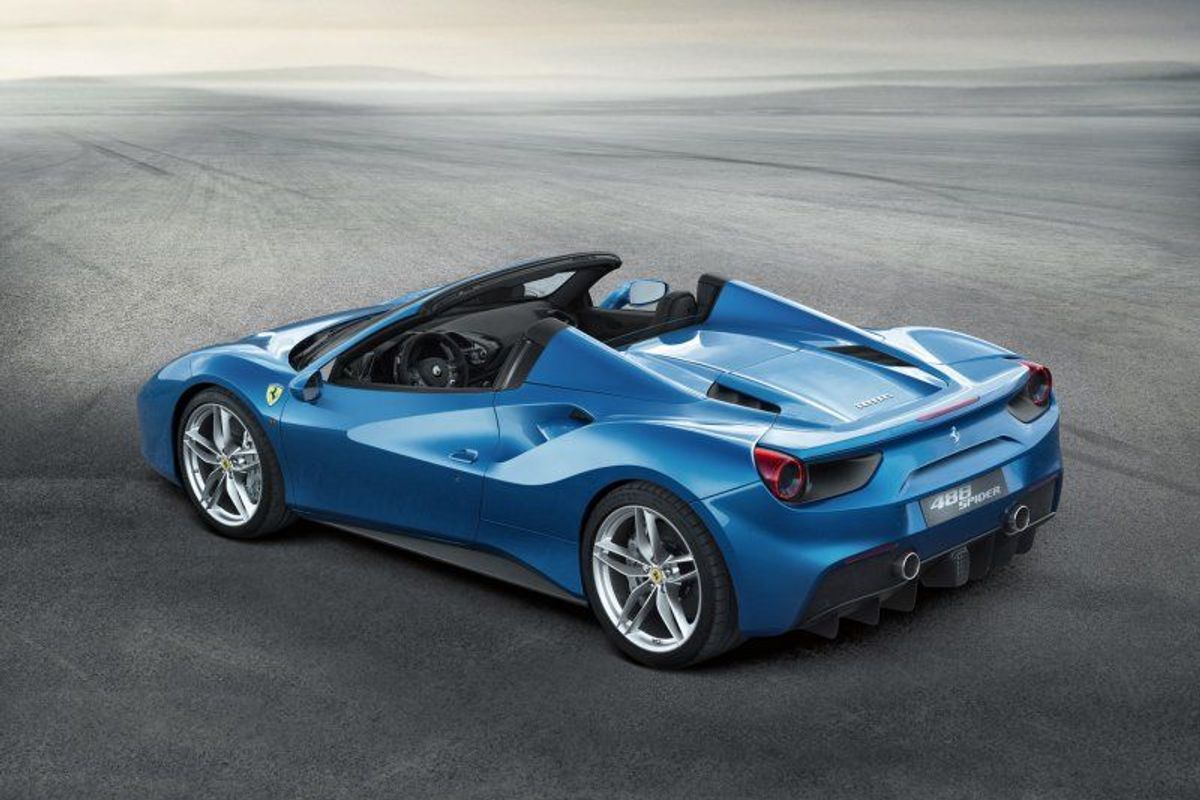
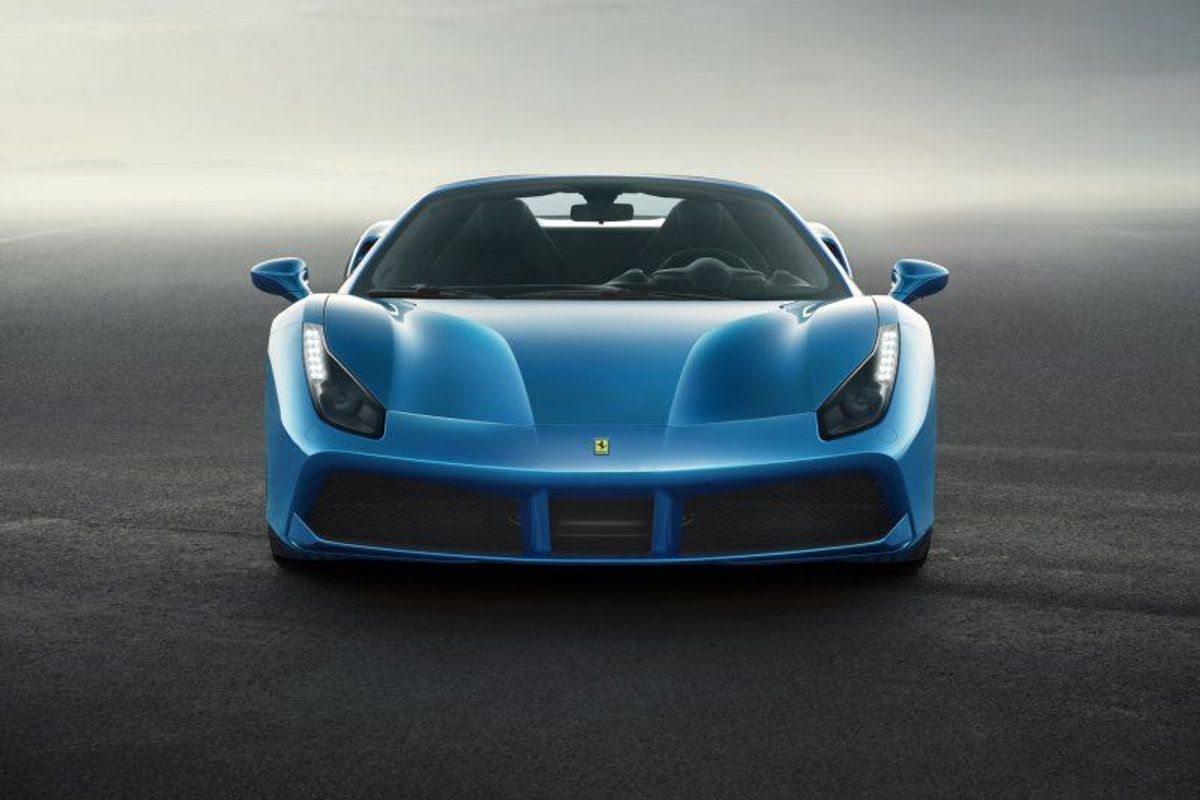
Set to make its official debut at the Frankfurt Motor Show in September this year (2015), Ferrari revealed its folding top 488 Spider today. The Ferrari 488 Spider claims to be the most powerful mid-rear-engined V8 to feature a folding hardtop.
Ferrari 488 Spider details
The Ferrari 488 Spider is also the most aerodynamic Spider that it has ever built. Just like all previous spider versions of Ferraris models, this is a car that is aimed at buyers seeking open-air motoring in a high-performance sports car with an unmistakable Ferrari engine sound.
Designed purely to be a convertible, the 488 Spider has a spaceframe chassis made of 11 different aluminium alloys. This yields the same torsional rigidity and beam stiffness figures as the coupe, improving the chassis performance by 23% over that of its predecessor. So in theory the Spider should handle identically to the coupe.
Powering the Ferrari 488 Spider is the same 3.9-Litre V8 twin-turbo engine as the coupe. It makes incredible power and torque at 492 kW and 760 Nm. The chassis and engine in combination will rocket the Ferrari 488 Spider to 100kph in 3-seconds flat. 0-200kph takes just 8.7 seconds and it will top out at 325kph.
Lexus RC 350 F-Sport (2015) First Drive
Two-door coupes make up an extremely niche segment of the South African market. They arent particularly practical as they only have two doors and generally lack rear leg room. They are however, meant to be exciting to look at and fun to drive – the kind of car with which to take the wife or girlfriend or whatever away for the weekend. If you dont have any need for practicality, they also generally make good daily drivers. The Lexus RC 350 F-Sport aims to conquer all these objectives. We had a chance to drive it at the local launch in Franschhoek.
The RC range
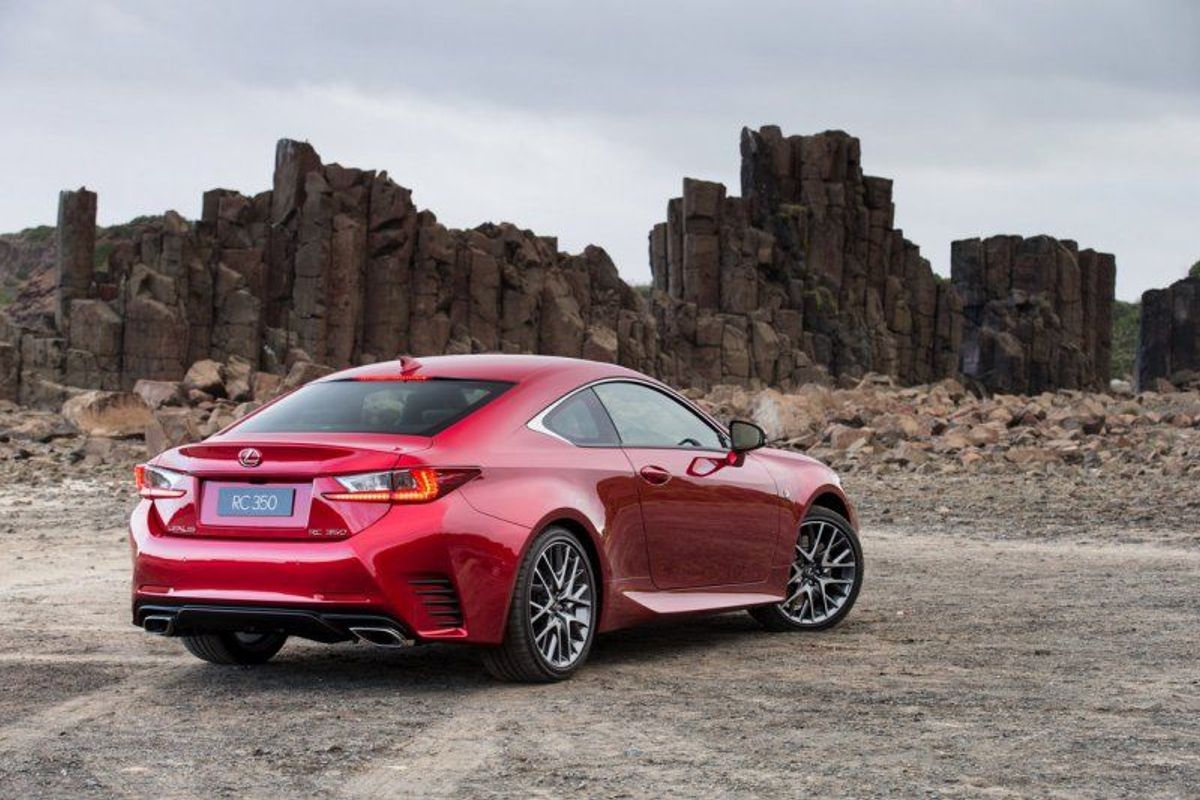
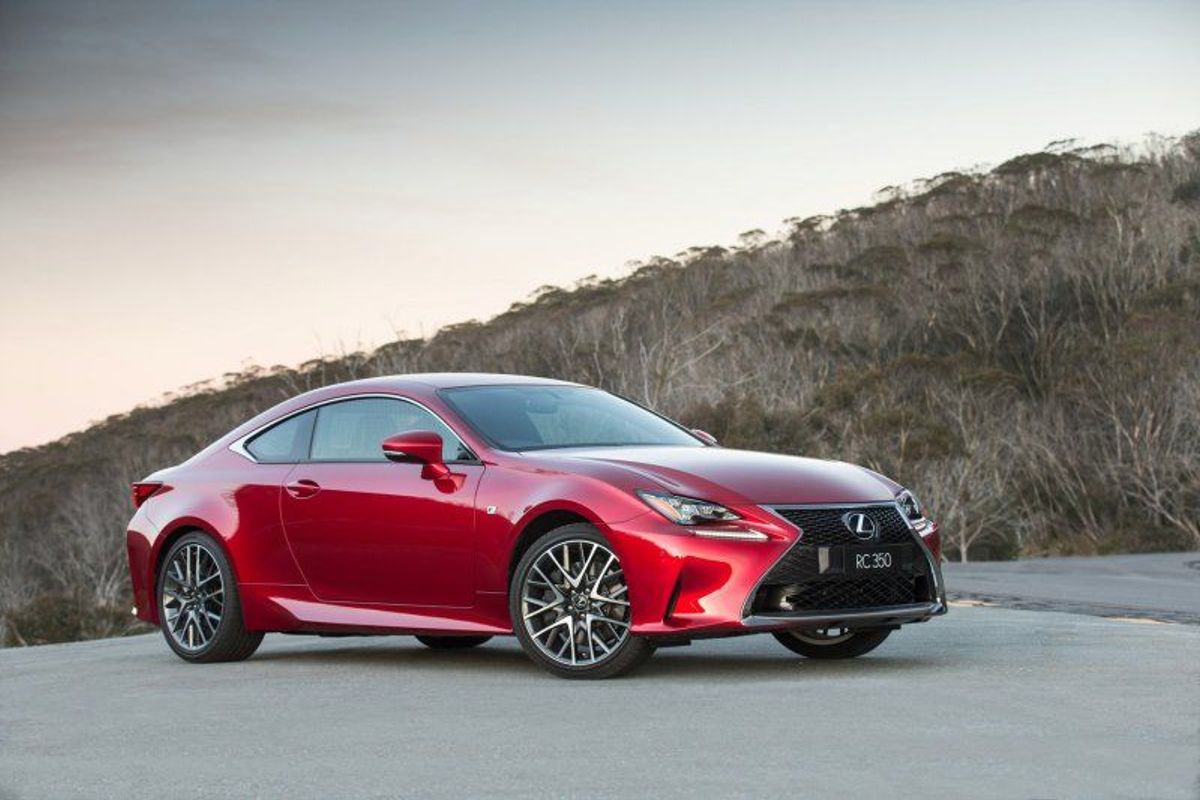
Those of you who have been eagerly anticipating the release of this car locally will be sad to hear that there will not be an RC F. The fire-breathing V8 has been shunned and we will only receive this one model the RC 350 F-Sport. It is available in six colours, of which blue is the most striking. There are also two interior colours, one being a Dark Rose red.
Engine power?
The RC 350 F-Sport is powered by the same 3.5-Litre V6 that does graft in the IS 350 and GS 350. Its natural aspiration can churn out a maximum of 233 kW and 378 Nm of torque. The engine is connected to an eight-speed automatic gearbox with paddle shifters behind the steering wheel. Its a surprisingly responsive gearbox, especially when driven in one of the sporty driving modes that can be selected. Downshifts are rattled off almost instantly and the upshifts feel near seamless.
The engine contributes much to the GT-cruiser image that Lexus hopes to pull off with the RC 350 F-Sport. The naturally aspirated V6 revs freely and accelerates smoothly all the whole way to the redline. The long gearing also makes it a smooth cruiser out on the open road. Theres a throaty sounding V6 that howls as you get higher into the rev range, aided by some clever enhancements under the bonnet that beef up the sound.
Is it well-specced?
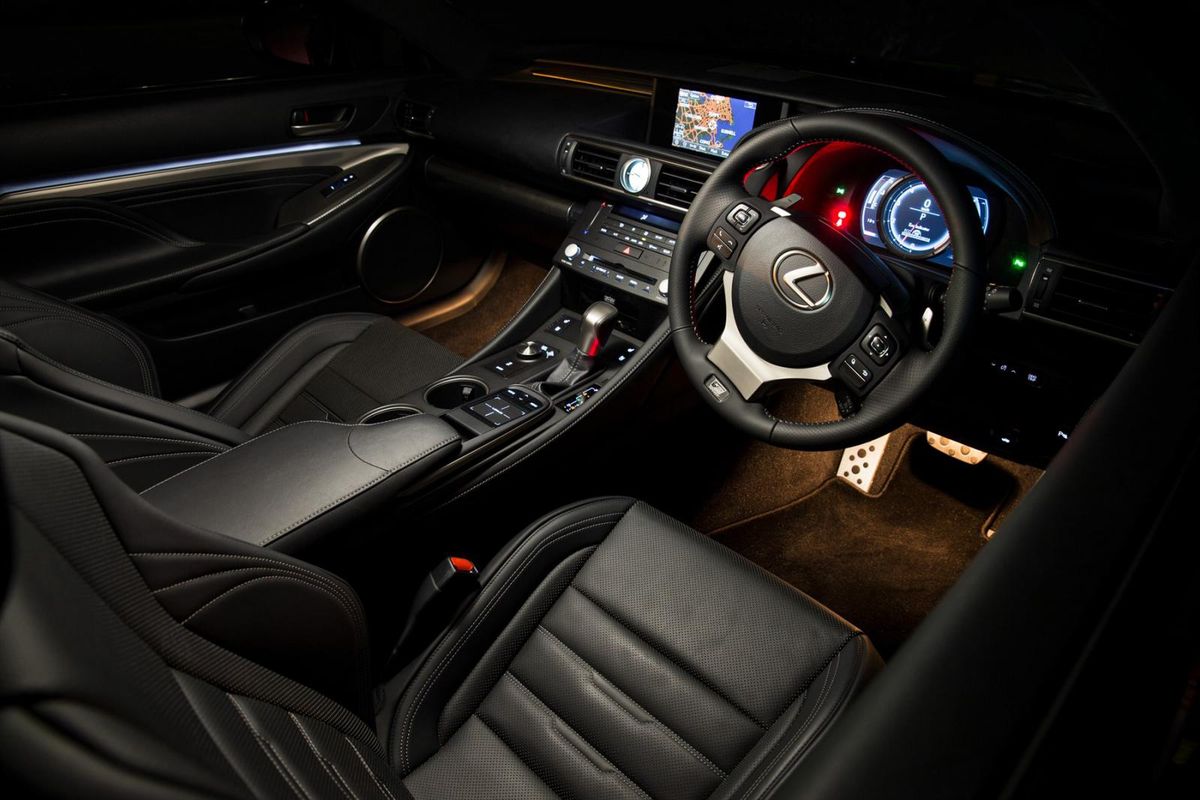
In typical Lexus fashion you only get a choice of one model and its kitted to the max with everything they have to offer. Theres navigation on board, as well as beautifully leather-wrapped seats, steering wheel and gear lever. The seats are also electrically adjustable. The infotainment system supports Bluetooth and USB inputs. You cant fault the spec much, especially in the safety department where eight airbags are standard. In the active safety department theres lane departure warning and high beam assist. Nothing ground-breaking at this price point, but excellent standard fare nevertheless.
Does it drive well?
What feels like a massive steering wheel greets you as you prod the Start button. Initially the size is distracting but as you get on with the task of driving it starts feeling more natural. The RC 350 F-Sport cruises exceptionally well on open roads and freeways with a soothing manner. Overtaking is a bit more of an event with the naturally aspirated engine, as it has to kickdown a few more gears to up the pace. It adds to the enjoyment of the drive in this sort of car. The ride is comfortable and on a long journey or scenic drive you wont have an issues with a choppy suspension. Over a mountain pass the RC 350 F-Sport can be adjusted into Sport or Sports S+ mode and the dynamics are enhanced to up the entertainment factor. The RC 350 F-Sport is an exciting drive on a good road and the steering feel and weighting are particularly good.
Competition and price
As mentioned in the beginning, the two-door coupe segment is quite niche so Lexus isnt expecting loads of sales. It sees competition from the likes of the BMW 4 Series, Merc C-Class Coupe and Audi A5. Some shoppers may also consider the likes of the Infiniti Q60 and Porsche Cayman. As for the price, a Lexus RC 350 F-sport will cost R730 000 all in and that seems competitive when comparing spec-for-spec with the competition.
As part of an overarching strategy to position itself as the most trusted source of automotive consumer-focused content and on-line tools and guides, Cars.co.za will be rolling out a number of new brand extensions during the course of the next few months. The first to arrive is the inaugural Cars.co.za Consumer Awards programme which we are thrilled to launch today.
You can follow the Awards programme here: www.carsawards.co.zaand look out for #CarsAwards on Twitter.
Designed to recognise the best cars available in the South African market using a unique, multi-faceted judging process, there is, however, much more to this awards programme than handing out trophies to the manufacturers and importers. The goal is to identify the best buys within their respective categories, and thereby assisting the consumer in making informed choices. Whether you end up buying one of the winners, or one of the semi-finalists, rest assured you are buying a very good car.
Cars.co.za Consumer Awards – How Does It Work?
The Best in Nine Categories
The Cars.co.za road-test team, consisting of David Taylor, Ashley Oldfield, Hannes Oosthuizen and Ciro de Siena, has divided the South African car market into nine segments, ranging from the Budget Car category with a ceiling of R150 000, to the First Class category, where there is no price limit, and everything in between. Our panel of testers then researched and debated each of the cars on sale in South Africa and determined their eligibility and all-round ability against the predetermined pillars of success in each of the nine categories. Five cars are selected through rigorous debate and analysis in each category during the first (semi-finalist) stage.
We believe having a debate and consensus mechanism for the first phase of the Awards Programme is crucial, says Hannes Oosthuizen, Cars.co.za Consumer Experience Manager. We want to ensure that each of the five cars that make it to semi-finalist stage is good enough to deserve the ultimate reward, and the only way to do that is to put all the facts and opinions on the table, pool our knowledge and experiences, and to have an open debate as a team.
Further boosting this Awards programmes relevance to the consumer is the fact that all cars for sale on the South African market are considered, not only those launched in the past 12 months. It is also important to note that the awards will be for specific model derivatives, not model ranges. There is simply too much variation within most model ranges, says Oosthuizen, and besides, the consumer buys a specific derivative, not an entire range.
Weighted by Segment Importance
The next (finalist) phase requires further and even deeper analysis of the five contenders in their respective nine categories. Comprehensive voting sheets have been developed that require the Cars.co.za test team to score the semi-finalists in overarching categories such as Interior Comfort, Performance, Efficiency, Packaging etc., further sub-divided into the minutest detail and features. Depending on the segment of the market being judged, the weightings of these categories change to reflect consumer requirements. For example, in the Family Car category extra weighting would be placed on luggage space and long-distance comfort, whereas these would score comparatively little in the Fun Car category.
When the scores have been tallied, the top three finalists in each of the nine categories will be announced.
Real Consumer Input
Once the finalists (top three) in each of the categories have been determined, the Cars.co.za Consumer Awards programme adds two further layers of credibility. Firstly, running concurrently with the awards programme is Cars.co.zas new Owner Satisfaction Survey, developed in association with leading automotive data specialists, Lightstone Consumer. In this survey South African car owners will rate their own vehicles for reliability, after-sales service, cost of ownership and general satisfaction. This survey will go live early in August 2015.
At the final voting stage in late September 2015, initial survey results will be made available to the judging panel for consideration. In this manner the consumer will have a very real impact on the results of the Awards, but in a meaningful way. Ultimately, nobody knows better than the actual owners what it’s like to live with any of the car brands for sale in South Africa. By creating this survey with Lightstone, were not only able to plug real, credible feedback into the Awards programme, but we also gain fascinating insights into the trends and ownership experiences unique to the South African car market. As we position ourselves very strongly in the consumer space, we simply have to remain in dialogue with the consumer, and the survey is our means of communication, says Oosthuizen.
Respected External Jury
At the final voting stage, all the relevant information (including the survey results) are presented to the judging panel which will be made up not only out of Cars.co.zas test team members, but also three guest judges selected for their analytical ability and the respect they demand in the South African media landscape. We are thrilled to join forces with Wendy Knowler (The Times Consumer Journalist), Branko Brkic (Editor and Founder, Daily Maverick) and Songezo Zibi (Editor Business Day). In selecting the external jury emphasis was also placed on selecting candidates that are not necessarily active in the automotive space. This was done to ensure that alternative viewpoints to our petrolheaded test teams opinions are also incorporated.
Following the combined jurys final vote, the winners will be announced in October 2015.
Lexus RC 350 F-Sport – Specs and Pricing
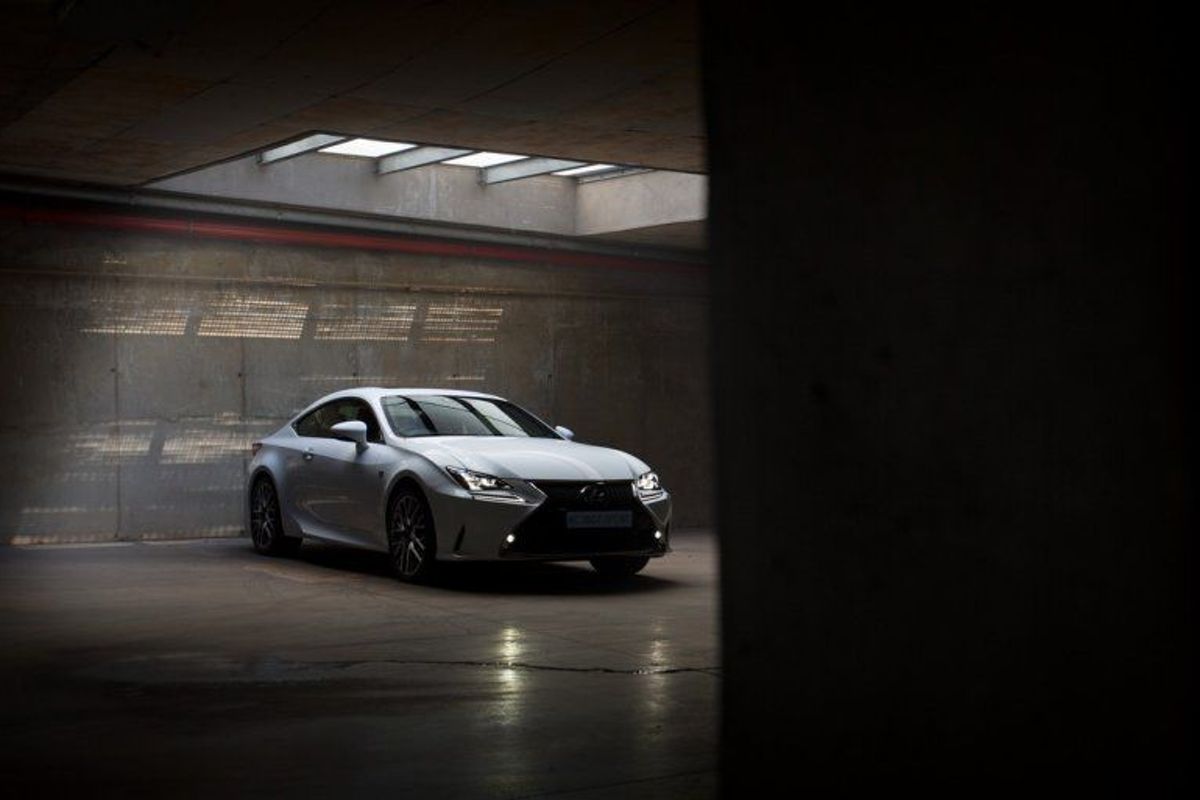
Lexus has introduced the RC 350 F-Sport to the South African market. This sporty coupe was developed new from the ground up to offer a dynamic driving experience with a solid dose of aggressive styling that aims to appeal to a younger market. In South Africa, the RC 350 F-Sport will be joined by the RC 200t in coming months and Lexus says the fire-breathing RC F 5.0-litre V8 won’t be available, yet.
Our iconic LFA supercar embodied Lexus’ passion and acted as an emotional drawcard, and as such, it was one of the most important models we’ve ever produced. However, it was off limits to most buyers. This new model brings a portion of the LFA’s excitement to a more attainable market segment, and it will boost the brand’s appeal even further. Im confident it will resonate with a select set of discerning South African customers,” said Glenn Crompton, Vice President of Marketing for Lexus.
Striking Looks
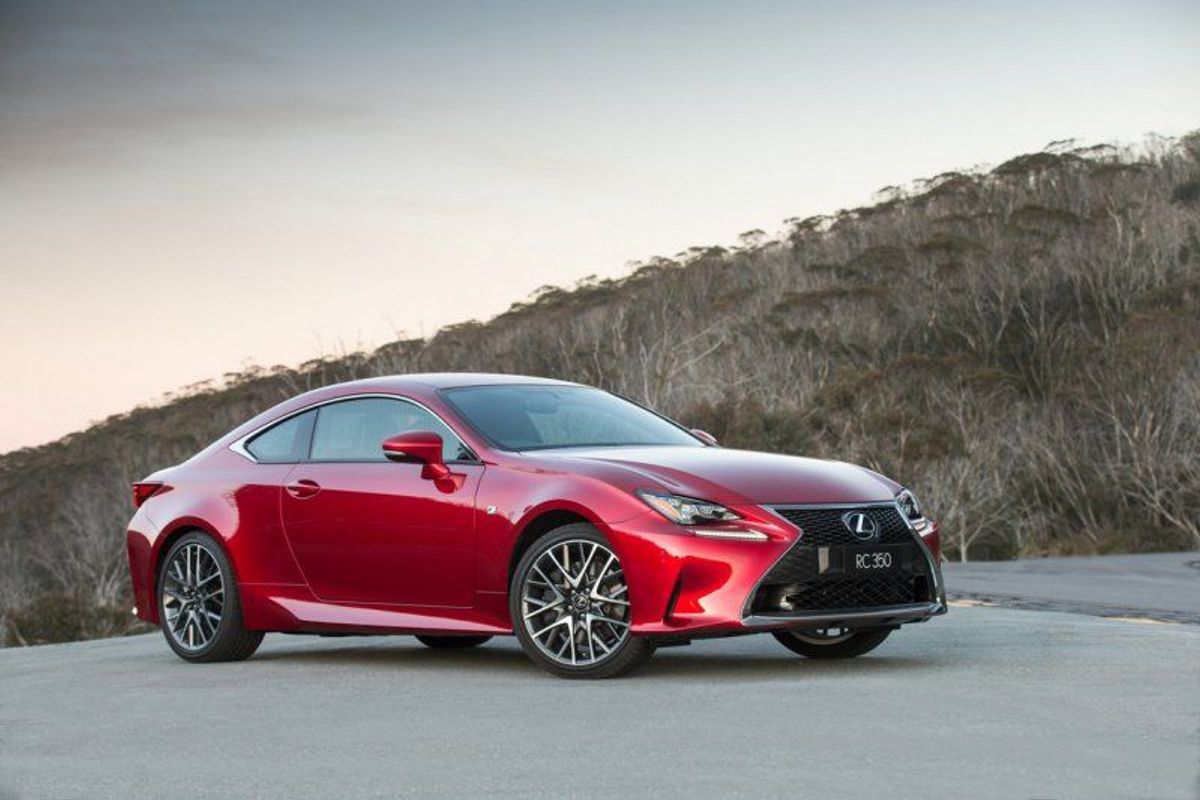
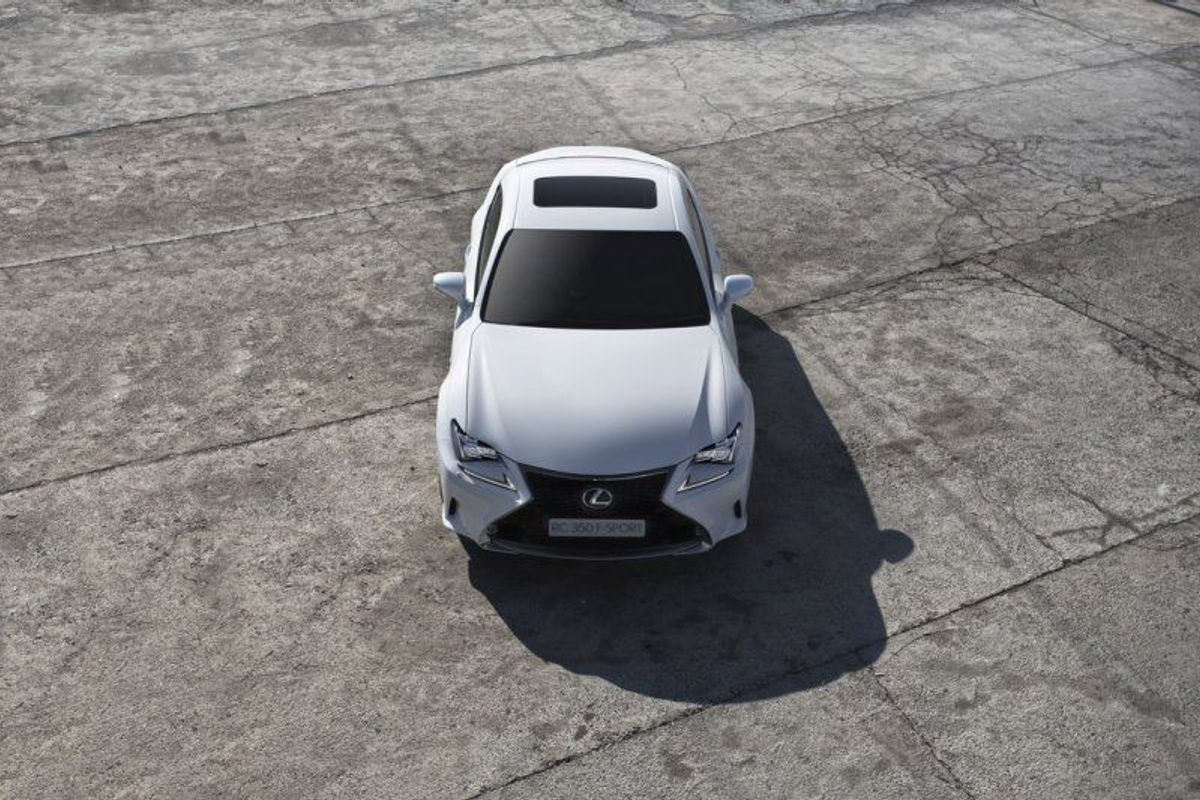
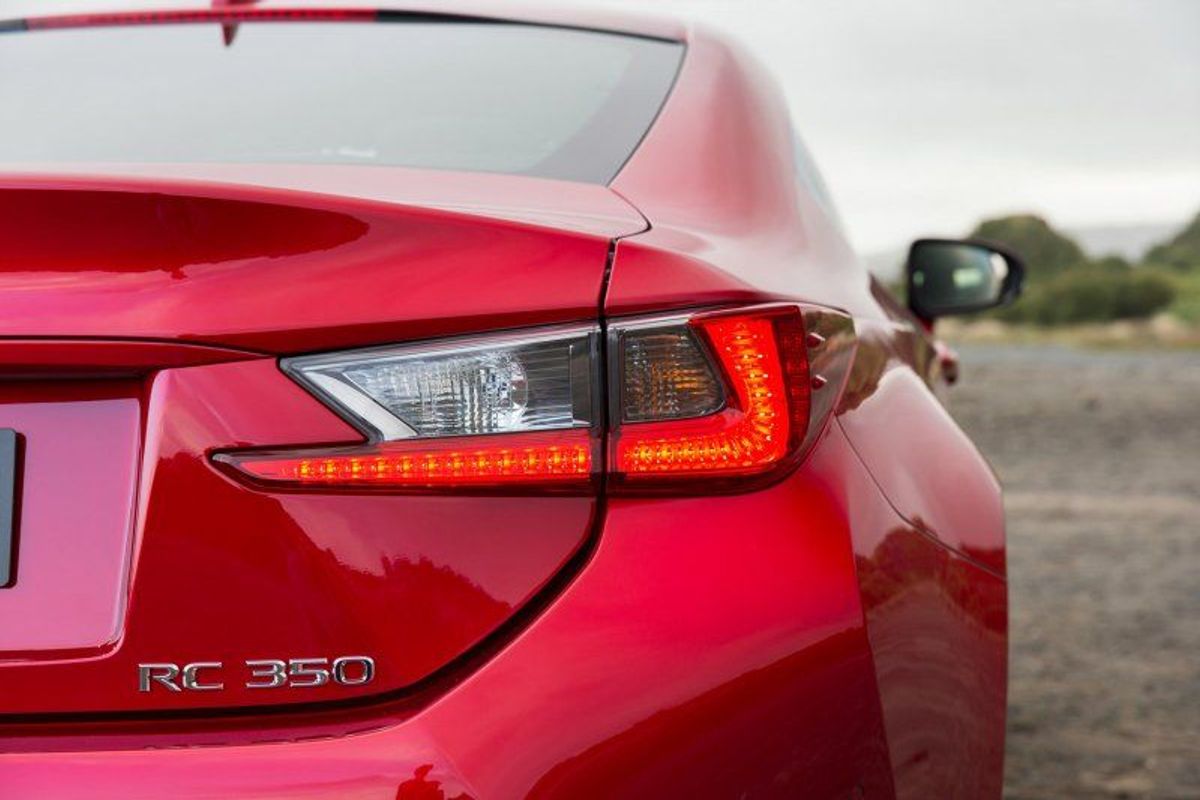
With a wheelbase of 2 730mm, overall length of 4 695mm and height of 1 395mm, the RC 350 F-Sport’s intentions are clear. The front-end features a wide and low spindle grille with L-mesh finish which is flanked by wide corner bumpers and flares. Bold lines dominate and the rear features a similar shape to that of the grille. The RC 350 is fitted with dual multi-LED headlamps, tail lamps, fog lamps and L-shaped LED daytime running lights. Exclusive 19-inch alloy wheels with overlaid 10-spoke sets are fitted to the RC 350 F-Sport to round off its menacing appearance.
In terms of the chassis, Lexus has drawn from its past successes and the front-end is based on the GS model, the centre based on the IS C and the rear inspired by the IS. All these traits culminate in a rigid chassis that can support the “sporty yet supple” suspension. The RC 350 F-Sport is fitted with Adaptive Variable Suspension (AVS) that electronically controls and adapts the suspension to suit the driving conditions. The vehicle also adopts the Lexus Dynamic Handling (LDH) system which incorporates electric power-assisted rack and pinion steering (EPS), Variable Gear Ratio Steering (VGRS) and Dynamic Rear Steering (DRS) to enhance driving and handling dynamics.
Under the Bonnet
The Lexus RC 350 F-Sport is fitted with a 3.5-litre V6 engine that develops 233 kW and 378 Nm of torque. The result is a 0-100kph sprint time of 6.3 seconds before reaching a maximum top speed of 230kph using an 8-speed automatic transmission with M mode. The transmission is also linked to the Lexus Drive Mode Select function which offers modes such as ECO, NORMAL, SPORT and SPORT S+.
Fuel consumption is rated at 9.4L/100km with CO2 emissions at 217g/km.
Step Inside
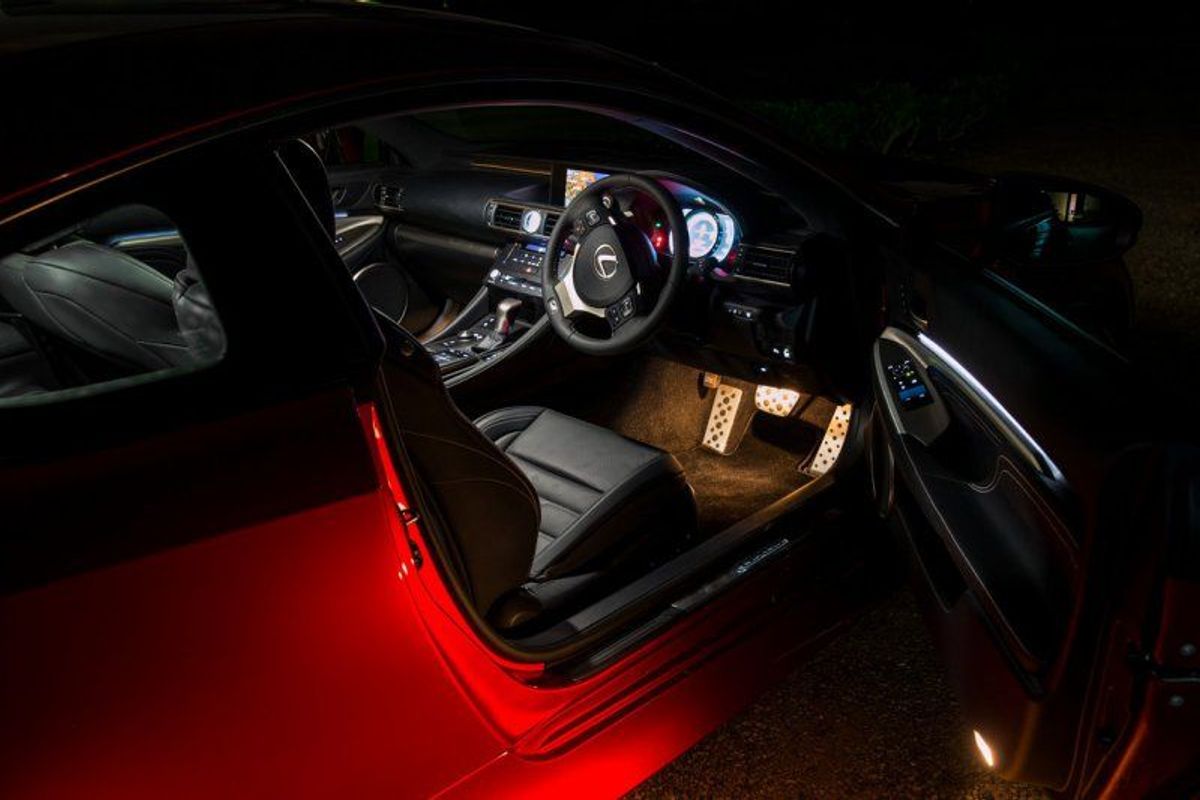
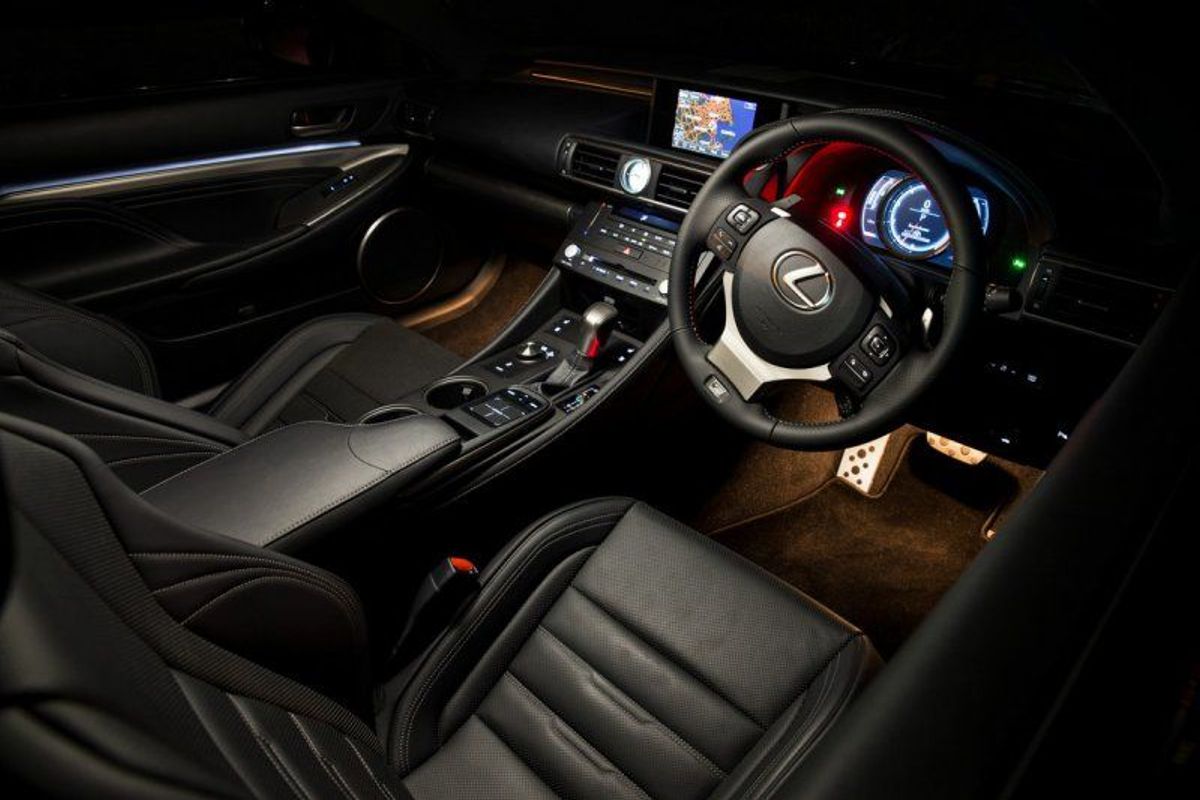
The RC 350 F-Sport interior combines soft-touch materials with metallic accents throughout. The leather-upholstered seats feature a long cushion length and lumbar support. The rear seats feature a walk-in function where the front seat slides forward automatically when the front seat is folded forward, allowing rear passengers to climb in easily. Customers can choose between Dark Rose or Black leather for the upholstery.
In terms of technology, the RC 350 F-Sport features a configurable 8-inch TFT LCD display inspired by the LFA supercar. There’s also a 7-inch multi-vision navigation display which is centrally mounted in the dashboard and functions using the new Lexus Remote Touch (LRT) Interface. A 10-speaker, 256-watt Pioneer sound system is fitted as standard.
Safety Features
The RC 350 F-Sport comes fitted with eight airbags and ISOFIX child seat mounts. Active safety features include ABS with EBD and Brake Assist, Vehicle Stability Control, traction control and Hill-Start Assist. Lane Departure Alert and Auto High Beam is also standard.
Lexus RC 350 F-Sport Price in South Africa
Lexus RC 350 F-Sport – R730 900
The RC 350 F Sport comes standard with a 4-year / 100 000km Lexus Distance Plan, full maintenance plan and a 4-year / 100 000km warranty.
Rolls-Royce Ghost Series II – Driven & Reviewed in South Africa (Video)
SCROLL DOWN FOR VIDEO
Lets get this out of the way right now, the Rolls-Royce Ghost Series II, in South Africa, is absurdly expensive. Thanks to daft import duties, a car which costs around R3.5-million in the United States, lands in SA at about R7-million. And thats before you hit the options list.
With that in mind, I did my best to approach the Rolls as an object which might, might just be attainable, as opposed to something which is laughably, outlandishly, terrifyingly priced. But that didnt help when I was negotiating underground parking lots or Cape Towns narrow side streets, when visions of paying off vast loans in lieu of a Rolls fender filled my mind.
The Ghost is easy to dismiss as an extremely fancy BMW 7 Series, as it shares some chassis architecture and some of the modern bits and pieces like the SatNav. But having driven both, the Rolls might as well have arrived from a different planet.
On second thought, it feels like it arrived from a different time; a different era. We live in a world where companies who make microwaves take a look at the car market and decide they can make a profit. Many, many of the cars on our roads are built entirely robotically, and while this isnt necessarily a bad thing – as cars are more reliable than ever – it is undeniably sad in some ways.
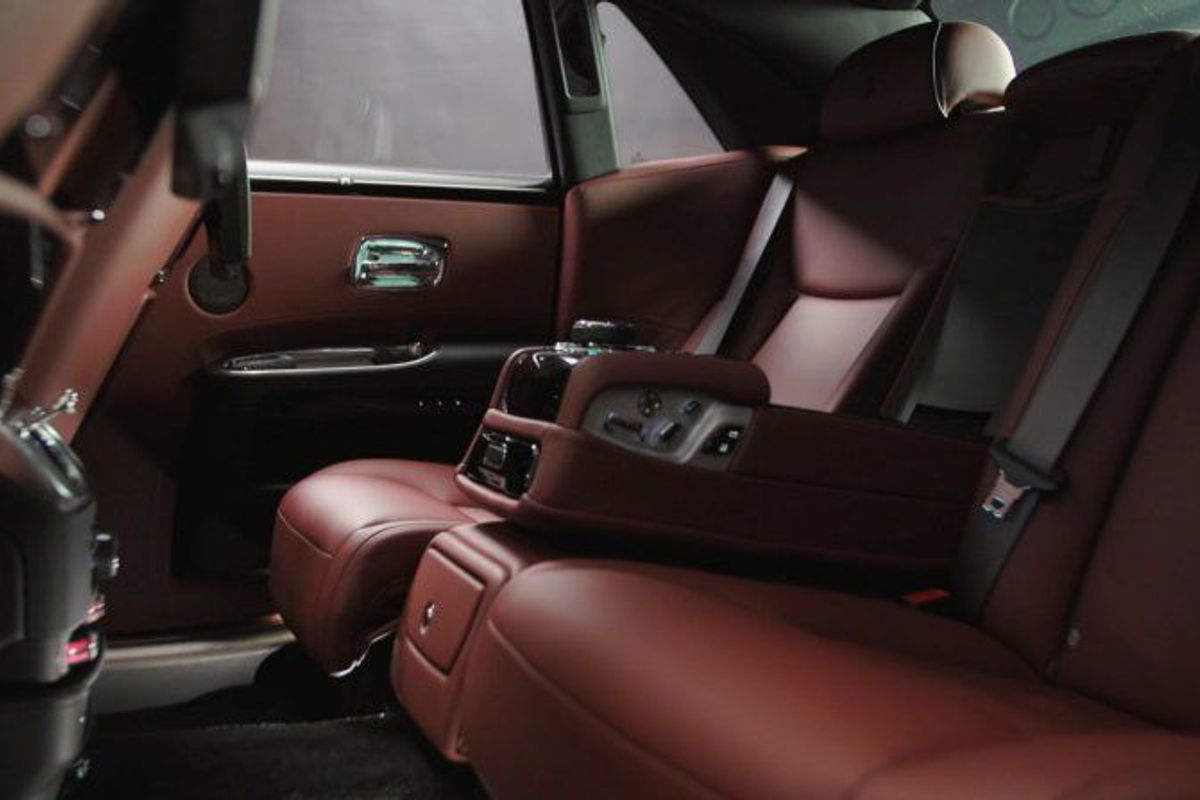
I like to think the only robotic thing at Rolls Royce HQ is the microwave. Each seat in the Ghost Series II takes two weeks to stitch. Im convinced the leather is sourced from cows that are massaged everyday; it’s impossibly soft. The red lines down the shoulder of our test unit are painted by hand, and would make any architect blush.
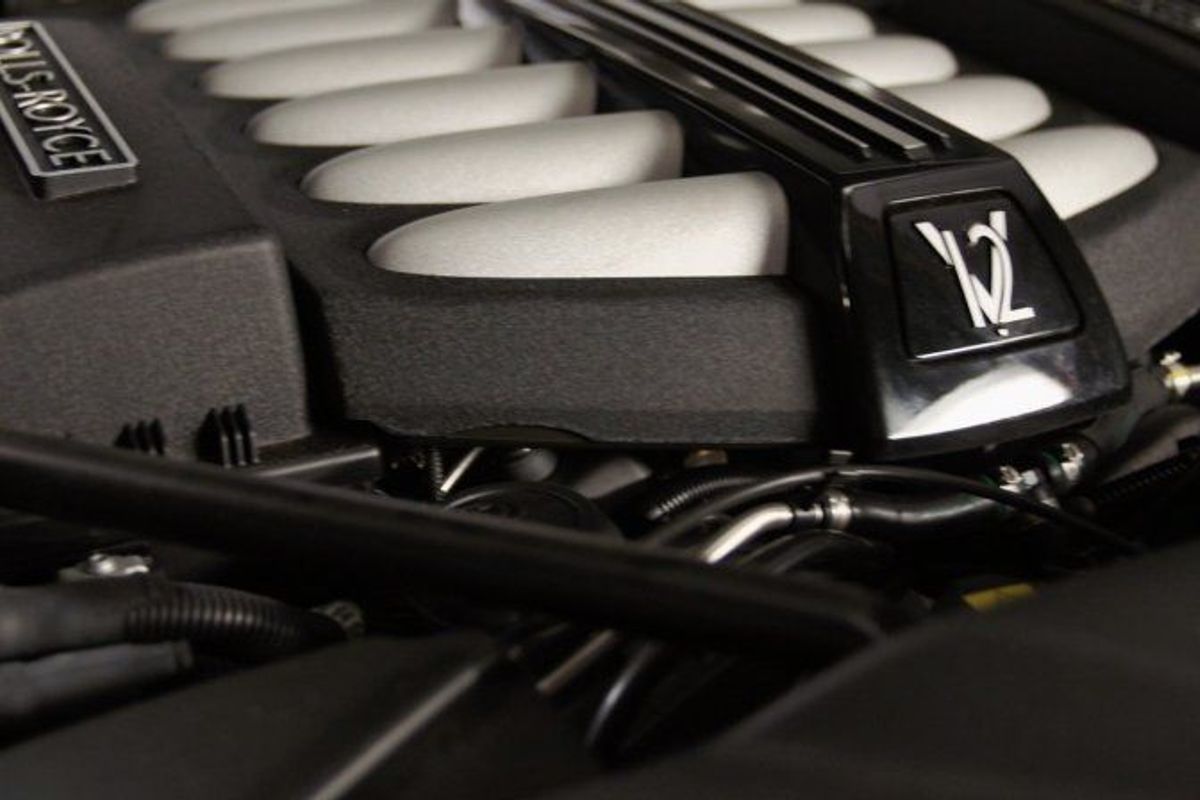
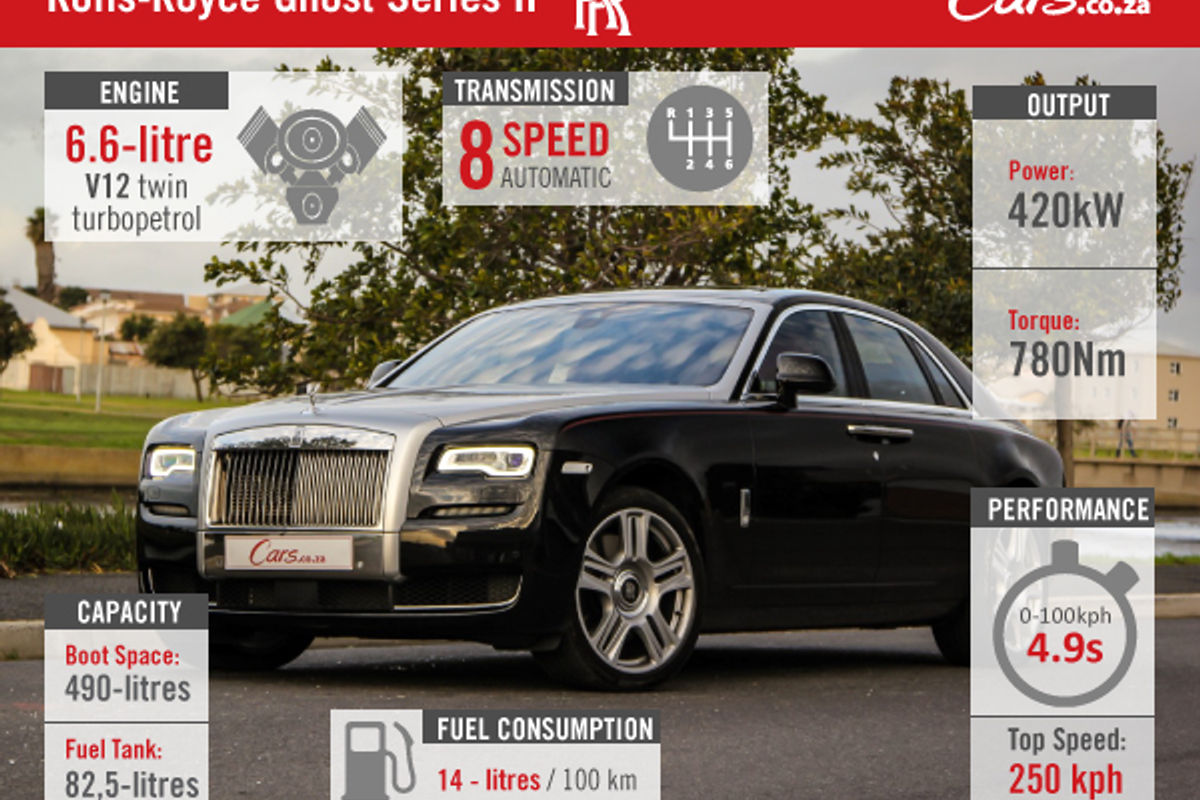
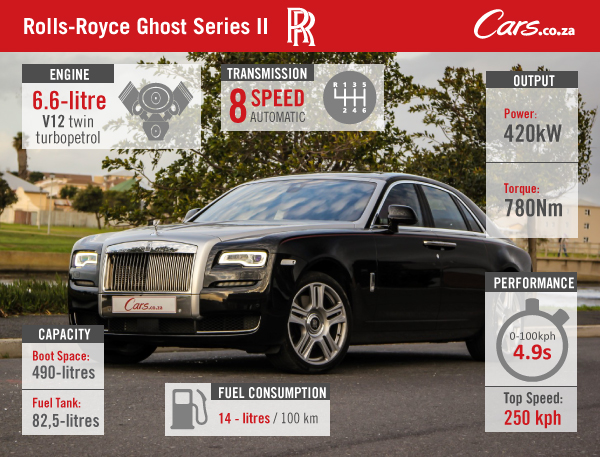
All of this pales in comparison with how impressive the engine is. A 6.6 litre twin-turbo V12, it produces 420kW and 780Nm of torque, figures which are comprehensively beaten by cars like the Mercedes S 65 AMG Coupe, which we have filmed here previously.
But it is the way it delivers that power: all of the torque arrives at 1500rpm, which is practically standstill. And when it arrives, the Ghost quite literally leaps forward in a way that is as surprising as it is unsettling. This is a car which weighs 2.5 tonnes 300kg more than a fully loaded Range Rover and it hits 0 100km/h in 4.9 seconds. Thats the same time as the new BMW M135i.
But when youre not interested in dismissing German hot hatches at the lights, the Ghost is serene. Unbelievably quiet and comfortable, it really can be driven with one finger on the wheel. It’s effortless.
Price: POA, starting at around R7-million Engine: 6.6 litre 48v twin turbo V12 Power: 420kW at 5250rpm Torque: 780Nm at 1500rpm Acceleration: 0 100km/h in 4.9 seconds Top Speed: 250km/h (limited) Fuel consumption: 14 L/100km (very optimistic)
Rolls-Royce Ghost Series II – Driven & Reviewed in South Africa (Video)
Rolls-Royce Ghost Series II (2015) Review
And now for something very different Our first evaluation of a Rolls-Royce comes in the shape of the recently refreshedbaby of the line-up, the Ghost. Aimed at owners who may actually prefer to sit behind the steering wheel themselves, rather than being chauffeured about, the Ghost faces quite a stiff challenge. Not only does it have to offer the luxury and craftsmanship that the brand is so revered for, it also has to add healthy dollops of dynamism and technology to the equation.
Unmistakable design
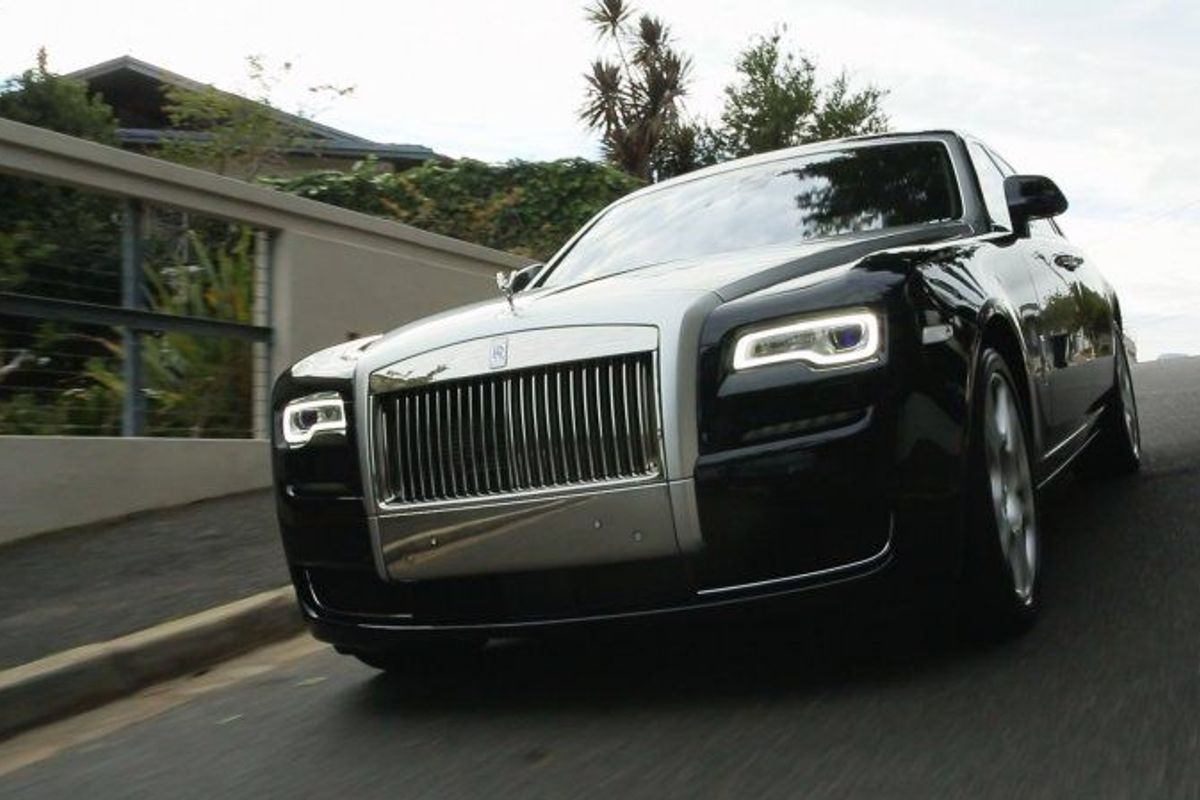
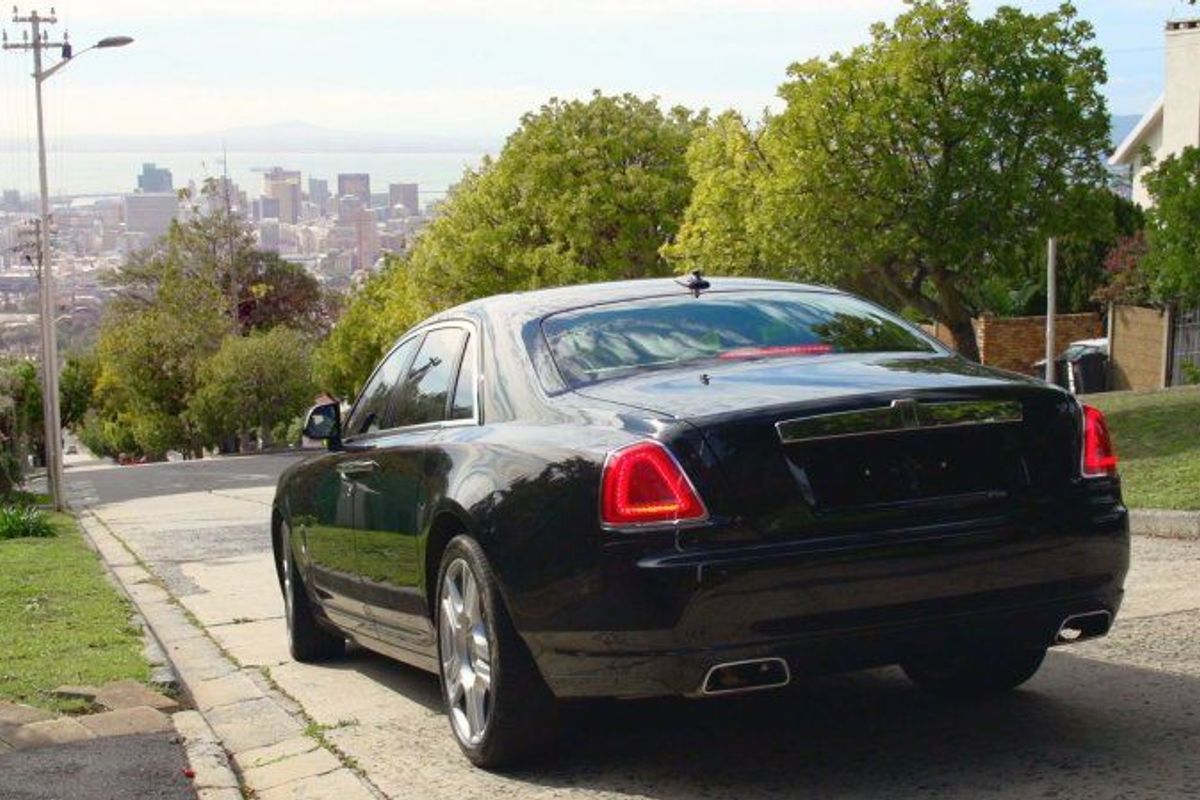
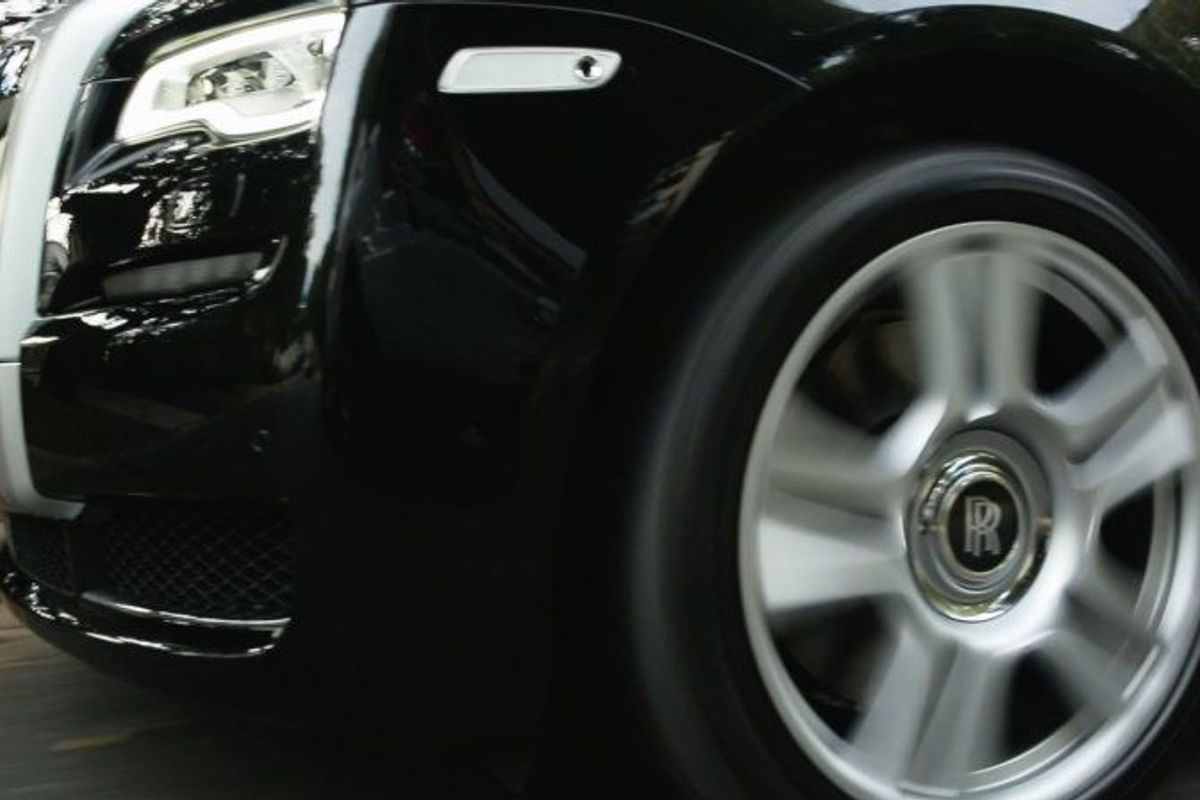
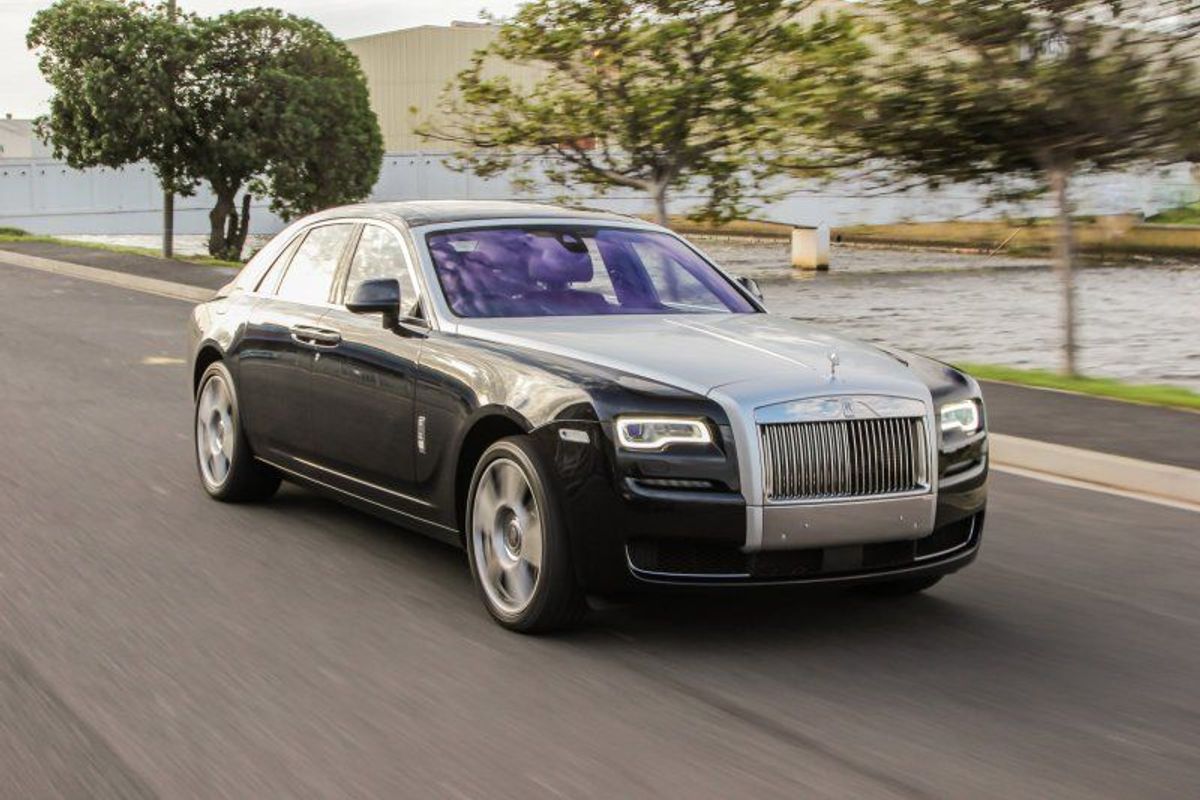
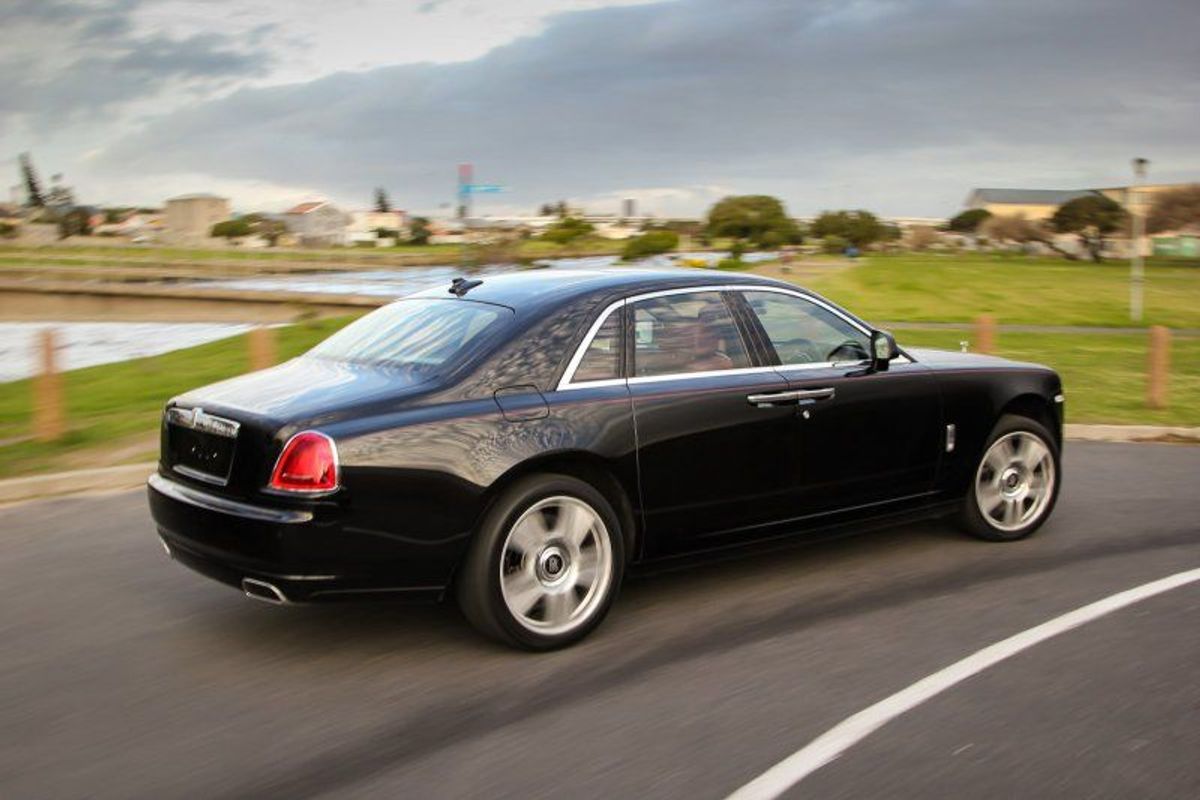
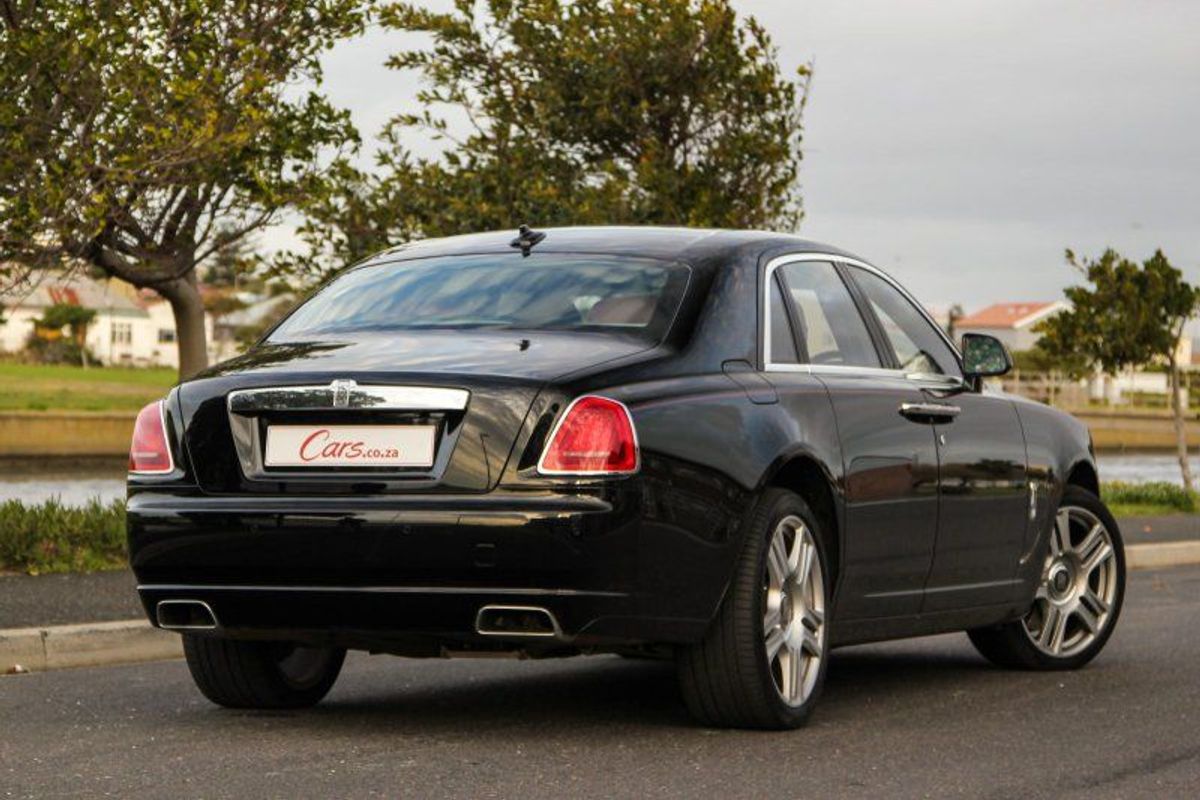
You really cant confuse the Ghost for anything but a Rolls-Royce. Deep underneath that flamboyant body may rest the skeleton of a BMW 7 Series, but there are no clues to that fact from the outside. This Series II model is essentially a facelifted Ghost, and in terms of exterior design the changes are quite subtle and can mostly be found at the front of the car. Theres a new bonnet as well as a redesigned lower front-end and bumper. Possibly the most eye-catching change is the fitment of LED headlamps, standard with adaptive technology. Rolls-Royce is now also offering a broader range of optional wheels, including 21-inch forged items to really add a large measure of bling.
During our time with the Ghost it became quite clear very fast that there are few cars, if any, that can match a Rolls-Royce for making a statement. We were concerned at first that the sheer opulence would result in negative reactions from the public and, potentially, vandalism but the complete opposite was true. Its a car that, surprisingly perhaps, makes everyone smile and give the thumbs-up.
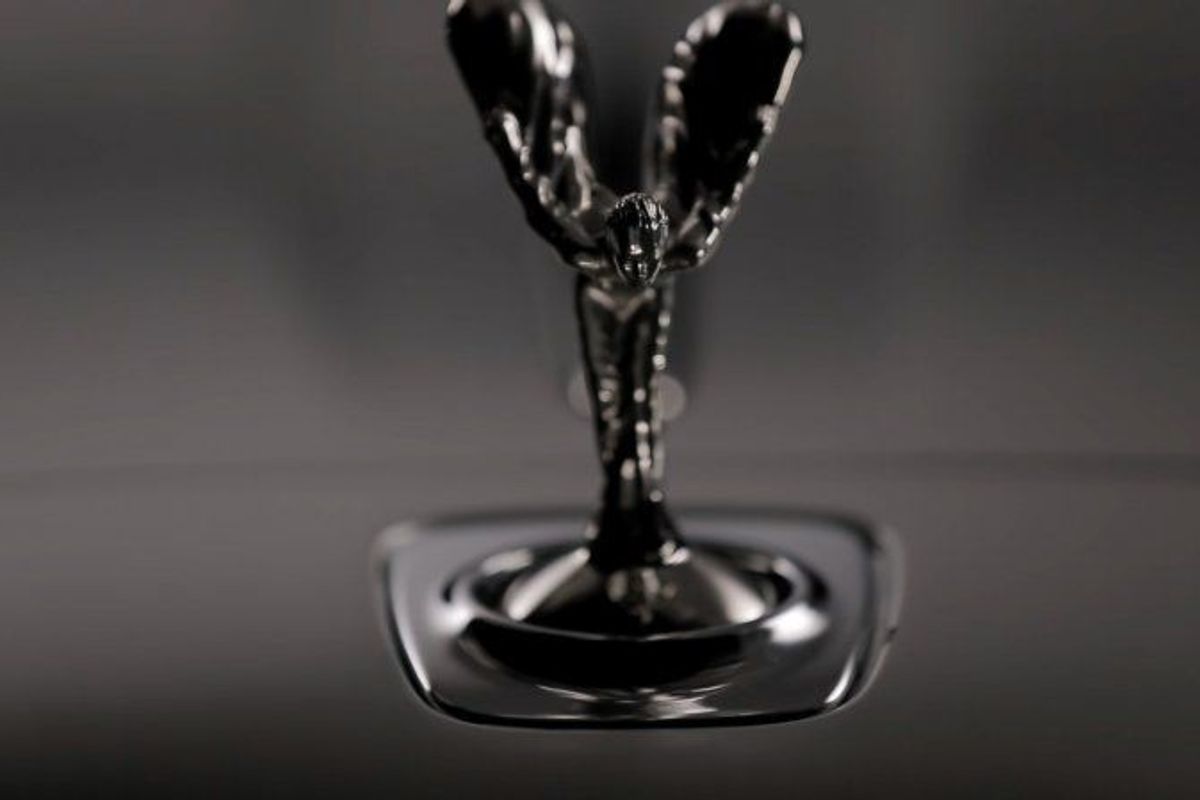
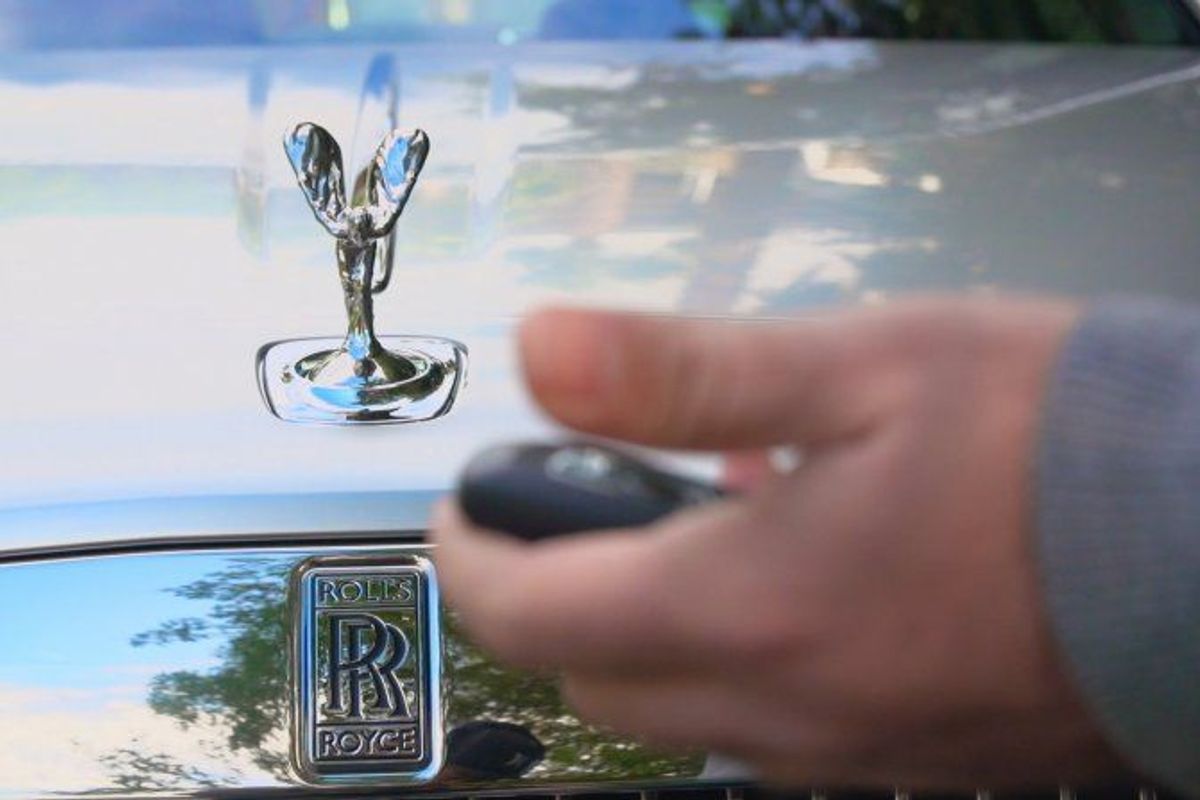
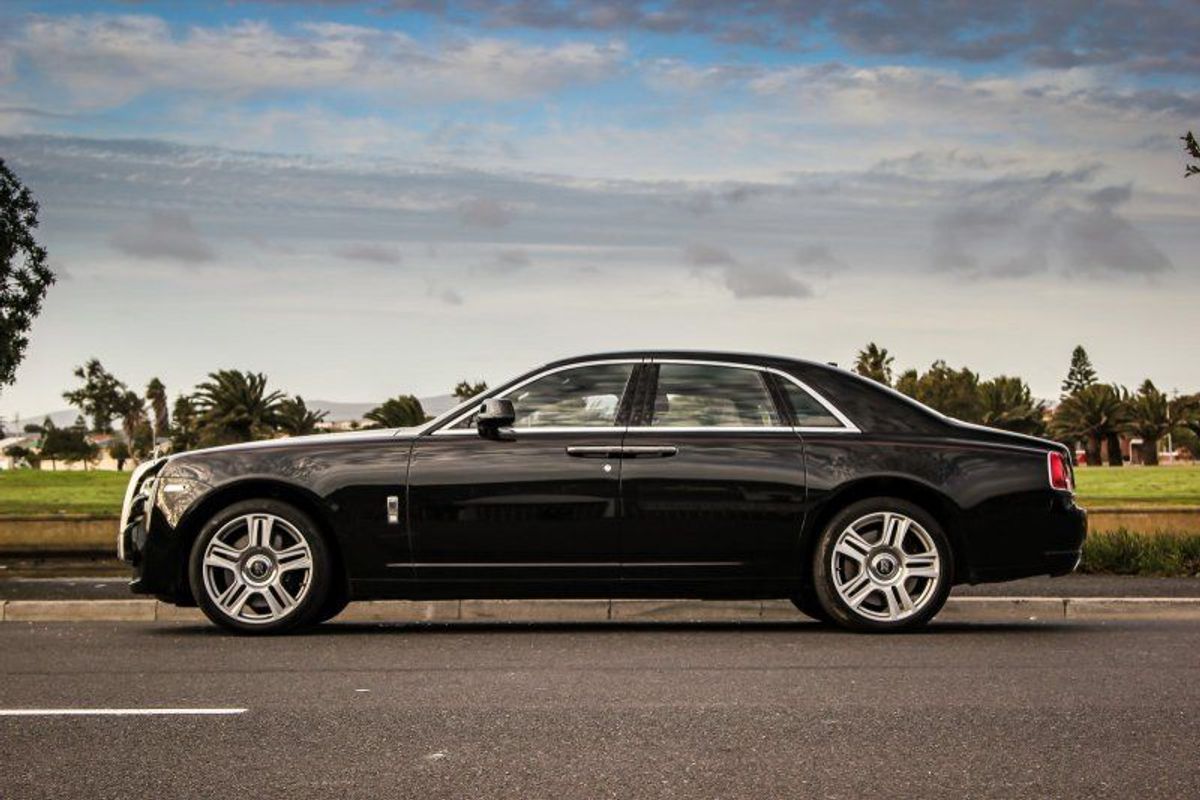
Rolls-Royces designers have done incredibly well to deliver a BMW-based entry level model that looks entirely authentic. From that large, upright grille with the Spirit of Ecstasy perched on top, to the long bonnet, short front overhang, suicide doors and flowing, yacht-inspired lines towards the rear, the Ghost Series II is a feast for the eyes.
Your wish, their command
Theres so much detail in a Rolls-Royce cabin that any attempt to describe the sheer flamboyancy using mere words is destined to fail spectacularly. Where does one start? With the nine cows hides used in each cabin? With the solidity of the acres of polished wood? The softness of the (optional) lambs wool carpeting? Take your pick
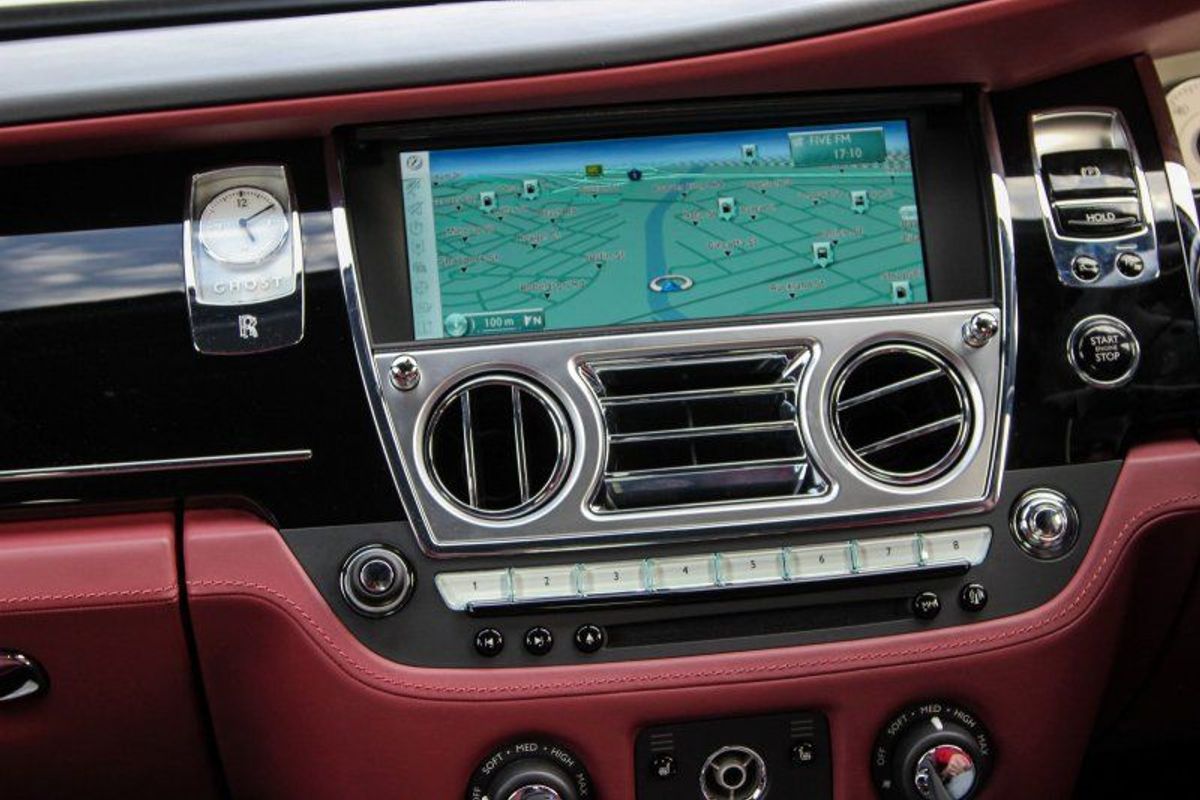
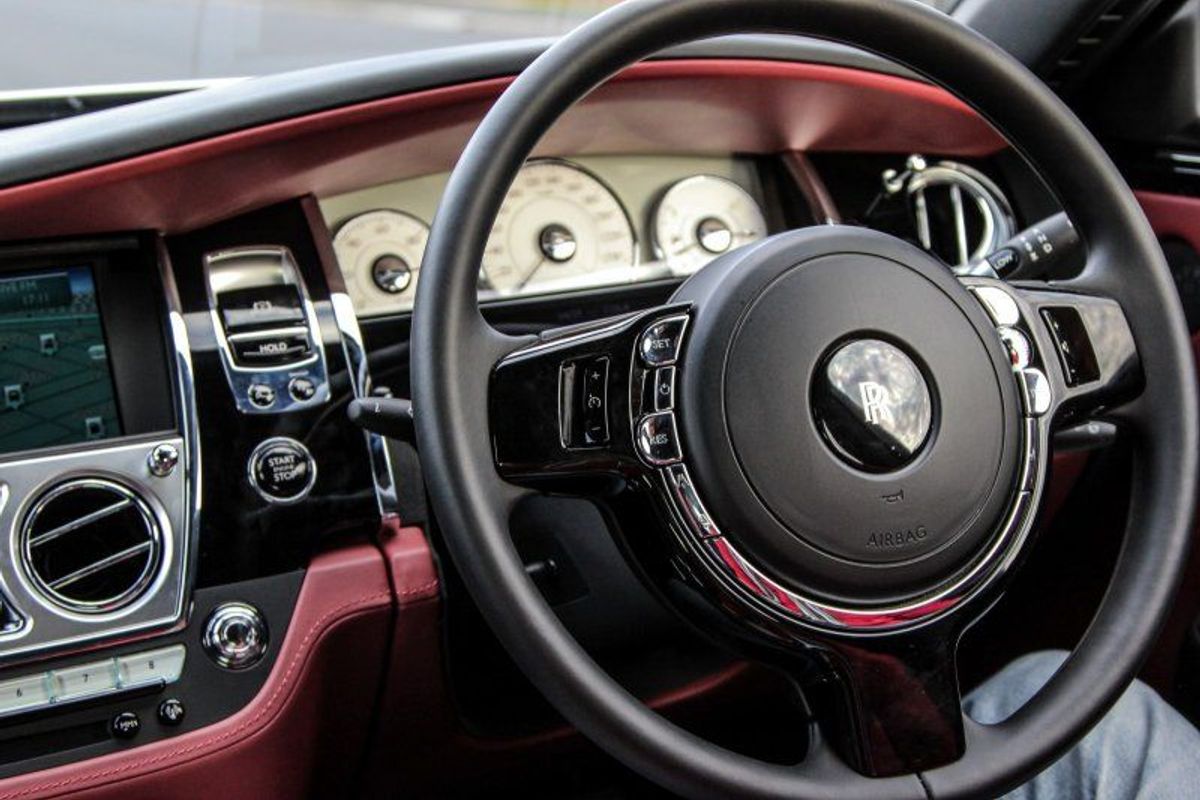
Perhaps Rolls-Royces biggest achievement with the Ghosts interior is the fact that it has managed retain the much-loved classic brand ingredients, such as chromed organ stops for the ventilation outlets and the delicately thin instrumentation needles, while also adding advanced features such as BMWs iDrive control system, a heads-up display (HUD) and night-vision with animal and pedestrian detection.
Slide onto the plush drivers chair (optionally available with massage and ventilation) and what will strike you first is the commanding view. The Ghost is the tallest car in its class and the seats are raised to deliver what Rolls-Royce calls an authority seating position. Interestingly, the Spirit of Ecstasy on the grille is visible from every seat in the car.
Its equally impressive in the rear. Our test unit was the short-wheelbase version, but legroom was nevertheless more than sufficient. A huge variety of rear-seat options are available, including a rear theatre configuration which enables passengers to control communications via their own controller, including navigation and entertainment access. Each rear passenger gets a high-resolution LCD screen and wireless headphones. An individual rear seat configuration is also offered. Our test unit even had a fridge to cool champagne
Oh, and yes the very suave Teflon-coated umbrellas still pop out of the doors at the push of a button. And theyre dried by hot air from the engine piped through the doors This is just one example of the staggering attention to detail.
Effortlessly fast
It seems almost vulgar to think about performance figures when driving a Ghost, but the reality is that this is the supposed dynamic Rolls-Royce. So, performance is important. The Ghost Series II tips the scales at 2 360 kg, so it certainly is no lightweight, and yet this graceful lady can pick up her skirt and sprint to 100 km/h in 4,9 seconds. It really is quite a treat, sitting in such opulence and silence, with only the sensation of being gently pushed back into your seat as a reminder of the staggering acceleration. Oh, and the rushed scenery, of course.
The source of the tremendous power is a BMW-sourced V12 twin-turbo engine, but for use in the Ghost it has been enlarged to 6,6-litres in capacity and pumps out 420 kW. More importantly, there is 780 Nm of torque from as low as 1 500 rpm. Like all other Rolls-Royces, the Ghost Series II doesnt have a rev counter, but rather a power reserve dial that tells you how much power is still available on a scale of 0 to 100 %. Besides the sheer performance, the engine also impresses on the refinement front it is said that you can put a £1 coin on it while its running and the coin wont fall off.
The engine is mated with an eight-speed automatic transmission that now features satellite-based assistance. Essentially, it uses GPS data and driving style analysis to ensure that the driver is always in the correct gear. It can apparently reduce needless gearshifting by up to 30 per cent.
Fuel economy? Does it matter? For interest sake, the claimed combined cycle consumption figure is 14 L/100 km, but we averaged closer to 18 L/100 km.
But does it waft?
This is where it gets tricky for the Ghost Series II. A traditional Rolls-Royce driving experience is largely defined by two characteristics. Firstly, the steering should be super light and the steering wheel itself thin-rimmed, so that one can drive the Rolls-Royce with ones fingertips And secondly, it should waft a sensation of just floating, gliding along impervious to what the road surface may be like underneath.
With its sophisticated air-suspension system and a revised rear axle bearing that is claimed to improve rear stability and comfort, the Ghost is technologically armed and fit for the challenge. In fact, that air suspension system is so clever, they say, that should a rear occupant move from one side of the car to the other, the suspension would automatically compensate (within 2,5 milliseconds) for the change in weight distribution.
And, indeed, on most surfaces the Ghost Series II does a sterling job, delivering exactly the magic carpet ride that the brand is most famous for. Unfortunately, however, it deals less well with lateral ridges and bumps, which can flummox the suspension to such a degree that nasty jolts and clunks do reach the occupants.
The steering is indeed heavier than what youd experience in a Phantom, but not by terribly much. Consequently the drive is exactly what it should be finger-tip controlled. If you really want your Ghost to deliver a more sporting and dynamic drive, then consider the optional Dynamic Package, which adds a thicker steering wheel, 20-inch wheels, a shorter steering rack and a unique suspension set-up.
Conclusion and Summary
The problem with evaluating a car such as a Rolls-Royce Ghost Series II is that the measurable factors, the hard facts and figures, only play a supporting role. Let me put it this way If we were to compare a Rolls-Royce Ghost Series II with a Mercedes-Benz S600L using only what could be measured, then there would be no way that Rolls-Royce could justify asking more than double what Mercedes-Benz is charging for its flagship (non-AMG) sedan. No with a Rolls-Royce it comes down to what is largely immeasurable desirability, exclusivity, status etc. Ultimately then, it is perhaps impossible to measure the success of any Rolls-Royce by comparing it against other cars. Perhaps a wiser measure would be to figure out whether it lives up to what the Rolls-Royce name demands of it. On that front the Ghost Series II scores very highly indeed, with only a troubled ride quality on poor surfaces being a concern.
Rolls-Royce Ghost Series II Price in South Africa
The local distributor of Rolls-Royce, Sandton-based Daytona Group, is understandably loathe to commit to a price for a Rolls-Royce Ghost Series II, the reason being that no two Ghosts are likely to be specced the same. The pricing is also heavily influenced by prevailing currency exchange rates. However, a base price of around R6 500 000 million has been mentioned. Daytona Group also distributes McLaren and Aston Martin in South Africa, so is trusted by some pretty big names to look after their customers. Included in the price of the Rolls-Royce Ghost Series II is a four-years/unlimited km warranty as well as service plan.
Team Opinion
The Ghost Series II makes driving seem primitive and its far more enjoyable to be driven. Its effortlessly classy and the finishes as well as the technology are superb, which is what youd expect when youre paying this much. A true benchmark in premium luxury. –David Taylor
We Like: Exclusivity, unique driving experience, performance
We dont Like: Ride struggles over poor surfaces
Also consider: Bentley Flying Spur W12, Mercedes-Benz S600L
Rolls-Royce Ghost Series II – Quick Pics
Rolls-Royce Ghost Series II – Driven & Reviewed in South Africa (Video)
Limited Edition Land Rover Defender Models Coming to SA
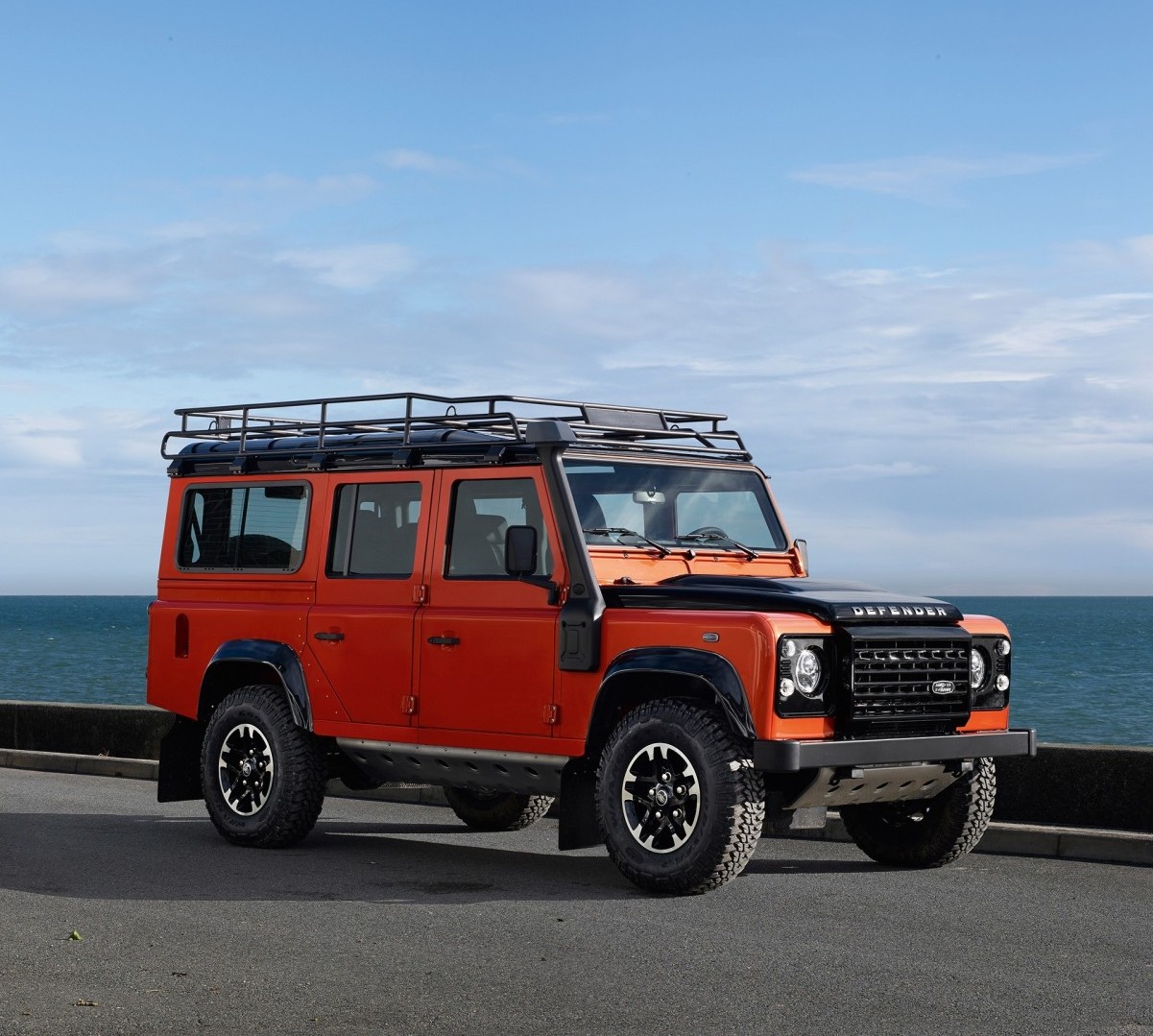
Production of the iconic Land Rover Defender will cease at the end of 2015 but that hasn’t stopped Land Rover from celebrating the vehicle. To pay tribute to this legendary vehicle, Land Rover is offering only 215 Celebration Edition Defender models to be sold in South Africa. Two special edition models will be available including the Defender Heritage Edition and the Defender Adventure Edition.
Defender Heritage Edition
The Heritage Edition draws inspiration from early Land Rover models and features ‘Grasmere Green’ paintwork with a contrasting Alaska White roof. This model also comes with a classic design grille and HUE 166 graphics which alludes to the registration plate of the first pre-production Land Rover nicknamed ‘Huey’. Only 130 Heritage Edition models in Station Wagon body style will be available while only 50 will be sold in 90 Station Wagon body style. Key features for this model include:
Unique Grasmere Green metallic paintwork with body colour wheel arches.
Unique Alaska White roof.
Silver front bumper with black end caps.
Heritage style front grille and headlamp surrounds.
Body coloured heavy duty steel wheels.
Clear indicator lenses.
Indus Silver door hinges.
Heritage style badges.
Heritage logo mudflaps.
HUE 166 graphics.
Bright aluminium finish clock and air vent bezels.
Almond Resolve Cloth upholstery with Ebony Vinyl sides and backs, with HUE tags.
Padded cubby box with Almond Cloth lid.
Heritage logo rubber floor mats.
Defender Adventure Edition
The Defender Adventure Edition is designed with adventure and the outdoors in mind. Only 15 Adventure Edition models in 90 Station Wagon body style and 20 in 110 Station Wagon body style will be sold in South Africa. Key features for the Adventure Edition include:
Corris Grey, Yulong White or Phoenix Orange paintwork.
Santorini Black Adventure grille, wheel arches, bonnet, roof, and rear door.
Seven-inch LED projector headlamps.
Clear indicator lenses.
Underbody sill and sump protectors.
Atlas Defender bonnet script.
Gloss Black split-spoke diamond-turned alloy wheels.
Goodyear MT/R tyres with white lettering.
Bright Pack.
Decals on front wings.
Windsor Leather upholstery.
Windsor Leather front passenger facia.
Leather trimmed door panels.
Bright Aluminium finish clock and air vent bezels.
Aluminium interior door handles and door locks.
Bright finish and rubber pedals.
Santorini Black centre console.
Fully wrapped leather steering wheel.
Perforated leather gear knobs, handbrake lever and grab handles.
Ebony Alston headlining.
Heritage logo carpet floor mats.
These limited edition Defender models can be ordered now from Land Rover or Jaguar Land Rover dealers across South Africa. First units will be delivered in September 2015 and pricing will be confirmed closer to availability.
Jaguar F-Type R Coupe with AWD in SA
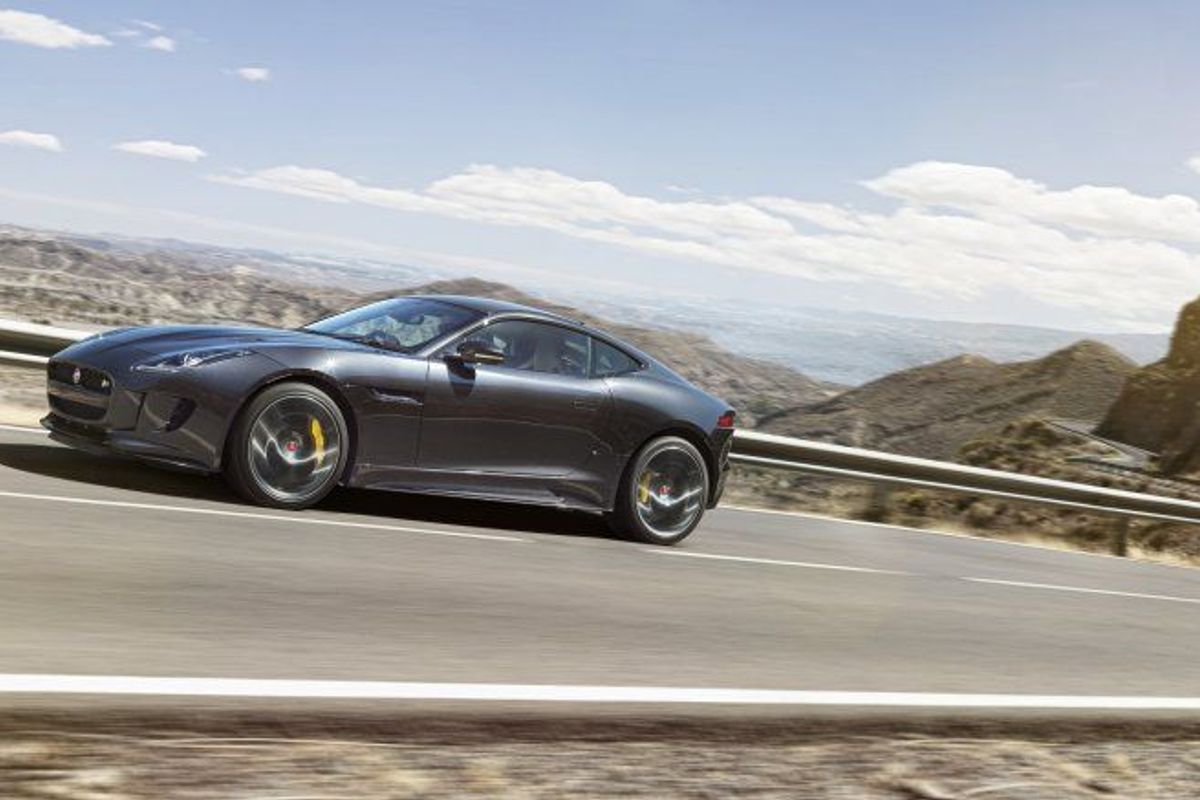
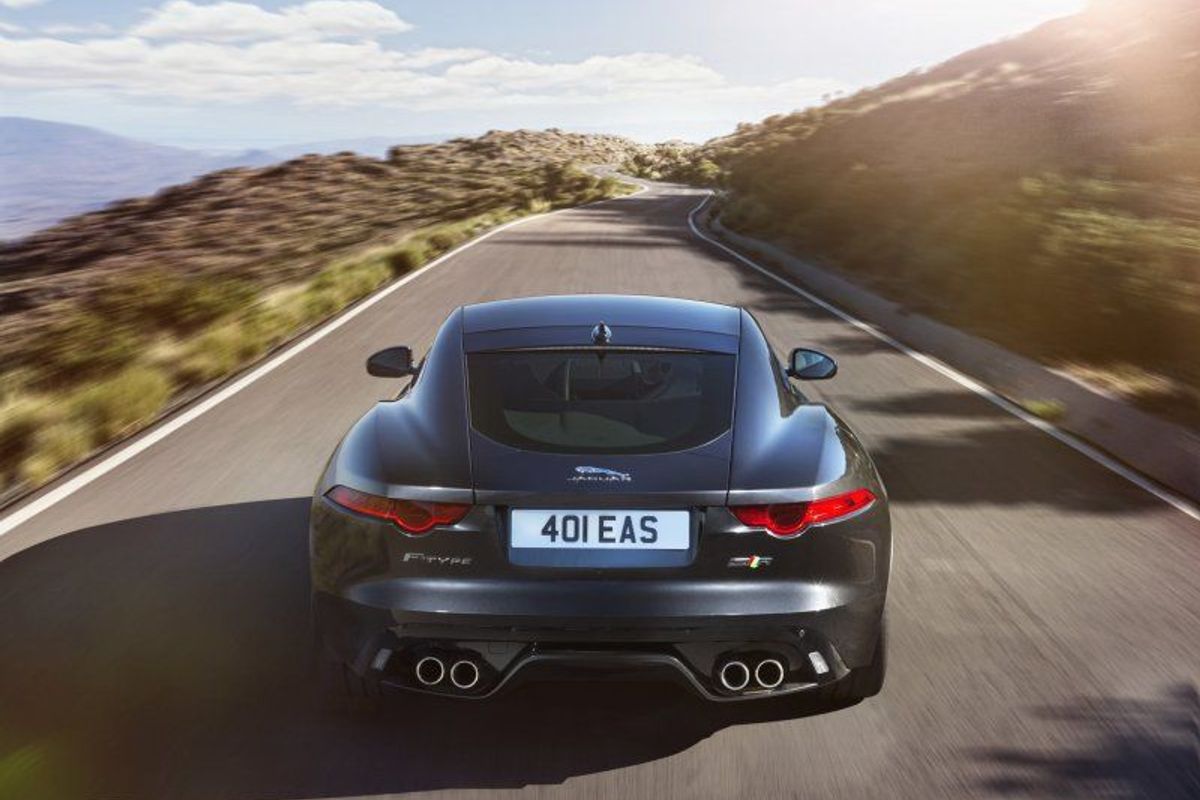
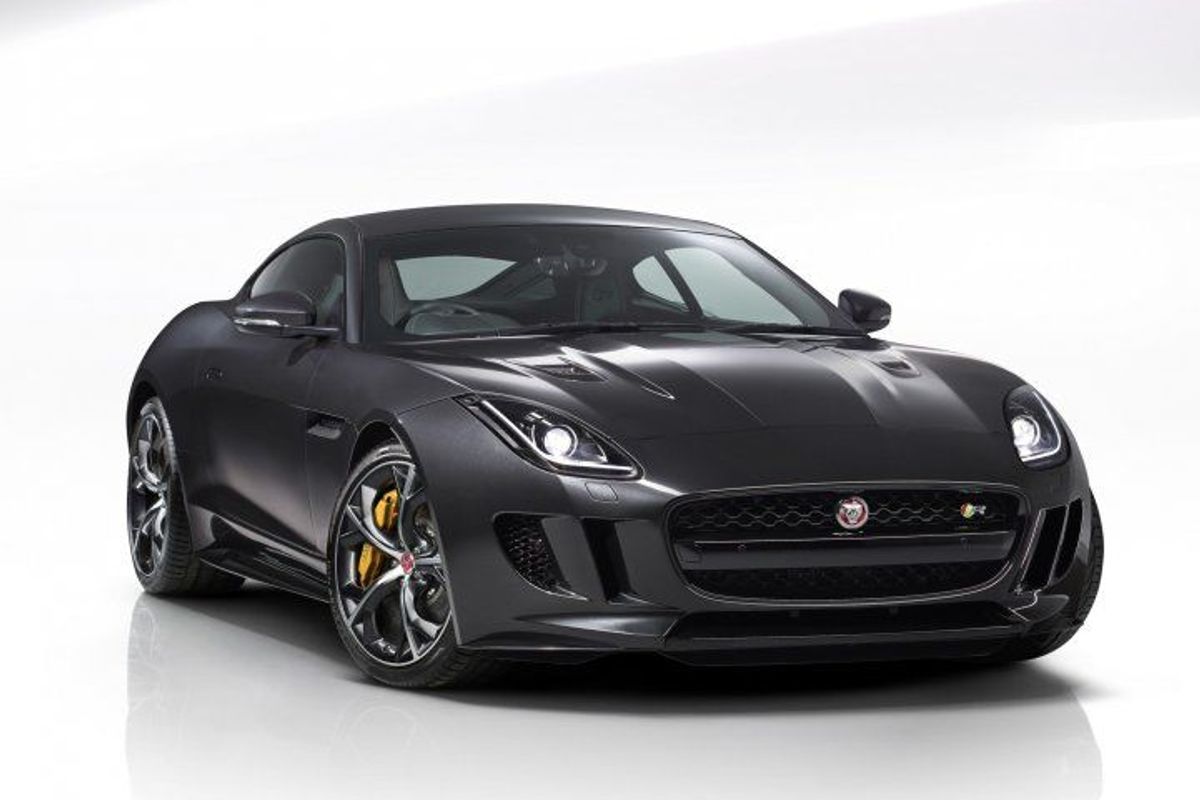
The Jaguar F-Type R Coupe, now with All-Wheel Drive (AWD), has been unleashed in South Africa. Electronic Power Assisted Steering (EPAS) is now part of the package and has been fitted to the entire F-Type range. The F-Type R Coupe now achieves 0-100kph in 4.1 seconds before topping out at an electronically limited top speed of 300kph.
The all-wheel drive F-TYPE joins its land-speed record-setting stable mate as the flagship in the line-up. Drivers will be able to enjoy tremendous amounts of grip in all conditions, without sacrificing the purity of the rear-wheel drive driving experience, says Lisa Mallett, Marketing and Communications Director of Jaguar Land Rover South Africa and sub-Sahara Africa.
Subtle Changes
With the addition of AWD, the F-Type R Coupe now weighs some 80 kg more and is distinguished by a deeper power bulge in the aluminium clamshell bonnet and new vents are positioned further apart and further forward compared to those of the rear-wheel drive F-TYPE models.
To further improve performance, the AWD system features Intelligent Driveline Dynamics (IDD) which provides optimum torque distribution. In normal driving conditions, all torque is sent to the rear wheels. When the system detects that maximum rear traction has been achieved, torque is then sent to the front axle to improve traction.
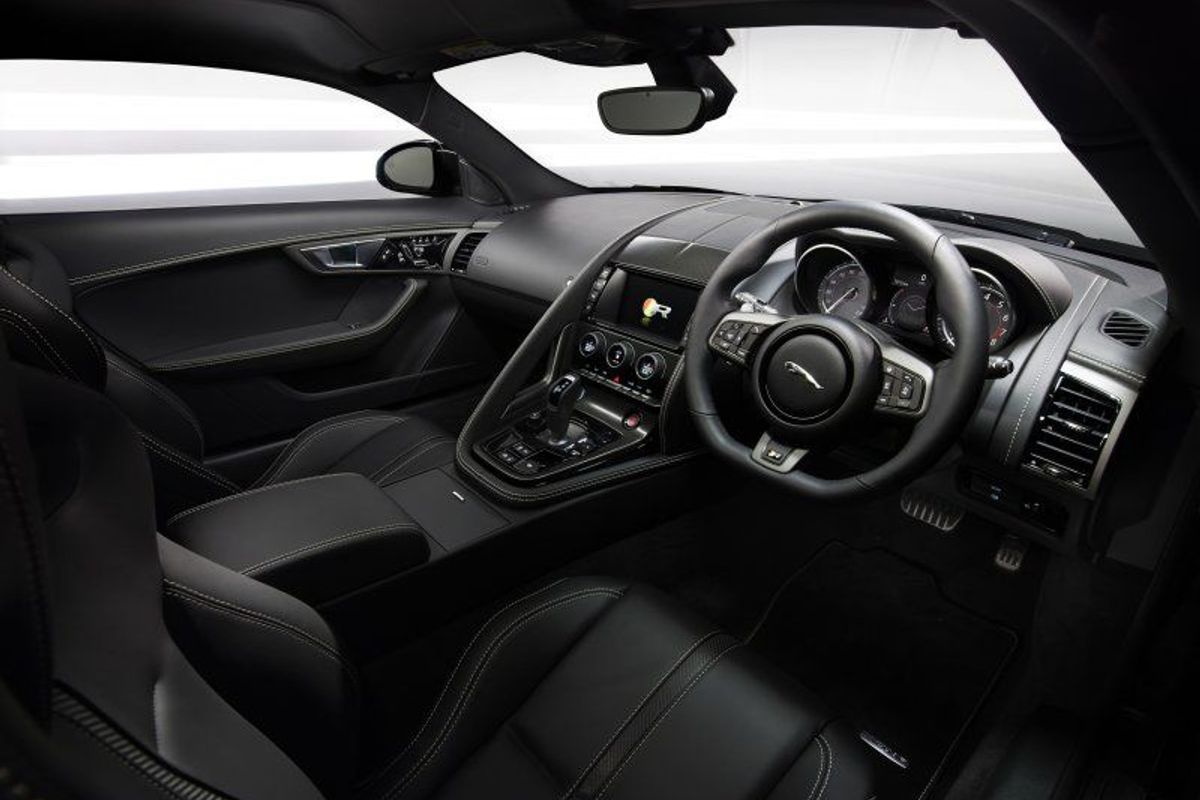
All F-Type models now feature EPAS and Torque Vectoring by Braking which enhances handling dynamics. Other new changes to the F-Type range include new instrument dials and gauges, as well as an updated infotainment system which now uses SD card-based mapping for the first time.
There’s also a Sport Design Pack available which adds exclusive details such as a bespoke splitter, sills and venturi while the Coupe gets a fixed rear spoiler. The F-Type Coupe can also be had with a carbon-fibre roof option which weighs only 4.25 kg and comes with a high-gloss lacquer finish.
Jaguar F-Type R Coupe AWD Price in South Africa
Jaguar F-Type R Coupe AWD – R1 744 900
Fastest 0-100kph Ever Set by Students (video)
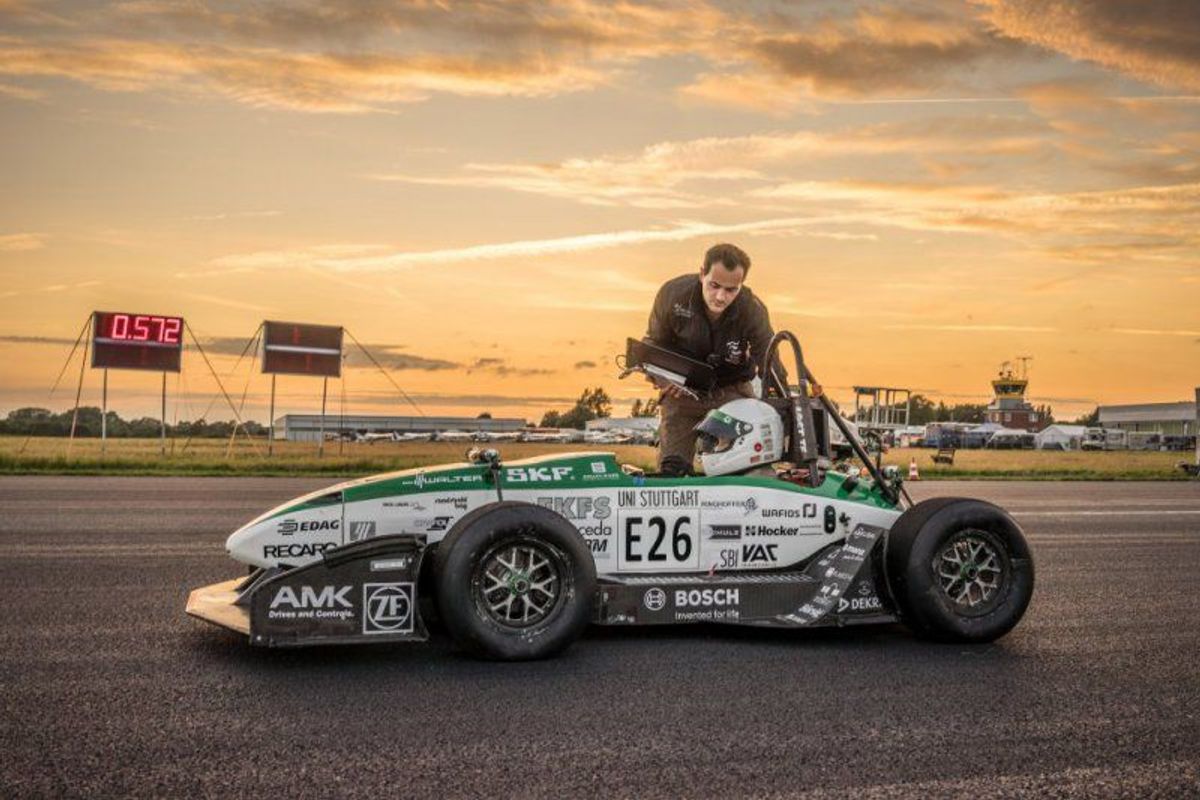
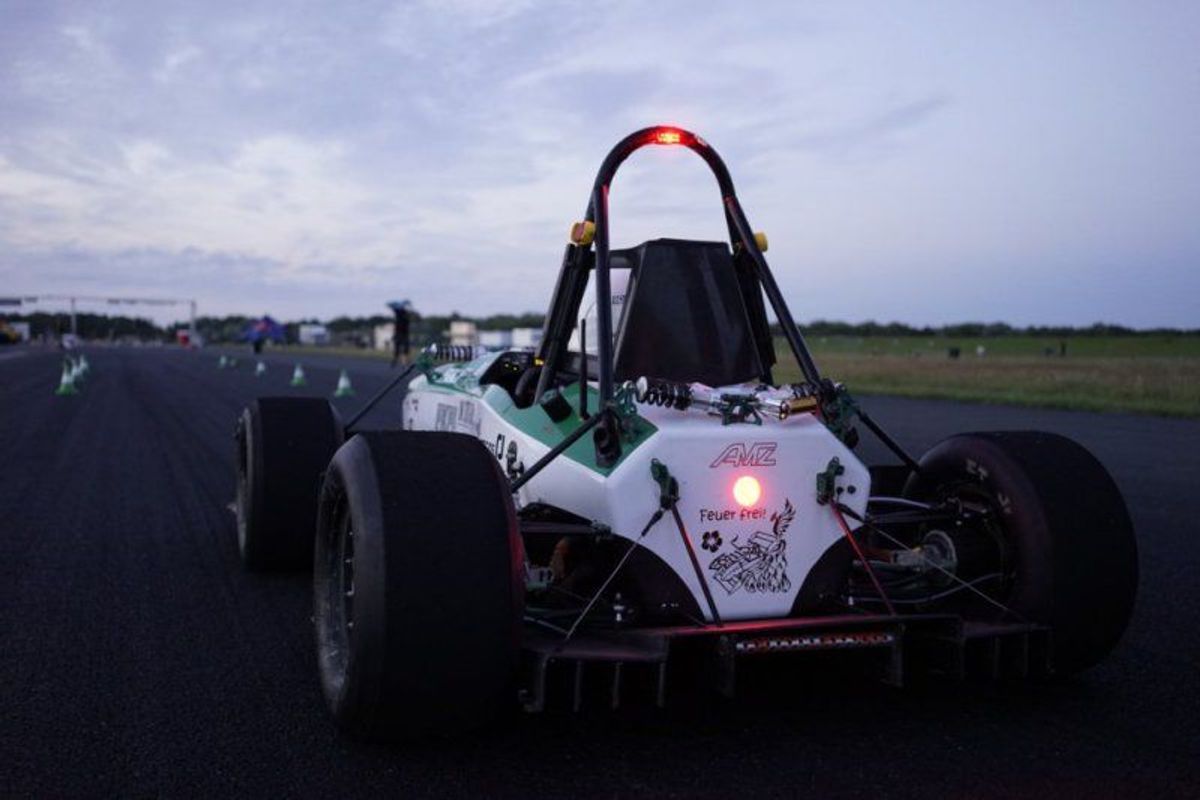
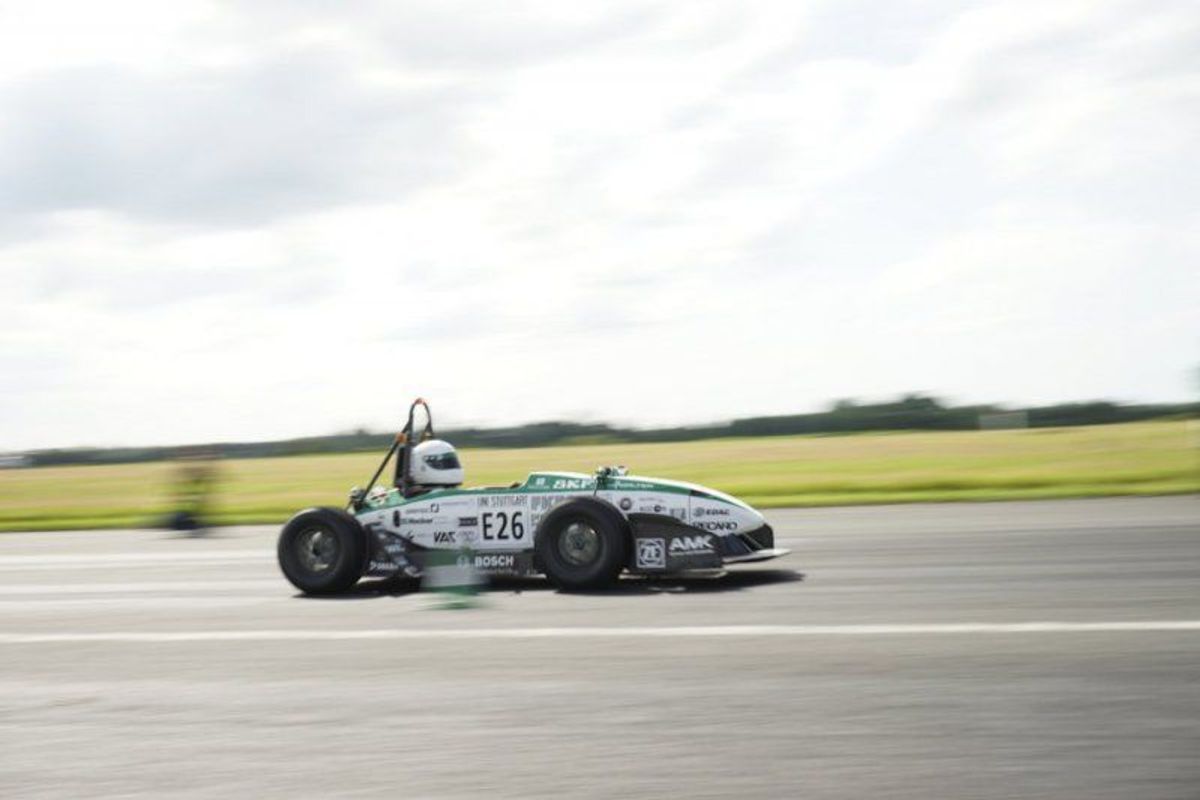
The university of Stuttgart is claiming to have set an outright record for the fastest ever sprint time from 0-100kph.
The unofficial time of 1.779 seconds was recorded by the single-seater formula car. The time will take a few weeks to be official whilst the Guinness World Records clarifies the time. Runs in both directions were completed so it should just be a formality that the record is confirmed.
Fastest and Electric
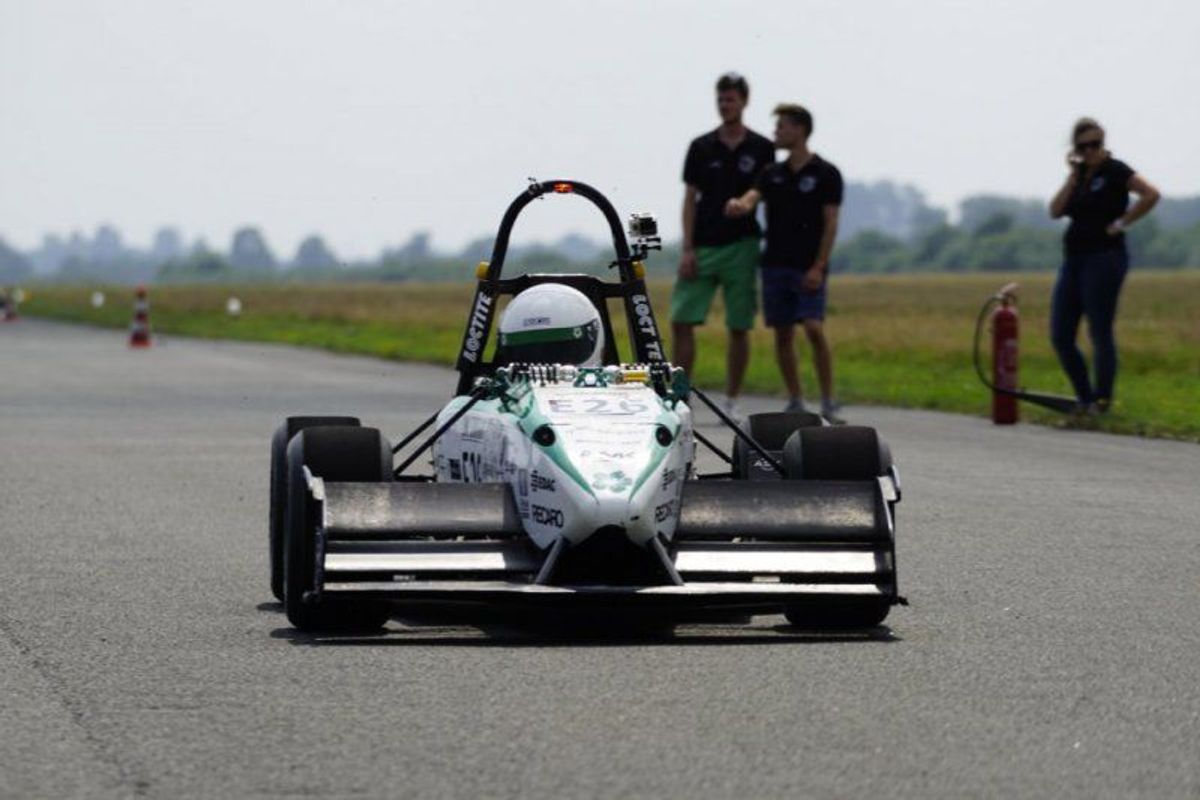
The single-seater formula car is powered by four electric motors and a 6.62kWh battery package. The car was designed and built for the Formula Student competition and weighs just 160kg. Power is only 100 kW but thats more than enough to give it a nearly unbeatable power to weight ratio.
The Green Team as the Stuttgart students are called beat the previous sprint record by just 0.006 seconds. The previous record was held by ETH Zürich University.