Toyota Auris 1.6 XR (2015) Review

Toyota has had to up its game in the C-segment hatchback market as more (very capable) entrants have joined the local fray. It can’t rely purely on its brand heritage and reliability anymore as new entrants from Korea and Europe have in recent years pulled away in terms of desirability. This refreshed Auris has an all-new styling package and an interior that isn’t as bland as before. There’s also more value in the whole package at a competitive price point. We tested the 1.6 XR top-of-the-range model to see how it stacks up in a tough segment.

What’s refreshed?

As mentioned at the top, both the front and rear end have had extensive visits to the makeover department. In order to make the Auris more exciting, the front-end is more pointy and angry, and the nose appears lower as well. The rear has been redesigned to appear wider and the lights have been given a more distinctive appearance. The Auris is certainly a more recognisable vehicle now due to the changes. In tandem with the new design there are two new colours available, Citrus and metallic blue.

Inside the Auris

The interior has gone through a revamp as well. The lines inside are swoopy and there’s a huge tablet style touchscreen in the centre. This is standard on the XR and XS models and deals with media functions like Bluetooth, Aux and USB compatibility. The radio has a built-in economy metre that graphically shows the fuel economy over the current drive as well as the long term. The seats in this XR model are upholstered with leather and have two settings for heating (high or low heat). It’s a comfortable car to sit in with electric adjustment for lumbar support and an easy to set up driving position. Much of the details within the cabin have been improved to feel more upmarket and the small changes contribute massively to the premium feel the Auris now displays. Toyota has made sure that build quality remains core to its products’ appeal. The shut lines and trim are all perfectly aligned in the cabin.

Space around the interior is acceptable and rear passengers have good legroom. The boot is reasonable in size, holding 360-Litres. That compares with the VW Golf at 380-Litres and the Ford Focus at 316-Litres.

Safety spec

It’s still a bit strange that Toyota isn’t offering stability or traction control in the Auris, especially since it is now mandatory in Europe. There is ABS and EBD available with seven airbags around the cabin.

Does it have the go?

Powering this Auris XR is 1.6-Litre naturally aspirated petrol engine mated to a six-speed manual shifter. The engine is capable of 90 kW in combination with 160 Nm of torque. Here lies a small chink in the armour of the Auris. Whilst it’s fun to rev the Auris right to the redline and bang it through the gears, it’s not the most efficient way to get around, nor is it the way most owners will drive it. Unfortunately to get it to overtake or accelerate it needs to be revved and shifted up and down the gears regularly. Modern age turbocharged engines with more torque low down are easier to drive and easier to accelerate when overtaking. On long trips it became tiresome having to continuously work the gearbox and revs to overtake. Fuel efficiency wasn’t hurt too severely as we averaged 7.9L/100km over the Auris’ test period with us.

Fun to drive?

The Auris has a good chassis underneath it and you won’t be uncomfortable, whether you face tackling a mountain pass or the long, straight routes of the country. The Auris is very composed on the road with no real body roll or clumsy handling tendencies. The electric steering system is weighted well and the strength of the steering increases as the speed builds up. The clutch and throttle are easy to get accustomed to and in typical Toyota fashion, feel like they’ll last forever. Over rough surfaces, the Auris soaks up the harshness and does an excellent job of remaining solid.

Verdict

Following the recent updates, the Auris has a much stronger personality. The interior is solid and the equipment level is impressive in standard guise. The pricing has also been set at a very competitive point, well below the VW Golf for example. The engine though is the weak point on the Auris as modern turbo engines show up the weaknesses of natural aspiration in an everyday car. If you’re after a better engine then the Ford Focus 1.5 turbo is the best in segment, but if you’re not worried about power whatsoever then the Auris remains a solid, reliable choice.

Toyota Auris Pricing

The Toyota Auris starts as low as R223 700 for the 1.3-Litre model. Our test unit here is the 1.6 XR and costs R287 700. At the top of the range, the hybrid Auris XR HSD is quite dear at R361 800.

You can compare the Toyota Auris against the Golf and Focus here!

Want to buy a new Toyota Auris? Click here for more information.

Team Opinion

“The Toyota Auris is a well-built and well-equipped hatchback. It’s arguably the best Japanese hatchback yet, but its not good enough to sway me from a Volkswagen Golf 7.” – David Taylor

“I was impressed with the quality of the interior, it’s definitely Toyota’s best effort yet. They’ve also finally put some money and time into building/buying a top notch infotainment system, which is as good as any on the market.The noise coming into the cabin, whether via road or wind noise is a little harsher than I think it could be, but its a small gripe in an otherwise well executed package.The Auris’s biggest problem is the Mazda3, a cracking new car from Mazda which is as well specced and well priced.” – Ciro De Siena

“The Auris is now just as well made inside as the class-leading Volkswagen Golf, and that says a lot. It also happens to offer a good drive and the interior is comfortable too.” – Hannes Oosthuizen

We Like: New interior styling and build quality, good ride and handling, decent standard spec

We Don’t Like: Engine not as good as modern turbos, no stability control

Also Consider: Volkswagen Golf, Ford Focus, Mazda3, Hyundai i30, Kia Cerato, Renault Megane, Honda Civic

Toyota Auris 1.6 XR Quick Specs

Toyota Auris

Update: Porsche 911 Engine Details Emerge

The facelifted Porsche 911 has been teased with a series of images showing the car undergoing testing somewhere in South Africa. Technical details are also starting to emerge regarding the engine and power outputs for the forthcoming Porsche 911.

Styling Tweaks for Porsche 911

Although you will be hard-pressed to spot the changes, Porsche has subtly tweaked a few design elements. The front and rear lights appear to feature new graphics and the DRLs are slimmer than before. Both bumpers are being revised and the engine vent now features vertical slats while the front air vents feature three horizontal fins. At the rear, you may notice the exhaust tips are positioned slightly closer together too.

On the inside, the Porsche 911 remains much the same with the most notable change being that the infotainment screen is a bit bigger and drive mode selector is positioned similarly to the 918 Spyder.

Reports indicate that the 3.4-litre engine in the Carrera and the 3.8-litre unit in the Carrera S will both be replaced with a new 3.0-litre turbocharged six-cylinder engine. In the base model Carrera power output will be 272 kW while the Carrera S will be bumped up to 309 kW with torque at 500 Nm, which is up by 60 Nm compared to the outgoing version.  Although performance is yet to be confirmed, 0-100kph sprint times will be shaved by about 0.1 seconds, meaning that the 911 Carrera should do the job in 4.3 seconds while the Carrera S will take only 4 seconds.

The 2016 Porsche 911 will be shown to the public at the Frankfurt Motor Show come mid-September.

We will keep you updated as more details become available in coming weeks.

Audi Q3 1.4T S Auto (2015) Review

The Audi Q3 has been quite a dominant force in the premium compact SUV market, at least partly due to the fact that it’s been lacking seriously capable competition until the arrival of the Mercedes-Benz GLA. So, Audi has made hay whilst the sun shone. BMW will be releasing its new X1 sometime soon that will pose a threat but in preparation for that, Audi has facelifted its Q3. We drove the improved 1.4T S Auto variant for a week, and here’s what we thought.

The new bits

Right up front, Audi has planted a new 3D-style grille, bumper and a new headlight design. If you want you can also get full LED headlights but LED daytime running lamps are standard. The rear-end has had similar treatment with a newly styled bumper and modernised taillights. Audi has tried to improve the agility of the Q3 as well as boosted the safety features offering in order to improve value for money. The engines have been to the school for efficiency and in some cases offer improved fuel economy by up to 17%. The 1.4-Litre turbo model on test here is also exclusively available in front-wheel drive where the diesel models are available with Quattro all-wheel drive.

Our test unit boasted the optional Q3 design kit that makes it look a bit more rugged. The design kit comes with exterior black plastic bumpers, aluminium in-lays in the door sills and aluminium strips on the dashboard.

Is a 1.4-turbo enough?

The 1.4-Litre turbo motor is capable of putting out 110 kW and 250 Nm of torque. The power figure is relatively low for a premium model like the Q3 but the torque figure keeps the Q3 accelerating adequately. It never felt strained and didn’t struggle to overtake on the freeway. When loaded up with a few people and a bit of luggage the extra load is felt around town but once up to speed it copes just fine.

The S-Tronic dual-clutch gearbox fitted to this test unit works quick and seamlessly. As with all the current auto gearboxes, in order to save emissions the gearbox shifts through its range of seven gears as fast as possible. This means that if you decide you need to accelerate suddenly whilst already on the move, the gearbox can find itself having to shift down too many gears and consequently can feel a bit laggy. If you’re a proactive driver though, you can just bash the gear-lever into S for sport and the whole problem disappears.

The inside story

It’s strange how you can individually spec an Audi Q3. Our model came with manual air-conditioner knobs, quite similar to what you’d find in a VW Polo but then still had over R100k worth of extras added (mostly exterior additions). The interior as a whole still feels solid and beautifully built. Some of the surfaces and plastics feel a bit more durable and hard for an Audi, rather than ‘posh’, which is probably due to the SUV buyer being an active or outdoorsy person. The rear space is adequate and with reasonable rear legroom. The boot is claimed to swallow 460-Litres and is quite square to make for easy loading.

The standard Q3 safety package is comprehensive so you’ll always have ABS, EBD, traction control and stability control. There is now secondary collision brake assist that in the event of an accident brakes the car so the vehicle doesn’t roll away into another possible accident. As you move through the option list you can get a full host of features such as blind-spot detection, lane-keeping assist, automatic high-beam light assist and park assist that will automatically park the Q3 for the driver. Park distance control and a rear-view camera are still options, however.

Ride and drive

The premium feel of the Audi Q3 out on the road is still its major draw card. It feels agile and sporty, even in 1.4 form. The suspension is set up quite stiff and that negates a lot of body roll but it still manages to ride bumps comfortably. Long drives are a breeze in the comfortable seats and it’s nice to have cruise control as standard. The Q3 doesn’t particularly like a dirt road though, especially on these optional 19-inch ‘Offroad’ wheels it can be quite jittery.

Verdict

The Audi Q3 still remains a great choice for a premium, small SUV. On the road it rides especially well and earns its premium badge. The interior may not be as well specced in terms of standard fare as you may expect but there are plenty of options to fulfill whatever needs you have. The engine and gearbox work perfectly well together providing a smooth delivery of power and overtaking capability. Until the BMW X1 arrives, there isn’t too much to rival the Q3 unless you want to look at the less premium, but more rugged Jeep Renegade or the crossover/hatch Mercedes-Benz GLA.

Audi Q3 Price in South Africa

The new Audi Q3 retails from R410 500 for the base-spec 1.4T S while the top of the range 2.0 TDI quattro goes for R525 500.

Team Opinions

“It’s easy to understand the appeal of the Audi Q3 – even in base form it is a very stylish and beautifully made car to roam the city with. And it’s more practical inside than you’d think.” – Hannes Oosthuizen

We Like: Build quality, drive, premium feel

We Don’t Like: Lacks standard features

Also Consider: Jeep Renegade, Mercedes-Benz GLA

Want to buy an Audi Q3?

Compare the Audi Q3 with its competitors here!

Audi Q3 1.4T S Auto – Quick Specs
Audi Q3 Specs

2015 BMW 1 Series Facelift – New vs Old

SCROLL DOWN FOR VIDEO

The 1 Series has been with us for a while now but in my opinion, BMW has always struggled to make its design language work on this, its premium compact hatchback.

While always being dynamically enjoyable, with rear wheel drive, a low driving position and almost-sportscar-like steering feel, the 1 Series has always looked a bit awkward, or dopey, or plain.

With the 2015 “Life Cycle Impulse” – BMW speak for “facelift” – the brand has quite radically altered the exterior of the 1 Series range, and I think the model is all the better for it.

The new head- and tail-lights are much more in line with the rest of the brand’s models, and the 1 Series now looks more grown up and mature.

There are a host of features included as standard now, which we’ve detailed in this video. Notably the 1 Series will now come with BMW ConnectedDrive, which is a sort of mobile-concierge for everything from emergencies to emergency pizza cravings.

BMW 1 Series Facelift – Price Difference

Most interestingly however is how much the pricing has moved, or rather, how much it hasn’t.

The M135i 3-door Sports Auto featured in our video is now priced at just over R560 000, which is just up from R553 000. The 116i is no longer, and the range now starts at R342 000 for the 118i 3-door, which is actually R5 500 cheaper than the outgoing model, and features the new 1.5-Litre turbo 3-cylinder, borrowed from the Mini Cooper range.

For me, the sweet spot in the range is the 125i M Sport. With the same aggressive styling as the M135i, it’s 2-Litre turbo 4-cylinder motor produces a Golf GTI worrying 160 kW. Performance is more than adequate, and never dull, compared to the M135i which, almost always feels like it’s trying to put you in a ditch.

I think I’d also have it in the same Estoril Blue on our video cars. Very nice.

2015 BMW 1 Series Facelift – Specifications

Entry Level BMW 118i 3-door Manual
Price R342 000
Engine 1.5 litre 3-cylinder turbo petrol
Power/Torque 100 kW/220 Nm
Acceleration – Top speed 8.5 seconds – 210kph
Fuel Economy 5.0L/100km (claimed)
Boot space 360-1200 (seats down)
CO2 emissions 116g/km


Top of the Range BMW M135i 5-door Sports Auto
Price R569 743
Engine 3 litre inline-6 turbo petrol
Power/Torque 240 kW/450 Nm
Acceleration – Top Speed 4.9 seconds – 250kph
Fuel Economy 7.5L/100km
Boot space 360-1200 (seats down)
CO2 emissions 175g/km

Most Wanted Premium SUVs in South Africa

Premium SUVs are big business in South Africa, offering superb comfort, luxury and safety. For many people, a premium SUV is a status symbol too, flaunting success on a grand scale and commanding respect on the road. For this week’s #ChooseDay we asked you what premium SUV you would love to own and the results were insightful. We gave you the choice between the recently launched Volvo XC90, Jeep Grand Cherokee, Range Rover Sport and the BMW X5. You had your say and we tallied up the scores to determine the most wanted premium SUV in South Africa. Take a look at the results…

Most Wanted SUVs in South Africa

1. Range Rover Sport – 42% of total votes

Ranger Rover Sport SVR

The Range Rover Sport is undoubtedly the most wanted premium SUV in South Africa, scooping 42% of the votes. This result is not surprising when you consider what the Range Rover Sport offers and what it’s capable of. Apart from packing high levels of comfort, luxury and safety, this vehicle offers excellent performance and is very capable offroad too. When an SUV gets everything so right, why even bother looking elsewhere? In terms of pricing, the range starts at R983 074 for the SCV6 S while the range-topping SVR is priced at R1 923 125.

Want to buy a new Range Rover Sport?
Want to by a used Ranger Rover Sport?

Watch the Range Rover SDV8 take on the BMW X5 M50d in our drag race video below!

2. Jeep Grand Cherokee – 21% of total votes

Jeep Grand Cherokee

Second place goes to the Jeep Grand Cherokee, earning a noble 21% of the votes. The Jeep Grand Cherokee range was updated for 2015 and comes well equipped for life on and off the road. The top-of-the-range SRT offers excellent performance from its 6.4-litre V8 engine which develops 344 kW with 624 Nm of torque. The Jeep Grand Cherokee makes a strong case for itself when it comes to pricing with the range starting at R724 990 for the 3.6L Limited model. The SRT on the other hand is nicely priced at R1 099 990.

Want to buy a new Jeep Grand Cherokee?
Want to buy a used Jeep Grand Cherokee? 

3. Volvo XC90 – 20% of total votes

Volvo XC90

The new Volvo XC90 was only just pipped by the Grand Cherokee and claims a worthy third place with 20% of the total vote. The impressive Volvo XC90 was recently launched in South Africa and officially goes on sale on 1 August 2015. With its bold looks and luxurious interior, the XC90 is destined for success. The XC90 is offered with a range of 2.0-litre Volvo engines, some of which will only become available later this year. From launch, only the D5 turbodiesel – 165 kW, 470 Nm and the T6 super and turbocharged petrol with 235 kW and 400 Nm will be available. Pricing starts at R804 000 for the D4 while the XC90 T8 R-Design is priced at R1 066 400.

Want to buy a new Volvo XC90?
Want to buy a used Volvo XC90?

4. BMW X5 – 17% of total votes

BMW X5 M

The BMW X5 comes last on this most wanted list with 17% of the total vote. That’s not to say that the X5 isn’t popular. South Africans love the BMW brand and the X5 ticks many of the right boxes. The BMW X5 range is extensive with the xDrive35i priced from R912 400. Go further up the X5 ladder and the X5 M50d will set you back R1 215 438. The range-topping X5 M will cost you R1 722 659.

Want to buy a new BMW X5?
Want to buy a used BMW X5? 


Infiniti Q30 Premium Compact Revealed

The Infiniti Q30 compact hatchback has been shown ahead of its world premiere at the International Frankfurt Motor Show in September this year.

Infiniti Q30 goes for style points

The Infiniti Q30 aims to hit at the premium sector within the compact SUV segment. Infiniti plans for the Q30 to be fun and dynamic to drive. The interior also features specially crafted trim and materials that can be individually specced to express the owner’s unique style.

The public premiere of the Q30 Active Compact comes exactly two years after its precursor, the Q30 Concept, was introduced at the 2013 Frankfurt Motor Show. Infiniti has also shown a QX30 crossover version that looks stylish.

“Design is a key pillar of the Infiniti brand – and the new Q30 Active Compact perfectly embodies this approach,” said Infiniti President Roland Krueger. “The Q30 Active Compact delivers the distinctive design, the driving dynamics and the individuality that our customers expect of an Infiniti vehicle. With our first ever entry in the compact car segment, we continue the product offensive and provide additional options for our discerning customers.”

The Q30 Active Compact underwent final testing and development in Europe. It will be built in Sunderland in the UK.

The engines are likely to carry over from the Q50 sedan. That means there will be a 2-Litre turbo petrol (155 kW) and a 2.2-Litre turbodiesel (125 kW) in the range. As for competitors in the premium hatch market, it will go head-to-head with the Audi A3, BMW 1-Series and Merc A-Class.

Nissan Juke 1.2T Acenta+ (2015) Review

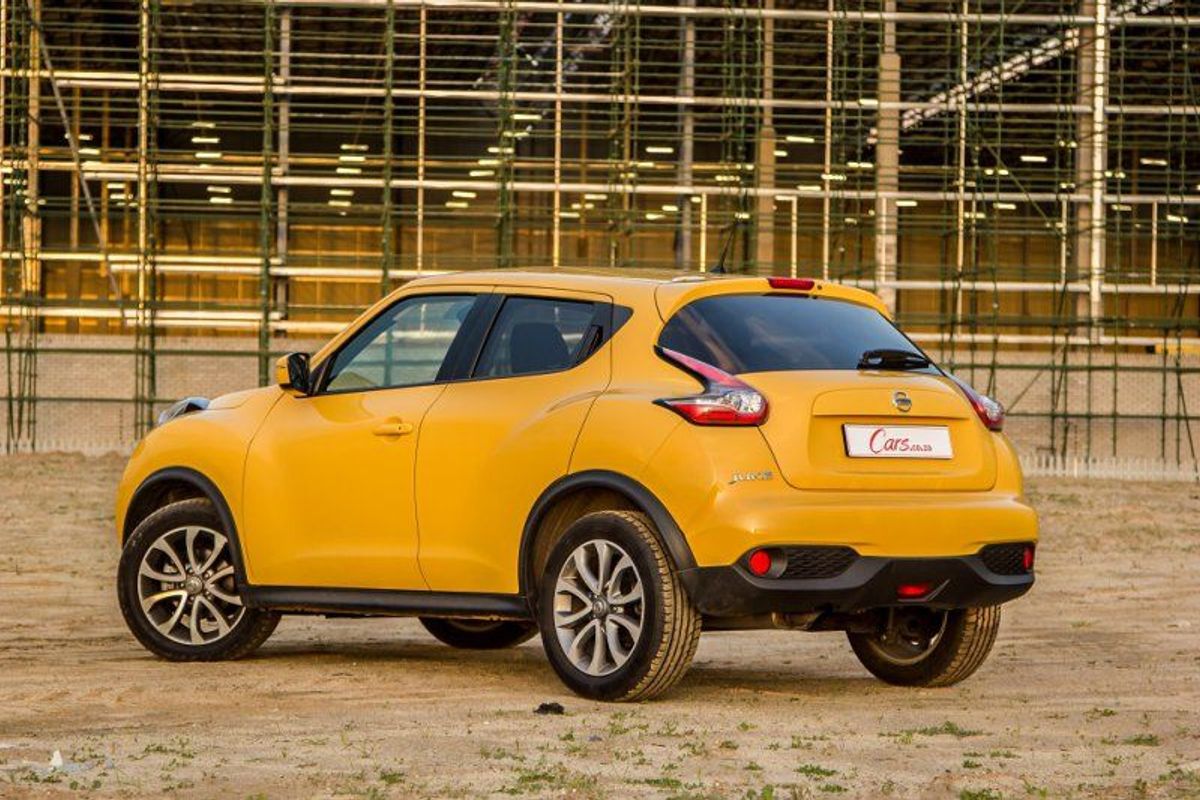
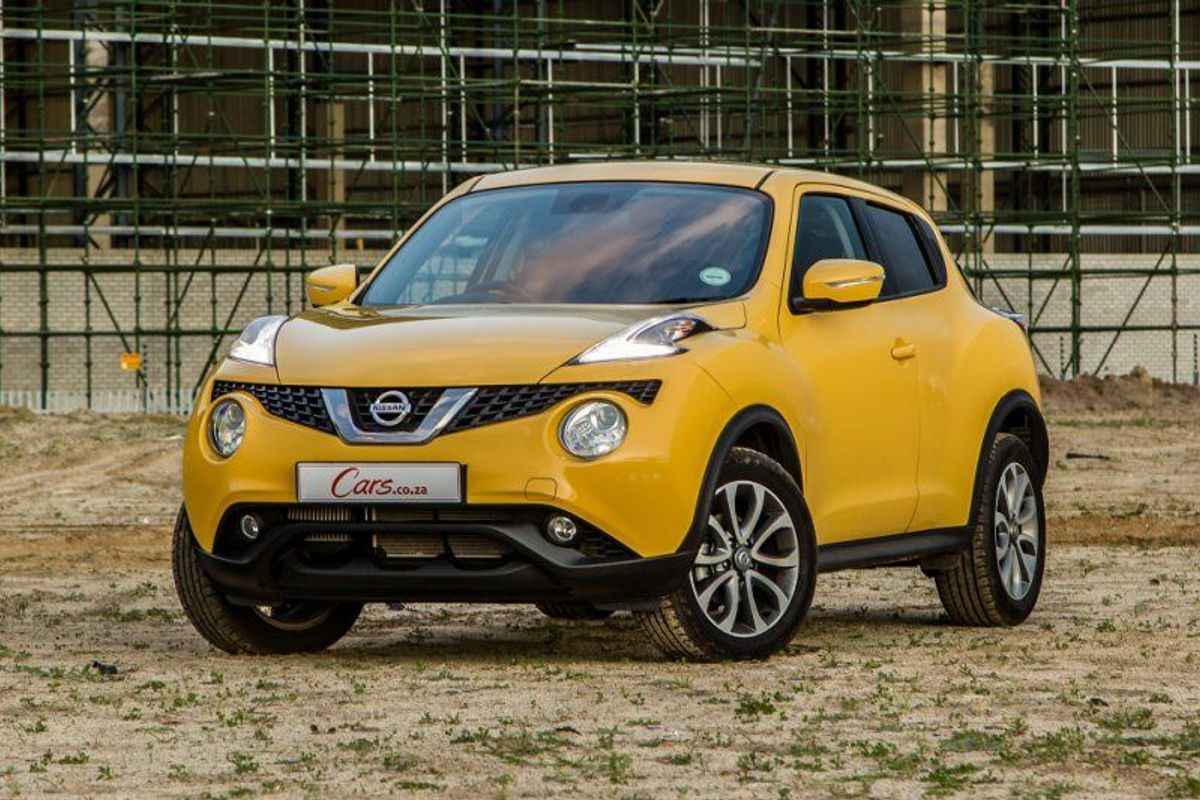
The Nissan Juke has been a seriously popular car thanks to a range of great engines, solid build quality and quirky looks. Those looks have won it many fans but also its fare share of enemies. Now the Nissan Juke has been the subject of a mild facelift and this newer model features a small-capacity turbo engine, tested here in 1.2T Acenta+ guise.

Quirky Looks Remain

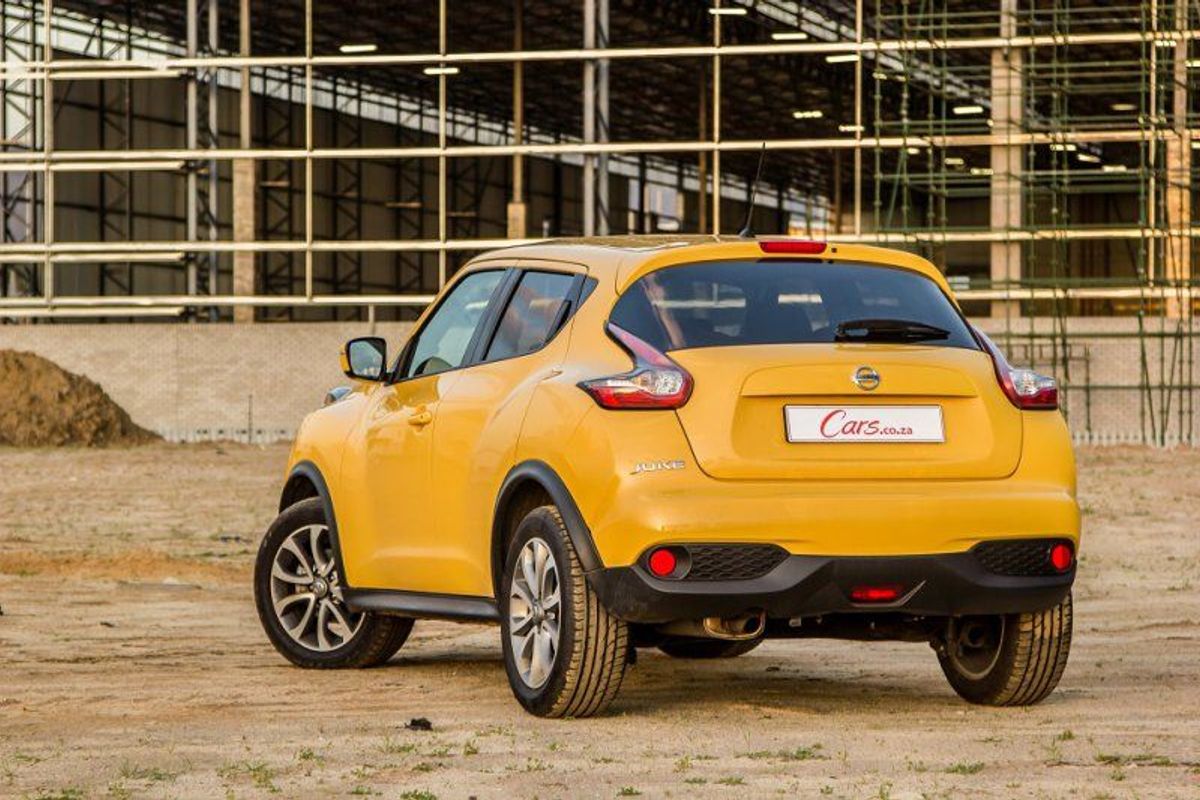
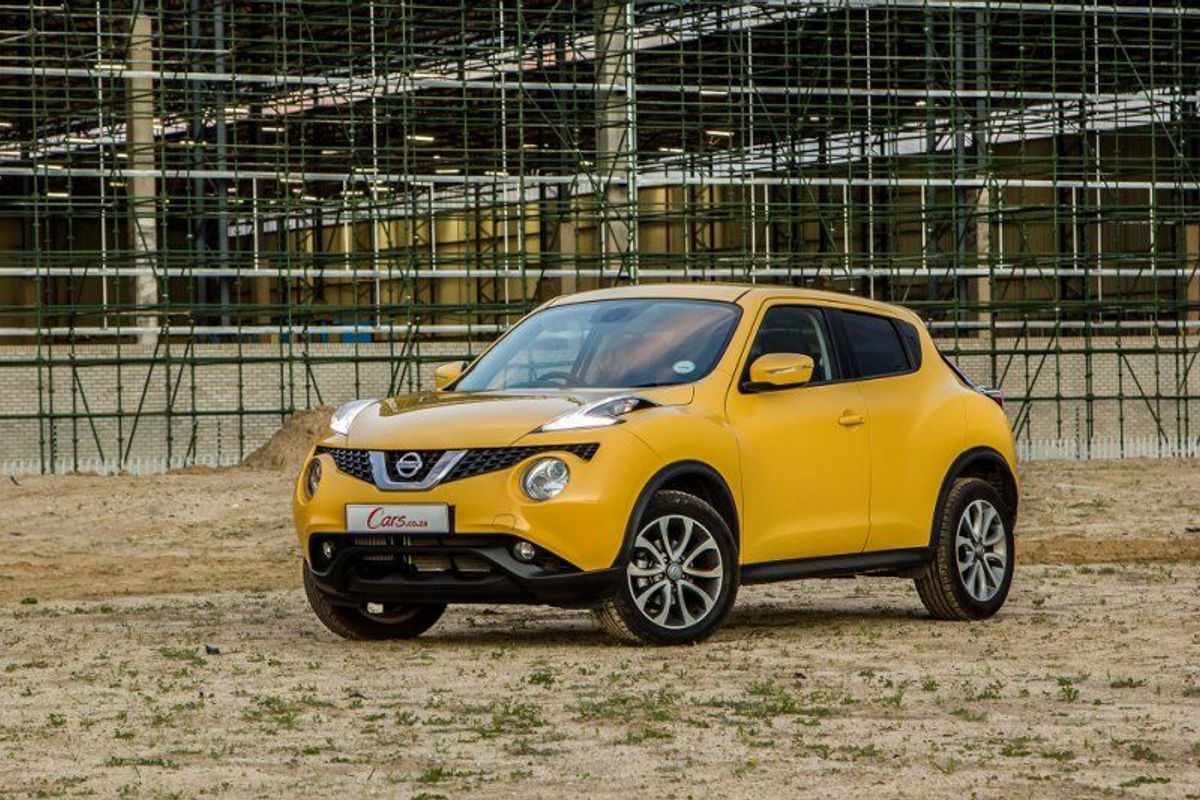
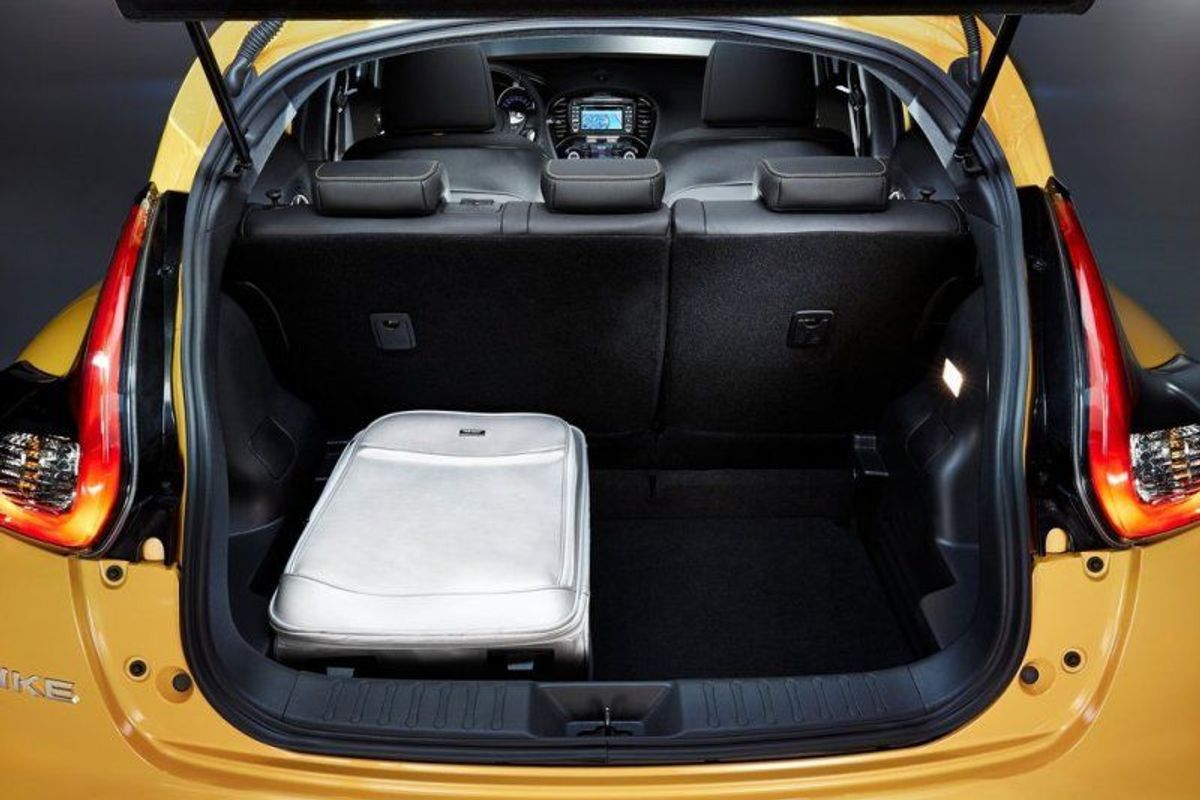
Few cars are as striking as a yellow Nissan Juke and it attracted attention from hordes of onlookers. You’d usually expect similar reactions from people seeing an exotic sports car. Nevertheless, the facelifted Nissan Juke 1.2T features revised headlights that look similar to the Nissan 370Z sports car and there are LED daytime running lights thrown into the mix too. There’s a new grille and air intake as well, while the rear gains some revised light clusters as well.

All-New Engine

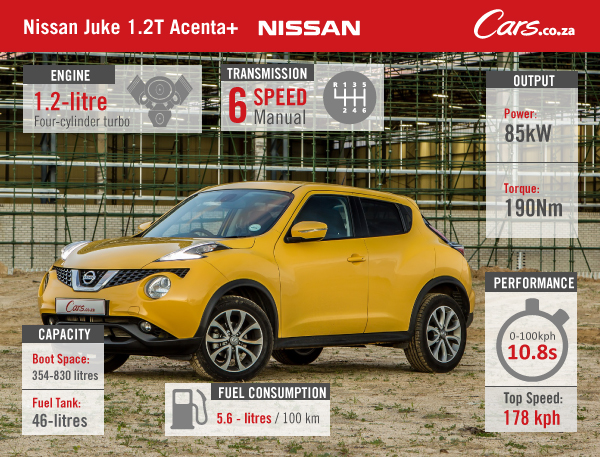
The big change is the new engine, which is a 1.2-litre turbocharged four-cylinder unit. This engine is sourced from the Renault/Nissan parts bin and we’ve had prior experience with it in the Renault Megane GT-Line and Renault Captur (albeit mated to a twin-clutch transmission). Power is rated at 85 kW with torque coming in at 190 Nm, and while it doesn’t appear to be very potent, you must remember that downsizing usually comes with the added benefit of good fuel economy. This new turbo engine replaces the venerable 1.6-litre naturally-aspirated unit which is now outclassed by smaller, turbo motors.

Due to its small size, Nissan claims the Juke 1.2T consumes just 5.6L/100km and in reality, we weren’t that far off with a reasonable 7L/100km appearing on the trip computer. Economy is not the vehicle’s strong point however. The engine is just so willing to please and there’s very little lag. Power reaches the front wheels through a six-speed manual gearbox, and it offers a pleasant and engaging driving experience. While it’s not overly sporty, it feels more athletic than its claimed 0-100kph of around 10.5 seconds make it appear.

Sporty Ride and Decent Specification

The Juke’s ride is sporty, yet forgiving and you are easily fooled into thinking you’re driving something small and fun. It tips the scales at 1 163kg and it handles very unlike a baby SUV. If you’re after some performance, there’s also a 1.6-litre turbocharged motor with 140 kW and 240 Nm, which is the most entertaining to drive. It’s quite fun to throw around bends, but remember the laws of physics do apply and this is a crossover after all. It rides impressively over rough surfaces and there’s no worry about bits dropping off it if you gun it down a dirt road. It is quite stiffly sprung so you feel the bumps but not in a clattering way.

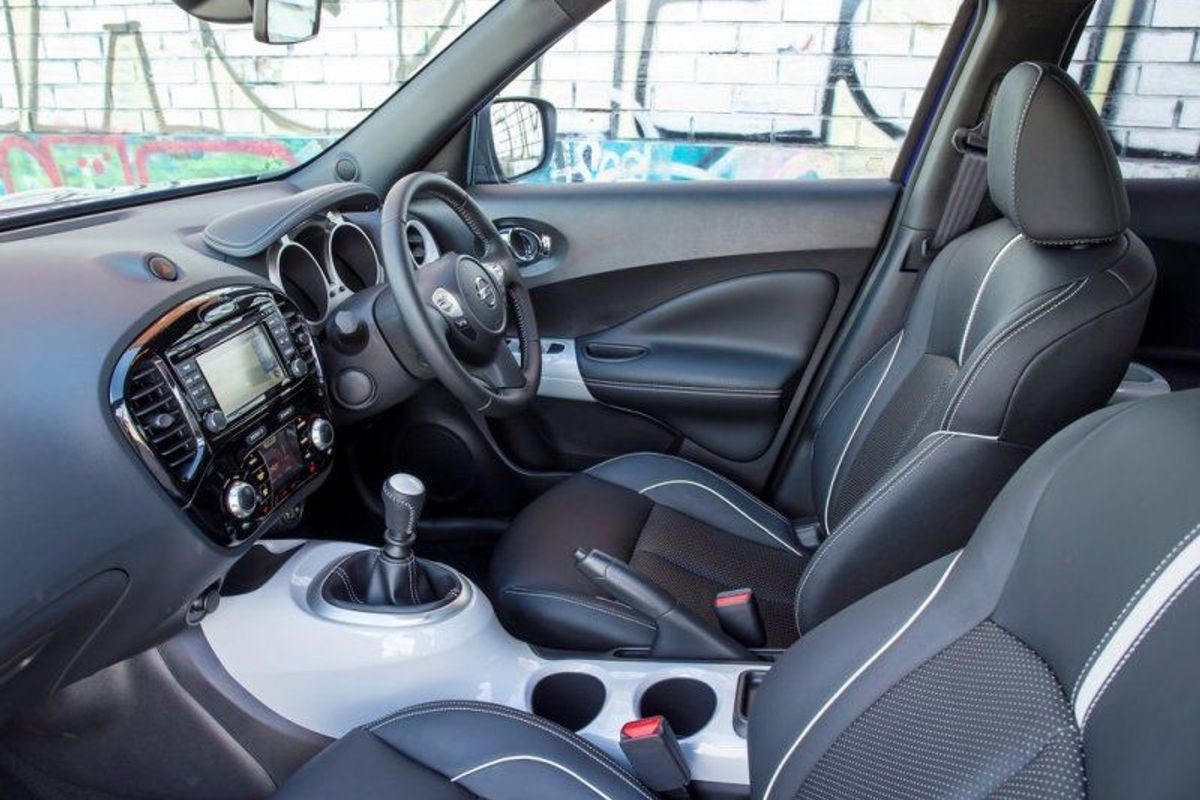
The Nissan Juke 1.2T gets a decent amount of kit as standard. This includes front and rear fog lamps, cruise control, six airbags, ISOFIX baby seat anchors, remote keyless access, Bluetooth connectivity and a leather-clad steering wheel. In Acenta+ spec, you also get rain-sensing wipers, suede-upholstered seats, 17-inch alloy wheels and keyless access. The interior is maybe not as stylish as its rivals but is well-built and made to last.

Summary and Conclusion

The Nissan Juke 1.2T is an excellent car and this revised version with its new engine couldn’t have arrived at a better time. Ford’s EcoSport and the new kid on the block Renault Captur have been running away with sales. Those products definitely offer more cabin space and similar power outputs, but there’s something to be said about the Juke’s superior build quality. We’d argue the Nissan has the most engaging and entertaining drive, so if that’s what you’re after and you’re willing to sacrifice some boot space, then the Juke looks appetising.

Team Opinions

Lovely engine and certainly well-made, but it’s not a direct rival for the likes of Duster, Captur and EcoSport, as it is compromised in terms of space in the rear and the boot. – Hannes Oosthuizen

The Nissan Juke is a love or hate vehicle. Styling aside, the engine is well-suited and the Juke feels impressively solid out on the road. It’s a bit small inside compared to its rivals but feels better put together. – Ashley Oldfield

Nissan Juke 1.2T Price in South Africa

The Nissan Juke 1.2T range starts at R258 700 for the Acenta, while the Acenta+ tested here retails for R282 100. All Nissan Jukes come with a 3-year/45 000km service plan and a 3-year/100 000km mechanical warranty.

We Like: Terrific engine, specification, unique, ride quality

We Don’t Like: Small boot

Also Consider: Ford EcoSport, Renault Captur

Want to buy a new Nissan Juke?
Want to buy a used Nissan Juke?

Compare the Nissan Juke with its competitors here!

Nissan Juke 1.2T Acenta+ Quick Specs
Nissan-Juke-1.2T-Acenta+

Mitsubishi Pajero Sport Teased (Video)

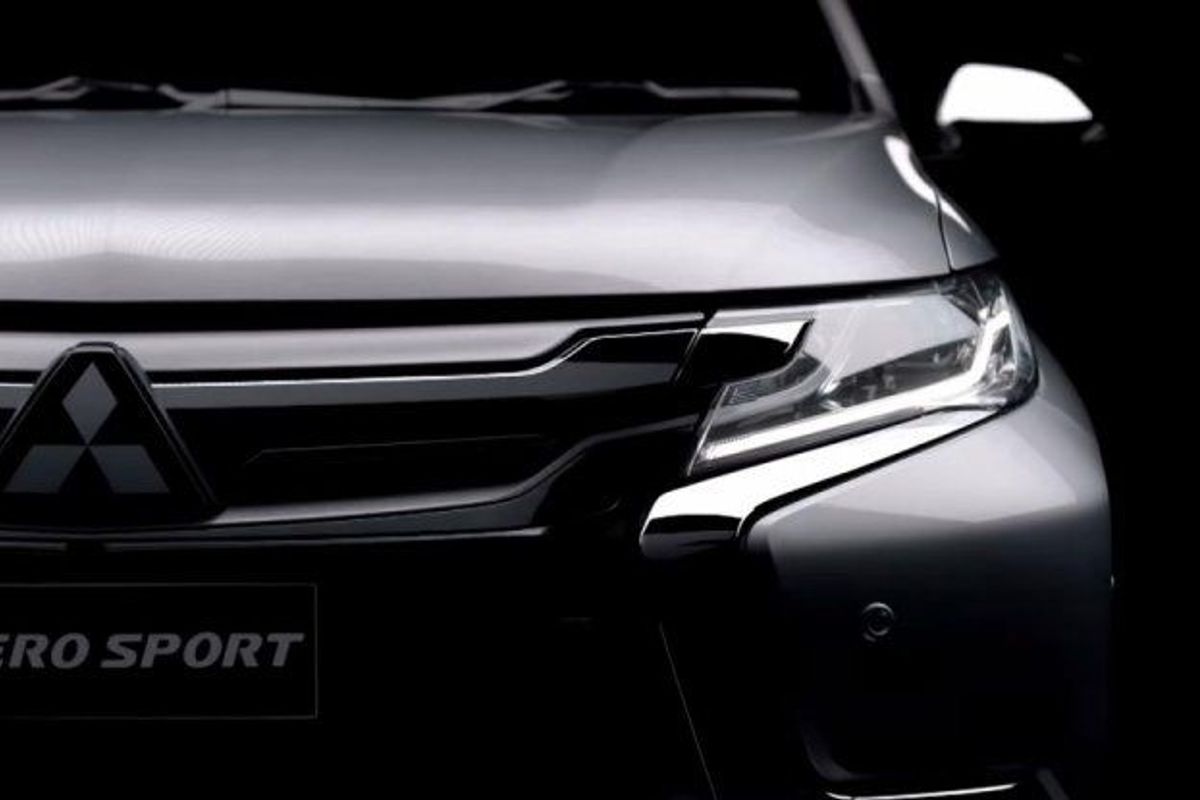
The forthcoming Mitsubishi Pajero Sport has been teased in a short video clip. The new Pajero Sport will make it’s debut on 1 August at the 2015 Bangkok International Grand Motor Sale in Thailand before going on sale later in the year.

New Styling for Pajero Sport

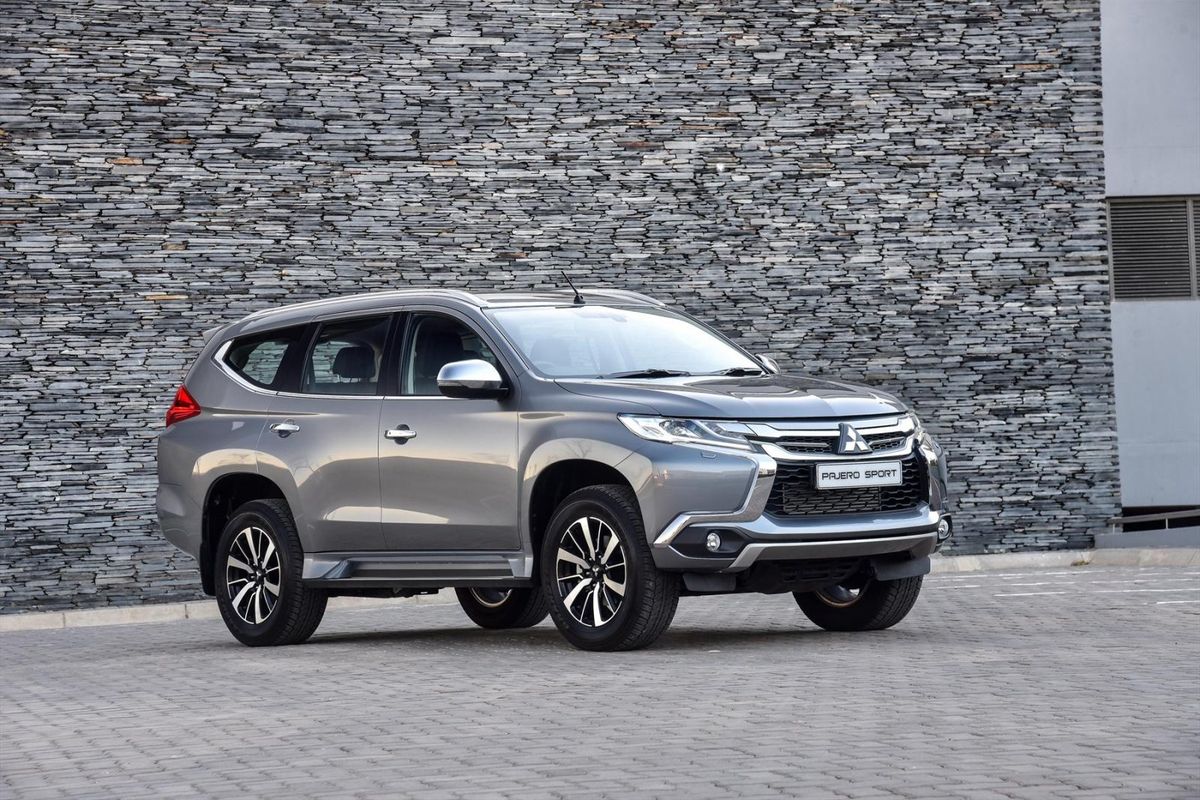
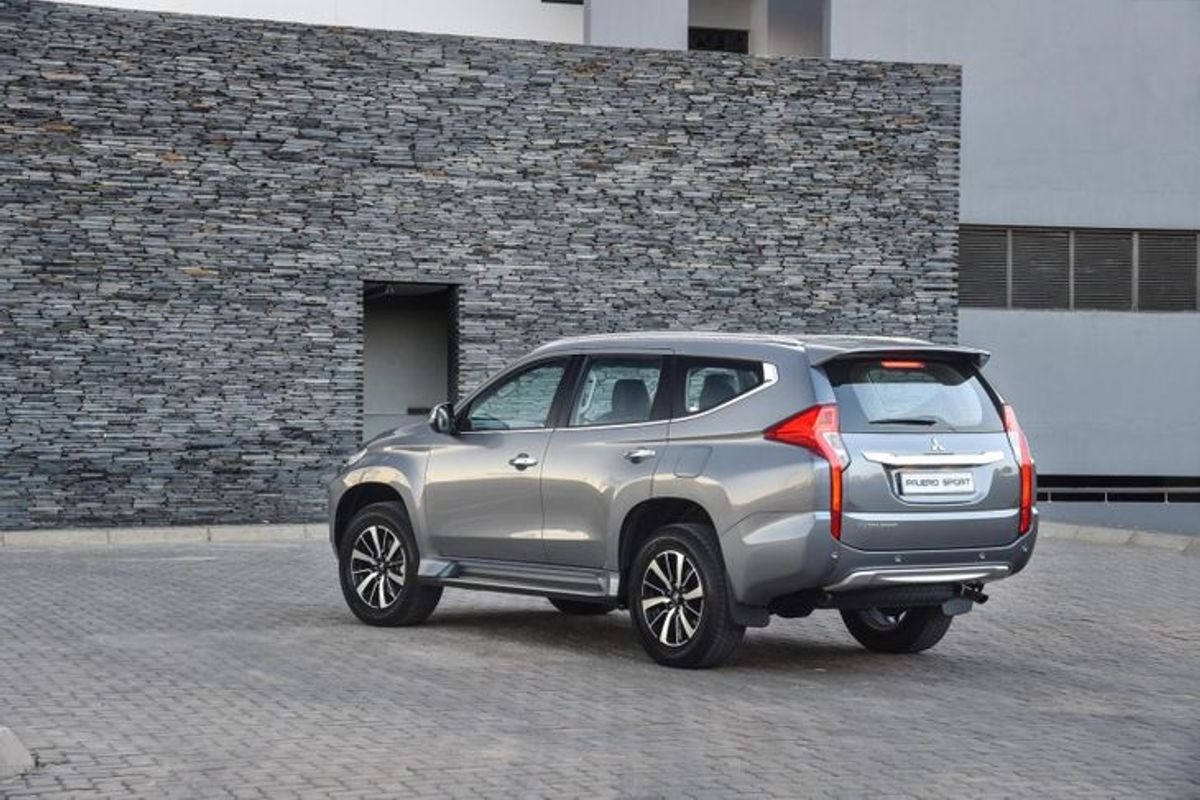
From the the video, it’s clear that the new Pajero Sport has received some love in the styling department. The vehicle is based on the latest Triton and features a more prominent front-end while the rear has been reworked to give the Pajero Sport a bit more flair.

Details are scarce at this point but you can expect a 2.5-litre turbodiesel engine and a naturally aspirated 2.4-litre petrol unit.

We tested the Mitsubishi Pajero LWB last year and put it through its paces in the dirt. One thing was certain, the Pajero is a very capable vehicle and judging by the video clip below, the Pajero Sport looks to be greater than ever before.

More details will be revealed closer to the vehicles debut and we will keep you informed as more information becomes available. The release of this teaser video seems to be a reaction to the official release of the upcoming Toyota Fortuner.  

Also Watch: Mitsubishi Pajero LWB: All You Need to Know (Video)

Mercedes-AMG GT (2015) First Drive

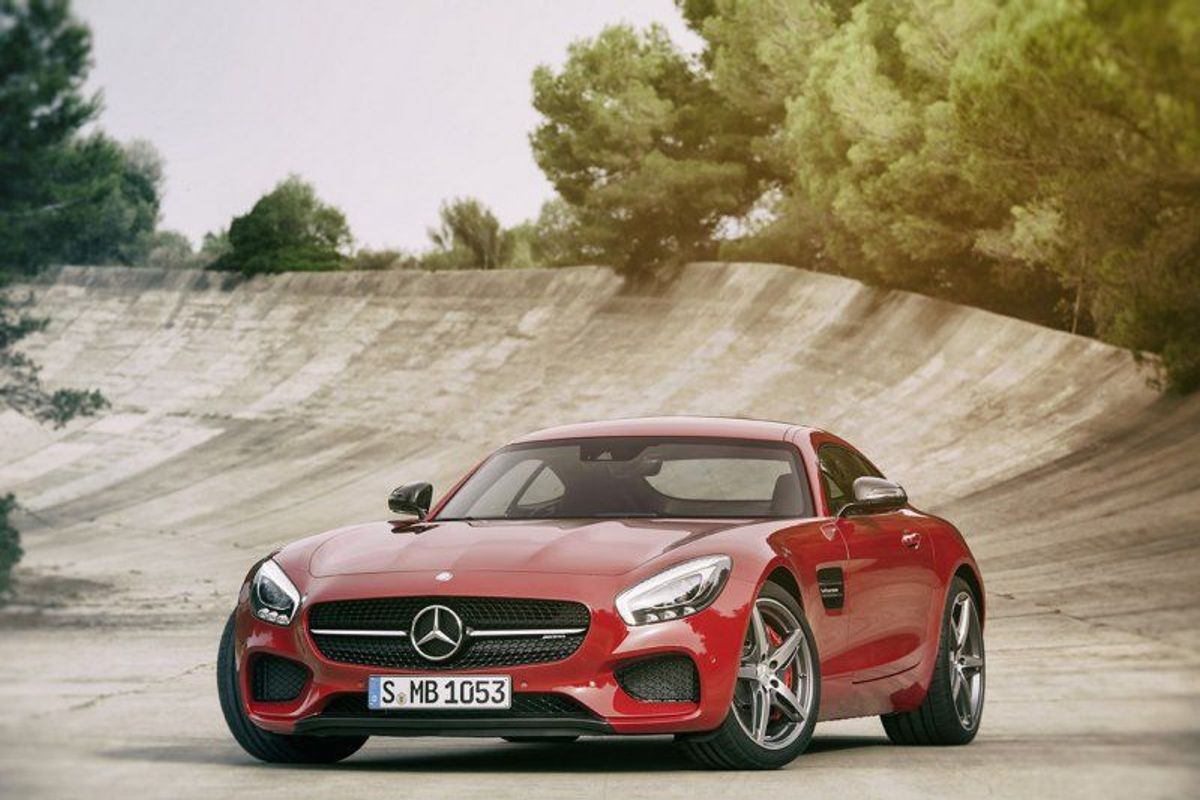
The Mercedes-AMG GT is a thoroughbred sportscar that tries to be everything to everyone who can afford it. It can be soft and comfortable when you have to limp around in traffic or over bumpy roads. It can be a long distance GT cruiser with reasonable luggage space. Then it can also be an absolute maniac at the track when you unleash all of its 340kW. It’s the Mercedes-AMG to take on the Porsche 911 and the Audi R8, and we spent the day in Johannesburg for the South African launch. We were lucky enough to get a chance to drive it on track and at high speed at the Gerotek test facility.

Does it look good?

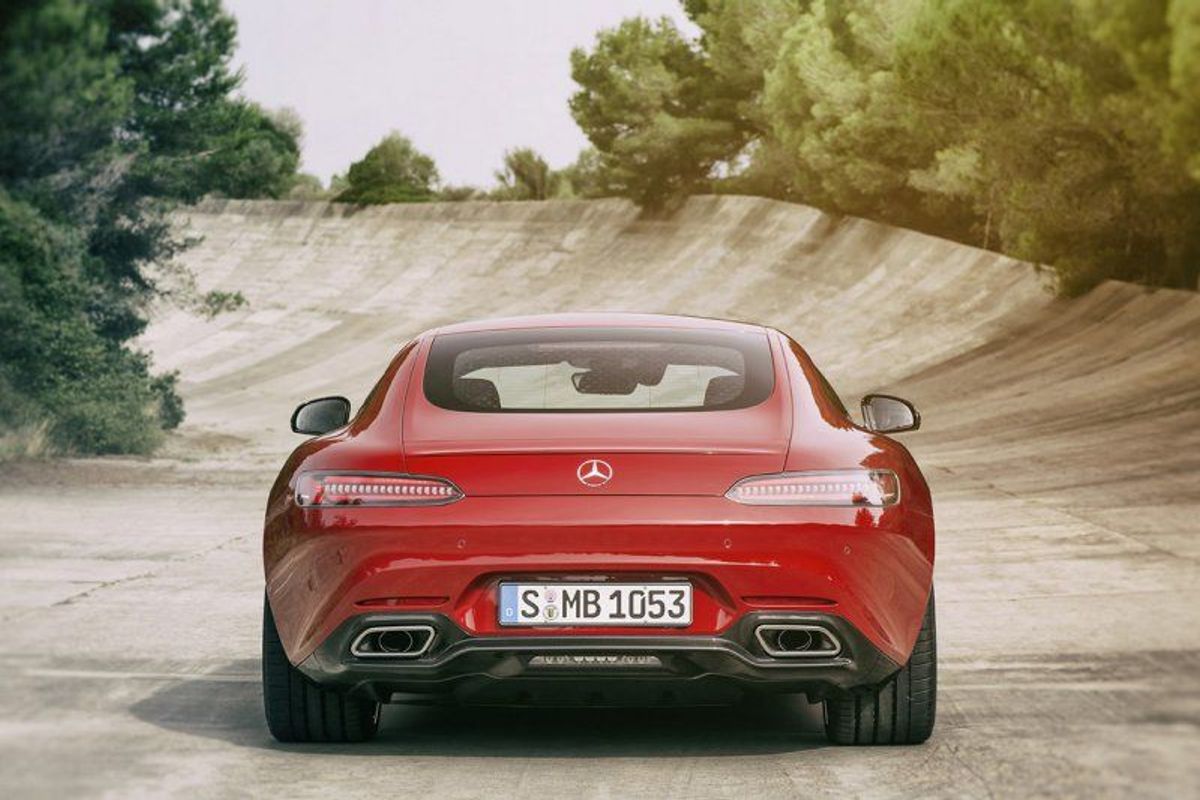
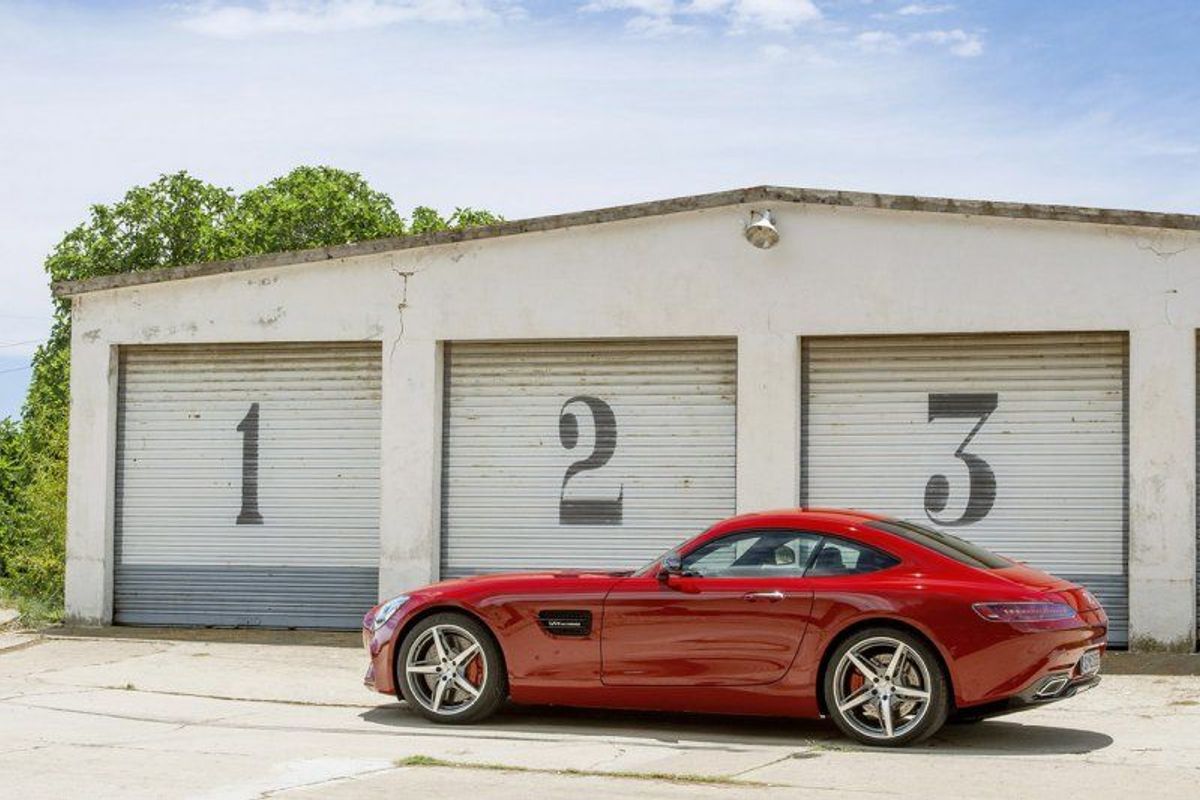
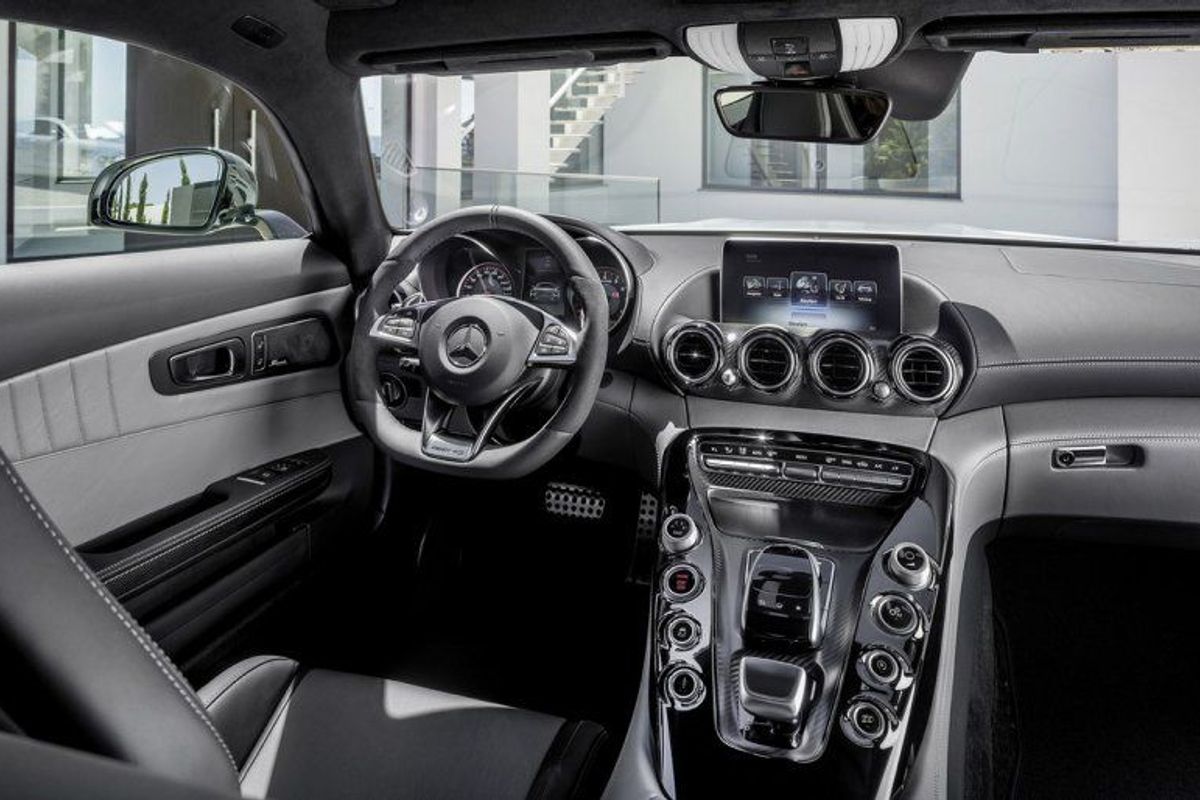
In the flesh it looks just as good as in the perfectly edited photos you’ve likely already seen. The bonnet is long and handsome, commanding its own entrance before the rest of the carriage arrives. The cockpit looks like The Jetsons’ space bubble with the rear sloping downwards into a smooth, familiar GT cruiser shape. The rear wheel arches are widened and give it a muscular rear end. Throw a few Rands at the options packages and you can alter the front grille to the studded diamond look. The interior is lined with leather and Alcantara to make it feel exclusive. The centre console is raised and features all the important switchgear like the gearshift stick and the controls to adjust the suspension, exhaust note and driving modes.

What makes it shunt?

Underneath the bonnet lurks a 4-Litre bi-turbo engine with 340 kW in the AMG GT. Upgrade to the GT S and you get 375 kW. Respectively, they have 600 Nm and 650 Nm of torque. It’s a very responsive engine and revs beautifully, delivering a constant wave of acceleration as you mash the throttle into the floorboard. The AMG GT has a dual-clutch seven-speed gearbox that feels streaks ahead of any ‘box Merc has developed. It’s right up there with the best in the business, rifling through upshifts with an equally sharp downshift. Opt for the performance exhaust system – and you should – and at the touch of a button it sends an effervescent fizz down your spine. Barks, pops bangs and gargles, the AMG GT has all the talents that hit the right senses, whether under acceleration or once you lift off the throttle. It sounds crazy.

So it does everything?

Everything a two-seater sportscar is capable of being able to do, the AMG GT does superbly. On our freeway and city jaunt to Gerotek it was comfortable, thanks mostly to the adjustable ride and dynamic engine mounts that work to soften the ride and improve comfort. At high speed it’s stable and planted, and it also weights up the steering so you don’t over adjust it at speed. For a 375 kW sportscar the AMG GT S is actually quite forgiving.

Then we headed for Zwartkops. We experienced the vehicle in Sport mode, which allows a little bit of rear-wheel slip before cutting the power and stopping the fun. The AMG GT S is well balanced and you can really grab it by the scruff of the neck and fling it around, something that is normally quite daunting in a car this powerful. If anything, it picks up a touch of understeer under acceleration as the weight shifts to the rear and causes the front wheels to go light. The more laps we did of the track, the more the car impressed us with its driveability and agility, but in a different, more aggressive way than a Porsche 911 or Audi R8.

Mercedes-AMG GT Pricing

Both the standard GT and GT S will be available in SA and come with both interior and exterior packs to suit the individual buyer. Pricing starts at R1 660 000 for the AMG GT and the AMG GT S is R1 999 000. For similar kicks you can also look at cars like the Porsche 911 Carrera GTS PDK or a Nissan GT-R Black edition. The upcoming Audi R8 will also be in the mix soon.

UPDATE: BMW 3-Series Price in SA

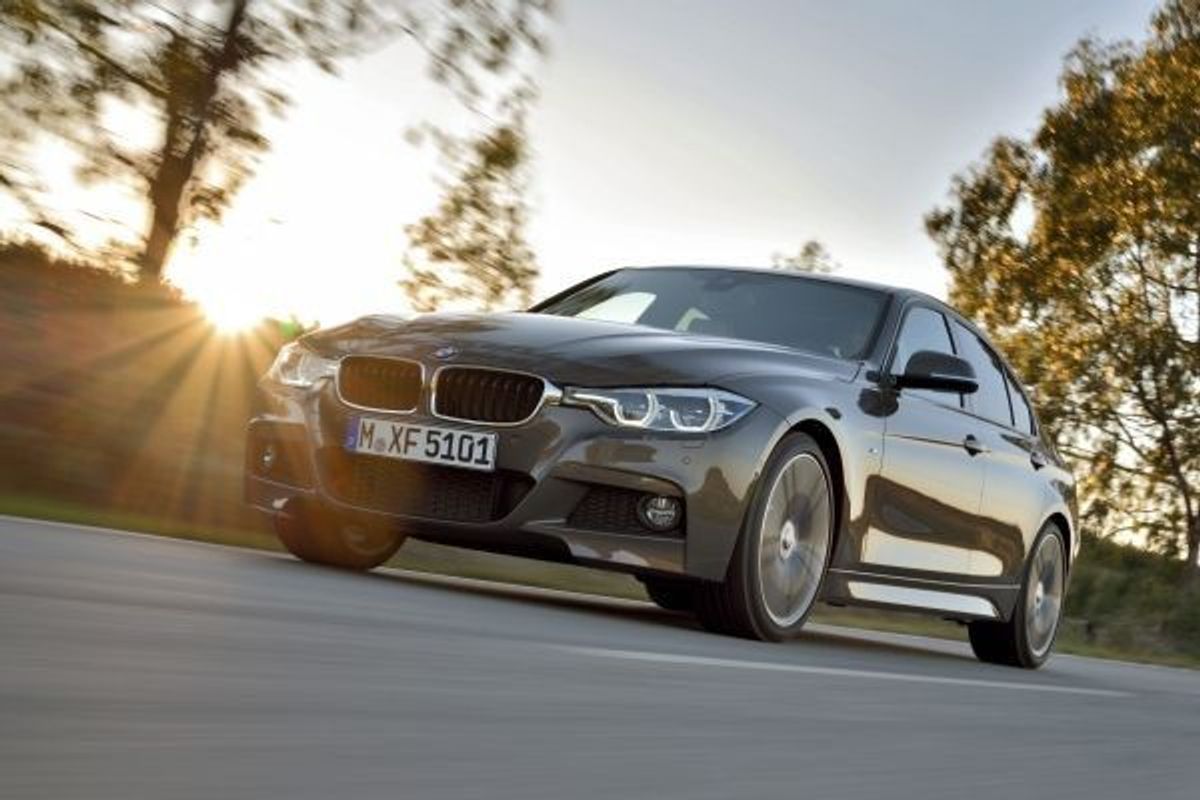
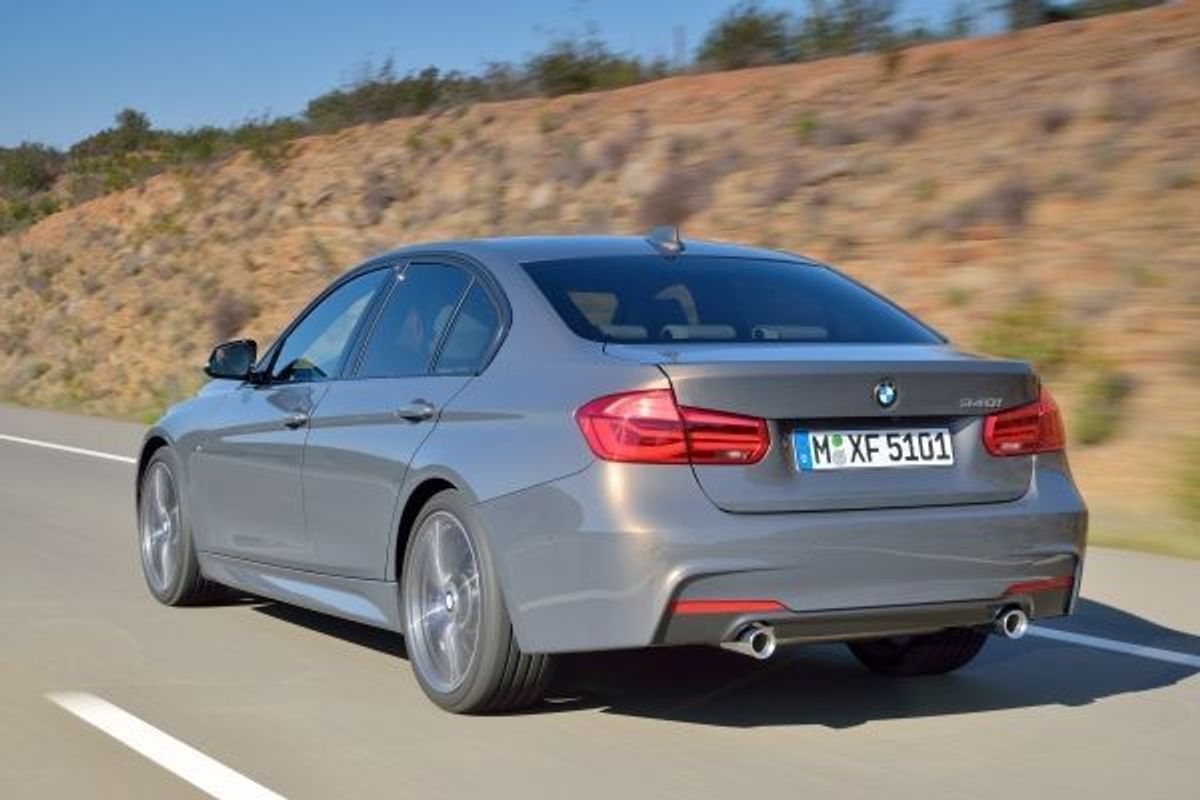
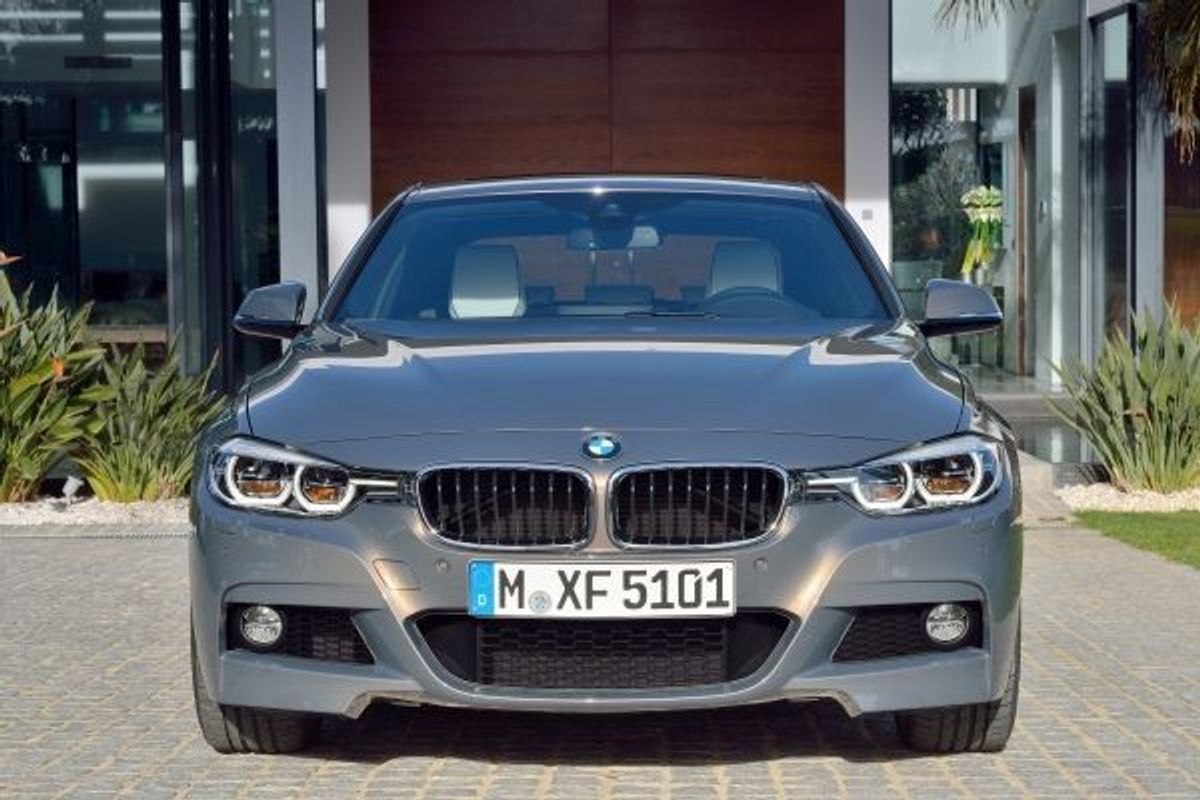
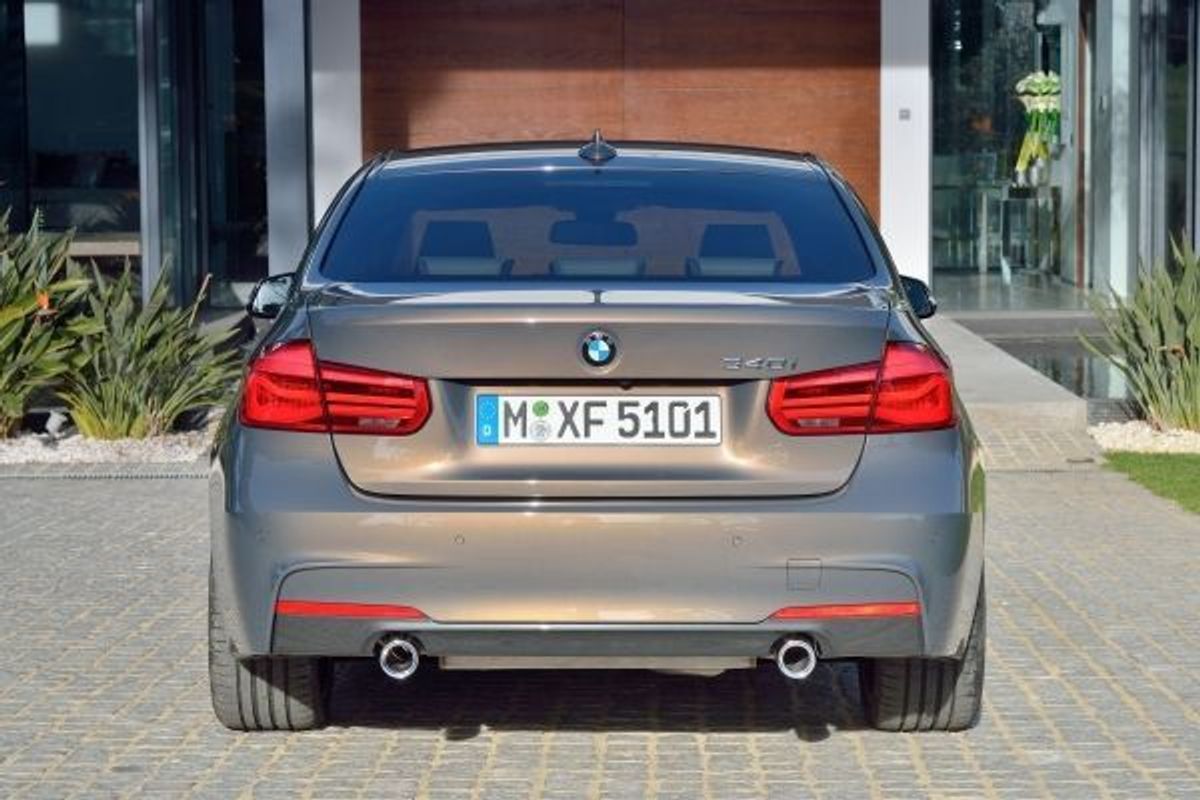
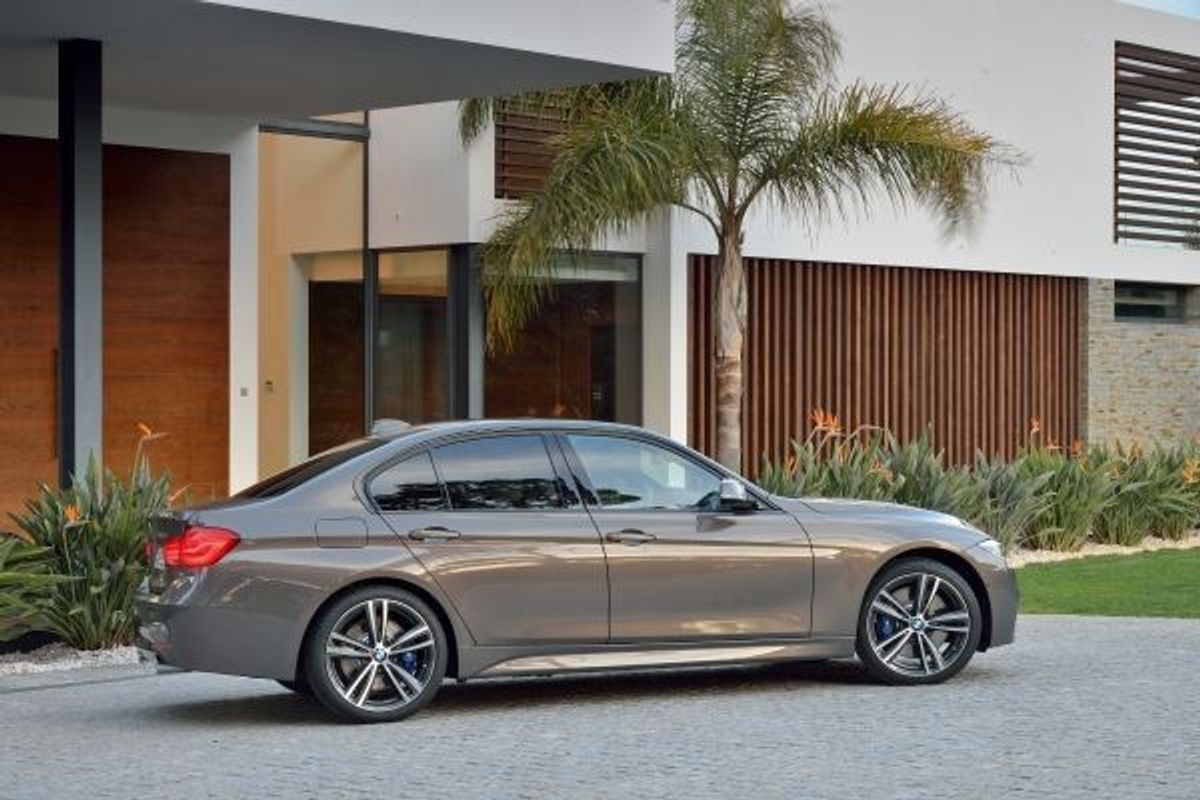
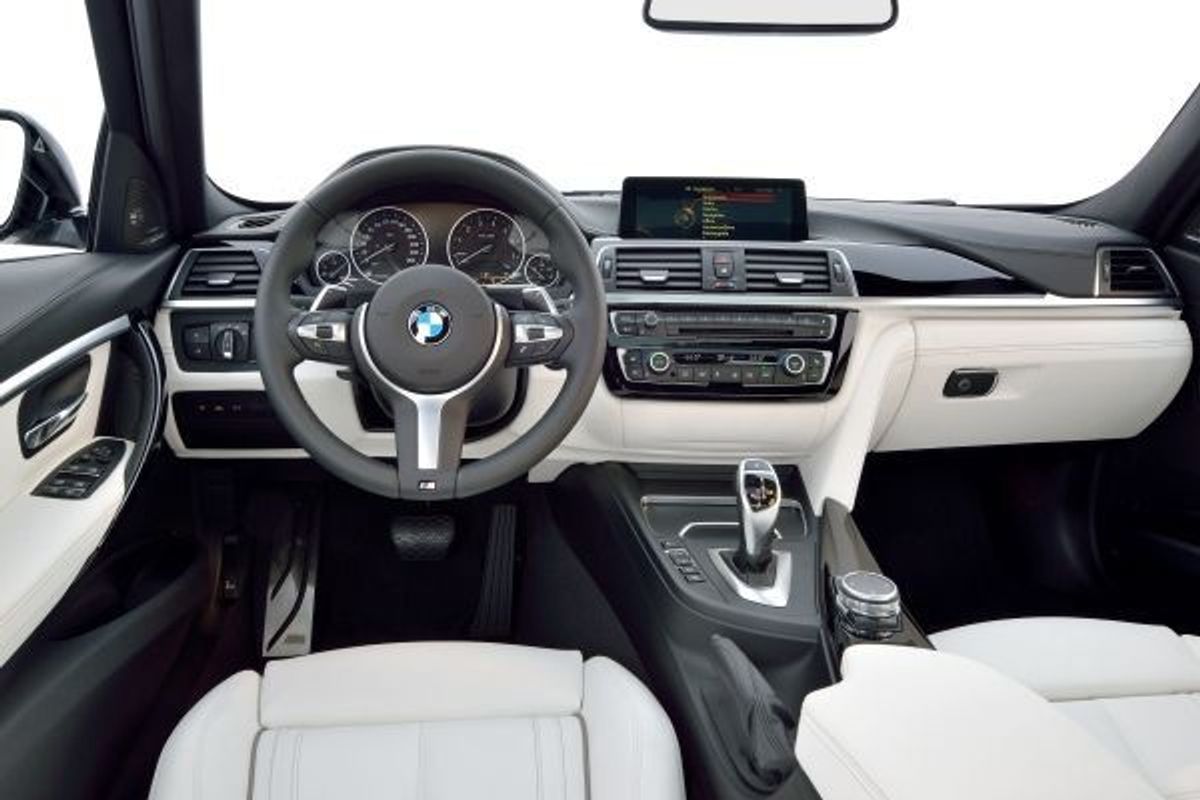
The BMW 3-Series is an iconic vehicle and in line with BMW’s life cycle program, is now due for a facelift. What you see here in the images on this page is indeed the facelift, however we understand if you’re hard-pressed to spot the differences.

The BMW 3-Series is a seriously popular vehicle, and if the BMW marketing speak is to be believed, the founder of the modern sports sedan market. Having driven numerous BMW 3s over the years, I can happily agree with this statement. It’s just that complete. It’s interesting to note that around one in every four BMWs sold in the world is a 3-Series, which speaks volumes about its popularity.

What’s New for 2015?

Some new engines, a visual tweak and some incredible technology headline the 2015 BMW 3-Series. From launch, there will be four petrol motors and seven diesels with power ranging from 85 kW to 240 kW. These engines can be hooked up to a six-speed manual gearbox and an eight-speed Steptronic transmission (standard on the BMW 330d, BMW 335d and BMW 340i Touring). Rear-wheel drive is retained, although some models gain BMW’s xDrive all-wheel drive, however these have never seen introduction into the South African market.

In terms of design, the front receives new aprons with revised air intakes which accentuate the perception of width, while the sensor for the optional Active Cruise Control is neatly integrated into the central air intake. The rear apron design features standard LED rear lights. Full-LED headlights can now be specified as an option.

The interior receives a classy update in the form of new materials and additional chrome highlights for the controls, air vents and central control panel. The newly-crafted centre console with a sliding cover for the cupholders enables better use of the storage surfaces forward of the gearshift lever, which improves the ergonomics. There’s a wide range of personalisation options as far as upholstery and interior trim elements are concerned, as well as new wheels, exterior colours and equipment options that round off the specification choices for the new BMW 3-Series.

New Engines

Finally, there are the new engines. The headline act is a toss up between the three-cylinder engine making its 3-Series and segment debut, or the mighty 340i. All the three, four and six-cylinder petrol engines and the four-cylinder diesel units in the BMW 316d, BMW 318d and BMW 320d are now sourced from the newly developed, modular BMW EfficientDynamics engine family.
Making its BMW 3-Series debut is a four-cylinder petrol engine in the BMW 320i Sedan which offers a combined fuel consumption of 5.9–5.3l/100 km while combined CO2 emissions range from 138–124g/km, depending on transmission. The BMW 330i Sedan now has a four-cylinder engine, while the BMW 340i features an all-new six cylinder turbo engine. The 330i offers a combined fuel consumption figure of 6.5–5.5L/100 km and combined CO2 emissions of 151–129g/km. The six-cylinder petrol unit in the BMW 340i Sedan has a combined fuel consumption of 7.7–6.5L/100 km with combined CO2 emissions: 179–152g/km).
All engines have been tweaked and offer enhanced efficiency and improved emissions. Consumption and CO2 emissions are claimed to be reduced by as much as 11%. For example, the new 320d EfficientDynamics Edition Sedan has a combined fuel consumption of just 4.3–3.8 l/100 km with combined CO2 emissions of 113–99 g/km). Not bad at all for a vehicle with 120 kW fitted with the eight-speed Steptronic transmission and standard tyres.

Also new are the enhancements to the six-speed manual gearbox, which now automatically blips the throttle on downshifts, while the eight-speed Steptronic transmission allows multiple sequential downshifts, which has a positive effect on smoothness and sound while the coasting function increases efficiency.

Engine kW / Nm
318i (1.5-litre, 3cyl)
Petrol
100kW/200Nm
320i (2.0-litre, 4cyl)
Petrol
134kW/290Nm
320d (2.0-litre, 4cyl)
Diesel
140kW/400Nm
330d (3.0-litre, 6cyl)
Diesel
190kW/560Nm
340i (3.0-litre, 6cyl)
Petrol
240kW/450Nm

Technology

The BMW ConnectedDrive system is also subject to some revisions in the new 3-Series facelift.  The full-colour BMW Head-Up Display in the new BMW 3 Series enables all relevant information to be displayed directly in the driver’s field of vision, leaving the motorist to concentrate fully on the road ahead. The Professional navigation system boasts quicker start-up, significantly faster route calculation and even more realistic 3D graphics with the navigation maps automatically updated free of charge for a period of three years.

Other upgrades include the embedded SIM card now allowing LTE connectivity, the Parking Assistant can enable automatic parallel parking as well, while Auto PDC also automatically activates the front parking sensors when manoeuvring.

BMW 3-Series Facelift Price in South Africa

The BMW 3-Series facelift Sedan will go on sale in South Africa in the third quarter of 2015, so that’s around August/September. Pricing is as follows:

BMW 318i – R409 000
BMW 320i – R443 820
BMW 320d – R472 000
BMW 330i – R518 359
BMW 330d – R596 923
BMW 340i – R661 335