Mazda6 (2015) Review

With demand for premium sedans waning in South Africa, how much merit is there in considering the Mazda6? We investigate…

If you’re looking for a used Mazda6, this review will help you make an informed buying decision.

We Like: Good looks, spacious interior, build quality, dynamic ability

We don’t Like: Sombre cabin, ‘slurry’ transmission

Also consider: Ford Fusion, Volvo S60, Honda Accord

Mazda6 2.5 Individual Automatic Quick Specs

mazda6

The combined popularity of SUVs and premium sedans has really all but destroyed the market for large family sedans with non-premium brand badges on the nose, despite considerable activity in this small segment (by volume) in the past 12 months.

Honda has a (relatively) new Accord, Ford has the new Fusion and then there’s the subject of this test, the rather pretty Mazda6. Soon, there will also be a new version of the Volkswagen Passat. On the other hand, Kia has given up on the attractive Optima and Suzuki’s Kizashi could soon be a ‘special order’ model. Does the Mazda6 have what it takes to not only survive, but possibly thrive?

Mazda6 has a handsome design

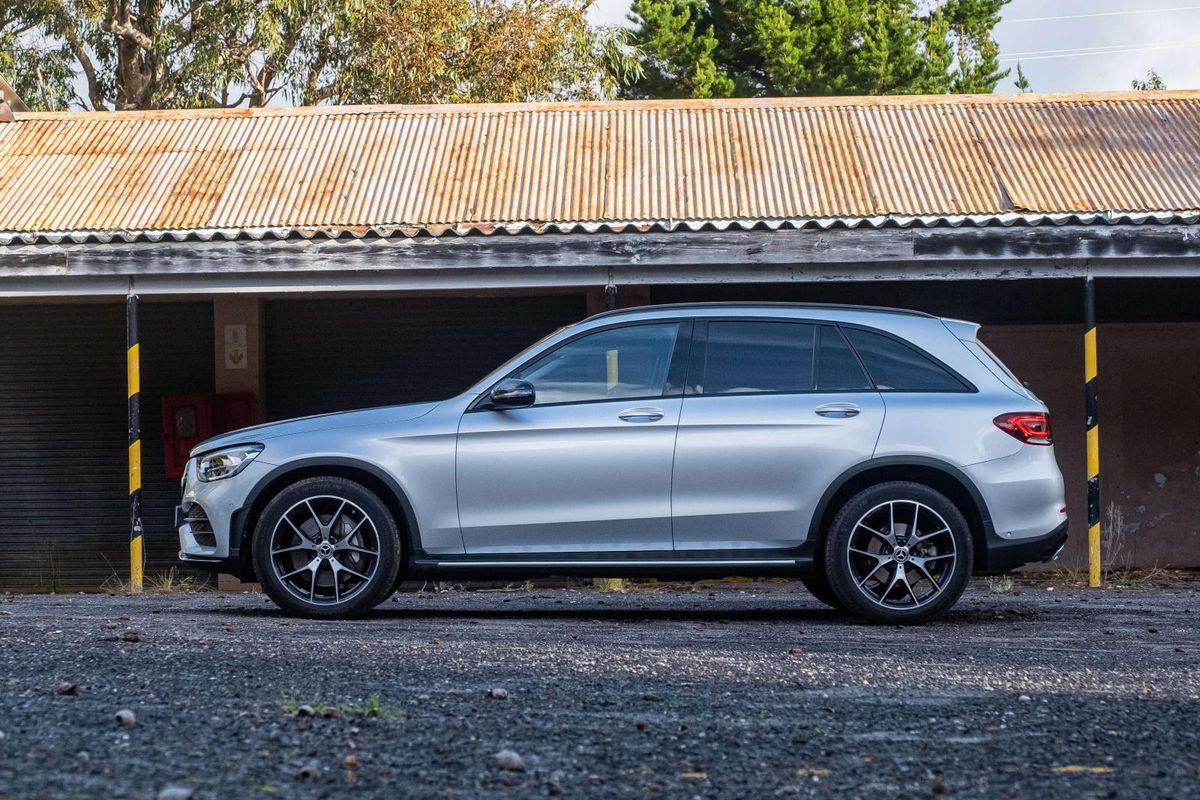
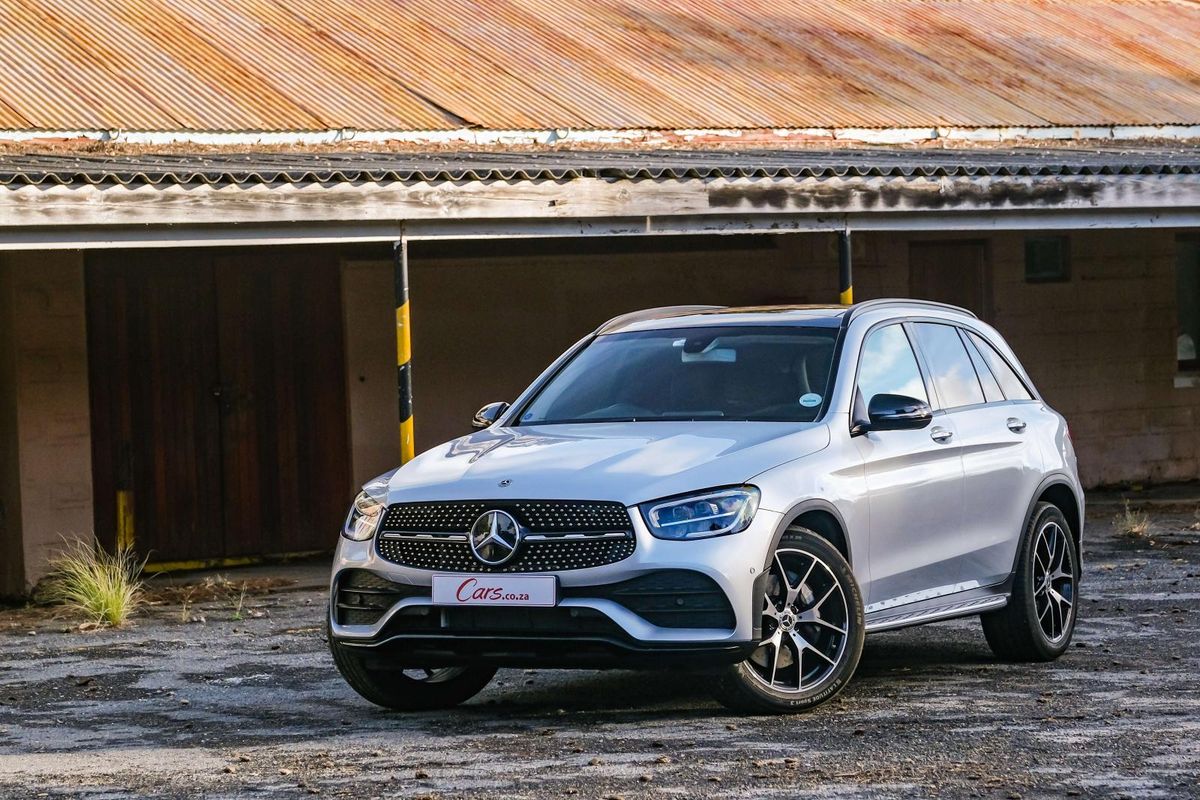
Where the Mazda6 immediately strikes a blow against its rivals is in the design department — it is a very handsome car that is unlikely to date fast. Riding on striking 19-inch wheels and boasting beautifully balanced body contouring, as well as eye-catching daylight running lamps, it makes most of its rivals look fuddy-duddy.

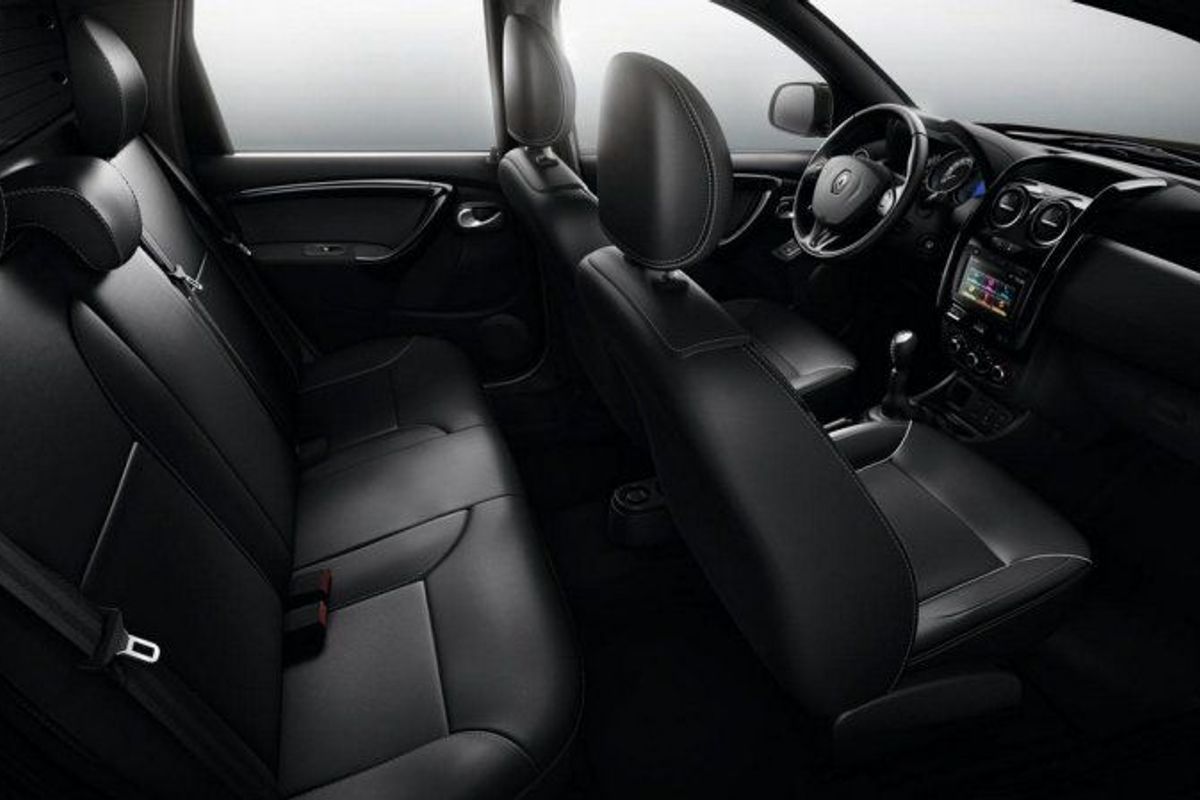
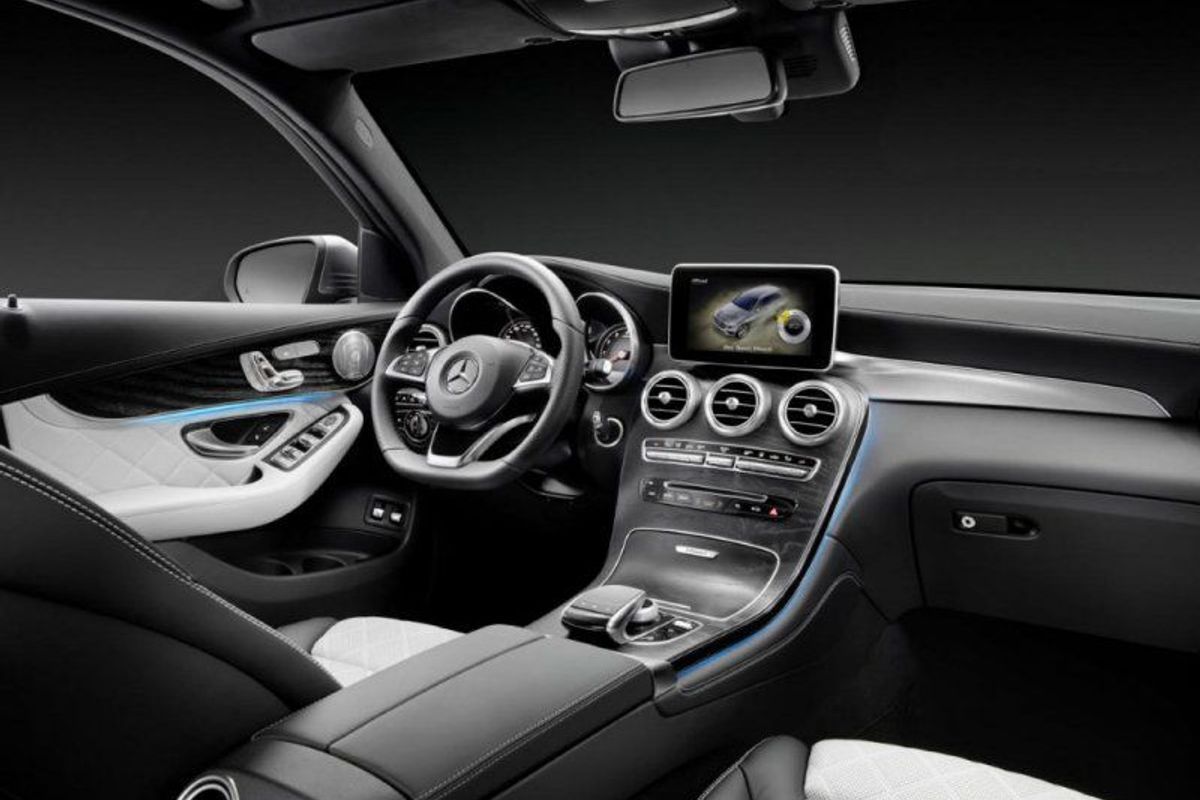
The good looks hide a structure that is very stiff and impressively light — it weighs less than 1.5 tonnes. Consequently the Mazda6 never feels as large as it really is, and with a wheelbase of 2 830 mm it certainly is sizeable. The cabin is, however, not quite as aesthetically pleasing as the exterior. There’s an abundance of sombre black trim and the facia itself appears a trifle dated. Nevertheless, fit and finish is as good as anything from the Germans.

We took the Mazda6 on a 1 000 km journey to test it in what should be its preferred environment — the open road and loaded with a family of four and all their holiday paraphernalia. Surprisingly the Mazda’s boot coped with what was demanded of it, including swallowing a bulky three-wheel urban stroller pram. Rear passengers had precious little to complain about, seeing as legroom (and headroom) is generous — again significantly up on what you’d get in a similarly priced German offering.

While cruising on the open road the Mazda impressed with its low levels of wind and road noise. It is clear that NVH (noise, vibration, harshness) control was a high priority during this car’s development.

No shortage of features

As mentioned before, the Mazda6’s cabin appears slightly dated at first glance — the control interface is cluttered by modern standards and the info-tainment screen’s displays are not quite as logically structured and as crisp as in some rivals. That said, you’re unlikely to find yourself being uncomfortable in this particular derivative, as it is loaded with features.

Individual specification includes dual-zone climate control, a powerful 11-speaker sound system with AUX and USB support, Bluetooth, cruise control, a reverse camera and a sunroof, among many other items. On the safety side of things the Mazda6 Individual is also a full-house offering, with front, side and curtain airbags, ABS/EBD and DSC (dynamic stability control). Surprisingly, even features such as BSM (blind spot monitoring) and LDW (lane departure warning) are present.

Real-world economy suffers

In these days of downsizing and turbocharging, it is a surprise to find a big 2.5-litre four-cylinder engine under the bonnet. It is, however, a fairly modern engine that boasts Mazda’s SkyActiv technologies, including direct injection and low-friction internals. Mazda claims a combined cycle economy figure of 6.6 L/100 km, but in reality this is very difficult to achieve. A more realistic figure is around 8.5 L/100 km.

Coupled with a six-speed automatic transmission, the Mazda6 2.5 delivers a smooth, relaxing drive, but still with a decent amount of power underfoot when needed. Maximum power is 138 kW at 5 700 rpm, and 250 Nm of torque is available from 3 500 rpm. Mazda has not released claimed performance figures, but this model should accelerate to 100 kph in around 9 seconds and reach a top speed of just over 210 kph – certainly good enough. Overtaking power is also good, but the transmission does take a while to access that power, which can be frustrating. This is a consequence of the Mazda simply not being able to match the low-rev responsiveness of its turbocharged rivals.

Dynamic drive

Mazda has often been called the ‘BMW from the East’, due to the brand’s emphasis on delivering thrilling driving dynamics. Among the big sedans in the South African market, the ‘6’ certainly appears to be the segment leader in this regard. The stiff structure provides an excellent starting point, and then there’s also a sophisticated multi-link rear suspension and beautifully weighted electrically assisted power steering.

The ride is on the firm side, but it’s also supple enough to iron out major bumps. Body roll is well controlled in the corners and there’s a very pleasant accuracy and overall feel to the steering. If you’re buying a big sedan, but do not want to compromise on driving enjoyment, the Mazda6 represents a very solid choice.

Conclusion and Summary

When debating the merits of buying a big sedan among the Cars.co.za team, the theory was that a sedan is still preferable to a SUV if the buyer wanted to broadcast an image of ‘executive’ success and, to a lesser degree, because of its driving dynamics. On the other hand, Mazda’s own SUV, the very capable CX-5, sells for almost exactly the same money and with the same engine, too!

Ultimately, of course, the SUV offers greater practicality and versatility. So… it’s easy to see why so many people are making the switch to SUVs and crossovers. Still, if it must be a sedan, for whichever reason, the Mazda6 is a very attractive offering, with arguably class-leading dynamics and standard specification, and an excellent combo of quality and practicality.

Compare the Mazda6 with its competitors here!

Second Opinion

Dynamically the Mazda6 is fun to drive with a strong naturally-aspirated engine, but it is let down by a sloppy gearbox. The interior is a bit bland, but certainly well-specced and it feels well-built. – Ashley Oldfield

Mazda6 – Price in South Africa (2015)

The Mazda6 2,5 Individual Automatic costs R399 900 and comes with a three-year/unlimited km warranty, three-year service plan and three-year roadside assistance.

Buy a Mazda6 on Cars.co.za

Frequently Asked Questions

Is the Mazda6 still sold new in South Africa?

No, the Mazda6 has been discontinued in South Africa. It is no longer sold as a new vehicle and is only available on the pre-owned market. It was replaced by the Mazda CX-5 and CX-60 as Mazda shifted its focus to the SUV segment.

What engines were available in the Mazda6 in South Africa?

The Mazda6 was primarily sold in South Africa with a 2.5-litre, naturally aspirated Skyactiv-G petrol engine. In some model years, a 2.0-litre petrol engine and a 2.2-litre turbodiesel were also available.

What is the safety rating of the Mazda6?

The Mazda6 has an excellent safety record, earning a 5-star Euro NCAP safety rating. It was praised for its strong performance in crash tests and was equipped with a range of i-Activsense safety features in higher-end models, including Blind Spot Monitoring and Smart City Brake Support.

Is the Mazda6 a good used car to buy in South Africa?

The Mazda6 is considered a great option on the used car market. It is known for its reliability, premium interior, and stylish design. With its robust engines and high safety ratings, it provides a compelling value proposition as a pre-owned executive sedan.

Related Content

Best Mazda Cars to Buy in South Africa
Mazda2 (2025) Price & Specs
Mazda3 (2025) Specs & Price
CX-3 (2025) Specs & Price
CX-30 (2025) Price & Specs
CX-5 (2025) Specs & Price
CX-60 (2025) Specs & Price 

Reviews 

Mazda3 2.0 Astina Plus Automatic (2016) Review
Mazda3 2.0 Astina Hatch (2015) Review

Mazda2 1.5 Dynamic (2015) Review
Mazda2 1.5 Individual Plus Automatic (2017) Quick Review
Mazda2 1.5 DE Hazumi (2016) Review

CX-3 (2022) Review

CX-30 (2021) Review

CX-5 (2022) Review
CX-5 (2021) Review
CX-5 2.2D AWD Akera Review
CX-5 2.2DE AWD Akera (2016) Review

CX-60 Takumi (2024) Review

MX-5 (2015) Review
MX-5: All 4 generations driven
MX-5 RF Automatic (2017) Quick Review

Mazda6 2.5 Individual Automatic (2015) Review

New Volkswagen Engine Range Revealed


Volkswagen has used the International Vienna Motor Symposium to introduce new engines as well as highlight the future of mobility.

According to Volkswagen, reducing CO2 emissions, elecro-mobility and digitalistation are the main challenges facing the automotive industry. In terms of engine technology, Volkswagen maintains that the optimisation of the internal combustion engine is still hugely important and that highly efficient TDI and TSI / TFSI engines coupled with DSG will remain at the forefront.

New Engine Range

Dr. Heinz-Jakob Neußer, Member of the Board of Management for the Volkswagen brand, highlighted a new 1.0-litre 3-cylinder TSI engine based on the EA211 engine, sharing genes with the Polo WRC engine, and offering 200 kW and 270 Nm of torque with the use of a monoscroll turbocharger and e-booster.

Volkswagen also showed a new 2.0-litre TDI EU6 engine which will do service in light-duty vehicles such as the new Transporter and Multivan with a 14% average reduction in fuel consumption. Four engines will provide power from 62 kW to 150 kW with a torque range of between 220 Nm and 450 Nm.

The next generation 6.0-litre W12 TSI was also showcased for premium models for Volkswagen, Audi and Bentley. The new W12 engine offers 447 kW with a maximum torque figure of 900 Nm and is considered to be the most efficient 12-cylinder engine in the luxury car segment. Depending on the model in which this engine is used, acceleration to 100 kph takes less than four seconds and speeds in excess of 300 kph can be achieved.


April 2015 Highlights in Numbers – Infographic


April 2015 was yet another exciting month in terms of new car launches in South Africa. The month kicked off with the introduction of the spacious Volkswagen Golf Sportvan (SV) to the South African market. Volkswagen then launched the third-generation Polo GTI fitted with a 1.8-litre turbo with 141 kW and 250 Nm on offer. Chevrolet joined the launch party with the revised Cruze sedan and hatchback which brings higher levels of refinement to take the fight to the Toyota Corolla. Audi launched the A6 and A7 Sportback and its accompanying S-derivatives which should put smiles on the faces of Audi fans. Citroen also took the opportunity to bring the rather interesting looking, yet versatile, C4 Cactus to the market.

On the sales front, Toyota came out on top as South Africa’s top selling car brand while the Ford Ranger topped the sales charts to take top spot as South Africa’s most popular vehicle. In our readers choice – yes, that’s you – it came to light that the Mercedes-Benz C-Class was considered to be the best premium sedan offering in South Africa while the MINI Cooper was rated as the best city car on offer in Mzansi. Take a look at our Highlights in Numbers Infographic below for the full recap!

Highlights in Numbers – April 2015

april infographic


Drag Race: BMW X6M50d vs Range Rover Sport SDV8


Last year, we launched an epic drag race which seemed to annoy many, many people. It featured BMW’s most powerful diesel-engined car ever, the X5 M50d, in a quarter mile sprint against the rather bonkers Range Rover Sport V8 Supercharged – petrol.

Those cars have exactly the same claimed 0 – 100km/h time of 5.3 seconds, and even though the Rangie has a lot more power than the X5, the Beemer has plenty more torque and most importantly, launch control.

It was incredibly close, but this saga was never going to end with one race. It’s time to line up diesel against diesel, and we have the most powerful version of each brand’s car lined up for another epic head-to-head sprint.

The BMW X6 M50d is perhaps too niche to be considered real competition for the Range Rover Sport. But, it runs the same platform and engine as the X5: a triple turbo, 6-cylinder diesel with 280kW and a huge 740Nm of torque, with a kerb weight of 2150kg.

The Range Rover Sport SDV8 HSE packs a 4.4 litre V8 turbocharged diesel motor with 250kW and the exact same torque figure of 740Nm. However it is 248kg heavier, with a kerb weight of 2398kg – must be all the televisions in there! Or maybe the military grade 4×4 drivetrain.

With those stats in mind we lined up these shiny premium SUV champions, in very unfamiliar territory: the quarter mile drag strip at Cape Town’s Killarney Raceway.

Spec sheet: BMW X6M50d vs Range Rover Sport SDV8 HSE

BMW X6M50d Range Rover Sport SDV8 HSE
Price R1 332 540 R1 497 083
Engine 3.0 6-cyl triple turbo diesel 4.4 litre V8 turbo diesel
Power 280kW 250kW
Torque 740Nm 740Nm
Acceleration 5.2 seconds 6.9 seconds
Top Speed 250km/h 210km/h
Fuel economy 6.6 litres/100km 8.7 litres/100km

Toyota Etios Gets Revamped Interior


Toyota has steadily been enhancing and improving the Etios in order to make it a more attractive offering to the South African public. This latest change sees minor exterior modifications, but vast updates to the interior.

Exterior enhancements are limited to a new colour option, Jet Grey Metallic (a shimmery mid-tone silver). Indoors is where the most discernible changes have taken place and there’s all-new anthracite seat fabric for the Xs models.

In addition, a new audio system has been adopted for Etios (standard on Xs). This factory fitted double-din unit features Bluetooth functionality and is integrated into the dashboard.

The luggage compartment cover now features a lift function on all hatchback models.

Toyota Etios Updates

Updates for the Toyota Etios include:

  • A new grille design
  • Colour-coding across the range for door mirrors and handles
  • A new aero-design exterior mirror featuring aero stabilising fins
  • A new tail lamp design
  • Re-profiled front and rear seat design with adjustable headrests for Xs models
  • Auto-Up electric window function on the driver’s door
  • Redesigned central instrument cluster with Ice Blue backlighting, enlarged LCD display and digital clock – the latter is on Xs models only.
  • Lights-on warning as well as seat belt and door ajar warning buzzers (Xs).
  • Improved NVH package which included a switch from rubber engine mounts to more refined, sound-absorbing hydraulic mounts. The silencer was also modified for enhanced insulation and the damper settings were adjusted to filter out suspension noise and improve ride quality.
  • Improved carpet quality for the luggage compartment.
  • Luggage cover with lift function.
  • All-new tailored upholstery trim for Xs models.

The latest refresher has resulted in a R100 price hike across the range.

Toyota Etios Revised Pricing in South Africa

Toyota Etios 1.5 HB Xi  – R134 500

Toyota Etios 1.5 HB Xs – R143 600

Toyota Etios 1.5 SD Xi – R141 100

Toyota Etios 1.5 SD Xs – R150 000

Toyota Etios Cross – R164 700

Top 5 Student Cars in South Africa


It’s interesting to note that in South Africa there are well over 5-million people between the age of 18 and 24, many of whom are students, hipsters and soon to be car buyers. Being young and impressionable, this particular demographic is a lucrative market for car manufacturers, who spend much time, money and effort to capture their attention and lock them into their brand. Manufacturers set the bait with clever marketing and strategically priced products and inevitably, sales follow (or don’t).

The perfect student car, however, must tick a number of boxes in order to make our Top 5 Student Car list. Money is tight for many students and affordability is a major factor when considering a new car. Cheap isn’t always best, but a student car must be affordable. We have therefore capped the spend at R150 000 to account for this. Fuel efficiency is critical too, because a penny saved at the pumps makes a big difference in the life of a student.

Another factor to consider is what we call the ‘Funk Factor’. A good student car must have a bit of flair, a touch of youth and a dash of good looks. That said, a skedonk on campus doesn’t win points. Space also needs to be factored in, especially if you consider that students cruise around with buddies and go on holiday on a regular basis. Students are also generally tech savvy and things like USB/Aux inputs for charging devices, Bluetooth and a banging sound system are also important. Lastly, no one wants to drive a death trap on our roads, so our top choices must have comprehensive safety features on offer too.

Top 5 Student Cars currently available in South Africa.

1. Renault Sandero 66 kW Turbo Expression – R129 900

Renault sandero

The Renault Sandero 66kW Turbo Expression, in our opinion, is the best student car on market at the moment. The Sandero Expression is keenly priced at R129 900 and comes packed with features including a multi-function steering wheel, information display, Bluetooth, USB and Aux inputs, CD player and front electric windows. There’s a big boot in there too with a capacity of 292-litres. The Sandero Expression doesn’t skimp on safety features either and comes fitted with driver and passenger airbags, ABS with EBD and Brake Assist (BA). Combined fuel consumption is claimed to be 5.2L/100km, making it an economical car to run.

2. Hyundai Grand i10 1.2 Motion – R149 900

hyundai i10

The Hyundai Grand i10 1.2 Motion is a solid offering with a comprehensive list of features and a price tag of R149 900. The Grand i10 is big on space with the boot measuring 256-litres, which can be extended to 1 202-litres with the rear seats folded down. In terms of tech, there’s a multi-function steering wheel, information display, Bluetooth, CD Player, USB and Aux inputs and front electric windows. Safety is up to scratch too with a driver and passenger airbag and ABS with EBD. Fuel consumption is rated at 5.9-litres/100 km. If you are a student, you can’t really go wrong with the Hyundai Grand i10 1.2 Motion.

3. Suzuki Swift 1.2 GL – R143 900

Suzuki Swift

The Suzuki Swift 1.2 GL is a great student car and is an excellent value-for-money offering at R143 900. The Swift 1.2 GL is well equipped and comes fitted with a multi-function steering wheel, information display, USB and Aux inputs, CD player and front and rear electric windows. Safety features include ABS with EBD, Brake Assist (BA) as well as a driver and passenger airbag. In terms of space, the boot offers 210-litres which extends to 533-litres with the rear seats folded down. Fuel consumption is rated at 5.7L/100km. The recently launched Suzuki Celerio 1.0 GL is also worth consideration if you are after a bit more space and comes in with a price of R124 900 and a combined fuel consumption figure of 4.7l/100km.

4. Kia Picanto 1.2 EX – R149 995

kia picanto

With its good looks, the Kia Picanto is perfectly suited for life on campus. The Picanto 1.2 EX is priced at R149 995 and comes with CD player, Bluetooth, USB and Aux inputs, multi-function steering wheel and electric windows. There’s 200-litres of boot space which extends to 605-litres if you so wish and combined fuel consumption is claimed to be 5.0L/100km. ABS and EBD is included as is a driver and passenger airbag. Read our comparison between the Kia Picanto and Suzuki Swift here.

5. Volkswagen Move Up! – R143 000

Volkswagen up!

For students who want to make a bit of a statement, you may want to consider the Move up! as an option with a price of R143 000. The up! scores big points in terms of Funk Factor with it’s cute looks and stylish euro-styling. With a combined fuel consumption figure of 4.7L/100 km, the up! is an economical ride too. In terms of features, it’s pretty basic, with a CD player included and the up! is also fitted with ABS and four airbags. Read our review of the VW Move Up! here!
For something on the bigger side, you may want to look at the Volkswagen Polo Vivo 1.4 Blueline with a price tag of R149 900. Although the Polo Vivo is often accused of being overpriced and somewhat featureless, it does save some face when you consider its excellent resale value and it’s one of South Africa’s most popular cars. Many of the features are optional, but the Polo Vivo does offer decent space with 270-litre boot space which expands to 635-litres. ABS, EBD and two airbags are also included.  Take a look at our video comparison between the Polo Vivo and the up! here.

Land Rover Discovery Sport (2015) First Drive


Land Rover South Africa seems adamant on not calling its newest product a replacement for the Freelander. However, there won’t be a new Freelander and the Discovery Sport seems like it fits in the same space as the Freelander used to occupy. We headed out to George and the Karoo to get to grips with the outdoors and the latest offering from Land Rover.

For starters, the Discovery badge comes with a whack of desirability and the Disco Sport borrows much of its DNA from the family. The chassis is based on an Evoque and there are obvious styling links to it as well. The Discovery Sport seats five people easily with a further two seats in the rear on higher spec models. There’s petrol and diesel engines available and all are mated to a nine-speed automatic gearbox, developed with gearbox specialists ZF. There’s a new infotainment screen that’s standard across the range and four-wheel drive credentials are built-in, as you’d expect from a Land Rover machine.

Ride Comfort

From the very start of our two day drive across the Garden Route and Karoo, it seemed obvious that Land Rover wanted to showcase how good the Discovery Sport is off road. Much time was spent on different types of gravel roads and the Discovery Sport must have one of the most comfortable and cushioning suspension setups ever made for dirt roads. Even those washboard ripples so common on dirt roads are soaked up and smoothed out beautifully. The cabin, for much of the dirt expedition, held up to the abuse apart from a small rattle behind the dashboard in one of the units I drove.

Engines

There are two diesel derivatives available in the form of a 2.2-Litre turbodiesel with two options of power output. The entry-level TD4 S diesel model has 110 kW and 400 Nm of torque. The other diesel option makes use of the same engine, but with 140 kW and 420 Nm of torque.

On the petrol side, the now familiar 2-Litre turbo from the Jaguar XF and Range Rover Evoque does duty in the Discovery Sport with 177 kW and 340 Nm. Both engines are bolted to a nine-speed automatic gearbox but the diesel models seem to be better suited to so many gears. The petrol engine, with its longer revving range can often be caught too high up the gears and there’s a period of lag whilst the gearbox hunts down three or sometimes four gears.
Inside Story

In order to differentiate the Discovery Sport from the Evoque, Land Rover has made the interior more versatile and long lasting than the more elegant and stylish interior of the Evoque. The Disco Sport is no empty barn inside though, there’s some nice touch materials and loads of rubber that’s easy to clean when things get muddy.

The new infotainment system is a major step up for Land Rover and is standard across the Discovery Sport range. The system is better than before, but still lacks the touch sensitivity and user friendliness of some of the competitors. The entry-level TD4 S model is only available as a five seater whereas the rest of the range has seven seats and the two rear seats are easily pulled out from the floor of the boot. The middle row of seats are fitted to rails and slide forwards and backwards to make for more legroom or more loading space in the rear. As for load space, in five-seater mode, the Discovery Sport can hold 829-Litres of luggage, but if you slide the rear seats forward it’s increased to 981-Litres.
Discovery Sport Pricing

The diesel and petrol models are priced almost identically except for the entry level TD4 S diesel that starts the range off at R541 900. The spec increases through the range which goes S, SE, HSE and the top-spec HSE Luxury. Competitors in its segment are likely to be the Volvo XC60, Audi Q5 and BMW X3.

Land Rover Discovery Sport TD4 S                             R541 900

Land Rover Discovery Sport SD4 S                             R590 300

Land Rover Discovery Sport SD4 SE                          R635 600

Land Rover Discovery Sport SD4 HSE                       R692 300

Land Rover Discovery Sport SD4 HSE Luxury         R731 400

Land Rover Discovery Sport Si4 S                               R590 300

Land Rover Discovery Sport Si4 SE                            R635 600

Land Rover Discovery Sport Si4 HSE                         R692 300

Land Rover Discovery Sport Si4 HSE Luxury           R731 400

Peugeot Vision GT Revealed (Video)


Following a number of teasers, Peugeot has revealed the Vision GT Concept for Gran Turismo 6. With its striking styling and exemplary performance, the Peugeot Vision GT is sure to put big smiles on the faces of GT6 gamers around the world.

Peugeot Vision GT Performance

Those irresistible good looks are complemented with a powerful turbocharged 3.2-litre V6 engine that bangs out an impressive 652 kW and enables the car to accelerate from 0-100 kph in only 1.8 seconds, faster than a Formula 1 car. The all-wheel drive Vision GT makes use of a 6-speed manual transmission and weighs in at only 875 kg with a power to weight ratio of 1:1. This is stuff dreams are made of! Watch the video below to see what the Peugeot Vision GT is all about.


Renault Captur (2015) First Drive


The Captur, an exciting-looking B-segment crossover from Renault, was launched this week and I was in Johannesburg to drive it.

The Renault Captur is the French brand’s compact crossover and on the back of massive sales in Europe, much is expected of this vehicle in South Africa. The Captur, like the Renault Clio upon which it is based, was designed by Dutch-born Laurens van den Acker. This man is responsible for the big bold Renault logo on the nose of the car and even from a non-car enthusiast’s point of view, these designs are simply breathtaking.

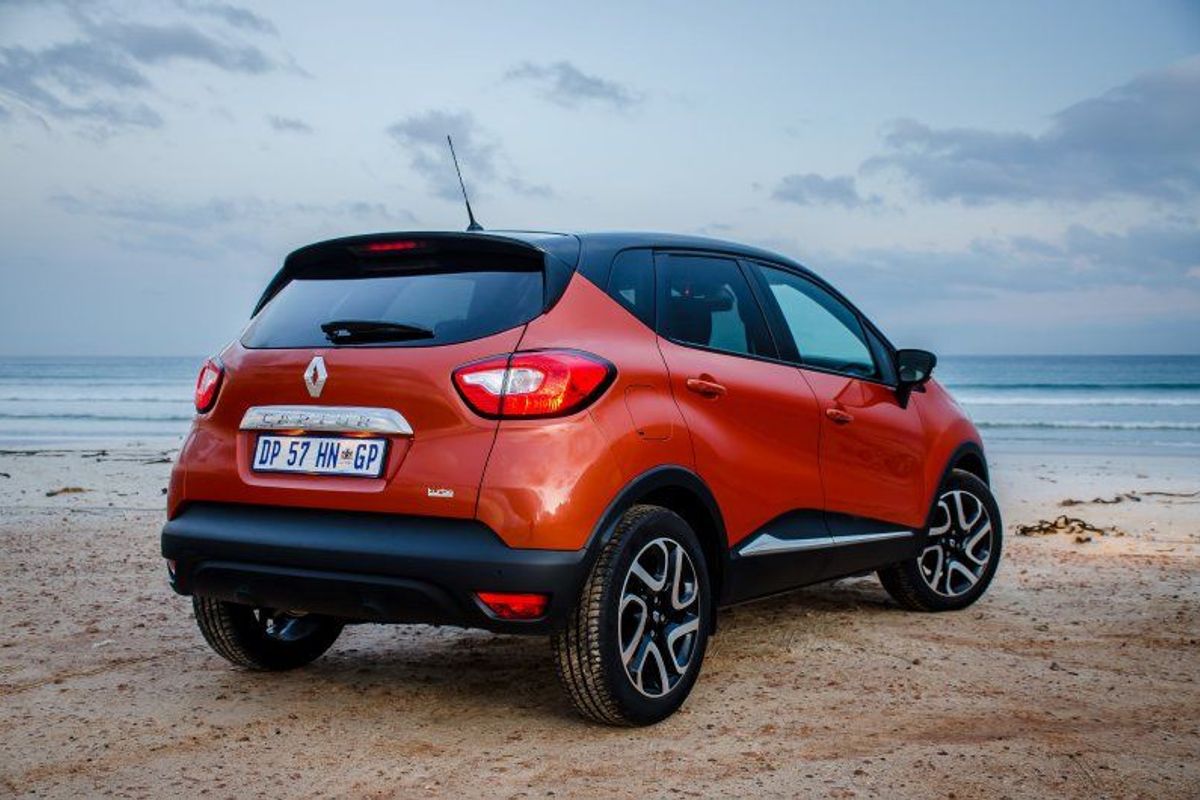
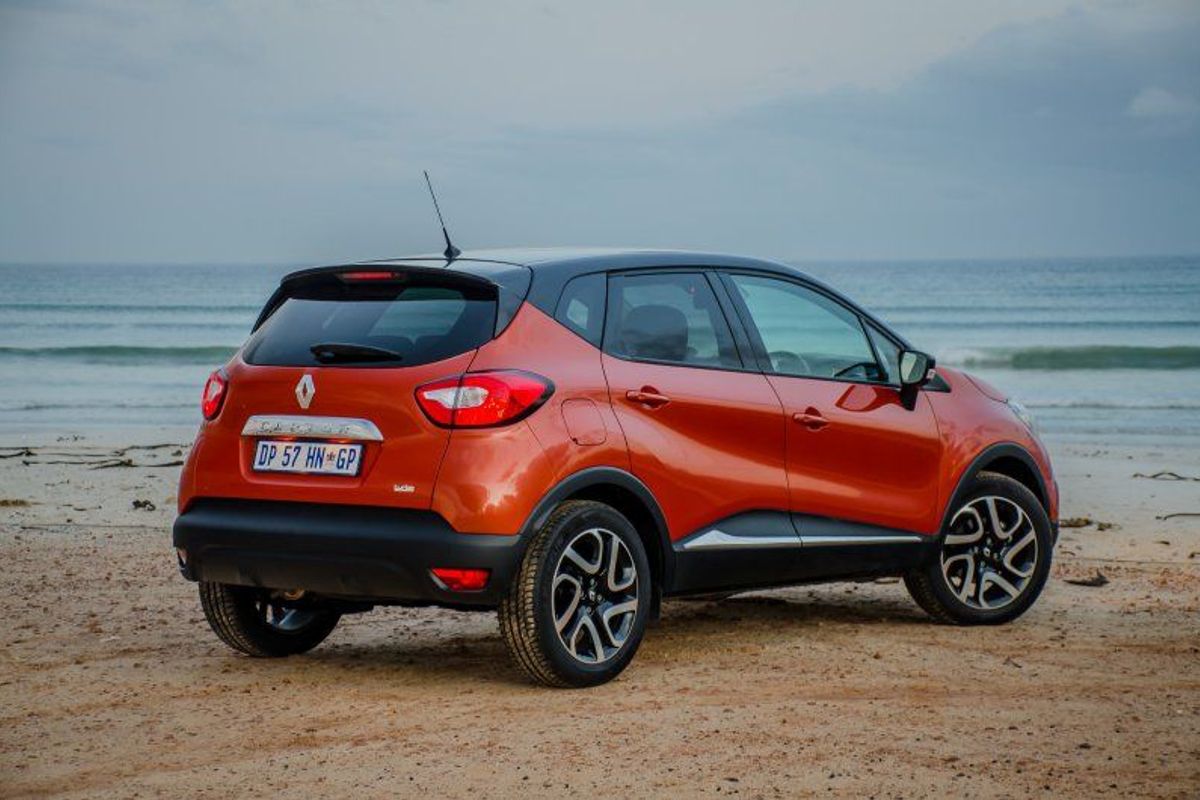
The Captur is no different and is a serious head turner, especially in its bold Bi-Tone colour scheme. Sunset Orange is the official launch colour and can be ordered with either a black or white roof. I have a particular lust for a Pacific Blue with a Diamond Black roof which looks sensational. Wheel sizes range from 16-inch to 17-inch depending on which derivative you buy.

Engines: Two to choose from

There are two derivatives to choose from: Dynamique and Expression, but interestingly there’s not much to separate them. At launch two engine options are offered. Firstly, there’s the familiar 0.9-litre three-cylinder turbo which does duty in the Renault Sandero and Renault Clio. It has 66kW, and based on that spec item alone (I did not drive it), I’d be a little apprehensive of the performance. Power reaches the front wheels through a manual gearbox.

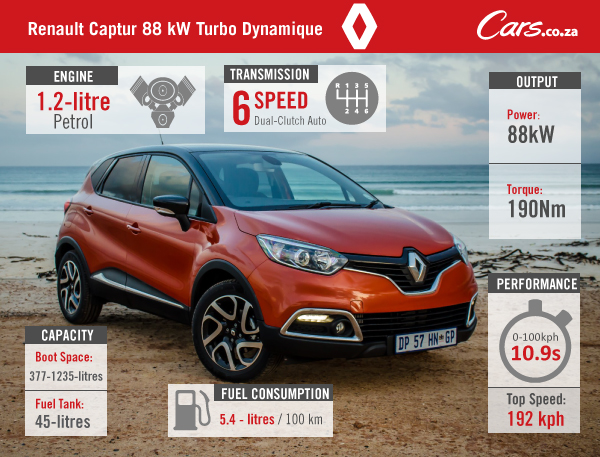
The other engine is a turbo’d 1.2-litre four-cylinder motor and this is coupled to a six-speed twin-clutch gearbox. This is a similar unit to the one found in the Renault Clio RenaultSport, but not identical. This 1.2-litre has 88kW and 190Nm which appears adequate at first glance. The claimed combined cycle fuel consumption is rated at 5.4L/100km and 4.9L/100km for the 1.2 and 0.9 respectively. At the launch, we only drove the automatic 1.2.

The twin-clutch gearbox had me instinctively feeling around the steering wheel for shift paddles, and there were none to be found. This isn’t much of a problem as the Captur isn’t meant to be a performance vehicle. Our launch route took us from the Cradle of Humankind to Sun City, via Hartebeespoort Dam and it was on these roads that I got to sample the Captur’s abilities.

If you’re expecting a responsive engine, you’re going to be a little disappointed. There’s a slight hesitation upon take off, but once you’re moving the engine pulls reasonably well. The gearbox is quick to kick down too, making overtaking quite simple. Overall, it’s not a bad engine combo, but it is lacking when you’re in a hurry. Drive the Captur in a gentle manner and let the gearbox shift on its own accord, and things are adequate.

The engine may feel a little underpowered, but this is essentially the only mark against an otherwise good car, and even then it will only be a problem for some customers. The Captur offers the drive of a normal hatchback, boasts MPV-like practicality and space, while even throwing in good ground clearance of 170mm like an SUV. Renault was keen to show off its offroad credentials to us and the launch route included numerous dirt roads of varying qualities. Thanks to Renault’s great safety and stability features, I felt confident when driving through gravel and sand. For a family vehicle based on a fashionable Clio, it’s surprisingly good.

Another Renault party trick is offering an amazing amount of specification fitted as standard. For a vehicle costing under R300 000, it’s outstanding to see this level of kit thrown in. Satellite navigation, Bluetooth, cruise control, USB port, touchscreen infotainment, auto headlights, rain-sensing wipers as well as the usual safety acronyms of ABS, EBD and airbags have been thrown in. On the safety side of things, the Renault Captur scored a five-star rating at the 2013 round of evaluations.

On the practicality side of things, the Renault Captur is a lot more versatile than the Clio which it is based upon. There’s a decent amount of legroom for the rear passengers, and the rear bench can slide forwards and backwards. When these seats are folded flat and the bottom of the boot has been dropped, you’re looking at 1 235 litres of space to play with. There’s a space saver spare wheel located at the bottom of the boot as well.

Quick Summary

Aside from a slightly underpowered engine, the Renault Captur is a promising product and takes the fight to the Ford EcoSport and Nissan Juke, both of which have been a success in our market. With Renault reporting European sales of around 161 000 units sold in 2014 alone, the Renault Captur should do well here. It is priced well too and cones with Renault’s good warranty. This is a 5-year/150 000km mechanical warranty; a 3-year/45 000km service plan and a 6-year anti-corrosion warranty. Services take place at 15 000km/1 year intervals.

Renault Captur Price in South Africa

– Renault Captur 66kW Expression R219 900
– Renault Captur 66kW Dynamique R239 900
– Renault Captur 88kW EDC Dynamique R279 900

Renault Captur Specs & Pricing Announced


Renault has launched a new crossover to the South African market and we have the specs and pricing for you.

The Renault Captur is a Clio-based crossover that takes on the competitive B-segment SUV category. Think Ford EcoSport… The Renault Captur is an interesting vehicle in that it has the same traits as an SUV, the practicality of an MPV, while still retaining the easy to drive dynamics of a hatchback.

At this stage, we’re getting two engines and two gearboxes. The range starts off with the 66kW Expression manual, then there’s a 66kW Dynamique manual and finally the 88kW EDC Dynamique. Captur offers a choice of bi-tone body colours for the Dynamique models and 16-inch and 17-inch alloys as standard on Expression and
Dynamique variants respectively.

The Renault Captur launches in South Africa on the back of a successful European sales campaign. After being internationally launched at the 2013 Geneva Show, the total sales for that year reached 94 000 units, with 161 000 units being sold in 2014.

Engines and Practicality

The launch of the Renault Captur coincides with the introduction of an all-new engine to South Africa. This motor is a 1.2-litre turbo motor with 88kW and 190Nm mated to a dual-clutch 6-speed gearbox. This engine prides itself on being super efficient and Renault claims 5.4-litres/100km for the combined cycle. The other two models are powered by the same engine that we’ve all come to know and enjoy in the Clio. This is the 0.9-litre three-cylinder turbo with 66kW and 135Nm, and that has a claimed fuel consumption figure of 4.9-litres/100km.

Despite the Renault Captur being marketed as a city crossover, it’s still able to venture off the tarmac thanks to a ground clearance of 170mm and the elevated driving position makes life a little easier. It appears to be very practical too with the rear bench being able to move forward or backward by up to 16cm. The seats can also be folded flat. The boot capacity is initially 377 litres, but with the two-position boot floor dropped down, this expands to 455 litres. Fold those seats flat and you have access to 1 235 litres of cargo space.

Specification and Safety

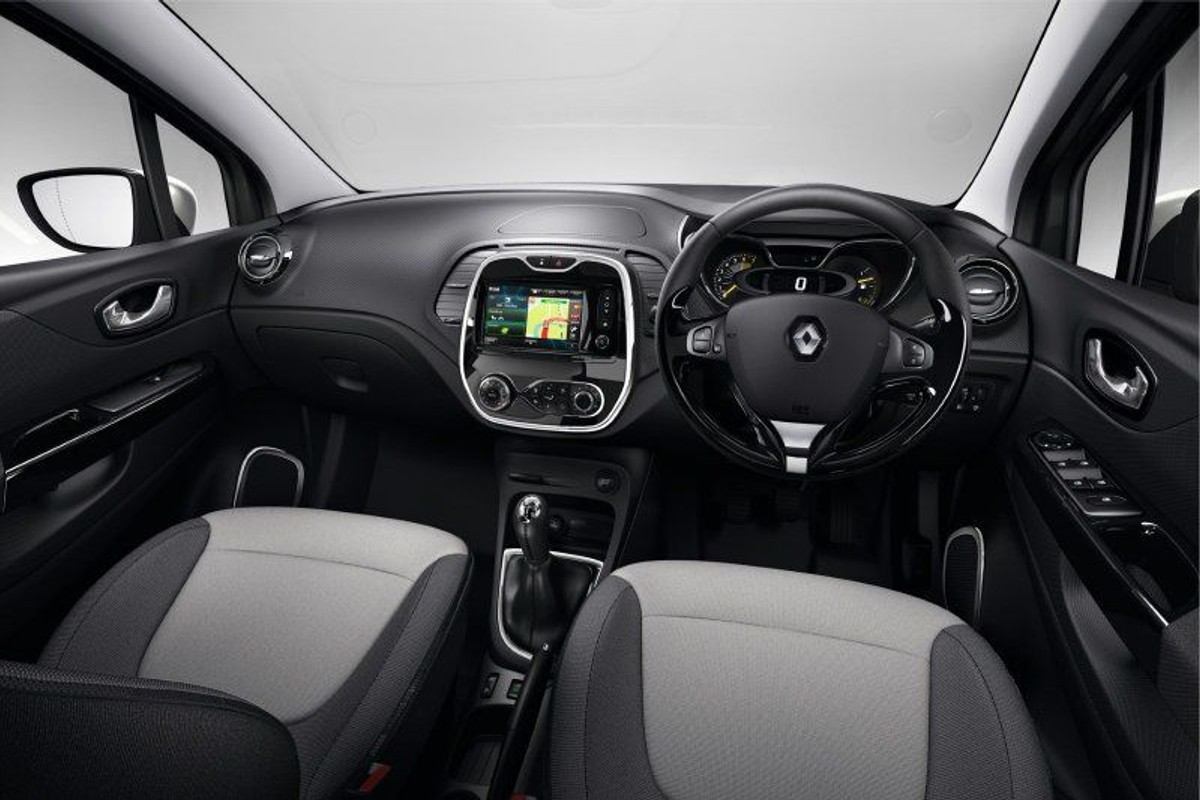
The Renault Captur comes well equipped with all the latest technology. There’s Bluetooth connectivity, satnav, Arkamys radio, USB port, satellite radio controls, cruise control and there’s the option of having leather as well as heated seats. Other features include hands-free key card, electric side mirrors and electric windows (front and rear) plus automatic climate control, while rear parking sensors, automatic headlights and rain sensitive front wipers are standard across the range. A tyre pressure sensor is standard on Dynamique models.

In terms of safety, you’re looking at a 5-Star Euro NCAP rating across the range. The Captur comes with an Anti-Lock Braking System (ABS) coupled with Emergency Brake Assist (EBA). ESP and Hill Start Assist ensure you don’t roll back on an incline. There are also front airbags, head/chest side bags, seat belts with pretensioners and force limiters (front seats), anti-submarining front seats, anti-whiplash head rests and force limiter function (rear side seats). Three ISOFIX 3-point child seat anchor seat attachments are fitted to the front passenger and rear side seats.

Renault Captur Price in South Africa

The all-new Captur crossover comes standard with a 5-year/150 000km mechanical warranty; a 3-year/45 000km service plan and a 6-year anti-corrosion warranty. Services take place at 15 000km/1 year intervals.

– Renault Captur 66kW Expression R219 900
– Renault Captur 66kW Dynamique R239 900
– Renault Captur 88kW EDC Dynamique R279 900