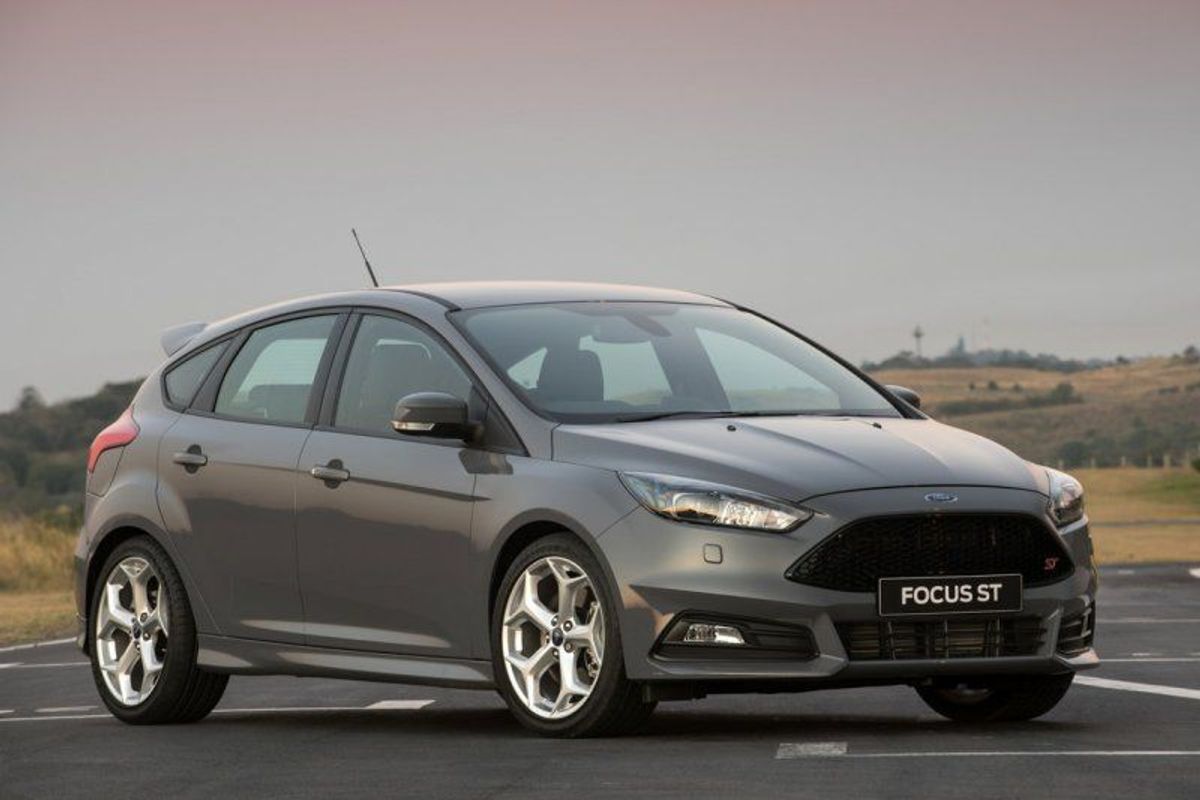
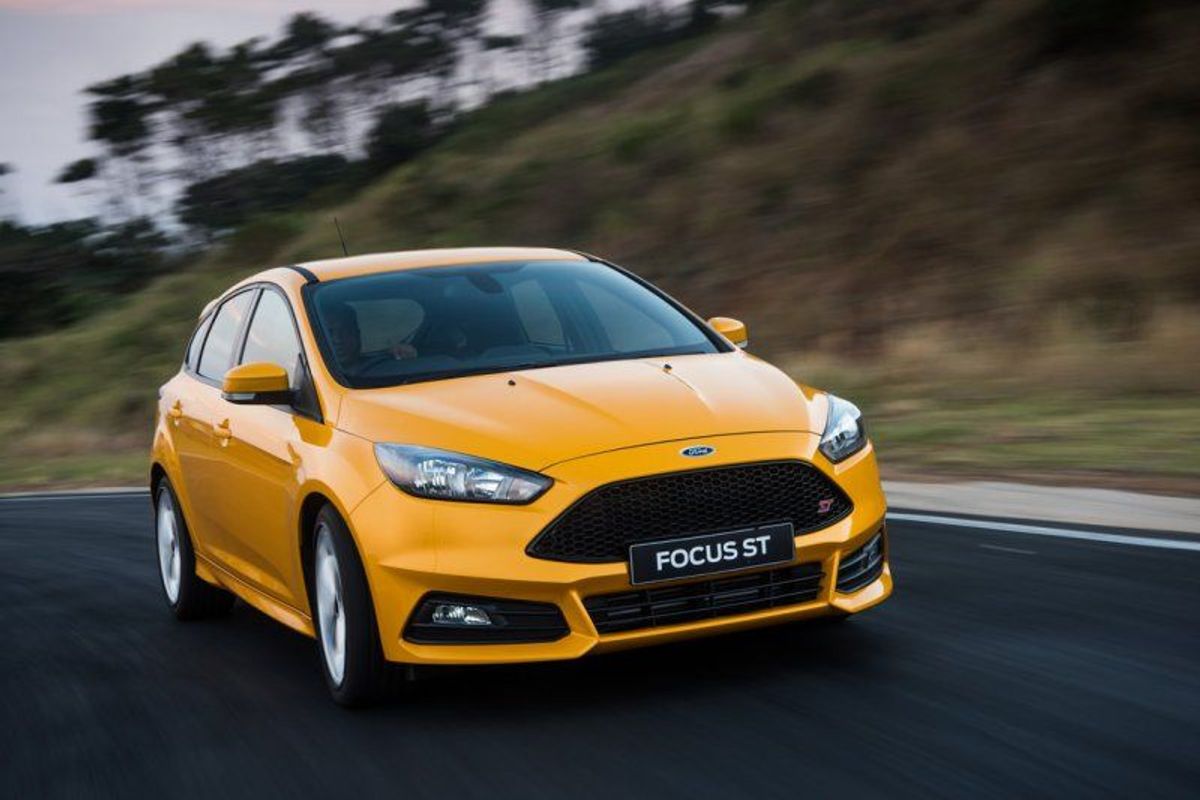
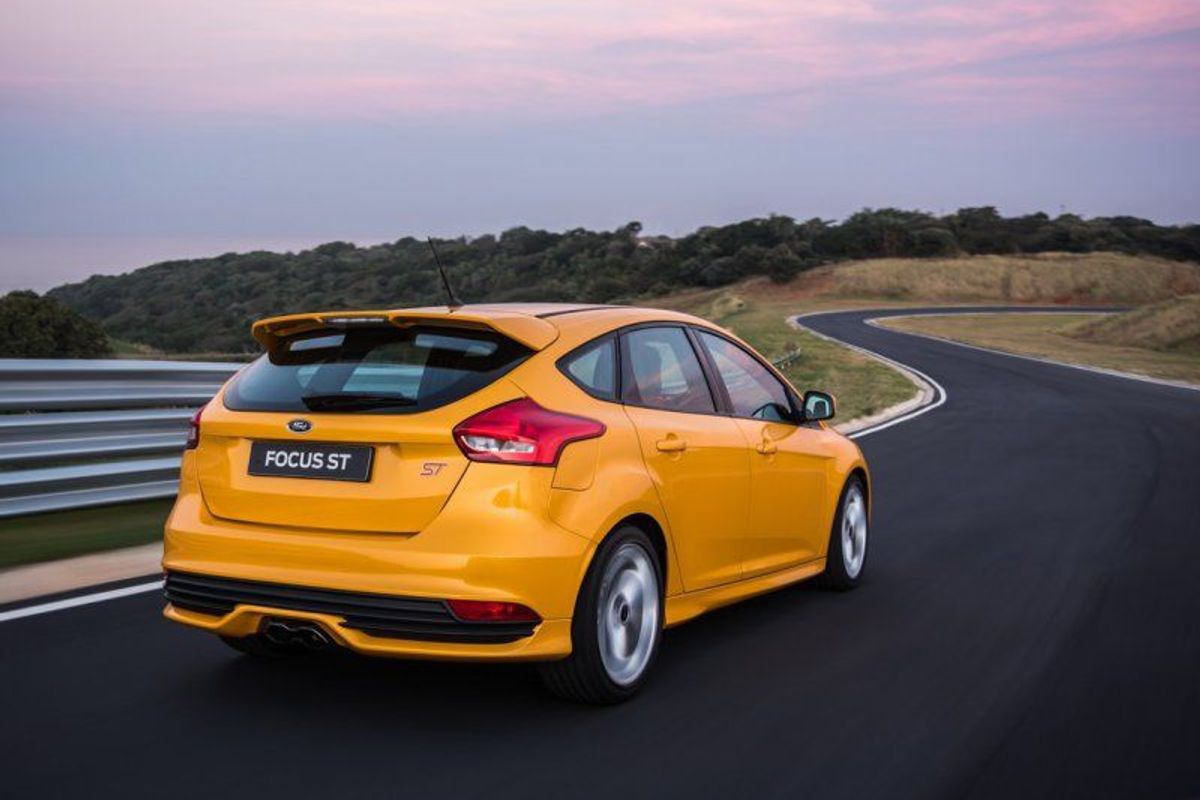
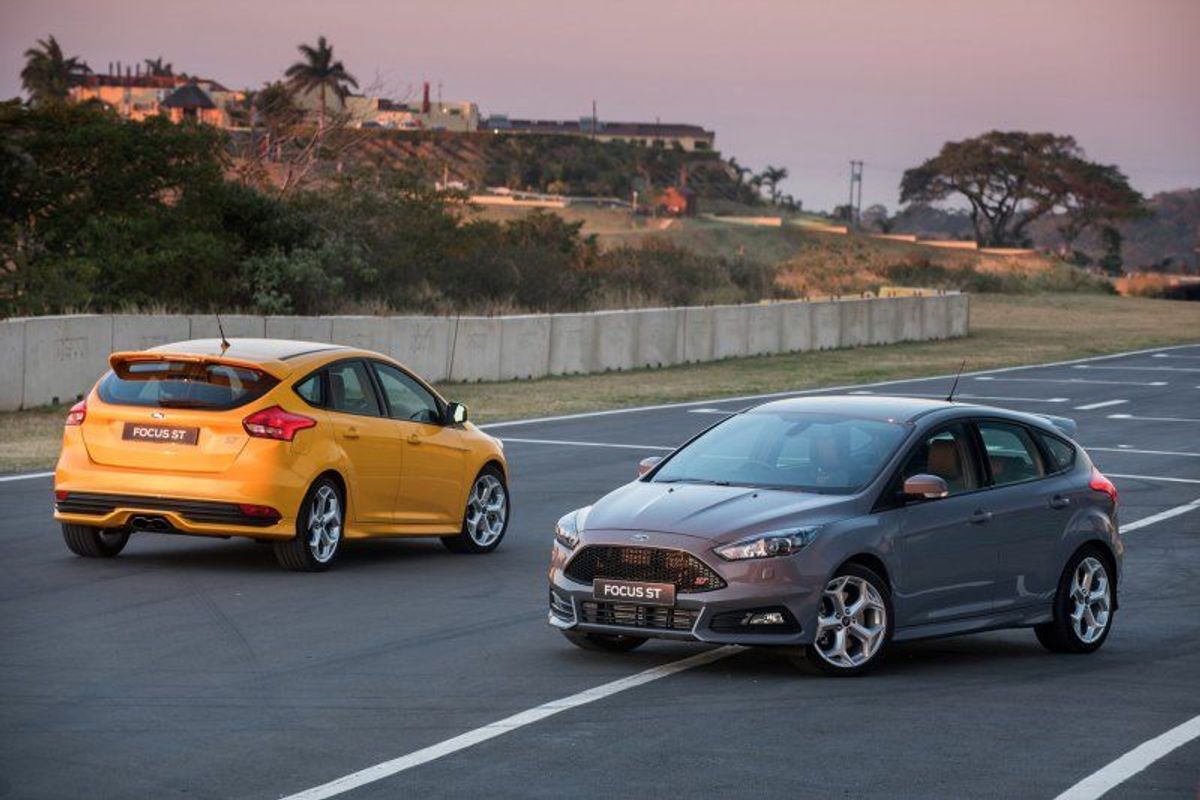
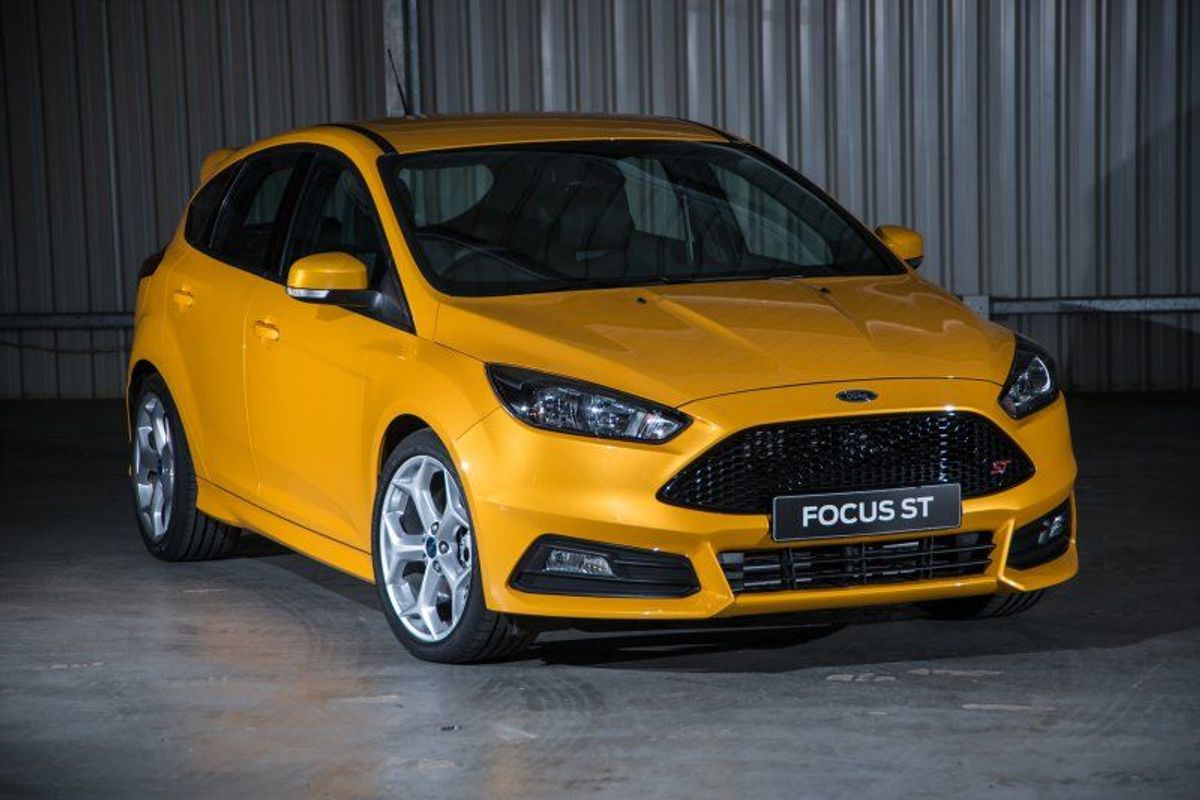
The popular Ford Focus ST has made a facelifted return to the South African market. The updated ST offers updated tech, better handling dynamics and a wider choice of colours to go with its visual upgrade.
Whats new?
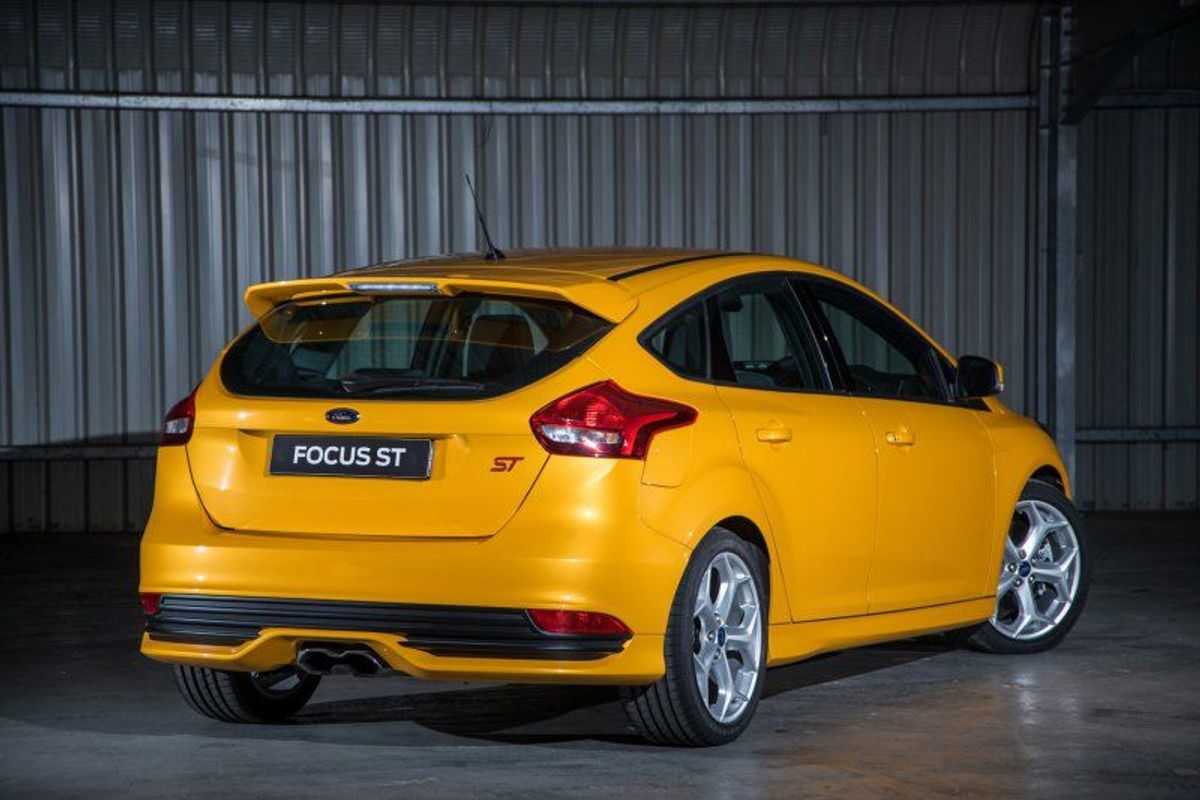
The front end is visibly different especially around the headlight area where the lights are smoother with a more slanted shape. The effect makes the front-end look more like a shark nose and more aggressive. The rear-end has also had a nip and tuck with a flatter bootlid being the most noticeable improvement.
Economy from the 2-Litre turbo has been improved mostly thanks to start/stop implementation and a more aerodynamic body design. Ford claims 6.8L/100km on the combined run, but the more important figure is probably the 6.5 seconds it takes the Focus ST to sprint to 100kph. The engine is otherwise unchanged, delivering the same 184 kW and 360 Nm of torque.
Changes to the electronic stability programme and a strengthened body structure are said to have made the Focus ST a more dynamic and more responsive vehicle to drive.
The favourite Tangerine Scream (orange) colour is now available on both the entry level ST1 as well as the ST3. Ford has also included two new colours for the Focus ST called Stealth (shiny grey) and Deep Impact Blue.
Whats it like to drive?
The Focus ST has always tried to play in a middle ground between being an all-out track toy (Renault Megane RS) and a comfortable performance hatch (Golf GTI). This facelifted Focus ST plays the same tune, but is even more fun to drive than the pre-facelift version.
Tiny tweaks to the chassis have made the ST more rigid and the turn-in response in particular has improved. It has a rear-end that can be playful at times, but which remains easy to control once it steps out of line. During our track session that took place on a wet Dezzi Raceway in Port Shepstone, the Focus ST handled the conditions and track with aplomb. It makes you eager to push on, but doesnt scare you with its speed and is forgiving if you get it a bit wrong. Admittedly the torque steer that hampered the pre-facelift model is still evident, but to a lesser extent.
Torque strength is very impressive and the Focus ST pulls strongly from low down in the rev range. It still sounds throaty and growls all the way up to the redline. The six-speed manual gearbox is fast shifting and very precise and adds to the vehicle’s fun factor. Despite much of the South African hot hatch buyers opting for DSG gearboxes in their Golf GTIs, Ford only has the manual gearbox for now, but a Powershift dual-clutch auto is not entirely out of the question in the future.
Ford Focus ST Pricing
Pricing has always been a strong part of the Focus STs appeal but a bludgeoned Rand has meant that the best deal Ford South Africa could work was to get the ST1 in at R381 900 and the higher specced ST3 at R421 900. It comes standard with a 4-year/120 000km warranty and a 4-year/80 000km service plan.
For a list of the full specs and pricing check out our link here.
New Ford Focus ST – Specs and Price in South Africa
Ford has launched the new Focus ST in South Africa. The hot hatch from the blue oval now features improved dynamics and new technology such as the industry-first Enhanced Transitional Stability system and the SYNC2 connectivity system with a high-res 8-inch colour touchscreen.
What’s New?
Much of the improvement in driving dynamics in this latest Focus ST is thanks to a stiffer chassis which reduces flex and improves agility and response. The suspension has been revised with all-new front springs and sporty shock absorber tuning at all four corners of the car, resulting in better overall performance.
The new Enhanced Transitional Stability (ETS) system forms part of the vehicles advanced Electronic Stability Control (ESC) and monitors vehicle stability and driver inputs. The system detects or predicts when a skid or loss of control is imminent and then takes corrective action by braking individual wheels to maintain control during direction changes at speed. Revised Electronic Torque Vectoring Control has also improved traction and reduced understeer. Drivers can choose between three ESC modes including Standard Mode, Sport Mode and Off, to suit the drivers desires.
In terms of styling, the new Ford Focus ST stands lower and wider compared to the outgoing model and now features a new bonnet, slimmer headlights and rectangular fog lights. Opt for the sports bodykit and the Focus ST gains body-coloured side skirts, diffuser elements and rear roof spoiler. All Focus ST models feature a hexagonal centre tailpipe.
Sporty looking 18-inch Y-spoke alloy wheels are standard and there’s also 19-inch ‘Rock metallic’ dark grey rims on offer with red brake callipers and a sunroof, forming part of a option pack costing R6 540.
Customers also have the choice of a new colour called Stealth (dark grey). Other colours include Tangerine Scream, Deep Impact Blue, Frozen White, Moondust Silver, Panther Black and Race Red.
Step Inside
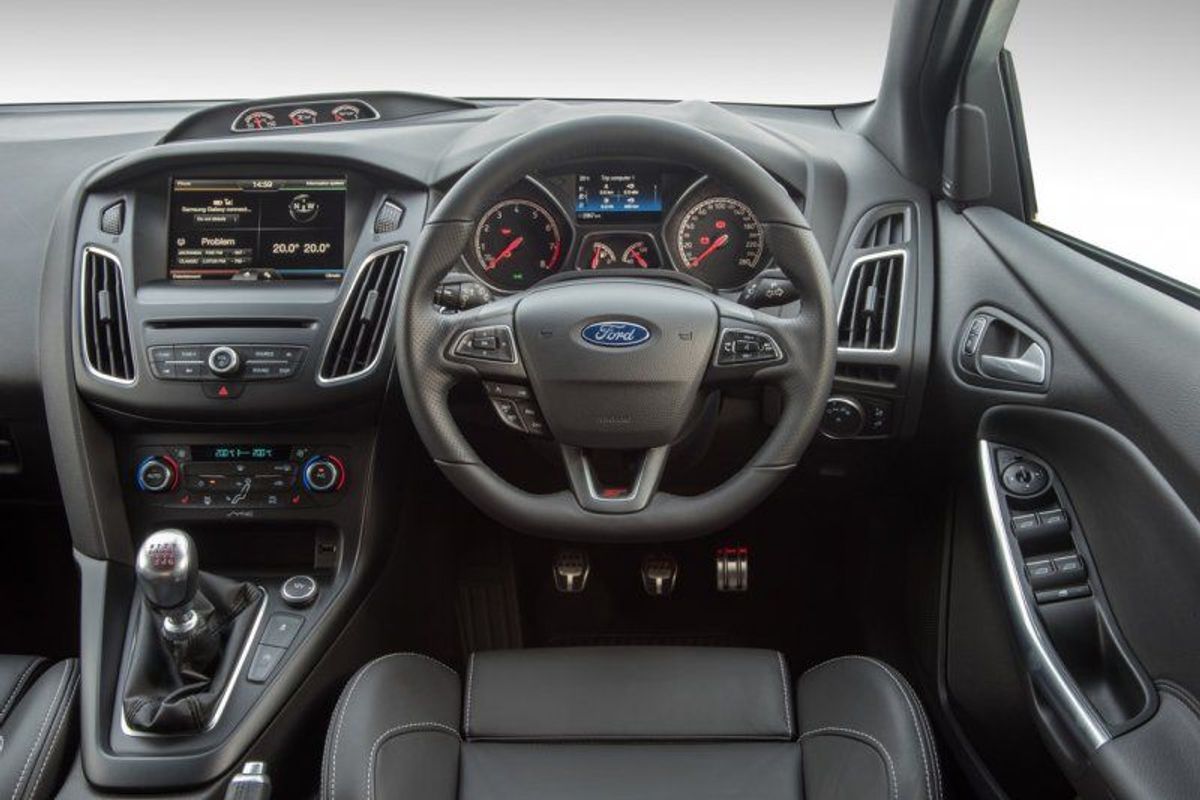
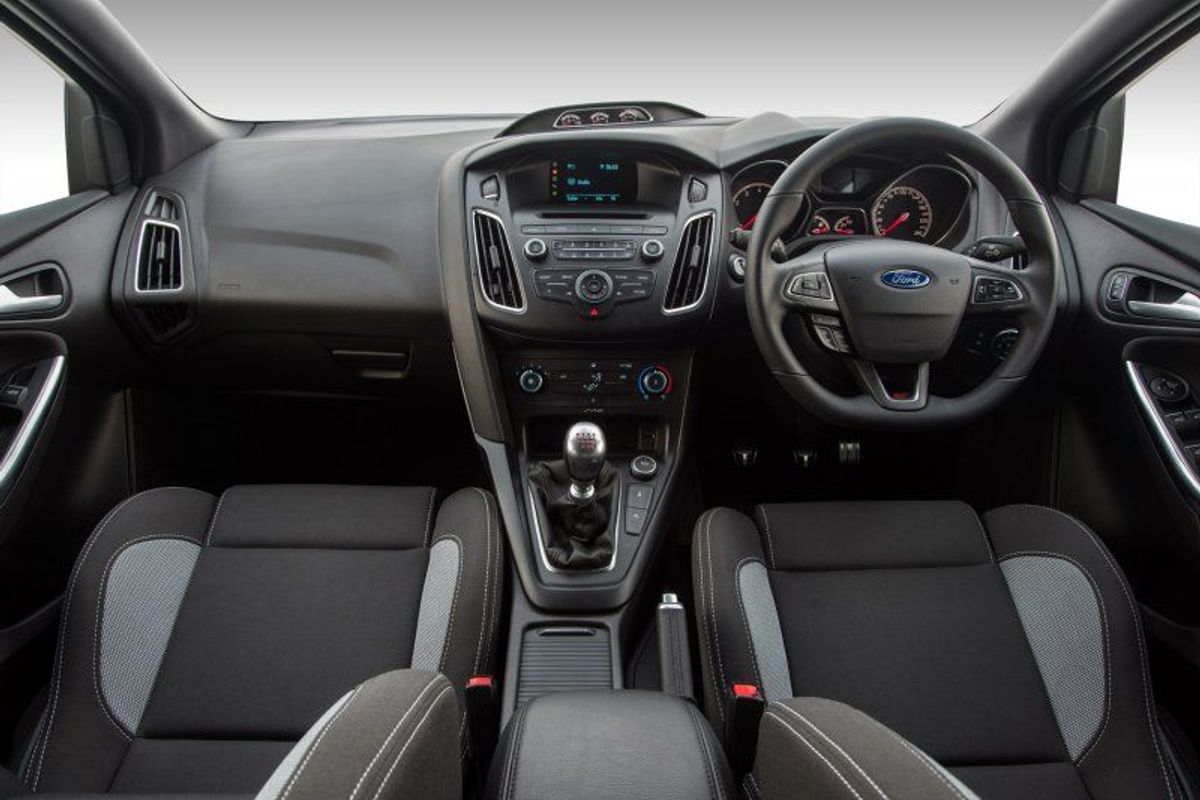
The interior of the new new Focus ST has been redesigned with a simpler layout and fewer buttons. Three gauges in the instrument binnacle display turbocharger boost pressure, oil temperature and oil pressure information. There’s also a new flat-base steering wheel covered in soft-feel leather and the the gear lever features a satin chrome top. Other details include ST pedals, satin chrome door grab handles and illuminated aluminium scuff plates. The racy persona of the ST is further enhanced with Recaro sports seats.
Engine Power
The Ford Focus ST is powered by a 2.0-litre Ecoboost engine that delivers 184 kW and 360 Nm. 0-100kph is achieved in 6.5 seconds with a top speed of 248kph. Fuel consumption is rated at 6.8L/100km. Auto-Start-Stop is now part of the package too and this improves fuel economy by up to 6%. This engine is mated to a 6-speed manual transmission.
Model Choice
Two trim levels are available, namely ST1 and ST3. Recaro sports seats are fitted as standard on both models with the ST1 featuring fabric upholstery in grey/charcoal/ anthracite black. The ST3 is kitted out in full charcoal black leather trim.
Standard features for the ST1 includes keyless start, footwell illumination, ST-branded leather steering wheel and gear knob, ST scuff plates, ST triple dial cluster, 18-inch alloy wheels, cruise control and an advanced Thatcham alarm and anti-theft system. Fords SYNC with Bluetooth and Voice Activation is also included along with mounted steering wheel controls and two USB ports.
The ST3 derivative features heated Recaro sports seats that are eight-way electronically adjustable for both the driver and passenger. This model benefits from dual-zone climate control, Ford’s SYNC2 system with 8-inch touchscreen, Sony sound system with nine speakers, two USB ports and an SD card slot. The ST3 is further distinguished with LED daytime running lights and Bi-Xenon HID headlamps.
New Ford Focus ST Price in South Africa
Ford Focus ST1 – R381 900
Ford Focus ST3 – R421 900
Pricing includes a 4-year/120 000km Comprehensive Warranty, 4-year/80 000km Service Plan, 3-year/unlimited km Roadside Assistance and 5-year/unlimited km Corrosion Warranty. Service intervals are set at 20 000km.
Ashley Oldfield is currently at the launch of the facelifted Ford Focus ST and his driving impression will be up in the next day to two.
Renault Megane RS 265 LUX (2015) Review
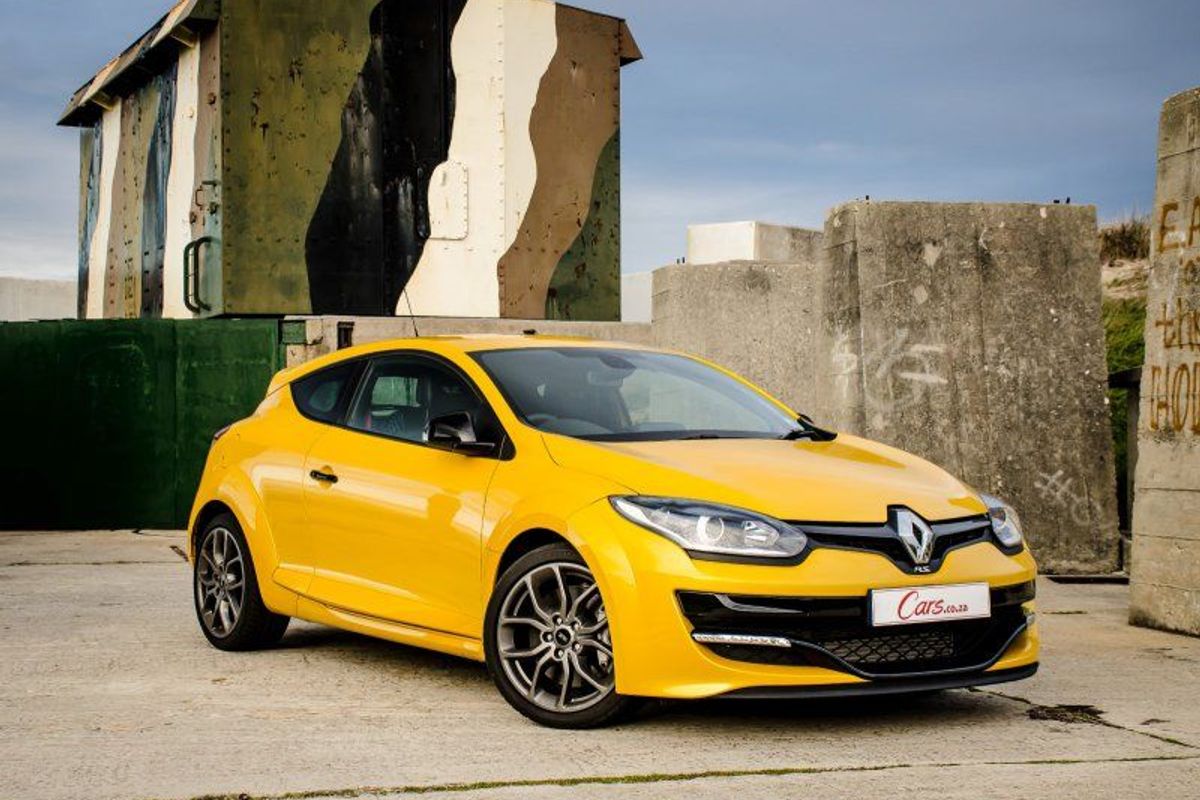
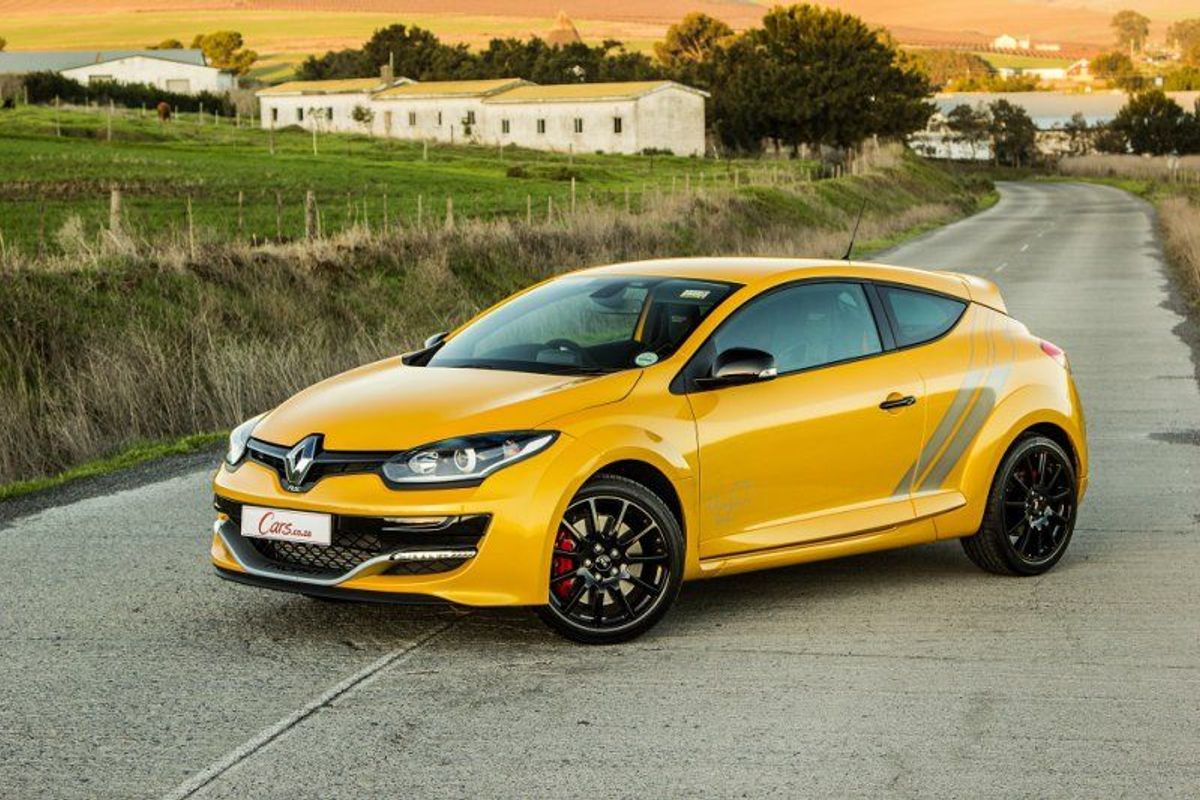
If performance hatchbacks are your cup of tea, then the Renault Megane RS 265 LUX deserves a taste. Renault introduced this new model to the South African market earlier in the year which was followed up with the track-biased Megane RS 275 Trophy version a few months later. Although both are similar in many ways, this RS 265 LUX derivative is more geared to the everyday motorist looking for excellent performance in a sporty package. We spent some time with the LUX to get a sense of its capabilities on the road..Striking Looks
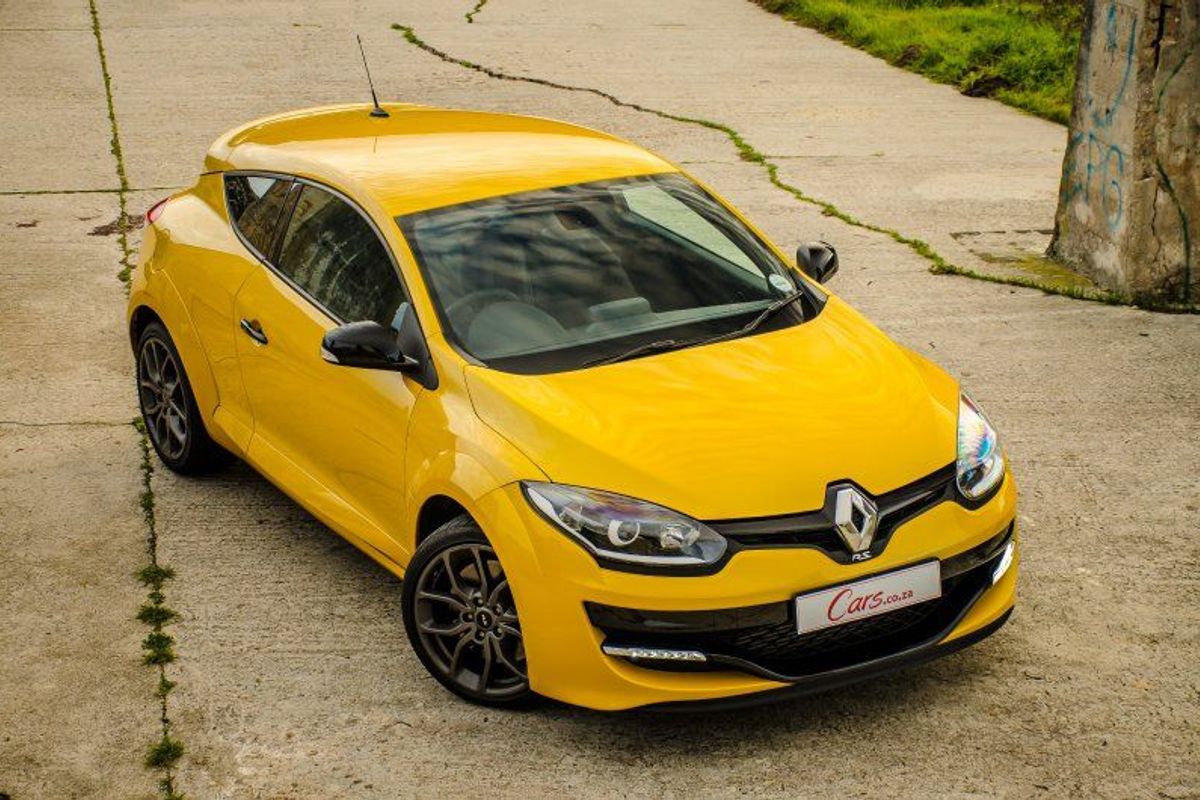
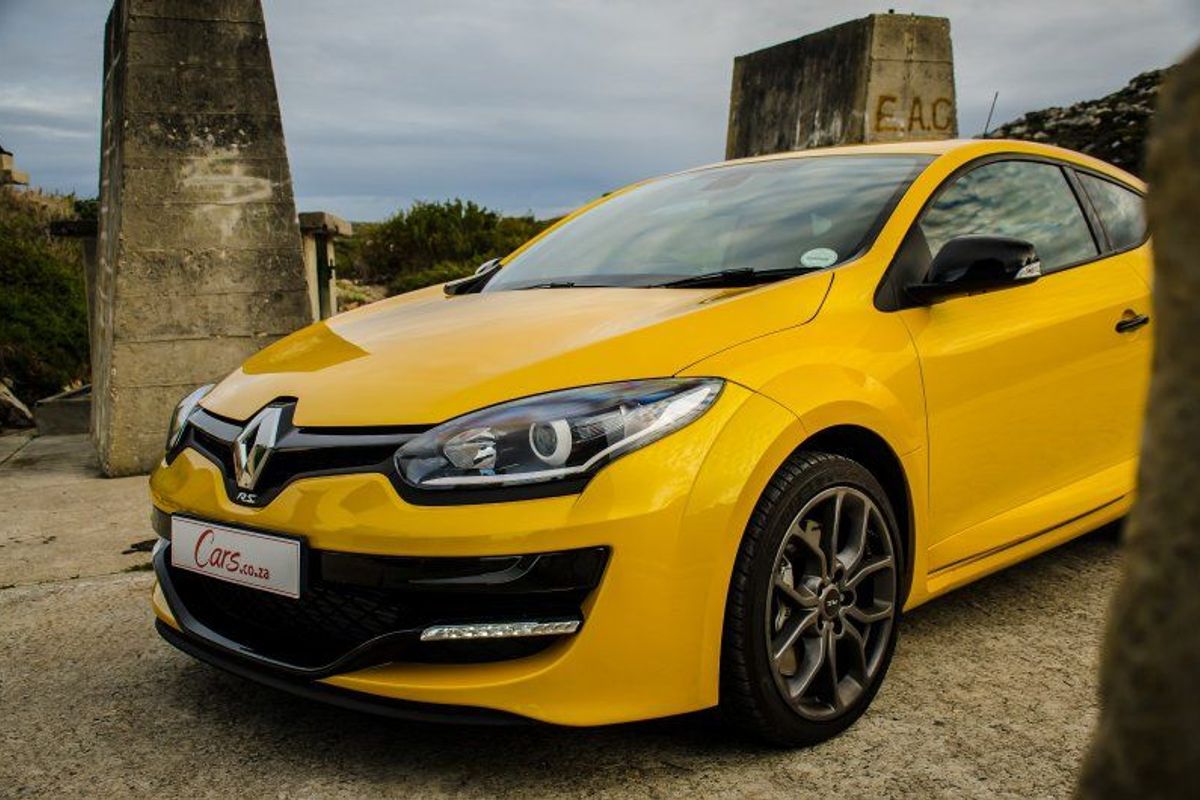
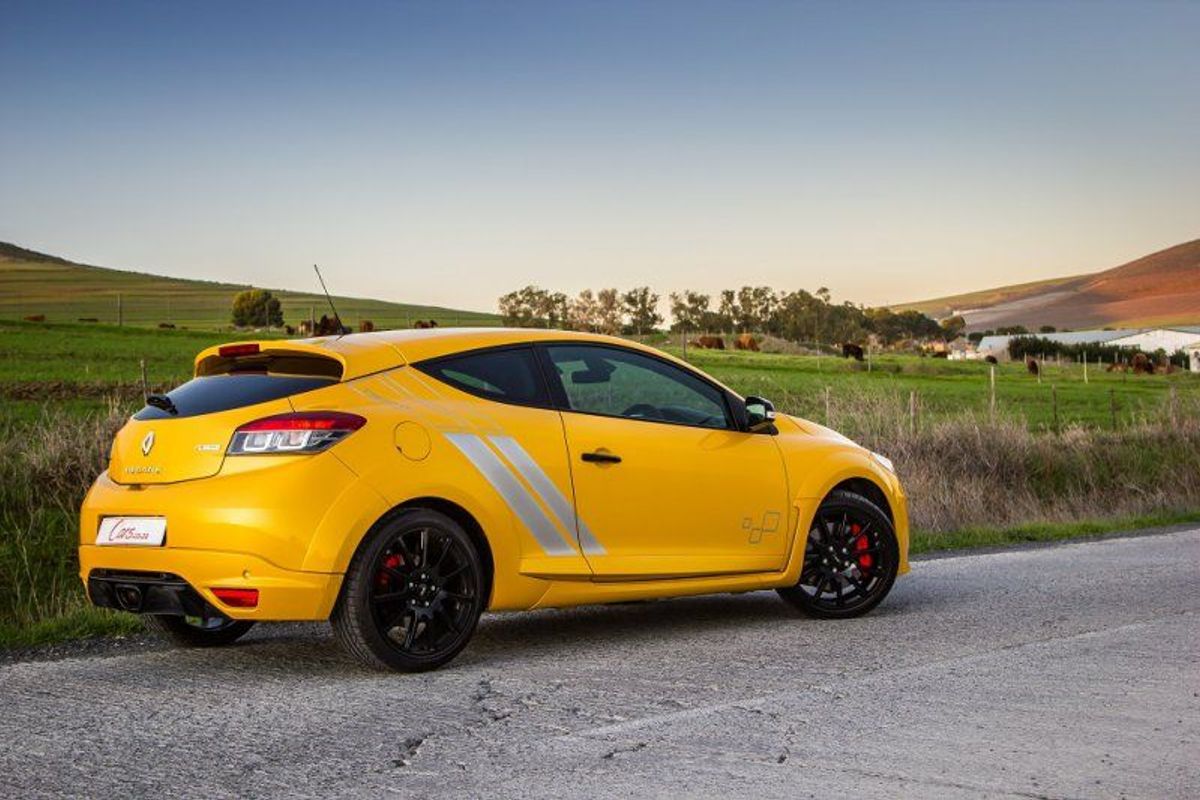
You cant deny that the Renault Megane RS 265 LUX is a good looking car, it just is. Sitting low and wide on the road and riding on 18-inch anthracite grey RS alloy wheels, this 3-door LUX coupe has performance written all over it. This message is driven home with RS badging below the large Renault logo on the nose as well as a F1-style blade insert with integrated LED daytime running lights.
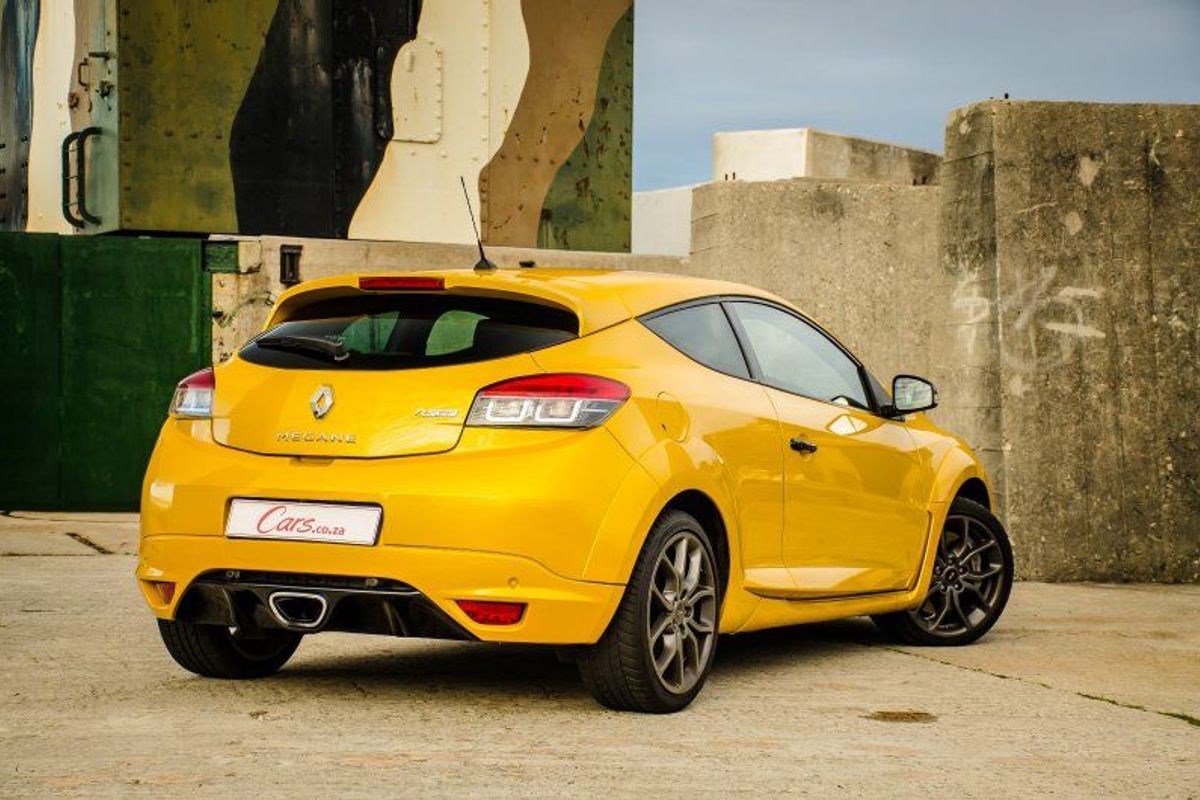
The rear-end is what most motorists will see and here you will find a large centre-mounted exhaust integrated into the diffuser. This particular test unit wears a rather bold yellow metallic paint called Sirius Yellow, which can be had as an option for a price of R20 000.
Sporty Interior
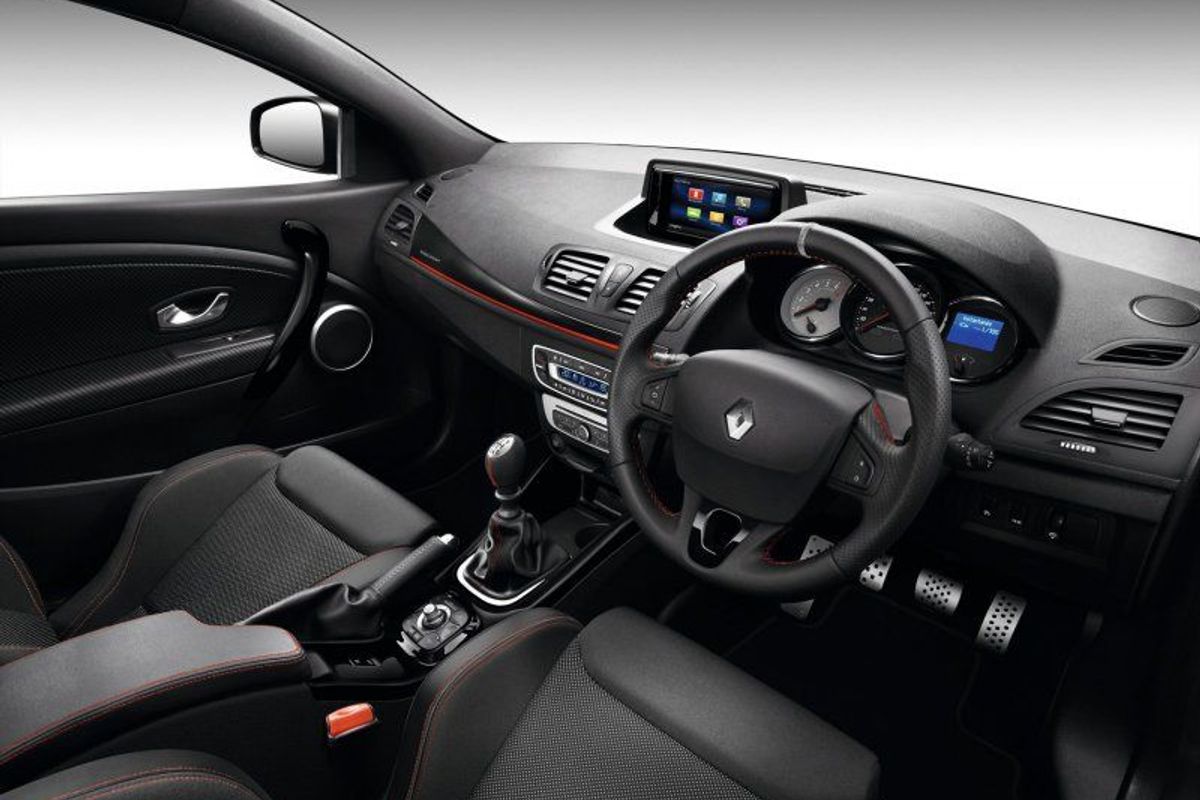
The sportiness doesnt end there. Open the door and RS door sills and aluminium sports pedals welcome you in. The leather sports seats are comfortable with excellent bolstering and they are electrically adjustable with a heating function too. The dashboard is finished in gloss black carbon-look moulding and both the gear knob and multifunction steering wheel are wrapped in leather with the steering wheel being adjustable for rake and reach. The racy feel is further enhanced with the RS instrument dials tilted upwards.
Infotainment is provided by a dash-mounted touchscreen thats Bluetooth capable and comes loaded with TomTom Live navigation which also alerts you when you are exceeding the speed limit. The Megane RS 265 LUX is fitted with Park Distance Control as standard, but this test unit came fitted with the optional rear camera park assist costing R5 000. Other standard features include tyre pressure monitoring system, climate control, cruise control with speed limiter, USB/Aux inputs, Keyless start and electric windows and side mirrors.
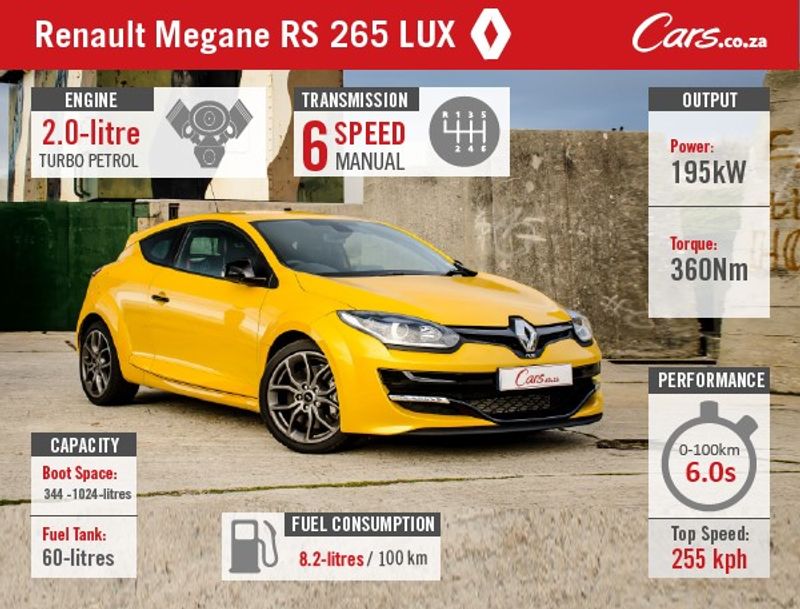
It must be said however that the LUX isnt the most practical car around. Getting into the rear seats can be a bit of a mission and rear headroom is tight, but thankfully rear knee and legroom is sufficient. In terms of space, you looking at a reasonable sized boot offering 344-litres of space. The rear seats do fold down increasing loading space to 1 024-litres. There are also ISOFIX child seat mounts fitted if you plan on giving your little ones a bit of a joy ride.
Performance DeLUXe
The real action happens under the bonnet. With its 2.0-litre turbo engine, the Megane RS 265 LUX is tuned to deliver 195kW and 360Nm of torque through the front wheels via a 6-speed manual transmission.
When driven gently, the 265 LUX goes about its business quietly and respectfully, but put your foot down and things quickly kick up a notch. The throttle is responsive and acceleration is quick and thrilling. Renault claims 6 seconds in the 0-100kph sprint and it certainly feels that fast. Gear shifting is smooth and in-gear acceleration is excellent. As a result, overtaking manoeuvres are executed with blissful ease. Its always nice to know that theres power on tap when its needed, no questions asked.
The ride is on the firm side, but not uncomfortably firm. The LUX does a decent job of providing a smooth ride and it deals with imperfections reasonably well. The steering is nicely weighted and precise, giving the driver confidence to enjoy the performance. The LUX handles superbly, hugging the tar both in a straight line and in the bends.
If you wish to perk up the performance even further, simply push the RS button and the fun factor increases even more. With RS mode engaged, throttle response is enhanced and the LUX turns into bullet thats sure to turn heads as the exhaust crackles and pops behind you. Renault claims the LUX will consume 8.2L/100km, but we found it rather difficult to achieve below 10L/100km. We blame the fun driving experience…
In terms of safety features, the LUX is well equipped and comes fitted with ABS, EBD, Brake Assist, Traction Control and Anti-Slip Regulation/Stability Control. A total of eight airbags are also fitted as standard.
Renault Megane RS 265 LUX Price in South Africa
The Megane RS 265 LUX is priced from R389 900. There are a number of optional extras you can throw into the mix and these include a fixed glass roof (R8 000), rear camera park assist (R5 000), metallic paint (R2 500) and Sirius Yellow metallic paint for R20 000.
The price includes a 5-year/150 000km mechanical warranty plan, a 6-year anti-corrosion warranty and 5-year/90 000km service plan with service intervals set at 10 000km.
Verdict
The Renault Megane RS 265 LUX is a striking package that offers excellent performance. With a solid dose of power and torque and a decent amount of specification, the LUX is difficult to ignore at this price point. Although its not the most practical hot hatch on the market, the LUX makes up for its inadequacies by keeping its driver engaged and smiling on every journey. If youre not a Renault fan, then you may want to consider rivals such as the Ford Focus ST and Volkswagen Golf GTI, or the Scirocco if you are looking for a three-door coupe, but be mindful that you will be forking out more cash here.
We like: Performance, excellent handling, stylish looks, value for money, generous specification
Dont like: Rear space
Also Consider: Volkswagen Golf GTI, Ford Focus ST, Volkswagen Scirocco
Team Opinion
The Renault Megane RS 265 offers a wonderful balance between day-to-day comfort and outright driving thrills. While it’s not as track-focused as its more powerful Trophy brother, I feel that the acceleration and driving experience is not too different. I would love to be able to fit the loud Akrapovic exhaust as an option. I’d have this over the mainstream Golf GTI and the not-as-exciting Ford Focus ST. -David Taylor
The Megane Lux softens up what is essentially a track car and makes it a bit more usable as an every day hot hatch. Creature comforts are regarded as a necessity in here rather than a weight disadvantage like they are in the Trophy. -Ashley Oldfield
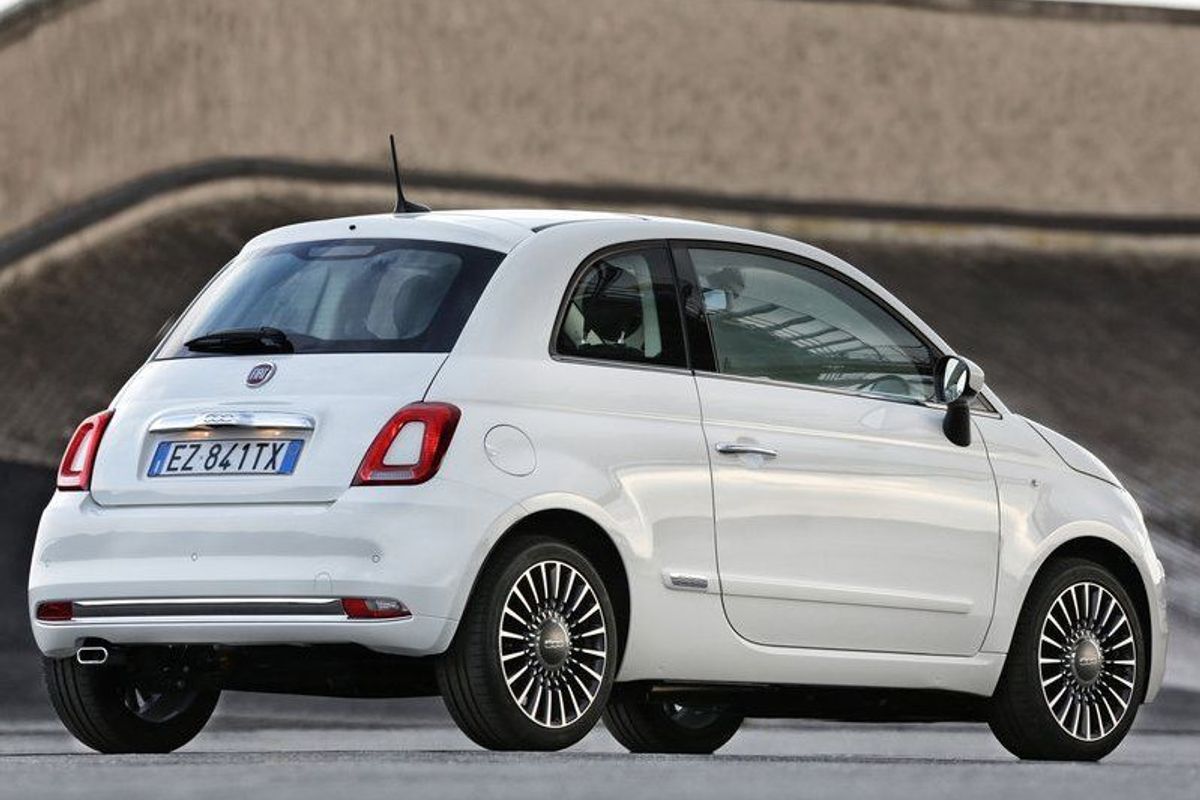
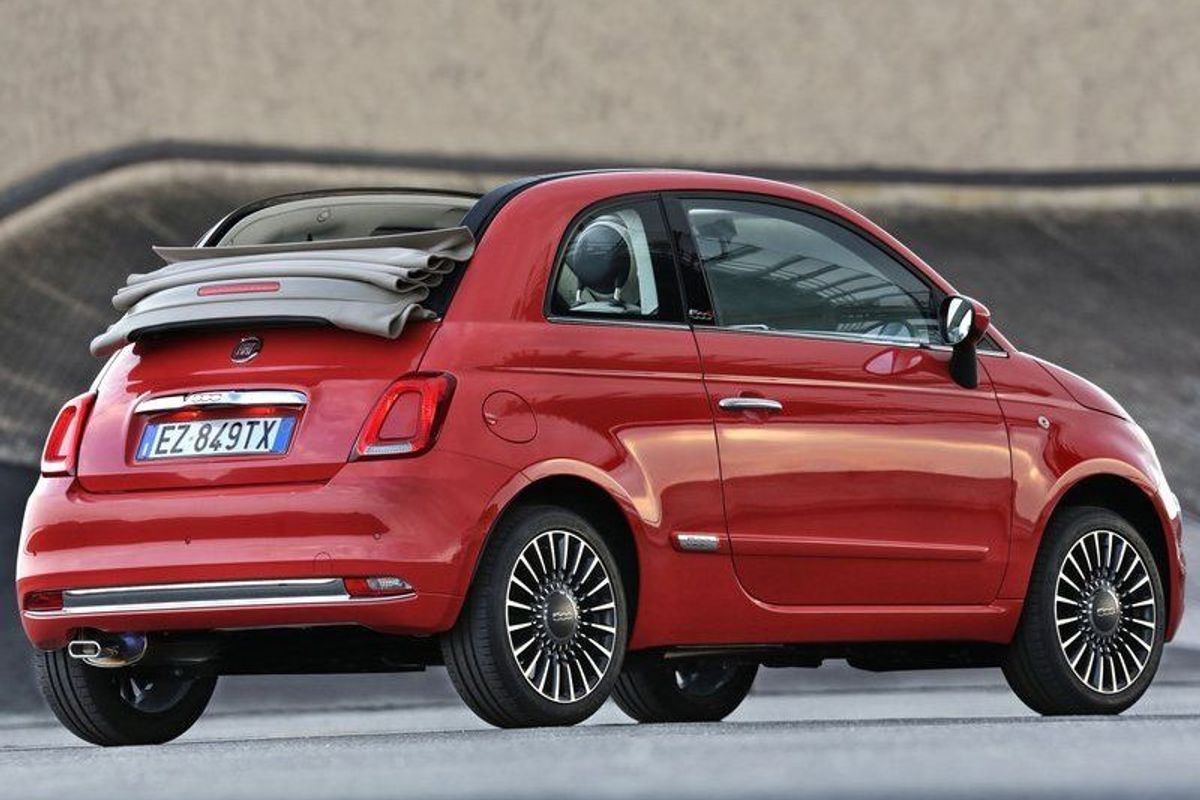
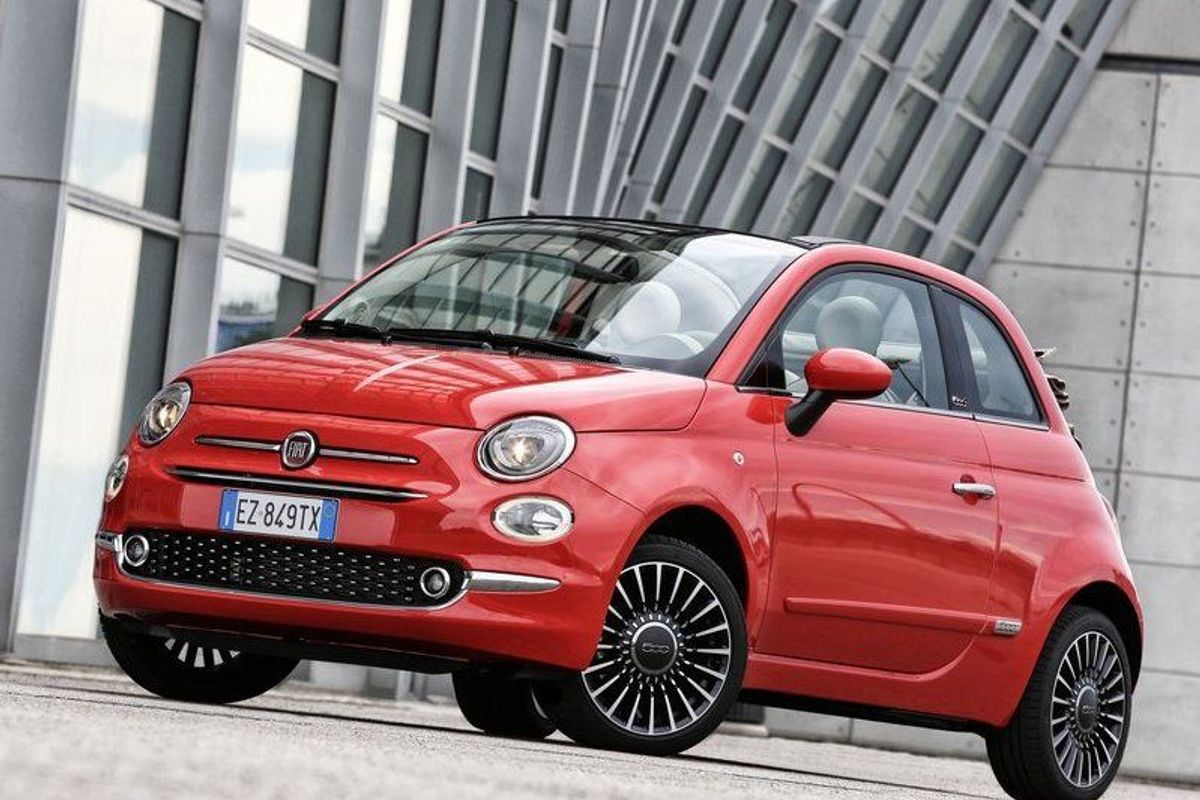
The refreshed Fiat 500 has been revealed with a number of exterior and interior changes. Fiat says more than 1 800 changes were made to the car. Let’s take a quick look at what the new Fiat 500 has to offer…
New Look for Fiat 500
The size of the Fiat 500 has remained the same, standing 3.57m long, 1.63m wide and 1.49m tall. The round headlights have been reworked and are now slanted and LED daytime running lights can be seen in the lower cluster. Chrome ‘whiskers’ flank the Fiat badge which is set in a more pronounced front-end. The side profile remains round with large side windows, a short bonnet and minimal overhang with the belt line inclined to the front.
The rear-end features a chrome-plated handle and new tailights with the reverse light and fog lights set in the lower black or chrome-plated grille. The Fiat 500 also sports new 15 and 16-inch wheel designs with a choice of 13 body colors and numerous cutomisation options.
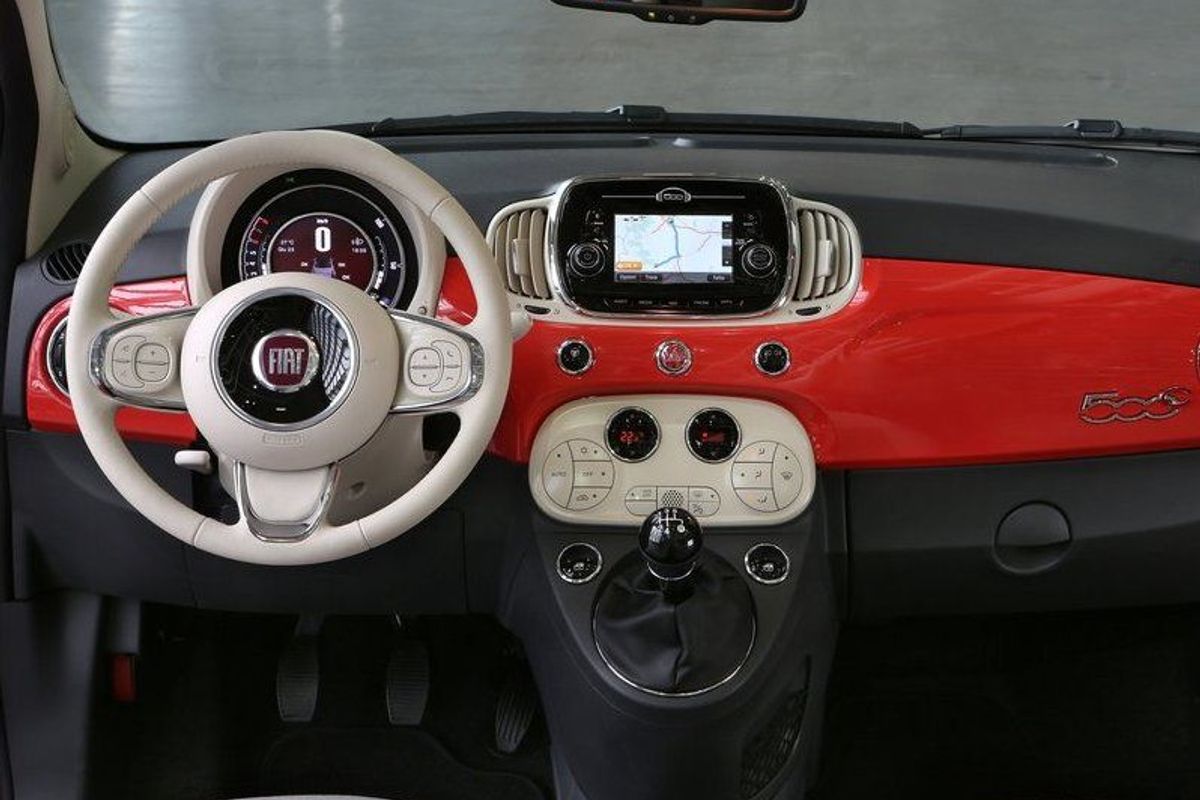
On the inside, the interior is all-new, with the dashboard now incorporating the Uconnect infotainment system with a 5-inch screen. The steering wheel has been redesigned with new buttons and a 7-inch TFT display in the instrument cluster can be had on the top-spec Lounge model. The seats have been redone too, and feature a range of upholstery options and Fiat has also taken the time to apply more sound-deadening materials to reduce noise in the cabin. Three trim levels will be available from launch including Pop, Popstar and Lounge. At this stage, we’re not sure what the South African market will be getting.
Engine Choice
Three choices of engines are initially available for the Fiat 500, mated to either a five and six-speed transmission or a Dualogic robotised transmission. The first engine is a 0.9-litre TwinAir engine available in two states of tune, offering either 63 kW or 78 kW. Fuel consumption on the 63 kW version is rated at only 3.8L/100km.
There will also be a 1.2-litre engine offering 51 kW as well as a two-cylinder 1.2-litre EasyPower engine also offering 51 kW. Additional engines, including a 1.3-litre turbodiesel engine, will be added to the range at a later stage. In other markets, the new Fiat 500 can also be equipped with a 48 kW 0.9-litre TwinAir engine or a 75 kW 1.4-litre naturally aspirated engine.
BMW i3 Range Extender (2015) Review
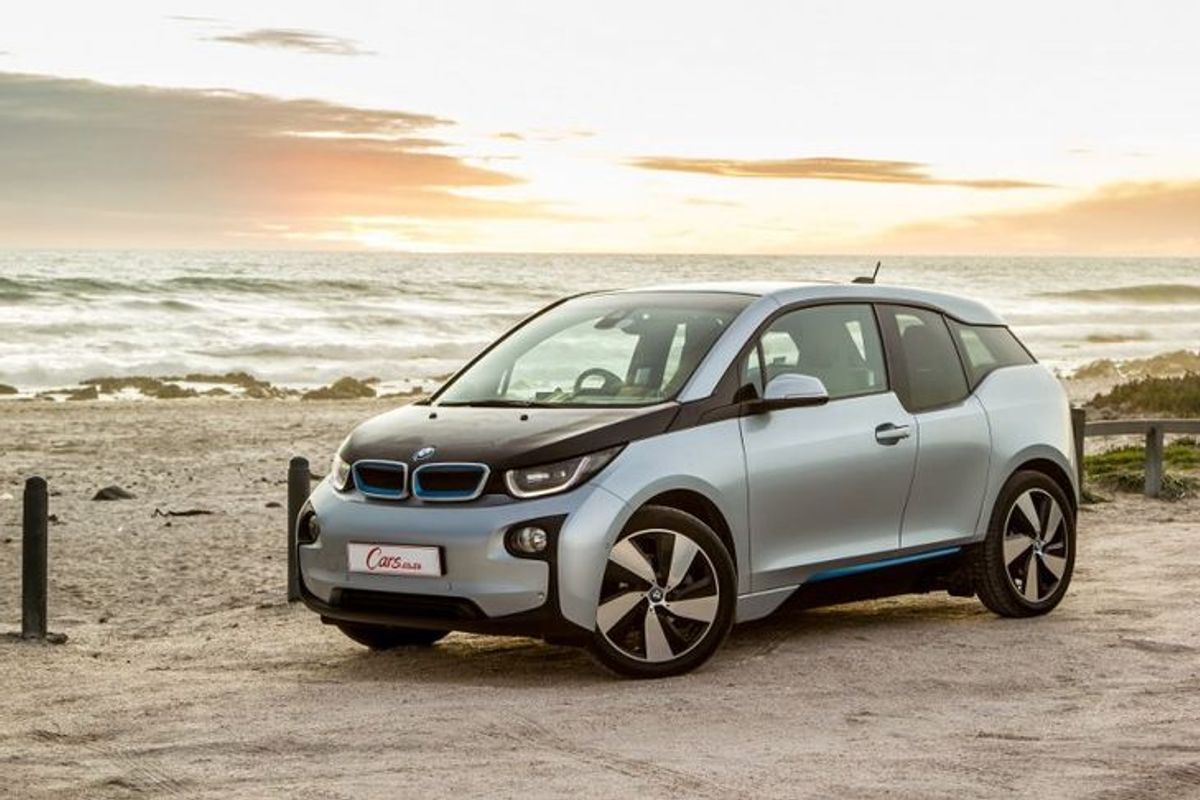
The first of BMW’s electric cars has made its way to our fleet and we spent a week with the BMW i3 Range Extender. Futuristic and concept car-like looks aside, how does the more sensible (and affordable) of BMW’s electric range fare on the roads of the Western Cape?
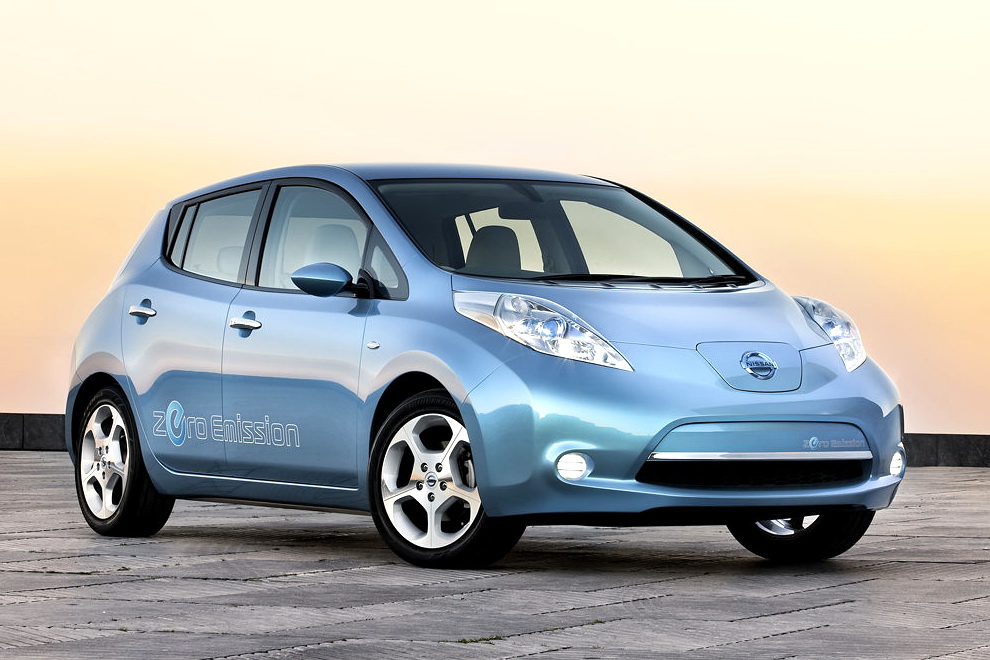
Despite the hype surrounding the BMW electric range, it’s not the first electric car available in South Africa. That honour belongs to the Nissan Leaf. However the BMW i3 has a premium and cool factor to it, which has a lot to do with the BMW badge, as well as innovation that goes beyond just the drivetrain.
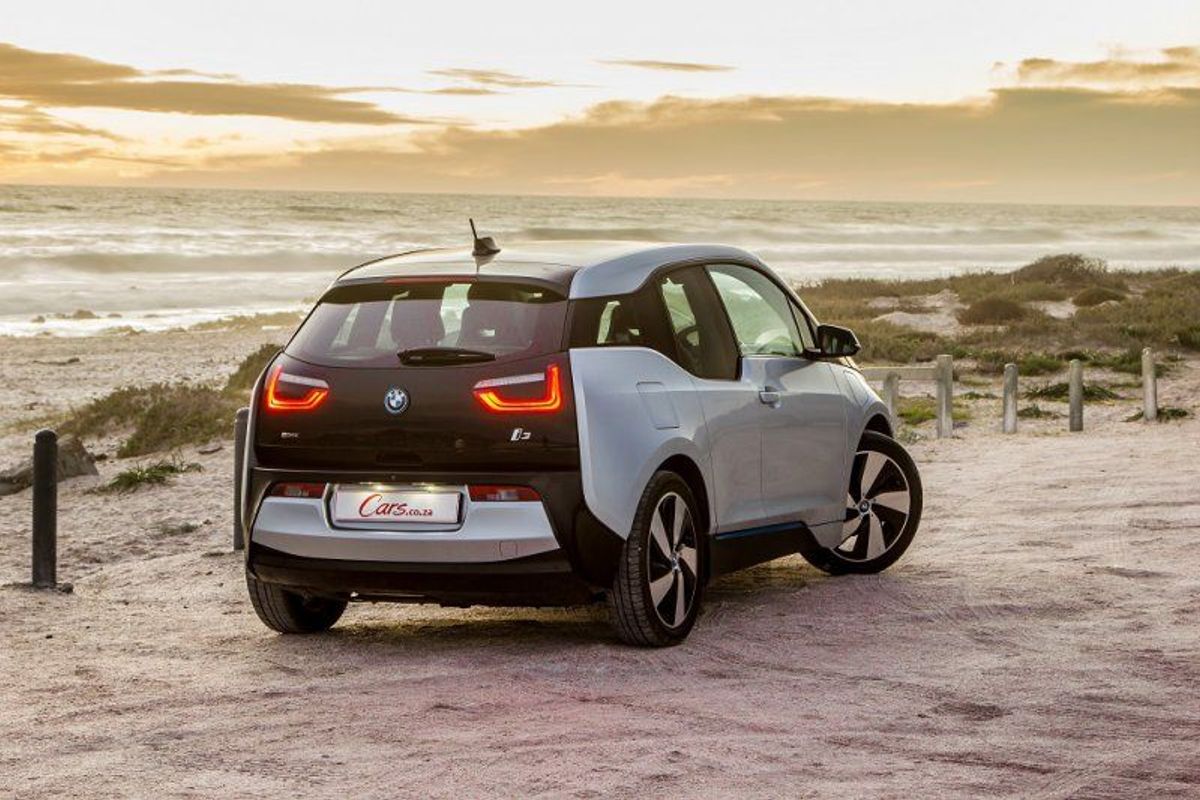
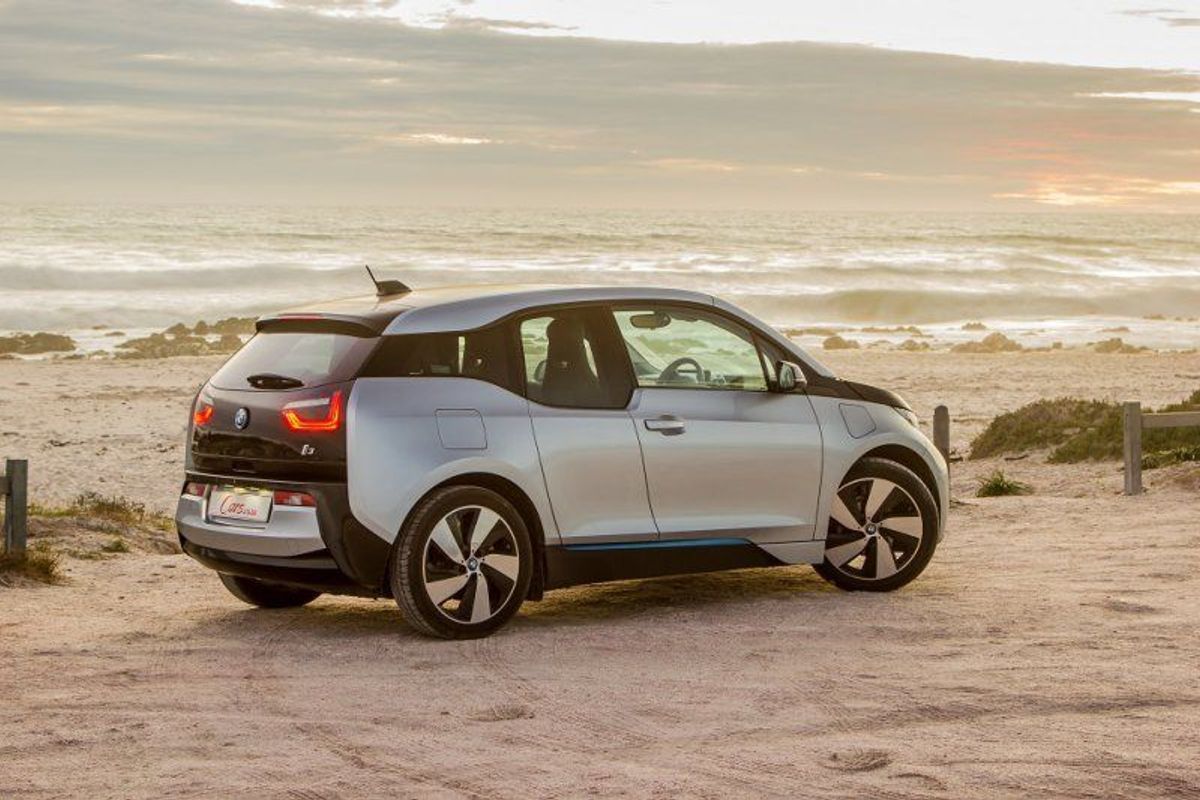
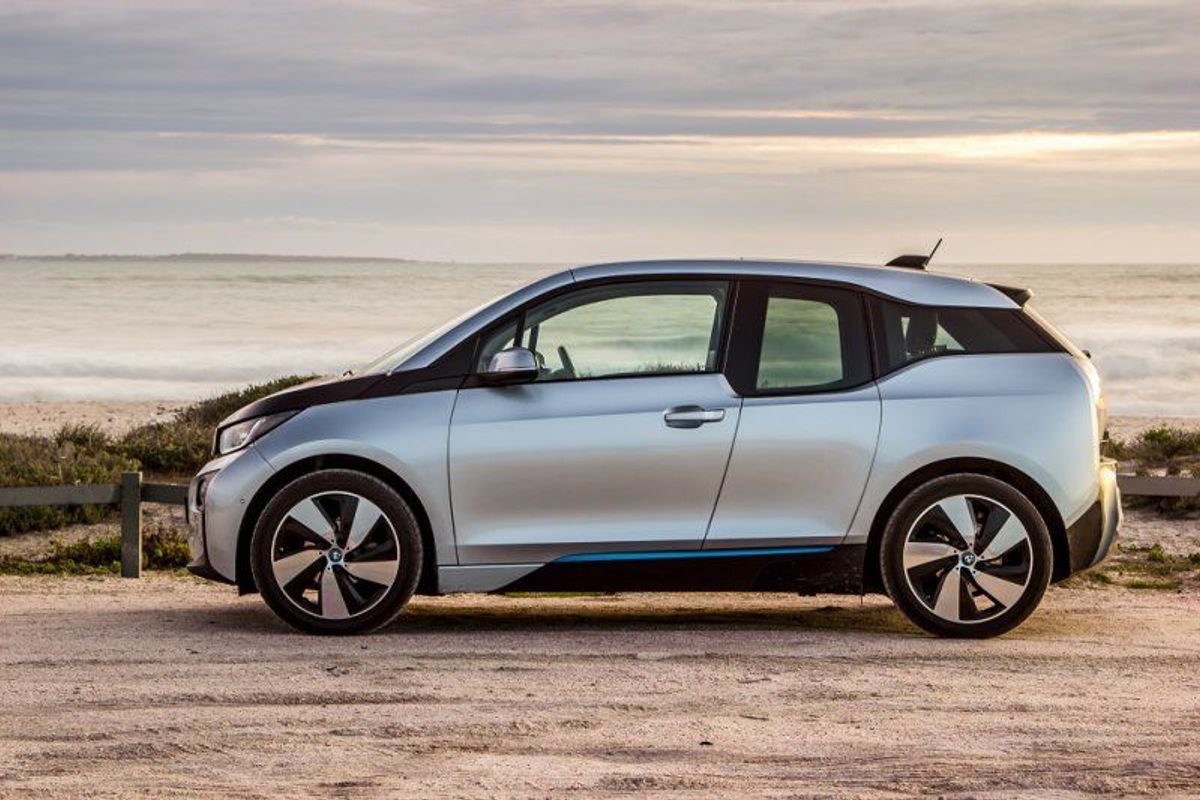
The looks of the BMW i3 Range Extender are very quirky and it looks like something from a Hollywood blockbuster set in the future. Its design is certainly polarising and onlookers offered comments that ranged from cute to ugly. It’s quite tall, yet narrow and it retains distinct BMW touches like the kidney grille.
The BMW i3 Range Extender is constructed out of a variety of eco-friendly and lightweight materials. An electric car is already hamstrung by the weight of its batteries so for it to work, it needs to be put on a diet elsewhere. There’s extensive use of carbon fibre, some of which you can see when you open the doors.
Cabin is Beautiful and Spacious
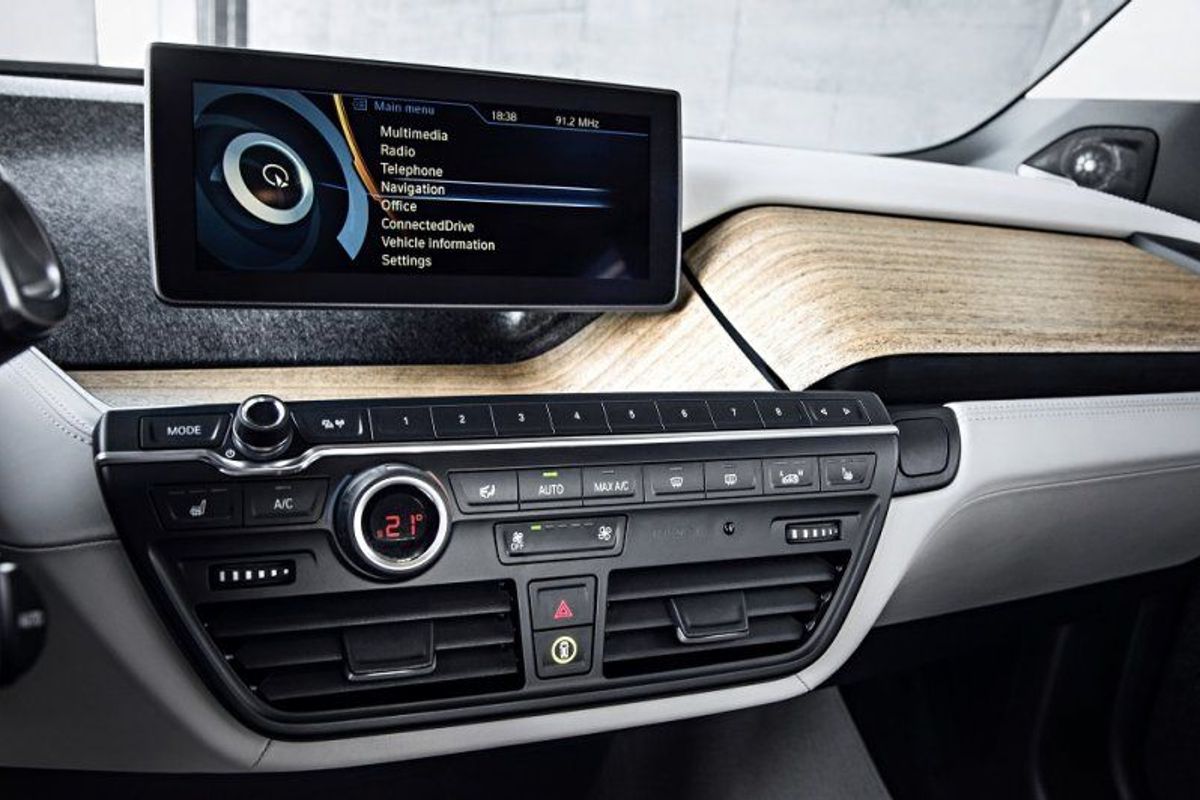
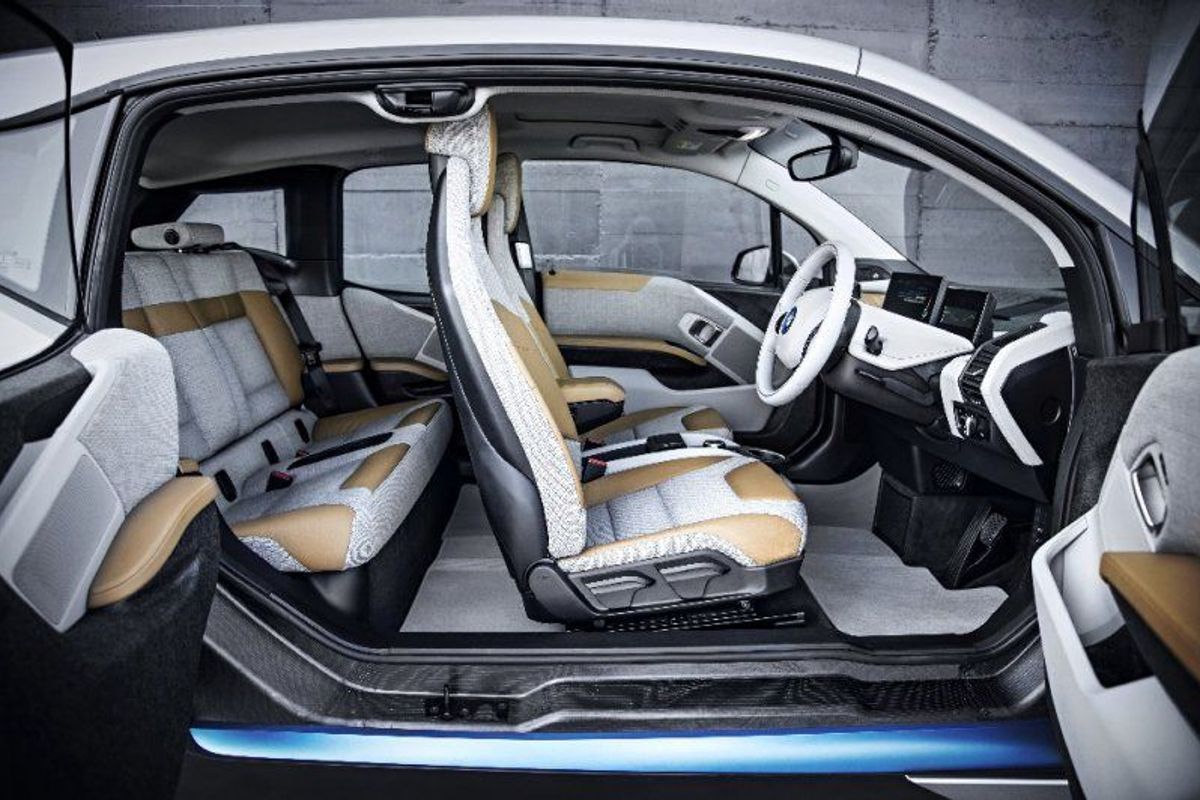
The cabin is one area where the BMW i3 Range Extender receives full marks. This isn’t a car interior, this is a combination of a modern art gallery and the flagship branch of Ikea. There’s an extremely minimalist feel to the cabin and there are clever applications of wood from sustainable forests, leather and recycled fabrics. There’s also the occasional splattering of carbon fibre-reinforced plastics.
Specification is generous too and you get the usual luxury features, but in true German fashion a number of options can be fitted to the car. You have the choice of four alloy wheels in sizes ranging from 19-inch to 20-inch. We’d recommend sticking with the smaller wheels to improve ride quality. Cabin accessibility is via conventional opening doors at the front, while the rears open in a suicide fashion. Thanks to a flat floor and high roof, interior space is generous and sufficient for four adults. The boot space is surprisingly decent too.
Engine and Drive
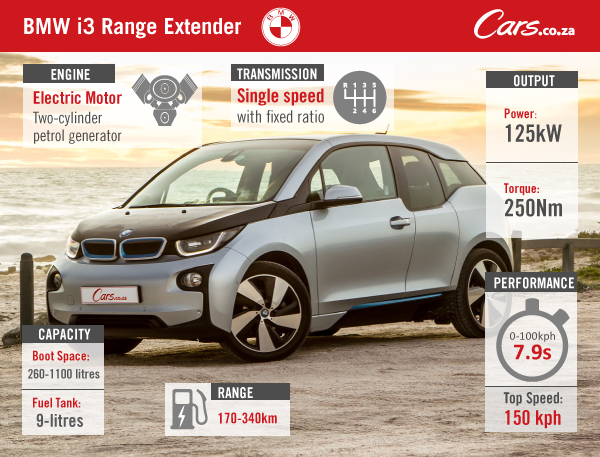
At the heart of the BMW i3 Range Extender is a 125kW and 250Nm electric motor which drives the rear wheels. You don’t get a gearbox, instead you get a drive selector that gives you the option of Drive, Park and Reverse. You select how you wish to move by turning a dial to the right of a steering wheel.
The first thing you notice about how the BMW i3 Range Extender drives is the responsiveness. With maximum torque from standstill, there’s very little this side of a genuine sportscar to touch the BMW i3 Range Extender off the line. It’s most amusing to put your foot flat and the little i3 surges ahead quietly and effortlessly. 0-100kph is claimed in the mid-7s, which gives you some idea of how zippy it is. It’s also really quiet, with almost zero transmission whine when moving and when you’re stationary, the only thing you can hear is your own breathing.
If the acceleration leaves you breathless, the deceleration will be even more surprising. BMW has fitted the i3 Range Extender with regenerative braking, meaning the moment you come off the accelerator the car harvests that energy and turns it into electricity. It’s very aggressive and the deceleration force is enough to make the i3’s brake lights come on. Within a few hours, we had mastered the art of driving using just the accelerator pedal and only resorting to the brake when an emergency stop was required.
The main difference between the standard BMW i3 and the BMW i3 Range Extender is a two-cylinder petrol engine with a 9L tank, which keeps the electricity topped up. Once your initial charge has dropped to around 5km on the range, you’ll hear a little hum as the generator fires up. Interestingly, this petrol engine does not power the wheels, but instead keeps the battery topped up. The standard BMW i3 is good for between 130-160km on a single charge, while the i3 Range Extender can stretch out to 340km if you drive in the most efficient mode. We discovered the Achilles heel of the BMW i3 is the open road where speeds in excess of 120kph are a sure-fire way to drain the battery quickly. Drive under 90kph for maximum effect and range anxiety becomes a thing of the past.
Charging
To charge the BMW i3 Range Extender, you have a number of options. Located in the bonnet storage area is a wall charger which is capable of giving you 80% in about 7 hours. This is fine for overnight use, but what you really want is the BMW i Wallbox. BMW will come to your home or office and install a charging station for around R25k, which is able to charge an i3 to 80% in under 3 hours. Finally, you can always pop down to your BMW i dealerships who will have a public charging station, which is able to give you an even faster charge. At this stage, there’s only one dealership in the Western Cape and we tried it out at SMG Cape Town. We’re happy to report that charging via this system is very easy to do.
Verdict
Eccentric looks aside, the technology used in the BMW i3 makes it a very exciting glimpse into the next generation of city motoring. The Range Extender makes the most sense and with that little generator humming behind you, range anxiety quickly diminishes. It’s a pricey way to make an eco statement, but is definitely going to win some fans thanks to its cool factor. We would like a model that had some of the luxury features removed which would bring the price down.
While the technology itself is not new, the fact that BMW has taken the bold step in making a mainstream vehicle like this sets a precedent. This is the first electric car that has broad and premium appeal in South Africa, and that interior is a work of art. Despite the Leaf being substantially cheaper, we’d have this BMW over the Nissan because of its cool factor. If only our government offered financial incentives to encourage the purchase of eco cars…
BMW i3 Range Extender Price in South Africa
The price of the BMW i3 starts at R532 500, with this i3 Range Extender going for R602 500.
Team Opinions
Understand that the i3 is a second car (or a city car), and it will fit into your lifestyle rather easily. Its appeal goes beyond the efficiencies of the drivetrain. It is good to drive too! –Hannes Oosthuizen
The i3 brings a bit of fun to the electric car idea, it’s fun and unexpectedly quick. Used purely as a city car it makes sense but it doesn’t really work on the open road where it can’t regenerate electricity. You definitely pay for the cost of driving electric though! –Ashley Oldfield
We like: Style, build quality, engineering, ease of use
We dont like: Price, novelty, unnecessary luxury features
Our annual efficiency list is up for renewal now as we look at the most fuel efficient vehicles currently on sale in South Africa. Having written last years article its interesting to see how it has evolved with new entrants and an increase in electric vehicles joining the fray.
Last year in order to make the top 10 list the magic number you needed to beat was 4.1L/100km. This year the bar has been set even lower with all cars on the list coming in at 3.8L/100km or under.
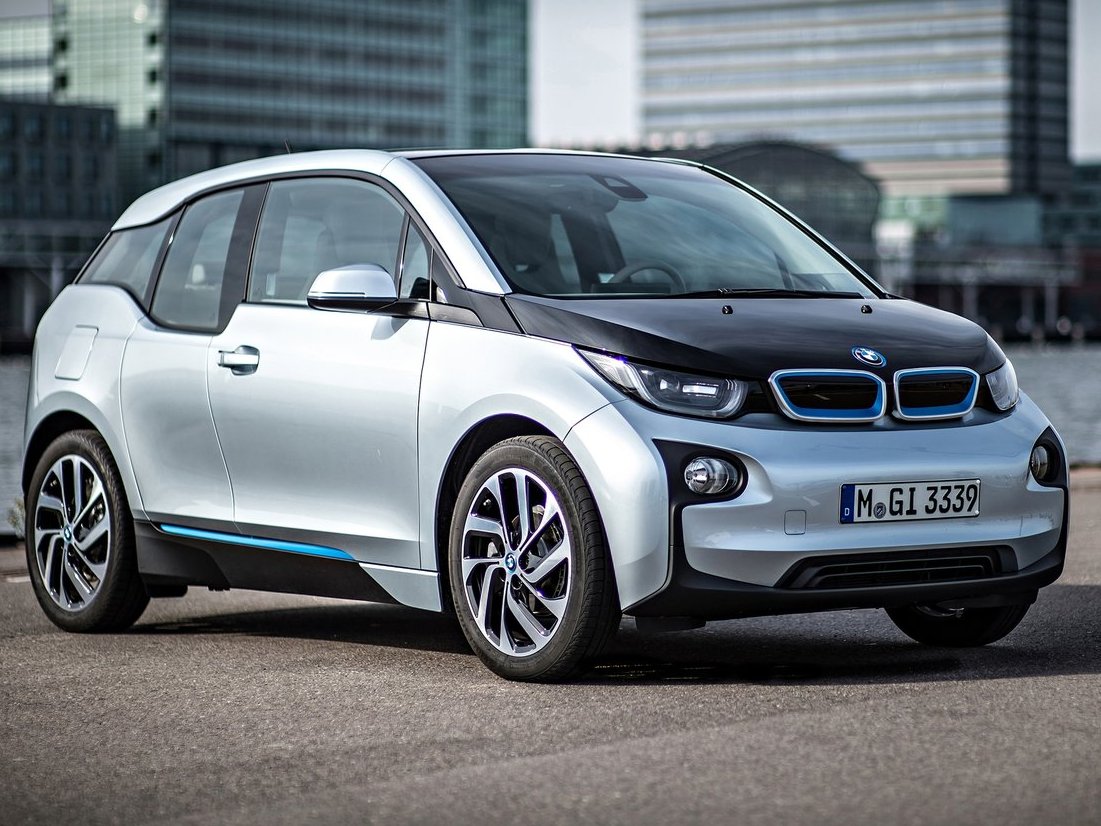
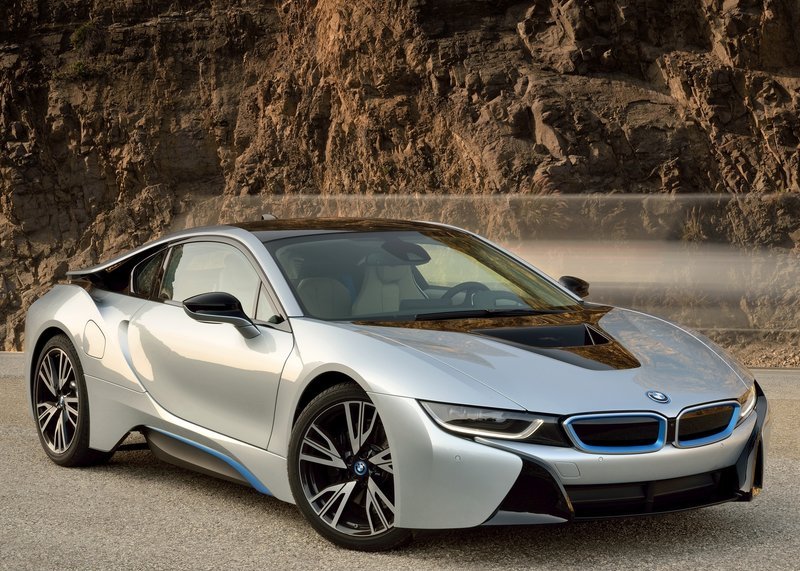
BMW has made a huge thud on the list with the introduction of its electric models and hybrids such as the i3 and i8 are claiming excellent fuel economy numbers.
Two SUVs make the list this year last year the only SUV on the list was the Cayenne Hybrid.
Again, the most fuel efficient cars are either small turbodiesels or hybrid petrol units. The real winners though are the electric cars that dont use any fuel but can be charged via a plug socket. Even when the electricity cost is added in to charge an electric car they prove more efficient than the internal combustion engine.
The Nissan Leaf maintains its top spot for the second year running although it is equalled by its fellow all-electric offering from BMW. Its getting easier to own an electric car in SA as charging stations across South Africa are springing up and you can charge your car at another manufacturer’s fast charging pod. The price however is still hard to believe as the Leaf is now R457 400. Each drive has a maximum length of 190km before the battery requires charge.
The BMW i3 is a new entrant to the top 10 with both the all-electric version and the range extender. The all-electric as the name suggests doesnt use any fuel but the range extender model is fitted with a tiny two-cylinder petrol motor and a nine-litre fuel tank. It works as a generator for the battery giving the i3 nearly double the range capability and claiming 300km and just 0.6L/100km. The i3 is still a costly vehicle though at R525 000 for the all-electric and R595 000 for the range extender.
The sportscar hybrid from BMW snaps up third spot in the efficiency list. Equipped with a three-cylinder Mini engine that does the work at the top end of the power range and an electric engine that does the work at the lower end, the i8 puts out a total of 266 kW and 320 Nm. Also it only uses 2.1L/100km if you drive it in full eco mode. It does cost quite a lot at R1 755 000.
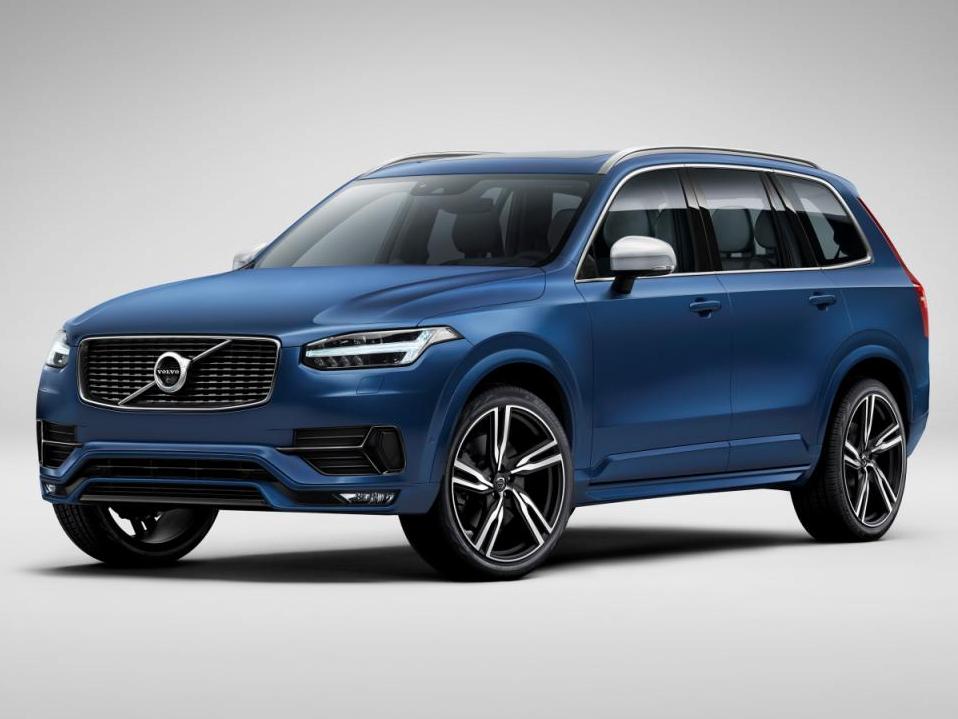
Volvos all-new XC90 is packed with loads of Swedish technology, safety and style. Volvo has also started producing and designing its own engines and the XC90 is the first vehicle to showcase this T8 derivative. Its powered by a 2-Litre petrol engine and then gets a turbo and supercharger and an electric motor to deliver 295 kW and 630 Nm of torque. The crazy thing is that in full eco run it claims 2.1L/100km. Again its not the cheapest car at R993 100.
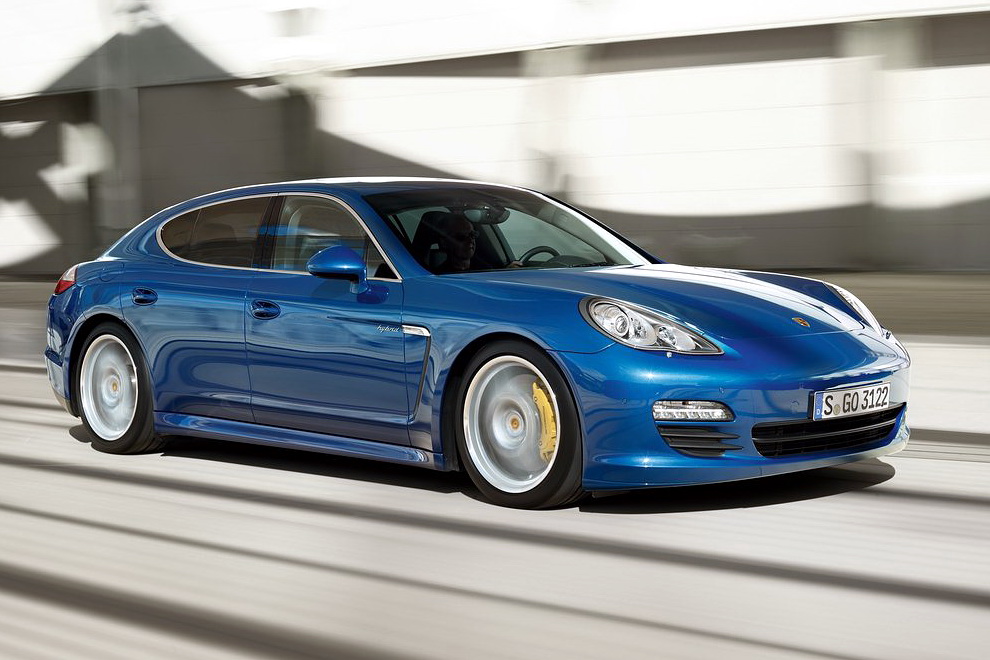
Porsche slips down from last years number two to the number five spot but thanks to the BMW i8 is no longer the most expensive vehicle in this top 10. The Panamera S e-hybrid can manage 35km in pure electric mode and will use just 3.1L/100km. The Cayenne uses similar technology to use 3.4L/100km. All this efficiency combined with a supercharged V6 on call when you need it equals guilt-free driving. R1 322 000 for the Panamera and R1 147 000 for the Cayenne.
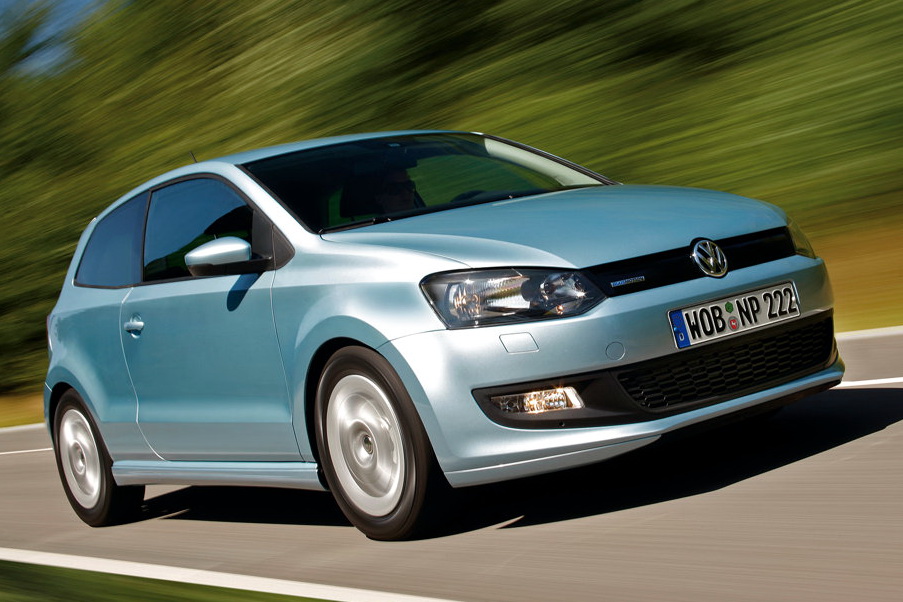
As of the time of writing this the 1.2TDI Bluemotion Polo is soon to be replaced (new Polo diesel lands in August 2015). The current 1.2 turbodiesel claims 3.4L/100km where the upcoming 1.4-Litre turbodiesel will use just 3.1L/100km. The Polo is a smart little hatchback with a diesel engine that will save you buck at the pumps. Pricing for the 1.2 TDI Bluemotion is R233 500.
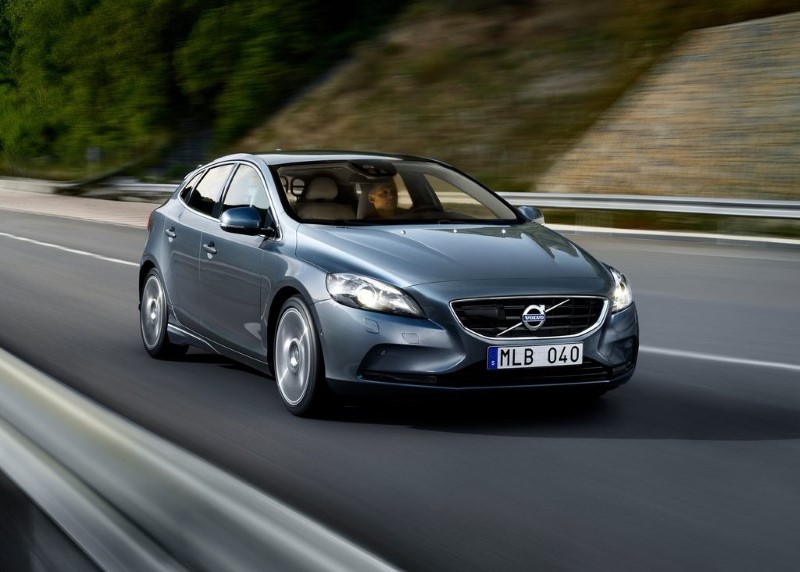
Volvo seems particularly good at delivering efficient engines. Both its D4 (2-Litre turbodiesel) and its D2 (1.6-Litre turbodiesel) make the list with the larger unit (D4) being ever so slightly more economical at 3.5L/100km with the D2 at 3.6L/100km. The V40 hatchback is a good looking alternative to the Audi A3 and BMW 1 Series. Base price for a D2 is R320 400 and a D4 is R409 700.
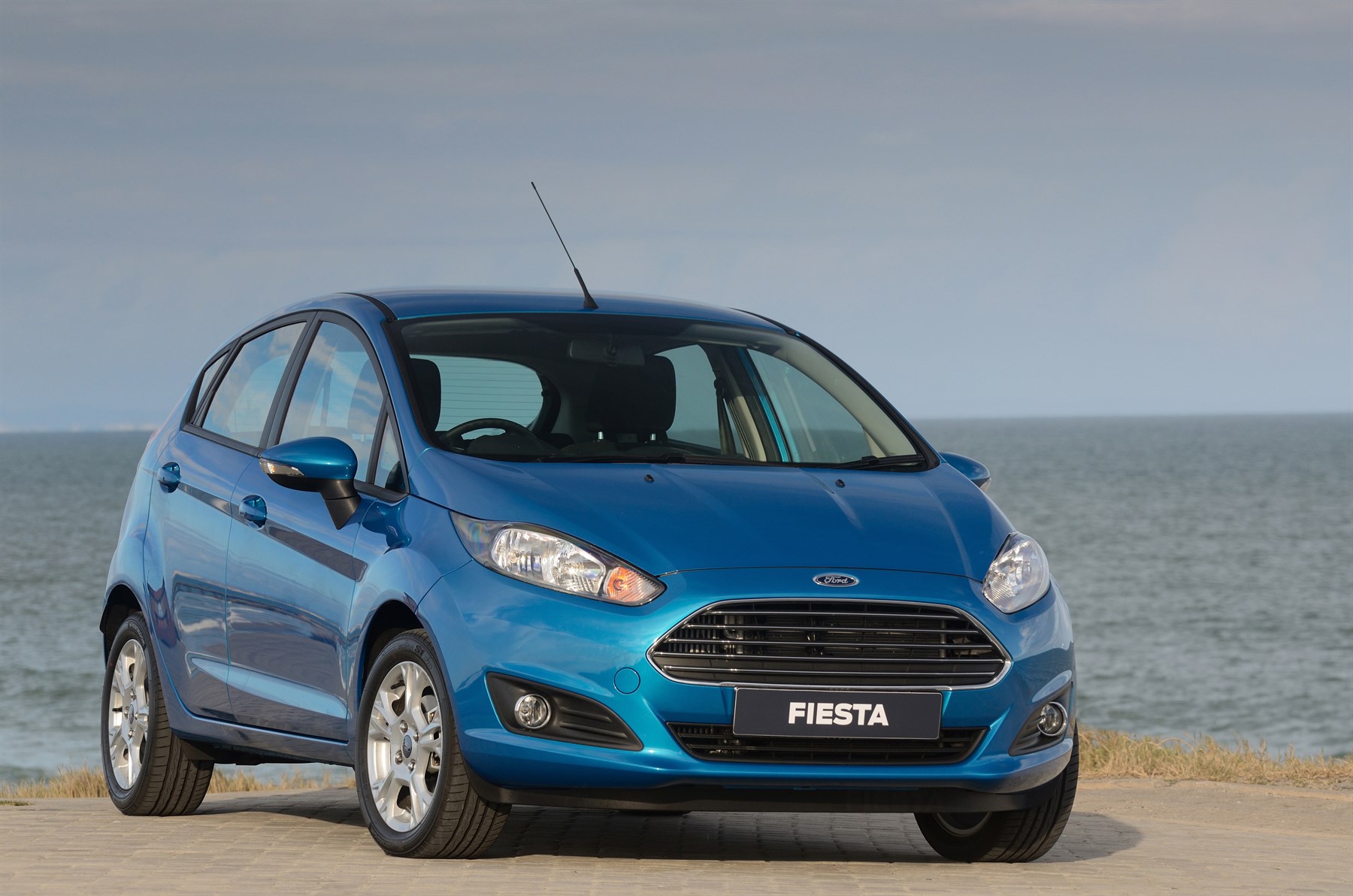
The Ford Fiesta stays in our top 10 this year albeit down from fifth place last year. Ford has recently reassessed the pricing of the Fiesta range since the introduction of the Focus in 2015. However the Fiesta seems to have been hit by escalating exchange rates as its pricing has changed from R194 900 last year to R210 030 in 2015. Youll need every cent you save then at the pumps with the 1.6TDCI using just 3.6L/100km.
The new Yaris hybrid uses the same hybrid as the previous generation except in the new model the fuel efficiency is slightly better. Toyota improved the Yaris official figure from 3.8L/100km to 3.6L/100km. After all its about marginal gains. The Yaris HSD has also been hit with a price increase and costs R20k more than last year at R277 000.
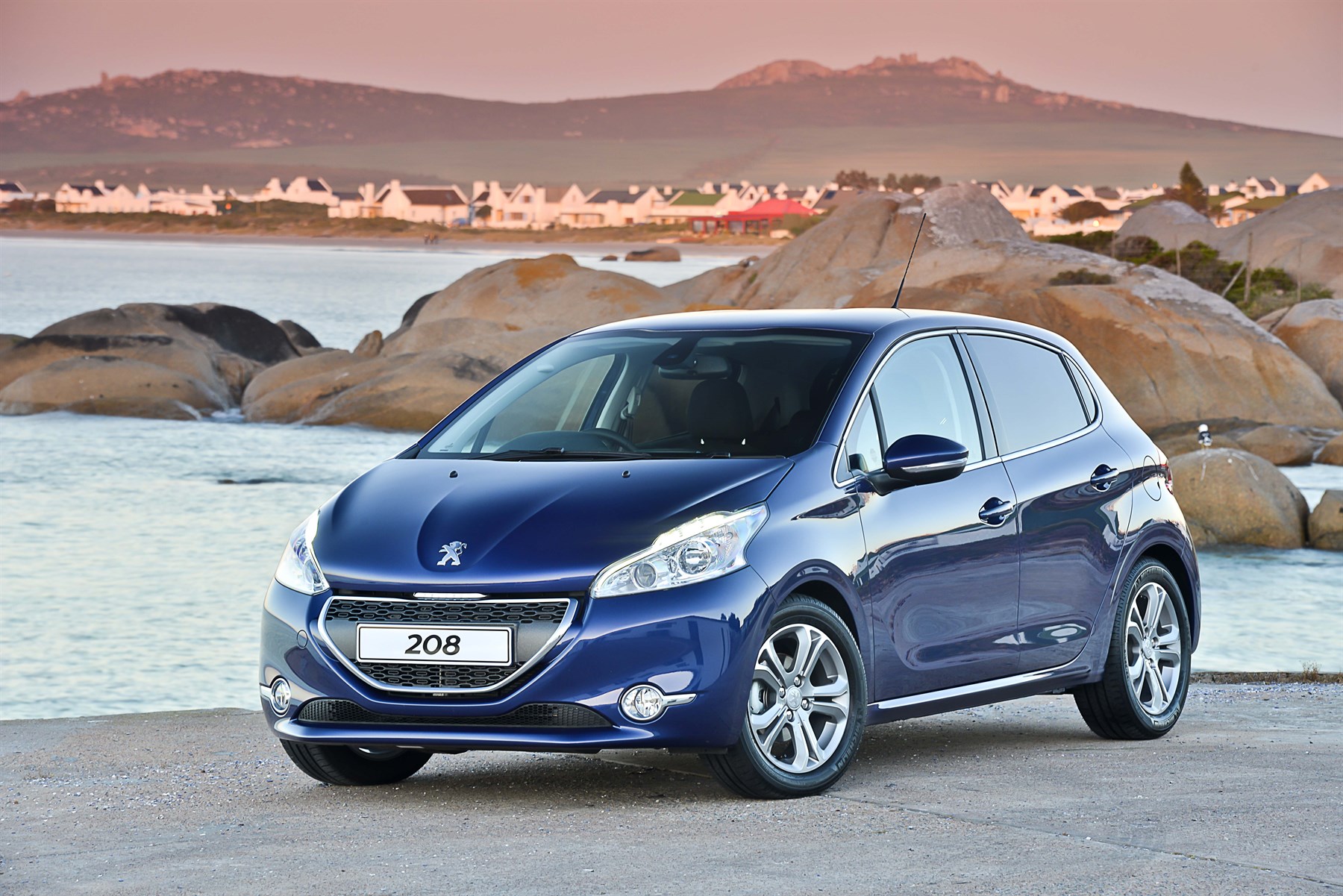
Another new entrant to the fuel efficiency gang, the Peugeot 208 makes use of a 1.6-Litre turbodiesel to sip just 3.8L/100km. The 208 is a fun little French hatchback that competes in a similar arena to the Fiesta and Polo above. Pricing for the 208 turbodiesel comes in at R223 000.
Honda HR-V (2015) Specs and Pricing Announced
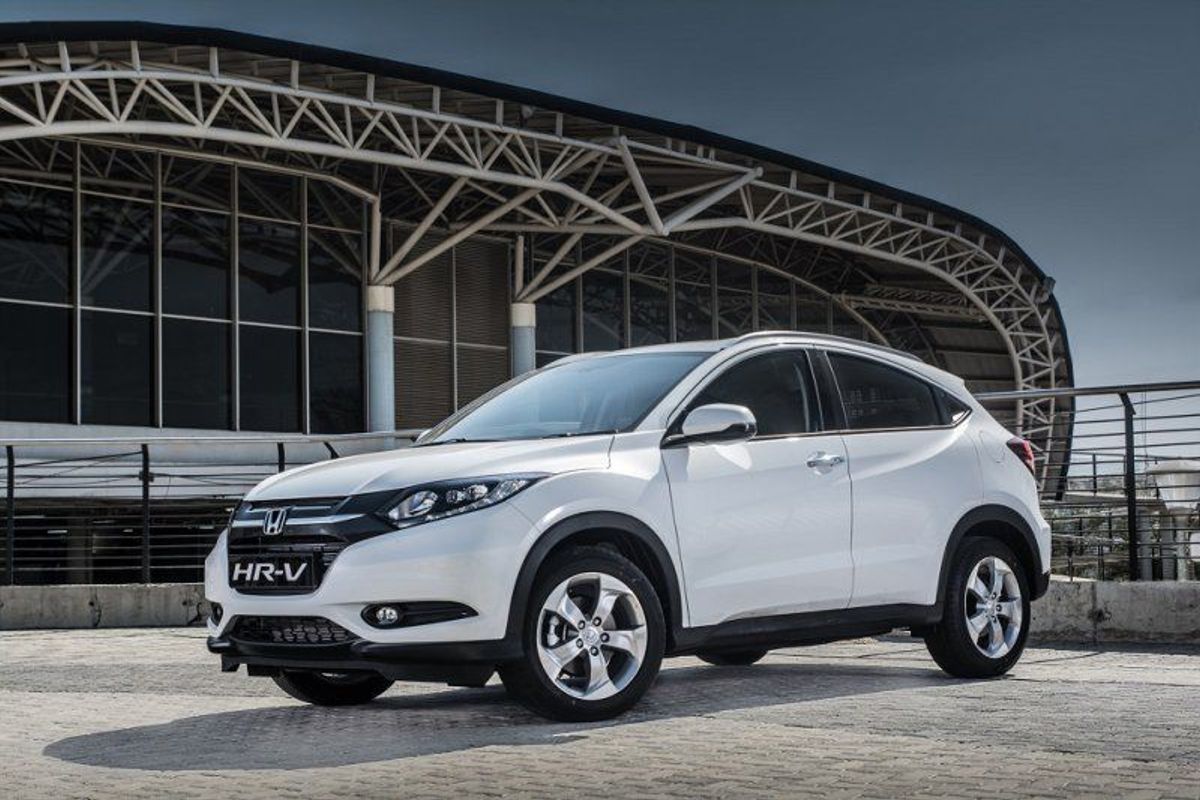
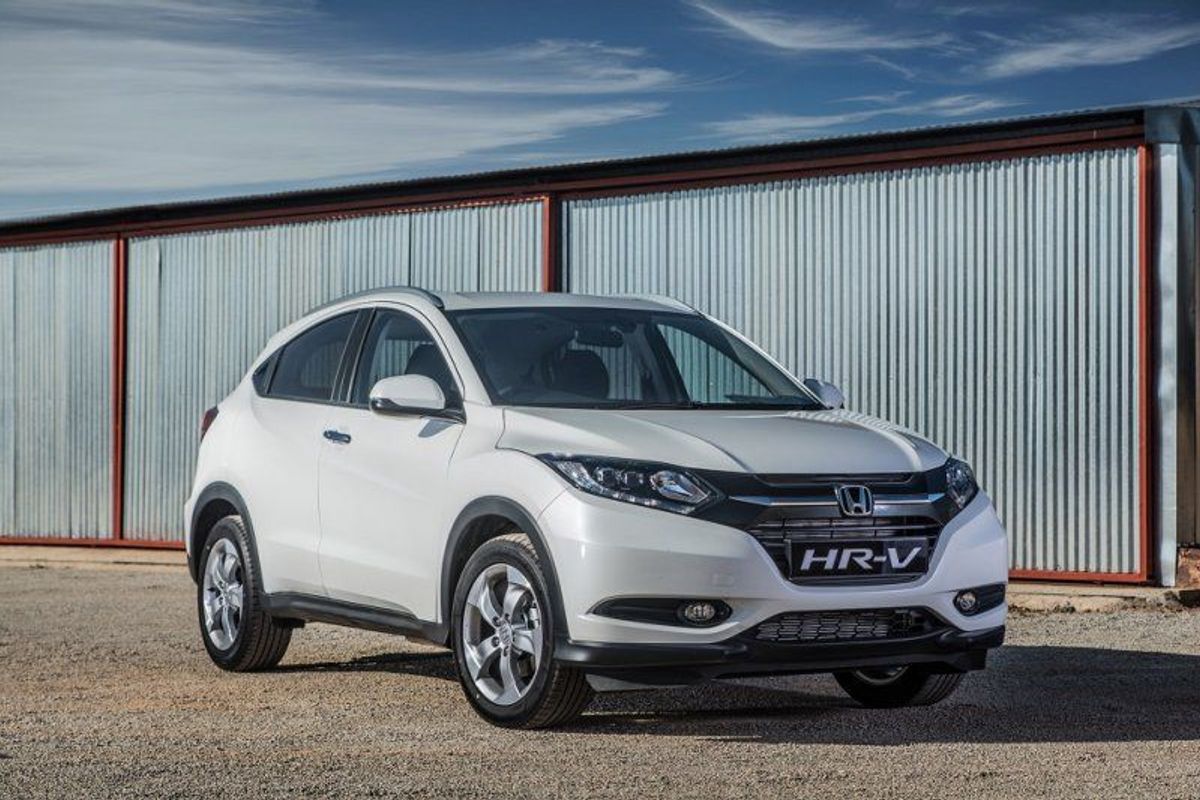
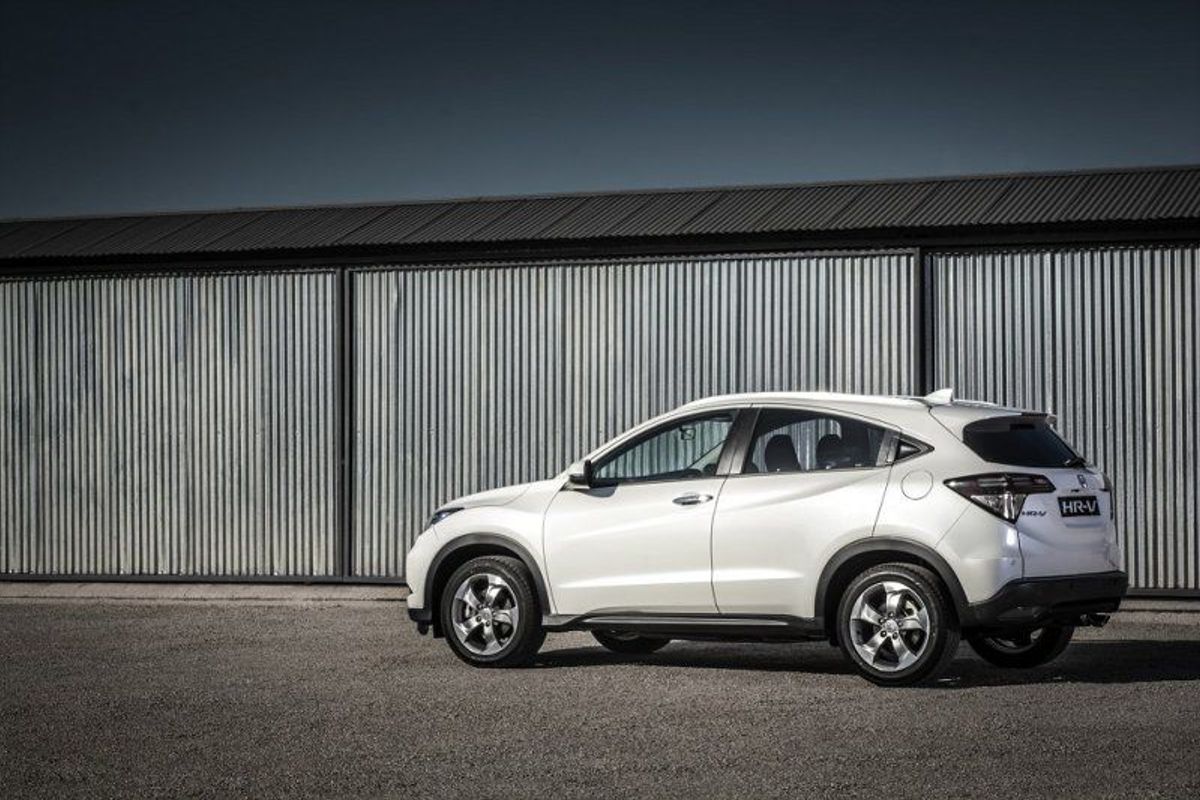
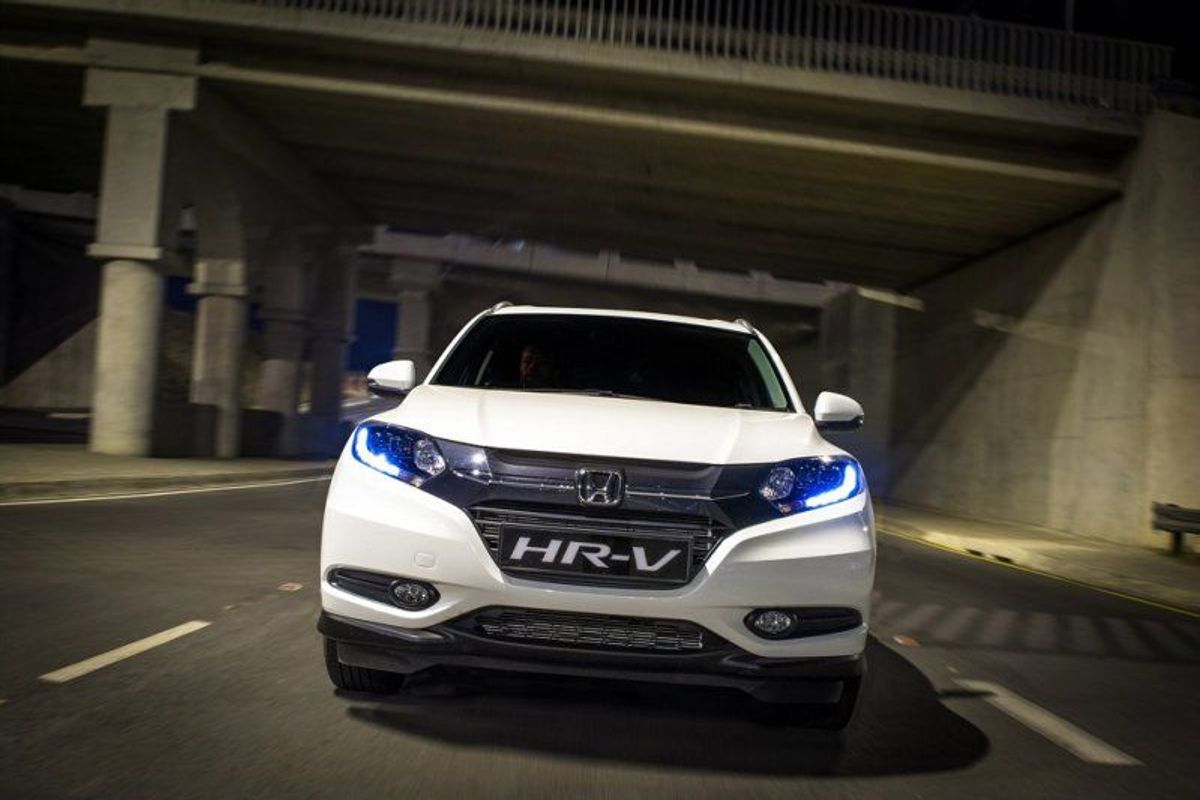
Honda South Africa has announced pricing for its forthcoming HR-V crossover. Honda claims this segment is downscaling in terms of size and the competition certainly offers smaller SUVs. The new Honda HR-V looks like a sporty coupe offroader, which gives it some street cred. In terms of visual appeal, you get alloy wheels, daytime running lights and slim roof rails.
Practicality
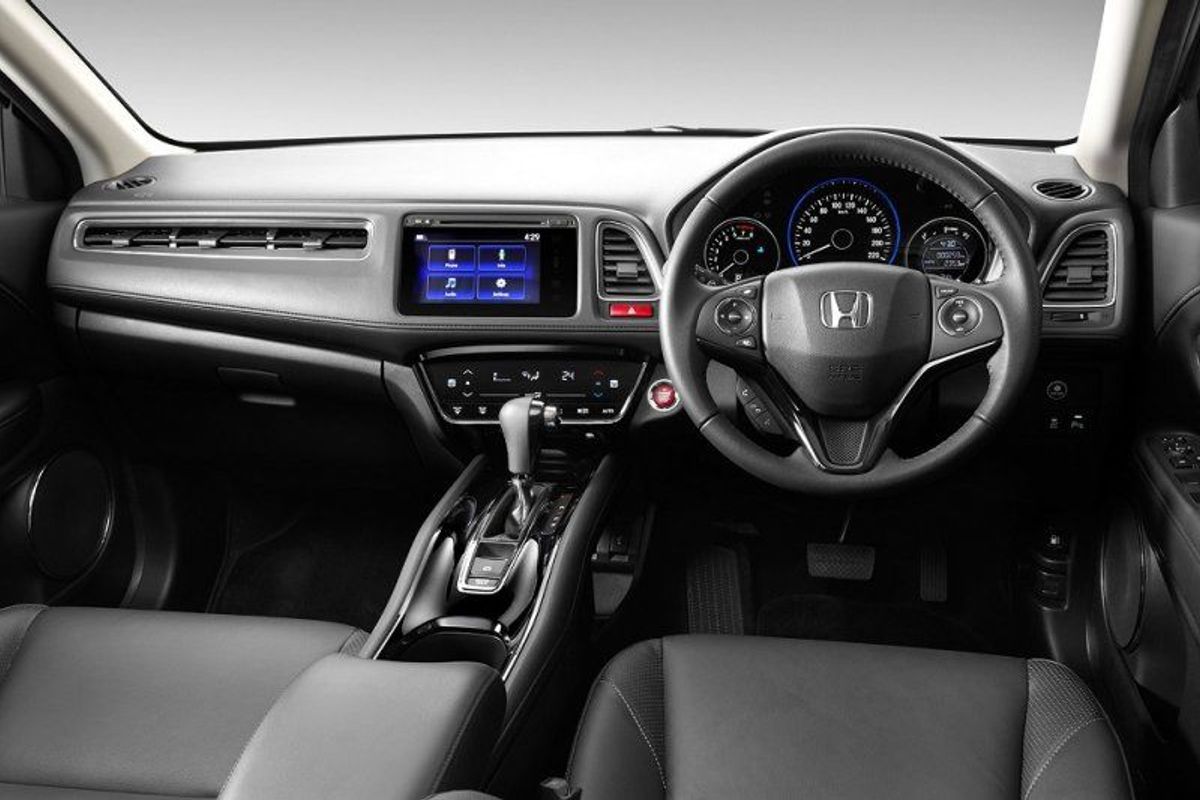
It may be a small SUV, but in true Honda fashion the cabin will be spacious and practical. Thanks to Honda’s Magic Seat system, the seats can be folded down flat to increase carrying capacity. The boot offers 393L of space with the seats up and can be expanded to 1 002L with the seats down. Being an SUV, you get a raised driving position which not only makes you feel good, but offers better all-round visibility. Being a Honda, materials used in the cabin should be of good quality.
Features and Safety
In terms of specification. you get a generous amount of kit thrown in as standard. Things such as electrically operated windows and mirrors, remote central locking, air-conditioning, cruise control, a multi-function steering wheel and a multi-information trip computer come standard. There are two models to choose from, with the lower-spec model receiving a 5-inch infotainment screen and the top-spec model receiving the 7-inch screen. Both versions feature USB connectivity, CD player, multiple speakers as well as Bluetooth connectivity. There’s also an electric parking brake which comes with auto brake hold.
Safety is taken care of by the fitment of six airbags, head restraints, inertia reel seatbelts for all seating positions, and Hondas Advanced Compatibility Engineering (ACE) body structure. Electronic safety features include ABS anti-lock brakes with Electronic Brake Force Distribution (EBD), Emergency Brake Assist (EBA) and Emergency Stop Signal (ESS) activation, as well as Vehicle Stability Assist (VSA), Hill Start Assist (HSA) and a high-mounted LED rear brake light.
Engines
There are two engines to choose from and both drive the front wheels through a Continuously Variable Transmission. First up is the 1.5-litre four-cylinder engine that we’ve seen in the latest Ballade and Jazz models. Power is rated at 88kW and 145Nm. The next engine is a 1.8-litre four-cylinder with 105kW and 172Nm. Both cars offer shift paddles located behind the steering wheel for a more hands-on driving experience. The main benefit of a CVT gearbox is the improved fuel economy over a traditional manual gearbox.
Honda HR-V Pricing in South Africa
There are seven colours to choose from: Ruse Black, Crystal Black, Carnelian Red, Morpho Blue, White Orchid, Alabaster Silver and Modern Steel.
HR-V 1.5 Comfort CVT R299 900
HR-V 1.8 Elegance CVT R354 900
Pricing includes a three-year/100 000 km warranty, a four-year /60 000 km service plan, and a one-year AA roadside assistance package. Services are at 15 000 km intervals.
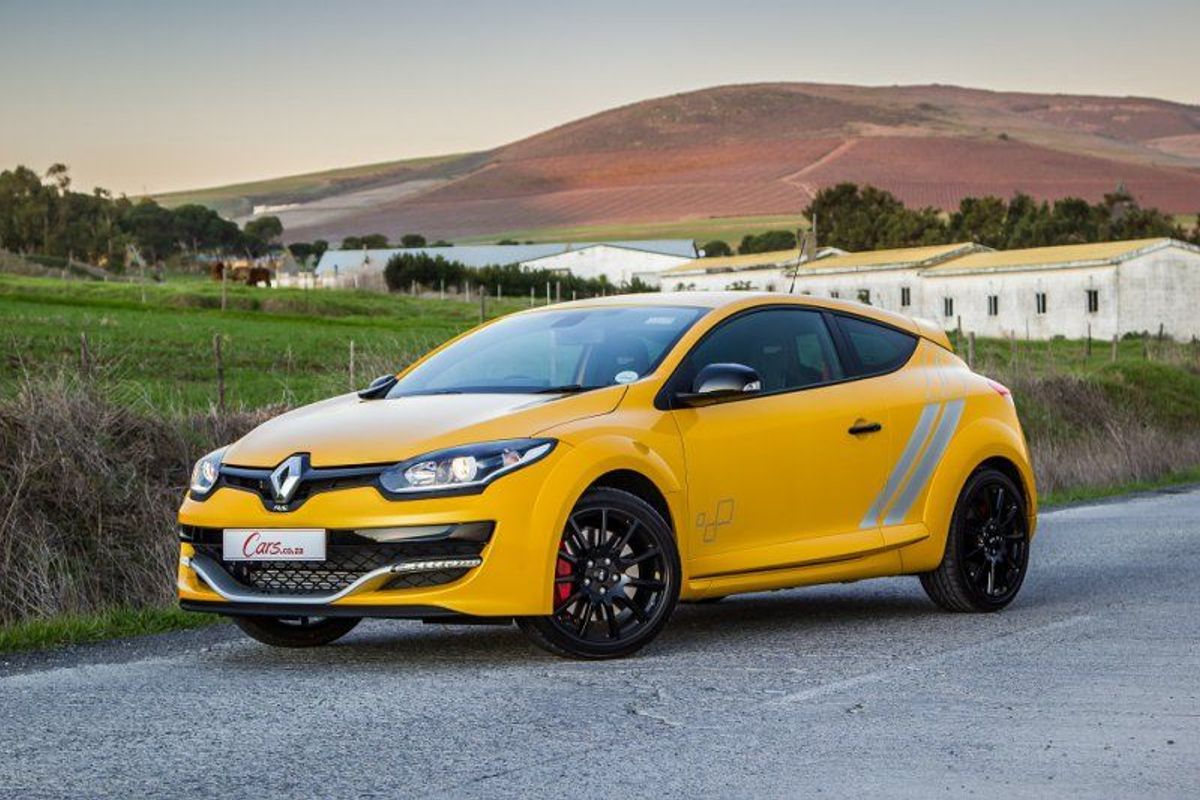
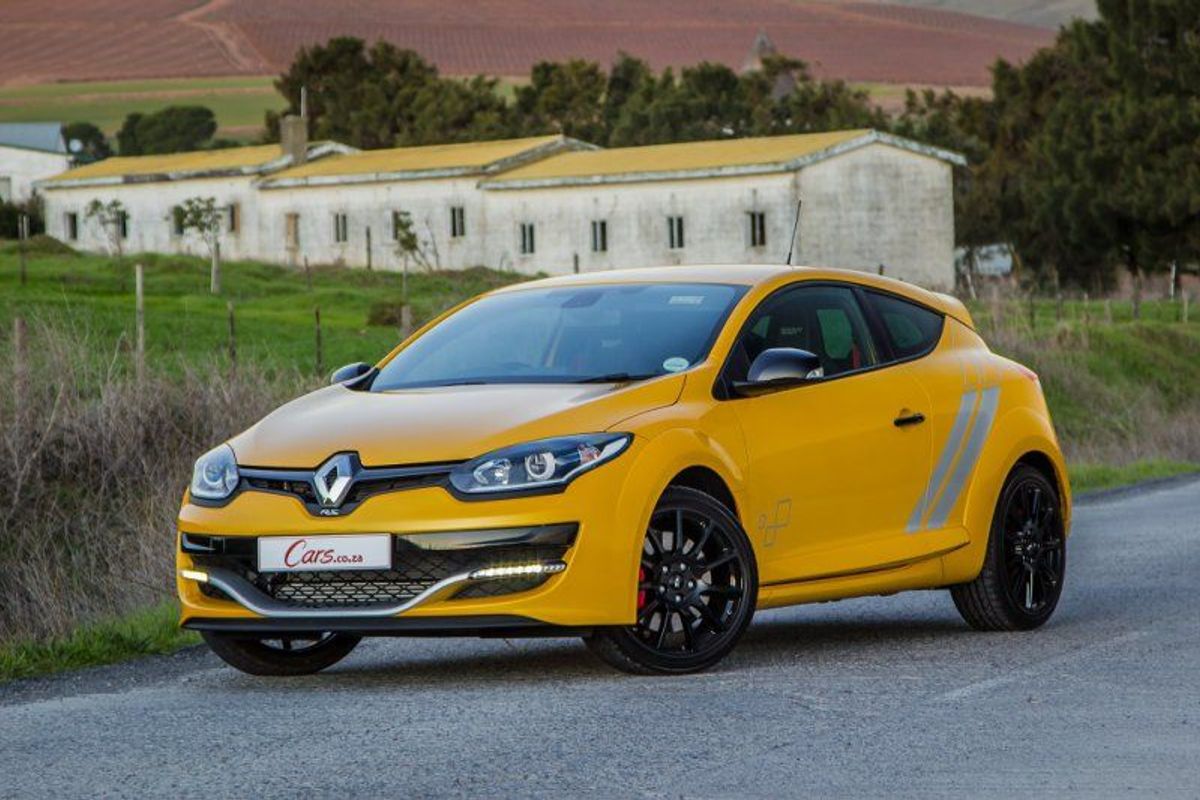
Renault Megane RS 275 Trophy (2015) Review
Renault has a knack for making great handling hot hatchbacks built for track enthusiasts and drivers looking for a pure driving experience. This particular version is the 275 Trophy edition, as hardcore as the Megane RS range gets bar the Nurburgring lap record holding Trophy-R. We spent a week thrashing the Trophy around the Western Cape and are currently looking for a loan shark willing to lend us some money for a purchase.
What does 275 mean?
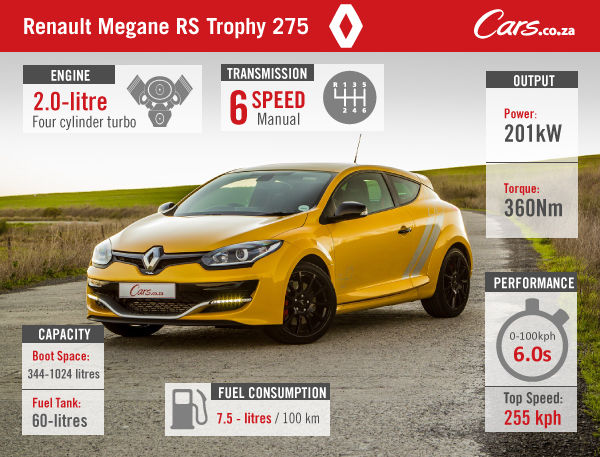
The Renault Megane RS 275 Trophy is equipped with more power, hence the 275 number, up from 265 in the previous models. The rest of the world works in horsepower but a conversion to kilowatts means it now has 201 kW and 360 Nm on tap. Obviously Renault has seen the likes of Mercedes-AMG and Volkswagen have recently upped the game in the power department and has followed suit. Also the Focus RS and Civic Type-R have both gone north of 200 kW and will be introduced in SA soon.
The Trophy has had to step up its game in the power department, but also attempt to maintain its dominance in the handling department. The competition is heading towards all-wheel drive models more and more, while Renault has kept with front-wheel drive with trick suspension and chassis work to extrapolate the best possible driving experience.
Go faster bits
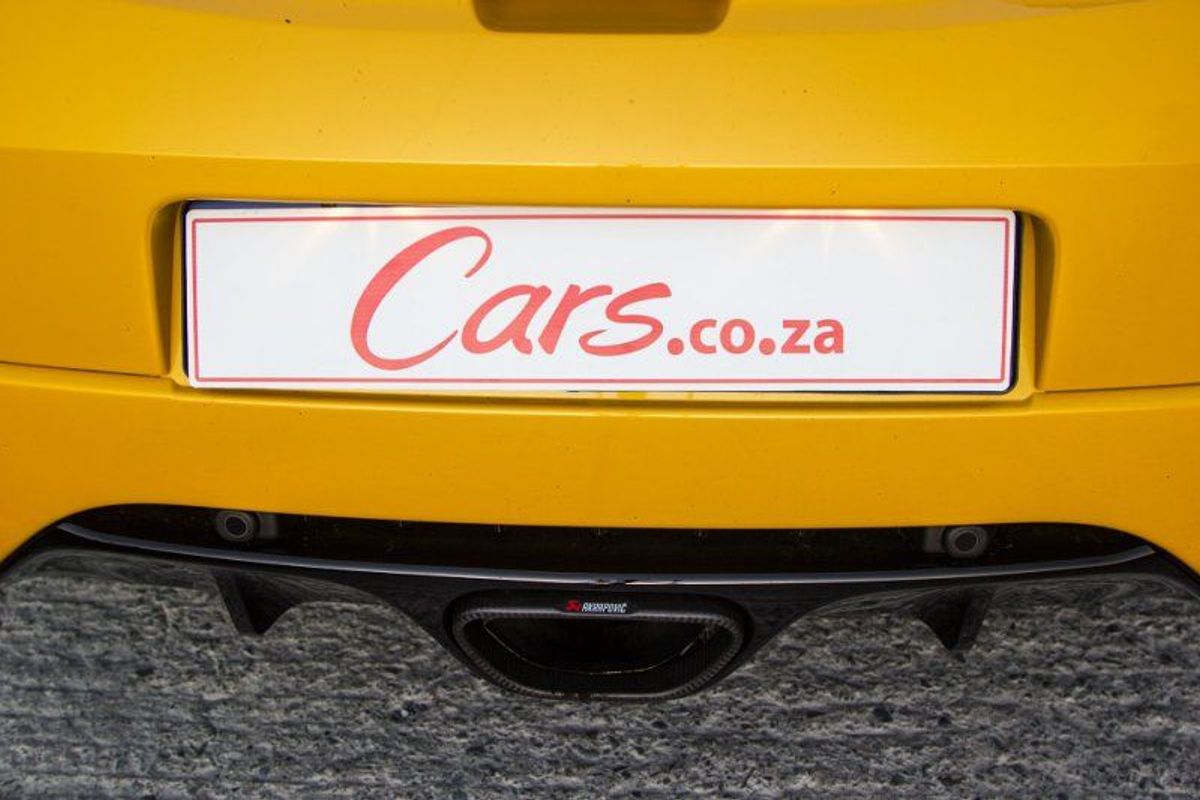
Besides a bit more power the Megane RS 275 Trophy can be distinguished by its carbon fibre Akrapovic tailpipe, special 19-inch wheels and red Brembo brake callipers. The Megane shape is getting on in years and the next Megane is due for 2016, but this RS Trophy still looks the part. The coupe/hatch sleek look hits just the right buttons when you throw a bodykit and some big wheels at it.
Full power
One of the best things about the Megane RS range has always been the sound it expels, its a mix of induction, turbo hiss and a barking exhaust. The Trophy remains just as exhilarating to listen to the higher up the revs you climb. Accidentally clip the limiter and the exhaust will expel a raucous pop thatll send anyone with petrol in their veins into raptures.
The Trophy is rapid in a straight line too, claiming six-seconds flat to 100kph and relentlessly pulls through the gears. Touch the RS button down by the drivers right knee and Sport mode engages. It sharpens up the throttle response and loosens the traction controls nanny grip. All of a sudden you can get the front wheels spinning and the chassis feels lively and ready to have its neck wrung.
Taming the beast
The Megane RS 275 Trophy is one of the few cars that can hold up to being called a track car. Its firm, almost unbearably so on a bumpy road, but thats also what makes it so good. The way the Trophy drives is entirely addictive, it finds your inner delinquent and brings it right to the fore. The steering is sharp, direct and perfectly weighted. At every turn you begin to thrust it into bends harder and faster as the chassis copes with direction changes as well as pure-bred sportscars. Eventually, and by that I mean at absolute maximum attack it will push on at the front. Its not just about a stiff chassis and grippy tyres, the RS Trophy is engaging to drive, you feel every bit a part of the machine as you whip it through a mountain pass. It provides great feedback through the steering and chassis keeping you focused and enthralled by its capabilities.
For everyday use, it may not be to every drivers liking. The harsh ride can get tiresome, especially on the daily drive to work in traffic. The clutch is quite heavy as well so in an ideal world this would suit perfectly as a second/weekend car. If youre hardcore enough or can live with the stiff ride then there is nothing near this price that offers the same level of thrills and possesses proper track talents.
Inside story
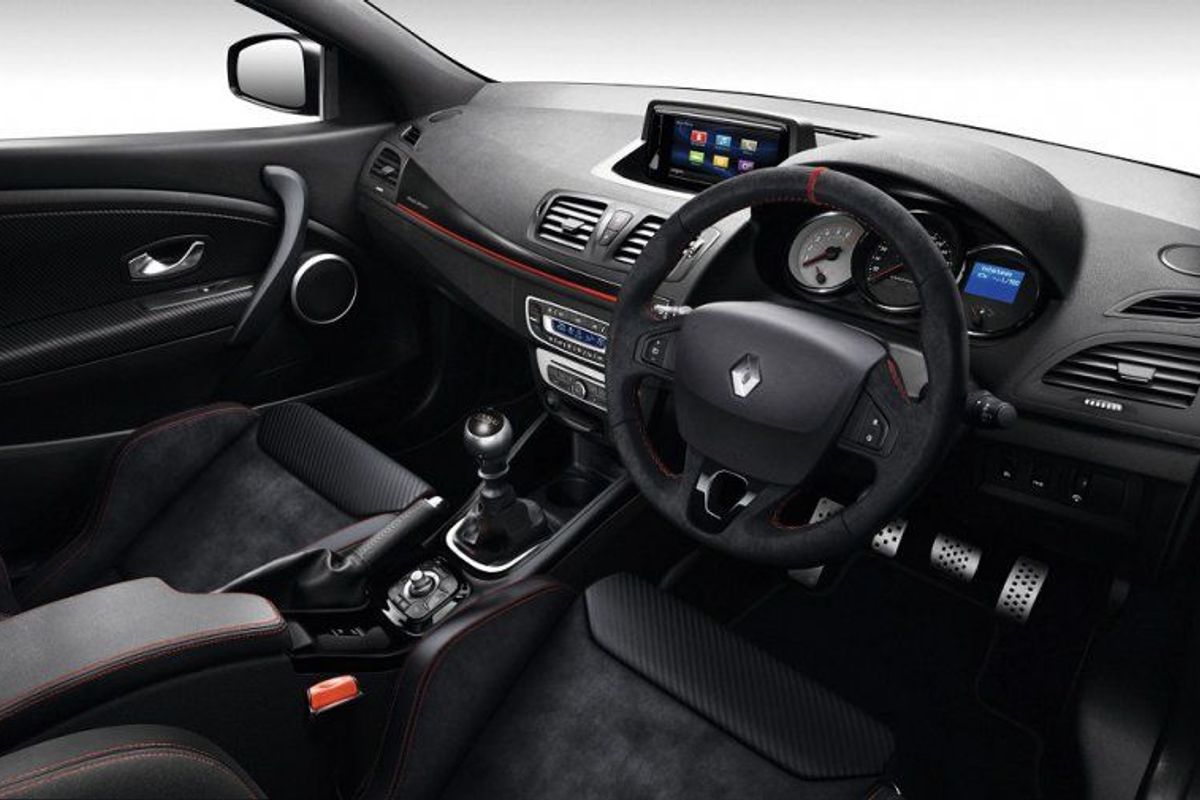
The Megane RS Trophy crams just about everything Renault has available. Live TomTom navigation is the headline act, but all the basic technologies are covered. The most hardcore of all Recaro bucket seats help hold you in place as you play tug-of-war with the G-forces. The interior design could do with a bit of a revamp as it looks quite aged and hopefully with the 2016 model, Renault introduces a bit more colour to the interior trim.
Verdict
If youre after a hot hatch thats built for the track and excites all the senses then this is where you should spend your money, no alternatives. If comfort is quite high on your priority list then maybe look somewhere else, Volkswagens Golf R is a worthy all-rounder. The Megane Trophy RS is a no compromise lap record setter that will keep you entertained for years on end as one of the most engaging and driver focussed thrill machines on the market. We want it!
Renault Megane RS 275 Trophy Price in South Africa
Currently the Trophy is priced at R449 900. The price includes a 5-year/150 000km warranty and a 5-year/100 000km service plan.
Team Opinions
If ever you wanted a road-going race car, look no further. Few cars are extreme as this and as far as thrills go at this price point, nothing can touch the Megane RS 275 Trophy. You’ll love the bark of the Akrapovic exhaust and the handling is out of this world. Ultimately it’s too much of a handful and this is why the 265 Lux makes more sense as it offers 85% of the same driving experience, without the compromises. – David Taylor
As far as hardcore, engaging hot hatches go, you don’t get any better than this Megane RS Trophy. If you intend making use of its capabilities a lot, then it has no equal. If you desire a measure of everyday usability, then perhaps not. -Hannes Oosthuizen
Volvo has developed the Excellence Child Seat Concept in an effort to re-imagine how children could be transported in the future.
We started by asking ourselves if we could make life easier for parents and safer for their children when it comes to the child seat experience. We focused on three key benefits making it easier to get the child into and out of the child seat from an ergonomic and comfort perspective, providing the child with a safe rearward facing seating position that enables it to keep eye-contact with either the driver or the rear passenger and of course including enough storage for those vital child accessories, such as diapers, bottles, wipes, and so on, said Tisha Johnson, Chief Designer Interiors at Volvo Cars Concept and Monitoring Centre.
Swiveling Child Seat
With the front passenger seat removed, the Excellence Child Seat allows the parent to swivel the seat in a counter-clockwise direction and lock the seat in a rearward facing position. Volvo has also made sure that there’s ample space for all baby related items, ensuring that your little one has everything it needs.
The seat, according to Volvo, also helps the child lean back and sleep, which is based on Volvo’s clear safety position that emphasises that children should travel rearward facing up to the age of 3 or 4. The reason being that small children lack the muscular strength in their necks and the fact that the head size is disproportionate to the size of their bodies.
For us the safety, convenience, and emotional factors outweigh everything else. Being able to maintain eye contact with your child from the rear seat , or being able to keep a bottle warm in the heated cup holders in the XC90 Excellence, would go a long way towards making life easier for parents taking their small child on a trip. Such alternative seating arrangements will become increasingly important as we move towards autonomous vehicles, added Tisha Johnson.
New Car Sales in South Africa for June 2015
According to the National Association of Automobile Manufacturers of South Africa (NAAMSA) substantial sales declines were experienced across the board in June 2015, with the exception of light motor vehicles. New car sales recorded the largest decline while vehicle exports continued on its upward trend. Take a look at the new car sales summary below for further details.
Sales Summary June 2015
50 251 aggregate new vehicle sales down by 4.8% (2 534 units) compared to June 2014.
31 422 export sales up by 33.8% (7 930 units) compared to June 2014.
33 035 passenger car sales down by 6.6% (2 332 units) compared to June 2014.
14 756 light commercial vehicle sales up by 1.5% (223 units) compared to June 2014.
Top Selling Car Brands in South Africa June 2015
Newly launched cars in South Africa have shown mixed growth. Jeep Renegade recorded 137 sales, Discovery Sport 103, Mazda2 108, Opel Mokka 191, Renault Captur 302, Ford Focus 512, Lexus NX 37 and the Citroen Cactus sold 43.
New Car Sales Outlook
NAAMSA has indicated that the underlying declining sales trend in new car sales and commercial vehicle sales is set to remain under pressure in the short to medium term. Subdued economic activity, electricity supply constraints, higher personal tax burden and increases in the fuel price and vehicle prices will continue to contribute to unfavorable domestic new vehicle sales. As a result, business confidence and consumer sentiment is also under pressure. Exports sales however would continue to support production levels and South Africas balance of payments.