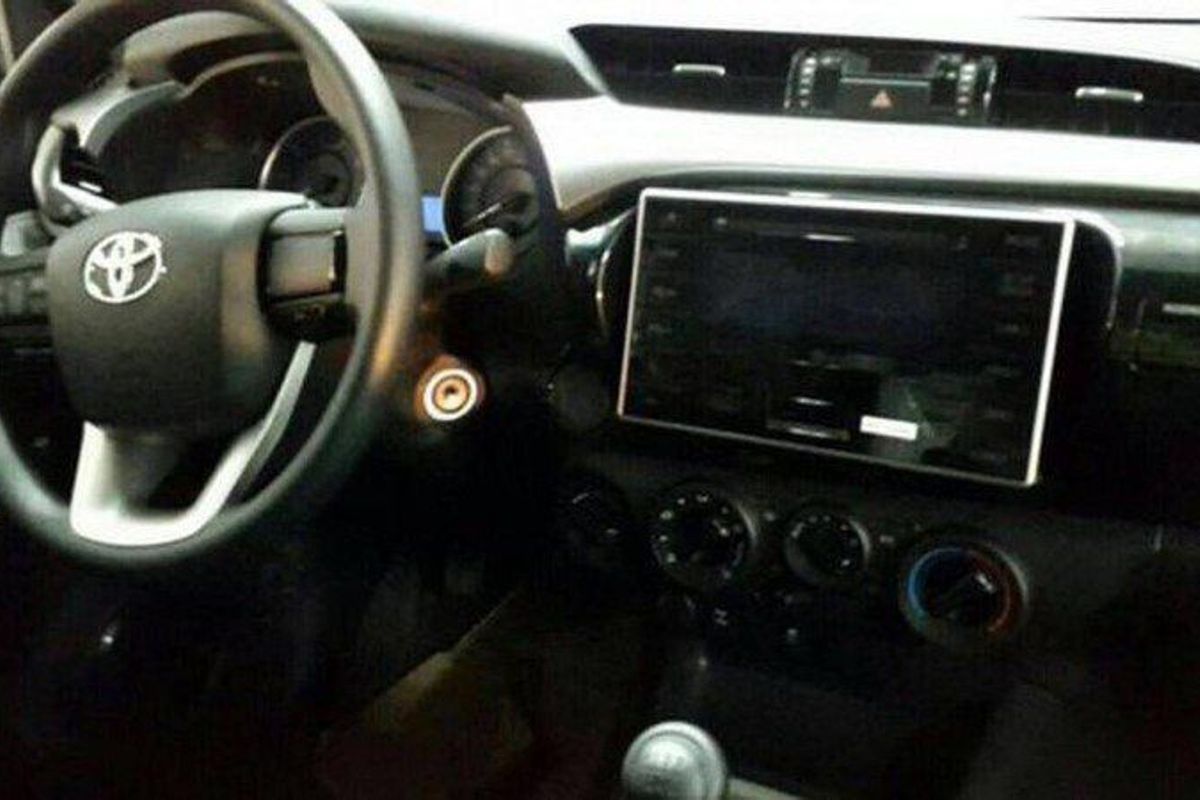
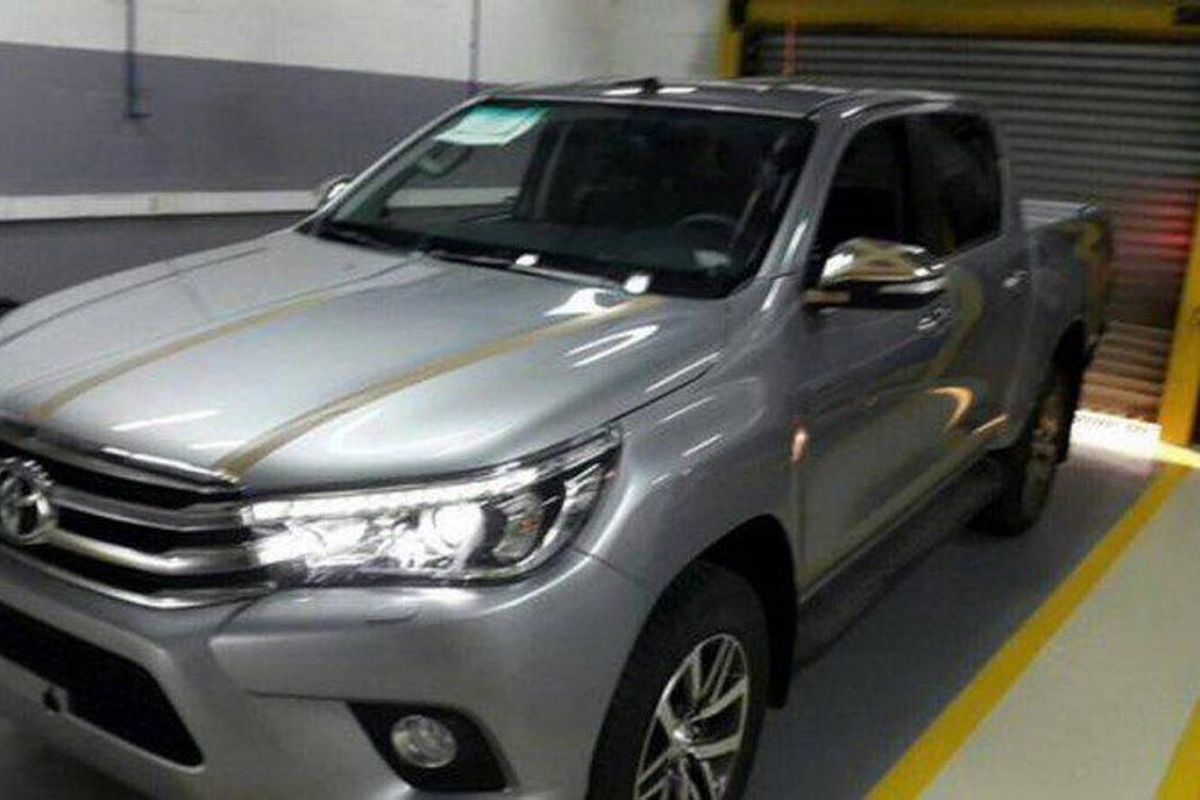
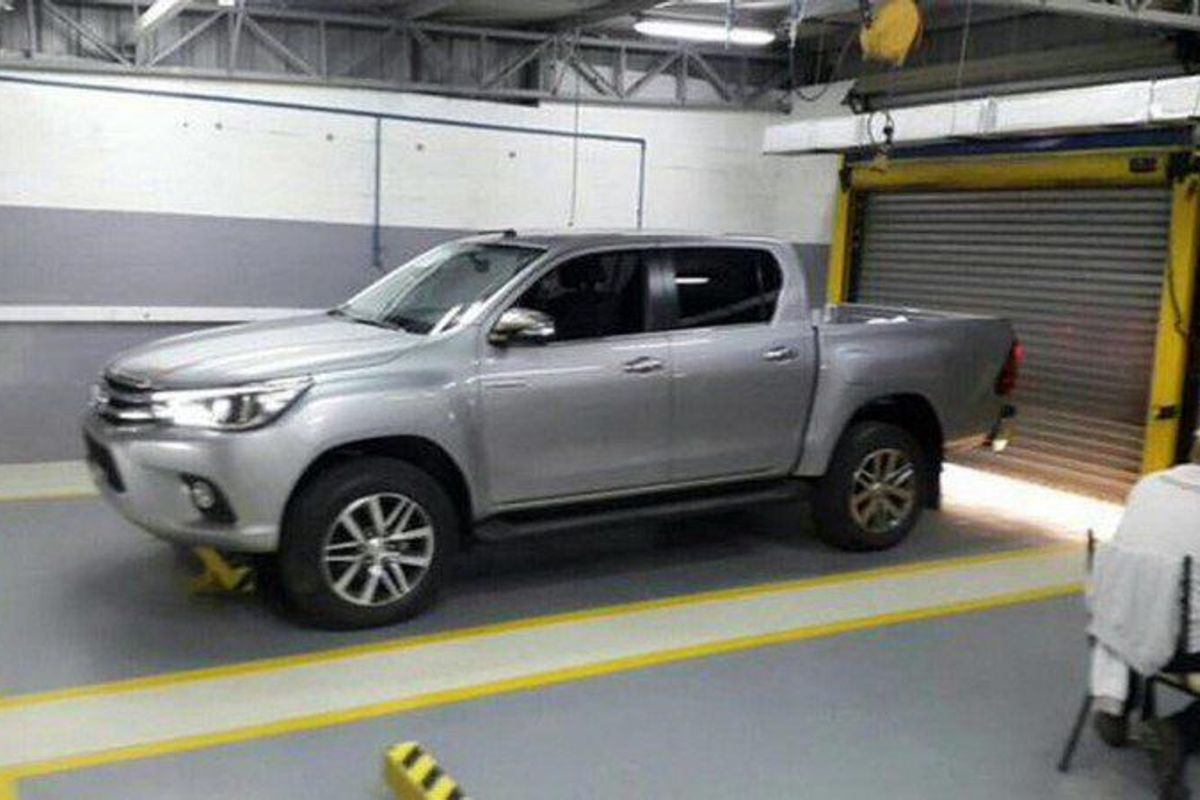
Reports coming from Thailand and Australia have revealed that the next generation Toyota Hilux, slated for 2016 will have an all-new engine lineup. Images have also surfaced showing design details of the 2016 Toyota Hilux and its interior. The front end features a new chrome grille extending into the headlight clusters which feature Daytime Running Lights. There are also more prominent fenders as well as new alloy wheels, chrome door handles and mirror caps, as well as larger rear doors. On the inside, there seems to be a tablet-like touchscreen which will take of infotainment. With all the recent spy shots, it seems likely that the 2016 Toyota Hilux will be fully revealed soon.
New Hilux Engine Range
If the rumours are to be believed the most powerful engine in the new Hilux will be a 2.8-Litre turbodiesel engine. Its claimed outputs are 132 kW and 450 Nm of torque which compares well with the current 3.0-Litre turbodiesels 120 kW and 343 Nm. This diesel motor can be mated to both a six-speed manual and automatic transmission. Strangely the torque figure drops to 420 Nm on the manual derivative.
The new entry spec turbodiesel model is a 2.4-Litre with 125 kW and 400 Nm of torque. As far as the diesel motors go, the engine range looks good, power and torque figures are a reasonable step forward and the general movement towards downsizing has been implemented. Theres the option of six-speed auto or a five-speed manual but the manual again goes along with a drop in torque to 343 Nm.
The petrol engine is the 2.7-Litre four-cylinder naturally aspirated unit with 116 kW and 240 Nm. This engine appears to be the same as the outgoing unit and therefore is likely to use the current four-speed auto or five-speed manual gearbox.
Interestingly from the spy shots the new Hilux looks to have a multi-link rear suspension as opposed to the leaf springs most bakkies employ. This setup is probably going to be reserved for the higher end leisure bakkies, while the single-cab workhorses will probably still be leaf sprung.
The final intriguing update that we can garner from some of the spy shots doing the round is an autonomous braking system that intervenes when an accident is imminent. The system will be a first for Toyota commercial vehicles. The system will also improve the Hiluxs Euro NCAP score.
Citroen C4 Cactus (2015) First Drive
Citroen is on the comeback trail, much like its sister brand Peugeot. It has a new CEO at the helm and a clear idea of where it wants to place its brands and models. Weve already seen a vastly improved offering in the form of Peugeots 308 and this new C4 Cactus seems to be following suit, having already won numerous awards overseas. We were at the local launch in Johannesburg to give it a quick whirl.
New Thinking
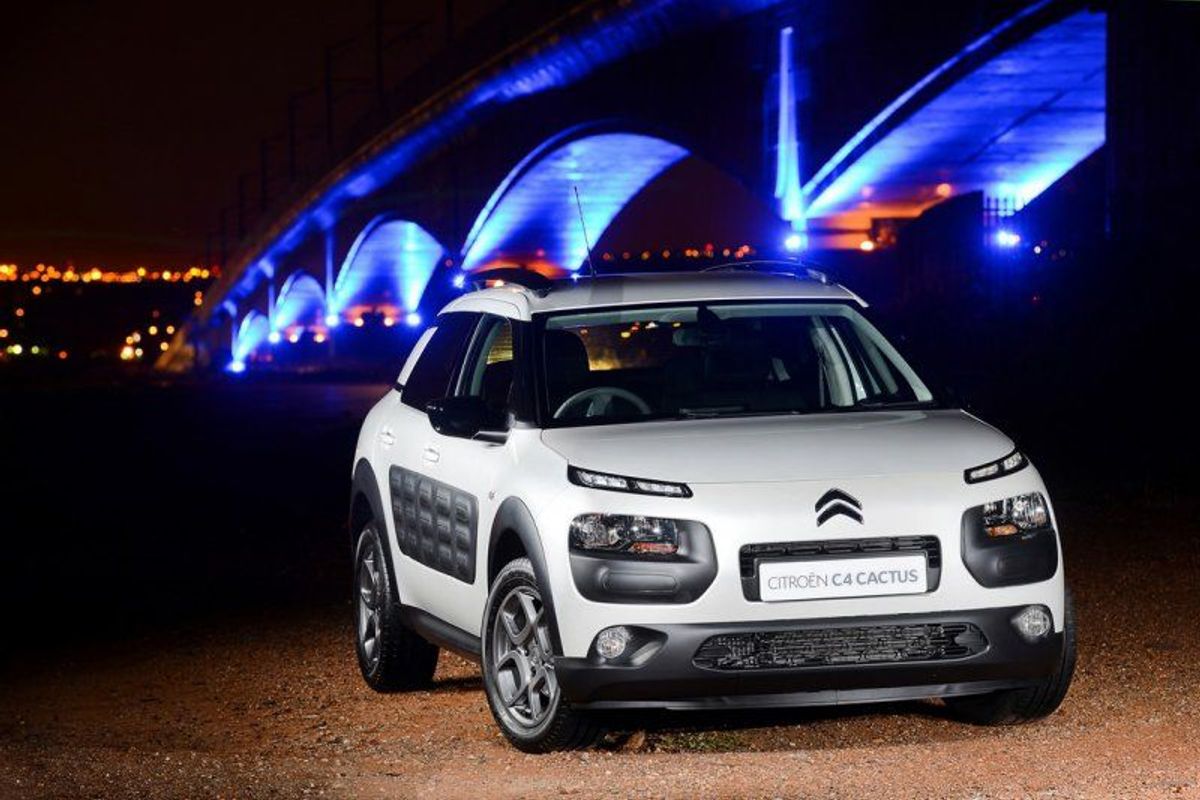
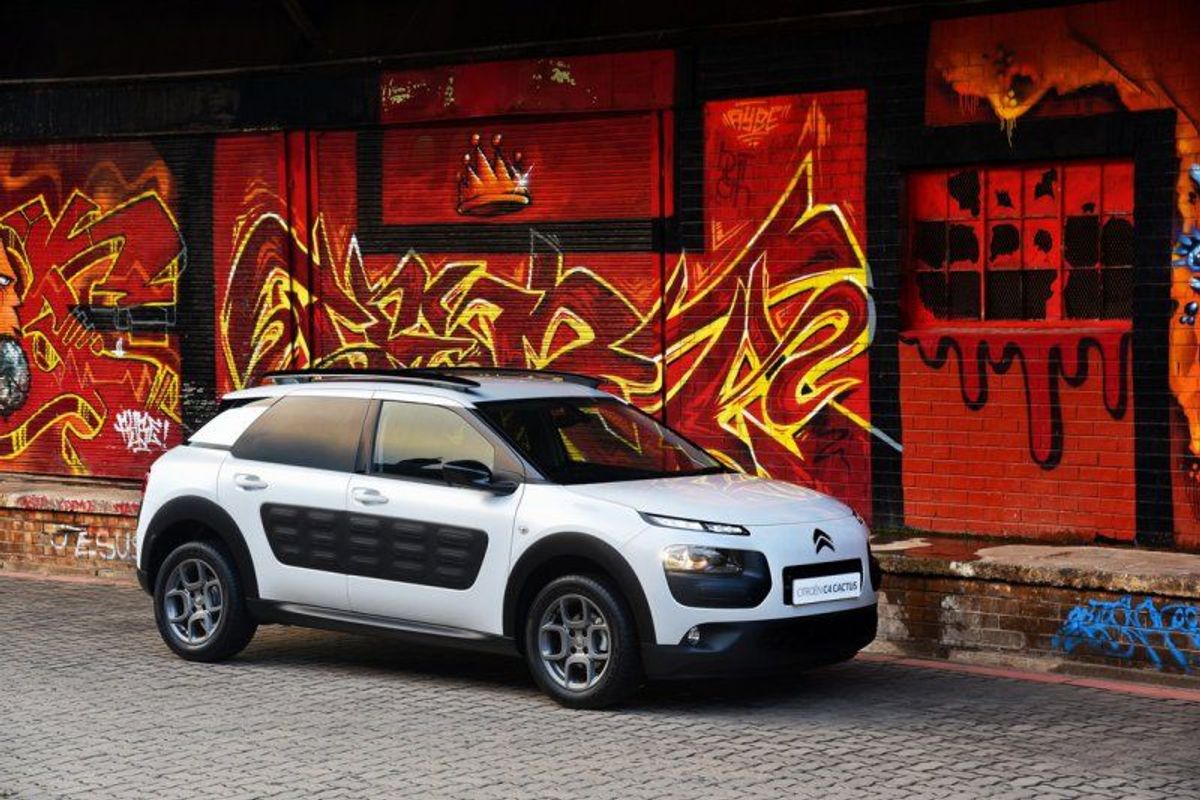
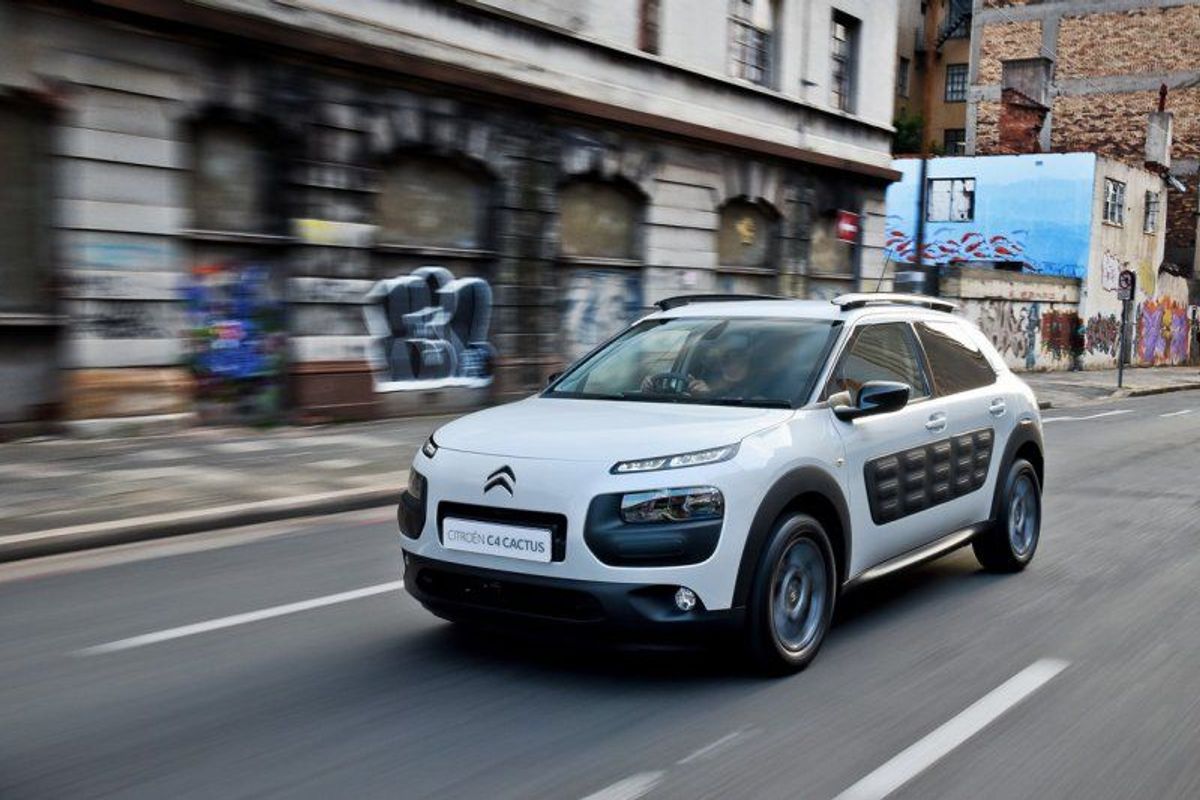
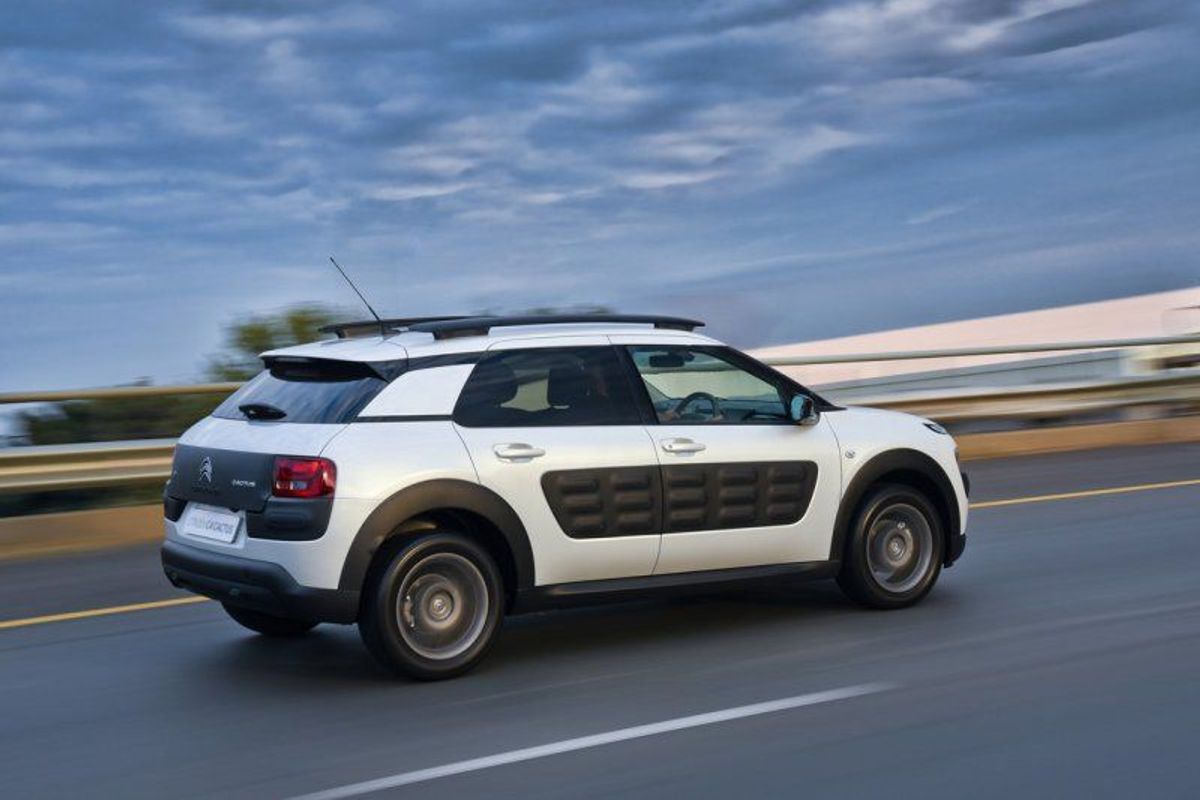
Citroen is renowned for doing things a little differently and the C4 Cactus proves to be another car that looks assertive and adds its own style and uniqueness to the compact crossover segment. Starting with the rather obvious exterior cladding, called Air Bumps, which eliminate those small scratches caused by everyday accidents like shopping trolley collisions, car door bashes and the odd stone chip.
They also combine well with the unique exterior body of the Cactus that pulls off the rugged and boutique look impressively well. A whole C4 Cactus weighs less than 1 000kg thanks to a new super light but stronger chassis and Citroen has done other interesting things like mount the passenger airbag in the roof to make more space for things and people inside.
Inside
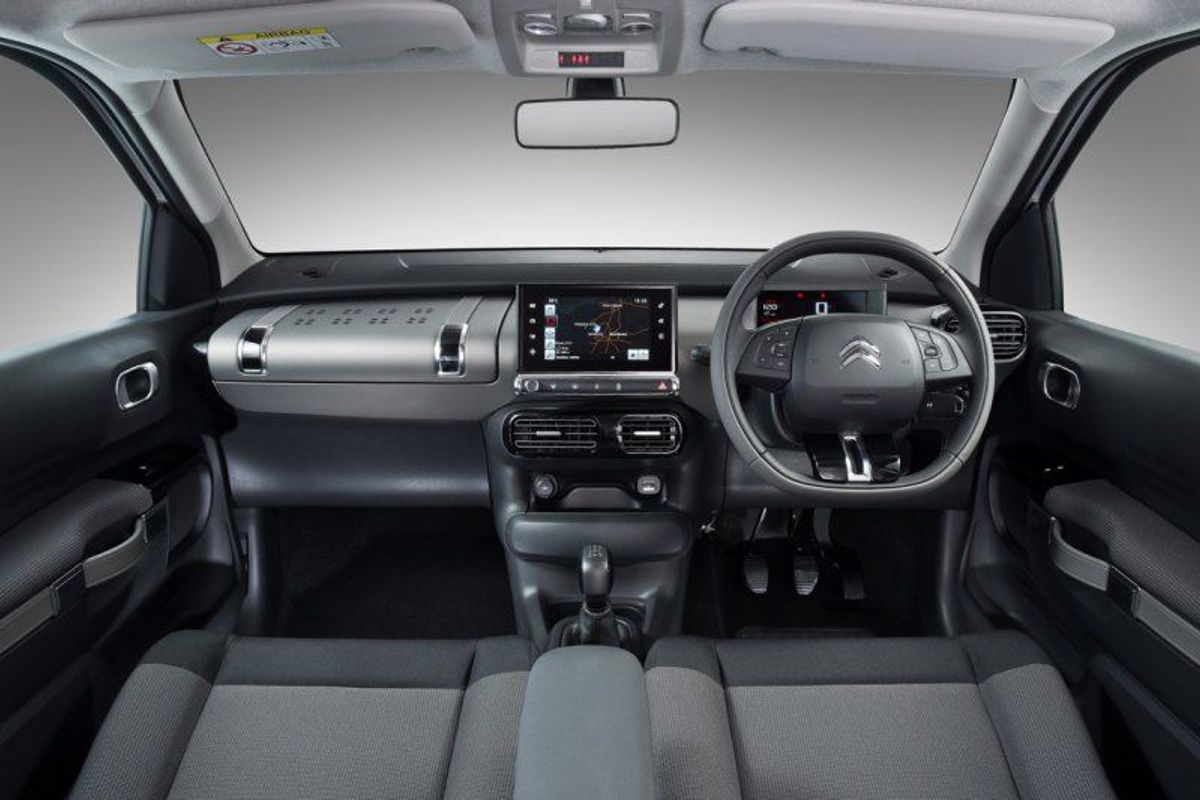
The interior doesnt match the exterior for style and funkiness, but there are still some nice touches. The glovebox looks more like an expensive suitcase and opens with a briefcase-like latch. Inside the C4 Cactus theres a mix-match of materials, some good, some not so. The good bits are the dashboard and infotainment system that is pulled from the new Peugeot 308.
The not so good are things that are clad in hard, but durable black plastic, such as the door surrounds, gear and handbrake levers. It is well specced though and standard fare across the range includes LED daytime running lights, cruise control, 7-inch touchscreen multimedia system and a full size spare wheel.
Engines
Two engines will be available from launch and both are 1.2-Litre three-cylinder units. The entry spec engine is naturally aspirated and claims 60 kW and 118 Nm of torque, but wasnt available to drive at the launch. We were able to give the turbocharged 81 kW, 205 Nm unit a fair drive at Joburg altitude.
Thanks to the C4 Cactus light weight, the 1.2 is a good fit and it feels quick and strong enough to cope with a pretty big car. Torque is sufficient to overtake well and to cruise around in 5th gear. I cant tell you if it needs a 6th gear though as theres no rev-counter in the Cactus. It didnt sound stressed though and fuel economy is claimed at an impressive 4.7L/100km.
The Drive
The C4 Cactus is enjoyable to drive as the chassis feels tight and responsive, and the steering has decent weight to it. The suspension is compliant and it rides bumps quite nicely. The tyres may have been a little over-inflated though as our quick dirt road adventure seemed harsh and bumpy.
Citroen hasnt skimped on safety and the C4 Cactus is impressively equipped at its price point. Standard across the range are ABS with brake assist, stability control and airbags for the driver and passenger as well as front lateral and curtain airbags. The top spec model also gets hill assist for pulling off on inclines.
Citroen C4 Cactus Price in South Africa
The C4 Cactus comes in at a very impressive price and will compete with the likes of the Nissan Juke, Ford Ecosport, Kia Soul and the upcoming Renault Captur. The pricing includes a three-year/100 000 km warranty, a five-year/100 000 km service plan, as well as roadside assistance. There is an option to upgrade to the FreeDrive or five-year/100 000 km warranty extension. Services are at 15 000 km intervals.
Audi is lighting the way forward with announcement of the development of new Matrix Laser headlights as part of a sponsored project called intelligent laser light for compact and high-resolution adaptive headlights (iLaS). Audi will collaborate with specialist partners like Bosch, Osram and the Lighting Technology Institute (LTI) for a period of three years.
Audi Matrix Laser Technology
High-resolution Matrix Laser technology will improve illumination on the road while offering higher levels of flexibility and versatility. The system is based on LaserSpot for high beam lamps, which was first introduced in the Audi R8 LMX and lasers now allow for the integration of projector technology to make a compact, powerful headlight.
Matrix Laser technology uses a fast moving micro-mirror which re-directs the laser beam. When travelling slowly, the light is distributed over a larger, wider area, while at higher speeds, the aperture angle is reduced and the intensity and range of the light is increased significantly.
The system works using a blue laser diodes which radiate light onto a fast-moving mirror three millimeters in size. The mirror redirects the blue laser light to a converter which converts the light into white light which is then projected on the road. If all goes well, we should see this technology introduced within the next five years.
We already know what Audi is capable of with its headlights as its cars have demonstrated over the years:
2004: Audi A8 W12 with LED daytime running lights 2008: Audi R8 with all?LED headlights 2010: Audi A8 in which the headlights are networked with the navigation data 2012: Audi R8 with dynamic turn signal lights (these turn signal lights now feature in the 2015 Audi TT) 2013: Audi A8 with Matrix LED headlights 2014: Audi R8 LMX with LaserSpot for the high beam lamps
Audi Matrix Headlights in Action Video
Five Fastest Accelerating Cars under R200k in SA
Every petrolhead wants a car that can smash lap records and rocket from light to light, but unfortunately most of us cant afford these sorts of thrills on our budget. If your budget for a new car is in the R200k region then theres no reason you shouldnt be able to zip around town and get a few kicks from acceleration G-forces. If you’re not a petrolhead then take this advice as vehicles which have excellent acceleration and overtaking ability.
Weve compiled a list thats a bit more price relevant than our fastest accelerating cars under R550k and sorted them by 0-100kph times. The list favours manufacturers that offer bigger capacity engines at a more reasonable price and in particular smaller, lighter cars.
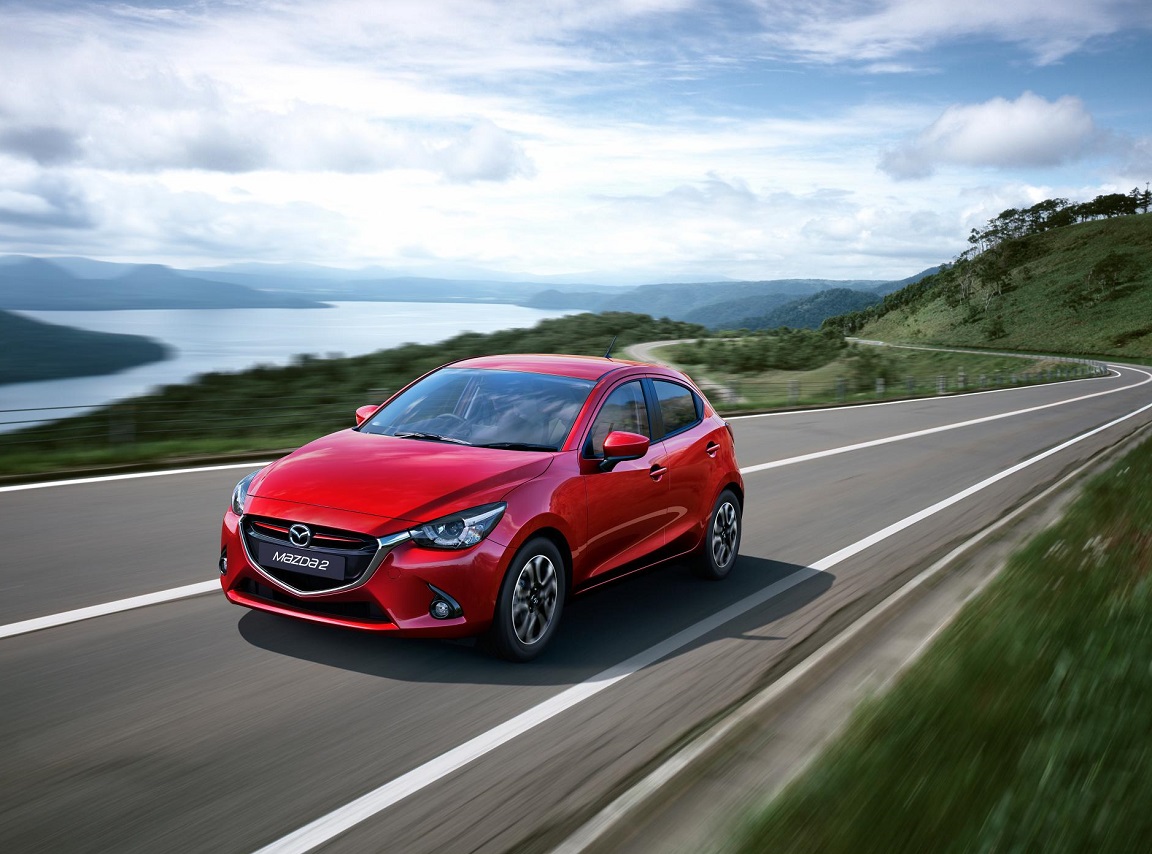
The Mazda2 with its 1.5-Litre engine is not the most powerful car (82 kW) on this list, but makes use of natural aspiration and high revs to get to 100kph in just 8.7 seconds. It thumps everything else on this list by quite a margin and shows that Mazda certainly places high value on sporty behaviour from its pocket rocket.
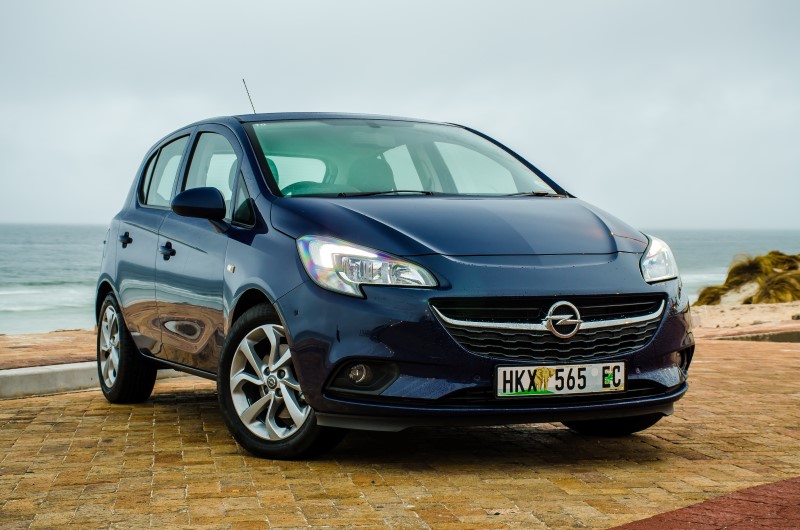
The new Opel Corsa uses a high-tech three-cylinder one-litre turbo to pump out 85 kW and that gets it to 100kph in 10.3 seconds from a standstill. The turbo isnt as quick as the Mazdas natural aspiration in flat-foot acceleration, but in gear acceleration is likely to be better thanks to the increased torque.
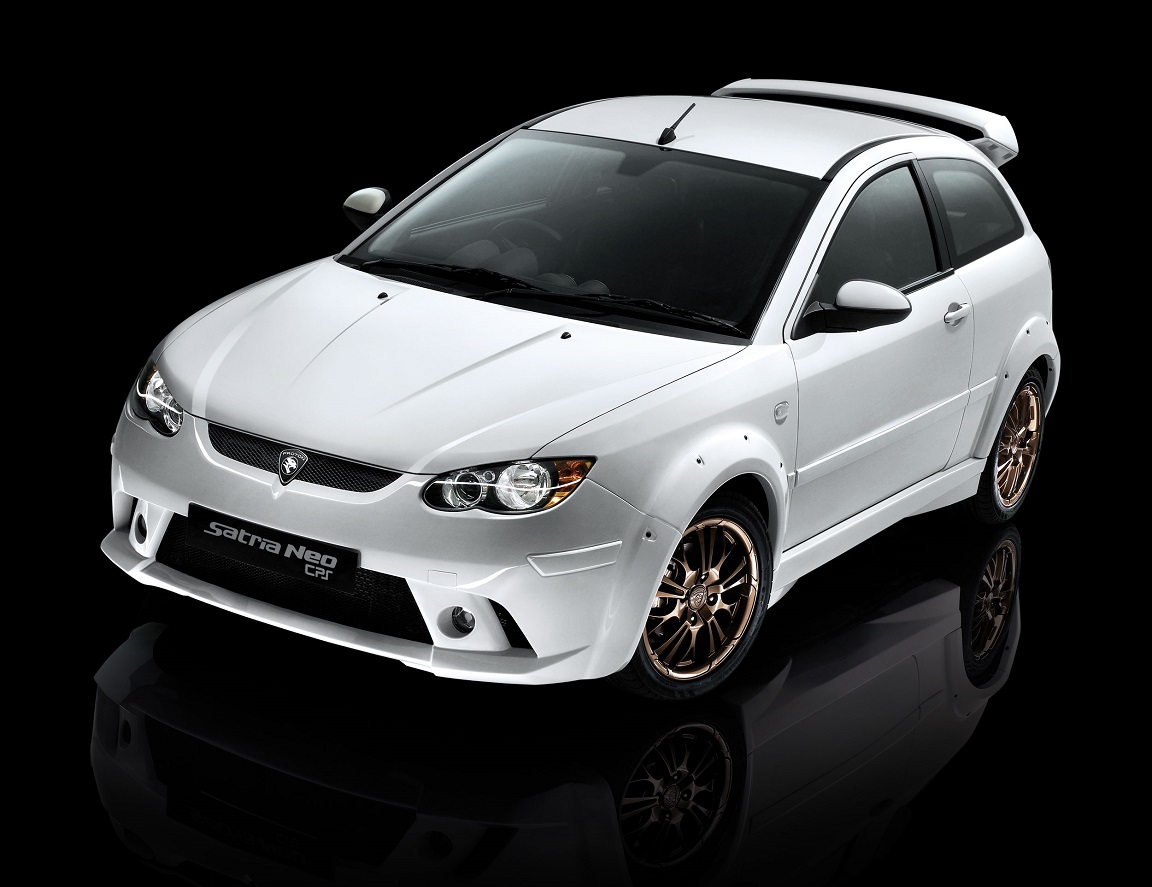
The Malaysian Proton Satria Neo has been around a long time and its 1.6-Litre engine develops 96 kW. This pushes it to 100kph in 10.5 seconds. Proton also did this CPS version that made it look like a rally car.
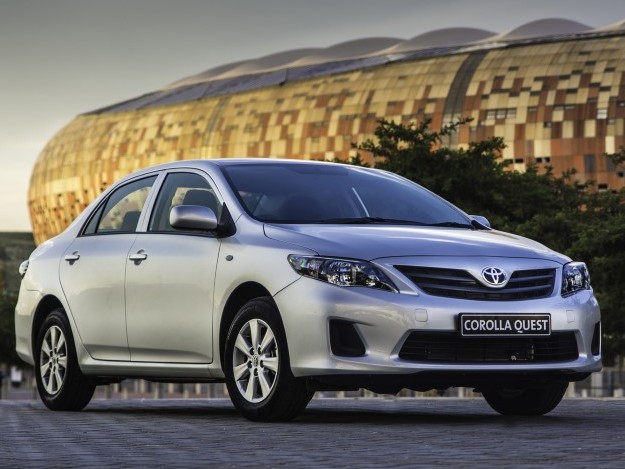
The Corolla Quest is essentially a previous generation Corolla that Toyota sells as a new car. You do get a naturally aspirated 1.6-Litre motor with 90 kW and thatll get the sedan to 100kph in 10.5 seconds. Thats pretty decent for family sedan under R200k.
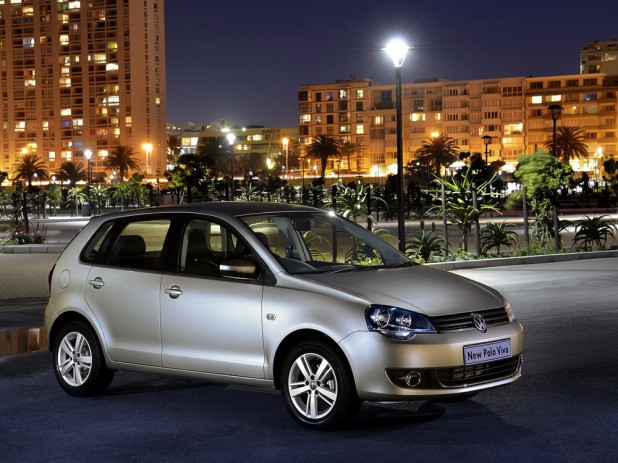
The VW Polo Vivo is the best-selling passenger car in South Africa and when powered by the 1.6-Litre petrol engine is reasonably quick. Despite having just 77 kW the least here it still gets to 100kph in 10.6 seconds.
According to reports, BMW will be revealing the facelifted 3-Series on 7 May 2015 at a special event in Munich, Germany. Exact details are scarce at this point, but what we do know is that the 3-Series will benefit from a number of engine and styling updates including new adaptive LED highlights, revised bumpers as well as an updated kidney grille.
This facelift couldn’t have been at a better time for BMW as the Mercedes-Benz C-Class is currently dominating the headlines thanks to a win in the World Car of the Year competition and Audi is on the verge of launching its overdue A4 sedan.
New engines for BMW 3 Series
The big rumour for the refreshed 3-Series however is that the entry level versions will be powered by a three-cylinder 1.5-litre TwinPower Turbo engine which offers up 100 kW and 230 Nm of torque. Although you might frown at this decision, this unit is expected to outperform the four-cylinder 1.6-litre engine currently doing service in the range, while offering better emissions and economy. We tried this engine in both the Mini Cooper and the BMW ActiveTourer and enjoyed it’s responsiveness.
There’s also talk that there will be a 3-Series badged with 340i. Rumours suggest this will be a 3.0-litre turbo six-cylinder engine and will be replacing the N55 engine which has done duty in many products like the 135i and 335i. This engine could also be the most powerful 3-Series motor other than the M3/M4.
You can also expect to see a plug-in hybrid join the 3-Series range which will be powered by a turbocharged four-cylinder 2.0-litre petrol unit coupled with an electric motor and lithium-ion battery. The outgoing BMW ActiveHybrid 3 was an interesting car as it combined the fearsome 3.0-litre turbo six-cylinder engine with an electric motor.
Mazda’s return to South Africa appears to be proceeding well. The new 2, 3 and 6 models have all been well received by the media and the sales of most of these vehicles are satisfying given the brand’s currently limited footprint.
It debuted Mazda’s first turbodiesel engine in South Africa when it was launched late last year and is pitched into a very tricky segment of the market where premium badges are very nearly within reach. Mazda, of course, has upmarket ambitions itself, but does the CX-5 live up to its heady price tag?
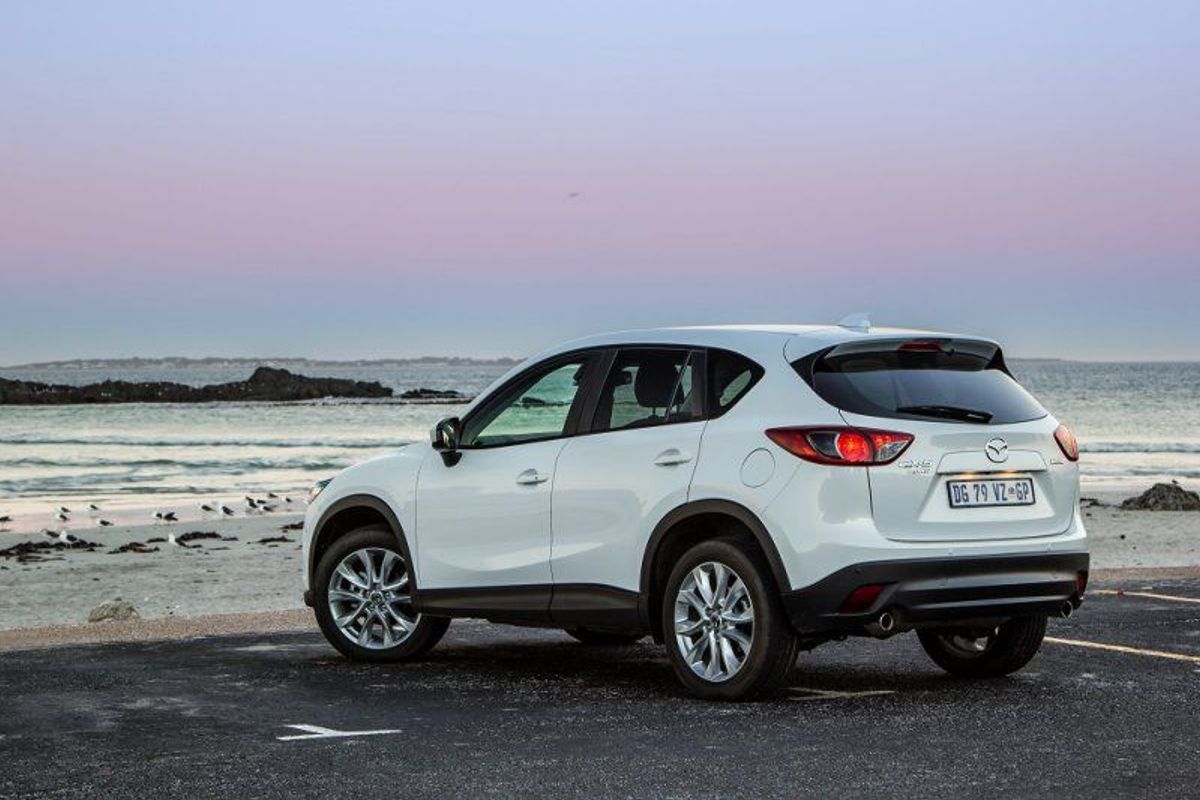
The Mazda CX-5 is ageing gracefully
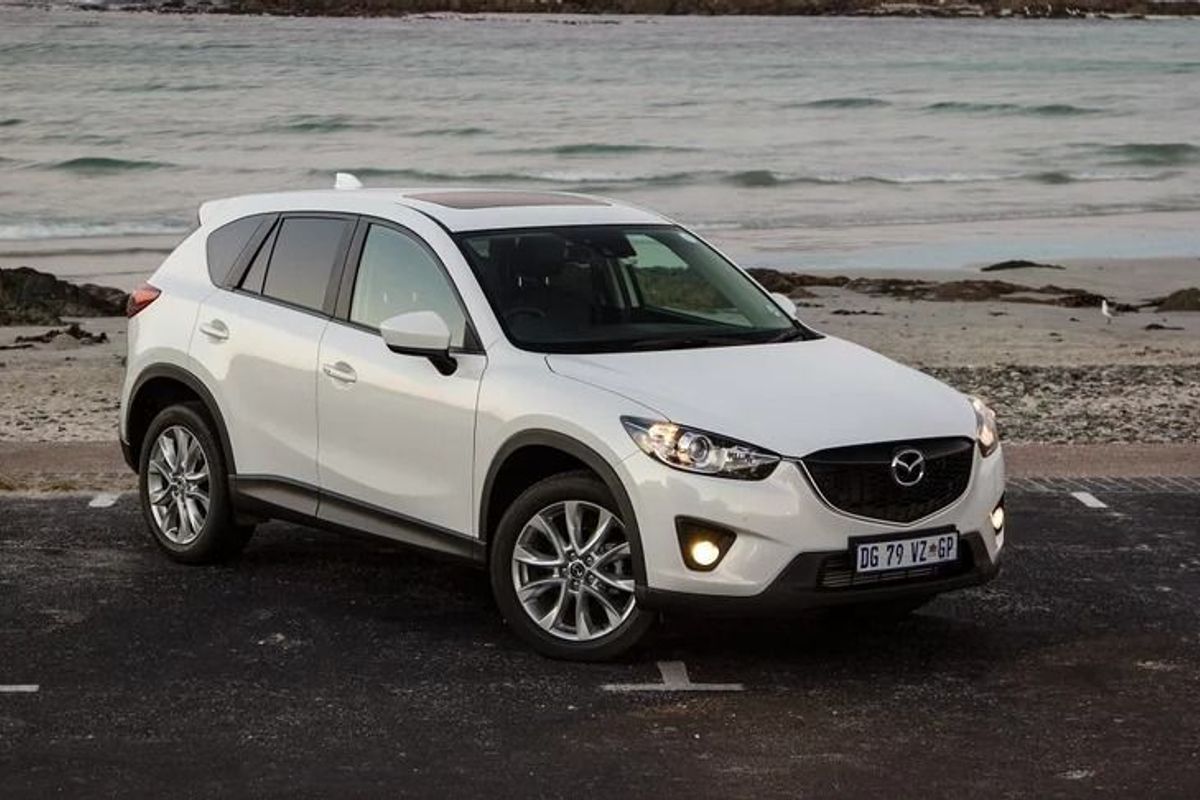
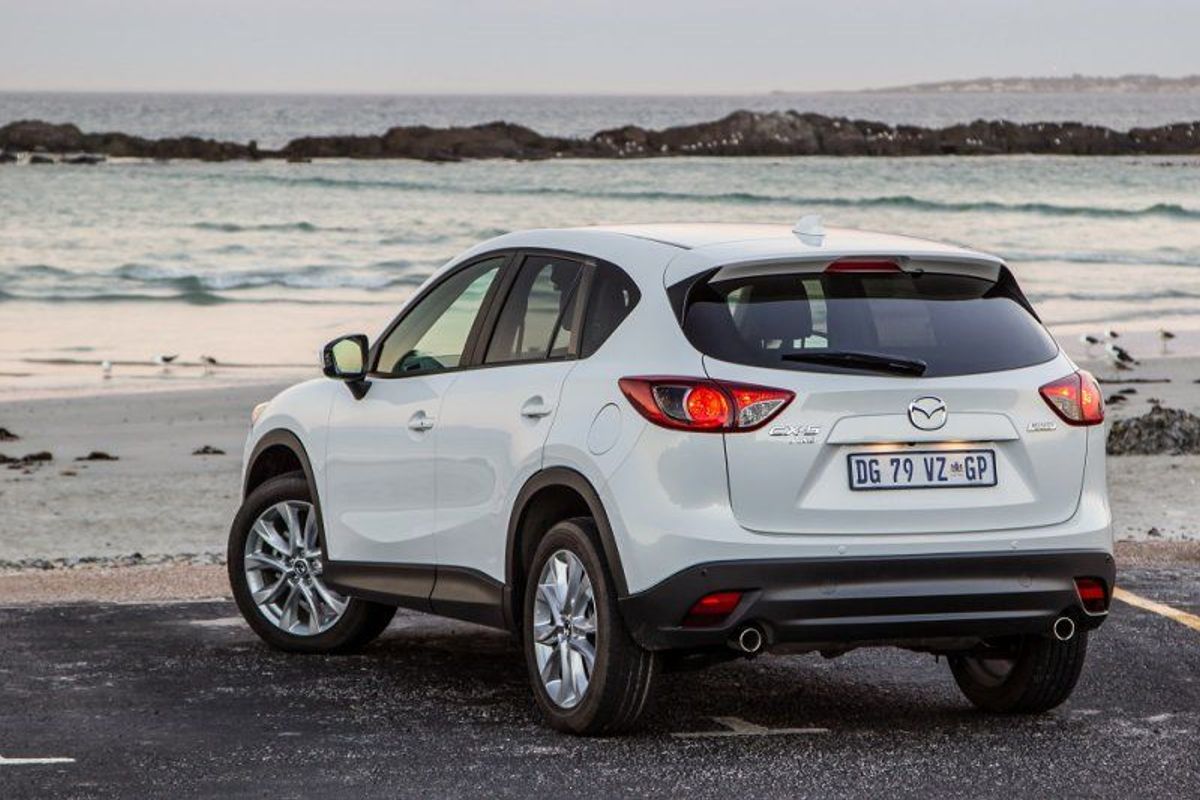
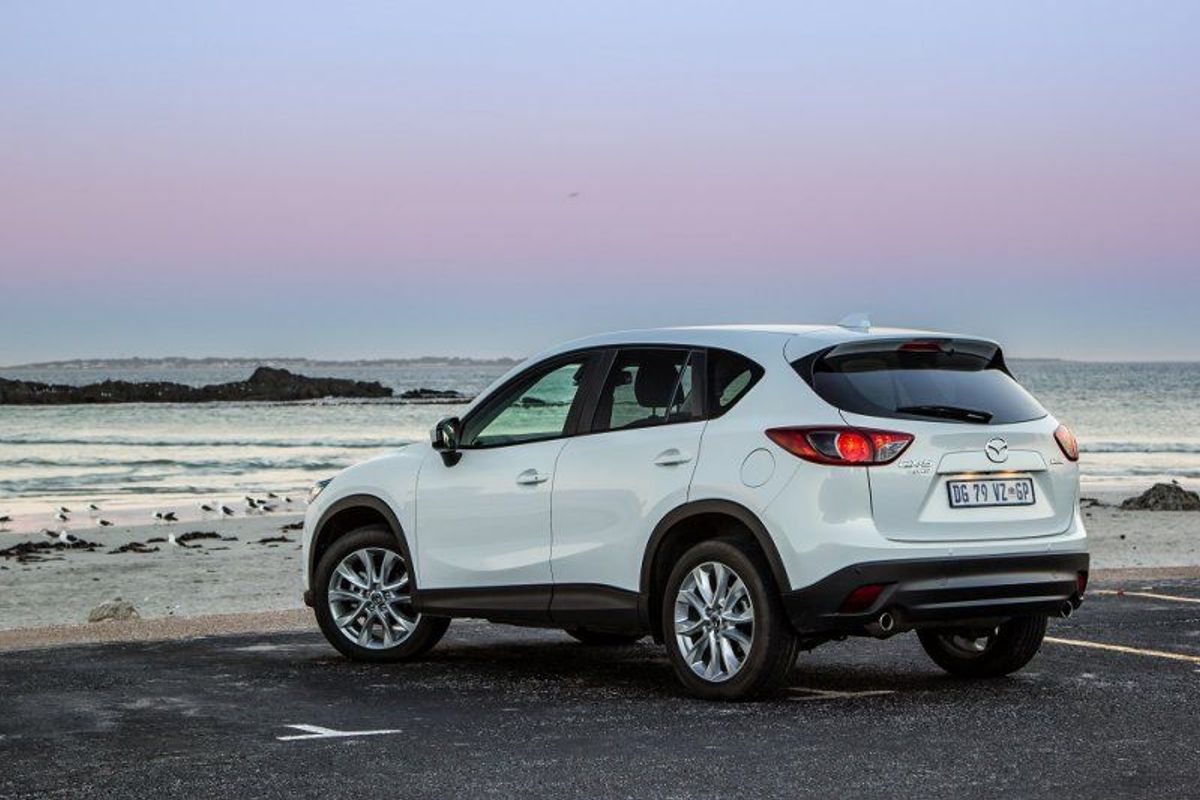
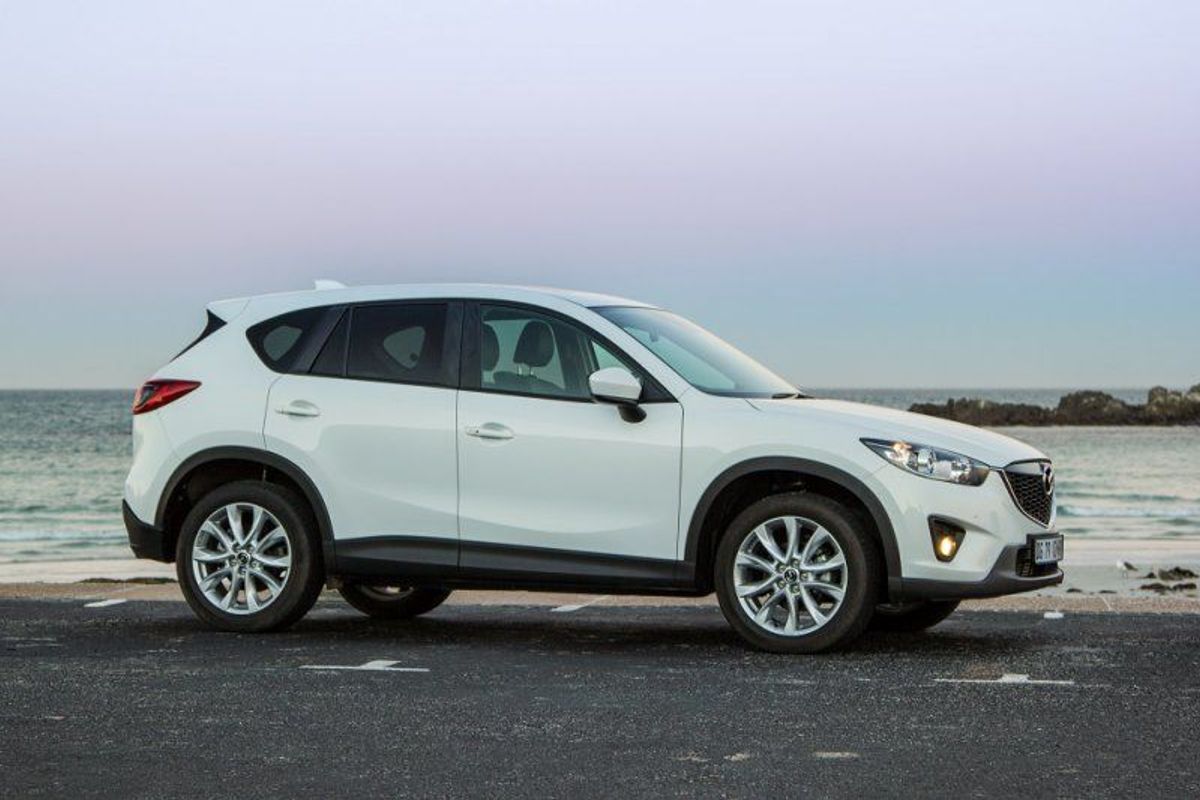
The CX-5 has been around since 2012 so we’ve become familiar with its handsome looks. More importantly, it has aged remarkably well. This flagship model rides on large 19-inch wheels and looks suitably upmarket with its neat lines, tinted windows and integrated spoiler. The one area where it has come in for criticism is that it lacks the detailing of some newer rivals. Mazda has already addressed this with the facelifted version launched recently, which features (among other items), LED lamps and gunmetal alloy wheels to endow the flagship CX-5 with a bit more kerb appeal.
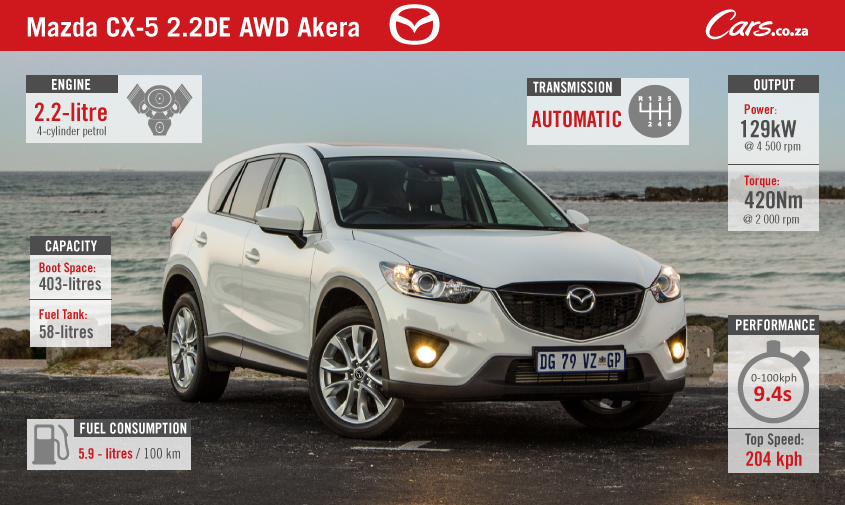
Similarly, there’s not much wrong with the cabin except that it lacks in the ‘wow’ department (again addressed with the facelift). The wheelbase is a lengthy 2 700mm, so there’s ample space front and rear without impacting on boot space which is rated at over 400 litres. It is possible to fit a fairly large three-wheel pram into the boot lengthwise, so the boot is well-shaped to accommodate a large variety of family holiday paraphernalia.
The cabin is predominantly black, so it can get a bit sombre in there, but at least there is a standard sunroof to let in some light. Build quality is exceptional and perfectly in line with Mazda’s premium-segment aspirations. The quality of the standard leather upholstery also appears to be at premium segment levels.
Packed with features
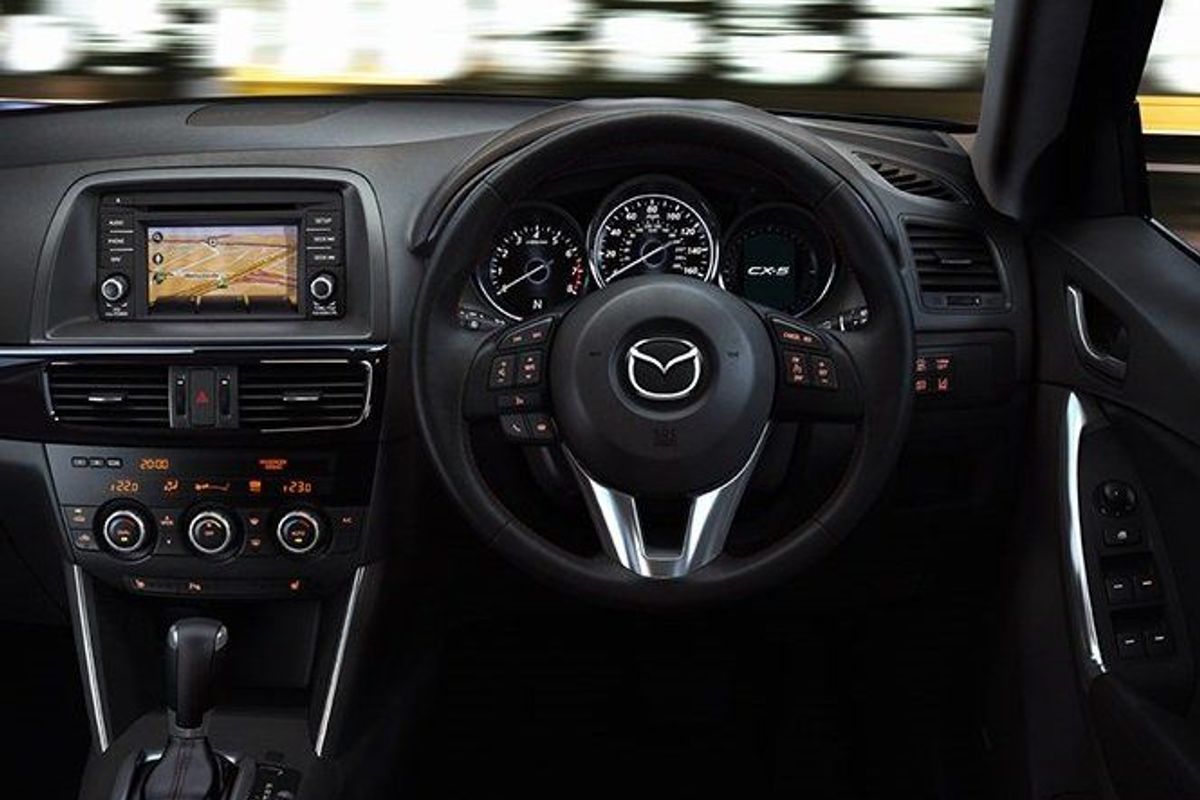
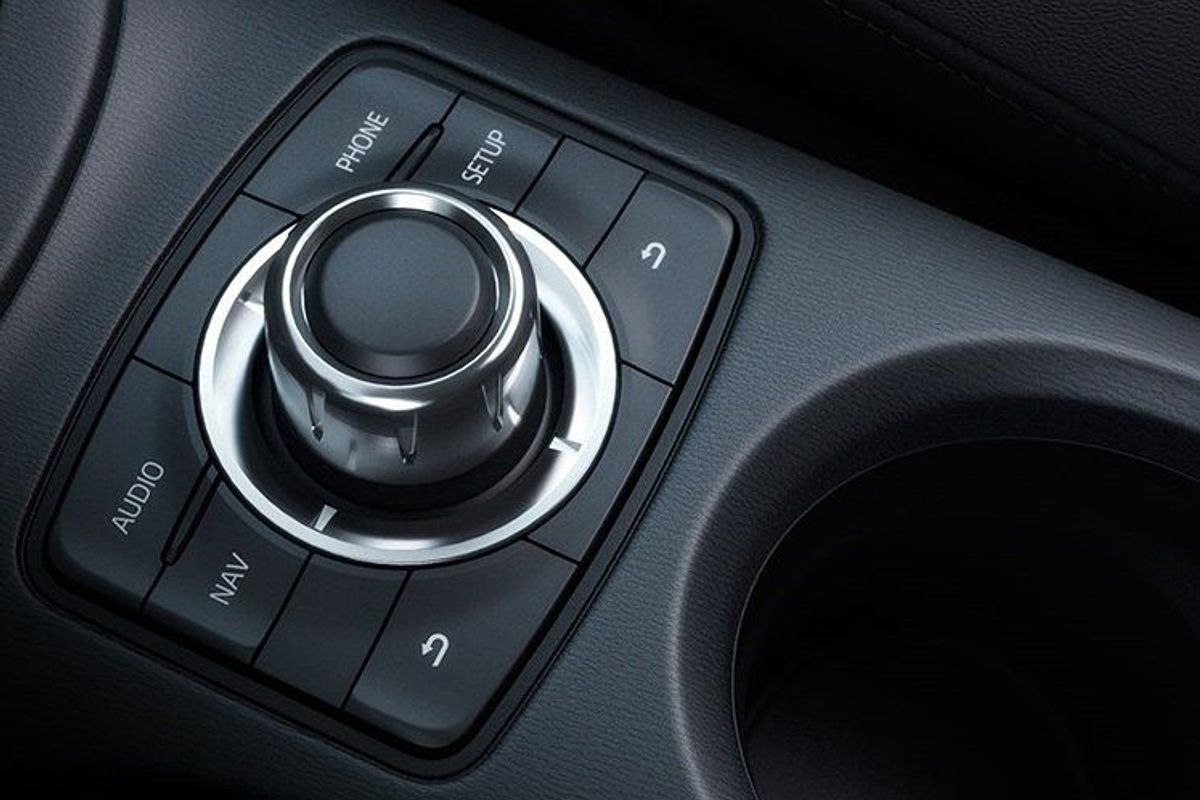
As befits any flagship vehicle, the CX-5 Akera comes with a long list of standard features. We’ve already mentioned the sunroof, but you also get electric seat adjustment, auto lights and wipers, climate control, rear park assist and cruise control among other items. Infotainment is taken care of by a colour screen on top of the facia, but it’s not particularly user-friendly and lacks satellite navigation — more issues that have been improved with the facelifted model. Keyless entry is another feature that comes as standard, but it’s not always very clear whether the vehicle has been locked or not through the beeps this system emits.
With regards to safety, this CX-5 features a full armoury of front, side and curtain airbags, as well as electronic stability control.
Refined and economical engine
Mazda took a long time before launching its first turbodiesel engine on the South African market last year. The brand’s engineers conducted extensive local testing to make sure that its advanced powertrains would be compatible with local conditions, driving styles and fuel quality. One of the engine’s main features is that it boasts a particularly high compression ratio of 14:1, an efficiency solution that forms part of Mazda’s ‘SkyActiv’ suite of technologies.
Based on our test, the wait was certainly worth it. The CX-5’s 2.2-litre turbodiesel engine is not only beautifully refined but also powerful and economical. Mated with a slick six-speed automatic transmission, the engine delivers a strong 129 kW and 420 Nm of torque. The latter figure is class-leading and already available at 2 000rpm, so there’s not much in the way of turbolag and low-rev lethargy. Mazda doesn’t quote performance figures, but subjectively speaking the Mazda CX-5 could be the liveliest vehicle in its segment.
Mazda claims a combined cycle fuel consumption figure of 5.7 L/100 km, which is certainly very good. However, during our testing we achieved a possibly more representative figure of 6.6 L/100 km.
Excellent cruiser
With its deeply impressive engine, standard cruise control and spacious, luxurious cabin, the Mazda CX-5 is very well-suited to long-distance family holidays. The interior is a quiet, comfy place and one can feel that great attention had been paid to NVH (noise, vibration, harshness) during its development.
This model features standard all-wheel drive, but don’t plan on doing serious off-roading with the CX-5. The ground clearance is relatively meagre at 150 mm and it is otherwise lacking in serious off-road technology. That said, it copes well with gravel surfaces far better than one would suspect given the presence of those large 19-inch wheels and low-profile tyres.
On tar the dynamics are not quite class-leading and dependent on the quality of the road surface and the speed. Still, the Mazda CX-5’s feathers aren’t easily ruffled and it maintains its composure well even when the driver starts to push on. Certainly, the excellent driving position alone is a major benefit to long-distance comfort — the steering wheel is rake/reach adjustable and the seat electrically adjustable (including height).
Conclusion and Summary
This pre-facelift Mazda CX-5 still impresses with its combination of space, efficiency, refinement and quality, but at R465 400 the price could be a challenge, especially as the CX-5 lacks the glitz and glam of some newer challengers. Good thing, then, that Mazda has addressed just those concerns with the facelifted models that are now available.
Mazda CX-5 2.2DE Akera – Price in South Africa
The Mazda CX-5 2.2DE AWD Akera costs R465 400 and comes with a three-year/unlimited km warranty, three-year service plan and three year roadside assistance.
Second Opinion
The Mazda CX-5 is smart, both inside and out. Not only is build quality right up there, but that diesel engine is a peach. However, despite its all-wheel drive badges, this is no serious offroader and I would say the only benefit of this system is on wet roads and gravel. Still, for the money, you’re getting a good product with exceptional qualities all round. – David Taylor
Frequently Asked Questions
What engines are available in the Mazda CX-5 in South Africa?
In South Africa, the Mazda CX-5 is primarily offered with a 2.0-litre, naturally aspirated Skyactiv-G petrol engine, which produces 121 kW of power and 213 Nm of torque. This engine is paired with a 6-speed automatic transmission. There are also models with a 2.5-litre petrol engine that deliver 143 kW and 258 Nm of torque, as well as a 2.2-litre turbodiesel variant in some higher-spec models.
What is the safety rating of the Mazda CX-5?
The Mazda CX-5 has a 5-star safety rating from Euro NCAP. It is equipped with a comprehensive set of safety features, including multiple airbags, ABS with EBD, Dynamic Stability Control (DSC), and a range of advanced driver-assistance systems in higher-end models, such as Blind Spot Monitoring (BSM), Lane-keep Assist (LKA), and Smart City Brake Support (SCBS).
Does the Mazda CX-5 come with a warranty and service plan in South Africa?
Yes, all new Mazda CX-5 models in South Africa come standard with a 5-year/unlimited-kilometre warranty, a 5-year/unlimited-kilometre service plan, and 5-year/unlimited-kilometre roadside assistance.
Is the Mazda CX-5 a good family SUV?
The Mazda CX-5 is widely regarded as a good family SUV. It offers a spacious and high-quality interior, a comfortable ride, and a practical boot. Its strong safety ratings and advanced features make it a secure choice for families, while its stylish design and refined driving dynamics make it a popular and compelling option in its segment.
Volkswagen Golf R400 Confirmed For Production (Video)
It’s going to be the fastest and most exciting Golf to date. That’s right, Volkswagen has confirmed the Golf R400 concept will become a reality and should hit roads in 2016.
The Volkswagen Golf R400 concept was a revelation when it was shown off at the 2014 Beijing Motor Show thanks to its 294kW 2.0-litre turbo engine. Rumours were strong that a road-going model was to follow and finally Volkswagen Group Powertrain Chief Heinz-Jakob Neusser confirmed the news to UK Car Magazine.
“Soon we will have the Golf R 400 – we will do this car. We are, in fact in development right now.” While the 294kW output sounds pretty exciting, there’s talk that Volkswagen wants to extract as much as 309kW from the motor. The concept had 450Nm of torque, but there’s no word on what the production model will have. All that power will be sent to Volkswagen’s all-wheel drive 4Motion system through a six-speed DSG transmission. The current DSG units can only handle around 400Nm so that unit will have to be strengthened or replaced with an all-new gearbox.
The braking system will also be upgraded and we won’t be surprised if there’s a hot, yet subtle bodykit thrown into the mix. We doubt it’ll be as outrageous looking as the Golf R400 concept, but it should be a looker. If all goes according to plan, we think there may be a showing of a pre-production model at the 2015 Frankfurt Motor Show which is in September. We can’t wait.
Volkswagen Golf R400 Video
Here’s a video of the Volkswagen Golf R400 concept being driven around prior to being loaded up into a truck. It sounds epic.
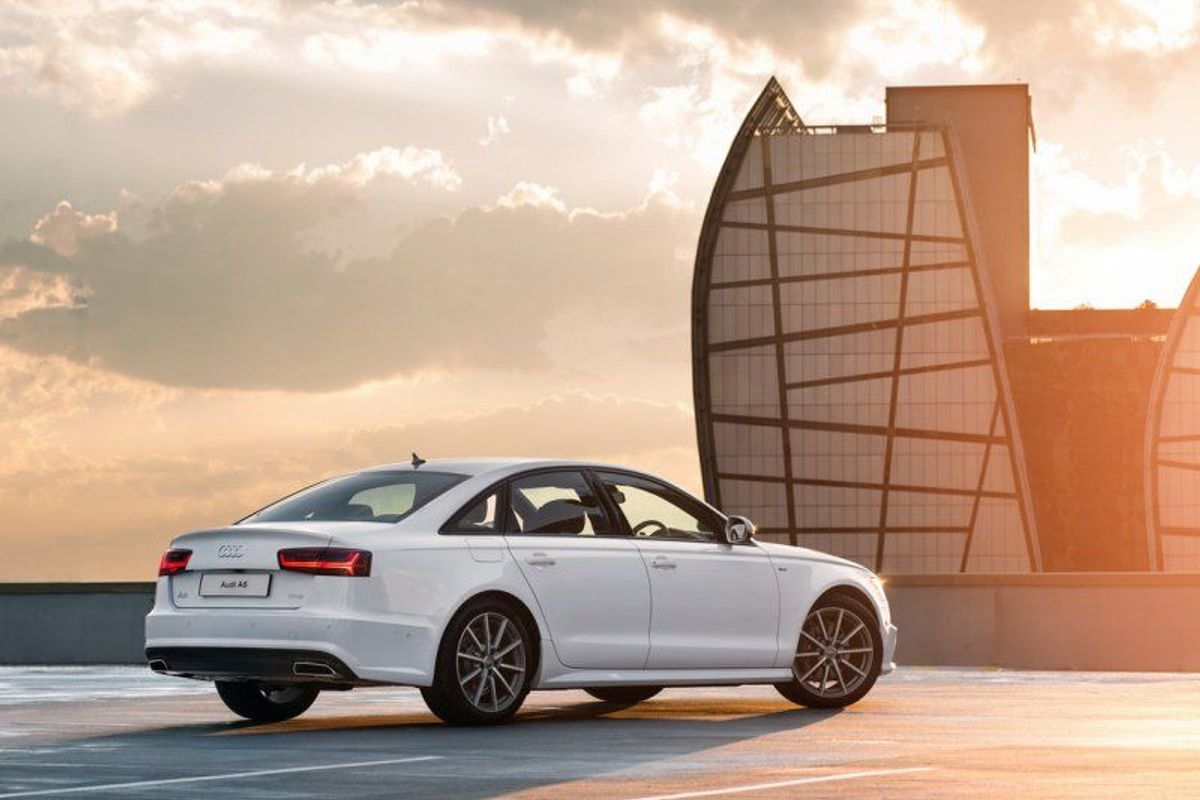
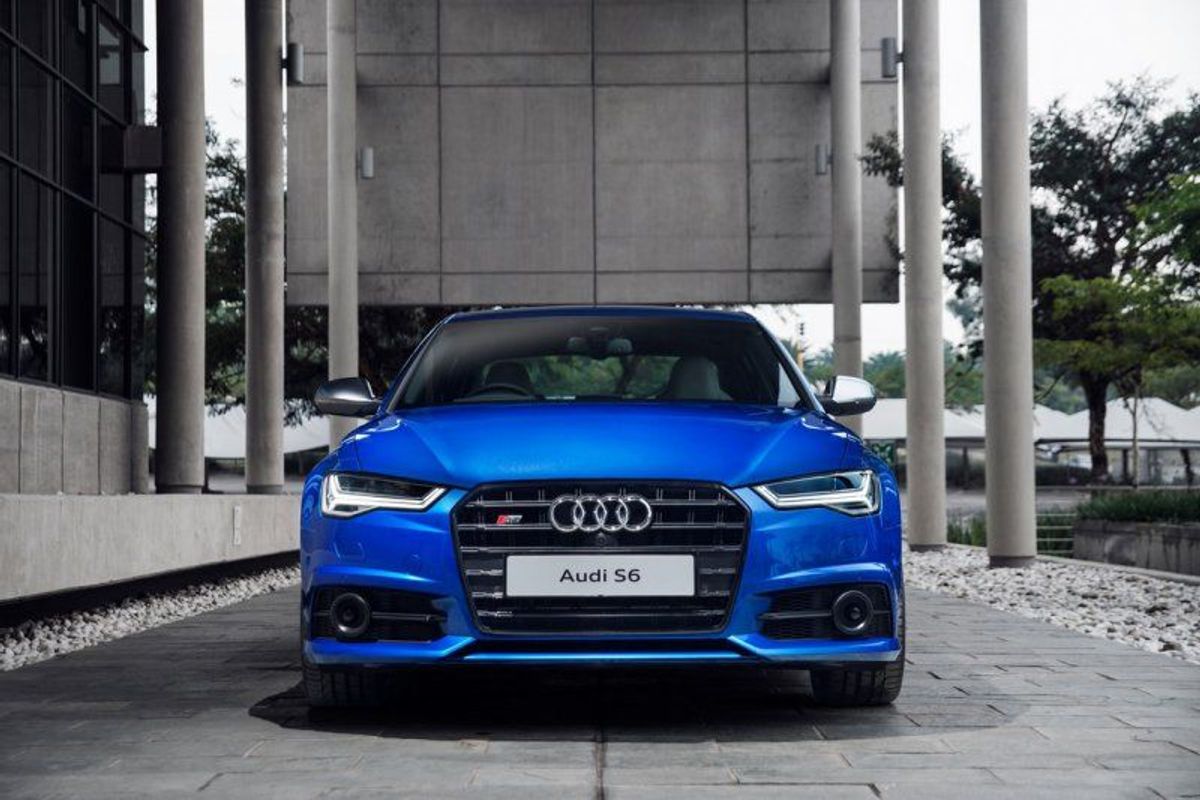
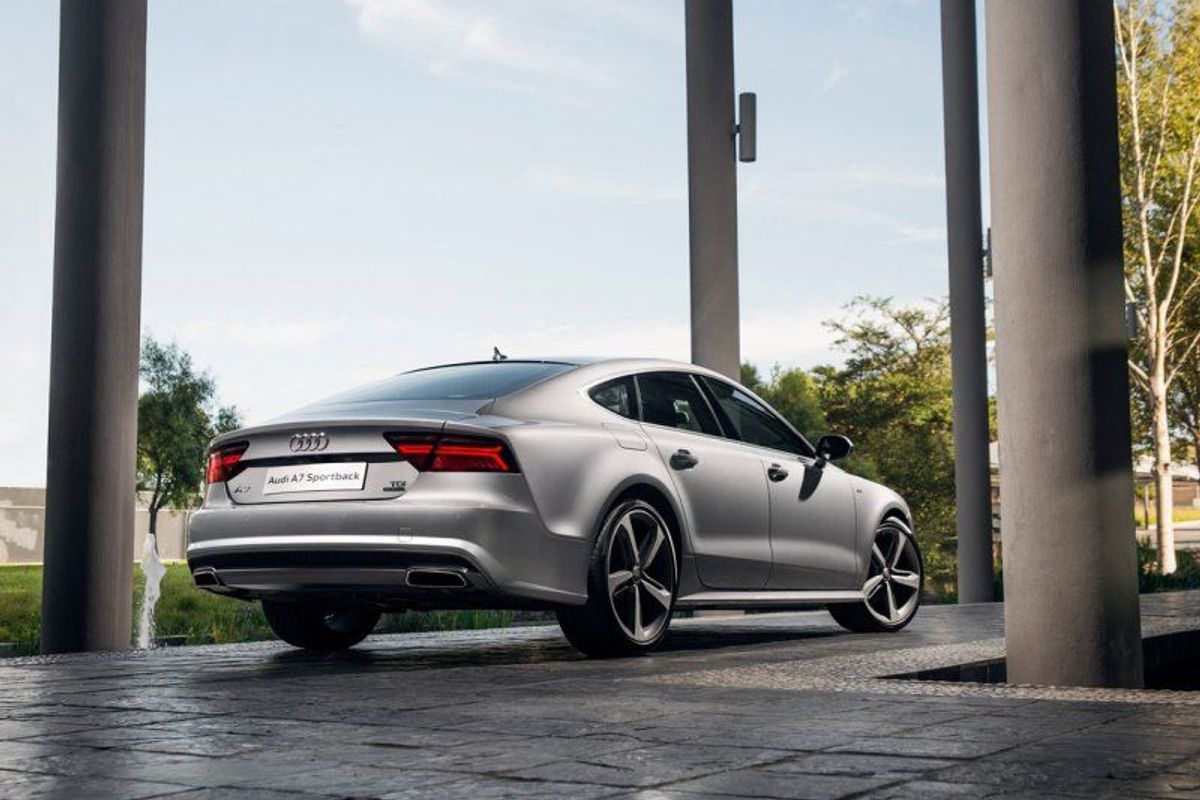
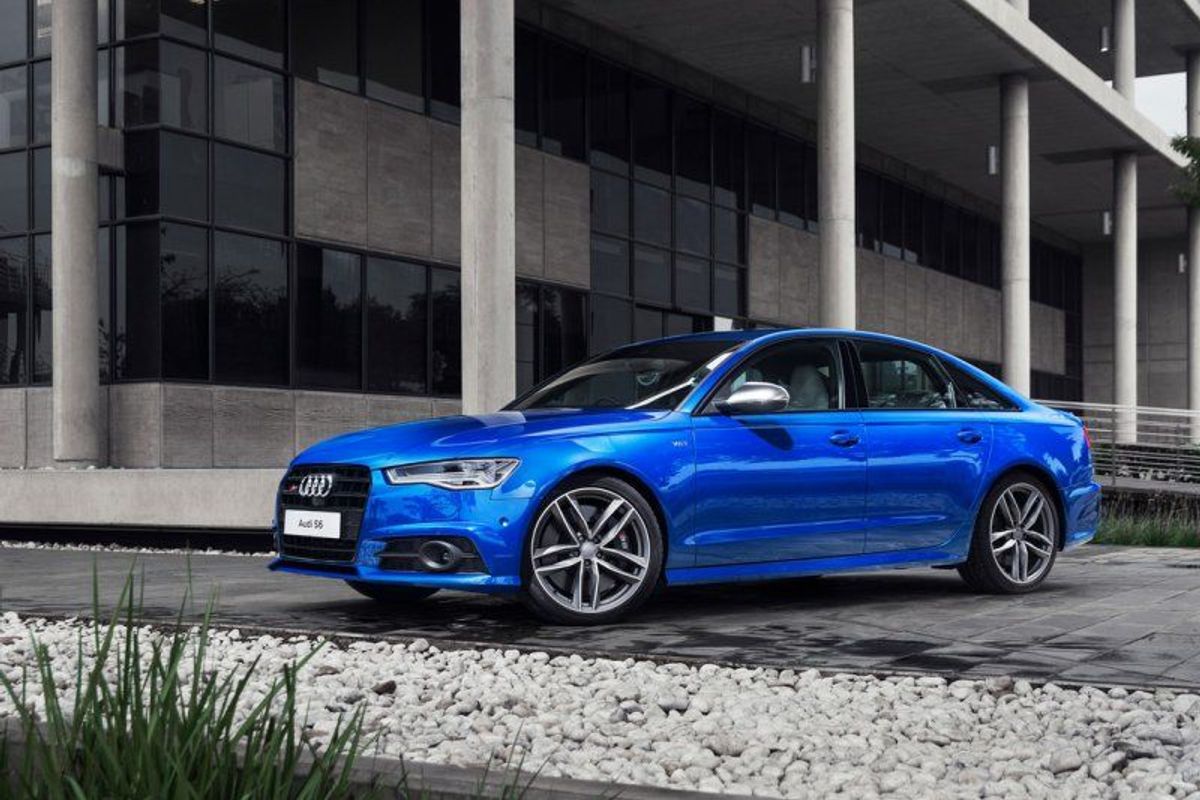
Audi A6 and A7 (2015) First Drive
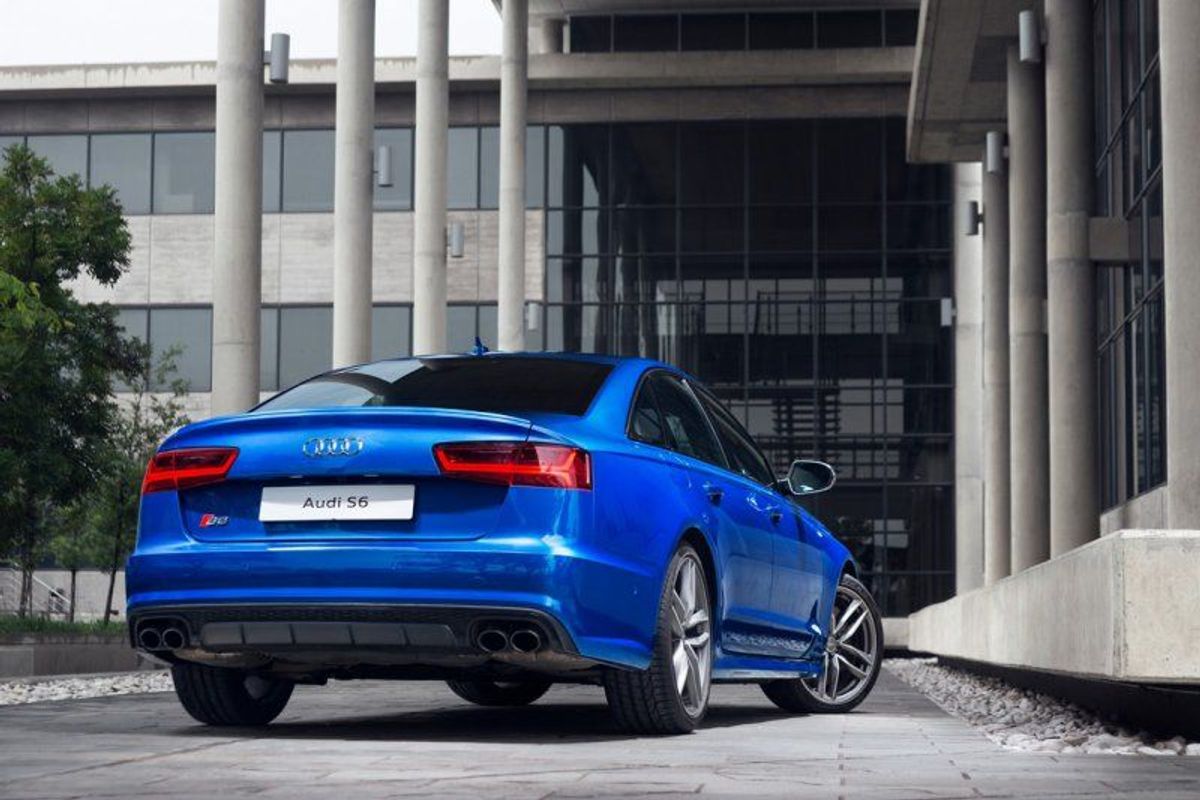
Audi hasnt had much in the way of big sales-moving vehicles of late. Its German rivals, on the other hand, have been flexing their muscles and filling the market with everything from MPVs to manic SUVs and sound barrier-piercing limousines. Audi has been slowly releasing RS and S versions of some of its models and the A3 sedan was a welcome addition in early 2014. Now the German brand has unleashed both the updated A6 and A7 Sportback with accompanying S-derivatives.
Whats New?
Its a slight facelift to be honest, the exterior has had a revamp to make it look new and shiny, and the interior has had a few subtle changes for the same reason. The engines have received power upgrades and theres a new four-cylinder entry level motor available. The A6 and A7 also do away with the Multitronic CVT gearbox that is replaced by the S-Tronic double clutch system.
Outside Bits
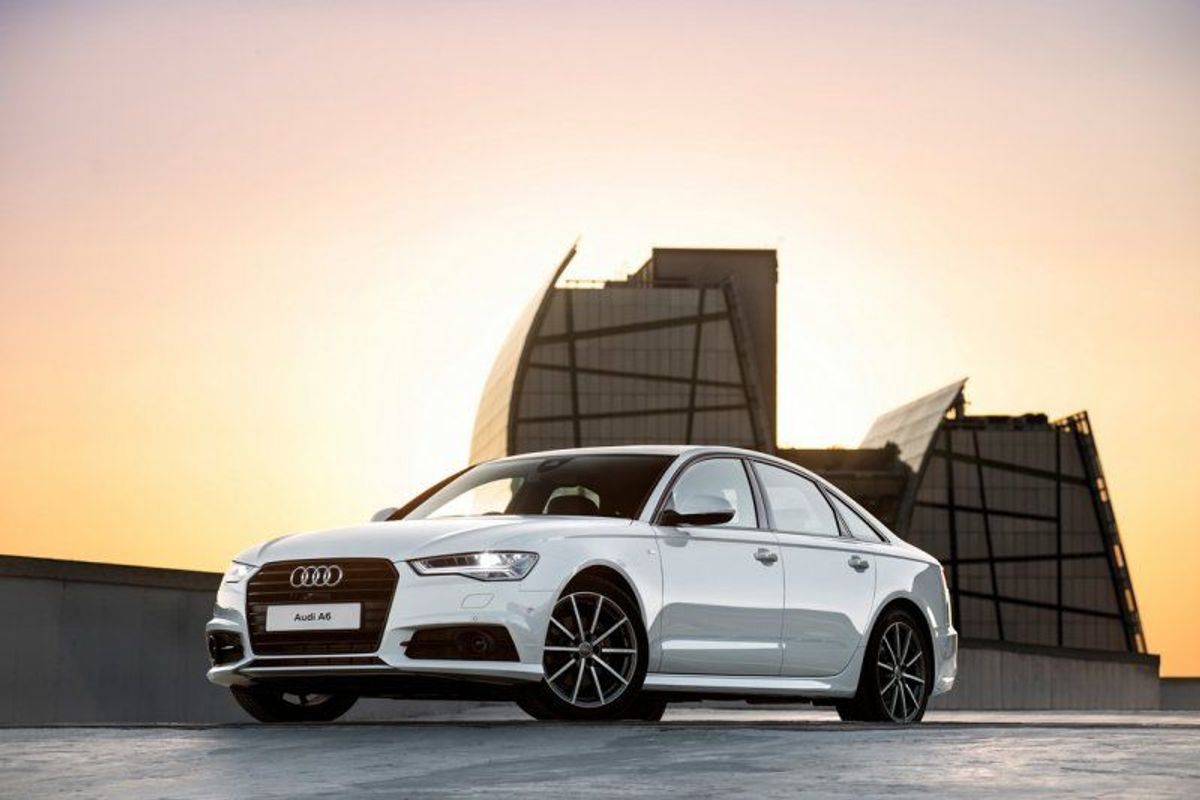
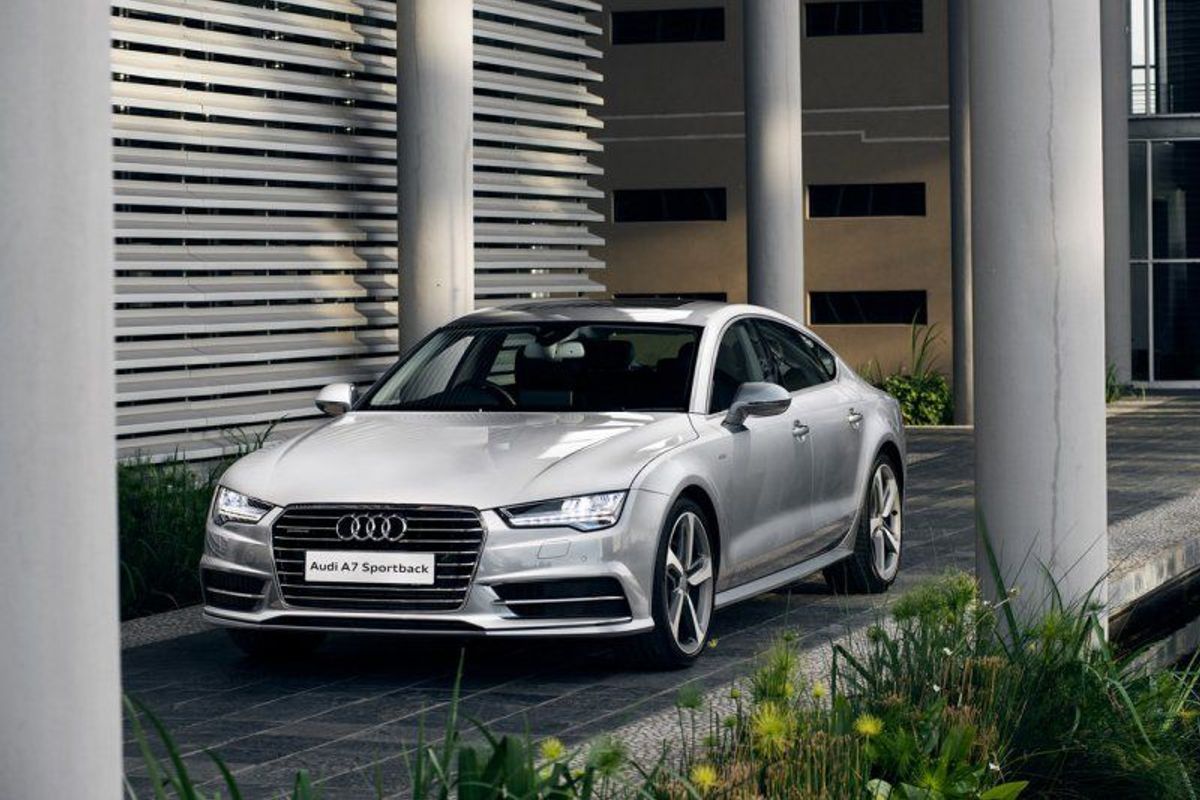
Audi has some of the most menacing looking headlights youll ever see. In the dark it has to be the most recogniseable set of LEDs ever to pop into your rear-view mirror. On the A6 and A7 theres the option of going full LED with Matrix tech that makes them even more piercing. Other modifications include changes to the side sills, front grille, rear lights and tailpipes. The overall appearance hasnt changed much and the A6 still remains a good looker. As for the A7, thats a bit polarising in the looks department so you can make your own mind up on that one.
Inside Bits
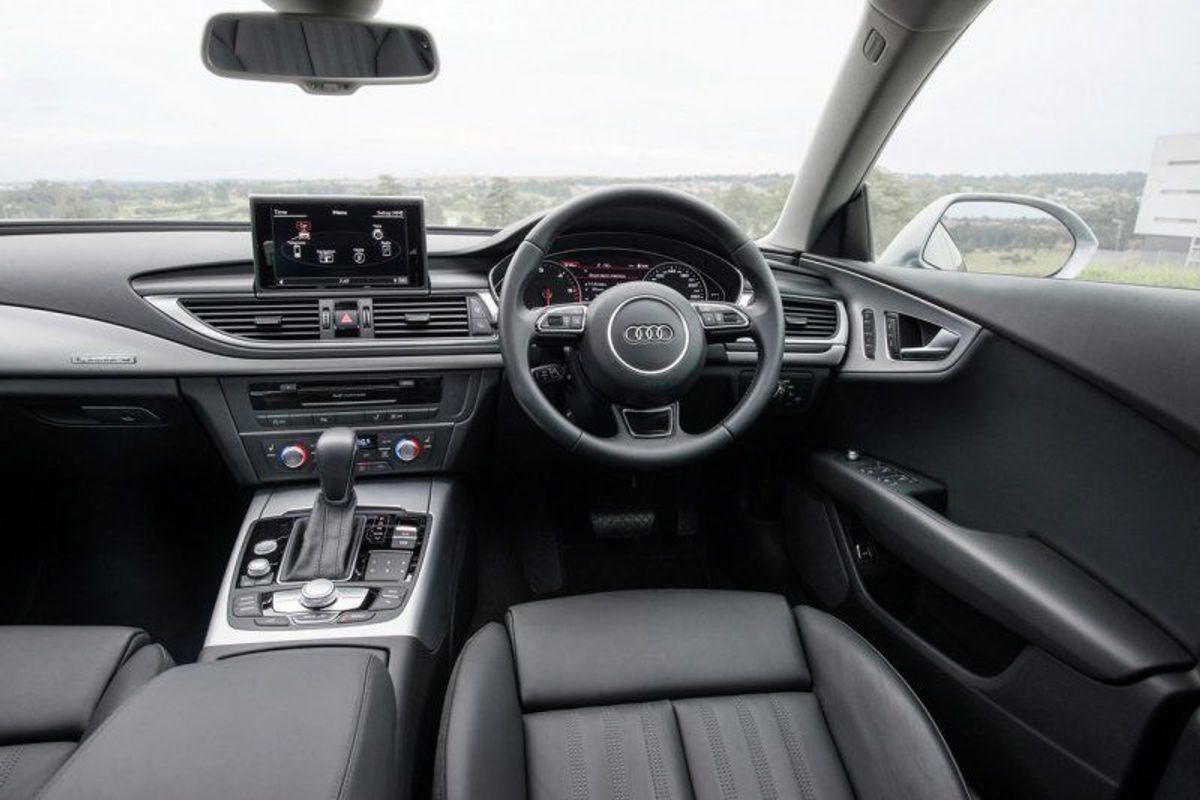
Audis interiors always come across as well-built, pristine cabins to sit in and the A6 and A7 are no different. Its ensconced in leather and soft touch rubber, theres brushed aluminium across the dash and on quattro versions the word is etched into the dashboard. The major update comes to the multimedia system that has more graphics and options to play with, and I also noticed two USB ports and an aux port lurking under the centre console.
Engines
There are upgrades throughout the range and at the bottom of the A6 line-up is a 1.8-litre turbo four-pot petrol that puts out 140 kW and 320 Nm and claims just 5.8L/100km. I didn’t get a chance to sample the 1.8-Litre, but there was an S6 available. The 4-Litre biturbo V8 makes 331 kW and roars sweetly through the revs. Audi has made the S6 sound cleaner than its German rivals that crackle and pop under power. The S6 sings a clean, deep and pleasurable sound as it motors along. Lift off the throttle and theres a gargle and a slight backfire bark. Its spot on and exactly how a premium sports sedan thats built to eat freeways should sound.
The A7 model we sampled on the launch was the version equipped with the bi-turbo 3.0 TDI motor, a diesel engine that pushes out 235 kW and 650 Nm. The power delivery of this diesel engine is linear and extreme. Its a fast car with the diesel motor in it, and when you toggle the drive mode into dynamic it sounds grunty for a diesel. How much of this is real sound and how much is manipulated is another story, but it adds to the excitement.
For all the specs and details of the new A6 and A7 Sportback check out our specs article here
The Drive
The A6 and A7 both ride extremely smoothly and comfortably, even the sporty S6. Harsh bumps and potholes never crashed or jolted the suspension. In dynamic mode everything stiffens up and when youre at speed on a mountain pass the chassis feels responsive and the car glued to the surface. It might lack a bit of steering feel from its electric system, but the overall feel from this sports sedan is impressive.
A6 and A7 Pricing
The Audi A6 will only be available at launch in two models, the A6 1.8T FSI and the S6 4.0T FSI quattro. The pricing for the entire range, including the models arriving thereafter, will be as follows:
Audi A6 1.8T FSI 140 kW S tronic: R 601 000
Audi A6 2.0TDI 140 kW S tronic: R 631 500* (November 2015) (estimated price)
Audi A6 3.0TDI 160 kW S tronic: R 689 000 (June 2015)
Audi A6 2.0T FSI 185 kW quattro S tronic: R 749 500 (July 2015)
Audi S6 4.0T FSI 331 kW quattro S tronic: R 1 054 500
Audi A7 Sportback 3.0 TDI quattro S tronic: R 943 500
Audi A7 Sportback 3.0 TDI BiTurbo quattro S tronic: R 1 040 000
Audi S7 Sportback 4.0T FSI quattro S tronic: R 1 176 500
Audi RS7 Sportback 4.0T FSI quattro S tronic: R 1 596 000
Chevrolet Cruze (2015) First Drive
The Chevrolet Cruze is General Motors’ answer to the mighty Toyota Corolla and in certain respects, the outgoing Cruze could just about match the popular Japanese model.
For 2015, the Chevrolet Cruze has received some updates which should see it take the fight more effectively to the lower end of the sedan market. If the Chevrolet marketing hype is anything to go by, they really believe their car is a winner. So what’s new for 2015? For detailed specifications about the new Chevrolet Cruze LS, click here.
Engines
The engine range is down to just two options. There’s a 1.4-litre turbo petrol and a 1.6-litre naturally aspirated unit to choose from. Both engines are four cylinder units and it’s interesting to see that the impressive 2.0-litre turbodiesel has been dropped. Is Toyota’s 1.4D Corolla that good that it’s just not worth trying to take it on? In actual fact it’s just a case of sales trends – diesel engine sedans in this segment just don’t sell in big enough numbers. Perhaps the most important news is the arrival of a six-speed automatic gearbox for the 1.4-turbo.
Interior and Exterior Changes
The interior gains some upgrades in the form of the MyLink infotainment system, which gets the thumbs up from me as it’s an intuitive system. On the outside there are a number of changes to be found. The main standouts are the daytime running lights at the front and the substantially revised rear tail lamps. There are also revised designs for the 16-inch and 17-inch alloy wheels.
The Drive
Chevrolet’s launch route combined the bustling streets of Paarl and the open roads of the Winelands. In both cases, the Chevrolet Cruze proved a comfortable cruiser. I had chosen a 1.4-litre turbo hatchback to start off with and ended with a 1.4-litre turbo sedan auto. The automatic doesn’t like to be driven briskly and is much better suited to a more relaxed style of drive. The manual hatchback’s gearshift action felt improved too.
However, to compete in this segment the Cruze doesn’t have to offer a thrilling driving experience. It has to be supremely comfortable, and in this department it does well. Road noise only becomes present at higher speeds and on rougher stretches of tarmac, but on the whole, refinement is good. Throw in a decently sized boot and you’ve got a good, solid family offering here. It may not be the fastest, or flashiest sedan around, but it looks like the Chevrolet Cruze is one very competent customer. I look forward to putting it head to head against its nemesis from Japan.
Chevrolet Cruze Price in SA
Price is correct as of 23/04/2015.
Chevrolet Cruze Sedan 1.6 L R230 400 Chevrolet Cruze Hatch 1.6 LS R248 300 Chevrolet Cruze Sedan 1.6 LS R247 200 Chevrolet Cruze Hatch 1.4T LS R265 200 Chevrolet Cruze Sedan 1.4T LS R262 500 Chevrolet Cruze Sedan 1.4T LS Automatic R272 400
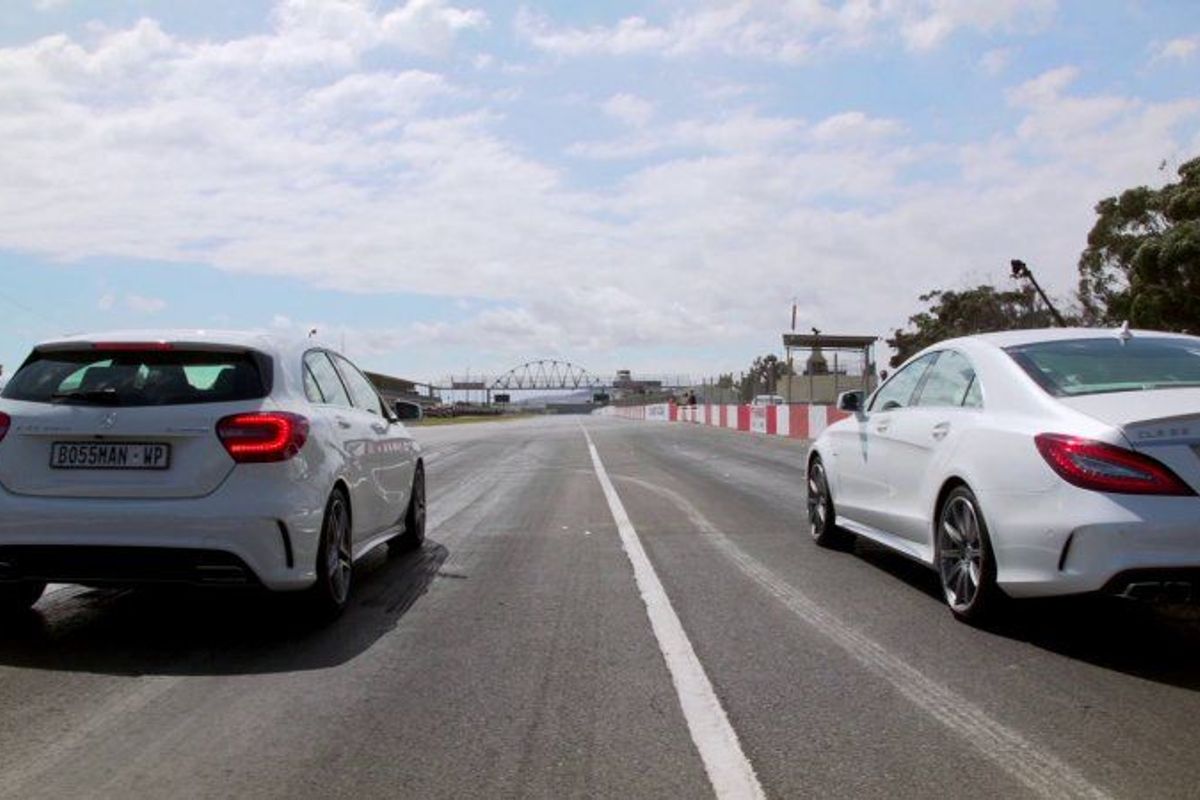
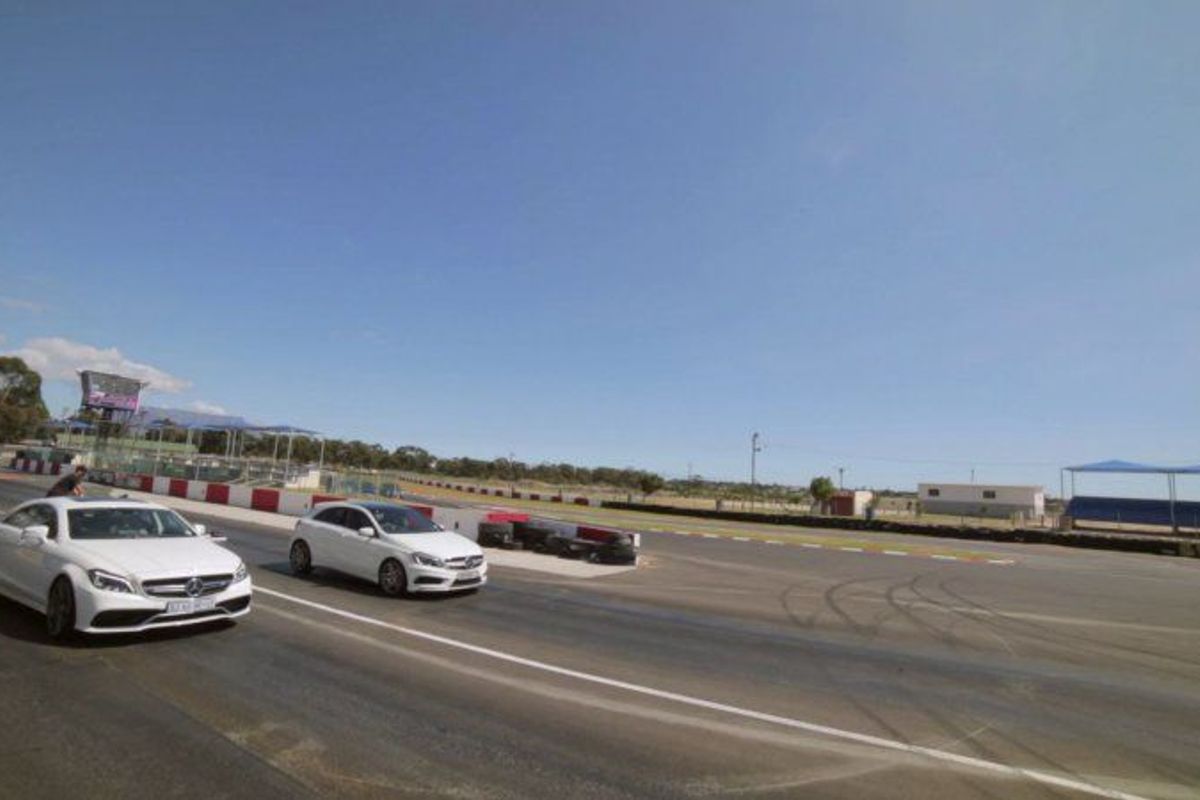
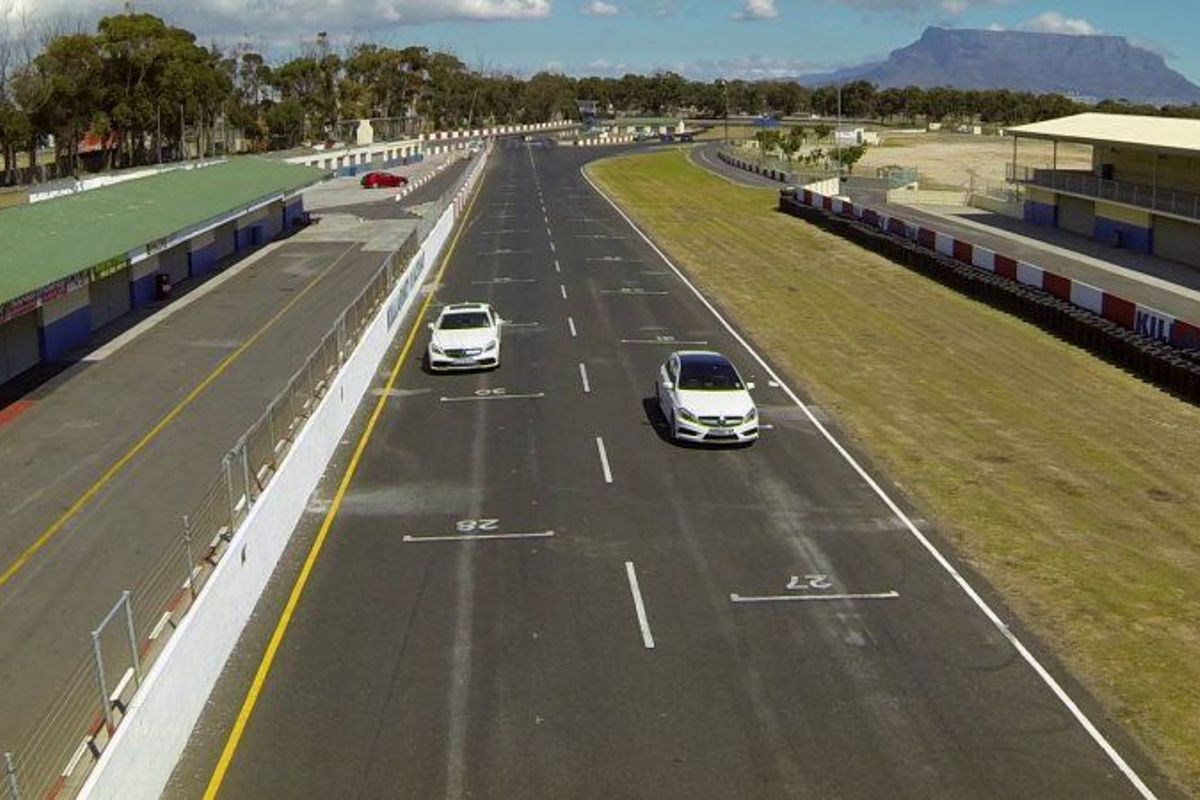
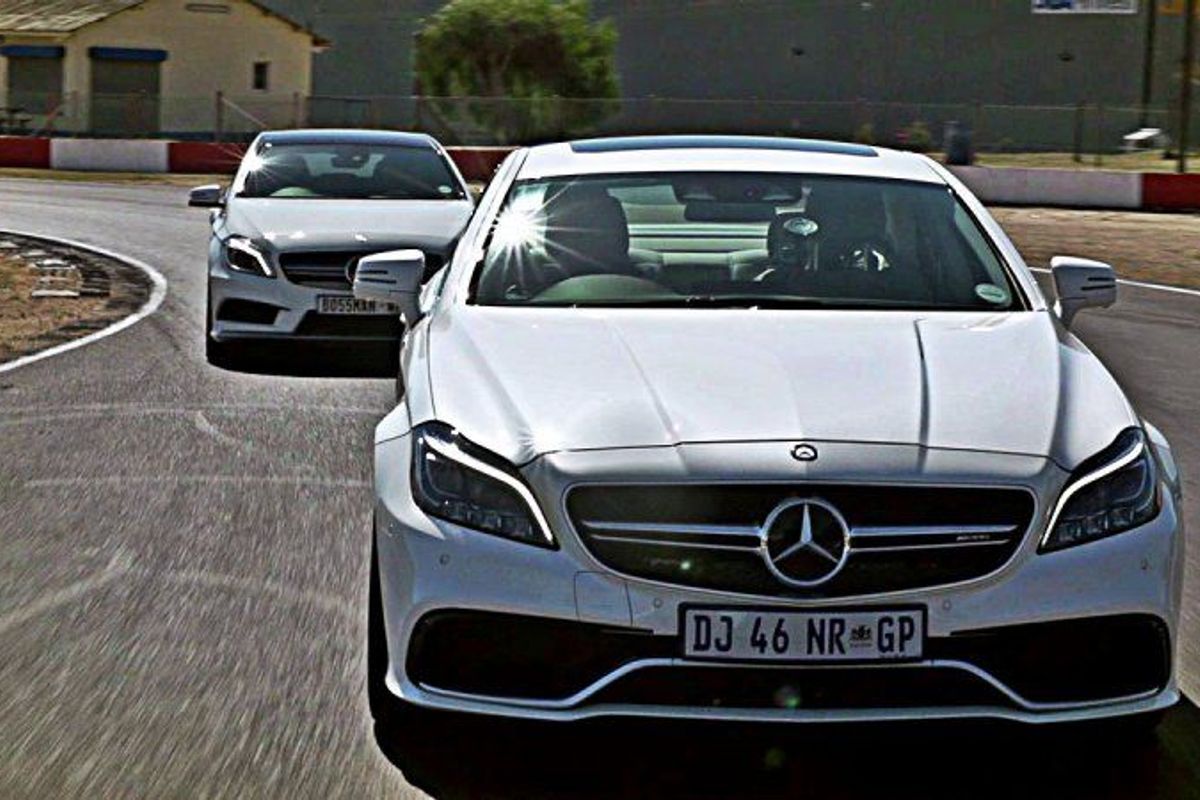
Drag Race: Mercedes A45 AMG vs CLS 63 AMG S
It’s an all Mercedes-Benz affair as the smallest and cheapest model in the AMG range goes up against one of the biggest and most powerful models to date.
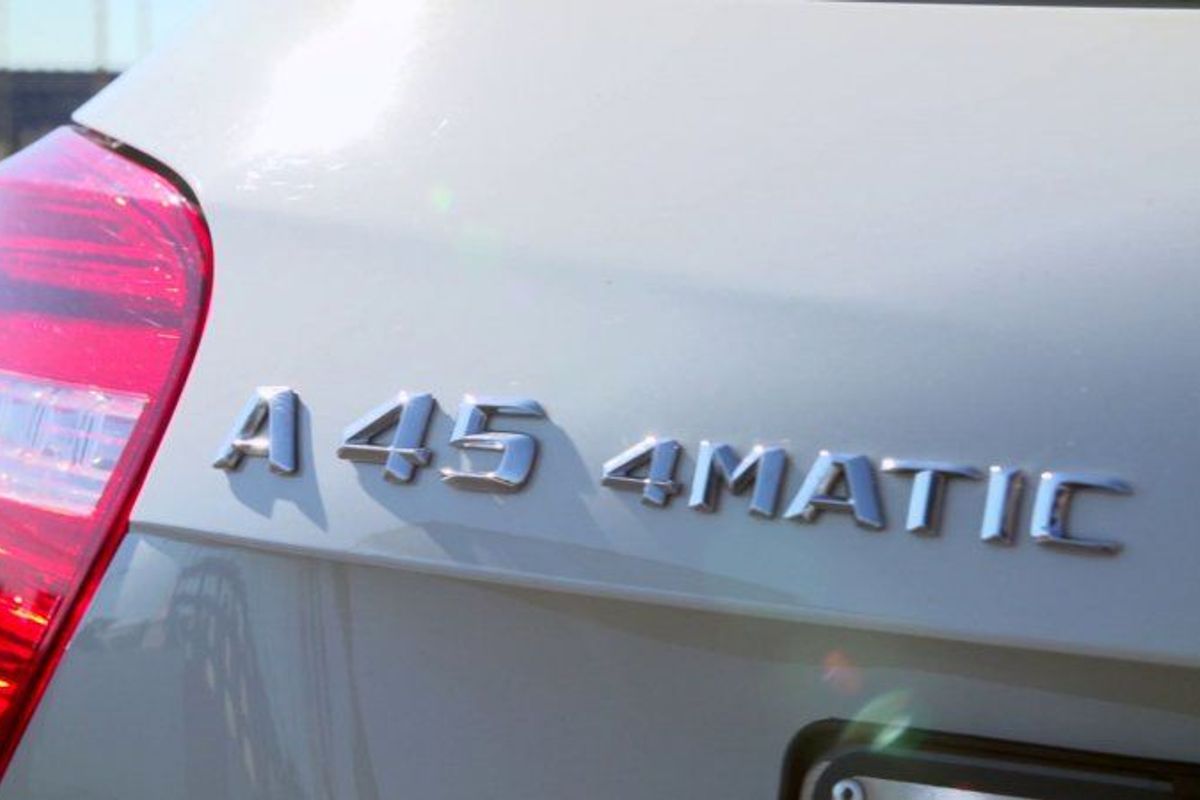
The Mercedes-Benz A45 has made the legendary AMG performance a little more accessible due to its price positioning. Usually big, V8-engined AMGs have big price tags attached to them, but the A45 represents a chance to join the power club for a not-too-large investment. The A45 AMG features the world’s most powerful 2.0-litre turbo four-cylinder engine. With 265kW and 450Nm, Mercedes-Benz not only wanted to thrash its hot hatch competition, but annoy larger and more expensive cars too. Thanks to all-wheel drive, it is claimed to achieve a 0-100kph time of 4.6 seconds.
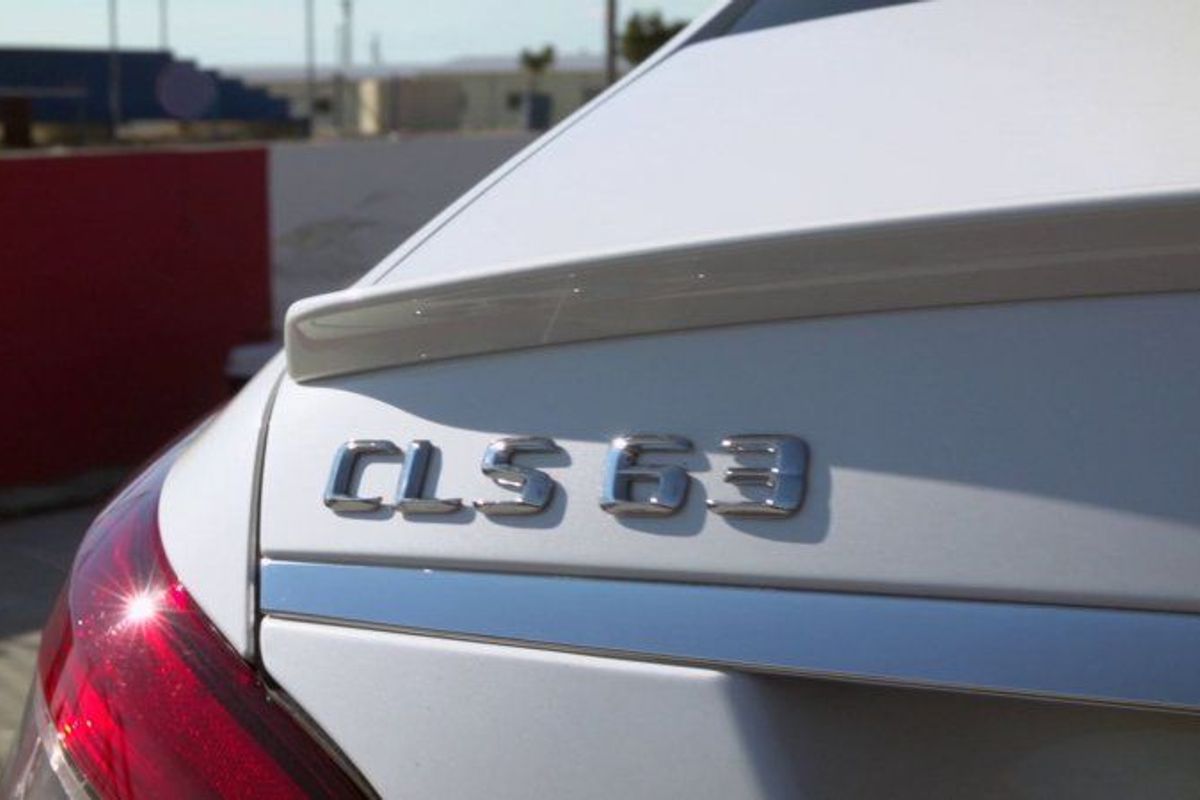
The Mercedes-Benz CLS 63 AMG S on the other hand is the automotive equivalent of a warship. Fast, sleek and armed with a twin-turbocharged 5.5-litre V8, this beast offers eye-watering performance and could easily be a contender for most powerful sedan in the world. How does 430kW and 800Nm grab you?
However, while it may look like the CLS 63 AMG S will walk this race due to its huge power, you must remember the A45 is all-wheel drive whereas the bigger car has rear-wheel drive. On paper these cars are poles apart, but this is the real world where things like road surface, traction and the length of the drag strip come into play.
Well have many more drag race videos coming out over the next few weeks, featuring cars such as the Mercedes CLS 63 AMG and the A45 AMG, Audi S3 and VW Scirocco R. Make sure you dont miss a thing by subscribing to our Youtube channel here