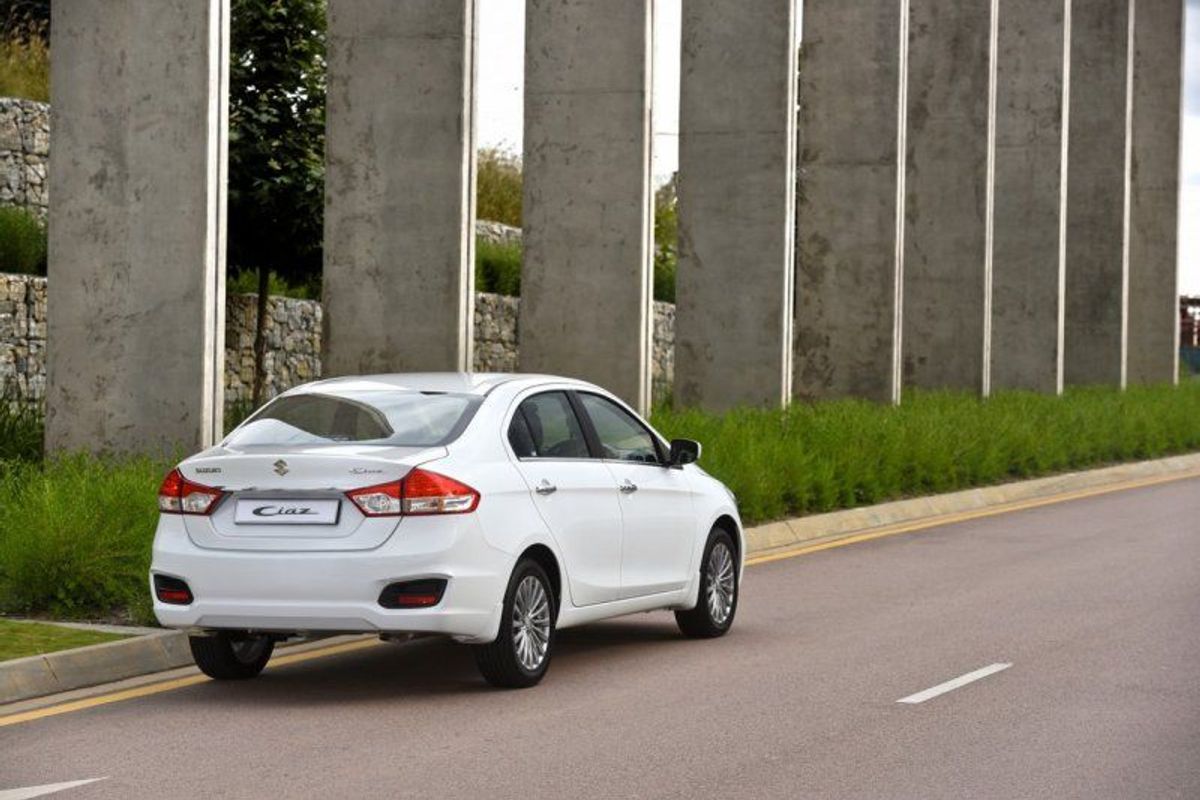
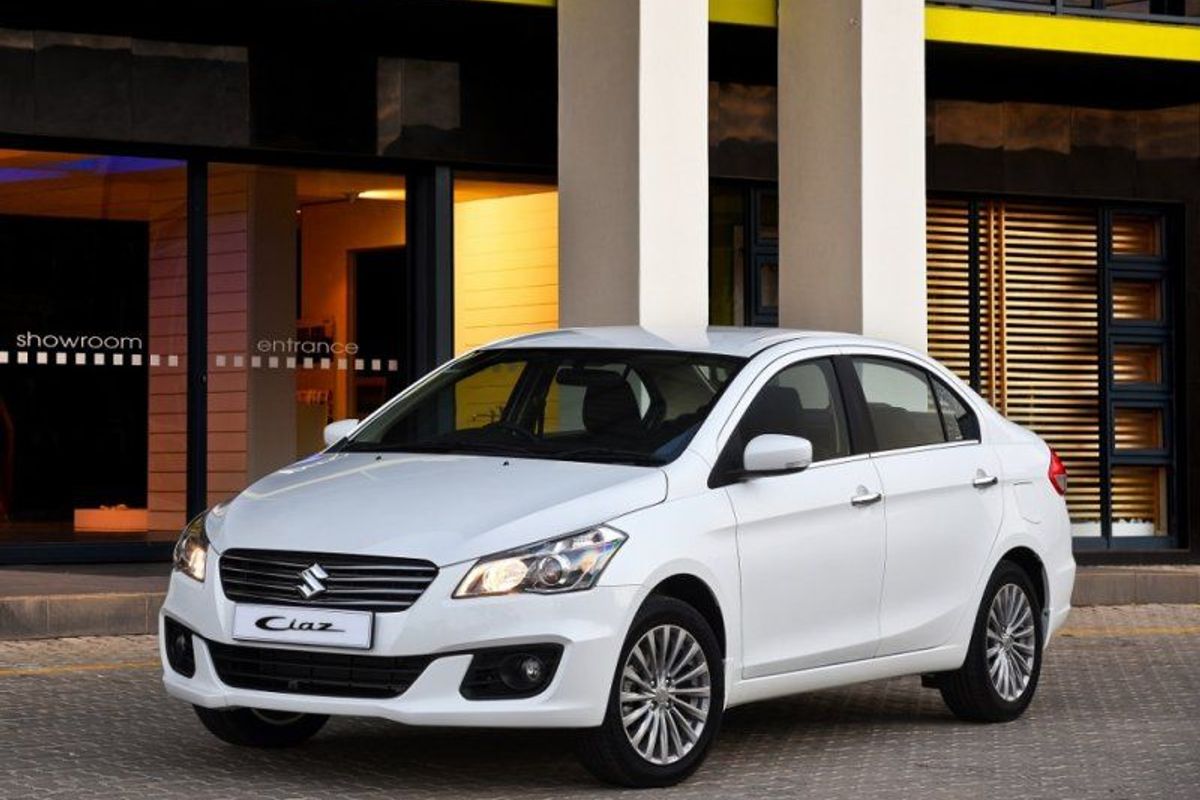
Suzuki Ciaz launches into SA

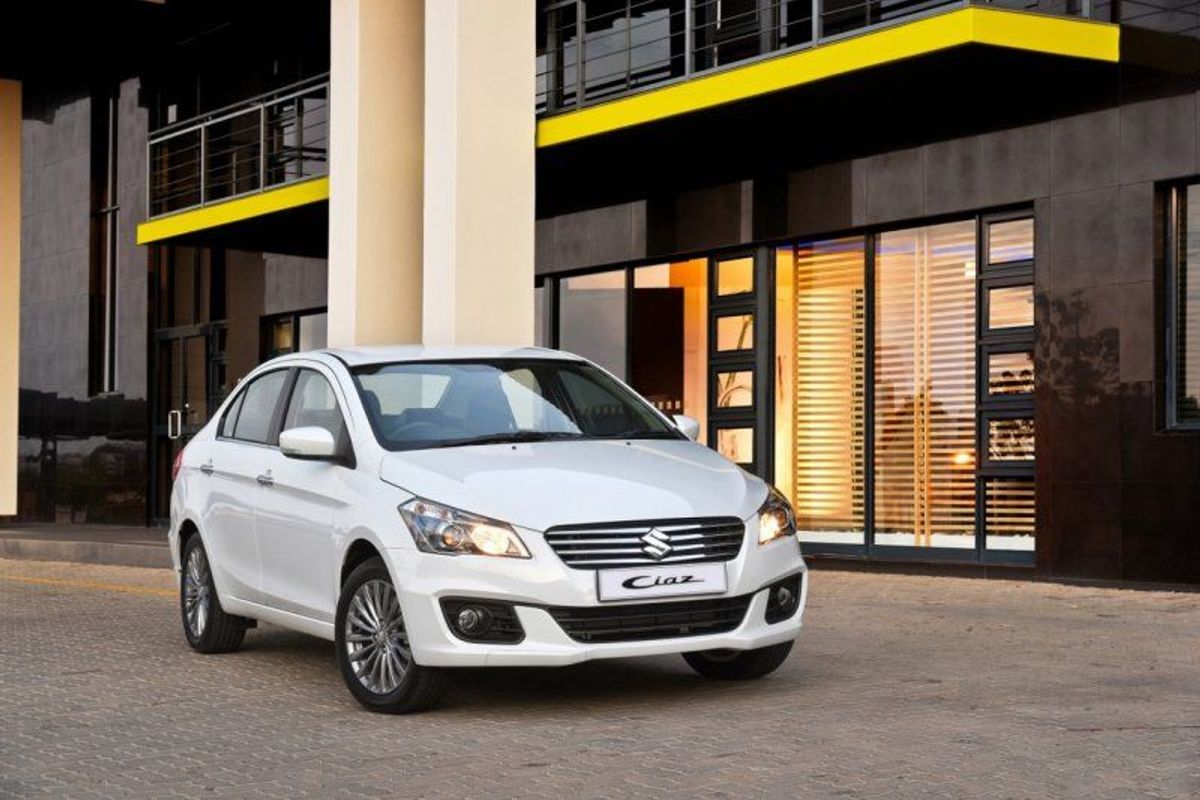
Suzuki has gradually been expanding its product offering in SA over the last year or so. In the space of a year we’ve seen the Suzuki Splash, Ertiga and Celerio hit our streets. Much of Suzuki’s models feature in the sub R150k segment, but this new Ciaz is a more premium offering and sits in the sedan market.

Spacious Suzuki Ciaz

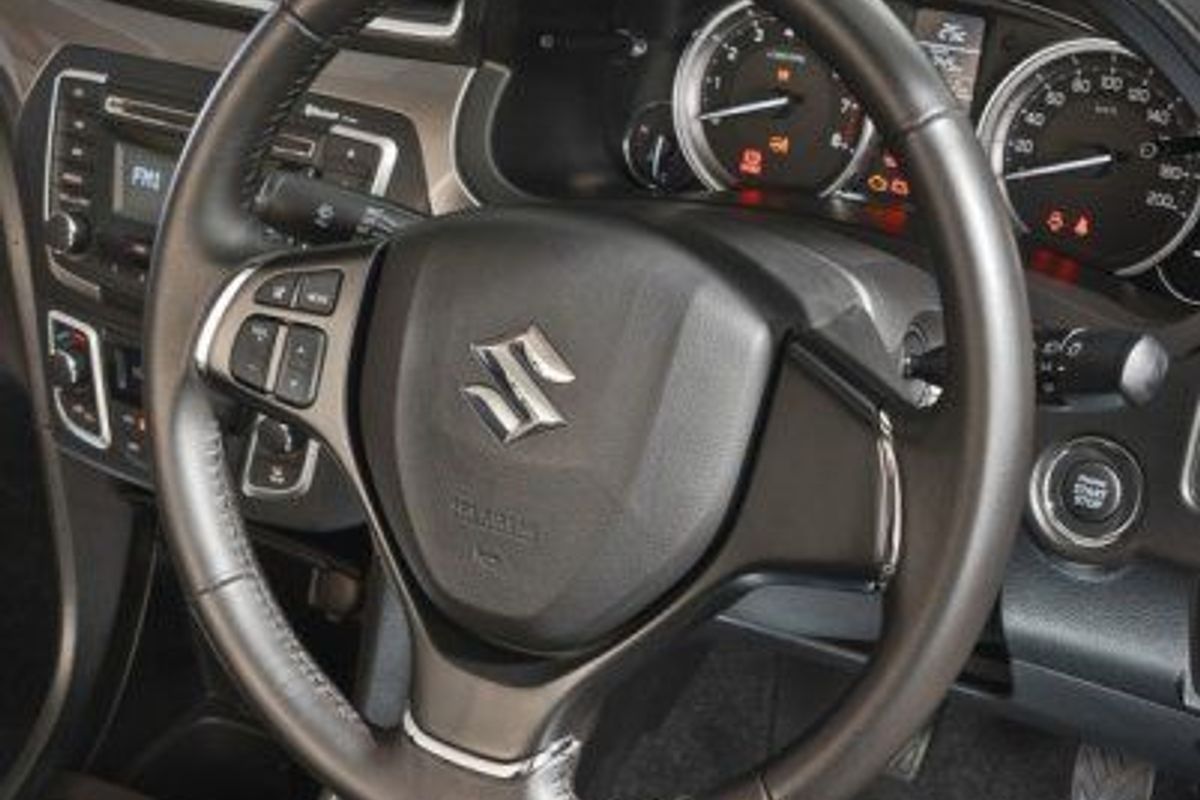
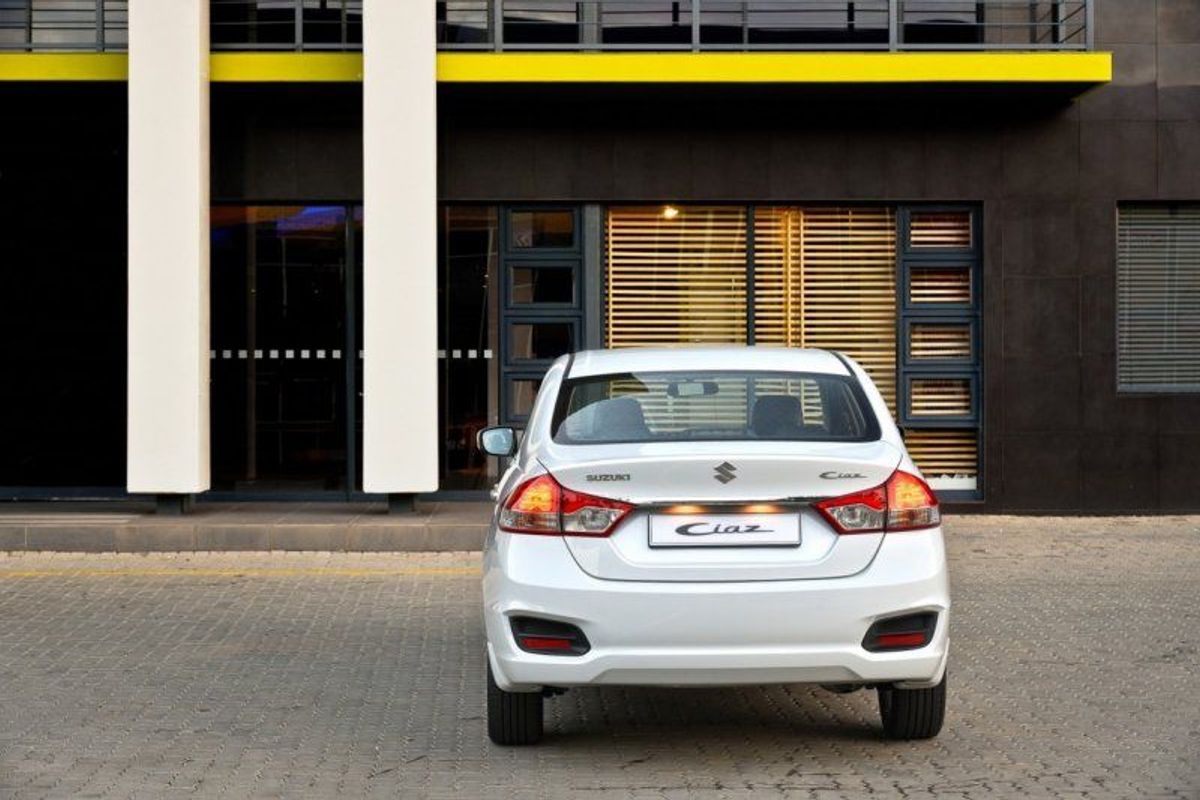
The Suzuki Ciaz measure 4 490 mm long and 1 730 mm wide, while the 2 650 mm wheelbase allows for plenty of interior space and load capacity. Boot capacity is 495-Litres and there’s a full size spare wheel underneath it. It seems pretty well-specced for a start with a digital multifunction trip computer, electric windows front and rear, and electrically adjustable exterior mirrors with integrated turn indicators as standard. Also on the list are remote central locking, a multifunction steering wheel, automatic climate-control air-conditioning with rear vents, and a six-speaker audio system with CD player and integrated Bluetooth. USB, Aux and a 12V socket are also standard.

Powering the new Suzuki Ciaz is a 1.4-Litre naturally aspirated petrol motor. It’s not the most powerful unit around, but it does come with 70 kW and 130 Nm which should get you by. Thankfully the Ciaz is pretty lightweight weighing in at 1020kg for the manual five speed and 1040kg for the four-speed auto. Fuel consumption in typical Suzuki fashion is excellent at 5.4L/100km.

Safety Features

Safety features are pretty decent as the Ciaz is standard with ABS with electronic brake force distribution (EBD) and emergency braking assistance (EBA). Also standard are dual front airbags, inertia reel seatbelts front and rear, and integrated alarm/immobiliser and childproof rear door locks.

The entry spec GL comes with a cloth interior where the GLX upgrades to leather upholstery with a leather steering wheel. The top GLX model also get 16-inch alloys thrown at it and fog lamps bolted onto the front bumper. The GLX also gets a chrome gear shift knob, while additional illumination includes rear reading lights and front footwell lighting.

Suzuki Ciaz Pricing

1.4 GL Manual          R179 900
1.4 GLX Manual       R199 900
1.4 GLX Automatic  R214 900

Retail price includes 3yr / 60 000km service plan

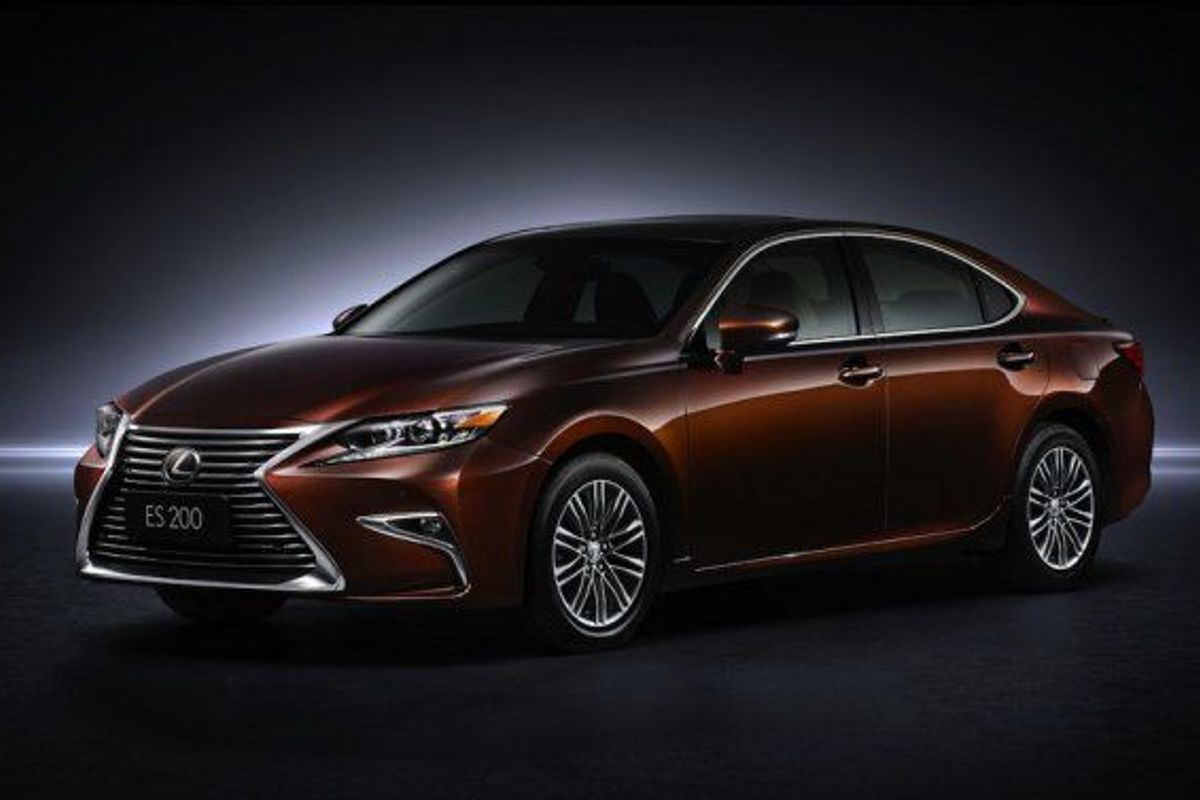
Facelifted Lexus ES Revealed in China

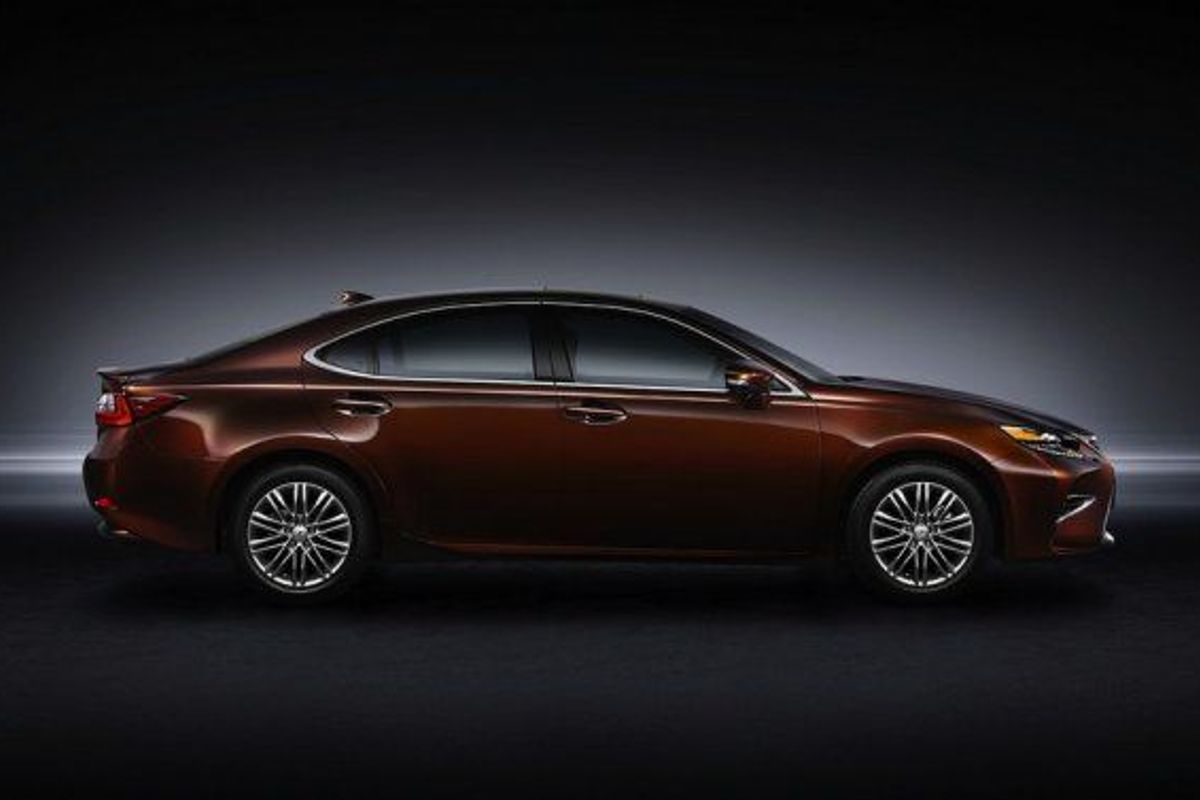
Lexus went with a big reveal at the 2015 Shanghai motor show for its facelifted Lexus ES. It specifically showcases a new four-cylinder engine, slight style change and some new tech bits.

Lexus has been a little bit behind in terms of smaller capacity engine power so a new 2-Litre unit will be a welcome addition. For now there aren’t any power or torque figures on the new unit and it’s only slated for Chinese, Taiwan and Russian markets.

Lexus ES visual updates

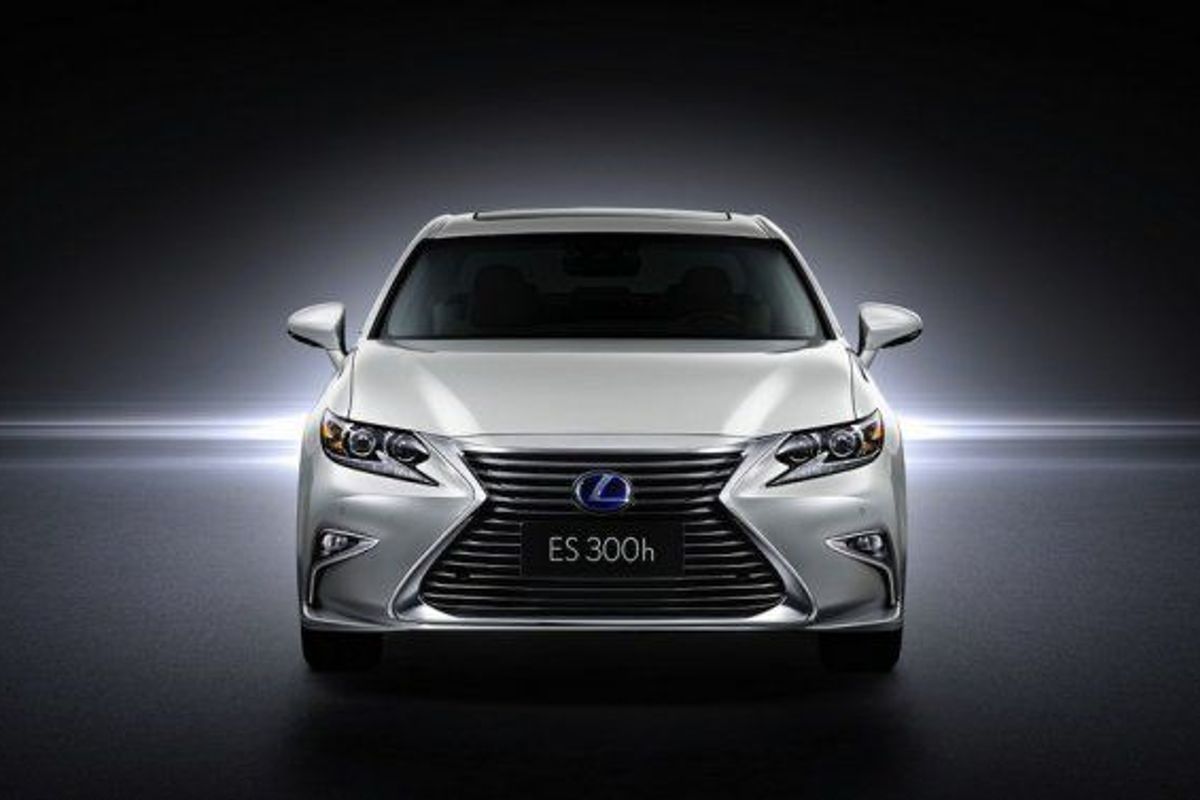
A new front grille has been implemented to the design. Accompanying the grille is a pair of newly designed headlights, now equipped with LED projector technology, while “L”-shaped arrowhead Daytime Running Lights extend outside the headlight element for a distinctive look that links it with other Lexus models. Also, redesigned fog lamps areas have been relocated to the outer lower corners of the front fascia.

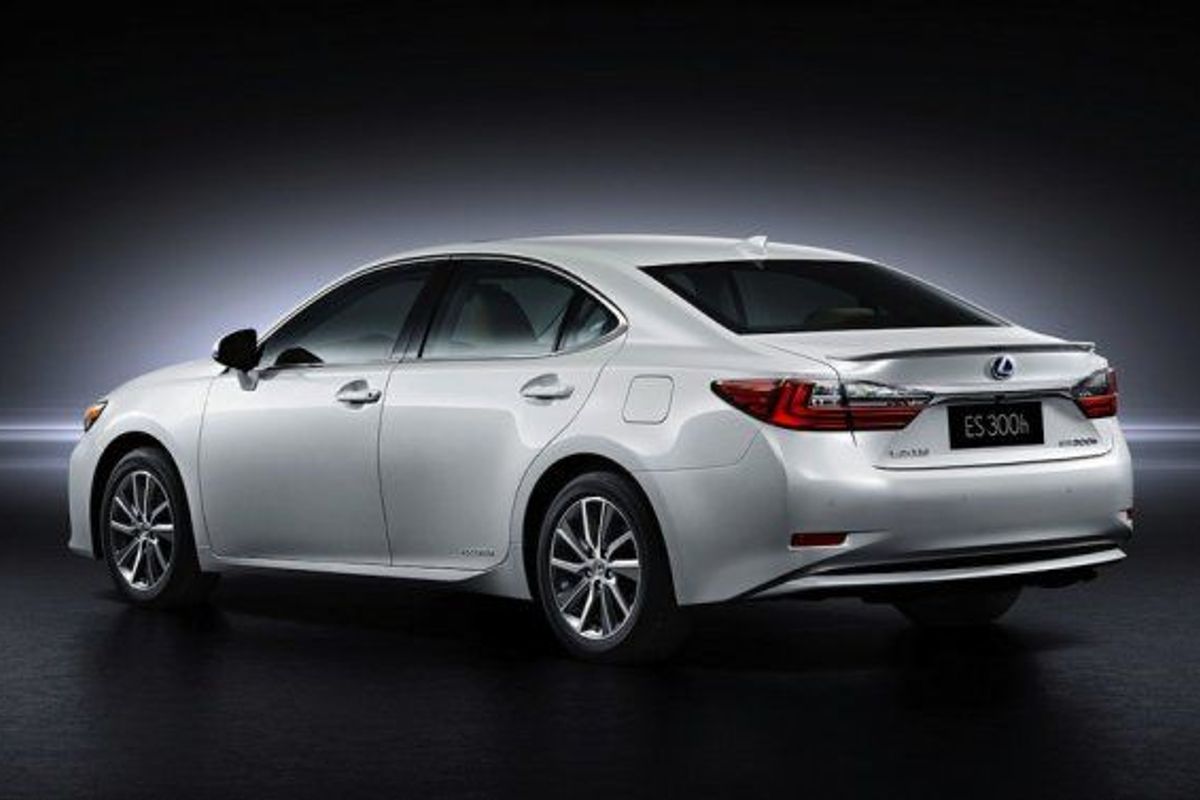
Spanning the rear is a re-styled chrome license plate garnish that flows into the clear elements of the lamps. Adding a to the ES’s apparent sporty attitude are newly sculpted chrome-tipped rectangular exhaust ports.

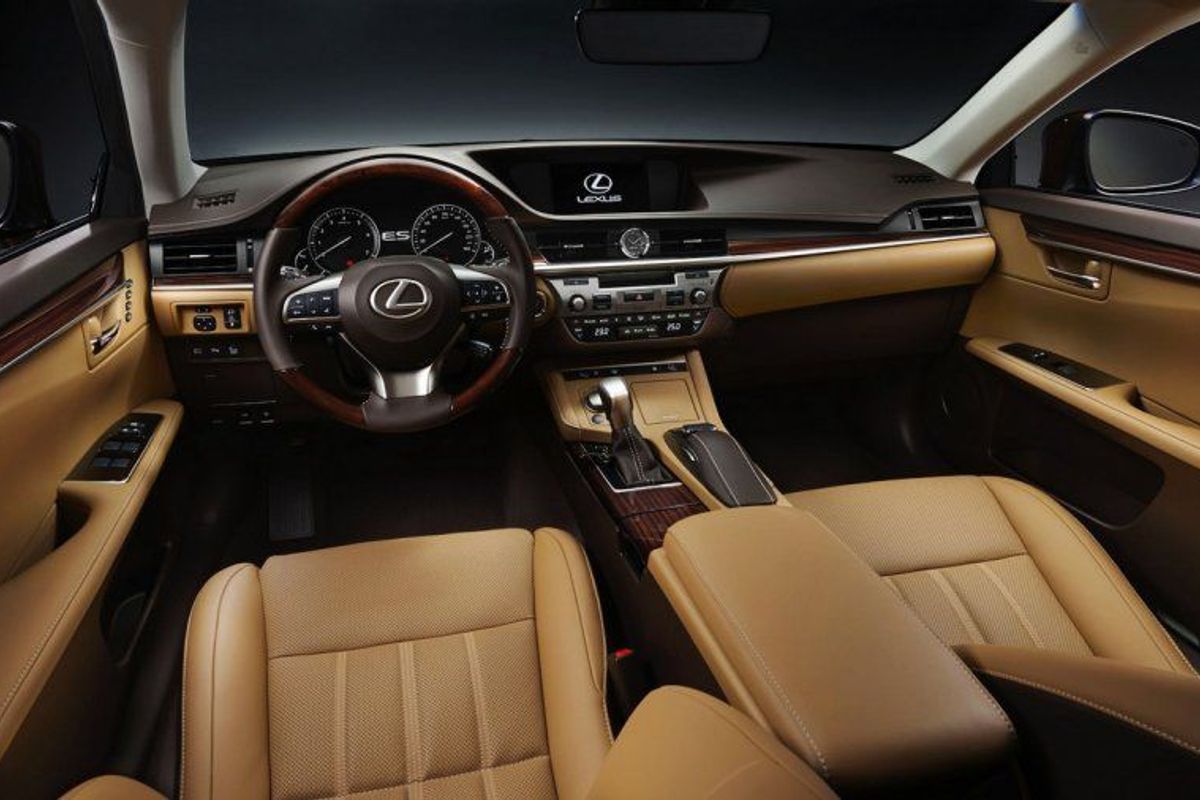
Inside there’s a larger display screen for the digital instrument panel and a sports steering wheel. The controller that works the infotainment system has also had an update and hopefully is a vast improvement over the current Lexus system.

Lexus is expecting to deliver the new Lexus ES to showrooms later this year, hopefully we can expect a few models by 2016.

Opinion: RIP JIMS

The Johannesburg International Motor Show has been cancelled, causing much dismay and debate. But its cancellation should not have come as a surprise…

There’s much dust in the air following the announcement that the 2015 Johannesburg International Motor Show, or JIMS, for short, was cancelled. Petrolheads are understandably up in arms and some are even suggesting that the death of JIMS was symptomatic of the state of South Africa as a whole. Nonsense. Motor shows are dying all over the world and it's very easy to see why…

During the past decade and a half, I’ve been to most of these events, from Frankfurt to Detroit, Paris and Geneva, and even smaller ones such as Tokyo and Melbourne. Early in the “new” millennium they were jaw-dropping events for a petrolhead such as yours truly, a blur of celebrity infused reveals, spectacular stage displays, wining and dining and business class travel. But as the years went by and media houses started shifting their weight behind digital platforms and social media channels, the sheer extravagance of it all started to make less sense. As time went by and economic woes hit the automotive industry, the British Motor Show dwindled and Tokyo fell from its heady heights. Smaller events such as the Bologna and Melbourne motor shows died. On the other hand, the growth of the Chinese market resulted in a rapid rise in importance attached to shows staged there, but even then there are problems – this year the Shanghai show’s organisers have enforced a strict dress code on the models parading next to the cars, and kids can’t even come in through the doors!

It’s not entirely fair to blame it all on the Internet, however. There are several other factors at play; An article by the Financial Times last year suggests that the top seven car companies spend around $15 million (R180 million) on each of the three biggest international motor shows (Detroit, Geneva and Frankfurt/Paris). It’s not just a case of building a stand and sending some cars. Thousands of employees are involved behind the scenes and it is a logistical nightmare. Then there’s also the fact that the manufacturers want their wares to be seen by as many people as possible, so thousands of journalists have to be flown to these events and put up in decent hotels. Now keep in mind that most local distributors and manufacturers are tied to strict CI and quality guidelines by their international “motherships” and you can understand the pressure is on to not only impress show visitors, but also representatives from headquarters in Stuttgart, Detroit and Tokyo etc.

The cost of exhibiting at JIMS varied greatly in 2013 between the manufacturers/importers. One manufacturer was said to have spent R30 million, while a reasonably presentable stand cost around R6 million. Being at JIMS and trying to do it on the cheap is simply not good PR… The cost impacts directly on marketing budgets. Yes, for the big brands R10 million spent on JIMS is perhaps not the end of the world, but for smaller brands it represents the difference between having a presence on TV (as an example) or not, and in the longer term that is far more valuable than splashing the same money on two weeks in a single geographic location.

So, for the brands that are tied to going to JIMS whether they want to be there or not by their international headquarters, the news that the show has been cancelled will be welcome news. Of course, in some instances the “motherships” will assist with budget, but even when that is done the return on investment is very questionable.

But let’s get back to the traditional core function of motor shows – to showcase new models and inform (through the media) the world about upcoming technologies and launches. For the past ten years or so, the occasions on which a new product or concept had been sneaked onto a stand without anyone catching sight of it before the show, can be counted on one hand. Spy photography, leaked brochures and even teaser images by the car makers themselves have severely damaged the “surprise” element that was once such a given on these events. It could even be argued that the very nature of automotive development has become better suited to events such as the Las Vegas Consumer Electronics Show (CES).

Another issue (yes, there are many) is the competitive environment that a motor show represents. Why spend millions on making a show and dance about your new Lotus concept when fifteen minutes later, on the stand next to yours, Seat has Shakira shaking her booty next to a Leon. Fame is short-lived in this age of Twitter and Instagram. There’s simply far more value in allocating that JIMS budget to a marketing campaign that is targeted to a brand's specific audience.

So… what about the journalists? Is there value there? The reality is that most media houses are in trouble and that page allocations are dwindling. If you have only six pages to play with, then twenty big reveals at a motor show is going to be spread very thinly. Ironically, too, bloggers who are doing their work from their bedroom have a better chance of uploading pics and stories before the traditional journalists walk the halls… And the public show goers? Once more there are big question marks here. Yes, perhaps the numbers look impressive as a whole, but how many of them are kids? How many are just hoping to sit in a Ferrari (which is not allowed, anyway, even if there is one)? How many will steal your display cars’ badges and handbooks? (Yes, this is a real thing) How many will scratch your cars’ door pillars as they get in and out? How many have serious buying intent?

Having been on the manufacturer side I can vouch for the fact that most companies will try their best to come up with clever ways to secure leads for the local dealerships, or just to collect names and telephone numbers to follow up on. Unfortunately the reality is that very few “deals” happen as a consequence of a visit to a motor show. You are always likely to find a large number of (mostly male) enthusiasts in major cities that will take their kids to these events, but this number will also start to go down when the exotics are no longer on display – which has been the trend for years already. In my experience brands such as Porsche, Ferrari and Lamborghini are the reasons why the public come to these events, and when they’re not there the show visitor numbers will decline. You need drawcards at these events, it’s as simple as that. It’s unlikely people will travel and pay to see cars they can see at their local dealership for free.

Overall then, there’s increasingly little justification from a car company’s view to splashing on a presence at a motor show. R30 million can be used very effectively to drive actual sales rather than put up a fan fare for an audience which has no intent on buying. I’m generalising, of course, but in a recent industry trip and interviews with many of the car companies in South Africa, it was clear that JIMS had become “grudge purchase”, even for those who were committed to going.

As a petrolhead, I have some fantastic memories of the motor shows I had attended. When Tokyo was in its prime, it was a sci-fi paradise that gave a real glimpse of a (somewhat wacky) future. Nothing compares to the scale of the Frankfurt Motor Show and the sheer opulence of the Mercedes-Benz display. And Detroit? Well, quite frankly I found it quite awful, not helped by a horrible stench in the dreadful Cobo Center. JIMS, by the way, always compared well with the best, just on a smaller scale. We should be truly proud of the quality of the displays and shows that the locals put up at JIMS of years past. But it came at a cost.

RIP JIMS.

Any views or opinions expressed in this article are solely those of the author and do not represent those of Cars.co.za or its editorial content team.
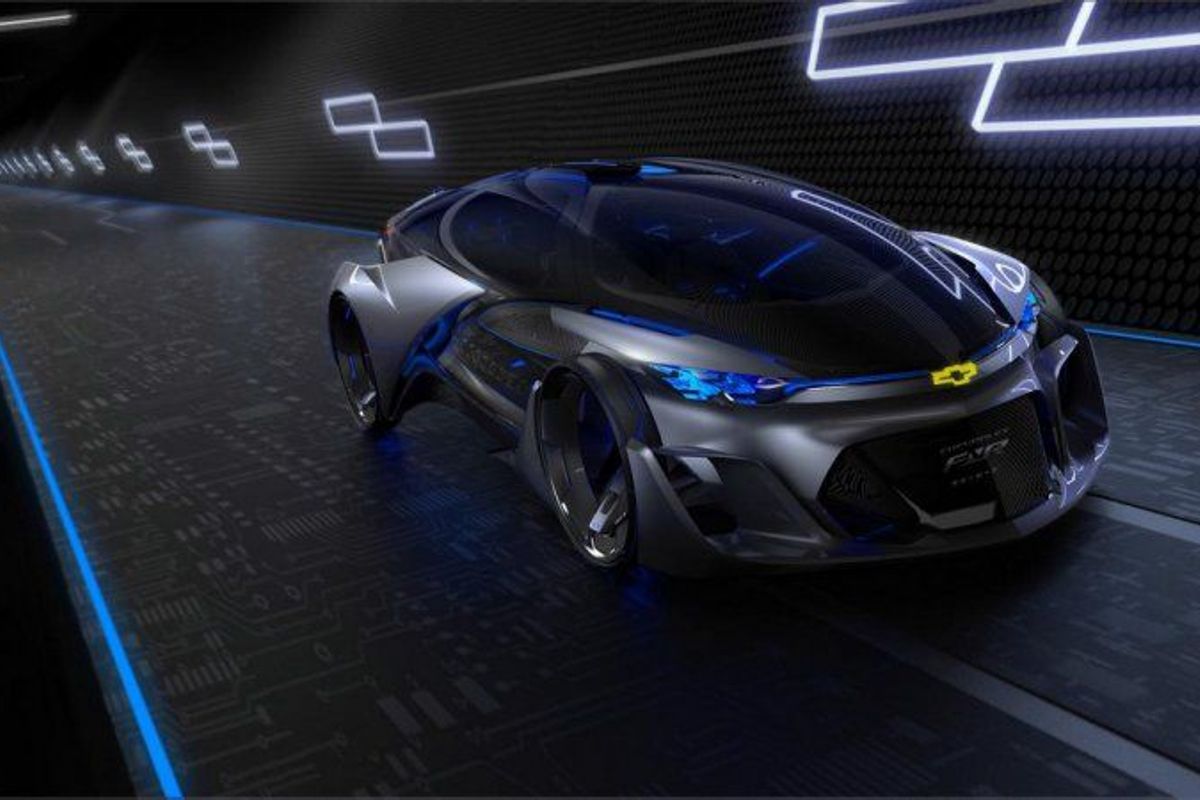
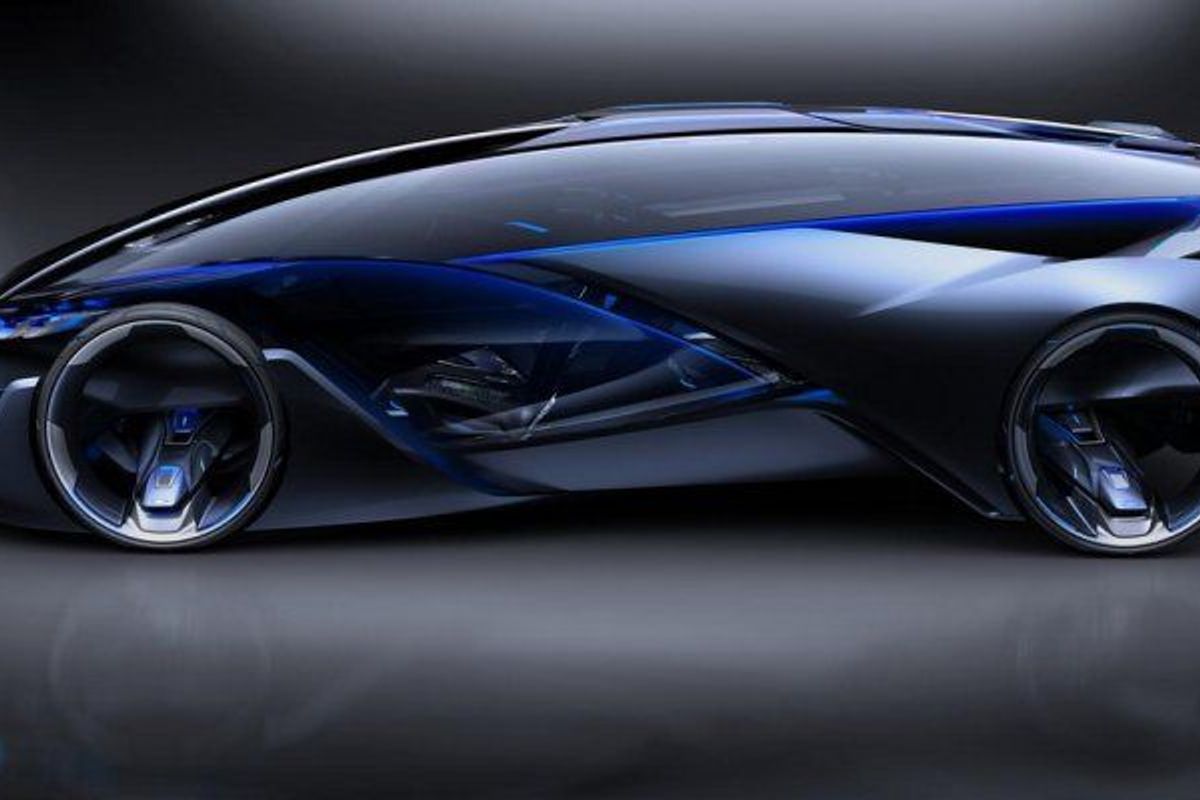
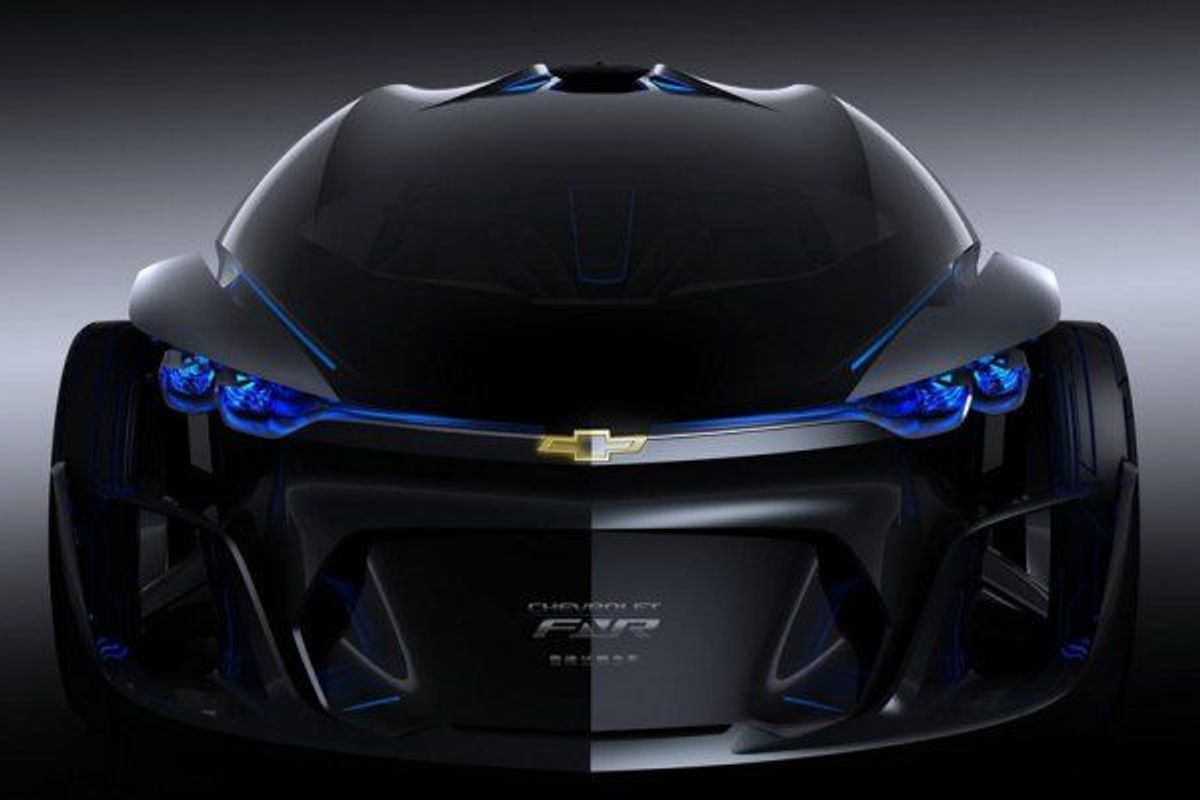
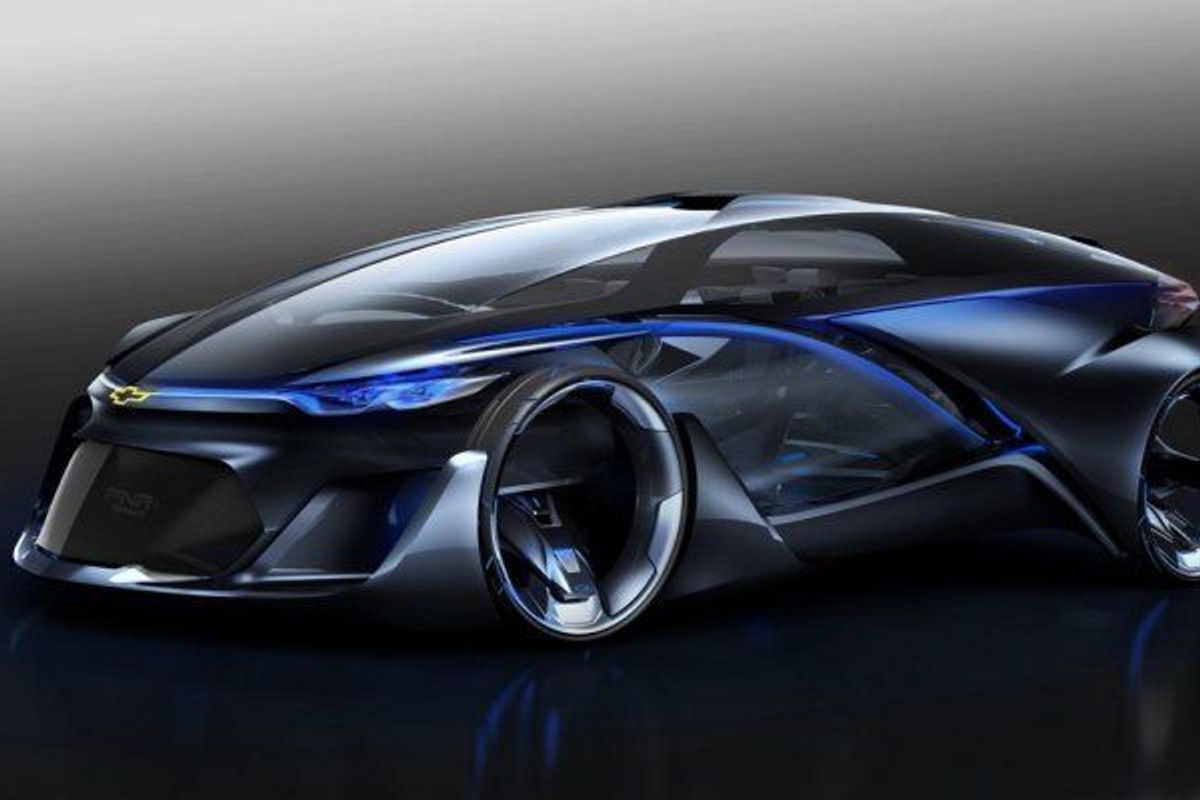
Chevrolet-FNR Autonomous Concept

The Chevrolet-FNR is an autonomous electric concept vehicle that offers a glimpse at how General Motors sees mobility in the future. It was designed and thought up by a bunch of boffins in Asia.

Chevrolet-FNR Engineering

Engineering, design and electrification teams drew on their past experience developing electric concept vehicles. Their aim was to create a unique, intelligent vehicle for tomorrow’s younger consumers by utilizing innovative car networking technology.

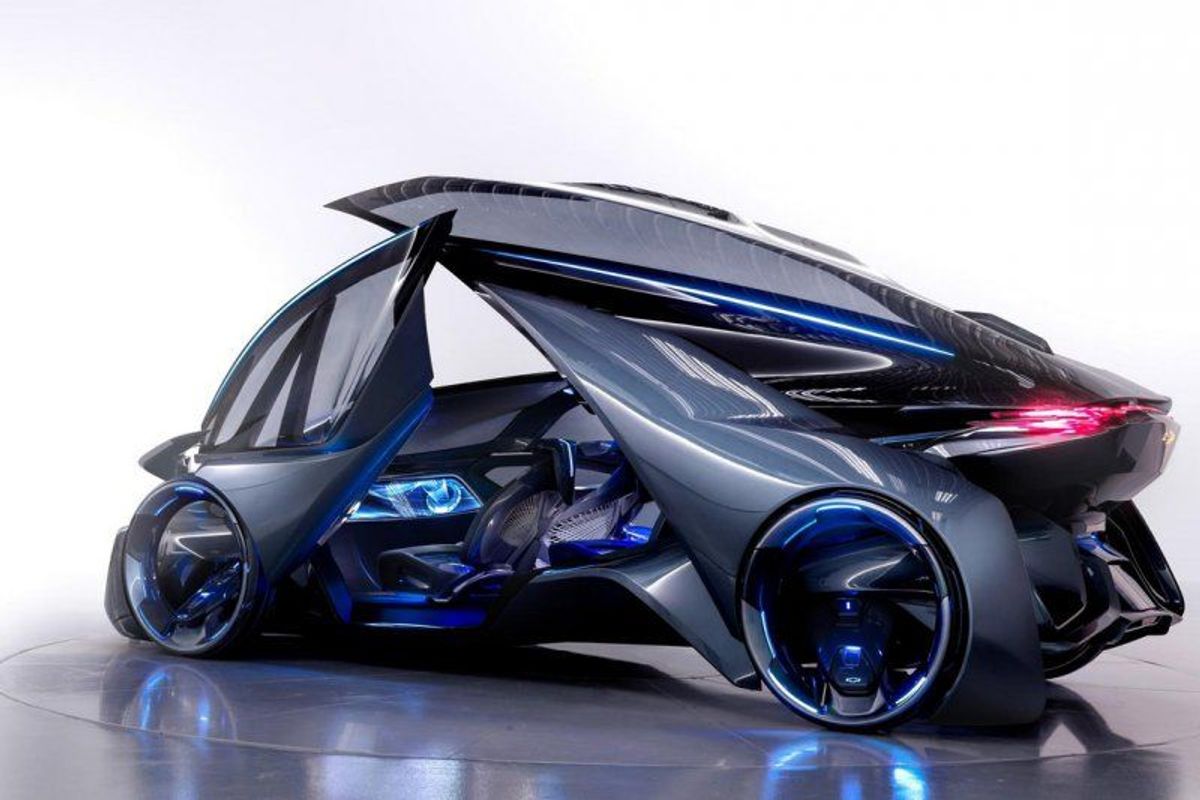
The Chevrolet-FNR boasts a futuristic capsule design. It has crystal laser headlights and taillights, dragonfly dual swing doors, magnetic hubless wheel electric motors and a wireless auto-charge system.

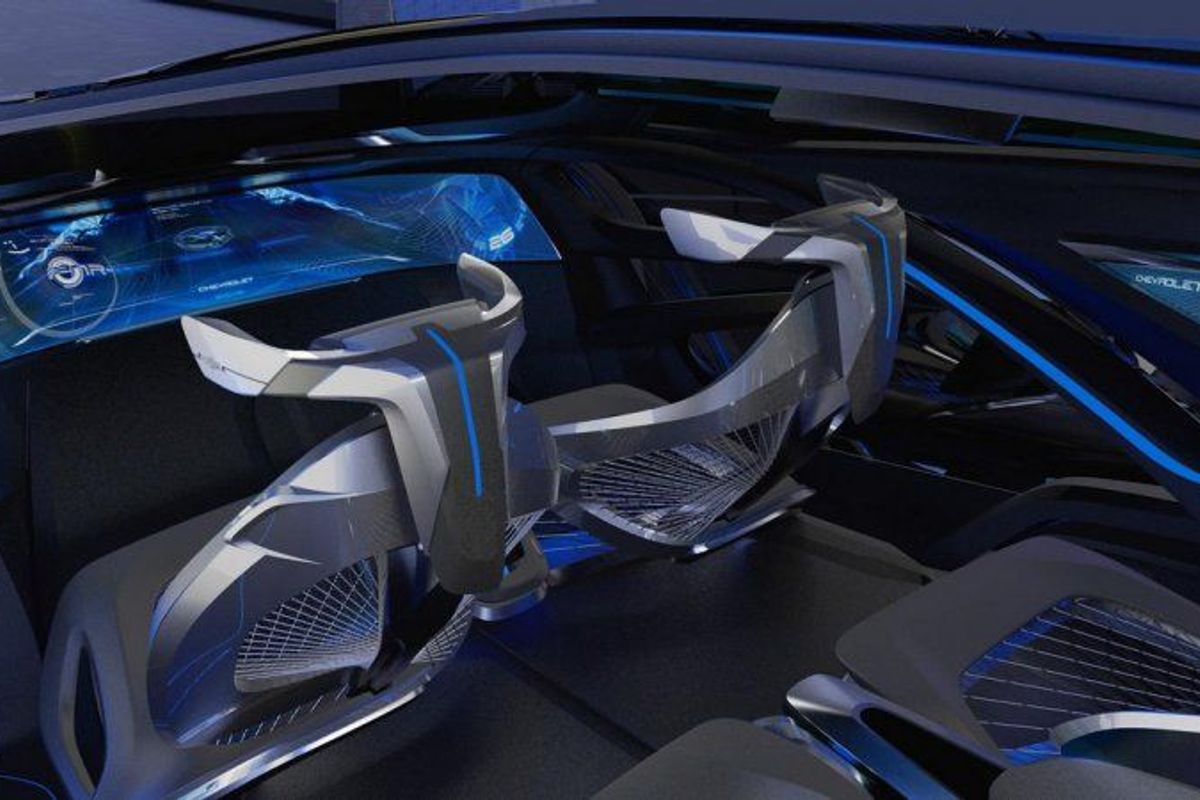
The Chevrolet-FNR is loaded with intelligent technologies usually seen only in science fiction movies. They include sensors and roof-mounted radar that can map out the environment to enable driverless operation. In order to start the FNR it needs iris recognition from the driver. The Chevrolet-FNR can also serve as a ‘personal assistant’ to map out the best route to the driver’s preferred destination.

In self-driving mode, the vehicle’s front seats can swivel 180 degrees to face the rear seats, creating a more intimate setting. The driver can switch to manual mode through the gesture control feature.

JHB Motor Show 2015 Cancelled

The 2015 Johannesburg Motor Show has been cancelled. There was a lot of doubt around this year’s show as many key manufacturers expressed concerns over costs and return on investment.

A number of manufacturers were absent from the 2013 Johannesburg Motor Show citing lack of product and lack of budget. Volvo, for example, embarked on a countrywide tour to show off its passenger and commercial products instead of partaking in the motor show. I can understand the value for money concerns as its expensive to bring in concept vehicles as well as build the actual stands. Let’s not forget the cost per square metre either.

NAAMSA (National Association of Automobile Manufacturers of SA) official statement:

The costs of automotive exhibitions have risen disproportionately and this has called into question the return on investment for exhibitors.  Internationally, in recent years, concerns about affordability and return on investment for exhibitors have led to the cancellation of automotive exhibitions in a number of countries.  Additional considerations in the decision not to proceed with this years’ show include the fact that the event scheduled for October, 2015 clashes with the Rugby World Cup in the United Kingdom and the E-mobility month in Sandton over that time.  Moreover, the economic and financial climate in South Africa currently has impacted on trading conditions in the automotive sector and has resulted in substantial pressure on margins throughout the automotive value chain.

The possibility of a show in 2016 will be considered by the end of June this year. South African Shows Messe Frankfurt, the show management company, in consultation with the industry’s marketing and sales experts, have been tasked to formulate proposals and a strategic action plan to enhance the value proposition for exhibitors and to increase substantially the return on investment for participants.

In essence, NAAMSA has requested its joint venture partners, South African Shows Messe Frankfurt, to formulate proposals that would ensure a sustainable, financially attractive model for possible future Johannesburg International Motor shows. At this stage, the industry does not intend to provide further comment on these developments.

Tickets for Clarkson, Hammond and May Go On Sale

The show previously known as Top Gear live, now called Clarkson, Hammond and May will be returning to South Africa this year and tickets have just gone on sale.

Jeremy Clarkson, Richard Hammond & James May are taking their exhilarating live tour on the road, returning back to where it all began eight years ago in Jozi on the 12-14 June 2015.

You will get to see the boys together again in a live action motoring theatre show featuring even more amazing stunts, incredible supercars and above average levels of mucking about. Don’t miss out on the biggest motoring spectacle of the year!

Tickets are on sale 20 April from 9am and everyone is advised to book early to secure the best available seats in the all new Ticketpro Dome. Click here to purchase tickets to Clarkson, Hammond & May Live NOW and we’ll see you there!

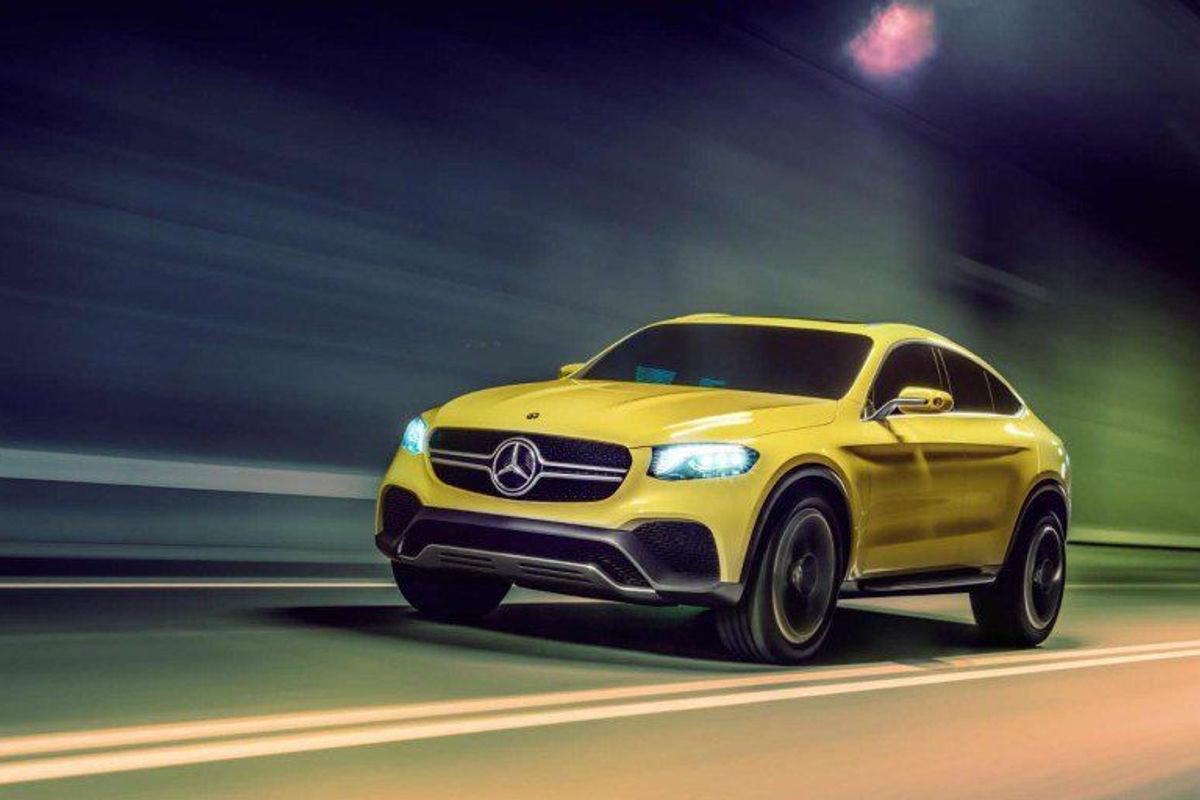
Mercedes-Benz Concept GLC Coupe Shown

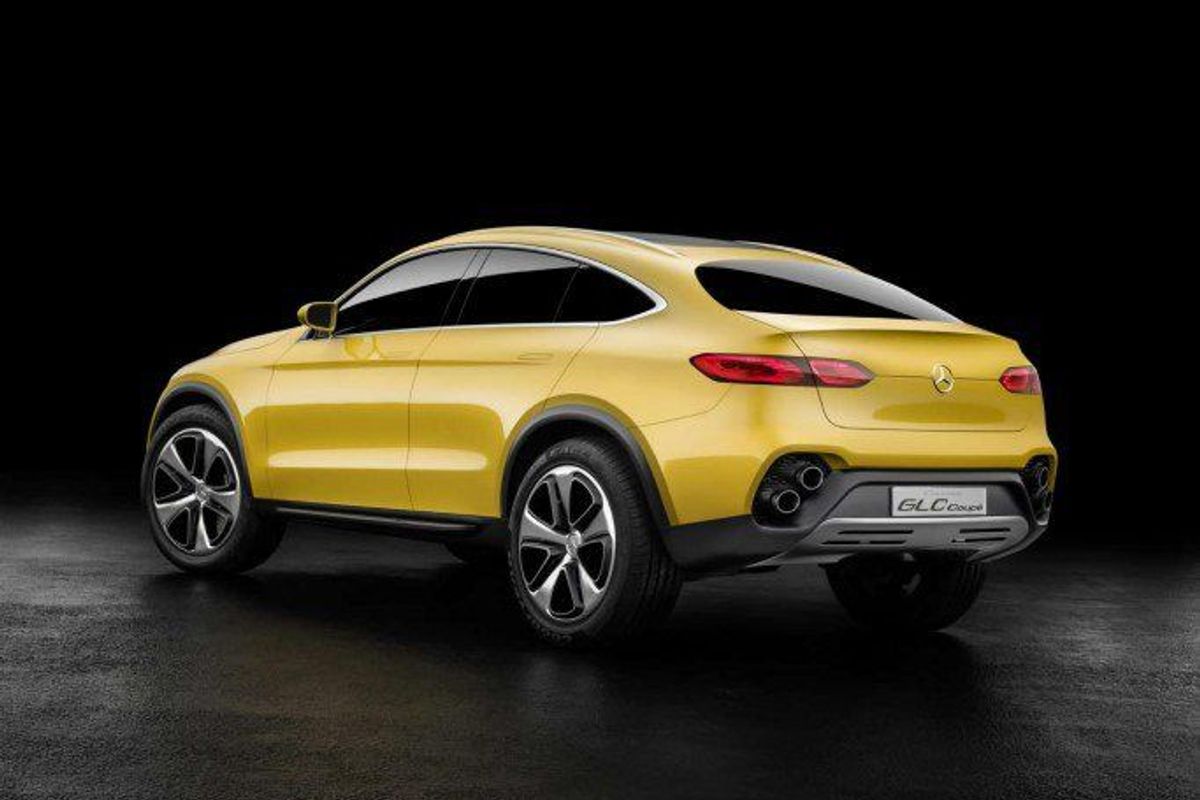
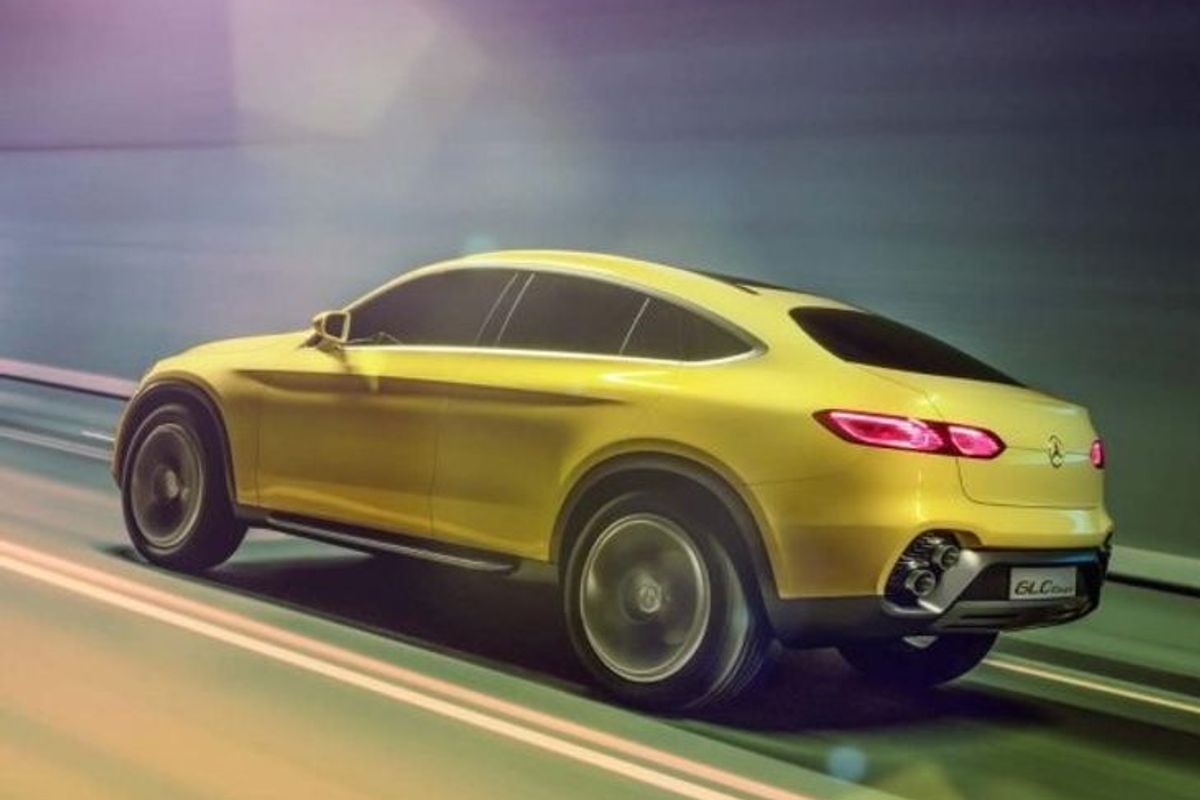
Mercedes-Benz has officially revealed the Concept GLC Coupe at the Shanghai Motor Show. Merc describes the Concept GLC Coupe as a ‘near-production-standard study’ that shares design elements from the GLE Coupe and offers insight into what future SUV models from Mercedes-Benz will look like. When the GLC Coupe goes into production, hopefully in 2016, it will take on the likes of the BMW X4.

Striking Styling

Standing 4.73-metres long, 1.6-metres high with a wheelbase of 2.83-metres, the Mercedes-Benz Concept GLC Coupe brings expressive styling to the table with a upright twin-blade radiator grille, powerdomes on the bonnet, large side air intakes and under body protection. The cladding is in matte gun-metal magno which contrasts with the solar-beam exterior paintwork. LED headlamps incorporate the daytime running lights and indicators.

Viewed from the side, the Concept GLC Coupe features distinct coupe styling with integrated roof rails, recessed door handles and frameless side windows. Large 21-inch wheels further amplify the presence of the Concept GLC Coupe.

The rear end features four polished stainless steel tailpipes which add to the sportiness of the vehicle. The LED taillights, like the headlights, incorporate indicator strips.

Engine Power

The Mercedes-Benz Concept GLC Coupe is fitted with a 3.0-litre V6 biturbo engine which offers up 270 kW and 520 Nm. A 9G-TRONIC automatic transmission is put to use along with 4MATIC permanent all-wheel drive, ensuring brisk and sporty performance.

The Mercedes-Benz Concept GLC Coupe is expected to go into production in 2016.

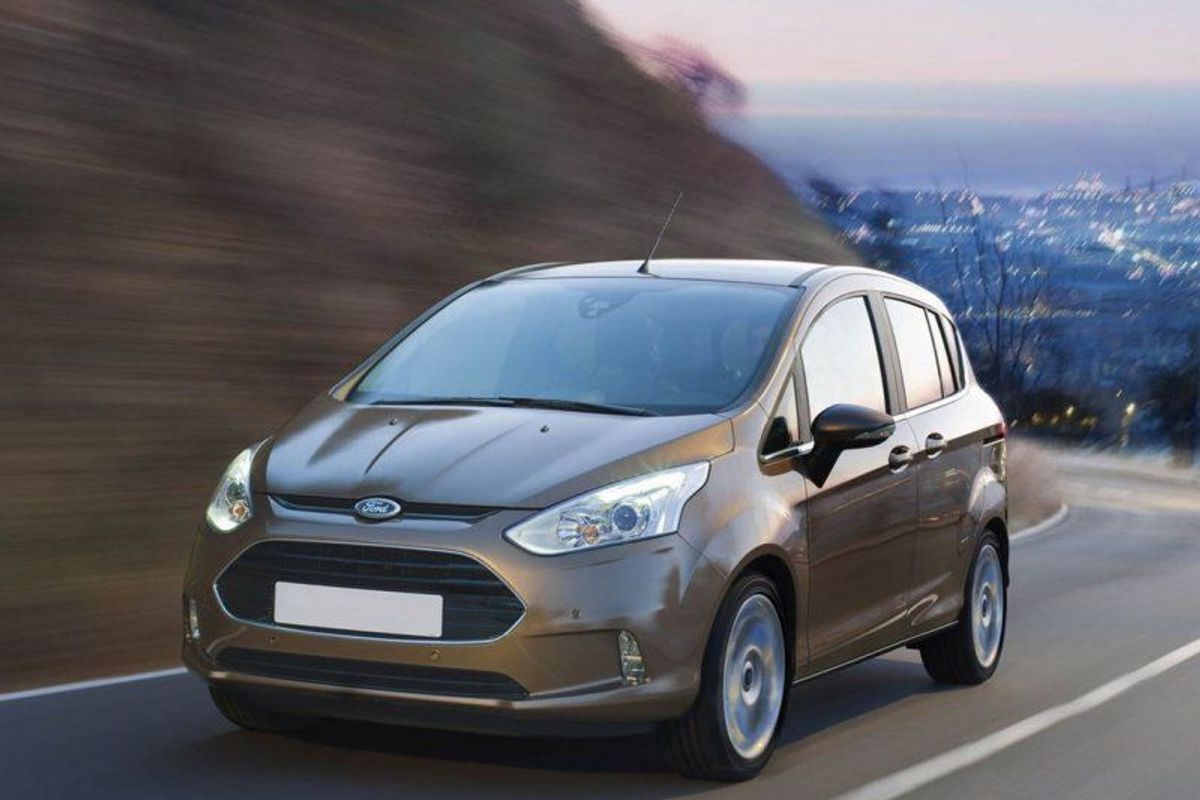
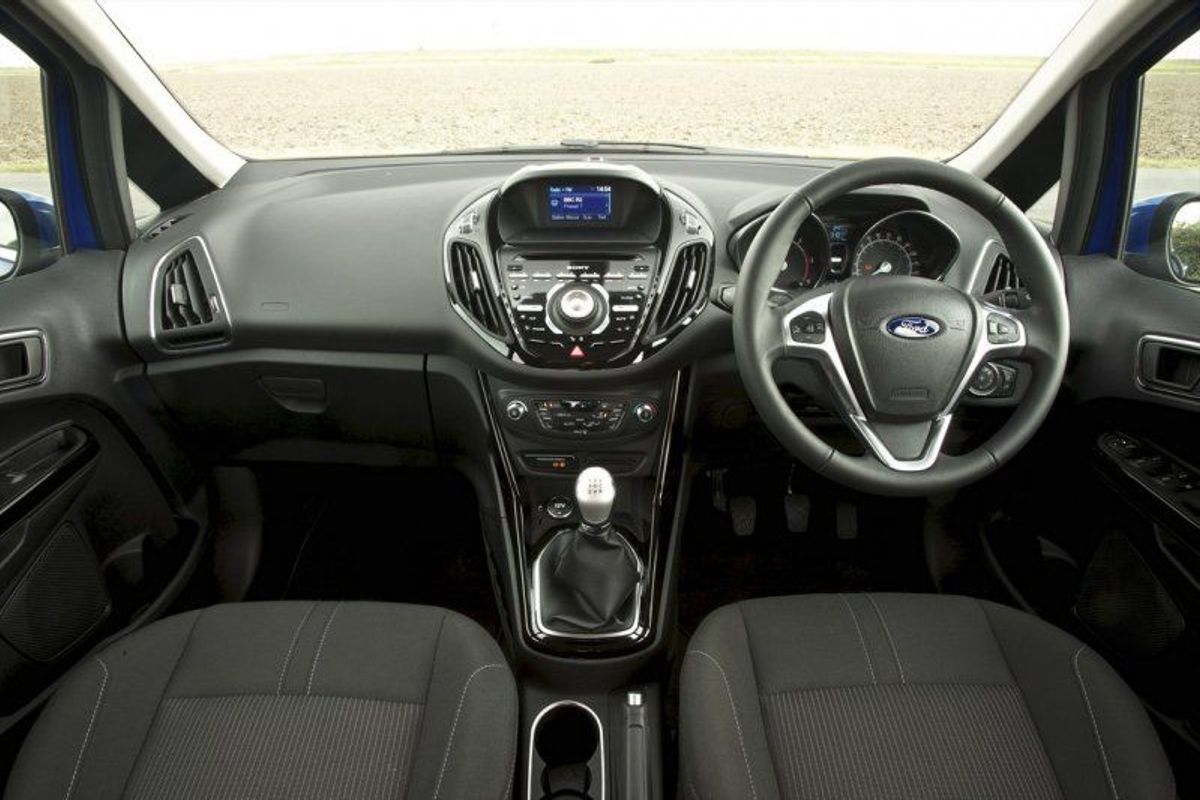
Ford B-Max Headed to SA

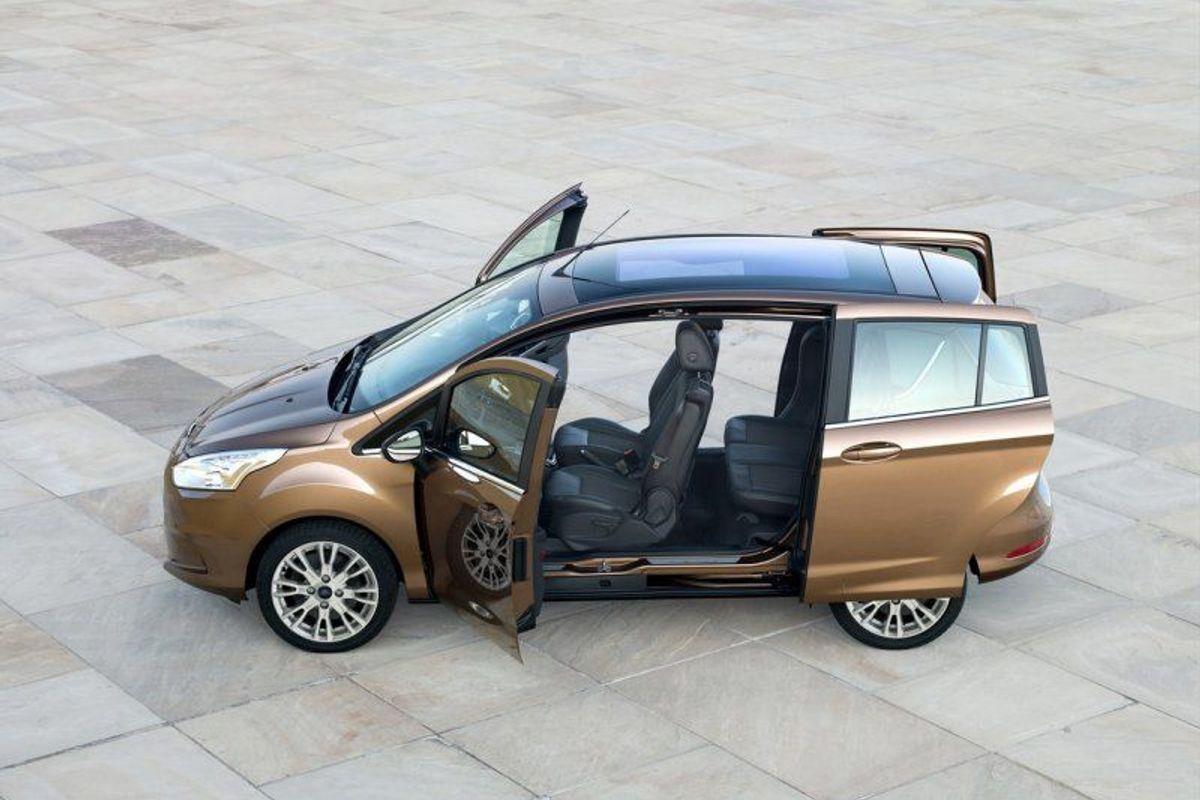
The Ford B-Max will be launched in South Africa in the third quarter of 2015. The B-Max is a small, but practical MPV with rear sliding doors. It will also be offered with Ford’s potent 1-Litre Ecoboost engine.

The Ford B-Max sits on the Fiesta platform, but makes the most of the space to create a roomy MPV. There are no B-pillars so the feeling of space is enhanced and the rear seats can be folded flat in one movement.

B-Max to feature Ecoboost

Ford South Africa has not revealed all the details on what engines will be brought in and will only do so at the launch later this year. It has said that the 1.0-Litre Ecoboost engine will be amongst the range choices. Overseas markets also have a choice of a diesel and naturally aspirated 1.4-Litre.

The MPV market is seemingly a segment that manufacturers want to expose currently as the trend this year was started with the introduction of the BMW Active Tourer. Since then there’s been a new Merc B-Class and a VW Golf SV added to the mix. The B-Max plays in a segment slightly below that however and is more likely to fight alongside the likes of the Opel Meriva.

Volkswagen Polo GTI (2015) First Drive

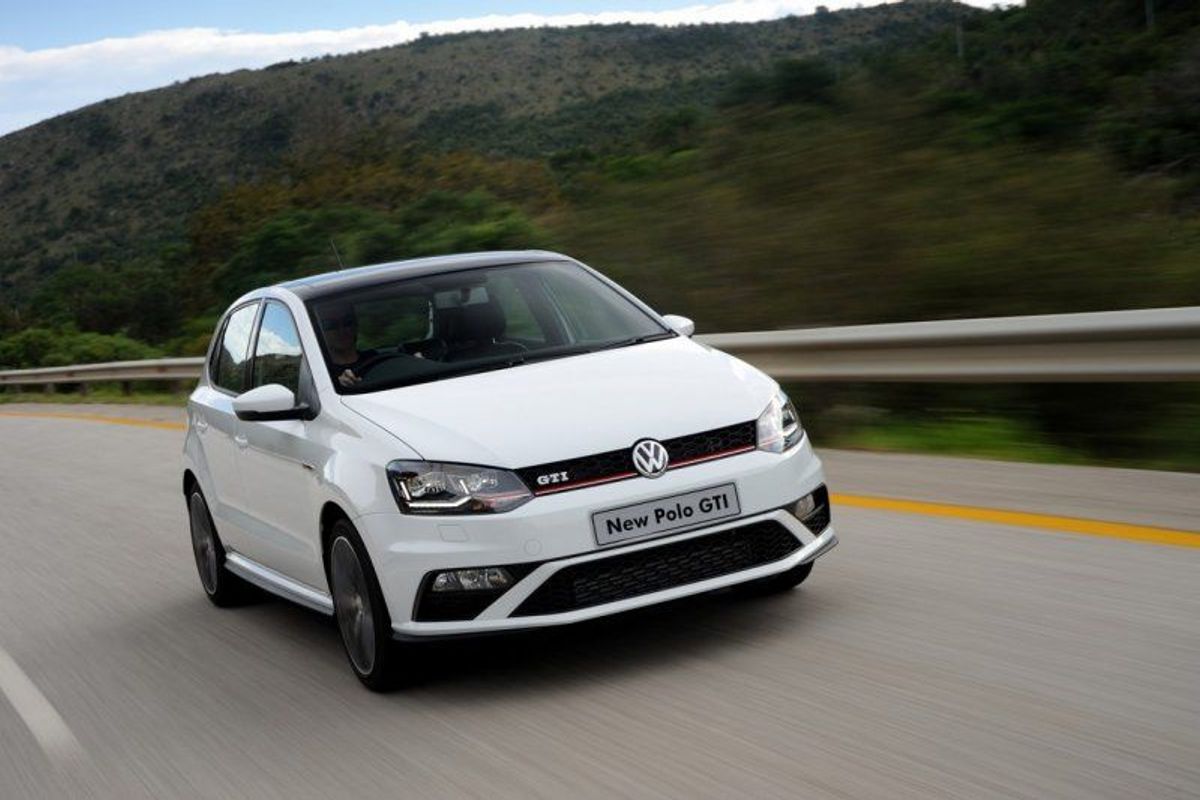
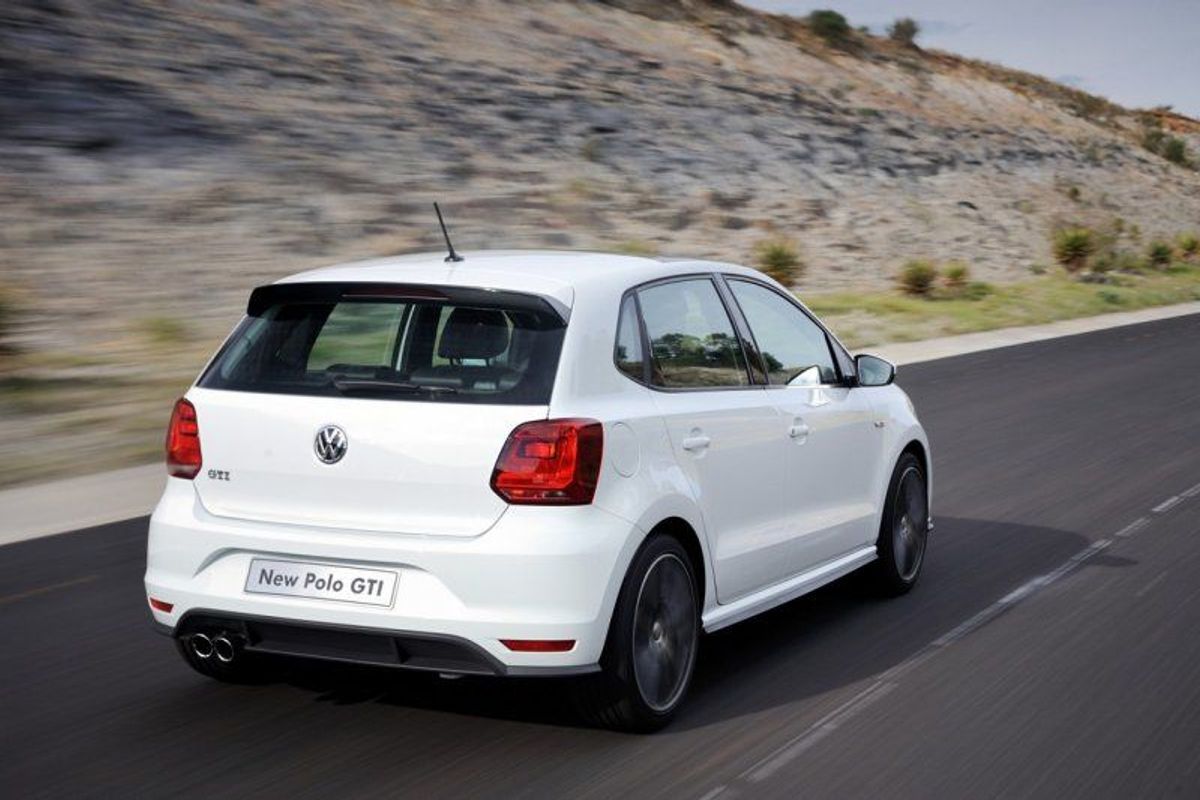
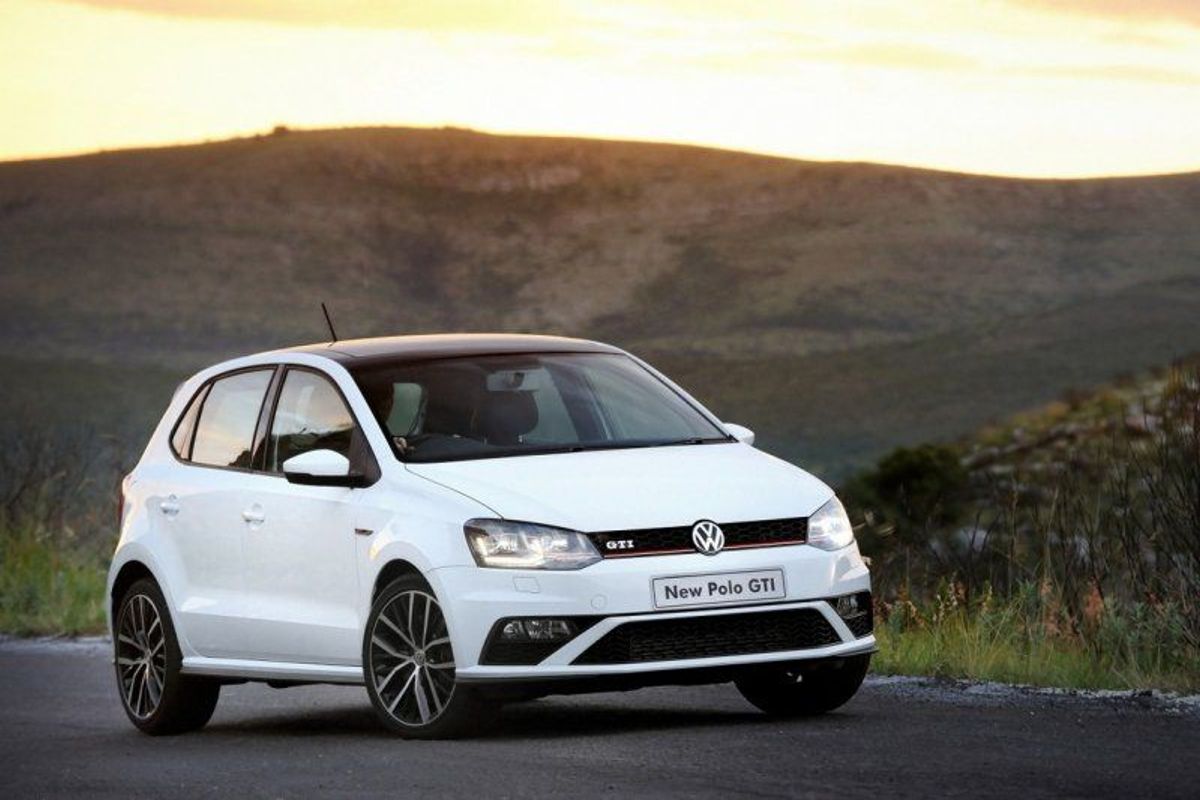
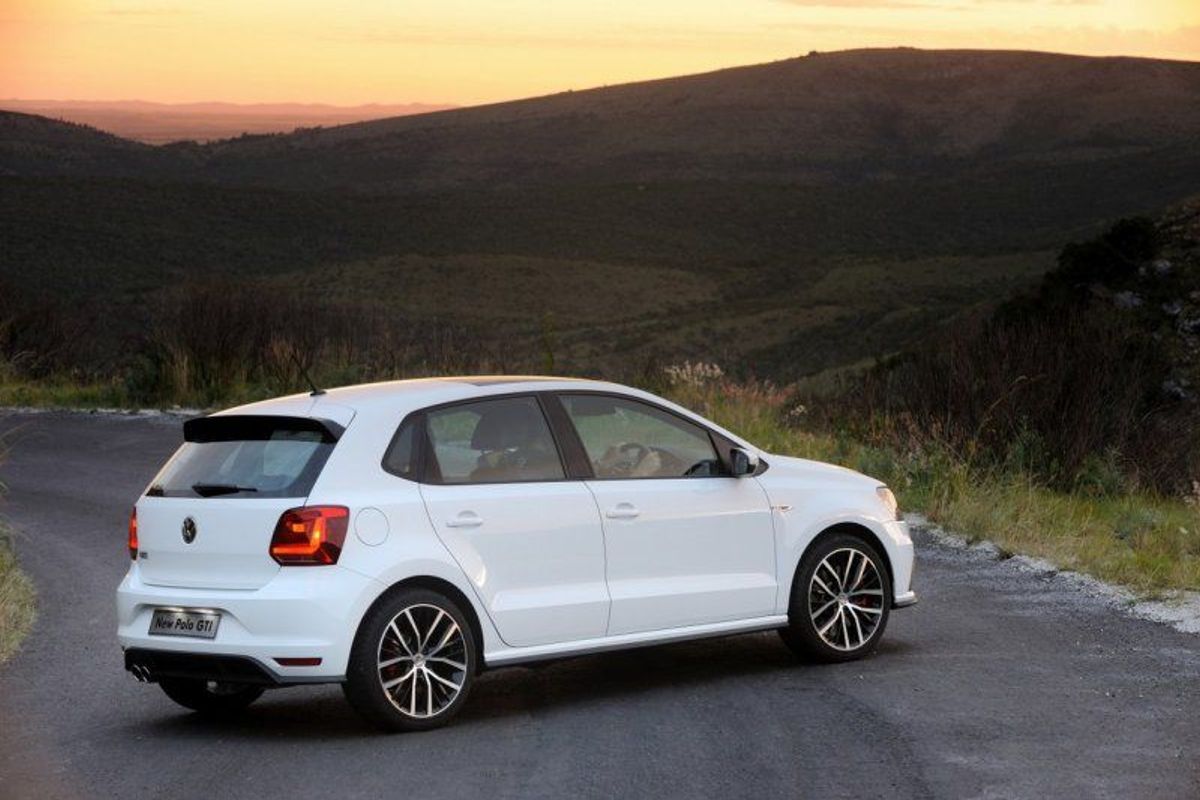
The pocket-sized Volkswagen Polo GTI is now in its third generation and was launched to the South African media late last week.

Volkswagen Polo GTI Heritage

The Polo GTI first arrived back in 2006 and came with a useful 1.8-litre turbo boasting 110 kW. It was the best selling small hot hatch with almost 2 800 units sold. The second generation arrived in 2011 and this particular Polo GTI really upset the pocket rocket fraternity thanks to its performance. Its secret was a 132 kW 1.4-litre turbo engine combined with the quick-shifting DSG transmission. In traffic light grand prix races, this little thing was deadly fast and often embarrassed faster and flashier machinery. It was a real case of dynamite comes in small packages.

The third generation still follows a similar recipe, but the engine has grown in size. The 1.4 is gone and in its place is a 1.8-litre turbo with 141 kW and 250 Nm. The DSG transmission stays and performance is rated at 6.7 seconds for the standard 0-100kph sprint. The best news however is that a manual gearbox will become available later this year and that will have 320 Nm. The reason behind the torque difference is apparently the DSG unit in the Polo can’t handle all that grunt. Despite the 70 Nm difference, performance for both models remains the same.

Visual Appeal

From the exterior the new Volkswagen Polo GTI looks a lot sharper and more aggressive than the outgoing model. The old GTI wheels have been replaced by very attractive Parabolicca alloys, there’s some smart LED headlights. Some of the trademark GTI styling cues have been retained such as the daytime running lights as well as red trim around the front bumper. Build quality both inside and out is really solid. Think of this then as a baby Golf 7 GTI – a compliment indeed!

What’s It Like To Drive?

Much like the old Polo GTI, straight line acceleration is impressive with the DSG box seamlessly changing cogs with the stereotypical exhaust pop between gears. Its not as loud as I had hoped, but it’s nevertheless an effortless performer. You can also change gears by using the paddles located behind the steering wheel. For more information and details about the new Volkswagen Polo GTI’s specifications and features, click here.

Throw some corners into the mix and the Polo GTI continues to be a solid performer. There’s no drama from the front wheels as the clever stability control & e-diff keeps things in check. Grab the car by the scruff of the neck and give it the boot, and still the car shows little sign of waywardness. The launch route took us through two of the best driving roads in Cape Town – a sign that Volkswagen SA wanted us to really experience what its little car is capable of.

Criticisms? As far as a daily drive goes, the Polo GTI is a hard act to follow. However it’s a little lacking in the aural and emotional departments. Could it be too clinical? Don’t get me wrong, you can really have some fun with the thing, but its not pulling at my heartstrings like a Fiesta ST does. Perhaps I need some more time with it and take some time to get under its skin.

VW Polo GTI Price in South Africa

1.8 TSI 141 kW GTI DSG                         R326 400

The new Polo GTI comes standard with a 3 year/45 000km Service Plan, 3 year/120 000km warranty and a 12 year anti-corrosion warranty. Service interval is 15 000km.

New Chevrolet Cruze specs and pricing

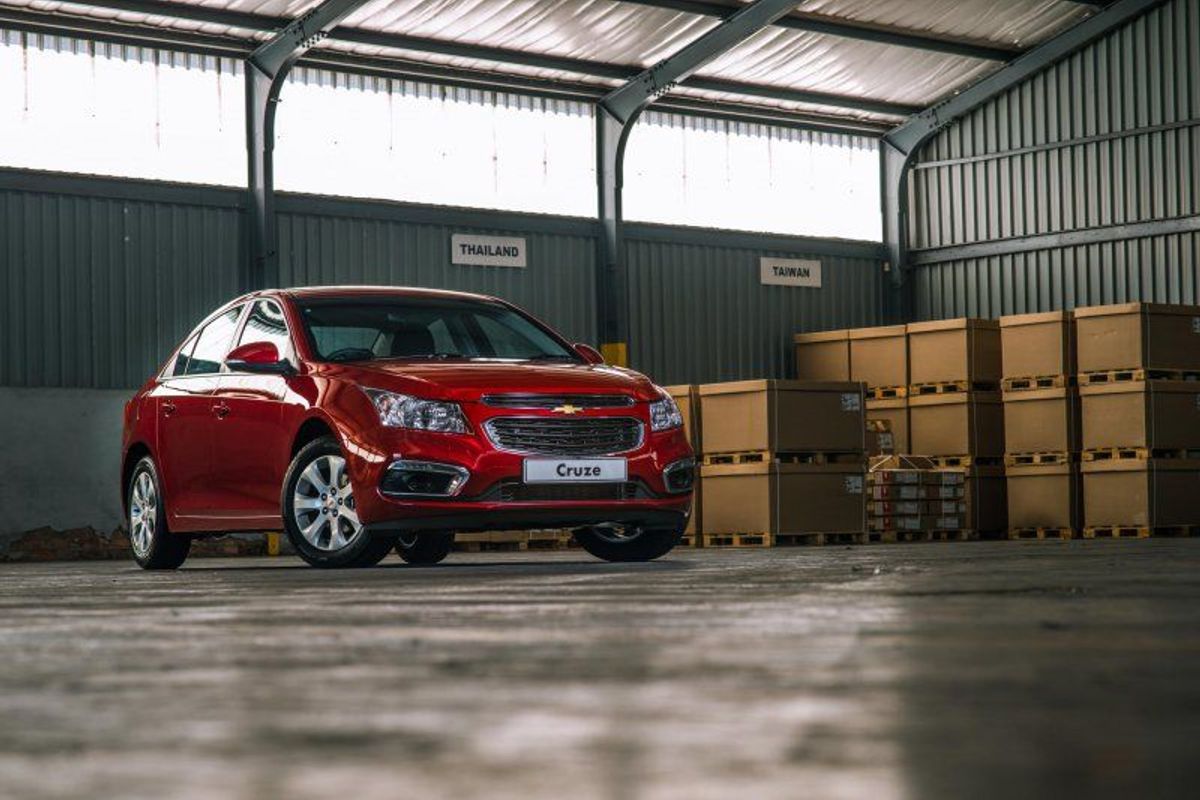
The facelifted Chevrolet Cruze is currently making its way to dealerships across the country and a media launch is scheduled for 23 April. We are, however, in the position to reveal the line-up, pricing and some specification details a few weeks prior to introduction. The Cruze is a vital model for Chevrolet and has thus far sold more than three million units globally. It competes with strong rivals such as the Volkswagen Golf/Jetta, Toyota Corolla/Auris, Hyundai Elantra/i30, Ford Focus and, let’s not forget its sibling, the Opel Astra.

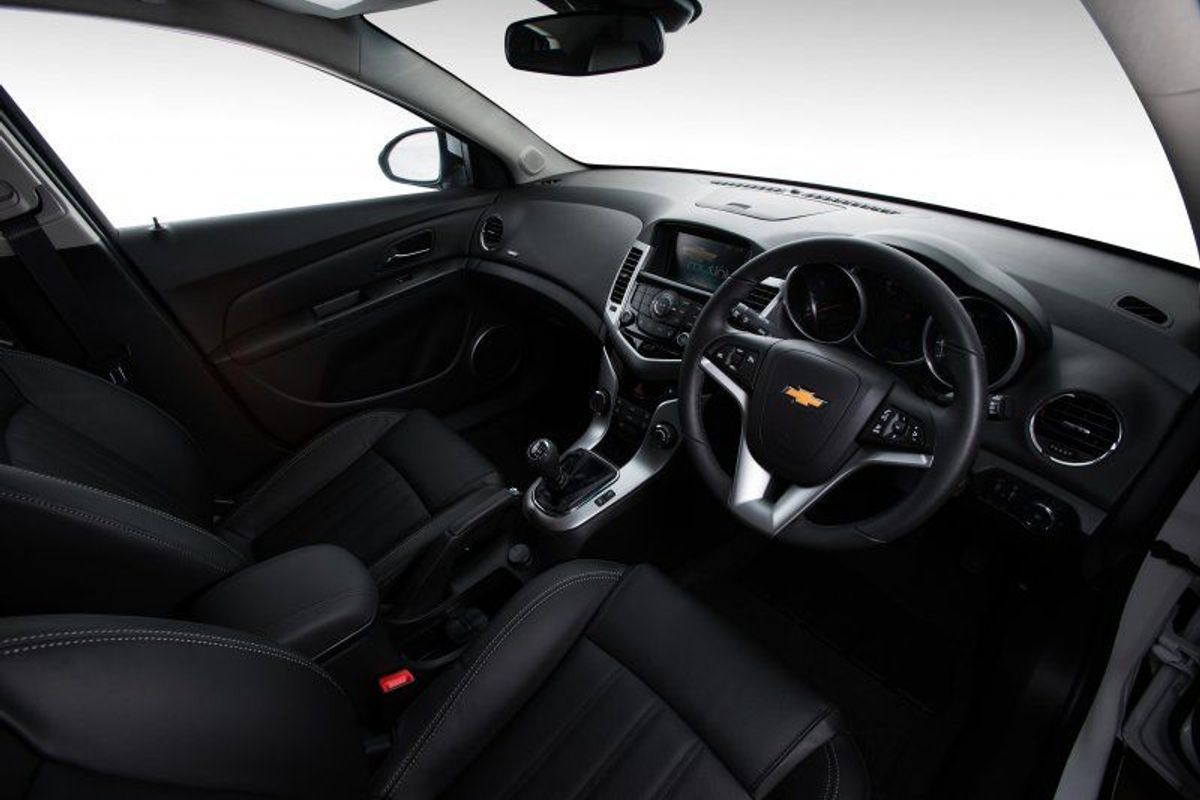
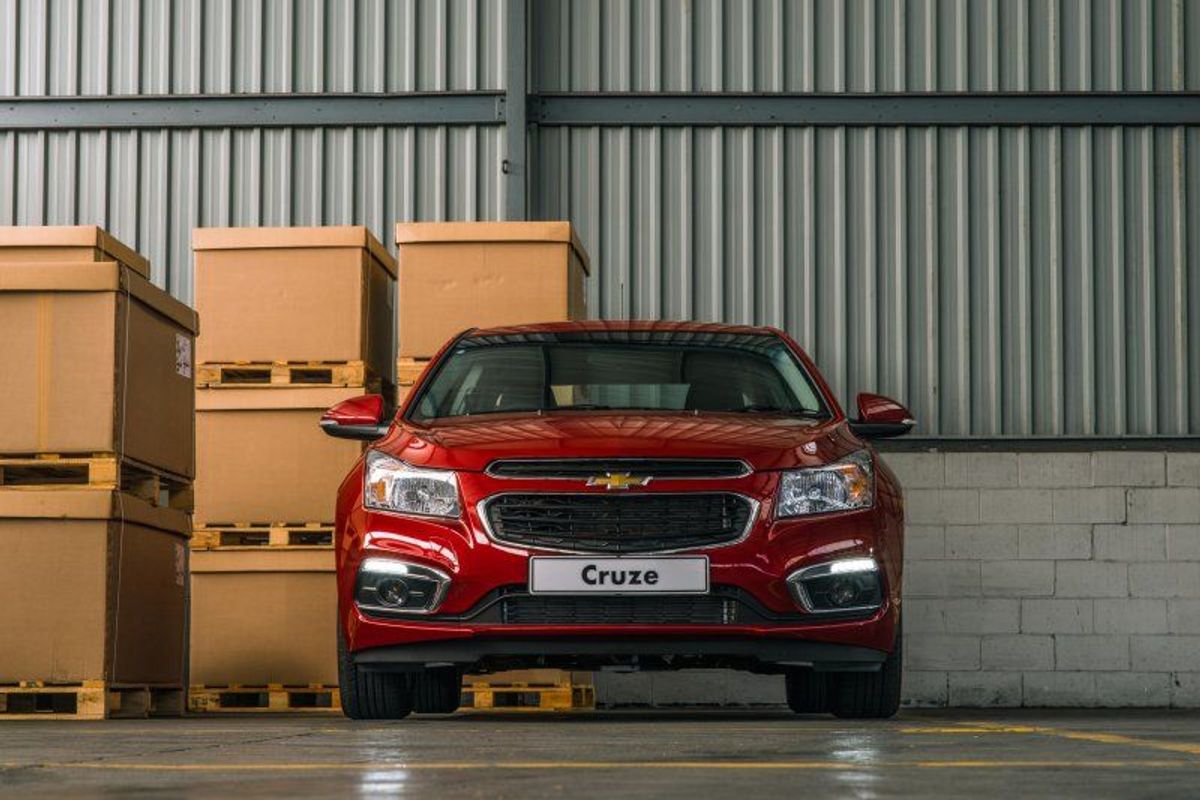
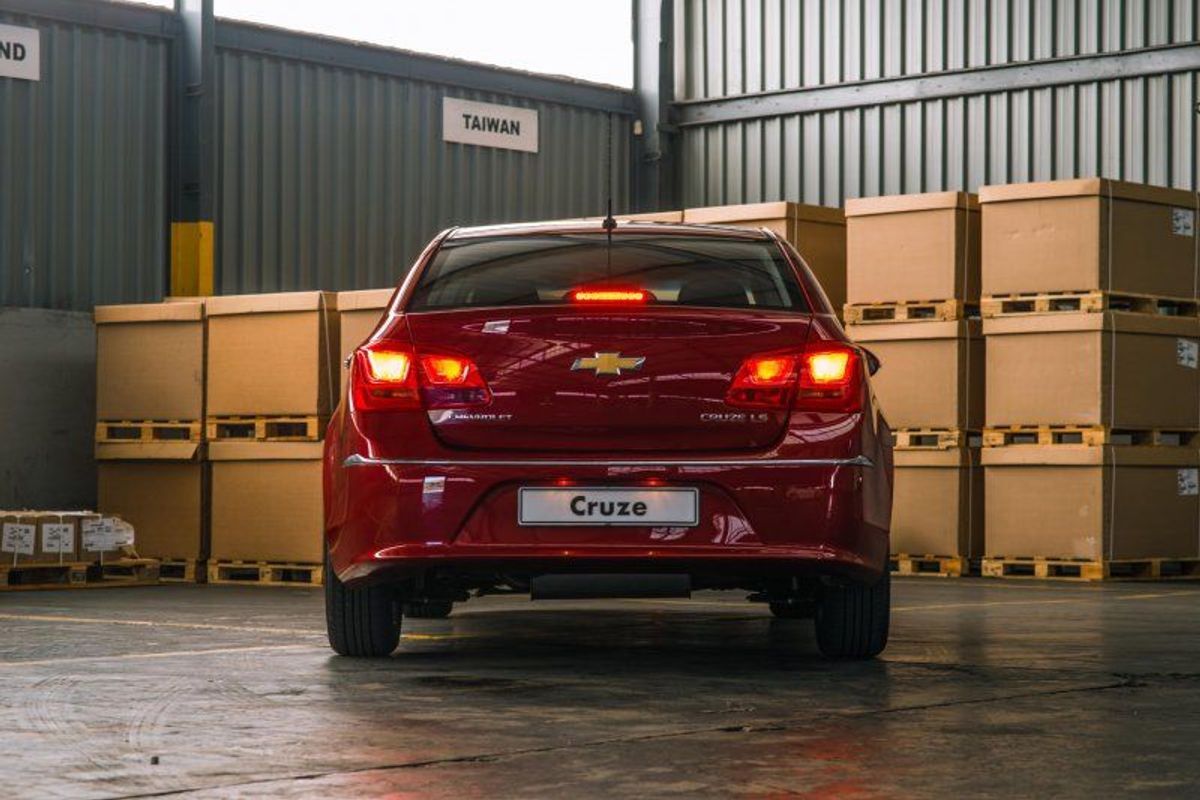
Although the changes are not major, they have been effective in giving the Cruze a fresh new appearance. Tweaks to the front end include the grille and a redesigned lower airdam with neatly integrated LED lamps and projection-style foglamps. At the rear the differences are even harder to spot, and include an integrated spoiler and new light detailing. Some new colours are also offered, including a hue called “Red Bean Smoothie”. Chevrolet has also refreshed the alloy wheel selection (16- and 17-inch wheels are available).

The interior design – always a Cruze strongpoint – continues with only minor detail changes to some of the controls and trim, but the big news is the arrival of General Motors’ MyLink infotainment system, standard on most models. This smart, full-colour display is positioned near the top of the centre controls stack. The upmarket ambience gets a further boost courtesy of the ice-blue interior lighting.

The revised model line-up still consists of sedan and hatchback bodystyles, but the impressive 2.0-litre diesel engine appears to have been dropped from the range. L and LS trim levels are offered, with LS derivatives adding such items as ESP, traction control, a passenger airbag deactivation switch and six airbags. Note the hatchback is available only in LS specification.

Optional extras available on some models include leather upholstery, sunroof and a Driver’s Pack (climate control and rear park assist).

New Chevrolet Cruze Pricing

Chevrolet Cruze Sedan 1.6 L                                        R230 400

Chevrolet Cruze Hatch 1.6 LS                                      R248 300

Chevrolet Cruze Sedan 1.6 LS                                     R247 200

Chevrolet Cruze Hatch 1.4T LS                                    R265 200

Chevrolet Cruze Sedan 1.4T LS                                   R262 500

Chevrolet Cruze Sedan 1.4T LS Automatic               R272 400

Engine Lineup

The 1.6-litre models’ engine delivers 88 kW and 155 Nm and is coupled with a five-speed manual transmission. This model has a claimed combined cycle consumption figure of 6.7L/100 km. Those consumers who want a bit more zip without a fuel consumption penalty can opt for one of the 1.4-litre turbopetrols, offering 103 kW and 200 Nm of torque. Fitted to the Cruze Sedan 1.4T LS, this engine is claimed to only consume 5.8L/100 km. A six-speed automatic model is also offered (mated with the 1.4-litre turbopetrol engine). This model is claimed to consume 6.8L/100 km in the combined cycle.

All Cruze models come standard with a 5-year/120 000 km warranty.

Check back this Friday to see our first drive story on the new Chev Cruze.