Land Rover will be showcasing its new flagship Ranger Rover SVAutobiography at the 2015 New York Auto Show this week. The model is regarded as the most luxurious and most powerful Rangie yet in the model’s 45-year history.
Range Rover SVAutobiography brings the Power
The Range Rover SVAutobiography is fitted with a powerful 5.0-litre supercharged V8 that delivers a whopping 404 kW and 680 Nm of torque. A ZF eight-speed automatic transmission puts those number to good use on the tar, resulting in a 0-100kph sprint in about 5.5 seconds and reaching a top speed of 225kph. The same engine is used in the Range Rover SVR, but has has been re-tuned to do service in the SVAutobiography.
Exclusive Features and Luxury
The Range Rover SVAutobiography is available in either long or short wheelbase formats. A unique Duo-tone body colour can be had in combination with Santorini Black for the upper body and a choice of nine colours for the lower body.
New Range Rover lettering is found on the bonnet and tailgate with SVAutobiography badging, distinguishing it form other models in the range and the front grille is finished in Graphite Atlas and chrome. Quad tailpipes offer a clue to the power hiding beneath the bonnet.
On the inside, aluminium switchgear offers quality feel as do the new armrests. A chiller compartment is found in the rear along with powered tables. Aluminium is used for the coat hooks and seat rails while mohair carpets add to the luxurious feel.
A sliding loadspace floor can be had as an option and is made from, you guessed it, aluminium. Two seats in Winsor Leather can also be deployed on the tailgate while you look at elephants in the bush or at a picnic. This seating is called ‘Event Seating’.
The Range Rover SVAutobiography was conceived at the Special Vehicle Operations (SVO) Technical Centre in the UK. Further details will be revealed when the car makes its debut at the New York Auto Show this week.
SVAutobiography Video
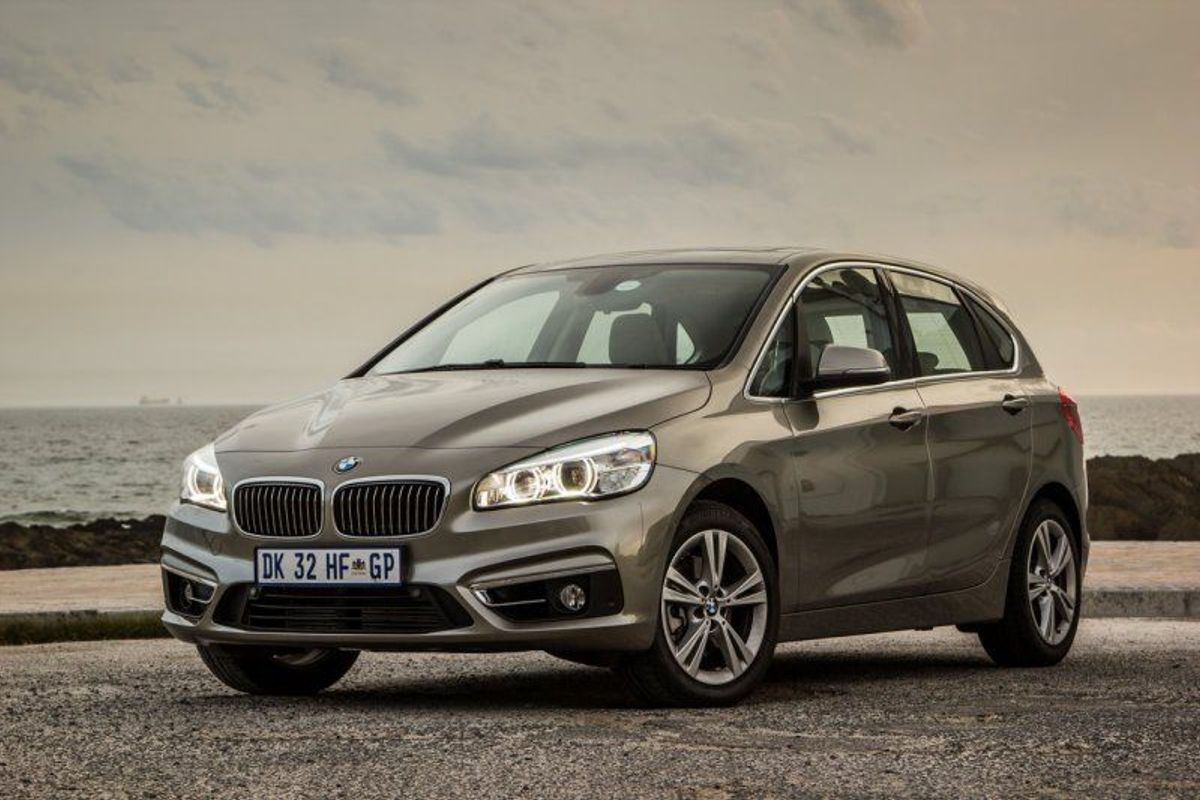
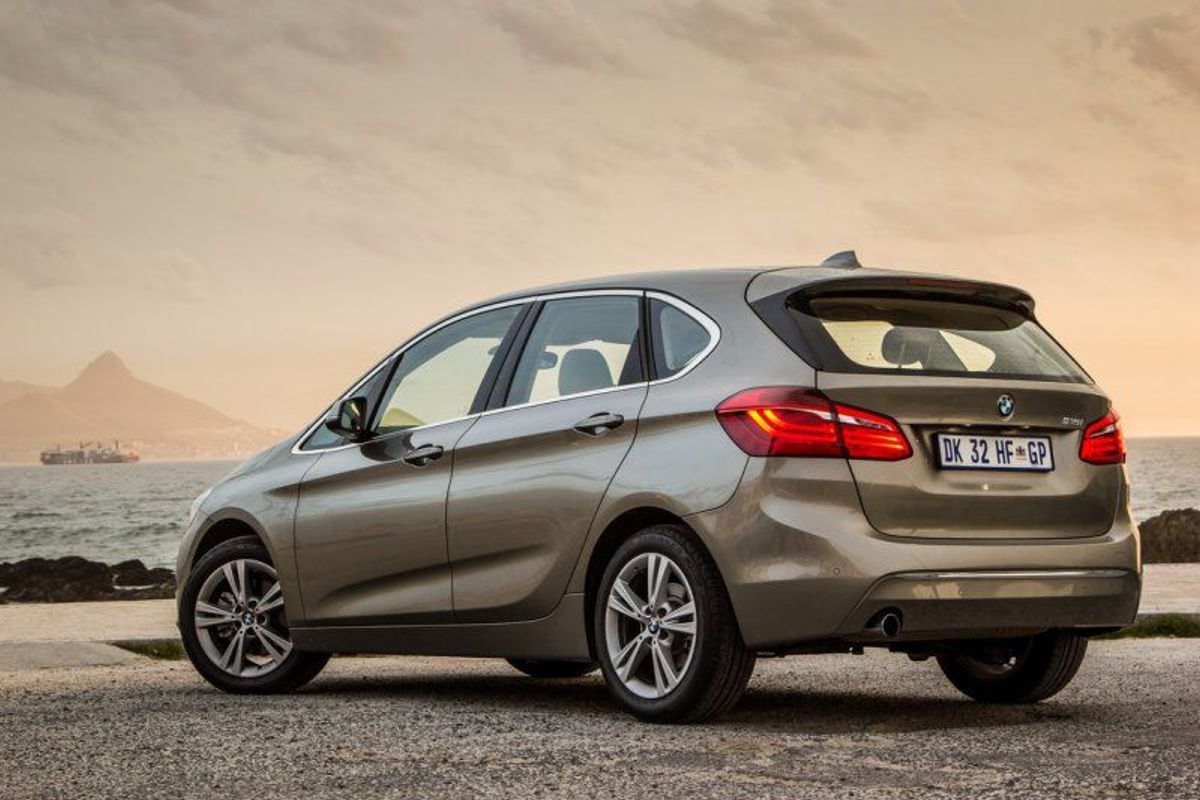
BMW 2-Series Active Tourer (2015) Review
This BWW 2-Series Active Tourer is BMWs first go at a front-wheel drive model. Its an important car as BMW plans to launch a whole bunch of new products off of this front-wheel drive platform. Expect to see the new X1 and new 1-Series hatchback roll on this chassis, as well as some other models BMW has secretly pencilled in. We spent a week with the 218i Active Tourer auto getting to grips with a very different BMW than were used to.
Where does it fit in?
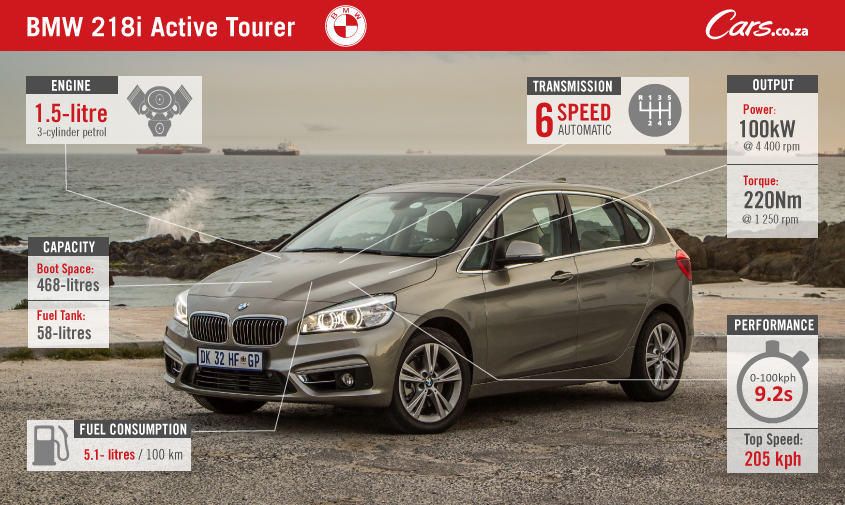
The Active Tourer is an MPV with five seats and a large boot, the drivers seat is slightly elevated to give a bit of an SUV feel and in typical BMW fashion, its said to have a sporty feel to the ride. This particular Active Tourer is fitted with the 1.5-litre three-cylinder engine that we tested in the Mini Cooper last year. Its transversely mounted in order to fit the front-wheel drive system snuggly, and also to make room for people and things behind it. Pursuing the MPV route, however, is a strange choice as much of that segment has been eaten into by the more popular compact SUV. Despite the compact SUV sales going well, Mercedes-Benz has shown there’s money to be made and the B-Class is selling in respectable.
Interior fit for kids?
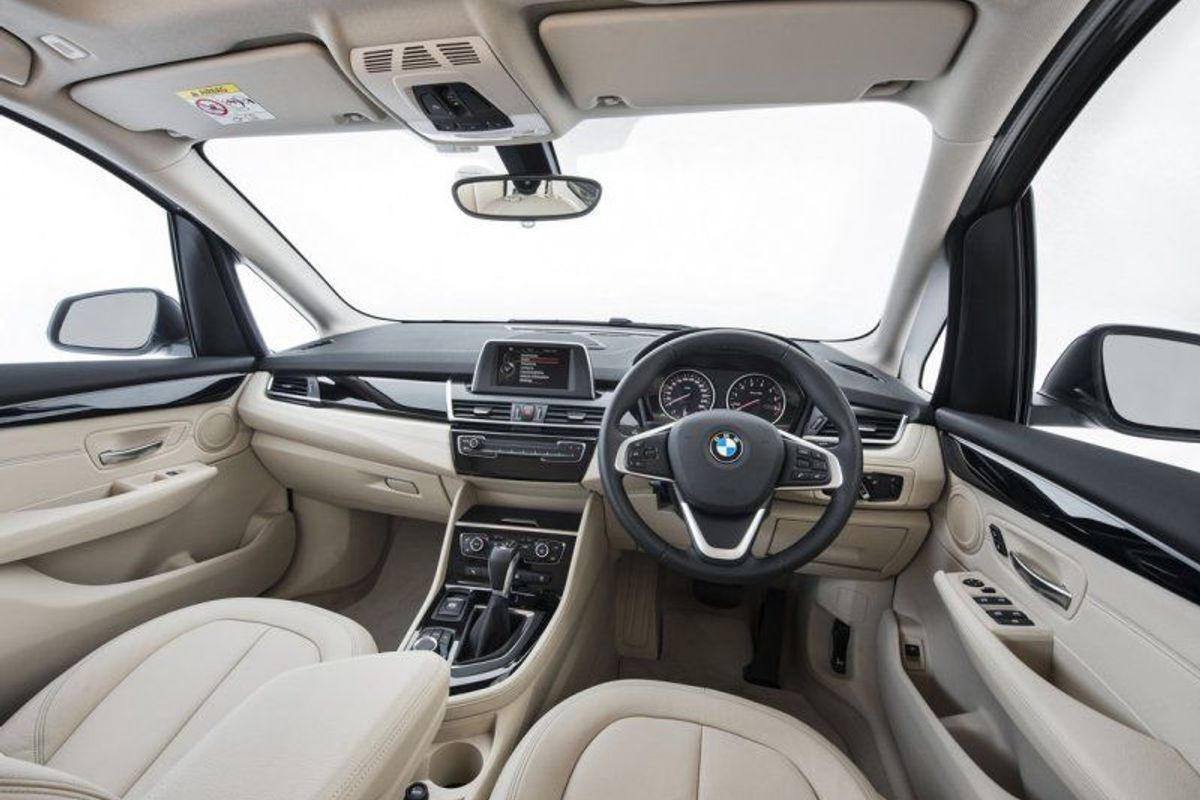
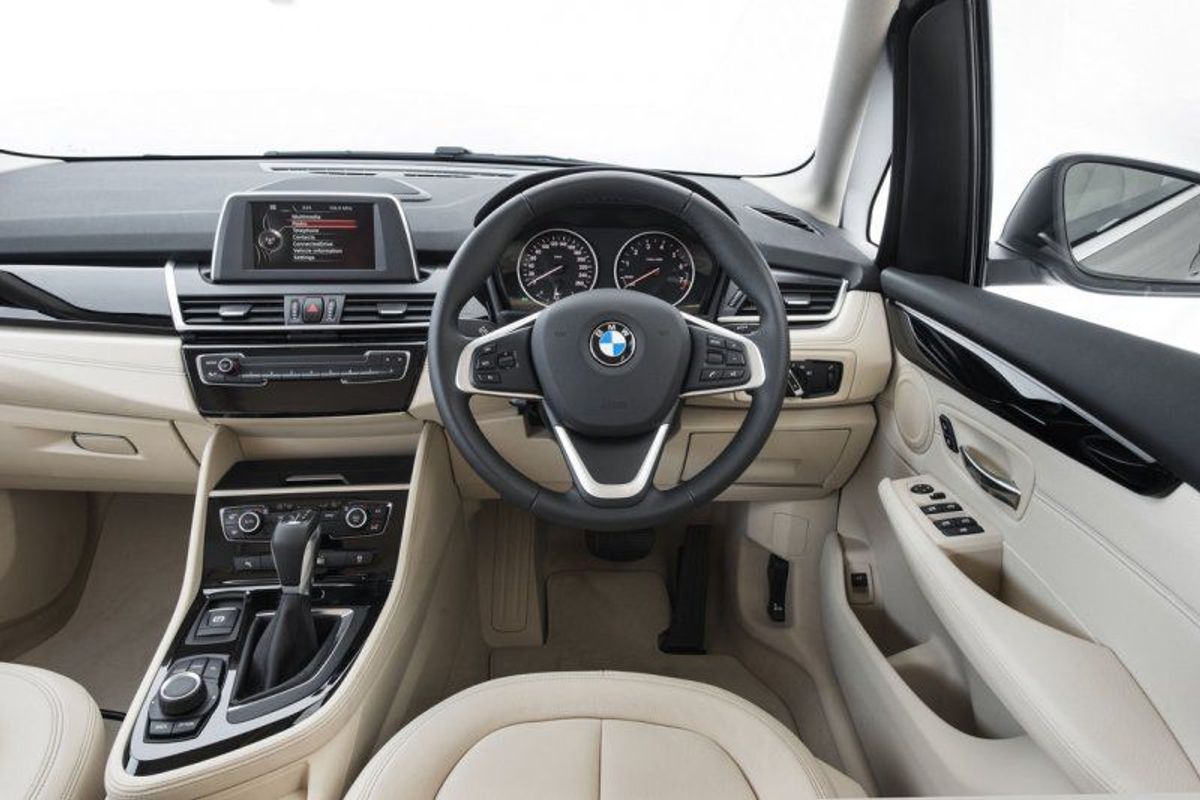
One of the things an MPV needs to withstand is a constant battering from fluids like melted chocolate, ice cream, yoghurt, mud and child. BMW has taken this into account and hardened things up inside making use of firmer plastics that feel a bit less upmarket compared with its other models, but should be entirely durable. The boot is particularly large at 468-litres and space can be increased or decreased by sliding the rear seats forward and backwards, which also helps rear legroom accommodation.
A fully automatic bootlid comes standard and thats a neat bonus. Also handy is the fact that the rear seats can be flattened at the push of a button in the boot, meaning you dont have to walk around the car to flop the seats down. The driver setup is as per just about every BMW at the moment with the iDrive system controlling the infotainment system. The new look controls for the climate control is a neat improvement for the Active Tourer. Tick enough boxes on the options list and you can get every gadget your heart desires.
Engine copes just fine
The three-cylinder 1.5-litre turbo petrol in the Active Tourer copes just fine with the extra load of an MPV. With 100 kW and 220 Nm of torque, the engine has more than enough pull and it punches a good amount of power low down the rev range so it never feels laboured. Zero to 100kph is claimed at 9.2 seconds and thats quick for an MPV.
The automatic gearbox fitted to this Active Tourer on the other hand, makes life at slow speeds particularly jerky. Creeping along in traffic, the brakes feel catchy and it can be bouncy when trying to be smooth in bumper to bumper situations. Fuel economy, as youd expect from the three-cylinder, is good at a claimed 5.2L/100km. During its week with us it managed 7L/100km, but you can almost certainly expect to beat that figure in the long term.
Ride and Drive
BMW has prided itself on fun to drive and sporty handling in everything it makes. It has carried similar DNA into the Active Tourer and it may be a bit misguided in this segment. The ride is firm and theres not much roll in the corners. If you get a move on the Active Tourer responds well to steering inputs and defies the MPV stigmatism of sloppy handling soccer moms cars.
Im not totally sure that the rear passengers would enjoy the sort of ride BMW is offering here. On straight roads or corners with bumps along them the firm ride and tall seating positions combine for a head-bobbing journey. Maybe something more comfortable and less sporty would have suited better, but this stands the brand in good stead if it intends on revealing a 2-Series Active Tourer M235i.
BMW 2-Series Active Tourer – Verdict
The Active Tourer is a different take on the MPV. BMW has gone down the sporty route in order to attract a different kind of buyer. Unfortunately the ride is a bit stiff for those likely to be lugging a family around and it’s jerky at low speed. The biggest problem that I can think of is the SUV market as buyers are choosing the higher ride and perceived lifestyle over the practicality of MPVs. That said, as the popularity of the Mercedes-Benz B-Class has proven, there are a significant number of buyers out there looking for a premium-badged vehicle that offers this type of packaging.
Pricing also comes into it and BMW is offering the Active Tourer range at a starting point of R378 000 before options. There are some nice SUVs you can get at that price, like a well specced Ford Kuga or Nissan X-Trail that dont carry the badge appeal, but certainly do everything else and more. Don’t forget, you can always opt for the Mercedes-Benz B-Class as a direct competitor and there’s an MPV product from Volkswagen which is coming in April 2015.
Second Opinion
The BMW 2-Series Active Tourer is the vehicle to take BMW into new segments. Those who express doubt over the brand’s ability to make quality front-wheel drive products clearly don’t know what they’re talking about as the Mini Cooper is a good offering. Despite the firm ride and steep price tag, the Active Tourer is a solid product. Personally I think you’re better off with a front-wheel drive diesel X1. -David Taylor
Active Tourer Pricing
The range starts at R378 000 for a 218i manual and goes right up to R485 800 for a 220d with an M Sports pack added to it. After options our 218i Auto’s price climbed from R396 205 to R513 200 thanks to upgrades like a rear view camera, 17-inch wheels, LED headlights, parking assistance and a sliding panoramic sun roof to name just a few.
We Like: Impressive space, good engine and sporty ride
We Don’t Like: Sporty ride, jerky at low speeds
Also Consider: Mercedes-Benz B-Class, Peugeot 3008
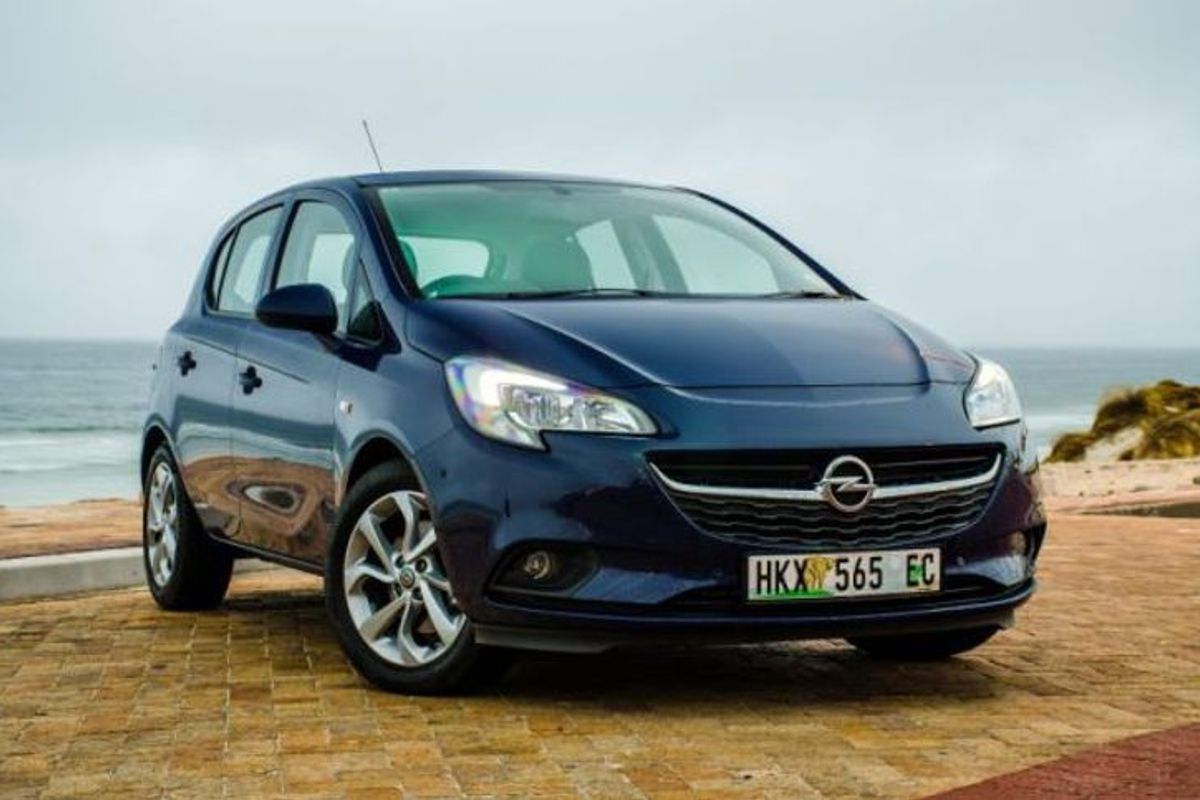
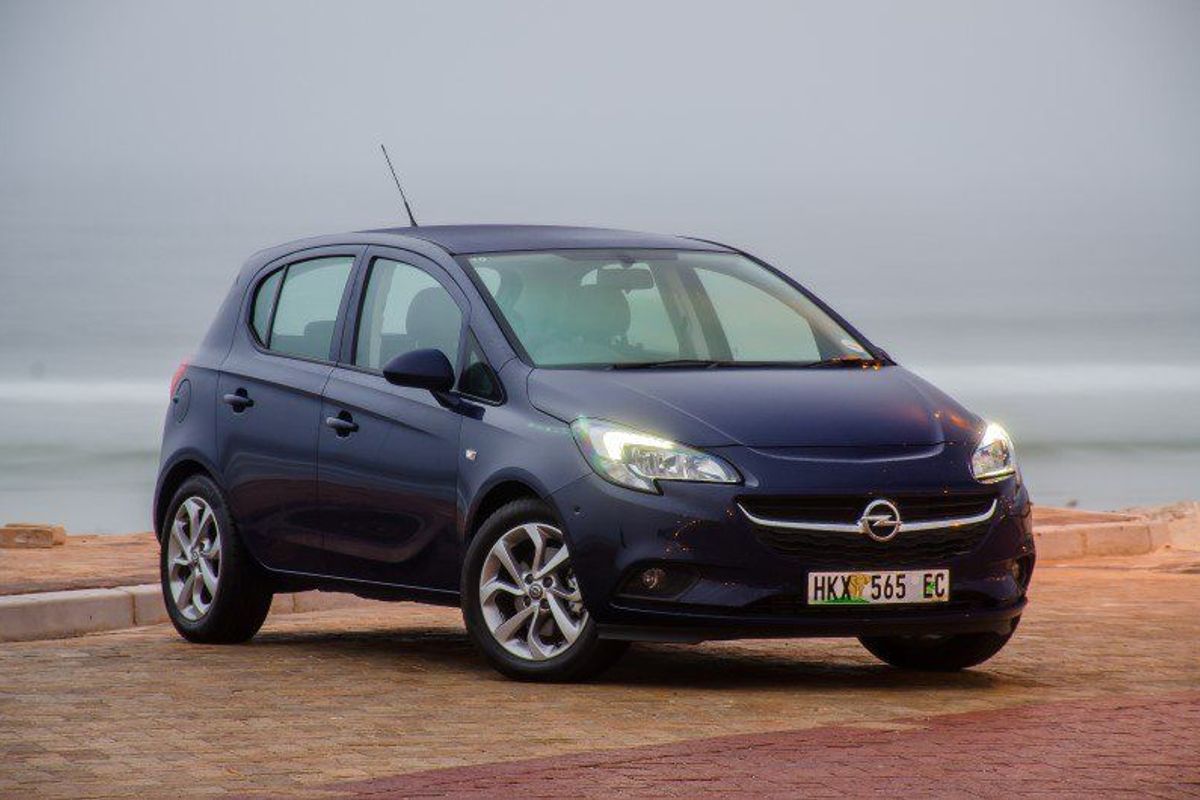
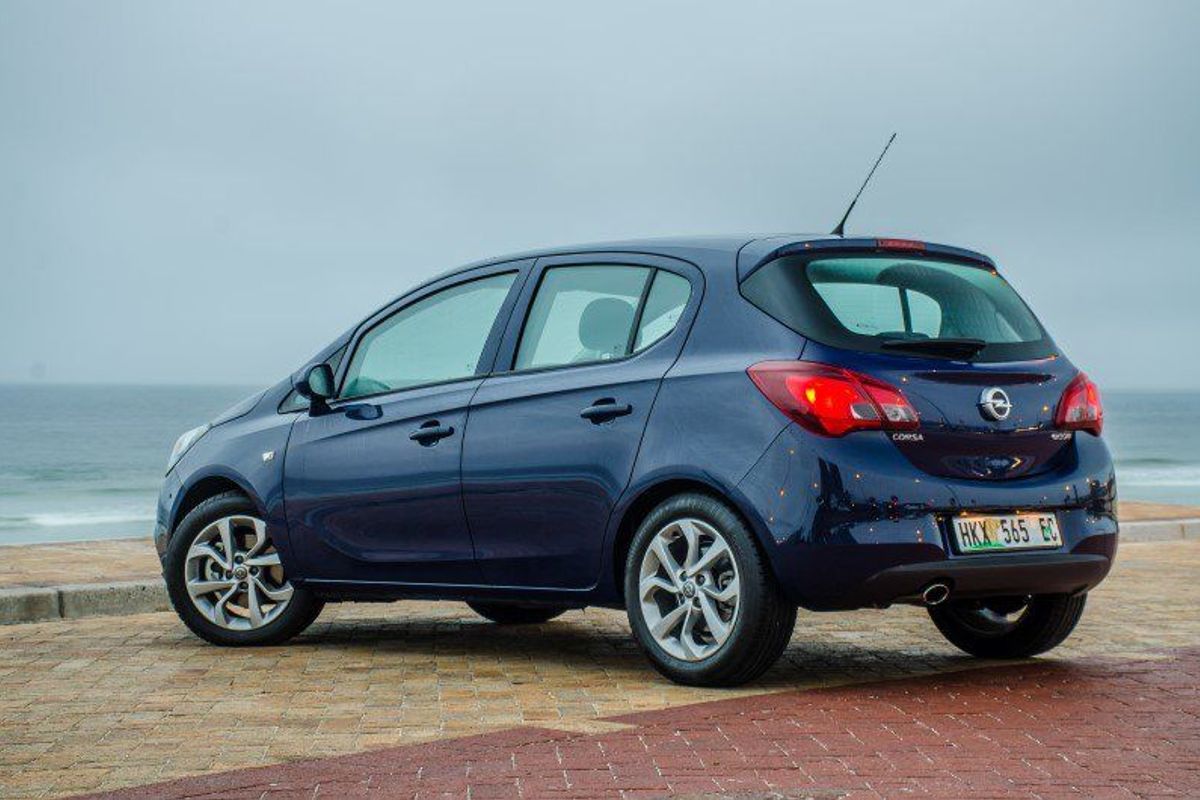
There was a time not so long ago when Opel found itself struggling through lack of product and there were rumours the brand would even pull out of South Africa. Today, things are looking up for the brand and that fighting spirit is clear for all to see. Look at Adam, a mere three months on the market in South Africa and its already selling up a storm (280 units in February 2015). The new, much improved, fifth-generation Corsa has now joined the fray and as it shares many similarities to its two-door counterpart its likely to sell well going forward.
Does the new Corsa pack enough punch to pip the popular Volkswagen Polo? We spent a week with the Opel Corsa 1.0 Enjoy to test its strength.
Engine Magic
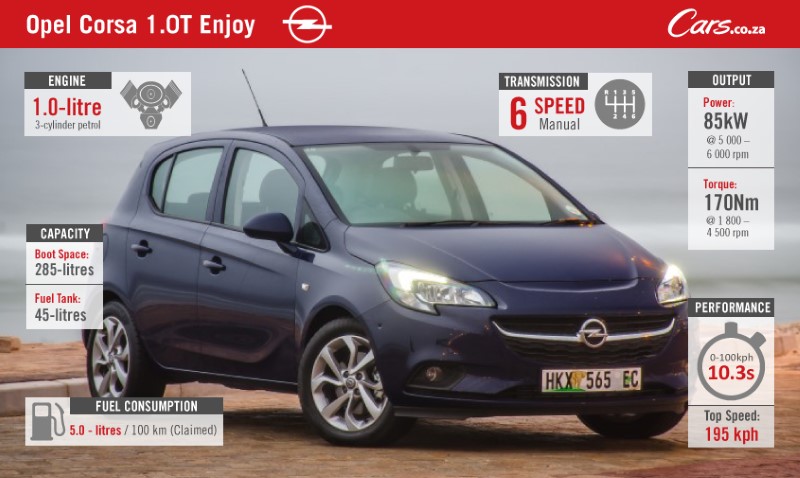
The new Corsas trump card is its engine, which is a 1.0-litre, three cylinder unit developed by at least 200 clever engineers. This wizardry has resulted in an exceptionally excellent engine. Offering 85 kW and 170 Nm, this small capacity engine delivers energetic performance in a refined manner and its quiet too. The same engine does service in the Adam and is mated to a 6-speed manual gearbox in the Corsa. Gear shifting is smooth and effortless in the new Corsa. Theres also a 1.4-litre variant on offer mated to a 6-speed automatic transmission, but the manual is probably your best bet here.
Fuel consumption for the new Corsa is claimed to be 5.0L/100km. During my test, 6.8L/100km was easily achieved and this figure couldve been improved upon with more diligent and consistent driving. Efficiency is further assisted with Automatic Stop/Start fitted as standard across all three trim levels (Essentia, Enjoy and Cosmo).
The Drive
With 170 Nm torque available from low down, performance in the new Corsa is swift. On the open road overtaking is simple with good mid-range acceleration. With its 16-inch alloy wheels and riding on a new and improved chassis sitting 5mm lower than before, the ride and handling is excellent, being smooth and stable even while cornering enthusiastically. Feedback through the new power assisted steering is precise and City Mode helps you work the wheel easily at lower speeds and when parking.
This test unit came fitted with an optional Advanced Parking Assistant 2 system to help with those difficult parallel parking scenarios. Side Blind Spot Alert was also fitted which is very useful in close-quarter driving, alerting you to cars in your blind spot via a flashing light in your side mirror – very nifty indeed. Also, theres Opels latest ESP Plus that brings a host of safety assistance systems to the party. The Corsa really offers a good, solid drive.
The Corsa flexes its muscle in the safety department and comes fitted with an array of features including ABS with EBD, Brake Assist, ESP and Hill Start Assist. A driver and passenger airbag as well as front-side airbags and curtain airbags are part of the package. The new Corsa also holds a five-star EuroNCAP safety rating.
Comfortable Interior
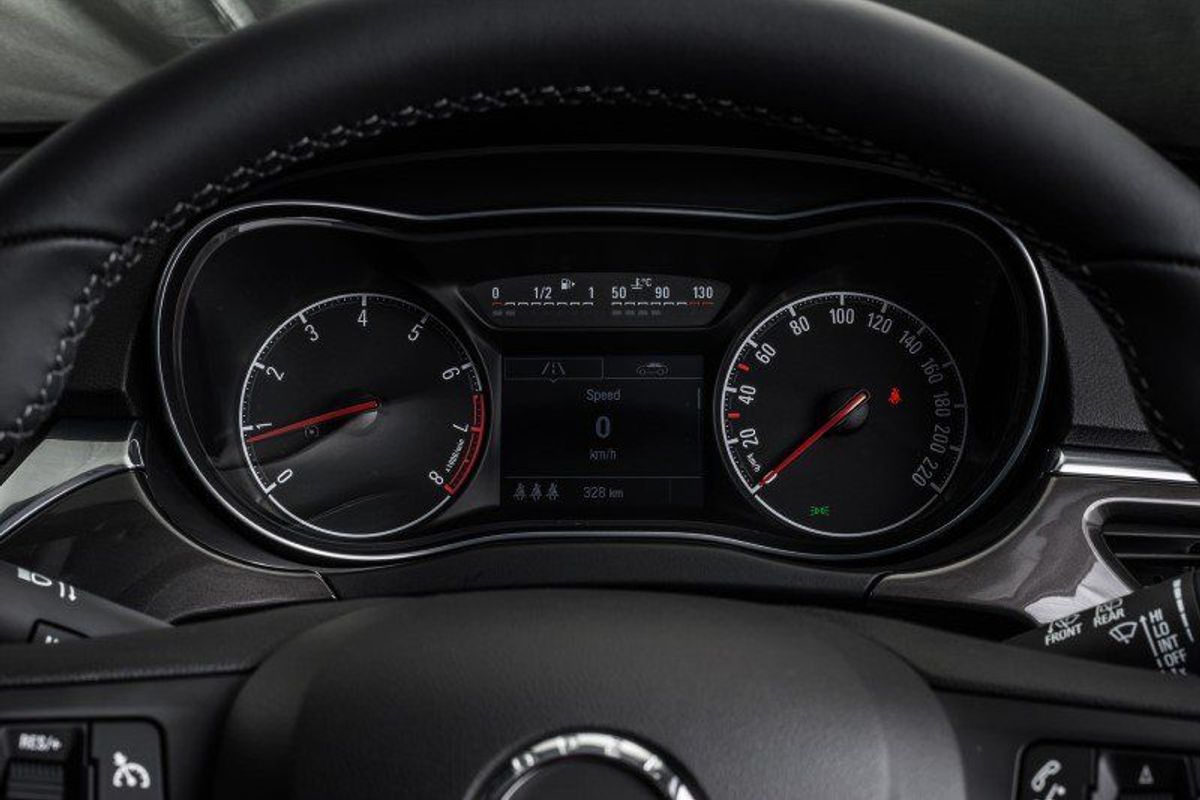
Inside, I was met with a predominantly black interior with quality soft touch surfaces. Although the interior is difficult to fault in terms of fit and finish, it isnt particularly exciting either. Nonetheless, the interior is comfortable and comes well kitted with features. This model featured Opels optional IntelliLink infotainment system which does a good job syncing with your smartphone and the system is easy to use too. USB and Auxiliary ports are standard fare as is front and rear electric windows.
The steering wheel is comfortable to operate and is rake and reach adjustable with mounted controls.
Space in the Corsa is ample and rear passengers have more than enough head and legroom. The boot offers 285-litres of space that expands to a healthy 1 120-litres with the 60:40 rear seats folded down, which is on par with its rivals. Theres also a storage drawer under the passenger seat as well as three cup holders and bottle holders in the door.
Opel Corsa Price in South Africa
Our Corsa Enjoy test unit is priced at R224 200 with the optional IntelliLink and Advanced Park Assist 2 fitted. Pricing for the base model Corsa is as follows:
Prices include Opels 5-year/ 120 000 km warranty and a 3-year/ 60 000 km service plan.
Opel Corsa – Verdict
The new Opel Corsa is a strong contender in this segment, offering good looks and a whack of safety features thrown into the mix. Dynamically, the Corsa excels and will satisfy the needs of just about any city-dwelling motorist. For your money, the Opel Corsa is a reasonable offering when compared to the Volkswagen Polo, which becomes even more expensive once you start ticking off options. The Opel Corsa also offers more power and torque compared to its main rivals and is well worth consideration if you are looking for a well-built hatchback at a reasonable price.
Second Opinion
The previous Opel Corsa felt like an also ran in the B-Segment hatchback race. This model has more going for it, the new styling is an improvement and it has a brilliant 1,0-litre engine to boot. Safety is a key point that Opel has considered and the rest of the car pretty much matches the competition without being outstanding. It’s definitely worth a test drive if you’re looking for a modern hatchback.
We Like: Styling, Build Quality, Excellent Engine, Solid Ride
We Dont Like: Not much to dislike here
Also Consider: Volkswagen Polo, Hyundai i20, Renault Clio
Being a petrolhead on a budget doesn’t need to amount to pure anguish. These six modern day classics, sold in South Africa during the noughties (2000-2009), represent great driving enjoyment and could grow in value in the near future. However, ultimately collector value is not only about price appreciation, but also about enjoyment, so some of the cars listed here are unlikely to ever become museum pieces. Nevertheless, all of them boast a blend of desirability, limited availability, a rising cult following or exceptional (and often unrecognised, at the time) ability. Best of all, none of these modern day classics will break the bank to buy, so head to our used car section to start your search.
Six Modern Day Classics To Buy Right Now
Honda S2000
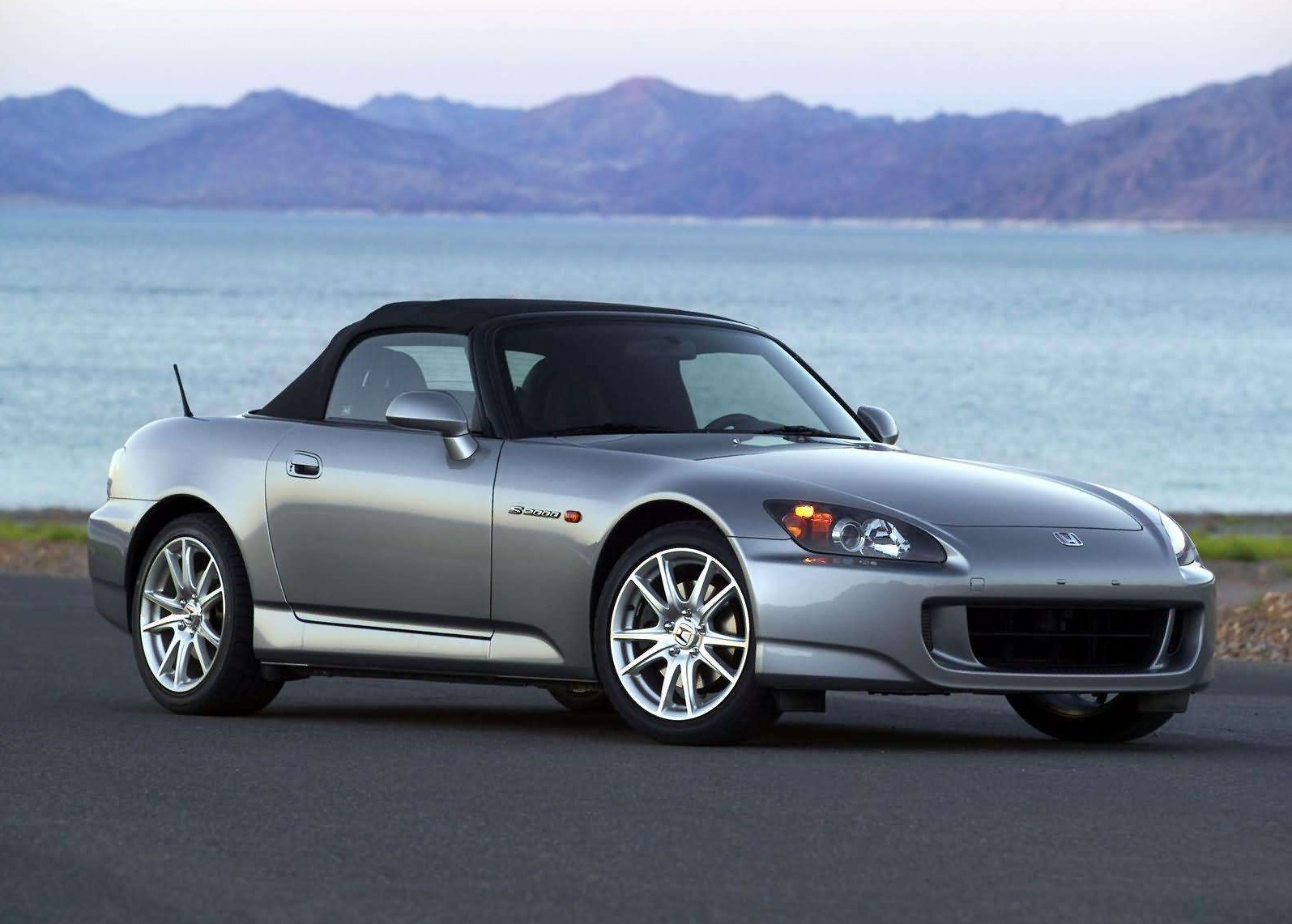
Widely regarded as one of the best driver’s cars of its generation, the Honda S2000 made its world-wide debut at the end of the nineties, but enjoyed a lengthy production run of nearly ten years. Even so, it was never sold in great volumes, especially in South Africa where its price put it close to rival products with more desirable badges. For the uninitiated, the S2000’s incredible charm is hard to grasp. It’s not massively powerful, with the normally aspirated 2.0-litre four-cylinder producing 177 kW and 208 Nm. Performance was nevertheless excellent, with the S2000 sprinting to 100 kph in around six seconds. Far more important than the raw figures was the way in which the S2000 engaged its driver. The engine was a screamer, with maximum power delivered at a heady 8 300 rpm, and it had the sound to match. Power went to the rear wheels via what remains arguably the best six-speed manual transmission to ever be used in an automobile. And the dynamics? Early cars were much looser, but it was always a fun handler. Current pricing: R150 000 – R280 000 (avoid modified cars)
Subaru Impreza WRX STI “bug-eye”
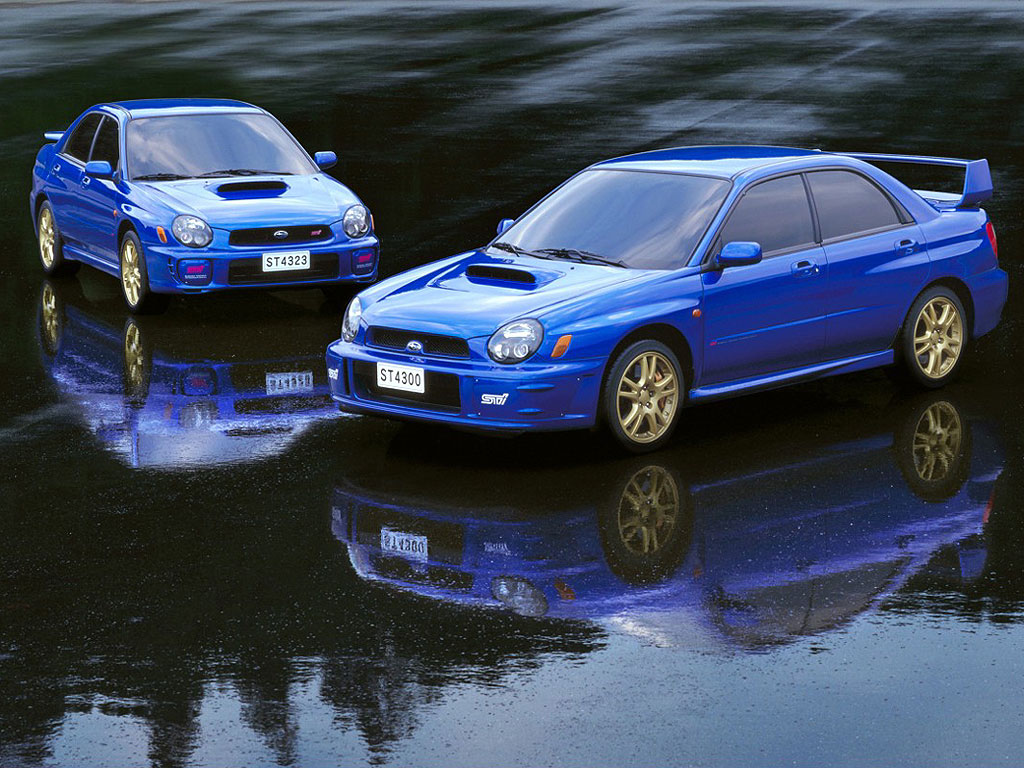
The Subaru Impreza, particularly in WRX and STI forms, was the darling of the nineties, riding a seemingly unstoppable wave of success into the new Millennium. But then the covers came off the new-generation model in 2000 and the Impreza’s fans were quick to voice their disgust, while the rest of the world sniggered. Subaru, it seemed, got the design of the new Impreza very wrong. Most of the criticism centred on the almost oval headlamps, which appeared at odds with the rest of the design. The criticism was so stinging that Subaru hastily engineered a facelift, which appeared a mere two years later. The result is that the “bug-eye”, as it became known, is quite rare these days. More importantly, the look suited the STI model, which featured the pumped-up arches, big wing and detailing of the company’s WRC contenders. These days there is a growing “bug-eye” cult, and good examples are not only starting to get rare, but are also fetching better prices. And, of course, it remains a blast to drive… Current pricing: R100 000 – R150 000 (Beware, lots of modified and abused cars out there)
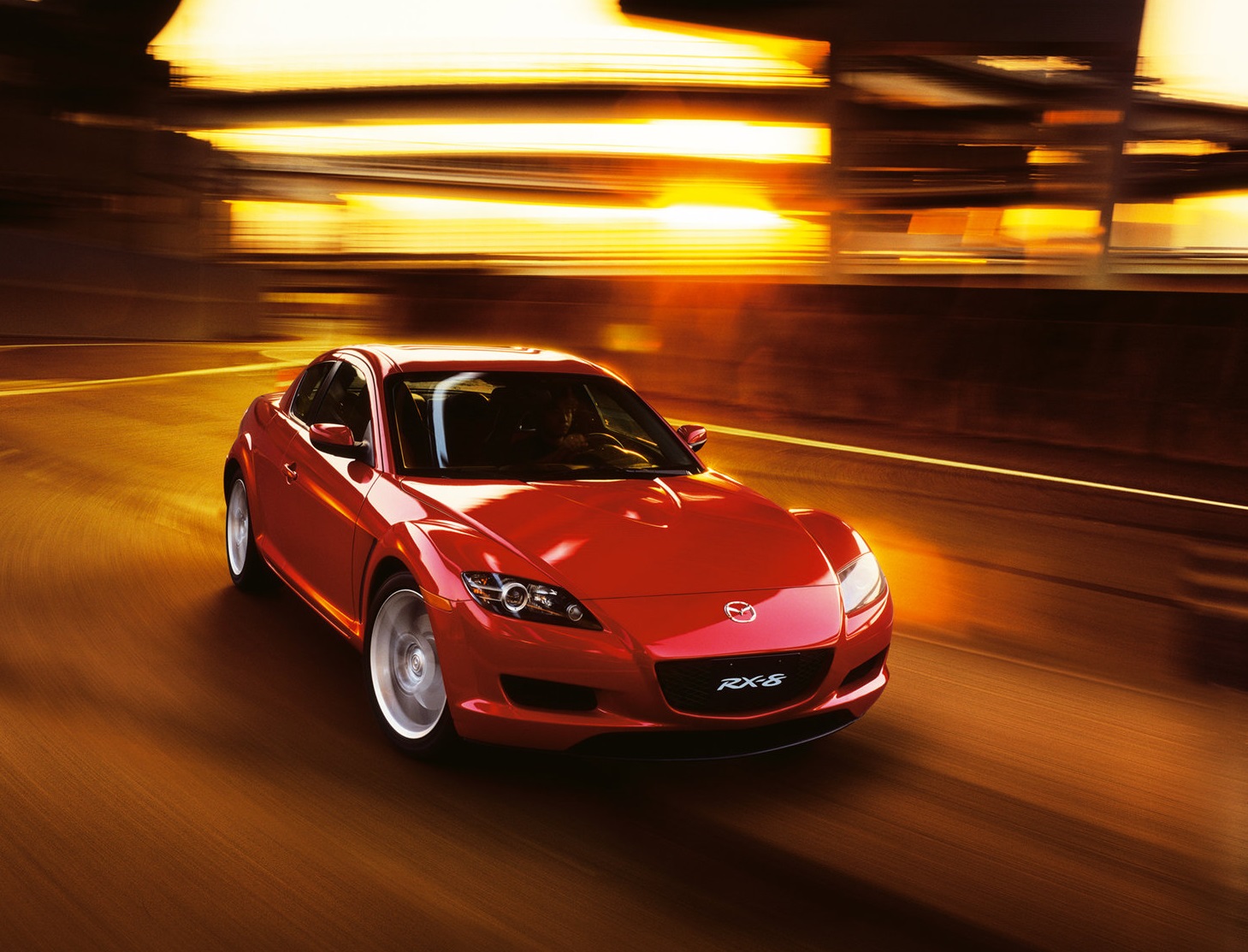
Mazda RX-8
Easily one of the quirkiest cars of its generation, the Mazda RX-8 went into production in 2003 and lasted until 2011 when tightening emissions controls led to its demise. South African availability stopped in 2009. It was the last mass-produced (relatively speaking) production car to make use of a Wankel (rotary) engine. This powerplant delivered 170 kW at a very high 8 500 rpm and 211 Nm of torque (six-speed manual model). Interestingly, a five-speed manual derivative with less power (141 kW) was also offered. Although it was never the fastest car around, its charismatic engine delivered a very unique driving experience – the way the engine would achieve its high revs while remaining silky smooth was uncanny. Pity the engine became known for high oil consumption (so check carefully). Besides the engine, the RX-8 also offered plenty of design appeal – it offered stunning looks and a quirky “suicide-door” arrangement, while inside, the cabin was well-made and stocked with features. A (very) underrated, future classic… Current pricing: R95 000 – R130 000 (full mechanical check-up advised)
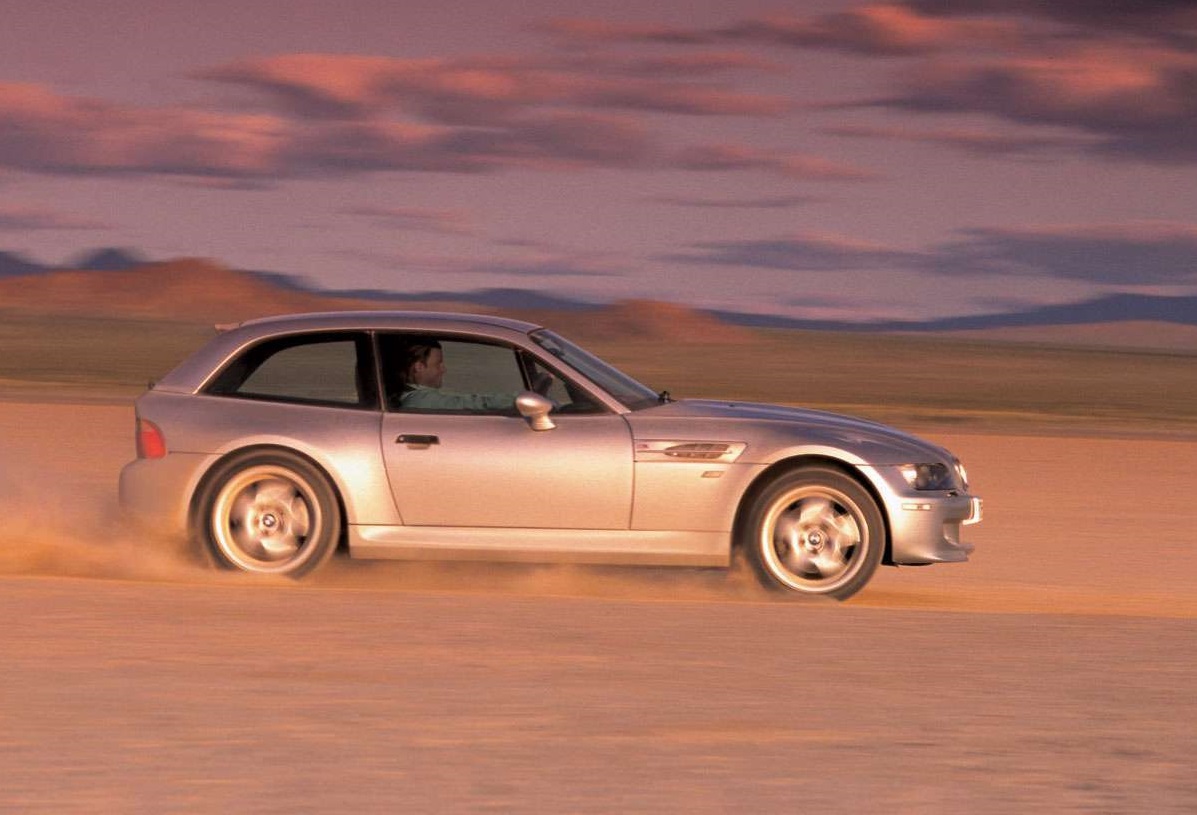
BMW M Coupe
The awkwardly styled BMW M Coupe had an interesting development history – it was never officially “planned” to happen, but a dedicated team of engineers pushed for its production. The big advantage of the fixed-roof, “shooting brake” design was torsional rigidity (it was nearly three times as stiff as the Z3 roadster, on which it was based). Powering this hot-rod was the straight-six from the M3, a 3.2-litre producing 236 kW and 350 Nm of torque. The five-speed manual, rear-wheel drive M Coupe could sprint to 100 kph in well under six seconds and it delivered thrilling dynamics and an engine sound to match. A significant number of South African models featured an AC Schnitzer kit that included suspension and exhaust upgrades, in addition to some trim and design changes. Ultimately, it’s the unique look and rarity of the M Coupe that makes it a sure bet for future classic status. Current pricing: R150 000 – R170 000
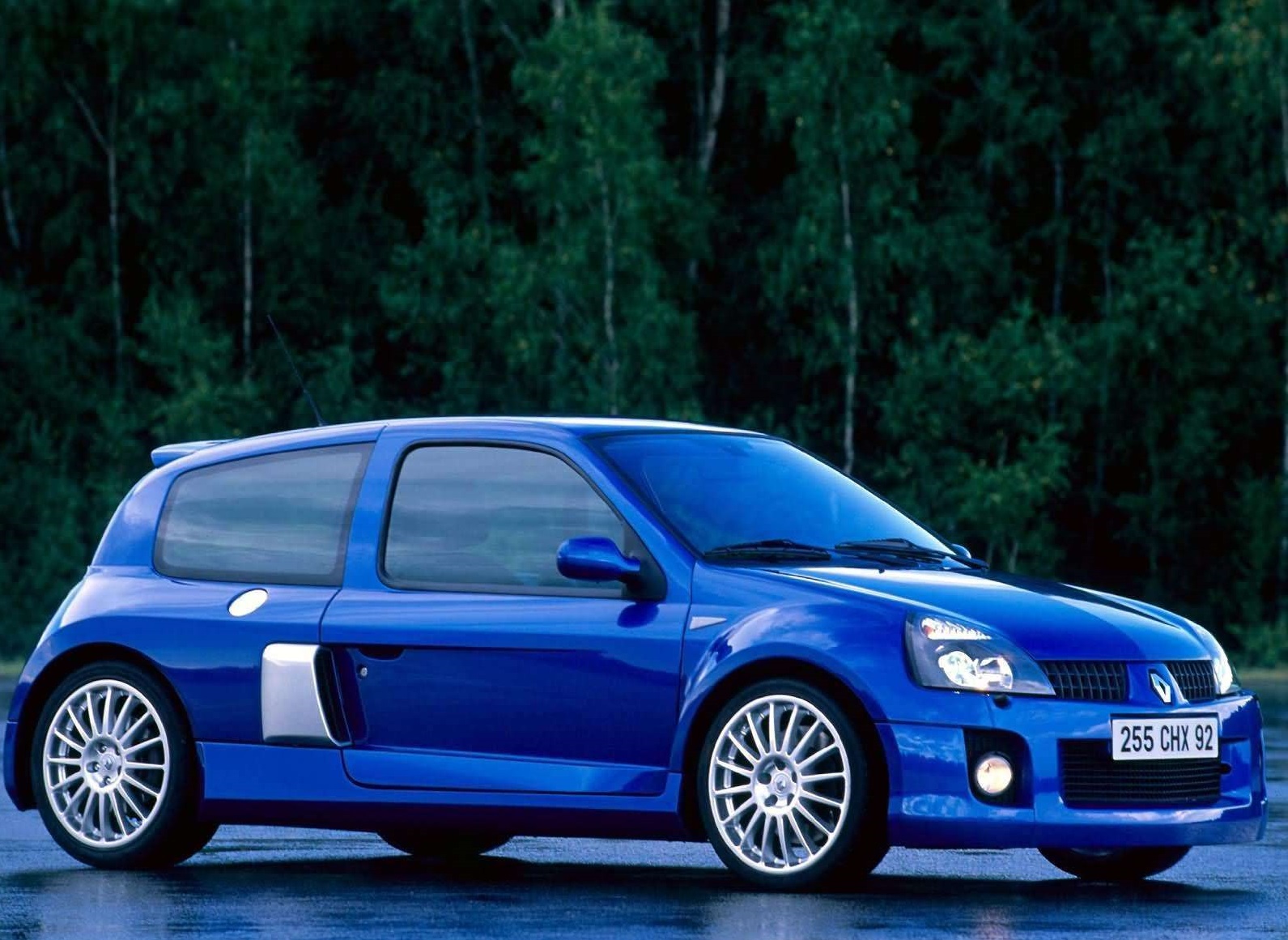
Renault Clio V6
Now for something different… Introduced in 2001, the first-generation Renault Clio V6 boasted a mid-mounted V6 engine that punched out 166 kW and 300 Nm of torque. The main attraction, however, is its outrageous styling – its wide rear track and massive side air intakes, as well as large exhaust outlets, endow the Clio V6 with instant street cred. Later, in 2005, a Phase 2 model was launched with sharpened up styling and an even more powerful engine (187 kW). This time it was built by RenaultSport in Dieppe, but Porsche helped with its fine-tuning as well. Very few of these cars were sold in South Africa – at the time a R360 000 sticker price for a Renault was hard to swallow, as the brand went through troubled times. The Clio V6 can be bought with relative peace of mind, however, as it was essentially hand-built by performance car experts. Current pricing: R200 000 – R250 000 (very rare)
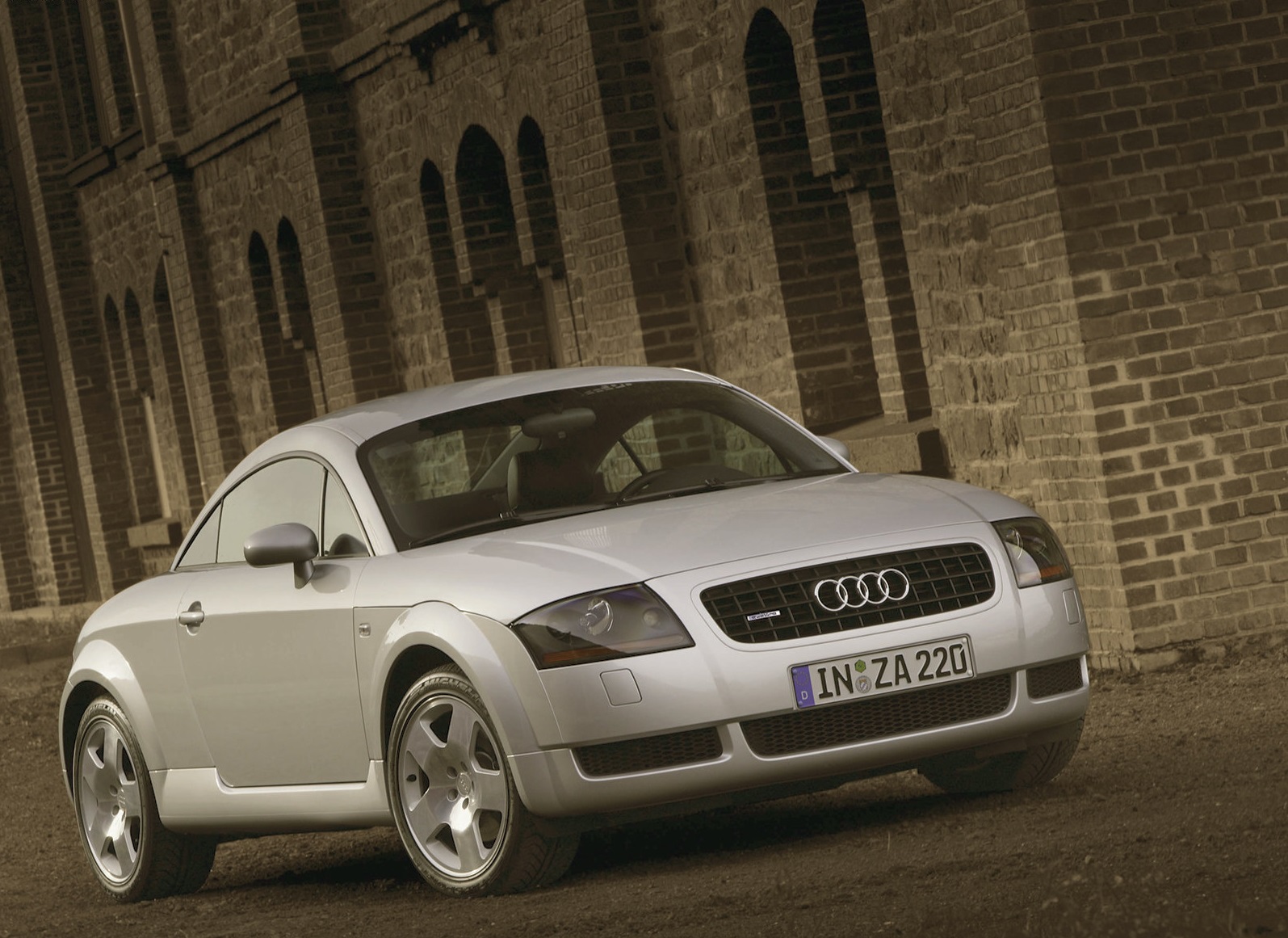
Audi TT Coupe
One of the prerequisites to attain true collectable status is, of course, rarity. So what is the first-generation Audi TT doing on this list, you may ask? After all, it sold in relatively large numbers for such a sporty car. Well yes, but that very over-supply has pushed down prices, making them affordable to folks who can’t really afford to maintain them. Consequently, clean, well-cared for examples are getting rarer. Now add the fact that the Audi TT was a design revolution when it first arrived, and that it was a very important car in the evolution of Audi as a brand, and its importance becomes clearer. Various models were offered in South Africa, but for us the true icon remains the original, the 1.8T Quattro Coupe that was launched in 2002. With 165 kW and 280 Nm torque, the all-wheel drive TT provided ample thrills. Currently, it represents great value. Current pricing: R80 000 – R120 000
Mercedes-Benz Bakkie to Become a Reality
*pictured is the Mercedes-Benz G63 AMG 6×6*
Here’s some very interesting news. Mercedes-Benz has announced it will be expanding its product range into different segments. What exactly does this mean? Essentially, you’re looking at a Mercedes-Benz bakkie within the next few years.
Mercedes-Benz Bakkie Details
“The Mercedes-Benz pickup will contribute nicely to our global growth targets,” says Dr. Dieter Zetsche, Chairman of the Board of Management Daimler AG and Head of Mercedes-Benz Cars Division. “We will enter this segment with our distinctive brand identity and all of the vehicle attributes that are typical of the brand with regard to safety, comfort, powertrains, and value.”
Volker Mornhinweg, Head of Mercedes-Benz Vans, adds: “As part of our ‘Mercedes-Benz Vans goes global’ strategy, the pickup is the ideal vehicle for the international expansion of our product range with a newly developed model.”
This new Mercedes-Benz pickup will aimed at the markets of South Africa, Latin America, Australia, and Europe – all of which are showing great growth in this segment. Yes, you heard right. South Africa will be receiving the Mercedes-Benz Bakkie and Mercedes-Benz SA has already commented. “This is a really exciting time for Vans. This will give Mercedes-Benz Vans the opportunity to reach a whole new customer in an entirely new segment. For Mercedes-Benz South Africa this gives us the ability to offer the customer the entire spectrum of products to suit not only their business needs but also cater for their lifestyle requirements – from a car, van, truck, bus and now the pickup.” says Nicolette Lambrechts, Vice-President Mercedes-Benz Vans South Africa.
And now the speculation starts. What will this Mercedes-Benz bakkie be called? Does Mercedes-Benz have any letters left?
Volkswagen up! vs Polo Vivo – Which Is Better? (Video)
Volkswagen is very good at making small cars. But it has never made a car this small, at least not in the modern era of safety regulations. And so when they turned their attention to a segment of the market termed A00 (which translates to very, very, very small) it was probably going to be decent.
The up! has a silly name which is very hard to explain to people over the phone. But its build quality and quality of ride is anything but silly. It has a solidity which is very rare, if not unique at this end of the market, and is as happy cruising on highways as it is darting through city traffic, which is remarkable.
But it has one big problem, and it also comes with a VW badge on the nose. It is the most popular passenger vehicle in South Africa. It is a five-door hatchback which offers all the practicality and space of its rivals, but at a lower price. It is the Polo Vivo and it is dull.
Yes, South Africans love the Vivo. We buy over 3 000 a month of these cars , but the game has moved on, and I truly feel that the up! is a better car.
But is it better value for money? Do the facts back up my opinion? Well, we made this video to answer that question: VW Polo Vivo vs VW up! which should you buy?
To watch our up! feature video, where Ciro introduced the up! to a Cape Town secret, and took a bit too much inspiration from a certain Disney movie, click here.
Volkswagen up! vs Polo Vivo Video
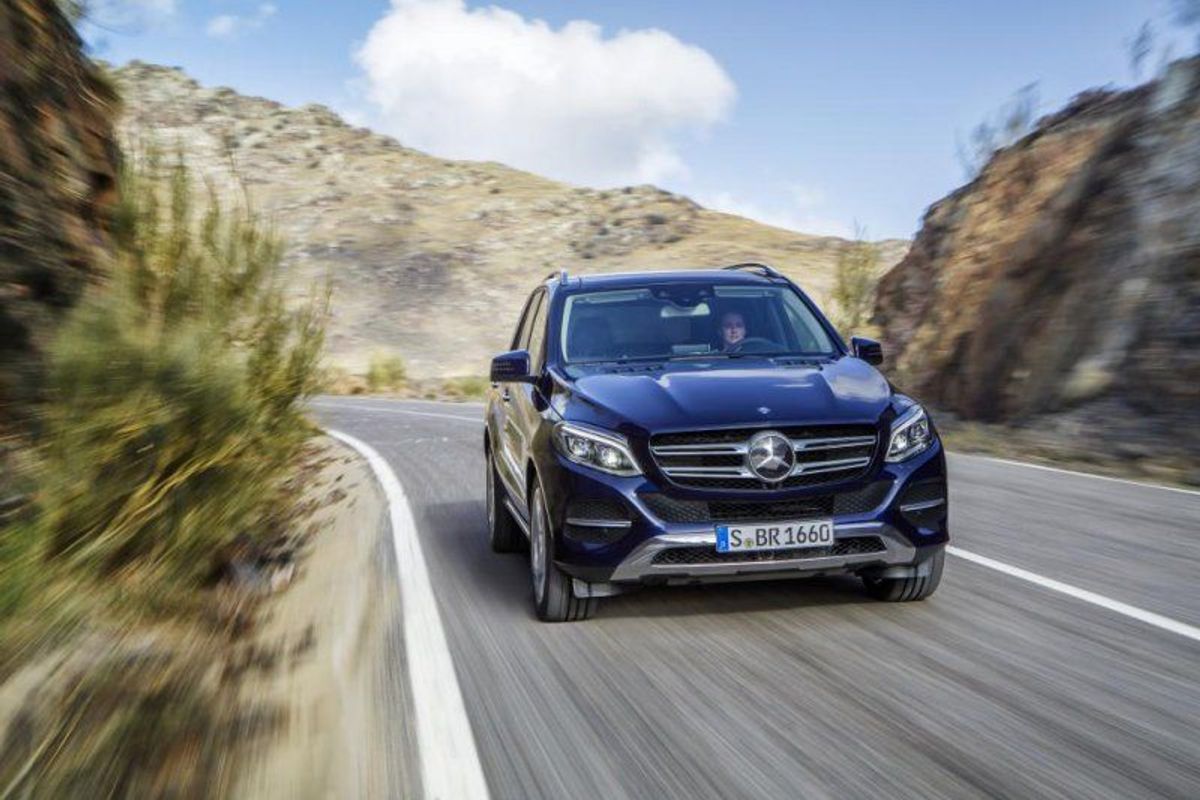
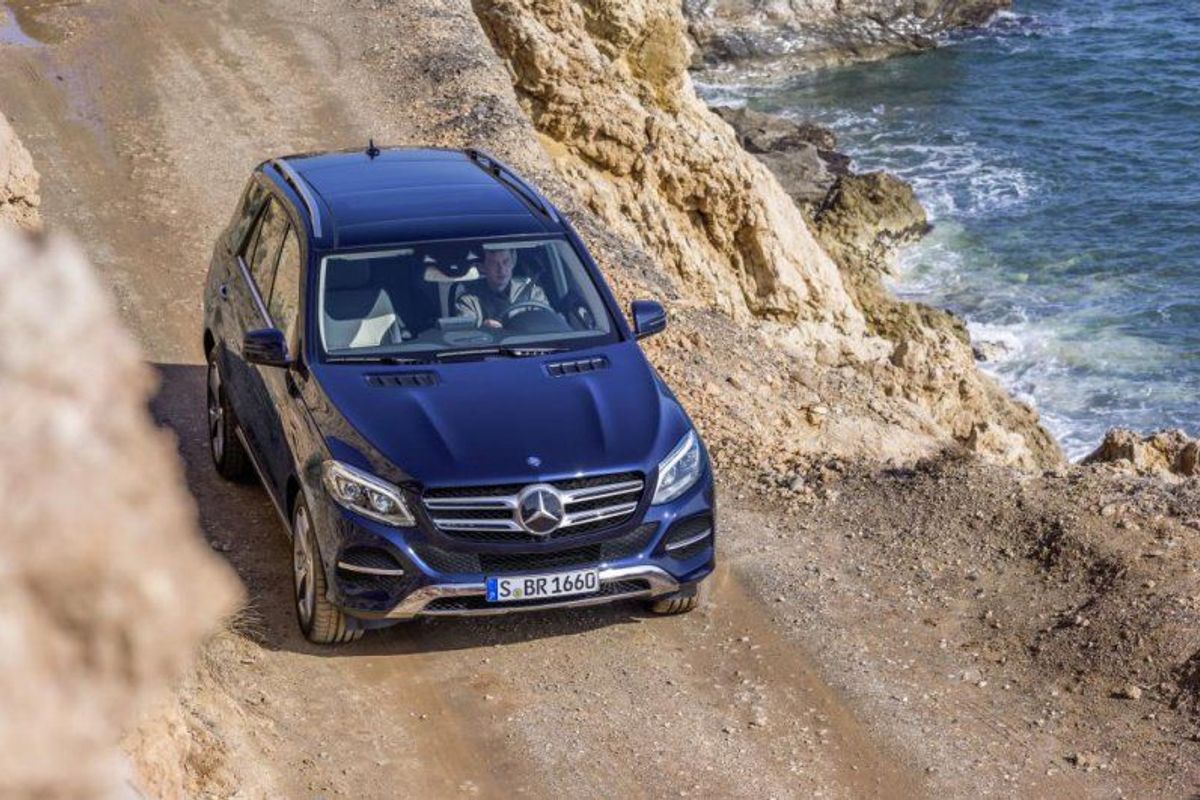
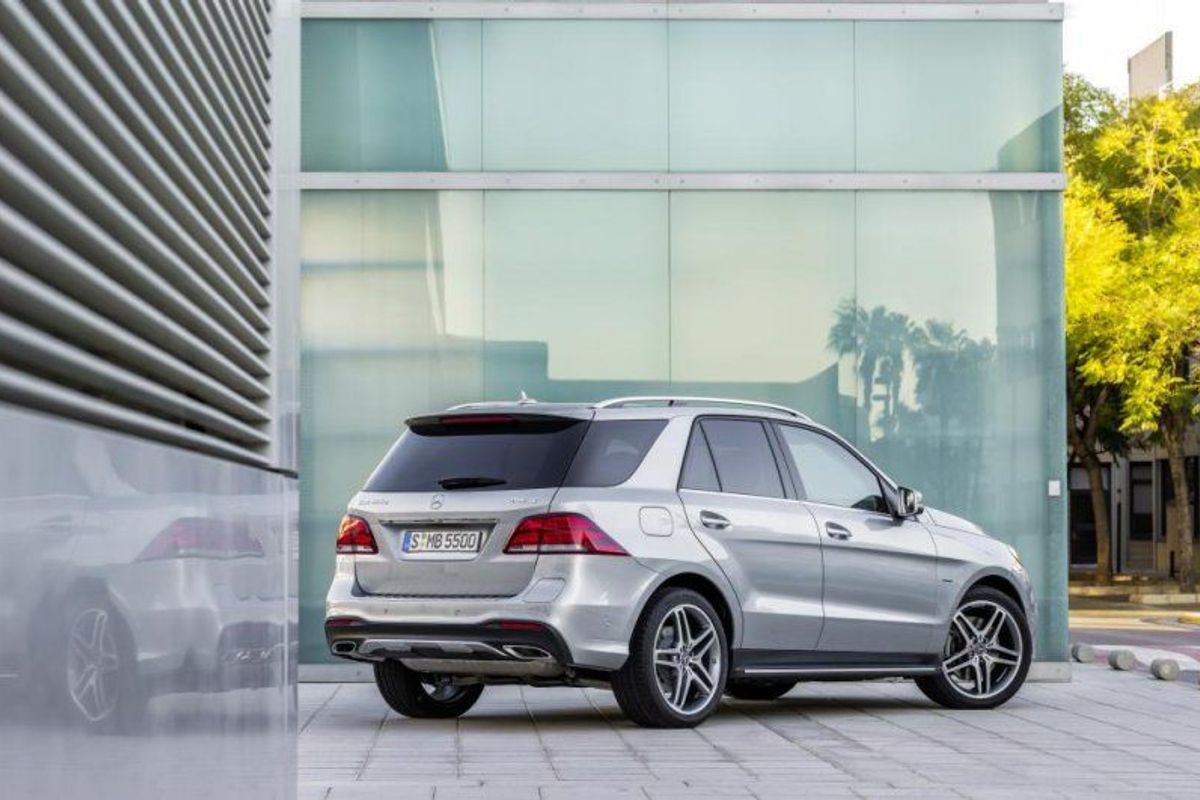
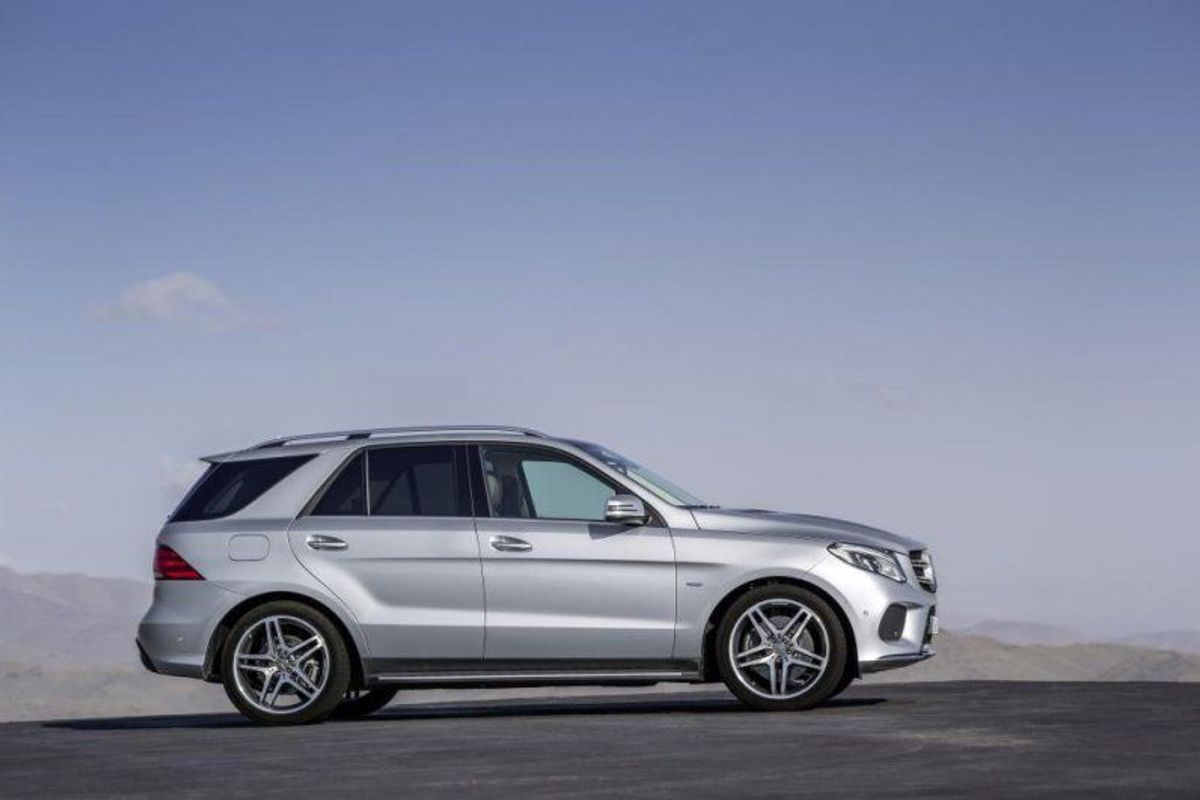
Mercedes-Benz GLE debuts as new M-Class
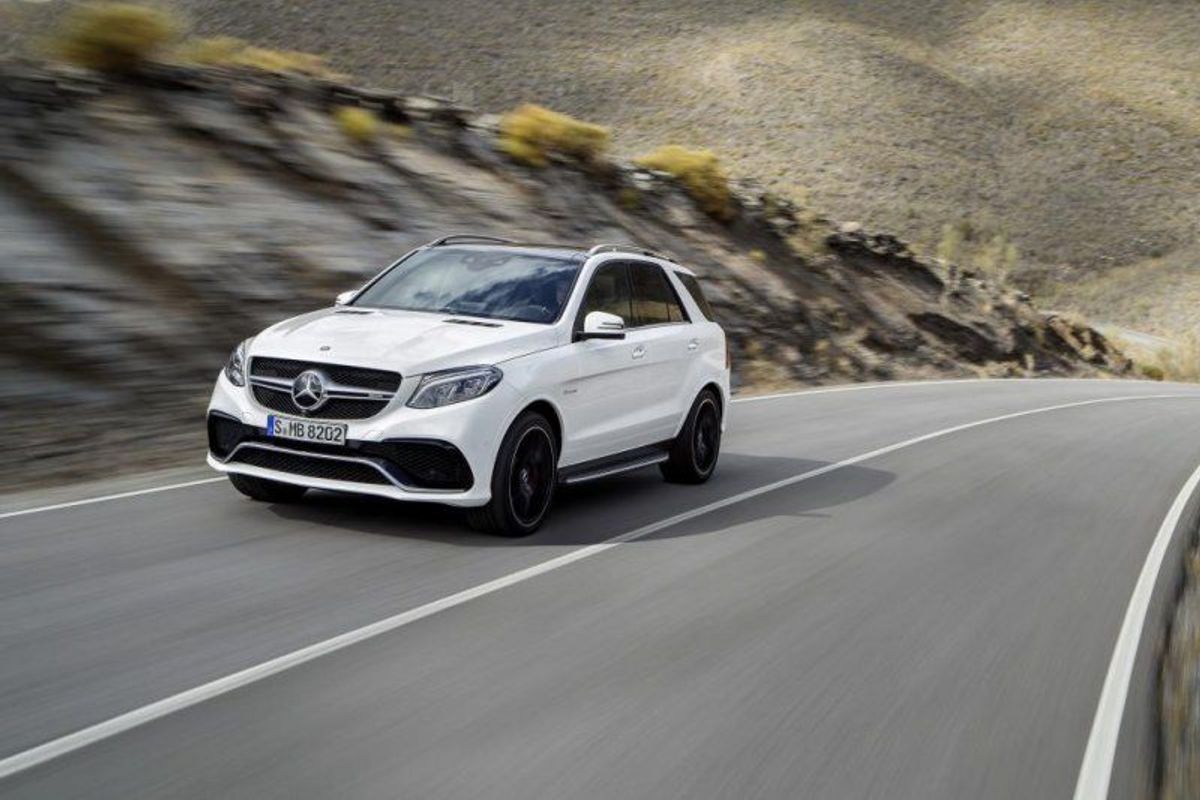
Mercedes-Benz took the wraps of its newly-developed GLE. The GLE is essentially just the new name for the facelifted M-Class. Alongside the standard models, Merc has revealed its AMG derivatives as well that include an AMG GLE 63 4MATIC and an AMG GLE 63 S 4MATIC.
Minor change for GLE exterior
The biggest change on the GLE appears to be the name change as the rest of the addition are hardly discernible. The standard trim and tuck on the front end has been applied as has a new set of headlights. The rear has also had some light restructuring with different exhaust pipes and LED taillights installed.
Plenty engines
There is plenty of choice when it comes to engines with Merc throwing a mix of diesel, petrol and AMG twin-turbo V8 tech at the range. Diesel offerings include a 2.1-Litre four-cylinder with 150 kW and 480 Nm. The bigger diesel is the 2.0-Litre V6 with 190 kW and 620 Nm. Petrol versions are all turbocharged and starts off with the 3.0-Litre V6 with 245 kW and 480 Nm. Before hitting AMG moddels you can get a 4.7-Litre V8 with a huge 320 kW and 700 Nm. The AMG models whack out insane power with the standard AMG knocking out 410 kW and 700 Nm. That means the SUV will sprint to 100kph in a silly 4.3 seconds. Add the S badging to the AMG model and you get more power, it racks up 430 kW and 760 Nm but only gets to 100kp a tenth quicker (4.2 seconds) than the standard AMG.
Mercedes will also offer the GLE in a plug-in hybrid model. The drive system components comprise a V6 direct-injection petrol engine with 245 kW and a hybrid module with 85 kW of electric power. The system peak torque is a 650 Nm. The system also offers all-electric driving at speeds up to 130kph.
All the latest tech
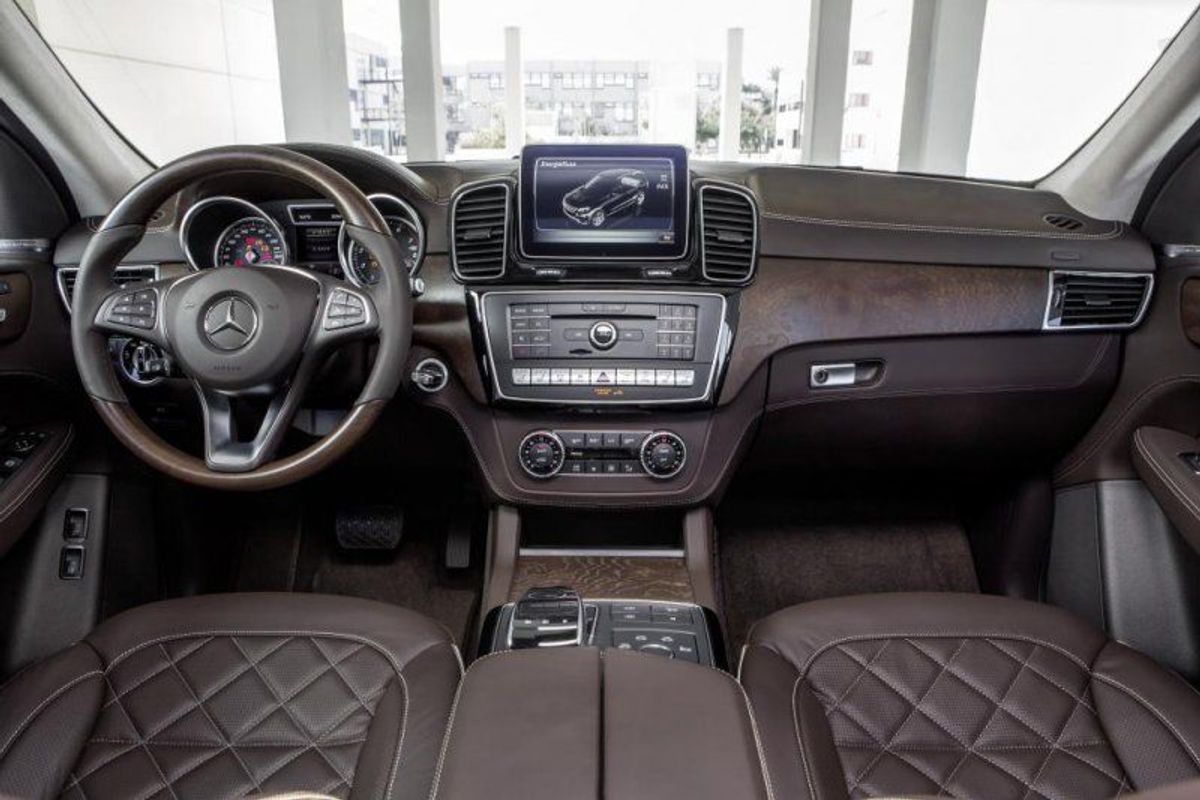
As an option, the latest generation of COMAND Online offers infotainment with an 8-inch display and touchpad. The system comprises, among other things, a DVD player and traffic sign recognition including wrong-way warning function. Customers can supplement COMAND Online with a 6-disc DVD changer. Also available are sound systems from Harman Kardon or Bang & Olufsen.
This equipment level can be upgraded further. The Driving Assistance package Plus includes DISTRONIC PLUS with Steering Assist and Stop&Go Pilot, PRE-SAFE Brake with pedestrian protection, BAS PLUS with Cross-Traffic Assist, Active Blind Spot Assist, Active Lane Keeping Assist and PRE-SAFE PLUS.
With the Comfort package, the equipment is enhanced with the automatic EASY-PACK liftgate, the soft and automatic power closing of all doors and a reversing camera. The Parking package with 360° camera and Active Parking Assist with PARKTRONIC allows an overview and problem-free manoeuvring into and out of parking spaces. Night-time vision is improved by the LED Intelligent Light System which is available for all models.
We can probably expect this new Mercedes Benz to reach our shores in 2016.
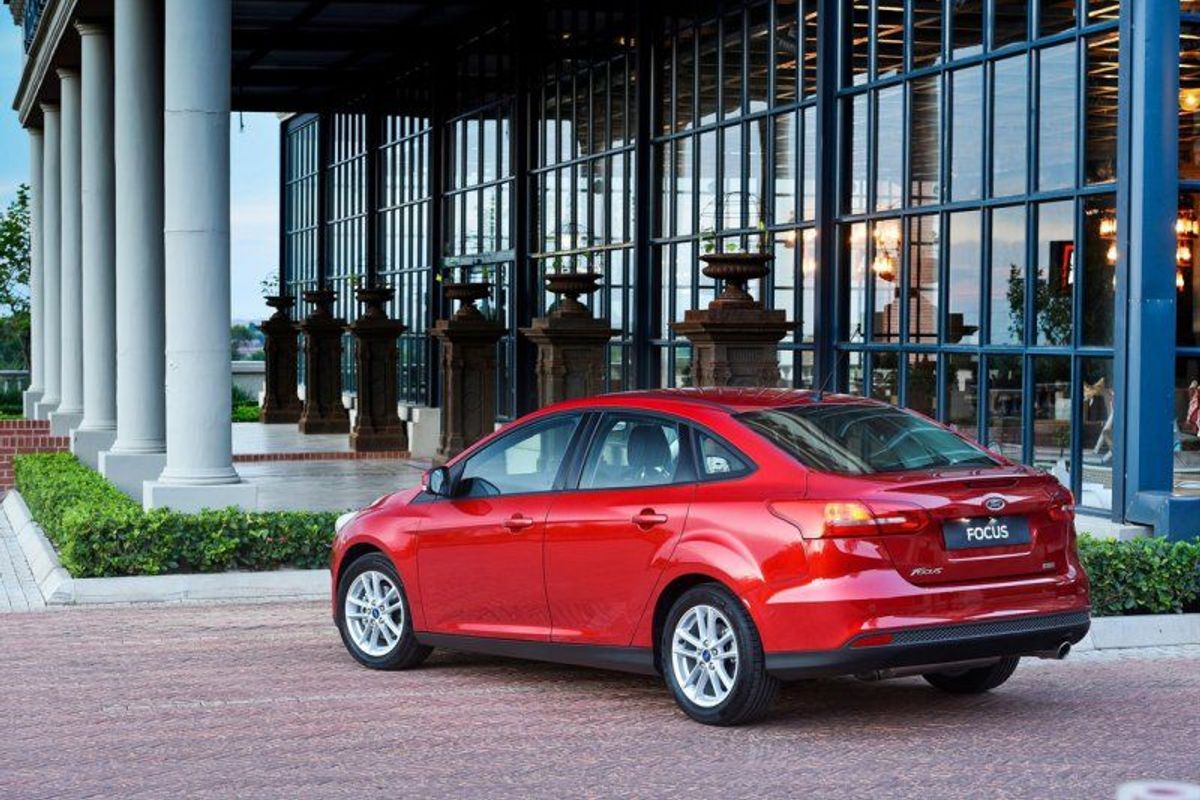
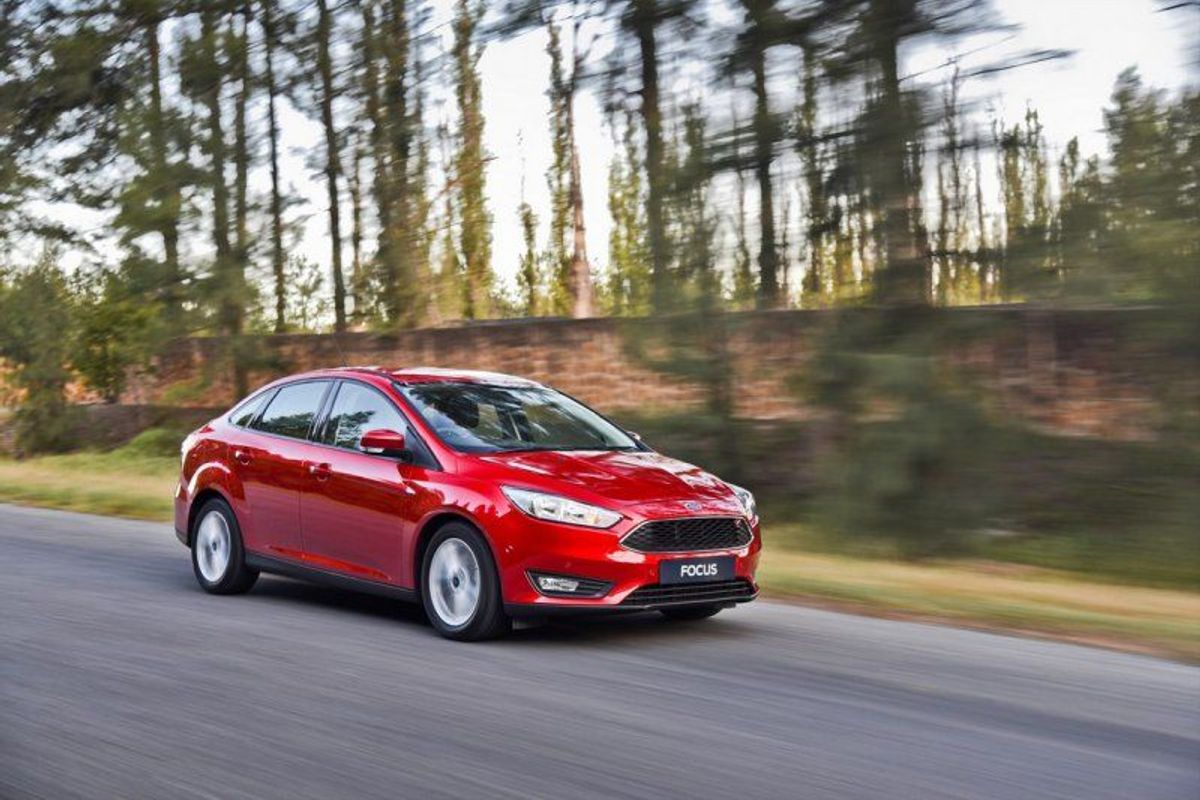
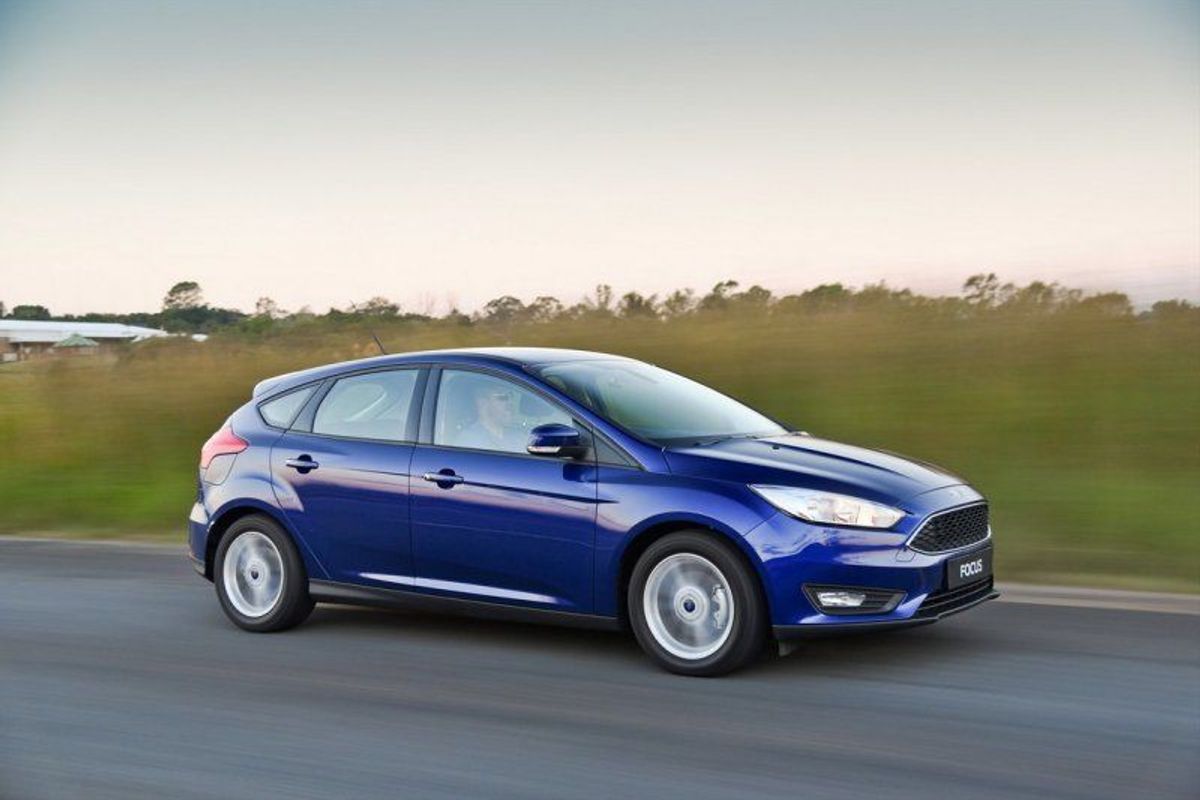
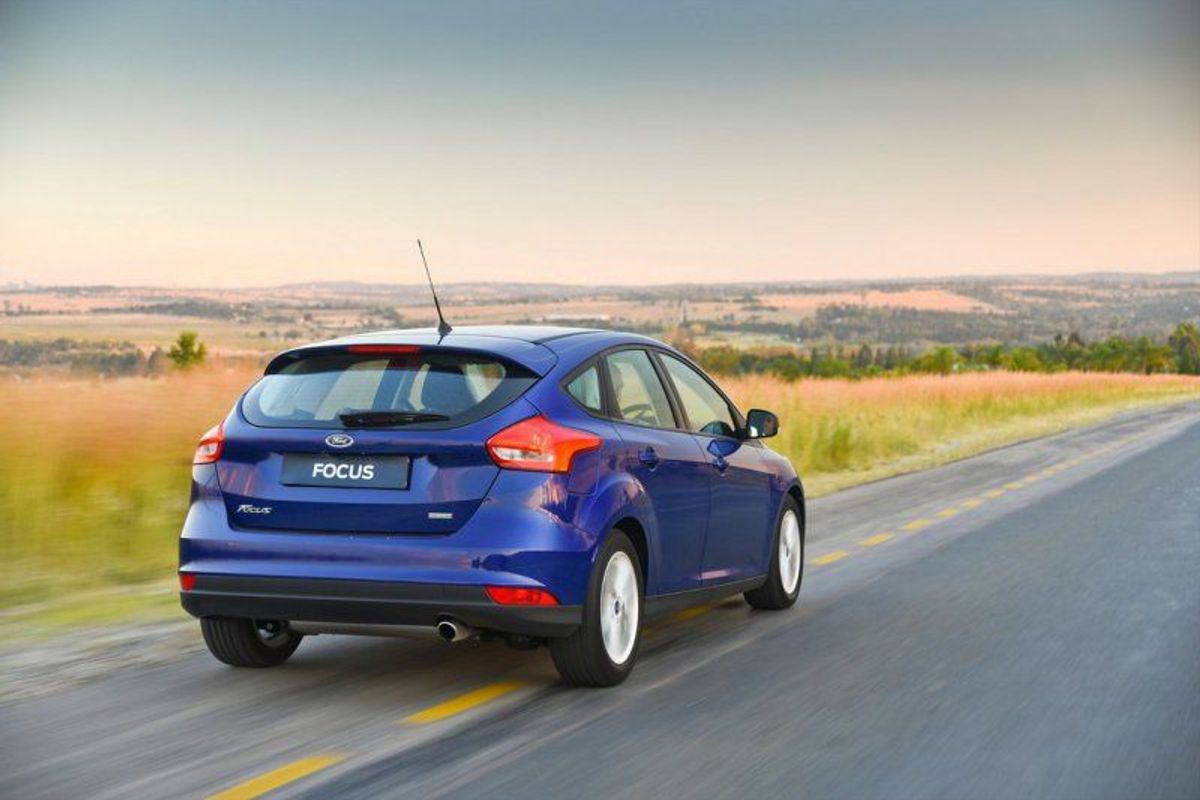
Ford Focus (2015) First Drive
Globally the Ford Focus is the best-selling car, but locally sales have been on the decline as models like the new Toyota Corolla and Volkswagen Golf have proved more enticing options for buyers. This facelifted version of the Focus feels more like an entirely new car than just a facelift and with its all-new engine lineup, it hopes to claw back up the sales table.
Whats new?
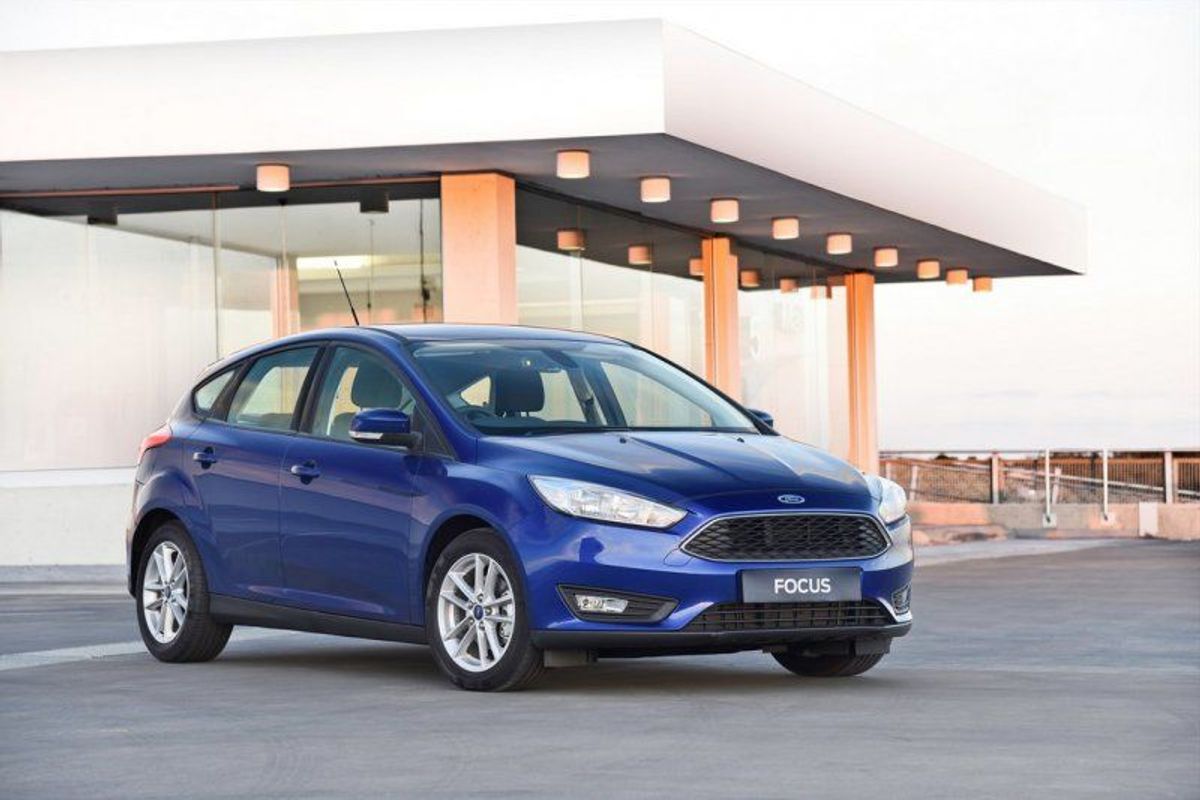
The front end of the Focus has been moulded to look more like the newer models with the grille being the prominent feature. Its slightly smaller than the Fusion and a bit bigger than the Fiesta to the eye. The interior has come in for a makeover as customer feedback pointed Ford towards a less fussy facia and radio arrangement. Ford Sync has also been implemented and that hosts the media and interactive abilities of the facelifted Focus. Self-parking is now also an option you can choose from with both perpendicular and parallel parking systems available. The chassis has also been tweaked to improve the dynamics and ride quality along with a stiffer front end.
New Ecoboost Engines
Ford has shown with the Fusion that its 1.5-Litre Ecoboost petrol turbo motor is capable of powering a large car just fine. Its now the turn of the 1.0-Litre Ecoboost motor to do the same as the tiny turbo petrol is the entry-level model for the Focus. Power and torque is the same as it is in the Fiesta at 92 kW and 170 Nm. It handles the Focus pretty well and is only found struggling at the high end of the rev range when it runs out of puff. In the lower everyday range – it copes perfectly and delivers a good boost of torque low down.
The second engine is the 1.5-Litre Ecoboost from the Fusion, its the one Id probably choose too, with 132 kW and 240 Nm its got plenty of power and push to give. This engine/car combo works well as it cruises brilliantly at freeway speeds at nothing more than 2500rpm and then gives good acceleration all the way through the rev range. Fuel economy is claimed at 5.5L/100km which, isnt too far off the 1.0-Litres claimed 5.0L/100km.
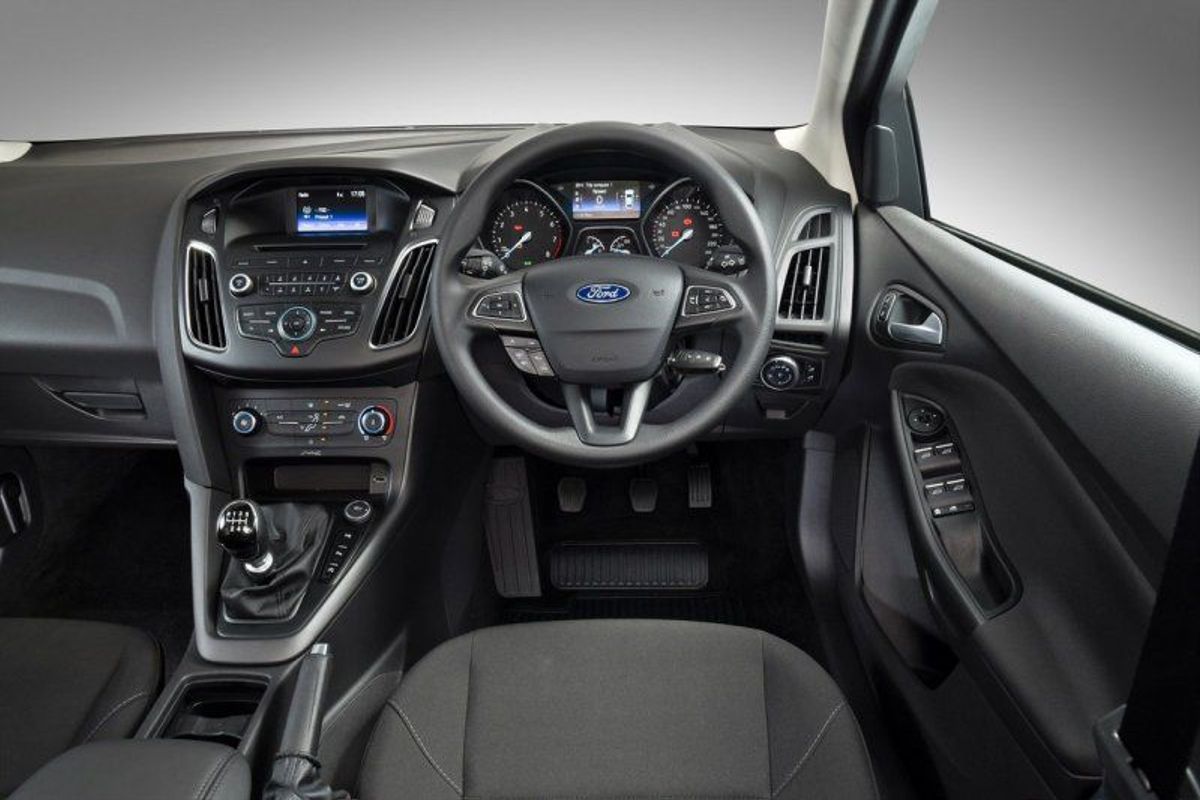
Interior Update
The insides of the Focus have been fettled with extensively and the dashboard and radio is a bit more conventional from the previous model. That particular system had buttons just about everywhere and was a bit daunting to use. Active safety has been plugged into the Focus now as an optional pack that allows you to have crash mitigating systems like cross traffic alert that will alert you to a car coming as you exit a parking spot, Active City Stop preloads the brakes if it detects that you may be about to crash into something and Ford My Key that allows you to programme a second key with limitations to use. For example you could set a speed limit for drivers using the second key or disable the car entirely if seatbelts are not strapped on.
Ride and Drive
Upgrades to the suspension and front end of the Focus have made a huge difference to the ride comfort and quality. On the bumpy roads around Port Elizabeth the Focus performed really well, gliding over bumps with ease. The suspension soaks up all the harshness without making the ride feel wafty, its probably the most impressive part to the new Focus. Dynamically it’s quite good too, the front end is agile and quick to turn in while the steering feel is a little on the light side, but has good weighting.
Ford Focus Aggressive Pricing
Keen-eyed price watchers may have already noticed that a 1.0-Litre Fiesta is now more expensive than a 1.0-Litre Focus. Ford says they will be adjusting Fiestas pricing soon to take this into account. The Focus is priced extremely keenly at R212 900 for a 1.0 Ambiente. The 1.5-Litre starts at R279 900. In comparison to direct hatch rivals like the VW Golf and Hyundai i30 it looks like a good prospect.
The new BMW 2-Series Convertible takes over from the 1-Series Cabriolet of old in line with BMWs new naming convention. In the conversion from 2-Series Coupe to 2-Series Convertible the Bimmer has lost none of its athletic capabilities. It is just as fun and dynamically talented on the winding roads which every convertible owner dreams of.
Line Up
There are three models to choose from in the BMW 2-Series Convertible lineup and theyre all petrol models. You can get a BMW 2-Series Convertible in 220i guise with a 2-litre turbo capable of 135 kW and 270 Nm. The middle model is the 228i which ups the boost on the 2-litre turbo to 180 kW and 350 Nm. The top of the range sporty model is the 235i Convertible that makes use of the twin-turbo 3-litre straight-six to develop 240 kW and 450 Nm. Excitingly, all derivatives are available with a manual box with the option of either an eight-speed auto or eight-speed sports auto.
On the winding Cape Winelands roads with the top down the appeal of convertible driving is unmatched. Youre enticed to push on and give the 2-Series some work to do as you swallow up corner after corner. The BMW 2-Series Convertible remains dynamically talented, lying flat in the corners and offering up loads of grip and chassis feedback. It feels confidence inspiring and extremely fun to push on in, and it really puts a smile on your face as you come to the end of a journey.
The cloth roof claims to close in just 20 seconds and driving along at freeway speeds there are a few small air leaks that cause a bit of cabin noise, but the windshield and side windows feel strongly built. BMW chose the cloth folding roof for the 2-Series in order to save on things like weight and cost, over the more aesthetically pleasing metal folding roof. The weight saving alone is around 100kg and the space saved means you get a bit more luggage room in the rear with 335-Litres with the roof up and 280 with the roof down.
BMW 2-Series Convertible Price in South Africa
BMW 220i 6-speed manual R486 500 BMW 220i 8-speed automatic R504 500 BMW 220i 8-speed sports auto R506 600 BMW 228i 6-speed manual R525 000 BMW 228i 8-speed automatic R543 000 BMW 228i 8-speed sports auto R545 100 BMW M235i MSport 6-speed manual R643 500 BMW M235i MSport 8-speed sports auto R663 600
BMW X5 M & X6 M (2015) First Drive
If youre a keen follower of local car launches you may have noticed that BMW has been particularly busy over the first few months of 2015. Weve already seen them launch the X6 and their two electric specials, the i3 and i8. Added to that growing list is the X5 M, X6 M and the 2-Series Cabriolet which, we spent the day driving around the Western Cape.
BMW X5 M & X6 M
Those of you who crave extremism in your road-going SUV will be over the moon with BMWs second attempt at going full M at the X5 and X6. Its incredibly powerful at 423 kW with 750 Nm of torque, thats nearly 20 kW and 70 Nm more than the predecessor. The twin-turbo 4.4-Litre V8 is also 20% more efficient than before, but will still drink around 11.1L/100km. Zero to 100kph takes just 4.2 seconds and the speed limiter will stop you at 250kph.
Its absolutely savage to be able to go this fast in an SUV, the brutal acceleration is enhanced by the high driving position that exaggerates the feeling of speed and G-forces. Both X5 M and X6 M are fitted with xDrive BMWs all-wheel drive system that allows it to send power forwards and backwards. It can send 100% of the power to either the front wheels or rear wheels if it deems it necessary. In the X5 M and X6 M the power has been given a rear bias to promote a more dynamic feel.
Ride Comfort
The ride is improved over the previous generation, but is still harsh, driving over anything less than a billiard table surface creates feedback into the cabin. Most of the blame can be laid squarely at the low profile tyres in combination with BMWs runflat technology. According to BMW, there’s also a standard tyre on offer that doesnt have run flat tech and I would highly recommend that just to avoid the aggravation that the constant road noise gives.
Theres not much else to complain about on an M model from BMW, its fully kitted with everything BMW has to offer from night vision mode to rear screens and multiple driving modes that can tailor the M to your exact driving needs. The special wheels pinned on the BMW X5 M and X6 M are a massive 21-inches and the bodykit on both models looks aggressive whilst also reducing the visual height of the SUV.
Which should you buy?
The obvious answer as to which model you should buy when both are identical is easy. You should buy the X5 M. Its more practical, has a two-part folding tailgate which gives you a place to sit when you go out picnicking and the X5 looks less outrageous than the X6 M. If none of those things matter to you and you like the bold and thug-like looks of the X6 M then it only costs you around R30k more.