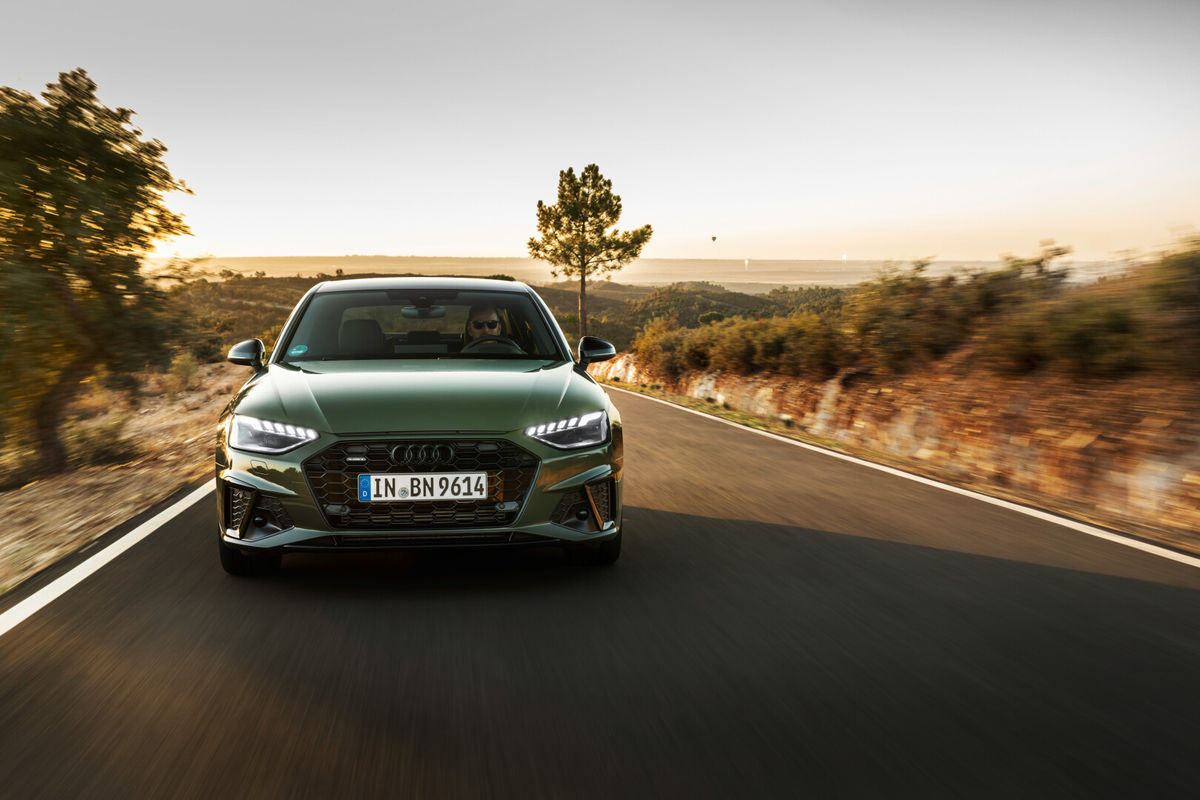
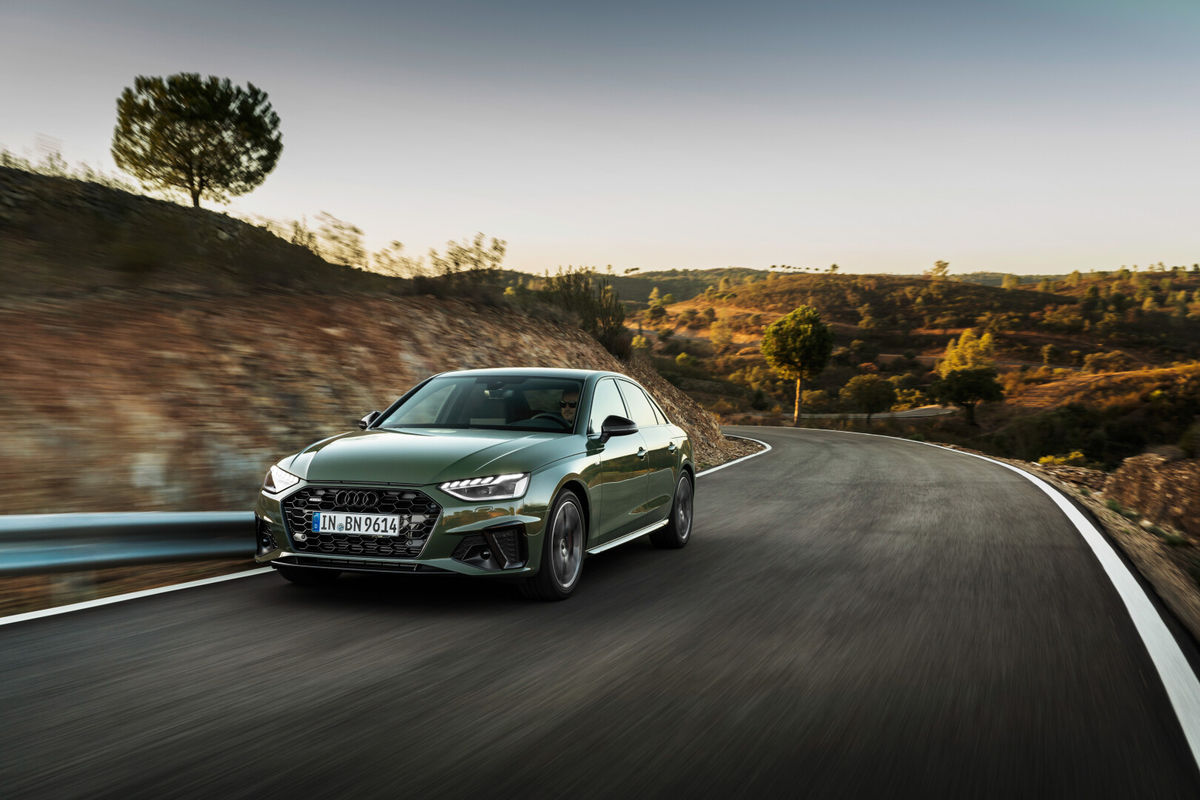
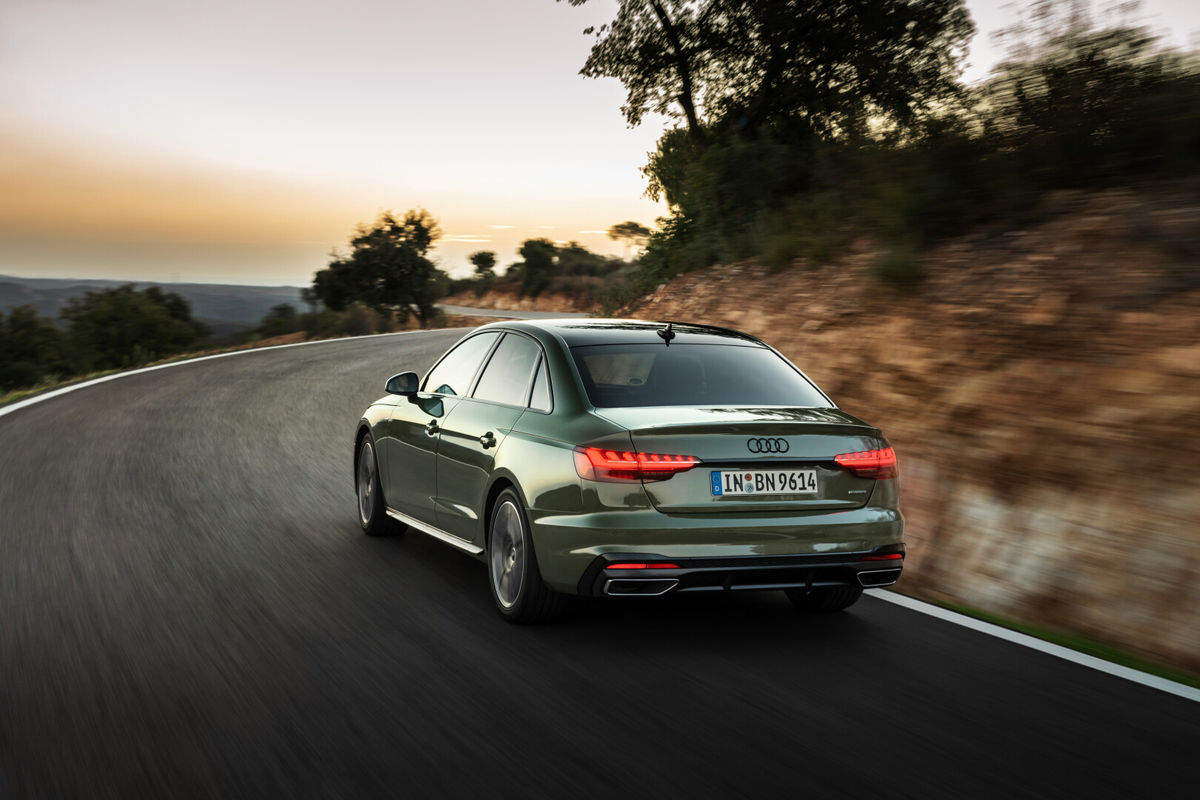
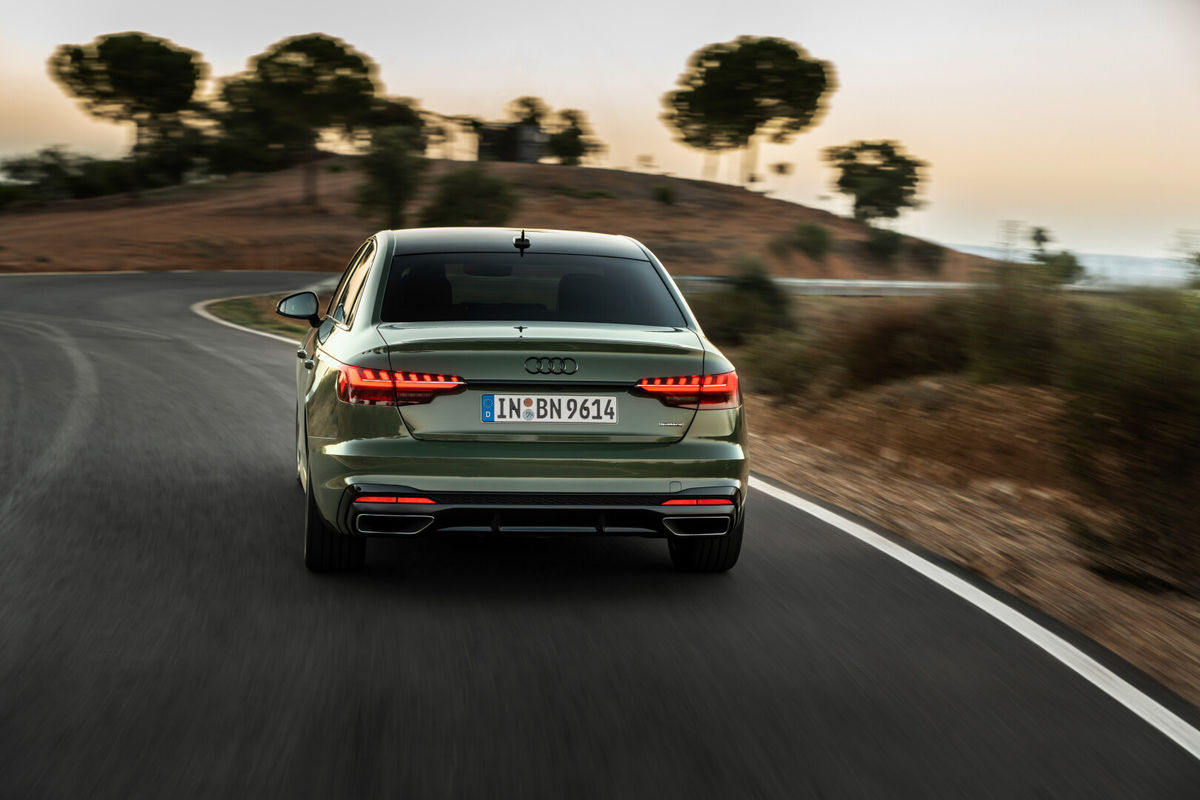
The final example of the Audi TT has rolled off the production line in Hungary, bringing down the curtain on a nameplate that has spanned 3 generations and 25 years…
The Audi TT is no more. After 25 years, 3 generations and 662 762 units, the Ingolstadt-based firm has called time on the nameplate, with the final example having rolled off the Győr production line in Hungary.
Audi’s German account on Instagram confirmed the end of the line for the TT, posting images of the very last unit to be built. Judging by the photographs, the final example is a TT S coupé.
The final TT to roll off the production line in Hungary.
As a reminder, the badge (which stands for “Tourist Trophy”) was introduced to the world at the 1995 Frankfurt Motor Show in the form of the Audi TT concept. Around 3 years later, the production version (codenamed Type 8N) was unveiled, marking the start of a run that would last a quarter of a century.
In 2006, the 2nd-generation model (Type 8J) hit the market, before the Mk3 TT (Type FV/8S) made its debut in 2014. All 3 generations of the 2-door model – offered in both coupé and roadster guises – were available in South Africa.
A sketch of the 1st-gen TT, which was designed by Peter Schreyer.
For now, the TT is still listed on the German company’s South African website, with a trio of Audi Sport derivatives on offer: the TT S coupé quattro (R912 000), the TT RS coupé quattro (R1 259 700) and the TT RS roadster quattro (R1 317 800). Of course, with production having officially ended, the nameplate will be put out to pasture here as well once local stock runs dry.
For the record, the TT S employs a turbocharged 2.0-litre, 4-cylinder petrol engine sending 228 kW and 380 Nm to all 4 wheels via a 6-speed dual-clutch transmission. The RS, meanwhile, uses Audi’s turbocharged 2.5-litre, 5-cylinder petrol mill, which delivers 294 kW and 480 Nm to all 4 corners via a 7-speed dual-clutch cog-swapper.
The TT nameplate has spanned 3 generations.
Over the opening 10 months of 2023, Audi SA registered 71 units of the TT (compared with 106 units over the entirety of 2022). January 2023 was the nameplate’s strongest month of the year thus far, with 11 examples sold.
While Audi revealed the TT Final Edition earlier in the year, the brand’s local division confirmed to Cars.co.za there were no plans to introduce this run-out model here. That said, there’s still a chance to grab one of the last units allocated to South Africa … or hit the link below to browse our selection of used models.
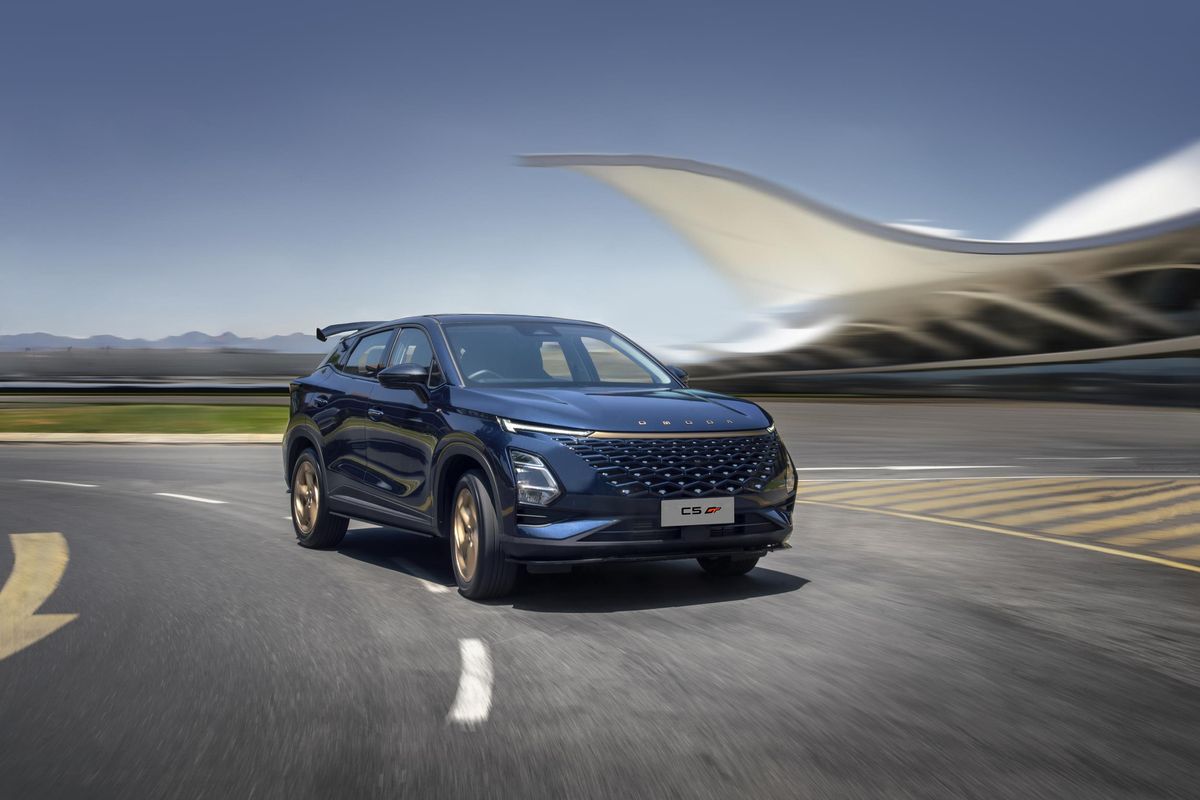
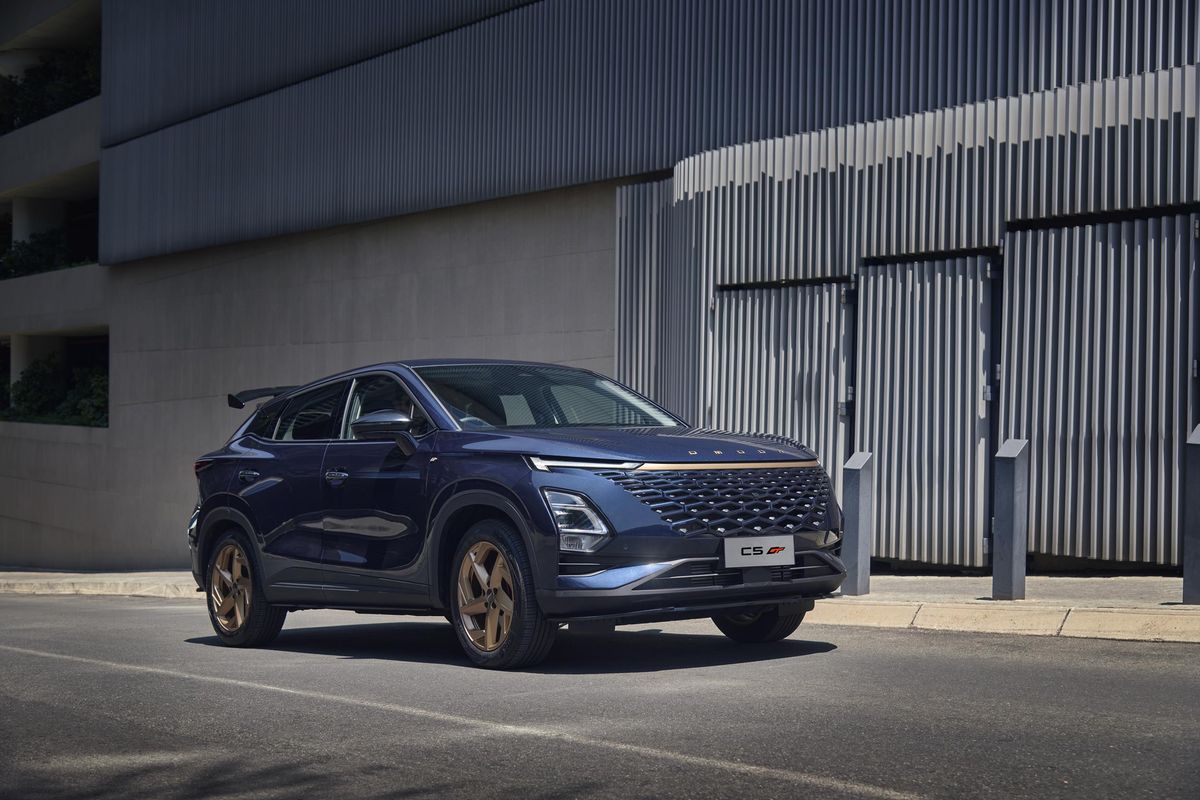
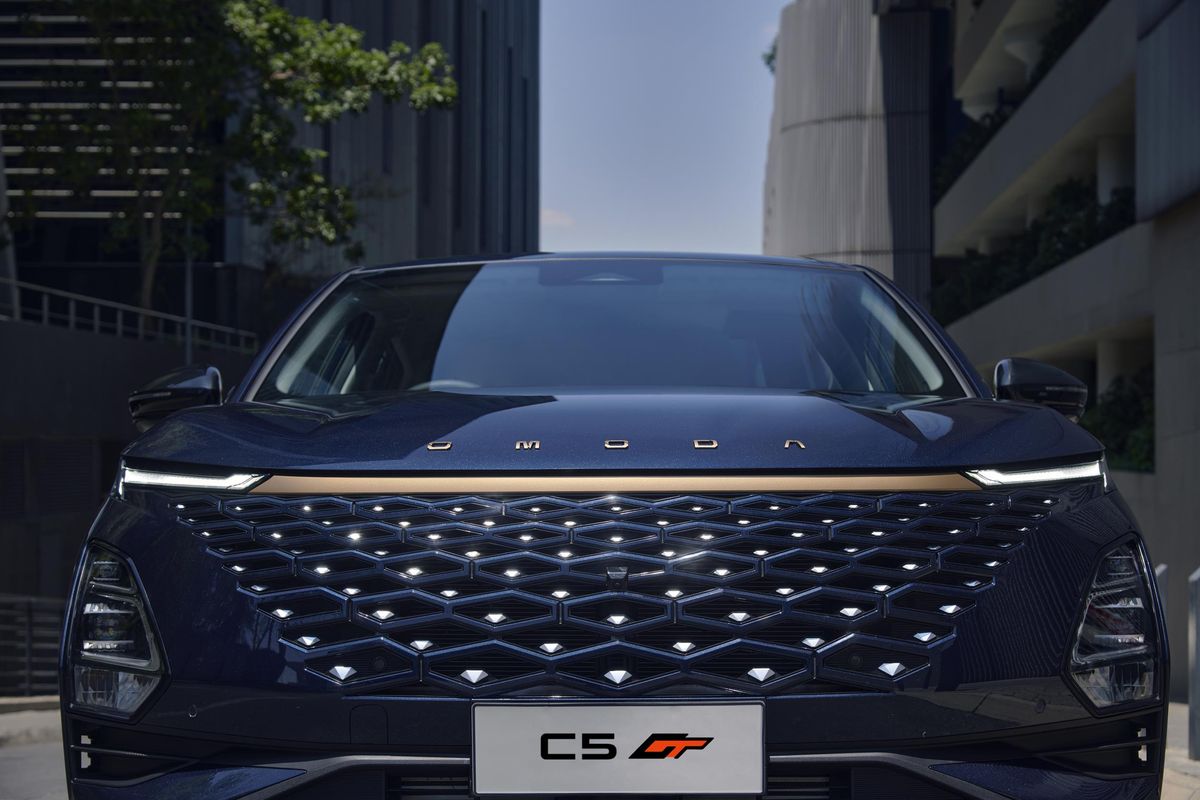
The sporty C5 GT from Chinese brand Omoda has launched in South Africa. Here are the key specifications, performance details and pricing.
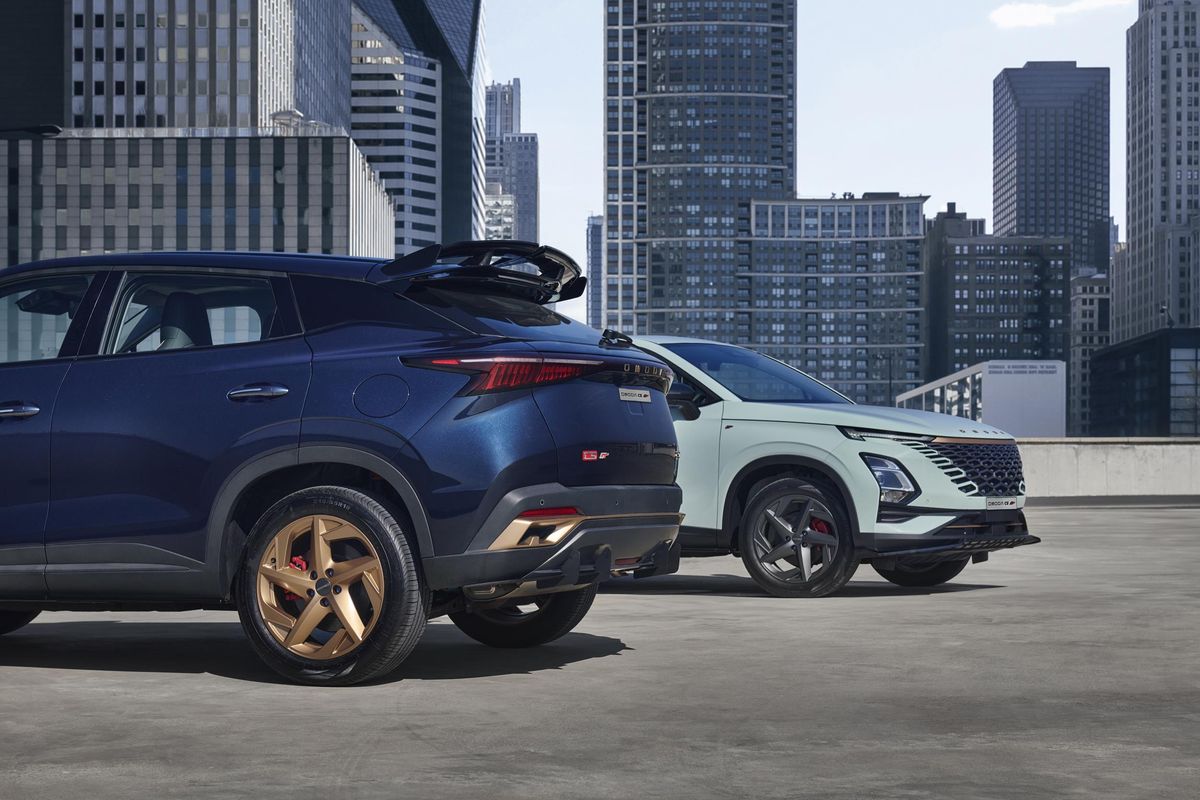
The Omoda C5 GT is the performance flagship of the range, boasting a sporty exterior look and enhanced engine performance.
Under the bonnet is a turbocharged 1.6-litre petrol engine which makes 145 kW and 290 Nm. It’s paired to a dual-clutch transmission with 7 speeds and Omoda says it can dash to 100 kph in just 7.8 seconds. Based on the WLTP cycle, this vehicle is claimed to consume 6.8 L/100 km.
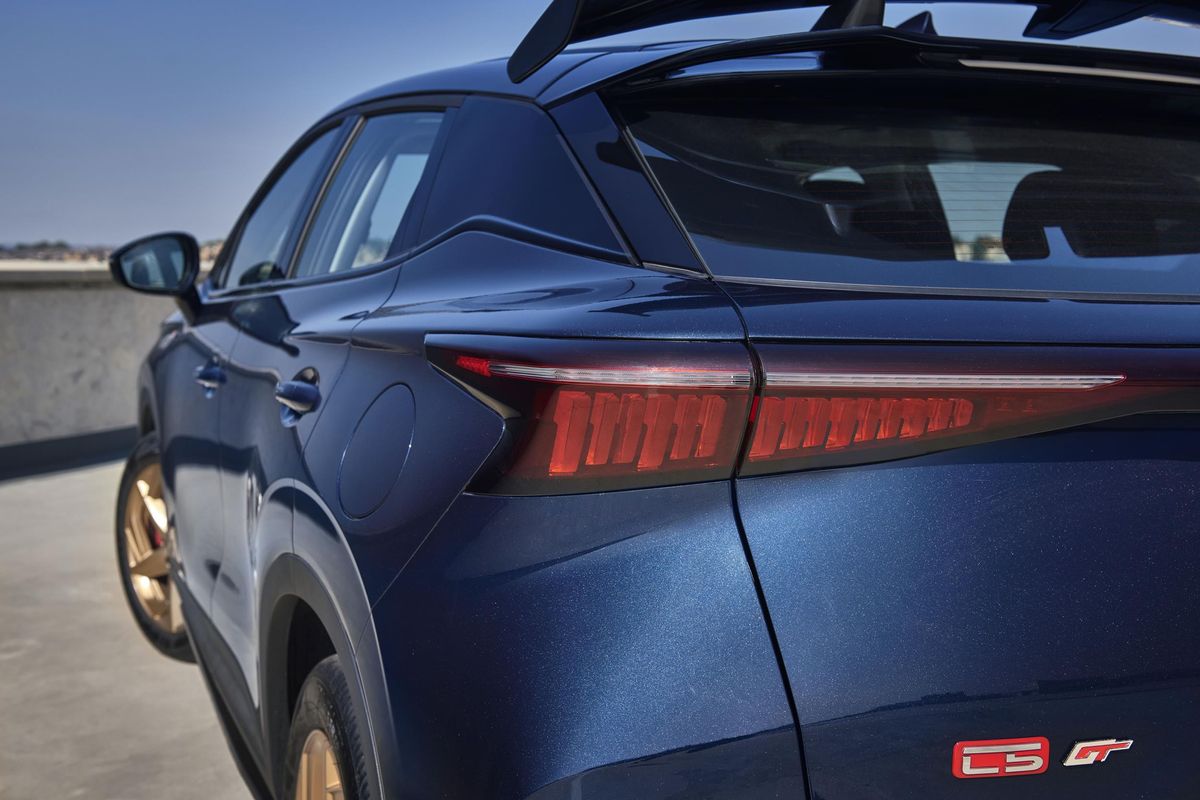
The looks make quite the statement, with a unique gold logo, gold GT badge and the option of gold 18-inch alloy wheels. To separate the GT from the rest of the C5 range, the vehicle has a lower front bumper, split-front headlight design, model-specific daytime running lights and LED taillights. There’s front and rear spoilers and the option of a bold aerodynamic rear wing.
Inside, the vehicle has all the modern convenience features with a sunroof, wireless charging pad, dual 10.25-inch instrument cluster and infotainment screens, wireless Apple CarPlay/Android Auto, Sony sound system with 8 speakers, USB and Bluetooth connectivity.
On the safety front the C5 GT has things covered with front/rear parking sensors, 360-degree camera, rear cross traffic alert and a host of semi autonomous driving aids like emergency auto braking, adaptive cruise control, lane departure warning and six airbags. The vehicle also comes with anti-lock brakes, stability control and tyre pressure sensors.
How much does the Omoda C5 GT cost in South Africa?
Omoda C5 GT R589 000
The vehicle is sold with a 5-year/150 000 km warranty, a 5-year/70 000 km service plan and a first-owner-only 10-year/1 million km engine warranty. The Omoda C5 range starts from R447 900.
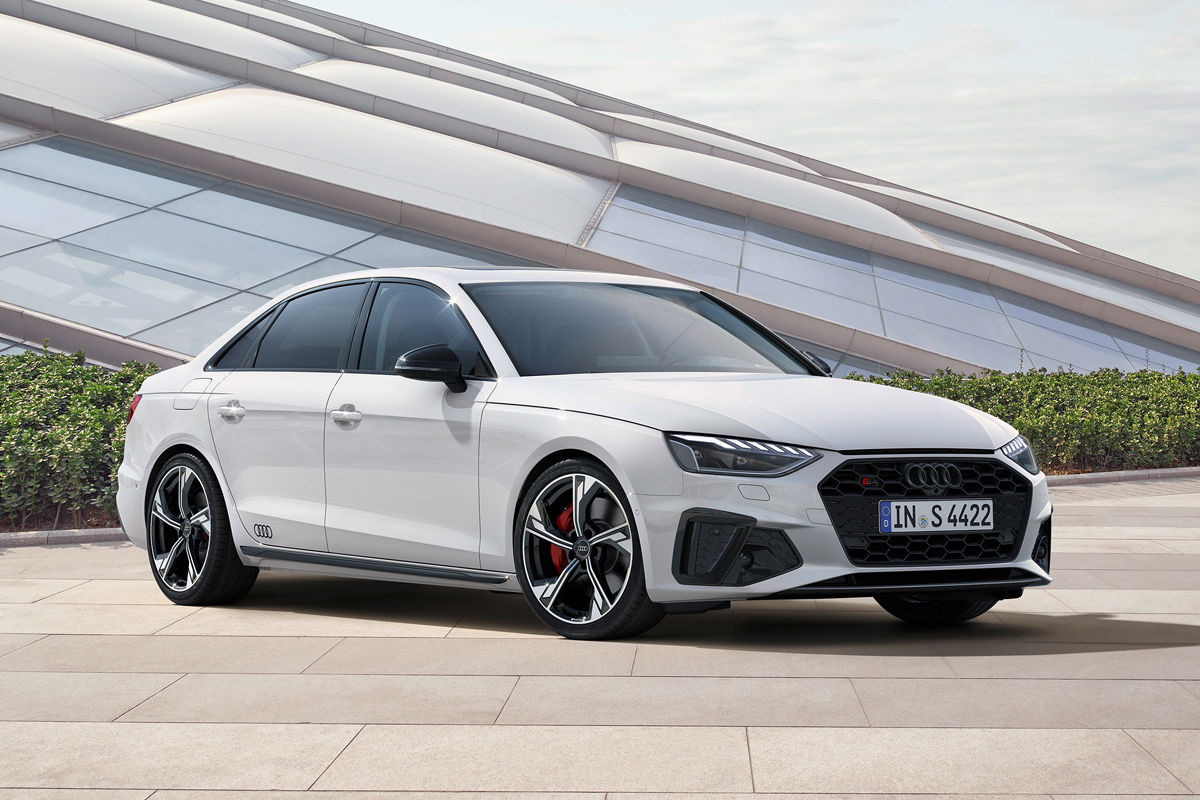
Audi South Africa has announced it will offer Black- and Urban Editions of several of its models from early 2024. To get the campaign underway, the Black Edition package is already available on three variants of the A4, as well as the S4 sports sedan.
The Black Edition and, from next year, Urban Edition, are adorned with additional cosmetic and functional features compared with standard derivatives.
The local subsidiary of the Ingolstadt-based brand says the packages “offer South African consumers even better value for money and increased convenience when specifying their new vehicle” and will be available in conjunction with Audi Assured guaranteed future value (GFV) vehicle-finance agreements.
On the A4, the Black Edition package can be selected for the 35 TFSI, 35 TDI and 40 TFSI derivatives, while it’s also an option on the S4. Only 100 A4 Black Edition versions will be imported to South Africa.
In the case of the Black Edition versions of A4 derivatives, the price of the special edition is said to be “significantly lower” than if those items were optioned individually on a car, Audi South Africa claims.
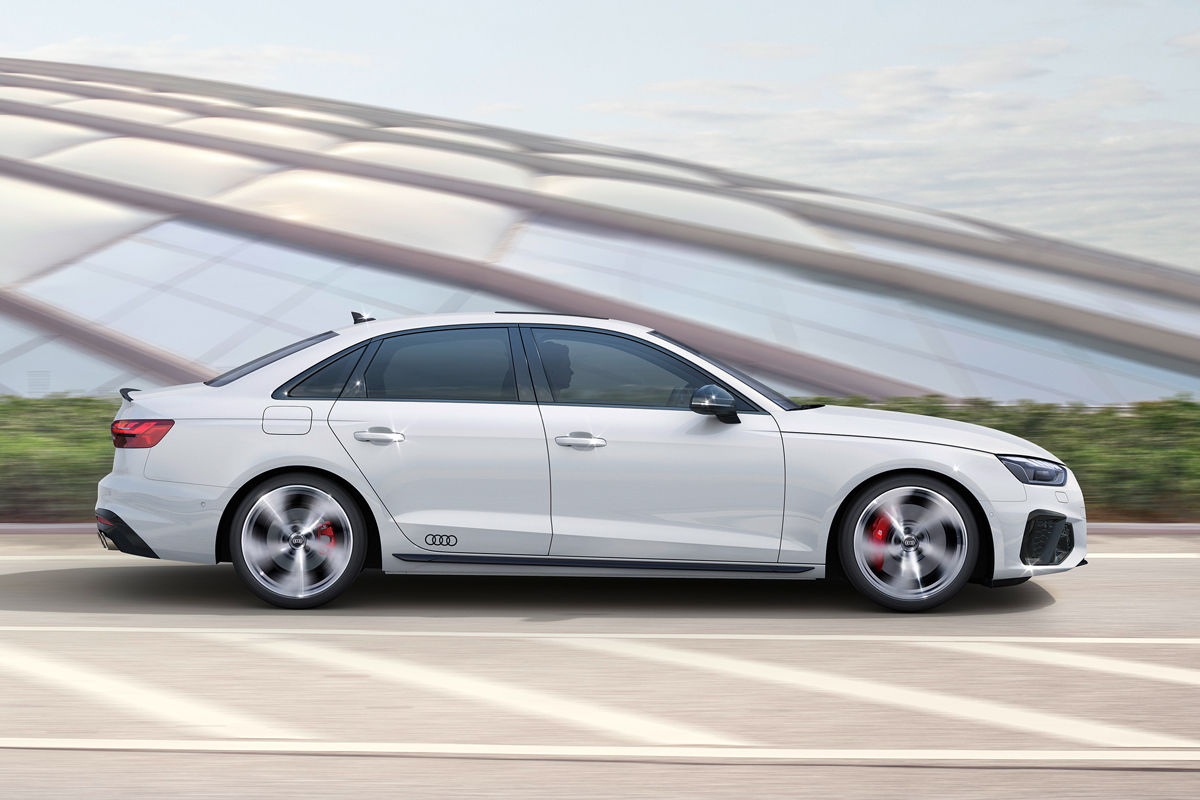
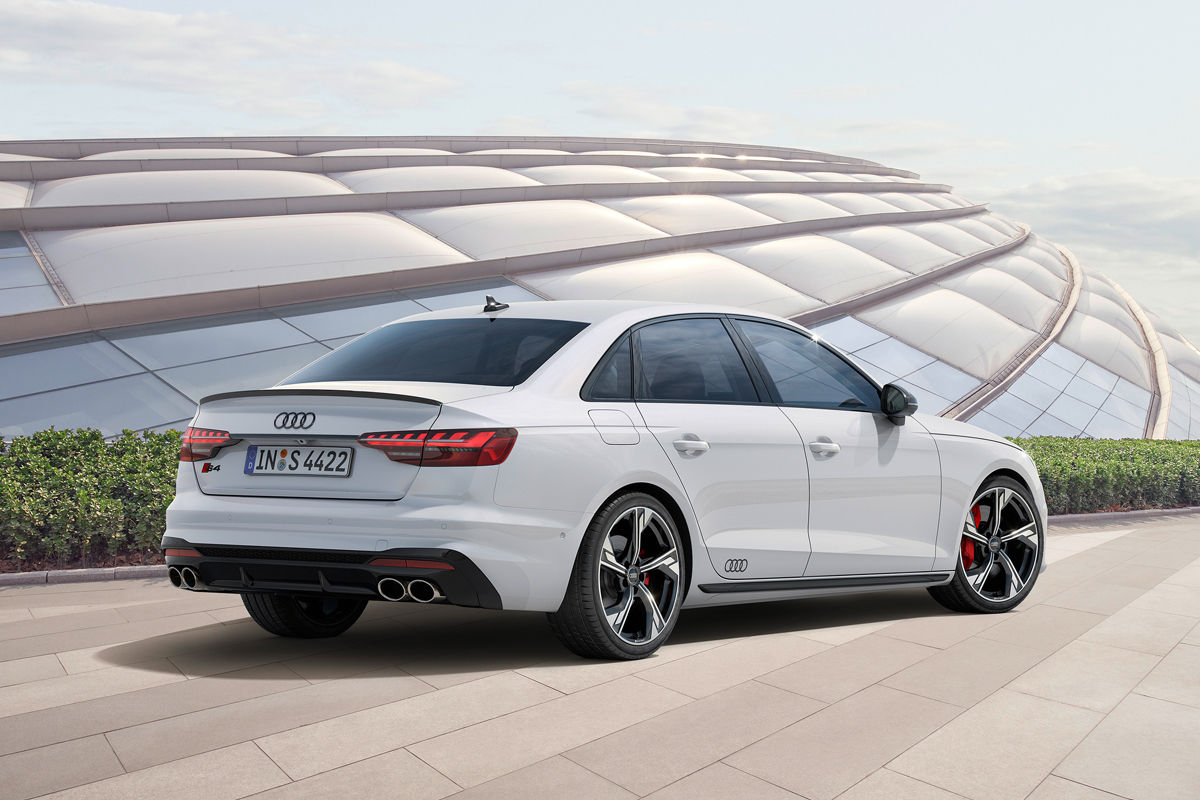
The appearance of an A4 Black Edition is distinguished by a Black Styling Package (with black badging), S line exterior (and interior) package, Matrix LED headlights, privacy glass, 19-inch alloys and a glass sunroof.
Inside, the A4 Black Edition features Fine Nappa leather trim (with S embossing), a storage and luggage compartment package, a technology package (including MMI navigation and Audi Connect), 3-zone climate control, electrically adjustable front seats, Audi Virtual Cockpit Plus, a reverse-view camera, as well as a wireless charging pad (Audi calls this feature Phone box with inductive charging).
The first of a slew of special editions
The S4 Black Edition, in turn, additionally features a Bang & Olufsen Premium audio system with 3D sound, Sport seats Plus (the front seats are electrically adjustable and feature diamond quilting, heating- and massage functions, as well as pneumatically adjustable lumbar support) and a carbon boot spoiler.
This introduction of special edition packages of various models tailored for the South African market takes a leaf out of BMW SA’s playbook. Last year, the Rosslyn-based manufacturer rolled out Mzansi Edition versions of its 1 Series, 2 Series Gran Coupe, 3 Series (an Audi A4 rival) and X3.
In 2024, Audi South Africa will extend the Black Edition to the Q2, A3 and S3, A5 and S5, Q3 SUV and -Sportback, plus the Q5 SUV and -Sportback. They will be rolled out progressively throughout the year.
Additionally next year, the Ingolstadt-based brand will add the option of an Urban Edition to the A3 Sportback 35 TFSI, as well as the Q2 35 TFSI, thereby “providing a different offer to the Black Edition.”
How much does the A4 & S4 Black Edition cost in SA?
Audi A4 35 TFSI S tronic Black Edition
R900 000
Audi A4 35 TDI S tronic Black Edition
R946 800
Audi A4 40 TFSI S tronic Black Edition
R952 400
Audi S4 TFSI quattro tiptronic Black Edition
R1 274 900
Prices include a comprehensive 5-year/100 000 km Audi Freeway Plan service and maintenance plan.
SA-built bakkies split 2024 International Pick-up Award
For the first time in its 14-year history, the International Pick-up Award (for 2024) has been split between 2 bakkies – and they’re both built in South Africa…
And the 2024 International Pick-up Award (IPUA) goes to … 2 bakkies! Yes, the 20-member international jury said it found it “impossible to separate” the Ford Ranger and Volkswagen Amarok during the judging process, opting to instead split the honours between these closely related and South African-built bakkies.
It’s the first time the trophy has been shared since the establishment of the International Pick-up Award back in 2010. Interestingly, the 2 nameplates now each have a trio of wins under their respective belts, with the Ranger having triumphed in 2013 and 2020, and the original Amarok having succeeded in 2011 and 2018.
As a reminder, Ford builds the Ranger and its VW twin at the Silverton facility (for both local consumption and export, the latter with a focus on Europe) in South Africa, which is also the only factory in the world producing this 2nd-gen Amarok. In late 2024, this plant will furthermore become the sole production facility for the upcoming Ranger PHEV.
“Following the IPUA 2023 Group Tests, held in Greece last month, it was impossible to separate the 2 models from each other, as both the new Ranger and Amarok were co-developed and are made at the Ford factory in South Africa. Although a collaboration project, each manufacturer has managed to maintain their unique styling and driving traits, [to] which customers will testify,” said Jarlath Sweeney, chairman of the IPUA jury.
The latest-generation Ranger launched in Mzansi in double-cab form at the end of 2022, with the single- and extended-cab body styles coming online early in 2023 (and the high-performance Raptor – which is imported from Thailand – arriving in February of this year). Local sales of the 2nd-gen Amarok, meanwhile, started in March 2023.
In South Africa, the Ranger portfolio currently spans 25 derivatives, with pricing bookends of R494 400 and R1 184 100. Meanwhile, the Amarok range comprises 15 variants (with no extended-cab body style), priced from R505 000 to R1 184 200.
Year to date (end of October 2023), the Ranger nameplate has amassed 20 448 local registrations, which puts its 2nd behind the Toyota Hilux (31 451 units) in the race for the best-selling bakkie title. The Amarok finds itself in 9th position on the list, with 2 623 units sold around South Africa in the opening 10 months of the year.
These are 2 of the best hot hatches money can buy right now! It’s a drag race showdown between the new Honda Civic Type R and the Toyota GR Corolla.
The front-wheel-drive Honda Civic Type R offers more power and torque but the Toyota GR Corolla has all-wheel-drive. Which of these hatchbacks will win in a best of 3 standing race and a rolling race?
We got the chance to put them head-to-head at Gerotek outside Pretoria during the recent 2023/24 CarsAwards test days. The concrete surface is extremely grippy and proved difficult to launch on, especially for the rev-limited Honda Civic Type R.
But does the GR Corolla have enough pace to beat it over 400m? Watch Jacob Moshokoa and Ashley Oldfield put the Japanese contenders to the test.
Car insurance provides you with cover in the event that your vehicle gets stolen, hijacked, involved in a collision or damaged by fire BUT it also offers cover against other types of mishaps. Are the following unexpected risks stipulated in your policy?
PARTNERED CONTENT
While you might know the basics of what is covered by your vehicle’s insurance policy, you might not be aware of some of the unexpected risks that car insurance cover takes care of for you.
Your comprehensive policy covers you for things that are out of your control, such as car theft (or hijacking) and severe weather episodes (vehicle damage sustained during a hail storm, for example). However, there are some surprising things your policy covers that you might never have thought of.
While it stands to reason that there are differences between insurance companies’ respective policies, these are a few of the general risks you might not have expected to be covered against…
Falling objects
Nothing is quite as synonymous with “unexpected risks” as objects falling out of the sky. Space debris, meteorites, and grand pianos are not objects that you expect to land near you. But such events, rare as they might be, are a fact of life, and if they happen, it is nice to know cover is there should you need it.
Apart from damage sustained from stray object/s hitting your vehicle, some car insurance policies may cover you for an accident you caused while attempting to avoid a falling object (such as something that detaches from another vehicle, or most likely, falls off the back of a truck) by swerving or braking heavily.
Rodents
Mice and squirrels have their cute moments, but they stop being cute when you find that they’ve chewed through your car’s wiring (mice can be at fault, but rats are often the biggest perps). The fact that they can damage your car is as unsurprising as the surprising fact that your insurance might cover it.
Damage cover for rodent catastrophes is routinely part of comprehensive policies, often falling under an “other than collision” clause. Check whether your car insurance policy stipulated rodent damage under unexpected risks, especially if your area is abundant in squirrel life or prone to rat and mice infestations.
Animal collision
When travelling on open roads (especially in rural areas, also known as the platteland), you may have seen road sign warnings for wildlife crossings. Whether a tortoise, an antelope or a hippo, animals are a real threat because they can cause vehicle accidents, even when drivers do their utmost to avoid them.
More often, however, an animal collision is likely to be caused by cattle (or other kinds of livestock) wandering into the road. While you can’t hold anyone responsible for a wild animal roaming freely on the road, you may or may not be able to hold a farmer liable for the damage his animal caused to your car.
Note that when making a claim for this type of damage, whether you’ve collided with a domestic animal (like a goat) or a wild animal (like a kudu), you must obtain a police report and submit it to your insurer.
Riots
Riots and public disorder are not usually front of mind when purchasing a car insurance policy.
Cover for accidental or deliberate damage caused by anyone taking part in a strike, riot, or protest in South Africa is undertaken by the South African Special Risks Insurance Association (SASRIA).
SASRIA is a short-term insurance product that specifically covers damage from these events. You might find it offered as an add-on to your policy, but some companies bundle it in with comprehensive cover.
Potholes
Potholes are a common sight on South Africa’s roads; they have ruined many a tyre or alloy rim/steel wheel. While the City of Johannesburg has been working to improve the problem after almost half of its roads were classified as being in poor or very poor condition, the chance for damage is still pretty high.
If you hit a pothole (even when you drive with care), your insurance might cover the damage caused to your vehicle’s tyres, rims/wheels or – in the worst cases – suspension. Whether or not your claim will be honoured will depend on how your insurance company regards your day-to-day driving conditions.
That’s because if you regularly drive rough roads, the wear and tear on your vehicle’s suspension or shock absorbers would not be covered. However, if the road you drive is in good repair and you hit an isolated pothole, the damage to your car’s tyres or other parts could be covered as an accidental event.
Flooding
If you live in an area prone to flooding, your home insurance policy does not cover it unless you have an add-on specifically for flooding events. However, comprehensive car insurance cover could reimburse you for damage that happens due to something other than a collision, which may include flooding.
Possible flooding damage to your vehicle could encompass a waterlogged engine, chassis damage, rusting, or other issues.
Accident-related interior damage
If you happen to be sipping on your morning smoothie while driving and someone’s car hits your vehicle from behind, that spilt liquid can easily ruin your car’s interior. Since the accident caused the spill, your insurance should cover cleaning up the inside of the car along with the panel beating. The same cover should apply to the state of your car’s interior if your vehicle is stolen and subsequently recovered.
And what about injuries suffered by pets if they are travelling in your vehicle when an accident occurs? Because pets aren’t usually secured by seat belts, they are more vulnerable than human occupants in the event of a collision. For pet owners who often travel with (usually) dogs in the car, a not-so-common insurance cover may be available to cover the veterinary costs if your pet gets hurt in an accident.
If your current policy does not cover this and you deem it worthwhile, you might want to find out whether you can purchase coverage for these unexpected risks as an add-on.
Check Your Car Insurance Cover
Many of these unexpected events are highly unlikely to ever happen to you. Having said that, the point of having car insurance is to cover the unforeseen and unwelcome surprises that result in damage and inconvenience. It pays to read your policy closely to know what you are protected against.
That’s why it’s wise to review your car insurance policy periodically! Visit the Budget Insurance ‘site or phone 086 1600 120 – its team of experts will endeavour to help you get the insurance cover you need.
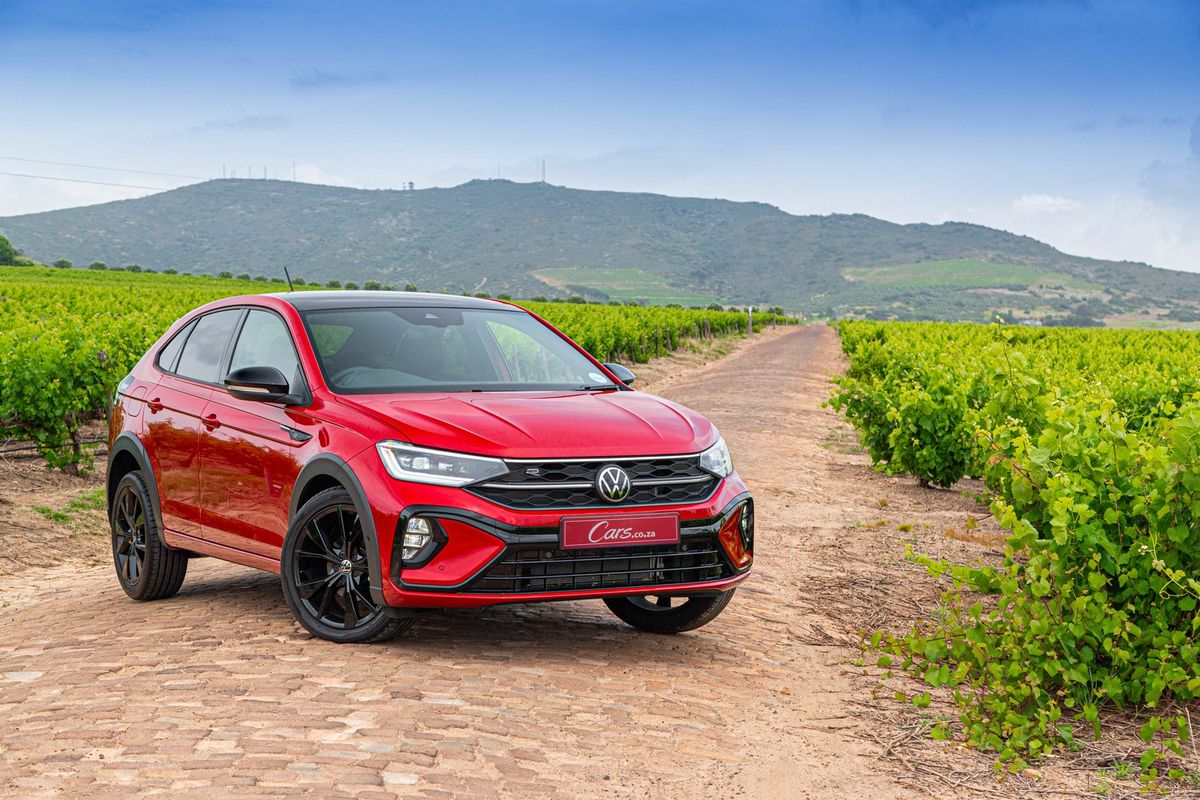
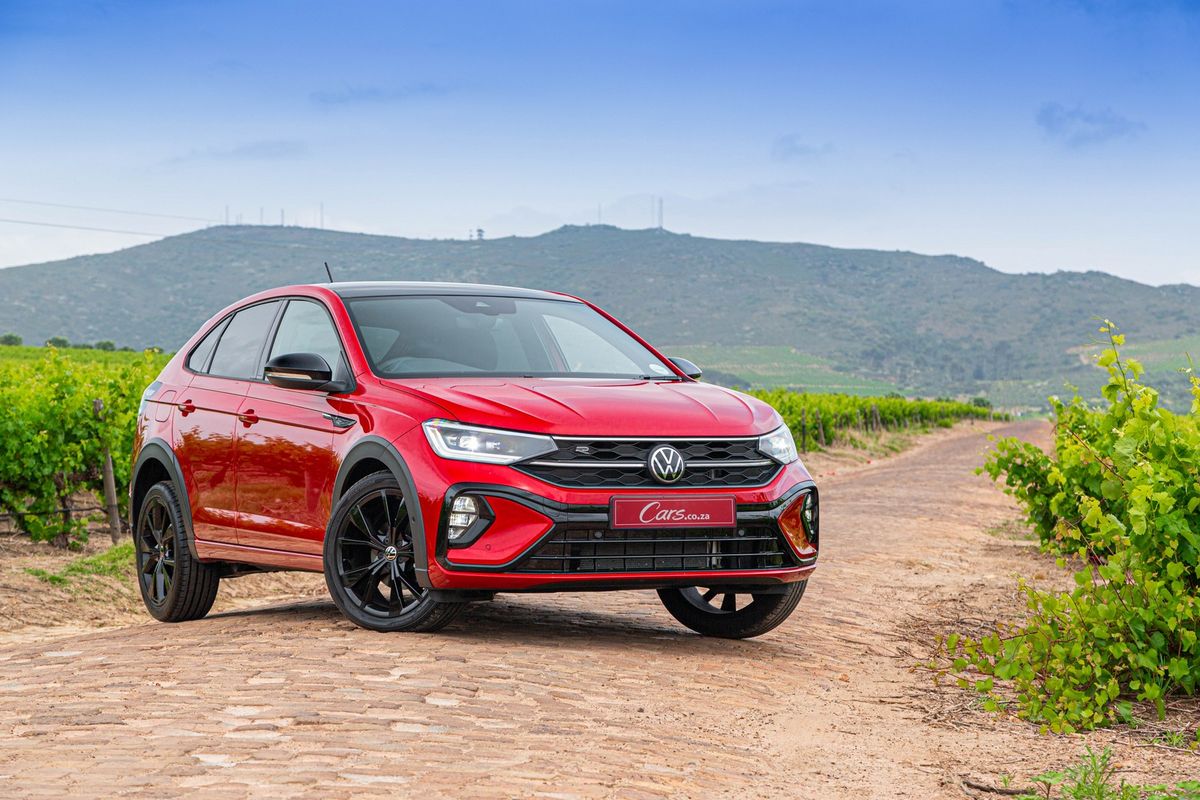
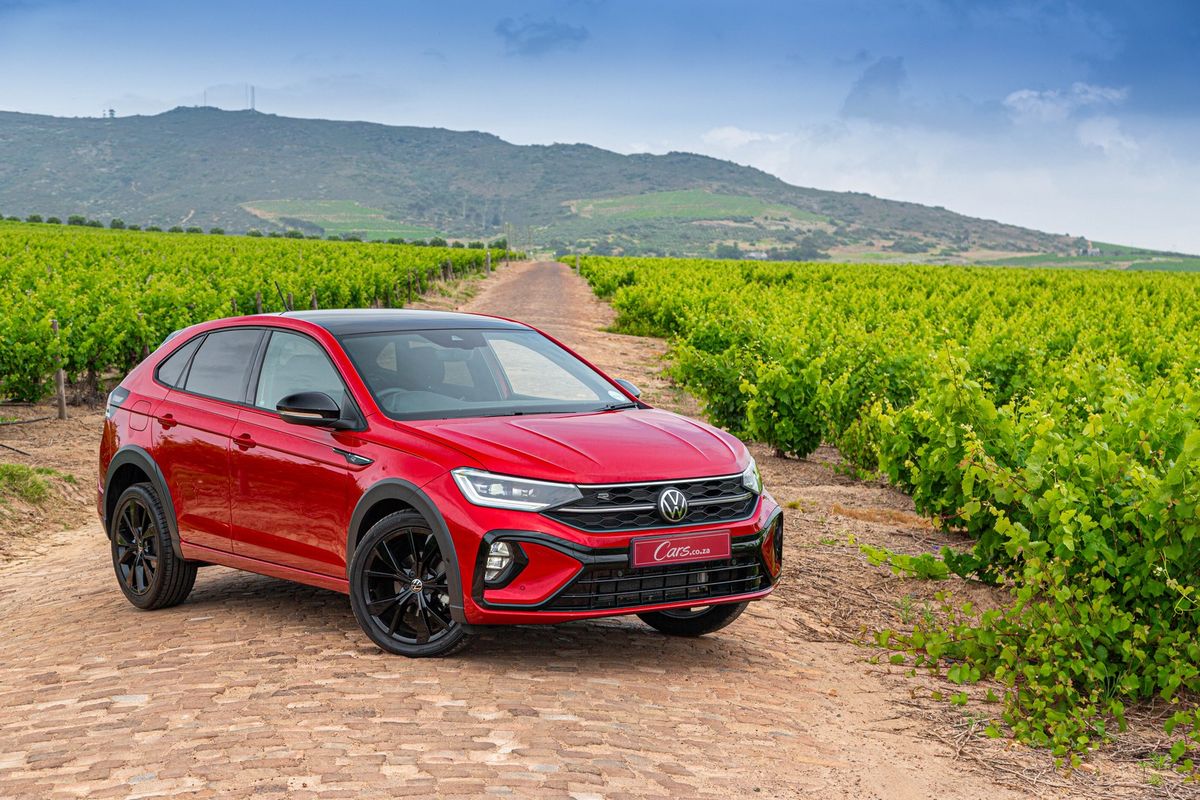
We assess the Volkswagen Taigo, a coupe-styled variant of the popular T-Cross small crossover. Does the 1.0TSI R-Line have the substance to back up those stylish looks?
We like: Easy and engaging to drive, practicality, high-end standard features.
We don’t like: Only one powertrain to choose from, some cheap-feeling trim, price premium.
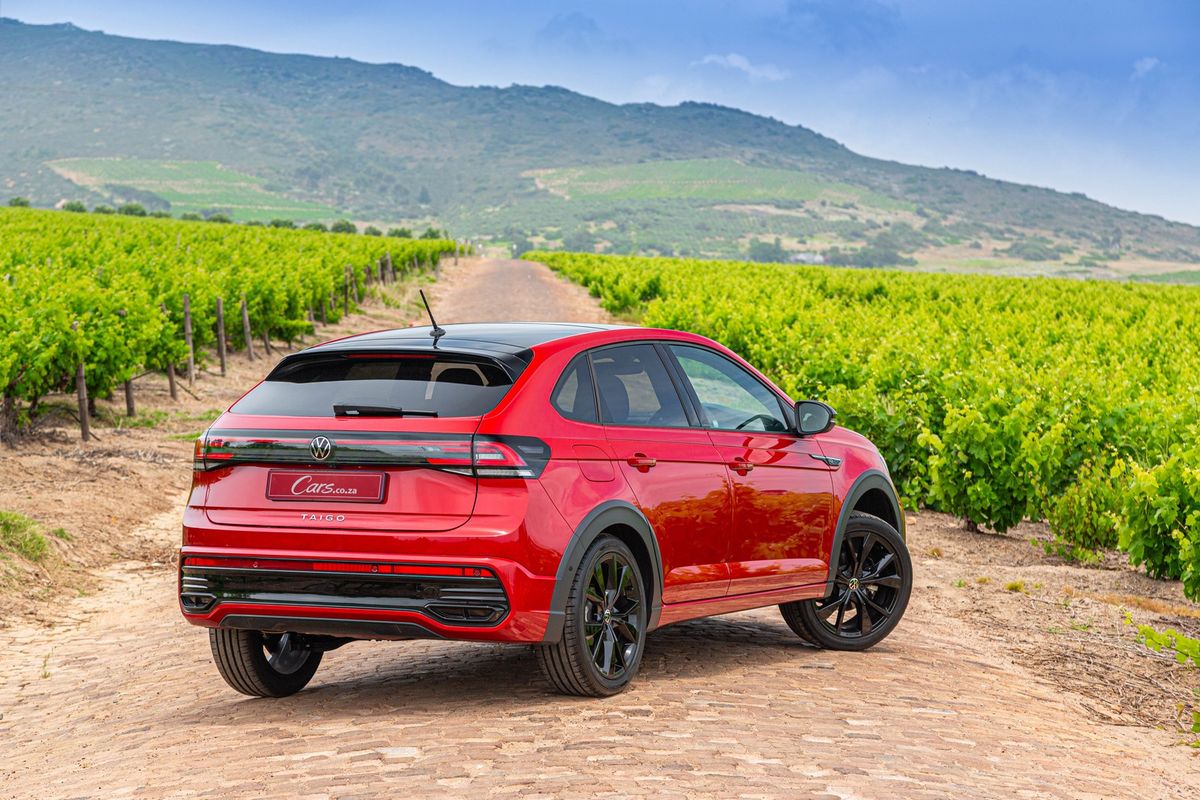
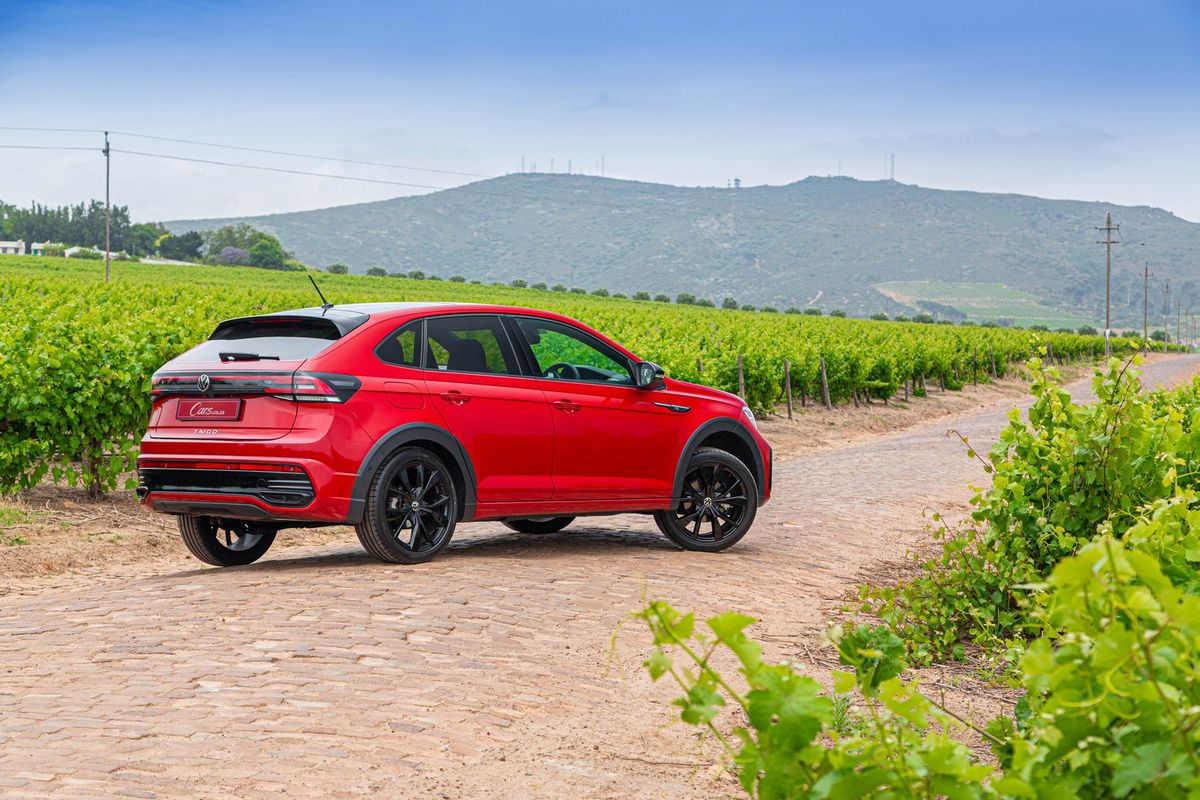
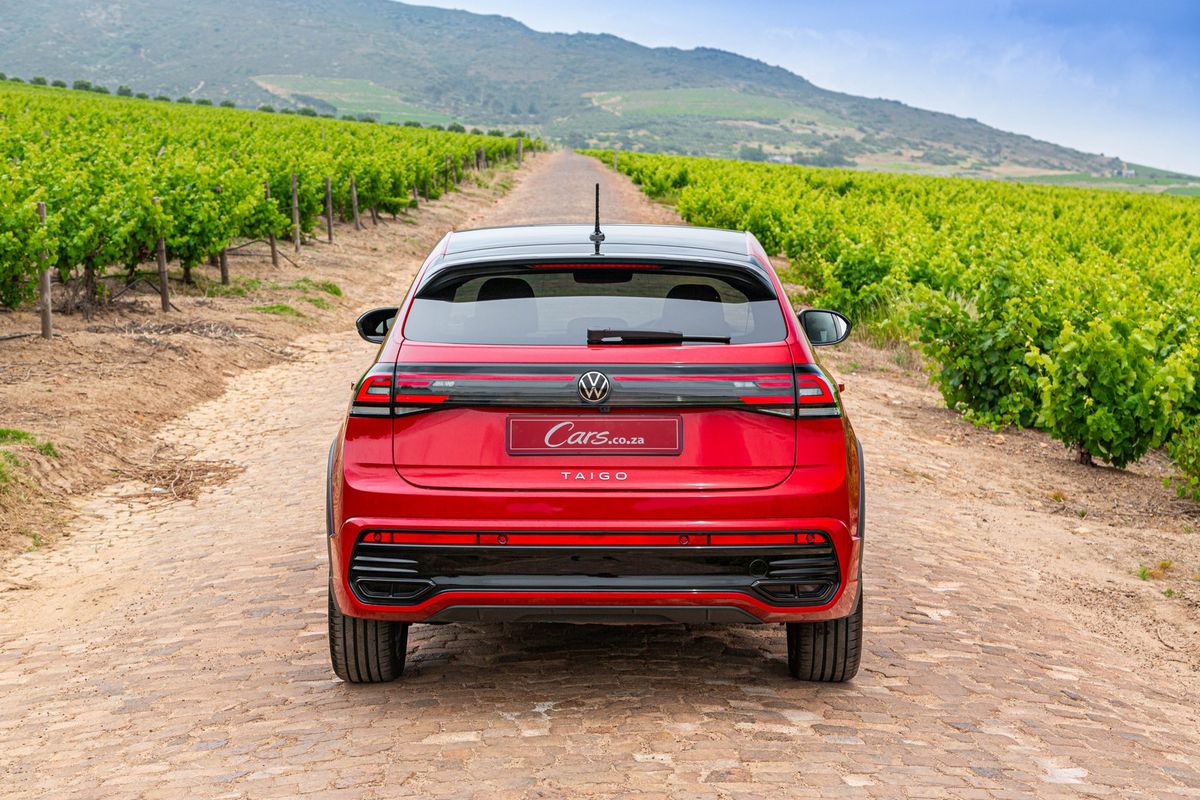
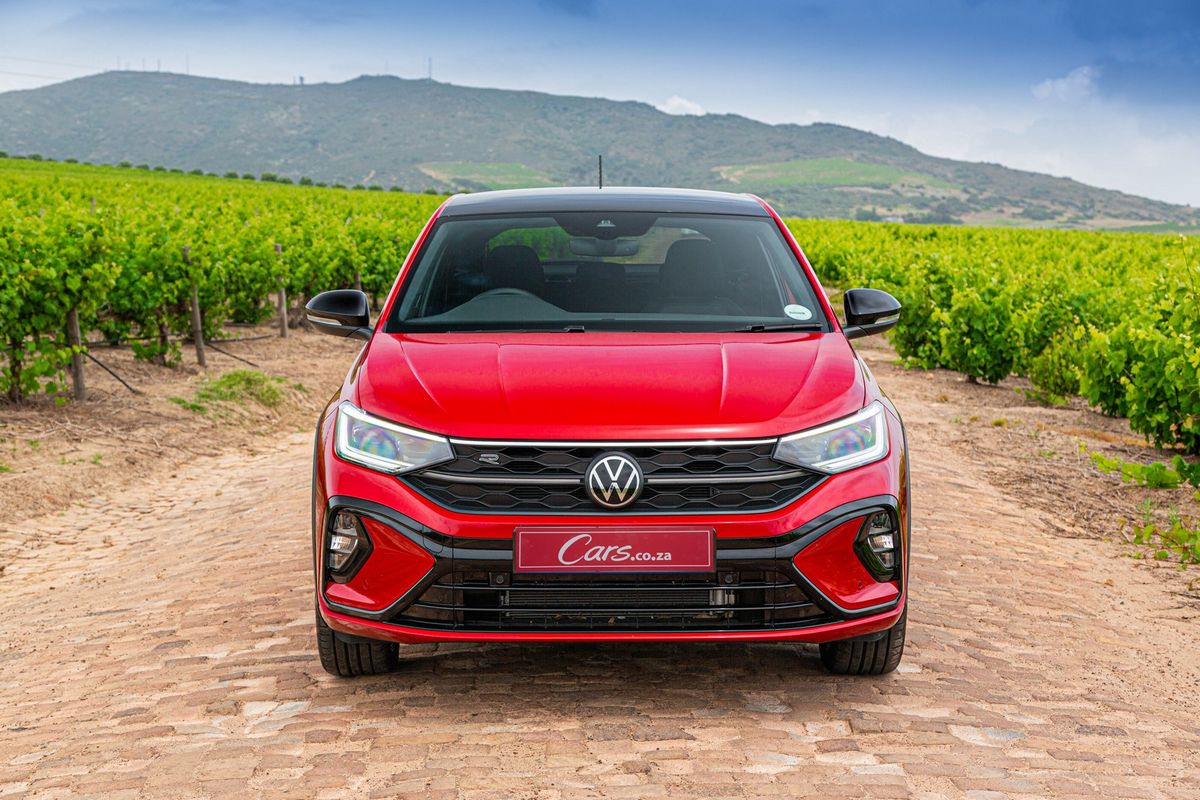
The Taigo looks quite conventional from the front, but the model’s profile and rear three-quarter views are very stylish.
You (like us) may think Volkswagen has more than enough SUVs in its ranks, but the Wolfsburg-based brand disagrees – in fact, most car makers are still trying to wedge more crossovers into their line-ups!
Meet the Volkswagen Taigo; it’s a lower and longer coupe-styled version of the T-Cross. We appreciate the T-Cross (a derivative of which won the Compact Family Car category in the 2020/21 #CarsAwards) and where it’s positioned in the market, but the Taigo is marketed as a sleeker and more stylish offering, in the same manner as the BMW X4 is a touch more flamboyant than its conventional BMW X3 sibling.
European Rivals
If you have R500k to spend on a stylish SUV coupe that won’t fade into the background, you’ve got a few credible options to look at. European stalwarts Renault and Opel have direct competitors in the forms of the Captur and Mokka; both have punchy turbo engines, clever packaging and come well-appointed.
However, this section of the market is highly price-sensitive… Many customers have been favouring newcomers to the market from newer (non-legacy) brands, many of which hail from China. Right now, the Beijing X55 and Omoda C5 are the closest to the Taigo in terms of specification and dimension.
There are numerous cosmetic differences between Taigo and T-Cross; whereas the former is (relatively) sleek and low-slung, the latter (like most small crossovers) is boxy, dumpy and has an upright stance.
It’s also interesting to compare the models’ dimensions. The Taigo is 4 600 mm long, 1 700 mm wide, 1 490 mm tall and has a 2 566-mm wheelbase, which makes it 365 mm longer than the T-Cross, but the latter is wider (1 782 mm) and taller (1 584 mm), with a slightly shorter wheelbase (2 551 mm).
If you’re keen to traverse gravel roads (such as when pursuing lifestyle activities or driving to a weekend getaway destination), the T-Cross has the advantage in terms of ride height (185 mm versus 158 mm).
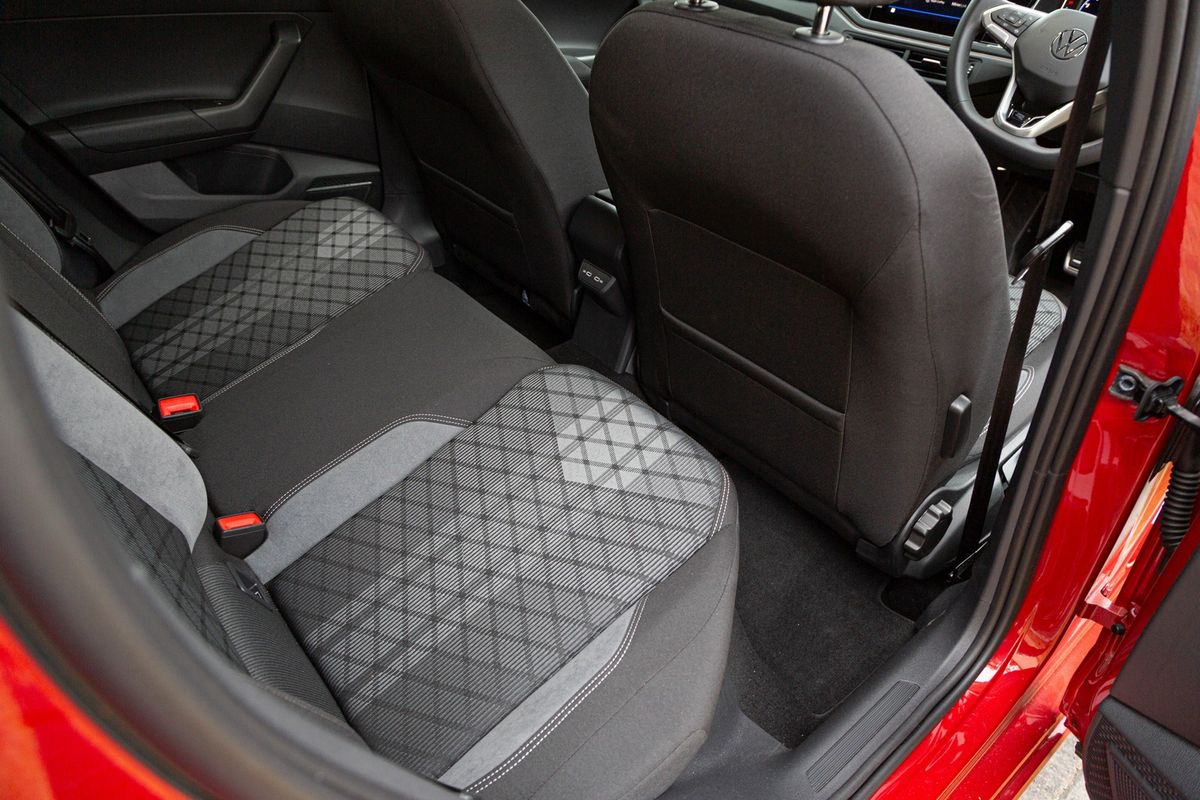
Rear legroom is acceptable. Note the USB-C ports for rear passengers.
A longer wheelbase usually means more cabin space and we found that the rear legroom in the Taigo is surprisingly roomy for taller folk, which is just as well, because the model does without the sliding bench fitted in the T-Cross. Also, the cars’ luggage capacities are similar (Taigo: 440 litres, T-Cross: 455 litres).
Although the Taigo’s driving position is not as perched as that of the T-Cross, it offers excellent forward visibility and the fabric-trimmed sports seats have a good range of adjustability. On the downside, rear visibility is a little restricted because of the slanted rear screen, but if you spec the Comfort Package Plus (R16 500) option pack, you’ll get keyless entry, Park Assist with PDC, as well as a reverse-view camera.
The fabric-trimmed seats are comfortable. Heating functionality is an optional extra.
Performance and Efficiency
The Volkswagen Taigo range is powered by a 1.0-litre 3-cylinder turbopetrol engine that produces peak outputs of 85 kW and 200 Nm in conjunction with a 7-speed dual-clutch automatic transmission (all derivatives in the range are front-wheel driven). When we fitted our test equipment to the Taigo, the test unit completed the 0-100 kph sprint in 10.98 seconds – fractionally quicker than its claimed time.
Sport mode adds some energetic acceleration to the mix.
Now, a 10-second 0-to-100 kph time is not brisk by today’s standards, but the Taigo is no slouch; during its tenure in our test fleet, it never ran out of puff on the daily commute. See, with 200 Nm on tap, the intuitive, quick-shifting transmission facilitates eager and energetic forward progress. At no point did the vehicle feel lethargic; you can slip past slower vehicles in cut-and-thrust traffic and execute open-road overtaking manoeuvres with ease. Still, we’d love to see the T-Cross’ 1.5-litre turbopetrol in the Taigo.
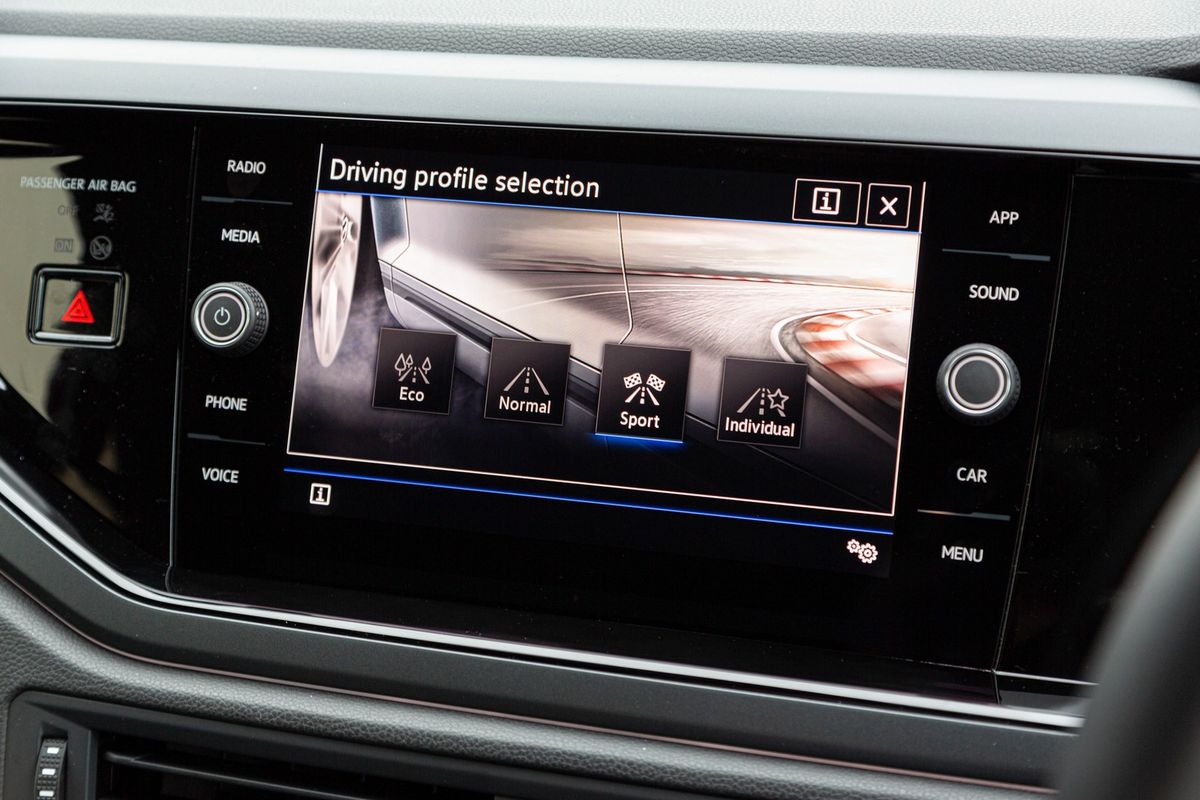
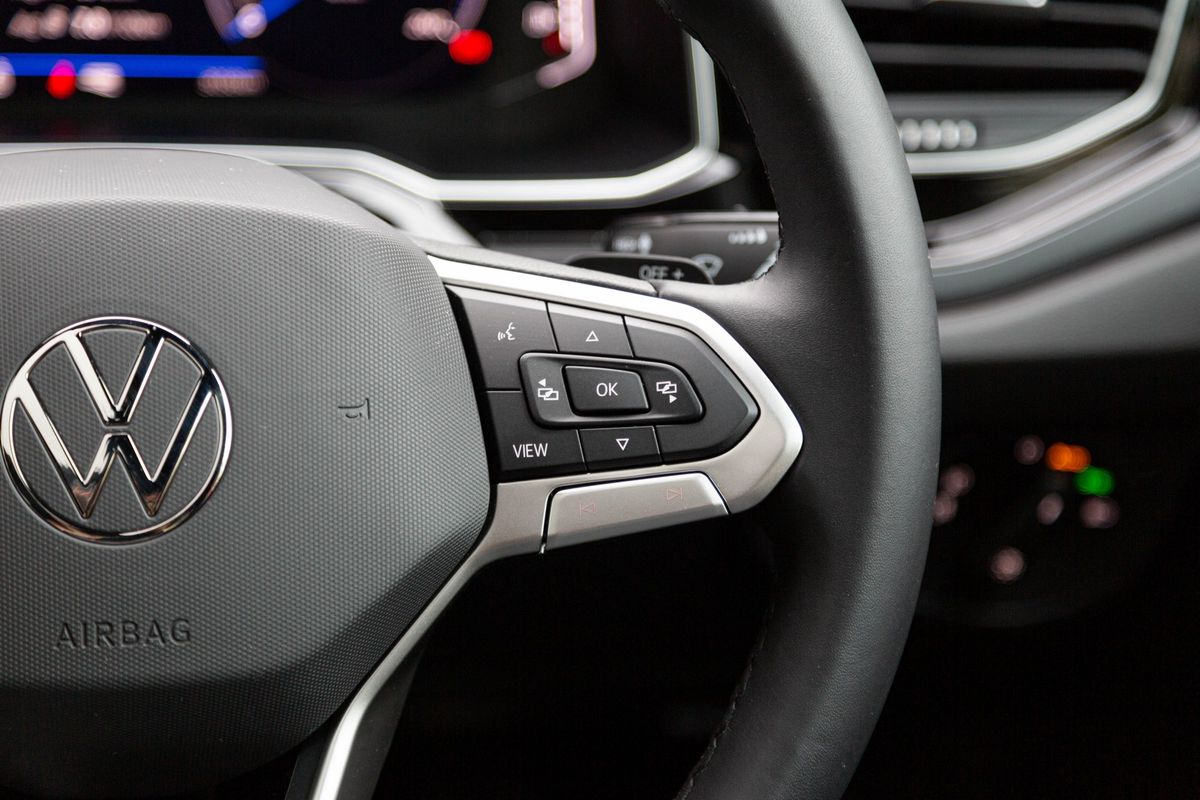
Compared with more affordable Taigo derivatives, the R-Line offers a choice of drive modes. Whereas the Sport mode makes the powertrain more responsive to accelerator inputs and the transmission hold onto gears a bit longer, the Eco mode does the opposite – it dials things back to optimise fuel economy.
The 1.0-litre turbocharged petrol engine is punchy and efficient
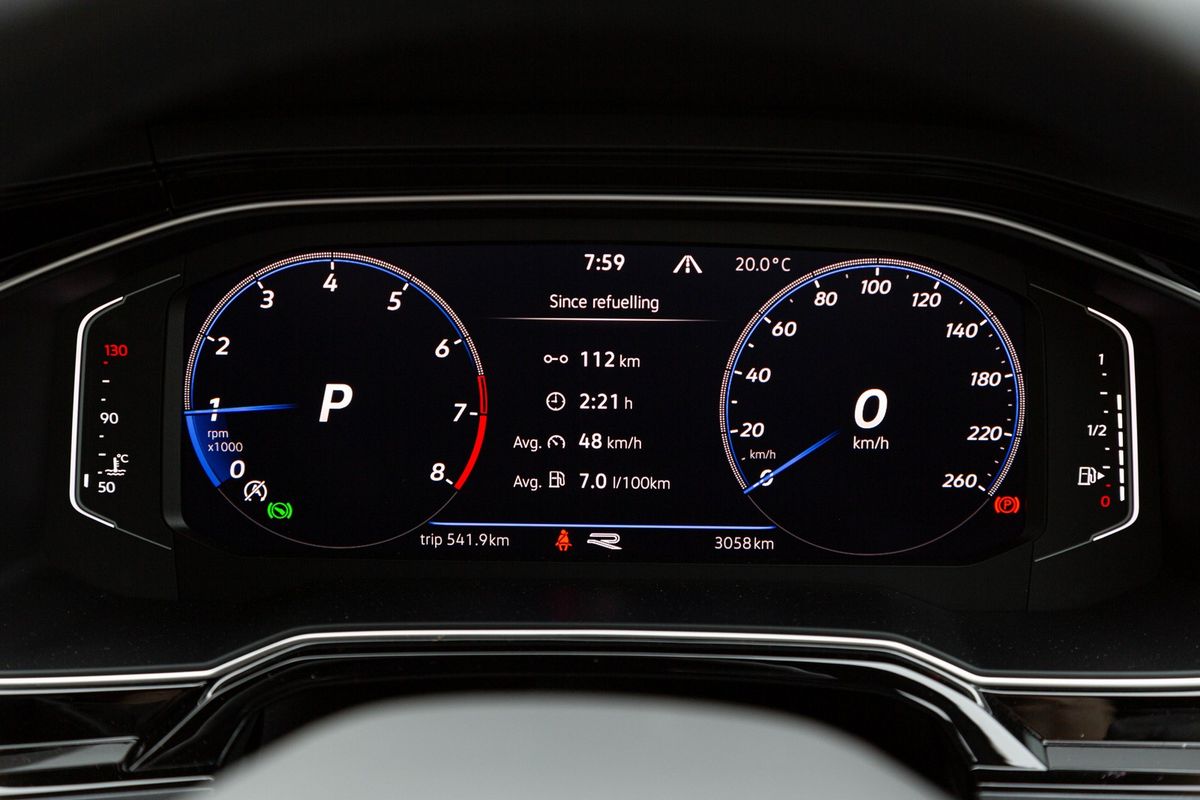
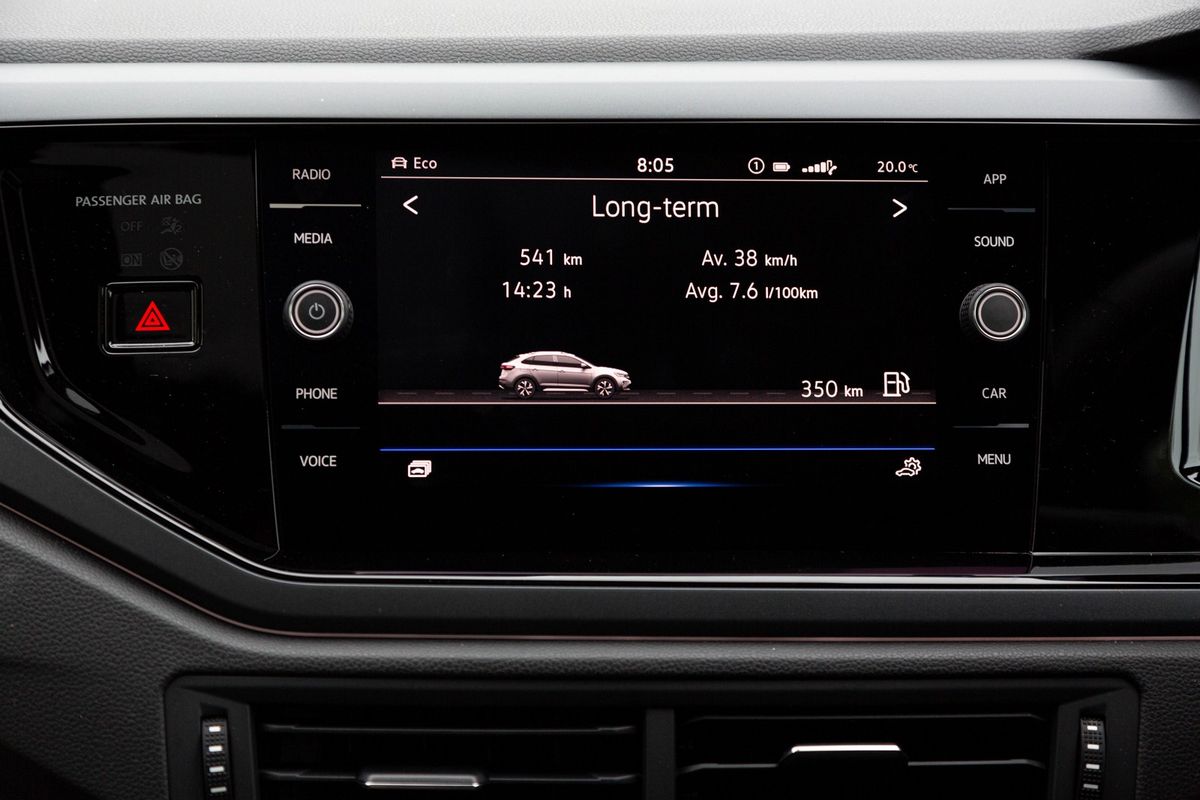
By using Eco mode as often as possible, we achieved a commendable indicated consumption of 7 L/100 km with the Taigo – which is not too far off VW’s claimed urban-cycle figure of 6.2 L/100 km (we drove the vehicle in urban driving conditions most of the time). The stated combined-cycle figure of 5.4 L/100 km seems a bit optimistic, but if that was achievable, the Taigo could travel 741 km on its 40-litre tank.
Ride and Handling
The Taigo has a slightly firm suspension setup and large wheels, but we were satisfied with its ride quality.
The Volkswagen Taigo has good road manners. Perhaps the reduction in ground clearance (compared with the T-Cross) has improved the model’s body control (it feels less inclined to yaw when you change direction at brisker speeds), but the Taigo 1.0TSI R-Line is notably more involving to drive than most of its segment rivals. It would be ideal if the steering setup imparted a bit more feel, but it’s pleasingly direct.
We were also impressed by the lack of powertrain vibration and noise, particularly because 3-cylinder motors are known for sounding distinctly rumbly. Granted, if you make enthusiastic inputs via the Taigo’s accelerator pedal, the engine will sound quite coarse (as it strives for high revs), but we assume that most drivers will adopt a more sedate driving style, which the car rewards with refined cruising ability.
Furthermore, the light steering setup makes the Volkswagen one of the easiest cars to drive and park. And, while the test unit was fitted with the optional 215/45 R 18-inch alloys (R14 800), its ride quality was reasonably pliant. If you want more ride comfort, well, stick with the R-Line’s standard 17-inch wheels.
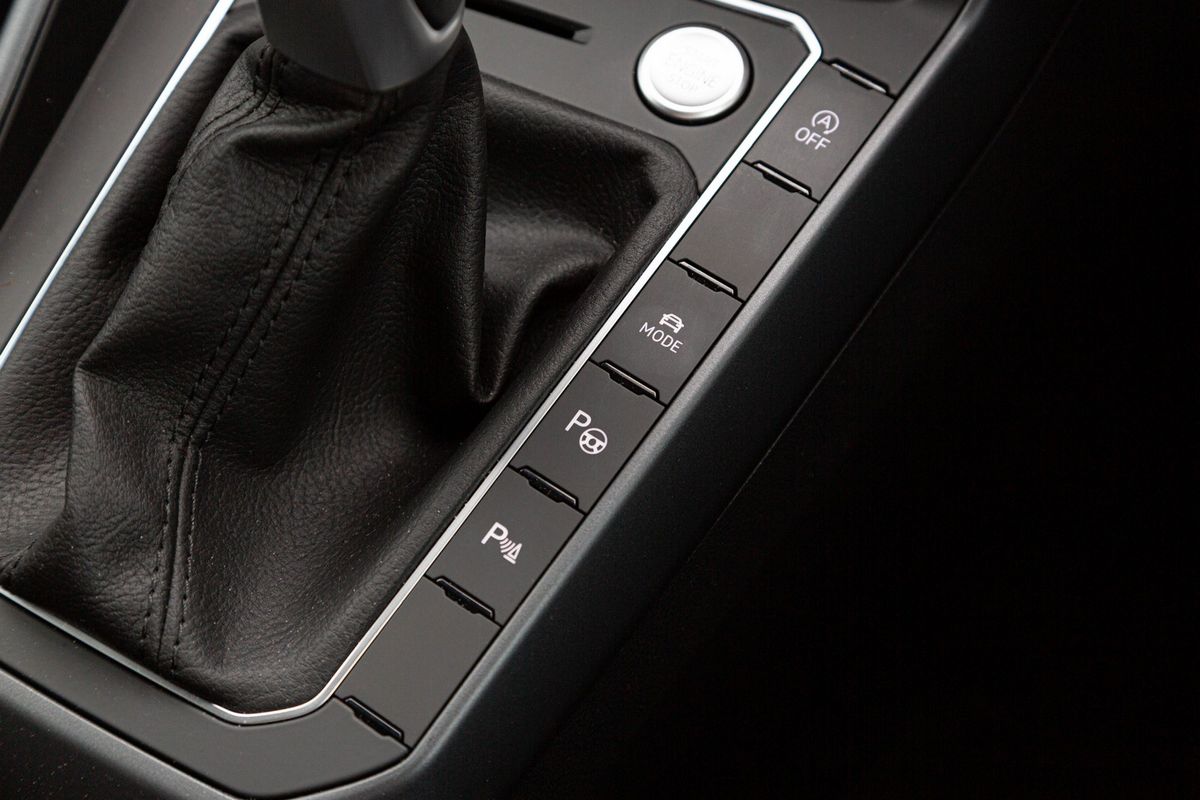
You can toggle between drive modes via the Mode button. Also, note the switch for optional Park Assist.
The firm(ish) suspension setup helps the Taigo to corner pleasantly and predictably (should you choose to get down a twisty road in a hurry) and, in R-Line trim, the model comes fitted with the XDS electronic differential lock, which optimises traction and sharpens handling by cleverly reducing understeer through the stability control programme. First seen on VW’s performance models, XDS has added a modicum of fun to the Taigo driving experience, but it’s still nowhere near as engaging to pilot as the VW Polo GTI.
Comfort and Features
Like us, you’re probably wincing at the thought of a small crossover that costs more than R500k (before options), especially when it’s offered by a brand that’s renowned for its long options lists. However, in the case of the Taigo, it comes reasonably loaded with tech and features (at this price point) in R-Line trim.
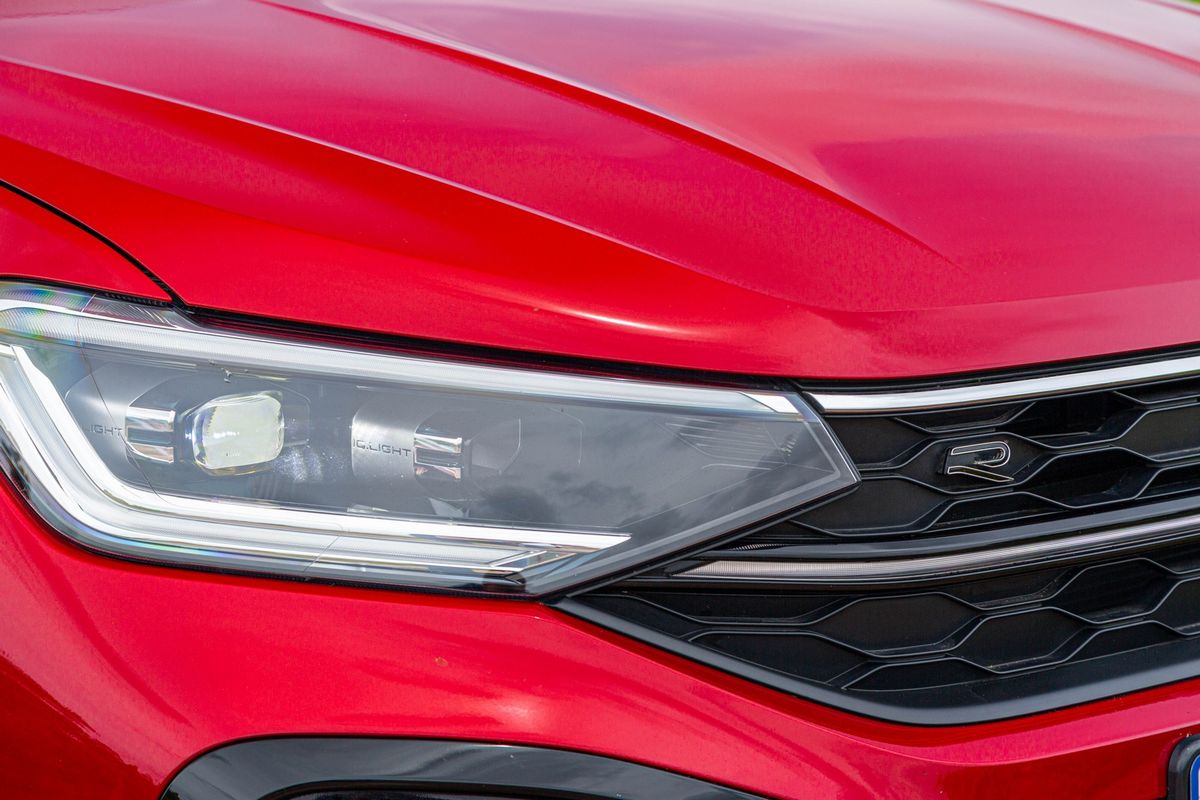
R-Line trim gets you a sporty exterior, while IQ headlights are standard on the R-Line derivative.
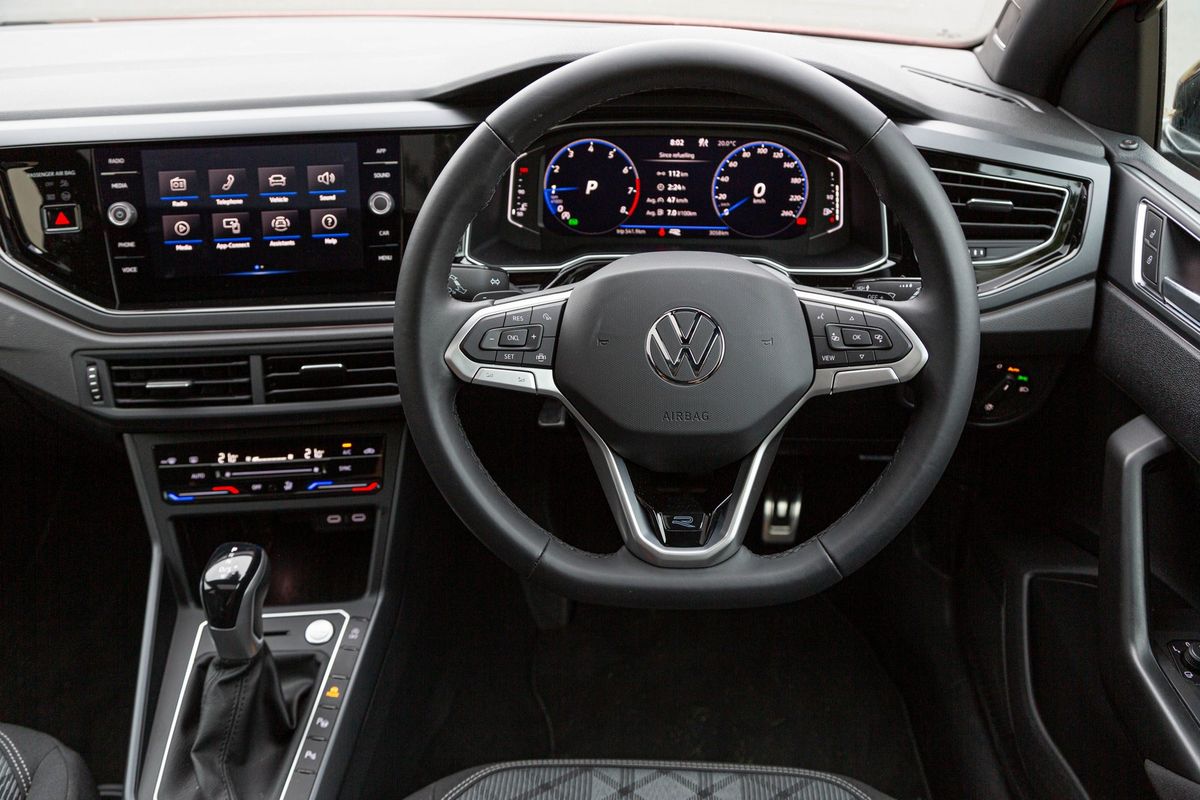
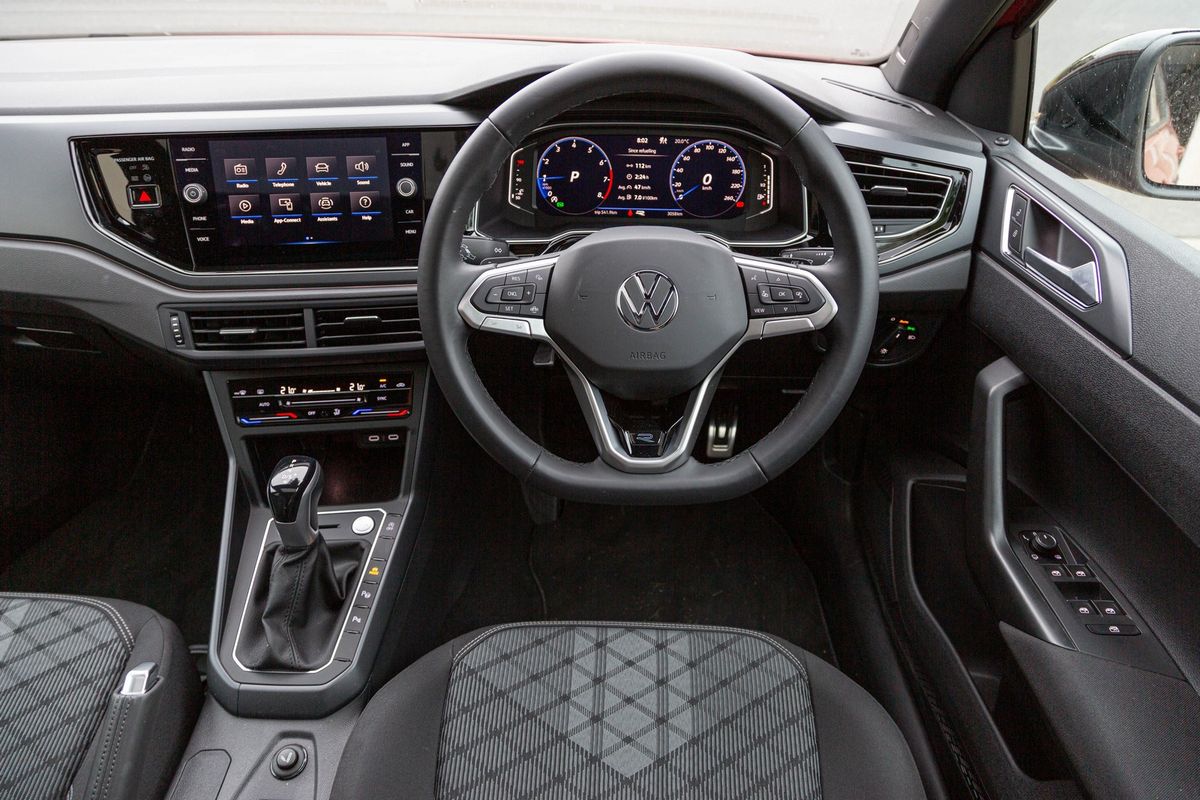
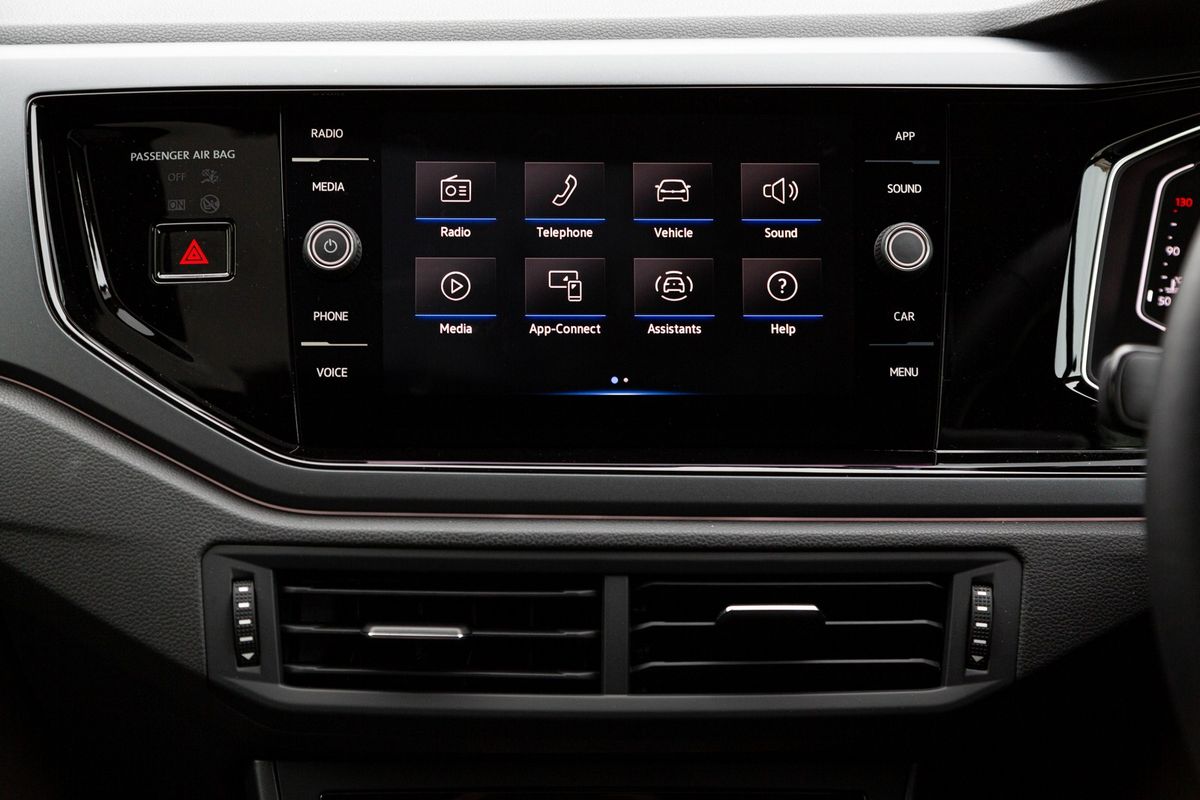
The flagship 1.0TSI R-Line derivative comes with IQ.LIGHT LED matrix headlights – which are arguably the best in the segment when it comes to brightness and illumination – as well as Volkswagen’s Active Info digital instrument cluster, an 8-inch infotainment touchscreen with Apple CarPlay/Android Auto, climate control, cruise control and 4 USB-C ports (a pair each for front and rear passengers). Puddle lamps (that project a honeycomb pattern next to the front doors at night) are quite a neat touch too.
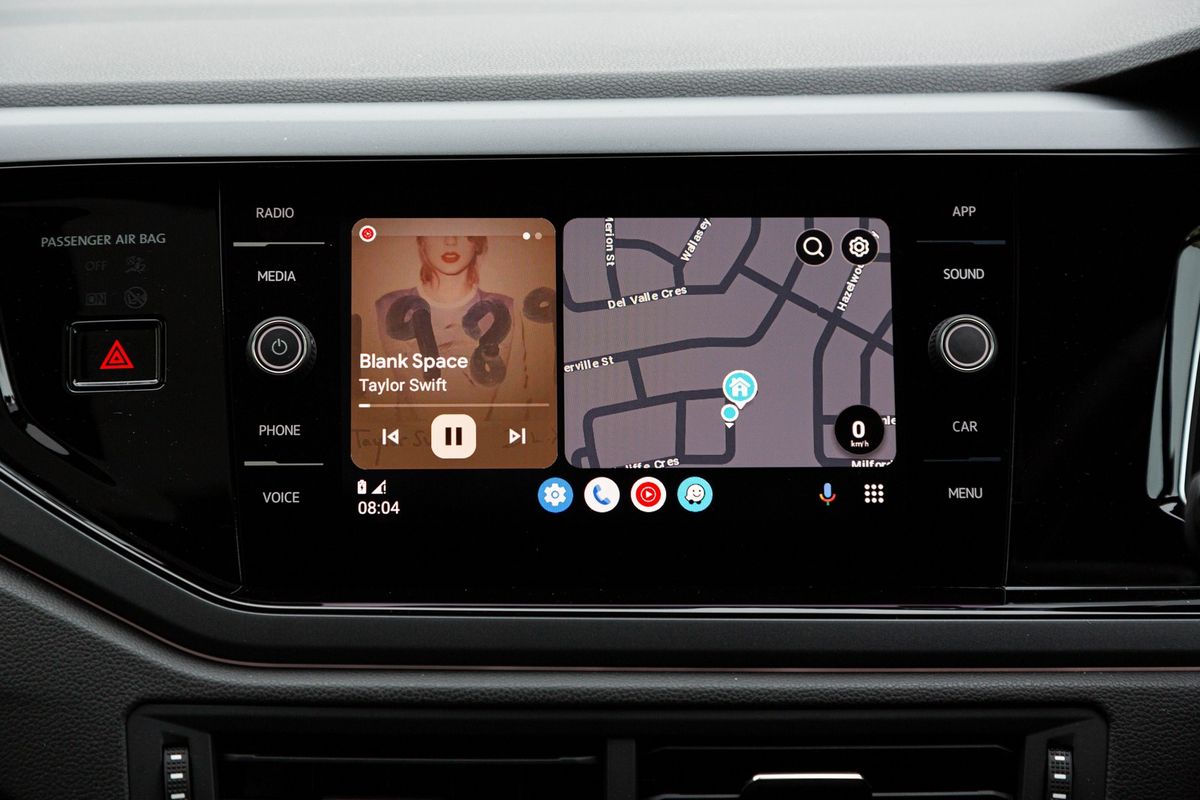
Android Auto connected with Waze Navigation and YouTube Music.
Our test unit was specified with the aforementioned Comfort Package Plus (R16 500) and Misano 18-inch wheels/black styling package (R14 800), as well as a sunroof (R15 400) and upgraded infotainment system with wireless mobile phone charger (R11 600). You could add some semi-autonomous IQ.Drive tech (R23 000), heated seats (R5 400), tow bar (R5 700), and upgrade your audio to Beats (R10 300).
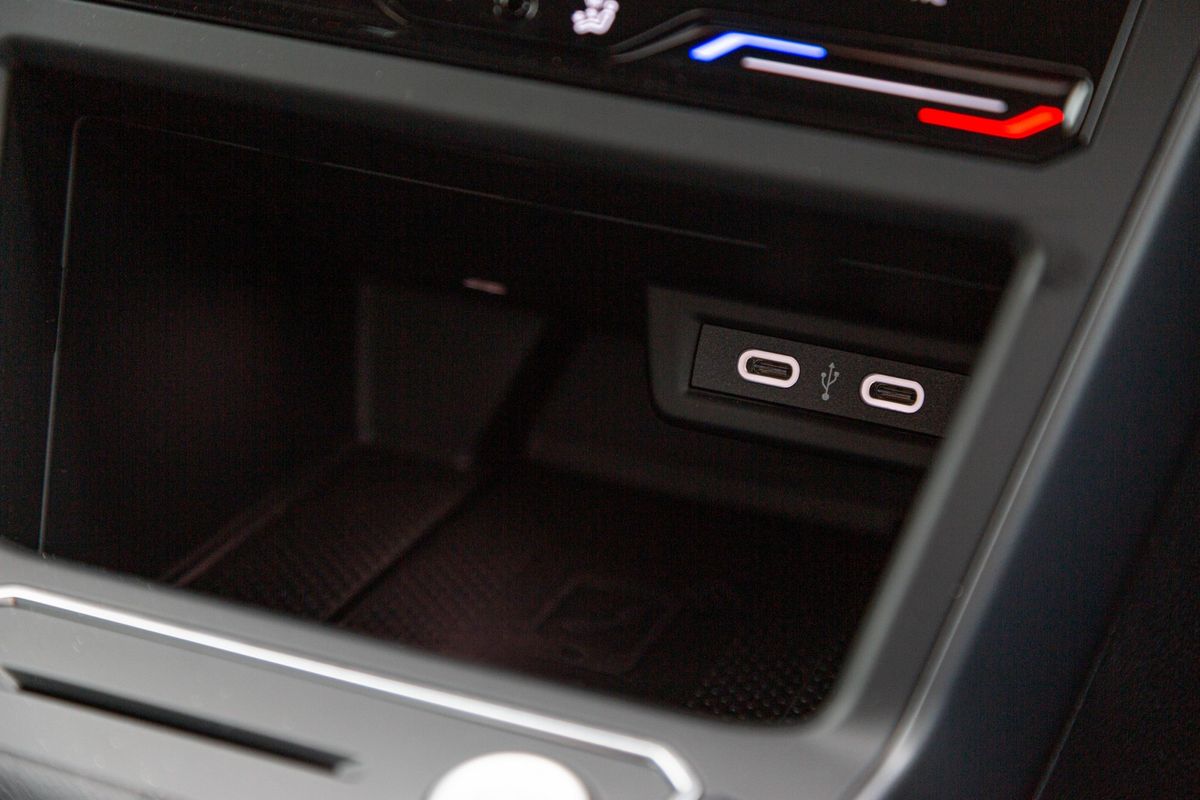
Illuminated USB ports need to become the norm!
The quality of cabin materials and finishes in the Taigo is inconsistent. Some interior surfaces look and feel quite premium, but marginal-quality plastics are apparent in other areas, such as the door panels.
Having said that, the Taigo’s interior design execution is undeniably slick and modern, plus the typically solid Volkswagen build quality is present and correct – we didn’t discern any cabin rattles or squeaks.
The Taigo’s fascia looks very smart, but its design is not unique – various VW compact-car elements are repeated here.
Volkswagen Taigo Price and After-Sales Support
The Taigo is sold with a 3-year/120 000 km warranty, 3-year/45 000 km EasyDrive service plan and a 12-year anti-corrosion warranty. The service intervals are every 15 000 km.
Taigo 1.0 TSI Life
R475 000
Taigo 1.0 TSI Style
R512 800
Taigo 1.0 TSI R-Line
R537 100
Verdict
Like many Volkswagen models, the Taigo is not keenly priced. Upon its launch in South Africa in June 2022, the range’s starting price was R429 900, but that has crept up, seemingly inexorably, to R475 000. The flagship 1.0TSI R-Line’s list price is R537 100 (November 2023), which compares well with that of its Opel Mokka 1.2T GS Line counterpart (R539 900), but – as specced – our test unit cost all of R590 300.
By contrast, the top Renault Captur and Beijing X55 derivatives sneak in under R500k, while the apex version of the Omoda C5 (R509 900) is probably the Taigo’s strongest rival in terms of boutique appeal; its packaging may not be as resolved as the VW’s, but it comes loaded with features at a lower price.
Despite the Tiago’s premium price point, Volkswagen has sold around 150 units of the model in South Africa every month in 2023 (so far). We assume those sales resulted from “heart over head” purchasing decisions, but to be fair, the Taigo was always intended to be a niche product and nonconformist choice.
So, should you buy one? While the T-Cross (with the same powertrain) can portray the same practical role as the Taigo – but at a cheaper price point, there aren’t that many “coupe SUVs” at this end of the market and, remember, many Volkswagen brand loyalists may dismiss new brands’ wares out of hand.
A well-specced Taigo, in one of the more interesting exterior colours (such as Kings Red, as featured on the test unit), or the intriguing Visual Green, makes a bold style statement with minimal compromise.
The 2025 Hyundai Tucson facelift has been announced with just a handful of images and details. Here’s your first look.
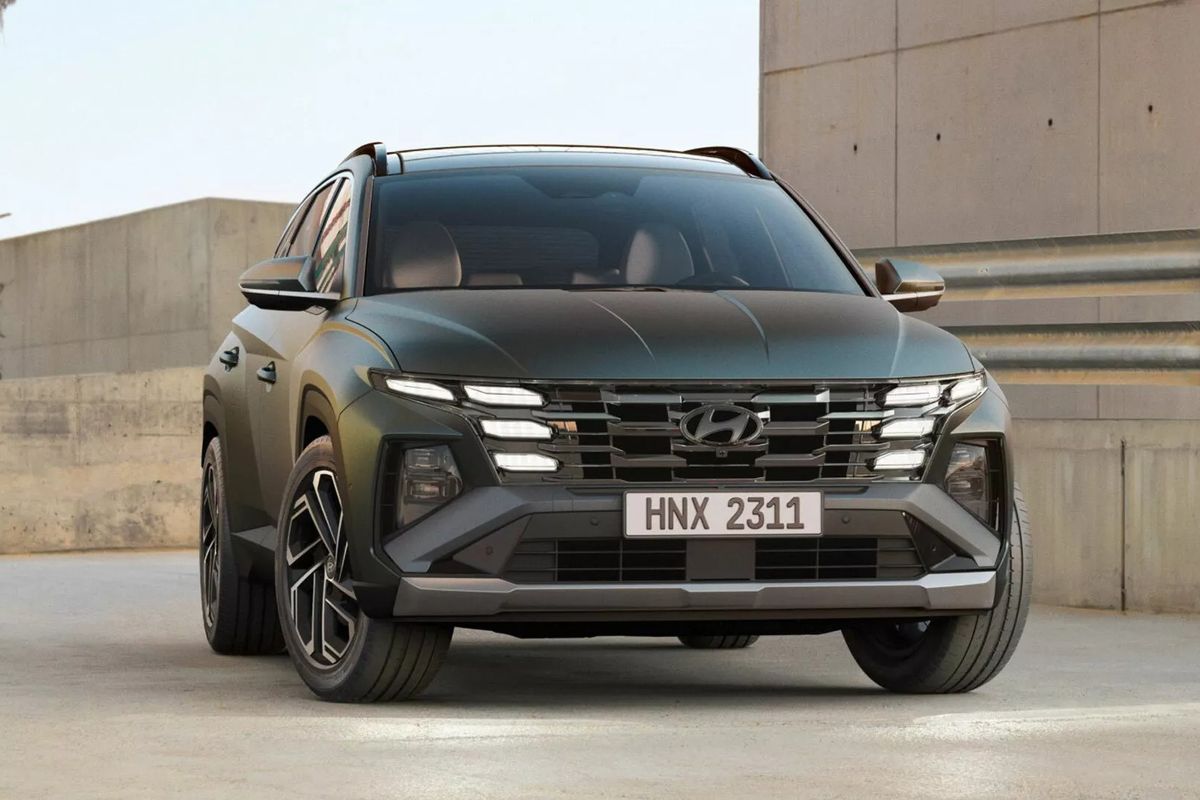
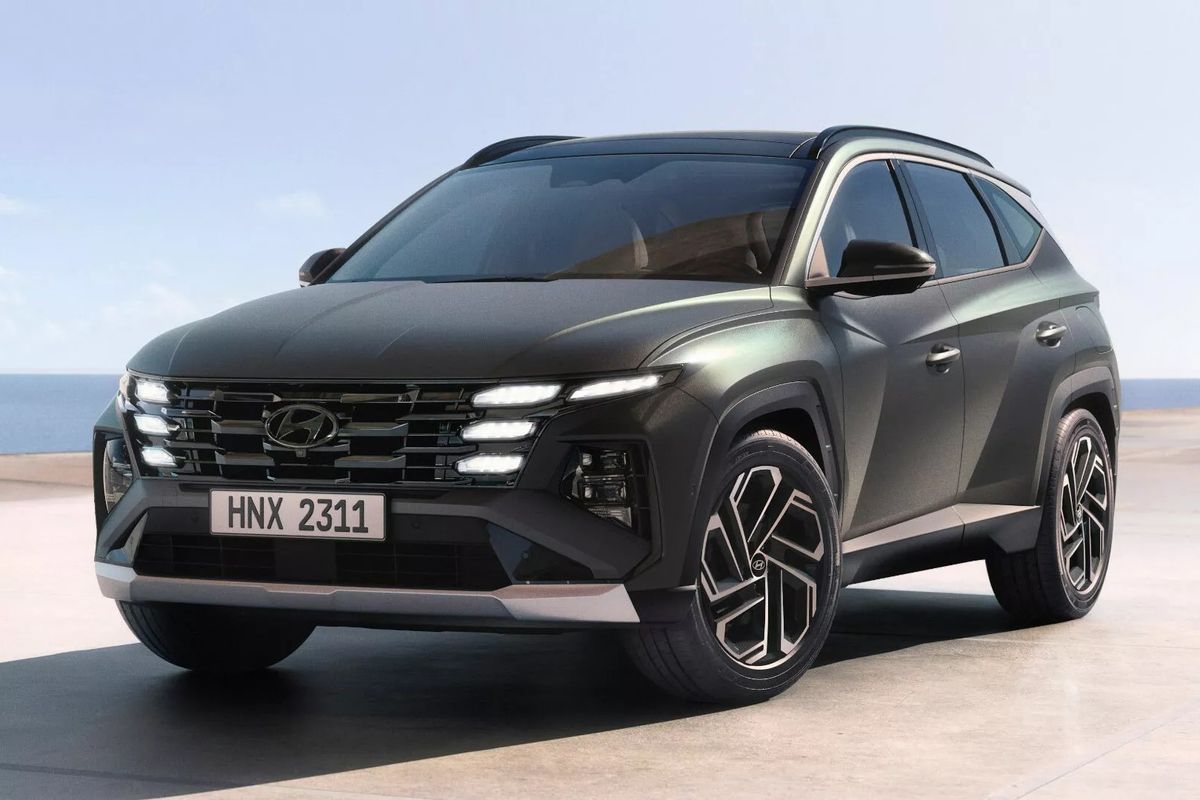
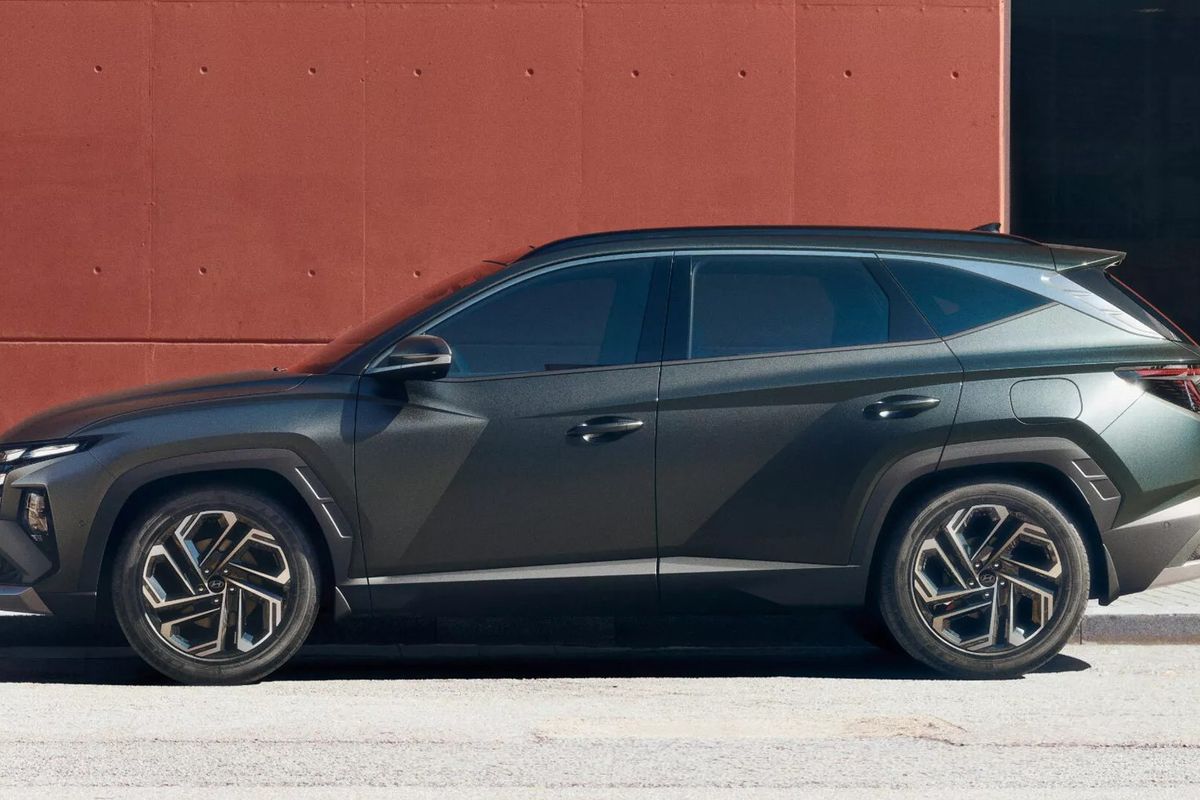
The 4th-generation version of the Korean SUV has been given an update. What you see here is the 2025 Hyundai Tucson and while the changes are not immediately apparent, there’s been some work done.
That bold grille has been given a tweak, featuring an enhanced version of Hyundai’s Parametric Dynamics design language, along with new-look daytime running lights. There’s also a new bumper and skidplate and the car maker confirmed there’d be a revised rear as well as new wheel designs, which we’ll see later. Hyundai has also mentioned that there’ll be new exterior colours and new interior trim themes.
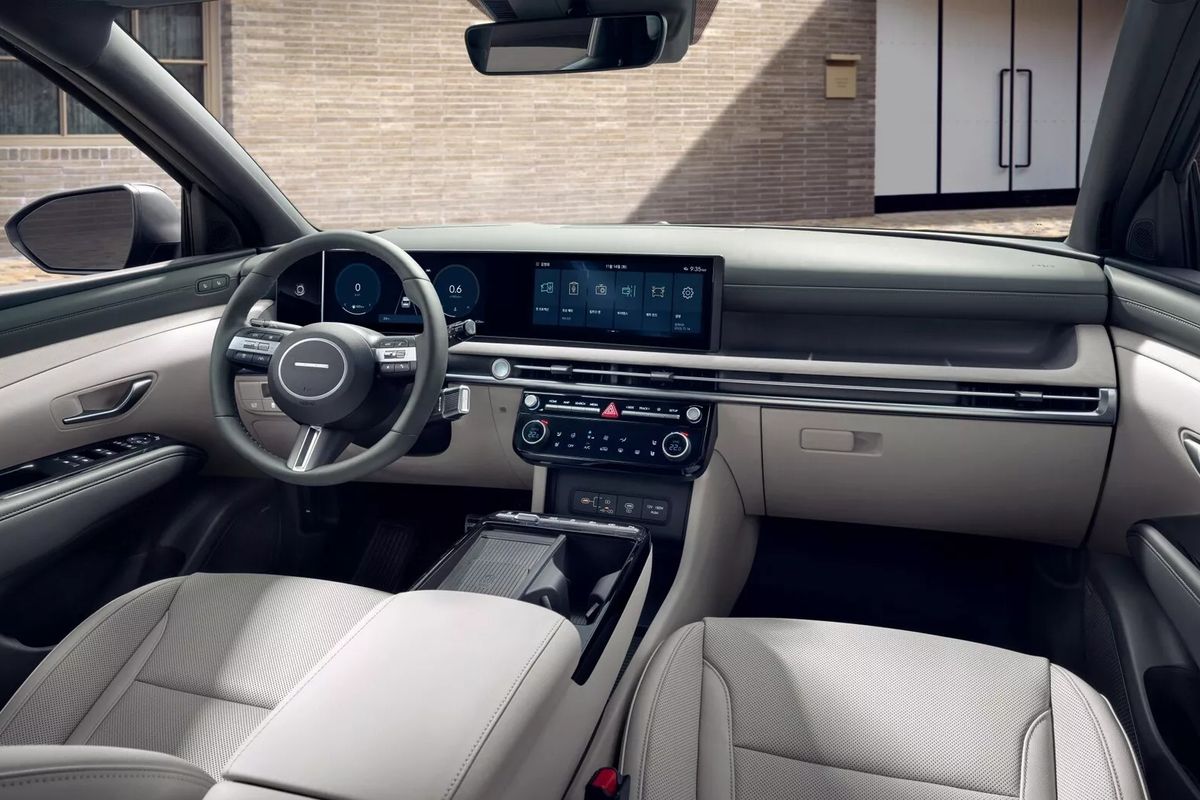
Climb inside and the 2025 Hyundai Tucson has an updated cabin with new switches as well as a panoramic curved display. This display comprises a 12.3-inch digital instrument cluster as well as a 12.3-inch infotainment setup. This screen system has been spotted in other products, like the facelifted Kia Sorento and it makes sense to roll it out across both the Kia and Hyundai portfolio.
Other noteworthy changes include repositioning of the wireless smartphone charger and cupholders, and the gear selector has been relocated to the steering column.
We’re not expecting major changes or enhancements to the current lineup of engines, but we reckon that the European market powertrains will be slightly improved when it comes to emissions. Locally, we’re expecting the naturally-aspirated 2.0-engine and 2.0-litre turbodiesel engine to be carried over.
When will the 2025 Hyundai Tucson facelift some to South Africa?
Very little information has been announced at this point and right now all we have to go on is initial images of the exterior and cabin. We expect more details to emerge before the end of 2023 and we estimate the Korean SUV will be landing in SA showrooms by the end of 2024.
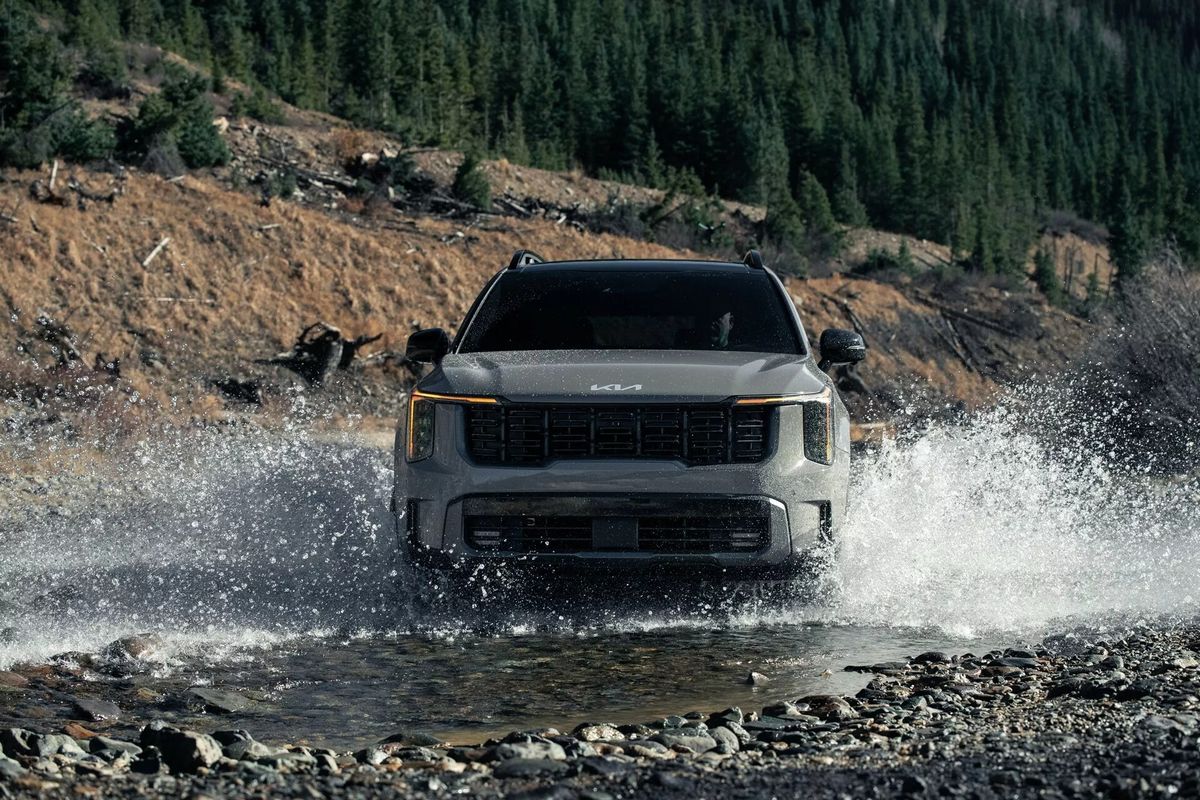
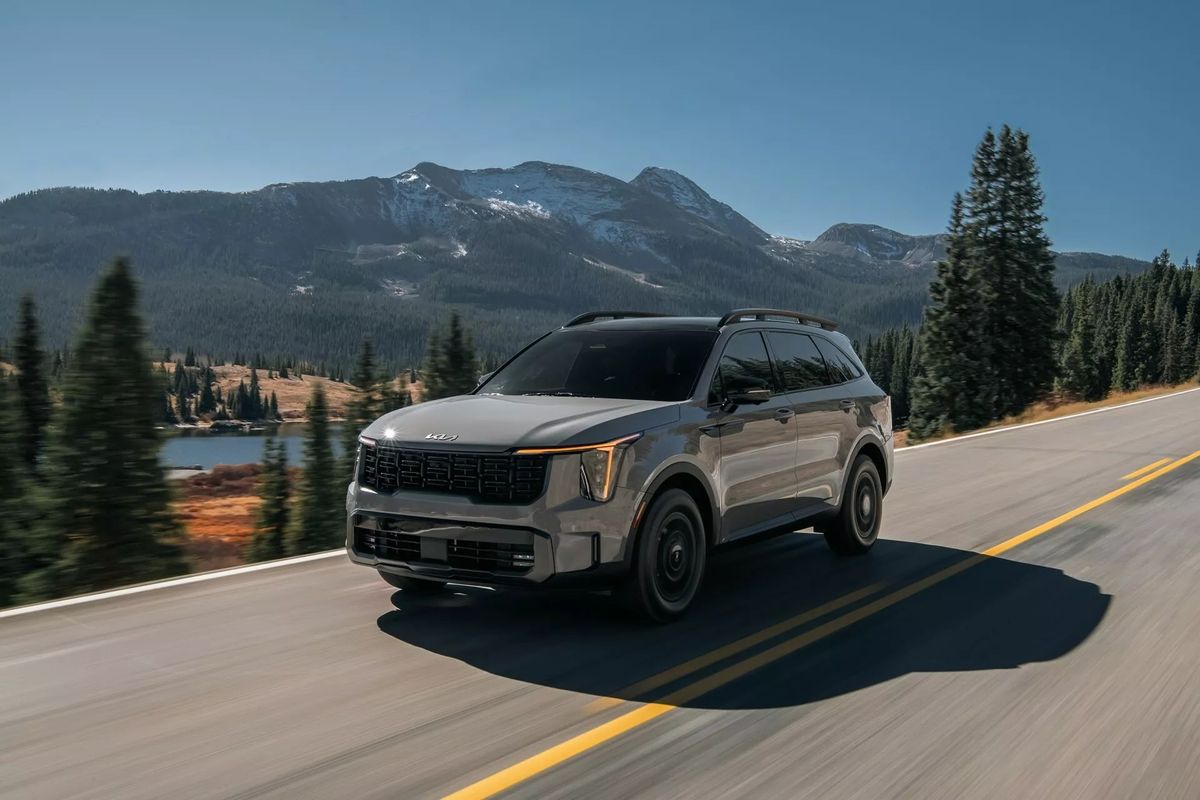
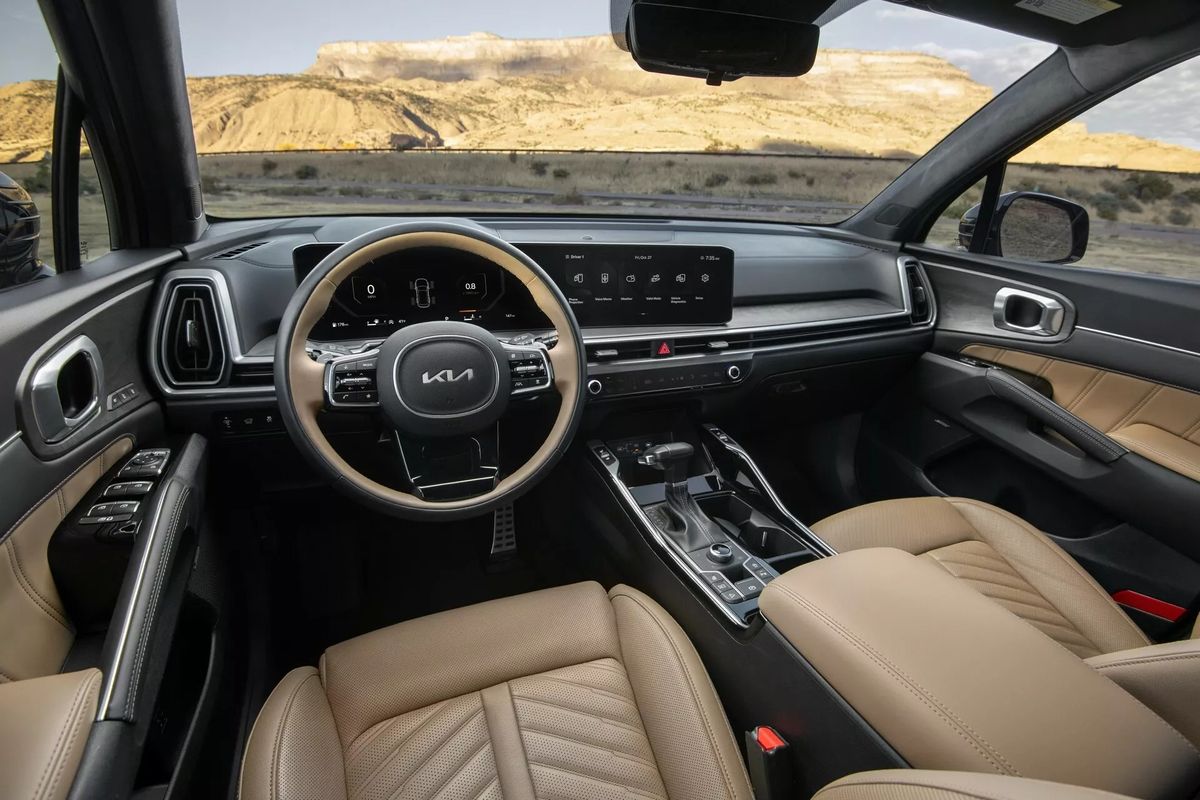
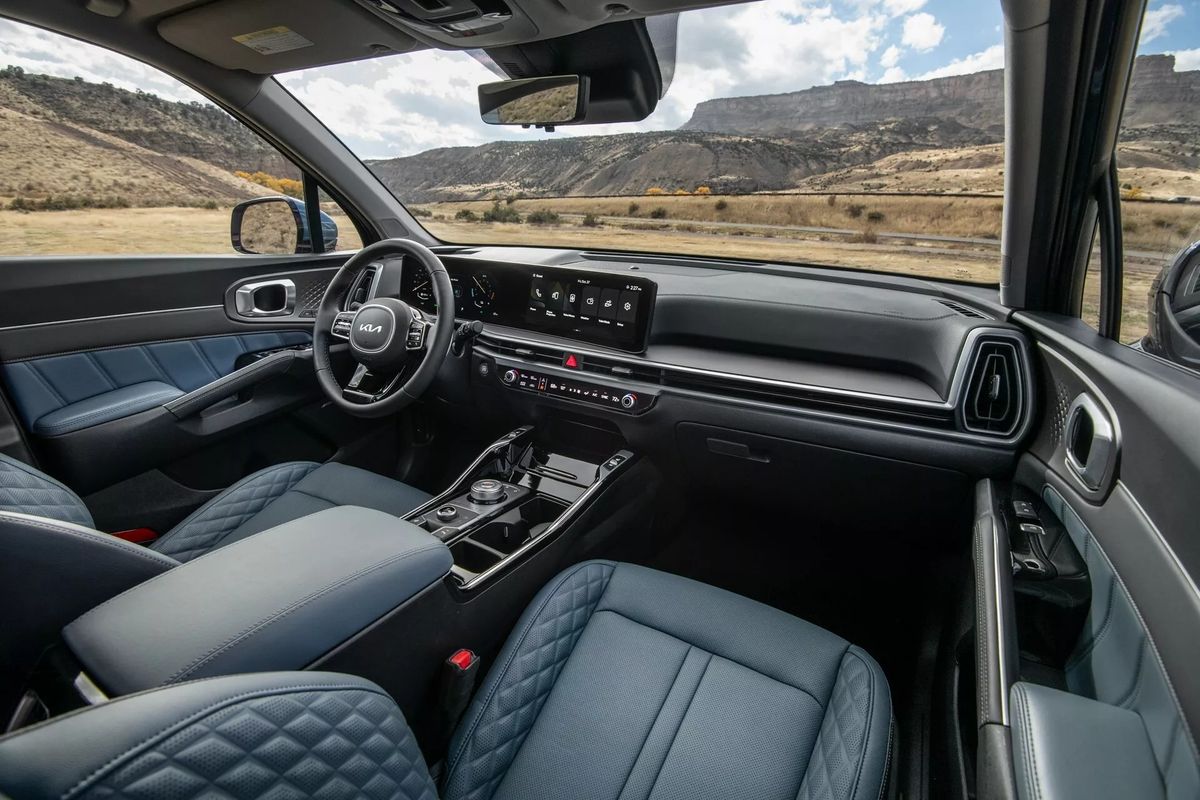
The first official images of the facelifted Kia Sorento have been released, with the SUV scoring fresh front-end styling and a new dashboard design…
UPDATE: We’ve updated this article with additional images from the US reveal of the 2024 Kia Sorento facelift.
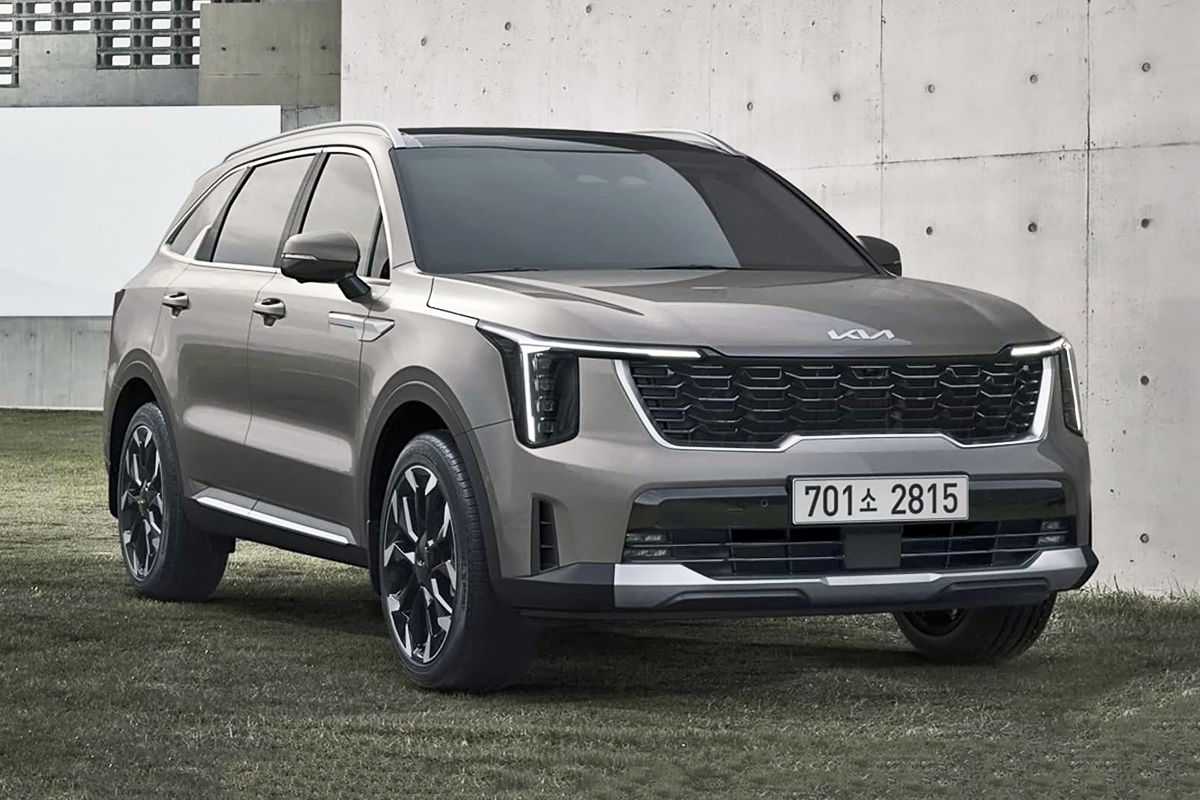
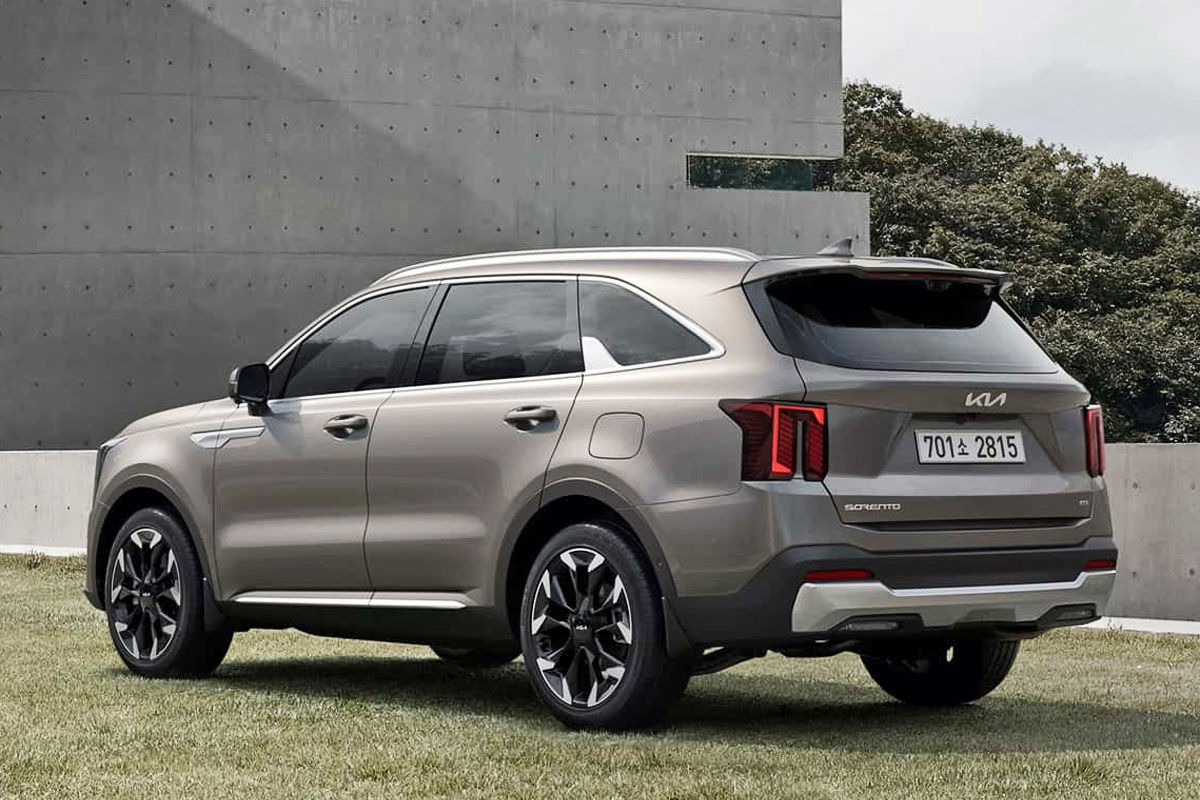
Official images of the facelifted version of the 4th-generation Kia Sorento have been released in South Korea, with the SUV’s midcycle update including design updates inside and out.
Though the MQ4-generation Sorento launched in South Africa as recently as January 2022, the Korean firm has already handed the SUV a fairly significant facelift. Technical details – including those around potential powertrain changes – have yet to be released, but the images tell a story all on their own.
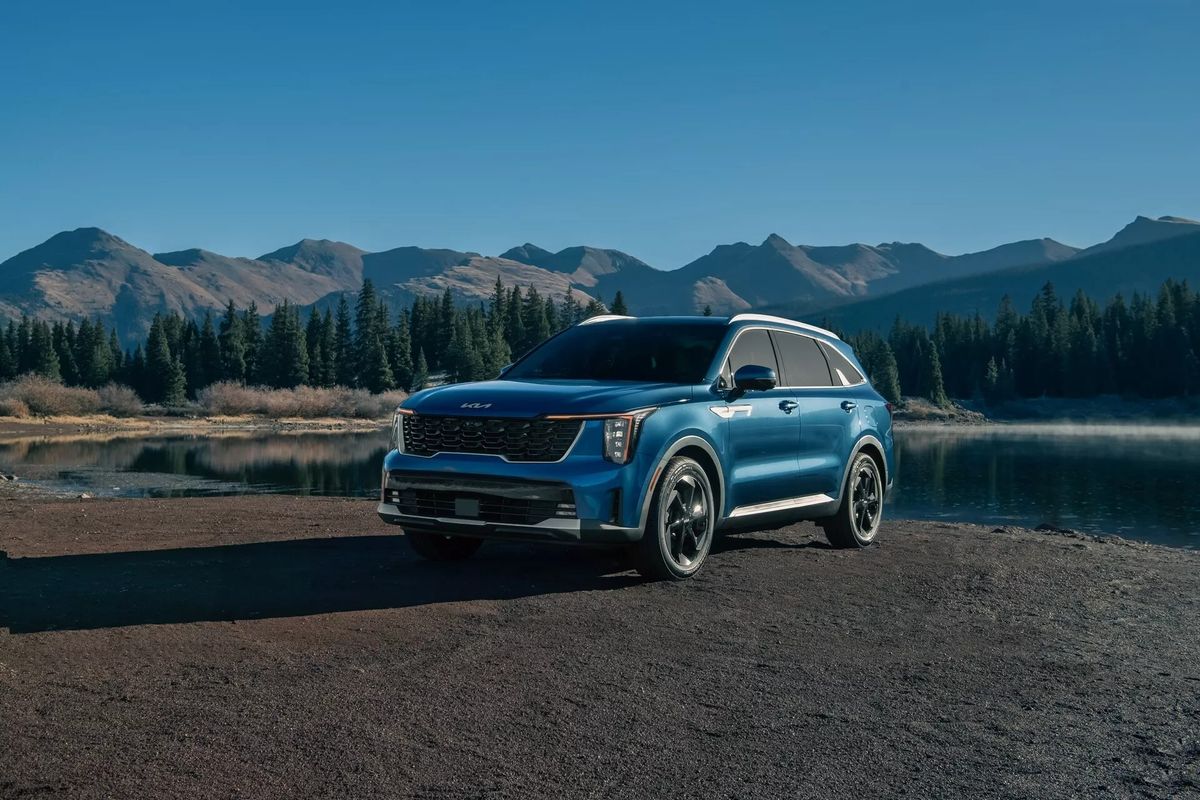
Styling up front has clearly been inspired by the likes of the fully electric EV9 (as was the case with the recently facelifted Picanto), with the updated Sorento switching to sleek vertically arranged headlamps, complete with eye-catching daytime running lights. The grille – which retains a 3-dimensional pattern – is larger and bolder than before, while the Kia logo has been moved to the leading edge of the bonnet.
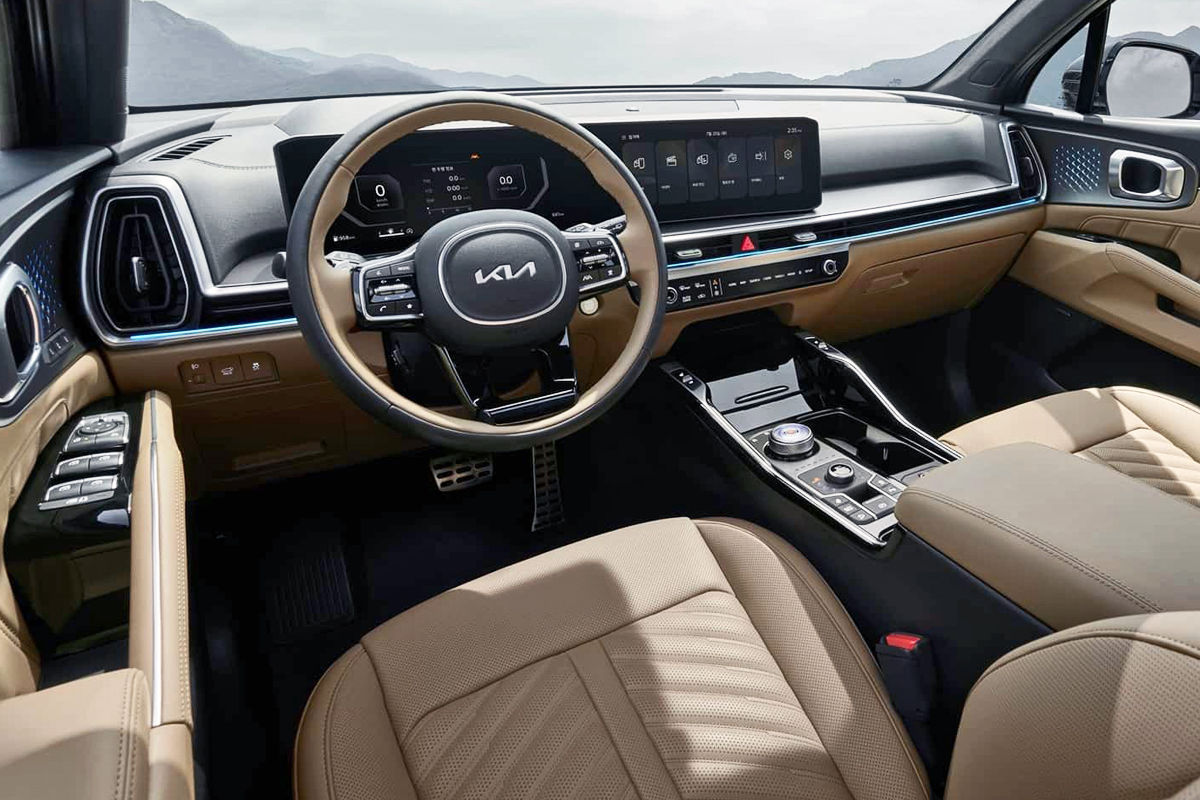
Note the wider, curved screen and sleek air vents.
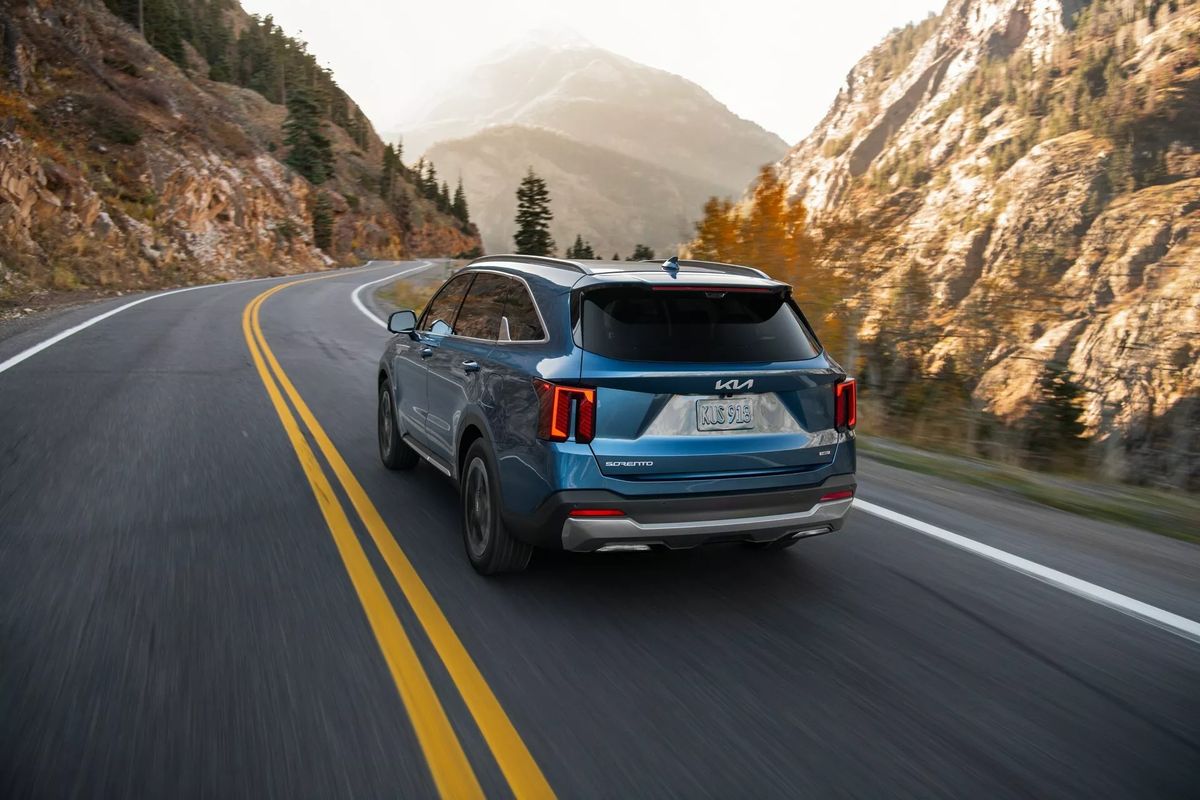
The lower section of the front bumper has likewise been revised, as has the front skid plate. From what we can tell, the taillamp shells appear mostly unchanged, though Kia does seem to have tweaked the lighting signature by implementing new graphics.
There’s also a wider rear skid plate as well as an altered lower rear bumper, while the “Sorento” lettering is no longer centred on the tailgate, instead being repositioned to the far left. Finally, the automaker has rolled out a fresh alloy-wheel design.
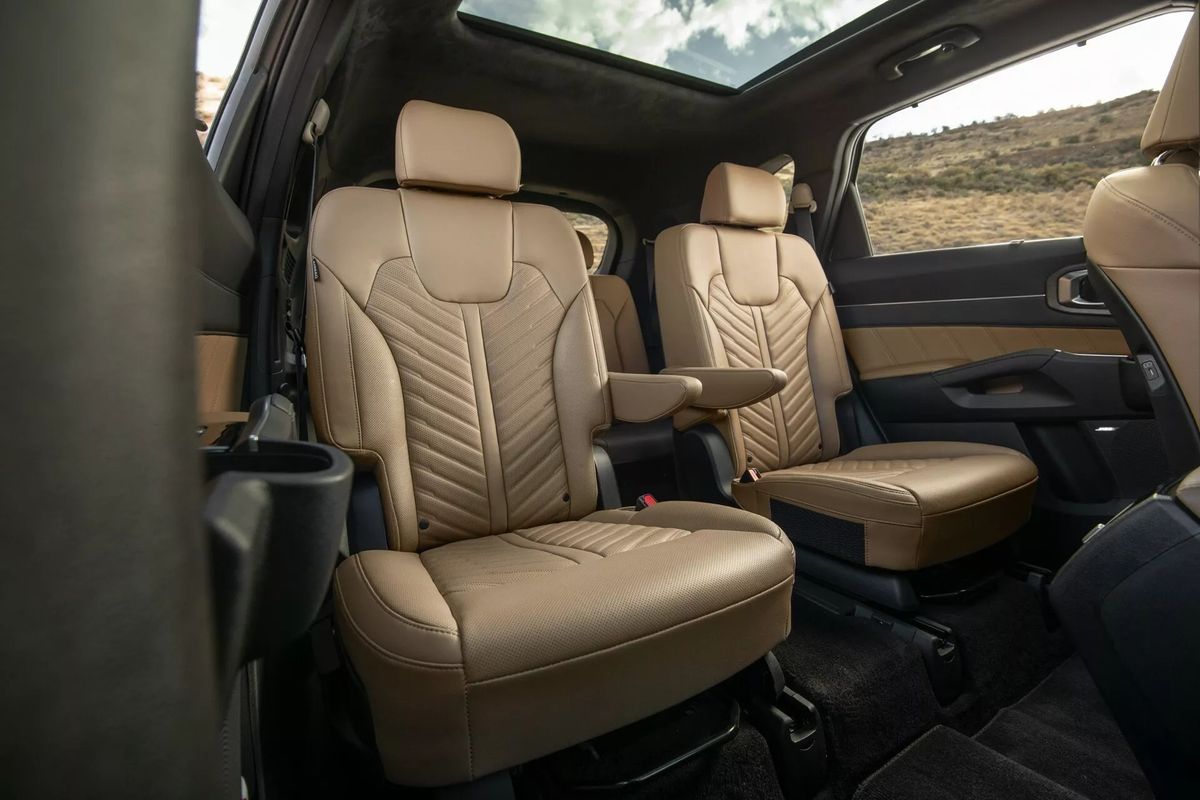
Inside, the Korean-spec and US-spec versions of the refreshed Sorento switch to a panoramic curved screen, which combines a 12.3-inch instrument cluster and 12.3-inch infotainment display, which runs on a new operating system that allows for over-the-air updates. Below this screen, you’ll find redesigned air vents that stretch virtually all the way across the dashboard as well as a new touch panel for climate and audio controls.
Kia Motors South Africa has yet to announce when the facelifted Sorento is due to launch locally. As a reminder, the current range comprises 4 derivatives, each powered by a 2.2-litre, 4-cylinder turbodiesel engine delivering 148 kW and 440 Nm. Drive is directed to either the front axle or all 4 wheels via an 8-speed dual-clutch transmission as standard.
SA’s best-selling double-cab bakkies in October 2023
Hilux or Ranger? Which nameplate was the best seller in the double-cab bakkie segment in October 2023 and year to date? Well, the answer is different in each case…
Since Naamsa’s monthly sales figures unfortunately don’t include a breakdown of the 3 available bakkie body styles (the single-, extended- and double-cab shapes), we’ve asked our friends over at Lightstone Auto for help identifying SA’s best-selling 1-tonne double-cab bakkies for October – as well as for the year to date.
Before we scrutinise these figures, let’s take a step back and consider what the overall picture – that is, including all body styles – looks like so far in 2023. Based on Naamsa’s figures, the Toyota Hilux is leading the bakkie pack overall with 31 451 units, followed by the Ford Ranger (20 448 units) and the Isuzu D-Max (16 277 units).
SA’s top-selling double-cab bakkies in October 2023
The Isuzu D-Max (seen here in AT35 guise) placed 3rd in the double-cab sales race last month.
Right, now let’s break down the sales statistics by body style. According to Lightstone Auto’s figures, the Hilux was South Africa’s best-selling double-cab bakkie last month, with 1 528 units registered. Dual-cab derivatives thus represented 49% of the Prospecton-built stalwart’s overall tally of 3 110 units in October 2023.
It’s furthermore worth noting that the Hilux – which is, of course, SA’s most popular vehicle overall year to date and has been the top seller every year for the past decade – also reigned supreme in the 1-tonne single-cab bakkie segment (1 180 units) as well as in the extended-cab segment (400 units) last month.
In the double-cab race, the Silverton-produced Ranger thus had to settle for 2nd place in October, with 1 483 units sold (or 80% of its 1 853-unit total). For the record, the Blue Oval brand also moved 254 units in the extended-cab space (enough for 2nd, too) but just 116 units in the 1-tonne single-cab segment.
As you might have guessed, the Struandale-made D-Max again completed the double-cab podium, with 566 units sold (or nearly 39% of its 1 464-unit aggregate for October) in this part of the market. The D-Max also enjoyed 734 sales in the single-cab arena (grabbing 2nd place there) along with 164 sales in the extended-cab space.
SA’s top-selling double cabs YTD 2023 (end of October)
The Ford Ranger (pictured here in Wildtrak X form) is SA’s best-selling double cab, year to date.
What about the year-to-date double-cab bakkie sales race in South Africa? Well, despite the Hilux clearly winning October, Lightstone Auto’s fascinating dataset shows the Ranger remains ahead in the dual-cab space after the first 10 months of 2023, with 17 265 units registered around Mzansi.
The double-cab Hilux thus finds itself 1 801 units off the pace, with 15 464 examples sold in SA, year to date. The D-Max double cab, meanwhile, is in a distant 3rd place on 7 387 units.
Mahindra’s Pik Up is 3rd in the single-cab race, year to date.
And the single-cab space? Well, with 10 months of 2023 gone, the Hilux (11 427 units) has what is surely an unassailable lead in this segment, with the D-Max single cab (7 292 units) sitting in 2nd and the 2-door version of the KwaZulu-Natal-assembled Mahindra Pik Up (5 263 units) some way behind in 3rd. The Ranger single cab, meanwhile, finds itself on 1 262 registrations, year to date.
According to Lightstone Auto, sales of all other bakkies (over and above the Ranger, Hilux, D-Max and Pik Up) available in the double-cab body style total 12 457 units year to date, while the single-cab tally (again, excluding these 4 mentioned nameplates) sits on 8 377 units over the same reporting period.