New Mercedes-AMG EQE 43 Sedan Video Review – First Drive in an Electric AMG
Well, this day was always coming. While this EQE is not a fully-fledged AMG model (those are still to come), this is the very first electric vehicle from Mercedes to wear the AMG badge. And it certainly is interesting…
The EQE 43 is a 350kW bahnstormer with a properly decent-sized battery delivering a usable (official) range of over 400km. It’s a luxurious tech fest in the cabin too although as Ciro De Siena found out, the build quality leaves quite a lot to be desired.
Join us for an in-depth look at the Mercedes-AMG EQE 43 sedan, where he discusses the price, rivals, rear seat space, boot space and of course what it’s like to drive.
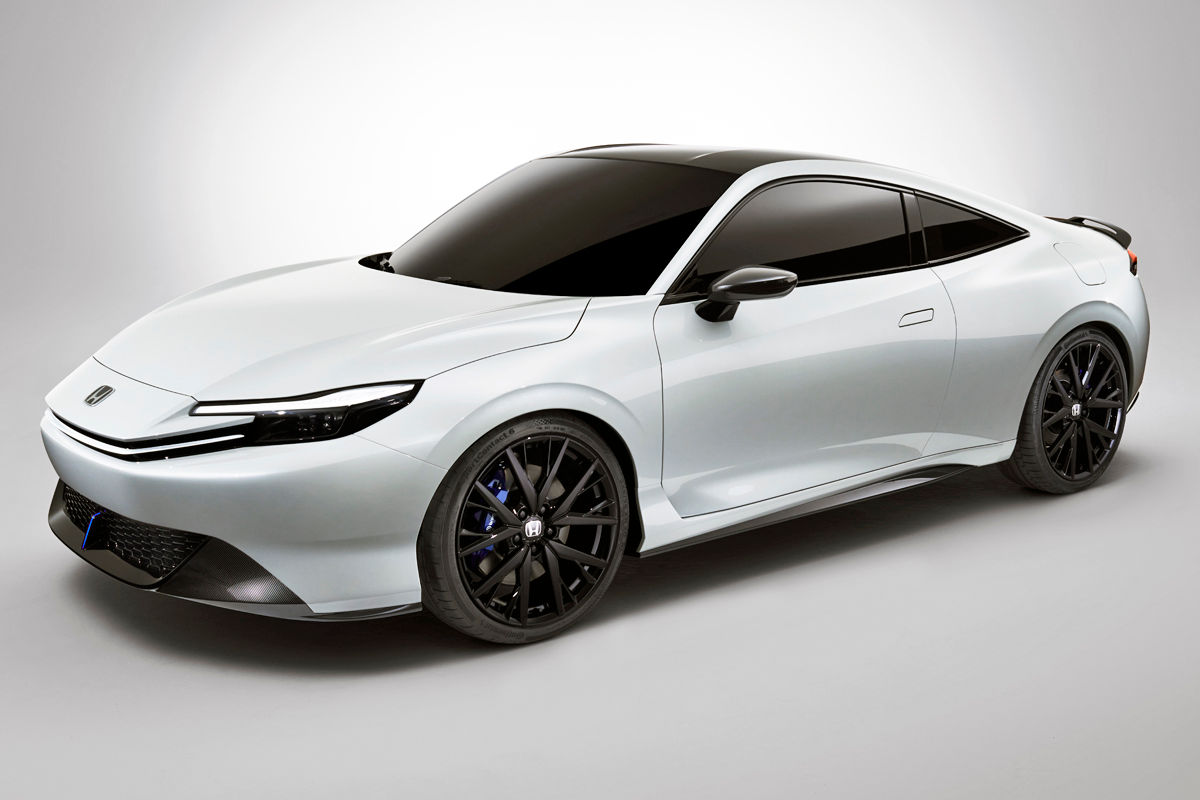
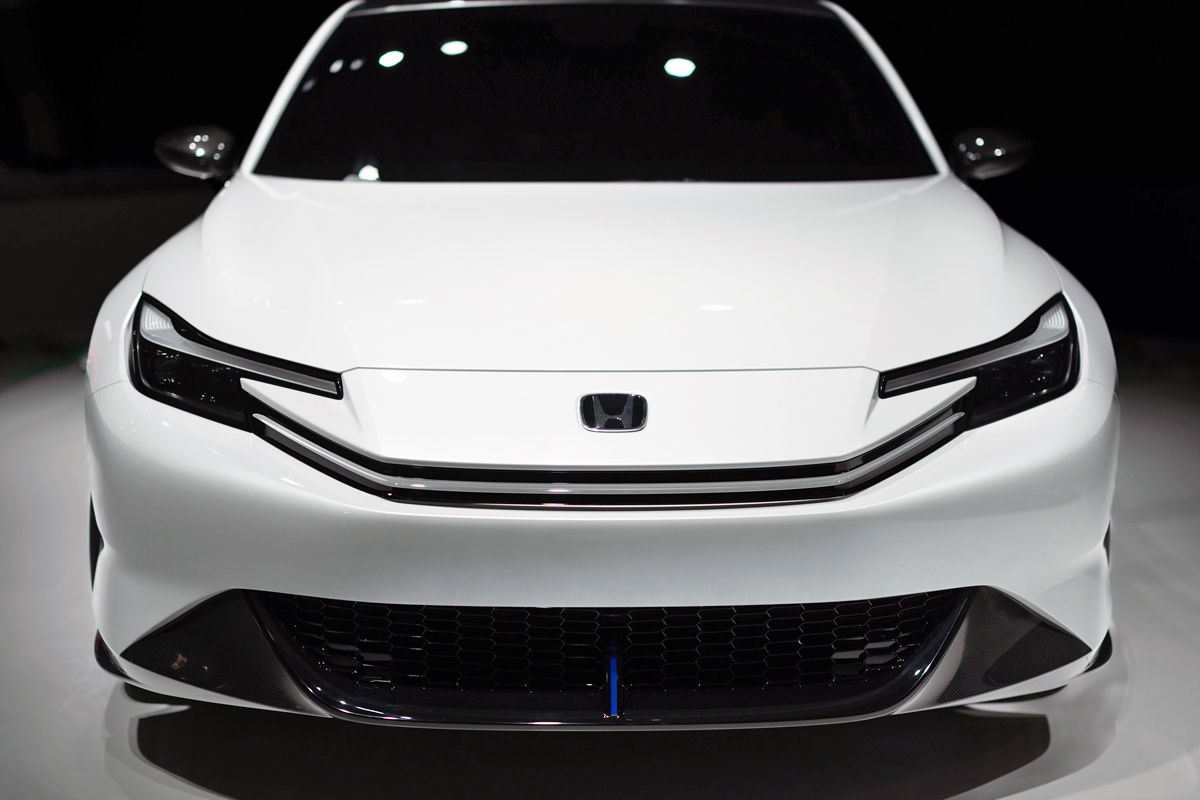
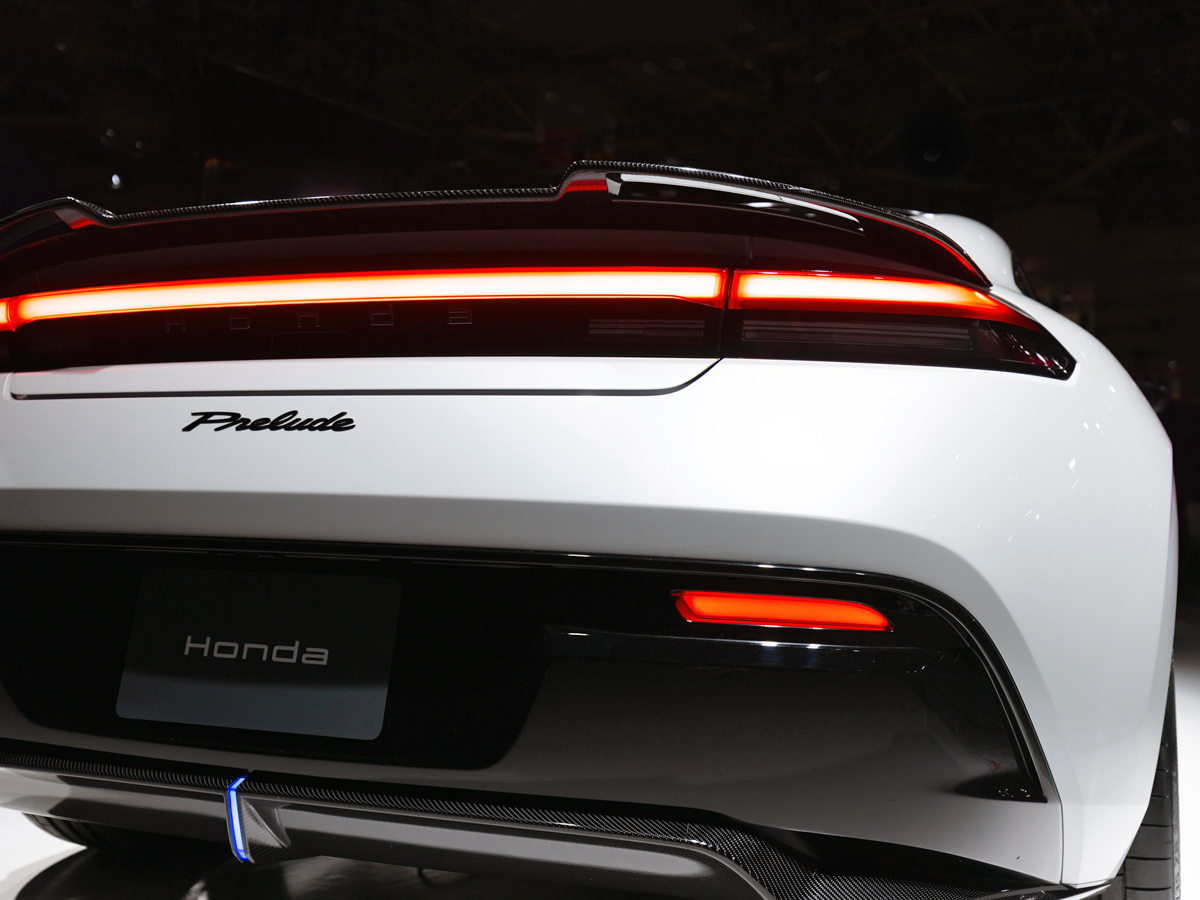
The return of the Honda Prelude nameplate has been all but confirmed, with the Japanese automaker unveiling a fresh concept bearing this storied badge…
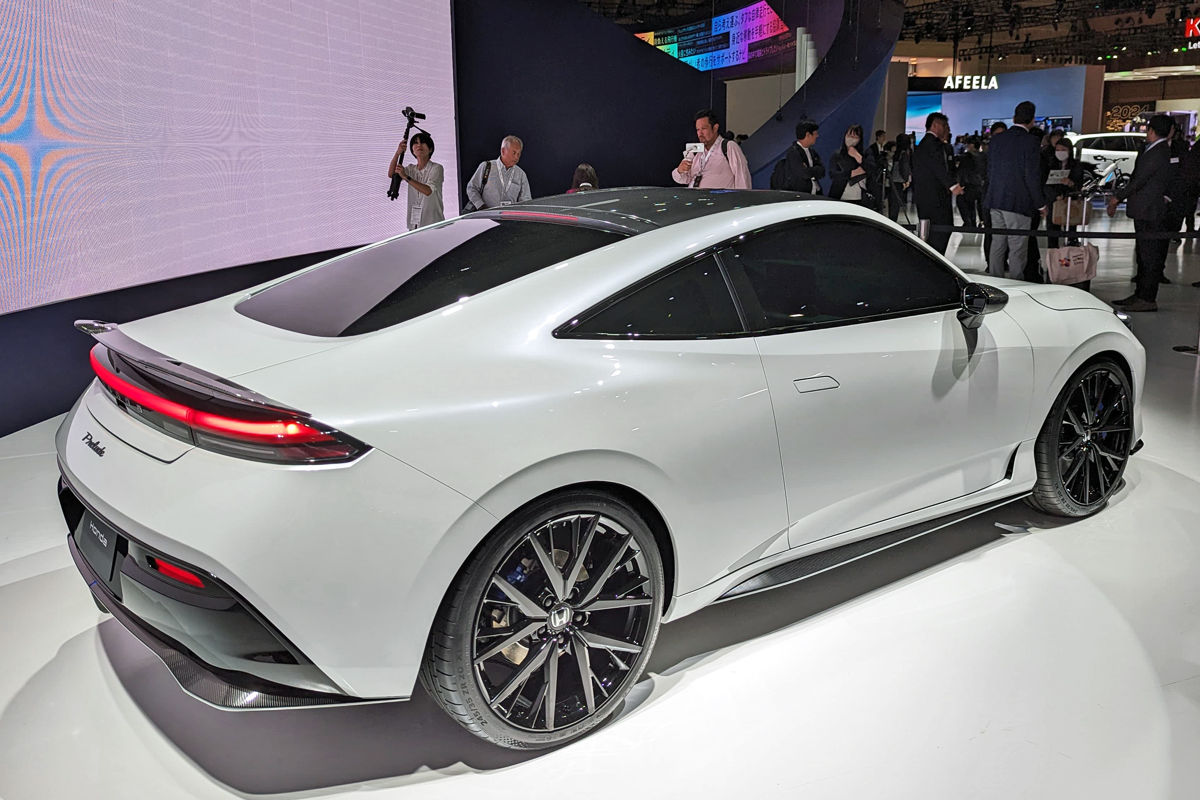
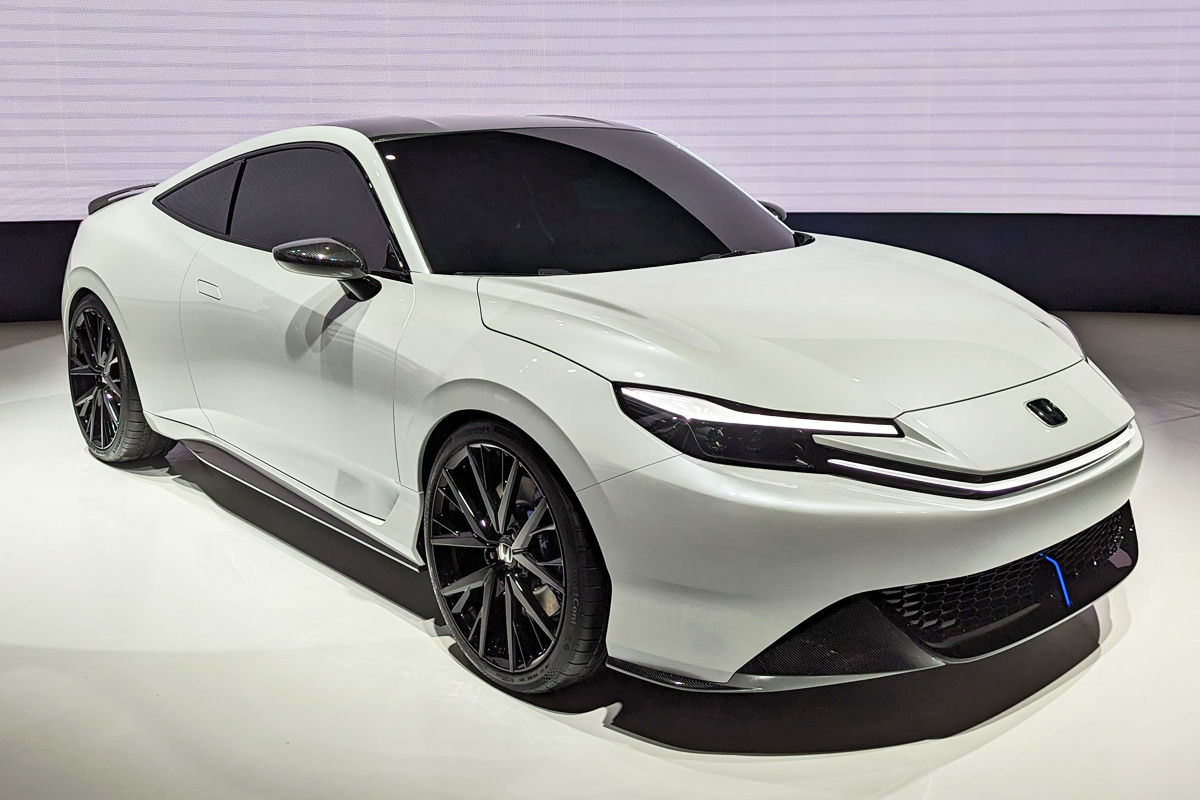
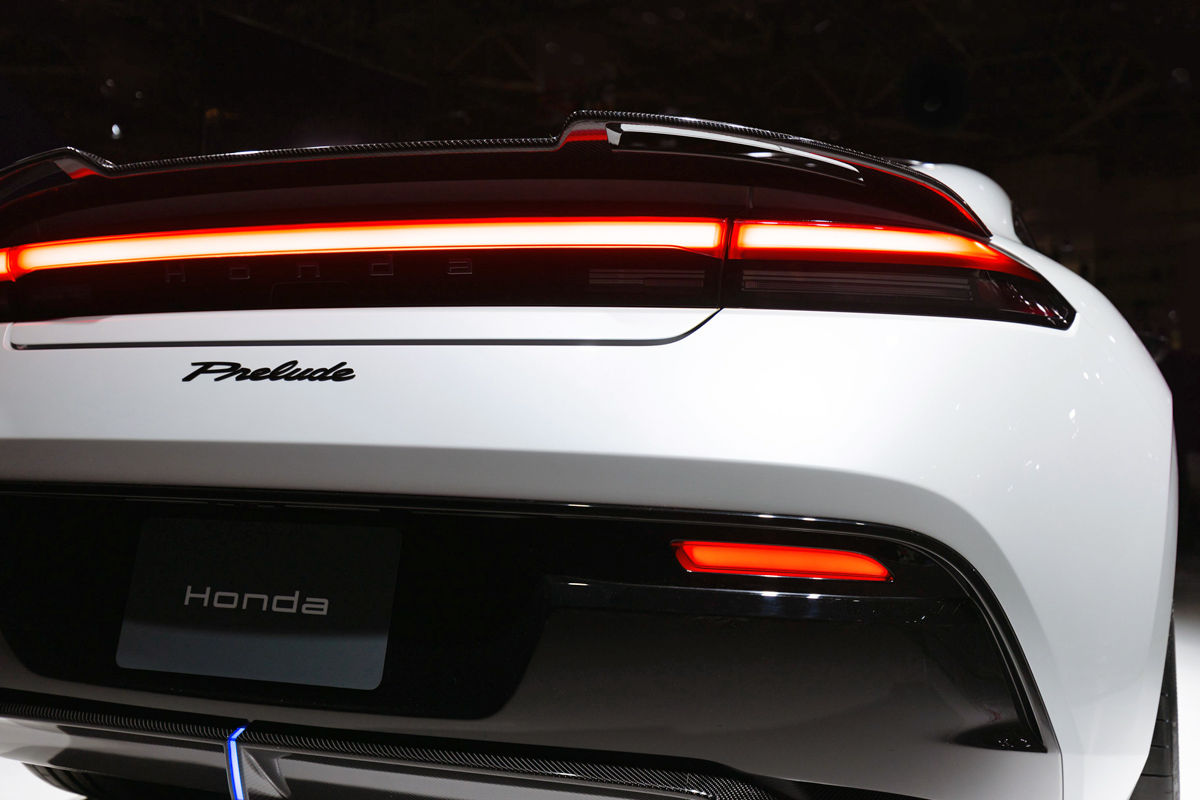
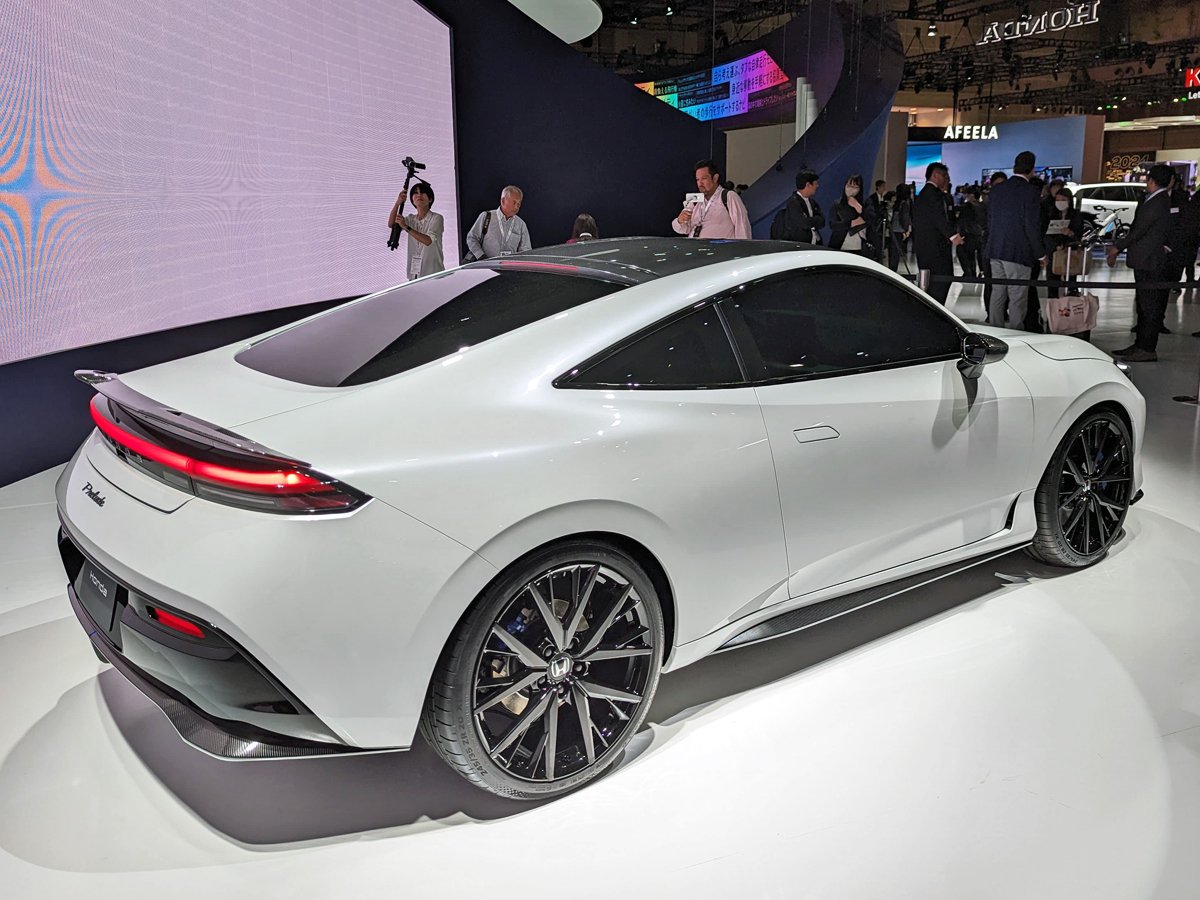
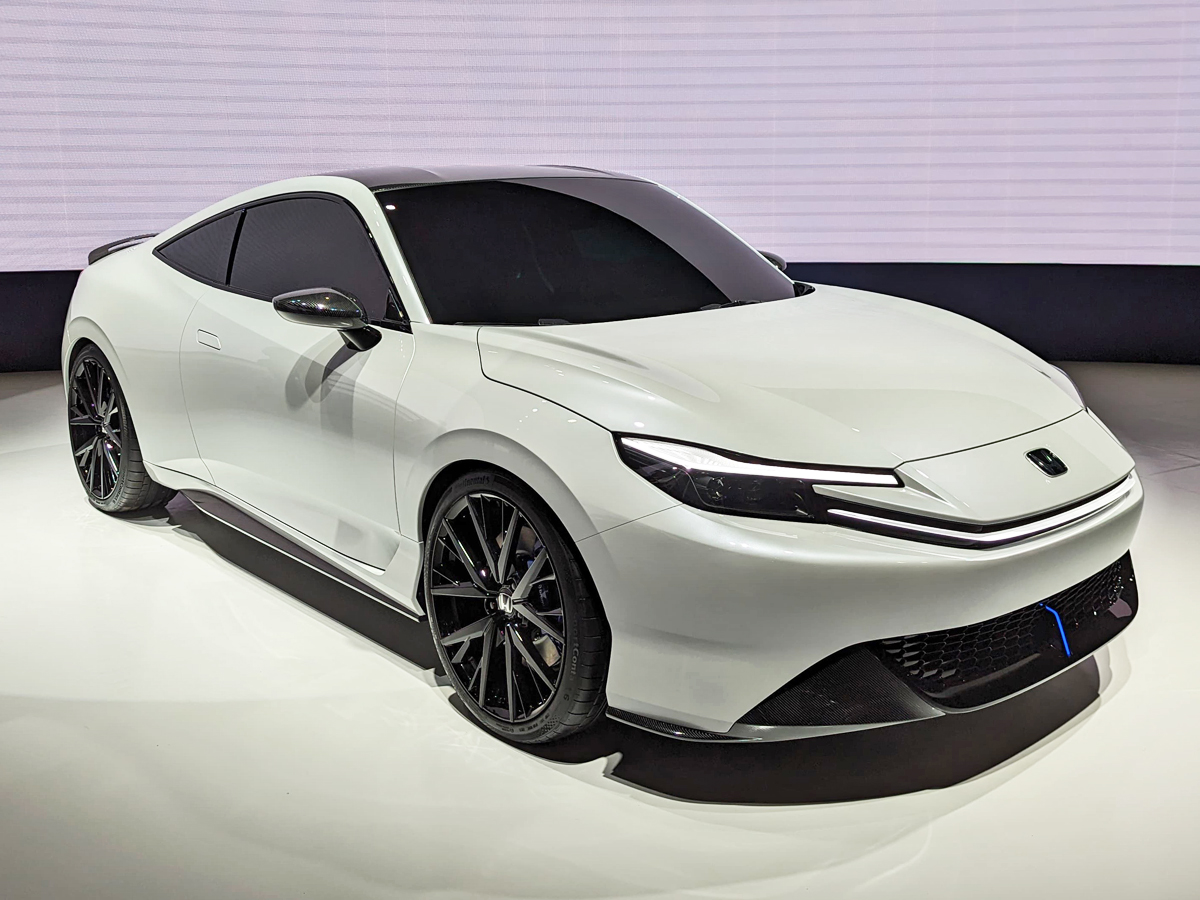
Yes, the Honda Prelude is back – well, sort of. Some 22 years after this storied nameplate was put out to pasture, the Japanese automaker has whipped the wraps off a sleekly styled coupé concept bearing the badge. And it looks very likely to reach production.
In a surprise reveal right at the end of Honda President Toshihiro Mibe’s media address at the Japan Mobility Show 2023 in Tokyo, the company introduced what it called the “Prelude Concept”.
The Prelude Concept employs an electric powertrain.
What do we know about this show car? Well, though details are still thin on the ground, Honda has confirmed the concept employs an electrified powertrain of some sort, which furthermore suggests any upcoming production version will, too. That said, powertrain specifications have yet to be released.
Describing it as a “specialty sports model”, Mibe-san said the concept was “the prelude for our future models, which will inherit the ‘joy of driving’ into the full-fledged electrified future and embody Honda’s unalterable sports mindset”.
Honda’s president says the firm is “diligently progressing with development”.
“The Prelude Concept is a specialty sports model that will offer exhilarating experience that makes you want to keep going forever and extraordinary excitement you never felt before. In order to offer the ‘joy of driving’ only Honda can realise, we are diligently progressing with development, so please keep your expectations high for this model,” the Honda boss added.
As a reminder, the Prelude was built between 1978 and 2001, with 5 generations on offer. Though the 1st-generation version wasn’t officially sold in South Africa, our market did receive the next 4. All were 2-door coupés using the front-engine, front-wheel-drive layout. Globally, the 2nd-gen model was by far the best-selling Prelude, with sales dropping off drastically over the following generations.
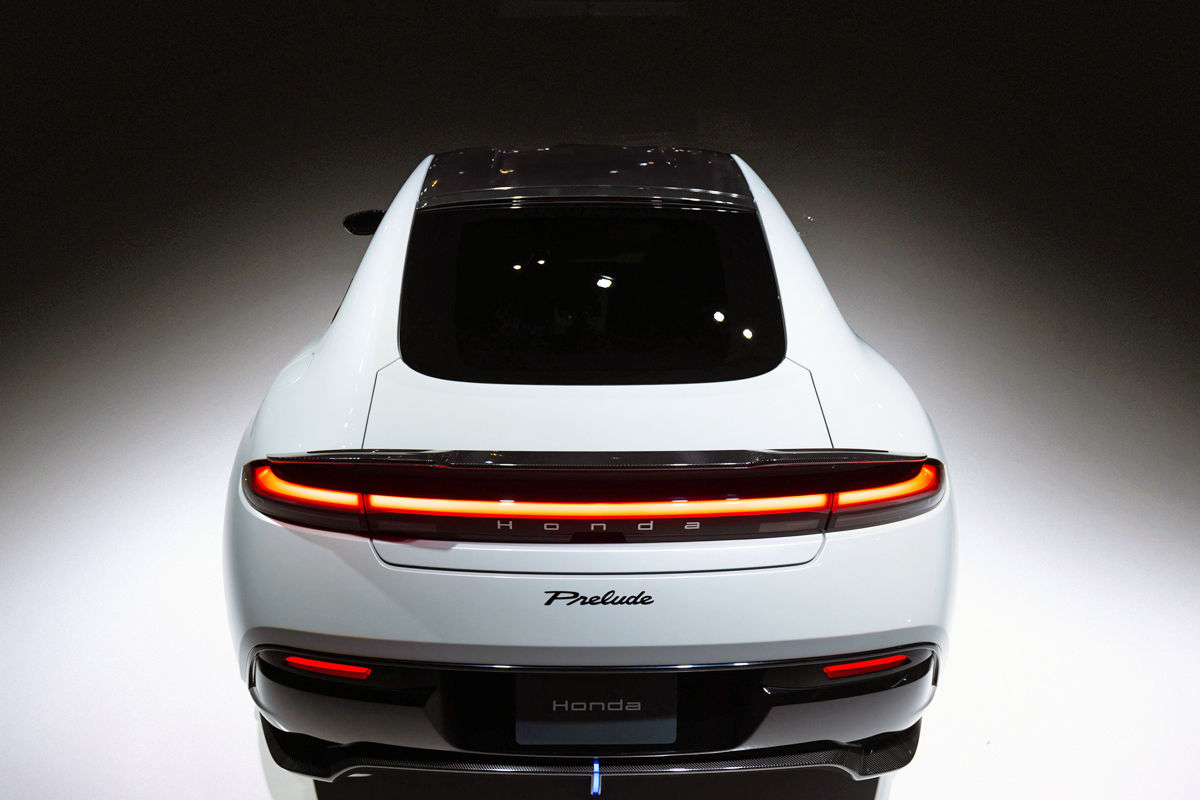
The “Prelude” script used here resembles the 4th-gen model’s badge.
We’ll keep our eyes peeled for more official information from Honda on the rebirth of the Prelude nameplate…
If you think Chery’s transformation from the producer of entry-level cheapies to one that offers fashionable, feature-rich top-selling models has been impressive, wait until you see what technology it is working on for the (well, immediate) future...
During my more than 2 decades in the motor industry, I have sat through my fair share of car-company strategy sessions. Usually, one can pick out 2 or 3 interesting technologies, and perhaps a new model or two that will eventually reach South Africa.
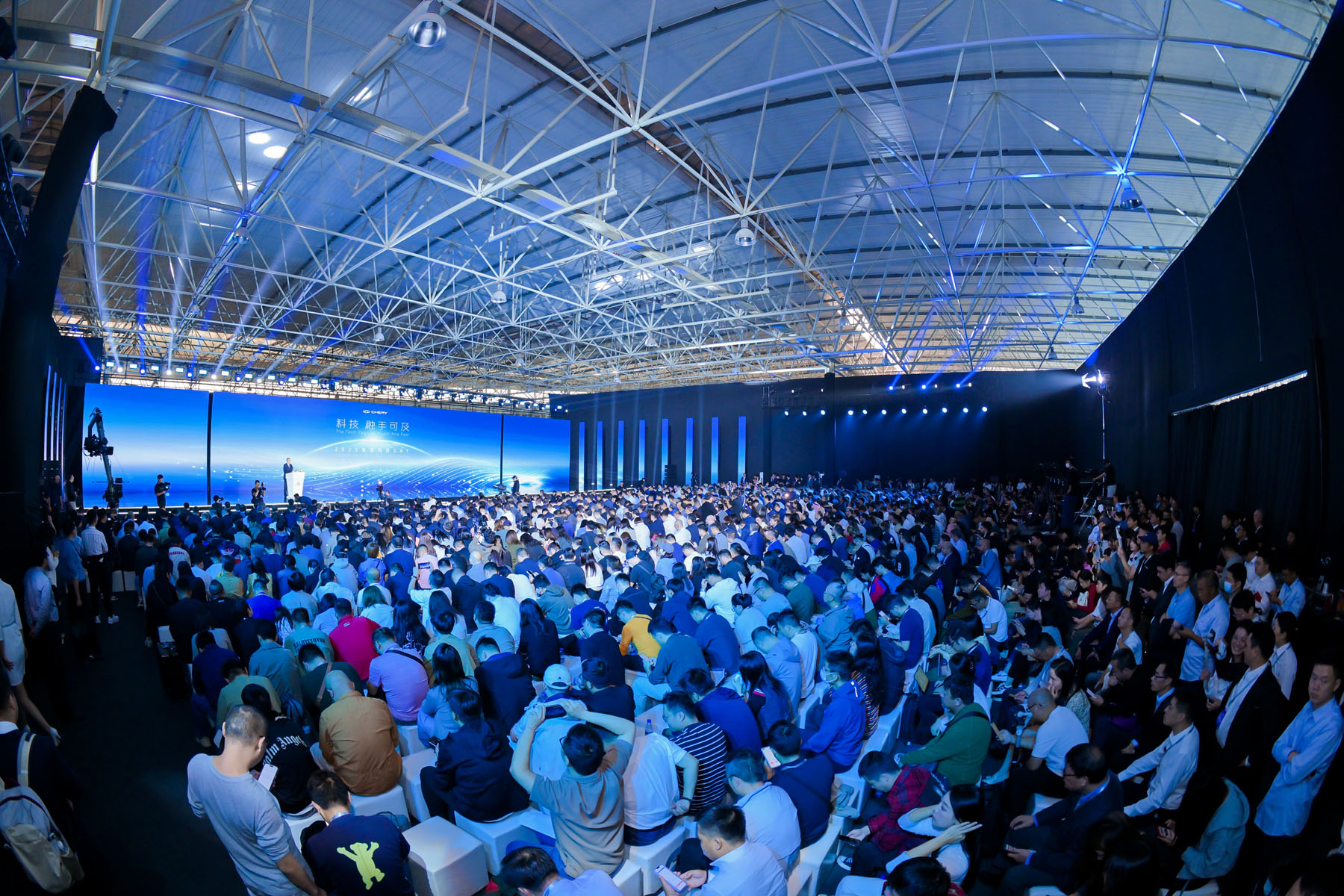
The Chery “Tech Day” was attended by hundreds of delegates from across the globe.
But the recent Chery “Tech Day” in Wuhu, China, was very different. This was not merely a confident company rolling out a few treats, but a rampant, increasingly global automotive giant unleashing a technological tour-de-force the likes of which I have not experienced before… certainly not in a single day. To be honest, it was difficult to take in, and it’s difficult to know where to start…
On my return journey, I spotted a random poster at the airport. It featured a fantastical image of a Viking ship in mid-air and a quote by Jules Verne, which finally managed to aptly describe the Tech Day experience for me.
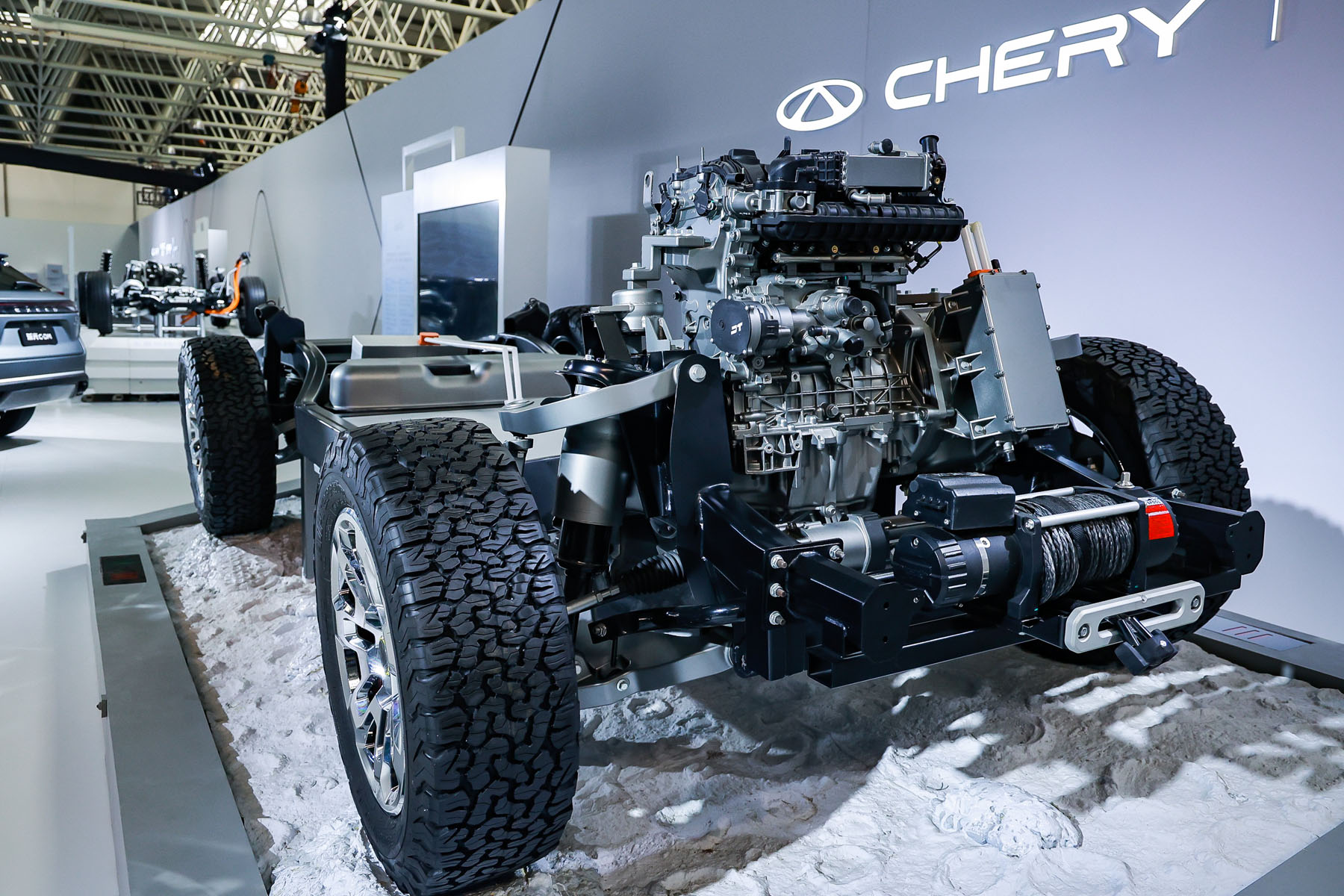
This installation showcases the underpinnings of a Chery off-roader, replete with a winch.
“Anything one man can imagine,” said Verne, “other men can make real.”
Chery’s investment in Research and Development over the next 5 years will amount to 100 billion yuan (more than R260 billion), and it will set up 300 “Yao Guang” laboratories globally.
But even as things stand today, Chery has already applied for and accumulated more than 26 000 patents. Evidently, Chery has a lot of men and women with wild imaginations, and even more to turn those fantasies into reality…
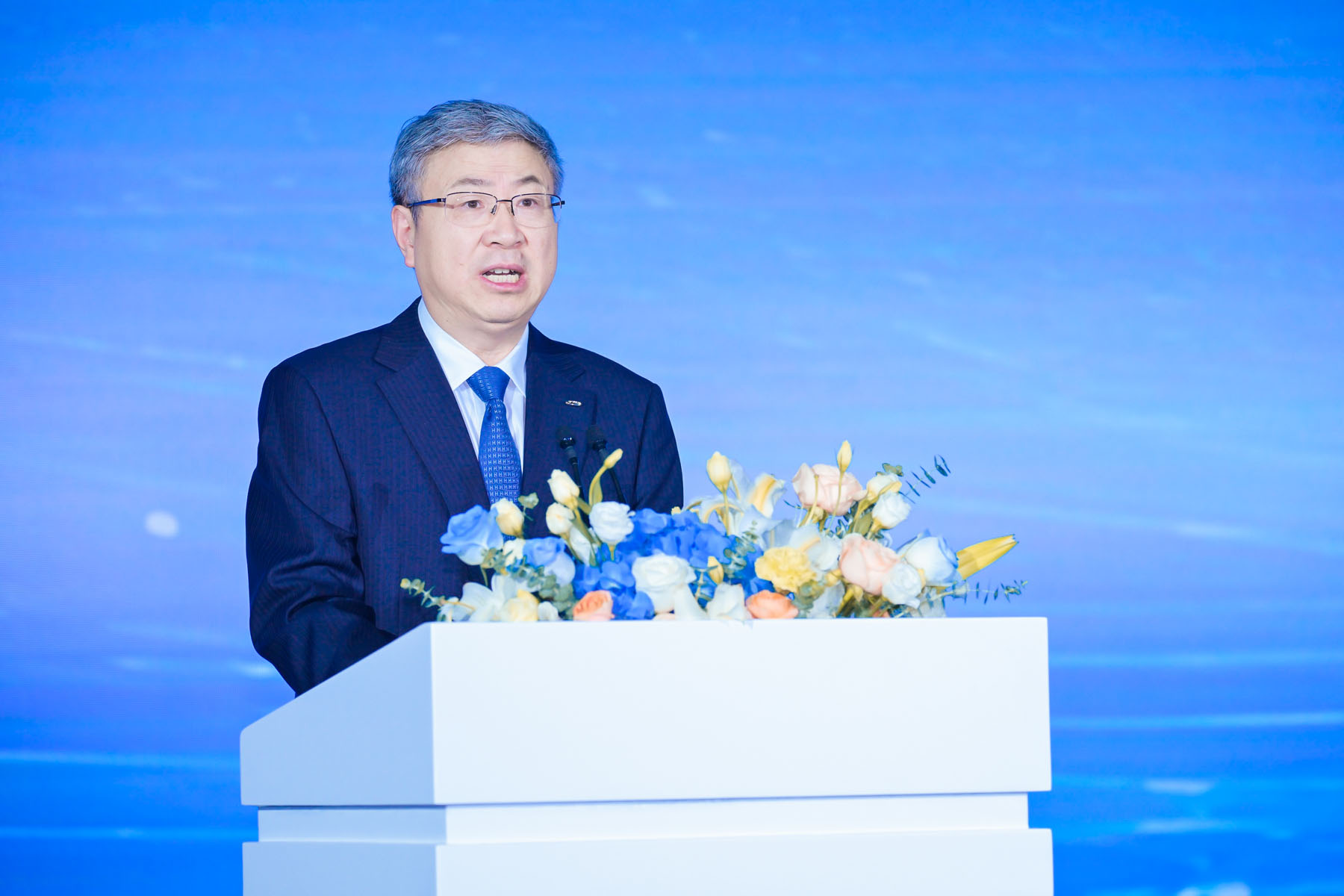
Chery Holdings Group chairman Yin Tongyue says the company strives for a “reputation of excellence”.
“We aspire to establish a robust and flourishing innovative ecosystem, characterised by a sturdy core. Chery is committed not only to autonomously cultivating talent but to continuously attracting leading experts from around the world. We aim to achieve a reputation for excellence that speaks for itself, creating a resounding impact with our endeavours,” said the chairman of Chery Holdings Group, Yin Tongyue.
The company certainly has the financial muscle to invest aggressively. From January to September this year, Chery’s cumulative sales have reached 1.253 million vehicles, surpassing the total sales for the entire previous year, which is the current record.
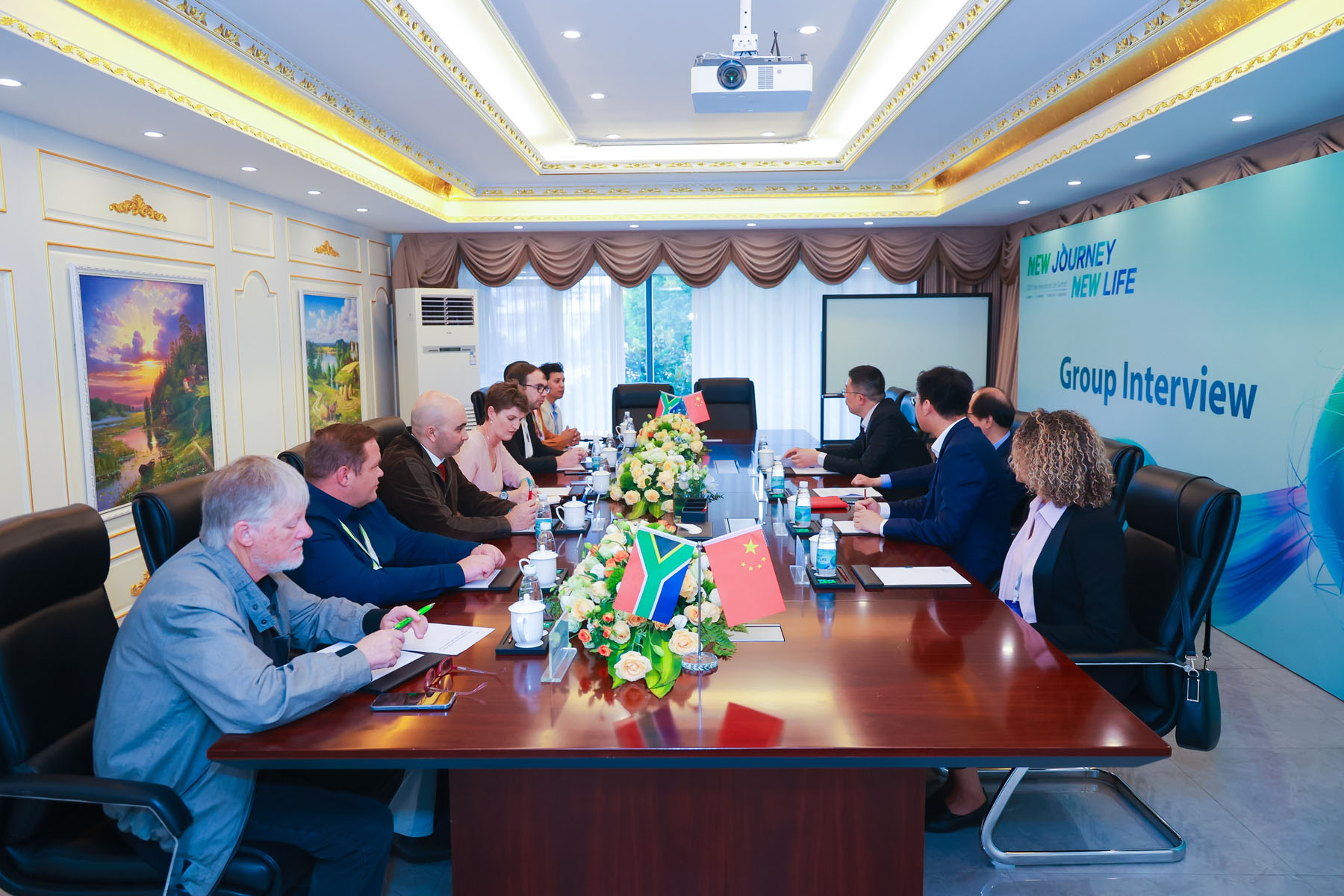
The SA delegation in conference with Chery executives of the local subsidiary as well as the mother company.
At the start of the conference, attended by more than 500 international guests, the goals communicated at the previous Tech Summit (in 2022) were displayed and, in many instances, Chery is tracking ahead of its own ambitious targets. But what about the next 5 years?
What technology is Chery developing
As expected, the battery-electric vehicle is a major focus area; Chery used the conference to announce a new platform powered by a battery developed by CATL, the world’s largest power battery manufacturer.
The Shenxing ultra-fast-charging battery is said to facilitate a BEV range in excess of 700 km.
Chery will be the first to use the new “Shenxing” ultra-fast-charging battery technology. It will debut in one of the Chinese marque’s Exeed luxury brand models early next year and promises zero to 100% charge in 19 minutes, as well as a range in excess of 700 km!
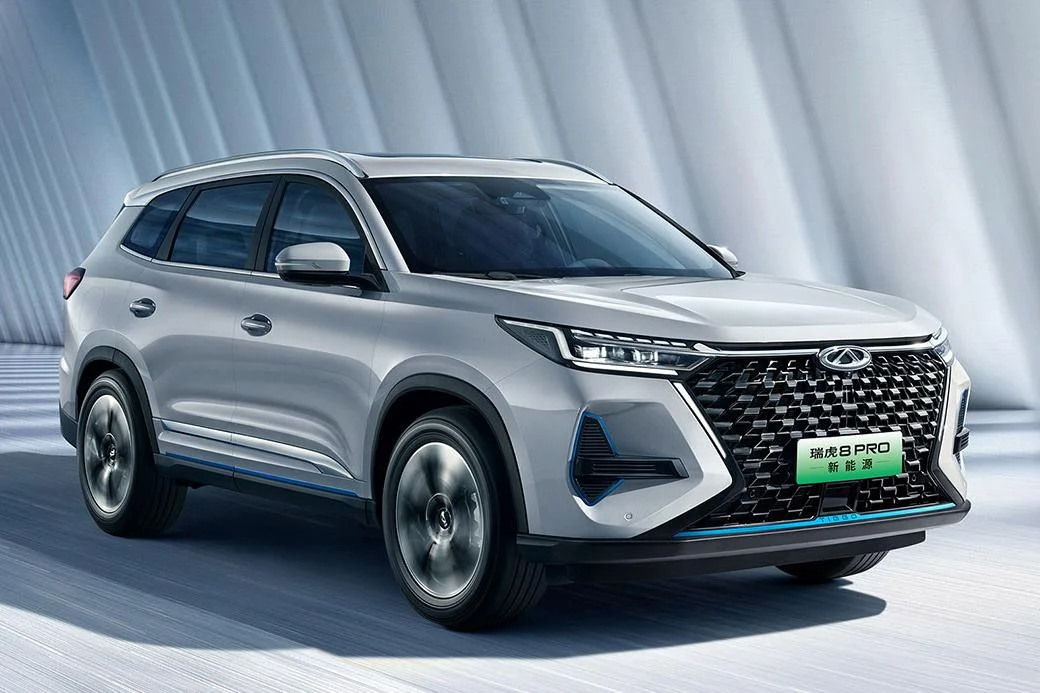
The company also announced that it would launch no fewer than 24 hybrid and 15 high-end electric vehicles on its E0X platform within 2 years. Of course, the upcoming local launches of the Tiggo 7 Pro and Tiggo 8 Pro plug-in hybrid vehicles, as well as the Omoda E5 (BEV), have already been confirmed.
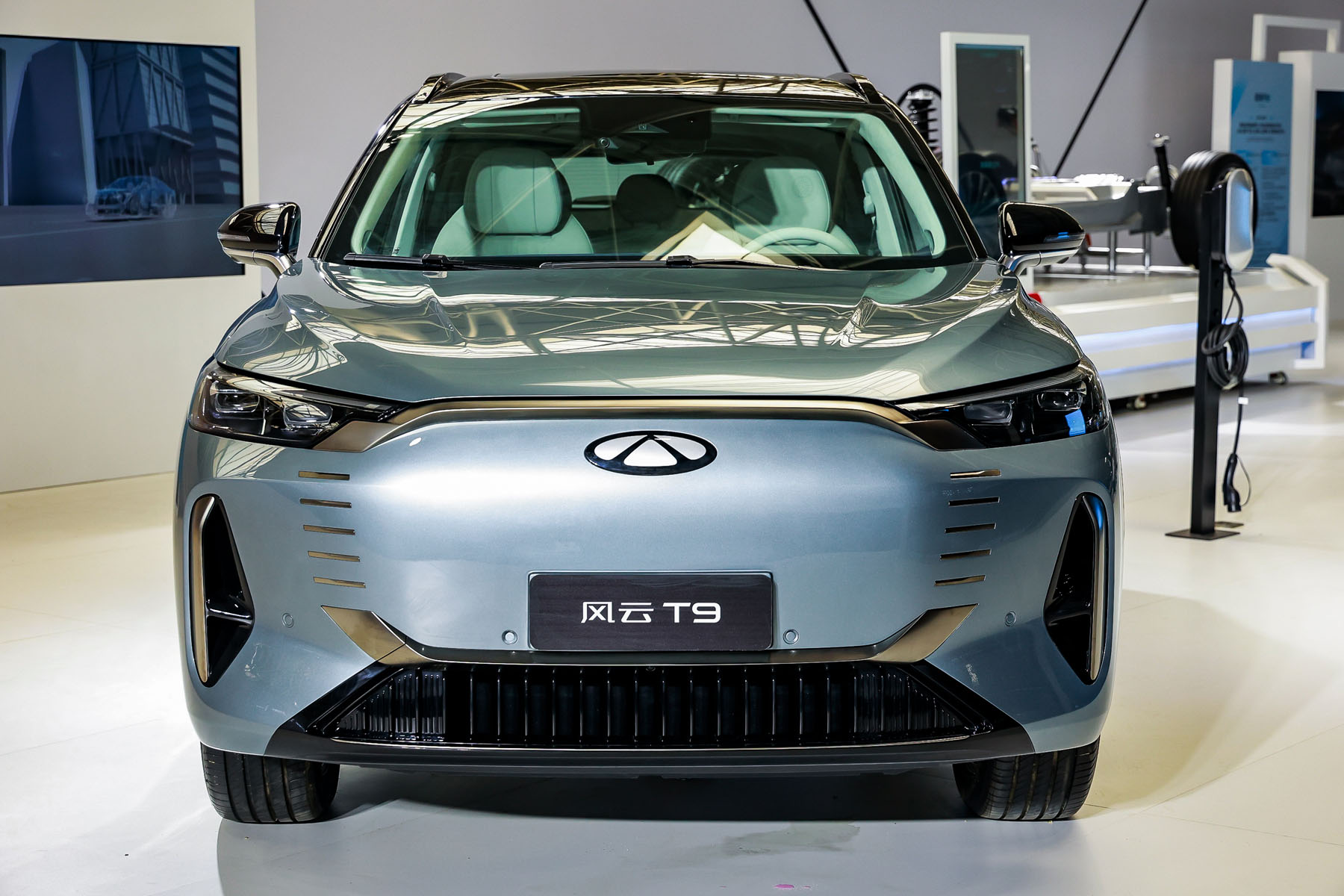
Chery’s Fengyun T9 is a plug-in hybrid variant of the Tiggo 9 7-seater crossover.
The overarching technology strategy, called Yaoguang 2025, breaks down Chery’s ambitions into 5 main areas, notably Safety, Low energy consumption, Space, Intelligent cockpit and Intelligent driving. Nearly 20 major core technologies, including platform architecture, hydrogen technology, autonomous driving and even an intelligent cloud platform are being developed.
Following the conference, there was an opportunity to experience some of the advanced tech, which seemed fantastical on stage. Chery debuted an on-board AI system, which includes a health monitor, for example.
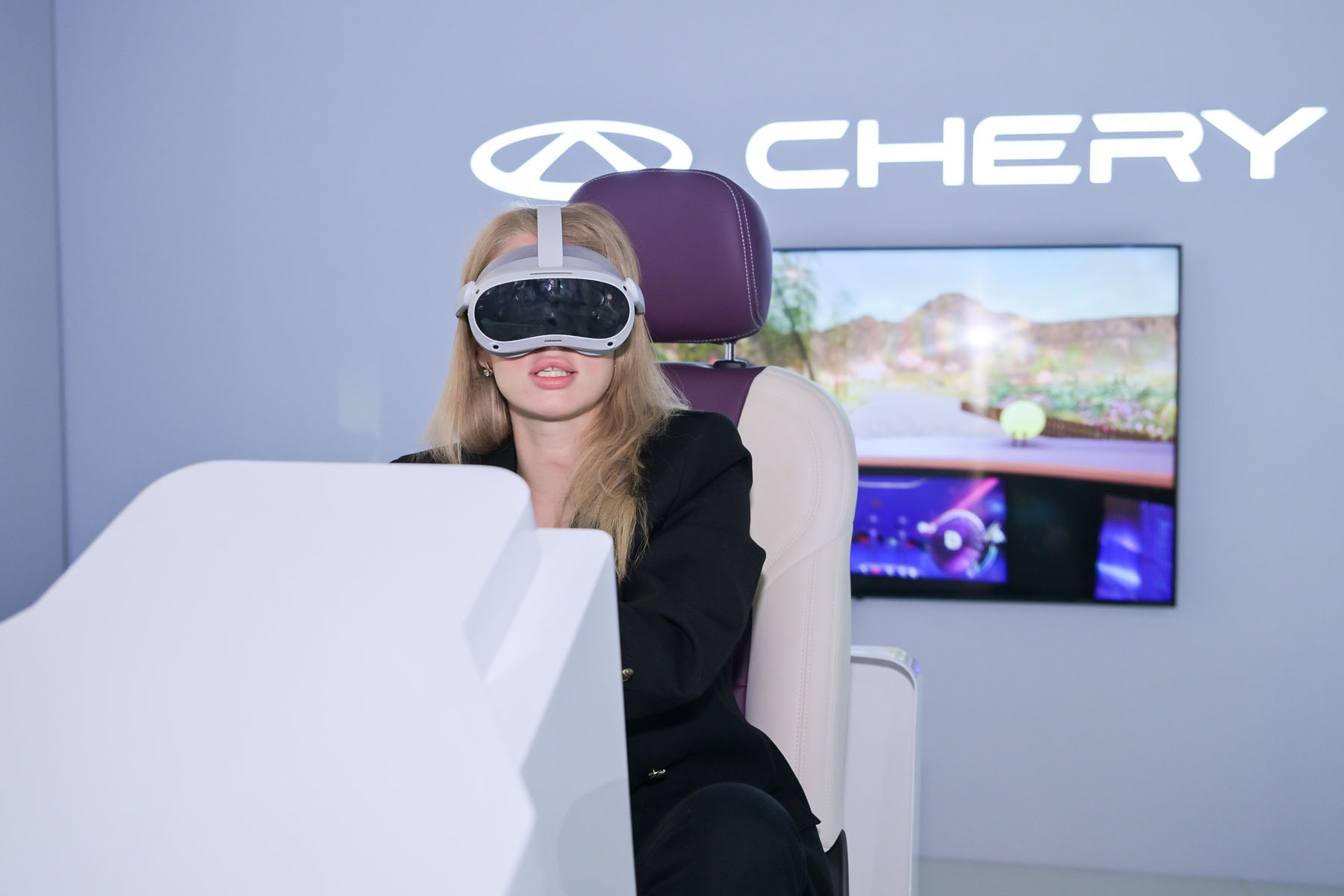
Chery plans to incorporate virtual reality in an immersive in-cabin experience.
There was also a Level 4 autonomous robotaxi, a metaverse display (yes, it’s coming to a Chery near you, soon) and an intriguing technology that allows for an immersive 4D cabin experience, complete with the ability to emit smells that you may find enjoyable, such as the ocean, or coffee.
It works incredibly well. It won’t be long before you get into your fully autonomous Chery, enter the Metaverse and experience a completely different, exciting or relaxing world on your way to your destination, compared with the hustle-bustle of the outside world.
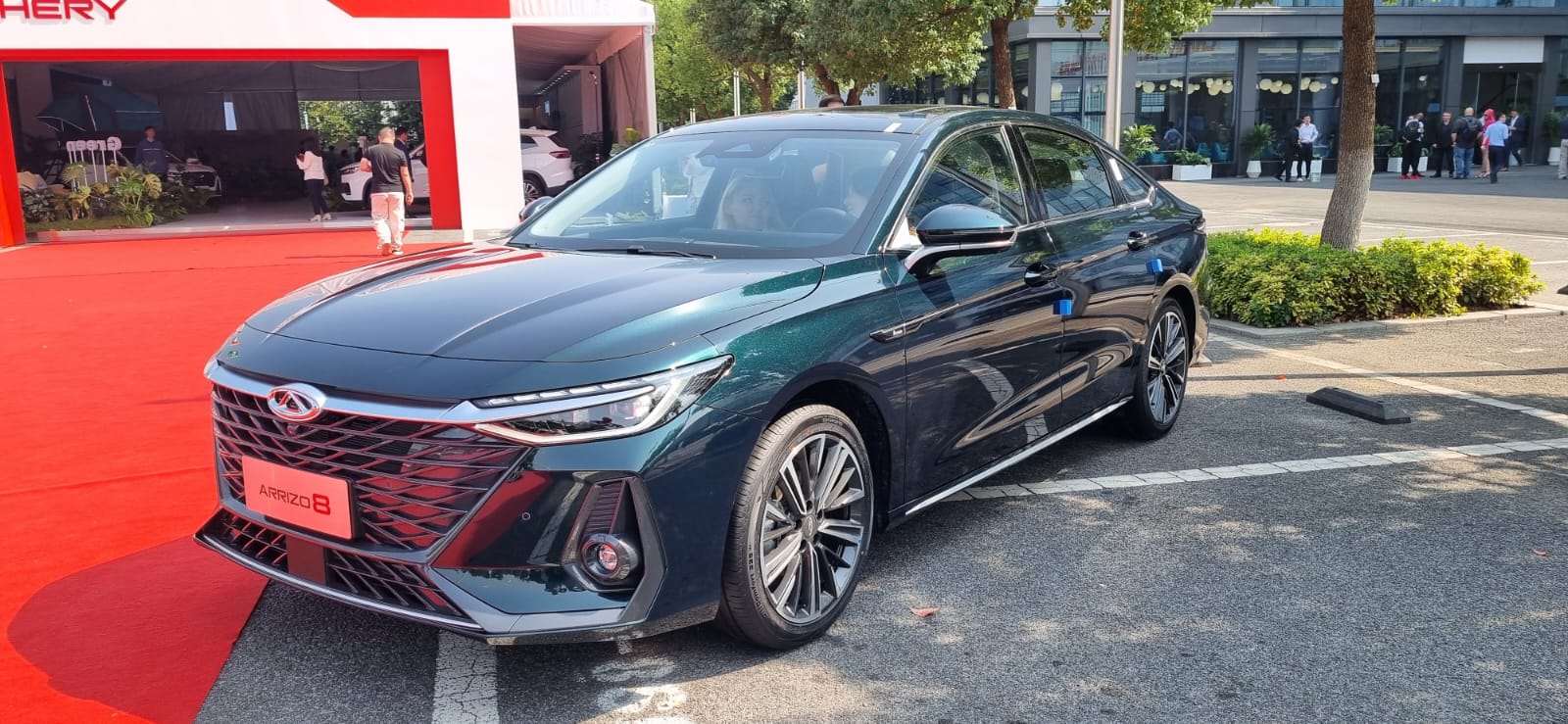
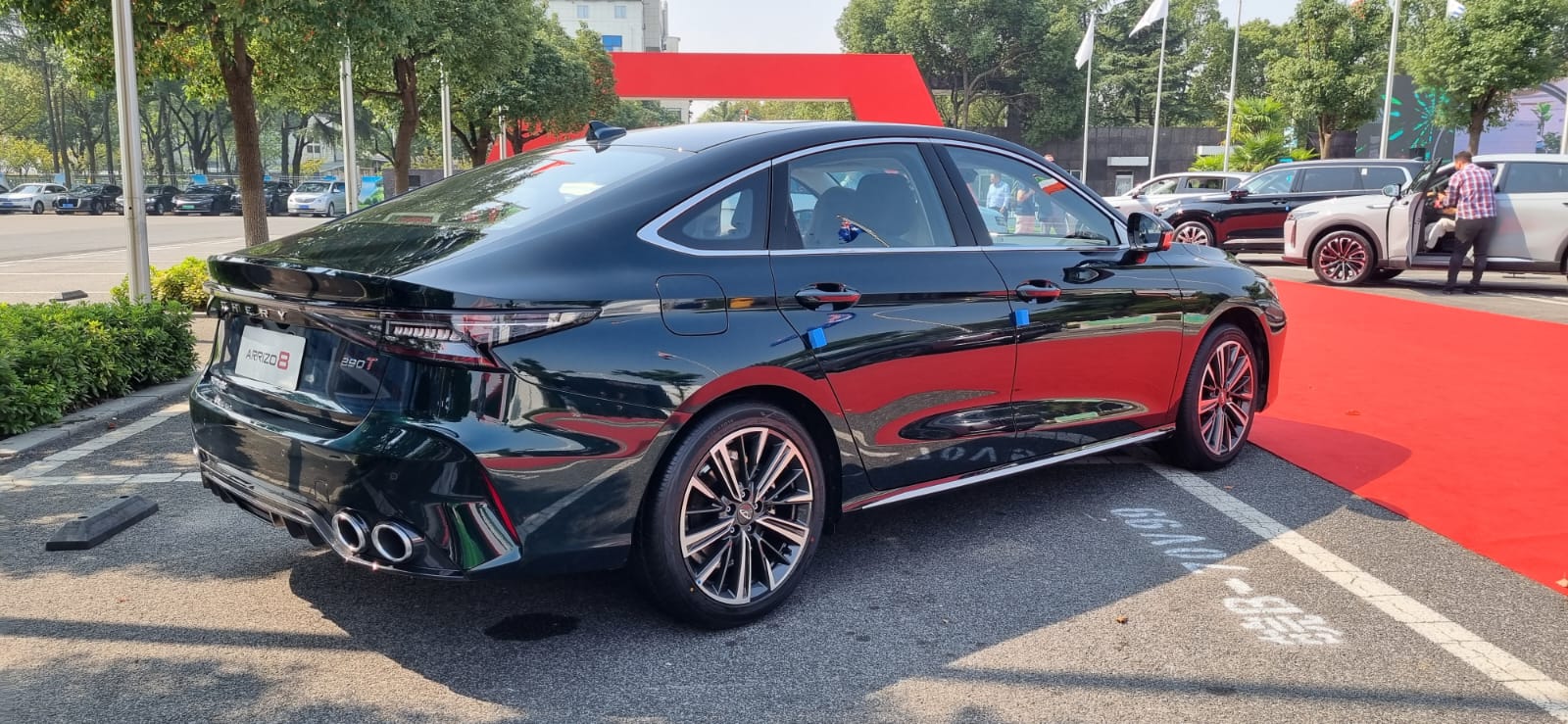
The impressive Chery Arrizo 8 is under consideration for the South African market!
For those of you who still prefer to take the steering wheel in your hands, and experience the thrill of driving, there is also some good news. Chery still predicts a lengthy future for the internal combustion engine and is continuing investment in these drivetrains.
I had a brief drive in the Chery Arrizo 8, a handsome sedan that is under consideration for South Africa. Powered by a turbocharged 2.0-litre 4-cylinder engine, and featuring all-wheel drive, it’s an impressive showcase not only of Chery’s technological prowess but also the build quality of its latest products.
The staggering acceleration in the development of new technology, coupled with excellent quality will be key to the global ambitions of the Chery Holdings Group. I wouldn’t bet against them.
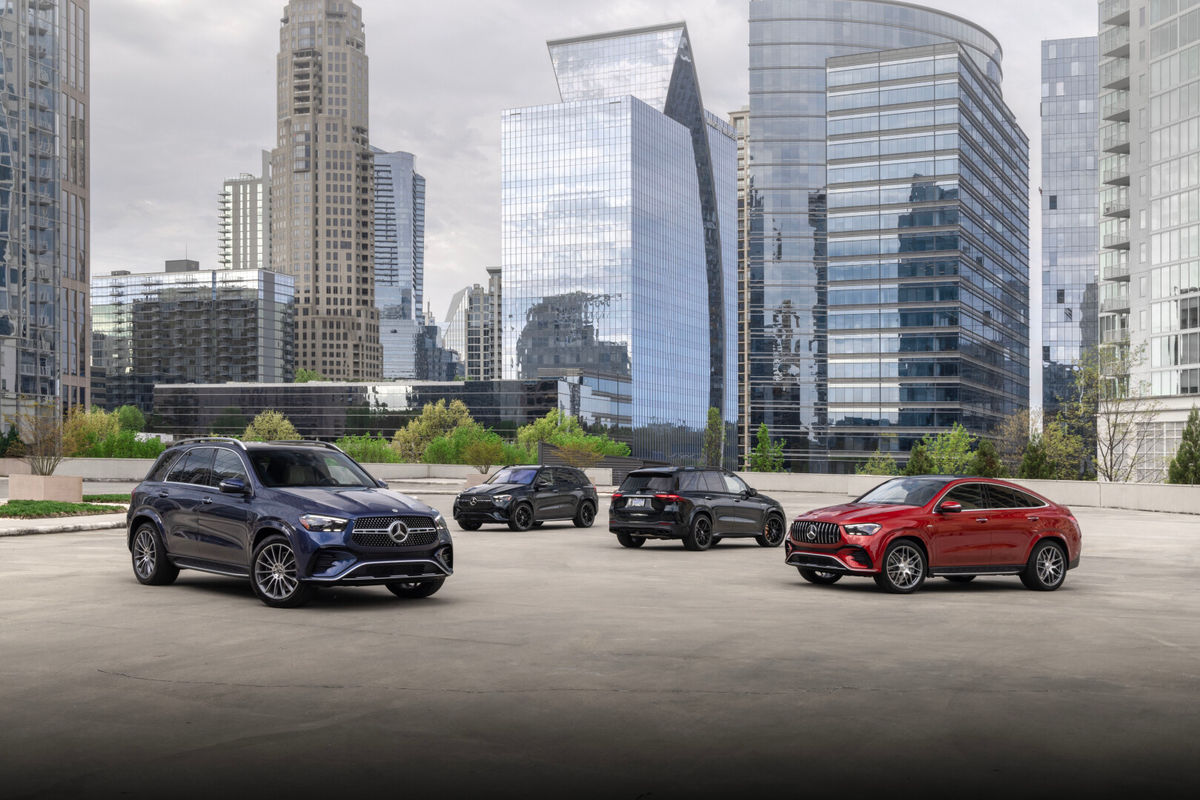
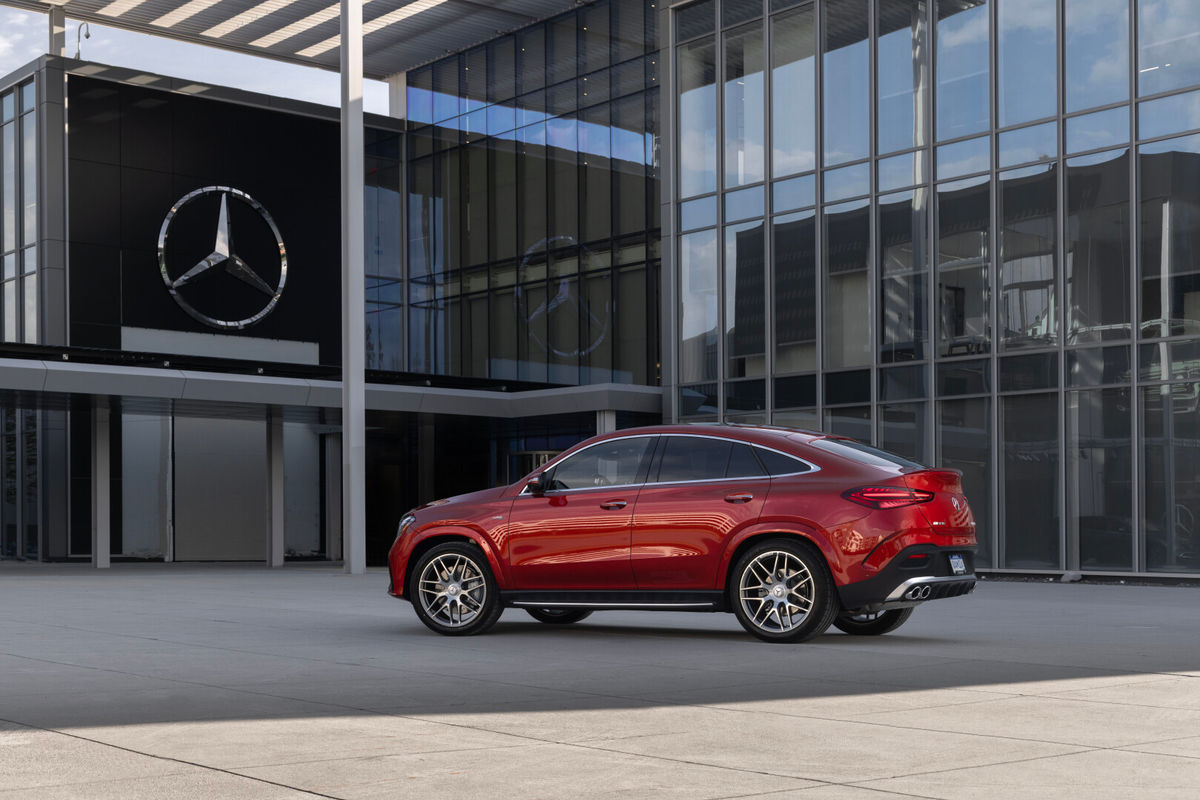
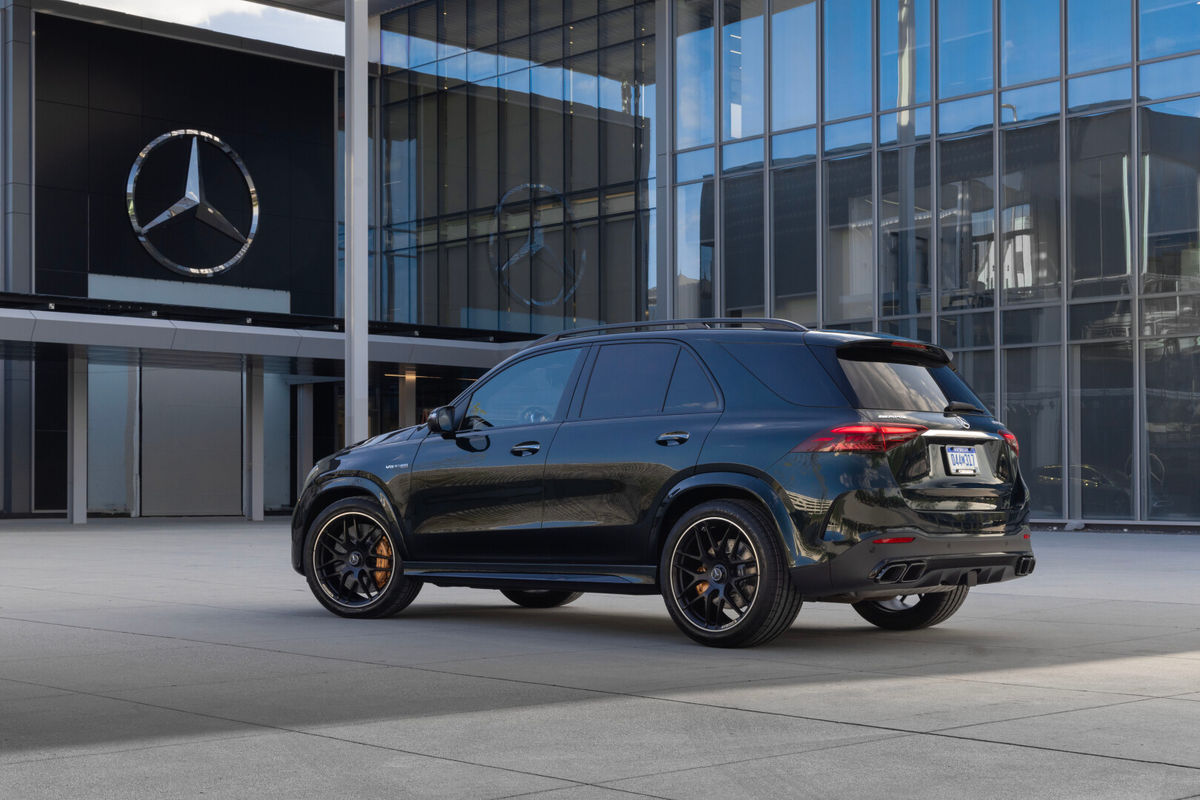
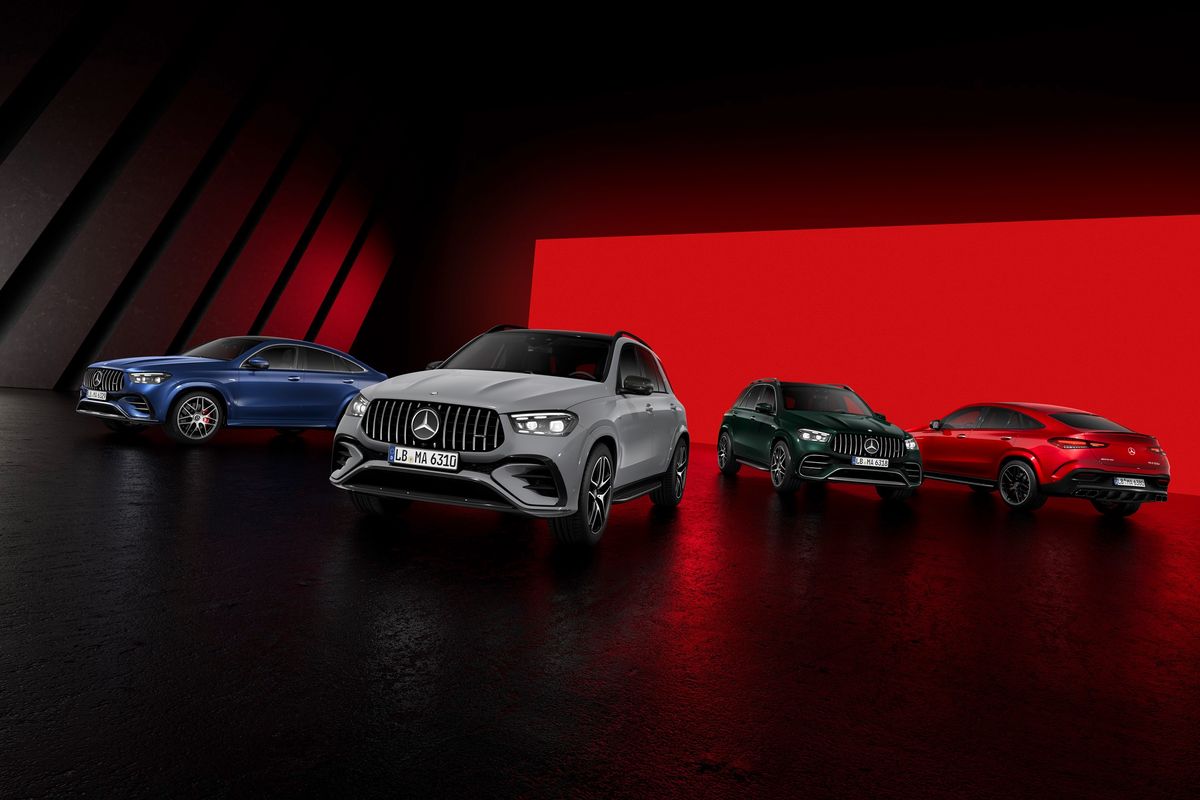
The performance derivatives of the updated Mercedes-AMG GLE have made their way to SA. Here’s pricing and specifications.
The rollout of the facelifted Mercedes-Benz GLE SUV range to South African showrooms is now complete with the arrival of the performance-focused updated Mercedes-AMG GLE derivatives.
Visually, there’s a subtle upgrade to the LED daytime running lights and the front apron gets redesigned air intakes. There are new LED tail lamps at the rear and the Mercedes-Benz star logo has been replaced by the AMG logo.
The updated Mercedes-AMG GLE range offers more equipment and the brand claims that options in the pre-facelift are now standard. For the GLE 53, luxuries like the electric panoramic sliding roof, heated front seats, adaptive highbeam assist, smartphone integration, active AMG exhaust, Burmester audio and 360-degree parking pilot are now standard fare. In fact, there are very few options, but for those cold winter mornings, the heated steering wheel might be worth looking into.
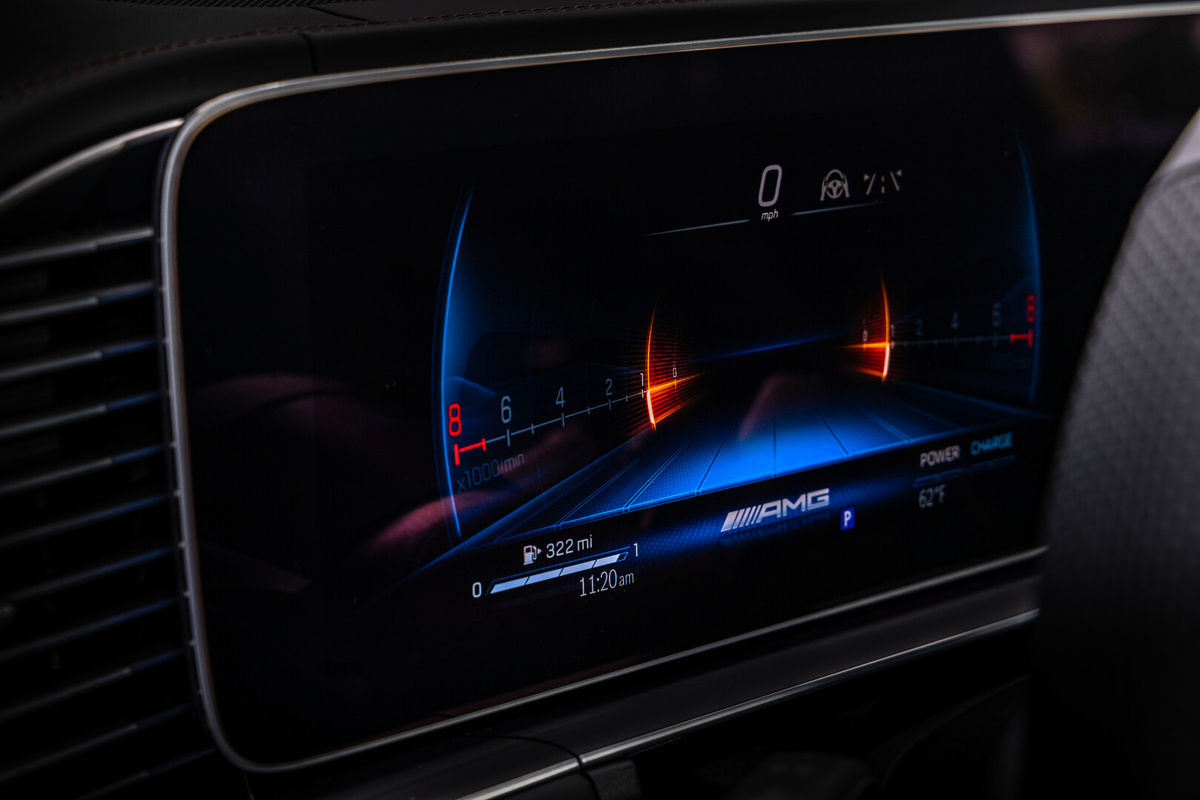
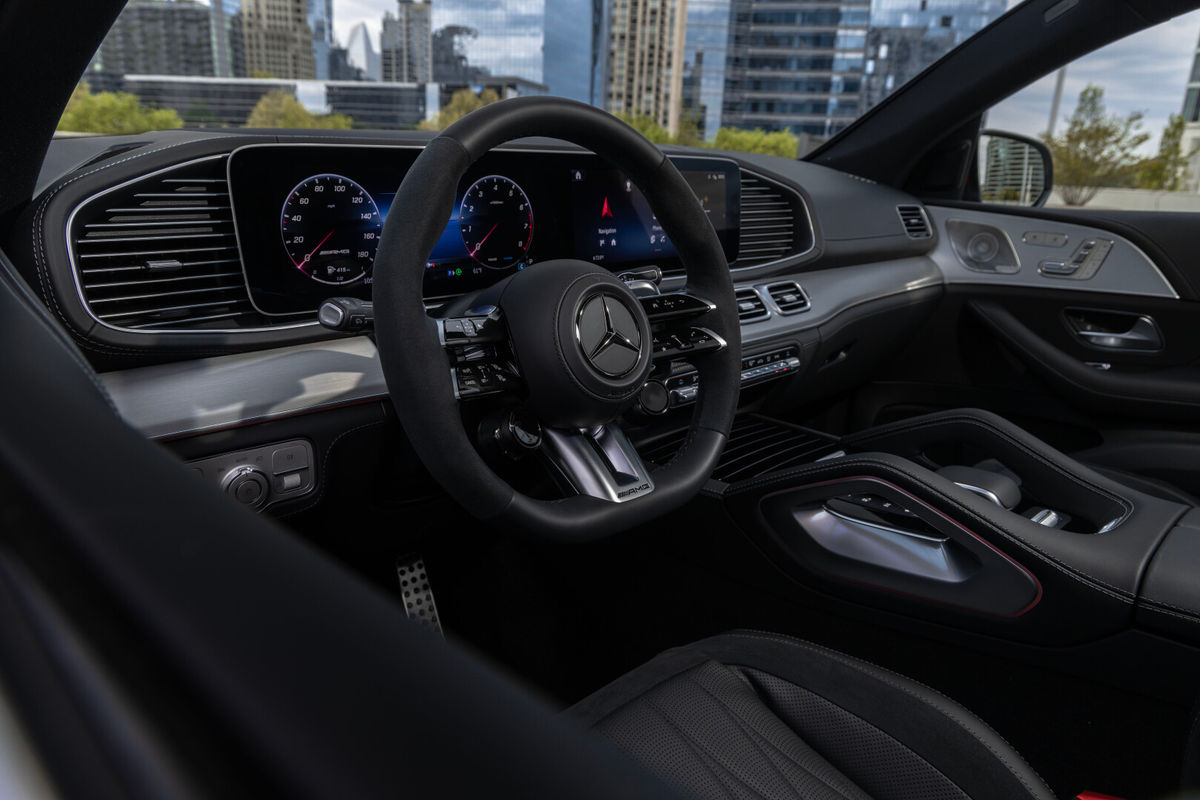
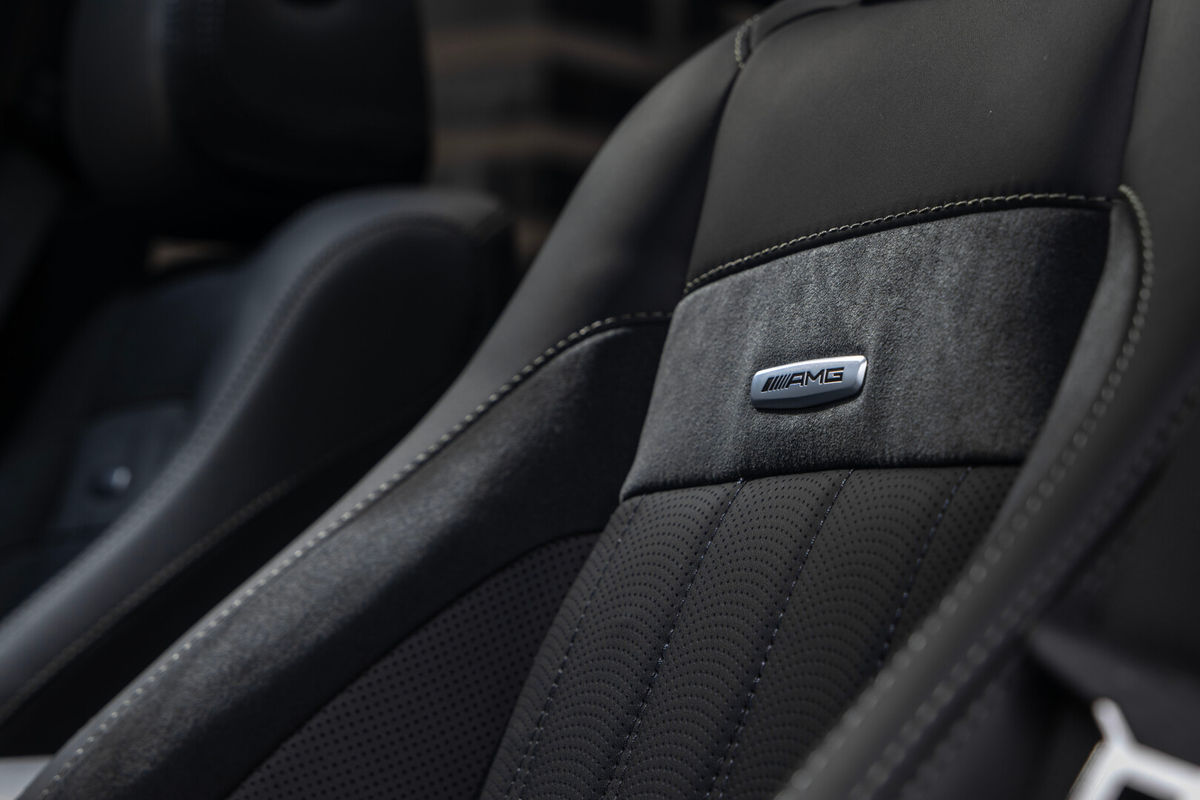
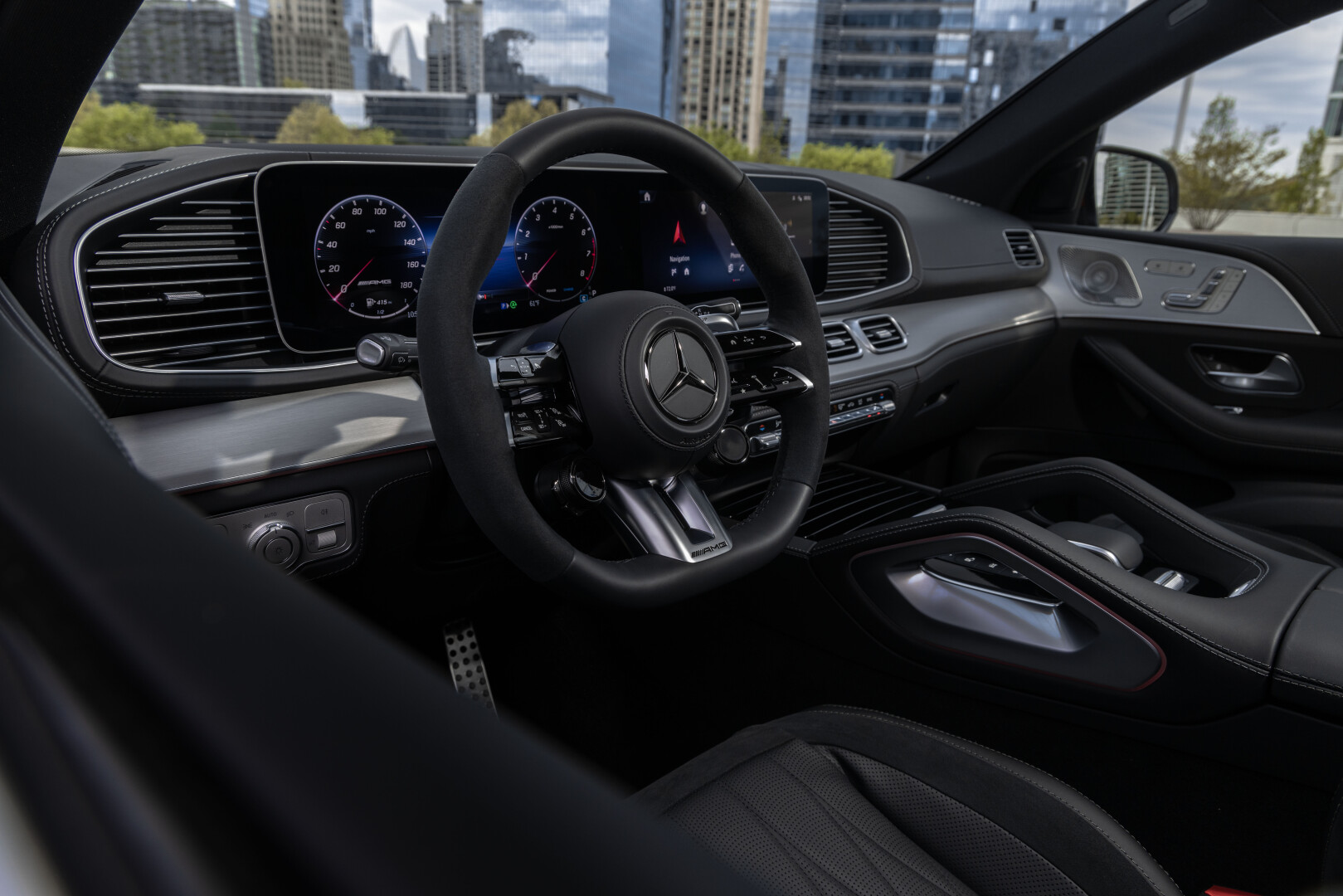
For the flagship V8-powered GLE 63 S derivative, heads-up display, air-balance package, multi-contour front seats, temperature controlled cupholders and AMG logo projection. As a reminder, all AMG GLE models feature the crisp MBUX infotainment and digital instrument cluster that stretches across the dashboard.
AMG Powertrain enhancements
Under the bonnet of the GLE 53 is a 3.0-litre twin-turbocharged 6-cylinder with electric assistance. The power figure of 320 kW is unchanged, but torque is now up to 560 Nm from 520 Nm thanks to larger turbochargers and a software update. It’s claimed to dash to 100 kph in 5 seconds dead, which is quicker than the predecessor (5.3 seconds).
The flagship GLE 63 S retains its monster 4.0-litre V8 biturbo engine with 450 kW and 850 Nm, giving it thundering performance of 3.9 seconds to 100 kph. Both powertrains benefit from an integrated starter generator and 48-volt electrical setup which helps save fuel, reduce turbo lag and provide near instant engine start.
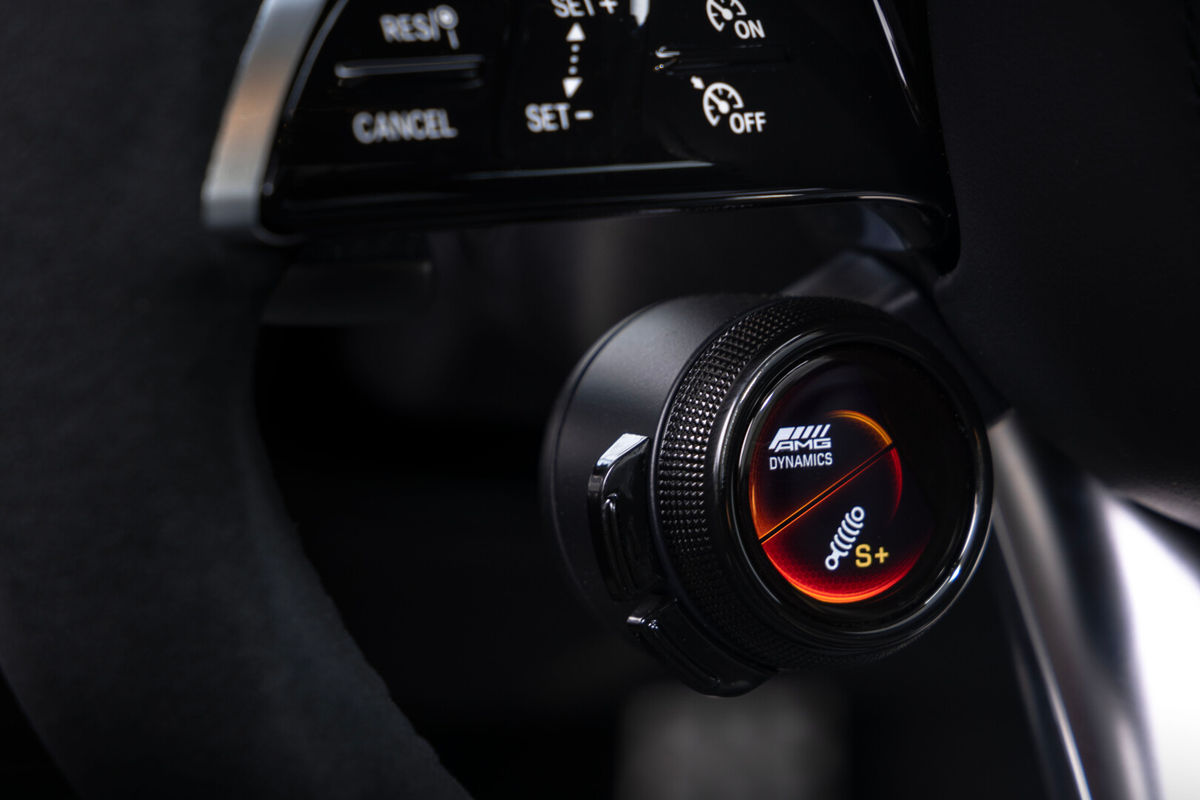
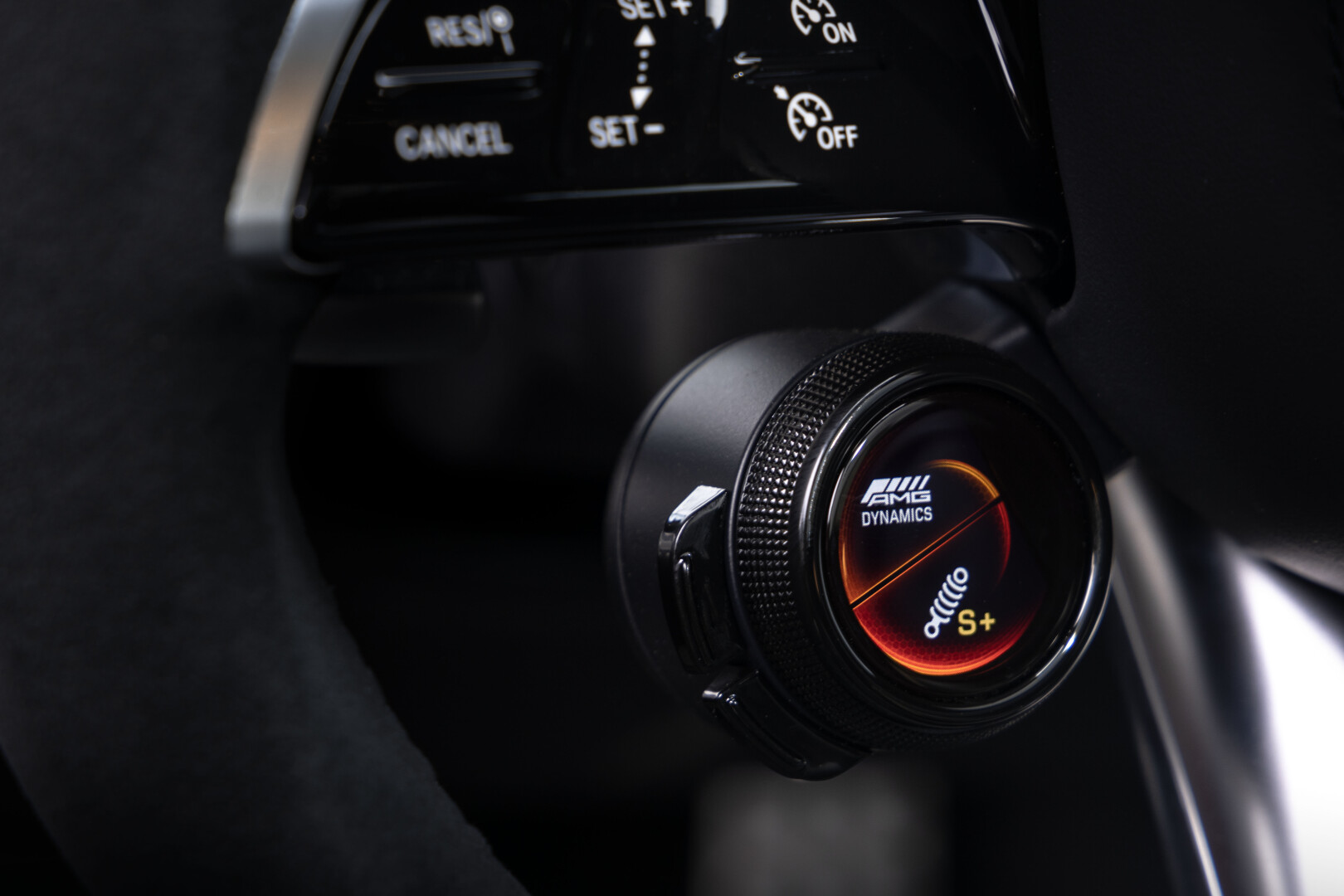
All AMG GLE derivatives feature 4Matic+ all-wheel drive, air suspension with adaptive dampers and a 9-speed automatic transmission.
How much does the Updated Mercedes-AMG GLE cost in South Africa?
We’ve dug up pricing for the new Mahindra Pik Up S6 Karoo single cab, which is available in both 4×2 and 4×4 configurations. Here’s how much they cost in SA…
The Mahindra Pik Up – which is assembled in KwaZulu-Natal – has made 5th place on the monthly list of South Africa’s best-selling bakkies very much its own. And now the Indian manufacturer’s local division has quietly expanded the range, adding a pair of fresh Karoo single-cab derivatives.
Of course, the Karoo nameplate is by no means new to Mahindra’s Pik Up line-up in Mzansi, having been applied to various double-cab derivatives over the past 5 or so years (including special-edition bakkies featuring suffixes such as Dusk, Dawn, Storm and Dew). However, this is the first time the Karoo badge has used on the single-cab body style.
So, what do we know about the new 2-door Karoo variants? Well, there’s the choice of either 4×2 or 4×4 configurations, with urge provided by Mahindra’s familiar 2.2-litre, 4-cylinder turbodiesel engine in each case. As a reminder, this motor generates 103 kW and 320 Nm, peak outputs that are delivered via a 6-speed manual gearbox as standard.
The Karoo badge is familiar from the double-cab Pik Up range.
According to our information, the Pik Up S6 Karoo 4×2 single cab is priced at R402 499, while the S6 Karoo 4×4 version comes in at R440 499. By our maths, that translates to a premium (over the standard 2-door S6) of R68 000 in the case of the 4×2 model and R67 000 in the case of the 4×4 variant.
The new single-cab Karoo models are set apart from the standard S6 derivatives by what Mahindra describes as a “limited-edition” Sand Dune exterior paintjob, along with obligatory “Karoo” decals on the lower parts of the doors. In line with the double-cab derivatives of the same name, the package also includes a Karoo-branded nudge bar and a sports bar, each of which is finished in black, along with a tonneau cover (enclosing a load bay we suspect is rubberised).
Since we’ve thus far been able to unearth just a single image of the special-edition bakkie’s exterior (which further suggests it scores 2-tone alloy wheels), it’s not entirely clear what sort of upgrades have been implemented in the cabin. However, we have it on good authority the Karoo derivatives gain a rear-view camera, at the very least.
We’ll update this article once we know more about tweaks made to the cabin…
How much does the Mahindra Pik Up SC Karoo cost in SA?
Mahindra Pik Up S6 Karoo 2.2CRDe single cab 4×2 – R402 499
Mahindra Pik Up S6 Karoo 2.2CRDe single cab 4×4 – R440 499
The prices above include a 4-year/120 000 km warranty and a 5-year/90 000 km service plan (with intervals of 20 000 km).
The story behind BMW’s iconic TV adverts + BMW SA exports to the world – BMW Group SA Chronicles (Ep 5 Video)
After growing its market share gradually during the ’70s, BMW Group South Africa expanded its model line-up in the ’80s and ’90s. BMW became a household name thanks to compelling products – and a multitude of iconic advertising campaigns!
As South Africa came out of isolation, it was ready to show its automotive production capabilities to the world. This meant building cars like the 3, 5, 7 and even the 8 Series. That didn’t stop BMW SA from producing its very own special editions – after local production of the E34 M5 ended, the firm modified the E34 540i with local specification and a 6-speed manual ‘box (only 72 units were made available).
In the 5th episode of a 6-part video series about the history of BMW in South Africa, Jacob Moshokoa chats with BMW Group SA chief executive officer Peter van Binsbergen about BMW’s edgy advertising and marketing campaigns in the ’90s (in which the Munich-based brand sometimes taunted its rivals) and with Leo Haese, who famously established BMW’s 2nd oldest dealership in South Africa in 1982.
When BMW Group SA began producing the 3rd-gen 3 Series in 1992, it set the Rosslyn Plant on course to commence an enduring export programme once our Republic had transitioned to a democracy.
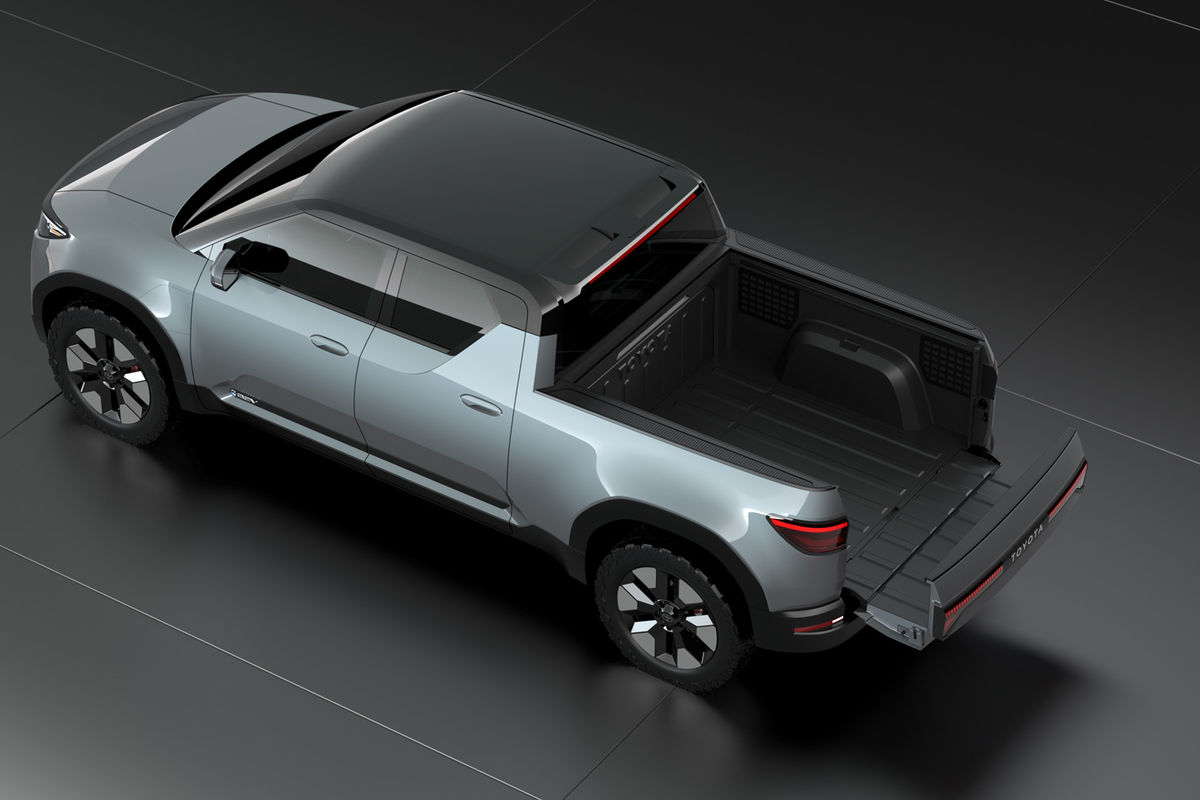
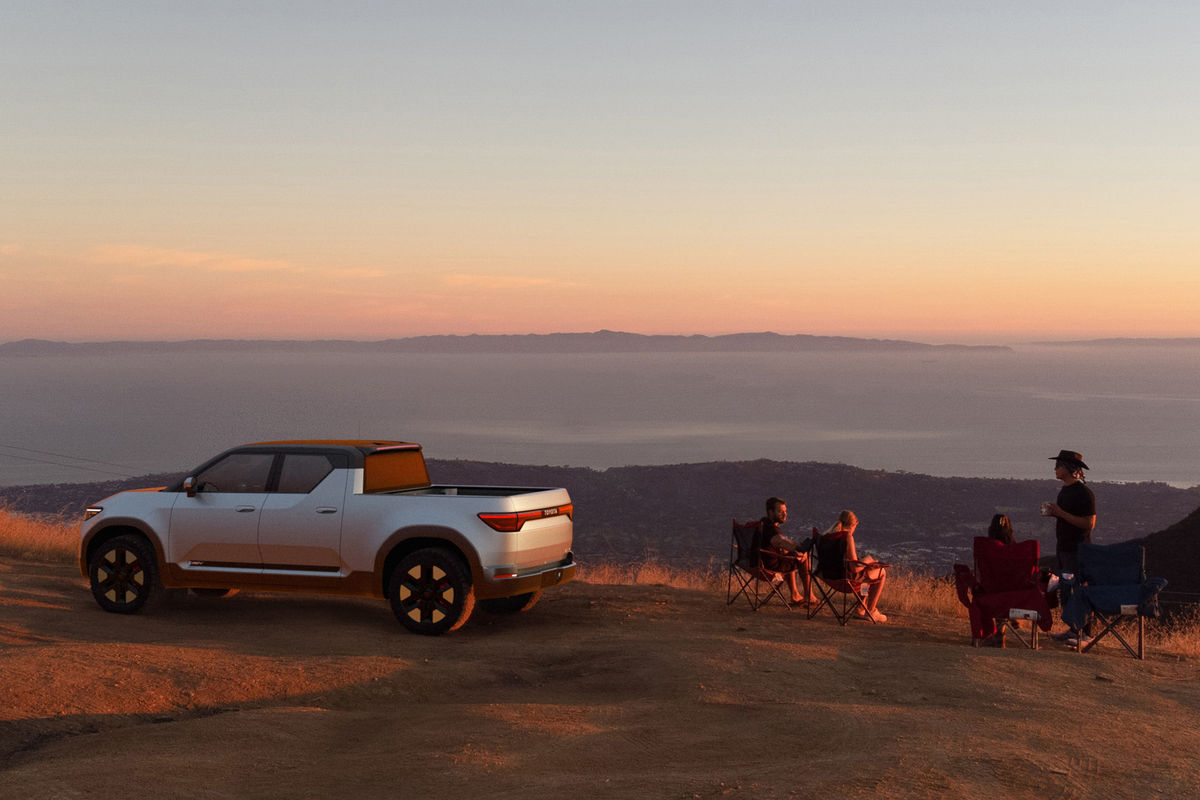
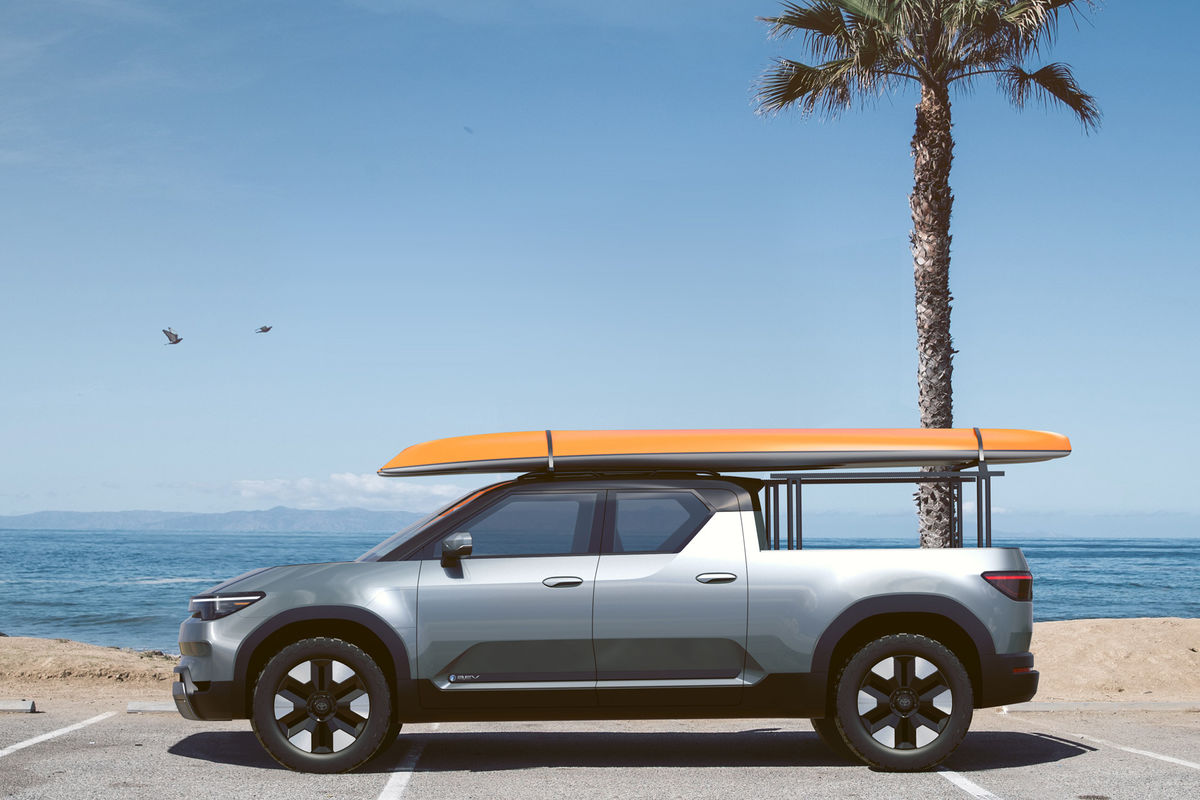
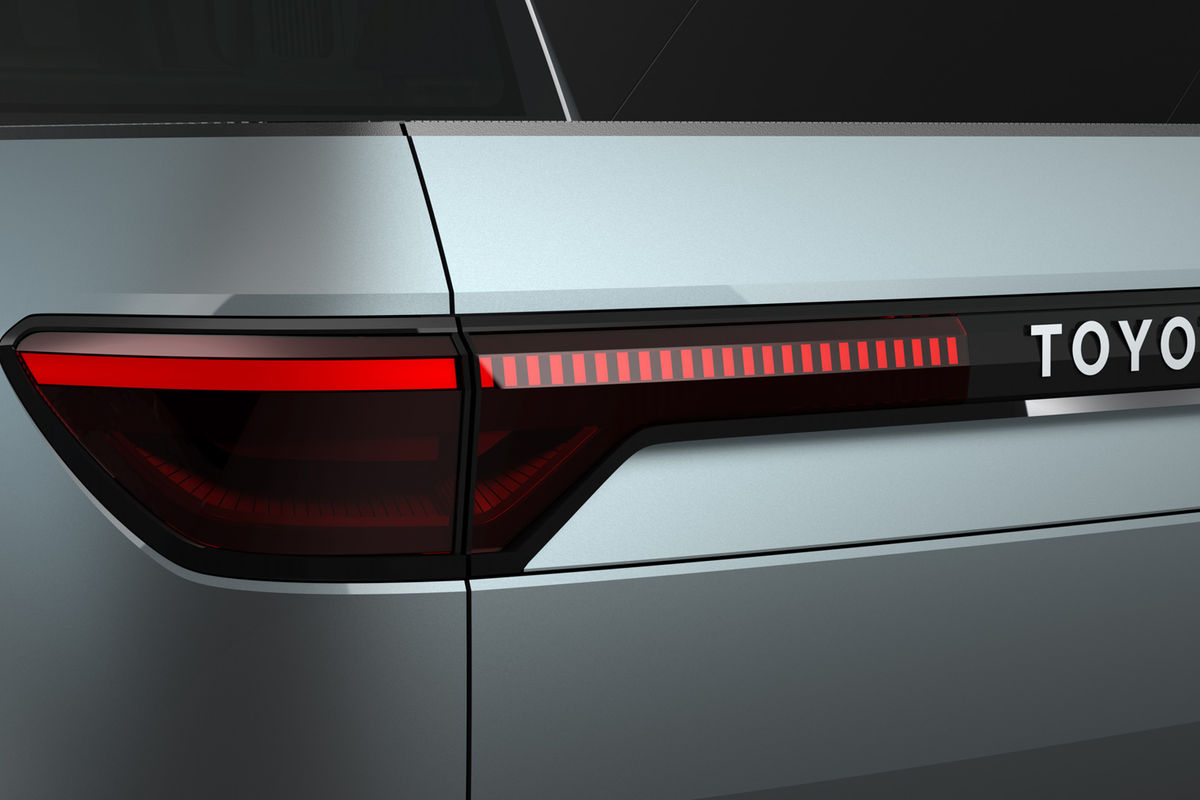
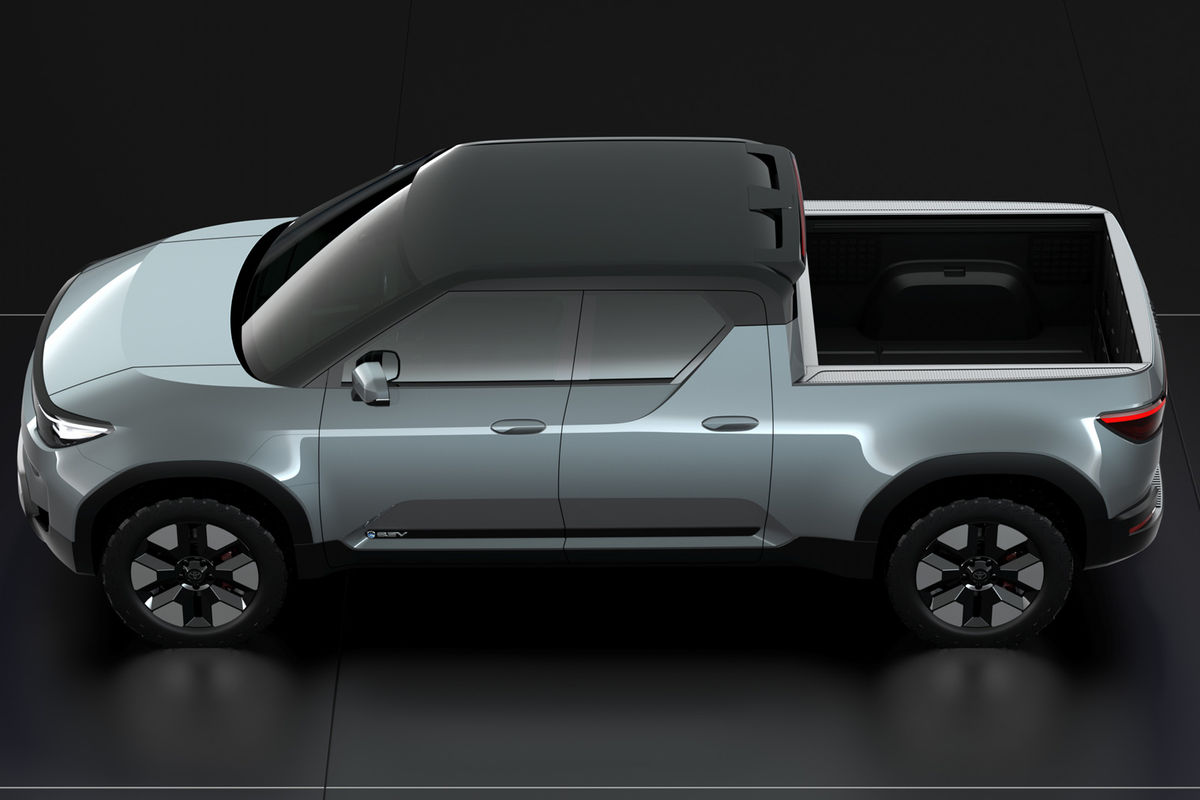
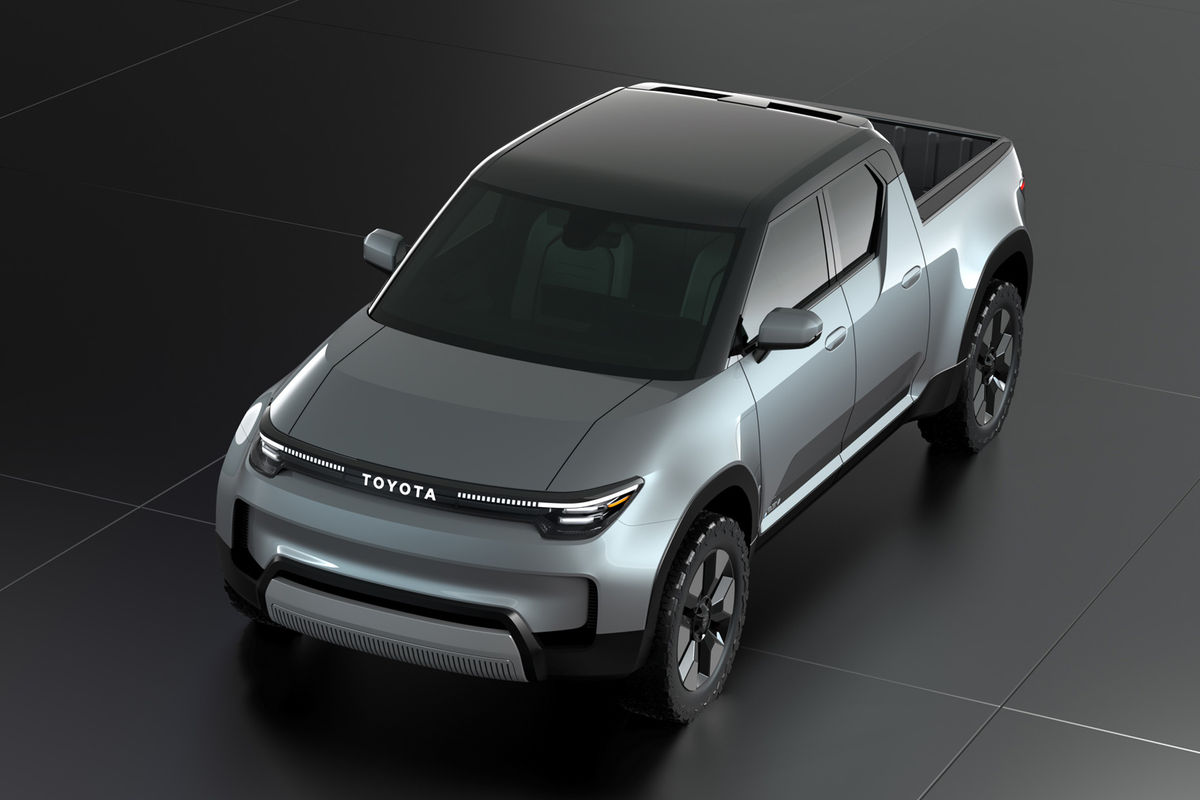
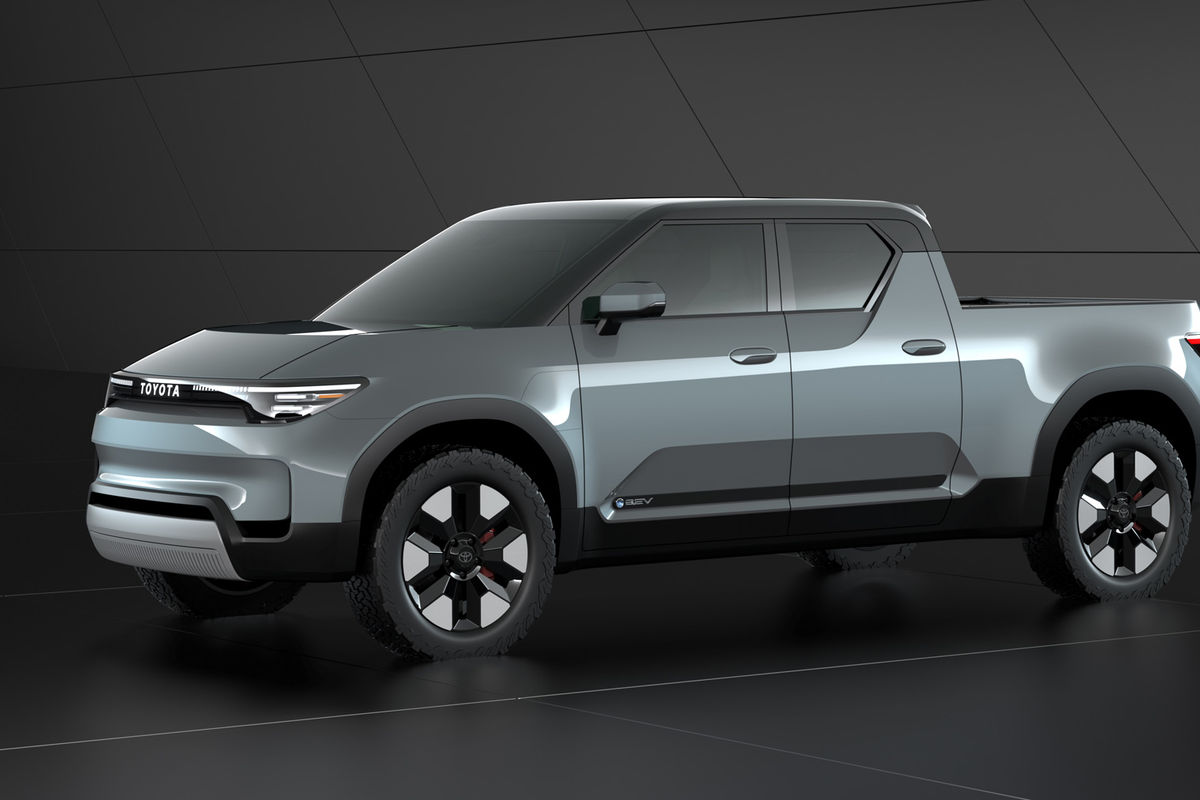
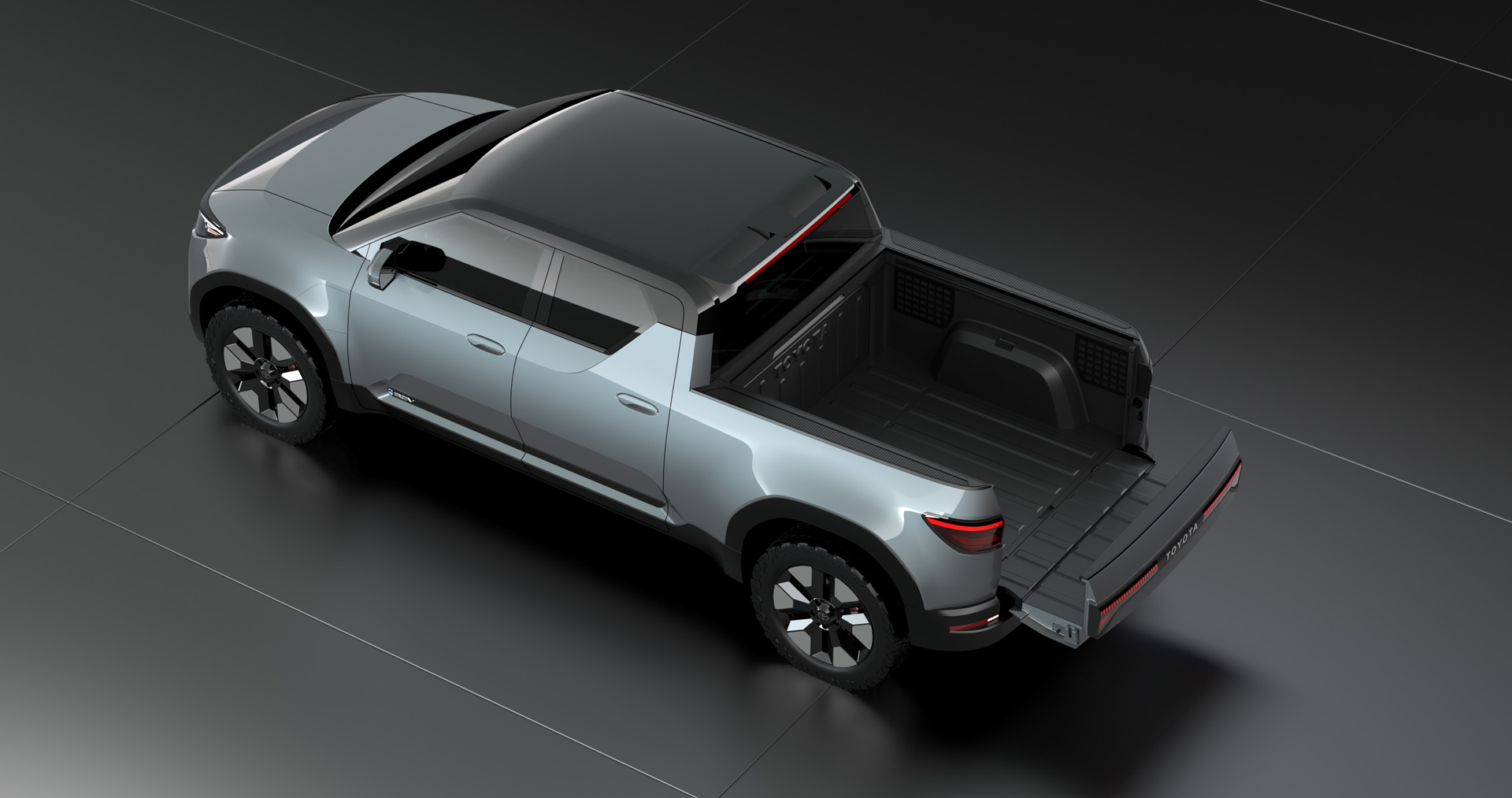
The Toyota EPU concept will be shown publicly at the 2023 Tokyo Motor Show and previews a new bakkie that will sit under the Hilux.
This smart-looking concept is the Toyota EPU and while there’s been no mention of what exactly EPU stands for, we’re guessing its Electric Pick Up.
The Toyota EPU concept is just over 5 metres long which is fractionally shorter than the current Toyota Hilux. Under the skin, the EPU is said to feature a monocoque body unlike the body-on-frame setup which is commonly used for bakkies.
A monocoque is more commonly associated with passenger vehicles. While not sold here, both the Hyundai Santa Cruz and Ford Maverick have monocoque platforms and we suspect Toyota has been watching those two products closely.
We know Toyota is working on a smaller bakkie (nicknamed Stout) and this could be the first official preview of this model. Right now, the Toyota EPU is an electric-only concept, but given the Japanese giants cautious approach towards full electrification, we’re expecting customers will be offered a choice of internal combustion power, hybrid or battery.
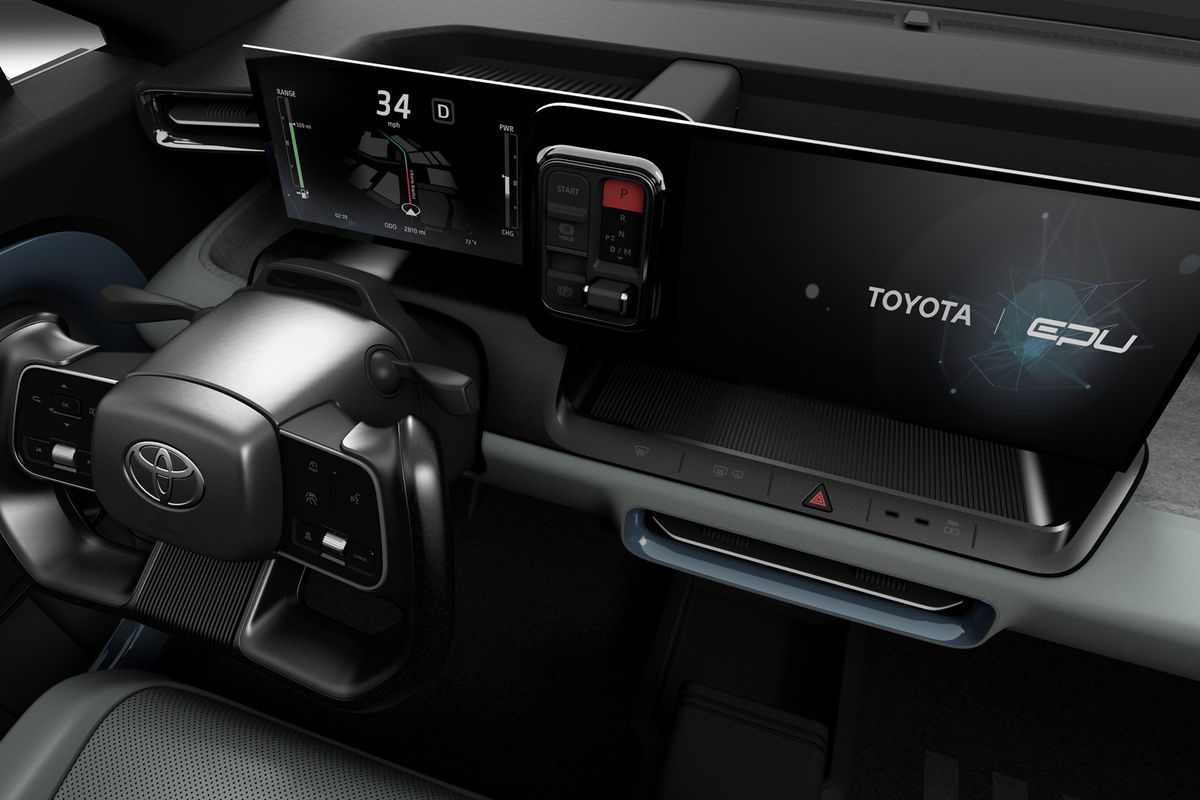
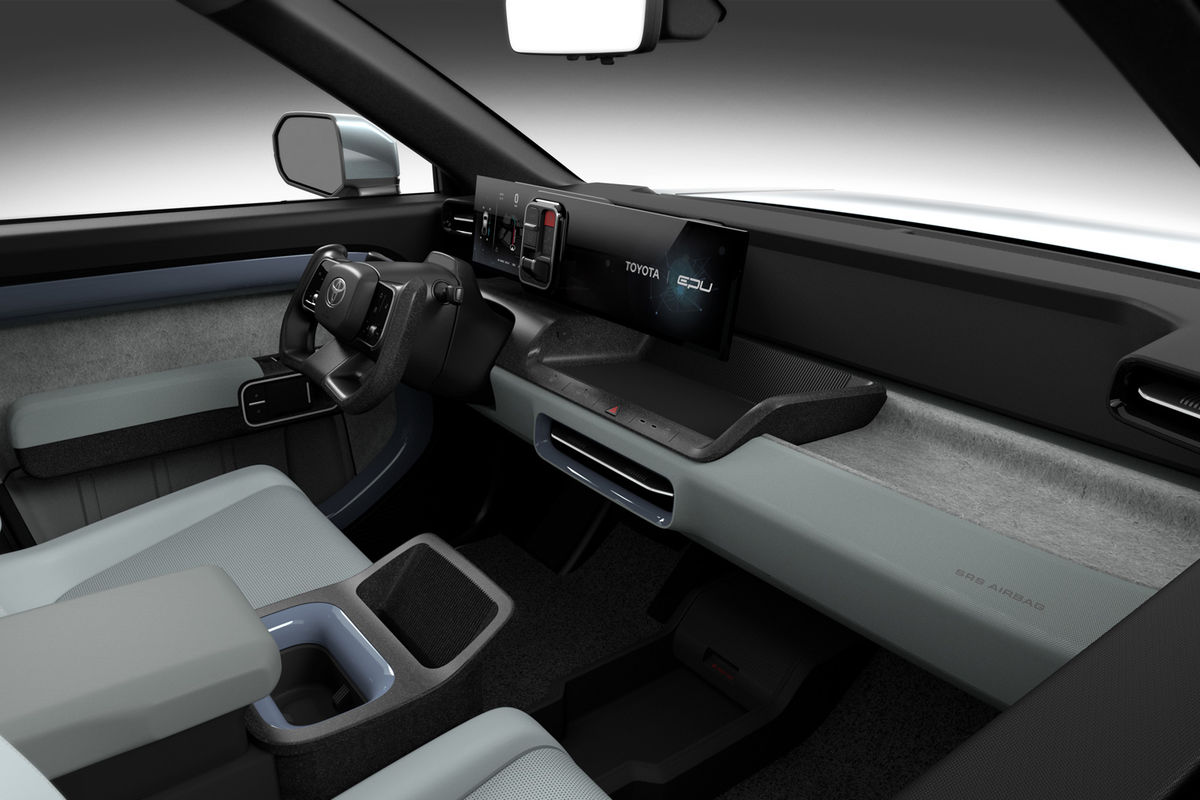
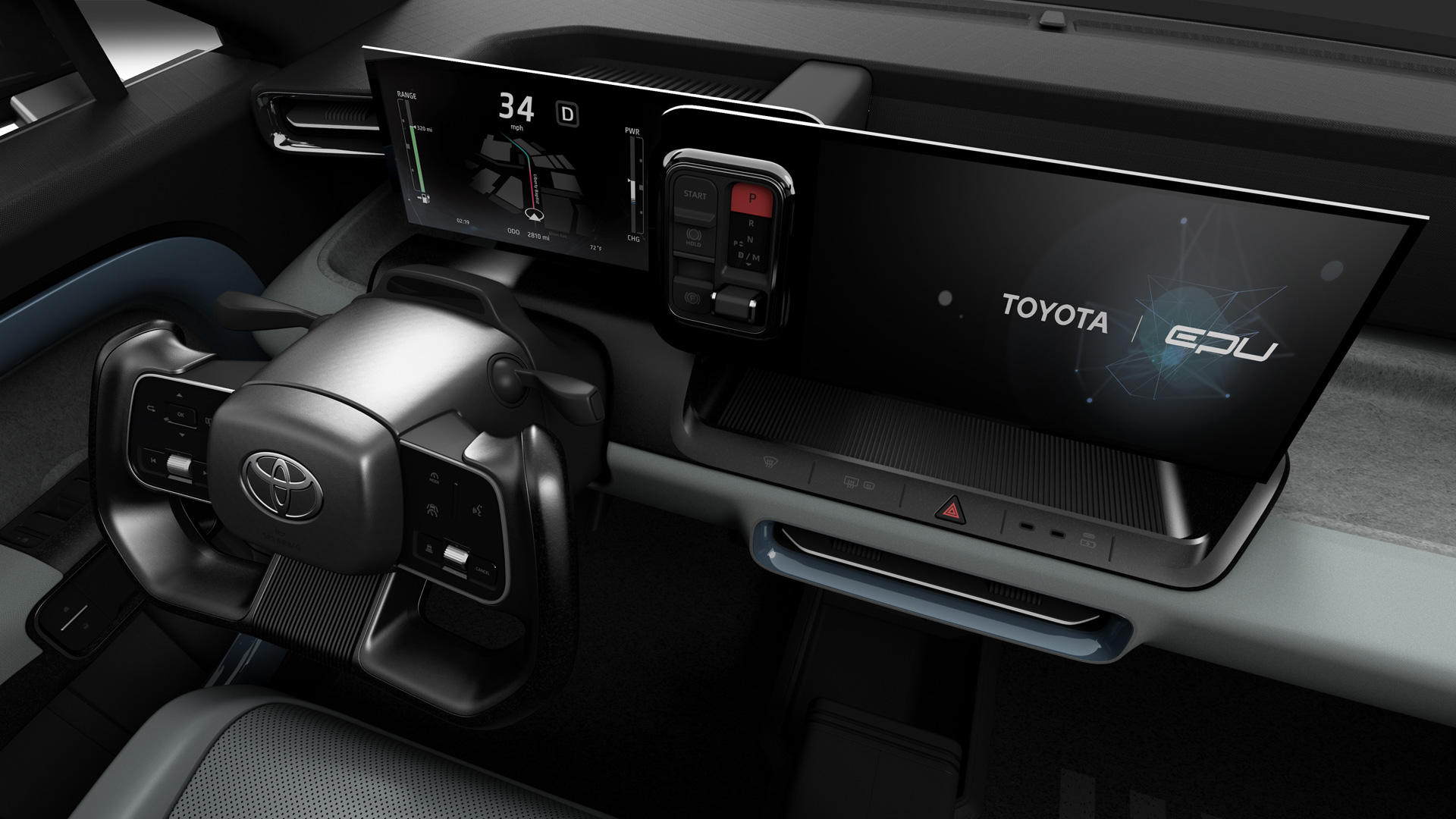
Inside, the Toyota EPU features a modern and minimalist interior and we noticed a yoke controller as opposed to a steering wheel. It’s all very futuristic, but if just some of these design elements are incorporated into future Toyota bakkies, fans will be delighted.
Earlier in 2023, as reported by IOL Motoring, Toyota SA Motors executives hinted at an upcoming model that could slot in below the popular Hilux and likely be built at the same factory in Prospecton, KwaZulu-Natal. As we’ve touched on before, however, this may well end up being a prolonged-lifecycle version of the Hilux (a “Hilux Quest”, if you will) rather than an all-new model (or indeed a unibody half-tonner), but the EPU has given us something else to think about. Watch this space!
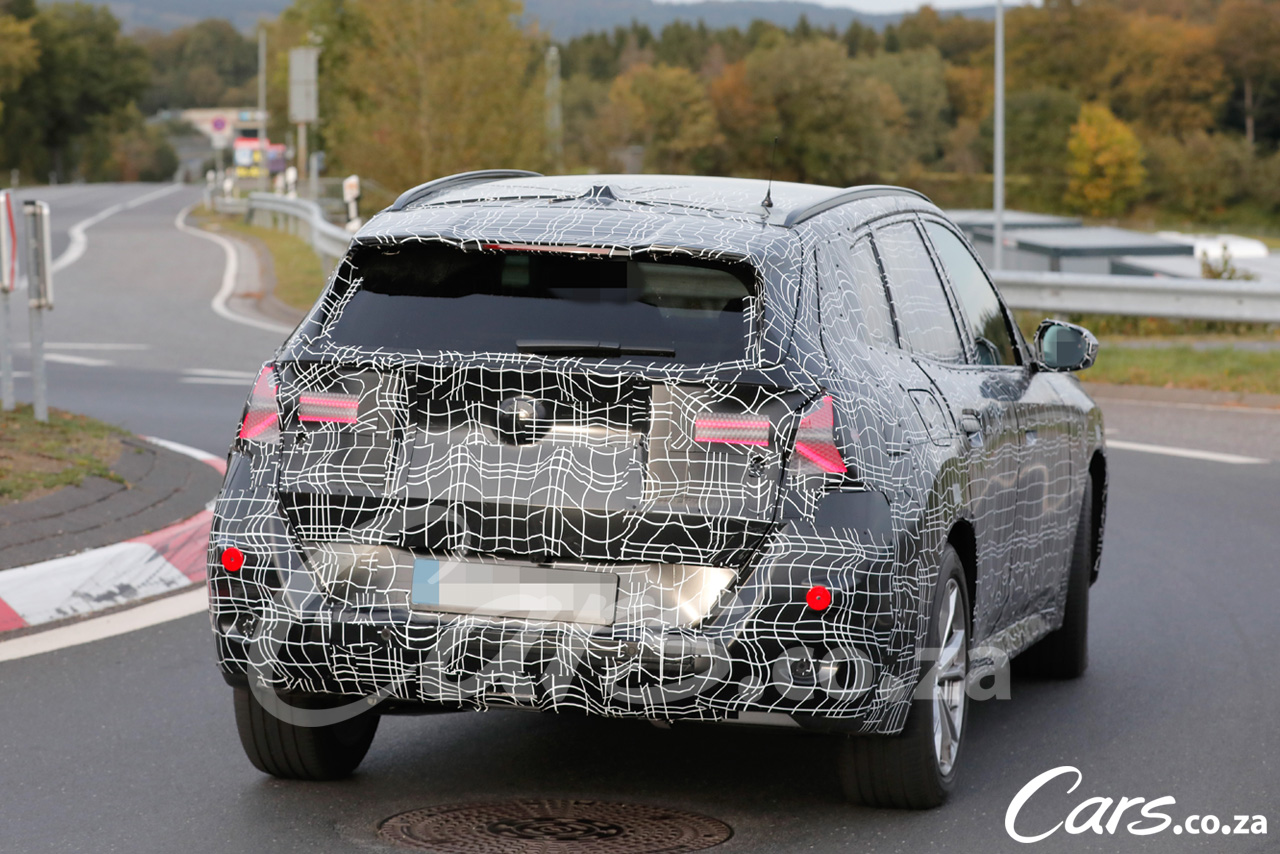
The spy photographers have spotted the brand-new 2025 BMW X3 and here’s what we know so far.
Picture credit: S. Baldauf/SB-Medien. We have paid for these photos and at the photographer’s request, have watermarked them.
Development work on the brand-new 2025 BMW X3 is well underway and our spy photographers have spotted one of the prototypes out and about.
While BMW has made quite the statement with its Neue Klasse platform, the new BMW X3 is expected to retain its CLAR platform, albeit with some updates. BMW will be offering its X3 with both an electric lineup as well as a family of internal-combustion powertrains.
The next-gen BMW X3 will receive quite the visual update with new daytime running lights, bold squared kidney grille, flushed door handles. At first glance, these DRLs look quite similar to those of the current-shape X1. We’ve yet to see any interior photographs, but we’d be surprised if the cabin didn’t get the big curved infotainment screen.
Our spy photographers say the vehicle here is the BMW X3 M50i, which will be the quickest X3 before the all-new X3 M Competition makes its debut. We understand that the M50i should retain the iconic 6-cylinder turbocharged petrol engine, while the flagship M Competition will gain some form of hybrid technology.
The best news is this new-gen 2025 BMW X3 will be assembled right here in South Africa at BMW Group South Africa’s plant in Rosslyn, Pretoria. Dr Milan Nedeljkovic, Chairman of the Board of Management for BMW Group SA said, “From 2024 we will produce the BMW X3 in SA as a plug-in hybrid and export it to the world. To this end, the BMW Group is investing R4.2 billion in the site over 5 years.”
When will the 2025 BMW X3 be revealed?
We expect this new-generation BMW X3 to be revealed before the end of 2023 or early 2024, and marketed as a 2025 model.
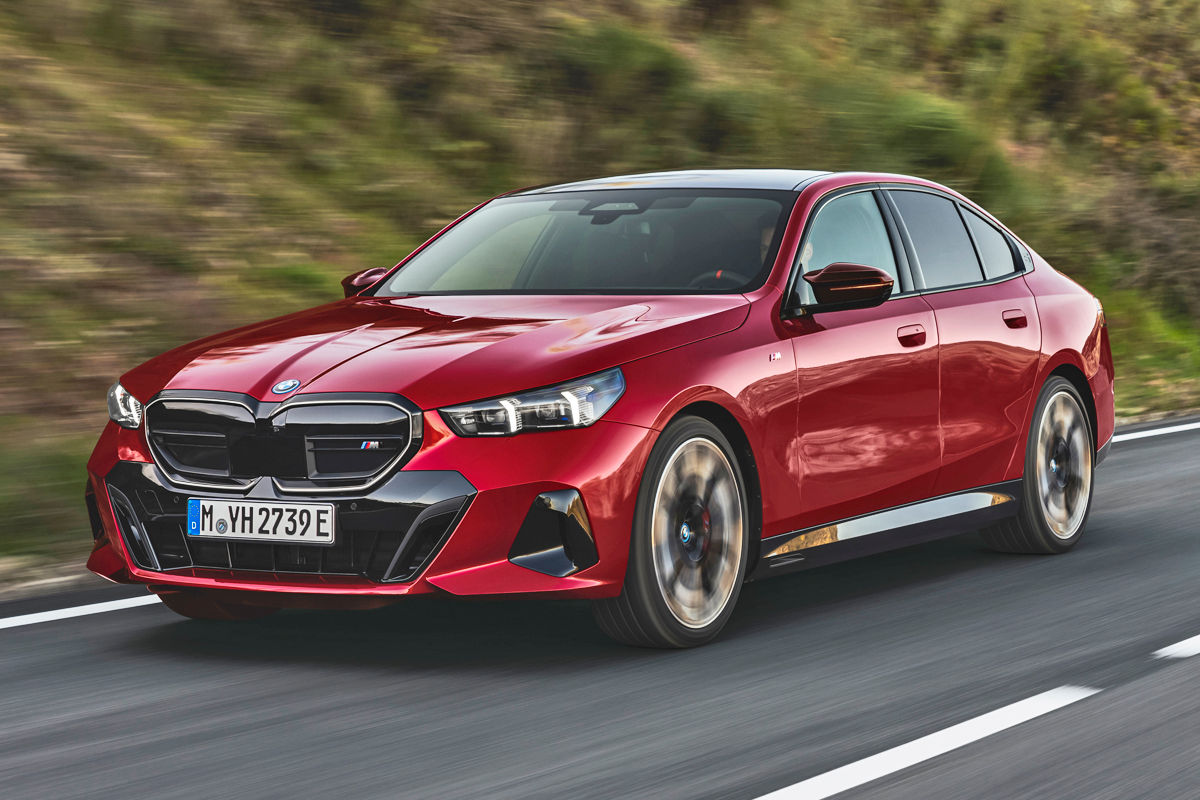
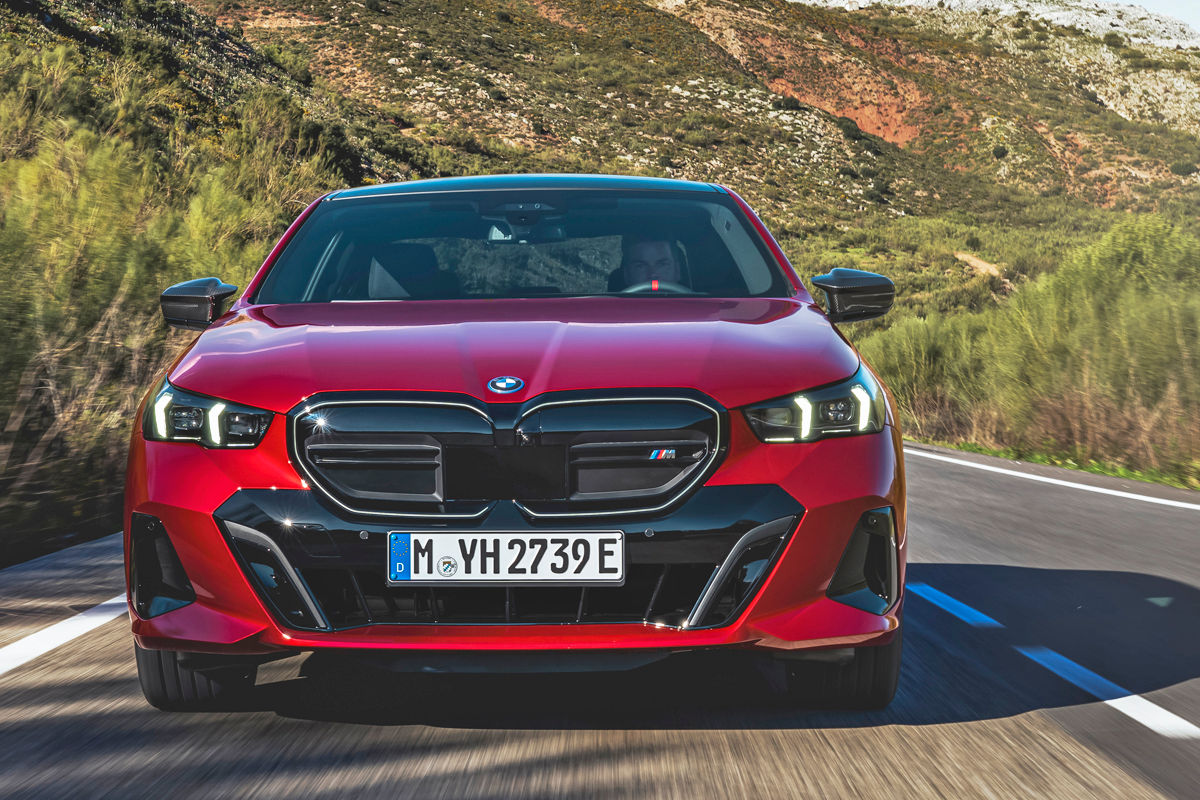
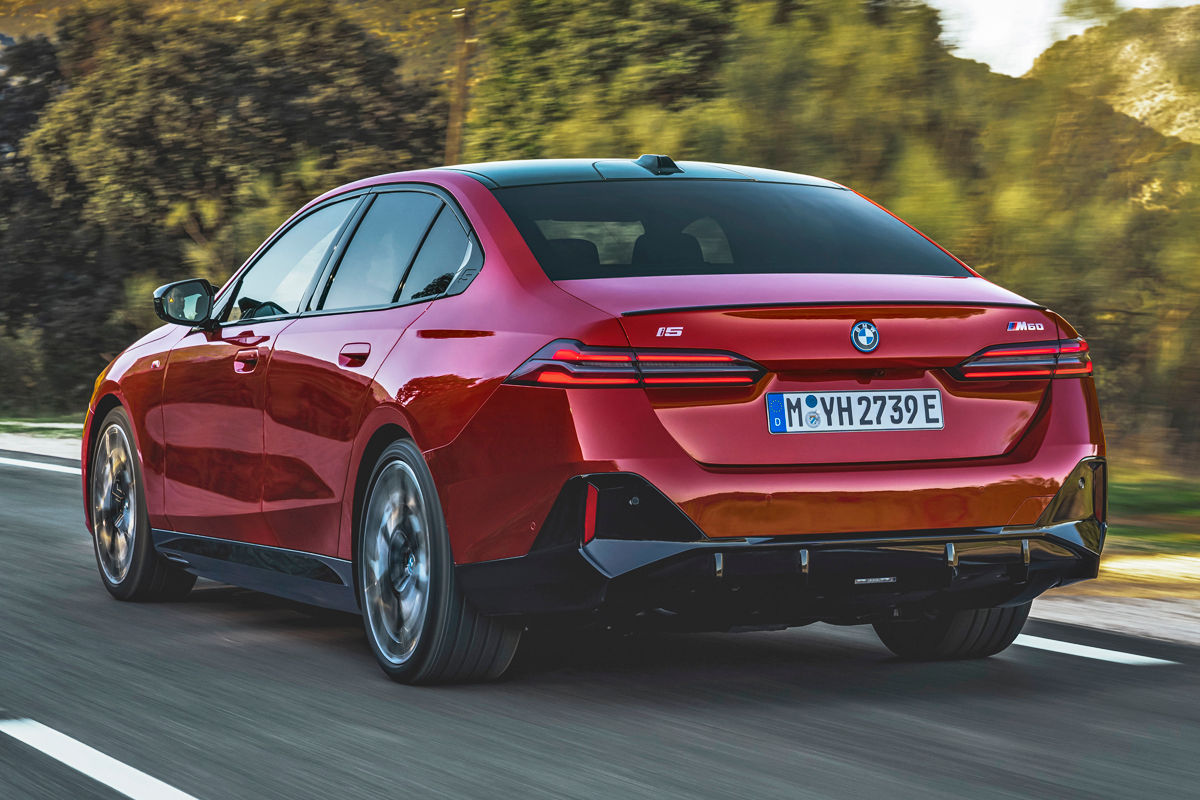
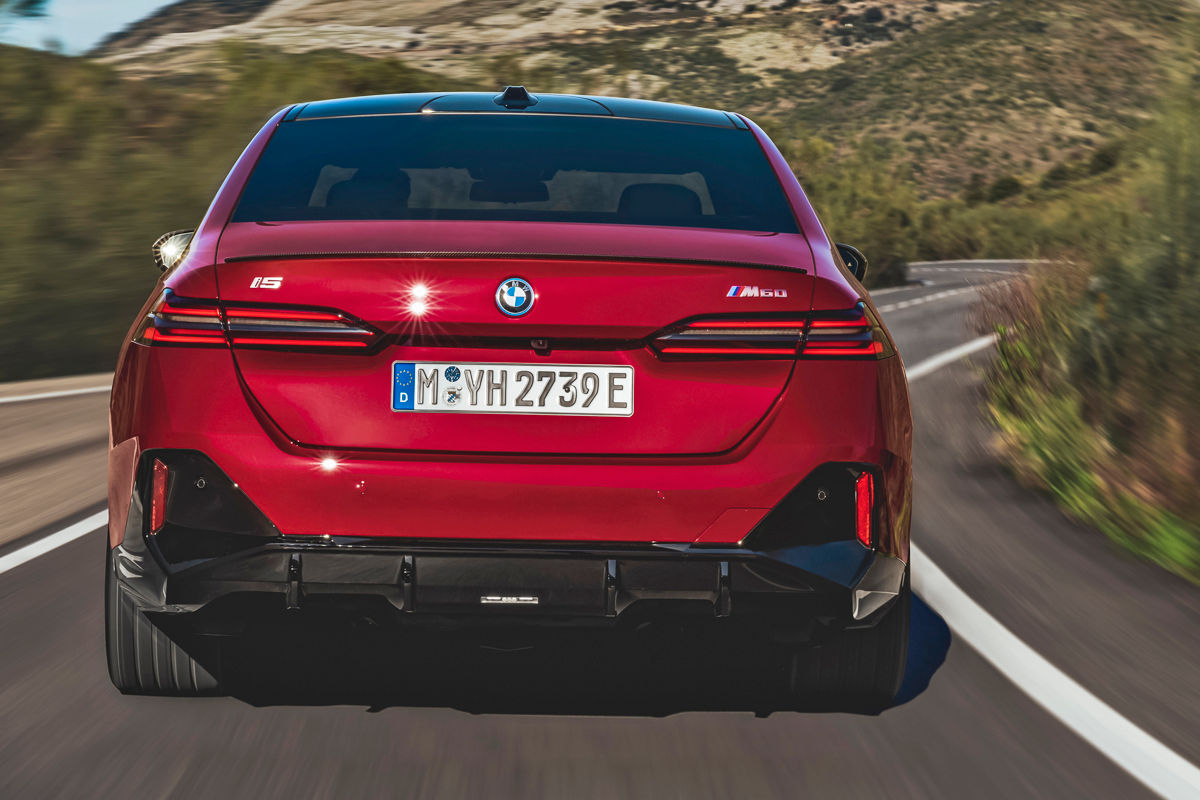
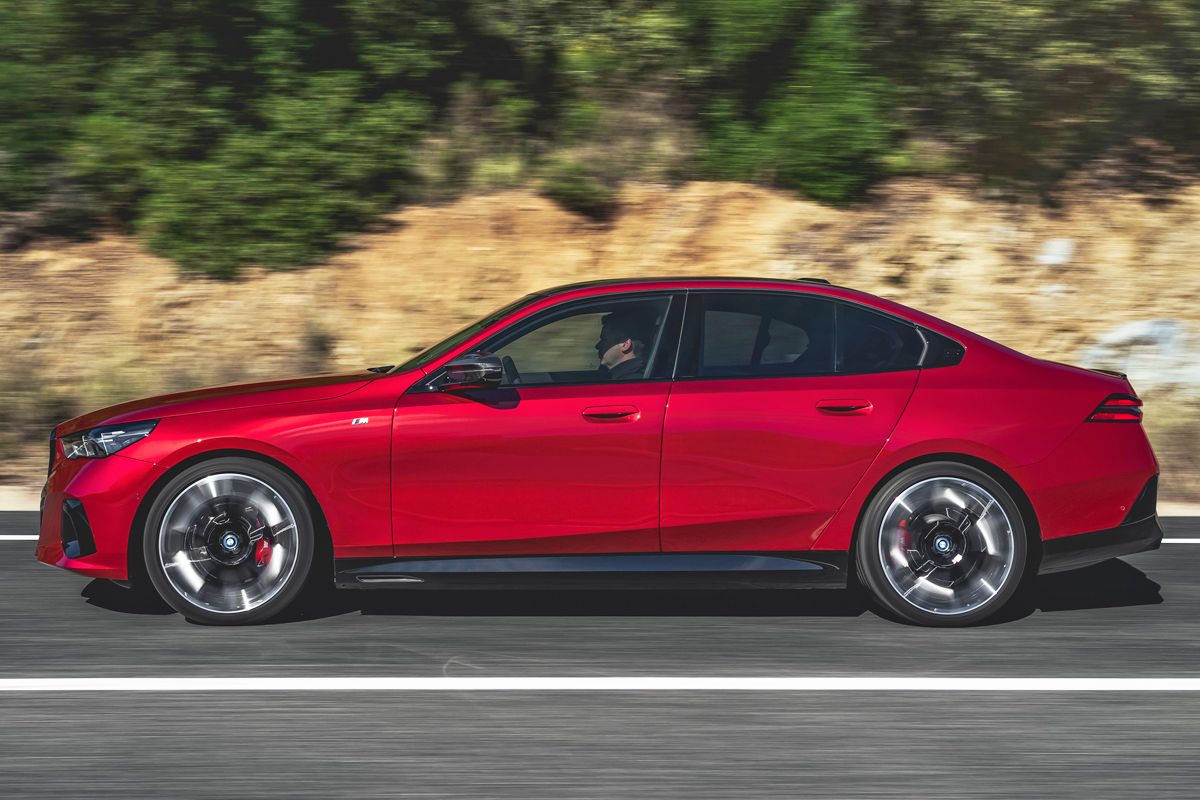
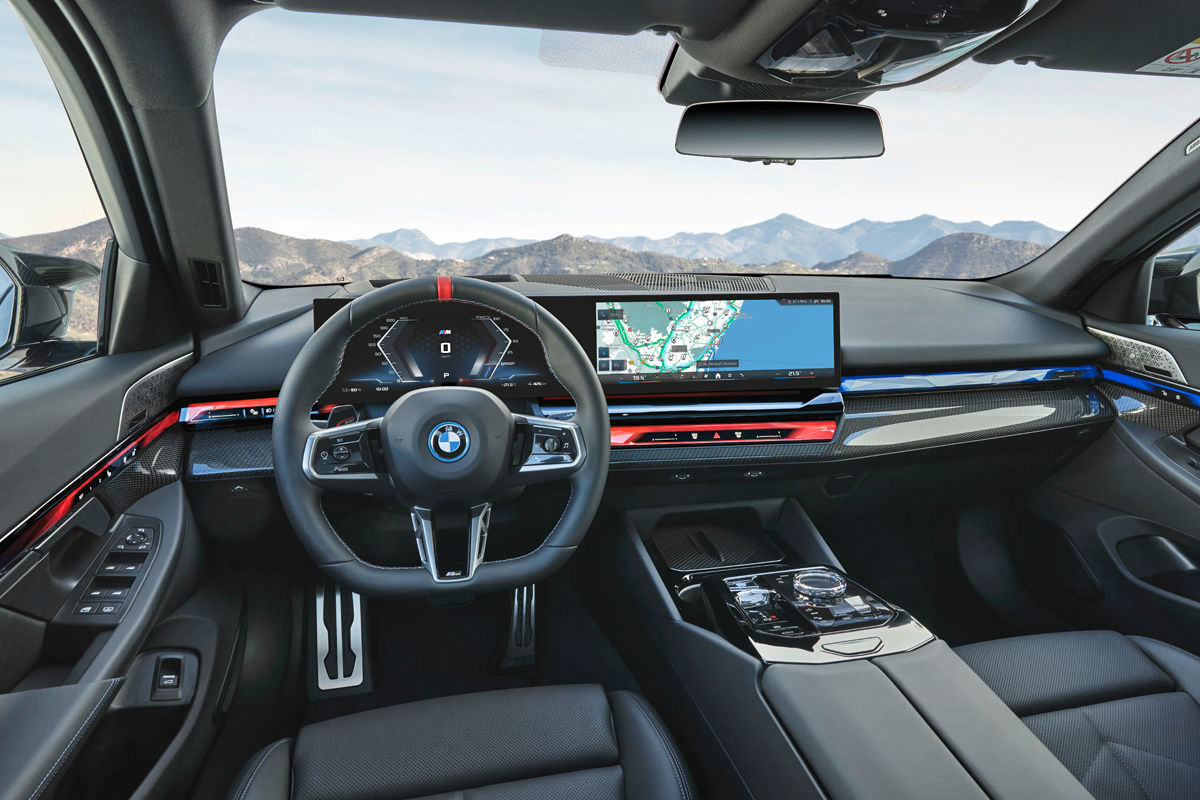
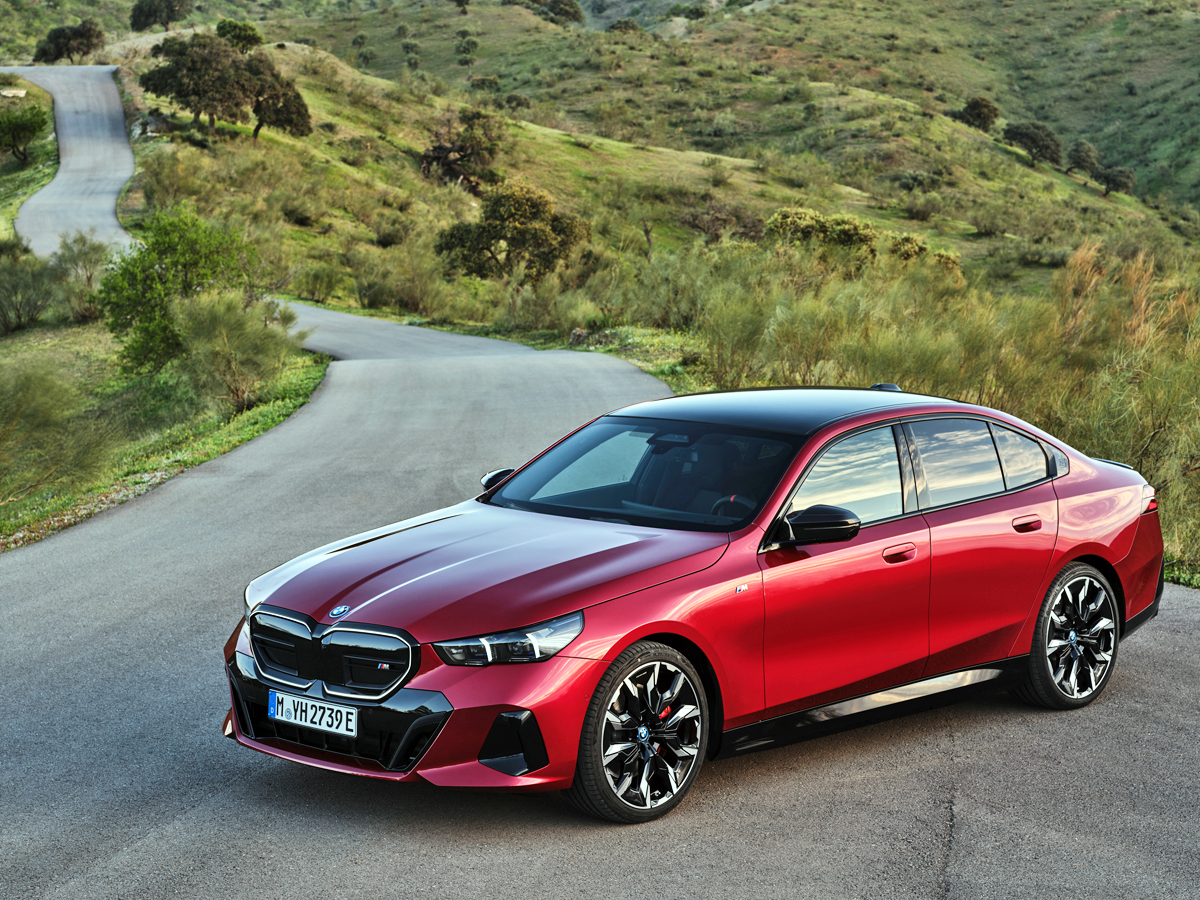
The BMW i5 M60 xDrive has quietly arrived in South Africa. Here’s how much the fully electric M Performance version of the latest 5 Series sedan will cost you…
The G60-generation BMW 5 Series range in South Africa has been quietly expanded with the arrival of the fully electric BMW i5 M60 xDrive sedan.
As a reminder, the latest-generation 5 Series was revealed in May 2023, before we brought you local pricing for the diesel-powered 520d earlier in October. Now, the i5 M60 xDrive has been added to BMW’s local configurator.
Courtesy of an electric motor on each axle, the new i5 M60 xDrive generates a whopping 442 kW and 795 Nm, with the latter figure climbing further to 820 Nm when M Sport Boost or the M Launch Control function is activated. As a result, the Munich-based firm says the M Performance saloon can complete the obligatory 0-100 kph sprint in just 3.8 seconds, while its top speed is electrically limited to 230 kph.
The high-voltage, lithium-ion battery has a usable energy content of 81.2 kWh and is located in the vehicle’s underbody. BMW claims a WLTP range of up to 516 km. Interestingly, the i5 M60 xDrive comes with a new “Max Range” function, allowing single-charge range to be increased “by up to 25% if required by limiting power and speed, and deactivating comfort functions”.
So, how much does it cost? Well, pricing for the i5 M60 xDrive starts at R2 190 000, though various optional packages are also available. For instance, buyers can specify the Deluxe Package for an additional R35 000, which sees the audio system upgraded to a Bowers & Wilkins surround sound system and adds seat heating (front and rear) plus ventilation (front only).
There’s also the M Carbon exterior package (R35 000), Equipment Professional package (R40 000) and M Sport Pro package (R20 000). Individual options, meanwhile, include items such as 21-inch alloy wheels (R15 000) and various paint finishes.
How much does the BMW i5 M60 xDrive cost in South Africa?
BMW i5 M60 xDrive – R2 190 000
The price above includes a 2-year/unlimited kilometre warranty (plus a separate 8-year/100 000 km warranty on the battery pack) and a 5-year/100 000 km maintenance plan.
Chery, which recently expanded its line-up and introduced its Omoda sub-brand in South Africa, will step up its new-product rollout next year when it launches two Jaecoo models, a pair of plug-in hybrids (PHEVs) and the Omoda flagship – the C9.
Having sold a remarkable 20 000 units in less than 18 months since its return to our market, a resurgent Chery South Africa (Chery SA) was sitting just outside the top 10 best-selling brands list for the new vehicle market year-to-date by the end of September (in 11th spot).
One could attribute the momentum to the introduction of keenly priced, well-specified models in the small and compact crossover segments, but importantly, those product launches have occurred at regular intervals! This week, Chery SA followed up the Tiggo 8 Pro Max (one of the Chinese brand’s 2 finalists in the 2023/24 CarsAwards) with the Tiggo 7 Pro Max and an entry-level Tiggo 4 Pro derivative.
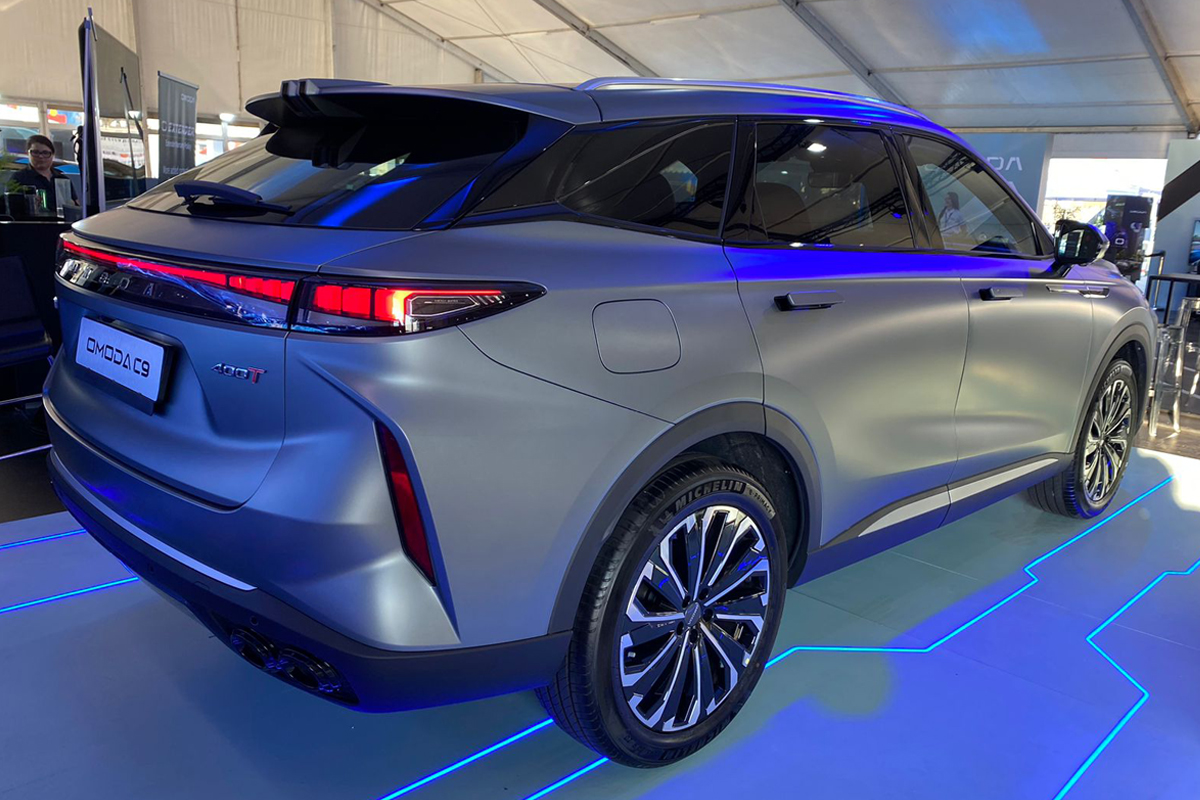
Chery South Africa gave a sneak peek of the Omoda C9 at the Johannesburg Festival of Motoring.
But that’s just a taste of what’s to come in the next year and a half. By mid-2025, Chery SA will have launched 2 models of its other sub-brand, Jaecoo, PHEV variants of its Tiggo 7 Pro and Tiggo 8 Pro, a new range-topper for its Omoda brand, as well as its first battery-electric vehicle (BEV) in Mzansi.
“We can proudly say: ‘This time, Chery is a success in South Africa’ (thanks to) an entirely updated model line-up, but our expectations remain high,” Chunqing Chen, vice president of Chery International and director of Chery SA, said this week. “We’re inspired to pursue even better ways to serve our customers and meet their needs.
“Our product plan for the next 10 years is quite comprehensive (it even includes a bakkie spun from a new scalable platform… eventually), but the highlights of next year will be the introductions of plug-in hybrid derivatives (on Chery’s side) and our expansion of the Omoda and Jaecoo luxury car line-up.”
Omoda C9 – Q1 2024
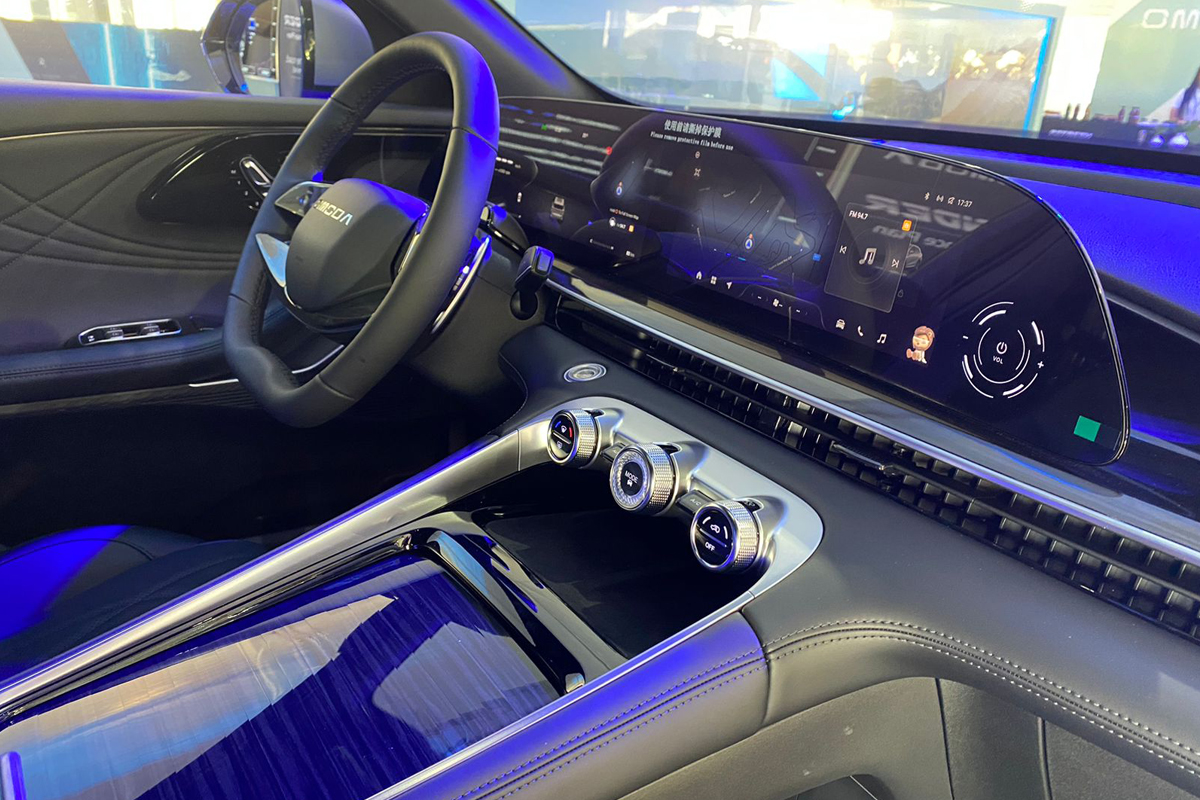
Chery SA previewed the model that is destined to be the flagship Omoda in South Africa at the recent Johannesburg Festival of Motoring. The C9 is so new that Chery does not even have official photos of the model yet, but then the arrestingly styled coupe-SUV is not so much “new” as a repackaged version of the RX – a product of one of Chery’s other sub-brands, Exeed.
In terms of dimensions, the C9 falls into the German premium brand-dominated executive SUV segment – and it is specified and finished accordingly. The model is reportedly 4 781 mm long, 1 920 mm wide and stands 1 671 mm tall, which makes it 29 mm longer, 2 mm wider and 50 mm taller than a BMW X4.
Apart from its distinctively sculpted sheet metal, the C9 features pop-up door handles and inside, it has a finely stitched leather trim, electrically adjustable heated/cooled seats (with massage function at the front), dual 12.3-inch screens (integrated in a single, curved panel), a 50W wireless charger, a 9-speaker Sony audio system, a panoramic sunroof and more.
The Omoda C9 is powered by a 2.0-litre 4-cylinder turbopetrol motor with 193 kW and 400 Nm that drives either the front- or all wheels (AWD) via an 8-speed automatic transmission.
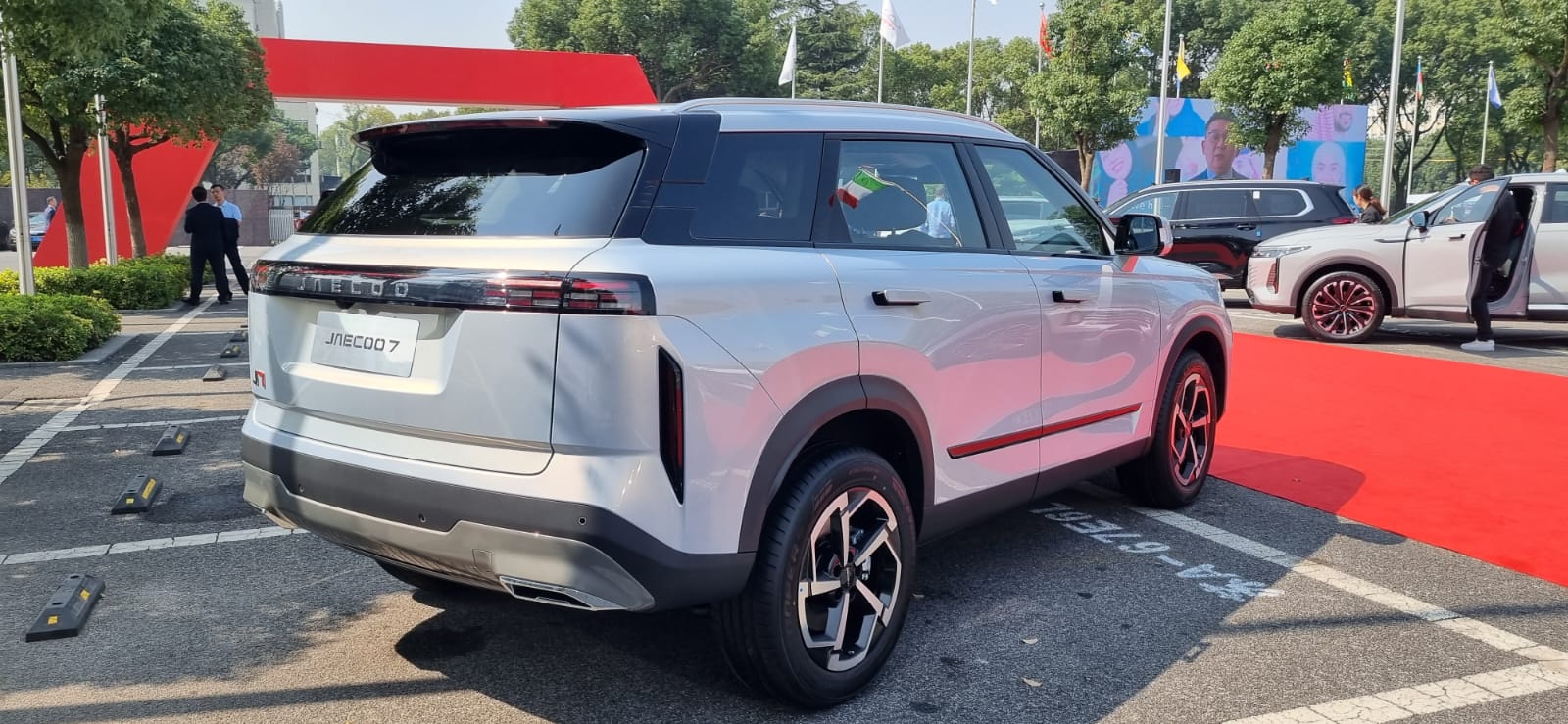
Jaecoo J7 – Q1 2024
Omoda is but one half of a division that Chery refers to as O&J. The “J” stands for Jaecoo, a portmanteau of “Jae” (a contraction of the German word for hunter Jager) and “cool”. Another upmarket sub-brand, with a striking design language and a high level of technology, one could say that Jaecoo is for Chery, what Haval and Tank are for Great Wall Motor.
Measuring 4 500 mm in length, 1 865 mm in width, 1 680mm in height and with a 2 650-mm wheelbase, the boldly styled, unashamedly blocky Jaecoo 7 is a premium compact crossover. We imagine it is what the Jeep Cherokee would have looked like by now if (then) Fiat Chrysler Automobiles hadn’t made the 4th iteration of that model so darn curvy and, sad to say, indistinct. The Jaecoo 7 is much more macho.
Its grille takes inspiration from Mercedes-AMG’s Panamericana treatment, and it is flanked by slim, technical-looking LED headlamps; the rear styling, by contrast, is Range Rover-esque. The chunky and angular aesthetic continues in the cabin with (ahem) Jeep-style door handles and straight lines perpendicular to each other with a big, portrait-oriented infotainment screen on the fascia.
Under the Jaecoo’s clamshell bonnet is a 1.6-litre 4-cylinder turbopetrol engine that develops about 140 kW along with 275 Nm of torque. The J7 is likely to be made available in both front- and all-wheel-drive guises in conjunction with a 7-speed dual-clutch automatic transmission.
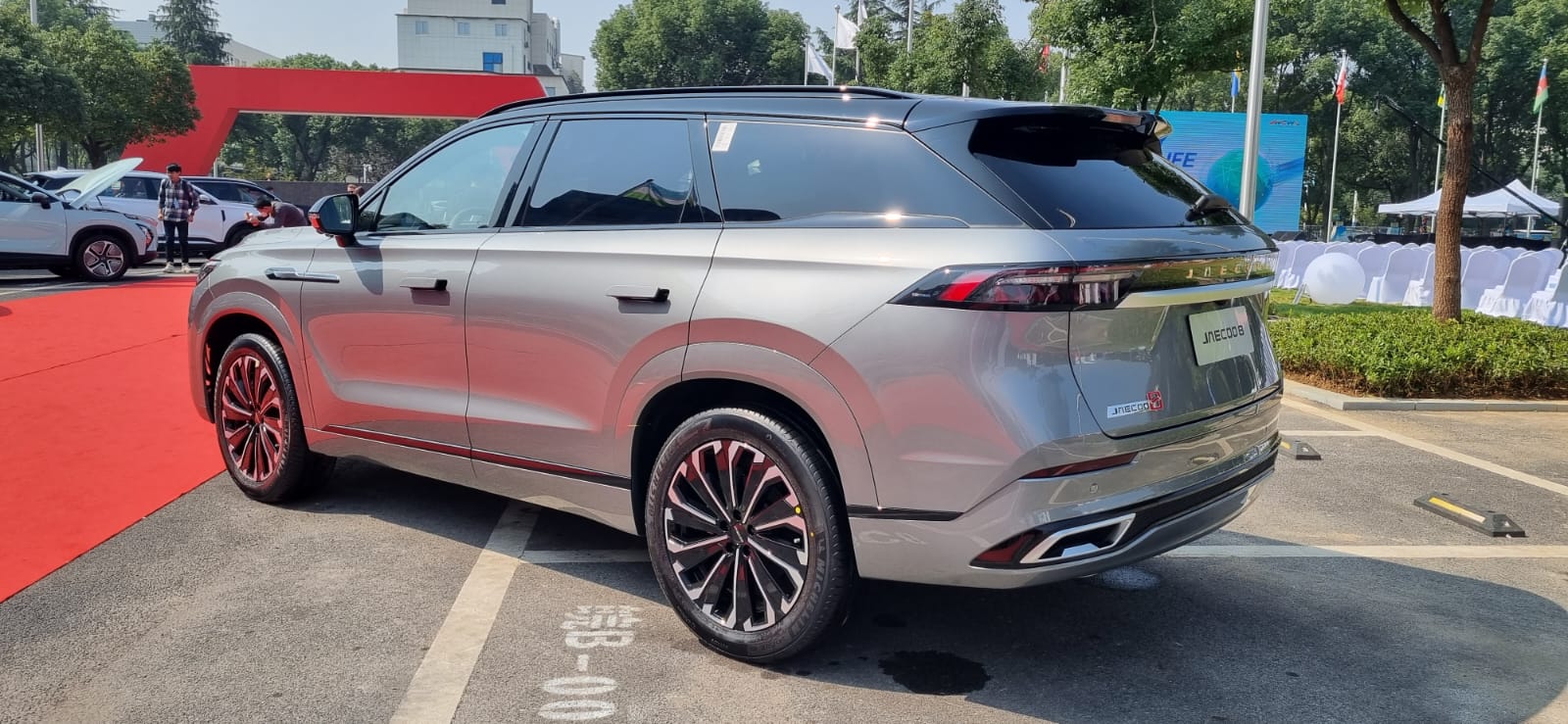
Jaecoo J8 – Q4 2024
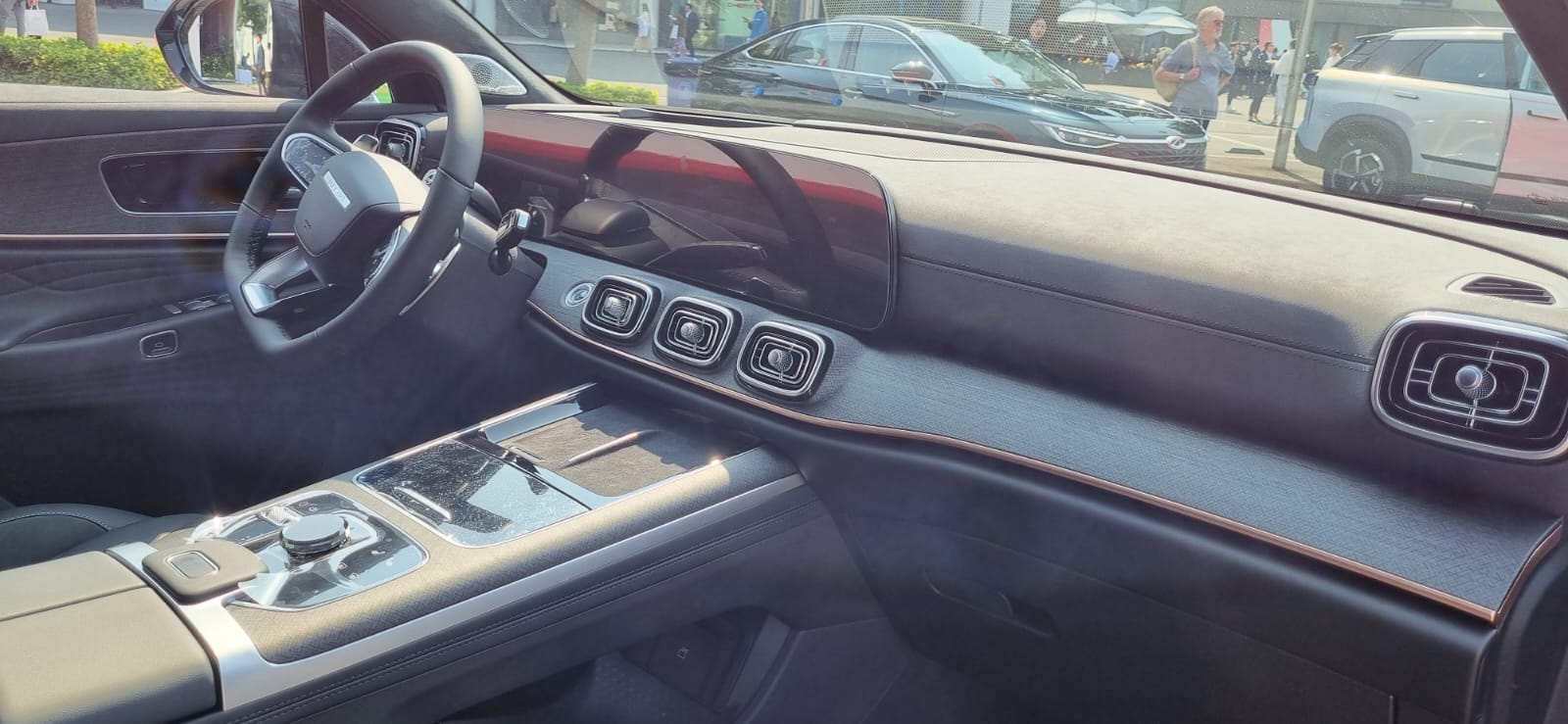
The J7’s bigger brother looks quite imposing too, but its exterior execution is less overtly off-roader-inspired and more akin to that of a conventional luxury SUV. In fact, the Jaecoo J8 is slightly bigger than the Omoda C9 at 4 815 mm in length, 1 924 mm in width and 1 710 mm in height. It also has a 2 800-mm wheelbase, which makes it rather roomy and puts it well and truly in the Executive SUV category.
It looks striking by virtue of its bold grille, full LED lights (fore and aft), contrasting black roof (and pillars), as well as ornate 20-inch wheels. Its luxurious interior, however, is the coup de grace.
The J8’s cabin, which we understand could be available in 2- and 3-row configurations, takes cues from models such as the new Mercedes-Benz GLC, with Nappa leather upholstery, a plush headliner, soft-touch surfaces, polished metallic finishes (including the air vents), electrically adjustable seats, climate control settings for each row, LED ambient lighting, a panoramic sunroof, a 14-speaker audio system and the latest connectivity features built into the 24.6-inch curved infotainment screen/instrument cluster.
Build quality is said to be very impressive indeed and the newcomer’s suite of safety systems reportedly includes 10 airbags, automatic emergency braking, a tyre pressure monitoring system, driver fatigue monitoring, L2.9 advanced driver assistance systems and plenty of other features.
The Jaecoo T8 is powered by a 2.0-litre 4-cylinder turbopetrol engine, which produces 183 kW/385 Nm, is mated with a 7-speed dual-clutch automatic transmission, and drives either the vehicles’ front or all wheels (depending on the configuration that will be offered in our market).
Chery SA already has 80 dealers in its sales network. Still, considering the decidedly premium-brand positioning of Omoda&Jaecoo (O&J) products, the local subsidiary of the Chinese brand feels that its dealer footprint needs to expand to meet the expectations of a new, more diverse clientele.
“Omoda&Jaecoo is an important step forward for Chery Group’s globalisation strategy. The consumer market is updating and iterating, and we are keenly aware of the need for more diversified products to meet more market segments,” said Tony Liu, the executive deputy general manager of Chery SA.
“Omoda&Jaecoo (O&J) and Chery focus on different market segments. (Therefore) we are opening more than 30 Omoda dealerships and with Jaecoo joining (Chery SA’s product line-up in due course), the expansion of our dealer network will certainly continue in the next few years,” he added.
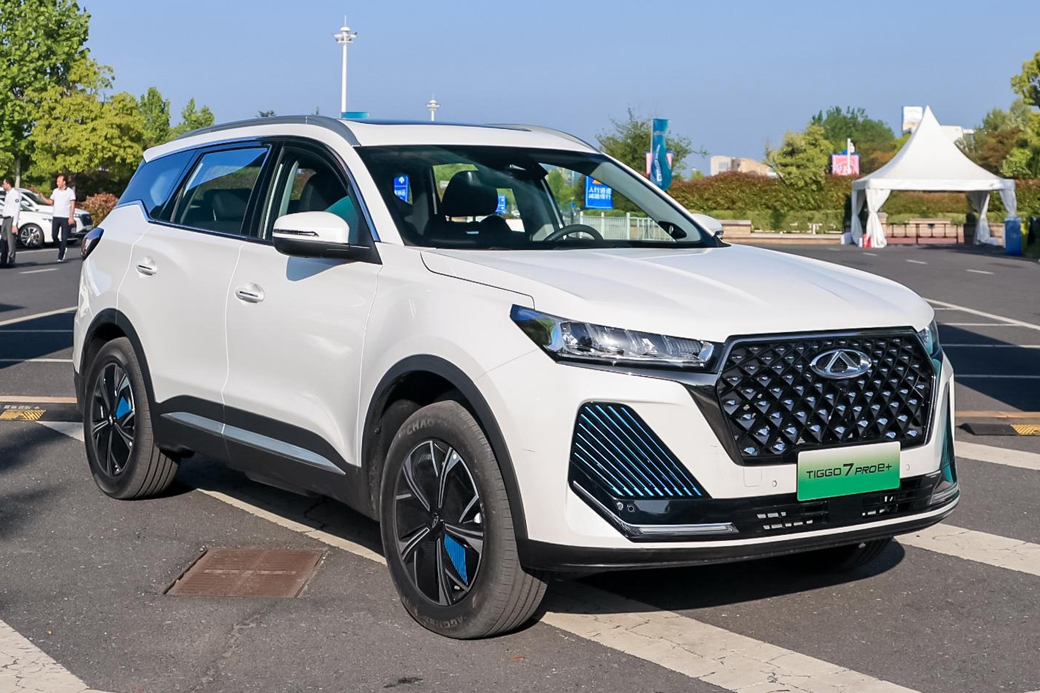
Chery Tiggo 7 Pro and 8 Pro PHEVs – Q4 2024
Although Toyota South Africa was considering the introduction of a plug-in hybrid (PHEV) derivative of its RAV4 late last year, at the time of writing, no manufacturer or importer offered a compact crossover or medium SUV with a PHEV configuration in South Africa.
That situation looks set to change at the very least by the end of next year, however, when PHEV derivatives of the Tiggo 7 Pro 5-seater and Tiggo 8 Pro 7-seater will spearhead Chery’s new-energy vehicle offering in Mzansi. The derivatives’ “e+” power unit utilises a 1.5-litre turbopetrol engine combined with 2 electric motors for a total system output of 180 kW/510 Nm. The 19-kWh hybrid battery component of the power unit is said to offer a pure electric range of a handy 75 km.
It’s been reported that the PHEVs’ 11-speed-ratio direct hybrid transmission sends power to all wheels via the on-demand all-wheel drive system, which offers a choice of no fewer than 9 drive modes.
Chery claims the Tiggo 8 Pro PHEV will accelerate from 0 to 100 kph in 7.5 sec and be able to travel almost 1 000 km on a full tank and -charge (including the 75 km of pure electric range).
Chery E5 – Q2 2025
Since the Omoda C5 small coupe crossover made its debut in the South African market earlier this year – watch our video review of the model – it has drawn much attention by virtue of its distinctive design (outside and in-), generous standard specification and sheer boutique appeal. Still, there is not much to distinguish the (for now, standalone) Omoda model from its similarly sized Chery peers, mechanically.
That will change dramatically, however, when the battery-electric version of the Omoda C5 debuts in Mzansi during the first half of 2025. Unveiled in its home market in May, the Omoda E5 is instantly recognisable as a relative of the C5, but the fact that it has a smoothed-out frontal design is telling – there is no need for an oversized grille to supply air to help cool an internal-combustion engine!
Indeed, the Omoda E5 will be Chery SA’s first BEV in the South African market. It is powered by a 150 kW/340 Nm single electric motor (mated with a 61-kWh battery) that drives the vehicle’s front wheels. The Chery Group states that the newcomer can sprint from a standstill to 100 kph in 7.6 seconds.
Apart from the sleeker front end, the Omoda E5 sports elongated and more angular LED daytime running lights, restyled headlights, aero-optimised alloy wheels and simpler (neater) rear bumper garnishes.