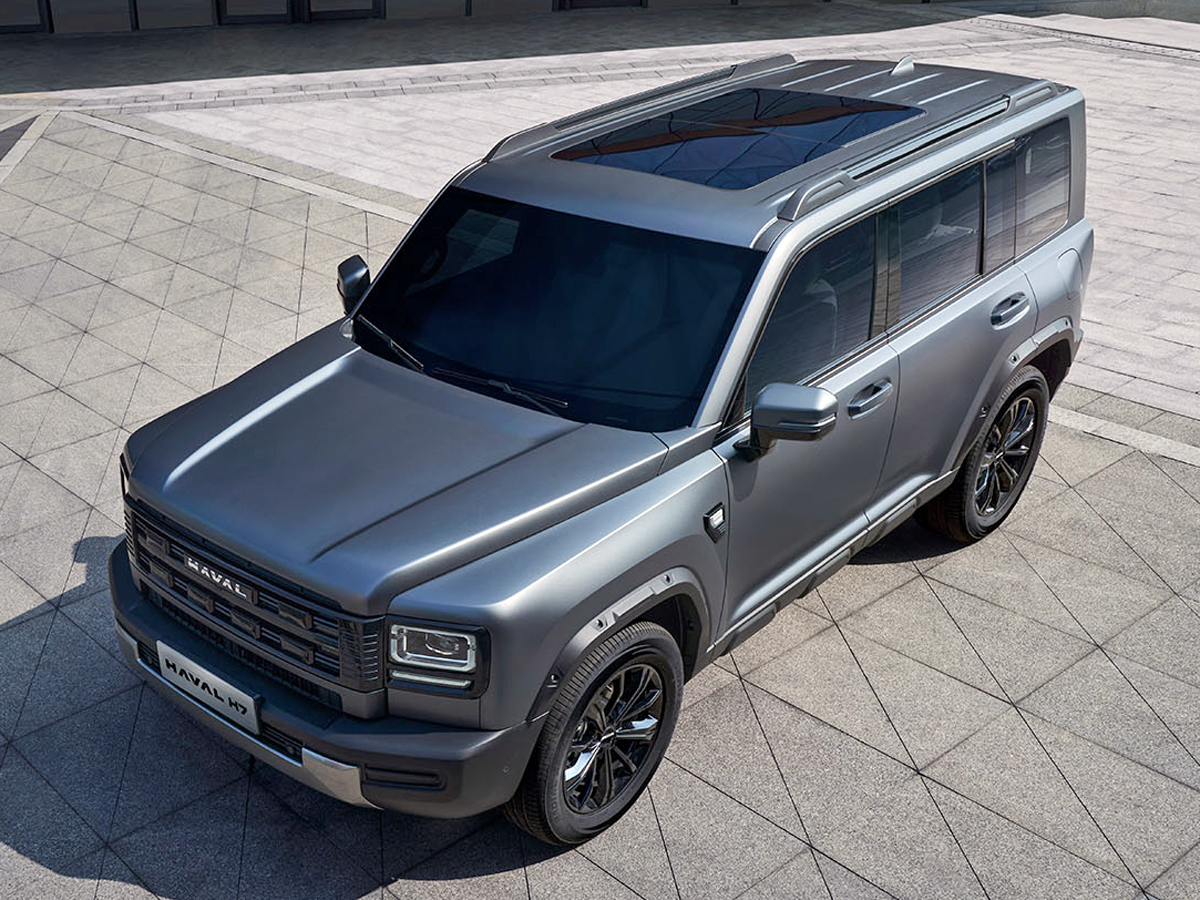
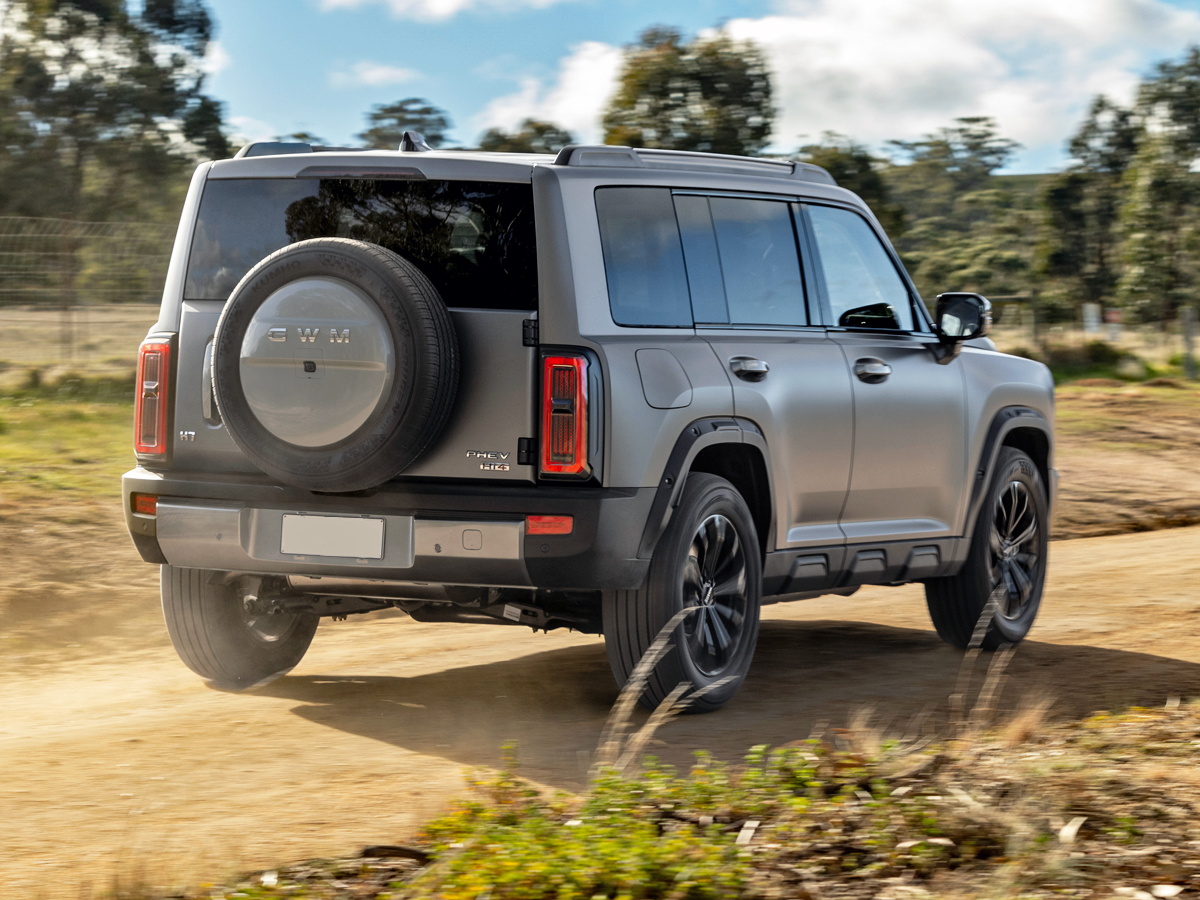
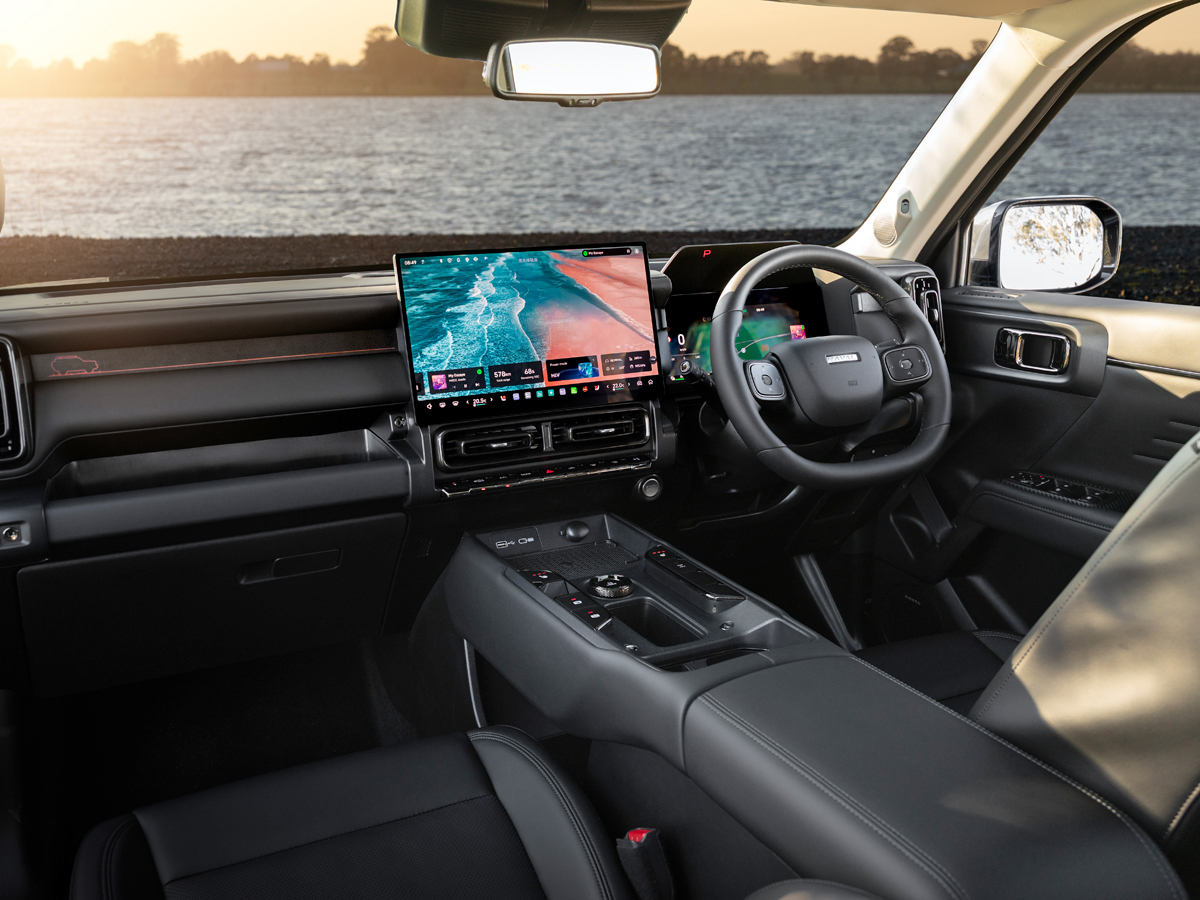
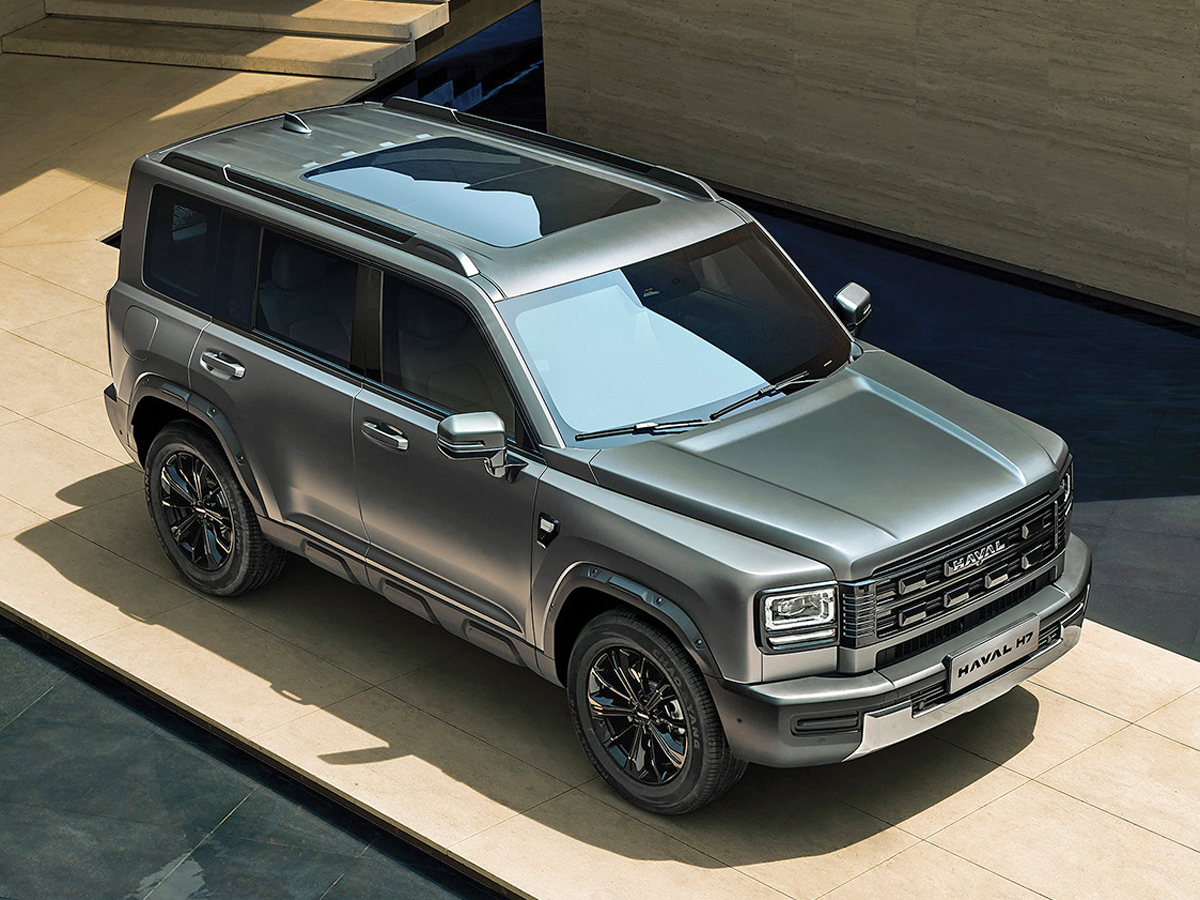
Scoop! The new GWM Haval H7 is set to launch in South Africa in October 2026, with 3 powertrains on offer: turbopetrol, traditional hybrid and plug-in hybrid. Here’s how much you can expect to pay.
New H7 to arrive in October 2026 priced from R554 900.
Three powertrain options confirmed
Turbopetrol, HEV & PHEV locked in
The new Haval H7 is scheduled to launch in South Africa in October 2026, with GWM’s local division having now confirmed the latest version of the boxy 5-seater crossover will be available with a choice of 3 powertrains.
As a reminder, the Haval H7 nameplate debuted in Mzansi in January 2025, before GWM SA handed this unibody crossover (which is badged as the “Big Dog” in its domestic market of China) the “Black Edition” treatment in March 2026.
Now, however, the Chinese brand’s local arm is preparing to switch to a fresh H7, this time based on a model known as the “Haval Raptor” in China (where it’s been in production since 2023). Measuring 4 800 mm from snout to rump, the new version is some 95 mm longer than the model it will replace.
GWM South Africa has confirmed the new Haval H7 will be available locally with a choice of 3 distinct powertrain flavours: turbocharged petrol, traditional hybrid electric vehicle (HEV) and plug-in hybrid electric vehicle (PHEV).
The turbopetrol engine is identical to the 2.0-litre motor that does duty in the outgoing H7, where it makes 170 kW and 380 Nm, and is linked to a 9-speed dual-clutch transmission as standard. There’ll be three trim levels, with the flagship gaining all-wheel drive.
The HEV powertrain is built around a turbocharged 1.5-litre petrol engine, an electric motor and a 1.53 kWh battery pack, a combination that delivers peak outputs of 182 kW and 540 Nm. It features front-wheel drive, direct hybrid transmission and only available in the Super Luxury trim.
What about the PHEV powertrain? There are two and all feature a turbocharged 1.5-litre petrol mill (but a far larger 23.7 kWh battery pack). Customers have the choice of a front-wheel-drive version generating 240 kW and 540 Nm or an all-paw variant that boasts peak outputs as lofty as 320 kW and 670 Nm, facilitating a 0-100 kph sprint in a claimed 4.9 seconds.
As a reminder, the outgoing Haval H7 line-up comprises 3 derivatives – the aforementioned turbopetrol powertrain, available in both front- and all-wheel drive guise, as well as a traditional hybrid (179 kW/530 Nm) – with pricing bookends of R604 950 and R734 950.
We’ll confirm final specifications, tech and features in the coming weeks.
How much does the GWM Haval H7 cost in South Africa?
The vehicle will be sold with a 7-year/200 000 km warranty, 8-year/150 000 km battery warranty, and a 7-year/75 000 km service plan.
Q: When will the new Haval H7 launch in South Africa, and what will it cost?
A: The new Haval H7 is set to launch locally in October 2026. While full pricing has yet to be finalised, GWM South Africa indicates that the HEV derivative will start at R624 900, with entry-level turbopetrol variants expected to start at a lower price point.
Q: What powertrain options will be available for the new Haval H7 in South Africa?
A: GWM South Africa has confirmed three powertrain configurations for the new Haval H7 line-up: a turbocharged petrol engine, a traditional hybrid (HEV) and a plug-in hybrid (PHEV).
Q: How does the new Haval H7 compare in size and design to the outgoing model?
A: Based on China’s “Haval Raptor” model, the new 5-seater boxy unibody crossover measures 4 800 mm in total length, making it roughly 95 mm longer from front to rear than the outgoing H7.
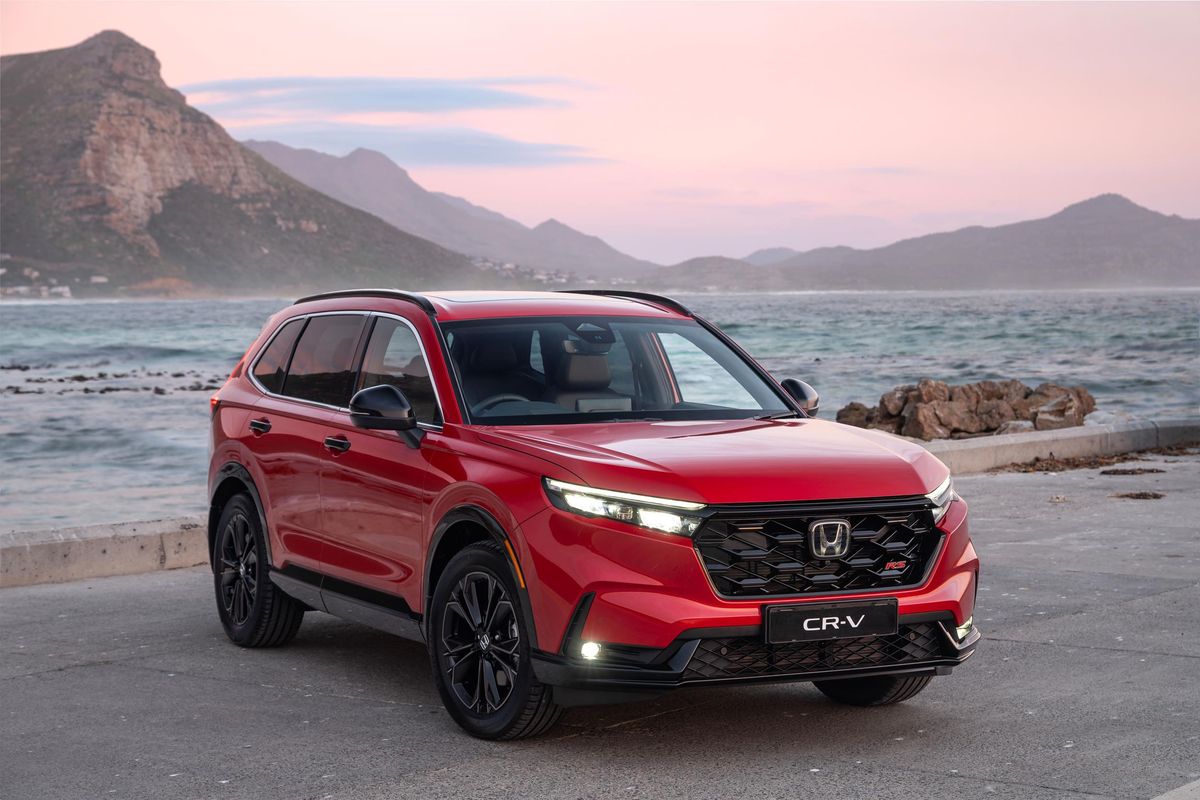
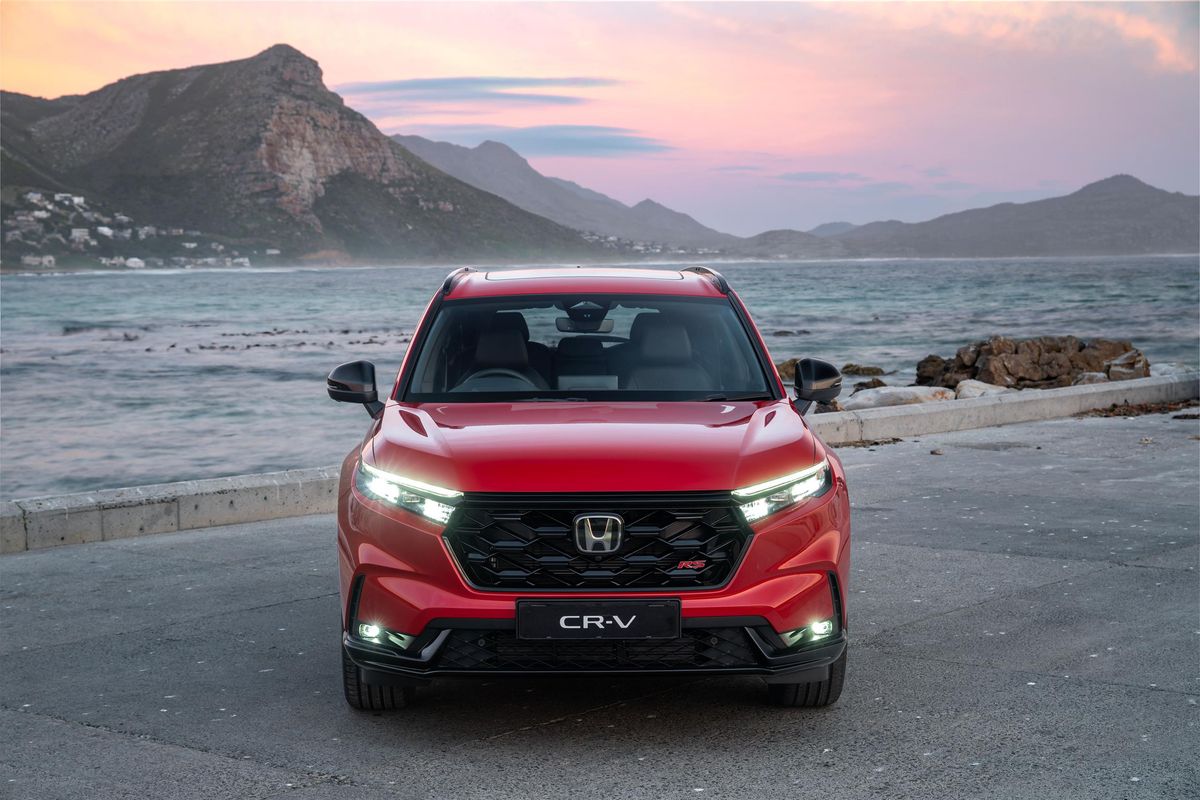
Honda CR-V RS Hybrid (2026) Price & Specs
The Honda CR-V RS Hybrid joins the local range, adding all-wheel drive, a hybrid powertrain and a sportier aesthetic. Here’s what’s new plus how much you can expect to pay.
The Honda CR-V is one of the Japanese brand’s legacy offerings and the sales figures highlight just how popular this SUV has been globally. It’s easily Honda’s best-selling vehicle and more than 15 million have found homes worldwide.
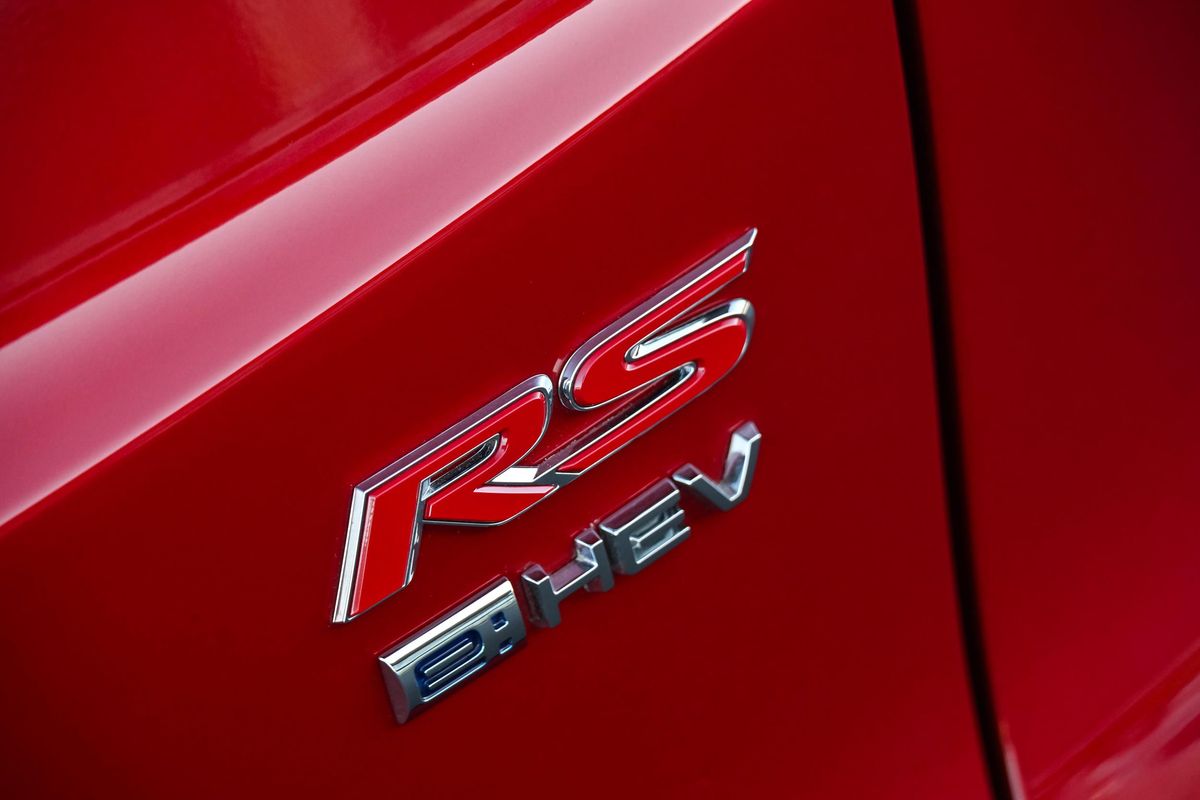
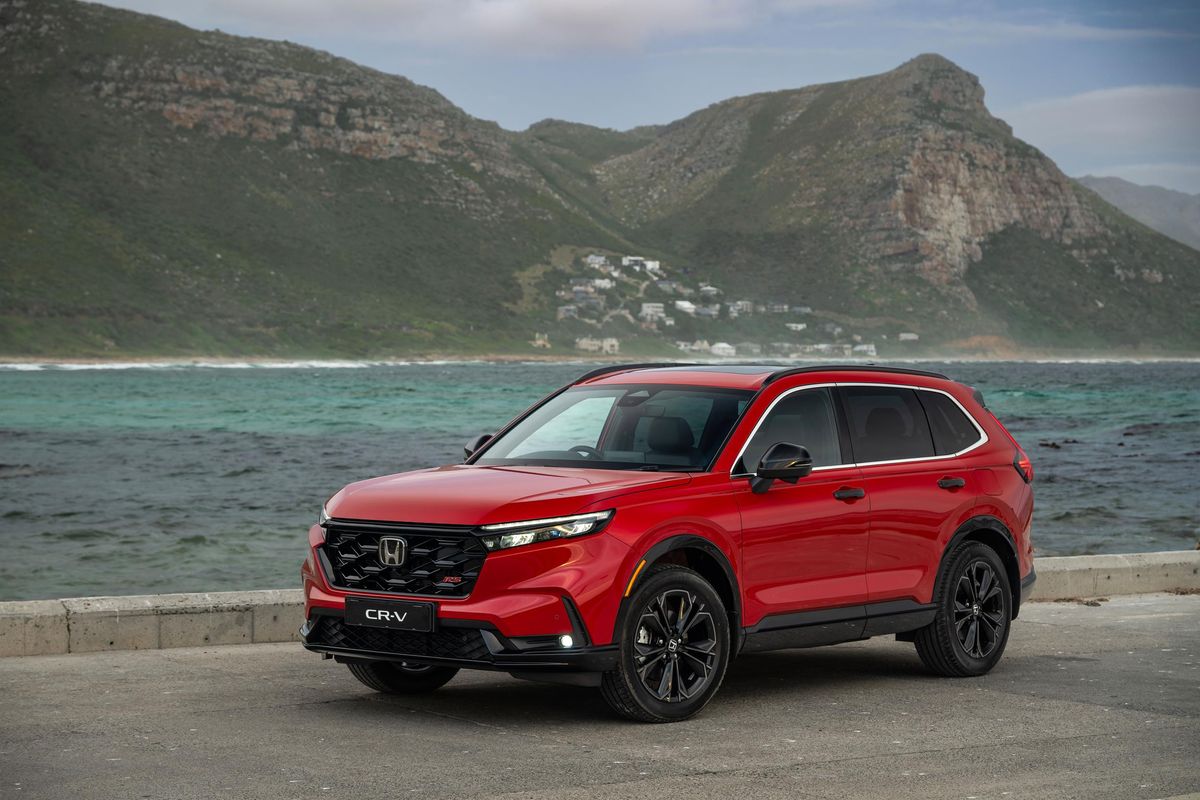
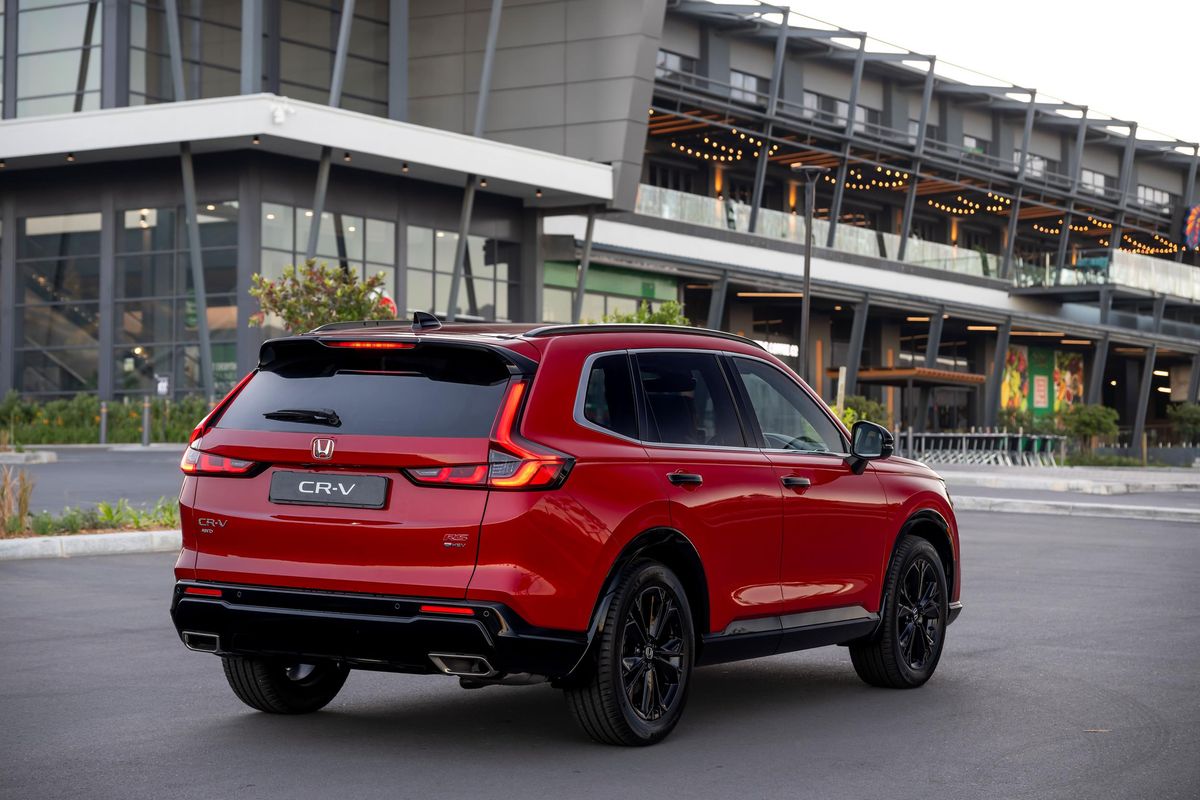
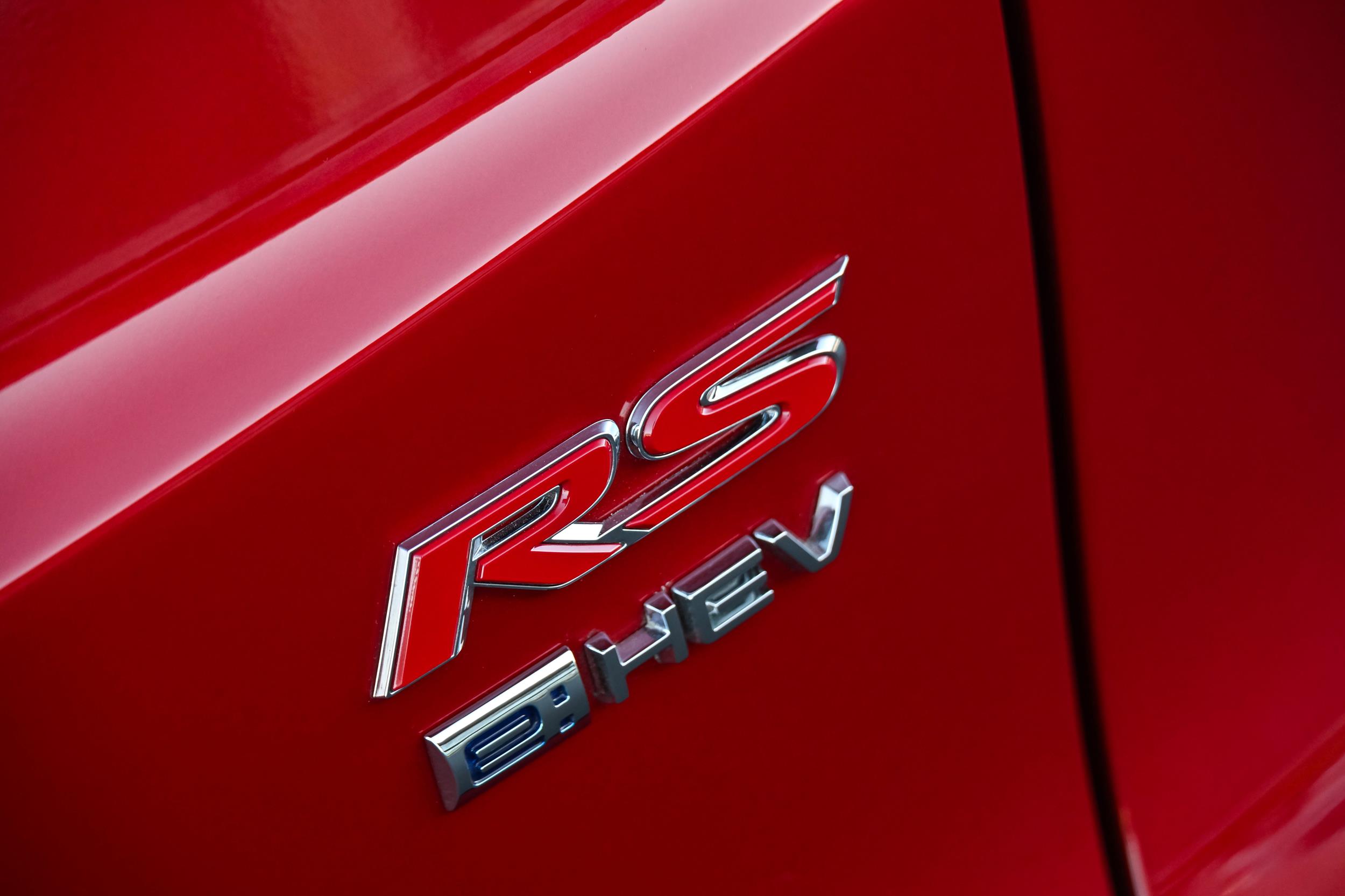
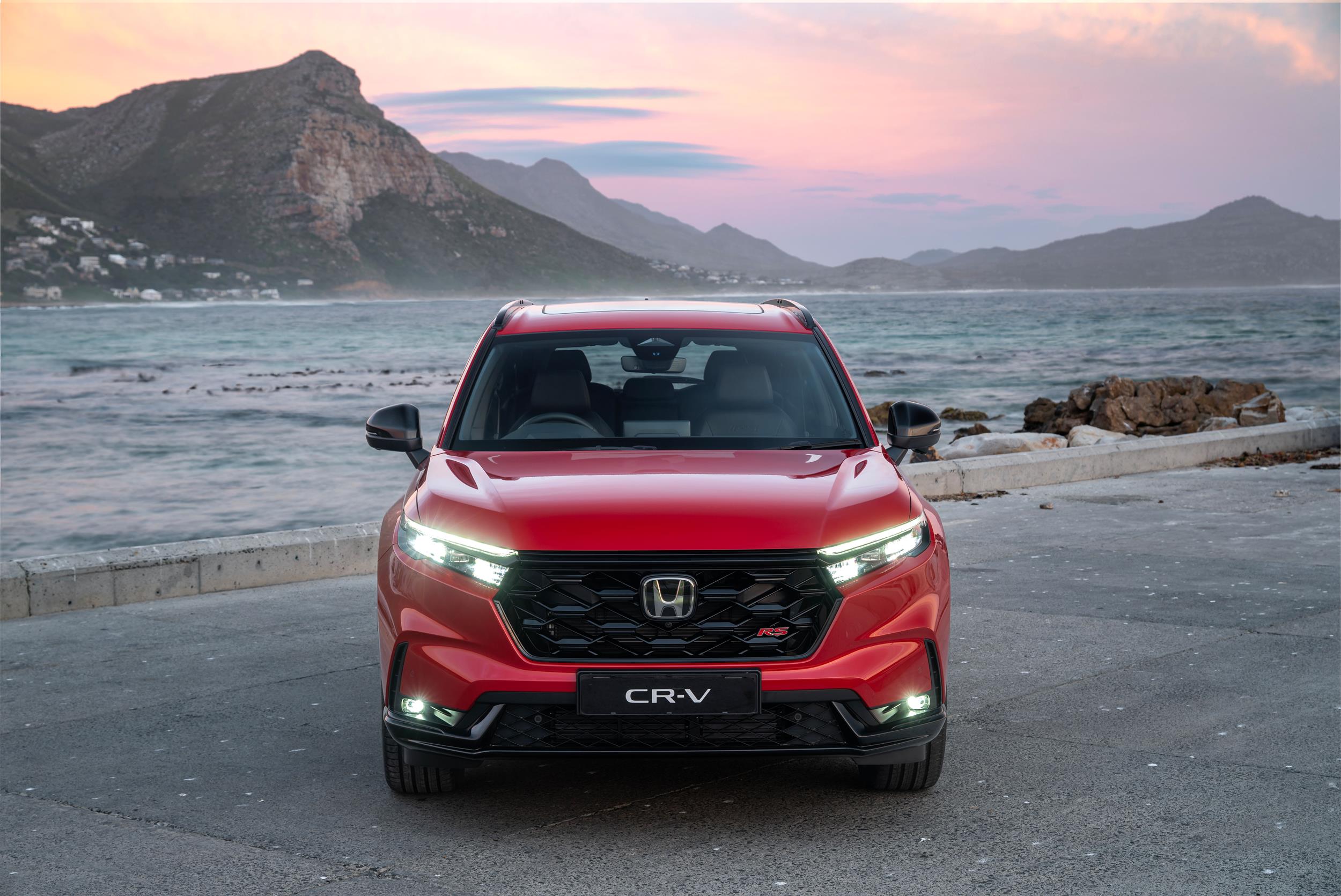
Prior to this RS Hybrid derivative joining the local range, the 6th-generation Honda CR-V line-up comprised just a single model, the 7-seater Exclusive. Slotting in at R91 400 less is the new 5-seater Honda CR-V RS Hybrid. Officially, it’s badged as the CR-V RS e:HEV AWD, which gives you some clue about its powertrain.
Honda CR-V RS hybrid engine
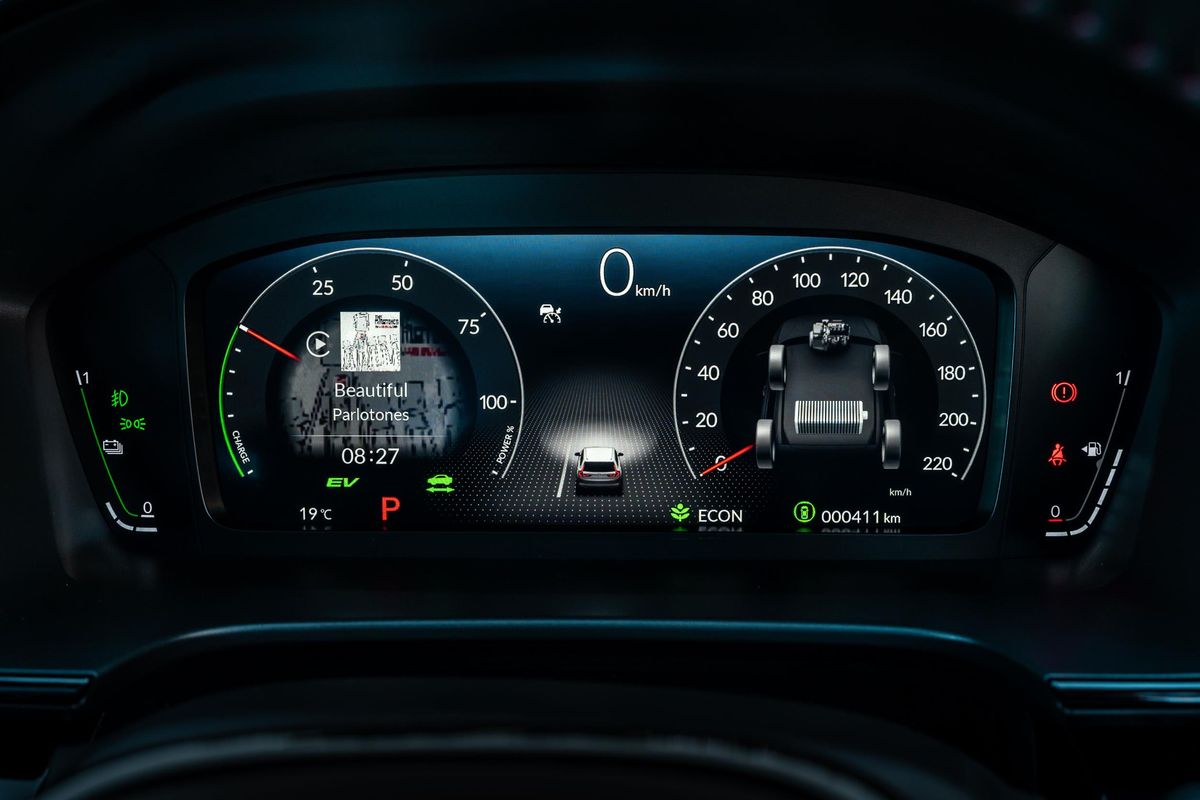
The engine on duty is a 2.0-litre, naturally-aspirated 4-cylinder petrol engine which makes 106 kW and 189 Nm. Thanks to the addition of two electric motors, the total outputs are 135 kW and 335 Nm, meaning the CR-V RS should be both punchy and efficient. Honda claims 5.4 L/100 km and the vehicle has an e-CVT.
It’s worth pointing out that this hybrid power system does not require plugging in, as the powertrain is self charging and features regeneration. The CR-V is able to run on electric power when pulling away and in traffic, switching to petrol power on the open road.
The CR-V now features all-wheel drive and while the vehicle is primarily front-wheel driven, the rear wheels supply torque before slip occurs.
Trim level
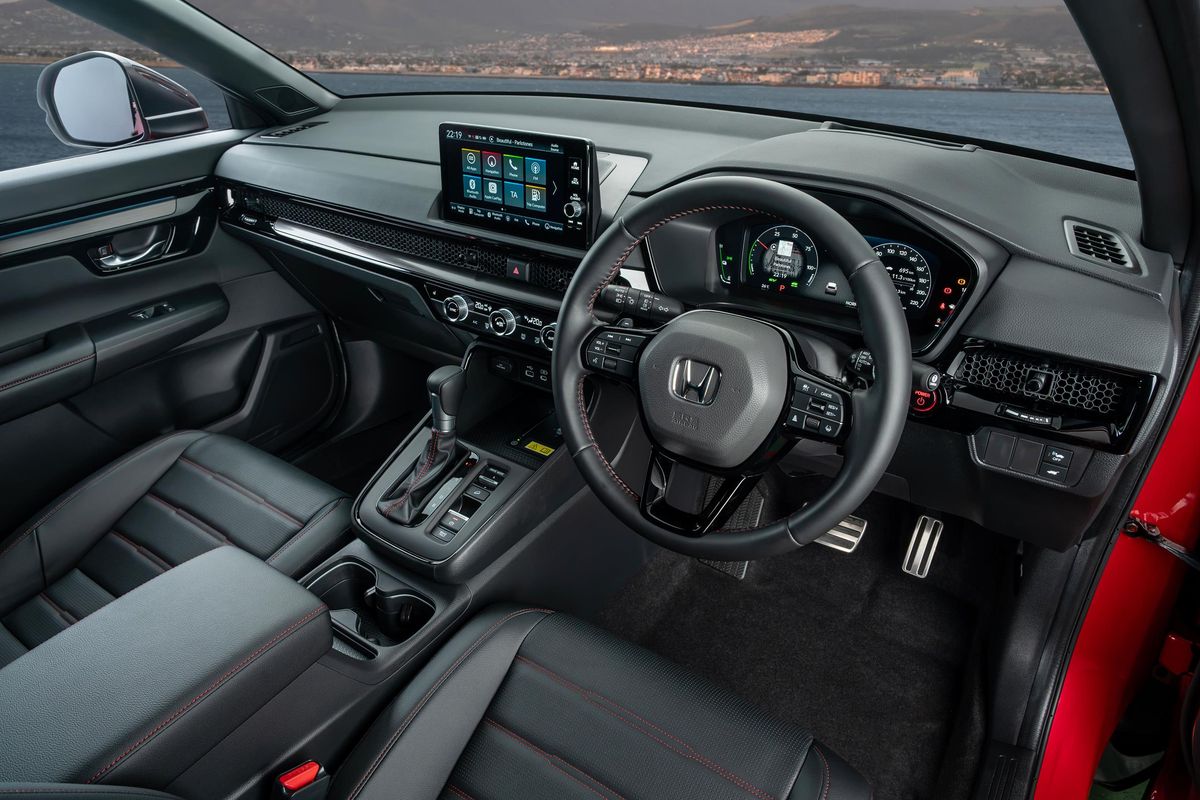
The Honda CR-V RS Hybrid comes with the following features:
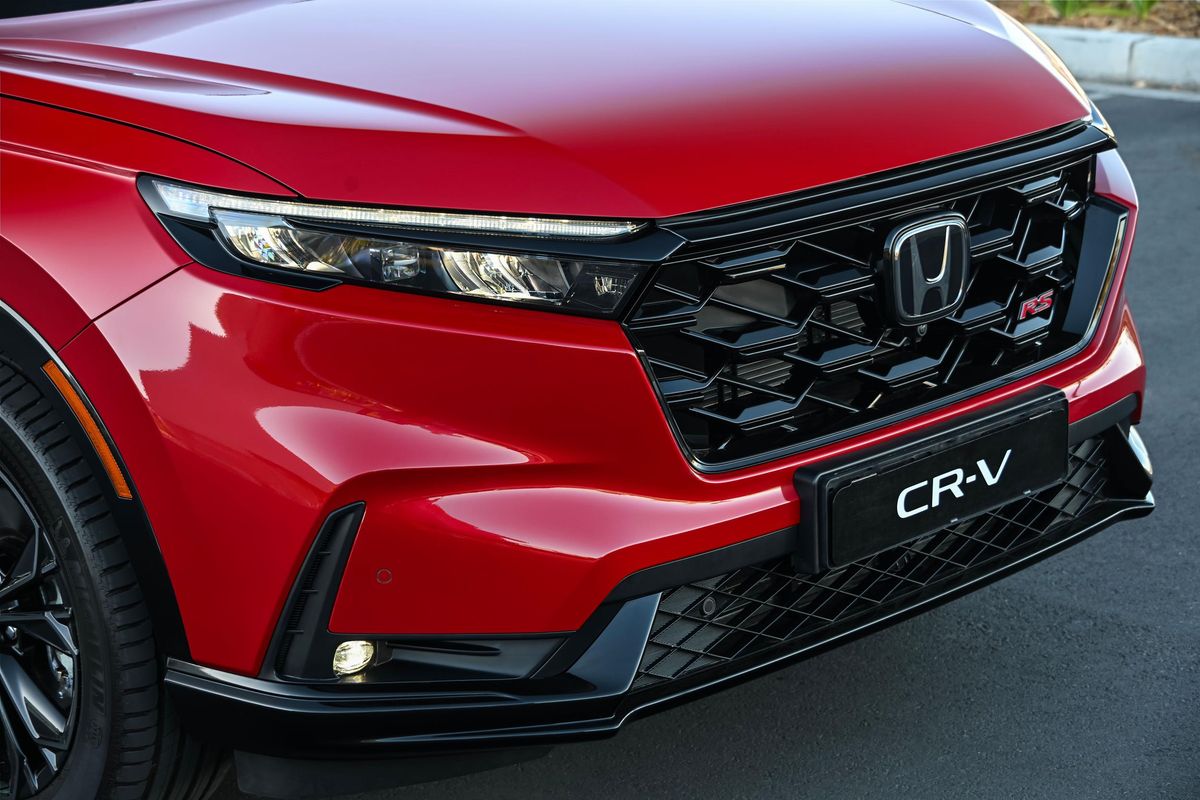
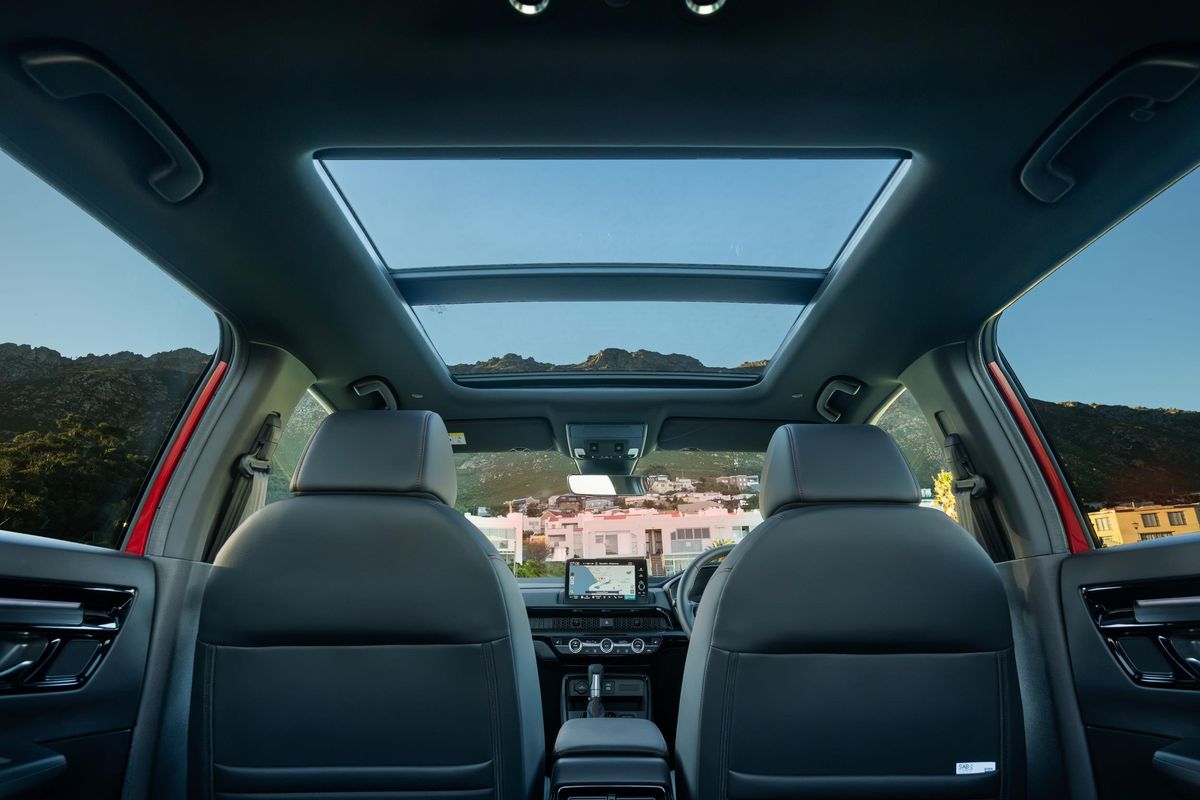
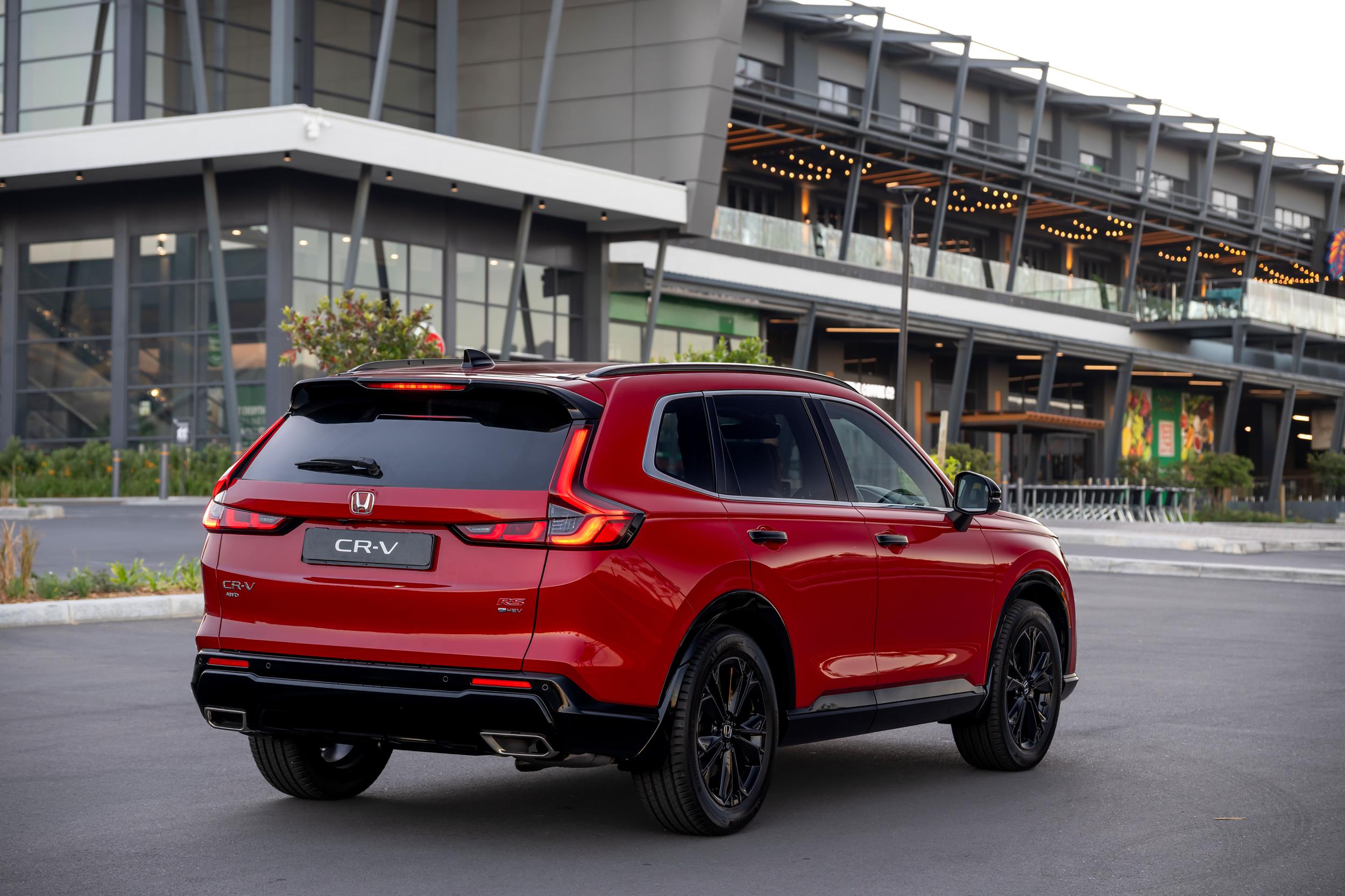
RS styling with dual exhaust and gloss-black bumpers
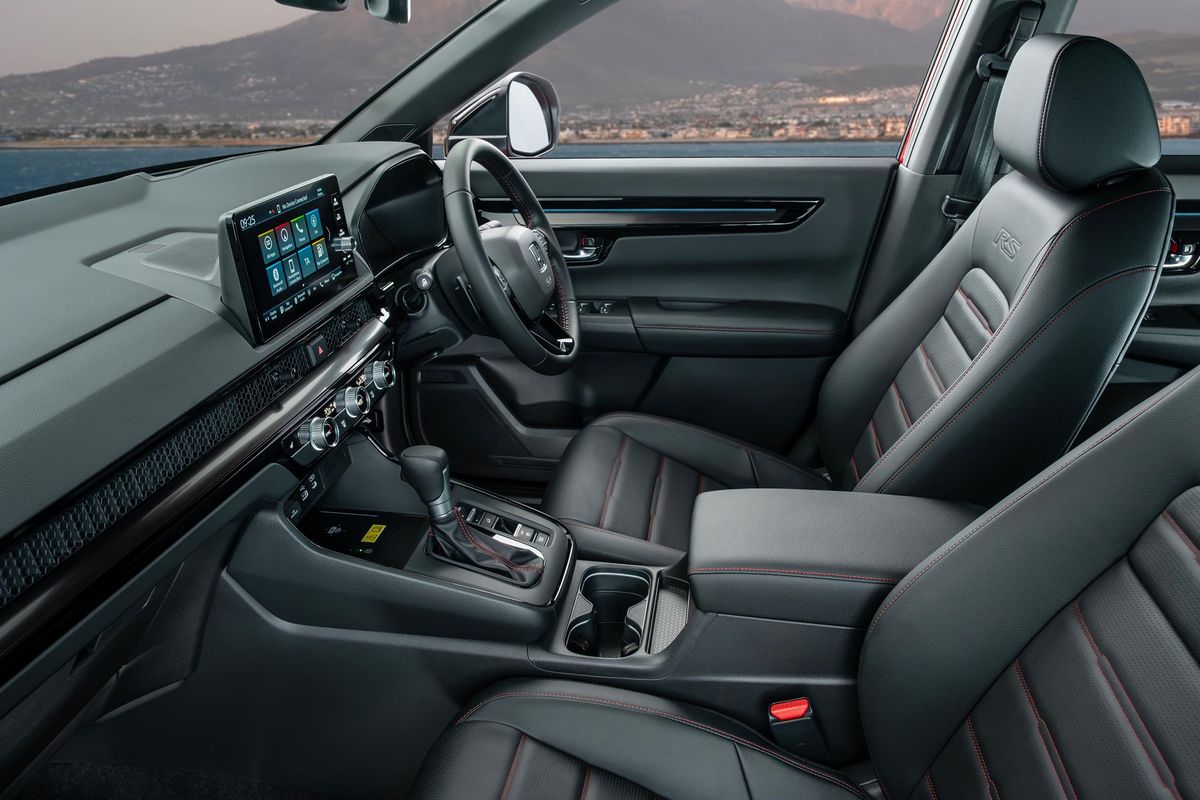
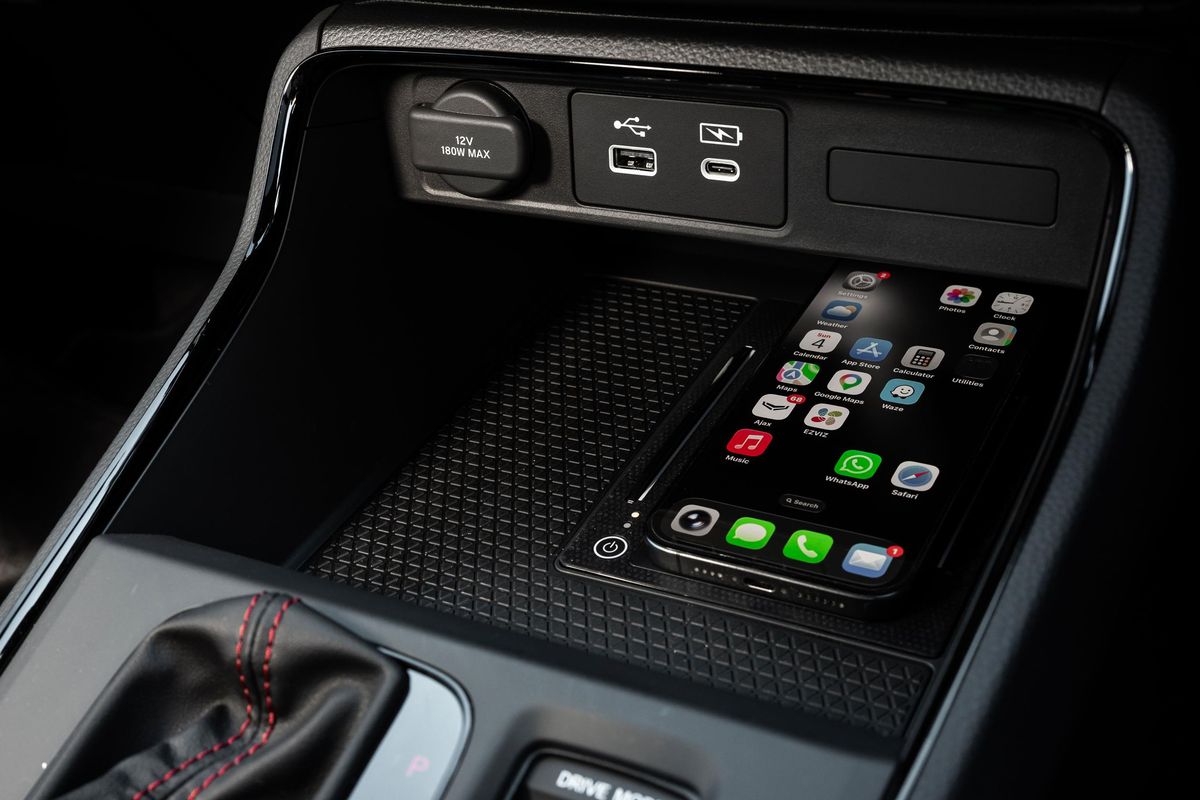
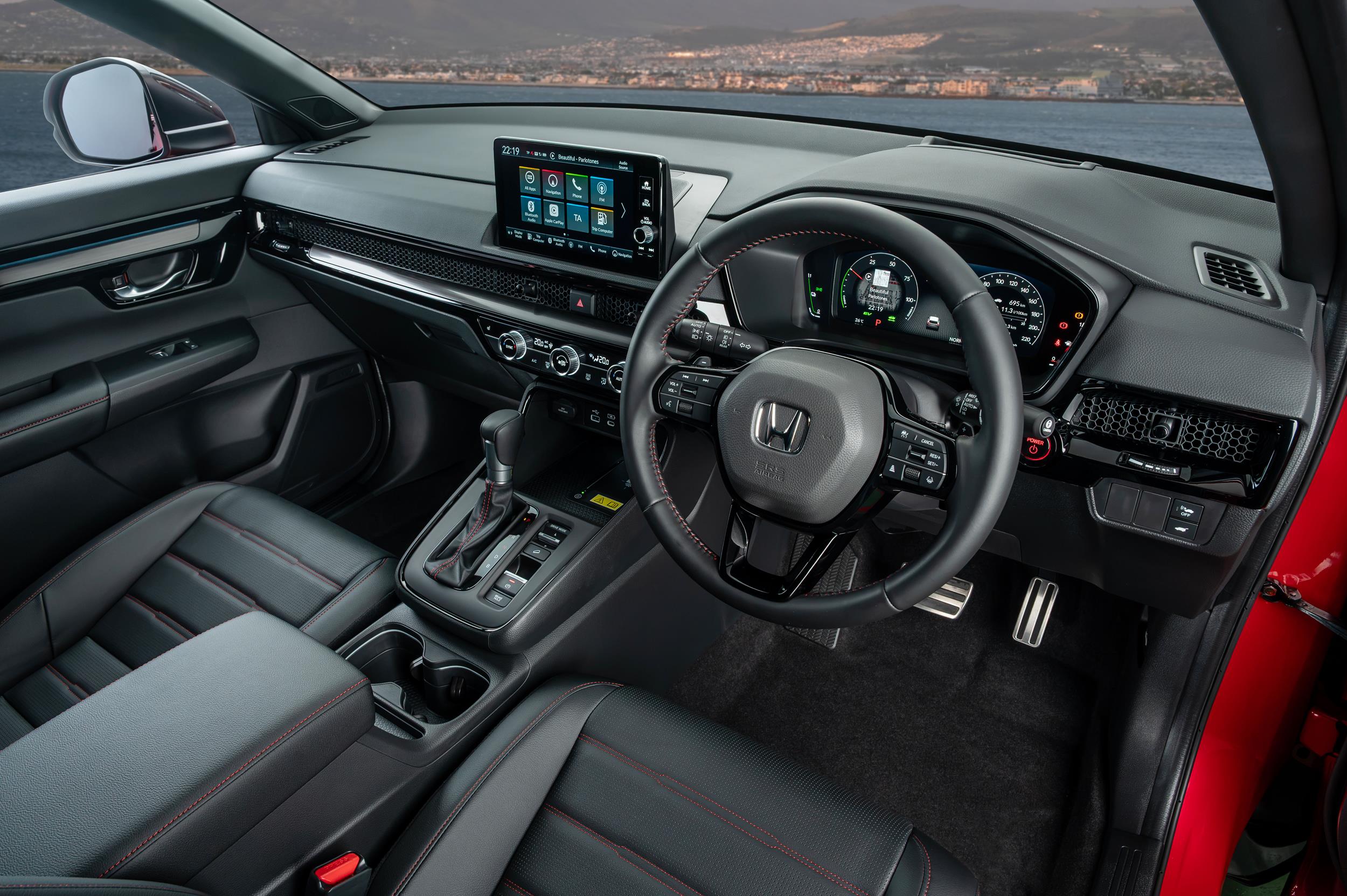
RS-style leather trim with red stitching and white ambient lighting
How much does the Honda CR-V RS Hybrid cost in South Africa?
The new addition to the Honda range is sold with a 5-year/90 000 km service plan with intervals every 15 000 km, a 5-year/200 000 km warranty, a hybrid system warranty of 8-year/200 000 km as well as 3 years of roadside assistance.
What powertrain options power the Honda CR-V in South Africa?
The Honda CR-V is available in South Africa with two main powertrains: a 1.5-litre 4-cylinder turbocharged petrol engine producing 140 kW and 240 Nm paired with a CVT, and a self-charging 2.0-litre e:HEV hybrid system paired with two electric motors delivering a combined output of 135 kW and 335 Nm via an e:CVT with Real Time All-Wheel Drive.
How much does the Honda CR-V cost in South Africa?
Pricing for the Honda CR-V lineup in South Africa is structured as follows:
Honda CR-V 2.0 RS e:HEV AWD Hybrid: Priced from R949,900
Honda CR-V 1.5T Exclusive 7-Seater: Priced from R1,041,300
What is the fuel consumption of the Honda CR-V?
The CR-V 2.0 RS e:HEV hybrid model features an impressive claimed average fuel consumption of between 5.4 L/100 km and 5.7 L/100 km, offering a theoretical driving range of up to 1,000 km per tank. The 1.5-litre turbo-petrol variant carries a claimed average consumption of 7.4 L/100 km.
How many seats does the Honda CR-V offer?
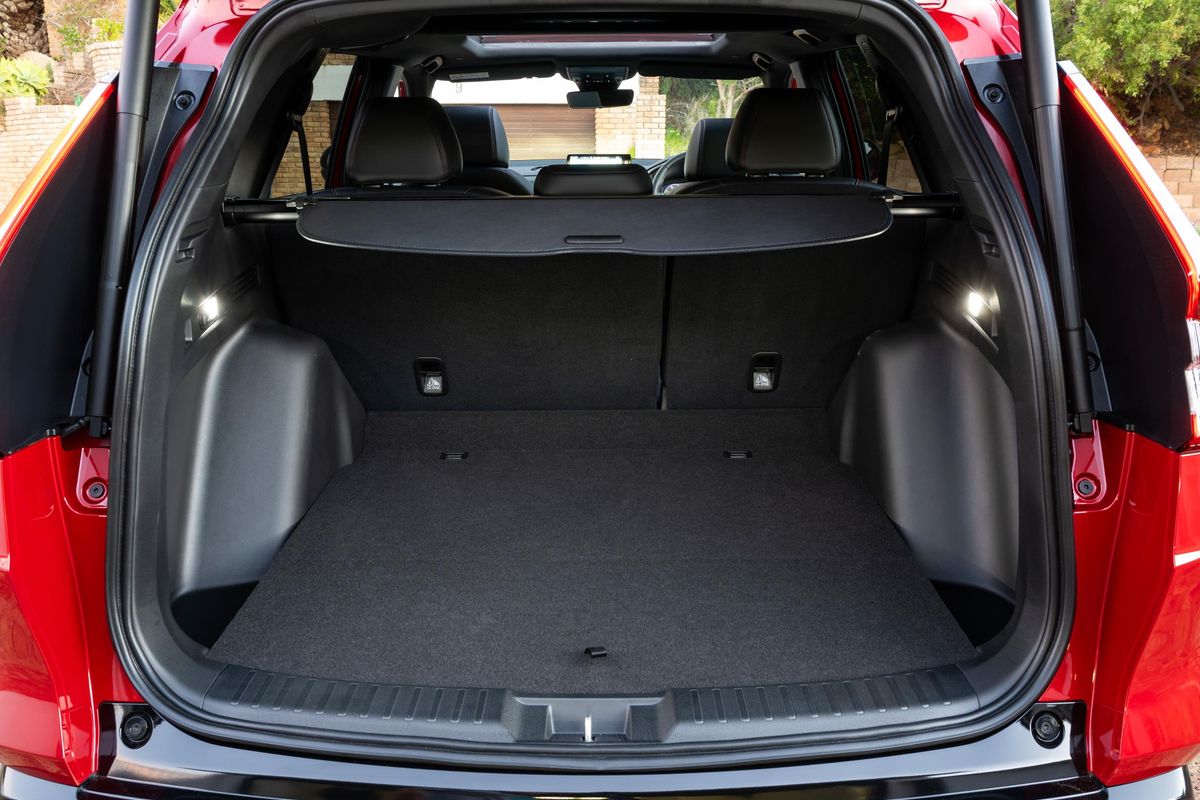
Seating capacity varies by trim: the CR-V 2.0 RS e:HEV Hybrid features a spacious 5-seat layout with 581 litres of boot space, while the 1.5T Exclusive model offers a practical 3-row 7-seat arrangement.
What warranty and service coverage come standard with the Honda CR-V?
Every Honda CR-V in South Africa comes standard with a 5-year/200 000 km manufacturer warranty, a 5-year/90 000 km service plan, and 3 years of roadside assistance. Hybrid (e:HEV) models also include an 8-year/200 000 km high-voltage battery warranty.
Lexus ES (2026) Launch Review
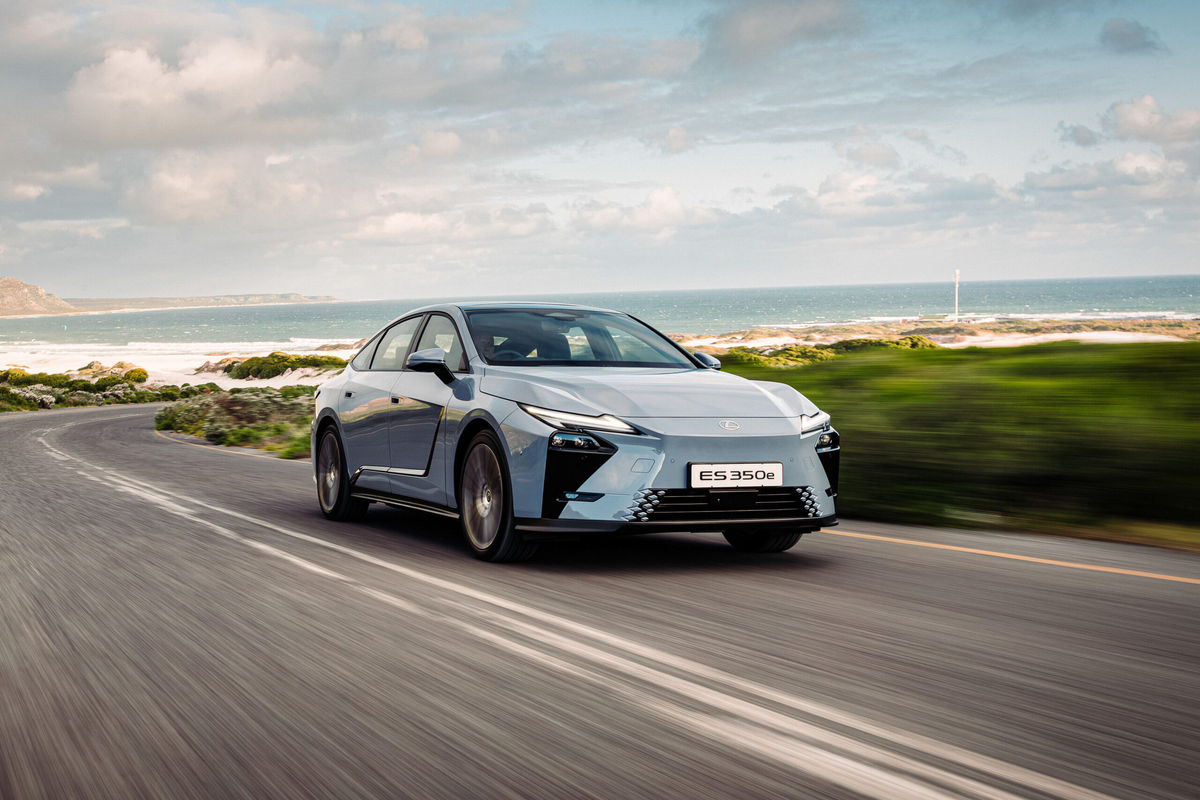
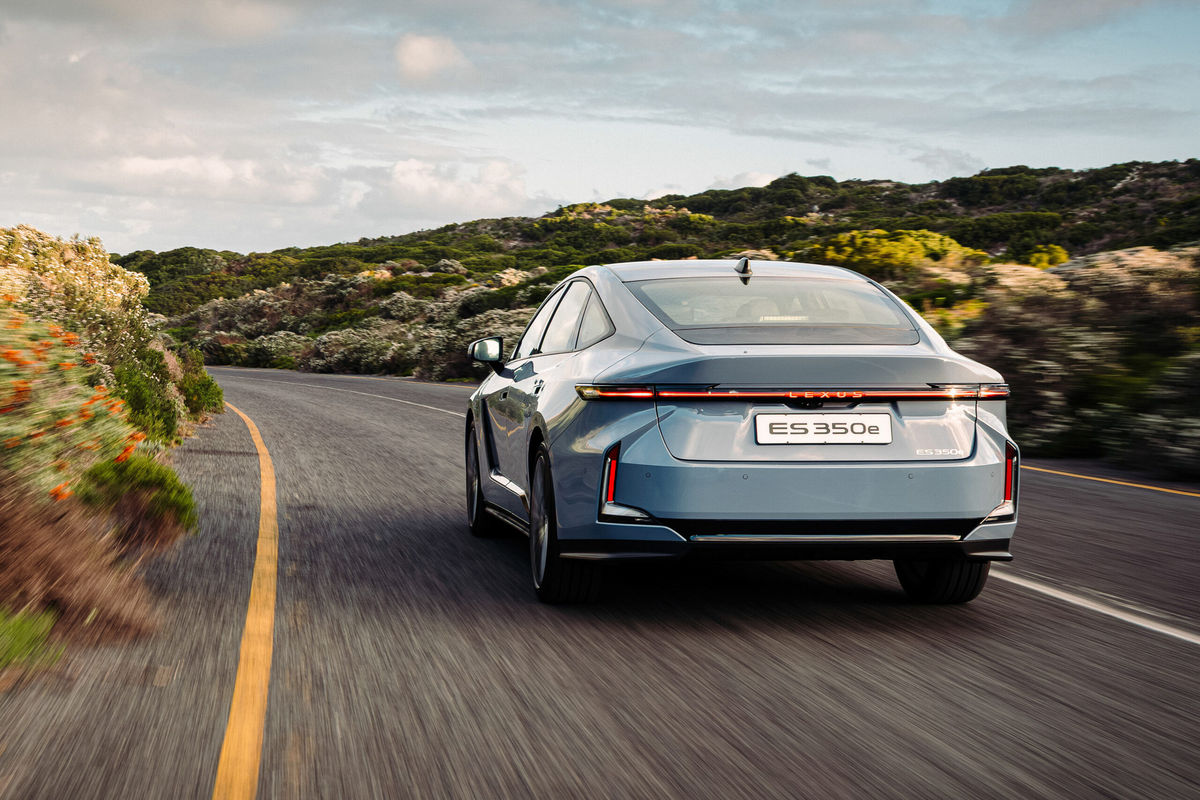
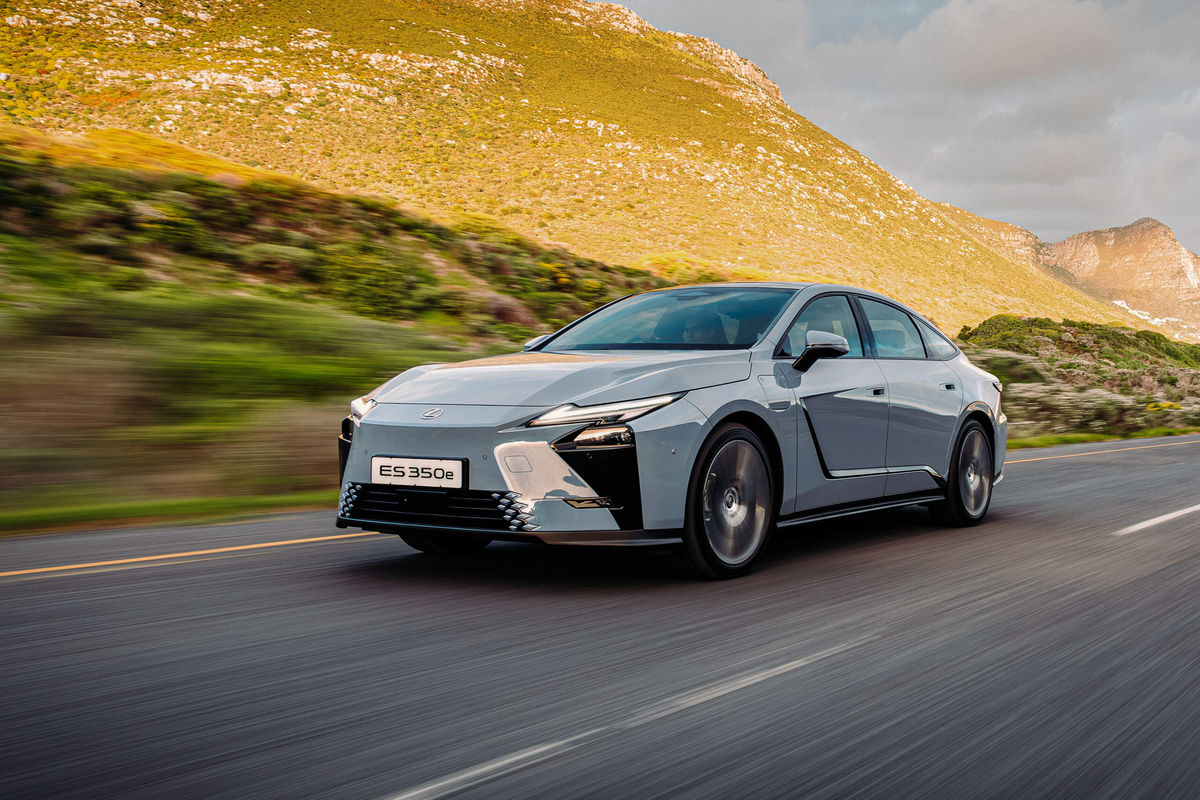
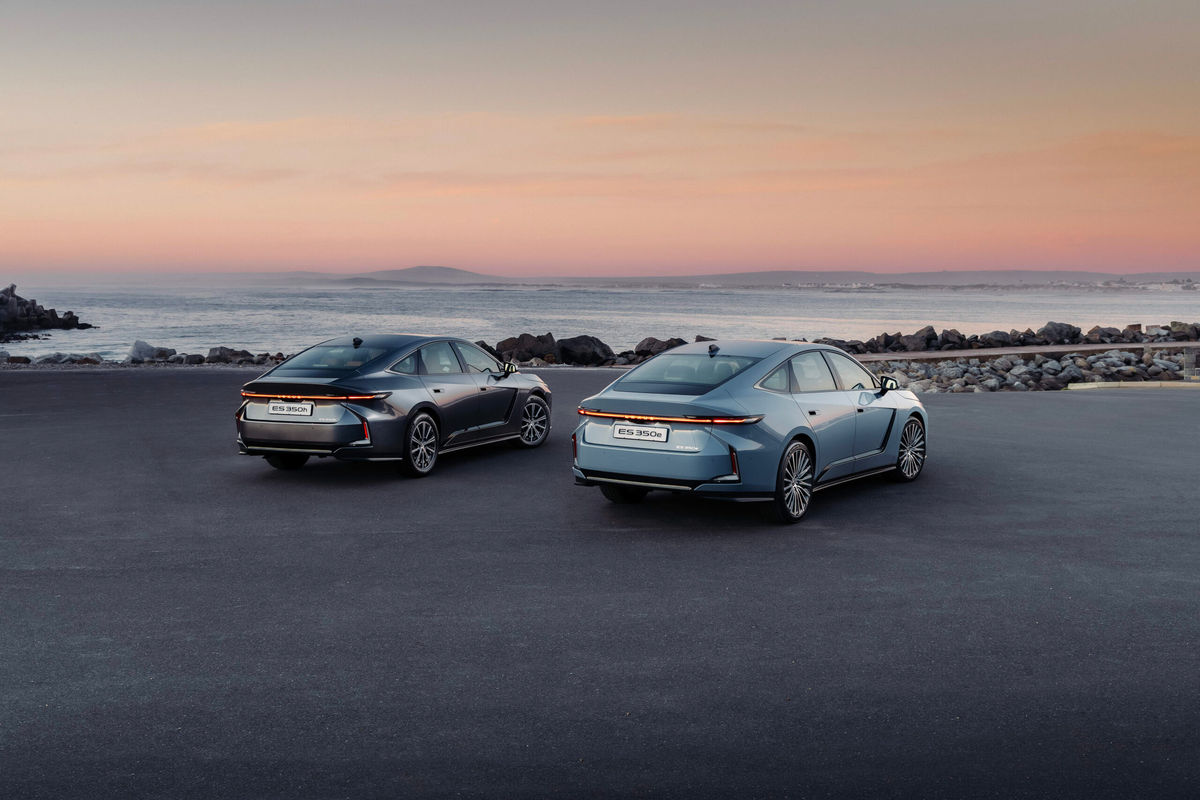
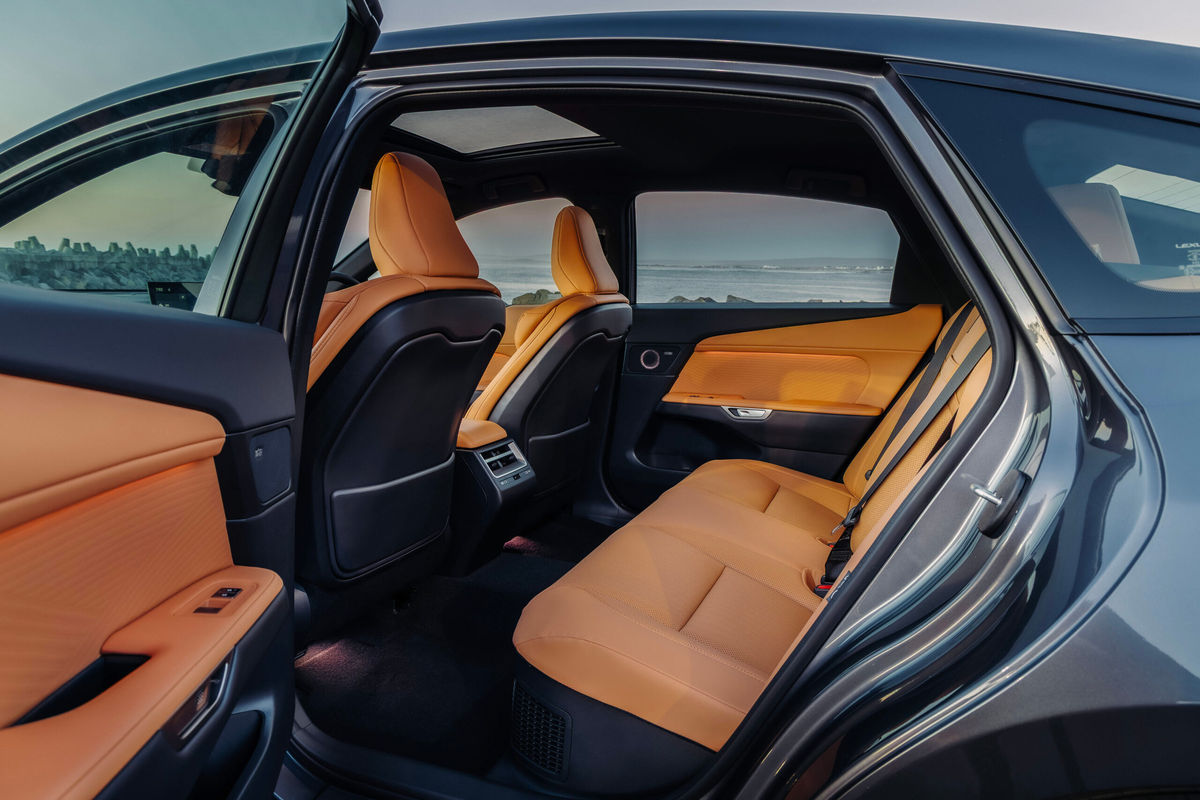
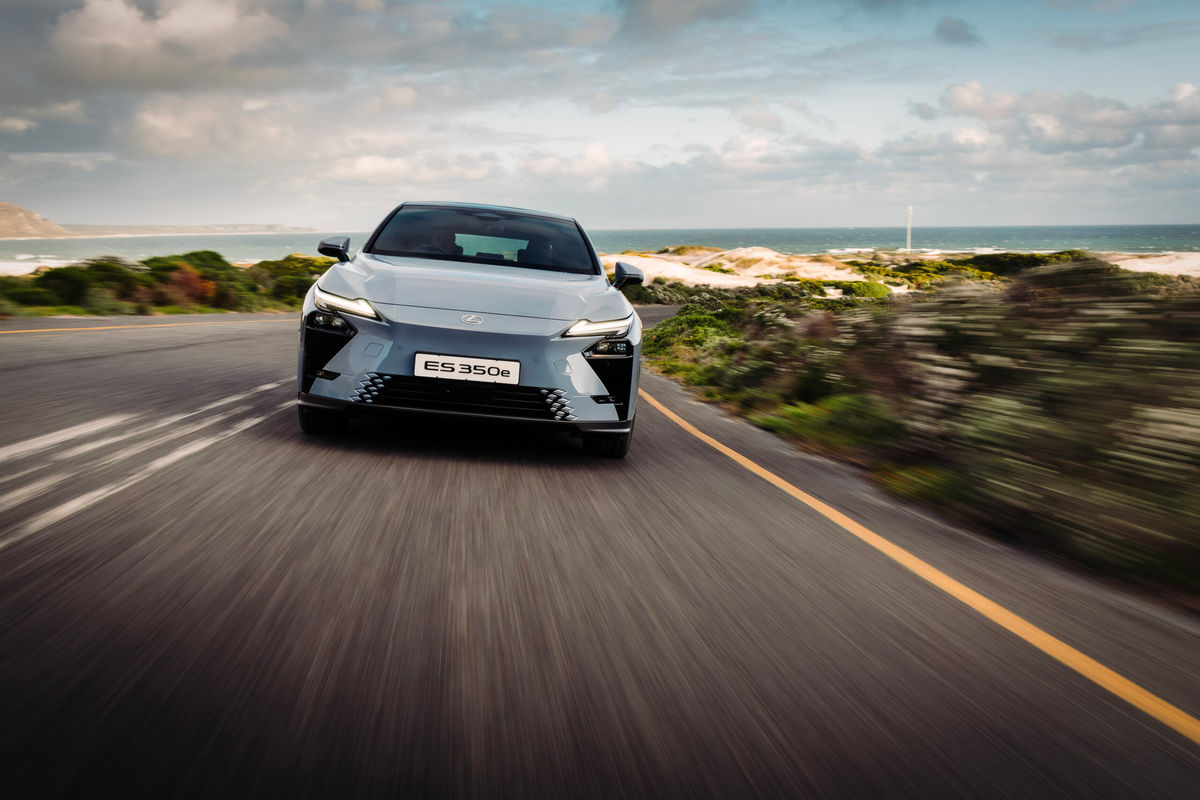
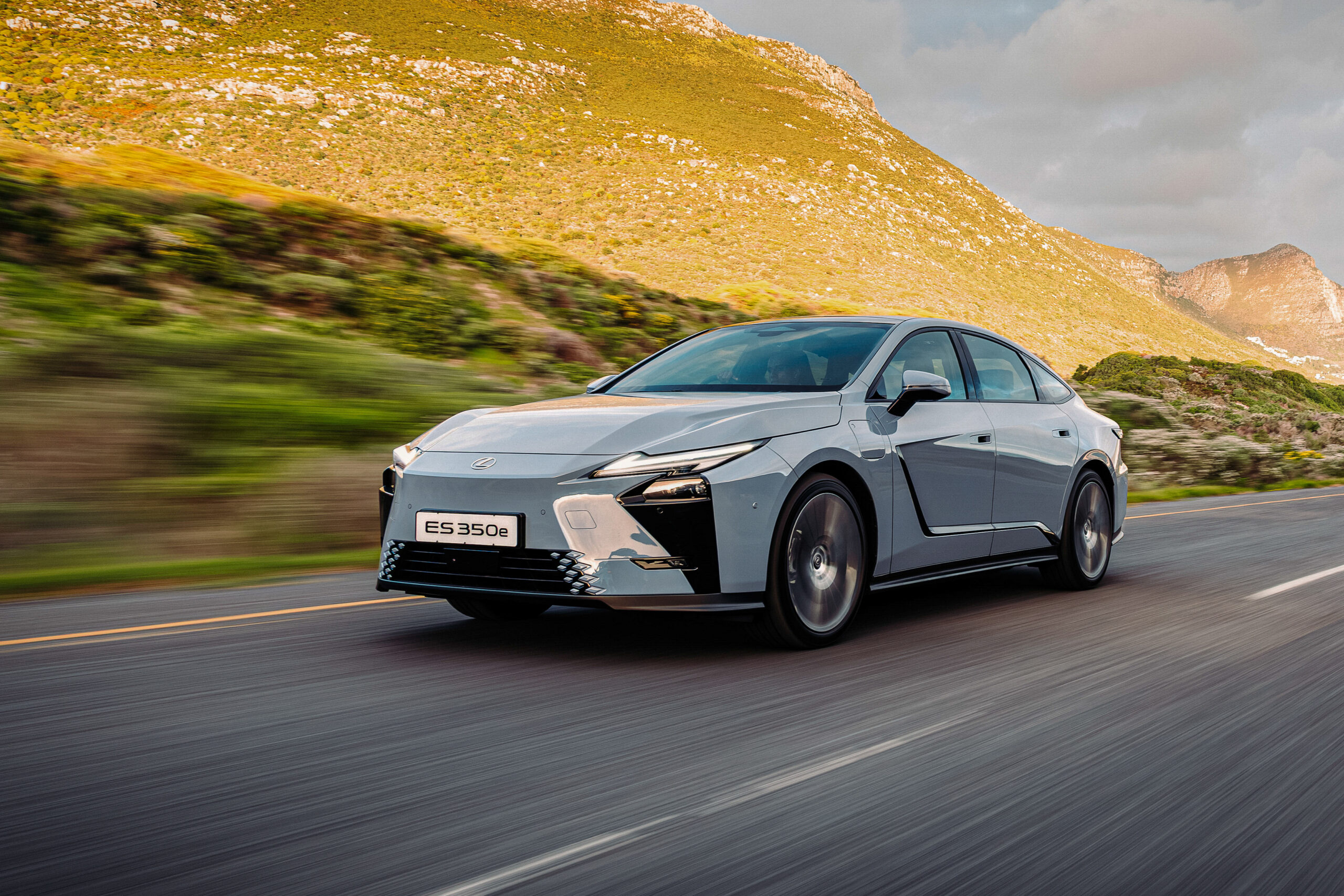
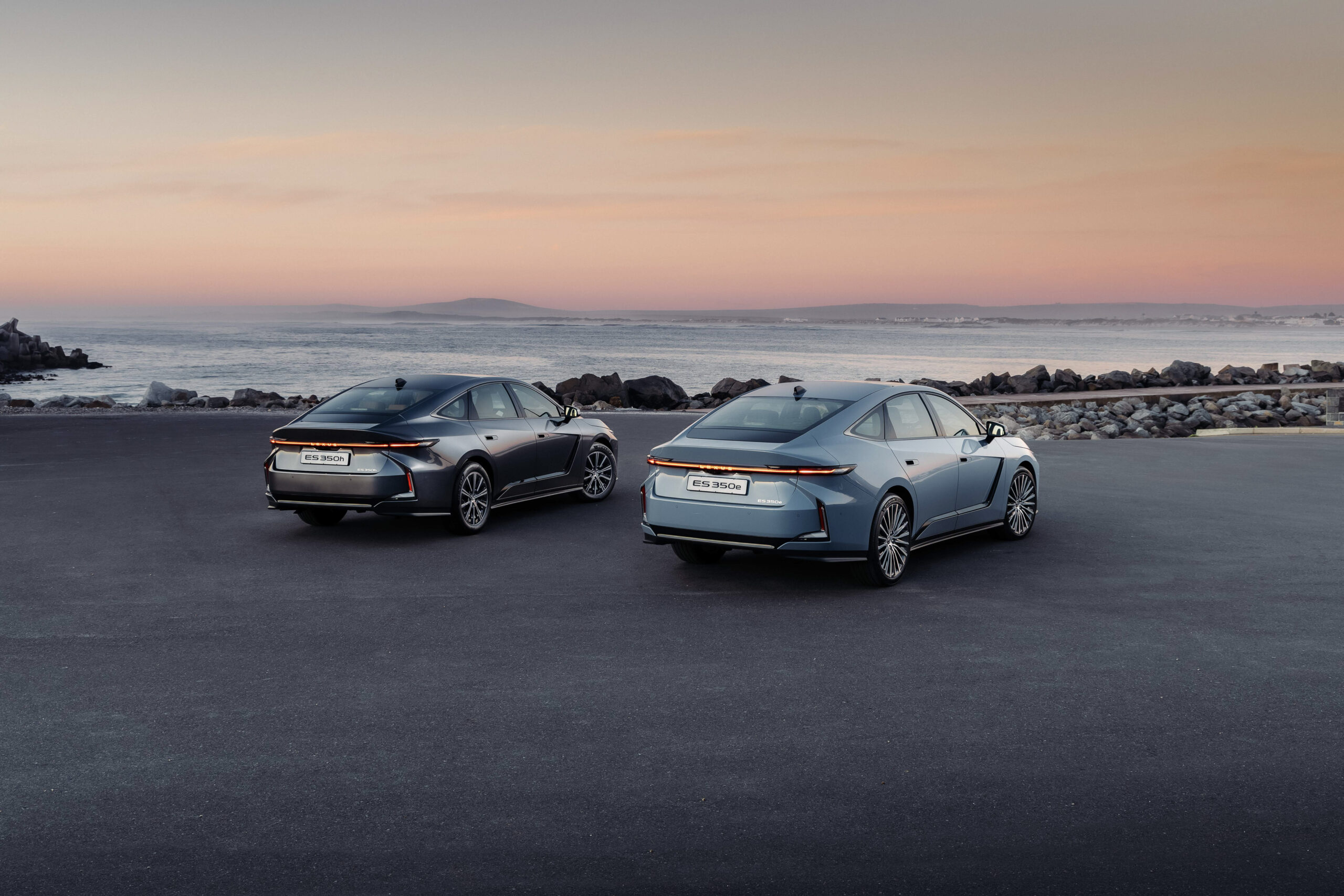
The 8th-generation Lexus ES has gone on sale in South Africa, featuring a plush cabin, huge space in the rear and, for the first time, an all-electric powertrain. We take it for a drive through the Winelands.
The Lexus ES now waves the flag as the sole sedan offered by the premium Japanese brand in South Africa, as both the sporty IS and LS limousine have been withdrawn from our market. Now in its 8th generation, the Lexus ES takes the fight to the Audi A5, BMW 3 Series, Mercedes-Benz C-Class and, for the new ES battery electric vehicle (BEV) derivative, the BMW i4 and Volvo ES90.
The sedan market has seen a massive decline, both globally and locally. This author can remember the days when the 3 Series and C-Class were consistently selling over 1 000 units each more than a decade ago. Then the SUV revolution began, and if you look at premium brand portfolios, SUVs outnumber sedans by some margin.
It’s not a good starting point for the new Lexus ES, so it had better put on a good show – the answer is yes, it certainly does.
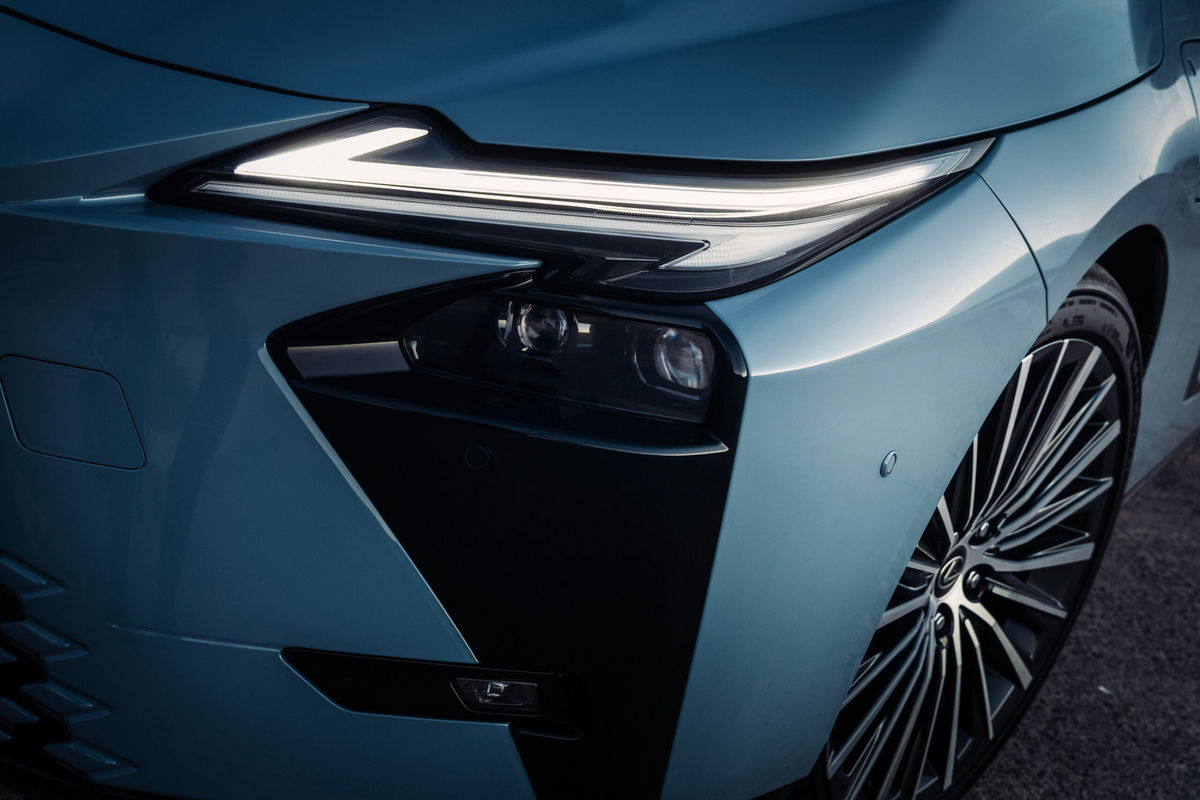
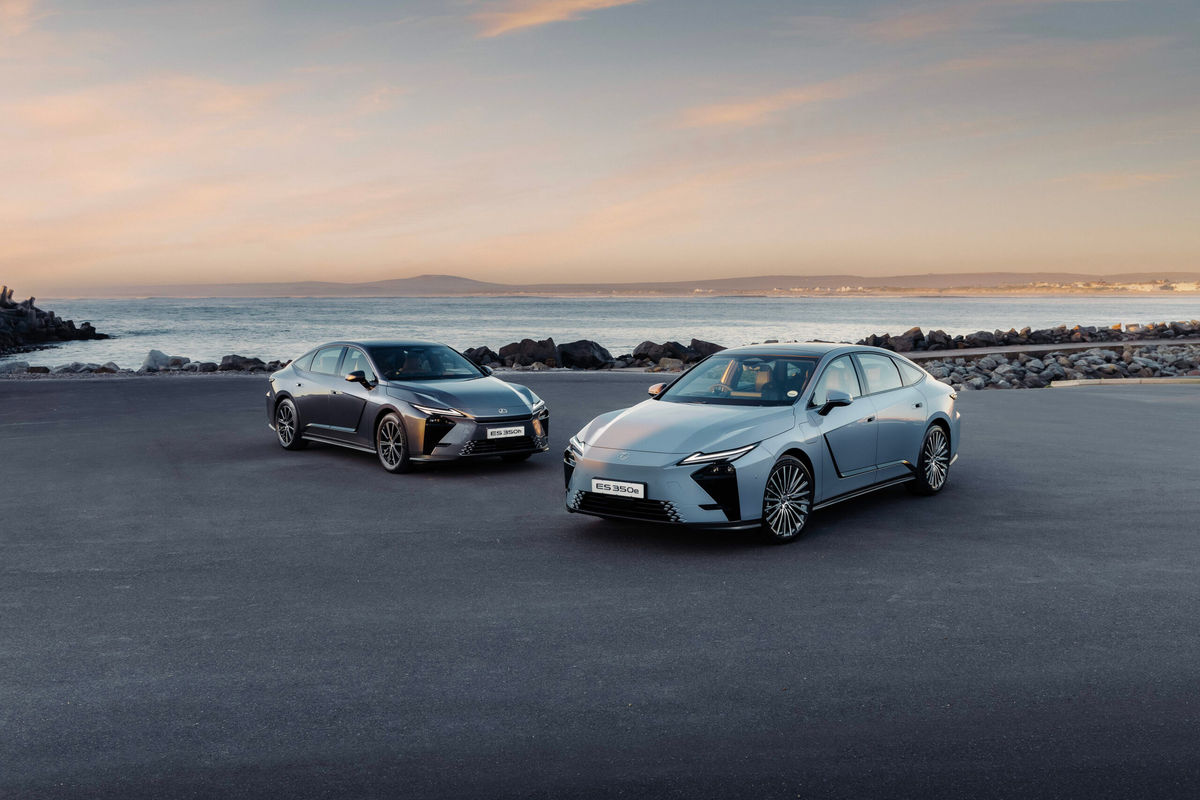
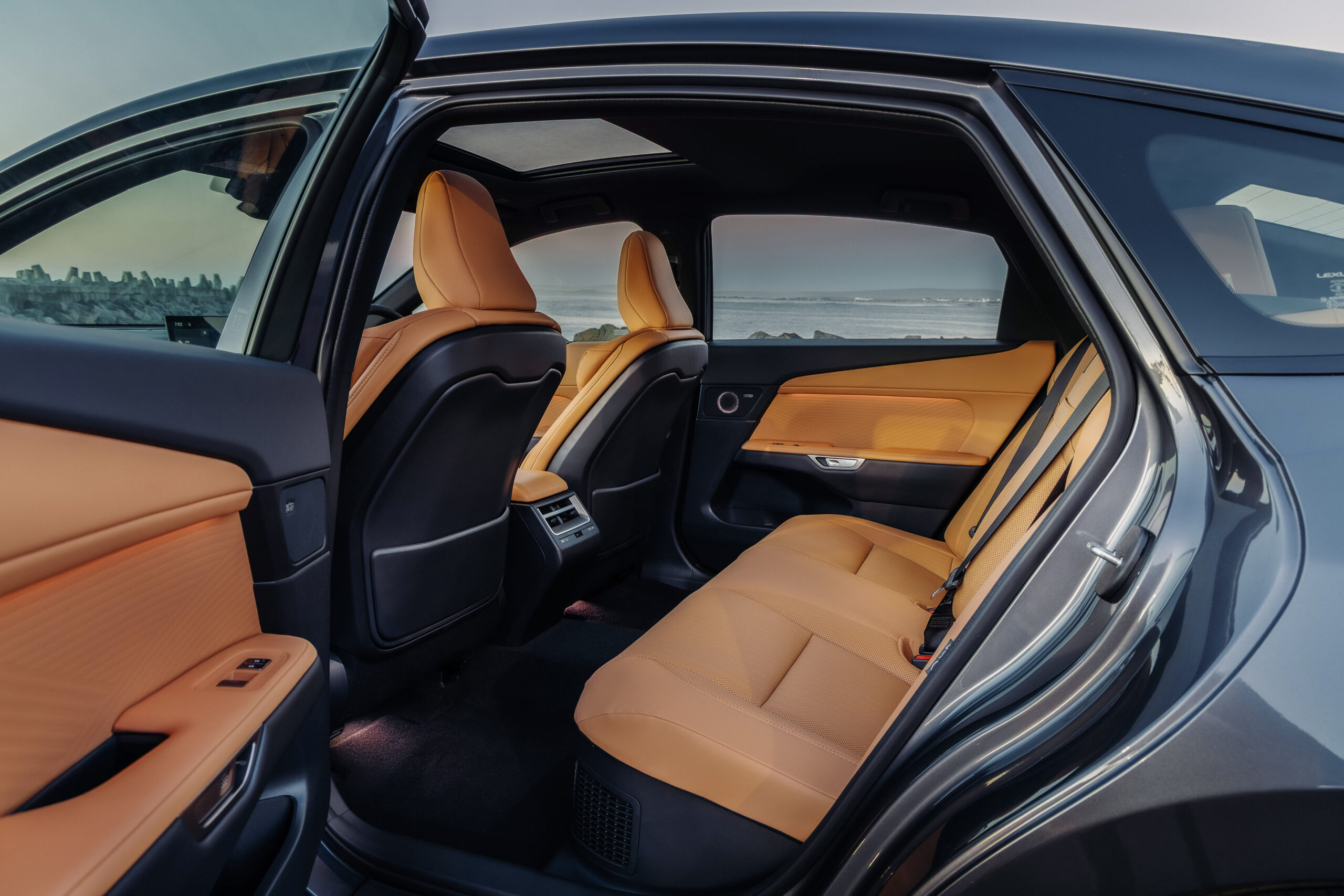
This new 8th-generation Lexus ES is larger in every metric, offering more cabin space as well as greater luggage capacity. The length and wheelbase have grown by 165 mm and 80 mm respectively, and in the metal, Lexus’ entry-level sedan suddenly appears far more substantial and, dare we say it, luxurious.
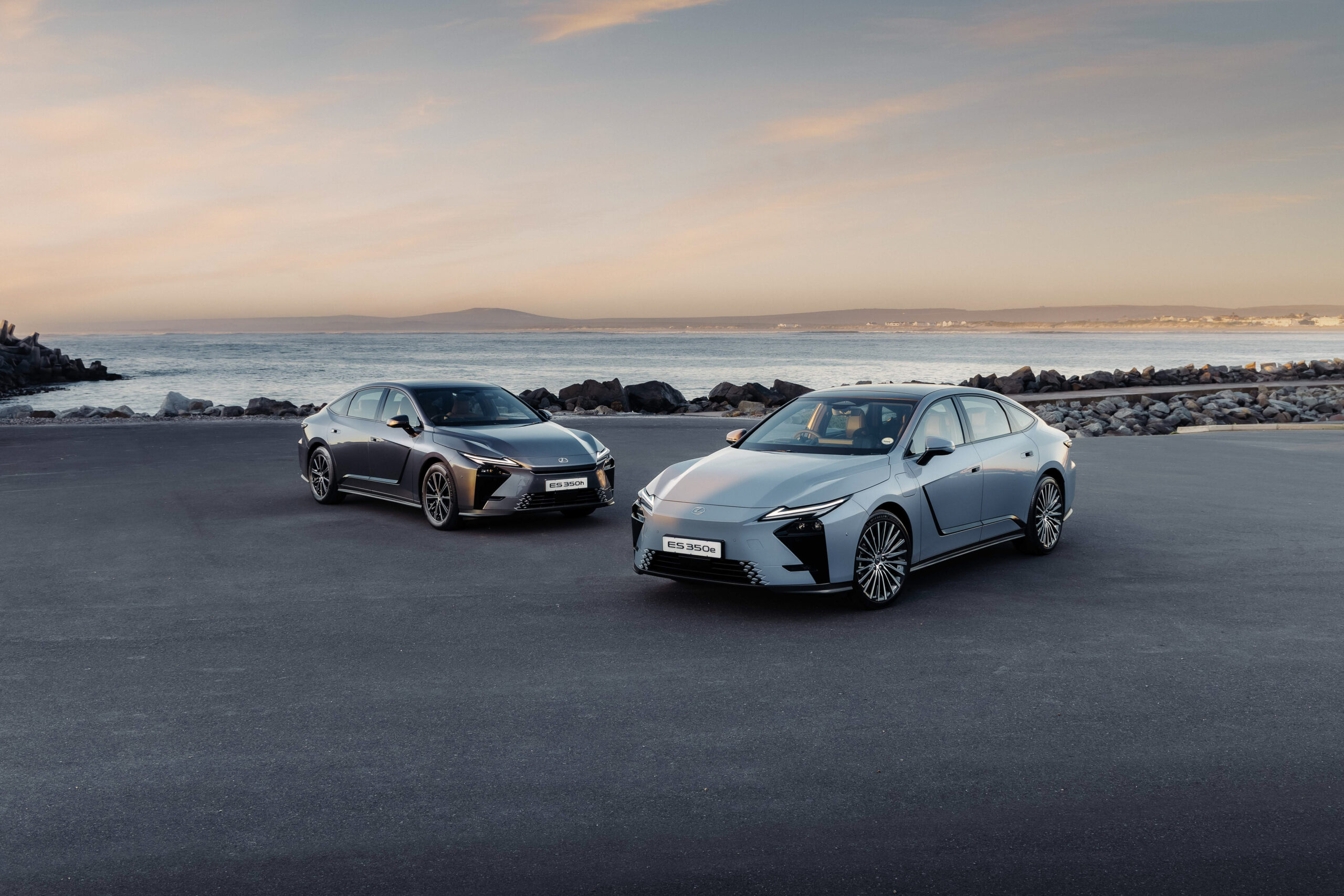
There are three derivatives and two powertrains on offer. Lexus continues to focus on petrol-hybrid engines and the ES 350h is powered by a 2.5-litre naturally aspirated petrol-hybrid setup. For this 8th-gen model, outputs have increased from 160 kW to 182 kW, with total torque output moving from 221 Nm to 235 Nm. The vehicle rides on the TNGA-K platform (the same as the impressive Toyota RAV4), is front-wheel-driven and features a continuously variable transmission (CVT).
While many petrolheads loathe the non-interactive CVT, it’s worth pointing out that this transmission setup best complements the Toyota hybrid system, as it keeps the engine in that sweet spot, balancing performance with efficiency. Speaking of which, Lexus claims 4.4 L/100 km and a total range of more than 1 200 km between fill-ups. This vehicle is not marketed as a straight-line sprinter, but for interest’s sake, Lexus reckons 7.7 seconds is how long the ES will take to get to 100 kph.
Lexus ES BEV
And now, for the first time, the Lexus ES has gone all-electric. For our market, we get a single-motor ES 350e setup with 167 kW and 268 Nm. It has a battery capacity of 77 kWh (74.69 kWh usable), giving it a claimed range of up to 615 km based on the NEDC test. The 400 V platform supports DC charging up to 150 kW and AC charging up to 22 kW.
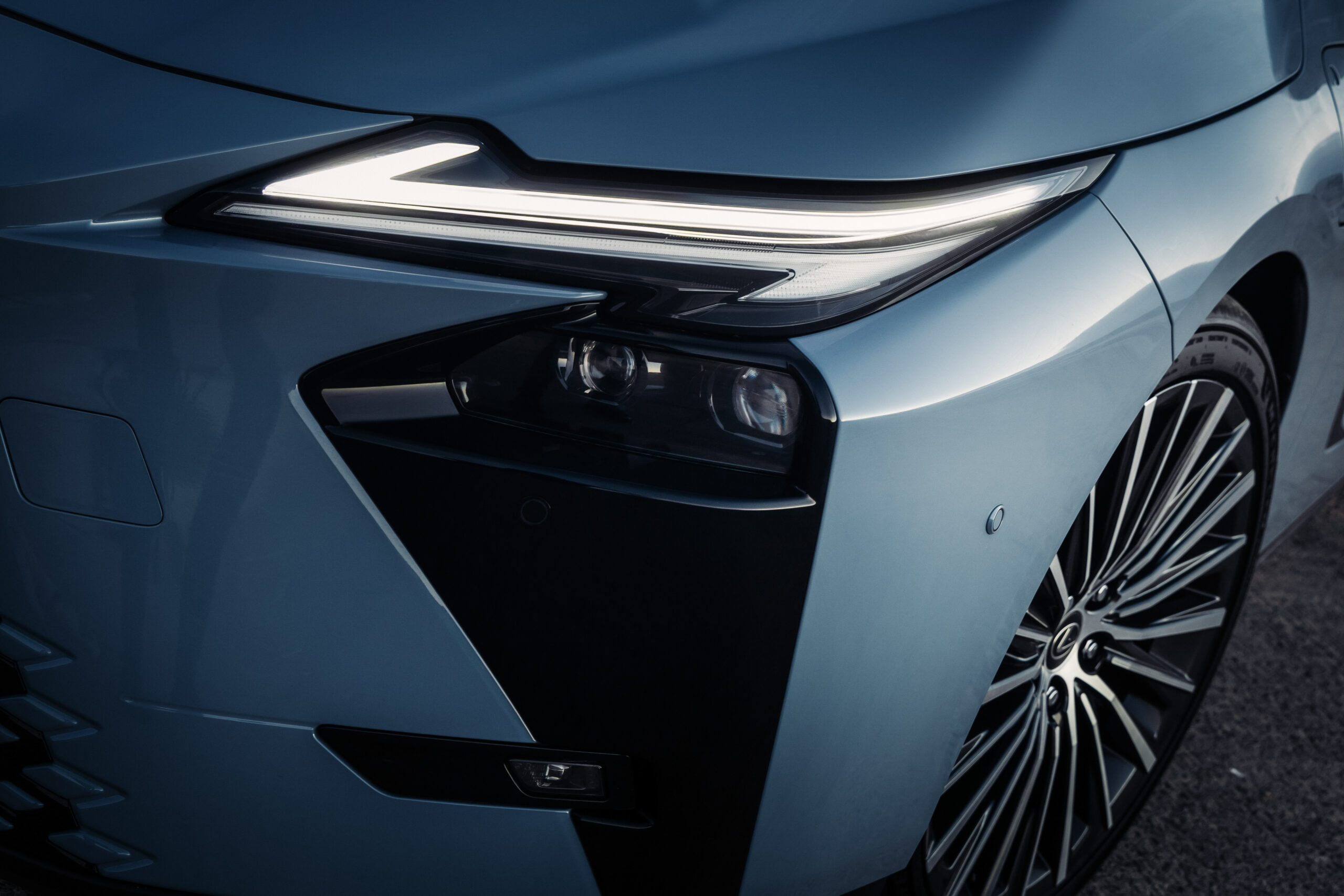
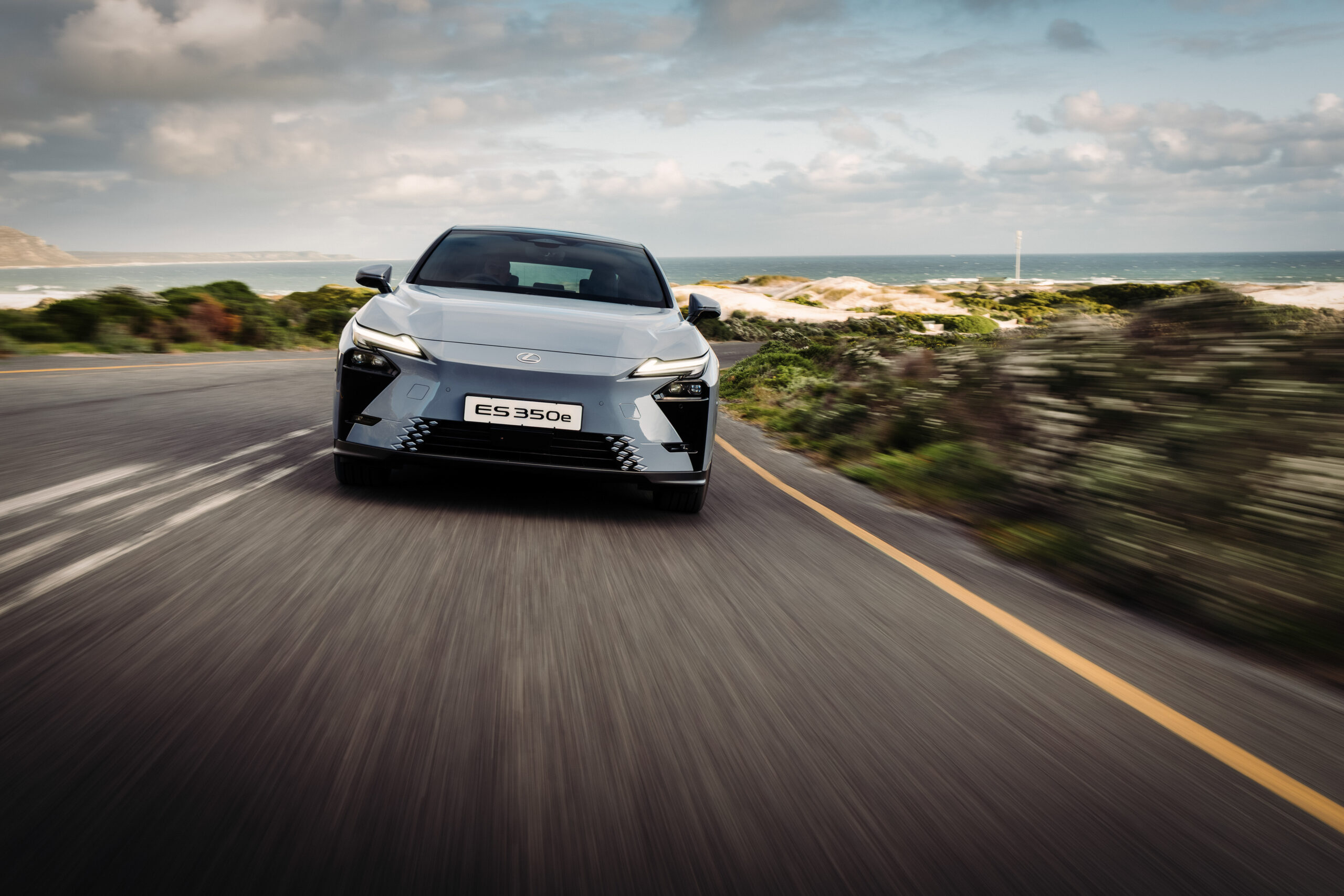
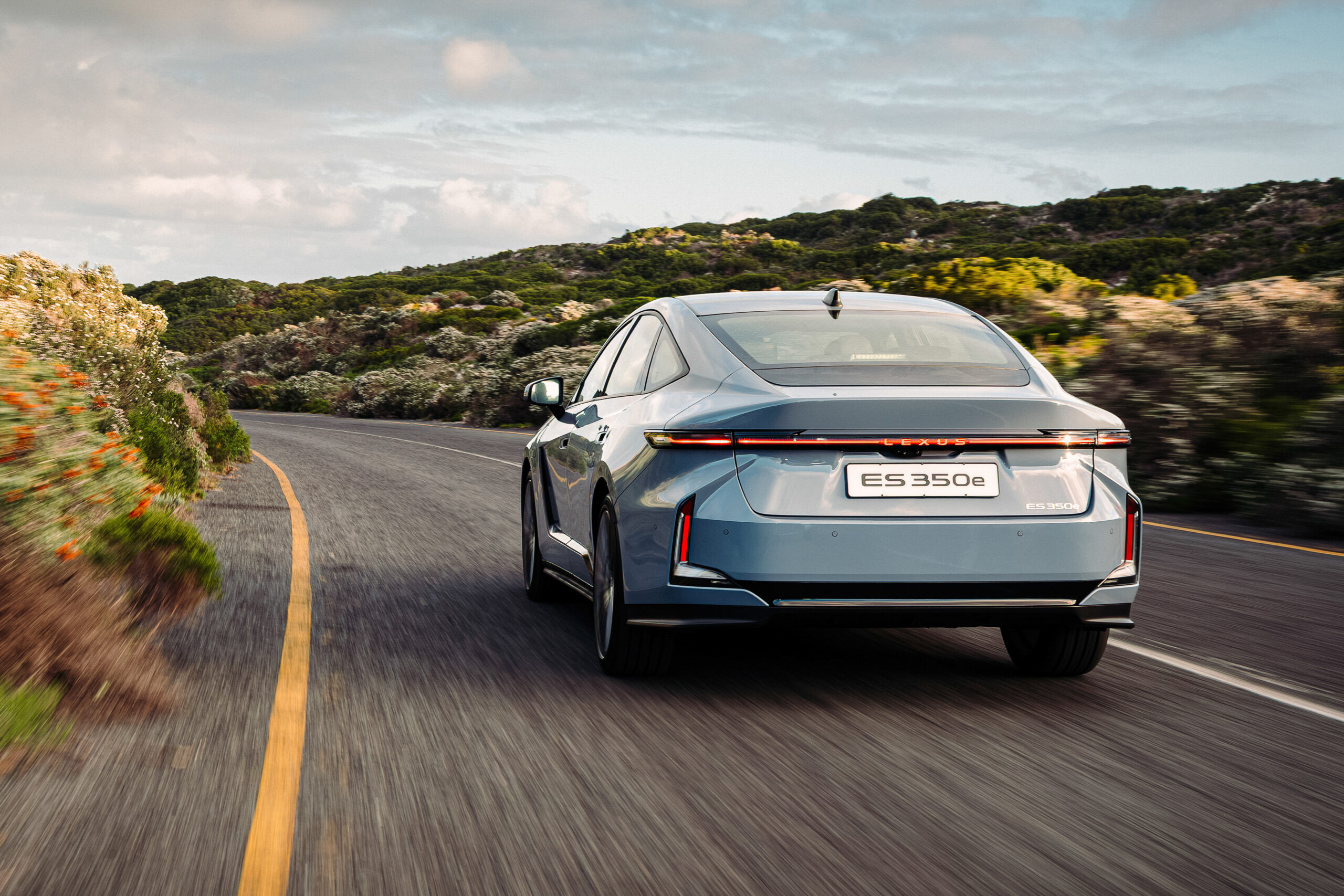
You can spot the ES 350e by its charging flap located behind the front wheel on the driver’s side, the subtle ‘e’ badge on the rear and the fact that this derivative exclusively rides on 21-inch wheels wrapped in 235/45 rubber. In terms of performance, it’s a tad slower than its petrol siblings, with a 0-100 kph claim of 8.0 seconds.
Synthetic leather steering wheel with heating functionality
Perforated synthetic leather seats with heating
Digital inner mirror
Auto climate concierge
17-speaker Mark Levinson audio system
Active Noise Control
Auto-parking function
19-inch alloy wheels
ES 350e SE
Active Sound Control
Easy-close doors
Cornering lamps
Rear sunshade
Semi-aniline leather seats
Ventilated front seats
Dual wireless phone chargers
21-inch alloy wheels
What is the new Lexus ES like to drive?
First impressions count for a lot, and visually, the new ES is a treat. Photographs can’t really convey how interesting the design is. Typical booted sedans can be predictable from a visual point of view, but like the Volvo ES90, the Lexus ES adopts a sporty fastback shape. From pretty much every angle, this is a car that effortlessly turns heads.
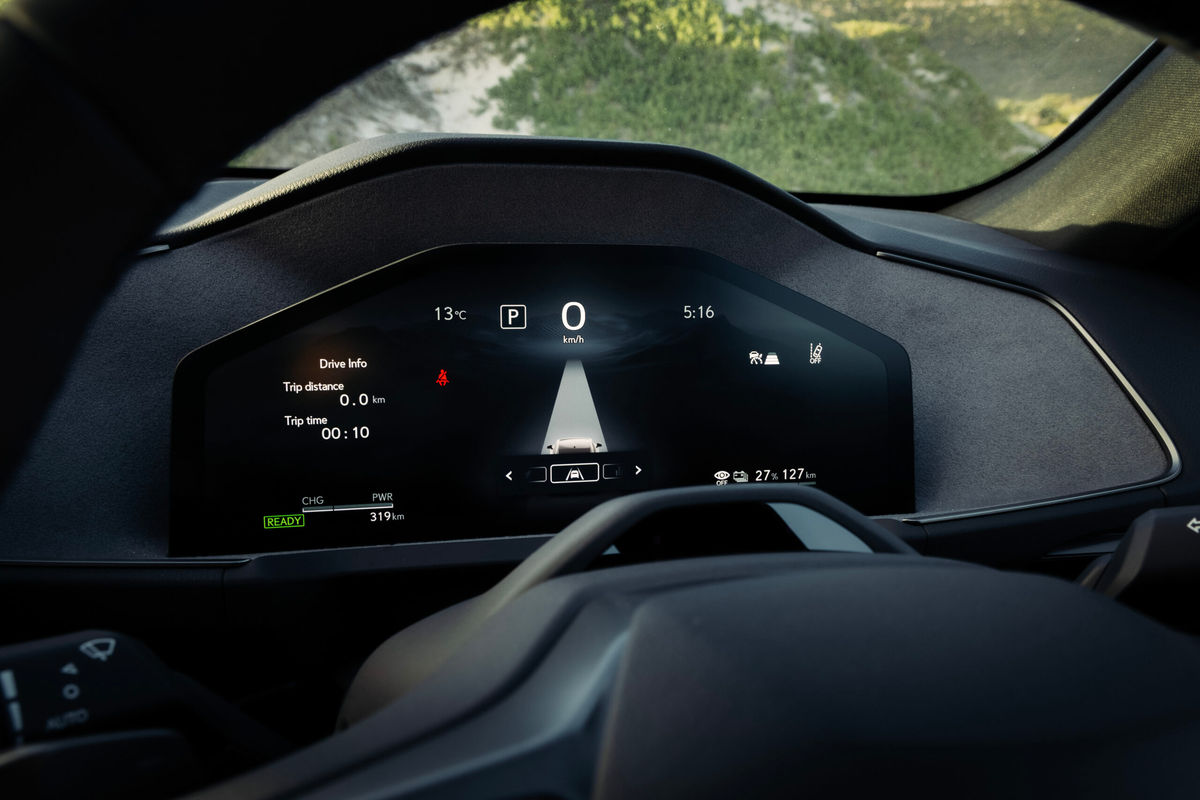
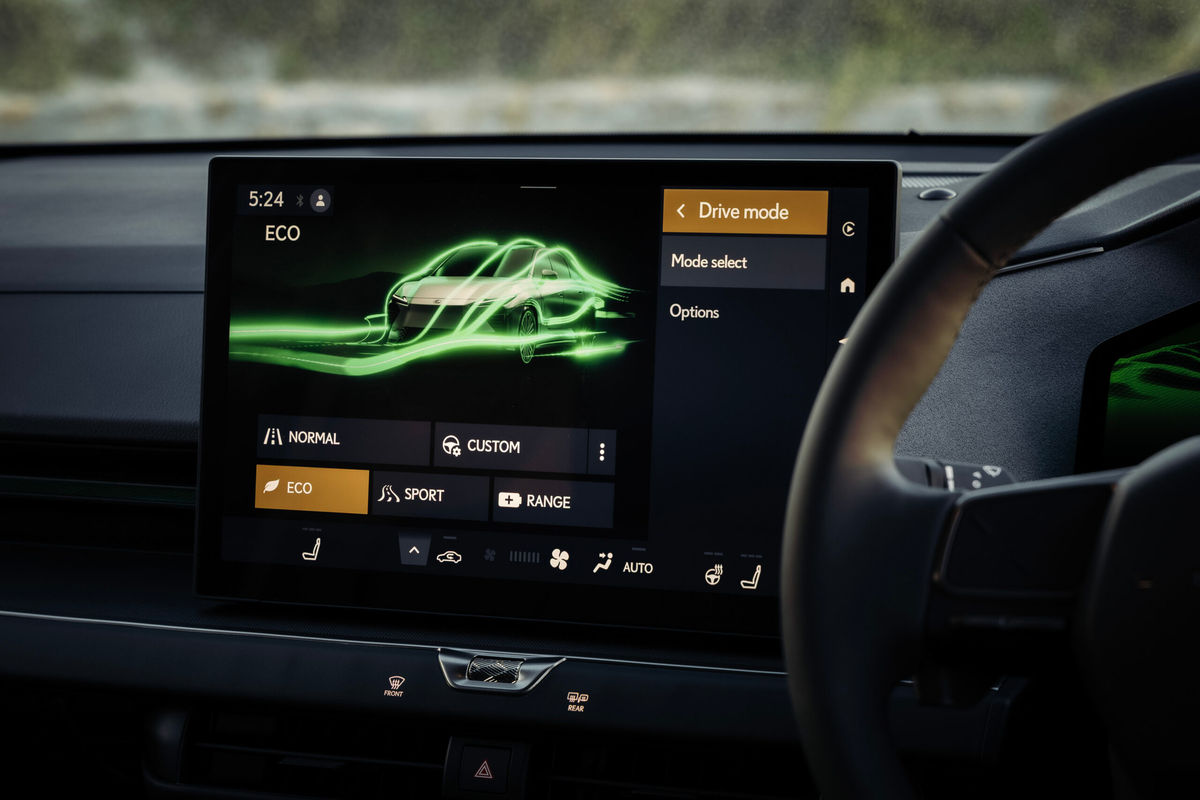
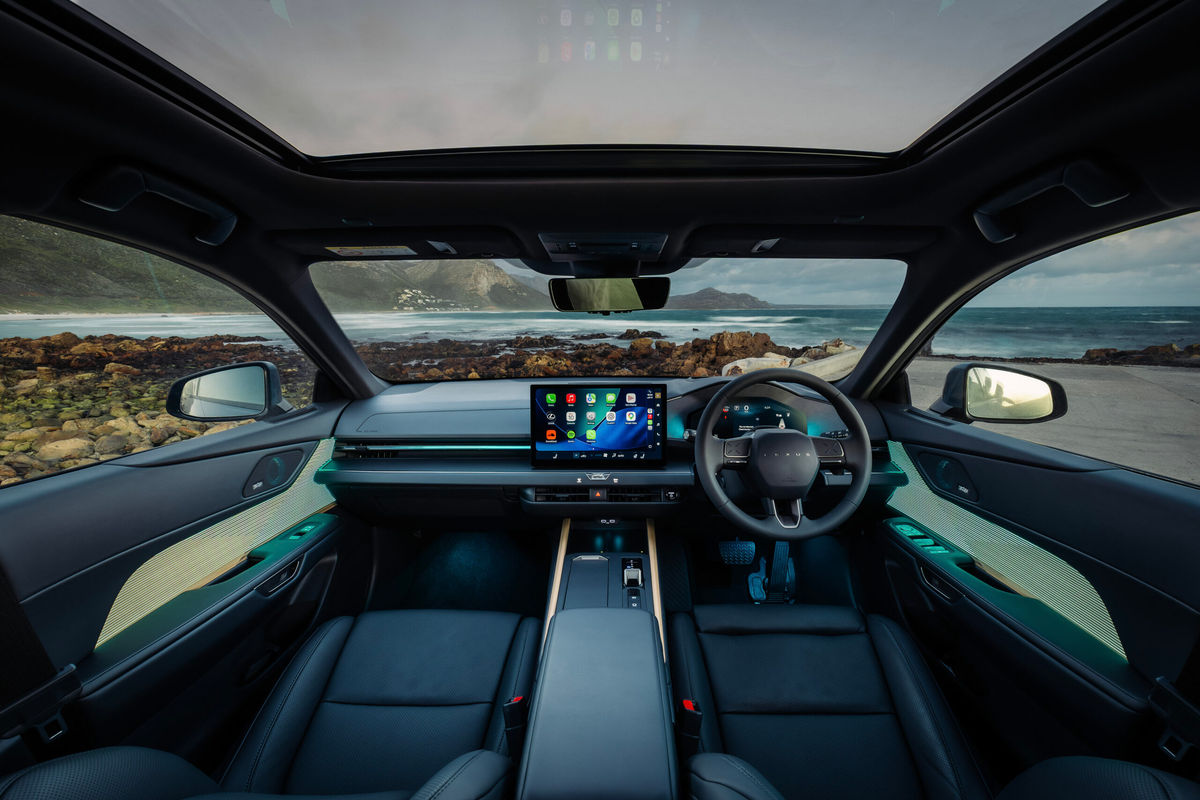
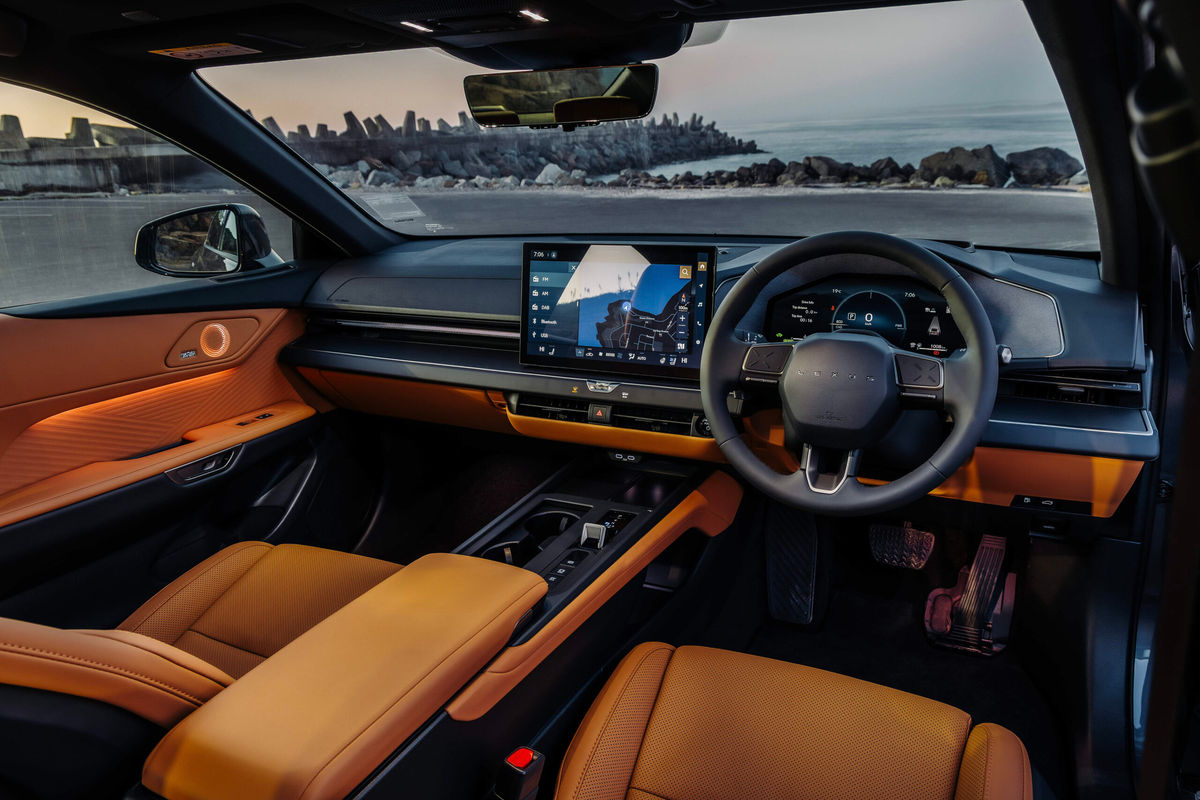
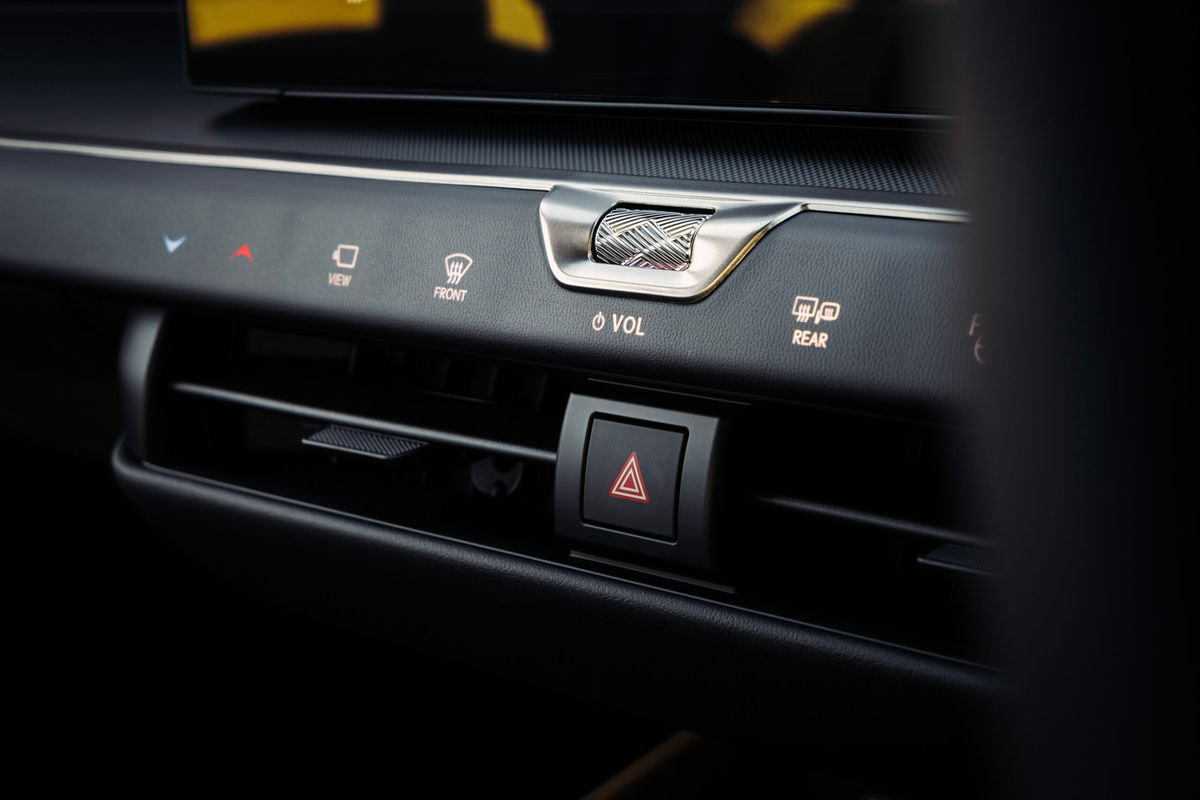
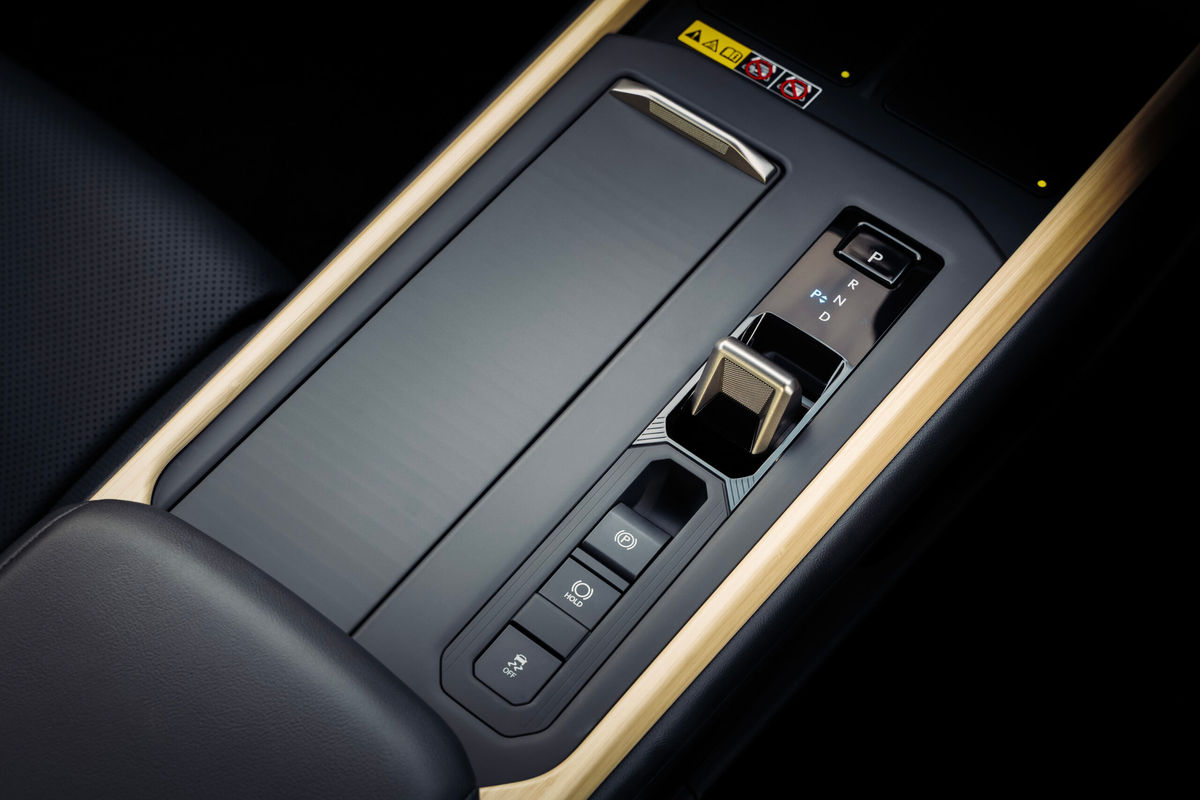
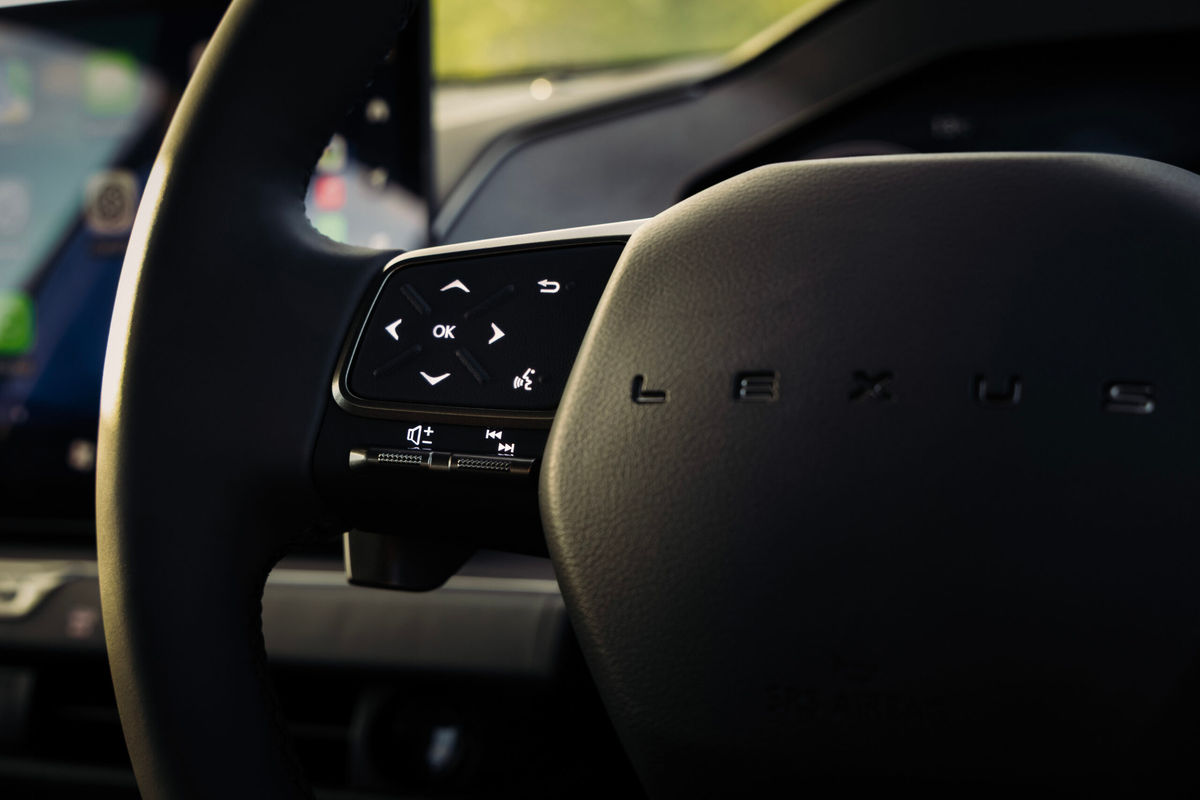
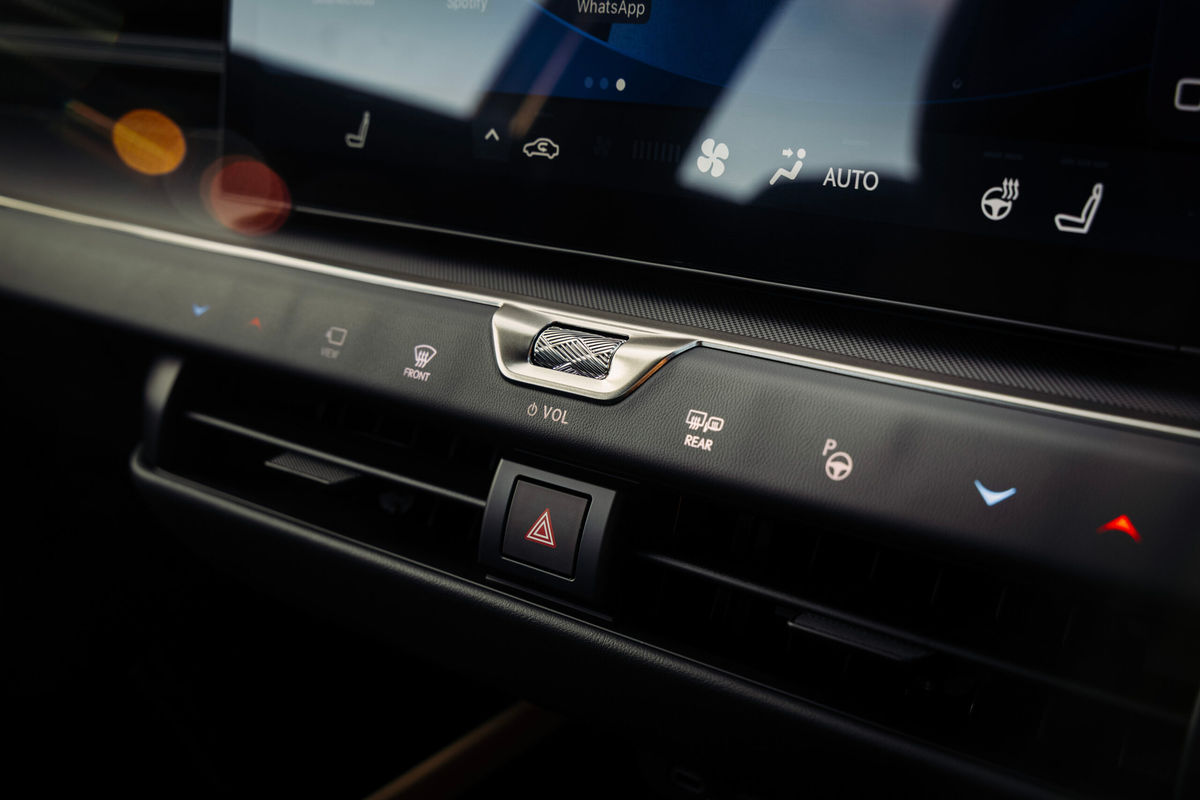
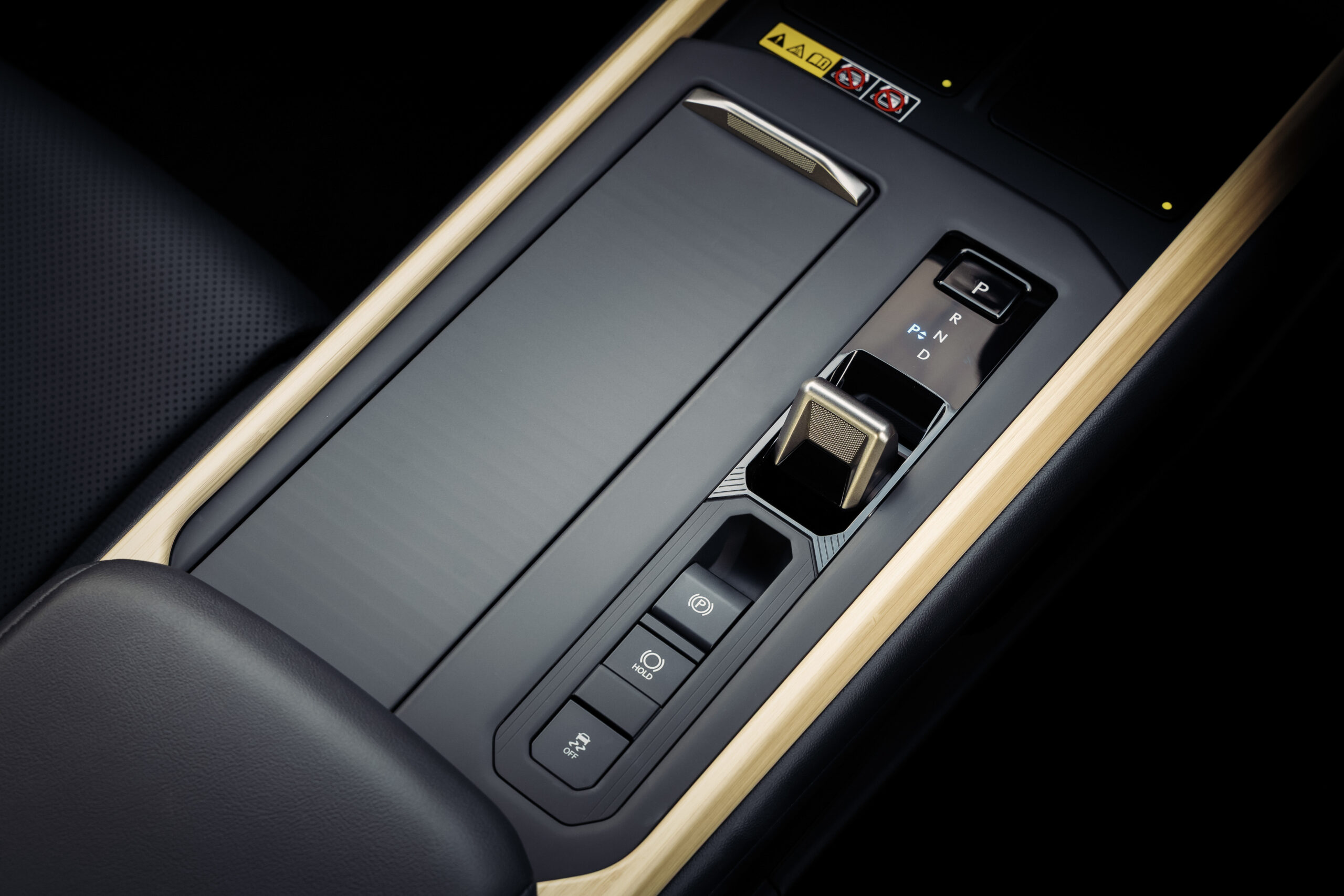
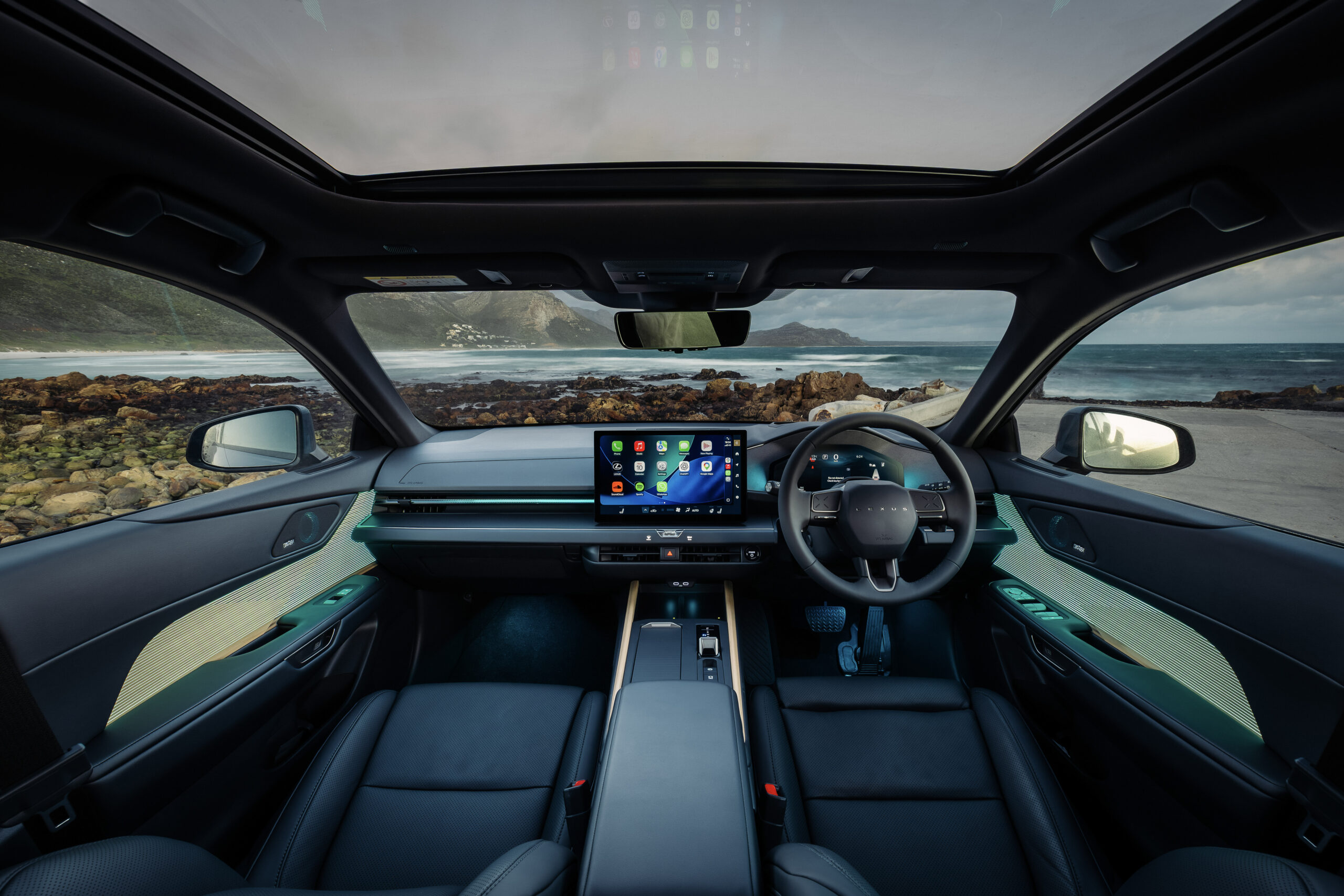
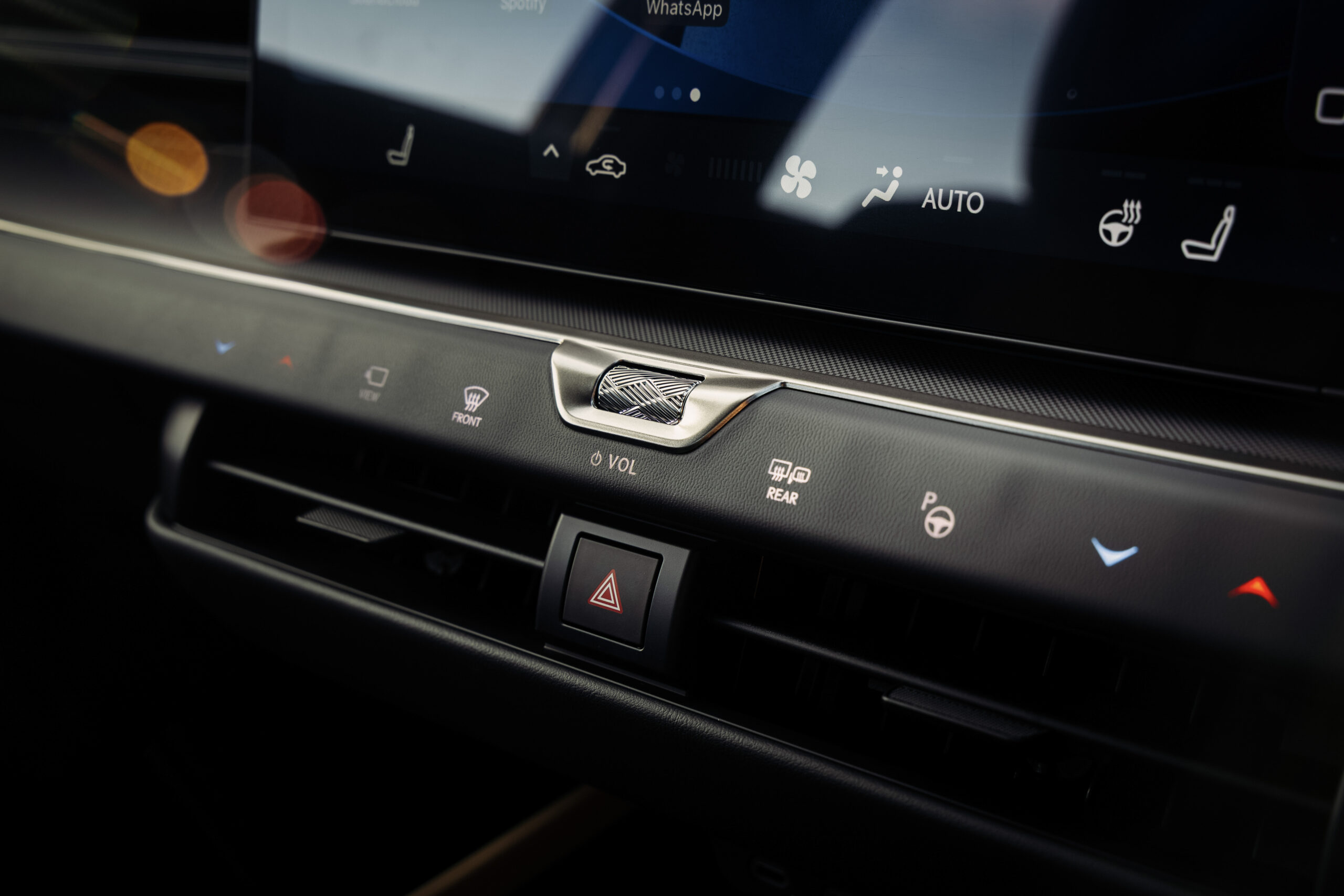
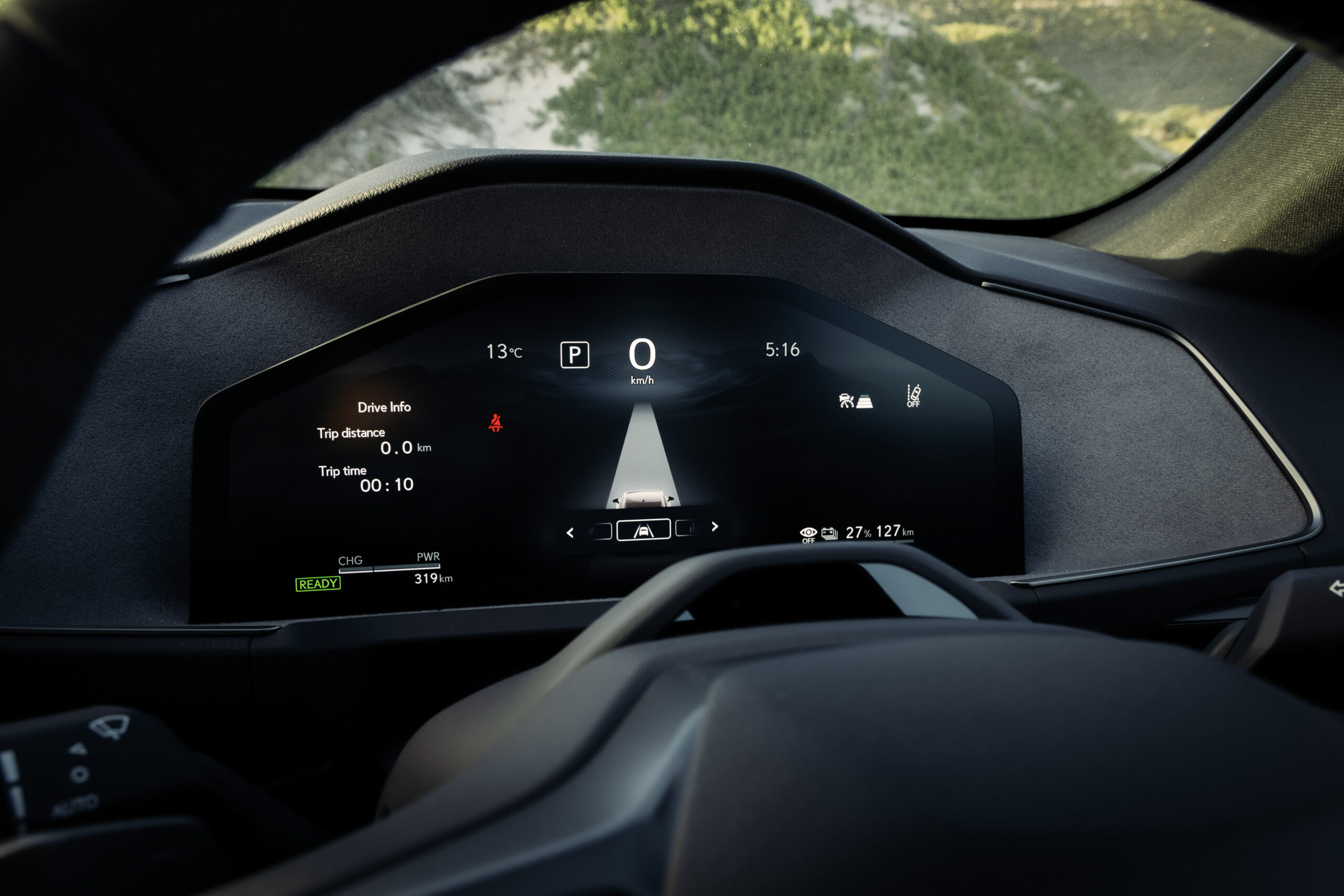
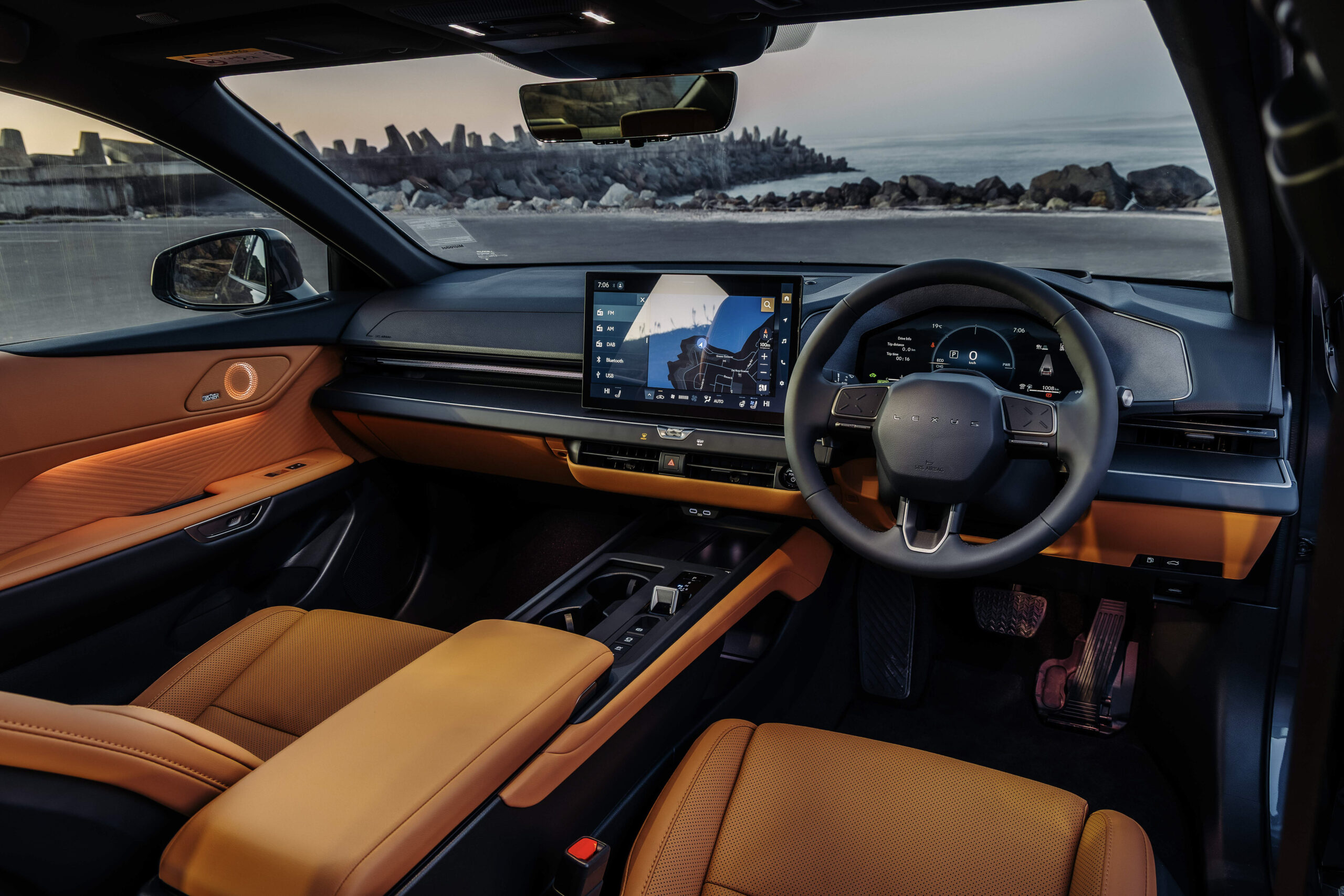
Climb inside and the visual treat continues. This is a beautifully finished interior with plenty of interesting nuggets. Take the steering wheel, for example: the buttons are darkened until you need them, at which point they illuminate. The same is true of the temperature buttons, where the blue and red arrows light up only if your fingers are in close proximity. When not in use, they add to the minimalist experience.
It’s the choice of materials that really impresses, however. The trim on common touch surfaces both looks and feels high-end, but it doesn’t stop there. Less common areas feature plush materials, too, and suede trim around the instrument cluster is a first for us.
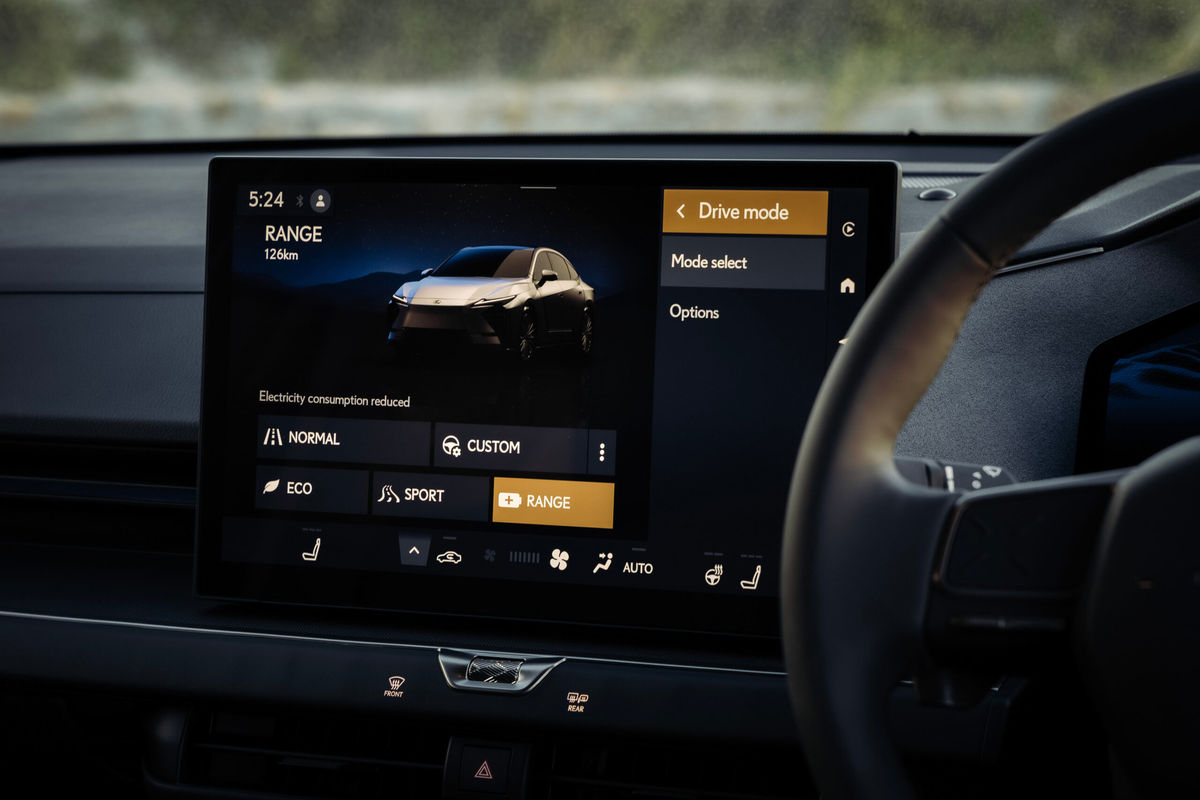
Like the majority of Lexus and Toyota hybrids, the ES350h starts up in silence and will run on electric power at low speeds, with the petrol engine stepping in as the pace increases or when sudden bursts of acceleration are needed. You can change the driving modes, but we preferred to leave the car to its own devices, and the transition from electric to petrol is imperceptible. The driver-monitoring system is overly sensitive right from the get-go, but it’s pretty straightforward to switch that off.
Our launch route took us across the Cape Winelands with plenty of open-road cruising. We came away recording a consumption figure of 7.4 L/100 km, which is impressive considering we overtook a great many slower cars at full throttle. Some colleagues saw as low as 5.5 L/100 km, and if you’re driving in traffic, we reckon you’ll get close to the claimed figure.
The ride quality is superb, with the suspension tuned explicitly for comfort, and we suspect those tyres are working hard at soaking up the road’s imperfections. Given its positioning as a luxury cruiser, don’t expect anything in terms of excitement if you throw it into some bends.
We also had a quick drive in the battery-electric ES 350e. The electric powertrain is unlike other BEVs in that it doesn’t deliver that instant, aggressive shove, opting instead for a more measured and relaxed approach. Because there is a complete lack of internal-combustion engine noise, the cabin could be deathly quiet thanks to Lexus’ fantastic insulation and refinement, but there is an artificial sound to gently remind you there is some powertrain life beneath you.
The biggest takeaway for us is that it doesn’t drive too dissimilarly from its hybrid-powered siblings, and with the price of fuel constantly increasing, it may be well worth considering for a lower cost of ownership.
How much does the new Lexus ES cost in South Africa?
The new ES is sold with a 7-year/105 000 km maintenance plan, a 7-year/105 000 km warranty and an 8-year/160 000 km battery warranty. At the time of writing, there are 14 Lexus dealerships across South Africa.
The new 8th-generation Lexus ES continues right where the previous model left off. All the positives – quietness, stellar efficiency and class-leading build quality – have been retained, and are now wrapped in a strikingly attractive package.
If you had to look up “refinement” in the dictionary, a picture of the ES should appear. It genuinely is one of the most comfortable, refined and plush driving experiences available, but given how much space is in the back, it begs the question: would you like to drive, or be driven?
What powertrain options are available for the Lexus ES in South Africa?
The Lexus ES sedan range in South Africa is offered primarily with self-charging hybrid powertrains, as well as fully electric variants. The popular ES 350h derivative pairs a 2.5-litre 4-cylinder petrol engine with an electric motor to generate a combined system output of 182 kW.
How much does the Lexus ES cost in South Africa?
Pricing for the Lexus ES lineup is structured across the following derivatives:
Lexus ES 350h EX: Starts from R1,051,200
Lexus ES 350h SE: Starts from R1,232,700
Lexus ES 350e SE (Electric): Starts from R1,561,000
What is the fuel consumption of the Lexus ES 350h hybrid?
The Lexus ES 350h hybrid features an exceptionally low claimed average combined fuel consumption of just 4.4 litres per 100 km. With its 55-litre fuel tank, it offers an estimated driving range of up to 1 250 km on a single tank.
What features differentiate the EX and SE trim levels?
While the EX trim comes well-equipped with digital instrumentation, touchscreen infotainment with Apple CarPlay and Android Auto, and full leather upholstery, the flagship SE grade adds premium enhancements such as a Mark Levinson Surround Sound system, a Head-Up Display (HUD), and a panoramic sunroof.
What warranty and maintenance plan come standard with the Lexus ES?
In South Africa, every new Lexus ES is backed standard by a 7-year/105 000 km manufacturer warranty alongside a full 7-year/105 000 km Distance Plan (maintenance plan). Hybrid derivatives also include a dedicated 8-year/160 000 km high-voltage battery warranty.
A guide to DrivePass: The benefits and what to consider
Want a virtually new car but can’t get vehicle finance or do not want to commit to years of repayments? DrivePass offers a monthly-subscription-based alternative, with most running costs included. Here’s how it works and what to consider.
What is DrivePass?
DrivePass is Cars.co.za’s prepaid car-subscription offering, delivered through FlexClub and its fleet partners.
You pay to use a car rather than borrowing to buy it. There are no traditional credit checks or requirements to submit bank statements and payslips. A poor credit record does not prevent you from using the offering, although payment and collection requirements still apply.
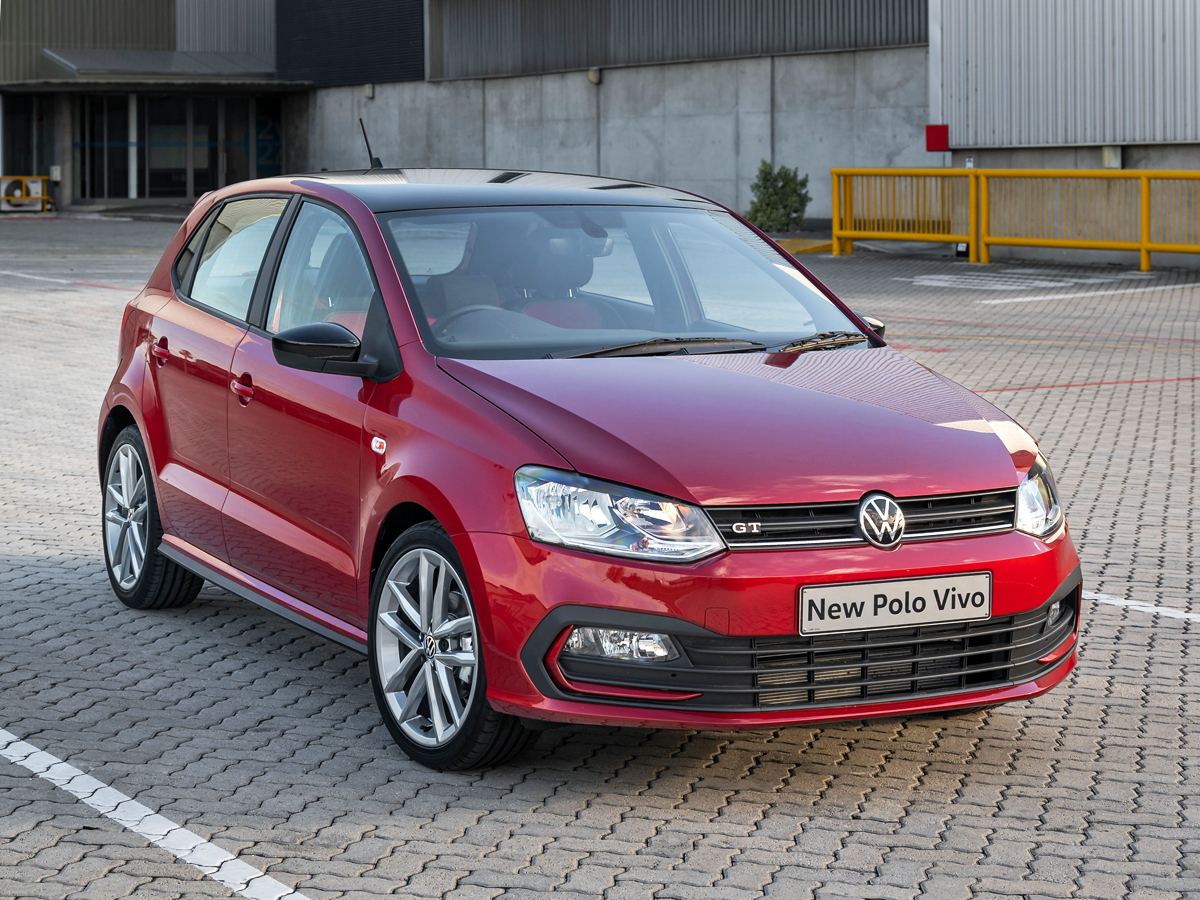
The popular VW Polo Vivo is included in DrivePass’ offering.
Your monthly payment includes many of the monthly running costs which car owners do not take into account until it is too late. This includes insurance, servicing, maintenance, vehicle licensing and tyre wear and tear.
How does it work?
Choose your vehicle and mileage plan.
Pay a refundable deposit and your first 30 days upfront.
Collect your car with the required licence and eligible payment card.
Top up for additional 30-day periods.
Return the vehicle and end your subscription when you finish.
There is no long-term lock-in or cancellation penalty.
Why consider DrivePass?
DrivePass may suit you if you need transport while improving your credit profile; want a temporary second car; or are unsure how long you will need a vehicle.
It also offers an alternative for people who prefer predictable running costs and flexibility over ownership.
What are the benefits?
Virtually new cars
Choose from entry-level hatchbacks, family cars and SUVs, subject to availability. Match the vehicle to your needs and budget. These cars have low mileage, are reliable and are in great condition.
Looking for something a little more practical? A Suzuki Ertiga is within reach…
Several costs in one payment
Insurance, servicing, maintenance, warranty and tracking are included, along with roadside assistance.
Pretty much, add fuel and go! Financially, it’s simple to budget for because monthly fees are fixed and it gives real peace of mind.
Flexibility when circumstances change
You can request another vehicle or end your subscription without committing to years of payments. Vehicle changes depend on availability and collection arrangements.
Buying remains an option
You can explore purchasing the car you are driving. If your credit profile improves and you qualify for finance, DrivePass can help facilitate the purchase.
Buying is a separate transaction; subscription payments do not automatically build ownership.
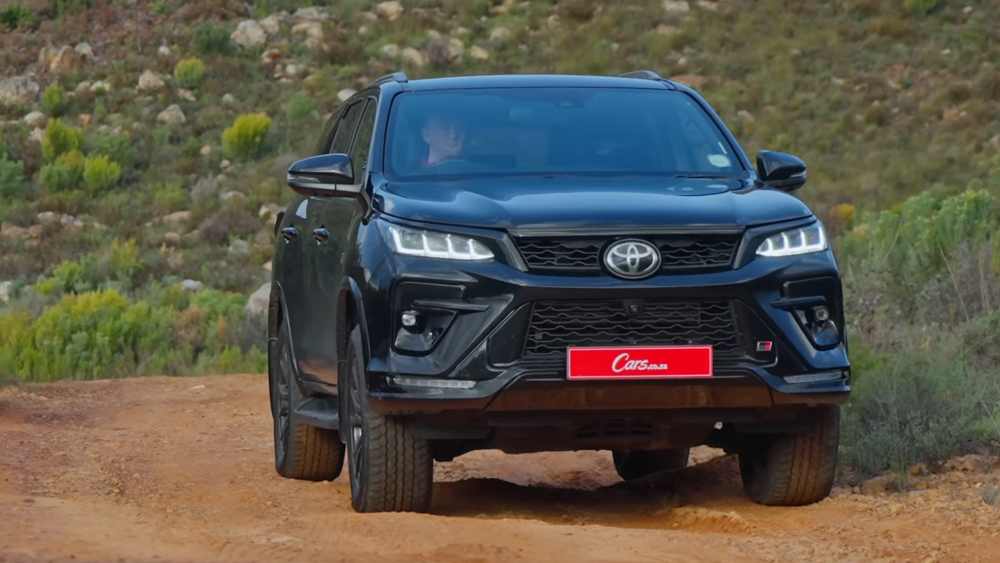
DrivePass even offers the Toyota Fortuner within its subscription model.
What are the risks and limitations?
You pay for use, rather than ownership
A subscription does not leave you with a car to sell. If you expect to keep subscribing for years, compare the total cost with buying, including finance, insurance, maintenance and resale value.
Mileage and extras affect your bill
Each plan has a kilometre allowance, with charges when you exceed this. Estimate your commuting and other journeys before selecting a bundle.
Fuel, tolls, fines and selected extras are additional. Delivery, accessories and additional drivers may also attract charges.
Insurance does not cover every cost
Damage or theft can leave you with an amount to pay. Understand the applicable liability, exclusions and reporting requirements before collection.
You need upfront funds
The refundable deposit is in addition to your first subscription payment. Confirm refund timing and possible deductions, and check which payment cards your plan accepts.
Availability, prices and use restrictions apply
Your preferred vehicle may be unavailable and prices may change. Confirm how pricing applies to your booking and renewals.
The published offering is for private use and currently excludes business use for e-hailing services such as Uber or Bolt. Additional drivers must be formally registered.
What should you check before signing up?
Confirm the following:
The subscription price, deposit and refund conditions.
Included kilometres and excess-kilometre charges.
Insurance liability and maintenance cover, including tyres.
Collection, return and cancellation arrangements.
Extra charges and future price changes.
Is DrivePass right for you?
DrivePass is worth considering if you want reliable transport, bundled running costs and flexibility. Choose a car and mileage plan you can comfortably afford.
If improving your credit profile is a goal, work on that separately – do not assume the subscription itself improves your credit score.
The new Lamborghini Revuelto SV – the brand’s most powerful production car yet – is heading to South Africa in limited numbers. Here’s what this V12 hybrid will cost…
Revuelto SV is most powerful Lamborghini yet
V12 hybrid generates 783 kW and 1 425 Nm
To debut as one of SA’s priciest new vehicles
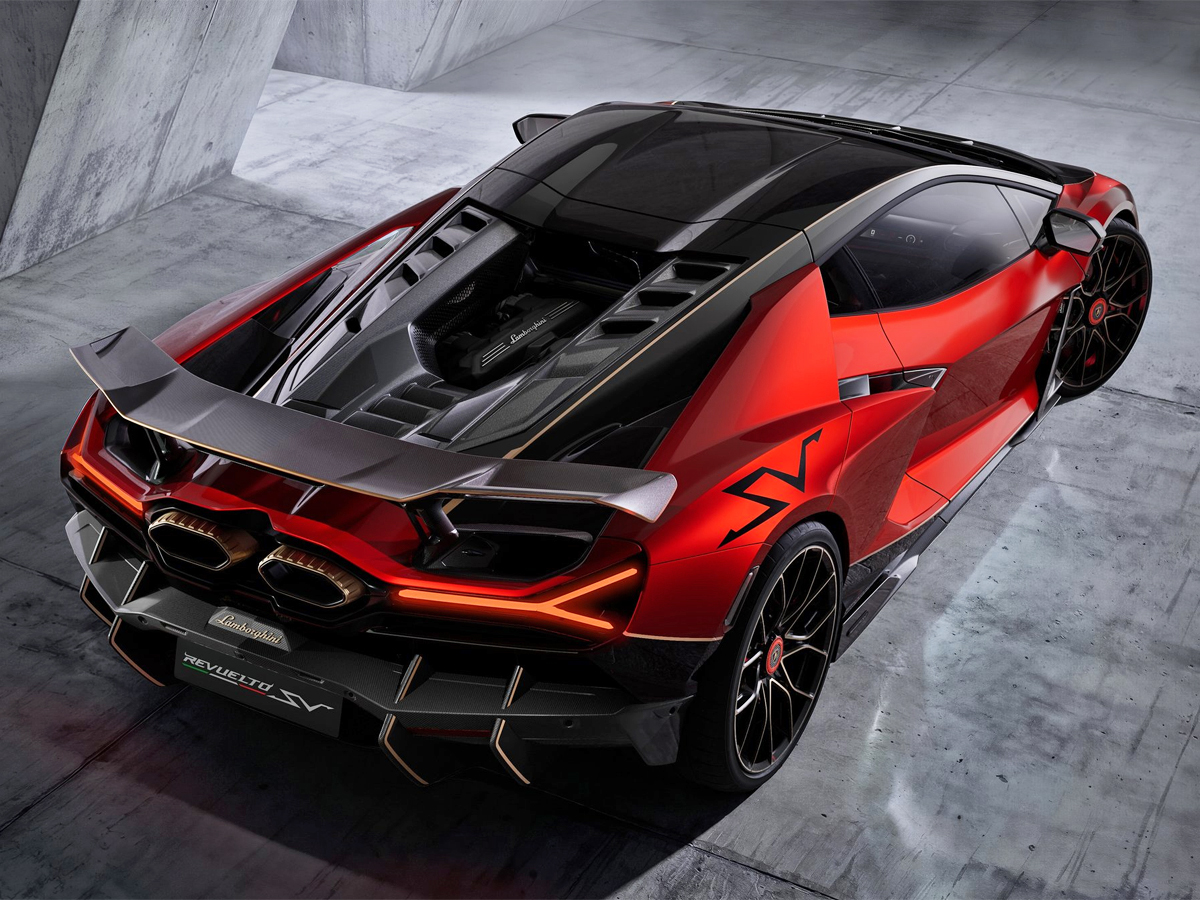
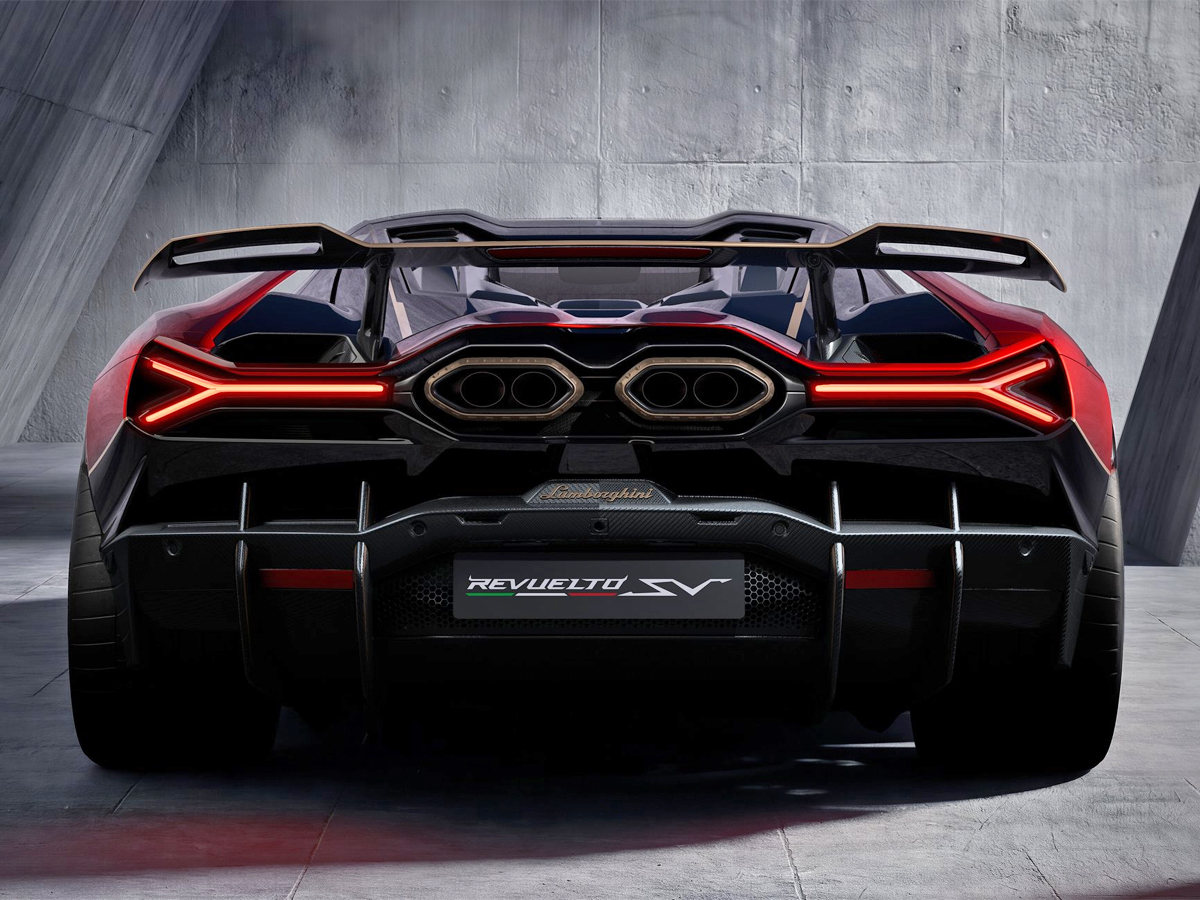
The new Lamborghini Revuelto SV is coming to South Africa in limited numbers, with deliveries likely to commence early in 2027. And we now know this V12 hybrid will debut as one of the most expensive models on SA’s new-vehicle market.
Yes, thanks to our ever-watchful friends over at duoporta.com, we can confirm the new Lamborghini Revuelto SV will be priced from a heady R15 000 000 – a significant R2 200 000 more than the “standard” (for lack of a better term) Revuelto.
That will effectively make the Revuelto SV – the latest chapter in the Sant’Agata Bolognese-based firm’s “Super Veloce” story – the 2nd-most expensive model on the market, behind only the Rolls-Royce Cullinan (which, though technically listed as “price on application”, is thought to start above that mark).
In a nod to the year in which Lamborghini was founded, the Italian firm will produce only 1 963 units of the Revuelto SV, with just a handful of those destined for South Africa. As such, this special model will be reserved for what the brand describes as its “most loyal customers and collectors”.
The new Super Veloce combines a naturally aspirated 6.5-litre V12 petrol engine and an 8-speed dual-clutch transmission with a trio of electric motors (two at the rear and one at the front) and a 7.3 kWh lithium-ion battery pack (up from the standard model’s 3.8 kWh item). While the standard Revuelto offers total system power of 747 kW, the SV-badged version boasts 783 kW, making it Lamborghini’s most powerful production car yet.
With a whopping 1 425 Nm of total system torque on tap, the obligatory 0-100 kph sprint takes a claimed 2.4 seconds (a tenth quicker than the Revuelto), while the 0-200 kph is done and dusted in a mere 6.7 seconds. The SV’s top speed is listed as being in excess of 345 kph.
In addition to what Lamborghini terms an “even more striking design”, the Revuelto SV scores “enhanced aerodynamics” with increased downforce, a newly developed suspension system (with “racing-inspired” adjustable passive dampers), “next-generation” CCM-R Plus carbon-ceramic brakes and bespoke Bridgestone Potenza Race R tyres.
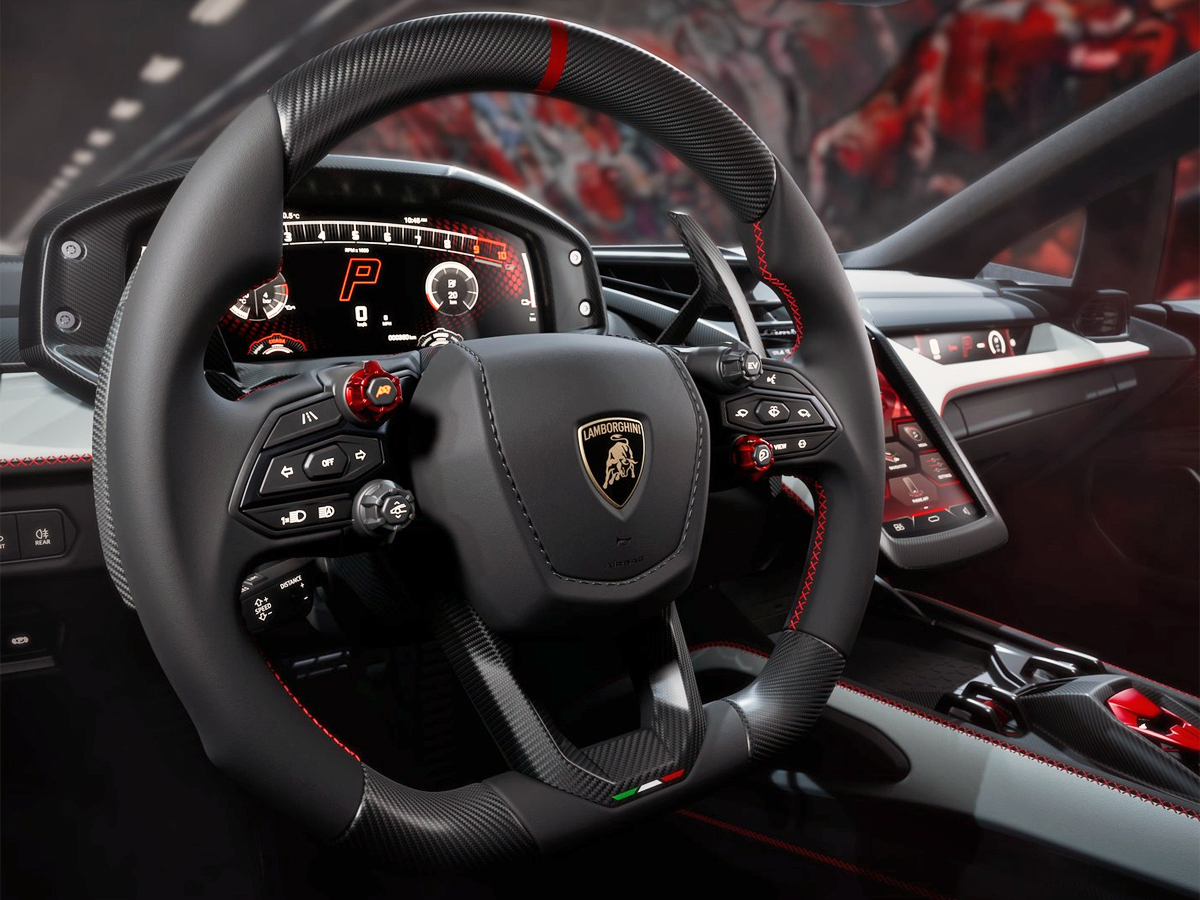
This model furthermore features a dedicated “Pilota” driving mode, which the company says delivers an “even more engaging and customisable track driving experience”. The cabin also features Lamborghini’s latest-generation steering wheel, specially developed racing seats and oodles of carbon fibre.
What does the Lamborghini Revuelto SV cost in SA?
DERIVATIVE
PRICE
Revuelto
R12 800 000
Revuelto SV
R15 000 000
The prices above include a 3-year/unlimited kilometre warranty and a 3-year/100 000 km maintenance plan.
Q: What is the price of the Lamborghini Revuelto SV in South Africa?
A: The Lamborghini Revuelto SV is priced from R15 000 000 in South Africa, which is R2 200 000 more than the standard Revuelto (R12 800 000). The price includes a 3-year/unlimited km warranty and a 3-year/100 000 km maintenance plan.
Q: What are the performance specs of the Lamborghini Revuelto SV?
A: Powered by a naturally aspirated 6.5-litre V12 hybrid setup with three electric motors and a 7.3 kWh battery, it generates a massive 783 kW and 1 425 Nm of torque. It accelerates from 0-100 km/h in a claimed 2.4 seconds, 0-200 km/h in 6.7 seconds and has a top speed exceeding 345 km/h.
Q: How many units of the Lamborghini Revuelto SV will be produced globally?
A: Lamborghini is limiting production to just 1 963 units worldwide (paying homage to the year the company was founded), with only a handful designated for South Africa.
With every Maybach around the world built strictly to order, no two are ever the same. That makes the opportunity to get behind the wheel exceptionally rare. Here is what happened when Mercedes-Benz SA invited us on an exclusive back-to-back drive from Somerset West to the Hemel-en-Aarde Valley to test the brand-new Mercedes-Maybach SL680.
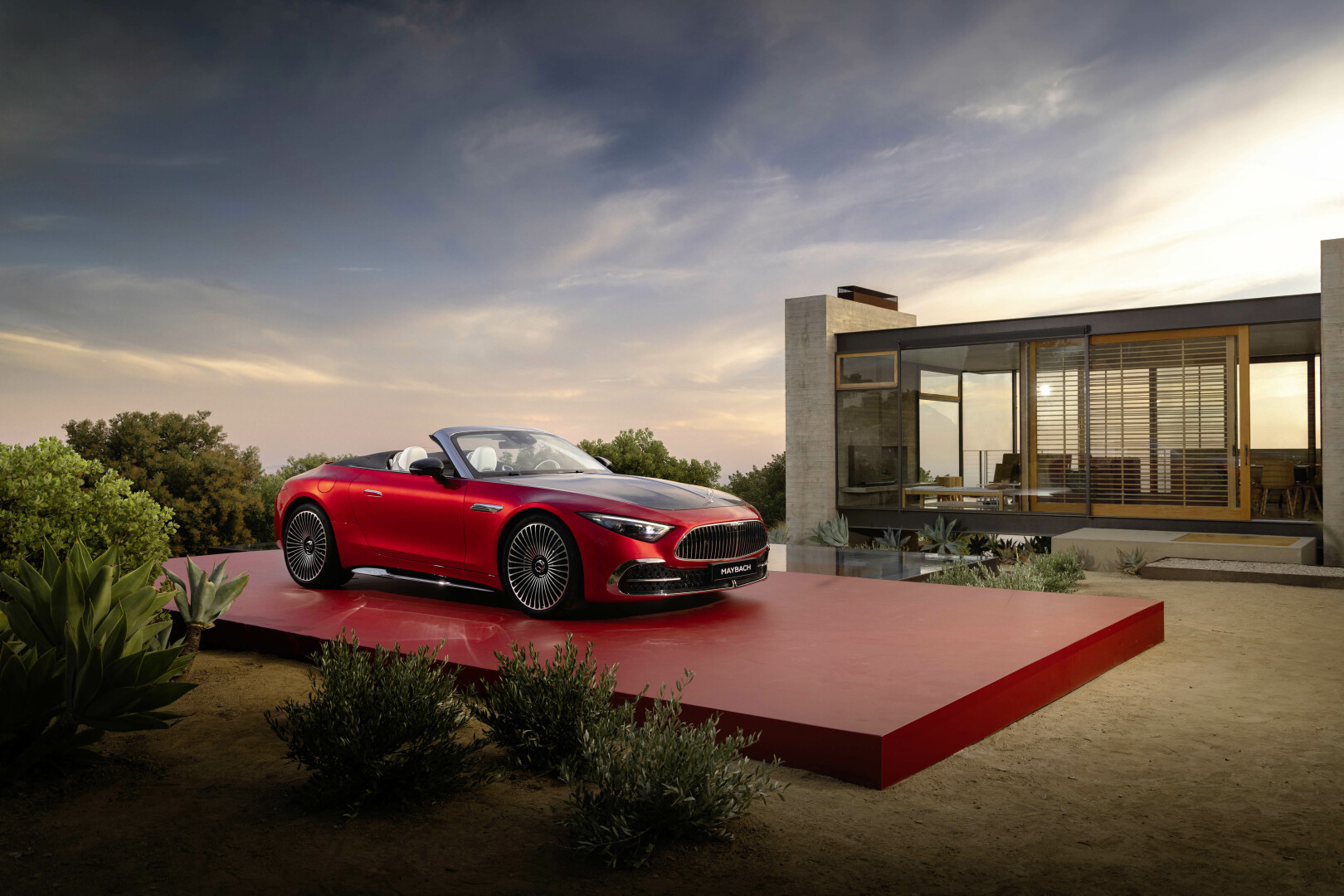
Mercedes-Maybach has added a fourth model to its global line-up. The badge on the back reads SL680, but beneath the emblem and two-tone paint job sits an AMG SL63, powered by Mercedes-Benz’s stalwart 4.0-litre bi-turbo under its elongated bonnet.
Mercedes SA invited us on a rather exclusive drive, starting at a beautiful old hotel in Somerset West with a cracking driving route twisting and turning to the top of the stunning Hemel-en-Aarde Valley.
After a quick coffee and a quiche, we sauntered over to the line-up of two Mercedes-AMG SL63s and two Mercedes-Maybach SL680s gleaming in the morning sun. The idea was to afford the journos the opportunity to drive a “normal” SL and the Maybach SL back-to-back, which was actually a great approach.
First impressions and interior luxury
The PR chap at Mercedes SA told me that the Maybach SL680 offers a radically different driving experience to the AMG SL63, and that I should immediately feel the difference. Apparently the Maybach is waftier, the exhaust setup and exhaust note are totally different, and the interior seems to be made of recycled polar bears, with the thickest, whitest footwell carpets I’ve ever seen.
In short, he was completely bang-on about everything. Even on start-up, with the SL63s cranking over right next to the Maybachs, the latter’s exhaust note is smoother, toned down, less rowdy. It’s bassy and distinctly V8 in character, but it’s more … luxurious? Can an exhaust note be luxurious?
On the road: Ride quality and performance
Leaving the parking lot, the difference in how the air suspension was set up was immediately apparent. The Mercedes-Maybach SL680 feels like it’s floating, compared to the setup in the SL63 which is tuned to send much more feedback and road feel to your backside.
The Maybach’s ride quality has an impressive dual nature. In comfort mode, the whole experience is quiet, plush and feels extremely expensive, with a burble of V8 noise reminding you that you do have a 430 kW/800 Nm bi-turbo V8 in front of you.
Pop the system into sport mode, hit the twisties and the suspension noticeably firms up, almost completely dialing out body roll so you can throw it around a bit with confidence.
Ultimately, 430 kW and 800 Nm are potent numbers and the V8 delivers such a powerful burst of acceleration that I actually got a fright when I unleashed it. The SL680 is properly, properly fast, and I don’t think any prospective Maybach owner will feel the need for any more oomph.
The exhaust system is active and the pipes open up in sport mode, delivering a much more aggressive exhaust note, but still with a touch of class. While the claimed power outputs remain unchanged from the AMG SL63, the Maybach is quite a bit heavier, probably because of the extensive soundproofing and perhaps all the polar bear fur…
Pricing and exclusive touches
Driving the SL63 and SL680 back-to-back was an illuminating experience. Before I set off, I asked the price difference between the two: an SL63’s starting price is currently R3.982 million, while the SL680 starts at R5.029 million (before you get stuck into the options list).
So the challenge was to see and feel if the Maybach’s R1.05 million premium felt like a R1.05 million premium. There are certainly some standout exclusive features, including:
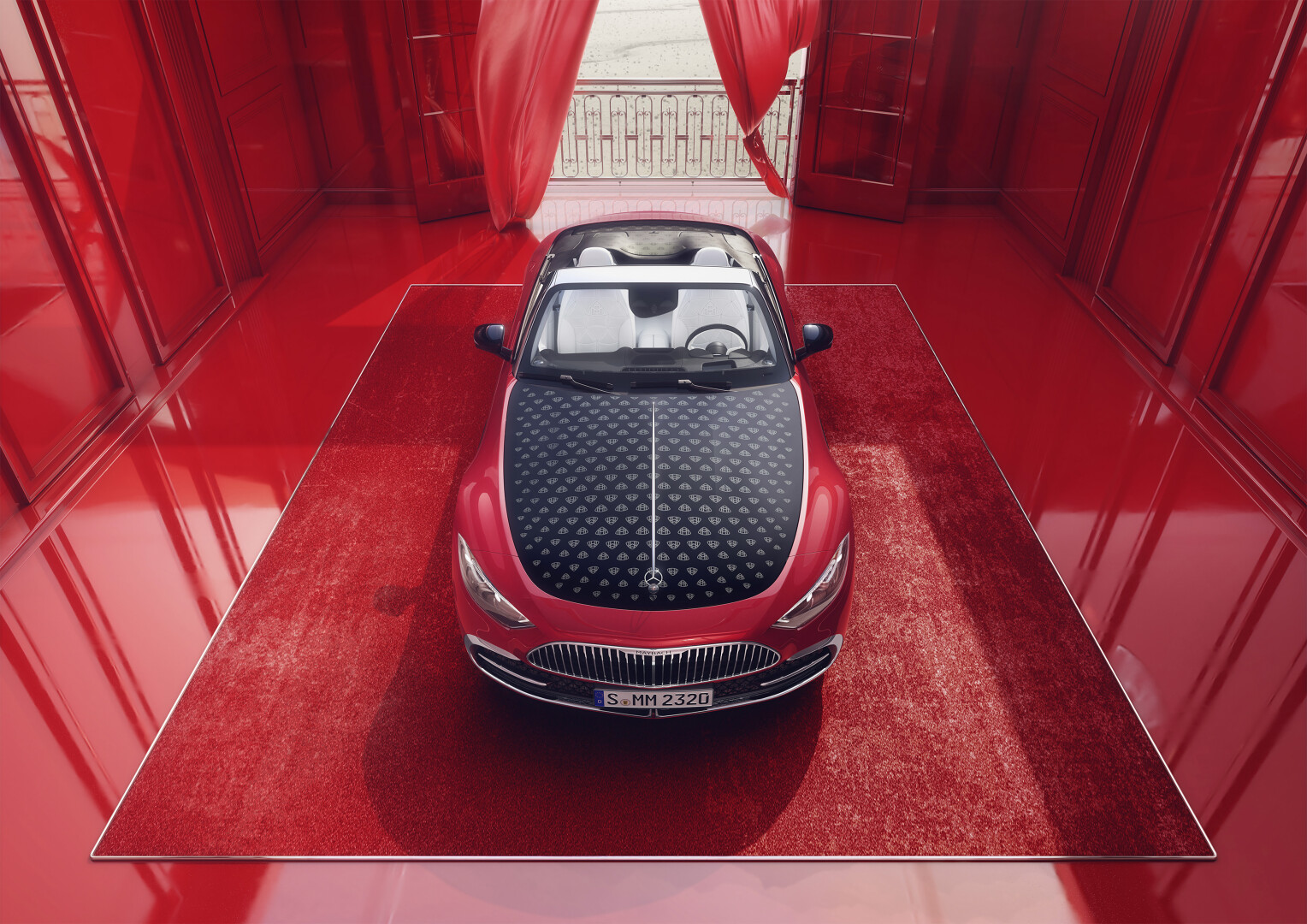
Hood ornament: The erect Three-pointed Star makes a comeback, sitting proudly on the bonnet and built on a swivel so you don’t stab a pedestrian on impact. Nostalgic Mercedes enthusiasts will love this option.
Paint and styling: The OEM paint colours available are exclusive to Maybach, as is the two-tone paint scheme.
Wheels: There are myriad 21-inch wheels to choose from. South Africans do seem to love the Merc Monoblocks, and a slightly reimagined Monoblock was fitted to the white test car on the day, splitting opinions on social media.
Verdict
The two Maybachs drew an enormous amount of attention on the road. While some may find them a bit gaudy, a bit over the top, or perhaps tacky even (the laser-etched Maybach emblem on the canvas roof is very debatable), the fact remains that they look like nothing else on the road.
And that, I suspect, is the point. If you have R5 million to spend, you either want no one to notice you, or you want everyone to notice you. In the Mercedes-Maybach SL680, you are absolutely guaranteed to stand out.
Paris Motor Show 2026: The old guard reaches for the history books
With around 20 brands in attendance, Chinese car companies might have hoped to dominate the headlines at the Paris Motor Show. But, finally, it looks like the European legacy marques have come up with an actual plan – not to price-match the Chinese or out-tech them, but to do the one thing a factory in Shenzhen simply cannot: to look backwards with genuine authority.
It must be more than a decade since I last walked the halls of the Paris Motor Show. The Mondial de l’Auto – it has always had a certain je ne sais quoi – used to be the kind of event that got me genuinely excited. Important world premieres. Futuristic concepts with flair that made you pause mid-croissant. Less formal than Frankfurt, but less wacky than Geneva, Paris was important … but fun.
Then COVID-19 happened, followed by the Chinese crossover invasion. Many shows were paused as brands cut back on what was seen as unnecessary, or “frilly” spending. For those brands that did make an effort to display, stands were dominated by parades of mid-size crossovers with illuminated logos and electrified drivetrains. I watched a few from a distance and increasingly felt … less.
But I’m getting a different vibe from the 2026 Paris Motor Show – I know because I actually wish I was there! Something is shifting. Whether it’s the sheer pressure of having an entire continent’s worth of Chinese brands set up camp in the exhibition halls – again, and now more comfortably than ever – or whether someone at Stellantis, in particular, finally had enough of watching the crossover wars and decided to do something more interesting, I’m not entirely sure. Probably both. But the result is a show that’s actually given me something to smile about.
The rather large elephant in the room…
First, the uncomfortable truth: the Chinese car companies are not visitors to the Paris Motor Show anymore. BYD, Leapmotor, Denza, Li Auto, GAC, Aito, Forthing and many more. They have stands. They have (many and bigger) screens. And, importantly, they have pricing that makes the European finance managers go very quiet in meetings.
They have cracked the crossover formula. They have the technology. They have the scale and manufacturing efficiency. On the traditional metrics of modern car-buying – standard spec, screen size, price – they are a genuinely formidable proposition. Trying to out-Chinese the Chinese on those terms is a strategy with limited prospects.
Which is why what Stellantis, in particular, has done in Paris is either the smartest thing the group has pulled off in years … or the most elaborate act of expensive nostalgia the industry has seen since that period that gave us the reborn VW Beetle, Mini Cooper, Chrysler PT Cruiser and others. Stellantis rolled out concept cars for each of its European brands and five of them in particular caught my eye – Alfa Romeo, Citroën, Fiat, Peugeot and Opel. Not one was a crossover. And almost every single one of them was in deliberate, pointed conversation with its own past.
Let’s go through them.
Alfa Romeo Cuorerosso: The Red Heart is beating fast
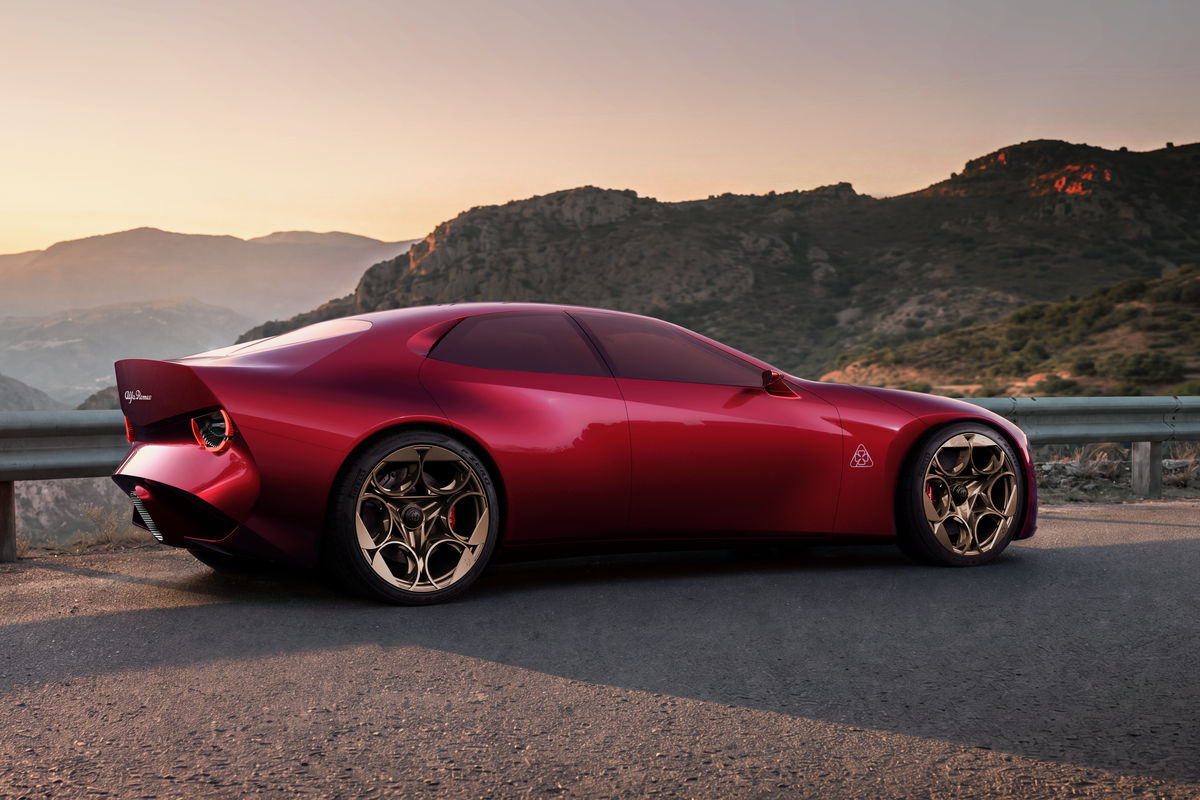
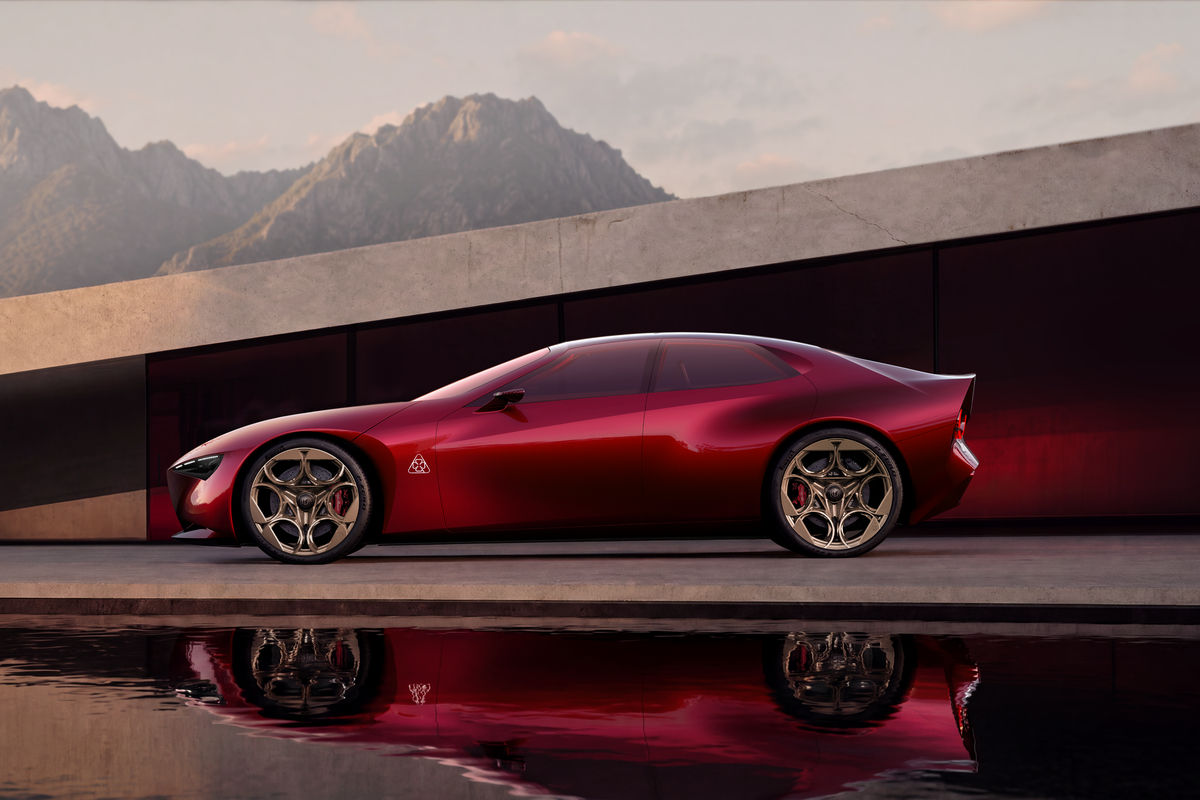
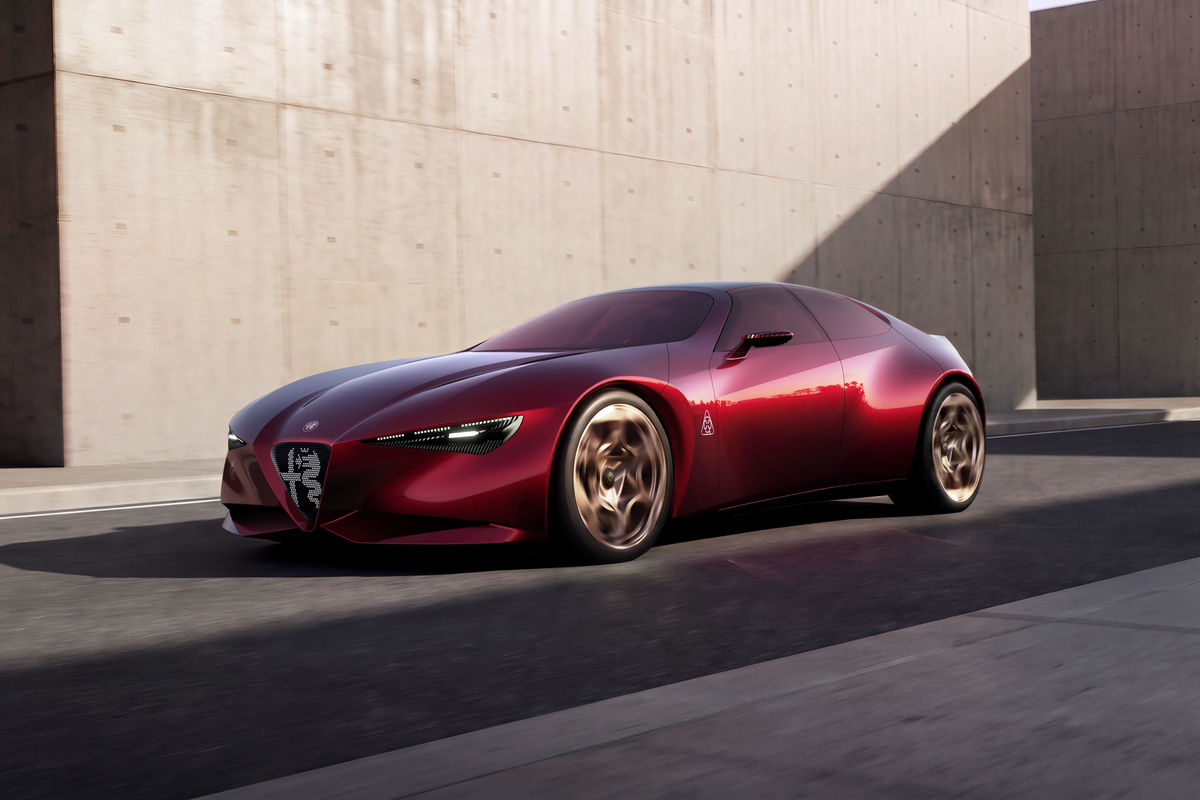
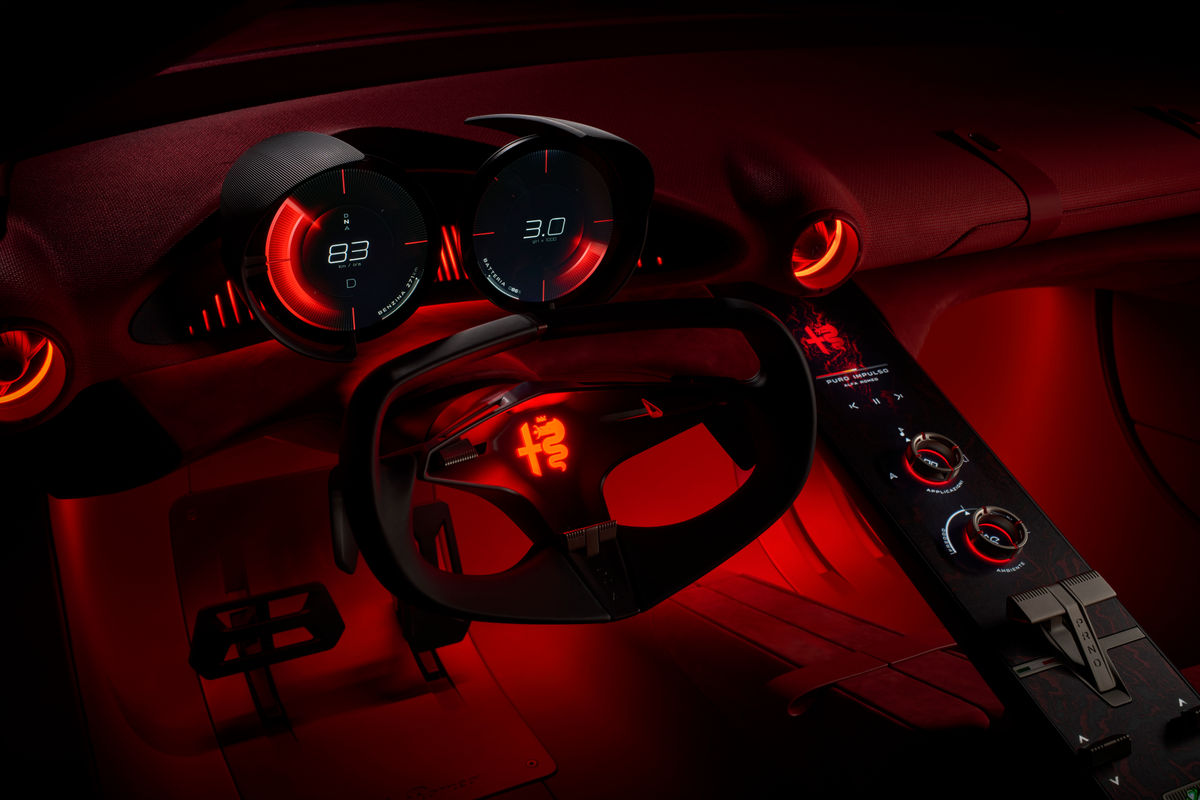
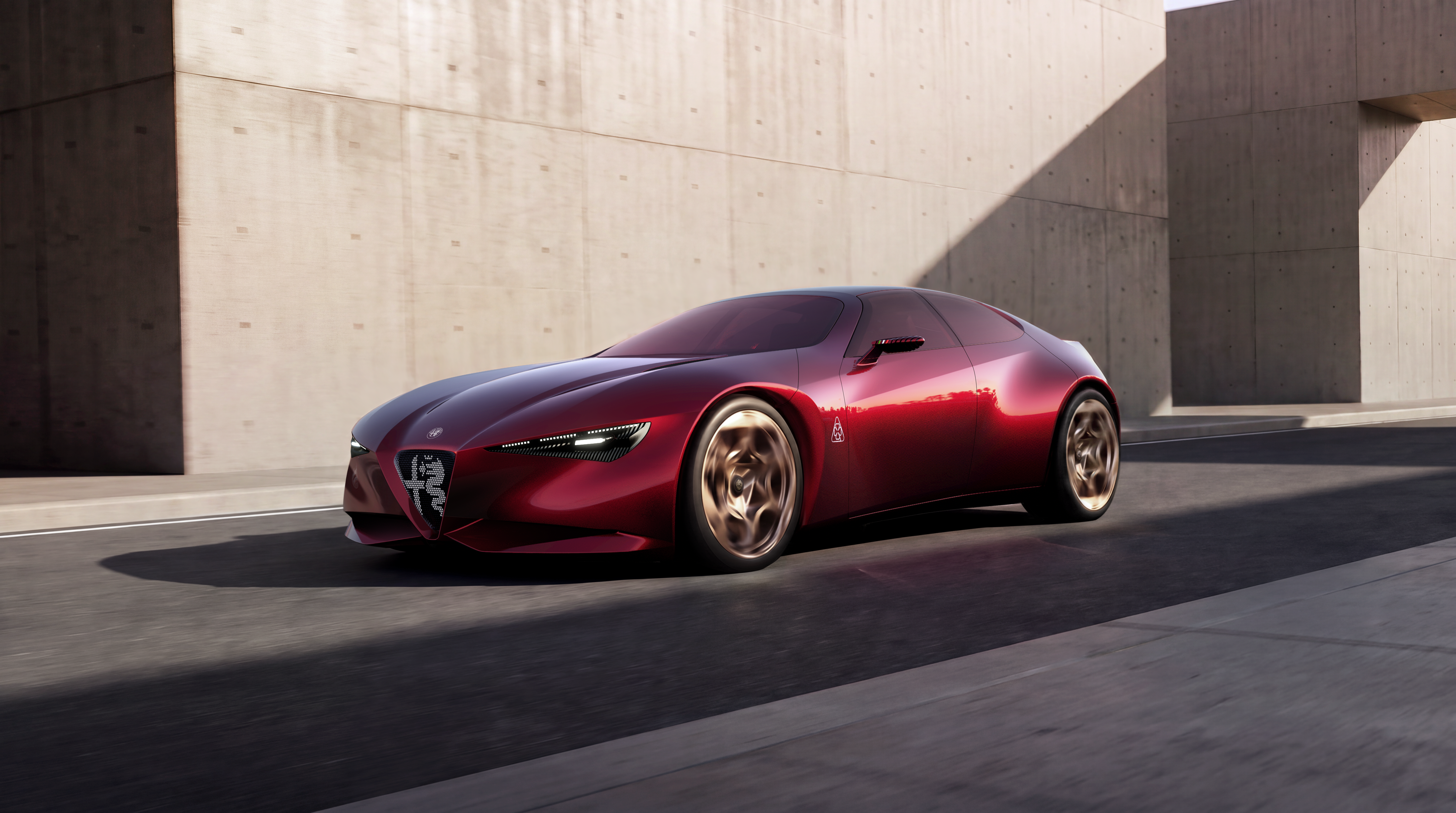
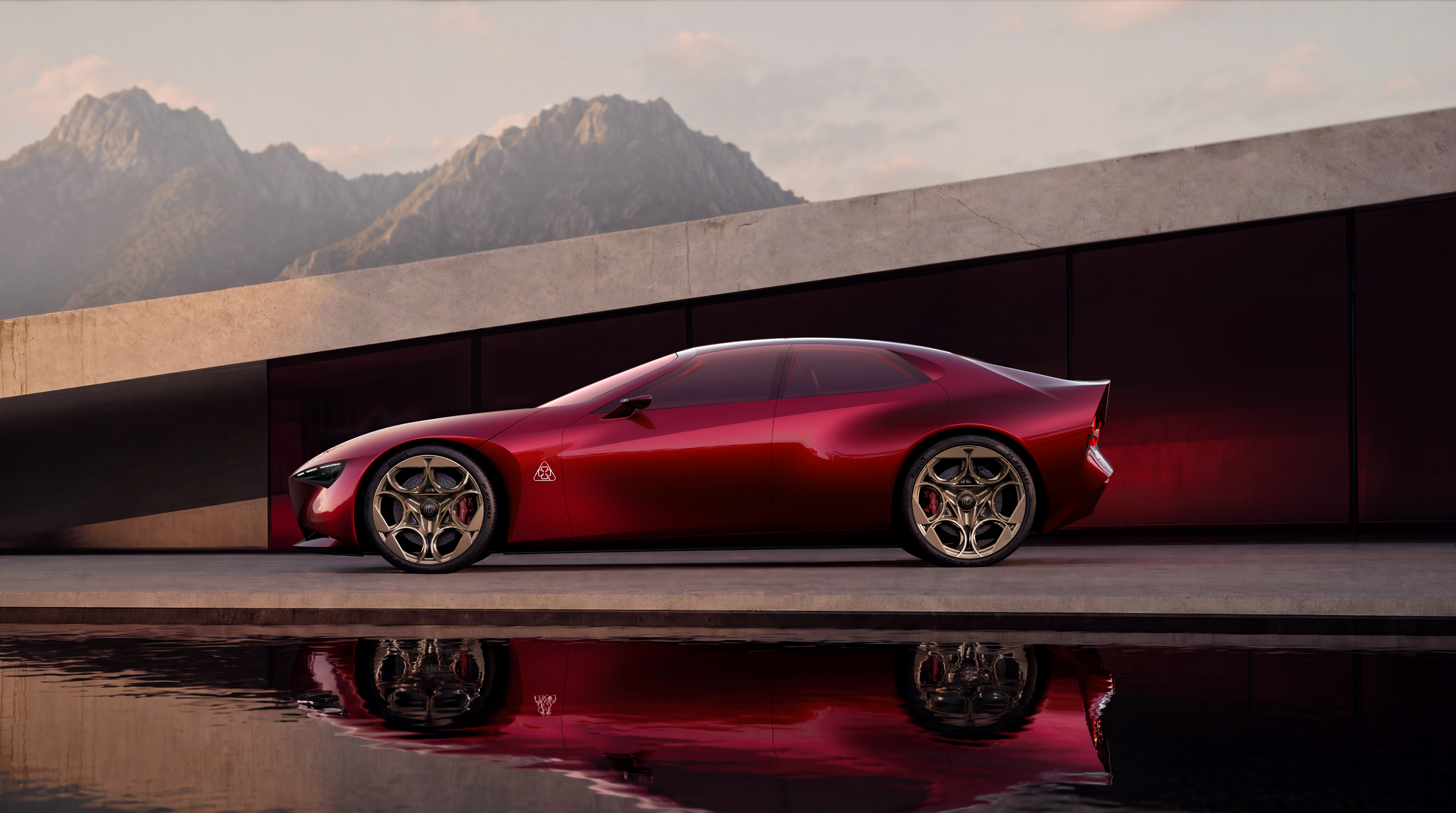
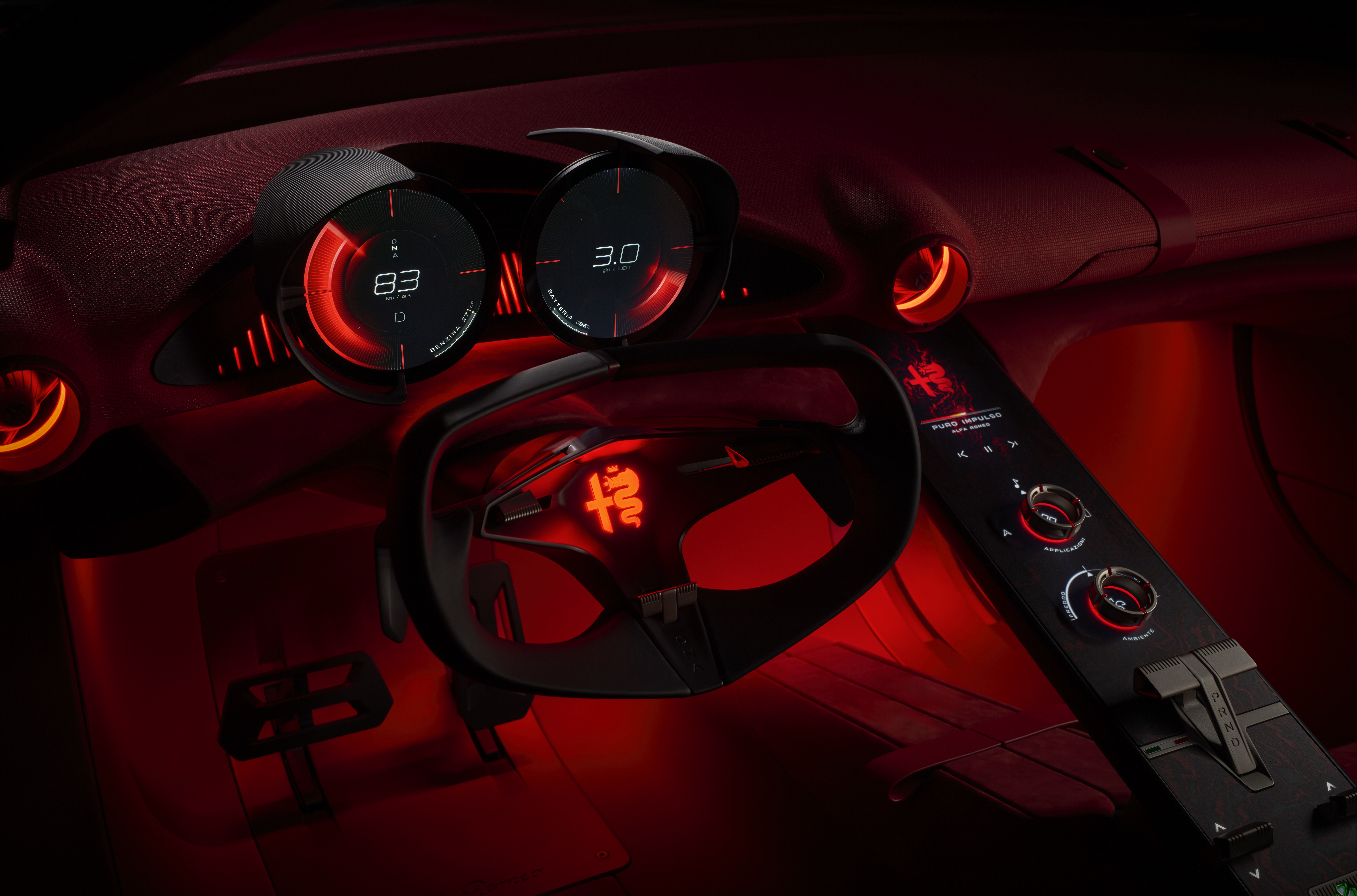
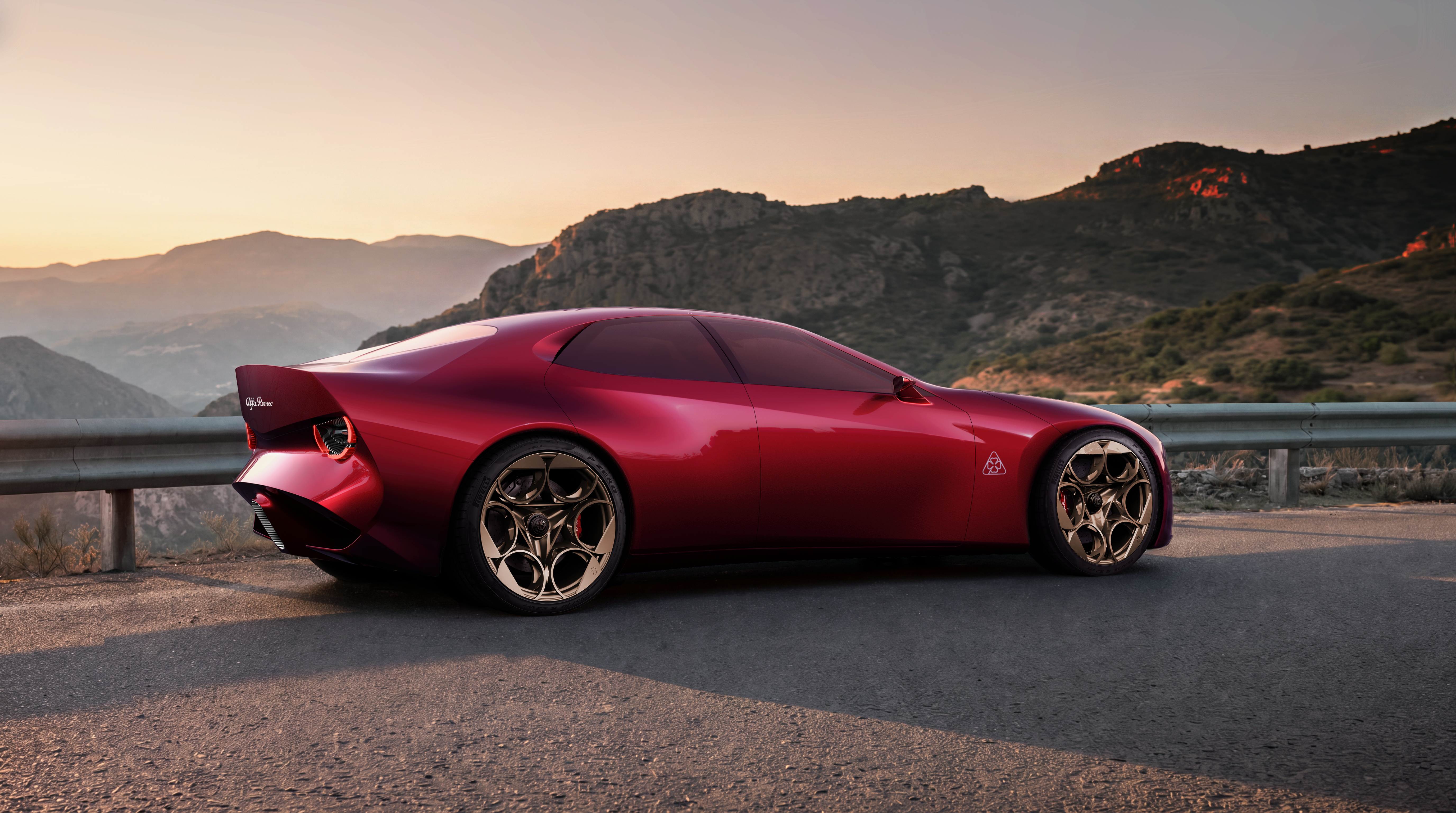
Alfa has named its jaw-dropping Paris Motor Show star the Cuorerosso – “red heart” in Italian, naturally – and it arrives in exactly the colour it promises: a deep, arterial red that makes everything parked near it look like it’s apologising for something. The concept does not directly preview the next-generation Giulia, but rather a design direction and a multi-energy approach (a fancy way of saying BEV, PHEV, hybrid or ICE).
So what’s its point, then? Is it just a pretty dream? From what I’ve read, the decision to unveil the new design direction with this sleek, compact, suicide-door GT/sedan with huge 23-inch teledial wheels is both deliberate and an acknowledgement of what remains at the heart of Alfa Romeo: style, passion, performance and emotion.
So, yes, crossovers remain in Alfa Romeo’s future, but cars like the Cuorerosso will continue to define the brand. Hints of 8C Competizione and 33 Stradale can be found on the Cuorerosso, but it’s also not an entirely retro design. Under the bonnet of this concept is the same twin-turbo 2.9-litre V6 that can be found in the current Giulia QV and Stelvio QV models.
Consider the Cuorerossa an exercise in realignment of purpose for the Alfa Romeo brand.
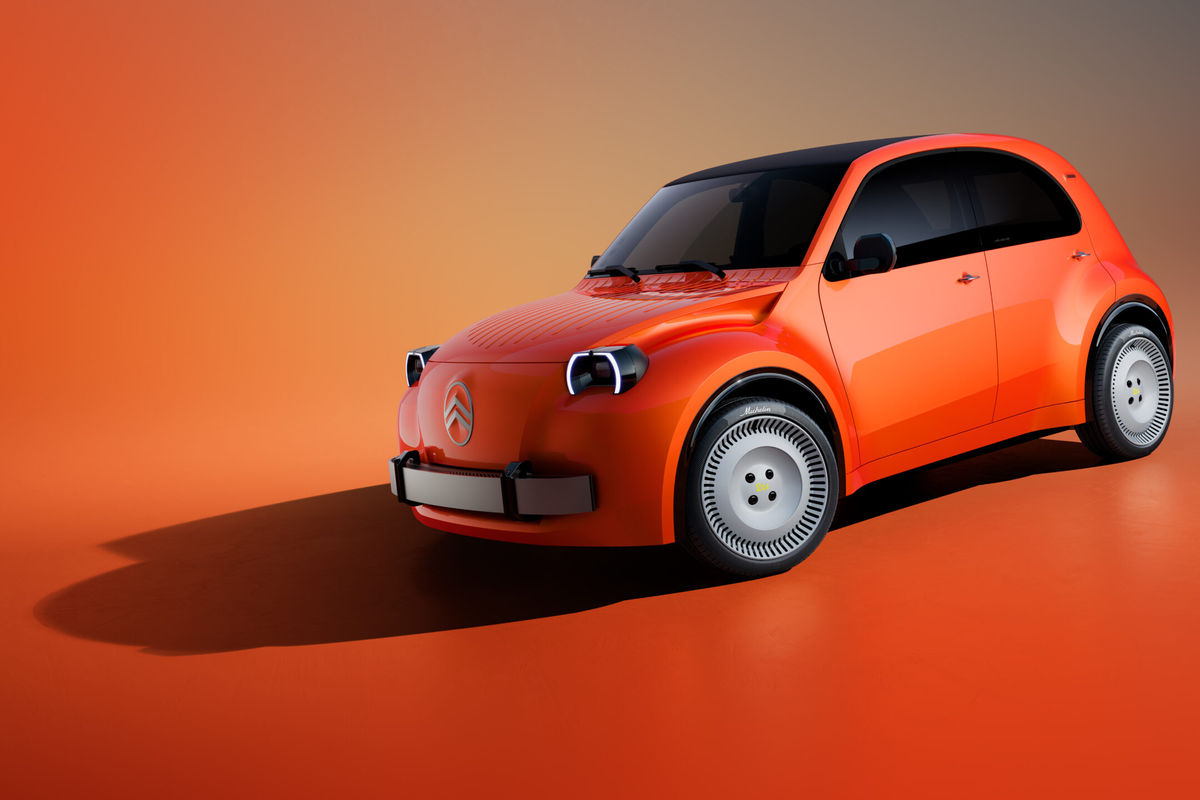
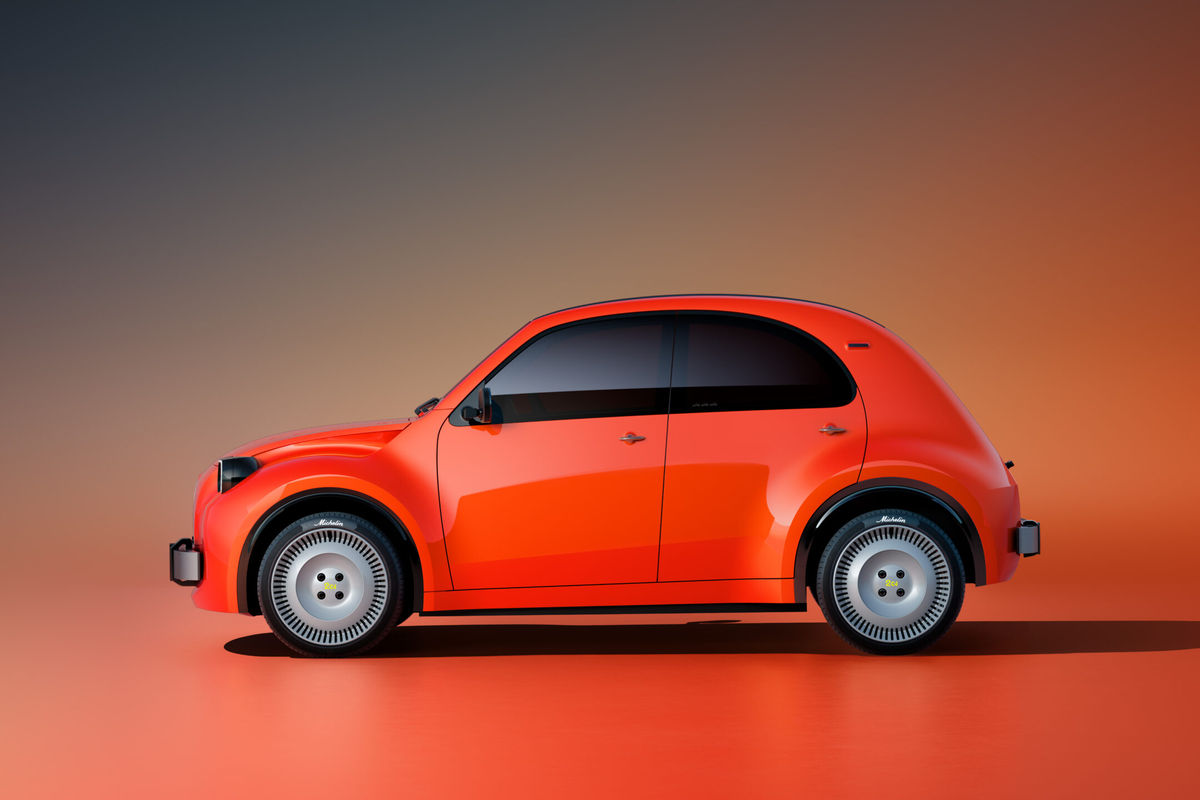
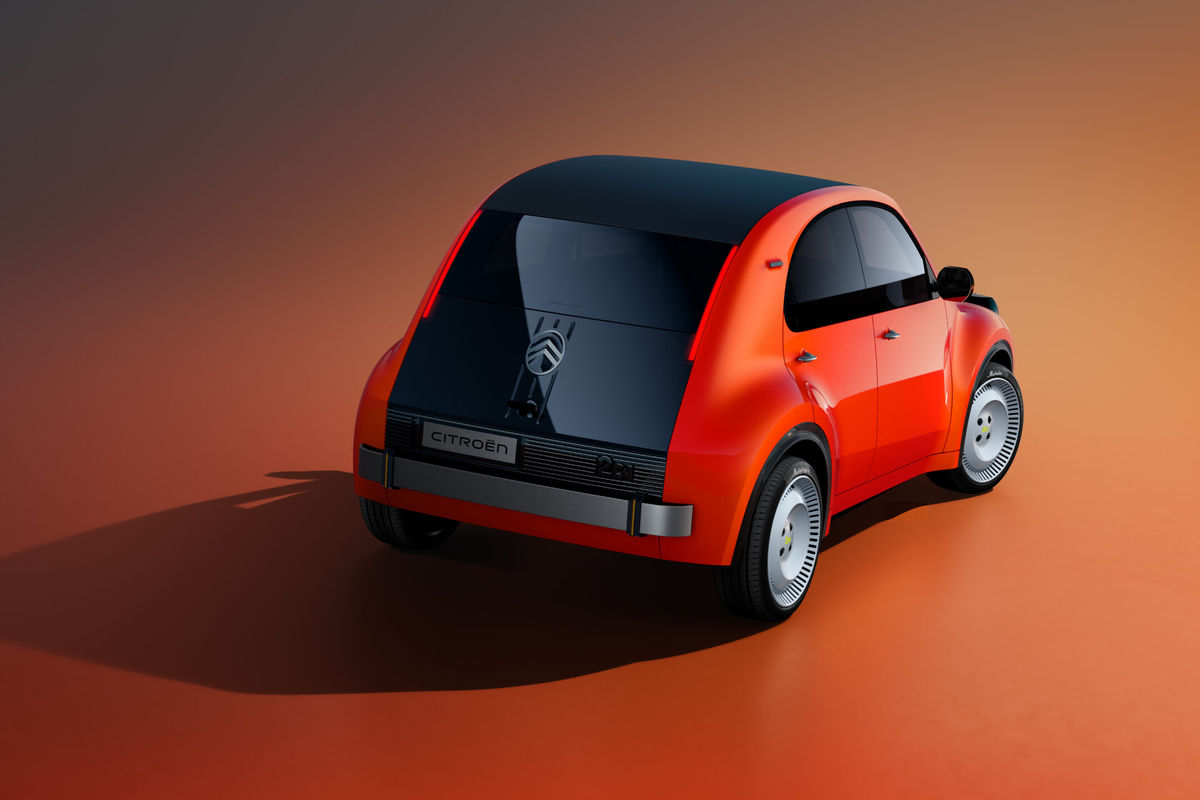
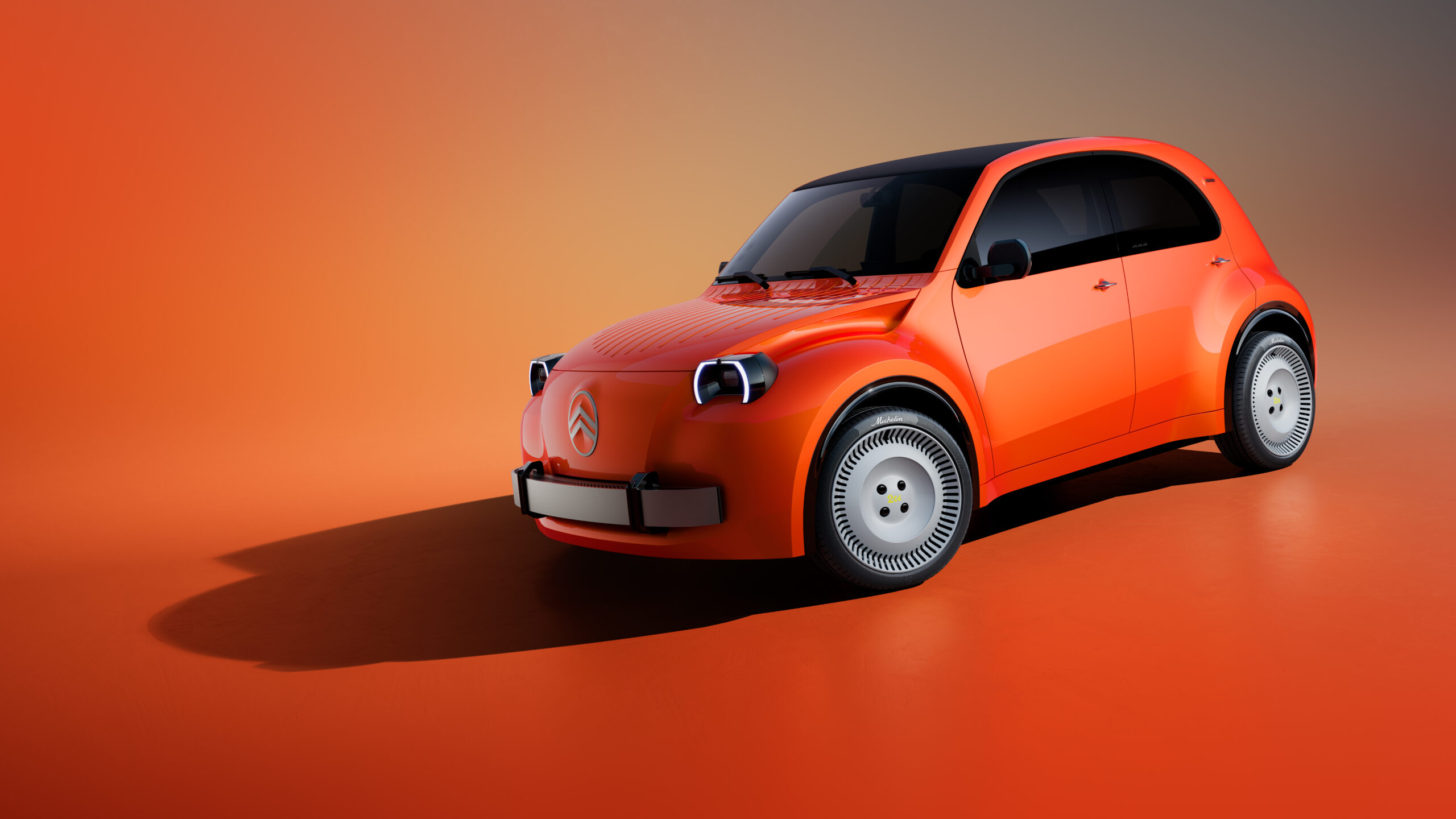
Citroën 2CV Concept: Brave, bonkers and possibly the most important car at the Paris Motor Show
I have always had a soft spot for the 2CV because it was designed around a philosophy so clear and so unselfconscious that every single line expressed it without ambiguity. It was made for farmers. For rural tracks. For the transport of eggs across uneven ground without breakage. It was quirky to the point of absurdity and became iconic precisely because of that.
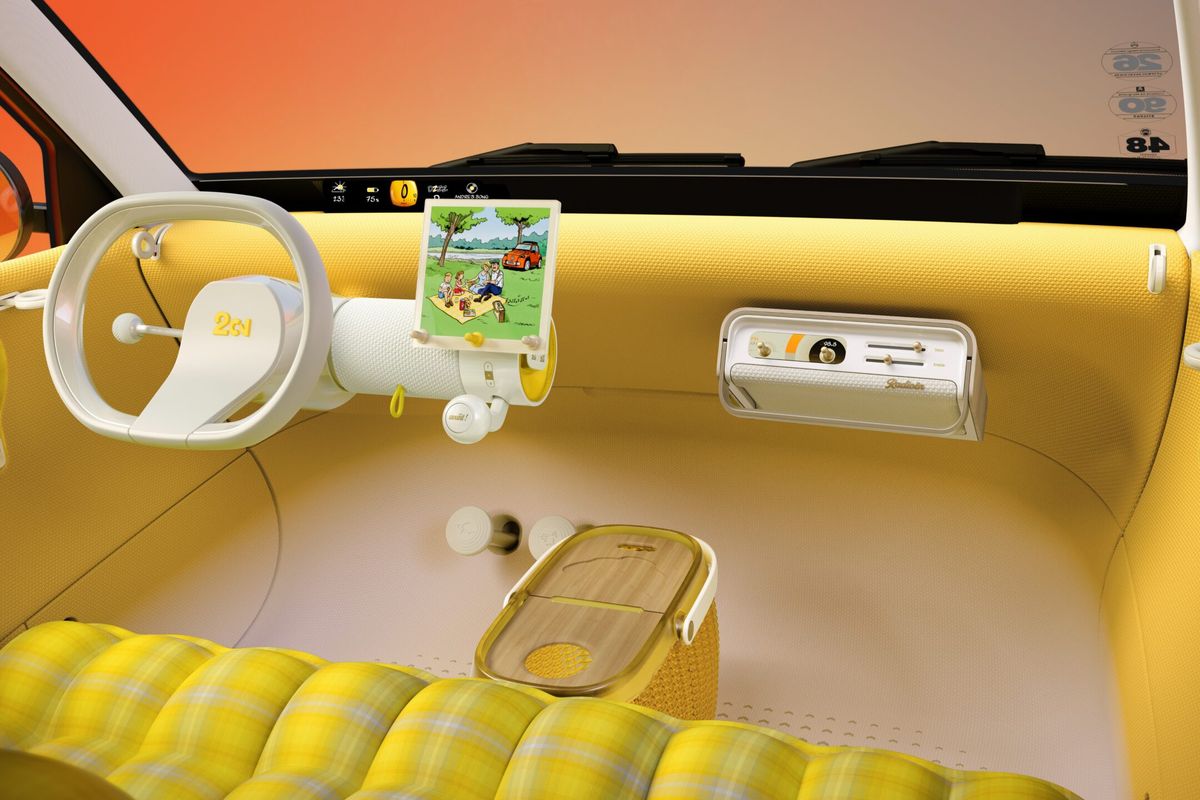
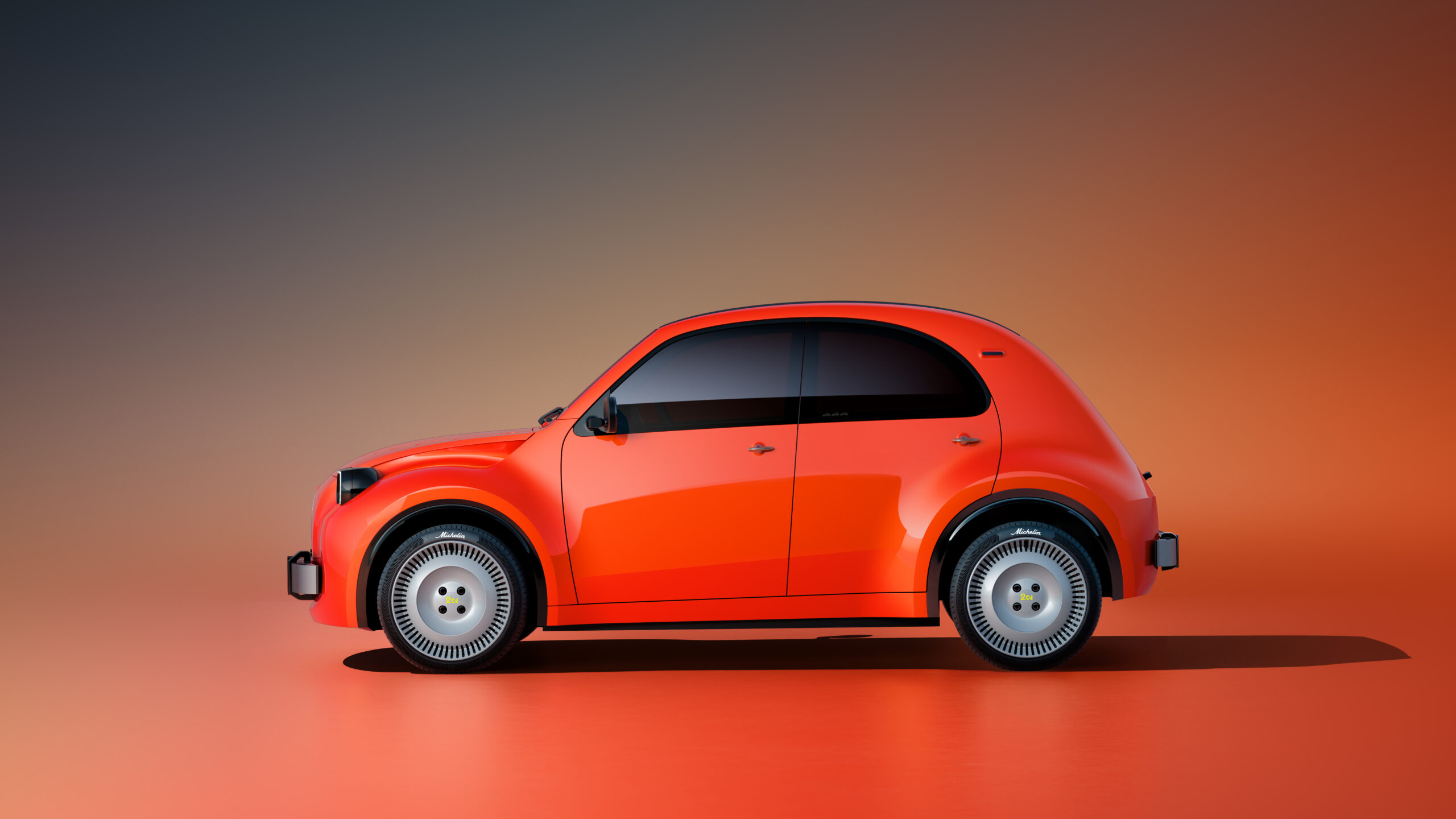
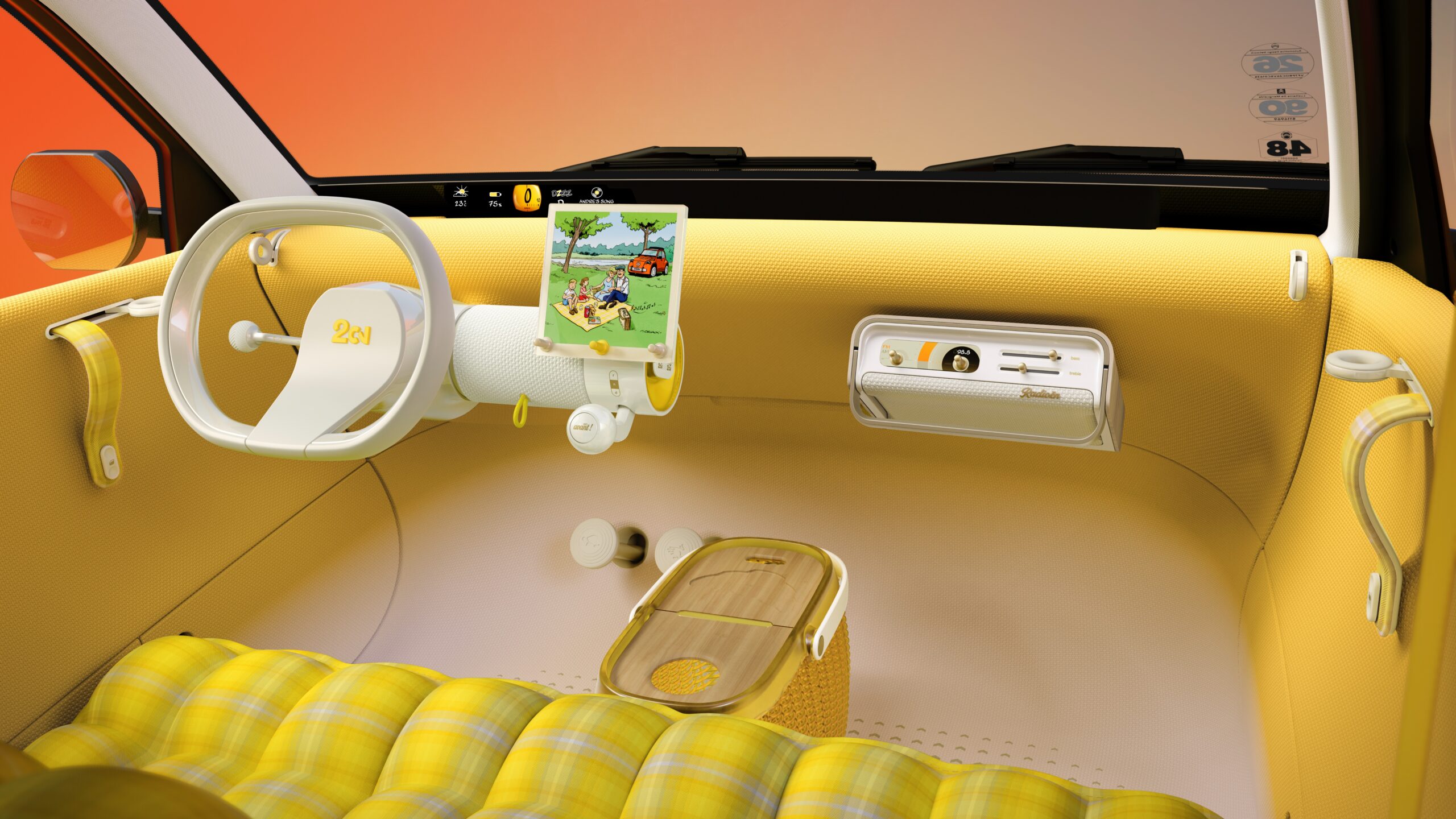
The 2026 concept is, by all accounts, not that far from an actual production car. Citroën is targeting a price of around R280 000 and a 2028 launch, which would make it one of the cheapest new cars in Europe and, more importantly, a car with a story. It has the rollback canvas roof. The bent-metal sofa-style seats. A removable radio (Bluetooth speaker) and even egg storage compartments! There is a lot of the original car in its overall look, but it’s not a simple copy. Truthfully, there are areas that I think could be improved and Citroën says it is doing just that. It will be built on a European-made E-Car city platform, which feels pointed, given the context of the show surrounding it.
Of everything Stellantis brought to the Paris Motor Show, the 2CV is the one I keep coming back to. Not because it is the most dramatic concept – it is probably the least – but because if they actually build it faithfully, and hit the proposed price point, it could be genuinely meaningful in a market that has quietly forgotten what a city car with soul looks and feels like.
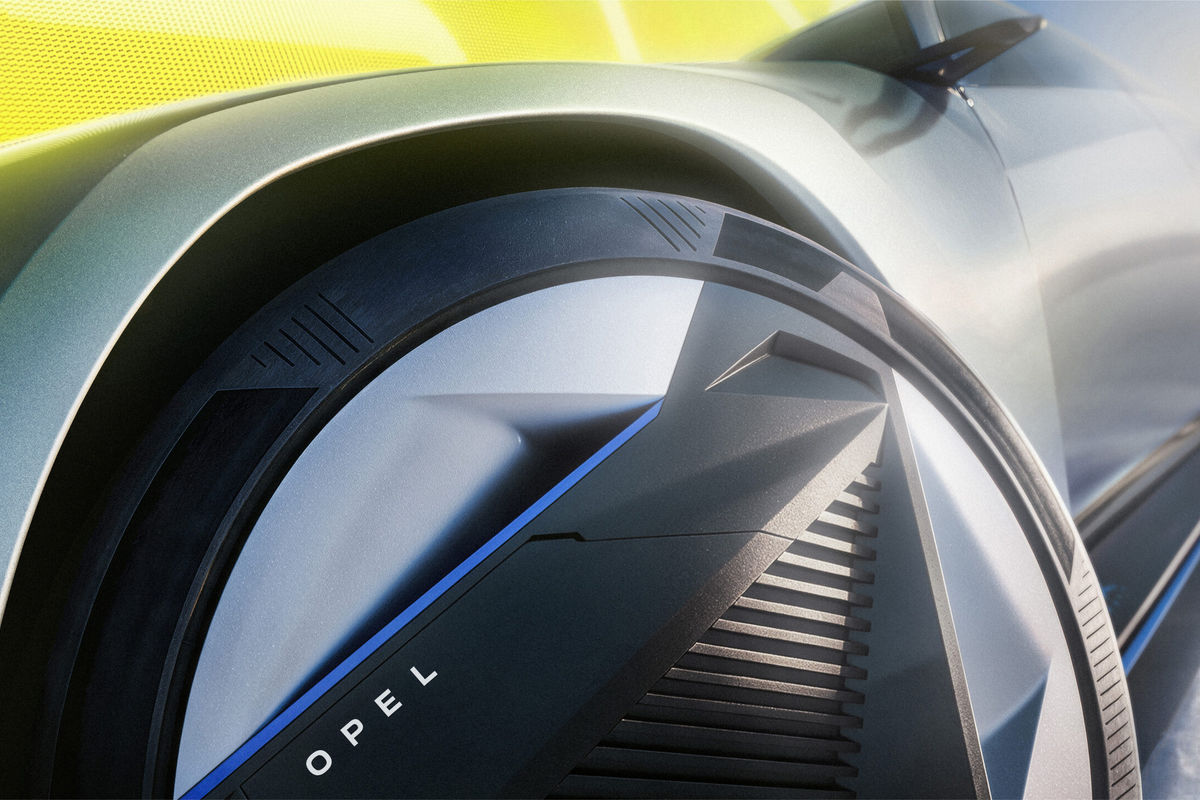
Opel STX: Previewing the Astra revolution
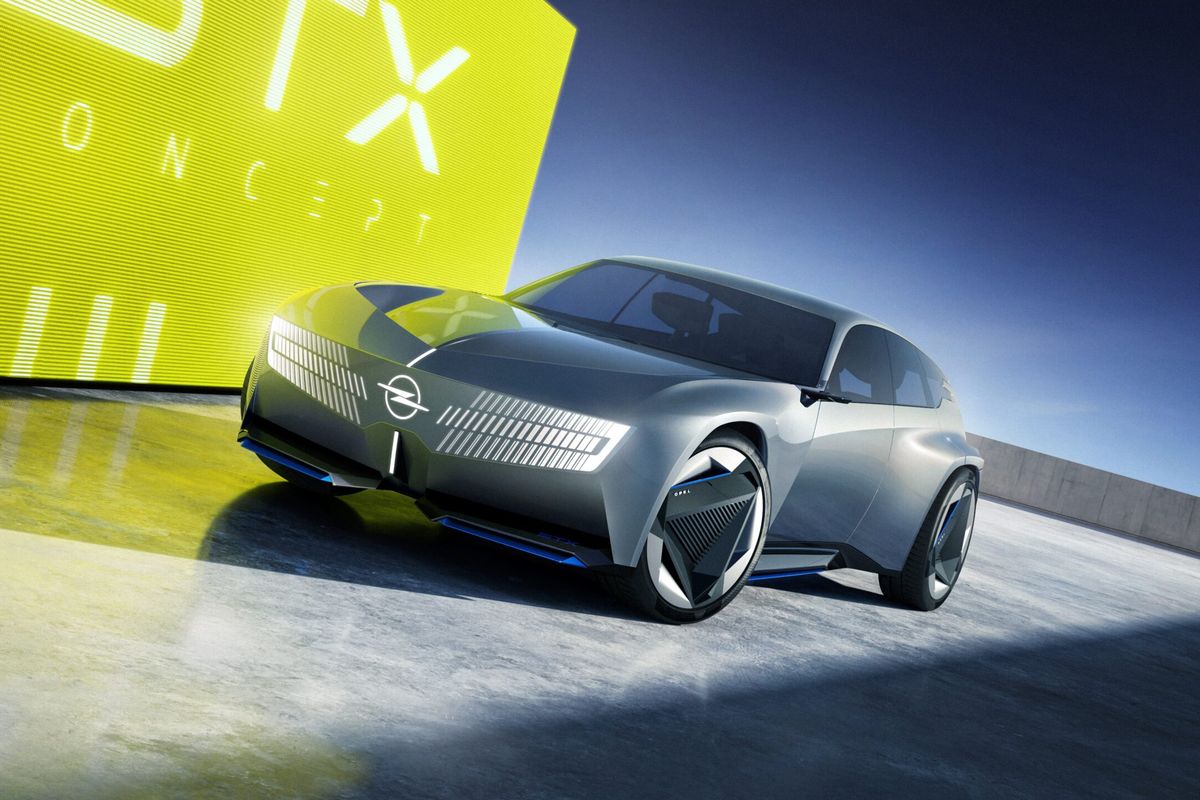
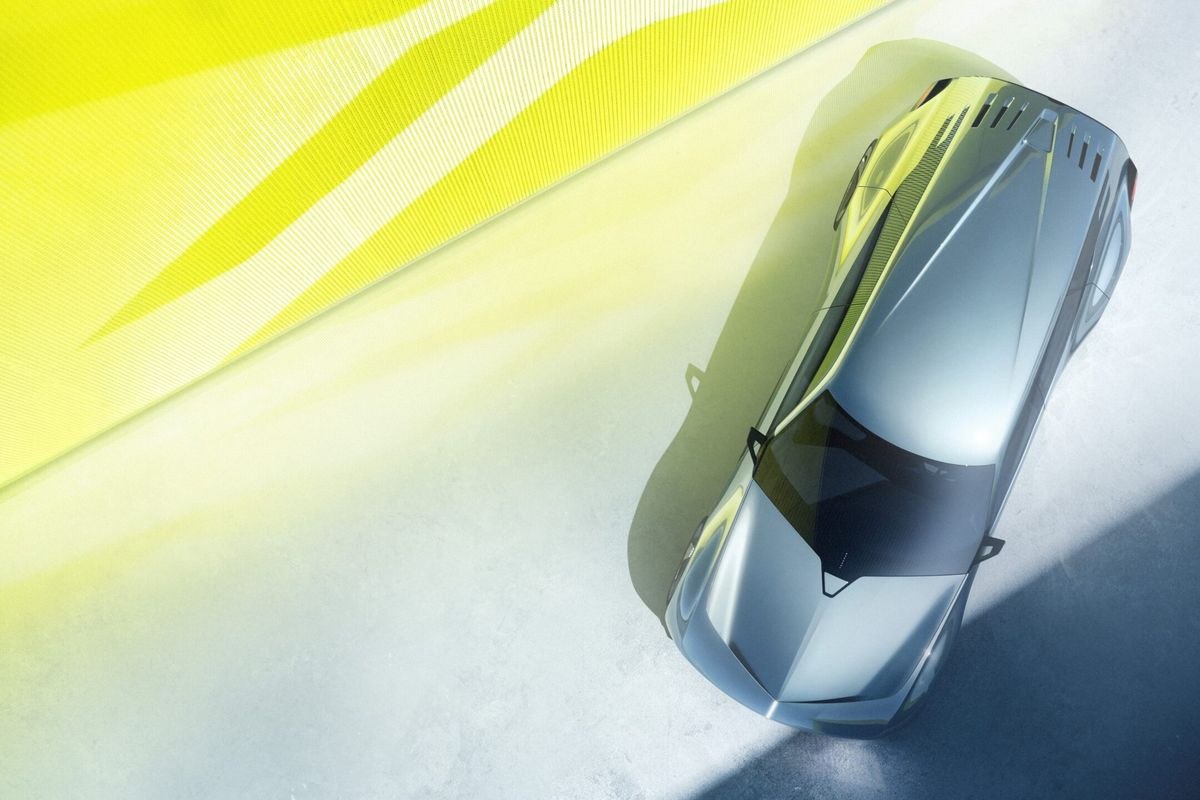
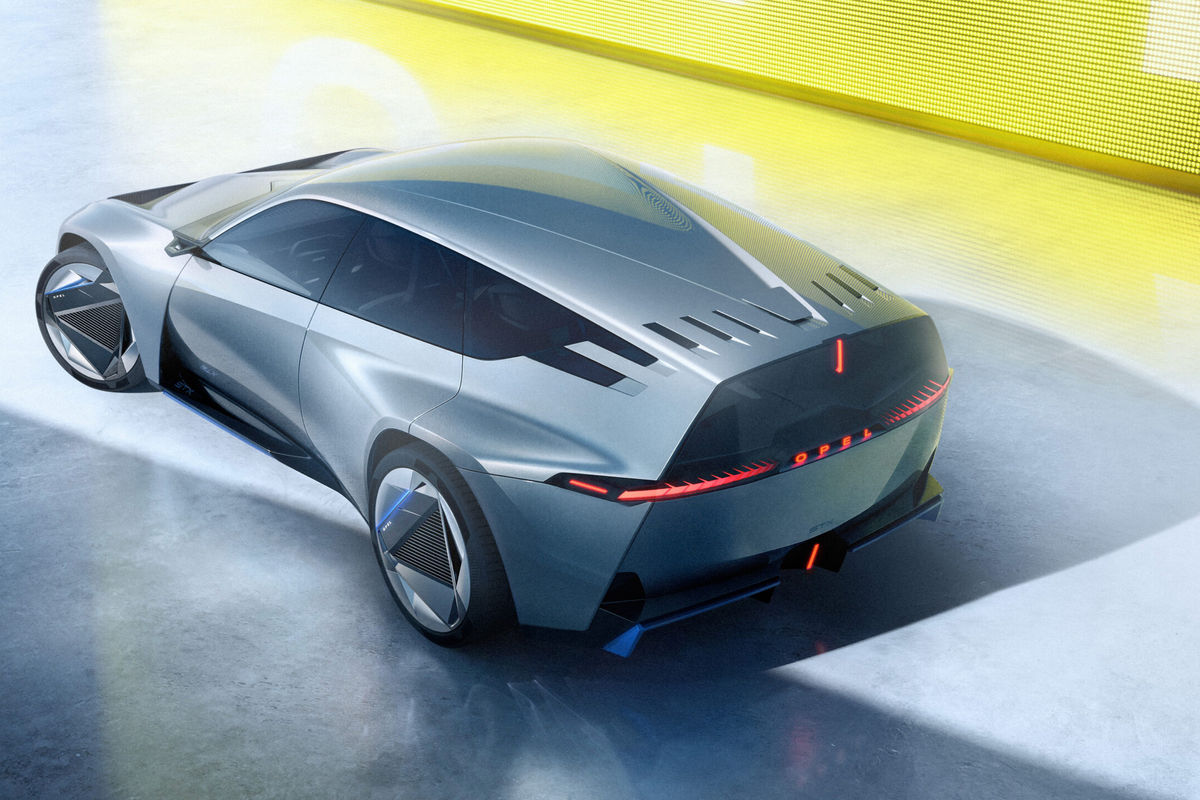
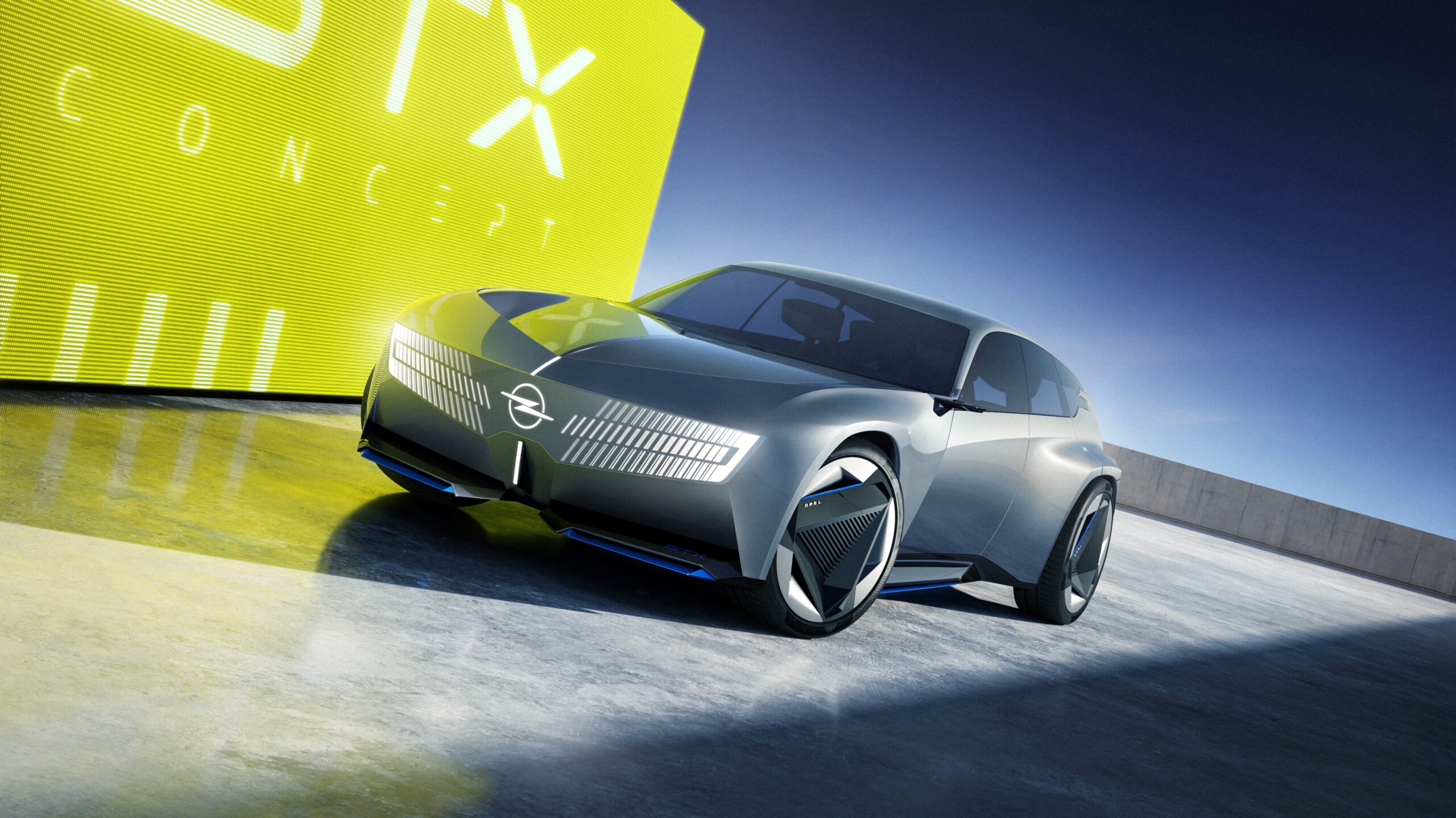
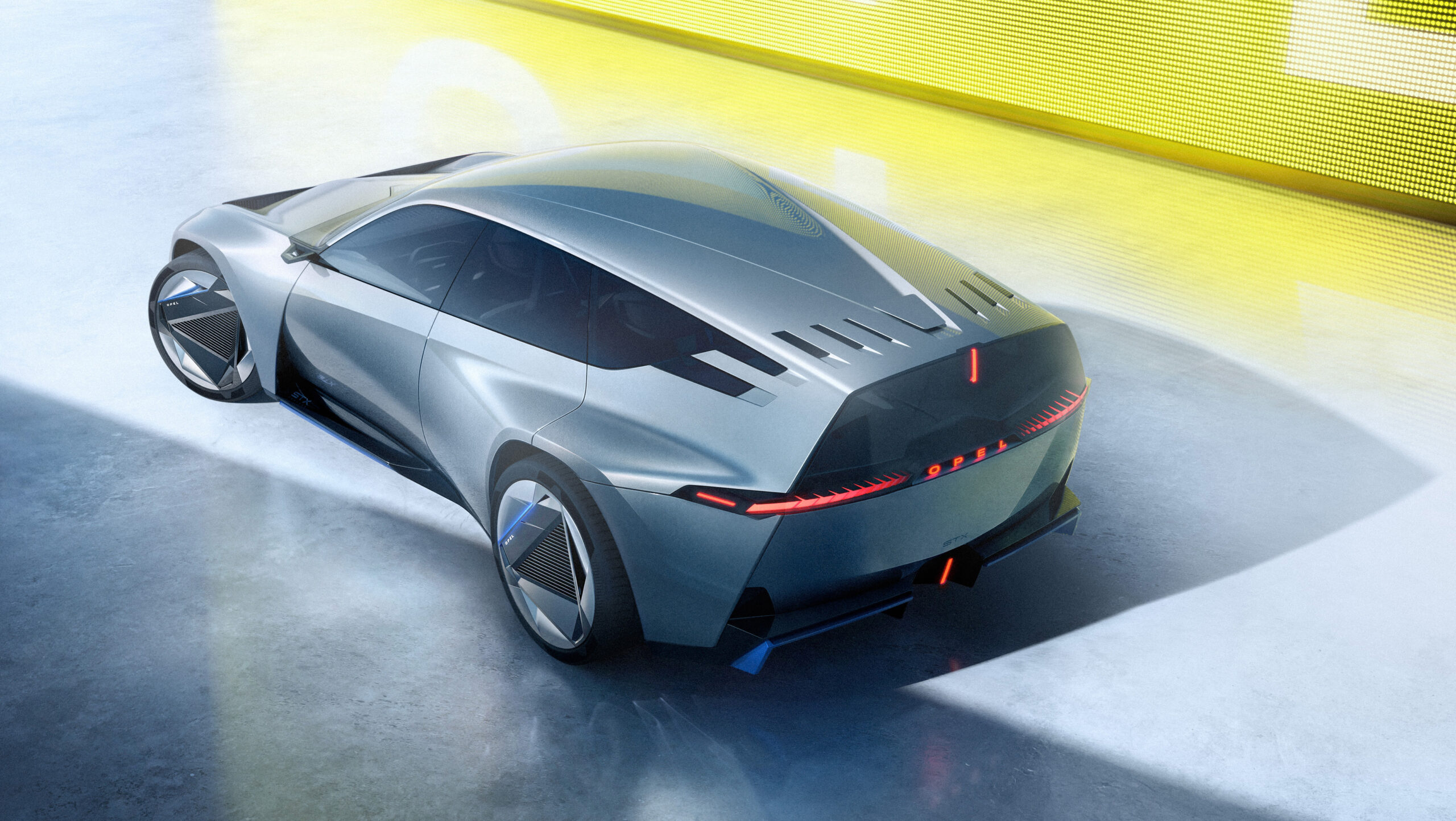
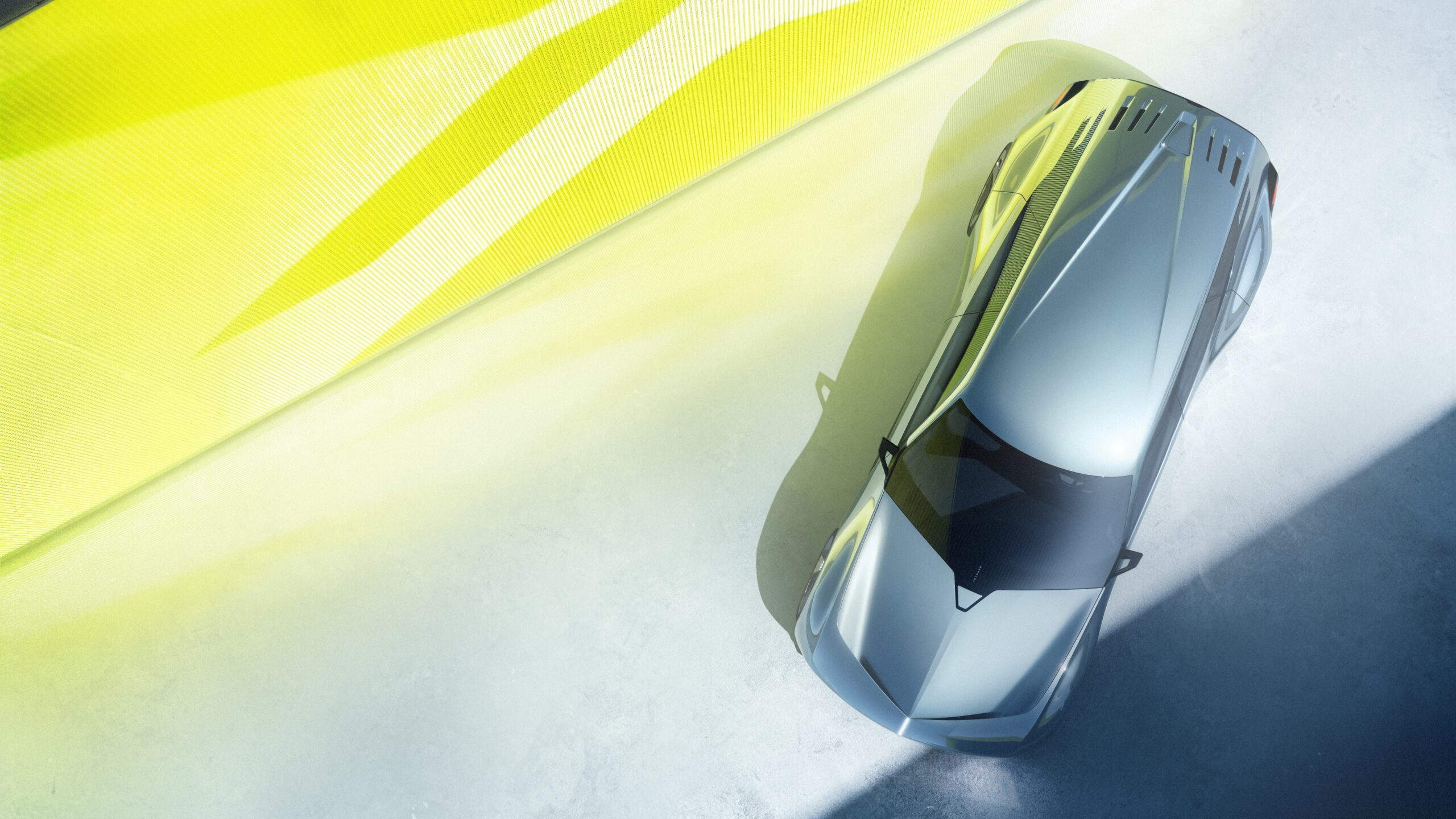
The Opel STX – short for Sports Tourer Experimental – is the concept that I suspect most people will walk past and then stop and look back at. It’s a shooting brake; a boxy, Kamm-tailed, resolutely practical load-carrier that makes no apology whatsoever for being long and low and fundamentally anti-crossover. In a world where “versatile family transport” has become a synonym for “anonymous crossover box with a panoramic roof”, the STX feels like an act of rebellion.
The design uses a futuristic take on Opel’s established Vizor front end with vertical light elements. It’s a purposeful, slightly stern face that suggests the car has things to do and places to be. The proportions are long and low in a way that the raised crossover format, with its inflated dimensions and inevitable plastic body cladding, simply cannot replicate. Opel has toyed with the concept of a large/sporty shooting brake before and I see glimpses of a lot of its older designs in this STX, including the wheels of the first-generation Corsa, proportions and crispness of the Monza (not the South African sedan, but the European coupé) and even the much older Opel CD concept.
Recently, the German brand pretty much confirmed that the next-generation Astra will move away from being a hatchback-first model to an estate car. Therefore, the STX is not merely a concept for a concept’s sake. It is a reminder that “estate” or “station wagon” are not dirty words. Somehow, in 2026, that feels like a radical (not to mention brave) position.
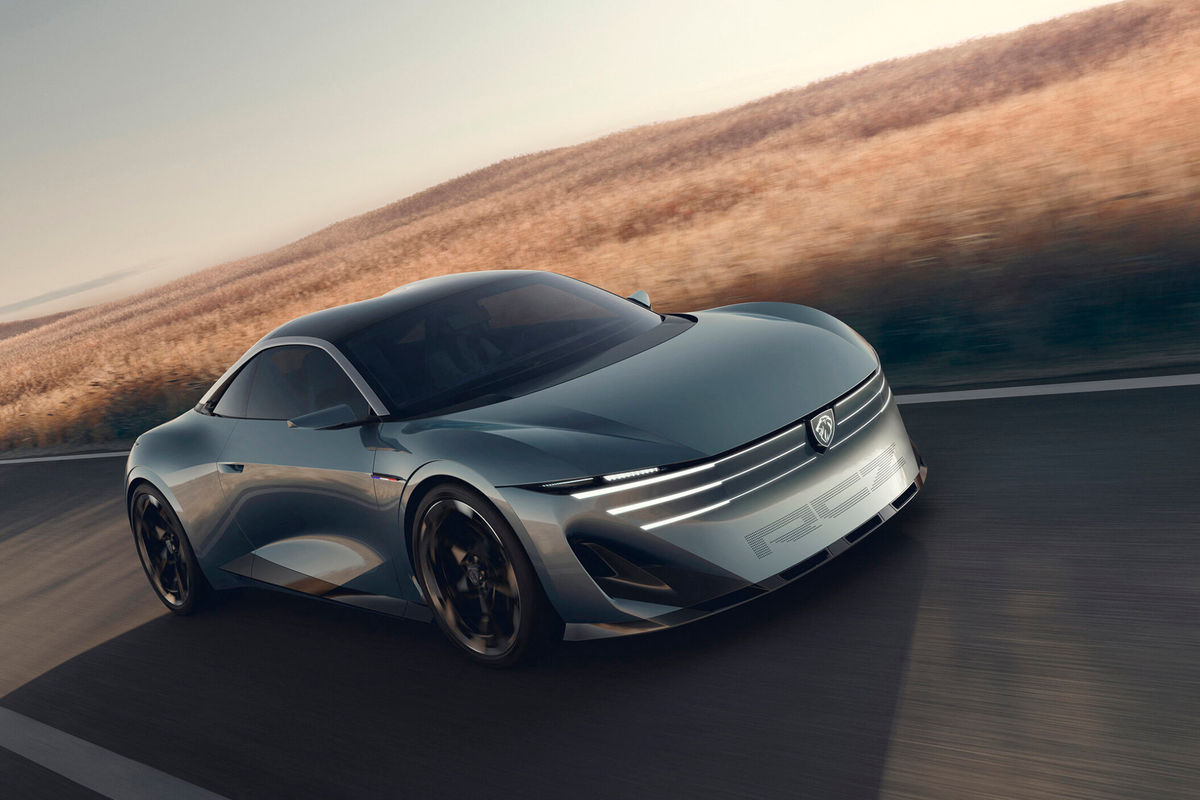
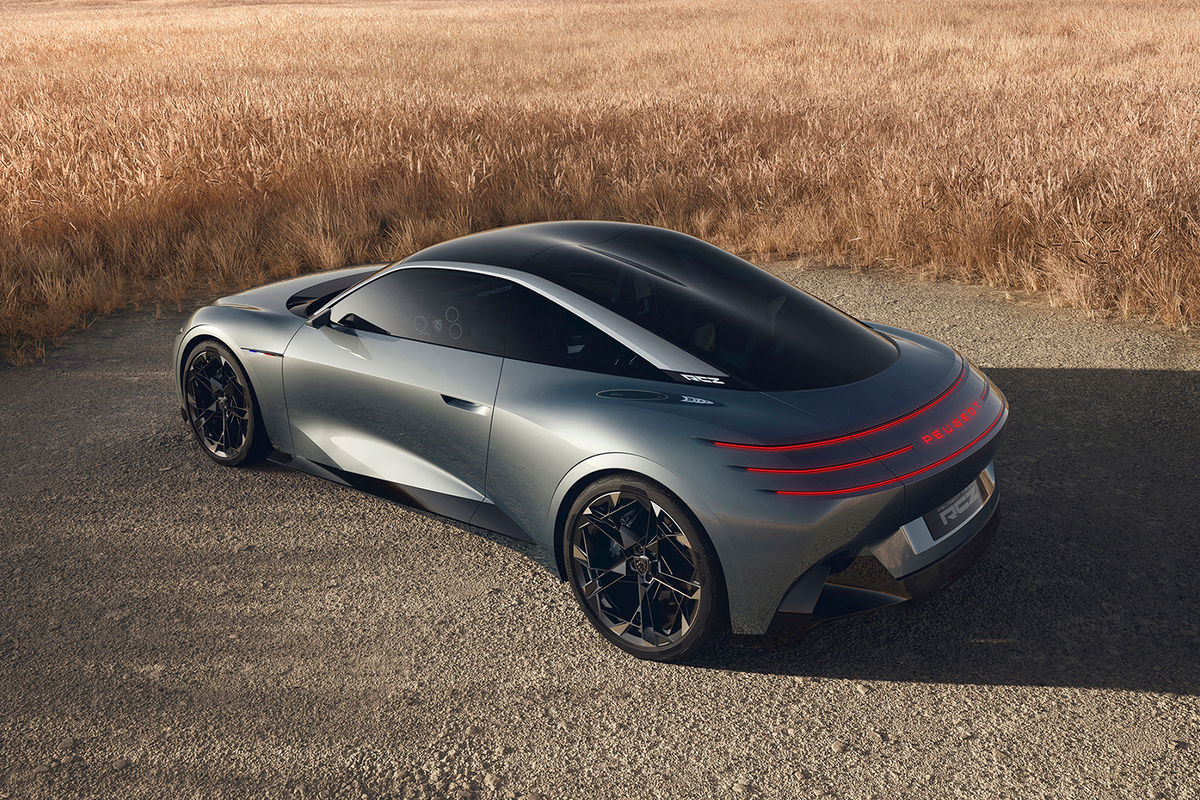
Peugeot RCZ Vision and E-T16: The double bubble returns and it’s still a beautiful idea
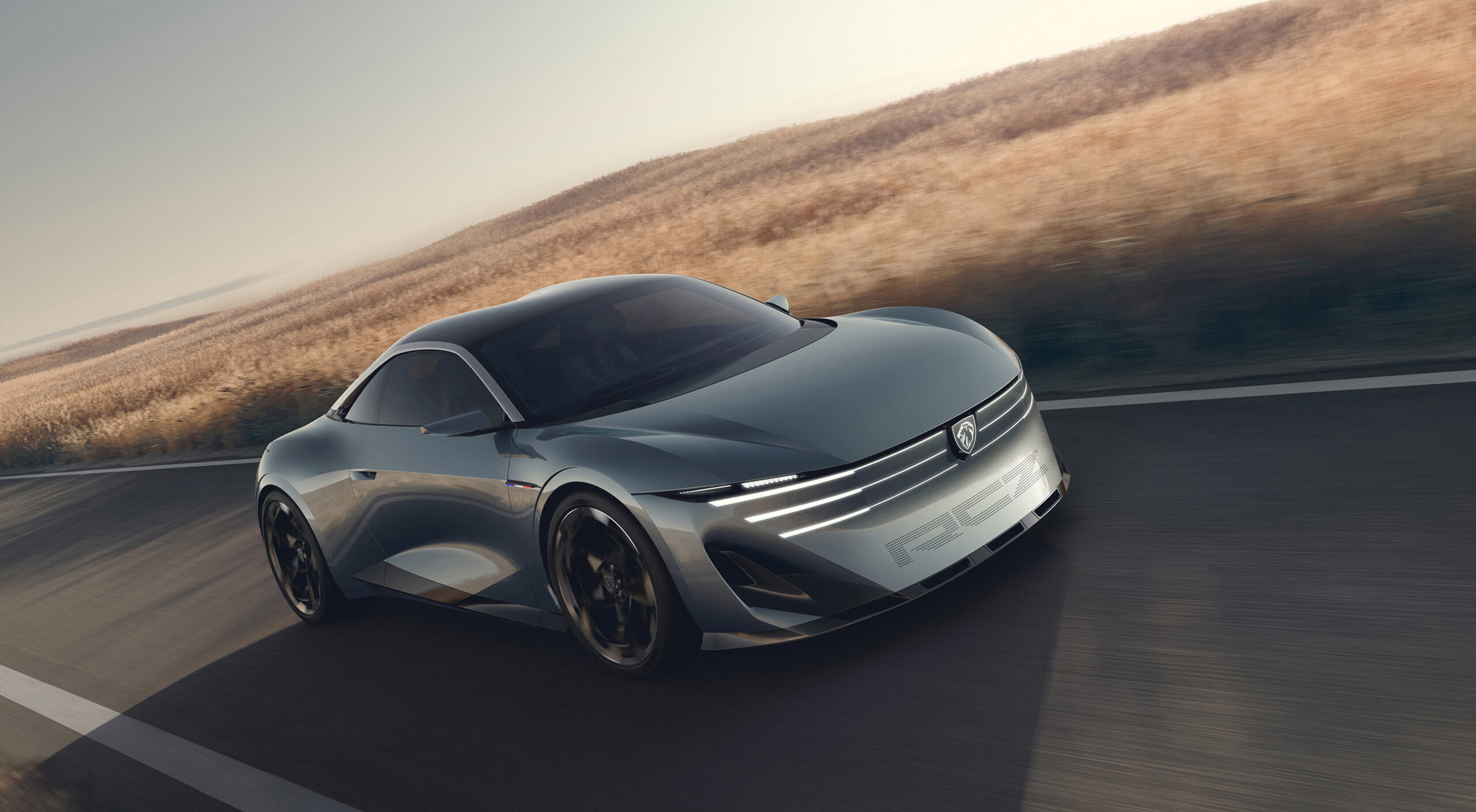
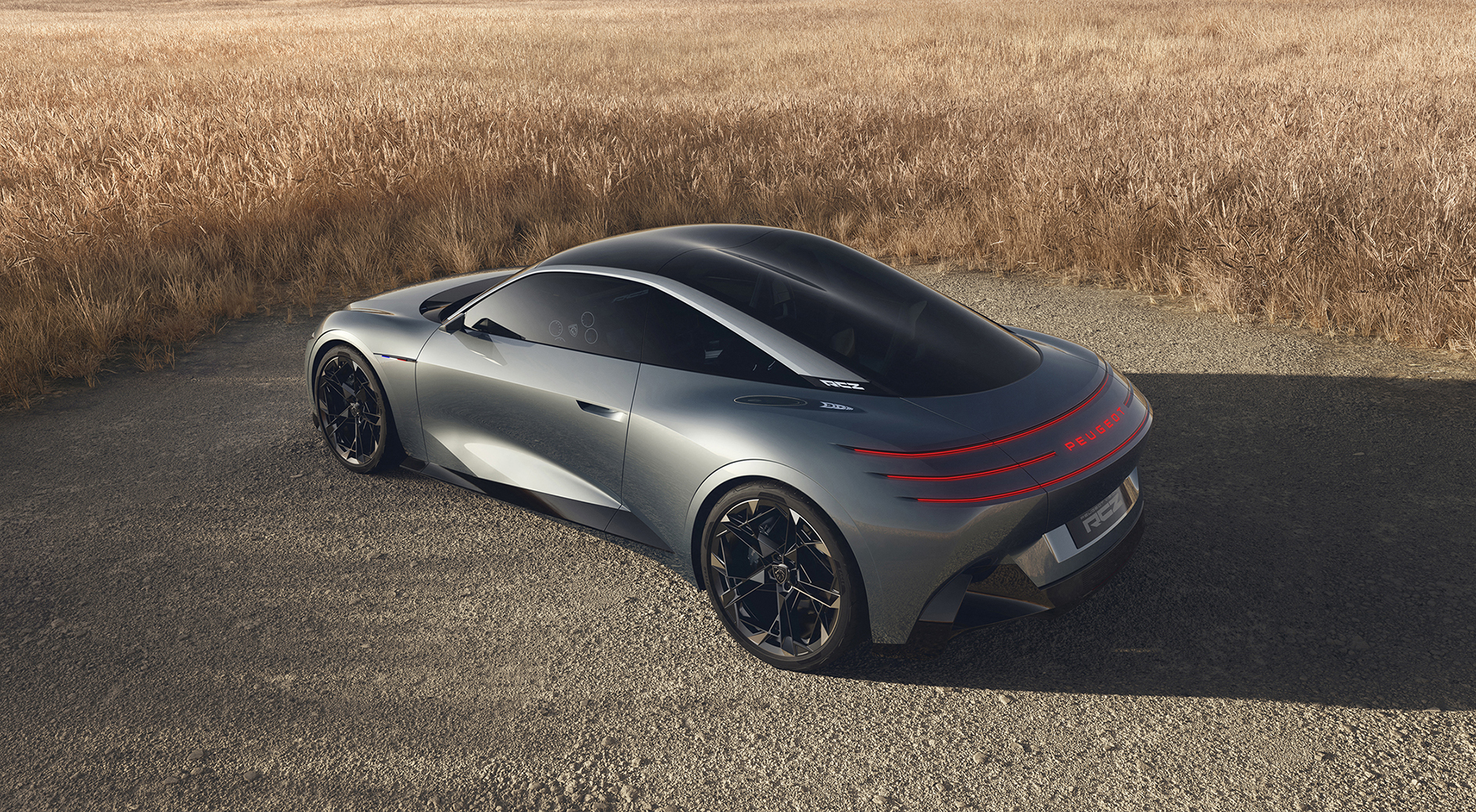
The original RCZ, which arrived in 2009 as a rival to the Audi TT, was one of those cars that was widely admired, but which, for various reasons, didn’t achieve the success it deserved. The double-bubble glass roof was distinctive in a way the industry hadn’t really seen before at its price point. It filled the gap left by the 406 Coupé, which was one of the most beautiful French cars of the 1990s and possibly of the century, if you’re feeling generous. And then the RCZ left, Peugeot made crossovers like everyone else and the world got slightly less interesting.
The RCZ Vision concept is Peugeot asking whether it might be time to bring back the double-bubble. A bizarre Hypersquare steering wheel – Peugeot seems intent on pursuing this – appears inside. To be honest, the interior is way more radical than the exterior, but even so it’s more interesting to look at than most of what surrounds it on the Paris Motor Show floor this week. The RCZ Vision asks an entirely reasonable question: could the coupé make a comeback? My answer: I hope so (even if it must also be an EV)! The world needs more Peugeot RCZs and fewer anonymous crossovers. This is not a controversial position. Or at least it shouldn’t be.
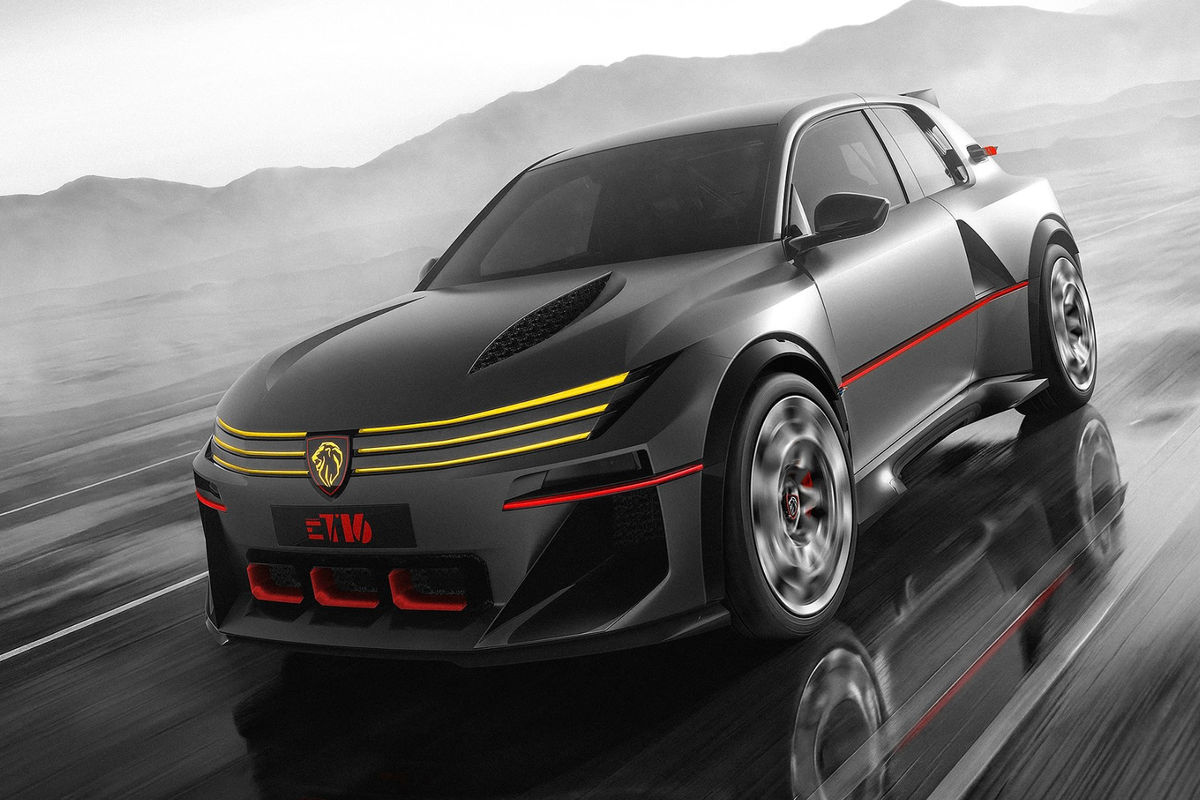
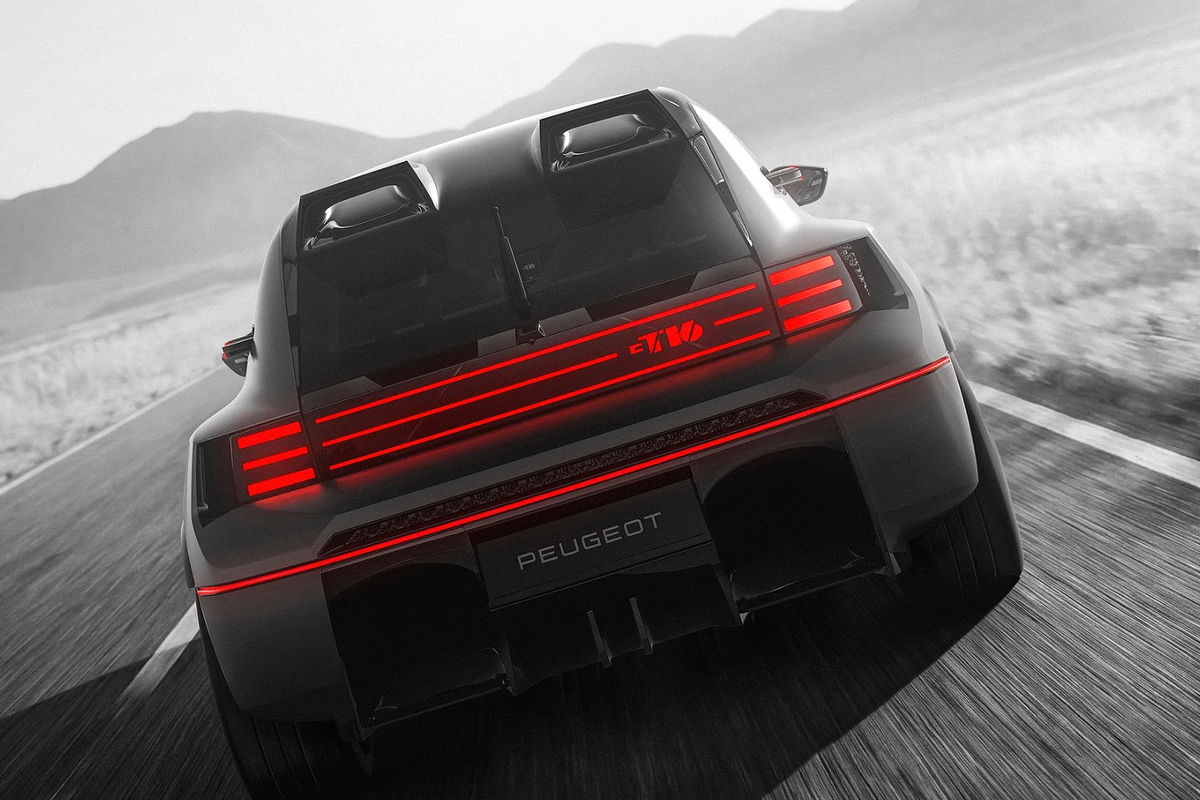
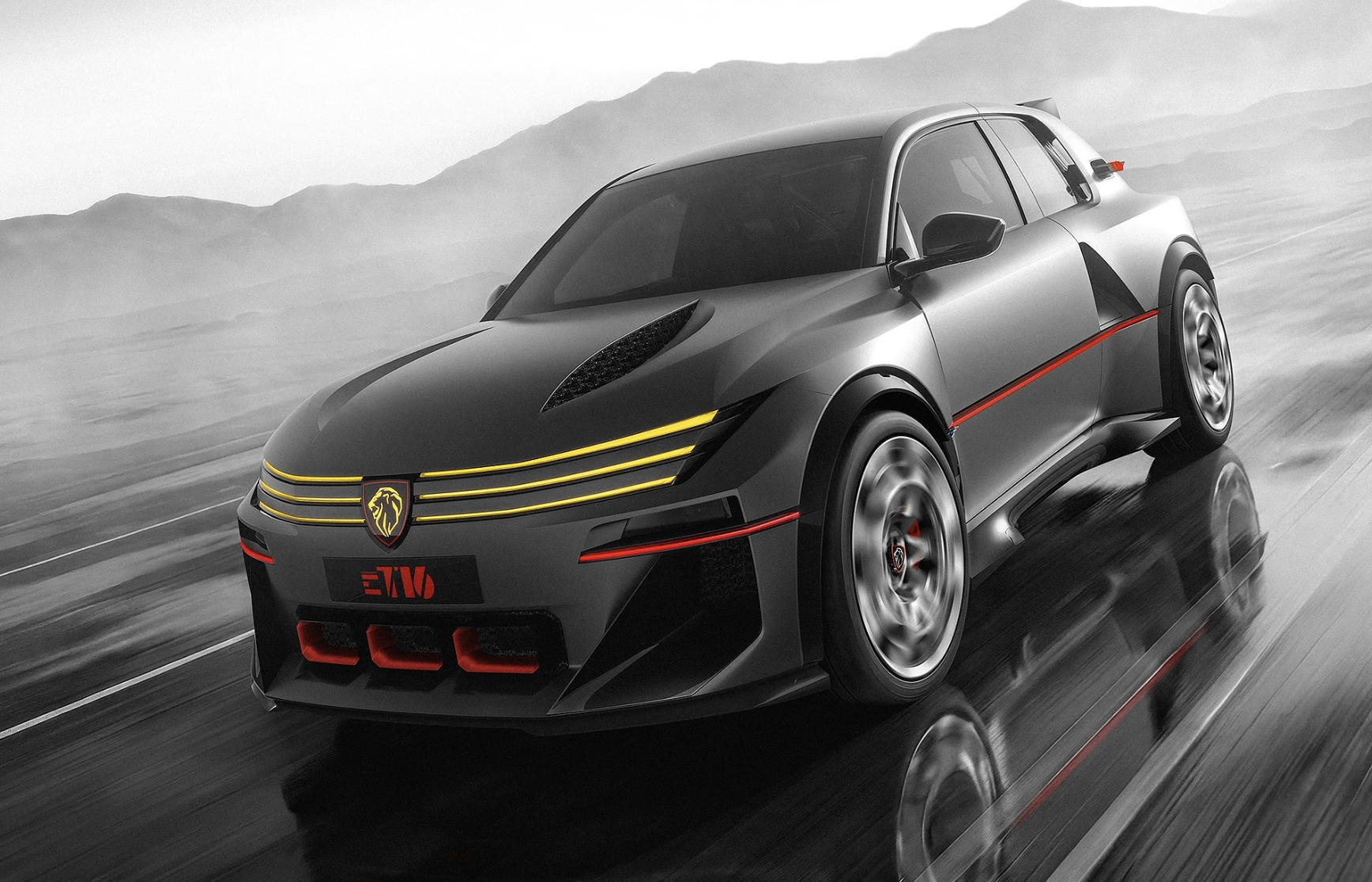
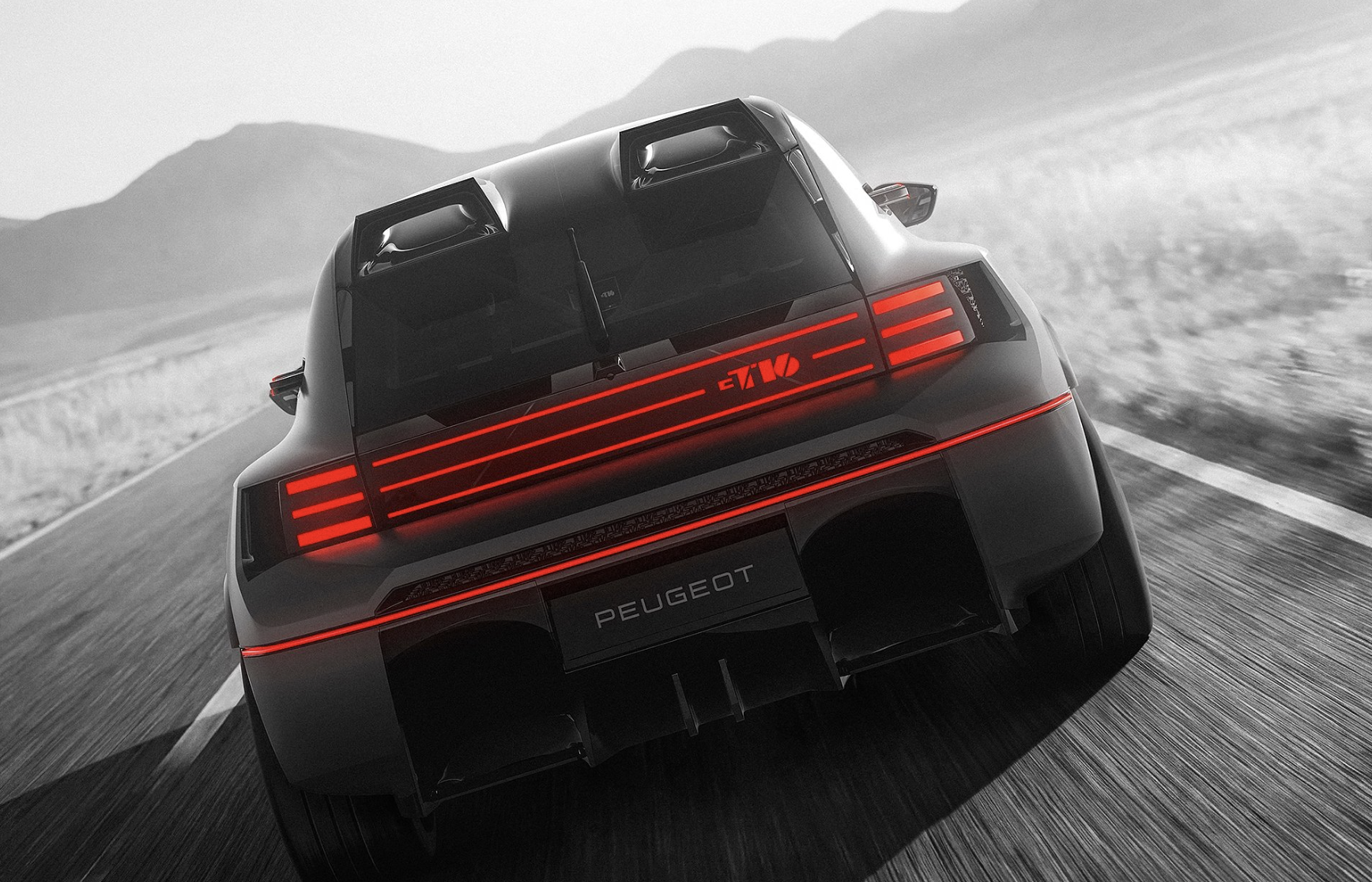
Also unveiled by Peugeot was the stunning E-T16. If you were around in the ‘80s and followed world rallying, you’ll know immediately what inspired it: the iconic 205 T16 gravel monster. It arrives on the 40th anniversary of the 205 T16’s consecutive World Rally Championship wins in 1985 and 1986. The E-T16’s colour is a deliberate match for the original’s grey livery. The backlit red line that runs around the body recreates the 205 T16’s signature pinstripe. The rear body section tilts open, exactly as it did on the original, to show the mechanical components beneath. In 2026, that means three electric motors producing a combined output of 603 kW, an 800 V architecture, an 85 kWh battery and a 0-100 kph time of just 2.5 seconds.
The original air intake position ahead of the rear wheel now houses the E-T16’s charging port. It was developed with Peugeot Sport, which tells you the intent is serious. Peugeot calls this a preview of the next-generation E-208’s design language, which – if even a fraction of this makes it through to production – would make the E-208 a very interesting thing indeed.
Fiat Multiplay: Diplomatically not called the Multipla (IYKYK)
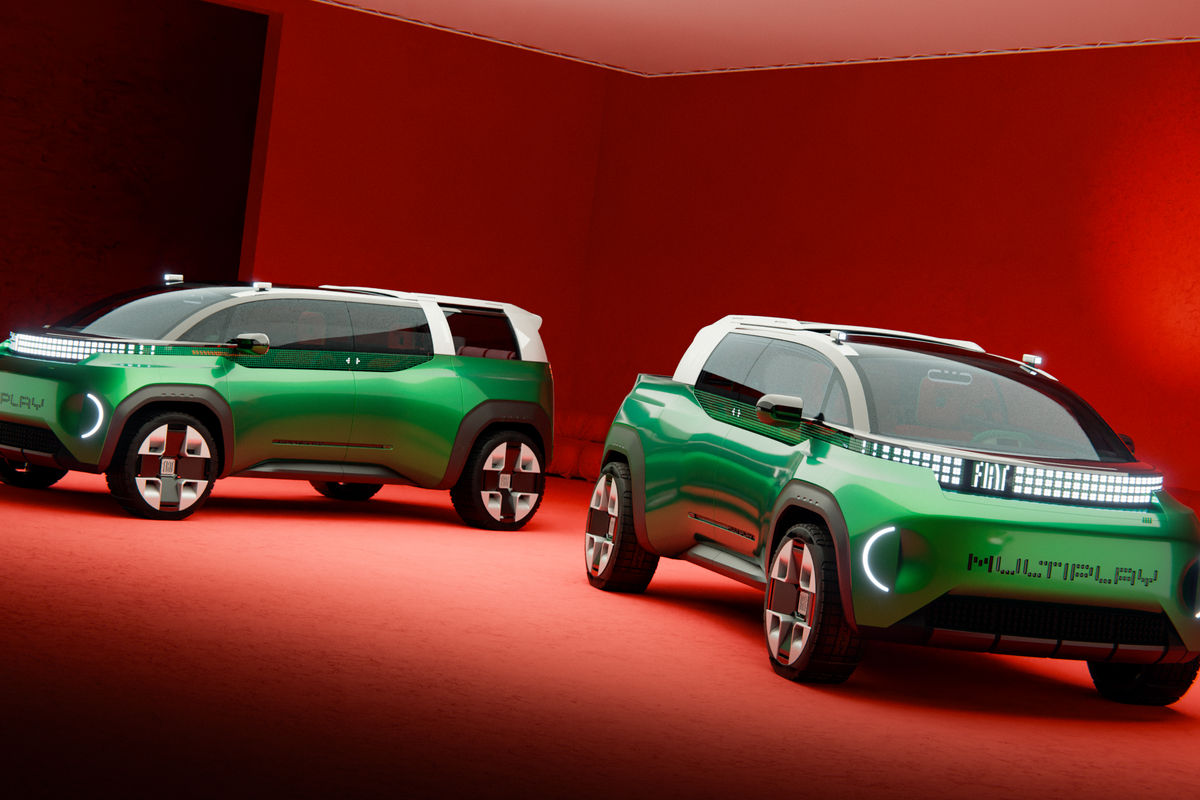
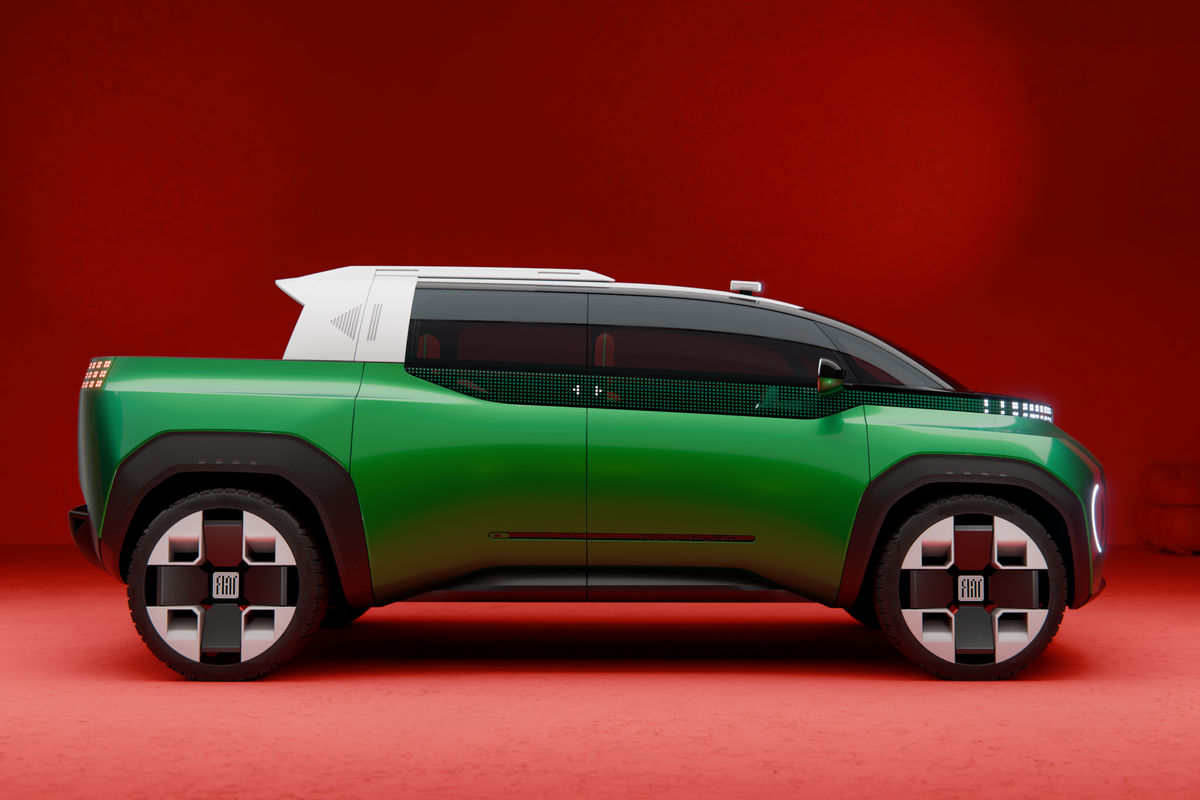
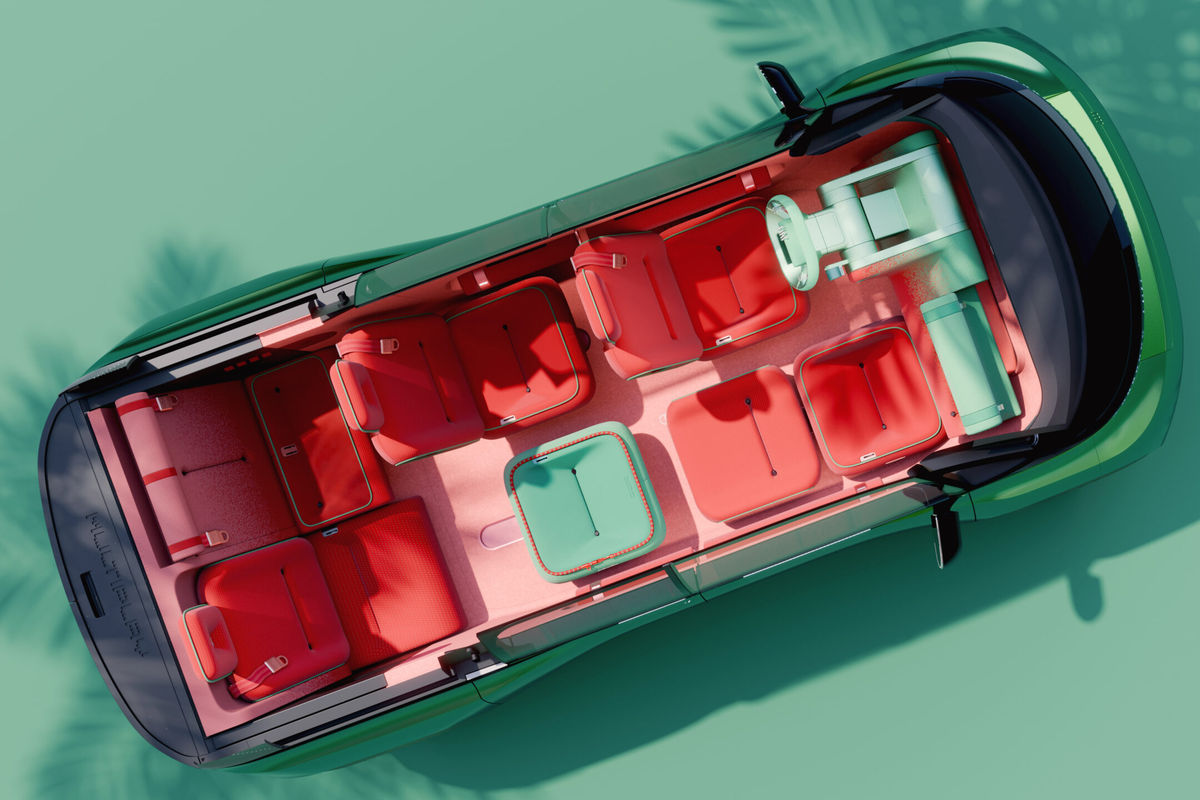
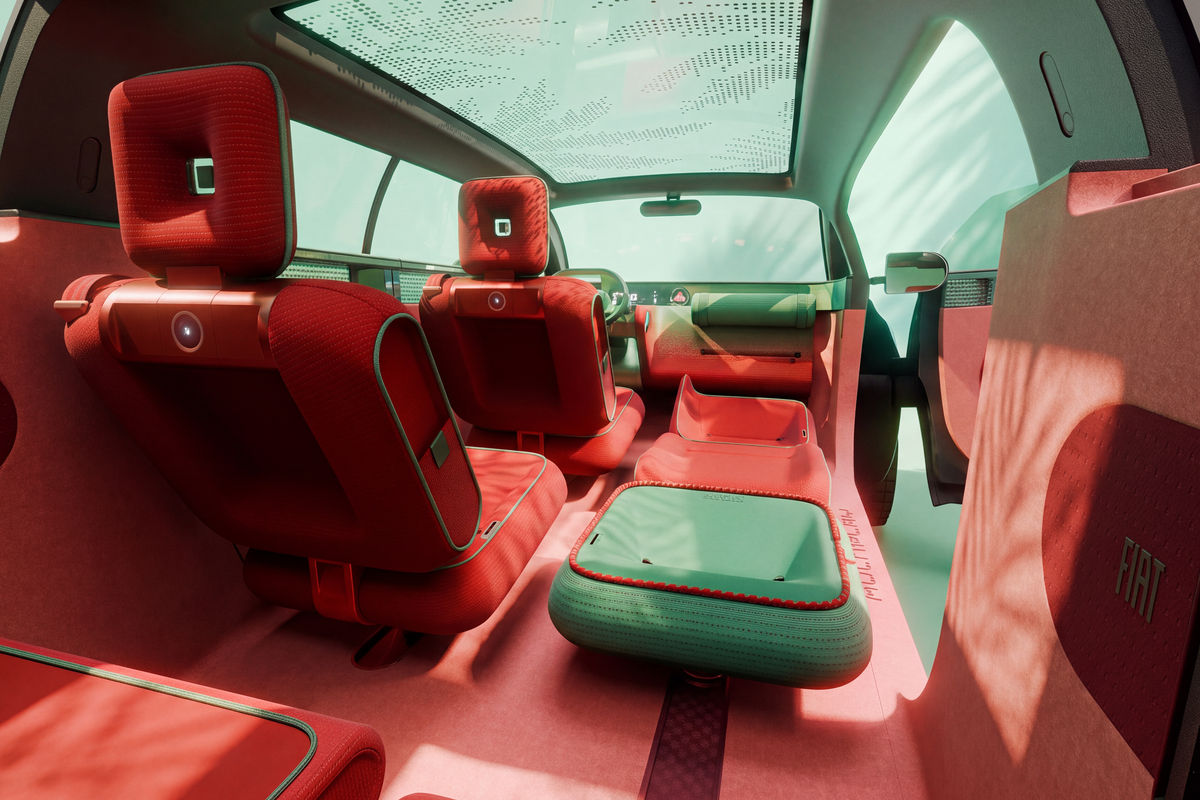
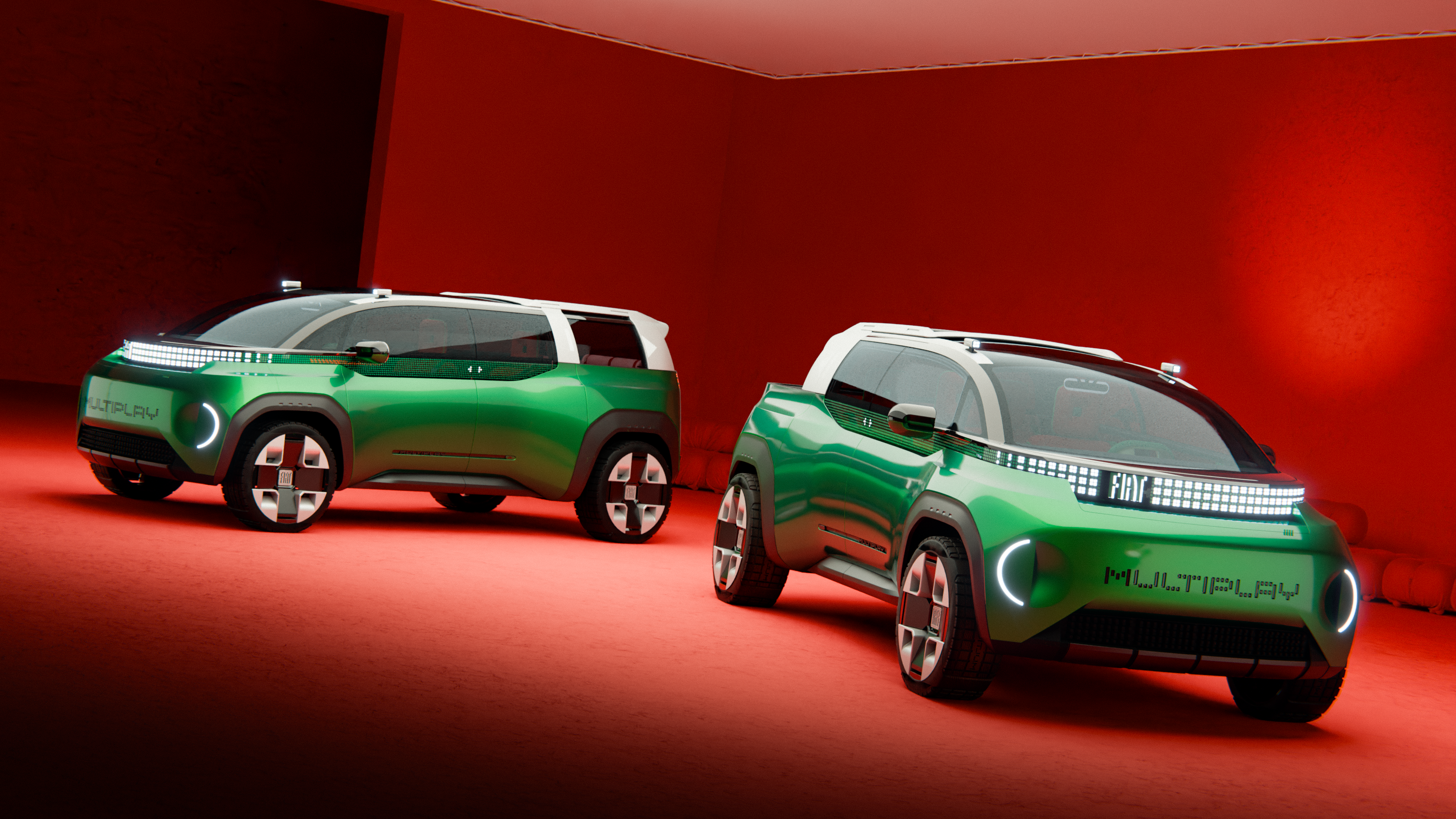
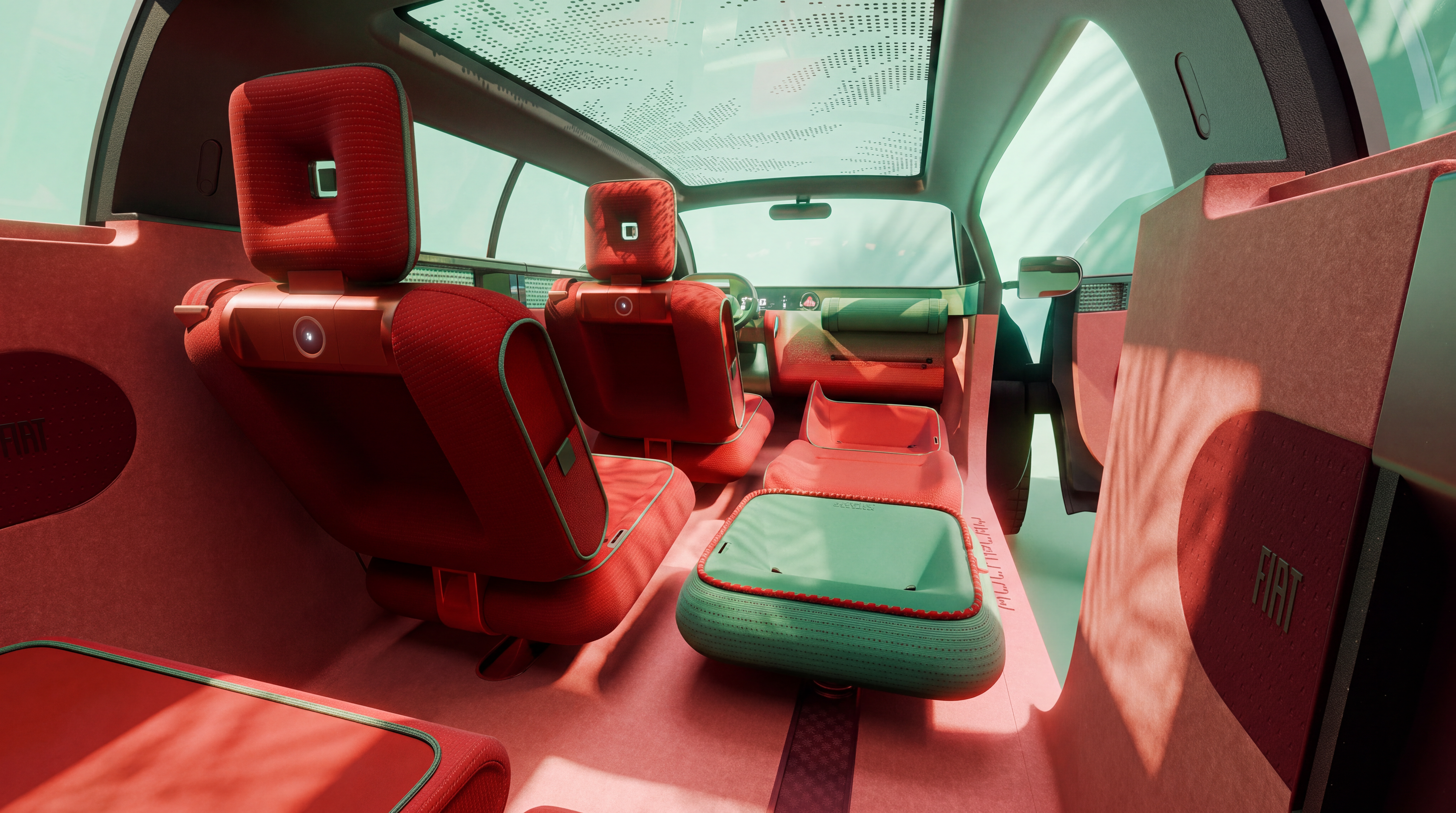
Let’s get something out of the way. The Fiat Multipla (sometimes called the Multipadda in South Africa, mostly by me) of 1999 was at the same time a masterpiece of lateral thinking and a bearer of atrocious aesthetics. Depending on which camp you fall into, this next sentence will either delight you or concern you: Fiat has made another one. Well, sort of. The Multiplay – note the slightly amended naming, doing considerable diplomatic work – is about 4.5 metres long and features wildly flexible Metamorfosi architecture that can see it transform from an MPV into a four-seat bakkie. It has what Fiat calls 6+1 seating and something called a Petsenger seat, a modular unit that can be a mounting point for a child car seat, a dedicated space for a pet, a small table or a storage compartment.
The thinking draws on the original 1956 Multipla’s layout and the 1999 version’s commitment to the philosophy of everyone gets in, no arguments. It is not conventionally beautiful but it has personality in quantities that most modern cars can only aspire to. And in a room full of Chinese crossovers with impressive spec sheets and interchangeable faces, personality is the one currency that the legacy brands still have in surplus.
And then there’s the rest of Europe, which also came to play at the Paris Motor Show
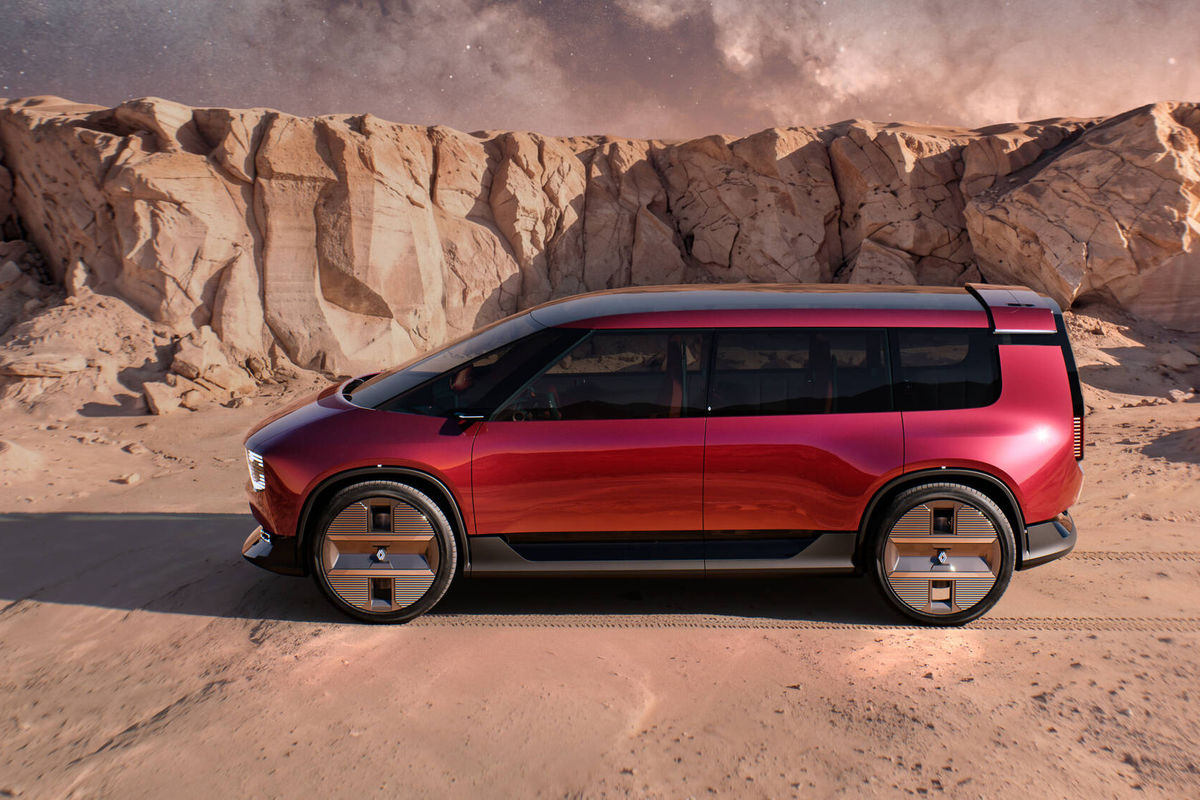
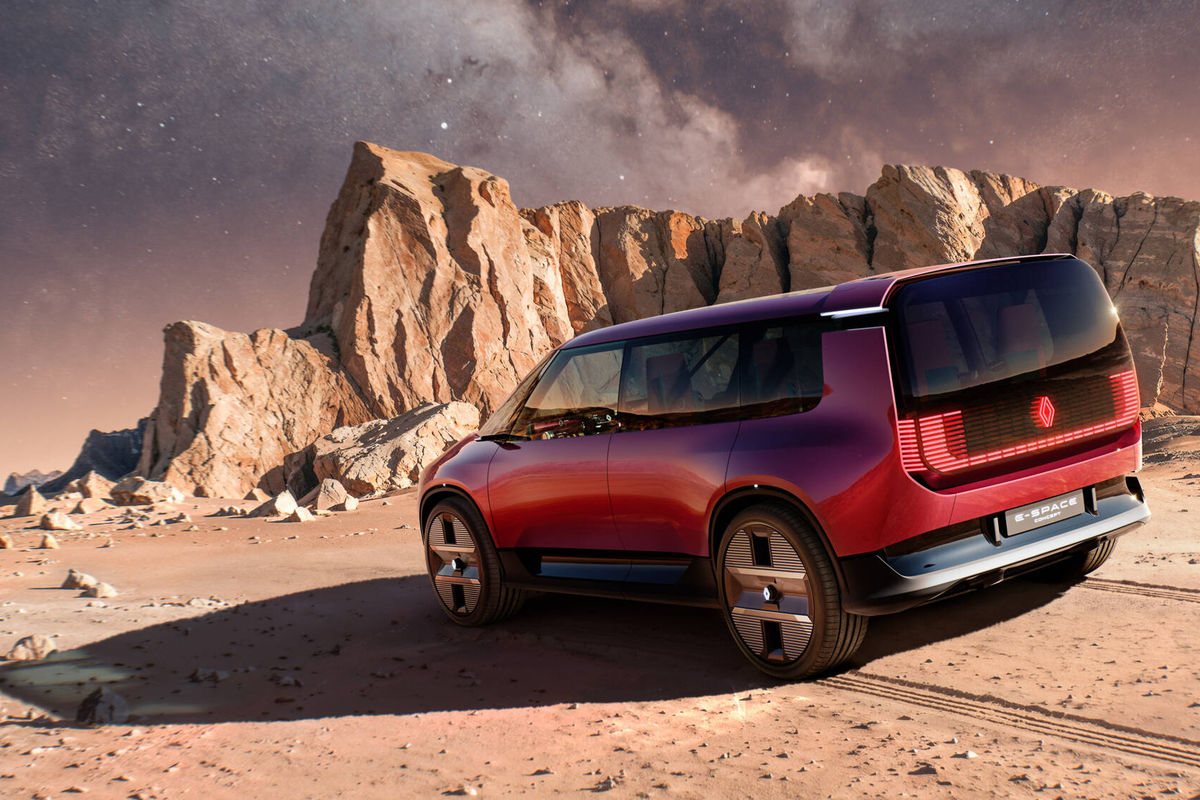
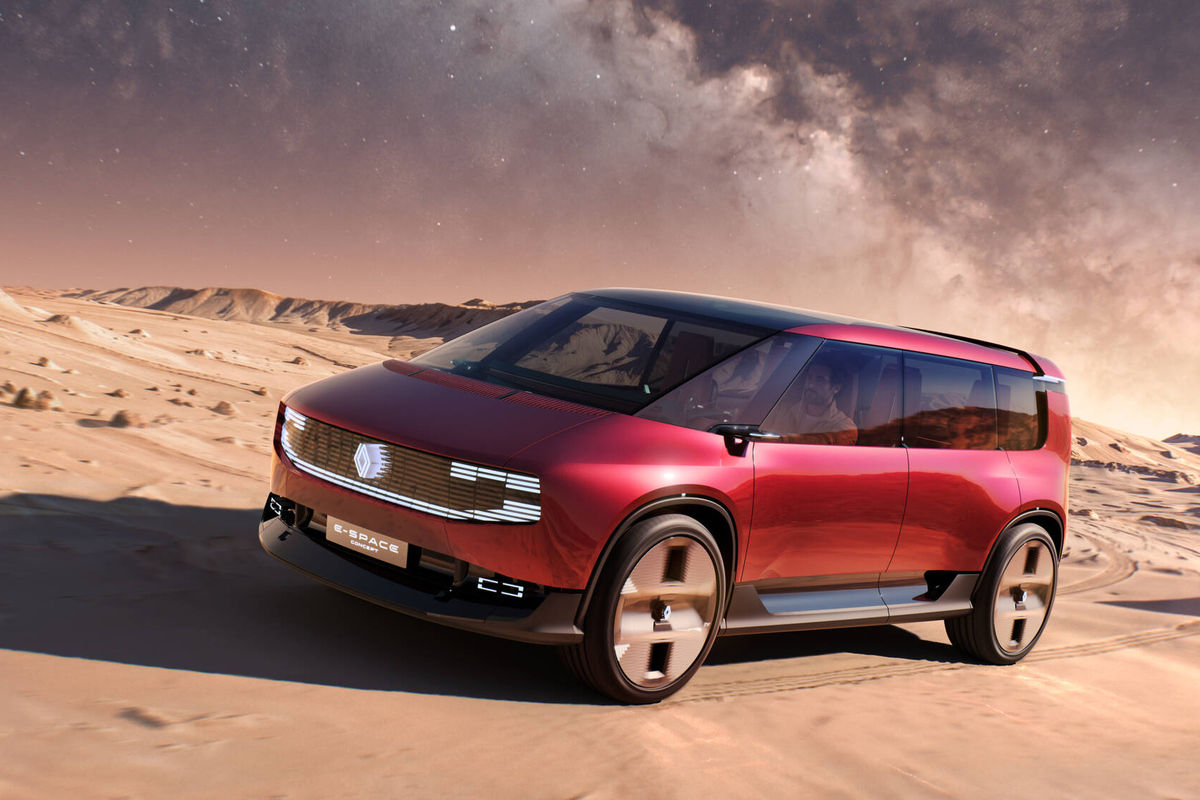
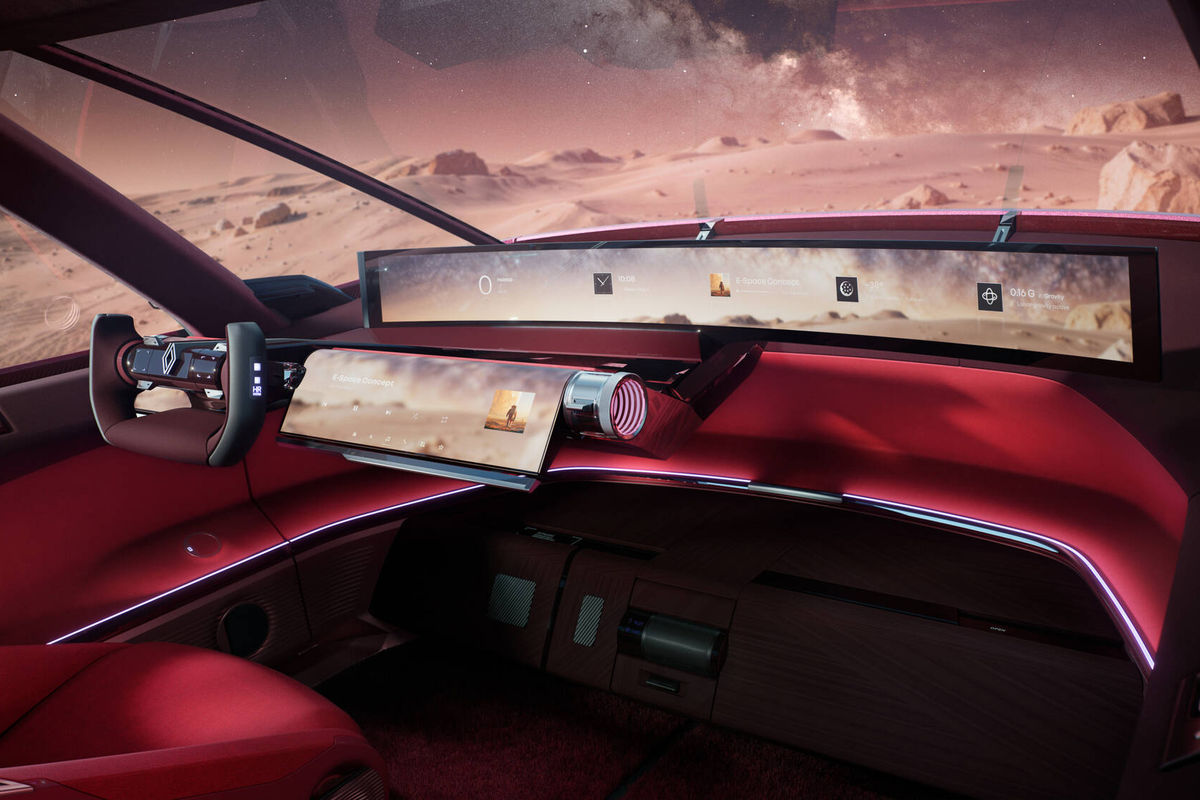
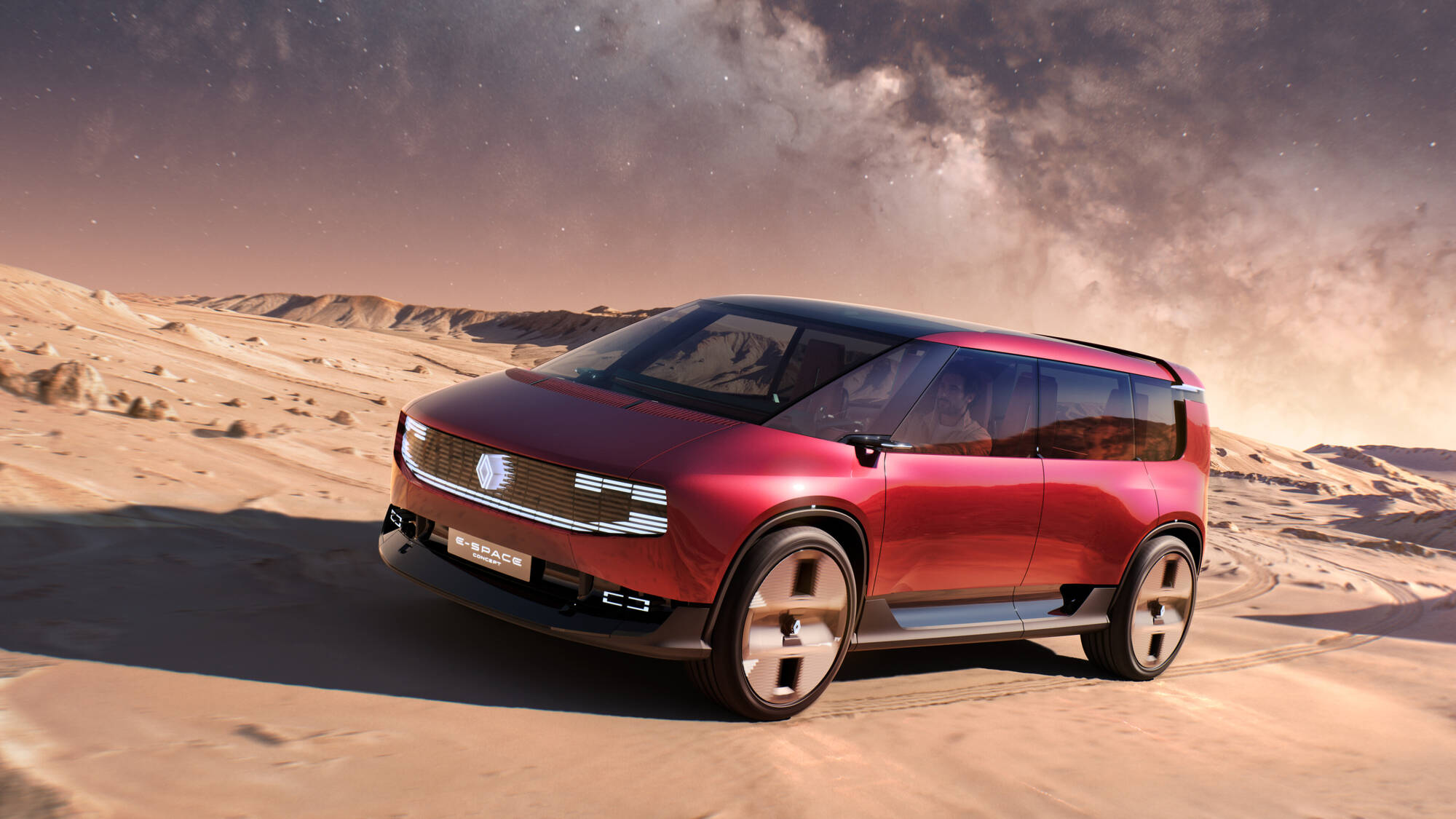
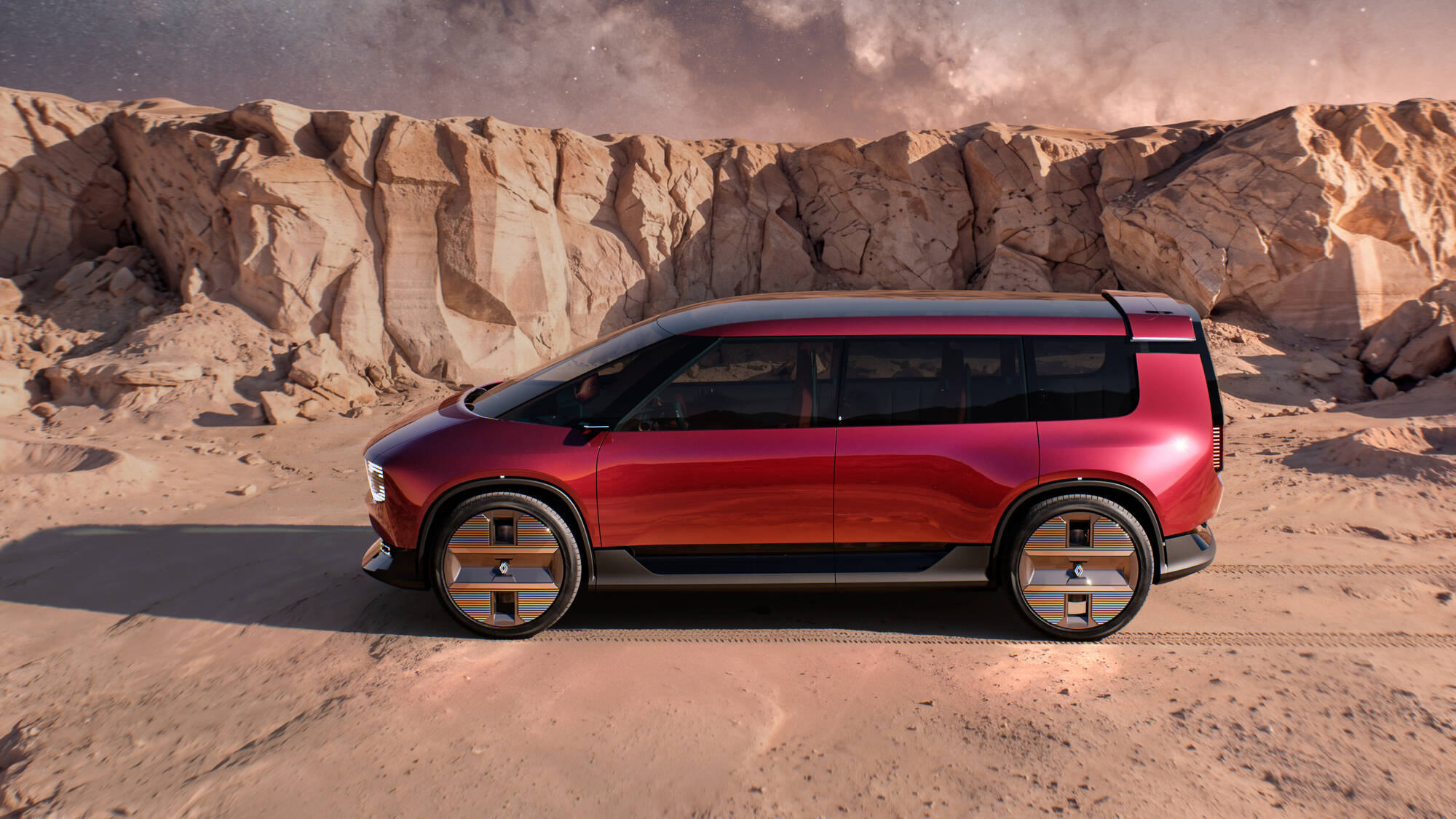
Stellantis didn’t carry Paris alone. Renault brought the E-Space Concept, the electric revival of what was once Europe’s (and my) favourite family MPV, a car which basically gave birth to an entire segment. The Twingo is back, too, which is its own small victory for anyone who thought that the city car had been euthanised by a combination of pedestrian safety regulations and the relentless logic of the crossover market.
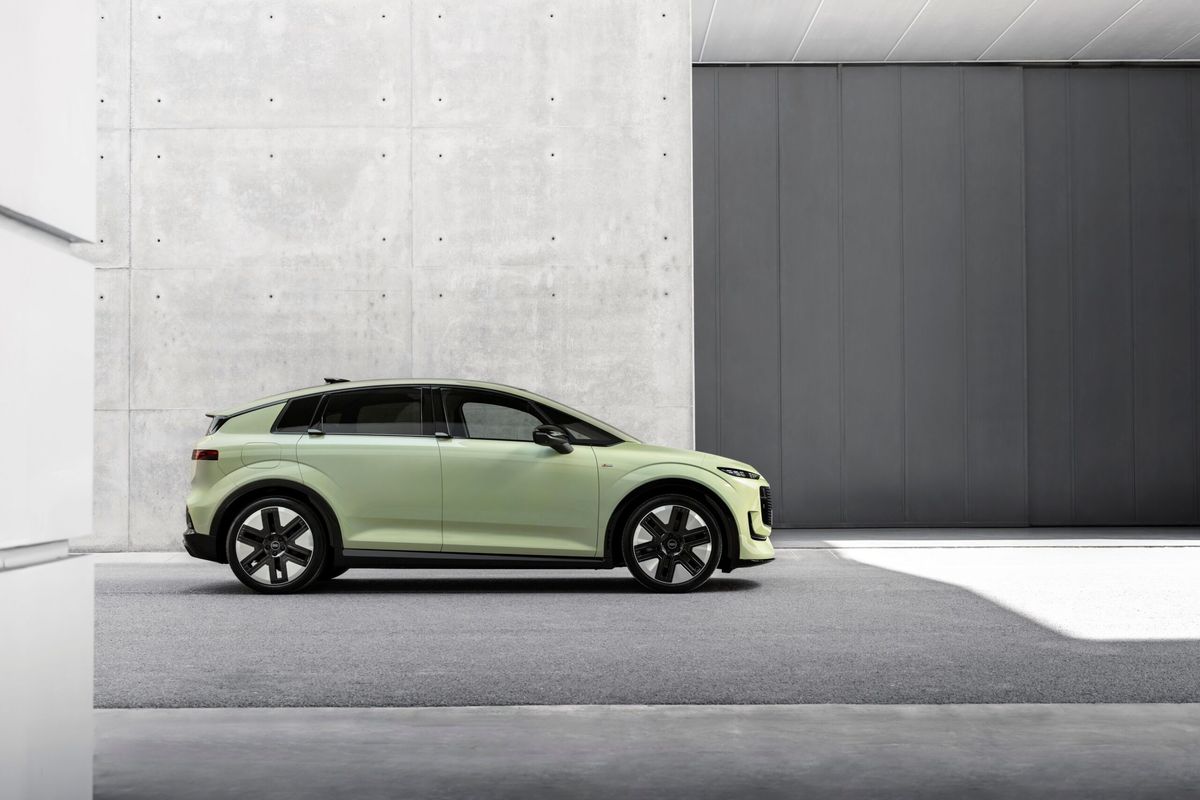
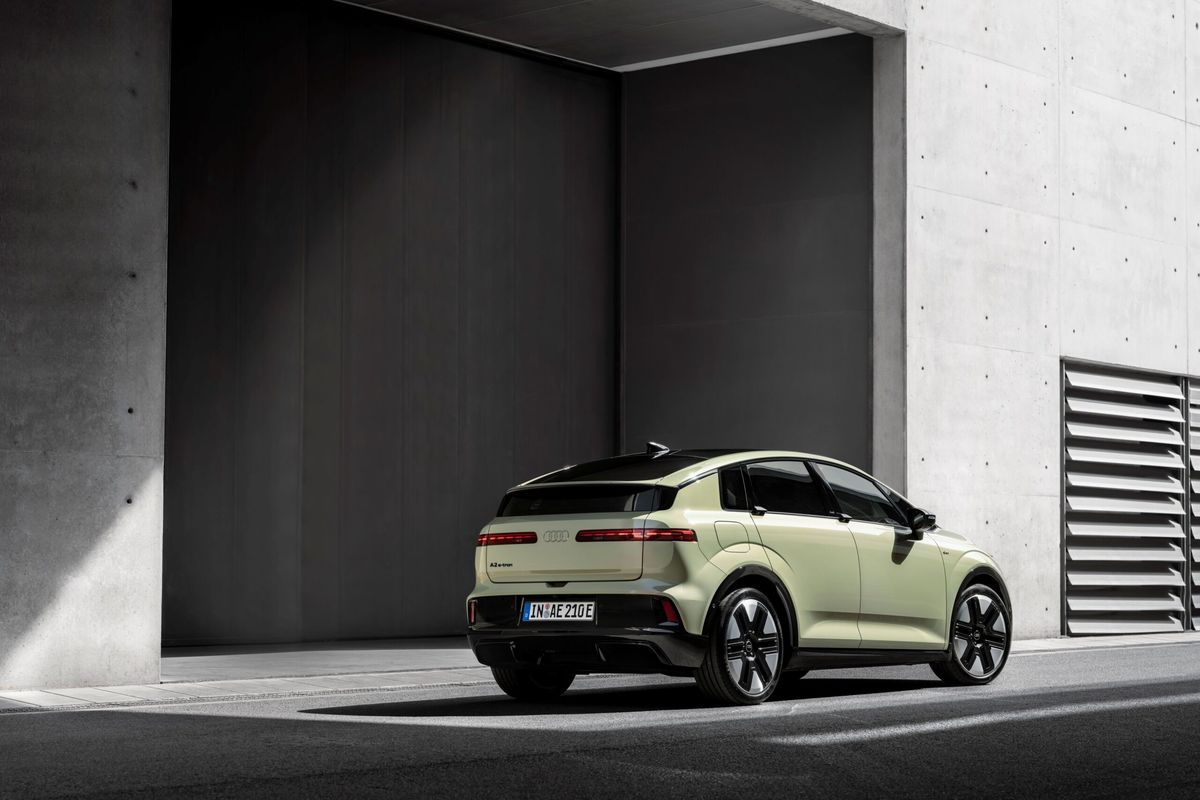
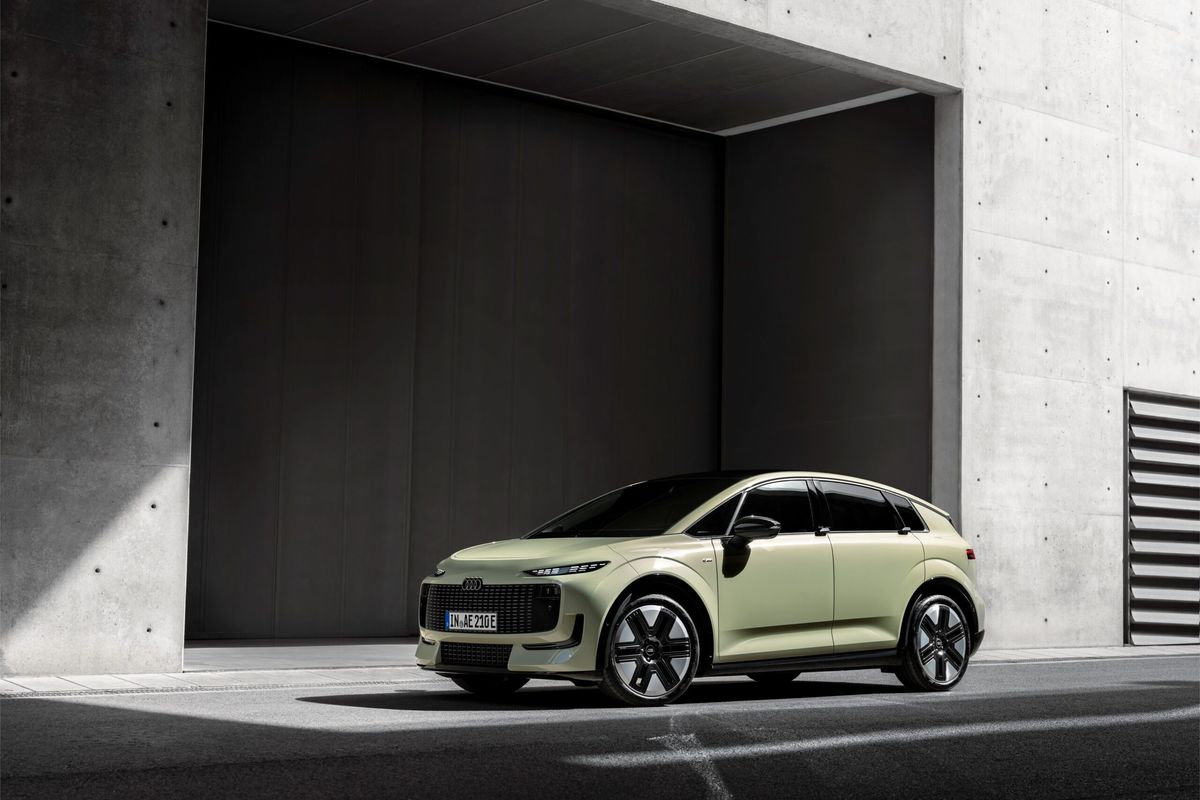
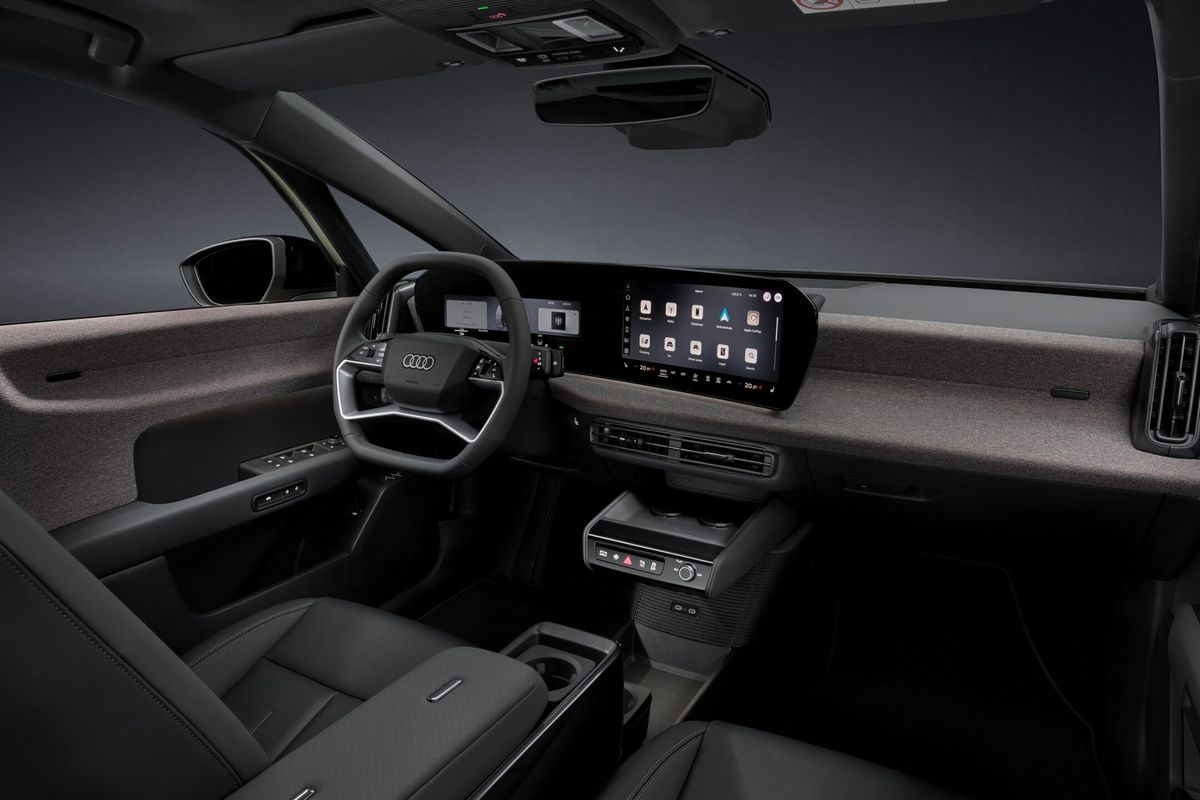
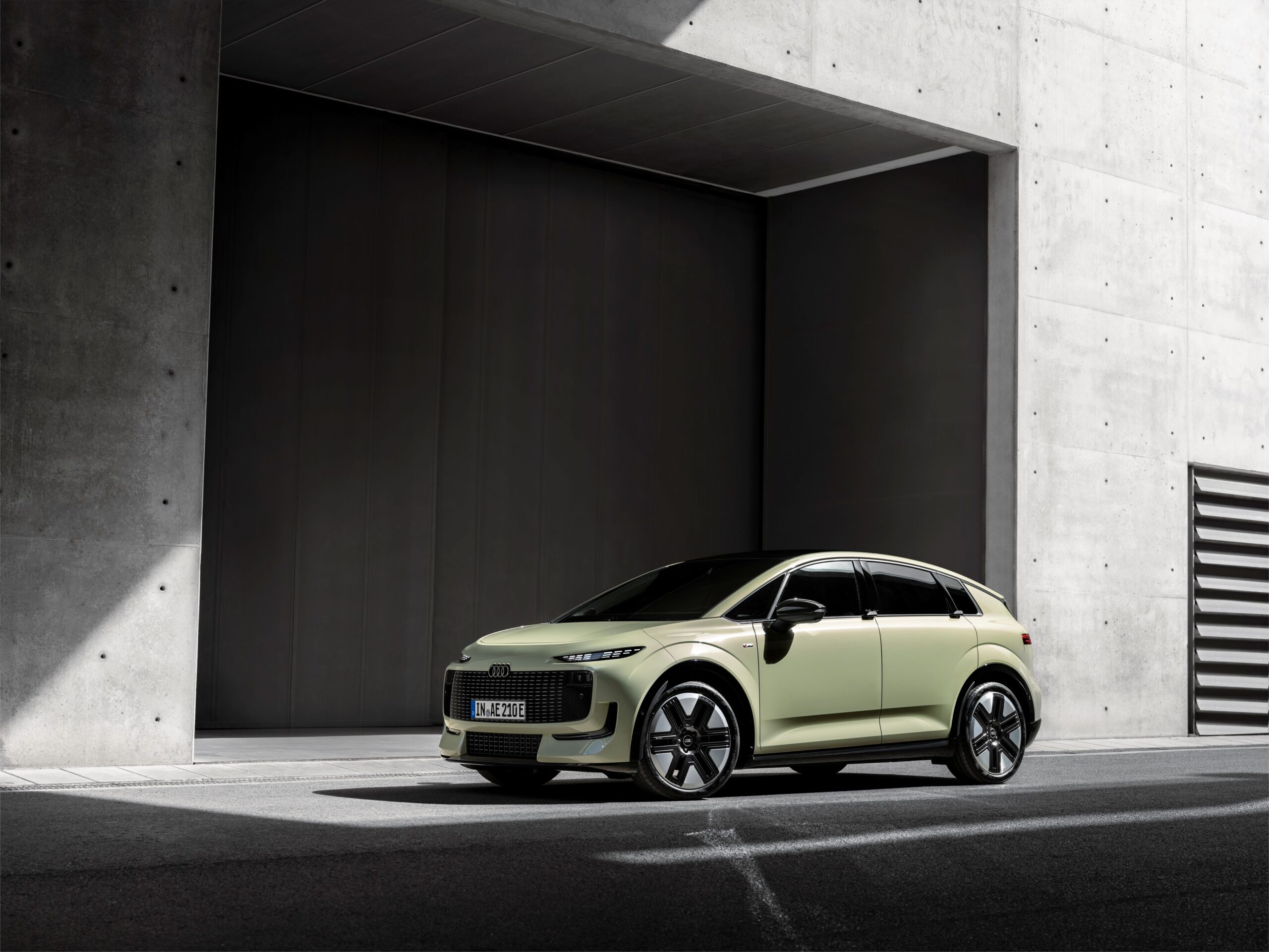
Audi showed the A2 e-tron in production form: up to 646 km of claimed range, the tall-and-narrow silhouette of the original A2 interpreted in modern electric-car language, and a starting price somewhere around R700k in the UK. The original A2 was a quietly brilliant efficiency pioneer that the market never entirely knew what to make of. It’s taken a quarter of a century and the electrification of the entire industry for Audi to try again. Sometimes, you have to wait for the world to catch up.
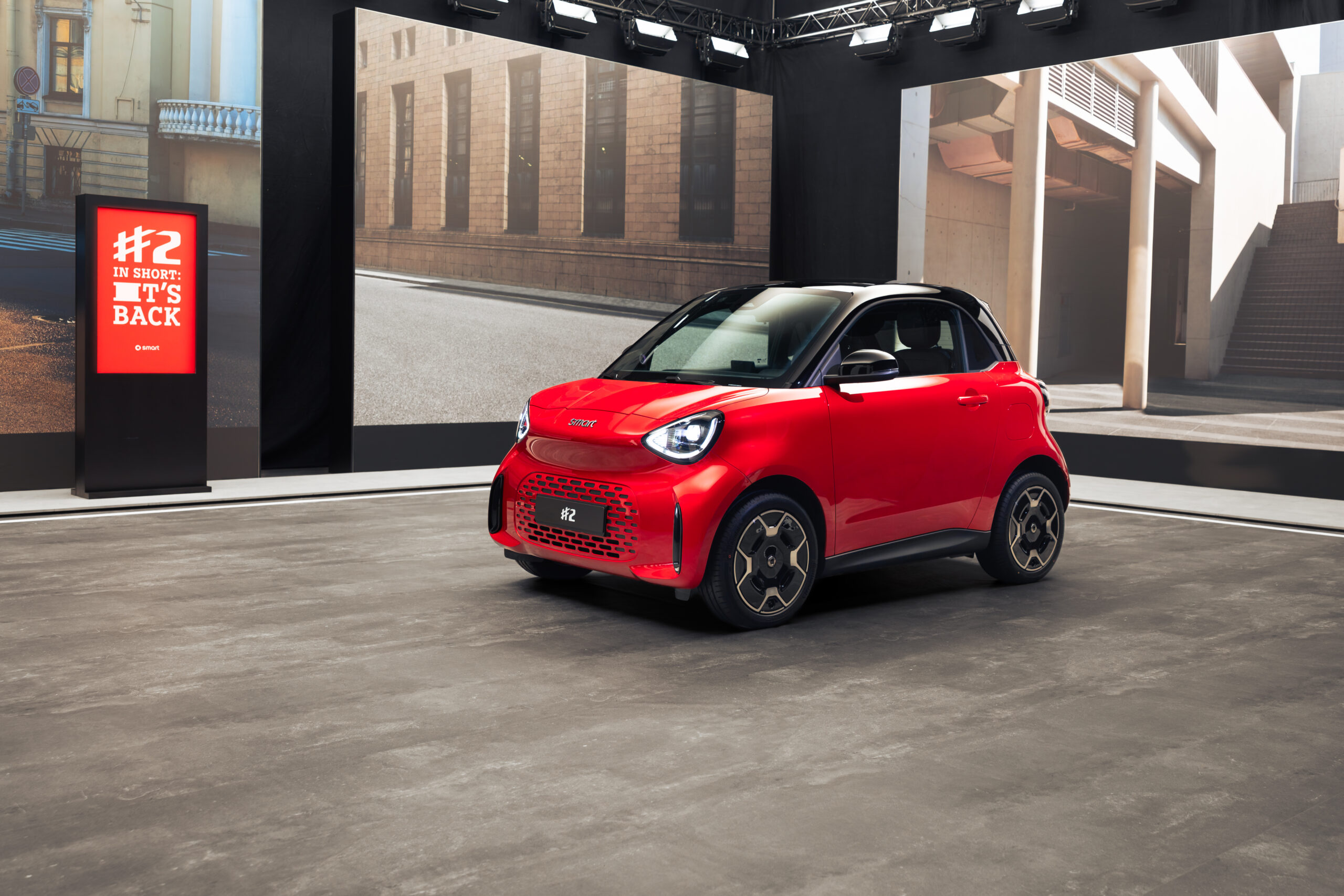
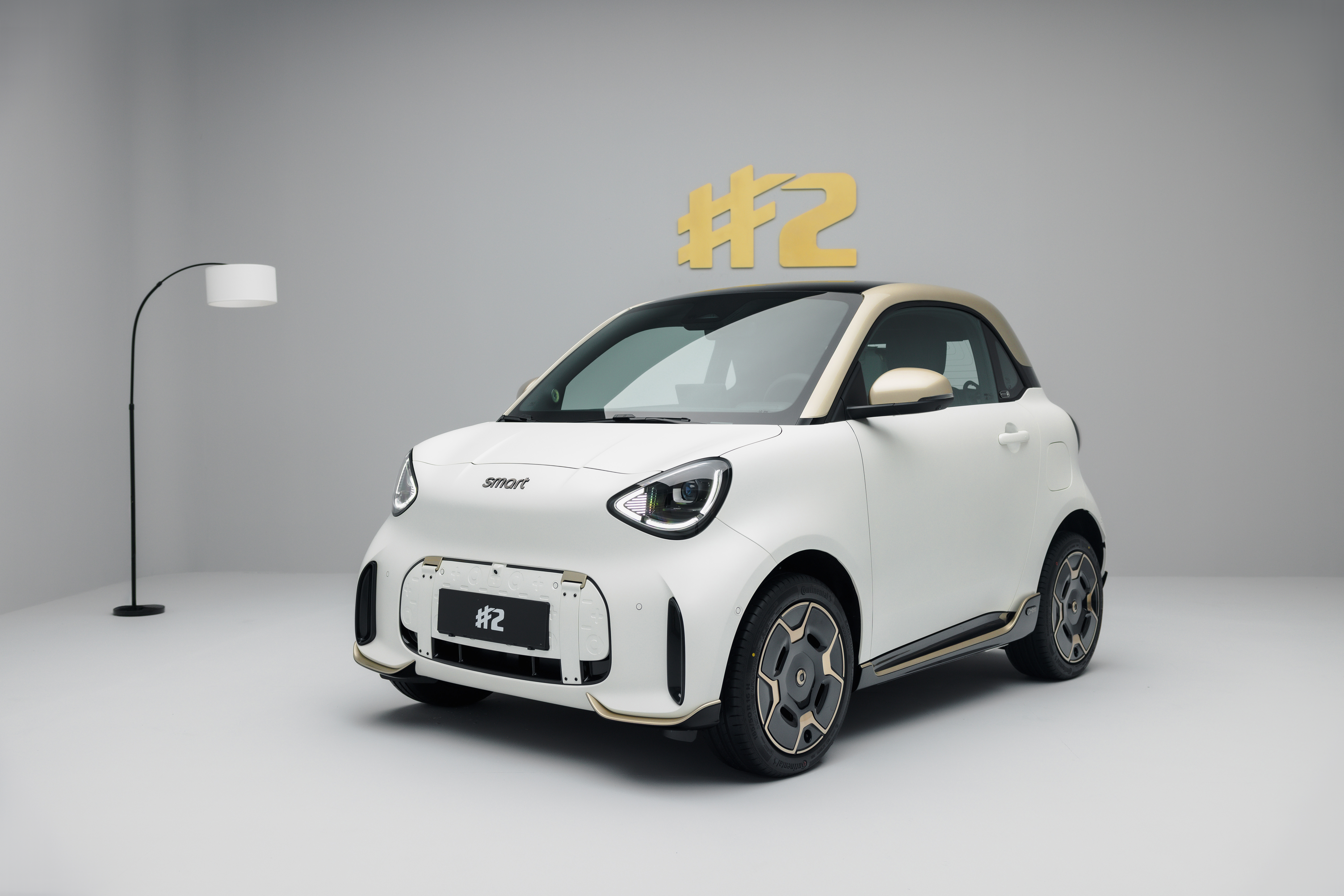
And Smart (now a joint-venture between Mercedes-Benz and Geely) brought the Concept #2 to Paris, a tiny two-seater electric pitched as the spiritual successor to the ForTwo. Around 300 km of range. Estimated price near R450 000. The original ForTwo was a car that was more beloved in theory than in practice, but perhaps it makes more sense these days? Still looks cute as a button.
Why did Paris 2026 make me smile?
Here is the observation that ties all of this together, and I don’t think it’s a coincidence: almost none of the star cars in Paris this week are crossovers. The Alfa Cuorerosso is a sleek GT/sedan. The Citroën 2CV is a city car. The Opel STX is a shooting brake. The Peugeot RCZ is a coupé. The Fiat Multiplay is a multi-purpose vehicle in the most literal sense. The Renault E-Space is an MPV. The Audi A2 e-tron is a tall hatchback. The Smart Concept #2 is a two-seater microcar.
That is not seven separate design teams arriving at the same conclusion by accident. That is a strategy. The Chinese have the crossover market thoroughly covered efficiently, technologically and at price points that Europe just can’t match. So the Europeans have retreated – or rather advanced, depending on how you want to frame it – into segments where they have history, emotional resonance and the type of genuine cultural capital that a factory in China, however large and however modern, simply cannot reproduce. Perhaps they’ll find enough consumers who want something different.
Will it work? I honestly don’t know. The gap between a beautiful concept on a Parisian show stand and a car that actual people buy from actual dealers is a very long road, and history is full of concepts that were glorious and production cars that were less so. There is a real risk that this feels like nostalgia for nostalgia’s sake, a strategy that buys good headlines at motor shows without meaningfully shifting the commercial reality of the market.
But I hope it works. I genuinely do. Because the car world has been a fairly monotonous place for the better part of a decade. We’ve witnessed a relentless parade of sensible, capable, safe and efficient boxes, each slightly larger than the last, with slightly bigger screens and slightly more advanced driver-assistance systems and slightly less reason to make you feel anything when you walk towards one in a car park.
If Paris 2026 is the beginning of something different – a genuine return to flair and personality, and the kind of design that makes you stop scrolling and actually look at something properly – then I’ll genuinely be thrilled. The 91st Mondial de l’Auto has, against reasonable odds, given me a glimmer of hope that the car world can recover its mojo.
It’s been a while. Vive la France!
Oh, one last thing: Credit where credit is due. Stellantis coming to a bleak-looking car world’s rescue was definitely not on my 2026 bingo card.
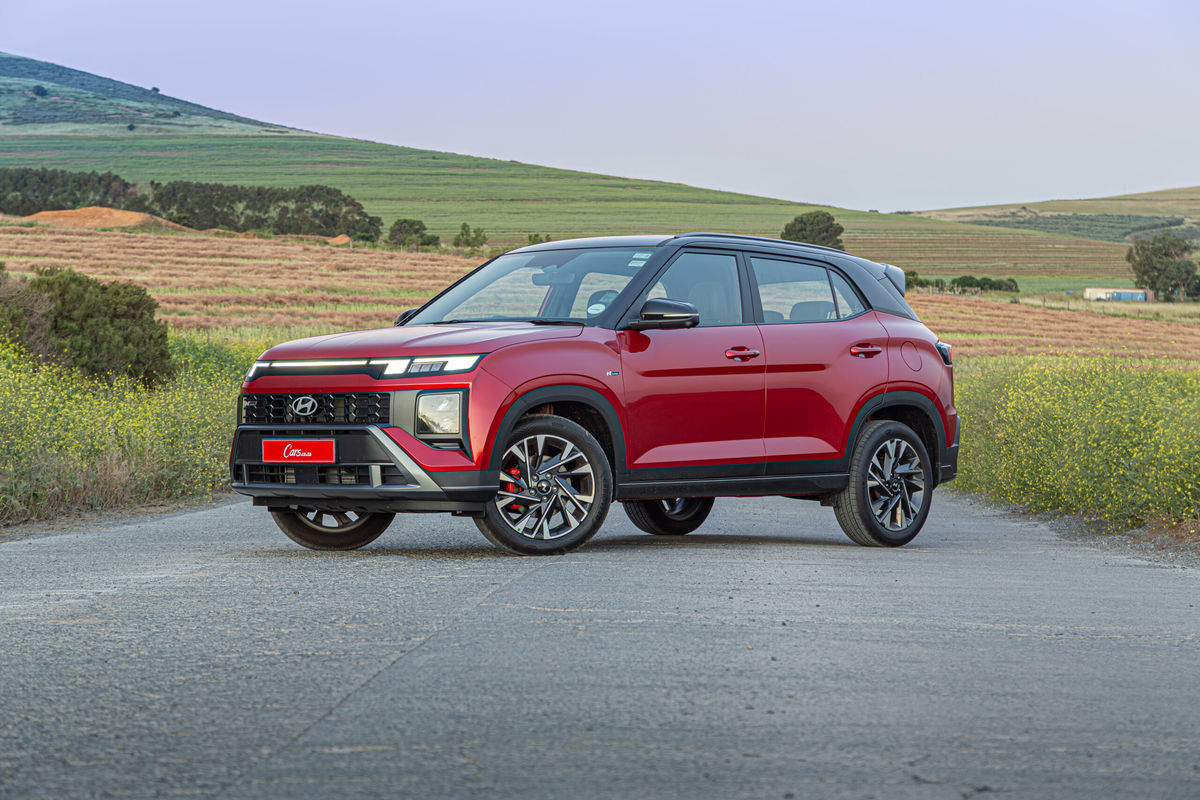
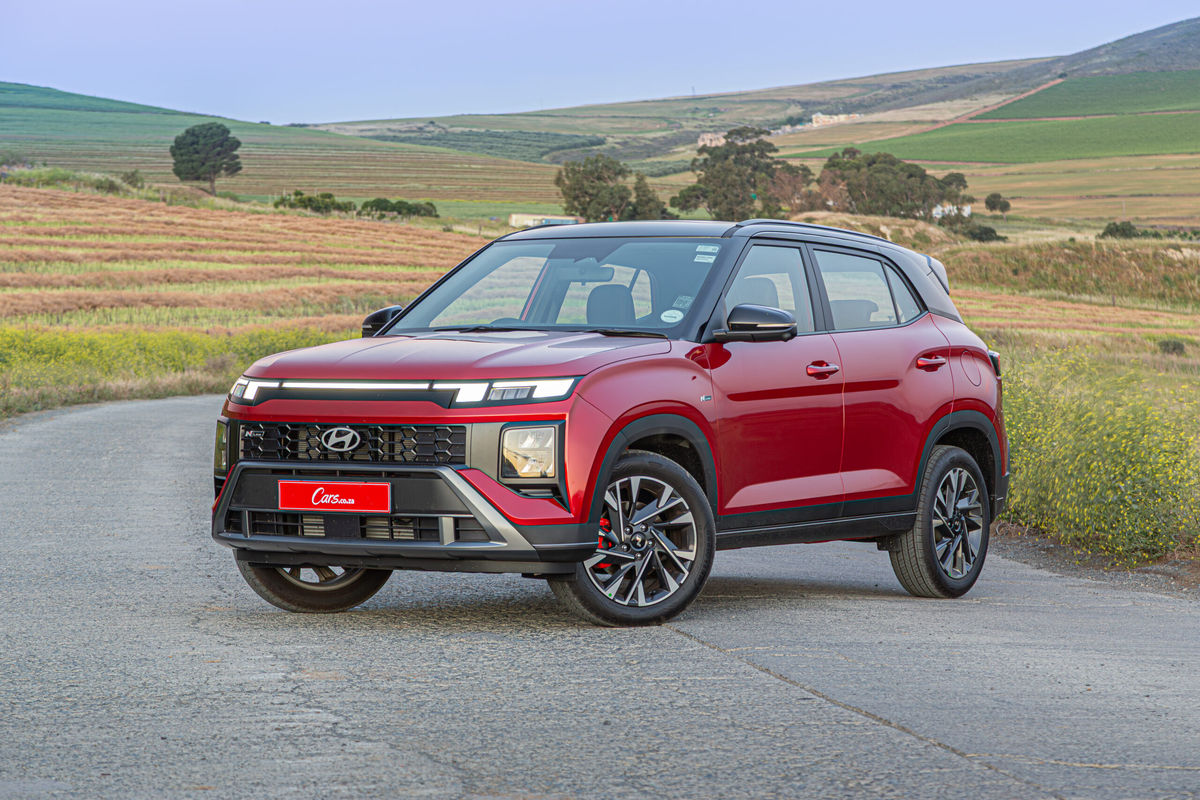
Hyundai Creta N Line (2026) Review
The Hyundai Creta N Line has arrived as the Korean brand’s sportiest crossover to date. While not a fully fledged performance model, we wondered whether the show matches the go…
We like: Looks the part; potent yet frugal engine; value for money.
We don’t like: Some cheap-feeling interior trim; not as fun to drive as its styling suggests.
The Hyundai Creta N Line forms part of the facelifted second-generation of the Korean brand’s popular B-segment SUV. Globally, the Creta has been a massive success and, since 2019, it has been the third-bestselling Hyundai globally.
Hyundai South Africa has a realigned two-model line-up, with a naturally-aspirated 1.5-litre Premium derivative kicking off the range at R434 900. We’re testing the sporty-themed 1.5T N Line, which retails for R569 000. There are plenty of turbocharged crossover options these days and, if you’re comparing offerings from the legacy carmakers, we’ve singled out the new Kia Seltos 1.5 T-GDi and the new-generation Volkswagen T-Roc 1.4 TSI.
We wouldn’t be doing our jobs effectively if we didn’t mention at least some of the offerings from the newcomer brands that both look the part and are aggressively priced. At a bit under R600 000, you’re spoilt for choice; your options include the Haval H6, Omoda C7, Jaecoo J7, Chery Tiggo 7, Geely E5, MG HS and Changan Uni-S, among others.
Brands use words like “tech”, “comfort” and “refinement” to position their crossovers in this segment. “Sporty styling” and “engaging dynamics” are usually present in the marketing blurb, too, but hardly in the product itself. Then along comes Hyundai, which has decided its crossover needs the sporty show and, to a degree, the sporty go.
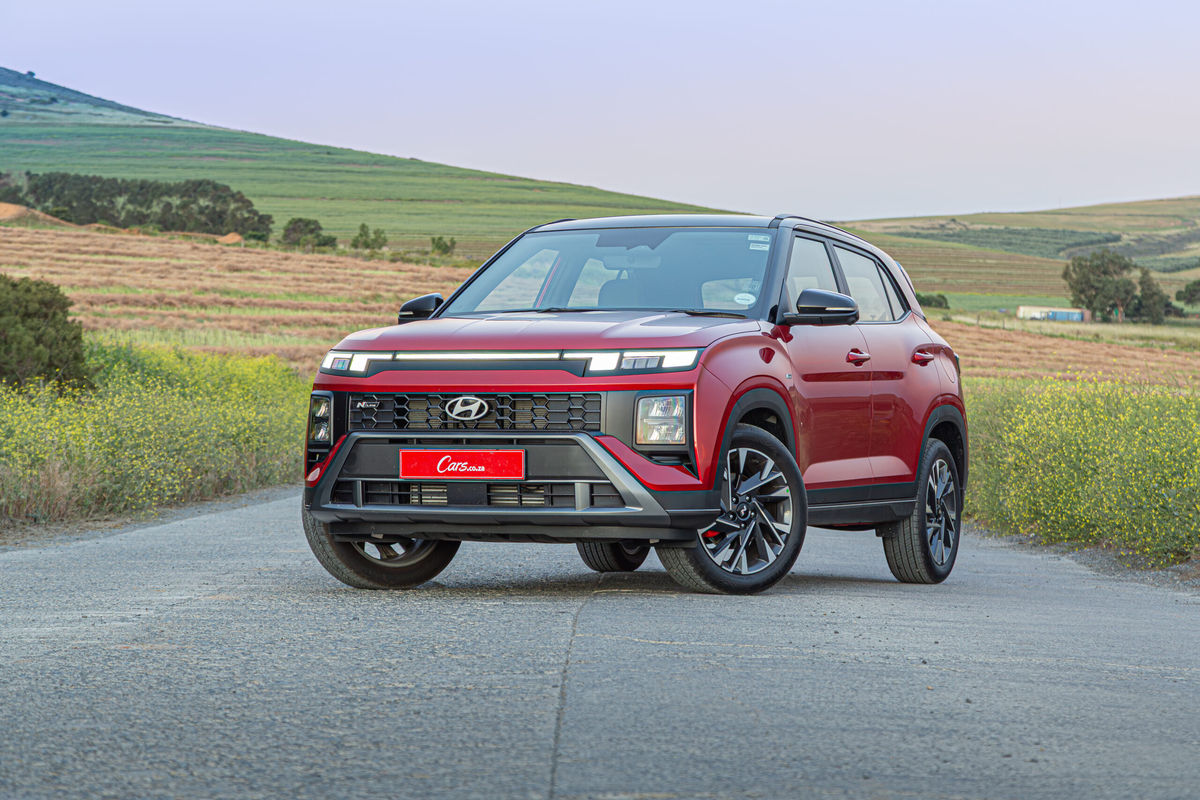
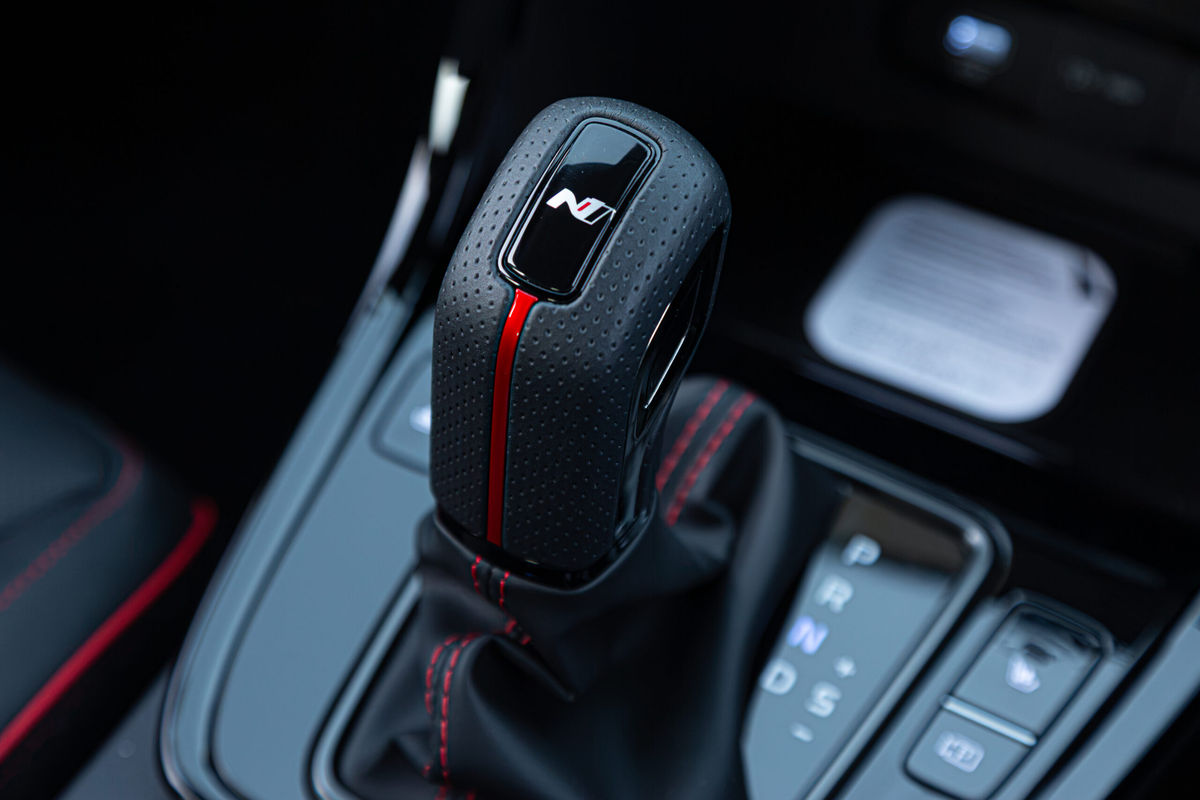
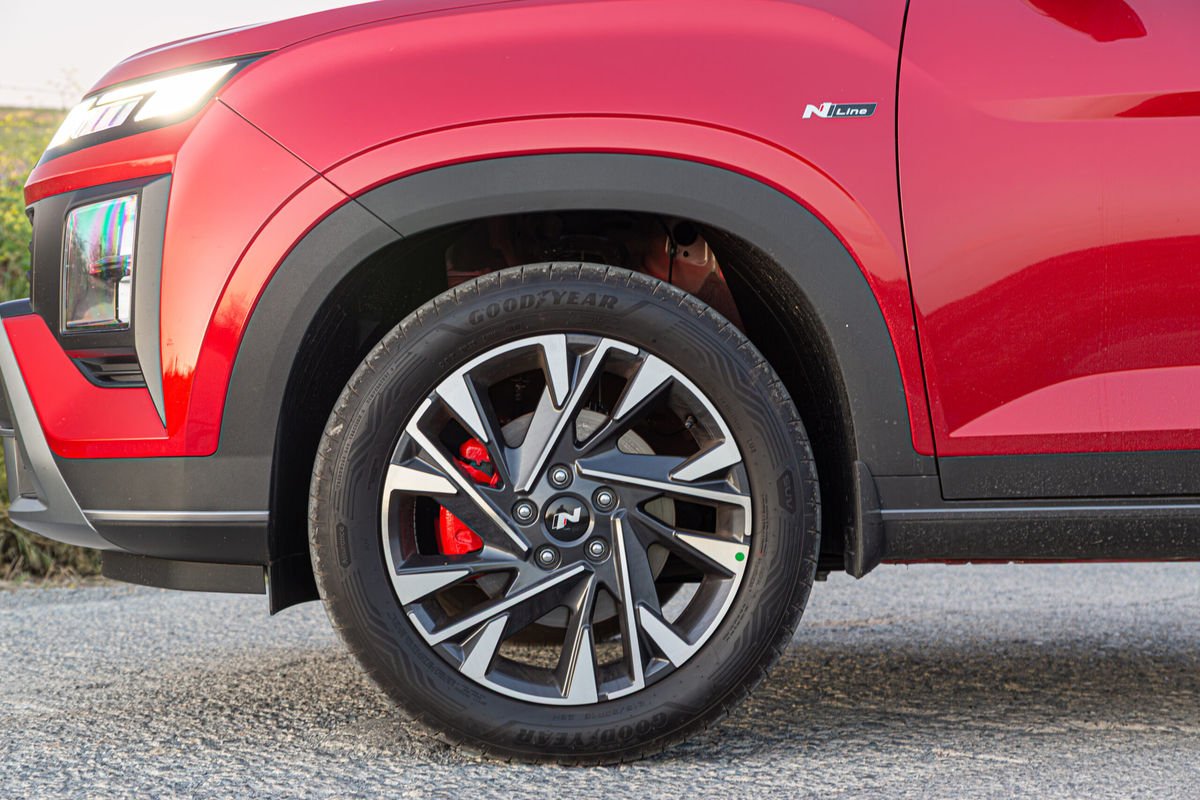
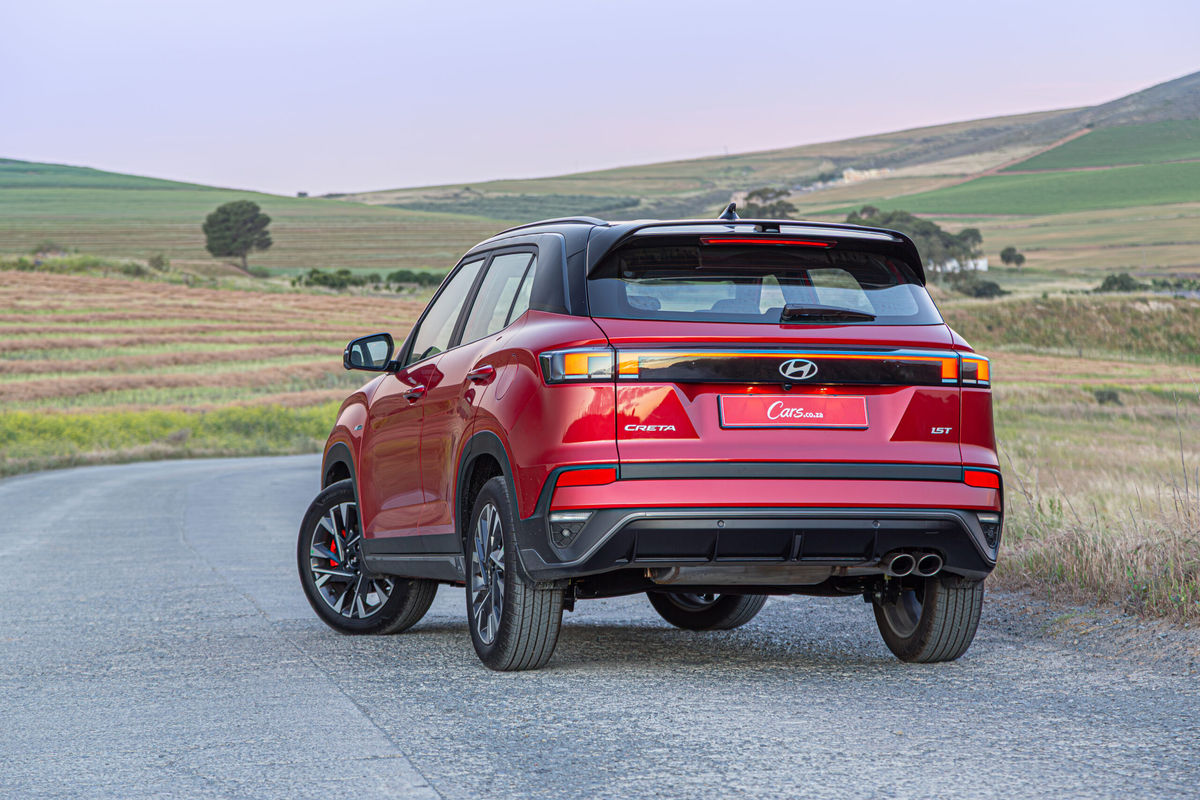
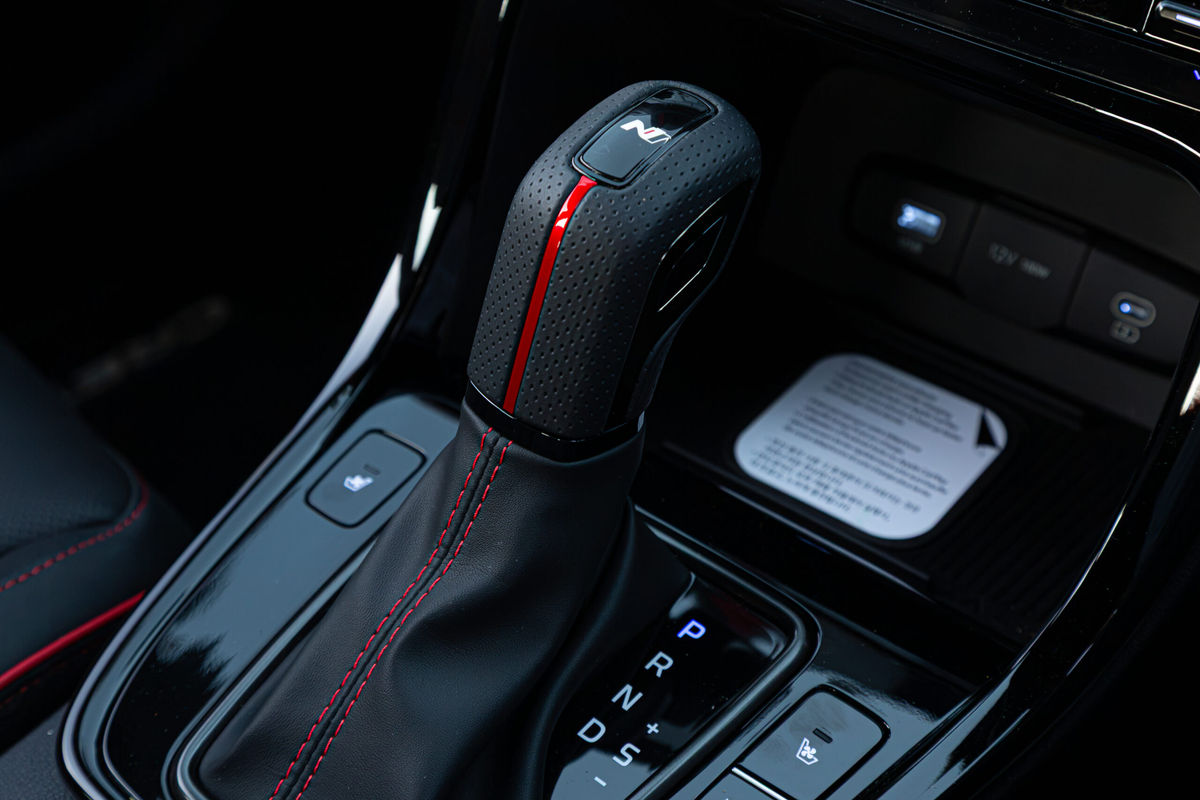
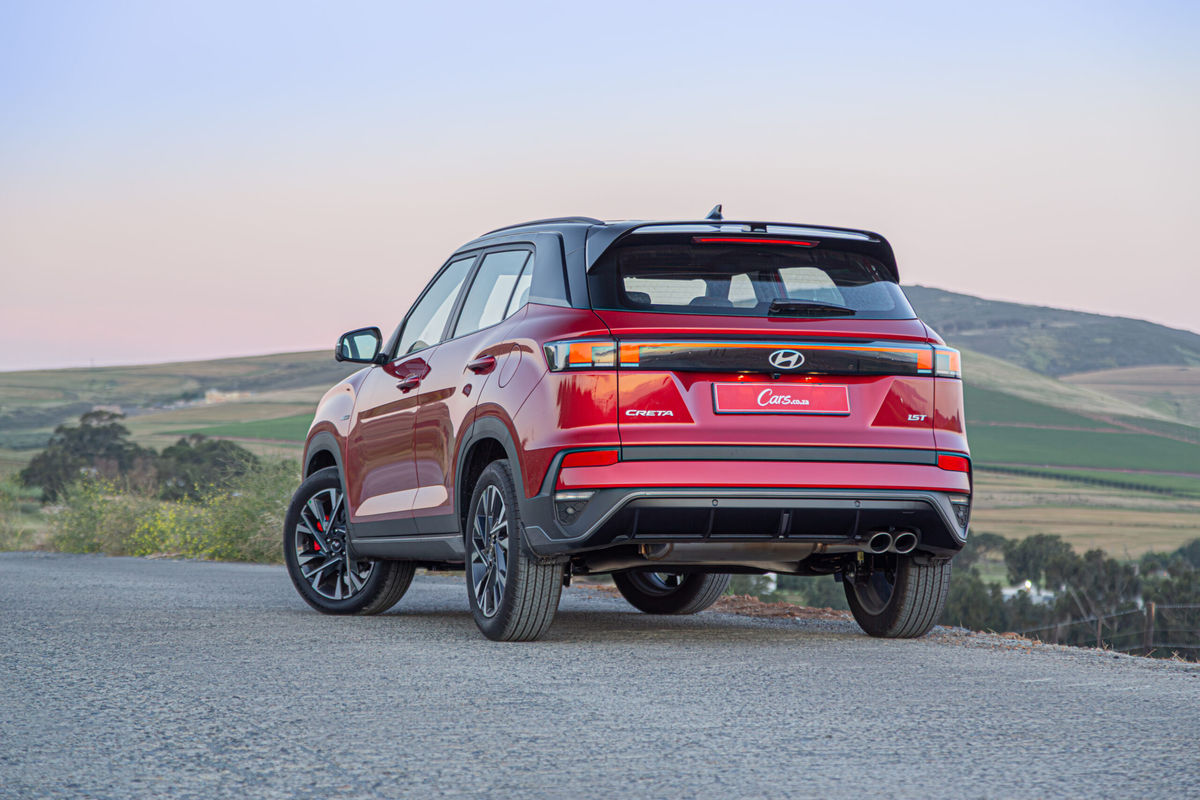
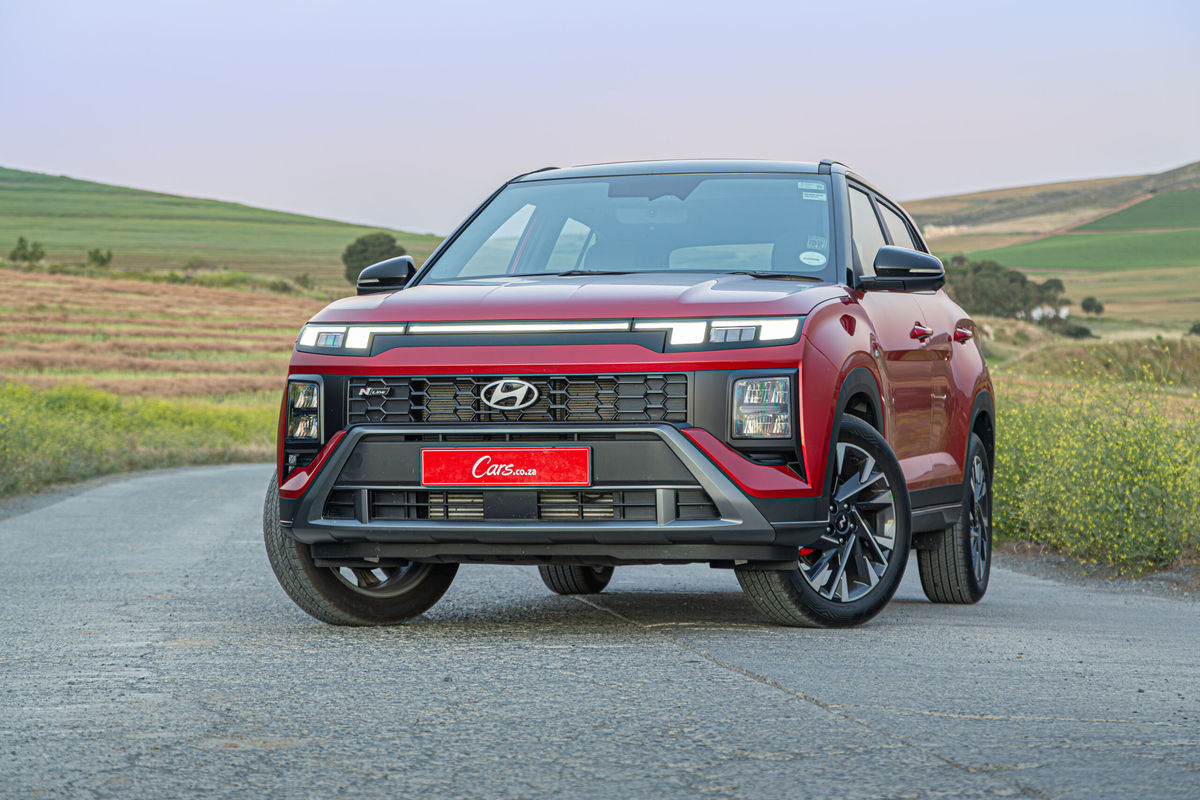
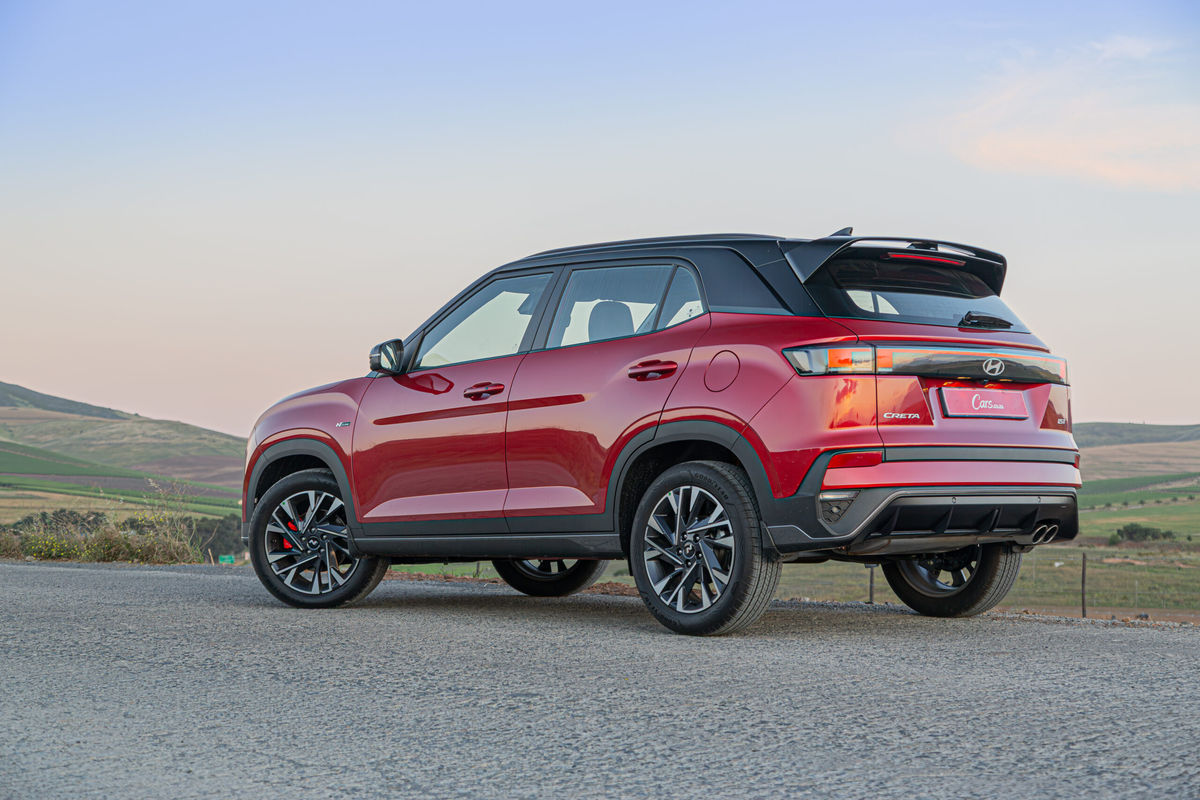
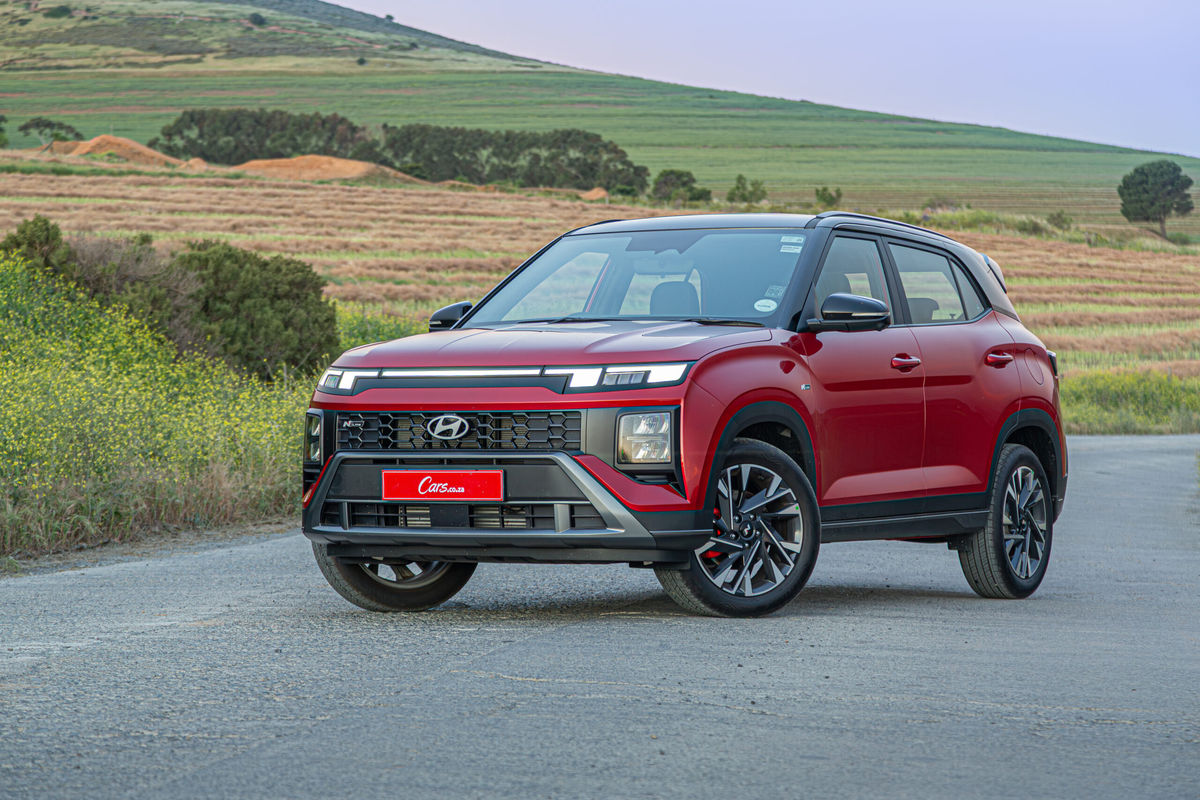
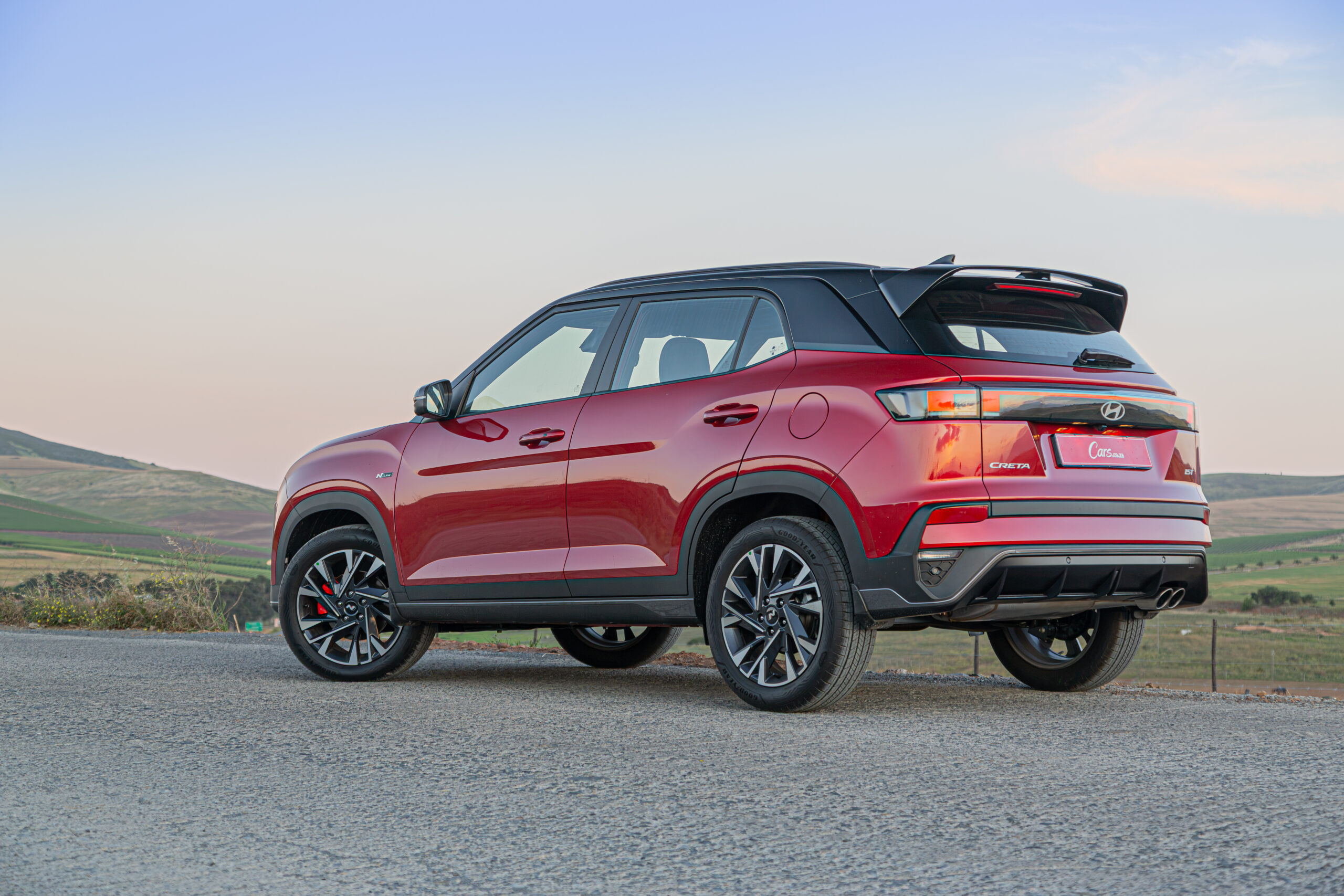
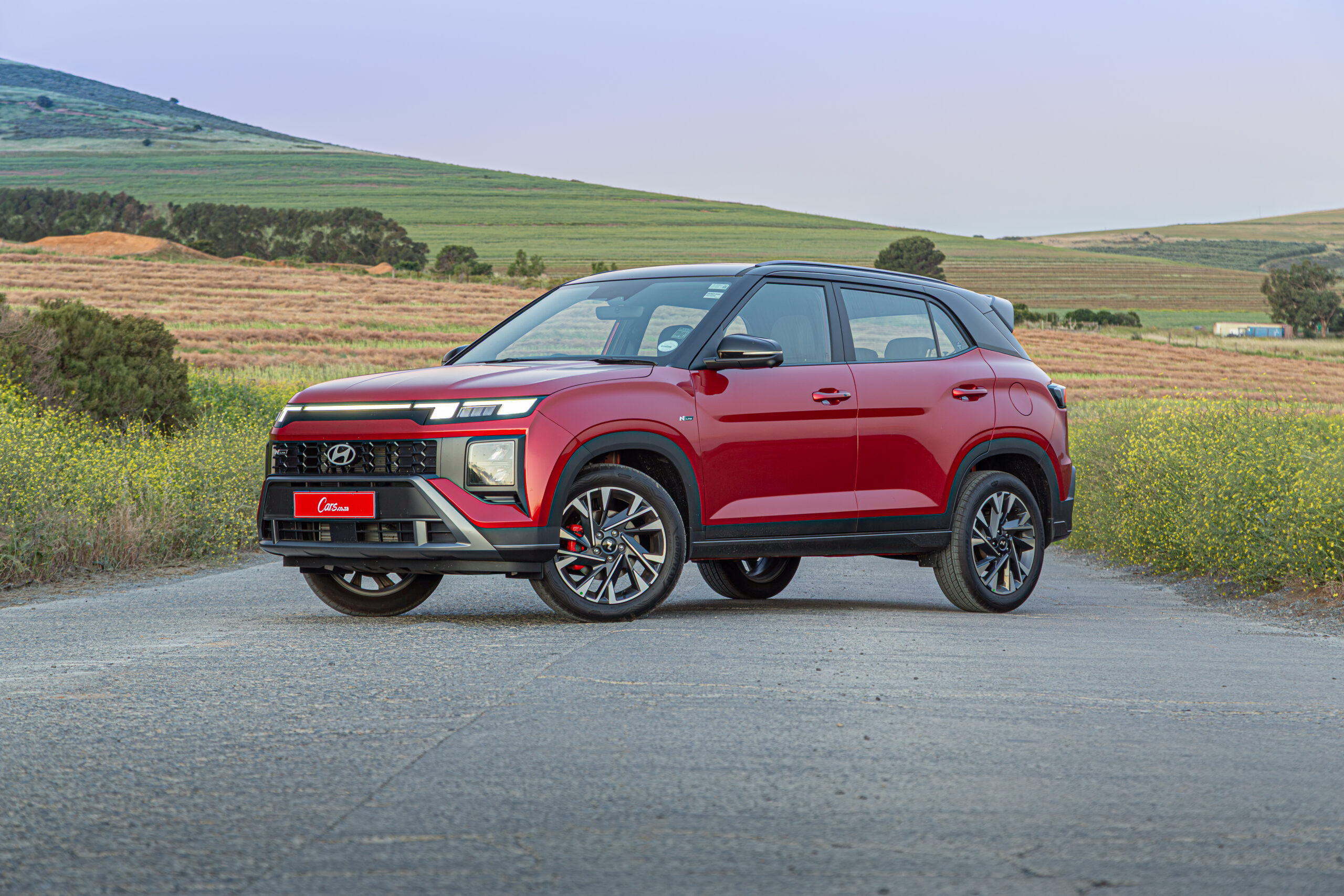
This is not just a case of some subtle badges and fancy paint job, but rather the full N Line treatment. It comprises a bodykit, larger wheels, twin exhausts and an appropriately themed cabin (i.e. red accents). But, unlike some segment offerings which look the part, this one actually delivers credible performance – more on that in a bit.
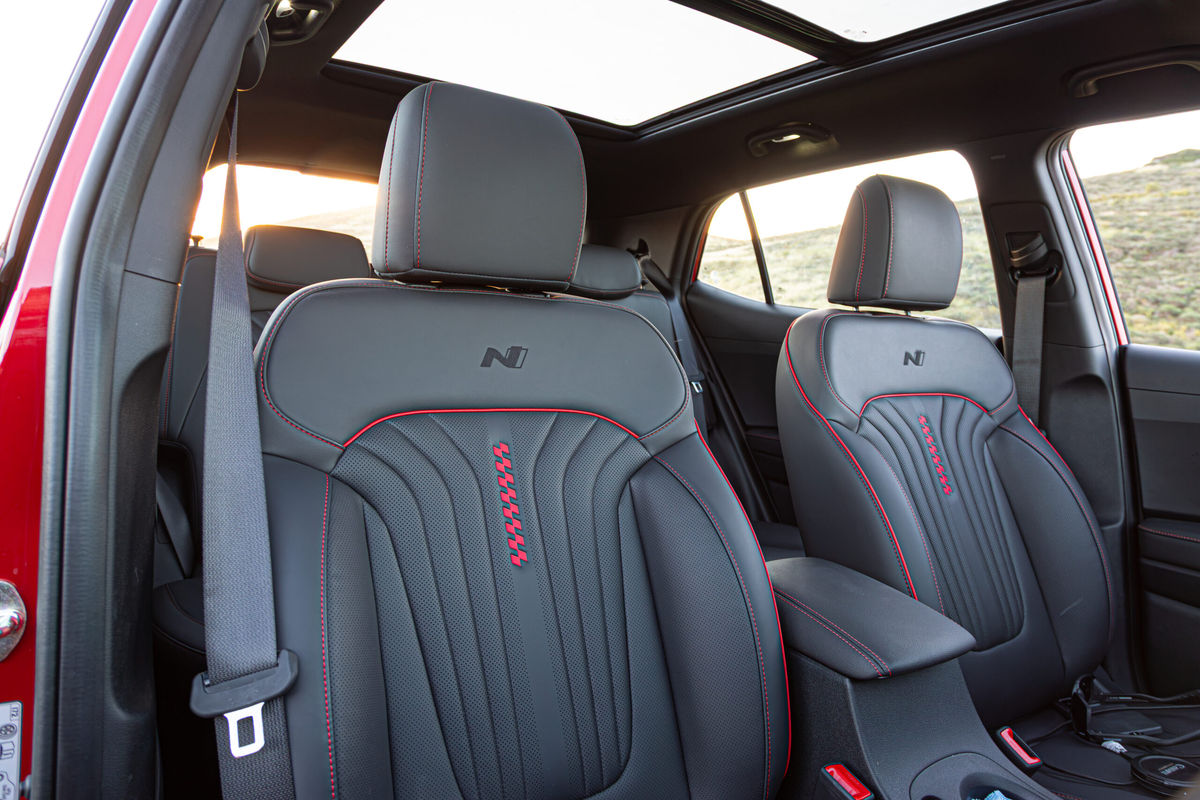
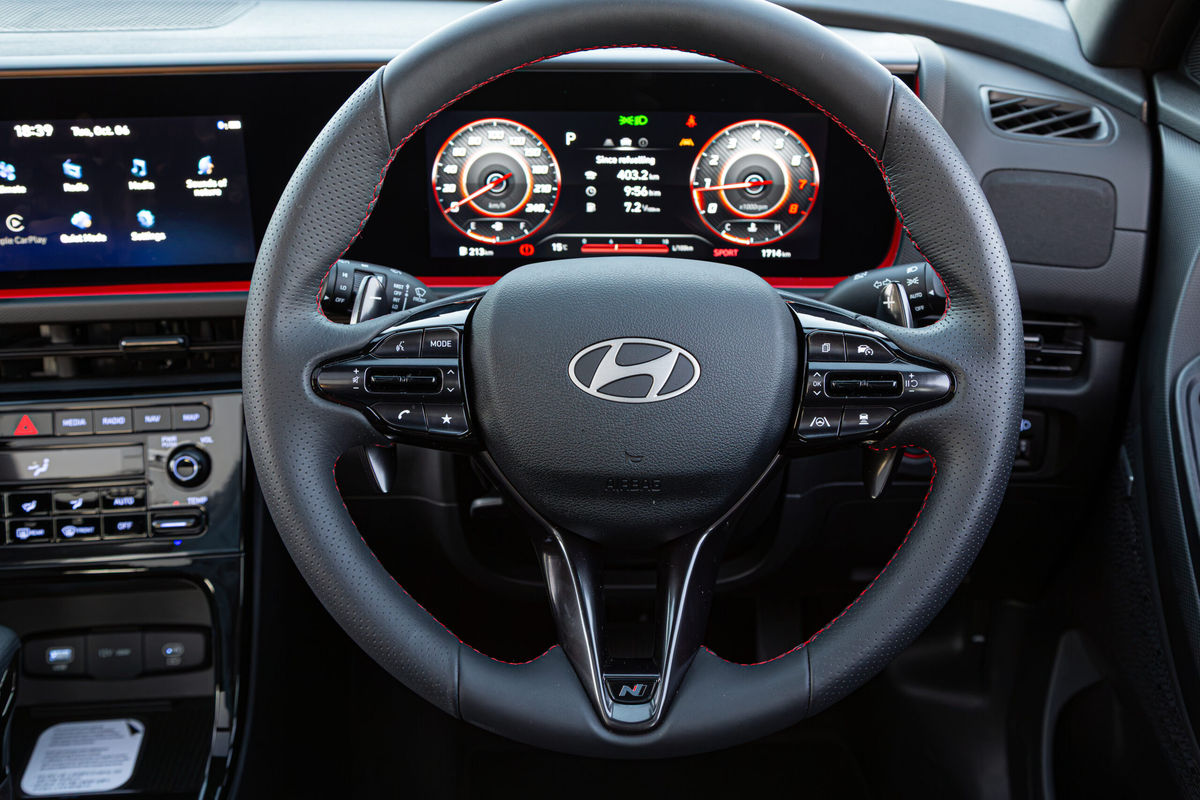
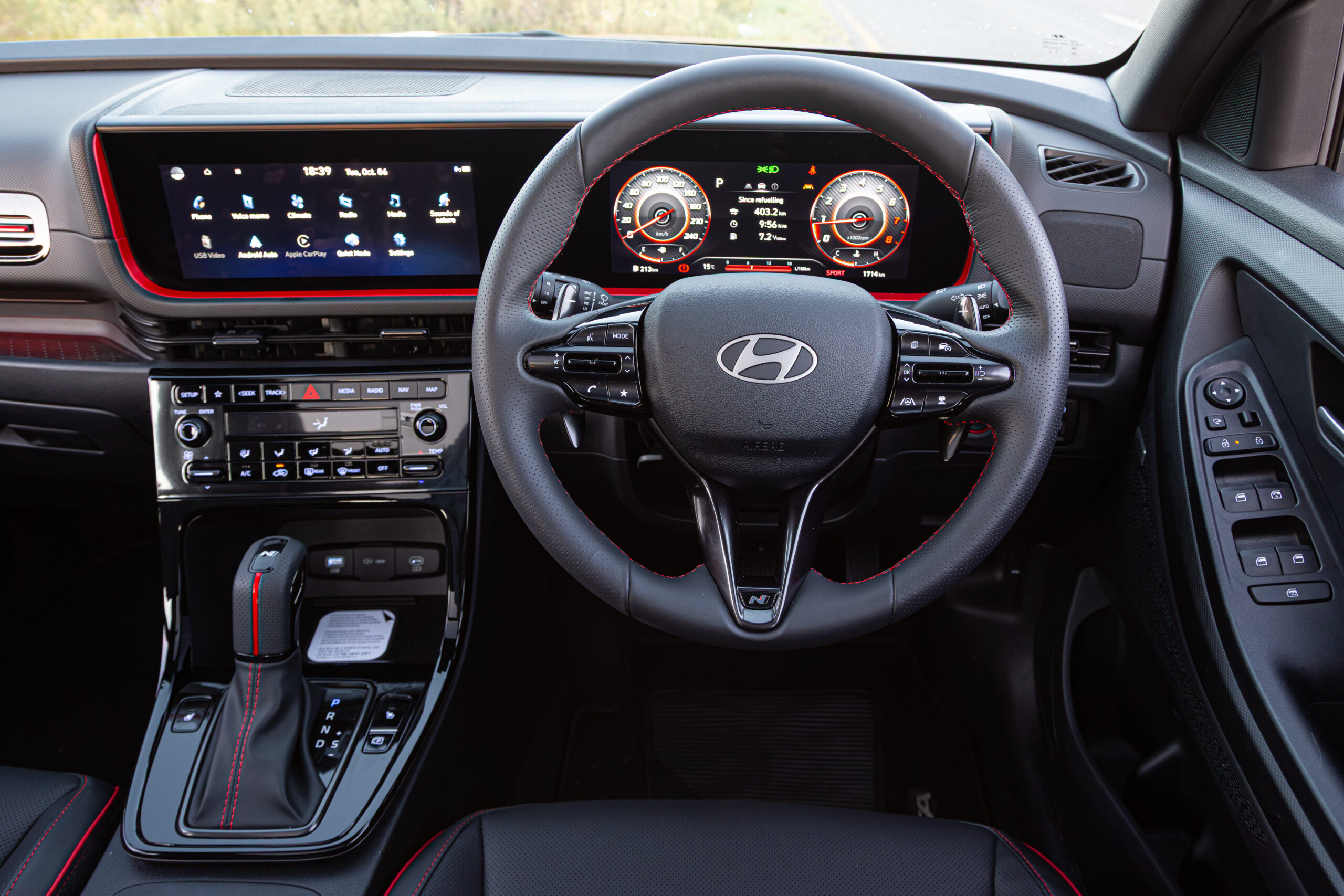
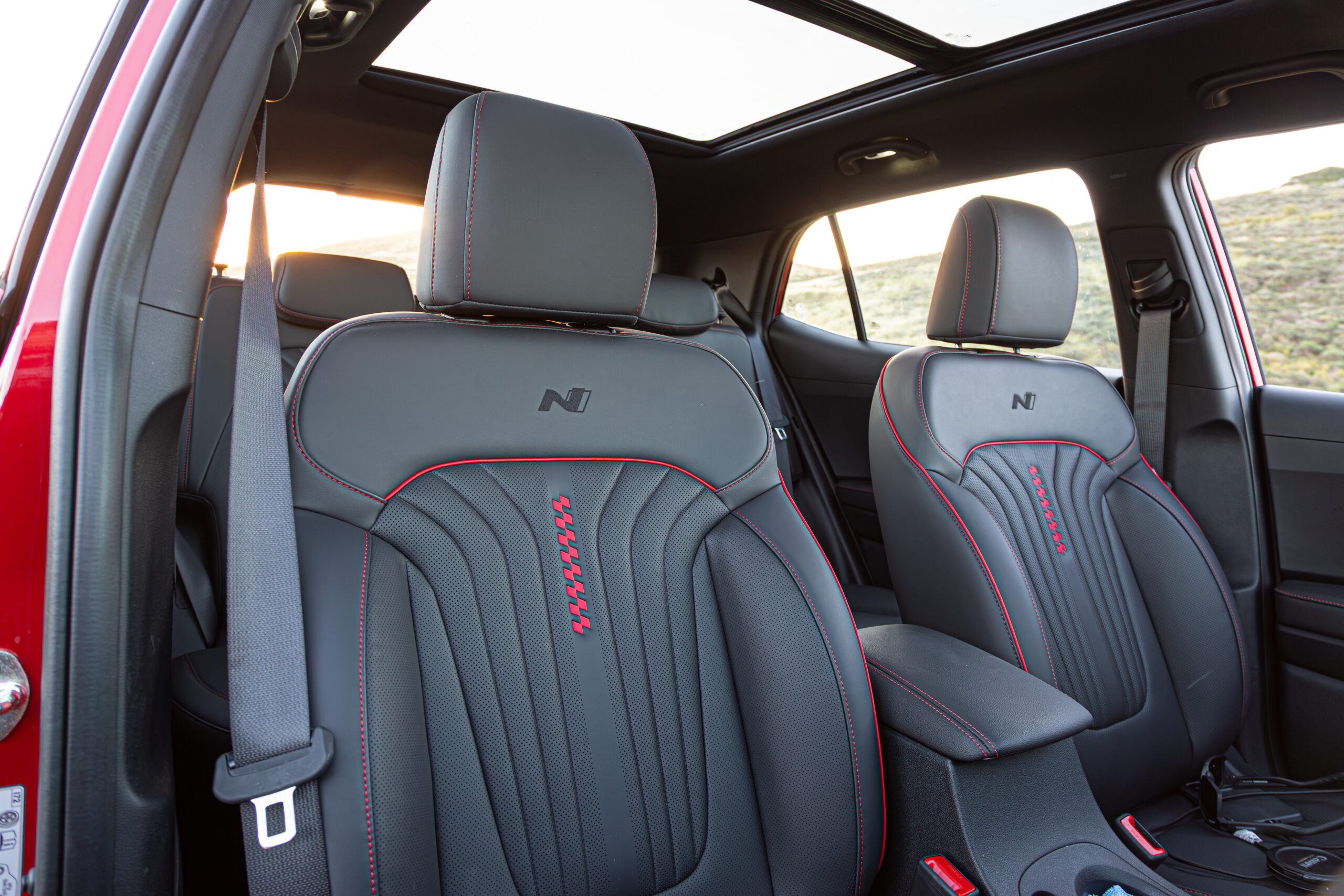
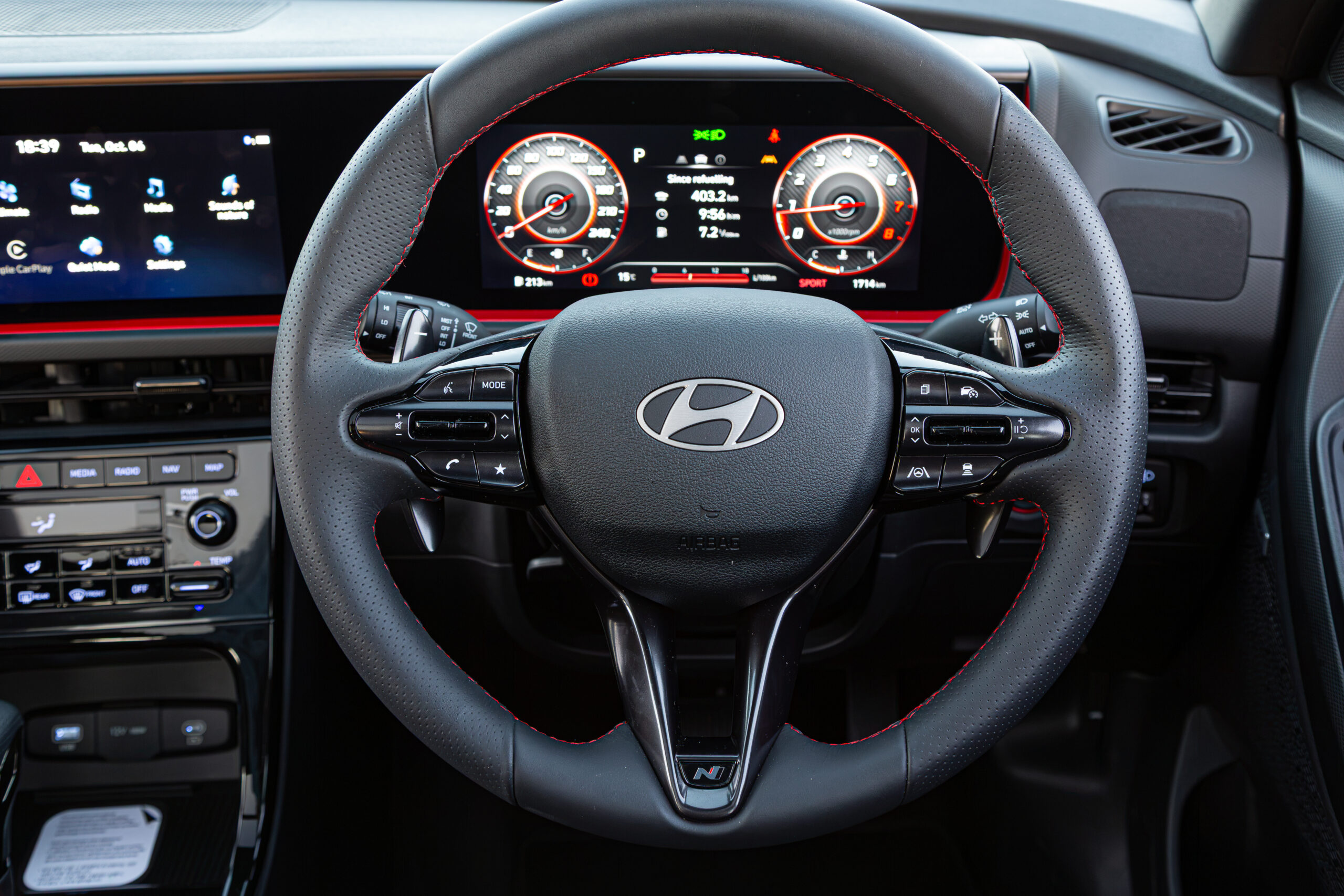
Climb inside and this is possibly one of Hyundai’s sportiest cabins to date. Those seats will catch your eye before you’ve even sat down. Trimmed in faux-leather, these N-branded pews both look the part and offer credible side bolstering. Ventilated functionality is a bonus as we go into the warmer months.
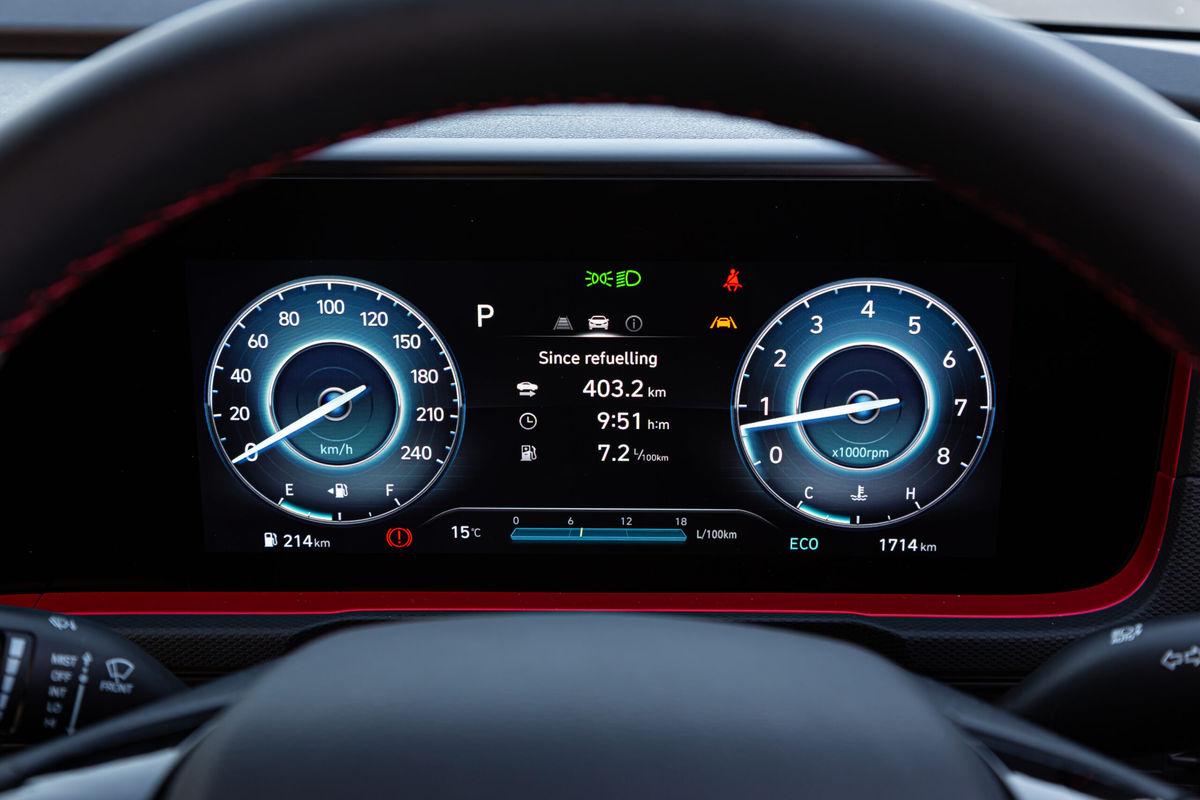
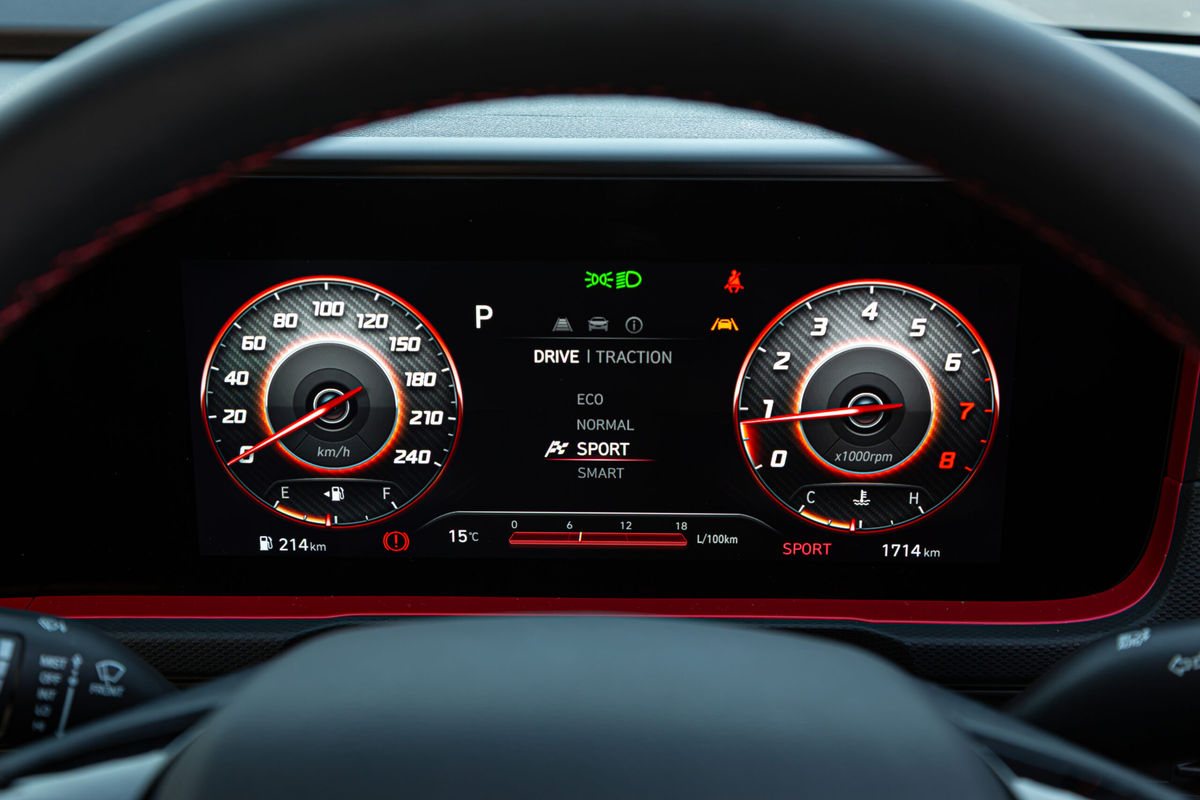
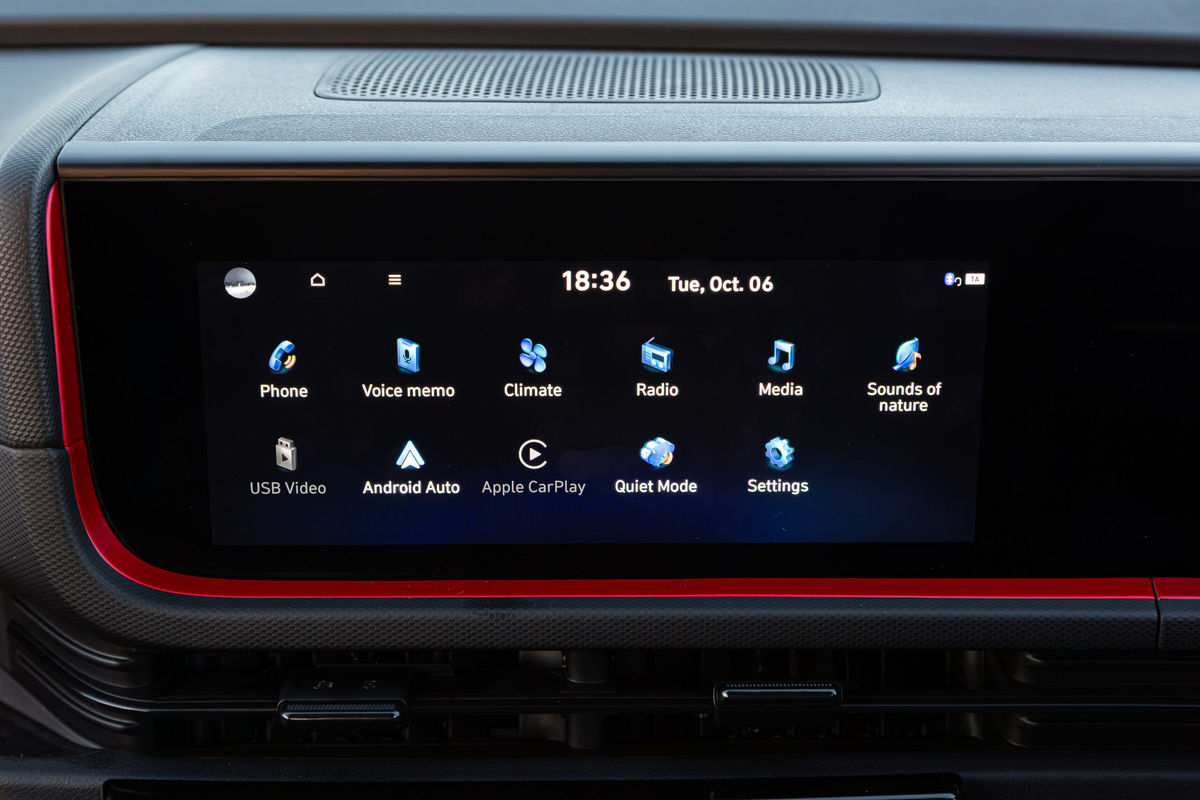
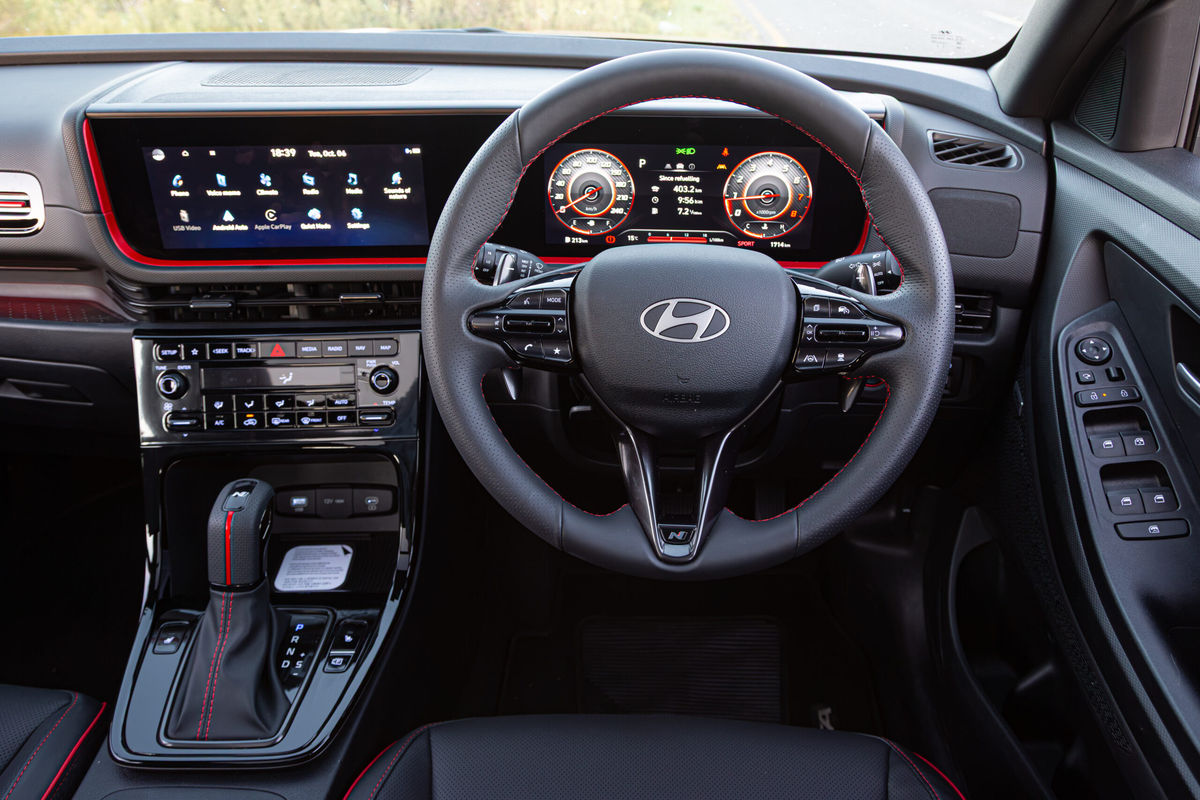
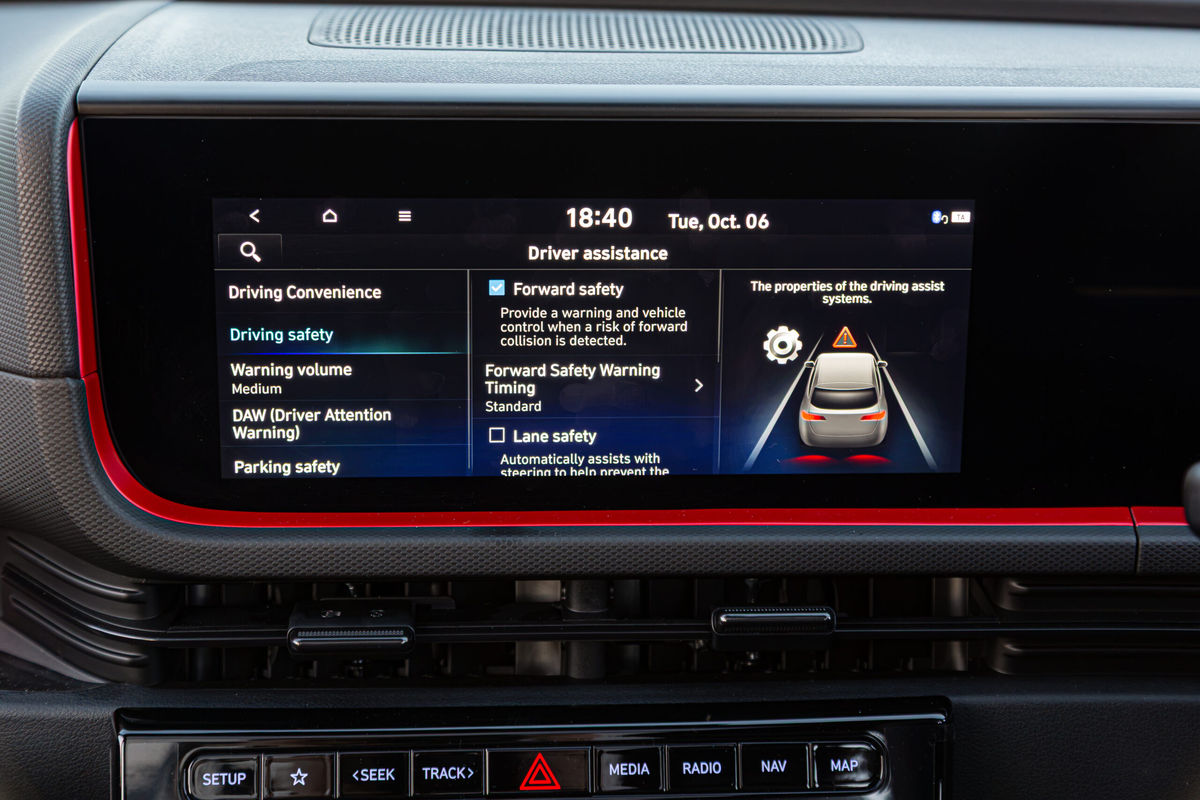
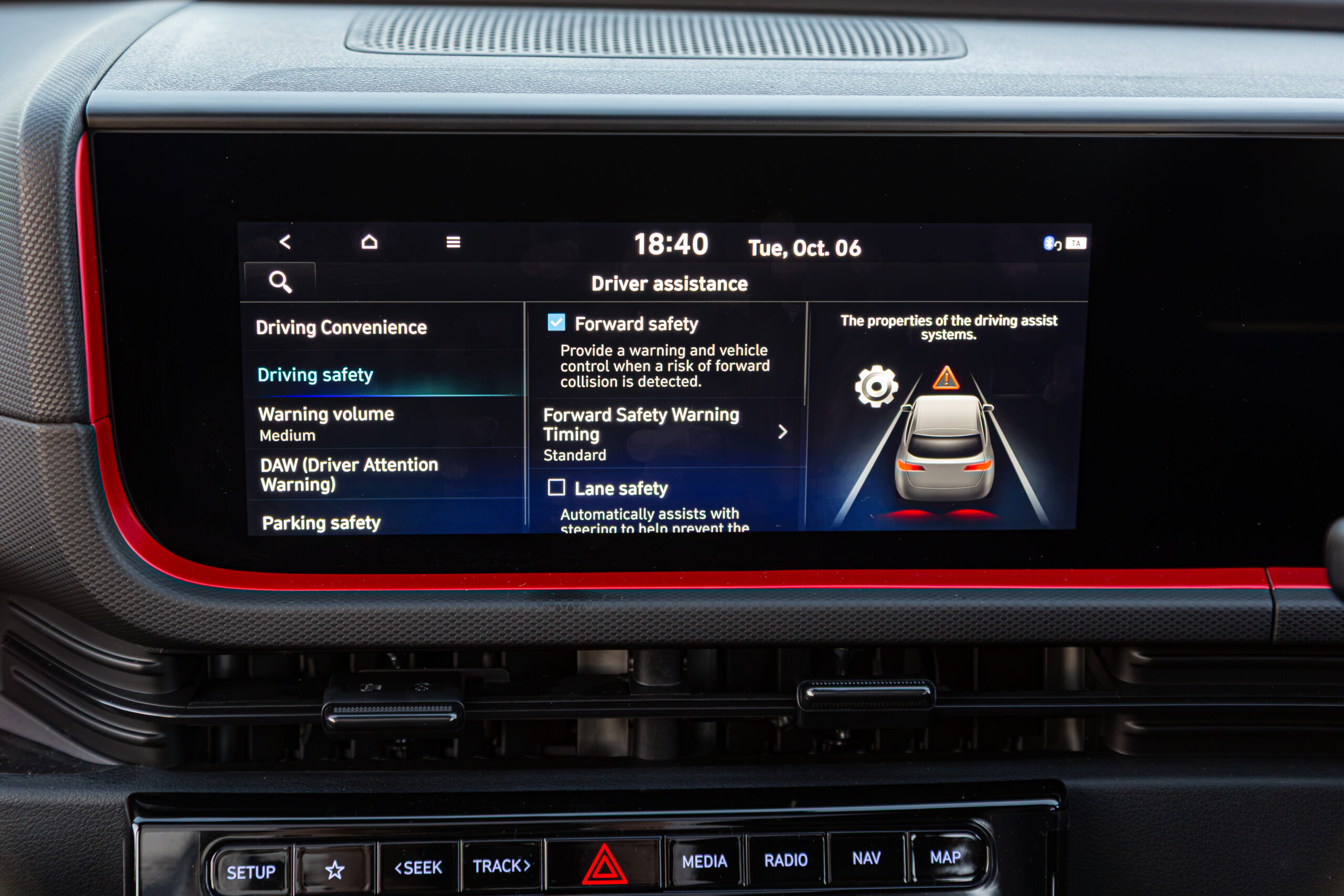
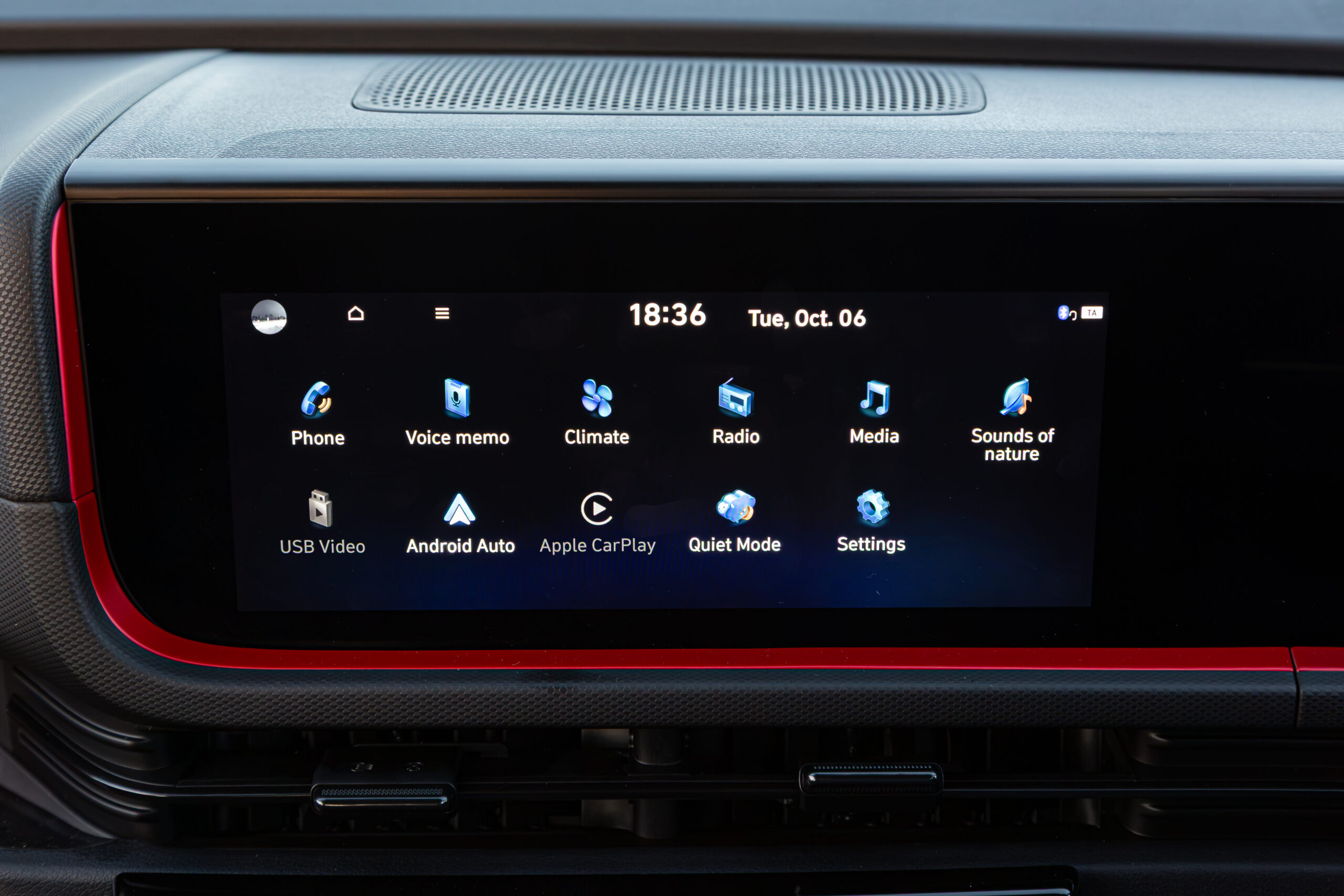
Being the high-end model in the Creta line-up, the N Line offers a long list of mod-cons. A panoramic roof will please the sun worshippers, while wireless Android Auto/Apple CarPlay with wireless charging pad and plenty of USB ports will keep the tech junkies smiling. A digital instrument cluster from the Hyundai-Kia parts bin takes centre stage and there’s a pretty decent 8-speaker Bose audio system.
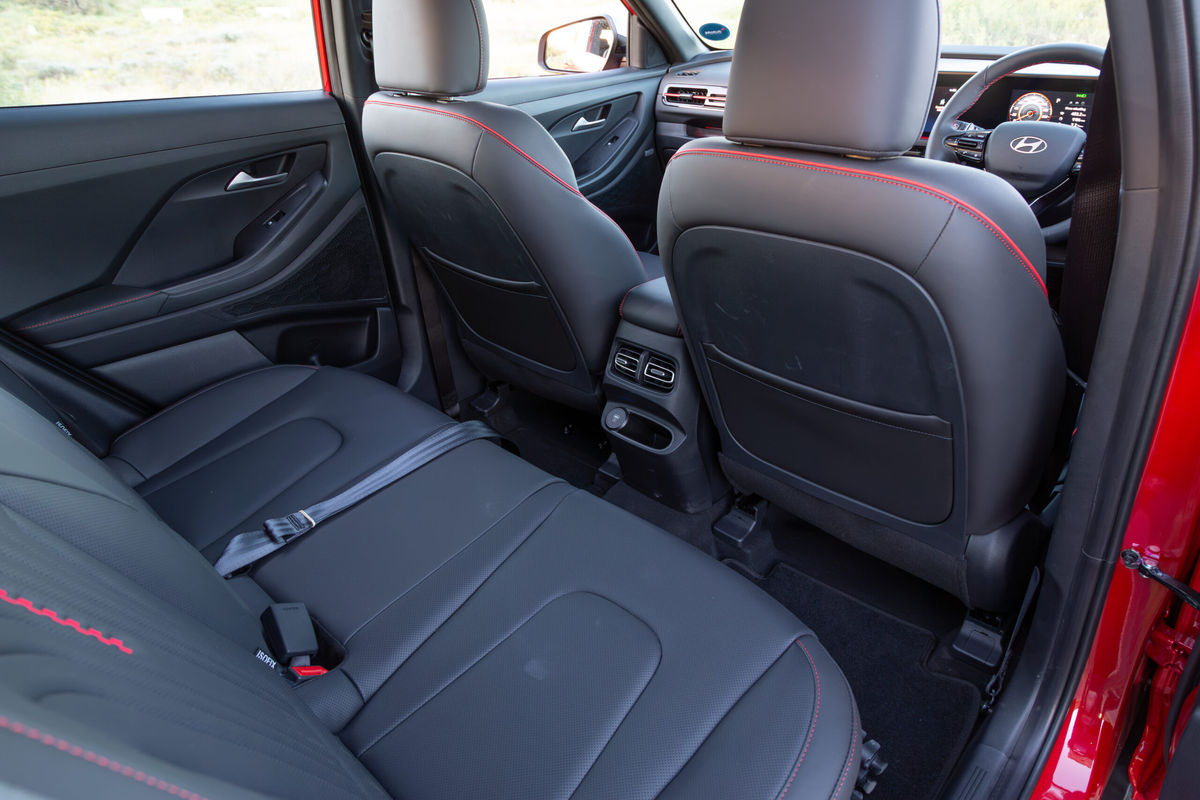
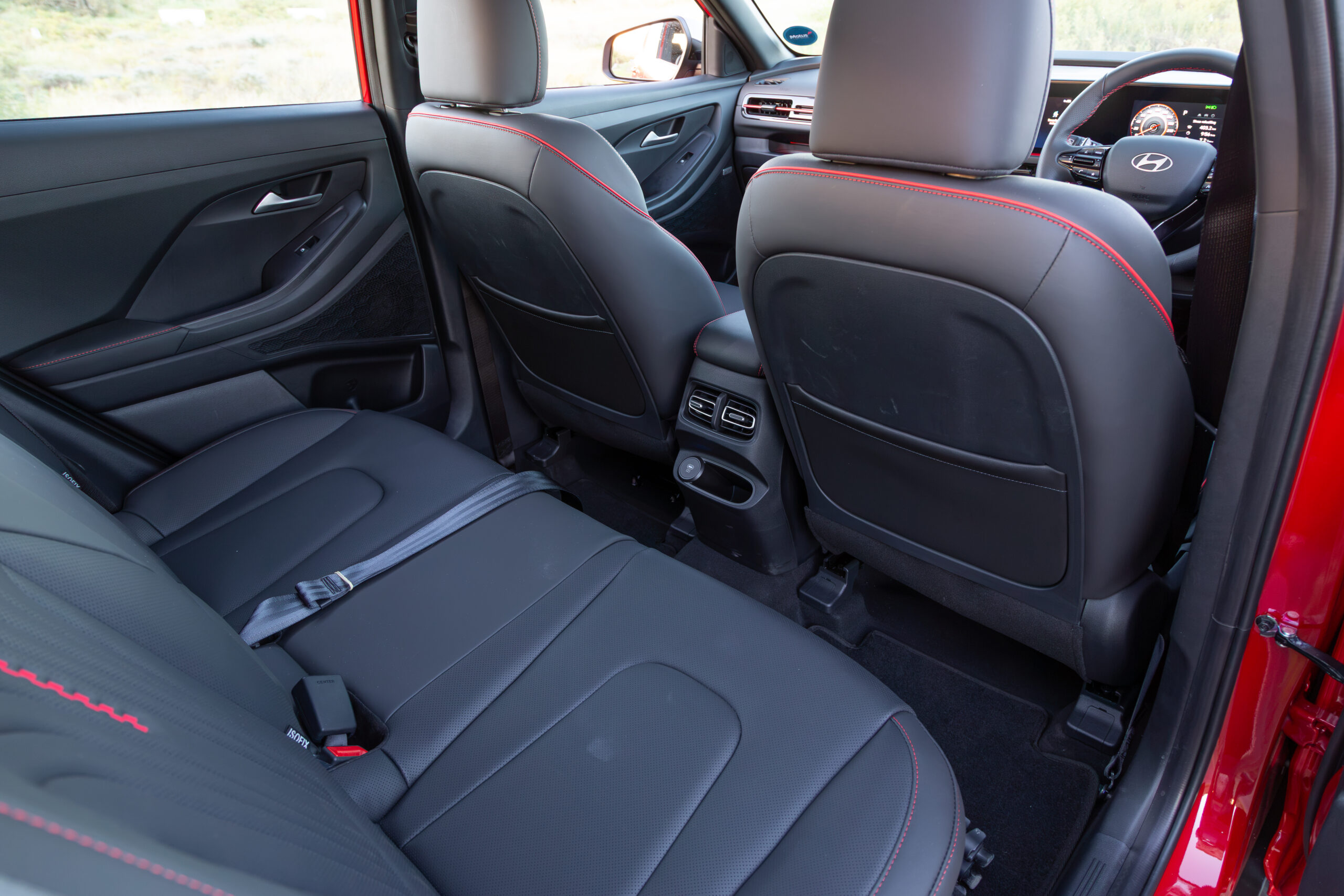
Climb into the back and, while the Creta is classed as a compact SUV, it still retains passenger-carrying capability. With a wheelbase of just over 2 600 mm, there’s sufficient room for adults, but taller folk may run into a lack of headroom. A solitary USB port is available to charge your device.
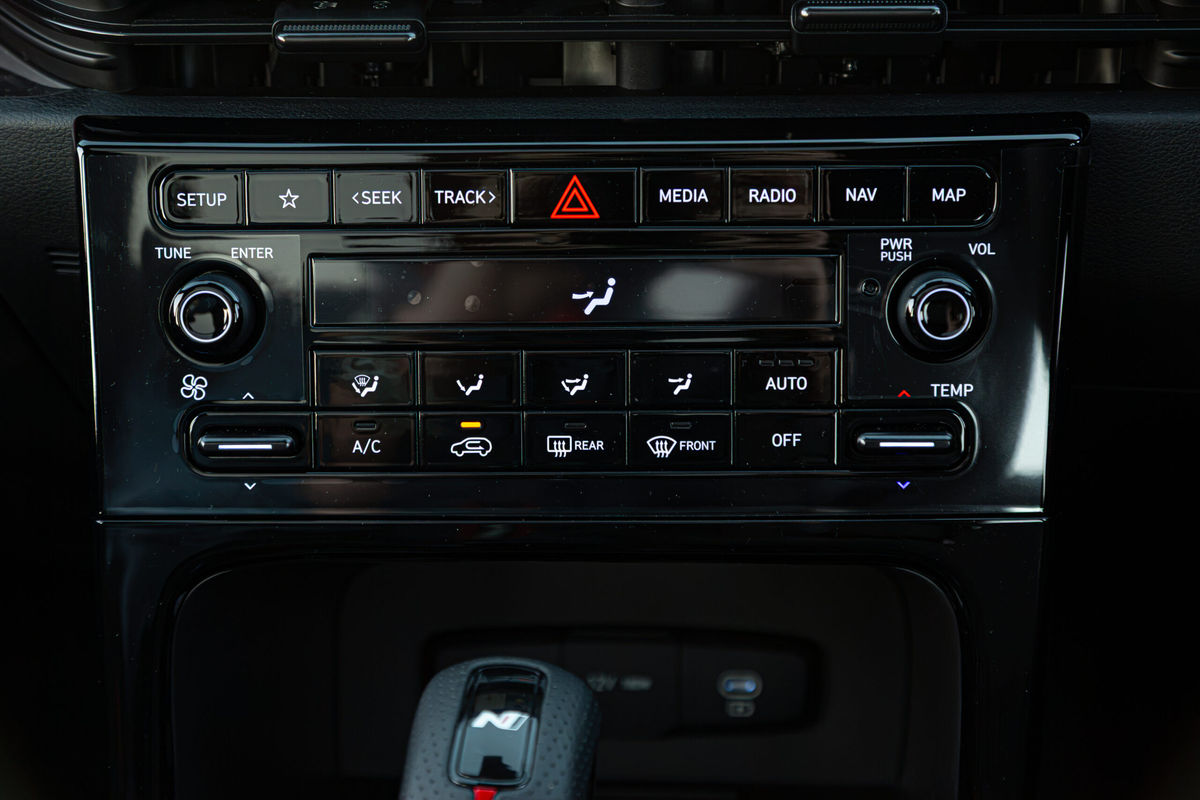
Given the level of standard equipment at this price point, this updated Creta is almost starting to sound a bit too good to be true. However, a deep dive into the fit and finish of the cabin turned up some cheap-feeling materials. For example, the climate control switchgear is finished in flimsy gloss-black plastic which is a fingerprint magnet. We also noticed some bubbling on the little display, which was a bit concerning given the car’s age (see below).
Performance & Efficiency
While there’s considerable hype and enthusiasm for Hyundai’s N brand, we have to make something clear: This is not a performance-focused crossover that’s been engineered to thrill, like the Kona N. Think of N Line as Hyundai’s equivalent to BMW’s M Performance models, which are mild versions of the full-fat M derivatives.
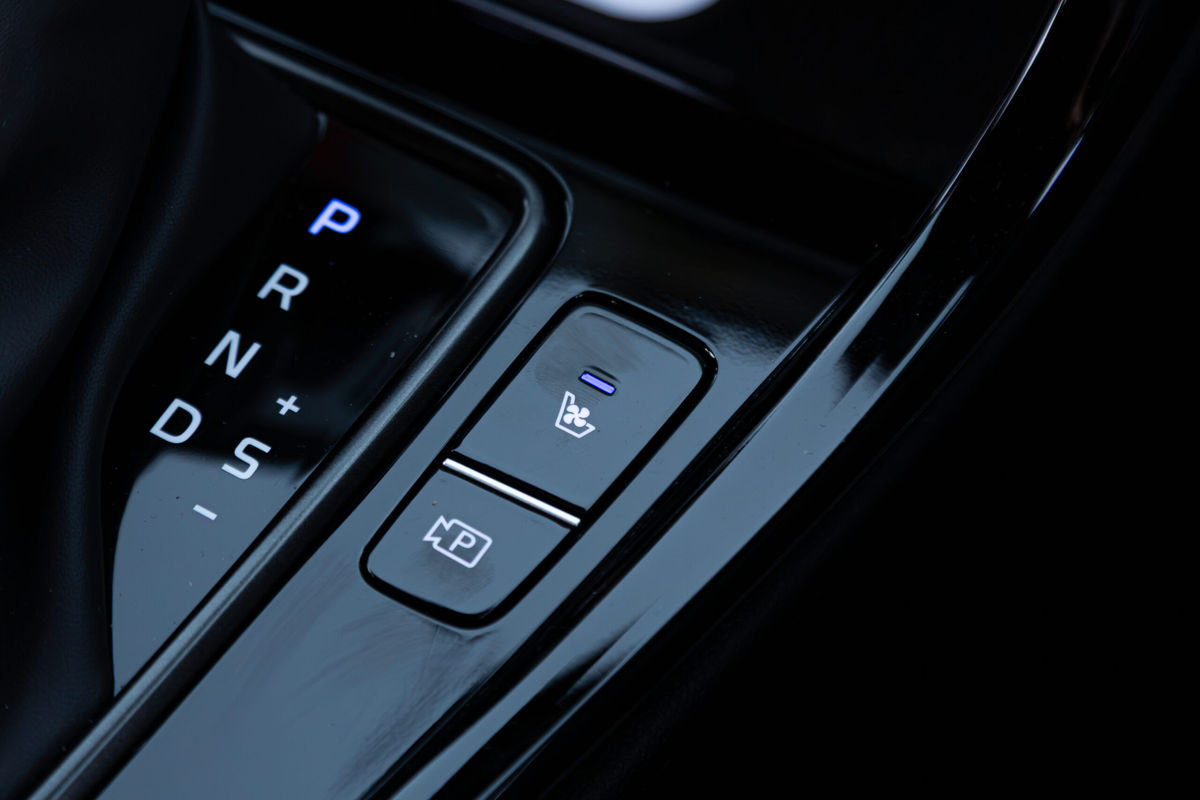
Still, the engine outputs give it a degree of enthusiasm. The 1.5-litre turbocharged, four-cylinder petrol engine churns out 118 kW and 253 Nm, and that reaches the front wheels via a quick-shifting dual-clutch transmission. Hyundai claims a 0-100 kph of 8.9 seconds, which we naturally had to test out.
With both the engine and transmission in their sportiest modes, the Creta N Line went substantially quicker than claimed, reaching the 100 kph benchmark time in 8.06 seconds. There’s no launch functionality; simply put your foot flat from standstill and off you go.
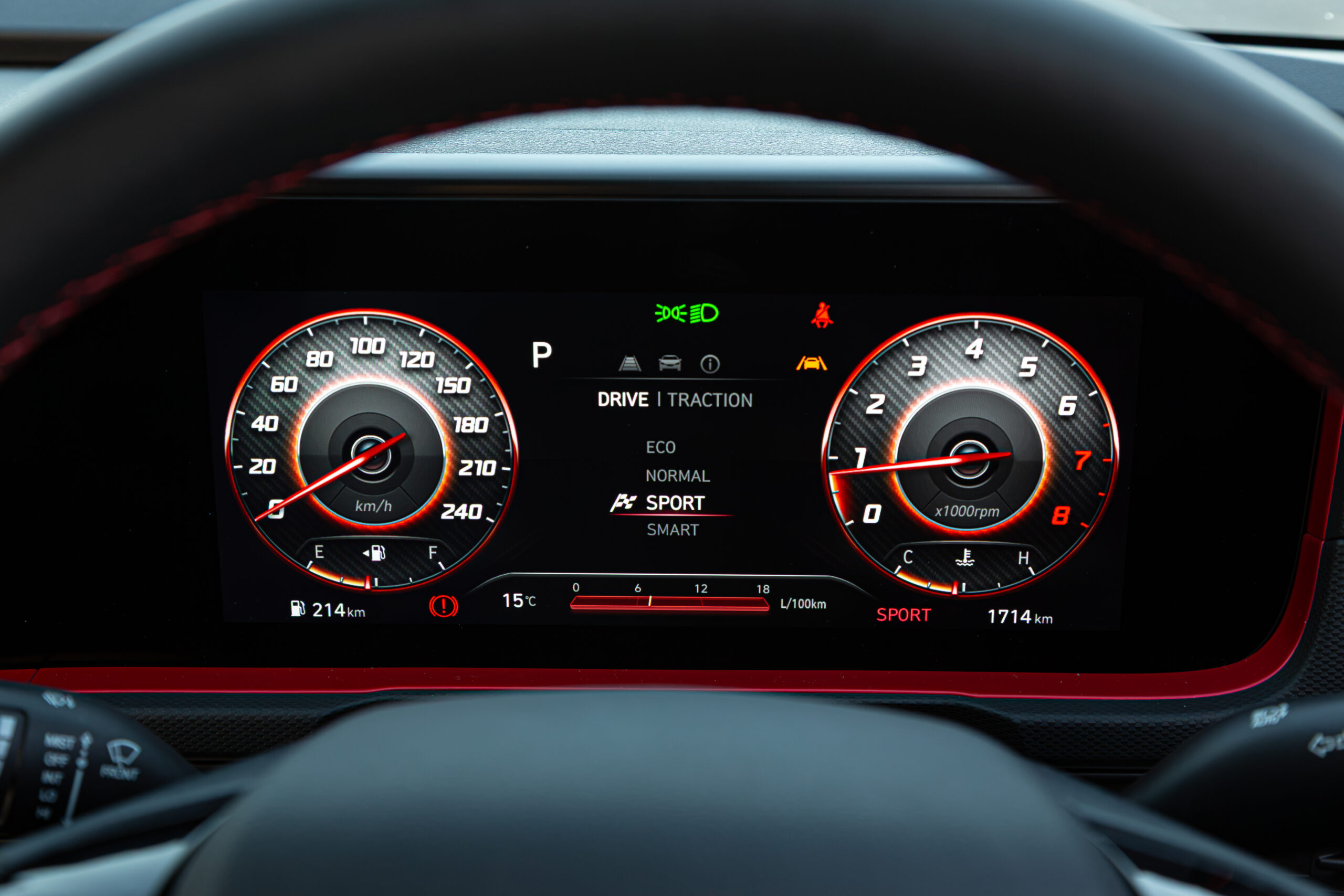
While the punchy performance is amusing, it doesn’t quite tick all the boxes. Unlike many of the DCT-equipped performance vehicles, there’s no distinct exhaust pop coming from the twin-exhaust setup, which we feel is a bit of a missed opportunity. Also, if you’re in sport mode and are generous with the loud pedal, expect wheel spin from standstill. However, we do like how the instrument cluster’s design changes depending on the drive mode.
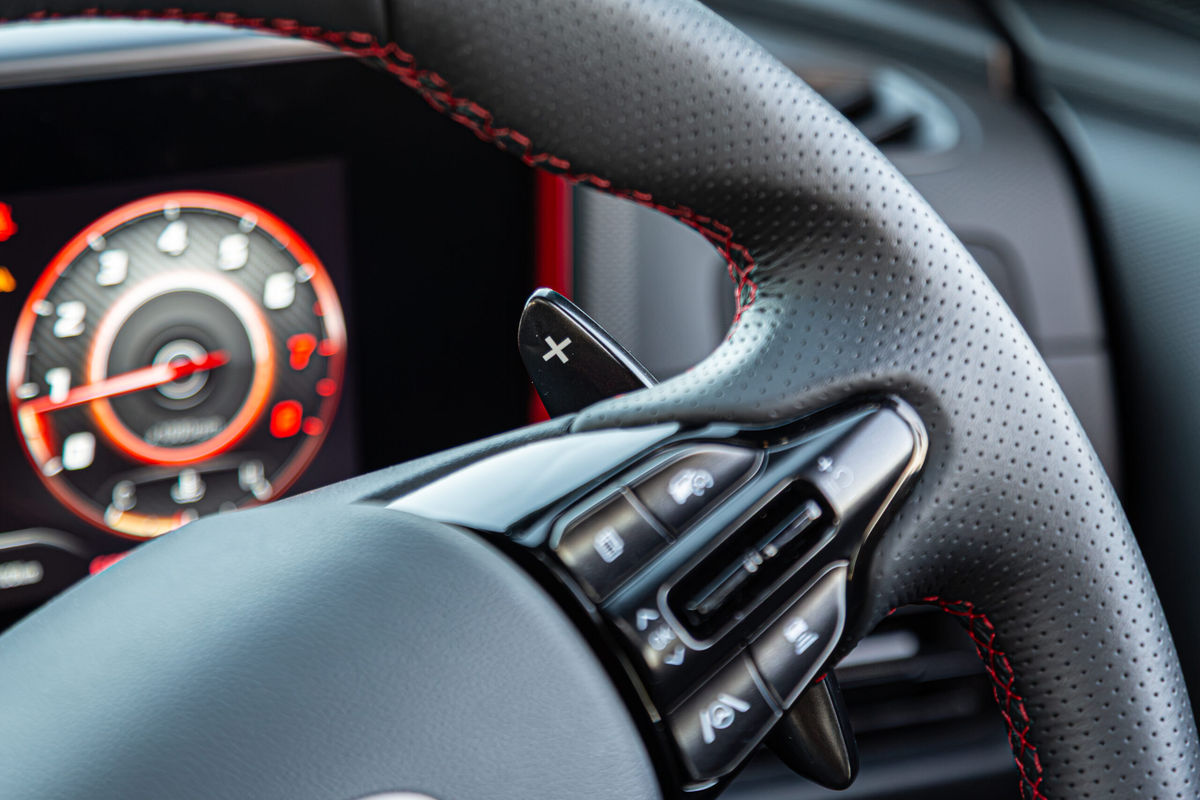
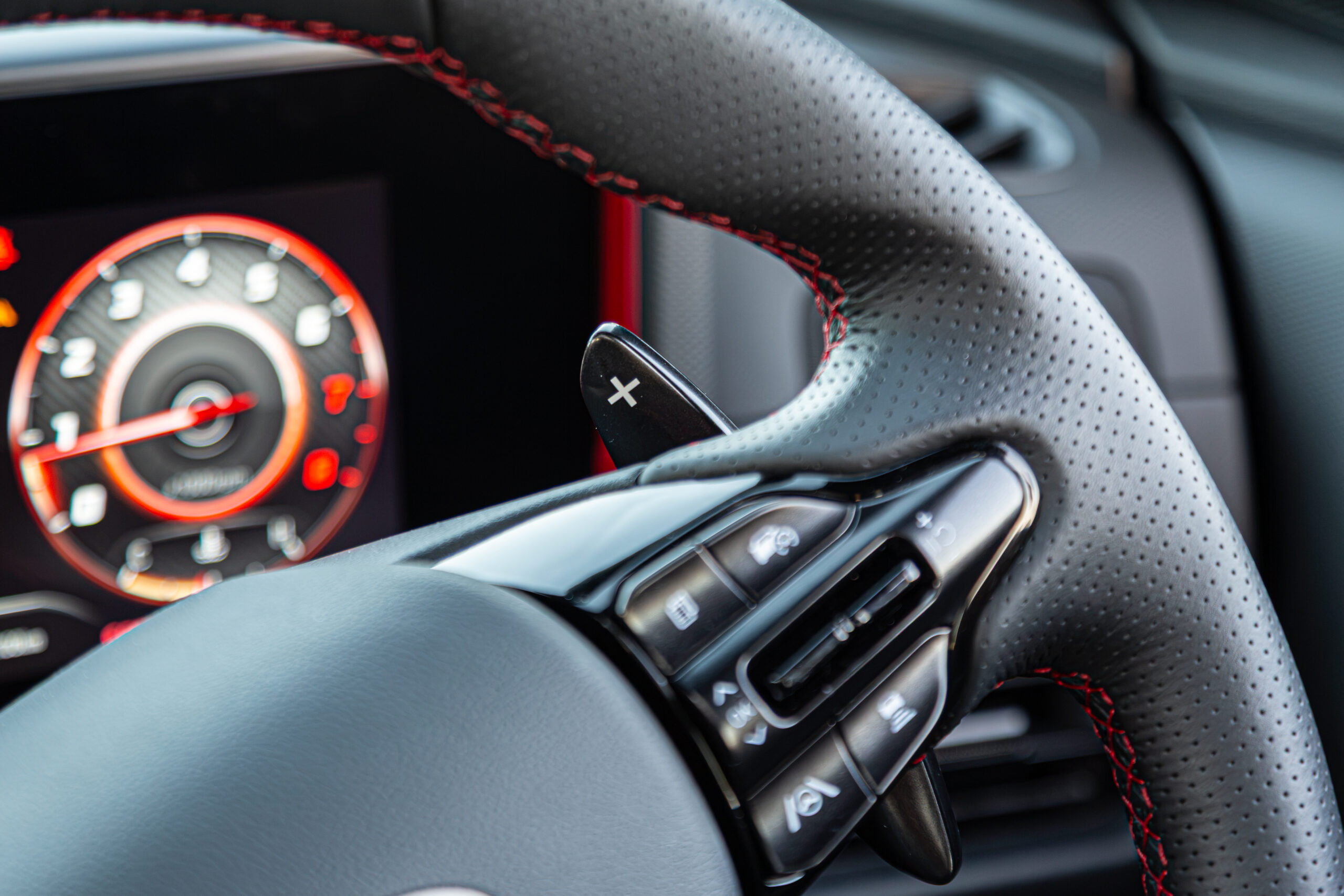
Then there’s the transmission itself. While it does a great job of changing gears smoothly, we feel that in its manual override mode, it is not as responsive as it should be (especially in light of the tactile paddles). Perhaps we’re asking too much and need to remind ourselves that this is an N Line, not a full-fat N.
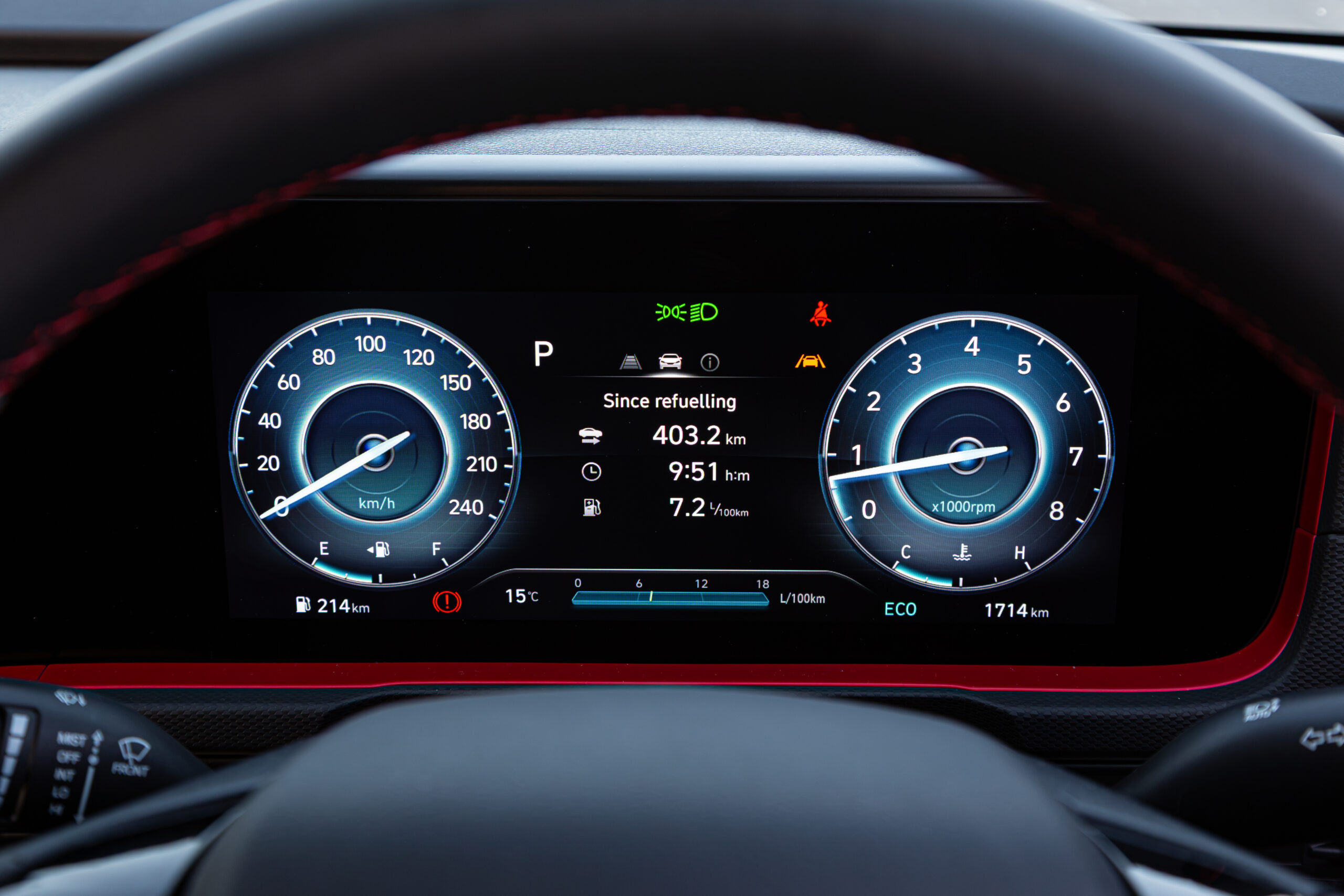
Despite its sporty intentions and punchy turbocharged engine, the Creta N Line returned favourable consumption figures; we posted just 7.2 L/100 km during the test period. It’s worth pointing out that longer trips on the national highway saw that figure go down to as low as 6.1 L/100 km. There’s a small 40-litre fuel tank, giving it a theoretical range of just under 600 km.
Ride, Handling & Comfort
The Creta will do the predictable home-to-work-and-back commute without any fuss. You simply engage the balanced ‘smart’ driving mode and leave the vehicle to its own devices. That said, there’s some typical dual-clutch jerkiness at low speeds, but nothing too severe.
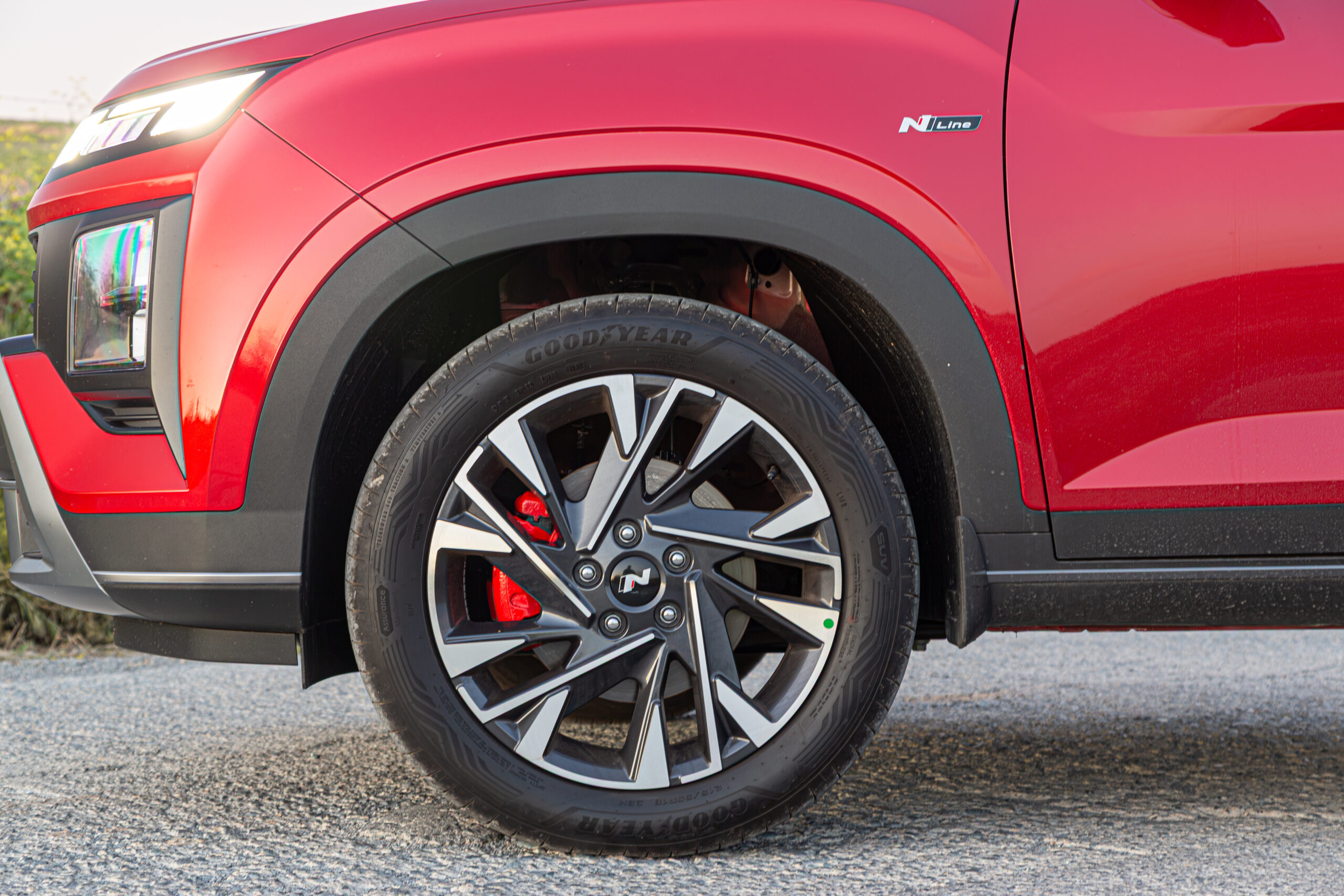
The N Line rides on 18-inch alloy wheels wrapped in sensible 215/55 tyres, which do a fair job of ironing out the road’s imperfections while maintaining that purposeful look. There’s some firmness, but we feel it’s a worthwhile trade-off.
Throw the Creta N Line into a corner and you’re again reminded this isn’t an N proper. The steering setup is light and somewhat vague – it’s a pity the weighting doesn’t change with the driving modes. However, if you’re not clipping apexes, this Hyundai makes a comfortable highway cruiser.
Price & After-sales support
The vehicle is sold with a 7-year/200 000 km manufacturer’s warranty, 4-year/60 000 km service plan as well as 7 years/150 000 km of roadside-assistance coverage.
Hyundai Creta 1.5 Premium
R434 900
Hyundai Creta 1.5T N Line
R569 000
All pricing correct in October 2026.
Verdict
It may not receive a universal thumbs up from us – we have some misgivings about the interior quality and ride comfort – but in a sea of same-same, uninspiring crossovers, the Hyundai Creta N Line does a great job of standing out and appealing on a more emotional level.
That powertrain ensures the go matches the show and, even if you don’t have sporty aspirations, there’s no denying the N Line is at least interesting, both in terms of visual appeal and driving engagement. Finally, given the current petrol price, it won’t cost that much to run, either.
What engine and transmission power the Hyundai Creta 1.5T N Line in South Africa?
The Hyundai Creta N Line is powered by a 1.5-litre 4-cylinder turbocharged petrol engine (1,482 cc) producing 118 kW of power and 253 Nm of torque. Power is delivered to the front wheels via a 7-speed dual-clutch transmission (DCT).
How much does the Hyundai Creta N Line cost in South Africa?
The flagship Hyundai Creta 1.5T N Line DCT derivative is priced from R569,900 in South Africa.
How does the Creta N Line differ visually and feature-wise from the standard Creta?
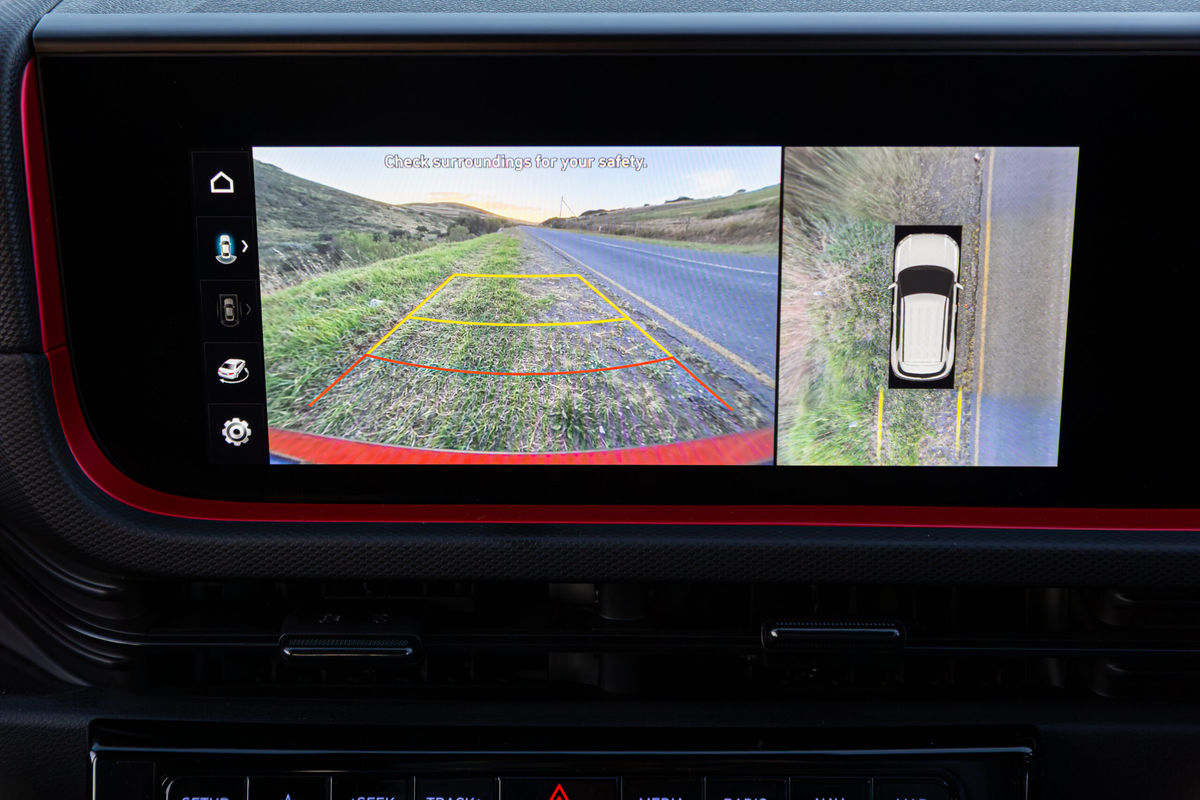
The Creta N Line features distinct sport styling including a satin-black front grille, 18-inch alloy wheels, N Line exterior body cladding, twin tip exhausts, and full leather upholstery with red stitching. It also comes standard with a panoramic sunroof, 360-degree camera system, wireless charging pad, and Level 2 Advanced Driver Assistance Systems (ADAS).
What safety features are standard on the Creta N Line?
Standard safety tech includes 6 airbags, ABS with Electronic Stability Control (ESC), Hill-Start Assist, Tyre Pressure Monitoring System (TPMS), ISOFIX mountings, and ADAS features such as Adaptive Cruise Control, Blind-Spot Detection, Lane Keep Assist, Forward Collision Avoidance, and Rear Cross-Traffic Alert.
What warranty and service plan come standard with the Hyundai Creta N Line?
The Hyundai Creta N Line comes backed standard by Hyundai’s 7-year/200 000 km manufacturer warranty, a 4-year/60 000 km service plan, and 7 years or 150 000 km of roadside assistance.
5 most affordable sedans in South Africa (2026)
Looking for the most affordable sedans currently available new in South Africa? We’ve sorted through the local market and identified the 5 cheapest saloons…
While crossovers and hatchbacks continue to dominate South Africa’s new-vehicle sales charts, the traditional sedan still has a place – for ride-share operators, fleet managers and even small families. So, what are the most affordable sedans on the market right now?
Well, we’ve sorted through the new-car space and picked out the 5 cheapest sedans currently available (all pricing correct in October 2026). Note that we’ve excluded the Proton Saga – which had been priced from just R209 900 – from this exercise since the Malaysian brand is seemingly still in limbo in South Africa.
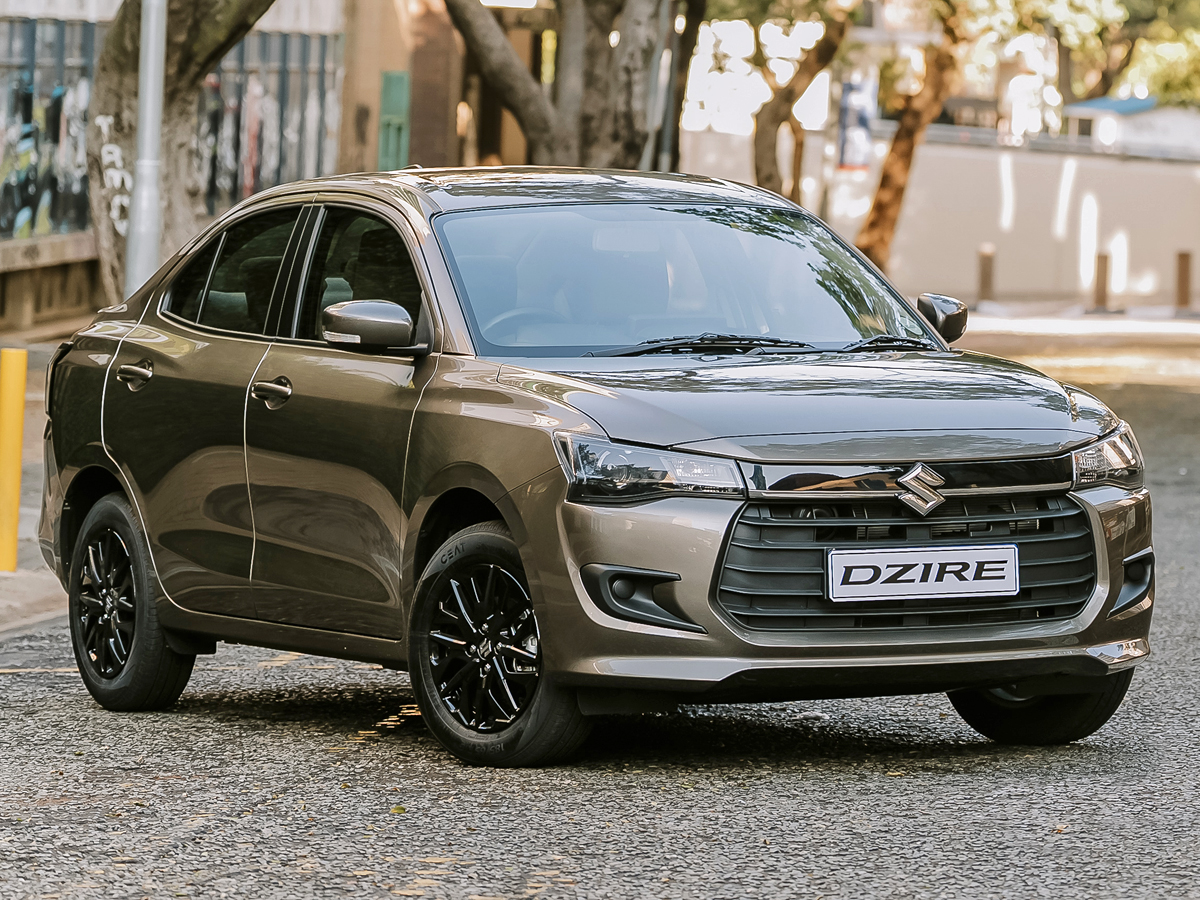
1. Suzuki Dzire 1.2 GA 5MT – from R232 900
With Proton’s Saga effectively out of the running (for the time being, at least), the GA version of Suzuki’s Dzire inherits the title of SA’s most affordable sedan. Sourced from India, this sub-4-metre saloon employs the Japanese brand’s 60 kW/112 Nm naturally aspirated 1.2-litre, 3-cylinder petrol engine, along with a 5-speed manual gearbox (although a CVT is also available in the pricier GL+ grade).
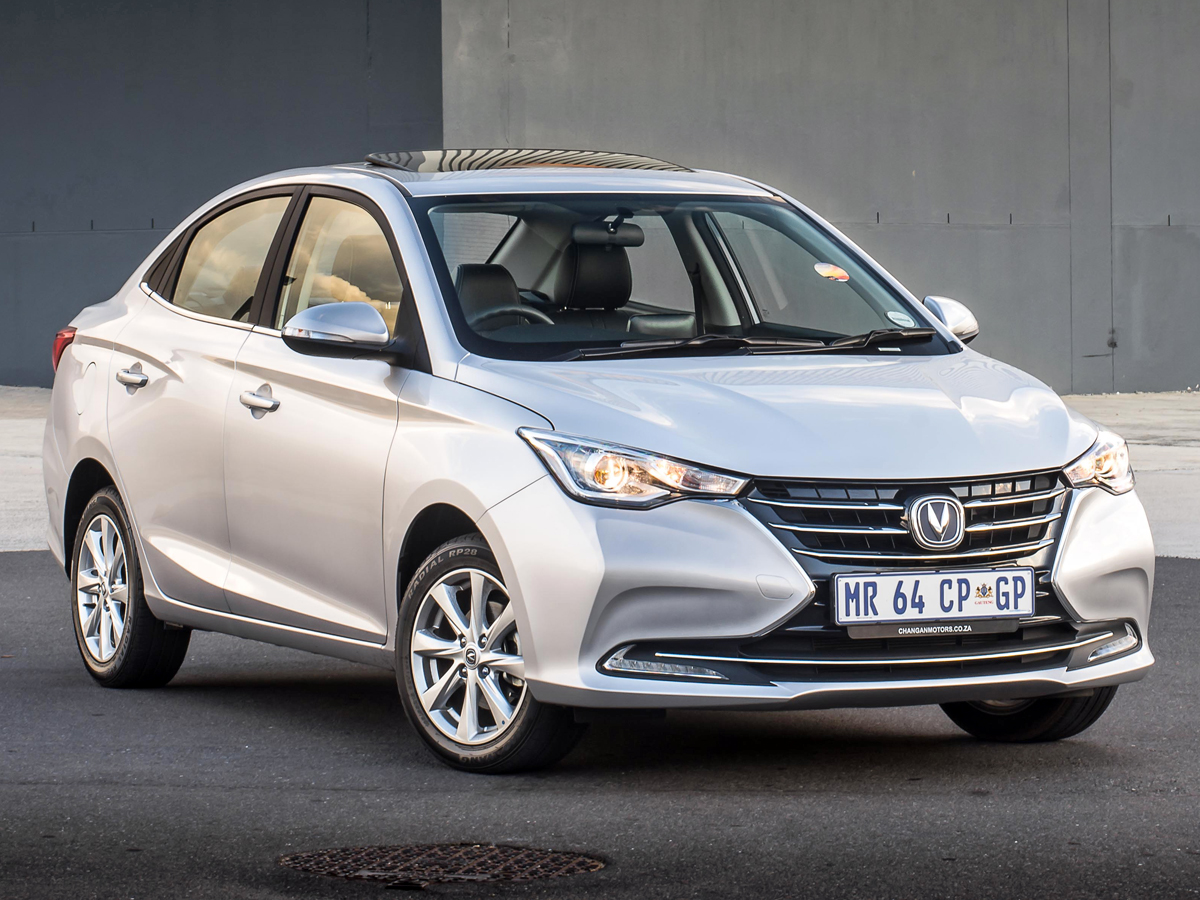
Shipped over from China, Changan’s Alsvin is the largest sedan on this list (measuring 4 390 mm long) and features the most powerful engine, too (a 74 kW/135 Nm naturally aspirated 1.4-litre, 4-cylinder petrol unit). A 5-speed manual cog-swapper is standard in this CS derivative. Interestingly, the brand also offers a more expensive CE-badged version, which switches to a 78 kW/145 Nm 1.5-litre motor and a 5-speed dual-clutch transmission.
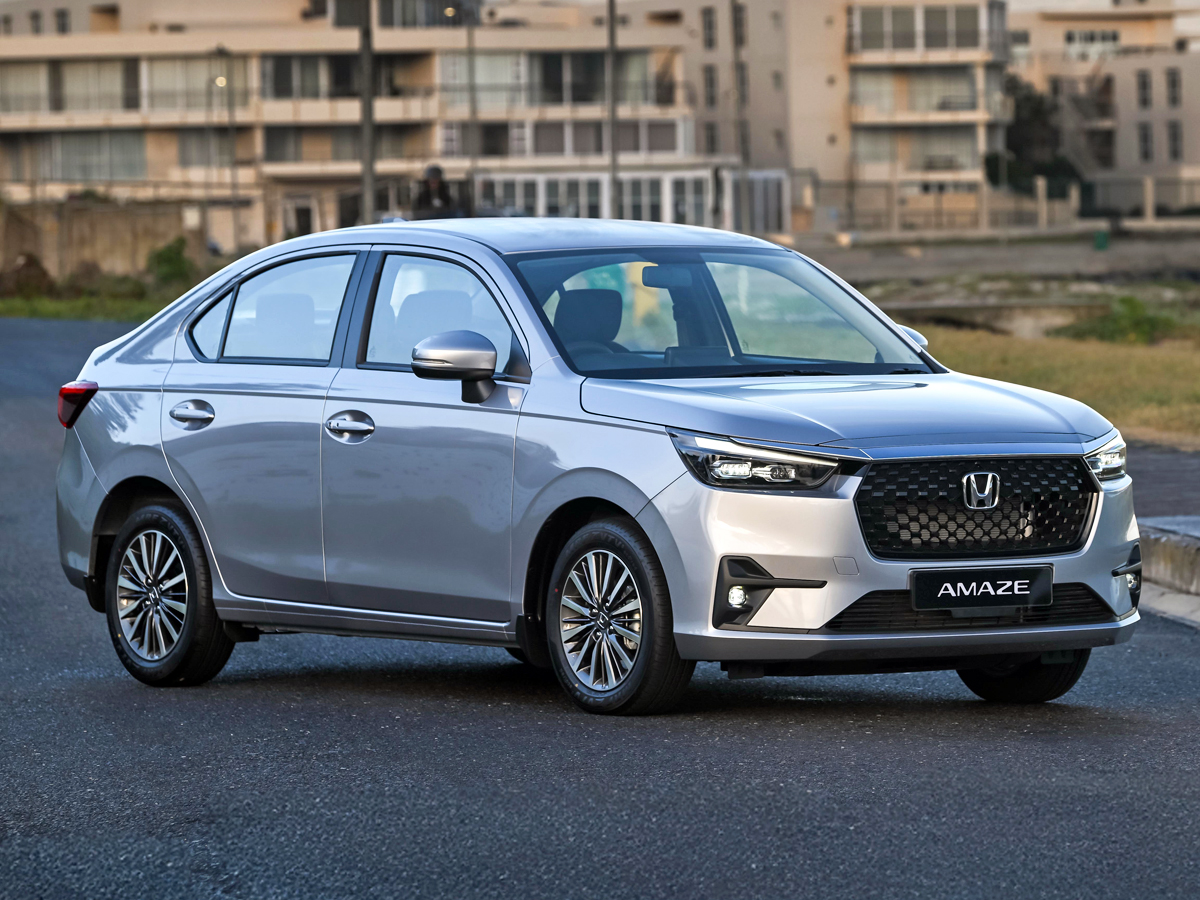
Like the Dzire, Honda’s Amaze is built in India and measures 3 995 from front to back. Each derivative in the 3-strong range employs an atmospheric 1.2-litre 4-pot that delivers peak outputs of 66 kW and 110 Nm to the front wheels via either a 5-speed manual gearbox (Trend and Comfort) or a CVT (exclusive to the Comfort grade).
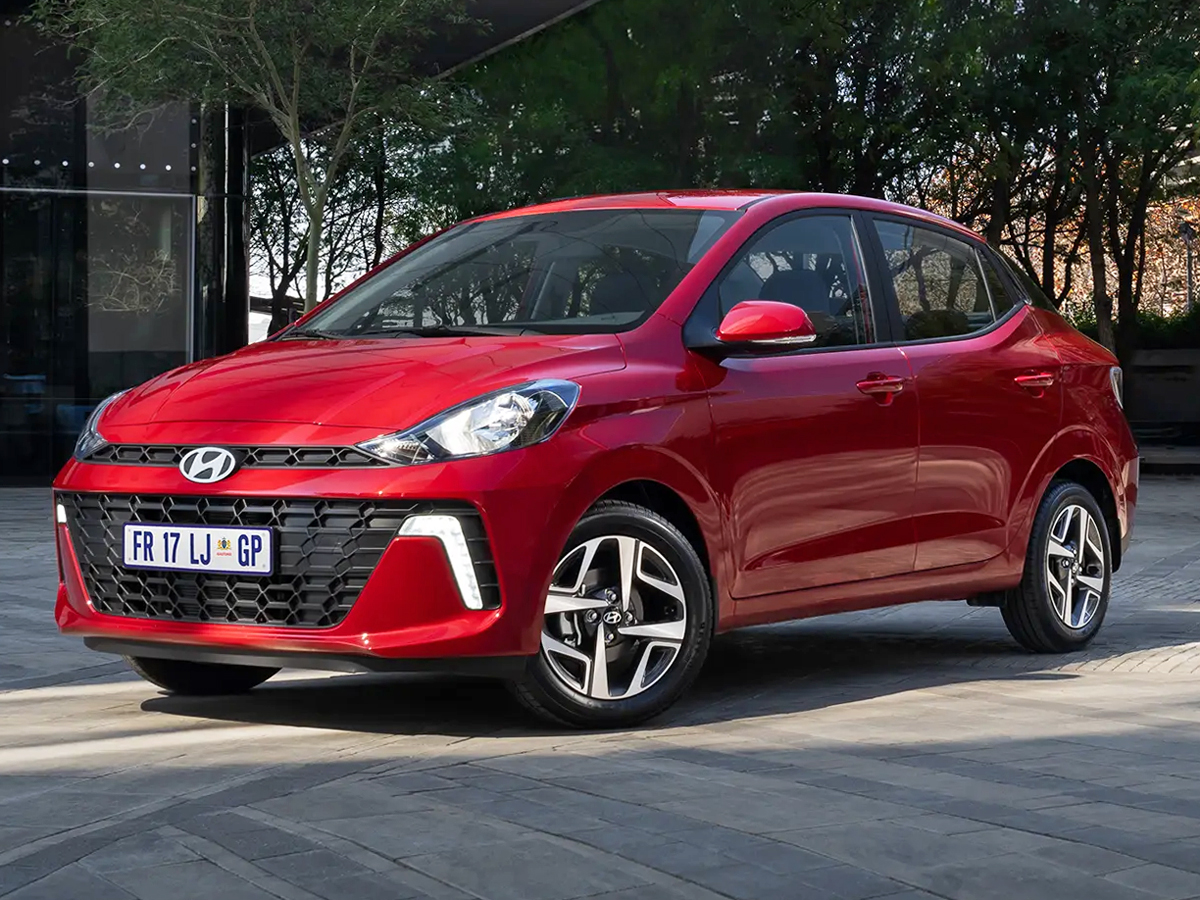
4. Hyundai Grand i10 1.2 Executive Sedan 5MT – from R282 400
The 3rd model here sourced from India and coming in at precisely 3 995 mm long, Hyundai’s Grand i10 Sedan is powered by a 61 kW/114 Nm naturally aspirated 1.2-litre, 4-cylinder petrol mill. The entry-level derivative uses a 5-speed manual gearbox, though Hyundai Automotive SA also offers a 4-speed automatic transmission (likewise in conjunction with the Executive trim level).
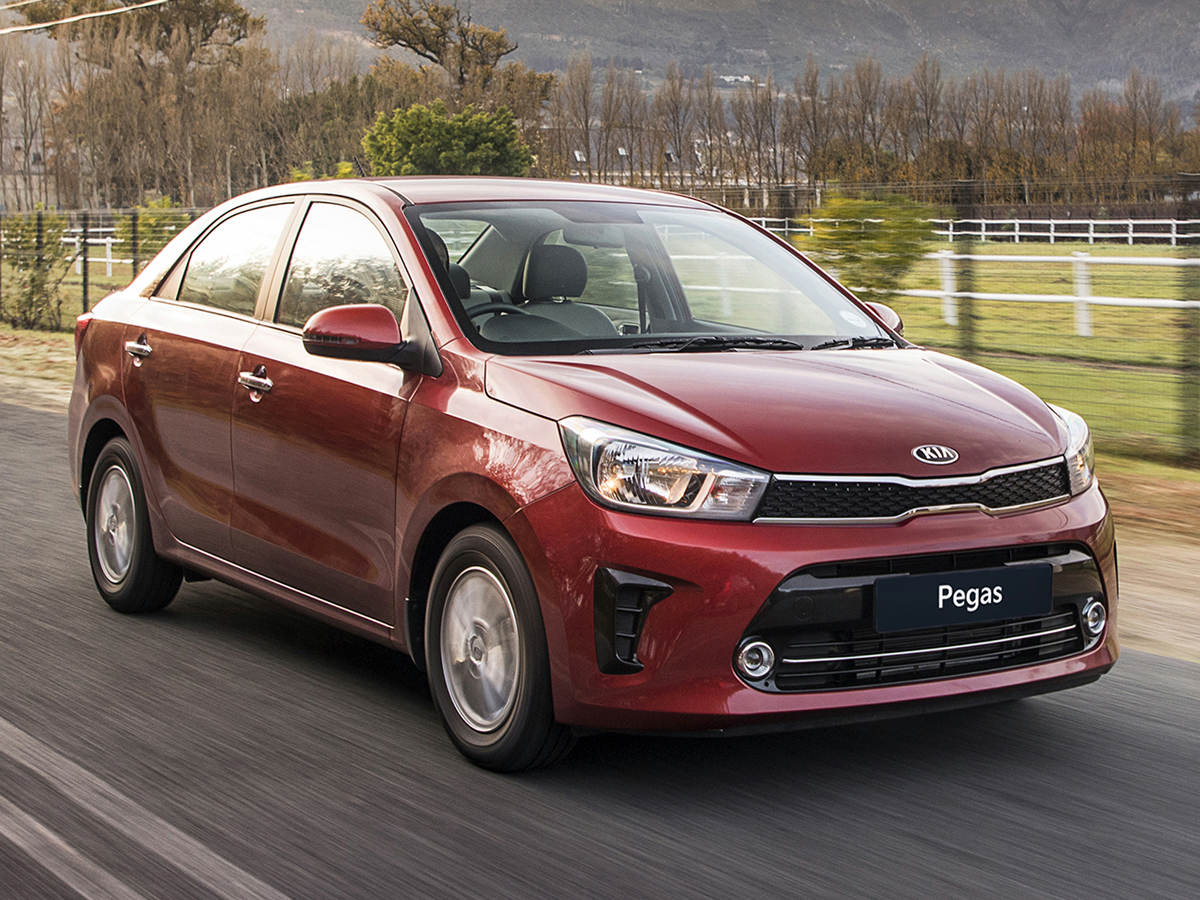
Kia South Africa sources the Pegas – which measures 4 300 mm from snout to rump – from China. Equipped with a 5-speed manual gearbox, the LX derivative forms the entry point to the 4-strong range, although all variants employ the same 69 kW/132 Nm atmospheric 1.4-litre, 4-cylinder petrol motor. A 4-speed automatic cog-swapper is also available in LX and EX trim.
A report out of Japan claims that Honda has reached an agreement with Mitsubishi to sell a rebadged version of the Triton ladder-frame bakkie. Here’s what we know…
Honda to rebadge Triton?
Tipped for release in 2028
Thailand production likely
Honda has reportedly reached an agreement with fellow Japanese automaker Mitsubishi to sell a rebadged version of the Triton ladder-frame bakkie.
According to Japanese daily newspaper Yomiuri Shimbun, the 2 companies have hammered out a deal that will see Honda start selling a rebadged Triton in Southeast Asian markets from around 2028.
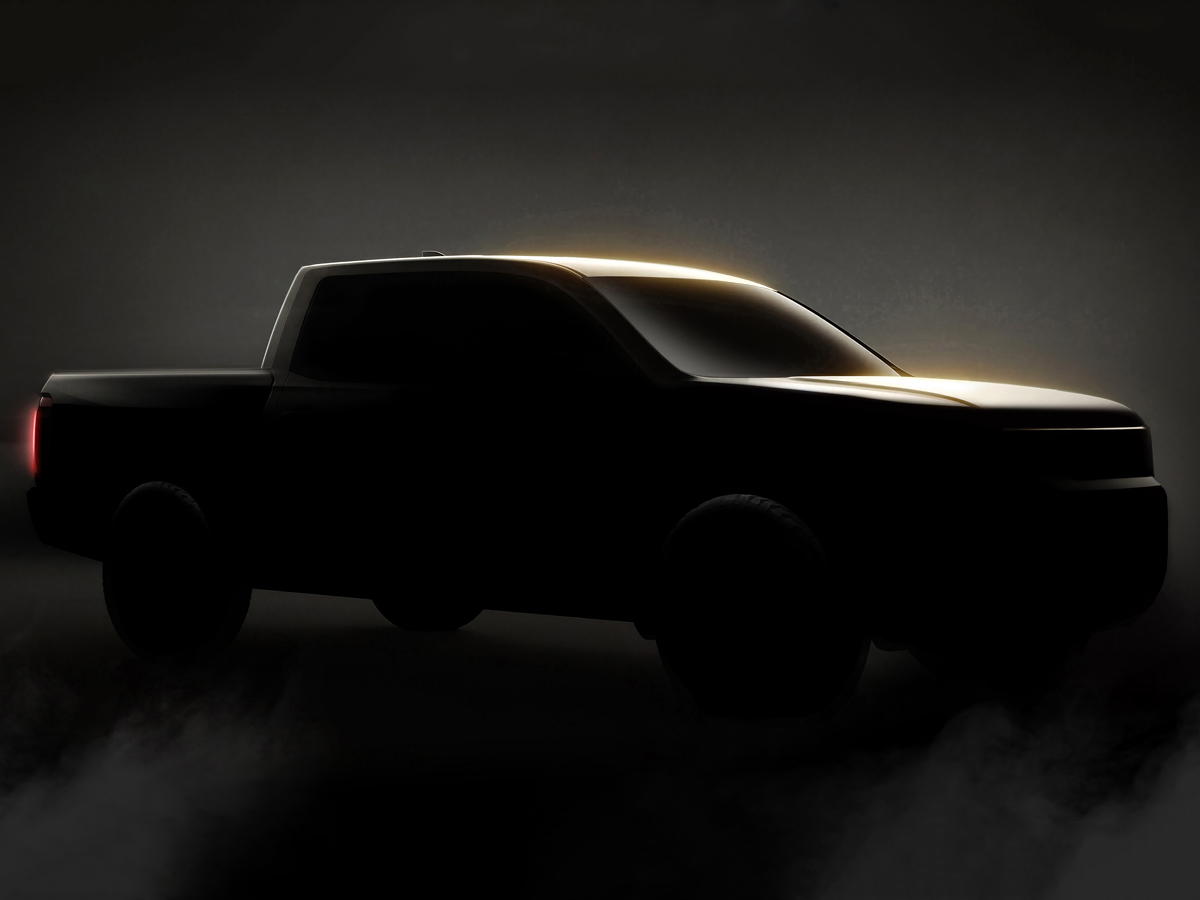
Honda’s teaser image of the upcoming 3rd-gen Ridgeline.
While Honda already manufactures the Ridgeline pick-up in Alabama, that left-hand-drive model – which is slated to enter its 3rd generation towards the middle of 2028 – features a unibody construction (and is exclusive to North America). In contrast, the Triton features a body-on-frame configuration and is available in right-hand drive, too.
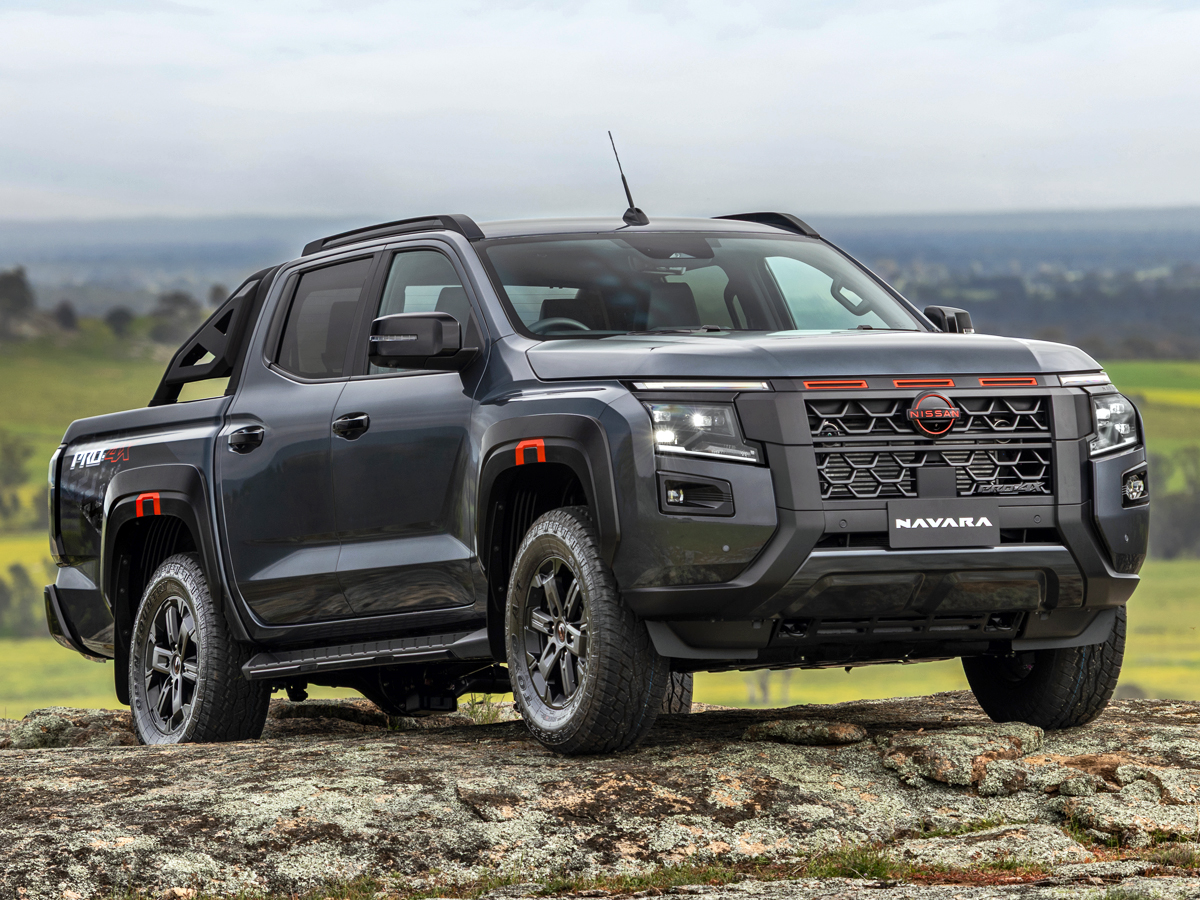
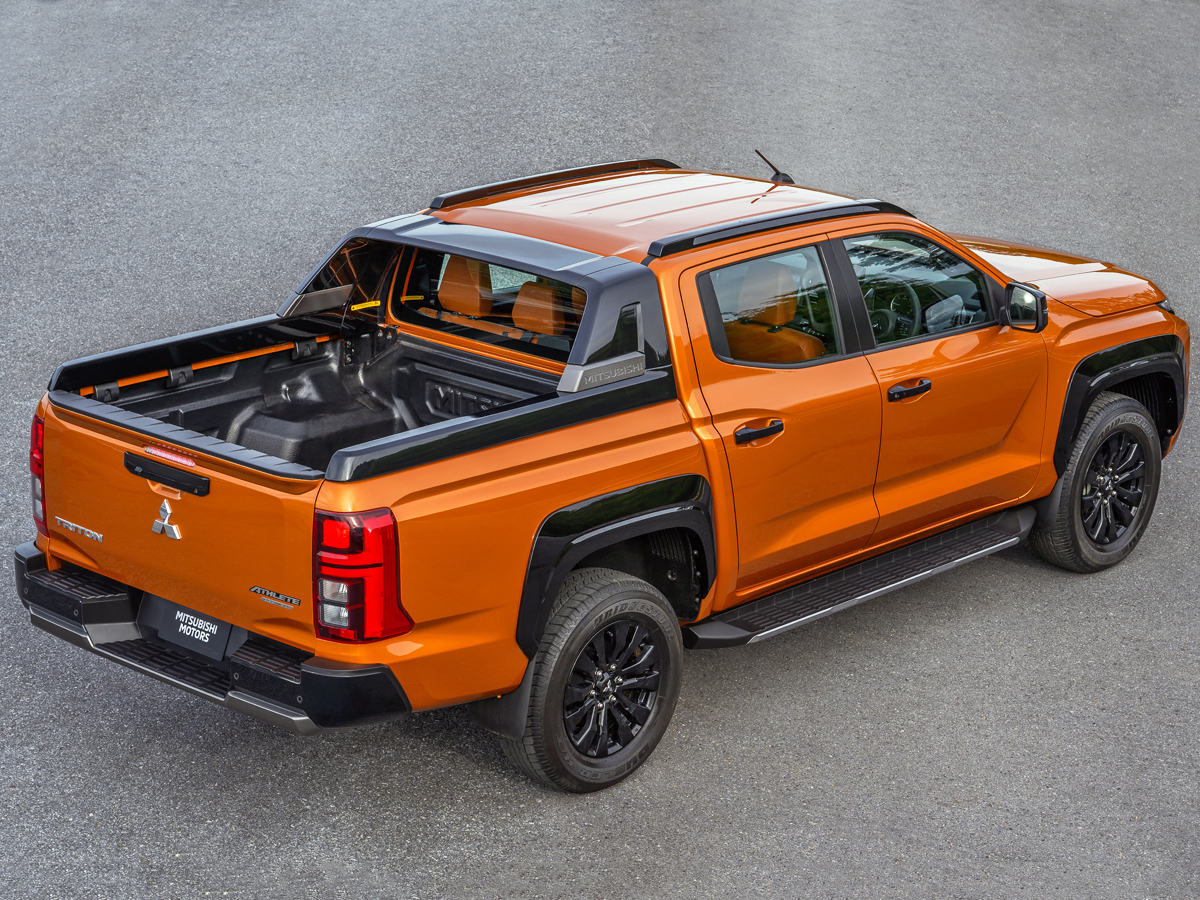
Of course, the current-generation Triton – which was unveiled globally in 2023 – also forms the basis for the D27-series Navara that is sold in Australia and New Zealand (while the D23-series bakkie soldiers on in other markets, including South Africa).
The D27-series Navara sold in Australia and New Zealand is also based on the Triton.
The Yomiuri Shimbun report says adding a Honda-badged iteration – alongside the Triton and the aforementioned Nissan-badged version – to Mitsubishi’s Laem Chabang production line would help to boost the Thailand factory’s output, effectively lowering costs through economies of scale.
Should this report prove to be accurate, right-hand-drive production of the rumoured Honda-badged bakkie – which would surely employ a version of Mitsubishi’s 2.4-litre turbodiesel engine – would seem very likely, particularly with Thailand being at the centre of the story.
The current-generation Triton hasn’t proven particularly popular in SA.
And that would theoretically open the door for Honda Motor Southern Africa to finally enter the bakkie market. Of course, whether local bakkie buyers would accept a Triton wearing a Honda badge – what with the Triton itself proving to be one of the segment’s slower sellers – remains to be seen…
Frequently Asked Questions (FAQ)
Q: Is Honda planning to launch a rebadged Mitsubishi Triton bakkie?
A: According to reports out of Japan, Honda has reached an agreement with Mitsubishi to sell a rebadged version of the Triton ladder-frame bakkie, primarily targeted at Southeast Asian markets from around 2028.
Q: Where will the rumoured Honda-badged Triton bakkie be produced?
A: Production would seemingly take place alongside the Triton and D27-series Nissan Navara at Mitsubishi’s Laem Chabang plant in Thailand, which produces right-hand-drive vehicles.
Q: Could the Honda bakkie come to South Africa?
A: While certainly not official, Thailand production in right-hand drive would theoretically open the door for Honda Motor Southern Africa to enter the local bakkie segment.