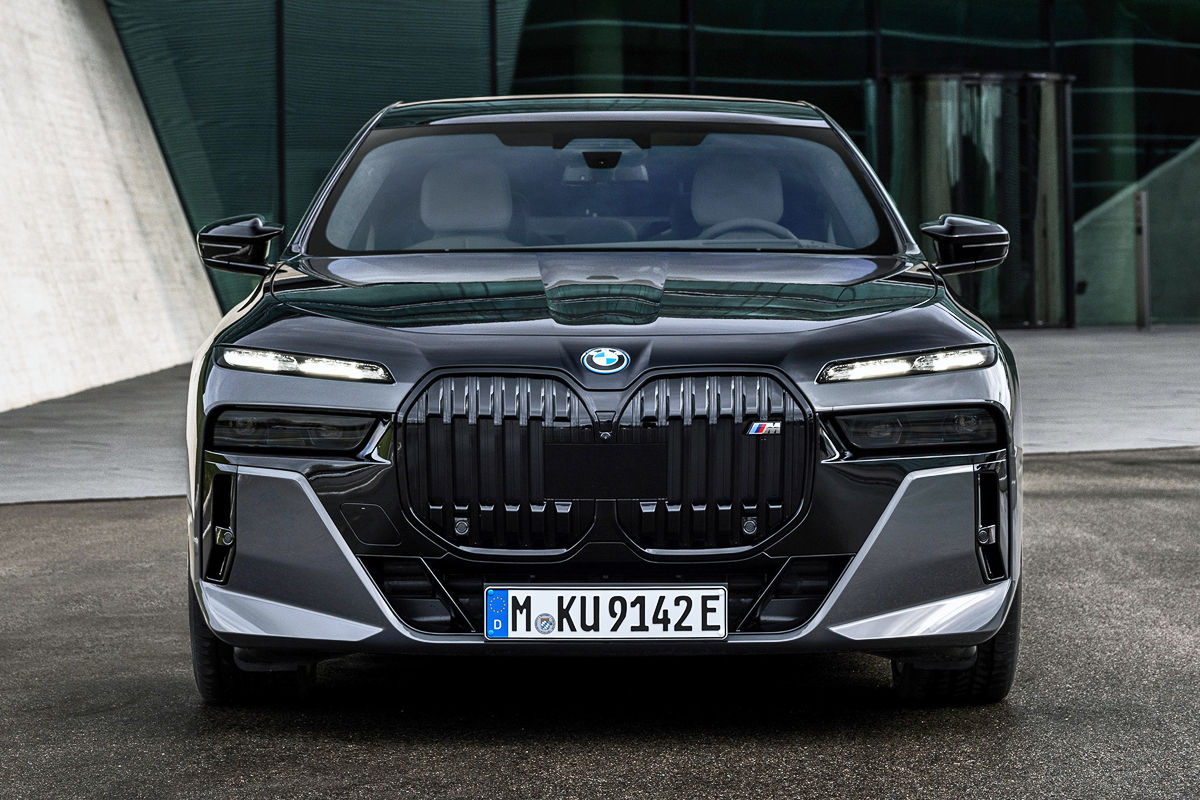
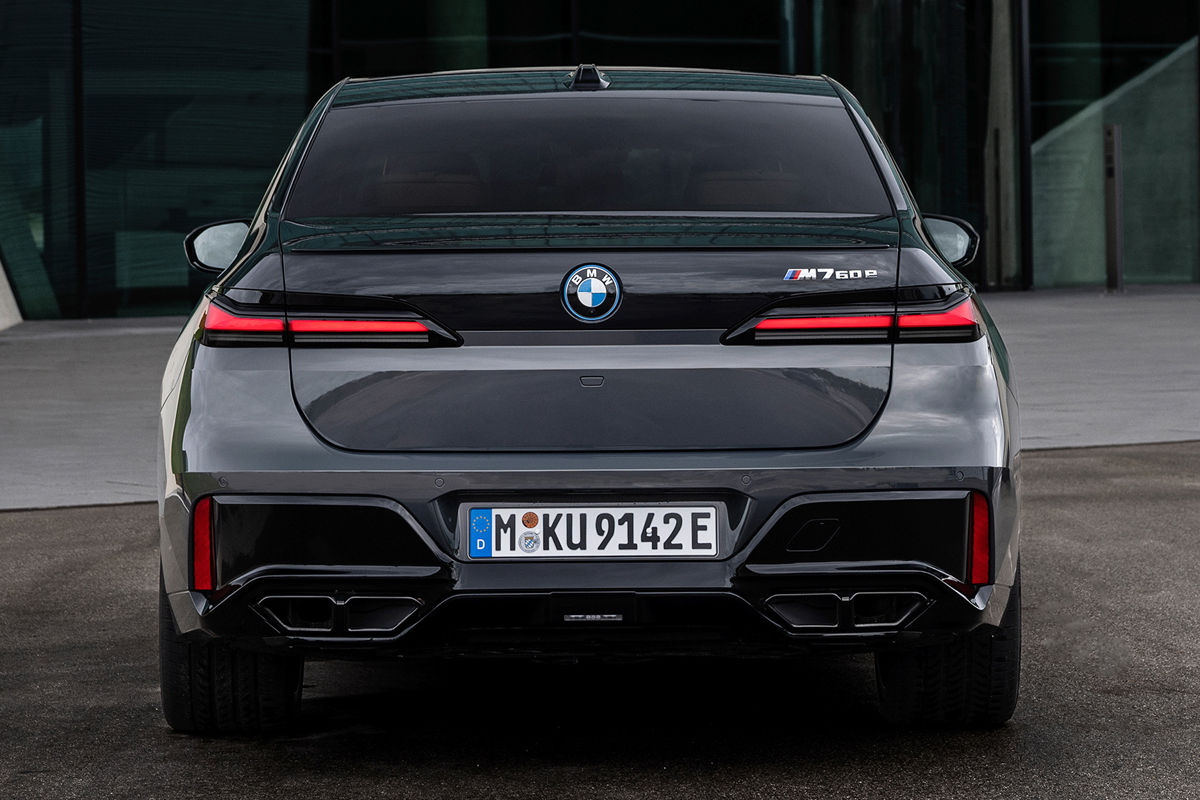
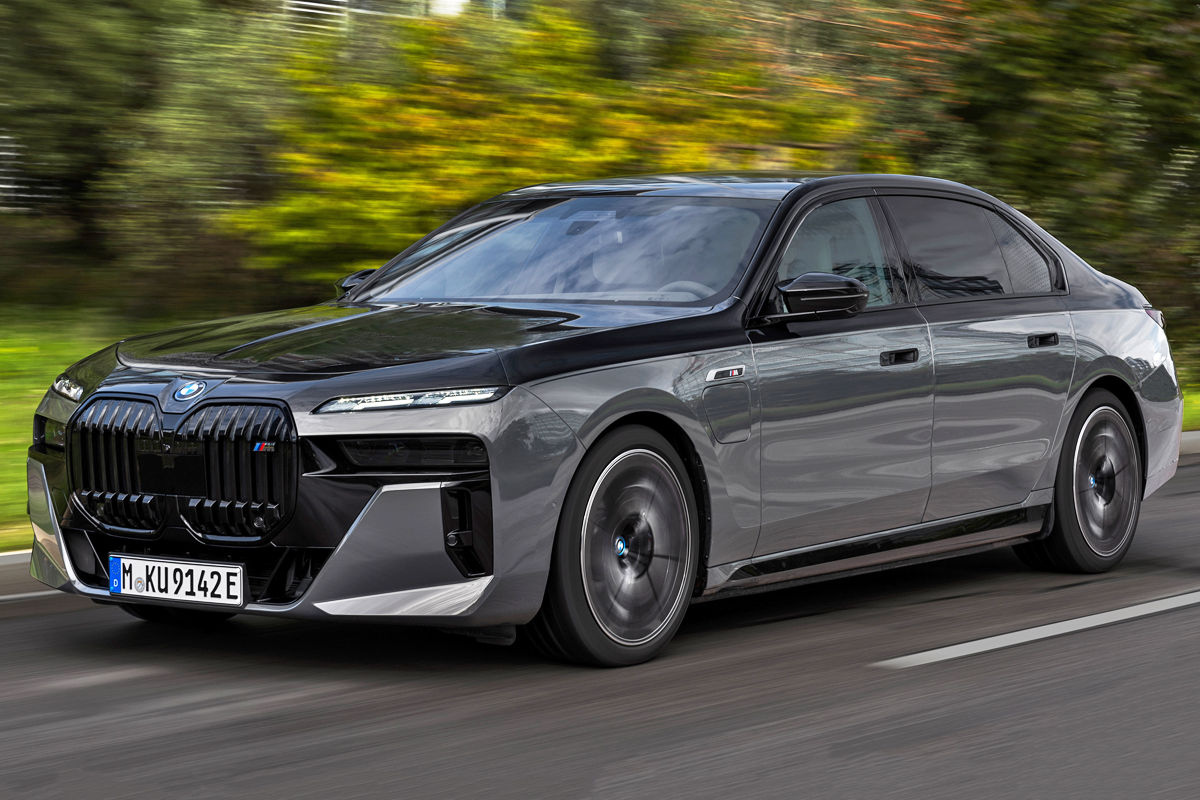
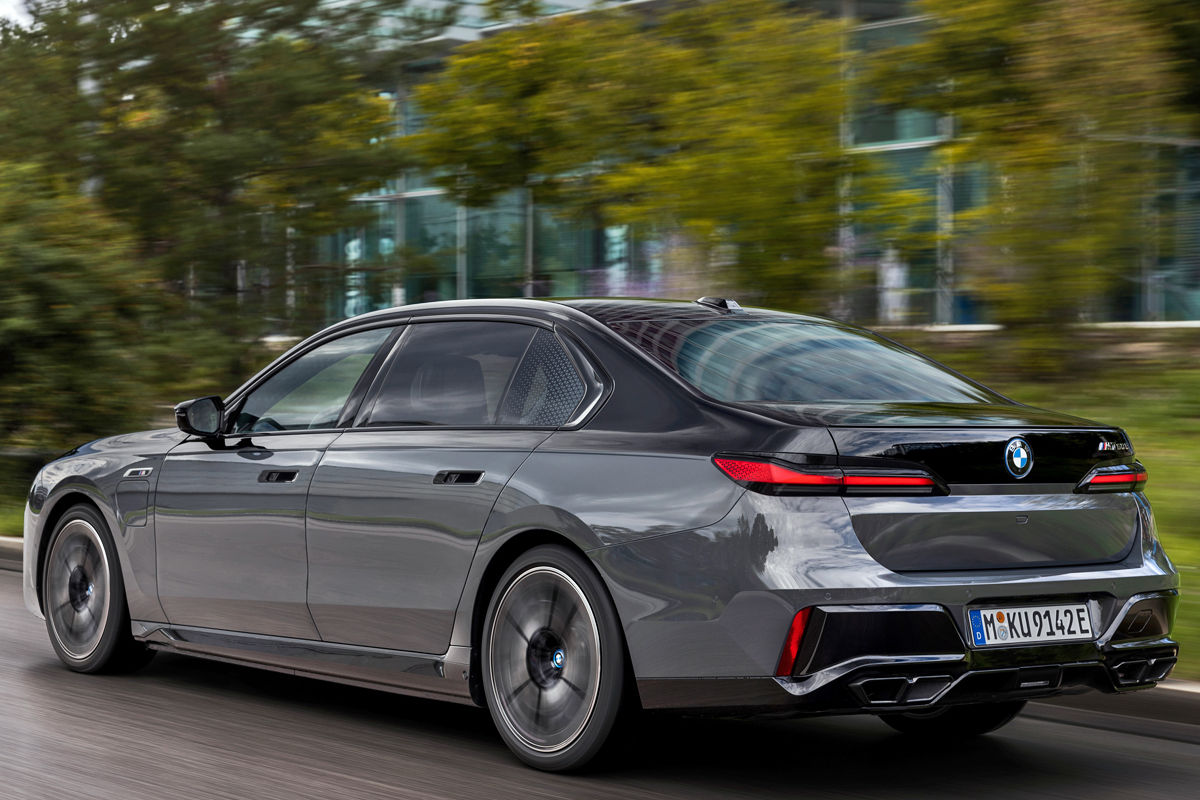
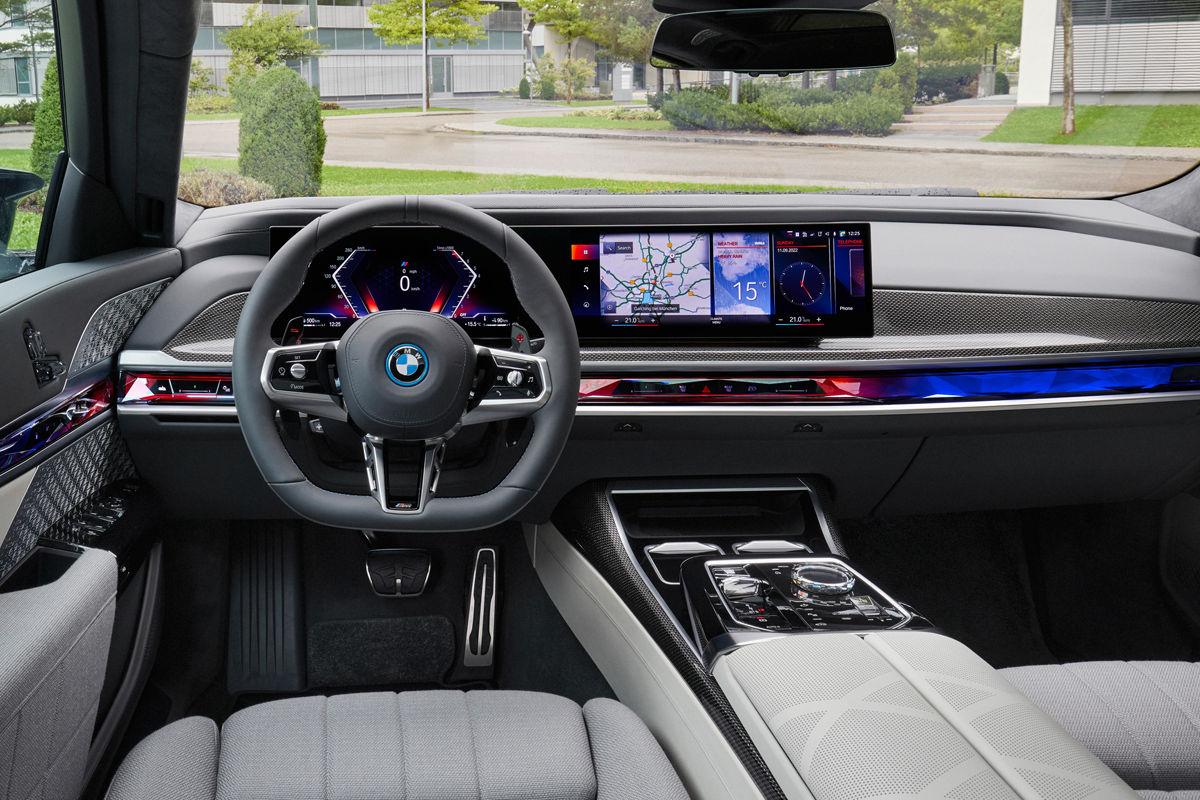
The M760e xDrive – endowed with up to 420 kW – has quietly joined the BMW 7 Series range in SA. Here’s how much this plug-in hybrid derivative from the M division costs…
When the 7th-generation BMW 7 Series line-up – including petrol, diesel and fully electric powertrains – touched down in South Africa near the end of 2022, the Bavarian firm’s local division made no mention of the M760e xDrive derivative. Now, however, this plug-in hybrid electric vehicle (PHEV) variant has quietly joined the range.
Thanks to the eagle-eyed folks over at duoporta.com, we know the M760e xDrive is priced from R3 090 000 before options, which sees it positioned at the very summit of the G70-generation luxury saloon range, where it slots in just above the battery-powered i7 xDrive60 M Sport (R3 010 000). As a reminder, the V8-powered 760i xDrive and fully electric i7 M70 xDrive are currently not offered in Mzansi.
Still, though not quite a full-fat M car, the M760e xDrive is technically the 1st M Performance vehicle from BMW M to feature a plug-in hybrid powertrain (while the XM is the 1st pukka M car with PHEV technology). A 280 kW/520 Nm twin-turbocharged 3.0-litre, straight-6 petrol engine combines with a new 145 kW electric motor (integrated into the 8-speed automatic transmission) to generate peak system outputs of 420 kW (accessed via a temporary boost “when particularly invigorating acceleration is the order of the day”) and 800 Nm.
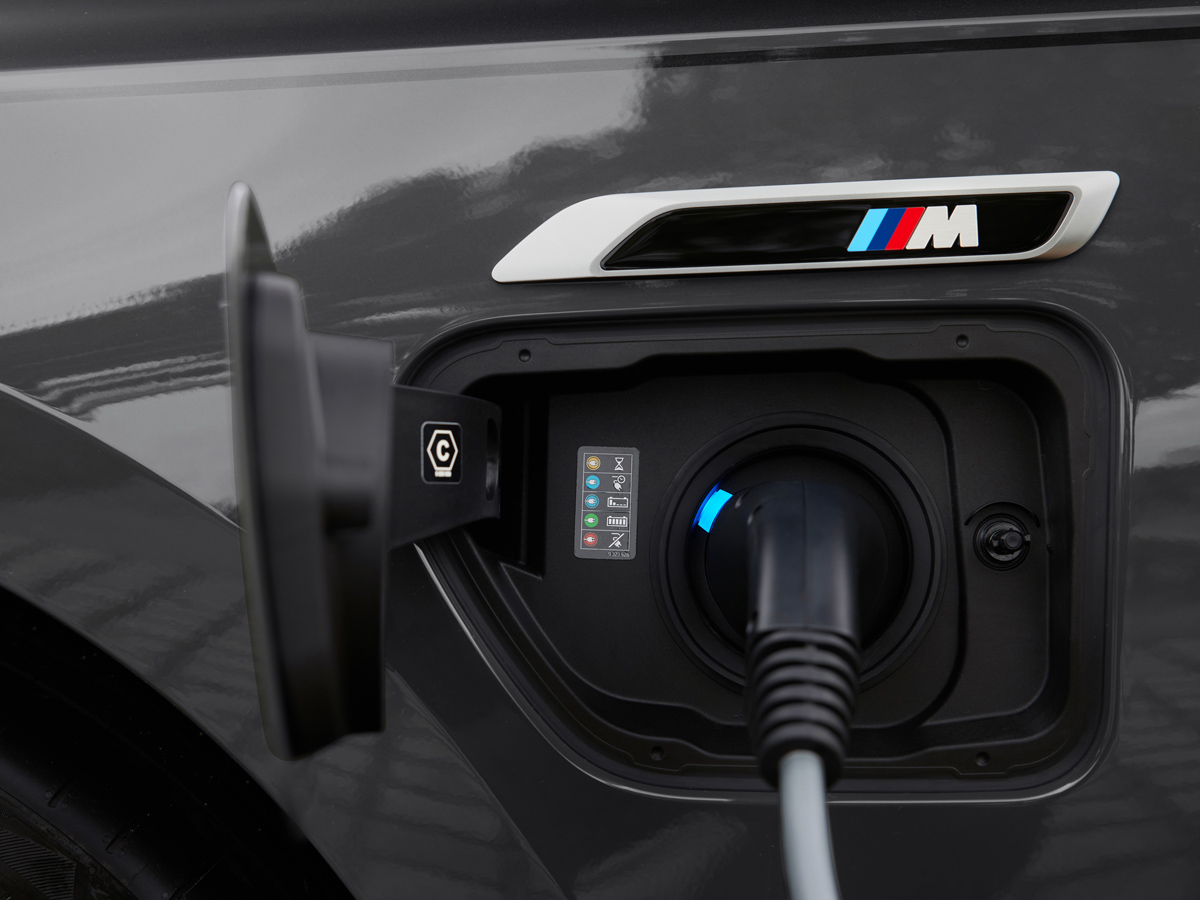
As a result, the all-wheel-drive M760e – which has a listed kerb weight of 2 525 kg – completes the 0-100 kph sprint in a claimed 4.3 seconds before topping out at 250 kph. Thanks largely to a claimed all-electric range of up to 90 km (with an electric top speed of 140 kph), the PHEV version of BMW’s flagship luxury sedan boasts a WLTP-cycle fuel-consumption figure as low as 2.2 L/100 km (and a corresponding CO2 output of only 49 g/km). The lithium-ion battery is installed in the vehicle floor and has a useable capacity of 18.7 kWh, while maximum AC charging power comes in at 7.4 kW.
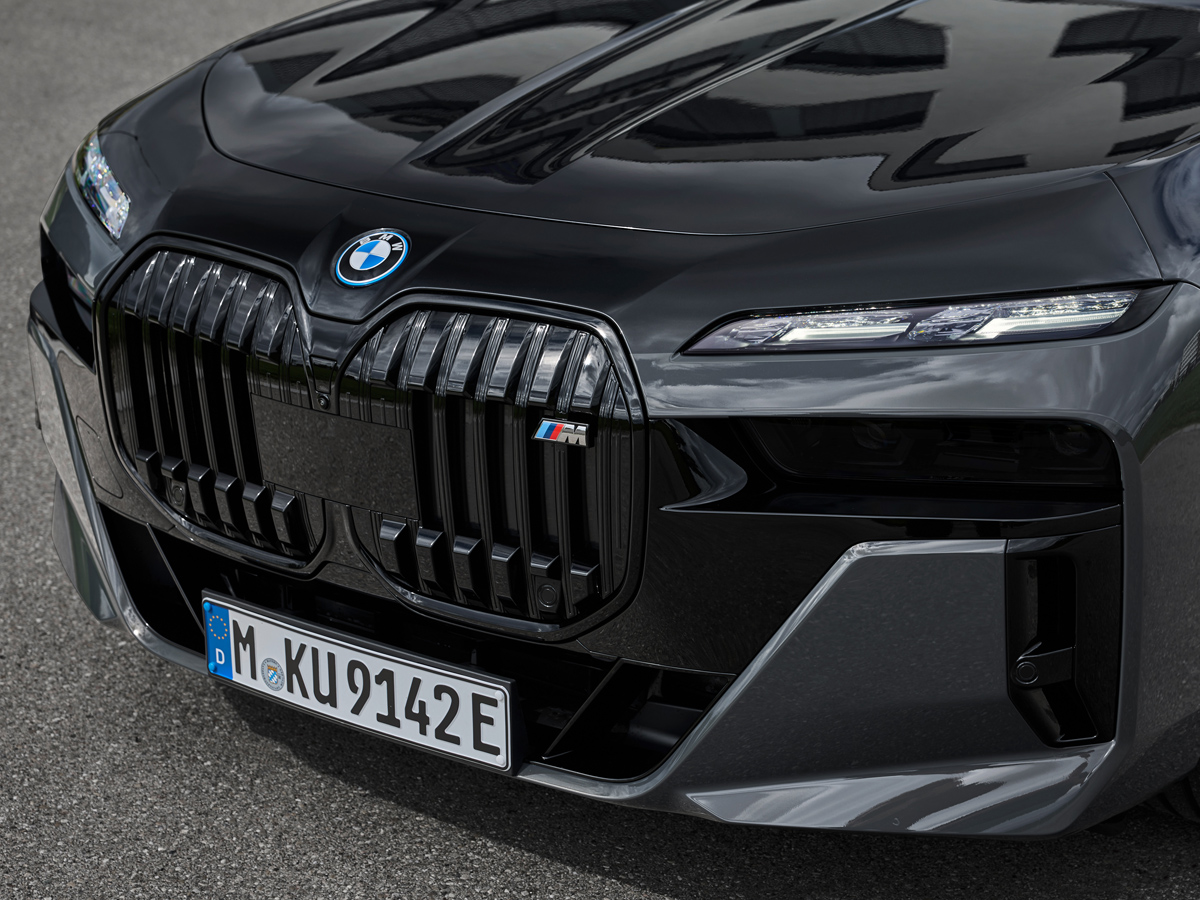
Specifying the R40 000 M Performance package adds items such as a black rear spoiler, M Sport brakes and gloss-black finishes for components such as the grille frame, rear trim strip and tailpipe finishers. BMW Group SA also offers the Luxury Package (R173 400), which comprises automatic doors, a Bowers & Wilkins Diamond surround-sound system, heat-reflecting laminated glass, the heat comfort package and a massage function for the front seats.
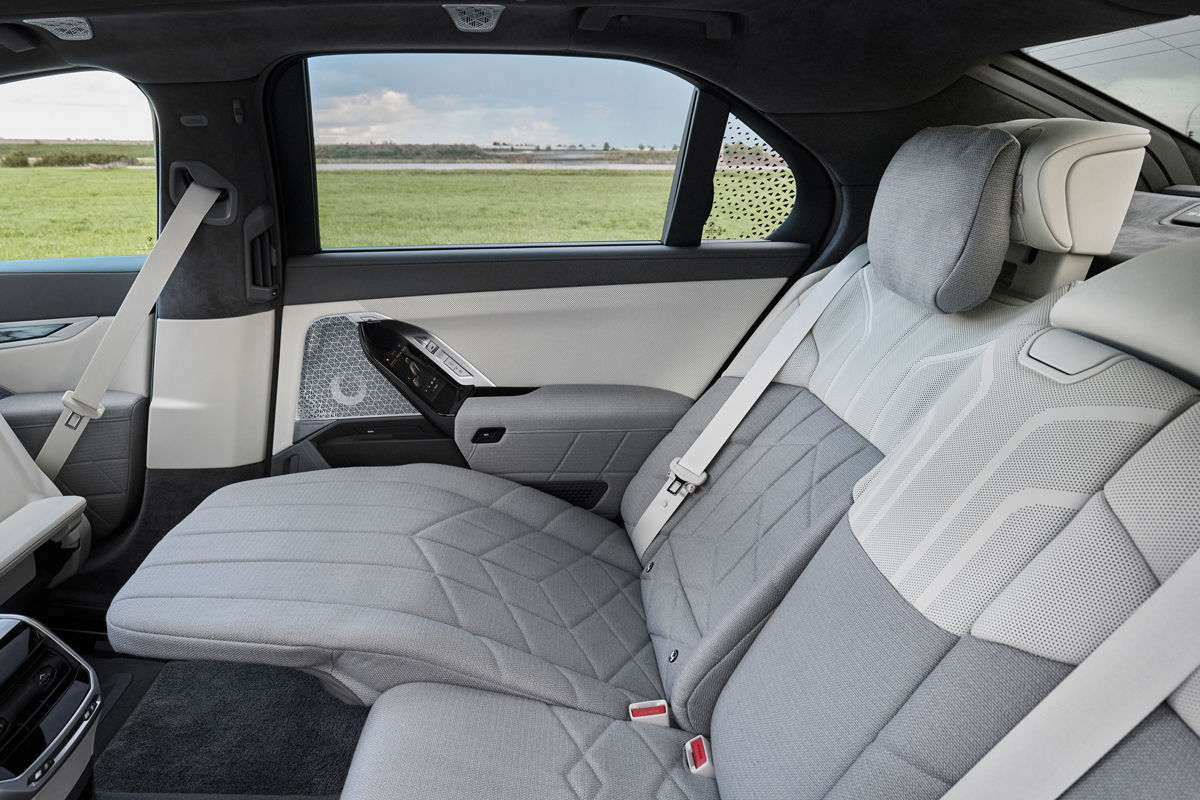
The Executive Package adds R68 600 to the price and includes features such as a special rear console, a massage function for the (now-multifunctional) rear seats and ventilation/heating for the rear pews. Upgrade to the Executive Lounge Package (R97 000) and you’ll also score uprated rear seats and the so-called “Professional” rear-seat entertainment system, complete with iDrive control. Finally, the BMW Individual Gran Lusso interior package – with all manner of “exclusive” materials and trim – will set you back a further R131 000.
How much does the BMW M760e cost in South Africa?
BMW 740i Design Pure Excellence – R2 237 751
BMW 740i M Sport – R2 312 751
BMW 740d xDrive Design Pure Excellence – R2 358 207
BMW 740d xDrive M Sport – R2 433 207
BMW i7 xDrive60 Design Pure Excellence – R2 935 000
BMW i7 xDrive60 M Sport – R3 010 000
BMW M760e xDrive – R3 090 000
The prices above includes a 5-year/100 000 km maintenance plan, though BMW says the buyer “may elect to opt out” of this arrangement at the point of purchase.
Hyundai Kona N to bow out but there’s ‘still stock’ in SA
Hyundai SA has confirmed production of the 206 kW Kona N has ended, though says there’s “more than enough” stock in Mzansi to meet local demand for some time…
Production of the 206 kW Hyundai Kona N has officially ceased, with no official confirmation the world will see a 2nd-generation version of the high-performance crossover.
A spokesperson from Hyundai Automotive South Africa confirmed to Cars.co.za the Kona N was no longer being built but added there was “more than enough stock” in Mzansi – considering this flagship derivative’s “niche” standing – to satisfy local demand for some time.
So, for the moment, the Kona N remains on Hyundai Automotive SA’s official price list. The Kona N joined the local line-up as recently as April 2022, launching alongside the facelifted i30 N hot hatch with which it shares a powertrain.
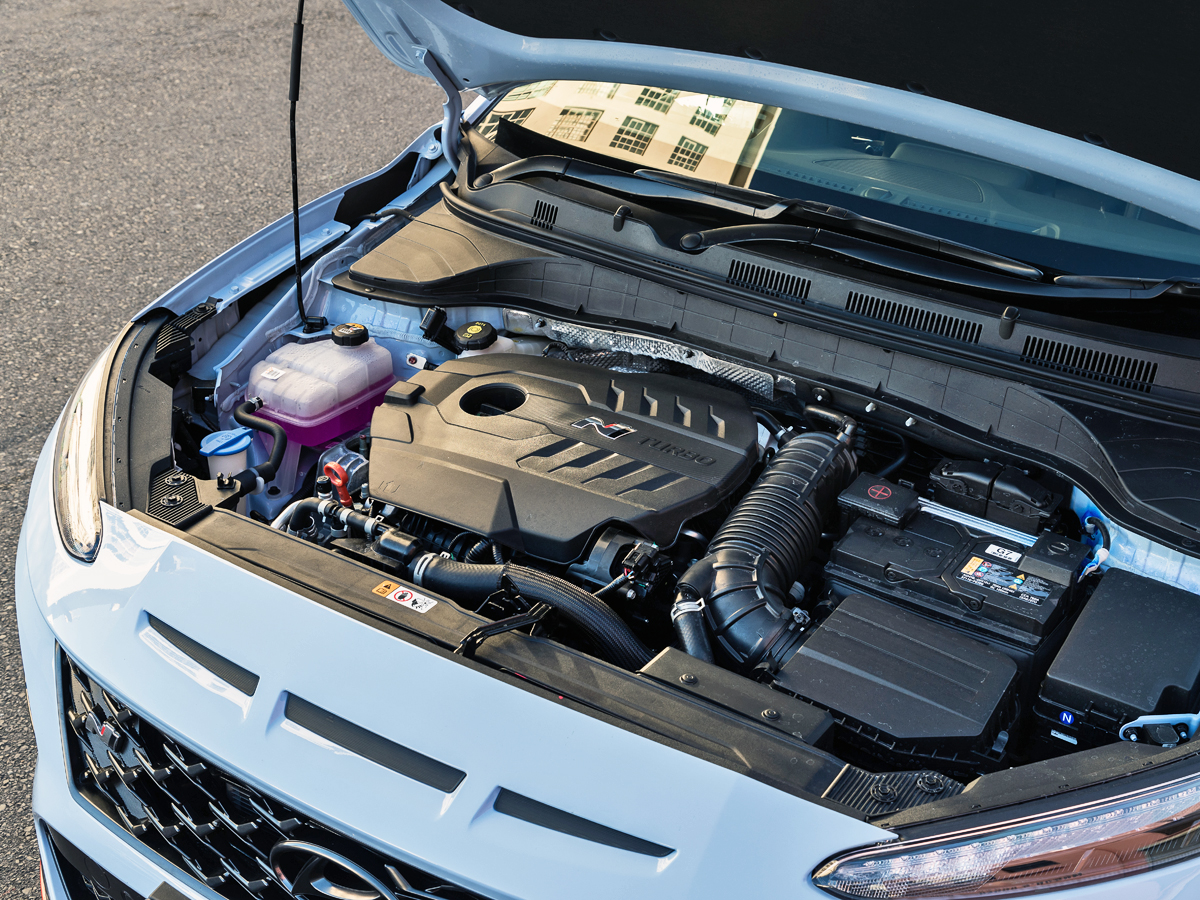
Currently priced at R811 900, the Kona N’s turbocharged 2.0-litre, 4-cylinder petrol engine sends 206 kW and 392 Nm to the front axle via an 8-speed dual-clutch transmission as standard. As a result, the 0-100 kph sprint takes just 5.5 seconds, according to the South Korean firm, while top speed comes in at 240 kph.
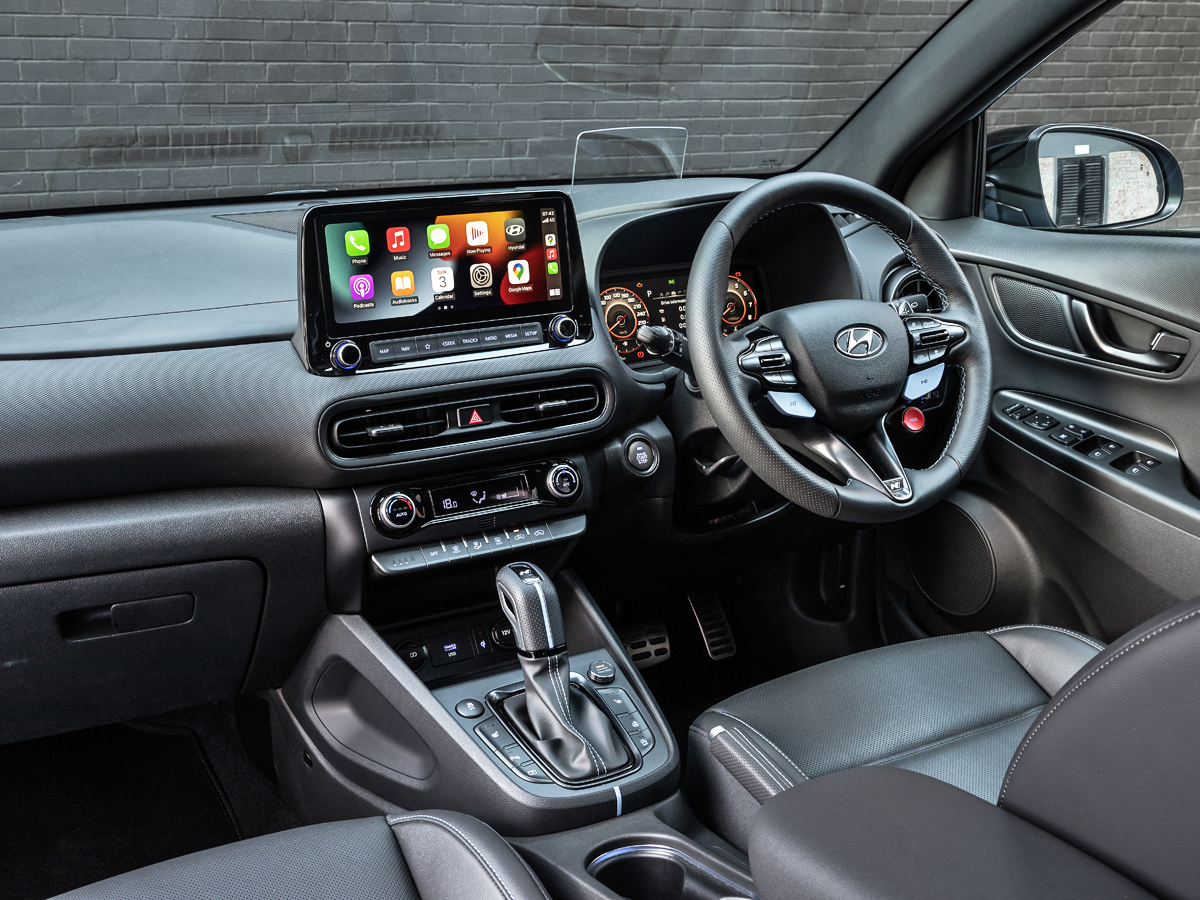
Highlights include an aggressively styled body kit (including a double-wing rear spoiler), lightweight 19-inch forged alloy wheels, red brake callipers, an electronic limited slip differential, launch control, a head-up display, a 10.25-inch touchscreen system, a raft of driver-assistance features and as many as 5 driving modes.
As an aside, the 2nd-generation Kona range was initially due to arrive in South Africa in the 4th quarter of 2023, though Hyundai Automotive SA now says this model introduction has been “put on the back-burner”. If it receives the green light for a local launch, expect that to happen only in 2024.
For the record, 259 units of the Kona – including the full-fat N derivative – have been registered in South Africa over the opening 8 months of 2023. This nameplate’s best month of the year so far was February with 50 units, while registrations slowed to 15 units in August.
Hyundai Grand i10 Review (2023 Facelift) – Specs and pricing, features, rivals comparison
In our latest video, Ciro De Siena gets behind the wheel of the Hyundai Grand i10. Is it still the pocket-friendly champ?
Hyundai’s i10 has always been a decent seller for the brand, finding many homes in South Africa and also proving their longevity too, with many units still running around with very high mileage on the clock.
The Grand i10 is the latest iteration of that formula, but the price has certainly crept up over the years. The Hyundai now finds itself in a segment with stiff competition, chiefly in the name of the Suzuki Swift.
In this review, our video guy Ciro De Siena takes us on an in-depth tour of the updated Grand i10, with a thorough overview of the specs and pricing, the boot area, backseat comfort, tech features and overall feel of the vehicle.
It’s official: Stellantis to assemble 1-tonne bakkie in SA
Stellantis has confirmed a R3-billion investment to develop a manufacturing facility in South Africa, with local assembly of a 1-tonne bakkie set to commence in early 2026…
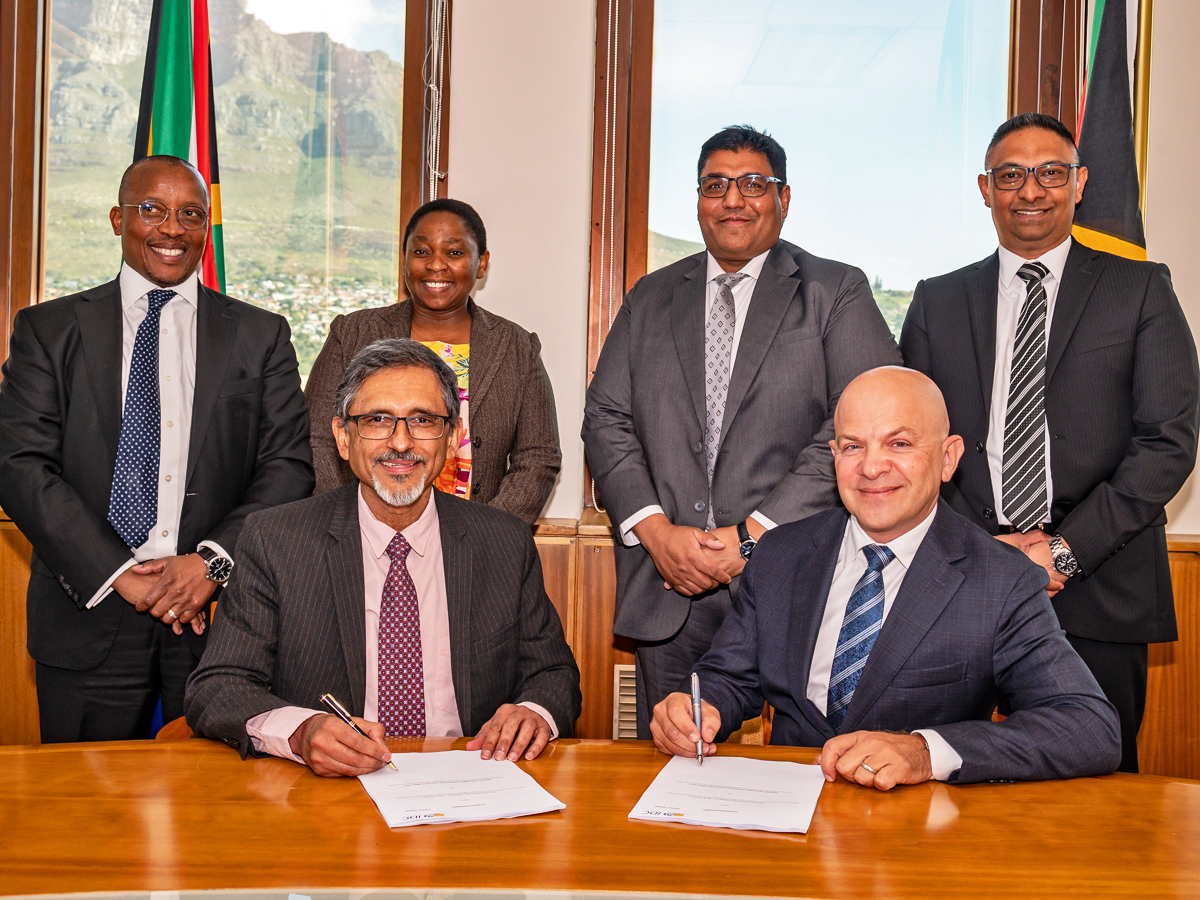
Back in March 2023, multinational automotive group Stellantis signed a Memorandum of Understanding (MoU) with the South African government to “develop a manufacturing facility” in the country. Now, more details have been released, including the fact the company plans to assemble a 1-tonne bakkie at the site.
The Netherlands-based corporation – which was formed in early 2021 with the merger of Fiat Chrysler Automobiles and the PSA Group – says it has now “confirmed its intention to develop a greenfield manufacturing facility in Coega in South Africa” in co-operation with the Industrial Development Corporation (IDC) and the Department of Trade, Industry and Competition.
Stellantis says it “continues to work closely” with the IDC to develop a “viable joint venture (JV) partnership that will be evaluated by appropriate credit committees”.
The manufacturing plant is due to be built in the Special Economic Zone (SEZ) in Coega situated near Gqeberha in the Eastern Cape, with a planned completion date near the “end of 2025”. Stellantis says it expects to assemble a 1-tonne bakkie at the site from “early 2026”, with volumes expected to reach “up to 50 000” completely knocked down (CKD) units annually, including export. Furthermore, the company says the plant will be “predisposed in terms of space and painting” to reach up to 90 000 units a year.
So, which bakkie will the company assemble in SA? Well, that’s not yet clear. As a reminder, as many as 16 automotive brands fall under the Stellantis banner: Abarth, Alfa Romeo, Chrysler, Citroën, Dodge, DS, Fiat, Fiat Professional, Jeep, Lancia, Maserati, Mopar, Opel, Peugeot, Ram and Vauxhall. Marques with a presence in Mzansi include Alfa, Citroën, Fiat, Jeep, Maserati, Opel and Peugeot.
Currently, Stellantis offers just a pair of bakkies in South Africa: the (Chinese-built) Peugeot Landtrek and the Jeep Gladiator (though the latter seems an unlikely choice). A further option for local assembly might be the upcoming Fiat Titano, which will be closely related to the aforementioned Landtrek. A right-hand-drive version of the unibody Ram Rampage is another outside possibility, since some variants are technically classified as 1-tonne bakkies.
According to Stellantis, direct employment to support the first capacity step is “expected at 1 000 jobs”, while the company – which is “targeting a localisation rate over 30%” – will also “be massively investing in over 500 000 hours in training and skills to develop and support the local teams to the level of global standards”.
“It is a wonderful day for all South Africans when a global company of Stellantis’ proportions decides to expand its manufacturing footprint in South Africa, to assemble completely knocked down units,” said Ebrahim Patel, Minister of Trade, Industry and Competition.
“South Africa currently has the capacity to produce close to 700 000 vehicles annually. This will add considerable additional capacity, just as we prepare to implement the African Continental Free Trade Area.
“The country remains a great investment destination and this commitment from Stellantis to invest in our local motor industry highlights the success of our manufacturing sector policy, its capability and potential. We look forward to welcoming Stellantis to South Africa and sharing in the detailed plan for employment and investment,” concluded Minister Patel.
Volkswagen ID X Performance concept hints at future fun EVs
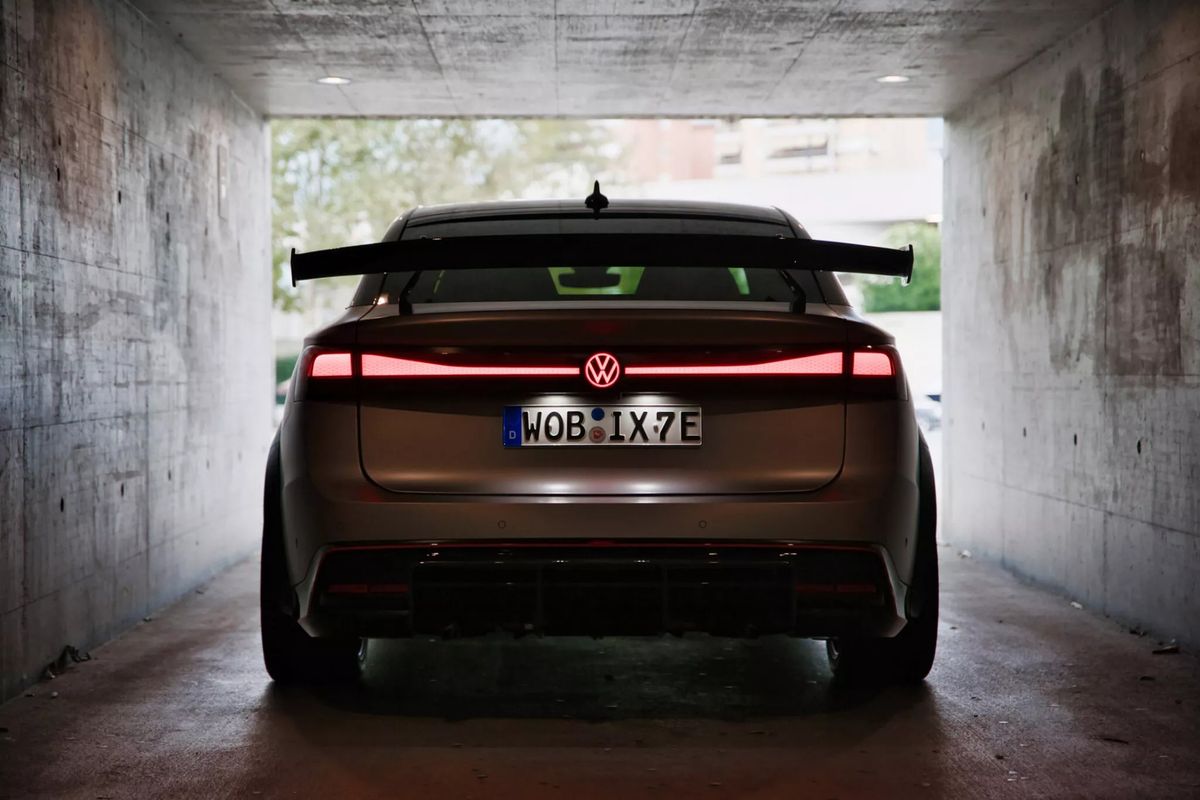
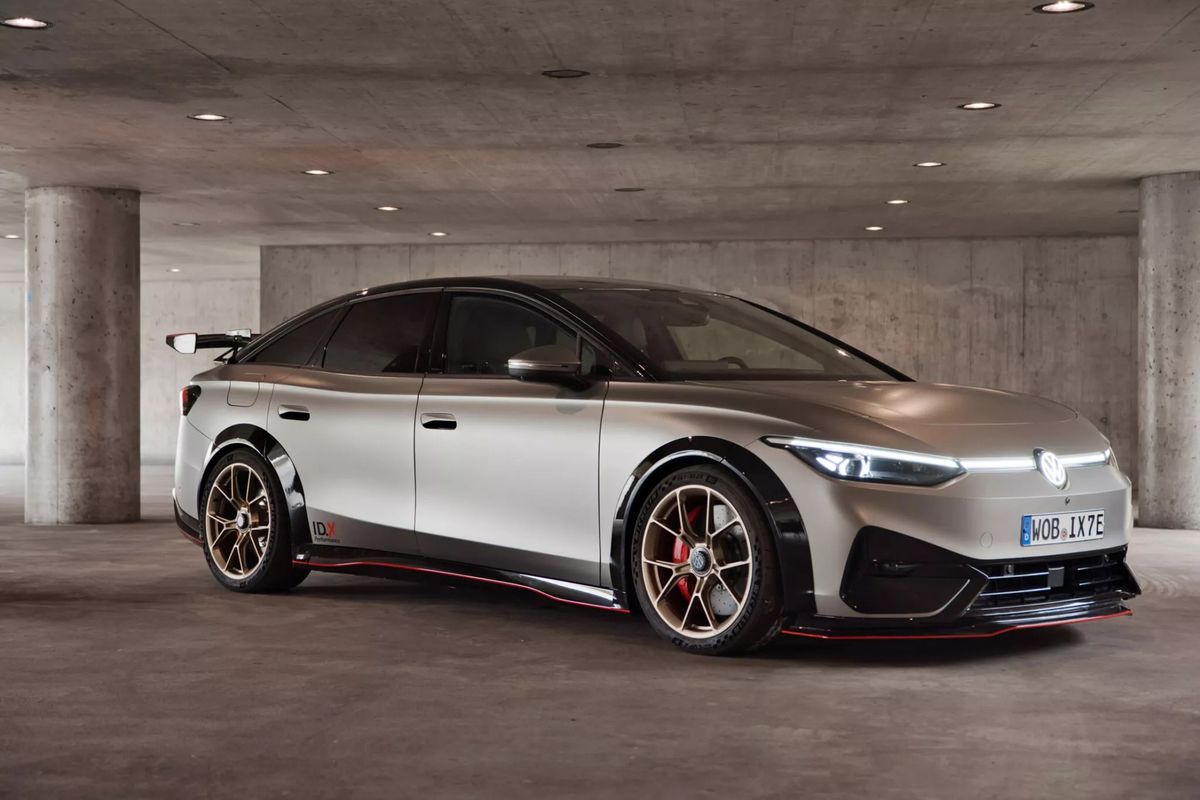
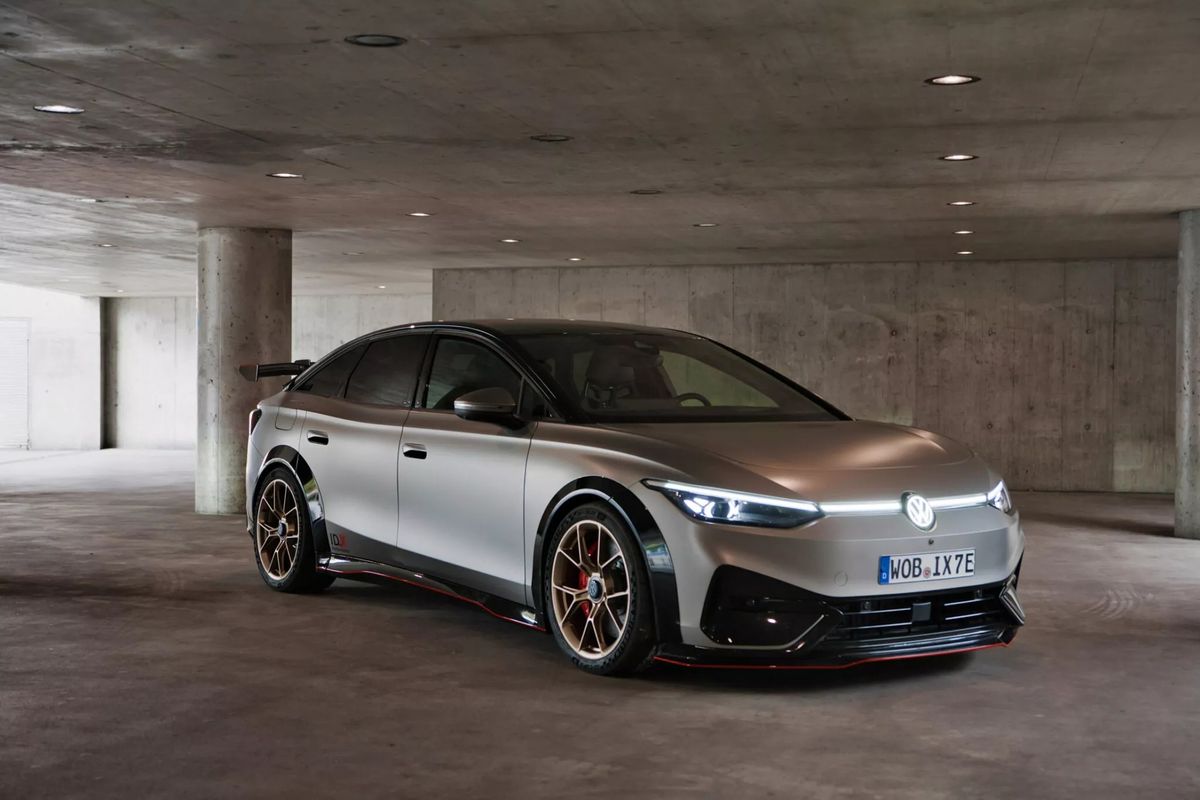
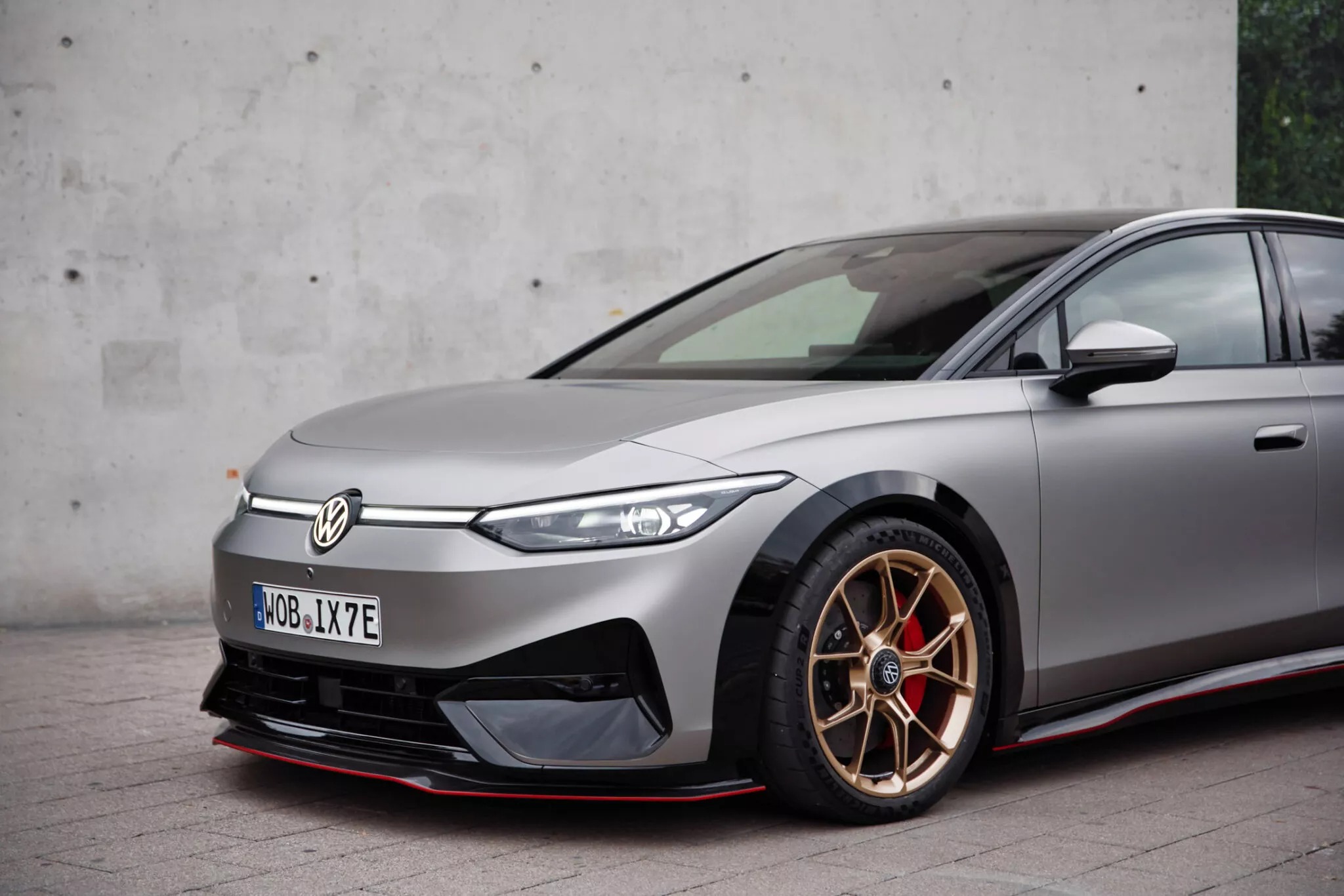
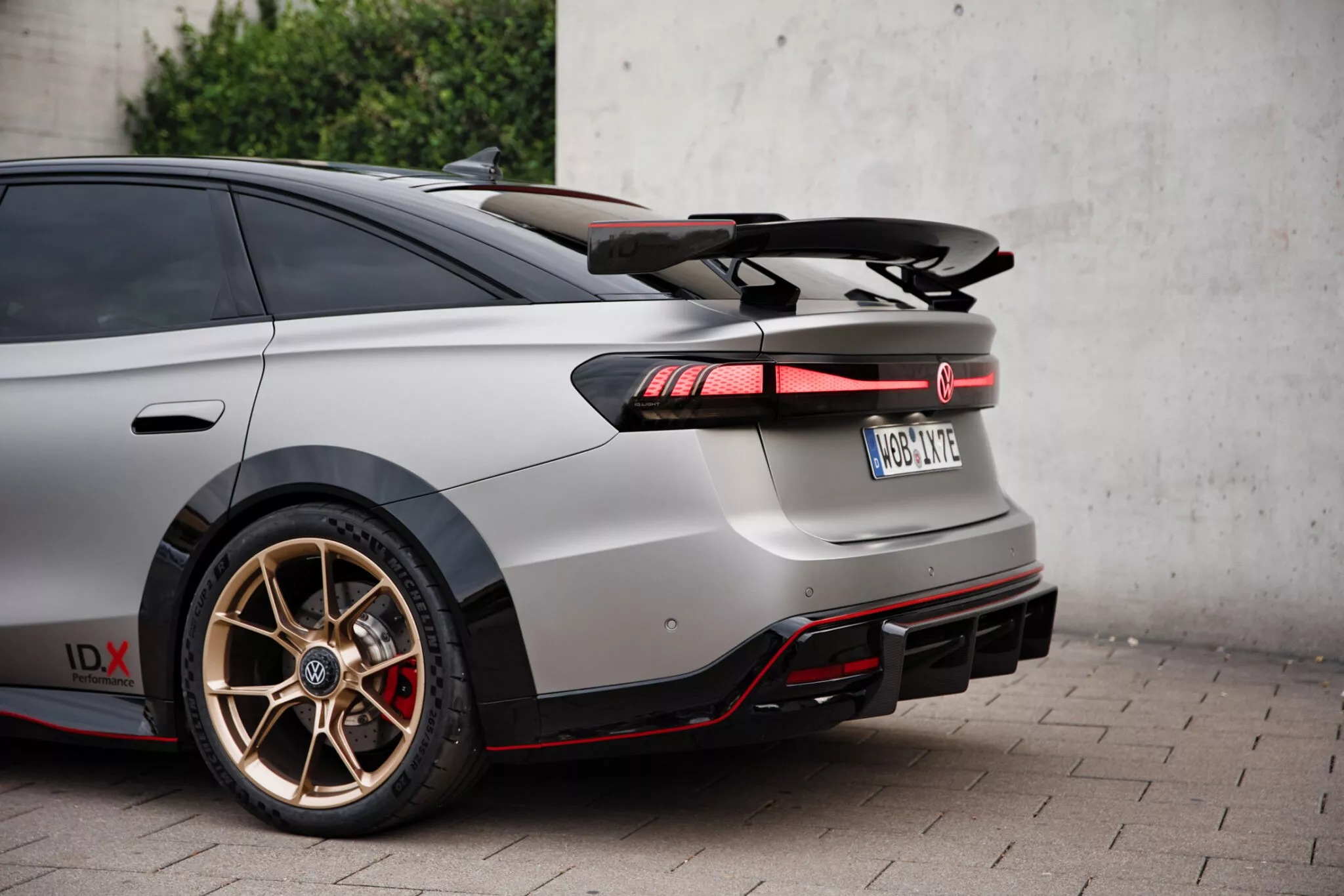
This wild-looking ID X Performance concept from VW hopes to win over enthusiasts.
If there’s one brand that’s trying to make up ground in the electric car race, it’s Volkswagen. Right now, the firm is on a rapid expansion with its MEB EV platform forming the basis of many products to come. What’s glaringly missing is something for the performance enthusiasts.
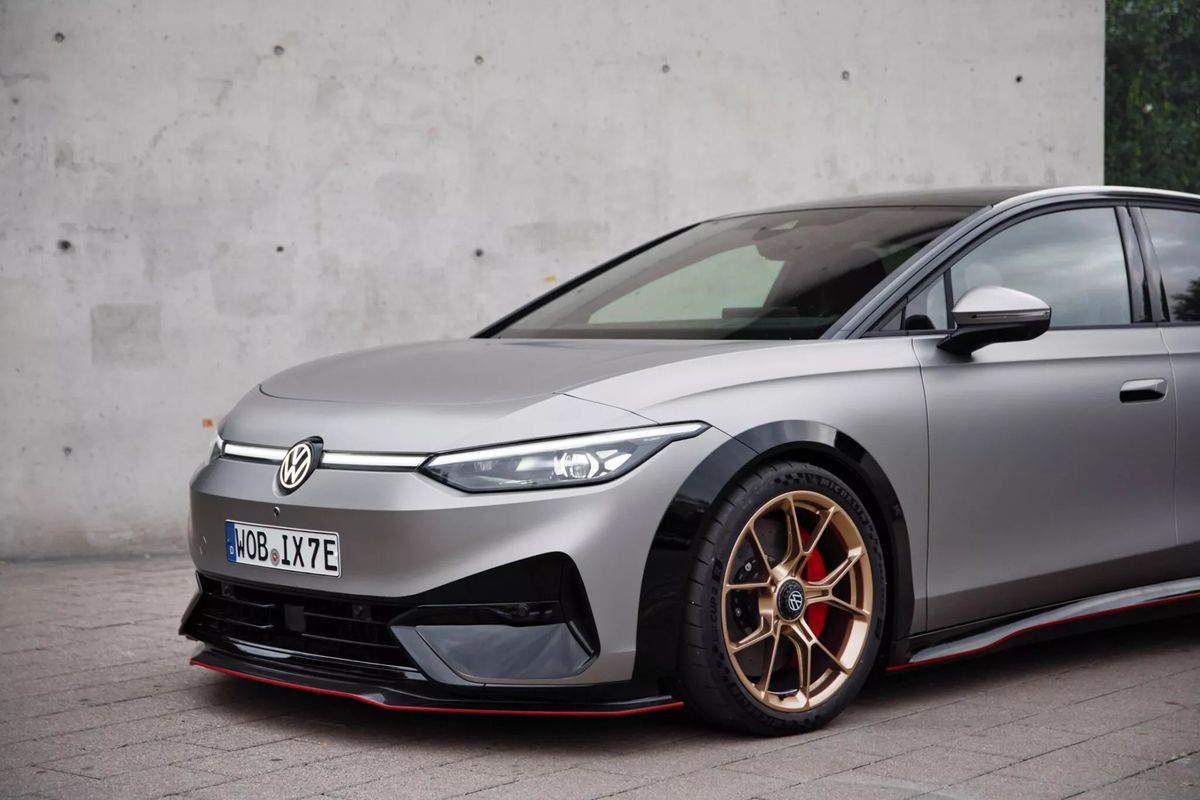
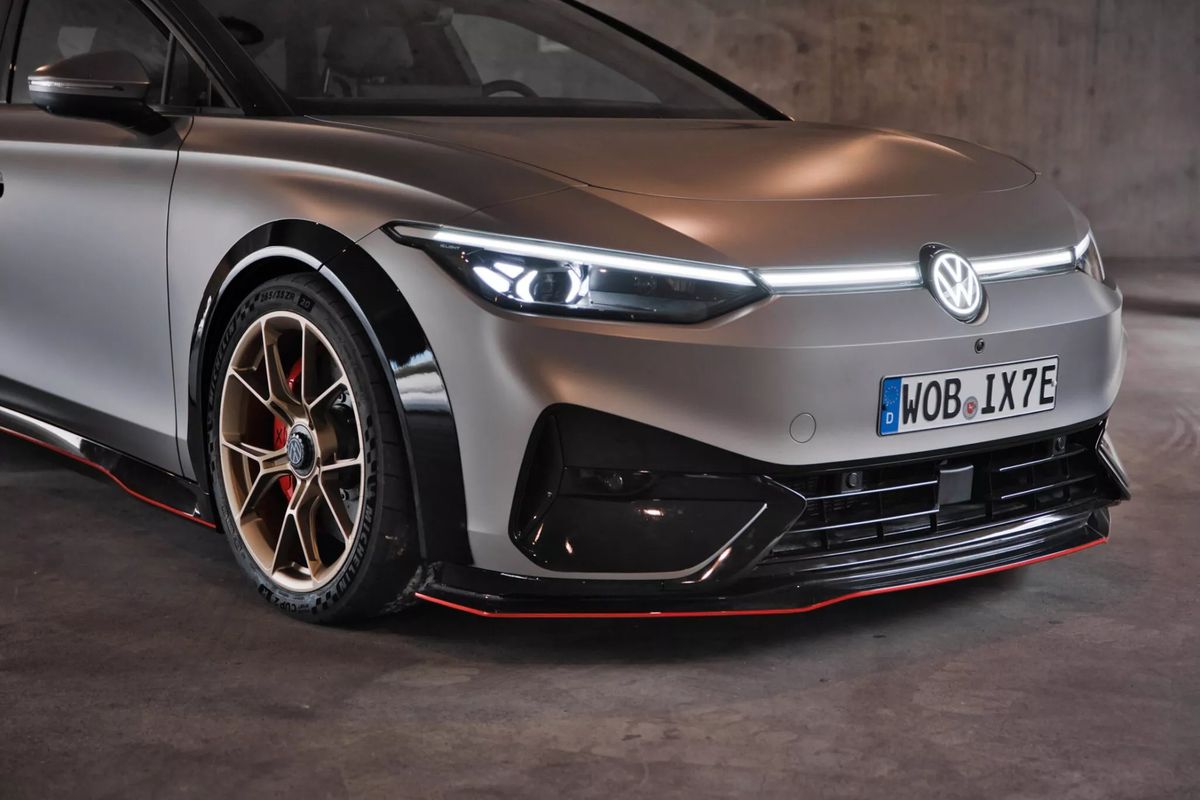
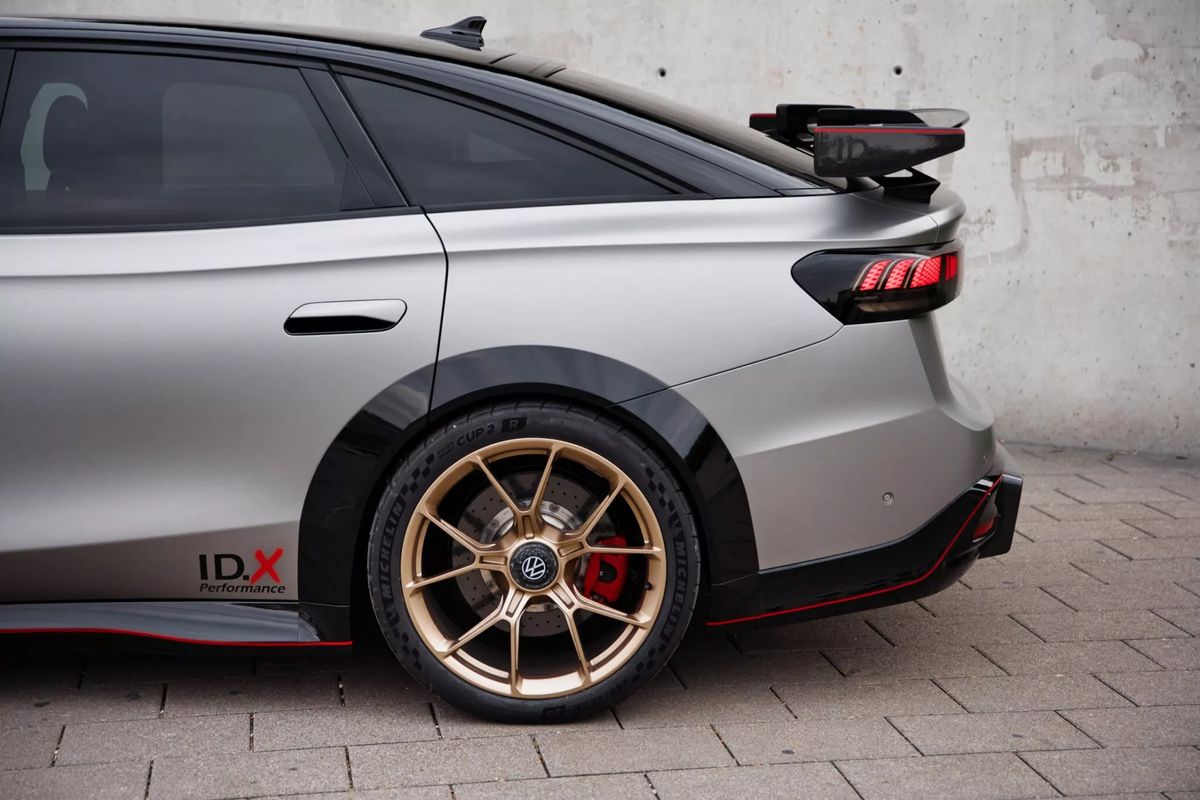
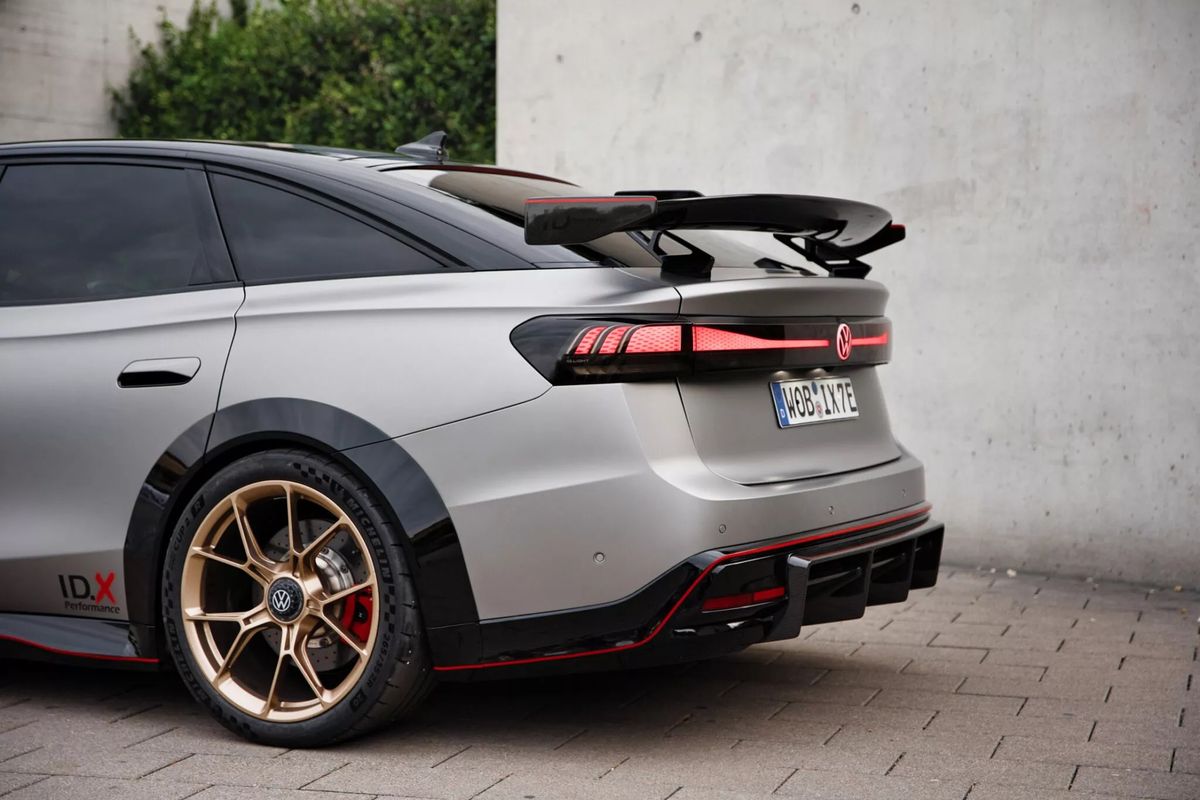
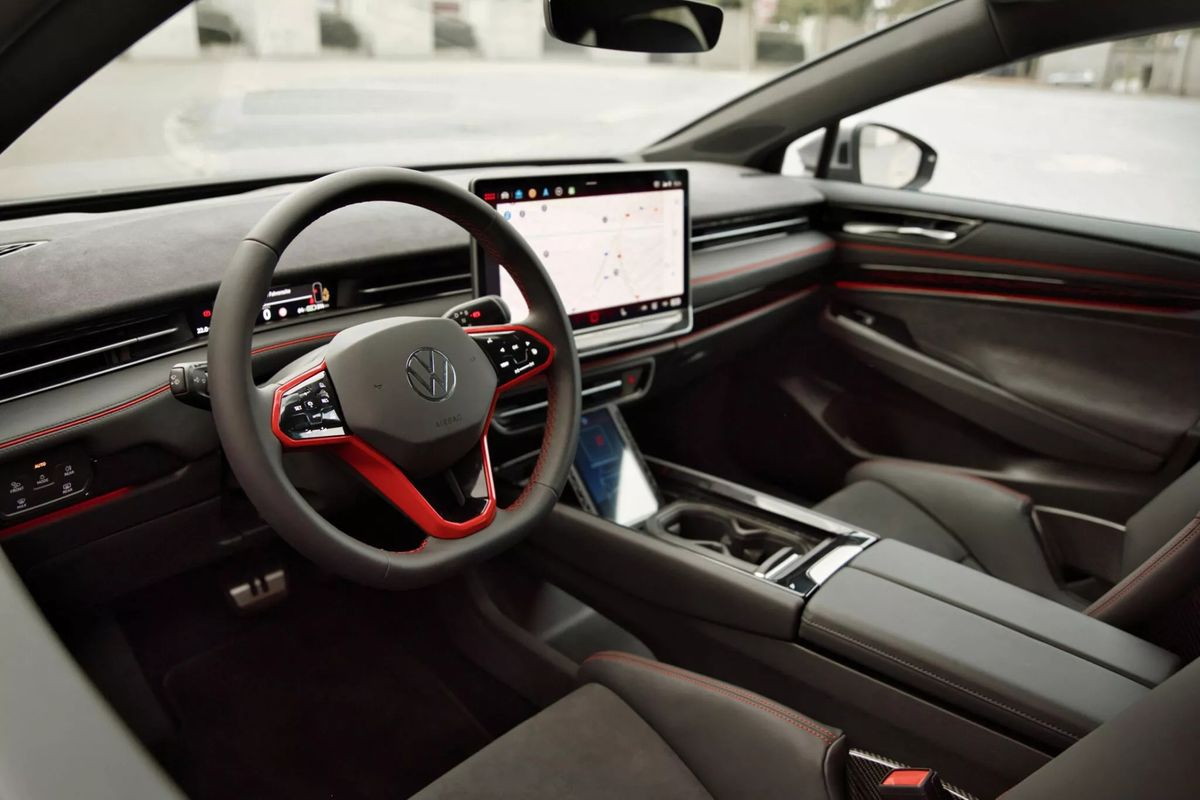
We’ve already had a GTI-branded concept unveiled, but what you see here pushes the envelope even further. It’s called the Volkswagen ID X Performance concept and it takes the ID.7 sedan to another level. Visually, it looks like something from the Fast and the Furious franchise with its ostentatious aerodynamic aids. We could swear those 20-inch gold wheels wrapped in performance Michelin Pilot Sport Cup rubber are straight from Porsche too.
This concept doesn’t just look fast, it is fast. It features a dual-motor all-wheel drive setup delivering around 416 kW. That’s higher than BMW M’s first performance EV, the i4 M50 with 400 kW. Volkswagen says the setup is perfect for bursts of power and while there’s no 0-100 kph claim, we reckon this concept is good for a sub-4 second run.
Will Volkswagen put it into production? Right now, there’s no definitive answer, but we now that VW Group will be keen to leverage its MEB platform for as many models as possible. Right now, most segment offerings are covered with hatchbacks (ID.3), crossovers (ID.4 / ID.5), MPV (ID.Buzz) and sedan (ID.7), as well as brand siblings from Skoda and Cupra.
As it stands Volkswagen SA has confirmed it will be launching its ID.4 and ID.Buzz vehicle locally in 2024, with timings, pricing and specification to be confirmed.
While he was in Germany, Calvin Fisher took a road trip in the evocative VW ID.Buzz, which is the 2nd battery-electric vehicle that Volkswagen will launch in South Africa.
It’s 7.30 am, I’m in a hotel in Munich and trying to concentrate on my breakfast. However, I am fixated on a Volkswagen key fob that’s resting (next to my coffee) on the table. Gleaming with potential, it belongs to a shiny new VW ID.Buzz and, with it, the freedom to go anywhere its 77-kWh battery pack will take us.
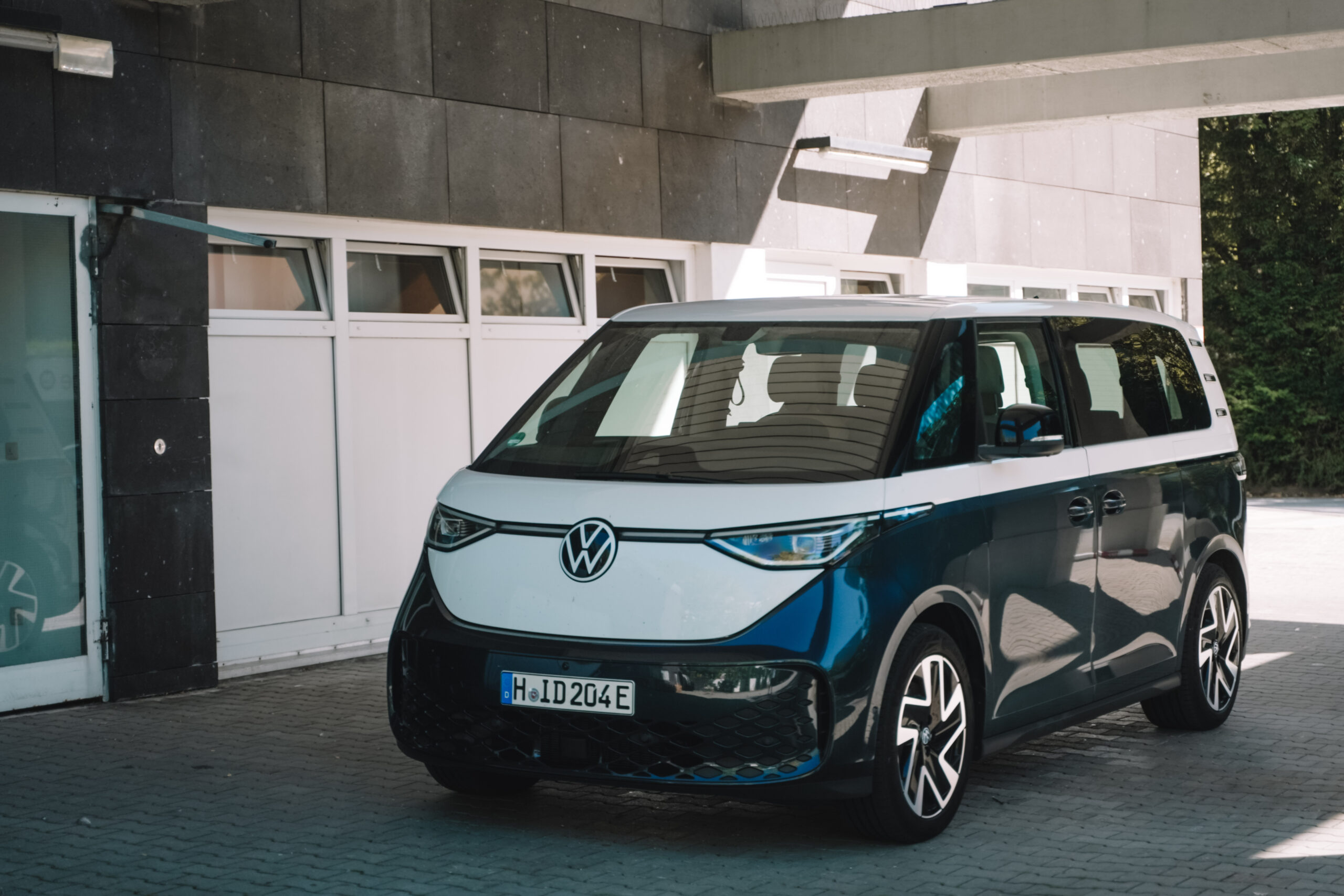
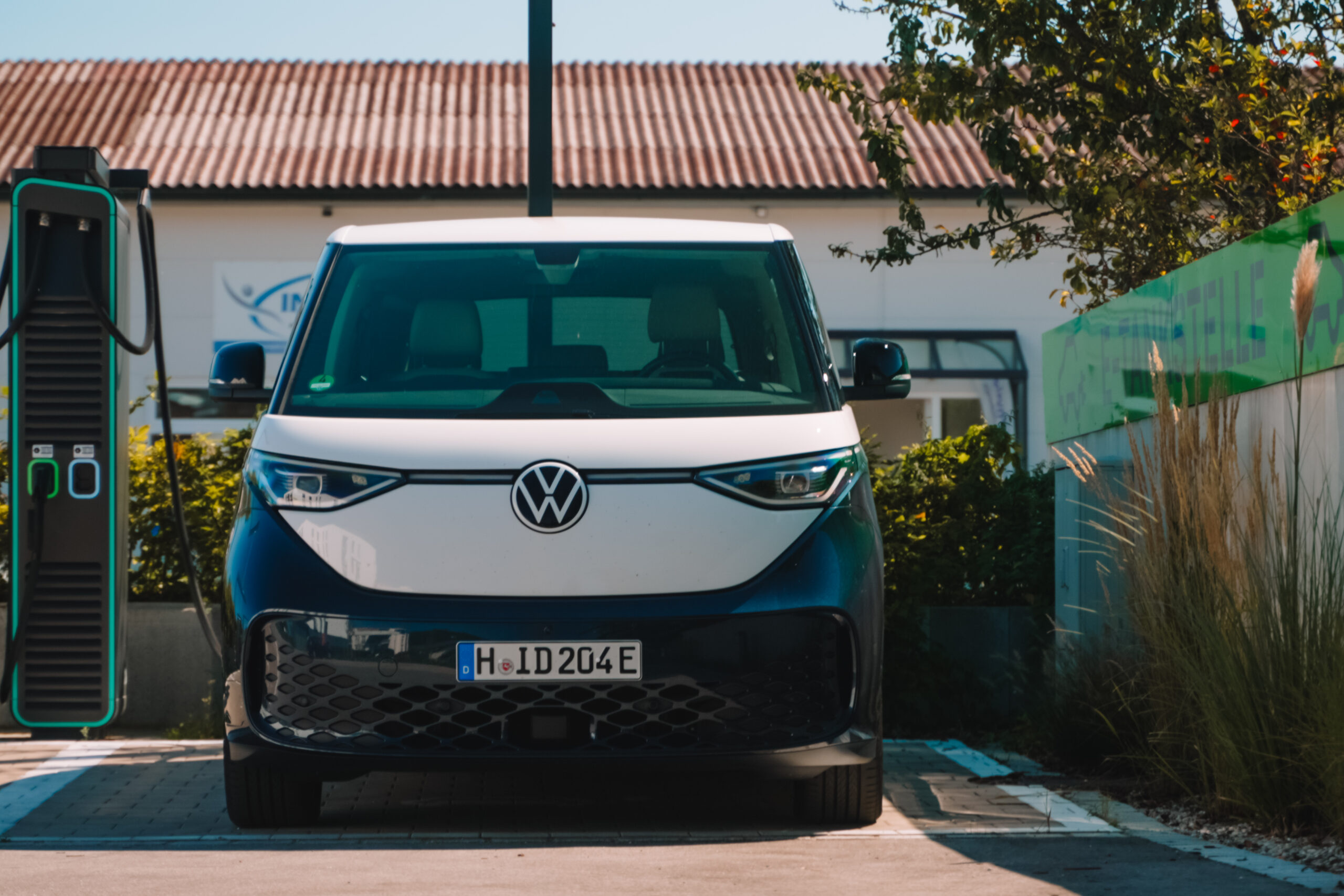
The author found instant rapport with the VW ID.Buzz, courtesy of the BEV’s “smiling face”.
On paper, the model that’s said to be an all-electric re-imagining of the Microbus/Kombi/Caravelle should be good to travel 415 km on a full charge – keep that distance in mind; it will become important later.
Being a South African, I found the prospect of a road trip very exciting. We’re travellers at heart, but in 2023, we want at least climate control and cupholders at our disposal, plus the modern conveniences of our era – navigation, smartphone connectivity and wireless charging. Thus, the ID.Buzz is the bus for digital nomads, like us. With our pastries dutifully consumed, the trip could commence – we were off!
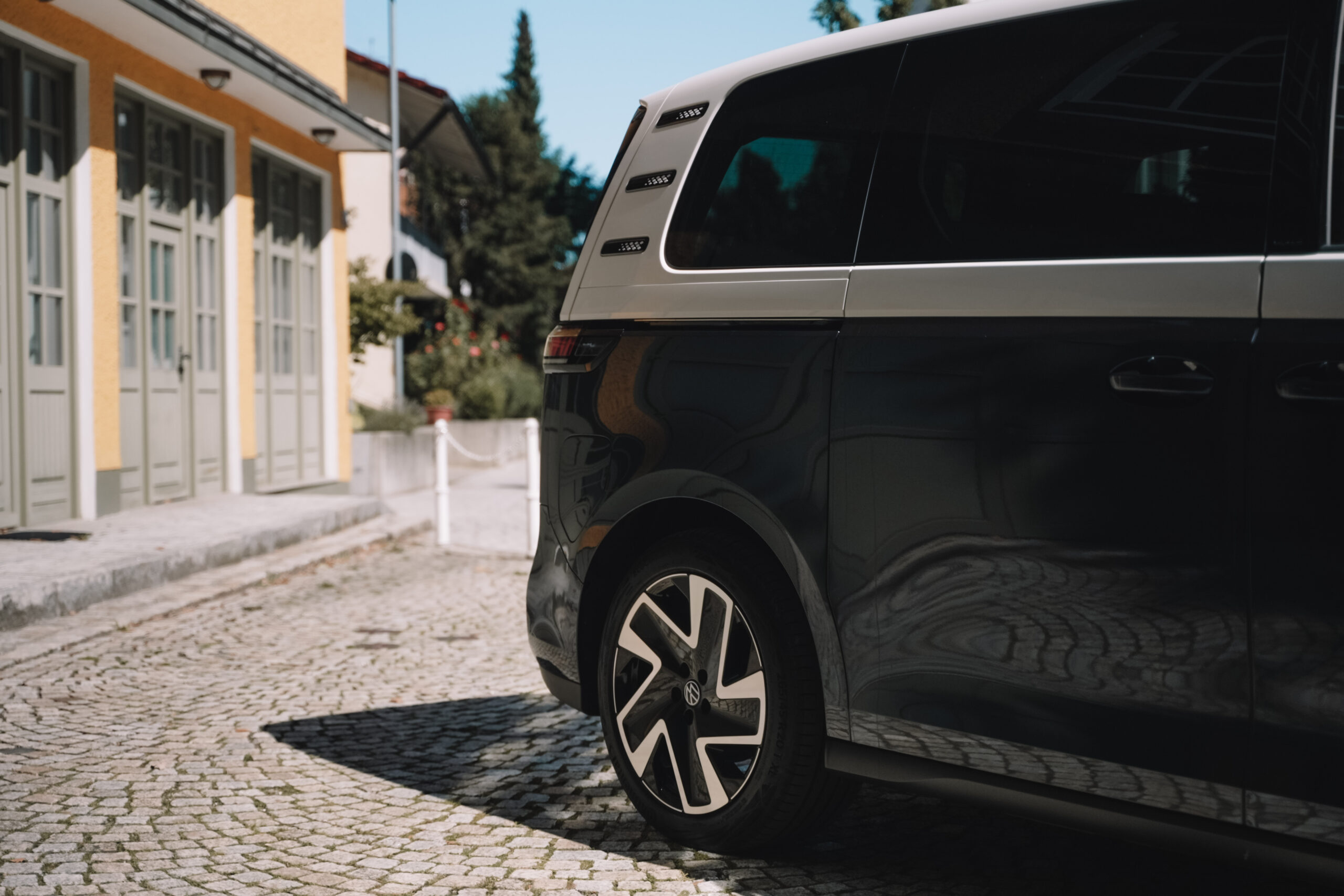
The trio of ventilation inlets on the VW ID.Buzz’s C-pillars are stylistic nods to the T3-generation model.
Unlike anything else, yet instantly familiar
Finding the Volkswagen ID.Buzz that was assigned to us in the hotel’s parking lot was not difficult whatsoever. It’s both bigger than you imagined, yet smaller than you’d guess – occupying that space between large expectation and compact stature. I walked around it several times before declaring, like Goldilocks, that it was just right – making the Renault panel van alongside it look archaic and utilitarian.
I was beaming with “this one is mine” pride and energy, even though my custodianship of the bus would be fleeting and… what’s the word? Electric! I hopped aboard and immediately initiated a relationship between my ‘phone and the ID.Buzz’s brain and began navigating to a little Alpine town in Switzerland.
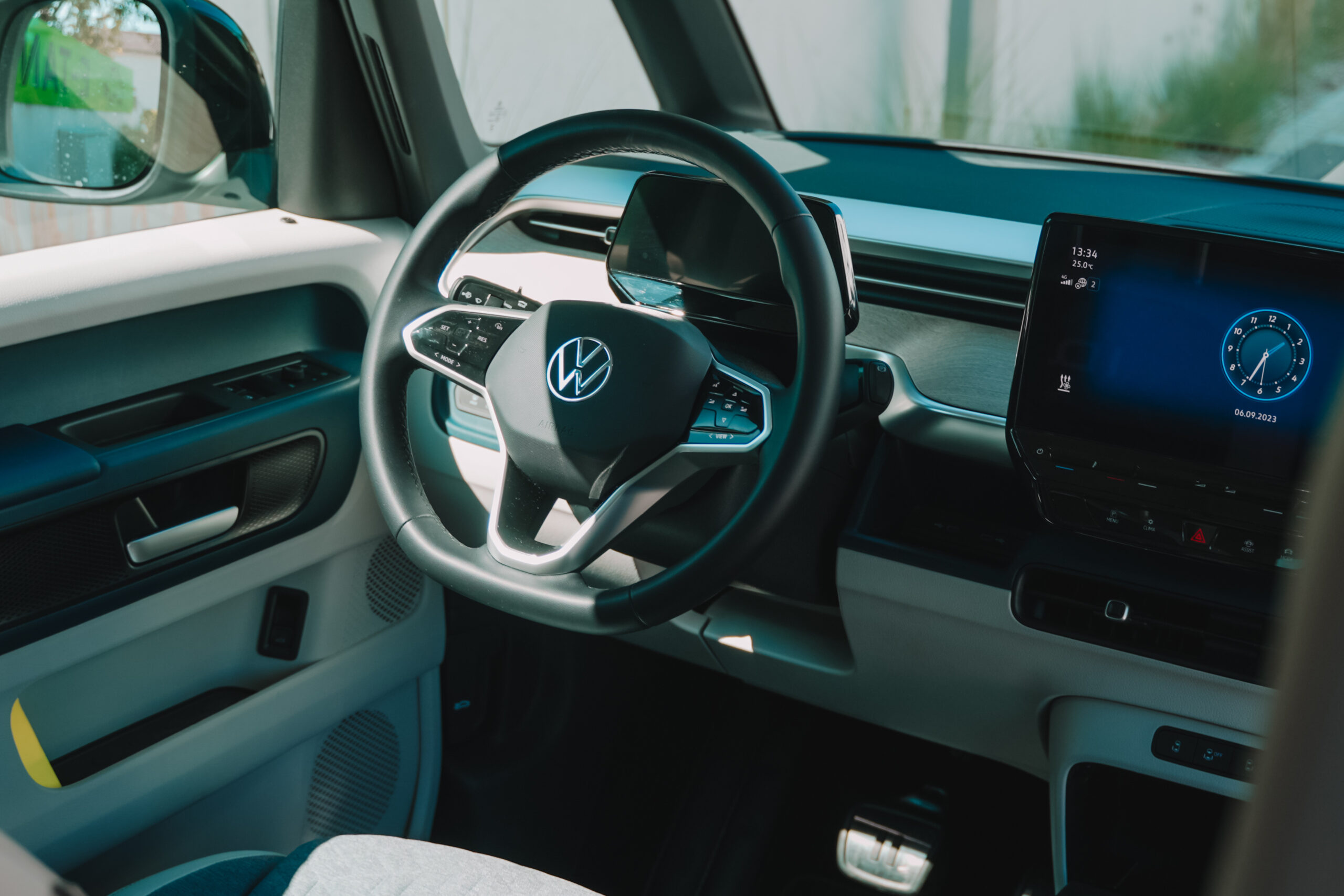
The ID.Buzz cabin is a study in minimalism, but anything but short on creature comforts.
This would be a 200-km trip each way but, “Hey! What’s this?” Our bus indicated it only had 79% of its range left, which would transport us 228 km. More probing revealed a lack of a charge card to replenish our reserves, but no matter – we had Visa. And this was Europe. Still, it wouldn’t hurt being cautious, so we opted to travel to a small town in Austria, which was endowed with a handful of EV chargers. Sorted.
What’s the VW ID.Buzz like to drive?
With the admin taken care of it was time for the fun part – the actual road trip. We left the city of Munich, meandered through the suburbs and then pointed the VW ID.Buzz’s bonnet (which has very little to obscure) towards the Autobahn. Not having an engine up front (much like the original Volksiebus) means that the MPV boasts an enviable turning circle of just 11.1m, so it was a pleasure to negotiate tight turns.
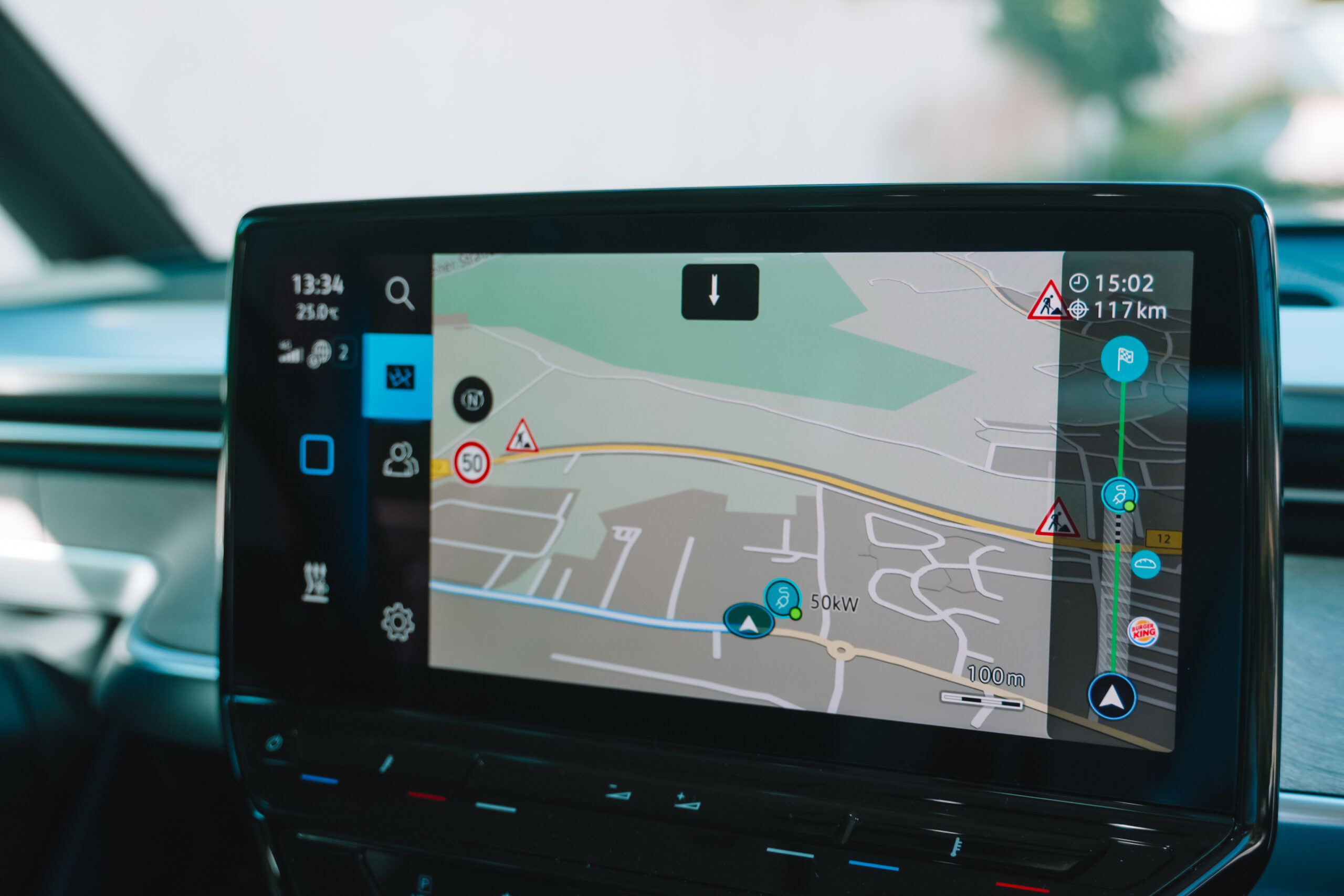
If you’re travelling in an unfamiliar area, the nav system is very handy… when you are looking for a charging station.
The VW ID.Buzz already felt quite special, but seeing locals rubberneck as it passed by was something to experience – the bus felt beloved. The original bus was only the second passenger car that Volkswagen ever produced, and in parallel, this model is shaping up to be the second ID product in VW South Africa’s portfolio, after the ID.4 Pro, which will be launched soon. Read Cars.co.za’s launch review of the ID.4.
The electrobus’ neat aesthetics carry over quite sweetly into the cabin. There’s no “retro for retro’s sake” embellishments here, it’s all very contemporary, practical and bathed in sunlight. Did I mention that that part of Germany reached a peak of 27 °C that day? No matter, we had technology to take care of that.
We also had technology on board to tell us how far we could drive and where we’d be able to “fill up” (so to speak) – very pertinent information, as our stint on the Autobahn was quickly diminishing our range. And the closer we got to the German border, the fewer charging points were sprouting from the map.
The ID.Buzz’s interior trim consists of recycled materials, such as polyester, as well as animal-free leather.
A common complaint regarding BEVs (battery-electric vehicles) is their excessive kerb weights and, as a consequence, lacklustre dynamics. But in a van, that extra weight and the resulting ride and handling characteristics are a feature – not a bugbear. The VW ID.Buzz seems confidently planted to the road; its helm feels notably substantial and the 150 kW output of its electric powertrain complements it.
Having a floor pan comprising heavy batteries means that it has a low centre of gravity; after we left the highway (after crossing the border) we scythed through farm roads and village centres. We had covered 128 km to get to the town of Braunau am Inn, Austria – with 38% charge or 118 km of range remaining.
That’s when we got the ‘wake-up call’
We tried to hook up our VW ID.Buzz to the first EV charger we could find but alas, no luck. I suspect that if we had a dedicated “charge card”, the process would have been easier, if not seamless. But we could not find a way – or app – that could help us purchase the “juice” we needed to make it back.
Once the author arrived in Braunau am Inn, the ID.Buzz’s range was insufficient for the return trip.
It was such a pity, because the town was quite picturesque. A quick Google search on the town’s history, however, inspired me to find another locale on the other side of the border; I won’t expand on the reason.
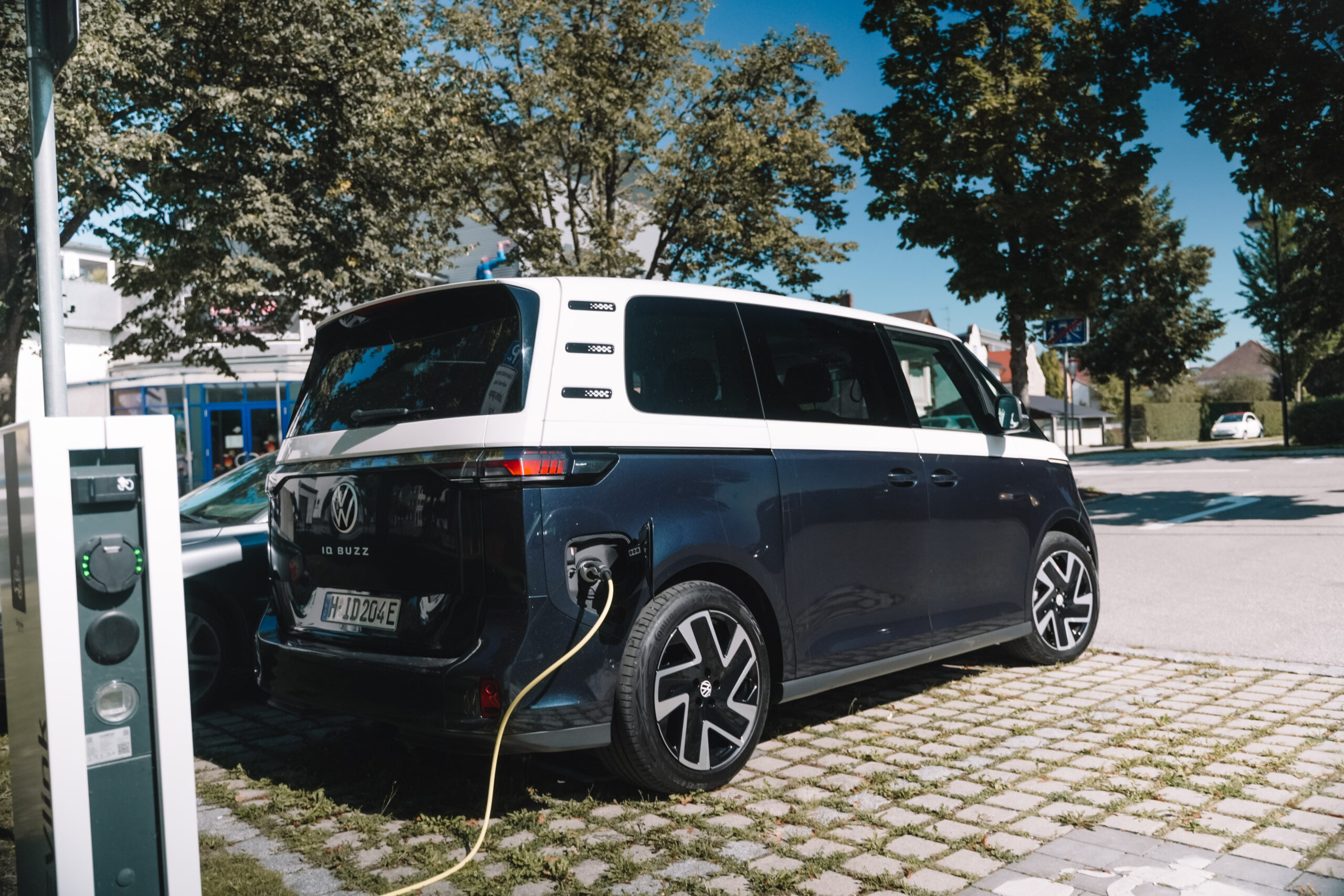
Ten minutes later we were hooked up to a 12-kWh charger, which thankfully communicated with our credit card, in quaint Simbach am Inn, Germany. Hardly a downgrade, Simbach is often named one of the loveliest towns to visit in Germany; I’d love to see it one day… when I’m not experiencing range anxiety.
The author recharged the ID.Buzz for an hour in Simbach am Inn, Germany.
No, a 12-kWh charger does not recharge quickly, and we needed quite a lot of electricity “in the tank” to make it back home. So, no fancy restaurants for us – having a supermarket Pretzel and Cola on a bench (while we stared at the ID.Buzz) had to suffice. And you know, as far as scenery goes, I didn’t hate it. After an hour of charging (and some sour candy later), our range crept north of 53%. We could go home.
Summary
On the route back to Munich we did our best to avoid the highway for as long as we could and enjoyed seeing the German countryside as we travelled along back roads. As we did so, fast chargers (50 kWh, 150 kWh and even 200 kWh) blipped into view on our nav map and I couldn’t help pondering the efficacy of electrification. This article is no condemnation – far from it. The VW ID.Buzz is one of the most exciting cars I’ve driven this year. As a vehicle, it is wholly seductive – South Africans are going to adore it.
BEV ownership isn’t something one should wade into uninformed, but it could be a very satisfying experience.
Look, our BEV charging infrastructure needs work, including significant investment from Government (which says it’s serious about reducing carbon emissions from automotive vehicles). Wider efforts to educate potential BEV buyers about ownership experiences they’re likely to have would be welcome too.
On a positive note, the “Electric-car Challenge” isn’t unique to South Africa, with its wide open spaces – even in Germany, which is the VW ID.Buzz’s home country, a road trip in a BEV requires planning, so it’s hardly spontaneous. If you’re serious about adopting this new tech, you’ll want a wall box at home.
You need to do your homework – take note of which chargers are on your routes, further investigate which ones actually work – and plan accordingly. I thought I’d come away saddened by the experience but instead, I’m more hopeful than before; perhaps that was partly because the VW ID.Buzz wears such an optimistic “face” that you can’t help but love it. These challenges are not insurmountable – we live in a world where we’ve found a way to keep all our devices, most notably our smartphones, charged up and connected all the time. And it will be the same for our cars. Yes, even with load shedding.
Which model is Kia’s best-seller in South Africa? The answer used to be the Picanto, but another of the Korean firm’s vehicles has quietly overtaken the little hatchback…
Back in 2022, Kia South Africa’s best-selling model was the Picanto, followed by the Rio hatchback. However, over the opening 8 months of 2023, a different nameplate is leading the passenger-car sales charge for the Korean firm’s local division.
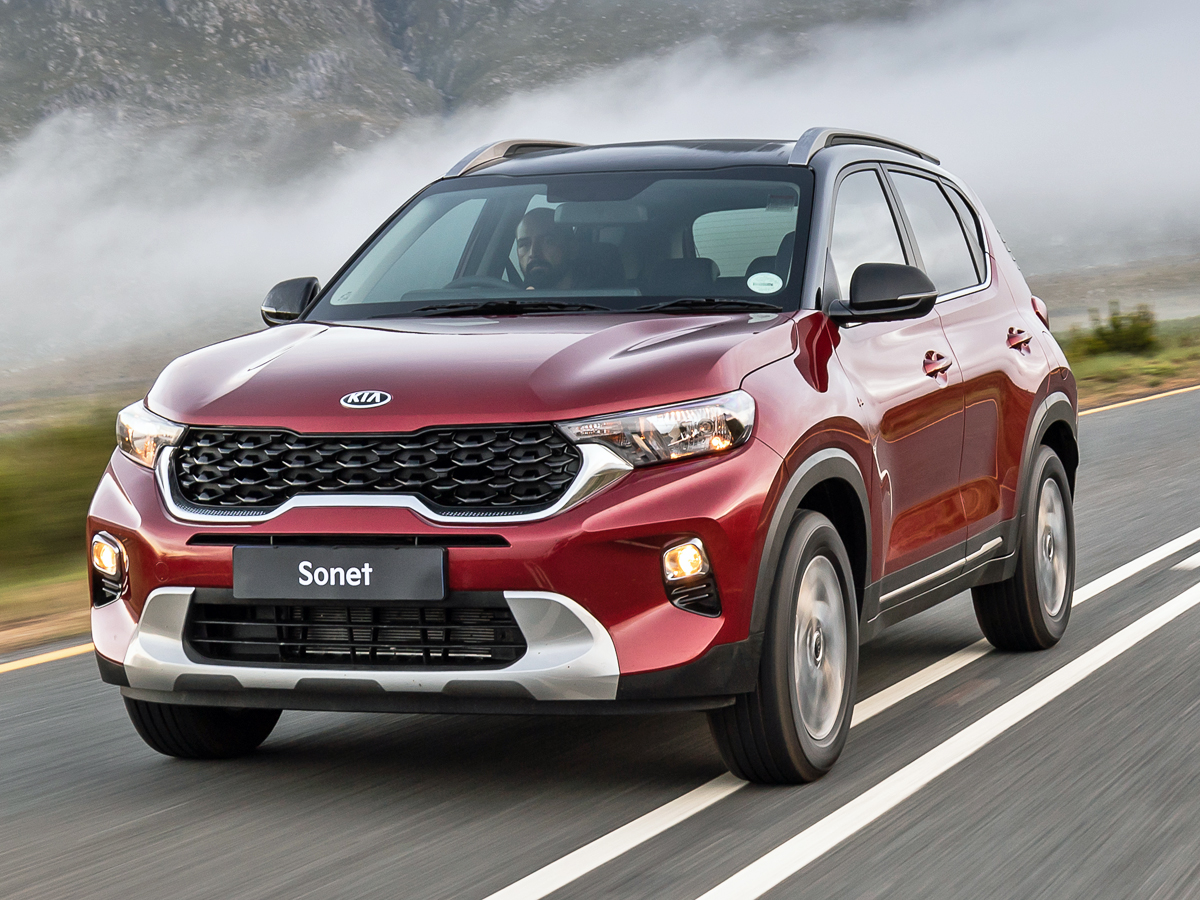
Yes, as many as 3 964 examples of the Sonet have been registered across Mzansi year to date (end of August 2023), putting the Indian-built baby crossover some 857 units ahead of the Picanto. The latter finished the reporting period on 3 107 passenger-vehicle units, excluding Runner-badged panel-van sales, which are registered in the light-commercial vehicle segment (along with the K2500 and K2700).
The Sonet arrived in SA back in May 2021.
That means the Sonet is already well ahead of its 2022 tally of 3 319 units. The Picanto, meanwhile, looks unlikely to reach the heights of last year, when it attracted 7 137 new sales. Of course, a facelifted version of the Picanto was revealed in July 2023, though there’s no indication of timing for a local introduction just yet.
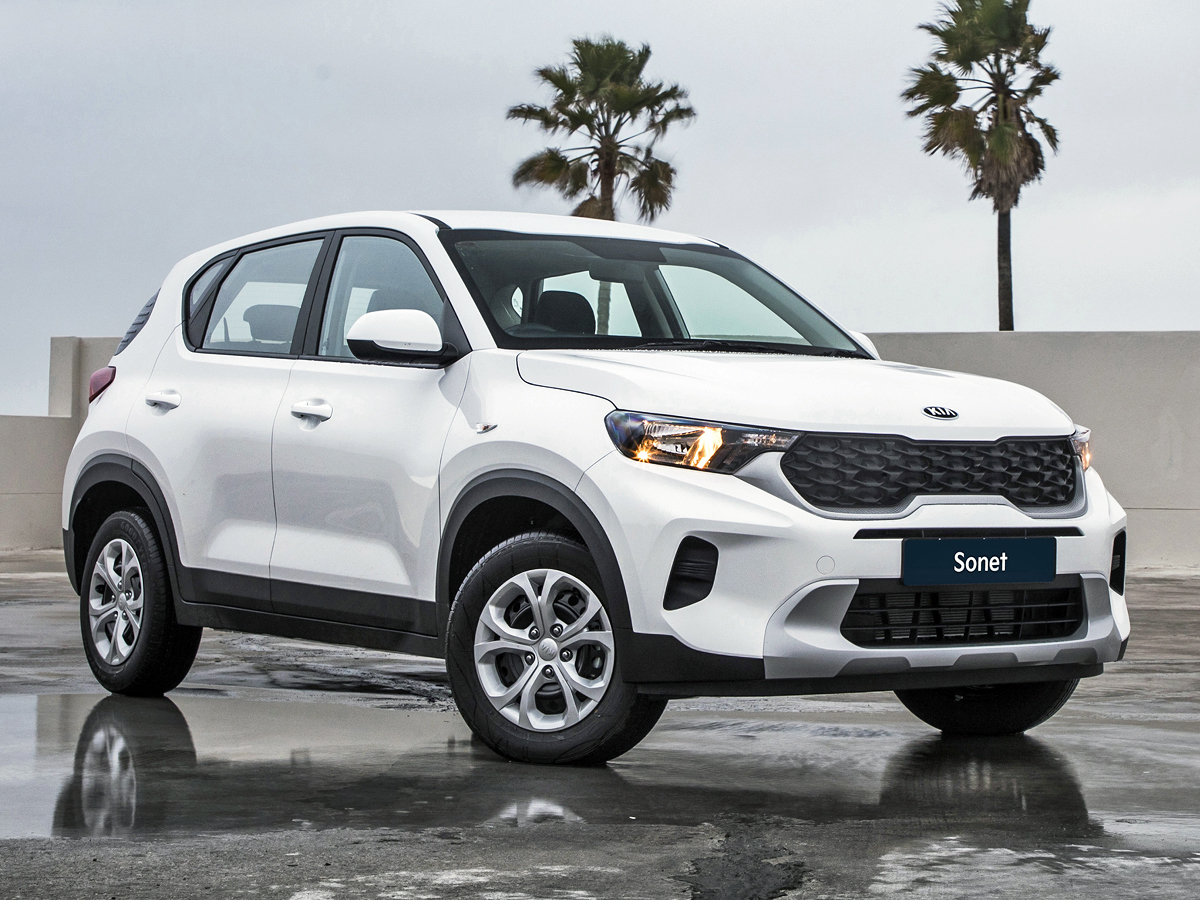
As a reminder, the Sonet line-up comprises 6 derivatives (offered with either a naturally aspirated 1.5-litre, 4-cylinder motor or a turbocharged 1.0-litre 3-pot), currently priced from R338 995 to R431 995. Meanwhile, the 12-strong Picanto passenger-car range (plus the 2 Runner variants in the LCV space) runs from R219 995 to R283 995.
LX derivatives provide the entry point to the Sonet range.
For the record, the Seltos (1 519 units) was next on the list of Kia’s strongest sellers year to date, followed by Rio hatchback (1 380 units). We expect a facelifted version of the Seltos to arrive in South Africa in the relatively near future, while the Rio nameplate is due to exit Mzansi towards the end of 2023, after some 22 years on the local market.
The Chinese-produced Pegas sedan totalled 687 units year to date, closely followed by the Sportage (676 units). Next came the Carnival (215 units) and Sorento (170 units), while Kia SA also registered 4 units of the Niro, 2 examples of the Carens and a single unit of the EV6 (seemingly all for “consideration” rather than sale purposes).
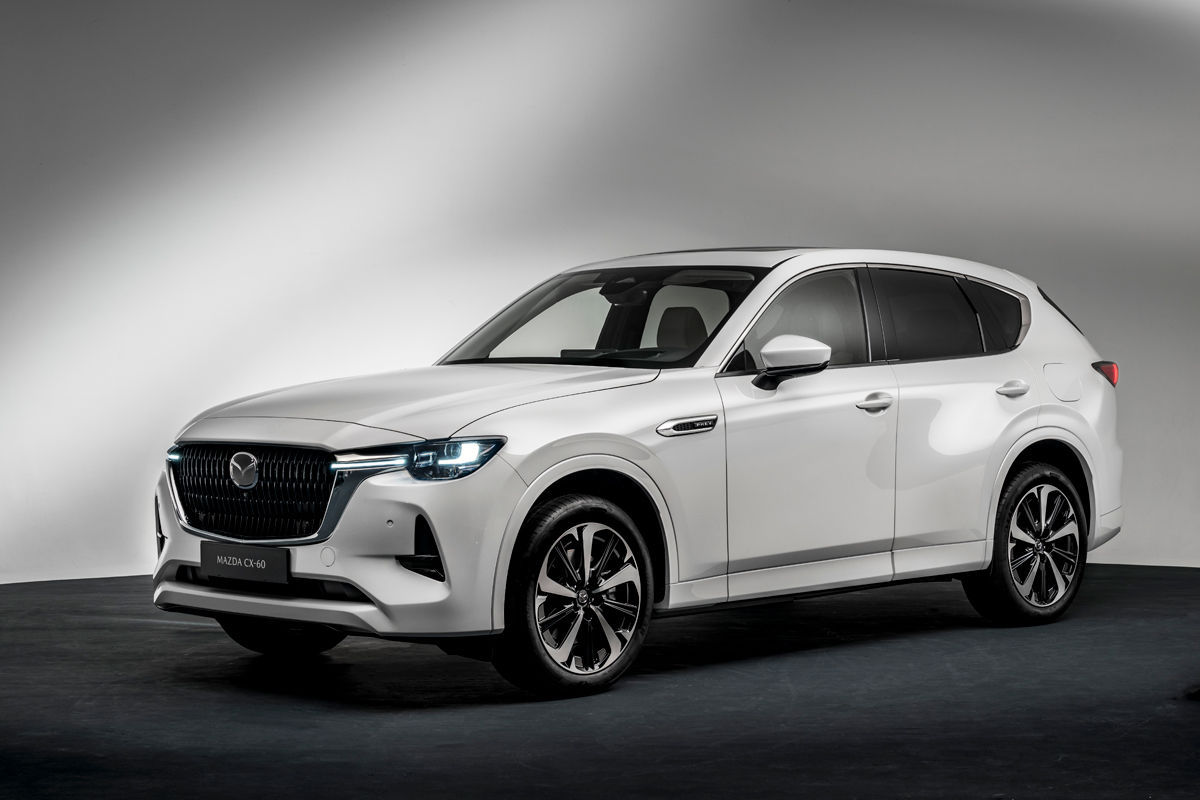
Mazda SA to launch 187-kW 6-cylinder turbodiesel CX-60
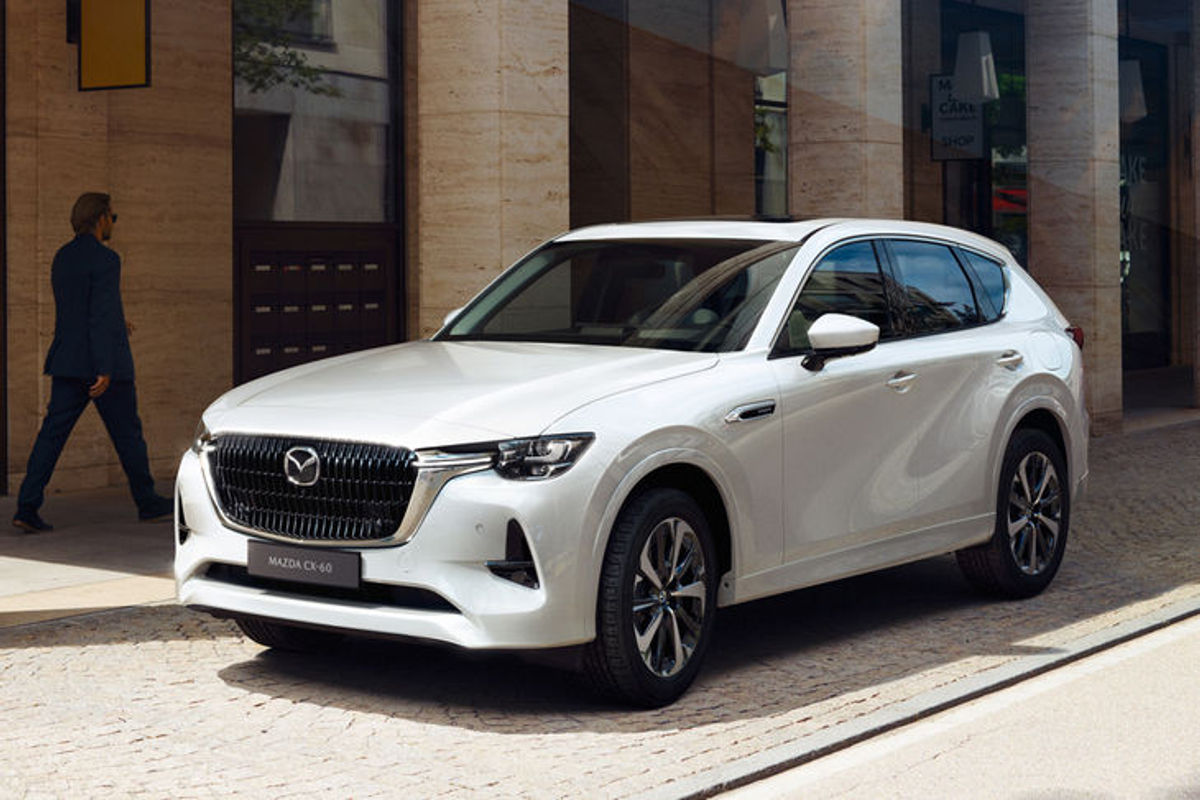
Mazda Southern Africa will add a flagship Takumi derivative, powered by a 3.3-litre inline 6-cylinder turbodiesel with mild-hybrid tech, to its CX-60 line-up early in 2024.
This move will see the local subsidiary of the Hiroshima-based brand make a more deliberate push into the Executive SUV segment (where the highly-specced and suitably powerful top-of-the-range CX-60 will compete against the likes of the Alfa Romeo Stelvio, BMW X3, Mercedes-Benz GLC and Volvo XC60) than it did when it launched a pair of 4-cylinder petrol derivatives of the model in Mzansi earlier this year.
The CX-60 was conceived to promote Mazda into a higher market segment than its ageing CX-5 sibling (it was part of a global product strategy on the part of the Japanese brand), but the first 2 derivatives of the CX-60 that were launched in Mzansi (powered by the brand’s familiar 2.5-litre naturally aspirated motor) seemed equipped – and priced – to a level that would see the model compete with upper-end medium SUVs and slightly bigger family cars such as the Nissan X-Trail and Mitsubishi Outlander.
In fact, the model’s less-than-spectacular launch line-up inspired regular Cars.co.za opinionista – Lance Branquinho – to pen an article titled ‘Did Mazda give the CX-60 the wrong engine?’ in which he speculated that the Japanese brand may have been dissuaded from introducing its inline 6-cylinder engine in its South African line-up of the CX-60 because of fuel quality- and price-positioning issues.
Now, however, Mazda Southern Africa has clearly indicated that there is no impediment to the local introduction of a CX-60 derivative with a 3.3-litre inline-6 e-Skyactiv D diesel engine equipped with 48V mild-hybrid technology. Pricing and the full specification of the Takumi-spec flagship derivative will only be confirmed closer to the time of local introduction (February 2024), however.
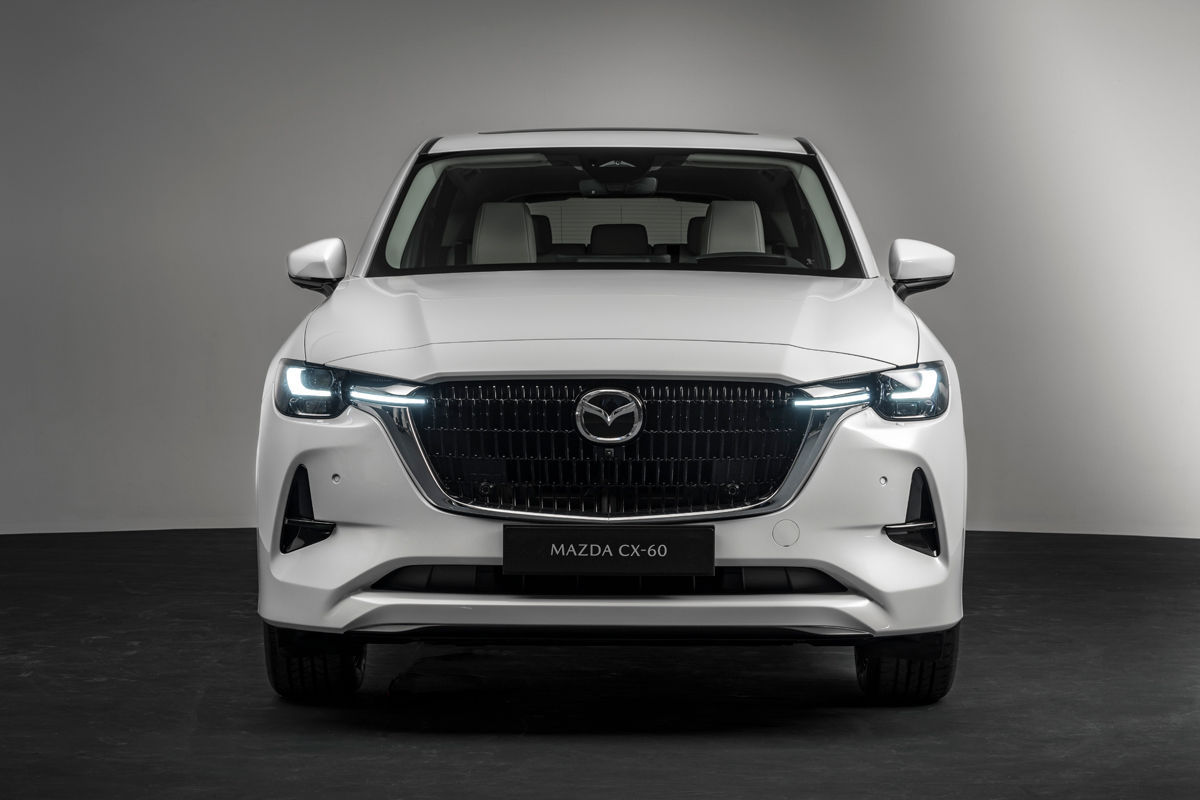
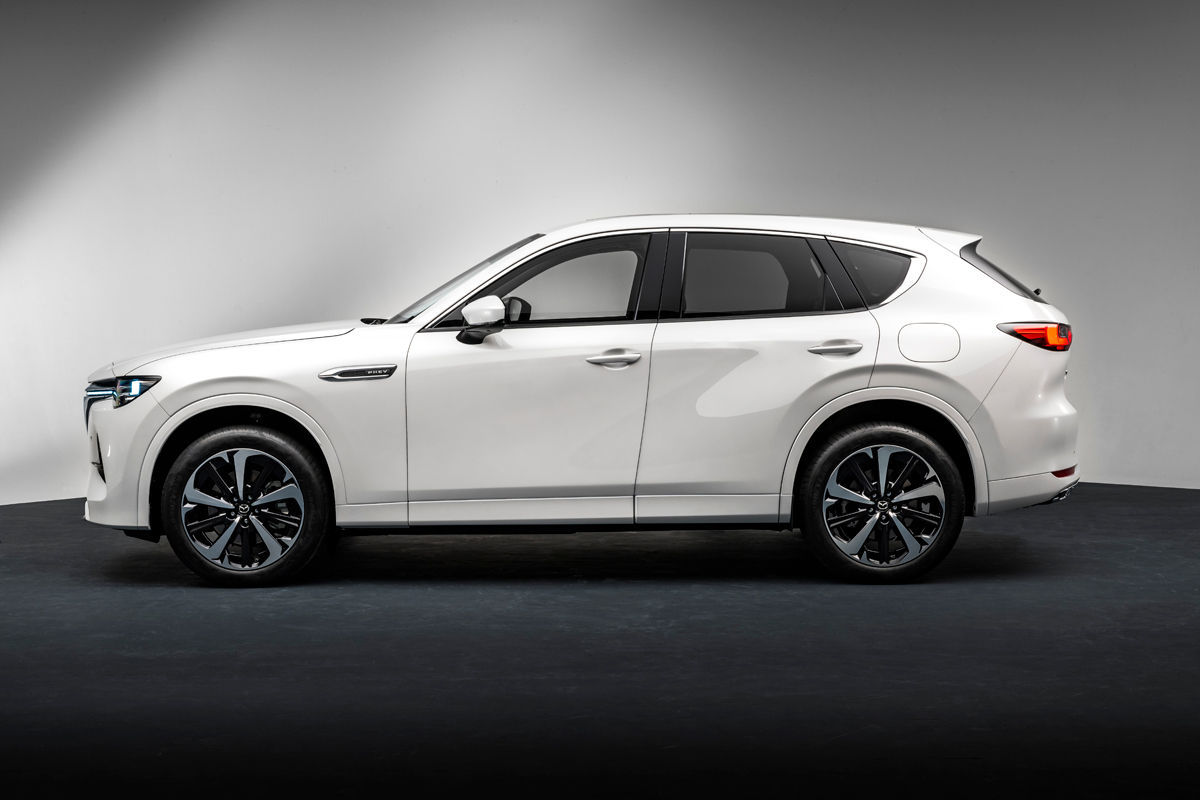
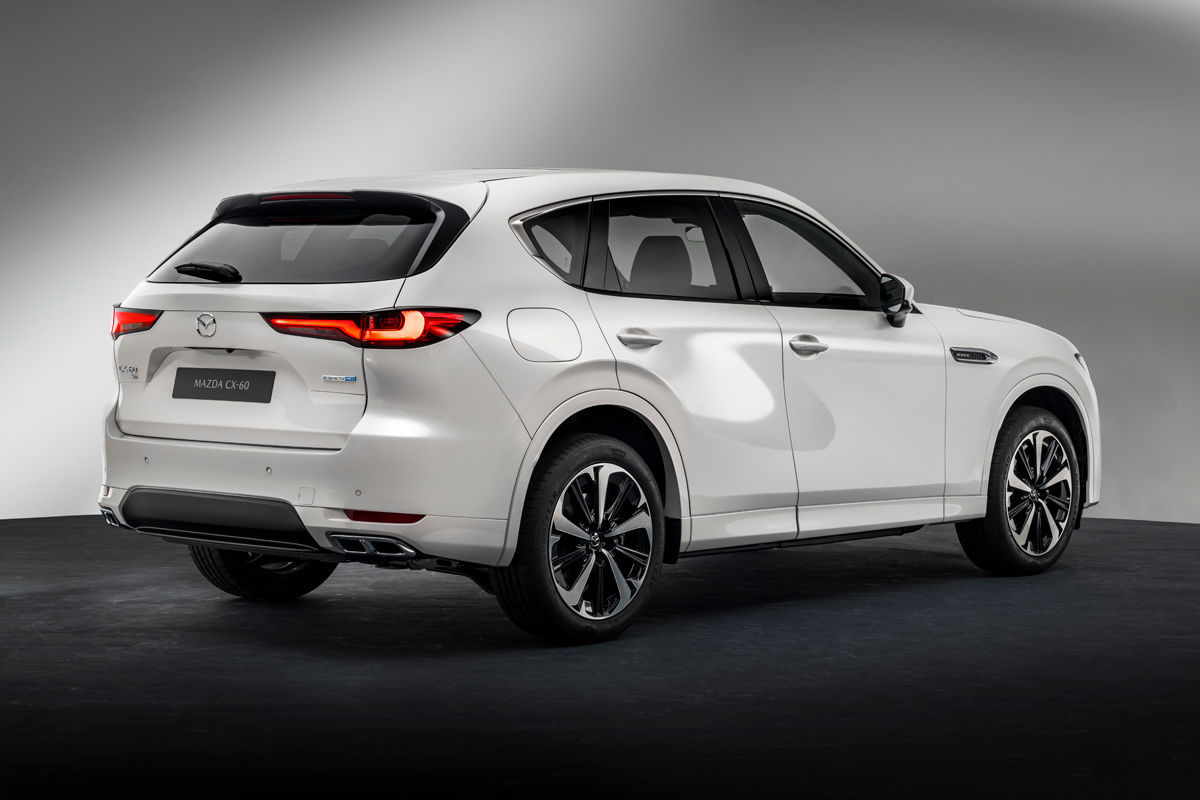
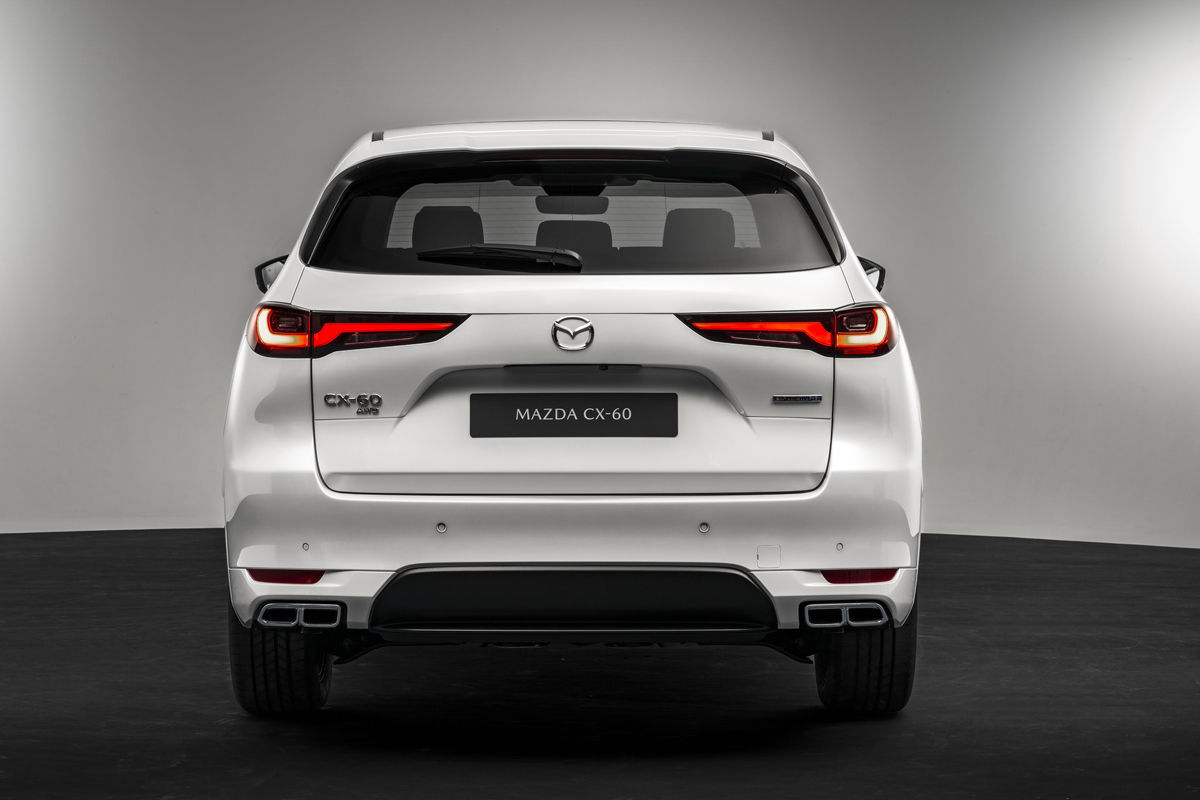
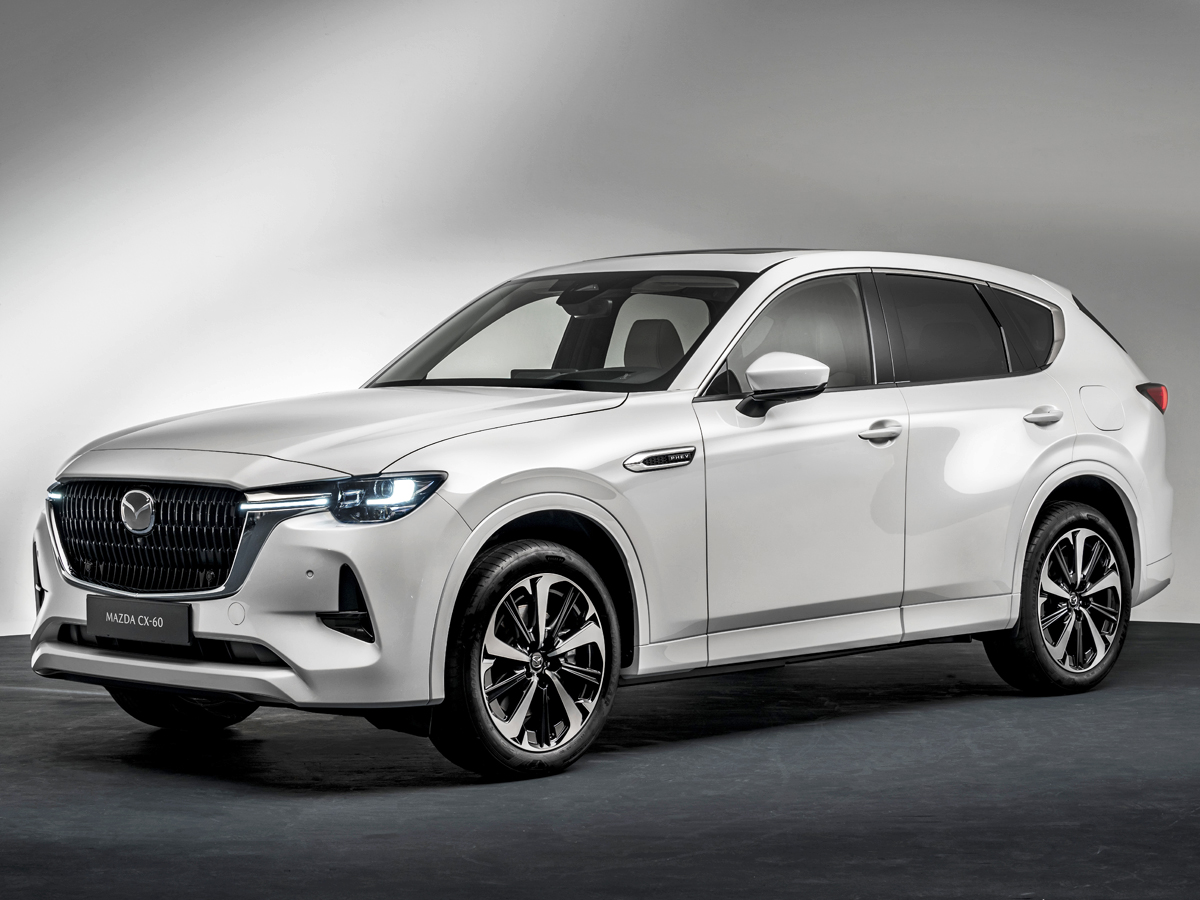
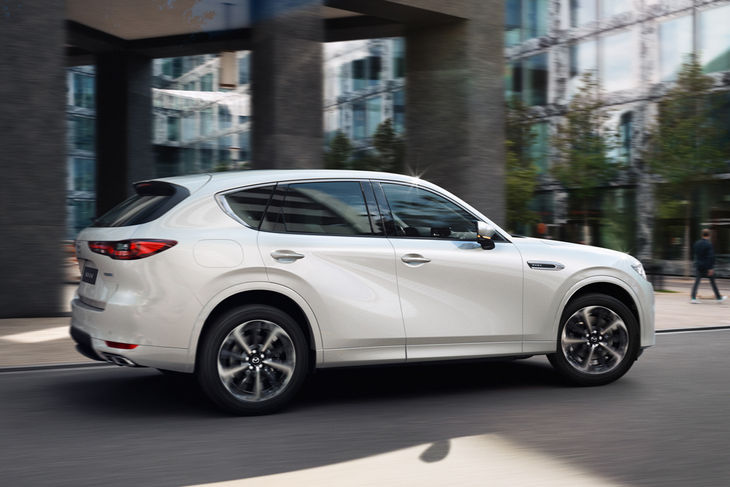
In terms of its exterior execution, the flagship turbodiesel CX-60 Takumi variant features an exclusive front bumper design, a piano black grille, a bright metallic finish to the front signature wings, side signatures and glazing surrounds, as well as 20-inch, black metallic, diamond-cut alloy wheels.
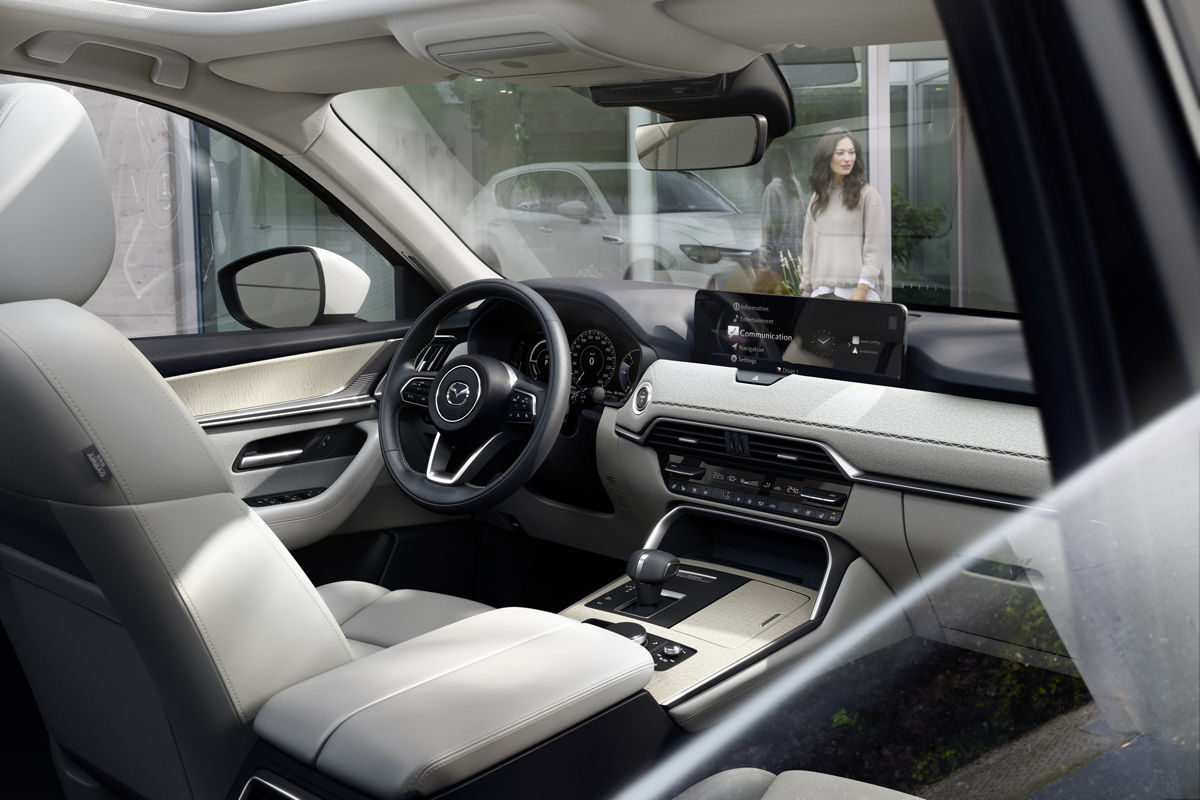
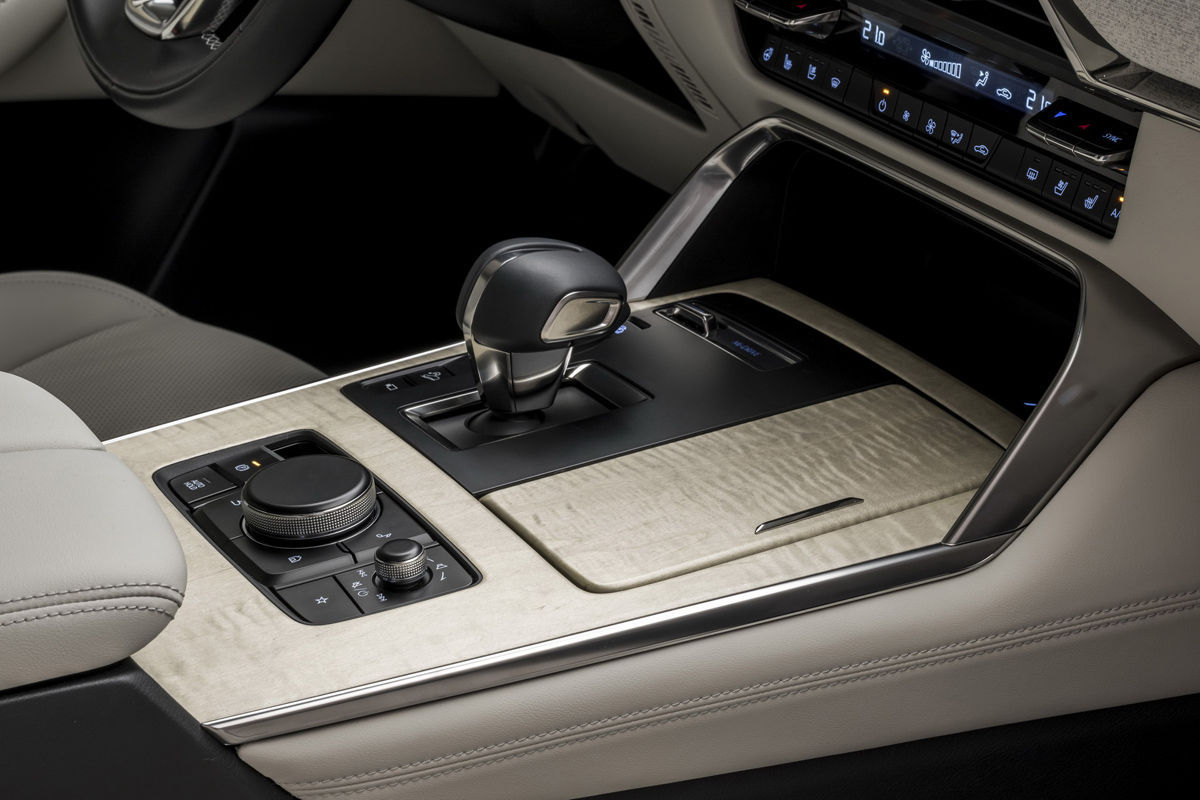
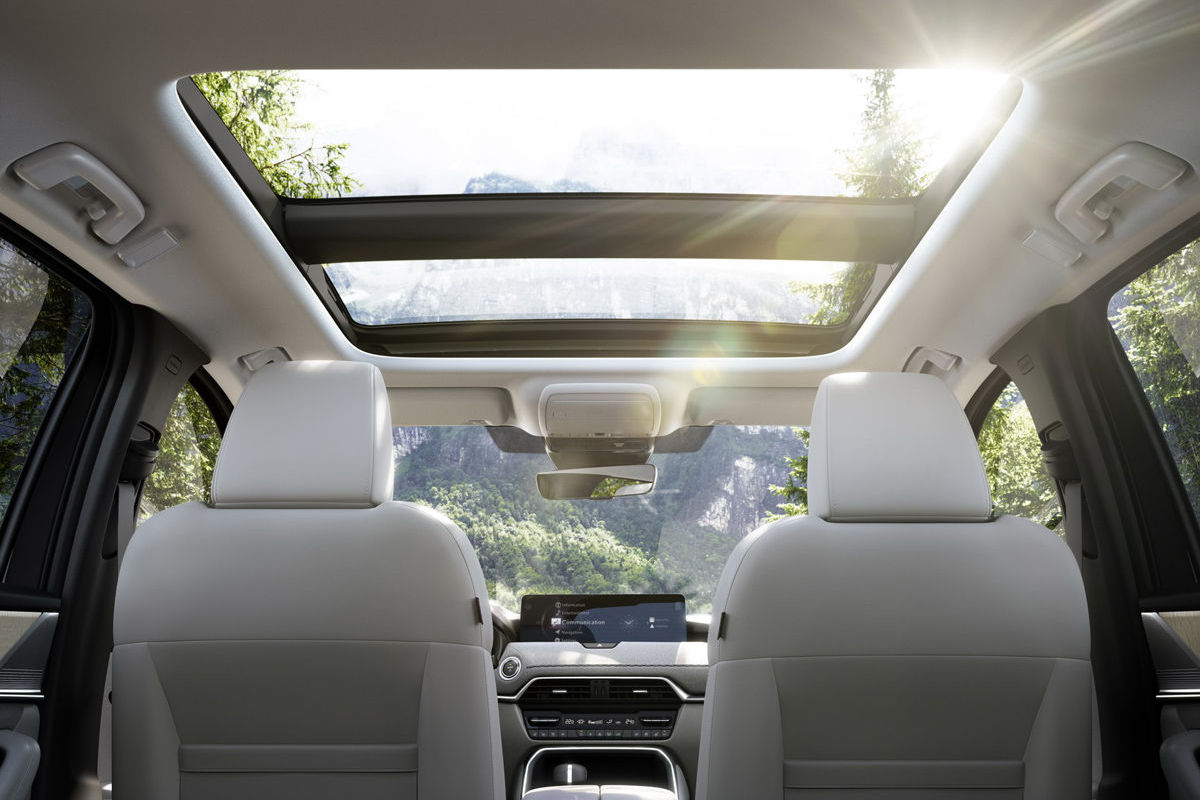
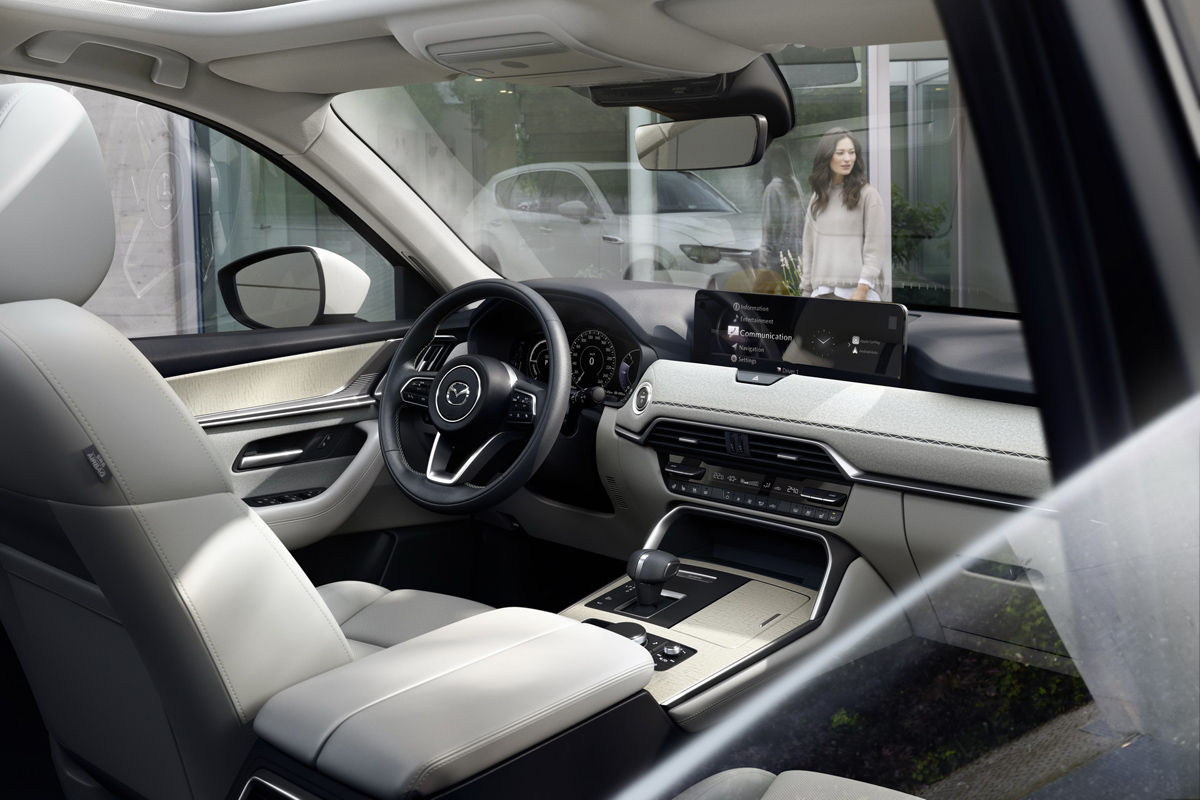
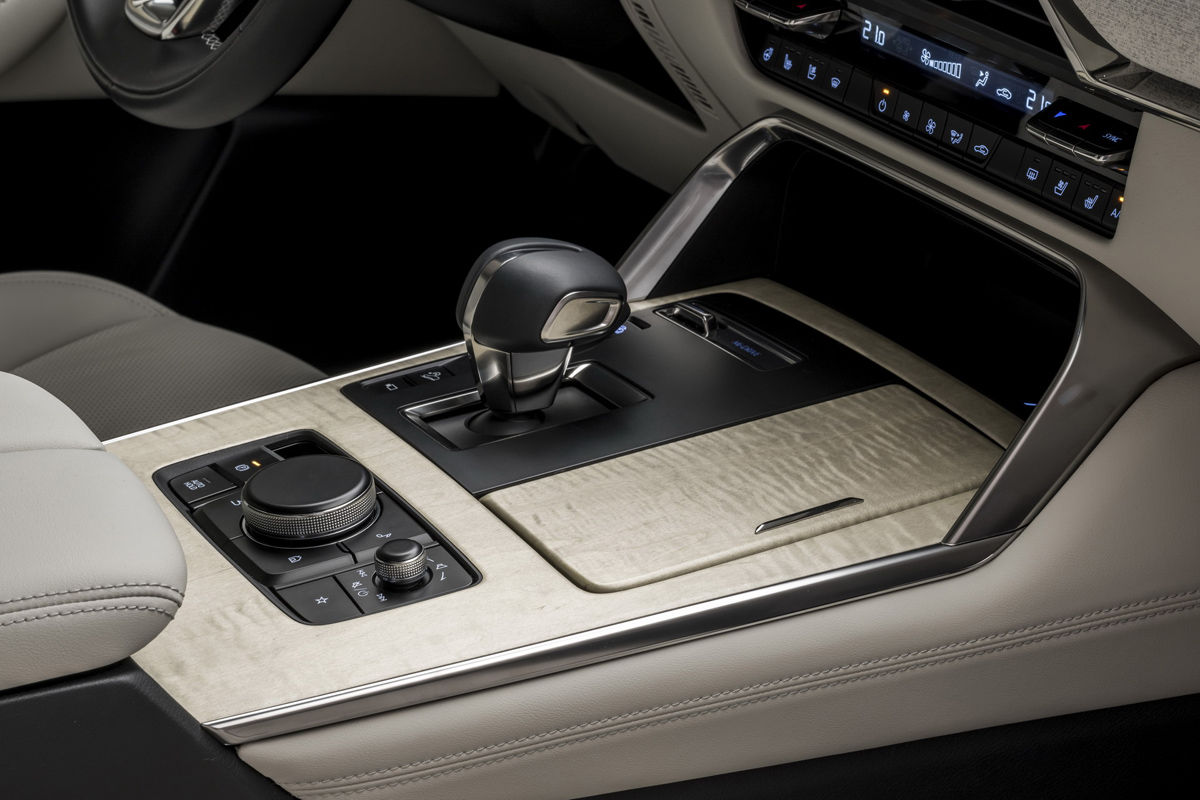
The newcomer’s interior treatment might be Mazda’s crowning achievement, however. In other markets (such as Australia), Takumi is a lavish optional trim package that is available on top-spec derivatives. Takumi trim incorporates pure white nappa leather seats, suede fabric-trimmed dashboard panel with detailed stitching and light-coloured maple wood inserts on the centre console and door trims…
But what about the engine’s outputs? According to a Mazda Southern Africa spokesperson, the CX-60 Takumi will produce maximum power of 187 kW and peak torque of 550 Nm – outputs that correspond with those of the (all-wheel-drive) derivative overseas (also equipped with a 3.3-litre inline-6 turbodiesel and 48V mild-hybrid tech). So, yes, the flagship derivative will probably be offered in AWD guise in SA.
In terms of performance, Mazda Motor Europe claims the 3.3 e-SkyActiv D MHEV AWD (as the derivative is known in continental markets) can sprint from 0 to 100 kph in 7.6 sec and reach a 219-kph top speed.
The 48V mild-hybrid system (M Hybrid Boost) consists of, inter alia, a 0.33 kWh lithium-ion battery and a 12.4 kW/153 Nm electric motor/generator, the latter of which is integrated with the 8-speed transmission. The motor supports the engine at low loads and -engine speeds, while its battery is recharged by the engine or regenerative braking. Mazda quotes an average consumption figure of 5.3 L/100 km (WLTP).
Suffice it to say, the Mazda CX-60 that we reviewed earlier this year impressed the test team with its stylish cabin, impressive build quality and rear-wheel-drive handling dynamics. The addition of a 3.3-litre inline-6 turbodiesel motor – introduced as part of the Japanese brand’s “right-sizing” concept, which optimises displacement to improve both fuel and power efficiency – should suit the package very well.
Watch Ashley Oldfield’s video review of the new Mazda CX-60 below:
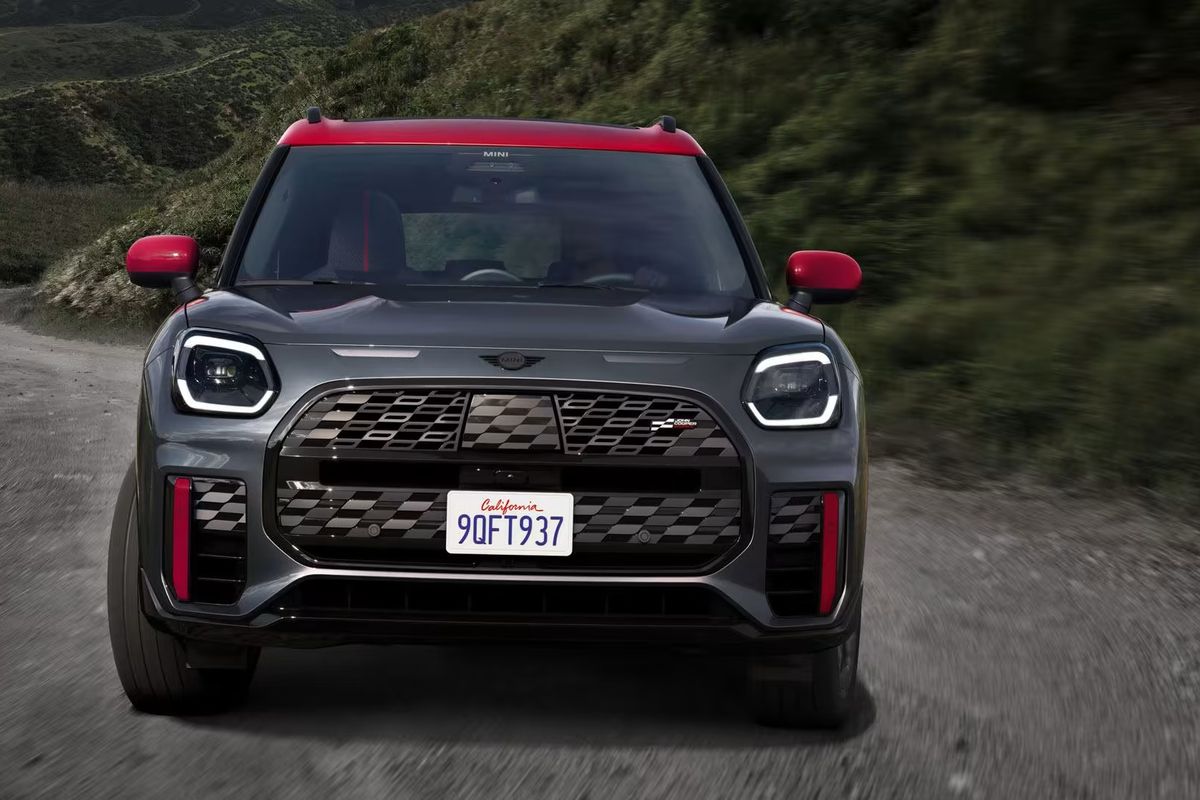
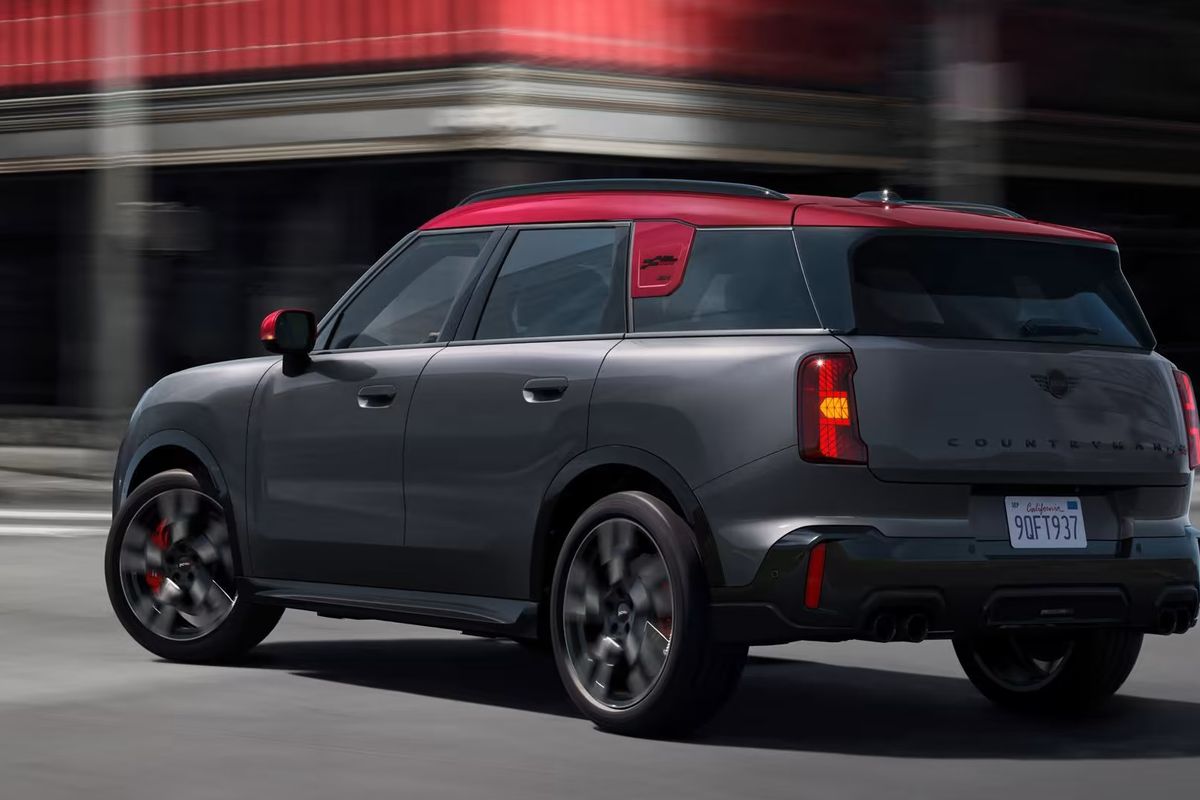
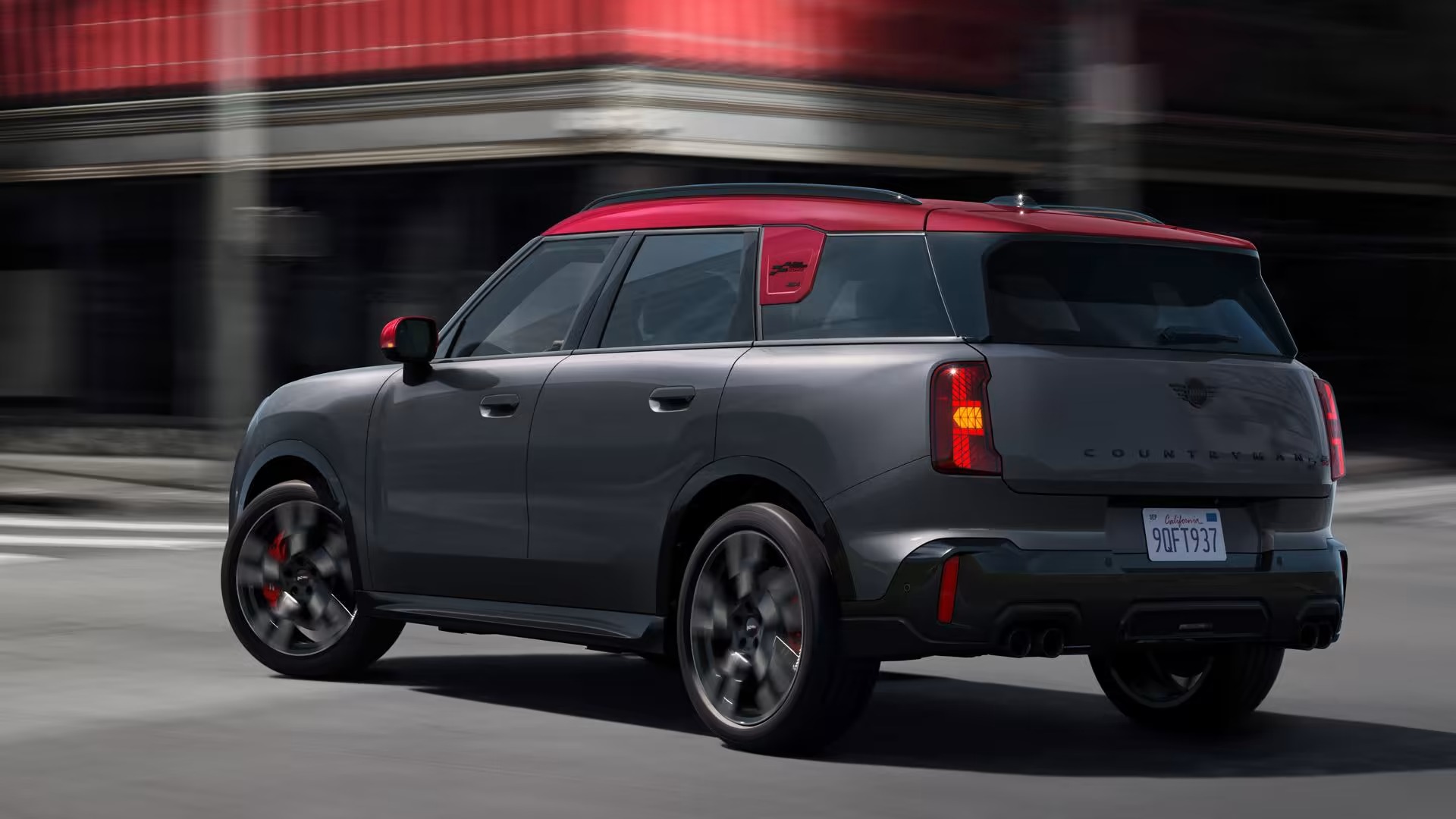
While all eyes were on the brand-new electric Countryman, Mini Germany quietly released information about the performance-focused 2025 Mini Countryman JCW.
We were in Munich last week for the unveiling of the all-new Mini Countryman and the conversation was dominated by electrification, but petrol and diesel will continue to be offered. It almost snuck under the radar, but information has been released about the 2025 Mini Countryman JCW, the petrol-powered performance flagship.
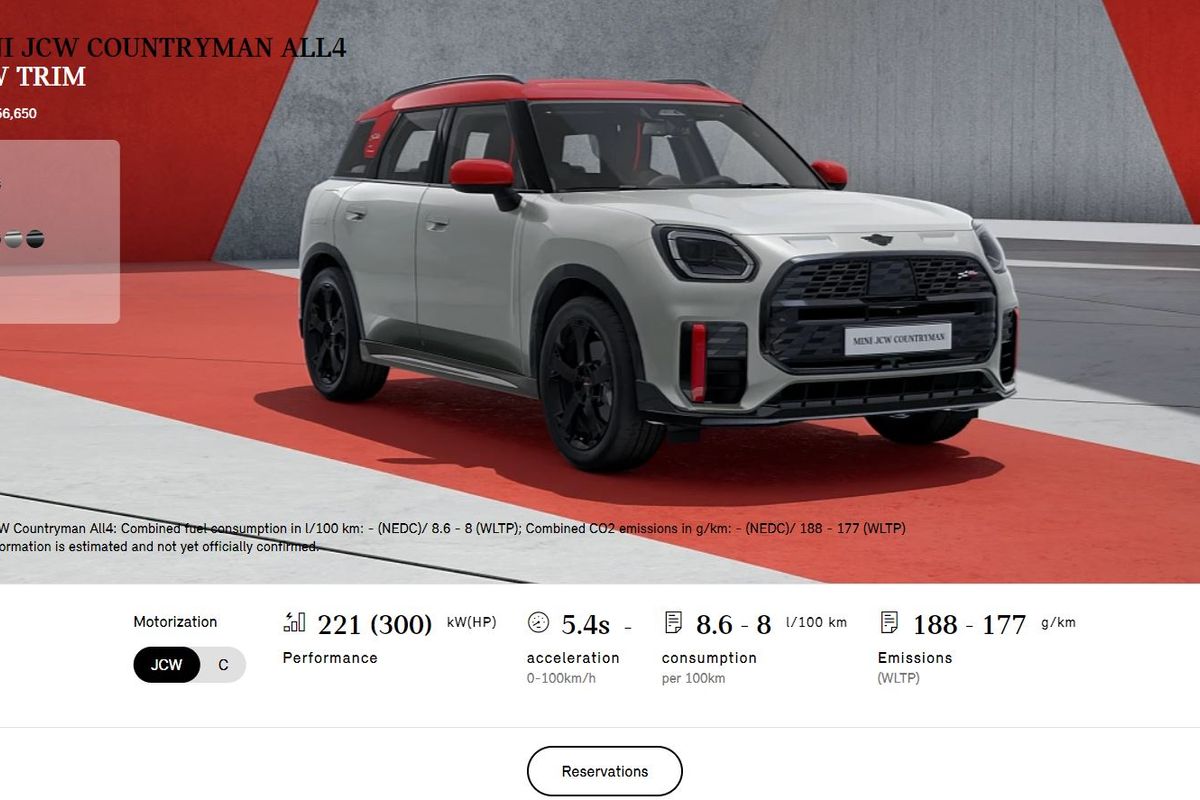
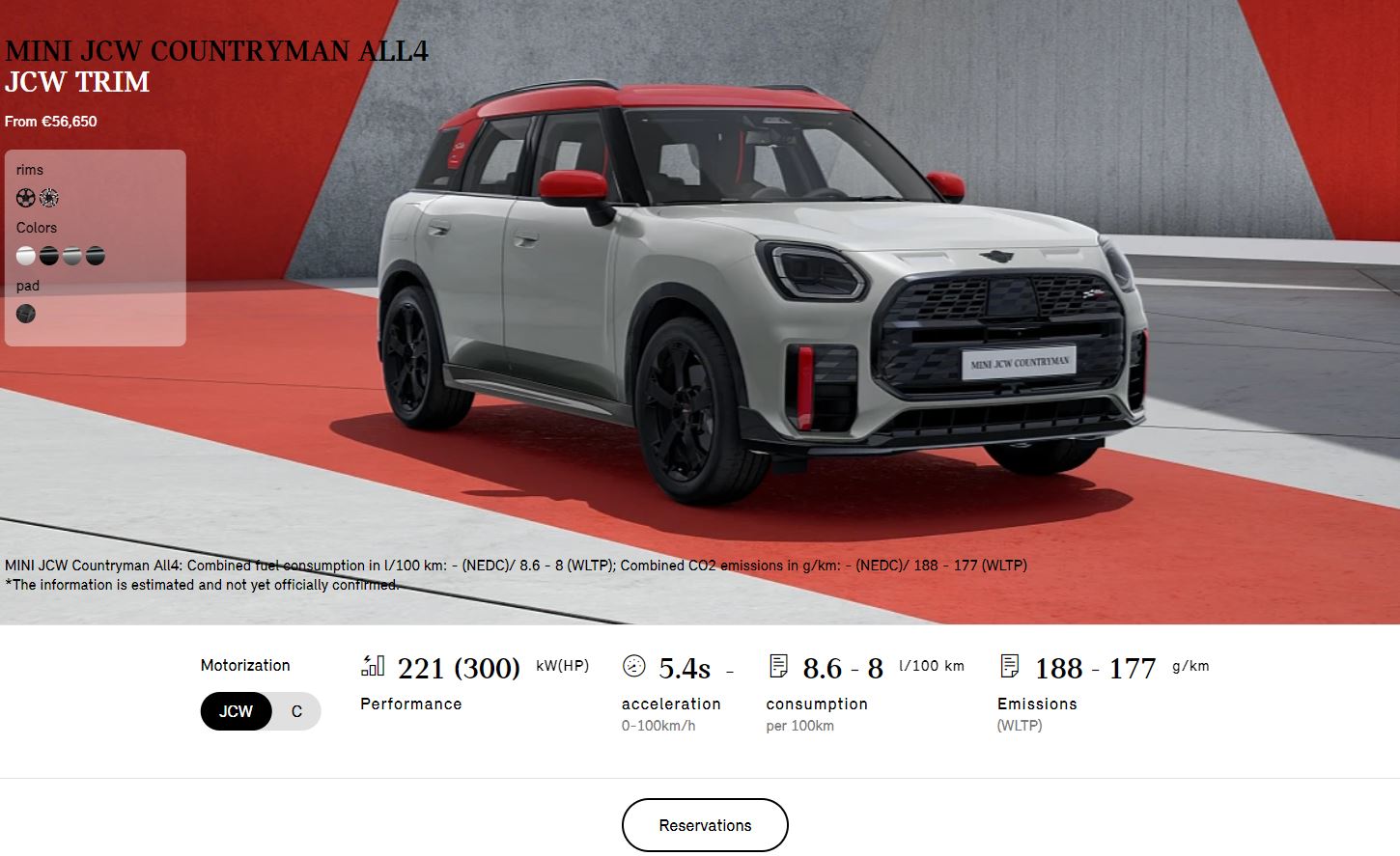
The 2025 Mini Countryman JCW will be powered by a 2.0-litre turbocharged 4-cylinder petrol engine with 221 kW and 400 Nm. Performance fanatics will notice that the outgoing model was a touch more powerful at 225 kW and 450 Nm, and we’ll put this decrease in power down to ever-tighter economy and emissions regulations.
Given the All4 badge, it should come as no surprise that the 2025 Mini Countryman JCW features all-wheel drive. It appears the 8-speed torque converter transmission has been replaced by a 7-speed dual-clutch transmission. The new JCW-powered Countryman is claimed to sprint to 100 kph in just 5.4 seconds.
If this is all sounding very familiar, don’t be surprised as the BMW X1 M35i uses the same powertrain and is capable of near-identical performance. Interestingly, for some markets, the engine output is rated at 233 kW and 400 Nm. Fingers crossed the SA market gets the more powerful version.
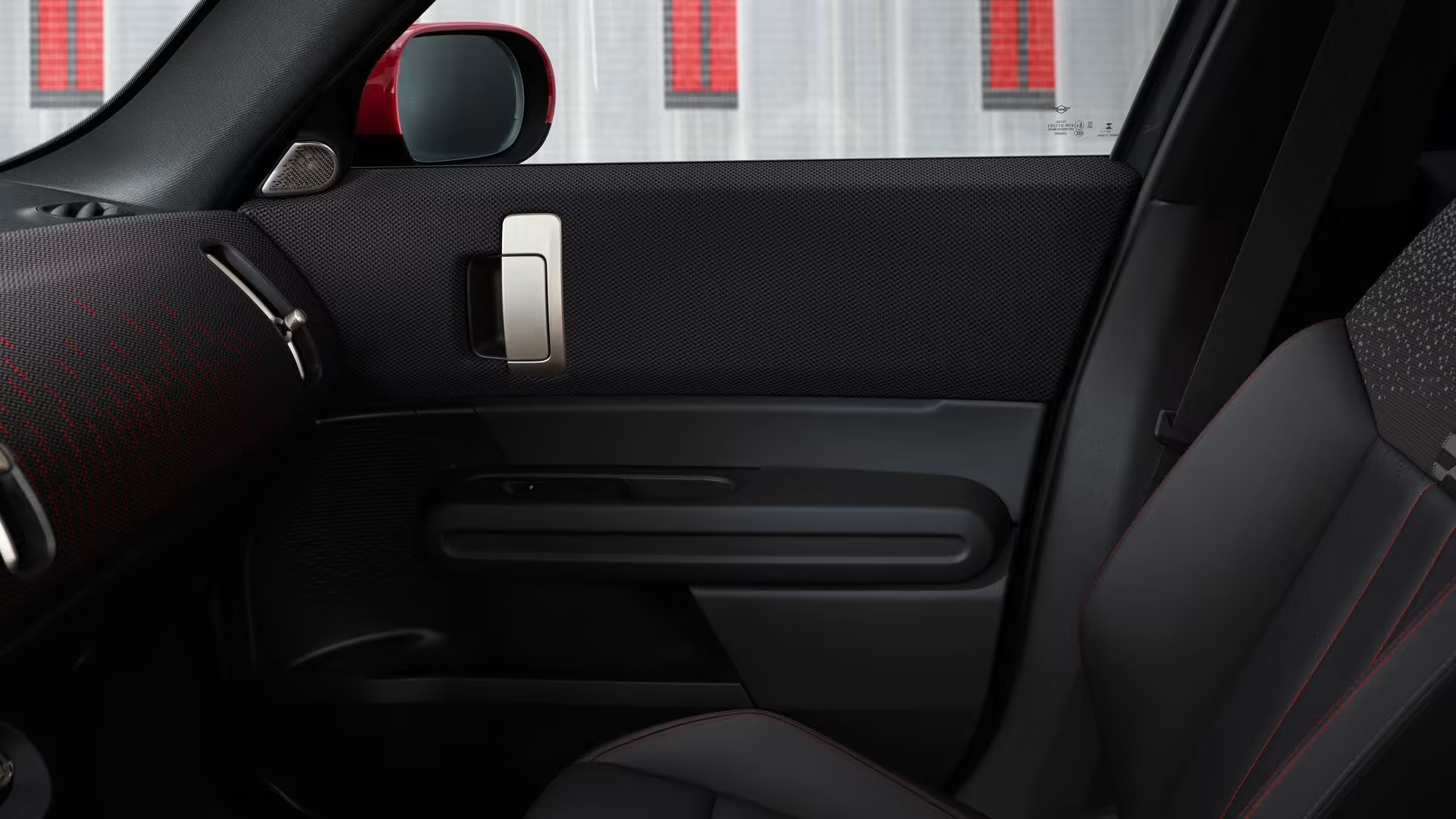
Inside, expect the sporty theme in abundance with racy seats and red/carbon fibre trim. Mini has yet to reveal a comprehensive image gallery or press release about its sportiest Countryman, so we don’t have many images to go on.
Mini Countryman JCW arrival in South Africa?
The new Mini Countryman JCW will built in Leipzig, Germany, along with its BMW siblings, the X1 and iX1. It is expected to arrive in South Africa in 2024, along with the rest of the brand-new Mini range.
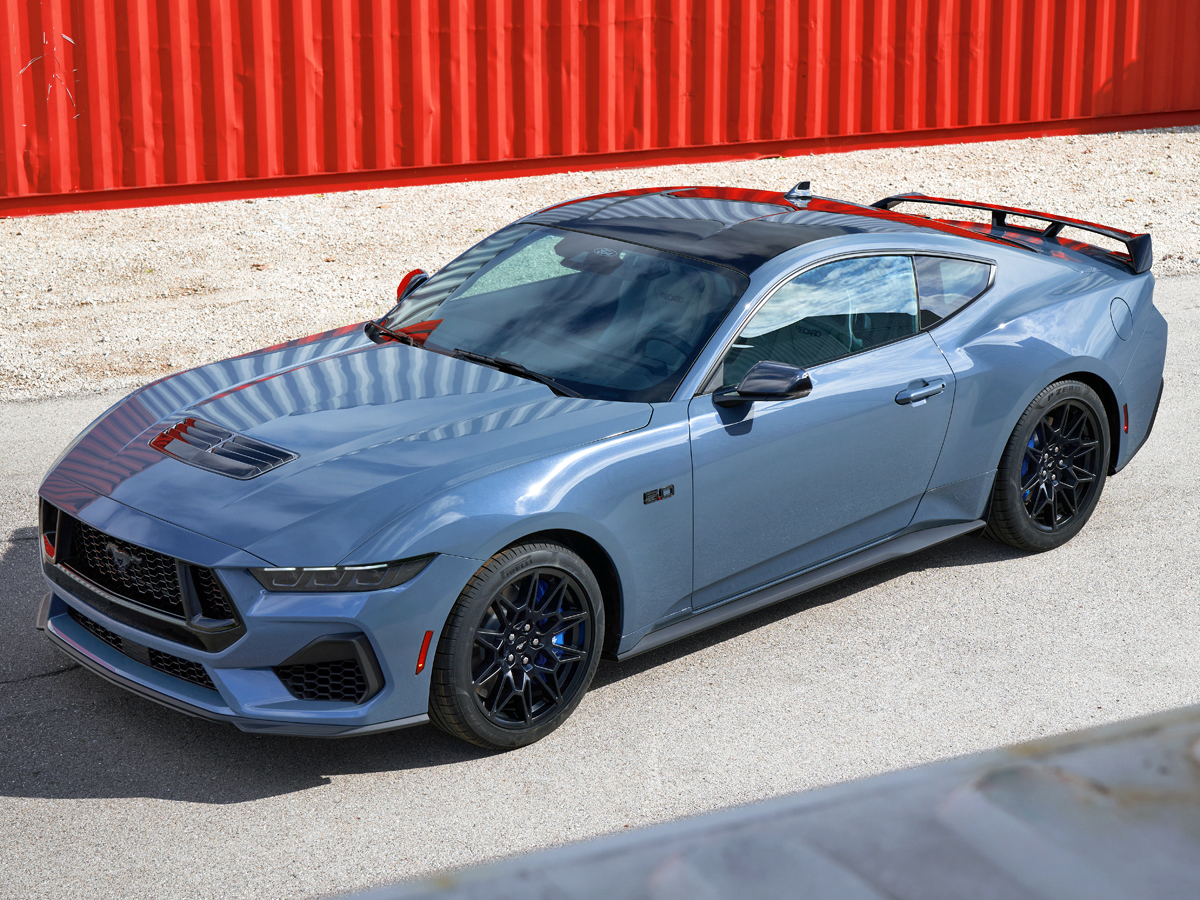
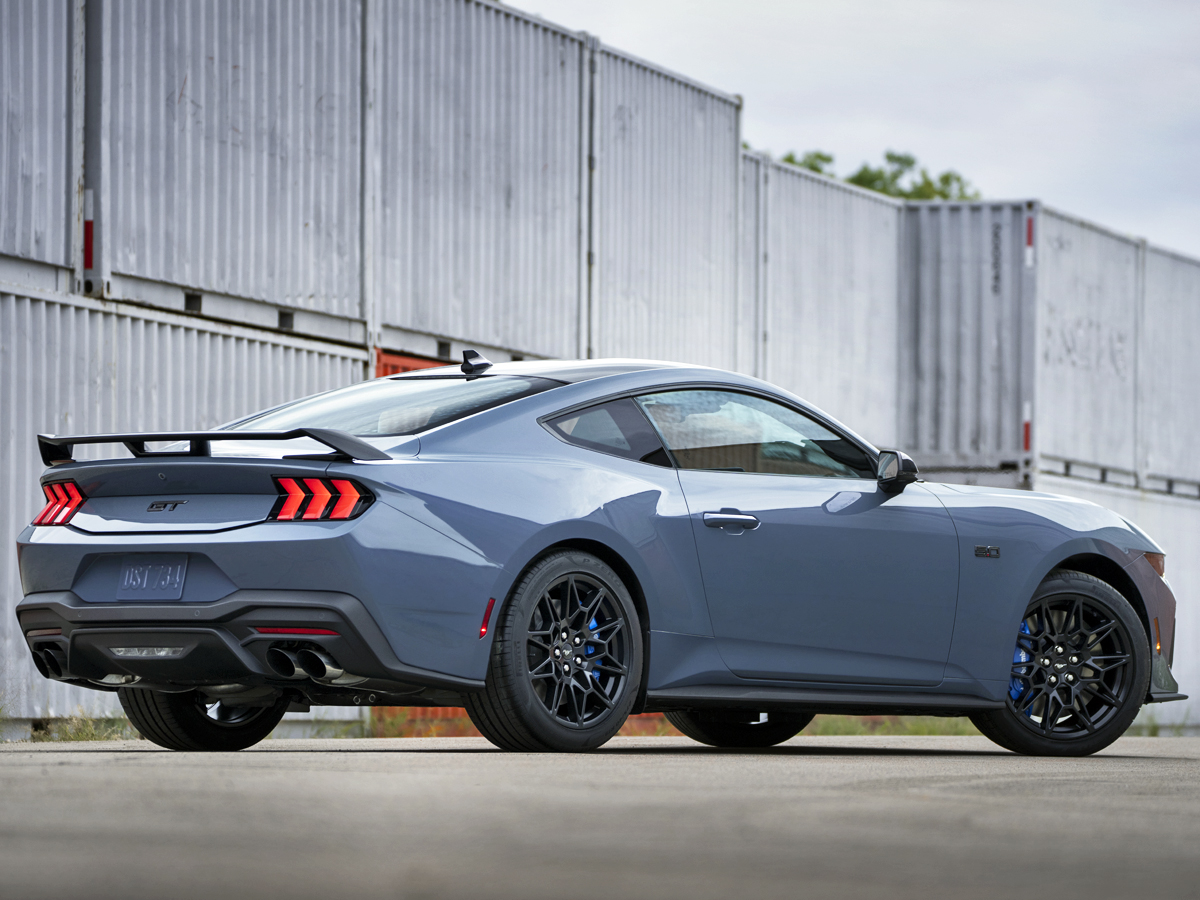
It’s Official: New Ford Mustang Coming to SA in 2024
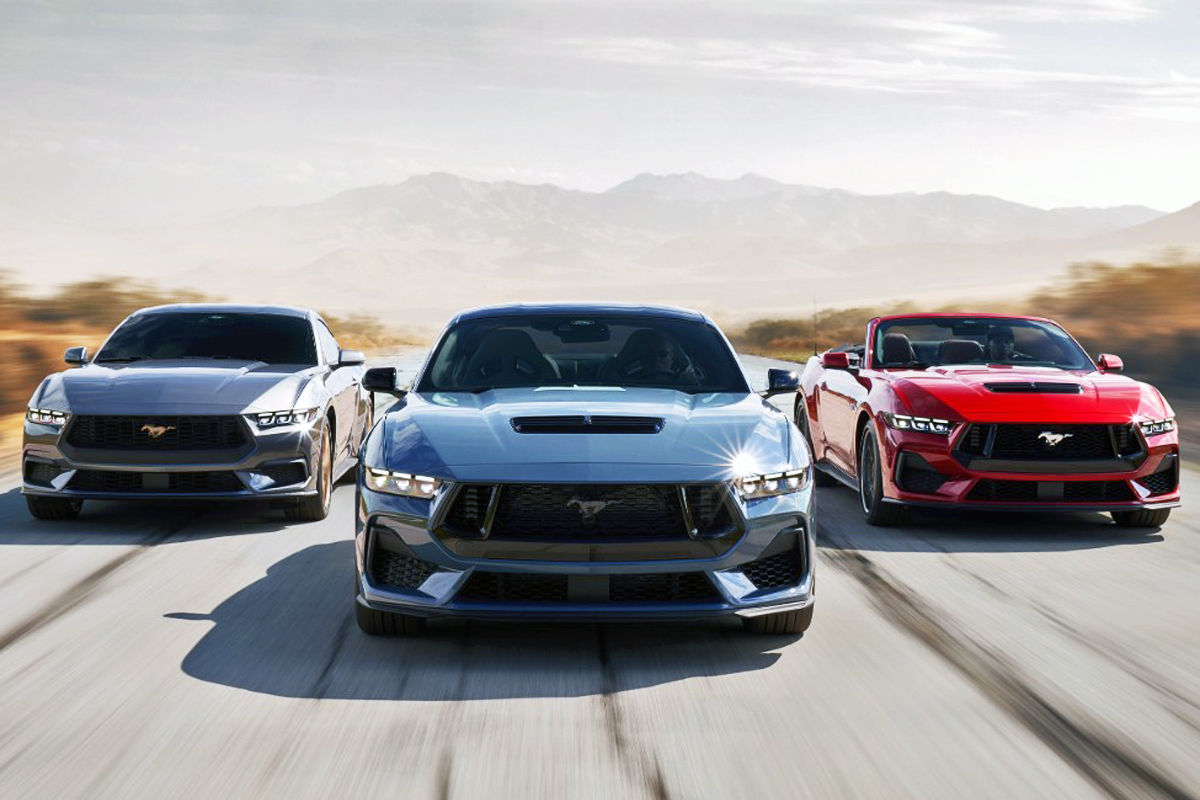
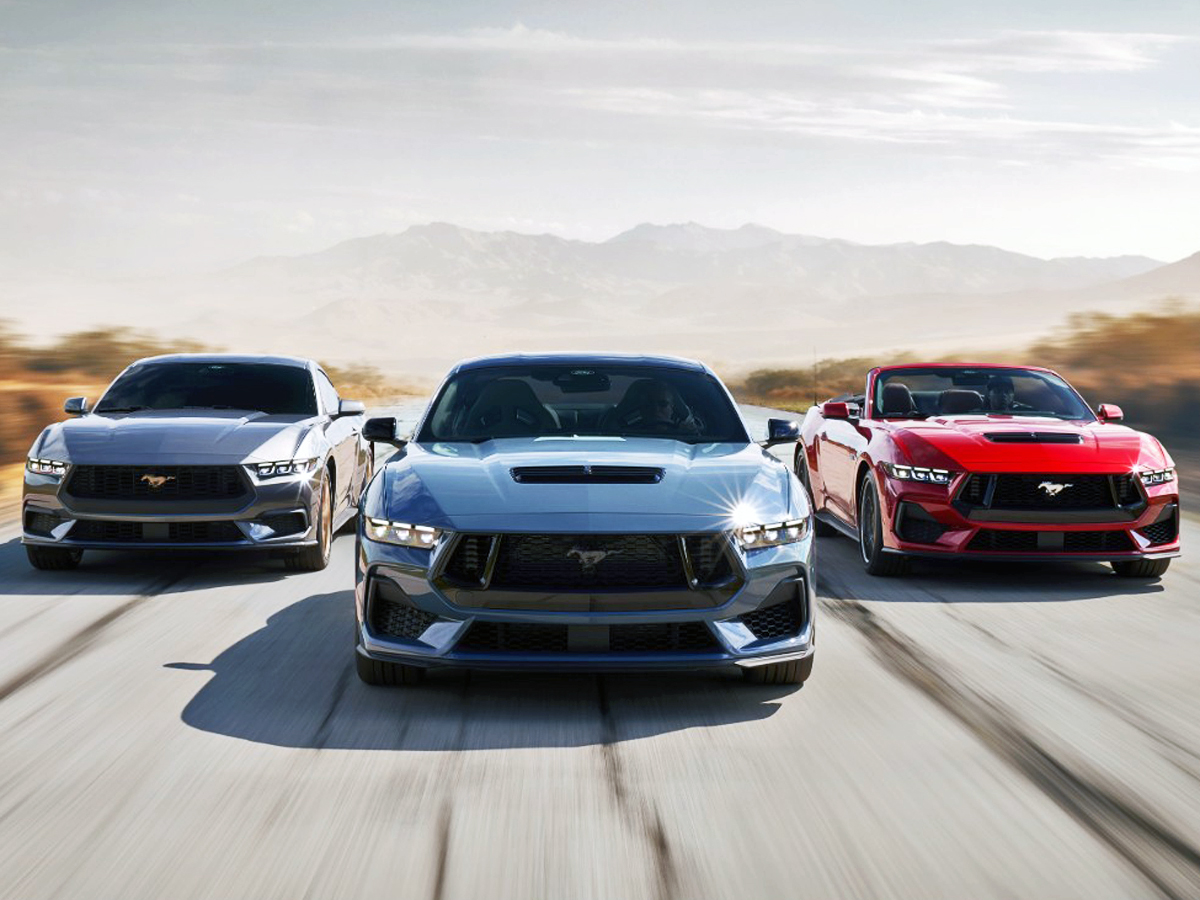
When will the 7th-gen Ford Mustang blast into SA? Well, the Blue Oval brand has finally confirmed a 2024 launch, though it’s no longer building the outgoing model…
When the wraps came off the 7th-generation Ford Mustang a full year ago, there was no indication from the Blue Oval brand’s local division of when the fresh-faced version of the pony car would arrive in South Africa. Now, however, we finally have some clarity.
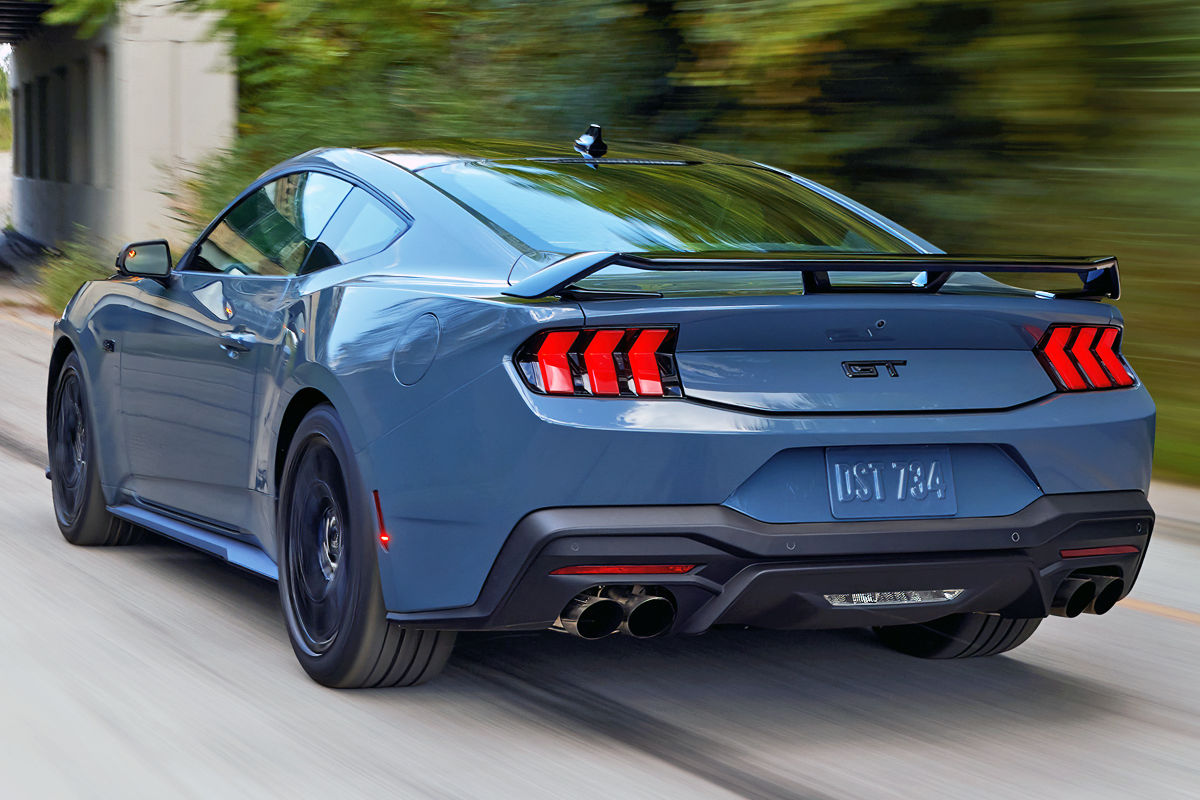
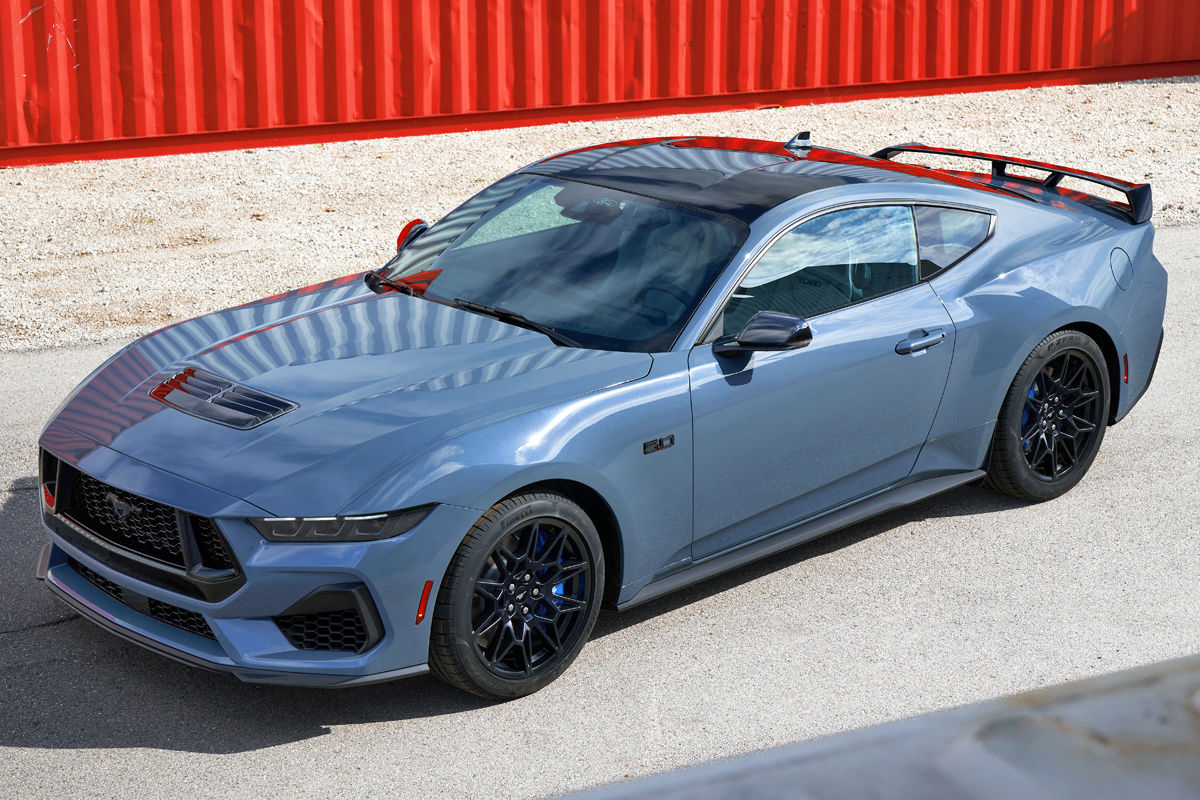
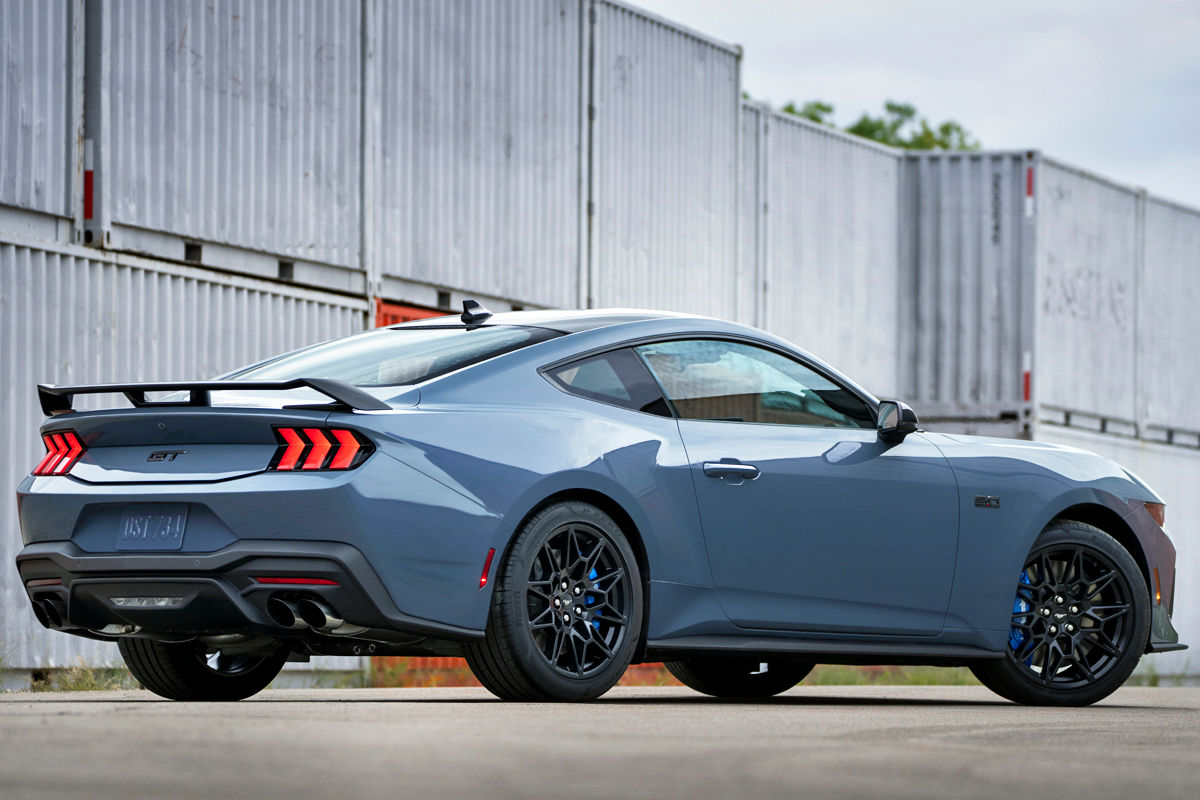
Ford Motor Company of Southern Africa has confirmed to Cars.co.za the new S650-series Mustang “is expected to arrive in South Africa sometime during 2024”. Though that’s not terribly specific in terms of timing, it’s at least an official confirmation the new Mustang is indeed on its way to local roads.
In addition, we asked the automaker whether its Flat Rock assembly plant in Michigan was still churning out examples of the outgoing S550 model. The Dearborn-based company’s local division confirmed to us that “production of the 6th-generation Mustang has ended”.
Judging by the latest sales figures from industry representative body Naamsa, there’s still stock of the outgoing model in Mzansi, with August 2023 – when 44 units were registered locally – proving to be the nameplate’s best month of the year thus far (just edging out July’s 42 units). Over the opening 8 months of 2023, as many as 194 examples of the 6th-gen Mustang have been sold in SA.
For the record, the outgoing Mustang range in South Africa – representing the only true passenger car from Ford still offered locally, with the likes of the Figo and Fiesta having since been discontinued – currently comprises a trio of variants, all powered by the naturally aspirated 5.0-litre V8 petrol engine: a fastback, a convertible and the limited-run California Special (which is interestingly still listed). Pricing currently runs from R1 139 900 to R1 217 900.
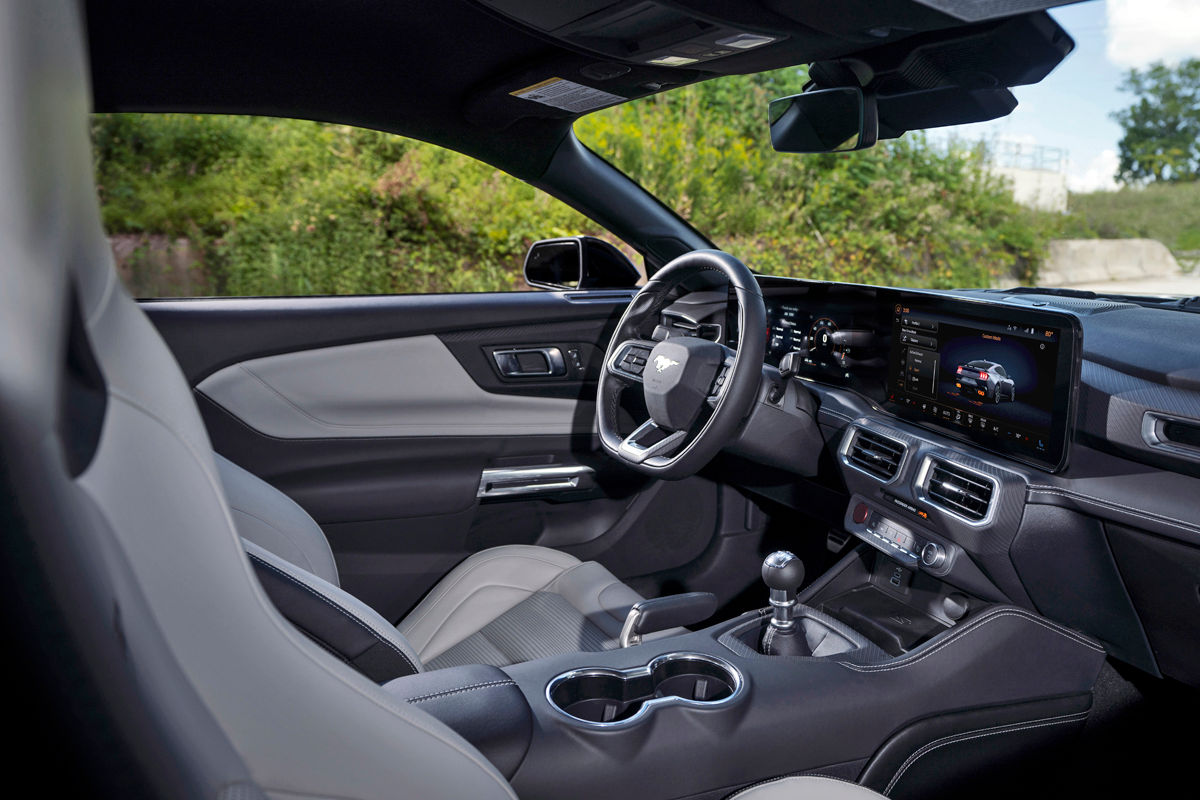
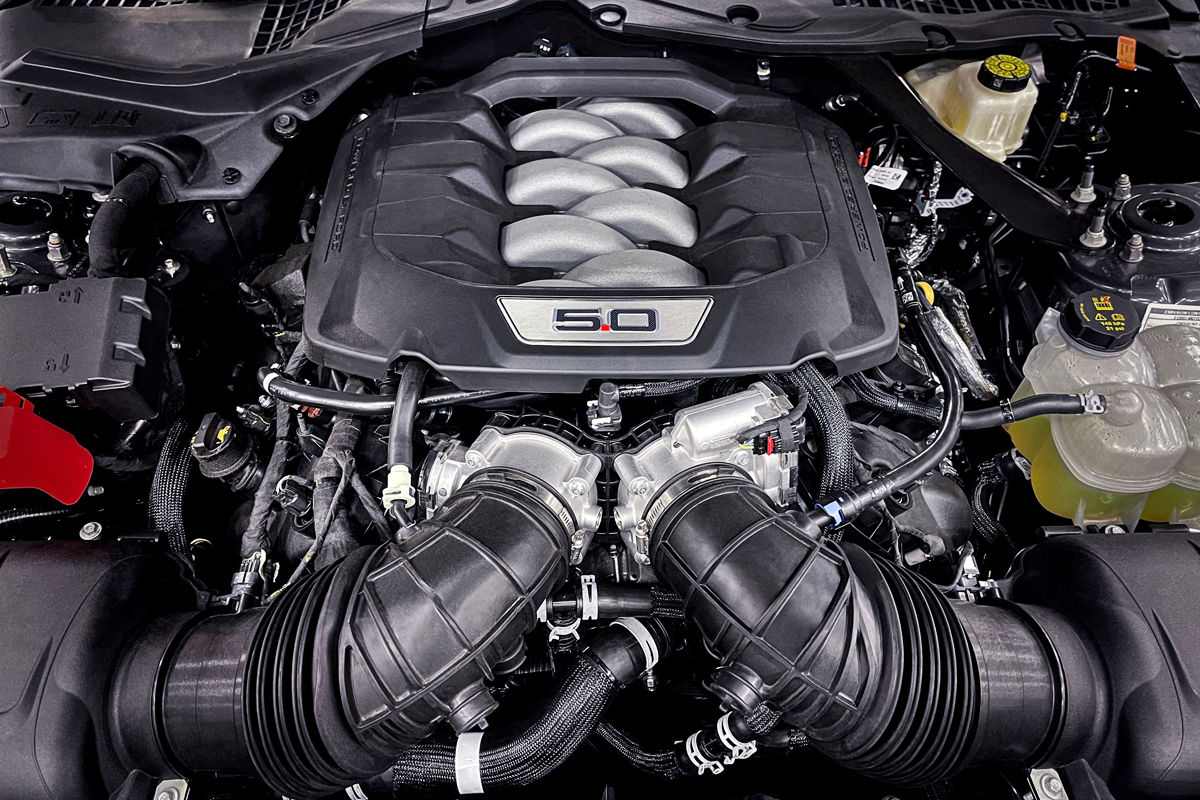
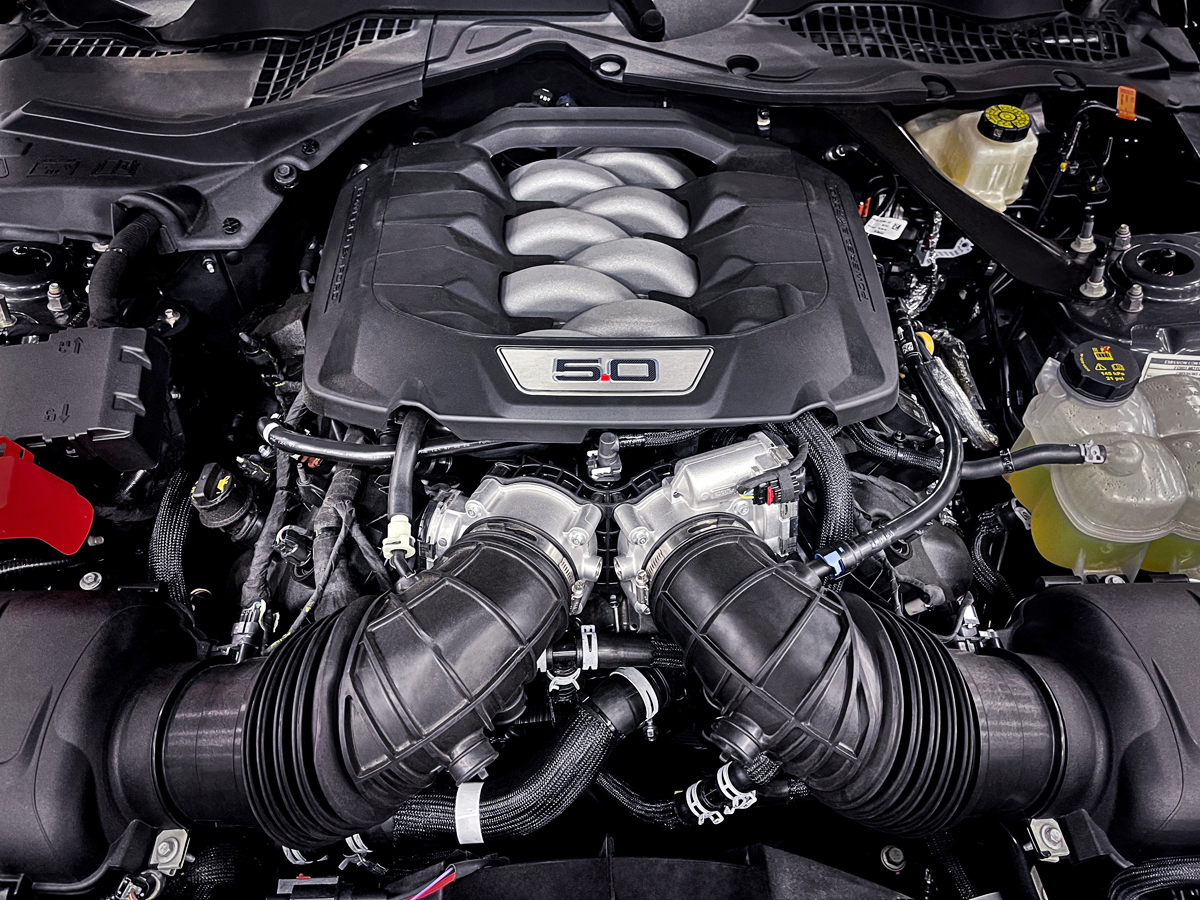
So, what about the new version? Well, we expect the 7th-gen Mustang to again be available locally in both coupé and convertible body styles. Though the engine line-up for SA is not yet confirmed, we wouldn’t be surprised if our market received only the 8-cylinder Coyote motor and did without the updated version of the turbocharged 2.3-litre, 4-cylinder EcoBoost engine (a powerplant that was dropped in 2019 as it didn’t prove particularly popular with local buyers).
In the United States, the updated version of this V8 engine – which generates 330 kW and 529 Nm in the outgoing SA-spec Mustang – churns out 362 kW and 566 Nm when breathing through the GT’s sports exhaust system. Of course, it bears repeating that local engine specifications have yet to be confirmed. In the States, a 6-speed manual gearbox (complete with a rev-matching function) and a 10-speed automatic transmission are offered.
There’s also a 373 kW Mustang Dark Horse derivative and a circa-600 kW Mustang GTD limited-run variant (the latter boasting a supercharged 5.2-litre V8), though it’s thought neither is currently planned for right-hand-drive production, effectively ruling them out for a local introduction (for the time being, anyway).
As a reminder, back in August 2014, Ford announced its engineers had finished construction of the very first right-hand-drive 6th-generation Mustang, confirming the production version would be exported to more than 25 right-hand-drive markets, including South Africa.
In December of the following year, the Mustang officially launched locally, with the range comprising 6 derivatives. There were fastback and convertible body styles, manual and automatic transmissions, and 4-cylinder and V8 engines. In July 2019, the refreshed Mustang arrived, with the line-up gaining the Bullitt special edition. The Mach 1 followed in 2021, before the aforementioned California Special touched down in 2022.