Cars.co.za recently executed yet another mega bakkie drag race, this time featuring a number of new (and older) double-cab bakkies on offer in South Africa. Which one of these bakkies will cross the finish line first? Watch the video!
In case you haven’t noticed, we like drag racing all sorts of cars at Cars.co.za and our latest drag race pits no less than 7 double-cab bakkies against each other to find out what bakkie is the fastest on a runway outside of Cape Town.
For this drag race, we brought a number of new (and older) bakkies together and as you might expect, the results from this test might surprise you! This video proves that higher power and torque don’t guarantee victory on the drag strip!
The double-cab bakkies on test here include the new Ford Ranger 2.0 BiTurbo XLT 4×4, Volkswagen Amarok 2.0BiTDI Style 4Motion, Toyota Hilux 2.8GD-6 Legend RS 4×4, Mitsubishi Triton 2.4DI-D 4×4 Xtreme, Isuzu D-Max 3.0TD LSE 4×4, Nissan Navara 2.5DDTi Pro-4X 4×4 and the recently introduced GWM P-Series 2.0 LTD 4×4.
Here are the vital figures that will help you predict the outcome of the big bakkie drag race.
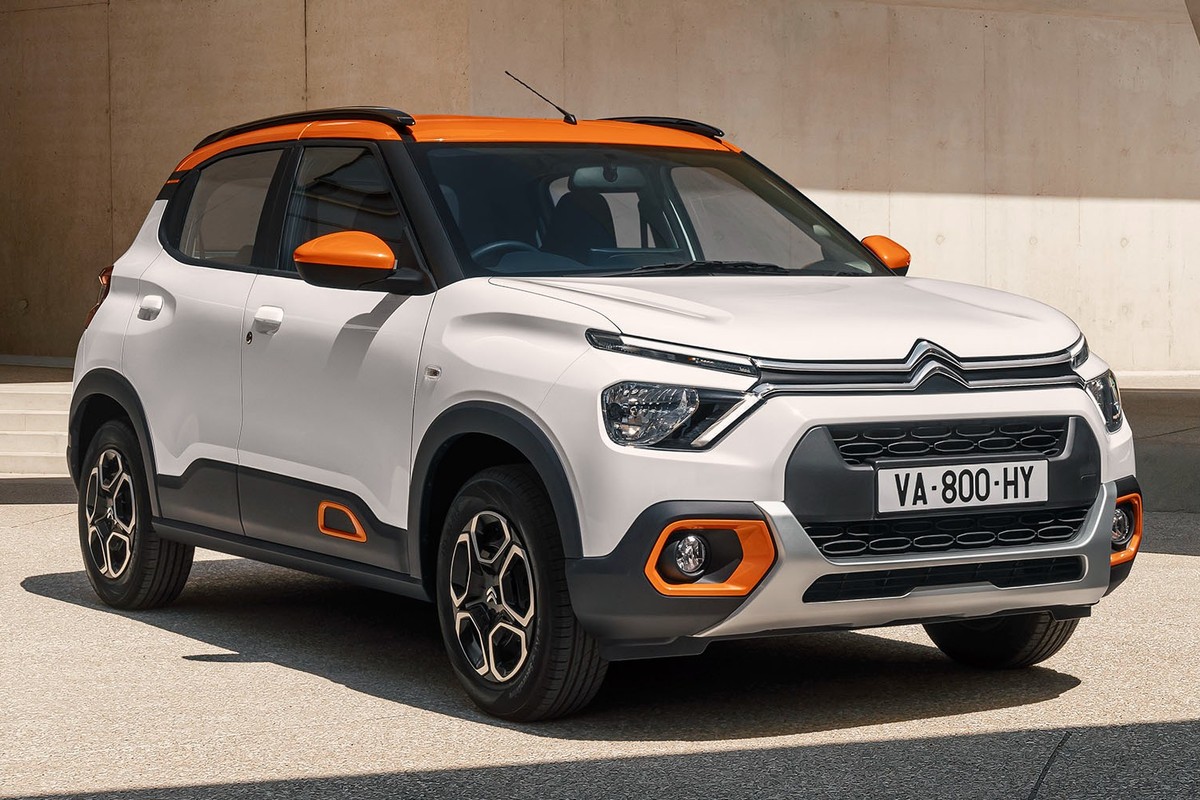
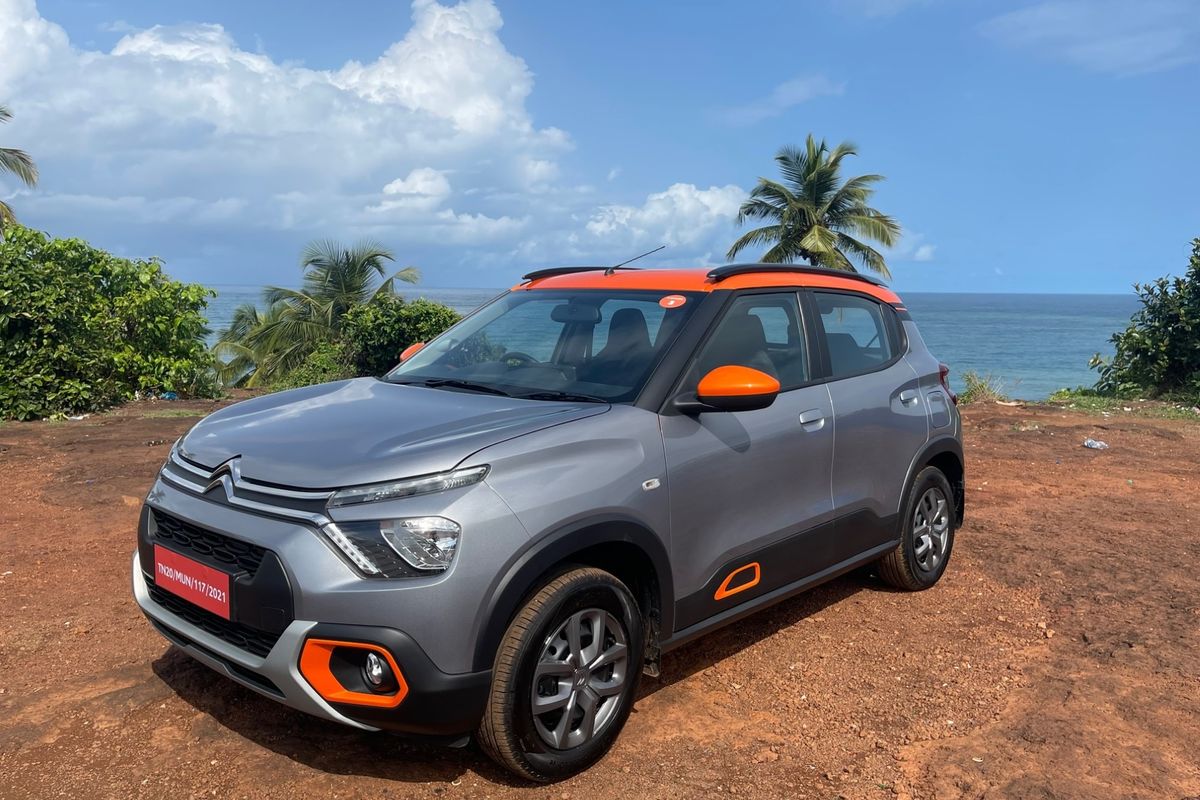
The new Citroen C3 hatchback has arrived in South Africa and it will appeal to first-time car buyers! Take a look at what you can expect in terms of specification and pricing!
A new Citroen C3 hatchback has made landfall in South Africa! The new C3 recently scooped the 2023 World Urban Car Award and the newcomer is here to woo first-time car buyers with its stylish exterior design and smartly executed interior.
This new C3, which is produced in India, measures 3 980 mm long, 1 730 mm wide, 1 600 mm high and with a wheelbase of 2 540 mm. Ground clearance for the new C3 is 200 mm with a claimed load capacity of 315 litres. The new Citroen C3 rivals other hatchbacks such as the Suzuki Swift and Volkswagen Polo Vivo.
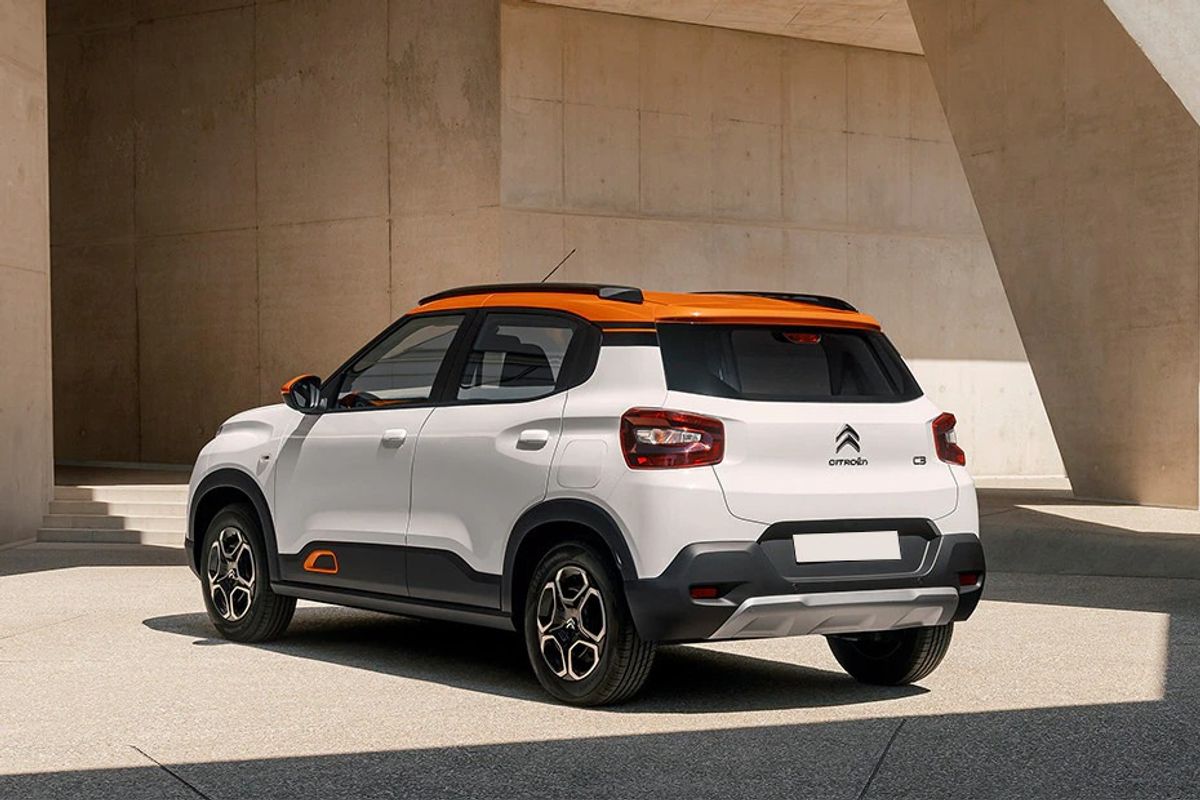
Clean and quirky might be a good way of describing the exterior design execution and while the C3 is considered to be a hatchback, it does feature some generous plastic cladding and a raised stance to give it a more rugged and compact SUV-like character.
For added personalisation, Citroen is also offering 2 optional accessory packs. The Elegance Pack (R2 200) offers details such as chrome door handles, chrome bumper finisher, chrome detailing for the taillights, chrome indicator bezel, chrome surround for the reflector, chrome fog light surround and a chrome insert in the side body moulding. Alternatively, you can opt for the Energy Pack (R2 700) which adds a sportier touch with a rear roof-mounted spoiler and a rear skid plate. In addition to this, buyers can also purchase optional 15-inch Octo alloy wheels or alloy wheel hub caps for an additional R8 300.
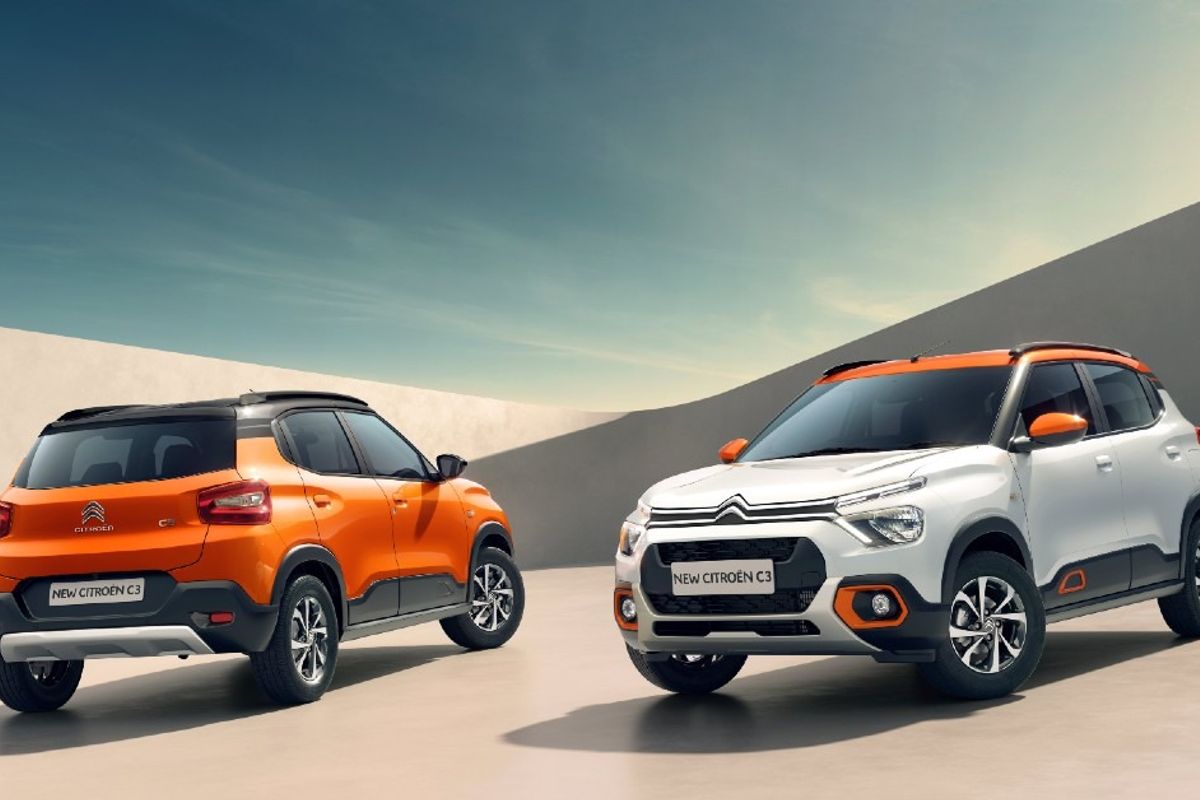
The Citroen C3 can be had in 4 Monotone colours (White, Zesty Orange, Platinum Grey, Steel Grey) and 6 dual tone colours offering a roof and body colour mix of the aforementioned colours.
What engine powers the Citroen C3 in South Africa?
A single engine option is offered in South Africa in the form of a 3-cylinder, 1.2-litre petrol engine with 61 kW and 115 Nm of torque and exclusively mated with a 5-speed manual transmission. An automatic derivative as well as another engine option are expected to join the range in 2024. Citroen claims an average fuel consumption figure of 5.6 L/100km.
Fashion-conscious, first-time car buyers are in for a treat with the new C3!
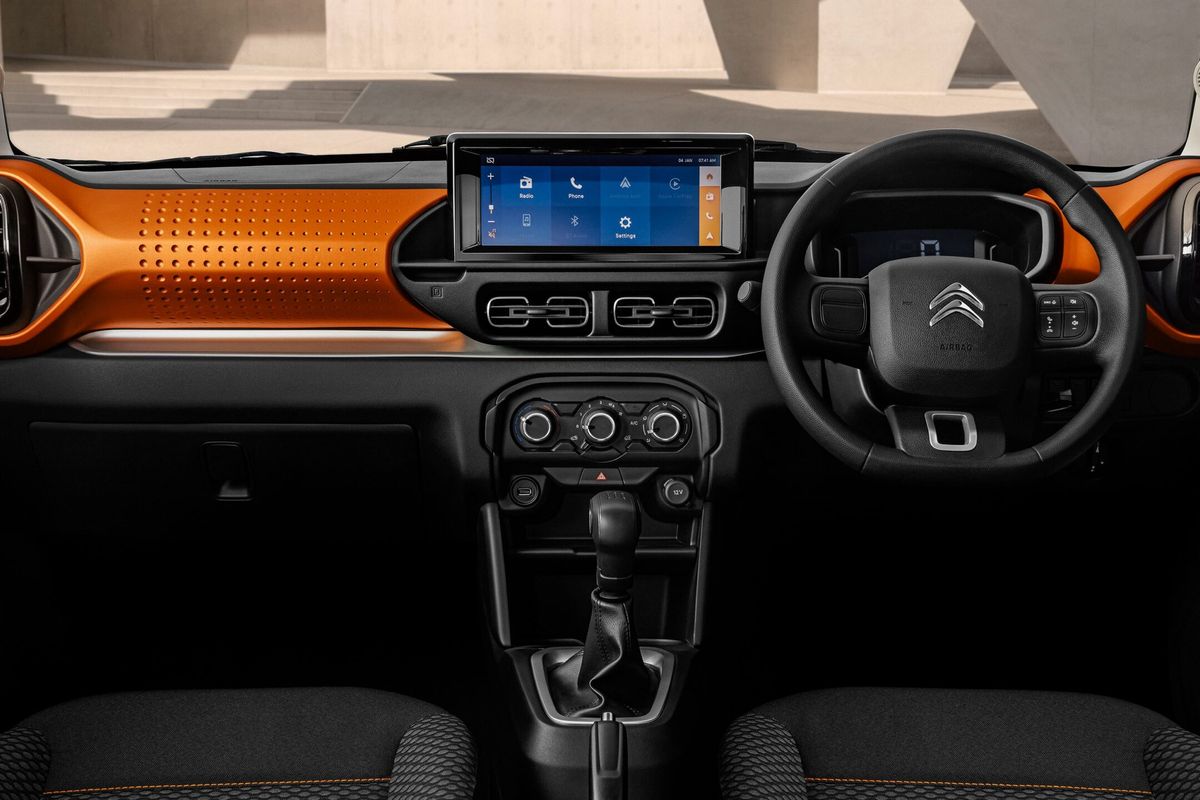
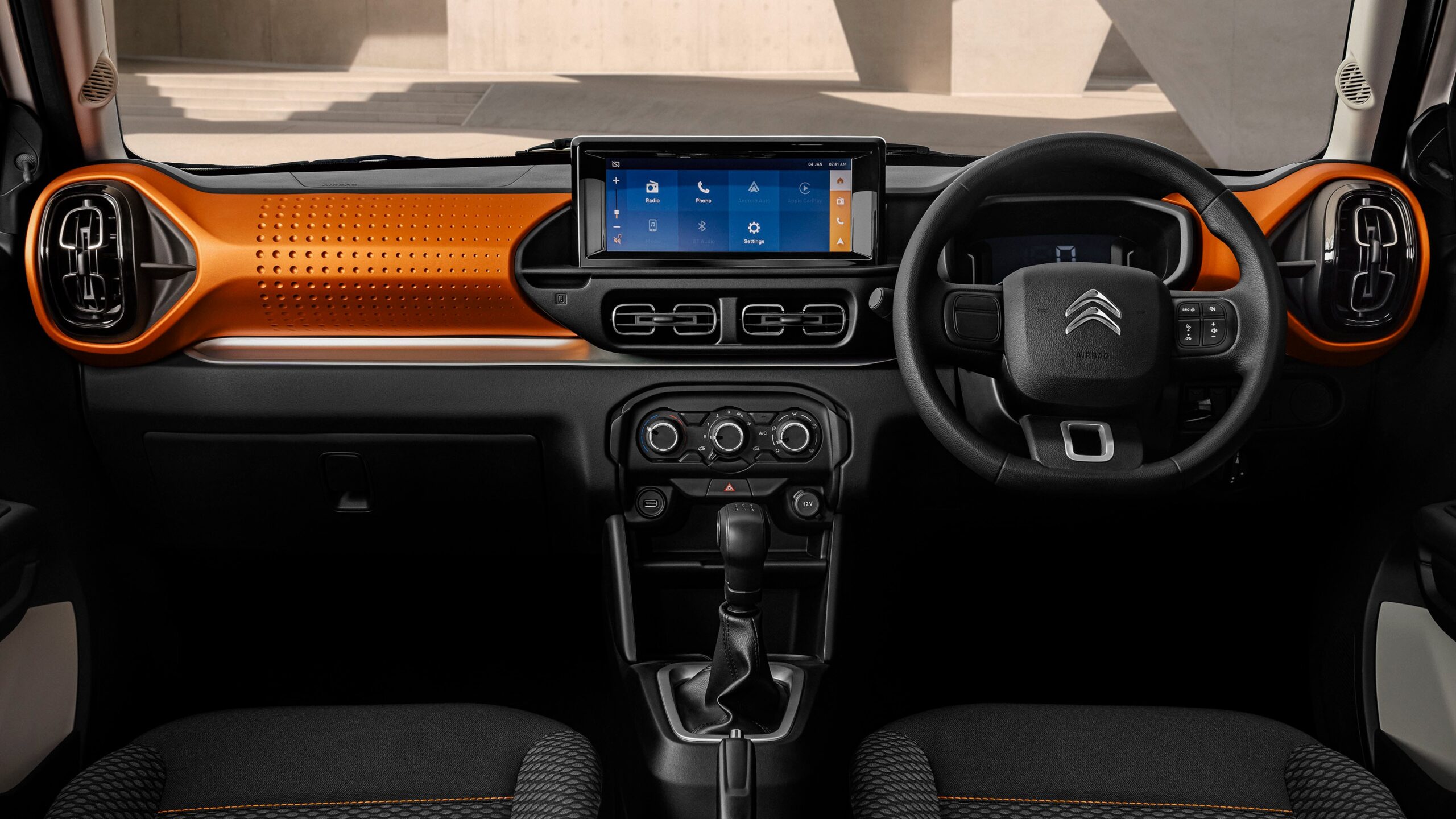
Moving inside, the interior boasts features such as a large 10-inch infotainment touchscreen with Apple CarPlay and Android capability, a multifunction steering wheel, 3 USB ports (1 front, 2 rear), height adjustable driver’s seat, electric windows, keyless entry and automatic door locking while driving.
In terms of safety, dual airbags are standard as is ABS with EBD and rear park distance control.
We will have the Citroen C3 on test after its official launch so look out for our evaluation in the near future.
What’s the price of the new Citroen C3 in South Africa?
Citroen C3 1.2 Feel 61 kW 5MT – R229 900
The Citroen C3 is sold with a 5-year/100 000km warranty and a 2-year/30 000 km service plan.
Hyundai Tucson N Line in SA (2023) Price and Specs
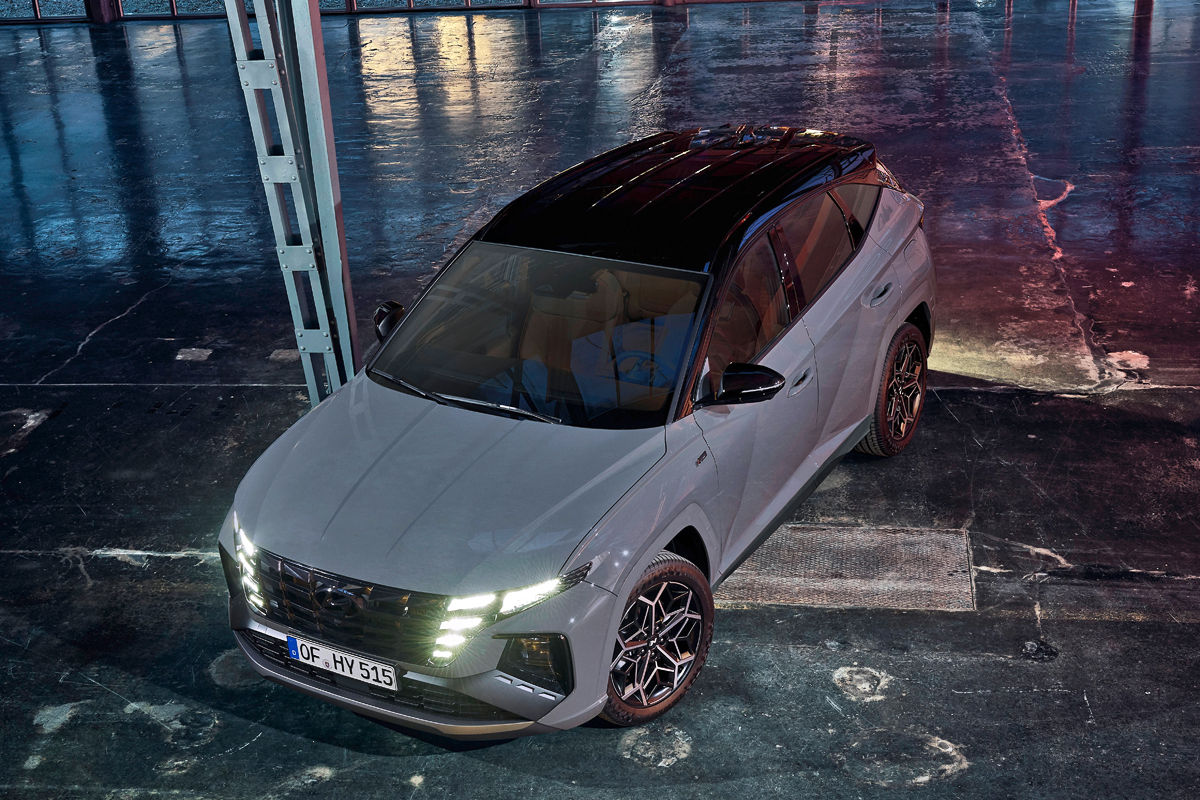
A new Hyundai Tucson N Line flagship derivative has arrived inSouth Africa! Take a look at specification and pricing details below…
Hyundai Automotive South Africa has introduced a new Tucson N Line flagship to its local range.
As a reminder, the “N Line” badge denotes what the Korean firm describes as “sporty and distinctive exterior design features and differentiating interior details”, rather than powertrain and other mechanical performance upgrades (which are the preserve of full-fat N products, such as the i30 N and Kona N). So, it’s really all about performance-inspired styling.
The N Line version of the 4th-generation Tucson was first shown in Europe in 2021. For the record, there was also an N Line model in the previous generation, launched on the Old Continent in 2019, but this didn’t ever make it to local shores (SA did, however, have the Tucson Sport).
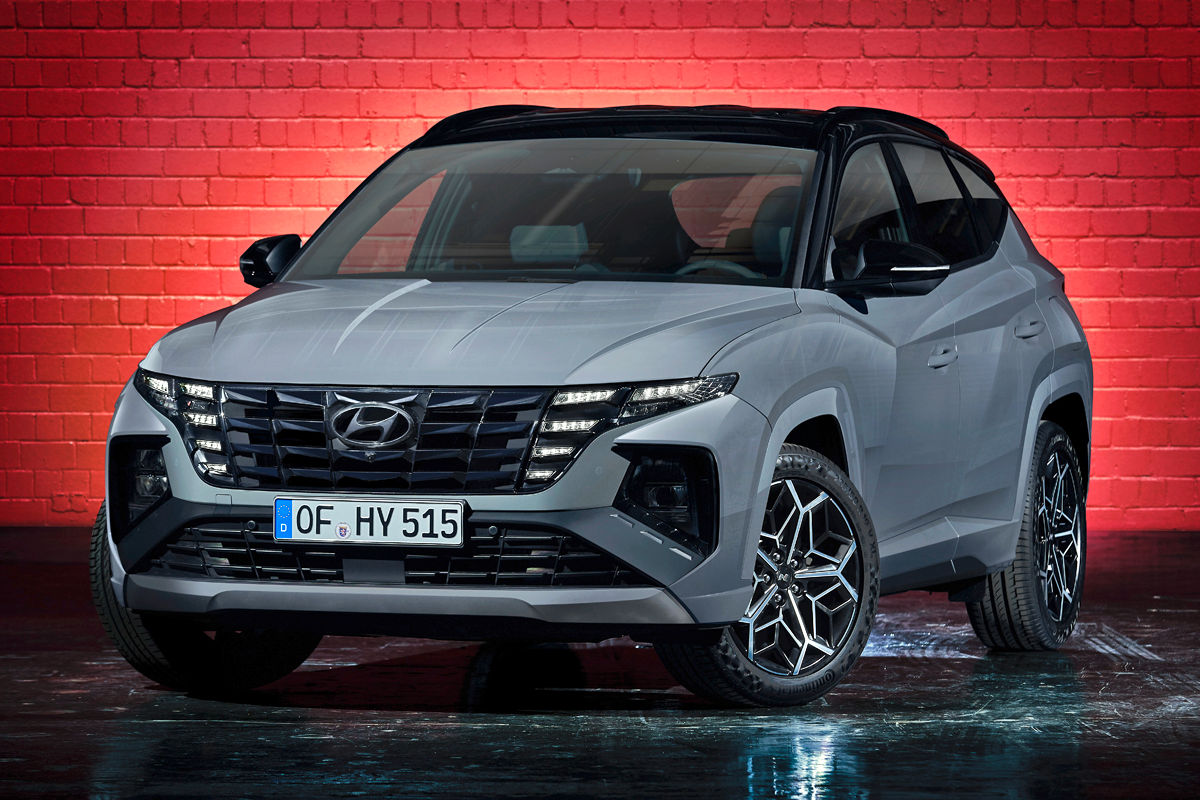
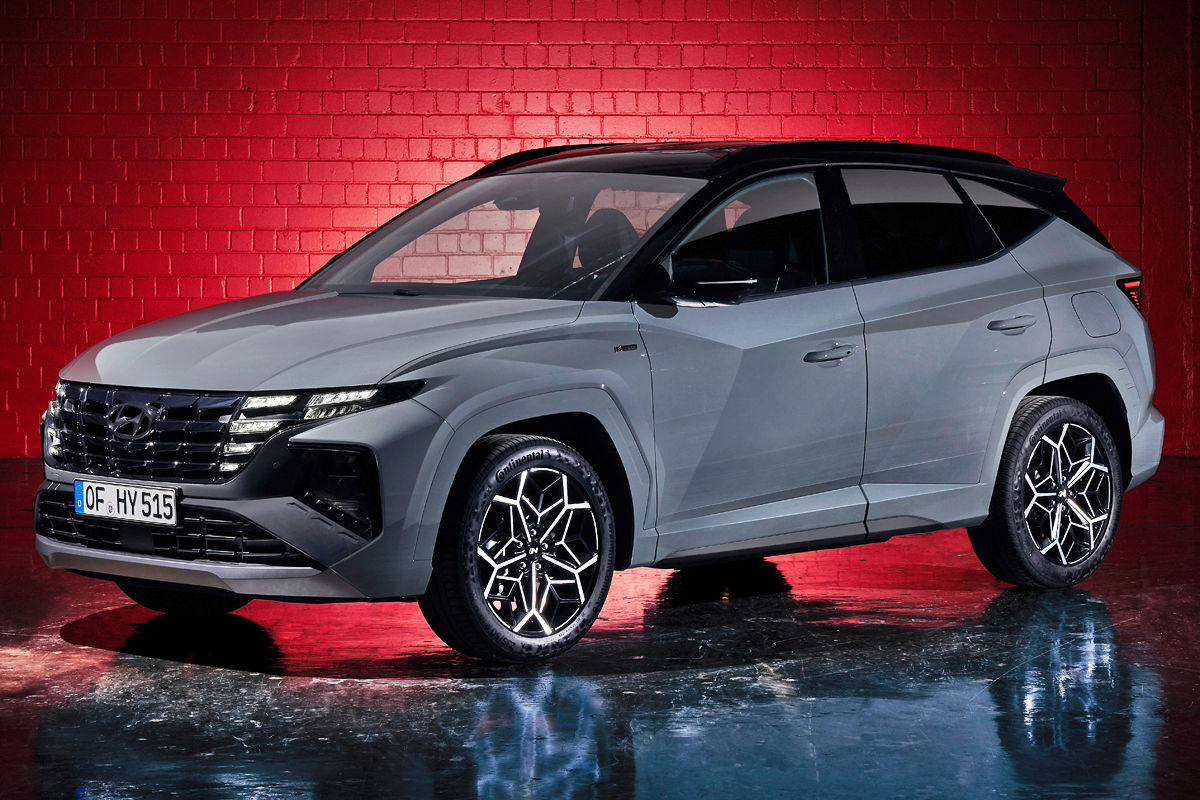
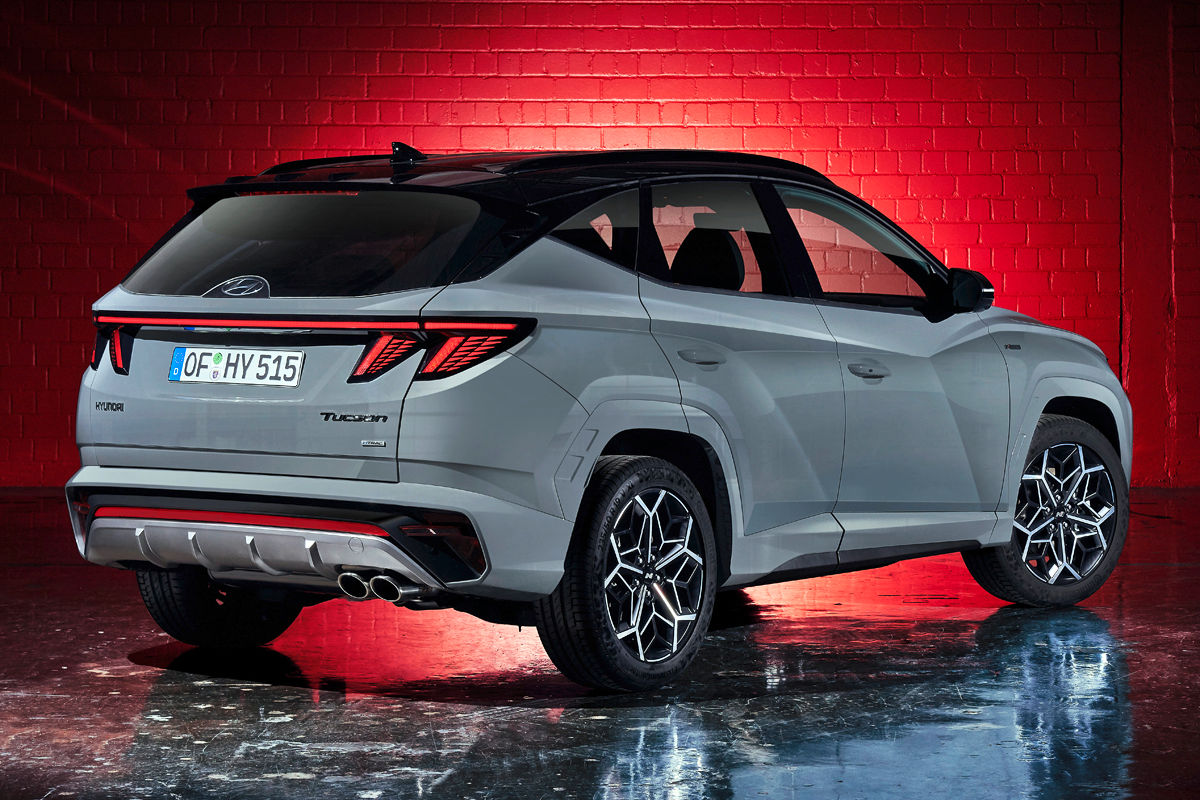
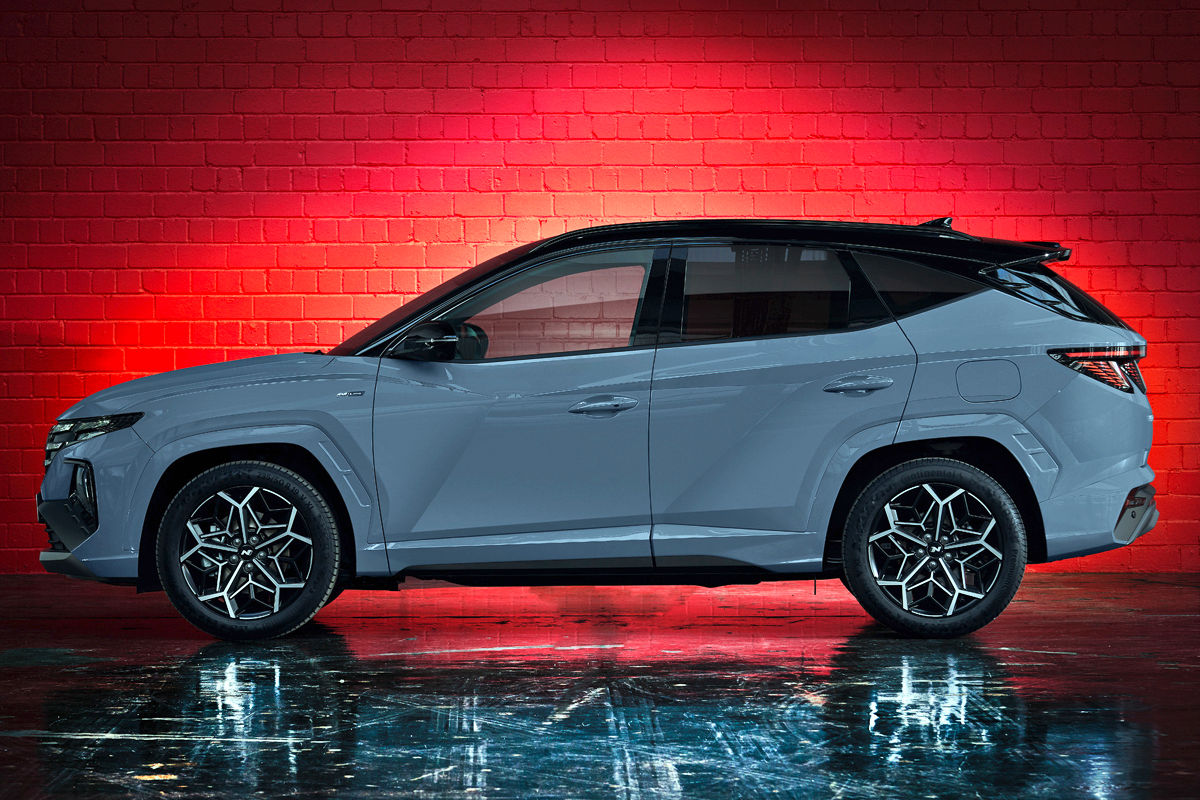
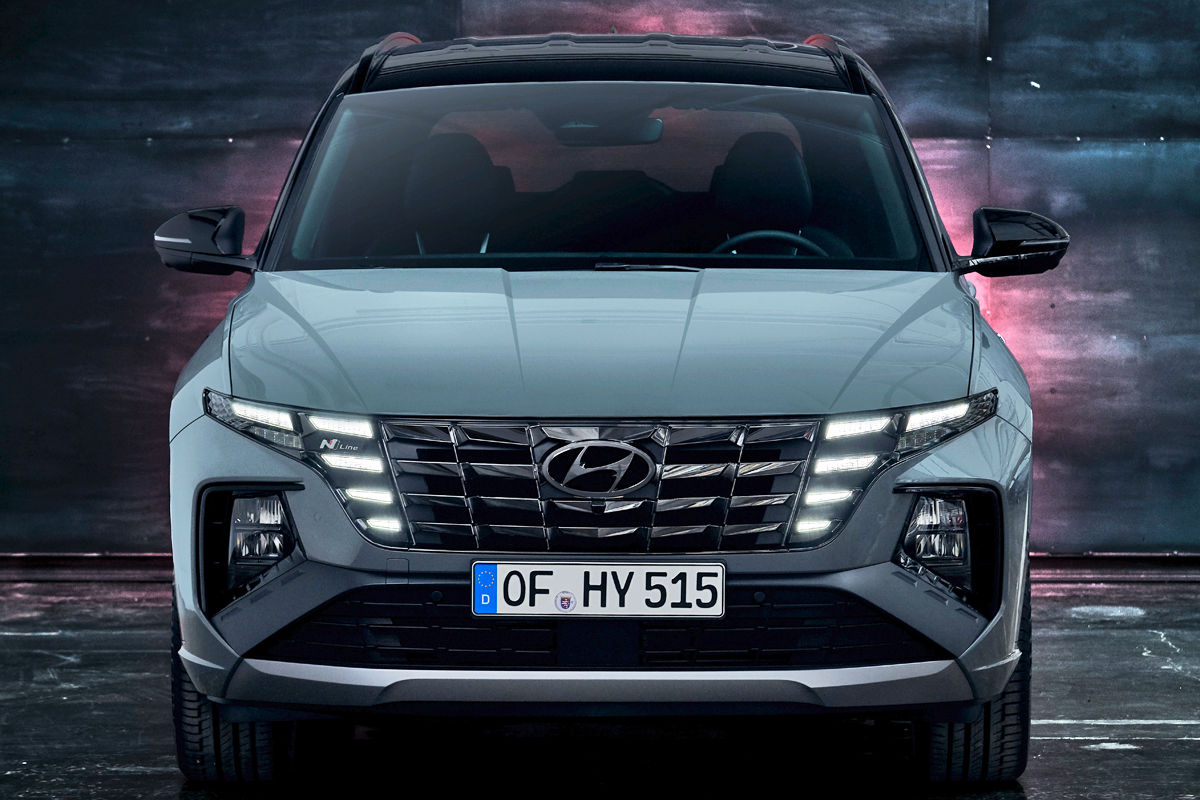
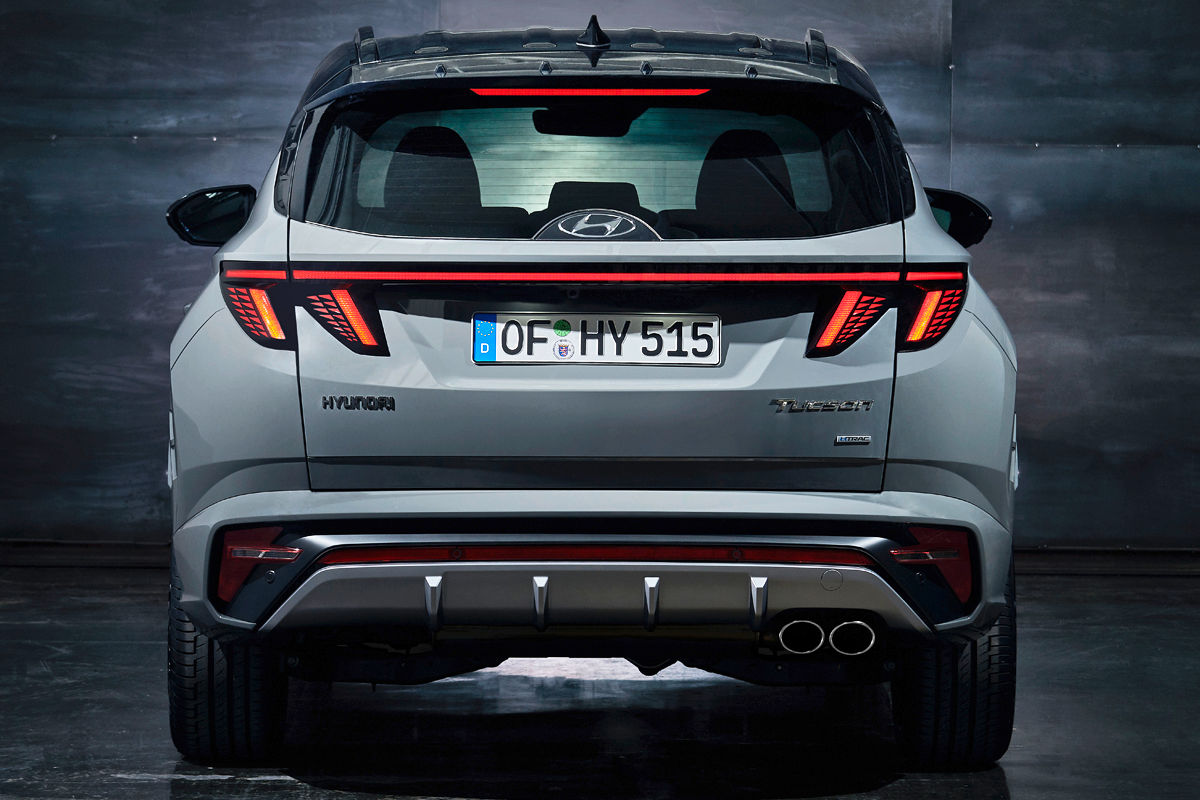
The Tucson N-Line gains several visual enhancements that make it stand out from the crowd.
While the Tucson N Line offered in Europe is available with a range of conventional hybrid, mild-hybrid and plug-in hybrid powertrains, the SA-spec model employs a 2.0-litre turbodiesel engine offering 137 kW and 416 Nm, with drive sent to all 4 wheels via an 8-speed automatic transmission. That means the newcomer is the only AWD variant in the local Tucson line-up.
How does the Tucson N-Line differ from a standard Tucson?
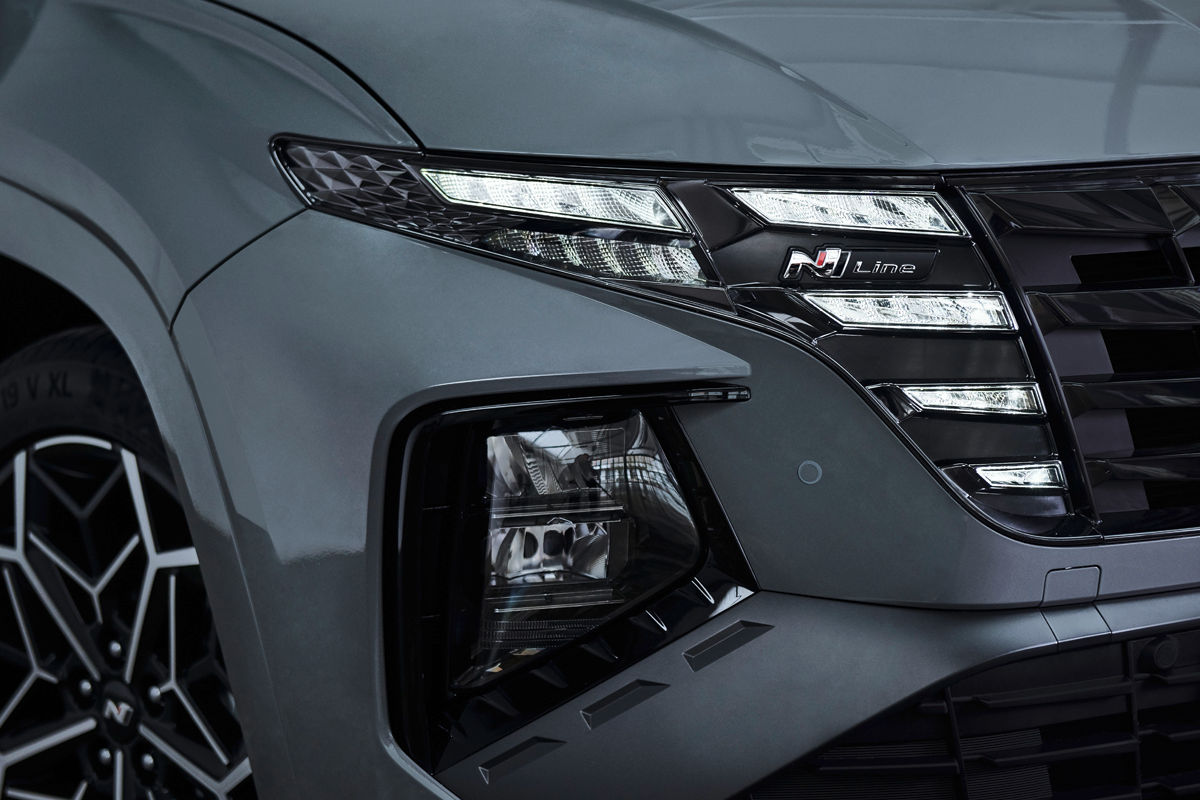
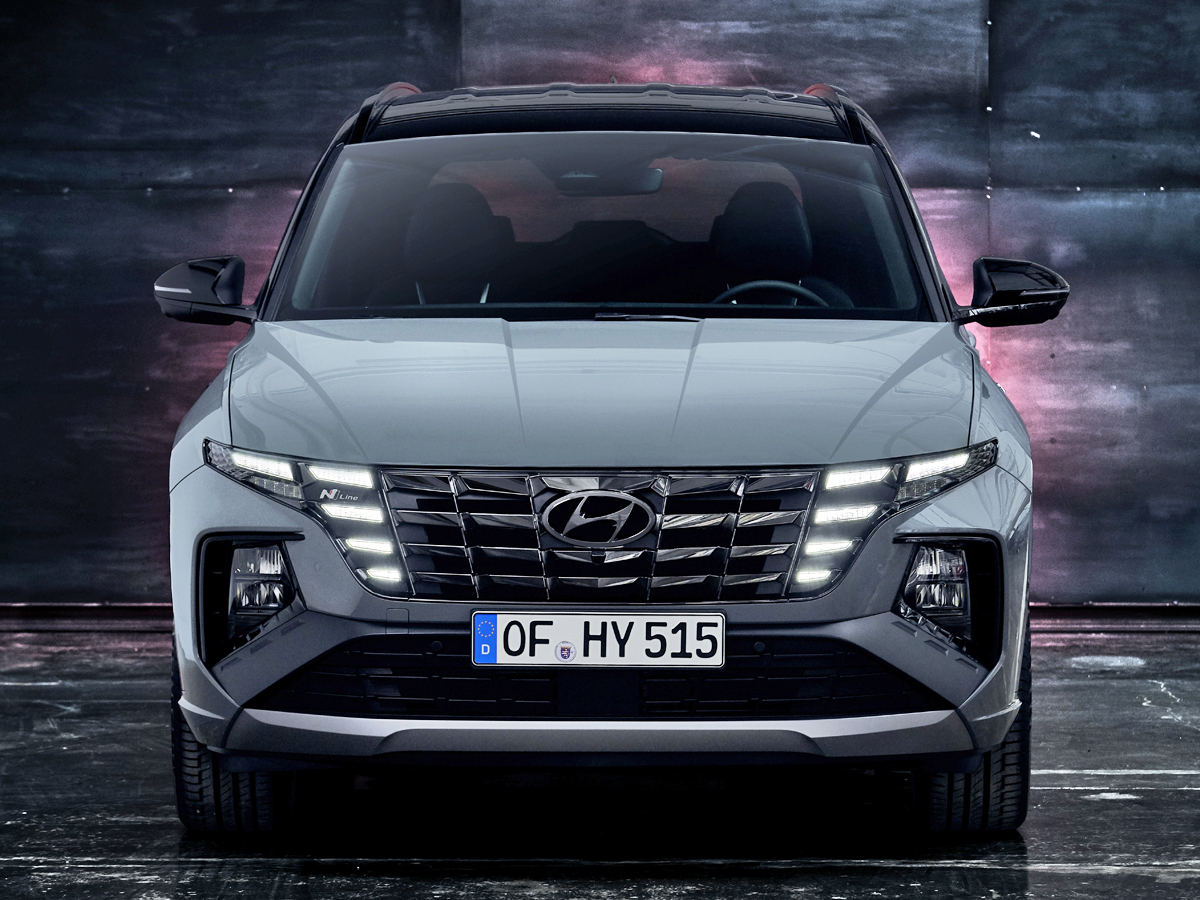
So, how does Hyundai visually differentiate the N Line from the already boldly styled standard Tucson? Well, the parametric jewel patterns on the grille are more elaborate, while the grille gains an obligatory “N Line” badge. The front bumper takes on a more rectangular shape and scores a larger, redesigned air intake, and the headlamps are framed by black bezels.
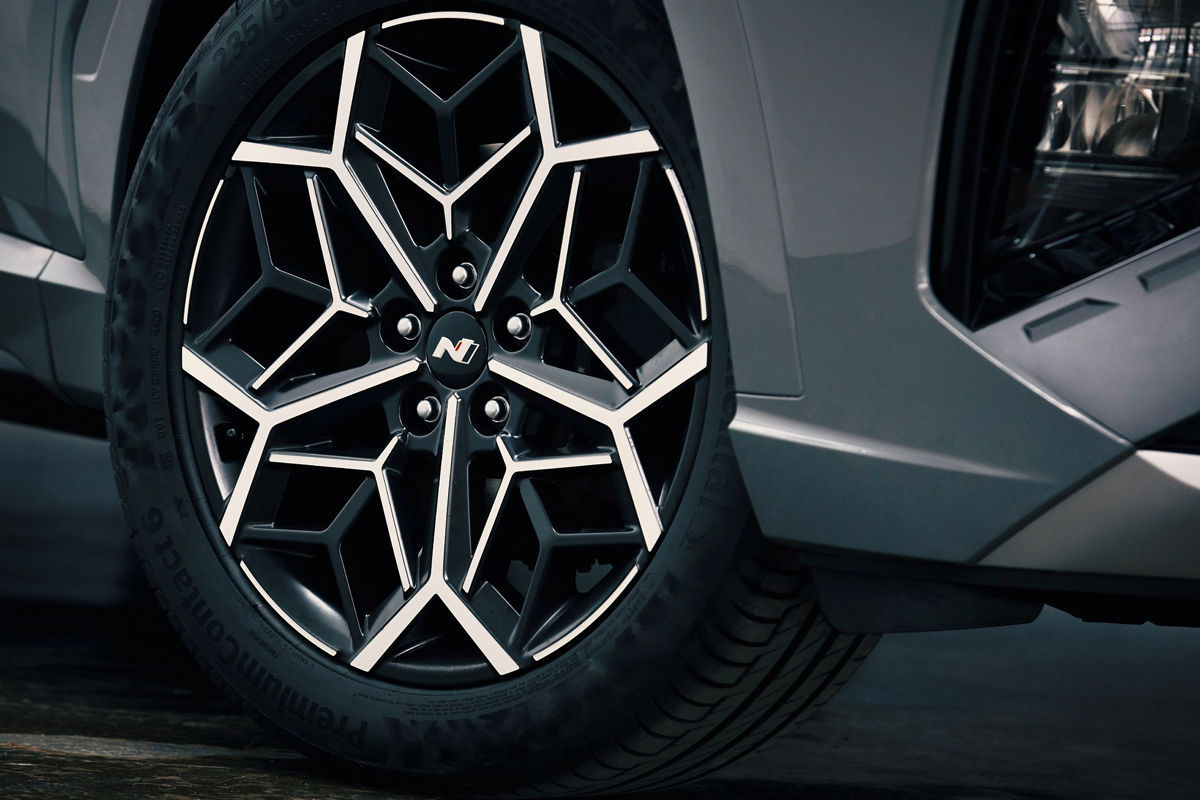
Round back, the N Line is fitted with a longer rear spoiler (complete with stabilising fins) as well as a rear diffuser and a twin-exit tailpipe. Furthermore, this model rides on eye-catching 19-inch alloy wheels as standard.
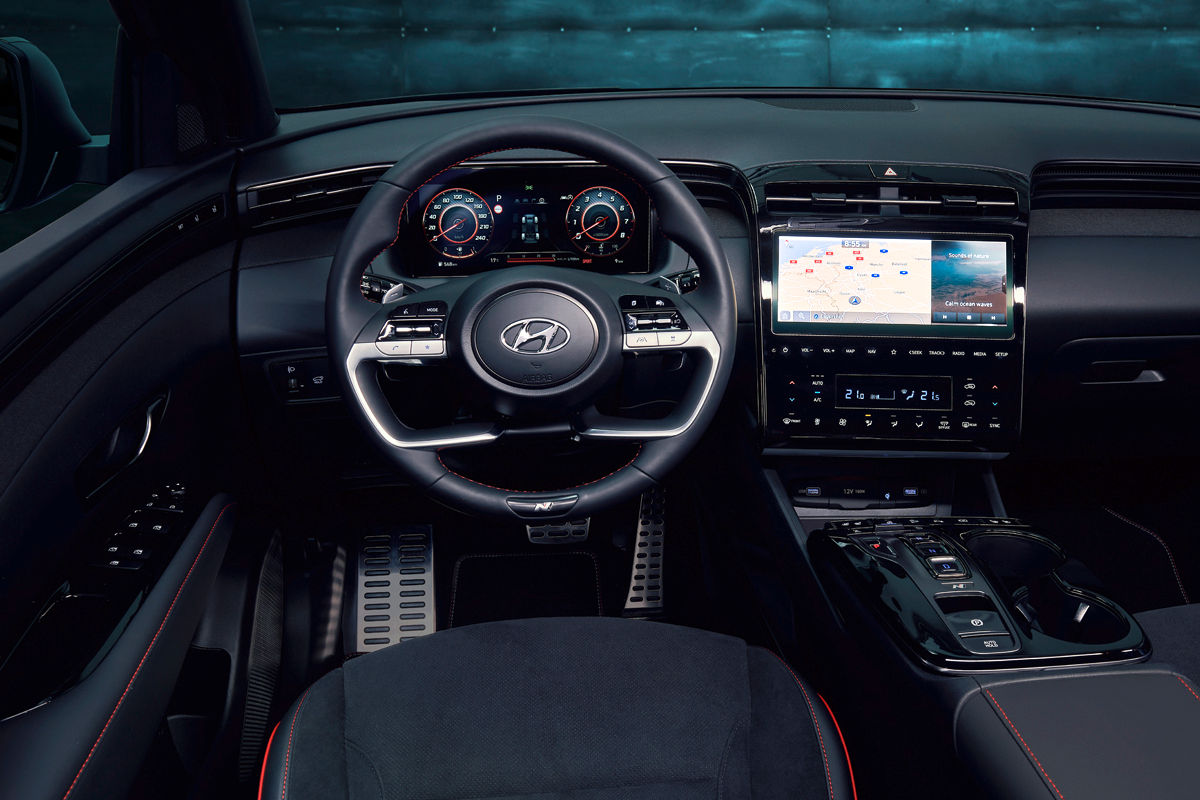
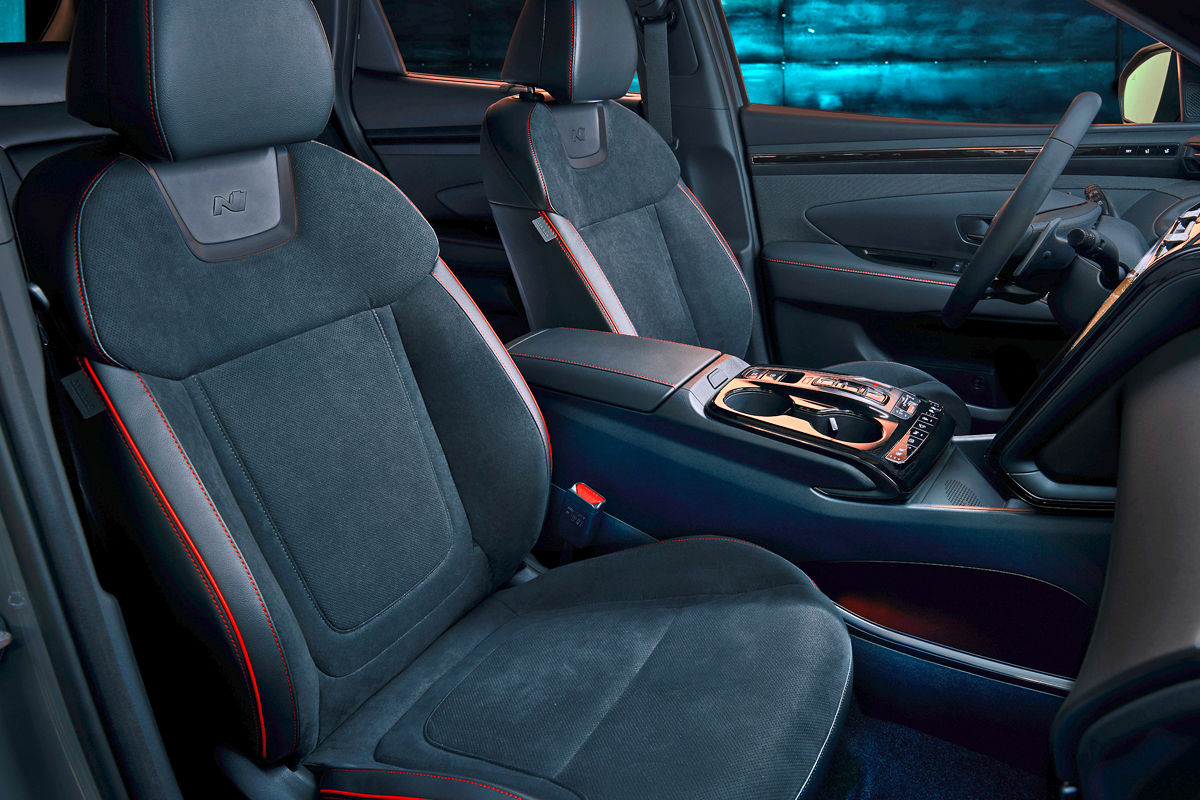
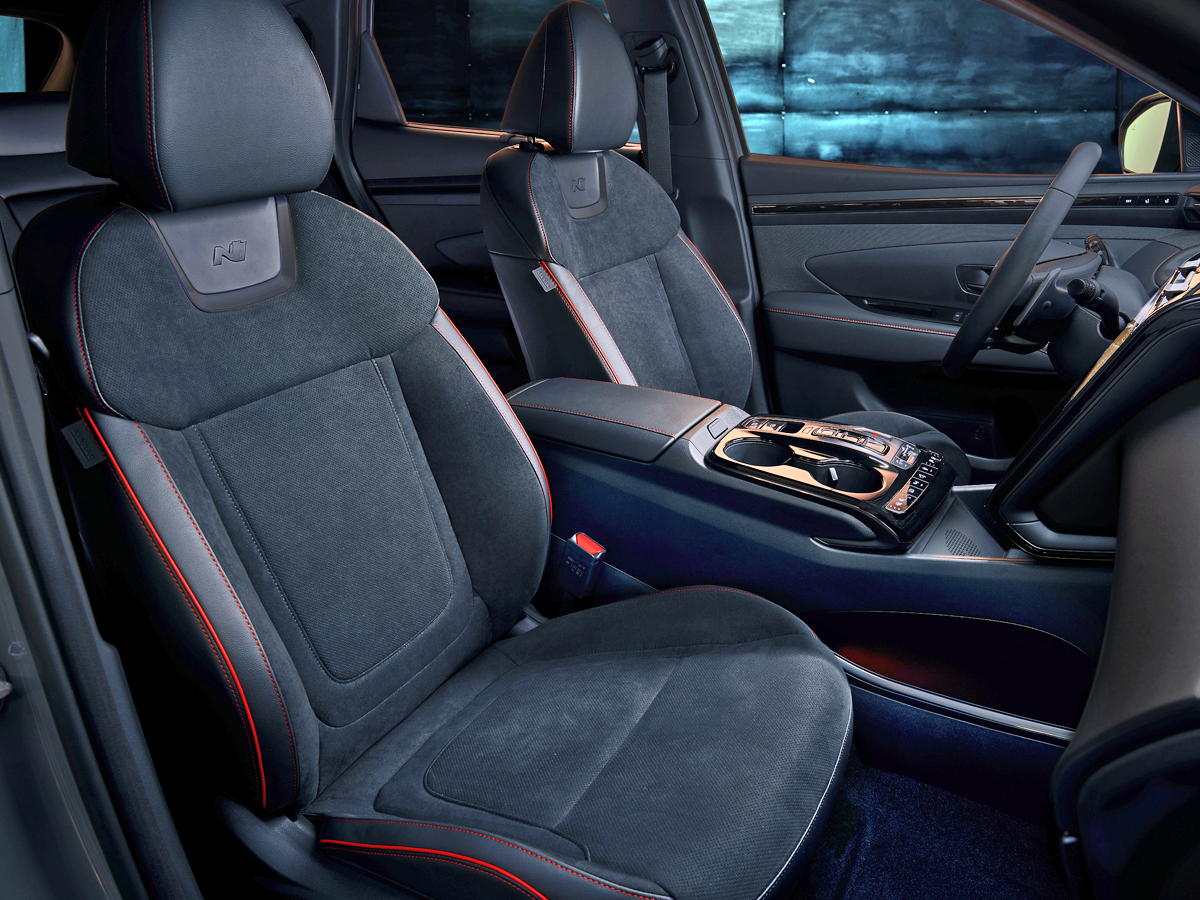
Note the N branding on the sports seats.
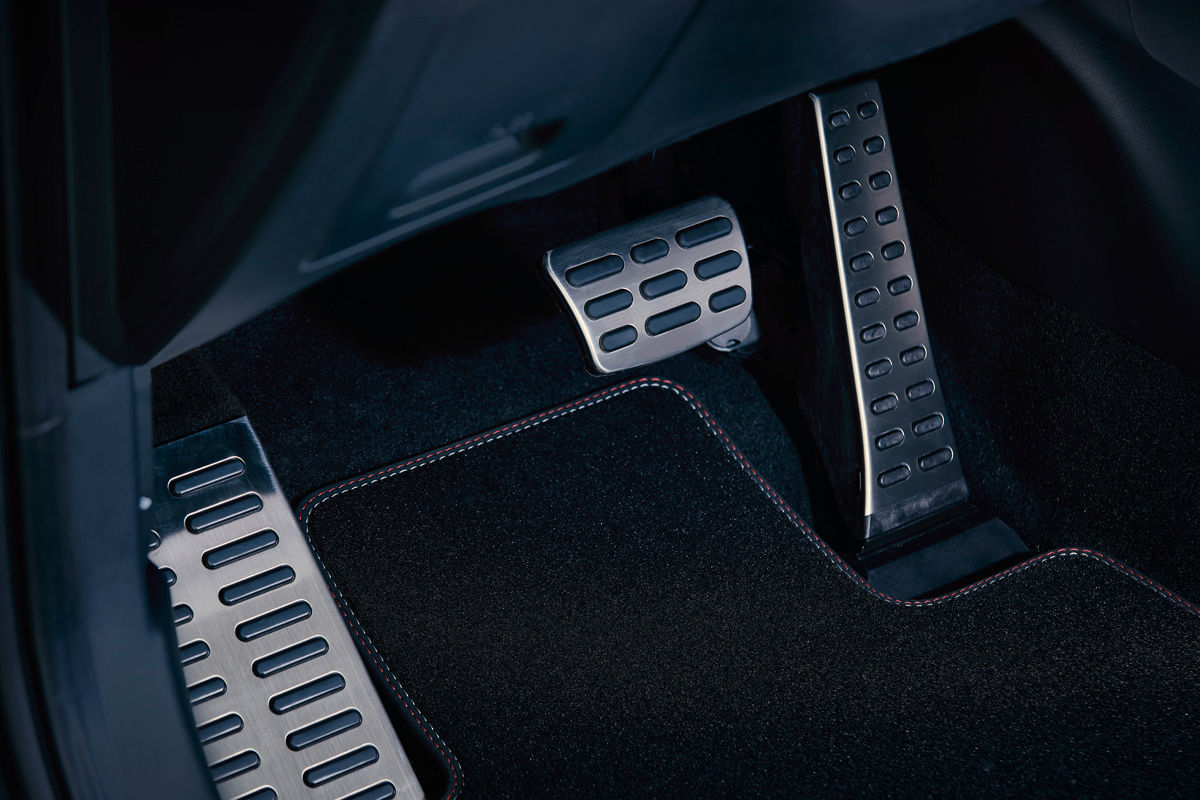
Inside, you’ll find N-branded sports seats trimmed in black suede and leather, as well as red stitching. The latter is furthermore woven on the door trim and armrest, while the facia scores matching red accents. There’s also a new N steering wheel, a black headliner and a metal finish for the pedals, foot rest and side sills.
As a reminder, the NX4-generation Tucson was revealed late in 2020, before launching in South Africa in March 2022. The local line-up now comprises 4 front-driven derivatives, with pricing bookends of R561 900 and R749 900, while the N Line is the only all-paw variant on offer, priced at R799 900.
How much does the Hyundai Tucson Cost in South Africa?
Hyundai Tucson 2.0 Premium AT – R561 900
Hyundai Tucson 2.0 Executive AT – R613 900
Hyundai Tucson 2.0 Elite AT – R683 900
Hyundai Tucson 2.0D Elite AT – R749 900
Hyundai Tucson 2.0D N Line AT AWD – R799 900
The Hyundai Tucson is sold with a 5-year/150 000 km vehicle warranty, 7-year / 200 000km drivetrain warranty and a 6-year/90 000 km service plan.
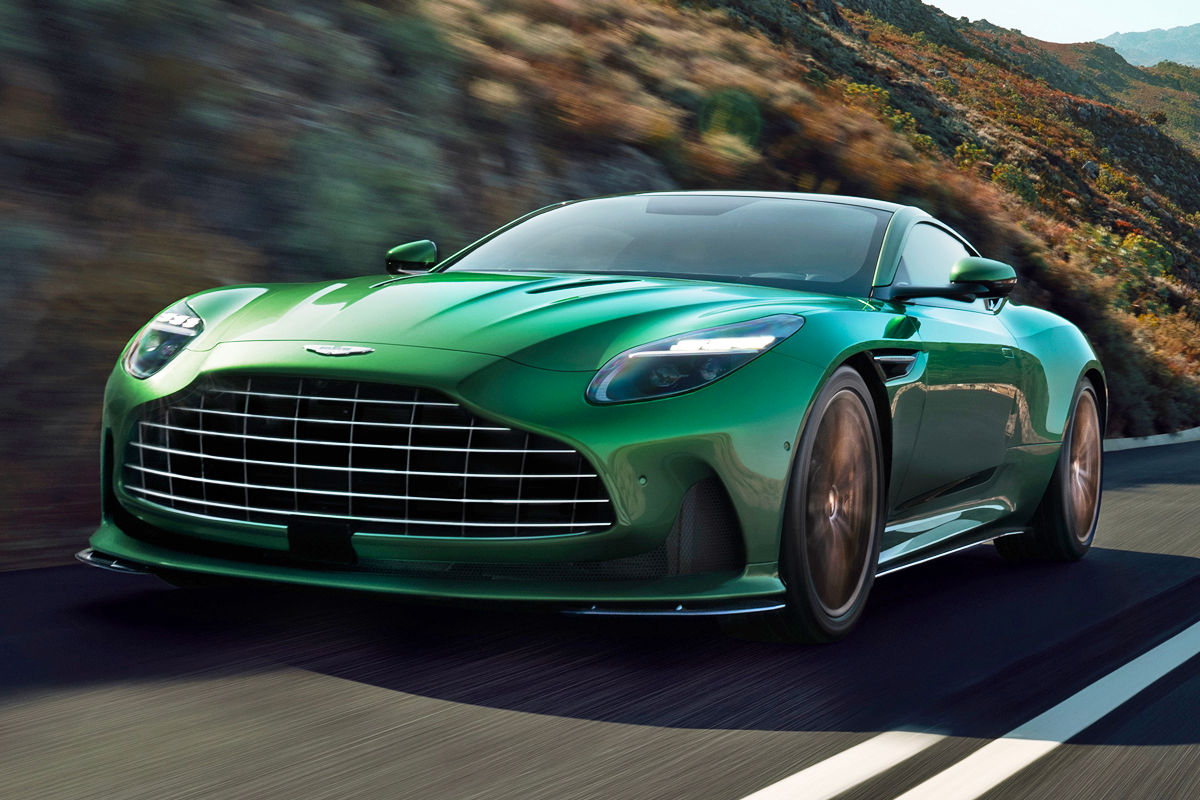
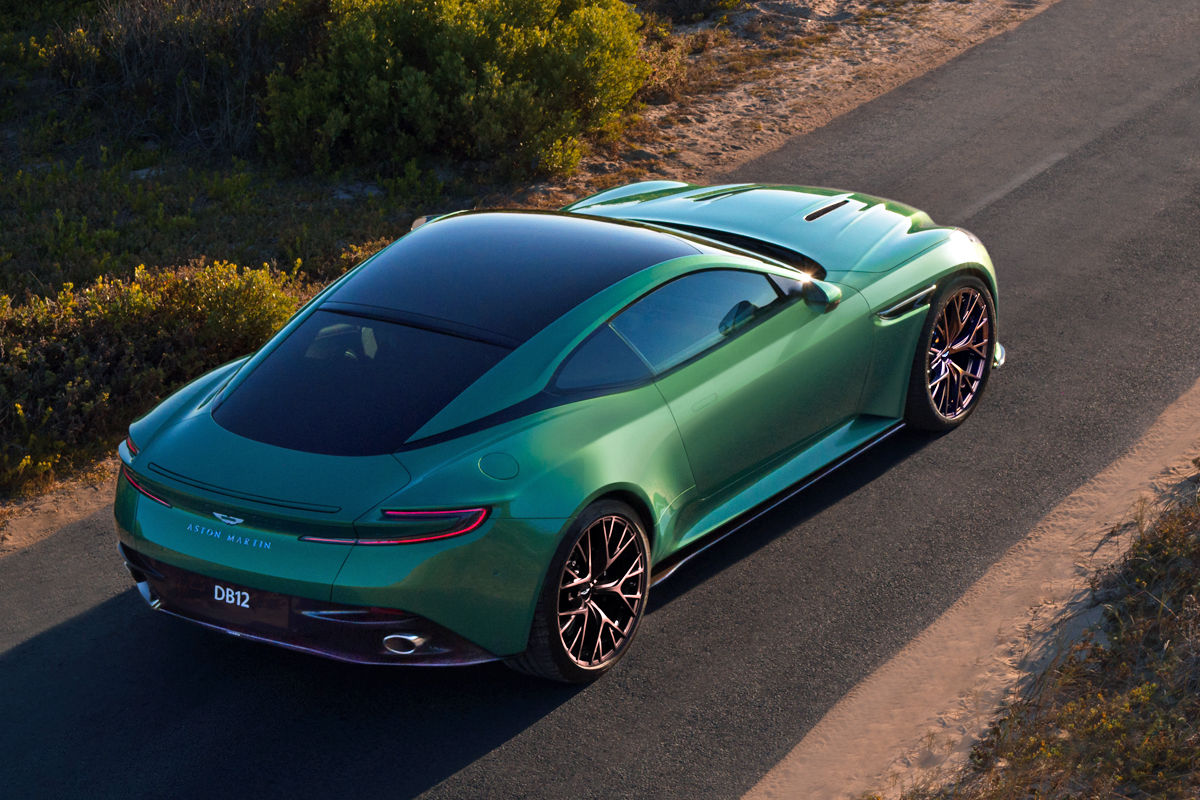
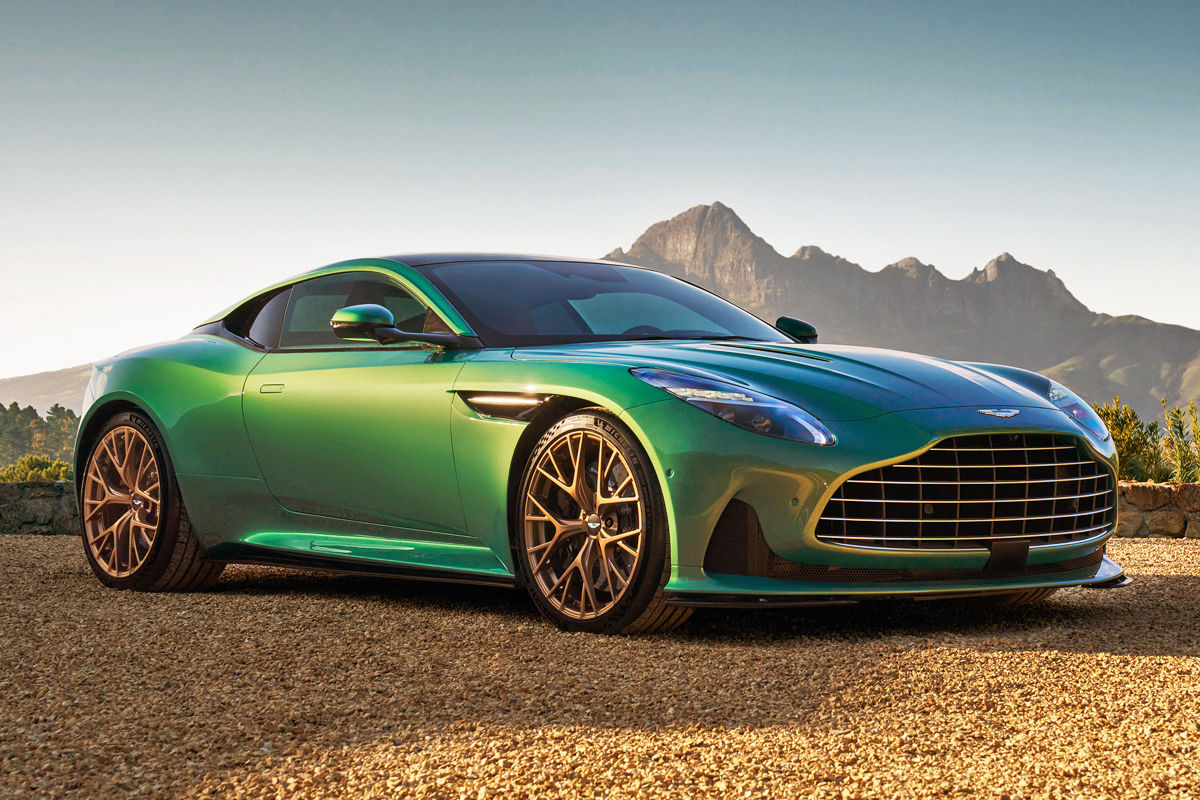
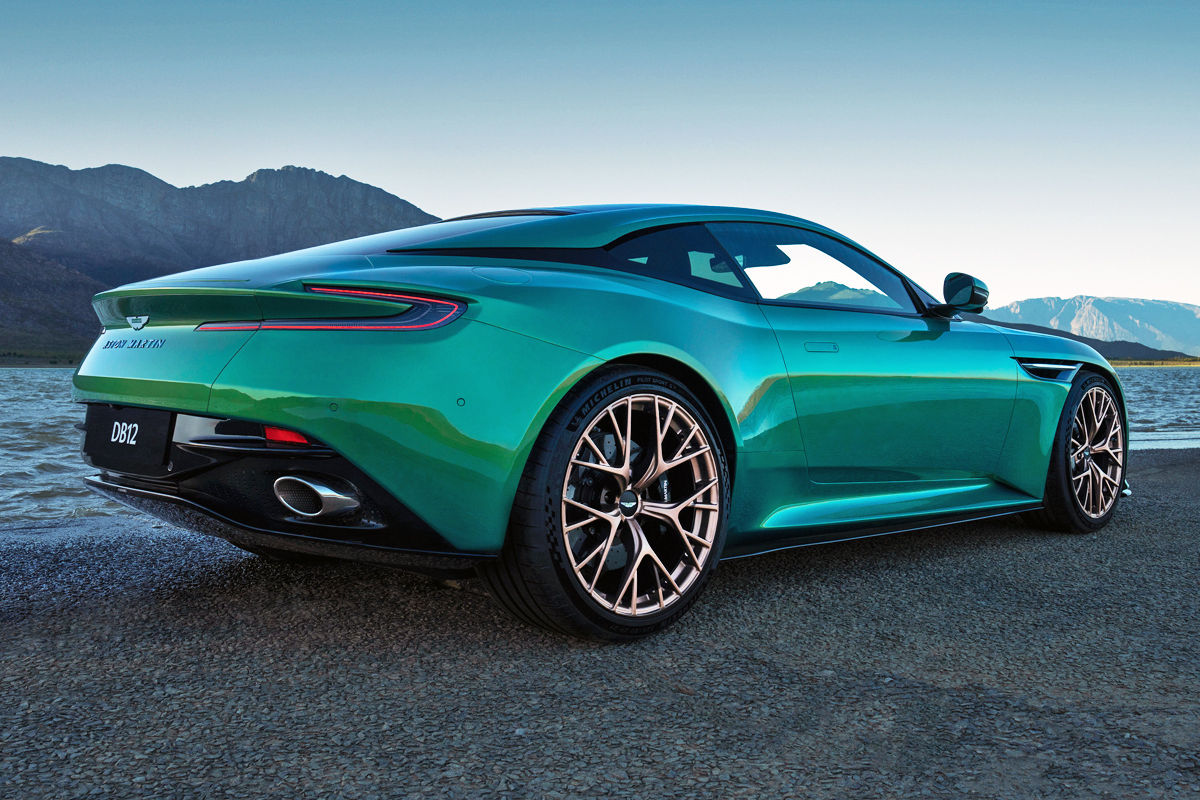
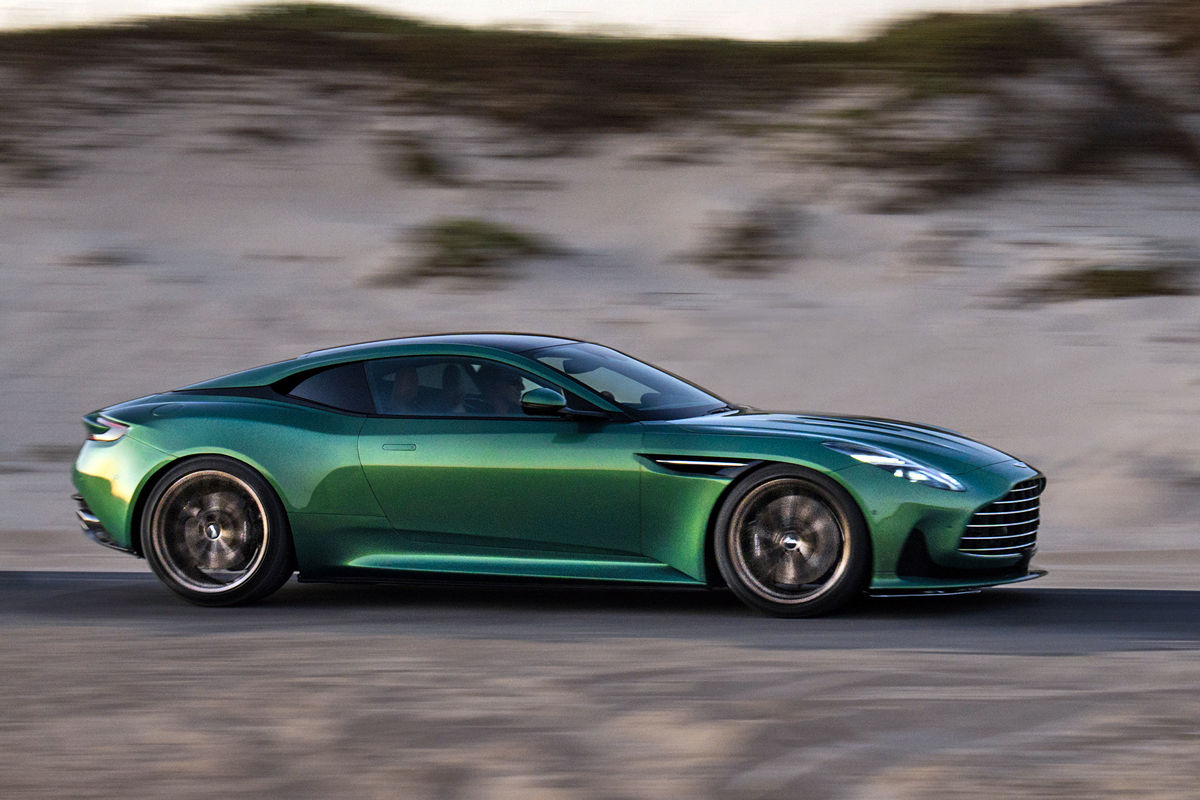
The new Aston Martin DB12 has been revealed! Though it seemingly ditches the V12 that was available in the DB11, the newcomer still boasts a whopping 500 kW…
Meet the new Aston Martin DB12, a grand tourer the Gaydon-based automaker promises will deliver “a quantum shift” in character and dynamic ability compared with the DB11 it replaces. In fact, the British firm describes the newcomer as the “world’s first super tourer”, insisting the traditional “grand tourer” label is simply not sufficient.
Arriving as Aston Martin celebrates both its 110th anniversary as well as 75 years of the DB model line, the new DB12 seemingly ditches the turbocharged 5.2-litre V12 petrol engine that was available in the DB11, instead employing a seriously uprated version of the twin-turbo 4.0-litre V8 motor still sourced from Mercedes-AMG but “tuned by Aston Martin engineers”.
As a result, the fresh-faced DB12 boasts peak outputs as lofty as 500 kW and 800 Nm, along with a top speed of 325 kph. Aston Martin claims the newcomer will complete the 0-100 kph sprint in 3.6 seconds. Power is fed through a ZF-sourced 8-speed automatic transmission (with a shortened final drive ratio of 3.083:1, plus a unique shift calibration) and an electronic rear differential, with the latter linked to the vehicle’s electronic stability control system. In addition to a new multi-mode stability programme, the DB12 features 5 pre-defined drive settings.
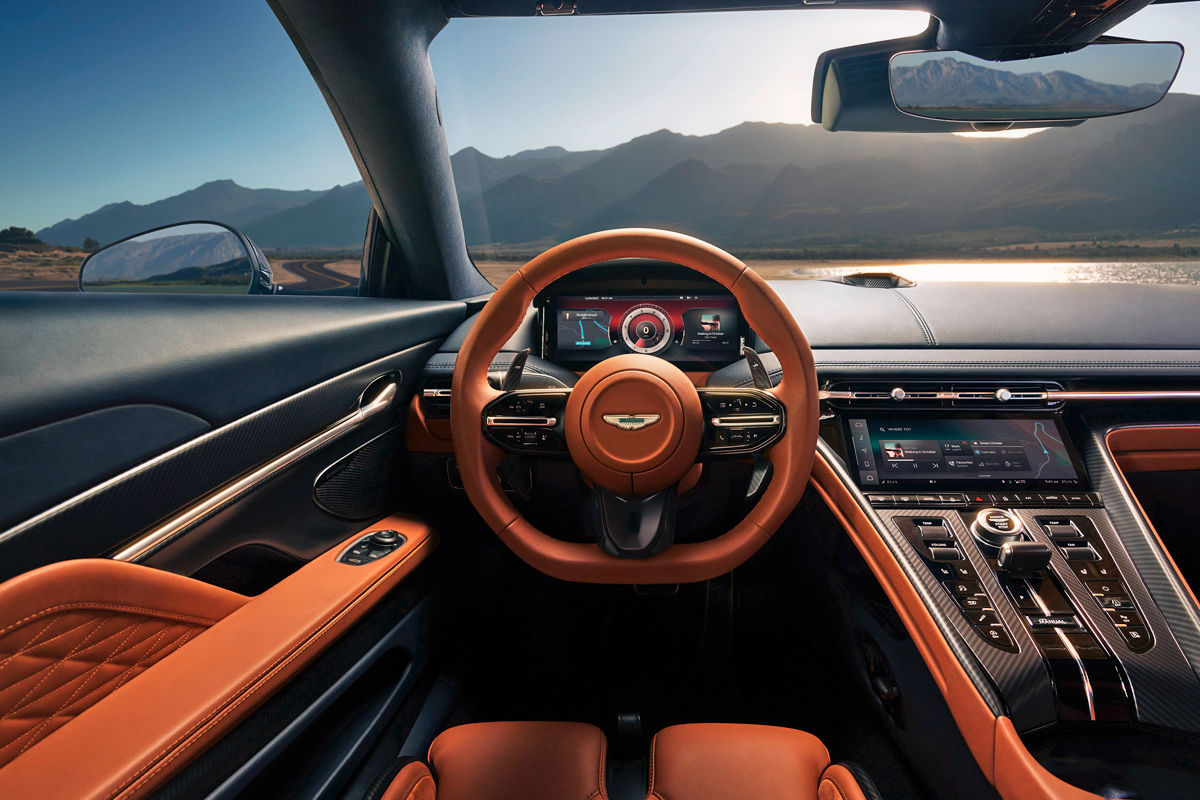
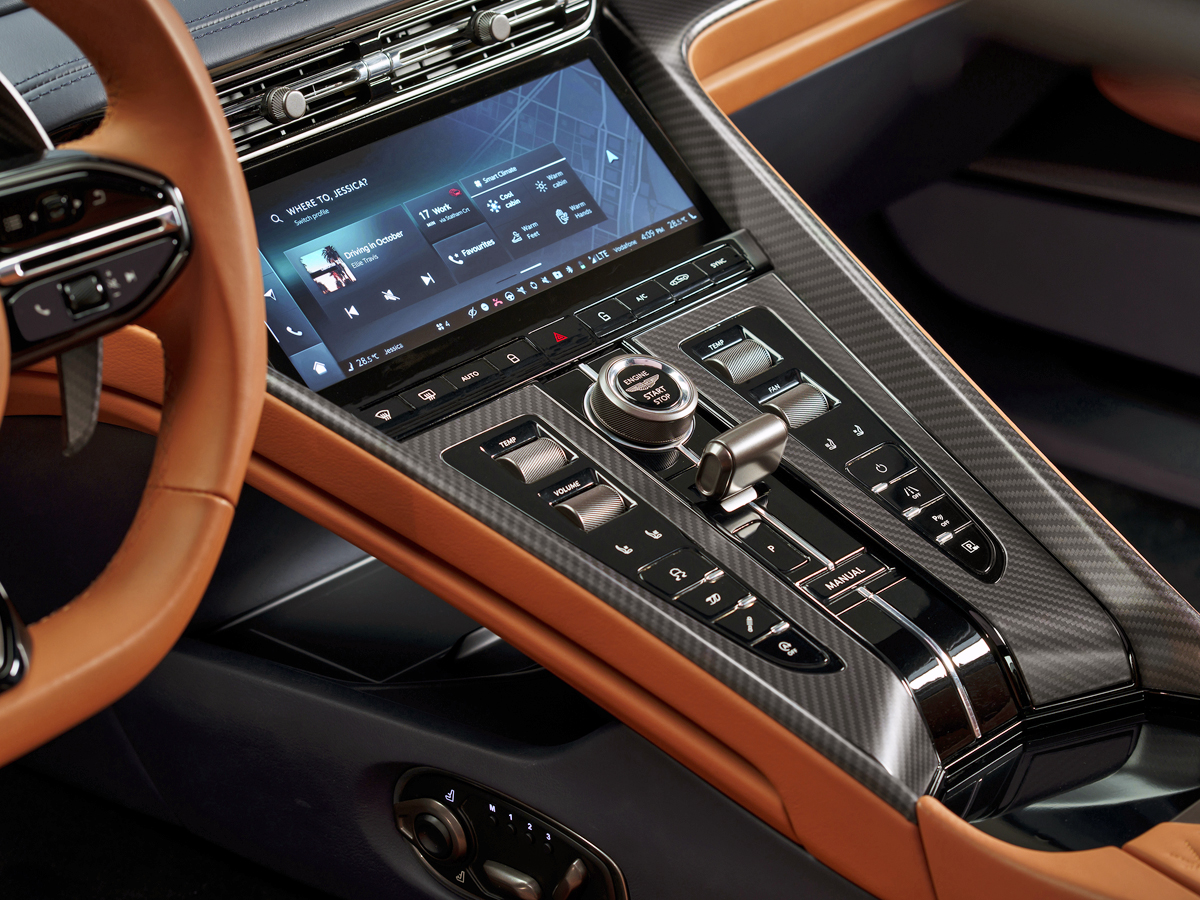
The new Aston Martin DB12 cabin features a mix of digital and analogue controls.
According to the British manufacturer, the V8 powerplant’s higher outputs were achieved through modified cam profiles, optimised compression ratios, larger-diameter turbochargers and increased cooling (the latter including an additional pair of auxiliary coolers added to the central main radiator). In addition, the auxiliary outboard engine oil cooler boasts more than double the face area of that of its predecessor.
Other under-the-skin highlights include intelligent adaptive dampers, stiffer anti-roll bars, revised electronic power-assisted steering and a braking system comprising 400 mm cast-iron front discs and 360 mm rear discs with grooved and drilled faces. In addition, the new DB12 can be specified with a carbon-ceramic brake package that offers improved braking performance and reduced brake fade, along with an unsprung mass saving of 27 kg.
To complement the 6 mm-wider track up front and 22 mm-wider track at the rear, there are 3 designs from which to choose when it comes to the lightweight 21-inch forged alloy wheels (9.5J fore and 10.5J aft), though each includes bespoke Michelin Pilot Sport 5 S tyres (275/35 R21 103Y front and 315/30 R21 108Y rear) as standard. The new tyres also feature noise-cancelling polyurethane foam inserts to improve rolling refinement.
Aston Martin bills the DB12 interior as “completely redesigned”, with “clean horizontal lines” and an all-new infotainment system (the marque’s first in-house set-up, run through a pair of 10.25-inch displays) along with a surround-sound system from Bowers & Wilkins. The cabin features modern display screens and more traditional analogue switches, along with swathes of hand-stitched leather, as you’d expect.
Initial deliveries of the new Aston Martin DB12 are scheduled to begin in the 3rd quarter of 2023.
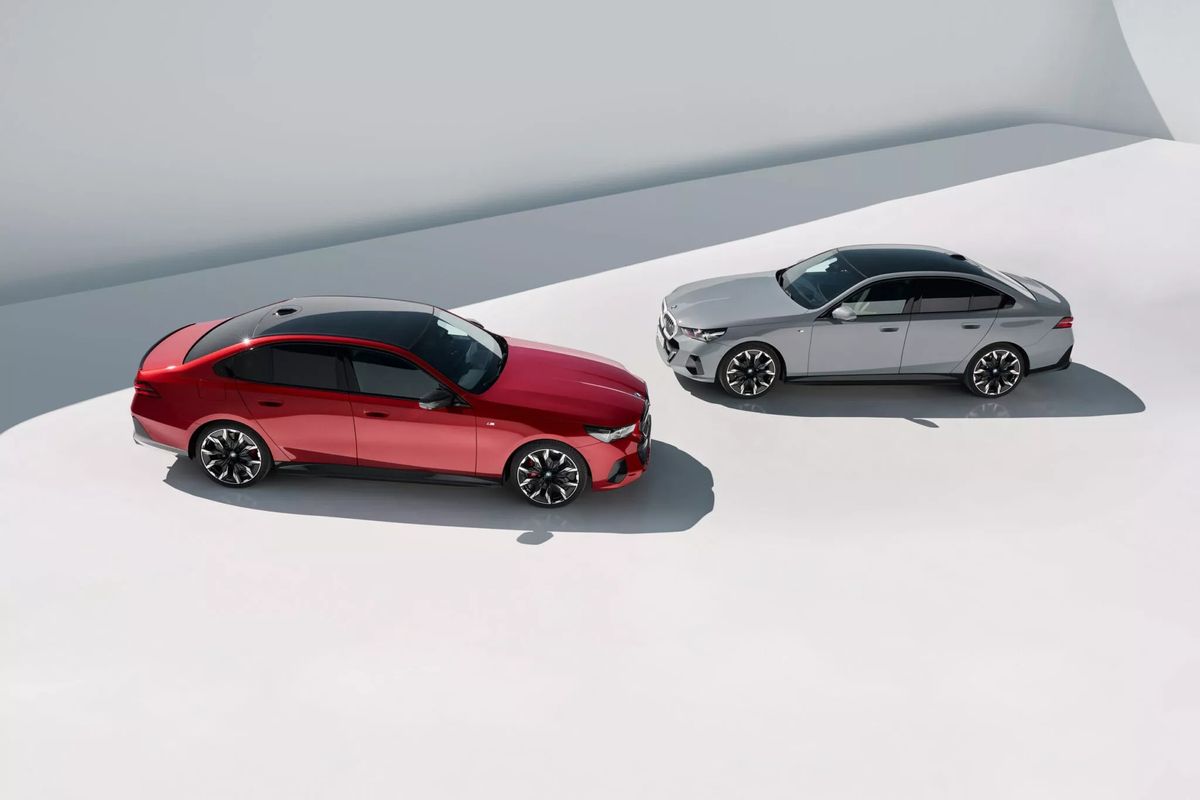
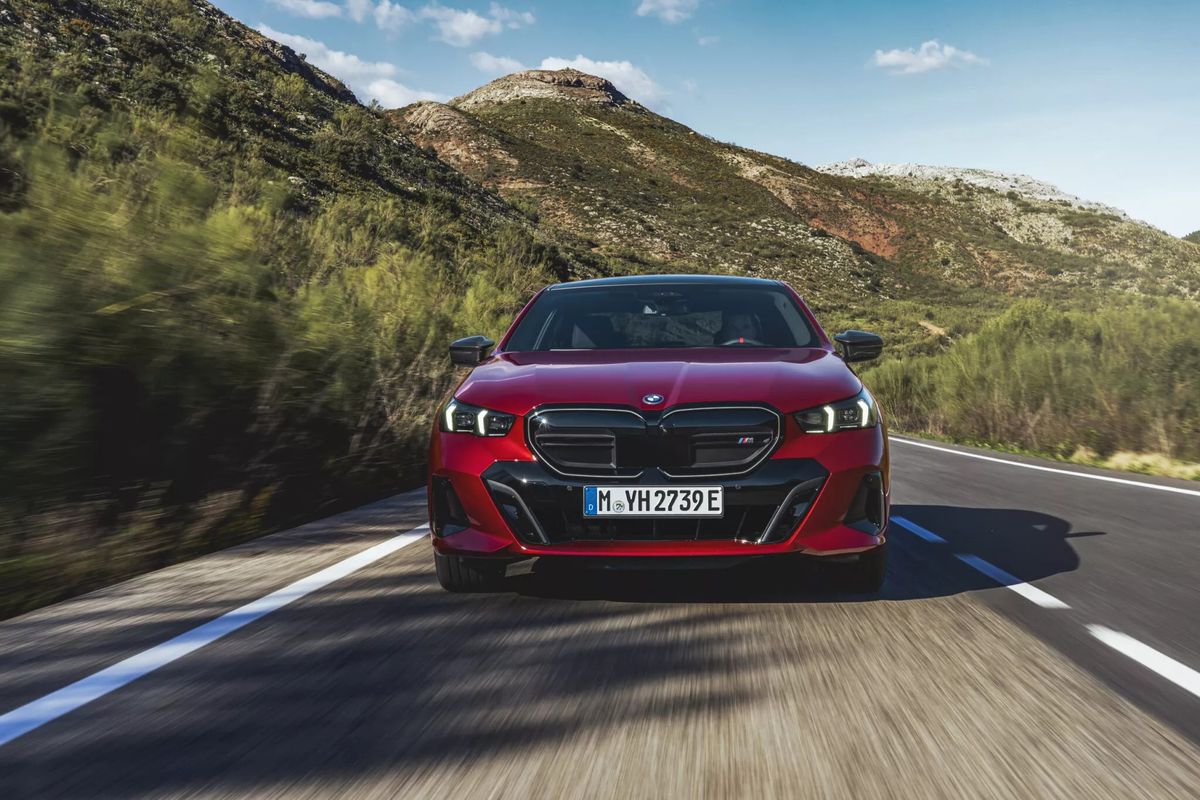
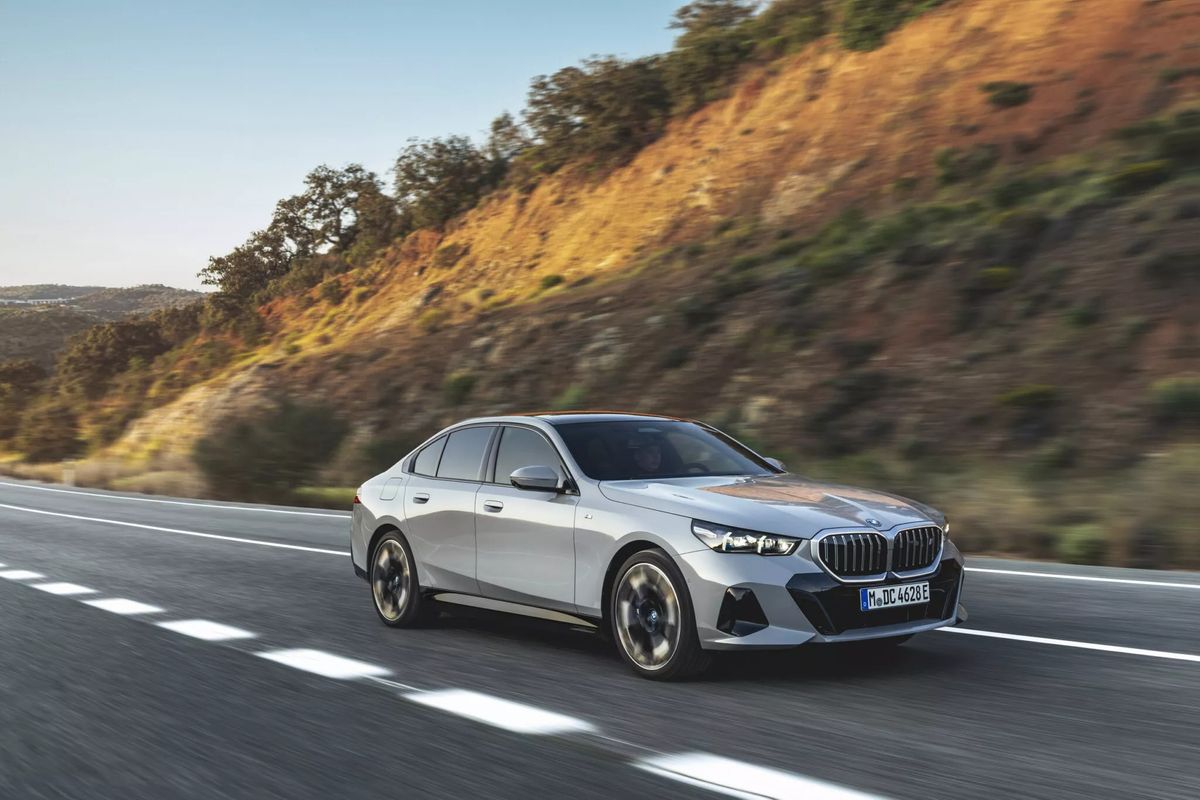
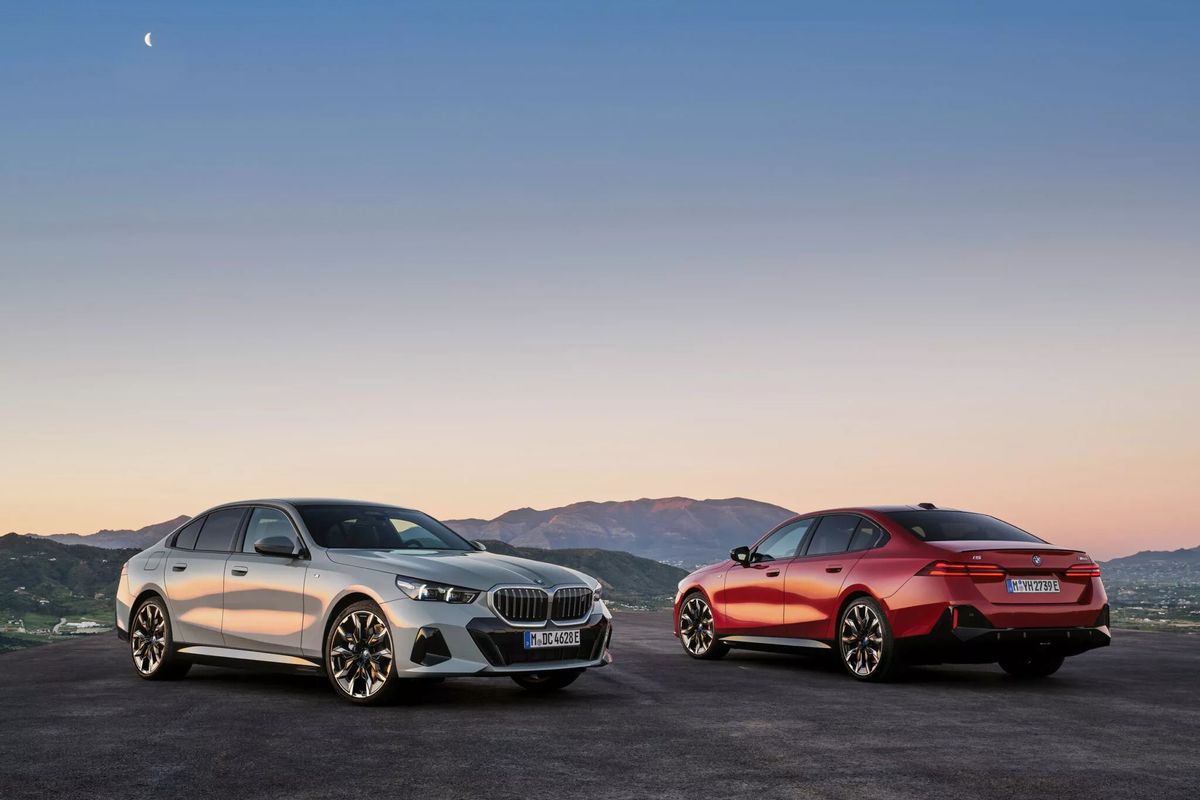
The 2024 BMW 5 Series has been revealed and the good news is that the fresh-faced sedan will be landing in South African showrooms before the end of 2023…
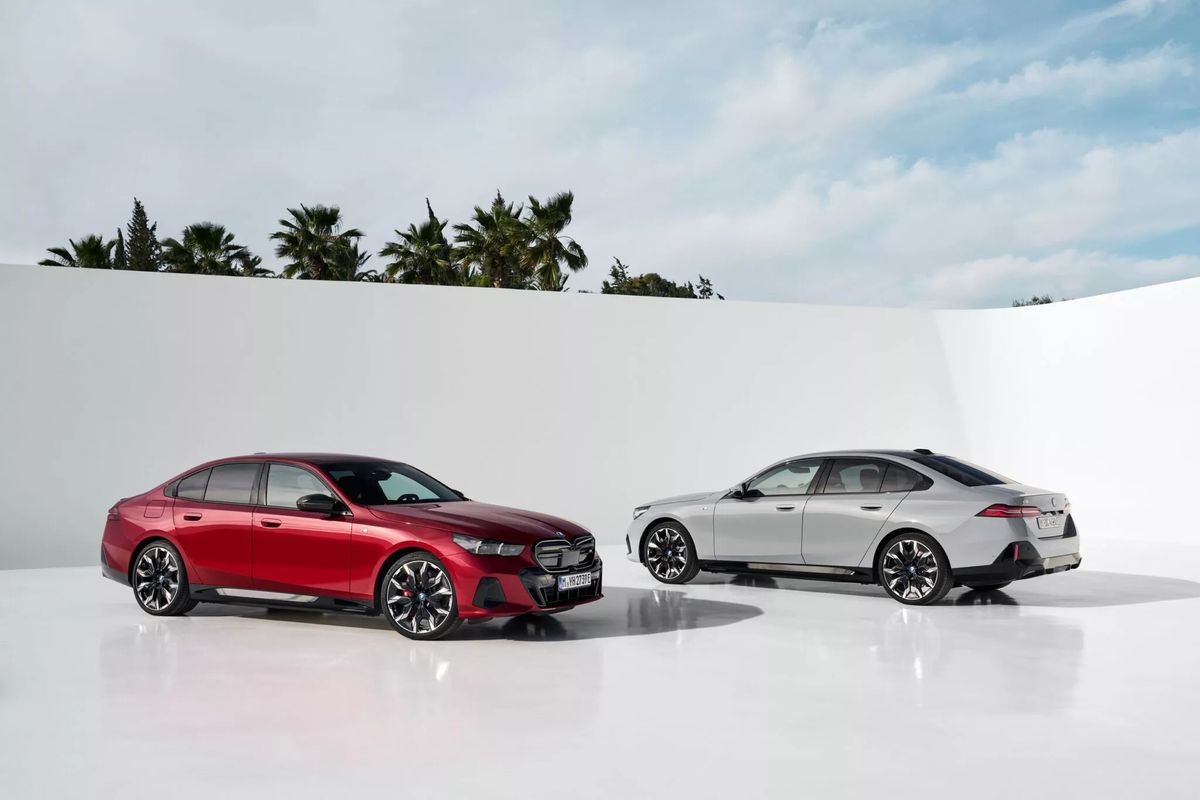
Despite BMW’s SUV range broadly outselling its sedan line-up these days, the German carmaker is well aware there remains a customer base that will always choose a sleek saloon over a high-riding SUV. As such, the brand-new 2024 BMW 5 Series has just been revealed and it’s already confirmed for South Africa in diesel and pure electric flavours.
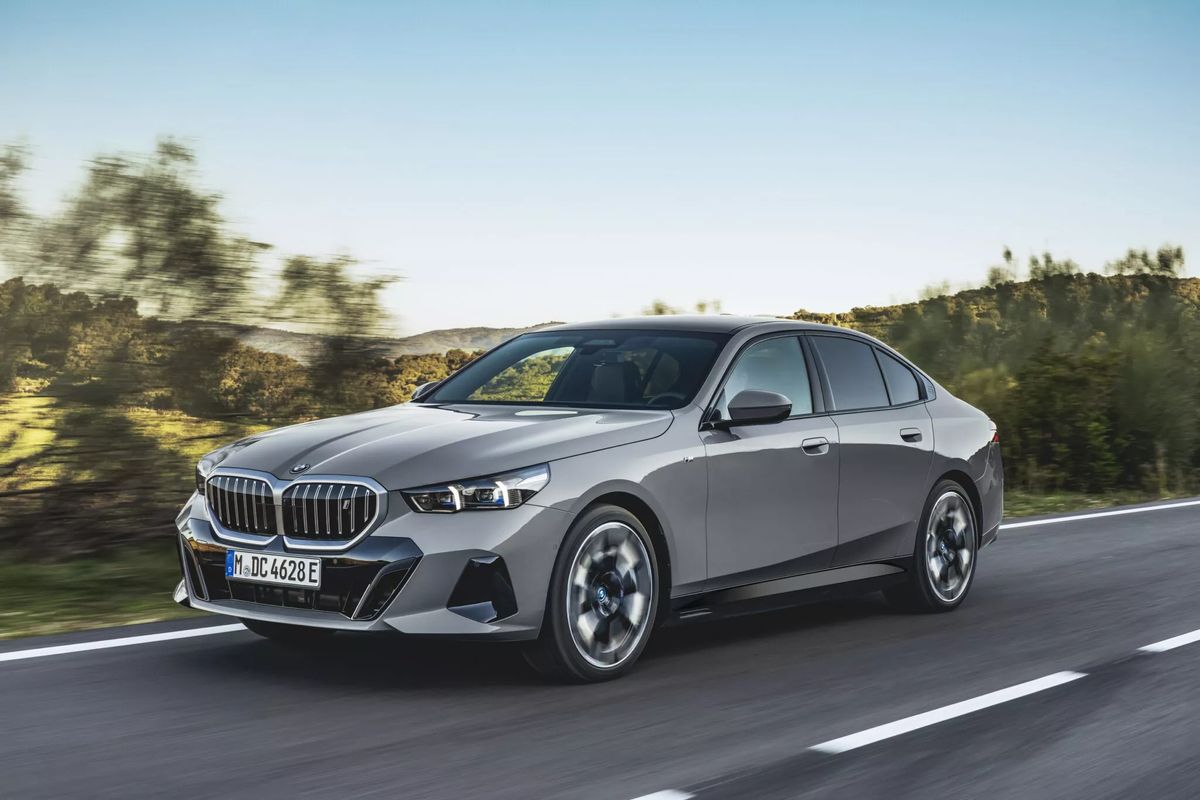
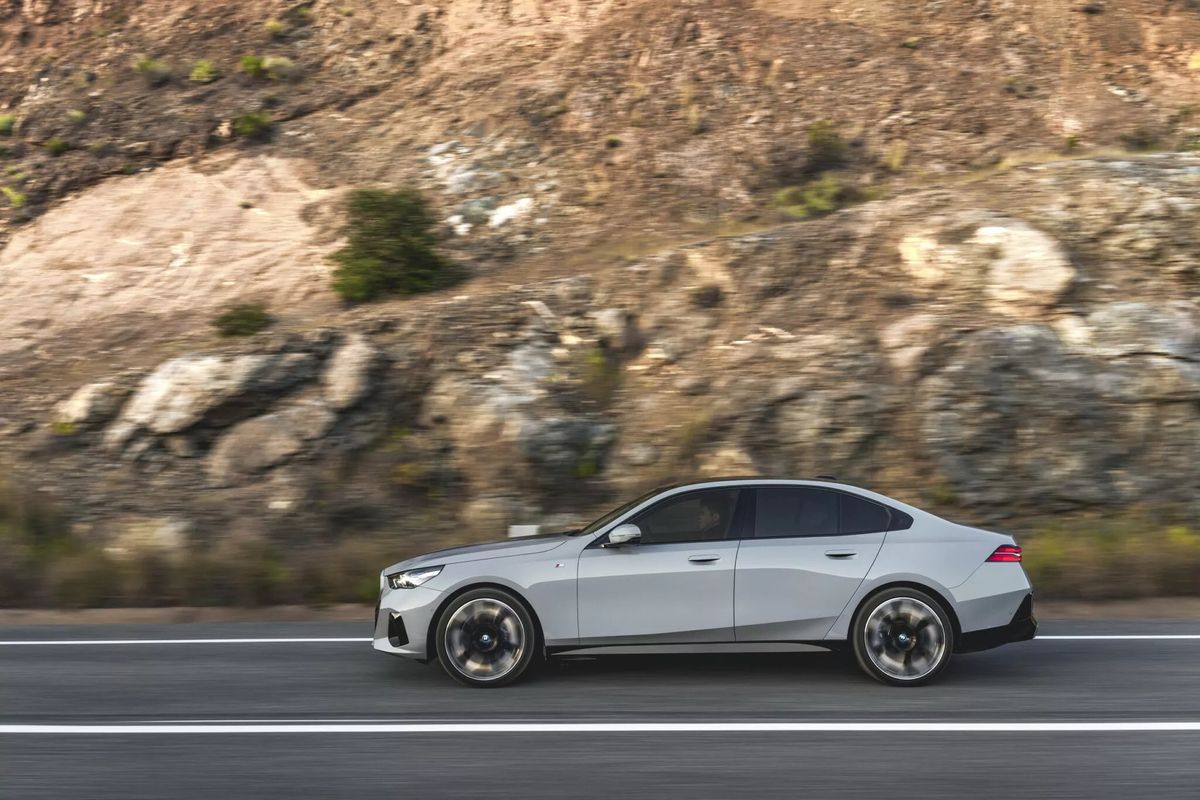
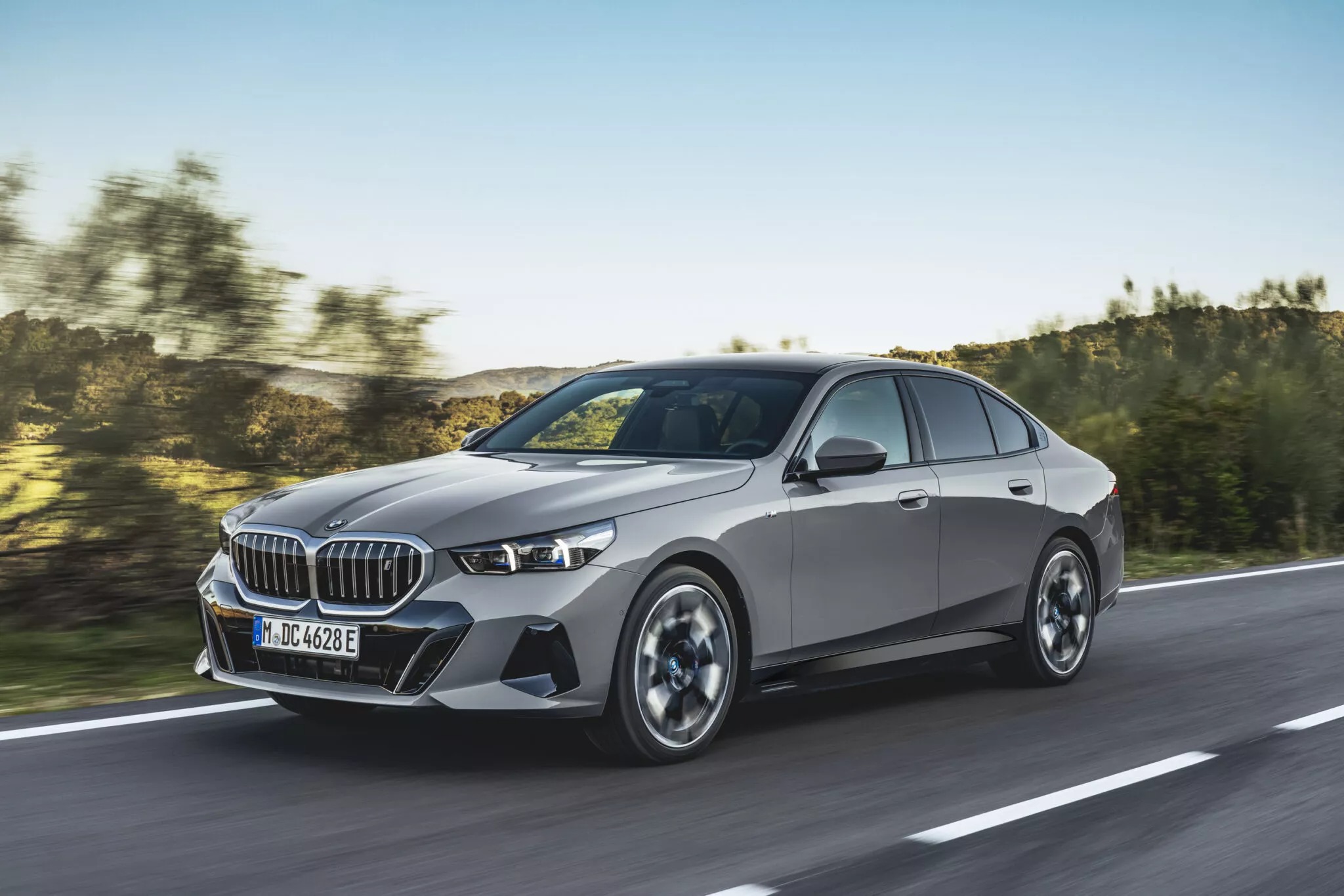
The new 2024 BMW 5 Series and its all-electric i5 sibling have grown in size in comparison with the outgoing generation. The newcomer is longer than before at just over 5 metres, and its wheelbase has increased too, by 20 mm.
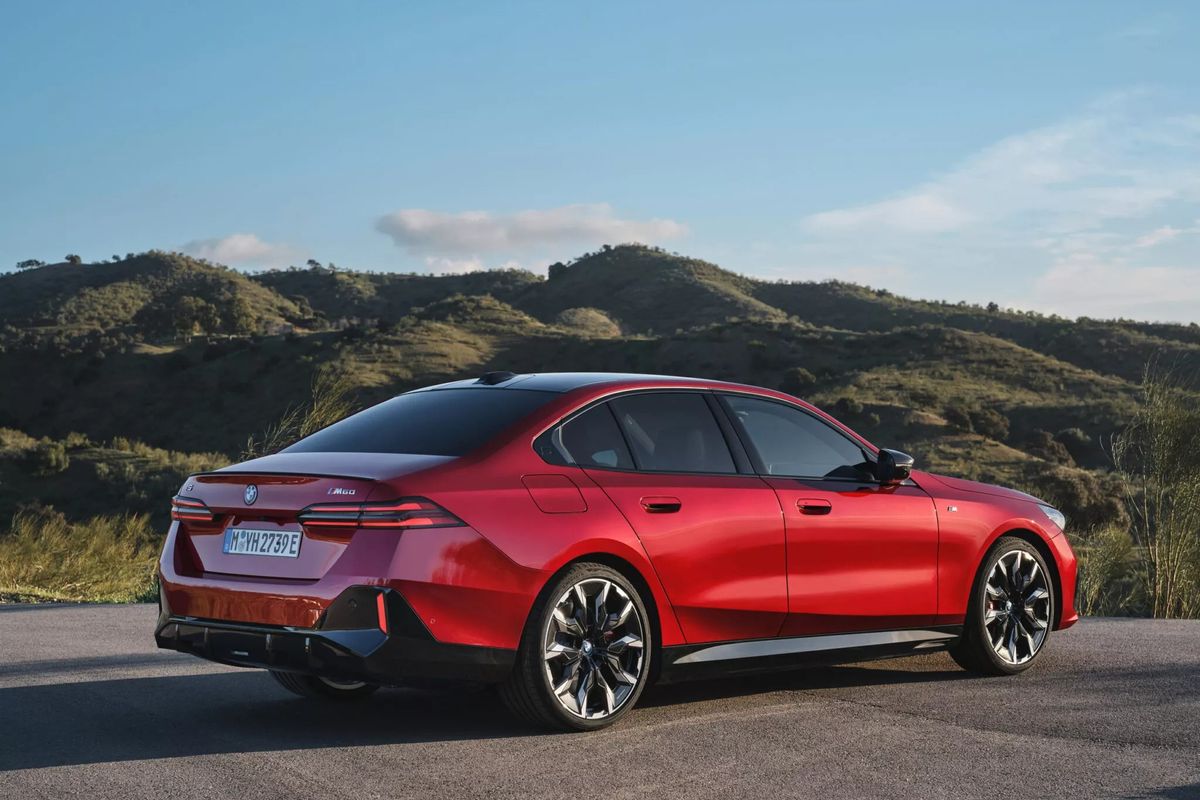
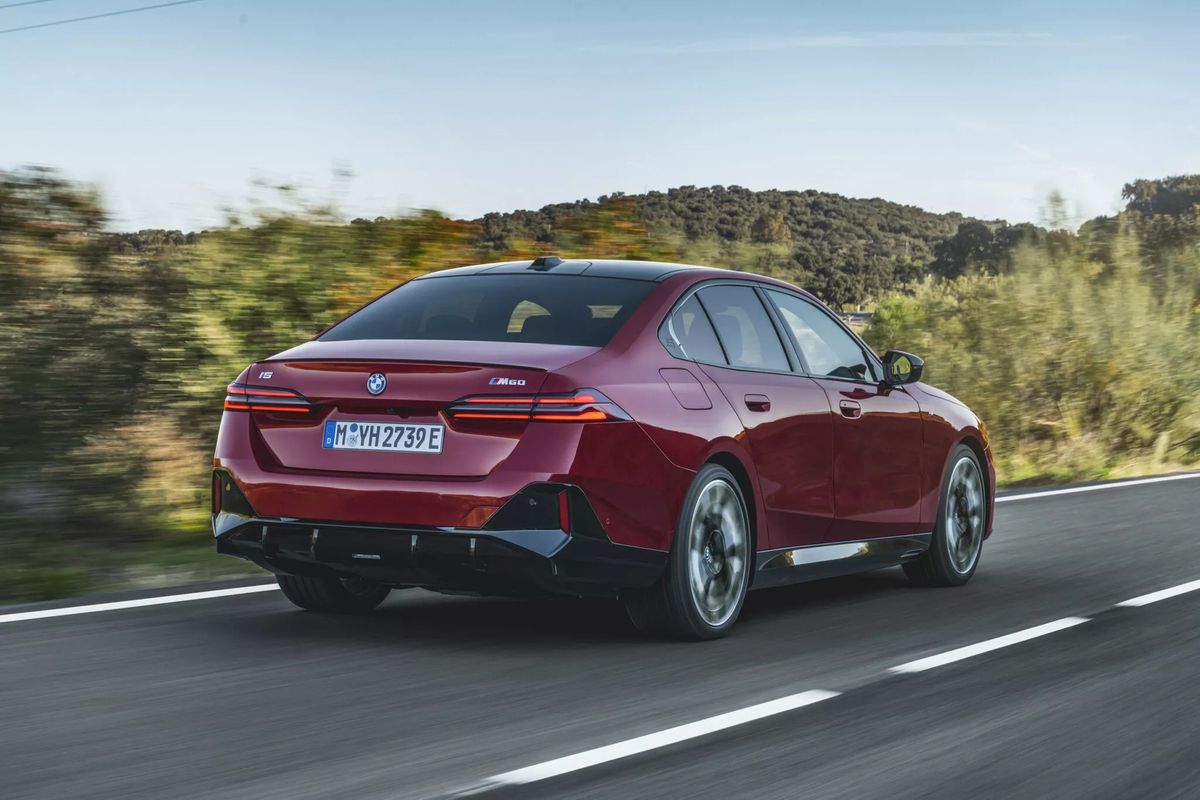
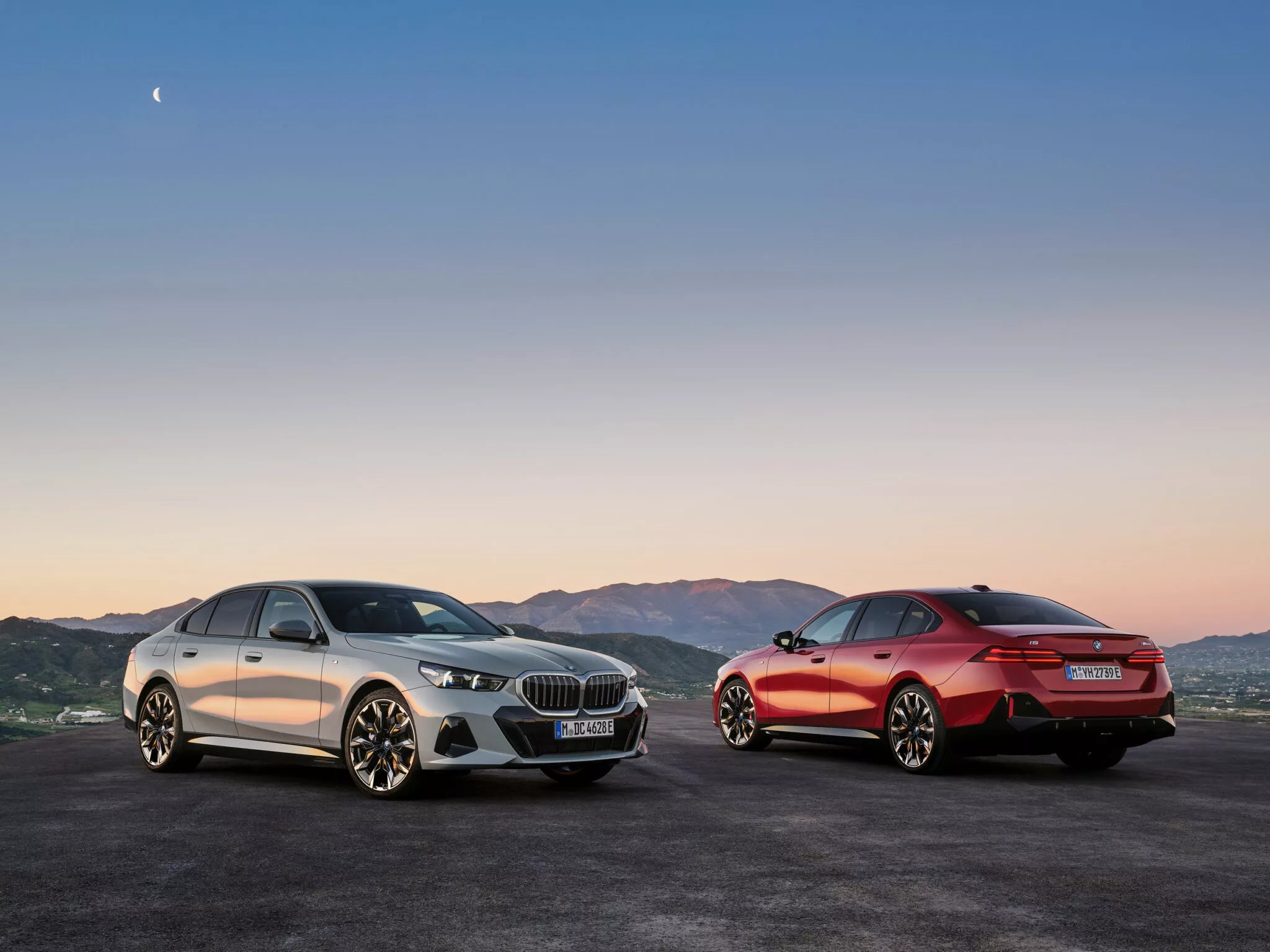
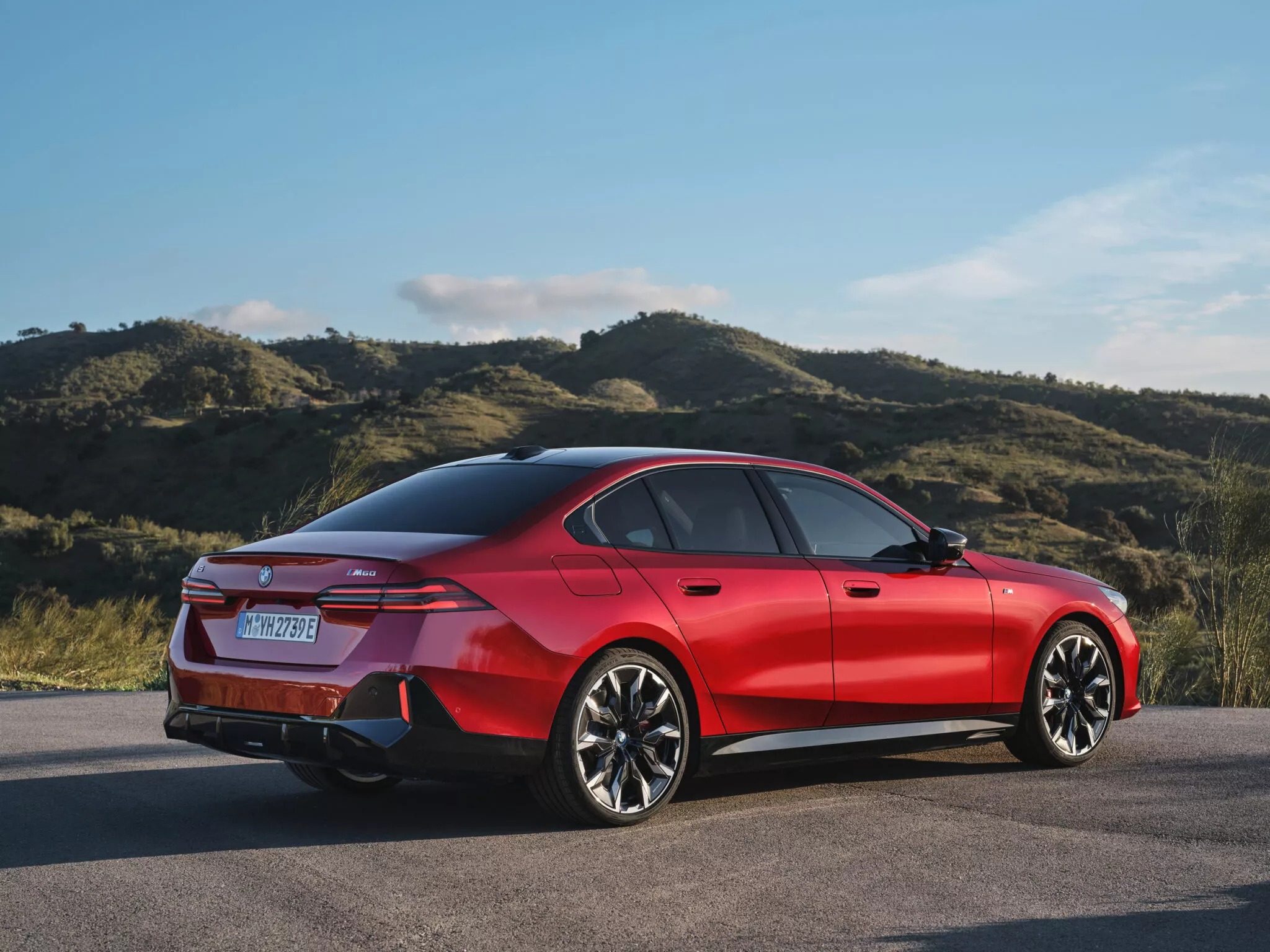
As far as design goes, the new 5 Series is best described as modern with futuristic elements. Of course, it’s impossible to be objective about styling, but it’s not nearly as polarising as some of BMW’s other products, such as the XM. The i5 scores unique design elements like a closed-off grille, aerodynamic wheels and blue badges. An optional illuminated grille is also available!
The new BMW 5 Series rides on the CLAR architecture and BMW says that while the chassis and suspension is near identical to that of its predecessor, there have been some choice tweaks to enhance the way the vehicle drives.
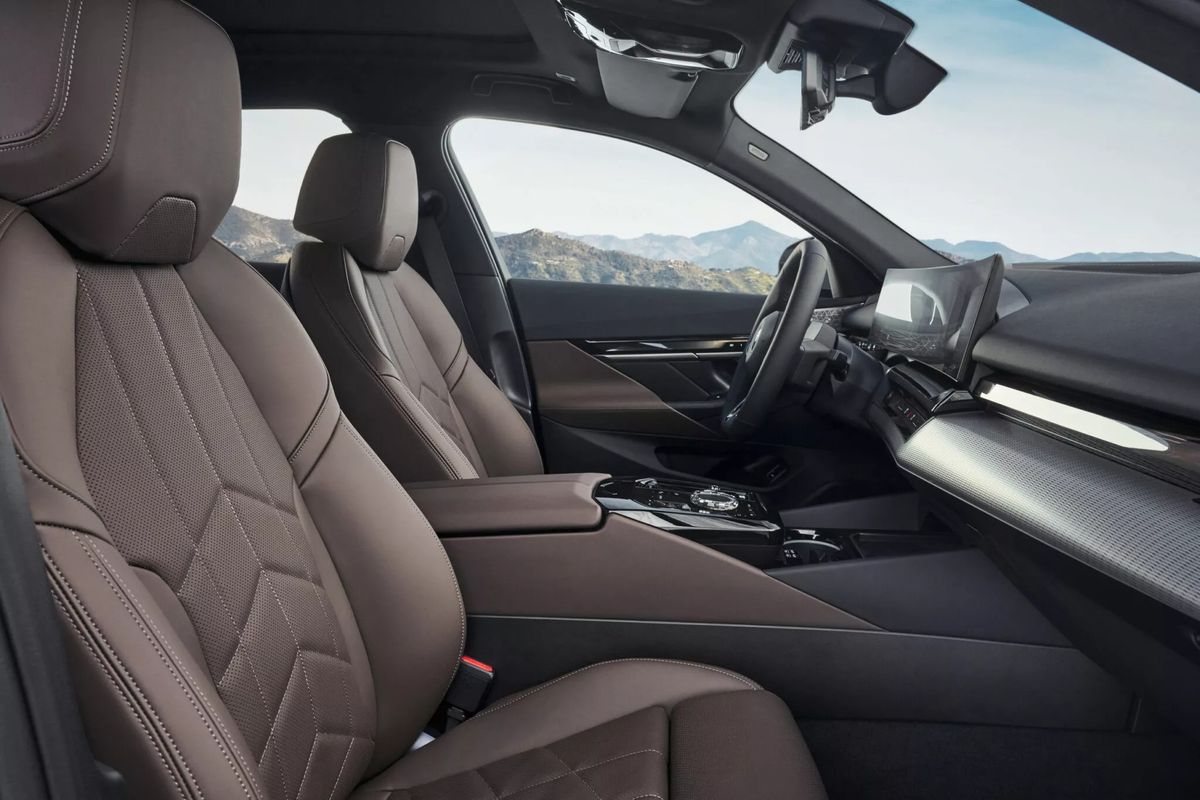
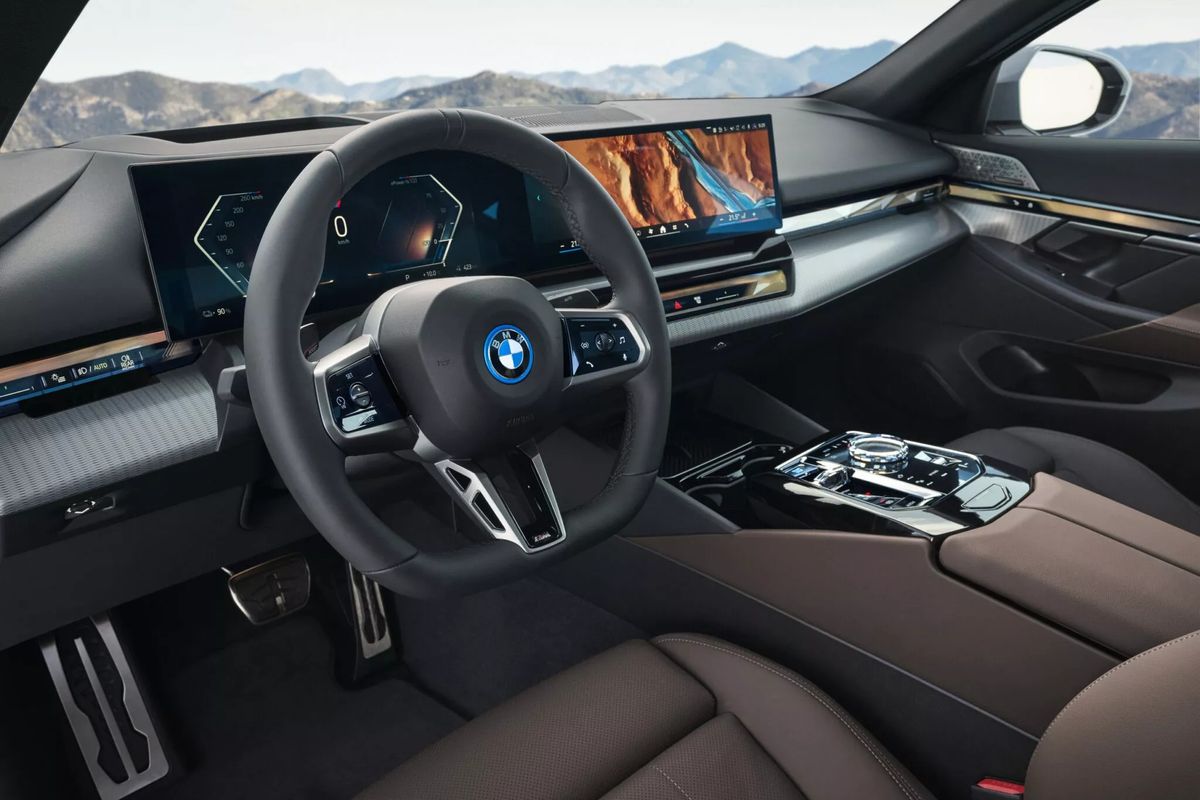
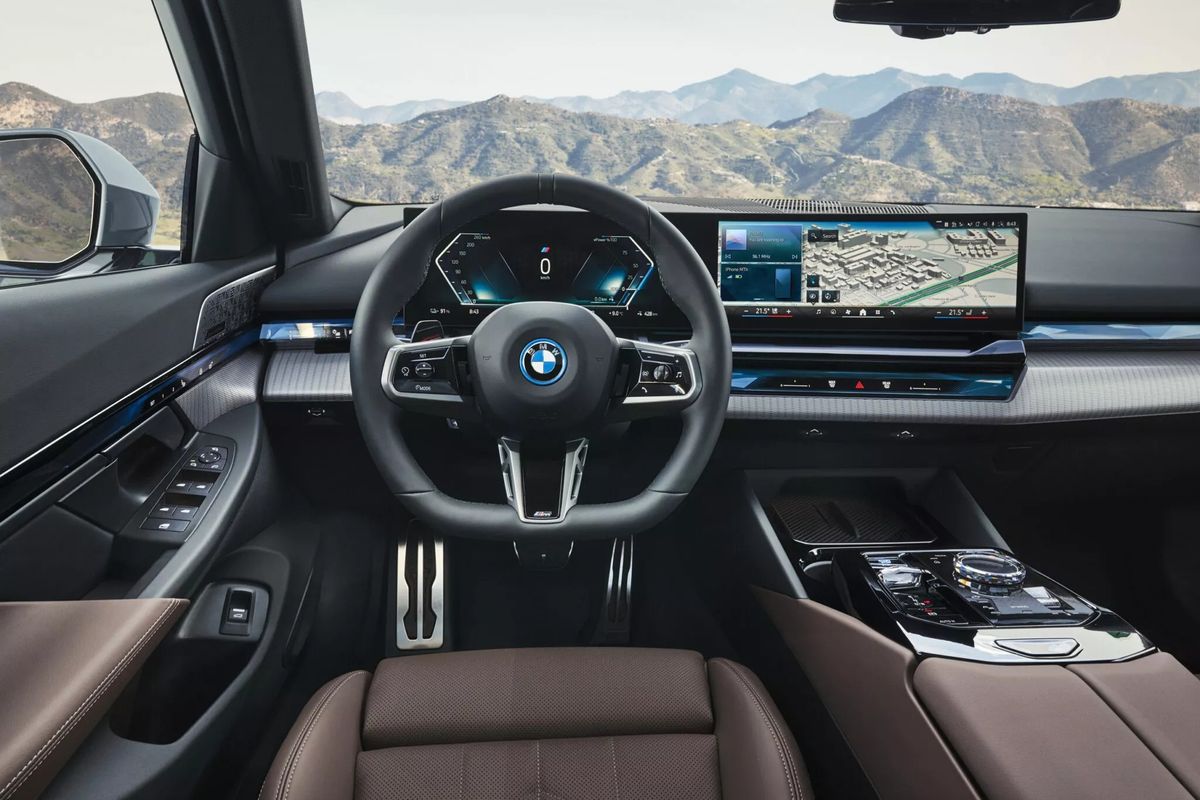
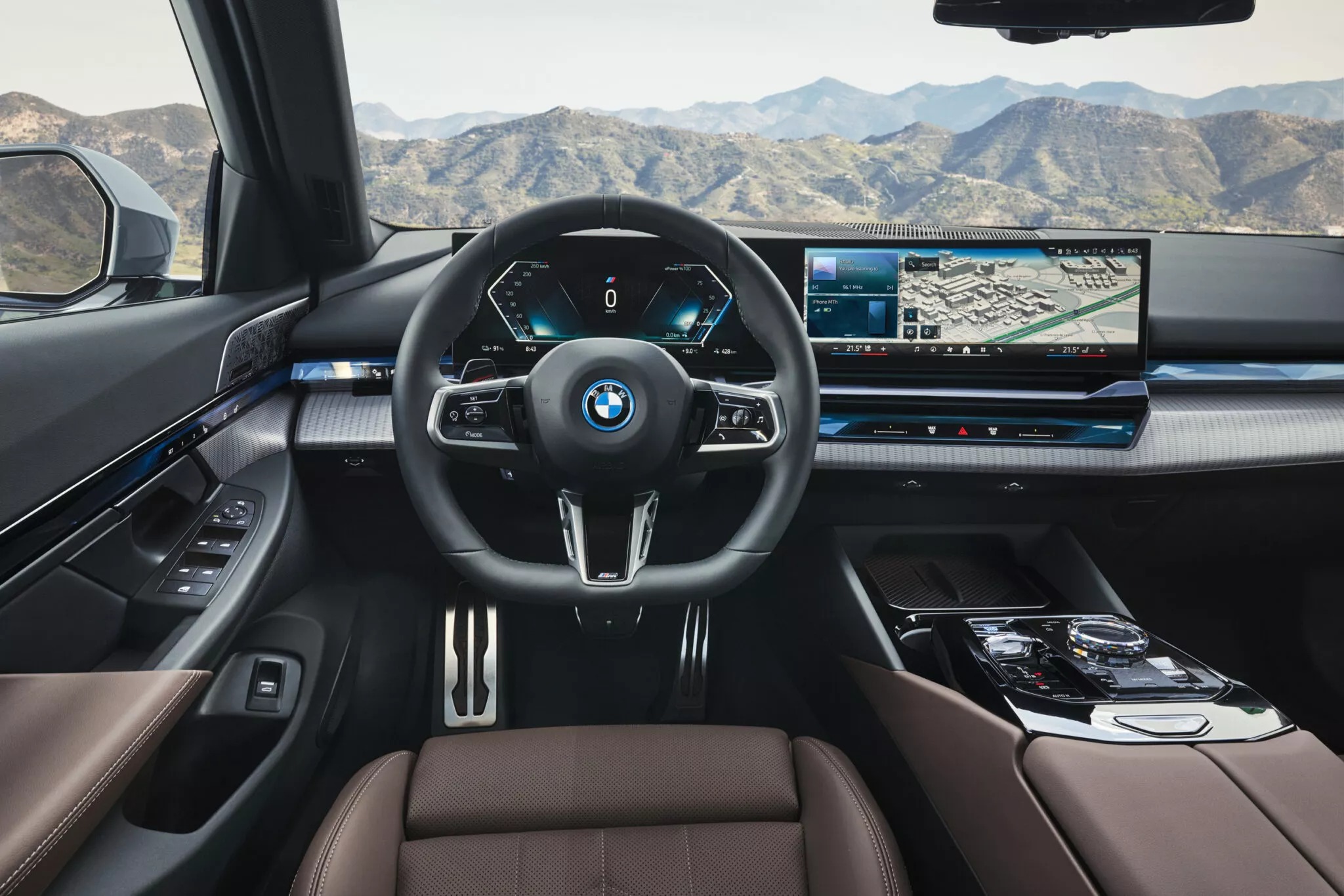
Inside, the new BMW 5 Series gains the curved infotainment screen setup that we’ve experienced in other products from the Munich-based brand. In this application, a 12.3-inch digital cluster is connected to a 14.9-inch central screen that runs BMW’s iDrive 8.5 operating system.
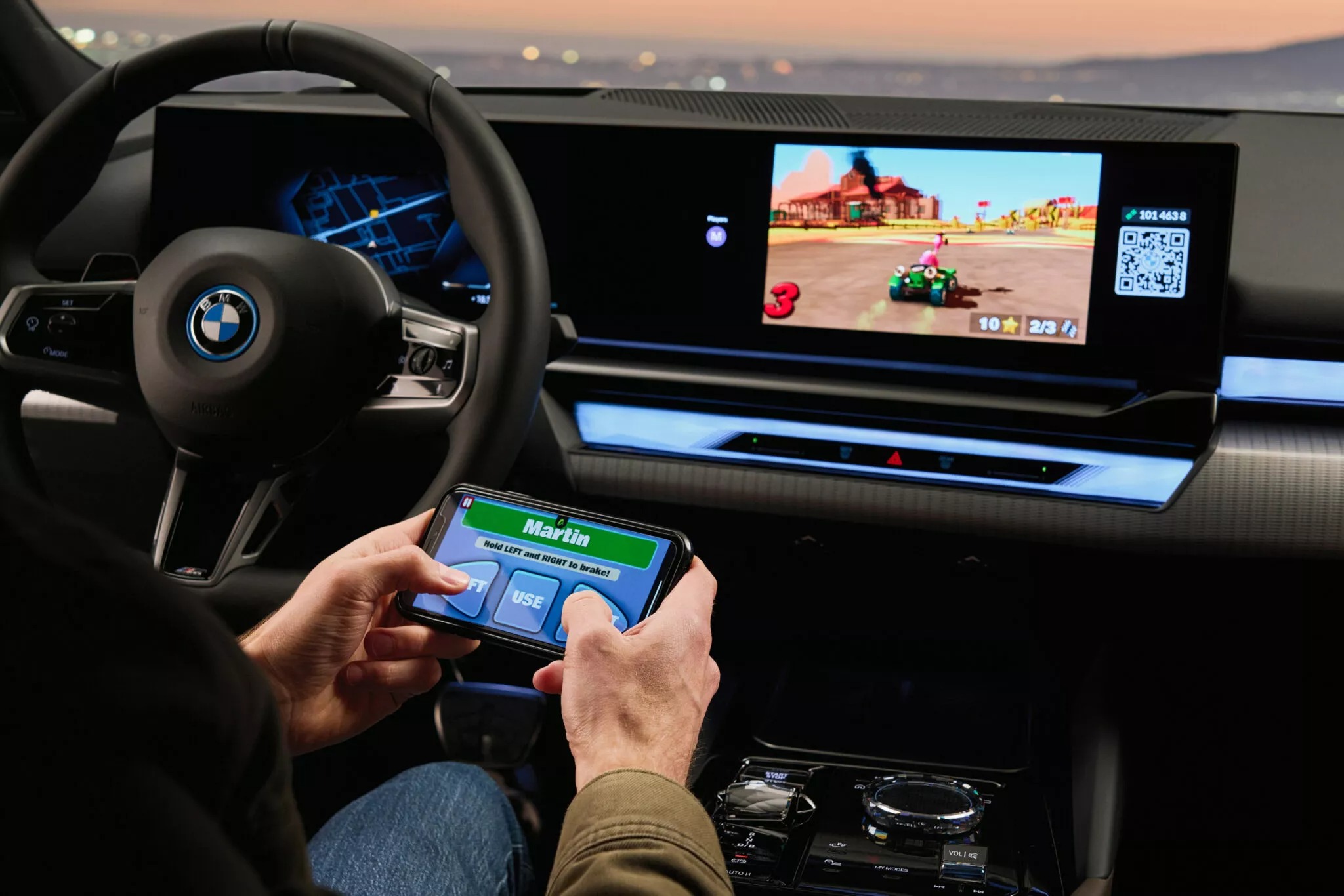
This system adds gesture control and the “Hey BMW” voice-control function. One of the coolest additions is the “AirConsole” platform that will allow passengers to play games through the on-board screen, but the caveat is the vehicle must be stationary.
What engines are in the 2024 BMW 5 Series?
While most of the marketing material focused on the red electric BMW i5, the brand is well aware there are customers who will choose internal combustion power instead. These two ICE engines feature mild-hybrid technology, while there will also be a plug-in hybrid 5 Series.
The derivatives confirmed for South Africa are the 520d and the fully electric i5 M60. The 520d features a 2.0-litre turbodiesel motor with 145 kW and 400 Nm, with power driving the rear wheels via an 8-speed automatic transmission.
Overseas markets will furthermore feature a 530i, 530i xDrive, 540i xDrive, 520d xDrive and 530e/550e xDrive plug-in hybrids.
For those desiring high-performance electric power, the i5 M60 xDrive comes charging in with 442 kW and 820 Nm, giving it a claimed sprint time of just 3.8 seconds. It boasts a claimed range of between 455 km and 516 km thanks to its 84.3 kWh battery.
2024 BMW 5 Series Coming to SA?
A representative from the brand has confirmed the 2024 BMW 5 Series is scheduled to arrive in South Africa in the 4th quarter of 2023, in the form of the 520d and i5 M60 xDrive derivatives.
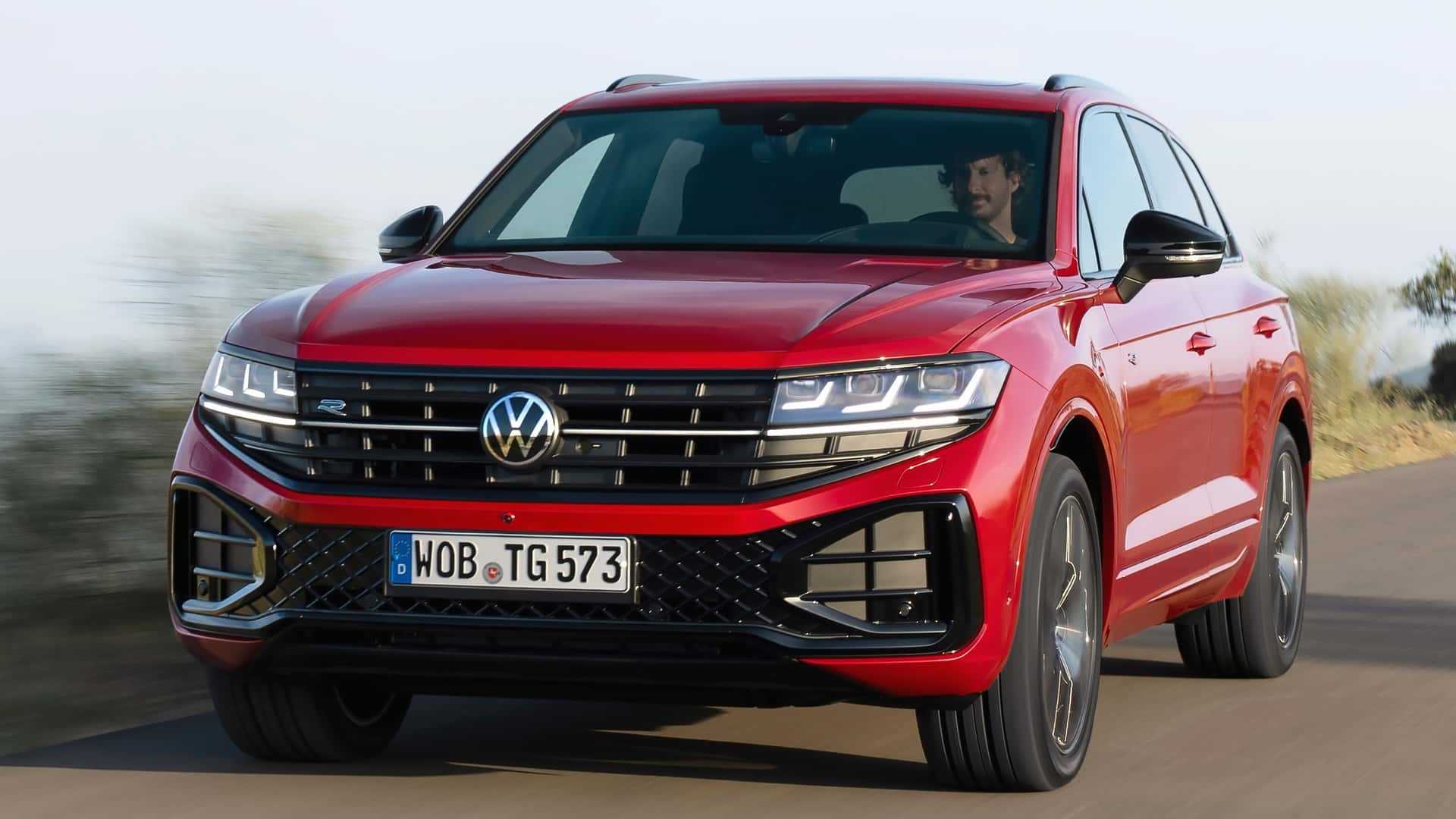
The Touareg sits at the top of the German firm’s vast SUV range which includes the T-Cross, Taigo, T-Roc, Tiguan and Tiguan Allspace. The Touareg has accumulated over 1.13 million sales in its lifetime and it rivals other large luxury SUVs such as the BMW X5, Mercedes-Benz GLE and Audi Q7 to name a few.
What’s changed?
The fresh face of the Touareg features IQ.Light HD LED headlights for a fancier look.
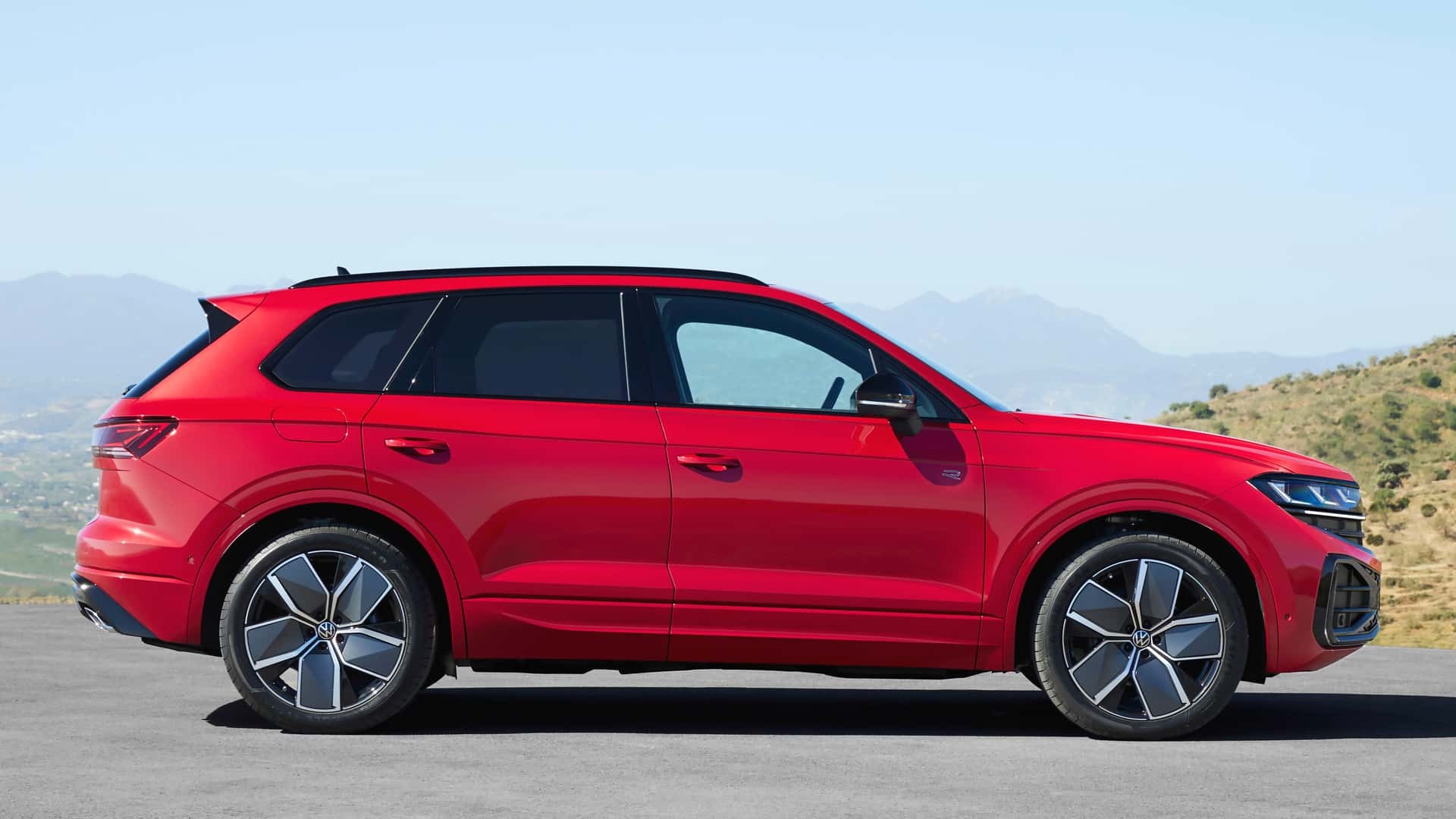
Visually, the front end of the Touareg has been revised with the fitment of Volkswagen’s IQ.Light HD LED headlights featuring 3 L-shaped LED daytime running light modules that provide superior lighting while also conveying a unique and stylish look. More than this, the grille and front bumper have been redesigned and a keen eye will appreciate the illuminated horizontal strip that runs across the grille as well as the redesigned lower bumper section.
At the rear, the Touareg gains a light bar that extends across the tailgate as well as the new 6 L-Shaped LEDs that make up the striking rear light clusters. The Volkswagen logo is also illuminated in red for the first time. The updated Touareg will ride on wheels sizes ranging from 19- to 21-inches.
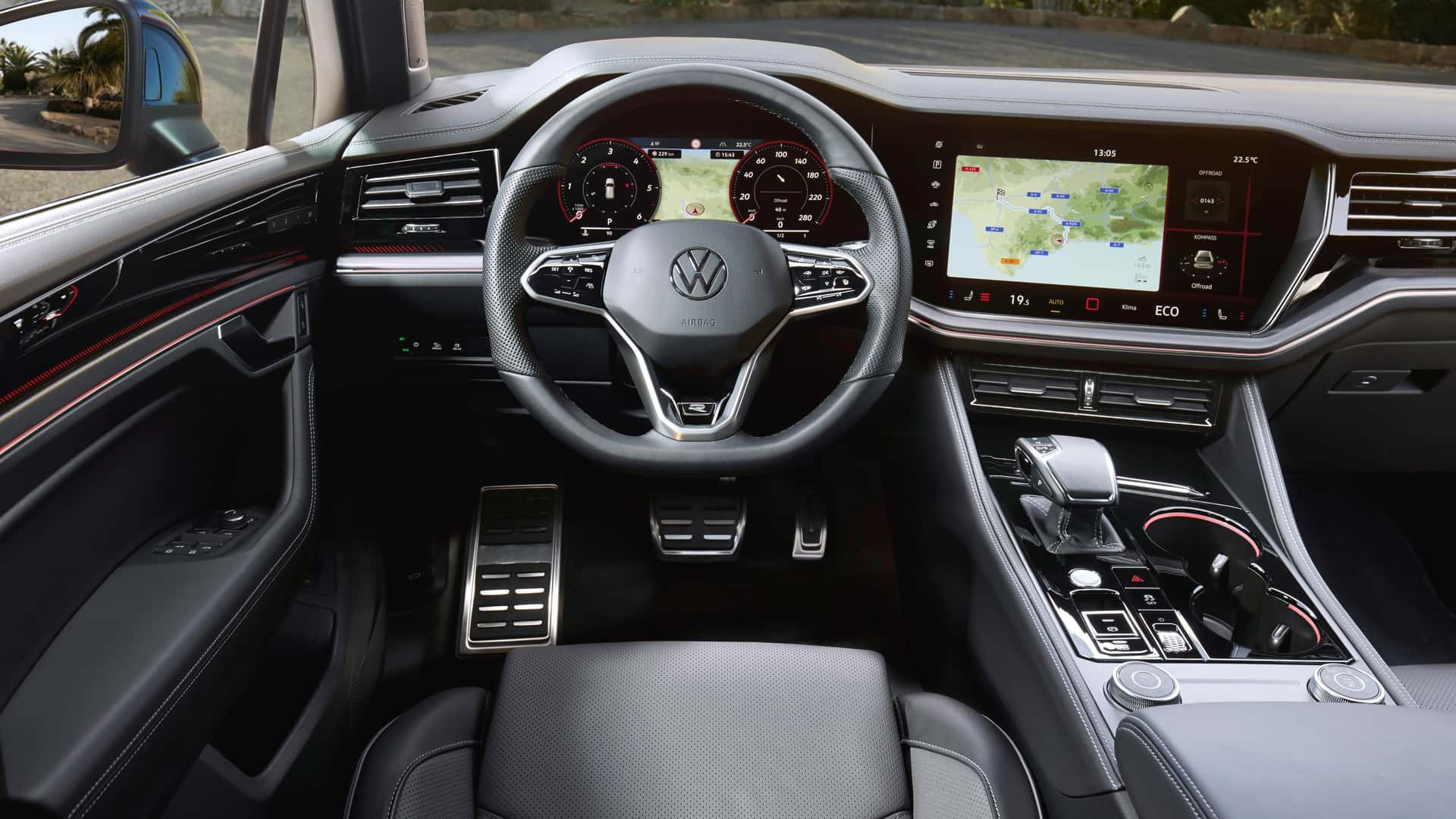
The Touareg’s interior has been updated for with additional comfort and tech features.
Moving inside, the Touareg is fitted with VW’s familiar all-digital Innovision Cockpit which incorporates a 12-inch instrument cluster and 15-inch touchscreen infotainment system, the latter of which now has enhanced high-resolution map data, lane-level navigation as well as wireless Apple CarPlay and Android Auto. Volkswagen has also updated the interior illuminated trim as well as the centre buttons and thumbwheel volume control found in the centre console.
Faster-charging USB-C ports (45W) are also fitted to charge devices such as smartphones and laptops. Customers can also have a 730-watt Dynaudio sound system fitted as an option.
What engines power the latest Volkswagen Touareg?
The Touareg will be powered by 5 V6 powertrain options, including 2 potent Hybrid derivatives.
The Touareg soldiers on with V6 petrol and diesel power under the bonnet with 5 powertrain choices on offer for the model worldwide. These engine options include a 250 kW 3.0-litre turbocharged petrol engine as well a 3.0-litre turbodiesel engine in 2 states of tune with either 170 kW and 210 kW on offer. Volkswagen will also offer the Touareg eHybrid which combines a V6 petrol engine with an electric motor to generate 280 kW while the range-topping Touareg R features the same powertrain but gains a power boost to a whopping 340 kW. The eHybrid derivatives are equipped with a 17.9 kWh battery pack to offer an electric range of up to 47 km. All Touaregs feature Volkswagen’s 4Motion all-wheel-drive and make use of an 8-speed automatic transmission.
Volkswagen has also refined the Touareg’s on-road comfort by revising the suspension (including the air suspension) and a new roof load sensor to improve agility when needed.
When will the updated 2023 Volkswagen Touareg come to South Africa?
A spokesperson from Volkswagen South Africa has confirmed that the updated Touareg will reach local showrooms in the first half of 2024. Local specifications and pricing details will be communicated closer to its arrival and we will keep you updated, stay tuned!
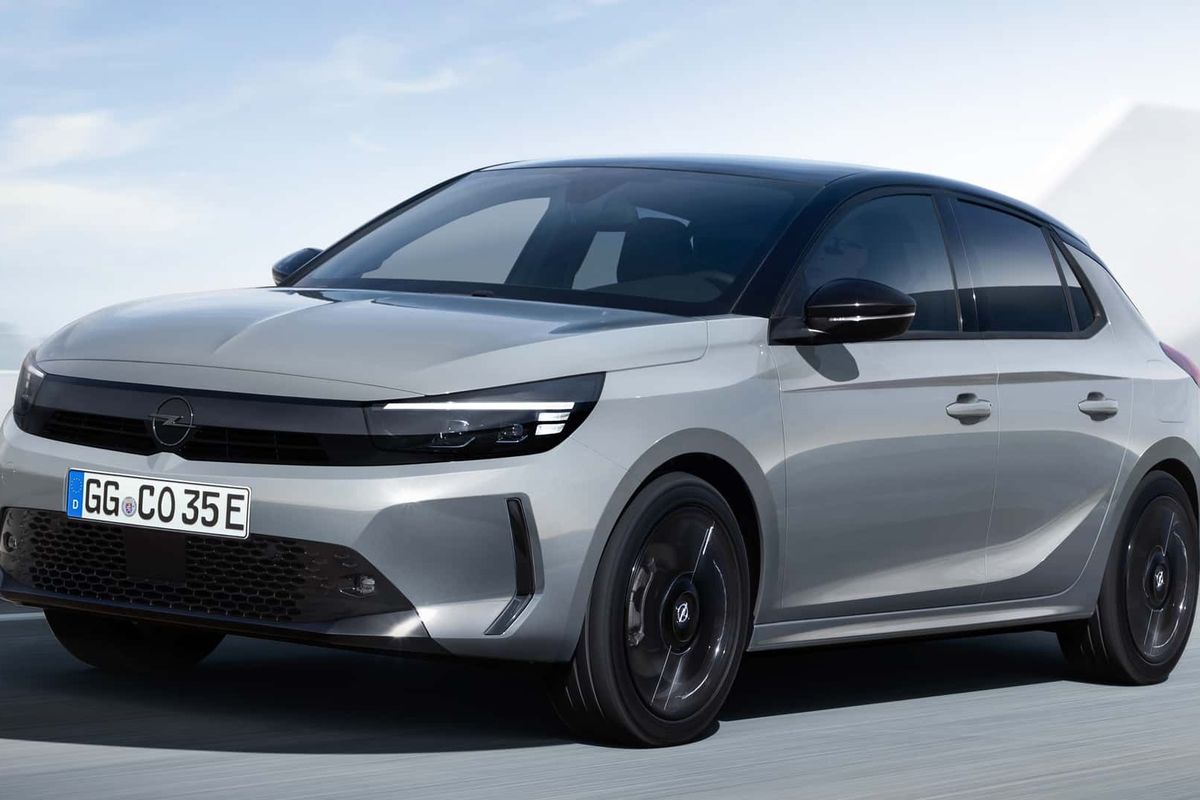
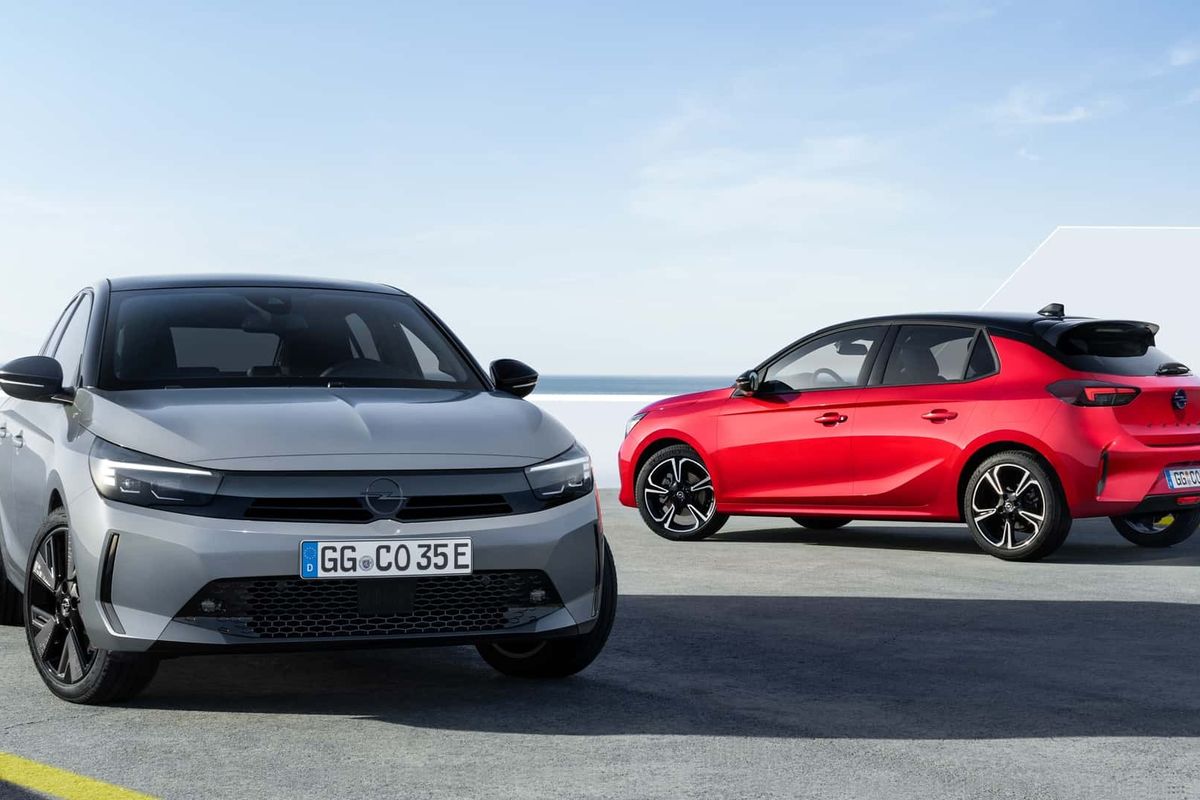
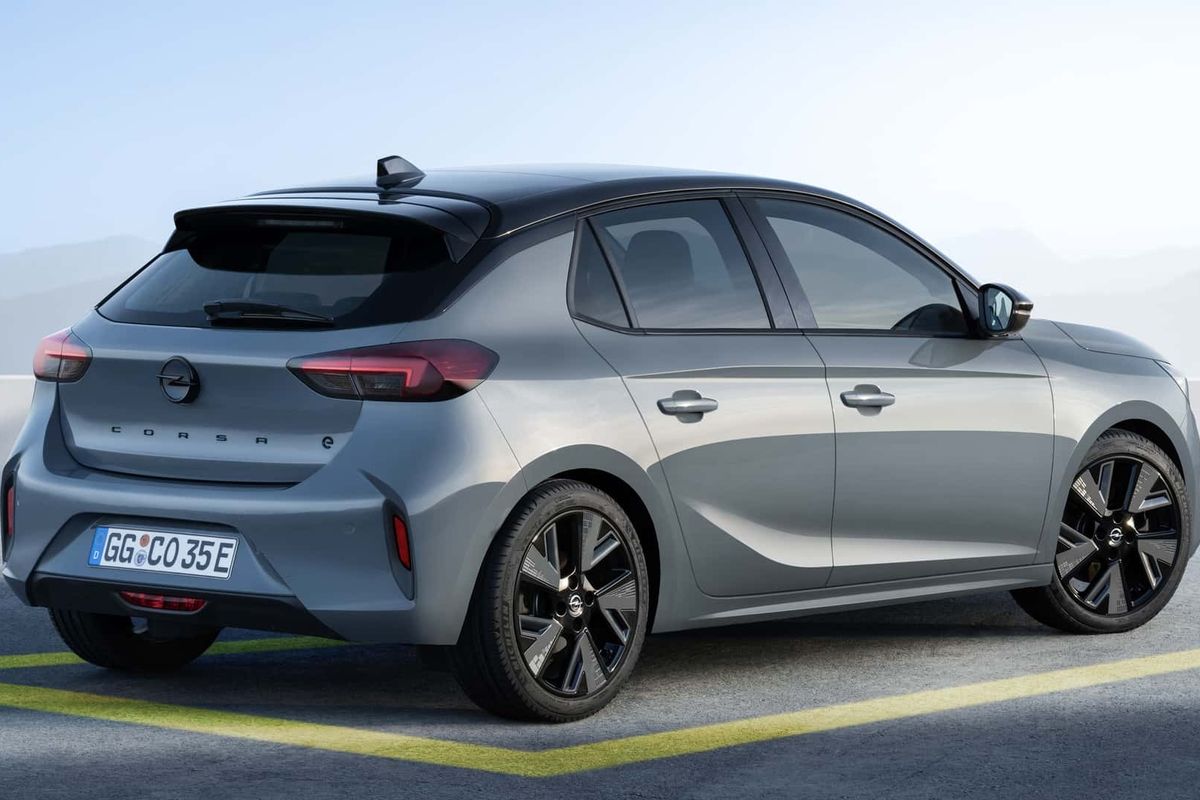
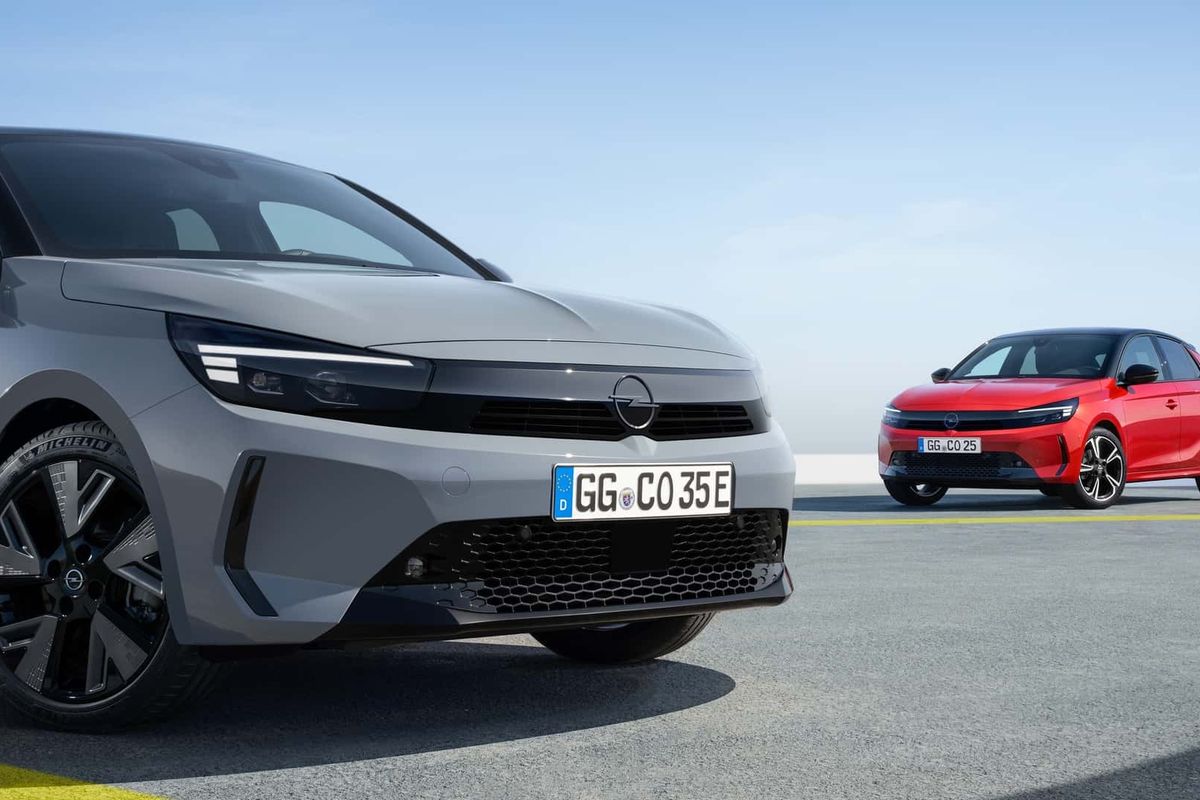
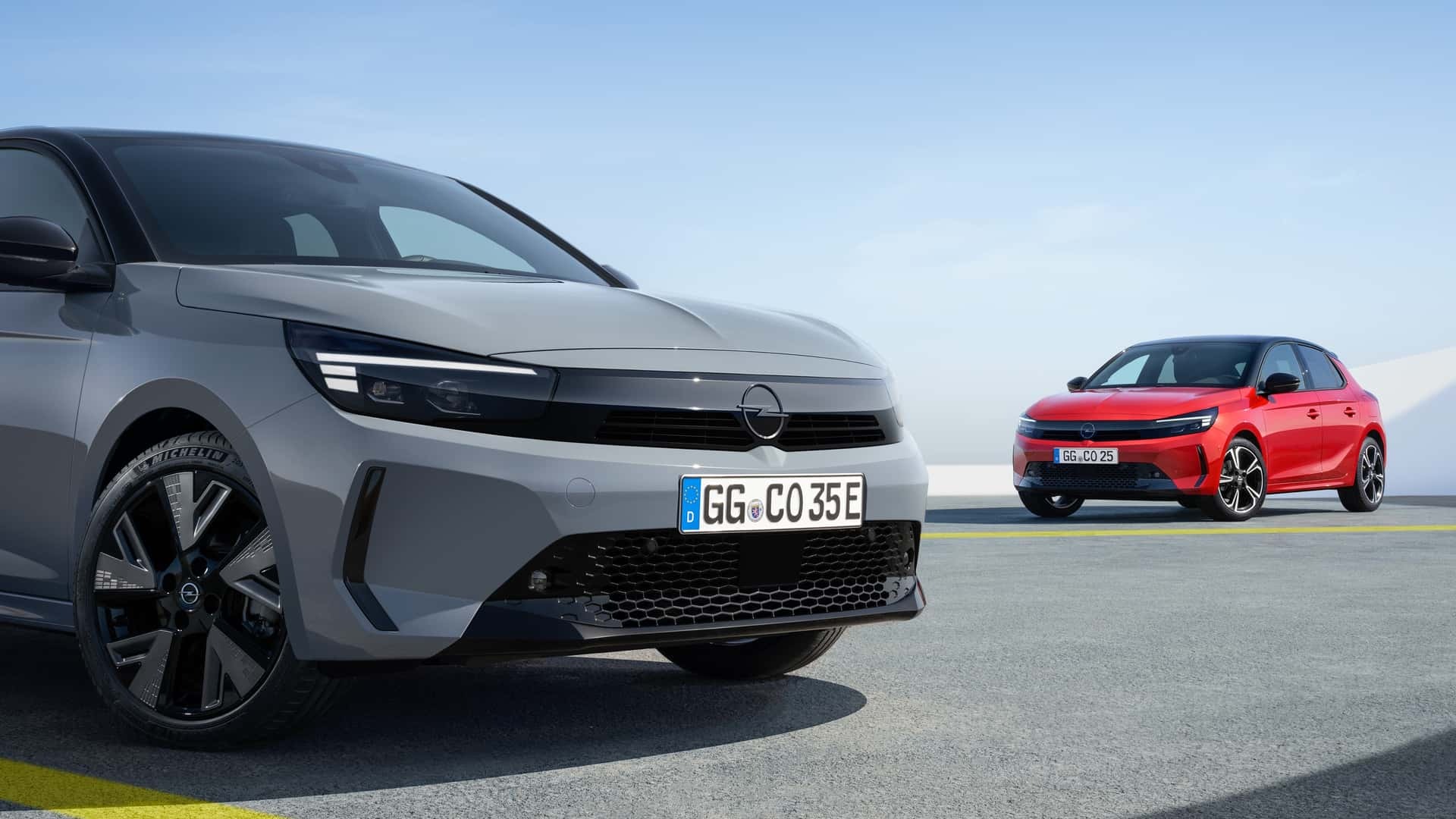
The cute Corsa has been given a visual makeover and update for 2024. Here’s a look at the changes.
Despite the popularity of crossovers and small SUVs, there’s still a market for compact hatchback. A glance at the sales figures locally for the Volkswagen Polo and Vivo will confirm this. The Opel Corsa is still around and recently the Corsa Lite name made a return to the SA showrooms.
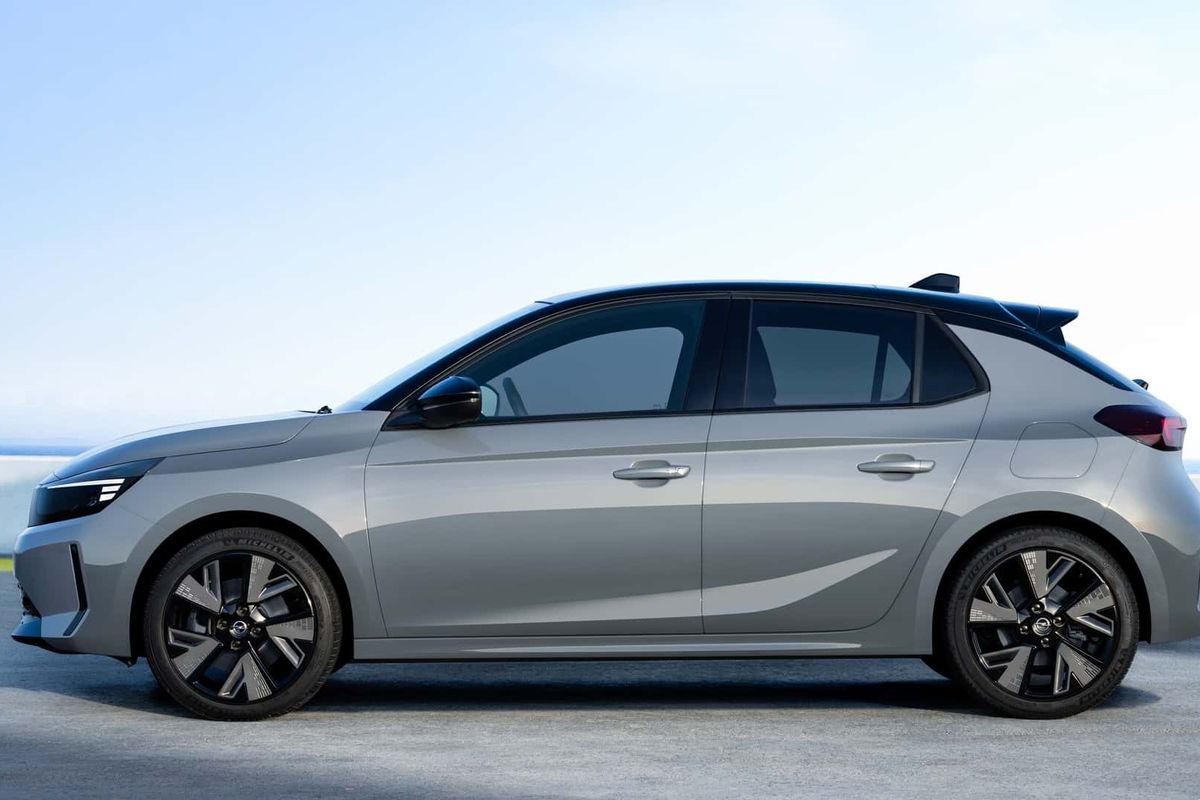
Internationally, the Opel Corsa update has just been announced and it consists of a visual update, some trim upgrades and an enhanced feature offering. Visually, the Opel Corsa update adopts the same styling cues and design language as the Opel Mokka. There are new alloy wheels as well as a new Grafik Gray paint colour.
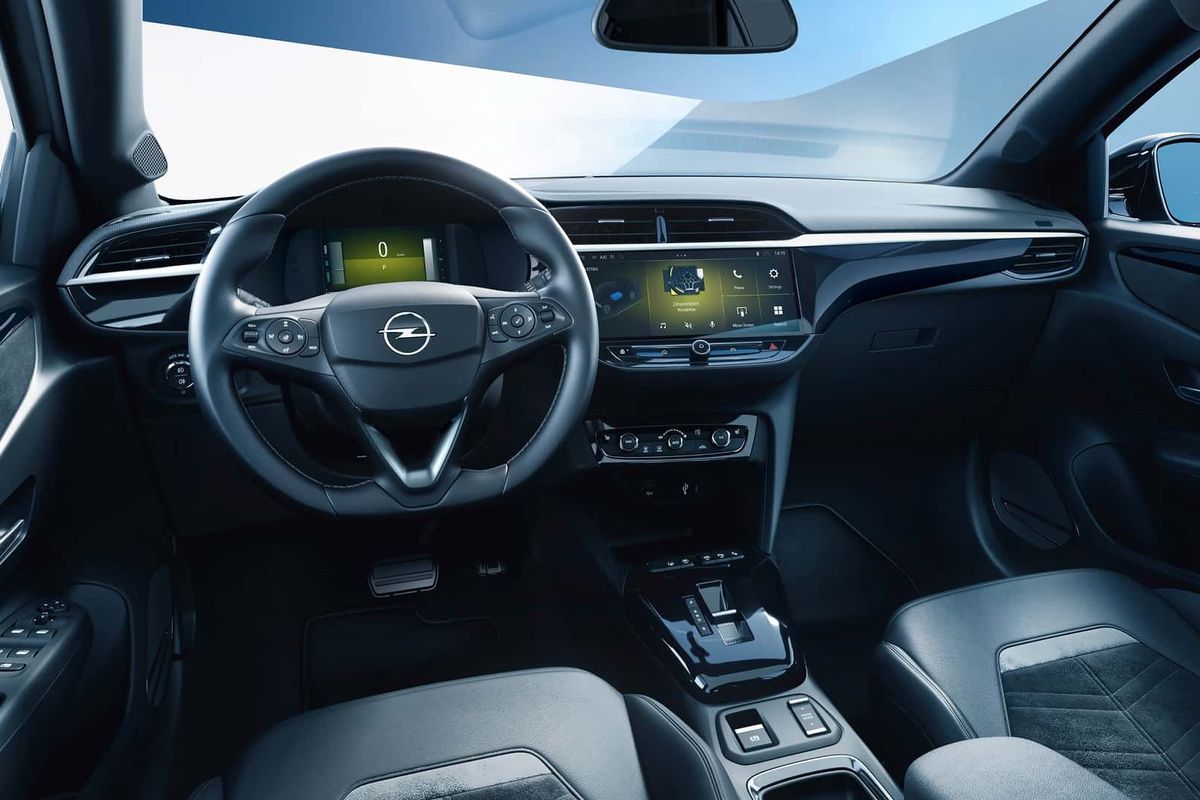
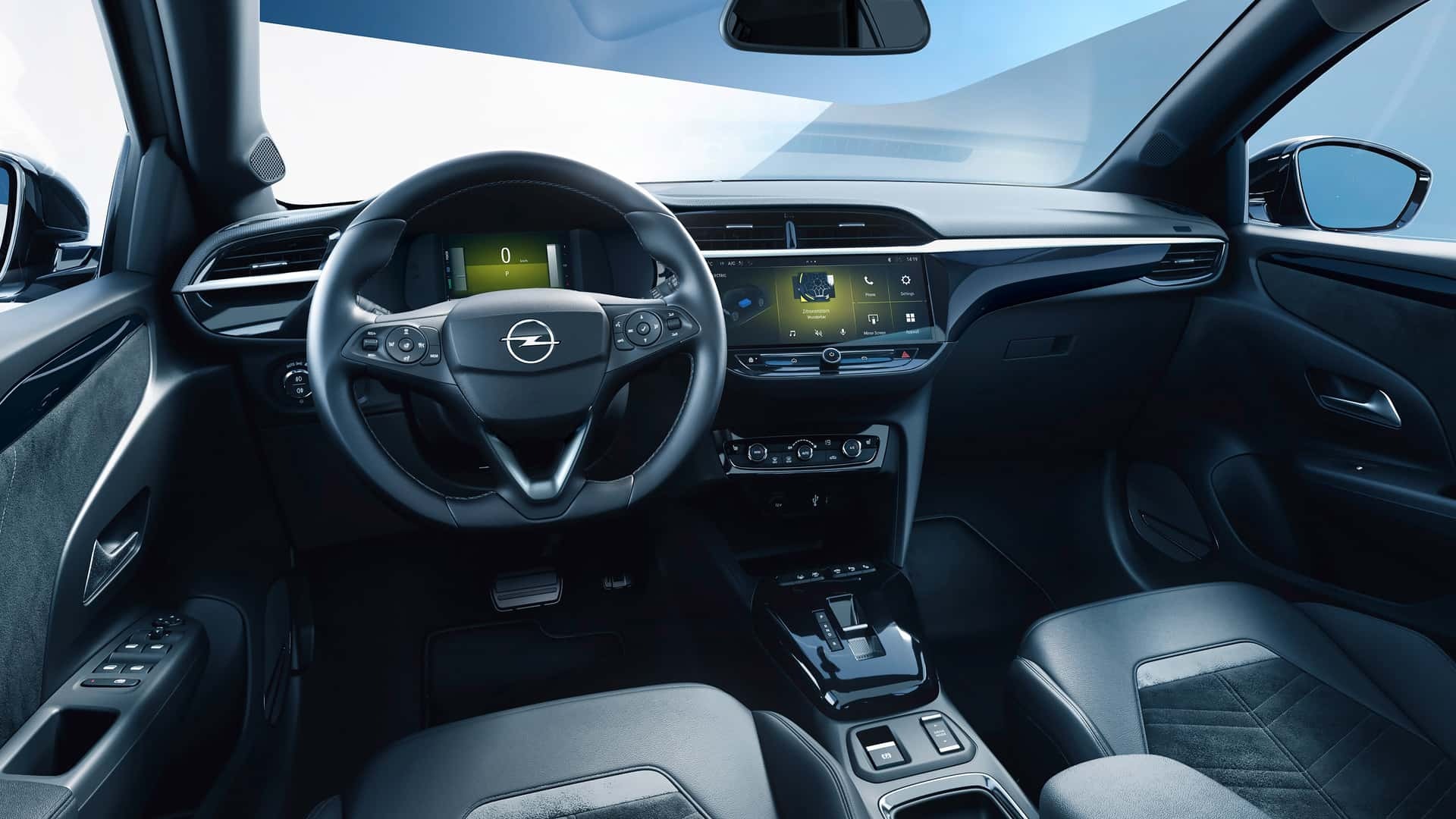
The standard specification has been enhanced with adaptive Intelli-lux LED matrix headlights, two 10-inch screens, wireless Apple CarPlay/Android Auto, Hey Opel voice command, over-the-air updates, high-res panoramic camera for parking and enhancements to the semi-autonomous safety package. Inside, there are new fabrics for the seats.
Mechanically, the Opel Corsa update now includes mild-hybrid engines. Both the 1.2 naturally-aspirated 74 kW and 1.2 turbo 100 kW petrol engines feature a 48-volt tech and new dual-clutch gearboxes. There’s a pure electric powertrain too, with two power options: 100 kW and 115 kW, from a 50 kWh battery. The former has an uprated range of 357 km, while the more potent model offers up to 402 km.
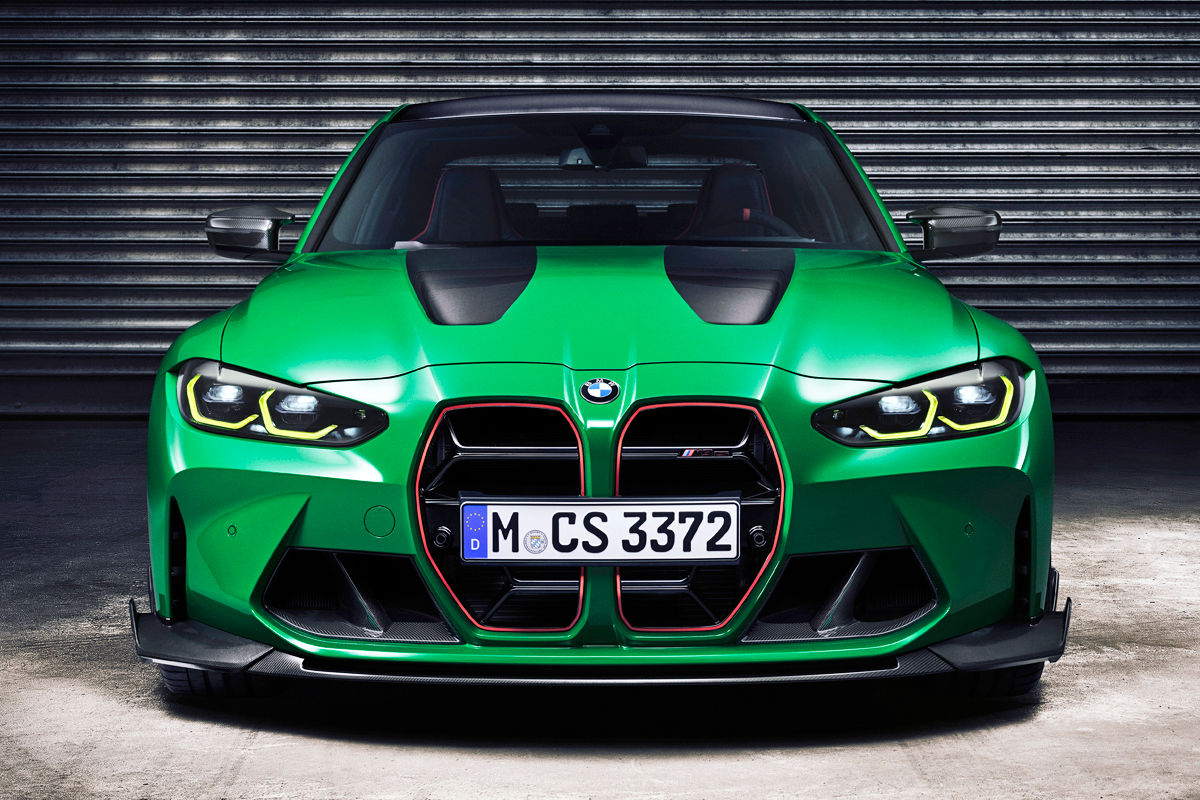
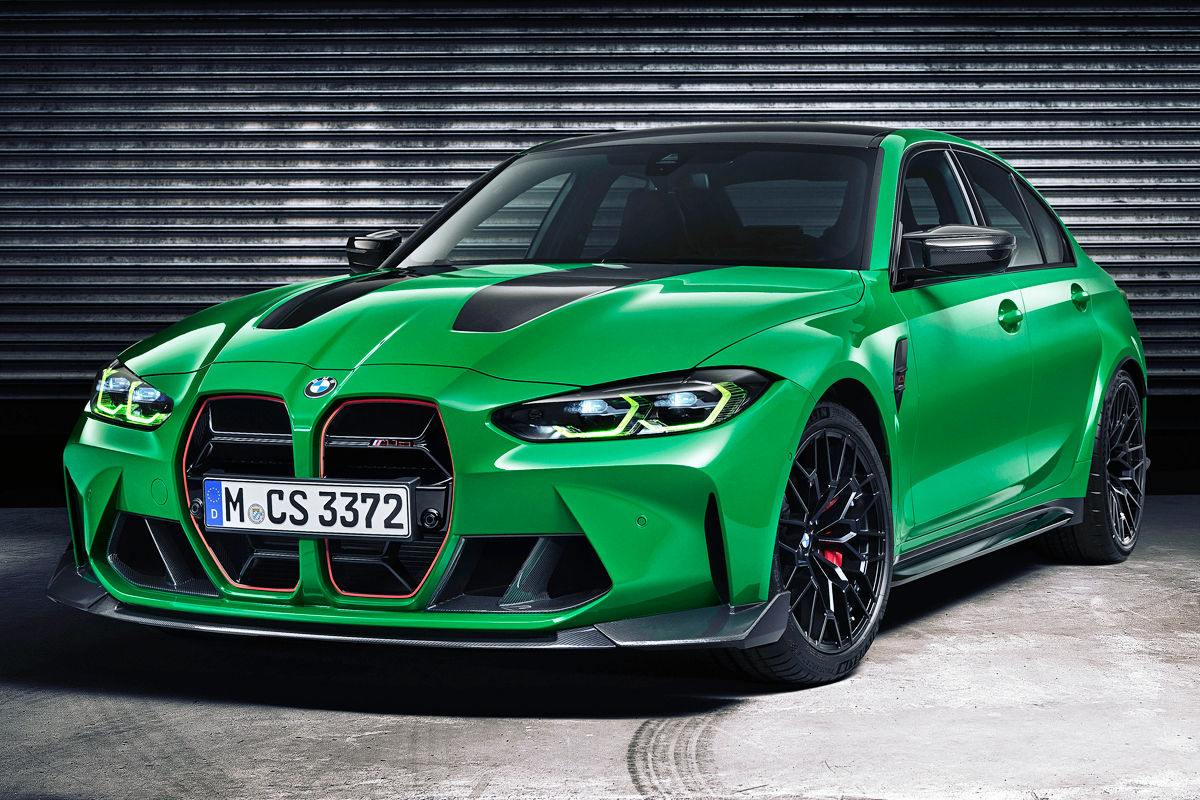
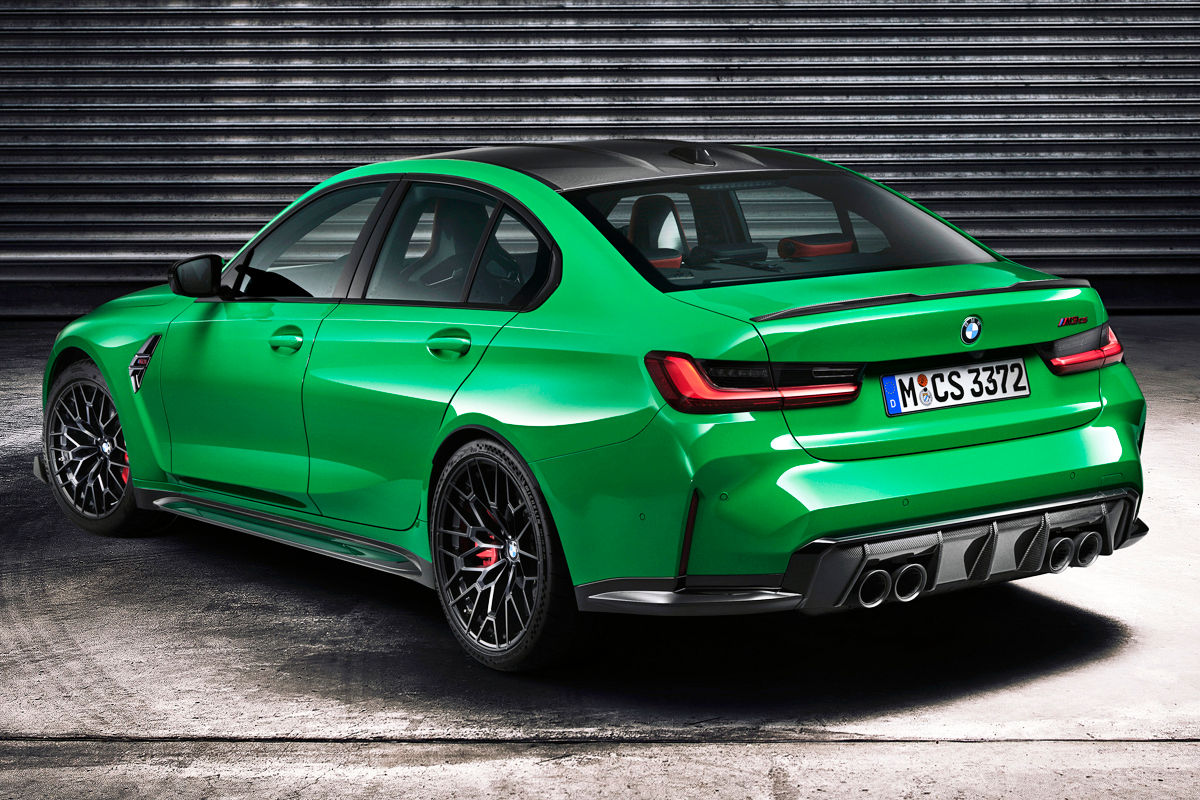
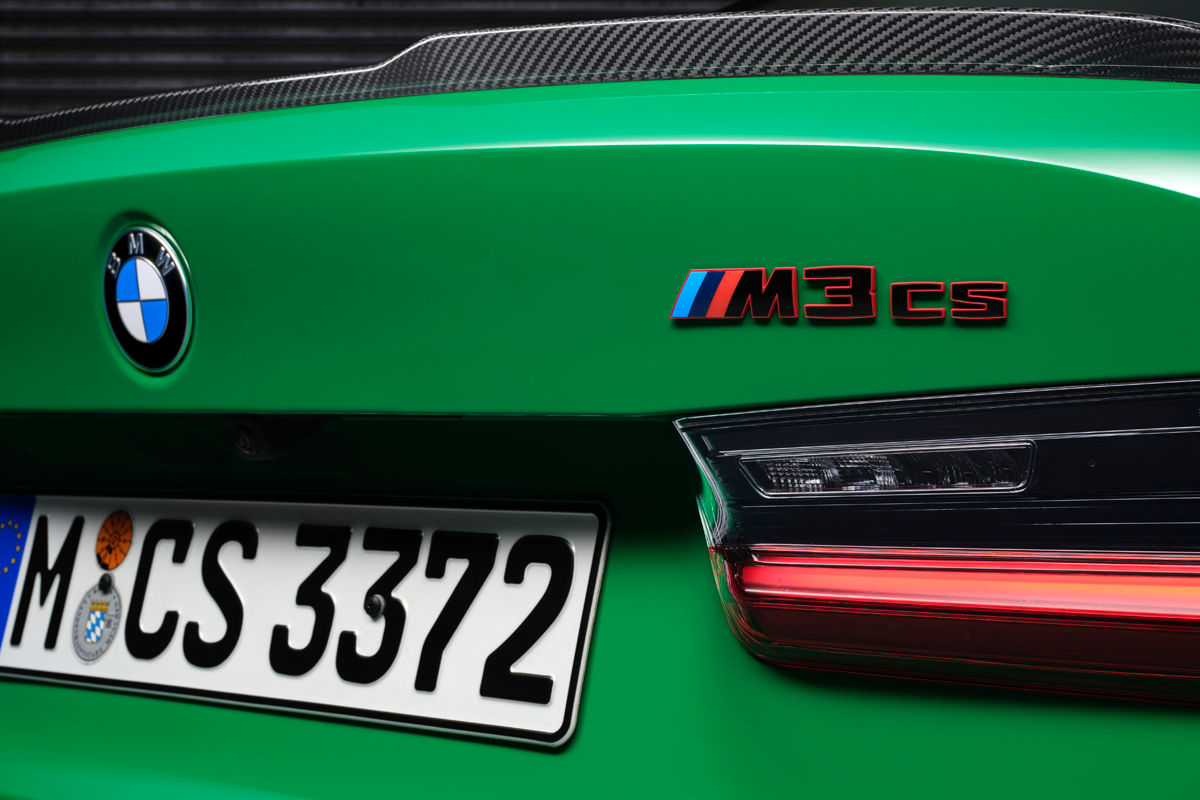
The new BMW M3 CS is set to blast into South Africa in limited numbers soon. Though all local units are already spoken for, we now know pricing for this 405 kW sedan…
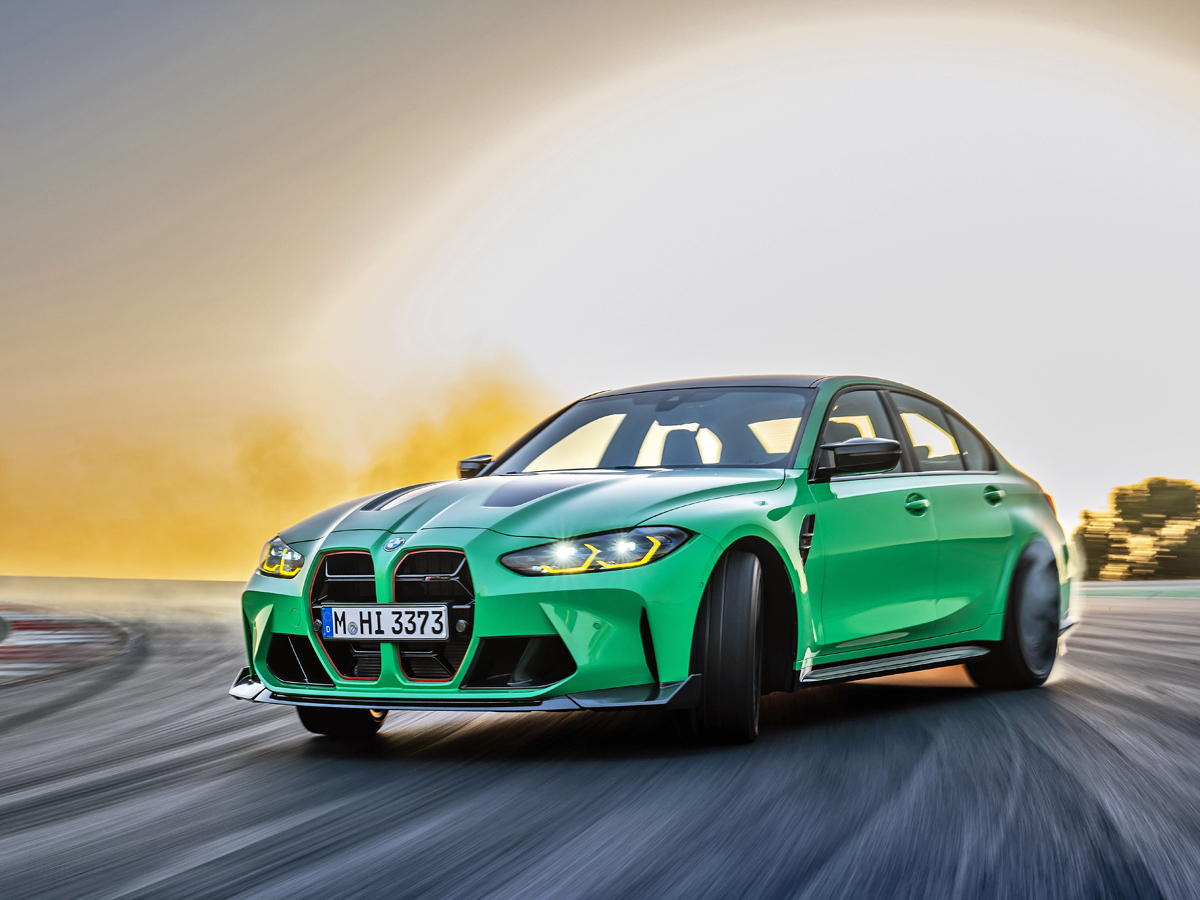
The new BMW M3 CS was revealed towards the end of January 2023, with the Munich-based firm’s local division confirming 20 units had been allocated to South Africa, with an expected arrival date in the 3rd quarter of the year.
As you might have predicted, all 20 units of this limited-run super-saloon have already been spoken for. Still, with the M3 CS set to hit local roads soon, you’re probably wondering how much each example cost its owner. Well, thanks to our learned colleagues over at duoporta.com, we now know the starting price.
The M3 CS kicks off at R2 971 000, which represents a R930 203 premium over the standard M3 Competition M xDrive. That also makes its more expensive than the M5 Competition (R2 472 466) and the pre-facelift X5 M Competition (R2 928 994), though not quite as pricey as the 480 kW XM (R3 400 000), which will cost even more in upcoming 550 kW Label Red guise.
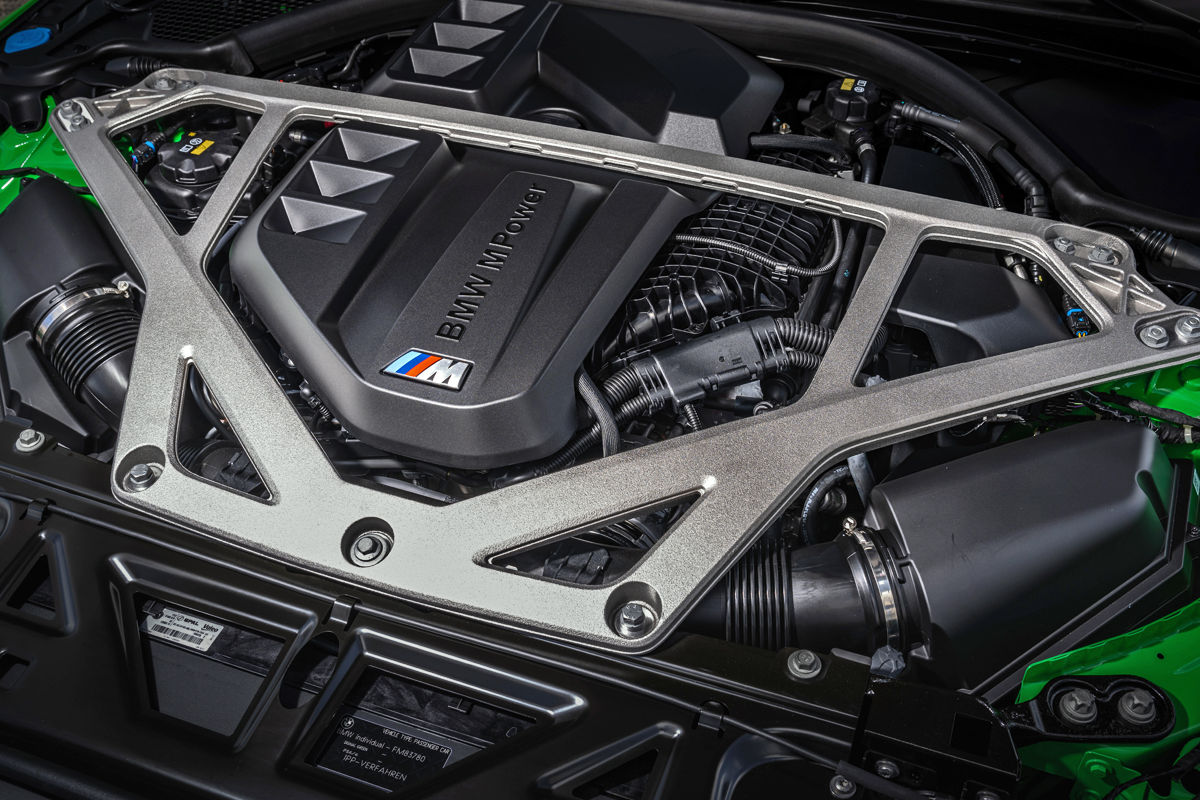
As a reminder, just like the M4 CSL, the new M3 CS employs a version of the twin-turbo 3.0-litre, inline-6 engine developing 405 kW (30 kW more than the M3 Competition xDrive, but not quite as much as the not-for-SA 3.0 CSL) and an unchanged 650 Nm. However, while the M4 CSL’s 8-speed automatic transmission drives the rear wheels, the M3 CS is offered exclusively in all-wheel-drive form, complete with a fully variable active M differential at the rear.
Just like in a standard M3, a dedicated 2WD mode allows controlled drifts…
The CS-badged 4-door model – which features a model-specific frameless grille (complete with red contour lines) as well as yellow BMW Laserlight headlights – will thus complete the obligatory 0-100 kph sprint in a claimed 3.4 seconds, which makes it a tenth quicker to the mark than the all-paw M3 Competition. BMW claims the newcomer will reach 200 kph in 11.1 seconds, while the fact the M Driver’s Package ships standard results in an electronically limited top speed as high as 302 kph.
According to the German firm, the M3 CS weighs about 20 kg less than the likewise all-wheel-drive version of the M3 Competition, with the spec sheet listing an unladen weight of 1 765 kg. Much of this saving was achieved through the use of carbon fibre-reinforced plastic (CFRP), with the roof, bonnet, front splitter, front air intakes, side-mirror caps, rear diffuser, rear spoiler and various in-cabin parts all fashioned from the lightweight material.
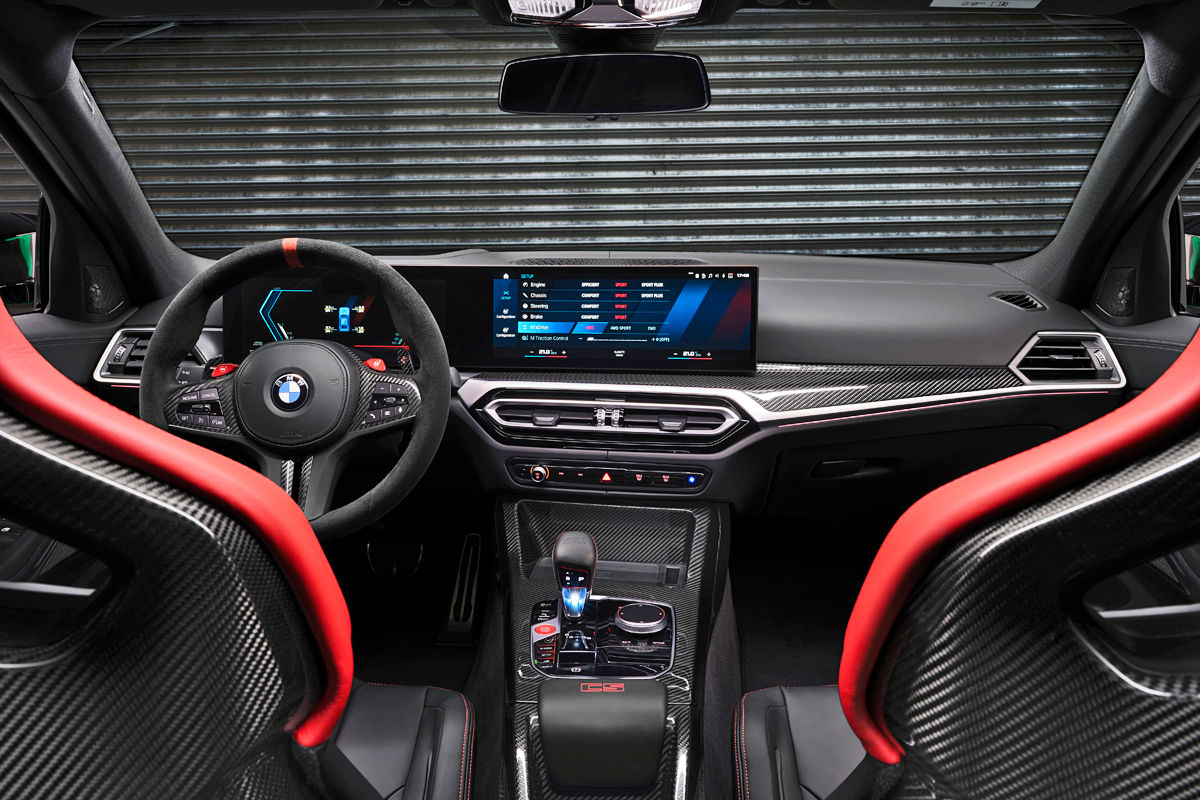
Inside, the M3 CS features electric and heated M Carbon bucket seats with integral head restraints and illuminated model badges. These special pews are upholstered in Merino leather with a black-and-red colour scheme and contrast stitching. This 2-tone finish is repeated on the pair of seats at the rear, while the door panels are trimmed in black leather.
How much does the BMW M3 CS cost in South Africa?
BMW M3 CS – R2 971 000
The purchase price includes a 2-year/unlimited kilometre warranty and a 5-year/100 000 km maintenance plan.
Right now, all the focus might be on Ferrari’s 296 GTB, offering a V6 for the first time in the modern era. However, close to 60 years ago Enzo Ferrari and his team already developed a great V6-engined sports car – the Dino 246 GT.
We are truly spoiled for choice today. If you want a Ferrari sports car, you can have one of their (very good) “bread-and-butter” cars, or you can purchase one of their limited-edition exotics. Then there is also the option to join the Corse Clienti program where you can indulge in the track-only, race and F1 cars. All these different portfolios have grown over the years. Today Ferrari offers a variety of drivetrain options, from a V6 hybrid, V8, V8 hybrid and thankfully still a V12.
But this diversity has almost always been the case with Ferrari – even during its earlier years Ferrari developed 4-cylinder and inline 6-cylinder engines in some of their race cars as well as V12s.
However, in 1965, Ferrari released a car and decided to name it after Enzo’s late son (Alfredo, nicknamed Dino), who passed away at the age of 24 in 1956; he had already named the engine after his son, who suggested a V6 for F2 racing. The result was that eventually the Dino 206 GT sportscar was launched.
Only 152 of these lightweight sportscars were manufactured before the model was upgraded to the Dino 246 GT. The result was an increase in engine capacity from 2.0-litres to 2.4-litres, while the bodywork was also different. Looking at pictures, you may find the differences difficult to spot, but when an expert points them out, you’re almost surprised at how obvious they are.
Many Ferrari enthusiasts scoffed at the idea of a V6-engined car that was never officially named a Ferrari, but “only” Dino. That would be a mistake, as this is a fully-fledged prancing horse in the same way as any other car that has been adorned with the Ferrari badge.
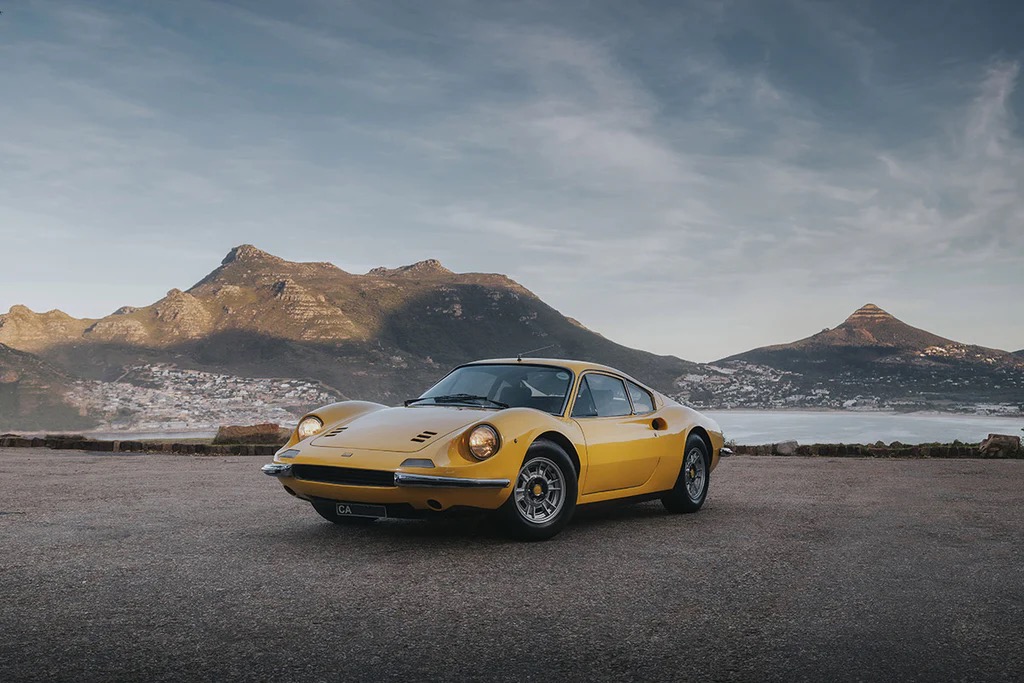
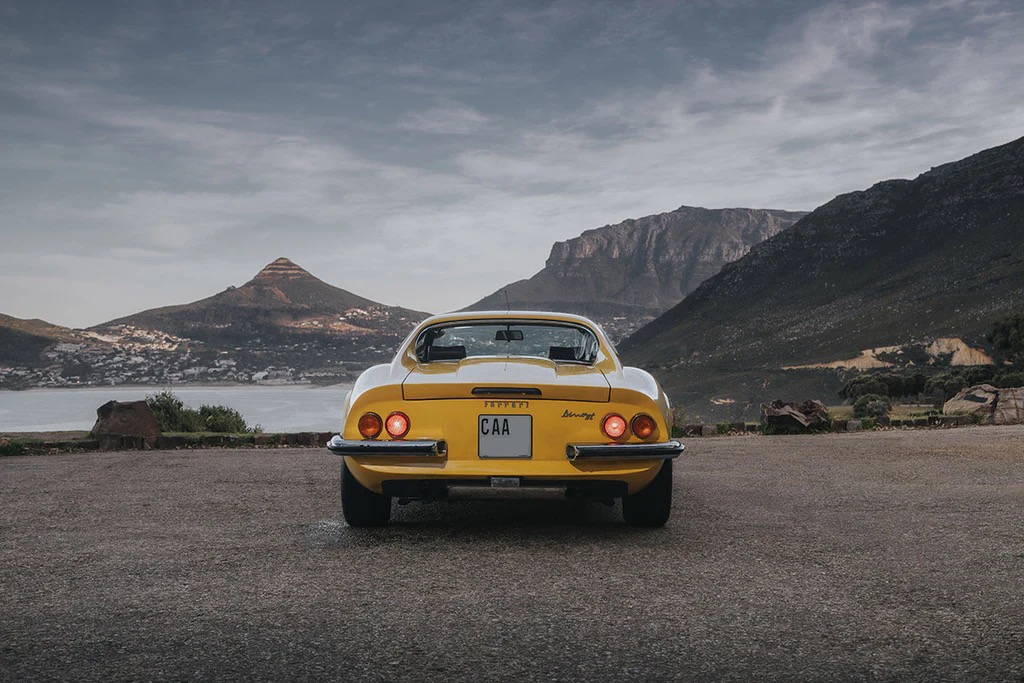
Secondly, as mentioned, Ferrari has always been known for developing a variety of engine configurations, so it matters little how many cylinders are powering the rear wheels. Just before sunrise on a mild Cape Town morning, Graham Webb pulls in with his 1971 Dino 246 GT.
Specifications
Model: 1971 Dino 246 GT
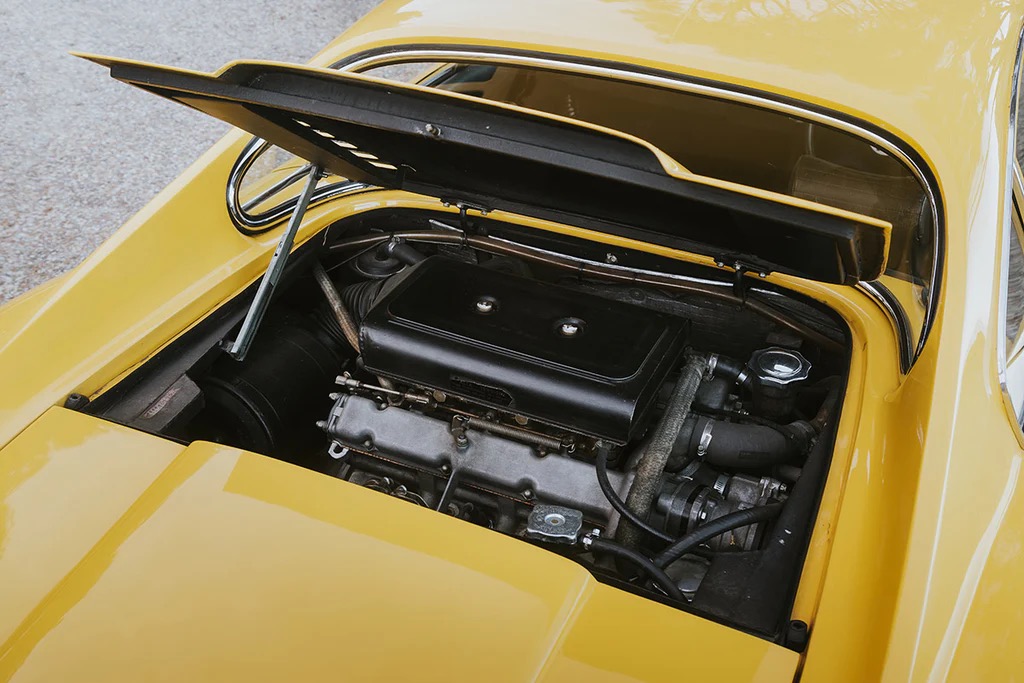
Engine: 2.4-litre, V6 petrol
Power: 143 kW at 7 600 rpm
Torque: 225 Nm at 5 500 rpm
Transmission: 5-speed manual, RWD
Weight: ±1 100 kg
0-100 kph: N/A
Top speed: 235 kph (claimed)
In terms of classic Ferrari owners, he is on the younger side, being only in his mid-30s. However, during our chat, it becomes clear that he has had an appreciation for classic cars since he was a young boy. It helped that his father was, and still is, a complete petrolhead and exposed him to cars from a young age.
“The first time I saw the car was when I was 19. That was also the first time I met Dicken, the previous owner. But, I think at that stage everybody wanted to buy the car from him. He told me to save up the money and then one day we could talk.
“It is a very unique-looking car, and that is what drew me to it. I wouldn’t say I’m not into fast cars, but I lean more towards the appreciation of elements like the sound and the feel of the car, as well as the mechanical nature of them. I’m precious about my cars, but at the same time I like to use them.”
Graham admits that in the near future the car will need some serious attention and possibly a complete restoration. It is during this process that he plans to take it back to its factory blue colour. Design is objective, but the Dino’s proportions… its elegant and soft lines are simply gorgeous.
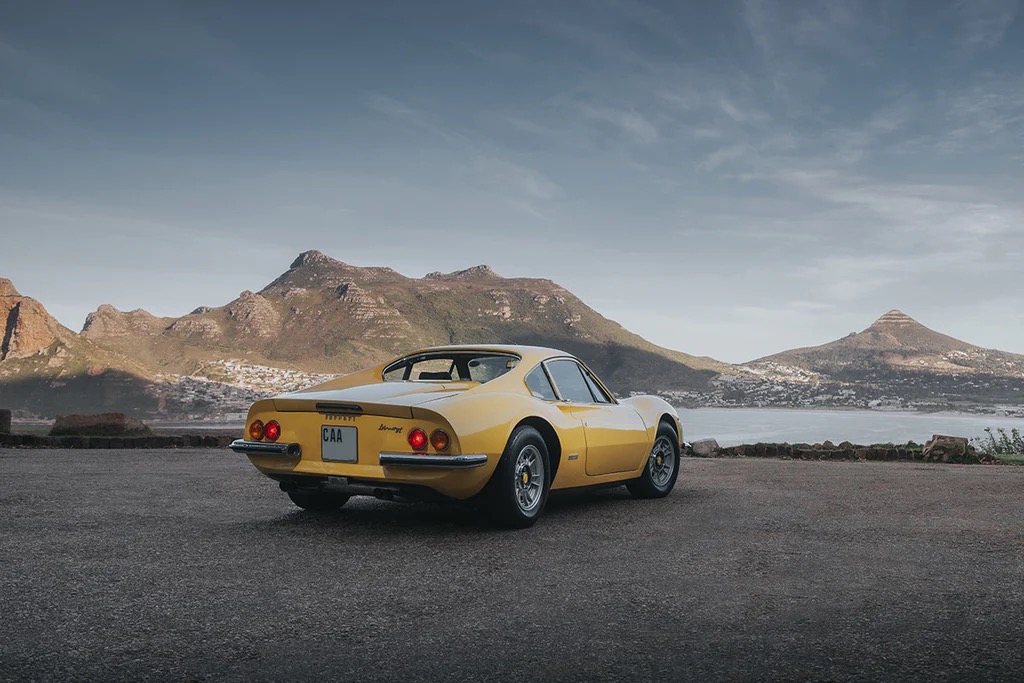
The flowing lines cover a compact shape that screams ’60s sports (and race!) car. The fat tyres (205/70 14-inch) are also an immediate reminder of its age while the two neat exhaust pipes are an indication that there must be some level of performance under the rear engine cover.
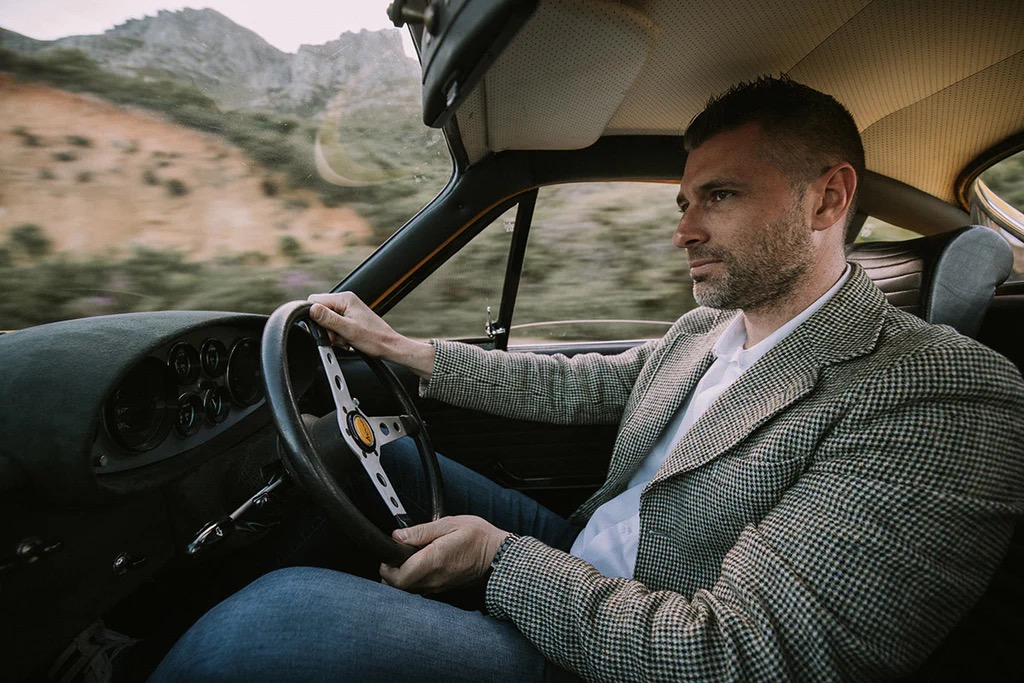
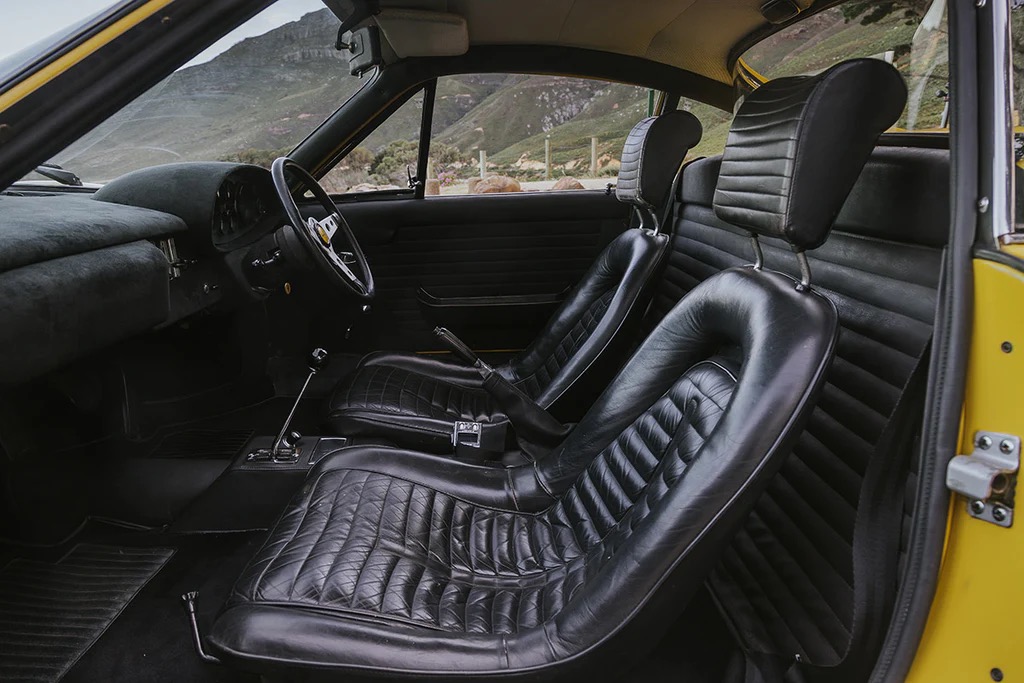
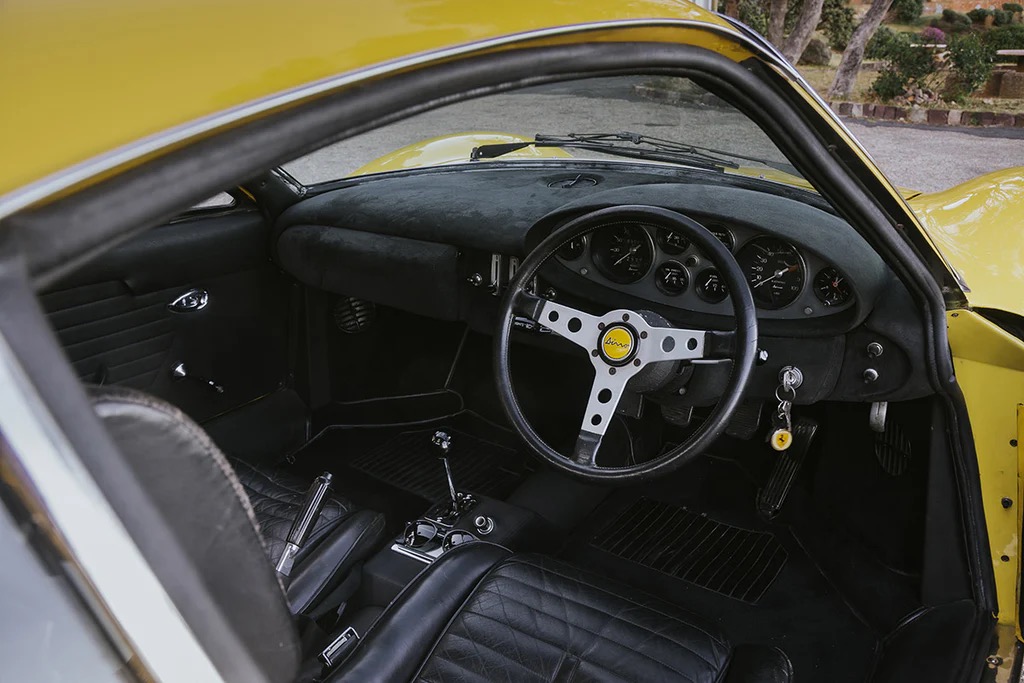
Graham is eager to hand me the key and having driven a 206 GT, I am particularly keen to sample the “updated” version. As I turn the small chromed lever (so tiny and neatly hidden) to open the door, I get into the very tight cabin.
When I close the door, I immediately feel cocooned in the car and very much an integral part of it. My knees do point up a little, past the steering column, but that is part of the experience of several ’60s and early ’70s sports cars. The seat base is also very close to the floor, the result is that you sit very close to the ground but the positioning of my feet on the pedals is fine.
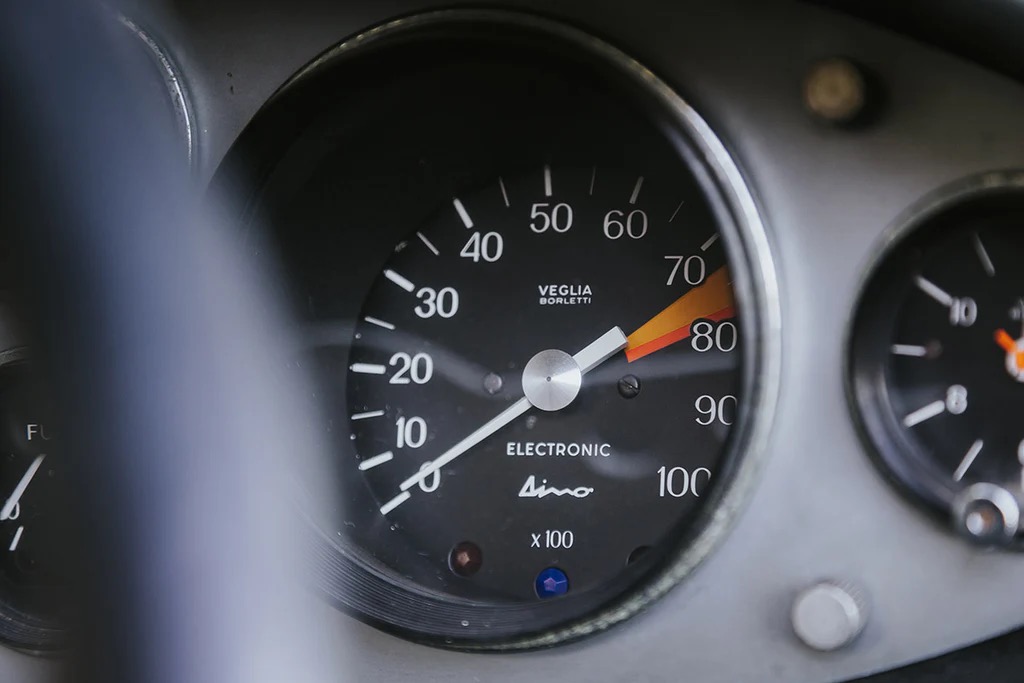
The steering wheel rim does block the final couple of thousand revs on the tachometer, but I soon get used to listening to the engine or peeking around the ‘wheel to see the needle climb. The seat offers some adjustability – it can be moved forward or backward on the railing.
It is helpful that the classic three-spoke steering wheel is large, because at parking speeds with no assistance, you need some muscle and leverage to turn the wheel. However, the moment the car starts to move little effort is needed.
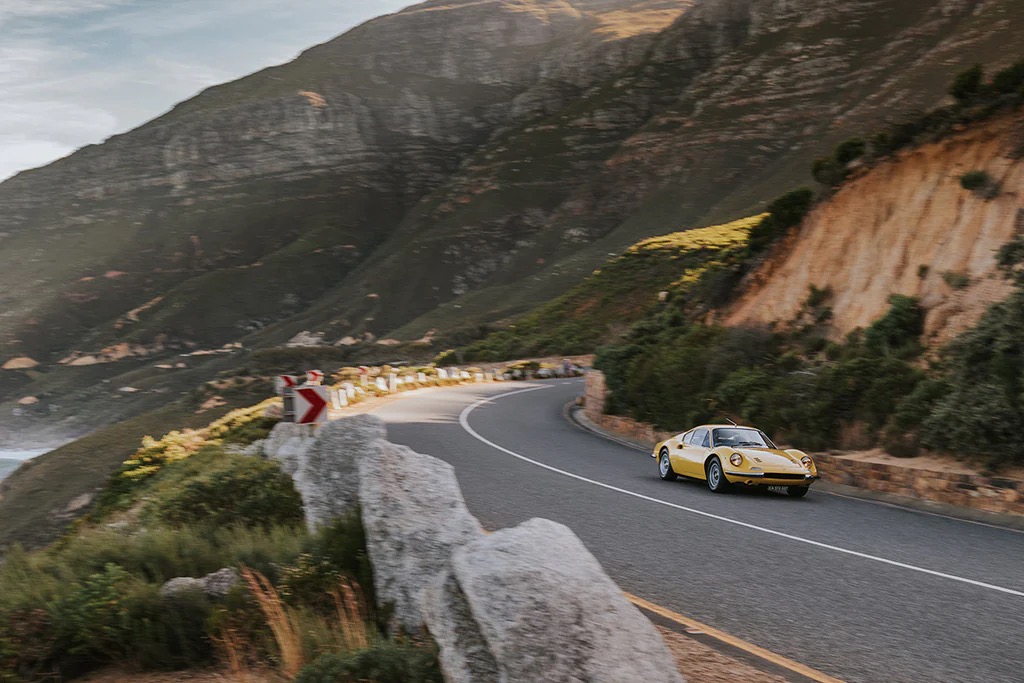
As I pull away and make my way around the number of corners that litter the picturesque Chapman’s Peak Drive outside Hout Bay, it is the view through the windscreen that immediately draws me in and is also one of the highlights of the driving experience.
There is a smooth dip in the middle of the body towards the nose of the car while the beautiful fenders covering the front wheels perfectly indicate to you where each wheel is situated. It immediately made me think of the view racers must have had when piloting the racing versions of these cars during its era.
I first rev the engine to about 4 500 rpm, being quite impressed by the torque on offer. But later I keep the throttle pinned for a little longer and the engine is only too happy to rev past 6 000 rpm towards 7 000 rpm. There is no tapering off of the rate at which it revs, and from here on you can’t help but rather let the engine race higher before you change gears. There is also the engine sound to be enjoyed as it passes 5 000 rpm.
Don’t rush a shift though, but once the next gear is engaged, you can enjoy the acceleration and try to find that balance of the car through the next corner. It is such a vastly different experience to today’s modern cars that it almost made me wish that I got to experience this era of cars in period. I find myself constantly thinking about the experience on hand and not about whether the Dino will connect quickly enough with my smartphone!
I enjoyed this car as much as I did the 206 GT. One will have to drive them back-to-back for a clear and informed decision. But, in essence they give the same experience. It rates as undeniably one of the purest classic sports cars drives I’ve had. This is owing to a combination of factors.
From the Dino’s small footprint on the road, a compact engine and a driving position (although not ideal) that puts you at the front of the car and gives you a perfect view over the short nose, so that you can place the wheels perfectly on the road. I’ll admit, another reason I’m drawn to this car is just the romantic thought of the Italian masters shaping this car back in the 1960s.
Summary
Driving here this morning was a little hard work, but so engaging and refreshing. It is hard to argue Graham’s words. I will pick this Dino 246 GT above several other – more powerful – Ferraris of the same era and, probably, even over a few Prancing Horses that followed after the Dino.
Dare I say it, but this is Ferrari’s Lotus, a true lightweight sports car, which gives a rather impressive experience from behind its thin-rimmed wheel. It is a winner.
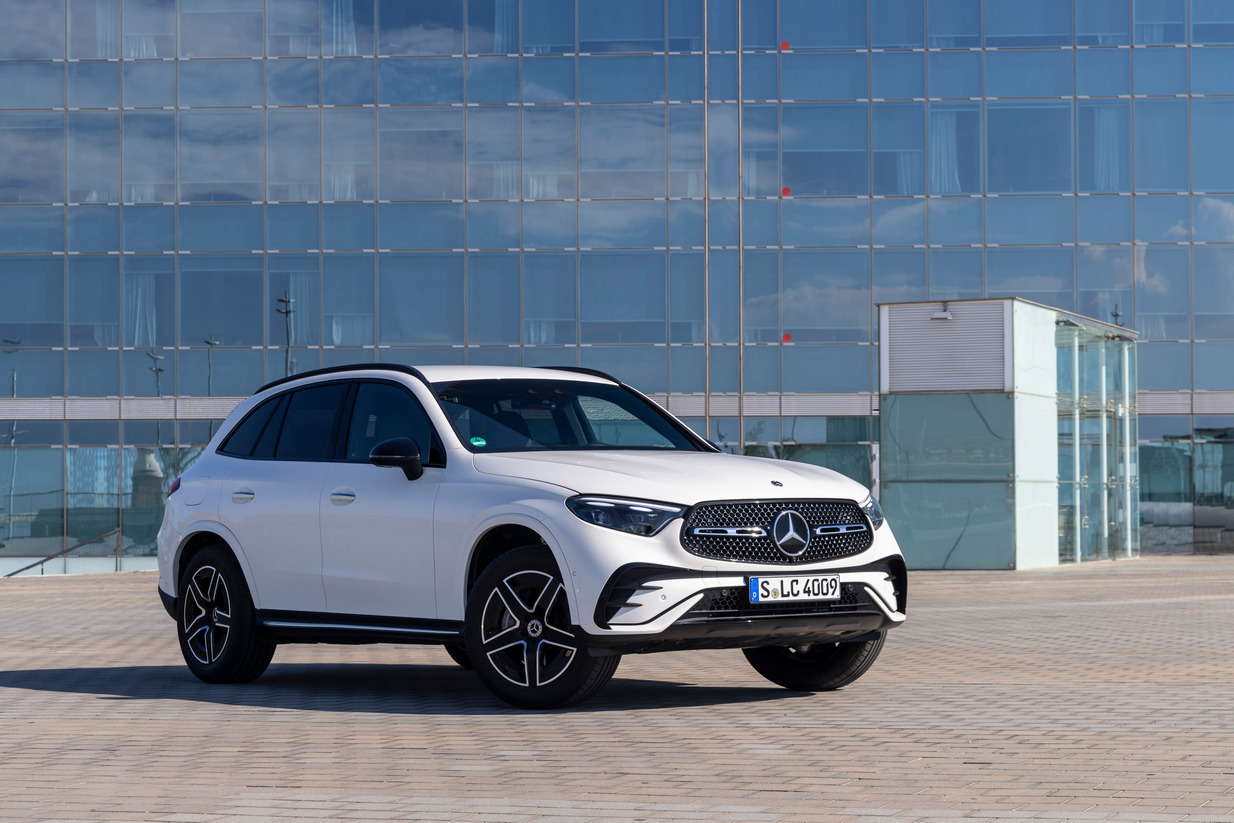
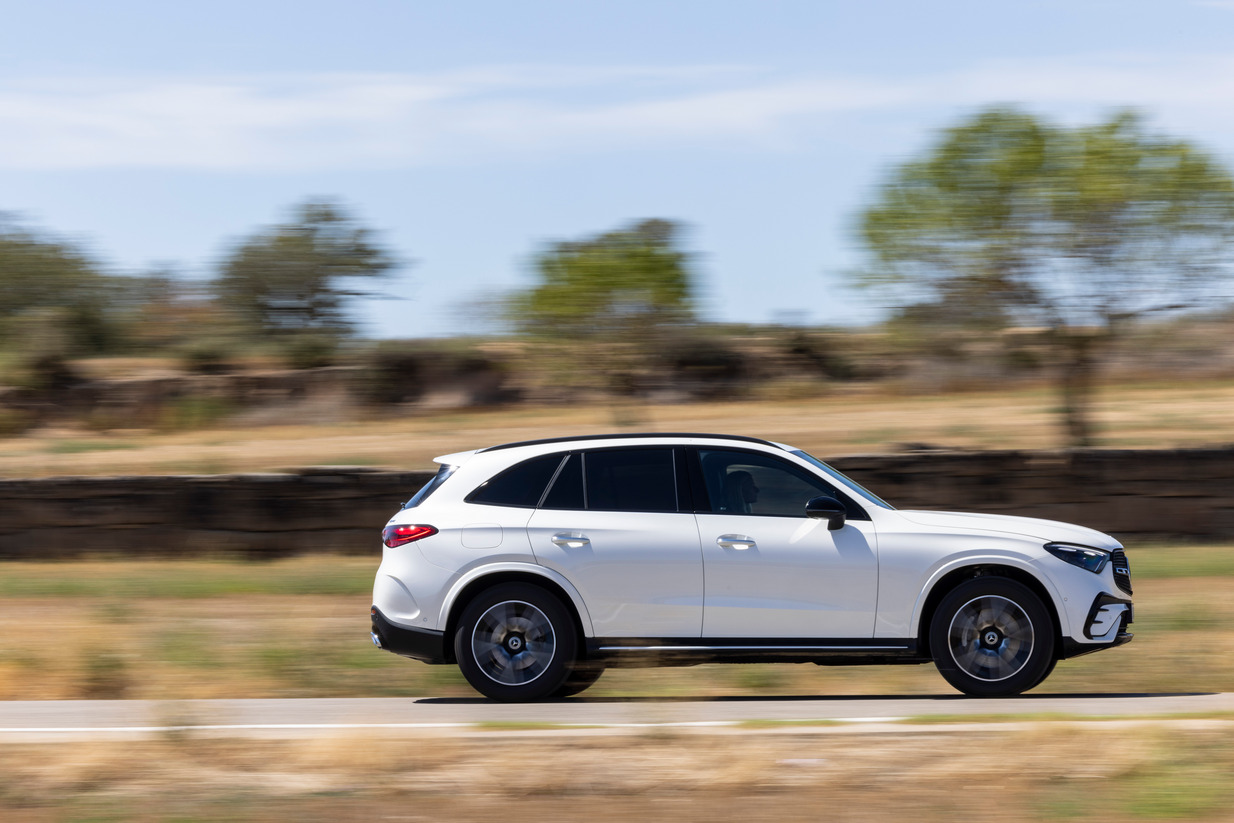
A new Mercedes-Benz GLC has landed in South Africa to renew the Three-pointed Star’s quest for supremacy in the Executive SUV segment. Is it premium enough to justify its hefty price tag? We drove the new model at its local launch in Cape Town.
What’s new with the GLC?
If you ever needed more proof that SUVs are the vehicles of choice in the premium sector, here it is: the GLC recently superseded the long-serving C-Class as Mercedes-Benz’s best-selling model globally.
This is the 2nd-generation GLC, replete with a new chassis, a fresh design as well as a tech upgrade. It’s based on the underpinnings of the W206-generation C-Class and features a very similar interior to the sedan, but has some interesting off-road tech for an SUV that’s likely to spend little time on gravel roads.
The new GLE is 60 mm longer than before and comes standard in Avant Garde spec for SA.
Most of the new techy additions to the GLC are assigned to the options list though. Features such as the air suspension and rear-wheel steering are available as part of the Engineering Package, for example.
Speaking of packages, ‘Benz has made it easier for buyers to sift through the options list by bundling features that are often selected together. While that means you can’t spec your GLC to your exact preference, it takes a lot of the hassle out of selecting from hundreds of items on the configurator.
All the powertrains in the range make use of mild-hybrid tech (including a 48V electrical architecture) in order to minimise fuel consumption and support the internal combustion engine (ICE) when required.
What’s the interior of the GLC like?
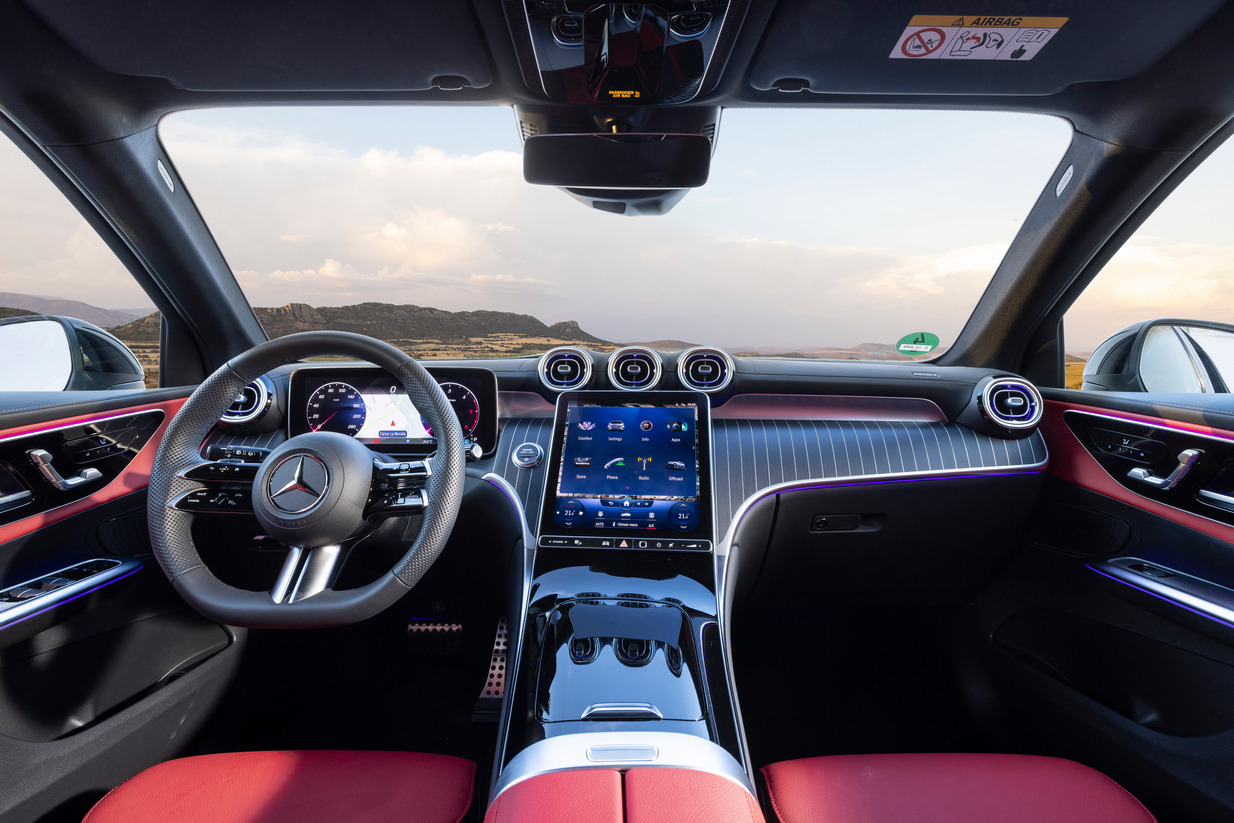
The Interior is tech-laden featuring 2 extremely hi-res screens.
Effectively a clone of the C-Class’ interior, the front of the GLC’s cabin is decked out in hi-resolution screens. The centre touchscreen houses all vehicle controls, plus media, navigation and system settings in its menu. There’s a lot to work through – it’s initially overwhelming – but if you get stuck, you can always use the voice prompt “Hey Mercedes” and ask the MBUX to access functions on your behalf.
The instrument cluster has multiple themes and designs to choose from and is easily navigable through the multifunction steering wheel’s capacitive-touch controls (of which there are many… don’t be too surprised if you find your palms pressing something randomly when you’re twirling the ‘wheel).
All GLC derivatives come with the Avant Garde pack and full MBUX system as standard, so the basic specification is higher than usual.
I do like that the wireless charging pad is situated under the centre console ahead of the cupholders. It makes it a little harder to get to your phone and, therefore, your device is less likely to distract you when you’re driving. You are more likely to forget your ‘phone when you step out of the vehicle, however.
Meanwhile, Android Auto and Apple Carplay look incredible on the big central screen and can be accessed wirelessly or through the USB-C port.
Thanks to its 2 888-mm wheelbase, the new GLC is 60 mm longer than its predecessor and the longest model in its class, which endows it with the most rear occupant space and the largest load-bay capacity.
What are the engines like?
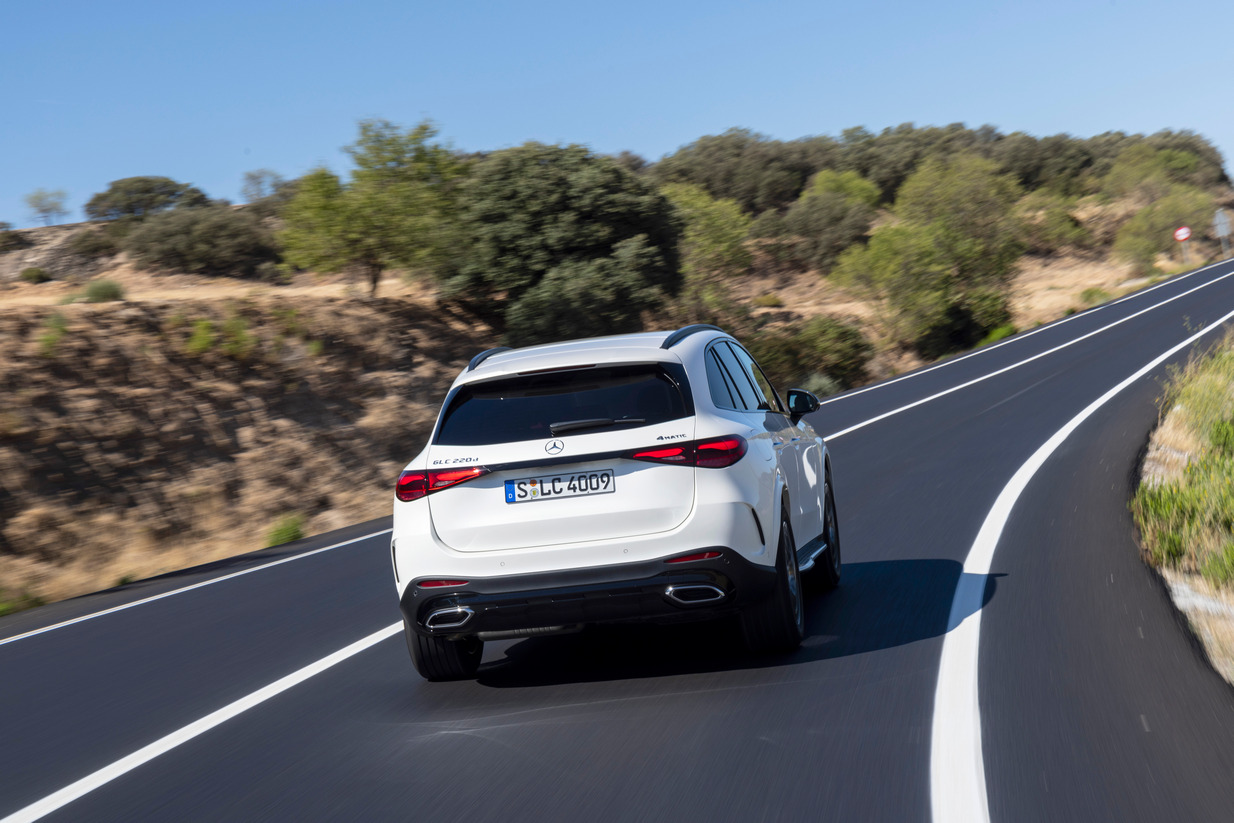
Mercedes-Benz has standout engines, especially the frugal but powerful 220d.
At launch (May 2023), there are 3 derivatives to choose from (2 diesel and 1 petrol), all with 4Matic all-wheel-drive. We spent the day driving the entry-level 220d; its 2.0-litre turbodiesel engine produces 145 kW and 440 Nm of torque. The mild-hybrid system makes 17 kW and 200 Nm of boost available when required, and mostly at low speeds, in order to save as much fuel as possible when accelerating.
If you seek a good balance between performance and economy, this engine feels like the best option. We have extensive experience with this drivetrain in the GLB and know that it can easily return 5.5 L/100 km in mixed driving conditions. I’ve always found that this engine and gearbox (9-speed auto) combination provides adequate acceleration from all speeds – it doesn’t feel noticeably deficient in any department.
Those who want a bit more shove from their turbodiesel-engined GLC can opt for the 300d. It also uses a 2.0-litre mill, with significant outputs of 198 kW and 550 Nm of torque. This powertrain (also with the 9-speed auto) will perform excellently on the open road while returning reasonable fuel economy.
The petrol engine available in the range powers the GLC 300 – it’s a turbocharged 2.0 litre, but with 190 kW and 400 Nm of torque on tap. SUVs and diesel usually go better together, but if you happen to have a sponsored fuel card and an unlimited budget, the revvy petrol motor may provide the most excitement!
What’s the GLC like to drive?
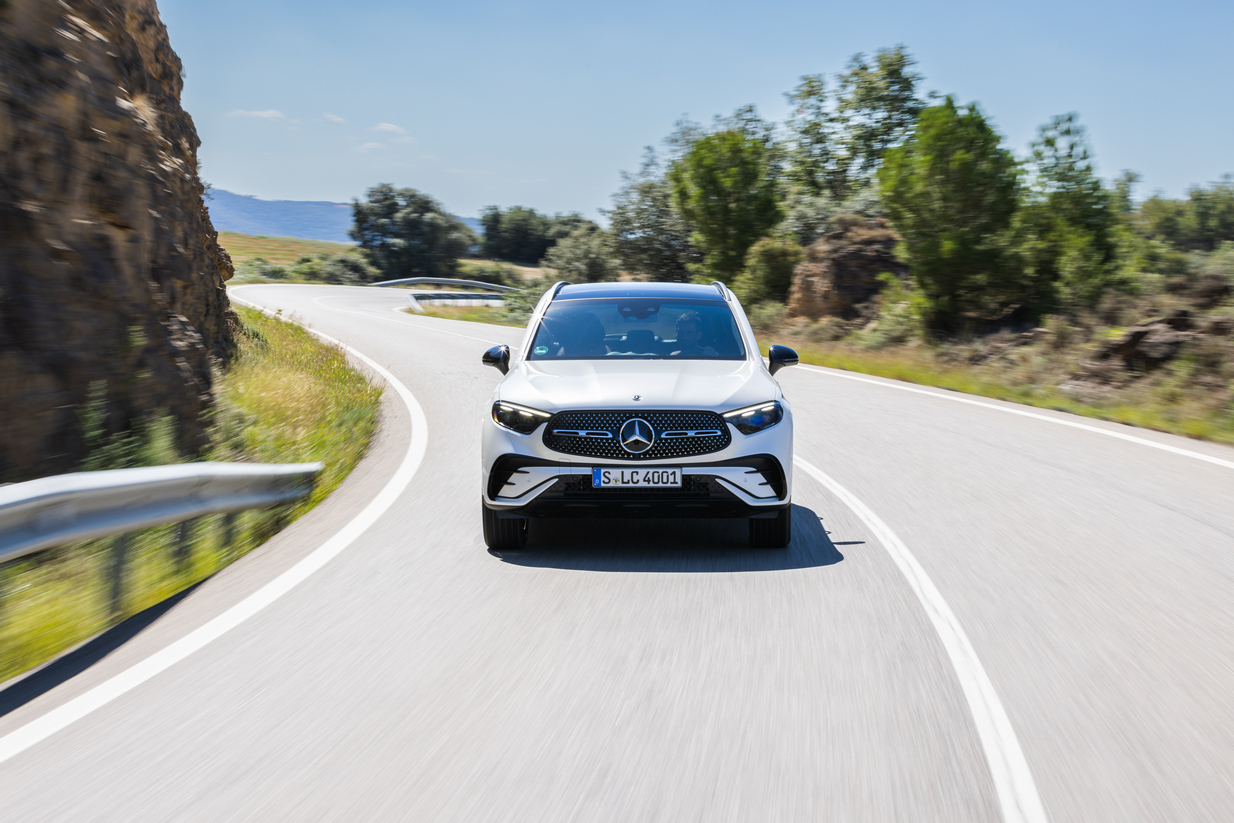
Appreciably more dynamic on the twisties but still comfortable over some of the rougher surfaces.
Each new generation of Executive SUV feels a little more planted when cornering briskly and, therefore, seems nicer to drive than its predecessor. Our GLC rode on standard coil springs and its ride quality was notably less bouncy and crashy than that of the previous-gen model. The cabin is particularly quiet and well-insulated – it’s an area in which ‘Benz is keen to show its refinement and justify its premium billing.
Throttle and steering responses liven up markedly when you switch the drive mode from Comfort to Sport. The steering weighs up noticeably but isn’t so hefty that it feels exaggerated. The GLC wasn’t designed to be sporty, but it’s dynamic enough that you can have a bit of fun when the road gets twisty.
I would like to test a GLC equipped with the Engineering Package (with the air suspension setup and the rear-wheel steering), as the option should further improve the ride and dynamism at low speed. The air suspension also allows for an increase in ride height when required (in off-road scenarios, for example).
While the GLC is an asphalt-road-biased vehicle, Mercedes-Benz has fitted the model with useful off-road kit (if you ever find yourself in a tricky situation on your way to that well-off-the-beaten-path guest house). The camera system can project an image of the Benz’s lower extremities and what is just in front of the bumper via a transparent bonnet image between 0 and 8 kph (Land Rover has a similar system). Between 8 and 20 kph, the image is projected slightly forward so you can see upcoming obstacles.
Mercedes-Benz GLC pricing & after-sales support
The new GLC is sold with a 2-year/unlimited km warranty and a 5-year/100 00 km service and maintenance plan.
Mercedes-Benz GLC220d 4Matic
R1 211 220
Mercedes-Benz GLC300 4Matic
R1 328 500 (excluding CO2 tax)
Mercedes-Benz GLC300d 4Matic
R1 410 194
The new GLC is more expensive than its rivals but features a high level of standard spec.
Summary
The new Mercedes-Benz GLC introduces a higher standard specification to the Executive SUV segment; the bundling of options does make it much easier for buyers to spec the derivative of their choice, but bear in mind that when you add to the standard Avant Garde spec, it will drive the price up substantially.
The engine range available at launch covers all the bases and there are Mercedes-AMG versions on the way (either late in 2023 or early in 2024). The turbodiesel and turbopetrol engines in Mercedes-Benz’s arsenal are top-tier – the brand’s engine and drivetrain tech puts the GLC ahead of the competition.
The interior, which features the full MBUX system and comprehensive phone connectivity as standard, looks impressive in any specification; the cabin materials feel premium and, hopefully, the build quality will stand the test of time, because it’s not been Mercedes-Benz’s strongest trait of late.
The new Mercedes-GLC’s prices do appear to be on the high side considering the newcomer is around 10% more expensive than the equivalent BMW X3 and even pricier compared with the long-serving Audi Q5. On the face of it, the 2nd-generation GLC does seem to have better standard spec than its direct rivals, but be sure to do a side-by-side comparison if you really want to dig into the minutia.