Outdoor enthusiasts will be pleased to know that Volkswagen will be introducing the T7 Multivan California in 2023. See the details below!
Last year Volkswagen revealed its all-new T7 Multivan which is set to replace the current T6.1 Caravelle. The latest news to come from Volkswagen’s commercial division is that an outdoor-focused Multivan California is due to be revealed in 2023 and offered to markets in 2024.
Volkswagen will be expanding on what the firm calls the “California Universe” by offering specific support and solutions to buyers.
Volkswagen Commercial Vehicles CEO, Carsten Intra, commented on the announcement, “We want to expand the range around the business with our camping models – and thus offer our customers that special California feeling. These include digital services for the Cali Community, completely new services to complement the purchase of a vehicle… but also the show car presentation of the new California based on the Multivan. We are planning these for later in the year.”
We already know that the T7 Multivan will be powered by a 100 kW 1.5-litre turbopetrol engine, 150 kW 2.0-litre turbopetrol engine and a 110 kW 2.0-litre turbodiesel engine as well as a new e-Hybrid plug-in hybrid powertrain that combines a 1.4-litre turbopetrol engine and electric motor to produce 160 kW output.
Based on our experience with the T6.1 California Coast, the new Multivan California is expected to cater to just about all your camping needs and will surely be loaded with numerous useful features for life in the wild.
We will update this story as soon as more details and official images of the T7 Multivan California are revealed later this year.
Cars.co.za’s Ashley Oldfield gets invited to race in Global Touring Cars!
Having clinched the championship title in the inaugural GR Cup – a single-make circuit racing series – in a Toyota GR Yaris, our very own race-ace Ashley Oldfield was invited by Toyota South Africa to fill a seat in the final 2 races of the 2022 GTC season.
Ashley really had his work cut out for him as he had never even driven a Global Touring Car (GTC), never mind raced in one. He barely had any time to practice at all before the lights went out at Zwartkops and it was time to race. So, how did it go? Only one way to find out.
We hope you enjoy the video and check out the rest of our Drive to Revive series here:
The arrival of the Proton Saga sedan marks the third model introduction from the Malaysian firm, joining the Proton X50 and X70 SUVs in local showrooms. Take a look at the specifications and pricing details for the new Proton Saga below!
Malaysian car brand, Proton, made its return to South Africa in 2022, launching 2 compact SUVs including the X50 and X70.
Now, the firm is expanding its local offering with the arrival of the Saga sedan which will rival the likes of the Suzuki Dzire, Honda Amaze and Kia Pegas.
In terms of dimensions, the Proton Saga measures 4 335 mm long, 1 690 mm wide and 1 515 mm high with a wheelbase of 2465 mm.
What engine does the Proton Saga use?
A total of 3 Proton Saga derivatives are available in South Africa and all are powered by the same naturally-aspirated 1.3-litre petrol engine with 70 kW and 120 Nm of torque on offer. The standard base Sage is paired with a 5-speed manual transmission but a 4-speed automatic transmission is also offered in standard guise and on the range-topping Saga Premium derivative. Claimed fuel consumption is 6.7 L/100km.
What features are offered on the Proton Saga?
The Saga’s interior offers basic functionality.
The 2 Saga Standard derivatives ride on 14-inch wheels with the manual derivative fitted with wheel covers and the automatic derivative gaining alloy wheels. The Saga Premium gains 15-inch alloy wheels as well as LED daytime running lights to complement the standard Halogen headlights across the range.
Moving inside, the feature set is fairly basic. The Standard derivatives don’t have mounted steering wheel controls and only the Saga Premium offers a multifunction steering wheel. Electric windows are standard across the range as is manual air conditioning and cloth upholstery.
In terms of infotainment, the Saga Premium has a 7-inch touchscreen system while the Standard derivatives make do with a basic radio but Bluetooth connectivity is standard for all Sagas.
Safety features for all derivatives include 2 front airbags, ABS with EBD and Brake Assist. The automatic derivatives further gain traction control, hill hold assist and hill descent control.
How much does the Proton Saga cost in South Africa?
Proton Saga 1.3L Standard M/T – R199 900
Proton Saga 1.3L Standard A/T – R219 900
Proton Saga 1.3L Premium A/T – R239 900
A 5-year / 150 000 km warranty is standard and service plans are sold as an option.
The Renault Captur has finally landed in South Africa after quite a delay. Here’s how much you can expect to pay for the cute crossover.
The Renault Captur is one of the French brand’s more successful models, with more than 1.5 million sales in more than 90 countries since its debut back in 2013. A facelift in 2017 was introduced in 2017 along with a diesel-powered model.
Now the second-generation Renault Captur has touched down on local soil after quite a delay. The Coronavirus pandemic of 2020 and subsequent knock-on effects put a spanner in the works of many carmakers.
The second-gen Renault Captur crossover looks fresh and modern, and the French carmaker says the crossover has SUV aesthetics and a useful ground clearance of 174 mm.
There’s a new engine on duty; a 1.3-litre turbocharged 4-cylinder petrol with 113 kW and 270 Nm, which drives the front wheels via a 7-speed dual-clutch transmission. A fuel economy figure of 6.6 L/100 km is claimed and there’s a 48 litre fuel tank. Renault claims a 0-100 kph sprint time of 9.6 seconds and the car has a top speed of 193 kph.
Renault is claiming the new Captur is more practical than its closest competitors, thanks to a boot space of 404 litres. The rear bench can slide 16 cm forward, allowing access to an additional 536 litres. Fold the rear seats down and 1 275 litres is available.
What’s on Offer?
The new Renault Captur is available in South Africa now, with a two-model line up called Zen and Intens. Both derivatives use an identical engine, with the key differences being features.
Customers will be able to choose from six exterior colours; Ivory White; Marine Blue; Mercury Silver; Oyster Grey; Passion Red and Ocean Blue. The Intens derivative adds a bi-colour option, with the roof colour being different to that of the body.
Renault Captur Grade Walk
Zen
7-inch driver screen with navigation Easy Link 7-inch with Apple Carplay/Android Auto, Arkamys audio 2 USB, 1 Aux, Bluetooth input Speed limiter / cruise control Tyre pressure sensors Daytime running lights LED rear lamps Front and rear parking sensors Reverse parking camera Automatic climate control Multifunction steering wheel Renault hands-free card with entry and ignition
Intens (the above content plus:)
9.3-inch driver screen with navigation Easy Link 9.3-inch highres touchscreen with Apple CarPlay/Android Auto, Arkamys audio Wireless phone charger Dual-tone body colour with diamond black roof 17-inch diamond-cut alloy wheel trim Stitched leather steering wheel Leather gear lever knob Premium seats Height adjustable passenger seat Lane departure warning Blind spot sensor Heated steering wheel Electronic handbrake
How much does the new Renault Captur cost in South Africa?
Renault Captur 1.3L Turbo EDC Zen R454 999
Renault Captur 1.3L Turbo EDC Intens R499 999
The new Renault Captur comes with a 5-year / 150 000 km mechanical warranty, 3-year / 45 000 km service plan and 6-year anti-corrosion warranty. Service intervals are every 15 000 km or 12 months, whichever comes first. Metal paint is a R2 999 additional cost.
As new electric cars are introduced to South Africa, local buyers have more choices than ever before. If you are a power-hungry EV buyer then consider these most powerful electric cars available in South Africa! Which one would you choose?
With significant investment from brands such as Audi, Electric Vehicle (EV) charging infrastructure is improving in South Africa. Not only that, new EV products are being introduced regularly and South Africa’s EV product portfolio is expected to expand further in 2023.
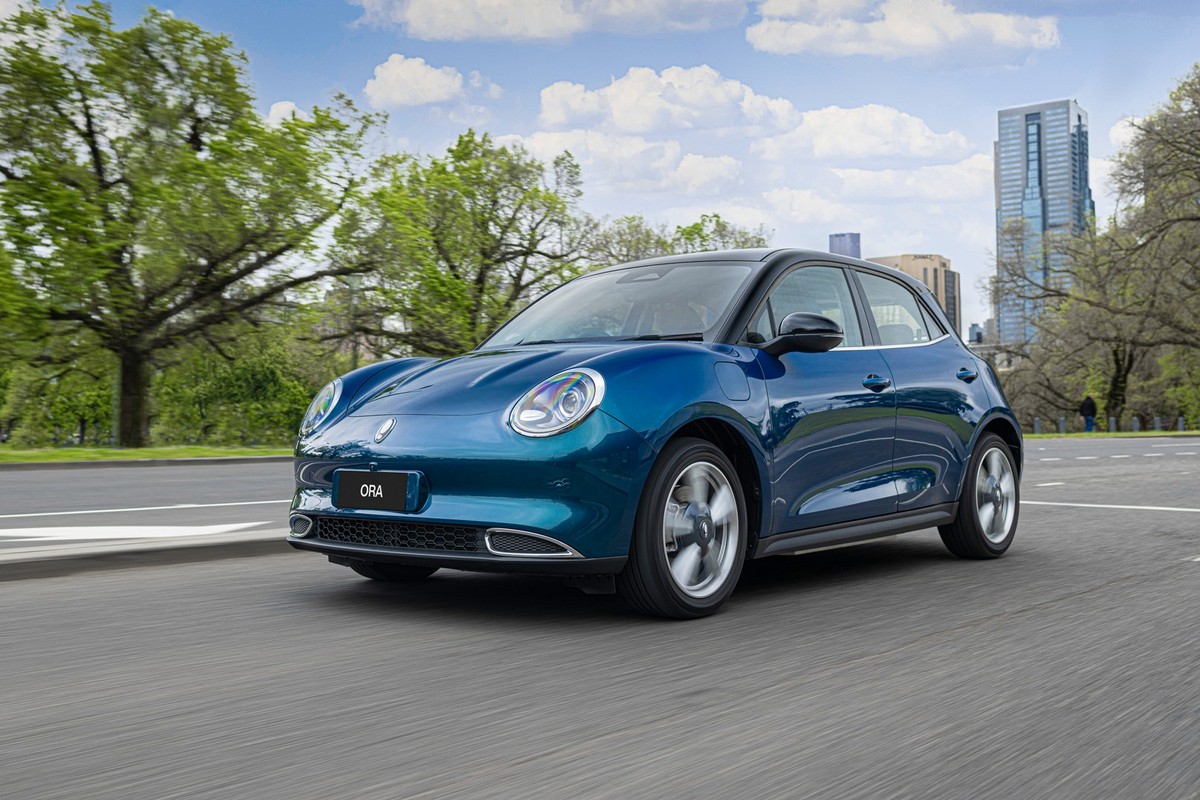
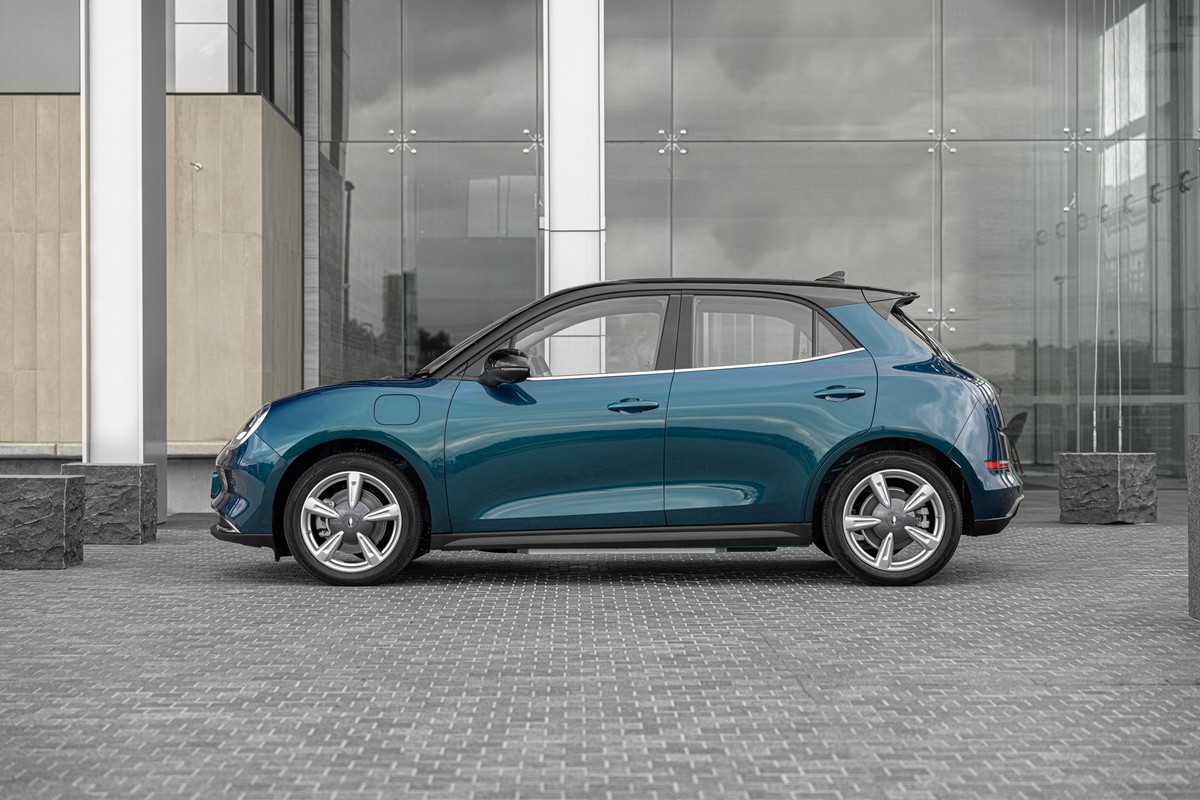
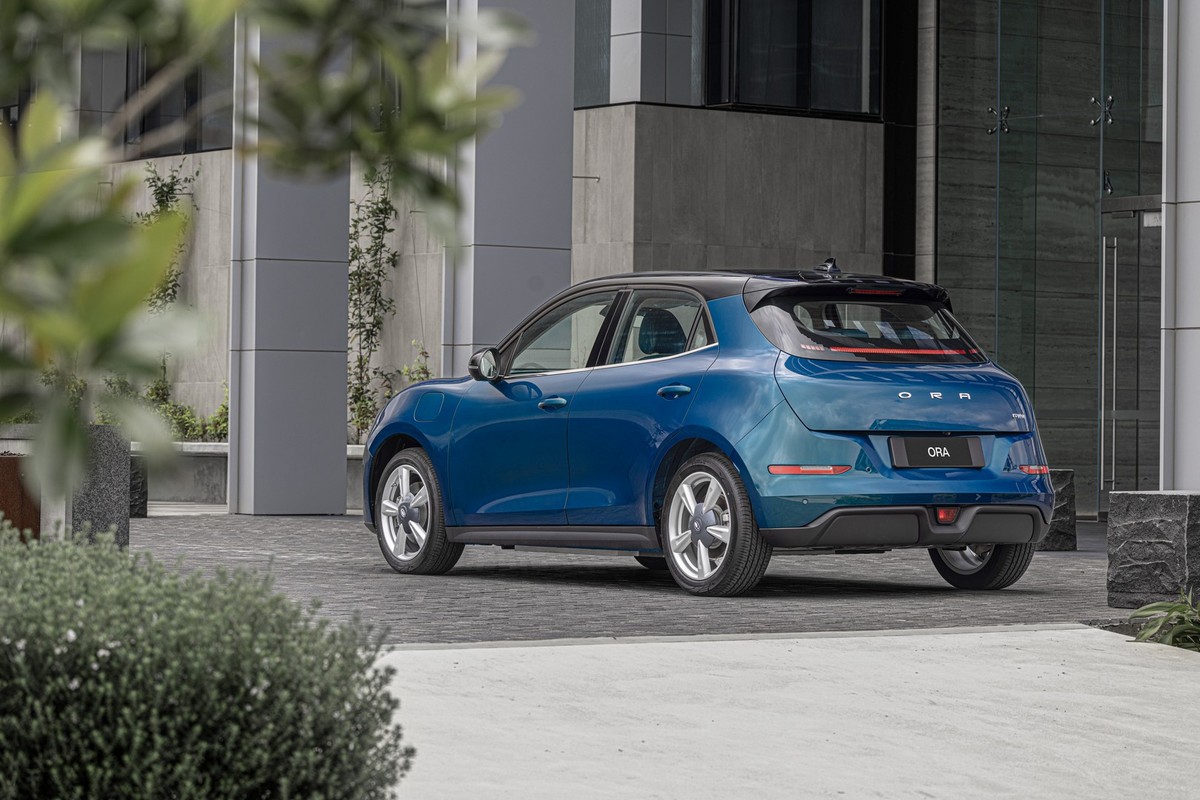
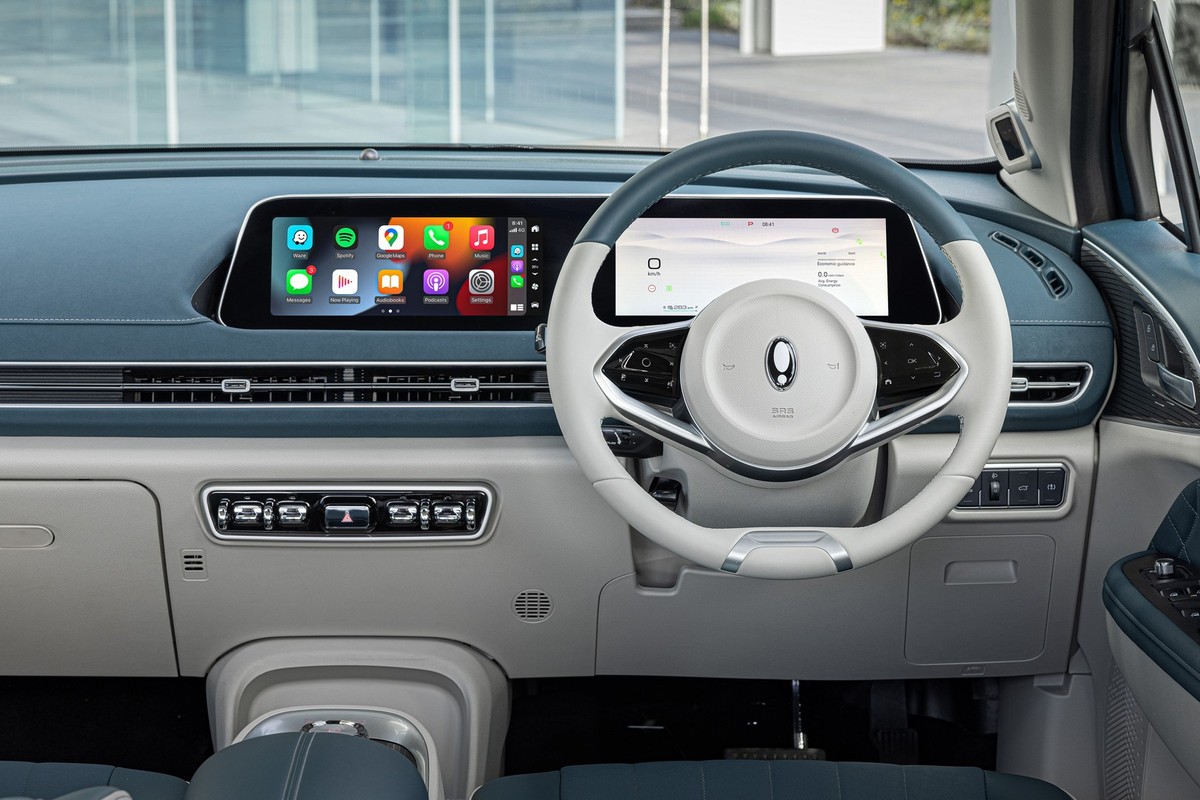
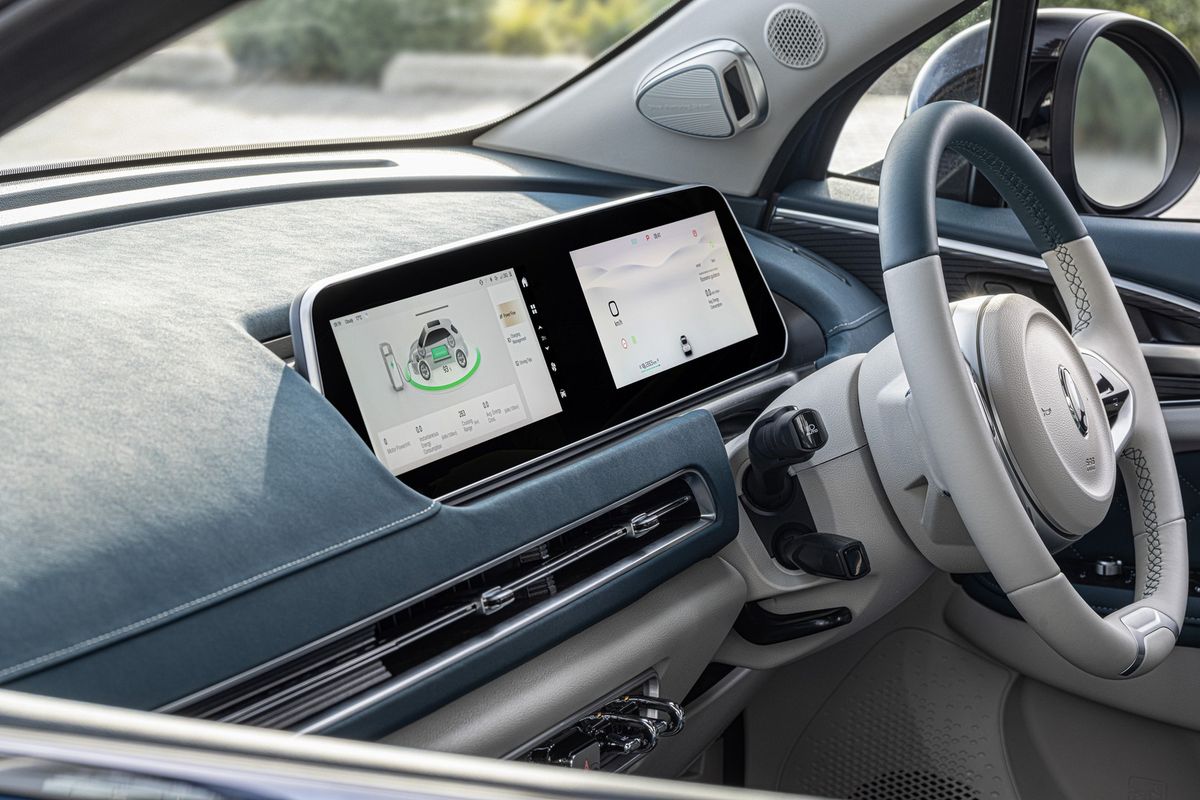
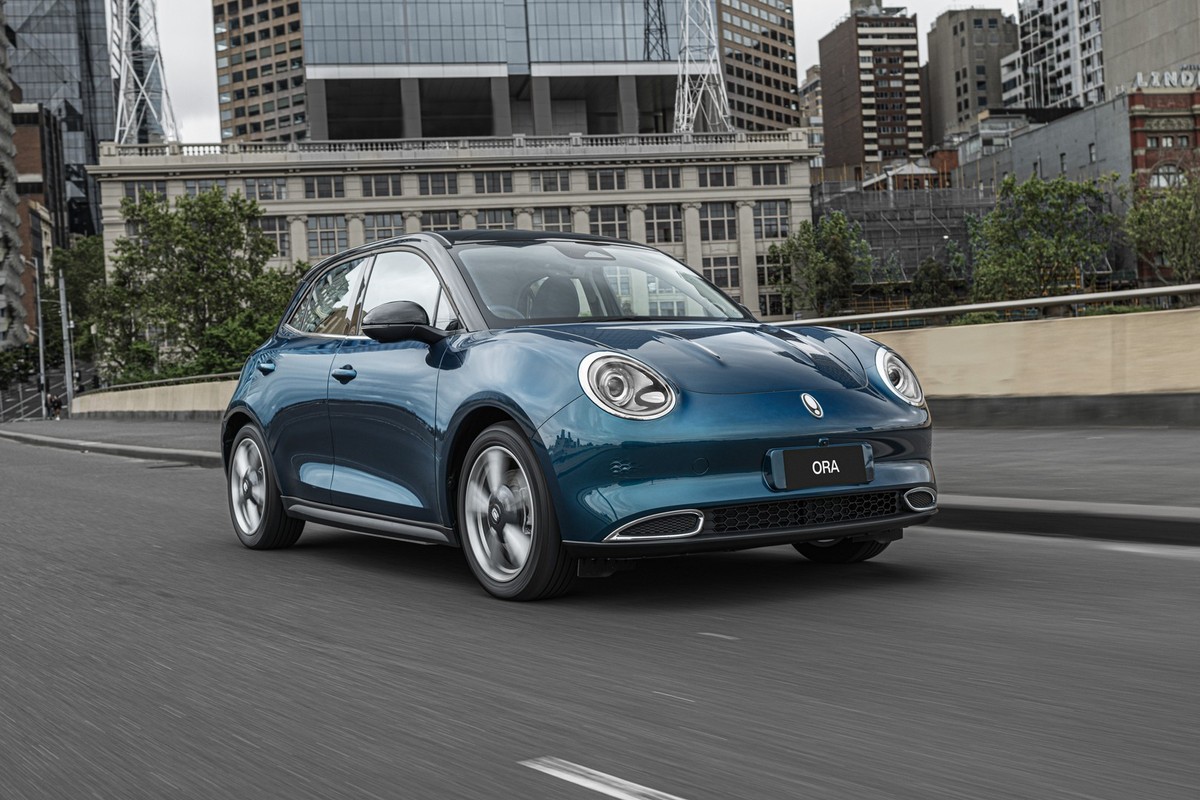
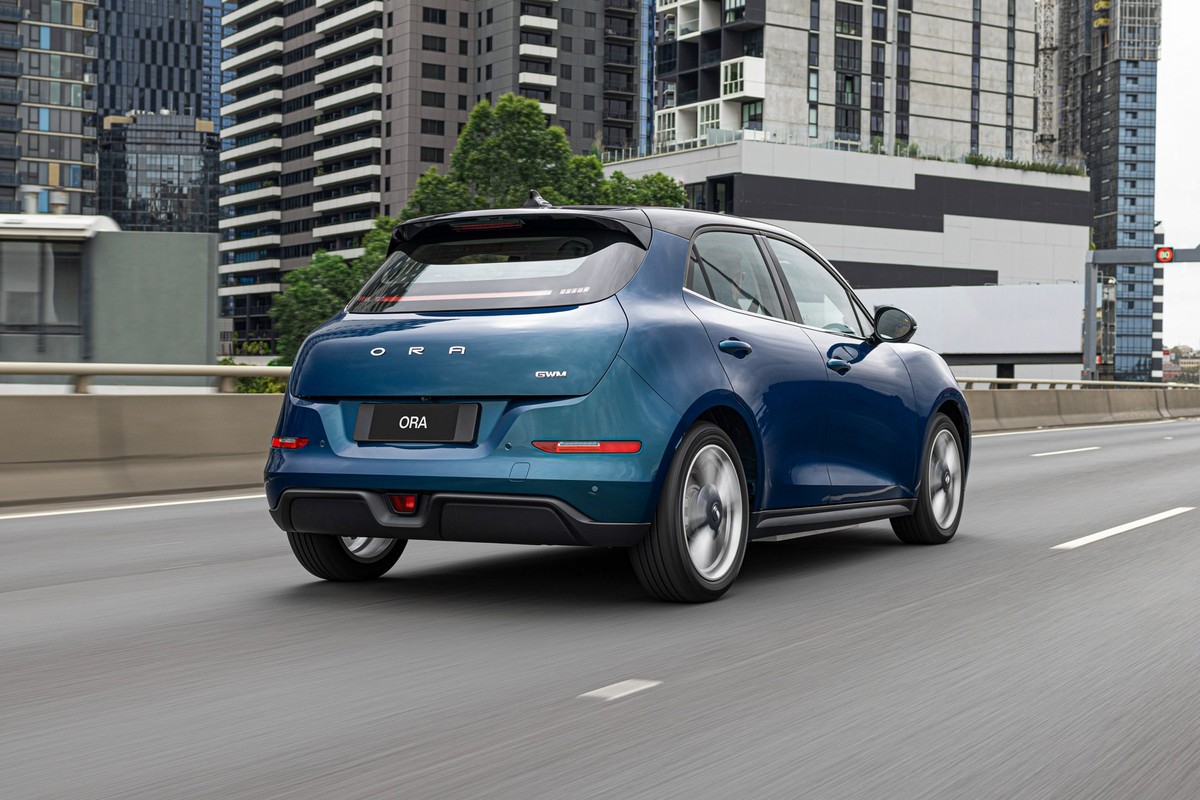
While customers seeking an affordable EV solution are looking forward to the arrival of the Ora Cat later this year, luxury brands are flaunting their EV wares at prices that only well-heeled customers can entertain.
If power figures matter to you then this list will highlight the most powerful electric cars you can buy in South Africa right now!
Pricing details are accurate as of March 2023.
5 Most Powerful Electric Cars in South Africa
1. Porsche Taycan Turbo S – 560 kW
The Porsche Taycan Turbo S is currently the most powerful electric car you can buy in South Africa. With 2 powerful electric motors (one over each axle) delivering mammoth outputs of 560 kW and 1 050 Nm, the Porsche Taycan Turbo S claims 2.8 seconds in the sprint from zero to 100kph with a top speed of 260 kph. A 93.4 kWh battery pack ensures a claimed range of 340 km.
The lesser derivatives in the Taycan range are impressive too with the Taycan Turbo offering 500 kW and 800 Nm while the Taycan GTS cranks out 440 kW and 850 Nm.
The Porsche Taycan Turbo S is currently priced from R4 137 000.
The new Mercedes-AMG EQS 53 4Matic claims the second spot on this EV power list with outputs of 484 kW and 950 Nm! It too is powered by 2 electric motors and is claimed to accelerate from zero to 100 kph in 3.8 seconds before reaching a top speed of 220 kph. You can, however, ramp power up to 560 kW with the optional Dynamic Plus Package which will turn the EQS into a 3.4-second rocket ship! With a large 107.8 kWh battery pack, the EQS 53 4Matic has a claimed range of between 529 and 586 km.
The Mercedes-AMG EQS 53 4Matic is currently priced from R3 415 250.
BMW recently added the M-fettled iX M60 to its local price list and it’s currently the most powerful electric SUV in South Africa and also the most expensive electric BMW currently on sale in South Africa.
A total of 2 electric motors, one over each axle, generate a heady 455 kW power output with 1 100 Nm of torque produced during a full bore launch control. BMW claims a zero to 100 kph sprint time of 3.8 seconds with a top speed of 250 kph. The large capacity 105.2 kWh battery pack ensures a claimed range of 561 kph.
The BMW iX M60 is currently priced from R2 975 000.
Audi’s svelte RS e-tron GT brings mega EV power to the tar in a body that’s undeniably appealing. Two electric motors generate 440 kW and 830 Nm of torque but a 2.5-second overboost function sees power rise to 475 kW momentarily.
The Audi RS e-tron GT will sprint from a standstill to 100 kph in just 3.3 seconds and its 93.4 kWh battery pack offers a range of between 433 km to 472 km.
The Audi RS e-tron GT is currently priced from R3 359 400.
The BMW i4 M50 tops this list with outputs of 400 kW and 795 Nm developed by its twin electric motors and offers a range of about 510 km thanks to its 83.9 kWh battery pack. BMW claims 3.9 seconds in the sprint to 100kph with a top speed of 225 kph. The BMW i4 M50 is currently priced from R1 646 200.
Similarly, the recently introduced BMW i7 xDrive60 M Sport offers 400 kW and 745 Nm from its dual electric motor setup. It makes use of a 101.7 kWh battery pack that claims a range of 625 km. Zero to 100 kph is claimed in 4.7 seconds with a top speed of 240 kph. The BMW i7 xDrive60 M Sport is currently priced from R2 900 000.
Farewell, Mini Clubman! 10 ‘Final Edition’ Units for SA
The Mini Clubman is nearing the end of the road, with the BMW-backed brand having revealed a “Final Edition” model. And 10 units have been set aside for South Africa…
The Mini Clubman Final Edition has been revealed, effectively confirming the nameplate is fast nearing the end of production.
The BMW-backed brand plans to build 1 969 examples (celebrating the year the original Clubman Estate went into production), with just 10 units destined for South Africa. Local customer deliveries of the limited-run estate car are scheduled to start in the 4th quarter of 2023.
The outgoing F54-generation Clubman is defined by its split rear doors, which provide access to a load bay able to accept up to 1 250 litres. In South Africa, the range comprises 4 derivatives (including a John Cooper Works performance variant) with pricing bookends of R596 215 and R855 697.
So, what do we know about the Final Edition model? Well, it appears to be based on the Cooper S derivative, which means it employs a turbocharged 2.0-litre, 4-cylinder petrol engine delivering 141 kW and 280 Nm to the front axle through a 7-speed dual-clutch transmission. The obligatory 0-100 kph sprint should thus take a claimed 7.2 seconds, with top speed pegged at 228 kph.
The F54-gen Clubman is defined by its barn-style rear doors.
The limited-run model is set to be offered in Nanuq White, Enigmatic Black and Melting Silver, while a Shimmer Copper finish is applied to the grille surround and crossbar, as well as the Cooper S “blade” and side scuttles. The pattern on the model-specific 18-inch light-alloy wheels also features a tinted clear lacquer “reminiscent of copper”.
Decals have furthermore been applied to the lower area of the side doors as well as to the bonnet and the right side of the split rear doors. You’ll also find “Final Edition” lettering back there, while a “1 of 1969” badge is affixed to the C-pillar.
Inside, the Clubman Final Edition scores sill trims with “Final Edition” lettering, a feature also found on the lower spoke of the Nappa leather sports steering wheel. The leather sports seats (with adjustable thigh support) likewise gain a sewn-in edition badge and are finished in Dark Maroon with an anthracite-coloured Piquet fabric insert and blue stitching.
Dark dashboard trim is framed by trim strips in Sage Green Dark and the edition-specific Shimmer Copper colour. On the passenger side, you’ll find another a “1 of 1969” badge, which is repeated on the floor mats.
Local pricing has yet to be revealed, though we’ll keep our eyes open in the lead-up to the planned 4th-quarter introduction.
It is not only a Mercedes-Benz icon from the 20th century, but a symbol of automotive design and engineering excellence. We drive a gorgeously restored 300SL Roadster in Franschhoek.
IMAGES: Charles Russell
Sometimes you just have to stand back and admire a car. Take your time to walk around the vehicle and appreciate its voluptuously curved sheet metal. That is the effect the 300SL Roadster has on people. Like all of us, the owner of this iconic car is a Mercedes-Benz enthusiast as well as an aficionado.
However, with the – very dark – clouds threatening an immense downpour at any moment, I wondered if we would be allowed to take the car up the scenic mountain pass, merely one kilometre from the owner’s house, the perfect setting for our planned sunset shoot. I needn’t have worried, his words settling any doubts: “Let’s take it out then, she is not made of sugar”!
This is undoubtedly one of the most famous Mercedes-Benz models ever produced. It is also one of the most jaw-droppingly beautiful cars to have graced our roads. I ask its owner where his interest in the car started (he also owns a few other 1950 and 1960s Mercedes-Benz models and Bentleys). He smiles and says: “It is a car I’ve always liked, and then there is the fascinating Mercedes-Benz post-war story. And the Mercedes-Benz 300SL Roadster is such a fundamental part of it”.
As he reverses the car out, a funny sensation comes over me. I simply want to stare at the car. I fall in love with it again… with every single aspect, design feature and line. To appreciate this beauty fully, you want to grab a garden chair in which to relax while you are admiring each respective element. For a moment the urge to drive the 300SL almost disappears.
Specifications
Model: Mercedes-Benz 300SL (W198 II)
Engine: 3.0-litre, inline-6-cylinder petrol
Power: 160 kW at 5 800 rpm
Torque: 275 Nm at 4 600 rpm
Transmission: 4-speed manual, RWD
Weight: 1 330 kg
0-100 kph: 10 sec (claimed)
Years produced: 1957–1963
The history of this Mercedes-Benz 300SL
However, not driving it would be such a miscarriage of the designers, engineers and technicians’ intent, who designed and manufactured these cars between 1957 and 1963 – it would border on the criminal.
After acquiring the car about 15 years ago, it was sent to Kienle Automobiltechnik in Germany for a full restoration. During any such restoration project at Kienle, the owner is part of the process and can give his input at certain stages. For example, the owner chose the light green exterior colour of the car. It is very close to one of the SL’s original colours, however, there is a subtle metallic tint to the paintwork, which somehow suits the car perfectly.
The darker green wheel hubs make a pleasant contrast to the exterior colour and at the same time complement the interior hue. The dark green soft top, the hard top (which fortunately we did not need that day) and even the very neat luggage set which can be found underneath the slopping rear luggage compartment are pleasantly complimentary in tone.
By pressing on the tip of the door handle which sticks out, you grab the longer piece and pull the door open.
After Kienle did its two-and-half-year, 2 000-man hour nut-and-bolt restoration the results can be seen throughout the spotless cabin. This restoration (with some innovations) might be too new for some enthusiasts, but it has been so classically and masterfully done, that you simply can’t fault anything.
During a conversation with Marc Kienle, son of Klaus Kienle the founder of the company, he sums up the most satisfying aspect of restoring such a car: “For us it is to have a 300SL perfectly but originally restored and to bring t it back to the street in not only an optically perfect but also a technically perfect condition so that our customers can drive the car and use it for what they are, a reliable sports car”.
As your eyes take in what is basically a brand-new 60-year-old cabin, the most notable modern upgrade is the air-conditioning system which has been installed, but, even this has been executed in a very classy manner. The system is positioned below the centre console, and if you were not a 300SL devotee, you would probably not have picked up this addition.
Behind the wheel
As you drop into the leather-upholstered seat you are encircled by the dark green hue. The view over the long bonnet allows you an uncluttered view of the front corners of the car, and I immediately think about the engine which had to be tilted to allow this perfect view and create that double, sleek bulges.
As the 300SL “Gullwing” production came to an end in the 1957 – the same year the Roadster’s production started – Mercedes-Benz could implement what it had learnt from the Gullwing as well as its racing programme on the Roadster. These included reshaping the petrol tank, moving the spare wheel (which provided more luggage space) and updating the rear suspension layout, thereby addressing the tricky on-the-limit handling which was endemic to the coupe.
Tipping the scales at around 100 kg more than the coupé, the Roadster’s final drive ratio was shortened while the optional ‘competition’ camshaft from the coupé was part of the standard equipment on the Mercedes-Benz 300SL Roadster.
I start the engine by turning the key in the ignition and engage first gear by moving the slender gear lever into place. Within the first few hundred yards it dawns on me how solid and rattle-free the cabin is – dare I say it, better than in some modern cabriolets. Admittedly the mountain pass is billiard smooth, but despite these conditions, the car feels as if it rolled off the production line a few days ago.
The gear lever slips through the cogs with relative ease, although you need to be careful when you first operate the gearbox, to ascertain exactly where each gear is located.
Suddenly my focus turns to the slight burble which is emitted from the chromed, flat exhaust tip. The exhaust note has a constant, relatively deep sound, but put your foot down and the exhaust note changes to an even deeper sound, and, as you approach the upper part of the rev range there is another change in the tone, which borders on a full-throated growl.
When the mood takes you, and even in this car it will, the engine flies through the rev range like no other Mercedes-Benz I’ve driven from this era. There is no slack or hick-up through the rev range, just a smooth sweep of the needle as it passes the numbers. I watch the revs rise relentlessly to just over 5 000 rpm, although the owner regularly pushes the engine to just before 6 000 rpm – close to the red line of the engine.
The tractability on offer from the engine is also much better than I thought a 60-year-old car could offer. Leave the gearbox in fourth gear at 2 000 rpm, put your foot down and it will elegantly start to pick up speed. You sense this is an old engine, but the way in which it works makes you think twice about its age.
As I guide the SL through one of the best pieces of tarmac South Africa has to offer, the cream-rimmed steering wheel feeds enough information back to me.
After the shoot, there is a chance to press the throttle to the floor with abandon and I marvel at the way the 300SL picks up speed – something which is simply not in line with a car developed in the 1950s!
This Mercedes-Benz 300SL is no trailer queen
Fortunately this 300SL is not a trailer queen, as the owner drives it regularly. Apart from short trips through the stunning Winelands in South Africa, he also takes it on much longer 1 000 km round-trips along the coast. No wonder it has already done more than 12 000 km since its full restoration.
One of the most notable trips this car did, was before it was finally loaded onto the ship for its return journey to South Africa. The owner drove it through Austria, Italy, France and Switzerland. Most notably, he took it over the tight and hairpin-heavy Stelvio mountain pass.
On 8 February 1963, the final Mercedes-Benz 300SL Roadster left the factory in Sindelfingen. A total of 1 858 Roadsters were built. Fortunately, this particular car has only just started its new life*, and will definitely be keeping many connoisseurs happy long after we’ve gone.
It is as if Kienle has added a soft layer of modernism throughout the car, but not in an intrusive way that tinkers with the aura, culture and respect that surrounds the Mercedes-Benz 300SL.
Summary
How fast this car must have felt back in the late-1950s! Looking back we have to appreciate the fact that Max Hoffman, the official importer of Mercedes-Benz cars into the USA, had a larger vision as a businessman. He convinced the board of Daimler-Benz at the time that they should built the 300SL, both the road version of the original race-car as well as the Roadster.
Without this car, automotive history wouldn’t have been the same and many an enthusiast would have been poorer for the lack of this experience.
* Since I wrote this article, the car has left our shores.
Which car is faster on the quarter-mile drag strip, the Datsun Go or the Suzuki S-Presso? In our third and final budget car drag race series, we lined up these pint-sized budget cars to find a decisive answer. Watch the video!
In our latest drag race series, we put SA’s favourite budget cars against each other in a drag race showdown to determine which budget car is the fastest. In our third and final drag race, the Datsun Go goes head-to-head with the Suzuki S-Presso. Which one will win? Watch the video to find out!
If you missed the previous videos in this series, here they are!
The eye-catching Stormtrak derivative of the new-generation Ford Ranger has made its debut at the 2023 Bangkok International Motor Show in Thailand. Here’s a first look!
While Ford Motor Company of Southern Africa (FMCSA), which produces the new Ranger at its Silverton factory, was busy launching its single-cab and supercab derivatives this week, the Blue Oval unveiled the brand-new Ford Ranger Stormtrak in Thailand – at the 2023 Bangkok International Motor Show.
Considering that FMCSA is still in the primary phase of rolling out its new bakkie in our market, it’s hardly a surprise the firm’s product communications specialist Felix Sebata told Cars.co.za that the Stormtrak was “not confirmed for South Africa”. However, considering that Ford Australia introduced a styled-up Wildtrak X derivative to its (still new) Ranger line-up recently, it’s not inconceivable that the Stormtrak version may debut in our market much earlier in the bakkie’s life cycle than when its predecessor did.
FMCSA launched the Ranger Stormtrak in the final stages of the previous bakkie’s run. It was one of several special derivatives (including the FX4, Thunder and Raptor Special Edition) that debuted in 2021. Surely those derivatives were merely special/limited edition units to generate Ranger sales during the twilight of the bakkie’s tenure in the market (while FMCSA tooled up to produce the new one), not so?
Well, whereas Ford Australia launched the previous Wildtrak X a year before the new-gen bakkie arrived, the 2023 Wildtrak X is making its debut only a year after the new Ranger went on sale Down Under. And that’s quite illuminating, because the Blue Oval is clearly keen to gain as much market share as it can while new models of its arch-rivals’ bakkies, the Toyota Hilux and Mitsubishi Triton, are in the pipeline.
Does that suggest that the Stormtrak (or another special version) of the new Ford Ranger could debut in Mzansi sooner rather than later? We think that’s quite possible and will certainly keep you updated!
As before, the new Ford Ranger Stormtrak is a sportier version of its Wildtrak sibling and the newcomer features derivative-specific body decals, a bold black grille, 20-inch wheels and a flexible rack system. The new 20-inch alloy wheels feature a new design, a red insert and are wrapped in larger 255/55 tyres. The new grille has LED lights built-in as well as performance LED headlights, giving it more presence.
Inside, red details abound. These include Stormtrak stitching on the backrests of the front seats and red stitching on the multifunction steering wheel and transmission lever.
Ford Thailand also released some images of an accessorised Stormtrak, showing off the comprehensive array of goodies available, like the configurable sports bar, extended side steps, and roller shutter door.
The Thai-spec Stormtrak is powered by the 2.0-litre 4-cylinder bi-turbodiesel, which produces 154 kW and 500 Nm, with power going to all four wheels via a 10-speed automatic transmission.
South Africa Ford Ranger Lineup
To recap (as we approach the end of March 2023), FMCSA has been hard at work rolling out the new-generation Ranger to showrooms. The double-cab derivatives of the Ranger were introduced first and the Silverton factory is ramping up production. The locally-built single-cab and supercab derivatives are going on sale shortly too, while the imported Ranger Raptor has just gone on sale.
Mitsubishi Triton XRT Concept Shown; New Electric Bakkie Confirmed
Mitsubishi is showcasing the Triton XRT Concept at the Bangkok International Motor Show, previewing the forthcoming next-generation Triton bakkie. Mitsubishi has also confirmed a fully electric pick-up is in the works…
Earlier this month, as part of the announcement of its 3-year mid-term business plan, Mitsubishi released the first official teaser shot of its next-generation Triton. The bakkie is one of 16 new models – including a mysterious fully electric pick-up – planned for global markets for the next 5 years.
Dubbed “Challenge 2025”, the mid-term business plan is intended to “establish a stable revenue base through selection and concentration” of the Japanese company’s regional strategy. It will furthermore see Mitsubishi – which is a member of the Alliance along with Renault and Nissan – further increase its expenditure on electrification.
Now, though, Mitsubishi is using the Bangkok International Motor Show to showcase the Triton XRT Concept, which hints at what’s to come from the new Triton.
Even though the Triton XRT Concept is wrapped in camouflage, the underlying design imparts a strong visual impact with a large sculpted bonnet, slim LED units and a large upright grille. The squared-off wheel arches are filled by chunky off-road tyres and the concept also shows a rear sports bar.
The new Triton is expected to be fully revealed this year. “The all-new Triton is going through final touch-ups in preparation for its release, as we have performed rigorous endurance tests around the world while also incorporating the know-how gained from rally activities. With the new vehicle launches as the centrepiece, we will continue our drive toward further growth,” said Takao Kato, president and chief executive officer, Mitsubishi Motors.
The earlier teaser image of the Triton shows the next-generation bakkie – with its front-end lighting signature on full display – alongside a similarly disguised PPV (that’s “Pick-up Passenger Vehicle”, so surely the next-gen Pajero Sport), a 3-row SUV and an MPV, which are all listed as internal combustion models in the “global” section.
We already know the new version of the bakkie will be developed alongside the next-generation Nissan Navara, though official details (including powertrain plans) are still decidedly thin on the ground.
The new Triton and Pajero Sport (the latter seemingly tipped for a 2025 unveiling) are also listed in the “growth drivers/leverage regions” section, with these markets due to gain 12 rather than 16 new models over the next half-decade. Under Mitsubishi’s classification, South Africa finds itself part of a broader leverage region.
And the new battery-powered bakkie? Well, it’s listed in both sections, which suggests it may well be on the cards for African markets as well. However, it appears the electric bakkie – which, judging by the teaser image, won’t necessarily be based on the new Triton – will hit the market only at some point after 2025.
The disguised “Pick-up EV” is show alongside a new likewise-electric 2-row SUV and a hybrid-powered 2-row SUV. Mitsubishi also lists the new ASX (based on the Renault Captur), an Alliance BEV, a hybrid Xpander and a hybrid MPV. Interestingly, the new Colt – effectively a rebadged Renault Clio – does not appear in the leverage-region section.
We’ll keep our eyes open for more details of the next-gen Triton as the bakkie’s reveal nears…