All-new Honda BR-V in-depth Review – Is it an SUV, an MPV, or both?
In this video, Ciro De Siena walks us through the latest generation of Honda BR-V to hit the South African market.
One look at the all-new Honda BR-V should be enough to prove that the BR-V has largely left its MPV roots behind. The car is distinctly more SUV-styled and at least aesthetically is better for it, and perhaps more appealing.
However, for those seeking ultimate 7-seat practicality on a budget, the BR-V may not offer what it once did. The newcomer offers far more tech than its predecessor, but the question remains, does it offer the same level of practicality?
Honda seems to have attempted to marry the desirability of an SUV with the practicality of an MPV, so we sent our video journalist, Ciro De Siena, to find out if they have been successful.
Looking for a used Honda for sale in South Africa? We have over 1 300 to choose from! Browse stock for sale now.
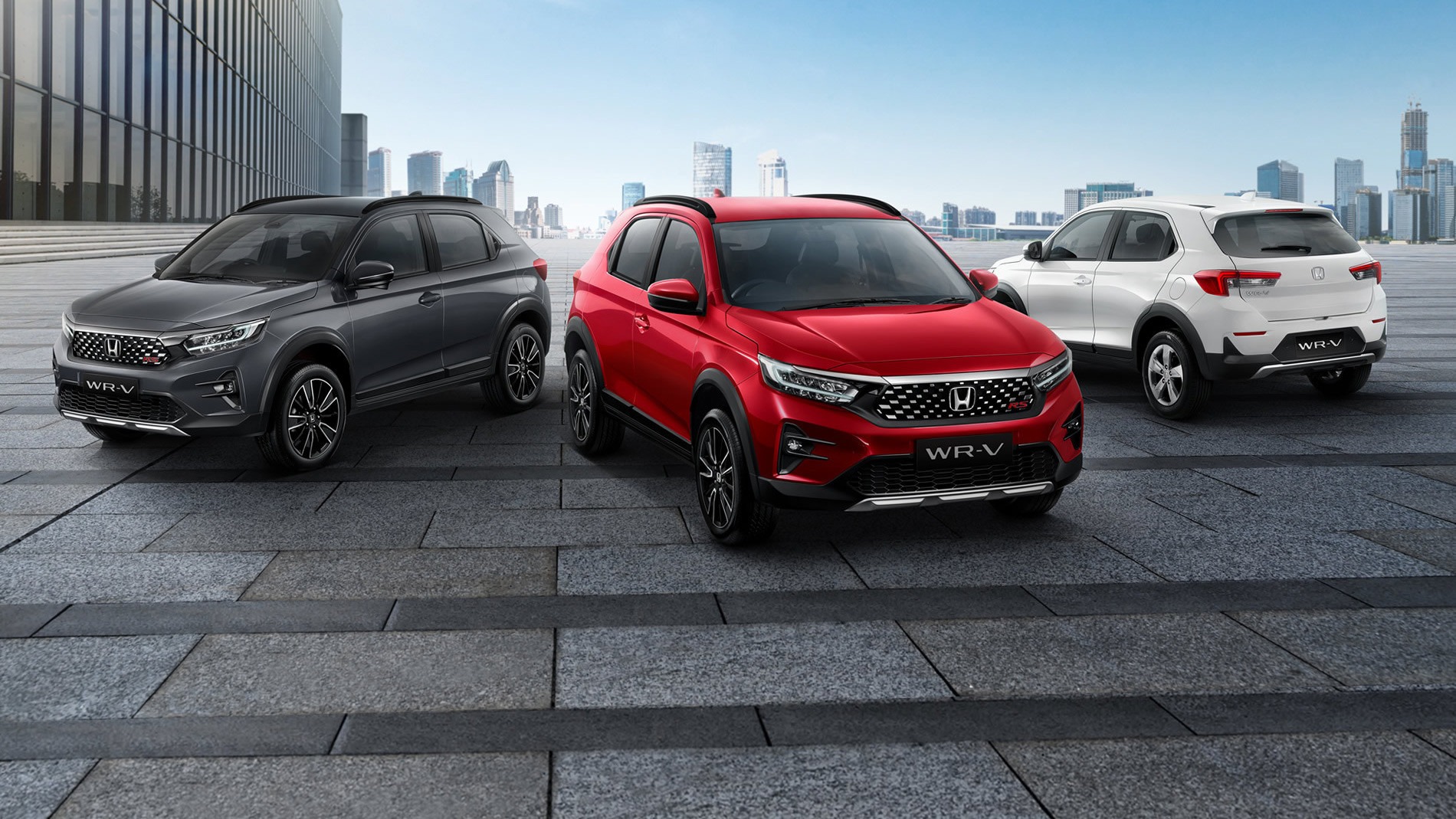
2023 Honda WR-V Revealed
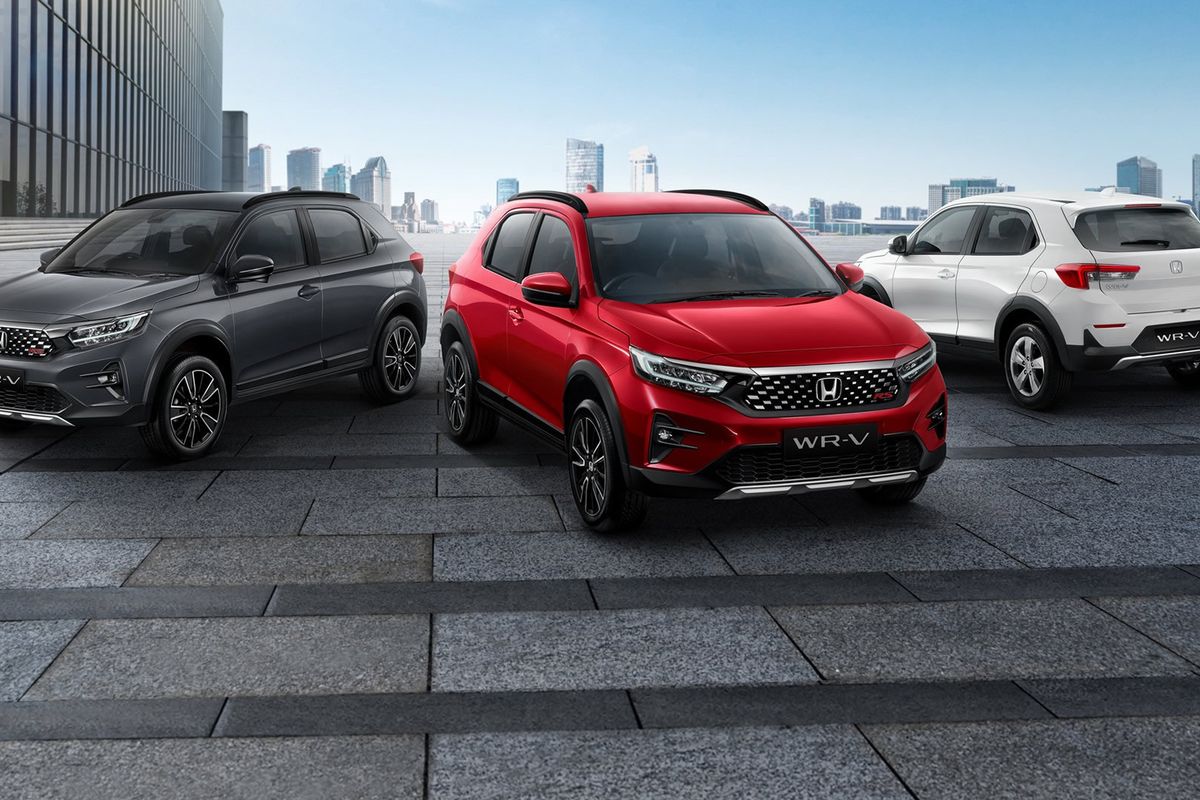
Meet the 2023 Honda WR-V, another pint-sized city SUV that should be cheap to buy and run.
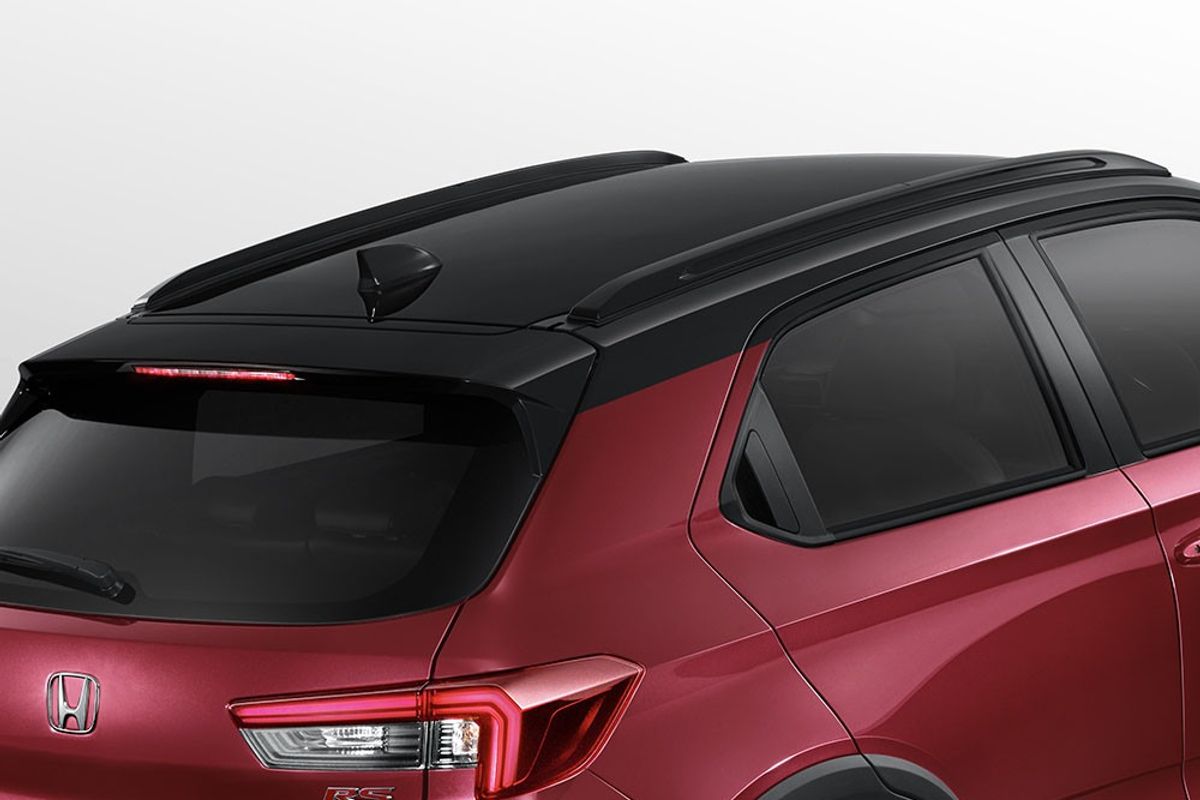
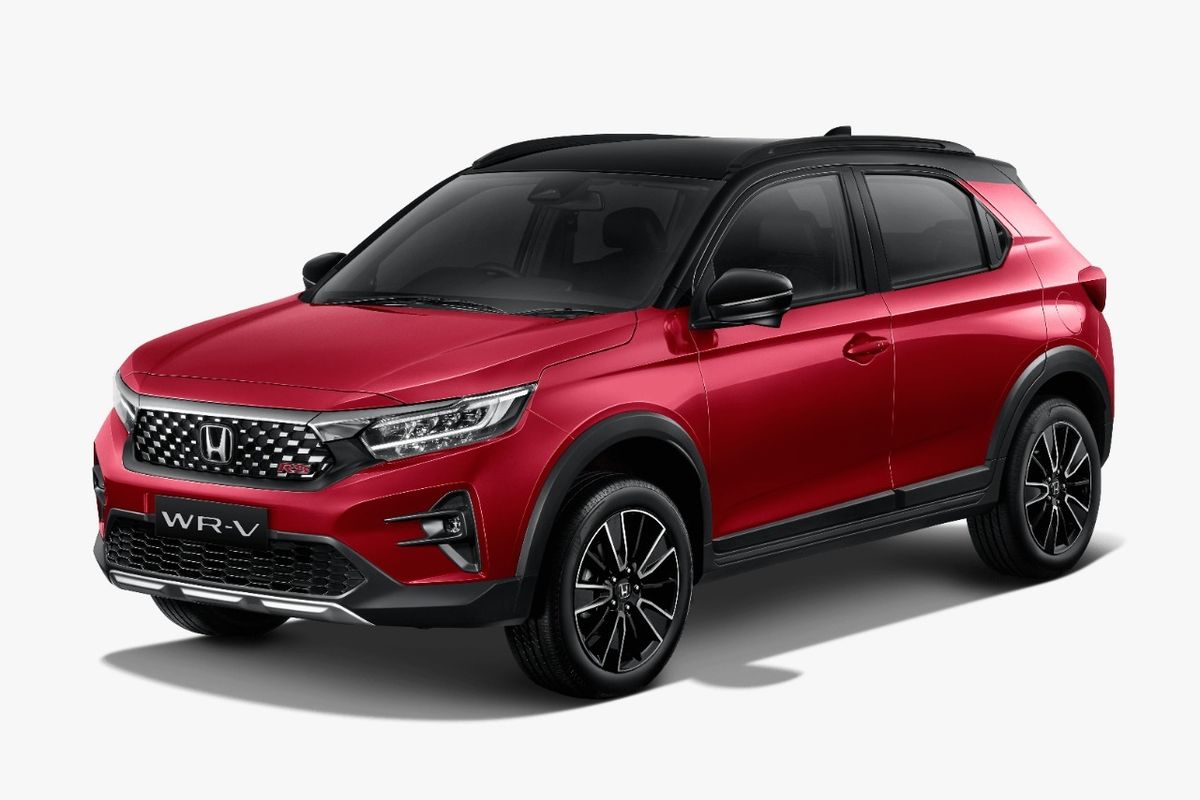
The new Honda WR-V will be positioned against other pocket-friendly baby SUVs like the Nissan Magnite, Kia Sonet, Renault Kiger and Toyota/Suzuki Urban Cruiser/Vitara Brezza. It’s got a fresh and modern look, with wraparound headlamps at the front and a coupe SUV shape with a typical tapered roofline.
First launched in SA back in November 2020, the Honda WR-V offered a Jazz-based platform and good value. Now, there’s a new model.
Physically, the new 2023 Honda WR-V is 4 060 mm long, has a wheelbase of 2 485 mm, a width of 1 780 mm and a ground clearance of 220 mm. A boot capacity of 380 litres is claimed. There is also a 60:40 splitting rear folding seat for additional practicality.
Under the bonnet is a 1.5-litre naturally-aspirated petrol engine, developing 89 kW and 145 Nm. This engine is paired to a new CVT that’s claimed to offer enhanced acceleration and improved economy. This powertrain is identical to the one found in the new Honda BR-V.
There’s a comprehensive safety suite too falling under the Honda Sensing technology, with collision mitigation, adaptive cruise control, lane keeping assist, auto high beam and road departure mitigation system. There are 6 airbags, anti-lock brakes with electronic brake force distribution.
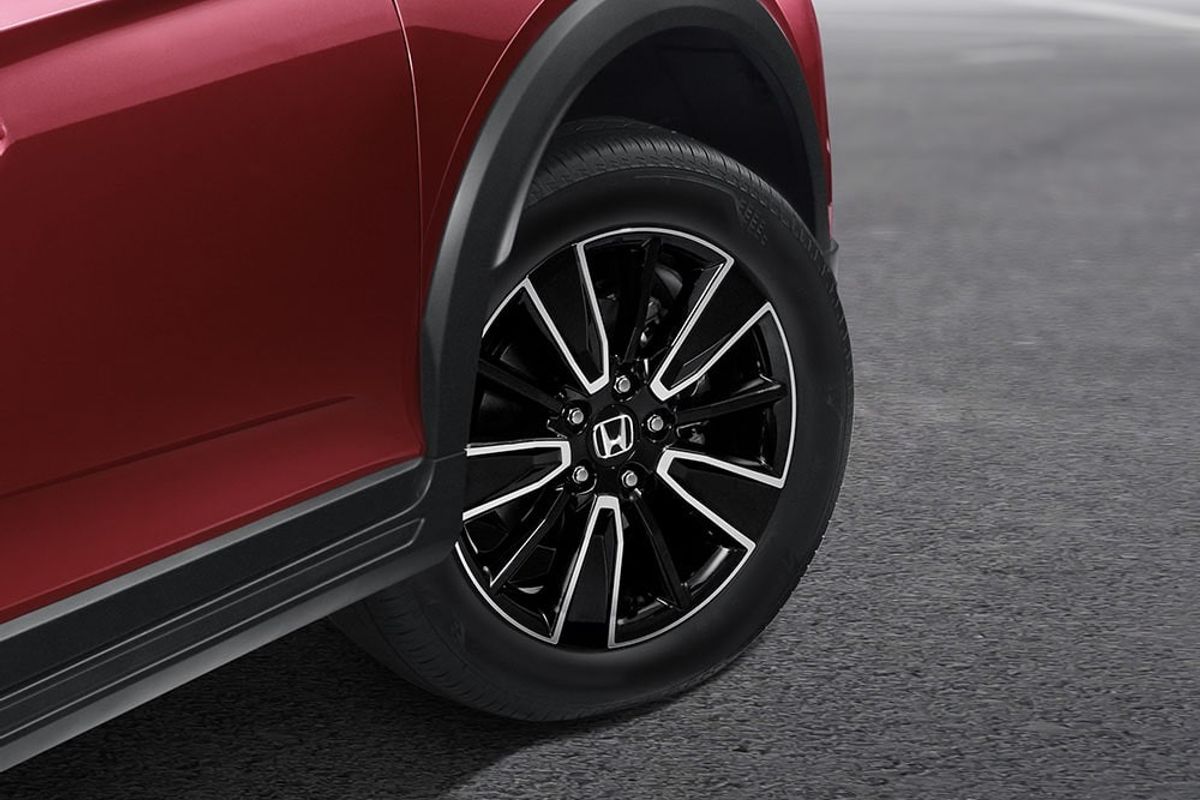
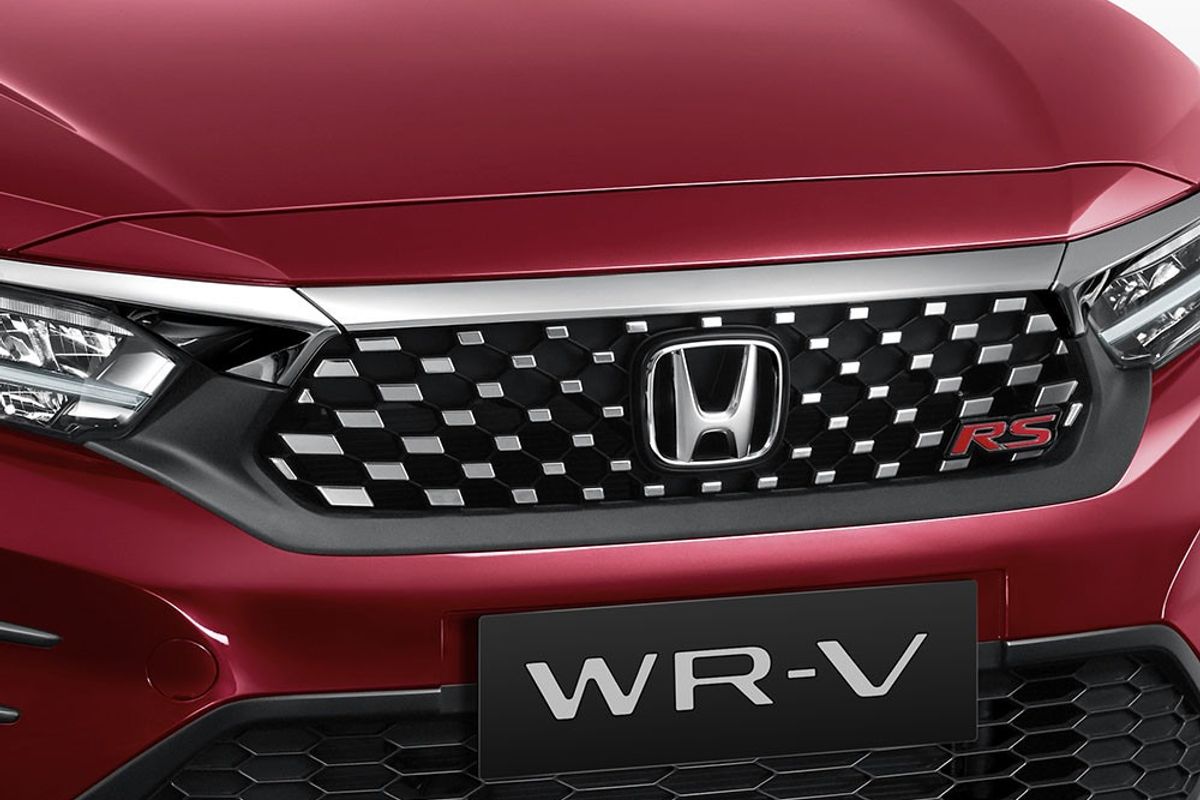
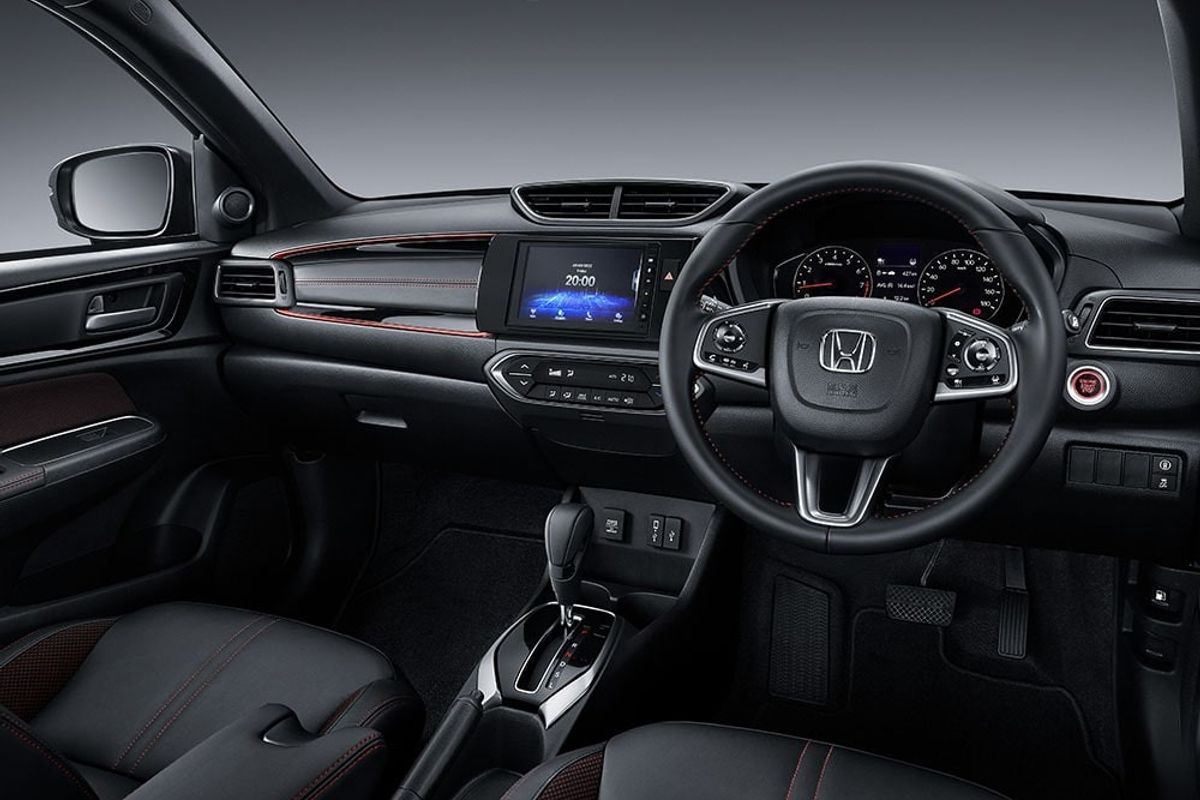
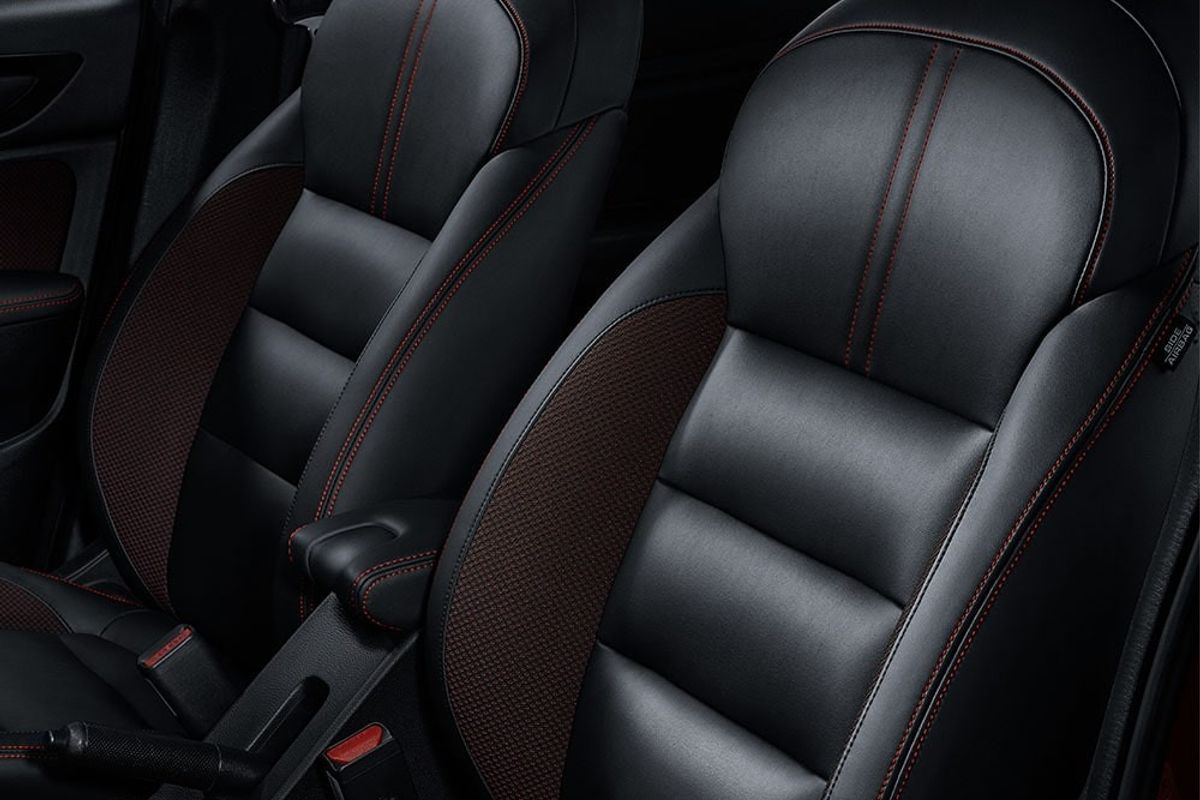
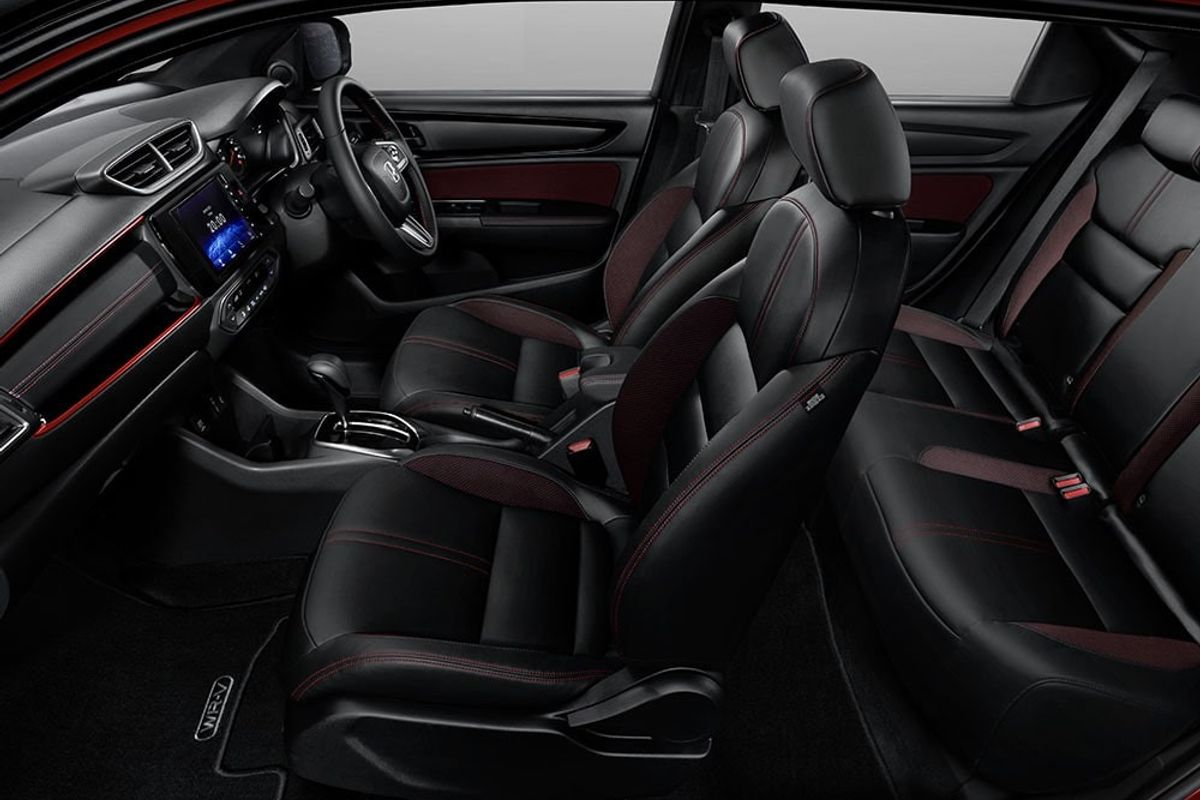
During the presentation, two derivatives were presented. The Honda WR-V E and the WR-V RS, with their own identities. The E is more mainstream with its 16-inch alloys, while the RS features a bolder grille, a specific red hue and 17-inch alloys. Inside, the RS gets leather seats with red stitching, while the E makes do with a fabric trim.
At this stage, we have no confirmation that the new Honda WR-V will be coming to South Africa. But, given how many products are sourced from Honda Indonesia and how popular this segment of the market is, we reckon we’ll see the WR-V on SA roads in 2023.
South Africa’s new-vehicle industry put in a reassuring performance in October 2022, despite fresh headwinds. Here’s everything you need to know, including the most popular brands and the best-selling vehicles…
In October 2022, South Africa’s new-vehicle market registered another month of year-on-year growth, with total sales increasing 11.4% to 45 966 units. Note, however, this figure is 3.8% lower than September 2022’s tally.
According to Naamsa, the market’s performance was a “reassuring” one considering “further headwinds” such as the “logistical disruptions caused by the Transnet strike”. Still, the organisation points out the pace of recovery has eased to 13.1% compared with the corresponding period in 2021.
In October, out of the total reported sales of 45 966 units, an estimated 37 983 units (or 82.6%) represented dealer sales, with 13.1% coming courtesy of the vehicle rental industry, 2.4% from government and 1.9% from industry corporate fleets. The new passenger-vehicle market came in at 30 597 units (up 10.4% year on year), again ably supported by the rental industry, which accounted for a “solid” 17.4% of these sales during the month. Meanwhile, 12 738 units were registered in the sector comprising light-commercial vehicles, bakkies and mini-buses, representing a 14.3% improvement compared with October 2021.
Lebogang Gaoaketse, Head of Marketing and Communications at WesBank, says though the market’s performance is indeed “reassuring” in isolation, it needs to be considered in terms of the performance for the rest of 2022 and the easing off of market activity year to date.
“The good news is that sales have breached the 400 000-mark by some margin and that a new-vehicle market of over 500 000 units for the year is definitely possible. In perspective, the year-to-date growth compared to last year is 50 713 units, or a good full month’s sales extra this year, which is good news for the industry and dealers alike,” explains Gaoaketse.
According to the National Automobile Dealer Association (NADA), the sales figures for all segments in October 2022 were “encouraging”.
“The Transnet strike, which played havoc with logistics nationally, particularly at the ports, could not stem the ongoing upswing in the sale of new vehicles in South Africa in 2022,” says NADA Chairperson Mark Dommisse.
“The market is showing unbelievable resilience in the face of negative economic pressures. We, at NADA, are immensely proud of the way our members keep astounding market commentators with their sales in a market which has been rocked by floods, strikes, rising interest rates, load-shedding, high fuel prices, a struggling economy and stock shortages. Their performance is admirable.”
New vehicle sales summary for October 2022
Aggregate new-vehicle sales of 45 966 units increased by 11.4% (4 715 units) compared to October 2021.
New passenger-vehicle sales of 30 597 units increased by 10.4% (2 881 units) compared to October 2021.
New light-commercial vehicle sales of 12 738 units increased by 14.3% (1 590 units) compared to October 2021.
Export sales of 29 508 units increased by 16.1% (4 101 units) compared to October 2021.
10 best-selling car brands in South Africa for October 2022
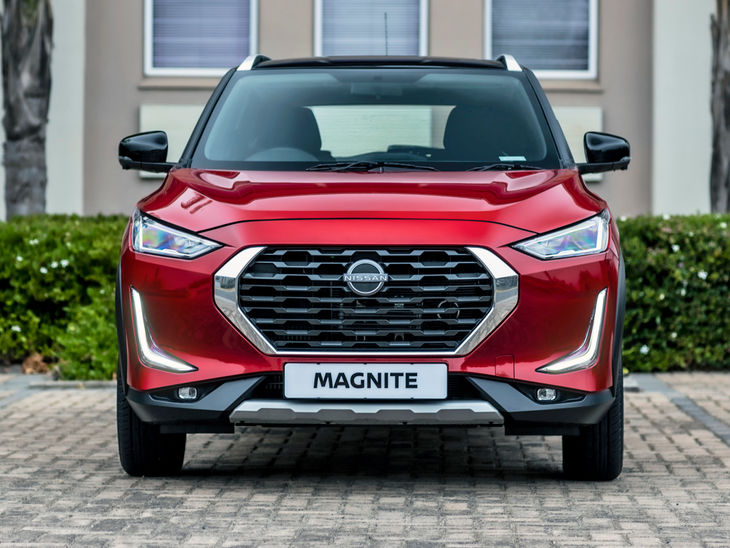
The Magnite (735 units) helped Nissan climb to fourth place on the list of best-selling brands.
While Toyota hasn’t quite recovered to its pre-flood sales figures, it’s not far off. In fact, with 12 574 units registered across the land in October 2022, the Japanese firm grabbed a hefty market share of 27.3%. Despite a month-on-month drop, the Volkswagen Group (4 904 units) retained second place, just ahead of Suzuki (4 112 units).
Meanwhile, Nissan (3 011 units) climbed one spot to fourth, while Haval (2 602 units) rocketed back into the top 10 to claim a strong sixth place. Ford (2 458 units) was up one to seventh, while Renault (2 011 units) fell three to ninth. Chery ended October 2022 with 1 229 registrations, which saw it just miss out on retaining a place in the top 10.
1. Toyota – 12 574 units
2. Volkswagen Group – 4 904 units
3. Suzuki – 4 112 units
4. Nissan – 3011 units
5. Hyundai – 2 703 units
6. Haval – 2 602 units
7. Ford – 2 458 units
8. Isuzu – 2 187 units
9. Renault – 2 011 units
10. Kia – 1 780 units
10 best-selling vehicles in South Africa for October 2022
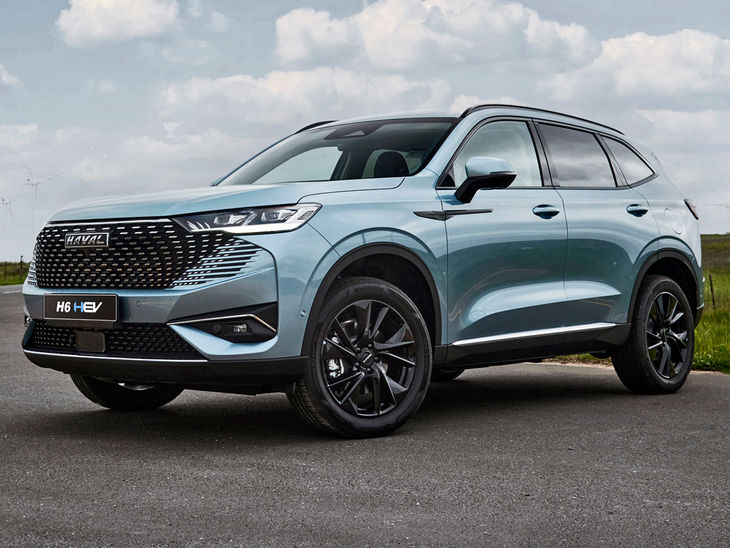
The Haval H6 range (which now includes a hybrid) made it into the top 10 in October 2022.
Another month, another best-selling vehicle title for the Prospecton-built Toyota Hilux, which ended October 2022 on a heady 3 336 units. The Toyota brand dominated the podium, with the likewise locally produced Corolla Cross (2 014 units) climbing five spots to second and the imported Urban Cruiser (1 820 units) one to third.
The outgoing Ford Ranger (1 807 units) moved up one place to fourth, sneaking its nose ahead of the fifth-placed Isuzu D-Max (1 802 units). The Suzuki Swift (1 639 units) fought its way back up the table to sixth, while the Volkswagen Polo Vivo (1 583 units) dropped five places to seventh. Recently bolstered by the launch of a hybrid derivative, the Haval H6 (956 units) grabbed the final spot on the table, meaning the Volkswagen Polo hatch – which ended October on 809 units – was unceremoniously booted from the list.
Top 8 vehicles exported from South Africa in October 2022
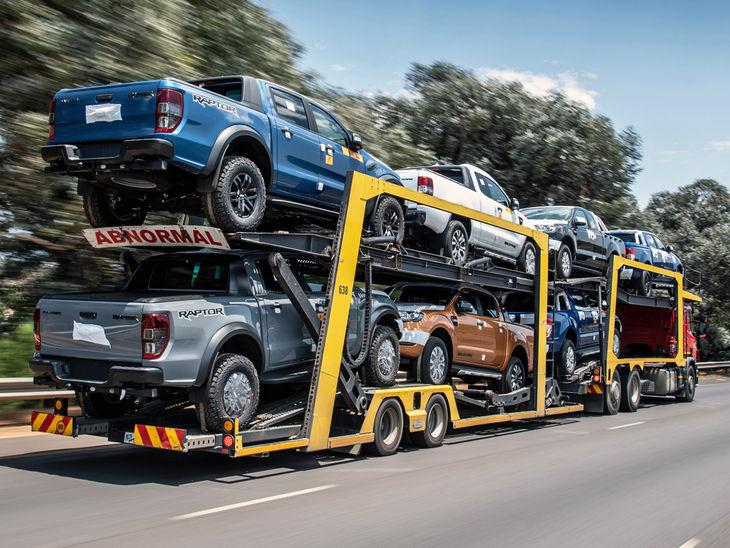
The Ford Ranger again led the industry’s export charge in October 2022.
Ford managed to retain top spot on the list of exporters, with 6 312 examples of the Ranger being shipped overseas from Silverton in October 2022. Volkswagen’s Kariega-built Polo hatchback (5 331 units) was second, while the Toyota Hilux (4 338 units) settled into third place. The Isuzu D-Max, Nissan Navara, Toyota Fortuner, Nissan NP200 and Toyota Corolla Cross made up the numbers.
As always, it’s worth noting BMW and Mercedes-Benz did not submit detailed figures, so it’s not clear exactly how many new X3 and C-Class sedan units were exported from South Africa in October 2022. For the record, however, Naamsa’s estimates stand at 4 400 units and 8 075 units, respectively.
1. Ford Ranger – 6 312 units
2. Volkswagen Polo (hatch) – 5 331 units
3. Toyota Hilux – 4 338 units
4. Isuzu D-Max – 344 units
5. Nissan Navara – 262 units
6. Toyota Fortuner – 92 units
7. Nissan NP200 – 57 units
8. Toyota Corolla Cross – 45 units
Sales outlook
So, what’s next for South Africa’s new-vehicle market? Well, Naamsa warns growth prospects for the balance of the year “remain constrained” as higher interest rates and consequent higher debt servicing costs “weigh on disposable income”. In addition, the organisation points to the “persistence of load-shedding” and the lack of hope the electricity crisis will be alleviated over the near term as further headwinds.
WesBank’s Gaoaketse also touched on the impending impact of interest-rate hikes.
“With the rise in interest rates last month and the economic outlook provided by the mid-term budget, South African consumers are faced with a balancing act of affordability versus a growing need to replace their vehicles, a decision largely delayed over the past two years given the pandemic. It provides a cauldron of opportunity for the motor industry to meet the needs of motorists,” says Gaoaketse.
Meanwhile, NADA’s Dommisse made comment on industry rumours of upcoming vehicle price hikes.
“There has been discussion about impending drastic vehicle price rises, but this was discounted, to a degree, by several representatives of major OEMs speaking at South African Auto Week at the Kyalami Conference Centre last week, who said they believed price rises would stay below the consumer price index,” Dommisse points out.
“We are, however, still expecting increases in the first quarter of 2023, which could slow sales and influence OEMs to incentivise more heavily as they fight for market share. We believe used vehicle pricing will become more realistic as stock levels grow and write-backs become more commonplace,” he concludes.
Switching to the export market, Naamsa says despite “weaker global demand” due to major advanced economies around the world entering a “new era of persistent and structurally higher inflation”, vehicle exports remain on track to reach a level of well over 300 000 units in 2022.
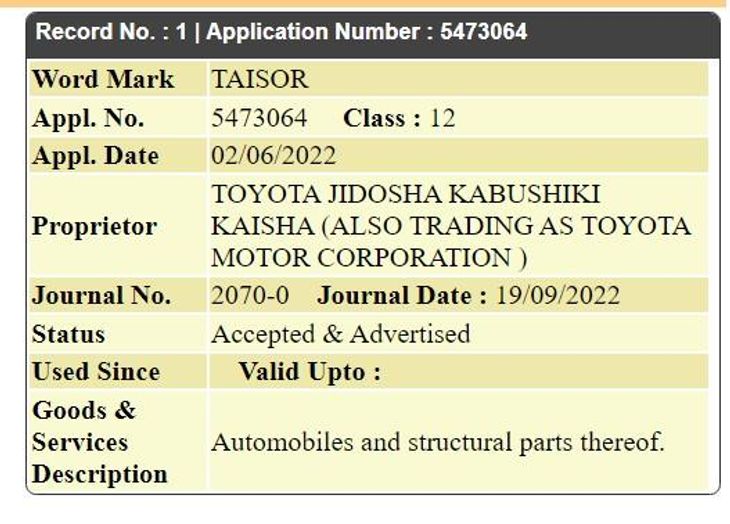
A recent trademark application has led to speculation Toyota will launch a coupé-style crossover based on the Suzuki Baleno and called the Taisor…
Toyota continues to deepen its collaboration with Suzuki, with the latest reports out of India suggesting the two firms will soon release coupé-styled crossovers based on the Baleno. And the Toyota-badged version may end up being called the Taisor.
While various Indian publications have confirmed Toyota recently applied to trademark the Taisor nameplate in India, the latest information from GaadiWaadi suggests the new badge will be affixed to the rump of the brand’s upcoming coupé crossover. The model in question will be based on Maruti Suzuki’s upcoming Baleno-based crossover, which is codenamed “YTB”.
The new Toyota Taisor is expected to measure less than four metres long and be based on Suzuki’s Heartect platform (which also underpins the likes of the Baleno and Starlet). While details on its positioning within Toyota’s range are not yet confirmed, we suspect it will slot in just above the Brezza-based Urban Cruiser.
Toyota has trademarked the Taisor badge in India.
In India, the newcomer is likely to be powered by Suzuki’s turbocharged 1.0-litre, 3-cylinder petrol engine, with gearbox options including a 5-speed manual cog-swapper and a continuously variable transmission. However, there’s also talk of the coupé crossover using Suzuki’s K12C naturally aspirated 1.2-litre engine, while we wouldn’t rule out the K15B atmospheric 1.5-litre motor employed extensively here in South Africa, either.
On that note, will the Taisor – should that be the badge ultimately worn by the newcomer – be offered in our market? Well, it’s perhaps too early to say, though considering the local sales success of the Urban Cruiser and Starlet, we certainly wouldn’t be surprised to see another Indian-built, Suzuki-based product join Toyota South Africa Motors’ line-up.
While the Baleno Cross is widely expected to be revealed at the 2023 Auto Expo in January, it remains to be seen when the Toyota version will hit the stage. We’ll keep a close eye on happenings over in India and report back once we have more information…
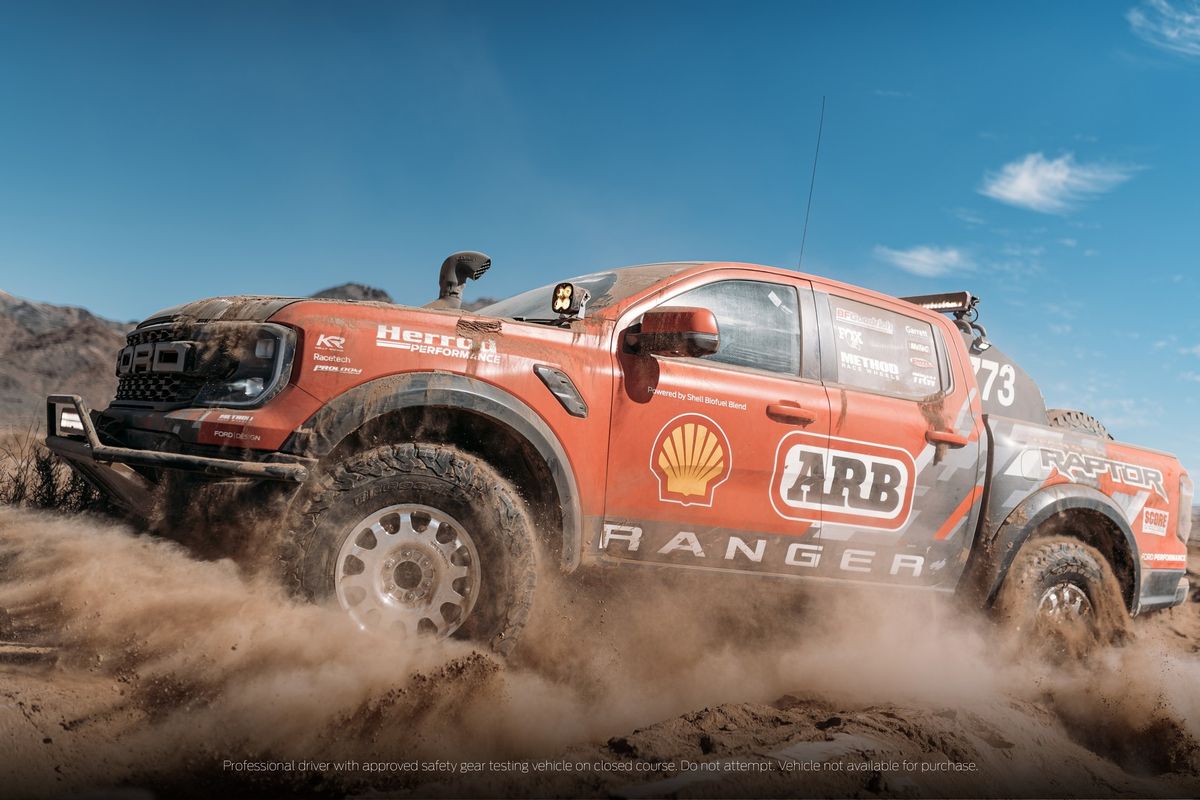
The Ford Ranger Raptor is one very capable offroad warrior, but what if you wanted to push the limits? Let’s go racing!
The new Ford Ranger Raptor is set to be one of 2023’s hottest additions to the bakkie segment when it launches locally. Sadly, it was meant to be in SA by the end of 2022, but there are major hiccups to the global supply chain network preventing cargo getting around the world timeously. Simply, there are not enough car-carrying vessels to bring both the Raptor and Everest to South Africa from Thailand, where both are being assembled.
The standard Ranger, however, will be built locally at Ford SA’s facility in Silverton and should be on course for a December 2022 showroom introduction.
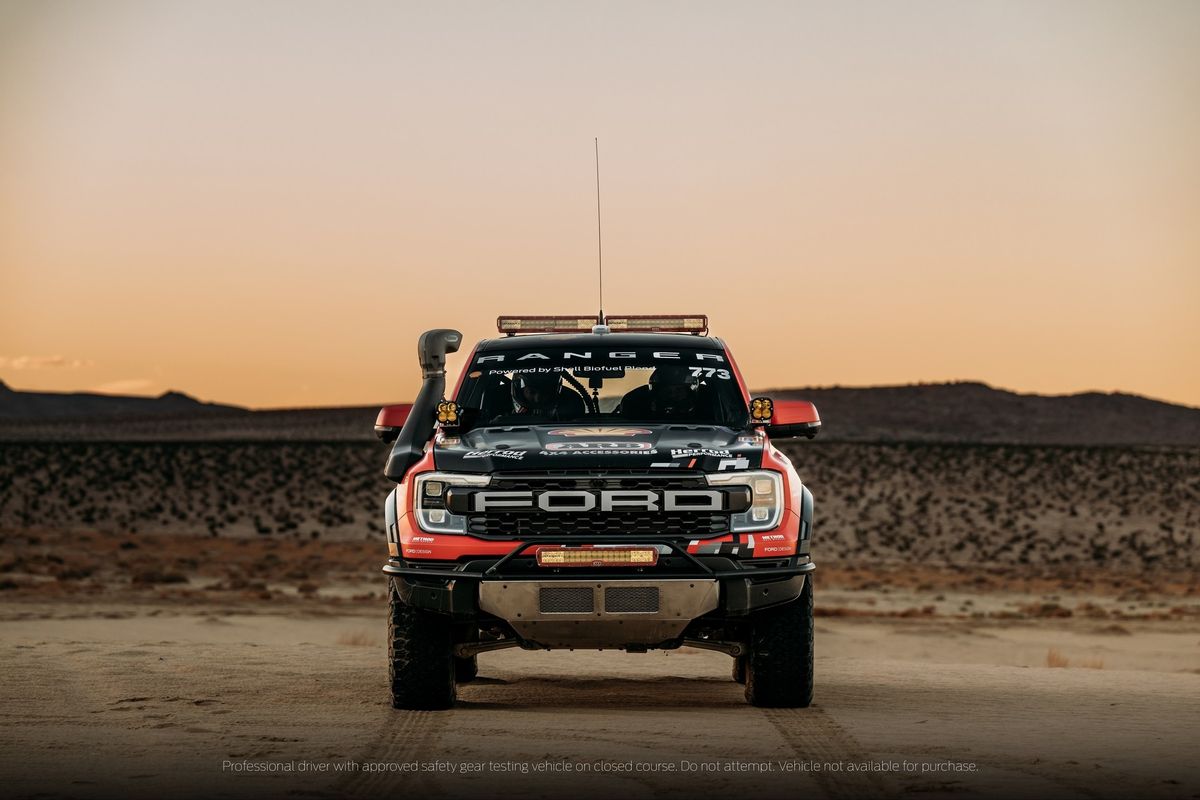
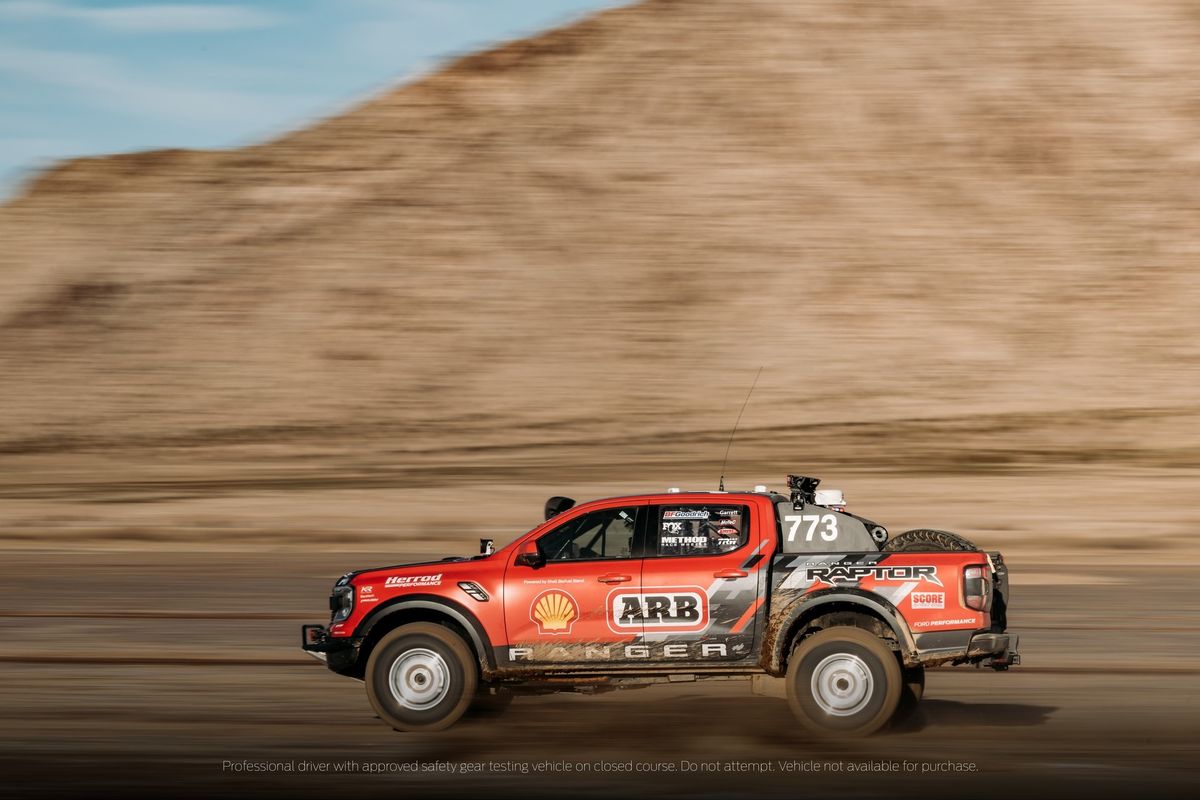
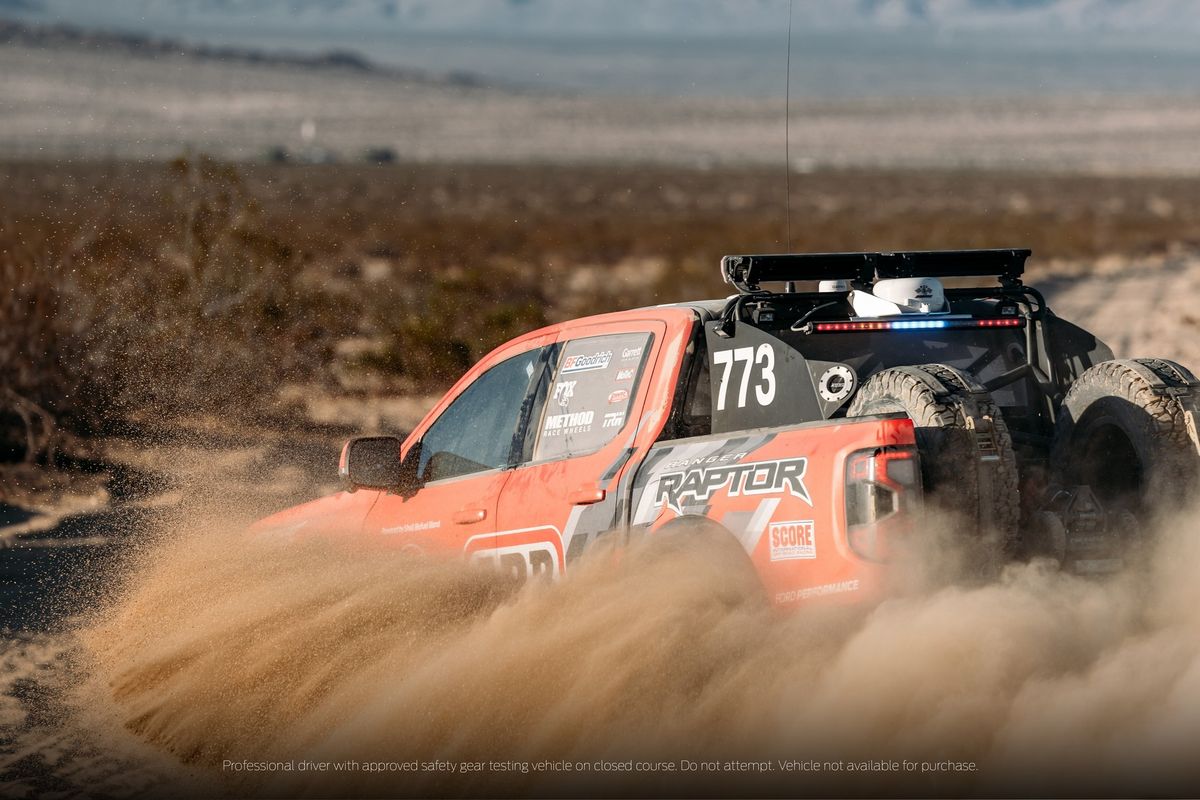
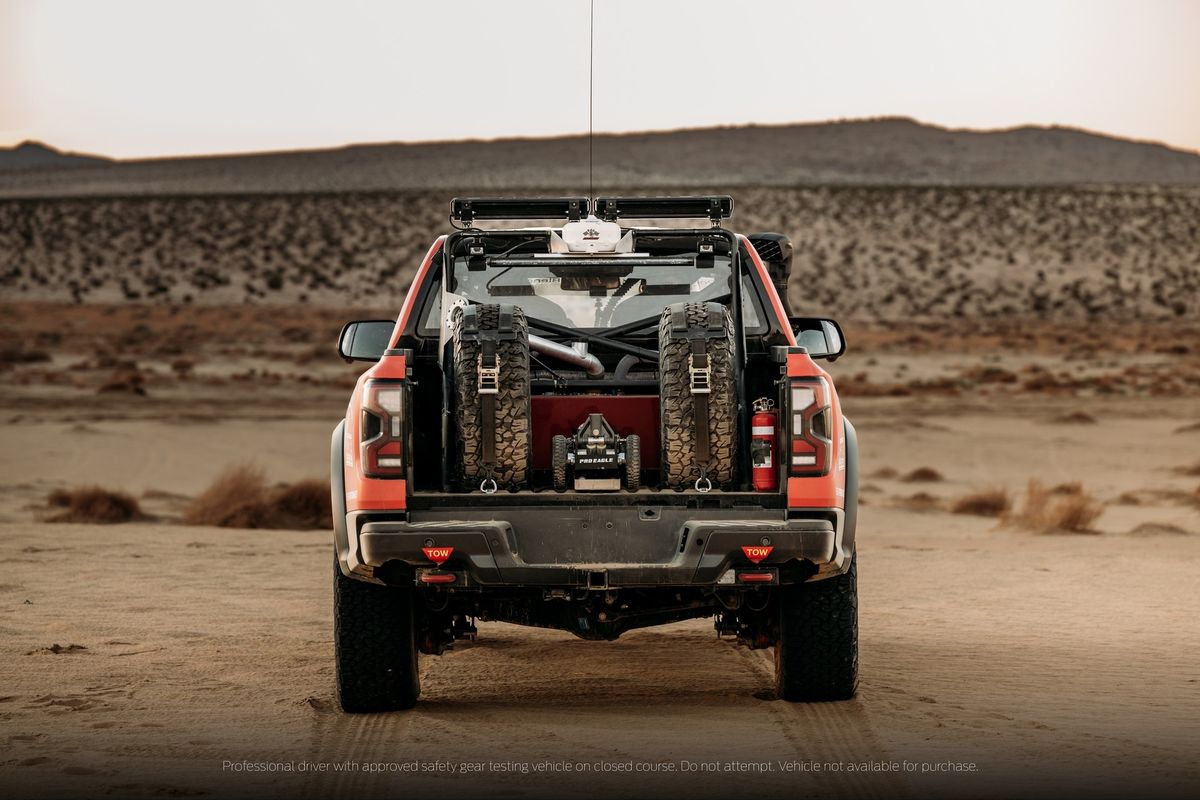
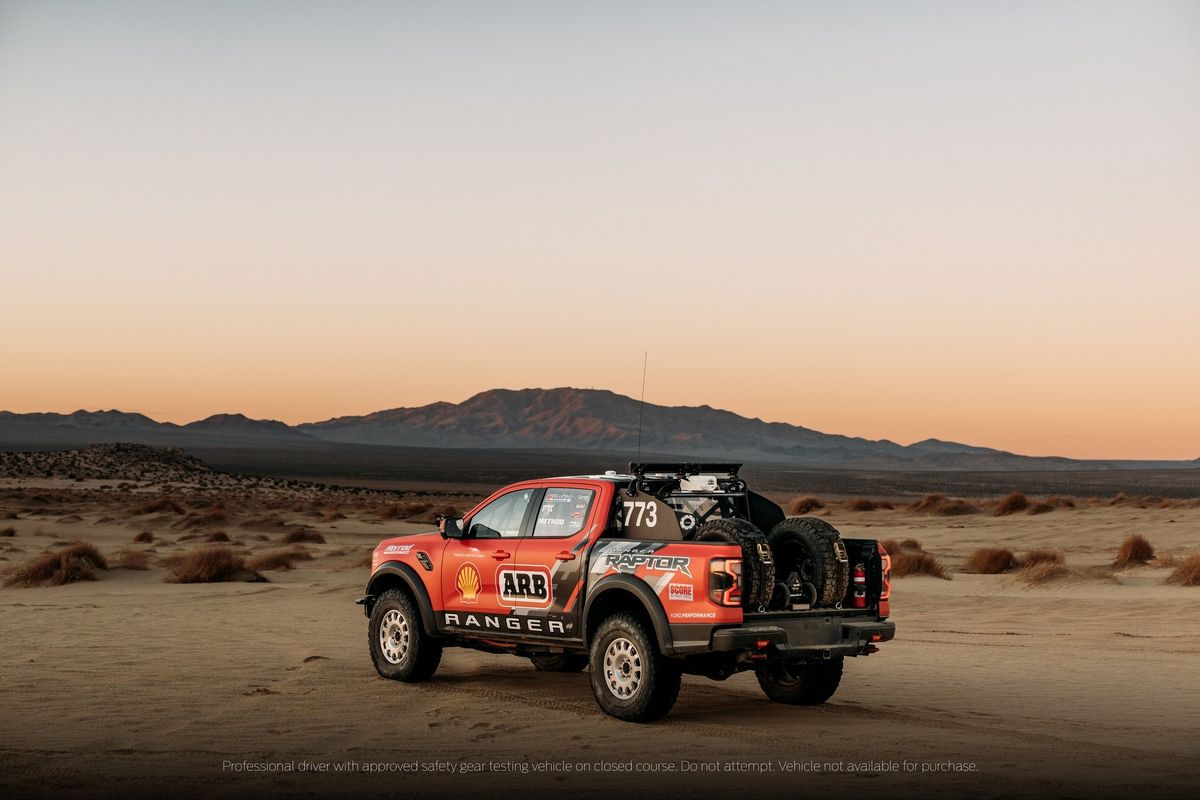
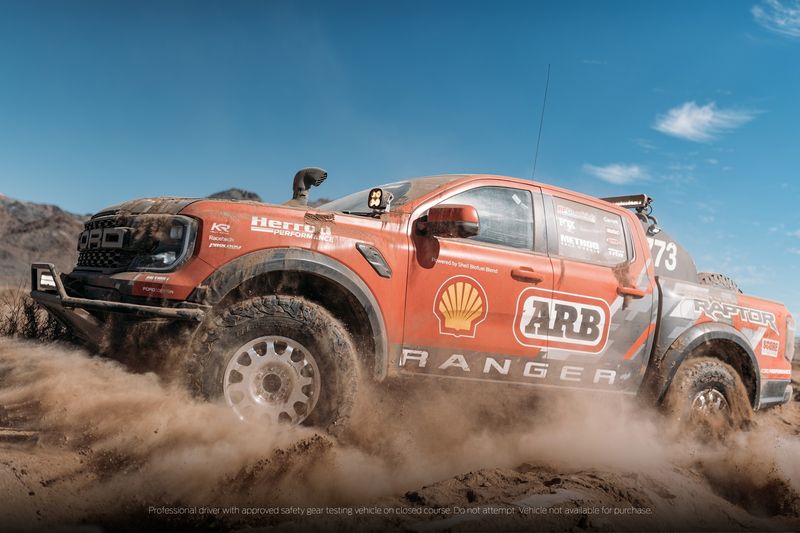
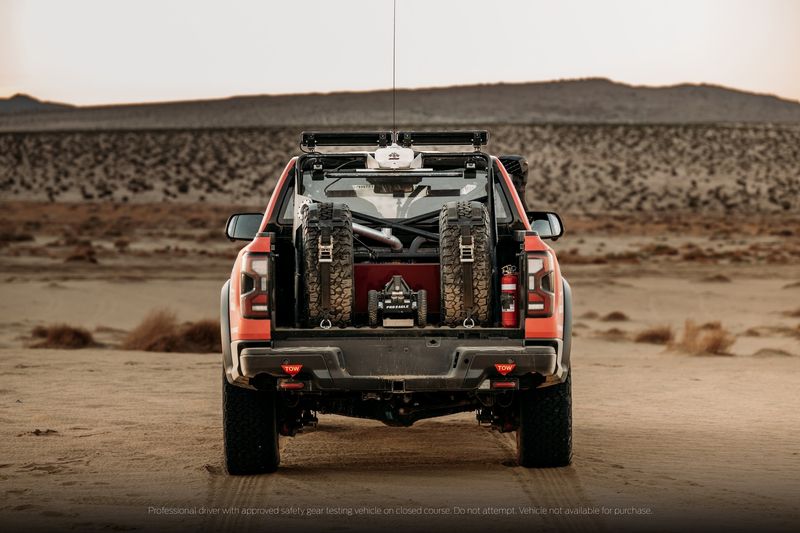
So, what do we have here then? This is Ford Performance’s project and is essentially a stripped-out Ranger Raptor that will be taking part in some offroad racing. If you want to push the limits in terms of mechanical ability, endurance and reliability, motor racing is a great place to start.
This specific Raptor will be taking part in the Baja 1000 and has already been undergoing extensive testing in Australia, before making its way Stateside.
Now this is where it gets interesting. Not many technical details have been confirmed, but it will be running on a special fuel from Shell comprising one-third blend of biofuel. “Demonstrating low-carbon fuels in performance settings like the Baja 1000 can help bring biofuels and other clean energy technologies to scale more quickly, and help to make them more available and affordable for everyone,” global director of Sustainability, Compliance and Homologation at Ford, Cynthia Williams said.
To go from standard Raptor to racing Raptor, there have been extensive modifications. Most of the comfort features have been removed and in their place comes a large snorkel, fitment of an armoured skid plate, bull bar, huge LED lightbar as well as some offroad racing-grade tyres and wheels. The loadbay has been adjusted to hold spare wheels as well as tools for those repairs on the go. On the side, you’ll notice ARB branding. This company has partnered with Ford to develop offroad 4×4 accessories for the brand-new Ranger.
This is not Ford’s first rodeo when it comes to the Baja 1000, with both the F-150 Raptor and Bronco having entered over the past few years. “By entering this event, we’re building on the hundreds of thousands of kilometers of development testing and pushing the Ranger Raptor to new extremes,” off-road motorsports supervisor of Ford Performance Brian Novak added. “The Baja 1000 is a demanding event and a well-known proving ground for off-road vehicles. We are excited to compete in this extreme event with Ranger Raptor.”
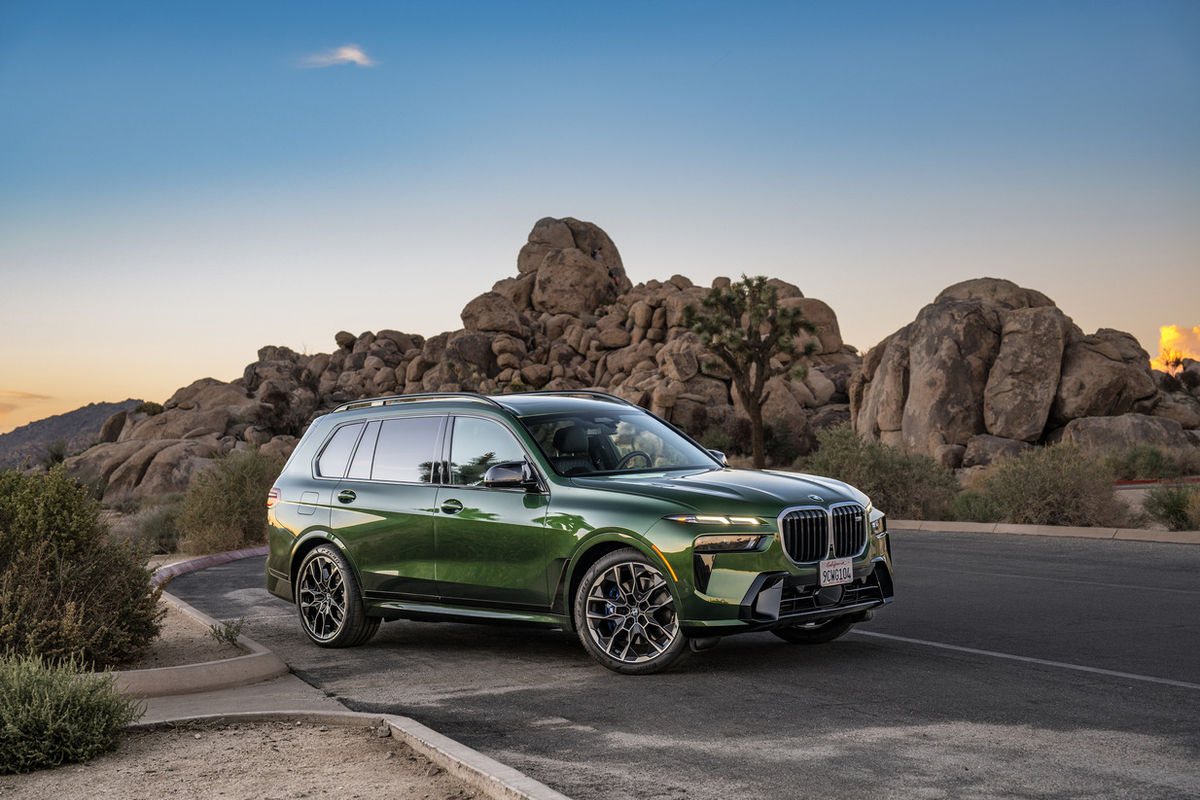
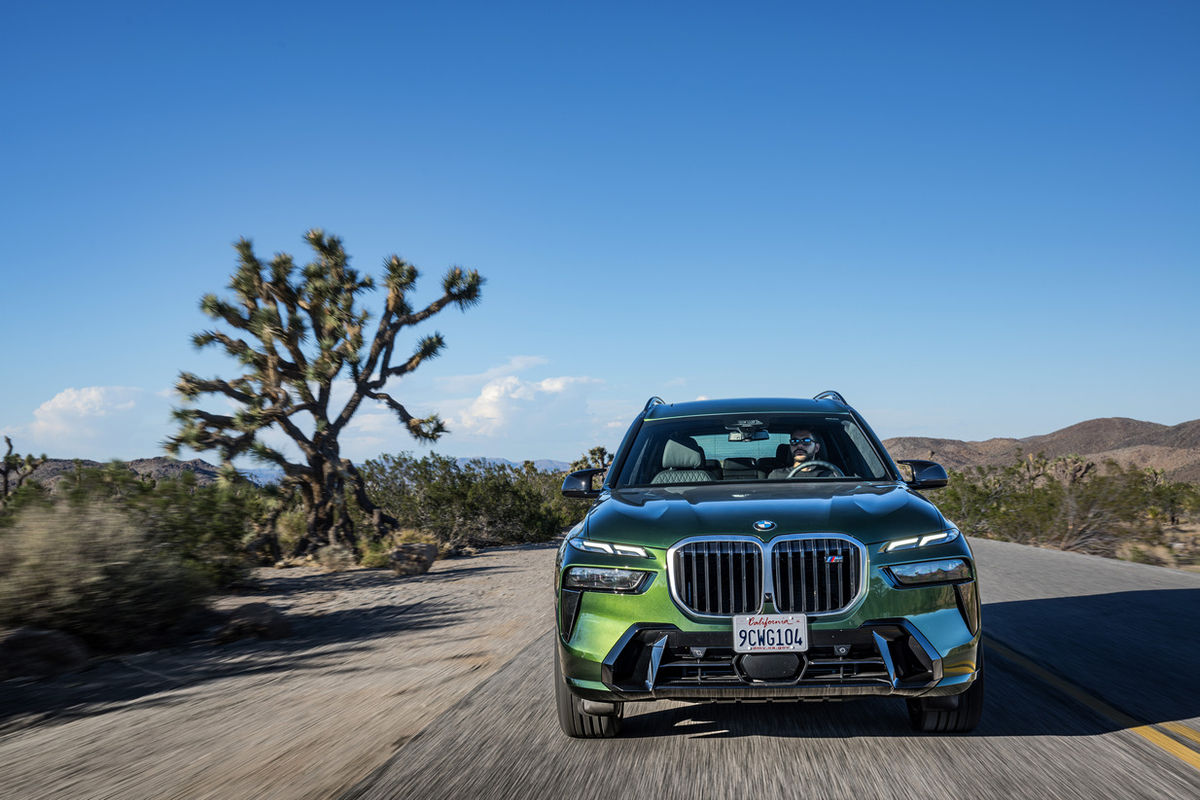
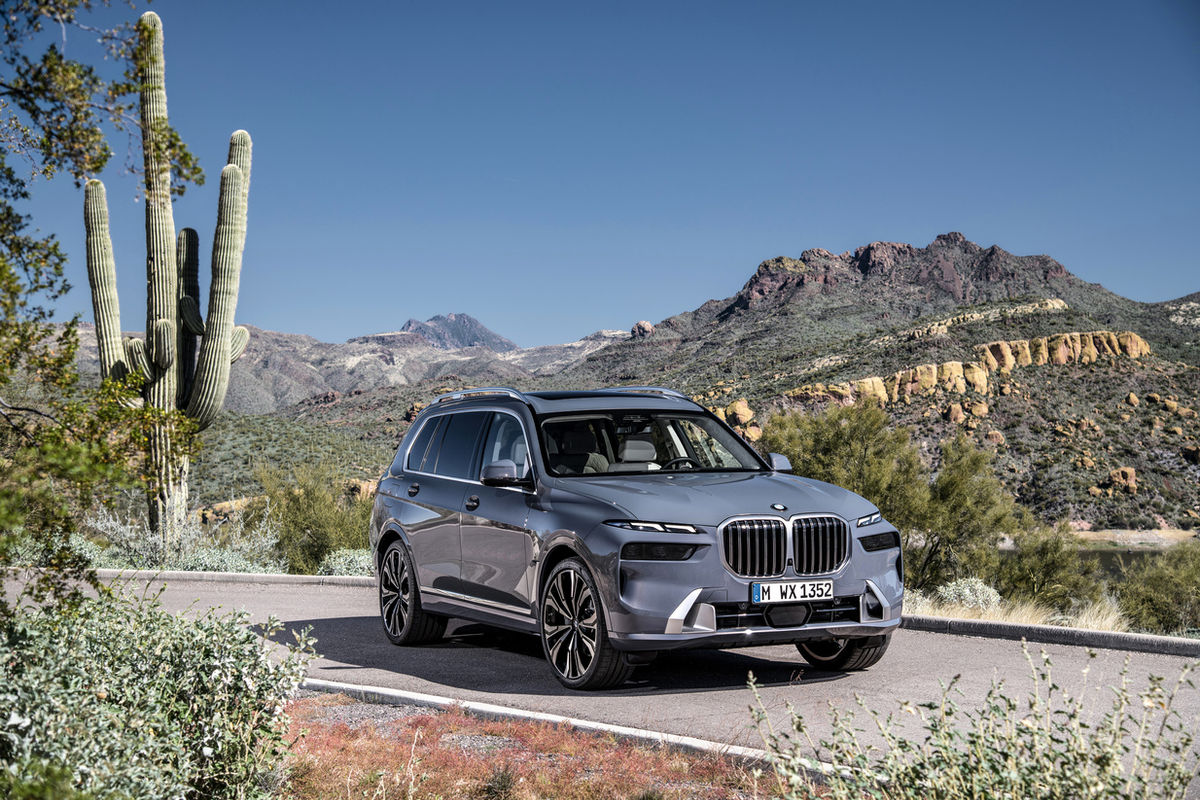
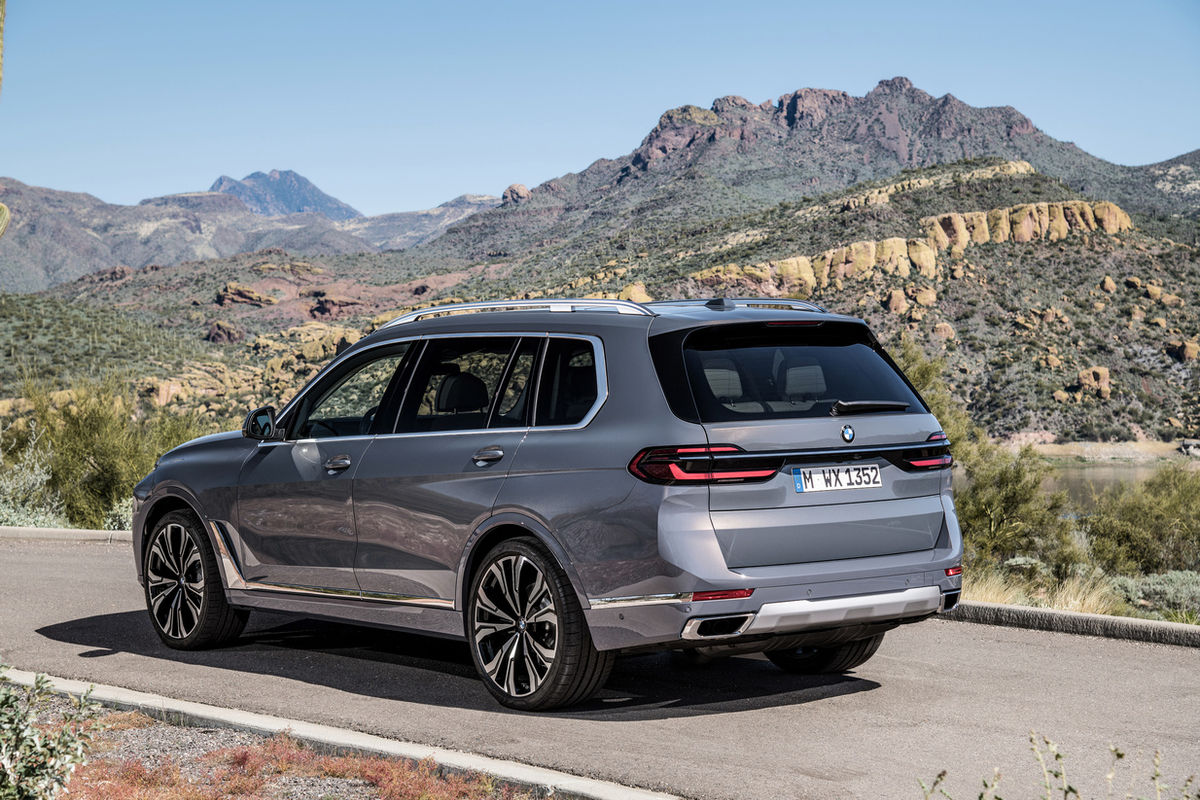
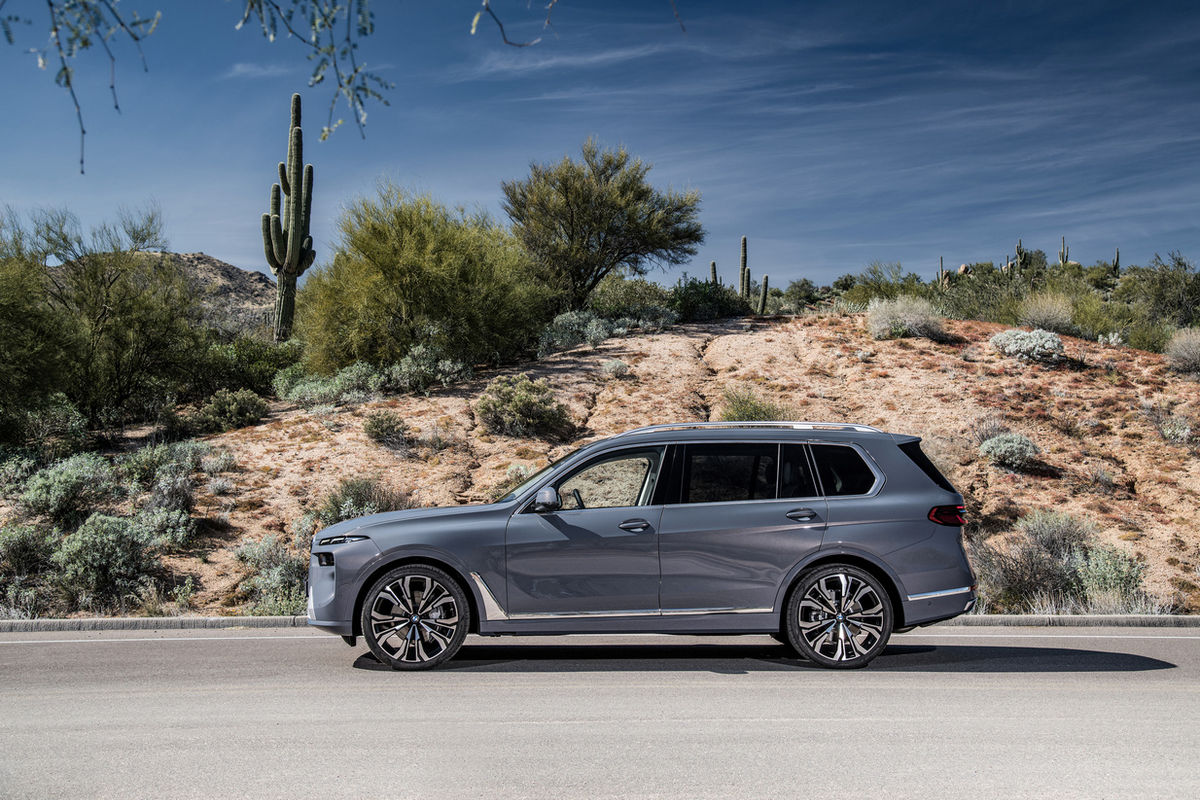
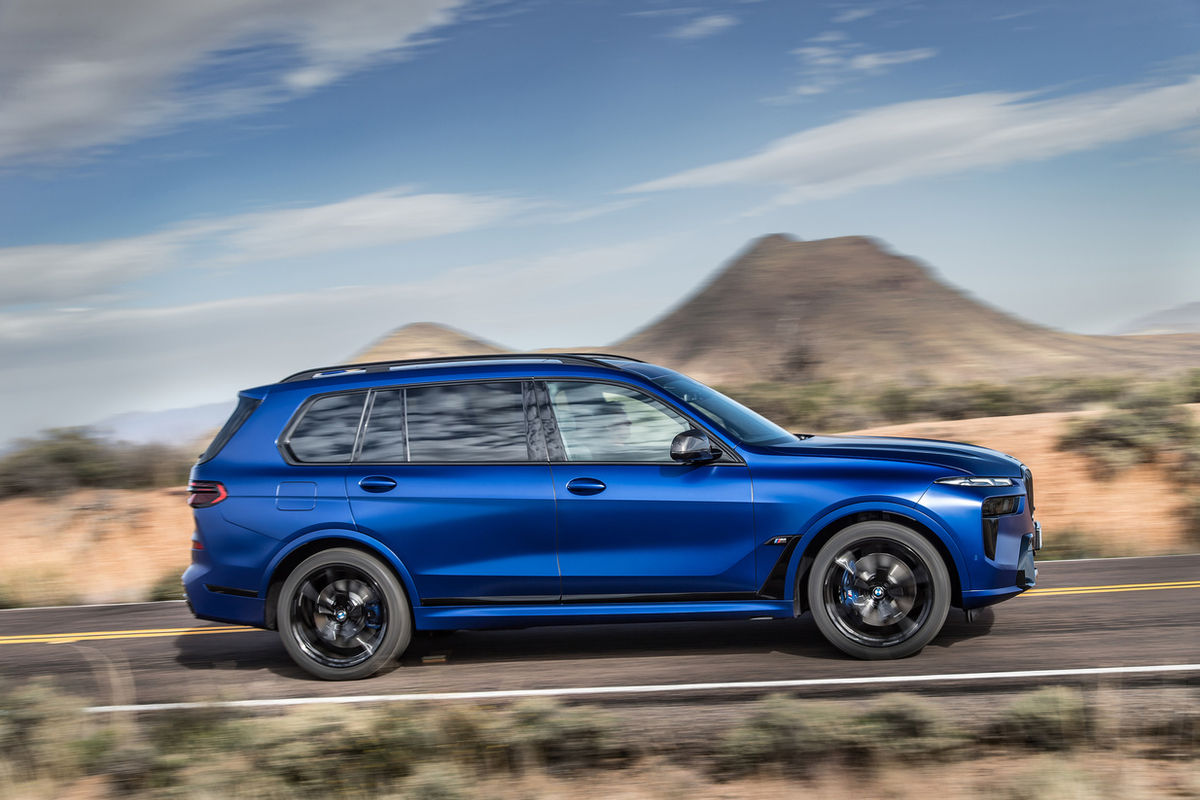
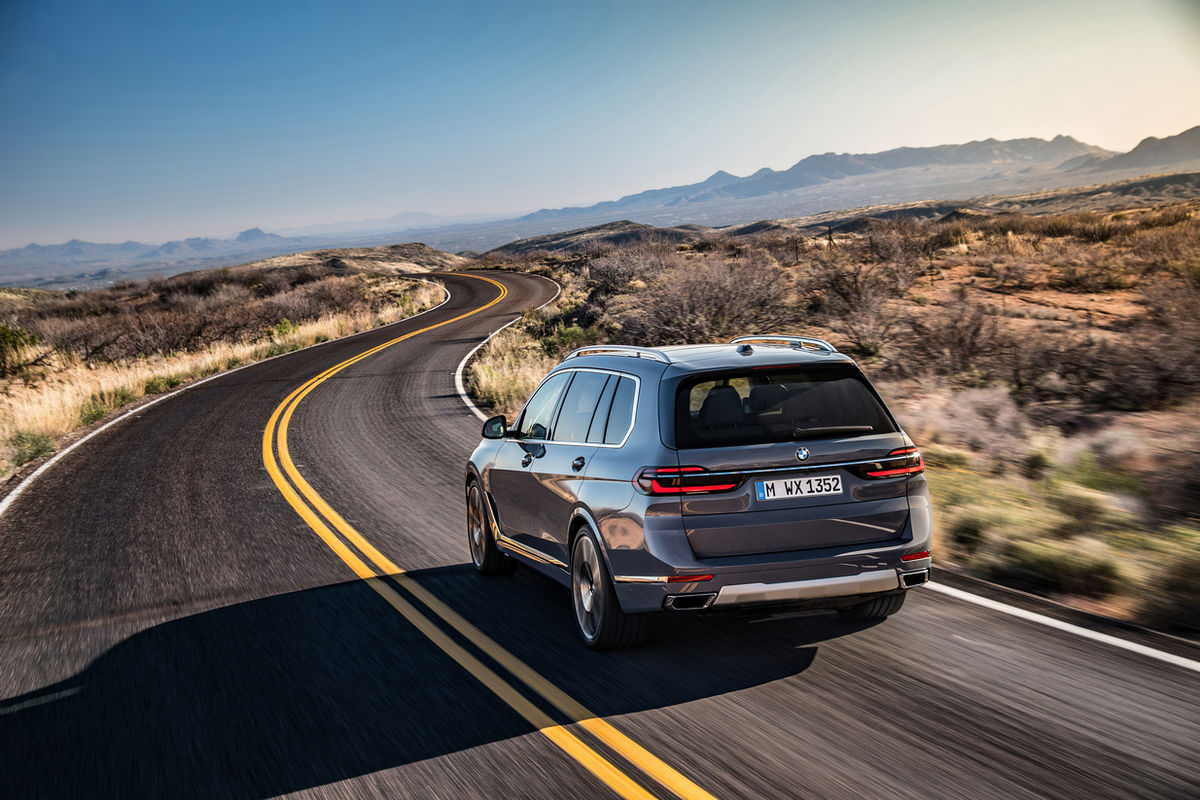
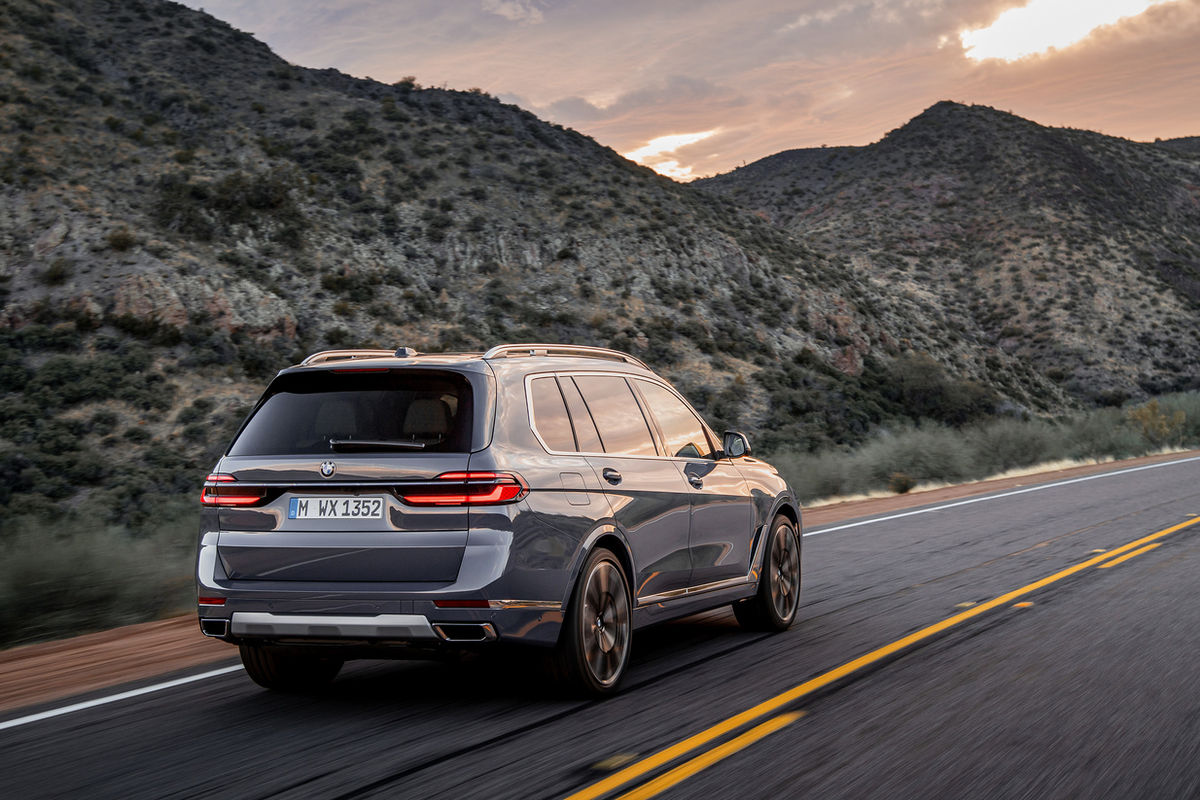
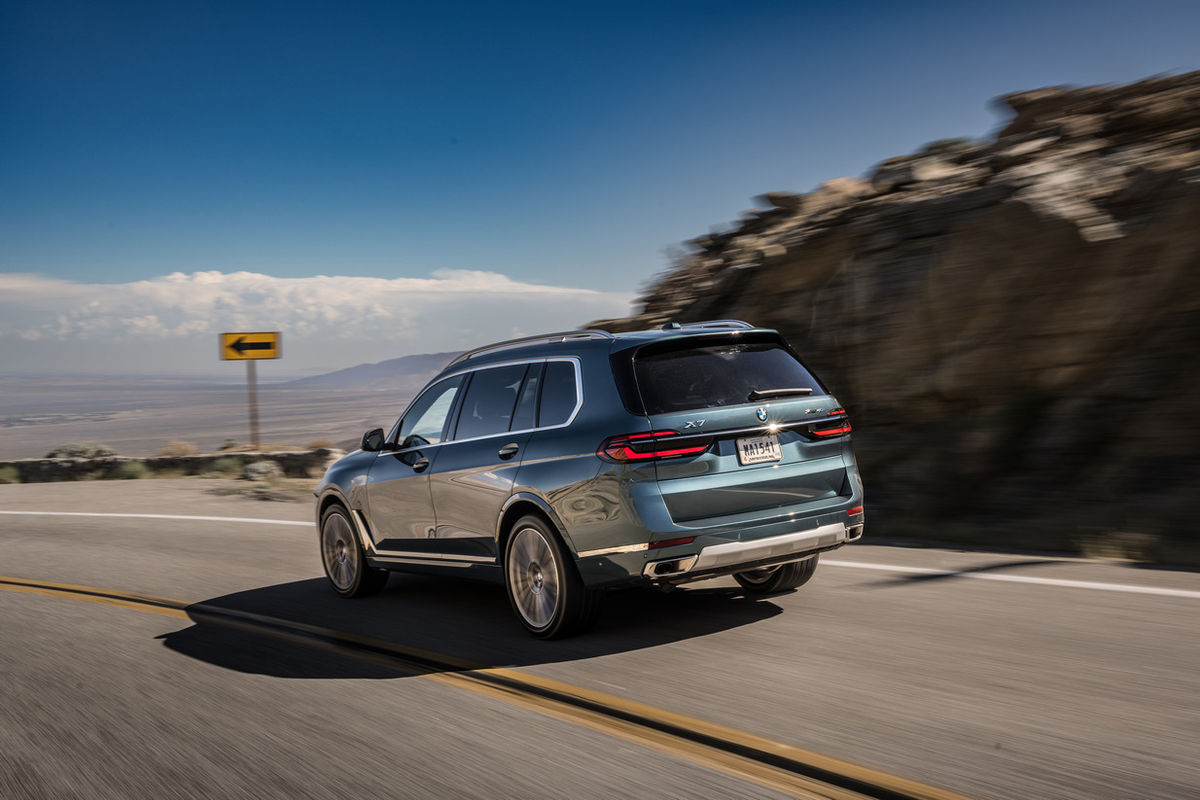
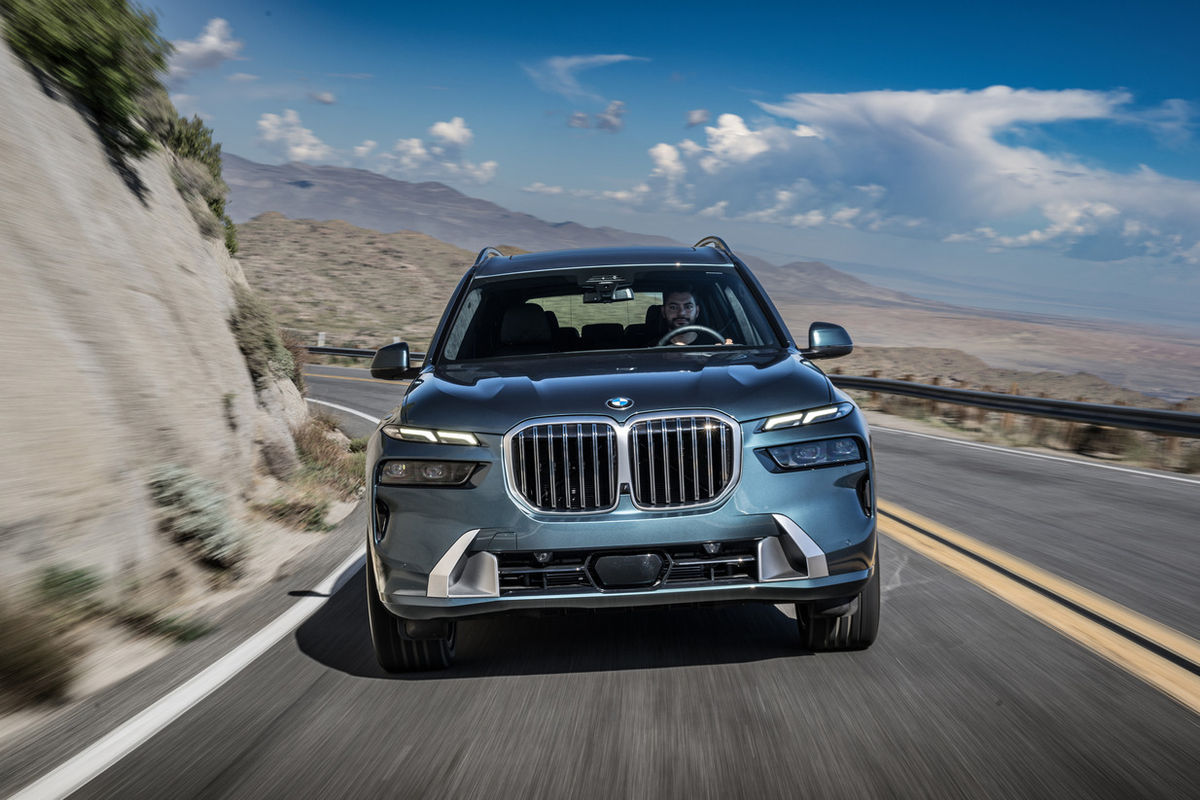
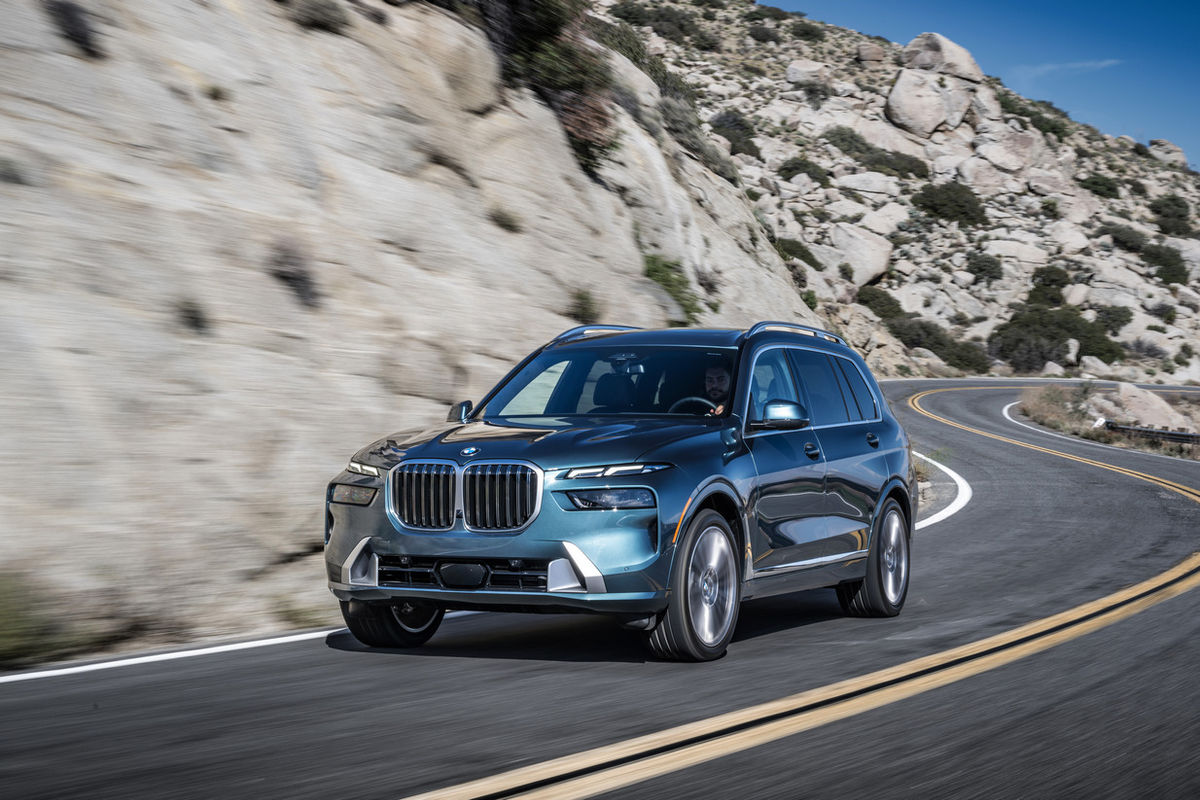
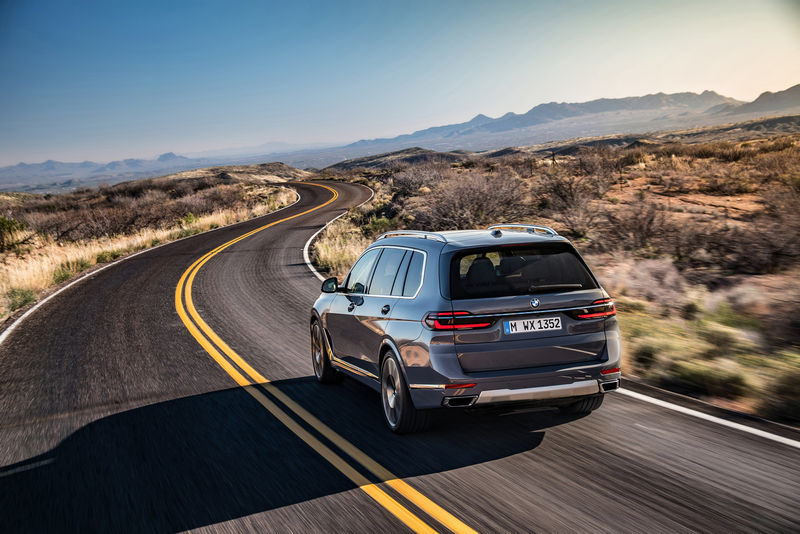
BMW’s biggest, most luxurious SUV has been refreshed and will be available in South Africa in 2023. We had a chance to drive the revised X7 at its international launch in Palm Springs, California.
What’s new with the X7
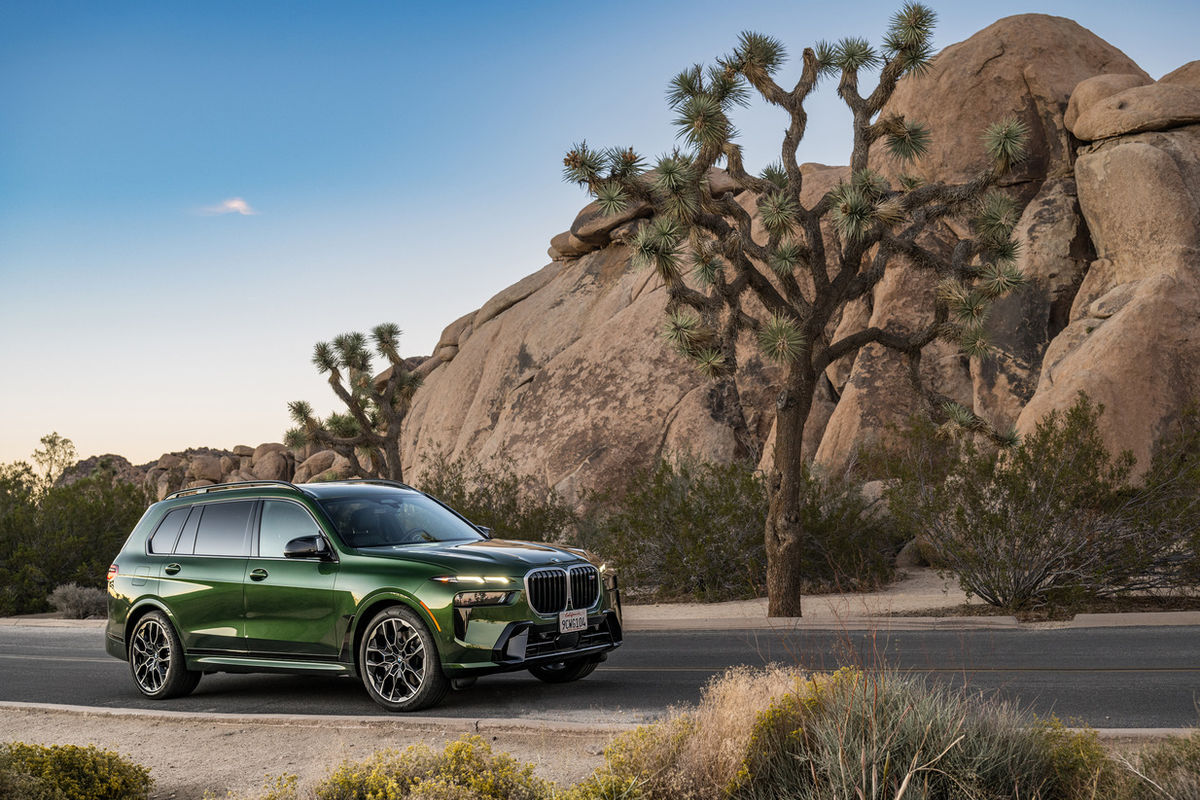
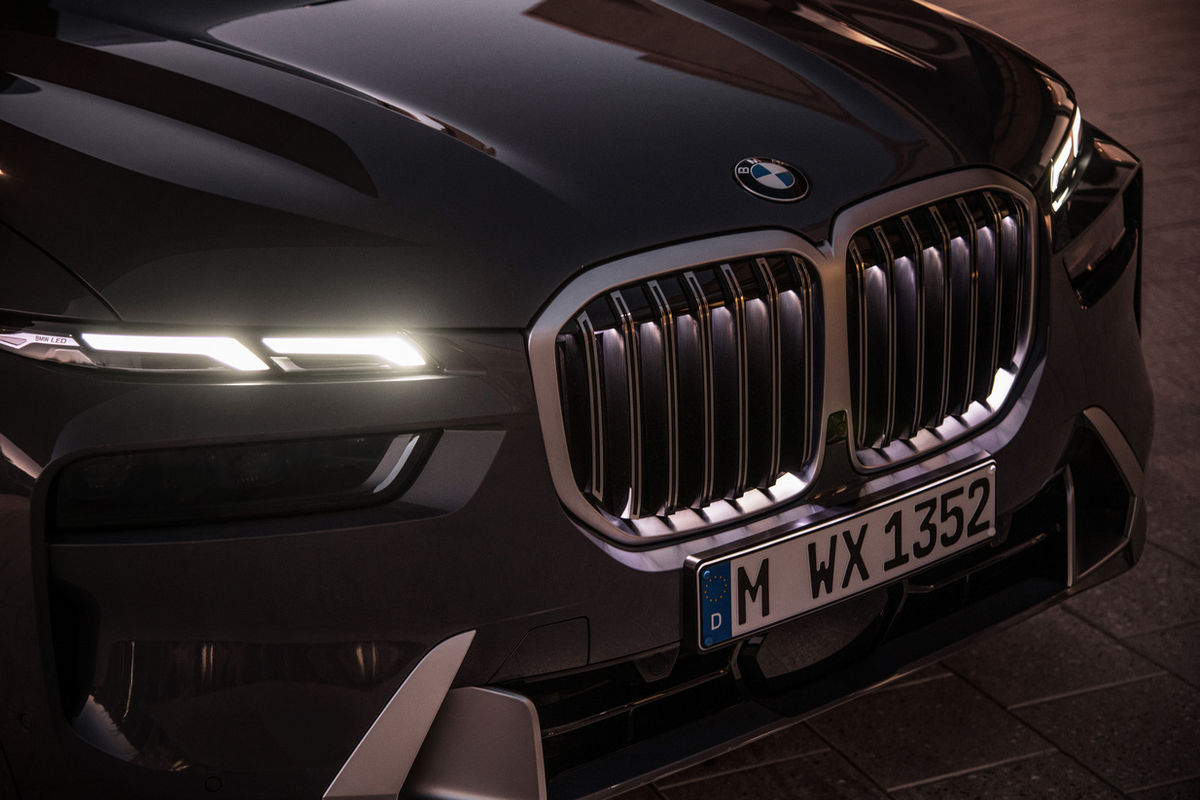
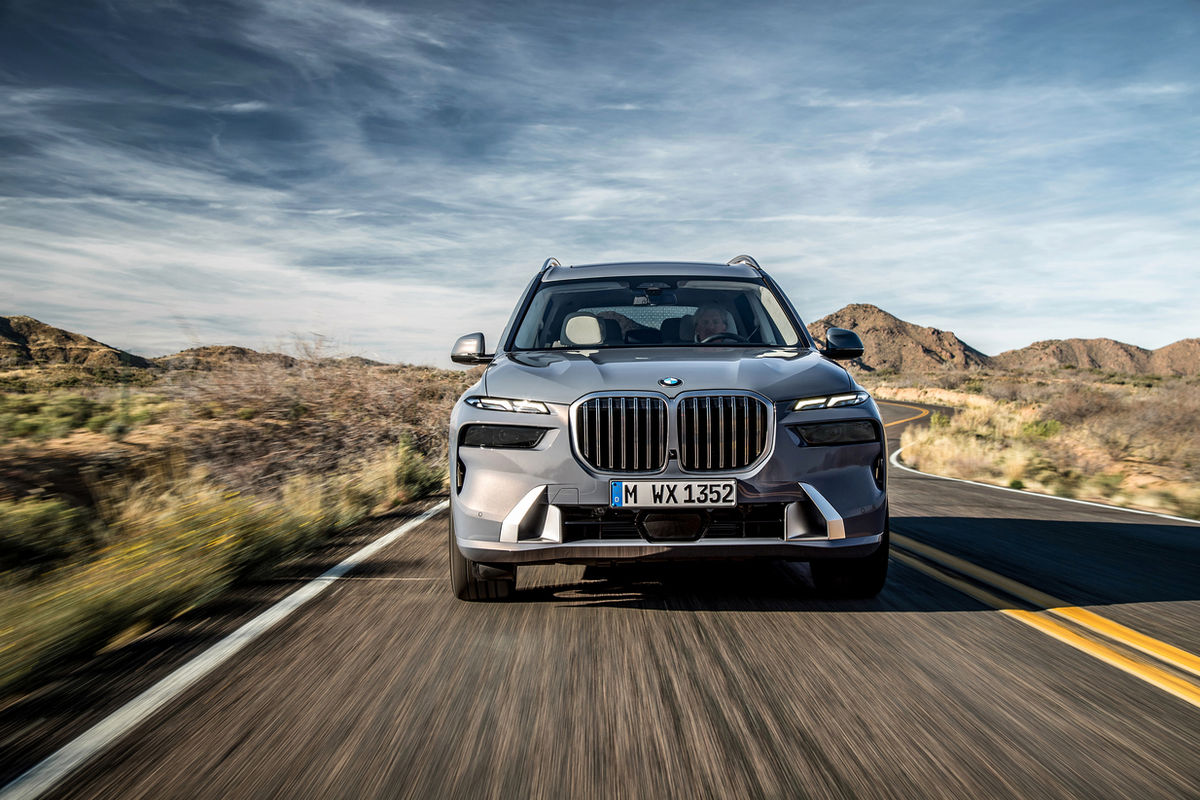
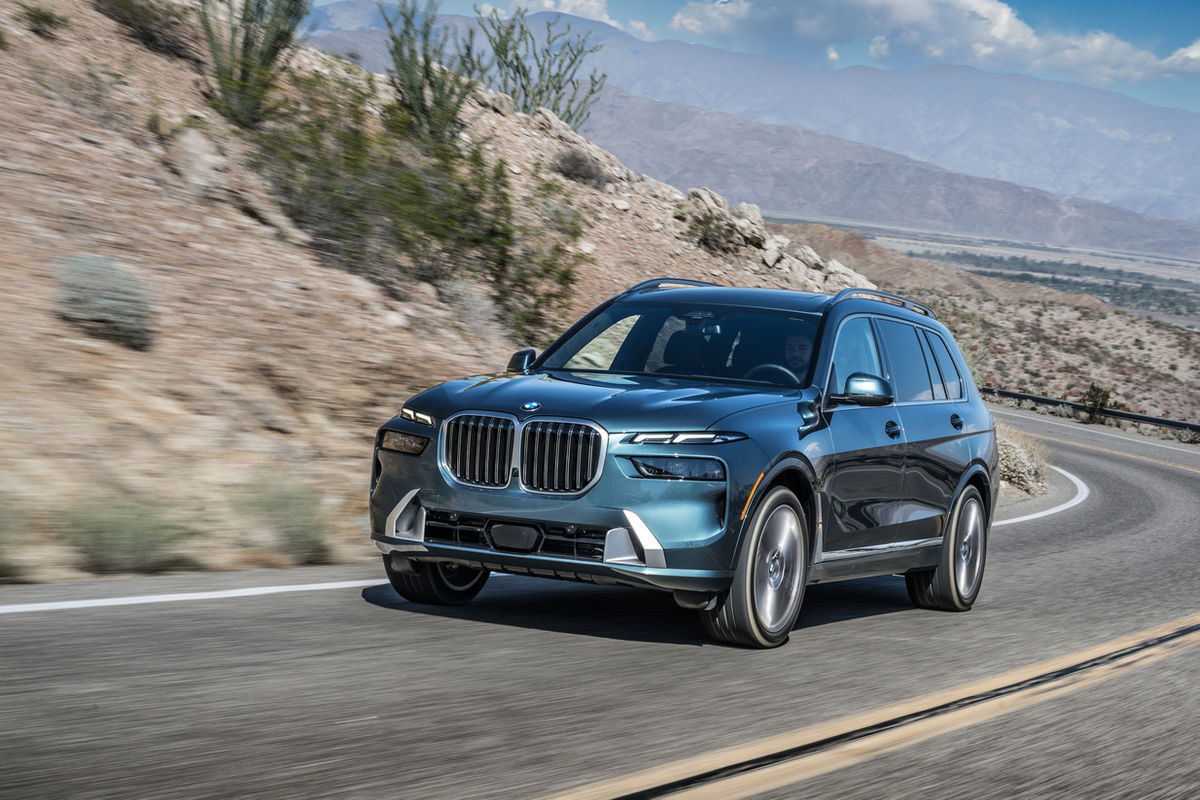
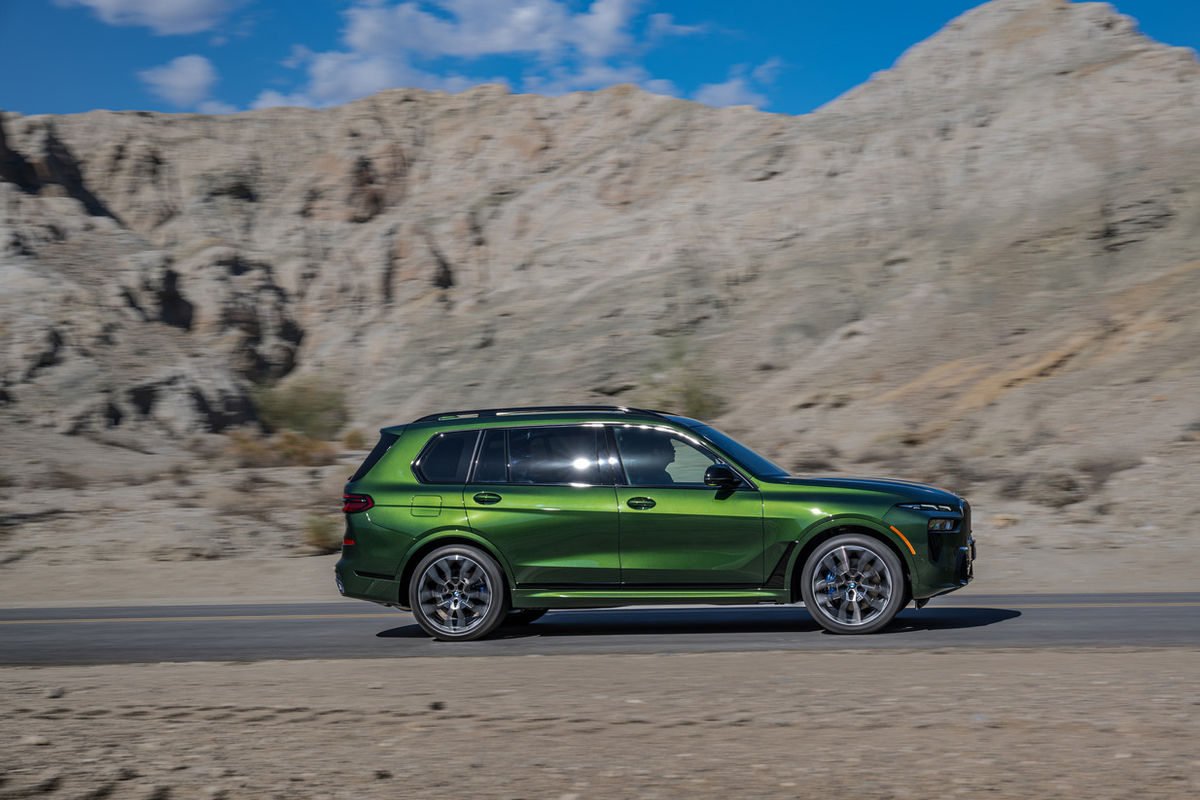
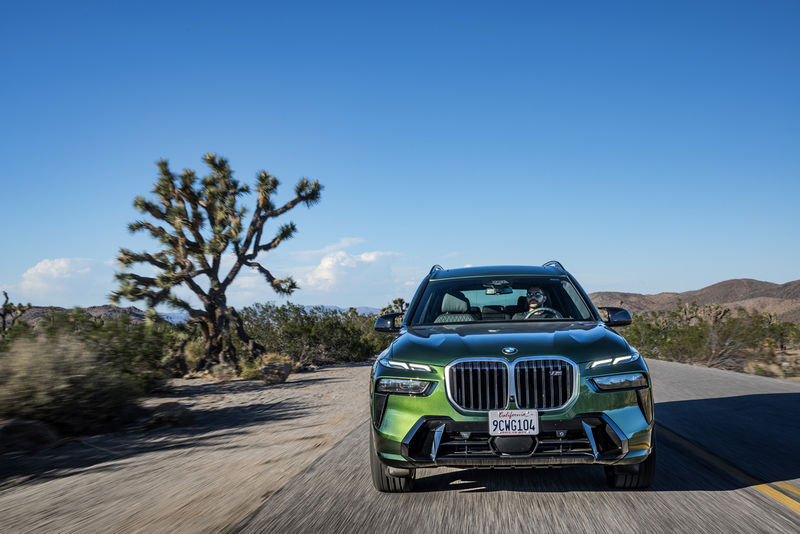
The split-headlight design is carried over from the new 7 Series.
Upon its unveiling in 2018, the X7 represented a step into the unknown for the Munich-based brand, which had achieved runaway success with its X models, but never pushed into the super-luxury market with any of them. Fortunately for BMW, it hit pay dirt with the X7, because the first-class SUV has proved popular, especially in Asian markets, where its bold design (dominated by the then-controversial oversized double-kidney grille) garnered many fans – and buyers.
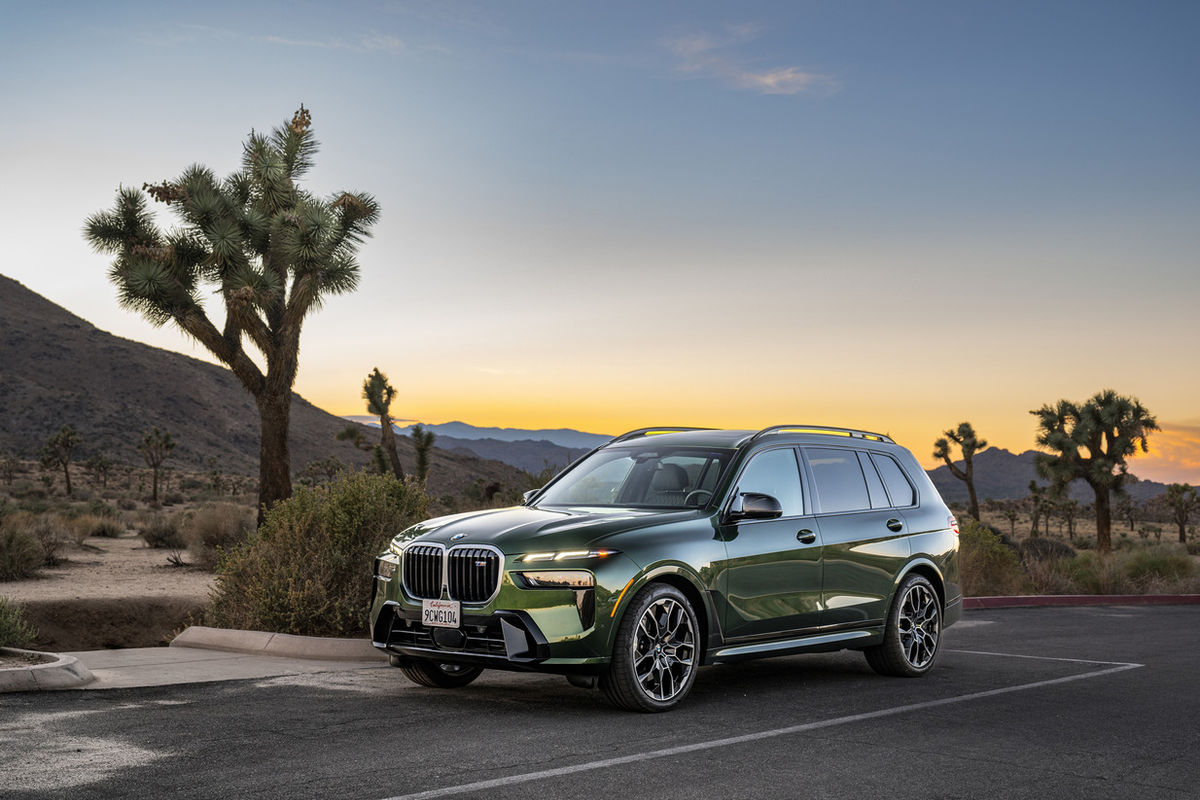
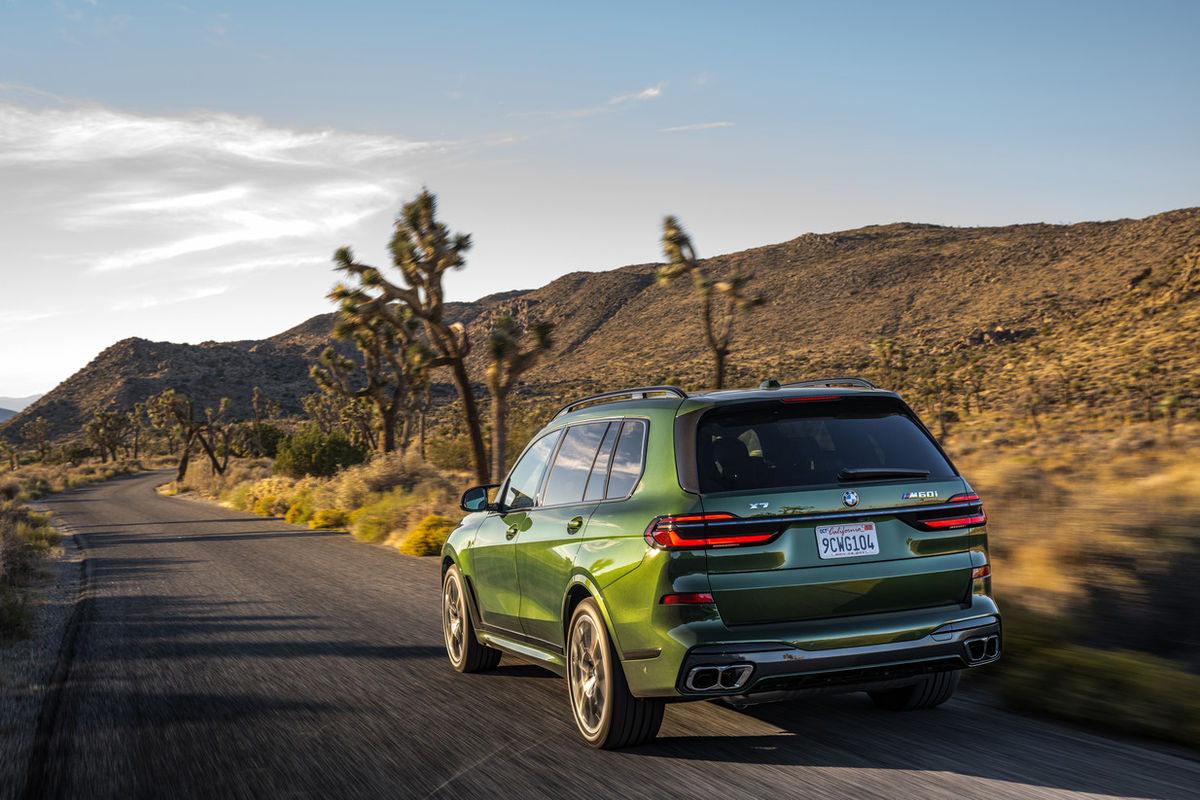
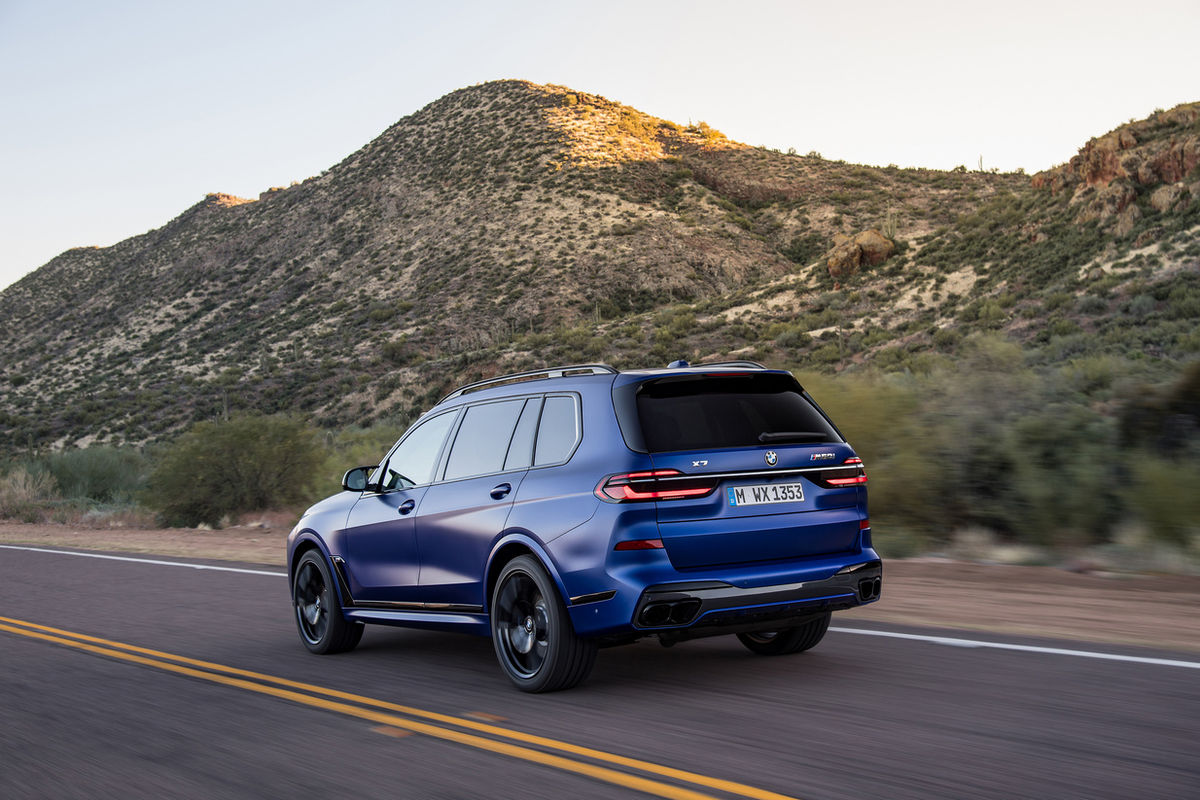
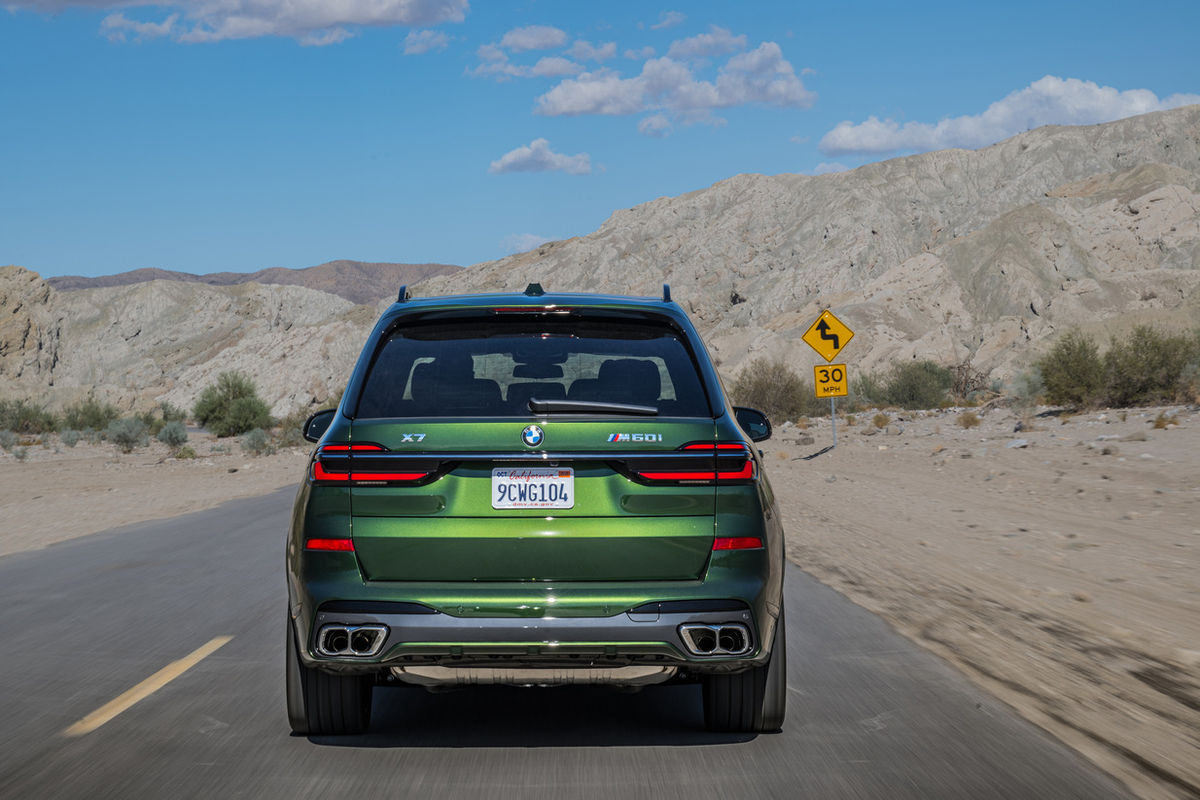
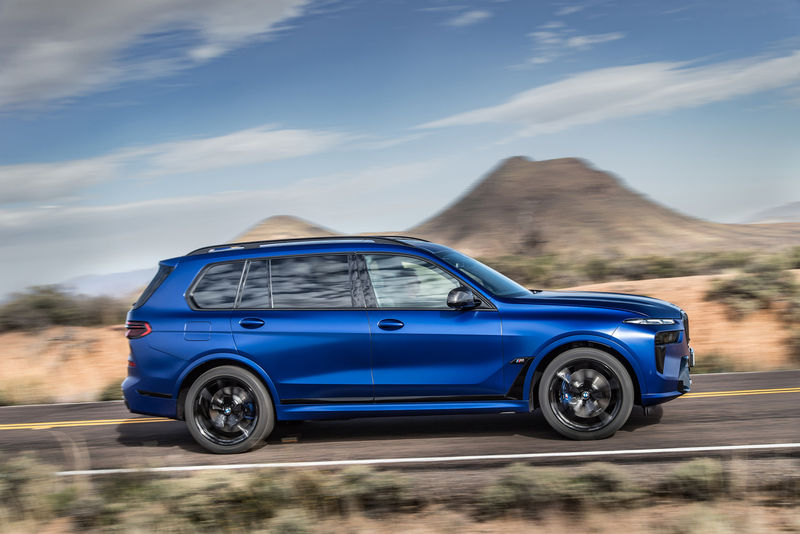
The quickest way to distinguish the updated X7 from its predecessor is by the split-headlight design, which it carries over from the new 7 Series (G70). M Sport and M Sport Pro packages add a bolder exterior treatment with more blacked-out surfaces, while 23-inch rims are now the largest wheels in the range (up from the pre-facelift’s 22s). As for the rear, a new 3D graphic for the light clusters – and an aluminium strip that links them – are the most significant revisions.
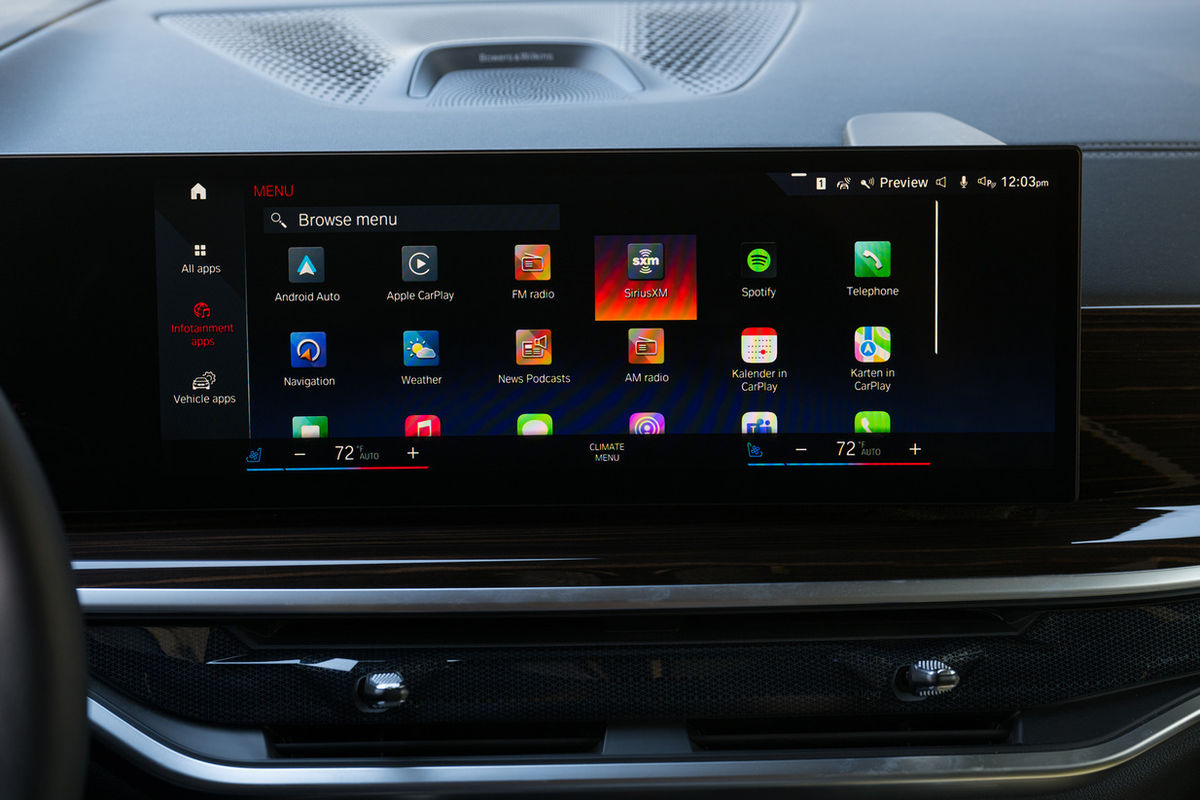
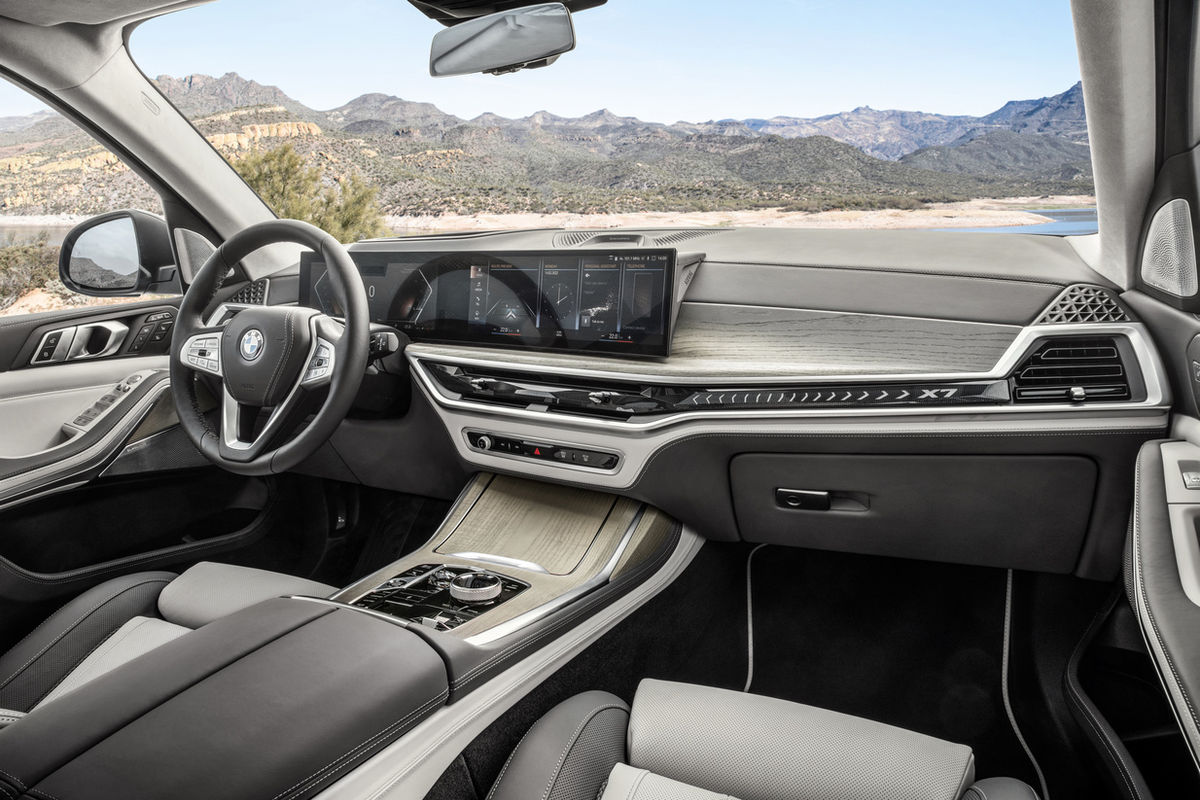
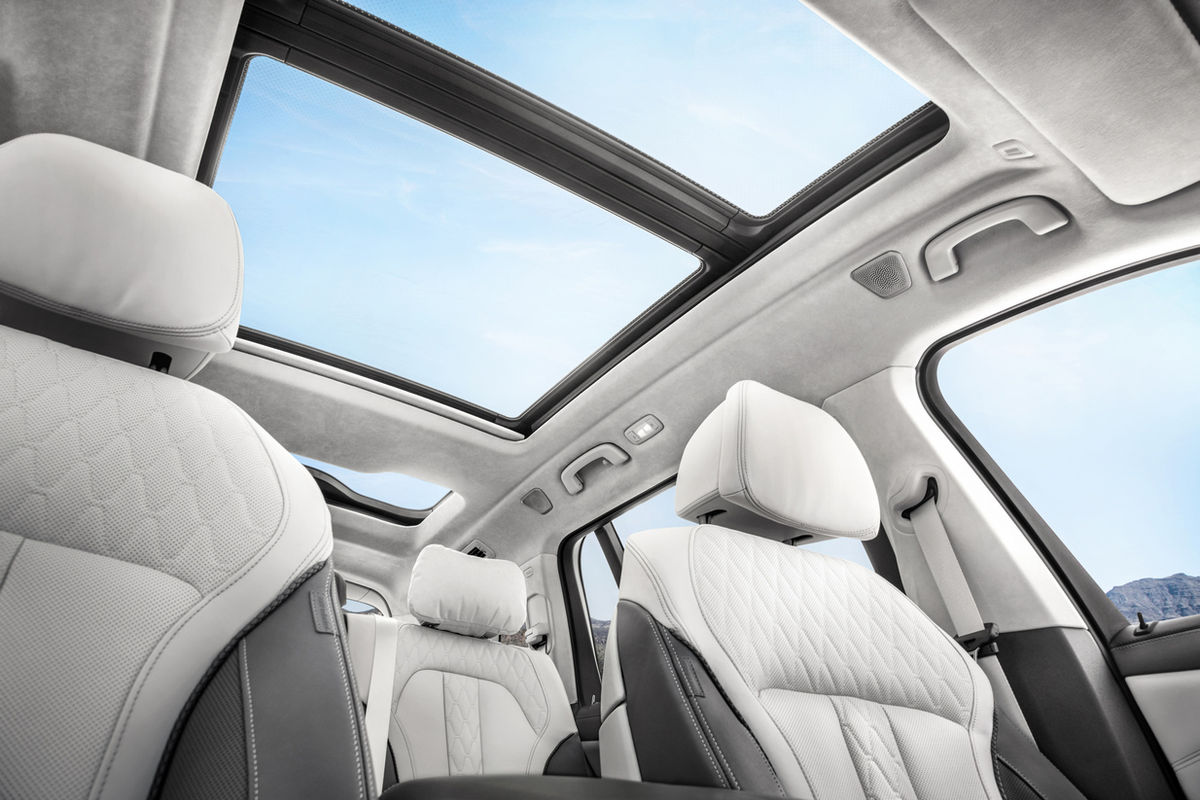
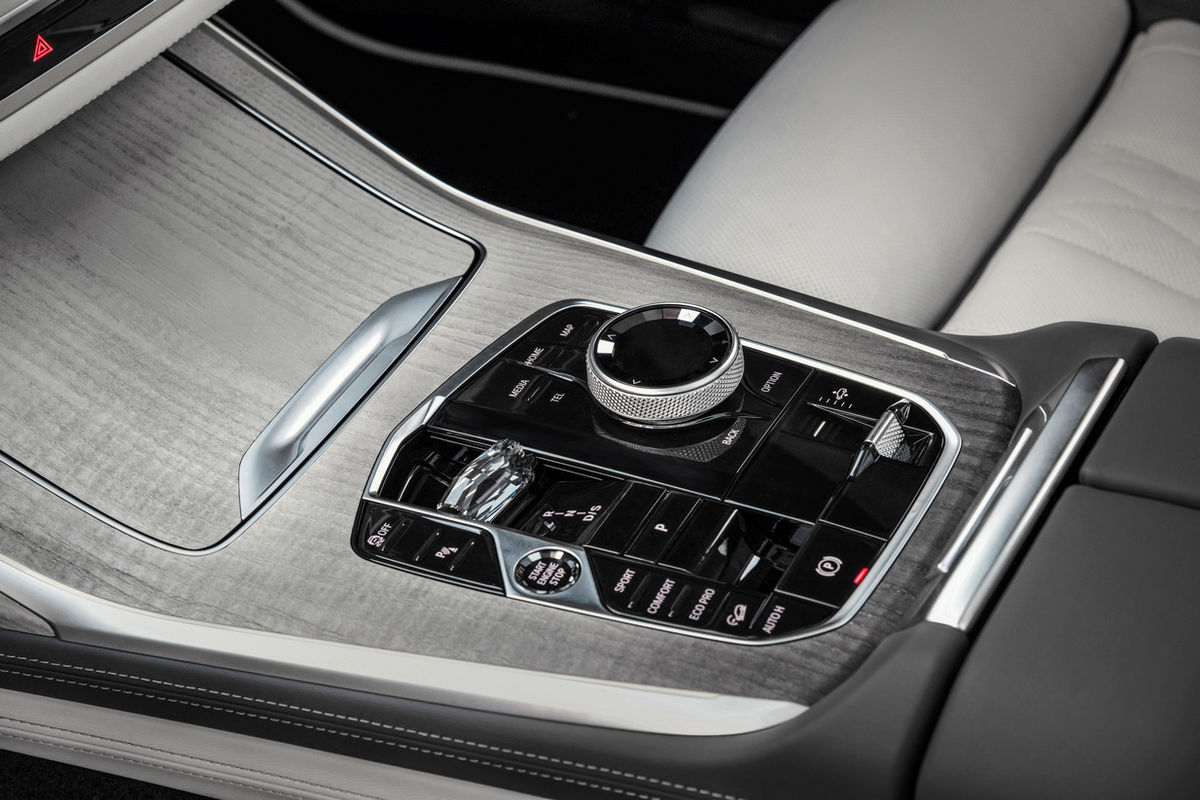
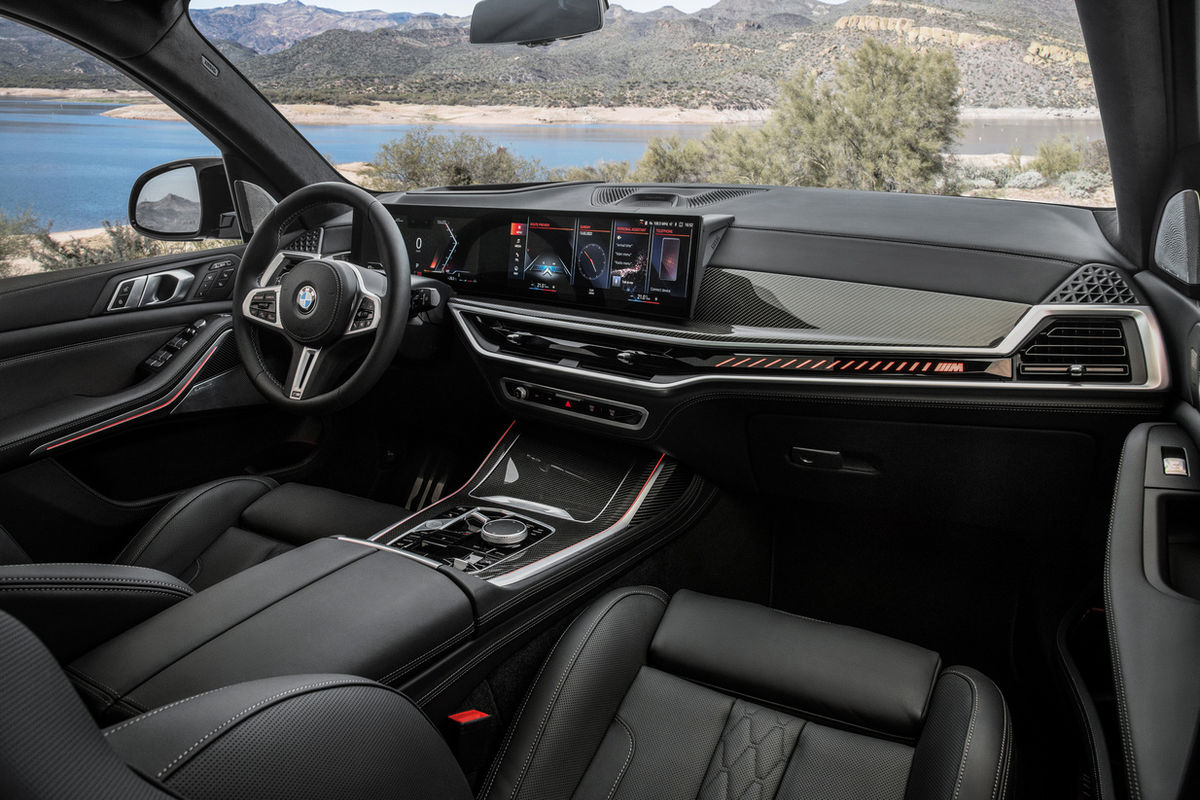
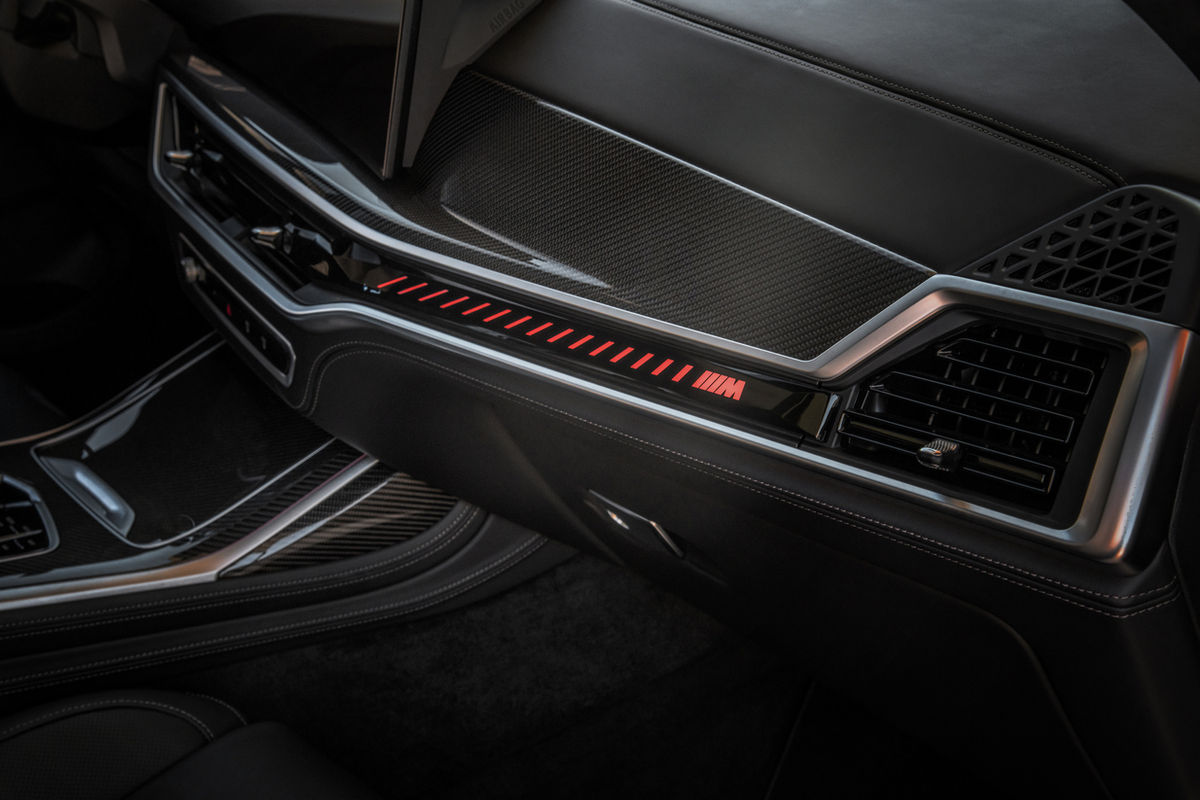
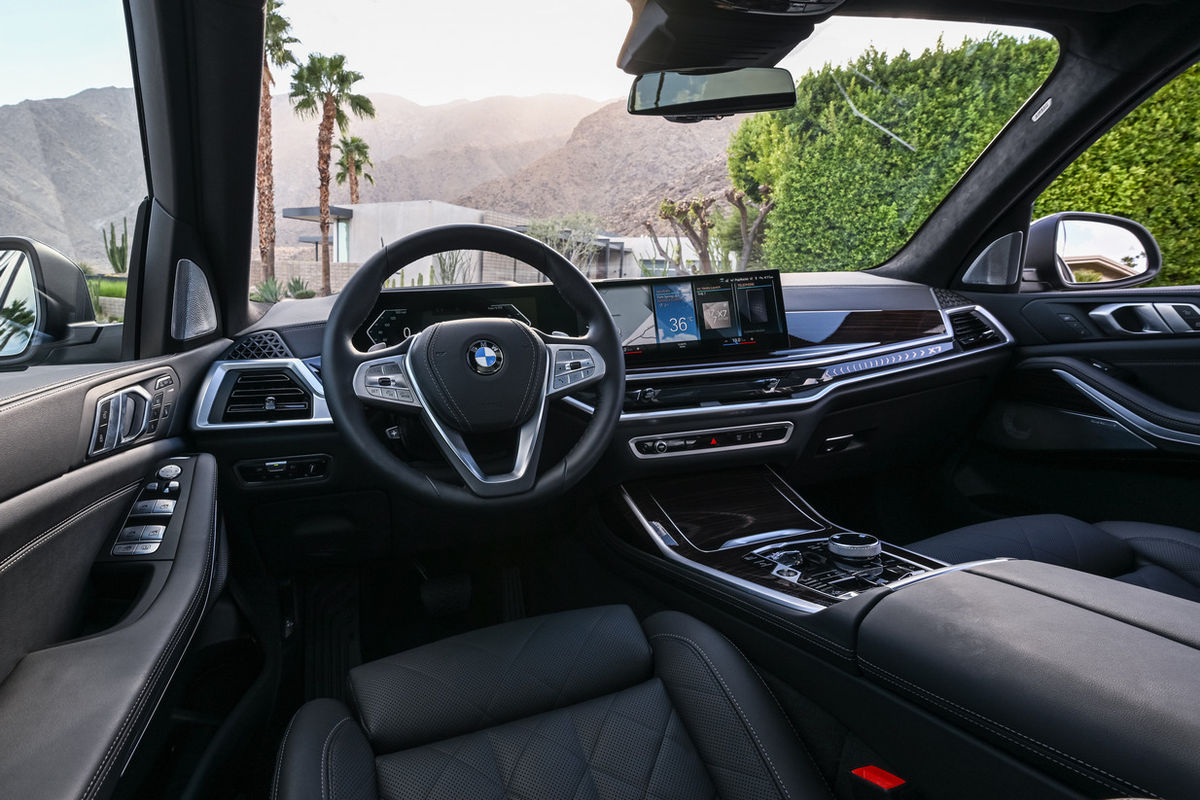
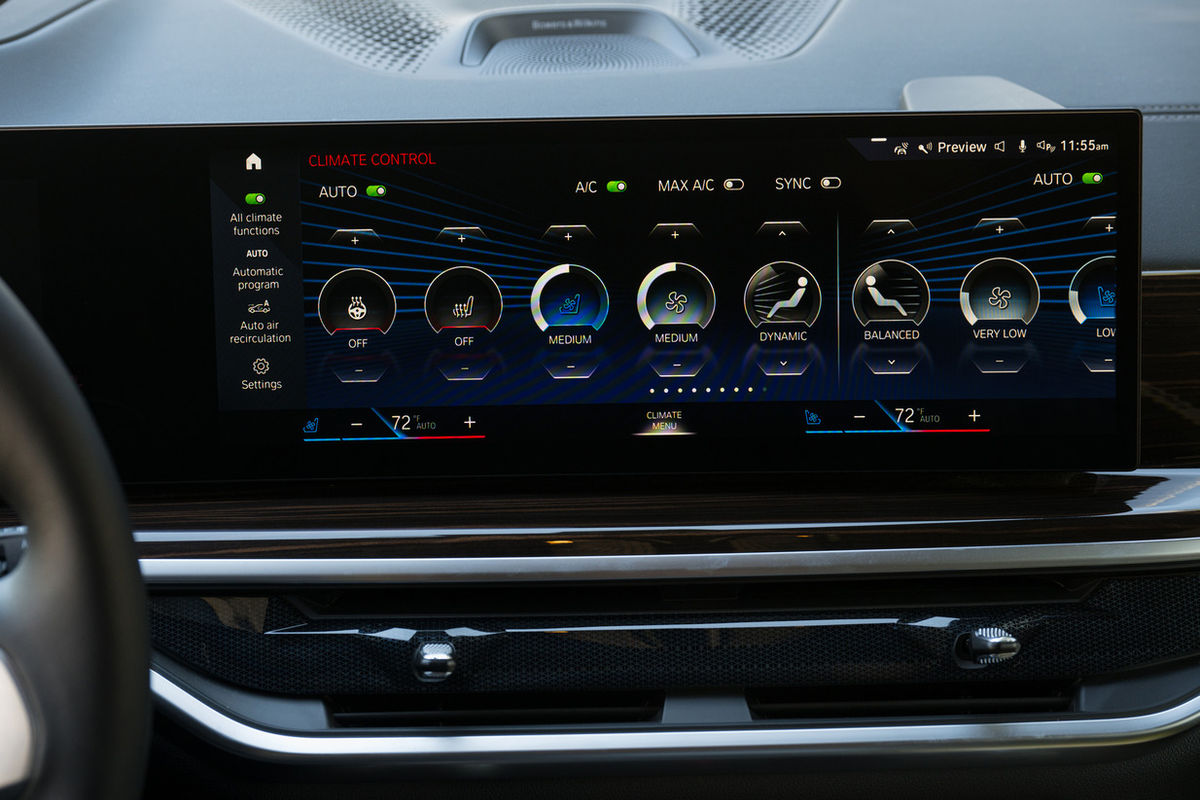
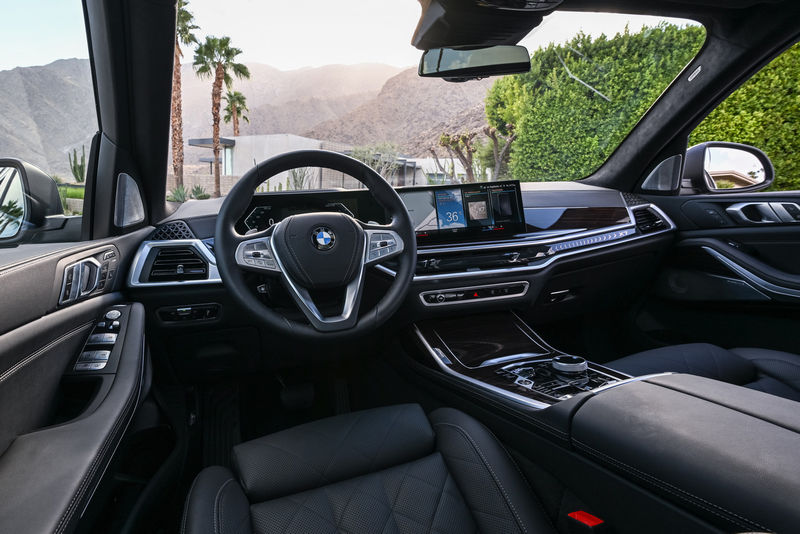
Inside, the X7 comes standard with 7 seats, but it’s optionally available with 6 seats (in a 2+2+2 formation, with a central corridor – of sorts – in the rear). The infotainment system has a new curved display and runs on BMW’s latest iDrive operating system (OS 8). Meanwhile, the love-it-or-hate-it cut-glass transmission lever has been replaced with a simple toggle (to create more space in the centre console), while the vents gain new metallic switches for adjusting airflow.
What’s under the bonnet?
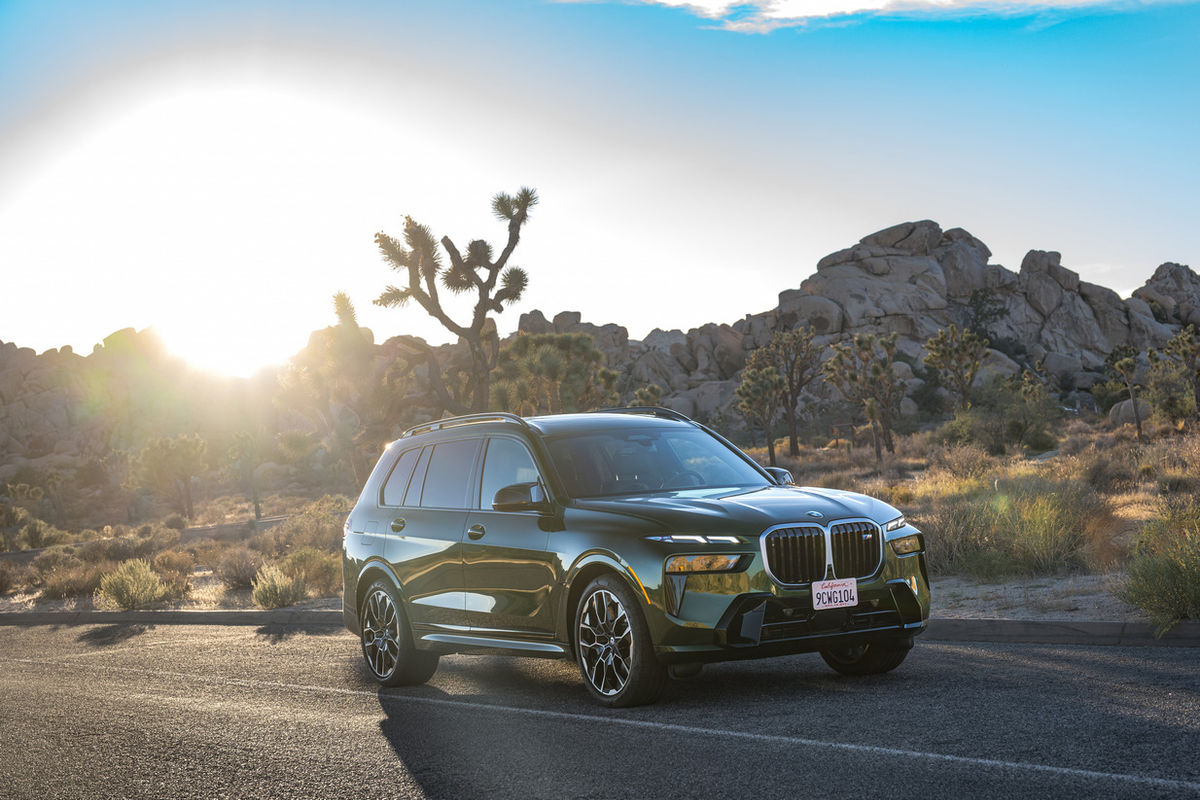
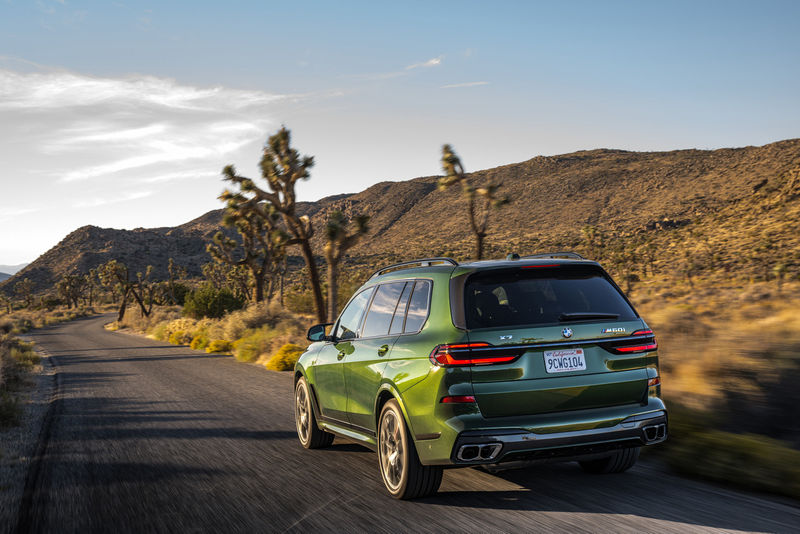
M Sport and M Sport Pro packages add more menace to the body styling.
There are 3 engines in the X7 line-up and all of them have 48V electrical architectures; the mild-hybrid setup facilitates improved efficiency, of course, but also produces up to 200 Nm of torque from a standstill. Globally, the X7 xDrive40i accounts for more than 70% of all X7 sales and the facelifted derivative is equipped with the latest-gen 3.0-litre 6-cylinder engine, which produces peak outputs of 280 kW and 520 Nm of torque (or 540 Nm, when 48V boost is available).
We drove an xDrive40i on the barren flats beyond Palm Springs and, in spite of the extremely well-insulated cabin, the inline-6’s characteristic howl can still be heard when you rev the motor out. The sheer heft of the X7 certainly blunts the powerplant’s performance to an extent; after all, derivatives with nomenclatures that end in 40i are usually quite punchy. The X7 xDrive40i, by contrast, lacks that level of “urgency”, but it does enough that you don’t feel hard done by.
Those in search of no-compromise performance could always beef up the engine bay with an extra pair of cylinders and another turbocharger… Compared with the single-turbo inline-6 of the xDrive40i, the M60i is powered by a twin-turbo 4.4-litre V8 that pumps out 390 kW and 750 Nm of torque. It would not be unreasonable to assume that the 8-cylinder is quite thirsty, but the claimed figure (12.1–12.9 L/100 km, depending on spec) seems pretty good for such a bruiser cruiser.
Perhaps the xDrive40d is the ideal choice for those looking to conserve a bit of fuel while wafting around in BMW’s most luxurious SUV. The turbodiesel is good for 259 kW/720 Nm, while fuel consumption is claimed at just 7.7–8.6 L/100 km.
What’s the X7 like to drive?
The X7 hides its size reasonably well, but don’t assume that it’s a match for its sedan equivalents in terms of dynamism.
As before, the X7 utilises adaptive air suspension, but for the revised model it has been retuned to suit a broader range of driving conditions. It can now lean further towards comfort, but also be sportier when required. The new “My Modes” function allows you to individualise more driving options and create shortcuts to saved setups that suit a variety of situations. These can be quickly selected via a button in the centre console and then confirmed via the touchscreen.
I found that the Comfort setting worked best for most on-road scenarios; it enables the X7’s suspension to soak up bumps with aplomb. The overall ride quality is so absorbent/forgiving, in fact, that it arguably rivals that of a Range Rover.
If you’re inclined to drive a sizeable first-class SUV like it’s a hot hatch (okay, let’s say a sports sedan), BMW’s dynamics engineers have done an incredible job of making the hefty X7 feel quite similar to its smaller (but also CLAR-based) premium SUV sibling – the X5 – in terms of cornering ability. It doesn’t feel too large or cumbersome on narrower or twistier roads but, saying that, we did drive the X7 on US roads, which are renowned for being a bit wider than average roads.
We briefly ventured off-road to take some photos in a dry riverbed and, even with its xDrive setup, the big Bimmer does not feel at ease dipping its humungous wheels and tyres in the sand. There is an optional off-road pack available, but whether it will be offered on the local market remains to be seen. The X7 doesn’t feel like it has the chassis or wheel articulation to deal with any serious off-roading. The off-road stint was short, but the Bimmer felt awkward on the rough stuff.
Is it impressive inside?
The transmission lever has been replaced with a switch, while a new curved screen and operating system have been fitted.
The highlight of the facelifted X7’s interior is the introduction of the new operating system and curved infotainment screen. OS 8, as it is called, brings much more functionality and connected features to the X7. Here’s just one example… When we presented ourselves to undertake an evaluation drive in the updated model, we weren’t given a key for the X7, but an iPhone instead. We used that very smartphone to locate the car, unlock it and hook up all the navigation. Connectivity’s improved too… Using a single QR code to connect another device to the car is much, much easier than going through the old-school way of searching for Bluetooth devices and accepting passkeys etc.
The huge central screen, meanwhile, looks incredibly upmarket; in fact, it resembles a high-end frameless TV, but it’s also quite intimidating to use. The main menu is so fast (reactive) and there are so many options to choose from, the system’s almost too much to deal with when driving. Suffice it to say, you will have to set time aside and commit to learning the system before trying to find the fuel consumption readout while driving the X7 in peak traffic.
As for the interior’s sense of occasion, the updated X7’s cabin doesn’t make a tremendous style statement, but it does exude quality. The contrast between the overstated exterior design and the understated interior is dramatic, but at least It’s calm and peaceful inside with negligible NVH levels at cruising speeds. There is no doubt the materials and finishes are of high quality, but they’re not so much better than a top-spec X5 that you would instantly regret not speccing up to an X7.
Summary
Not a game-changing facelift, but it improves the X7 in most areas.
To sum up the BMW X7’s facelift, it’s a major aesthetic exterior update combined with a minor interior digitisation upgrade. The revised version of the Bavarian marque’s first-class SUV impresses with its ability to be a super comfortable long-distance cruiser, but it manages to hold its own when tasked with ascending or descending tight mountain passes.
The big Bimmer’s exterior design sets it apart from the (comparatively restrained) Lexus LX, Mercedes-Benz GLS, Range Rover and other rivals from exotic brands as something of a polarising choice, which is something that X7 buyers, well, deeply appreciate – and crave. What’s more, the interior update brings in a new operating system that’s targeted at a much younger and tech-savvy buyer who’s capable of getting the best out of the connectivity and features.
JAC T6 2.8 TDI (2022) Specs & Price
The JAC T6 range of double-cab bakkies has grown from two derivatives to four with the local introduction of a low-output 2.8-litre turbodiesel engine…
JAC Motors South Africa has expanded its T6 double-cab bakkie line-up by adding a third engine option: a low-powered 2.8-litre turbodiesel unit the Chinese firm promises will deliver “reliability and ease of maintenance”.
According to the company’s local distributor, “customer research” has revealed a need for this engine, which joins the petrol-powered 2.0L VVT Lux 4×2 (108 kW/190 Nm) and oil-burning 1.9L TDI Comfort 4×2 (100 kW/320 Nm) derivatives.
JAC Motors SA describes the 2.8-litre, 4-cylinder turbocharged diesel engine as “proven”, with peak outputs of just 68 kW and 210 Nm (yes, far below those of the 1.9-litre unit mentioned above). In rear-driven form, this engine ships with a 5-speed manual gearbox, while the 4×4 derivative gains a 6-speed automatic transmission.
The 4×2 variant is priced from R349 900 and has a claimed fuel consumption figure of 7.9 litres per 100 km, while the all-paw, self-shifting version (starting at R399 900) comes in at 10.5 litres per 100 km.
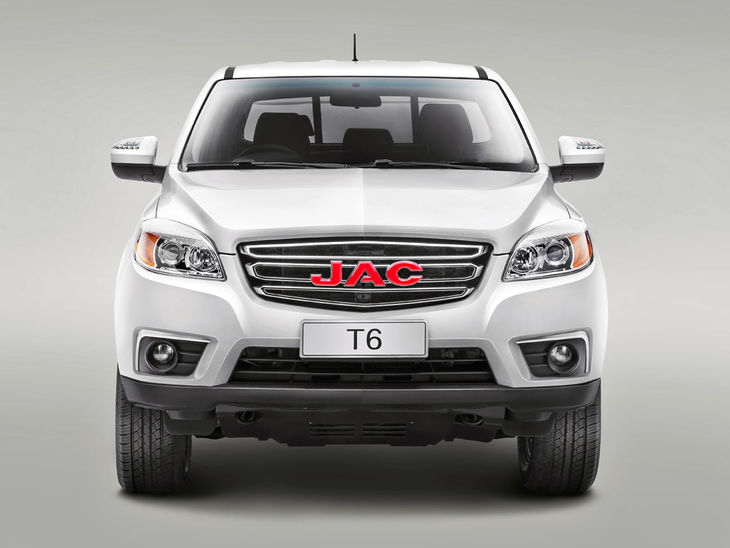
The local JAC T6 double-cab range now comprises four derivatives, two of which use the 2.8-litre engine.
So, why are this engine’s outputs so low (the Toyota Hilux motor of the same capacity, for instance, makes a comparatively heady 150 kW and 500 Nm, or 165 kW and 550 Nm in GR-Sport trim)? Well, JAC Motors SA says the need for this engine was “particularly driven by customers from neighbouring countries and remote parts of South Africa, where affordability, reliability and ease of maintenance are important buying considerations”.
“Over the past five years, customer feedback played an important role in our brand’s local growth. We believe that the market’s need for a reliable and economical 2.8-litre turbodiesel engine is one of those examples where we can respond with tried-and-tested products,” says Karl-Heinz Göbel, CEO of JAC Motors SA.
“Our T6 bakkies are reliable all-rounders with excellent gravel-road ability, comfortable cabs and big load boxes. The addition of the 2.8 TDI derivative, with its reliable and durable drivetrain and low maintenance cost, now offers potential customers a choice of an economical workhorse at a much lower purchase price than its double-cab competitors,” adds Göbel.
The T6 2.8 TDI rides on 245/65 R17 tyres and has a claimed ground clearance of 197 mm. The maximum payload comes in at 900 kg, supported by a braked towing limit of 2 000 kg. JAC claims the T6 offers the largest cargo space in its class, with the double-skinned load box measuring 1 520 mm × 1 520 mm × 470 mm (and finished with an anti-scratch, corrosion-resistant bed liner).
In terms of safety, the new derivatives come with dual airbags, ABS and EBD, a high-mounted brake light, a reversing camera, rear parking sensors and speed-sensing automatic door locks. Inside, you’ll find a height-adjustable leather-trimmed multi-functional steering wheel and leather seats.
How much does the JAC T6 2.8 TDI cost in South Africa?
JAC T6 2.0L VVT 4×2 Lux – R344 900
JAC T6 2.8L TDI 4×2 Lux – R349 900
JAC T6 1.9L TDI 4×2 Comfort – R374 900
JAC T6 2.8L TDI 4×4 Lux – R399 900
A 5-year/150 000 km warranty and a 5-year/60 000 km service plan are included in the purchase price.
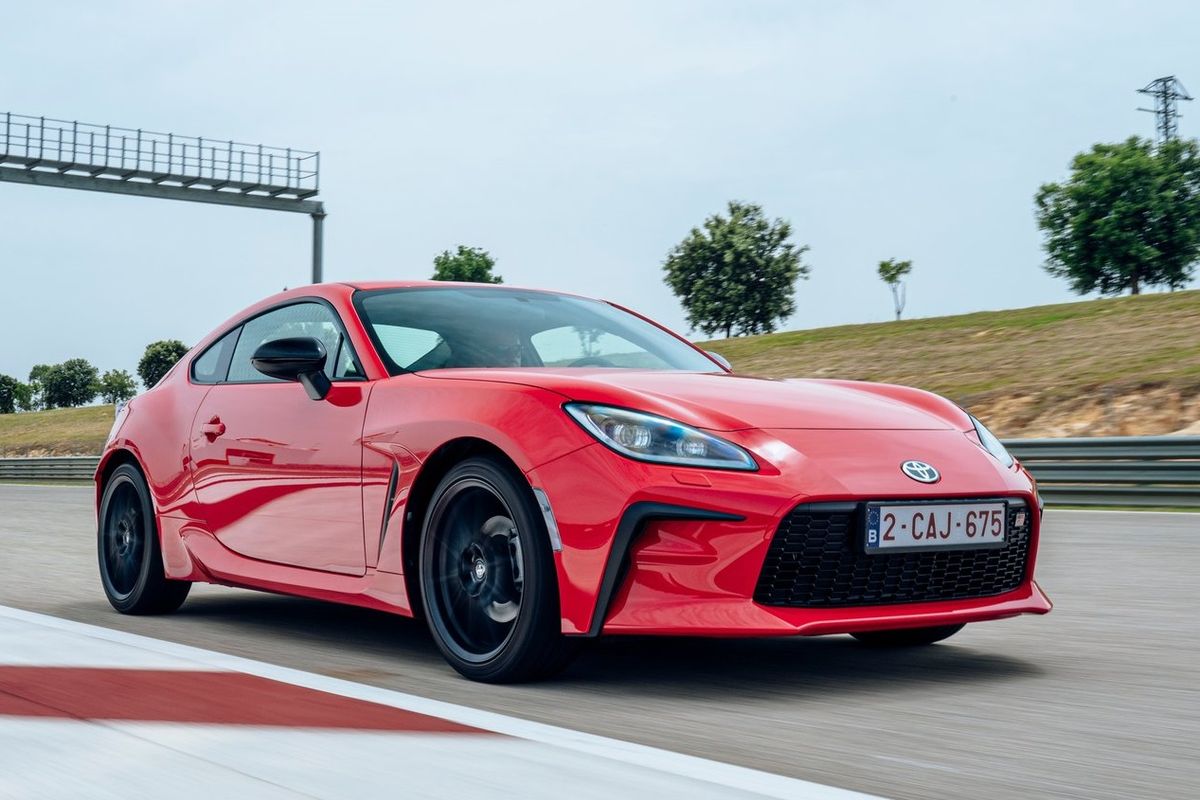
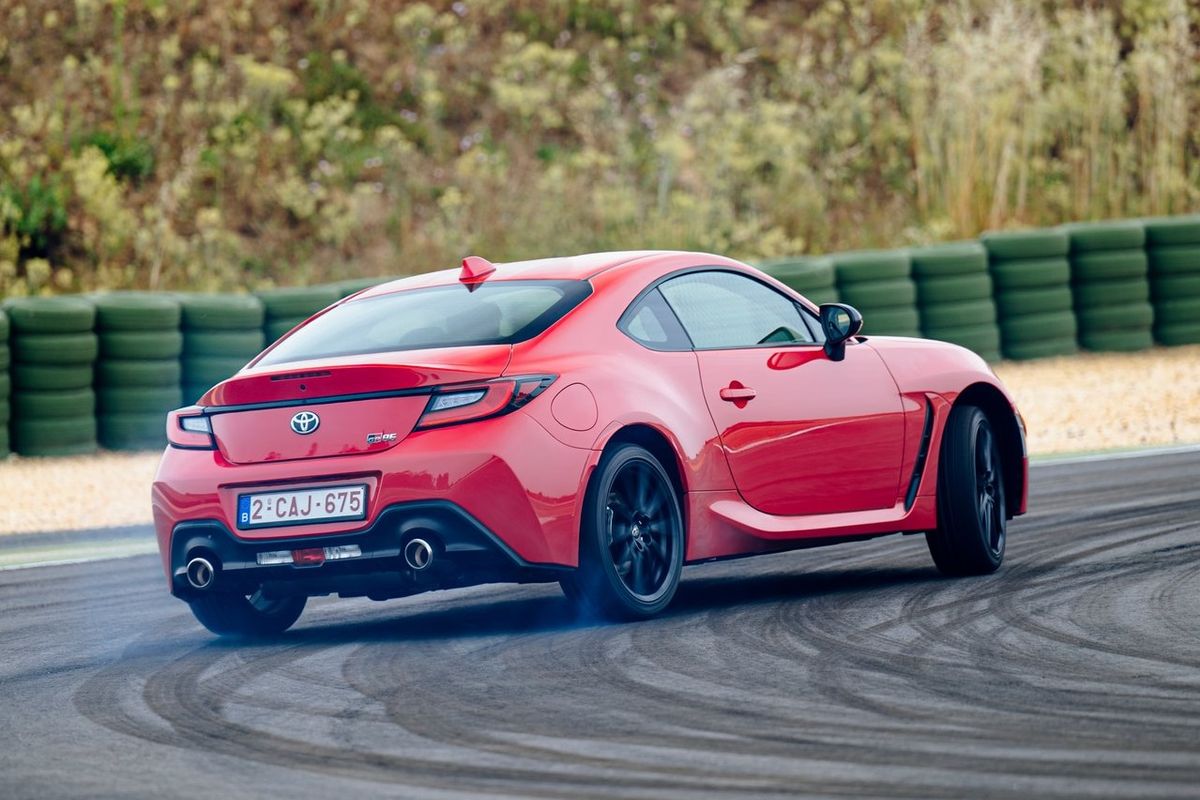
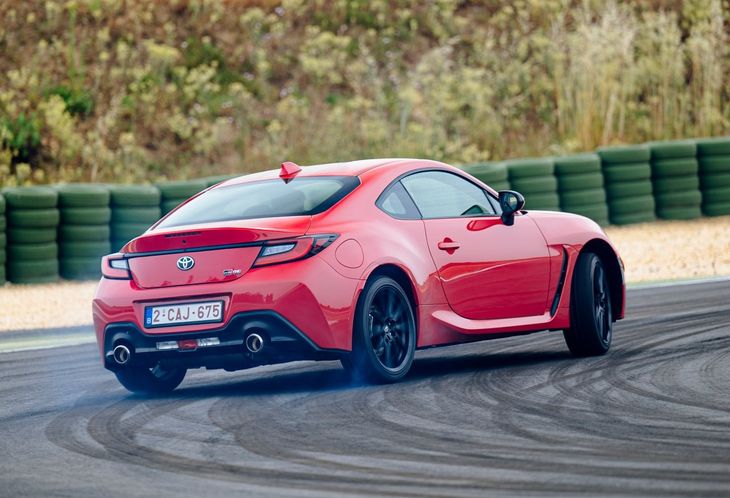
The new Toyota GR86 is due to arrive in local showrooms in November 2022!
It’s been a decade since Toyota welcomed its then-called 86 sportscar in South Africa. At the time, the 86 was an important product for Toyota as it embodied the firm’s intention to deliver an exciting, lightweight, rear-wheel-drive sports car to customers at an affordable price point.
For the most part, the Toyota 86 delivered on its promise, thanks in part to the Toyota-Subaru partnership, which concurrently spawned the Subaru BRZ. However, the 86 was a niche offering in a world where consumers were rapidly being swept away in the crossover/SUV tide and it consequently didn’t quite sell as well as Toyota had hoped. Nonetheless, the 86 was proof that Toyota could produce fun-to-drive cars. This was later further highlighted with the arrival of the Yaris GRMN, GR Supra and more recently, the highly-praised GR Yaris and forthcoming GR Corolla.
Toyota’s sportscar formula has been refined with the incoming GR86.
A facelifted 86 arrived in 2017 but its naturally-aspirated 2.0-litre petrol engine with 147 kW and 205 Nm was widely criticised for lacking outright punch to properly exploit the 86’s capable chassis.
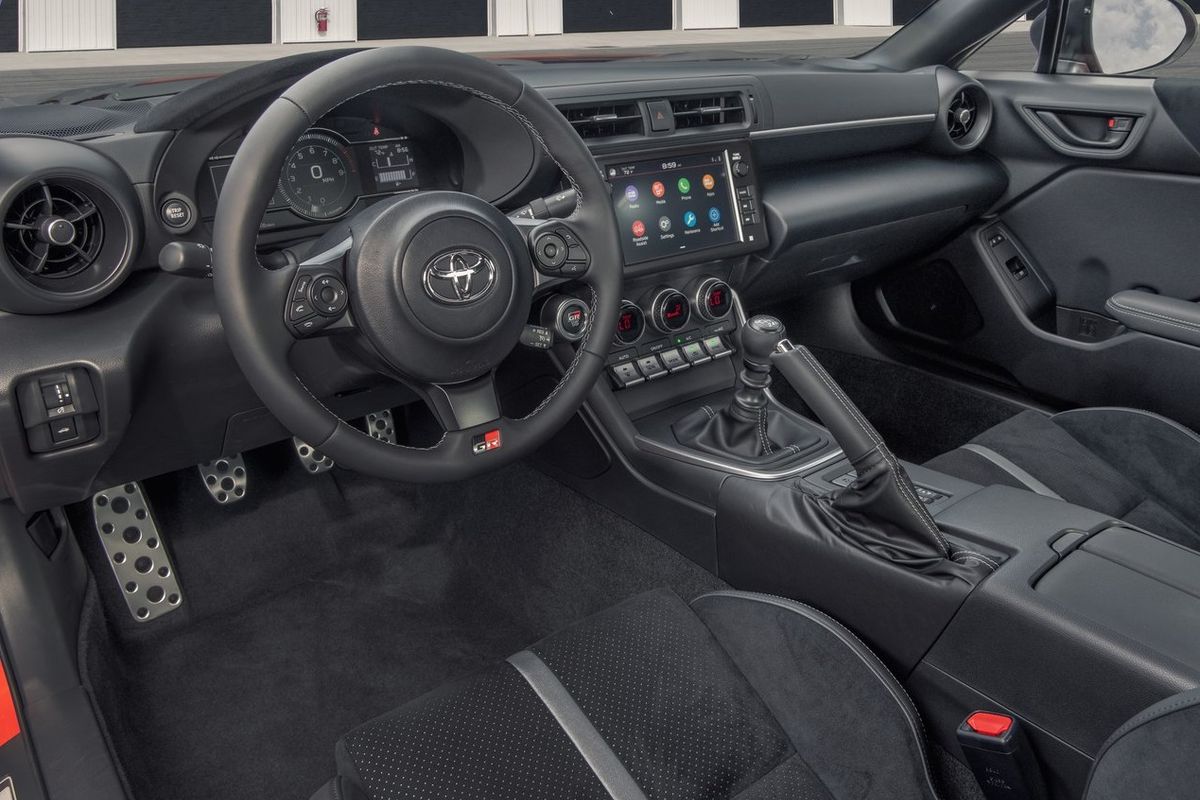
While rumours swirled that Toyota would install a turbocharged engine for the second-generation model, this wasn’t the case and the Japanese firm instead opted for a larger-capacity 2.4-litre naturally-aspirated petrol engine with improved outputs of 173 kW and 250 Nm, the latter of which now arriving earlier in the rev range from 3 700 rpm (previously 6 600 rpm). A 6-speed manual or automatic transmission will be available to customers of the new Toyota GR86. With increased outputs, we expect the GR86 to offer higher levels of driving engagement than its predecessor while also offering a greatly improved cabin environment.
More recent rumours suggest that the next third-generation GR86 will receive the turbocharged 1.6-litre, 3-cylinder engine that powers the GR Yaris with 198 kW and 360 Nm or Toyota might even incorporate an electric motor to help boost outputs and performance even further. A hybrid powertrain is a real possibility considering that Toyota’s hybrid technology is flourishing.
Fuel prices are increasing in South Africa in November 2022 with diesel prices showing the largest increases. See the details below…
The South African economy is limping along towards the close of 2022. The impact of Eskom load shedding has had an adverse effect on the economy but rising fuel prices will be the salt in the wound as households struggle to grapple with the rapidly increasing cost of living.
During October 2022, the Rand depreciated further against the US Dollar while international product prices of petrol, diesel and illuminating paraffin also increased, resulting in higher contributions to the Basic Fuel Prices.
The following fuel price increases will take effect on Wednesday 2 November 2022.
Petrol (both 93 and 95 grades) will increase by 51 cents per litre.
Diesel 0.05% Sulphur will increase by R1.42.86 per litre
Diesel 0.005% Sulphur will increase by R1.43.86 per litre
Illuminating Paraffin will increase by 77 cents per litre
These latest increases will have a severe negative impact on the economy and consumers can expect further increases in food and goods prices in the coming weeks/months as higher input costs are transferred to customers.
Courtnaé Paul: ‘In Durban people race speed bump to speed bump, it’s the weirdest thing!’
Three-times South African break-dancing champ Courtnaé Paul learned to drive at the age of only 13 in a VW, so has a deep affection for the brand that was again fired up when she was involved with the South African launch of the VW Golf 8 GTI.
She’s often surprised by not only how invested people are in their own cars, but even a sub-niche like VW car culture is massive in South Africa. She talks about her earliest car memories, including using her mom’s Volkswagen to do doughnuts in a cul-de-sac near their home to the entertainment of the local kids. Clearly, Courtnaé was destined to become an entertainer from a young age!
Despite her love for the Volkswagen brand, and her first car being an Audi, she says she has always been a Mercedes girl at heart, particularly since the brand introduced its diamond-studded grille. For Courtnaé cars often resonate with where you are in your life. And currently she is struggling to decide whether her next car will be an A-Class AMG, or a GLE63 AMG.