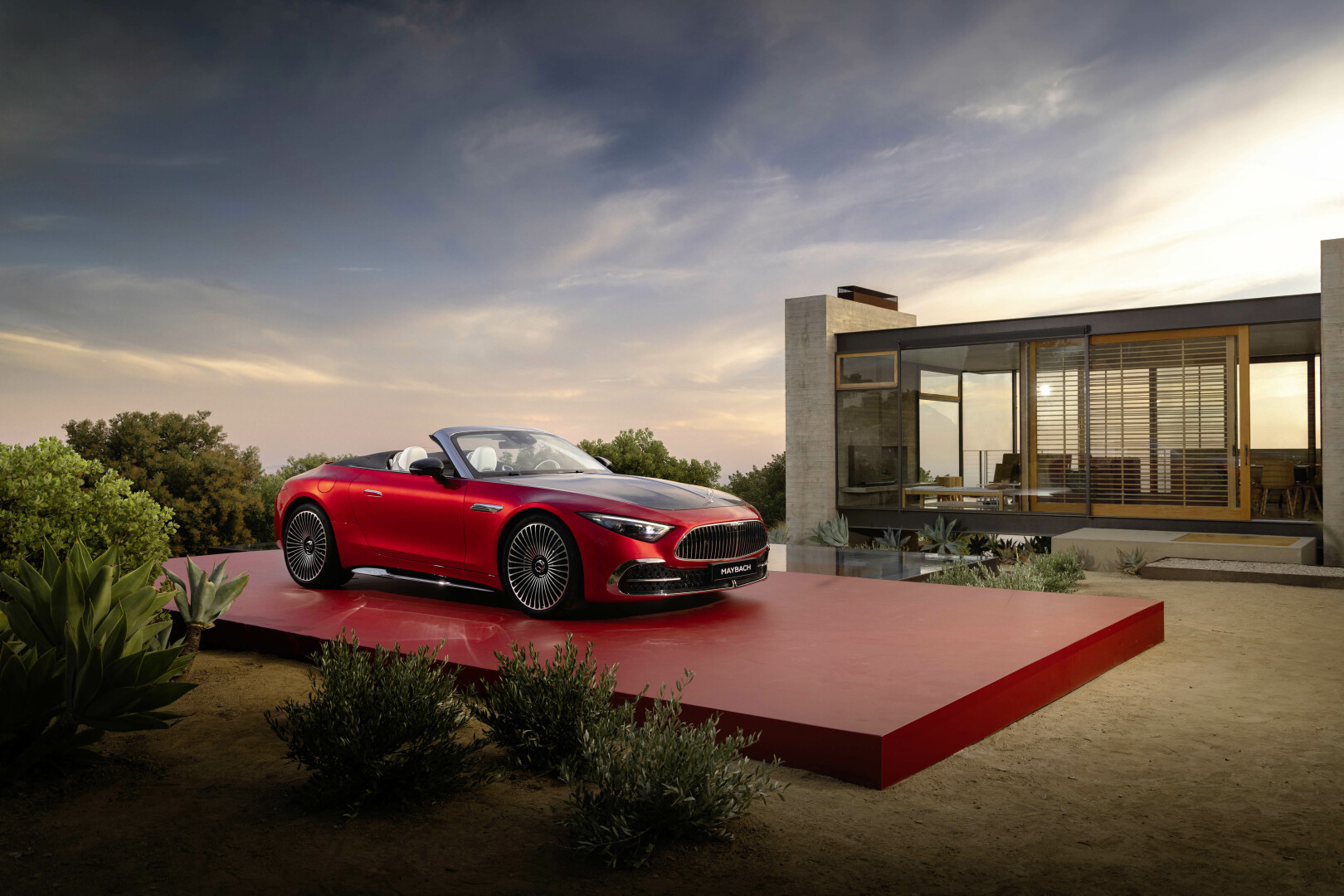
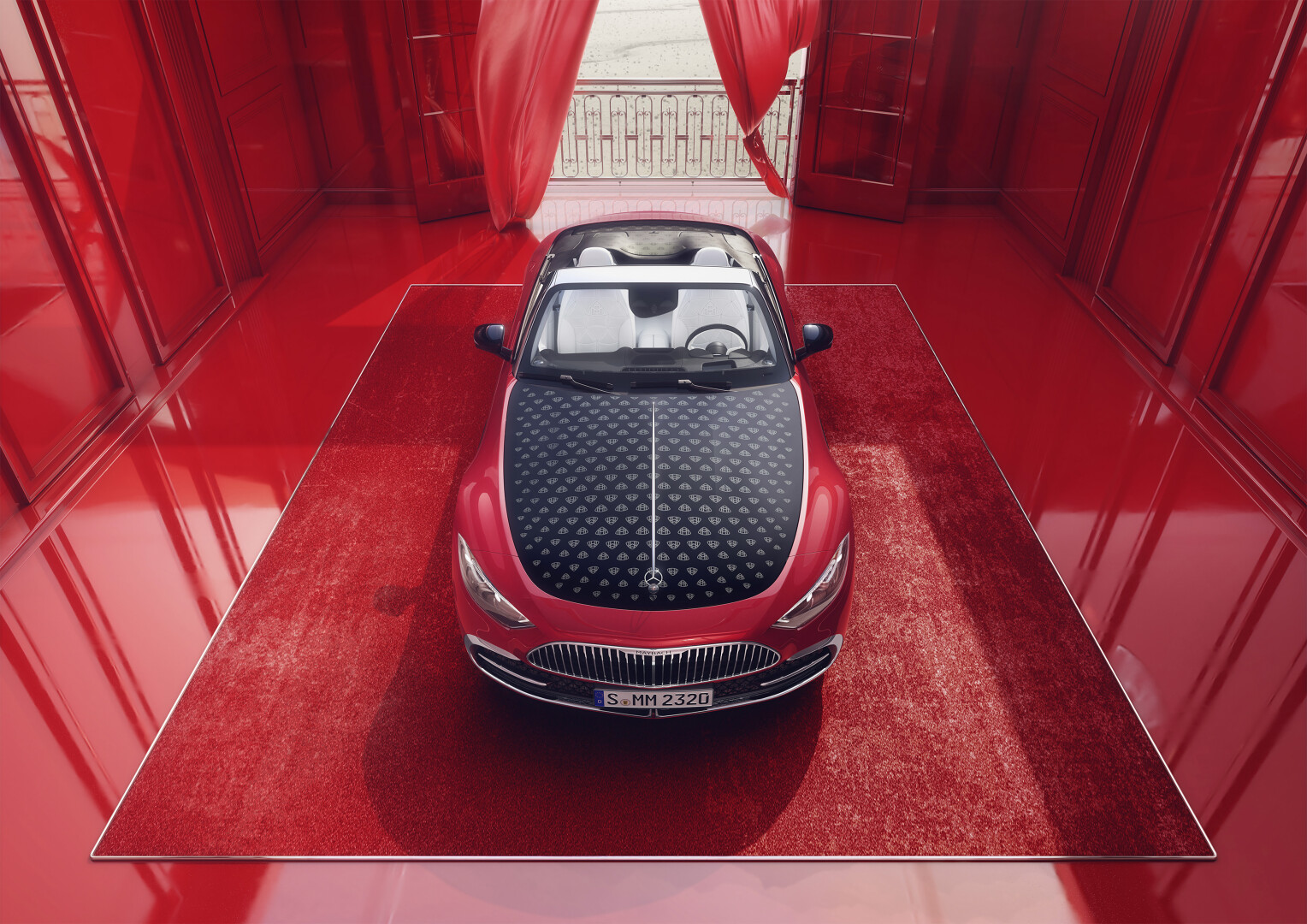
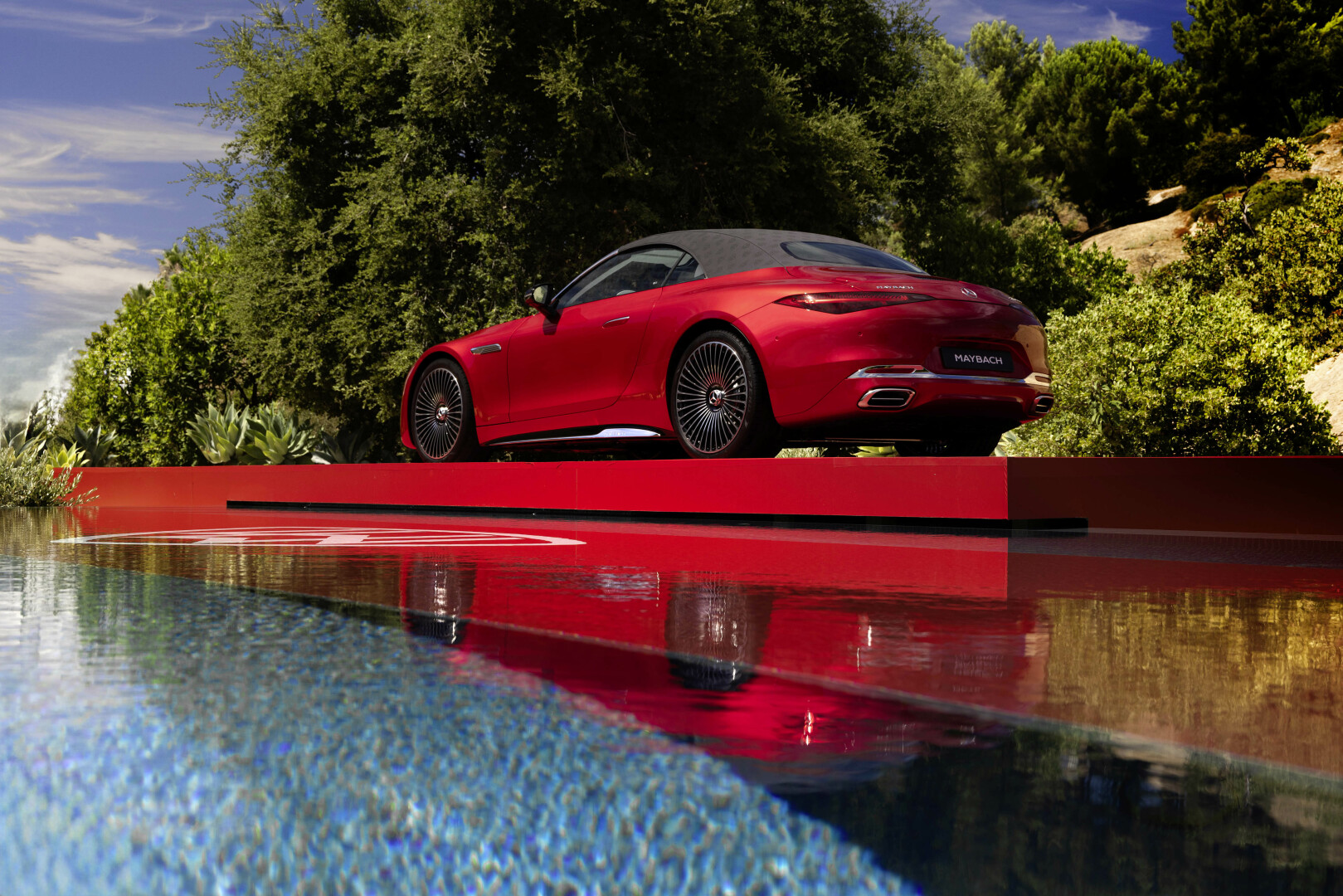
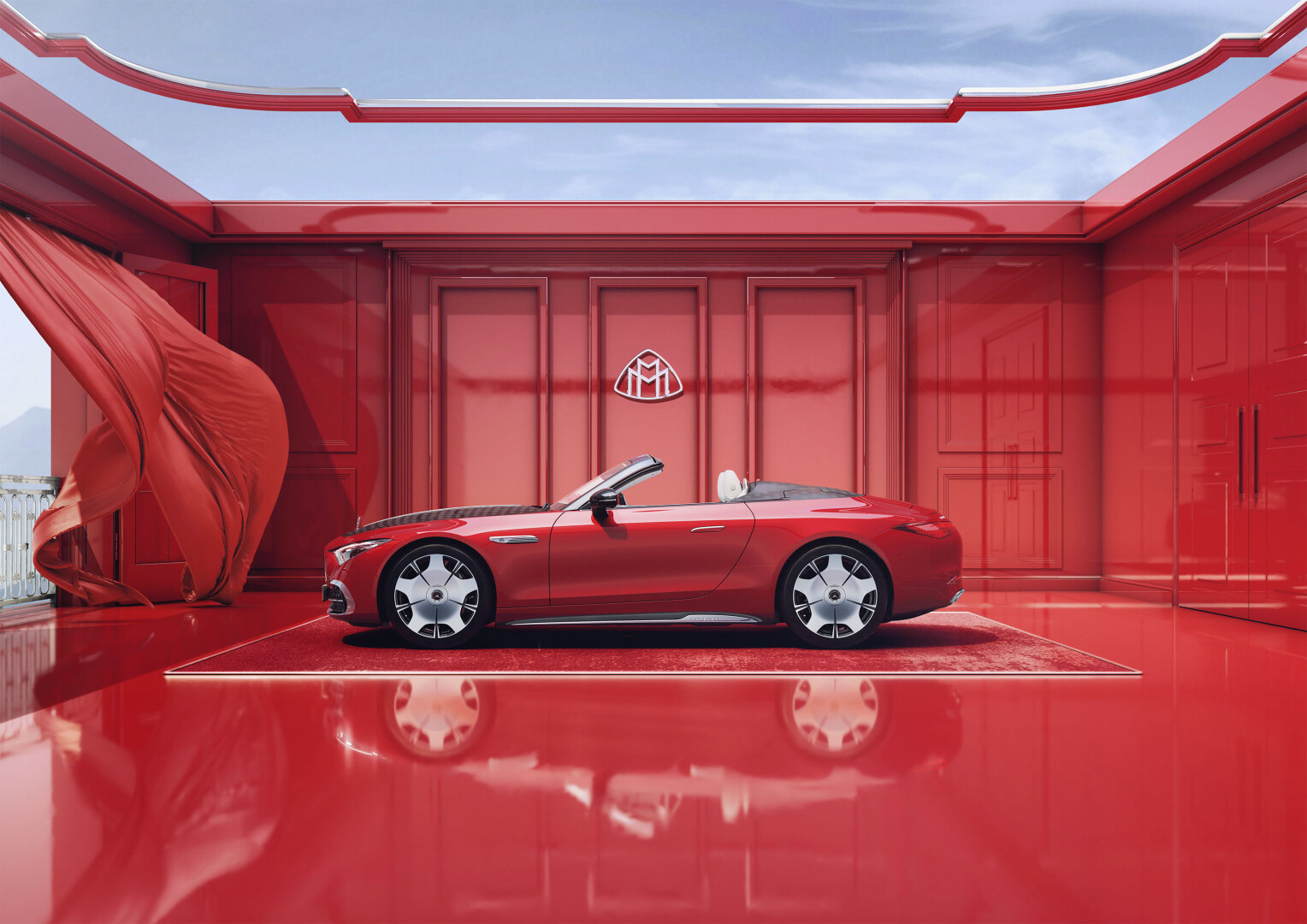
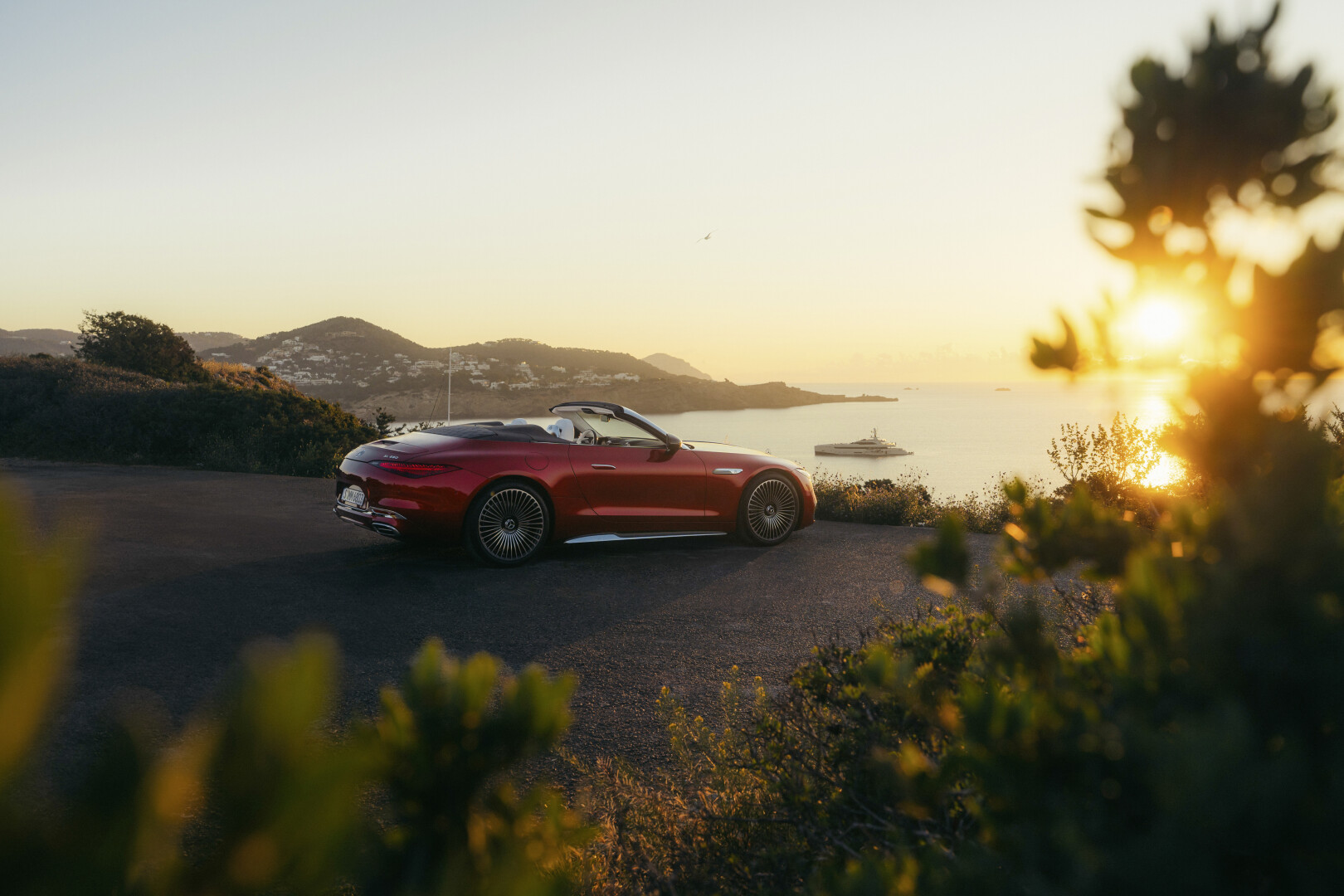
With every Maybach around the world built strictly to order, no two are ever the same. That makes the opportunity to get behind the wheel exceptionally rare. Here is what happened when Mercedes-Benz SA invited us on an exclusive back-to-back drive from Somerset West to the Hemel-en-Aarde Valley to test the brand-new Mercedes-Maybach SL680.
Mercedes-Maybach has added a fourth model to its global line-up. The badge on the back reads SL680, but beneath the emblem and two-tone paint job sits an AMG SL63, powered by Mercedes-Benz’s stalwart 4.0-litre bi-turbo under its elongated bonnet.
Mercedes SA invited us on a rather exclusive drive, starting at a beautiful old hotel in Somerset West with a cracking driving route twisting and turning to the top of the stunning Hemel-en-Aarde Valley.
After a quick coffee and a quiche, we sauntered over to the line-up of two Mercedes-AMG SL63s and two Mercedes-Maybach SL680s gleaming in the morning sun. The idea was to afford the journos the opportunity to drive a “normal” SL and the Maybach SL back-to-back, which was actually a great approach.
First impressions and interior luxury
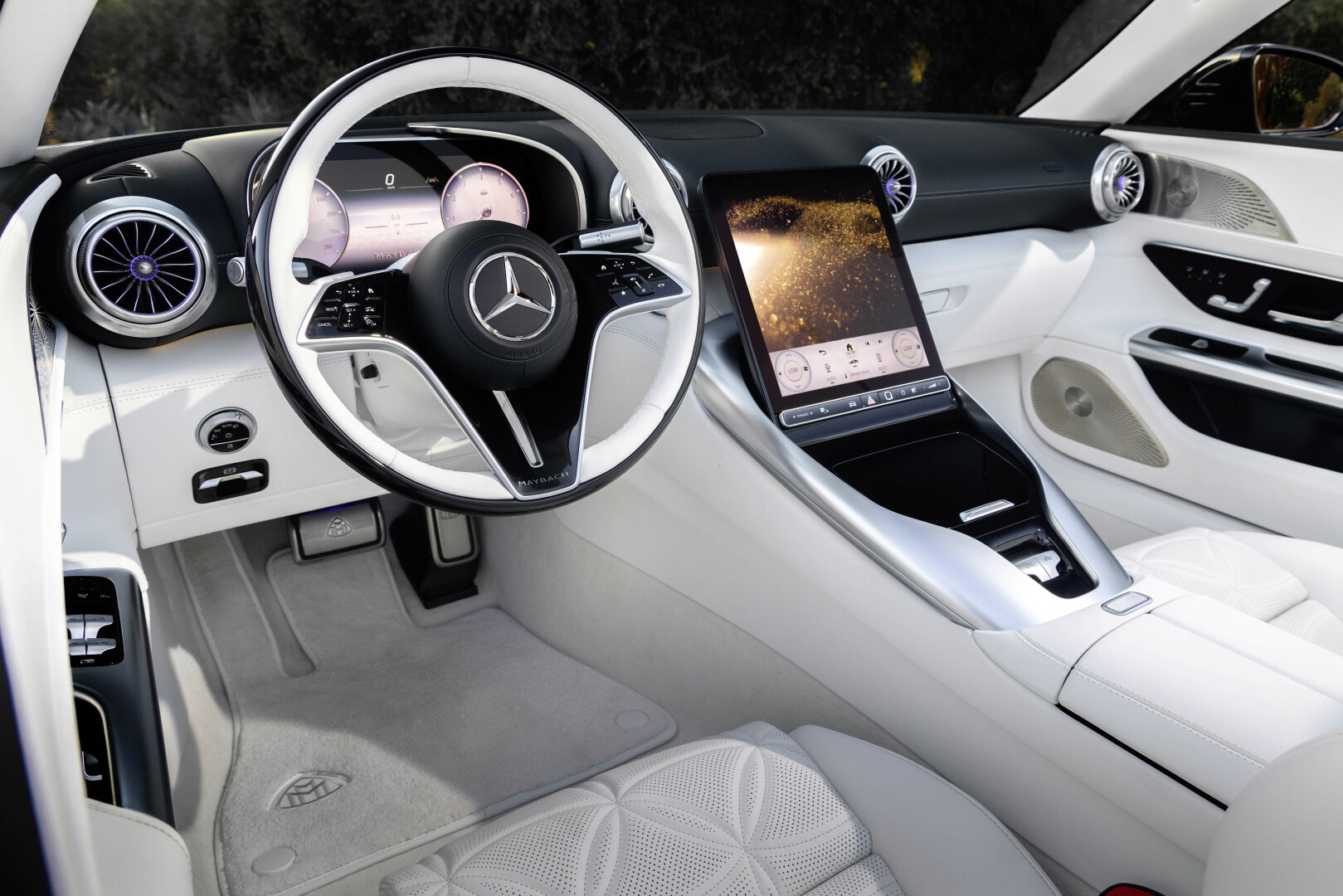
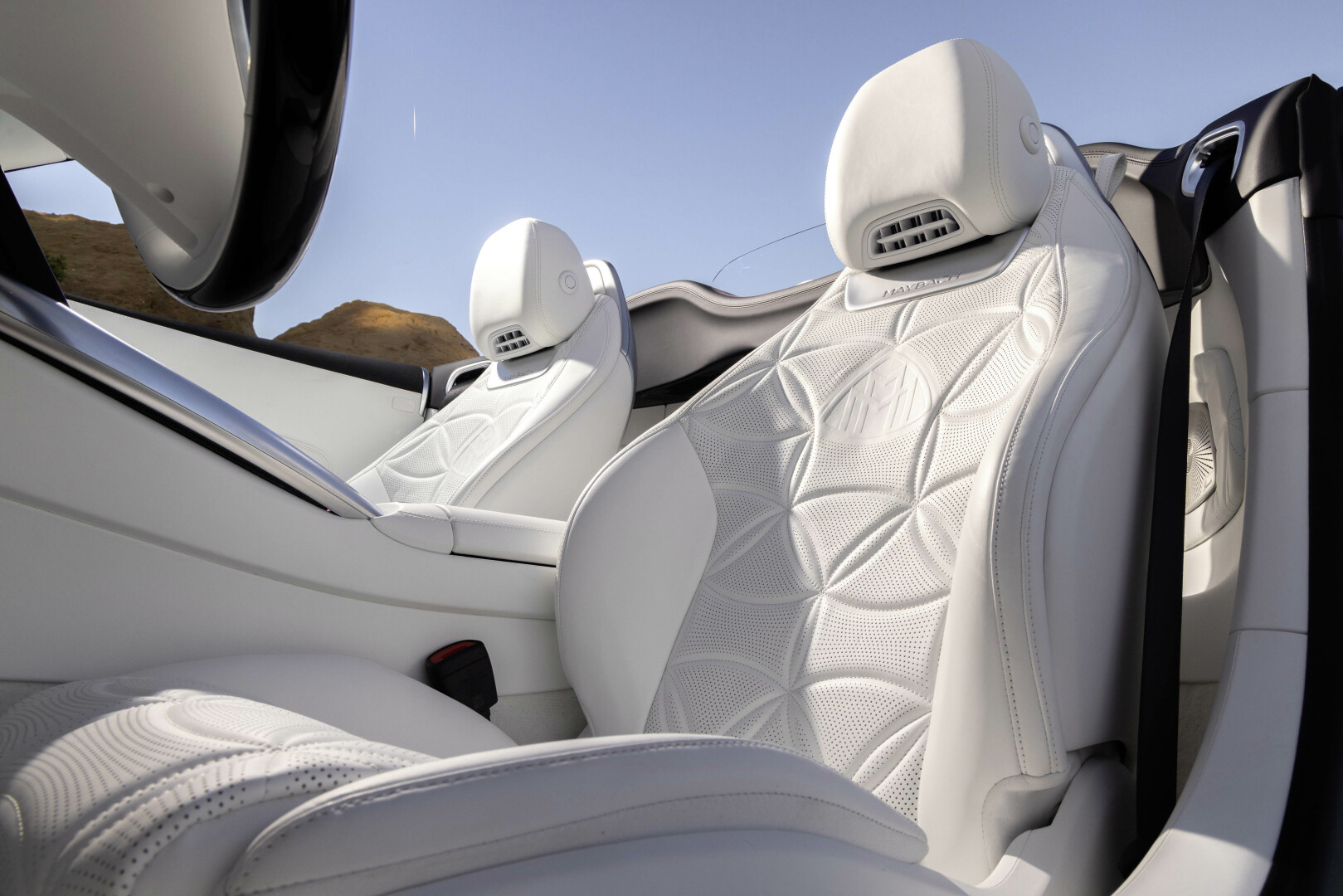
The PR chap at Mercedes SA told me that the Maybach SL680 offers a radically different driving experience to the AMG SL63, and that I should immediately feel the difference. Apparently the Maybach is waftier, the exhaust setup and exhaust note are totally different, and the interior seems to be made of recycled polar bears, with the thickest, whitest footwell carpets I’ve ever seen.
In short, he was completely bang-on about everything. Even on start-up, with the SL63s cranking over right next to the Maybachs, the latter’s exhaust note is smoother, toned down, less rowdy. It’s bassy and distinctly V8 in character, but it’s more … luxurious? Can an exhaust note be luxurious?
On the road: Ride quality and performance
Leaving the parking lot, the difference in how the air suspension was set up was immediately apparent. The Mercedes-Maybach SL680 feels like it’s floating, compared to the setup in the SL63 which is tuned to send much more feedback and road feel to your backside.
The Maybach’s ride quality has an impressive dual nature. In comfort mode, the whole experience is quiet, plush and feels extremely expensive, with a burble of V8 noise reminding you that you do have a 430 kW/800 Nm bi-turbo V8 in front of you.
Pop the system into sport mode, hit the twisties and the suspension noticeably firms up, almost completely dialing out body roll so you can throw it around a bit with confidence.
Ultimately, 430 kW and 800 Nm are potent numbers and the V8 delivers such a powerful burst of acceleration that I actually got a fright when I unleashed it. The SL680 is properly, properly fast, and I don’t think any prospective Maybach owner will feel the need for any more oomph.
The exhaust system is active and the pipes open up in sport mode, delivering a much more aggressive exhaust note, but still with a touch of class. While the claimed power outputs remain unchanged from the AMG SL63, the Maybach is quite a bit heavier, probably because of the extensive soundproofing and perhaps all the polar bear fur…
Pricing and exclusive touches
Driving the SL63 and SL680 back-to-back was an illuminating experience. Before I set off, I asked the price difference between the two: an SL63’s starting price is currently R3.982 million, while the SL680 starts at R5.029 million (before you get stuck into the options list).
So the challenge was to see and feel if the Maybach’s R1.05 million premium felt like a R1.05 million premium. There are certainly some standout exclusive features, including:
Hood ornament: The erect Three-pointed Star makes a comeback, sitting proudly on the bonnet and built on a swivel so you don’t stab a pedestrian on impact. Nostalgic Mercedes enthusiasts will love this option.
Paint and styling: The OEM paint colours available are exclusive to Maybach, as is the two-tone paint scheme.
Wheels: There are myriad 21-inch wheels to choose from. South Africans do seem to love the Merc Monoblocks, and a slightly reimagined Monoblock was fitted to the white test car on the day, splitting opinions on social media.
Verdict
The two Maybachs drew an enormous amount of attention on the road. While some may find them a bit gaudy, a bit over the top, or perhaps tacky even (the laser-etched Maybach emblem on the canvas roof is very debatable), the fact remains that they look like nothing else on the road.
And that, I suspect, is the point. If you have R5 million to spend, you either want no one to notice you, or you want everyone to notice you. In the Mercedes-Maybach SL680, you are absolutely guaranteed to stand out.
Paris Motor Show 2026: The old guard reaches for the history books
With around 20 brands in attendance, Chinese car companies might have hoped to dominate the headlines at the Paris Motor Show. But, finally, it looks like the European legacy marques have come up with an actual plan – not to price-match the Chinese or out-tech them, but to do the one thing a factory in Shenzhen simply cannot: to look backwards with genuine authority.
It must be more than a decade since I last walked the halls of the Paris Motor Show. The Mondial de l’Auto – it has always had a certain je ne sais quoi – used to be the kind of event that got me genuinely excited. Important world premieres. Futuristic concepts with flair that made you pause mid-croissant. Less formal than Frankfurt, but less wacky than Geneva, Paris was important … but fun.
Then COVID-19 happened, followed by the Chinese crossover invasion. Many shows were paused as brands cut back on what was seen as unnecessary, or “frilly” spending. For those brands that did make an effort to display, stands were dominated by parades of mid-size crossovers with illuminated logos and electrified drivetrains. I watched a few from a distance and increasingly felt … less.
But I’m getting a different vibe from the 2026 Paris Motor Show – I know because I actually wish I was there! Something is shifting. Whether it’s the sheer pressure of having an entire continent’s worth of Chinese brands set up camp in the exhibition halls – again, and now more comfortably than ever – or whether someone at Stellantis, in particular, finally had enough of watching the crossover wars and decided to do something more interesting, I’m not entirely sure. Probably both. But the result is a show that’s actually given me something to smile about.
The rather large elephant in the room…
First, the uncomfortable truth: the Chinese car companies are not visitors to the Paris Motor Show anymore. BYD, Leapmotor, Denza, Li Auto, GAC, Aito, Forthing and many more. They have stands. They have (many and bigger) screens. And, importantly, they have pricing that makes the European finance managers go very quiet in meetings.
They have cracked the crossover formula. They have the technology. They have the scale and manufacturing efficiency. On the traditional metrics of modern car-buying – standard spec, screen size, price – they are a genuinely formidable proposition. Trying to out-Chinese the Chinese on those terms is a strategy with limited prospects.
Which is why what Stellantis, in particular, has done in Paris is either the smartest thing the group has pulled off in years … or the most elaborate act of expensive nostalgia the industry has seen since that period that gave us the reborn VW Beetle, Mini Cooper, Chrysler PT Cruiser and others. Stellantis rolled out concept cars for each of its European brands and five of them in particular caught my eye – Alfa Romeo, Citroën, Fiat, Peugeot and Opel. Not one was a crossover. And almost every single one of them was in deliberate, pointed conversation with its own past.
Let’s go through them.
Alfa Romeo Cuorerosso: The Red Heart is beating fast
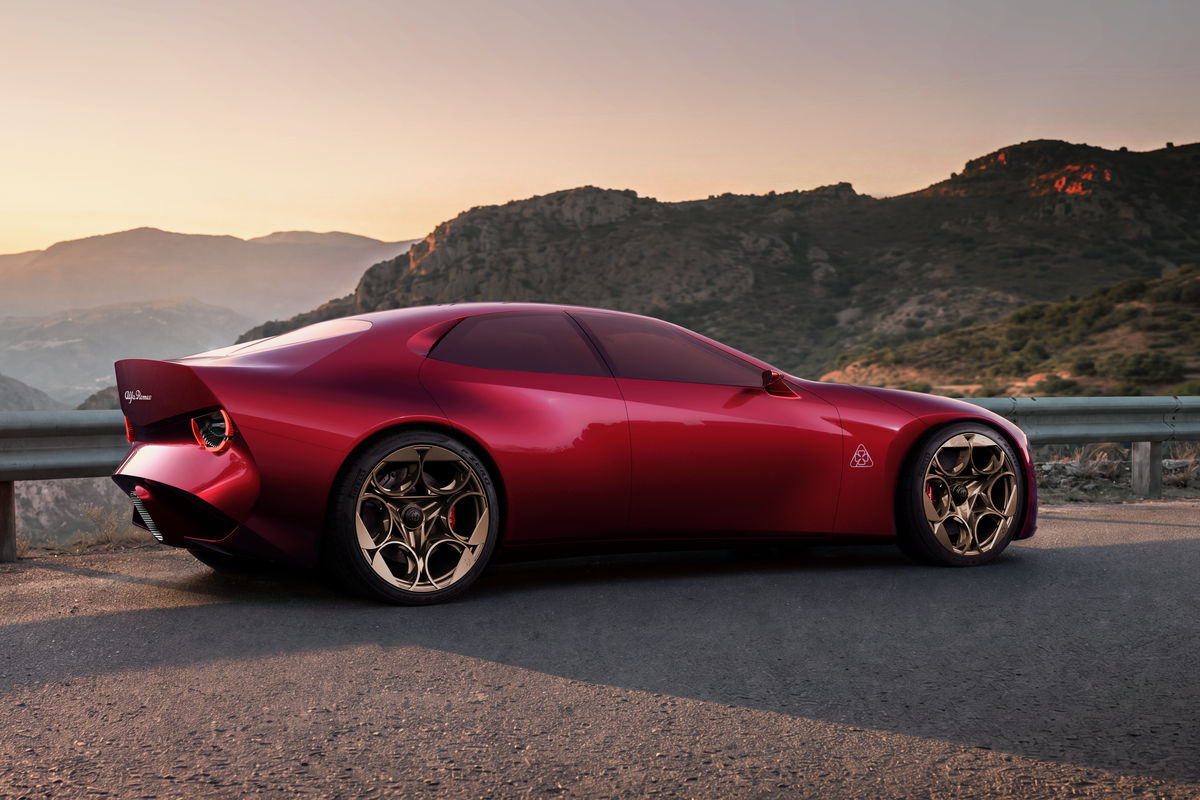
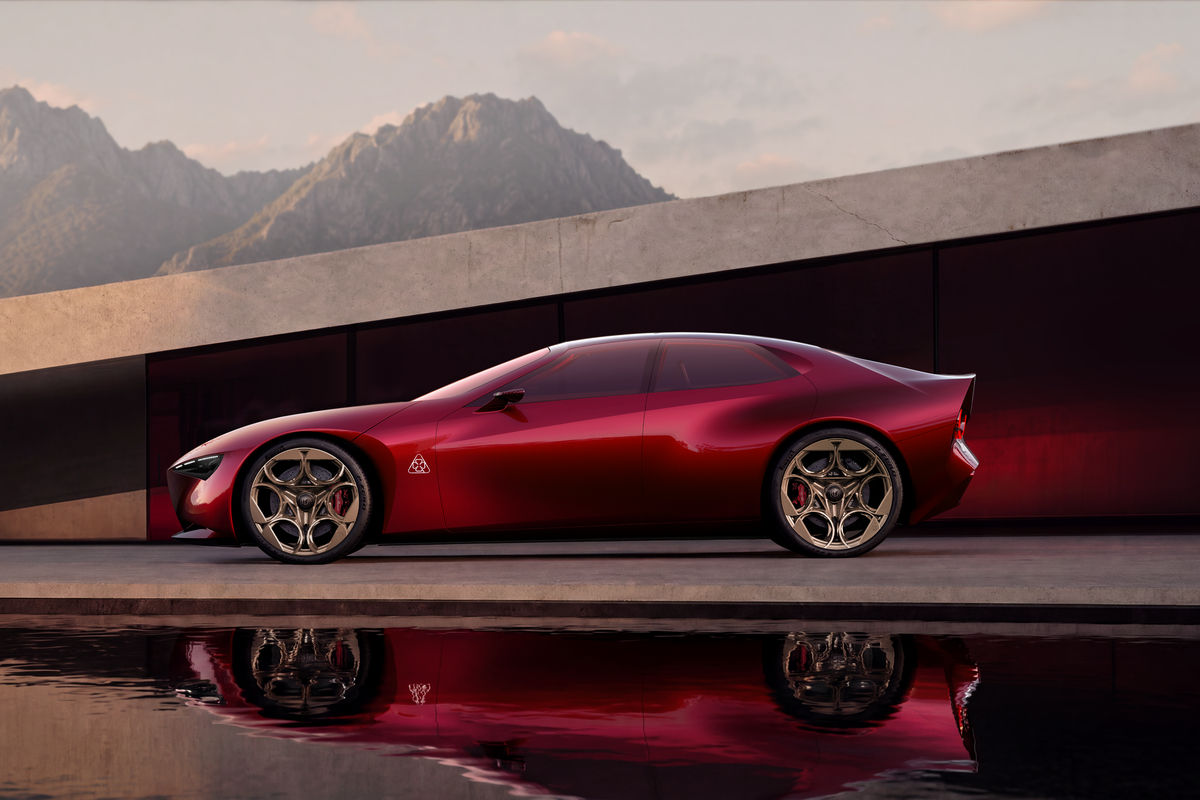
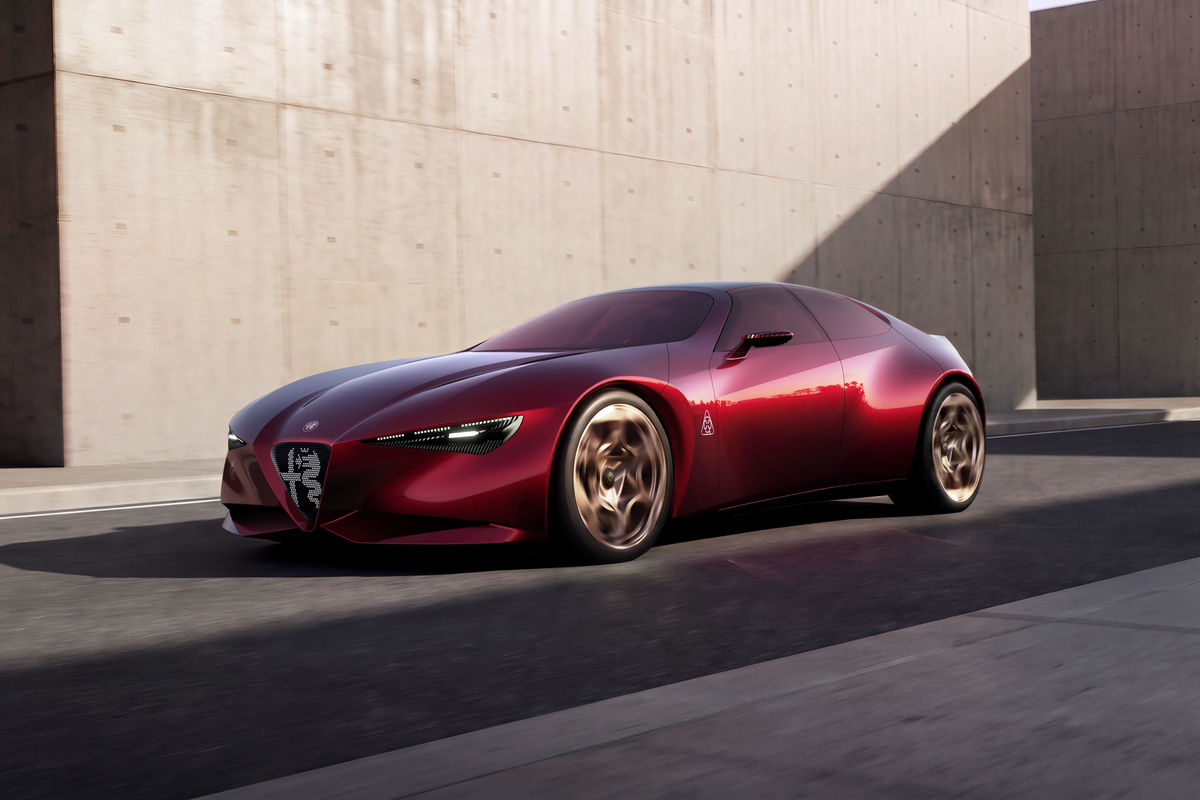
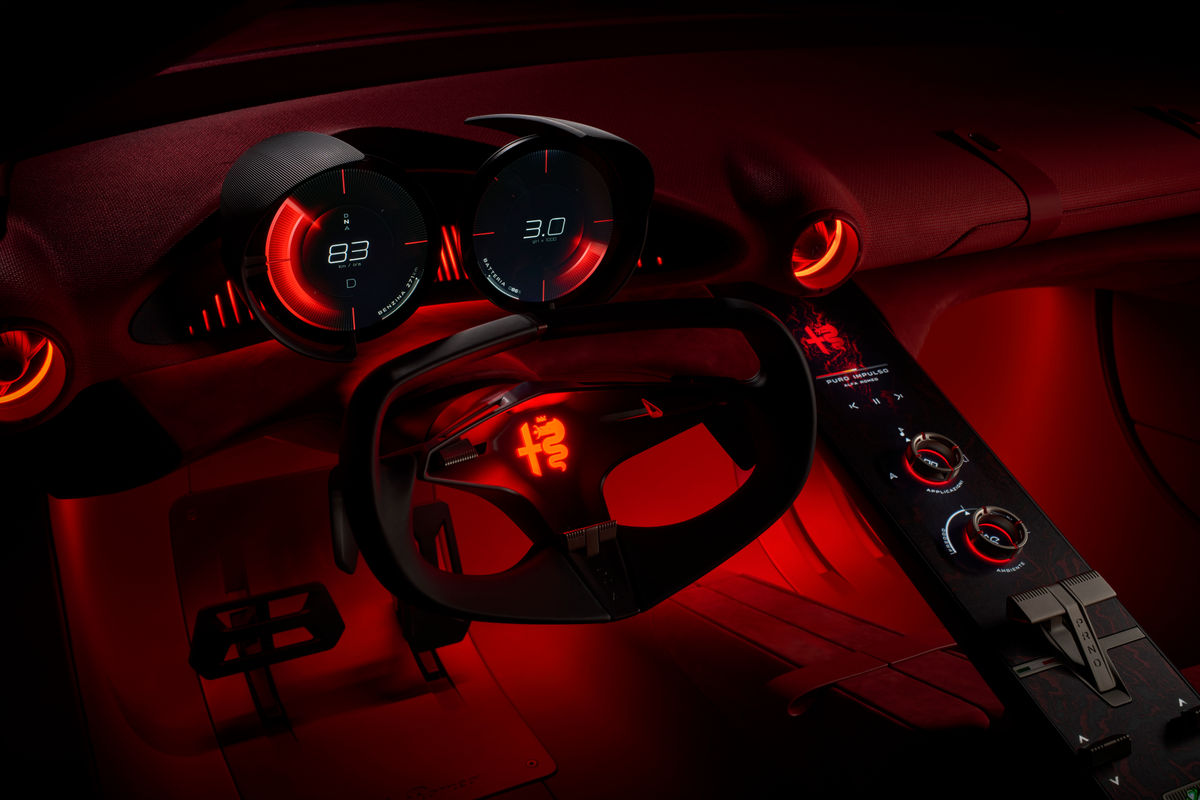
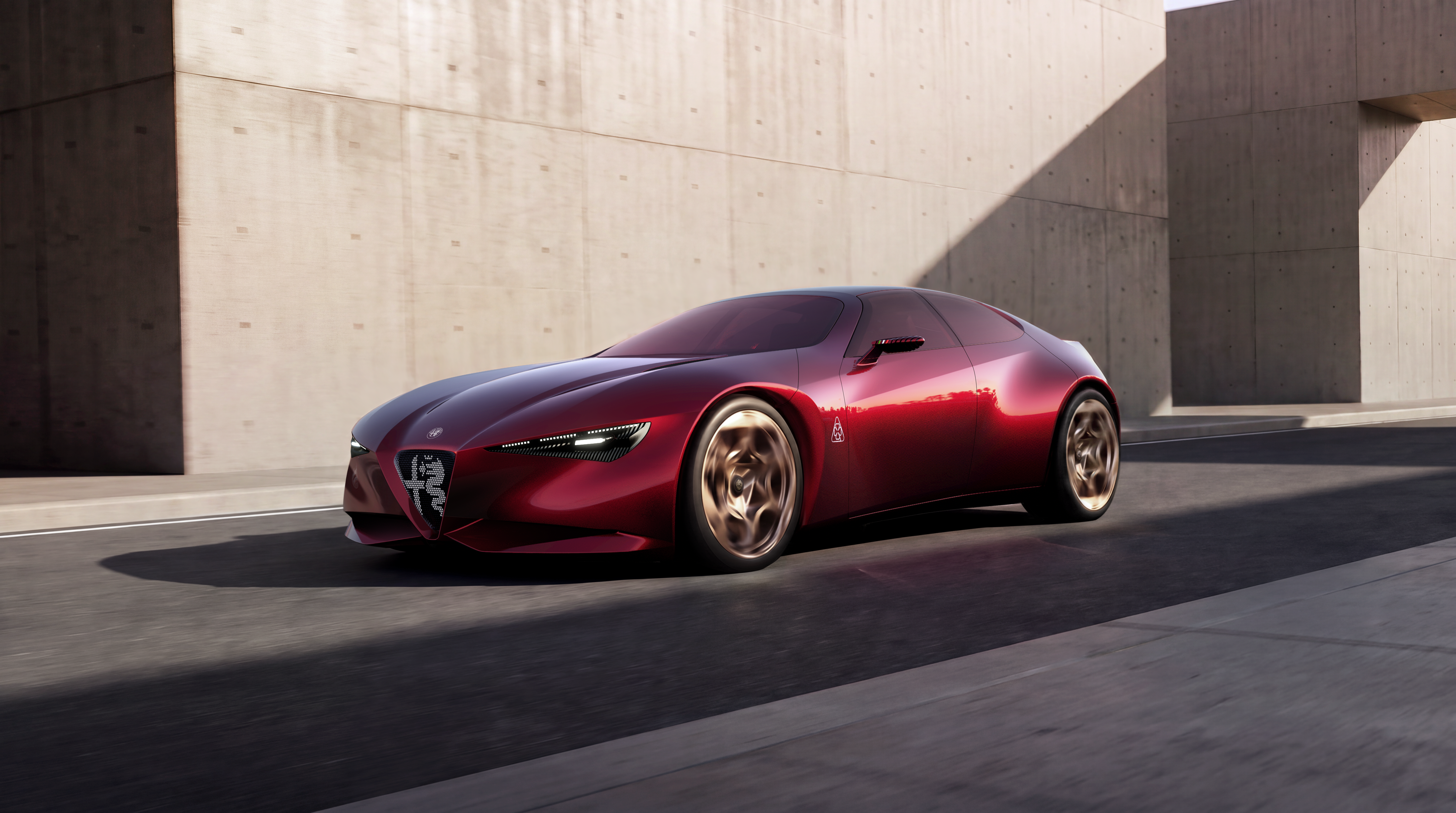
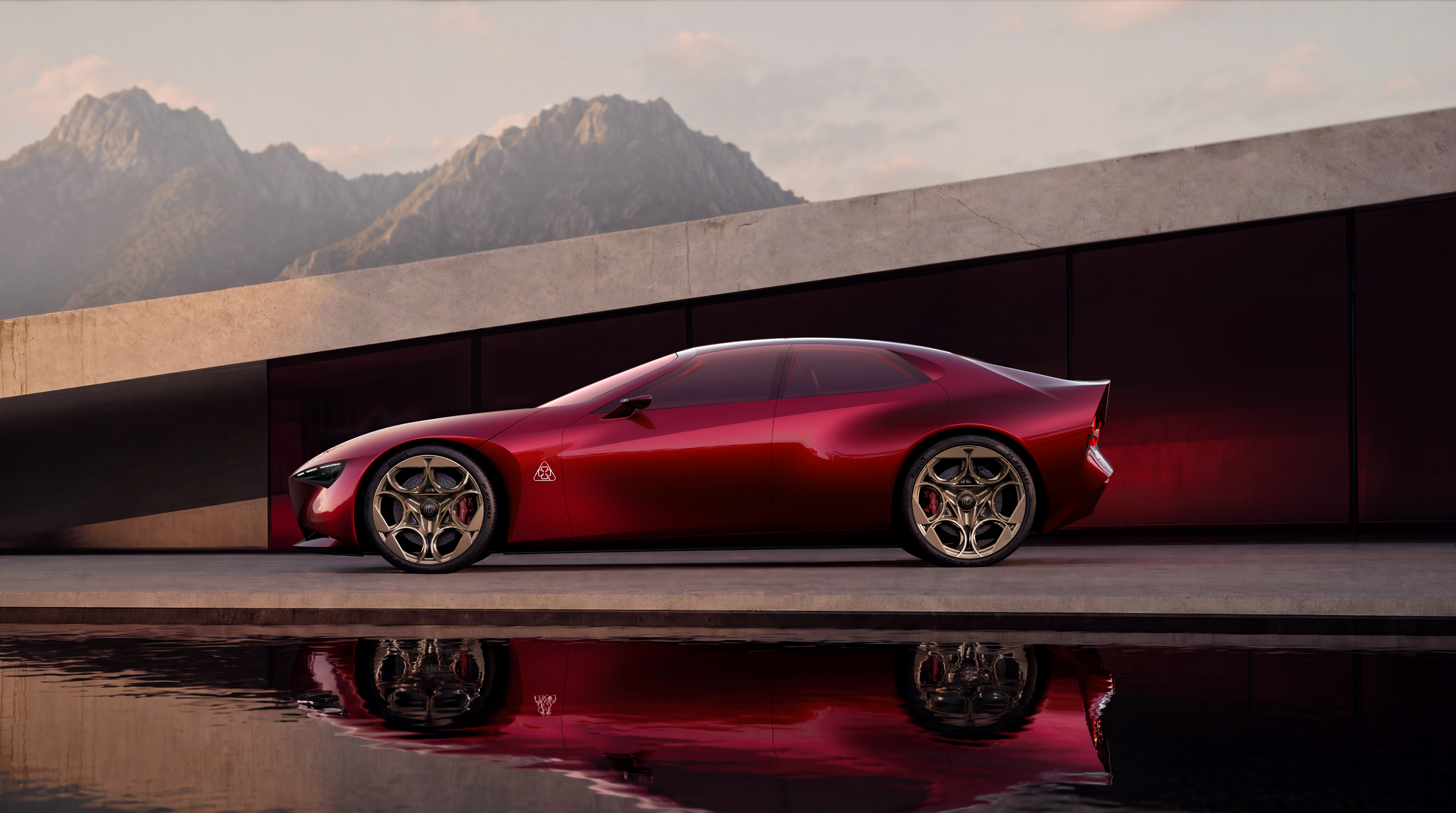
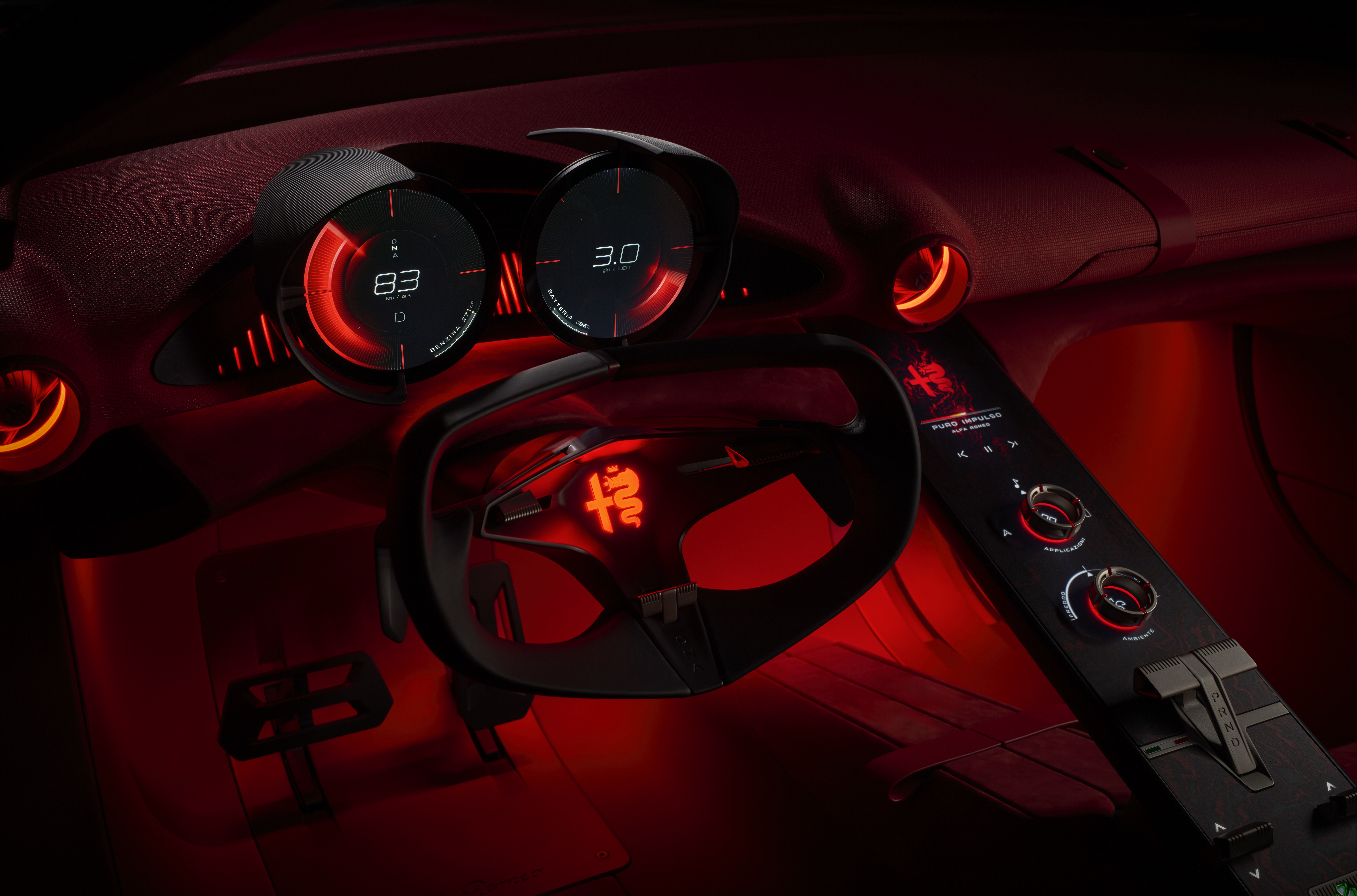
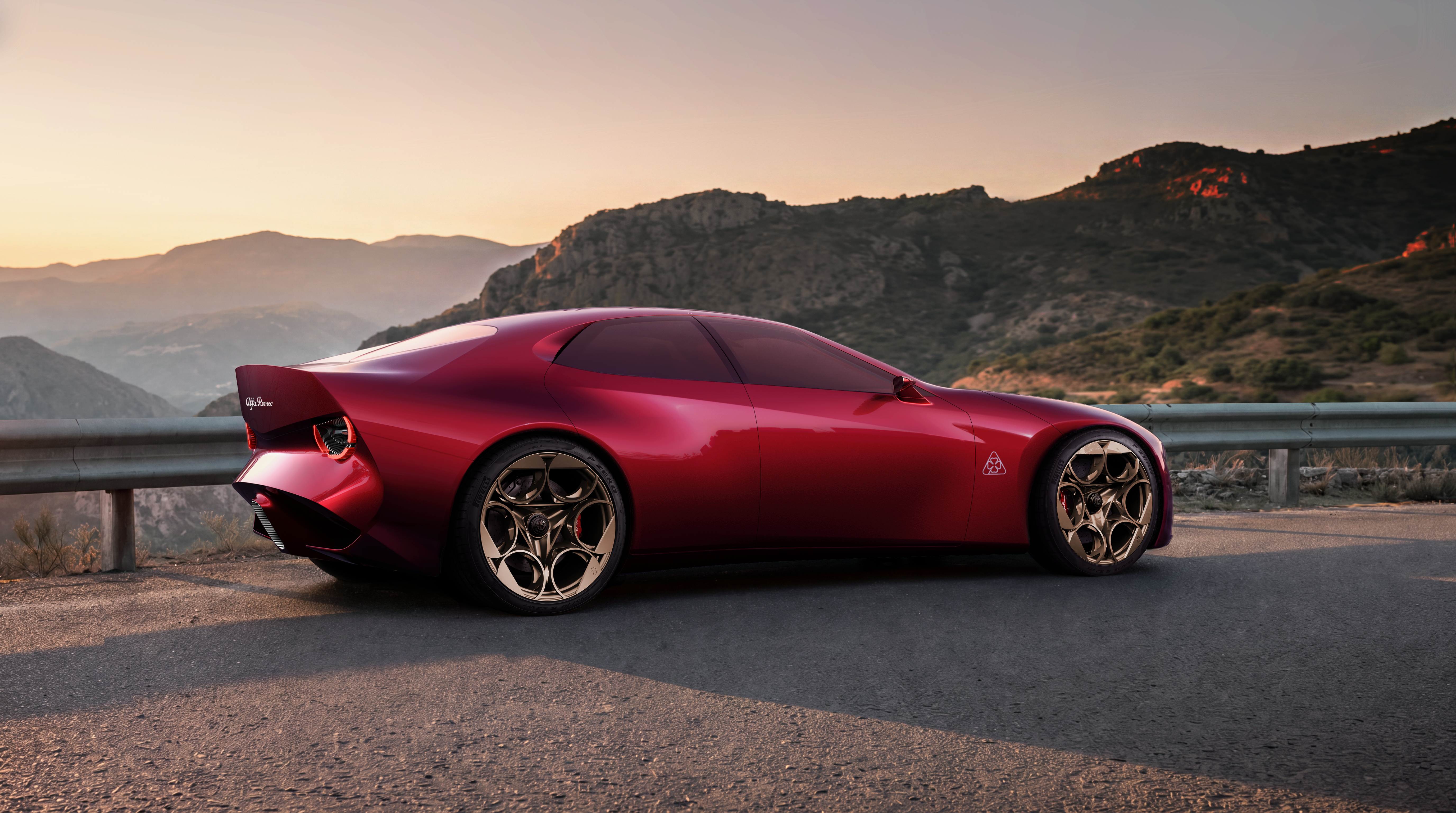
Alfa has named its jaw-dropping Paris Motor Show star the Cuorerosso – “red heart” in Italian, naturally – and it arrives in exactly the colour it promises: a deep, arterial red that makes everything parked near it look like it’s apologising for something. The concept does not directly preview the next-generation Giulia, but rather a design direction and a multi-energy approach (a fancy way of saying BEV, PHEV, hybrid or ICE).
So what’s its point, then? Is it just a pretty dream? From what I’ve read, the decision to unveil the new design direction with this sleek, compact, suicide-door GT/sedan with huge 23-inch teledial wheels is both deliberate and an acknowledgement of what remains at the heart of Alfa Romeo: style, passion, performance and emotion.
So, yes, crossovers remain in Alfa Romeo’s future, but cars like the Cuorerosso will continue to define the brand. Hints of 8C Competizione and 33 Stradale can be found on the Cuorerosso, but it’s also not an entirely retro design. Under the bonnet of this concept is the same twin-turbo 2.9-litre V6 that can be found in the current Giulia QV and Stelvio QV models.
Consider the Cuorerossa an exercise in realignment of purpose for the Alfa Romeo brand.
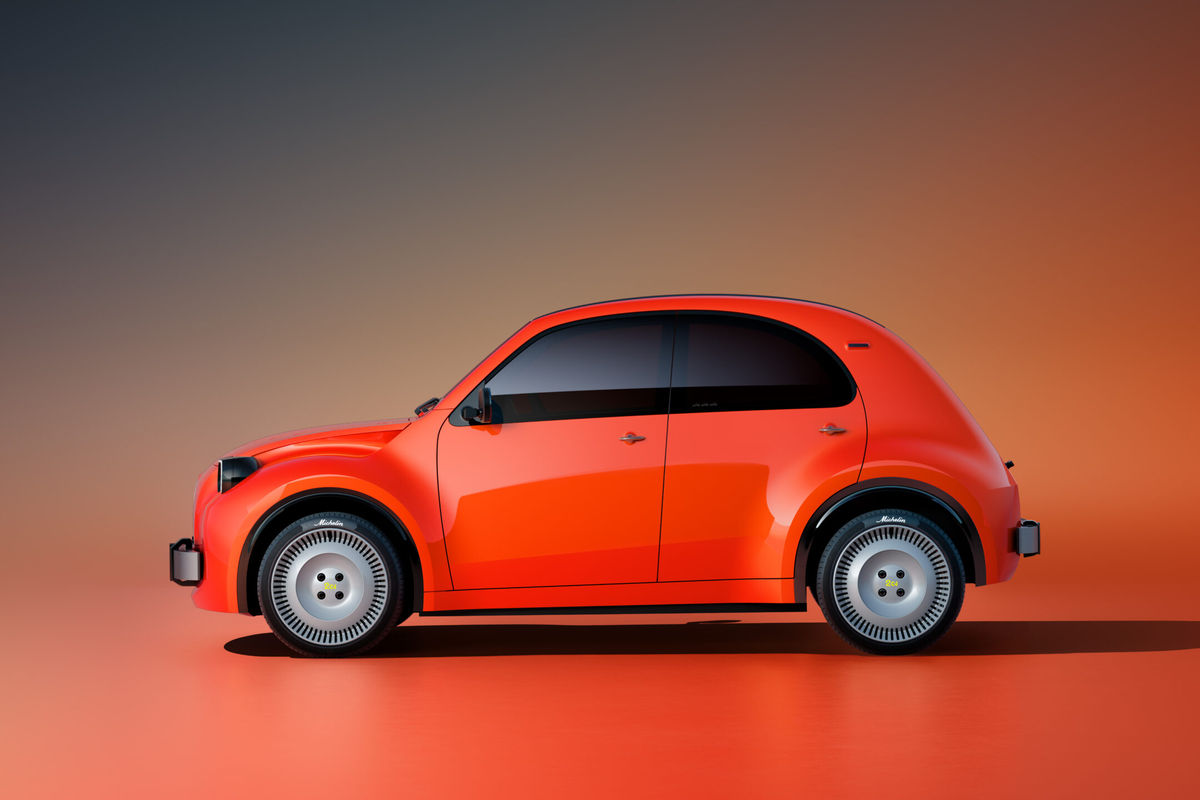
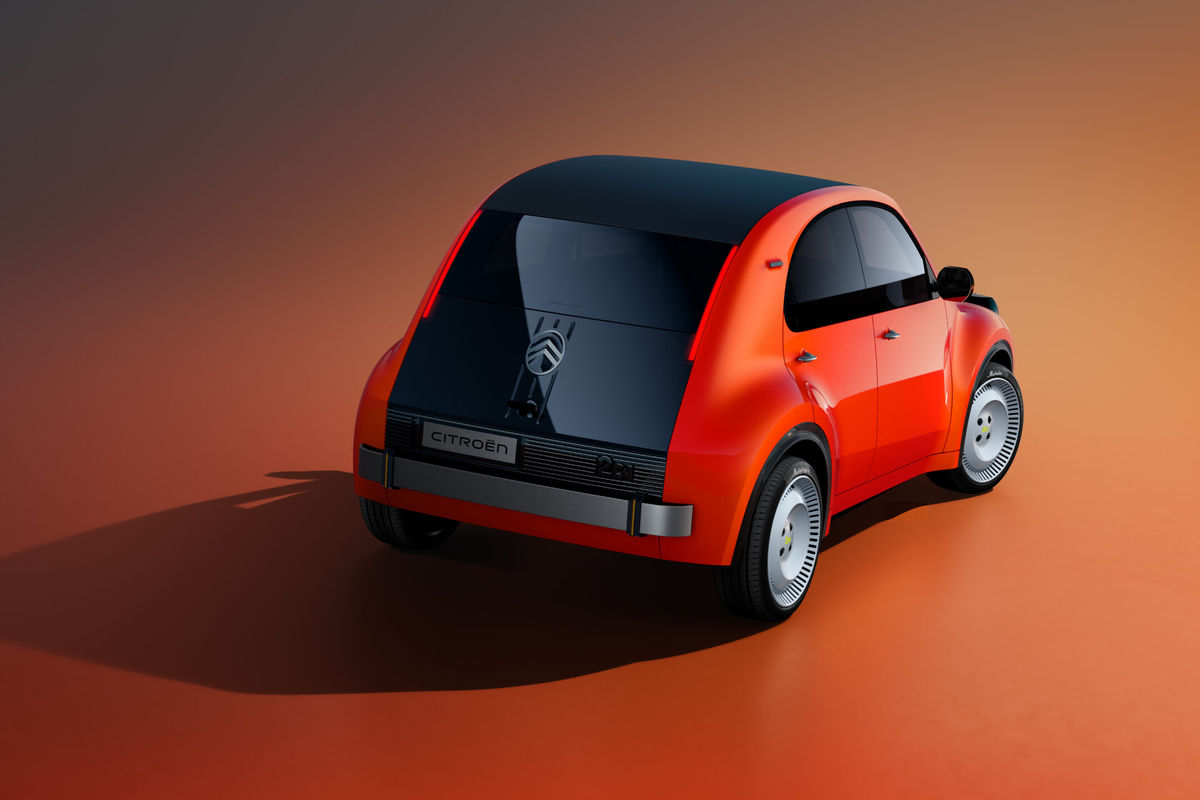
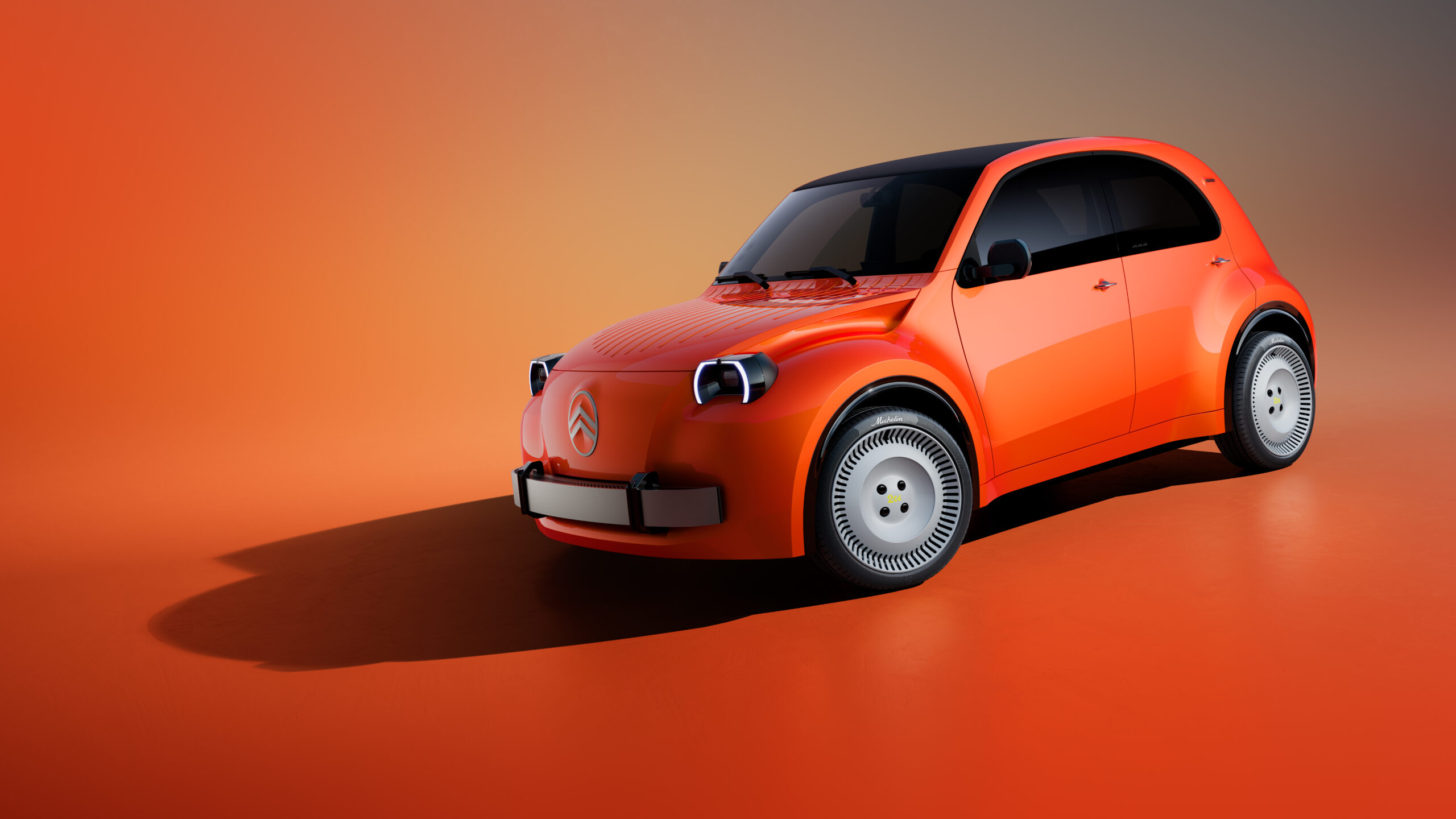
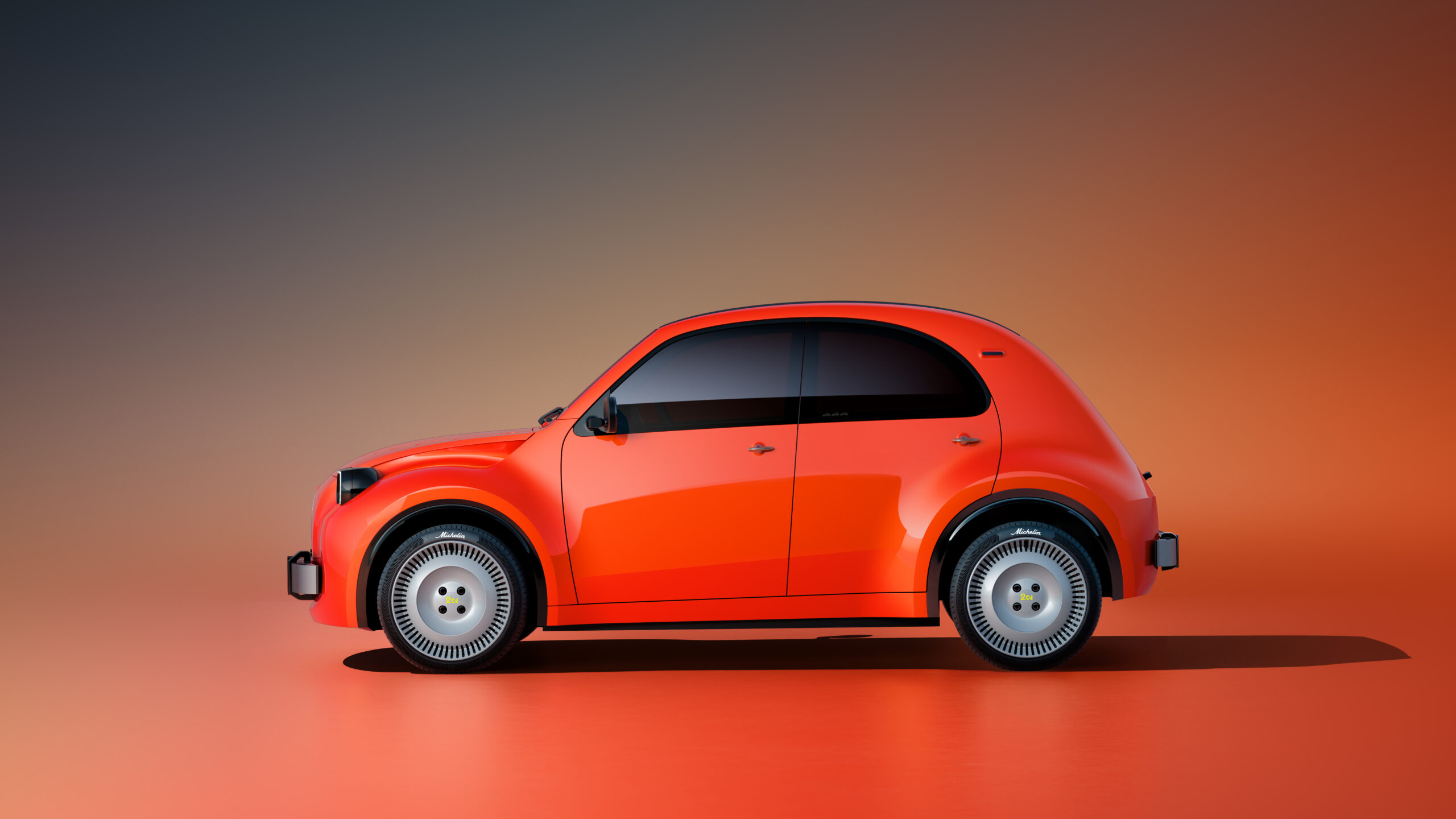
Citroën 2CV Concept: Brave, bonkers and possibly the most important car at the Paris Motor Show
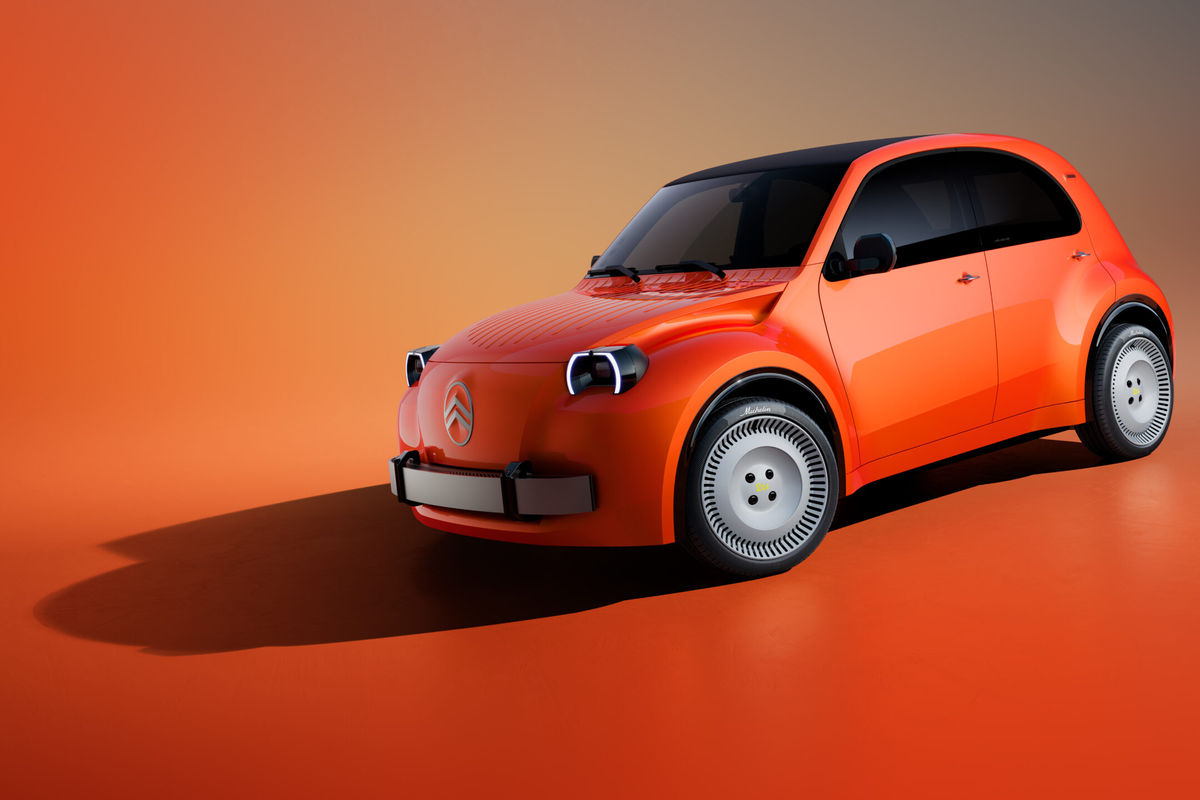
I have always had a soft spot for the 2CV because it was designed around a philosophy so clear and so unselfconscious that every single line expressed it without ambiguity. It was made for farmers. For rural tracks. For the transport of eggs across uneven ground without breakage. It was quirky to the point of absurdity and became iconic precisely because of that.
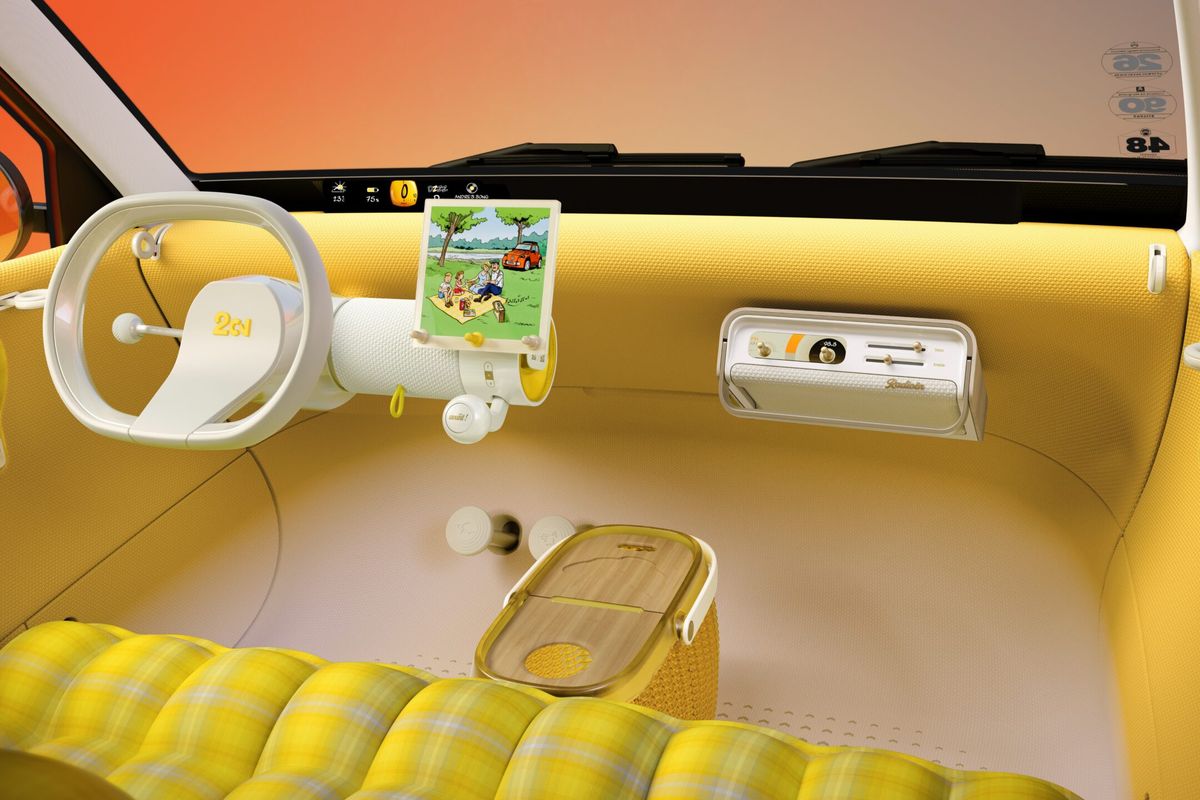
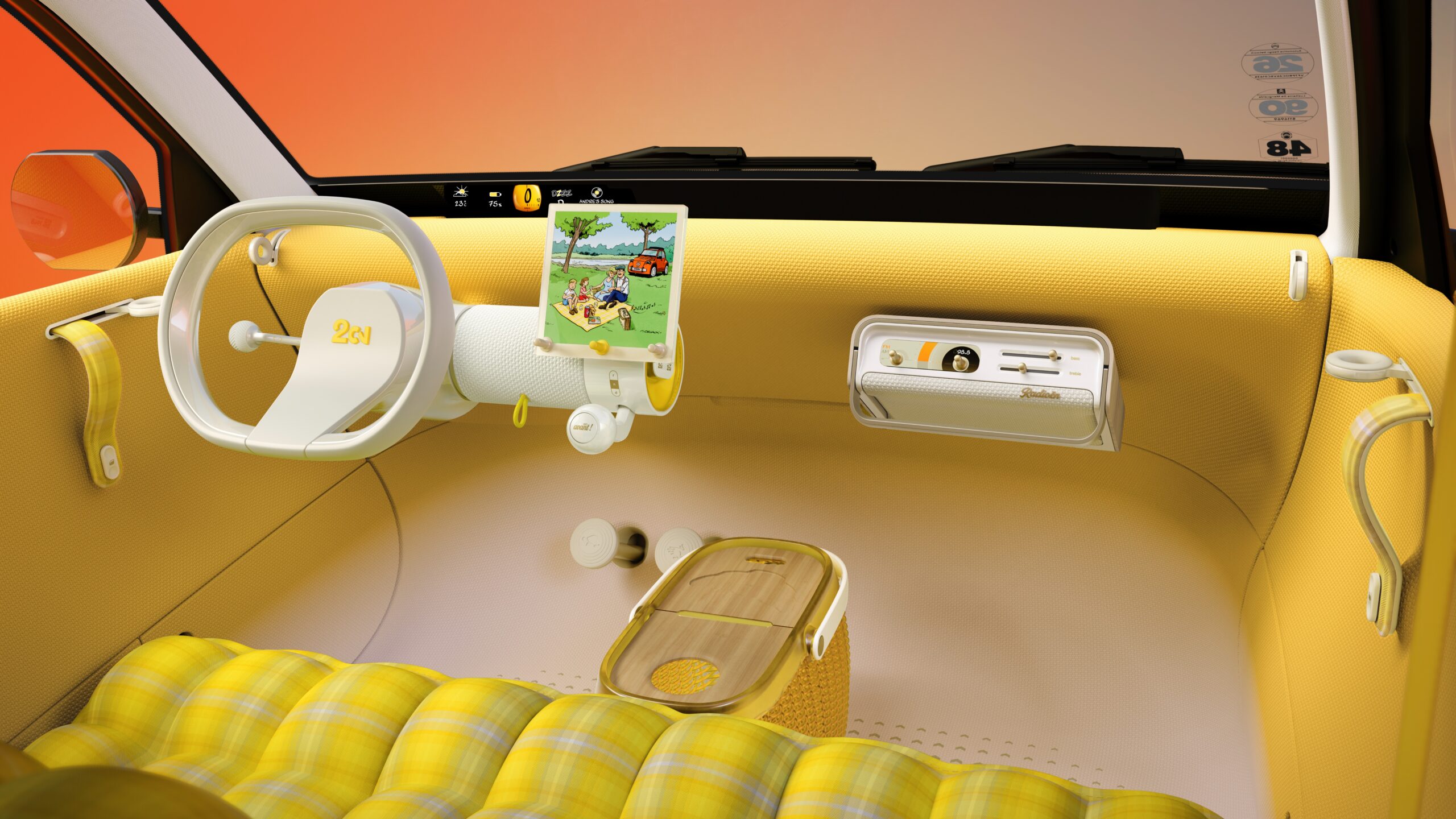
The 2026 concept is, by all accounts, not that far from an actual production car. Citroën is targeting a price of around R280 000 and a 2028 launch, which would make it one of the cheapest new cars in Europe and, more importantly, a car with a story. It has the rollback canvas roof. The bent-metal sofa-style seats. A removable radio (Bluetooth speaker) and even egg storage compartments! There is a lot of the original car in its overall look, but it’s not a simple copy. Truthfully, there are areas that I think could be improved and Citroën says it is doing just that. It will be built on a European-made E-Car city platform, which feels pointed, given the context of the show surrounding it.
Of everything Stellantis brought to the Paris Motor Show, the 2CV is the one I keep coming back to. Not because it is the most dramatic concept – it is probably the least – but because if they actually build it faithfully, and hit the proposed price point, it could be genuinely meaningful in a market that has quietly forgotten what a city car with soul looks and feels like.
Opel STX: Previewing the Astra revolution
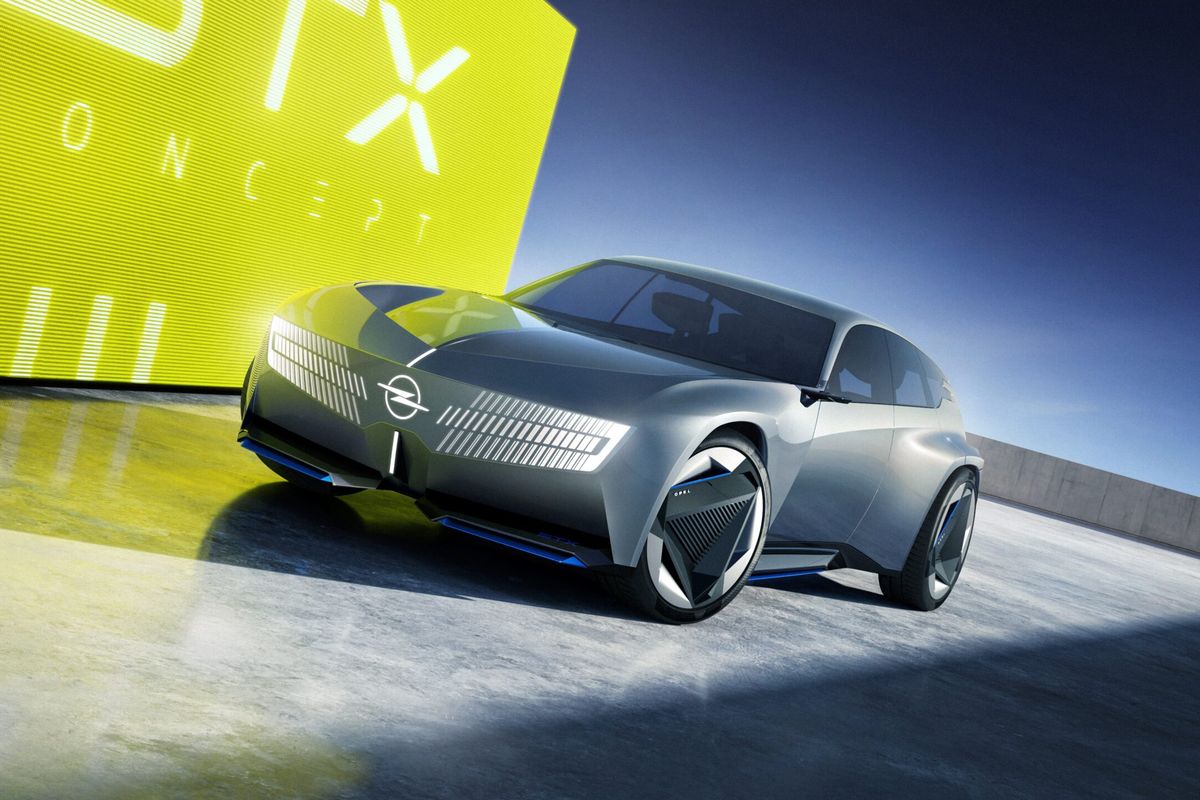
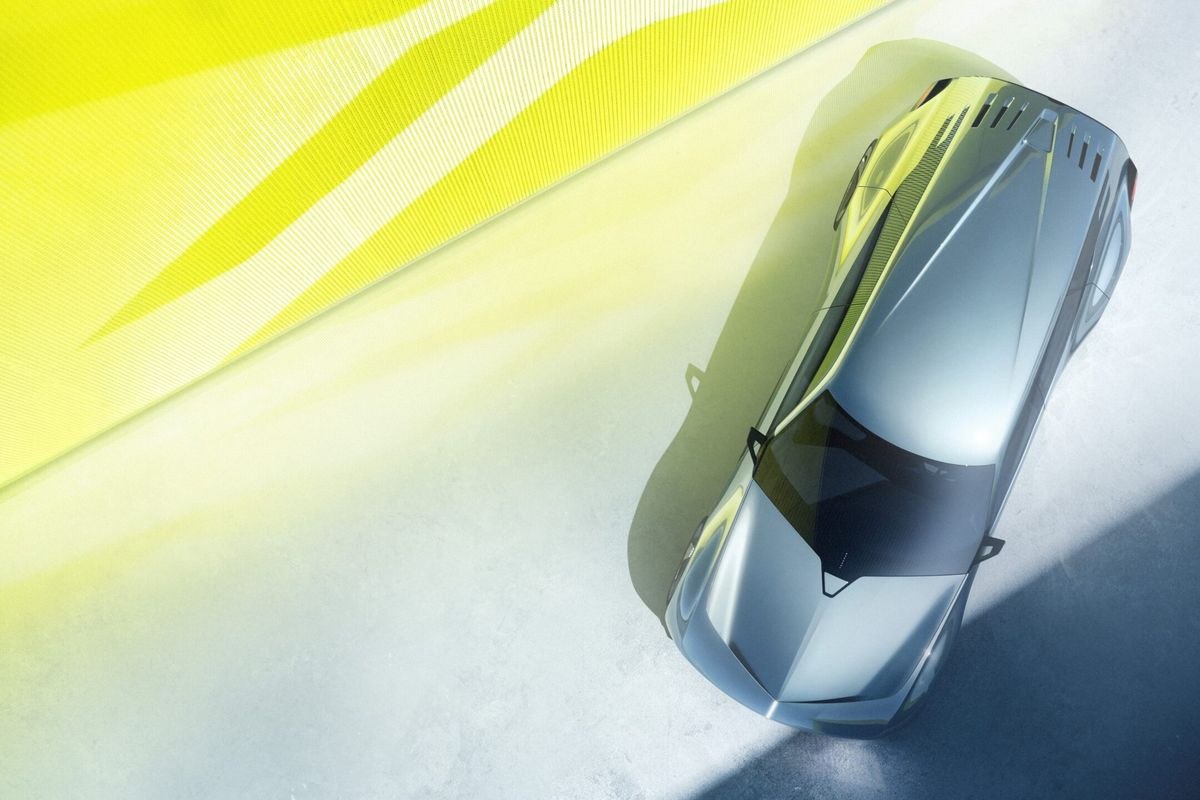
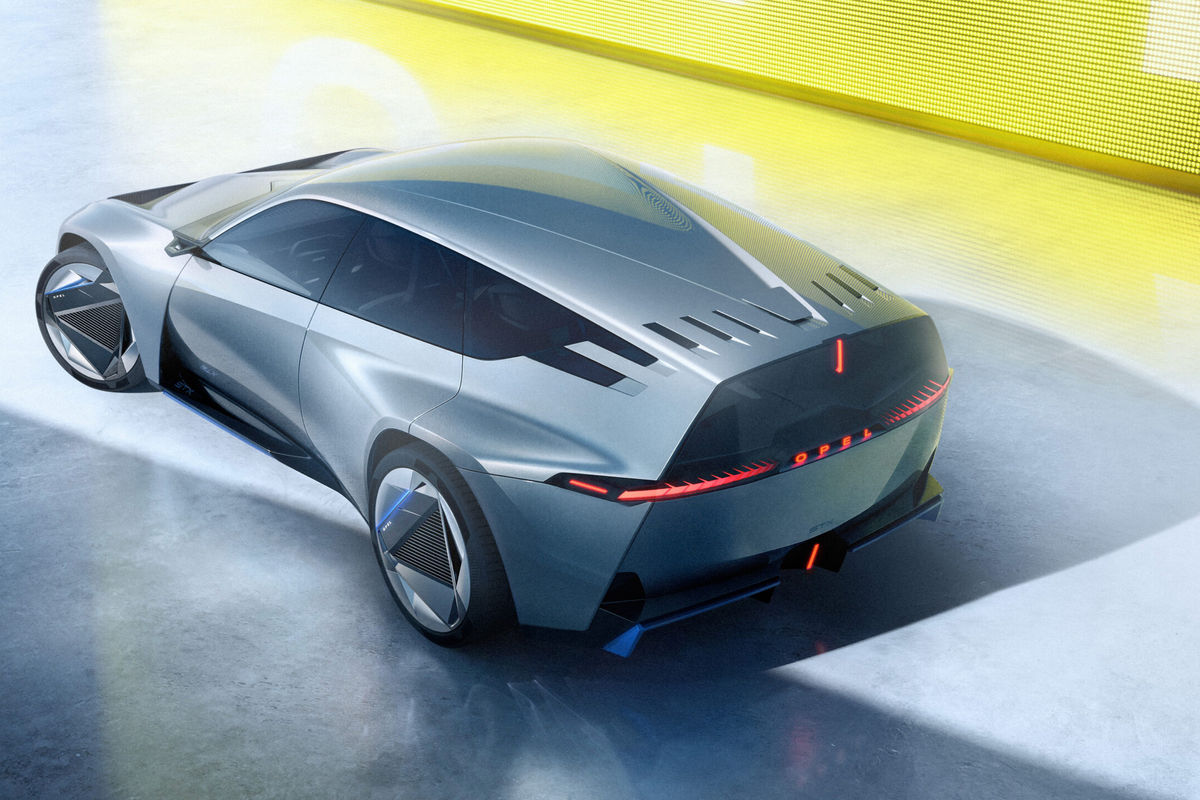
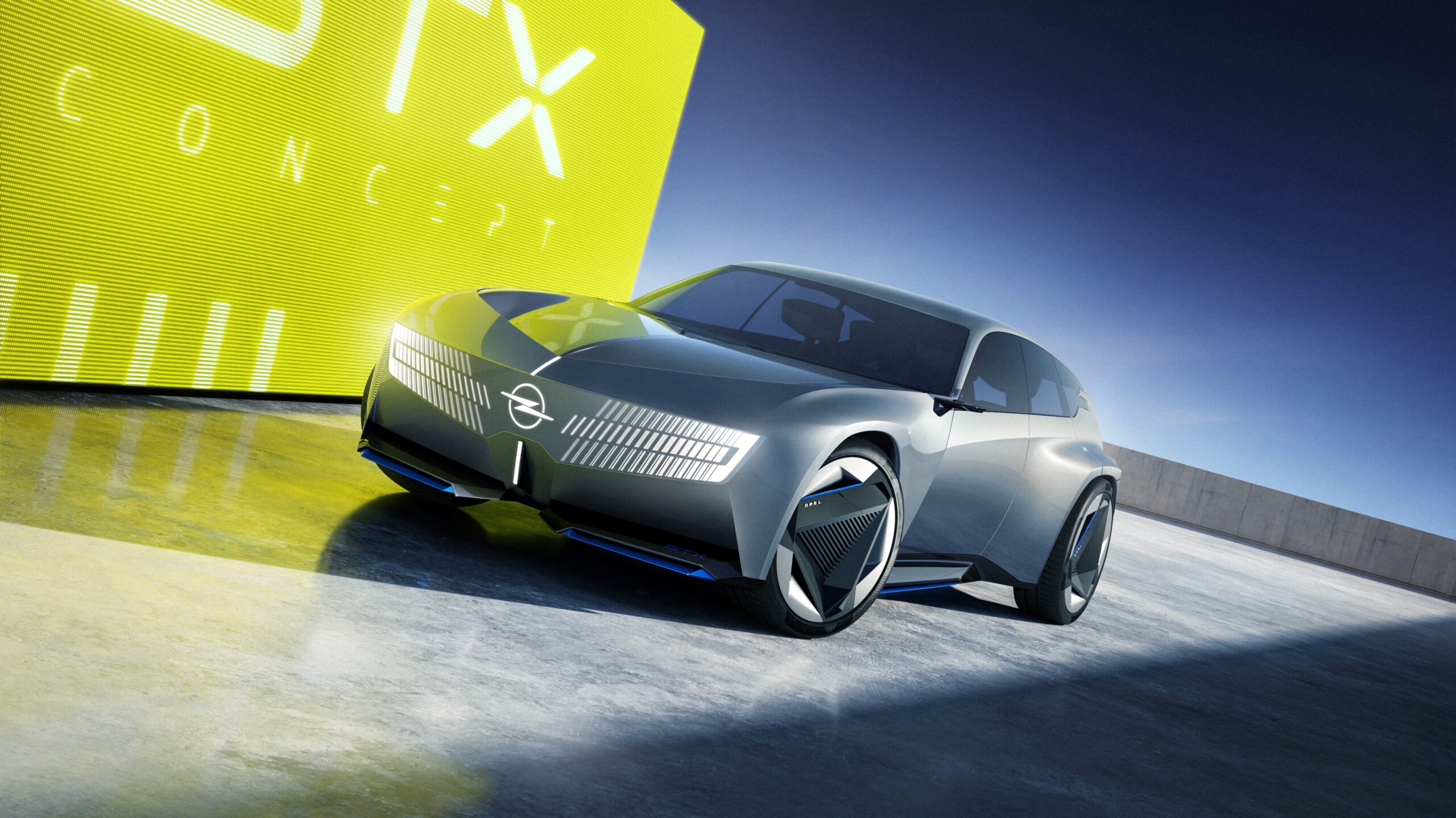
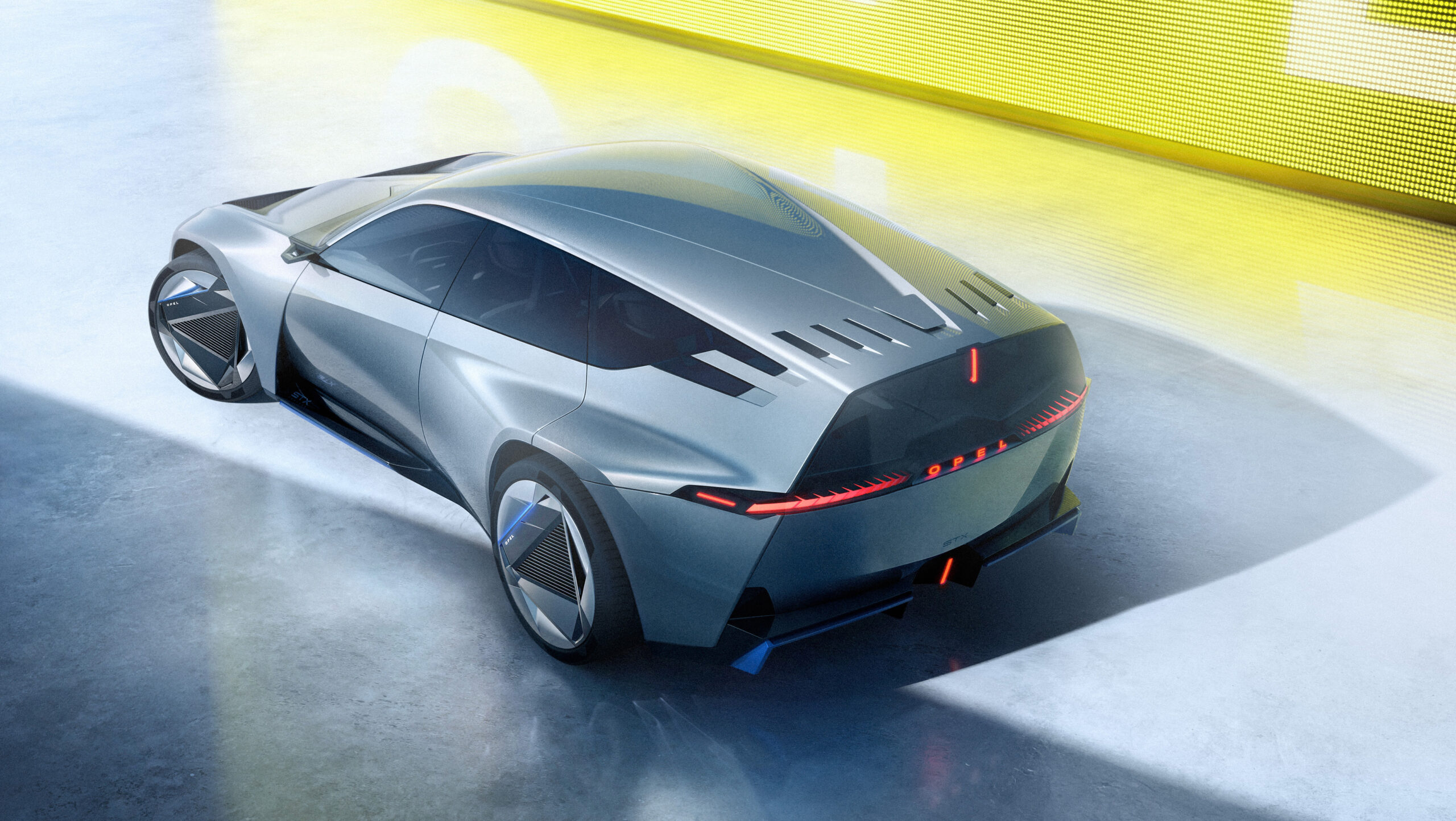
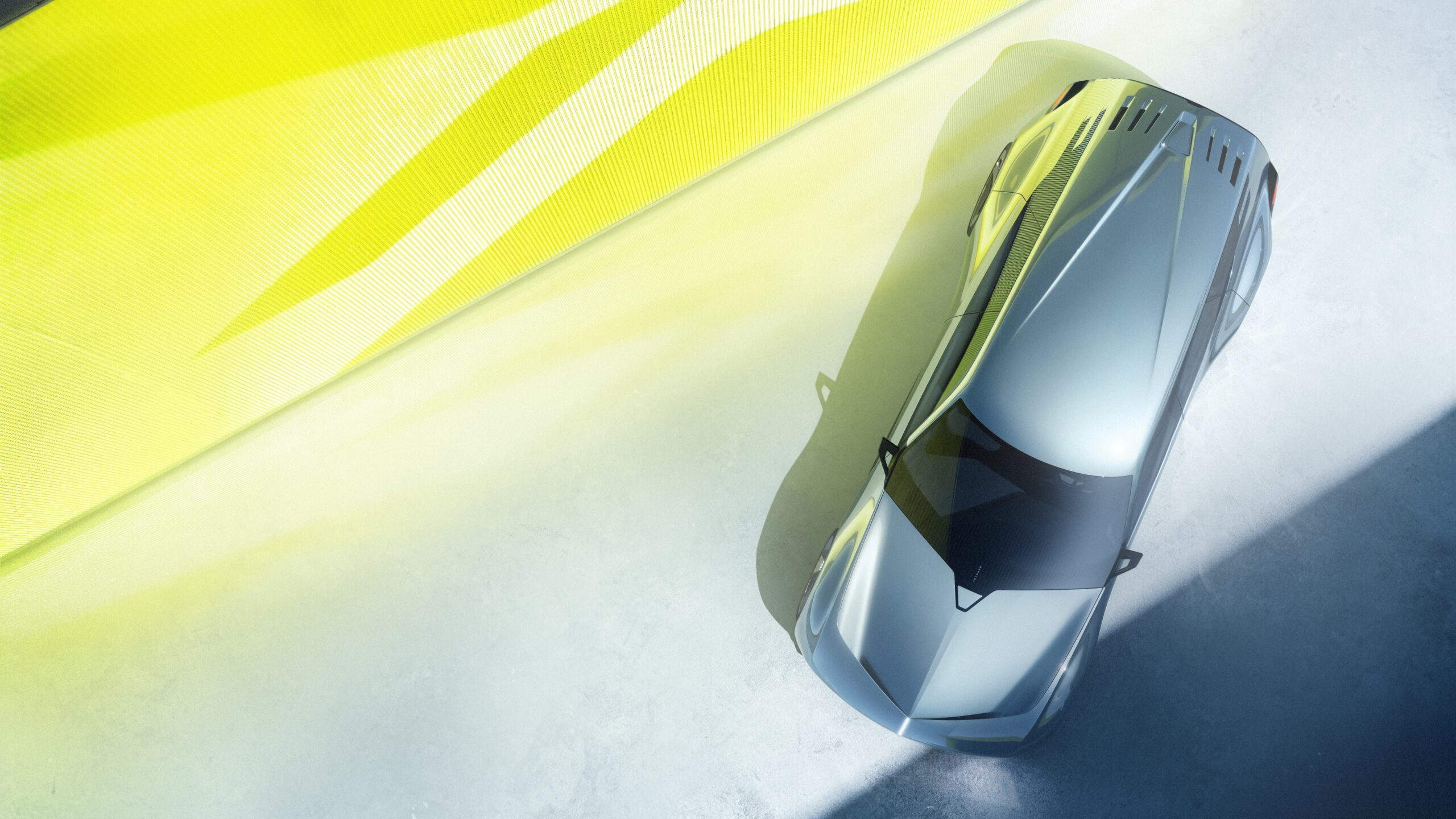
The Opel STX – short for Sports Tourer Experimental – is the concept that I suspect most people will walk past and then stop and look back at. It’s a shooting brake; a boxy, Kamm-tailed, resolutely practical load-carrier that makes no apology whatsoever for being long and low and fundamentally anti-crossover. In a world where “versatile family transport” has become a synonym for “anonymous crossover box with a panoramic roof”, the STX feels like an act of rebellion.
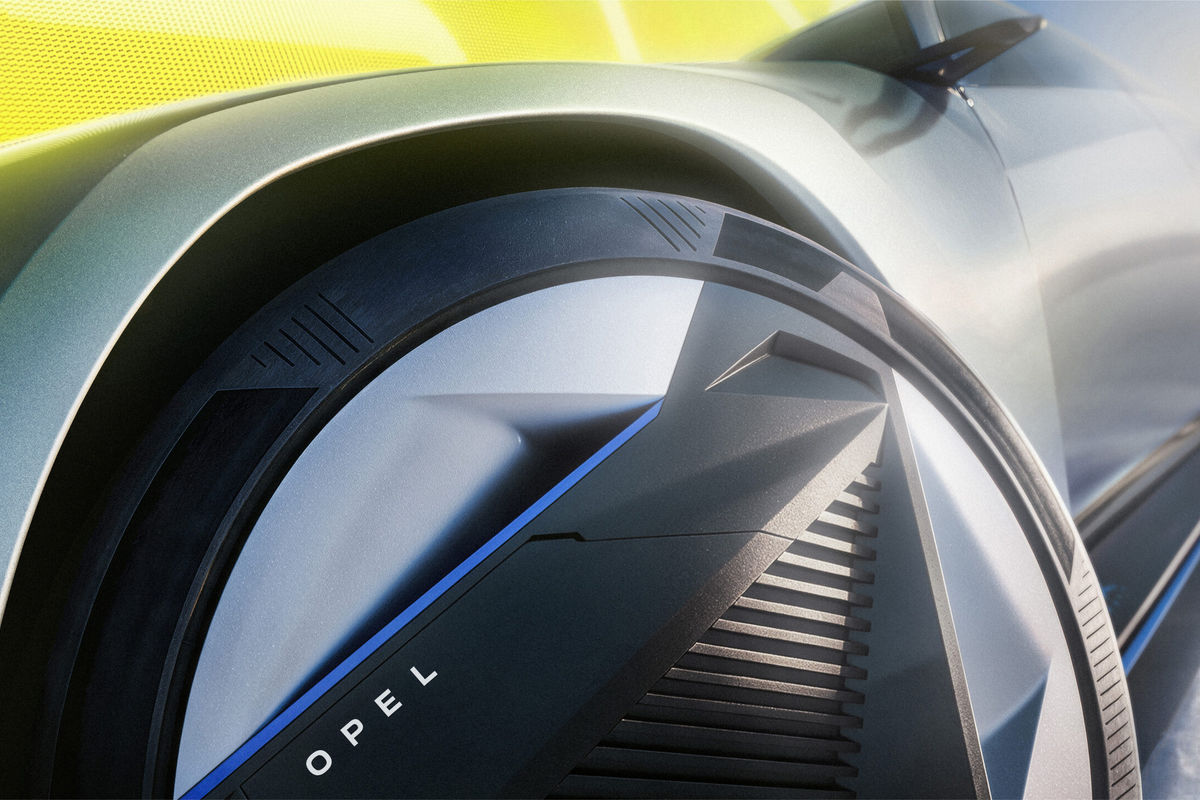
The design uses a futuristic take on Opel’s established Vizor front end with vertical light elements. It’s a purposeful, slightly stern face that suggests the car has things to do and places to be. The proportions are long and low in a way that the raised crossover format, with its inflated dimensions and inevitable plastic body cladding, simply cannot replicate. Opel has toyed with the concept of a large/sporty shooting brake before and I see glimpses of a lot of its older designs in this STX, including the wheels of the first-generation Corsa, proportions and crispness of the Monza (not the South African sedan, but the European coupé) and even the much older Opel CD concept.
Recently, the German brand pretty much confirmed that the next-generation Astra will move away from being a hatchback-first model to an estate car. Therefore, the STX is not merely a concept for a concept’s sake. It is a reminder that “estate” or “station wagon” are not dirty words. Somehow, in 2026, that feels like a radical (not to mention brave) position.
Peugeot RCZ Vision and E-T16: The double bubble returns and it’s still a beautiful idea
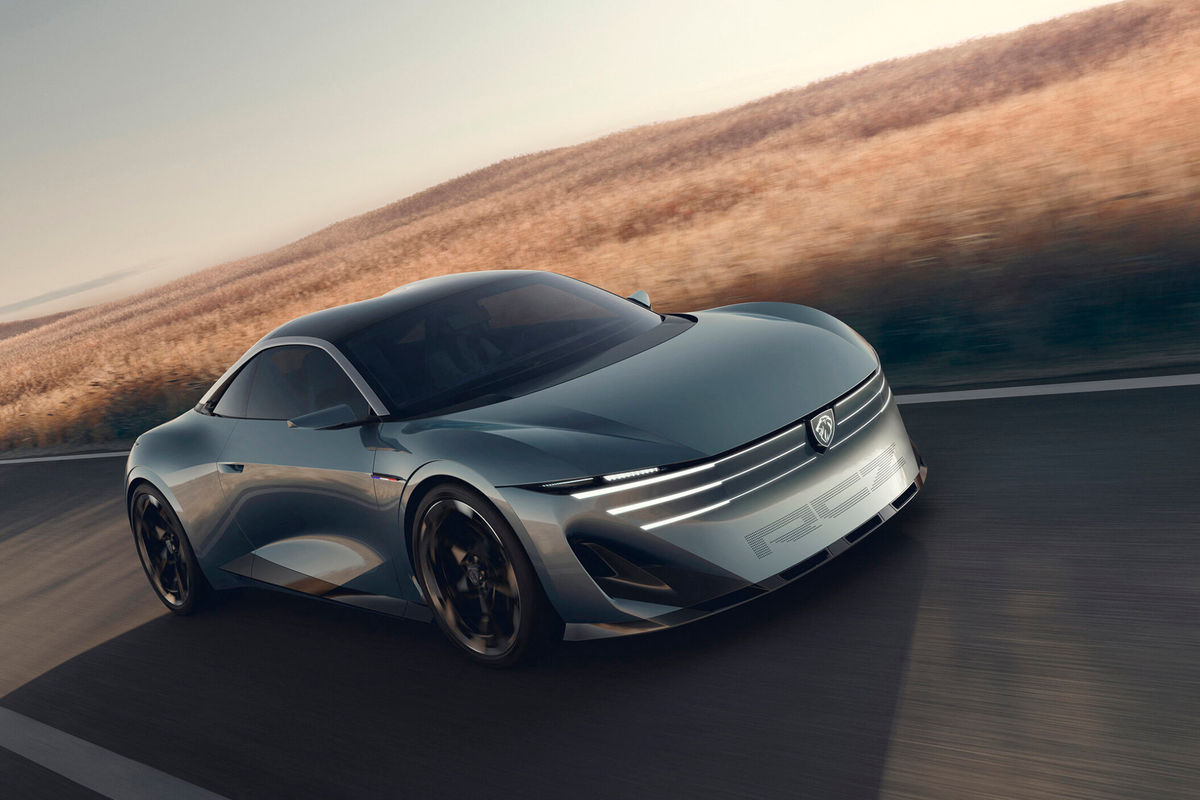
The original RCZ, which arrived in 2009 as a rival to the Audi TT, was one of those cars that was widely admired, but which, for various reasons, didn’t achieve the success it deserved. The double-bubble glass roof was distinctive in a way the industry hadn’t really seen before at its price point. It filled the gap left by the 406 Coupé, which was one of the most beautiful French cars of the 1990s and possibly of the century, if you’re feeling generous. And then the RCZ left, Peugeot made crossovers like everyone else and the world got slightly less interesting.
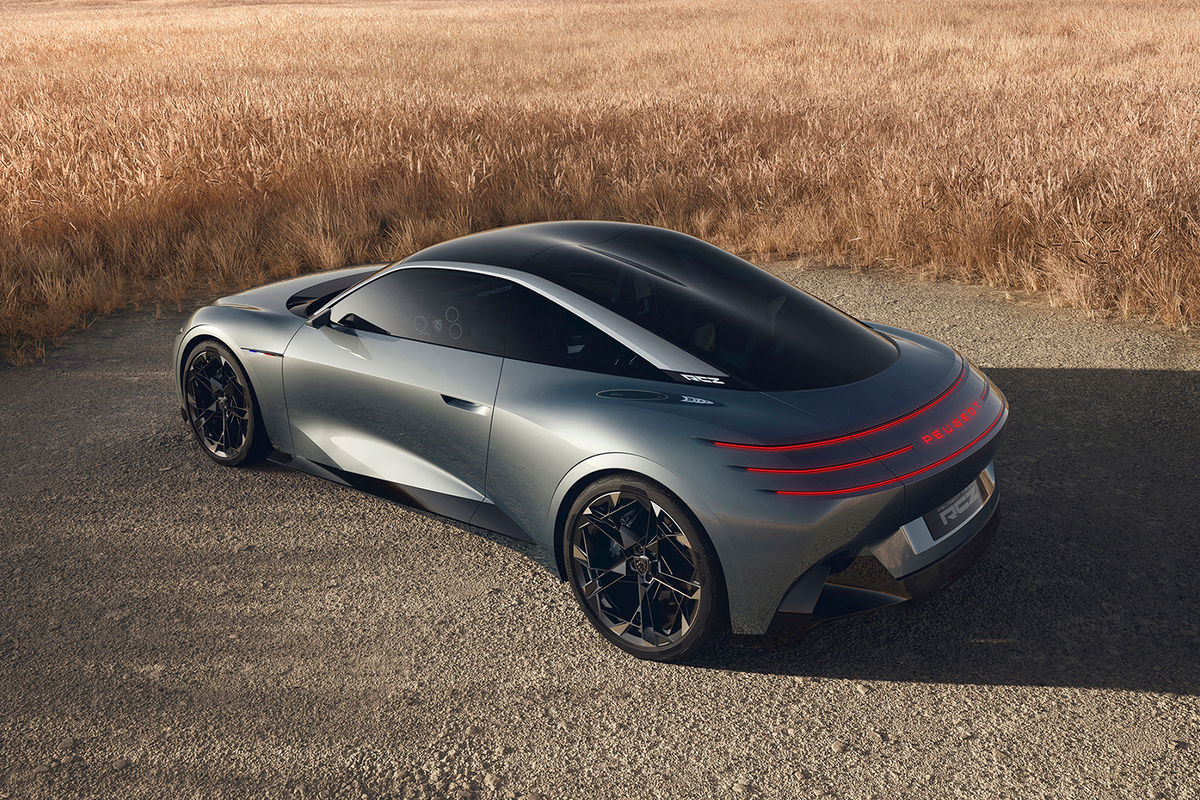
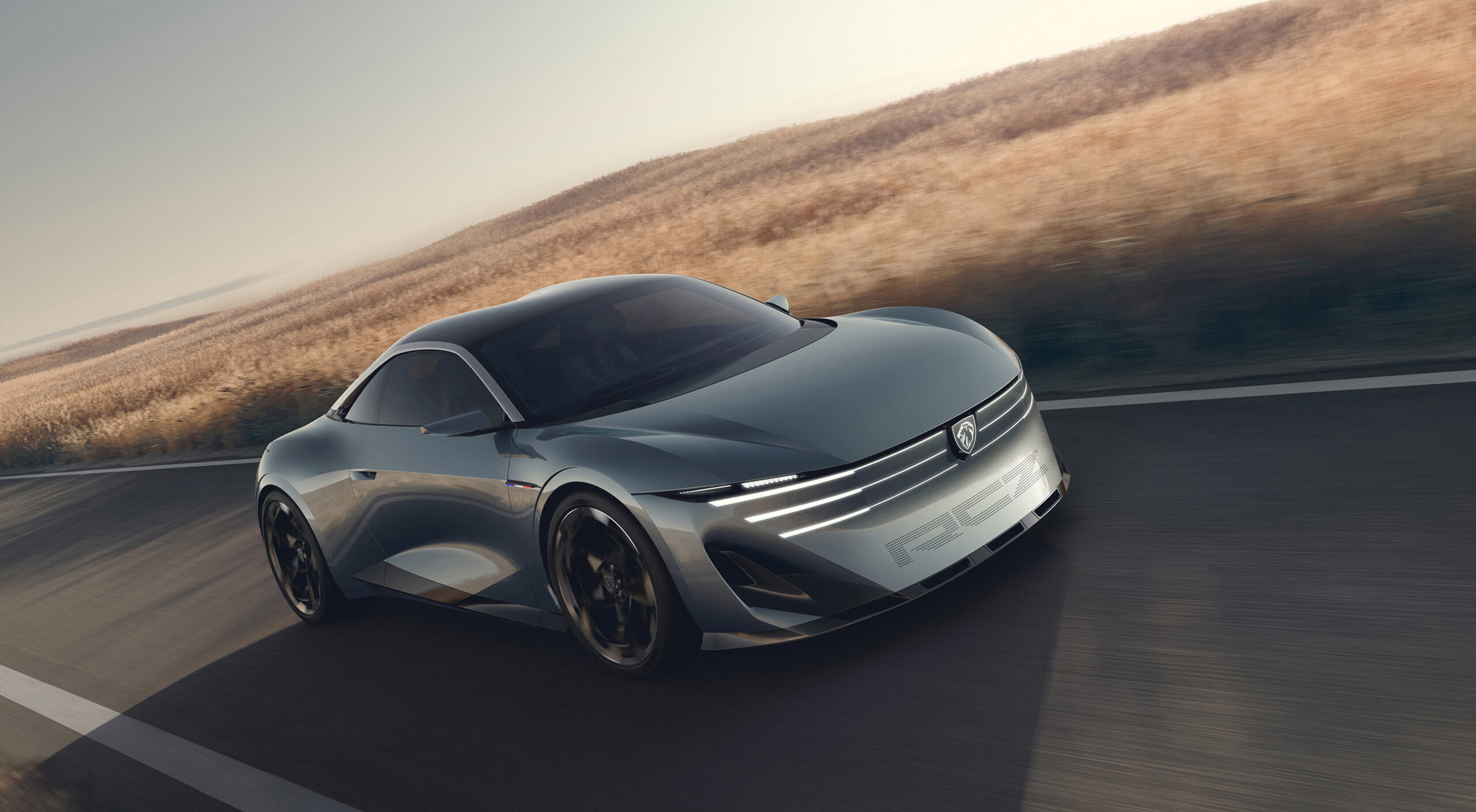
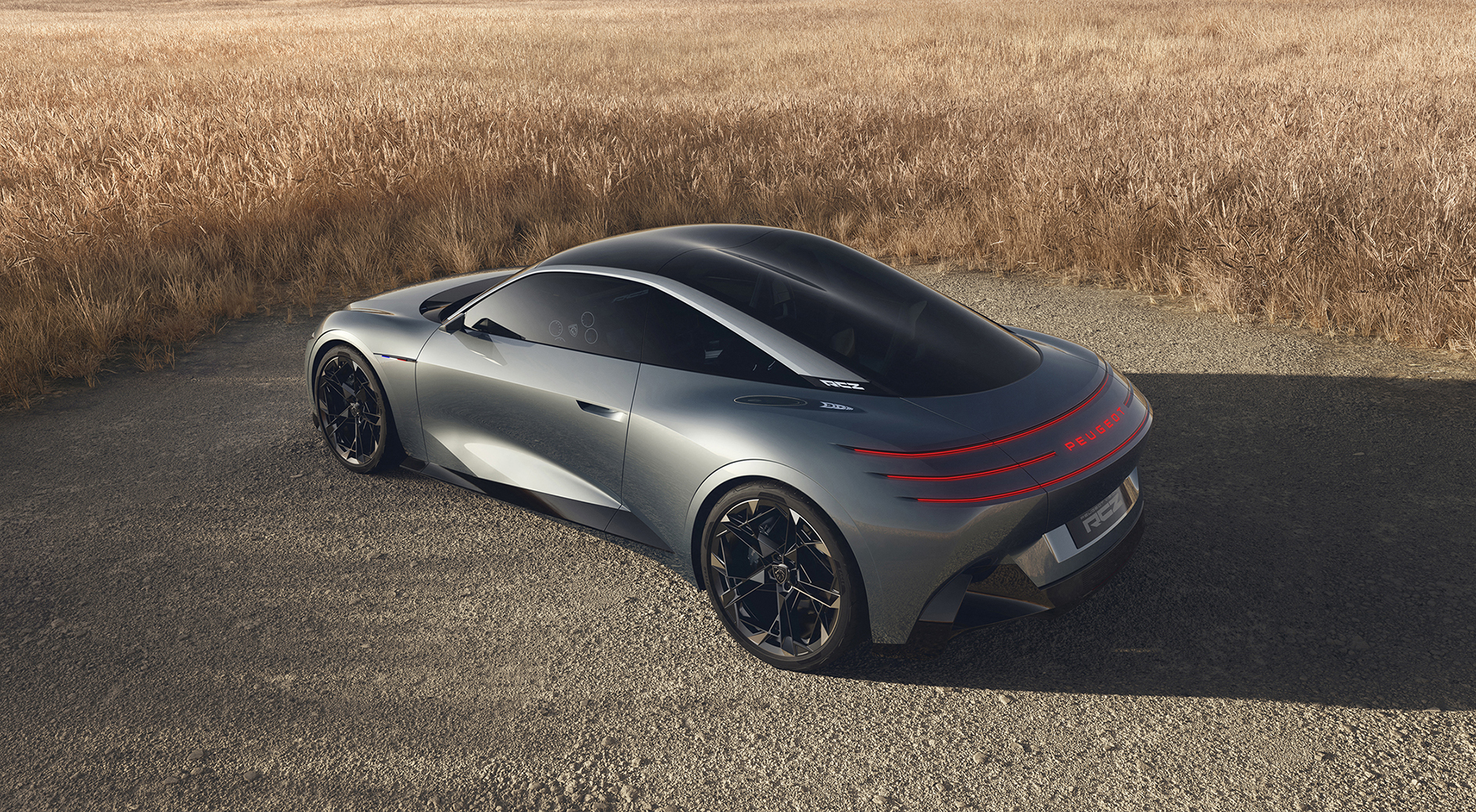
The RCZ Vision concept is Peugeot asking whether it might be time to bring back the double-bubble. A bizarre Hypersquare steering wheel – Peugeot seems intent on pursuing this – appears inside. To be honest, the interior is way more radical than the exterior, but even so it’s more interesting to look at than most of what surrounds it on the Paris Motor Show floor this week. The RCZ Vision asks an entirely reasonable question: could the coupé make a comeback? My answer: I hope so (even if it must also be an EV)! The world needs more Peugeot RCZs and fewer anonymous crossovers. This is not a controversial position. Or at least it shouldn’t be.
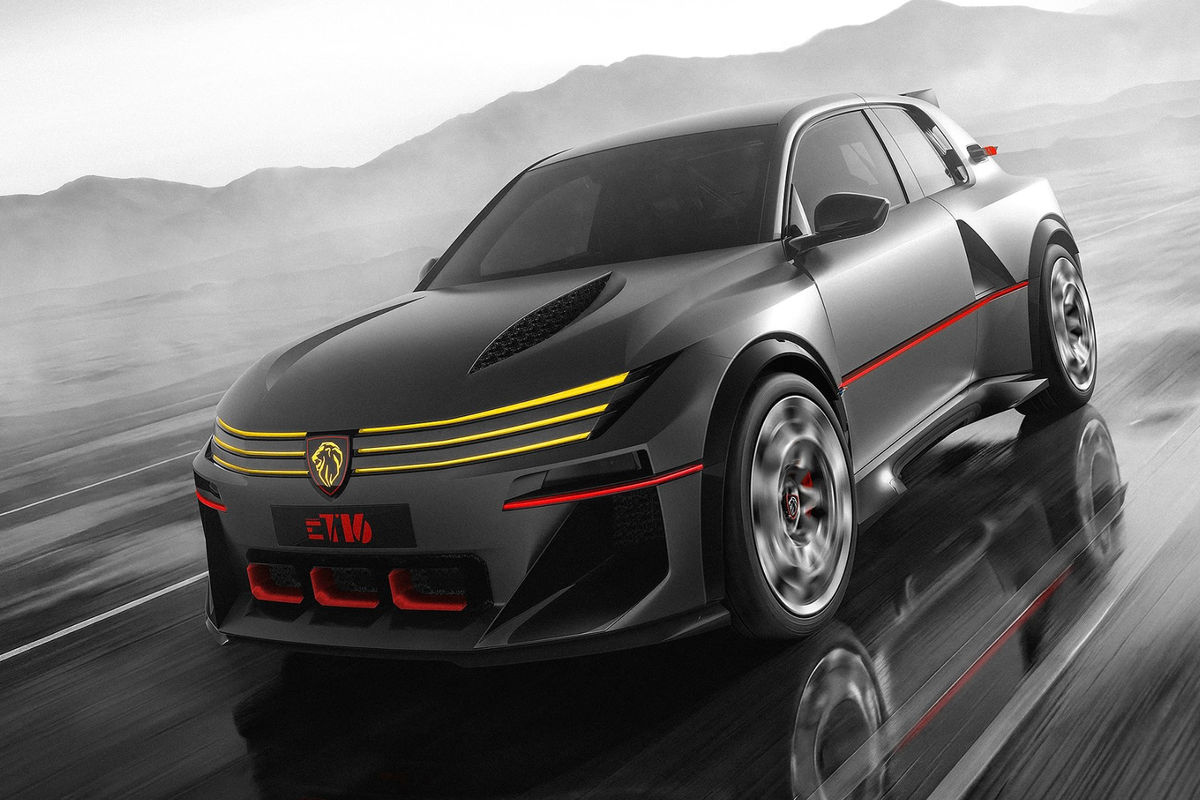
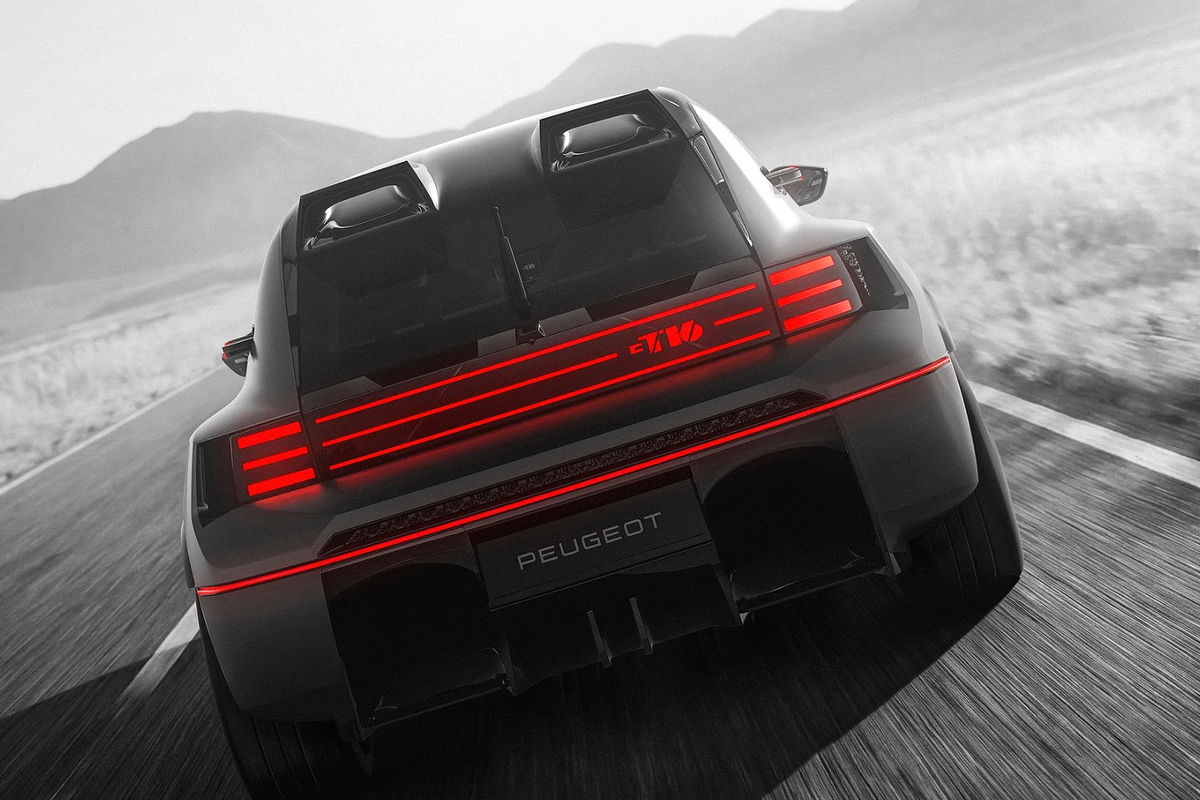
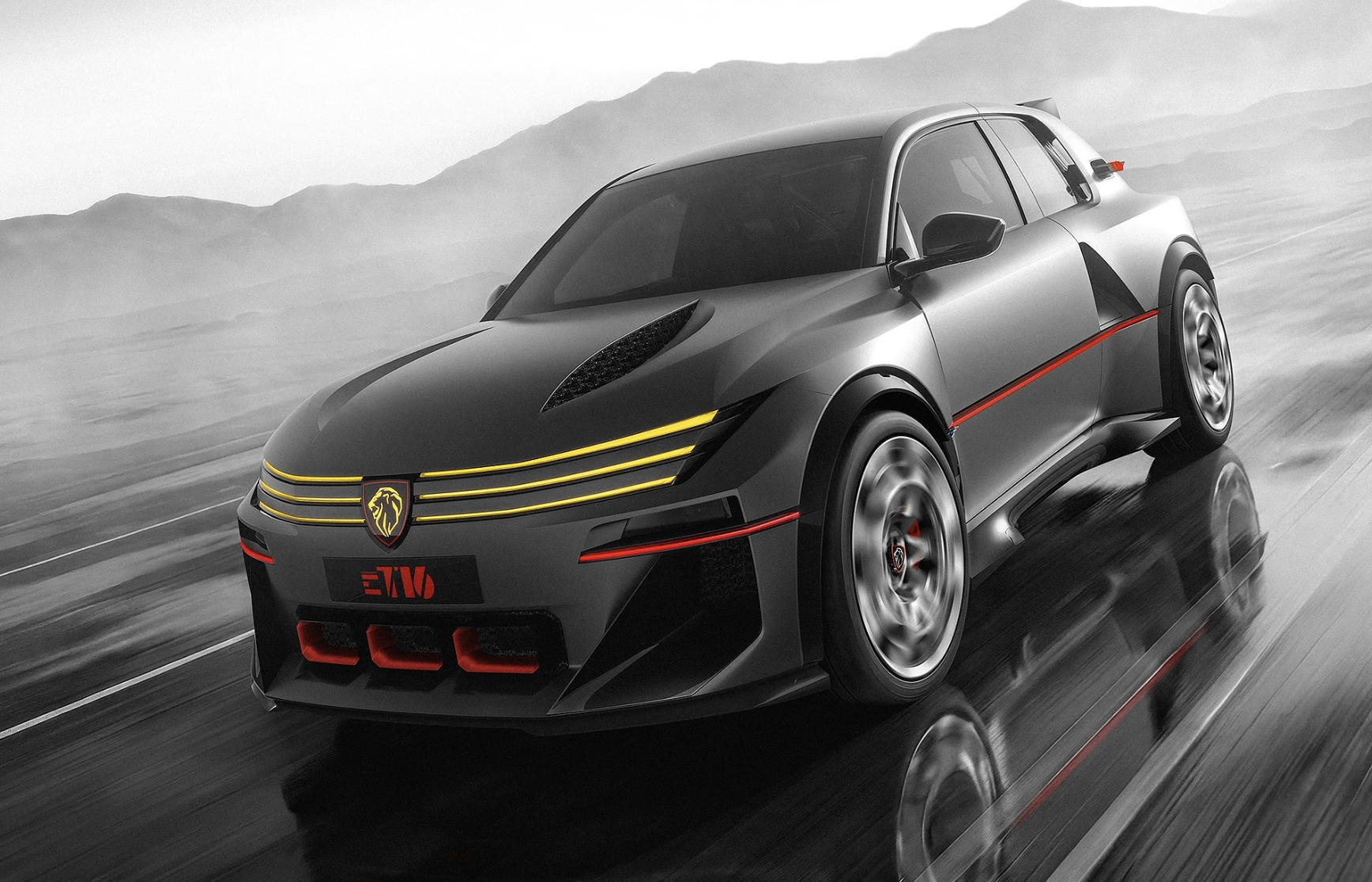
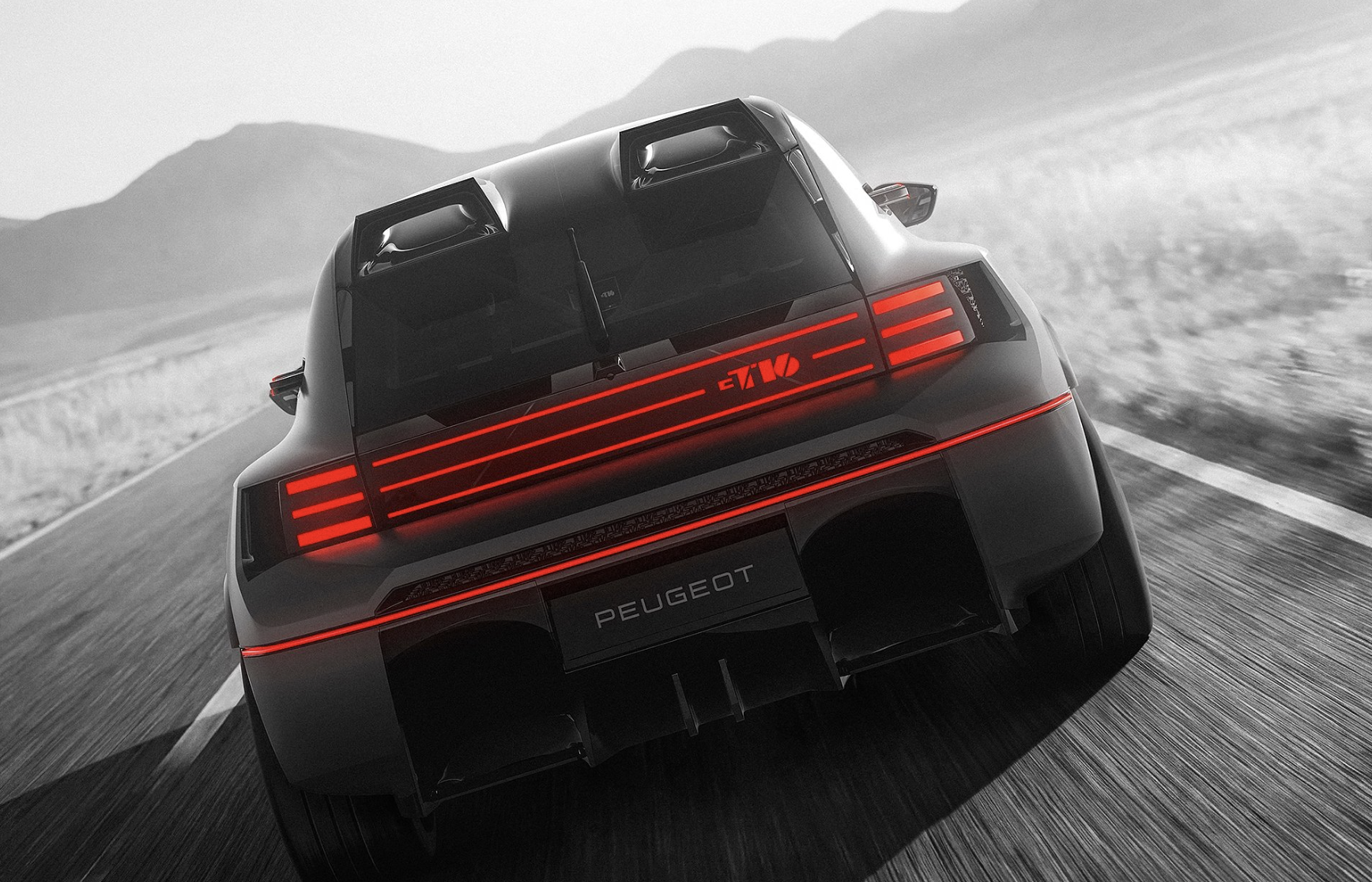
Also unveiled by Peugeot was the stunning E-T16. If you were around in the ‘80s and followed world rallying, you’ll know immediately what inspired it: the iconic 205 T16 gravel monster. It arrives on the 40th anniversary of the 205 T16’s consecutive World Rally Championship wins in 1985 and 1986. The E-T16’s colour is a deliberate match for the original’s grey livery. The backlit red line that runs around the body recreates the 205 T16’s signature pinstripe. The rear body section tilts open, exactly as it did on the original, to show the mechanical components beneath. In 2026, that means three electric motors producing a combined output of 603 kW, an 800 V architecture, an 85 kWh battery and a 0-100 kph time of just 2.5 seconds.
The original air intake position ahead of the rear wheel now houses the E-T16’s charging port. It was developed with Peugeot Sport, which tells you the intent is serious. Peugeot calls this a preview of the next-generation E-208’s design language, which – if even a fraction of this makes it through to production – would make the E-208 a very interesting thing indeed.
Fiat Multiplay: Diplomatically not called the Multipla (IYKYK)
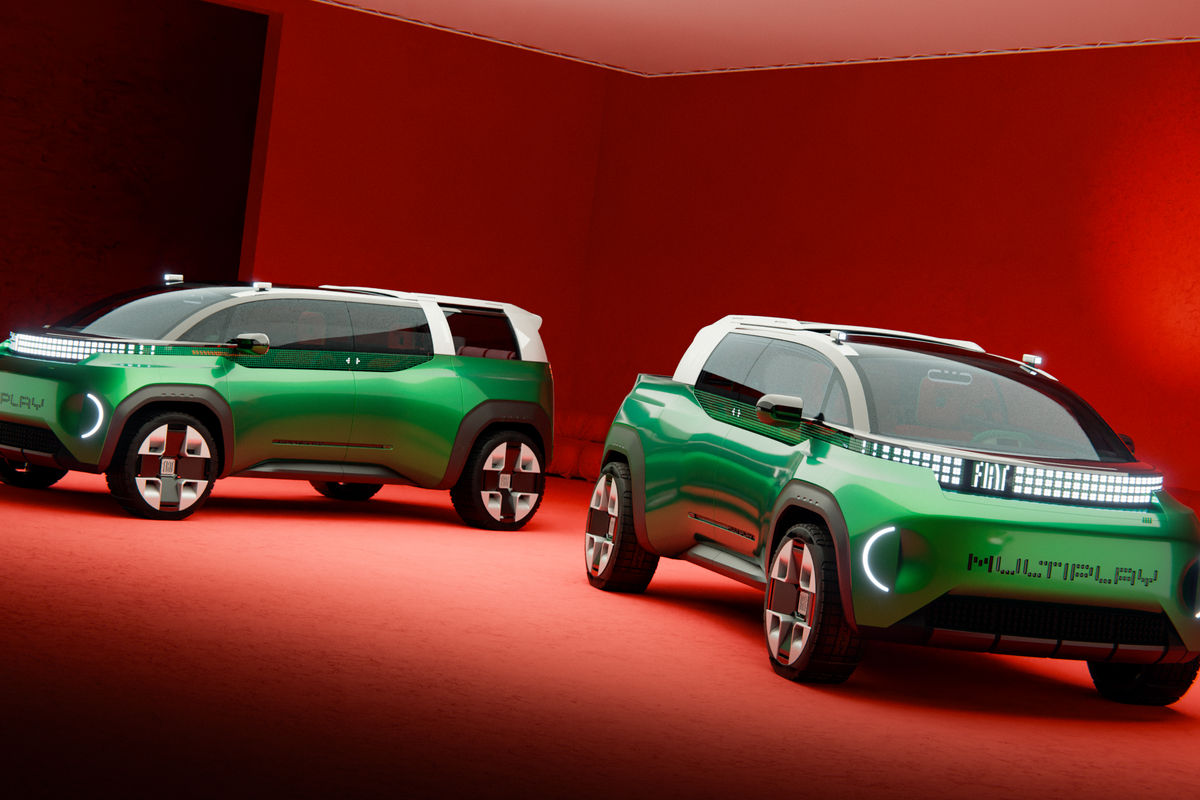
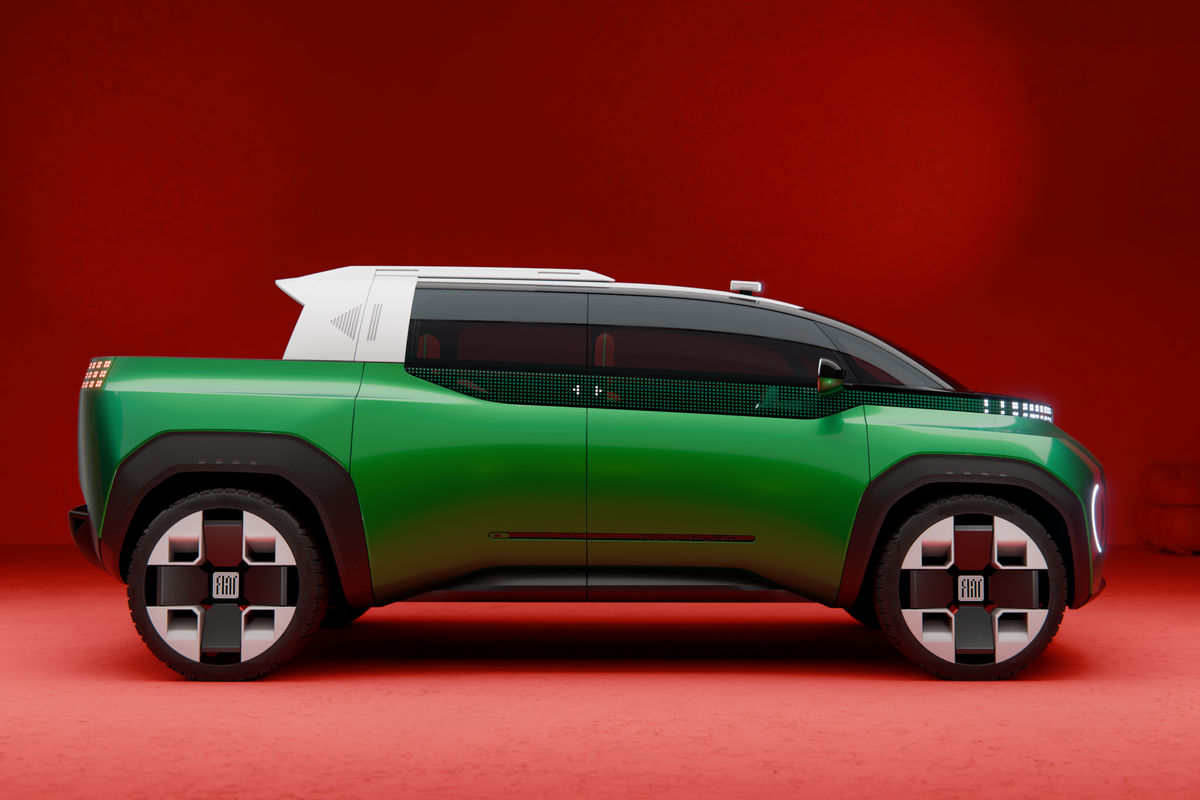
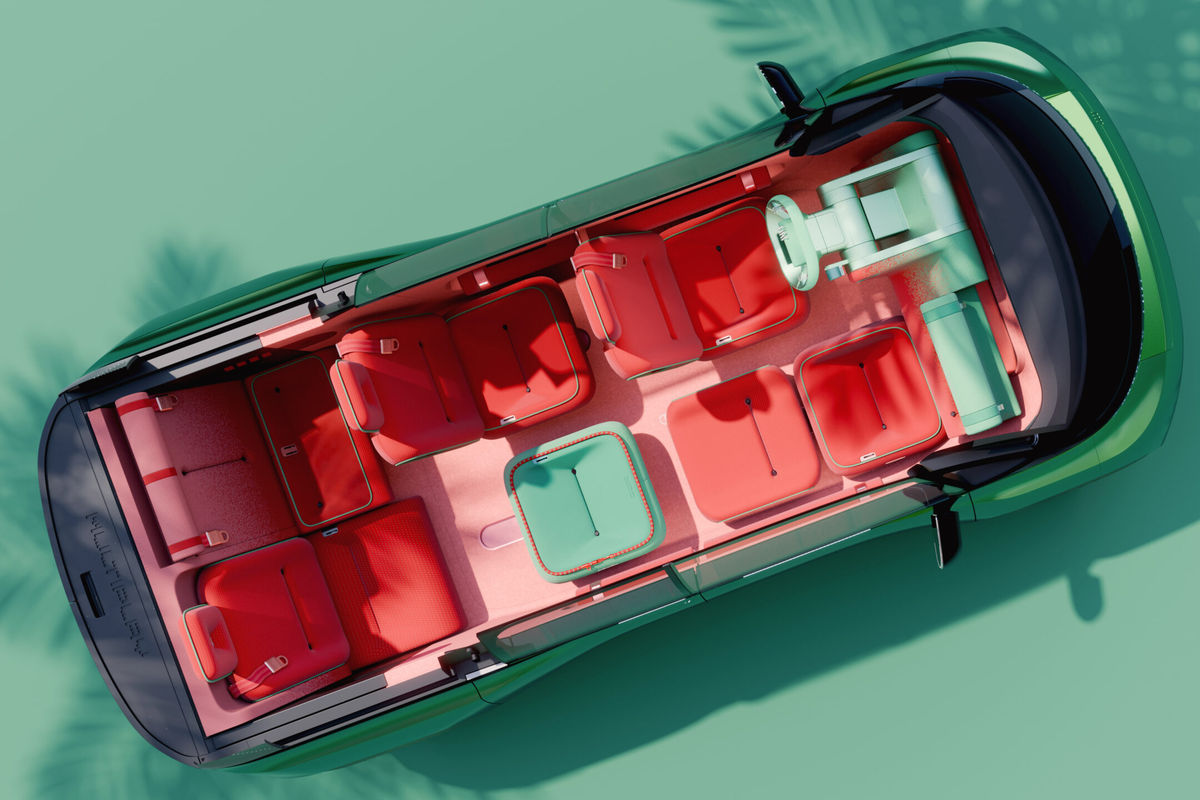
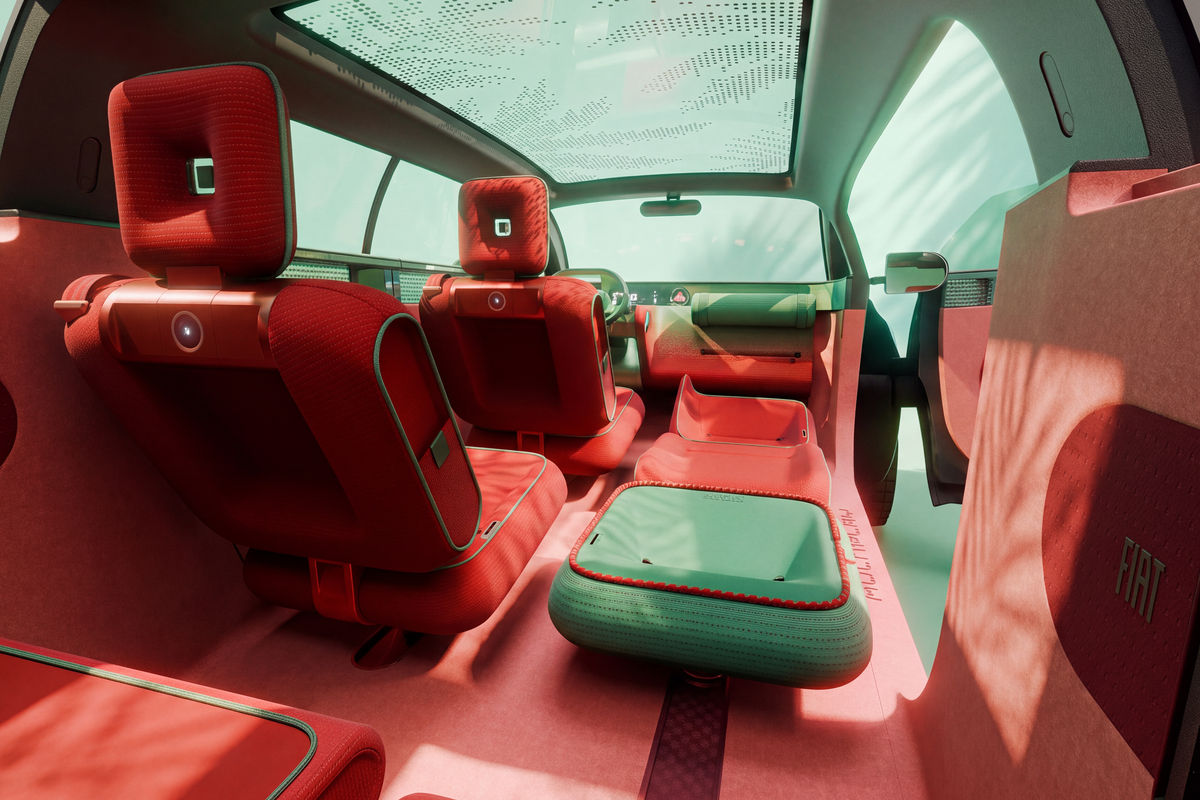
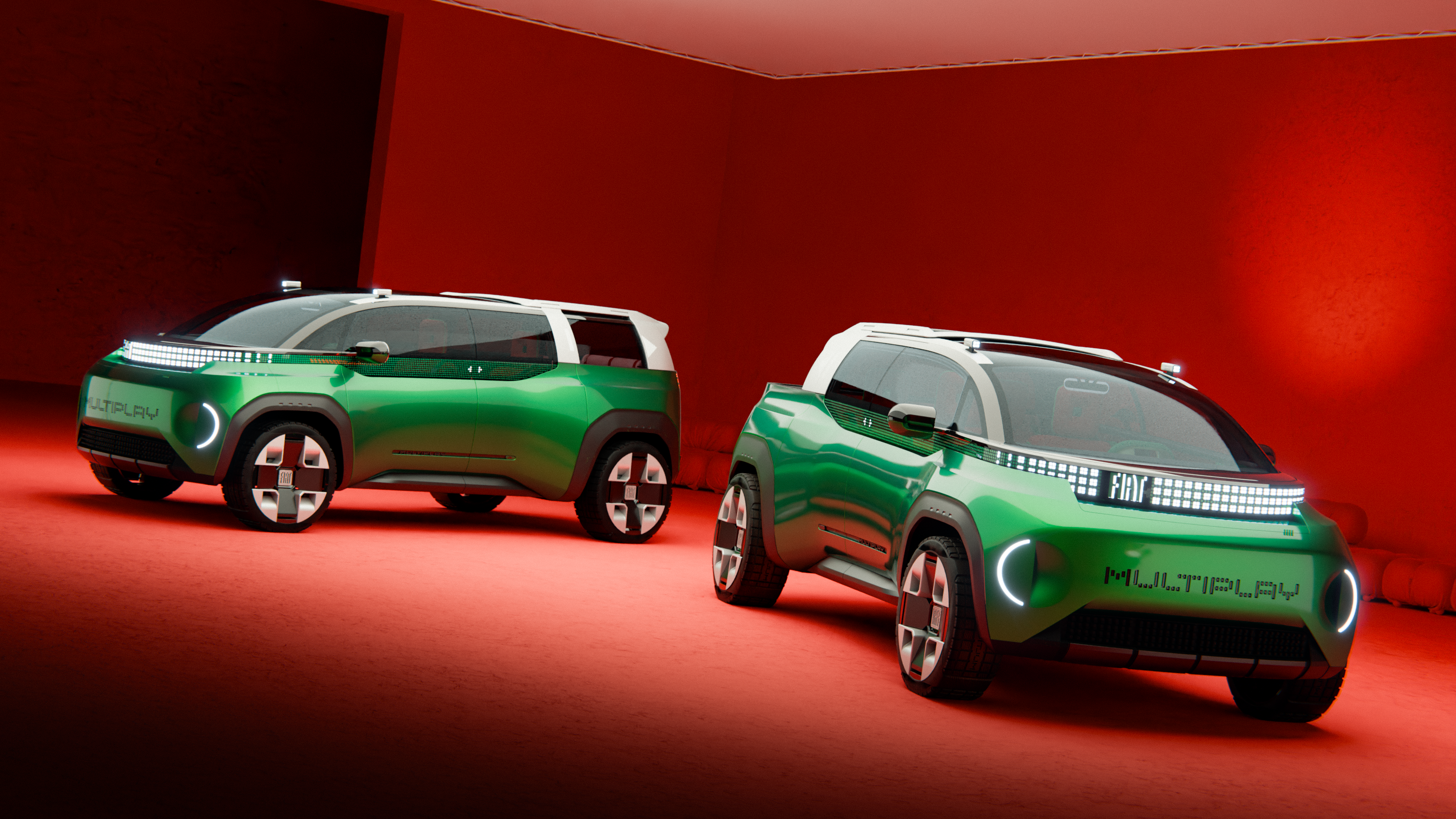
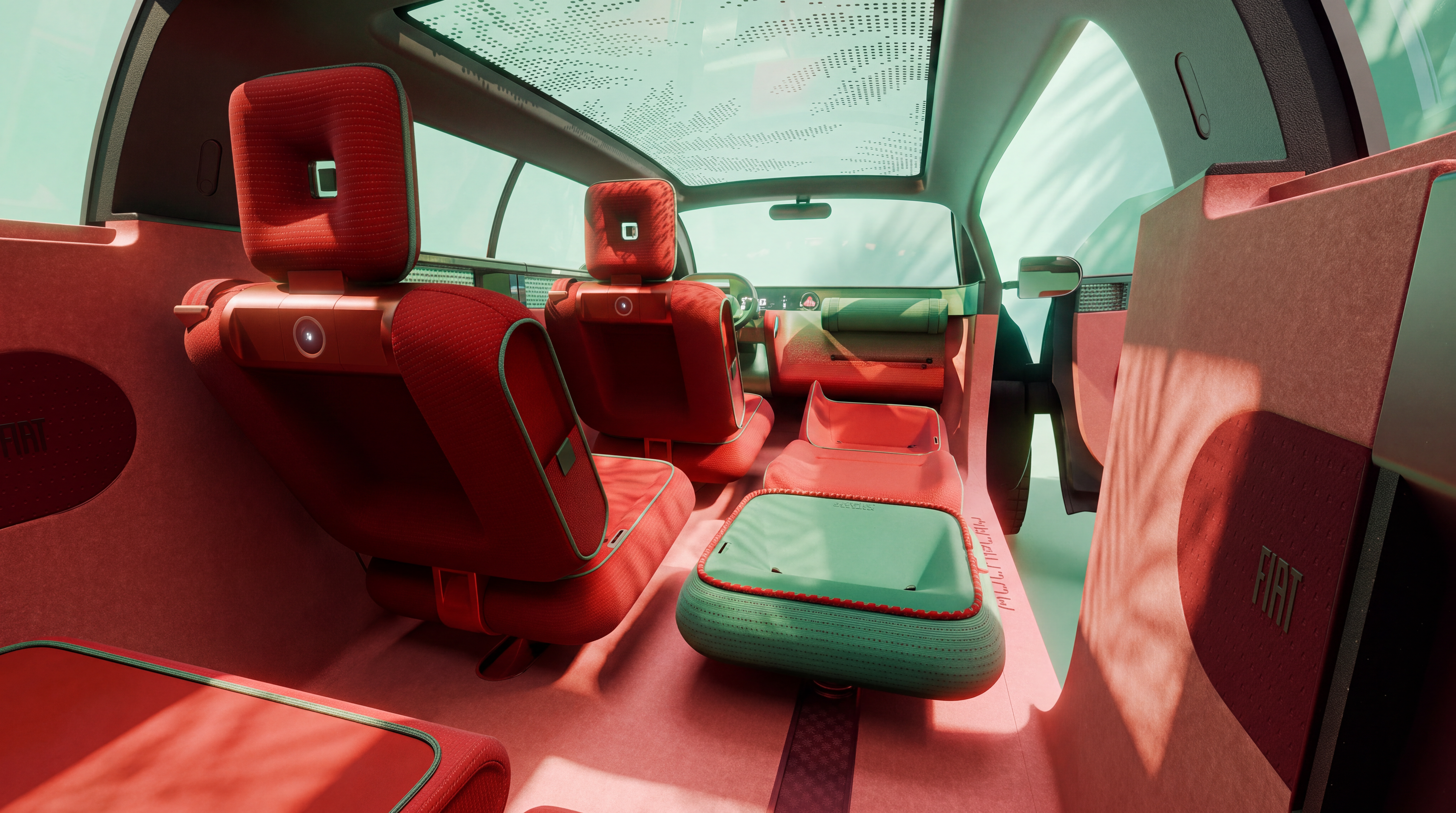
Let’s get something out of the way. The Fiat Multipla (sometimes called the Multipadda in South Africa, mostly by me) of 1999 was at the same time a masterpiece of lateral thinking and a bearer of atrocious aesthetics. Depending on which camp you fall into, this next sentence will either delight you or concern you: Fiat has made another one. Well, sort of. The Multiplay – note the slightly amended naming, doing considerable diplomatic work – is about 4.5 metres long and features wildly flexible Metamorfosi architecture that can see it transform from an MPV into a four-seat bakkie. It has what Fiat calls 6+1 seating and something called a Petsenger seat, a modular unit that can be a mounting point for a child car seat, a dedicated space for a pet, a small table or a storage compartment.
The thinking draws on the original 1956 Multipla’s layout and the 1999 version’s commitment to the philosophy of everyone gets in, no arguments. It is not conventionally beautiful but it has personality in quantities that most modern cars can only aspire to. And in a room full of Chinese crossovers with impressive spec sheets and interchangeable faces, personality is the one currency that the legacy brands still have in surplus.
And then there’s the rest of Europe, which also came to play at the Paris Motor Show
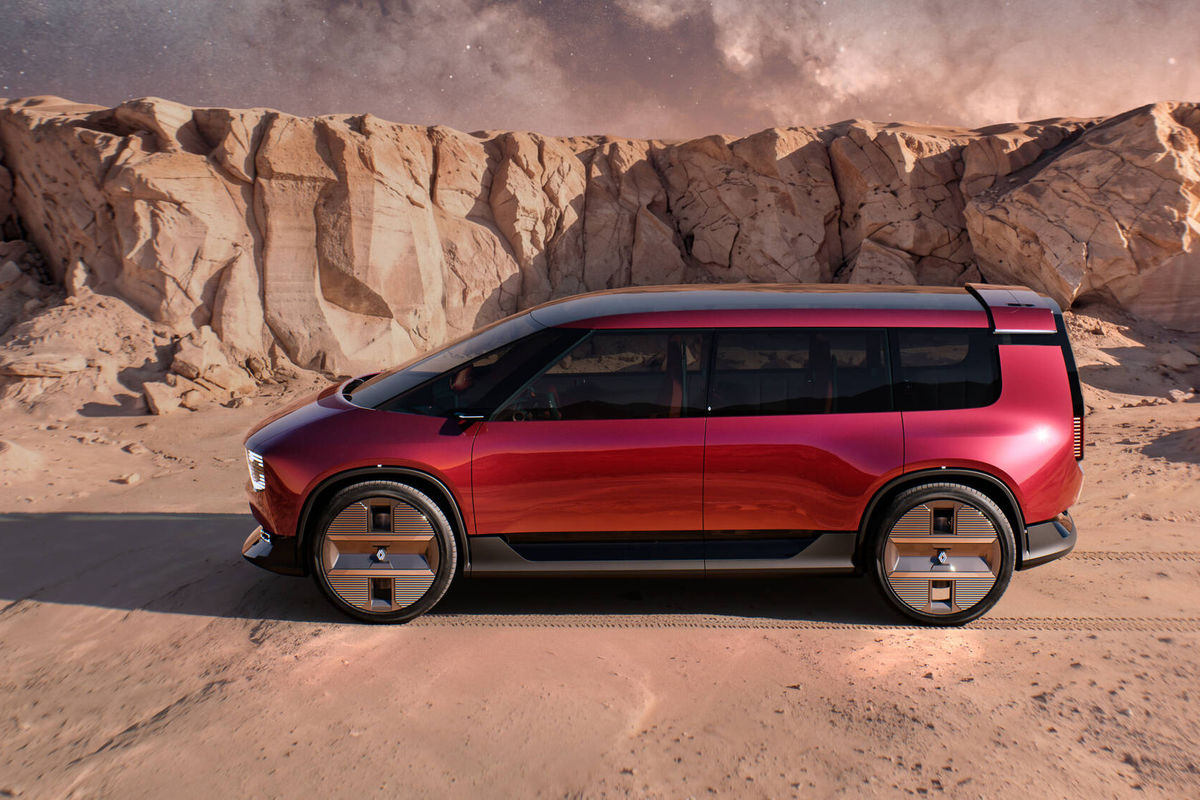
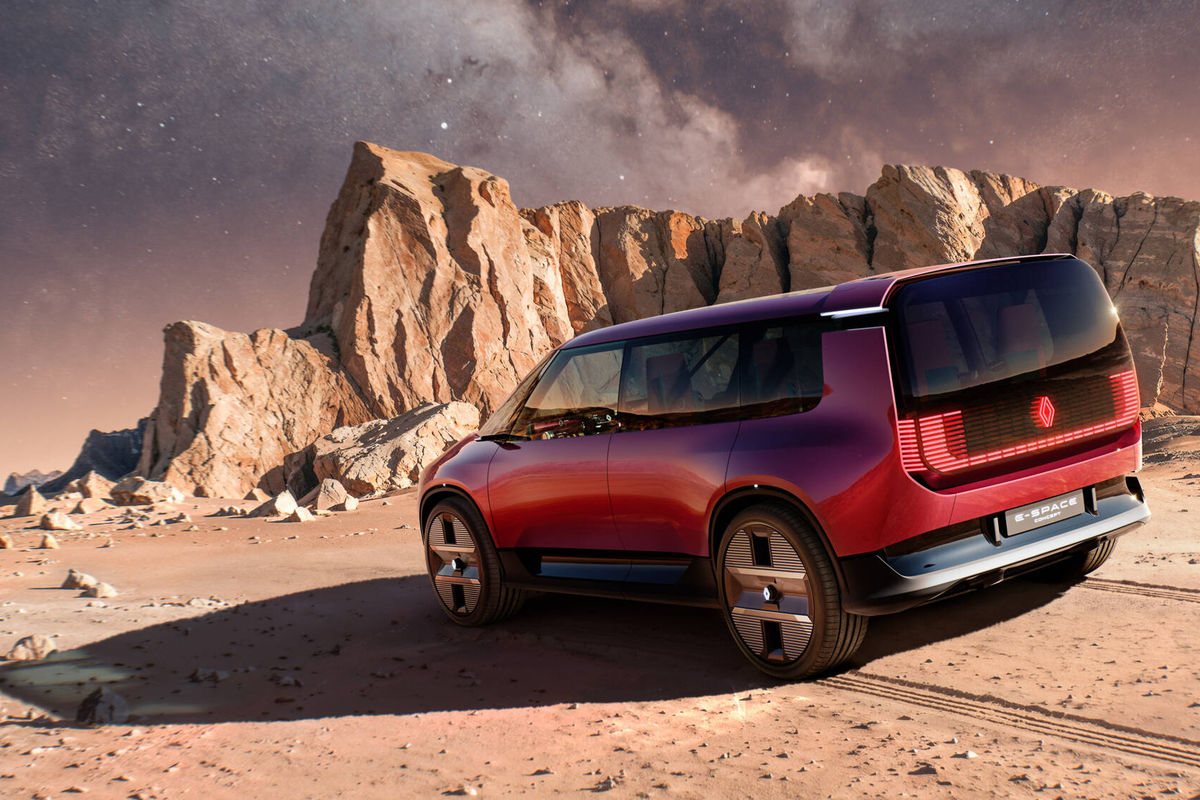
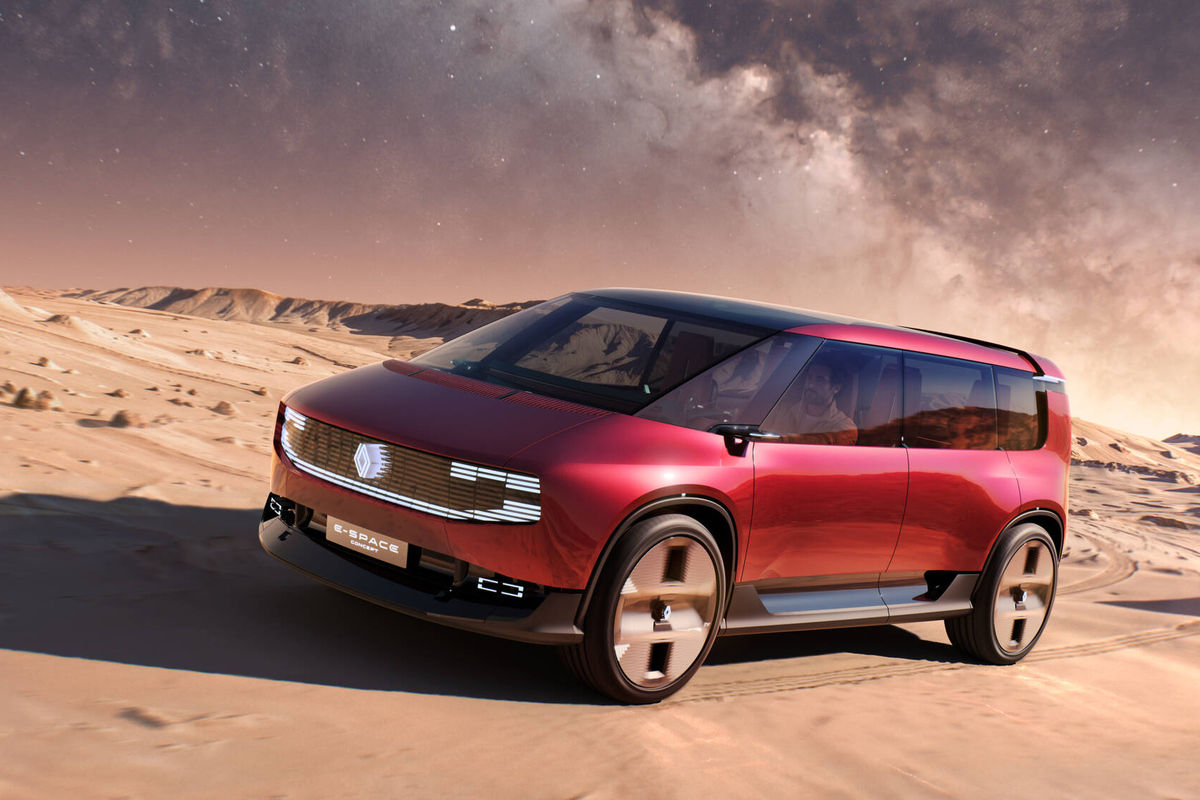
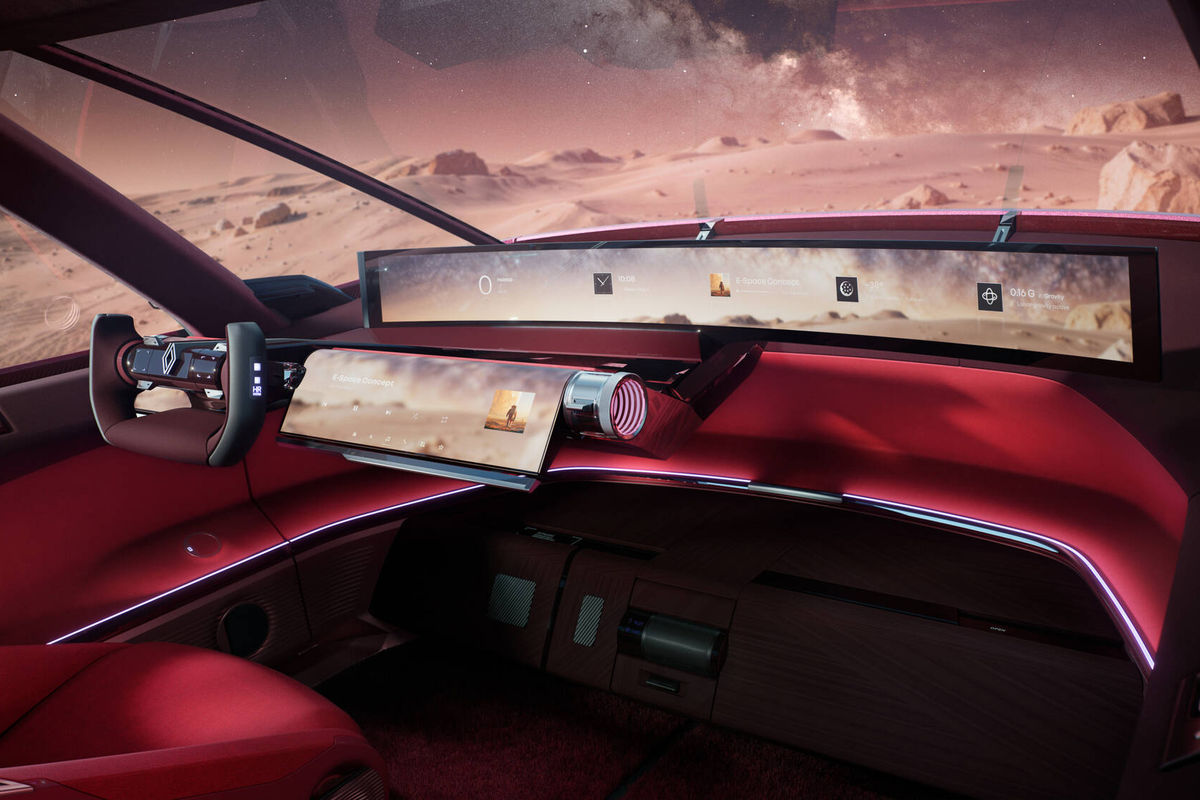
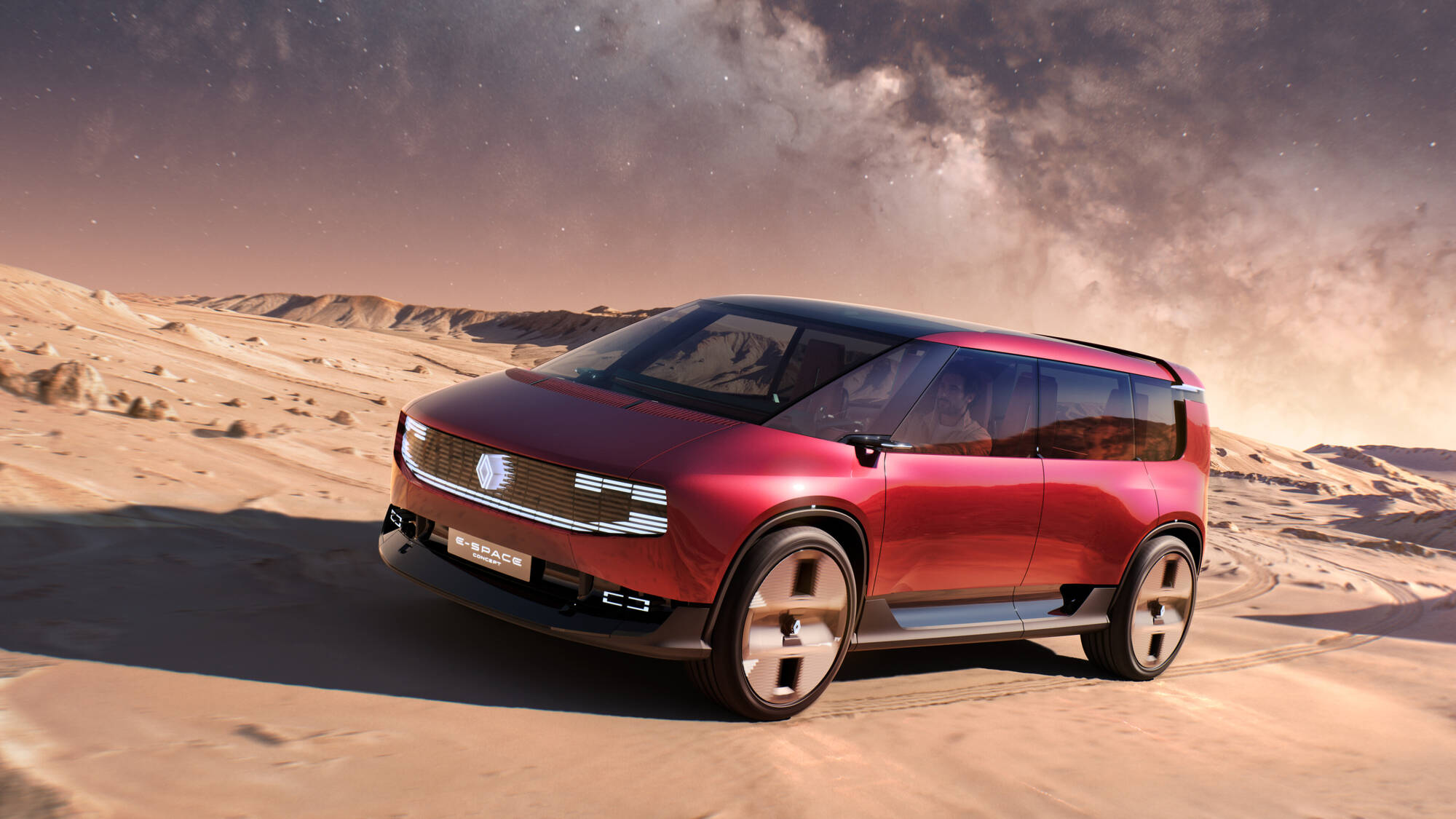
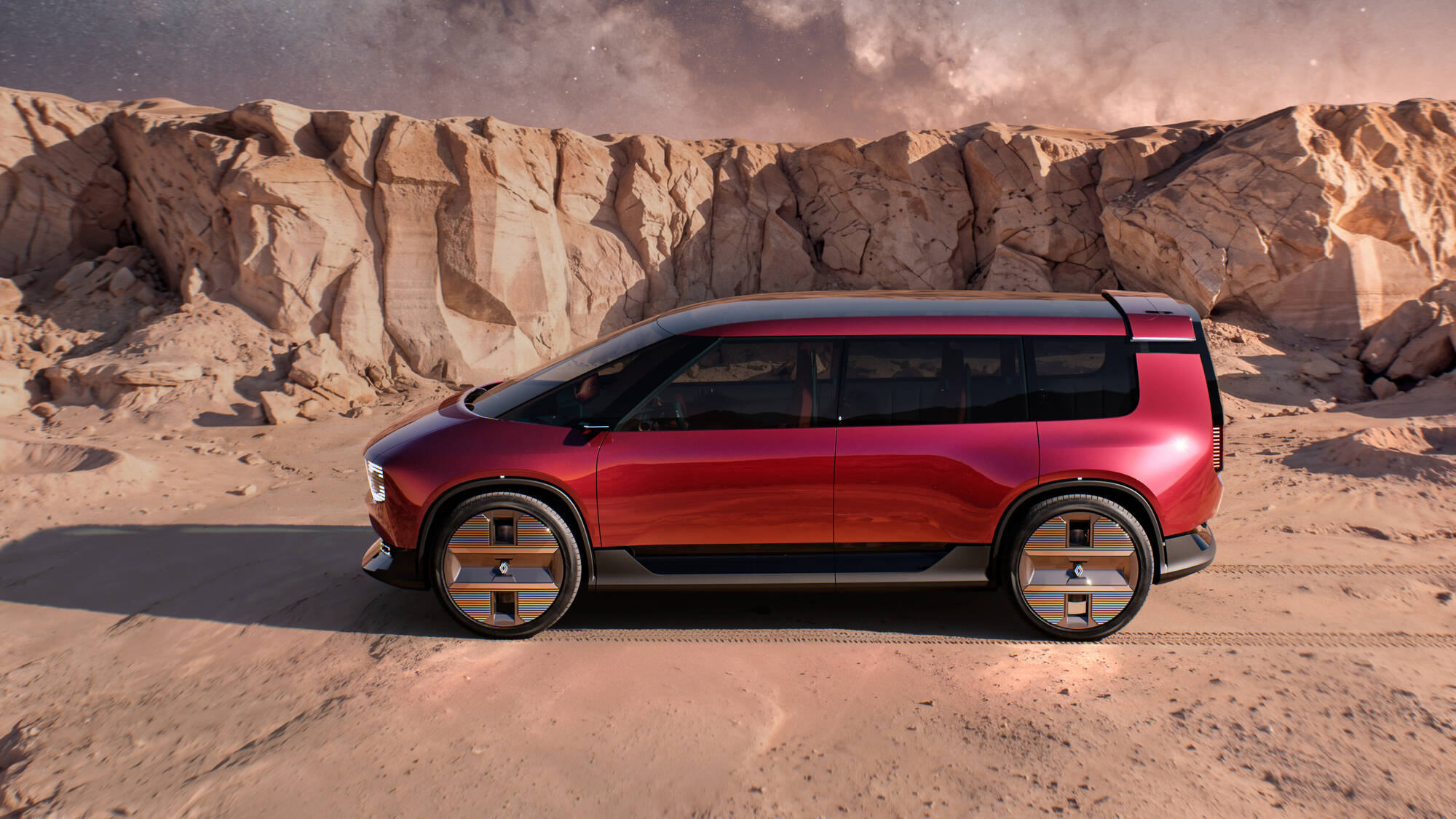
Stellantis didn’t carry Paris alone. Renault brought the E-Space Concept, the electric revival of what was once Europe’s (and my) favourite family MPV, a car which basically gave birth to an entire segment. The Twingo is back, too, which is its own small victory for anyone who thought that the city car had been euthanised by a combination of pedestrian safety regulations and the relentless logic of the crossover market.
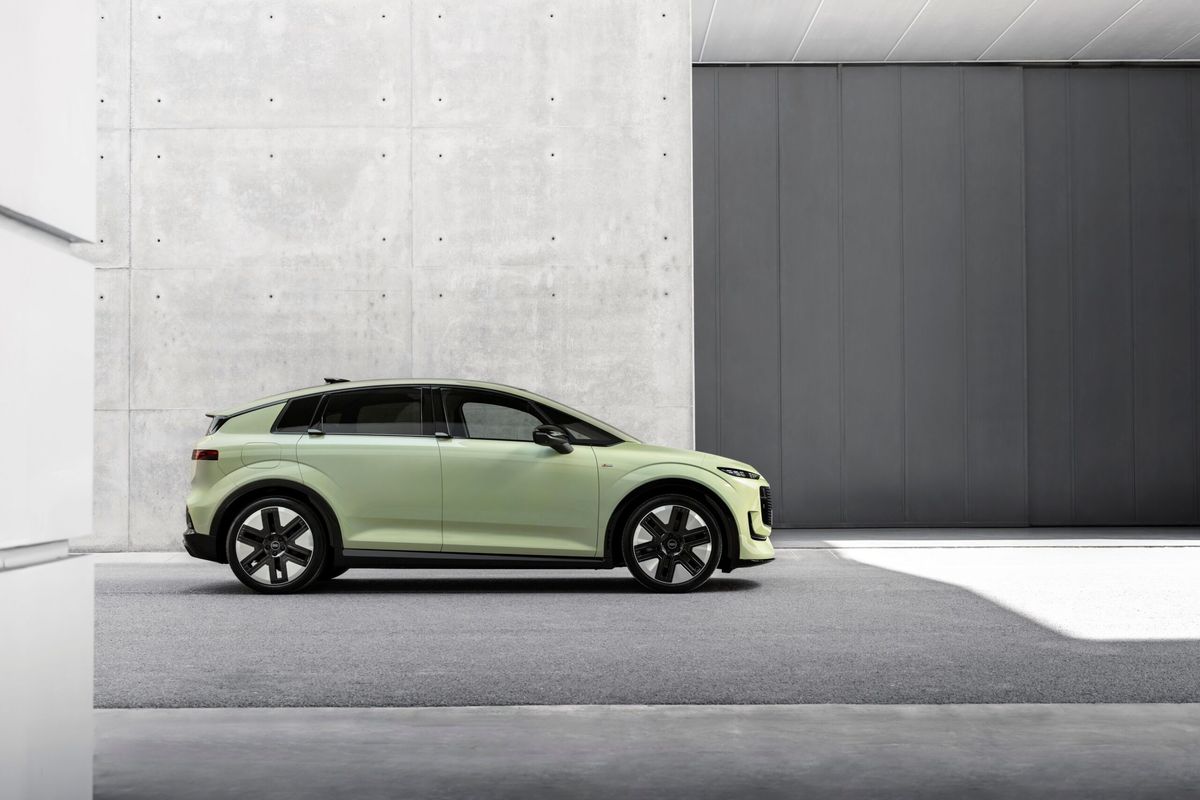
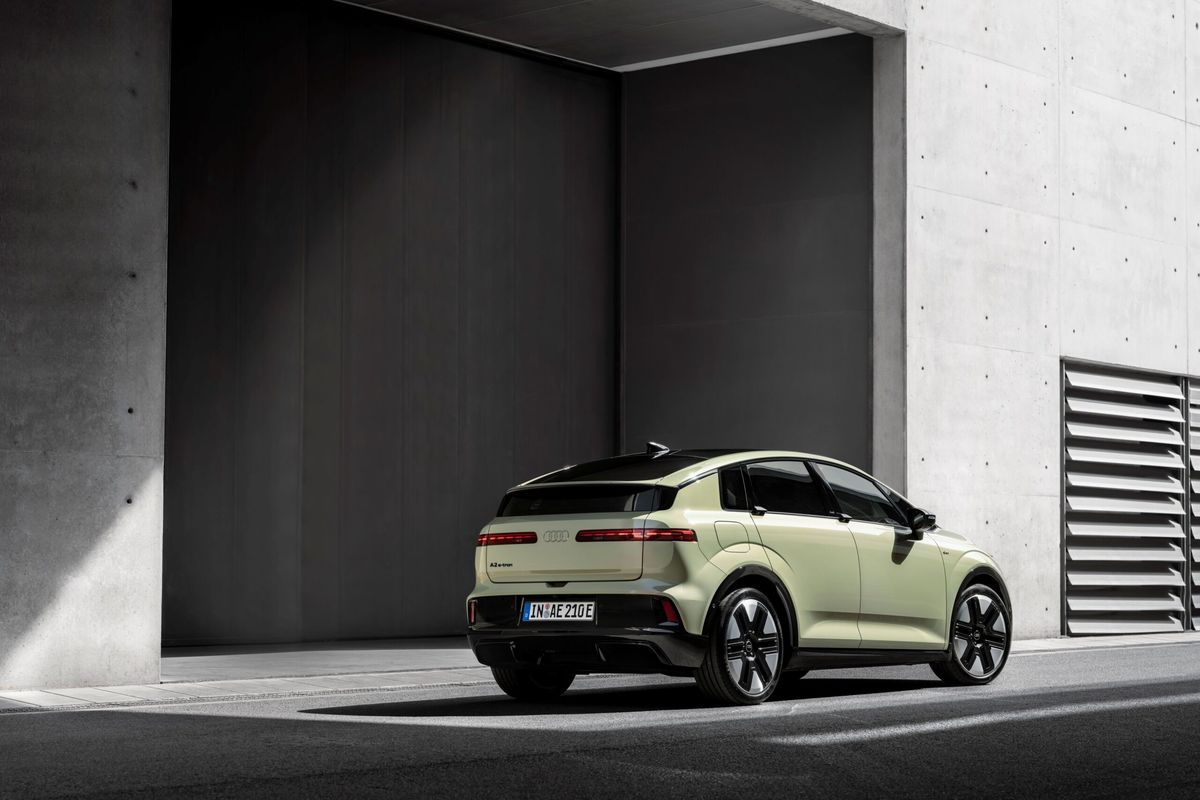
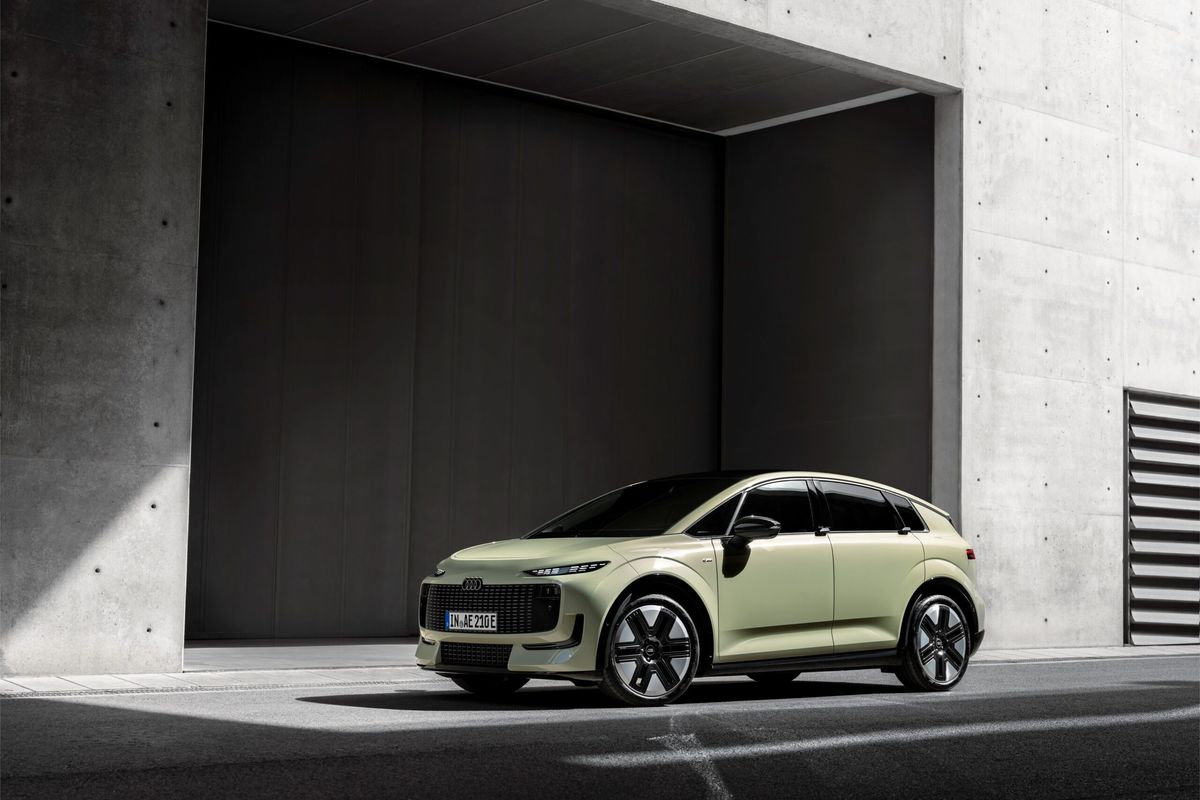
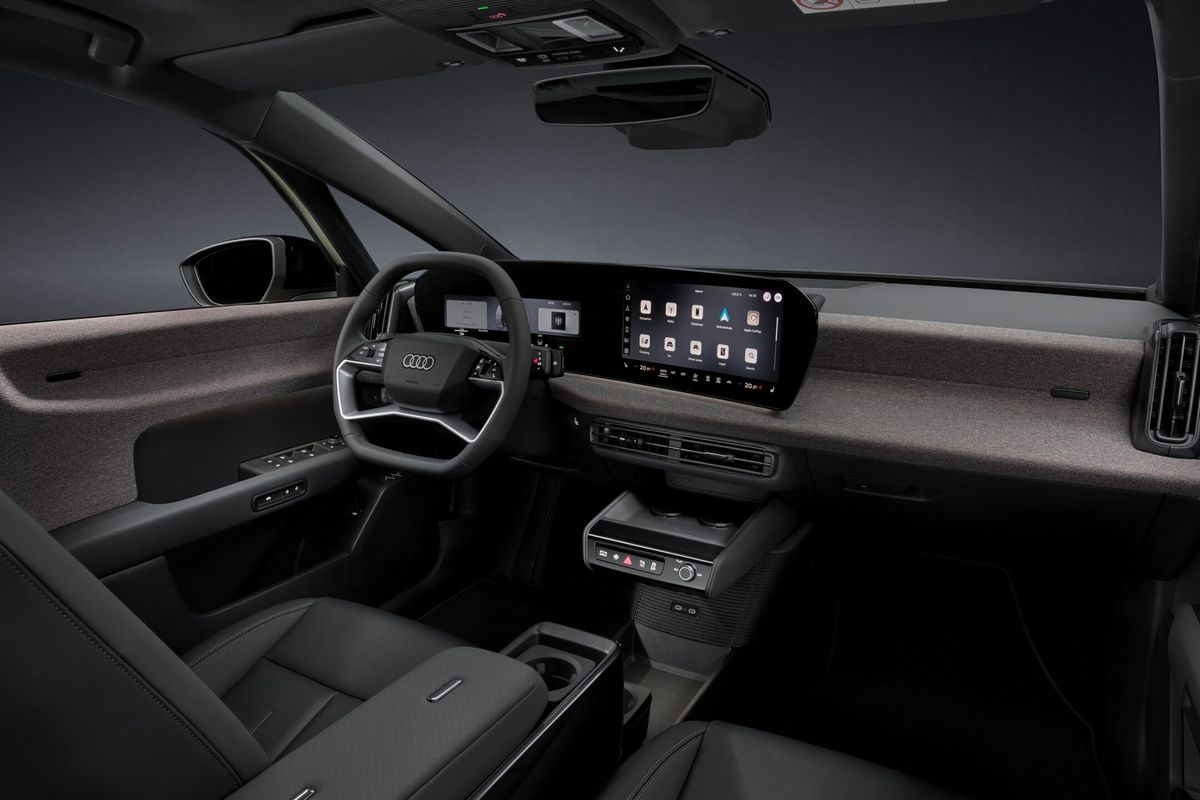
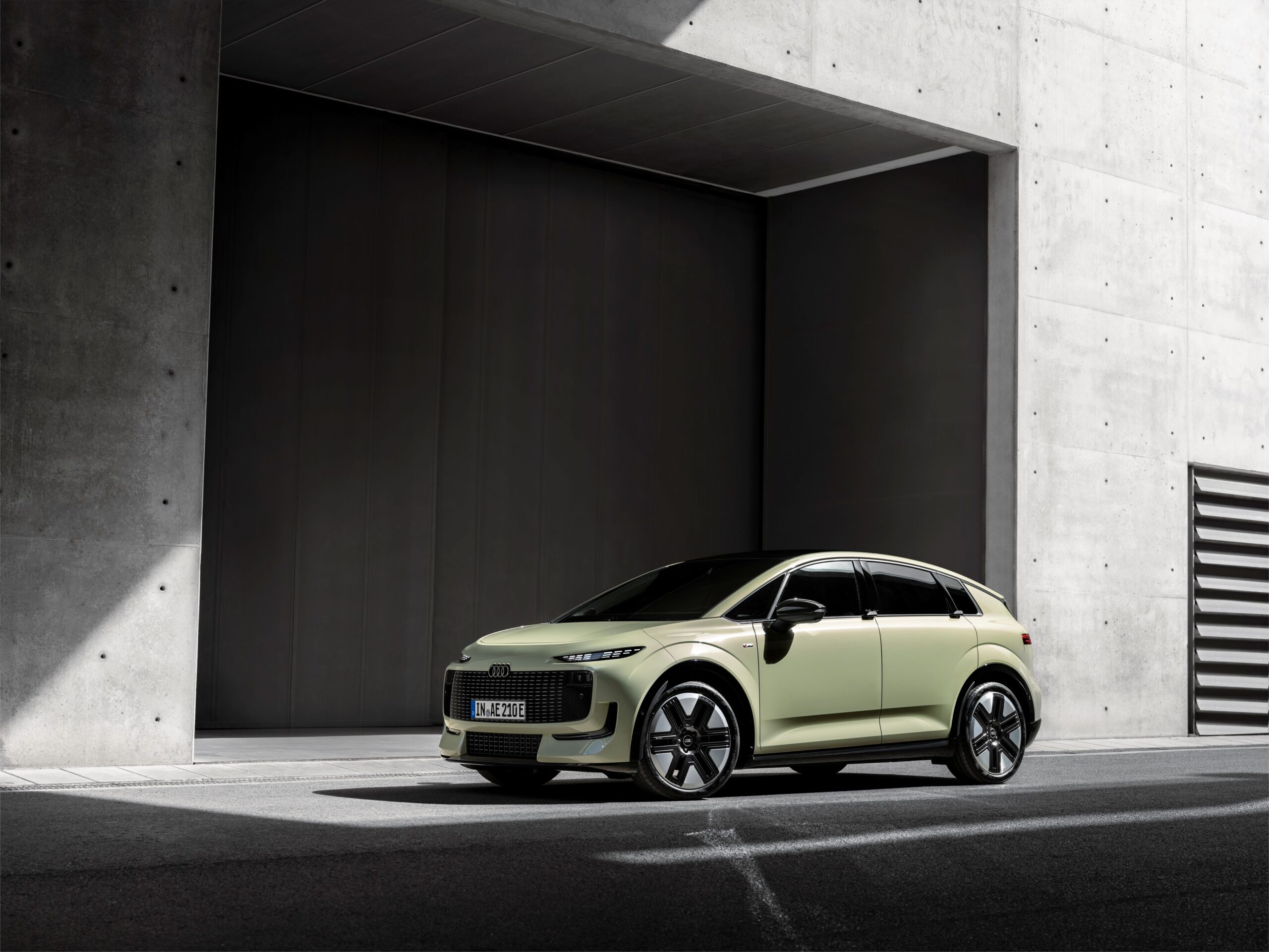
Audi showed the A2 e-tron in production form: up to 646 km of claimed range, the tall-and-narrow silhouette of the original A2 interpreted in modern electric-car language, and a starting price somewhere around R700k in the UK. The original A2 was a quietly brilliant efficiency pioneer that the market never entirely knew what to make of. It’s taken a quarter of a century and the electrification of the entire industry for Audi to try again. Sometimes, you have to wait for the world to catch up.
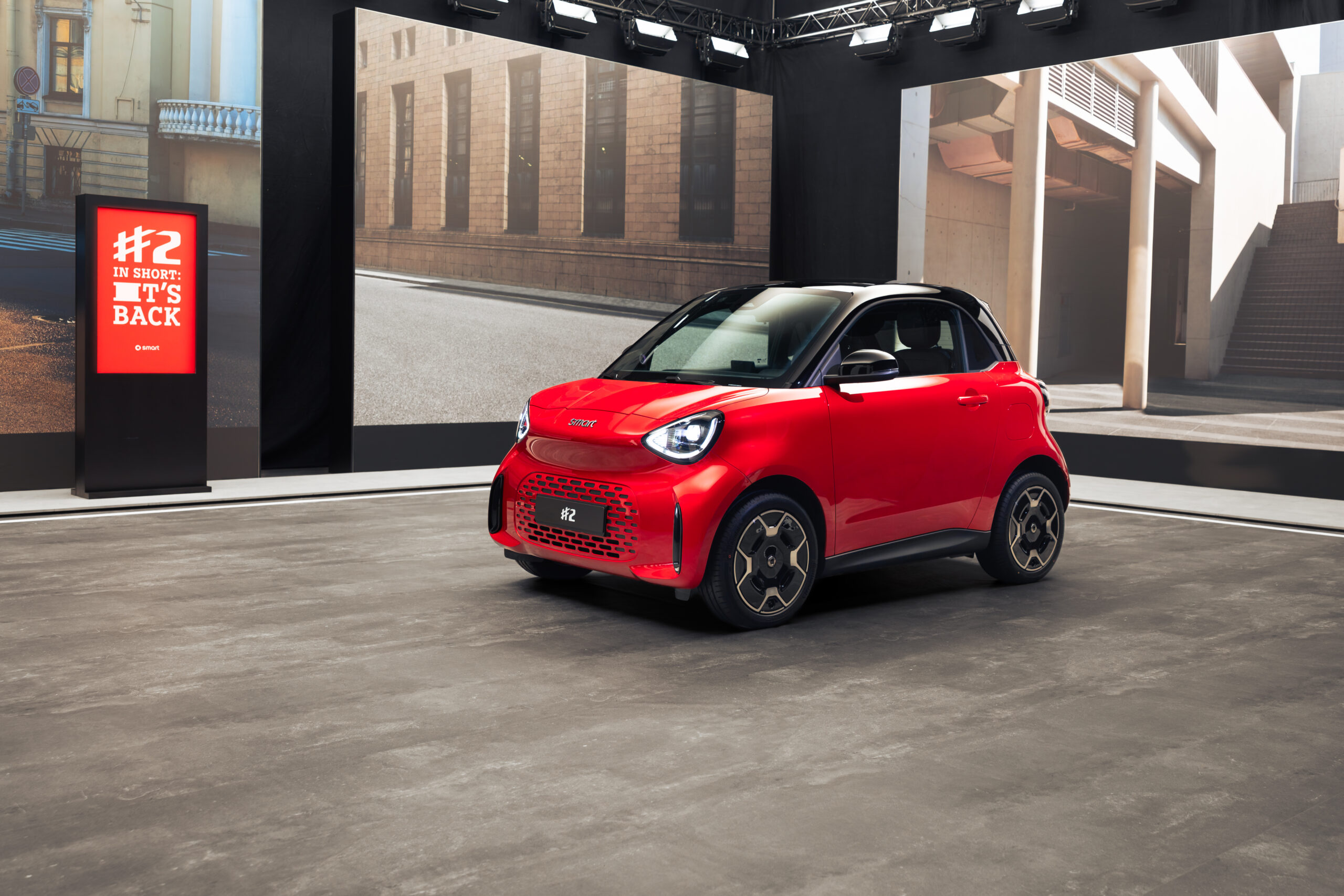
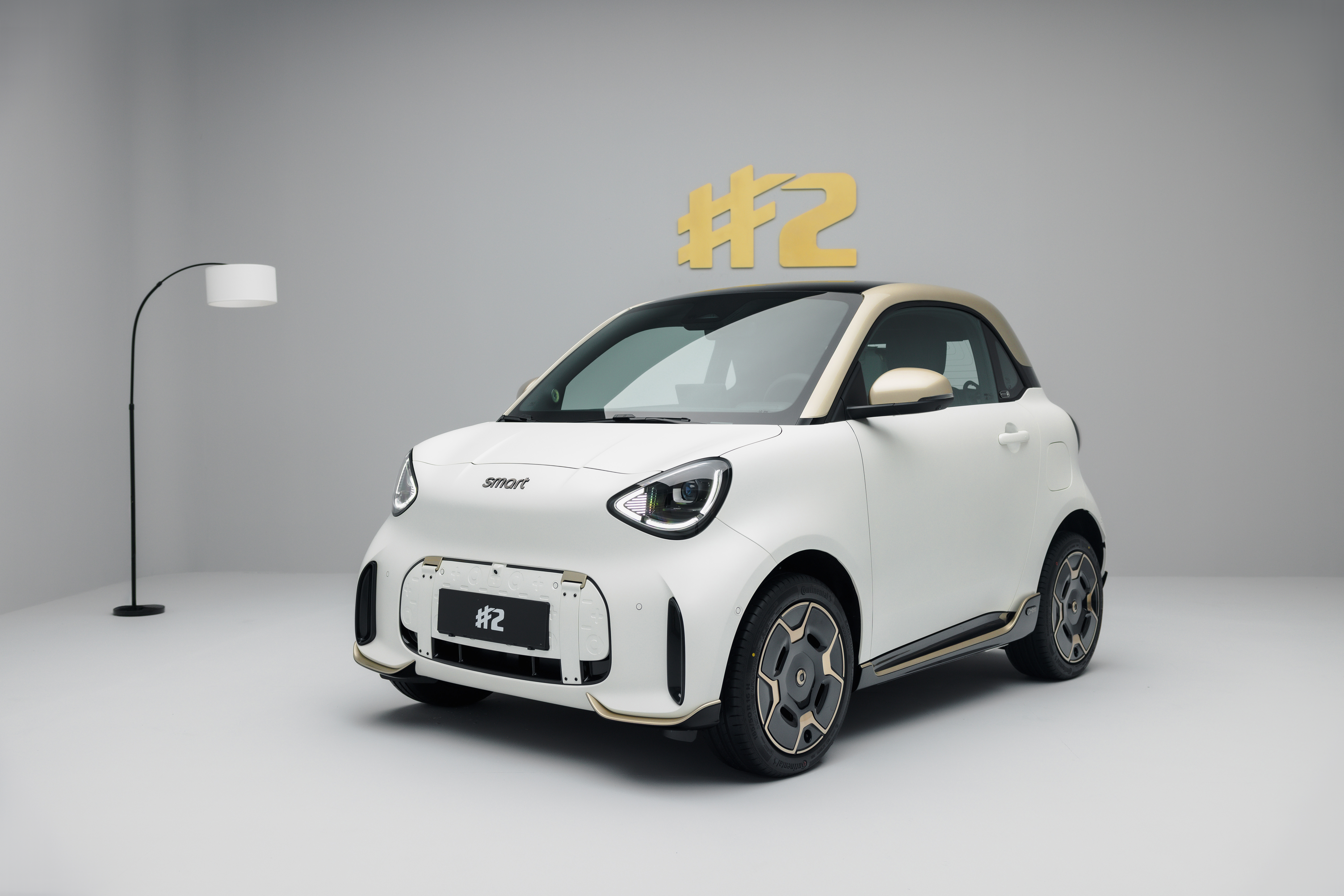
And Smart (now a joint-venture between Mercedes-Benz and Geely) brought the Concept #2 to Paris, a tiny two-seater electric pitched as the spiritual successor to the ForTwo. Around 300 km of range. Estimated price near R450 000. The original ForTwo was a car that was more beloved in theory than in practice, but perhaps it makes more sense these days? Still looks cute as a button.
Why did Paris 2026 make me smile?
Here is the observation that ties all of this together, and I don’t think it’s a coincidence: almost none of the star cars in Paris this week are crossovers. The Alfa Cuorerosso is a sleek GT/sedan. The Citroën 2CV is a city car. The Opel STX is a shooting brake. The Peugeot RCZ is a coupé. The Fiat Multiplay is a multi-purpose vehicle in the most literal sense. The Renault E-Space is an MPV. The Audi A2 e-tron is a tall hatchback. The Smart Concept #2 is a two-seater microcar.
That is not seven separate design teams arriving at the same conclusion by accident. That is a strategy. The Chinese have the crossover market thoroughly covered efficiently, technologically and at price points that Europe just can’t match. So the Europeans have retreated – or rather advanced, depending on how you want to frame it – into segments where they have history, emotional resonance and the type of genuine cultural capital that a factory in China, however large and however modern, simply cannot reproduce. Perhaps they’ll find enough consumers who want something different.
Will it work? I honestly don’t know. The gap between a beautiful concept on a Parisian show stand and a car that actual people buy from actual dealers is a very long road, and history is full of concepts that were glorious and production cars that were less so. There is a real risk that this feels like nostalgia for nostalgia’s sake, a strategy that buys good headlines at motor shows without meaningfully shifting the commercial reality of the market.
But I hope it works. I genuinely do. Because the car world has been a fairly monotonous place for the better part of a decade. We’ve witnessed a relentless parade of sensible, capable, safe and efficient boxes, each slightly larger than the last, with slightly bigger screens and slightly more advanced driver-assistance systems and slightly less reason to make you feel anything when you walk towards one in a car park.
If Paris 2026 is the beginning of something different – a genuine return to flair and personality, and the kind of design that makes you stop scrolling and actually look at something properly – then I’ll genuinely be thrilled. The 91st Mondial de l’Auto has, against reasonable odds, given me a glimmer of hope that the car world can recover its mojo.
It’s been a while. Vive la France!
Oh, one last thing: Credit where credit is due. Stellantis coming to a bleak-looking car world’s rescue was definitely not on my 2026 bingo card.
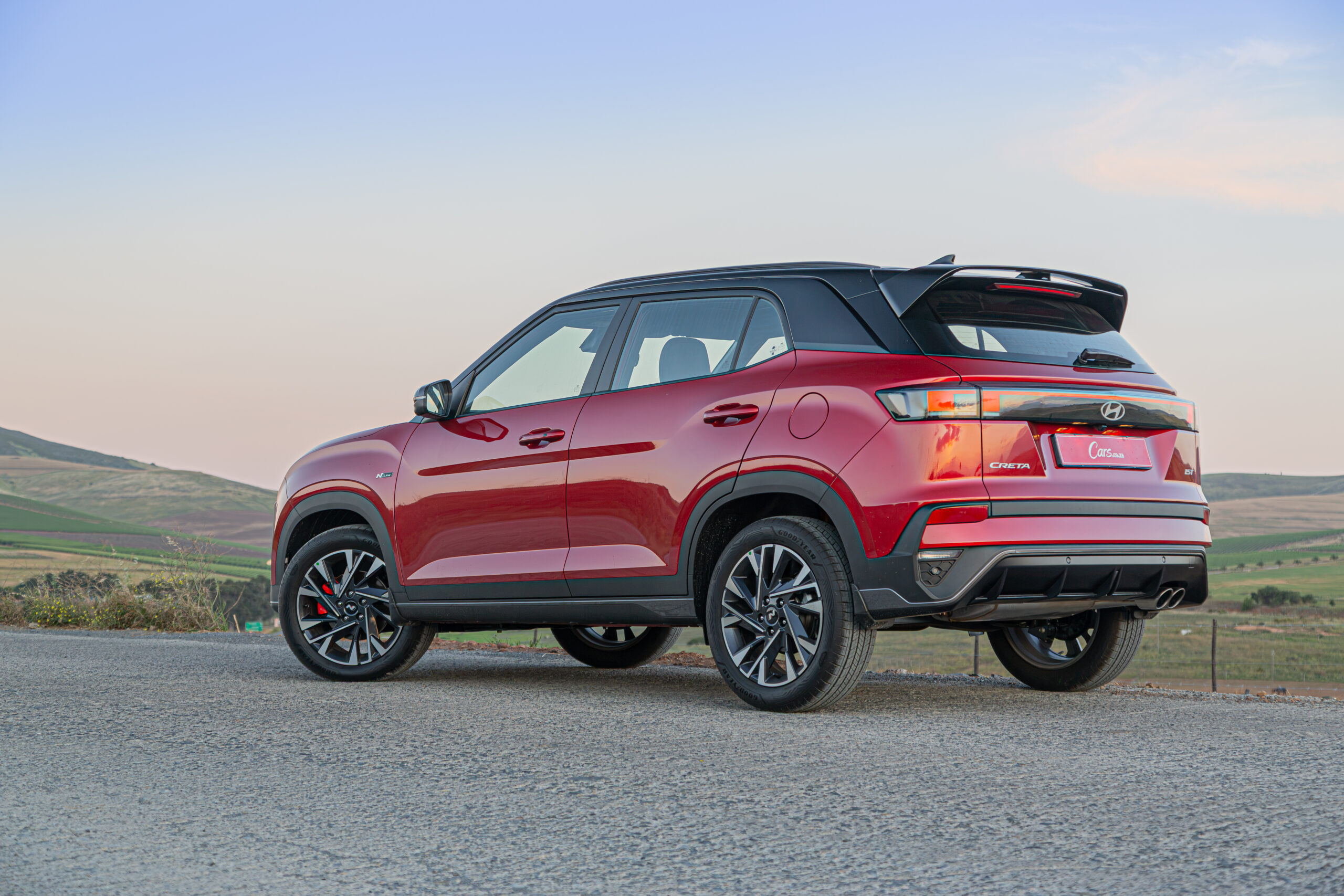
Hyundai Creta N Line (2026) Review
The Hyundai Creta N Line has arrived as the Korean brand’s sportiest crossover to date. While not a fully fledged performance model, we wondered whether the show matches the go…
We like: Looks the part; potent yet frugal engine; value for money.
We don’t like: Some cheap-feeling interior trim; not as fun to drive as its styling suggests.
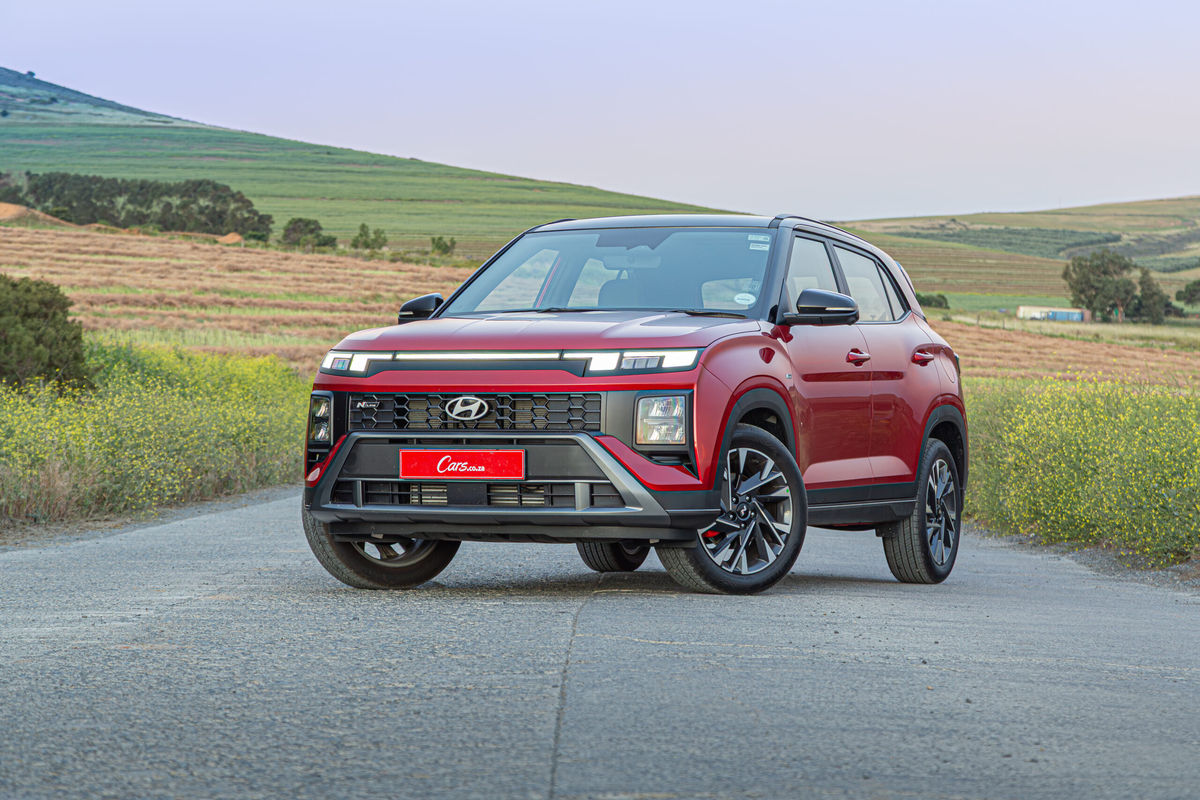
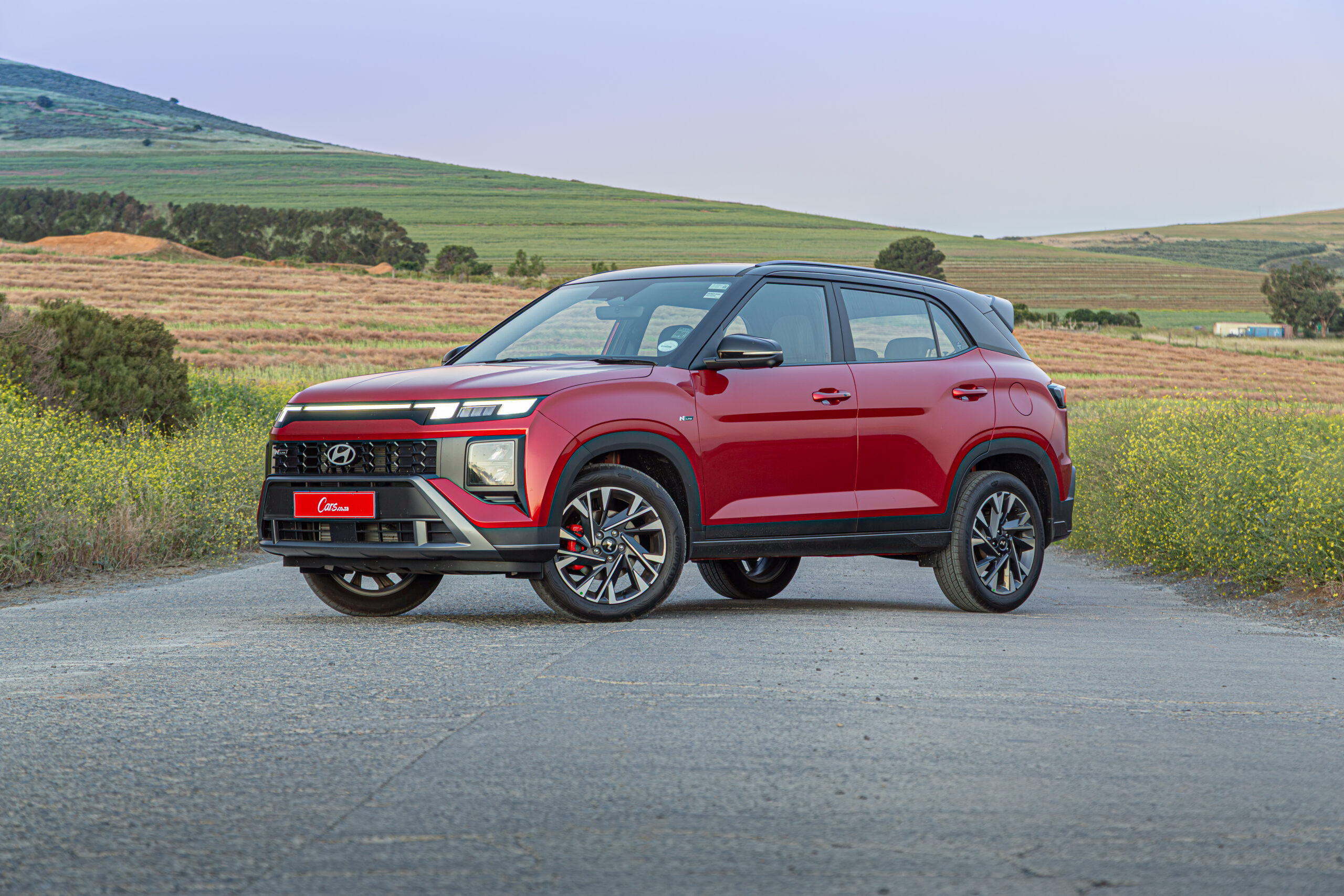
The Hyundai Creta N Line forms part of the facelifted second-generation of the Korean brand’s popular B-segment SUV. Globally, the Creta has been a massive success and, since 2019, it has been the third-bestselling Hyundai globally.
Hyundai South Africa has a realigned two-model line-up, with a naturally-aspirated 1.5-litre Premium derivative kicking off the range at R434 900. We’re testing the sporty-themed 1.5T N Line, which retails for R569 000. There are plenty of turbocharged crossover options these days and, if you’re comparing offerings from the legacy carmakers, we’ve singled out the new Kia Seltos 1.5 T-GDi and the new-generation Volkswagen T-Roc 1.4 TSI.
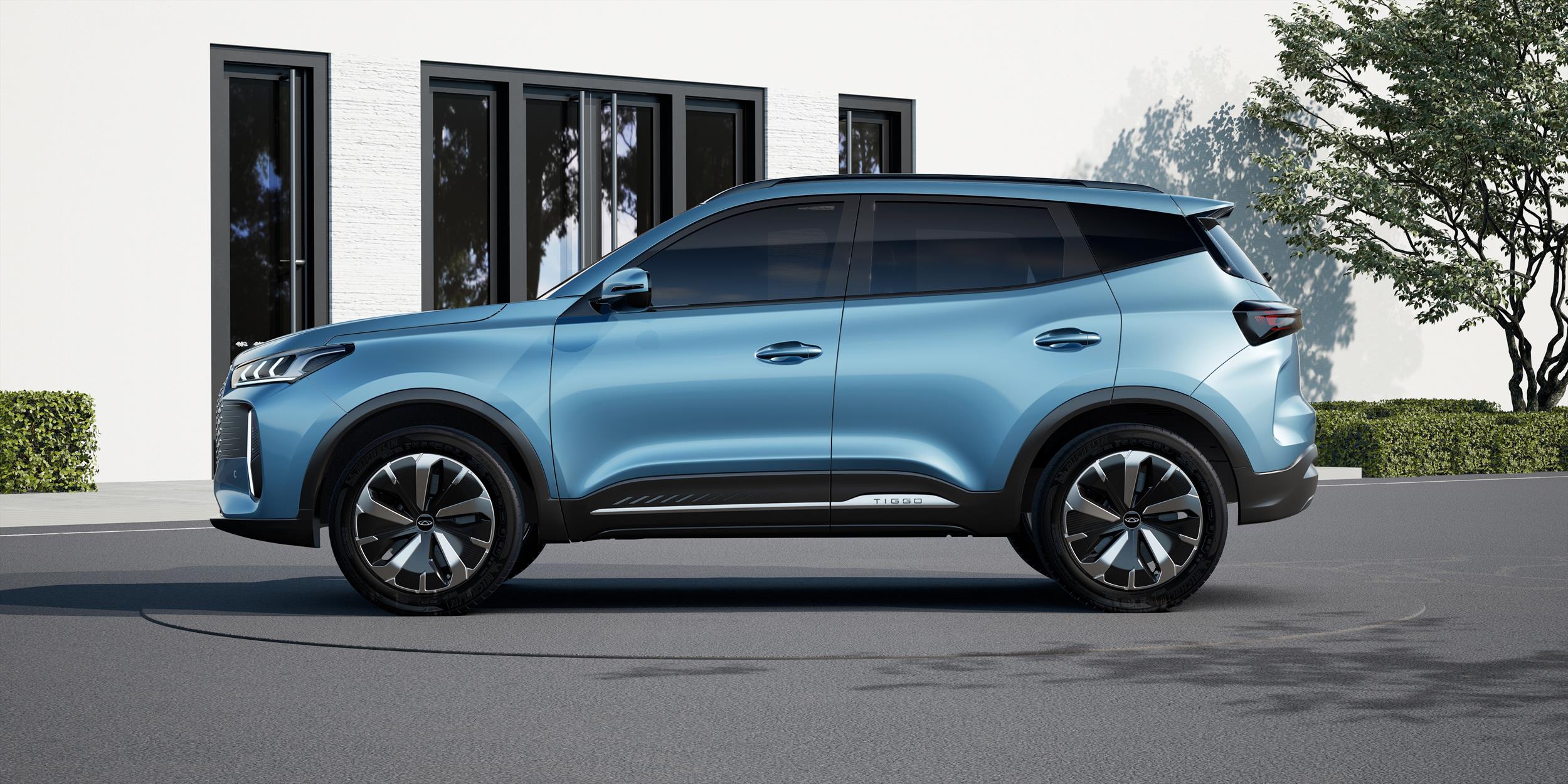
We wouldn’t be doing our jobs effectively if we didn’t mention at least some of the offerings from the newcomer brands that both look the part and are aggressively priced. At a bit under R600 000, you’re spoilt for choice; your options include the Haval H6, Omoda C7, Jaecoo J7, Chery Tiggo 7, Geely E5, MG HS and Changan Uni-S, among others.
Brands use words like “tech”, “comfort” and “refinement” to position their crossovers in this segment. “Sporty styling” and “engaging dynamics” are usually present in the marketing blurb, too, but hardly in the product itself. Then along comes Hyundai, which has decided its crossover needs the sporty show and, to a degree, the sporty go.
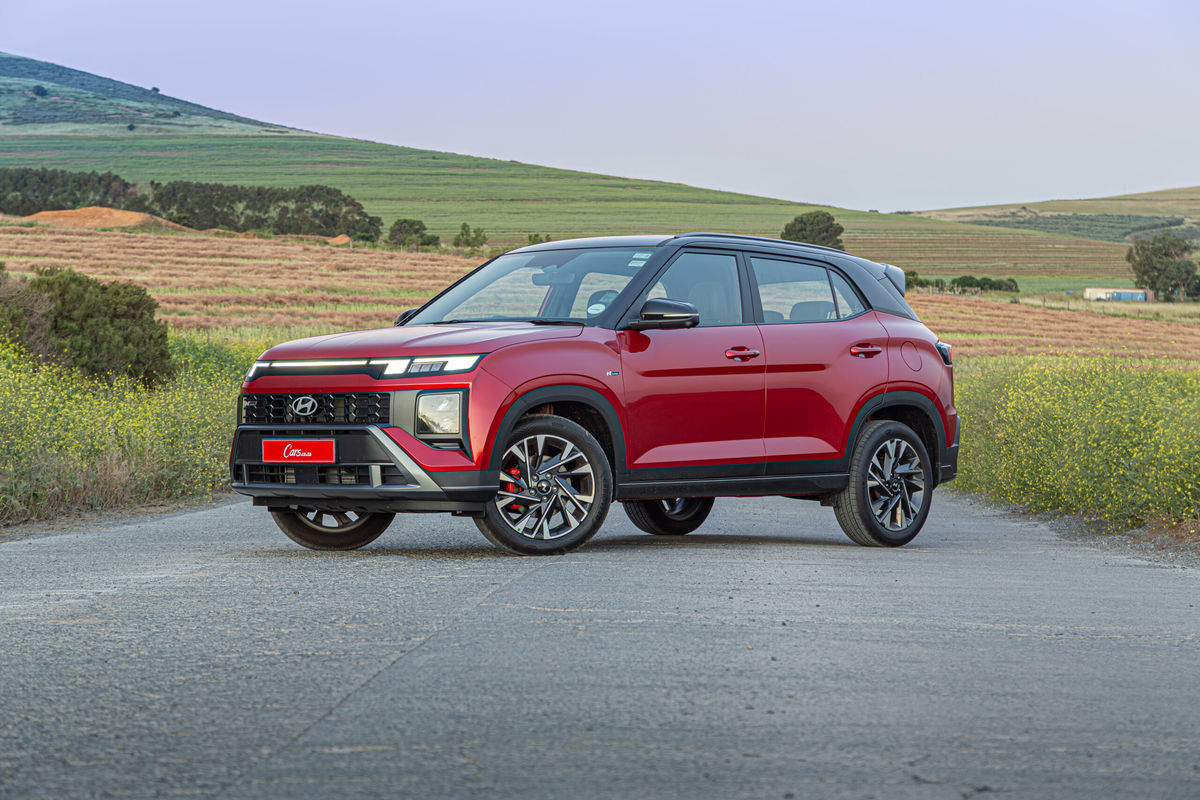
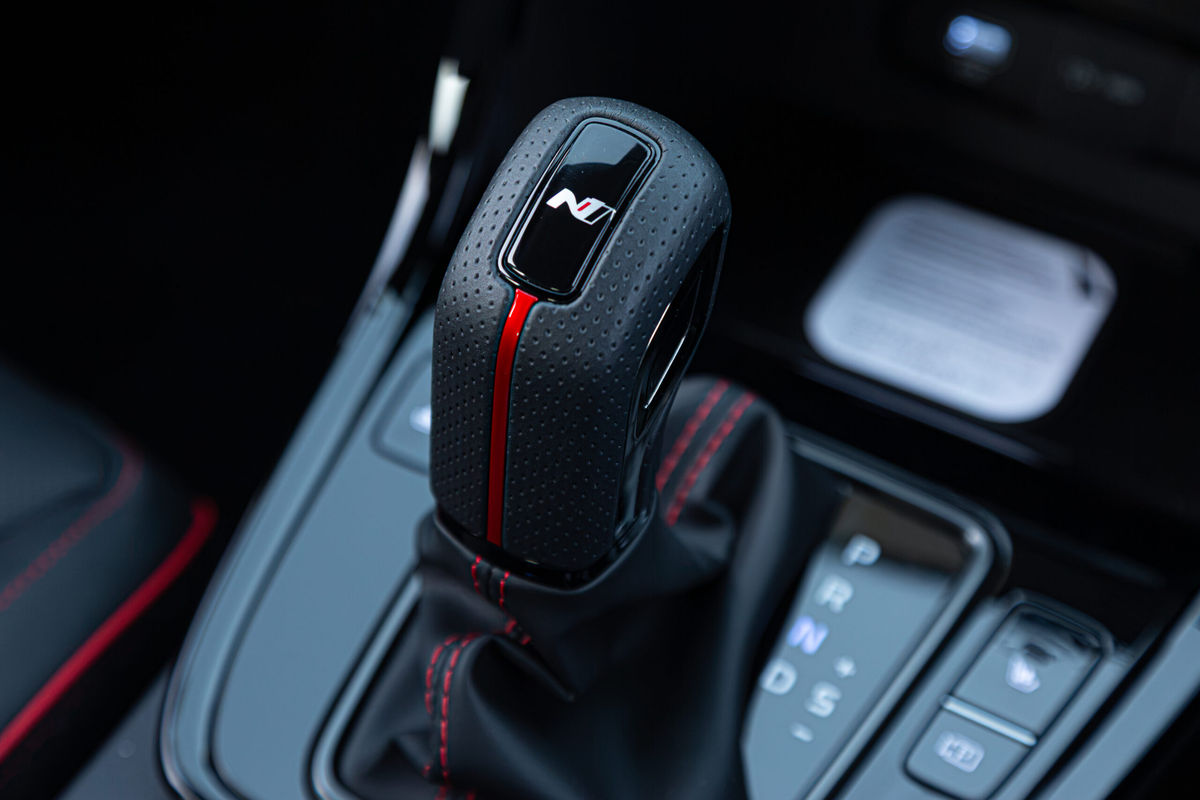
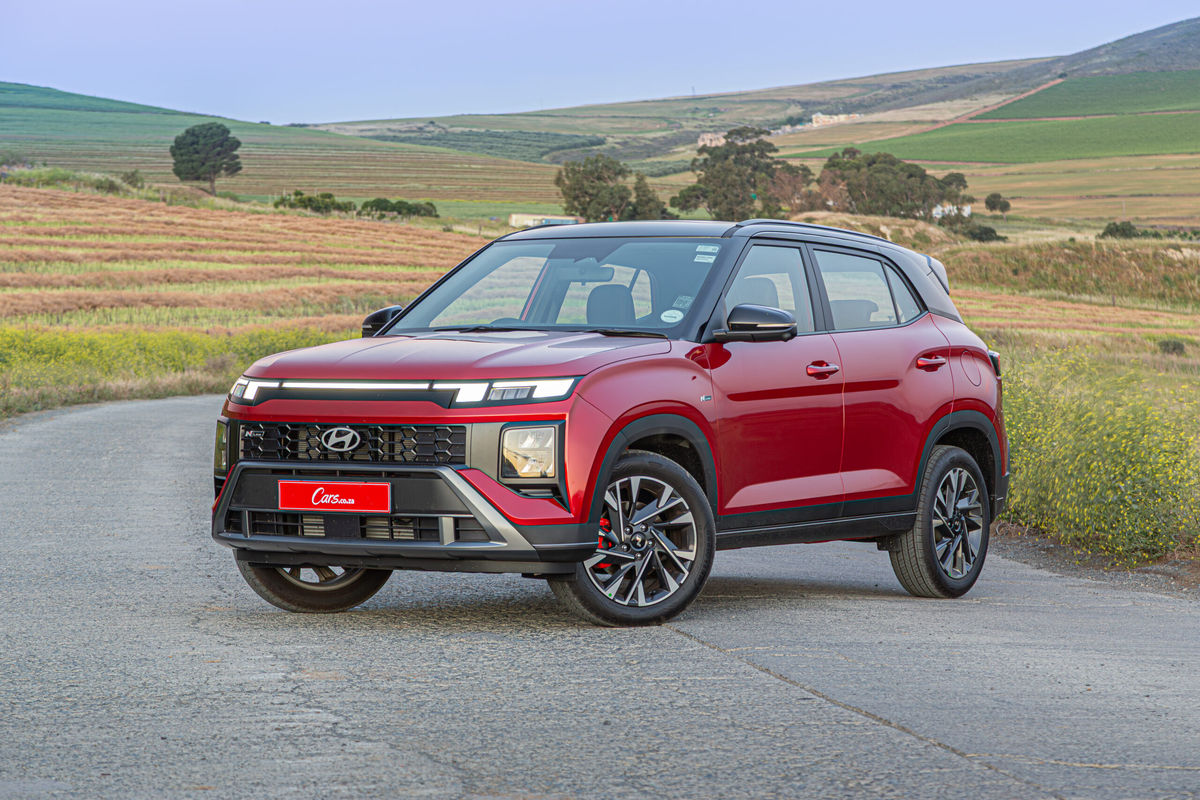
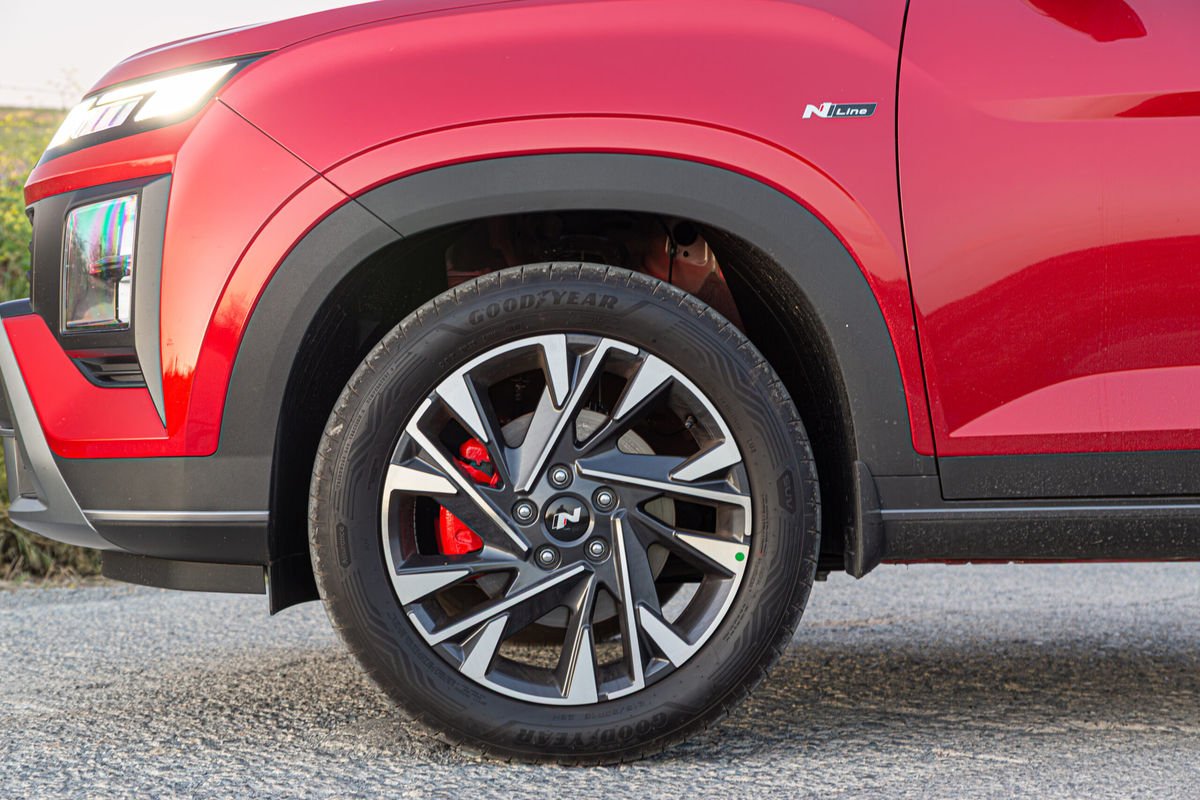
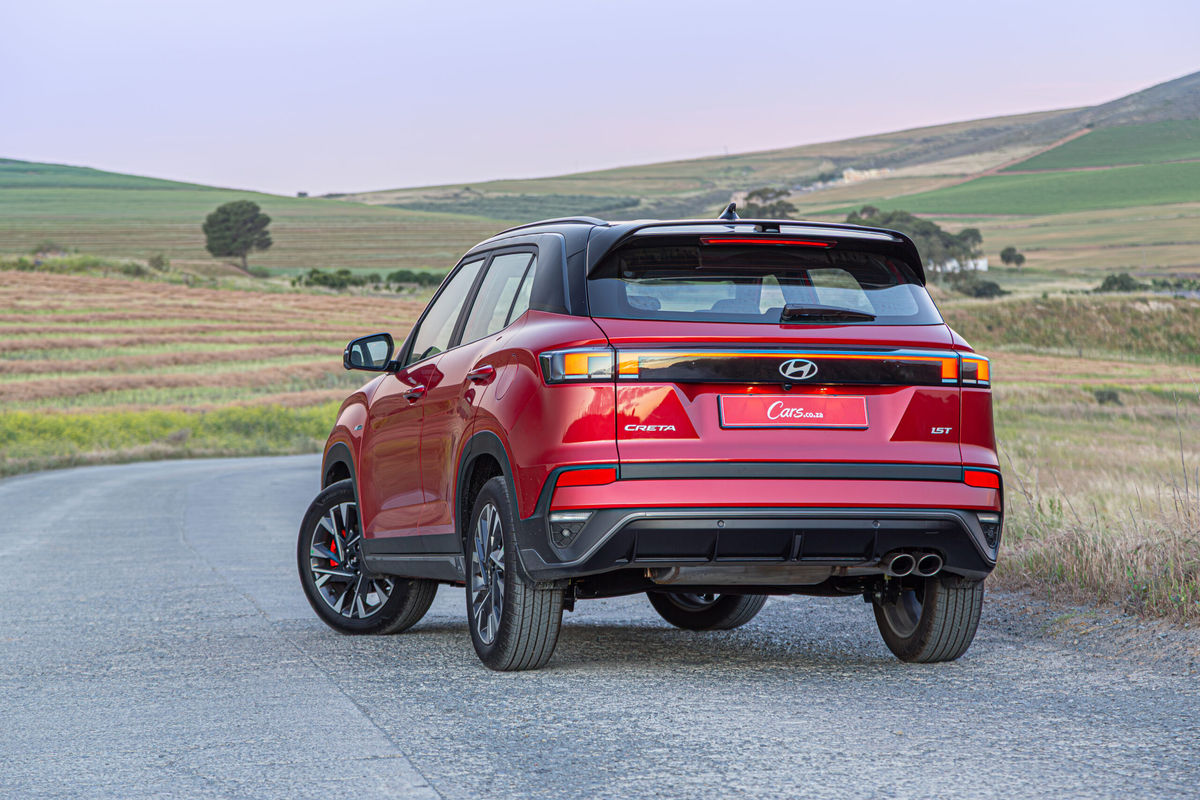
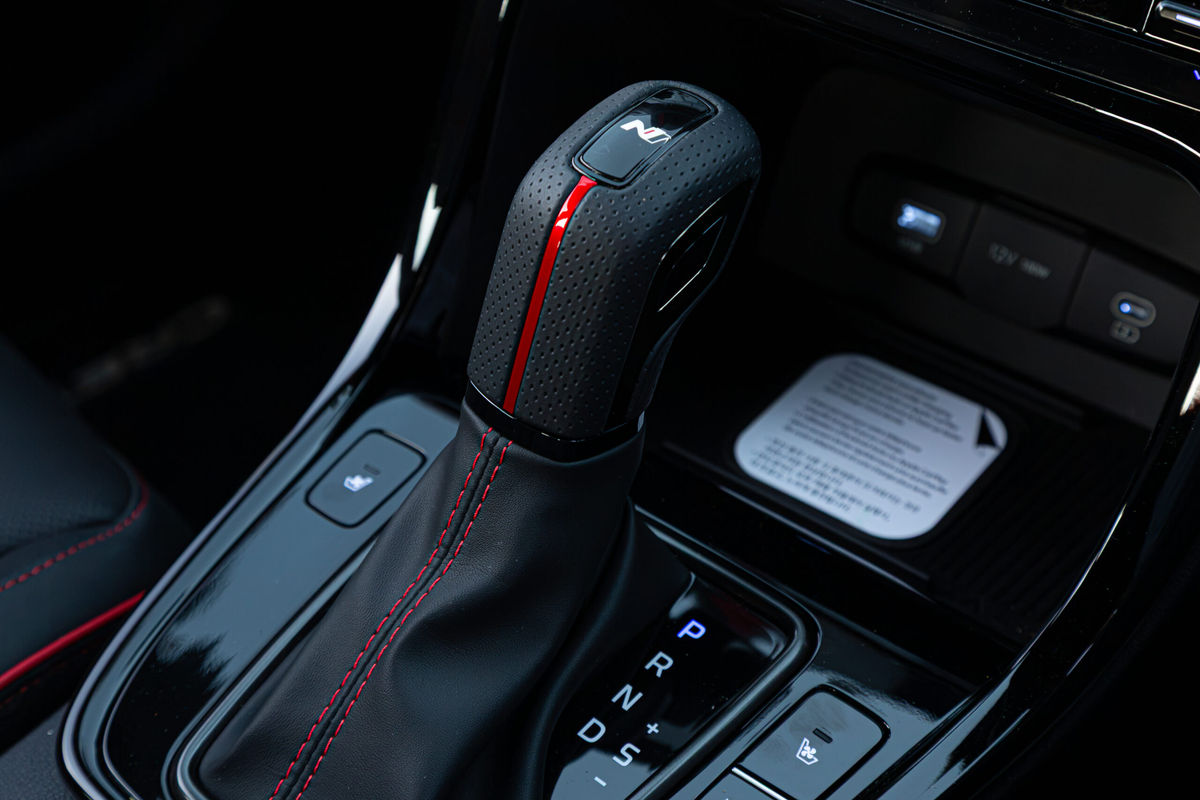
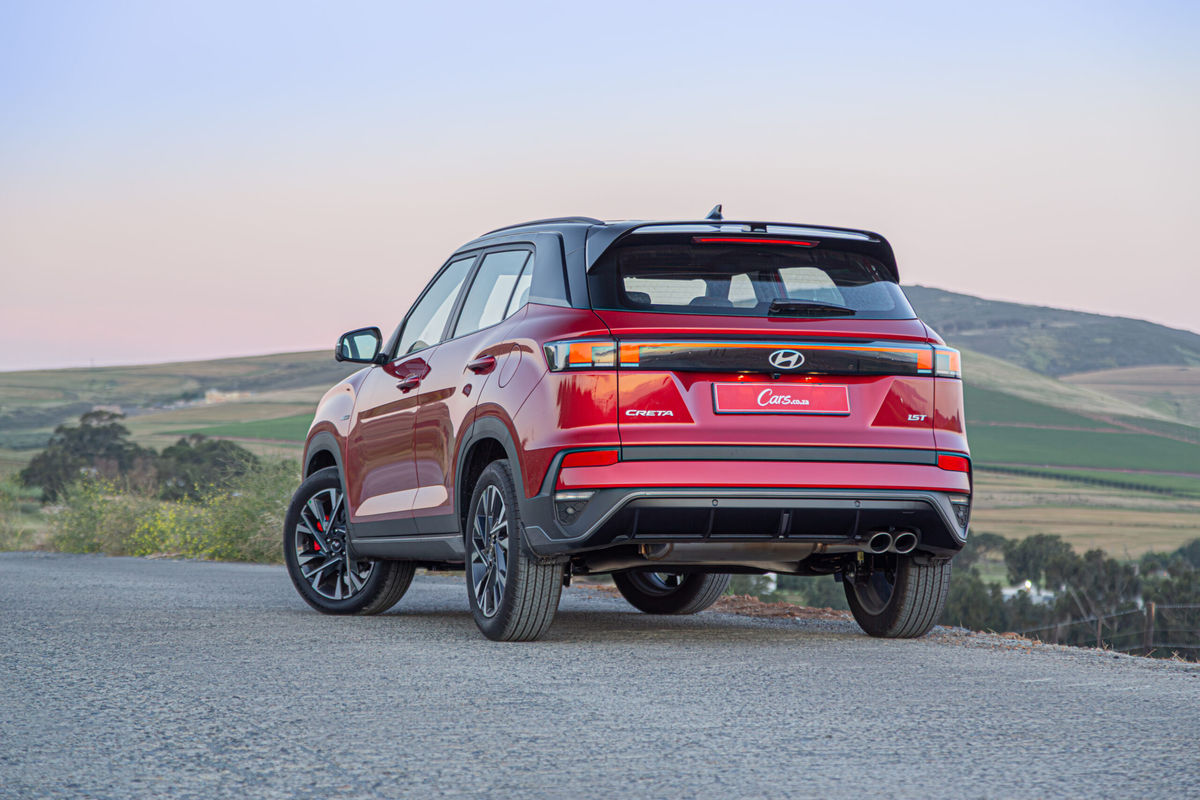
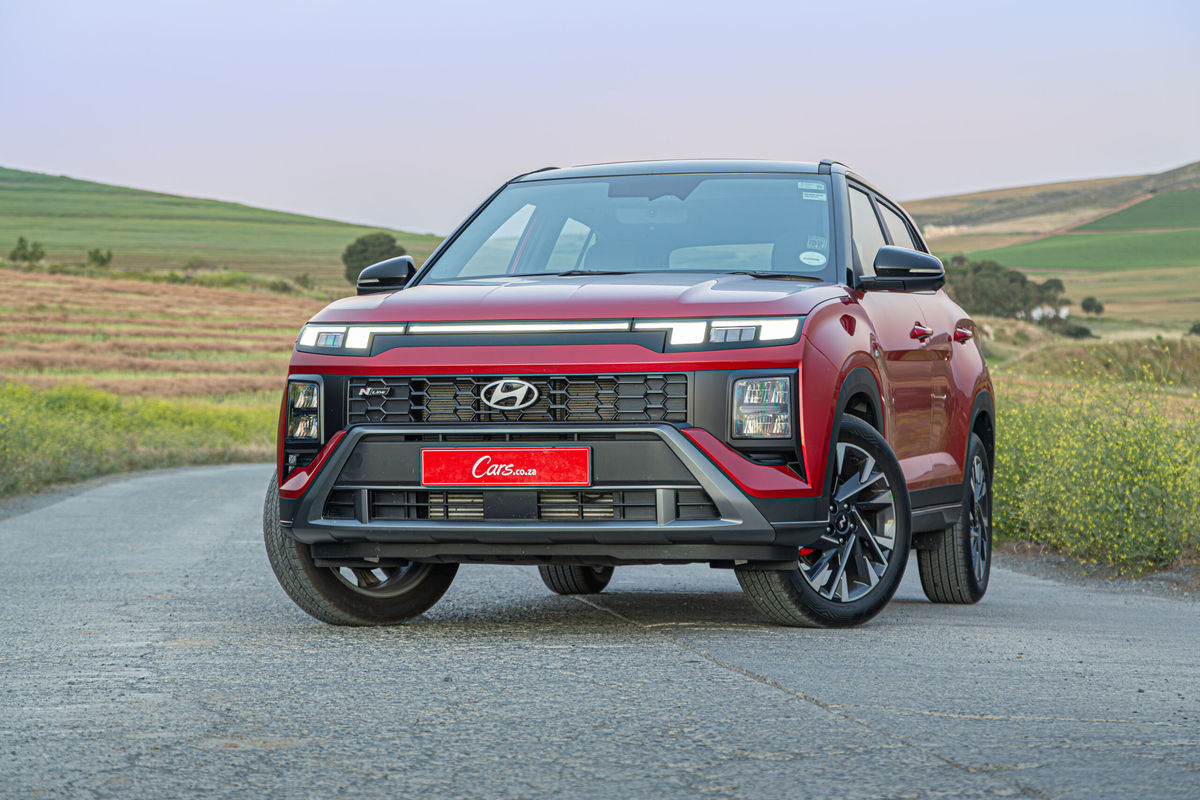
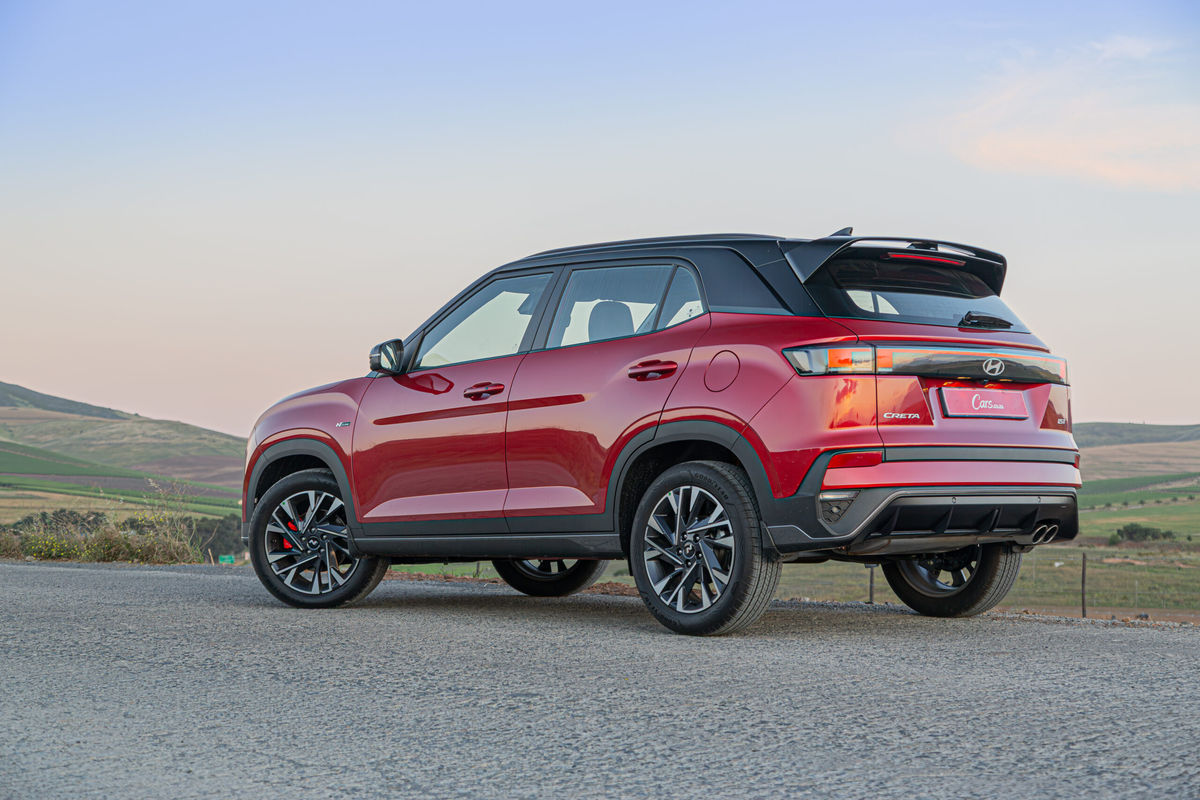
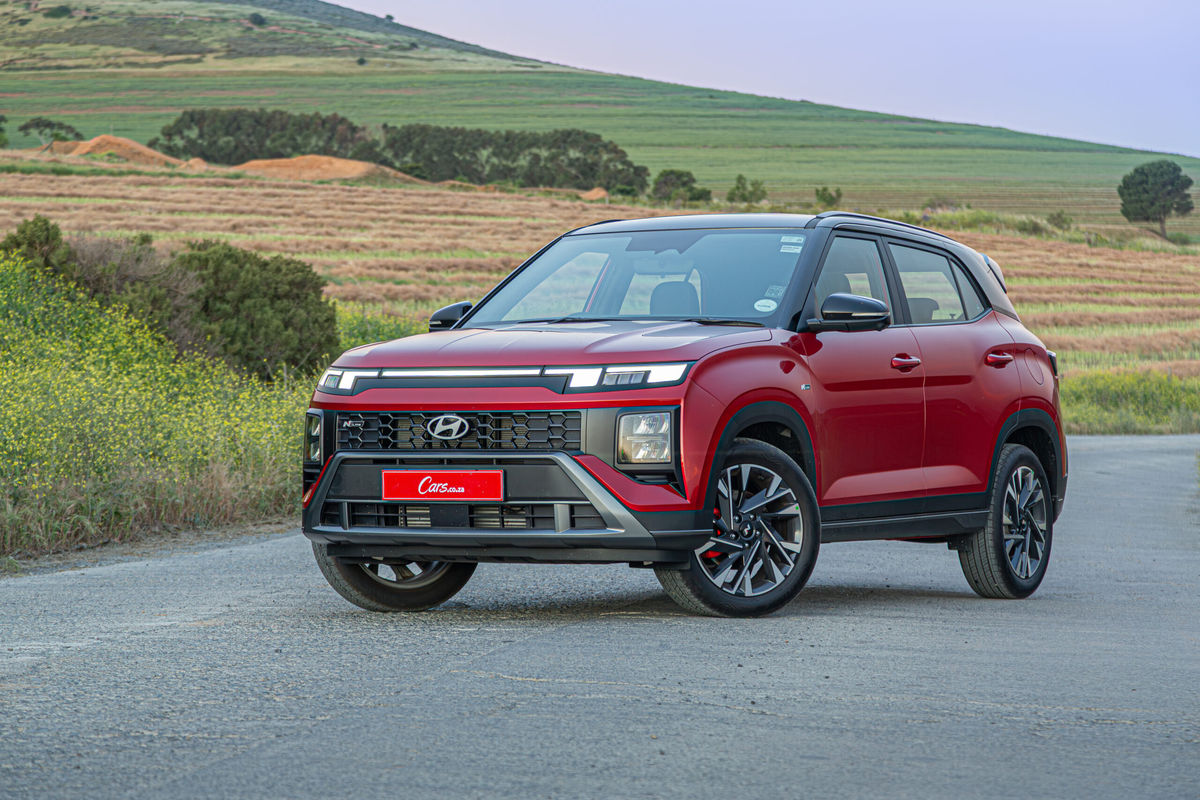
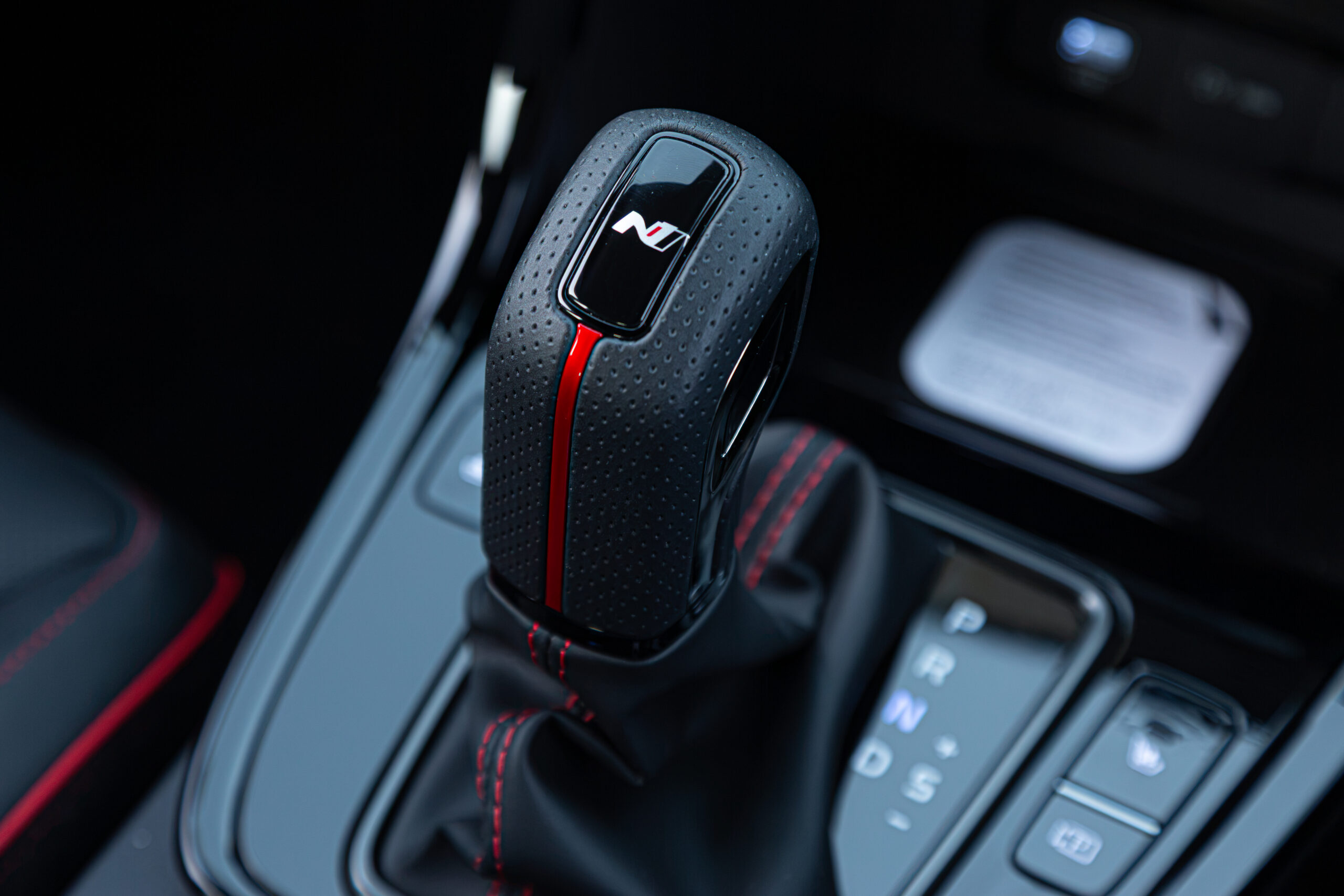
This is not just a case of some subtle badges and fancy paint job, but rather the full N Line treatment. It comprises a bodykit, larger wheels, twin exhausts and an appropriately themed cabin (i.e. red accents). But, unlike some segment offerings which look the part, this one actually delivers credible performance – more on that in a bit.
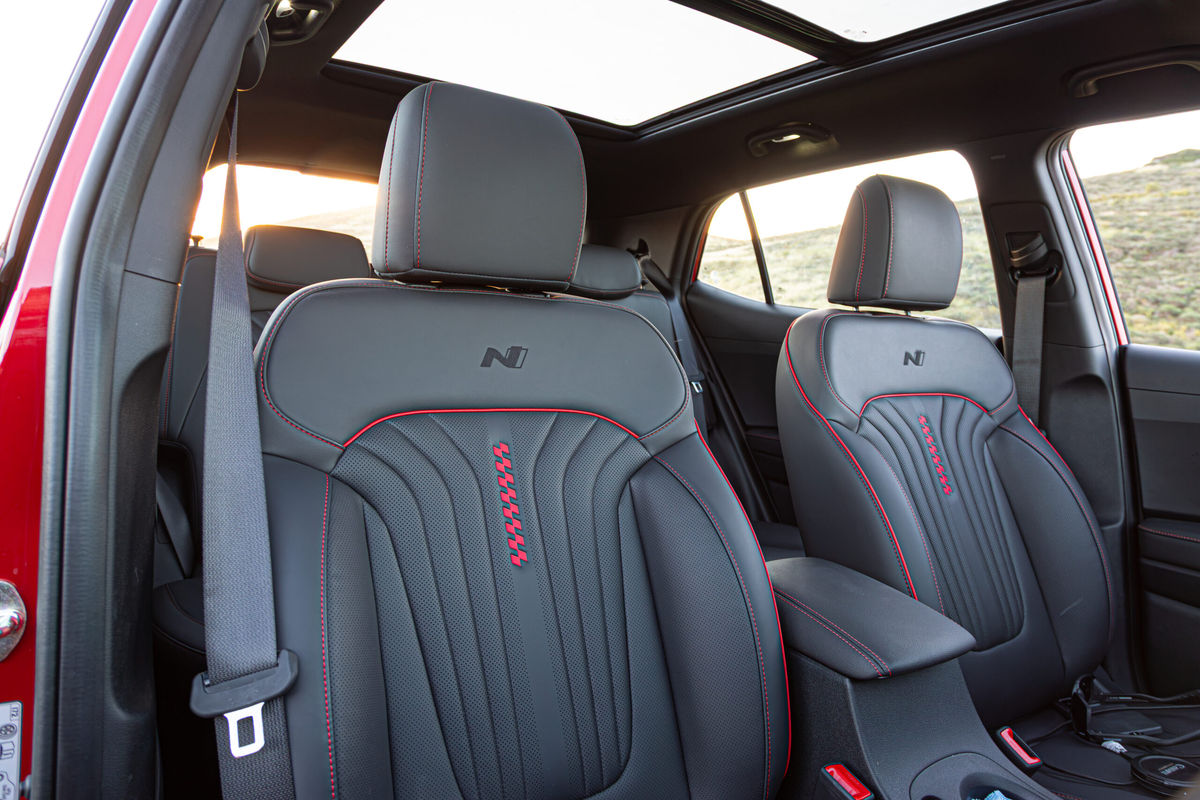
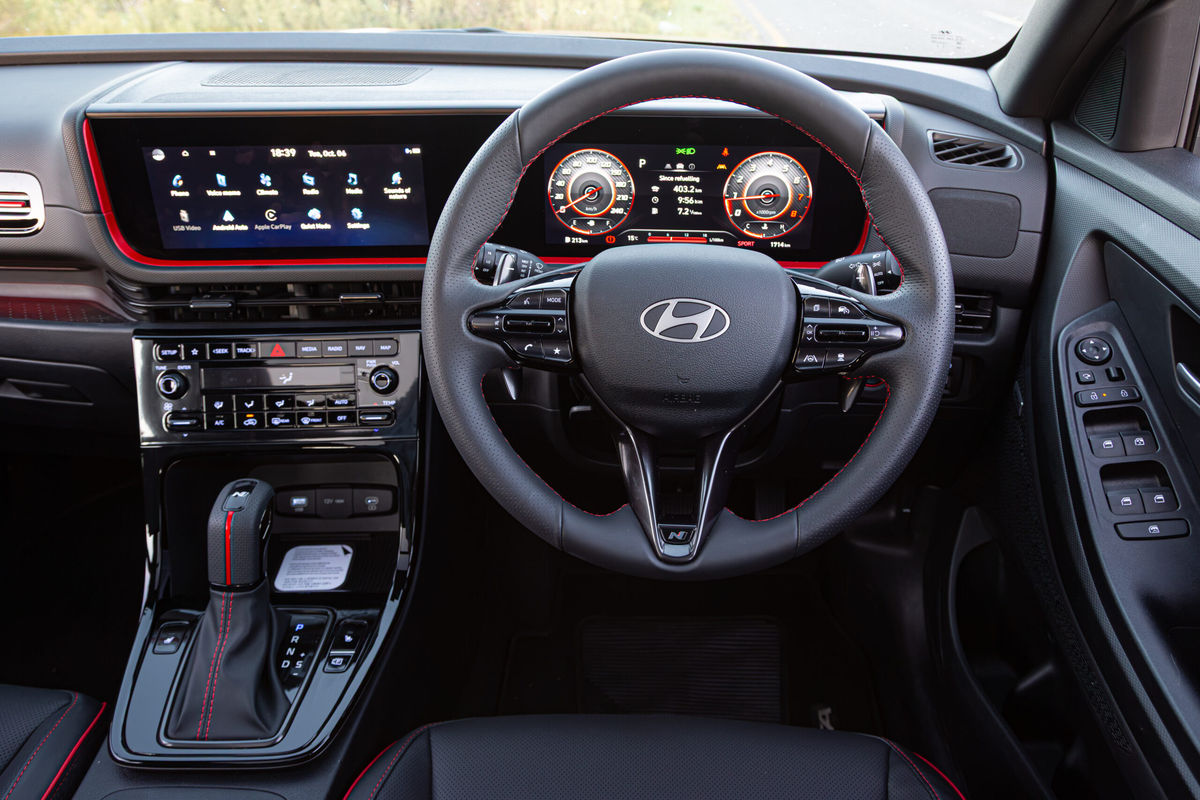
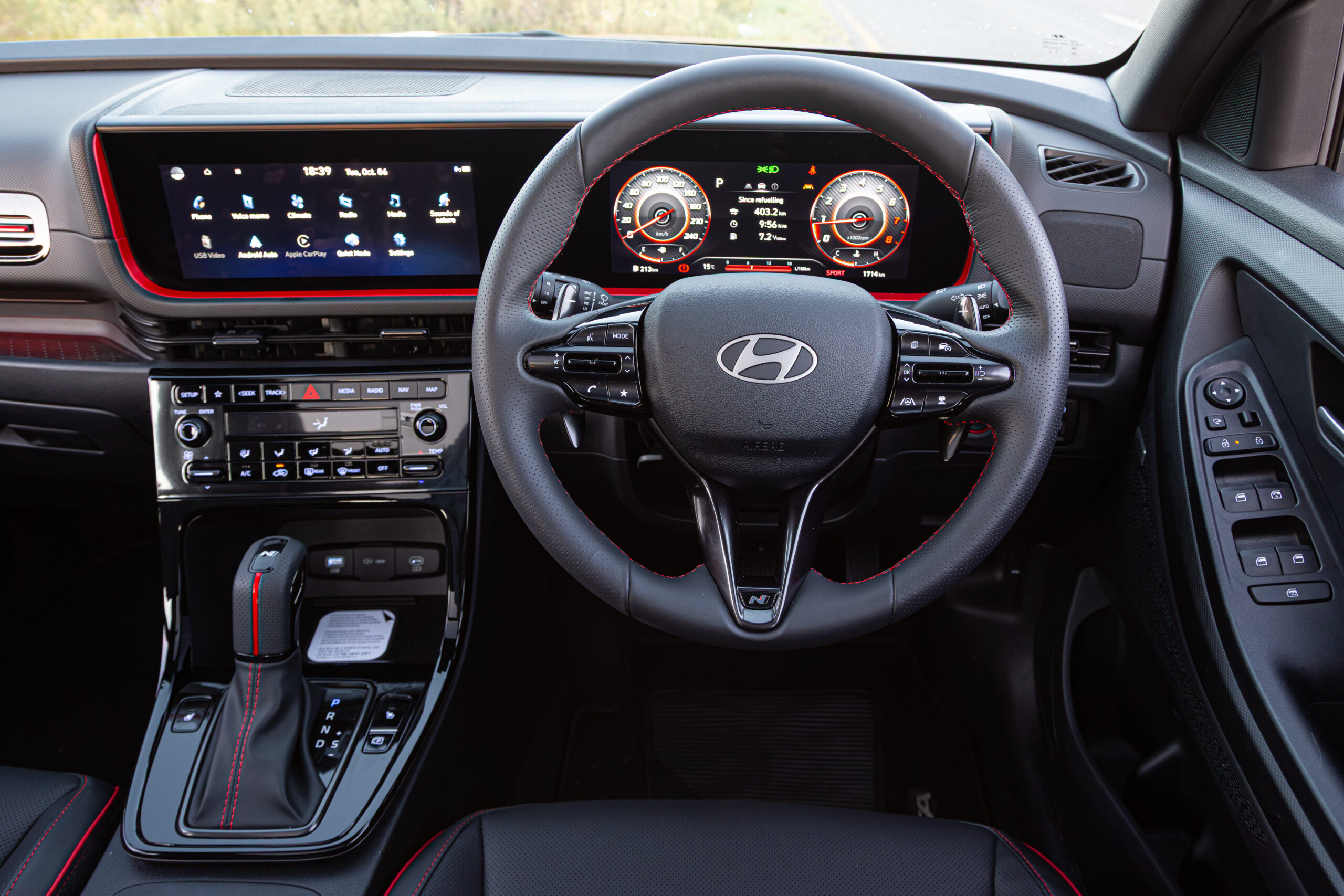
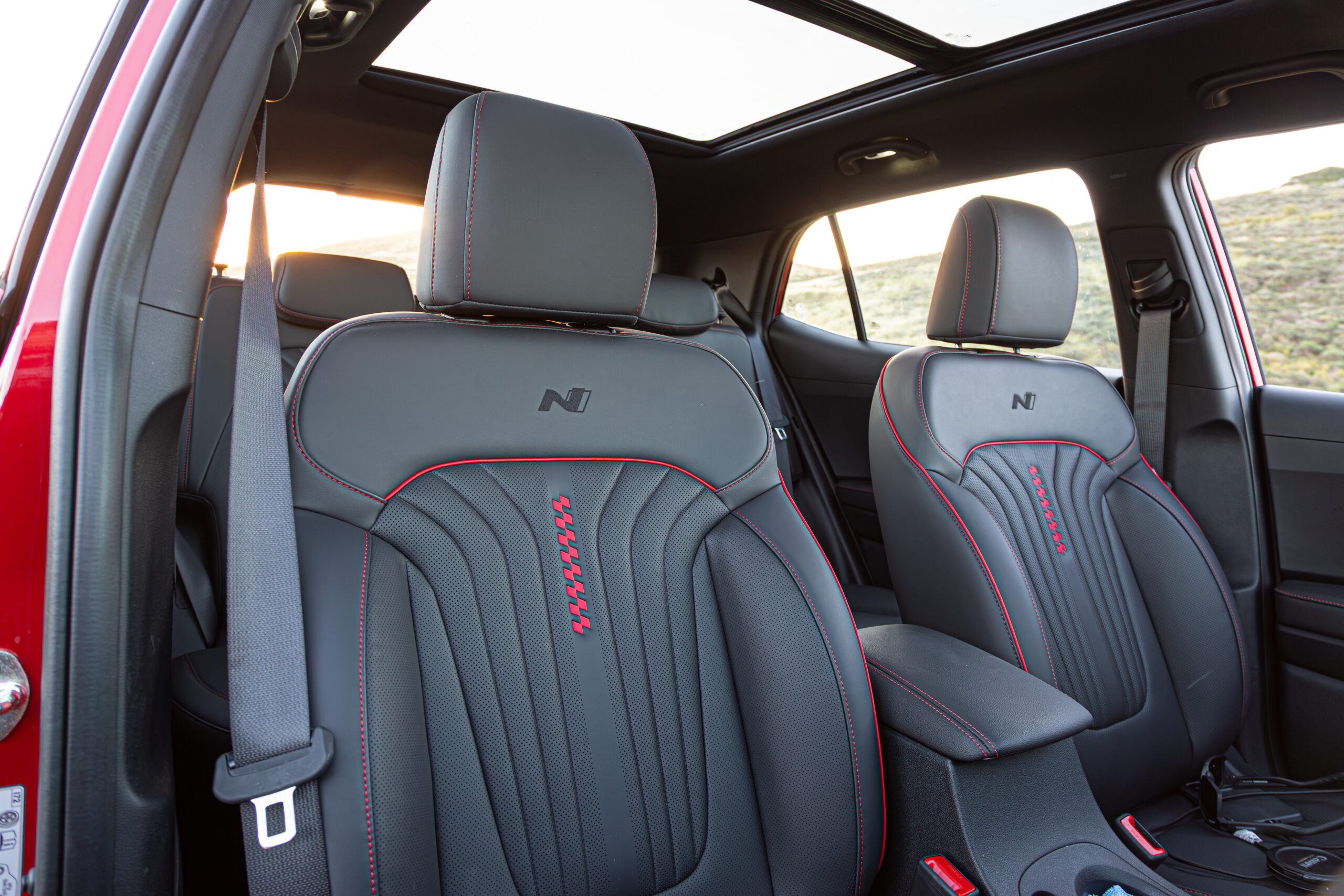
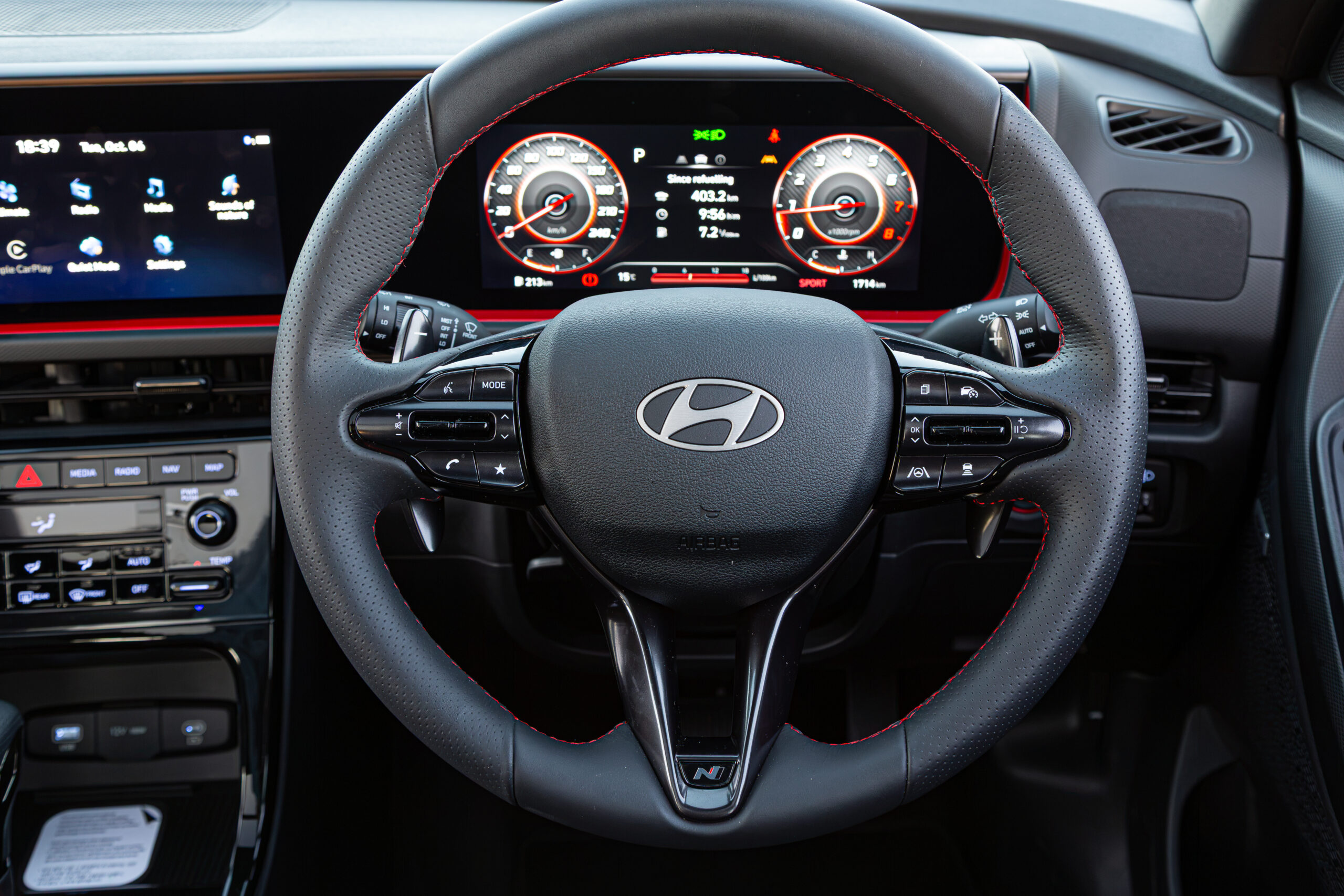
Climb inside and this is possibly one of Hyundai’s sportiest cabins to date. Those seats will catch your eye before you’ve even sat down. Trimmed in faux-leather, these N-branded pews both look the part and offer credible side bolstering. Ventilated functionality is a bonus as we go into the warmer months.
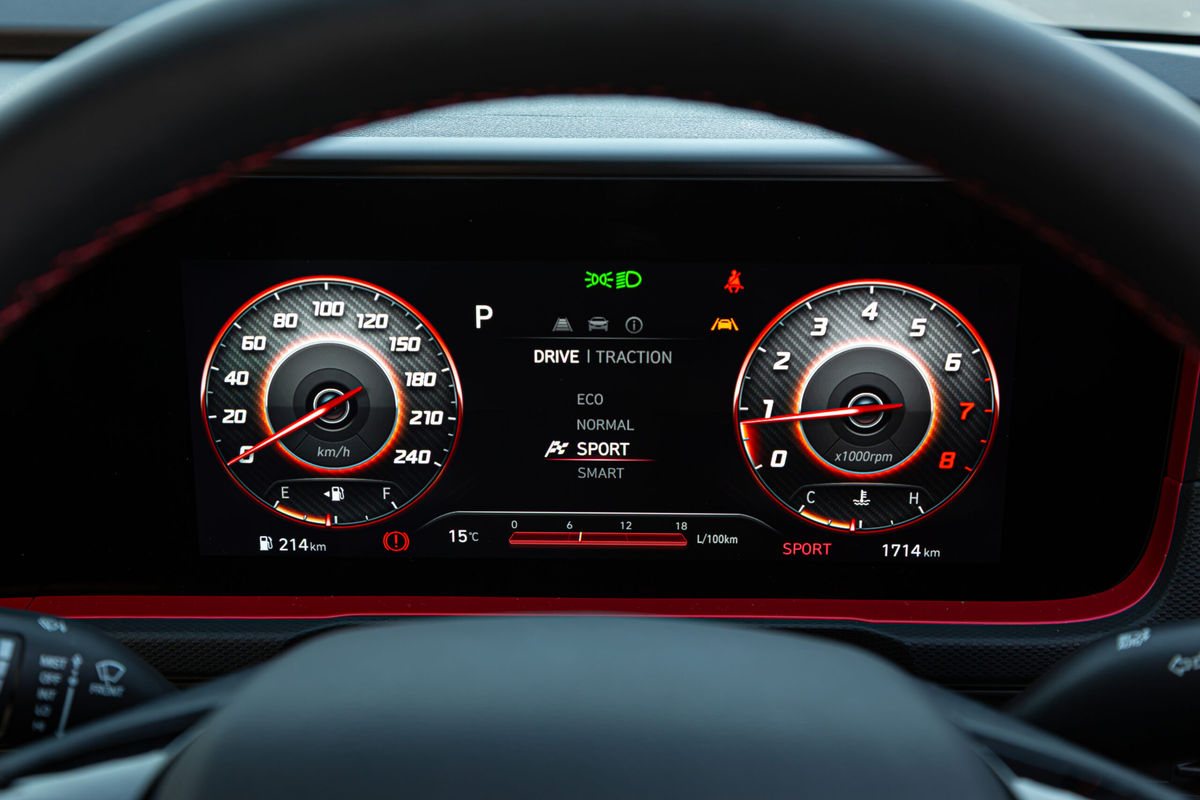
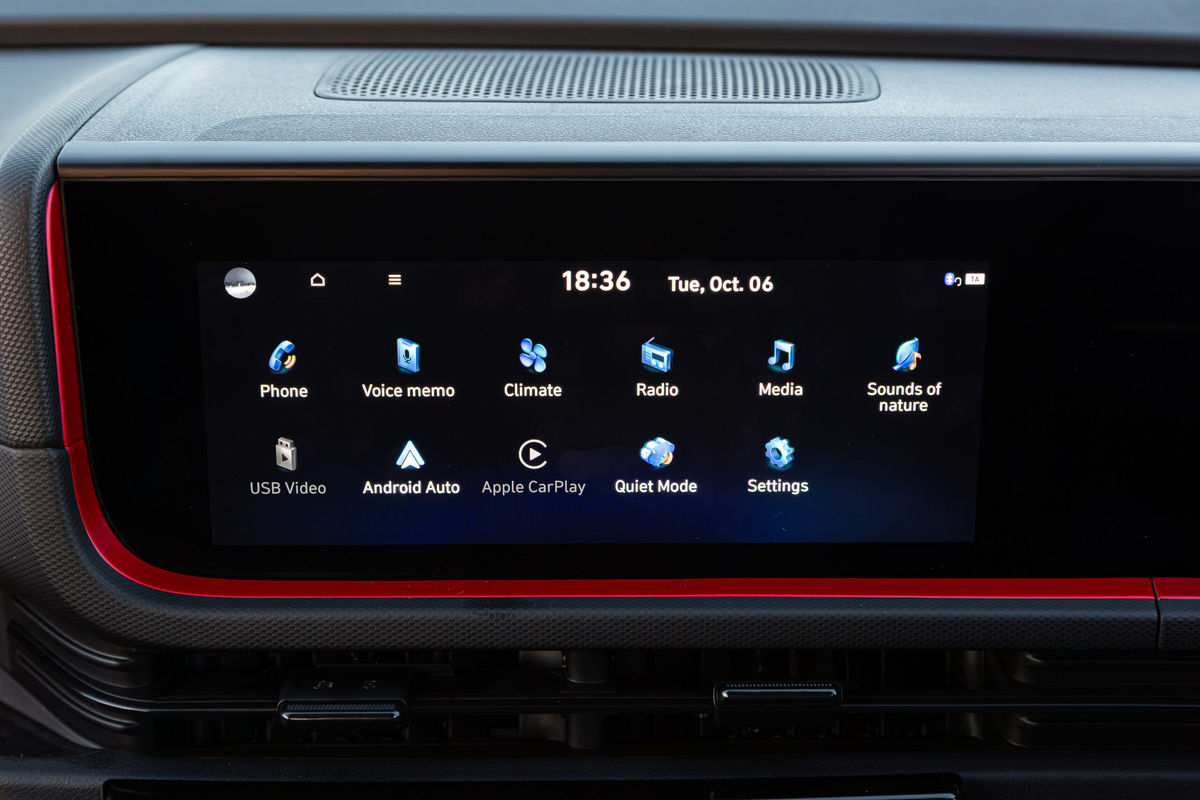
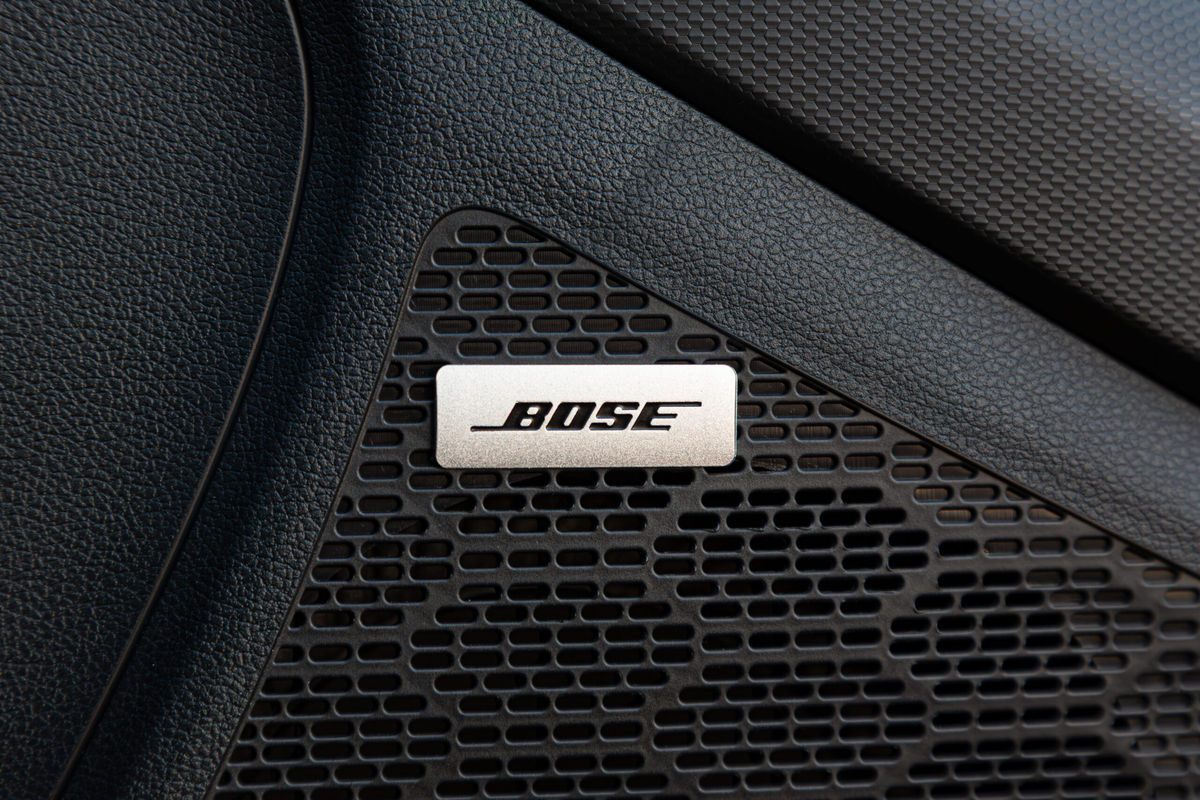
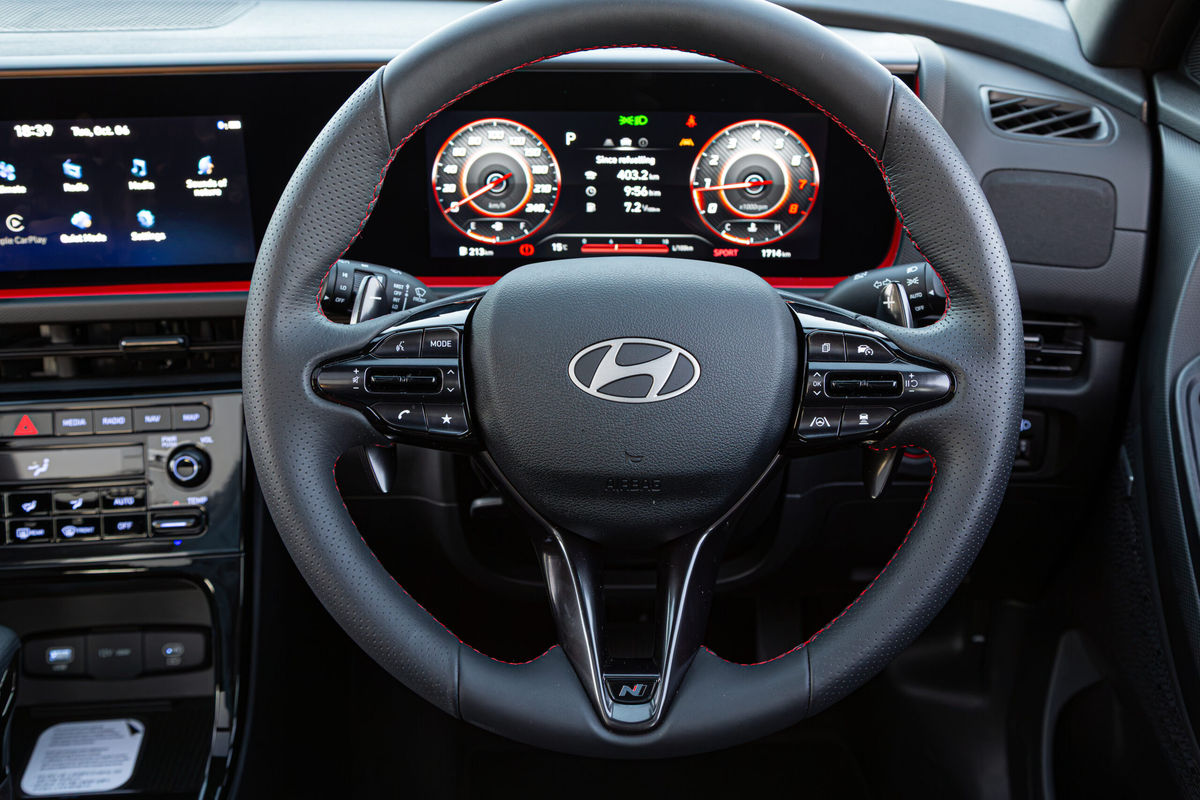
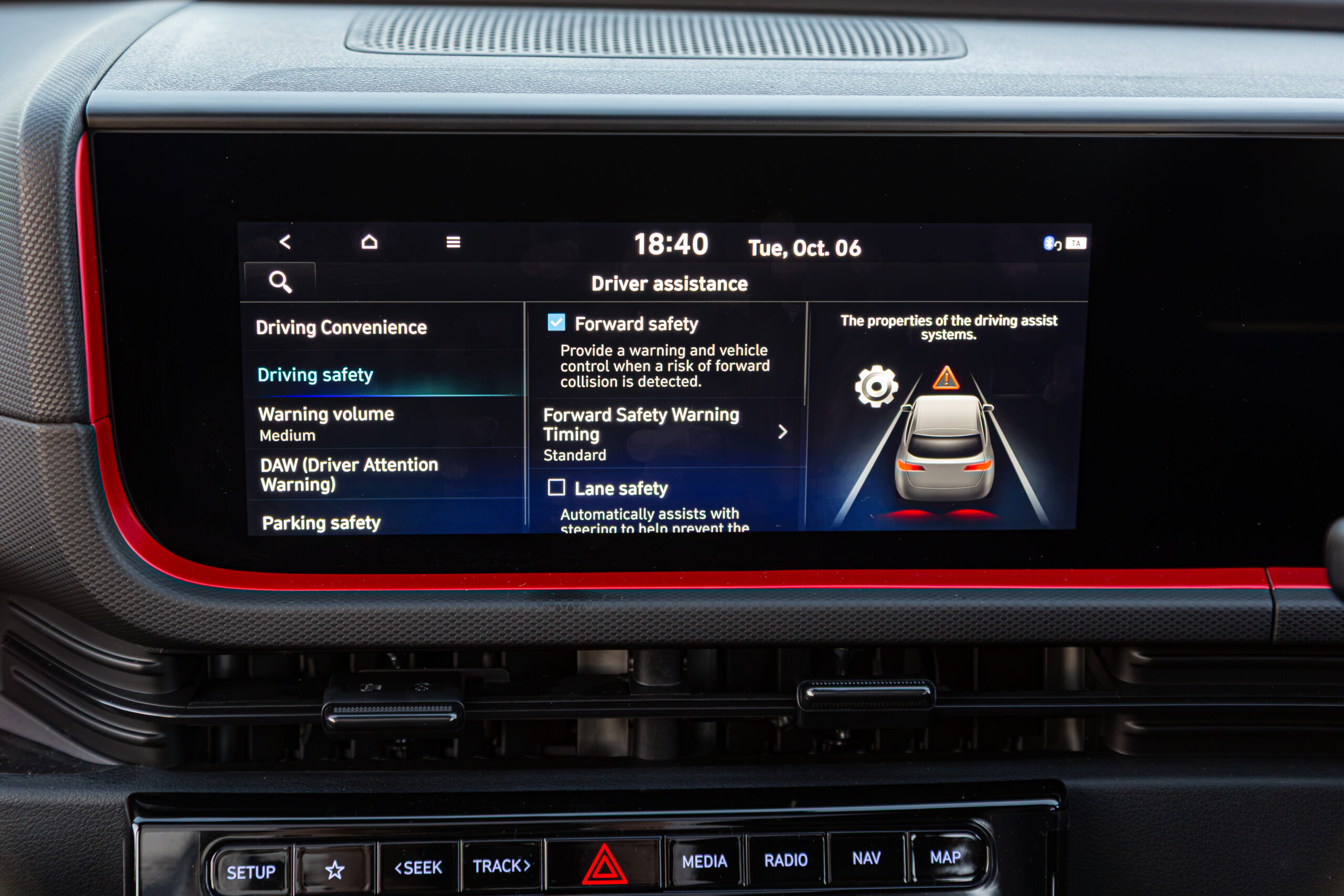
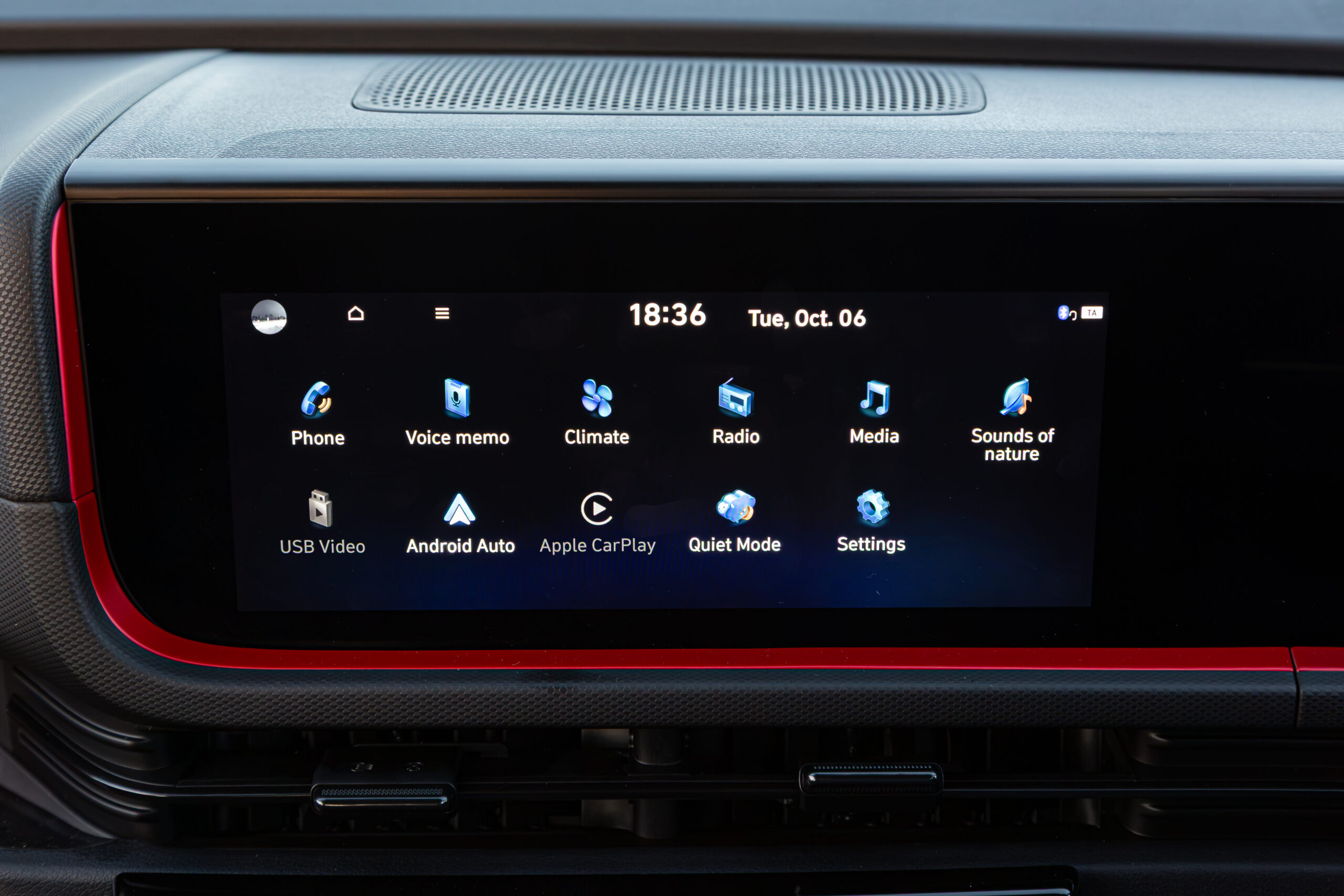
Being the high-end model in the Creta line-up, the N Line offers a long list of mod-cons. A panoramic roof will please the sun worshippers, while wireless Android Auto/Apple CarPlay with wireless charging pad and plenty of USB ports will keep the tech junkies smiling. A digital instrument cluster from the Hyundai-Kia parts bin takes centre stage and there’s a pretty decent 8-speaker Bose audio system.
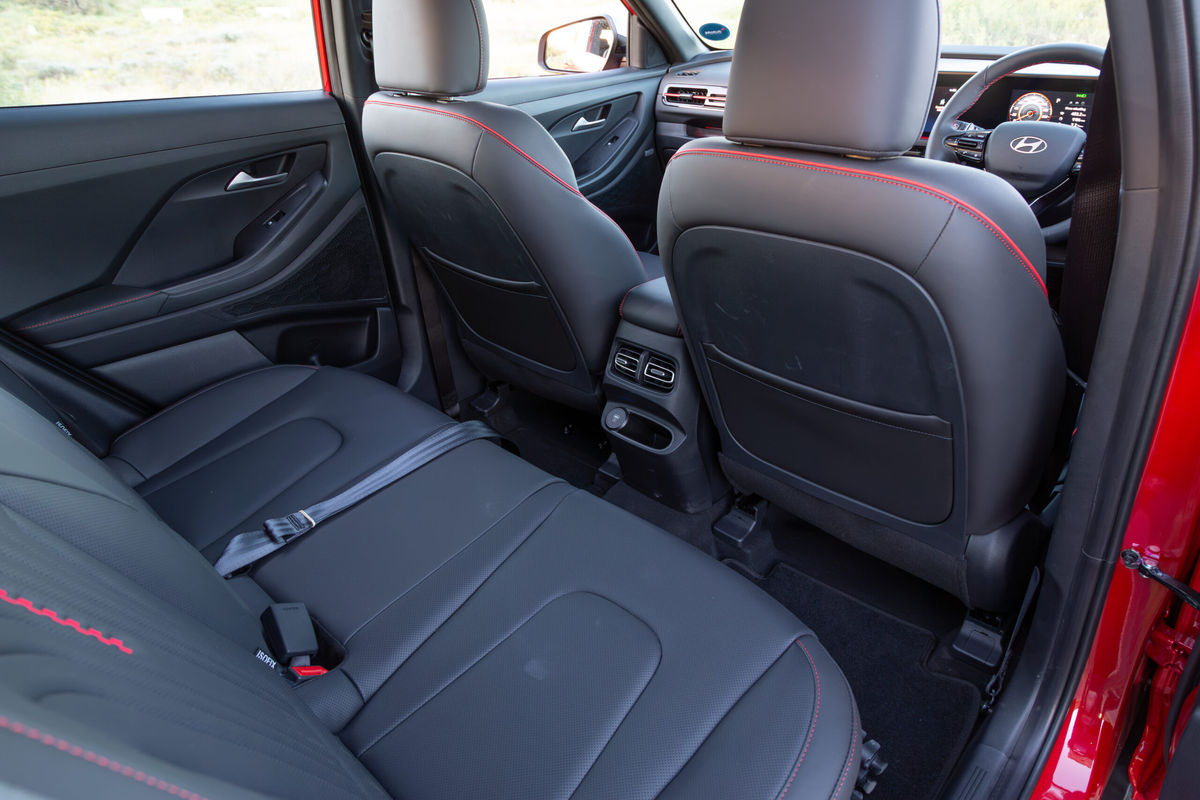
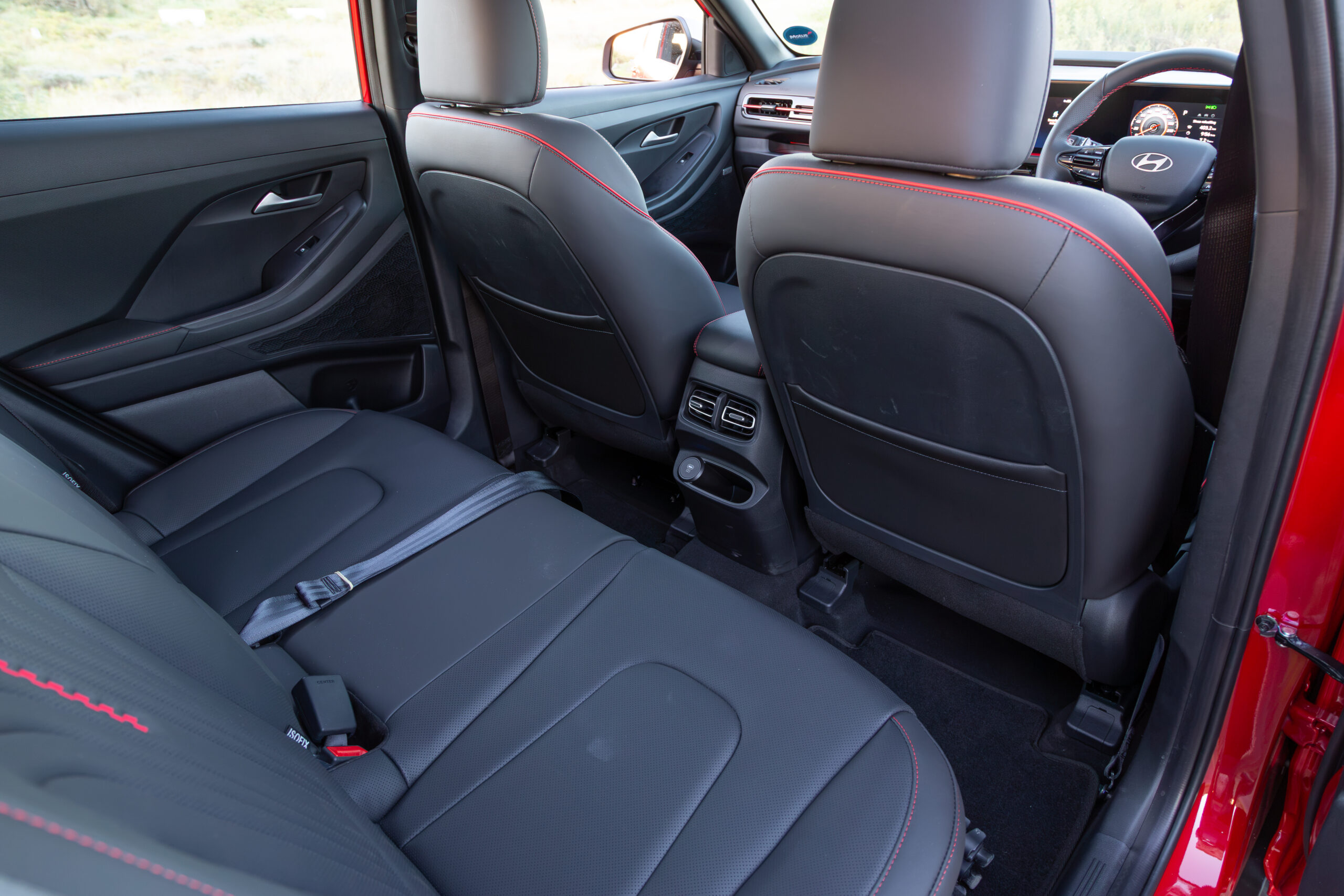
Climb into the back and, while the Creta is classed as a compact SUV, it still retains passenger-carrying capability. With a wheelbase of just over 2 600 mm, there’s sufficient room for adults, but taller folk may run into a lack of headroom. A solitary USB port is available to charge your device.
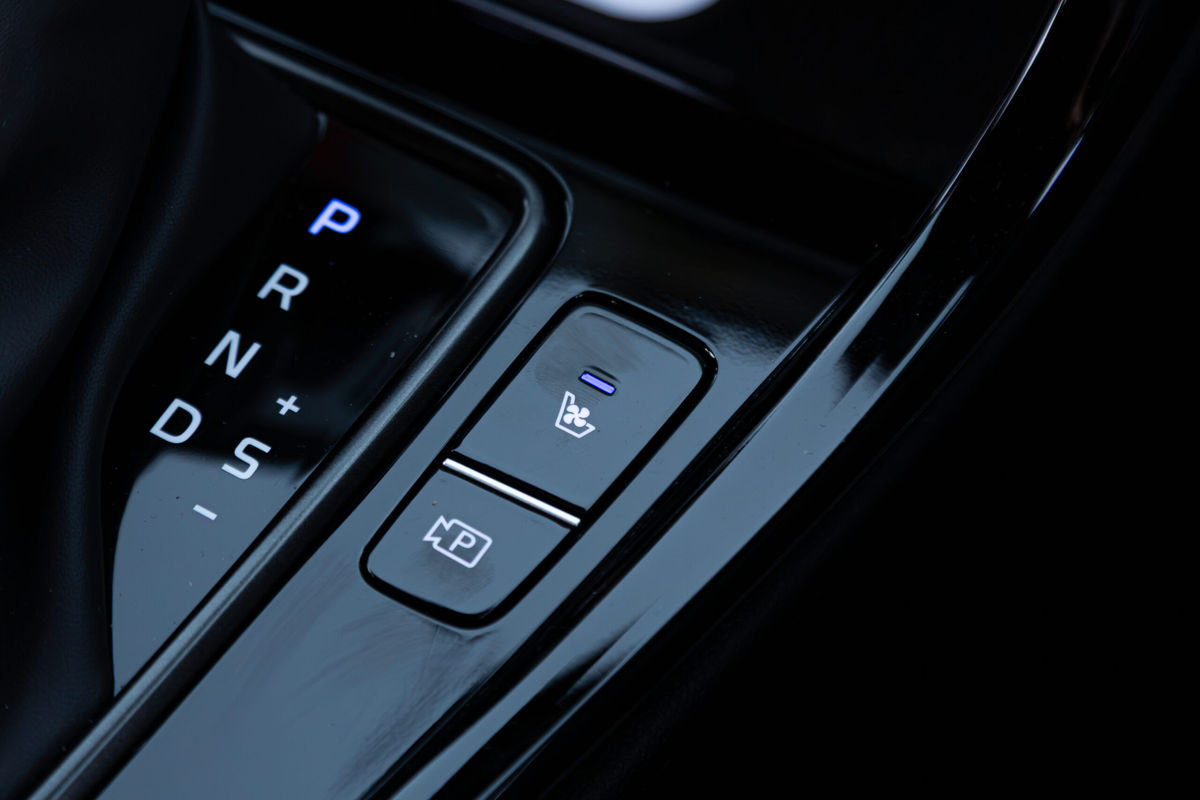
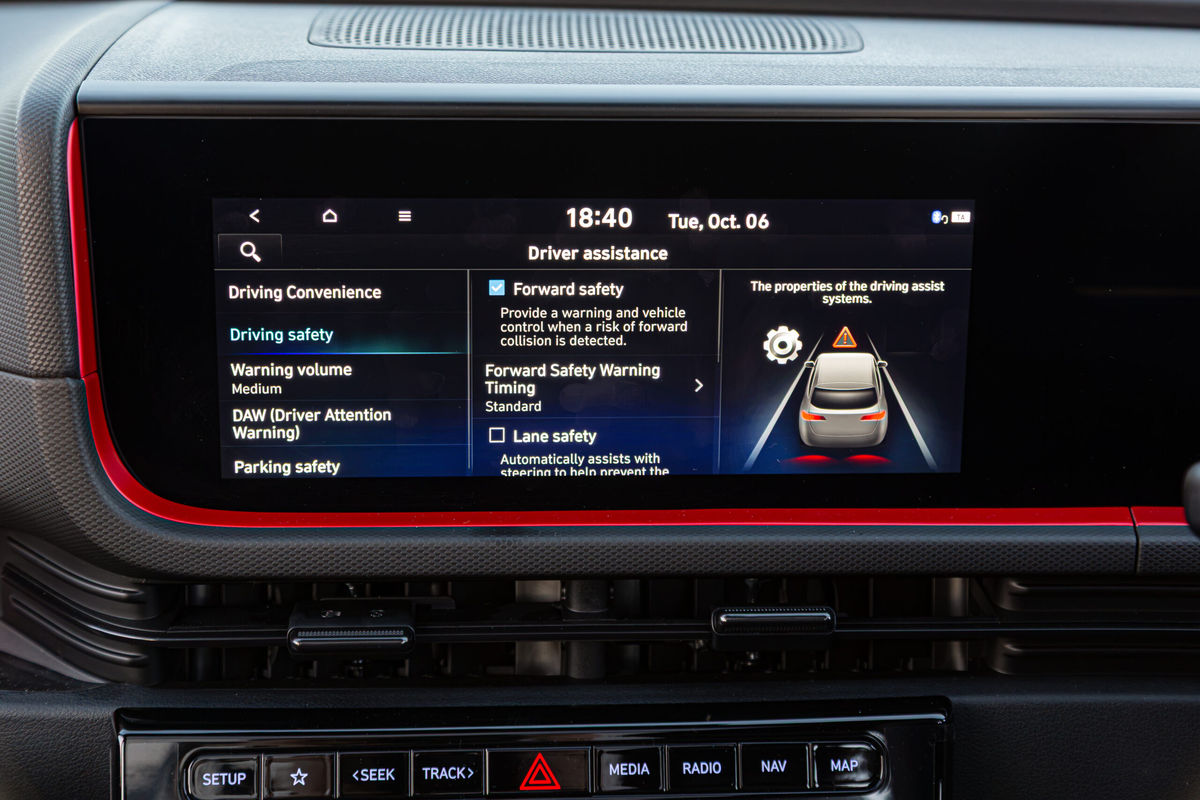
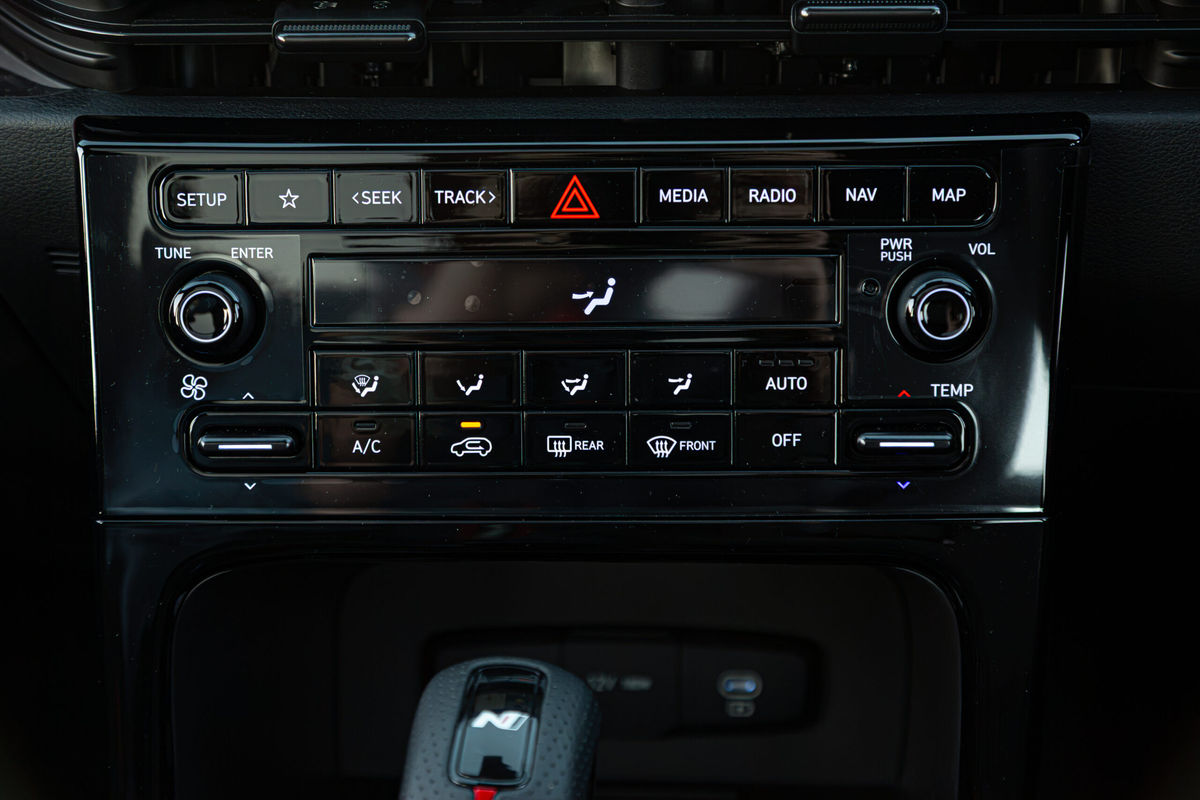
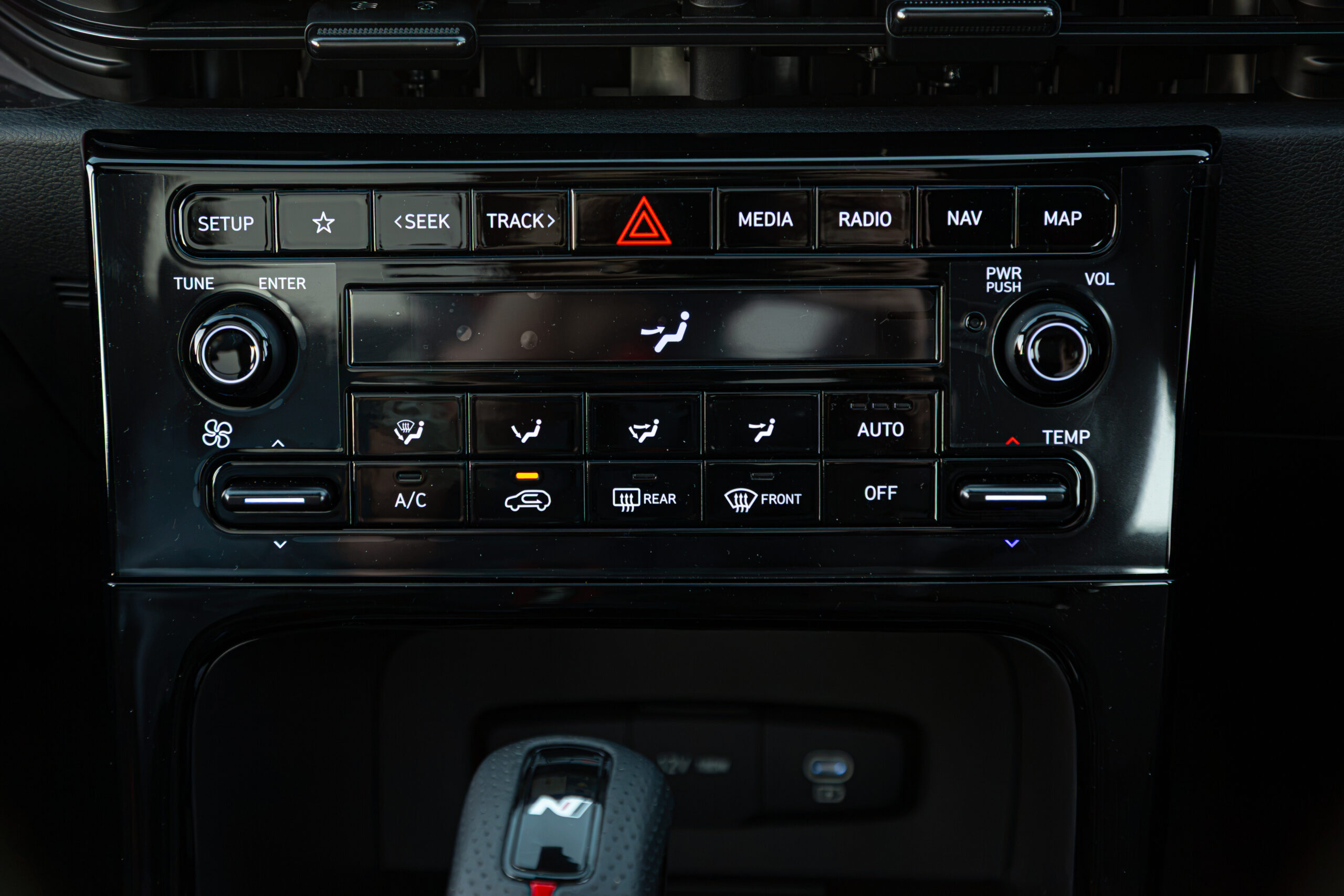
Given the level of standard equipment at this price point, this updated Creta is almost starting to sound a bit too good to be true. However, a deep dive into the fit and finish of the cabin turned up some cheap-feeling materials. For example, the climate control switchgear is finished in flimsy gloss-black plastic which is a fingerprint magnet. We also noticed some bubbling on the little display, which was a bit concerning given the car’s age (see below).
Performance & Efficiency
While there’s considerable hype and enthusiasm for Hyundai’s N brand, we have to make something clear: This is not a performance-focused crossover that’s been engineered to thrill, like the Kona N. Think of N Line as Hyundai’s equivalent to BMW’s M Performance models, which are mild versions of the full-fat M derivatives.
Still, the engine outputs give it a degree of enthusiasm. The 1.5-litre turbocharged, four-cylinder petrol engine churns out 118 kW and 253 Nm, and that reaches the front wheels via a quick-shifting dual-clutch transmission. Hyundai claims a 0-100 kph of 8.9 seconds, which we naturally had to test out.
With both the engine and transmission in their sportiest modes, the Creta N Line went substantially quicker than claimed, reaching the 100 kph benchmark time in 8.06 seconds. There’s no launch functionality; simply put your foot flat from standstill and off you go.
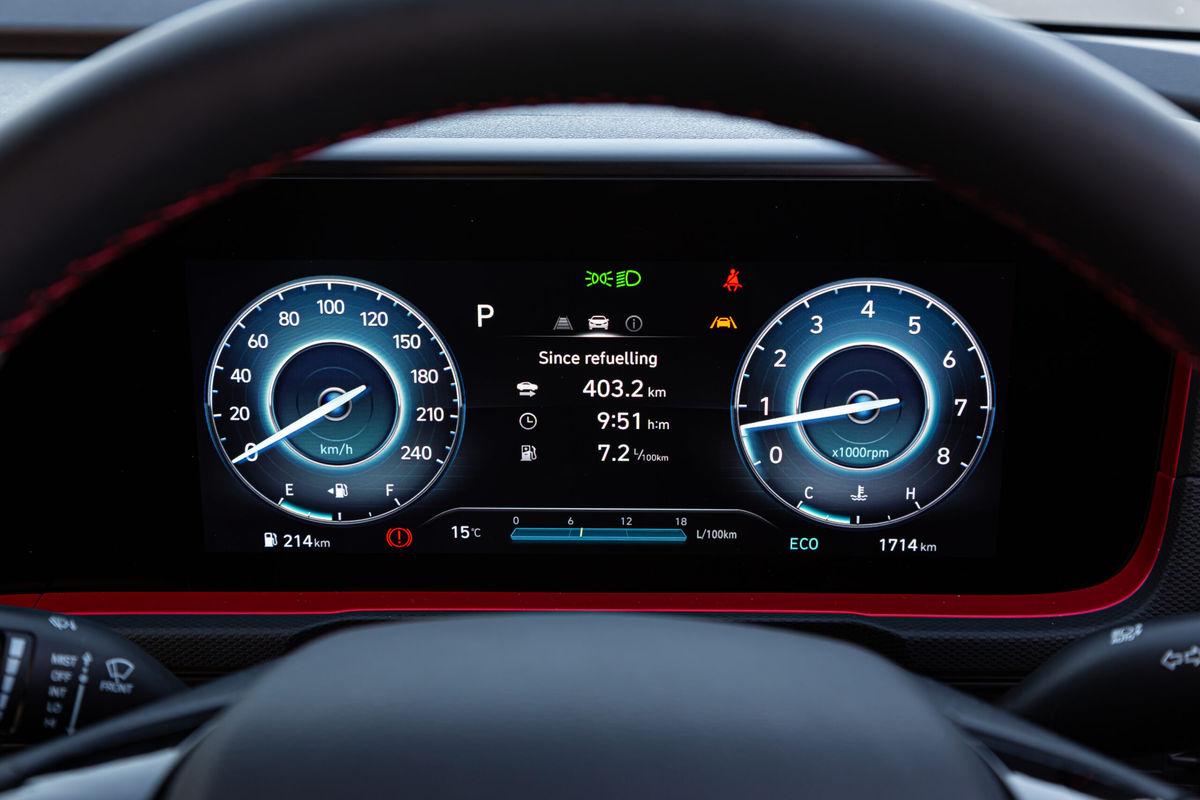
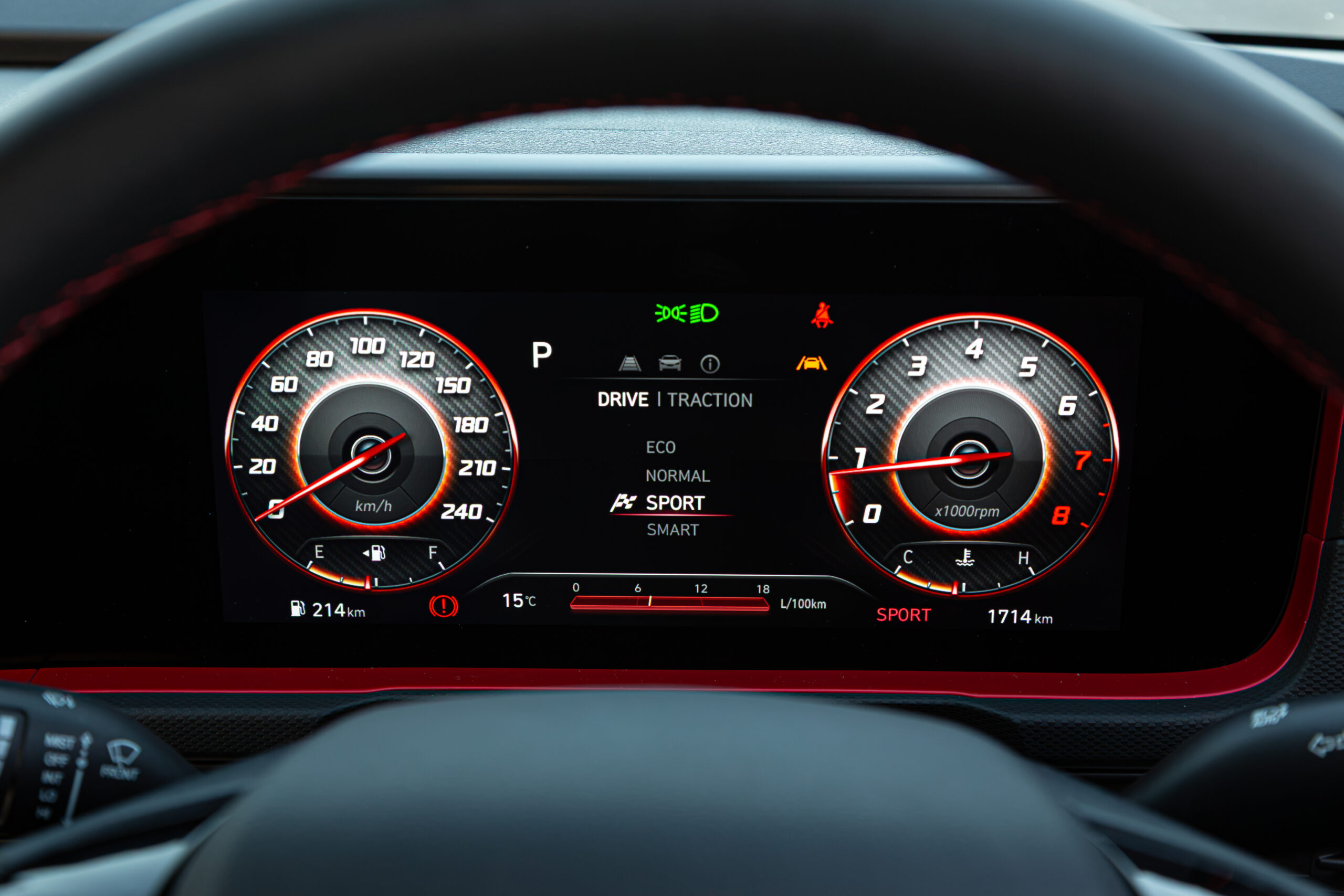
While the punchy performance is amusing, it doesn’t quite tick all the boxes. Unlike many of the DCT-equipped performance vehicles, there’s no distinct exhaust pop coming from the twin-exhaust setup, which we feel is a bit of a missed opportunity. Also, if you’re in sport mode and are generous with the loud pedal, expect wheel spin from standstill. However, we do like how the instrument cluster’s design changes depending on the drive mode.
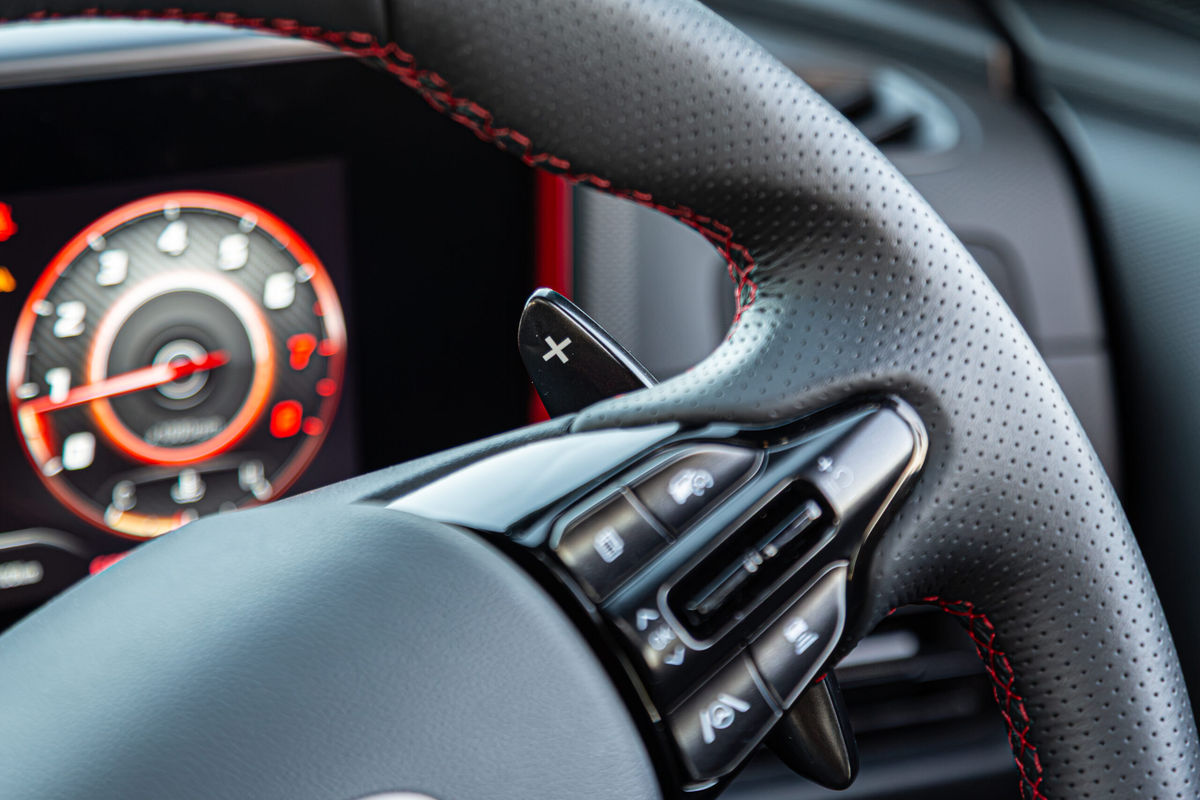
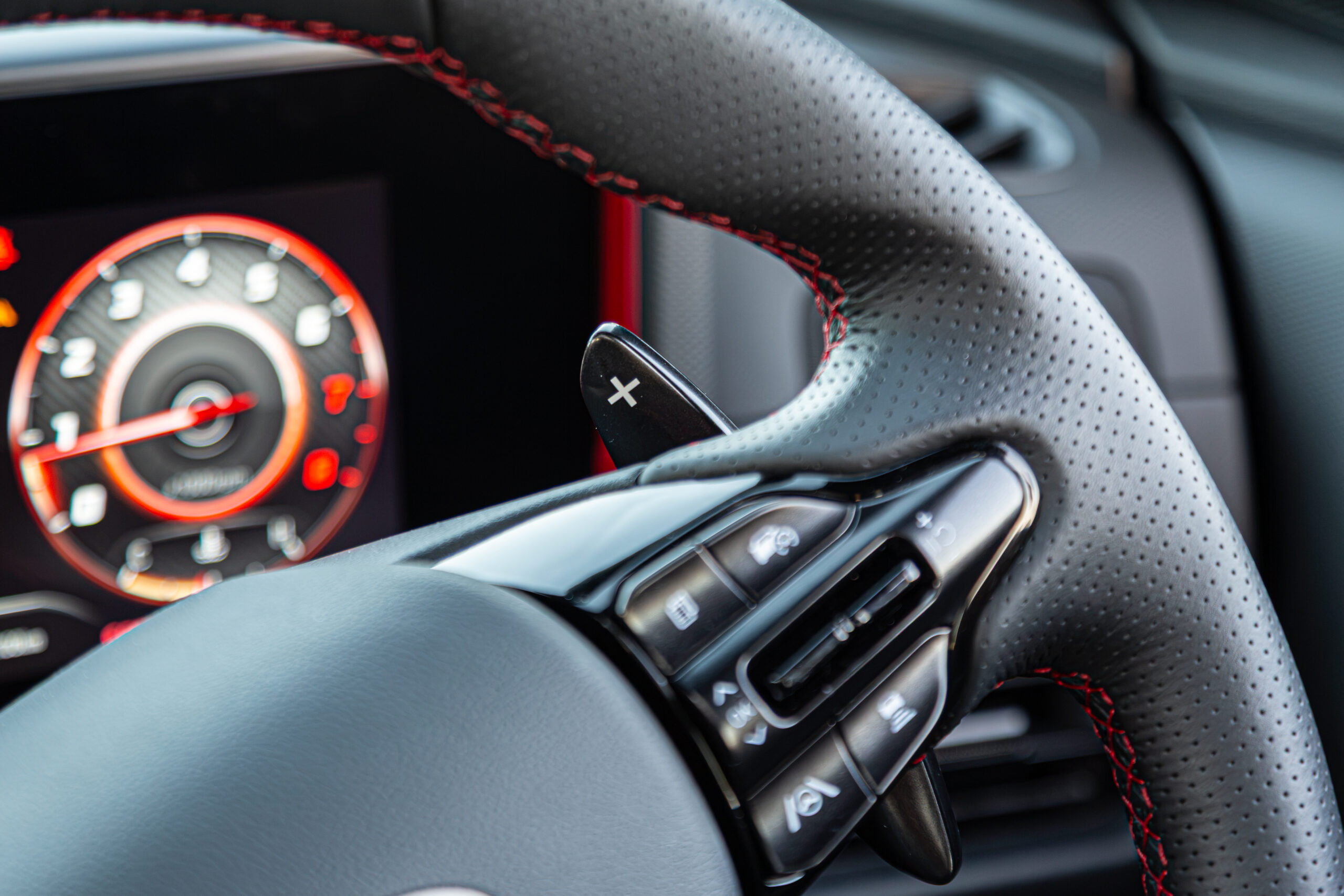
Then there’s the transmission itself. While it does a great job of changing gears smoothly, we feel that in its manual override mode, it is not as responsive as it should be (especially in light of the tactile paddles). Perhaps we’re asking too much and need to remind ourselves that this is an N Line, not a full-fat N.
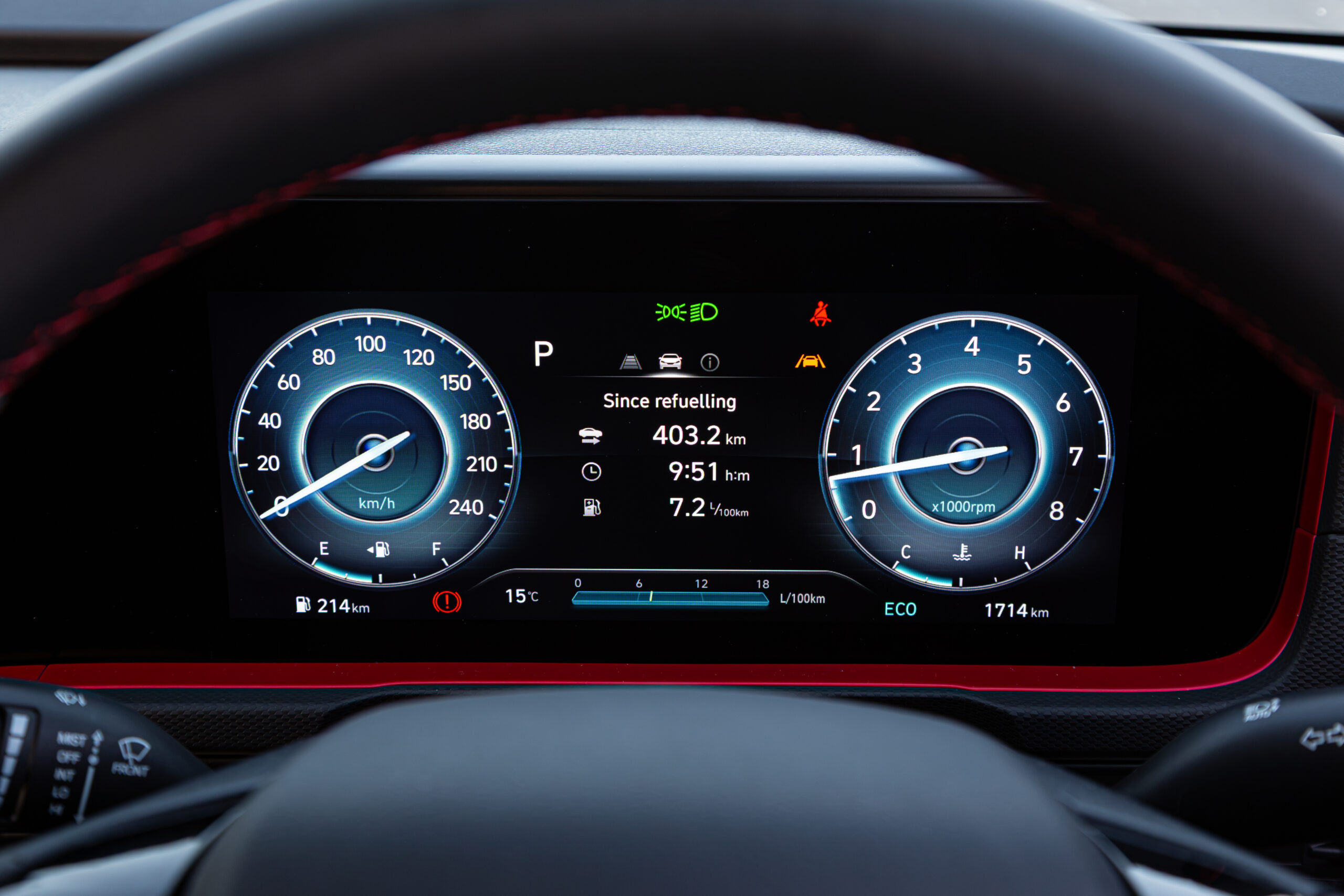
Despite its sporty intentions and punchy turbocharged engine, the Creta N Line returned favourable consumption figures; we posted just 7.2 L/100 km during the test period. It’s worth pointing out that longer trips on the national highway saw that figure go down to as low as 6.1 L/100 km. There’s a small 40-litre fuel tank, giving it a theoretical range of just under 600 km.
Ride, Handling & Comfort
The Creta will do the predictable home-to-work-and-back commute without any fuss. You simply engage the balanced ‘smart’ driving mode and leave the vehicle to its own devices. That said, there’s some typical dual-clutch jerkiness at low speeds, but nothing too severe.
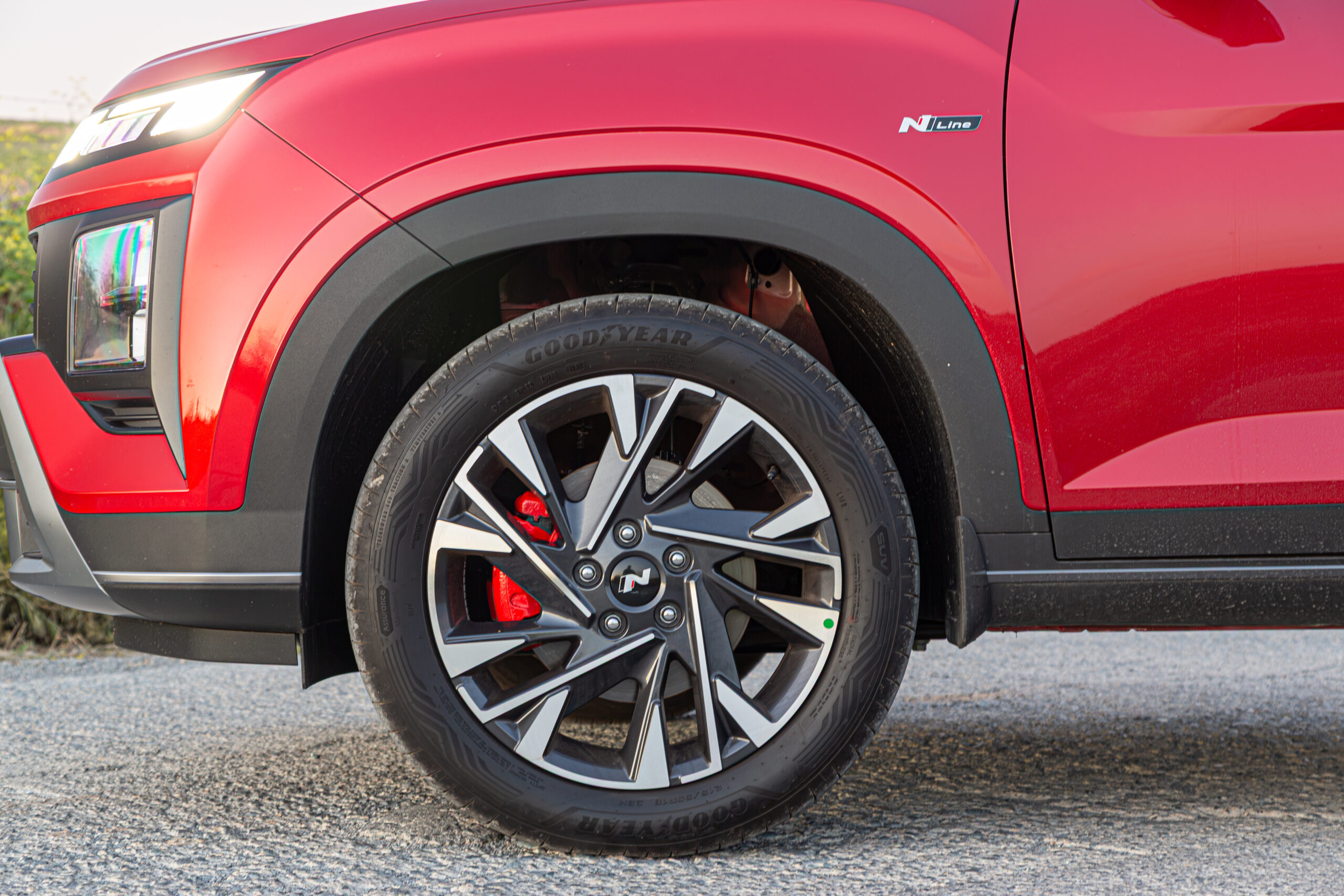
The N Line rides on 18-inch alloy wheels wrapped in sensible 215/55 tyres, which do a fair job of ironing out the road’s imperfections while maintaining that purposeful look. There’s some firmness, but we feel it’s a worthwhile trade-off.
Throw the Creta N Line into a corner and you’re again reminded this isn’t an N proper. The steering setup is light and somewhat vague – it’s a pity the weighting doesn’t change with the driving modes. However, if you’re not clipping apexes, this Hyundai makes a comfortable highway cruiser.
Price & After-sales support
The vehicle is sold with a 7-year/200 000 km manufacturer’s warranty, 4-year/60 000 km service plan as well as 7 years/150 000 km of roadside-assistance coverage.
Hyundai Creta 1.5 Premium
R434 900
Hyundai Creta 1.5T N Line
R569 000
All pricing correct in October 2026.
Verdict
It may not receive a universal thumbs up from us – we have some misgivings about the interior quality and ride comfort – but in a sea of same-same, uninspiring crossovers, the Hyundai Creta N Line does a great job of standing out and appealing on a more emotional level.
That powertrain ensures the go matches the show and, even if you don’t have sporty aspirations, there’s no denying the N Line is at least interesting, both in terms of visual appeal and driving engagement. Finally, given the current petrol price, it won’t cost that much to run, either.
What engine and transmission power the Hyundai Creta 1.5T N Line in South Africa?
The Hyundai Creta N Line is powered by a 1.5-litre 4-cylinder turbocharged petrol engine (1,482 cc) producing 118 kW of power and 253 Nm of torque. Power is delivered to the front wheels via a 7-speed dual-clutch transmission (DCT).
How much does the Hyundai Creta N Line cost in South Africa?
The flagship Hyundai Creta 1.5T N Line DCT derivative is priced from R569,900 in South Africa.
How does the Creta N Line differ visually and feature-wise from the standard Creta?
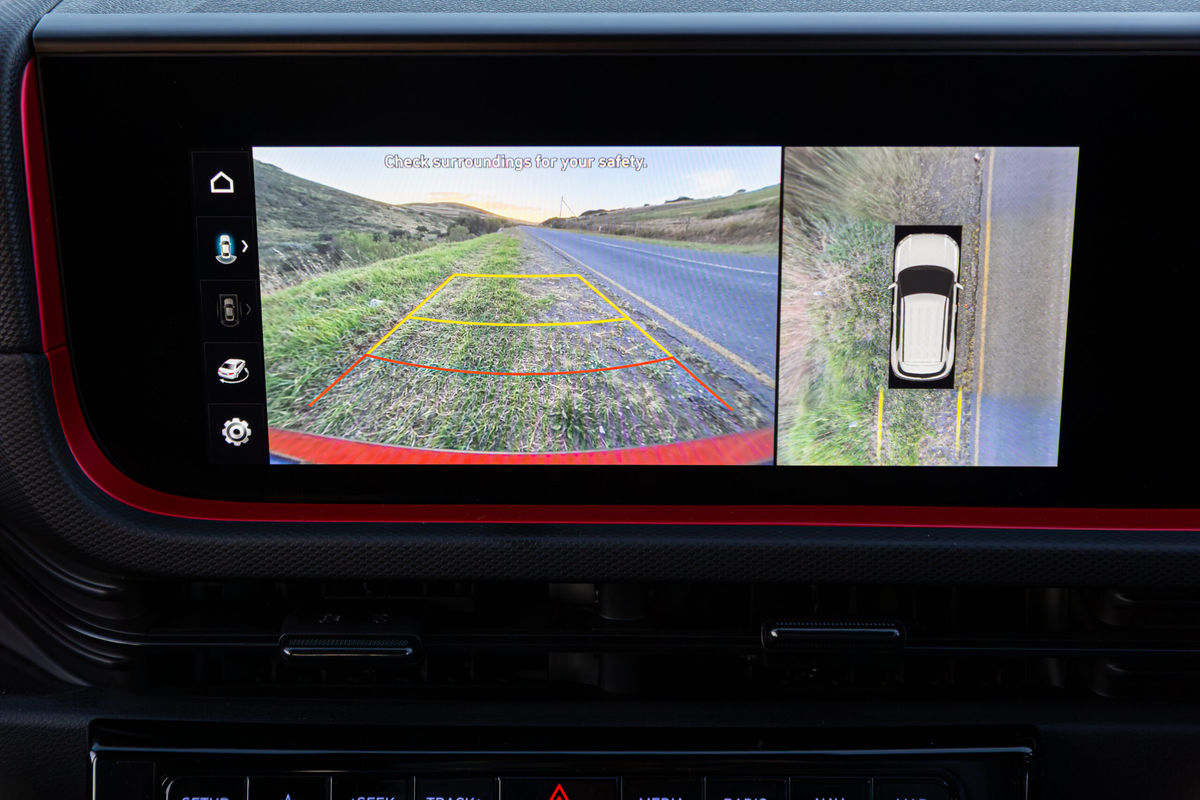
The Creta N Line features distinct sport styling including a satin-black front grille, 18-inch alloy wheels, N Line exterior body cladding, twin tip exhausts, and full leather upholstery with red stitching. It also comes standard with a panoramic sunroof, 360-degree camera system, wireless charging pad, and Level 2 Advanced Driver Assistance Systems (ADAS).
What safety features are standard on the Creta N Line?
Standard safety tech includes 6 airbags, ABS with Electronic Stability Control (ESC), Hill-Start Assist, Tyre Pressure Monitoring System (TPMS), ISOFIX mountings, and ADAS features such as Adaptive Cruise Control, Blind-Spot Detection, Lane Keep Assist, Forward Collision Avoidance, and Rear Cross-Traffic Alert.
What warranty and service plan come standard with the Hyundai Creta N Line?
The Hyundai Creta N Line comes backed standard by Hyundai’s 7-year/200 000 km manufacturer warranty, a 4-year/60 000 km service plan, and 7 years or 150 000 km of roadside assistance.
5 most affordable sedans in South Africa (2026)
Looking for the most affordable sedans currently available new in South Africa? We’ve sorted through the local market and identified the 5 cheapest saloons…
While crossovers and hatchbacks continue to dominate South Africa’s new-vehicle sales charts, the traditional sedan still has a place – for ride-share operators, fleet managers and even small families. So, what are the most affordable sedans on the market right now?
Well, we’ve sorted through the new-car space and picked out the 5 cheapest sedans currently available (all pricing correct in October 2026). Note that we’ve excluded the Proton Saga – which had been priced from just R209 900 – from this exercise since the Malaysian brand is seemingly still in limbo in South Africa.
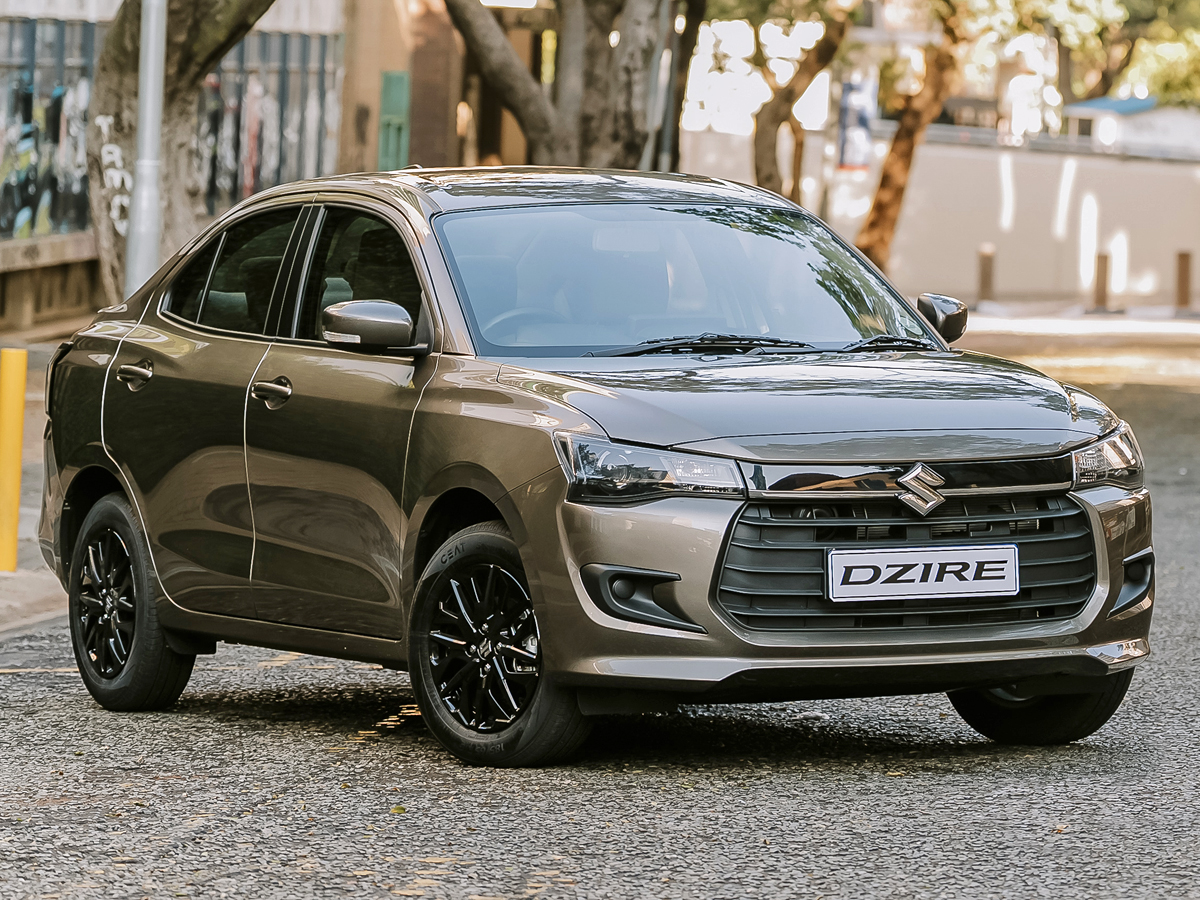
1. Suzuki Dzire 1.2 GA 5MT – from R232 900
With Proton’s Saga effectively out of the running (for the time being, at least), the GA version of Suzuki’s Dzire inherits the title of SA’s most affordable sedan. Sourced from India, this sub-4-metre saloon employs the Japanese brand’s 60 kW/112 Nm naturally aspirated 1.2-litre, 3-cylinder petrol engine, along with a 5-speed manual gearbox (although a CVT is also available in the pricier GL+ grade).
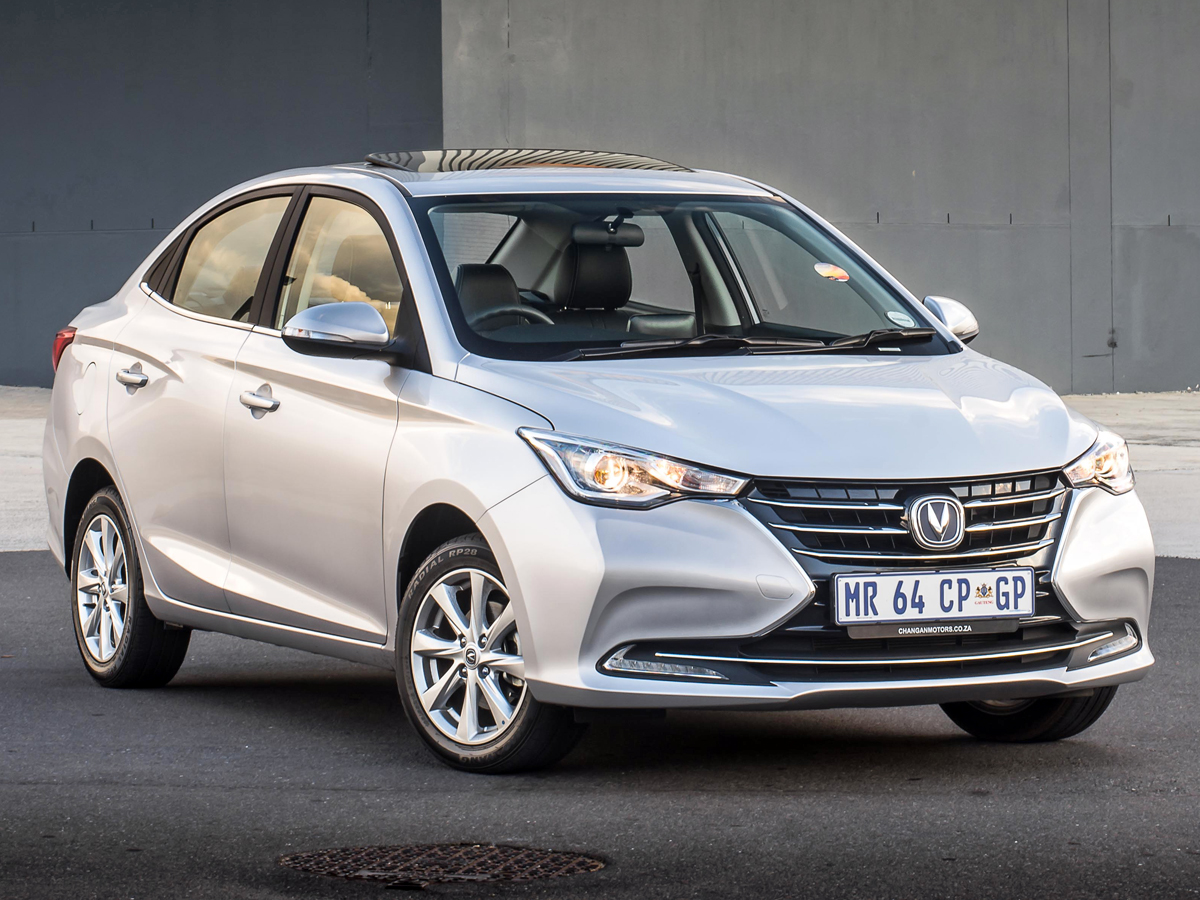
Shipped over from China, Changan’s Alsvin is the largest sedan on this list (measuring 4 390 mm long) and features the most powerful engine, too (a 74 kW/135 Nm naturally aspirated 1.4-litre, 4-cylinder petrol unit). A 5-speed manual cog-swapper is standard in this CS derivative. Interestingly, the brand also offers a more expensive CE-badged version, which switches to a 78 kW/145 Nm 1.5-litre motor and a 5-speed dual-clutch transmission.
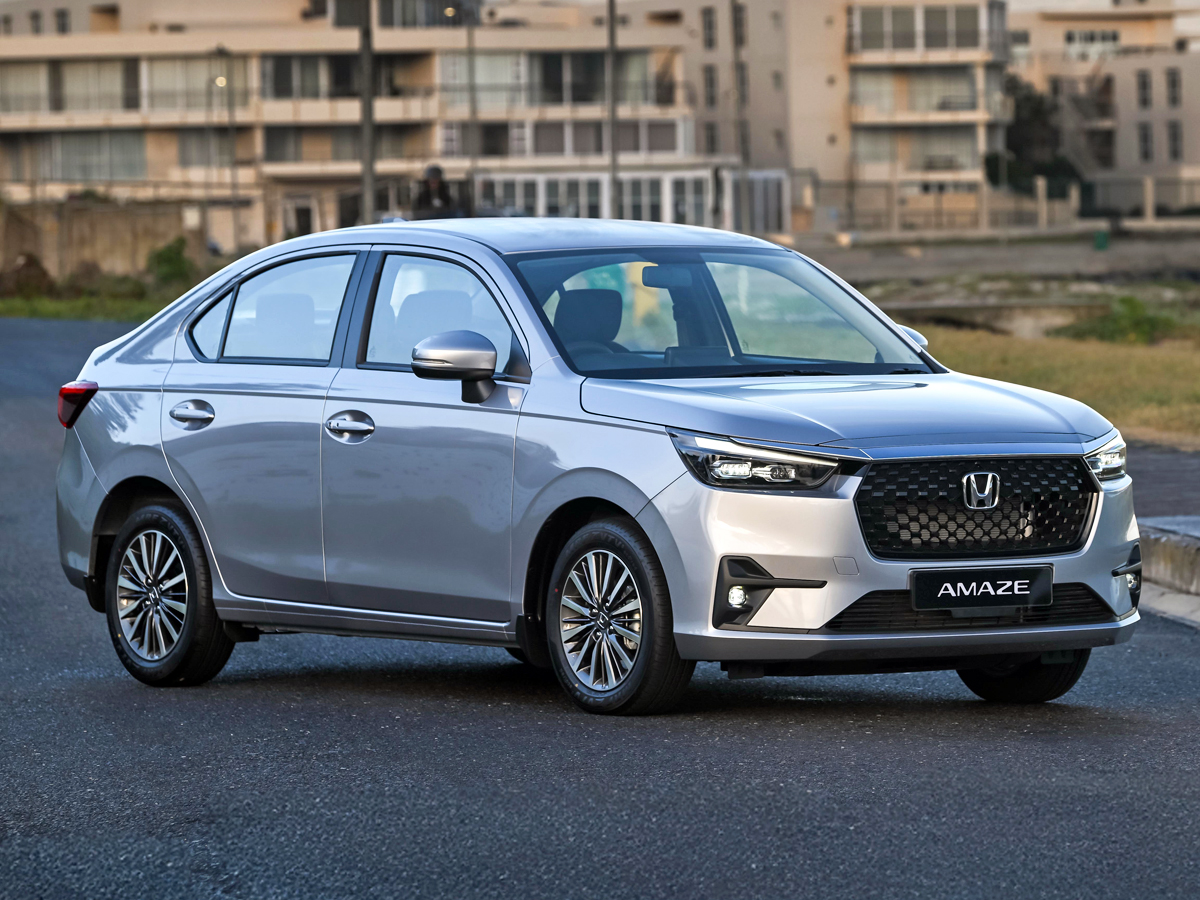
Like the Dzire, Honda’s Amaze is built in India and measures 3 995 from front to back. Each derivative in the 3-strong range employs an atmospheric 1.2-litre 4-pot that delivers peak outputs of 66 kW and 110 Nm to the front wheels via either a 5-speed manual gearbox (Trend and Comfort) or a CVT (exclusive to the Comfort grade).
4. Hyundai Grand i10 1.2 Executive Sedan 5MT – from R282 400
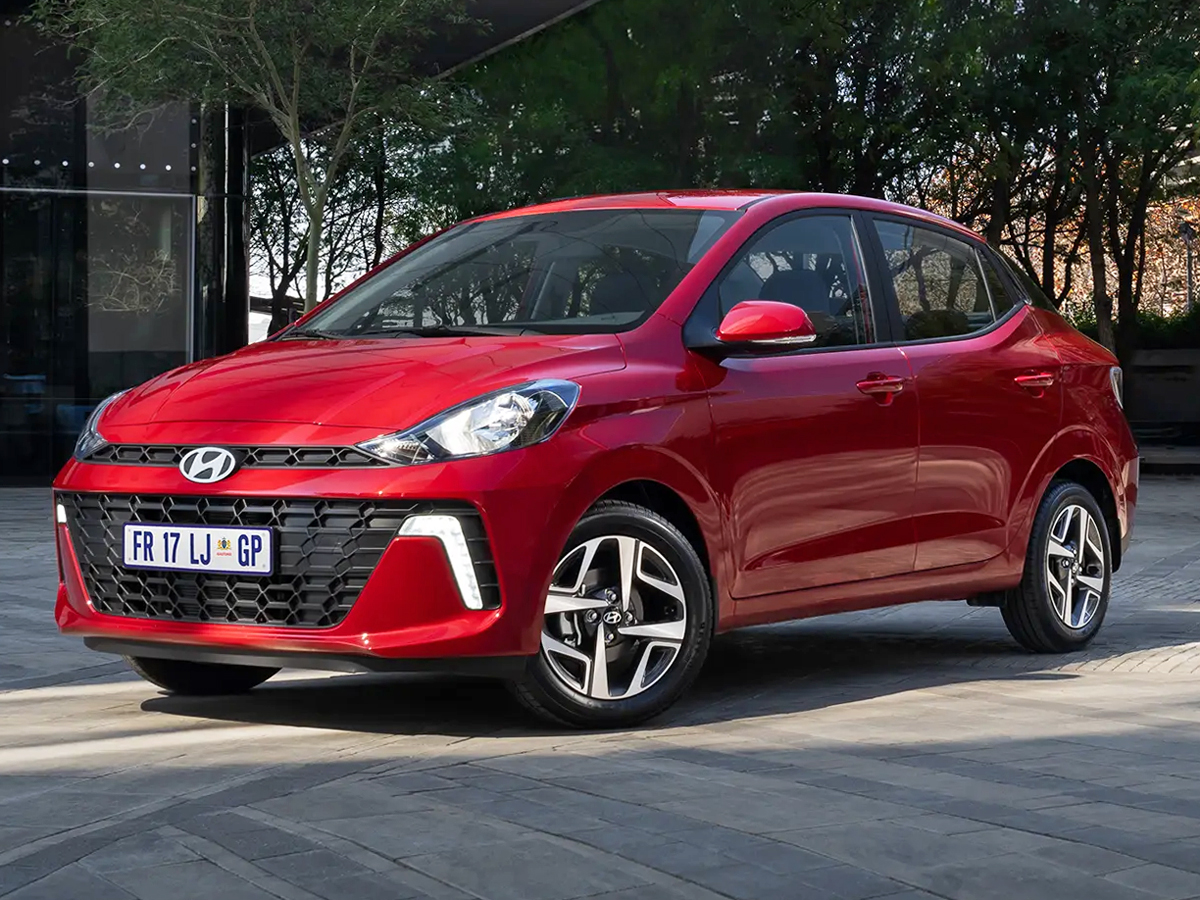
The 3rd model here sourced from India and coming in at precisely 3 995 mm long, Hyundai’s Grand i10 Sedan is powered by a 61 kW/114 Nm naturally aspirated 1.2-litre, 4-cylinder petrol mill. The entry-level derivative uses a 5-speed manual gearbox, though Hyundai Automotive SA also offers a 4-speed automatic transmission (likewise in conjunction with the Executive trim level).
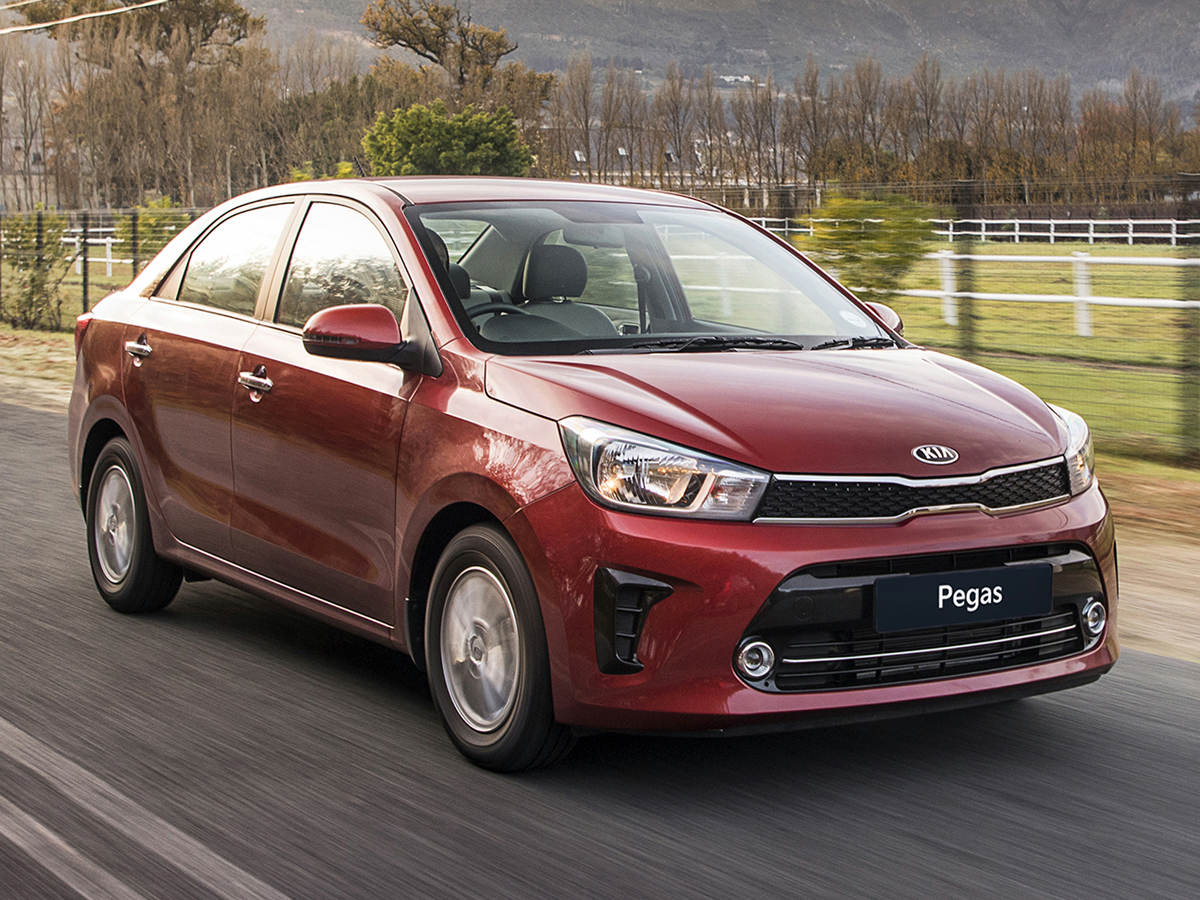
Kia South Africa sources the Pegas – which measures 4 300 mm from snout to rump – from China. Equipped with a 5-speed manual gearbox, the LX derivative forms the entry point to the 4-strong range, although all variants employ the same 69 kW/132 Nm atmospheric 1.4-litre, 4-cylinder petrol motor. A 4-speed automatic cog-swapper is also available in LX and EX trim.
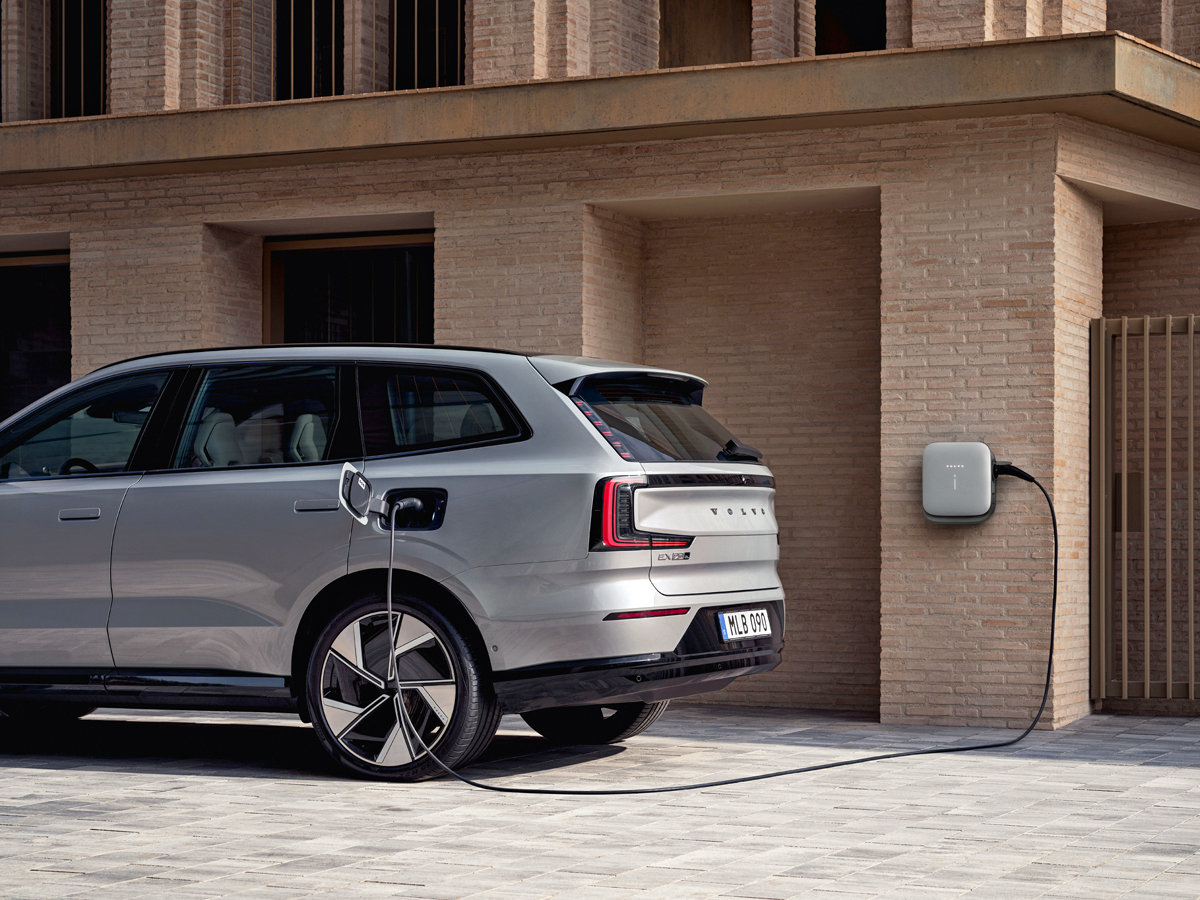
Volvo Car SA has cut the price of its flagship EX90 derivative by some R410 000 (while hiking power to 500 kW!) and added 2 more attainable “Plus” variants…
Volvo adds 2 more attainable Plus variants
Entry point to EX90 ownership falls R795k
Price of flagship Ultra drops (as power rises)
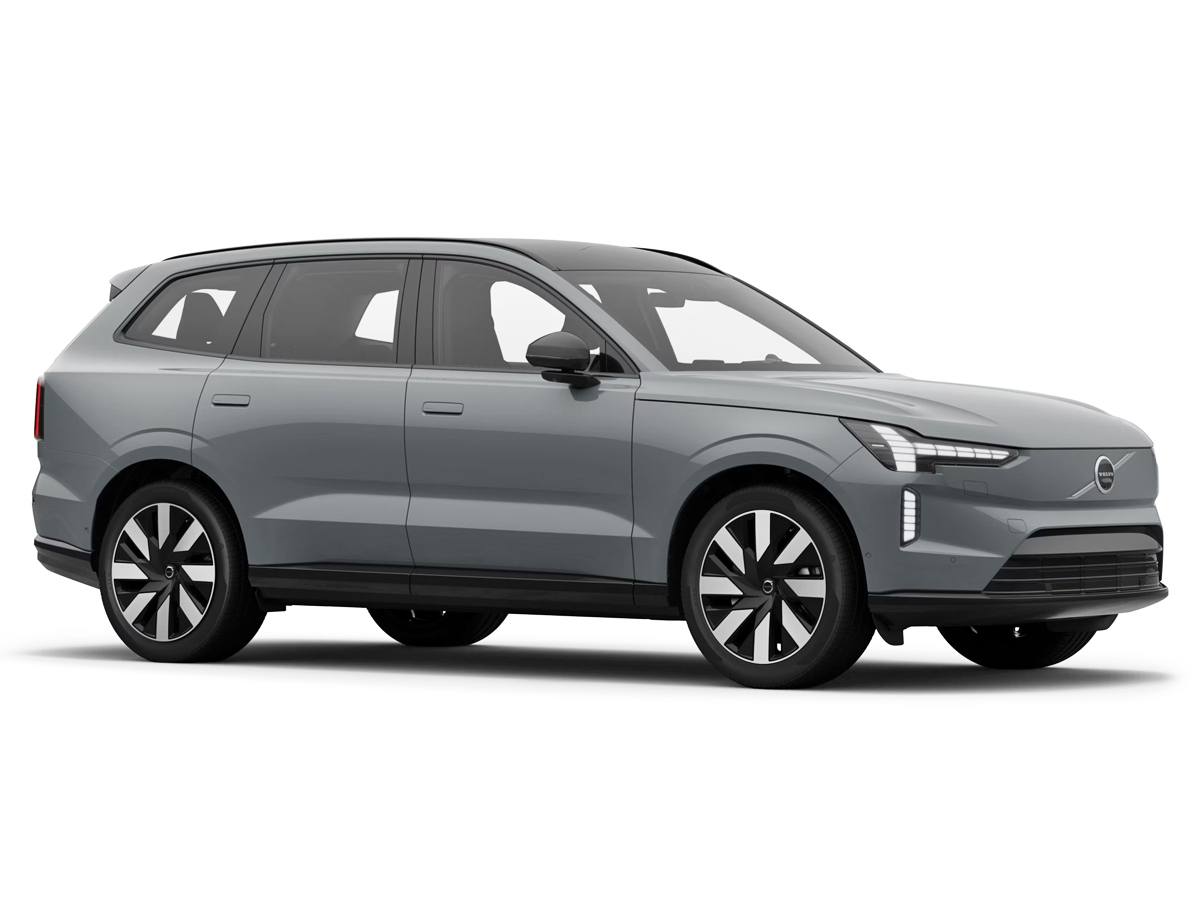
When the Volvo EX90launched in South Africa in March 2025, it was available exclusively in Twin Motor Performance Ultra guise, priced from a heady R2 650 000. Now, however, the Swedish firm’s local division has quietly cut this fully electric flagship derivative’s starting price by some R410 000, while also increasing its peak power by 110 kW.
Furthermore, Volvo Car South Africa has expanded the local 7-seater EX90 portfolio with the introduction of a pair of Plus-badged variants (including an entry-level Single Motor derivative), effectively dropping the range’s starting price by some R795 000 in the process.
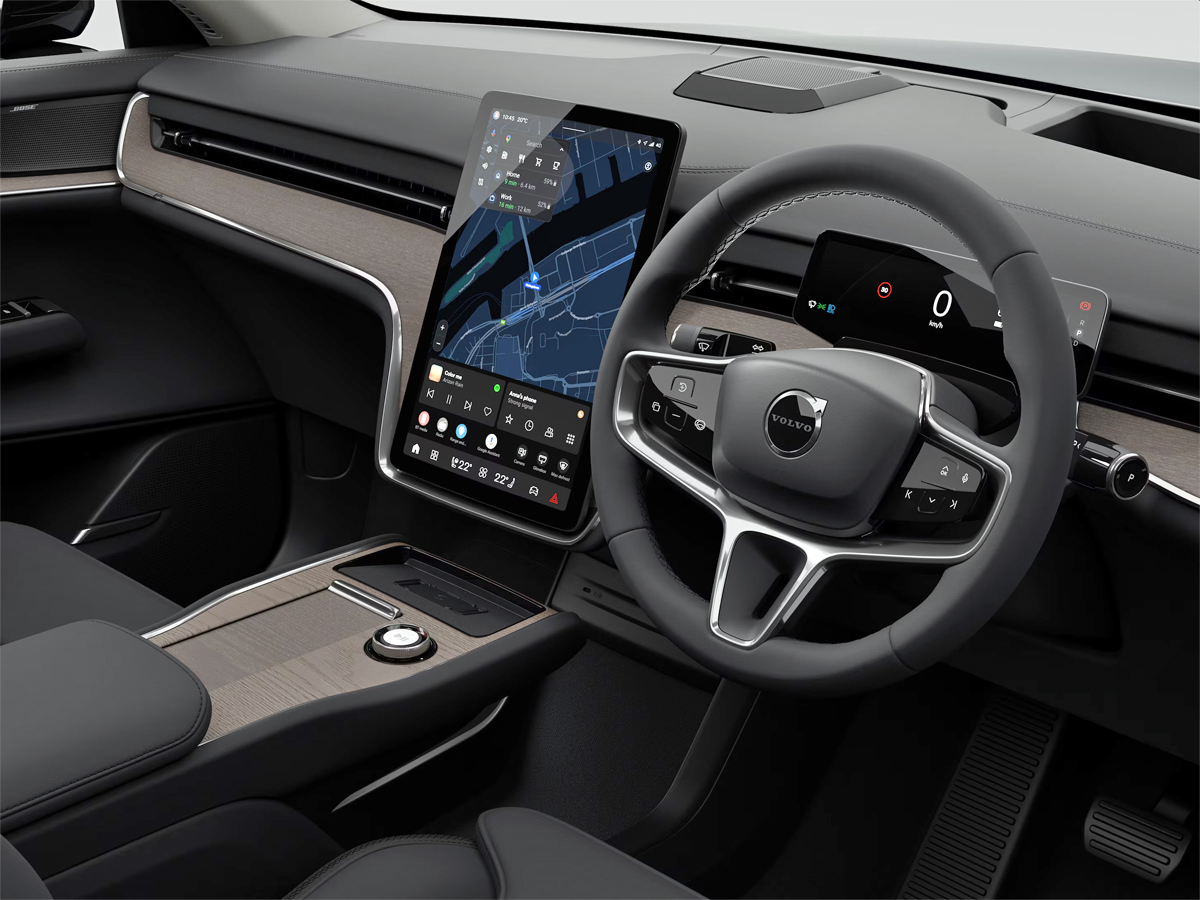
The EX90 no longer features a LiDAR scanner on its roof.
Yes, thanks to a handy heads-up from the smart folks over at duoporta.com, we know not only that the line-up has been expanded but also that the EX90 Twin Motor Performance Ultra has had its price reduced from the original R2 650 000 to R2 240 000.
At the same time, this variant has had its peak power hiked from 390 kW to 500 kW, with maximum torque interestingly falling from 910 Nm to 870 Nm. Thanks to the extra power, the claimed 0-100 kph time improves from 4.9 seconds to 4.2 seconds, while the listed single-charge range (from the 106 kWh battery pack) now comes in at 720 km.
The updated version has seemingly moved to a new 800-volt architecture.
From what we understand, this updated model also switches from the previous version’s 400-volt system to a new 800-volt architecture. This is said to reduce heat generation during charging, ostensibly enabling faster charging speeds. There may well have been some other specification adjustments as well.
Meanwhile, the new EX90 Single Motor Plus debuts as the entry point to the expanded line-up, priced from R1 855 000. As its name suggests, this derivative features a solitary motor (driving the rear axle), which offers 245 kW and 480 Nm, enough for a claimed 6.8-second sprint from standstill to 100 kph. The listed range from this derivative’s 92 kWh battery is 705 km.
Various colour combinations are available for the cabin.
The EX90 Twin Motor Plus costs R100 000 more at R1 955 000 and gains a 2nd motor (powering the front axle) and the same 106 kWh battery as the Performance flagship. This all-wheel-drive variant’s peak outputs stand at 335 kW and 670 Nm, while the 0-100 kph time is a claimed 5.5 seconds. Volvo says the single-charge range is 720 km.
What does the Volvo EX90 cost in SA?
DERIVATIVE
PRICE
EX90 Single Motor Plus
R1 855 000
EX90 Twin Motor Plus
R1 955 000
EX90 Twin Motor Performance Ultra
R2 240 000
The prices above include a 5-year/100 000 km vehicle warranty, an 8-year/160 000 km battery warranty and a 5-year/100 000 km maintenance plan.
Frequently Asked Questions (FAQ)
Q: What does the expanded Volvo EX90 range cost in South Africa?
A: The Volvo EX90 line-up now starts from R1 855 000 for the Single Motor Plus, rising to R1 955 000 for the Twin Motor Plus and R2 240 000 for the flagship Twin Motor Performance Ultra.
Q: How much was the price cut and power increased on the flagship Volvo EX90 Ultra?
A: The price of the flagship EX90 Twin Motor Performance Ultra was slashed by R410 000 (down from R2 650 000 to R2 240 000), while its peak power was boosted by 110 kW to a total of 500 kW (with 870 Nm of torque).
Q: What are the performance and range specs of the new entry-level Volvo EX90 Single Motor Plus?
A: The rear-wheel-drive EX90 Single Motor Plus delivers 245 kW and 480 Nm of torque, features a 92 kWh battery pack with a claimed single-charge range of up to 705 km, and completes the 0–100 km/h sprint in 6.8 seconds.
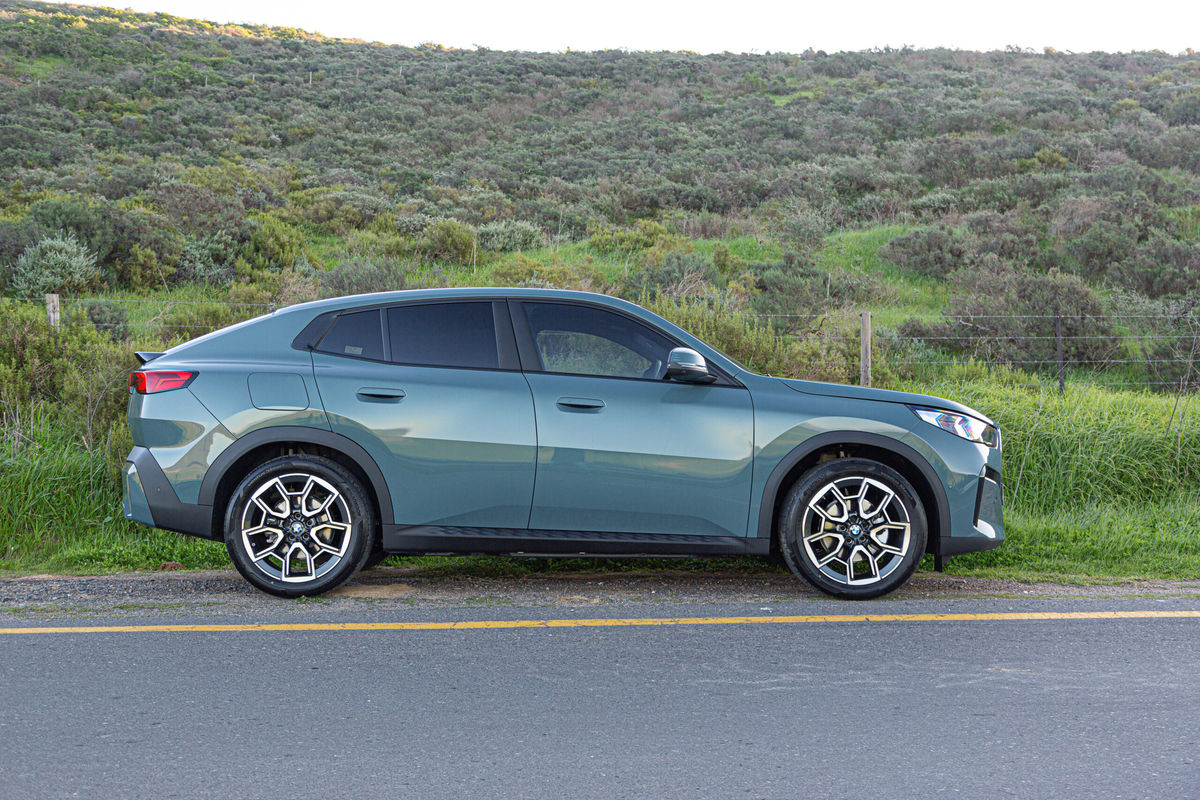
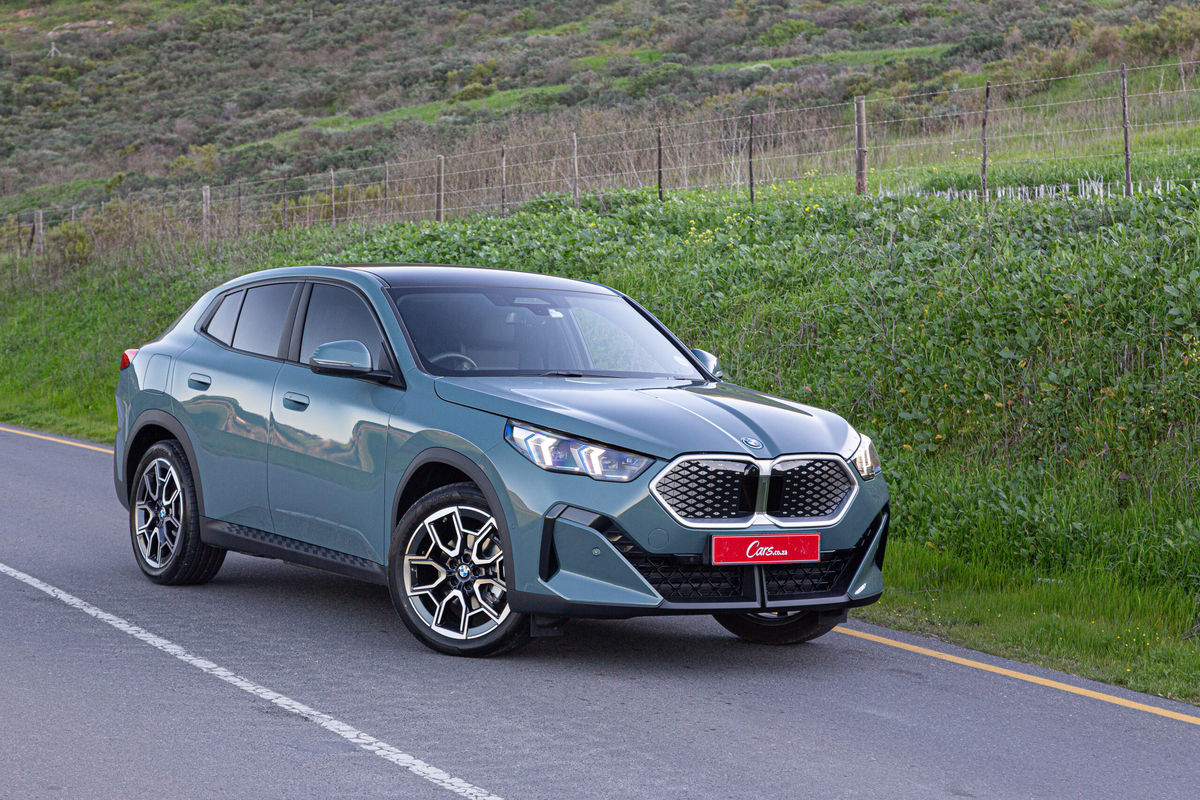
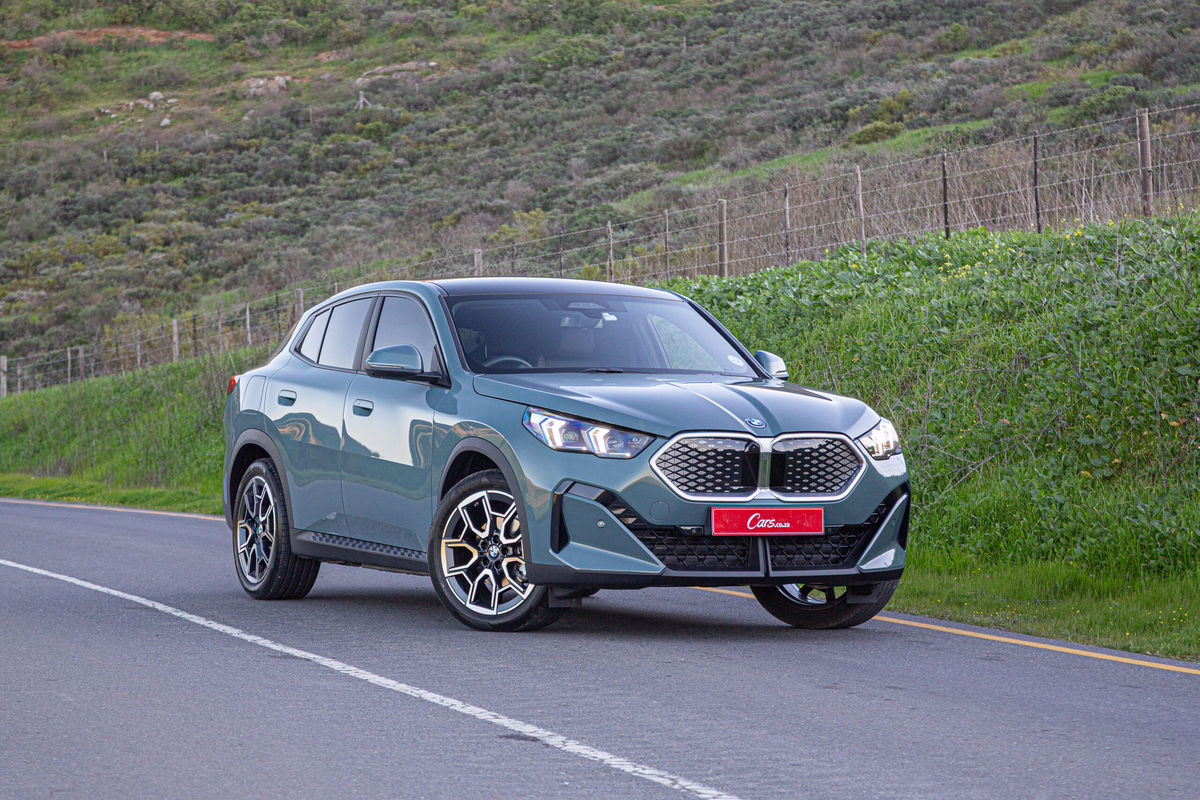
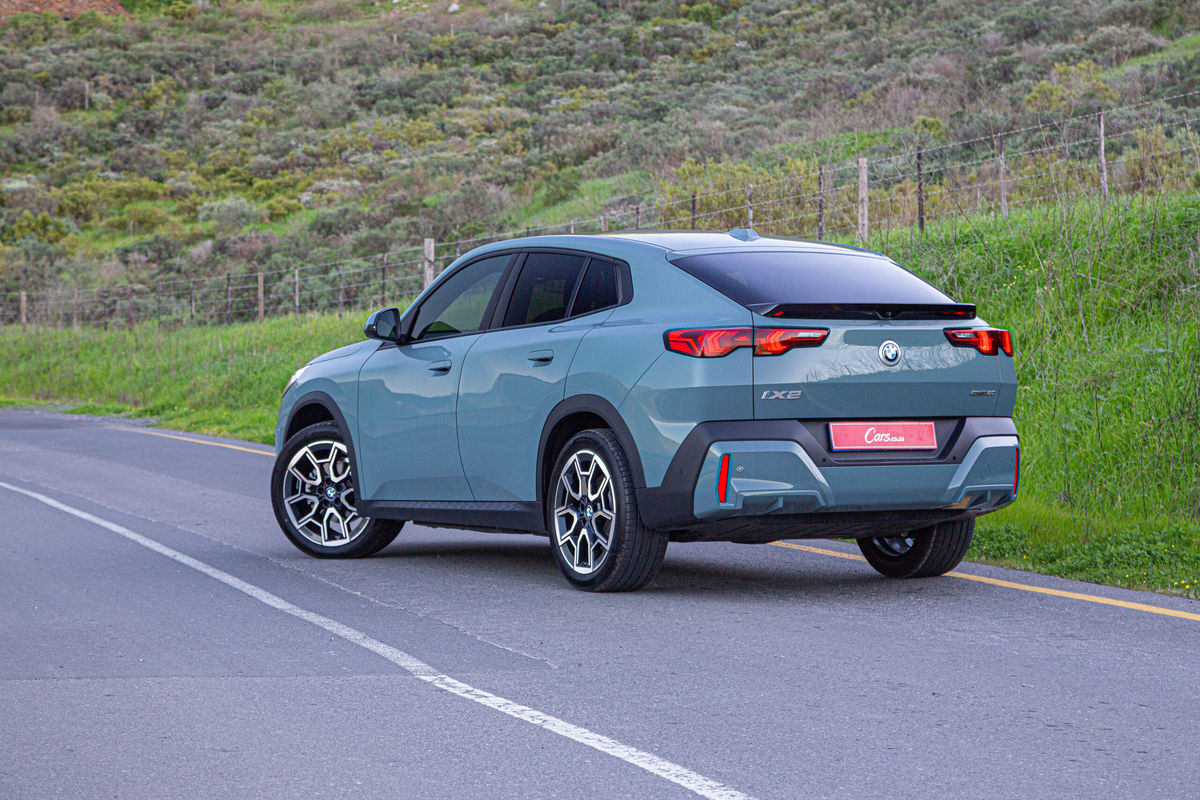
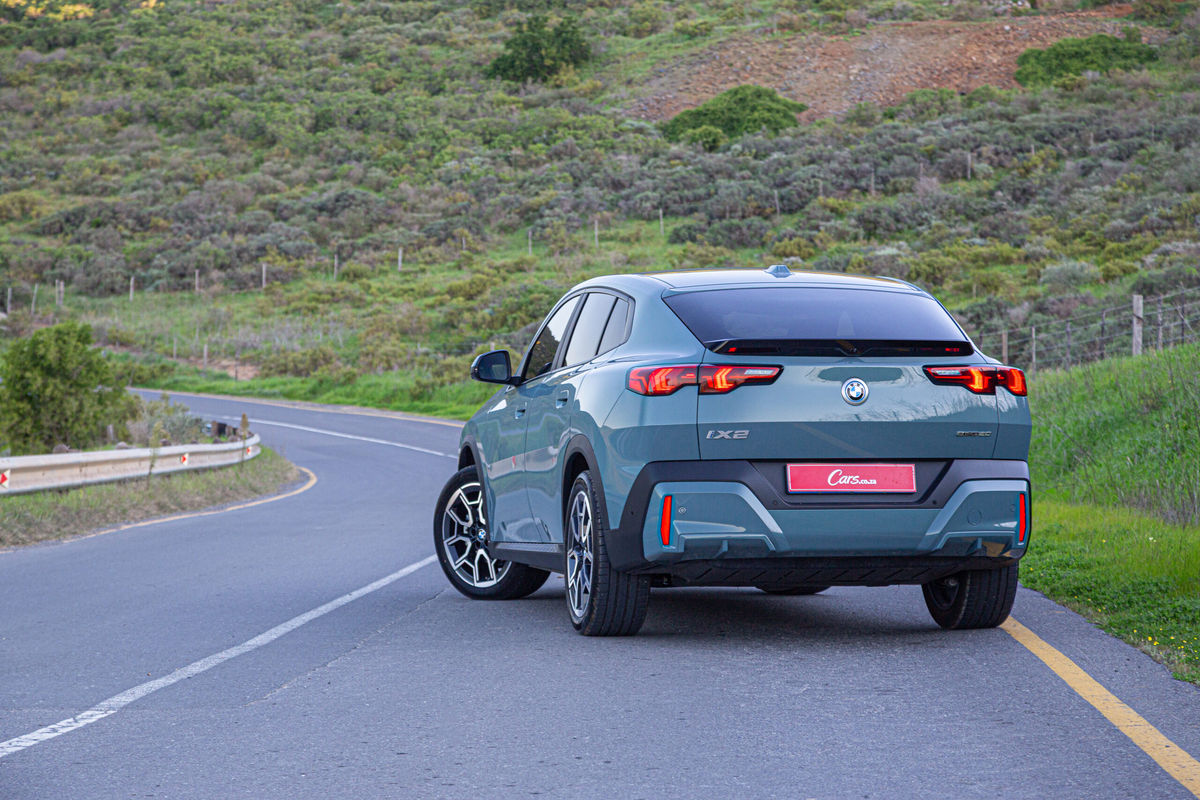
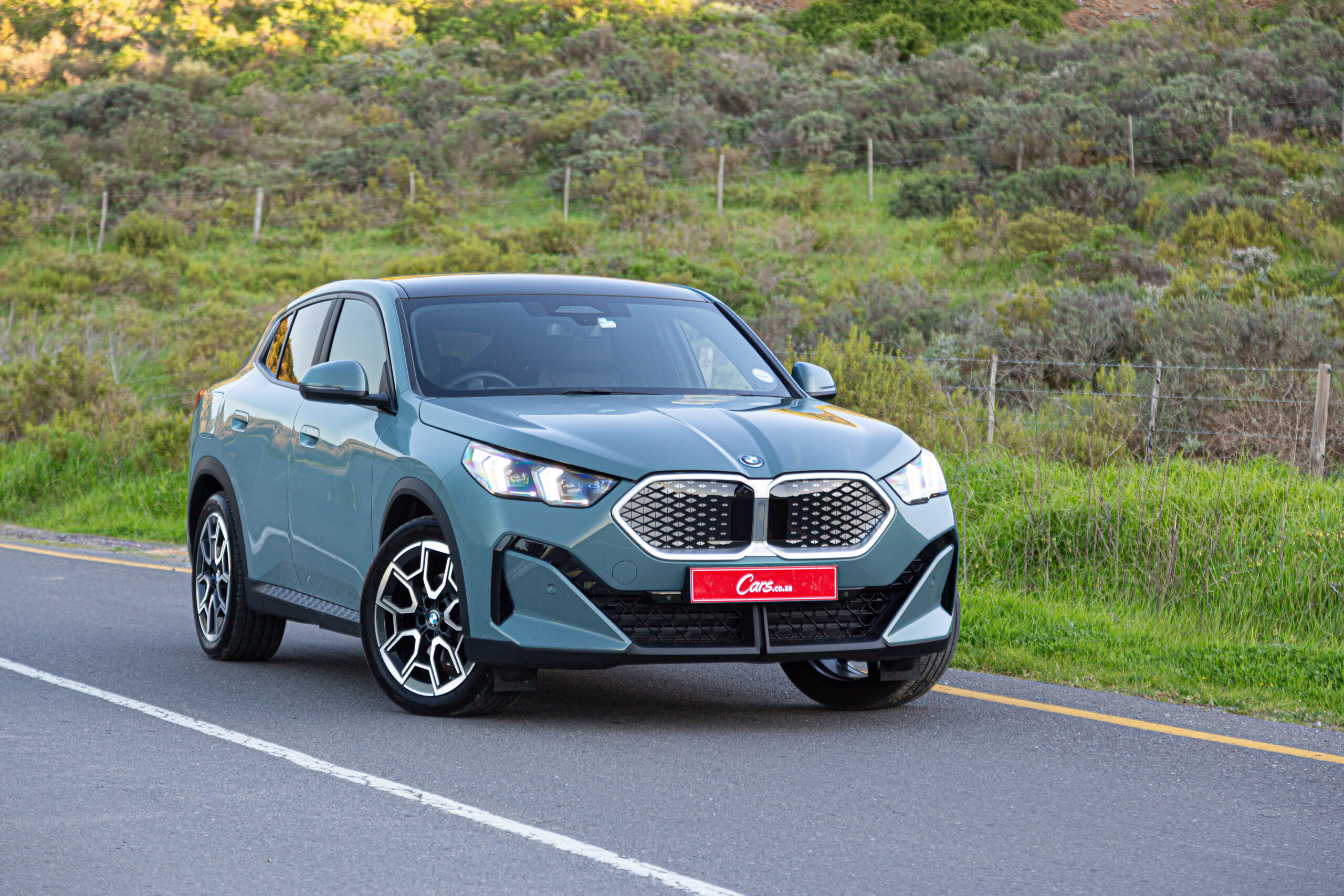
Electric road trips in South Africa are often met with range anxiety and meticulous charging stop calculations. BMW challenged us to a weekend getaway along the picturesque coastal roads and mountain passes of the Western Cape in the brand’s all-electric coupé-SUV, the iX2, without plugging in a single time.
PARTNERED CONTENT
We like: BMW iX2 has striking, coupé-SUV proportions; impressive refinement; practical luggage bay; punchy power delivery.
We don’t like: Firm secondary ride; high purchase price compared to ICE X2 models.
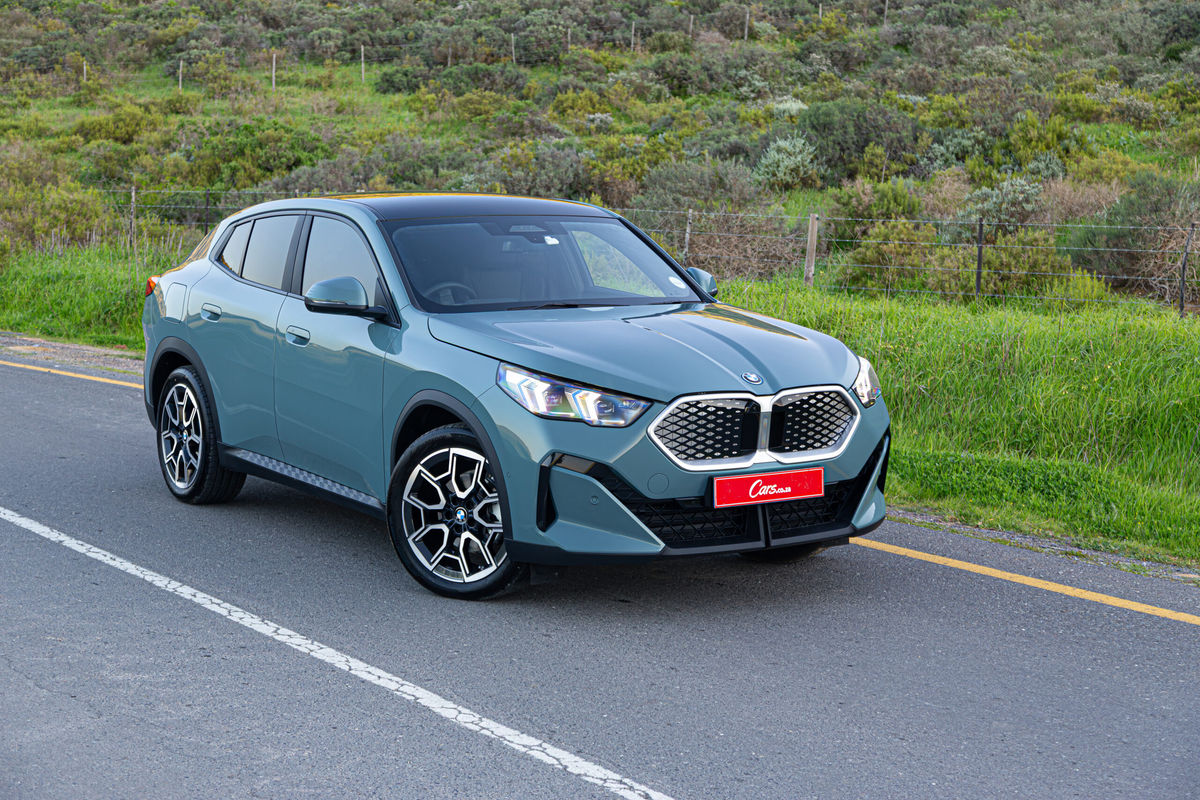
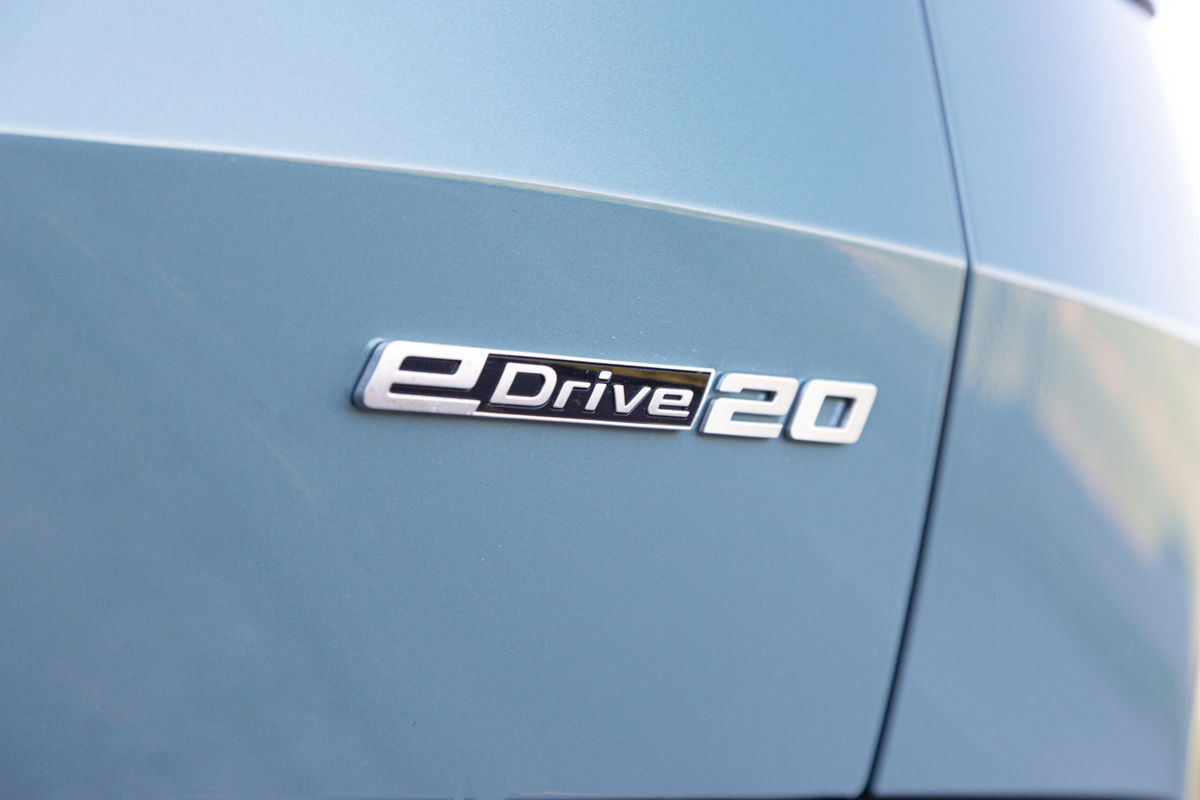
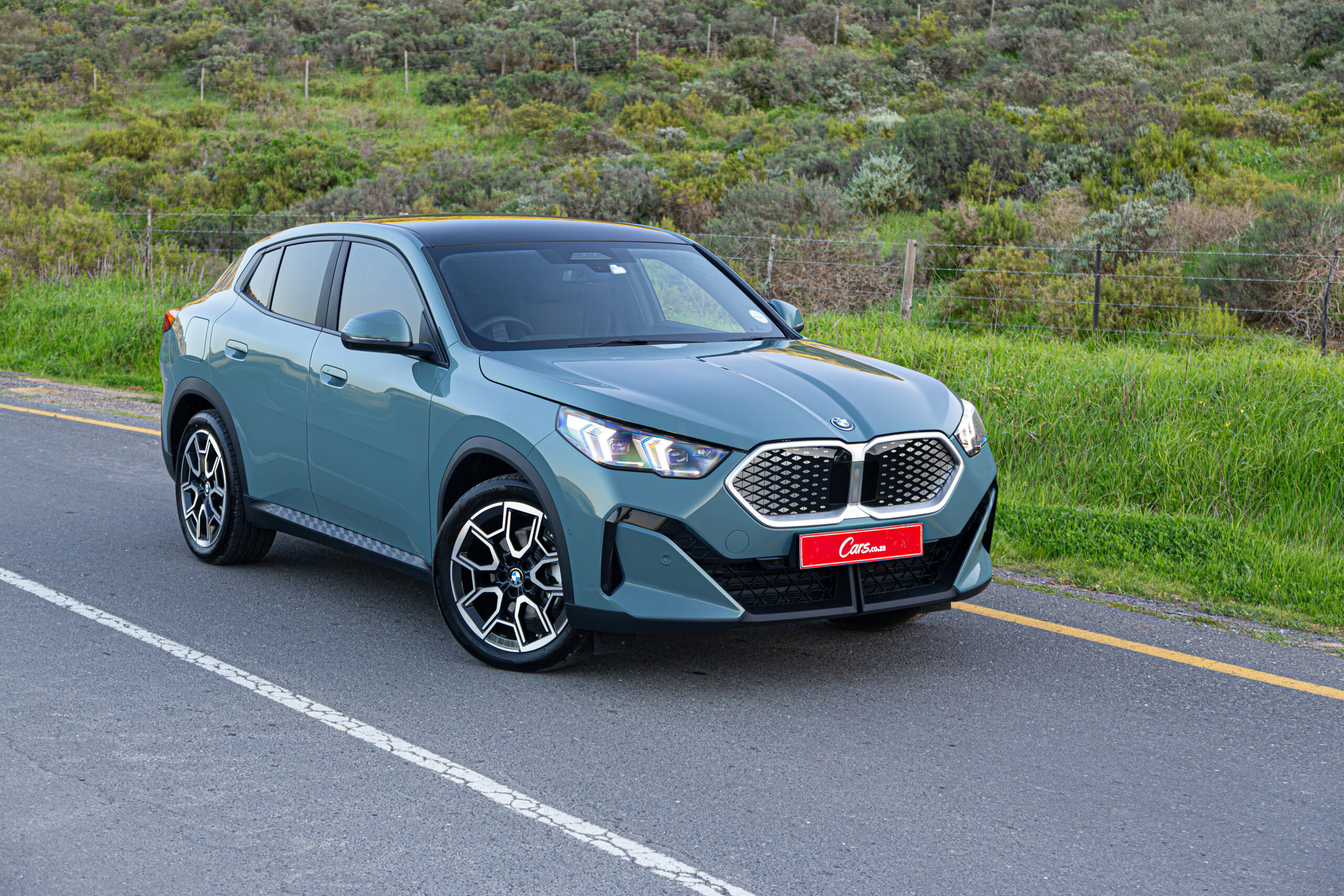
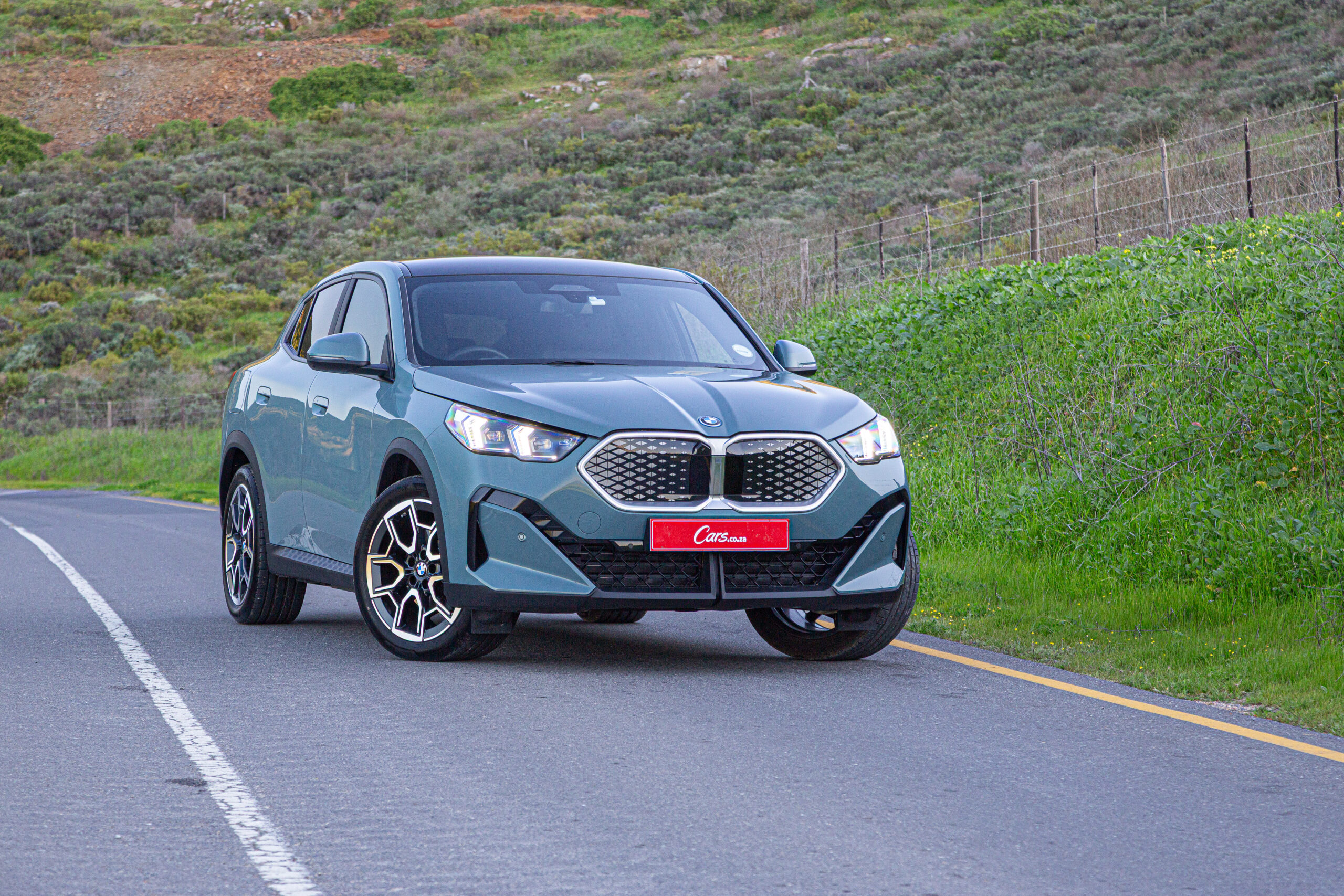
The BMW iX2 serves as the fully electric counterpart to the second-generation X2, blending crossover versatility with a swept-back coupé roofline. It sits alongside the more conventionally styled iX1 in BMW’s electrified compact line-up. In iX2 eDrive20 specification, a single electric motor drives the front wheels, promising a balanced combination of accessible performance, daily efficiency and usable real-world battery range.
That said, BMW SA’s X1/X2 EV strategy is a curious one. The X1 is offered in a 225 kW dual-motor setup, while the X2 makes do with a 150 kW single-motor arrangement, yet costs more. Both vehicles make use of a 66.5 kWh battery.
Competing in the premium compact electric crossover segment, the iX2 goes head-to-head with the vastly more powerful Volvo EC40 (Mercedes-Benz South Africa no longer sells the EQA) and the BMW Group’s own Mini Countryman SE.
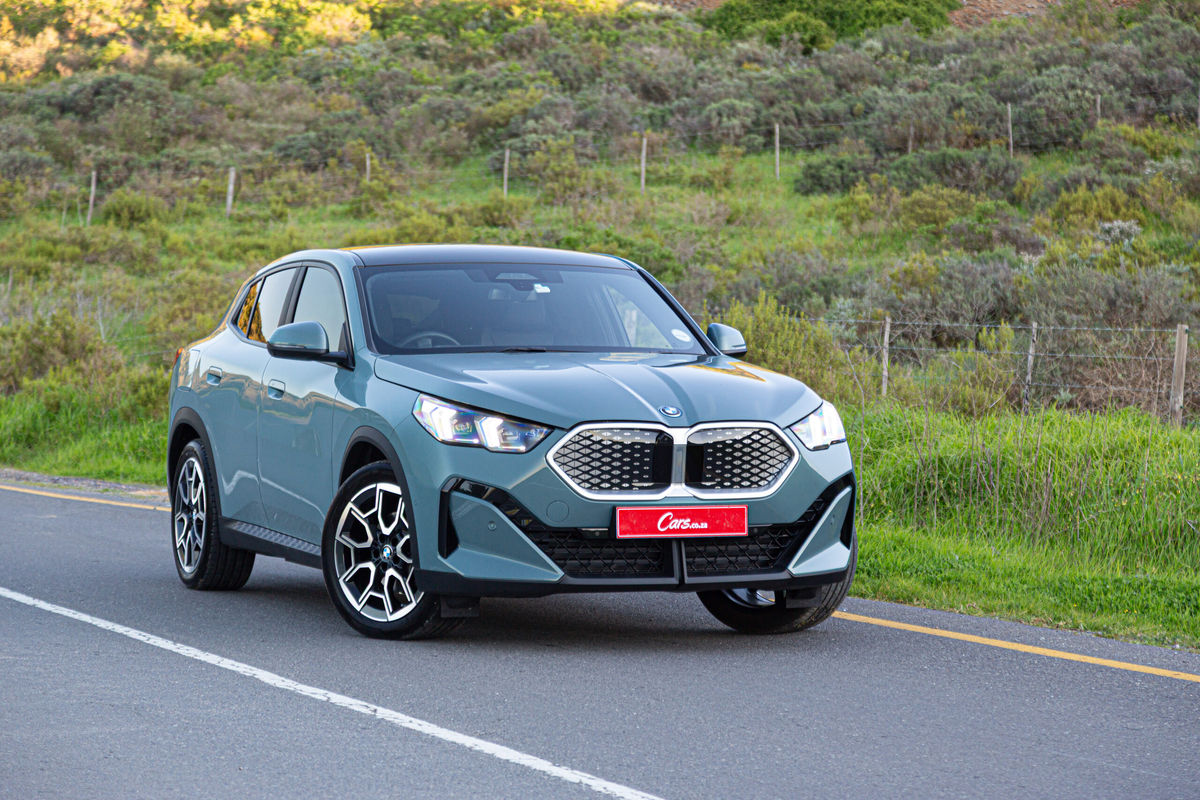
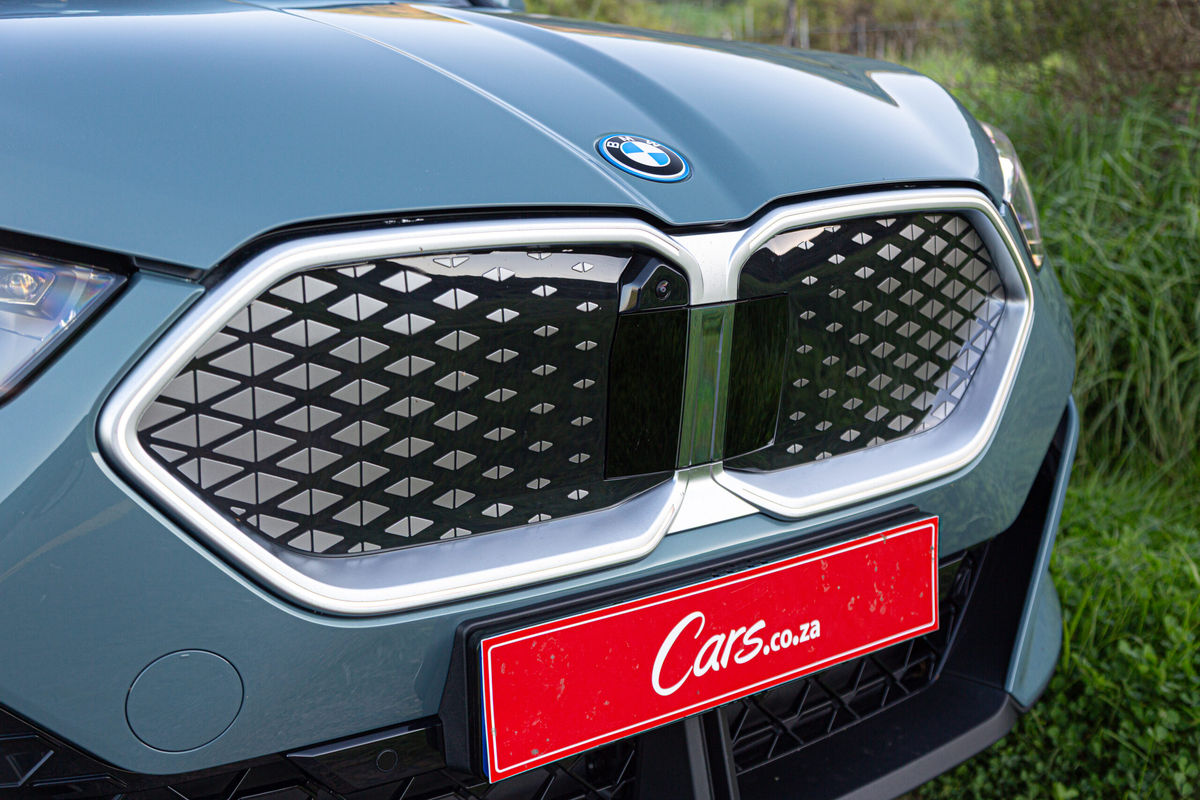
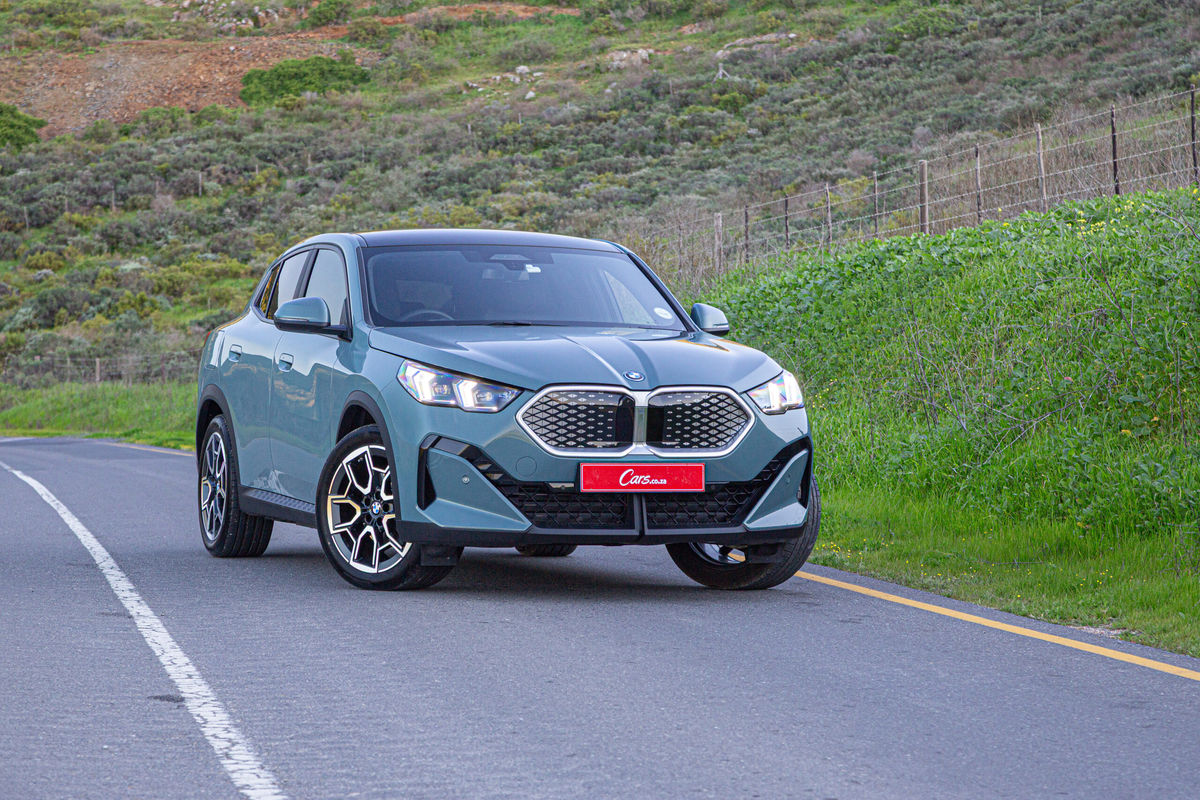
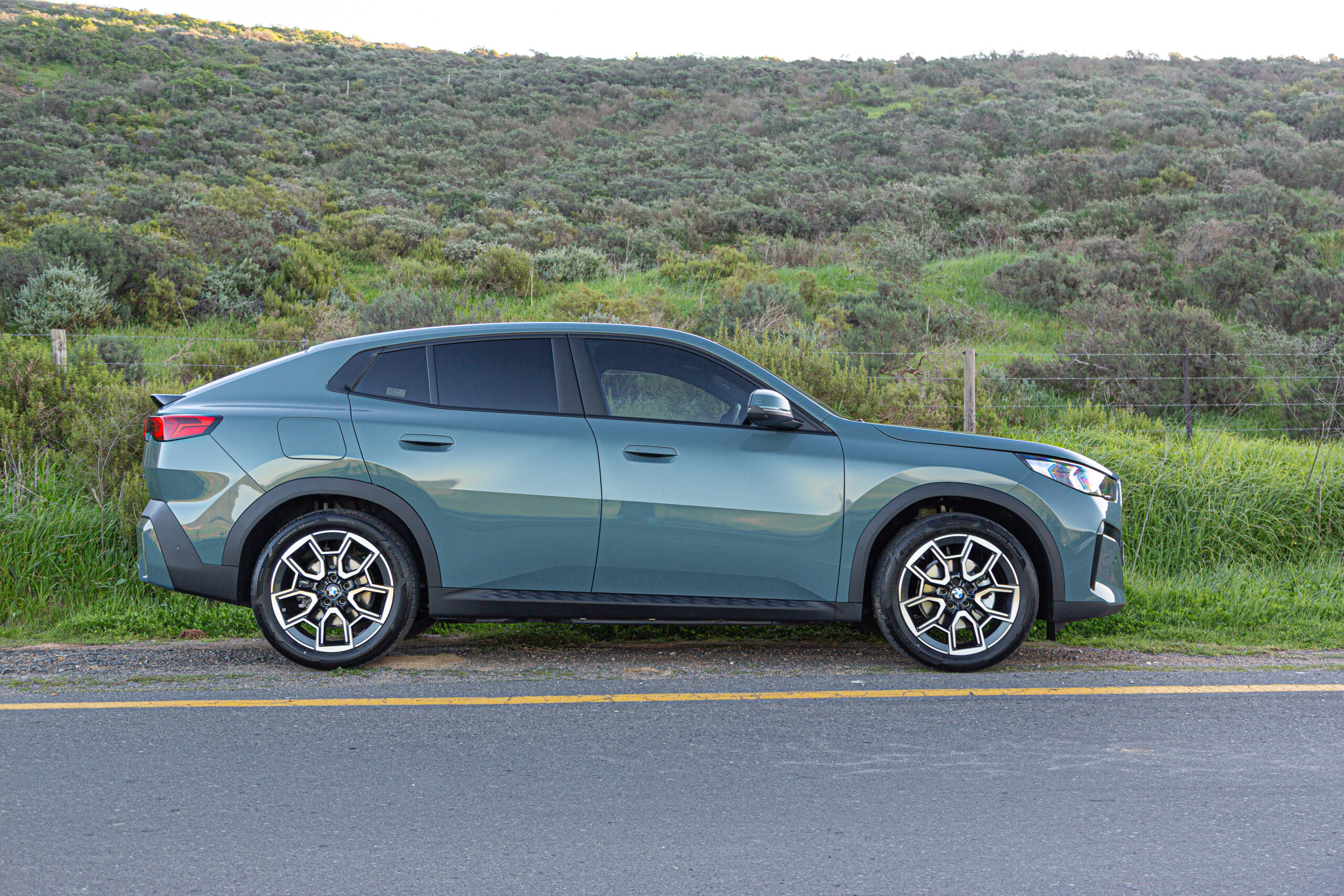
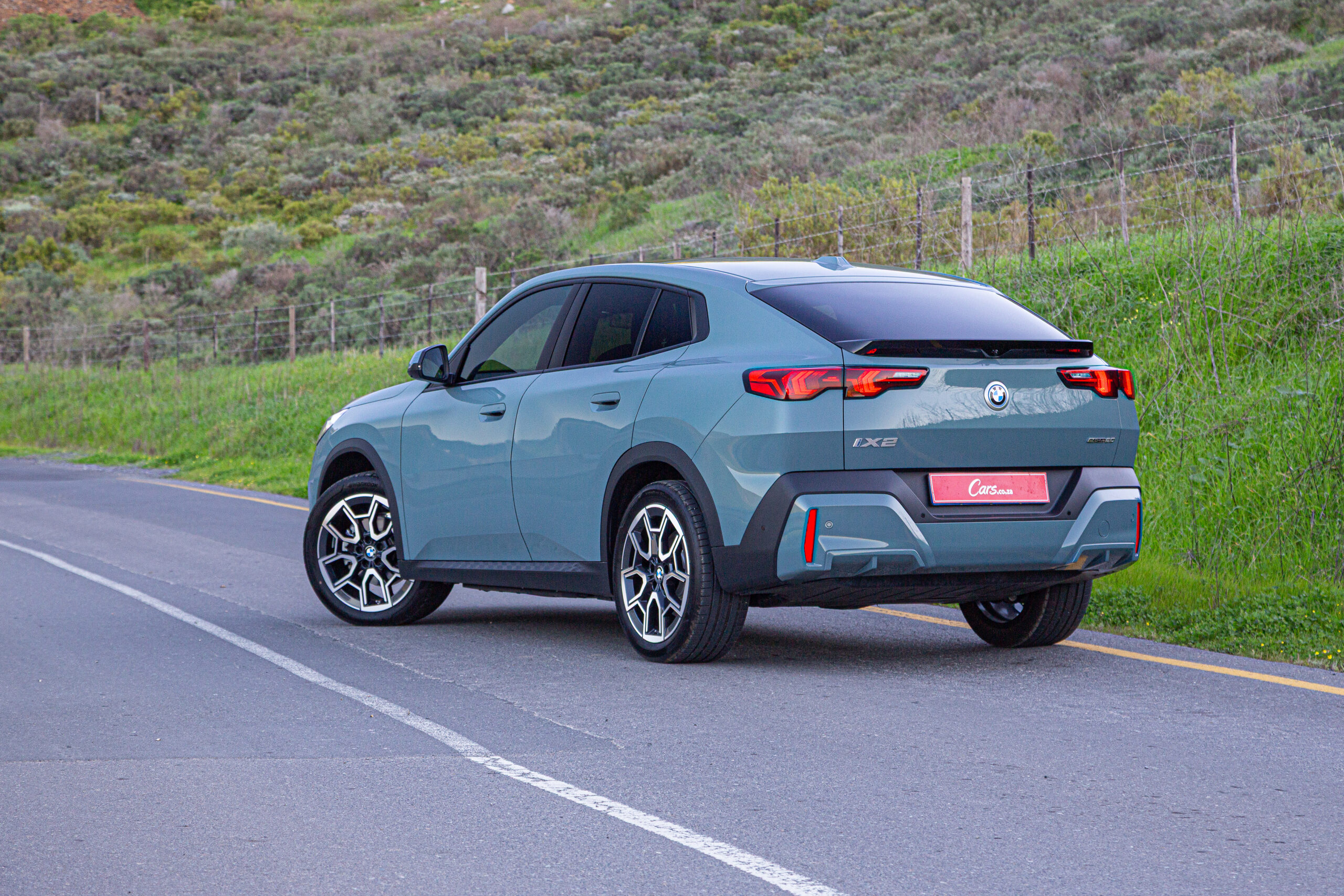
Visually, the iX2 makes an assertive statement. Up front, an illuminated kidney grille frame (BMW Iconic Glow) is flanked by sharp LED headlight signatures, while the M Sport styling package adds aggressive lower bumper aprons and high-gloss black exterior trim. The raked rear roofline yields a sportier profile without severely compromising cabin usability.
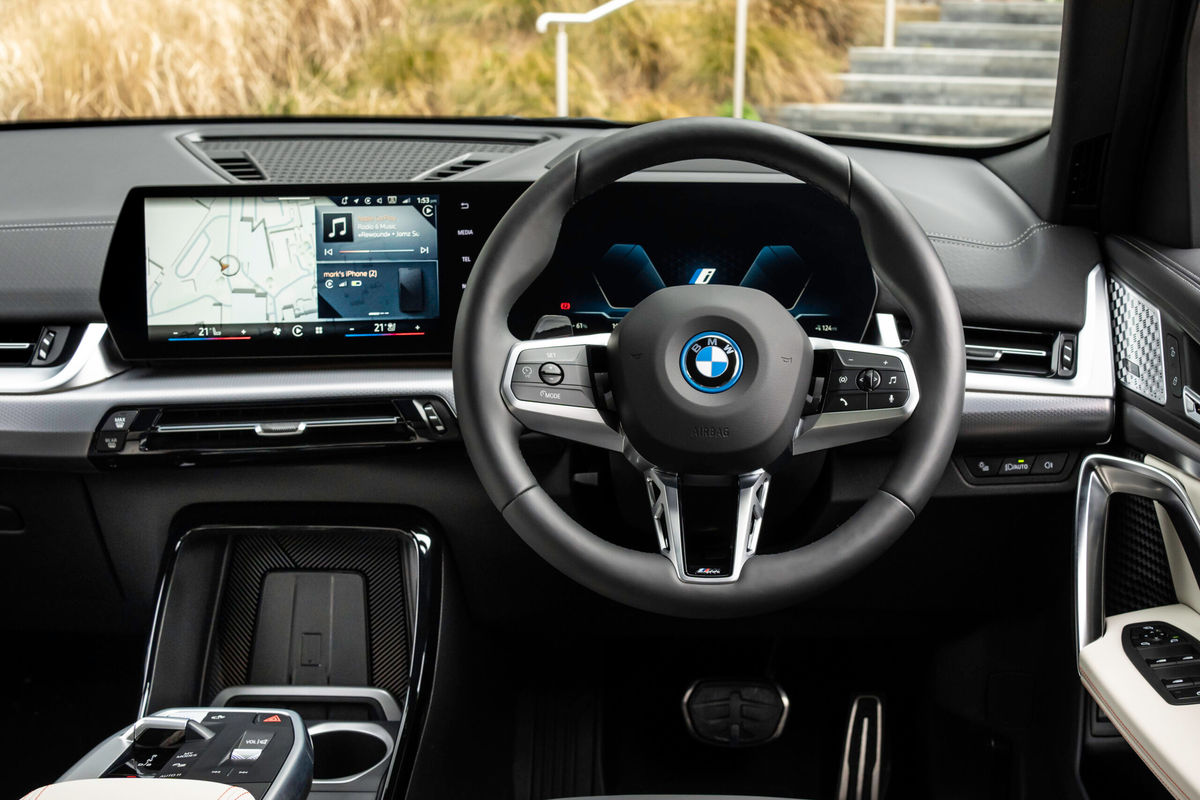
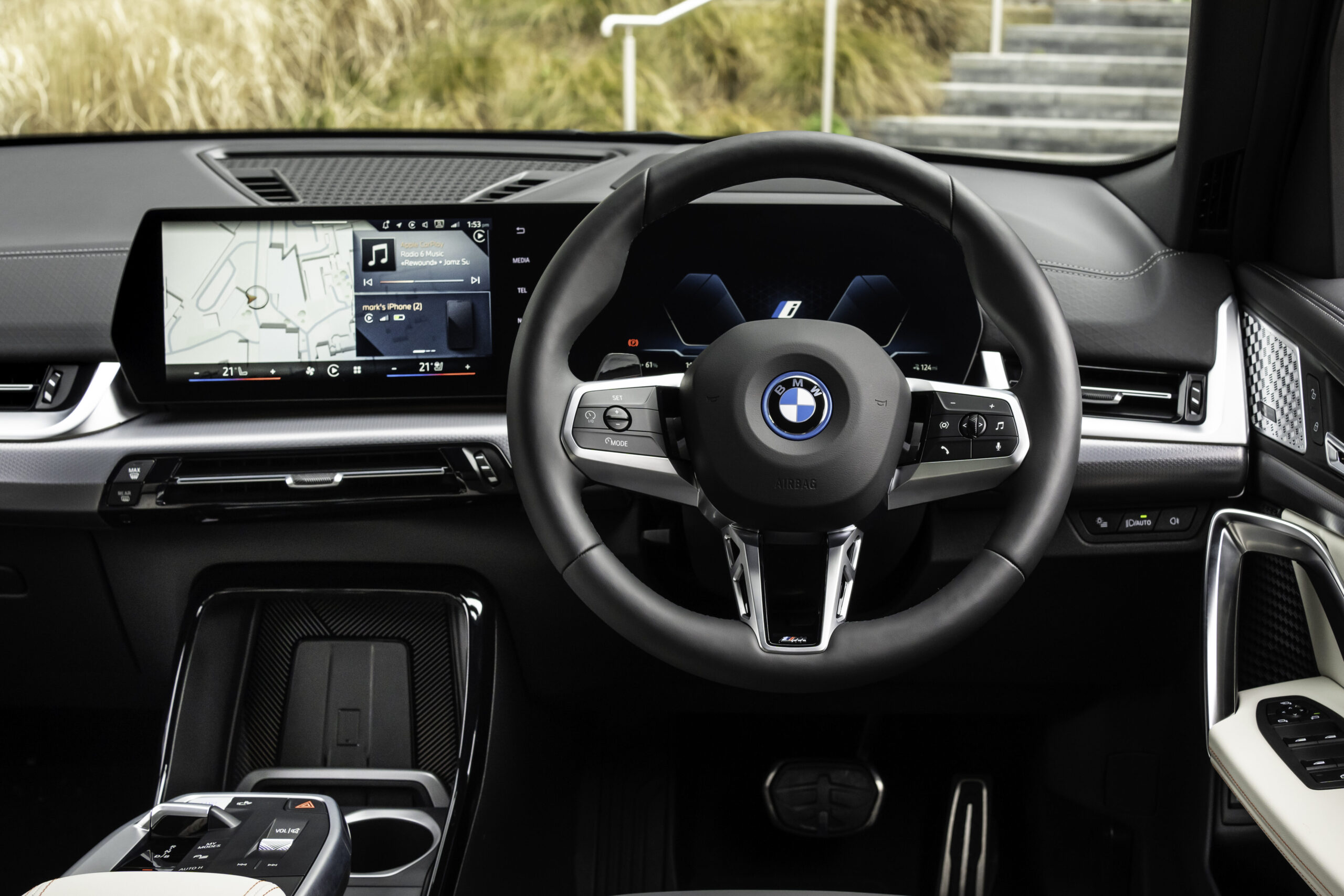
Inside, the cabin features a driver-centric environment anchored by the curved digital display housing the instrument cluster and infotainment system running BMW Operating System 9.
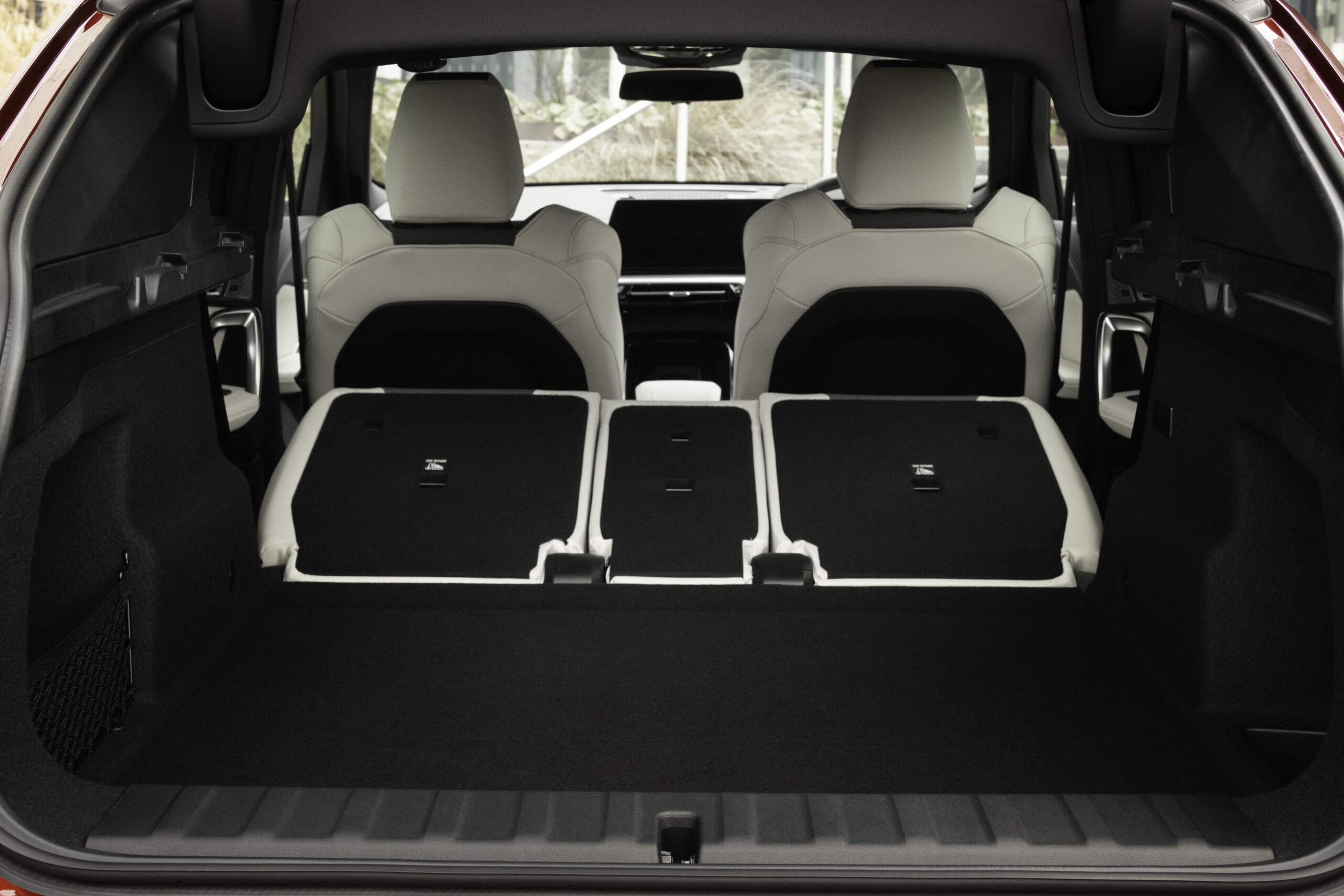
Upfront ergonomics are sound, featuring elevated seating for easy ingress and egress, sports seating and high-quality trim materials throughout. Despite the sloping tailgate, rear-passenger headroom remains accommodating for average-sized adults, while the boot offers a spacious 525 litres of cargo volume alongside dedicated underfloor storage for charging cables.
Powering the iX2 eDrive20 is a single electric motor mounted on the front axle, producing 150 kW and 250 Nm of instant torque. Power delivery is linear and progressive, enabling effortless urban manoeuvres and rapid highway overtaking. The 0-100 kph sprint is completed in a respectable 8.6 seconds (we measured 8.4 seconds).
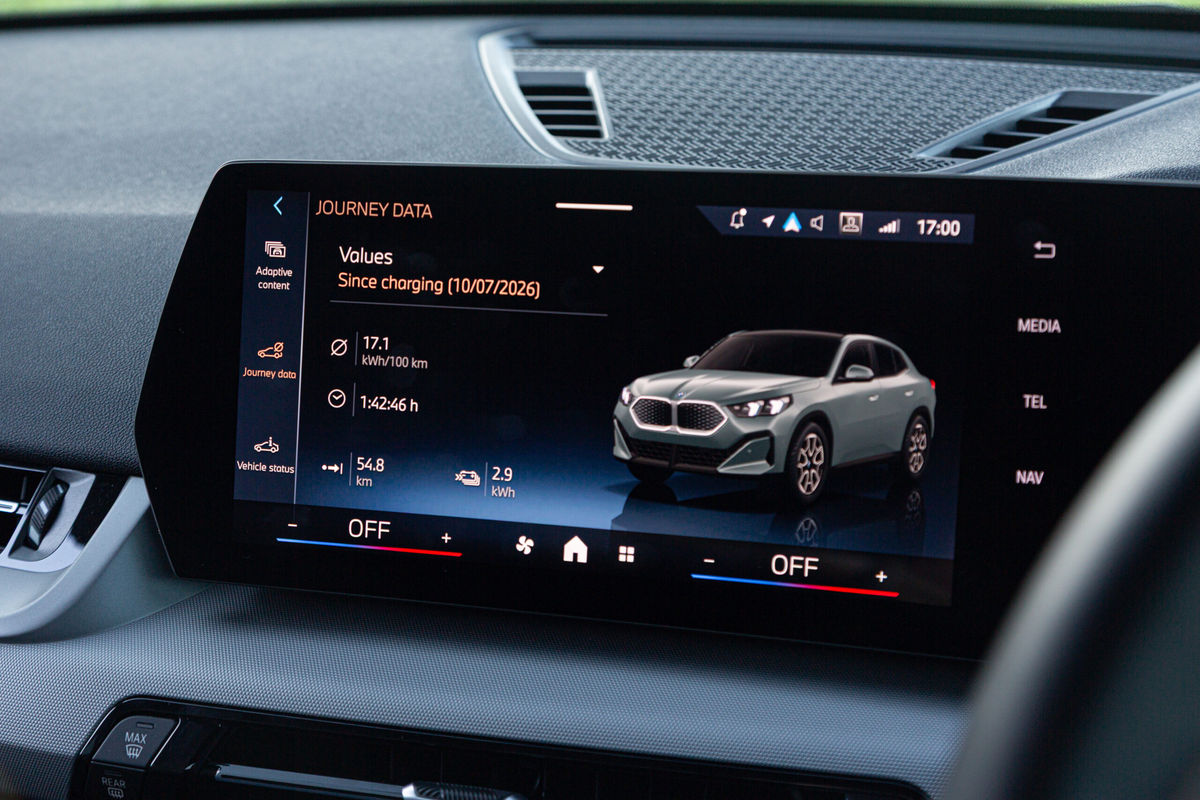
Energy is drawn from a 66.5 kWh lithium-ion battery pack. BMW claims an energy consumption average of 14.3 kWh/100 km, allowing for an official driving range of up to 470 km on a full charge. On scenic coastal runs and pass climbs around Chapman’s Peak, Sir Lowry’s Pass and Noordhoek, the single-motor setup demonstrated high efficiency, regenerating energy smoothly during downhill coasting and maintaining low battery drain during steady-state cruising.
Ride, Handling & Comfort
On the road, the iX2 feels planted, refined and reassuringly solid. Noise, vibration and harshness (NVH) levels are low, with electric propulsion eliminating mechanical engine hum and acoustic glass suppressing ambient wind roar at speed.
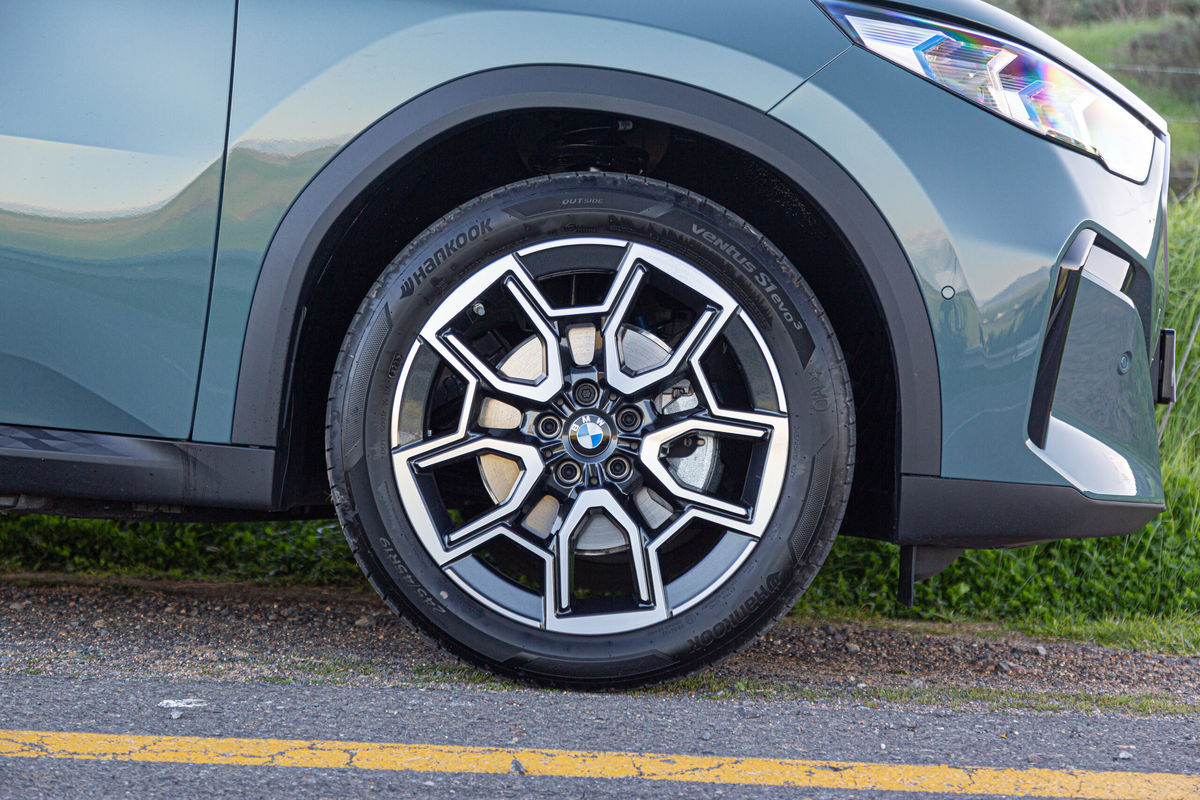
Equipped with M Sport adaptive suspension and riding on large alloy wheels, the ride setup leans towards the firmer side. While body roll is tightly controlled through twisty mountain passes, low-speed tarmac ruts and harsh expansion joints translate into noticeable jiggling in the cabin. Steering weighting is direct and precise, making town driving and parking effortless.
Price & After-sales support
The BMW iX2 range opens at R1 300 000 for the standard eDrive20, with the M Sport package lifting the price to R1 330 000.
Included in the purchase price is BMW’s 5-year/100 000 km motorplan, alongside an 8-year/160 000 km battery warranty.
Verdict
The BMW iX2 eDrive20 M Sport presents a well-rounded, stylish entry point into premium electric mobility. Combining striking coupé-crossover aesthetics with strong real-world efficiency, quiet cabin refinement and a practical luggage compartment, it proves that an electric weekend road trip along South Africa’s coastal passes is entirely viable on a single charge.
While the firm ride and premium pricing require consideration (there’s merit in investigating some of the ICE X2 models on offer – you can save more than R400k), its overall execution makes it a compelling lifestyle choice.
Frequently Asked Questions (FAQ)
Q: How much does the BMW iX2 cost in South Africa?
A: The BMW iX2 range starts at R1 300 000 for the standard eDrive20, while the iX2 eDrive20 M Sport is priced at R1 330 000.
Q: What is the single-charge battery range of the BMW iX2 eDrive20?
A: The BMW iX2 eDrive20 features a 66.5 kWh battery pack that provides a claimed driving range of up to 470 km on a full charge.
Q: How fast can you charge the BMW iX2 eDrive20 on a DC fast charger?
A: The BMW iX2 eDrive20 supports DC fast charging at speeds up to 130 kW, enabling a 10% to 80% battery recharge in approximately 29 minutes.
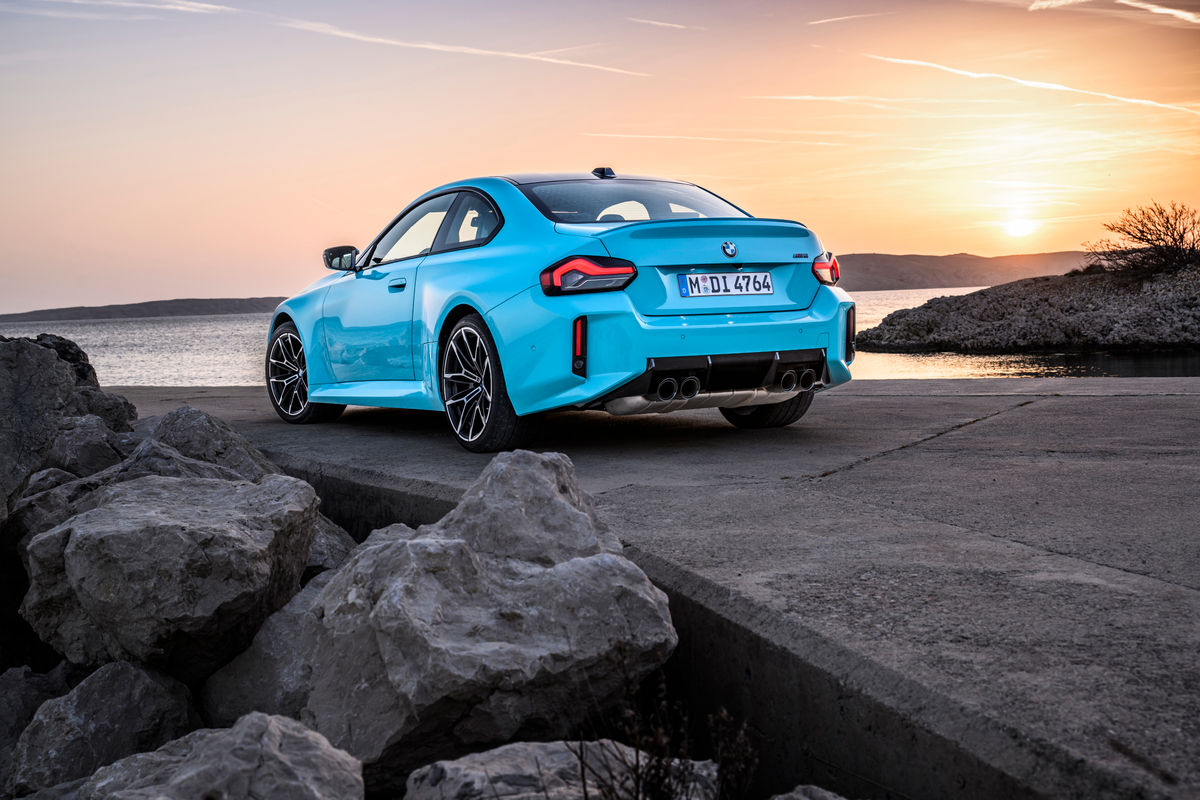
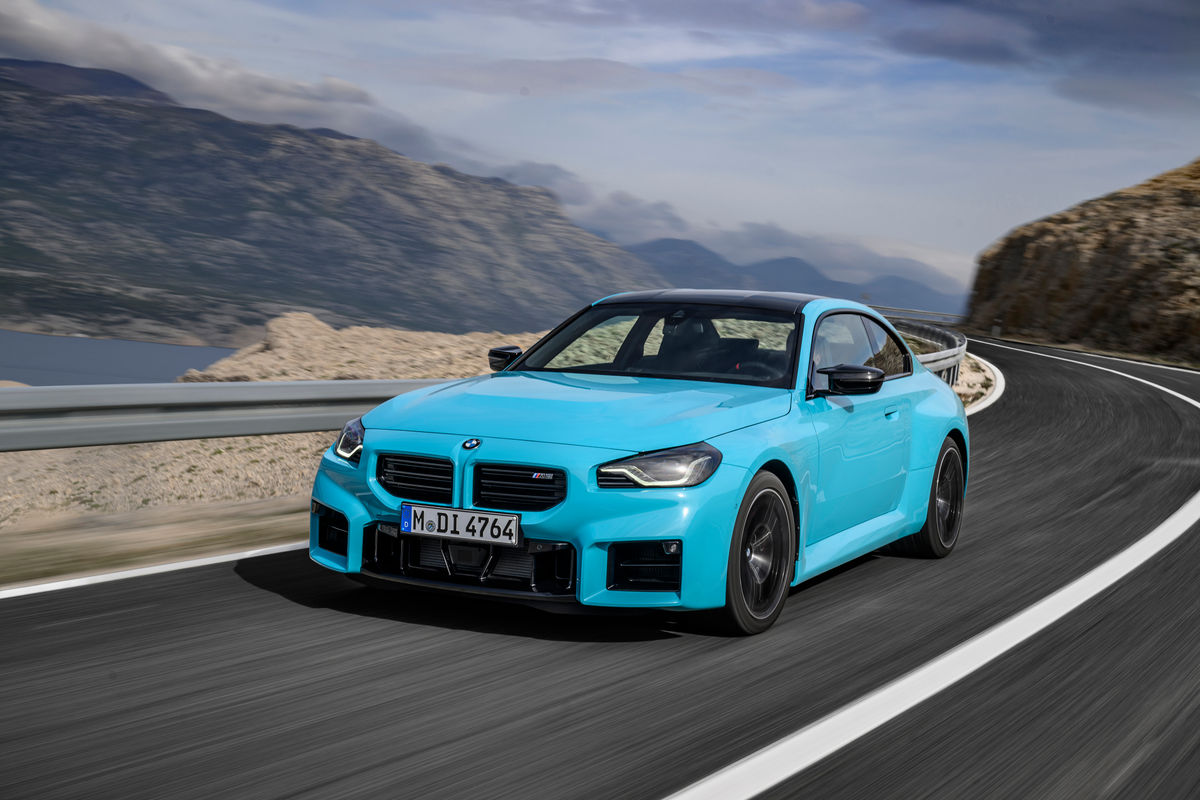
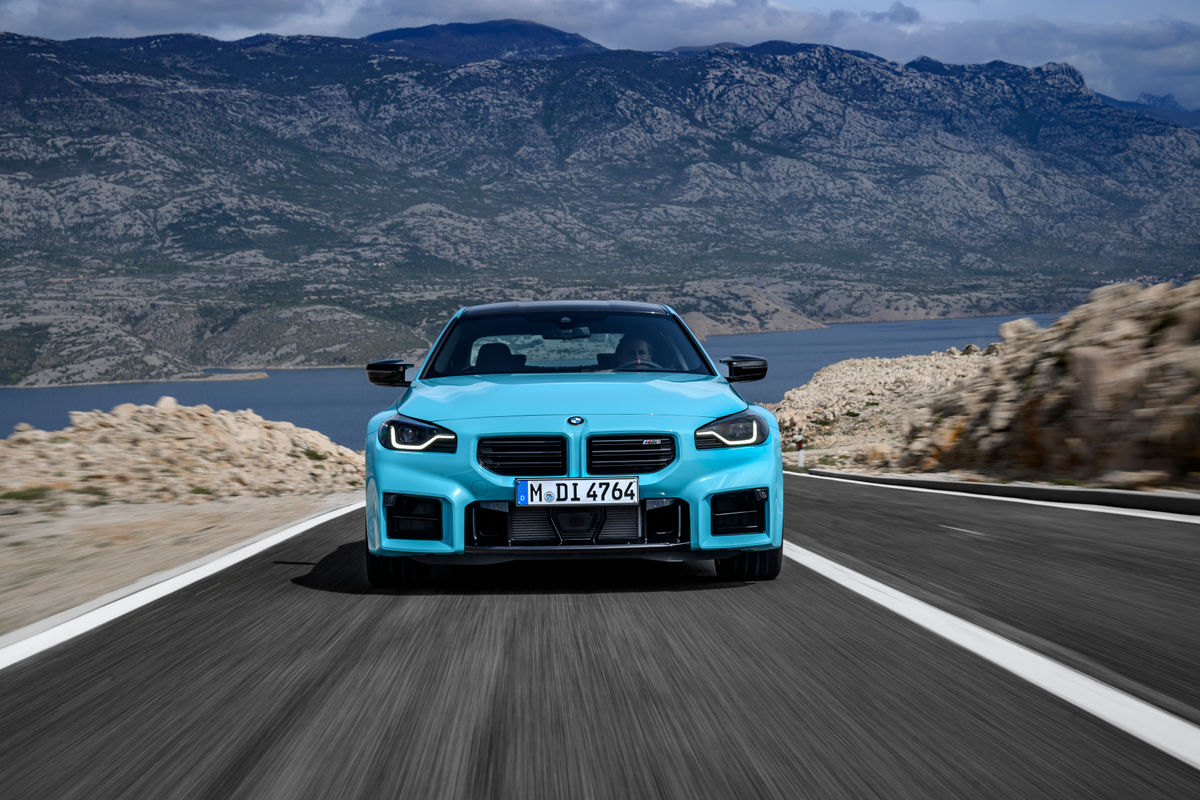
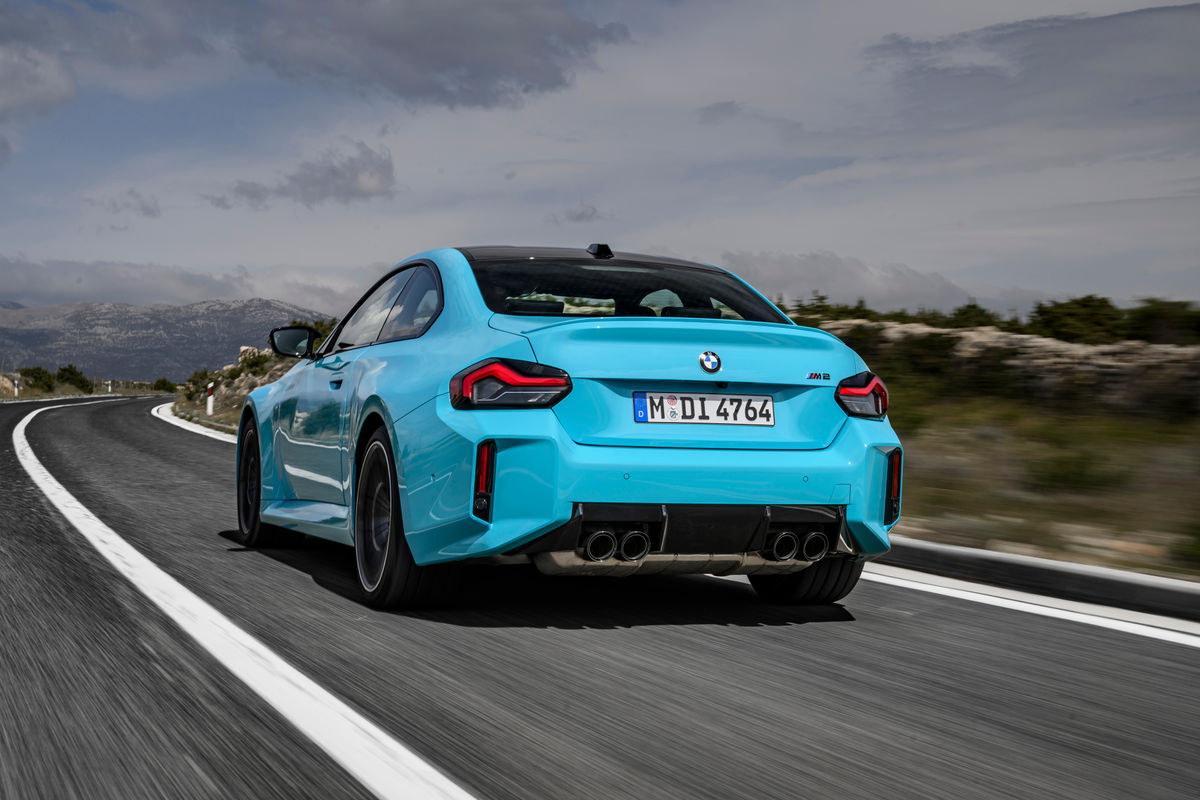
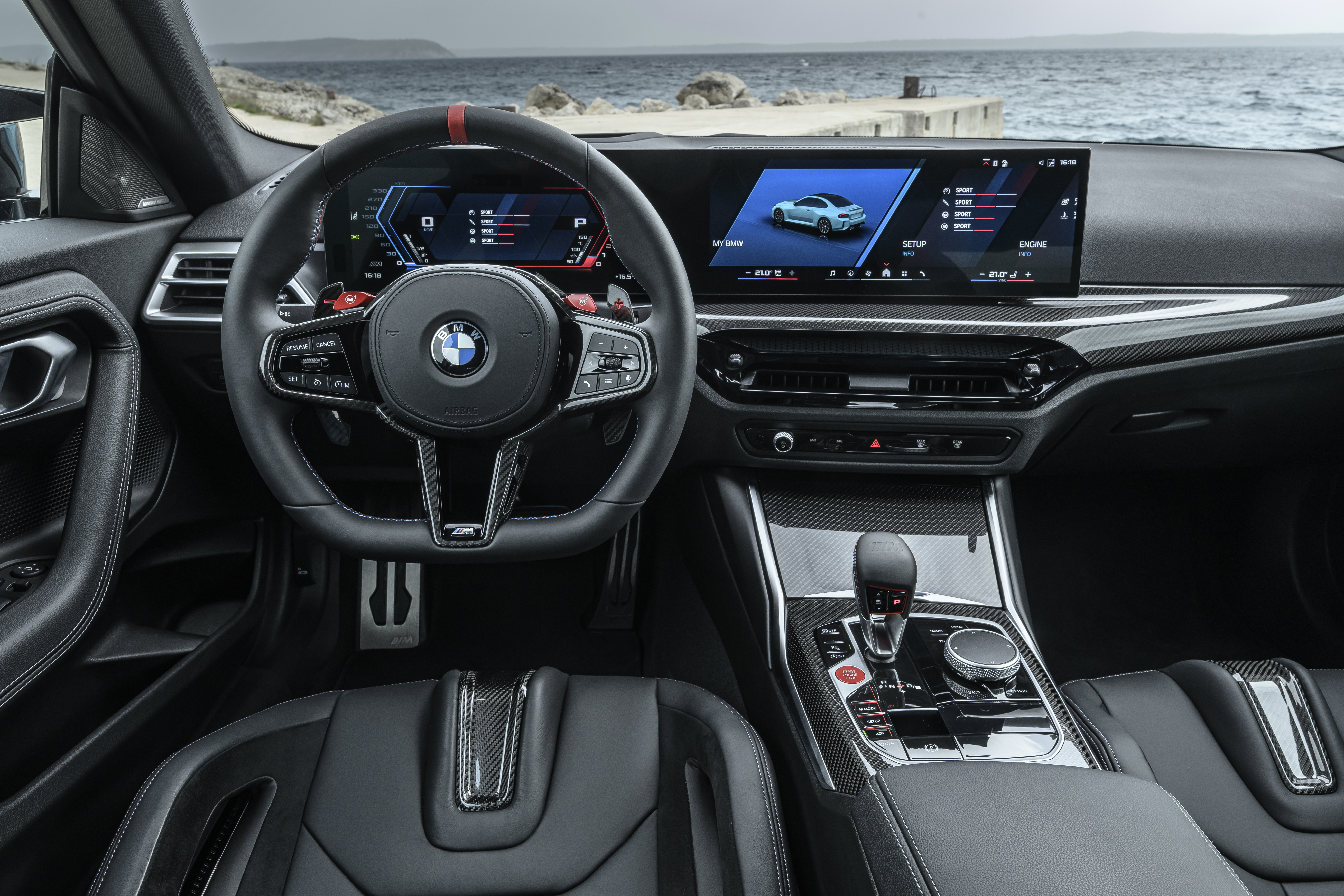
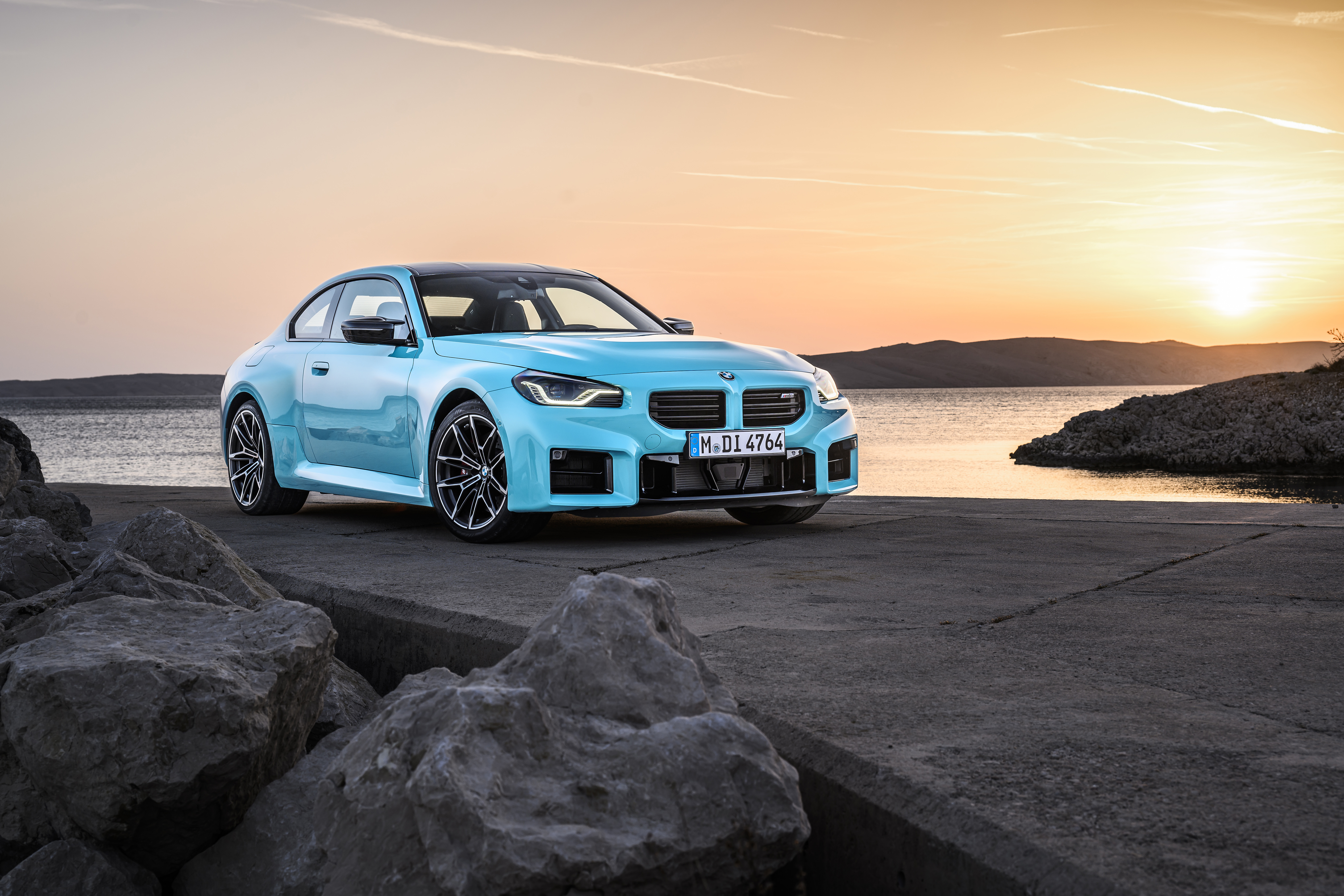
BMW M2 xDrive (2026) Price & Specs
The 2027 BMW M2 xDrive has debuted and is locked in for a South African market introduction towards the end of 2026. Here’s pricing.
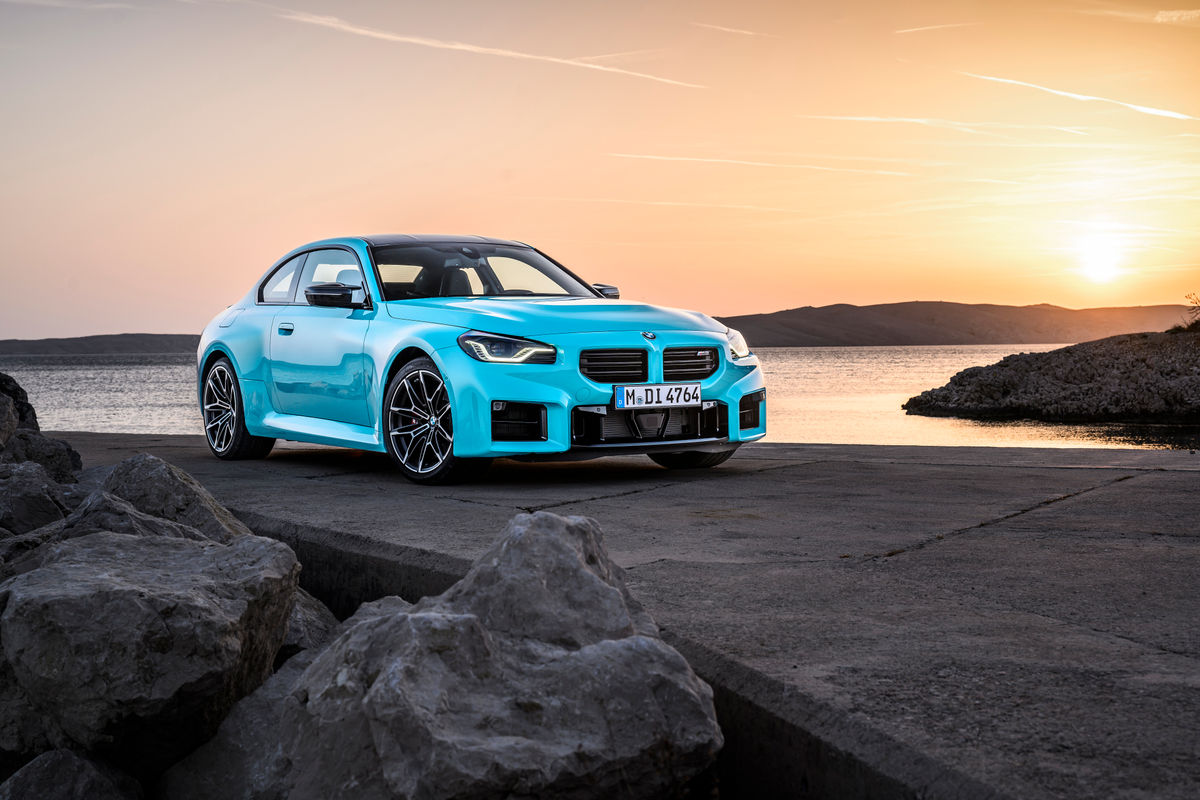
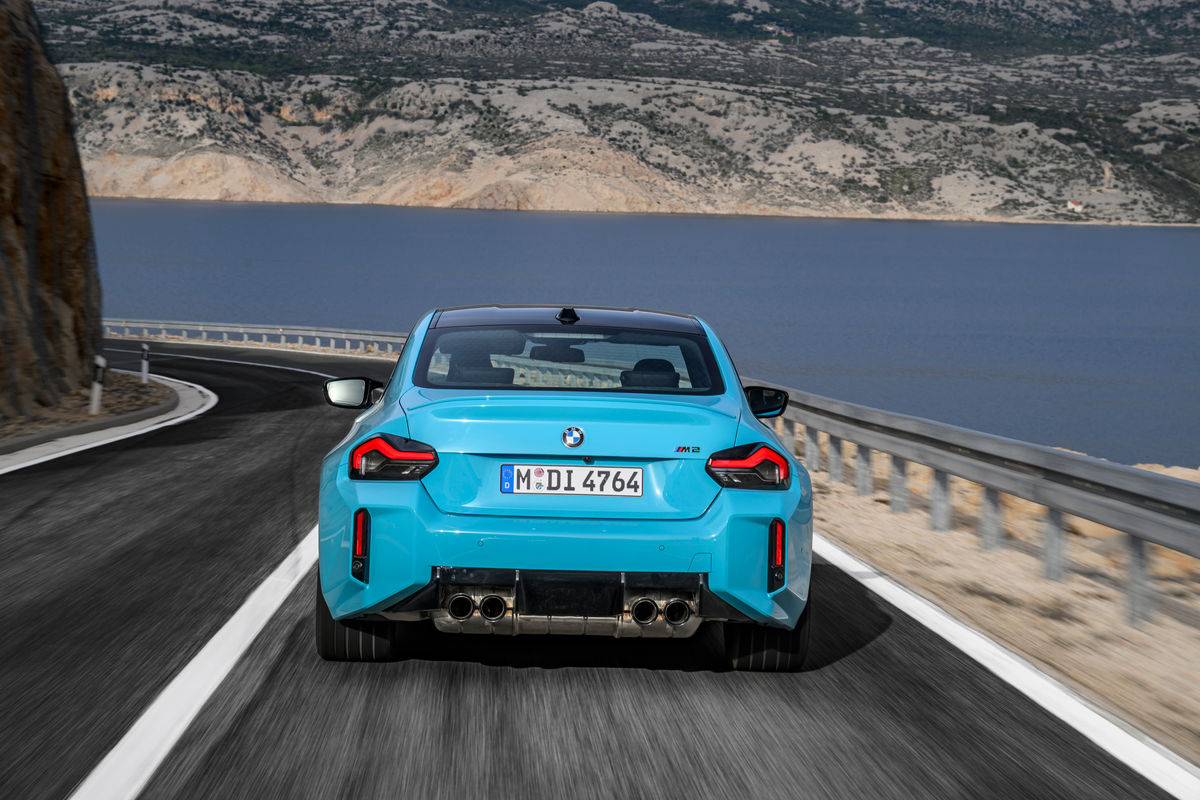
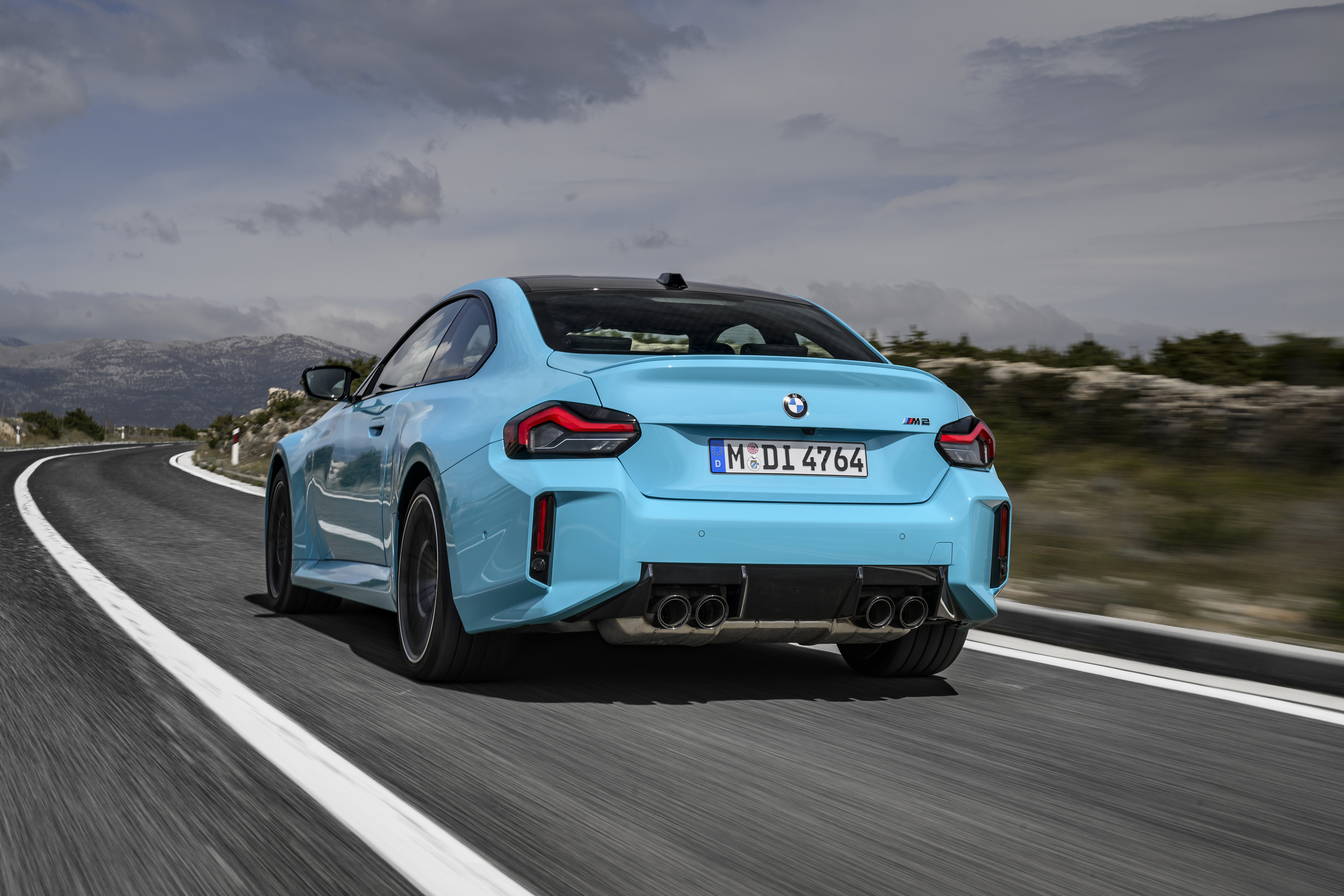
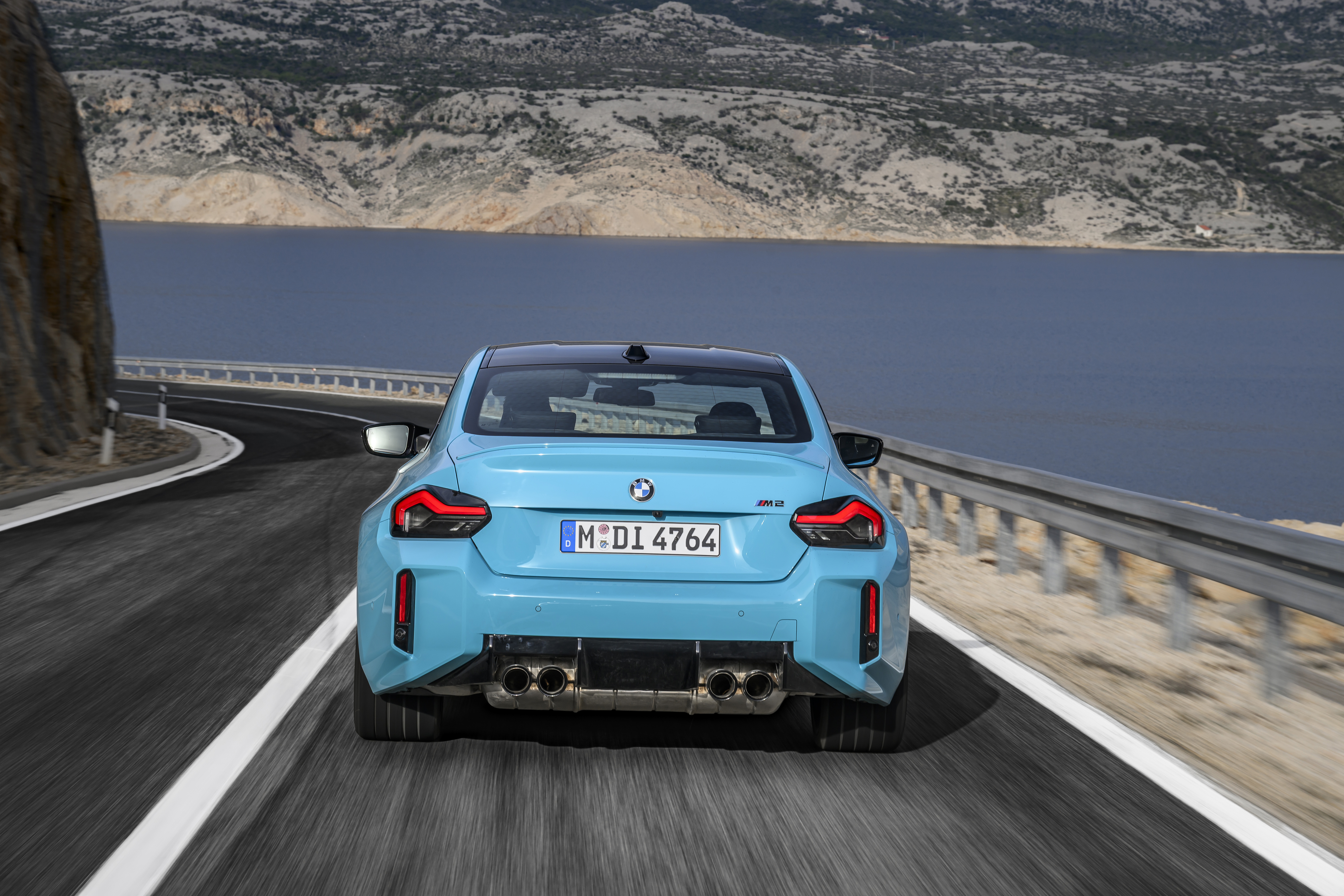
The BMW M2 range will expand with the addition of an all-wheel-drive derivative tagged as the BMW M2 xDrive. For the purists, the rear-wheel-drive model will be carried over for that tail-happy driving experience.
The benefits of going the xDrive route are numerous. Firstly, the M2 is now quicker to 100 kph than ever before, with BMW M claiming a 0-100 kph time of 3.7 seconds which is three-tenths quicker than the rear-wheel drive model.
Interestingly, BMW M says if you use the one-foot rollout test, 3.4 seconds is possible. Zero to 200 kph is dispatched in 12.8 seconds and it’ll run to a top speed of 250 kph, which can be increased to 280 kph by ticking the optional M Driver’s Package.
The next xDrive benefit is the grip and stability, something which the BMW M2 isn’t known for when pressing on. In rear-wheel application, the M2 has the ability to get very sideways and requires all the focus to stay on the tarmac!
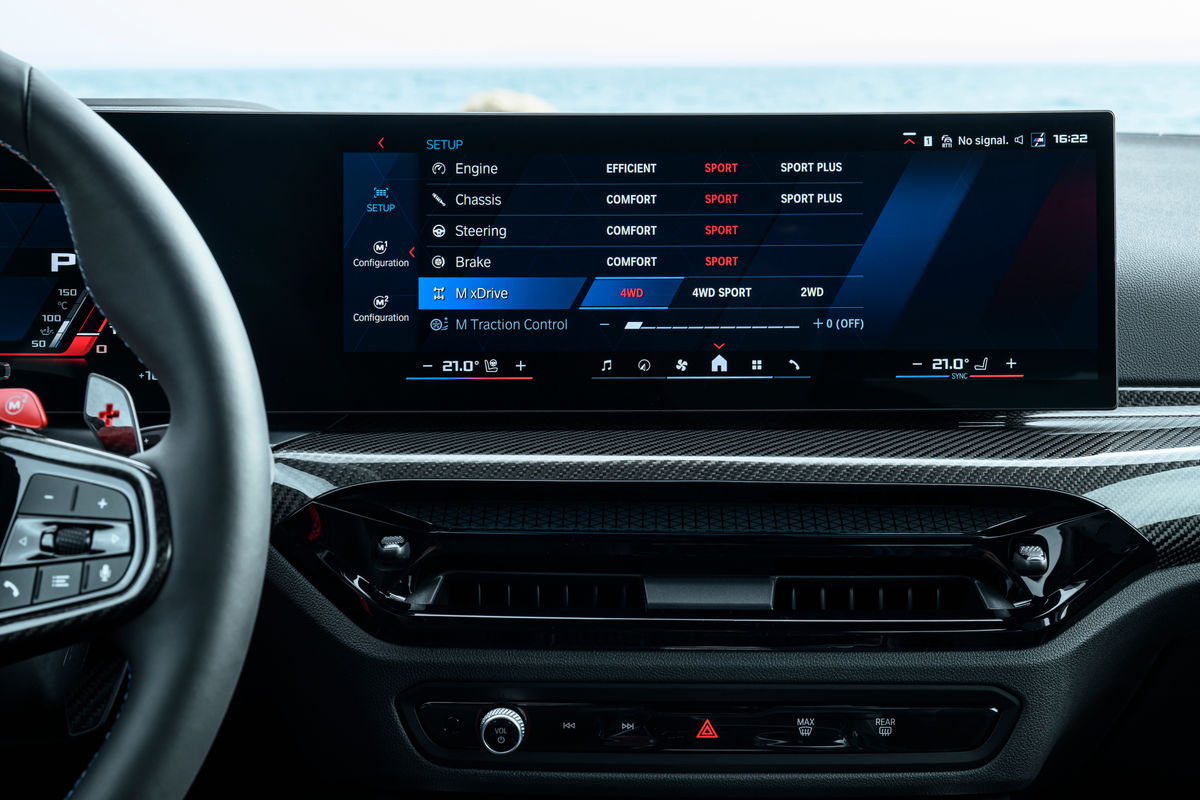
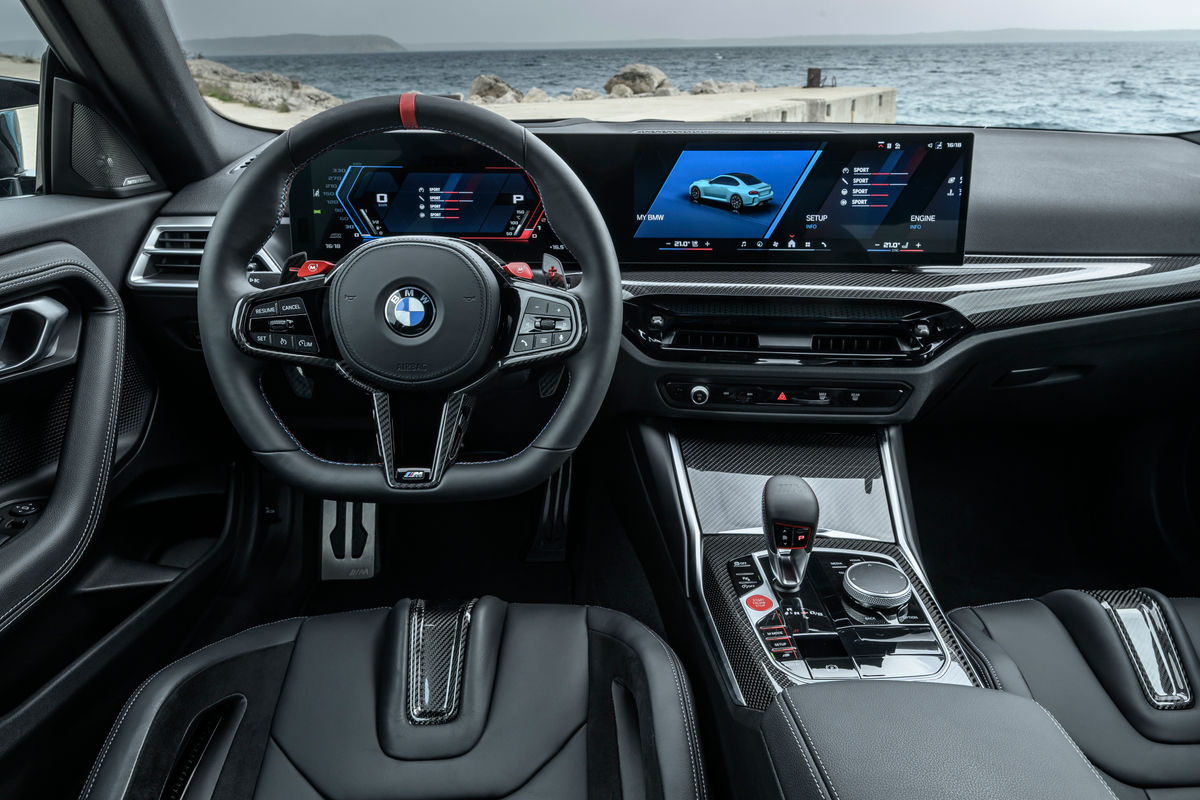
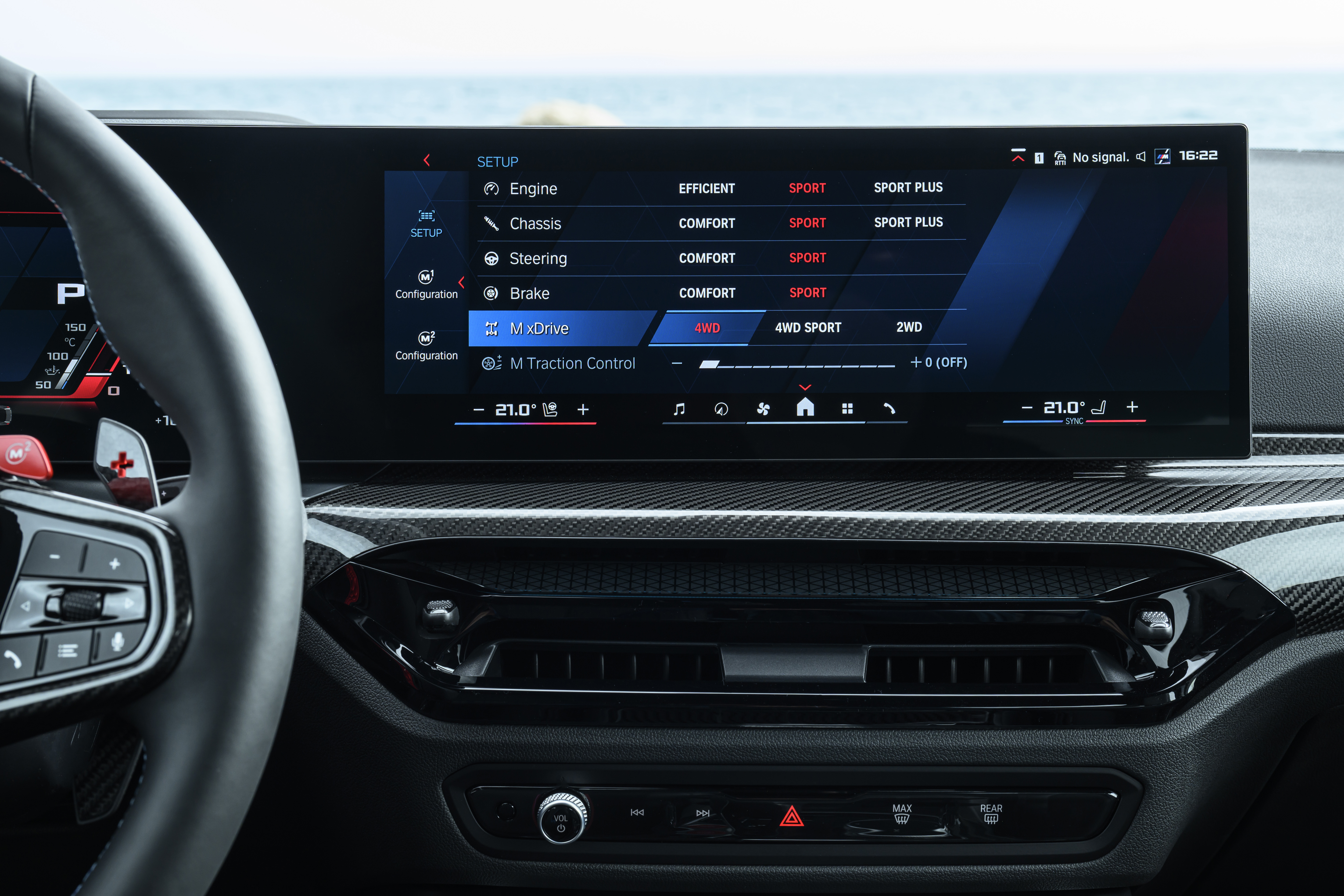
The M xDrive system features an Active M differential and the car is able to split the power between the front and rear axles, as well as distribute power between the rear wheels, with the goal of maximum traction. If you’re feeling adventurous, the vehicle allows for 2WD driving with the stability control off, which BMW calls ‘a driving experience of remarkable purity.’
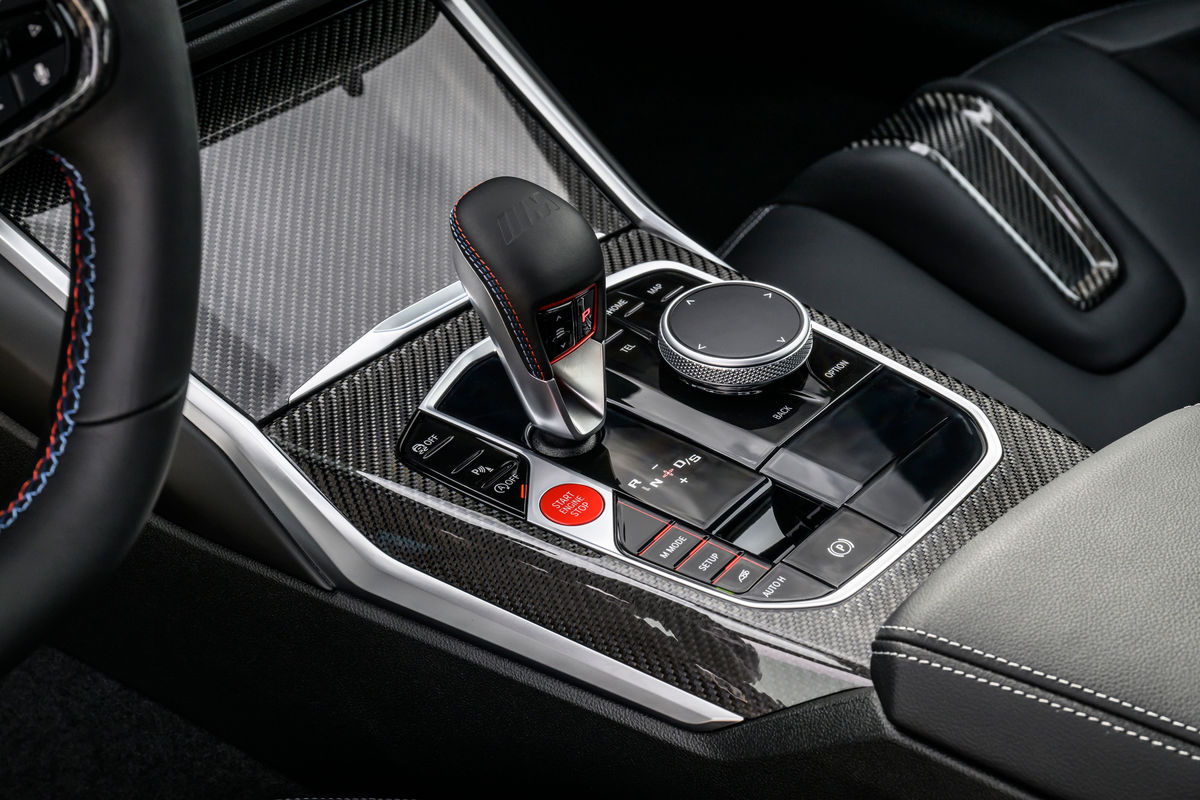
The engine on duty is the 3.0-litre turbocharged inline-6 petrol but for this derivative, BMW says it has added a new tech called M Ignite, which is essentially a pre-chamber combustion process which the brand claims reduces fuel consumption under high loads while meeting EU7 emission standards. As before, the BMW M2 xDrive features the M Steptronic transmission. Outputs of 353 kW and 600 Nm give it significant bragging rights against the competition.
To coincide with the debut of the M2 xDrive, BMW released a new colour, called BMW Individual Borusan Turkish Blue (R69 000) , and customers have the choice of five metallic, three solid and six Individual tones to choose from. The BMW M2 range will be assembled at the Group’s plant in Mexico and production started in August 2026.
How much does the BMW M2 xDrive cost in South Africa?
When will the BMW M2 xDrive arrive in South Africa?
Following its global reveal in June 2026, BMW South Africa confirmed that production of the first-ever all-wheel-drive M2 will begin in August 2026, with local market arrival expected during the fourth quarter (Q4) of 2026.
How much does the BMW M2 xDrive cost in South Africa?
Official pricing will be announced closer to the local launch date. However, given that the standard rear-wheel-drive BMW M2 LCI is priced from R1 597 888, the premium M xDrive variant is expected to push base retail pricing closer to the R1.7-million mark before options.
What are the power and performance specs of the M2 xDrive?
The BMW M2 xDrive is powered by a 3.0-litre twin-turbocharged inline-six engine (S58) producing 353 kW (480 hp) and 600 Nm of torque. Thanks to the added traction of all-wheel drive, it sprints from 0-100 km/h in just 3.7 seconds, making it 0.3 seconds faster than the rear-wheel-drive model.
Can the BMW M2 xDrive switch to purely rear-wheel drive?
Yes. The rear-biased M xDrive system operates in 4WD mode by default, but the driver can use the M Setup menu to select 2WD mode (with DSC completely deactivated). This routes 100% of the engine’s power exclusively to the rear wheels for a traditional M car drifting experience.
Does the BMW M2 xDrive come with a manual gearbox?
No. Unlike the rear-wheel-drive M2 which has offered manual options, the M2 xDrive is paired exclusively with the 8-speed M Steptronic automatic transmission with Drivelogic to effectively manage the all-wheel-drive power distribution.
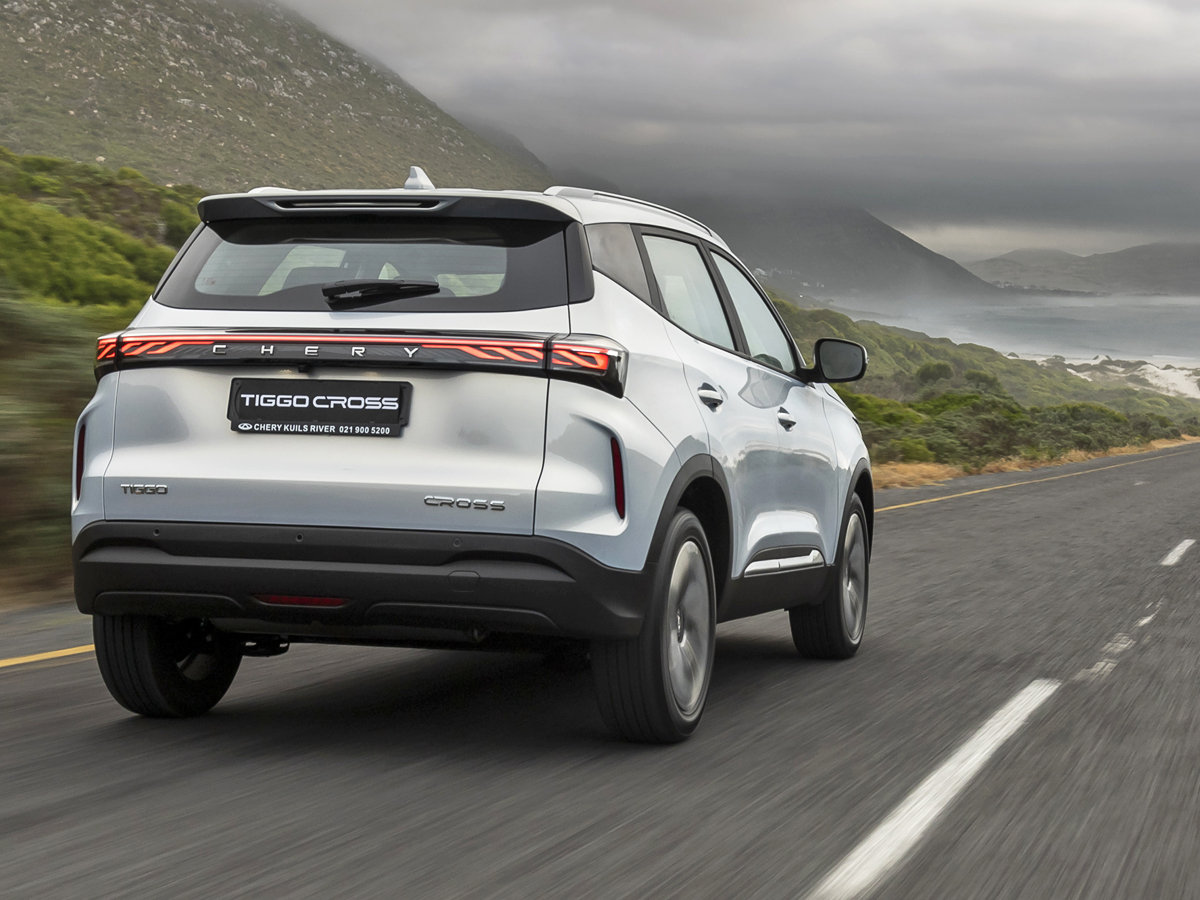
Chery Tiggo 4 Cross: Which 1.5-litre powertrain will actually save you money?
The Chery Tiggo 4 Cross is one of South Africa’s most popular compact crossovers, offering the feature-rich value Chinese automakers are famous for. But when fuel prices surge, how do engine choices impact your real-world total cost of ownership?
While China leads global battery EV manufacturing, its export success has largely been built on simple 1.5-litre four-cylinder petrol engines – and Chery is a prime example.
Entry-level infotainment is significantly superior to legacy brand rivals’.
Priced at R279 900, the entry-level Tiggo 4 Cross LiT delivers impressive equipment for the money, including dual 10.25-inch digital displays with Apple CarPlay and Android Auto.
Powering the LiT is a naturally aspirated 1.5-litre petrol engine generating 83 kW and 170 Nm. While those outputs aren’t explosive, Chery claims an average fuel consumption of just 7.0 L/100 km.
Simple, reliable and low-risk
At the coast, the naturally aspirated 1.5 engine performs adequately.
At sea level, the naturally aspirated 1.5-litre engine performs adequately. High-altitude drivers up in Gauteng – where thin air cuts engine output by around 15–17% – will find highway overtaking leisurely with a full load, but the engine wins on mechanical simplicity.
Without a turbocharger, long-term ownership carries significantly fewer high-cost failure points.
The base model also mates the engine to a simple five-speed manual transmission. While rowing through gears in dense stop-and-go traffic isn’t everyone’s preference, manual gearboxes remain far cheaper to service and maintain over time.
For Gauteng drivers who frequently travel with passengers or heavy cargo on the highway, that price jump brings tangible benefits. The turbo engine puts out 108 kW and 210 Nm, maintaining its performance at altitude without losing power.
However, the turbocharger and six-speed dual-clutch transmission (DCT) add maintenance complexity. Dual-clutch gearboxes require a smooth, adaptive driving style in heavy urban traffic to avoid premature clutch wear – something many drivers overlook.
The real fuel math
Chery officially claims the turbocharged Million Edition model (there’s a flagship Elite option, too) consumes 6.8 L/100 km – slightly less than the naturally aspirated model. In practice, small turbo engines are easily driven “on boost,” leading to far higher real-world fuel consumption than claimed. Naturally aspirated engines tend to be much more predictable.
More importantly, the R80 000 price gap between the base LiT and the Million Edition buys roughly 3 500 litres of petrol. That’s over 50 full tanks – or nearly two to three years of free driving before you ever see a return on investment.
The hybrid version offers a good performance-to-economy ratio. If you exclude the purchase price…
When fuel prices spike, buyer interest in hybrids soars. The entry-level Tiggo 4 Cross HEV starts at R439 900 – an R80 000 premium over the turbo model, and R160 000 more than the base 1.5 LiT.
The HEV pairs a 1.5-litre engine with a small 1.83 kWh battery pack that recharges via regenerative braking. Combined system outputs reach a muscular 150 kW and 310 Nm.
While sustained high-speed cruising will drain the small battery and hurt economy, the instant electric torque is brilliant for short bursts, urban traffic and quick overtaking manoeuvres. Chery claims 5.4 L/100 km, and unlike the turbo, the hybrid is likely to hit close to that figure in town.
The verdict: Which powertrain should you buy?
Cleverly, all versions have a usable 125/80 R17 space saver spare.
The HEV delivers the best blend of performance and city efficiency, but its premium purchase price is hard to offset through fuel savings alone. The mid-spec turbo version offers great highway punch for high-altitude drivers, but suffers higher real-world fuel consumption.
For smart buyers focused strictly on total operating costs, the entry-level 1.5 LiT remains the sweetest deal in the range. The R80 000 to R160 000 you save on the initial purchase price will cover years of petrol station fill-ups.
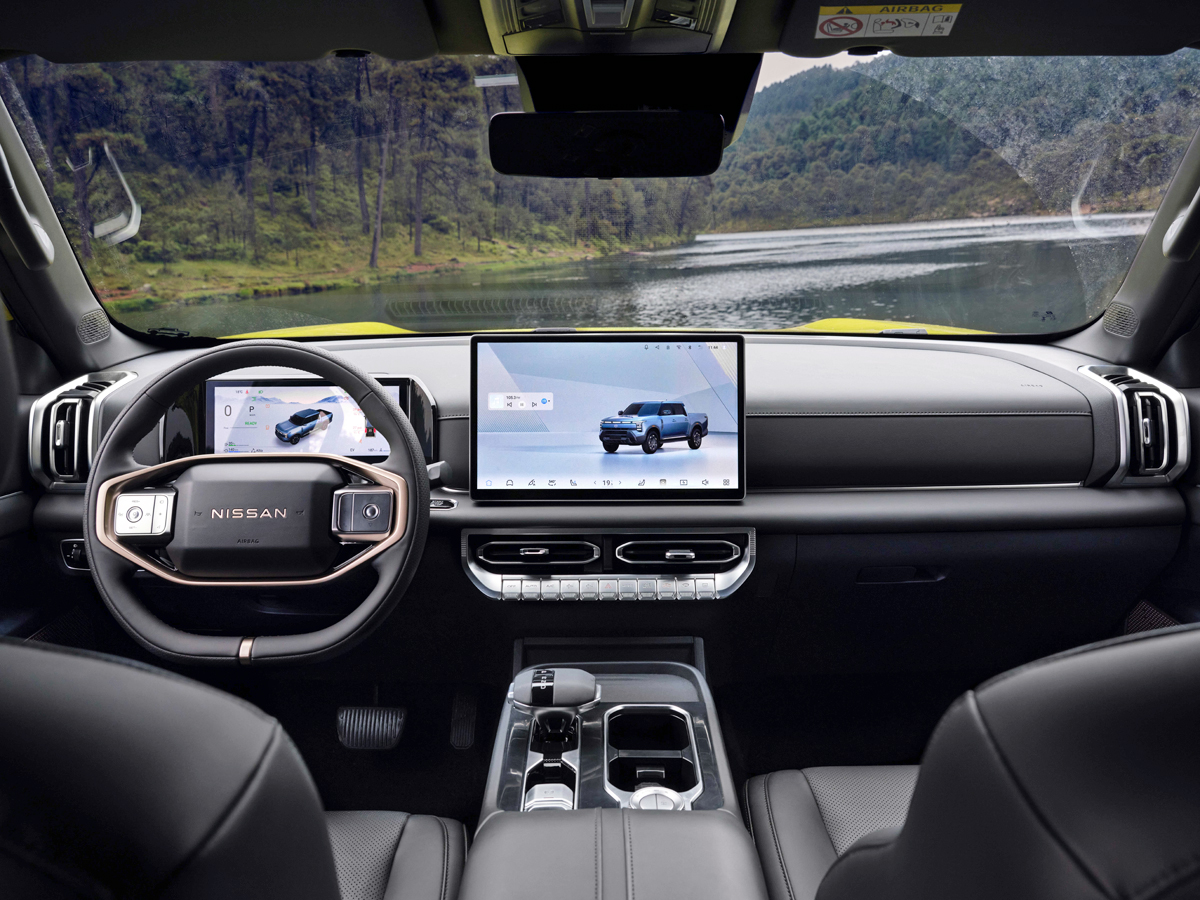
Nissan confirms RHD version of 300 kW Navara Pro PHEV
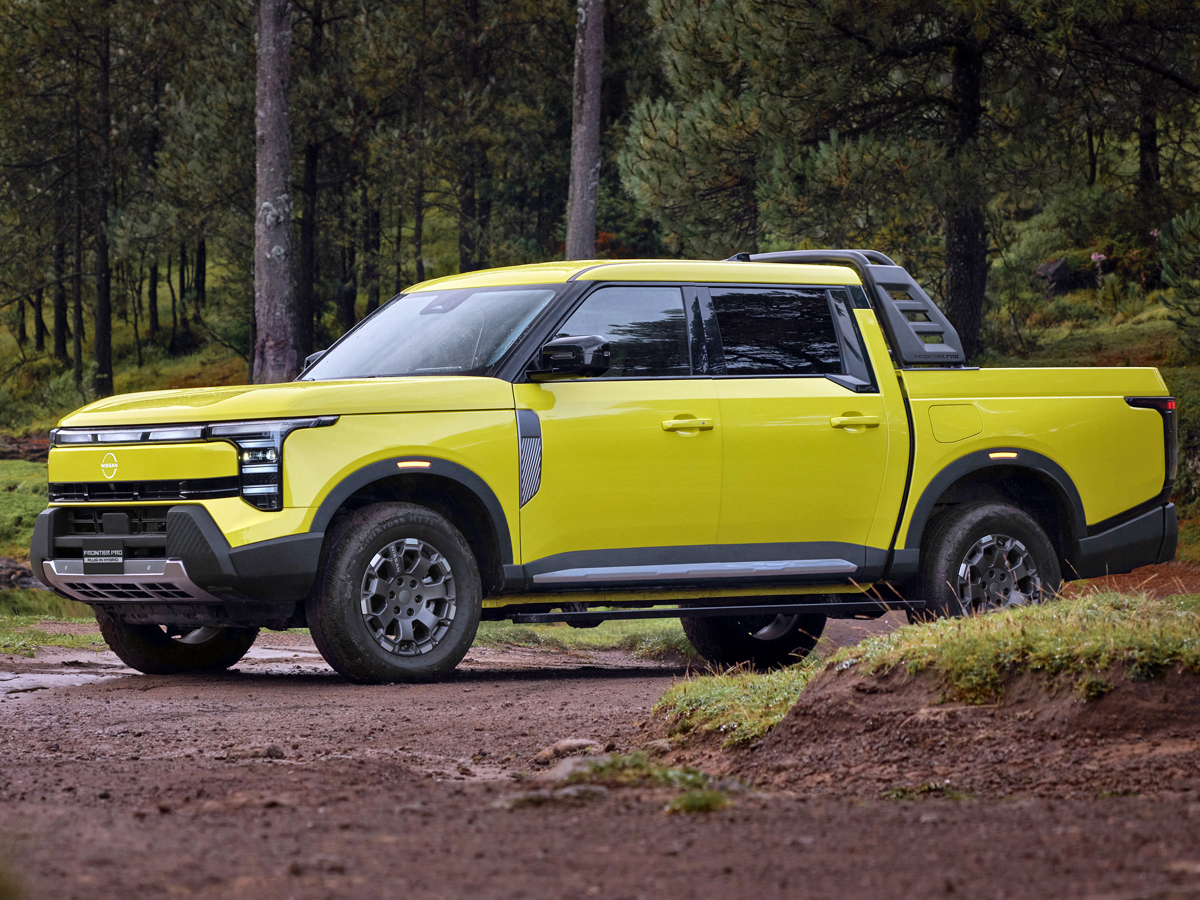
Nissan has confirmed right-hand-drive production for the new Navara Pro PHEV, a Chinese-built double-cab bakkie offering 300 kW and 800 Nm. But will it come to SA?
Navara Pro PHEV to be built in right-hand drive
Double-cab bakkie to offer 300 kW and 800 Nm
Zhengzhou Nissan applies for trademarks in SA
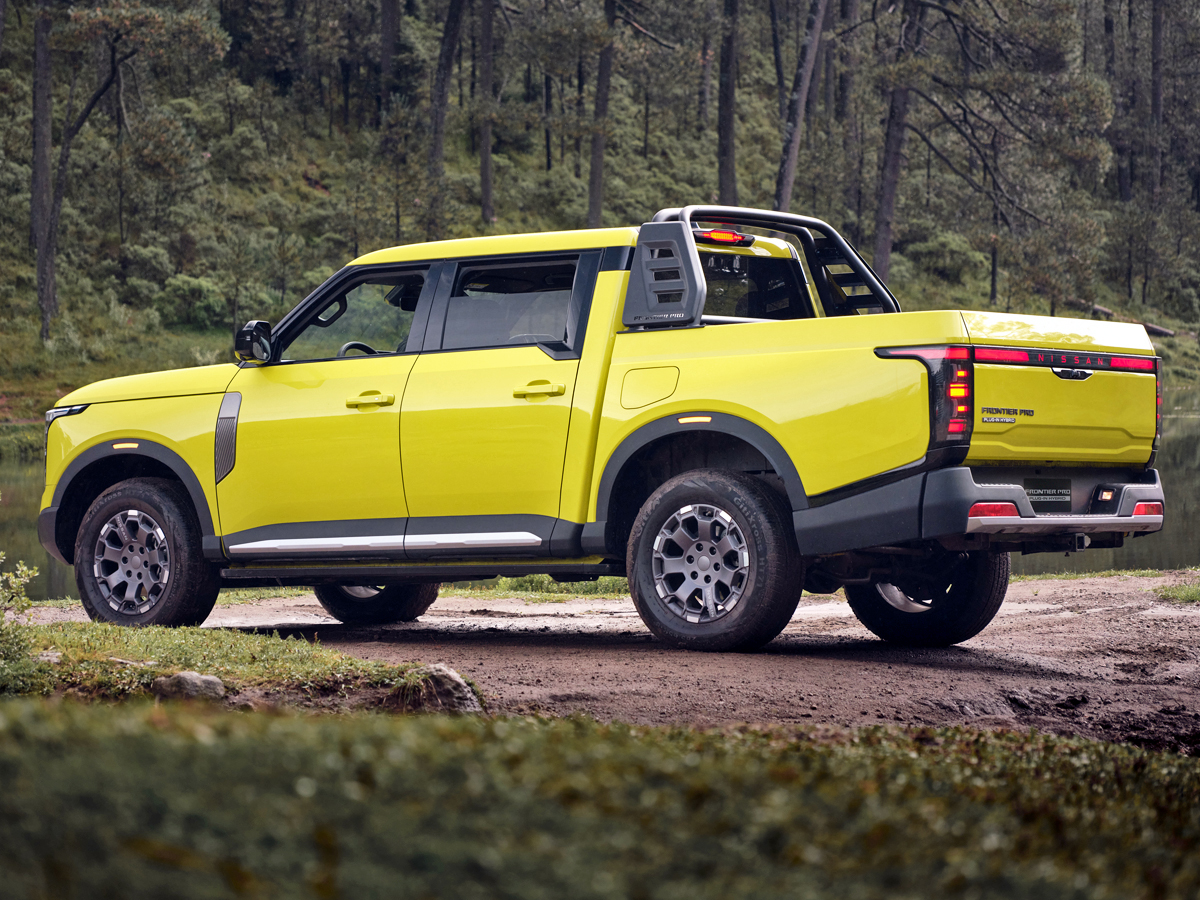
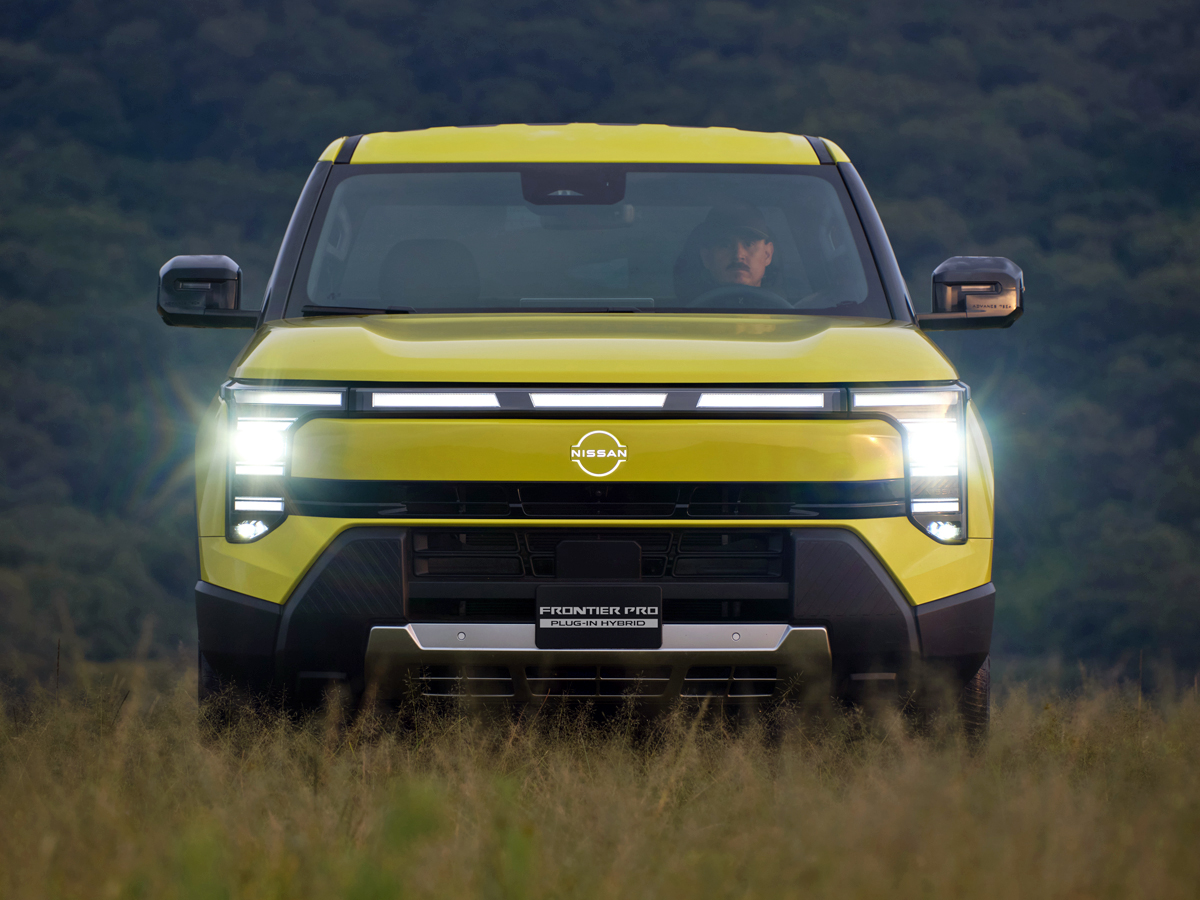
Nissan has confirmed that the new Navara Pro PHEV double-cab bakkie – a product of the Japanese brand’s joint-venture operation in China – will also be produced in right-hand drive, a move that potentially opens the door to a launch in South Africa.
Revealed in China as the Frontier Pro plug-in hybrid electric vehicle (PHEV) in April 2025, the bakkie is based on the Nissan Yuanye Z9 already offered in that market – and indeed produced by Zhengzhou Nissan, the brand’s joint venture with Dongfeng.
Now, Nissan has confirmed that sales will soon begin in left-hand-drive country Mexico (where the bakkie will be badged as the Frontier Pro), making it the first market outside China to receive this model and “highlighting China’s growing role as an innovation and export hub for Nissan”. Other Latin American markets are set to follow by the end of 2026.
Nissan also says the ladder-frame bakkie will launch as the Navara Pro in the Philippines and the Middle East before the end of 2026, “followed by the first right-hand-drive markets, Australia and New Zealand, in 2027”. Interestingly, the brand’s global press material suggests the Navara Pro will furthermore be available with pure petrol and turbodiesel powertrains, depending on the market.
While the company’s press material makes no mention of African markets, Cars.co.za has discovered that Zhengzhou Nissan Automobiles (ZNA) filed to trademark the “ZNAZ9” badge in South Africa late in 2024, before applying to protect the “ZNA” name as recently as September 2026. Of course, these trademark applications are by no means a guarantee the automaker will launch this model here.
For the record, the version revealed at Auto Shanghai 2025 featured a plug-in hybrid arrangement built around a turbocharged 1.5-litre, 4-cylinder petrol engine, with a “high output” electric motor mounted to the automatic transmission. Total system outputs were quoted as being “over 300 kW” and “up to 800 Nm”.
Meanwhile, the right-hand-drive iteration now confirmed for Australia will upgrade to a new turbocharged 2.0-litre petrol PHEV drivetrain, seemingly offering the same (preliminary) outputs. Battery specifications have yet to be announced. Nissan’s division Down Under has, however, confirmed a payload of “approximately 1 000 kg” and a 3 500 kg braked towing capacity, subject to “final homologation”.
As a reminder, production of the D23-series Navara in South Africa ended in May 2026, with Nissan having sold its Rosslyn factory to Chinese automaker, the Chery Group. While countries like Australia have moved on to a next-generation Navara based on the latest Mitsubishi Triton, the old model soldiers on here in Mzansi, with the Thailand-built version set to arrive later this year.
Of course, it remains to be seen whether the Navara Pro PHEV will make it to South African roads and be offered alongside the long-in-the-tooth D23-series model, but the confirmation of right-hand-drive production at least gives Nissan SA a theoretical option to take on the likes of the BYD Shark 6 and JAC T9 PHEV…
Frequently Asked Questions (FAQ)
Q: Is the new Nissan Navara Pro PHEV confirmed for South Africa?
A: While not officially confirmed for South Africa, Nissan has confirmed right-hand-drive (RHD) production for markets like Australia and New Zealand starting in 2027. Additionally, Zhengzhou Nissan filed to trademark “ZNA” names in SA, opening the possibility for a local launch.
Q: What are the performance and towing specs for the Nissan Navara Pro PHEV?
A: The right-hand-drive Navara Pro PHEV features a 2.0-litre turbocharged petrol plug-in hybrid setup delivering over 300 kW of power and 800 Nm of torque. It offers a 3 500 kg braked towing capacity and a payload of approximately 1 000 kg.
Q: Where is the Nissan Navara Pro PHEV built?
A: The bakkie is produced in China by Zhengzhou Nissan (a joint venture between Nissan and Dongfeng) and is based on the local market’s Nissan Yuanye Z9 platform.
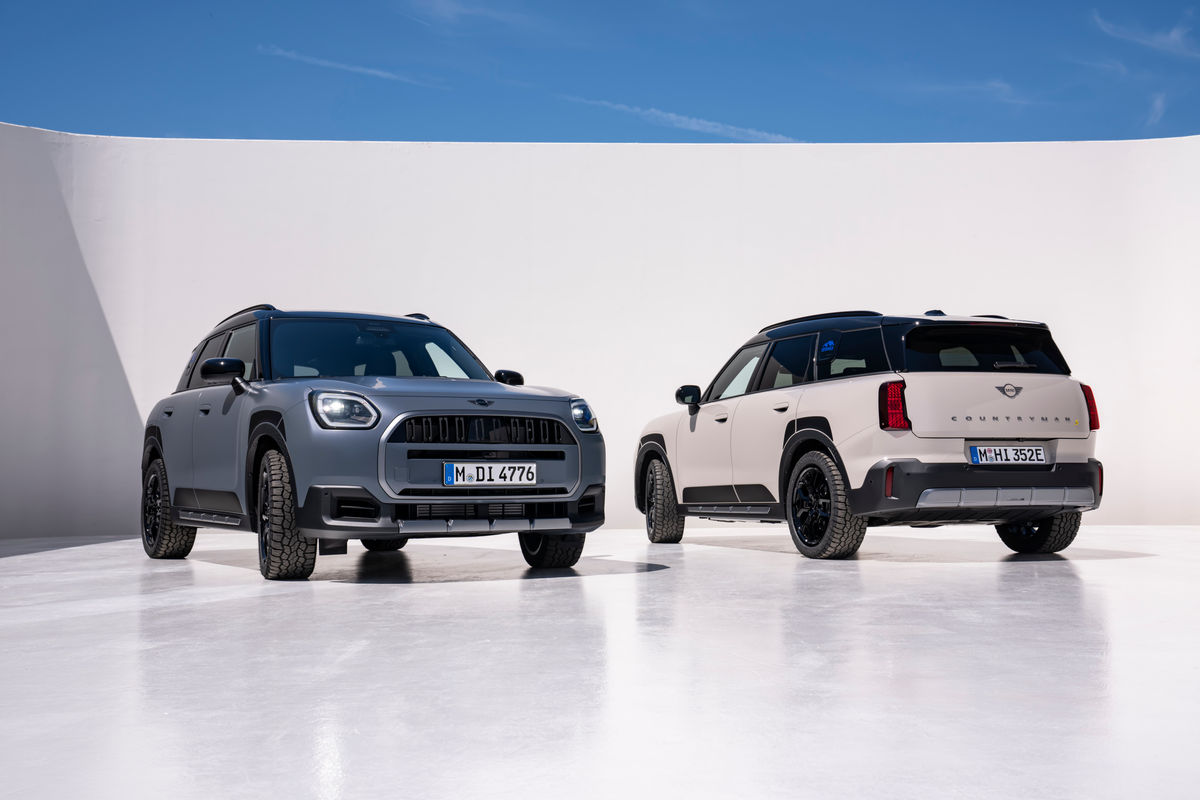
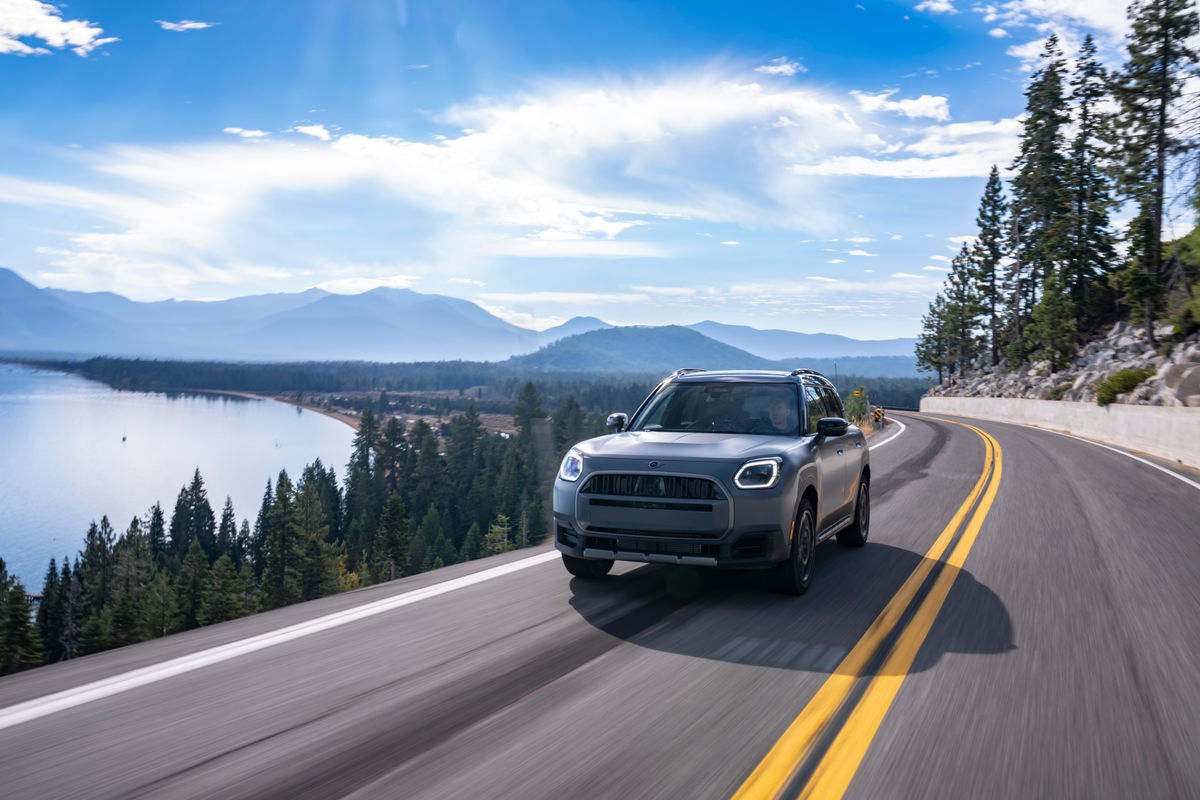
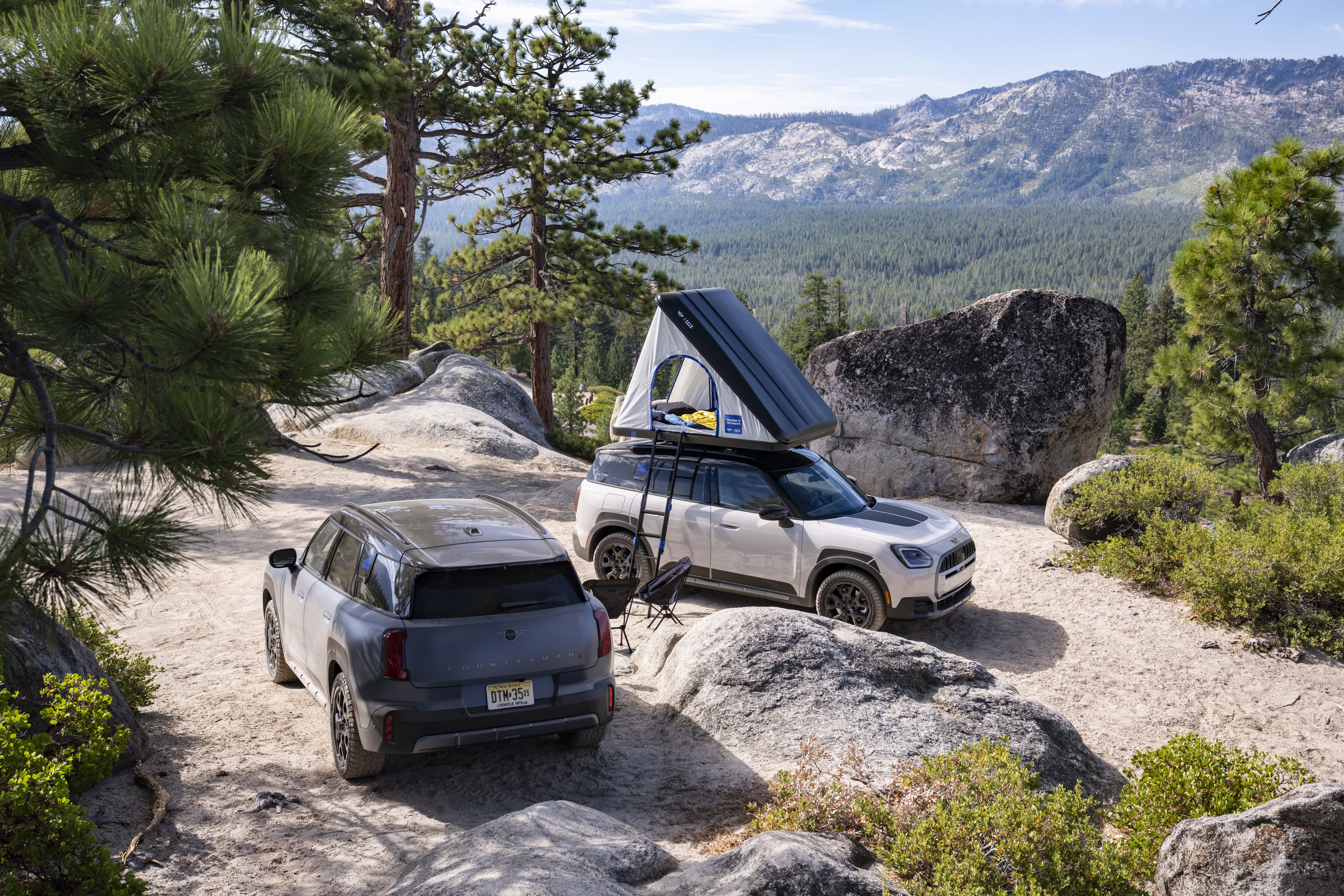
The Mini Countryman Untamed brings the spirit of adventuring and overlanding to the fashionable urban brand. Here’s all you need to know.
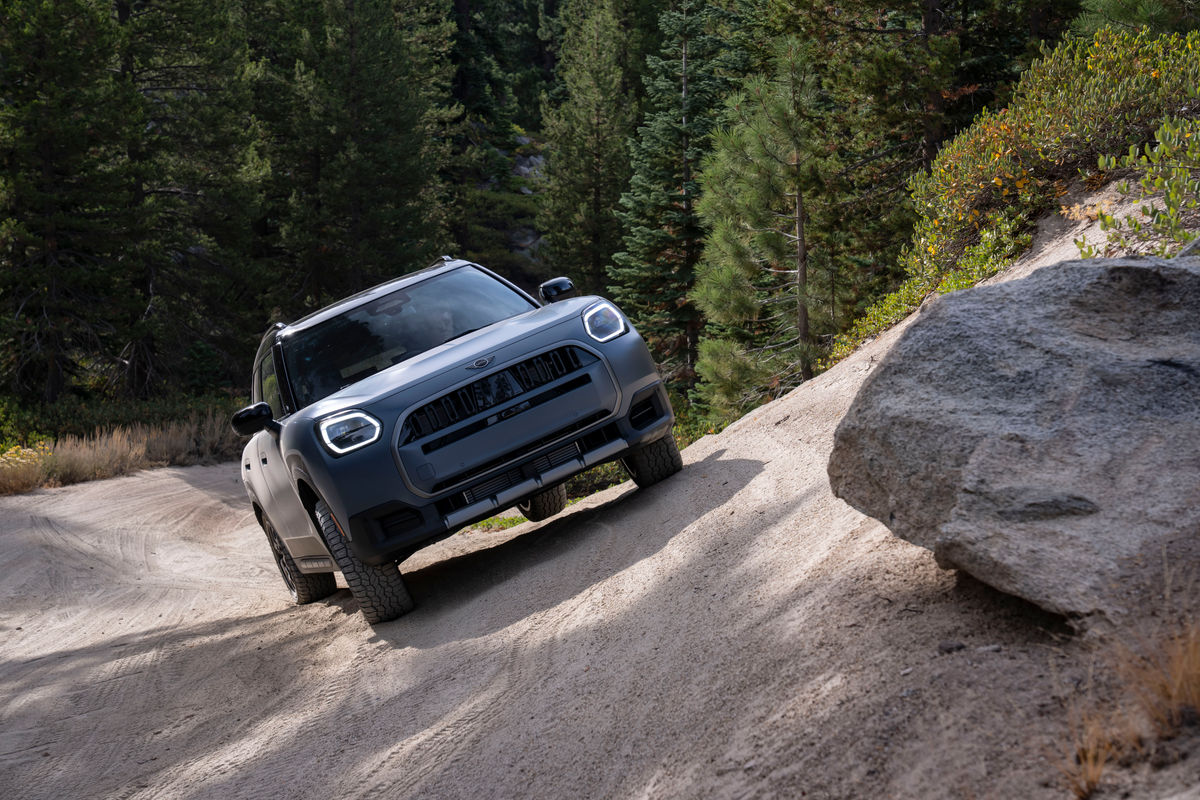
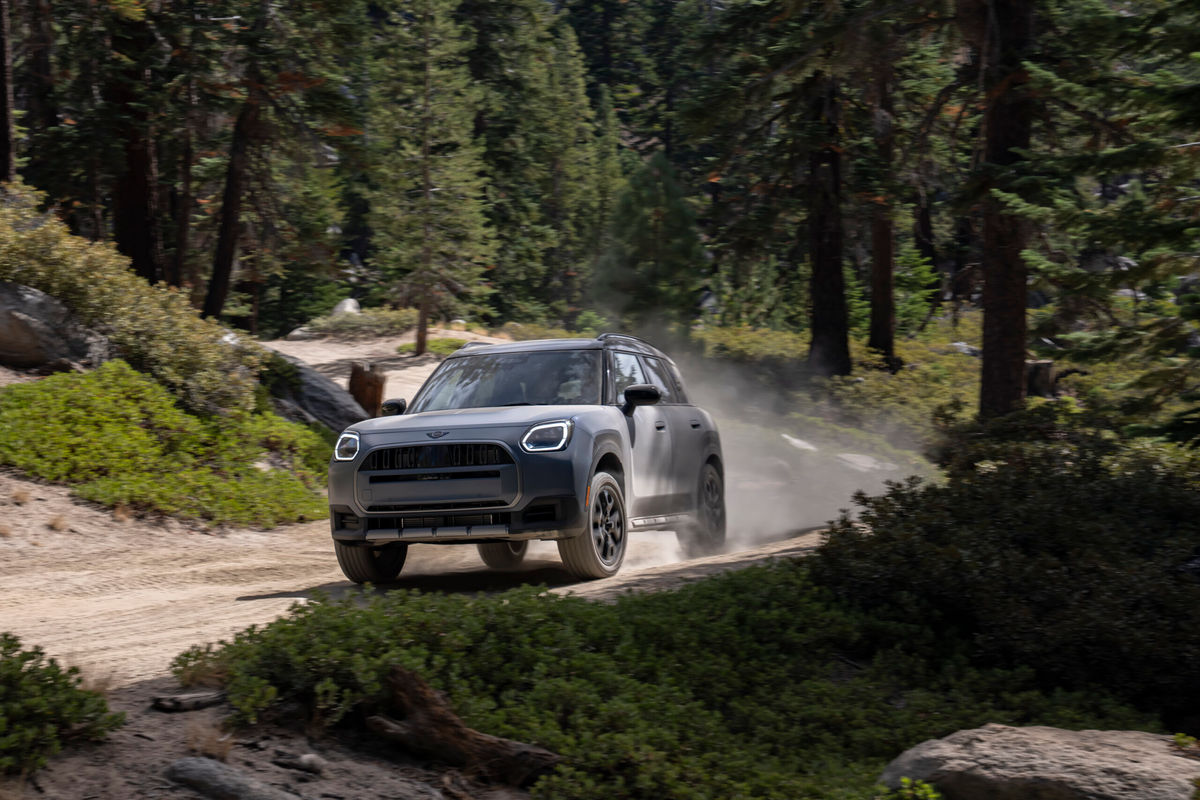
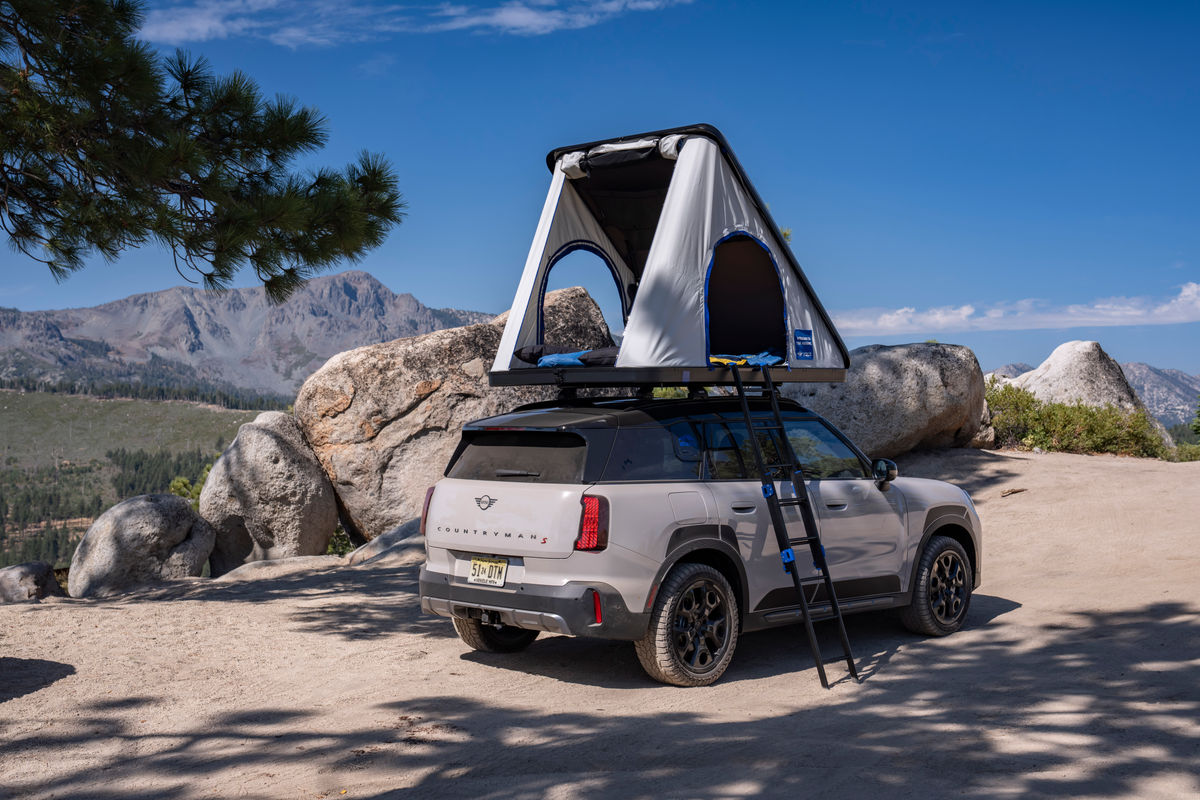
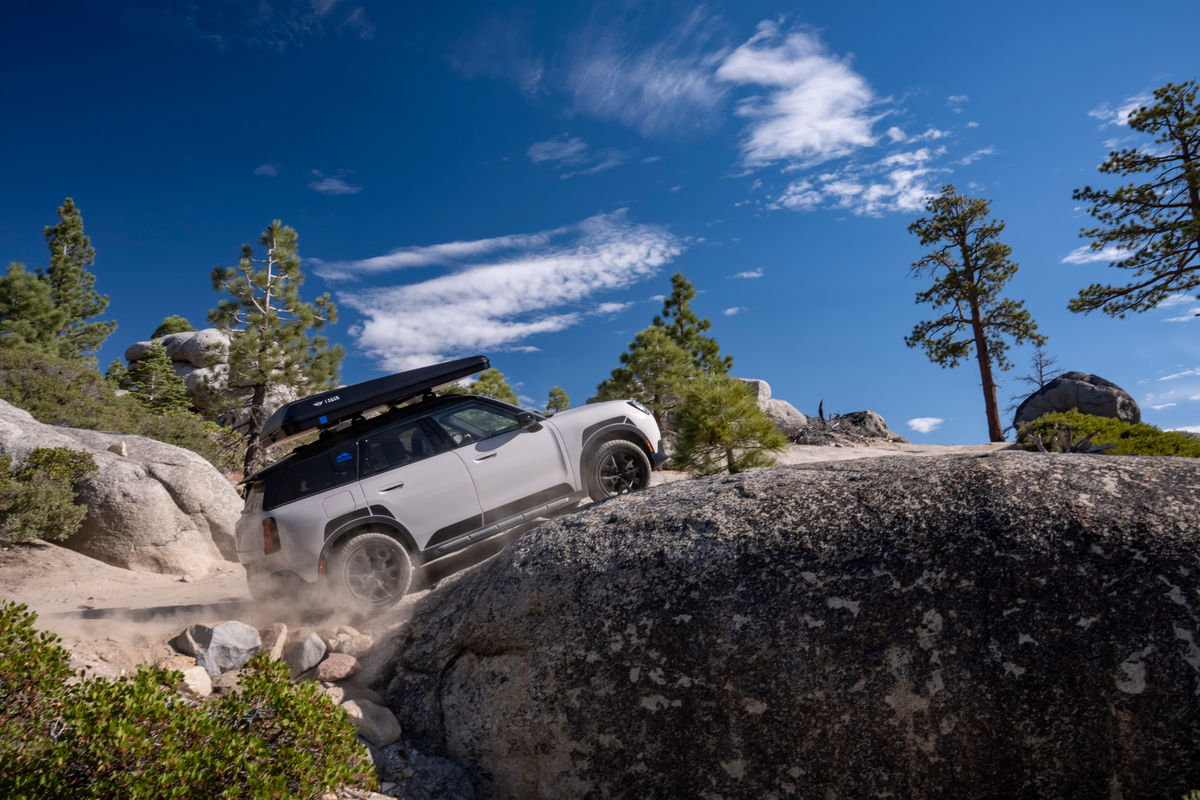
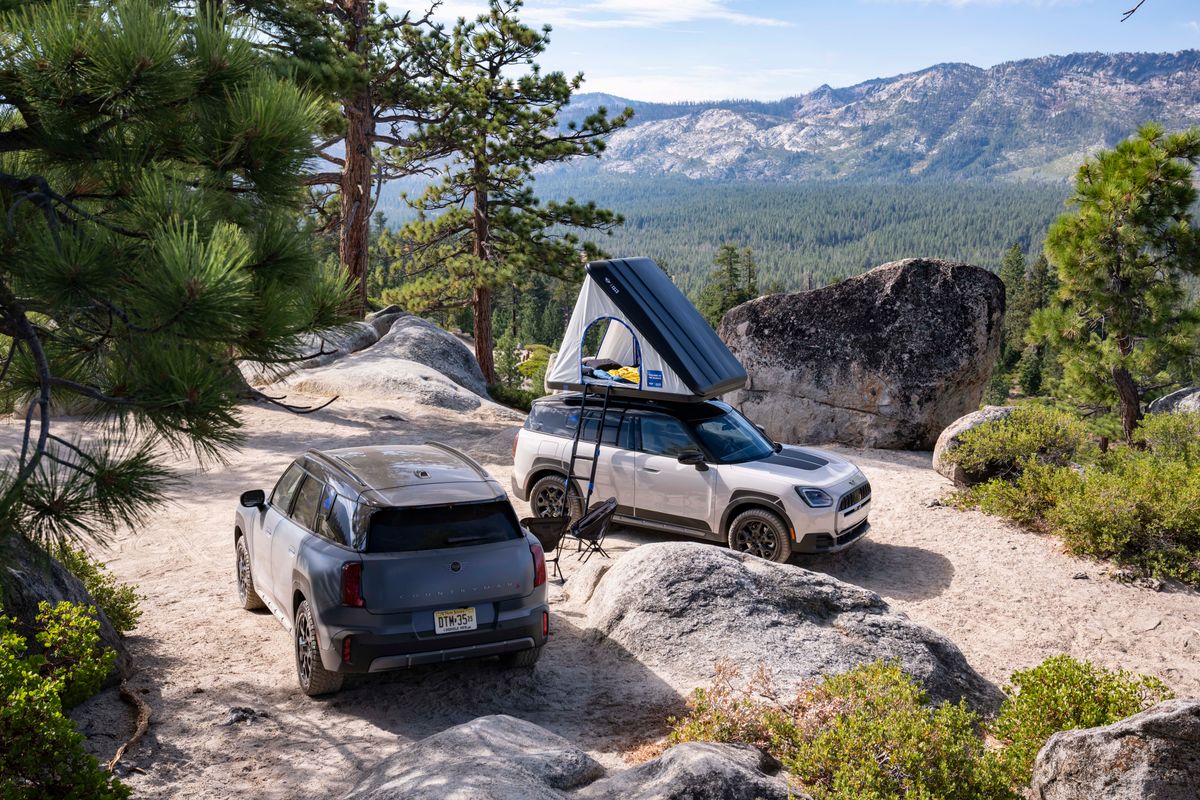
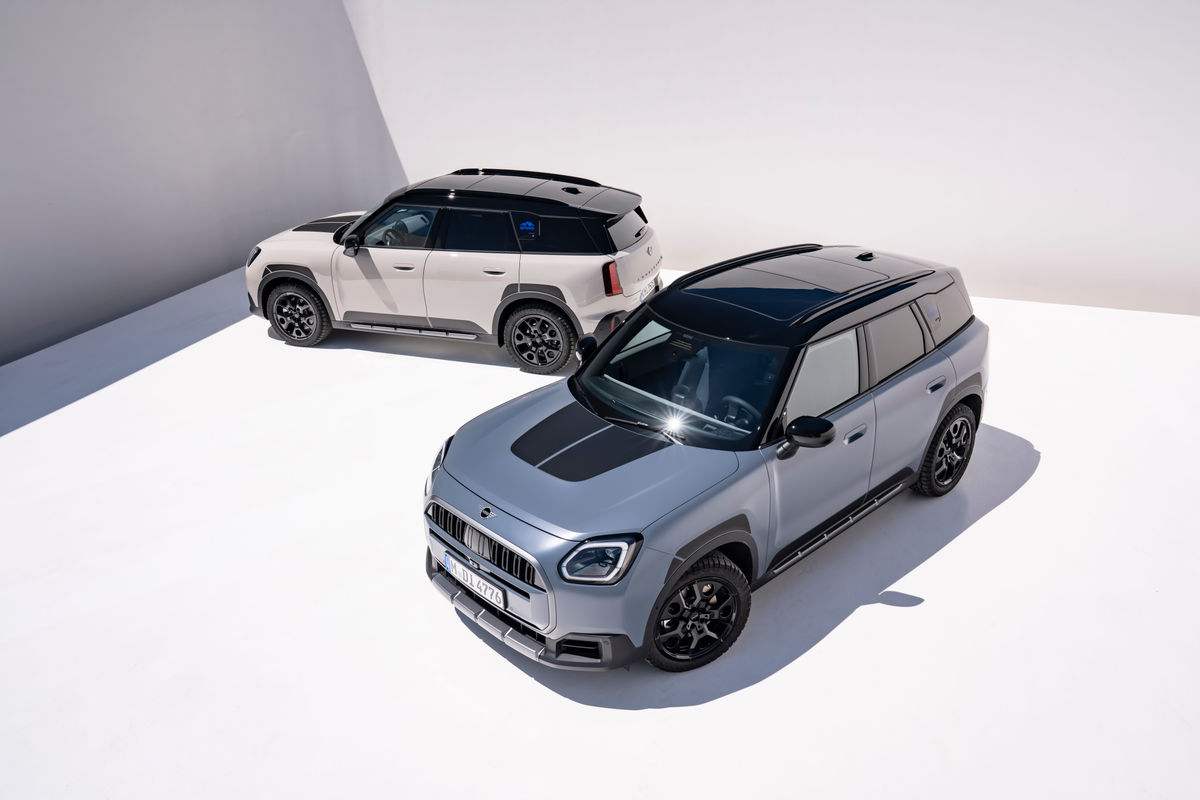
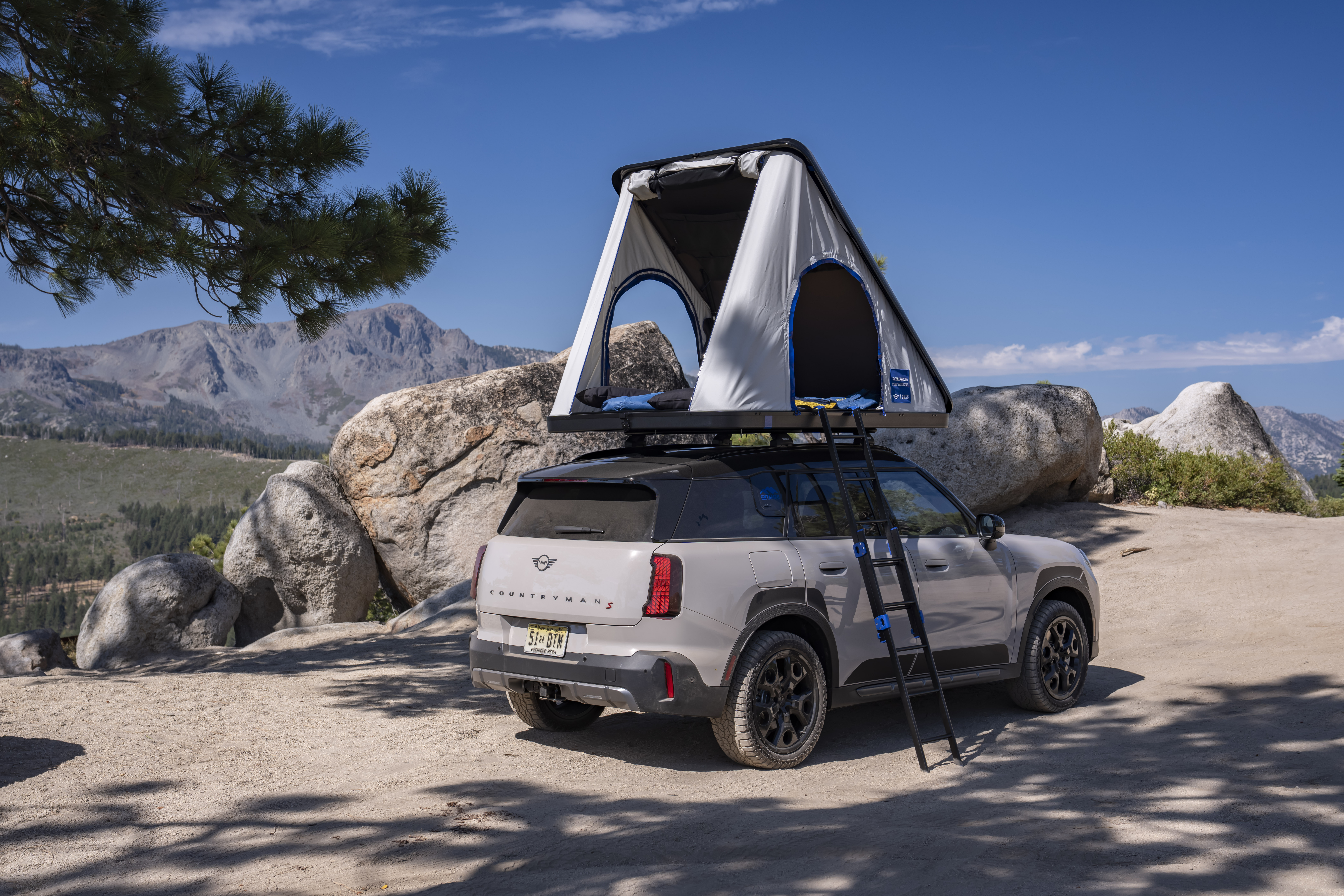
The Mini Countryman Untamed adds a touch of ruggedness and capability to a product that’s seen as a premium urban family car. It’s not just a cosmetic upgrade as the vehicle gets all-terrain tyres, all-wheel drive and an increased ground clearance. For those wanting even more, Mini has partnered with Autohome and Helinox and there’s a purpose-developed roof-mounted tent and outdoor accessories.
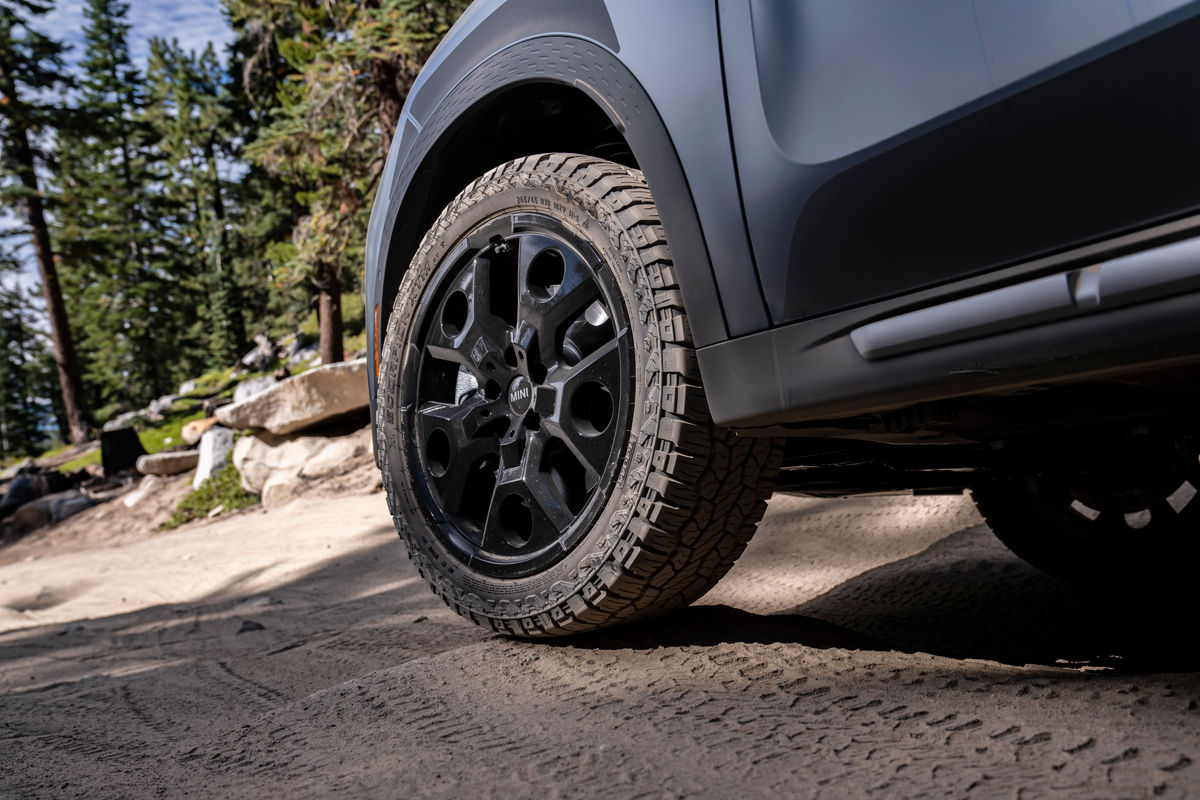
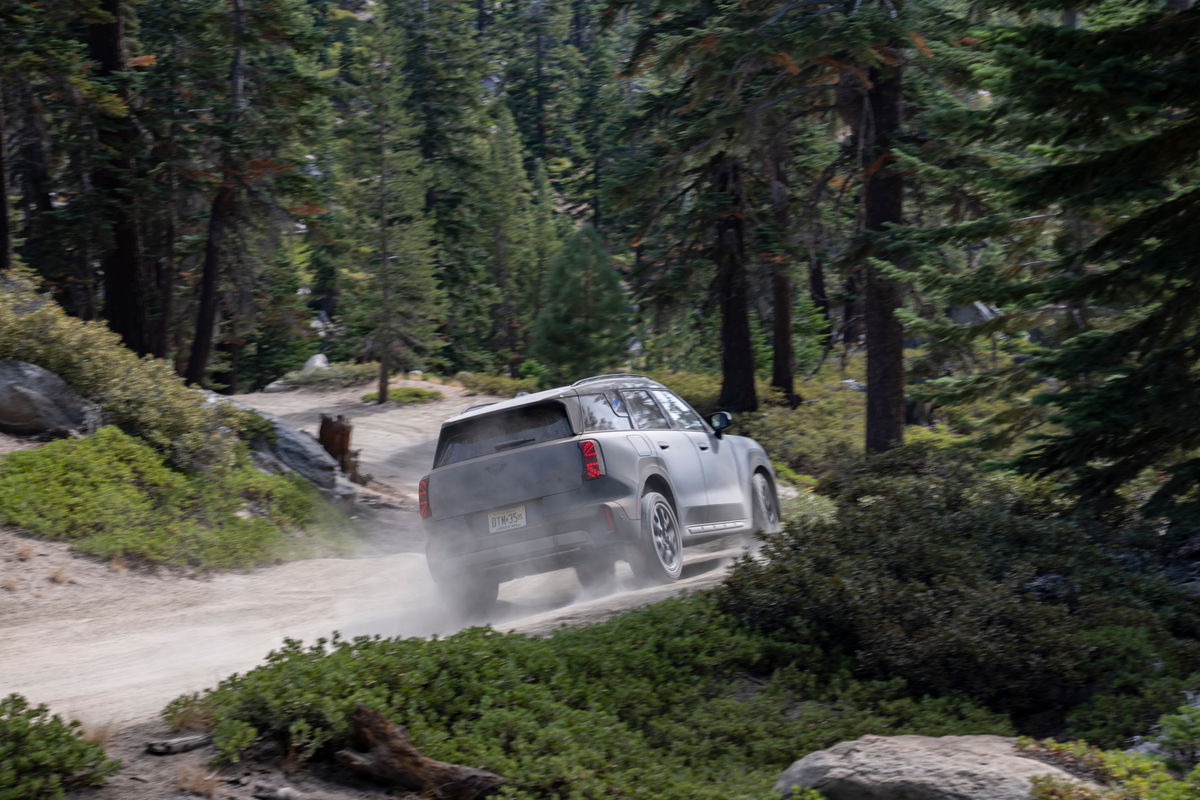
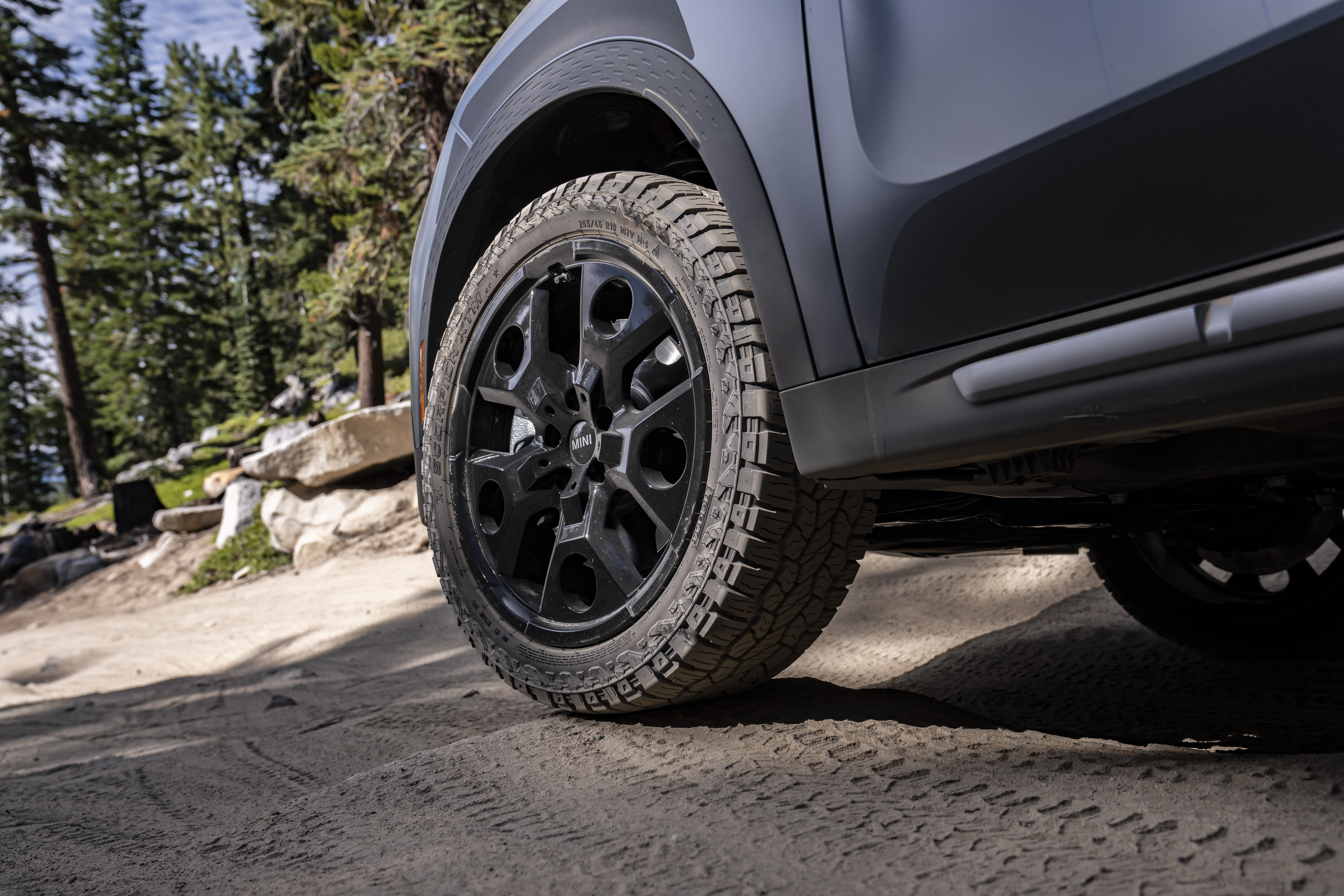
The Untamed rides on specifically-developed 19-inch Pirelli Scorpion All Terrain Plus tyres. There are some strategically positioned decals on the flanks to help protect the vehicle sides and there’s underbody protection. There’s a suspension lift kit which raises the ground clearance by 19 mm. As a reminder, the standard Countryman has a ground clearance of 202 mm. A tow bar is fitted as standard.
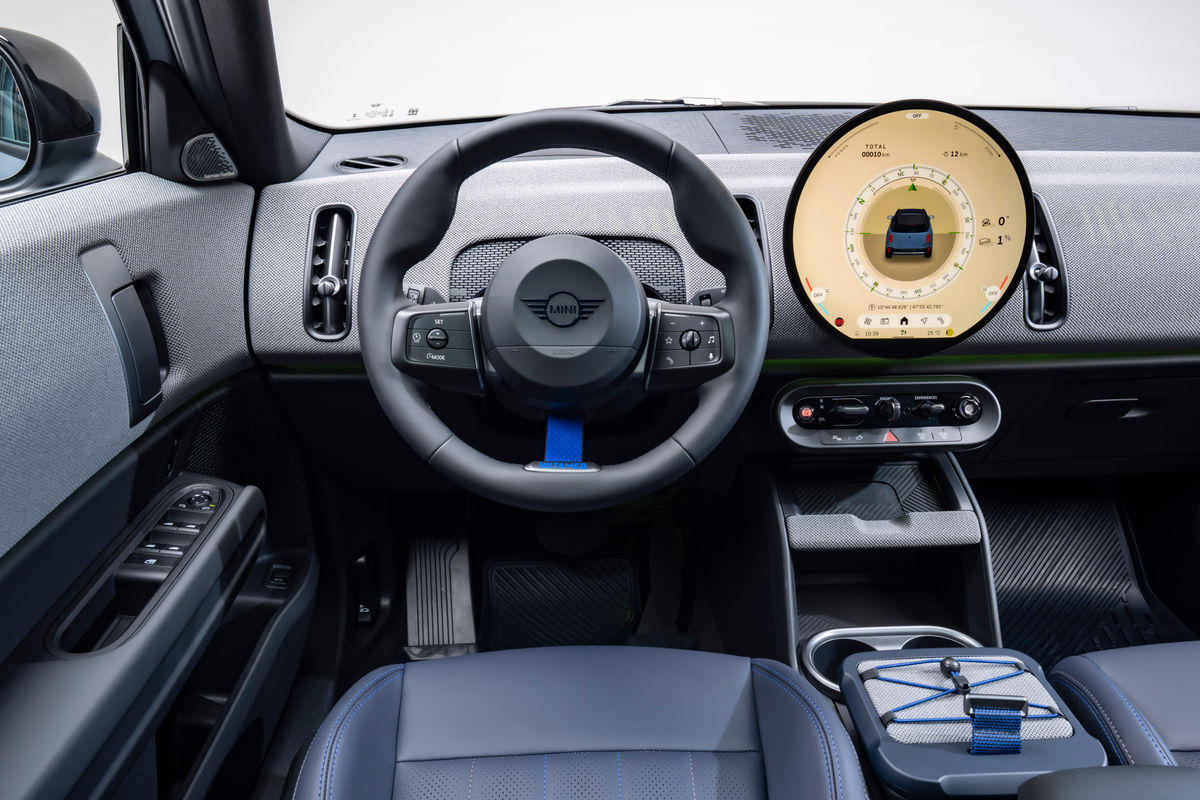
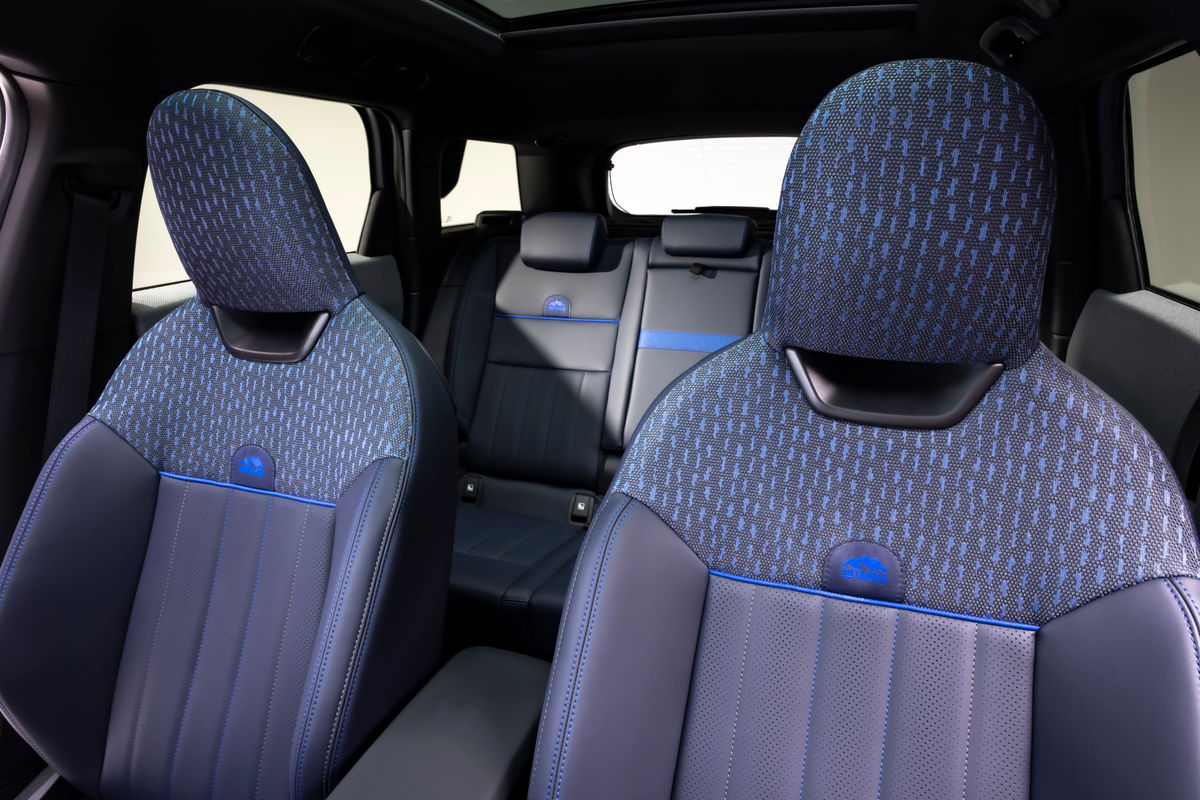
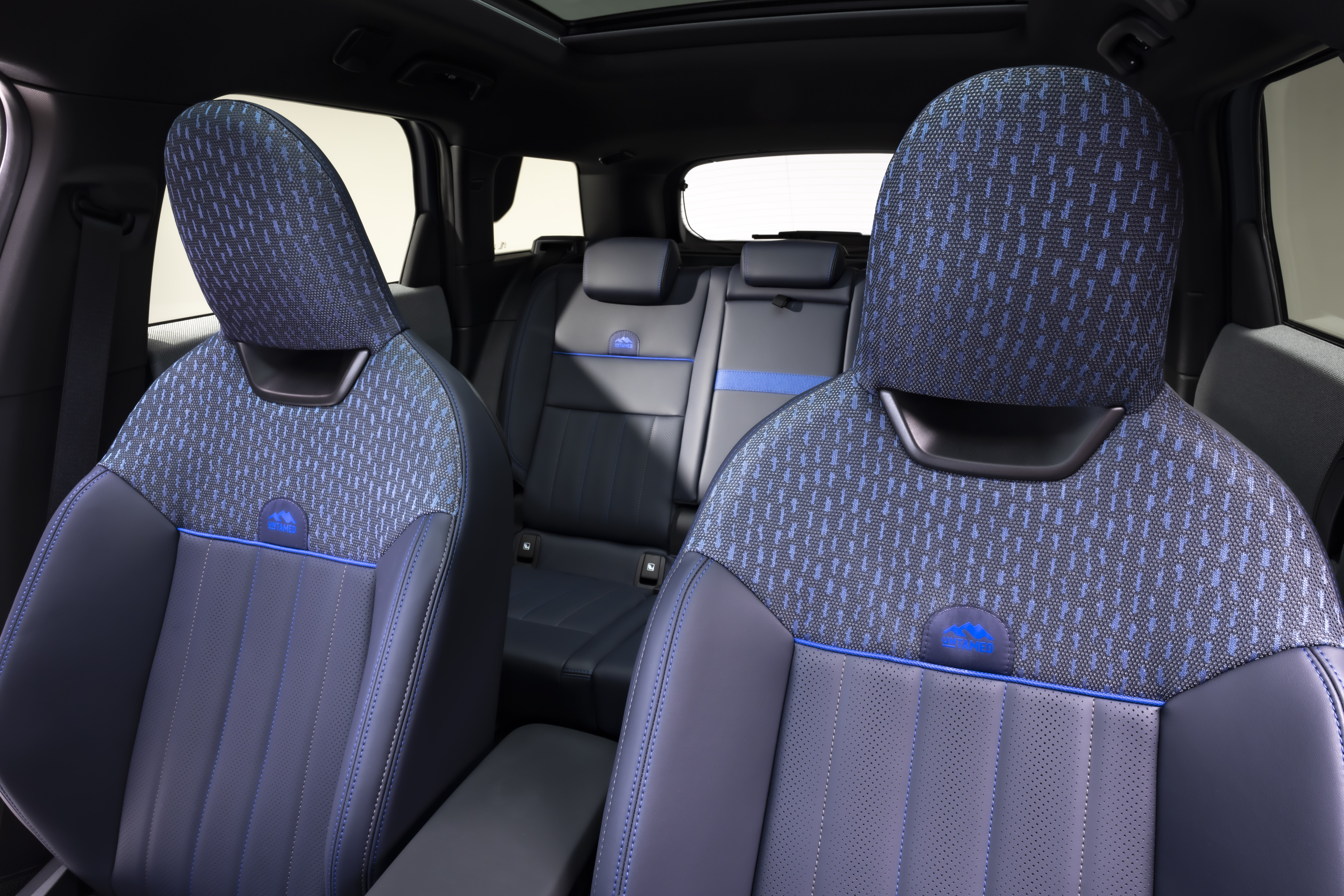
Visually, there are three new colours; Hideaway Grey, Nomad Blue and Frozen Nomad Blue – the latter being being the first matte paint offered for a production Mini. Inside there are unique Untamed branded sports seats and blue contrast stitching. A smart move by Mini was to include rubber floor mats.
The Mini Countryman S All4 is powered by a 2.0-litre turbocharged 4-cylinder petrol engine making 150 kW and 300 Nm. Power goes to all four wheels via a 7-speed dual-clutch transmission. In terms of performance and economy, Mini claims 0-100 kph in 7.4 seconds and 7.6 L/100 km respectively.
Mini Countryman Untamed coming to South Africa
Mini South Africa has confirmed the Countryman Untamed will be available on the Countryman S All4 and will go on sale in the second quarter of 2027. Surprisingly, Mini said that both the roof tent and suspension lift are not for our market, which seems a bit counter intuitive to us as these are the vehicle’s unique selling points.
Countryman S ALL4: 2.0-litre 4-cylinder turbo-petrol producing 150 kW and 300 Nm (AWD).
Countryman John Cooper Works (JCW) ALL4: 2.0-litre 4-cylinder turbo-petrol delivering 233 kW and 400 Nm (AWD).
Countryman SE ALL4: Fully electric dual-motor setup delivering 230 kW and 494 Nm (AWD).
How much does the Mini Countryman cost in South Africa?
Pricing for the Mini Countryman lineup is structured as follows:
Mini Countryman C: Starts from approximately R746,900
Mini Countryman S ALL4: Starts from approximately R827,900
Mini Countryman JCW ALL4: Starts from approximately R994,800
Mini Countryman SE ALL4 (Electric): Starts from approximately R1,110,000
What is the driving range and performance of the electric Mini Countryman SE?
The all-electric Mini Countryman SE ALL4 utilizes a 66.4 kWh battery pack delivering a claimed WLTP driving range of up to 433 km. With 230 kW of electric power, it accelerates from 0 to 100 km/h in 5.6 seconds and supports DC fast charging up to 130 kW, replenishing from 10% to 80% in roughly 29 minutes.
How big is the boot capacity in the Mini Countryman?
The Mini Countryman provides 460 litres of luggage volume behind the rear seats. Folding down the 40:20:40 split rear seat backrests expands total cargo capacity up to 1,450 litres.
What warranty and maintenance coverage come standard with the Mini Countryman in SA?
The Mini Countryman comes standard with a 2-year / unlimited kilometre manufacturer warranty alongside a 5-year / 100,000 km Mini Motorplan (maintenance plan). Electric models also include an 8-year / 160,000 km high-voltage battery warranty.