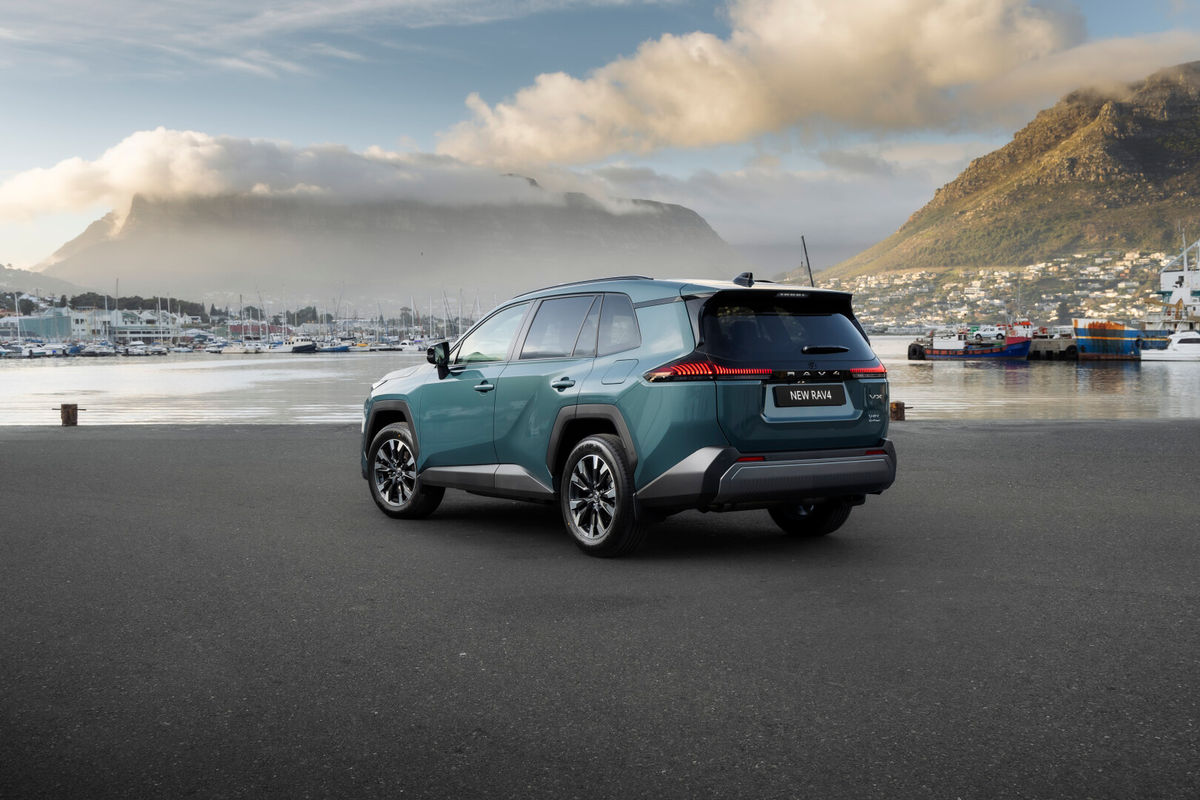
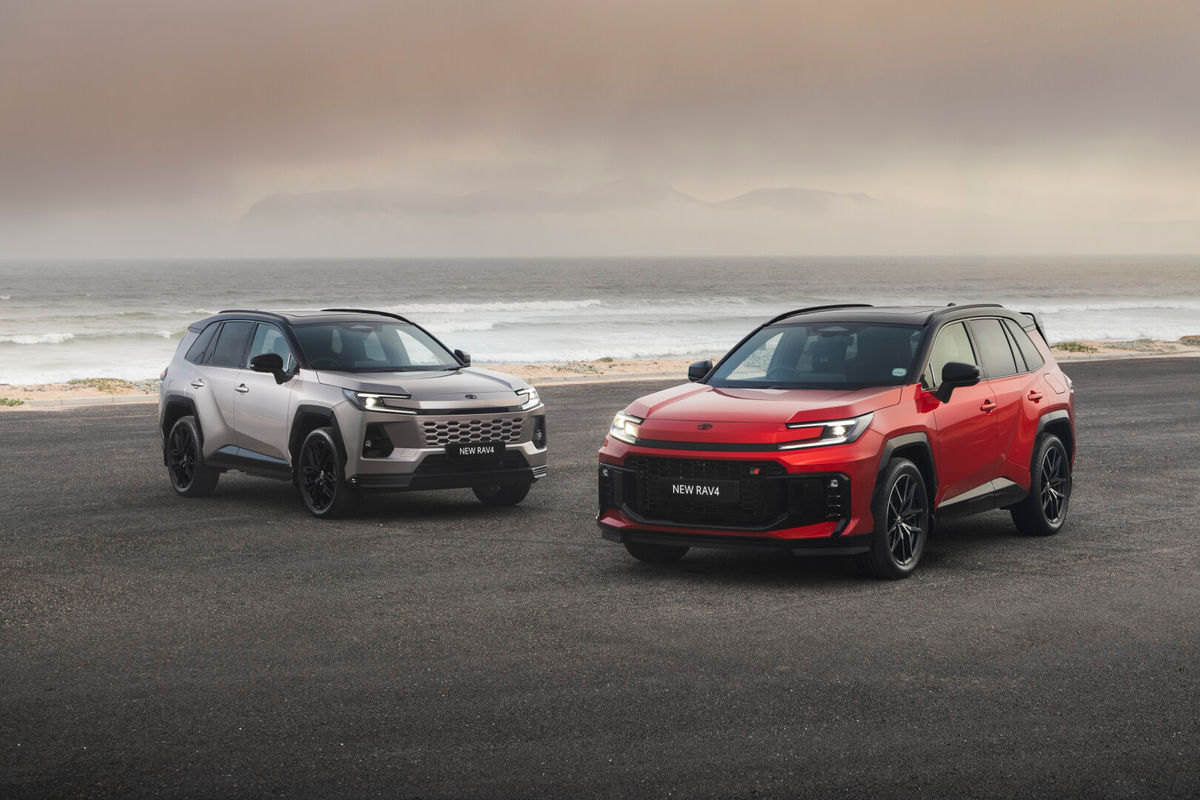
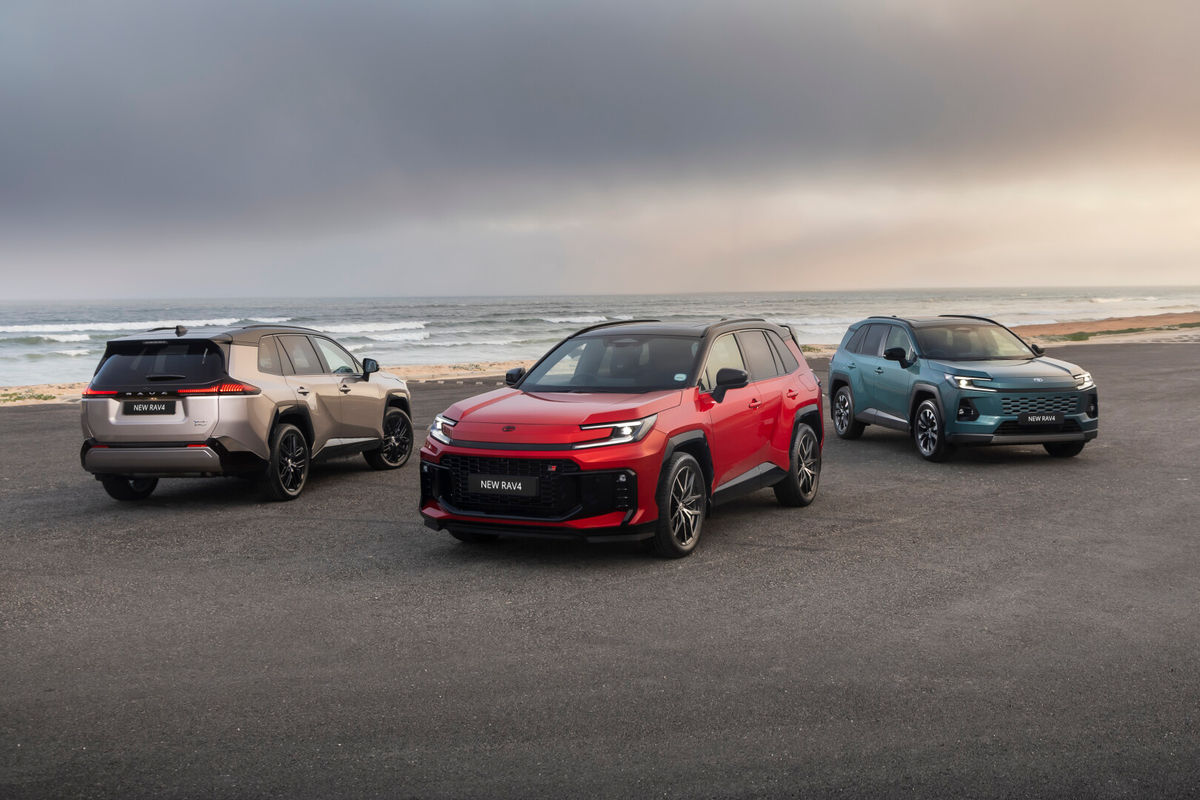
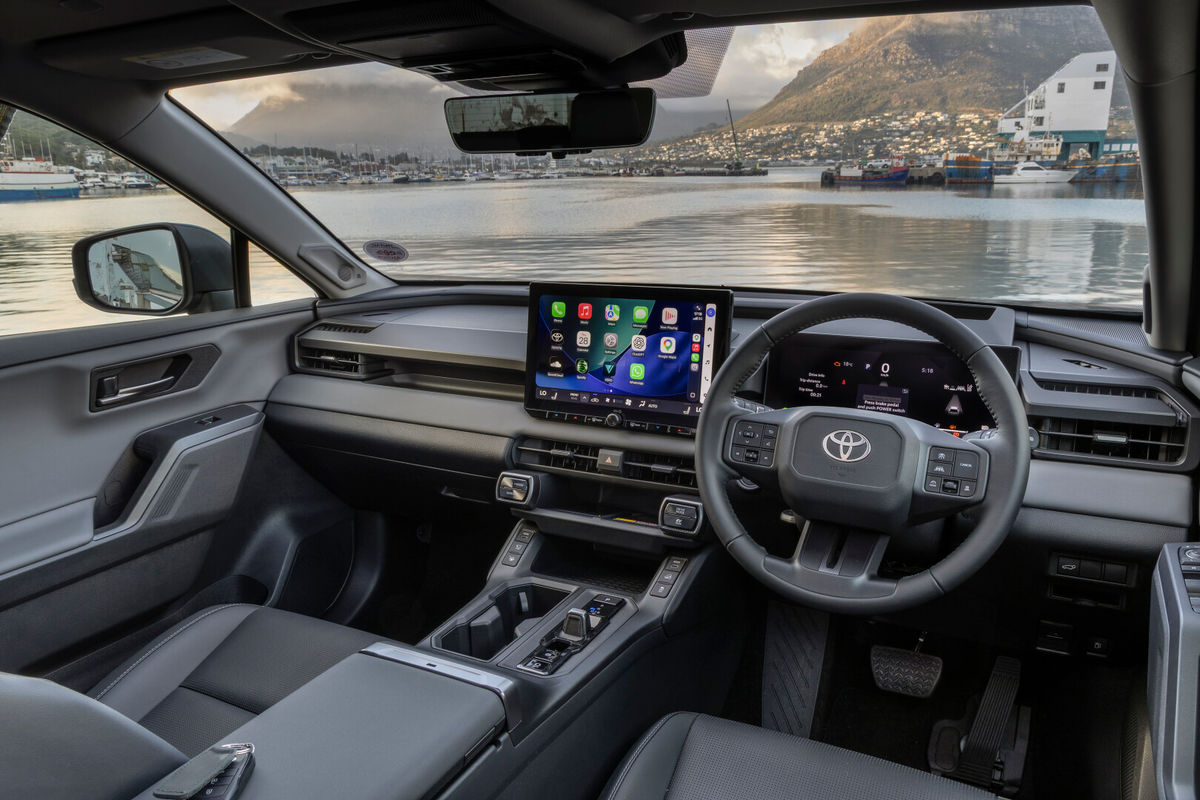
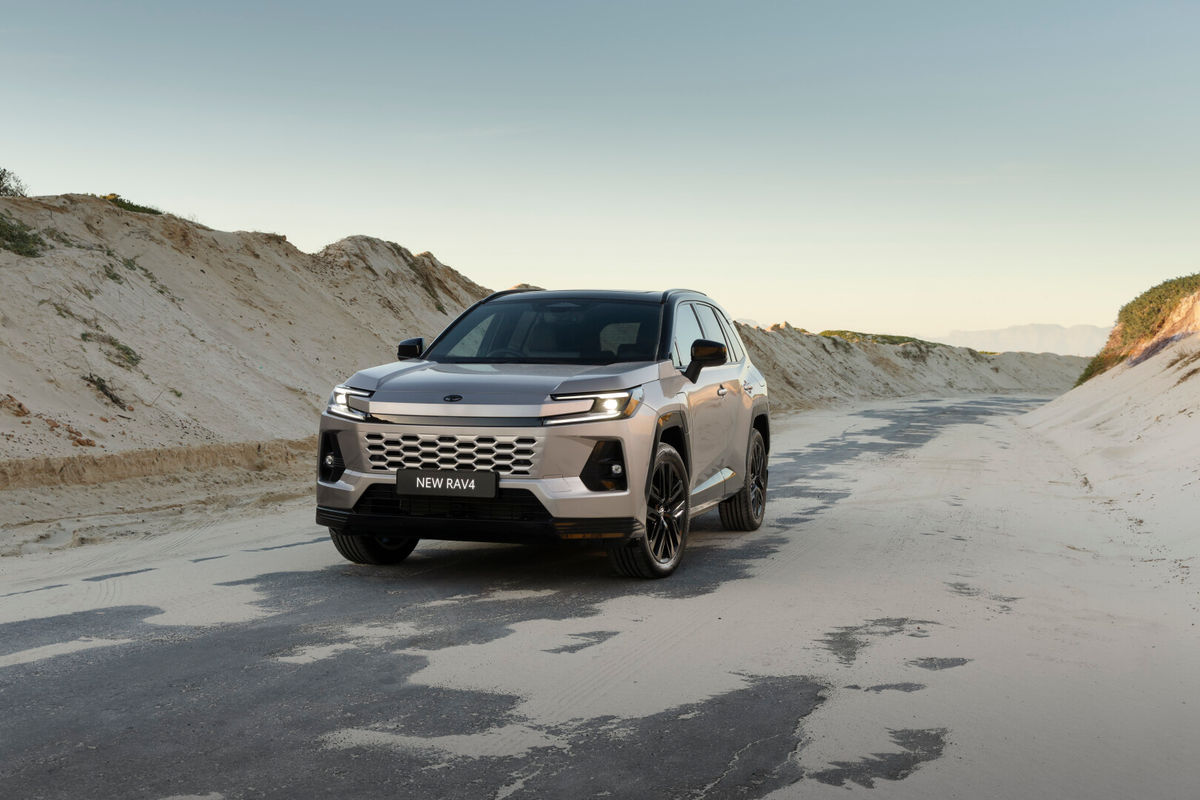
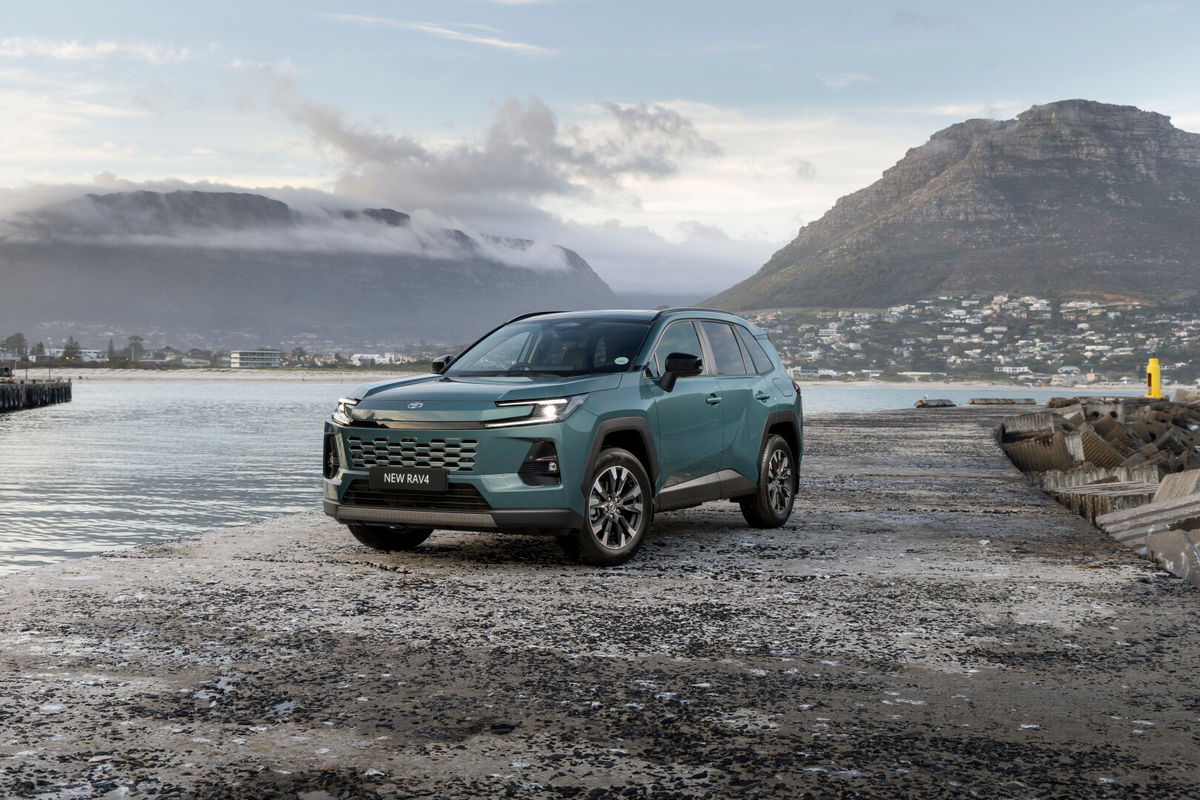
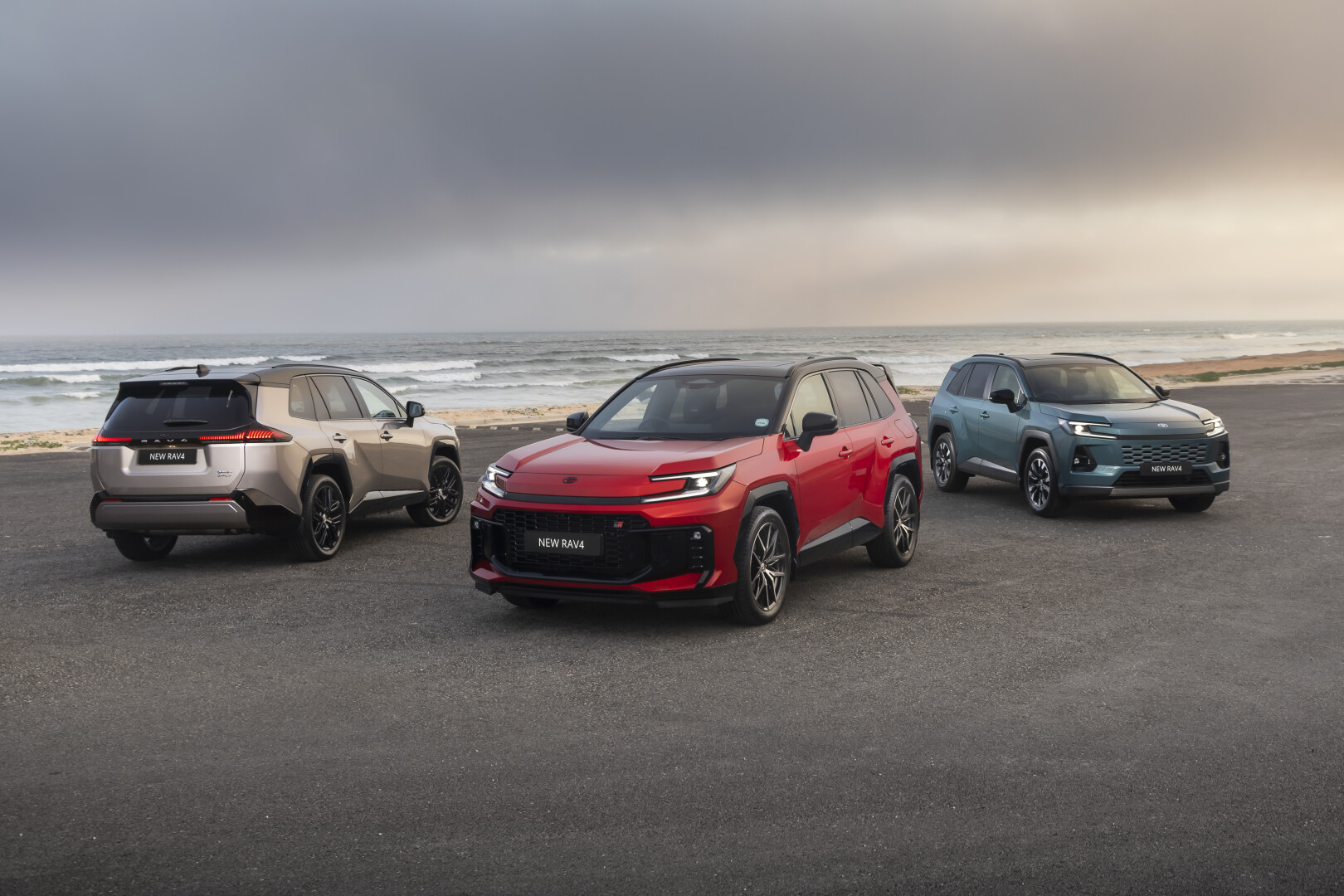
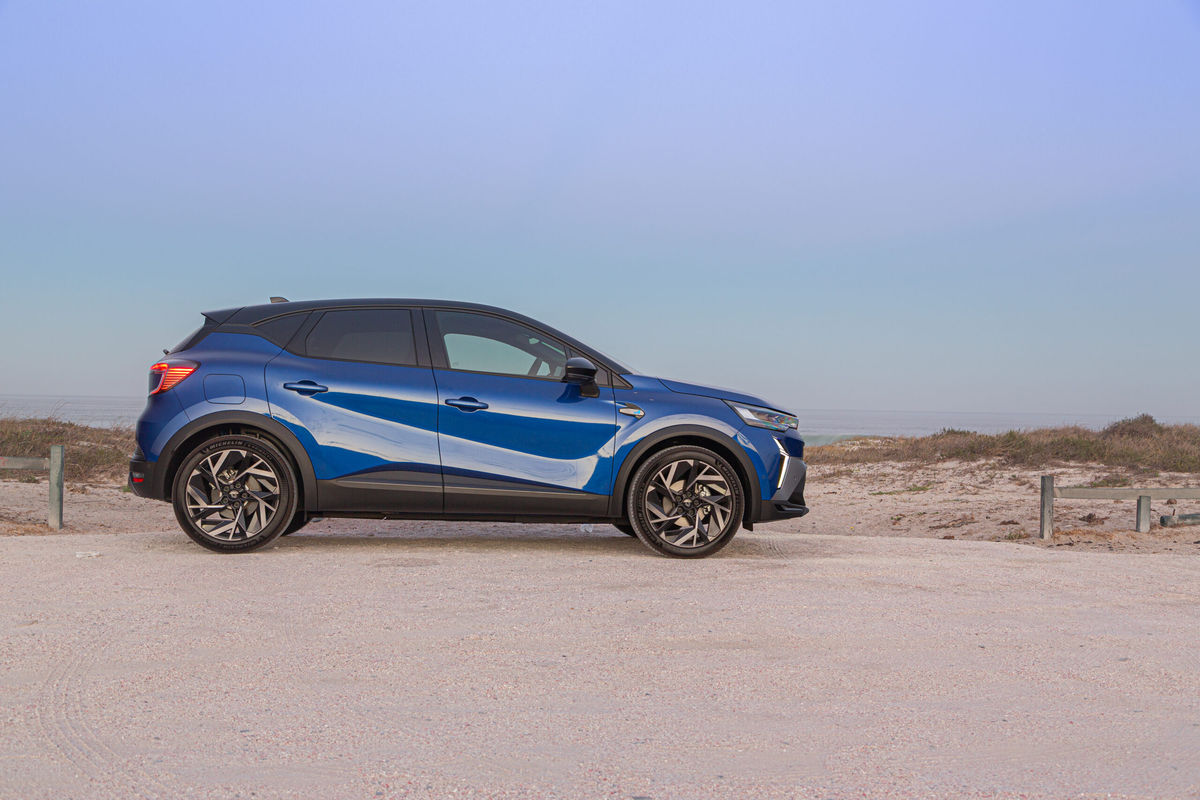
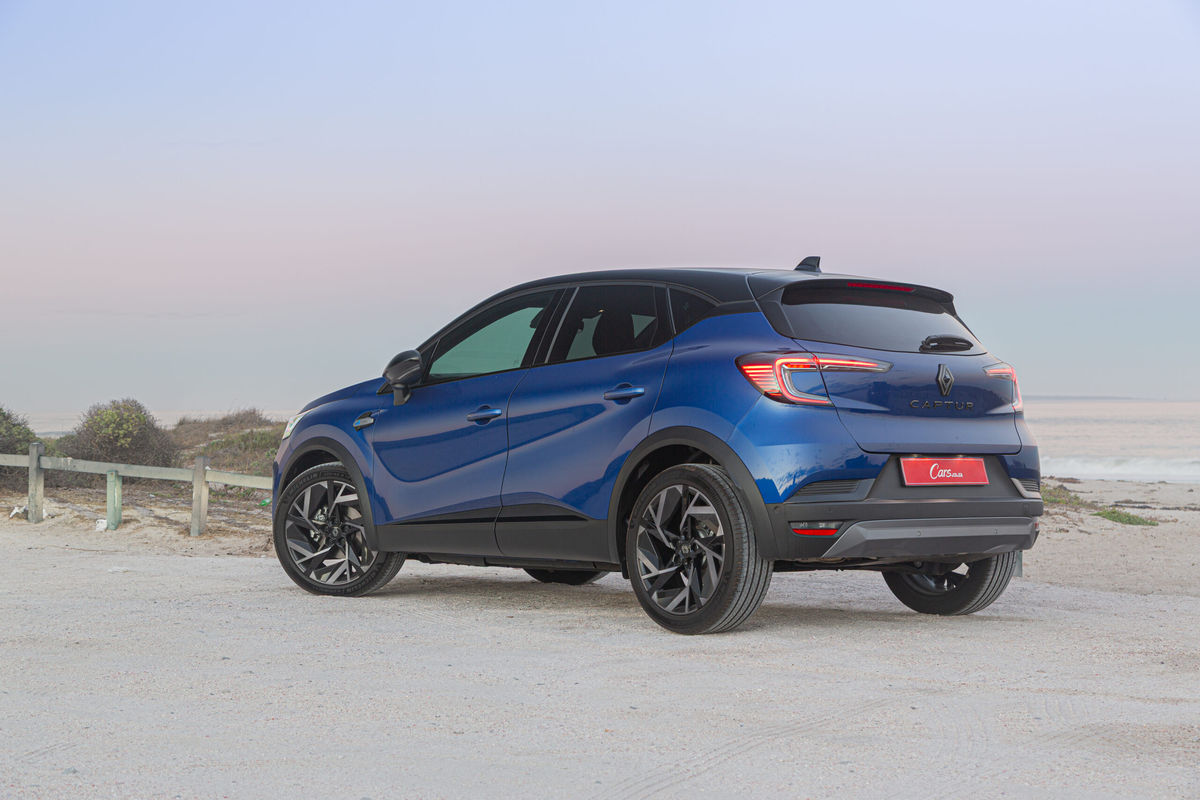
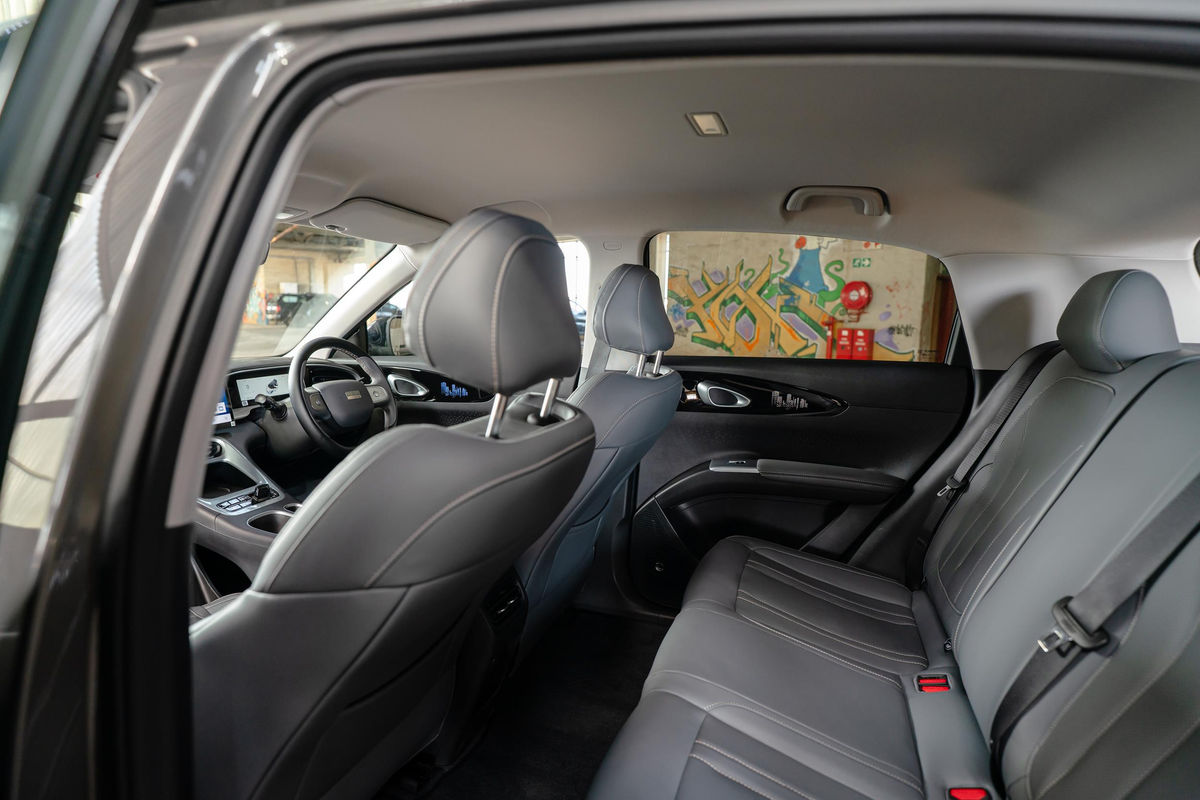
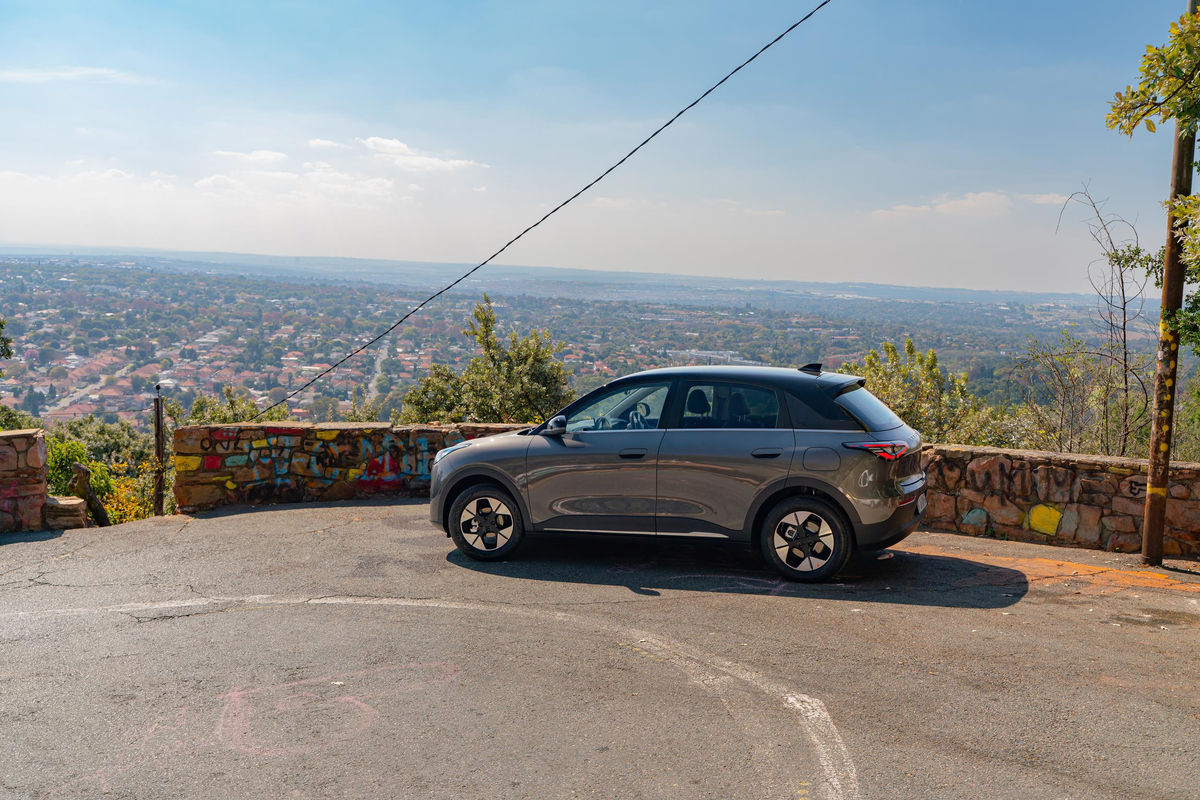
Renault South Africa will switch from the Euro-spec Duster to this new Indian-built model, which sports revised styling, a revamped cabin and fresh engine options…
Indian-built Duster coming to SA later in 2026
Revised exterior styling, cabin and powertrains
Nissan will base Tekton on Indian-spec Duster
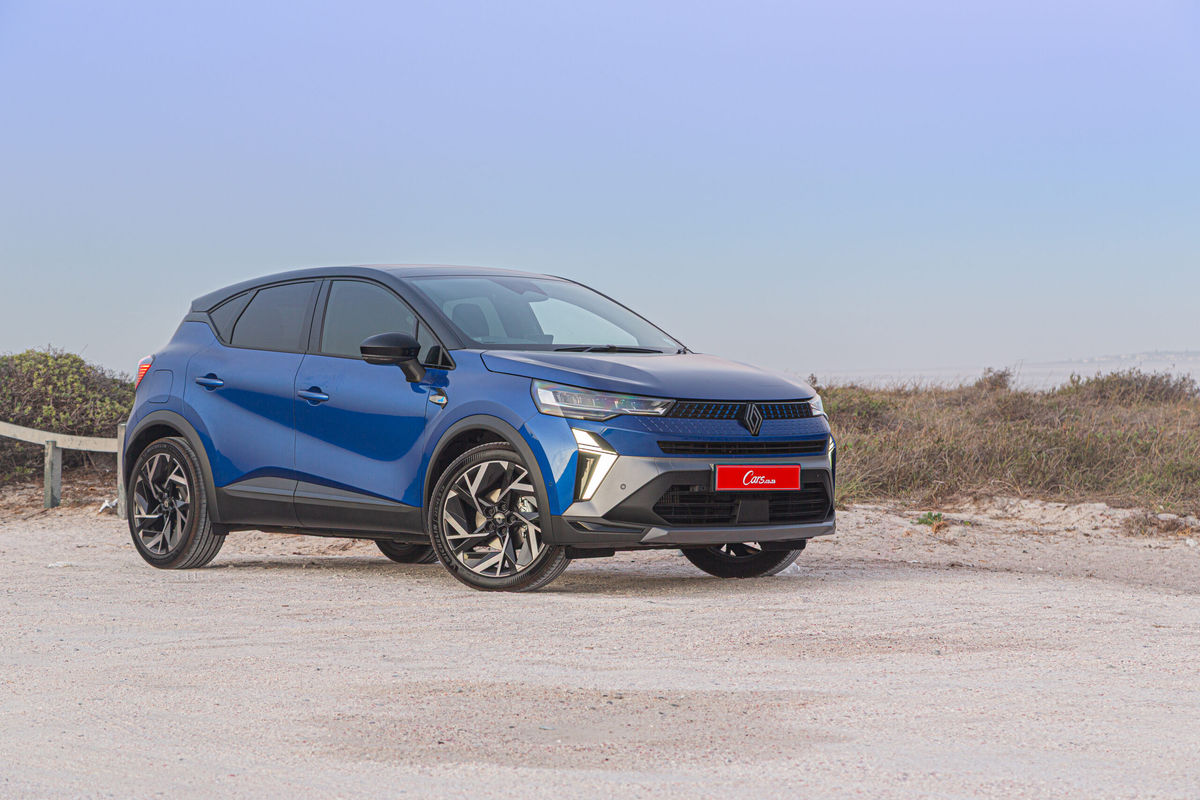
Back in March 2025, the 3rd-generation Renault Duster arrived in South Africa, with the French brand’s local distributor Motus importing these initial units from Europe. However, a revised Indian-built version has just been revealed in the world’s most populous nation. And it’s coming to Mzansi.
Yes, the Boulogne-Billancourt-based automaker’s local arm has confirmed to Cars.co.za that this latest Chennai-sourced version of the Duster is “anticipated to be introduced in the latter part of this year [2026]”.
New Indian-built version on top and Euro-made iteration at the bottom.
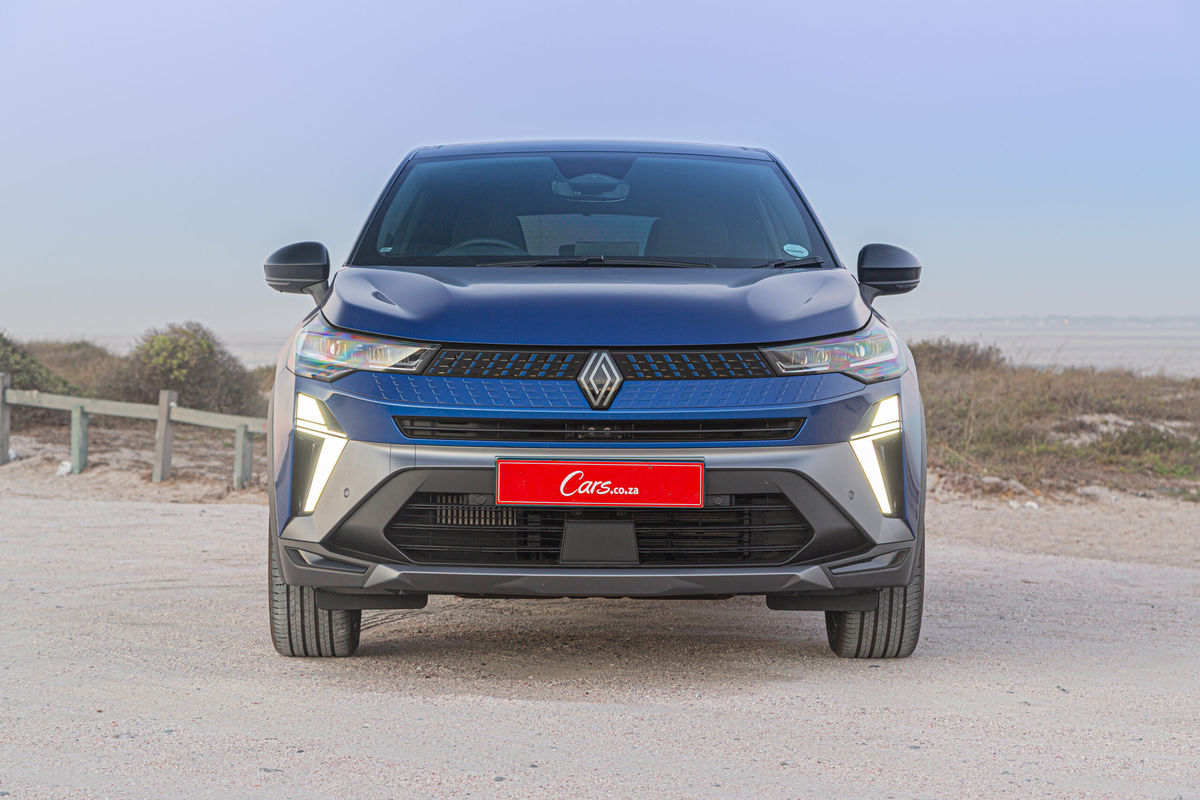
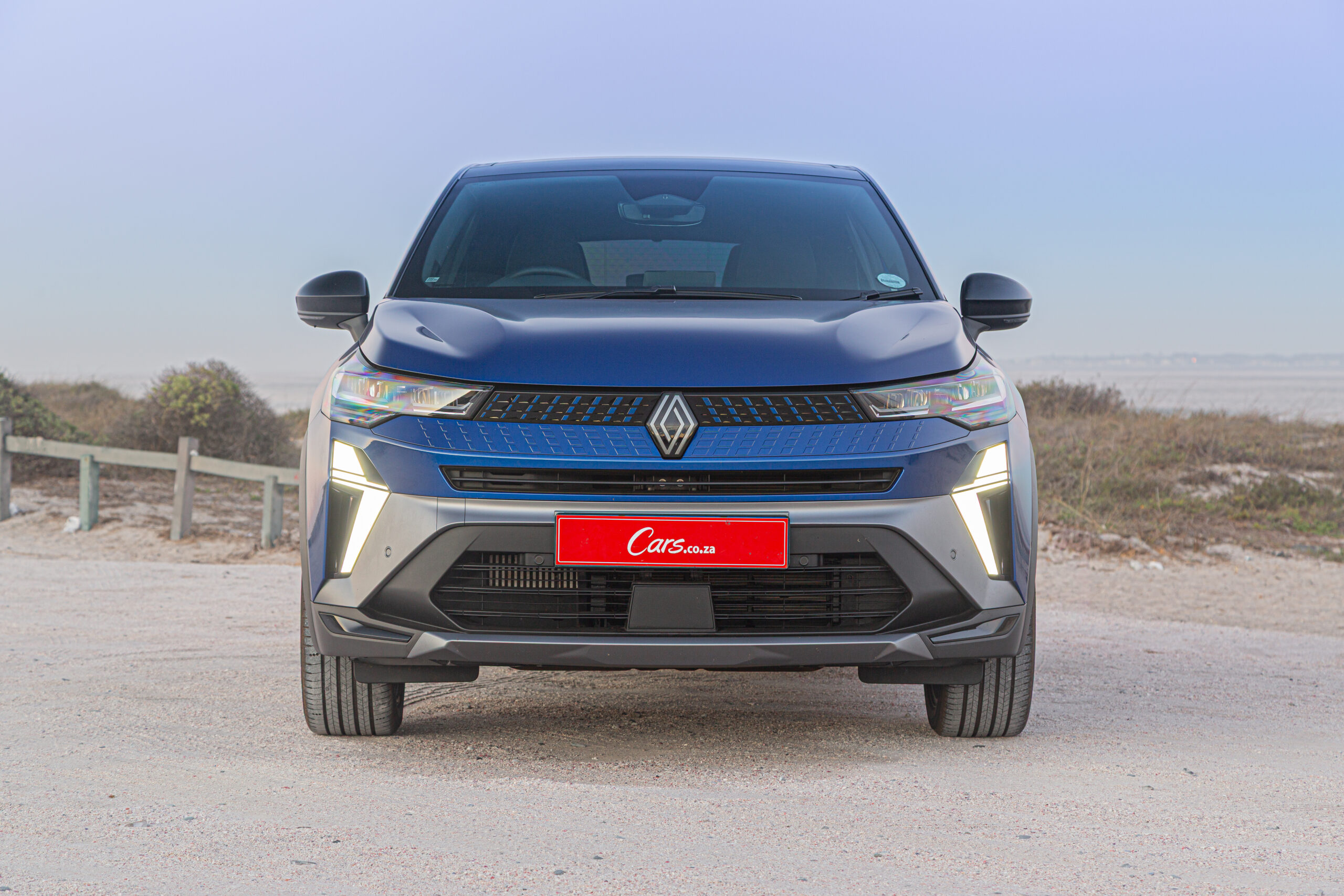
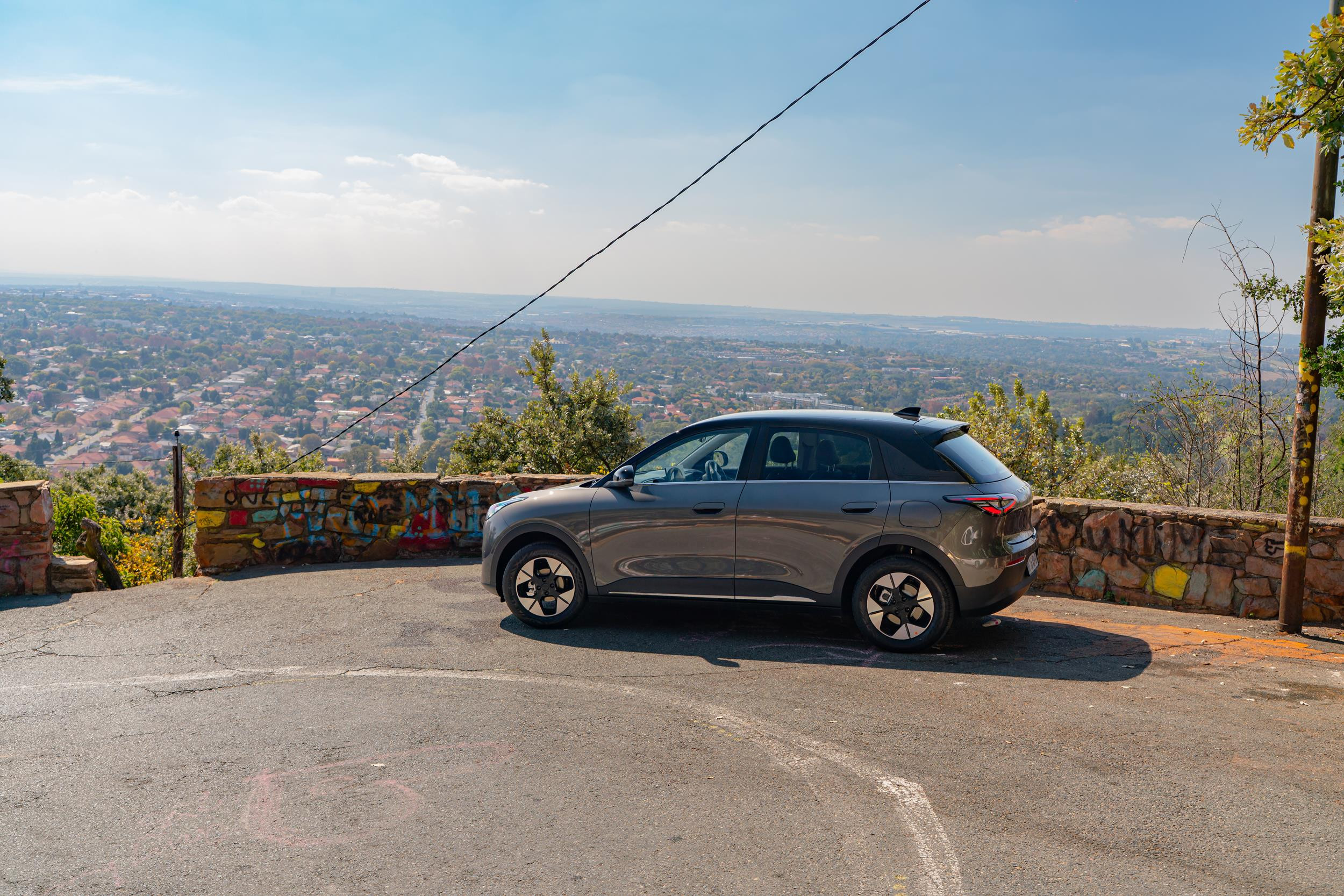
So, how do the European- and Indian-spec models differ? Well, look closely and you’ll notice various styling tweaks, from revised headlamps, a redesigned grille (which interestingly switches from “Renault” to “Duster” lettering) and an updated front bumper.
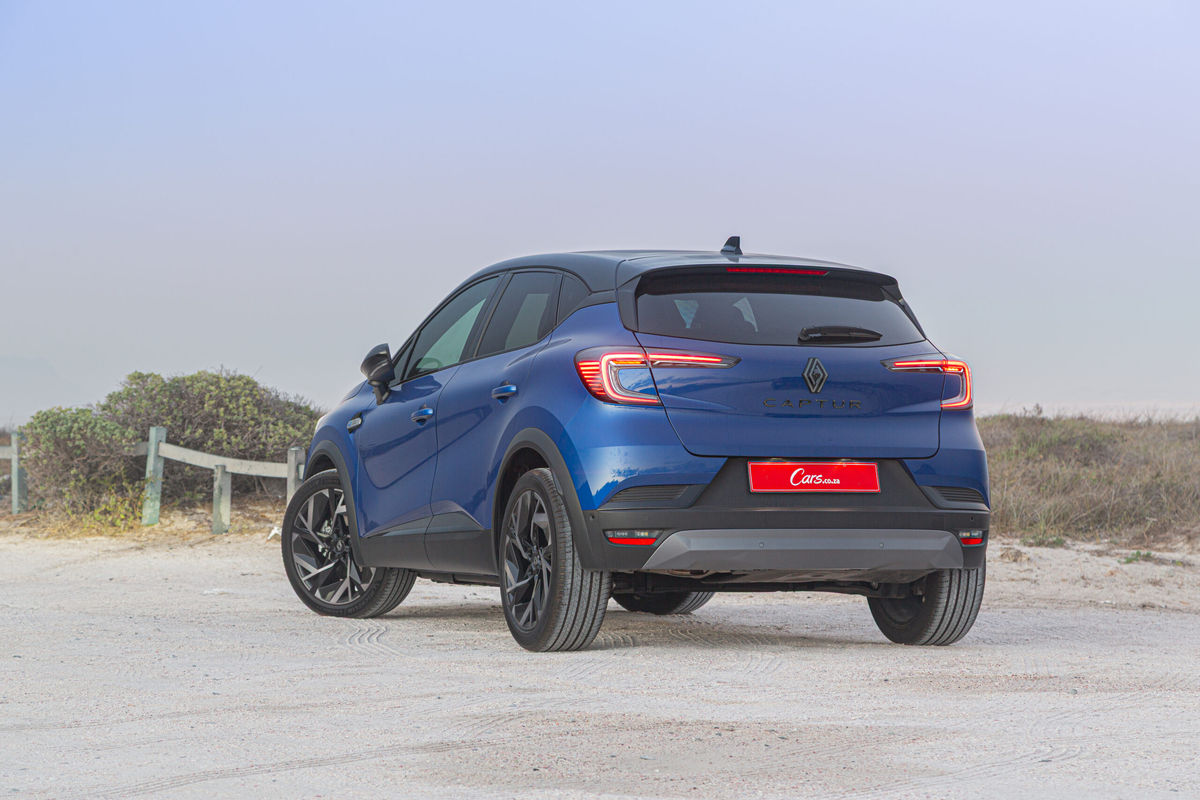
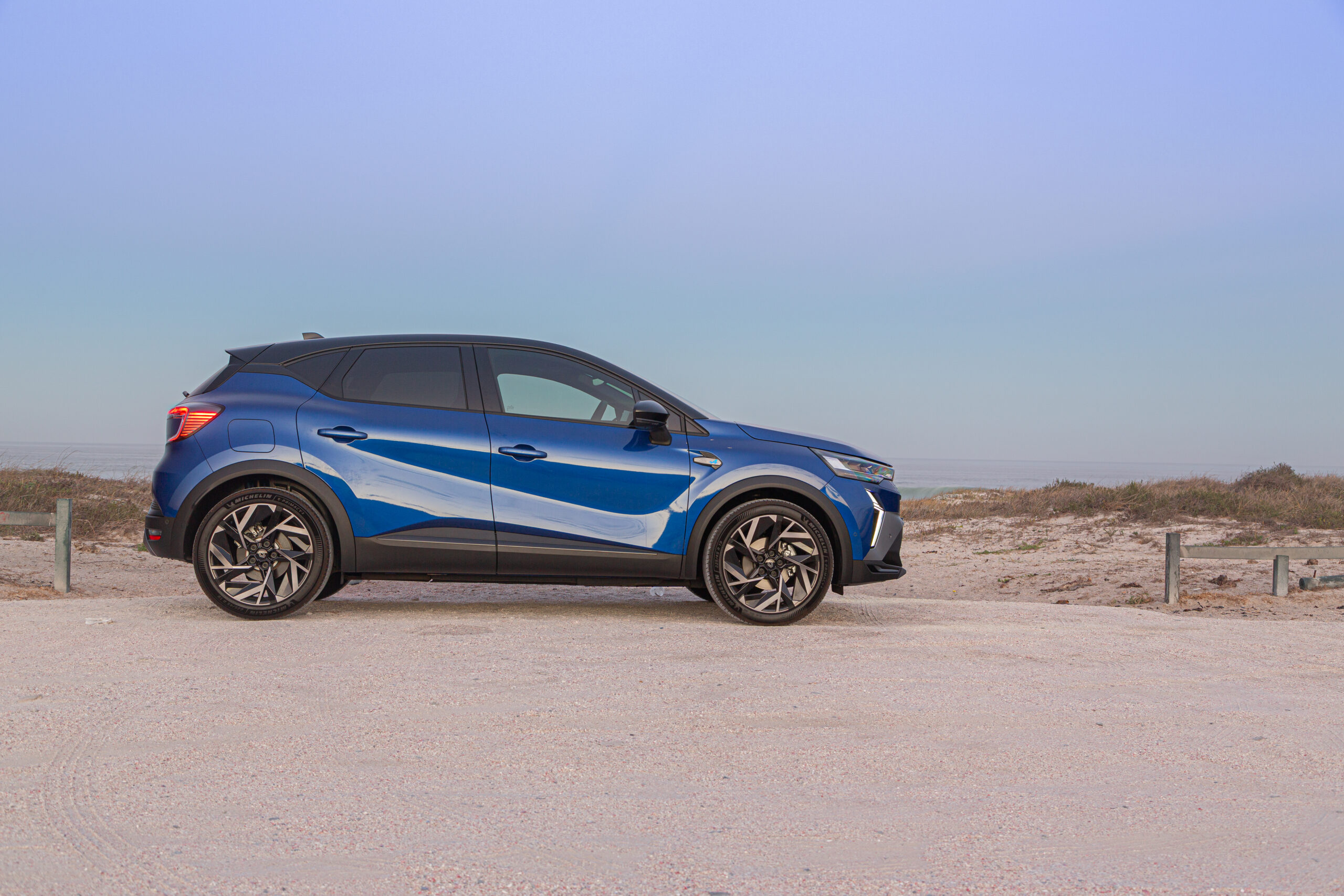
Round back, the taillamps gain an LED bar, while the rear bumper has been overhauled, too. From what we can tell, the European- and Indian-built models share a 4 343 mm length and 2 657 mm wheelbase, though the newer version is seemingly a little narrower. As a reminder, the Euro-spec Duster was revealed in Dacia guise back in November 2023.
Note the full-width LED bar.
What about powertrains? Well, first note the current Duster offered in South Africa can be specified with either a turbocharged 1.3-litre, 4-cylinder petrol engine (113 kW and 250 Nm) driving the front wheels via a 7-speed dual-clutch transmission or a turbocharged 1.2-litre, 3-cylinder petrol unit (96 kW/230 Nm) featuring a mild-hybrid system, all-wheel drive and a 6-speed manual gearbox.
In contrast, the freshly revealed Indian version can be ordered with any of a trio of powertrains, all in front-wheel-drive flavour. The initial motor is a turbocharged 1.0-litre, 3-cylinder petrol mill generating 74 kW and 160 Nm, peak outputs that are delivered to the front wheels through a 6-speed manual gearbox as standard.
“Duster” lettering up front.
There’s also a version of the forced-induction 1.3-litre 4-pot offering slightly higher outputs of 120 kW and 280 Nm, here using either a 6-speed manual gearbox or a 6-speed dual-clutch transmission (again, to drive the front axle). Finally, a new 1.8-litre traditional hybrid – with system outputs of 80 kW and 172 Nm – is planned for India “in a few months”, complete with 2 electric motors drawing from a 1.4 kWh battery pack. It’s not yet known which powertrains will be offered in South Africa.
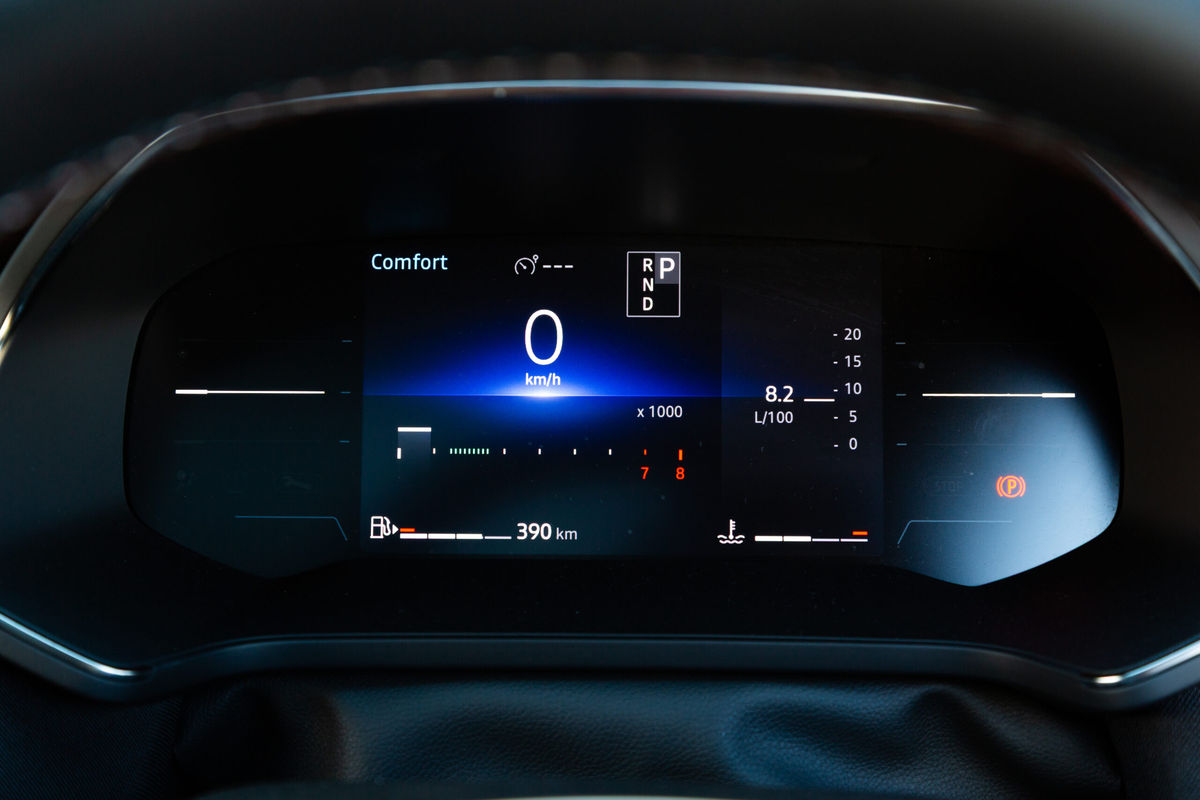
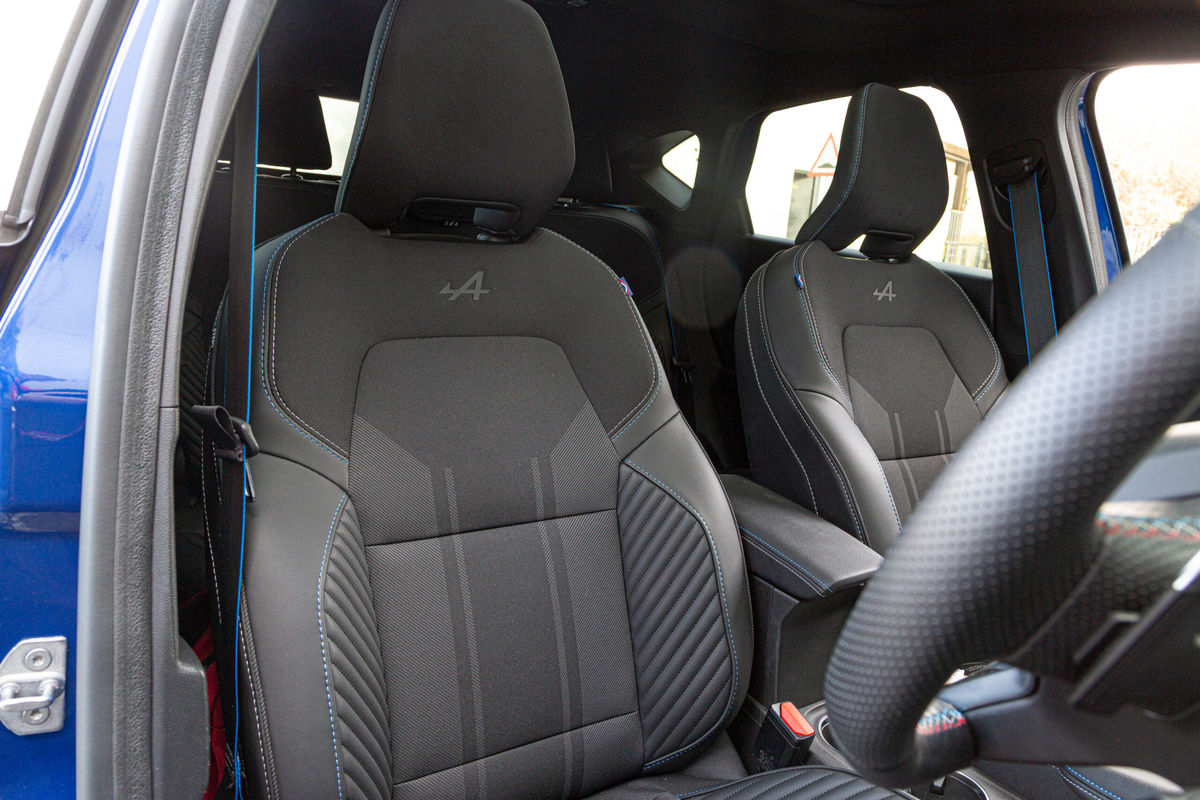
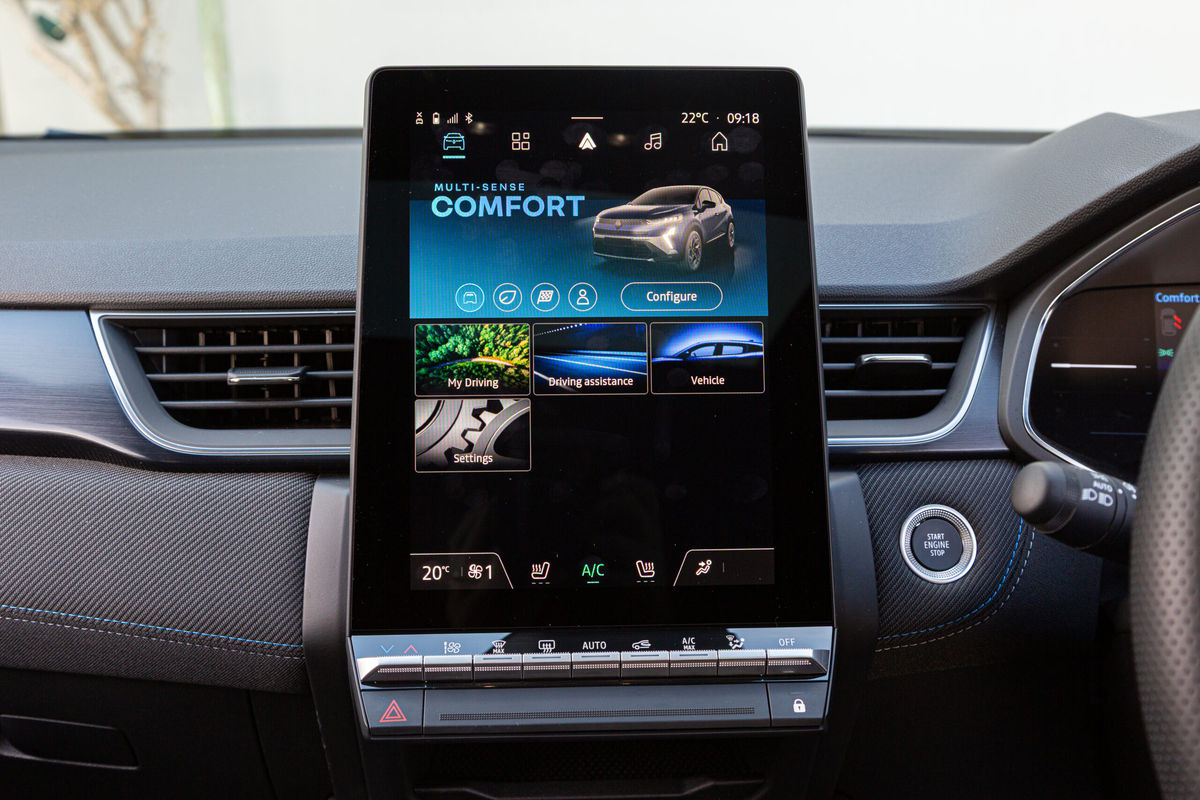
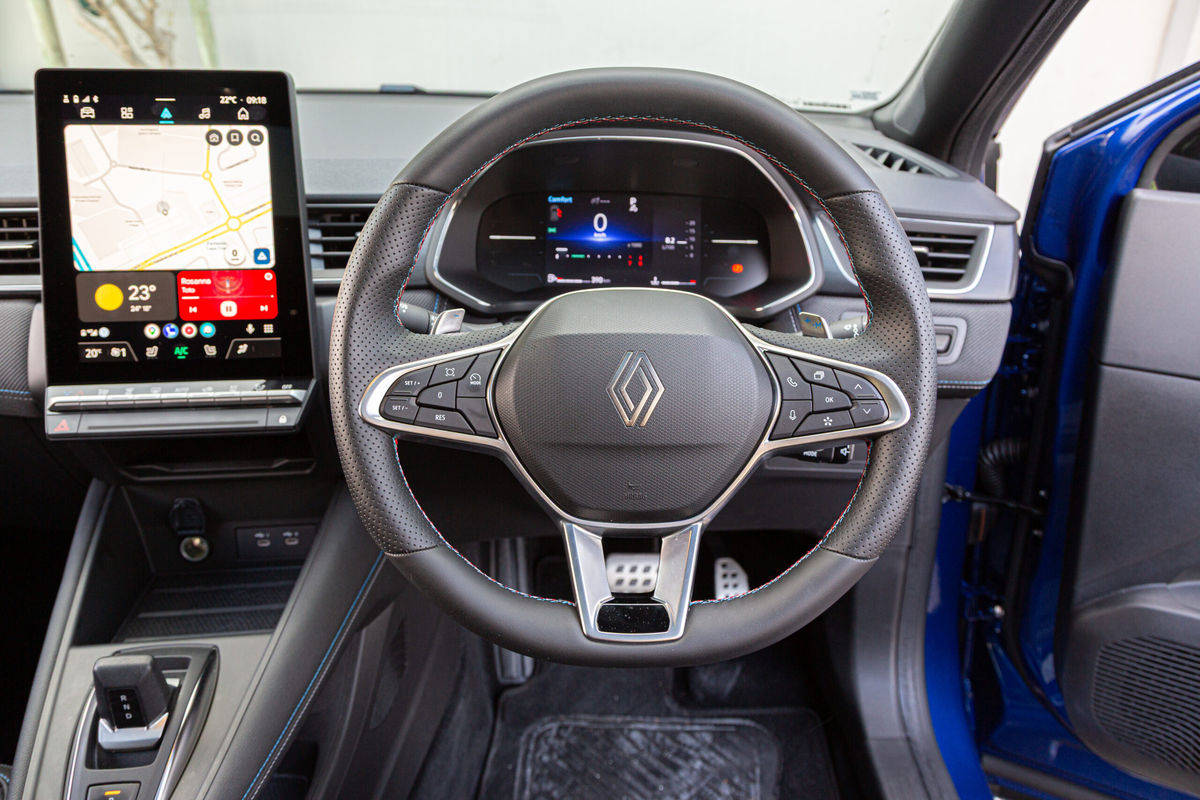
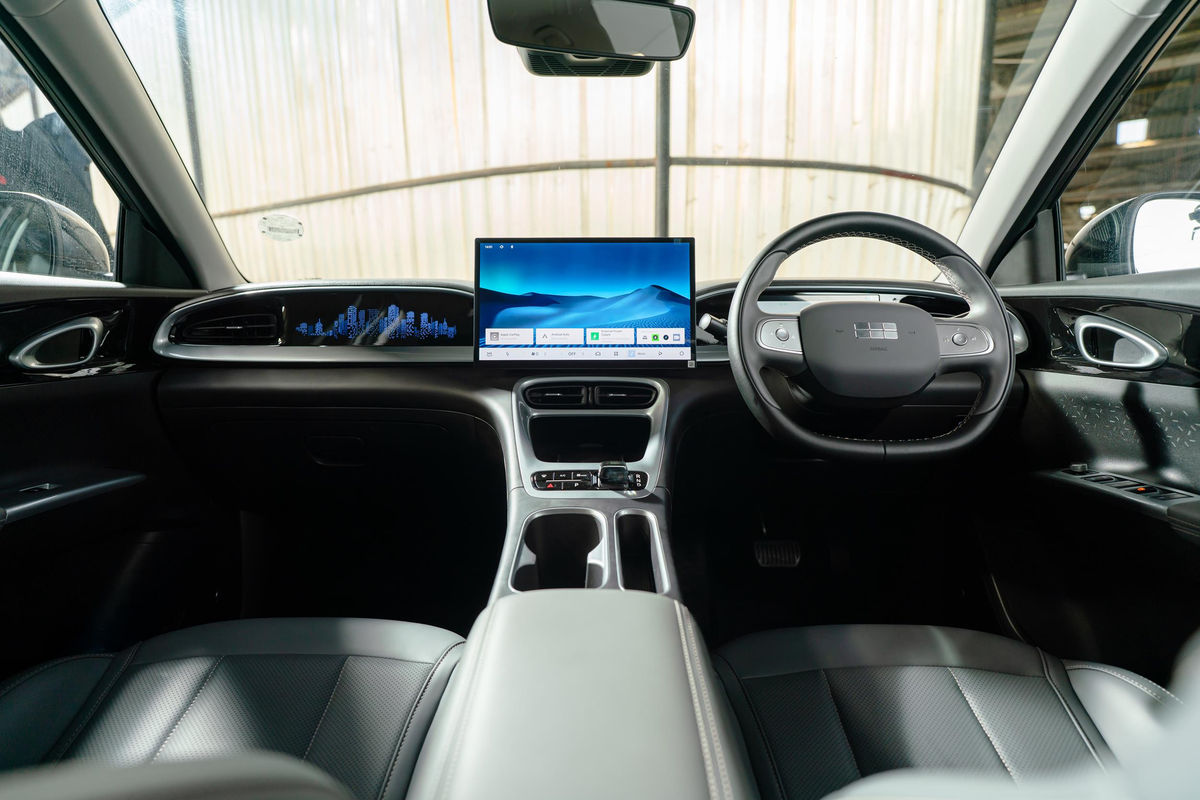
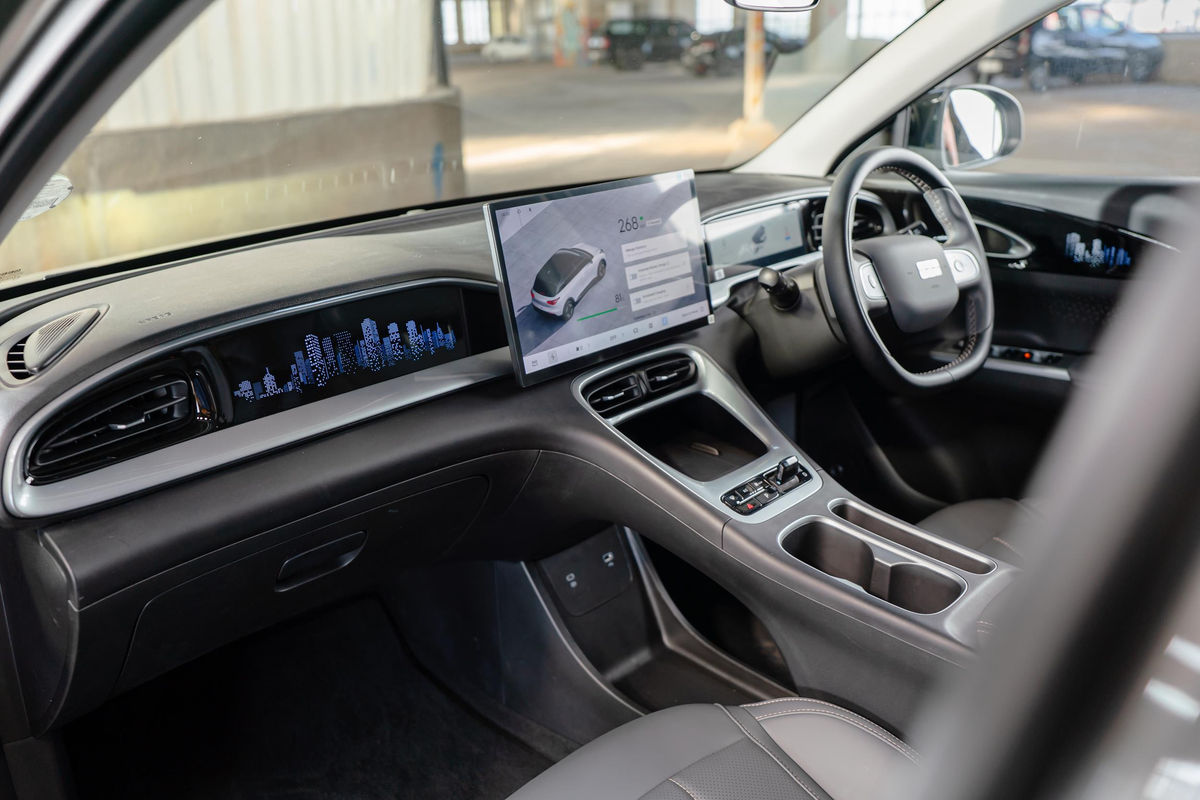
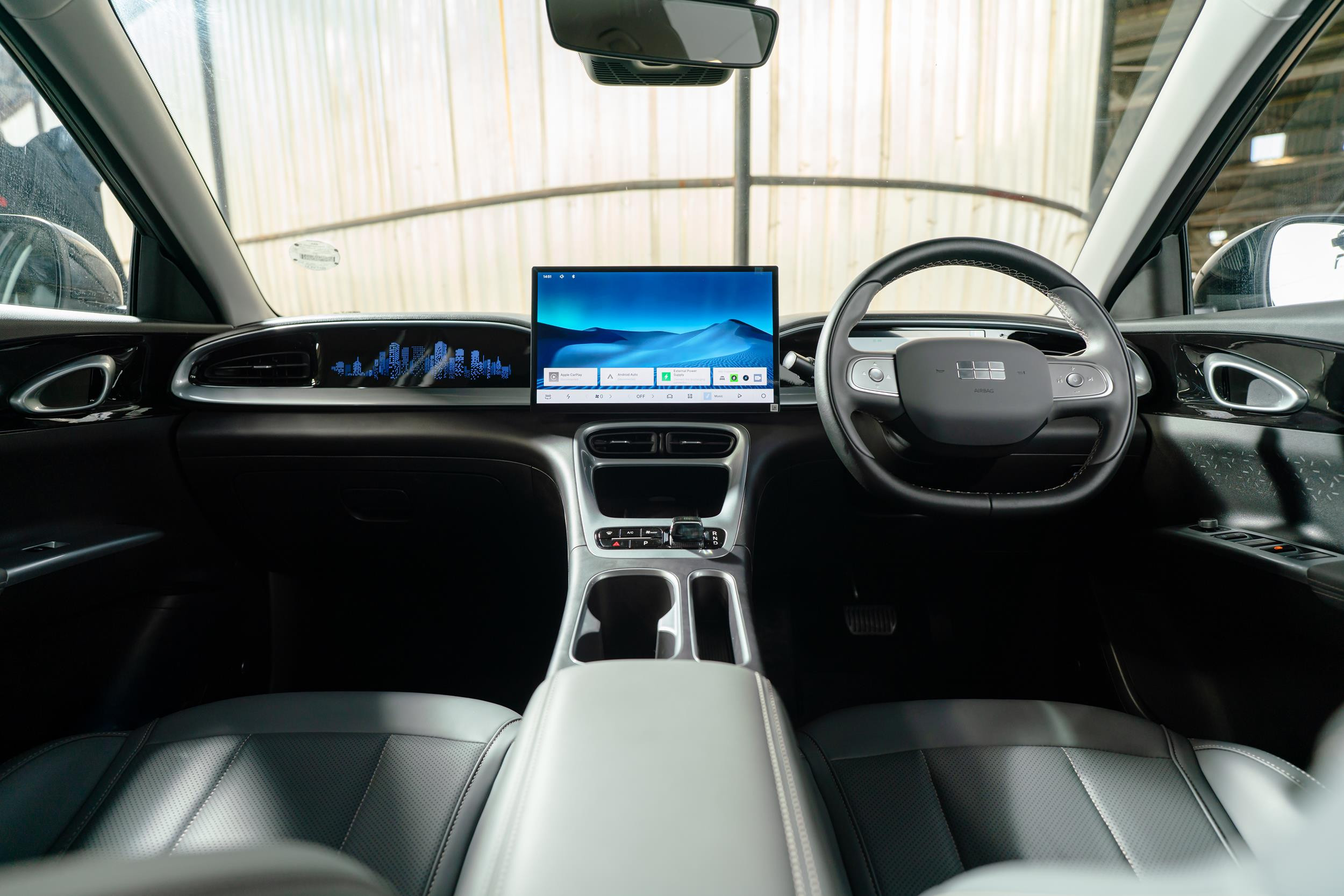
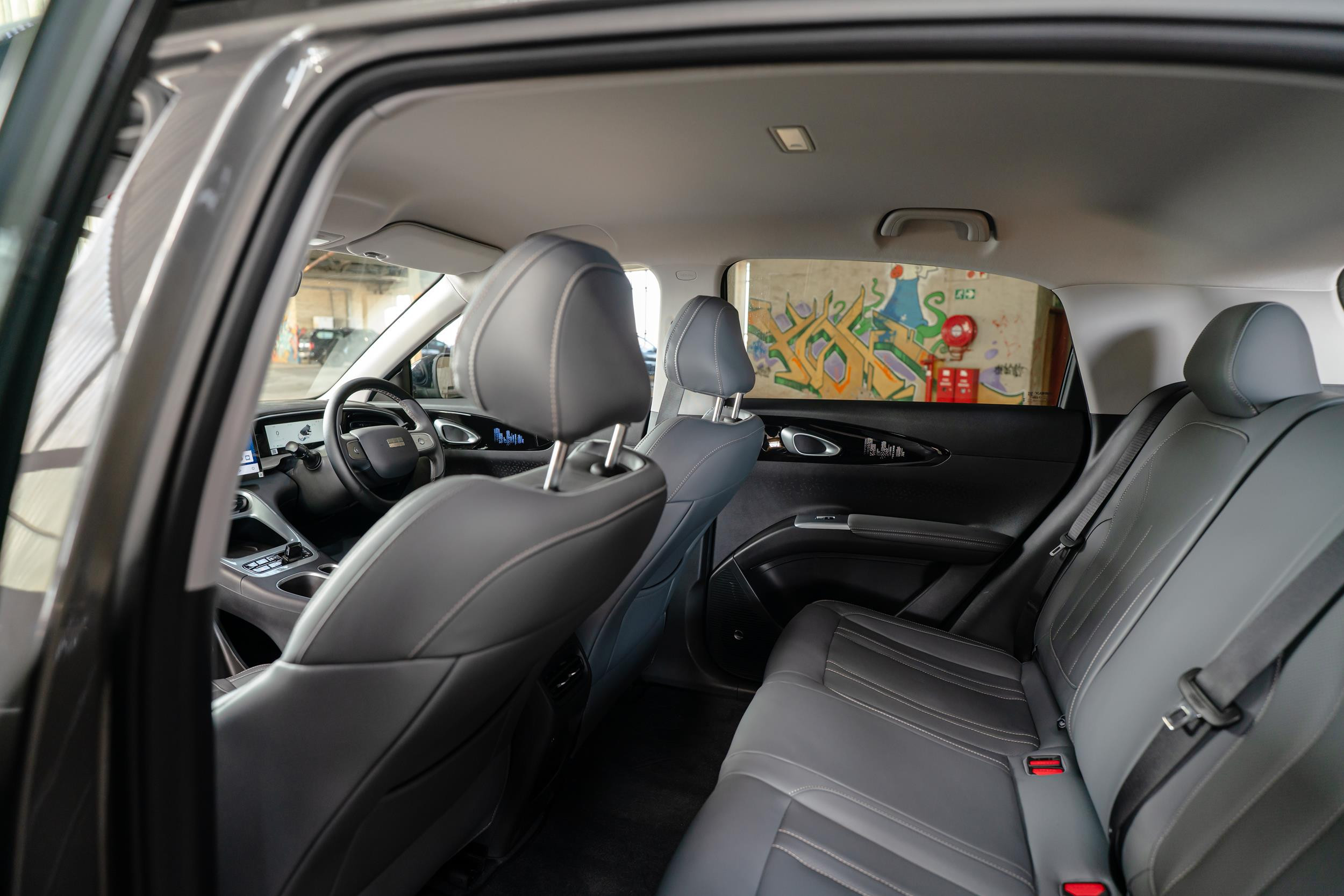
Inside, the Indian-built Duster gains a completely overhauled dashboard design, dropping the Euro-spec model’s separate 10.1-inch touchscreen and 7-inch digital instrument cluster in favour of a twin-screen set-up (including a 10.25-inch driver’s display for high-spec derivatives). A panoramic sunroof will also be available in that market.
The Indian-sourced model can be specified with a twin-screen set-up.
As a reminder, the current 3-strong Duster line-up in South Africa runs from R489 999 to R549 999. While pricing for the incoming Indian-made version has obviously yet to be confirmed, Renault SA will no doubt be hoping the switch will allow it to be a little more aggressive in terms of positioning.
It’s also worth noting this Indian-made version of the Duster will form the basis for the yet-to-be-revealed new Nissan Tekton. Set to be built in the same Chennai facility, the Tekton will effectively serve as a (likely better-value) replacement for the discontinued Qashqai.
Frequently Asked Questions (FAQ) About the Renault Duster
Q: How will the Indian-built Renault Duster differ from the current European-spec model?
A: While the dimensions remain roughly the same, the Indian-built Duster features a redesigned exterior with new LED lighting signatures and a “Duster” lettered grille. Inside, the cabin gets a major upgrade with a twin-screen dashboard layout and a panoramic roof, which aren’t available on the European model.
Q: What are the powertrain options for the upcoming Duster switch?
A: The Indian-spec Duster introduces a 1.0-litre turbo (74 kW) and a more powerful 1.3-litre turbo (120 kW/280 Nm). A significant addition is a new 1.8-litre traditional hybrid system (80 kW). It is not yet confirmed which of these will replace the current SA lineup’s 1.3-litre turbo and 1.2-litre mild-hybrid 4WD options.
Q: What is the Nissan Tekton, and how is it related to the Renault Duster?
A: The Nissan Tekton is a new compact SUV based on the same platform as the Indian-built Duster. It will be manufactured in the same Chennai facility and is expected to launch in South Africa in late 2026. Designed as an affordable replacement for the Qashqai, it takes styling inspiration from the larger Nissan Patrol.
Bakkies mean great business for car companies in South Africa, and the Chery-Nissan deal could reshape the local market in many ways. We explore how.
Nissan built bakkies in Rosslyn for more than 60 years. And some of those models were among South Africa’s most iconic cars: the 1400 Champ, Hardbody (its legacy NP300 version) and Navara.
But the inevitable has now happened. Nissan South Africa has been struggling for a long time. With the company making its biggest international restructuring ever last year, Rosslyn was never going to survive. But can it be revived? That’s the question anyone who is interested in the South African car industry, and specifically Chinese vehicles, will be pondering.
The dealsheet is simple. Chery is buying Nissan’s factory and stamping facility in Rosslyn. But buying an established automotive assembly plant is complicated. There’s the question of Nissan’s technical and labour staff; South Africa’s entrenched manufacturing sector trade unions; and the people most affected by this deal that everyone forgets about: all those small- and medium-sized suppliers who have delivered with commitment, building numerous locally sourced components for the Navara over the years.
Why did Chery buy the Nissan Roslyn plant?
Rosslyn is a proven bakkie-building asset. Chinese toolmakers and industrial engineers could get the best from it.
The Chinese are masters at building and commissioning assembly facilities. We don’t need to tell you that much of what you buy is made in China. Nobody is better at breaking ground, building and getting a factory scaled up and producing than the Chinese.
But Chinese car companies, like Chery, also know it’s often cheaper to buy an existing factory that’s in trouble than build a new one. You save on timelines and pure construction costs. And that’s part of the motivation Chery had for buying Nissan’s Rosslyn assets. Everyone knows Nissan is in trouble globally, and it’s restructuring. So Chery could call a price and the likelihood was that Nissan would accept it. And means the Rosslyn assets were probably bought for a bargain.
Another reason Chery wanted Rosslyn was government funding. The South African automotive industry receives significant financial support from the government. If you build cars here, you can price them cheaper because they don’t trigger the 25% import tariffs. And you can access a lot of government support money, which makes it even cheaper to build.
Nobody knows how to build as cheaply and well as the Chinese. And South African automobile production costs are actually quite high. But without import tariffs, and with access to the government’s APDP incentives and export credits, Chery South Africa’s product portfolio could become even more affordable in South Africa. This means it could undercut its Chinese rivals, who all need to pay that 25% import duty.
Will Chery unlock export credits & EU access?
Rosslyn Navaras weren’t exported beyond Africa. But South African-built vehicles technically have low tariff access to Europe and America.
Chinese companies are not in the habit of overpaying for foreign assets. Chery and Nissan have not disclosed the numbers involved but you can be sure the math made sense to Chery.
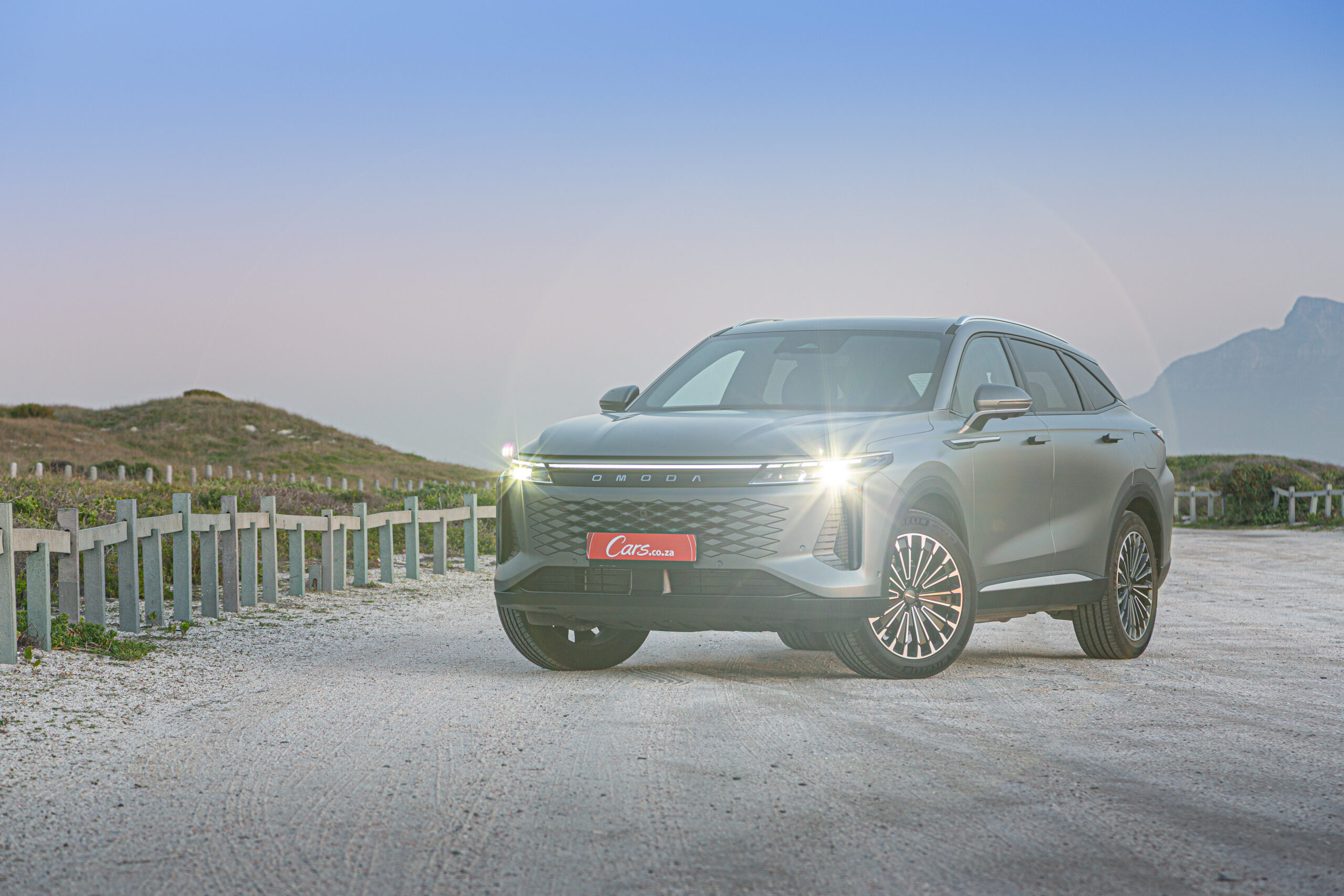
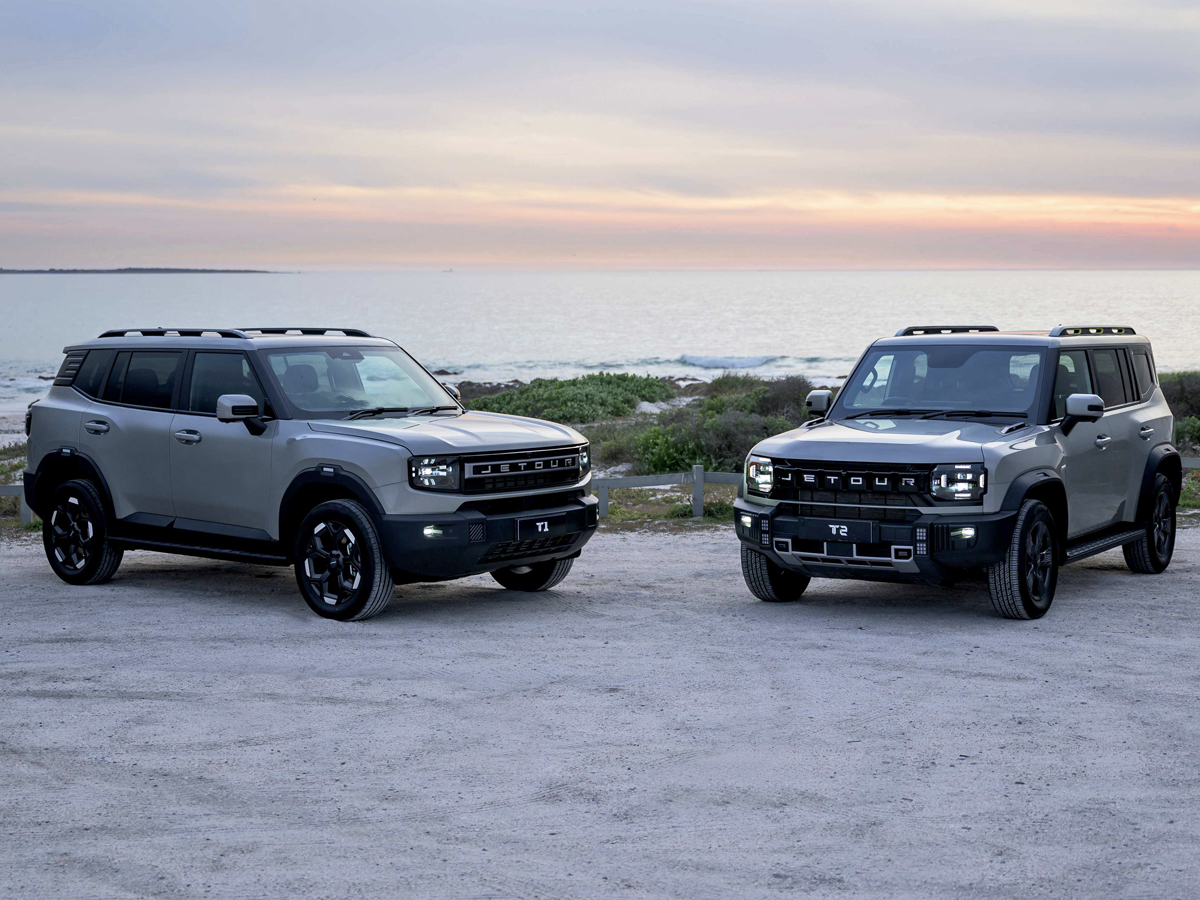
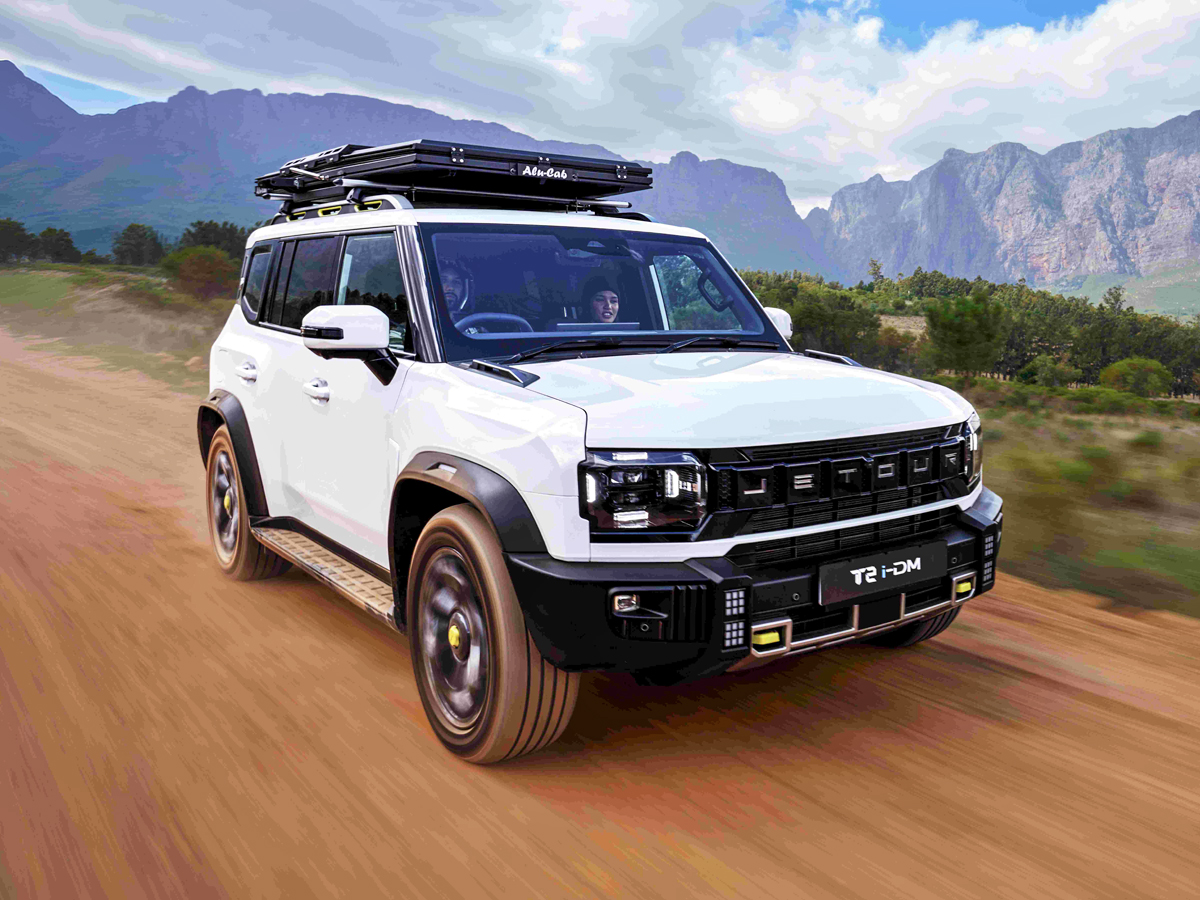
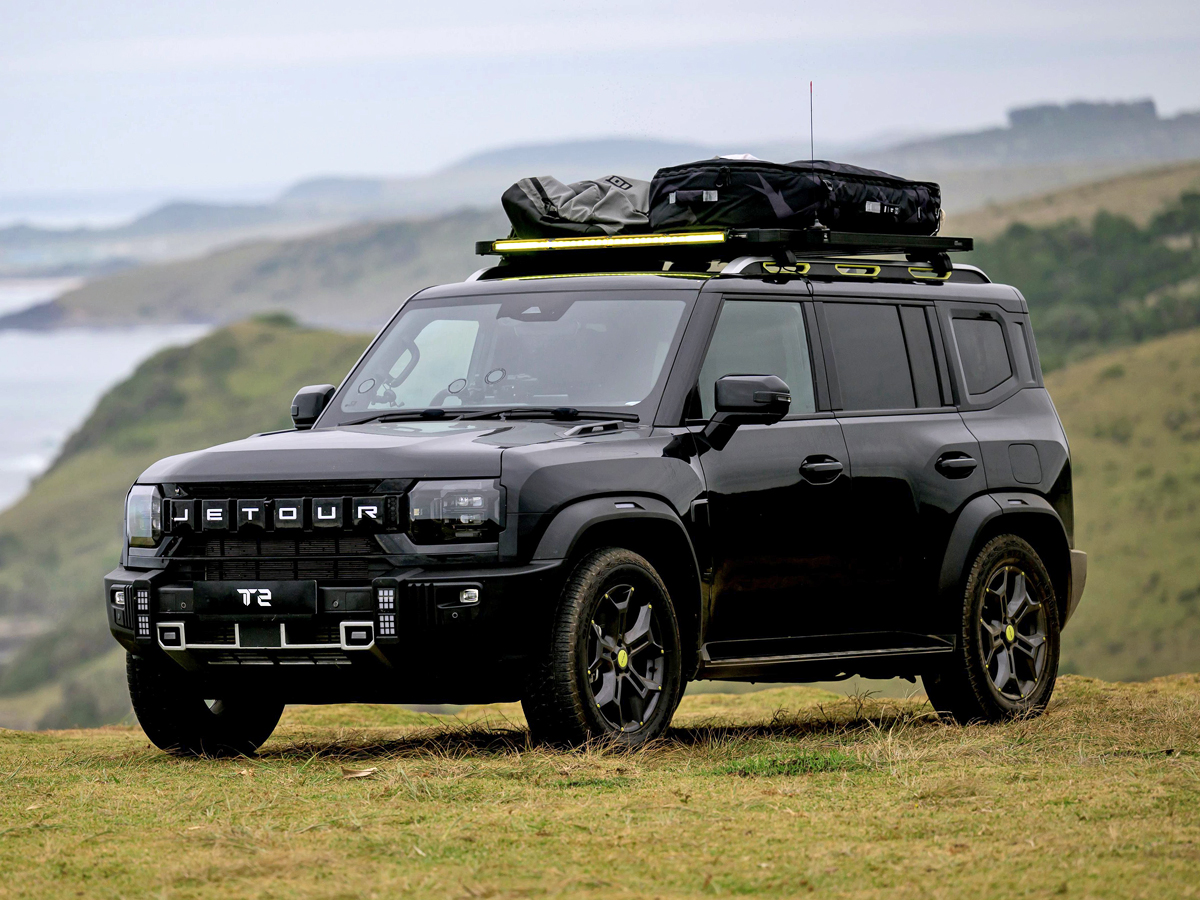
The Chinese automaker bought a fully functional vehicle assembly plant for a likely bargain. And buying it also unlocks the potential of South African government subsidies and export credits to offset the tariffs on imports. Chery’s aggressive growth, with all the sub-brands (Jaecoo, Omoda, Jetour), means that those export credits can make Chery’s products cheaper.
And then there’s the US and EU market issues. International trade regulations have become highly volatile, but a Chery-built vehicle in Rosslyn could be exported to the lucrative US and EU markets under the preferential trade status that South African-built vehicles enjoy into those markets. This could become very relevant in the near future, as Chery wants to unlock wealthier global markets in North America and Europe.
It’s also about Chery countering GWM
The P300 proves South Africans like Chinese bakkies. Chery could theoretically undercut P300 prices by 25%, by avoiding import duties.
Chery will bring advanced manufacturing ideas to Rosslyn. But it’s not going to build a wildly advanced BEV or PHEV monocoque luxury crossover. That would require a huge investment in advanced robotics. Besides, you don’t buy a proven body-on-frame bakkie facility and then decide not to build bakkies…
Nissan Rosslyn was always a core bakkie facility, although it did also build passenger cars. The last Nissans that will be built at Rosslyn are Navaras. And everyone who knows anything about the local vehicle market is aware that bakkies are very profitable.
“But Chery doesn’t have a bakkie!” Not yet, but it’s coming. Chery’s Himla double cab was revealed at last year’s Shanghai Auto Show. Chery’s very smart strategic planners have clearly seen how well GWM has done in South Africa with P-Series. The demand and acceptance of Chinese double cabs are proven. Thanks, GWM.
Chery desperately wants to enter the South African bakkie market. Doing so with a Rosslyn-built Himla, undercutting P-Series on cost, would put Chery in the most powerful position of any Chinese car company doing business in South Africa.
What can Chery do with the Nissan Rosslyn plant?
Himla is about the same size as Navara. And it has similarly sized engines too.
Bakkies are not complicated to build. They need fewer expensive welding robots and stamping tools than a monocoque-structure vehicle, like a crossover or SUV. And although Nissan had underinvested in Rosslyn as its international financial struggles deepened, the core floor planning and tooling to make Himla-sized body-on-frame bakkies are all in place.
The Rosslyn facility doesn’t have the latest assembly tech but a bakkie-building assembly plant doesn’t need that to construct good vehicles. Or be profitable. Ford’s Louisville assembly plant in Kentucky, USA, doesn’t have a high level of automation or robotics, but it is Ford’s most profitable production facility and one of the world’s most profitable vehicle manufacturing sites. All because it builds Ford F-150s, with few robots and many American line workers.
From engine sizes to overall vehicle structure, there’s not much difference between a Navara and a Himla. Which makes it even more obvious that Chery’s only real vehicle of destiny for production in South Africa will be the Himla bakkie. The only bits of the Himla that will be a lot more sophisticated than the Navara are its infotainment screen and some of the surround-view sensors. But Chery will import those components from its established Chinese supply chain.
SA-spec Chinese bakkies built at Rosslyn?
Imagine Chery’s in-cabin tech with South African-tuned bakkie suspension…
Chery’s takeover of Nissan Rosslyn is a moment for the South African car industry and the local vehicle market. But it could open the potential for a local derivative Chinese bakkie better suited to harsh, corrugated dirt roads and South African driving needs.
Chinese bakkies offer many features and cabin tech, but their suspension calibration need work. They either ride very harshly on rough dirt roads, or they lack suspension travel when navigating tricky, rocky off-road trails with lots of cross-axle features.
If Chery will build bakkies in Rosslyn to unlock all the government incentives and subsidies, it will have to have about 40% local content. And that’s in value, not by component weight.
What does this really mean? All those screens and sensor tech that Chery will have in a Rosslyn-built Himla will be imported and add significant value. And that means that a lot of the bakkie’s hardware and core mechanical components will be localised.
Decades of supporting Toyota, Ford, Isuzu and Nissan’s South African bakkie builds and localisation needs has created several South African specialist automotive component companies. People who make bakkie South African spec axles and suspension components, mechanical elements that make a huge difference to ride quality. Imagine the potential of Chery’s product people using some of those proven South African components in an SA-spec Himla…
Jaecoo J5 and J7: what are the key differences?
The Jaecoo range in South Africa currently comprises the J5 and J7. But what are the key differences between these similarly styled Chinese crossovers? Let’s investigate…
Late in 2025, the Jaecoo J5 launched in South Africa, slotting in below the already established J7. So, what are the key differences between these similarly styled Chinese crossovers? Below, we’ll run through the main distinctions between the J5 and J7.
Note this is not a deep dive on standard equipment offered by each derivative in this pair of 4-strong ranges. Still, we’d encourage you to head over to our handy comparison tool should you wish to explore that topic in detail.
Jaecoo J5 and J7: exterior dimensions
The Jaecoo J7 is 120 mm longer than its J5 sibling.
Just how much bigger is the J7 than the freshly launched J5? Well, measuring 4 500 mm from bow to stern, the J7 is 120 mm longer than its smaller sibling, with a mere 5 mm separating the two models in the width department. While the J5 employs a wheelbase of 2 620 mm, the J7 benefits from an extra 52 mm between its axles.
JAECOO J5
JAECOO J7
Length
4 380 mm
4 500 mm
Width
1 860 mm
1 865 mm
Height
1 650 mm
1 680 mm 1 670 mm (PHEV)
Wheelbase
2 620 mm
2 672 mm
Luggage capacity
480 to 1 284 litres
584 to 1 349 litres 500 to 1 256 litres (AWD) 340 to 1 265 litres (PHEV)
What about luggage capacity? Well, the more compact model offers a claimed 480 litres of boot space, expandable to 1 284 litres with the rear seats folded down. The standard front-wheel-drive versions of the J7 have comparable figures of 584 and 1 349 litres. Note the all-wheel-drive derivative (500 and 1 256 litres) and plug-in hybrid variant (340 to 1 265 litres) lose some packing space.
J5 and J7 powertrain options in SA
The J5 is shorter and lower than the J7, yet barely narrower.
In South Africa, the J5 is currently available with the Chery Group’s familiar turbocharged 1.5-litre, 4-cylinder petrol engine (although a hybrid version is said to be on the way). Here it delivers peak outputs of 115 kW and 230 Nm to the front wheels via a continuously variable transmission (CVT) as standard. Jaecoo claims a combined fuel consumption of 7.5 L/100 km.
In contrast, the J7 offers some powertrain choice. The Vortex and Glacier variants, for instance, employ a turbocharged 1.6-litre petrol engine. This 4-cylinder motor sends 145 kW and 290 to the front axle through a 7-speed dual-clutch transmission, with fuel consumption curiously listed as a lower 7.0 L/100 km. The 1.6-litre engine is also offered in all-wheel-drive form, pushing the claimed economy to 7.8 L/100 km.
The J7 offers more powertrain choice than the J5, including an electrically assisted version.
Finally, the plug-in hybrid electric vehicle (PHEV) version combines a turbocharged 1.5-litre petrol engine, an electric motor (integrated into the transmission) and an 18.3 kWh lithium-ion phosphate battery pack. Total system outputs stand at 255 kW and 525 Nm, while the all-electric range is a claimed 90 km (WLTP) and the listed consumption 4.7 L/100 km.
What do the Jaecoo J5 and J7 cost in SA?
The interior of the Jaecoo J5.
While the Vortex, Glacier and Inferno grades are common to both line-ups, the J5 is additionally available in a freshly introduced, entry-level Core specification. This more affordable derivative loses out on items like front side airbags (making do with dual front airbags instead) and tyre-pressure monitoring, while also featuring a shorter standard service plan.
DERIVATIVE
PRICE
Jaecoo J5 1.5T Core
R339 900
Jaecoo J5 1.5T Vortex
R379 900
Jaecoo J5 1.5T Glacier
R439 900
Jaecoo J5 1.5T Inferno
R479 900
The J5 prices above (correct in January 2026) include a 5-year/150 000 km vehicle warranty and a 10-year/1 million km engine warranty (the latter limited to the 1st owner) plus a 5-year/75 000 km service plan for all derivatives bar the Core, which makes do with a 2-year/30 000 km service plan.
DERIVATIVE
PRICE
Jaecoo J7 1.6T Vortex
R519 900
Jaecoo J7 1.6T Glacier
R579 900
Jaecoo J7 1.6T Inferno AWD
R679 900
Jaecoo J7 1.5T SHS PHEV
R689 900
The J7 ICE prices above (correct in January 2026) include a 5-year/150 000 km vehicle warranty and a 10-year/1 million km engine warranty (the latter limited to the 1st owner) plus a 5-year/70 000 km service plan.
The J7 PHEV, meanwhile, upgrades to a 7-year/200 000 km warranty, a 10-year/unlimited km battery-pack warranty (specific to the first owner, with these parameters changing to 10 years or 200 000 km for subsequent owners) and a 5-year/75 000 km service plan, while retaining the 10-year/1 million km engine warranty (linked to the first owner).
Frequently Asked Questions (FAQ) About the Jaecoo J5 and J7
Q: What are the main size differences between the Jaecoo J5 and the J7?
A: The Jaecoo J7 is the larger of the two, measuring 4 500 mm in length, which is 120 mm longer than the J5. The J7 also features a longer wheelbase (2 672 mm vs. 2 620 mm) and a larger standard boot capacity of 584 litres, compared to the J5’s 480 litres.
Q: How do the engine and performance specifications differ across the two models?
A: The Jaecoo J5 is powered by a 1.5-litre turbo-petrol engine (115 kW/230 Nm) paired with a CVT. The J7 offers more power with a 1.6-litre turbo engine (145 kW/290 Nm) mated to a 7-speed dual-clutch transmission. Additionally, the J7 is available with all-wheel drive (AWD) and a high-performance plug-in hybrid (PHEV) variant, while the J5 is currently front-wheel-drive only.
Q: What is the price range for the Jaecoo J5 compared to the J7 in South Africa?
A: As of early 2026, the Jaecoo J5 is the more accessible entry point, with prices ranging from R339 900 for the “Core” model to R479 900 for the “Inferno”. The larger J7 starts just past where the J5 ends, with pricing beginning at R519 900 for the “Vortex” and reaching R689 900 for the flagship PHEV version.
SA’s best-selling double-cab bakkie of 2025 revealed
Which model was South Africa’s top selling double-cab bakkie in 2025? Well, here’s a look at the double-, extended- and single-cab bakkie sales figures for last year…
Ranger retains title of SA’s best-selling double cab
Hilux and D-Max post stronger double-cab growth
Single- and extended-cab crowns again go to Hilux
By now, you’ve likely seen our list of South Africa’s most popular bakkies for 2025. But what does the picture look like when we break down the sales figures by body style? Well, let’s take a closer look at the numbers and reveal SA’s best-selling double-cab bakkie of the year in the process.
According to figures kindly supplied by Lightstone Auto, the Ford Ranger retained the title of Mzansi’s most popular double cab in 2025 with 20 856 units sold (up 3.9%, year on year), securing the crown for the 3rd consecutive year. For the record, that number translates to a whopping 81.9% of the Ranger’s overall tally for 2025. As a reminder, the Silverton-built bakkie will benefit from some revisions in the opening half of 2026.
The Silverton-built Ranger was SA’s best-selling double cab in 2025.
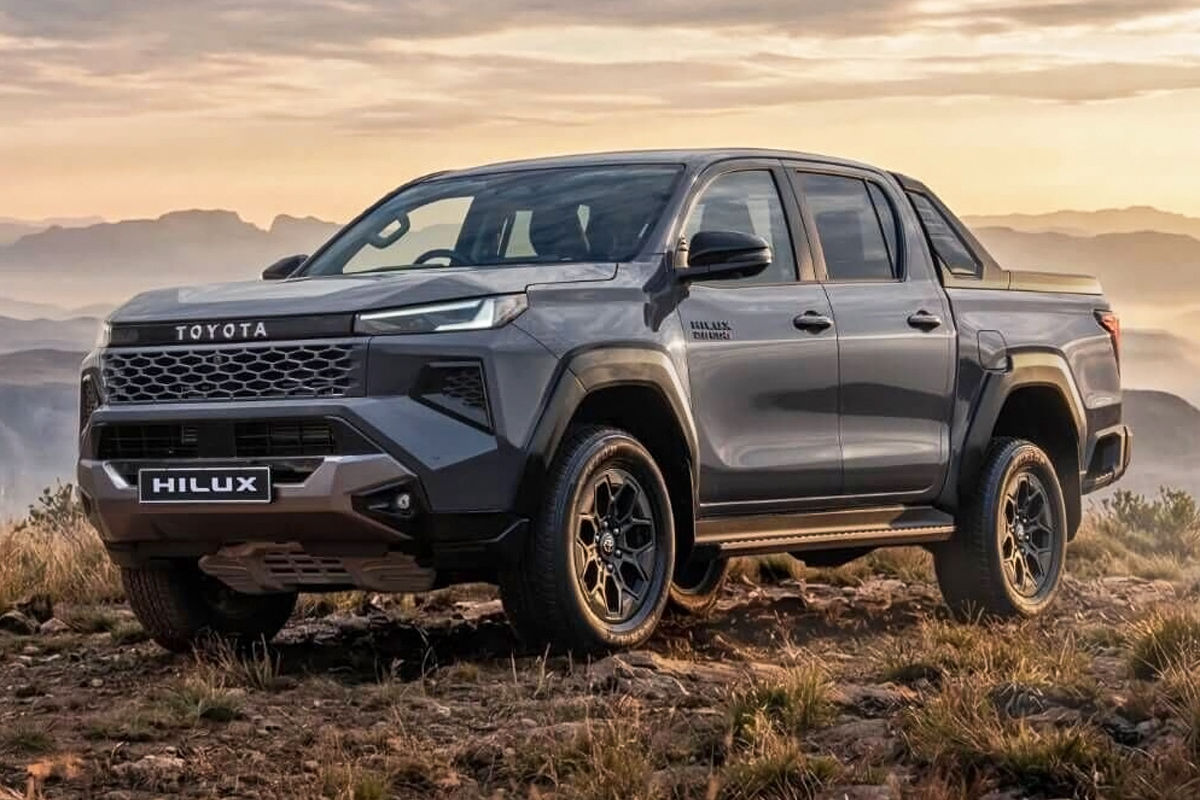
Meanwhile, the Toyota Hilux – which is due to move into its 9th generation later in 2026 – again placed 2nd on South Africa’s double-cab rankings, with 16 869 units (up 10.1%, year on year) registered in 2025. By our maths, dual-cab sales comprised 46.2% of the Prospecton-built bakkie’s overall tally for the year. That’s 3 987 units behind the Ranger double cab.
MODEL
2025 DOUBLE-CAB SALES
Y-O-Y CHANGE
1
Ford Ranger
20 856 units
+3.9%
2
Toyota Hilux
16 869 units
+10.1%
3
Isuzu D-Max
9 184 units
+15.3%
Table collated by Cars.co.za based on figures supplied by Lightstone Auto
It will surely come as no surprise to local bakkie fans that the Isuzu D-Max – which is still awaiting its facelift locally – completed the double-cab bakkie podium in 2025, with 9 184 units (up 15.3%, year on year) sold. That works out to 43.3% of the Struandale-built nameplate’s overall annual figure, seeing the D-Max double cab finish 7 685 units behind its Hilux counterpart (and 11 672 units behind the dual-cab Ranger).
Lightstone Auto’s dataset furthermore shows all other 1-tonne double-cab bakkie derivatives – that is, excluding the aforementioned Ranger, Hilux and D-Max (and indeed models from brands that don’t report sales figures to Naamsa) – collectively managed 21 301 units in 2025. This translates to a 27.7% improvement over 2024’s effort.
SA’s best-selling single- and extended-cabs in 2025
The Hilux (seen here in SR guise) retained the title of SA’s top-selling single cab.
So, what happened in the single-cab space last year? Well, the Toyota Hilux was again SA’s best-selling single cab, with 14 444 units (up 18.8%, year on year) registered in 2025. The Isuzu D-Max single cab retained 2nd place on 10 011 units (up 10.8% compared to 2024).
The 2-door version of the KwaZulu-Natal-assembled Mahindra Pik Up completed the single-cab podium in 2025, with 7 568 units registered (up 14.5%, year on year). For the record, the Ranger single cab finished 2025 on just 1 003 units, representing a 41.1% year-on-year decline.
MODEL
2025 SINGLE-CAB SALES
Y-O-Y CHANGE
1
Toyota Hilux
14 444 units
+18.8%
2
Isuzu D-Max
10 011 units
+10.8%
3
Mahindra Pik Up
7 568 units
+14.5%
Table collated by Cars.co.za based on figures supplied by Lightstone Auto
The Toyota Hilux won the extended-cab race last year, too, finishing 2025 on 5 121 units (down 0.8% compared to the prior year). Next came the Ford Ranger (down 4.5%, year on year, to 3 604 units), followed by the Isuzu D-Max (up 1.4%, year on year, to 1 998). For the record, these are the only 3 bakkies offered locally in this so-called “cab-and-a-half” body style.
MODEL
2025 EXTENDED-CAB SALES
Y-O-Y CHANGE
1
Toyota Hilux
5 121 units
-0.8%
2
Ford Ranger
3 604 units
-4.5%
3
Isuzu D-Max
1 998 units
+1.4%
Table collated by Cars.co.za based on figures supplied by Lightstone Auto
As a reminder, the Hilux retained the title of SA’s best-selling bakkieoverall (that is, all 3 body styles combined) in 2025, with local sales increasing 11.8% year on year to 36 525 units. The Ranger again took 2nd place overall, becoming the only model in the top 10 to suffer a year-on-year decline, with sales dropping a marginal 0.3% to 25 465 units. That meant the D-Max once more completed the top 3, with its registrations reaching 21 194 units, representing a 11.7% increase compared to 2024.
Frequently Asked Questions (FAQ) About South Africa’s Best-Selling Bakkies of 2025
Q: Which bakkie was South Africa’s top-selling double cab in 2025?
A: The Ford Ranger retained its title as the nation’s most popular double cab for the 3rd consecutive year, with 20 856 units sold (a 3.9% increase). Double-cab variants accounted for a massive 81.9% of all Ranger sales in 2025.
Q: Which brand dominates the single-cab and extended-cab markets?
A: Toyota remains the leader in both segments. The Toyota Hilux was the top-selling single cab with 14 444 units and the top-selling extended cab with 5 121 units. While the Ford Ranger leads in double cabs, it saw a significant 41.1% decline in single-cab sales last year, finishing with just 1 003 units.
Q: How did the top three bakkies compare in overall sales for 2025?
A: When combining all body styles (double, single and extended cabs), the Toyota Hilux remained the overall market leader with 36 525 total units sold. The Ford Ranger followed in 2nd place with 25 465 units, while the Isuzu D-Max completed the podium with 21 194 total registrations.
It’s official: Chery SA to buy Nissan’s Rosslyn plant
Nissan and Chery South Africa have reached an agreement that will ultimately see the Chinese automaker purchase the struggling Japanese brand’s Rosslyn plant in Pretoria…
Chery SA agrees to buy Nissan’s Rosslyn plant
‘Majority’ of Rosslyn employees to keep jobs
Nissan brand says it will remain in South Africa
It’s official: Nissan has confirmed it has reached an agreement with Chery South Africa for the fast-growing Chinese automaker to purchase the beleaguered Japanese brand’s Rosslyn plant in Pretoria, where the latter has been building new vehicles for the past 60 years.
“Subject to the fulfilment of certain conditions, including regulatory approvals, Chery SA will purchase the land, buildings and associated assets of the Nissan facilities, including of its nearby stamping plant, in mid-2026,” Nissan SA said in a statement.
According to Nissan, the move will see “the majority of associated Nissan employees offered employment by Chery SA on substantially similar terms and conditions as today”. Jordi Vila, Nissan Africa President, added the company had “been working to find the best solution for our people, our customers and our partners”.
“External factors have had a well-known impact on the utilisation of the Rosslyn plant and its future viability within Nissan. Through this agreement, we’re able to secure employment for the majority of our workforce thereby also preserving opportunities for our supplier network. This move also ensures that the Rosslyn site will continue contributing to the South African automotive sector,” Vila said.
Nissan SA added that when the acquisition of the Rosslyn facility – once described as Nissan’s “light commercial vehicle hub” for Africa – was complete, the brand would “continue to offer vehicles and services to customers in South Africa, as before, with several new-vehicle launches planned for fiscal year 2026, including the Nissan Tekton and [Y63-series] Nissan Patrol”. The automaker would thus become as a sole importer.
What the move means for the Navara bakkie – which is the only vehicle rolling off the Rosslyn production line right now – is unclear. As a reminder, when the new D27-series Navara was revealed in November 2025, Nissan SA told us the D23-series model (which is also built in South America) would instead soldier on in the local market.
Back in May 2025, Nissan announced a worldwide “recovery” plan that included 20 000 job cuts as well as the closure of 7 production plants over the following 2 years. A report soon thereafter claimed the Rosslyn factory was one of the facilities on the chopping block.
Before that, in October 2023, Nissan SA entered a “formal consultation phase to restructure the business“. This followed the news that the NP200 half-tonne bakkie – which went out of production at Rosslyn in March 2024 – would not receive its planned replacement.
At Naamsa’s South African Auto Week 2025 in Gqeberha in October 2025, Tony Liu, Chief Executive Officer at Chery Group South Africa, told us the Chinese company was keen to start manufacturing vehicles locally, revealing that the firm was “in discussions” to potentially “take over” another automaker’s local factory.
Nissan officially opened its Rosslyn plant in 1966, meaning the factory has been producing new vehicles for 60 years. In addition to various Datsun and Nissan nameplates, the factory has also built models from other brands, such as the 1st-generation Fiat Uno and Renault Sandero. It’s not yet clear which vehicles Chery plans to build in Rosslyn.
In 2025, the Chery brand placed 8th on the list of South Africa’s best-selling automakers, posting a healthy 26.7% year-on-year increase in sales to reach 25 304 units (and growing its market share from 3.9% to 4.2% in the process). In contrast, Nissan suffered a 32.3% year-on-year decline in sales (on the back of a 23.6% drop in 2024) to end the year on 15 085 units. That saw the Japanese firm tumble 5 places to 12th overall, with its market share shrinking from 4.3% to just 2.5%.
Frequently Asked Questions (FAQ) About Chery’s Acquisition of Nissan’s Rosslyn Plant
Q: When will Chery officially take over Nissan’s Rosslyn manufacturing facility?
A: Subject to regulatory approvals, Chery South Africa is set to purchase the Rosslyn land, buildings and associated assets in mid-2026. This ends Nissan’s 60-year history of local production at the site, which first opened in 1966.
Q: What will happen to the current Nissan employees at the Rosslyn plant?
A: According to the agreement, the majority of associated Nissan employees will be offered employment by Chery South Africa. These offers are expected to be on substantially similar terms and conditions to their current employment, aimed at preserving jobs and the local supplier network.
Q: Will Nissan stop selling cars in South Africa after the factory sale?
A: No. Nissan has confirmed it will remain in the South African market as a sole importer. The brand plans new-vehicle launches for the 2026 fiscal year, including the Nissan Tekton and the Y63-series Nissan Patrol.
Indian-made models dominate the list of South Africa’s 10 best-selling hatchbacks for 2025, taking as many as 8 spots. Here are the nation’s most popular hatches…
SA-built VWs take positions 1 and 6
Swift secures a strong 2nd place
Indian-made models dominate list
Though the crossover body style continues to grow in popularity in South Africa, local buyers still clearly hold a soft spot for hatchbacks – particularly those of the budget variety. So, which ones were most popular last year? Well, we’ve gone through the sales stats to identify SA’s 10 best-selling hatchbacks in 2025.
Interestingly, while 2 contenders are locally built, the remaining 8 are all imported from India. Suzuki – which ranked as Mzansi’s 2nd most popular automaker overall in 2025 – boasts as many as 3 models inside the top 10, while also producing the 2 Toyota hatchbacks to make the list.
Polo Vivo stays ahead of Swift and Starlet
The Polo Vivo was again SA’s top-selling hatch.
Retaining the title of SA’s best-selling passenger vehicle in 2025, the Volkswagen Polo Vivo was thus also the nation’s most popular hatchback, with 26 067 units sold. Though the Kariega-made model recorded only marginal year-on-year growth of 0.6%, it still topped the hatchback charts.
That said, the Indian-built Suzuki Swift’s 51.7% year-on-year improvement saw it reach a new sales height of 23 921 units in 2025, putting it 2 146 units behind the prolonged-lifecycle Vivo. The Toyota Starlet, meanwhile, completed the hatchback podium, with sales growing 15.2% year on year to 16 281 units.
Grand i10 just misses podium as Polo slips
The hatch body style accounts for most Grand i10 sales in SA.
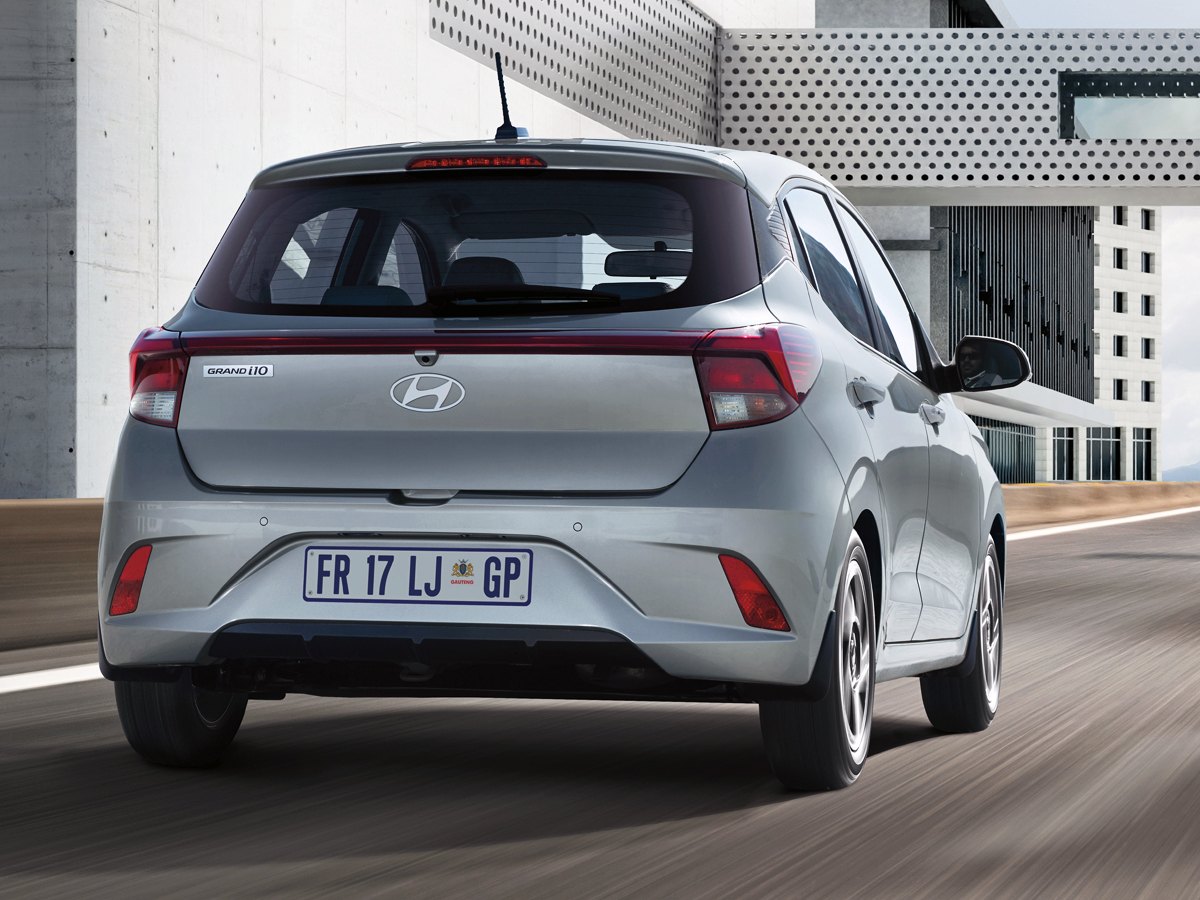
The hatchback version of the Hyundai Grand i10 narrowly missed out on placing in the top 3, reaching a total of 15 474 units in 2025. Interestingly, that means the hatch accounted for a whopping 96.4% of Grand i10 sales in the passenger-vehicle segment, with just 580 examples of the Grand i10 Sedan sold last year.
Meanwhile, the Toyota Vitz (up +36.2%, year on year, to 9 436 units) ranked 5th on the list of SA’s best-selling hatchbacks, ending just ahead of the Volkswagen Polo hatch. For the record, local sales of the Kariega-built model slipped 23.4% year on year to 9 390 units, meaning it had to settle for 6th on the hatchback charts.
4 more Indian-built models close out the top 10
Baleno sales dipped 22.3%, year on year.
The Renault Kwid (which, though styled as something of a crossover, is technically a hatchback) was some way behind in 7th, with local registrations growing 22.9% year on year to 6 270 units. Next came the Suzuki Baleno (down 22.3%, year on year, to 5 679 units) in 8th, far behind the Starlet to which it provides a base.
Ninth position went to the Hyundai i20, which dipped 19.3% year on year to end on 3 819 units. The Suzuki S-Presso (which, like the Kwid, is styled to resemble a crossover, but is broadly classified as a hatchback) grabbed the final spot in the top 10, growing its sales 5.2% year on year to 3 784 units.
*Table collated by Cars.co.za based on figures reported to Naamsa
Frequently Asked Questions (FAQ) About South Africa’s Best-Selling Hatchbacks in 2025
Q: Which hatchback was South Africa’s top seller in 2025?
A: The locally built Volkswagen Polo Vivo retained its title as South Africa’s best-selling hatchback (and passenger vehicle overall) for 2025, with 26 067 units sold. It narrowly held off the Suzuki Swift, which saw a massive 51.7% surge in sales to reach 23 921 units.
Q: Why do Indian-built models dominate the South African hatchback market?
A: Indian-manufactured cars accounted for 8 out of the top 10 hatchbacks in 2025 due to their strong value-for-money proposition. Manufacturers like Suzuki and Toyota leverage Indian production hubs to offer affordable, fuel-efficient models — such as the Starlet, Vitz and Swift — that resonate with budget-conscious South African buyers.
Q: Are all the hatchbacks on the top 10 list imported?
A: No, but the vast majority are. Only the Volkswagen Polo Vivo and the standard Volkswagen Polo hatch (ranked 1st and 6th respectively) are manufactured locally at the Kariega plant in the Eastern Cape. The other 8 models, including those from Suzuki, Toyota, Hyundai and Renault, are imported from India.
Mercedes-AMG CLA45 S Final Edition (2026) Price & Specs
The Mercedes-AMG CLA45 S Final Edition has touched down in South Africa, with just 15 units set aside for the local market. Here’s what this farewell edition costs…
Final Edition variant sees off the CLA45 S
Just 15 units reserved for South Africa
R140 000 premium over standard model
With the 3rd-generation Mercedes-Benz CLAexpected to arrive in South Africa within the next few months, the German firm’s local division has launched the Mercedes-AMG CLA45 S Final Edition.
Conceived as a swansong to the high-performance version of the 2nd-generation model (and revealed overseas in July 2025), the CLA45 S Final Edition will be a particularly rare sight on local roads. In fact, Mercedes-Benz SA says it has been allocated just 15 units of this special variant.
The price? Well, each example of the CLA45 S Final Edition set aside for South Africa – sporting a “Night Black” paint job as standard (rather than the “Mountain Grey Magno” finish pictured here) – has a base price of R1 721 234, including VAT and a 5-year/100 000 km maintenance plan. For the record, that’s a R139 727 premium over the “standard” version, which last we saw had a starting price of R1 581 507.
That extra cash scores you “45 S” decals on the front doors, the AMG logo on the side-mirror caps, matte-black 19-inch AMG forged wheels (in a cross-spoke design), gloss-black brake callipers (featuring white lettering) and a silver-chrome fuel cap (complete with “AMG” lettering). Since the AMG Night Package is fitted as standard, exterior elements such as the side-mirror housings and trim strips are finished in high-gloss black.
Inside, the Mercedes-AMG CLA45 S Final Edition is fitted with AMG Performance seats upholstered in a combination of “Artico” synthetic leather and black microfibre. The German firm has added yellow stitching to the seats, door panelling and instrument panel, along with embroidered “45 S” emblems (also in yellow) on the front headrests. A “45 S Final Edition” emblem on the centre console is also included.
Meanwhile, the AMG Performance steering wheel – which is trimmed in Nappa leather and microfibre – likewise comes with yellow stitching. The door-sill panels feature an AMG pattern design in black, while illuminating the “AMG” logo in yellow. A set of AMG floor mats (with the requisite “45 S” lettering and decorative stitching in – you guessed it – yellow) complete the interior upgrades.
As a reminder, the CLA45 S – just like the A45 S hot hatch – employs Affalterbach’s turbocharged 2.0-litre, 4-cylinder petrol engine, which delivers a heady 310 kW and 500 Nm to all 4 wheels via an 8-speed dual-clutch transmission as standard. Mercedes-AMG claims a 0-100 kph time of just 4.1 seconds and an electronically limited top speed of 270 kph.
Mercedes-AMG CLA45 S Final Edition price in SA
DERIVATIVE
PRICE
Mercedes-AMG CLA45 S Final Edition
R1 721 234
The price above includes a 2-year/unlimited kilometre warranty and a 5-year/100 000 km maintenance plan.
Frequently Asked Questions (FAQ) About the Mercedes-AMG CLA45 S Final Edition
Q: How many units of the CLA45 S Final Edition are available in South Africa?
A: The Mercedes-AMG CLA45 S Final Edition is extremely exclusive, with only 15 units allocated for the South African market. This limited run serves as a high-performance farewell to the 2nd-generation CLA before the new model arrives locally.
Q: What exclusive exterior features come with the R140 000 premium over the standard model?
A: The Final Edition features a standard “Night Black” paint finish with “45 S” door decals and AMG mirror-cap logos. It also includes matte-black 19-inch forged wheels, the AMG Night Package and a silver-chrome AMG fuel cap, distinguishing it from the standard CLA45 S.
Q: Does the Final Edition feature any mechanical or performance upgrades?
A: No, the performance remains unchanged from the standard CLA45 S. It uses the same 2.0-litre turbocharged engine producing 310 kW and 500 Nm, allowing for a 0-100 kph sprint in 4.1 seconds and an electronically limited top speed of 270 kph.
We’ve combed through 2025’s figures to find SA’s best-selling vehicles with a starting price of over R1-million. Yes, these are the nation’s most popular 7-figure vehicles…
Prado takes top spot as sales surge 68.3%
Land Cruiser 300 stays ahead of Defender
Outgoing Audi Q5 Sportback enters the list
South Africa’s new-vehicle market enjoyed a strong 2025, with local sales increasing 15.7% year on year to 596 818 units. While relatively affordable models drove much of that volume, certain pricier vehicles played their part, too. So, we set out to identify SA’s best-selling vehicles with a starting price of over R1-million.
Yes, we painstakingly combed through the 2025’s sales statistics and picked out the nation’s 5 best-selling vehicles that start in 7 figures. Keep in mind, however, that certain premium manufacturers – such as BMW, Mercedes-Benz and Porsche – don’t share full sales figures with Naamsa, so are unfortunately not represented here.
Land Cruiser 300 sales in SA increased 12.2% compared with the prior year.
Perhaps unsurprisingly, the Toyota Land Cruiser Prado – which kicks off at R1 342 200 – was at the very top of the pile, with local registrations of this luxury ladder-frame SUV increasing an appreciable 68.3% year on year to 3 545 units in 2025. That translates to a monthly average of nearly 300 units.
Underpinned by the same body-on-frame TNGA-F platform as the Prado, the larger Toyota Land Cruiser 300 placed 2nd on the list of last year’s most popular 7-figure vehicles, with 1 736 units sold in 2025 (up 12.2% compared with 2024). As a reminder, the 5-strong 300-badged Land Cruiser range starts at R1 550 000.
Despite starting at over R1.8-million, the Defender again proved popular in 2025.
The Land Rover Defender took the remaining spot on the 7-figure podium, with local registrations of this unibody SUV increasing 18.7% year on year to 1 468 units in 2025. Serving as Jaguar Land Rover’s best-selling nameplate in SA last year, the Defender portfolio currently comprises 21 derivatives (including the 90, 110 and 130 body styles), with a starting price of R1 801 100.
Next came the Range Rover Sport, which saw local sales increase a more modest 2.7% year on year to 643 units. The 15-strong Range Rover Sport line-up includes as many as 15 derivatives, with pricing running from R2 167 000 to R3 822 300 (excluding options, of course).
The outgoing version of the Q5 Sportback took 5th place.
The final spot went to the outgoing Audi Q5 Sportback (available from R1 087 200), which enjoyed a 17.3% year-on-year increase in sales to end 2025 on 482 units. Interestingly, in the broader Q5 range, the Sportback option proved more popular than the regular SUV body style, with the latter attracting 408 sales last year. Expect the new-gen Q5 Sportback to debut in SA later in 2026.
For the record, the Ford Everest range – which is set to adopt a revised engine line-up soon – just missed out on making this list since its starting price is currently R953 000 (though all other derivatives in the 6-strong range cost over R1-million). The Blue Oval brand registered 3 444 units (+10.8%, year on year) of the Everest last year.
2025’s best-selling vehicles with a R1m+ starting price
*Table collated by Cars.co.za based on figures reported to Naamsa
Frequently Asked Questions (FAQ) About SA’s Best-Selling R1m+ Vehicles in 2025
Q: Which vehicle was South Africa’s top-selling luxury model priced over R1-million in 2025?
A: The Toyota Land Cruiser Prado secured the top spot, with sales surging by 68.3% to reach 3 545 units in 2025. This significant growth was fueled by the launch of the new-generation model (in the 2nd half of 2024), which starts at R1 342 200.
Q: Why are brands like BMW, Mercedes-Benz and Porsche missing from the top-sellers list?
A: While these brands are major players in the luxury segment, they do not report detailed model-specific sales figures to Naamsa. Consequently, popular high-end models from these manufacturers cannot be accurately ranked against those that provide transparent data.
Q: How did the Land Rover Defender perform in the luxury market last year?
A: The Land Rover Defender remained a firm favourite, finishing 3rd overall with 1 468 units sold — an 18.7% increase over the previous year. With a starting price of R1 801 100, it also holds the title of Jaguar Land Rover’s best-selling nameplate in South Africa.
The Toyota Fortuner is the go-to vehicle for Mzansi’s (upper) middle-class. Mixing go-anywhere ability with everyday usability, no other vehicle matches its appeal to anyone from hunters to heart surgeons and housewives. This Buyer’s Guide will tell you all you need to know before signing on the dotted line.
In 2026, the esteemed Toyota Fortuner will celebrate 20 years of market dominance in South Africa. And what a ride it’s been: initially and conceivably a rather niche proposal of a Hilux-station wagon configured as a quasi-7-seat, tough-as-nails ladder-frame SUV, over time it has become middle-upper earners’ favourite mode of transport.
The Fortuner GR-Sport was launched last year with a hike in power and torque, and a beefed-up design language.
Having long overtaken the beloved bourgeois badges of yore like the Mercedes-Benz C-Class and BMW 3 Series, the Fortuner’s all-year, all-terrain allure provides every reason to want Toyota’s savannah-to-suburb sweetheart today. If that sounds like you, let’s get into the details.
Doubtlessly, the SUV craze that started in the mid-2000s has helped accelerate the Fortuner’s trajectory into mainstream market. As proof of its popularity, last year the Fortuner was South Africa’s favourite ladder-frame SUV. Despite topping R1 million at its most expensive, the Fortuner often mixes it in the sales charts with much more affordable fare such as the Kia Sonet and Volkswagen Polo (excluding the Vivo). Quite simply, despite the current generation having been around for more than 10 years and only increasing in price over time, South Africans just can’t get enough of Toyota’s “Kalahari Ferrari”.
Toyota Fortuner: What the models cost in South Africa
Peak Fortuner (at peak pricing): The GR-Sport. This most recent facelift was introduced in March 2023.
The current line-up spans 12 models, of which 3 are powered by a 110kW/400 N.m 2.4-litre turbodiesel engine. The rest are fitted with Toyota’s more powerful 150 kW/500 Nm 2.8-litre, 4-cylinder engine also found in the Land Cruiser 70-series, Hilux and Prado. Of these, there are 4 hybrids available with slightly more power (12 kW/65 Nm). The range is topped by the 165 kW/550 Nm GR-Sport model.
All engines are configured as diesel-powered turbocharged 4-cylinder units. The ferociously thirsty V6 petrol engine was dropped in 2020 alongside the introduction of the Epic trim. There’s no longer a manual gearbox on the 2.8-litre iteration, either.
Model
Price
Fortuner 2.4GD-6
R671 900
Fortuner 2.4GD-6 auto
R705 800
Fortuner 2.4GD-6 4×4
R739 100
Fortuner 2.8GD-6
R826 400
Fortuner 2.8GD-6 48V
R834 800
Fortuner 2.8GD-6 VX
R870 900
Fortuner 2.8GD-6 48V VX
R879 300
Fortuner 2.8GD-6 4×4
R907 700
Fortuner 2.8GD-6 48V 4×4
R918 600
Fortuner 2.8GD-6 4×4 VX
R950 900
Fortuner 2.8GD-6 48V 4×4 VX
R961 800
Fortuner 2.8GD-6 4×4 GR-Sport
R999 000
Pricing correct as at January 2026. All Toyota Fortuners are sold with a 3-year/100 000 km warranty and a 9-service/90 000 km service plan.
Toyota Fortuner 4×4 vs. 4×2: Which drivetrain is perfect for local conditions?
The Fortuner underwent a substantial makeover in November 2020, with further specification upgrades following in December 2021.
There’s good and bad news. First, the positives: Unless you tow, the automatic 2.4-litre model, available in 2- or 4-wheel-drive, is adequate and saves you a respective R120k and R169k against 2.8-litre equivalents.
And, as a locking rear differential is standard across the entire range, even 2-wheel-drive will get you further than you may think.
The design of the “in-between” Fortuner launched in November 2020 introduced a number of premium touches.
On the downside, Toyota has stepped the specifications list in such a way that all the best toys are the sole prevail of the VX/GR-Sport models. So you can have a 4×4-equipped 2.4-litre derivative, yet miss out on goodies such as downhill assistance, steering wheel-mounted shift paddles, an active safety suite, adaptive cruise control, dual-zone air conditioning and heated front seats – among others.
The interior of the 2025 GR-Sport incorporates bolstered seats trimmed in red and black, plus a GR-badged steering wheel with a thicker rim and centre-line stitching.
And what of the 48V versions? Offering a negligible power increase and a similar decrease in fuel consumption, these were introduced in early 2024. If you’re looking for cheap speed or a Greenpeace-pleaser, it’s best to look elsewhere: in our 3-way Hilux drag race conducted between the (2.8-litre) 48V derivative, rear-driven and GR-S equivalents, the battery-assisted Hilux was the slowest of the 3. Offering no life-changing benefit, there’s more to go wrong if you’re stuck in the Caprivi, and more to spend once the vehicle is out of warranty.
This image accompanied the original reveal of the current Fortuner in July 2015.
Fortuner vs. rivals: Ford Everest, Isuzu MU-X & Mitsubishi Pajero Sport
The segment for 7-seat, body-on-frame utility vehicles – based on their bakkie brethren and so configured for ultimate off-road capability – is surprisingly limited.
Locally, the Fortuner competes mainly against the Ford Everest, Isuzu MU-X and Mitsubishi Pajero Sport. Incredibly, after 10 years, it still cleans up from month to month in the sales race. In 2025, the Toyota sold 9 049 units, the Everest 3 444, the MU-X 1 326 and the Pajero Sport just 253 vehicles.
All of these have their individual strengths and weaknesses. As a next-gen vehicle, the Everest and (DNA-sourcing Ranger twin) is a comprehensively newer product as far as infotainment, cabin comfort and engines go. Its (outgoing) smaller-capacity 2.0-litre engine is also more powerful in bi-turbo trim than the Fortuner’s 2.8GD-6 engine, excepting the GR-S range-topper. However, despite the allure of V6 power that the Fortuner lacks (and ideally needs), the Everest range is more expensive.
The Isuzu MU-X received a much-needed facelift in 2025 that modernised the styling and interior features. Its engine is less powerful than the Fortuner’s, though. Still, the Isuzu has the most rear space of all vehicles in this category.
Toyota Fortuner
Ford Everest
Isuzu MU-X
Mitsubishi Pajero Sport
Engine capacity
2.4-litre, 2.8-litre
2.0-litre, 3.0-litre
1.9-litre, 3.0-litre
2.4-litre
Power/Torque
110 kW/400 Nm, 150 kW/500 Nm
154 kW/500 Nm, 184 kW/600 Nm
110 kW/350 Nm, 140 kW/450 Nm
133 kW/430 Nm
Average fuel consumption (claimed)
7.9 L/100 km (2.8-litre model)
7.5 L/100 km (comparative 2.0-litre model)
7.6 L/100 km (comparative 3.0-litre model)
8.1 L/100 km
Maximum towing ability
3 300 kg
3 500 kg
3 500 kg
2 700 kg
Approach, departure and breakover angles
29°/25°/23.5°
30.4°/23.5°/22.3°
30°/26°/°24°
30°/24.2°/23.1°
Ground clearance
279 mm
220 mm
235 mm
218 mm
Loading space (all 3 rows up to 2nd and 3rd rows flat)
200-1 718 litres
259-1 823 litres
311-2 138 litres
193-1 813 litres
Price range
R685 900-R1 009 000
R953 000-R1 324 000
R752 300-R1 026 800
R789 990-R904 990
Warranty
3 years/100 000 km
4 years/120 000 km
5 years/120 000 km
3 years/100 000 km
What are the Toyota Fortuner’s drawbacks?
The 2015 Fortuner in top-spec VW trim.
As Toyota likes to extend the lifespans of its vehicles to infinity and beyond, the most obvious disadvantage is the Fortuner’s age, although that shortcoming is set to be corrected most likely in 2026 when the 3rd-gen Fortuner launches as a spinoff of the upcoming 9th-gen Hilux.
With that in mind, you could get your hands on a run-out version at a discount; or wait for the new one which is guaranteed to be more expensive.
The 3rd-row jump seats impede packing space and can start rattling over time.
Secondly, the jump-seat arrangement… The third-row seats fold up against the boot’s inner sides when stowed away. And it’s a major inhibitor of rear loading space. The chairs can’t be removed by a simple process of unclipping, either, although it is possible with a spanner, a fair degree of effort and some Gordon Ramsay-shaming slang. Toyota says the vehicle’s body-on-frame construction doesn’t allow any other mechanism. We say offer the option to delete the 3rd row at no cost straight off the factory floor.
Finally, owing to its popularity and reliability, the Fortuner is classified as one of the highest-risk vehicles for theft or highjacking by South African insurers. Demand for genuine parts within and outside our borders, as well as Fortuners’ off-road ability, add to their appeal to cross-border syndicates. Owners are often expected to fit a secondary tracking device, which adds to long-term ownership costs.
Conclusion
The dashboard design of the Fortuner strays just far enough from the Hilux’s to differentiate it as a family SUV (2015 model pictured).
Seemingly against all logic, the 10-year-old Toyota Fortuner endures as South Africa’s favourite ladder-frame 7-seat SUV. Boasting bulletproof badge appeal and reliability, backed up by the largest dealer footprint in the country, commendable resale value and robust off-road pedigree, practically nothing else blends rugged capability and ease of use quite like the Fortuner.
Age, in Fortuner land, is indisputably just a number.
What is a credit score and why is it important for vehicle finance?
Here we weigh in on why it’s so important to have a good credit score when you’re seeking approval for vehicle finance.
Firstly, you probably have a credit score already – almost all South African adults have one – you just don’t know what it is! However, your credit score is a critical piece of information that impacts whether you can get credit to buy a car.
It is a very good idea to find out what your credit score is and make sure it is good enough that you can get the very best deal when you want to buy the car of your dreams.
What exactly is a credit score? How will it affect your car finance deal?
When you apply for credit for a car, you are asking a bank to lend you hundreds of thousands of Rands over many years. That means you are promising to pay the bank a significant sum of money every month for, on average, 6 years! What the bank wants to know is whether it can trust you to repay your loan. Your credit score is basically a measure that a bank can use to work out whether it can trust you.
Who calculates your credit score?
Your credit score is calculated by a Credit Bureau. A Credit Bureau has spent years tracking you by talking to all the banks as well as various lenders. If you have a store card at Truworths, for example, and if you have a DStv, Vodacom or MTN account, the bureau knows about all of these. The bureau gets data from all of these places and works out how good you are at paying the bills you have every month right now.
They then do a lot of fancy mathematics to estimate how good you will be at paying any new accounts you might want in the future. The result of all that “fancy maths” is your Credit Score.
Why your credit score is important to your vehicle loan?
Are you thinking about buying a car? Perhaps you’re researching a car that you have your eye on; perhaps you’ve even put through a lead on a car you’d like to test drive. If that’s the case, it’s likely that you will soon find a car that suits your requirements (and, ostensibly, your budget) and sign an offer to purchase (OTP) at a dealership, after which its staff will help you to fill in a vehicle-finance application.
They will send this application to ALL the banks, every bank you apply to will get your credit score from the bureau they use. The credit score they get is a MAJOR factor in the decision they make. That is why it is important that you know what it is. Only 30% of car-finance applications are currently being approved. That means 70% of applicants see their dreams of buying a car (new or used) dashed.
How do I find out what my credit score is?
Image: Vecteezy.
Therefore, before you set off on your car-shopping journey, it’s best to know whether you’re likely to be approved for vehicle finance before you set your heart on a prospective purchase (irrespective of whether you believe you can afford the monthly repayments for that vehicle).
Important note: There are several credit bureaus in South Africa and they all employ really smart mathematicians, but these number-crunching experts do not always agree with each other! Therefore, some bureaus will give you a better score than others. Different banks use different credit bureaus – that is why your dealership will send it to all the banks in order to try to get the best result for you.