Nissan Navara Pro-4X Warrior looks likely to come to the local market.
In a globally challenging automotive market, you can’t go wrong with bakkies. Ask Ford. It’s where it makes all its money.
Although Mercedes-Benz made a mess of X-Class, legacy bakkie brands have not seen any tapering in demand. Especially for the most expensive double-cab bakkies. And specifically, those with additional exterior design features and enhanced off-road ability.
Nissan is now positioning to capitalise on South African bakkie buyers and their desire for OTT double-cabs. The latest Navara has a very convincing Pro-4X Warrior derivative, and Nissan South Africa has started negotiating with the probable aim of local distribution.
Speaking to GoAuto, Nissan Oceania managing director, Adam Paterson, has confirmed local interest. “Obviously, North America is not going to get it. The South African team has reached out as well.”
The Pro-4X Warrior is a Navara with attitude. Lots of attitude. It features a 40 mm higher ride height and lots more, with 260 mm of ground clearance. There’s a completely reshaped front bumper, too.
At the front there is a red bash plate with 3 mm of radiator and engine sump protection. The Pro-4X Warrior also has a 4-degree greater approach angle and runs upgraded dampers and springs, to reduce body roll without sacrificing wheel articulation.
Huge over-fenders and 275/70 R17 Cooper Discoverer AT3 tyres complete the look, while the cabin is left standard. There is no engine upgrade (Australia uses the twin-turbodiesel 2.3), either, despite the Pro-4X Warrior being 100 kg heavier than a standard Navara 4×4 double-cab.
Melbourne’s Premcar developed the Pro-4X Warrior. There are very slight specification differences between the South African built Navaras and those used by Premcar, as a foundation for its Pro-4X, in Australian configuration. But any technical compliance issues will be simple to solve.
Australian demand for the Pro-4X has been tremendous, something that Nissan South Africa would be keen to replicate locally. With the GT-R legend fading, Navara Pro-4X Warrior would be the hero vehicle that Nissan South Africa desperately needs, going forward.
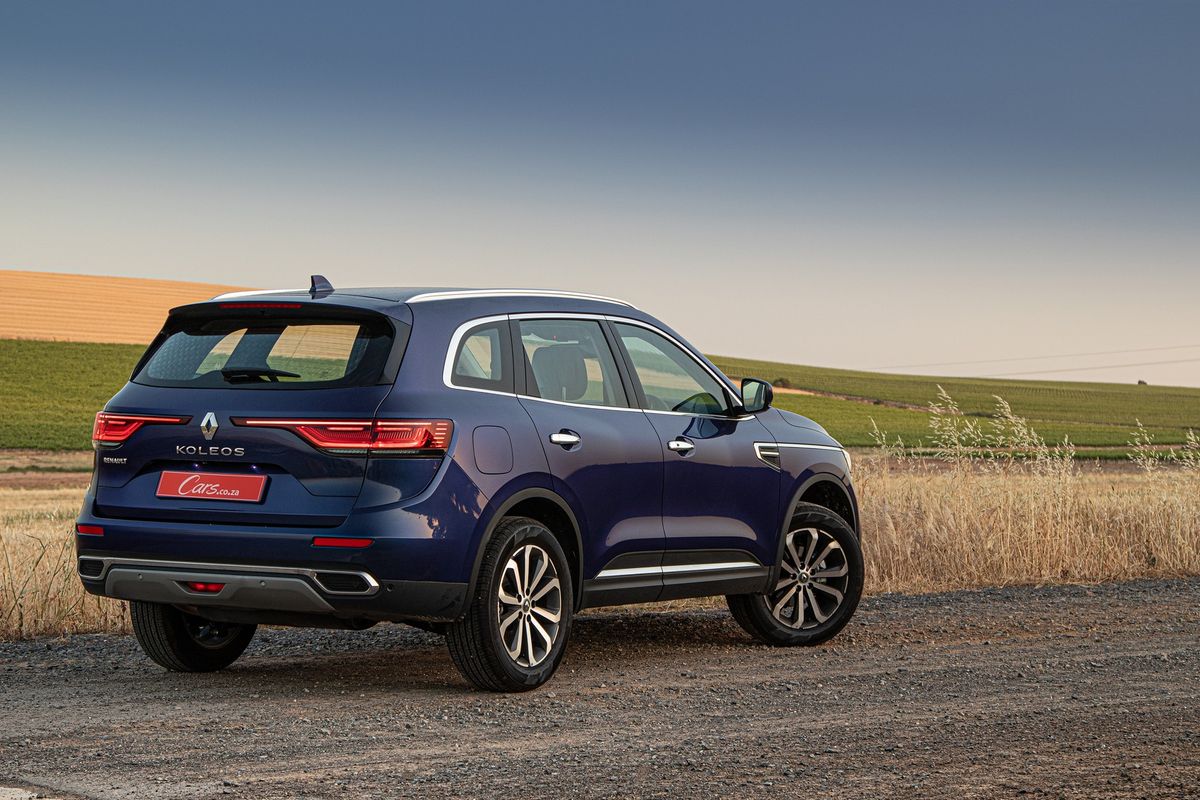
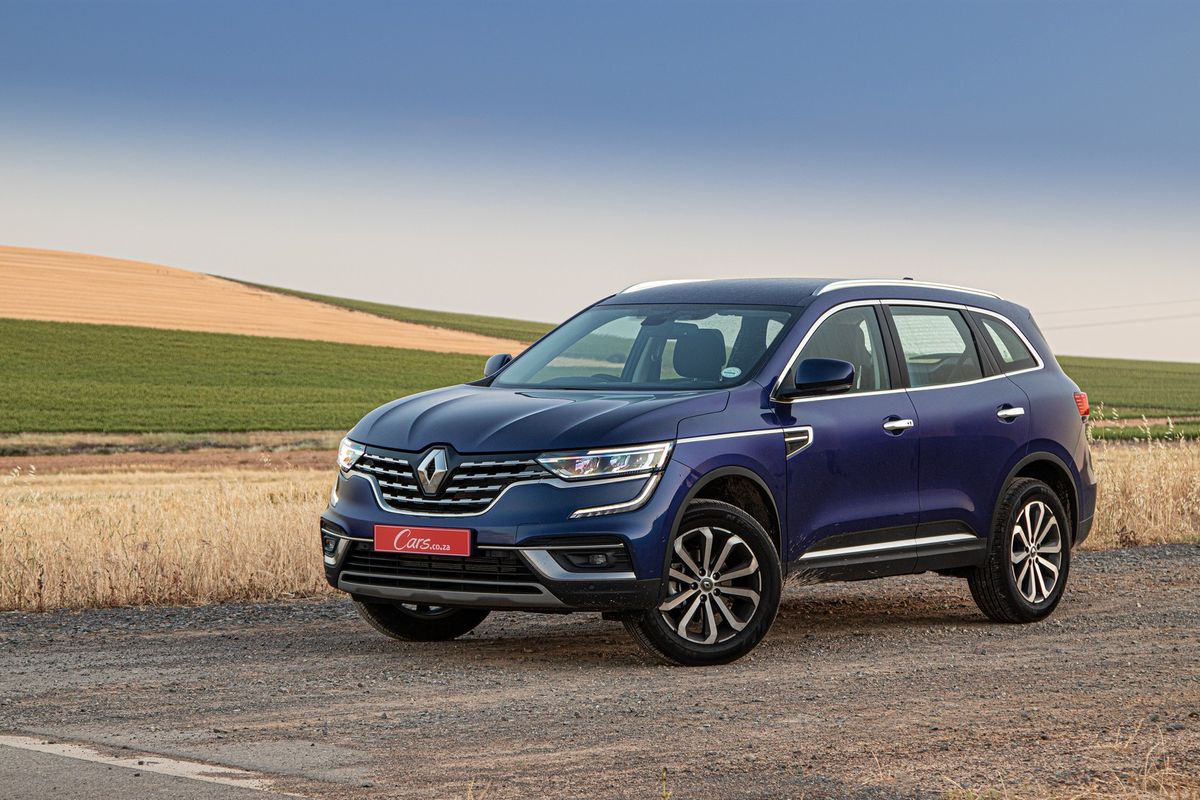
Renault’s Koleos mid-size SUV has received another round of subtle updates to keep it in the running in this ultra-competitive segment of the market. Is the French contender, with its comfortable and spacious cabin, plus a multitude of standard features, still worthy of consideration?
We like: Attractive design, spacious cabin, standard features, comfy ride
We don’t like: Fuel consumption, dated ergonomics, lazy performance
The facelifted Koleos is still based on the Nissan X-Trail.
This generation of the Koleos, which was launched as the flagship Renault SUV as long ago as 2016, has not exactly raced up the sales charts. In fact, the model has been discontinued in some markets (such as the UK) and, in South Africa, it only arrived three years into its product life cycle (in 2019). It doesn’t help that this family car segment is tightly contested, with the likes of the Volkswagen Tiguan, Mazda CX-5 and Toyota RAV4 being the traditional sales leaders. To make matters more complicated for Renault, the Koleos now also has the strong-selling and well-priced Haval H6 to contend with.
All that said, there has never been much wrong with the Koleos and the latest model updates and line-up rejig seem to make sense on paper. Let’s see if the Koleos now makes a stronger case for itself…
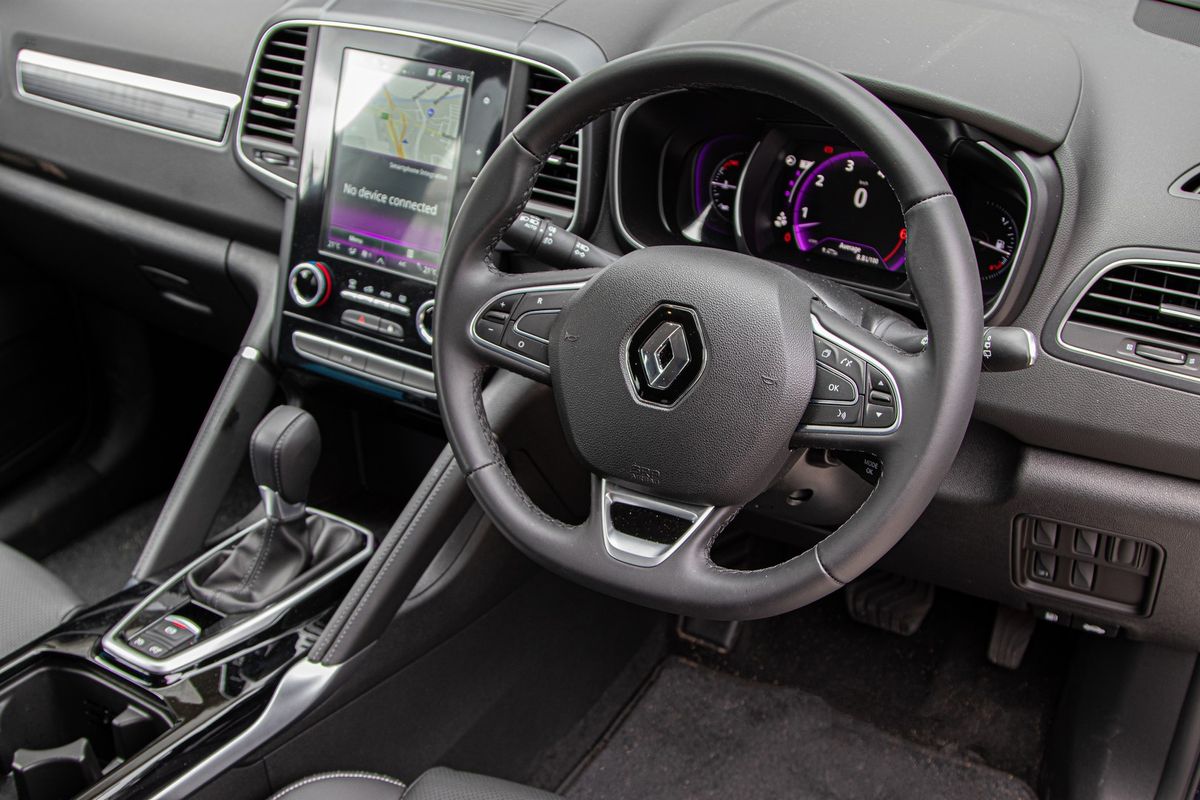
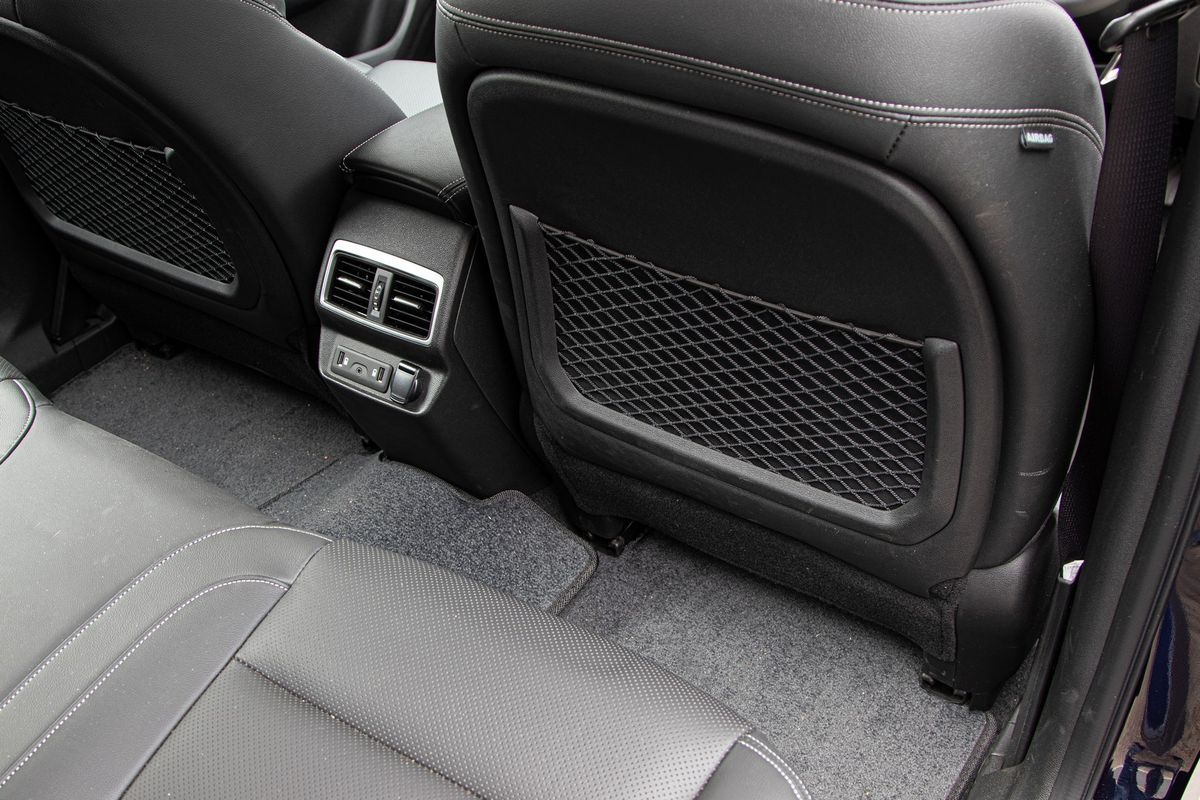
The cabin feels spacious both up front, as well as for rear passengers.
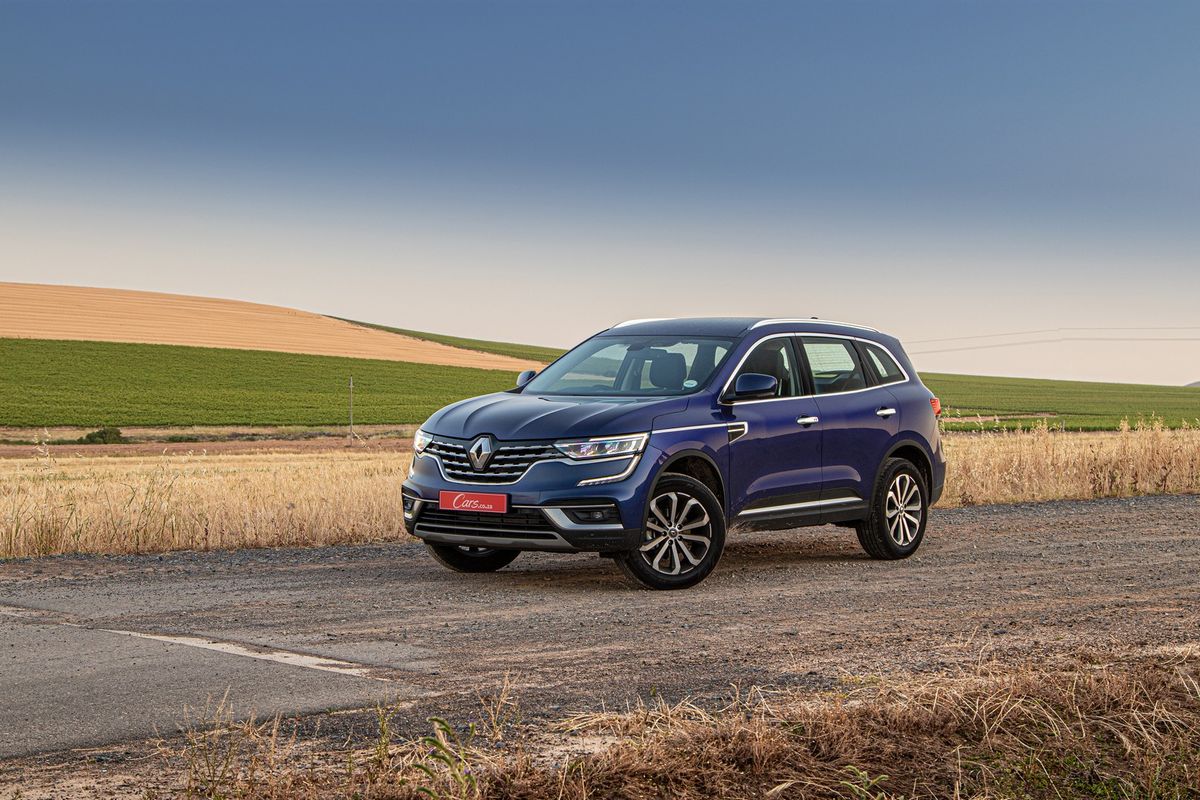
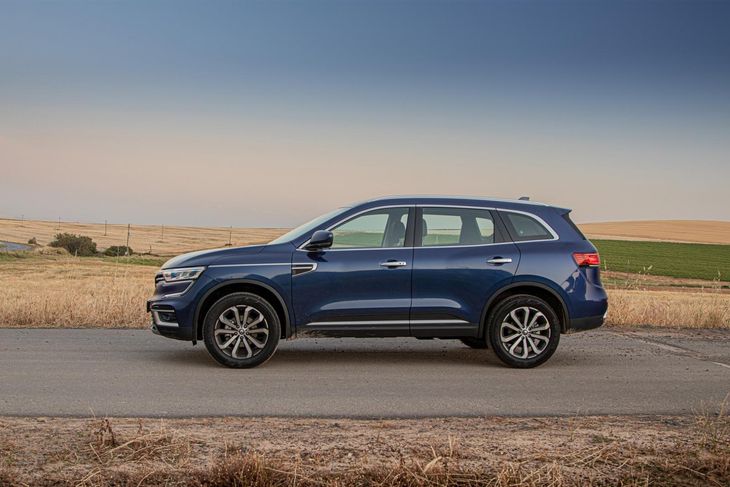
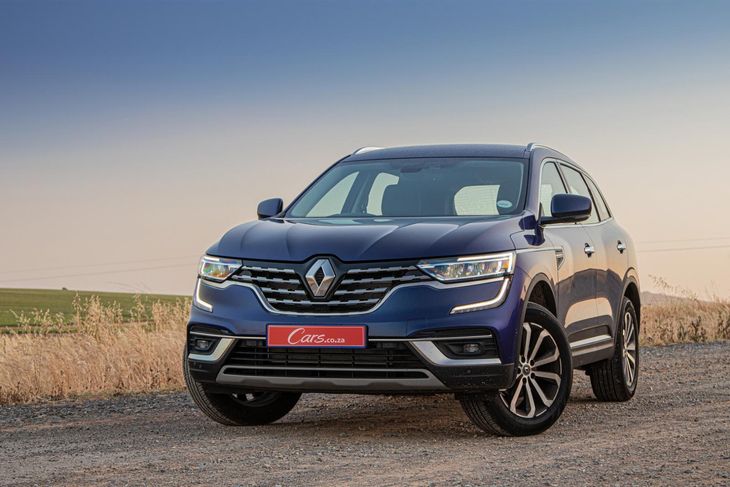
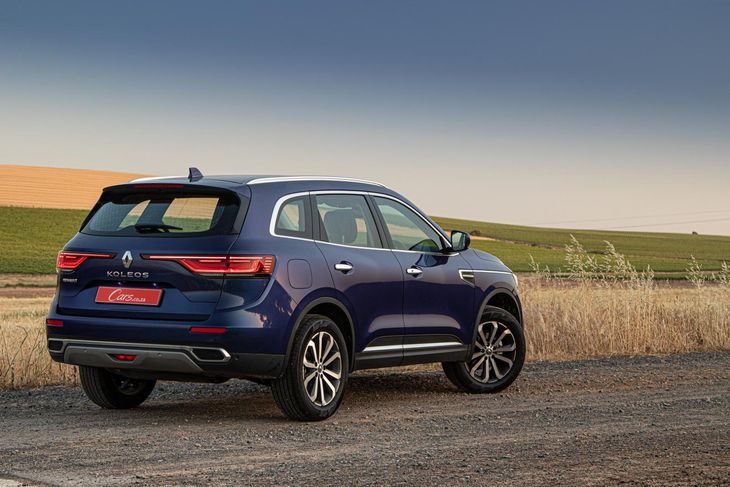
The Koleos, which incorporates Renault design director Laurens van den Acker’s characteristic design language, remains an attractive and modern-looking vehicle. It’s based on the underpinnings of its cousin, the Nissan X-Trail, which is available in a seven-seater configuration. The Renault does, admittedly, not offer third-row seating, but as a result of its long wheelbase, the medium SUV’s cabin is generously sized (more on that later) and the entire vehicle looks bigger than most of its competitors.
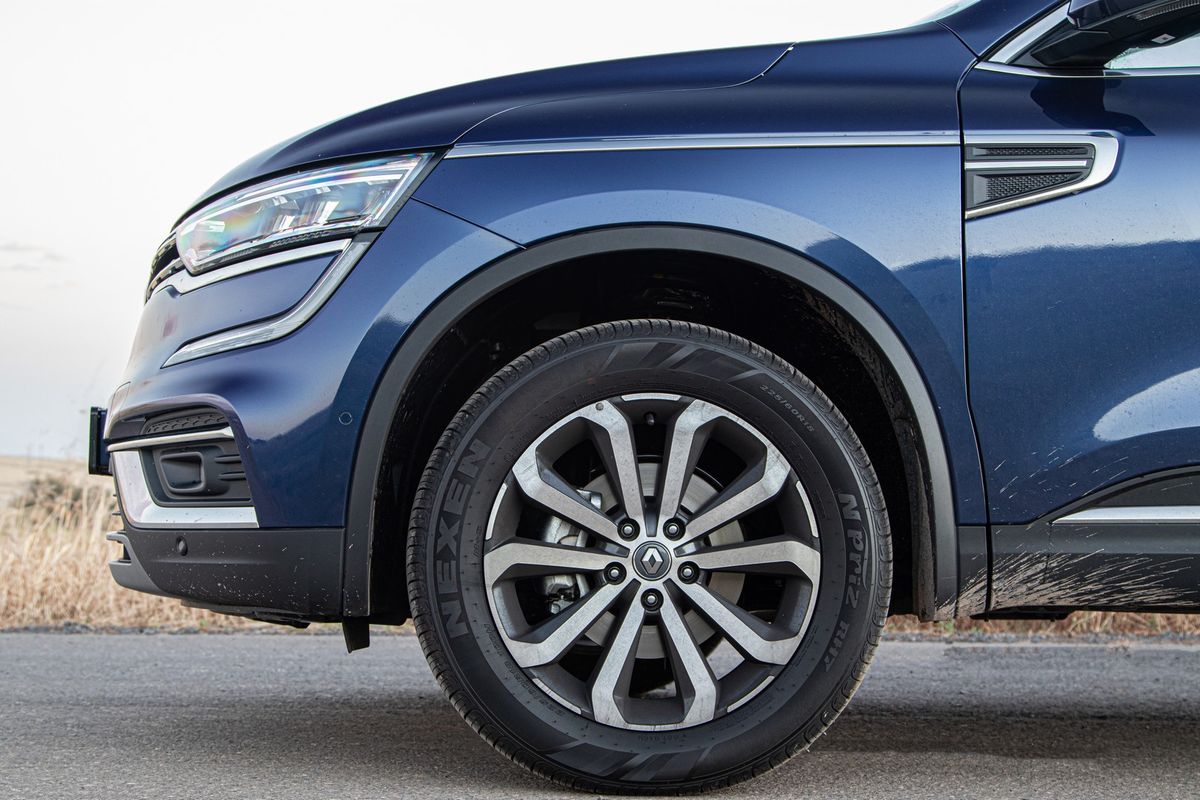
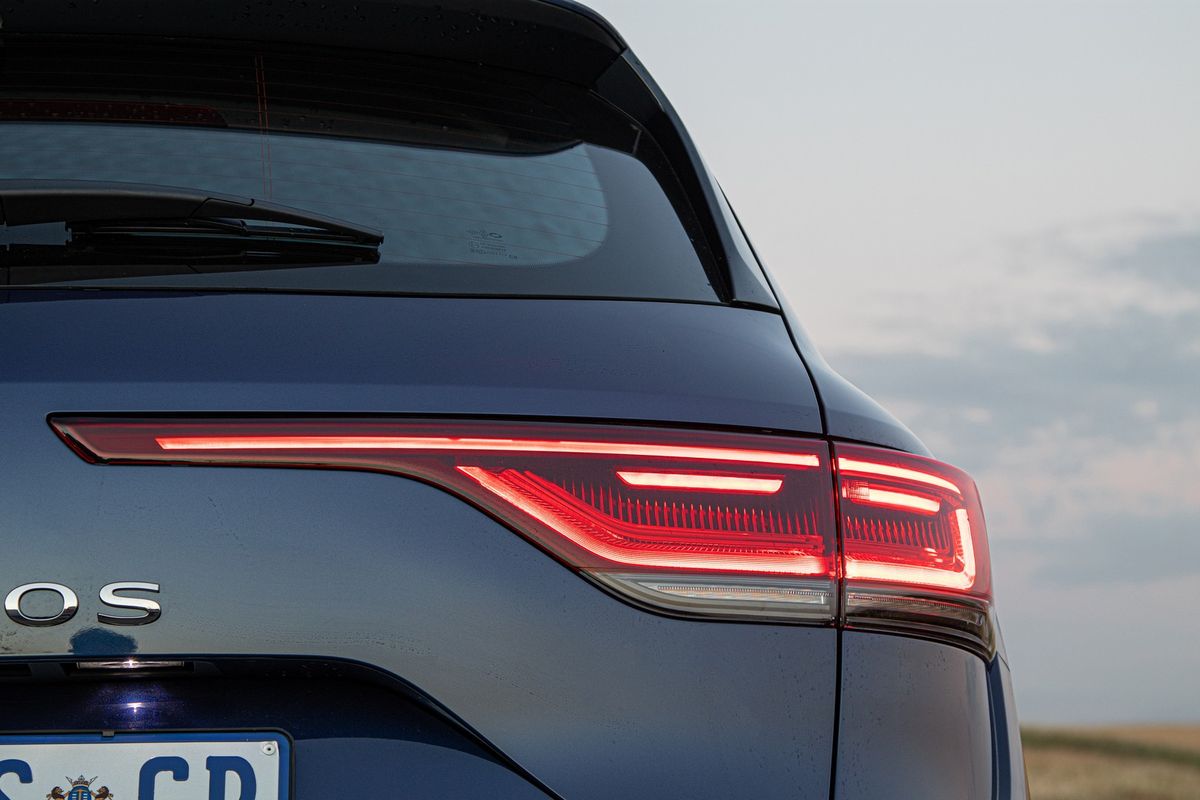
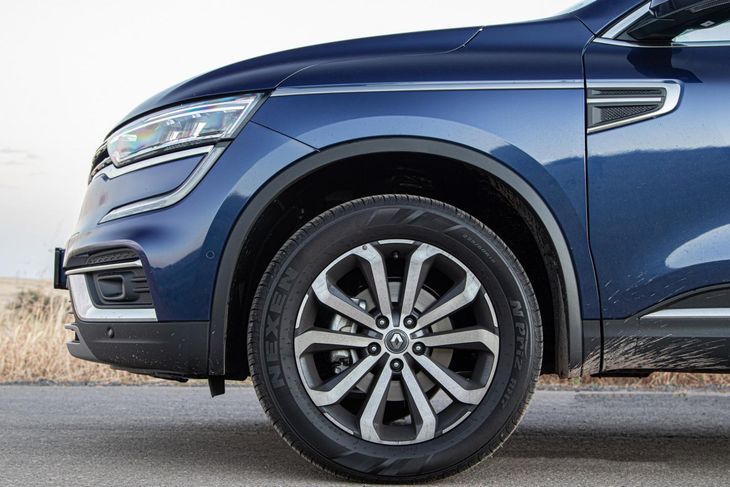
The most obvious tweaks to the 2021 Koleos (compared with its pre-facelift predecessor) can be seen in the designs of the front and rear light units. Up front, the distinctive C-shaped daytime running lights extend beyond the new LED headlights to create a unique lighting signature. At the rear, the LED tail lights also extend further towards the Renault logo in the centre of the tailgate. This is the Dynamique flagship derivative, therefore it rides on two-tone 18-inch wheels and also gets some satin silver finishes (as opposed to black on the Expression variant) on, for example, the front skid plate.
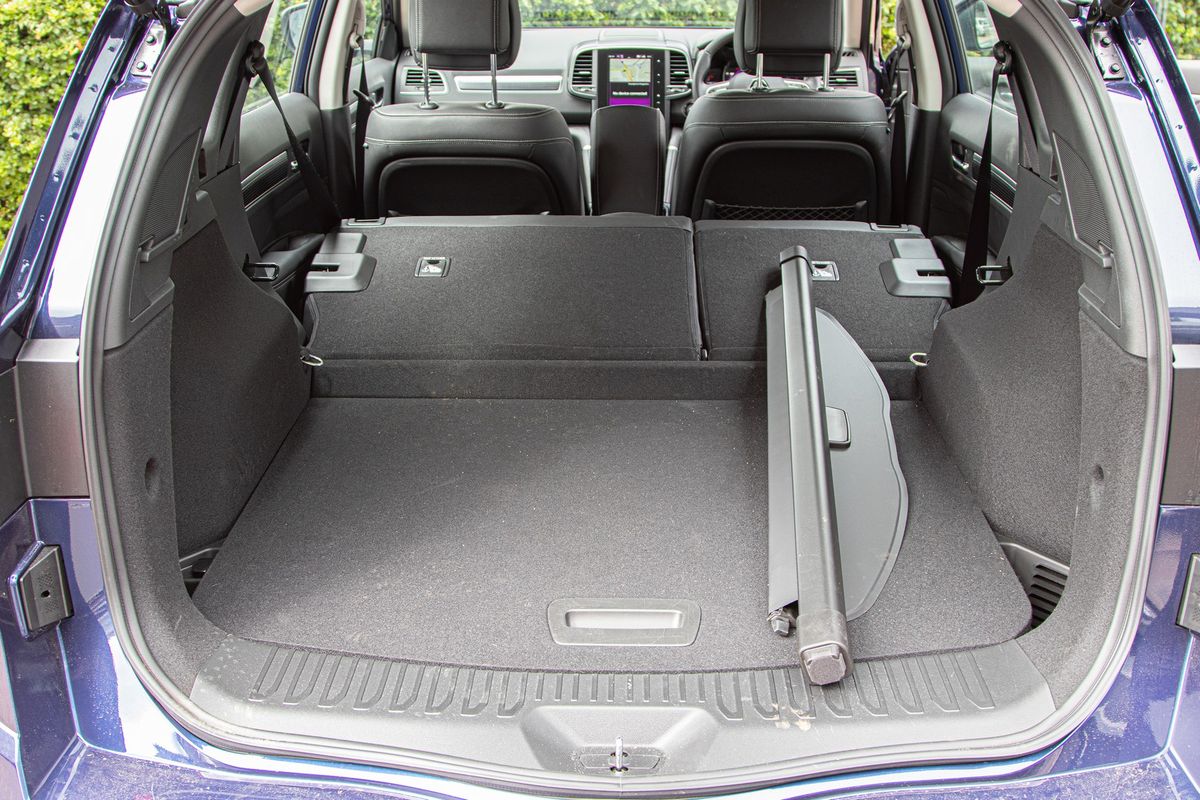
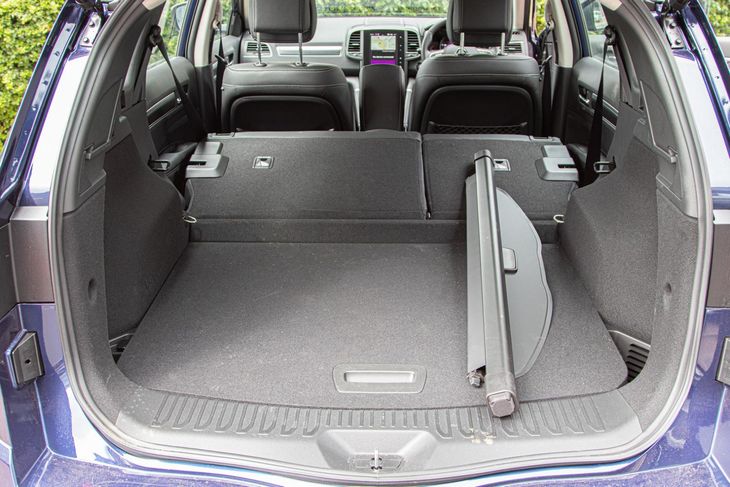
Inside, the cabin feels instantly spacious. This Renault should fulfil most families’ requirements seeing as it offers a rare combination of a large load bay (464 litres), as well as limo-like rear legroom. The fascia design is pleasing to the eye and, although most of the modern features are present, it is soon evident that this is an inherently aged design that has been updated. Still, there are nice touches, such as adjustable LED ambient lighting and loads of oddments space. Build quality on our test unit seemed very good, with no rattles or squeaks; testers noted the pleasing sturdiness of the major touch points.
Performance & Efficiency
The engine is carried over from the pre-facelift model and it’s the only one offered in the Koleos range.
The Koleos is offered with only one engine in South Africa… and it’s quite an old powerplant. It uses the same (naturally aspirated) 2.5-litre 4-cylinder petrol engine that you’ll find in the Nissan X-Trail range and it’s mated with a continuously variable automatic transmission (CVT) that sends power to the front wheels (no all-wheel-drive version is offered at present).
Unsurprisingly, that powertrain doesn’t endow the Koleos with either explosive performance or fantastic fuel economy. The engine delivers 126 kW and 233 Nm of torque, the latter figure available at a heady 4 000 rpm. So, while the Koleos can accelerate from 0 to 100 kph in under 10 seconds when you pin the throttle from rest, it runs out of steam at higher cruising speeds; you’ll need to keep that in mind when attempting overtaking manoeuvres on the open road with a fully laden car.
Renault claims average fuel consumption of 8.1 L/100 km, but you’re likely to achieve around 10 L/100 km in mixed driving. That means the cruising range on a full tank should be in the region of 600 km.
What the engine does offer, however, is proven reliability (no turbos or anything complicated to worry about), low noise levels, as well as smooth running, the latter talent further enhanced by the astute calibration of the CVT. So, in summary, this is by no means a vehicle that excels in cut-and-thrust environments, but rather one that encourages a relaxed, smooth driving style.
Ride & Handling
A reasonably sized sidewall makes for pleasing ride quality.
As befits a vehicle with such smooth drivetrain characteristics, the Koleos has been set up for ride comfort and “serene” dynamics. The suspension is softly-sprung, which allowed the Koleos to maintain a supple ride quality on the variety of road surfaces we traversed during the test. That’s not to say that the Renault is ponderous, however. Its steering has a nicely balanced weighting to it and offers pleasing directness. Combine all of this with a cabin that seems well insulated from road- and wind noise, and you have one of those cars that you can drive almost without thinking about it at all. It’s very relaxing.
To reiterate, the Koleos is no longer offered in all-wheel-drive guise and so those of you who want to tackle a course that’s more challenging than a gravel road may have to look at another option. For what it’s worth, however, the Koleos has one of the better ground clearances in this segment (210 mm) and, thanks to its well-sorted suspension, it’s not averse to covering long stretches of gravel-road driving.
Comfort & Safety features
Space and functionality are key selling points of the Koleos.
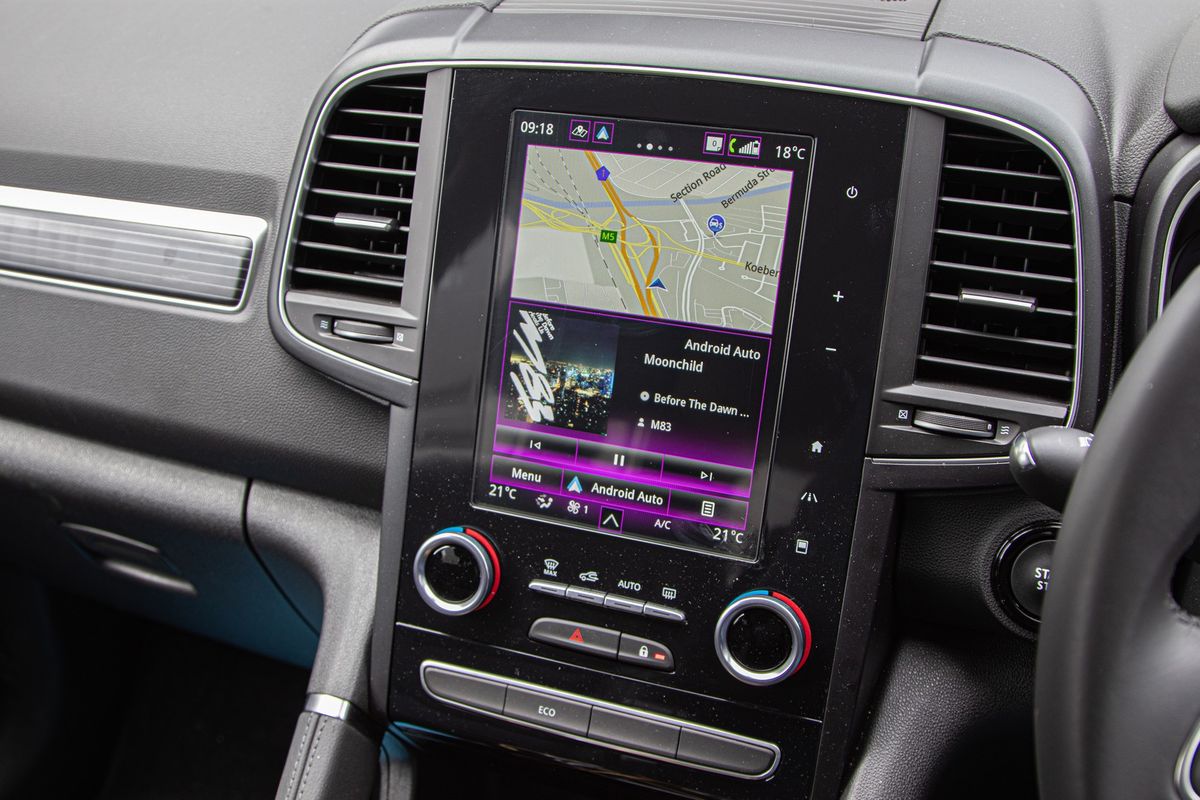
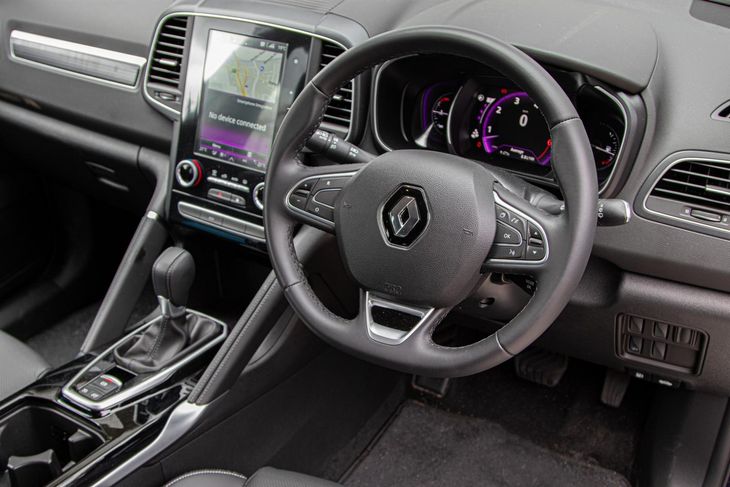
This top-spec 2.5 Dynamique is comprehensively specified, plus the smart black leather upholstery and an impressive 8.7-inch R-Link 2 portrait-type touchscreen lift the cabin’s ambience appreciably. R-Link 2 may not offer the most intuitive menu structure or layout in the market, but it does support Apple CarPlay and Android Auto. To be fair, once you’re familiar with the system, you should be able to find and select the menu options a little quicker. The instrument cluster is fully digital and this Dynamique version features an Eco function that gives you real-time feedback on how “green-footed” your driving is.
Other nice-to-have standard features include dual-zone automatic climate control (but you need to adjust its settings by using the touchscreen interface, which is, unfortunately, a bit fiddly), an electrically powered tailgate, electrically adjustable driver’s seat, cruise control, as well as a reverse-view camera. Rear passengers are well-catered for with their own ventilation outlets and a pair of USB ports. The Koleos achieved a 5-star EuroNCAP crash rating and boasts 6 airbags, ABS/EBD, stability control, blind-spot warning and a tyre pressure monitoring system.
Spec-wise, then, the Koleos Dynamique compares quite favourably with its traditional rivals, but the fly in the proverbial ointment is the Haval H6 which offers next-generation safety-, infotainment- and luxury features at a lower price point than the venerable Renault.
How much does the Renault Koleos cost in South Africa?
The Renault Koleos 2.5 Dynamique is priced at R534 900, which is competitive with some of the lower- to mid-level offerings from major rivals, such as the Volkswagen Tiguan and Mazda CX-5. The problem, however, is the Haval H6, which in top-spec Super Luxury form is not only R20 000 cheaper, but adds all-wheel drive, more power, and more features to the mix.
Included in the Koleos’s purchase price is a 5-year/150 000 km warranty and 5-year/90 000 km service plan.
Verdict
While Renault’s Koleos is a likeable family car, the segment has moved on with more enticing options available.
If you’re a fan of the French brand and can negotiate a good deal on the model at your local Renault dealer, you’re unlikely to be disappointed with this Koleos. It’s a very likeable, comfortable and easy-going family vehicle. It is, however, dated in some respects and the engine/transmission combination, though smooth, might be too lethargic for some. It’s a middle-of-the-road offering in most respects, which may have been good enough at the price if the competition was restricted to lower-spec offerings from traditional rival brands (such as Toyota, VW and Mazda). But with the arrival of the astonishingly well-priced Haval H6, that’s no longer the case. Sadly, we don’t see the latest (largely cosmetic) updates and line-up positioning as being sufficient to change the fortunes of the Koleos in South Africa…
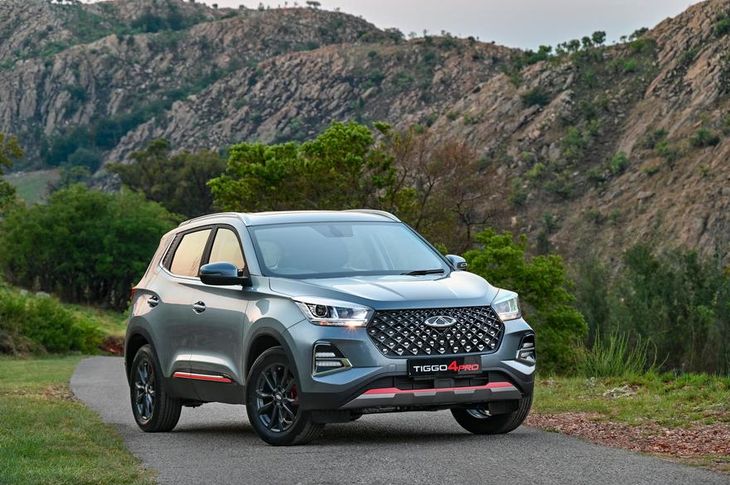
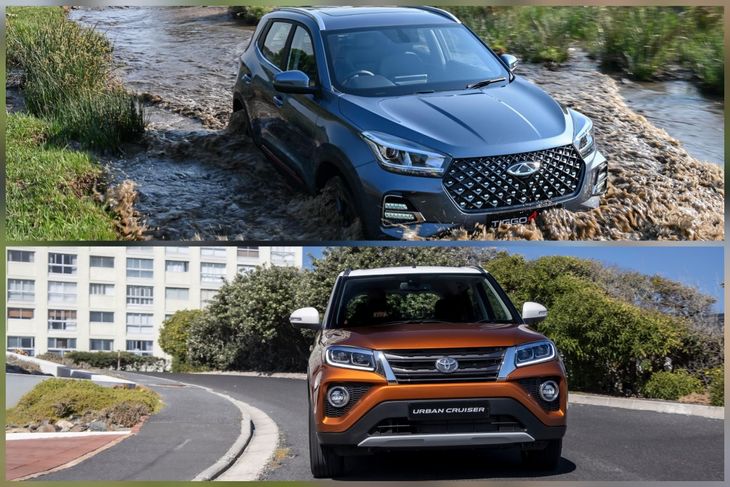
Toyota Urban Cruiser vs Chery Tiggo 4 Pro – Which should you buy?
Chery has made a return to South Africa and the new Tiggo 4 Pro has arrived to take on a throng of rivals in the burgeoning compact SUV segment. How does the Chery Tiggo 4 Pro stack up against the popular Toyota Urban Cruiser? Which one should you buy? Read on…
The main aim of this article is to help you, the consumer, make an informed buying decision if you are looking to buy the Toyota Urban Cruiser or eyeing out the new Chery Tiggo 4 Pro.
To help you do this, we will provide you with the need-to-know information and insight based on available vehicle information and our experience with the cars in question.
This article will cover key aspects including Engine Performance, Efficiency & Handling, Interior Features & Safety, Dimensions & Practicality and Pricing and Warranty details.
Please note that because design and styling are subjective, we will not pass judgment and you can decide for yourself what car you think looks better.
If at the end of this article you are still undecided as to ‘What To Buy’, you are more than welcome to reach out to us for additional information or advice via Twitter, Facebook or Instagram and our experienced test team will gladly assist you.
What To Buy – Toyota Urban Cruiser or Chery Tiggo 4 Pro?
Engine Performance, Efficiency and Ride Quality
Toyota Urban Cruiser
Chery Tiggo 4 Pro 1.5 NA
Chery Tiggo 4 Pro 1.5 Turbo
Engine
1.5-litre, 4-cylinder, naturally-aspirated petrol
1.5-litre, 4-cylinder, naturally-aspirated petrol
1.5-litre turbocharged petrol
Power Output
77 kW
83 kW
108 kW
Torque Output
138 Nm
138 Nm
210 Nm
Transmission
5-spd manual or 4-spd automatic
5-spd manual or Continuously Variable Transmission (CVT)
6-spd manual or Continuously Variable Transmission (CVT)
Fuel Consumption (claimed)
6.2 L/100km
Not available
Not available
Toyota Urban Cruiser – Performance, ride and handling?
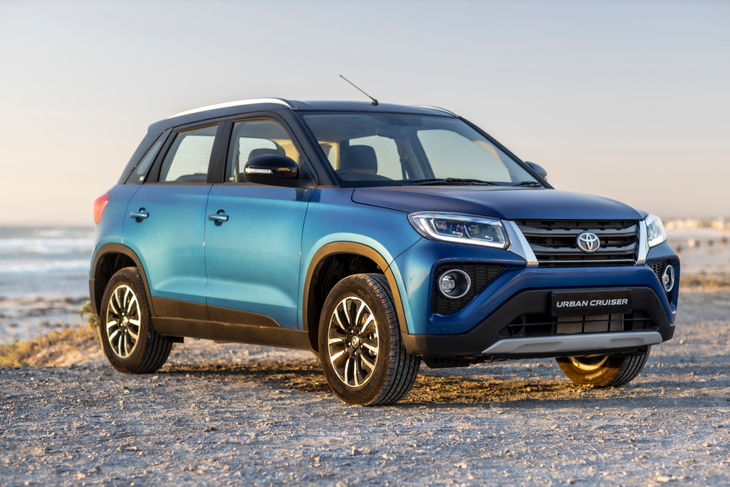
The Toyota Urban Cruiser, despite its naturally-aspirated engine, delivers eager performance and buyers who opt for either the manual or CVT shouldn’t be disappointed. Buyers, however, should note that sound insulation could be better and engine noise higher in the rev range can be quite harsh in addition to the noticeable wind noise entering the cabin. Real-world fuel consumption of around 6.5 L/100km can be expected.
As far as ride and handling go, the Urban Cruiser offers a forgiving and comfortable ride over various surfaces and it further impresses with nimble and agile handling thanks to its low kerb weight of around 1.1 tonnes. The steering wheel has a positive feel and provides adequate feedback to the driver. More so, with a ground clearance of 198 mm, the Urban Cruiser is quite capable of traversing the odd gravel road when required to.
Chery Tiggo 4 Pro – Performance, ride and handling?
To date, we have only sampled the turbocharged Tiggo 4 Pro (we will hopefully test the naturally-aspirated version soon).
The performance of the turbocharged Tiggo 4 Pro, however, is particularly impressive and not only does it offer sufficient punch for overtaking but its CVT transmission is well-matched to this engine and is perhaps the best on offer in this segment. The downside is higher-than-expected fuel consumption. Chery has not provided official claimed fuel consumption but our test drive returned close to 10 L/100km which is above what you would expect from a compact SUV.
More than this, the ride quality of the Tiggo 4 Pro is a major highlight and it rides comfortably on all surfaces, including gravel. Ground clearance is at 180 mm. The cabin is well insulated too – there’s minimal road- or wind noise intrusion to speak of.
7-inch touchscreen with Android Auto and Apple CarPlay (across the range)
10.25-inch touchscreen with Android Auto and Apple CarPlay (across the range)
Bluetooth, voice control, USB
Bluetooth and USB (front)
Bluetooth, voice control, USB (front and rear)
Instrument cluster
Analogue dials with multi-information display
All-digital
Camera System
Rear camera
Rear camera
Front and Rear Park Distance Control (PDC)
Rear only
Rear only
Sunroof
No
Yes
Upholstery / Electric Seats
Cloth, manual adjustment
Leather, manual adjustment
Safety Features
2 airbags, ABS with EBD and brake assist.
6 airbags, ABS with EBD, brake assist, Electronic Stability Control with traction control, cruise control, tyre pressure monitoring, hill descent control
Feature Summary
While the Toyota Urban Cruiser has the basics covered in terms of standard features, the Chery Tiggo 4 Pro goes above and beyond and this is reflected in its standard feature specification as well as safety specification.
Interior fit and finish is good for both vehicles and from an interior design perspective, the Chery pips the Toyota with a more modernised/digital and upmarket design approach which will appeal to buyers who want a more stylish and digitised interior ambience.
It’s also worth noting that standard feature specifications for the respective entry- and mid-spec derivatives are quite similar, as is pricing (more on this below).
The new Chery Tiggo 4 Pro is bigger than the Toyota Urban Cruiser in every direction and also has a 110 mm longer wheelbase which translates into noticeably more space for rear passengers and arguably has more load space too. Unfortunately, Chery has not divulged how big its load bay is but from what we can tell, it’s bigger than what’s offered in the Urban Cruiser. Both vehicles feature 60:40 split rear seats for added flexibility.
Pricing and Warranty
Toyota Urban Cruiser
Price
Chery Tiggo 4 Pro
Price
Base
1.5 Xi
259 100
1.5 Urban
R269 900
Mid
1.5 Xs
R277 300
1.5 Comfort CVT
R299 900
1.5 Xs Auto
R299 200
Top
1.5 Xr
R304 900
1.5T Elite
R319 900
1.5 Xr Auto
R326 800
1.5T Elite Auto
R349 900
1.5T Elite SE
R359 900
Warranty
3-year/100 000km
5-year/150 000km vehicle warranty1-million km engine warranty for 1st owner
Service Plan
3-services/45 000km
5-year/60 000km
The pricing structure between these 2 rivals are fairly competitive and Chery has set itself apart from Toyota by offering a more comprehensive warranty and service plan. Note that Chery also offers a 1-million km engine warranty but this only applies for the first owner of the vehicle and the vehicle must have been serviced at a Chery dealership for the duration of its ownership. Smart marketing, Chery…
What to Buy?
So, you have the information you need but what are you going to buy? On paper, the top-spec Chery Tiggo 4 Pro is a winner when compared side-by-side with the equivalent Urban Cruiser.
The turbocharged Chery Tiggo 4 Pro offers significantly more power and torque, is more generously equipped with standard features and is arguably more stylish inside and out. More so, the Tiggo 4 Pro is a bigger vehicle which means you are getting more car your money. These factors combined with the added after sales peace of mind, arguably justify the premium price the Tiggo 4 Pro holds over its equivalent rival and we think the Chinese competitor is a difficult product to ignore. In Toyota’s favour is its 200+ strong dealer network around the country and renowned aftersales performance. The Toyota is also likely to return better resale value when it comes to trading it in (depending on how well it’s been looked after).
Even so, perhaps the biggest and possibly the most difficult obstacle Chery will have to overcome is perception. The brand doesn’t have a particularly impressive track record in terms of aftersales service and product quality but time will tell how new Chery customers feel about the Tiggo 4 Pro and the service they receive from the 30 new Chery dealerships countrywide.
Fuel price adjustments for December 2021 have been announced by the Department of Mineral Resources and Energy and the increases won’t be welcomed by motorists in South Africa.
Minister of Mineral Resources and Energy, Mr Gwede Mantashe, is the bearer of bad news as the Department of Mineral Resources and Energy announces yet another massive fuel price hike that will, as of Wednesday 1 December 2021, see local fuel prices exceed the R20 per litre mark for the first time ever.
Motorists, however, won’t be celebrating this record and the increases come at a time when South African household budgets are being stretched to the max as the cost of living rises.
Fuel price increases for December 2021 are as follows:
Both grades of petrol (93 ULP and 95 LRP) will increase by 81 c/l.
Diesel (0.05% sulphur) will increase by 72.5 c/l
Diesel (0.05% sulphur) will increase by 74.5 c/l
Illuminating Paraffin (wholesale) will increase by 42 c/l
Factors that contributed to rising fuel prices include the depreciating Rand-Dollar exchange rate, increases in the price of crude oil and higher prices of refined petroleum products. As of 1 December 2021, the Slate Levy will also see increased contributions of 26.30 c/l (from 15.36 c/l to 41.66 c/l).
The department commented on the increases, “There is a mismatch between demand and supply, i.e., there is more demand for oil products than the market can supply. The release of millions of barrels of strategic oil reserves by the US Government has done little to dampen the oil prices. Recent Global concerns over the new COVID variant are beginning to dampen oil demand, resulting in lower oil prices”.
Furthermore, the department added, “It is important to appreciate that fuel prices are soaring worldwide due to persistently high crude oil prices. Record pump prices have been experienced in many other countries. The Department is aware of the inflationary nature of the high global fuel prices and the impact on the transport costs for commuters.”
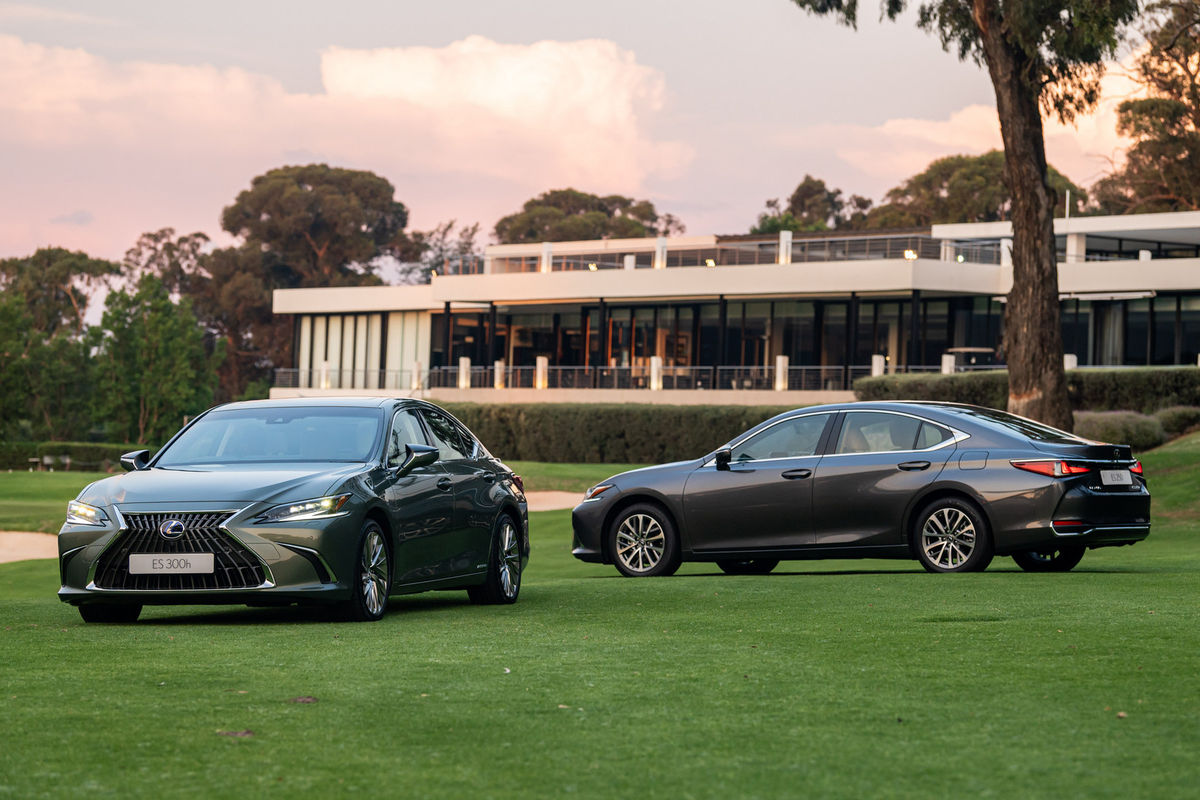
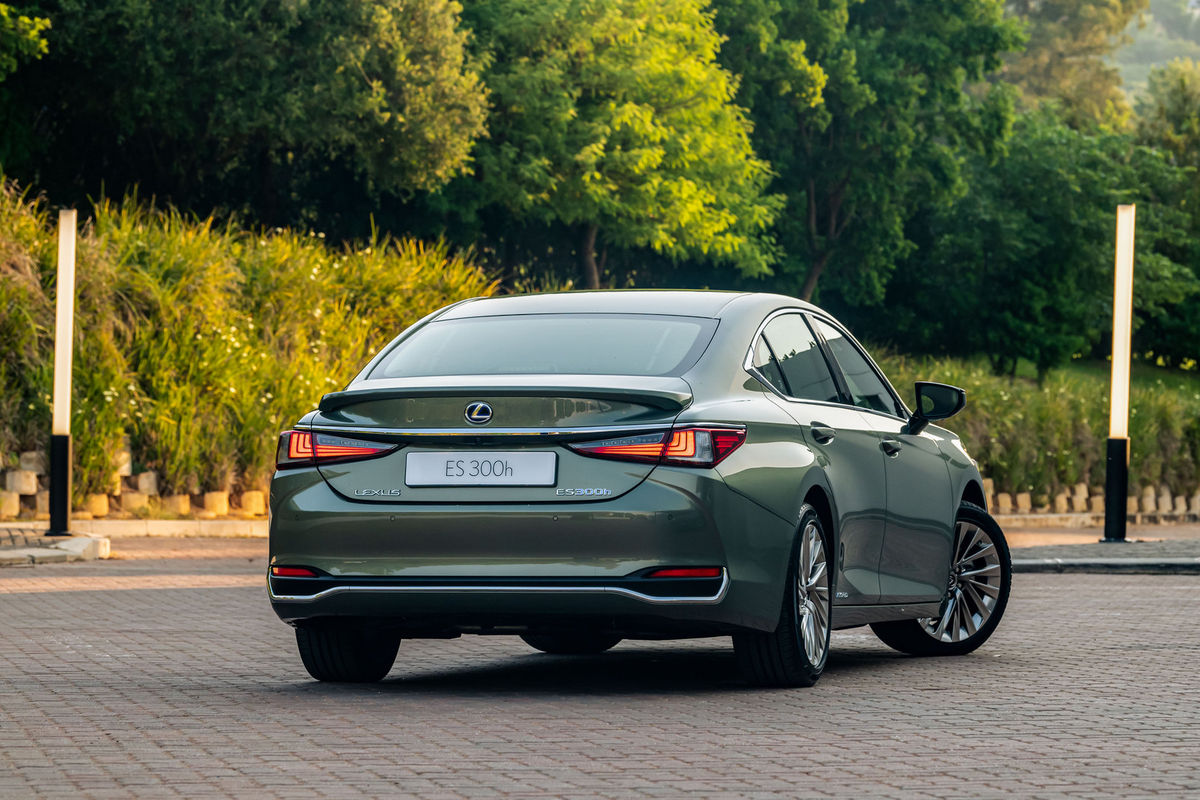
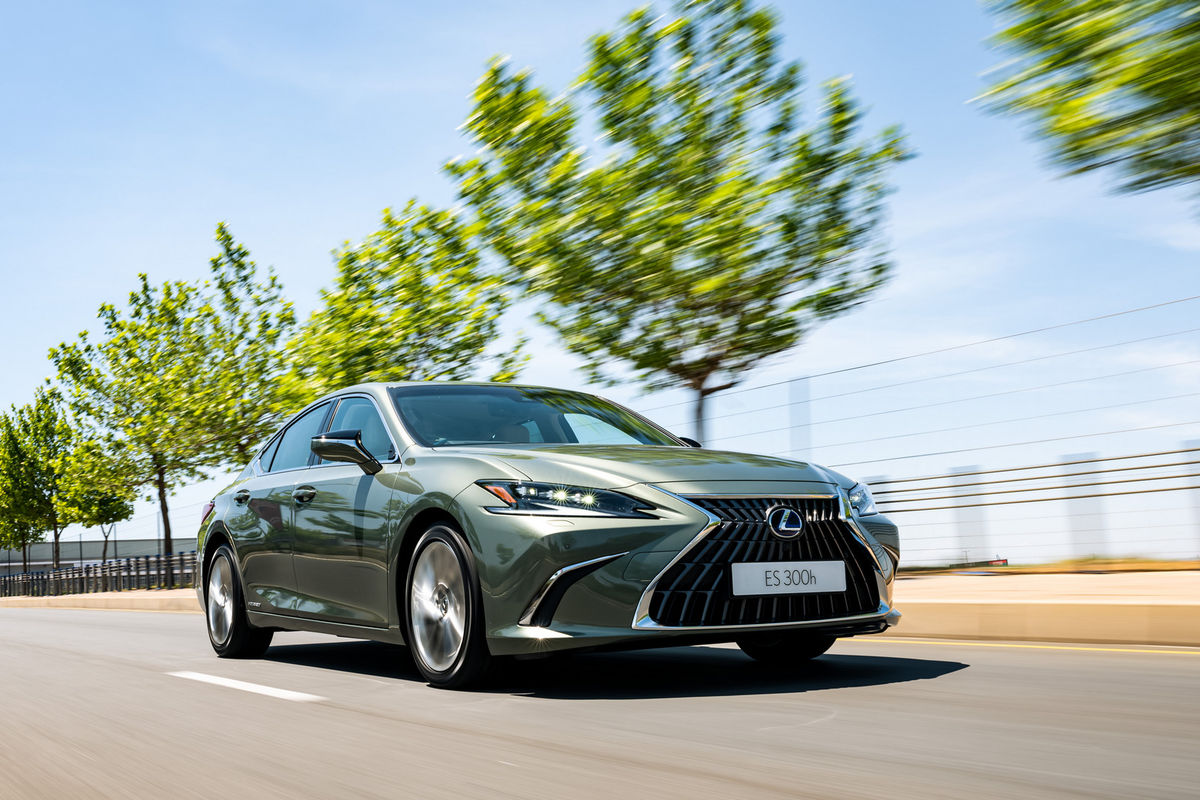
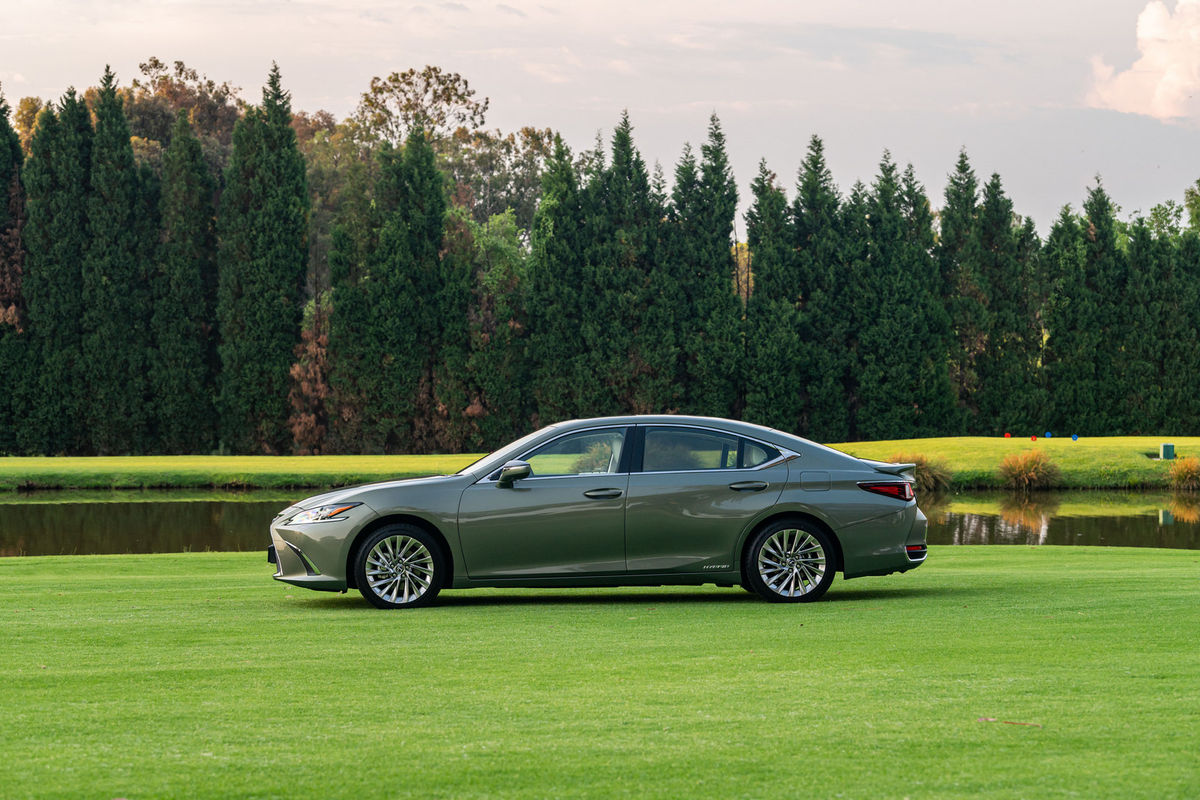
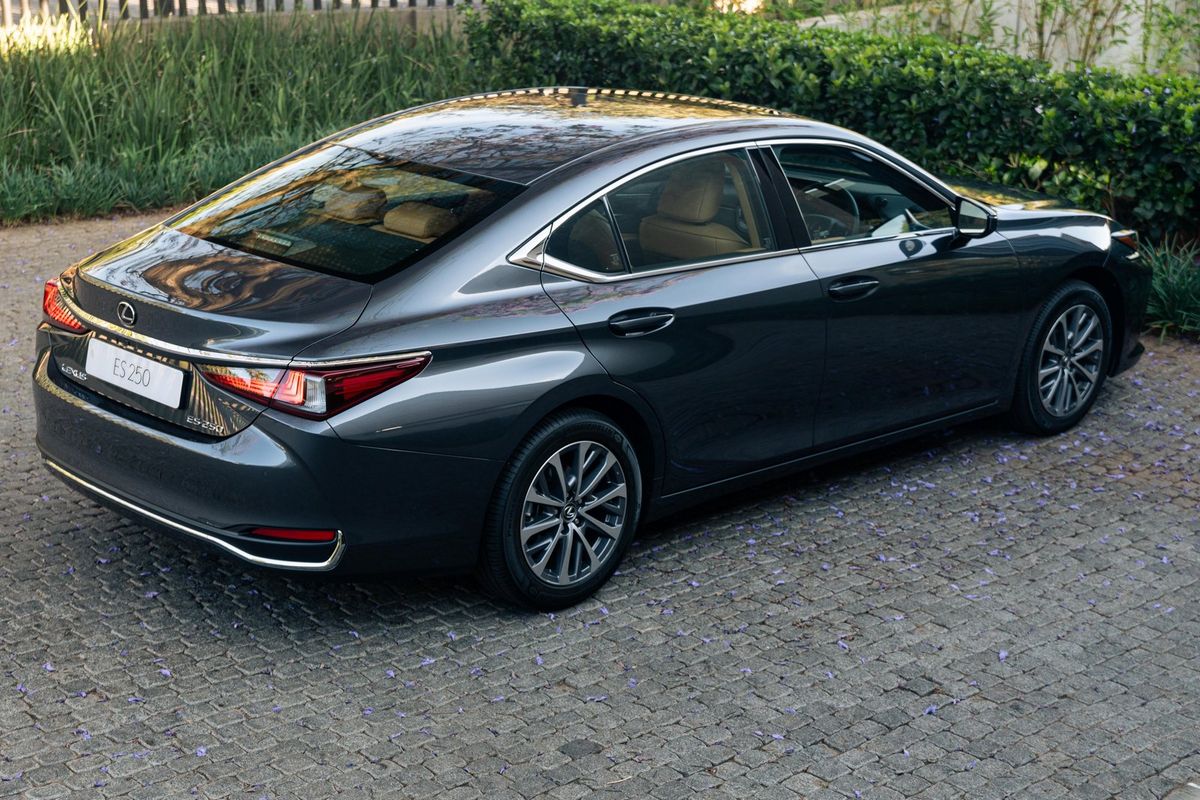
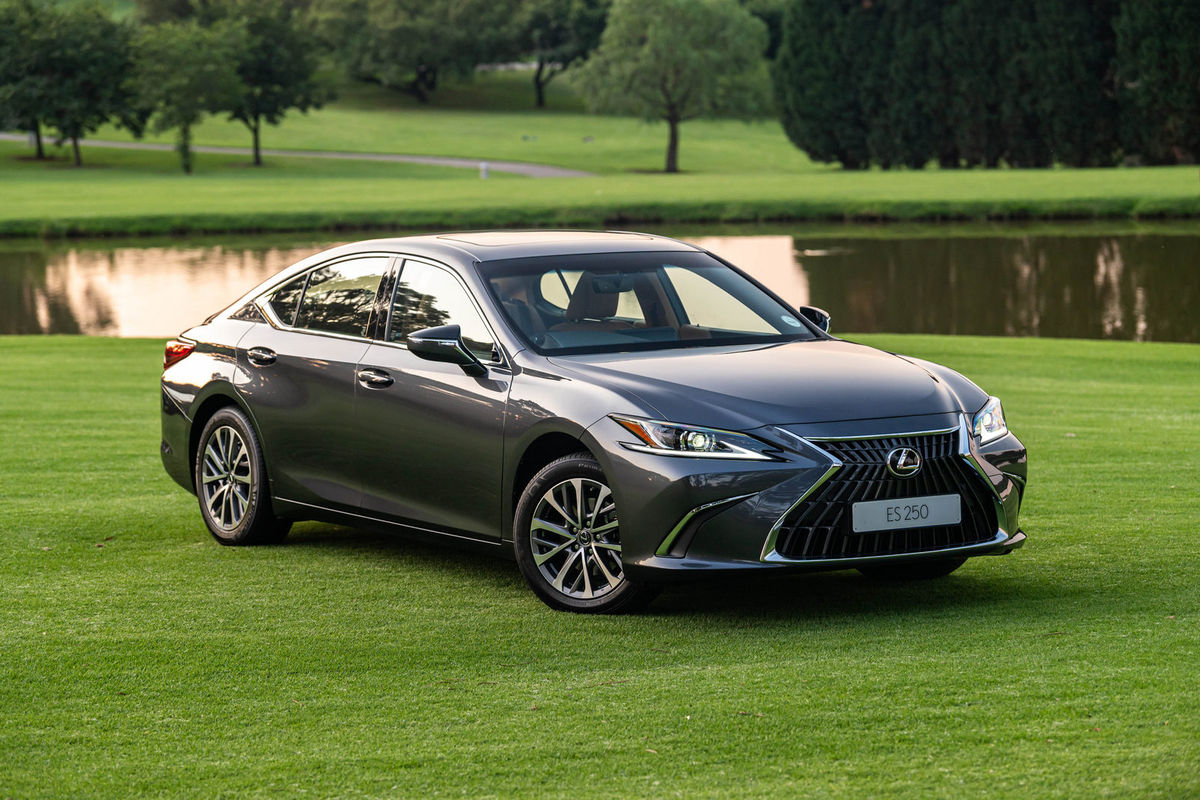
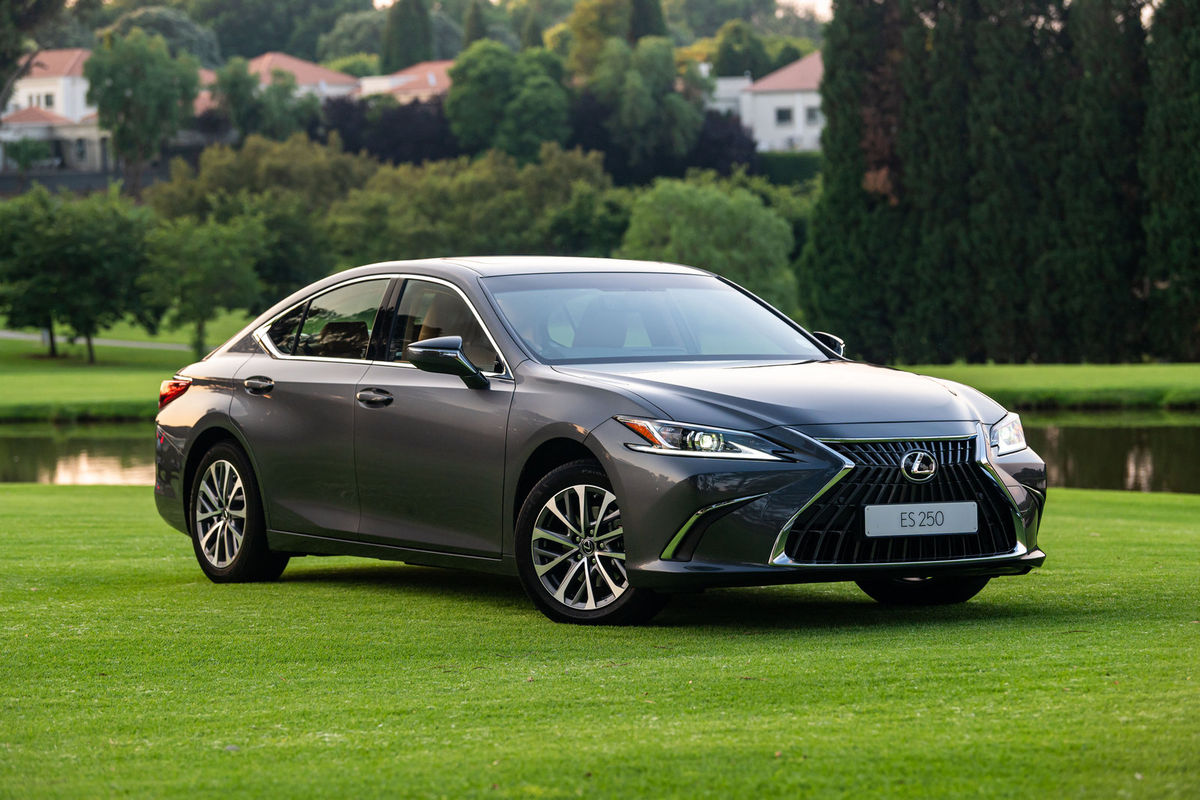
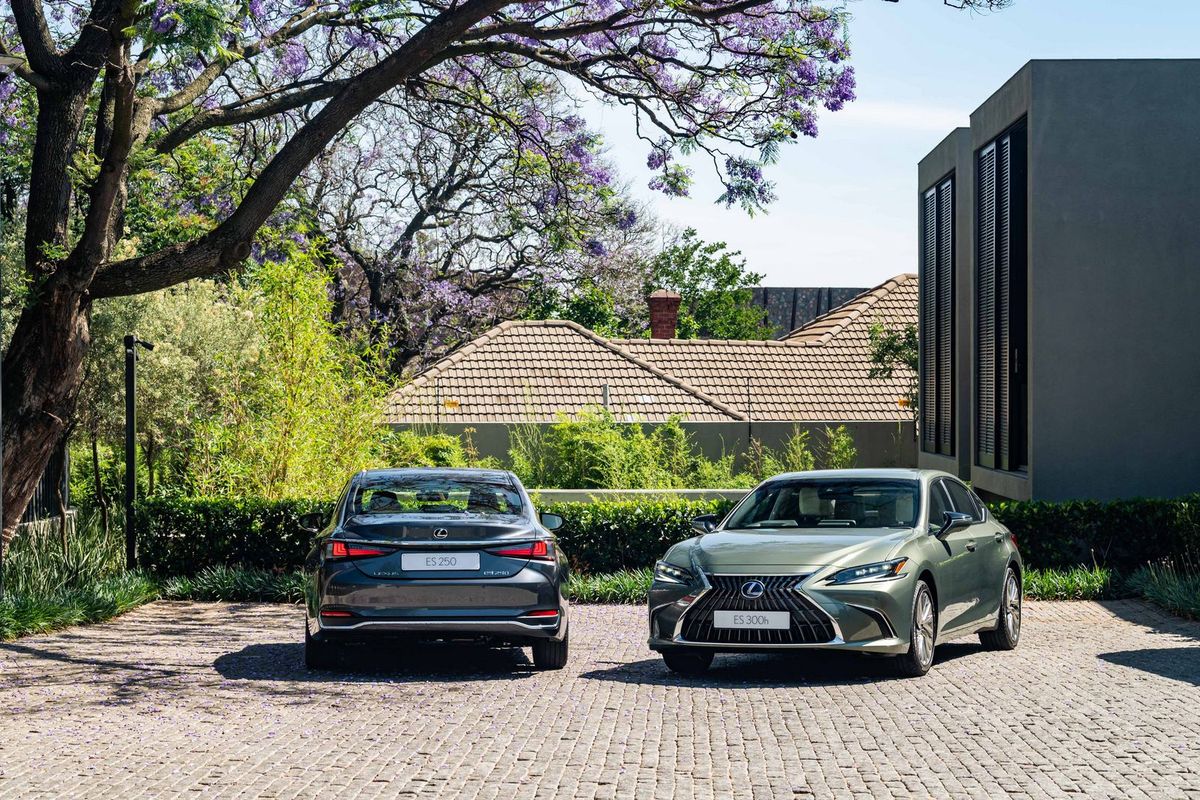
The Lexus ES has established itself as the executive sedan that promotes comfort and luxury above all else, perhaps even more so than its Mercedes-Benz E-Class rival! The Japanese premium brand’s offering recently underwent a mild update and we drove it at its local launch in the Western Cape.
What’s new on the Lexus ES?
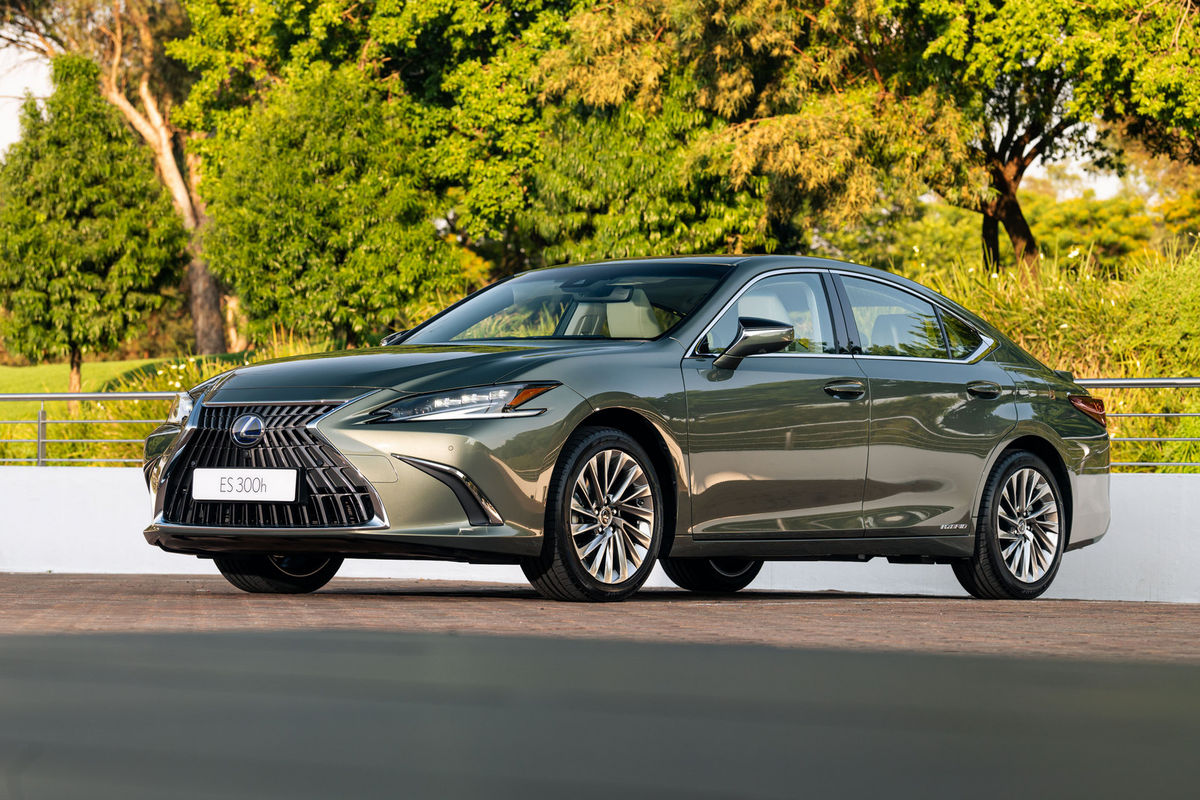
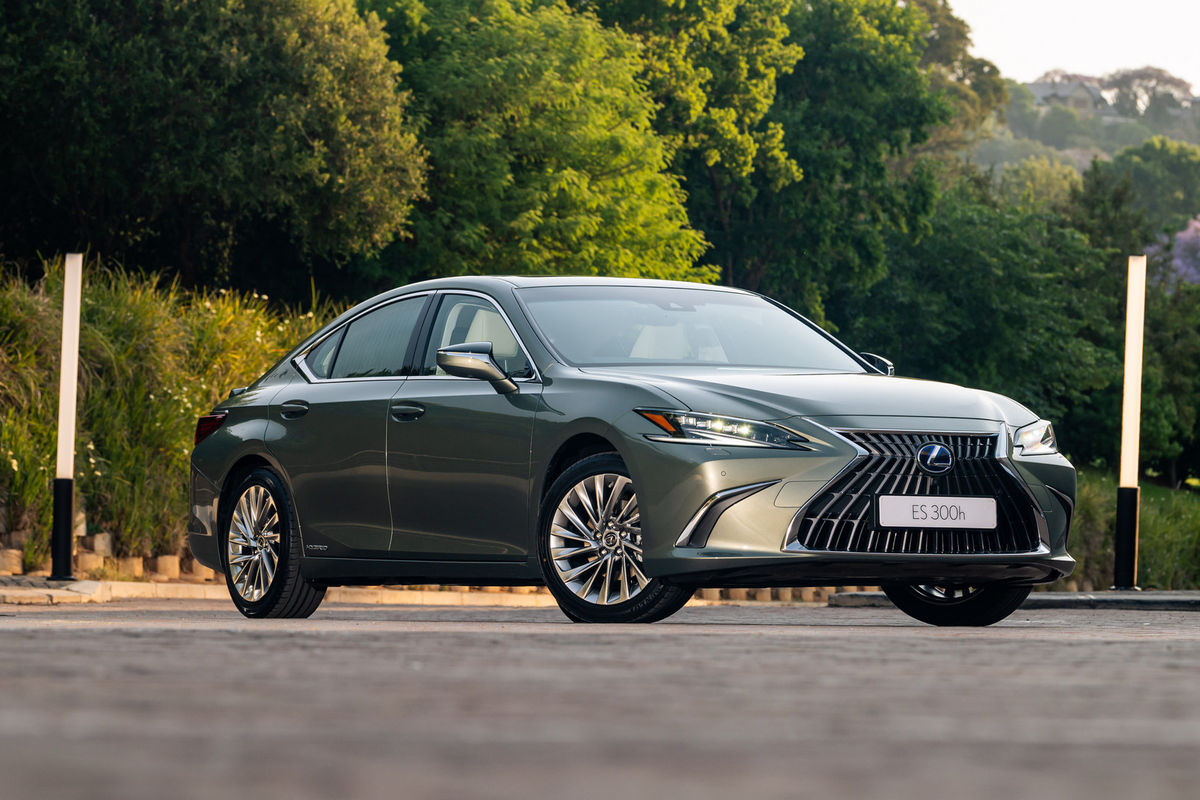
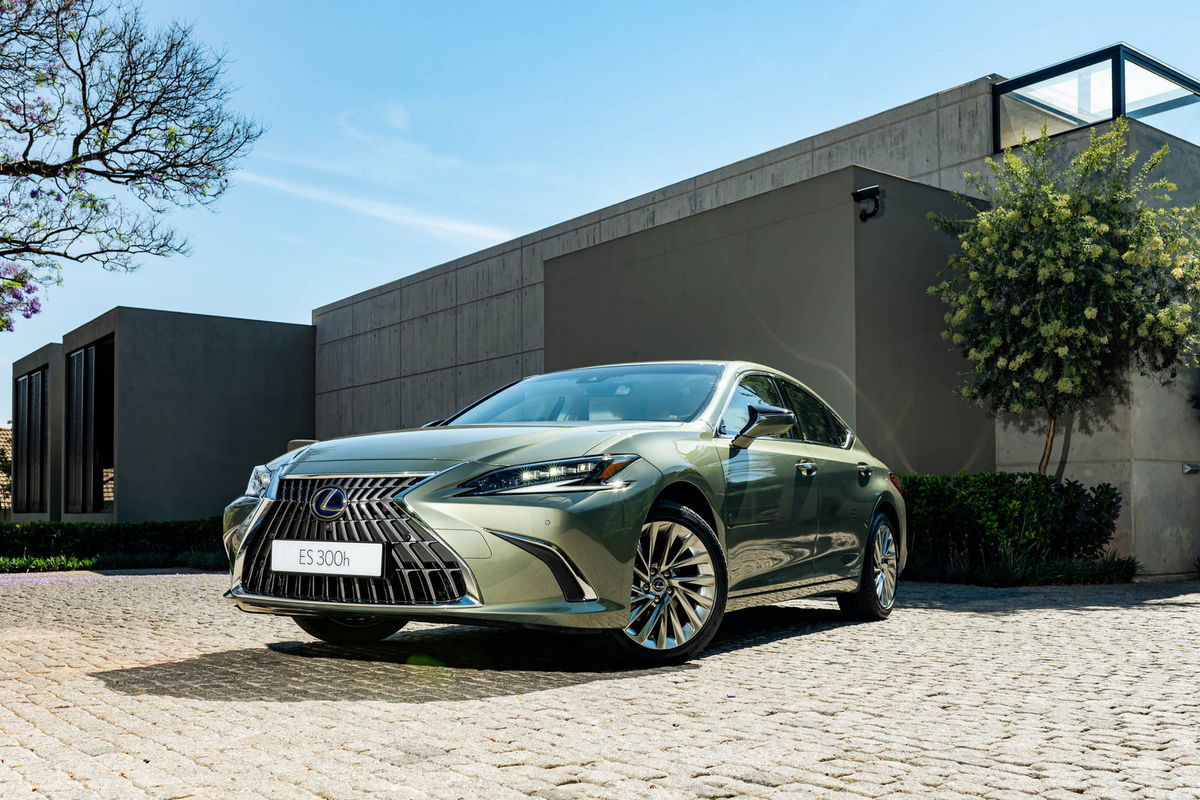
There are fewer vertical slats in the ES’ grille and the headlamp clusters are much thinner than before the update.
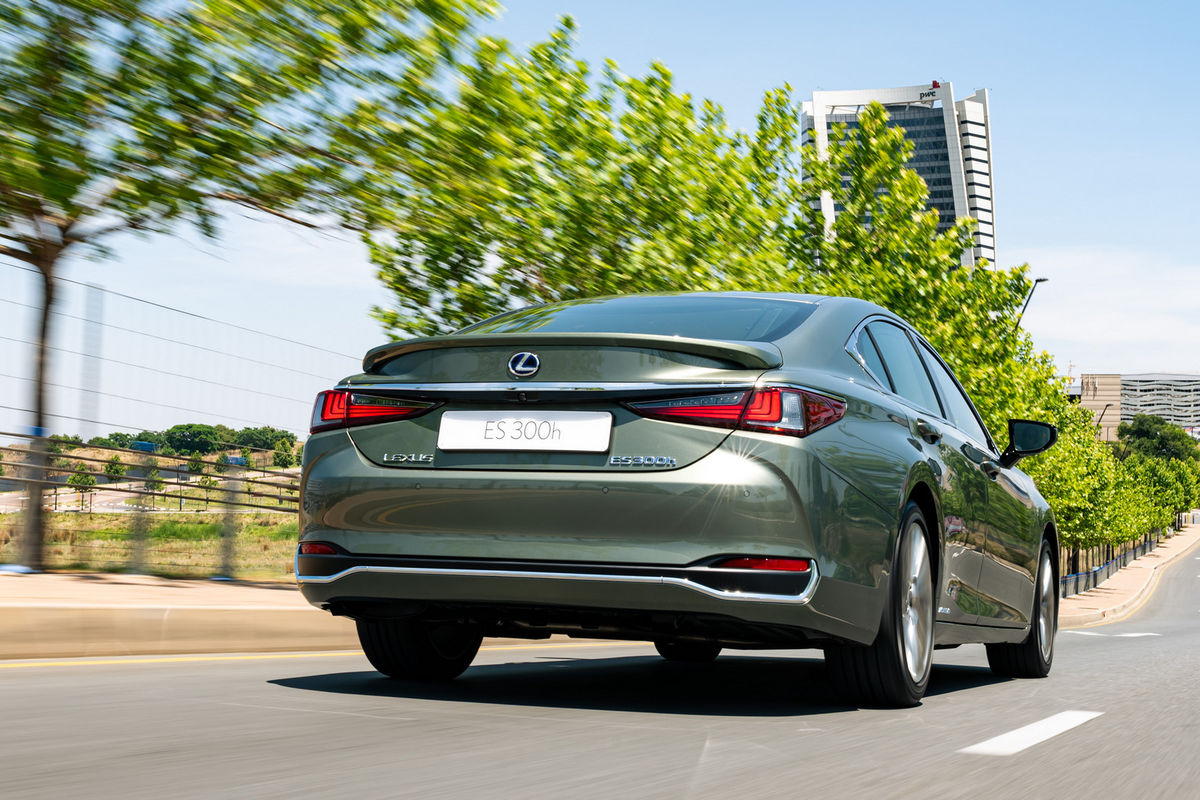
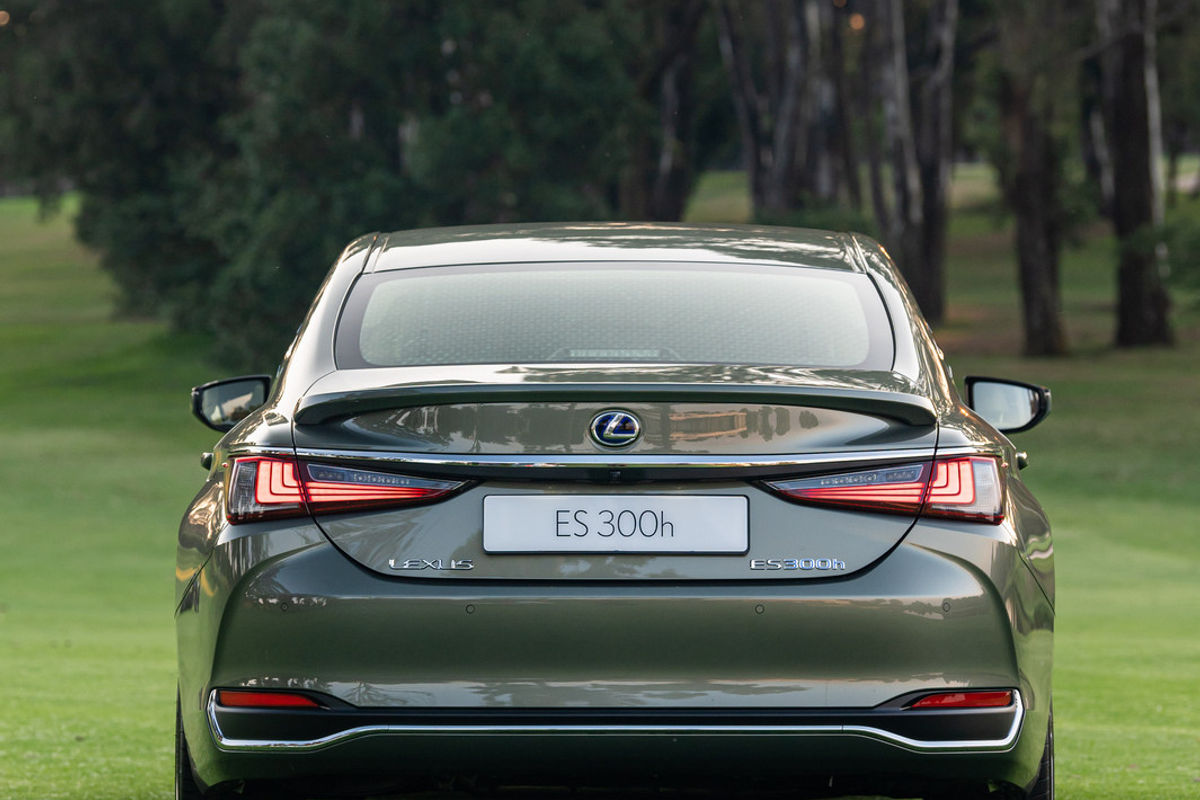
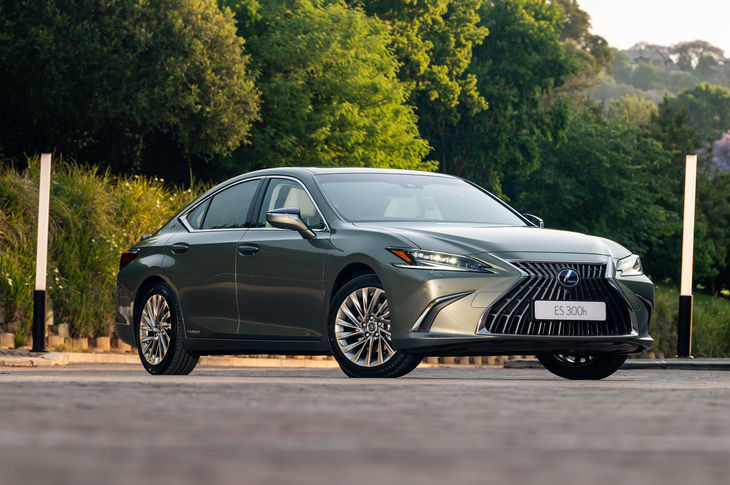
You have to look closely to notice the updates, to be honest. In terms of the exterior execution, the Lexus’ “pinched” spindle grille now sports fewer vertical slats in order to create a visually wider front end. The headlamps are slimmer and sport a new lighting signature (on the SE) that looks less like a “Nike tick”. There are three new exterior hues, which means ES buyers can choose from 10 paint finishes.
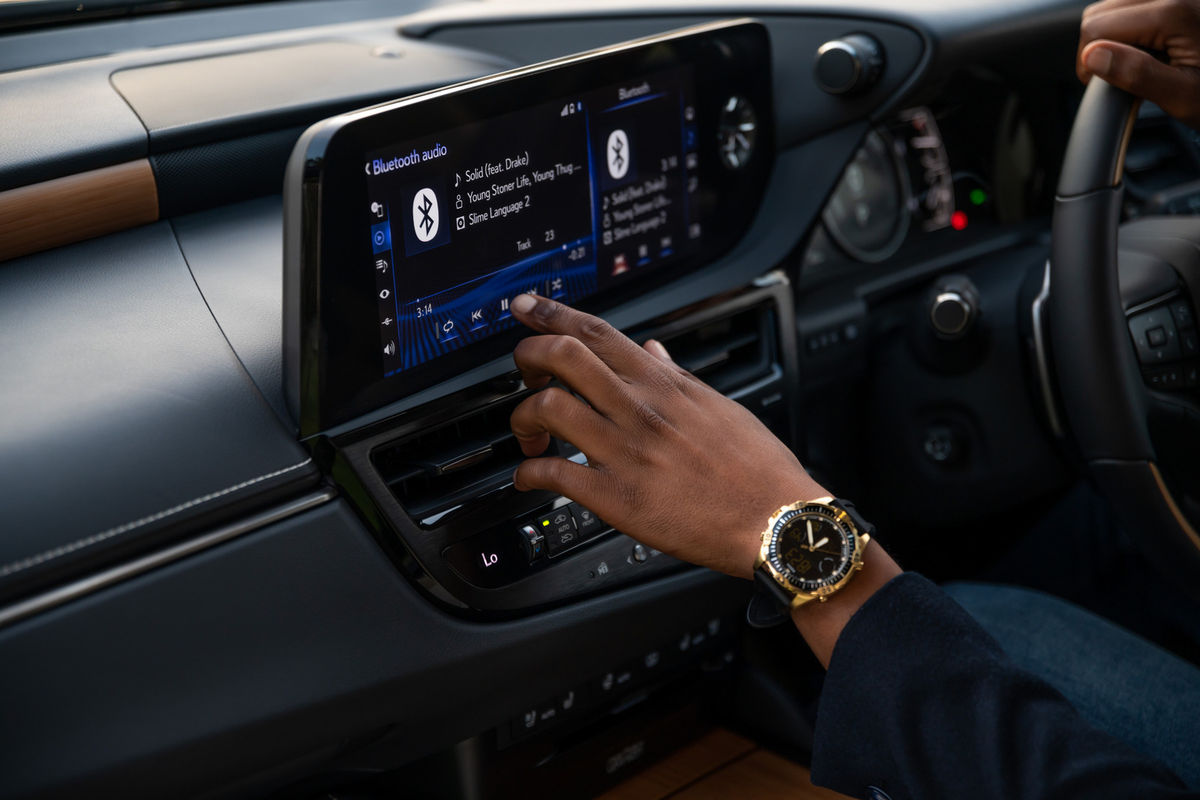
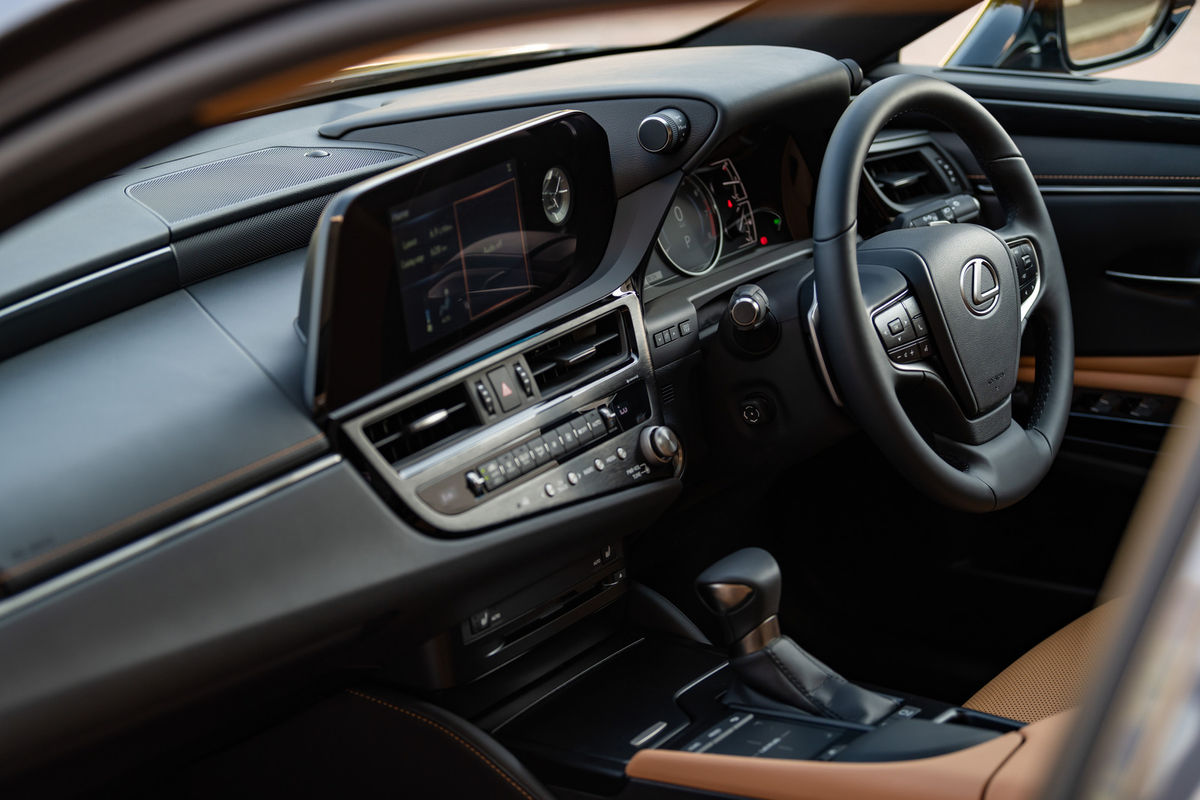
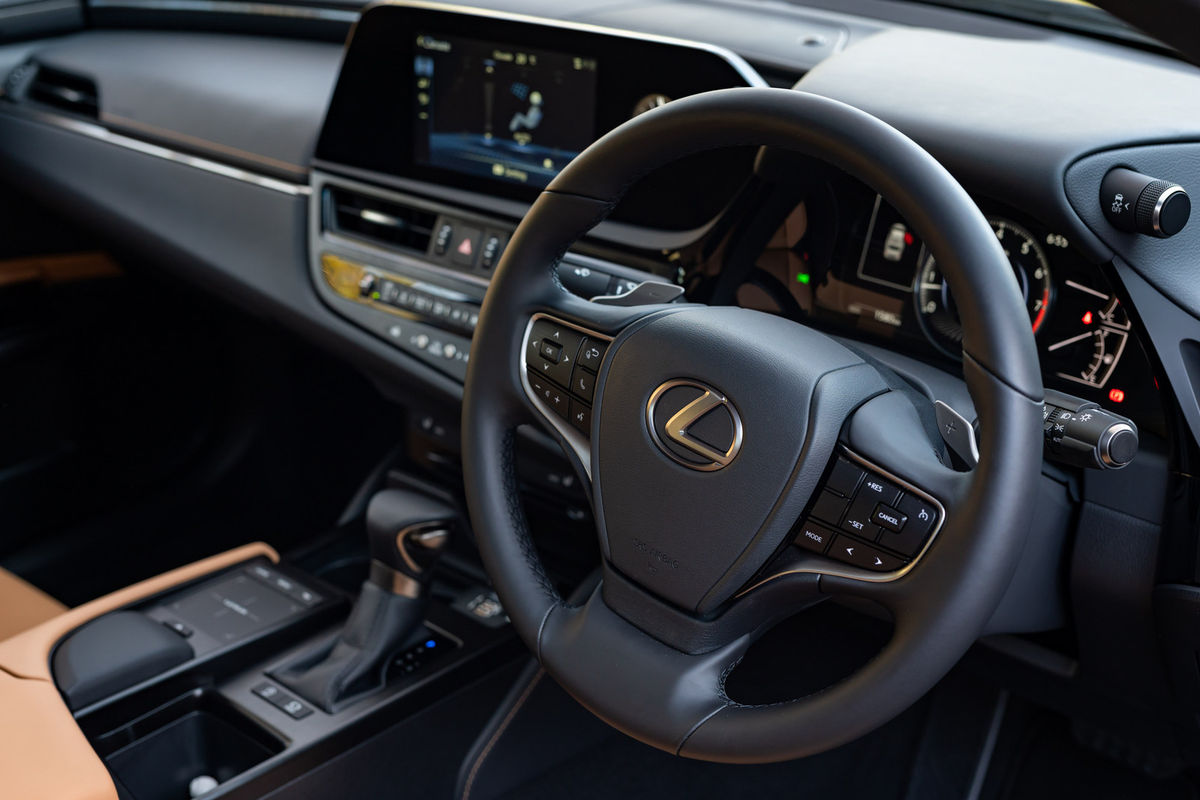
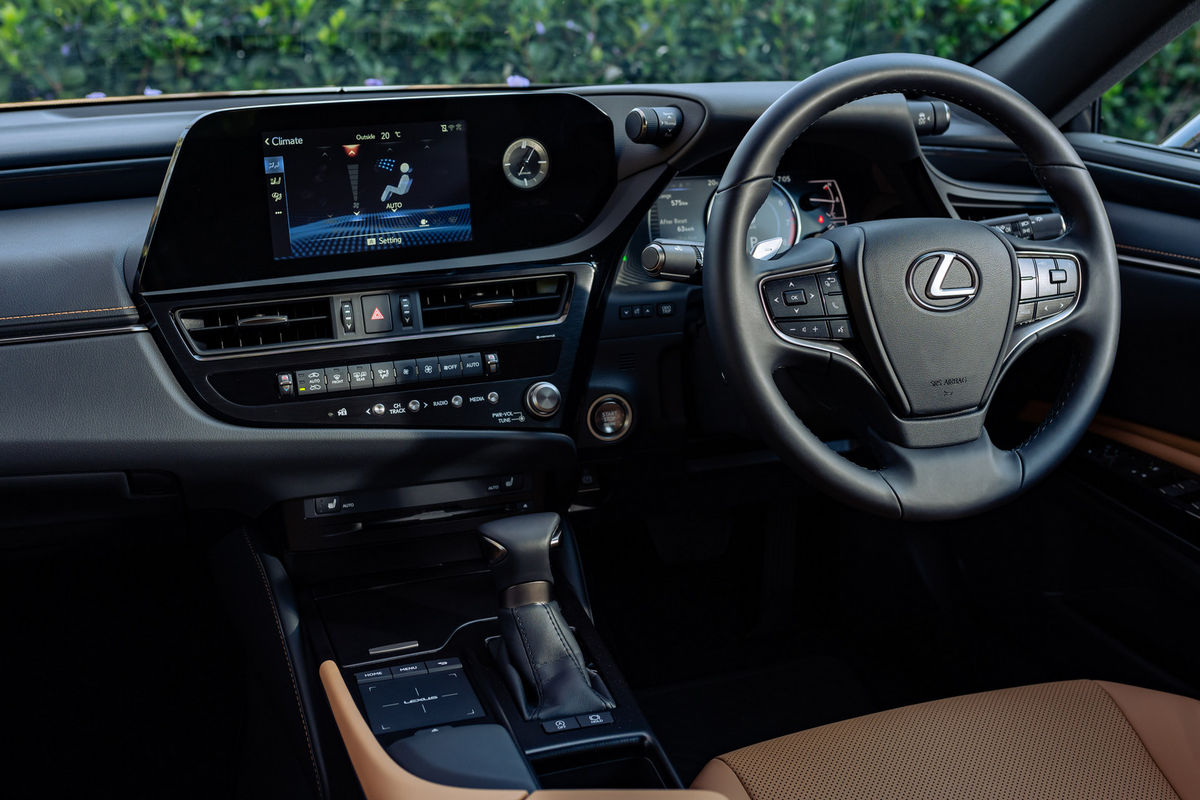
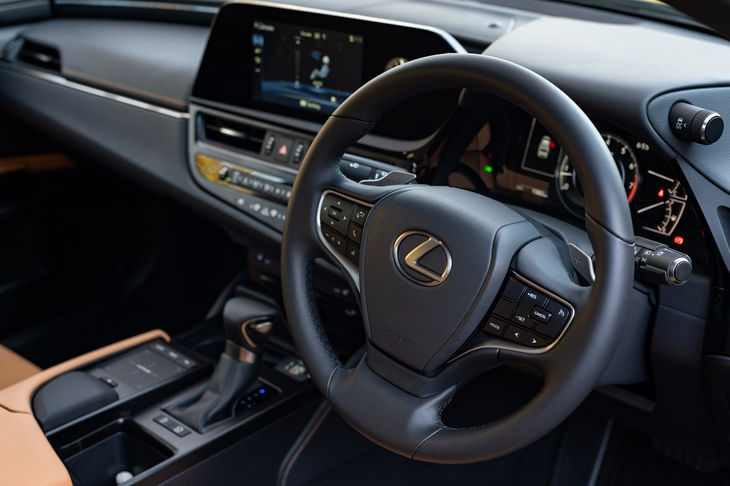
As for the interior, Lexus has introduced an updated (touchscreen) infotainment setup and, as a result, has had to slightly rejig the cabin architecture to make the system easier to operate.
The range comprises just two trim grades (EX and SE); it kicks off with a petrol-engined 250 EX derivative, while the petrol-electric hybrid version is available in both grades.
Is the ES luxurious inside?
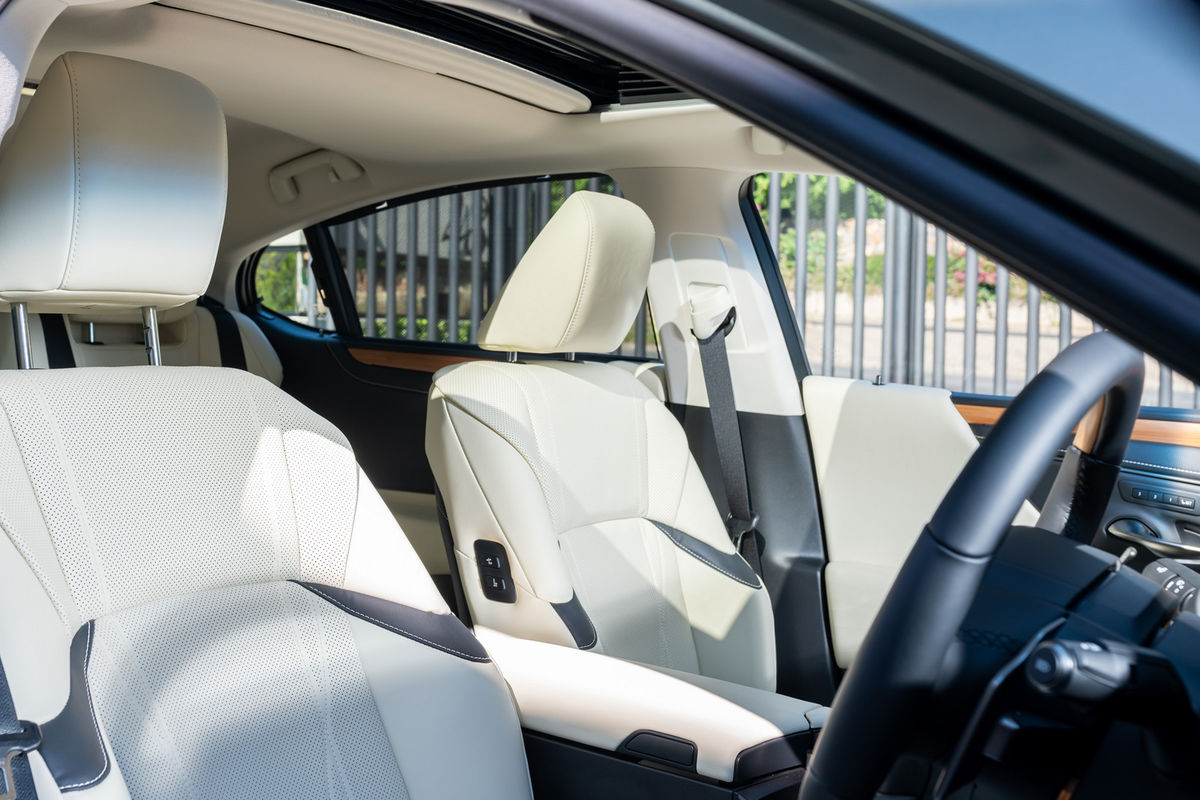
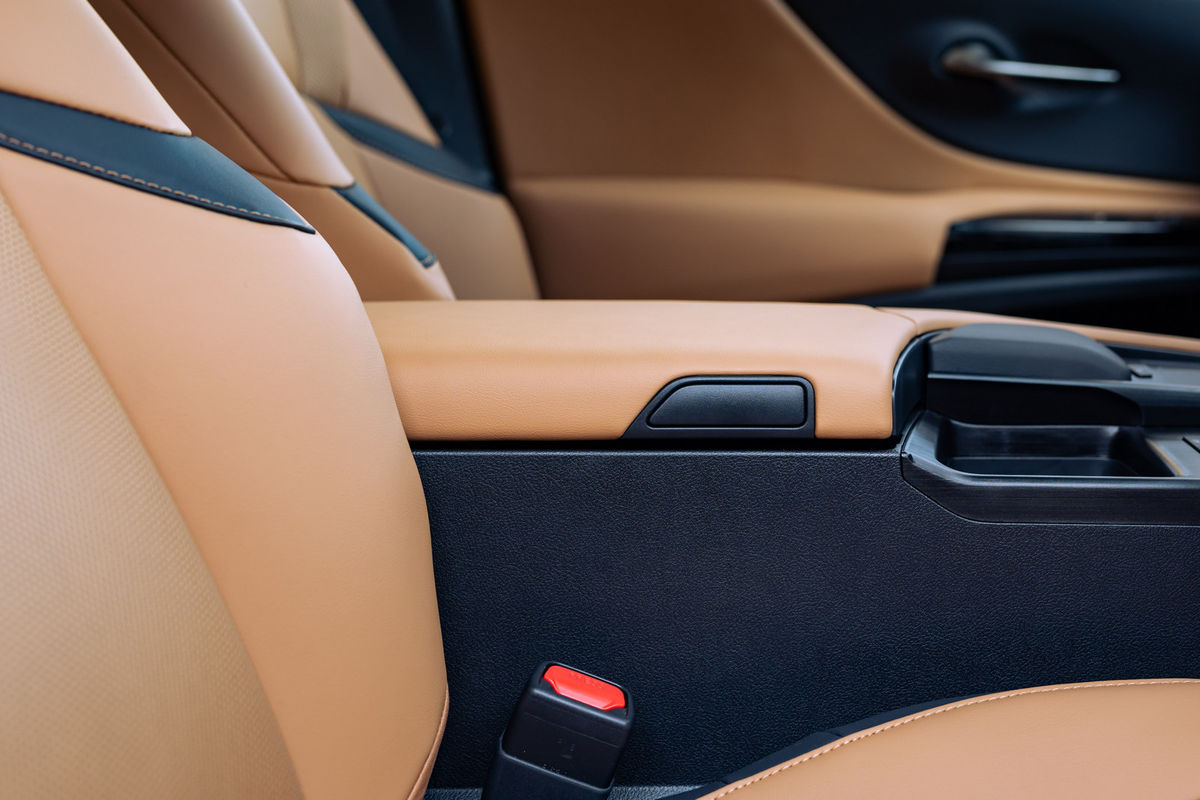
The black dash with cream leather seats is a typically luxurious Lexus choice.
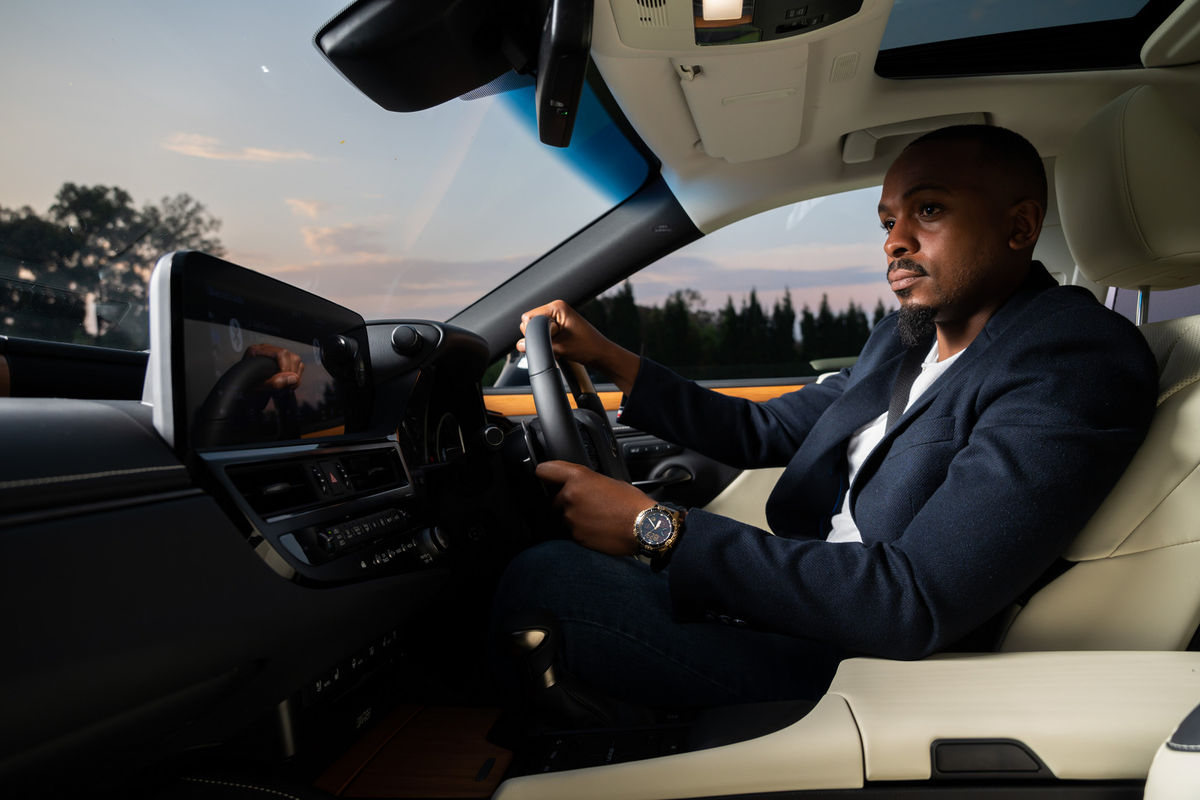
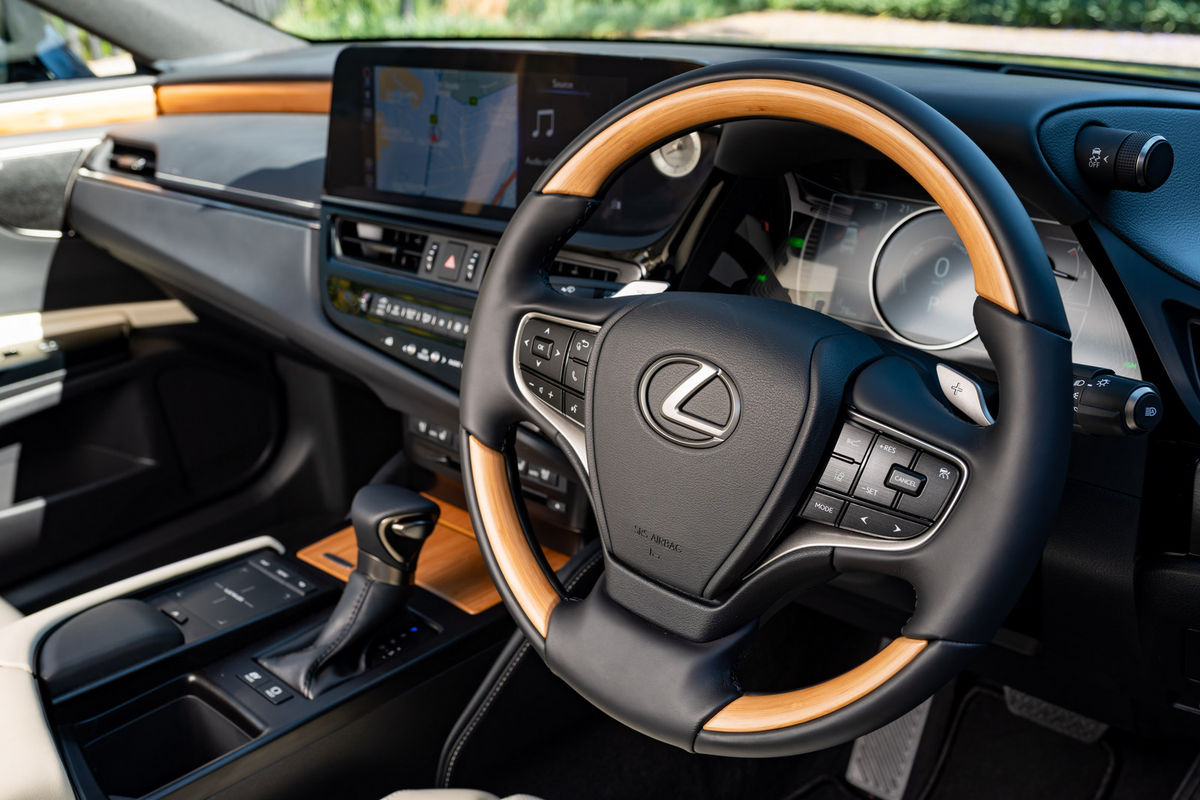
Almost no manufacturer in the segment embodies luxury quite as well as Lexus does. Most of the ES’ competitors incorporate cabin materials that look, but don’t feel, great and the proliferation of plastic inserts that masquerade as anything from aluminium to wood trim isn’t likely to fool buyers who are looking to spend R1 million on purchasing an executive sedan. Lexus continues to line its interiors with authentic luxury materials. The leather is soft and creamy (it’s an eco-friendly synthetic in the EX model and semi-aniline in the SE), plus it’s carried through to the door panels, dashboard and transmission tunnel and centre console. I’m assured the wood trim option that encases the front of the cabin is real wood although I prefer the solid black look over the wood trim (for me, it feels more contemporary).
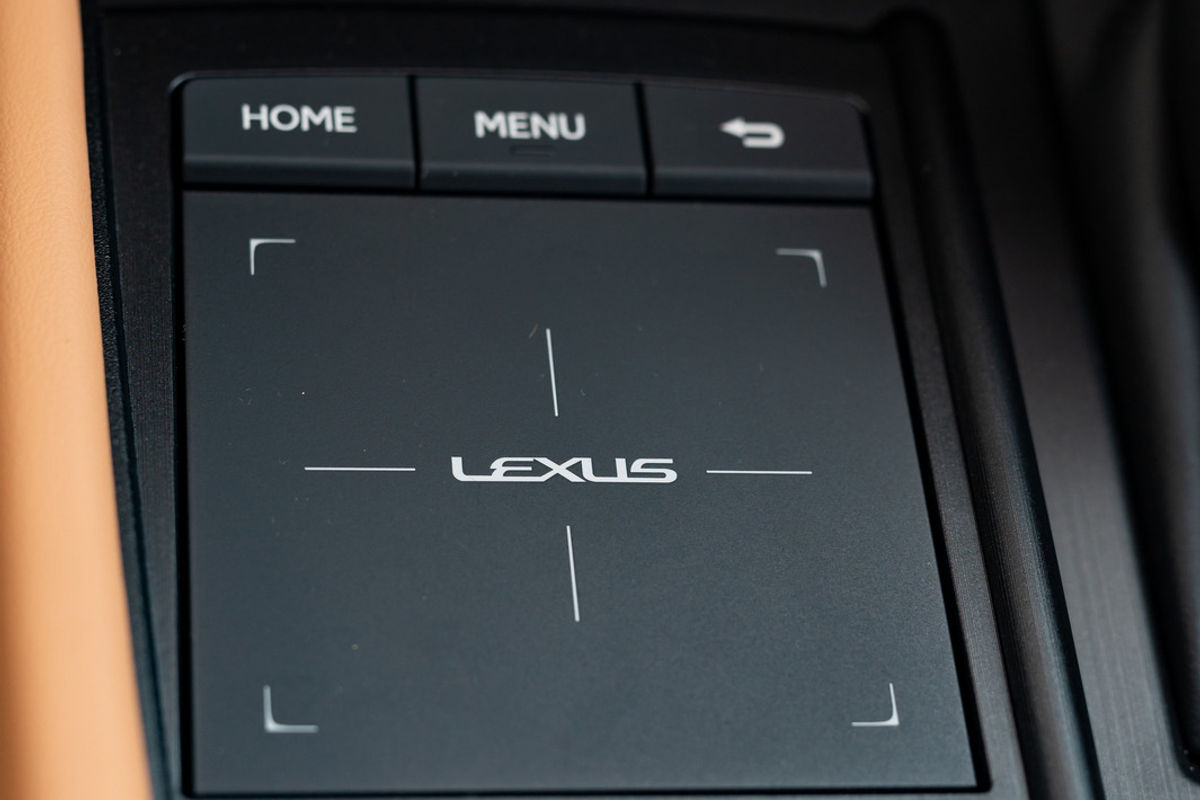
The new infotainment screen has been brought forward by 112 mm so that the driver or front passenger can access the touchscreen’s menu system without having to stretch their arms too far. The touchscreen makes the mouse-style pad in the centre console superfluous – it will probably be removed entirely for the next generation to create more storage space.
The touch system makes it much easier to quickly access the onboard function or menu option of your choice and activating Android Auto or Apple Carplay is simple as connecting your phone to the fascia via a cable. Wireless connections to these apps may be desired at this end of the segment, but although Lexus does not offer that functionality, it does avail a wireless charger in the SE’s centre console.
The rear accommodation is plentiful and just as well-appointed (in terms of luxurious touches) as at the front of the sedan. There are 3 individual adjustable headrests at the back and when the centre armrest is folded down, it reveals a control unit that allows aft occupants to adjust the rear temperature settings, heat or cool the seats and even operate the rear screen’s sunblind.
What’s the Lexus ES like to drive?
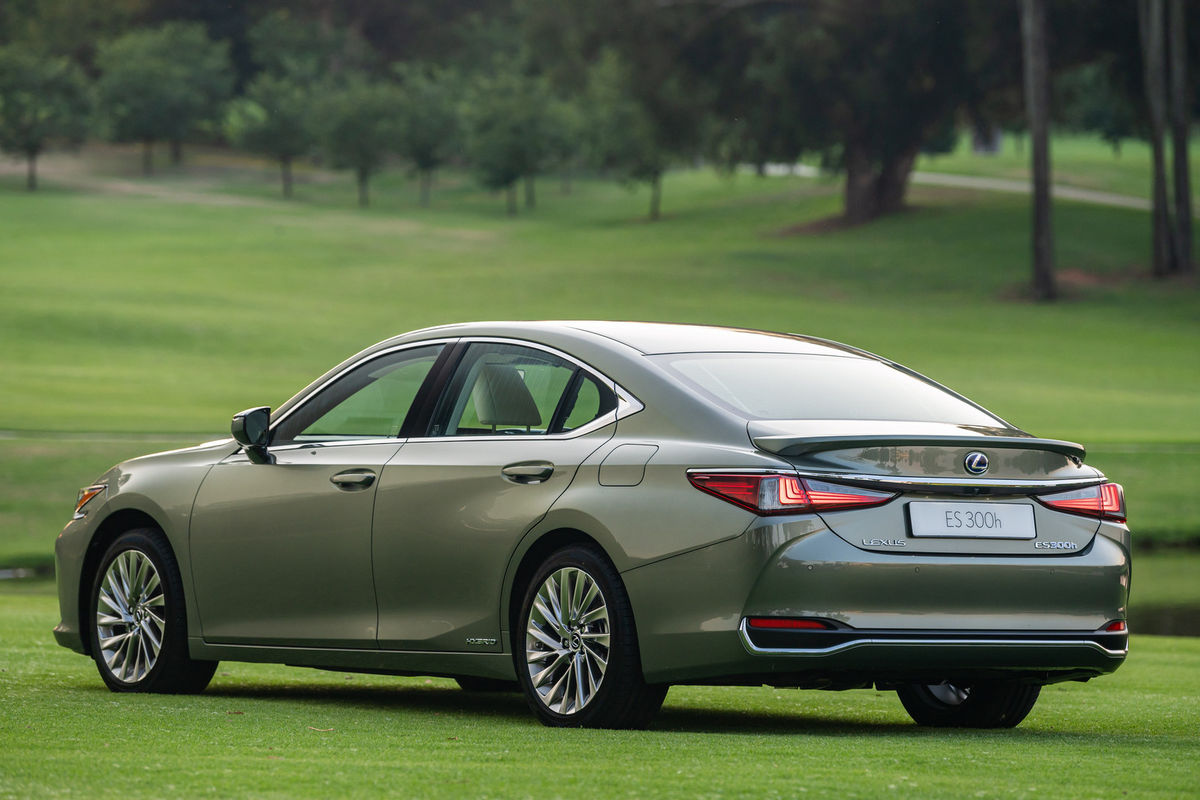
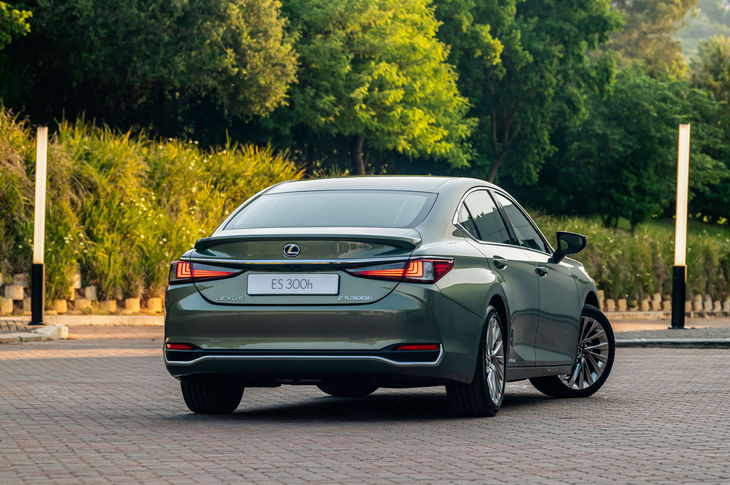
There’s a choice between the 300h petrol-electric hybrid (shown here) or the 250 petrol.
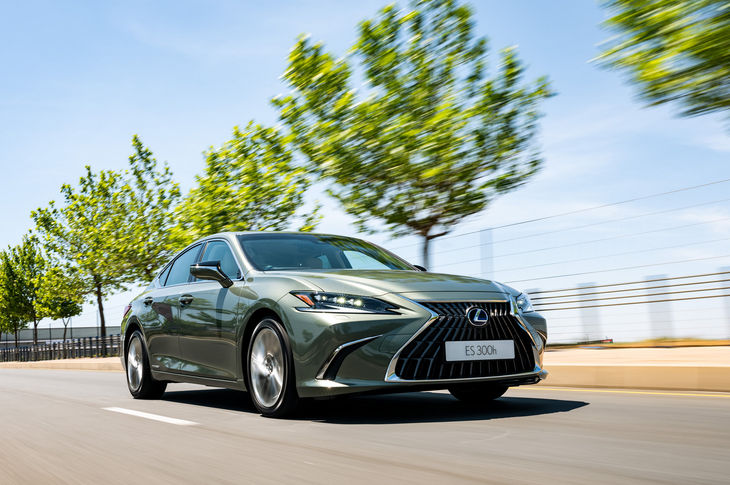
Continuing with the theme of comfort, the Lexus ES has one of the quietest cabins you’ll ever experience – certainly in its segment. The sedan wafts along in serene comfort even when rolling on the largest (18-inch) wheels. Most of its competitors offer anything up to 21-inch alloy options, but Lexus has stuck to either 17s or 18s for the ES and that helps when it comes to the ride quality; it’s very forgiving.
The hybrid model utilises Lexus’ 4th-generation hybrid technology to provide the best possible combination of fuel efficiency and zero-emissions (where possible) motoring. The ES 300h is said to have an average fuel consumption of just 4.6 L/100 km, but, as with most hybrid drivetrains, that figure rises when you venture out of town and undertake longer journeys on the open road. It’s still very economical and will match (and possibly beat) an equivalent turbodiesel’s efficiency, but, because its peak torque is only 221 Nm, it cannot match turbocharged engines’ ability to deliver mid-range overtaking urge.
The entry-level 250 EX derivative has a 2.5-litre petrol engine with 160 kW and 243 Nm, but the equivalent hybrid EX is not much more expensive and provides a notably more interesting driving experience.
The ES’ driving experience, on the whole, lacks outright excitement. However, while several offerings in this segment seem to prioritise driver engagement (especially in terms of performance and handling characteristics) – ultimately at the cost of on-road refinement – the ES has carved out a nice niche for itself… Its target market is buyers who are looking exclusively for a luxurious, comfortable and quiet car.
Lexus ES pricing in South Africa
The 2021 Lexus ES comes standard with a 7-year/105 000 km warranty and full maintenance plan. Service intervals are every 15 000 km or, alternatively, once a year.
Executive sedans seem to be offering better value for money now that the segment is in decline.
The exterior updates to the Lexus ES may be subtle, but keep the big sedan looking modern and discernably different from its German and British competitors. The ES’s character is defined by its high levels of occupant comfort (as evidenced by its supple ride quality and its soft leather interior that can’t be faulted for sound insulation or build quality). Given that most buyers now favour SUVs in the ES’ price class, the Japanese premium brand’s executive sedan is unlikely to sell in significant numbers, but if you have no need for an SUV, this sedan’s pricing is actually quite reasonable by comparison.
New Toyota Prado won’t be slow
Potent diesel and a possible petrol hybrid are presumed for 2023 Prado.
For a very long time, the Toyota Prado has been very good at going very slowly, over punishing off-road terrain.
Speed has never been a requirement for Prado. Toyota’s logic was simple: if you needed overtaking acceleration or dune driving ability, there was a 4-litre V6 petrol engine option. And the fuel consumption penalty was part of your choice.
Of late, this attitude has changed within the Toyota Prado product planning team. The latest Prado uses a 150 kW version of Toyota’s 2.8-litre four-cylinder turbodiesel engine. It delivers better performance than any previous diesel Prado.
But with the new Prado only months away from official reveal, Toyota followers are musing some very tasty engine options. Especially the promise of a proper super-diesel Prado.
Toyota’s Land Cruiser 300 is powered by an excellent new 3.3-litre V6 turbodiesel. Toyota doesn’t do new engine architectures often, and this 3.3-litre V6 will spread across – to other models. Like Prado.
The latest reports from Japanese media, like Best Car Web, indicate that the 3.3-litre V6 turbodiesel will be the lead engine, for new Prado. What its exact final specification will be, remains unclear.
Boosting 227 kW and 700 Nm, the most potent version of Toyota’s 3.3-litre V6 diesel would transform the Prado ownership experience. Delivering powerful overtaking performance, offset by fair cruising fuel economy.
Toyota will be mindful of the risks in creating a terrifically powerful diesel Prado. Being slightly smaller and lighter than Land Cruiser 300, the 3.3-litre V6 diesel Prado could be faster. This could trigger cannibalization risk, with customers simply opting for the Prado, to gain access to Toyota’s 3.3-litre V6 diesel engine, in a rugged off-road vehicle platform.
Then there is the question of hybridization, a necessary technology to lower the fleet average CO2 of large SUVs, such as Prado.
Toyota has a proven record of hybridization, but hybrid diesels don’t work as well as petrol models do as the low down diesel torque counteracts the benefits of immediate torque from electric motors. Could that mean an even more powerful Prado petrol-hybrid is in the works? Possibly.
Whatever the powertrain outcomes for new Prado, the acceleration numbers are sure to be surprisingly swift.
The Japanese brand is forging ahead with its electric vehicle plans.
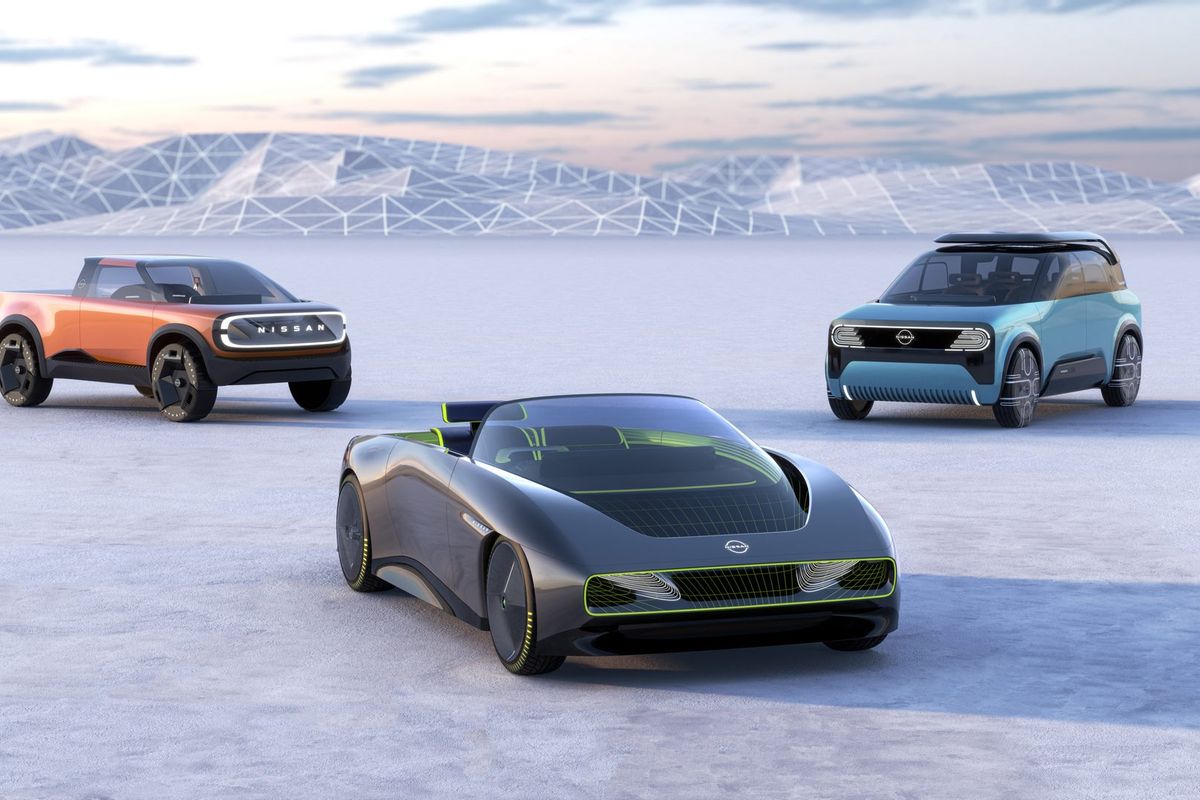
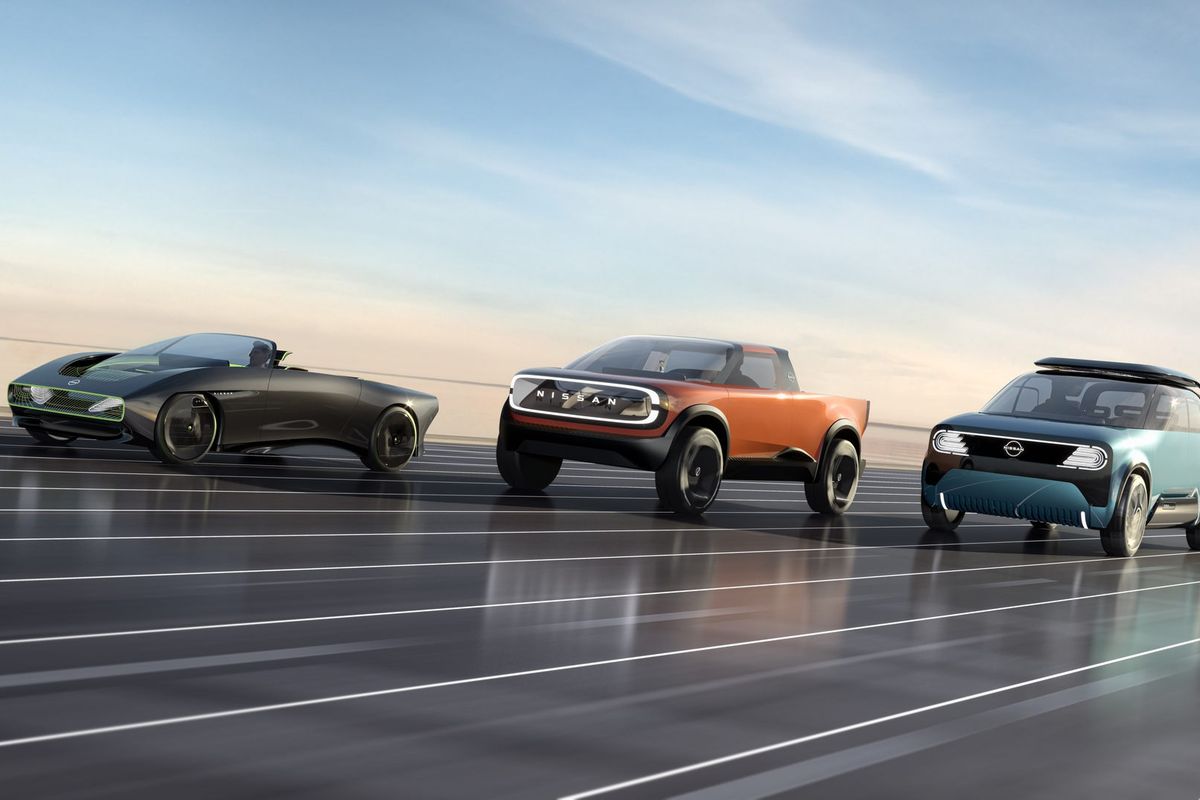
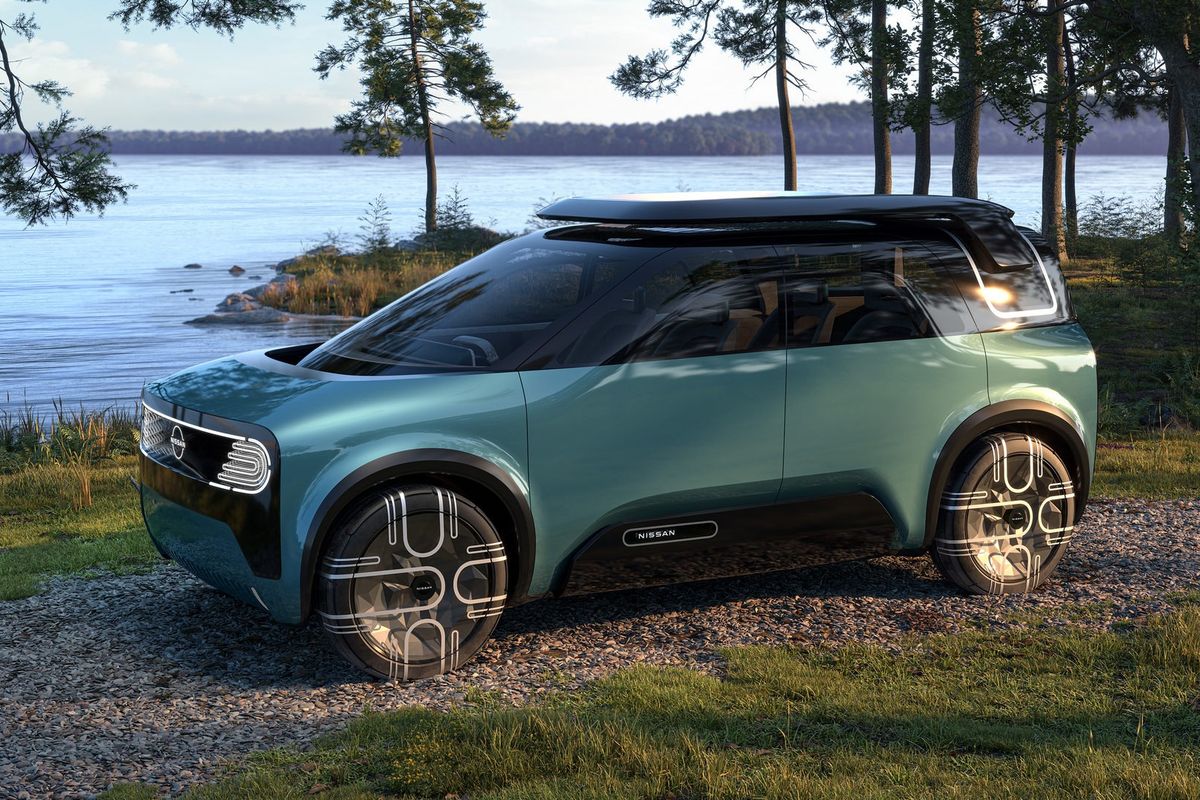
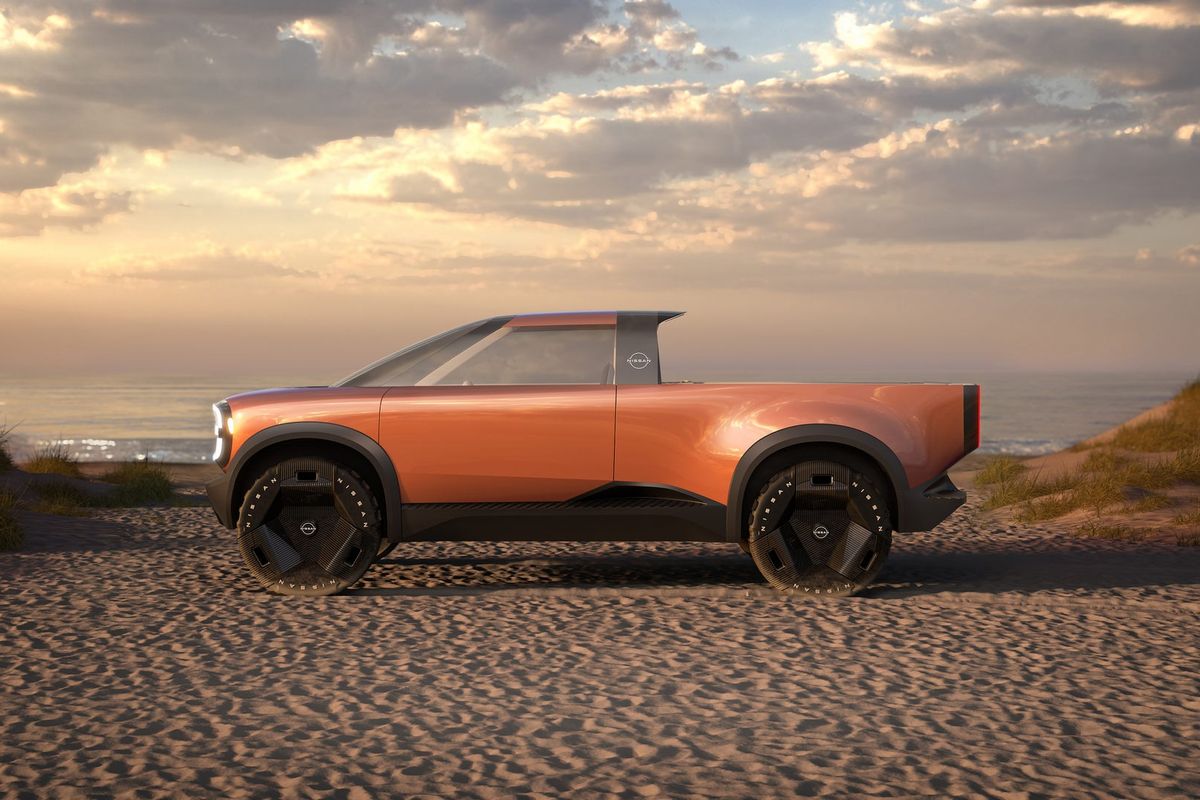
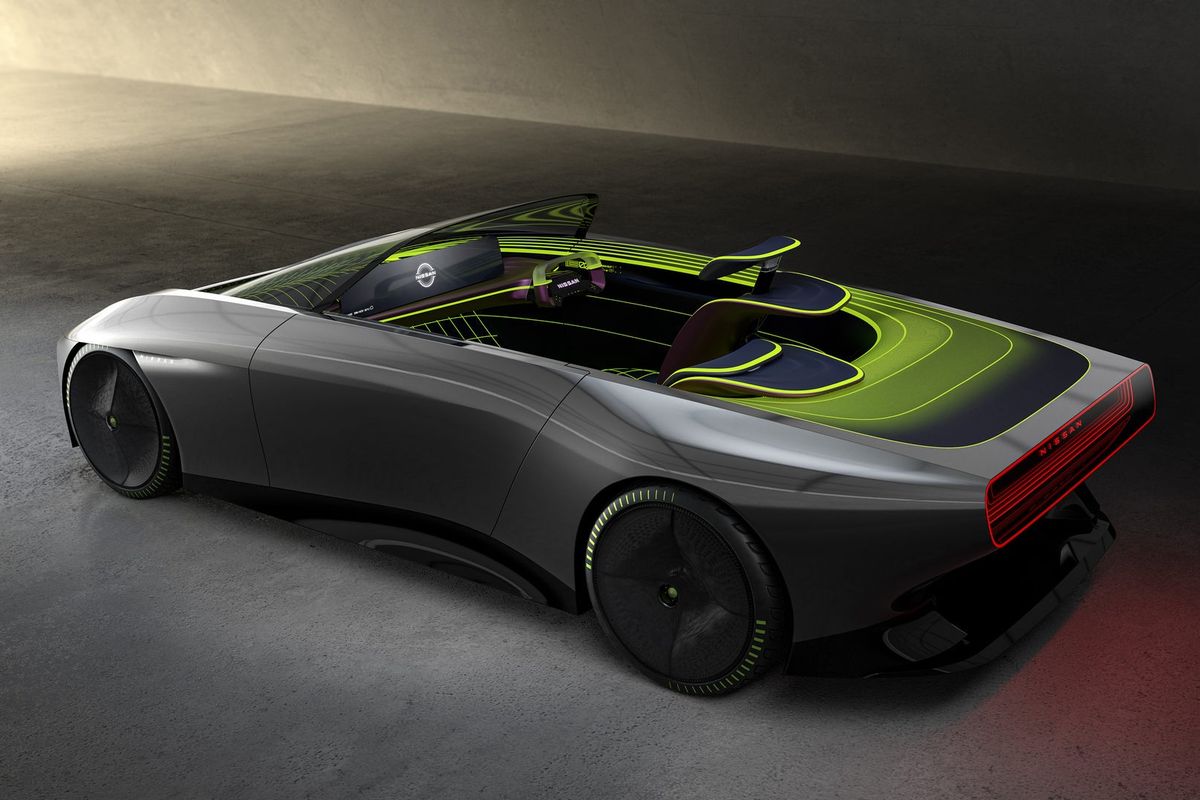
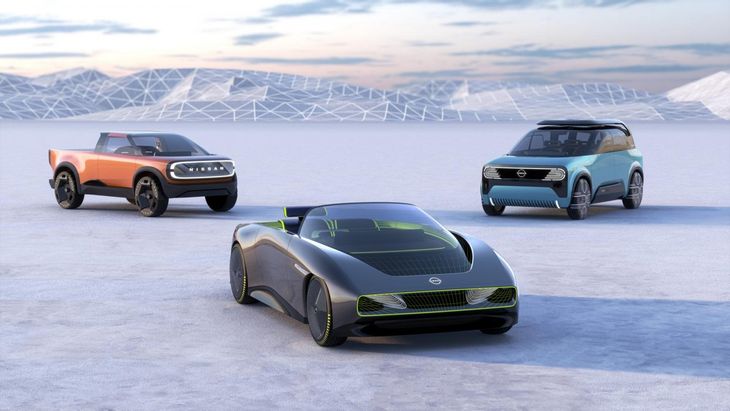
Nissan has announced that it will be launching 23 new electrified vehicles by 2030, 15 of which will be fully electric. Along with its announcement that the brand will be carbon neutral by 2050, the Japanese brand showed off 4 interesting concepts.
This new strategy has been called the Nissan Ambition 2030 long-term vision and will see an investment of 2 trillian yen to speed up the electrification of its entire portfolio. Nissan claims that no fewer than 20 new pure electric vehicles and e-Power (hybrid) vehicles will be launched in the next five years, with the brand expecting up to 75% of its sales will be for electrified vehicles. At home in Japan, Nissan is aiming for 55% of sales and in China, more than 40% of sales to be electrified.
“The role of companies to address societal needs is increasingly heightened,” Nissan chief executive Makoto Uchida said in a statement. “With Nissan Ambition 2030, we will drive the new age of electrification, advance technologies to reduce carbon footprint and pursue new business opportunities. We want to transform Nissan to become a sustainable company that is truly needed by customers and society.”
With the Nissan Ambition 2030, the brand will be improving its lithium-ion battery tech and will introduce cobalt-free technology, which should bring the cost of batteries down. It hopes to launch an EV with solid-state batteries by 2028 and have a pilot plant in Japan ready by 2024. Nissan also intends on increasing its global battery production capacity to 52 GWh by 2026 and 130 GWh by 2030.
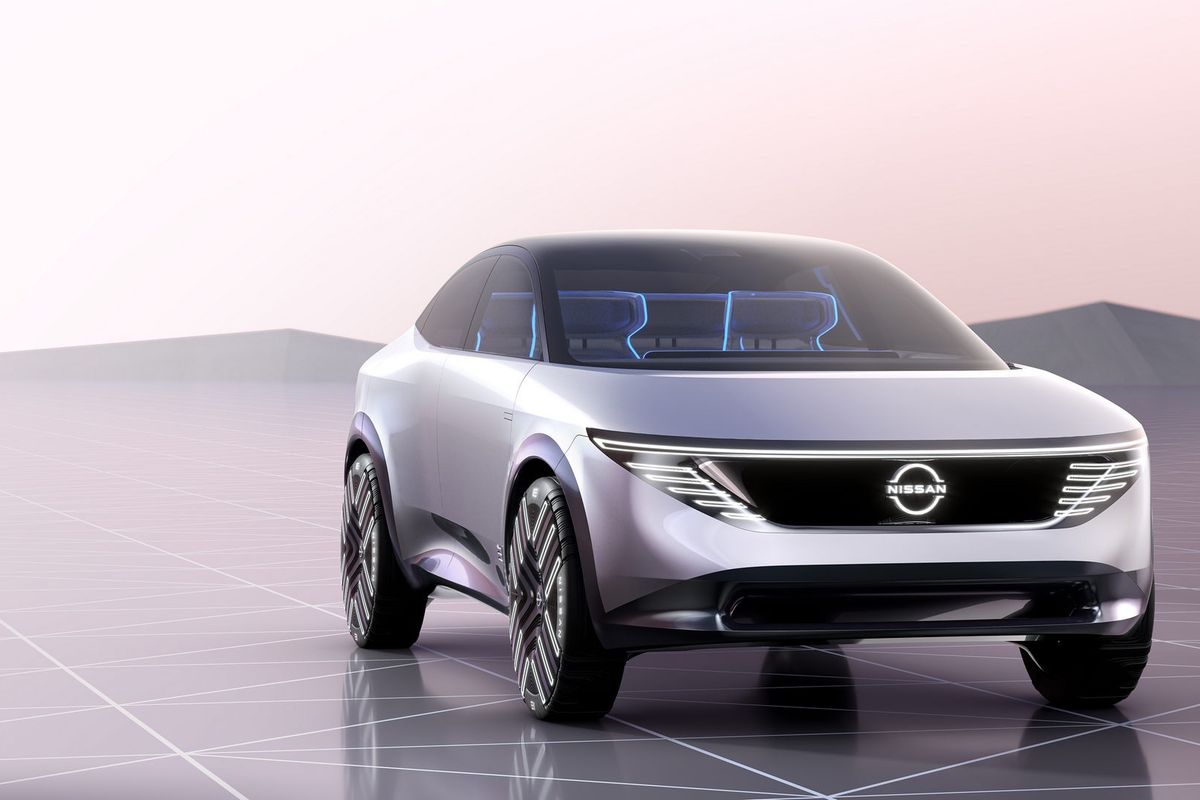
To coincide with the Ambition 2030 announcement, Nissan unveiled four electric concepts. The brand did not mention if any of these will become production models, but its a clear indication of where the brand is headed in terms of design direction. The cars have cute names too: Nissan Chill-Out, Nissan Max-Out, Nissan Surf-Out, and Nissan Hang-Out.
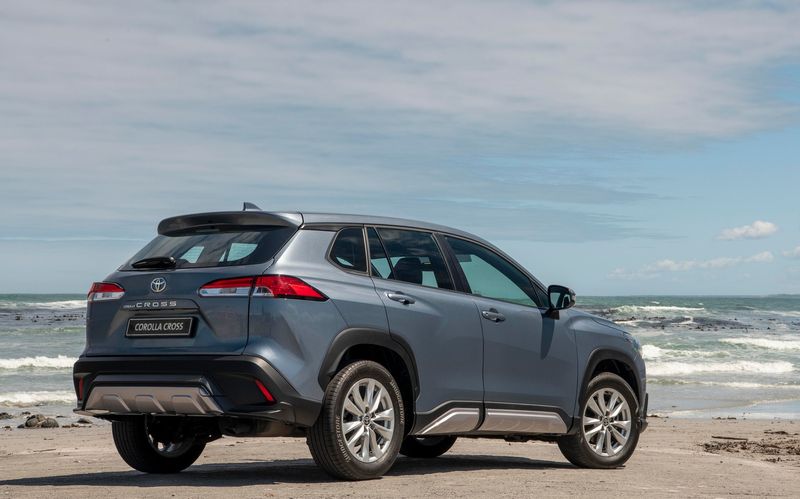
The prices and details of the Toyota Corolla Cross Accessories have been confirmed for SA. Here’s how much they cost and what you get for your money.
The Corolla Cross is one of the most hotly-anticipated vehicles of this year and its easy to see why. Toyota has needed a mainstream offering to bridge the gap between the C-HR and the family-orientated RAV4. With the Corolla Cross SUV being manufactured right here at TSAM’s plant in Durban and offering the first locally-assembled hybrid, its understandable that over 1400 units have been sold already.
At the South African debut of the vehicle, the brand highlighted some of the accessory packages and additional features, with further details to come before the end of the year.
Now in the last week of November 2021, the Toyota Corolla Cross accessories lineup has been confirmed. Toyota hopes these offerings will satisfy the modern consumer’s need for personalisation.
Four bespoke exterior packages are on offer: X-Over (Crossover), Hybrid, Urban Sport, and Adventure. Prices are at the bottom of the article.
X-Over Package
The X-Over package features rugged matte black cladding on the radiator grille and front bumper, a silver front guard with a three-dimensional design, matching side skirt design, rear bumper insert, window safety film, and gloss-black alloy wheels (available in 17-inch and 18-inch versions).
Hybrid Package
The Hybrid package is exclusive to the Hybrid Xs and Hybrid Xr models. Complementing the blue Toyota insignia are matching boomerang-shaped corner trim garnishes finished in metallic blue, blue side skirt inserts, rear bumper corner inserts, and blue trim on the C-pillar (below the Corolla Cross badging).
Urban Sport Package
The Urban Sport package combines utility with rugged style by offering enhanced protection to the vehicle exterior while creating a unique visual identity. A black front bumper spoiler is joined by an extended side skirt and diffuser-like rear bumper insert.
Adventure Package
The Adventure Package amplifies the SUV appearance of the Corolla Cross with stylish exterior enhancements. A silver front bumper spoiler with raised surface detailing is accompanied by silver side skirt inserts and a matching rear bumper spoiler.
How to order the Toyota Corolla Cross Accessories?
The Adventure and Urban Sport packages are classified as a dealer-installed option, as it requires painting of the components. The X-over and Hybrid packages can be applied at the time of ordering and fitted as part of the production process or alternatively be fitted retrospectively as a dealer-installed option.
Electronic Accessories:
A host of electronic convenience aids are also available on the Corolla Cross. These are available for individual purchase and can be fitted and installed at the dealership:
Front digital video recorder – R2 390
Front and rear digital video recorder – R3 722
Front parking sensors (2 pcs or 4 pcs) – R3 147/R3 998
Rear parking sensors – R1 602
LED front fog lamps – R4 091
Wireless charger – R2 789
Tyre Pressure Monitoring System (TPMS) – R4 078
Heads-Up Display (HUD) – R4 422
Blind Spot Monitor (BSM) – R8 836
The above elements can be combined into packages:
C-Cross Package 1 – R10 225
Combines Front parking sensors, rear parking sensors, LED front fog lamps (applicable to Xi models).
C-Cross Package 5 – R5 867
Combines the digital driver recorder and wireless charger (applicable to all models).
C-Cross Package 6 – R2 946
Wireless charger.
C-Cross Package 7 – R7 613
Combines the digital driver recorder and heads-up display (applicable to all models).
C-Cross Package 8 – R2 922
Combines the digital driver recorder (front view only).
Protection & Styling Accessories:
In order to provide functional enhancement and protection to your Corolla Cross, an array of utility-themed accessories is also offered:
Scuff plate – silver – R1 410
Scuff plate – silver & black – R1 731
Load area mat (textile) – R370
Load are mat (rubber coin) – R404
Cargo net – R703
Cargo organiser – R577
Functional Accessories:
Tow bar (detachable) – R8 519
Tow bar (fixed) – R 7 620
Interior Accessories:
Leather Interior (applicable to the Xi grade) – R11 931
Window safety film (applicable to Xi, Xs, Xr petrol models) – enquire at dealer
This week’s news you need to know (November 2021, Week 4)
In this week’s automotive news you need to know… Ranger danger for the top-selling Toyota Hilux? Audi announces eye-watering prices for its e-tron range (as expected), Chery introduces its new small SUV – but it’s clearly not aiming for the budget market anymore – and Kia says it doesn’t want to produce a bakkie.
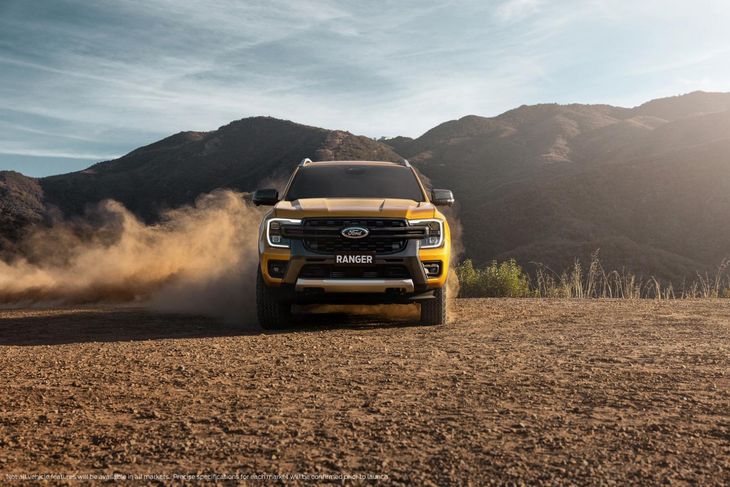
New Ranger – Ranger Danger, boet!
The wait is over, my chaaarnas. The new Ranger has been revealed and, what I’m most surprised about, is that it’s been a few days since the announcement and, curiously, the Blue Oval still hasn’t released a special edition of the bakkie! Man, Ford has changed… a lot. All jokes aside (for now), this is THE big one for Ford as the American brand aligns its Ranger closer with the F-150, hence the wider and longer body. I imagine that this is all part of some strategy to merge the pick-up and US truck into one model someday to streamline production and drive costs down. Business first, baby, always.
It’s certainly tougher looking than before. For those Fourways boets with the aftermarket body kits, you’re going to have your work cut out to make this Ranger look tougher. Sorry, chaaarna, you better get more tribal tats then. The real question that remains is whether we’ll get the 3.0-litre V6 turbodiesel in the Raptor? We should, but if not, it would be a travesty – and a get-out-of-jail-free card for Toyota.
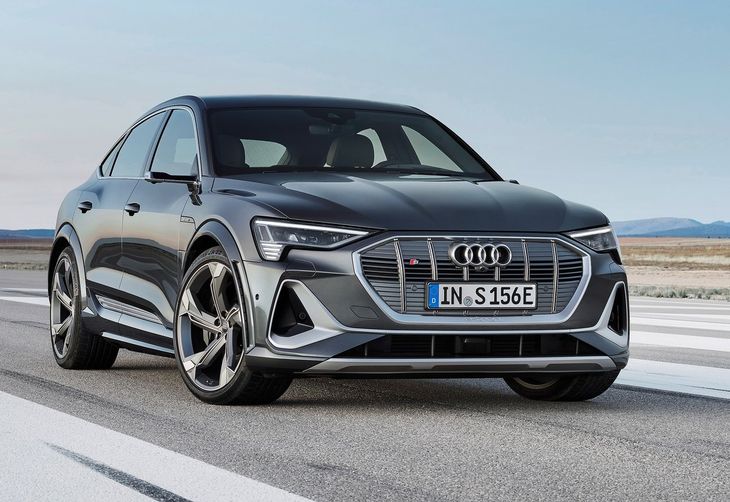
Audi EV transformation – trickle charging…
Look – better late than never. Audi South Africa has copped criticism due to its delayed introduction of EVs (considering that the Ingolstadt-based marque’s arch-rival BMW SA launched the i3 more than half a decade ago), but they certainly haven’t been the only risk-averse premium brand. This onslaught of e-tron models (planned for 2022) shows admirable intent, despite the products’ eye-watering price tags that even the top 1% of earners will find prohibitively expensive. R2.5 million for an Audi (battery-electric) sedan? If you’d said that 10 years ago, thousands of people would have fainted in the streets.
What this does highlight is that Audi wants to sail silently (“roar” would not be appropriate here, would it?) past its opposition in the battery-electric-vehicle space – especially while Tesla remains conspicuous by its absence – and it’s willing to take a bath in the short run (hopefully with no power supply nearby) and absorb losses while it holds out for more market entrants to help expand EV infrastructure. Sadly, contrary to every other developed country, which has co-operated with OEMs to provide juicy subsidies to fast track the take-up of EVs, our government is still twiddling its thumbs. No surprises there.
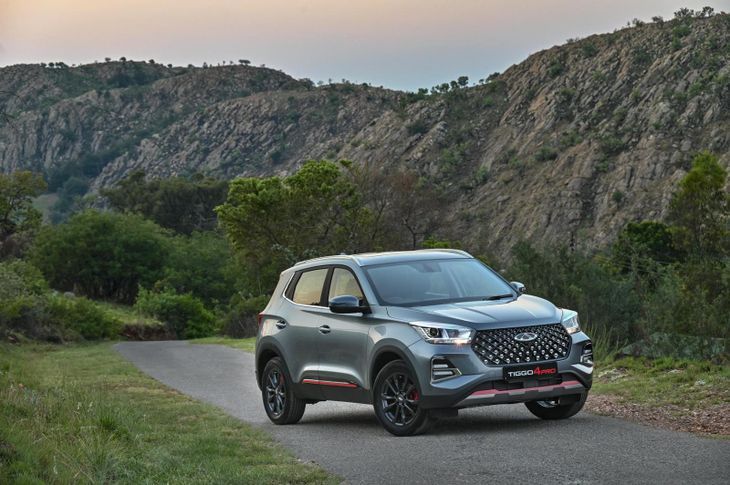
Chery Tiggo – A bit of an anti-climax
There are myriad established brands competing in the small SUV segment… and why wouldn’t there be? That’s where all the action is. Volkswagen, the dominant force in the passenger-vehicle market, has the T-Cross, which aims at the upper end of that segment, but, below that, sits the Hyundai Venue, Kia Sonet, Nissan Magnite, Suzuki Brezza, Renault Kiger and Toyota Urban Cruiser. All of those models are already established and fighting to secure budget-crossover buyers’ signatures. Cherry has nothing of the sort, apart from the (mercifully, fading) history of the QQ and Tiggo from a decade or so ago.
Chery had an opportunity to launch the Tiggo 4 Pro at prices that would genuinely trouble the opposition. Instead, they’ve entered the market at a price point that puts the newcomer in direct opposition to Jolion, which is a challenge, given how Haval’s sales numbers and brand reputation have improved in 4 short years. Chery, for its part, is offering 100 owners of current Tiggo models R20 000 in trade-in assistance (which they’ll need); it shows goodwill, but falls short of disrupting the market. Not a great start. Perhaps a Chery executive will read this and exclaim: “It’s Black Friday, let’s slash prices”.
Kia not building a bakkie – Has the (work)horse bolted?
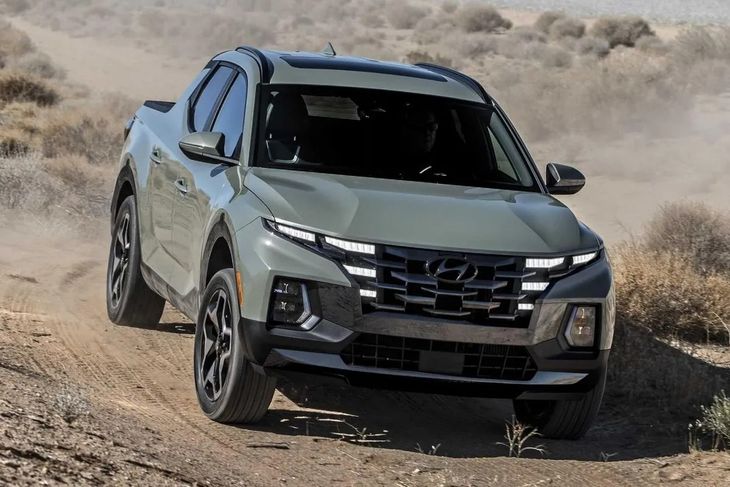
Pictured here is the Hyundai Santa Cruz, a double-cab bakkie based on the Santa Fe executive SUV that is now being produced in the United States; it certainly looks the part (wouldn’t you agree?), but, apart from the fact that it is a left-hand-drive-only product, it’s also a unibody (passenger-car-based) vehicle that’s not meant to haul huge loads or traverse anything more taxing than a rutted dirt road. Even if Kia wanted to build a model based on the Santa Cruz – and it doesn’t – it would not be able to compete against the Hilux and Ranger, of which Toyota and Ford sell tens of thousands of units each year.
I’m paging Dr Obvious, but South Africans “smaak” a bakkie and any manufacturer that could add a ladder-frame-based bakkie to its local line-up would surely jump at the chance to do so. In the wake of Covid-19, small businesses will be the lifeblood of the economy and those SMEs need bakkies. If Peugeot gets it (pardon, madames et monsieurs), I’m not sure why anyone would sleep on the idea.
Kia produces a 6/7-seater body-on-frame Mohave SUV for the Korean market and, earlier this year, it even unveiled a military vehicle with suitably robust underpinnings. One would think the Korean sibling brands are quite capable of developing bakkies that would satisfy markets such as ours and Australia’s, but no, perhaps Hyundai Kia saw how Mercedes-Benz’s bakkie partnership with Nissan went south. The increasingly significant impact of Chinese brands’ products on the pick-up market – GWM (South Africa) and LDV (Down Under) – probably put paid to the Korean brands’ pick-up plans for good…
Nissan Stanza race car – A tribute to SA motorsport’s glory days
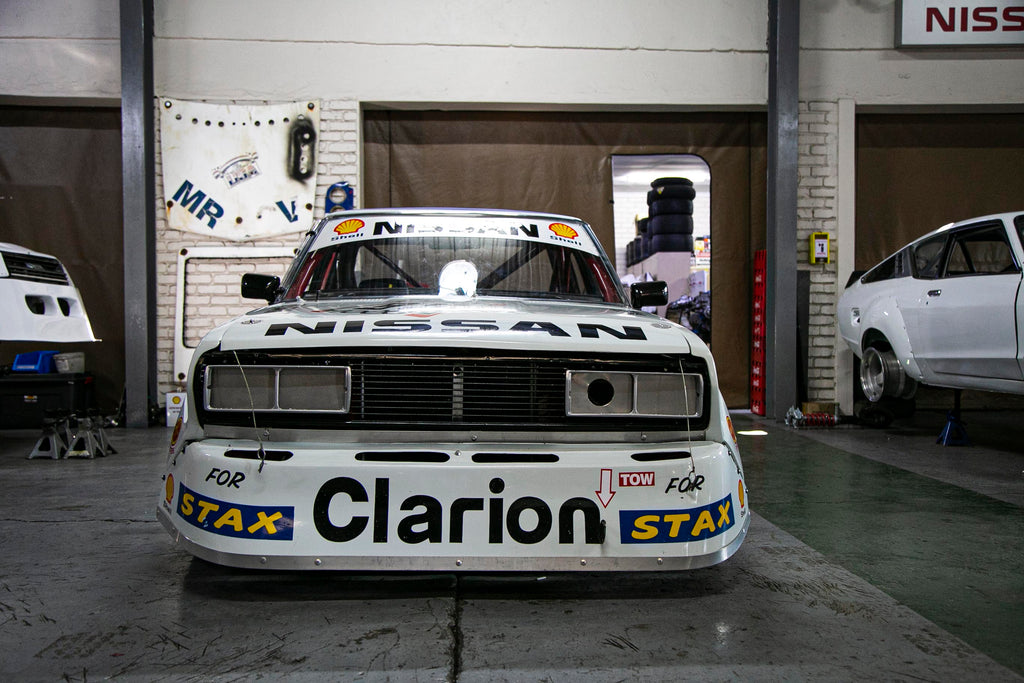
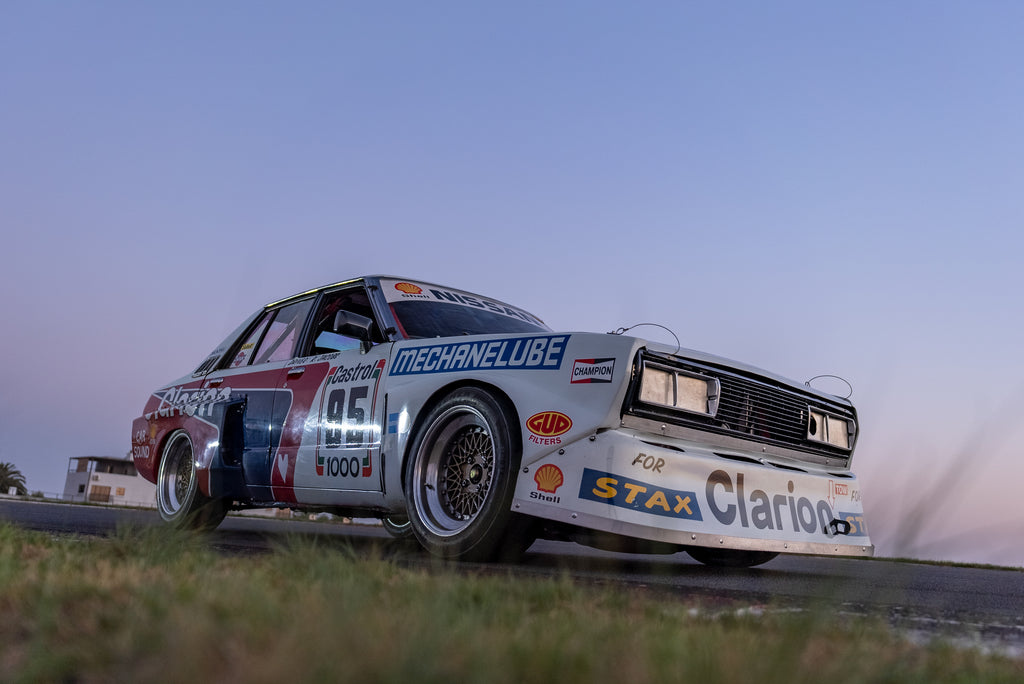
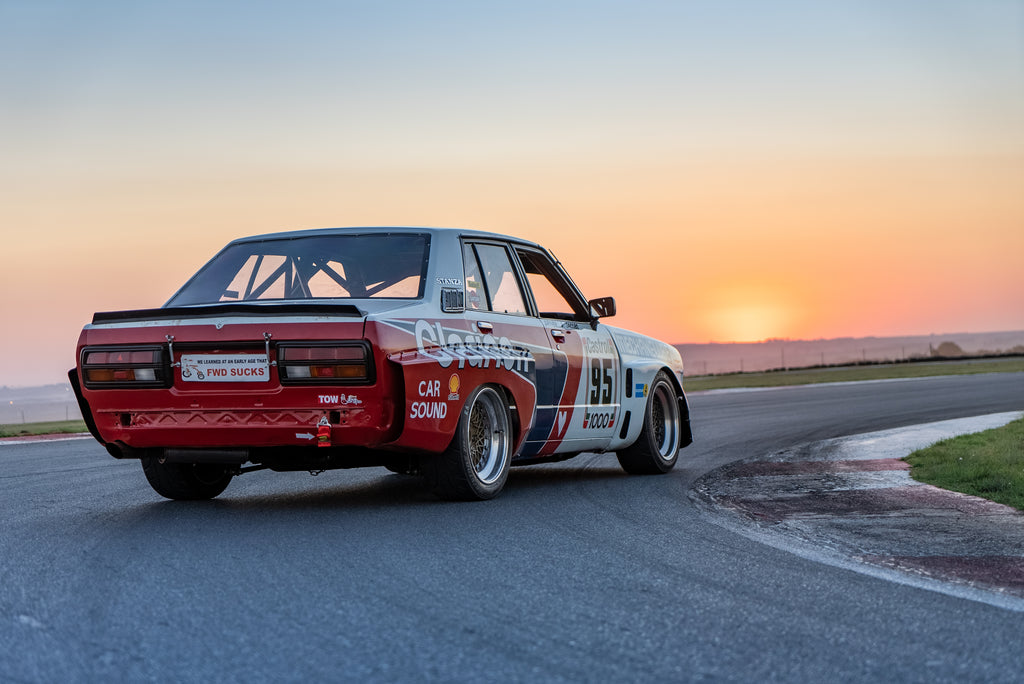
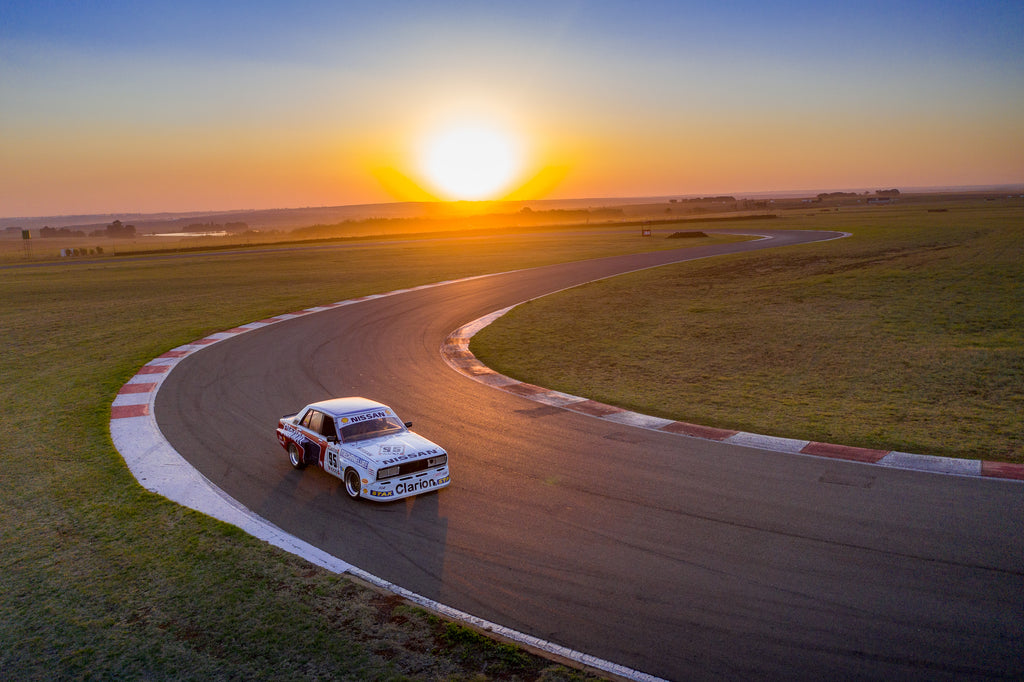
The Jacobs brothers live and breathe everything Datsun and Nissan. Riaan Jacobs of The Datsun Shop in Mpumalanga shows us his 1982 Nissan Stanza race car tribute.
“We built this Stanza as a tribute to the 1982 Castrol 1000 and the car raced by Dick Sorensen and Barry Powers. It came out tops in Class C. It has been a lifelong passion to build this car. We searched far and wide to get the right donor car to start this project.”
To call it a mere “replica” race car doesn’t completely do this project justice, as Riaan Jacobs did find a host of period-correct parts that he built into this machine.
“Most of the parts are from a period-specific Stanza. I searched for about 6 years before I finally found a car in Windhoek, Namibia. We bought it at a pawn shop and towed it back to South Africa,” says Riaan.
“These cars were built ‘very rough’ back in the day, and they were built to go fast. Overall, it took me around 3 years to build the Stanza race car. A lot of work to the body was needed, such as the fitment of the wide wheel arches, the unique front fenders and the bumper.
“We had to respray the entire car and fit the engine. Thankfully, the gearbox was already there. When we got the car, it was little more than a rolling shell, and we had to start from scratch.
“The wheels had to be refurbished, which I did myself,” Riaan adds. “In fact, I did about 90% of all the work on the car. The L18 engine of the Stanza race car had to be rebuilt, plus the wiring also had to be replaced. We tried to make this engine as period-correct as possible. ‘Uncle’ Dick Sorensen is a very good friend of mine, and he gave me all the info from his original textbooks and even the dyno graph.”
Specifications
Car: 1982 Nissan Stanza
Engine: 1.8-litre 4-cylinder, petrol
Power: 96 kW at 6 500rpm
Torque: 162 Nm at 5 100rpm
Gearbox: 5-speed manual
Top speed: 205 kph
Wheelbase: 2 400 mm
Width: 1 335 mm (f), 1 330 mm (r)
Weight: 950 kg
Wheels: Compomotive, three-piece split: 16 x 8J (f), 16 x 9J (r)
“This information was immensely valuable. We used that info to keep the engine as close to period-correct spec as possible. We had the car on the dyno when it was finished, and it made 4 kW and 11 Nm less than the original motor. We think that might be due to our lower 10.5:1 compression ratio. We also use 95 octane fuel because that makes the car easier to run and maintain.
“The front suspension is completely rose-jointed, for maintenance, as well as for handling and feedback on track. The 3-link rear suspension is complemented by a limited-slip differential. We also did a disc-brake conversion on the rear axle, and the entire rear suspension has also been rose jointed.
“There is a 25-litre fuel tank with 2 pumps, and the roll-cage is an FIA-specification unit. The racing seat is not some modern unit, but is Martin Richards’ original seat, which he used in his first race car during oval track racing in Goodwood, Cape Town. I’m very sentimental about this car, in that regard.
“The livery that we chose was one of the most beautiful liveries of the ‘Eighties. I think the car only competed in 3 races with this livery. Some of the challenges involved finding the correct grille and rear lights. We had no luck whatsoever finding badges, so we decided to have them made by a specialist.
“Instead of having stickers printed, we at The Datsun Shop prefer to have the correct livery painted on. It is quite something to see a specialist painting for a day or two to get all the sponsor logos right.
“We will build a new engine for the car in the future, as we got our hands on a period-specific engine that is untouched. We have raced the car once since it was finished, at the Passion for Speed in 2021.
“The Stanza race car is quite a handful, and it was the 1st car I’ve owned with semi-slicks, but with every outing you learn more about the car, its setup and sensitivities to tyre temperatures and pressures. We would like to do 3- and 5-hour endurance races if those race meetings aren’t too far away from here.
“We are very family-oriented, and on weekends, my kids join me at the workshop and play and help me around the cars. We grew up with oval-track racing, as well as with Nissans and Datsuns. Through all of this and a 140Z I found and had to rebuild, I landed myself in this ‘total Z craze’. These 140Zs are my favourite Datsuns, partly owing to their rarity, but also their motorsport pedigree.
“My brother says that sometimes it is more fun building a car than driving it,” Riaan concludes.
It seems more builds are sure to pass through the Jacobs brothers’ hands in future. We wish them well!