When the Volkswagen Golf Mk5 R32 debuted, the narrow-angle VR6 motor pretty much became an instant legend. With 182kW from the factory, in today’s terms that’s now GTI power, but back then it represented the most powerful Golf money could buy, and of course it was naturally aspirated, which naturally meant it was prime for some forced induction.
Jacque De Beer who hails from Gauteng, South Africa, bought this car new and then immediately lost his first race in it. That was all the motivation he needed to build what must be the fastest Golf in the country.
8 clutches, 2 gearboxes, and a lot of fuel later, his car now easily runs a 10.3 quarter mile, as if he’s just popping down to the shops to get some milk.
A big thank you to Jacque for taking the time to share his awesome car with us.
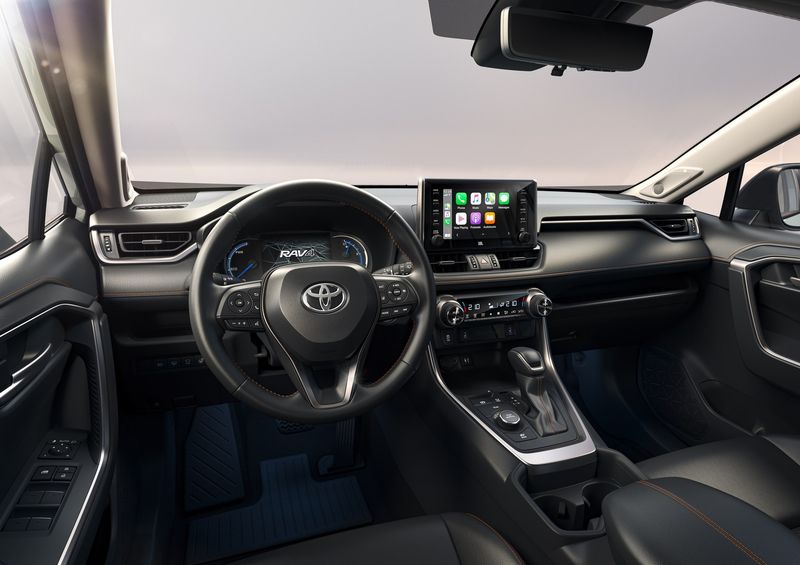
The 2022 Toyota RAV4 Adventure has just been revealed, giving us a preview of what’s to come when the model is given a mild update next year.
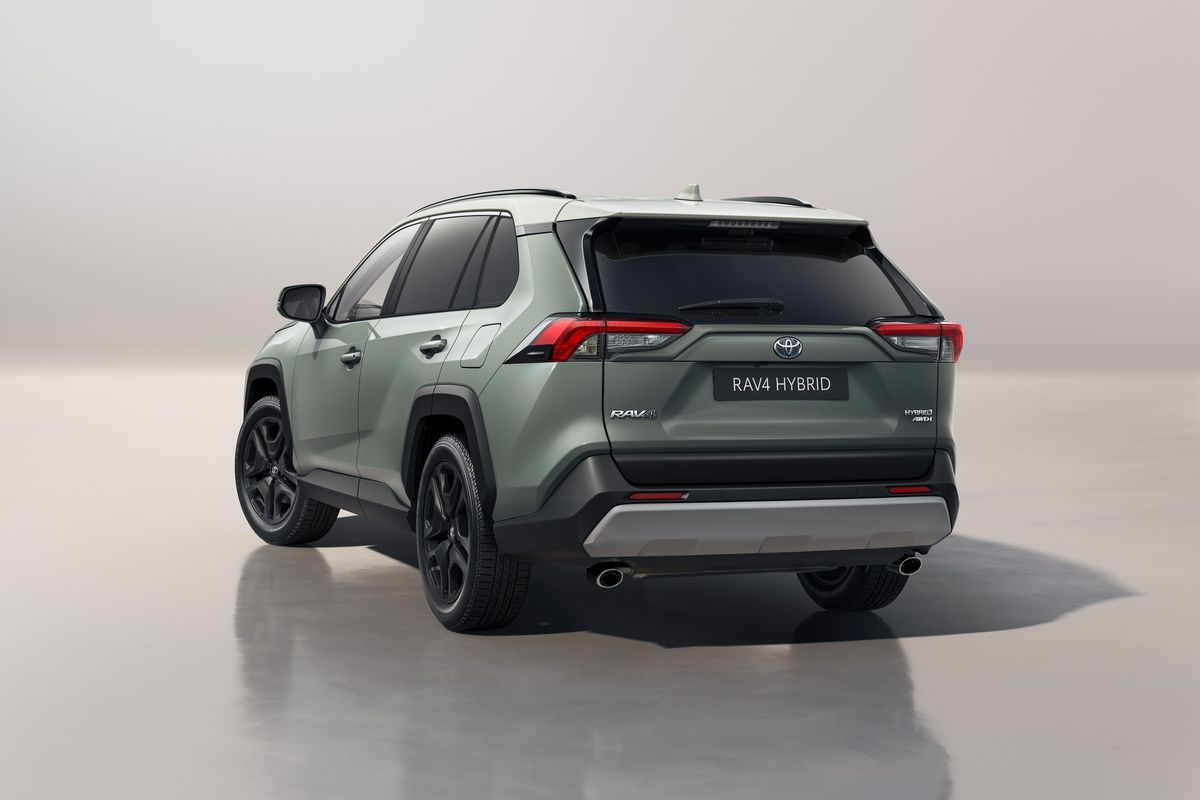
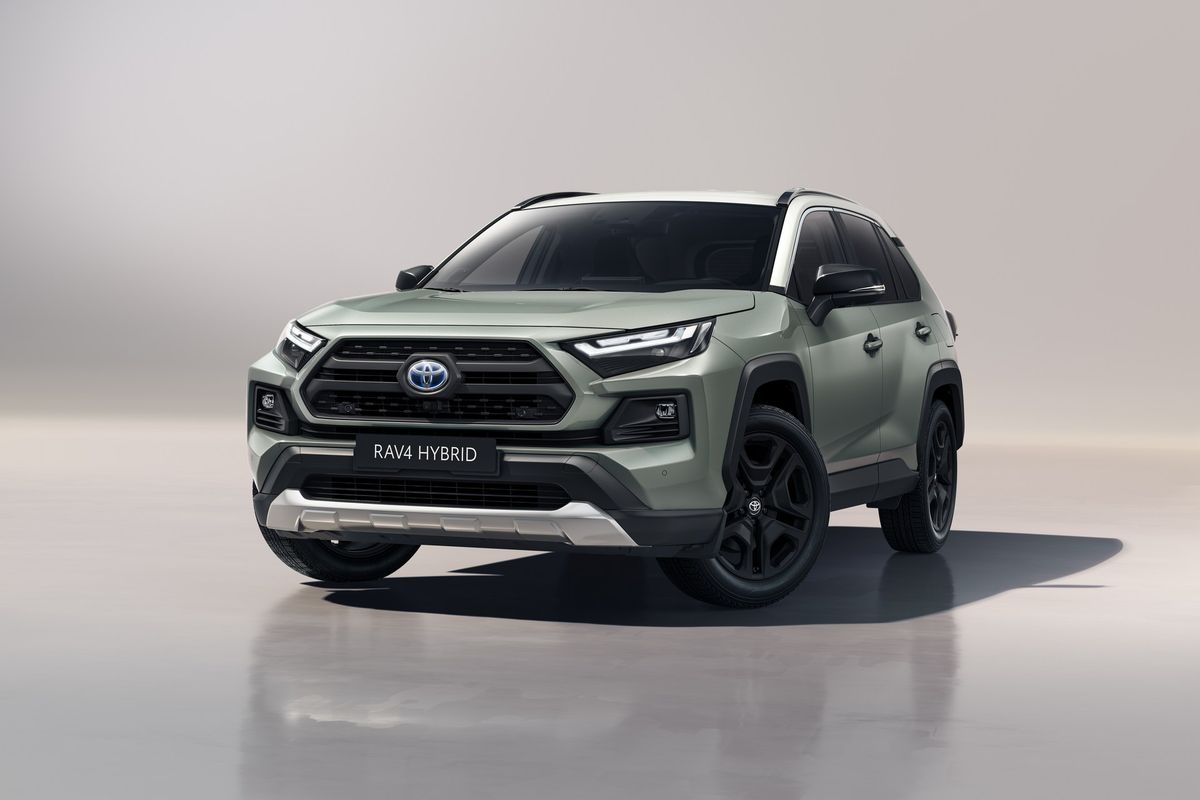
This handsome SUV is the 2022 Toyota RAV4 Adventure and will be hitting European markets soon. Its rugged appearance really looks the part, with unique LED headlights, a different grille and intakes, as well as the offroad-ready silver skid places at the front and rear.
The 2022 Toyota RAV4 Adventure gets this unique paint finish pairing of Urban Khaki and Dynamic Grey. There are also wider wheel archesa as well as a set of matte-grey 19-inch alloys. Regular derivatives will be getting 10-spoke alloy wheels which are bright silver or gloss black, depending on trim.
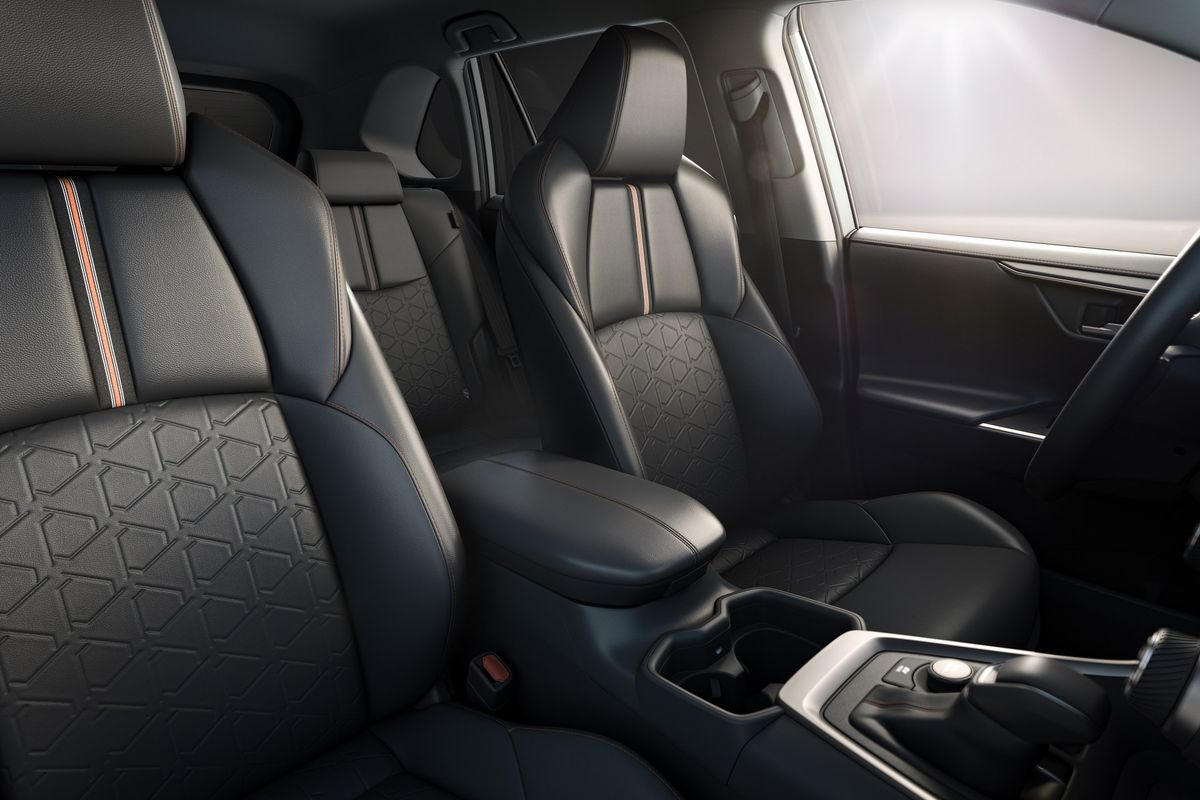
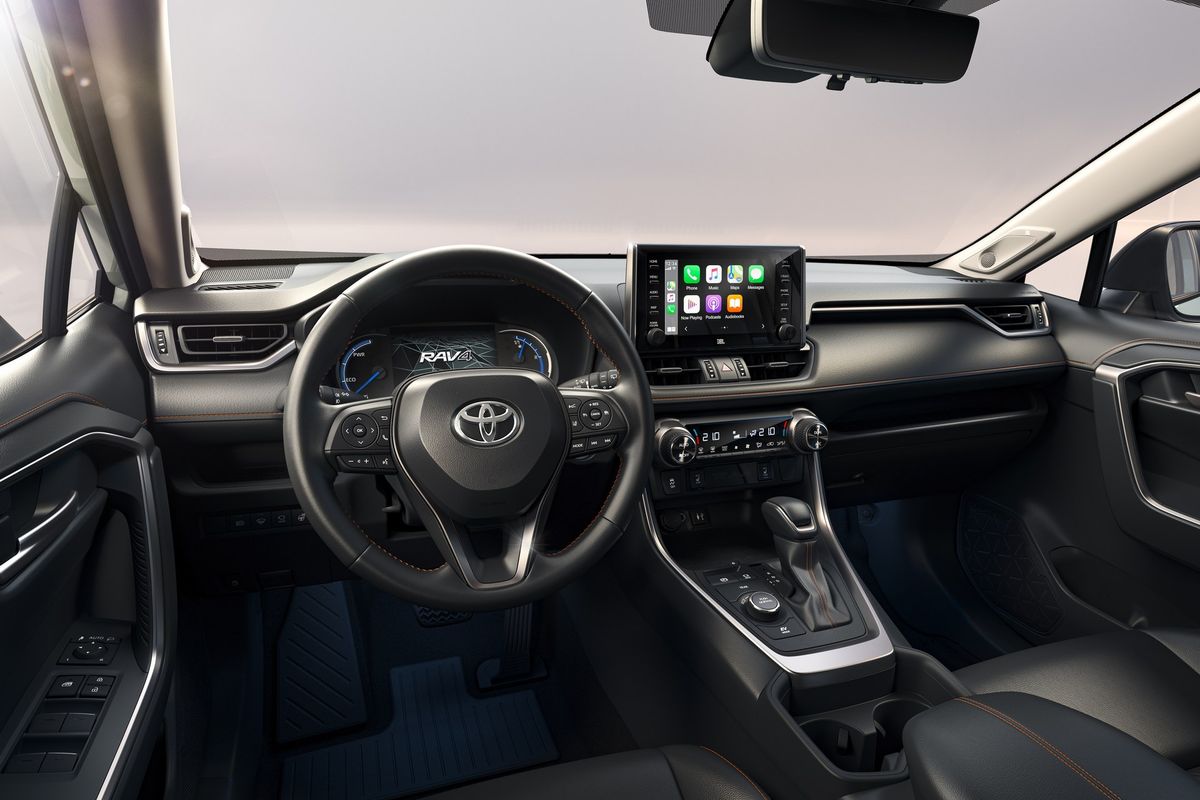
Inside, the 2022 Toyota RAV4 Adventure also gets some unique touches in the form of black synthetic leather trim with a quilted seat pattern and orange stitching, as well as specific scuff plates. The entire RAV4 range will also get new USB-C charging ports, power-adjustable front passenger seat and illuminated window switches.
When the Toyota RAV4 does get facelifted, the engine and transmission lineup is likely to be carried over. The current engine arsenal is comprehensive with the 4th generation of Toyota’s hybrid powertrain offered. This 2.5-litre 4-cylinder petrol engine is paired to two electric motors, giving it a combined output of 163 kW and 221 Nm. With this setup, the Toyota RAV4 Adventure has all-wheel drive, meaning it’ll be capable when the tar ends.
Toyota Europe says its the new 2022 RAV4 Adventure plus the rest of the lightly updated RAV4 range will be hitting showrooms in the first quarter of 2022.
Locally, Toyota South Africa has just introduced the hybrid powertrain to its RAV4 lineup. It has been cleverly positioned and becomes one of SA’s cheapest hybrid vehicles. The RAV4 2.5 Hybrid GX, which retails for R555 300 (August 2021), slots in between the new-spec 2.0 GX Auto and the 2.0 VX. Its asking price includes 3-year/100 000 km mechanical- and 8-year/195 000 km hybrid-battery warranties and a 6-services/90 000 km service plan.
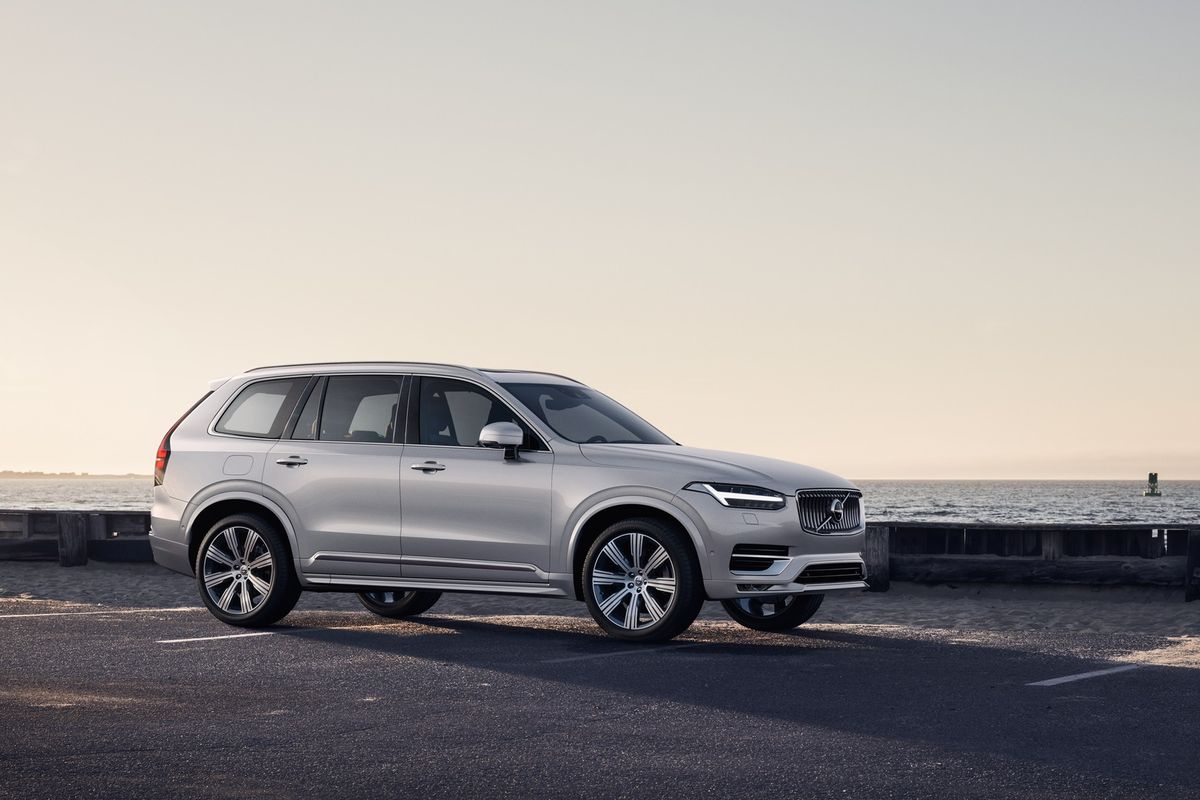
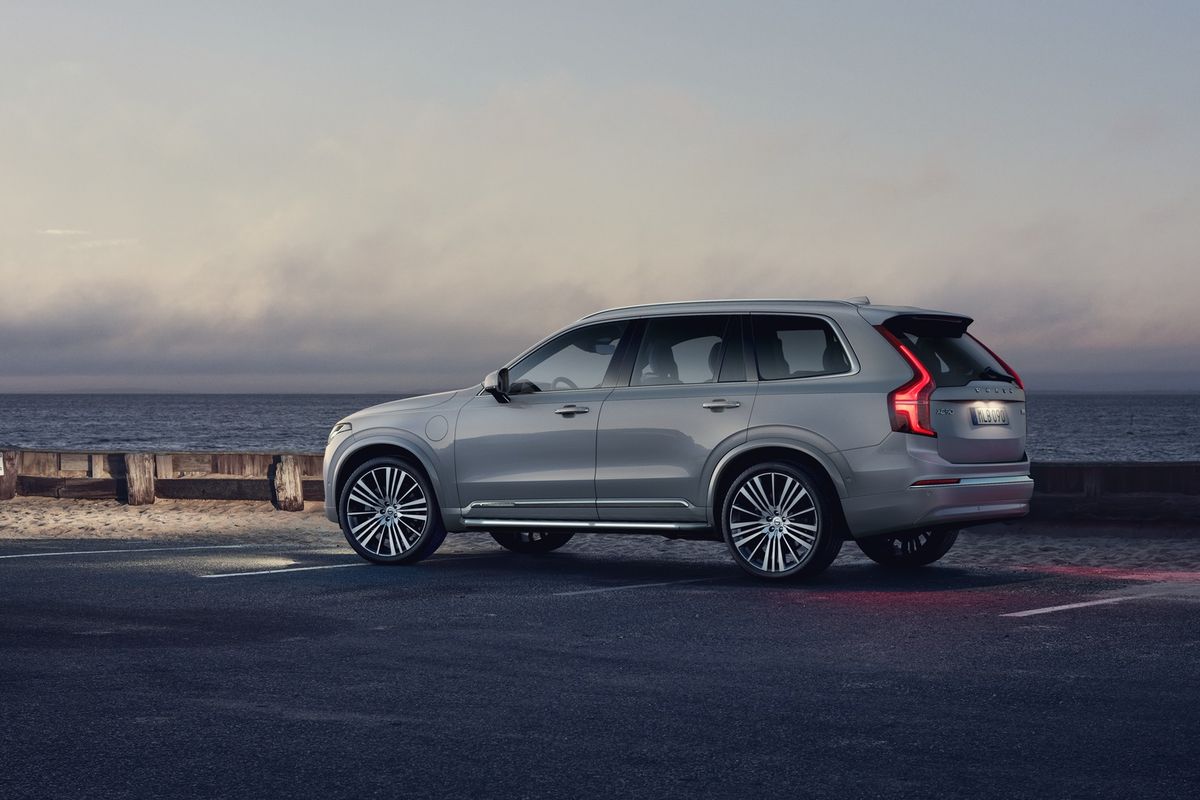
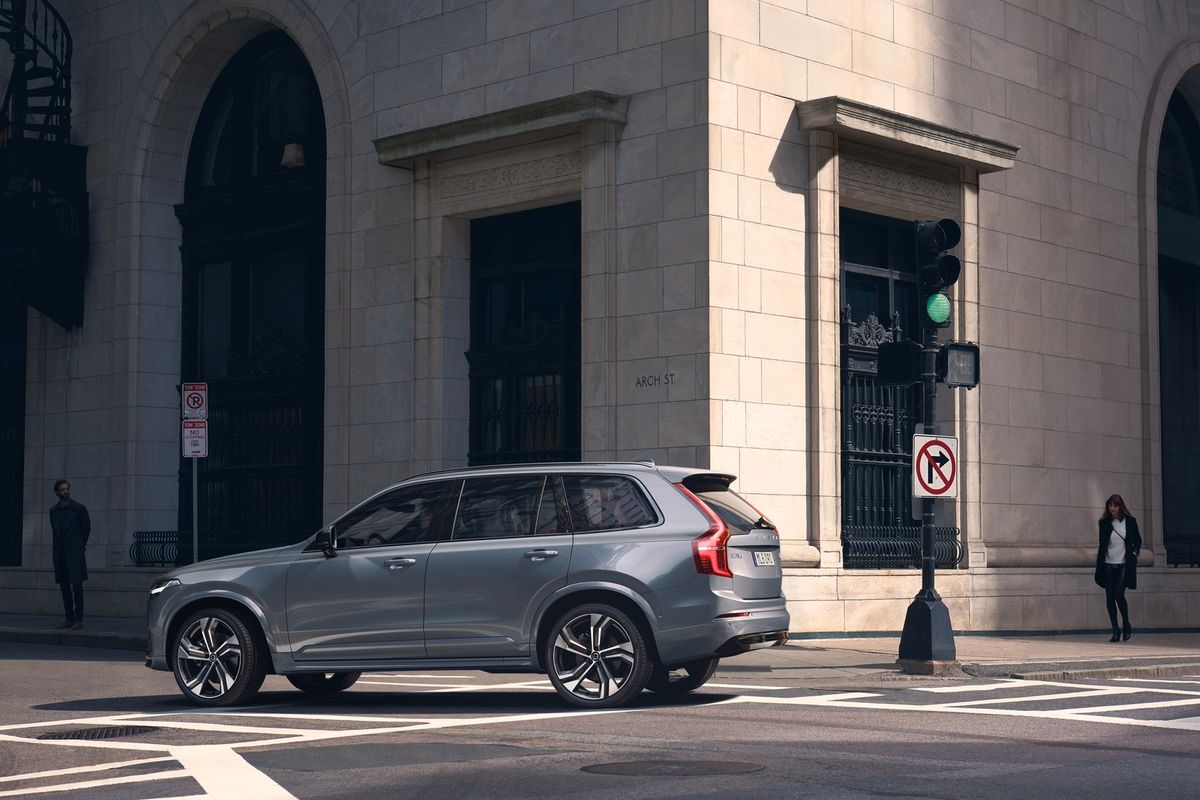
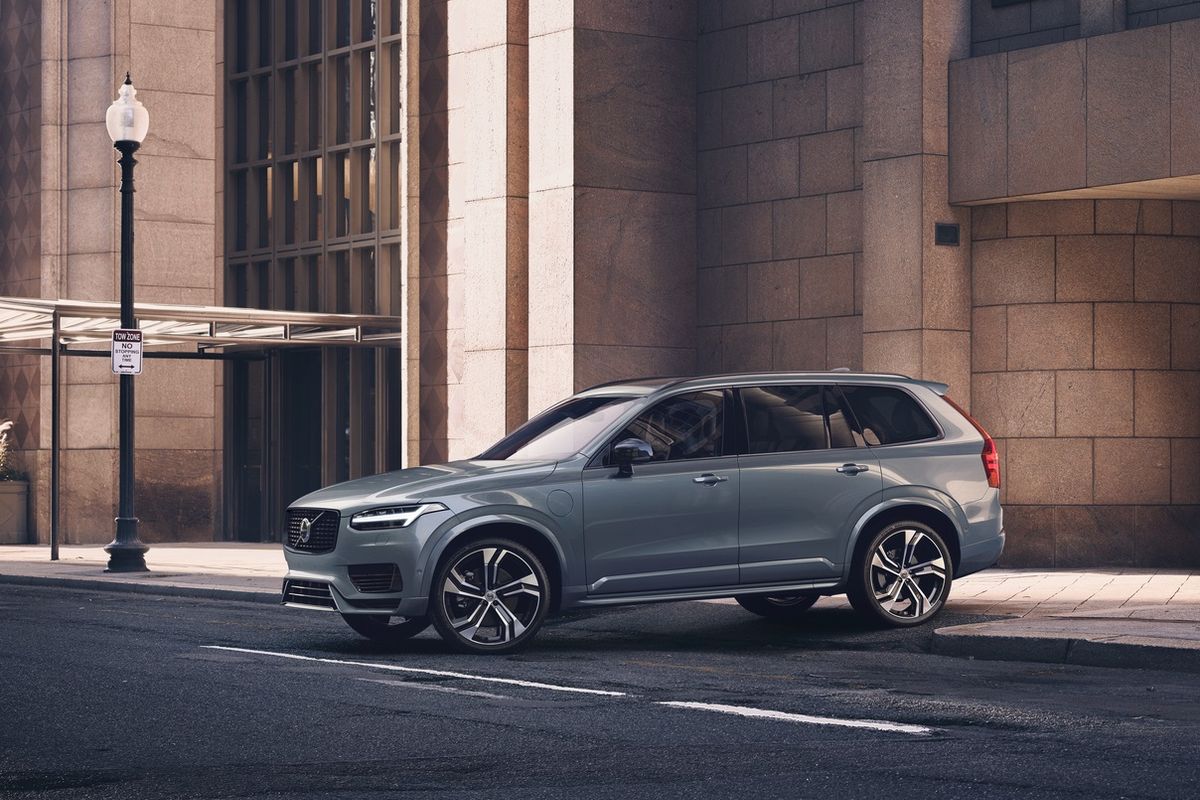
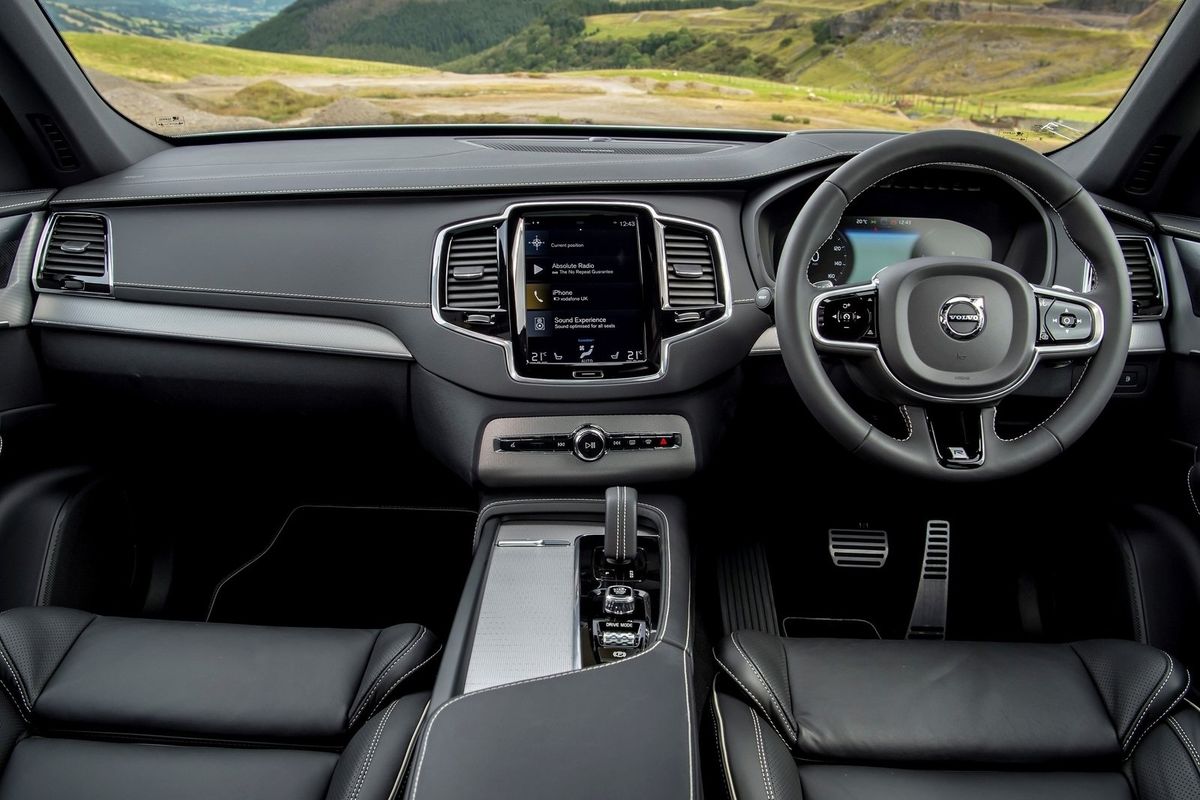
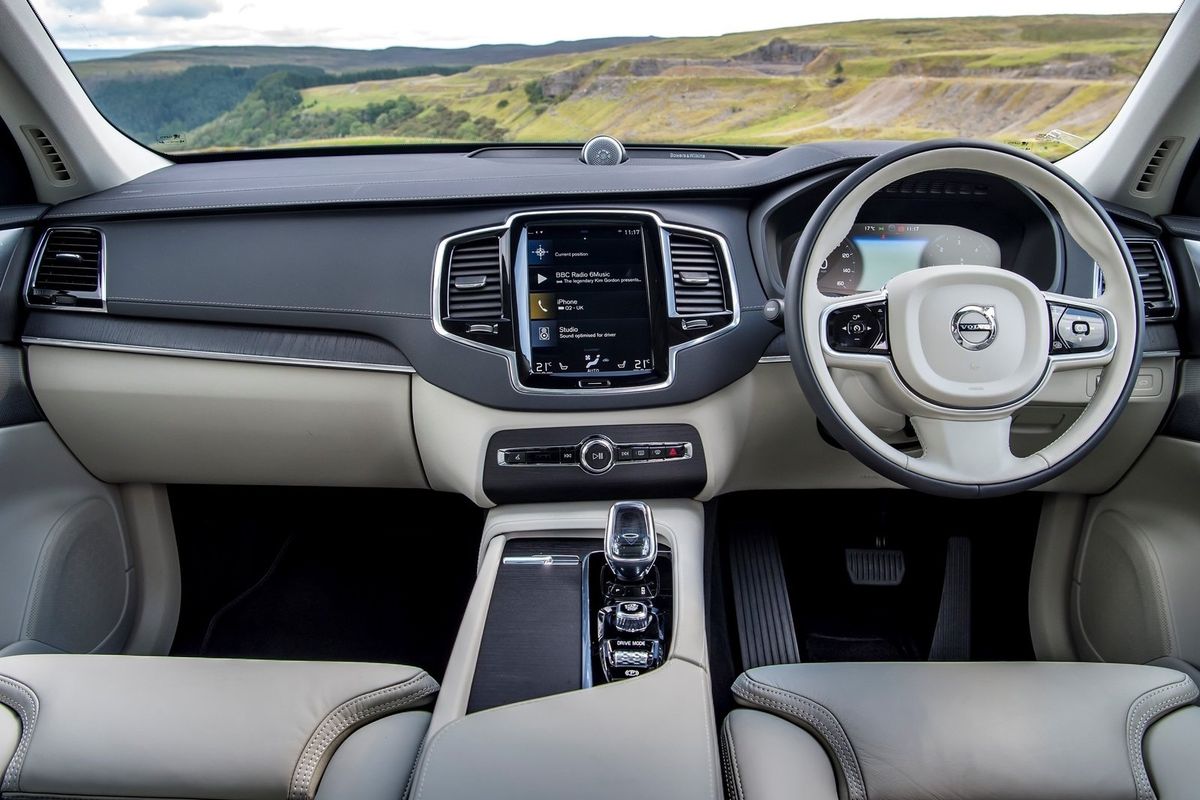
It’s official! The Volvo XC90 has been confirmed for a South African market introduction and we have pricing as well as details on its new mild-hybrid tech.
The big change to the 2022 Volvo XC90 is the addition of new mild-hybrid petrol engines, which the Swedish brand says will offer a smoother driving experience on top of improved fuel efficiency.
The badging for the 2022 Volvo XC90 changes slightly with the T designation being replaced by B badging. The T5 is replaced by the B5, while the T6 gets B6 nomenclature. At the top of the pile will be the XC90 T8 Twin Engine plug-in hybrid.
These new engines feature mild-hybrid technology as well as a Kinetic Energy Recovery System (KERS) that captures brake energy to charge the 48V onboard battery. The integrated starter generator then uses this energy to support the petrol engine.
The new engines still deliver credible power and torque from their turbocharged and supercharged 2.0-litre 4-cylinder motors. The B5 is good for 183 kW and 350 Nm, while the B6 thumps out 220 kW and 420 Nm.
According to Greg Maruszewski, Managing Director at Volvo Car South Africa, there are many benefits to the new engines. “Emissions are reduced and fuel economy is improved. Furthermore, thanks to the 48-volt battery, the vehicle’s performance during start-up and take-off is exemplary. From a practical point of view, there are no cables; the vehicle does not need to be charged at an electrical socket,” he explains.
Other changes in the 2022 Volvo XC90 include an update to the 8-speed Geartronic gearbox which now features shift-by-wire tech as well as a new start/stop function which Volvo claims is quieter than ever. There’s a new CleanZone air purification system too, which is said to filter the air even more thoroughly than before.
When you dive into the options list, Volvo says its has simplified things to avoid customer confusion and as a result there are tweaks to the upholstery, alloy wheels and exterior colour range. As before, Volvo is offering its updated XC90 with the standard trim levels of Momentum, R-Design and Inscription.
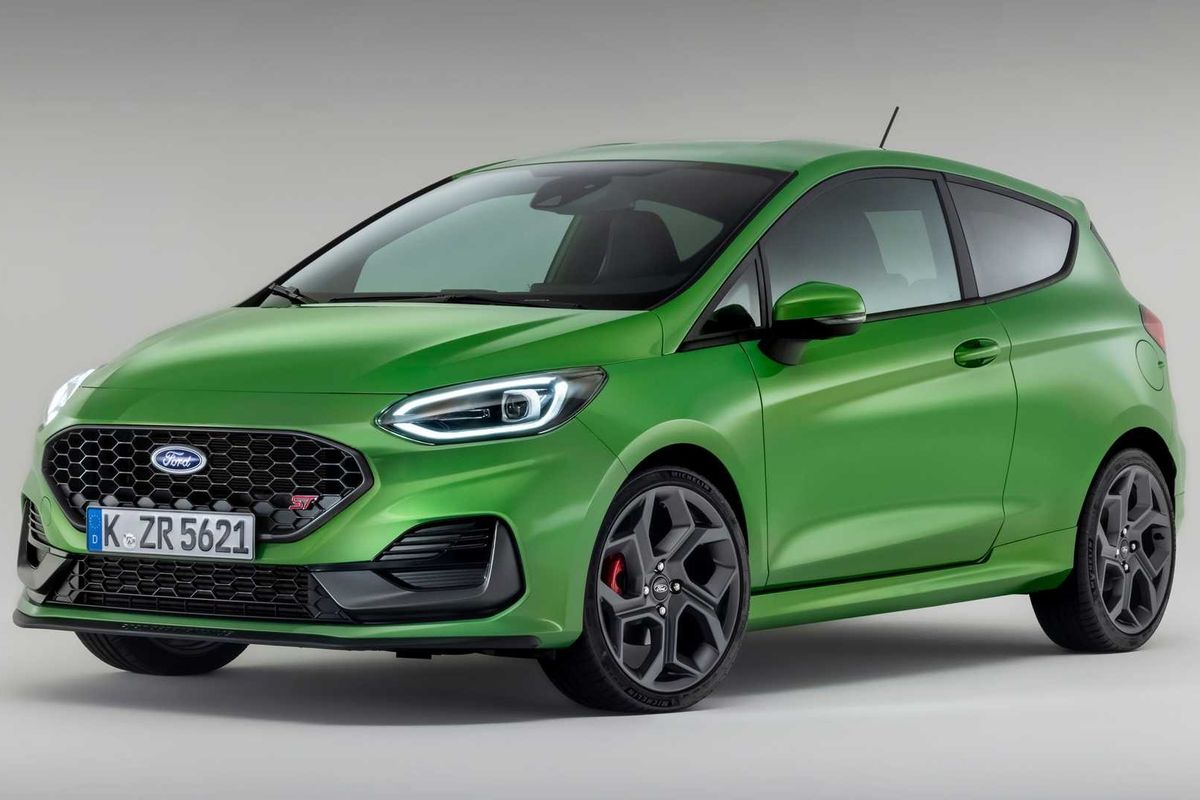
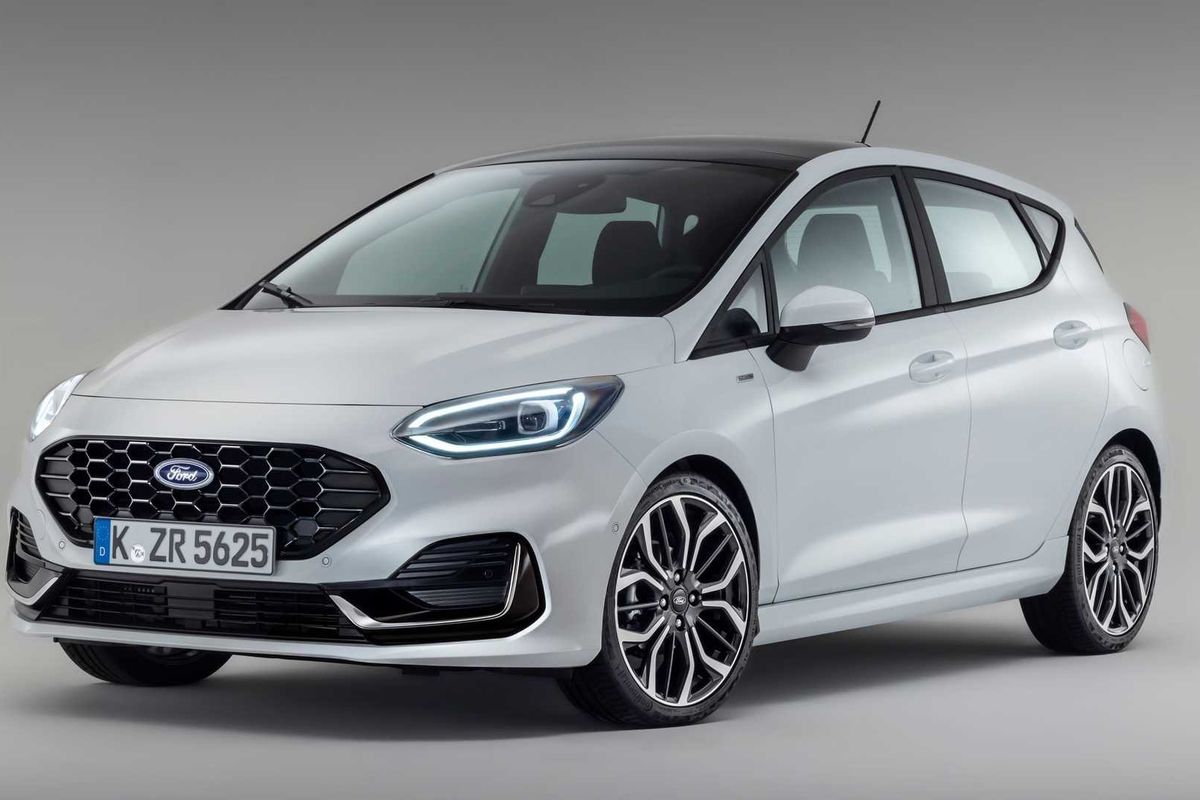
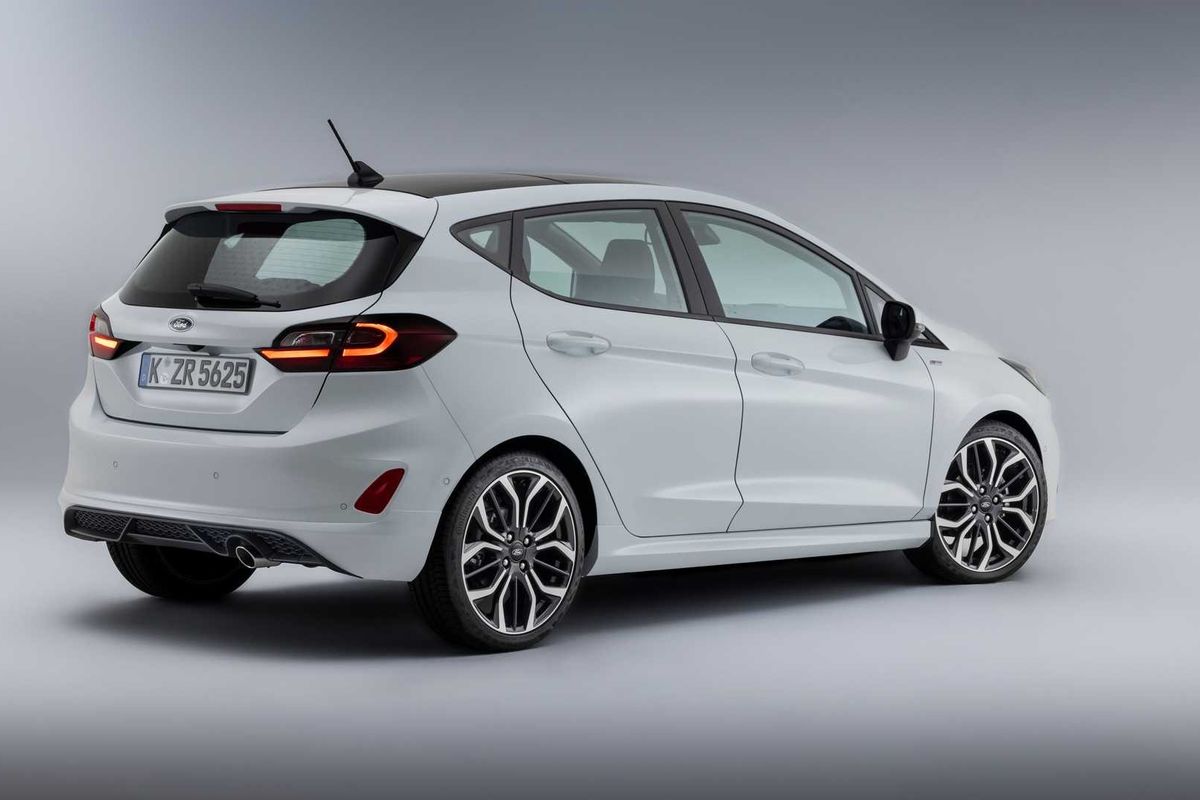
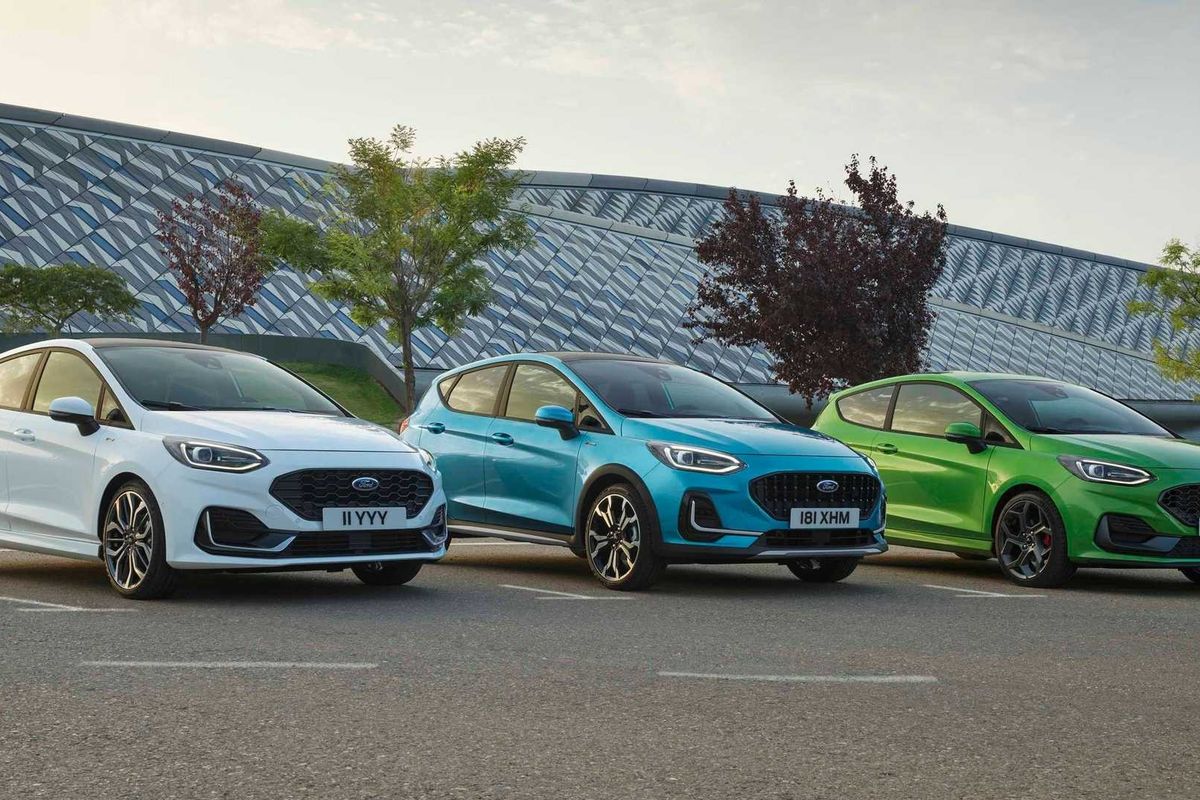
The facelifted Ford Fiesta has been announced, bringing some visual updates and spec changes across the range.
Despite the onslaught of the SUV, B-segment hatchbacks are still performing well as far as sales go. Volkswagen continues to churn out plenty of Polos, both for local and international consumption. With the updated Volkswagen Polo hitting European showrooms in September 2021 and SA introduction scheduled for early 2022, its nemesis the Ford Fiesta has also been given a refresh.
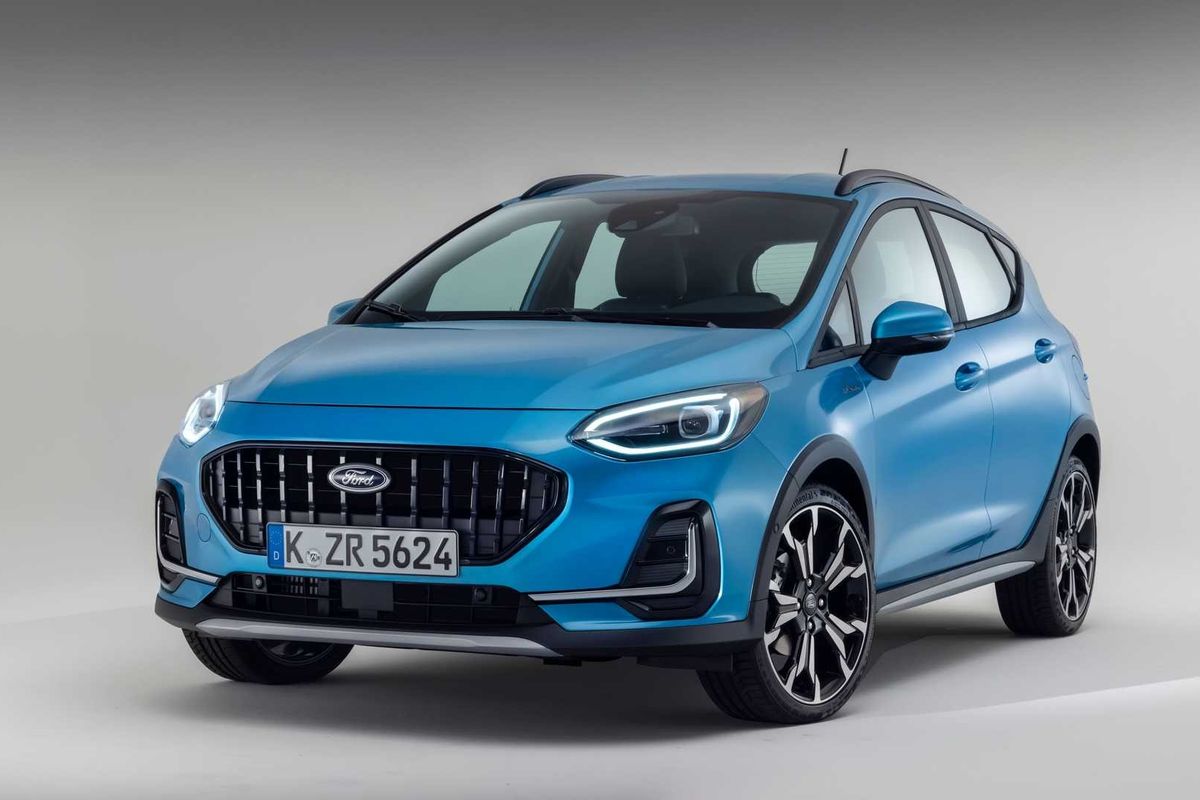
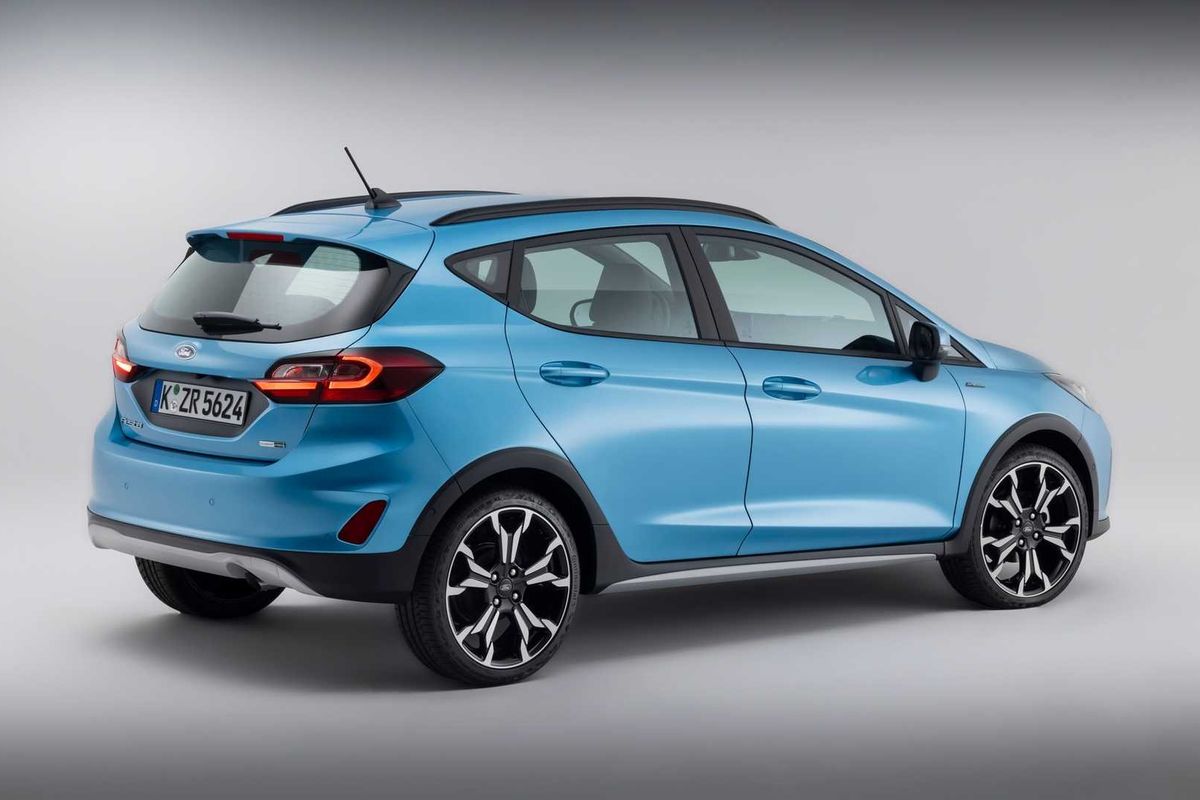
For the international market, the facelifted Ford Fiesta has been grouped into bodystyles including regular hatchback, Active (Crossover) and ST (performance).
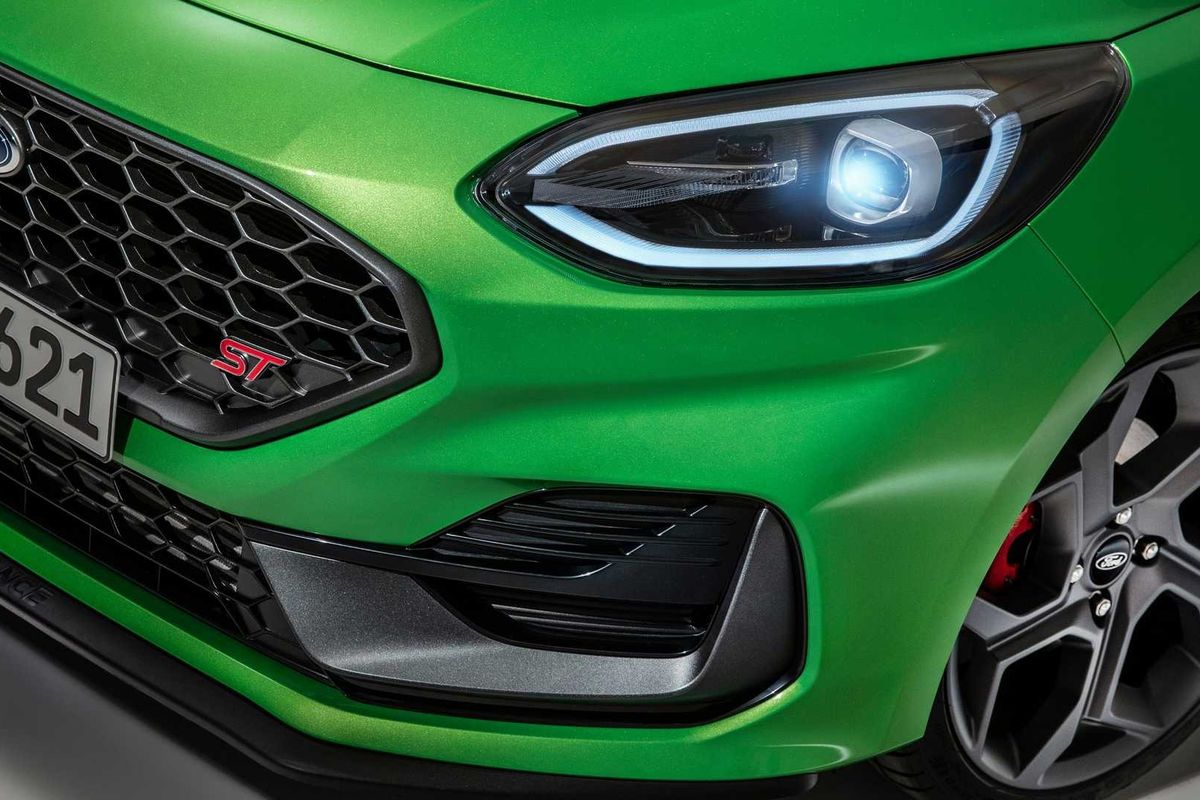
Visually, the facelifted Ford Fiesta now comes with LED headlights as standard across the range, with top-spec derivatives featuring the matrix LED lights with anti-dazzle tech. Other visual changes include a new-look grille design which will differ across the trim levels. The new-look headlights are complemented by some revised tail lamps.
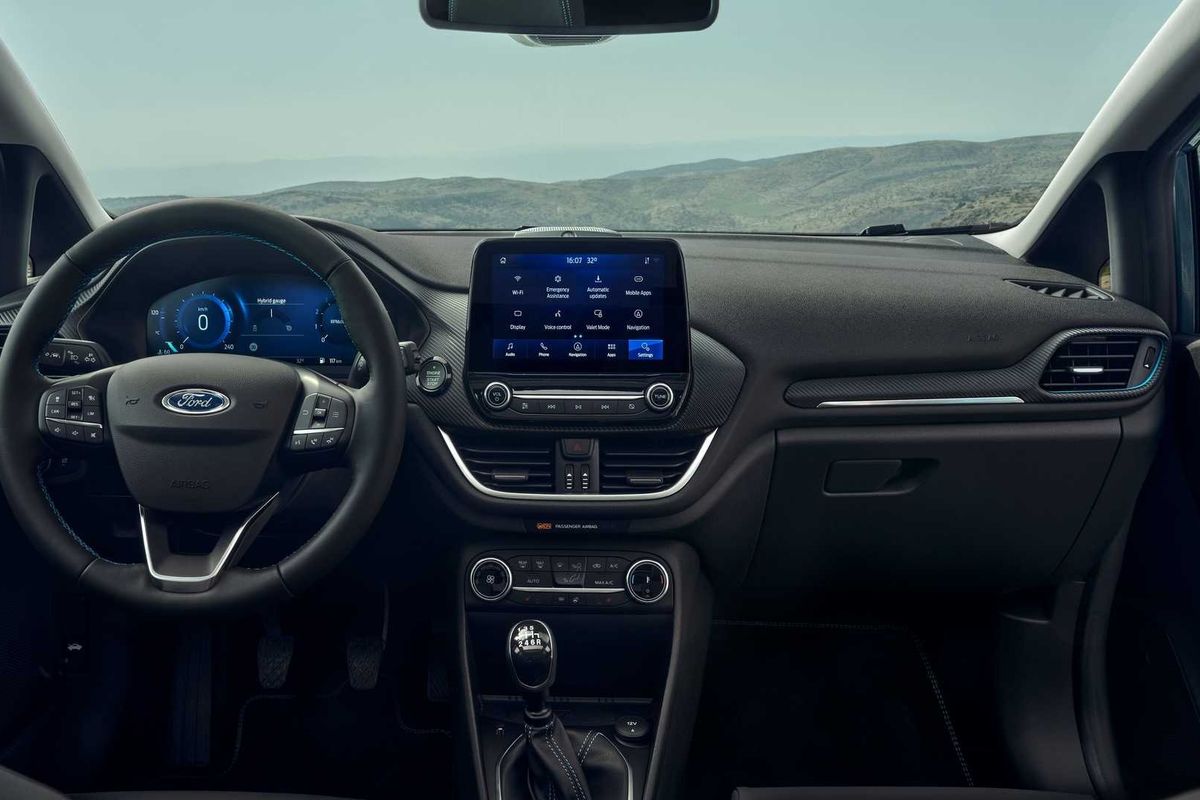
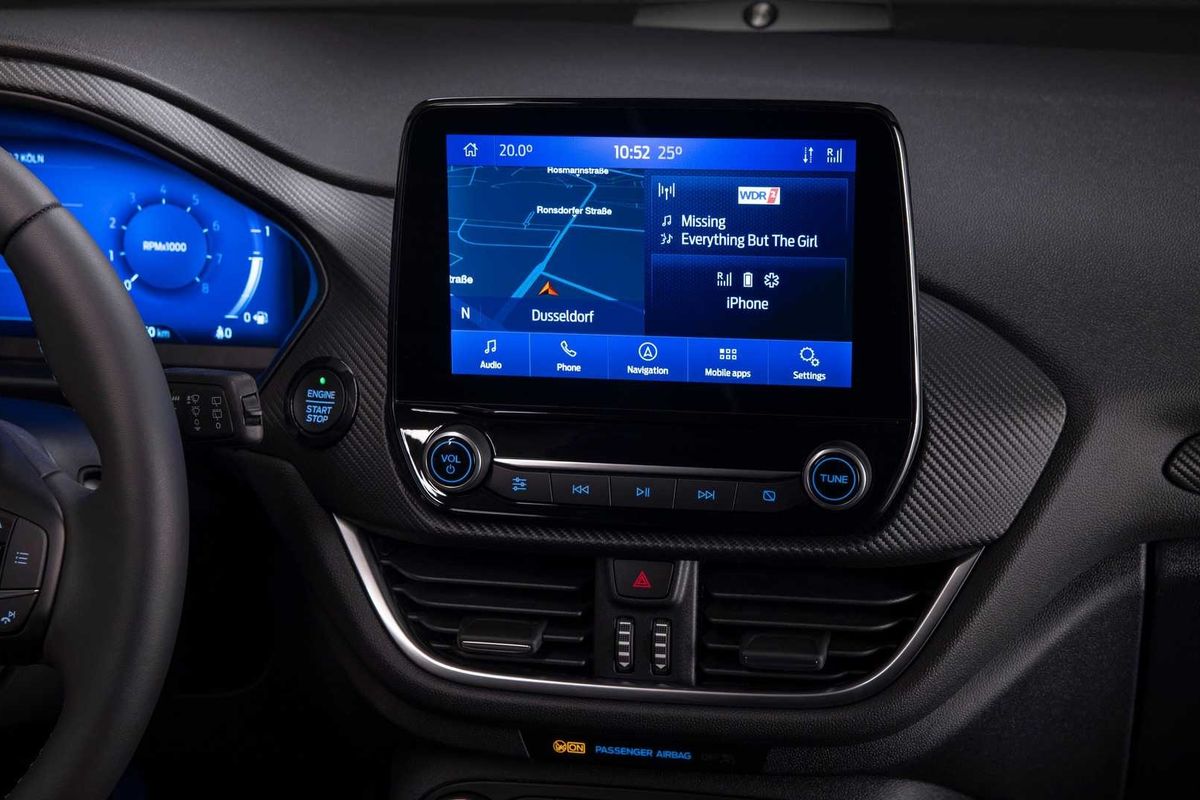
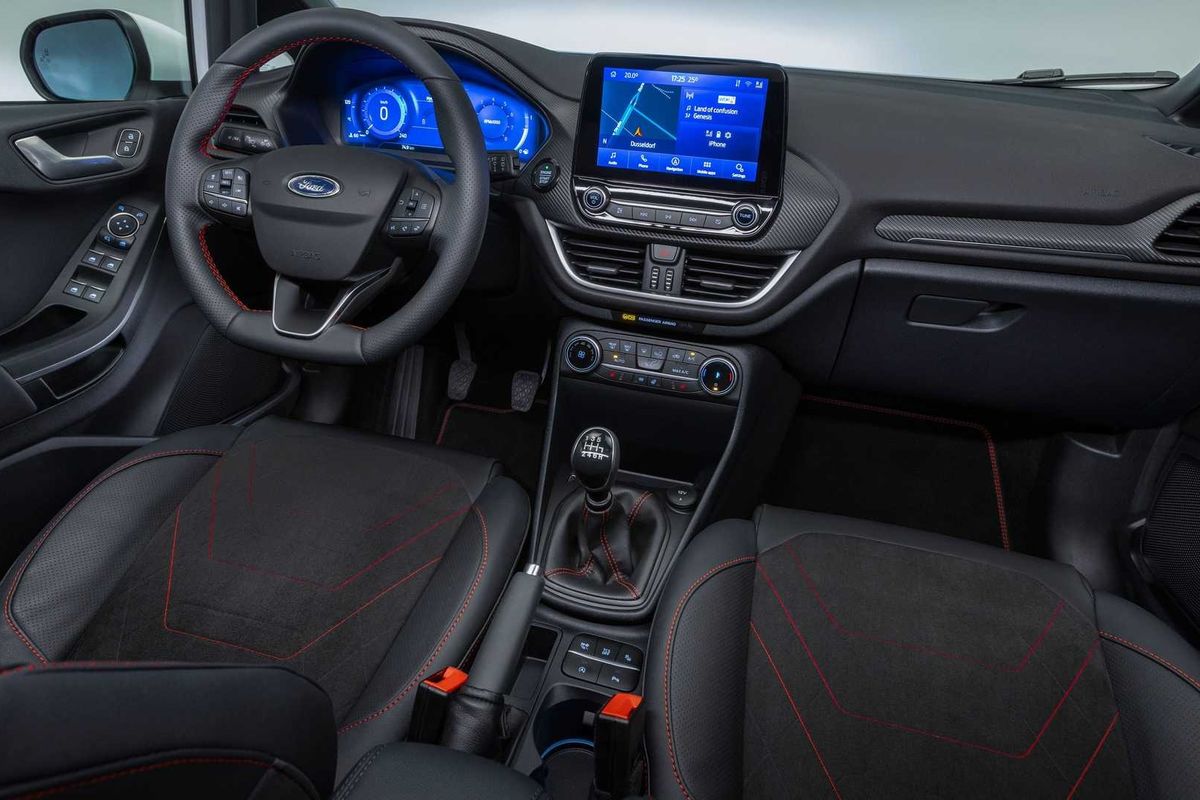
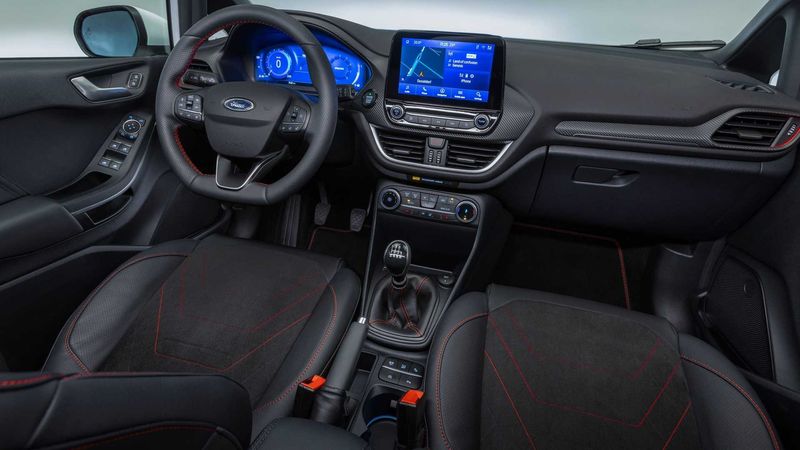
Inside, the facelifted Ford Fiesta now comes with a digital 12.3-inch dashboard that replaces the standard analogue dials. There’s also the addition of numerous safety techologies like radar-guided cruise control and autonomous emergency braking.
As far as engines go, it appears the EcoBoost range has been carried over. The Ford Fiesta ST (which is not available in SA) gets a small boost in torque and its outputs are rated at 147 kW and 320 Nm from a 1.5-litre turbocharged petrol engine. A claimed 0-100 kph of 6.5 seconds is being touted.
The standard engine lineup comprises the 1.0-litre turbocharged 3-cylinder in three states of tune: 75 kW, 91 kW and 115 kW. For this facelift, the powertrain gains 48V mild-hybrid technology to save on emissions and improve economy, and as before, customers are given a choice of a 6-speed manual gearbox or a 7-speed dual-clutch transmission.
A Ford Motor Company of Southern Africa representative told Cars.co.za this week that the Silverton-based company could not confirm the future local availability of the facelifted Fiesta.
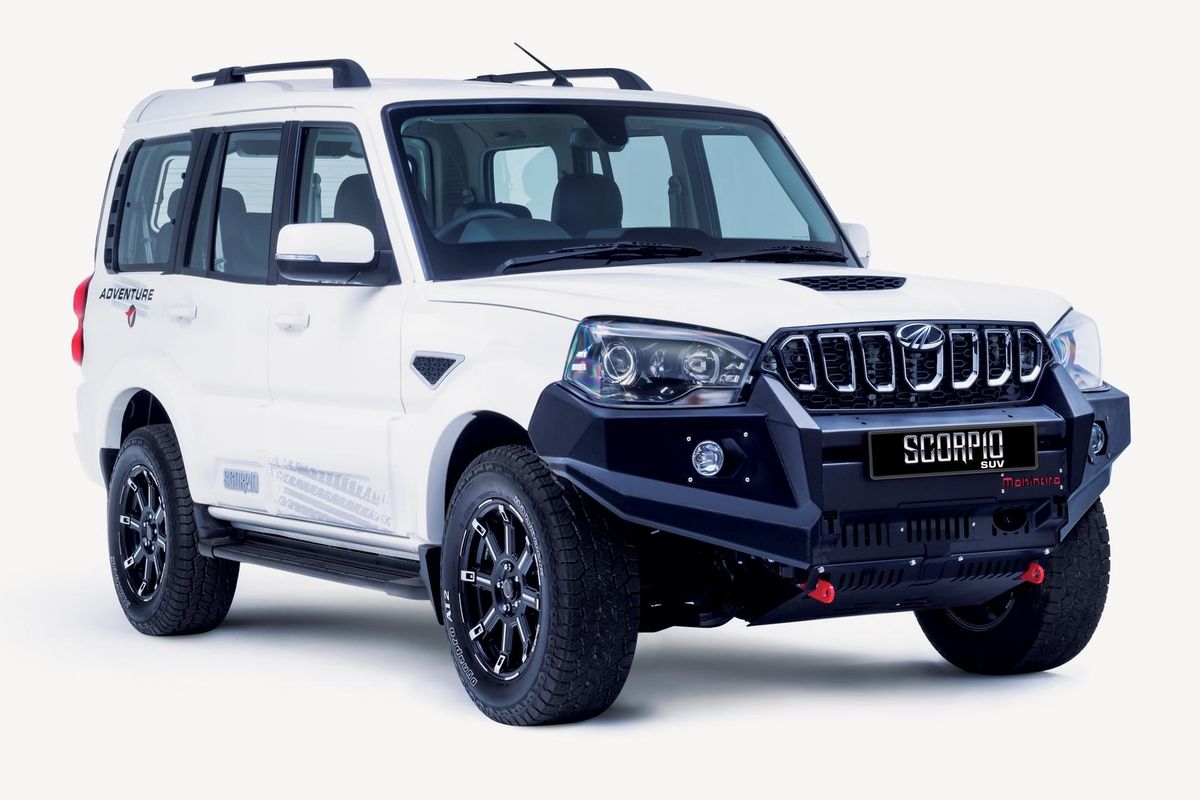
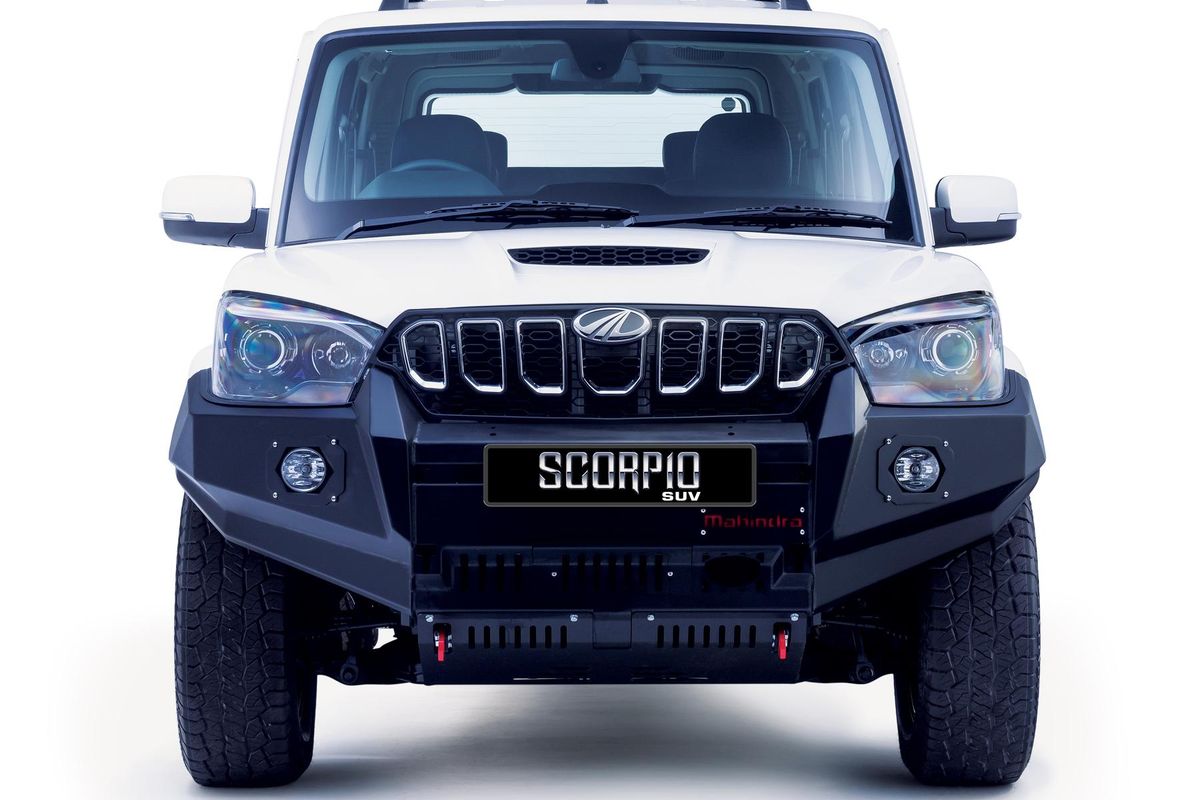
Mahindra South Africa has introduced a limited edition model of its Scorpio SUV. Here’s how much the S11 Adventure costs and what you get for your money.
Mahindra South Africa has given its Scorpio an offroad pack and says its limited-edition S11 Adventure is aimed at “families who would like to live large and explore all that South Africa has to offer.”
“The Scorpio is the first choice for families looking for a large SUV with proven off-road credentials and trusted durability,” says Rajesh Gupta, CEO of Mahindra South Africa.
“With the limited-edition Scorpio S11 Adventure, we have managed to add even more features that make the design more appealing and improve the Scorpio’s go-anywhere credentials.”
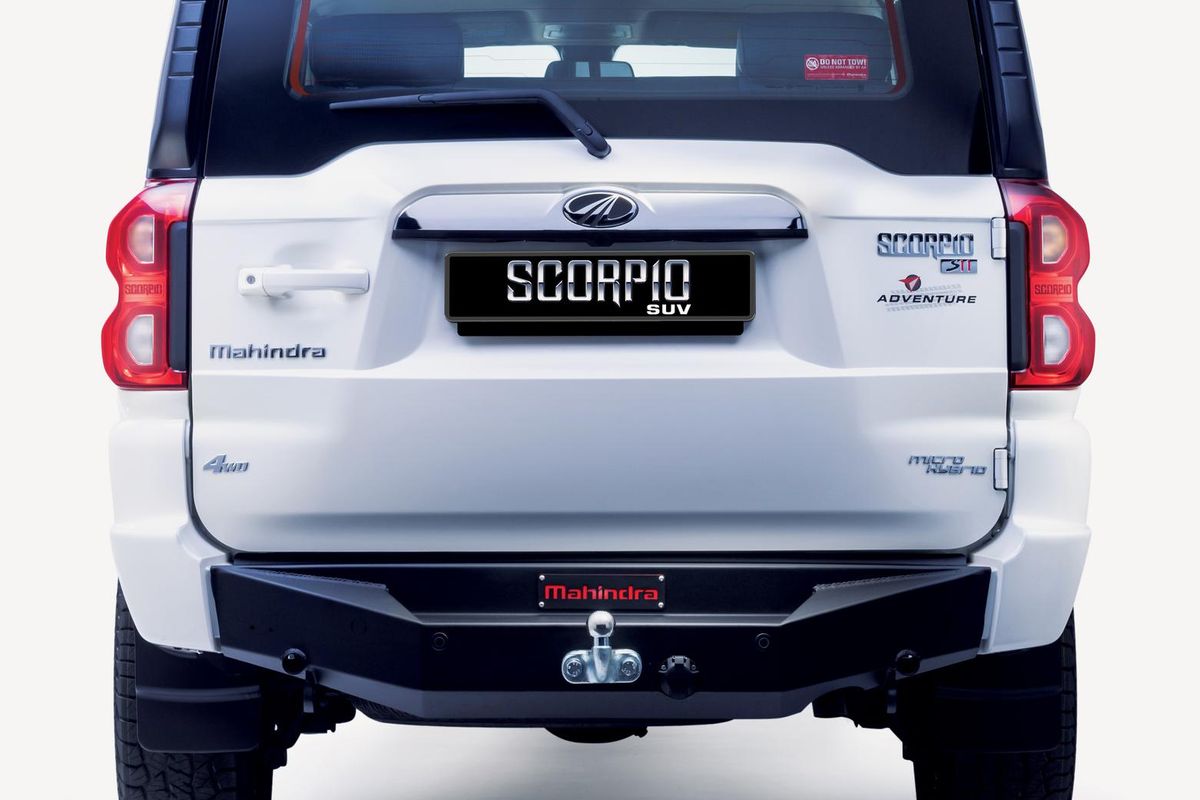
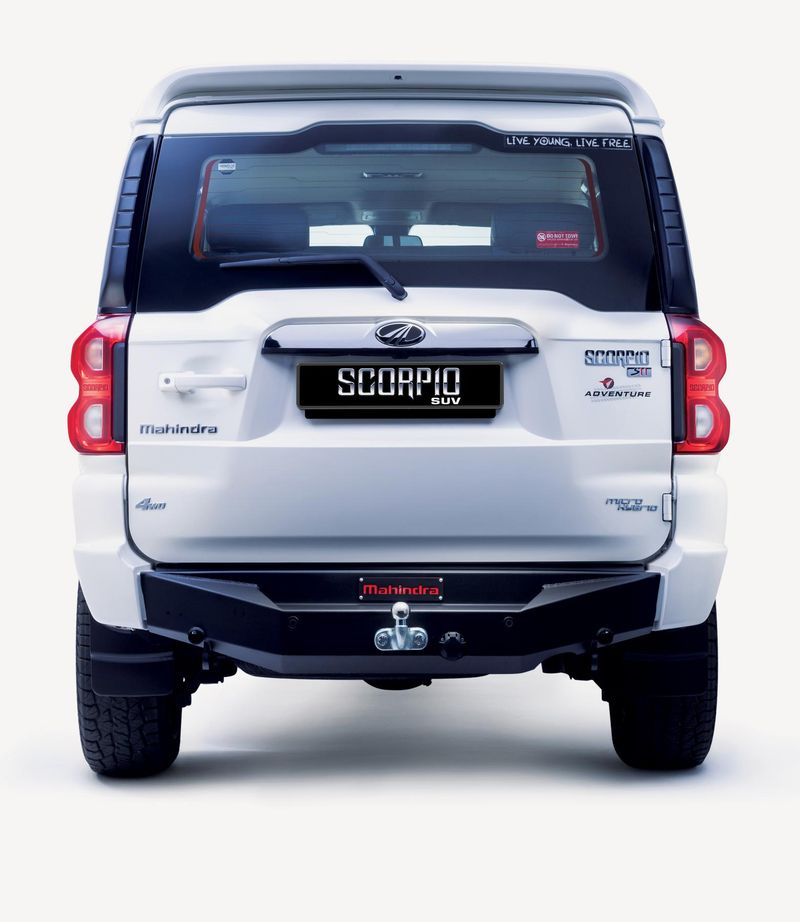
So, what do you get? The new Mahindra Scorpio S11 comes with offroad bumpers, all-terrain wheels and tyres as well as Adventure badges on the sides and rear.
These bumpers aren’t just for show and Mahindra says they increase the approach and departure angles, useful for offroad expeditions. The new front bumper also features anchor points on the chassis, meaning serious 4×4 fanatics can fit recovery gear such as high-lift jacks or an electric winch. All Mahindra Scorpio S11 Adventure models offer 195 mm of suspension travel and 165 mm of ground clearance.
The rear bumper comes with a tow bar as standard and there’s provision for recovery points and jack points too. These tyres are an upgrade from the standard 235/65R17 road-biased rubber and the new 245/65R17 all-terrain tyres look chunky enough to take on some serious offroading.
The Mahindra Scorpio S11 Adventure features the same upgrades that the S10 received in 2020, with more engine power coming from the 2.2-litre mHawk turbodiesel and automatic 6-speed gearbox. Outputs of 103 kW and 320 Nm are on offer and the vehicle is able to shift from 2-wheel drive to 4-wheel drive at speeds of up to 100 kph.
Inside, the Mahindra Scorpio S11 Adventure comes with electronic climate control, power steering, cruise control, a new 7-inch infotainment system that’s CarPlay/Android Auto compatible as well as a reverse camera.
How much does the Mahindra Scorpio S11 Adventure cost in South Africa?
The new model is available at dealers across Southern Africa at a starting price of R416 999. All models are sold with a 5-year / 90 000 km service plan and 4-year / 120 000 km comprehensive mechanical warranty.
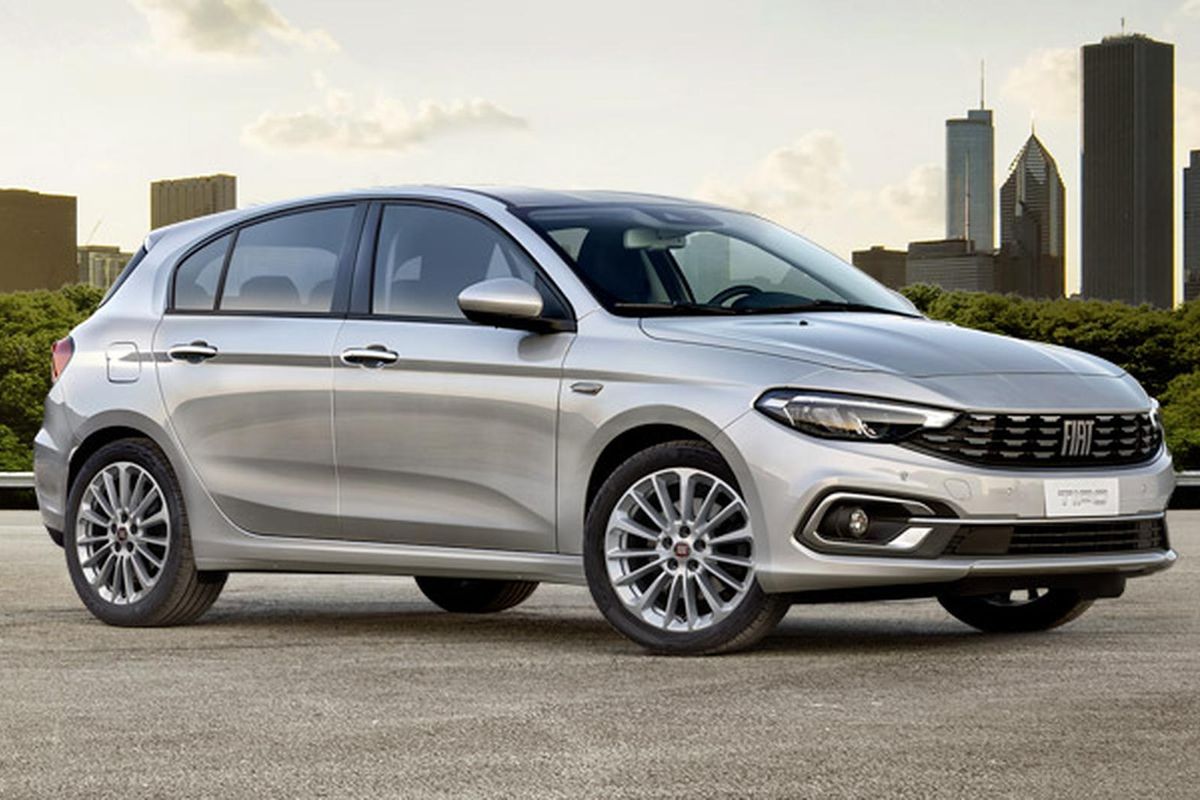
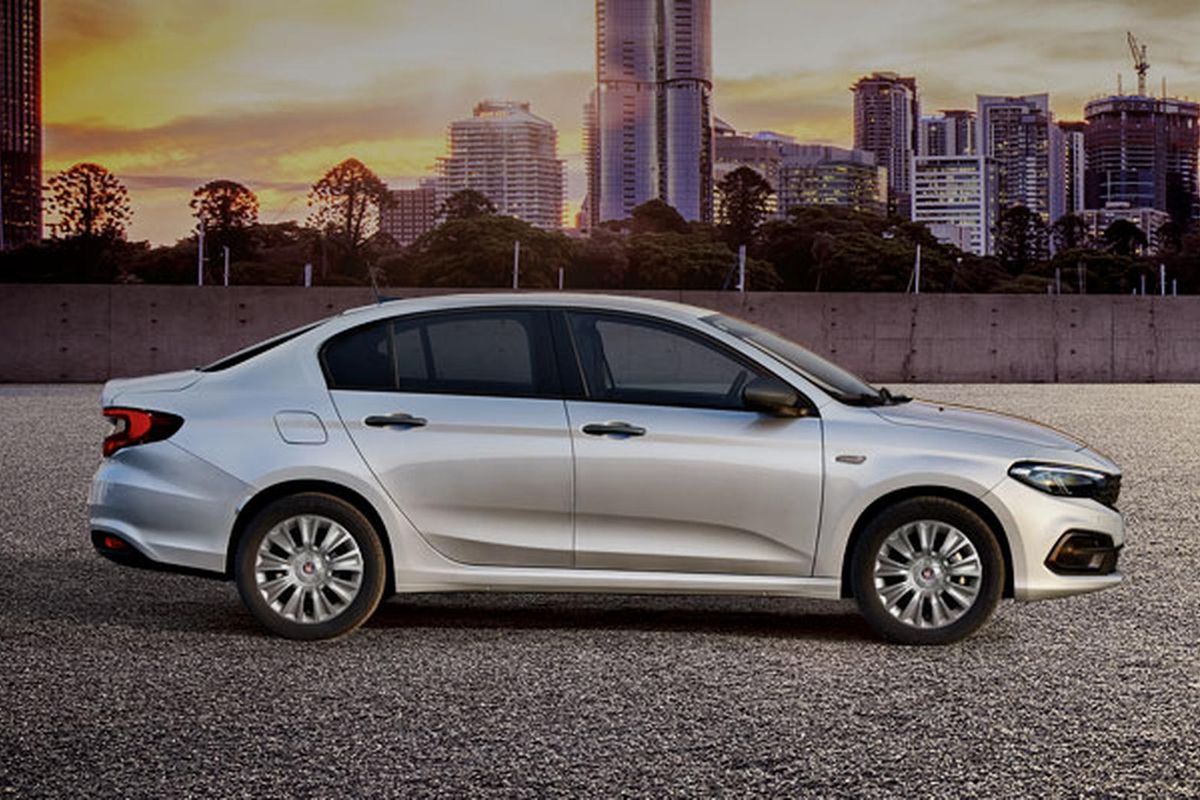
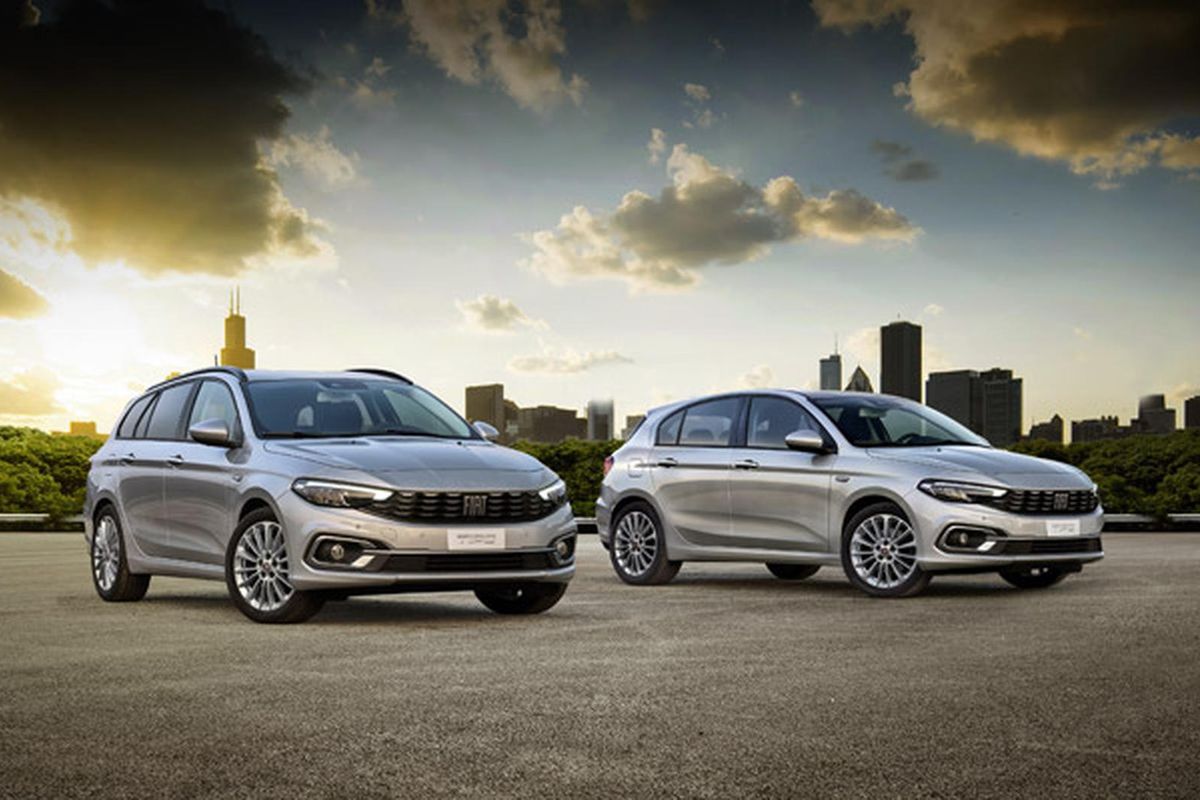
The Fiat Tipo hatchback and sedan have been given a makeover, and are now available in SA. Here’s detailed specification and pricing for these models.
The refreshed Fiat Tipo has been given a full refresh, both inside and out. Fiat claims the model now has more elegance and a more dynamic look.
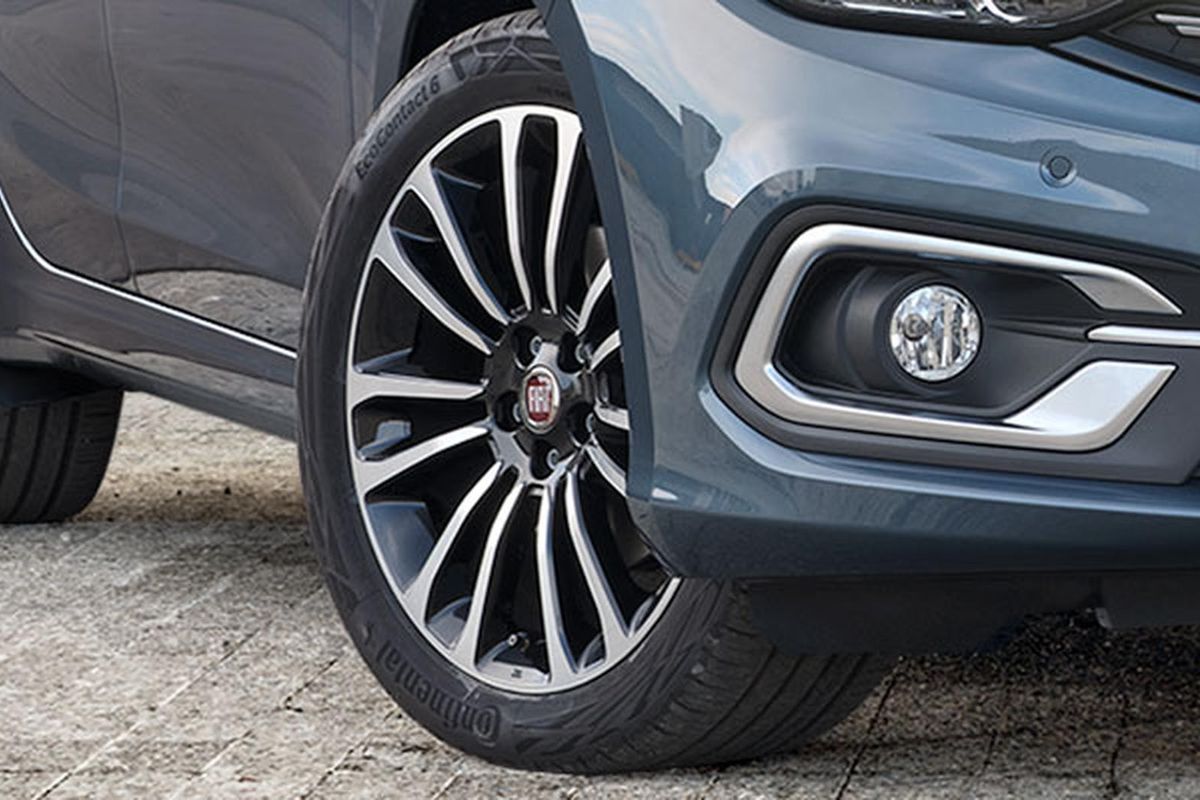
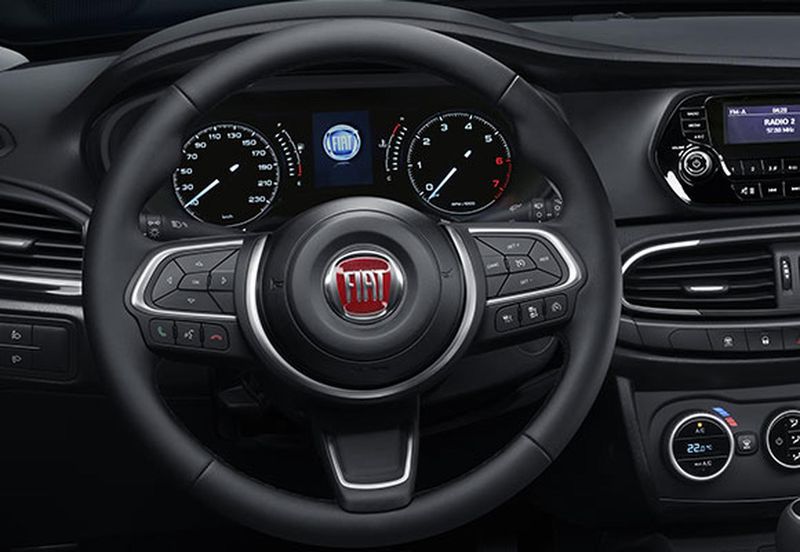
At the front, there’s the new Fiat logo, with the Tipo being the first new product to receive it. There are also new redesigned headlights featuring daytime running lights and LEDs. There’s some brushed chrome detailing and depending on trim, 16- or 17-inch alloy wheels with a diamond finish.
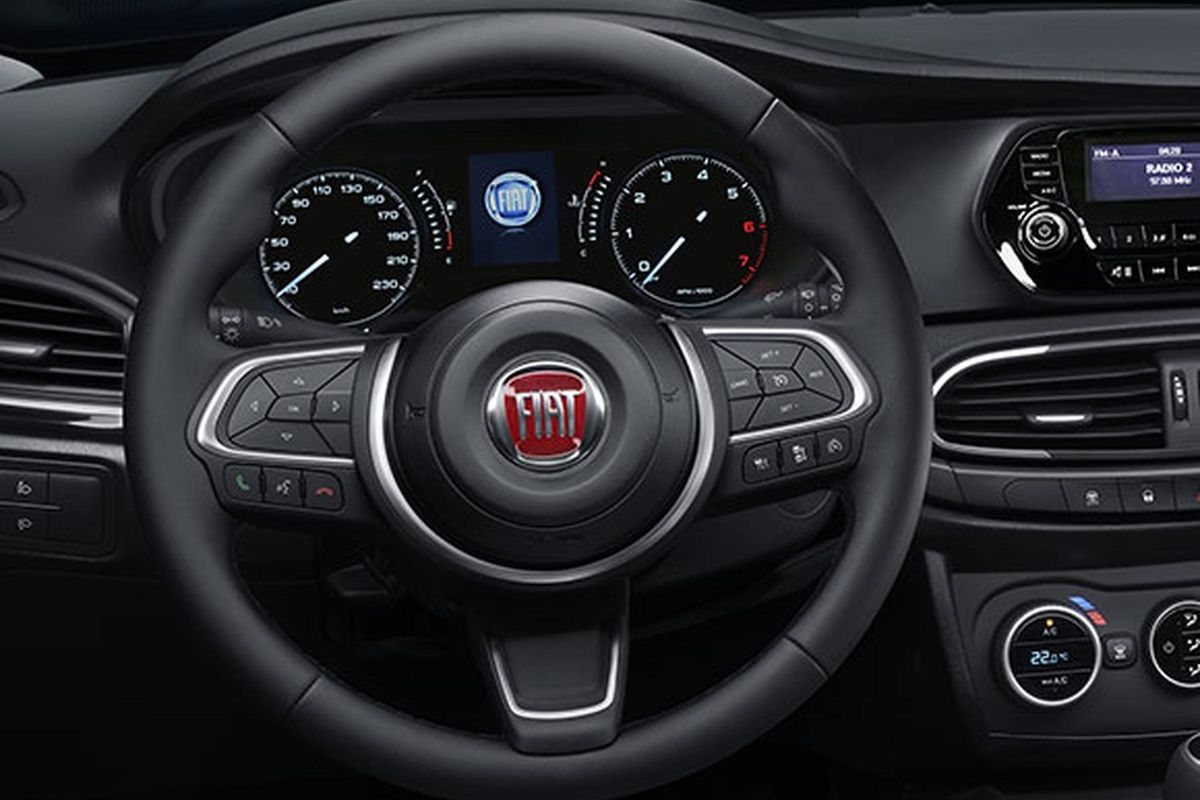
The cabin also gets a makeover with new fabric seats, a new 3.5-inch TFT digital cluster which replaces the basic analogue instrument panel. There’s also a new UConnect 5-inch radio. The steering wheel has been redesigned to offer more visibility to the dashboard.
Fiat Tipo Trim Levels
The updated Fiat Tipo is available in either four-door sedan or five-door hatchback, with three levels of specification: TIPO, CITY LIFE and LIFE. Electronic Stability Programme (ESP) is now standard across the Tipo range as is Fiat’s Tyre Pressure Monitoring (TPM) system.
Keyless entry is model dependent, as well as a reverse camera and front parking sensors, and a USB port for the rear seats are just some of the features mentioned.
Kicking off the range is the Fiat Tipo sedan with a 1.4-litre petrol engine with 70 kW and 127 Nm, and a 6-speed manual gearbox. Standard features include a height adjustable driver’s seat, manual air conditioning and electric windows for front-seat occupants along with Bluetooth audio with controls on the steering wheel. There are hubcaps on 15-inch steel wheels.
The sedan is also available in CITY LIFE and LIFE derivatives. CITY LIFE models provide a host of comfort and convenience features as standard, adding automatic air conditioning, multi-function steering wheel in leather, electric mirrors, and remote central locking, along with 16-inch alloy wheels. Front fog lights further distinguish CITY LIFE sedans.
CITY LIFE sedans also benefit from cruise control, rear-view camera and front and rear parking sensors. The infotainment system includes Navigation along with the 3.5-inch TFT display.
If you go for the automatic CITY LIFE Tipo sedan, you’ll get 17-inch alloy wheels, gloss black door handles as well as a more potent 1.6-litre engine with 81 kW and 152 Nm. Automatic headlights and wipers add to the package.
Fiat Tipo hatchback is available in CITY LIFE and LIFE models with either 1.4-litre petrol six-speed manual or 1.6-litre six-speed automatic drivetrains. This model gets a rearview camera as standard as well as a height-adjustable driver’s seat, floor mats and steering wheel control while riding on 16-inch alloy wheels. LED headlights are standard too, as is the new 3.5-inch TFT display and 5-inch navigation radio.
LIFE hatchback gets cruise control and driver seat lumbar support adjustment along with keyless-go, automatic headlights and rain sensor, electrochromatic rearview mirror as well as 17-inch alloy wheels.
How much does the updated Fiat Tipo cost in South Africa?
All Fiat Tipos are covered by Fiat’s 5 years/100 000km warranty and 3 years/100 000km service plan.
Land Cruiser badge remains but underpinnings change.
Toyota’s popular Prado 4×4, in its current generation, has been on the market since 2009 and has always used a Land Cruiser platform as its base and carried the Land Cruiser badge with it. With the latest Land Cruiser 300 recently released, the Prado is the next model in sight of an overhaul.
Its latest update came in 202 where it received the updated 2.8 GD-6 turbodiesel engine that also serves purpose in the Toyota Hilux and Toyota Fortuner models.
The Prado is traditionally the entry model of the Land Cruiser range but retains the off-road bias that Land Cruisers are renowned for. However, the next generation is likely to get different underpinnings to its Land Cruiser siblings.
Speaking to Andrew Kirby, president and CEO of Toyota South Africa, at the local Land Cruiser launch he spoke of the Prado using a different platform to the all-new TNGA-F Land Cruiser platform and that the new platform for Prado would likely be called TNGA-E. The platform hasn’t yet been revealed but the only other product that would use this platform (that we know of) will be the new Toyota Tundra set to be revealed in late September 2021.
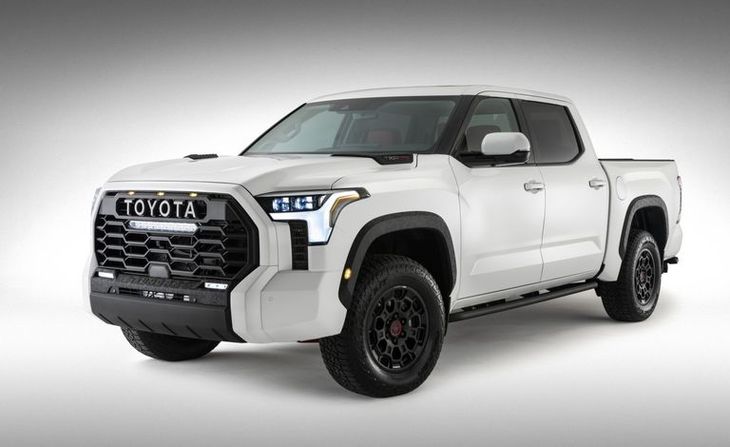
The 2022 Toyota Tundra – America only pick-up truck.
The Tundra is a full-size American pick-up truck and easily one of Toyota’s best-looking models around the globe. Traditionally, American pick-up platforms haven’t been used globally as they tend to be ‘softer’ than what’s required for the rest of the world. In this case, the next generation Prado would likely use a modified, or global version of the Tundra platform. No specific reason for the change was mentioned although, considering the size difference between Land Cruiser 300 and Prado, a smaller platform may be better suited in a segment where on-road bias and road manners are favoured over outright off-road capability.
This does mean that the next Prado will retain a ladder frame chassis as has been the way since its introduction. It will still be the odd model out in a segment where the monocoque chassis rules the roost.
The Prado is unlikely to be shown soon and is still some way off, according to Kirby. Currently, the expected reveal date for Prado is towards the end of 2022, with products hitting showrooms sometime in 2023.
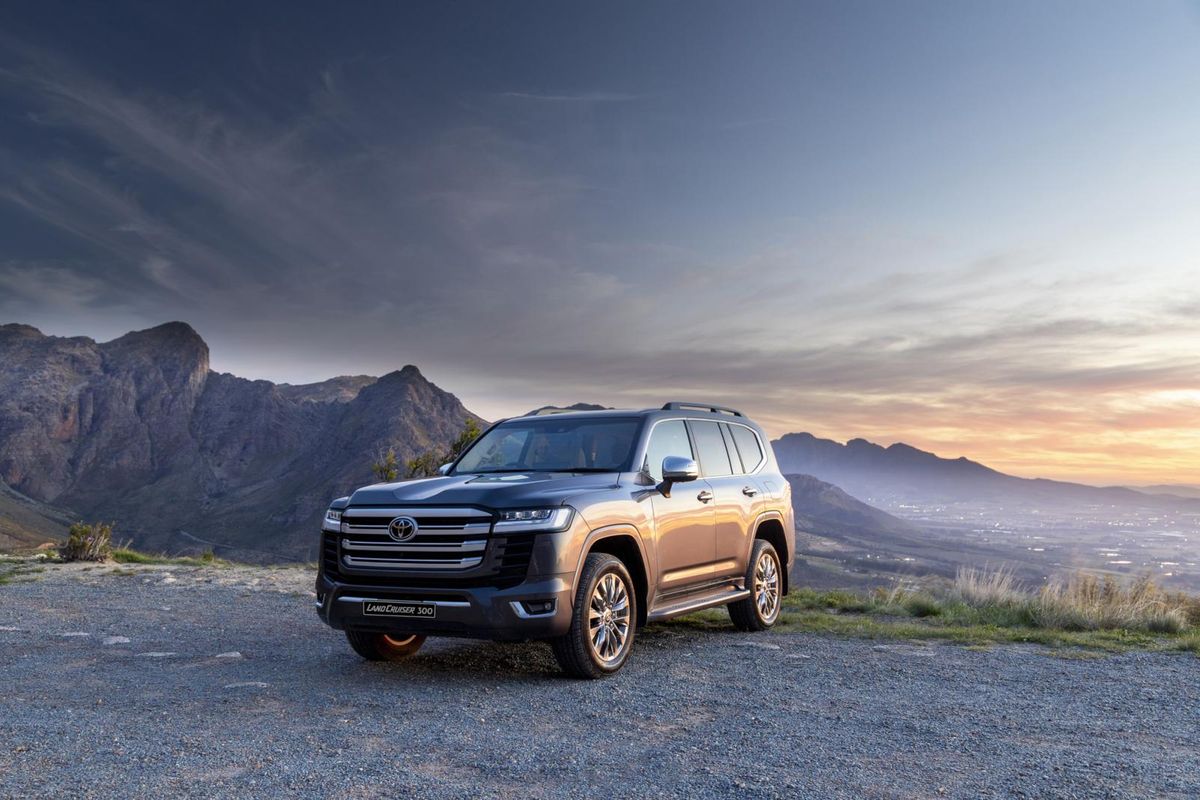
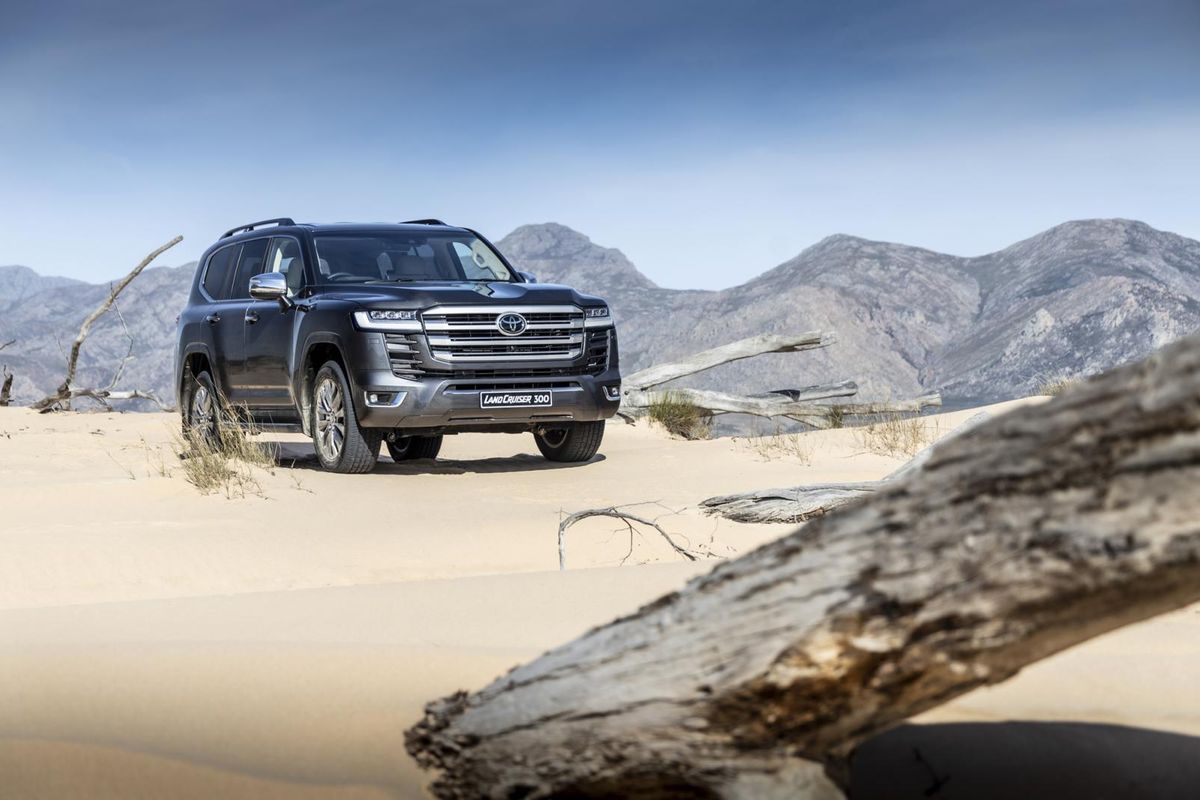
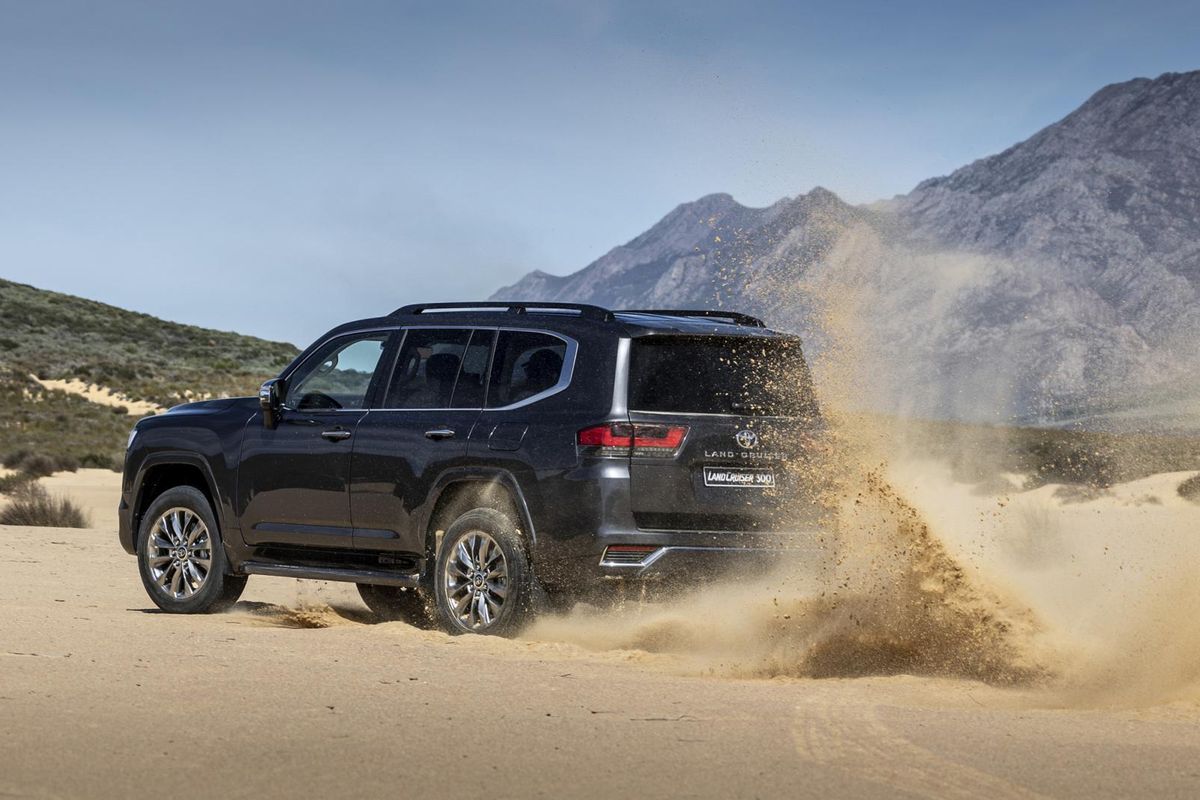
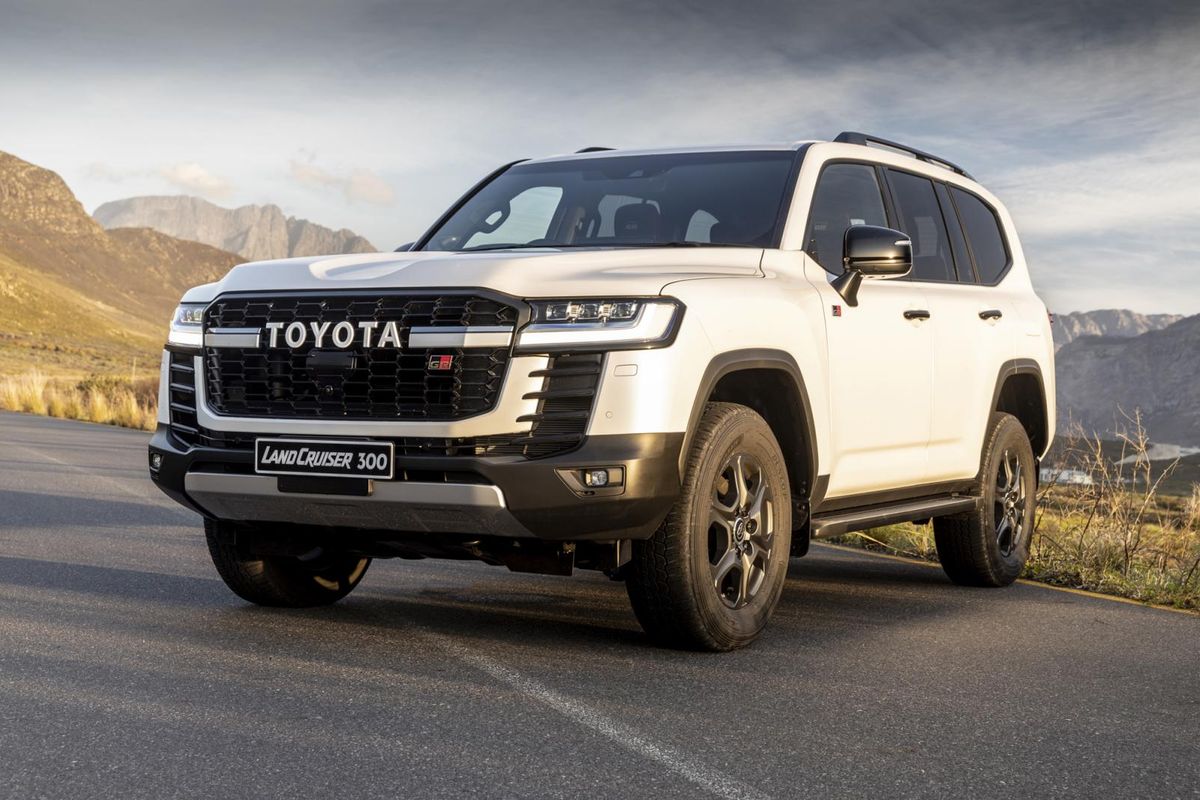
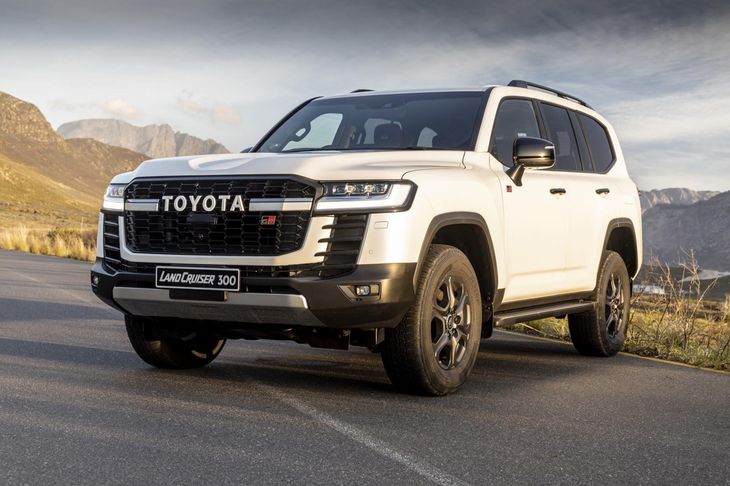
An all-new Toyota Land Cruiser does not come along very often… In fact, they tend to be on the market for a decade or longer before any meaningful changes are made to them. We were, therefore, excited to appraise the Land Cruiser 300 at its local launch in the Western Cape, where we tested it over the course of 3 days.
What’s new on the Land Cruiser 300?
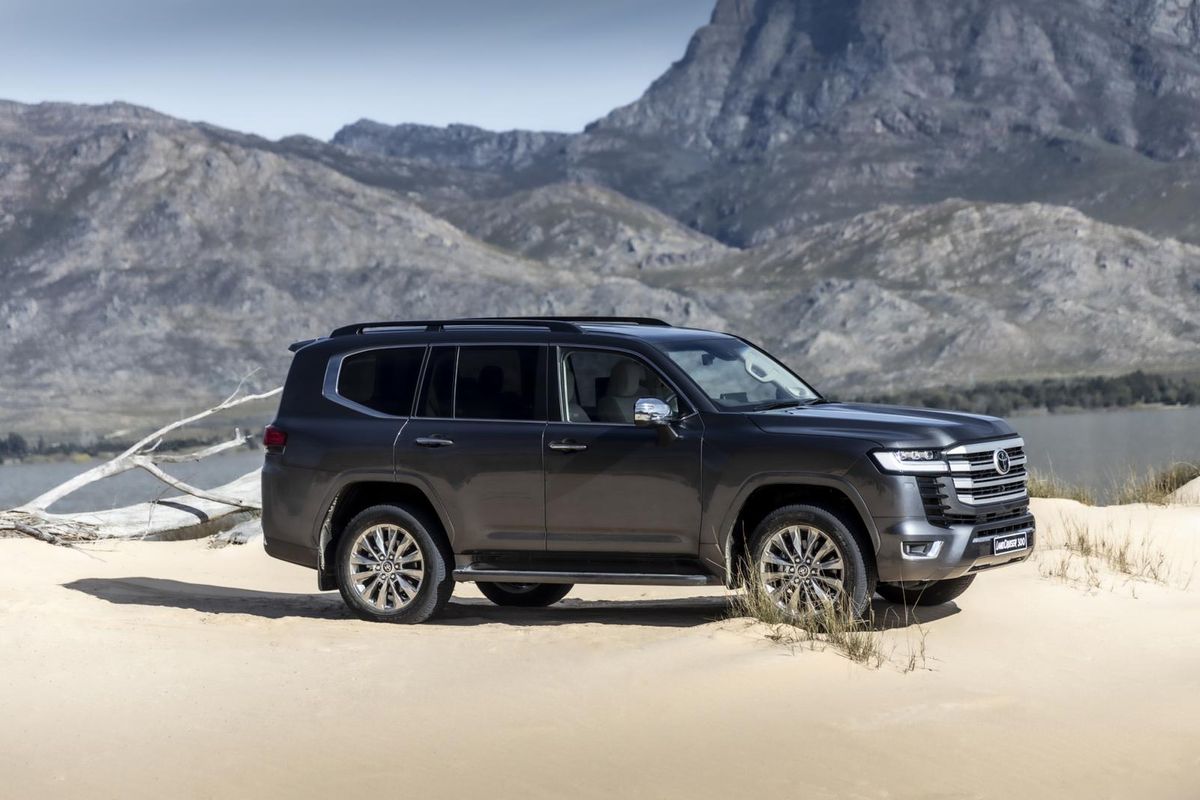
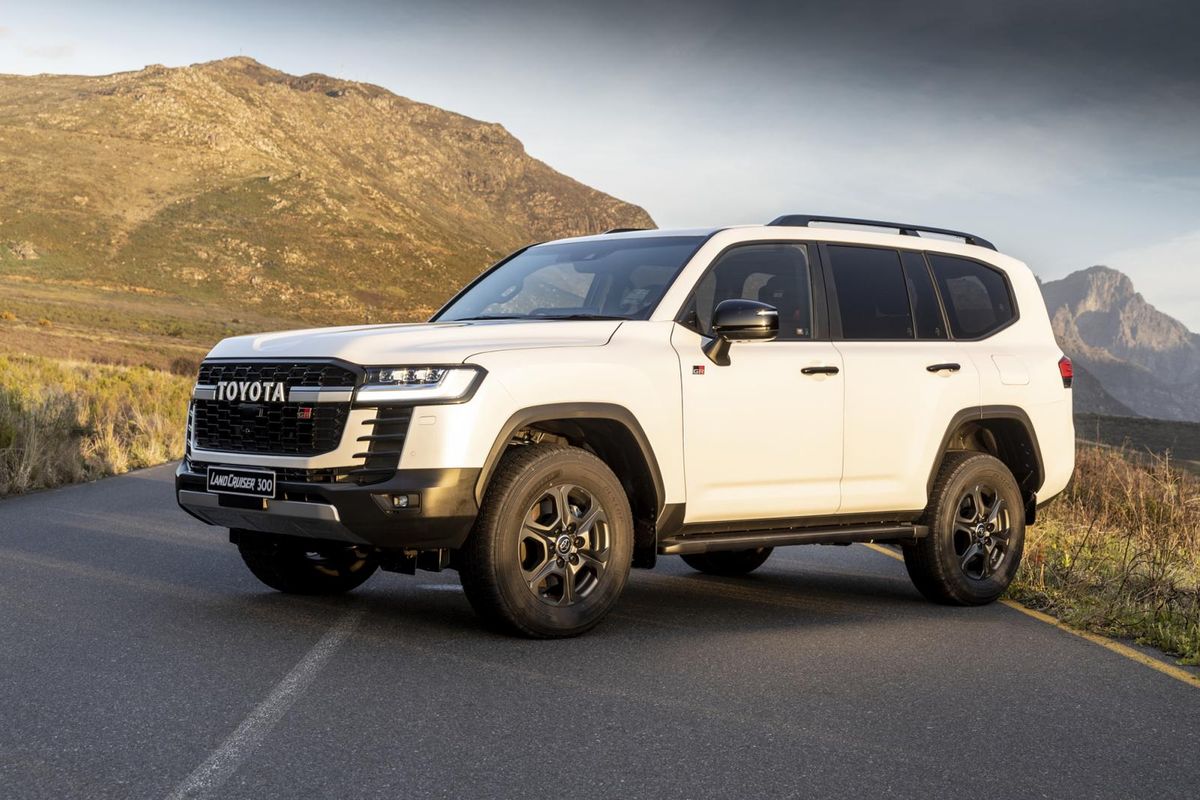
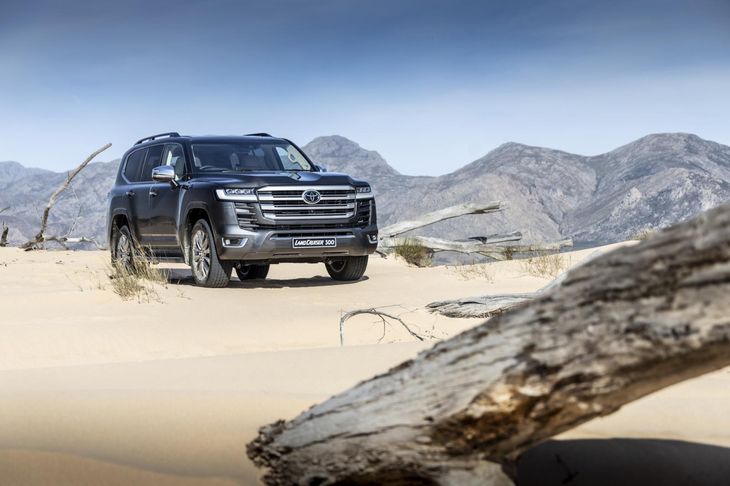
This ZX version is aimed at the luxury buyer where the GR Sport model is for the off-roader.
In Africa, the Toyota Land Cruiser has well and truly earned its stripes. It’s renowned as a vehicle with which you can travel to the most remote locations on the planet – one that can overcome virtually all the road (and off-road) obstacles that it might encounter along the way to its destination… and then transport you back to where the journey began without suffering as much as a minor mechanical glitch.
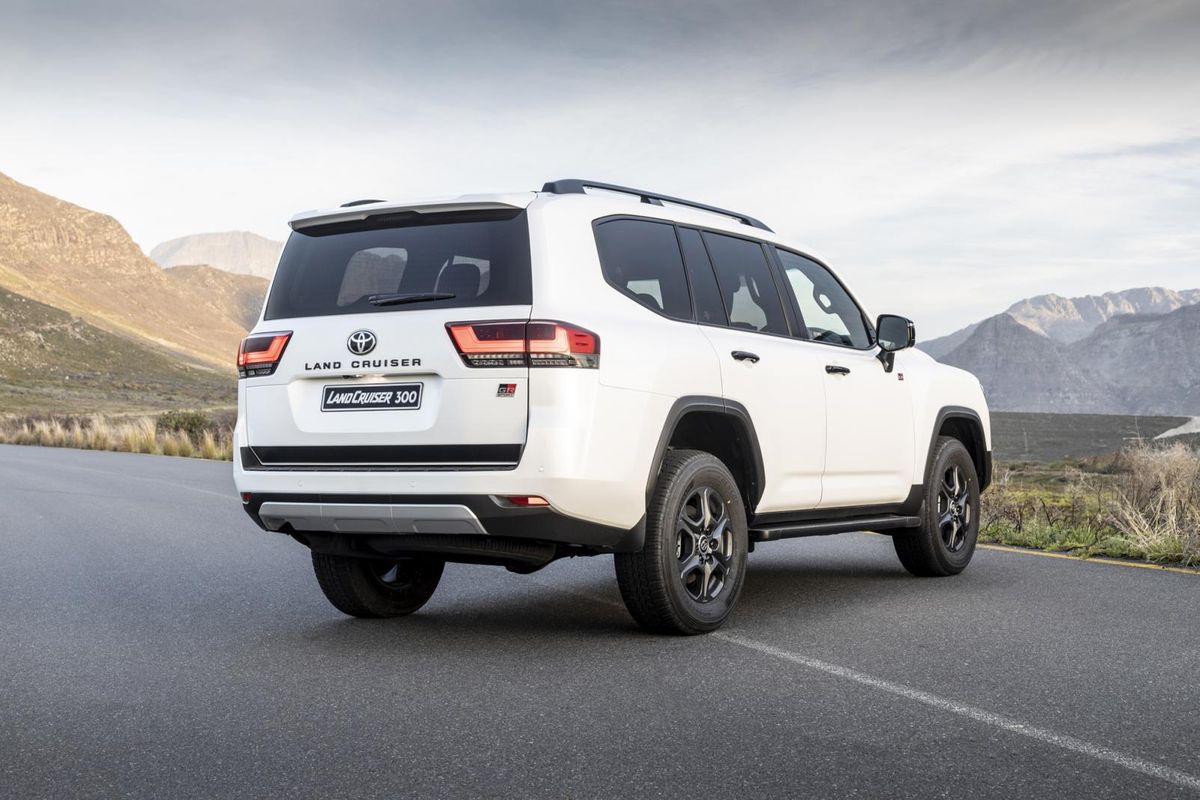
This new Land Cruiser 300 (LC300) utilises all-new underpinnings, but retains a ladder-frame style chassis, which is something its (unibody-based) rivals eschew. It has one of two brand new engines under the bonnet, a reworked suspension and electronic damping setup and some 200 kg have been shaved off its overall weight. Don’t be fooled, however: the kerb weight is still a massive 2.6 tonnes.
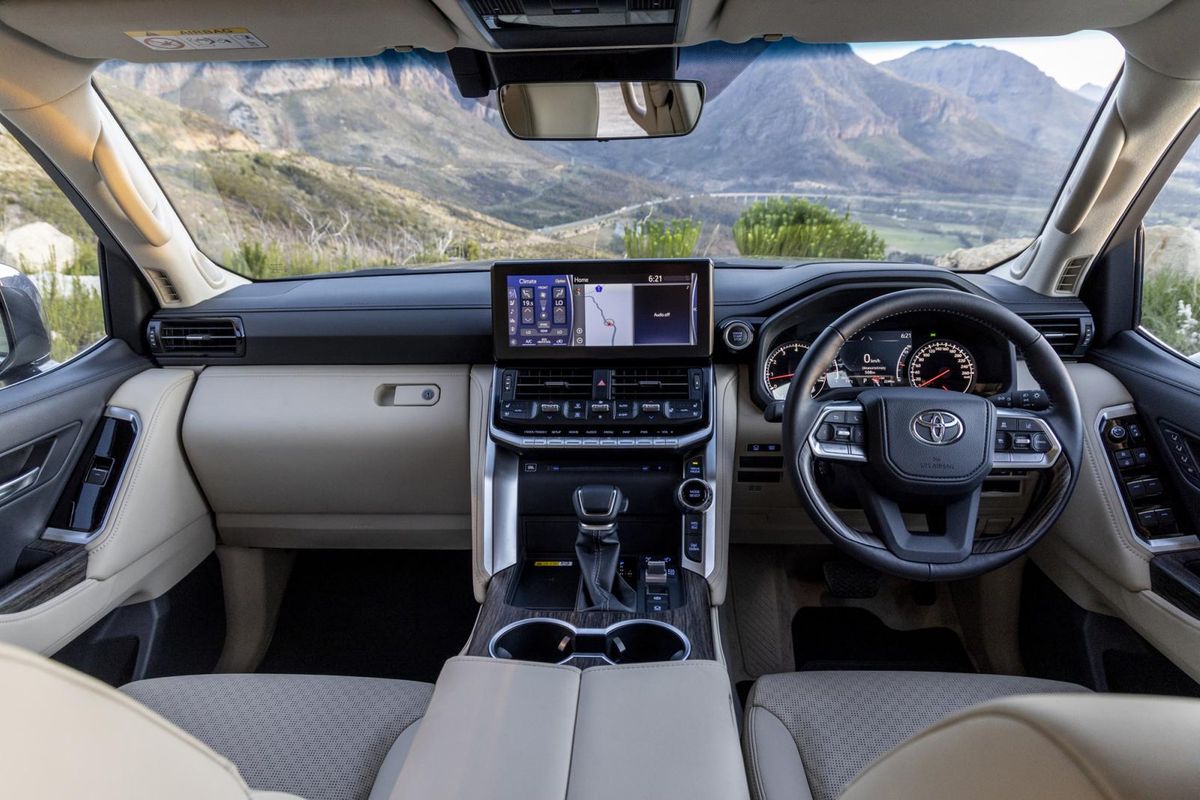
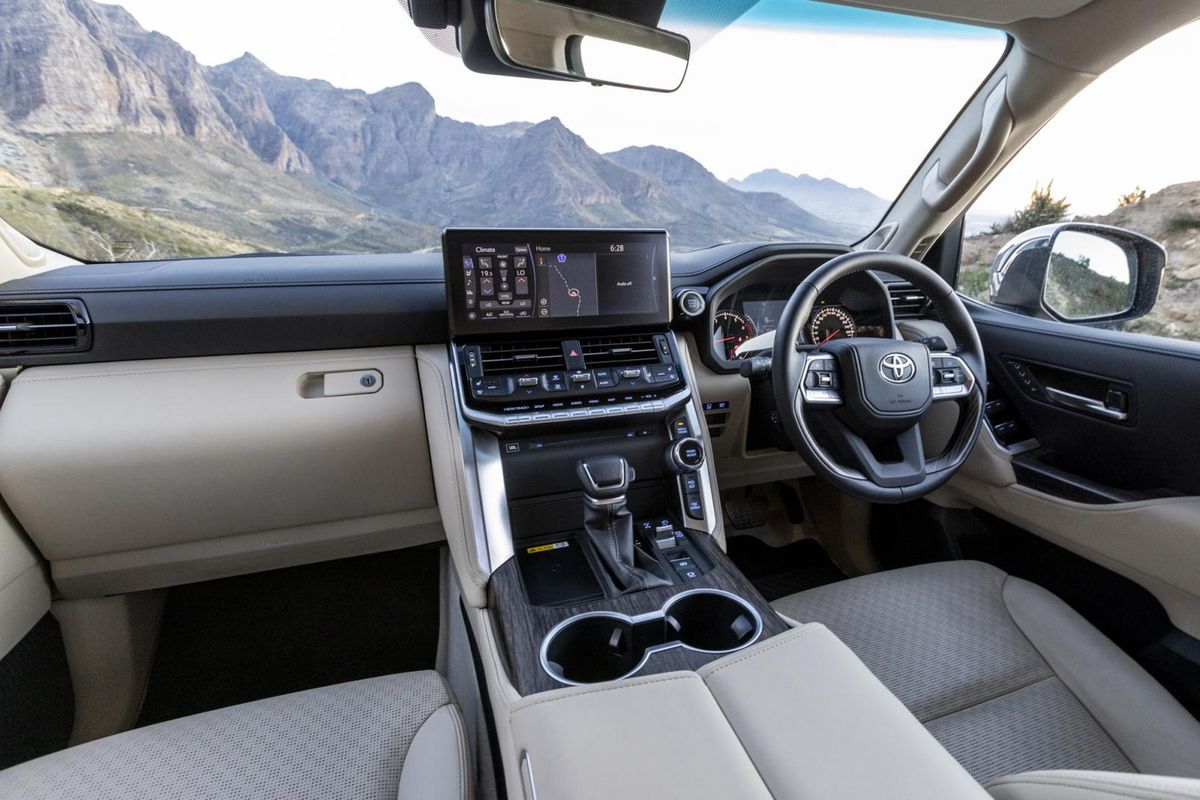
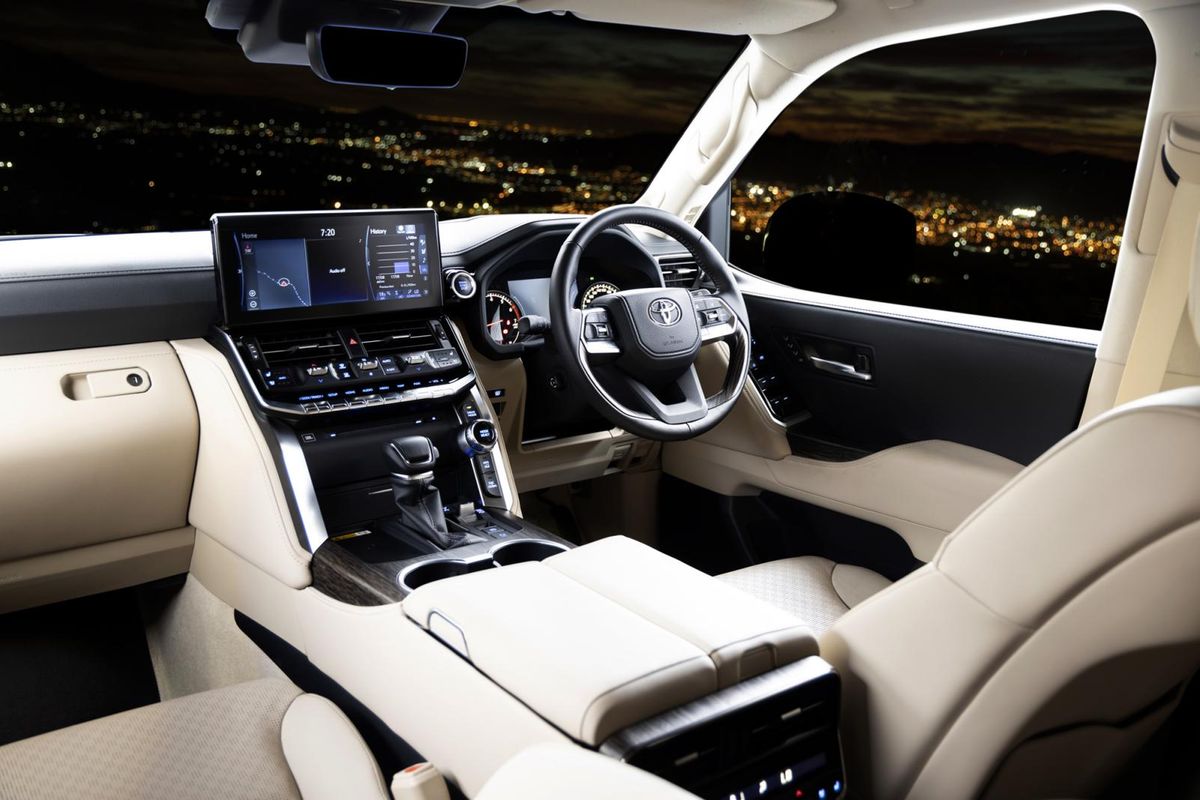
The interior from Noah’s Ark (sorry, Land Cruiser 200 acolytes) has been replaced with a modern cabin that’s fitted with most of the connectivity and convenience features you would expect.
A few new names have joined the range’s lineup, but most notably you can get a GR Sport derivative, which is an off-road-focused Land Cruiser 300 that best embodies what a Land Cruiser should be.
There is a lot to get through in terms of new bits of kit on the LC300 (as you would expect when a new Cruiser only comes around every 13 years!) so the following is just a highlights package.
Both the ZX and GR Sport derivatives are available with either a turbopetrol or turbodiesel motor.
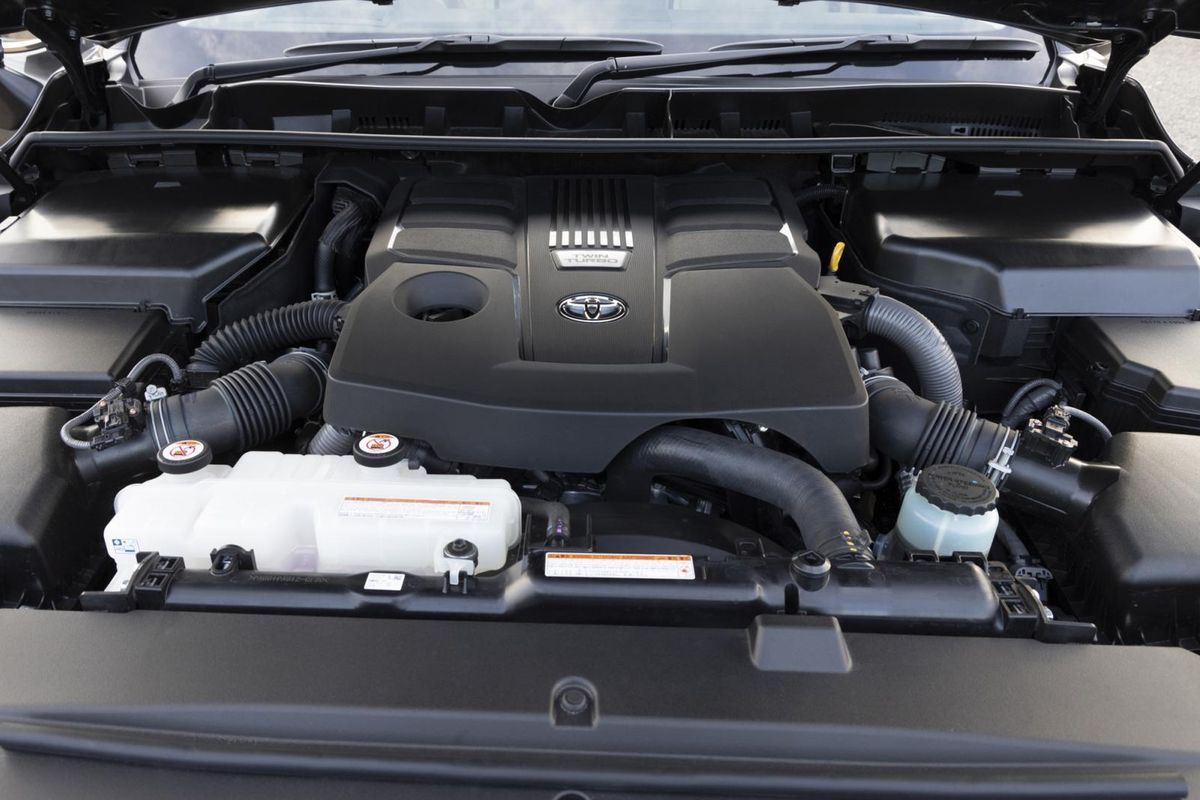
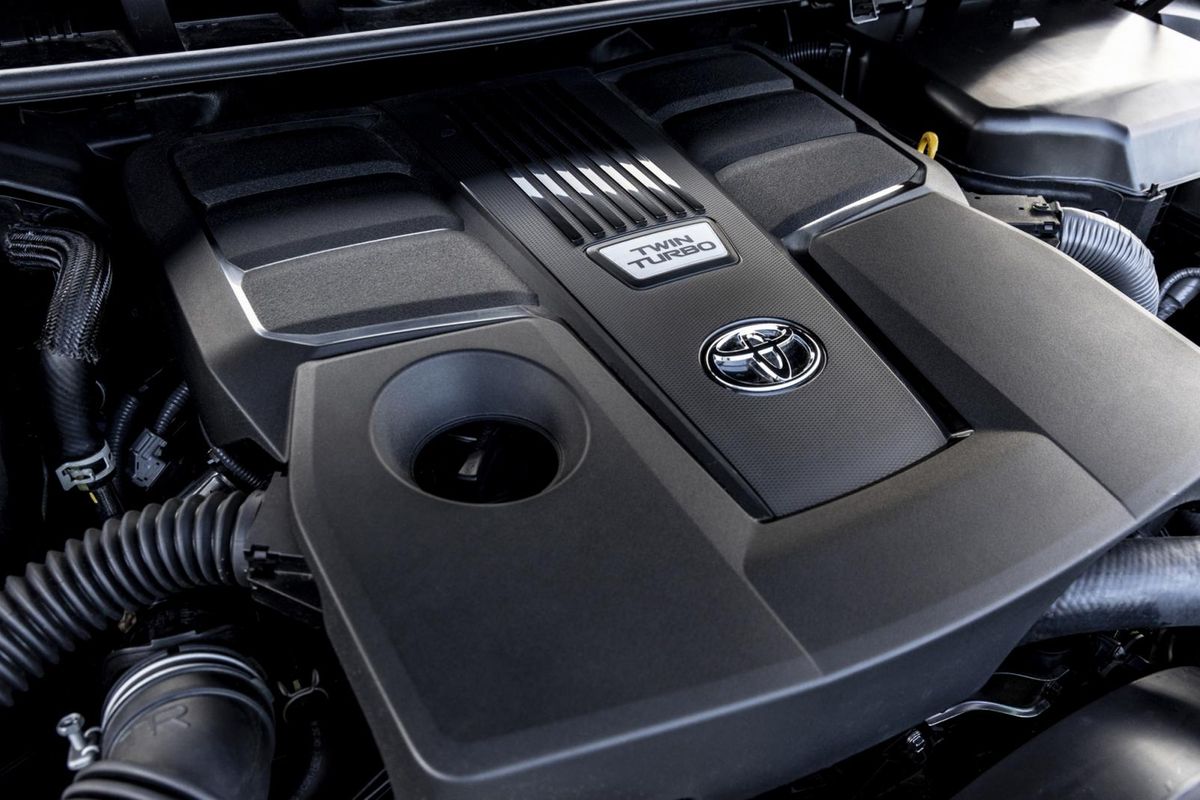
Yes, there has been some downsizing in the new Land Cruiser 300’s engine lineup, but, not to the extent that a lot of its rivals have gone to. On the petrol front, a twin-turbo 3.5-litre unit is employed in tandem with a 10-speed automatic transmission to deliver peak outputs of 305 kW and 650 Nm of torque. This engine pulls eagerly and smoothly right the way through the rev range, delivering relaxing – but nonetheless brisk – acceleration. The 10-speed ‘box is perfectly suited to its requirements too; it seamlessly delivers shifts (devoid of harshness or clunkiness) when moving up or down the range. Maintaining freeway speeds is a doddle, but seeing as the Toyota weighs all of 2.6 tonnes, you may, on occasion, need to flatten the accelerator pedal to complete swift overtaking manoeuvres.
The claimed average fuel consumption for the petrol version is 12.1 L/100 km, but after 3 days of driving in mixed conditions, the indicated figure displayed in the instrument cluster (of the test unit we drove) had only just crept into the 16L/100 km zone. Suffice to say the petrol-fed Land Cruiser 300 is thirsty, but when fully fuelled, the Toyota does have a sizeable (130-litre) tank to empty.
The turbodiesel unit makes use of a 3.3-litre V6 with maximum outputs of 225 kW and 700 Nm of torque. It’s clear that Toyota has worked hard to ensure that its engines deliver smooth and consistent power across the rev range rather than trying to make them feel like performance engines that simply deliver a lot of torque early on (to make them feel fast)… and little shove thereafter.
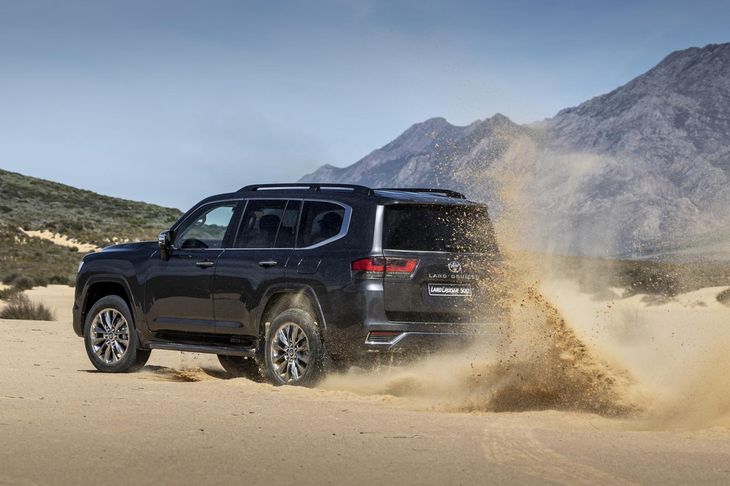
The 10-speed automatic transmission feels just at home in the turbodiesel version of the Land Cruiser 300; its calibration keeps the engine spinning nicely in its torque band. Whereas the turbopetrol derivative felt like the default option for dune driving in the Land Cruiser 200, it now makes no difference which engine you choose as there’s plenty of power available from both units.
The turbodiesel LC300 certainly uses less fuel than its petrol counterpart. It has a claimed consumption of 8.9 L/100 km and, after traversing the same terrain as we did in the aforementioned petrol-fed test unit, we saw a (relatively) admirable indicated efficiency figure of around 11L/100 km.
What’s the difference between GR Sport and ZX?
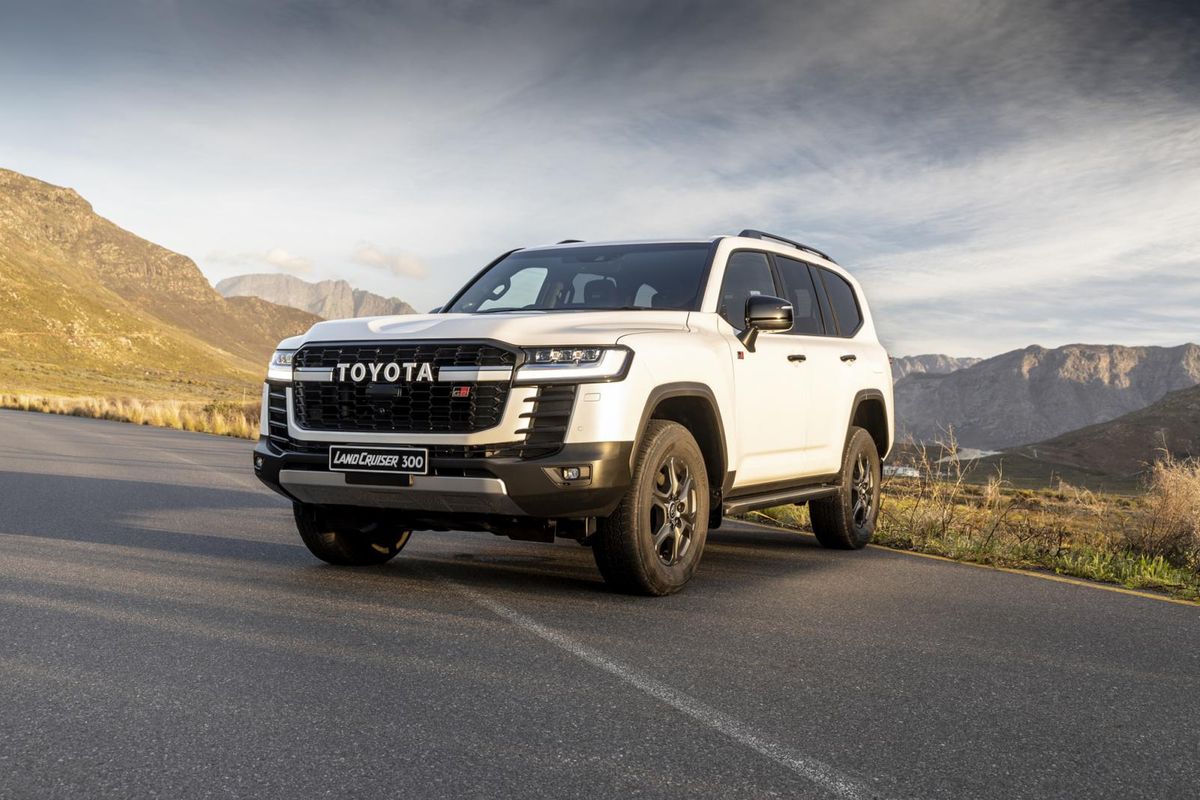
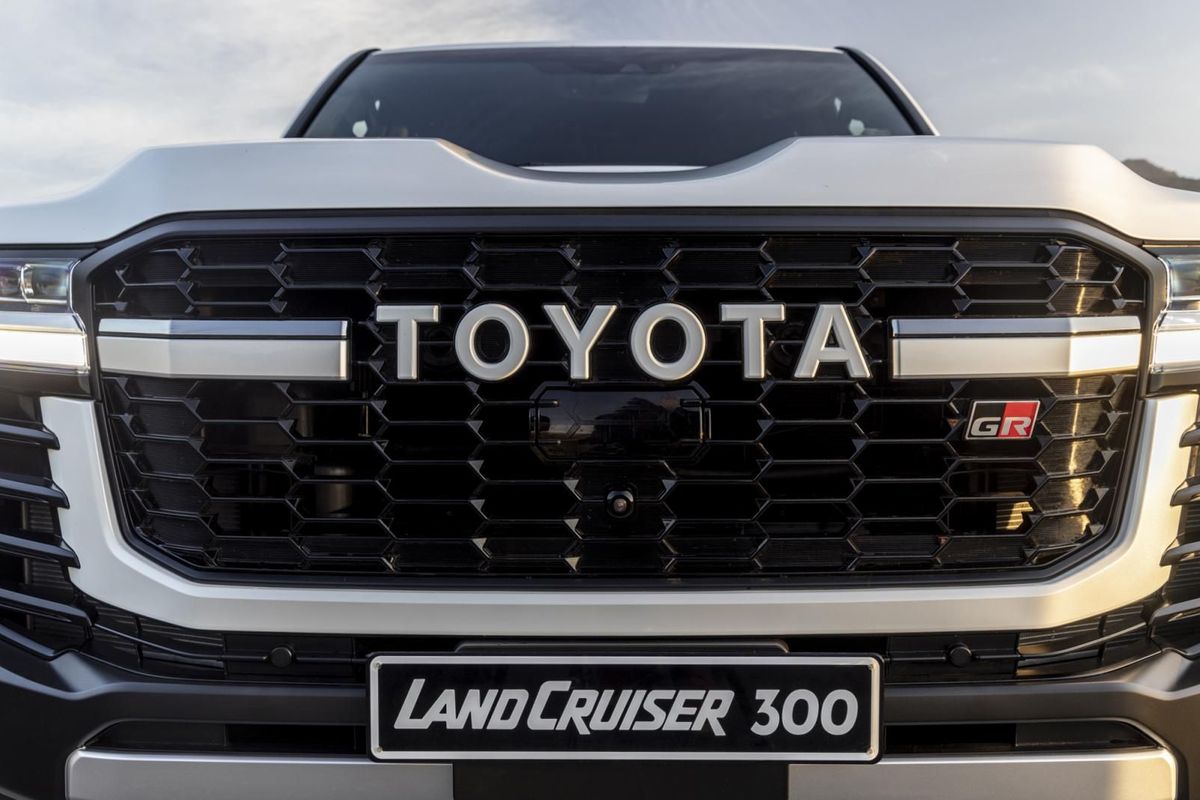
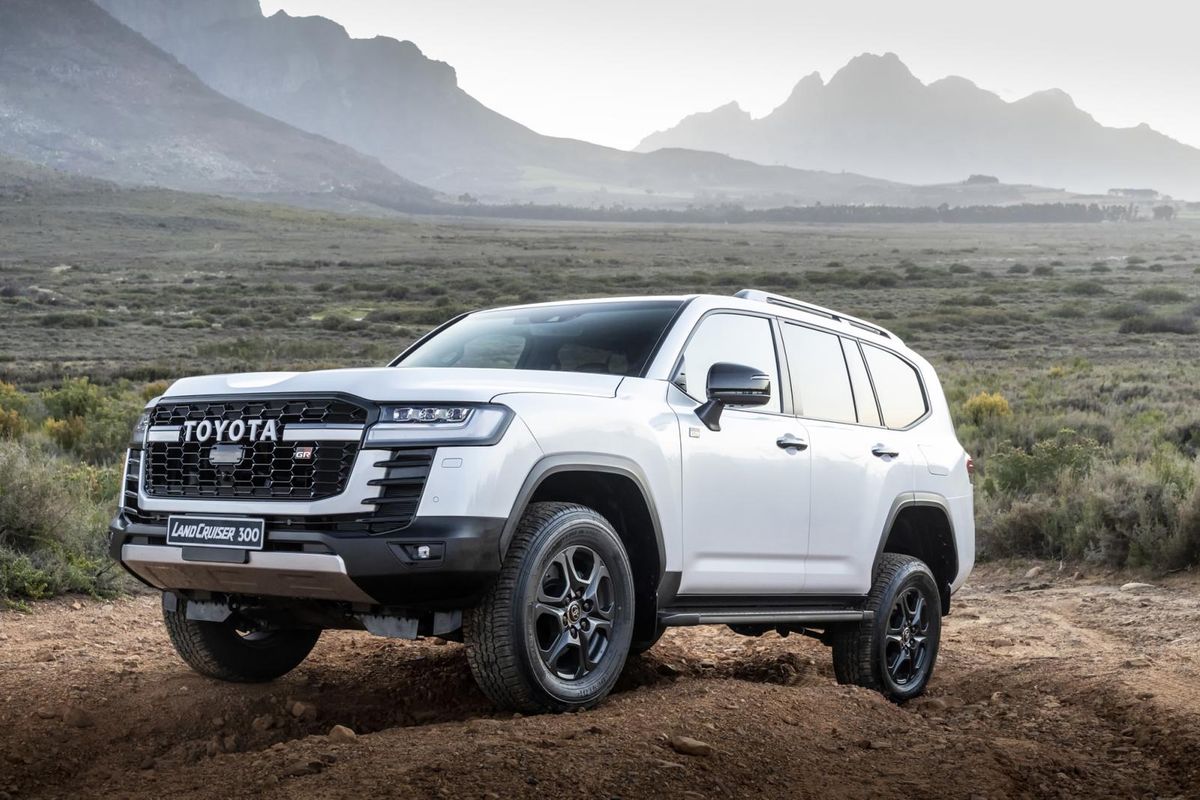
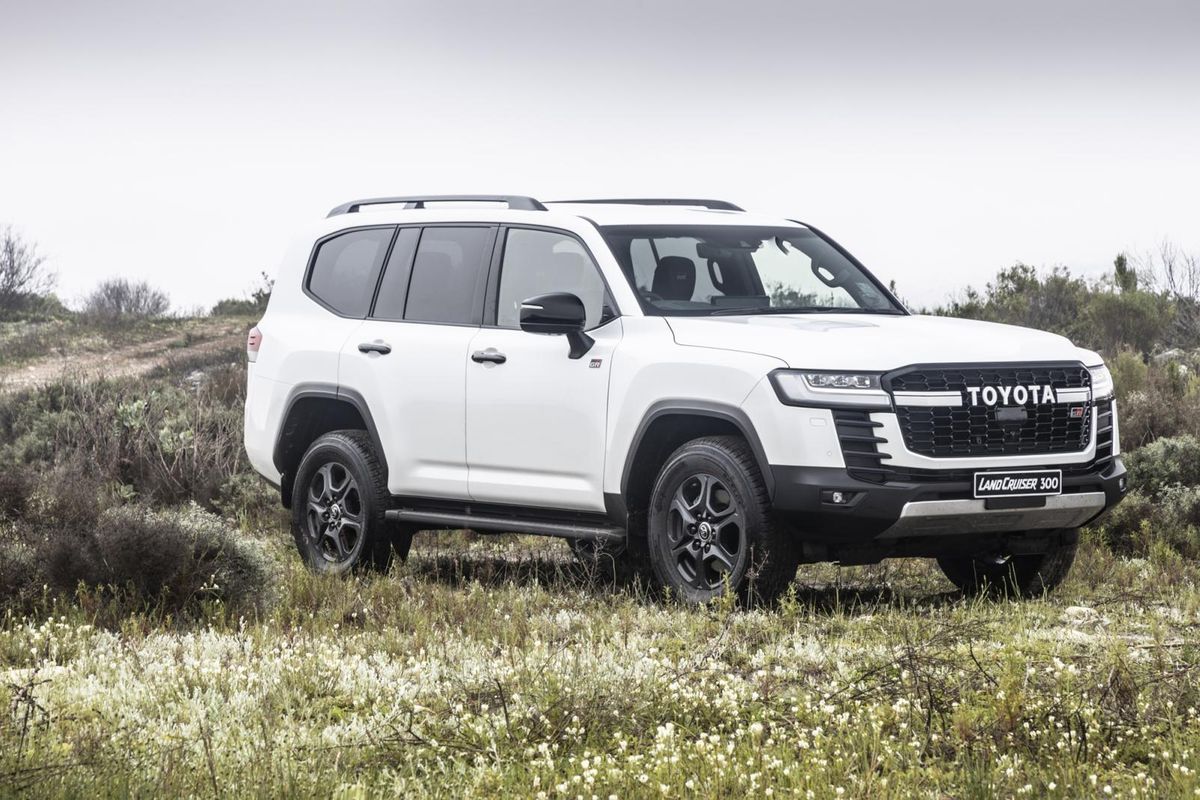
The GR Sport has a blacked-out grille and alloy wheels as well as different badging on the front.
The GR Sport, with its blacked-out grille and alloys, is an off-road biased derivative, but it’s still equipped with all the ZX’s features, apart from a few metallic paint options and rear entertainment screens.
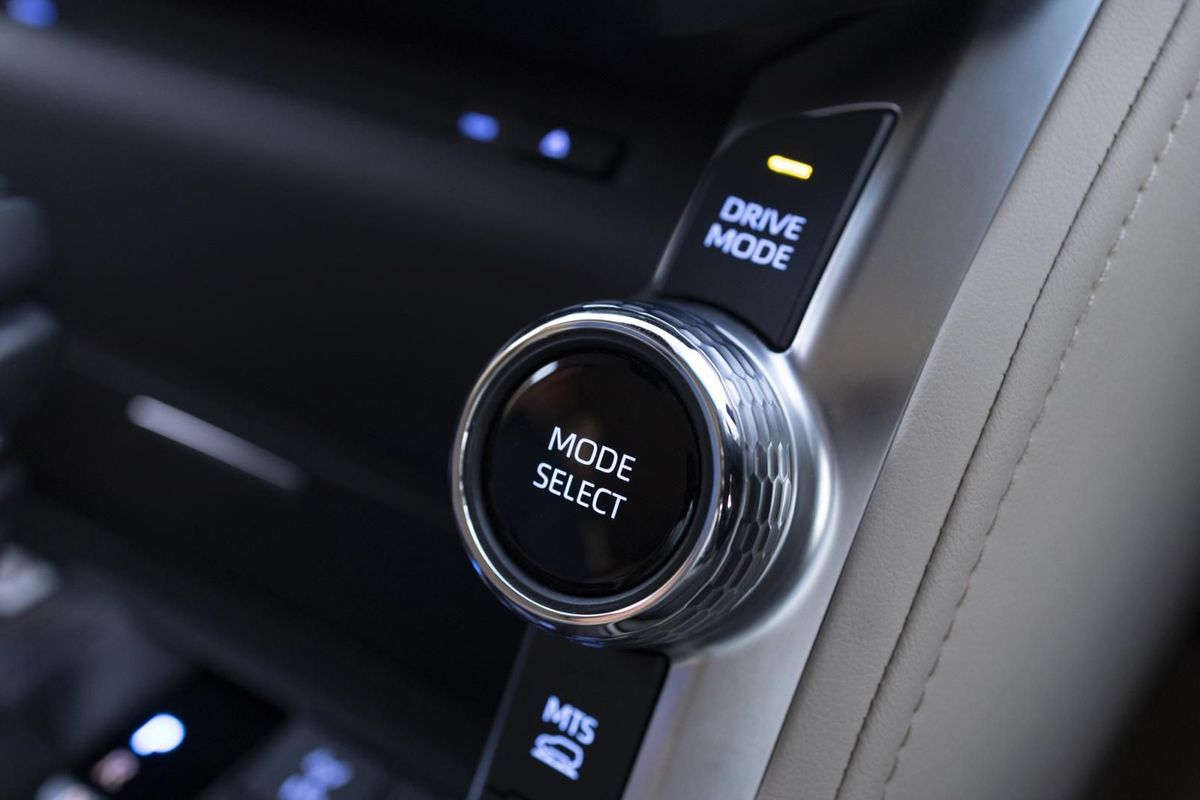
The GR Sport’s off-road-specific equipment includes smaller 18-inch wheels shod with tyres that have thicker sidewalls (265/65) for a more compliant off-road ride quality, front and rear locking differentials (the other models only have a rear diff lock) and the E-KDSS system. To explain it in the simplest way possible, the E-KDSS suspension system locks and unlocks the anti-roll bars. This allows the wheels an extra 30 mm of articulation compared to the models fitted without the system. The system is now electronically controlled via an off-road mode selector dial.
Is the Land Cruiser 300 luxurious inside?
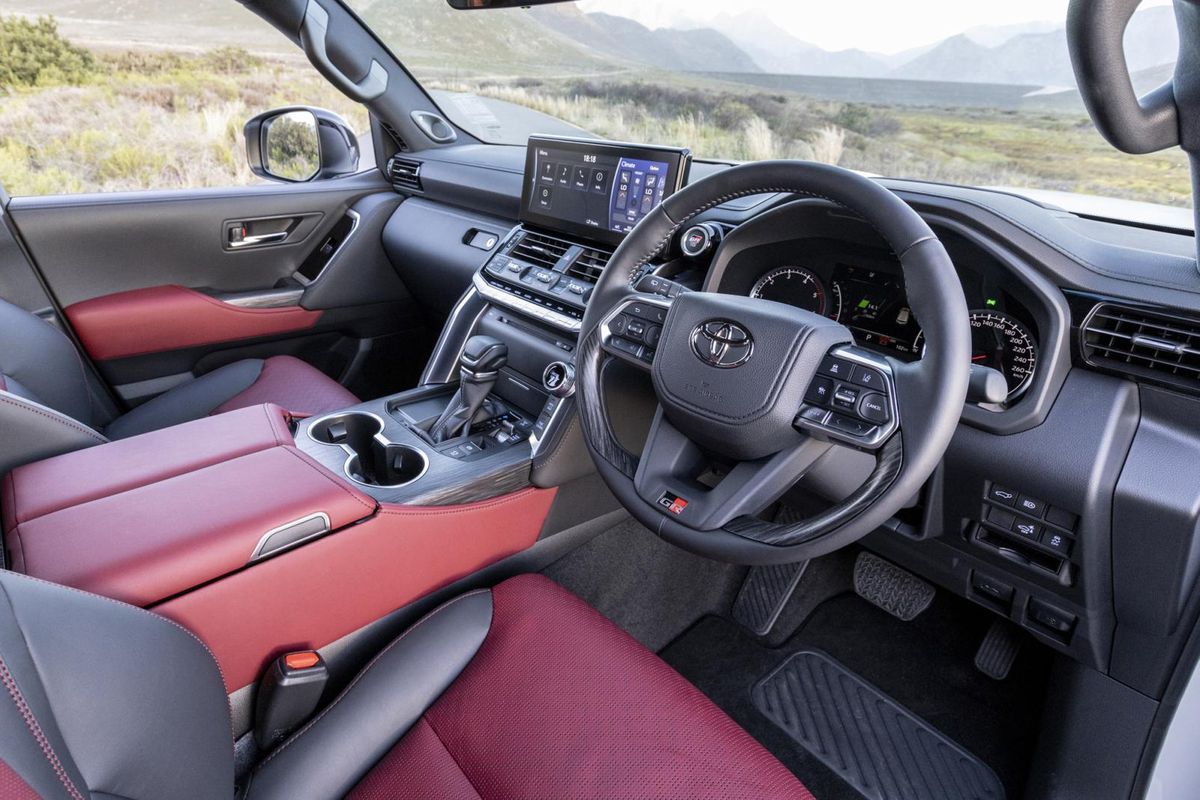
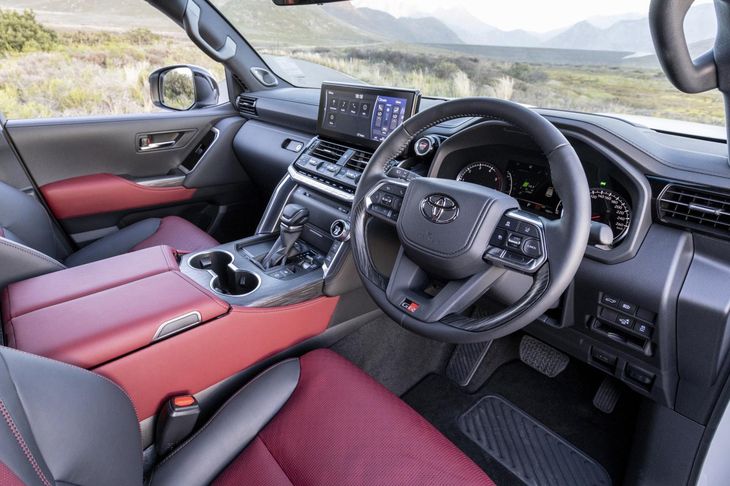
Three interior trim options are available: white, black and this red colour, which is exclusive to the GR Sport model.
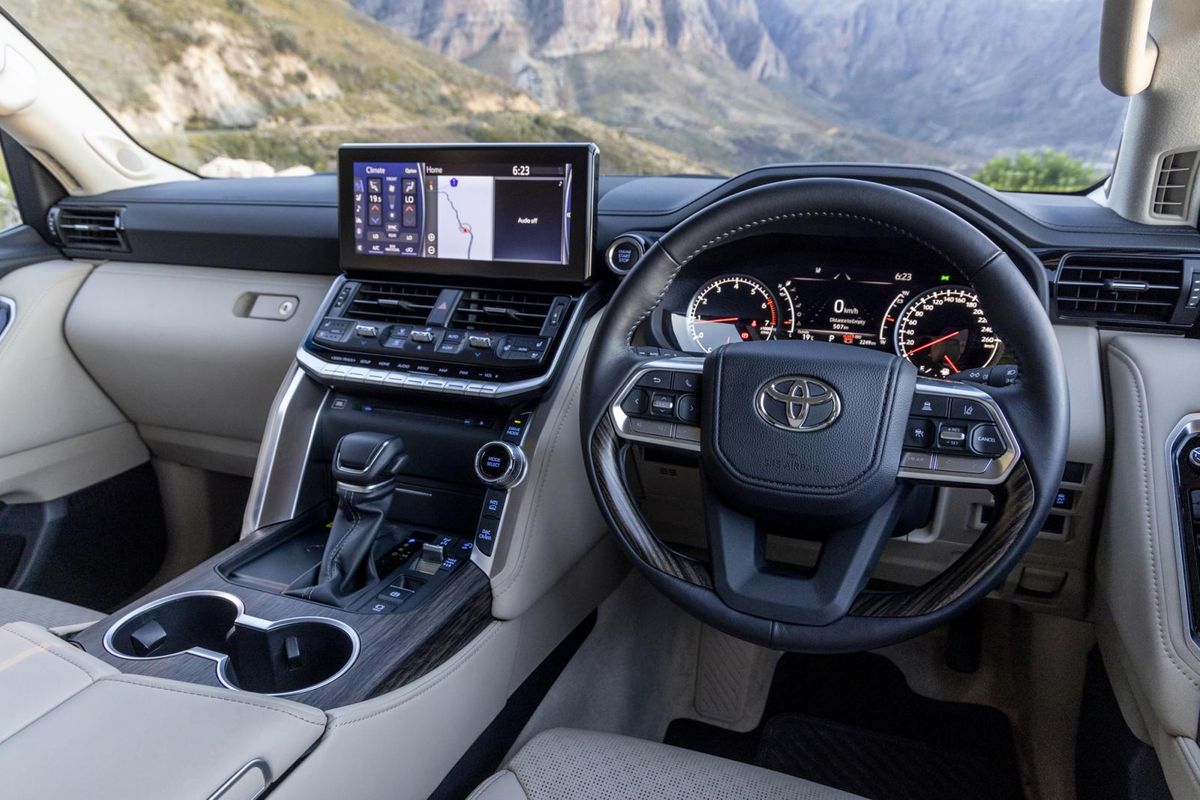
By virtue of its modernised cabin architecture – as well as the numerous connectivity options it offers, the Land Cruiser 300’s interior represents a quantum leap over that of its venerable 200-series predecessor. We drove both the ZX and the GR Sport derivates, which have largely similar specifications inside.
The outer areas of the cabin are covered in soft-touch leather, which is neatly stitched and spread out across the doors and dashboard. The armrest/centre console is huge and opens from both driver and passenger side. Inside it is a fridge compartment that’s cold enough to be called a deep freeze, while the front cupholders could easily accommodate supersized McDonald’s shakes. The wood-trimmed cupholder- and transmission lever surround wasn’t as convincing as the rest of the cabin materials, while the “brushed aluminium” plastic surrounds of the centre fascia tended to reflect sunlight quite badly.
The climate-control settings can be adjusted via either the infotainment touchscreen or the row of buttons just below it (you can also use the latter to activate the front seats’ heat and cooling functions and even warm up the steering-wheel rim).
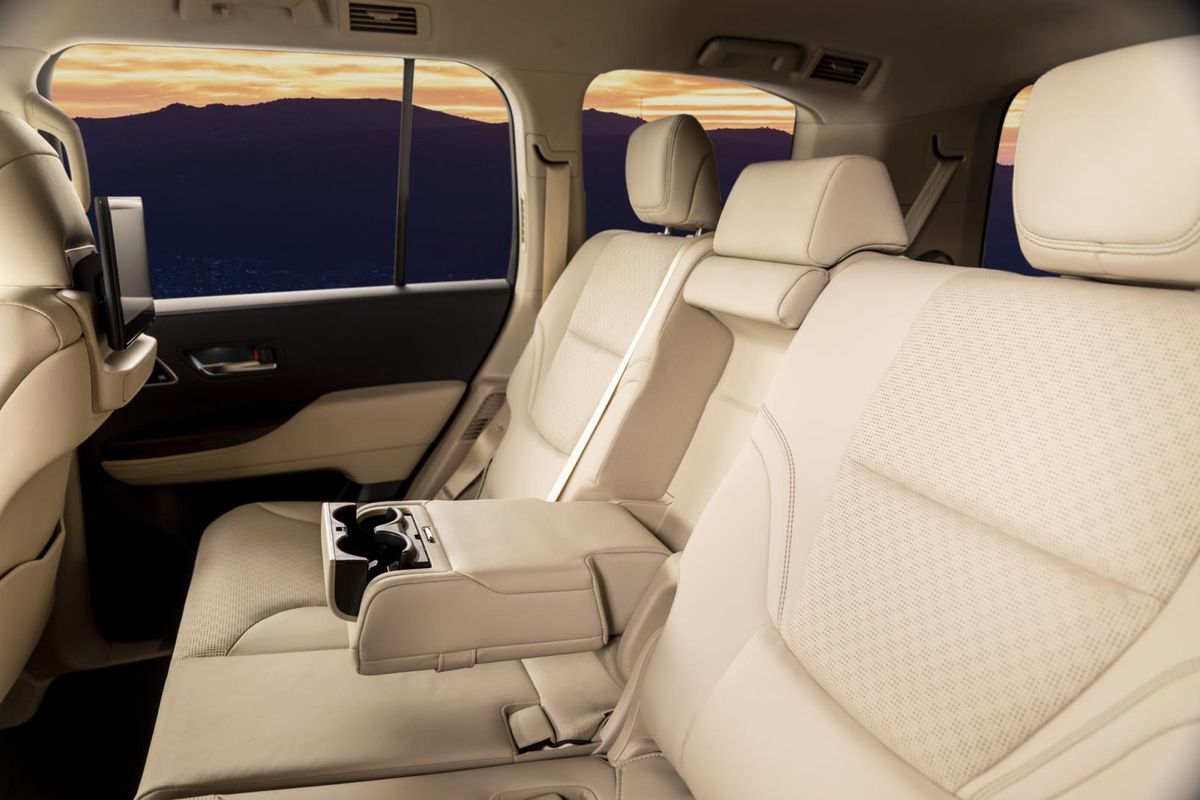
Rear passengers are availed dual-zone climate control too, as well as heated and cooled seats. Rear legroom is Business Class-esque with the ability to recline the seatbacks. The ZX derivative additionally features rear screens with Wi-Fi connectivity and wireless headphones.
What’s the tech and safety like?
In the ZX derivative, a pair of entertainment systems are availed to rear-seat occupants.
There’s nothing groundbreaking in the Land Cruiser 300 in terms of new tech introductions, but the newcomer offers everything available as standard on the ZX and GR Sport derivatives. A wireless charging pad and two USB ports (one USB-C and one USB-A) are fitted at the front but, whereas the infotainment system supports Android Auto and Apple Carplay smartphone screen-mirroring technology, it only works if a phone via a cable connection. Three USB ports are spread out in the rear, while there are two 12V outlets as well as a 2-pin 220V plug-point in the load bay.
Interestingly, the 3rd row of seats can be folded down electronically, but there isn’t an option for an electric foldaway towbar.
Meanwhile, Toyota has installed the full suite of safety features in the LC 300, which includes all the basics as well as park-distance control with 360-degree camera views, vehicle sway control, lane-keeping assistance and adaptive cruise control. The sensitivity of the lane-keeping assist is adjustable, but we found the system quite invasive when trying to overtake slower traffic when it would forcibly nudge you back towards your lane by gently braking the outer wheels, which is (obviously) not ideal. Thankfully the system can quickly be turned off by holding down a button on the steering wheel for 3 seconds.
What’s the Land Cruiser like to drive?
The LC300 is much better on-road than the 200 but still leans towards comfort rather than sport.
Despite being underpinned by a ladder-frame chassis and not featuring air suspension – two aspects that appear to be in direct opposition to the newcomer’s segment rivals – the new Land Cruiser 300 rides well on all road surfaces. Its on-road handling ability is, by far, the biggest improvement over the 200-series, which was soggy and had exaggerated body roll at anything over 25 kph. The LC300 holds its body upright more assuredly and showcases better road manners, but its suspension errs on the side of comfort rather than sportiness, which is exactly what you would want from a luxury off-roader.
When traversing gravel and dirt roads, it’s notable how quiet the Land Cruiser is; its cabin is well insulated from sound and dust. In terms of the ride quality, it’s pliant but composed and you would only notice slightly more harshness than in a Premium SUV if you are familiar with how good the air suspension systems of the Land Rover Discovery and -Defender are. Obviously, air suspension comes with its own complexity and reliability issues – those are problems that Toyota naturally wanted to circumvent in a vehicle whose owners would most certainly require it to journey far away from service centres at times.
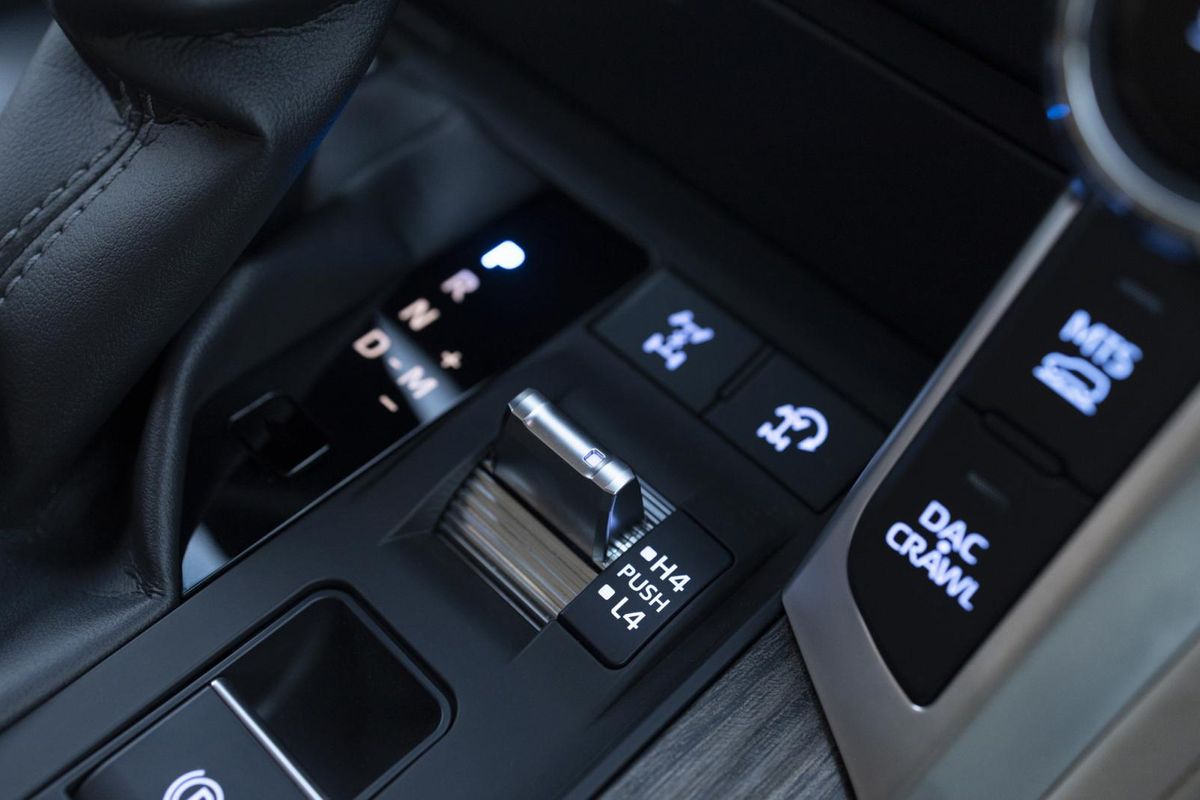
We didn’t really get to test the full breadth of the Land Cruiser 300’s off-roading abilities aside from a few beach dune passes and some short rocky climbs, which Toyota’s juggernaut breezed over without any issues whatsoever. Switching from 4-high to 4-low is as simple as toggling a switch next to the transmission lever and the terrain selection dial allows you to fine-tune the traction control and 4×4 system’s settings for the terrain you intend to traverse. It makes off-roading feel like a very simple exercise and, if you do ever get stuck, the Crawl function can get you out of nearly any situation.
Pricing and after-sales support
Land Cruiser 300 pricing starts from R1 283 200 for the GX derivative and climbs to R1 842 900 (September 2021) for the turbopetrol-powered GR Sport version. All derivatives are sold with a 3-year/100 000 km warranty and 9 services/90 000 km service plan, which can be extended at additional cost.
Summary
Currently, the Land Cruiser 300 has an 18-month waiting list.
Given that the local market’s demand for the Land Cruiser 200 remained stable for 13 years (or at least without suffering considerable fluctuations in that time), you’d expect that those luxury off-roader customers are just as excited to get their hands on the new Land Cruiser 300. A Land Cruiser owner tends to be a life-long buyer of the product and this new model is highly unlikely to disappoint them. The improvements to the on-road driving experience have been well implemented to improve the big Toyota’s handling, but without the loss of the hard-earned off-road capability that it’s renowned for.
The interior is modern and luxurious save for a few small sections of plastic that feel out of place. There’s also much better levels of tech and connectivity, which buyers now demand at this price point.
The drivetrain and long-distance comfort are the highlights of the package. Despite the petrol version’s relatively high thirst, the smooth power delivery and slick-shifting 10-speed transmission really lift the Land Cruiser 300 into the upper tier of the Premium SUV segment; previously, it was mostly considered as an off-roader and not a real threat to the likes of the Range Rover/BMW/Mercedes-Benz SUVs.
It’s just a pity that the semi-conductor shortage has caused huge production delays. As things stand, if you order a Land Cruiser 300 today, you’re only likely to take delivery of it at some point in 2023.
Audi RS Q8 Review – Cheaper than its rivals…but better?
Ciro De Siena gets to grips with one of the world’s fastest and most powerful SUVs; the Audi RS Q8.
Audi has built a name on fast wagons and now, with the RSQ8, they’re hoping those expertise and that reputation translates into success in the world of unnecessarily powerful SUVs.
The Q8 was never what we would have described as slow, even with a diesel-burner under the bonnet. But moderate performance doesn’t cut it in a world where the BMW X5M, Mercedes-AMG GLE 63, Range Rover Sport SVR, Porsche Cayenne Turbos and Jaguar F-Pace SVR are all vying for motorists’ moolah.
And so the RSQ8 borrows heavily from the Audi RS6, with the same twin-turbo, 4.0-litre V8 up front, driving all four wheels. Air suspension is standard and some huge wheels are on offer; our test unit was riding on 23-inch alloys!
Our video guy Ciro De Siena had the Killarney racetrack in Cape Town all to himself which allowed him to make use of all those kilowatts and Newton’s meters, to bring you this review.
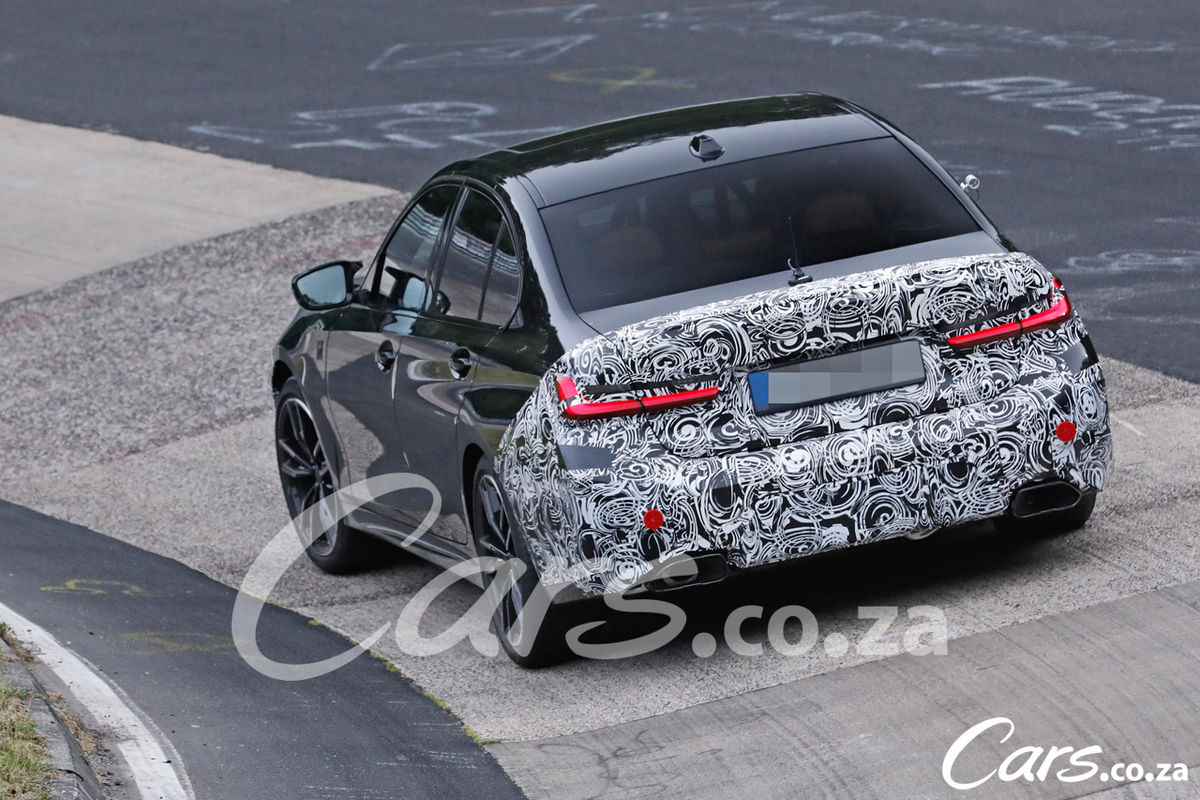
It seems only yesterday the BMW 3 Series was launched in South Africa, but after its local debut back in March 2019, work on the facelifted model has begun.
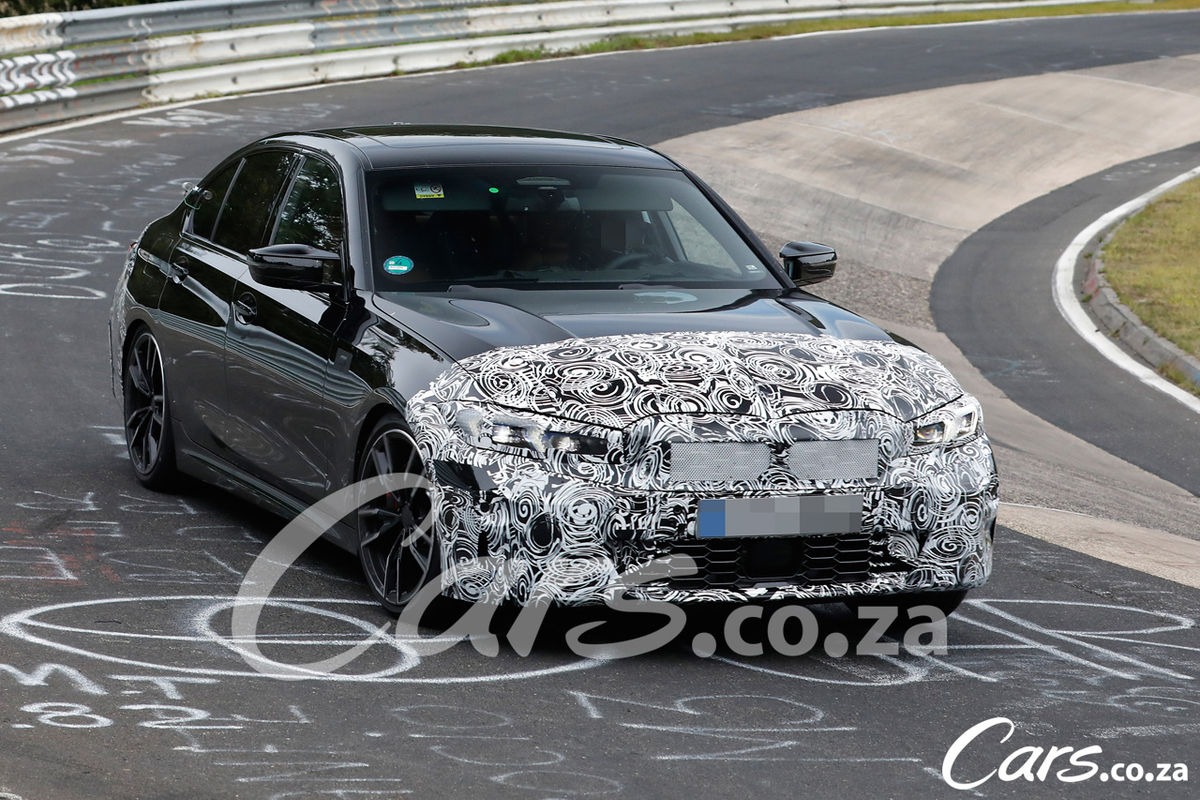
Picture credit: S. Baldauf/SB-Medien. We have paid for these photos and at the photographer’s request, have watermarked them.
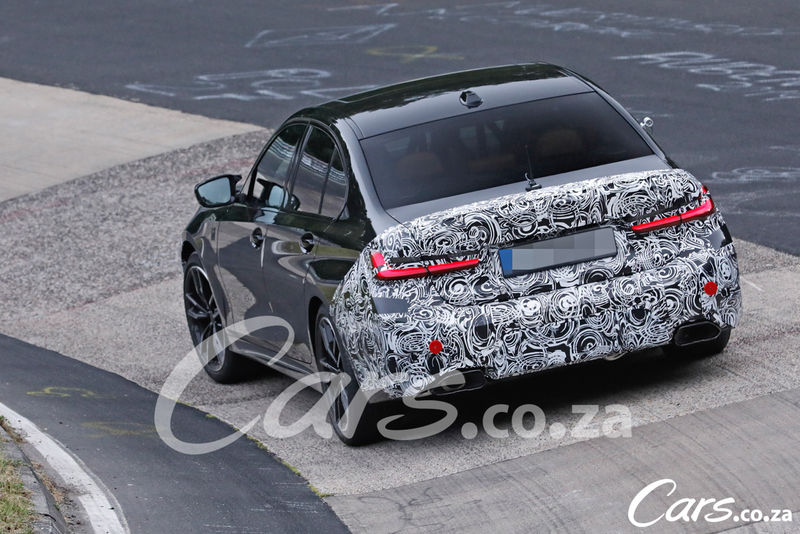
Our spy photographers spotted the 2023 BMW 3 Series LCI doing many laps at the Nurburgring recently. Despite the heavy camouflage, we can see the new front bumper, new headlights and at the rear, there are new taillights. Those exhausts look big, so we suspect this is the M340i derivative.
Visually, we’re not expecting anything too radical as far as design is concerned, but the real changes will be under the skin. If we were betting folk, we’d wager that BMW HQ has a brand-new Mercedes-Benz C-Class in its R&D centre and is thoroughly inspecting it. Given how advanced this C-Class is, we think the Munich-based brand will be interested in how to improve on the already competent 3 Series.
We’ve seen big advances from BMW with its new iDrive 7.0 with its large curved display and it would not surprise us if this made its way into the BMW 3 Series LCI straight from the iX electric family car.
Don’t expect too many radical changes as far as engines and gearboxes, as we suspect the current lineup of petrol and diesel engines will be carried over. European emission laws are getting stricter all the time, so we think the current powertrain range may receive mild hybrid technology to help reduce the CO2 levels and improve the fuel economy.
With Euro 7 standards looming, the future of models like the M340i and the diesel-powered 3 Series could be in doubt. As a reminder, the BMW 3 Series is no longer assembled in SA, with the BMW facility in Rosslyn building the X3 SUV for the global market as well as local consumption.