Nuts & Bolts – A Properly Useful Review of the new Mercedes-Benz G-Class 400d
Introducing a new video! We take a more in-depth look at the new Mercedes-Benz G-Class 400d.
A few weeks ago we published a video which we really enjoyed making, and it seems you enjoyed it too. We took the new Mercedes G-Wagon from a strip club in the middle of Cape Town all the way out to an offroad racetrack in the middle of nowhere, to prove that the G-Class really does fit in anywhere and everywhere.
In this follow-up video, we take a more in-depth look at the new G-Class 400d. Our video guy Ciro De Siena takes us through the new tech, the differences between this generation and the generation it replaces, we compare it in some ways to the new Land Rover Defender, and we help you with visual cues as to how to tell the old G-Wagon appart from the new one (which is a little tricky).
This video also represents a new format of video from us here at Cars.co.za, and we'd love to know what you think of it.
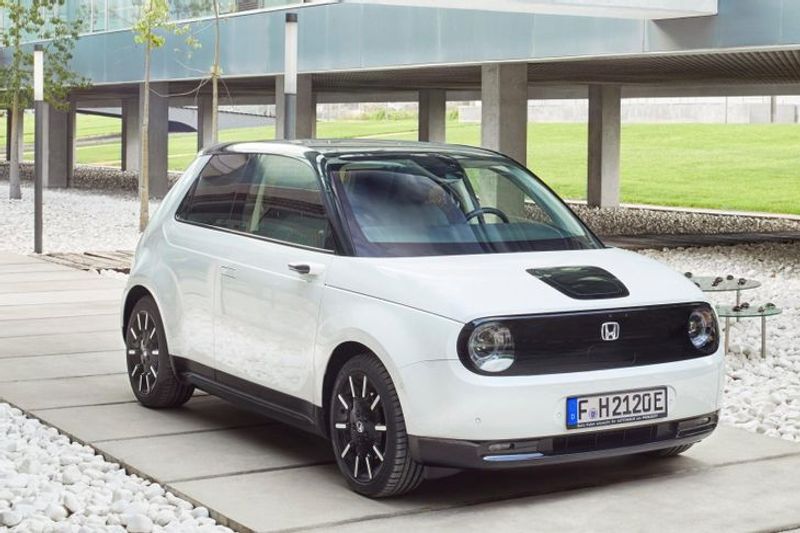
The top 3 finalists in the prestigious World Car Awards program have been announced, and it looks like the Land Rover Defender, new Toyota Yaris and Honda-e are strong frontrunners in their respective categories.
The awards program, which made its debut as far back as 2005 (which the Audi A6 won) will announce the final winners on Tuesday 20 April 2021. A jury of 93 distinguished international automotive journalists, including Cars.co.za's own Hannes Oosthuizen, selected the finalists by secret ballot based on their evaluation of each eligible vehicle as part of their professional work. KPMG tabulated the vote results.
The Top 3 finalists for each category are:
World Car of the Year
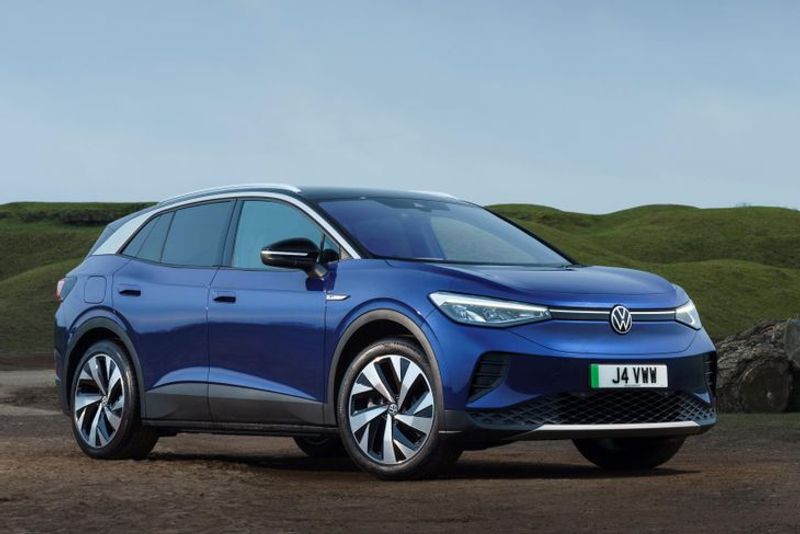
Volkswagen's crucial new EV, the ID.4 could add another World Car of the Year trophy to the German brand's cabinet.
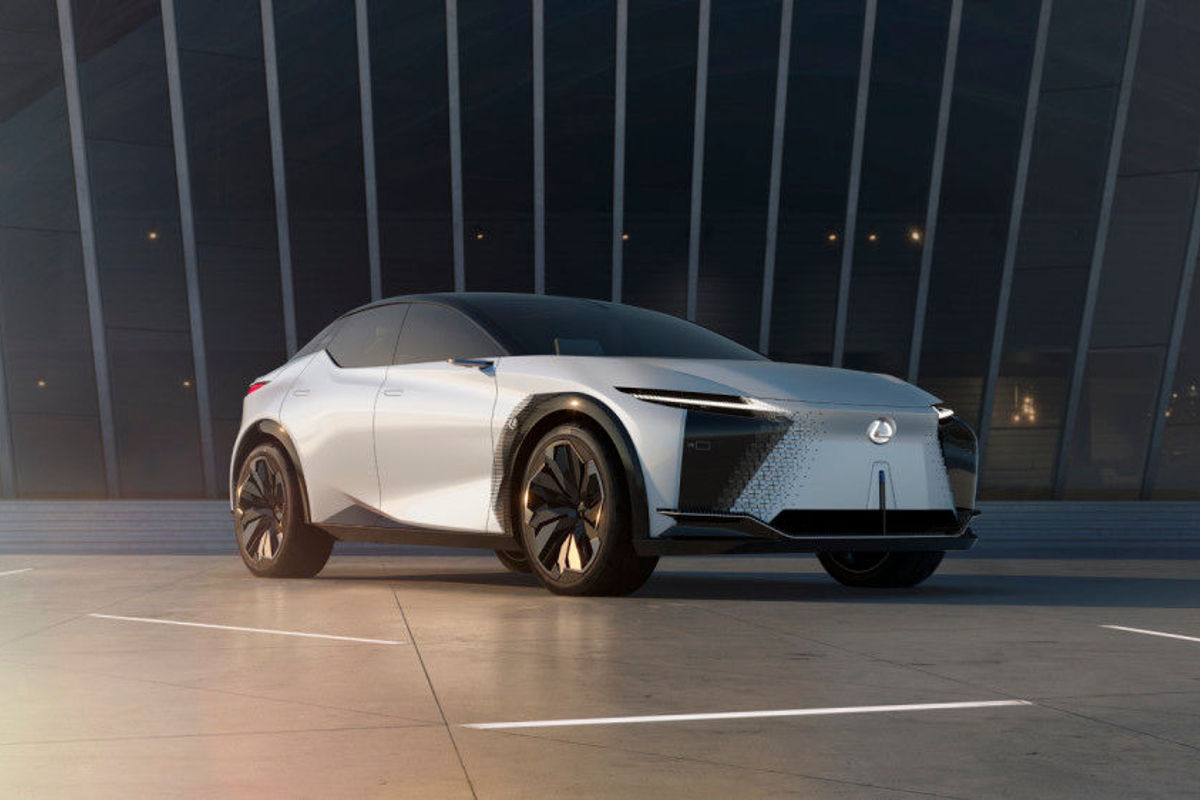
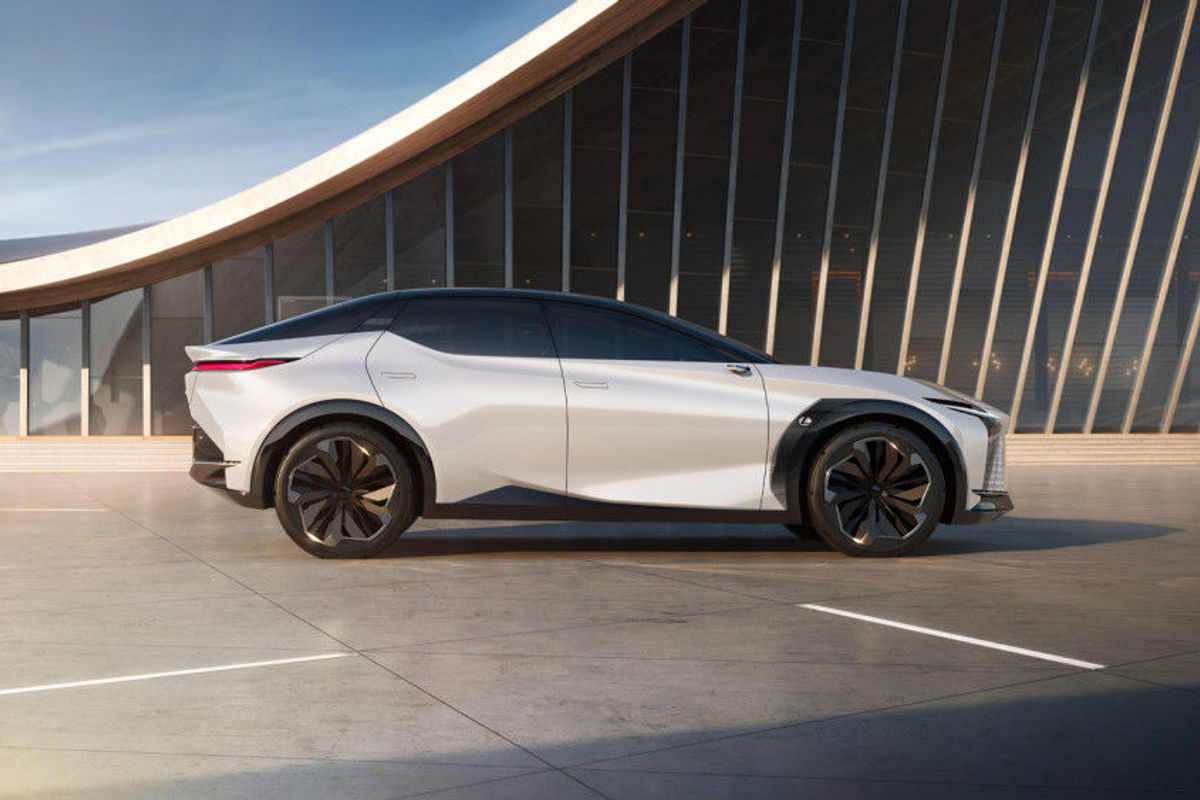
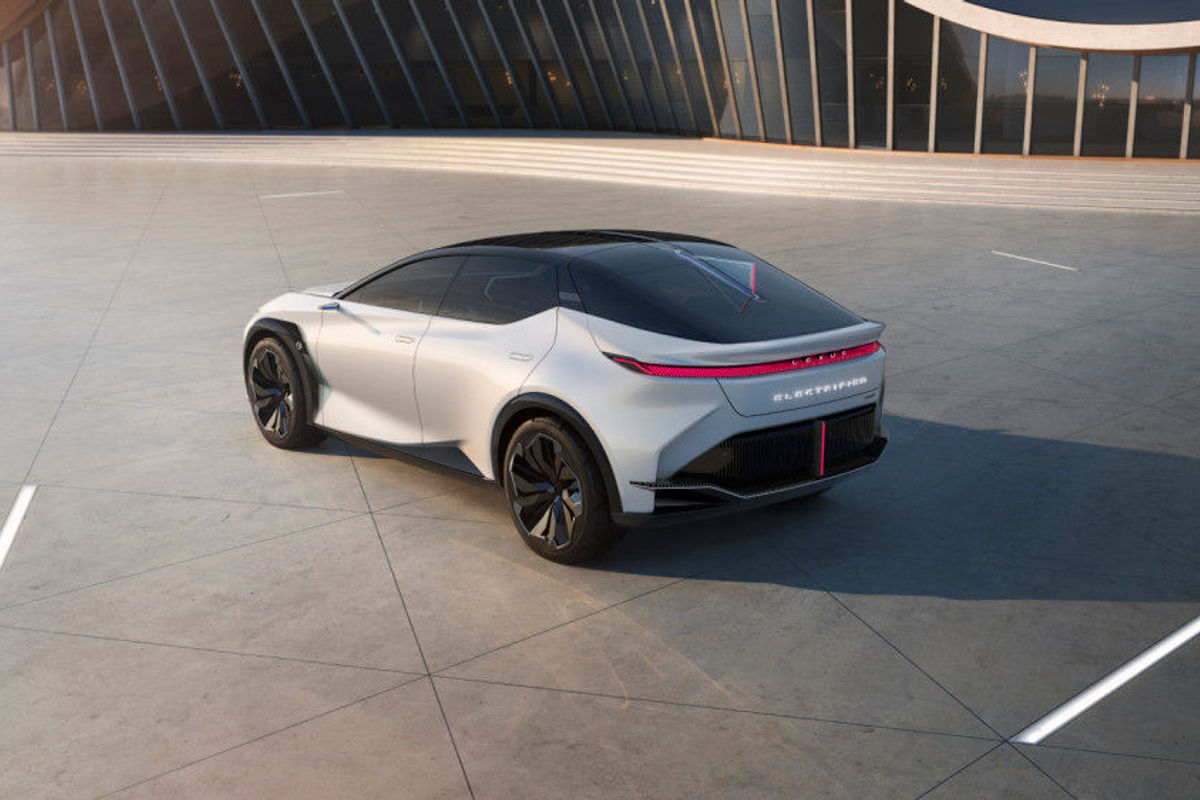
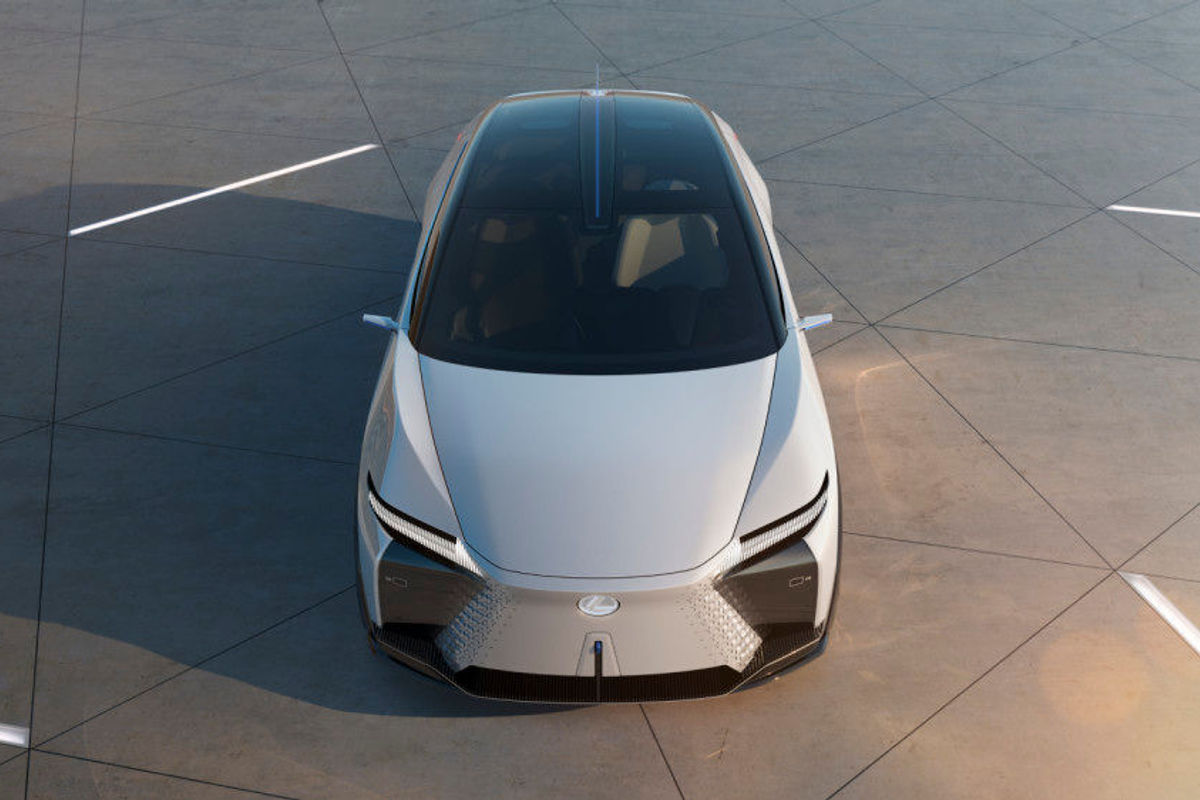
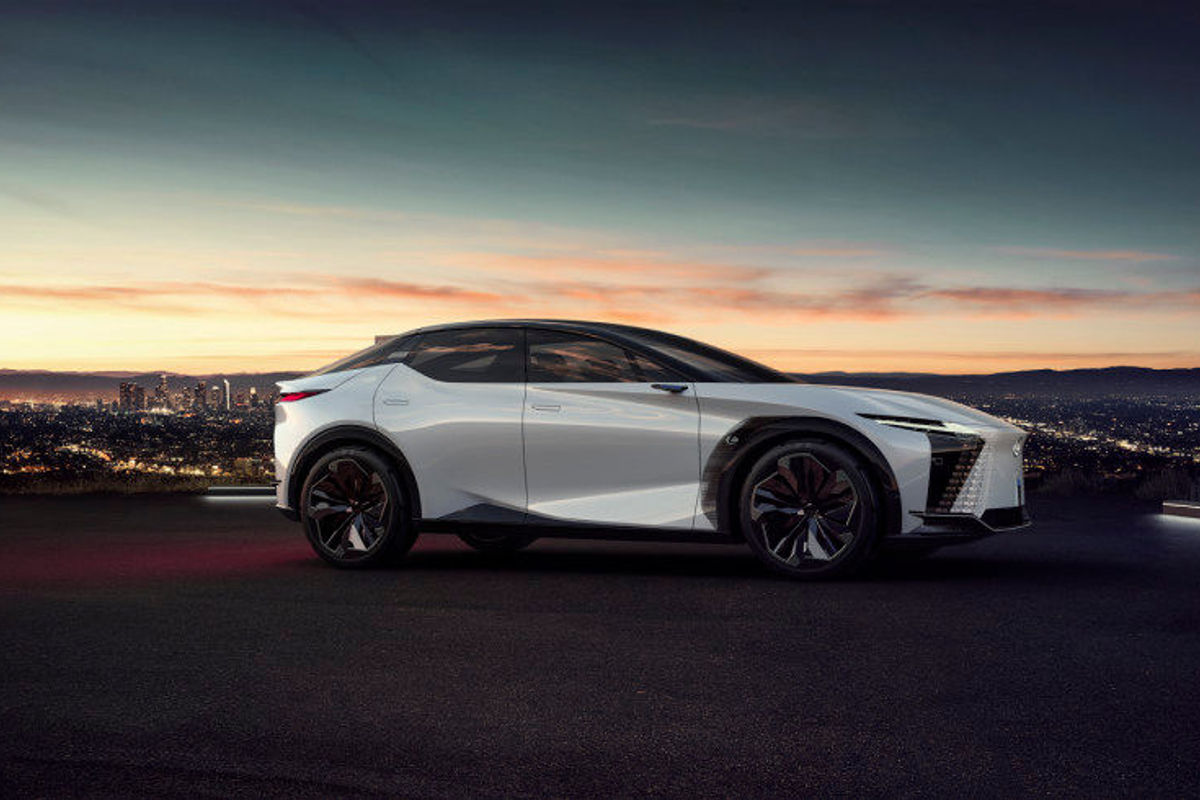
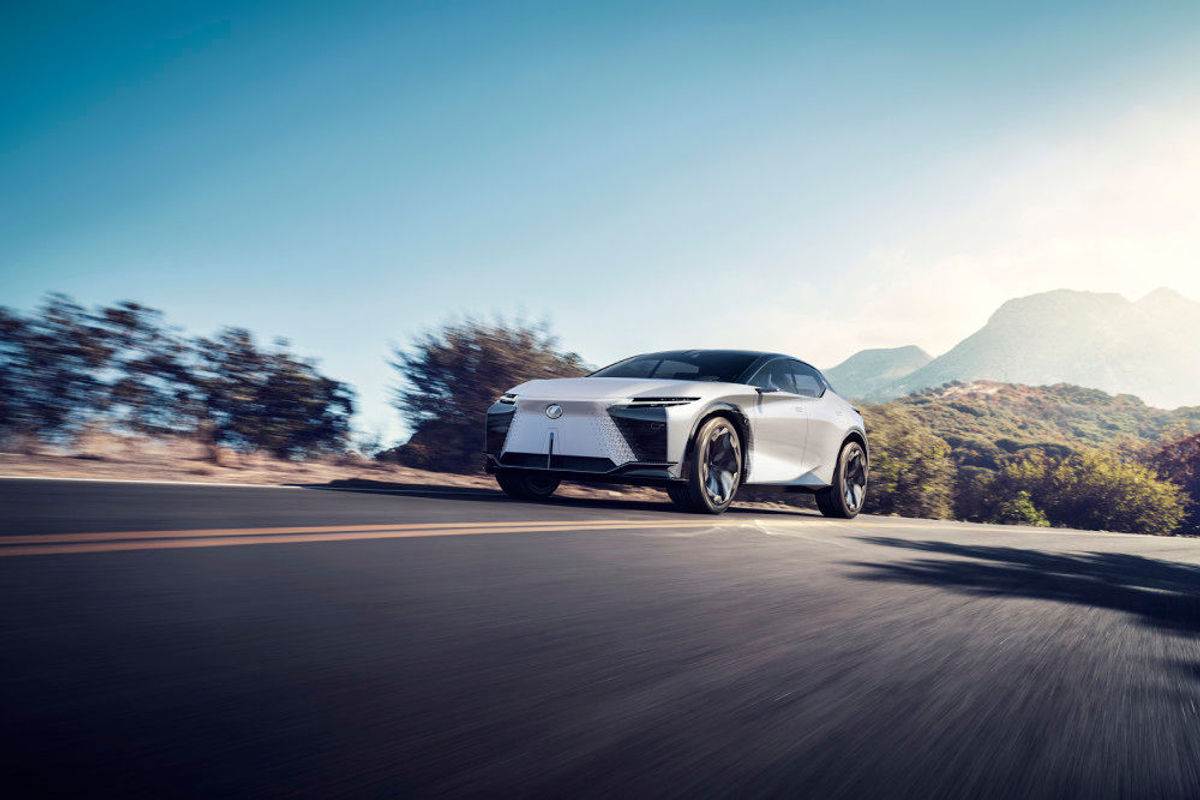
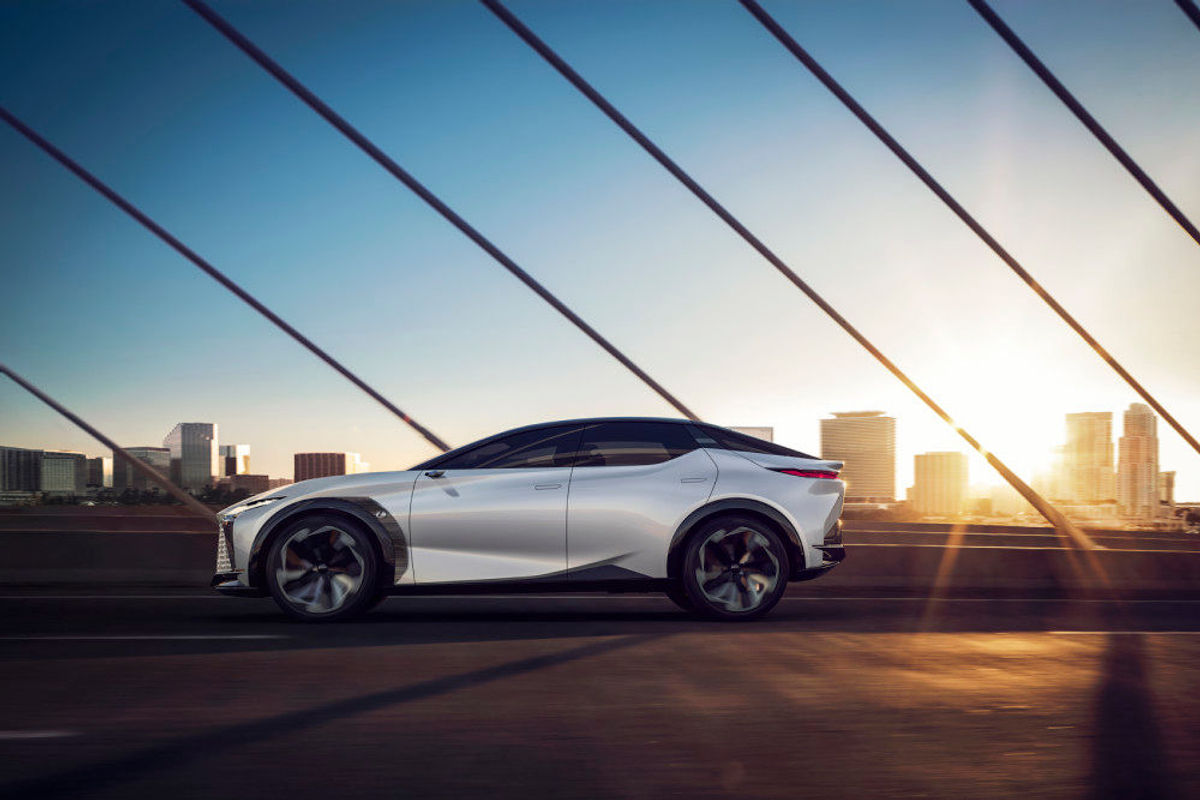
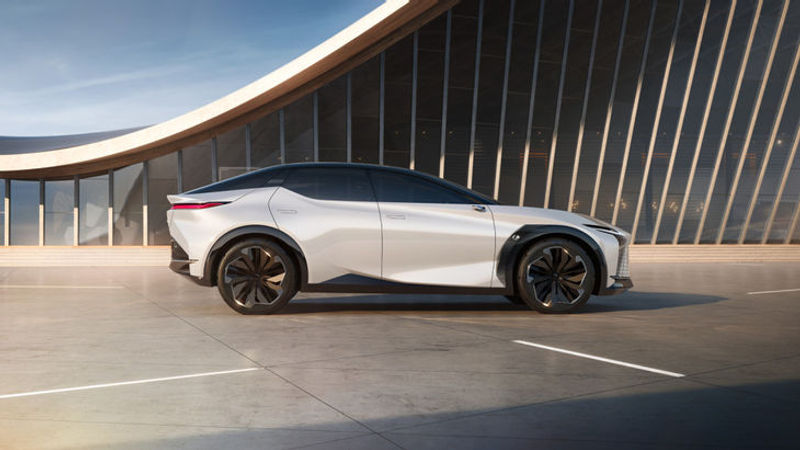
Lexus has revealed a new electric vehicle concept called the LF-Z Electrified1 which previews technology that will become reality by 2025.
The Lexus LF-Z Electrified1 is a Battery Electric Vehicle (BEV) concept that provides an indication of where the brand is headed in terms of electrification.
The concept features what Lexus calls Direct4 which is a new 4-wheel driving force control technology that utilises the instantaneous response of electric power to individually control each wheel in an effort to deliver enhanced and flexible performance. The concept is able to deliver front-, rear- and all-wheel-drive capability to suit the prevailing driving conditions.
Lexus says that the LF-Z Electrified1 concept boasts at least 400 kW of power and 700 Nm of torque. Equipped with a 90 kWh lithium-ion battery, which is assembled longitudinally in the vehicl floor, an estimated range of 600 km is achievable. More so, Lexus also says that zero to 100 kph is possible in just 3.0 seconds!
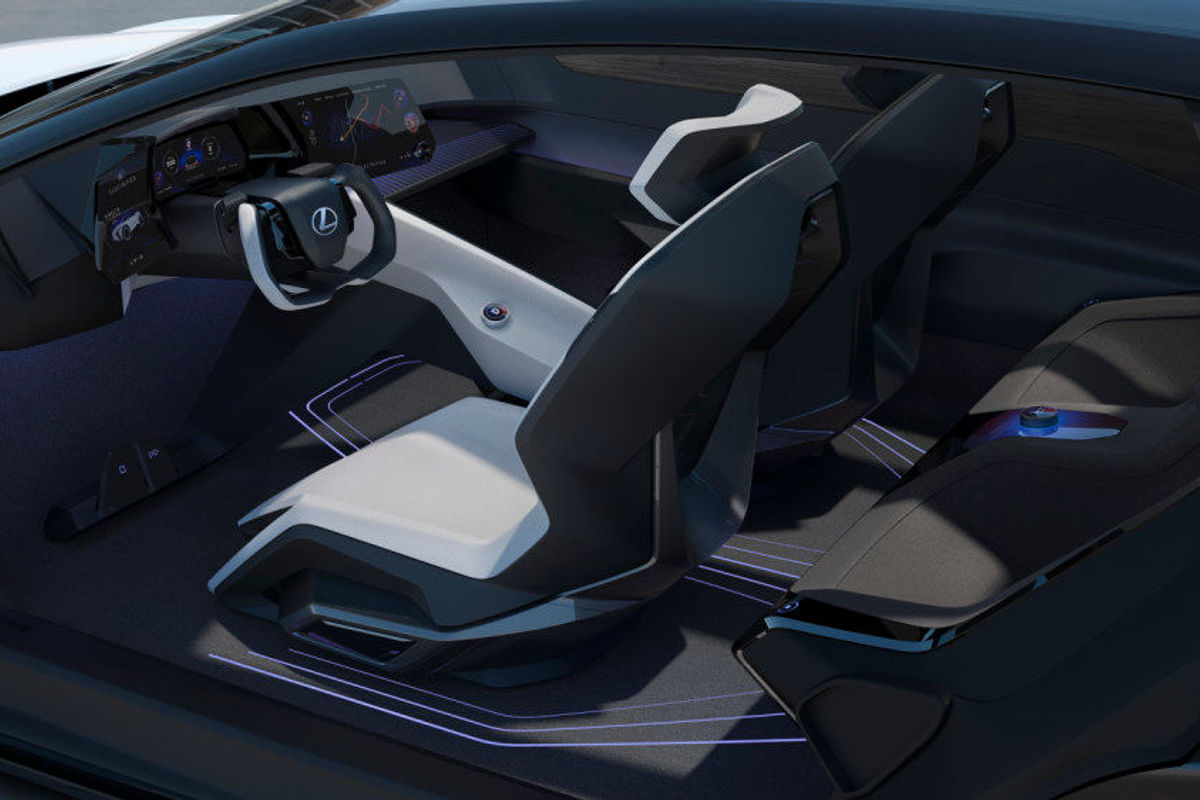
As is typical of Lexus design, the exterior features sharp and angular lines while the interior is said to feature a ‘Tazuna’ cockpit with a spacious, minimalist design. ‘Tazuna’ in Japanese means ‘rein’ which draws inspiration from the relationship between a horse and its rider and as such, the LF-Z features a yoke-like steering wheel and a sophisticated head-up display that enables the driver to perform all major functions directly. Artificial Intelligence (AI) will learn preferences and behaviours and will use this information to provide support to the driver via voice communication and can suggest routes or restaurants.
More Models Coming from Lexus
The reveal of the LF-Z forms part of Lexus’ wider electric strategy which will be rolled out in years to come.
Lexus has announced that it will bring at least 20 new vehicles to market by 2025 with more than 10 of those destined to be electric as part of the ‘Lexus Electrified’ strategy. Lexus says that 2 new models will be revealed this year.
By 2025, Lexus aims to have an electric variant for each model range and it’s said that electric sales will outperform both petrol- and diesel-only sales. The EV mix will include Battery Electric Vehicles (BEVs), Plug-In Hybrid Electric Vehicles (PHEVs) and Hybrid-Electric Vehicles (HEVs) which will be supplied to relevant markets.
Furthermore, Lexus aims to be entirely carbon-neutral by 2050 by reducing its impact in production, material production, parts and vehicles, vehicle logistics as well as recycling and disposing of older vehicles.
A new Shimoyama Technical Centre is scheduled to open in March 2024 in Japan which will push the boundaries of innovation in terms of manufacturing and processes.
Koji Sato, President and Chief Branding Officer, Lexus International commented, “"While fulfilling our social mission of realising a carbon-neutral society, we will continue to provide the fun and joy that cars bring, and we will contribute to the happiness and smiles of our customers and everyone involved with Lexus. Starting with two new models to be released this year, we will continue to develop innovative products that will add colour to the diversifying lifestyles of our customers. We hope you will look forward to the future of Lexus with its strong will to create the future toward the realisation of a hopeful mobility society."
SA motorists are in the crosshairs yet again as the Automobile Association (AA) forecasts massive fuel price hikes in April 2021.
The key factor behind this painful increase is the General Fuel Levy and Road Accident Fund levy will be coming into play this month. As it stands, the petrol price is going up by 73 cents a litre, diesel an increase of 39 cents, and illuminating paraffin and increase of 37 cents.
With the levies of 27 cents a litre added on, we're looking at a petrol price increase by as much as R1 a litre, and diesel by 66 cents a litre. The levies are not added to the cost of illuminating paraffin.
“This means that the fuel price for April will be in the region of R17.32 a litre for ULP 95 inland, comfortably surpassing the previous high of R17.08 set in late 2018,” says the AA. With the increases to the levies, motorists will, from April, be paying R5.96 per litre of fuel to the GFL and RAF levies, or between 35% and 40% to taxes on every litre purchased.
"The unfortunate reality is that the expected hikes will still be substantial. The minor relief of the pullback in petroleum and the exchange rate will be cold comfort to South Africans reeling from the ongoing economic damage being inflicted as a result of COVID-19, and a decade of economic decline," says the AA.
Suzuki Vitara Brezza vs Toyota Urban Cruiser: Key Differences
Suzuki and Toyota have launched the Vitara Brezza and Urban Cruiser respectively and while they are essentially the same vehicle, there are some key differences to take note of. See how they differ below…
The compact SUV segment is growing in South Africa and some brands, such as Suzuki and Toyota, are keen to meet this increasing demand with the recently-launched Vitara Brezza and Urban Cruiser.
In an effort to promote long-term cooperation, Suzuki and Toyota signed a capital alliance agreement in 2019 which will see Suzuki acquire 2 hybrid vehicles from Toyota while Suzuki will provide Toyota with its Baleno and Vitara Brezza, both of which are now available locally as the Toyota Starlet and Urban Cruiser.
Yes, the recently-launched Vitara Brezza and Urban Cruiser are essentially the same car, but apart from the obvious rebadging, there are some key differences between them that South African consumers may want to be aware of. Let’s take a closer look…
1. Same Same But Different
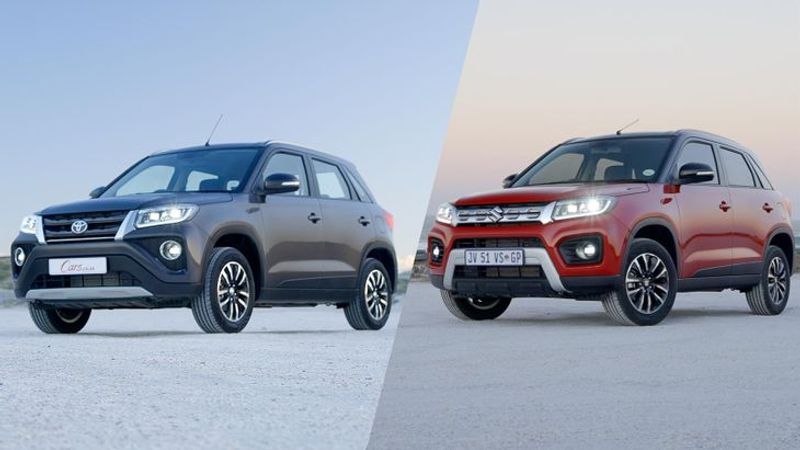
Similar, but not quite the same. Which look do you prefer?
Beyond the badges on the nose, the Suzuki Vitara Brezza and Toyota Urban Cruiser don’t wear the same face.
The Vitara Brezza has a predominantly chrome grille with a distinct inverted U-shaped lower grille section which you may recognise from other Suzuki models such as the Ignis and S-Presso.
As for the Urban Cruiser, it adopts a more understated look, with less chrome treatment. The grille features two horizontal slats which are complemented with vertical chrome accents. A matte black bumper with a silver bumper guard completes the look. If you have a keen eye, you will also notice that the fog light design on both cars is different too…
2. Minor Specification Differences
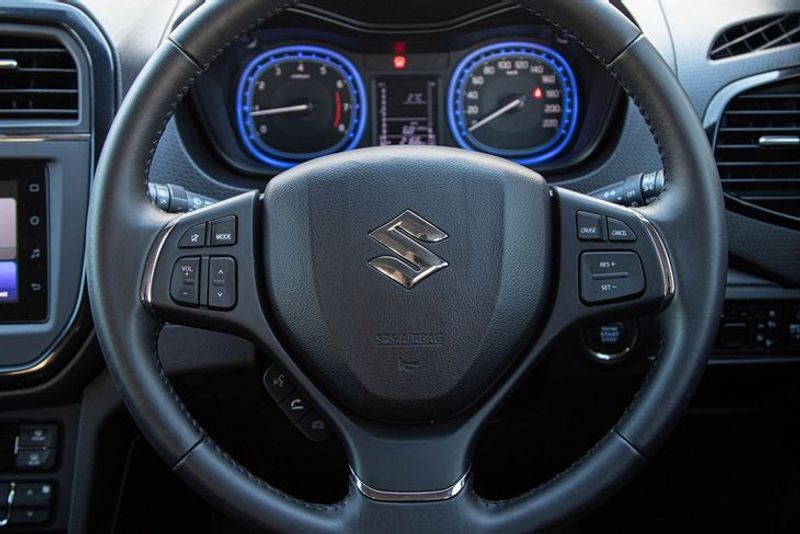
There are minor differences in specification, but for the most part, the interiors are near-identical.
Consumers might find it interesting to note that there are in fact some specification differences between these two seemingly identical cars. Firstly, the Suzuki Vitara Brezza is offered in 2 trim levels namely GL and GLX whereas the Urban Cruiser is available in 3 trim levels namely Xi, Xs, and Xr.
If you compare the specifications of the 2 entry-level offerings (GL and Xi) from Suzuki and Toyota, you will notice that the Suzuki actually offers slightly better specification with extra features such as a rear camera, climate control, and electric mirrors. The Urban Cruiser, however, has keyless entry. The Suzuki is also marginally cheaper than its Toyota counterpart.
Your choice will depend on what look you prefer but also what brand you feel will serve you best.
Toyota offers a 3-year/100 000km warranty but Suzuki is offering a promotional 5-year/200 000km warranty! Suzuki also offers a stronger 4-year/60 000 km service plan whereas Toyota offers a 3-services/45 000 km service plan. However, Toyota will allow you to extend the warranty at the point of purchase to 6-year/unlimited km for an additional R3 750 which you can add to your finance deal. It’s also worth noting that Toyota has a much larger dealership network countrywide.
For the record, Toyota has won the prestigious #CarsAwards powered by WesBank Brand of the Year Award 3 times while Suzuki has won it twice, so both brands offer strong aftersales support to customers.
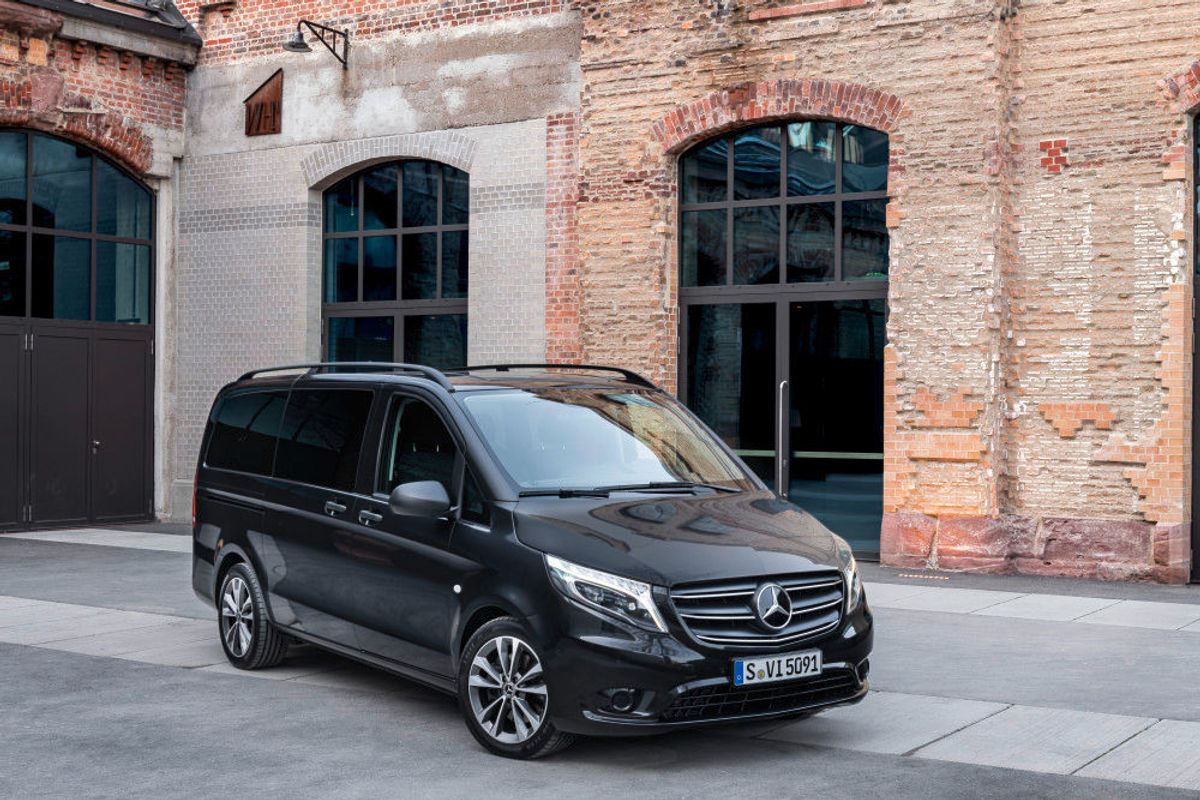
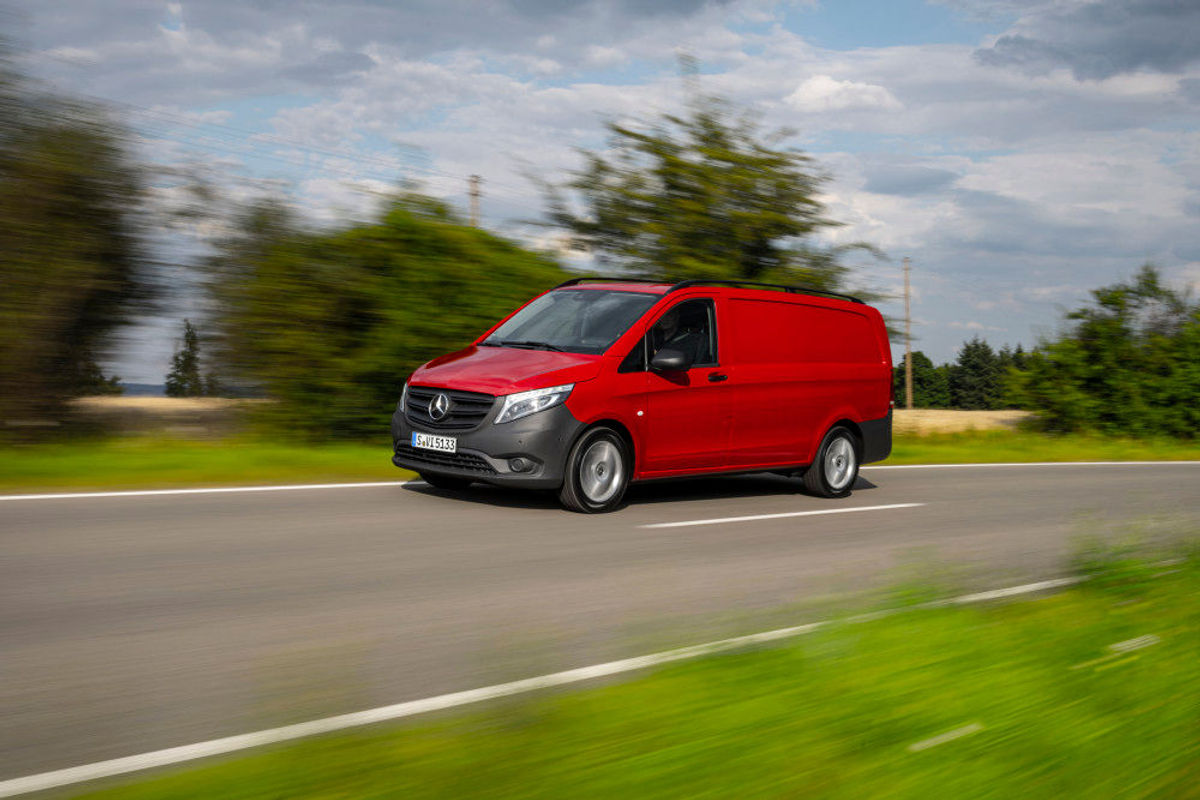
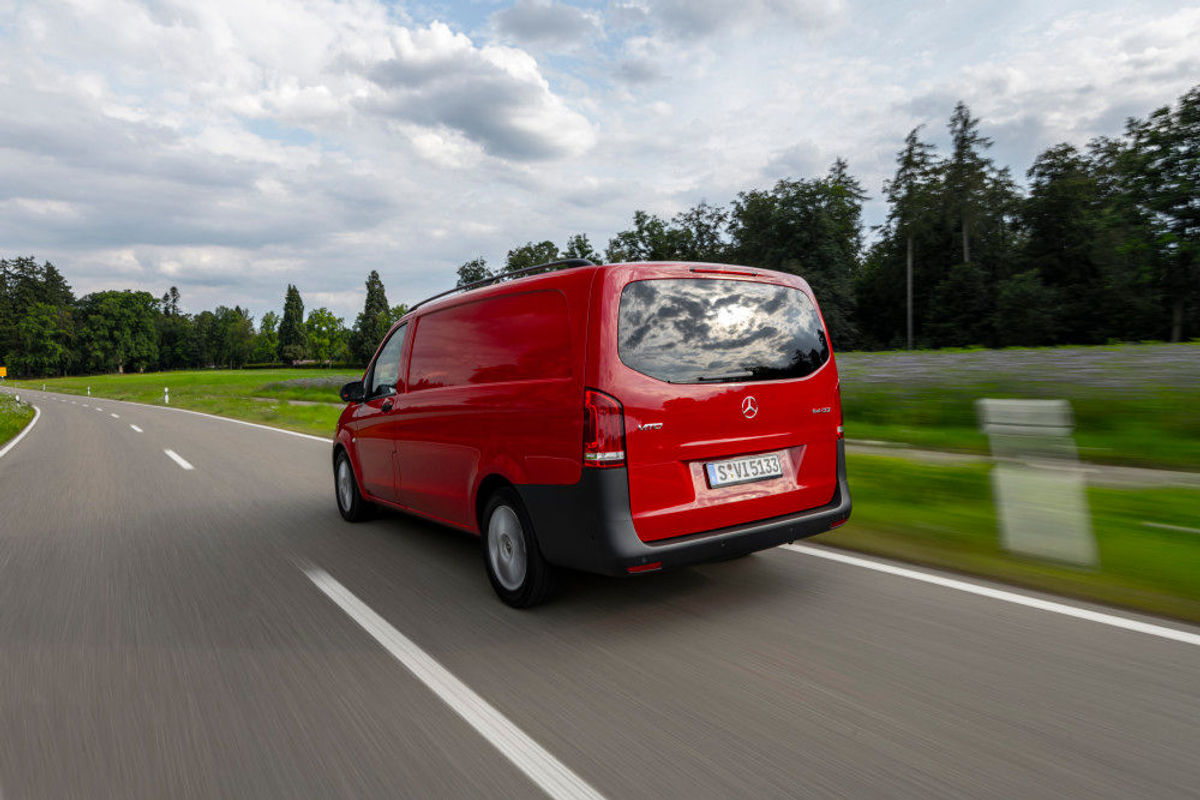
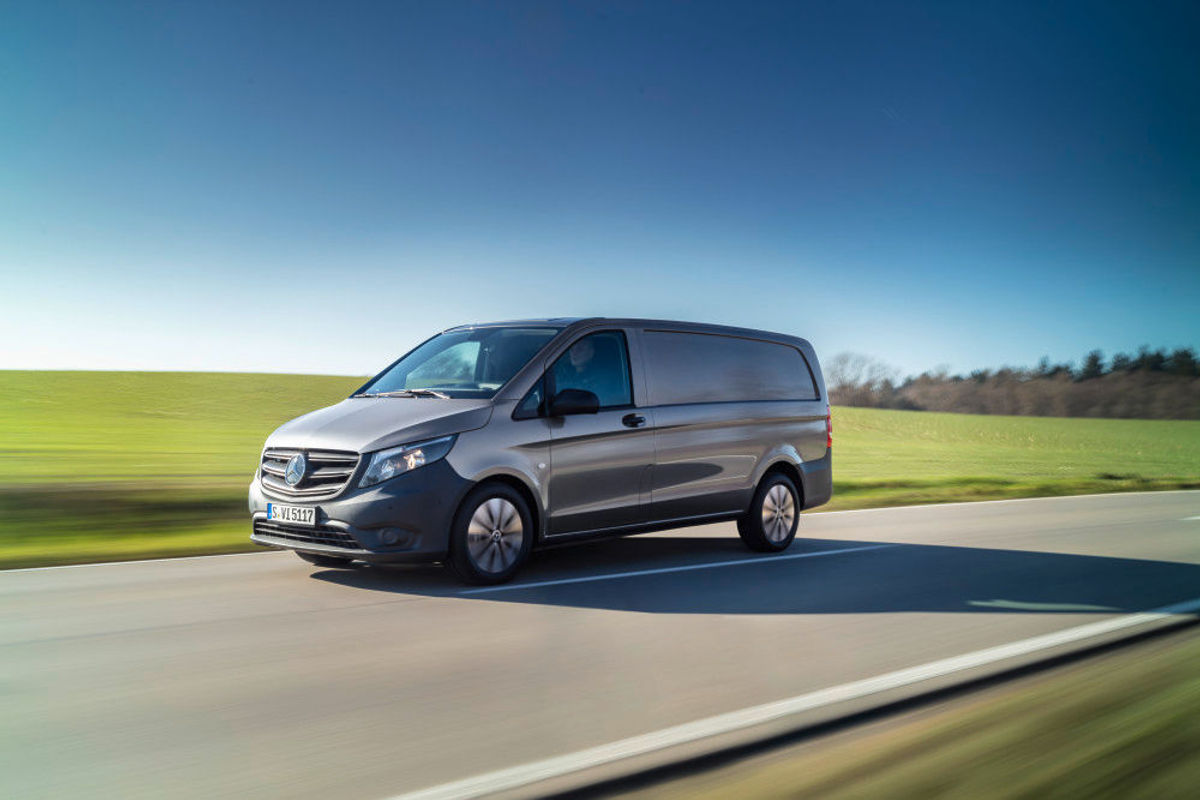
Mercedes-Benz has introduced a facelifted Vito to market in South Africa. Take a look at the specification and pricing details below…
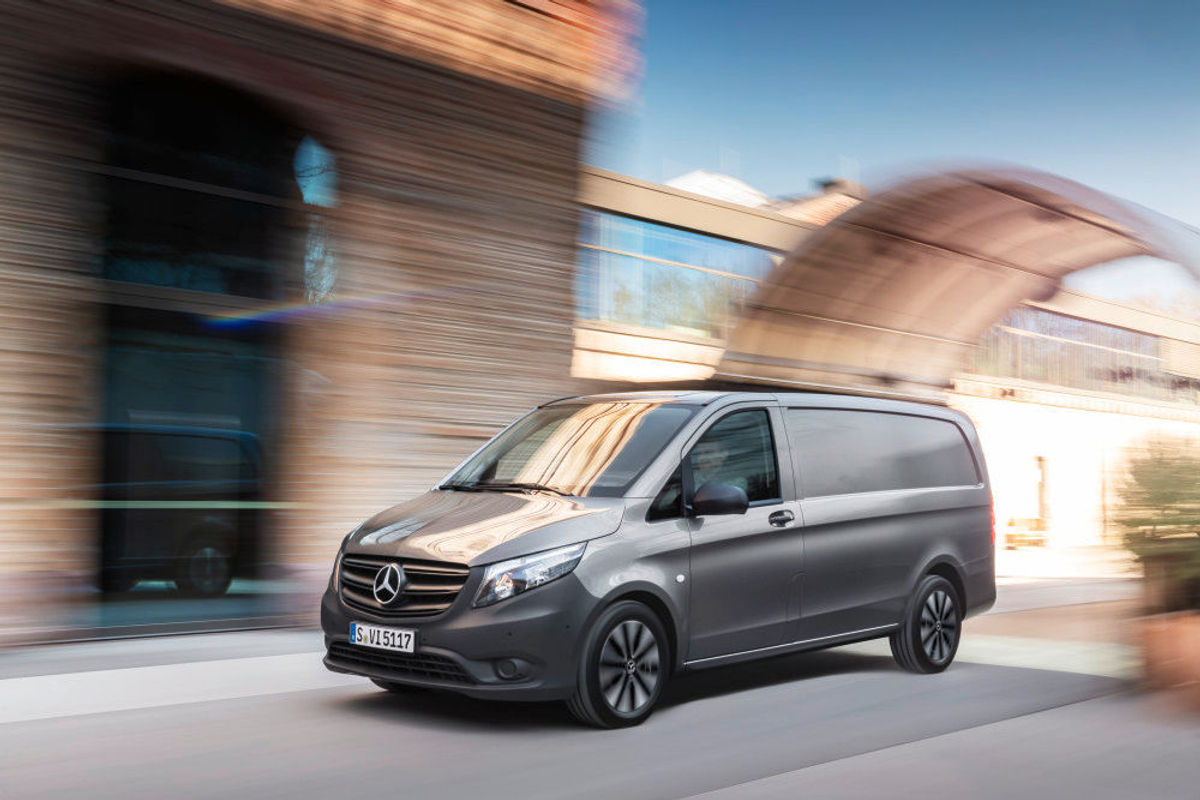
A newly updated Vito is now available to take care of your business needs. The Vito can be had in either Panel Van, Mixto or Tourer guise.
Exterior changes are subtle and the Vito now wears an updated grille design which can be had with or without a chrome option as well as painted bumpers in conjunction with optional active brake assist and the driver assist package.
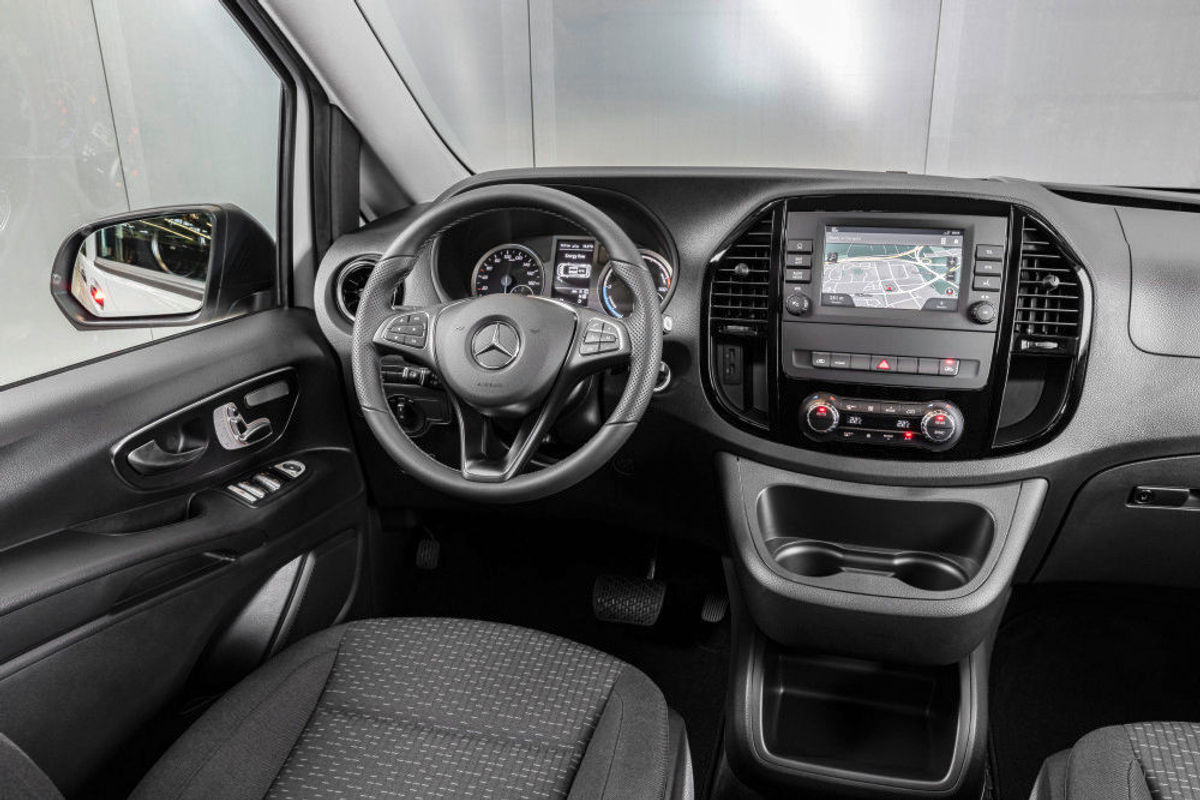
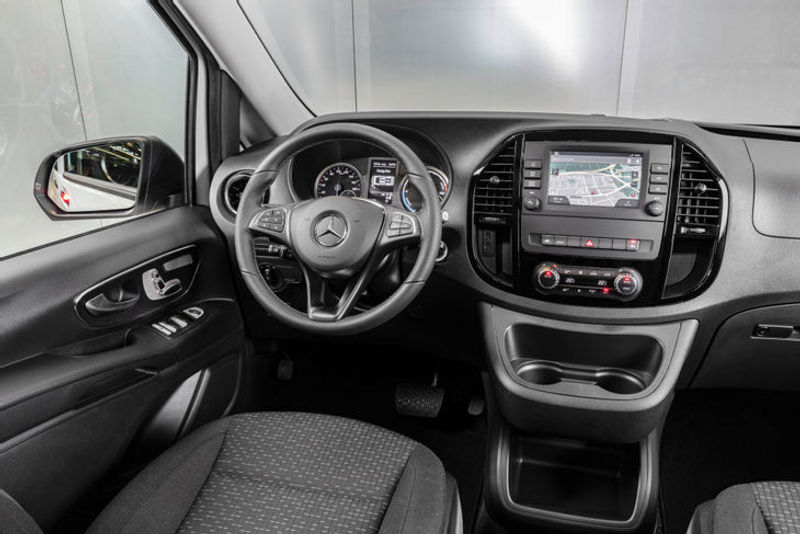
As for the interior, a new “Caluma” upholstery is offered with a white stripe pattern seen on the seat cushion and backrest. The Vito now features turbine-look ventilation nozzles, much like the V-Class. Piano lacquer dashboard trim is offered in conjunction with the chrome package and this package also includes trim finished for the ventilation nozzles. The Vito is also equipped with a heavy-duty waterproof floor cover.
In terms of infotainment, the Vito is offered with a basic Audio 10 digital radio with Bluetooth functionality but a new Audio 30 and Audio 40 infotainment system is also offered featuring a 7-inch touchscreen with Apple CarPlay and Android Auto functionality.
The Vito has received a subtle interior update with new material and trim finishes. The infotainment systems have been updated too…
What engines are on offer for the Vito?
Depending on the type of Vito you decide to go for, the Vito is powered by a 1.6-litre turbodiesel engine with 84 kW and 270 Nm of torque on offer or it can be had with a more powerful 2.1-litre turbodiesel engine with either 100 kW and 330 Nm or 120 kW and 380 Nm. A 6-speed manual or 7-speed automatic transmission is also offered.
The top-of-the-ranger Vito 119 Tourer Select, however, offers 140 kW and 440 Nm from its 2.1-litre turbodiesel engine.
What is the price for the Mercedes-Benz Vito in South Africa?
Vito 111 CDI Panel Van – R573 041
Vito 114 CDI Panel Van – R597 056
Vito 116 CDI Panel Van – R677 085
Vito 111 CDI Mixto – R668 489
Vito 116 CDI Mixto – R895 584
Vito 111 CDI Tourer (Base) – R621 283
Vito 111 CDI Tourer Pro – R762 263
Vito 114 CDI Tourer Pro – R794 399
Vito 116 CDI Tourer Pro – R901 634
Vito 116 CDI Tourer Select – R1 071 429
Vito 119 CDI Tourer Select – R1 109 788
The Vito is sold with a 2-year/unlimited km warranty and a 5-year/100 000km ServiceCare BestBasic service contract.
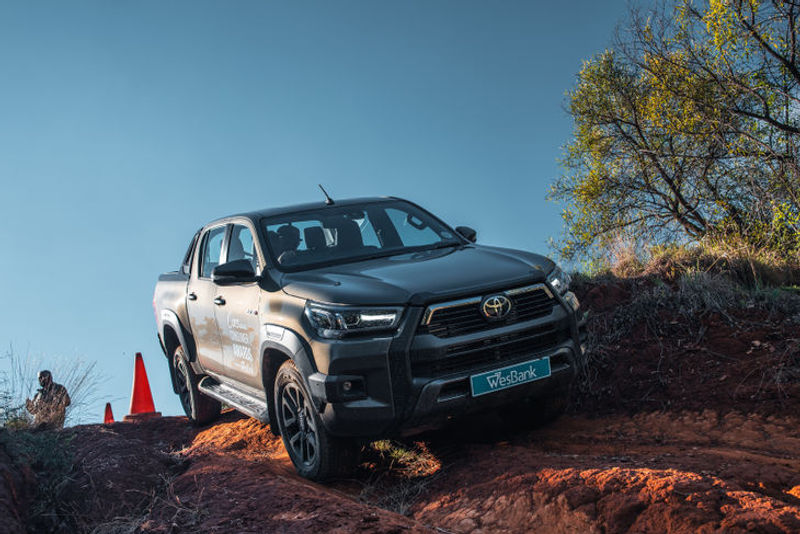
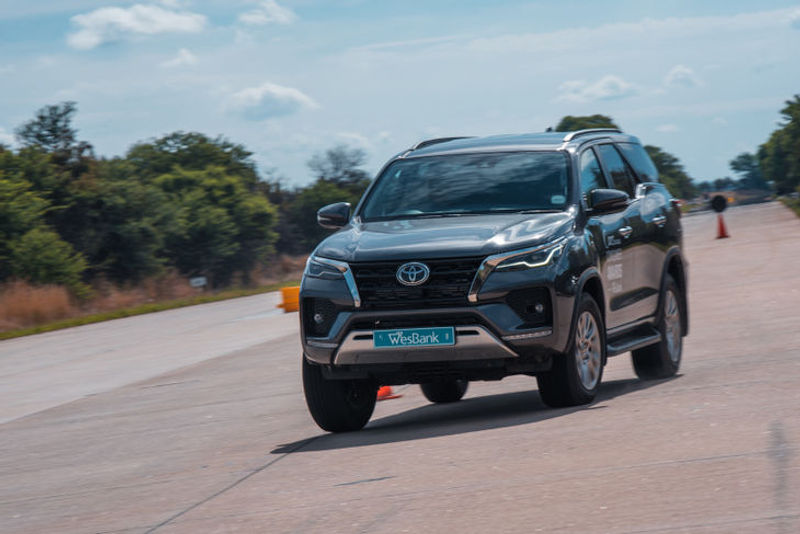
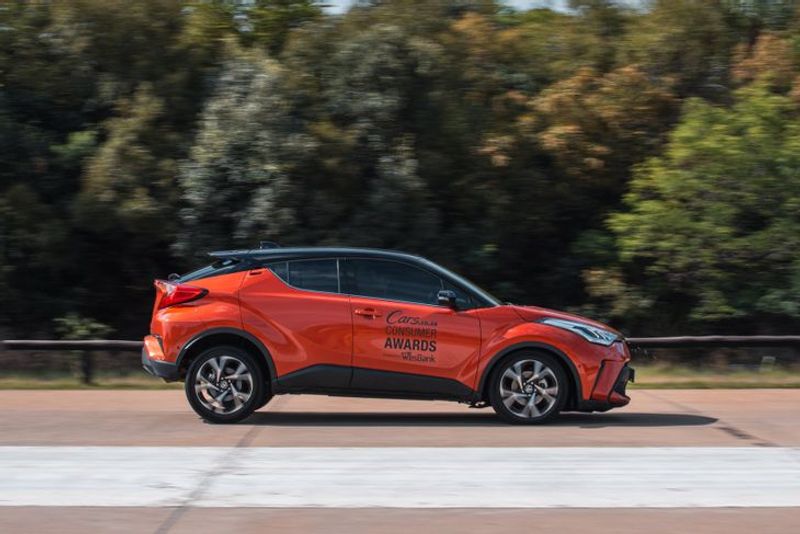
Toyota South Africa Motors recently became the first automotive manufacturer to win the Cars.co.za Consumer Awards – powered by WesBank’s prestigious Brand of the Year title for a 3rd time. The Japanese marque also won 5 out of the 13 categories in the 6th iteration of the awards programme.
PARTNERED CONTENT
The #CarsAwards was conceived to be South Africa’s definitive automotive awards programme and the list of vehicles it recognises is meant to guide car buyers to make the best-informed purchasing decisions… The judging panel evaluates vehicles directly against their peers in categories, each of which has particular requirements. What’s more, 50% of the final scores is based on brand-specific after-sales data taken from the ongoing Cars.co.za Consumer Satisfaction Survey (in conjunction with Lightstone Auto), which incorporates customer feedback from thousands of local vehicle owners.
Since 2015/16, the winners of the annual #CarsAwards – supported by WesBank, the largest provider of vehicle finance in South Africa – had been announced at a gala staged early in the year; in fact, it had become a highlight on the automotive calendar. However, due to the Covid-19 pandemic, the planned 2021 event could unfortunately not be staged live without putting attendees’ health at risk…
Therefore, the 2020/21 #CarsAwards winners were presented in a television programme, which was formatted to retain the excitement of a live show, and broadcast on DStv on multiple occasions during February 2021. During that show, the audience heard the name “Toyota” many times over…
“We are delighted to accept the #CarsAwards Brand of the Year trophy as well as the 5 other trophies for product categories,” TSAM’s Senior Vice President of Sales and Marketing Leon Theron says. “As a company that is entirely committed to providing best-in-class solutions for our customers, we are truly pleased that the market we are serving is acknowledging our efforts. We, therefore, extend our gratitude to our customers, without whom, no accolade would be possible.”
Survey puts Toyota on top
This means Toyota buyers are very happy with the reliability of their vehicles and the after-sales service that they have received from the marque’s dealers, because, as opposed to the 13 category winners, which are decided by a combination of judges’ scores and consumer data, the recipient of the #CarsAwards Brand of the Year title is determined entirely by market data and the findings of the survey (brands’ respective sales and after-sales service ratings are particularly impactful, as are the percentages of purchase-price value the brands’ finalists retained after three years of ownership).
Although Toyota failed to win a single category during the first two instalments of the #CarsAwards, the Prospecton-based manufacturer famously won the programme’s very first Brand of the Year title in 2015/16. After Suzuki claimed the Brand of the Year title for two consecutive years (2016/17 and 2017/18), Toyota secured the most prestigious trophy again in the 2018/19 programme but finished well behind Volkswagen in 2019/20.
However, having moved up no fewer than 8 places in the Cars.co.za Ownership Satisfaction Survey rankings since last year, Toyota won the #CarsAwards Brand of the Year title for a 3rd time. In doing so, it became the most prolific winner of the programme’s most prestigious trophy.
“The Brand of the Year trophy is the ultimate accolade in the local automotive industry… It represents validation from the people who matter most: car owners,” says Cars.co.za Consumer Experience Manager, Hannes Oosthuizen. “By providing consistently superior after-sales support through the most extensive dealer network in the country, Toyota has put South African consumers first and – based on the feedback by thousands of vehicle owners – they evidently appreciate that.”
Cars.co.za congratulates Toyota on a phenomenal year for the brand – we're certain the Prospecton-based company will be looking to defend its Brand of the Year title in the 2021/22 programme.
For more information on this year's programme and previous iterations of the #CarsAwards, visit www.carsawards.co.za.
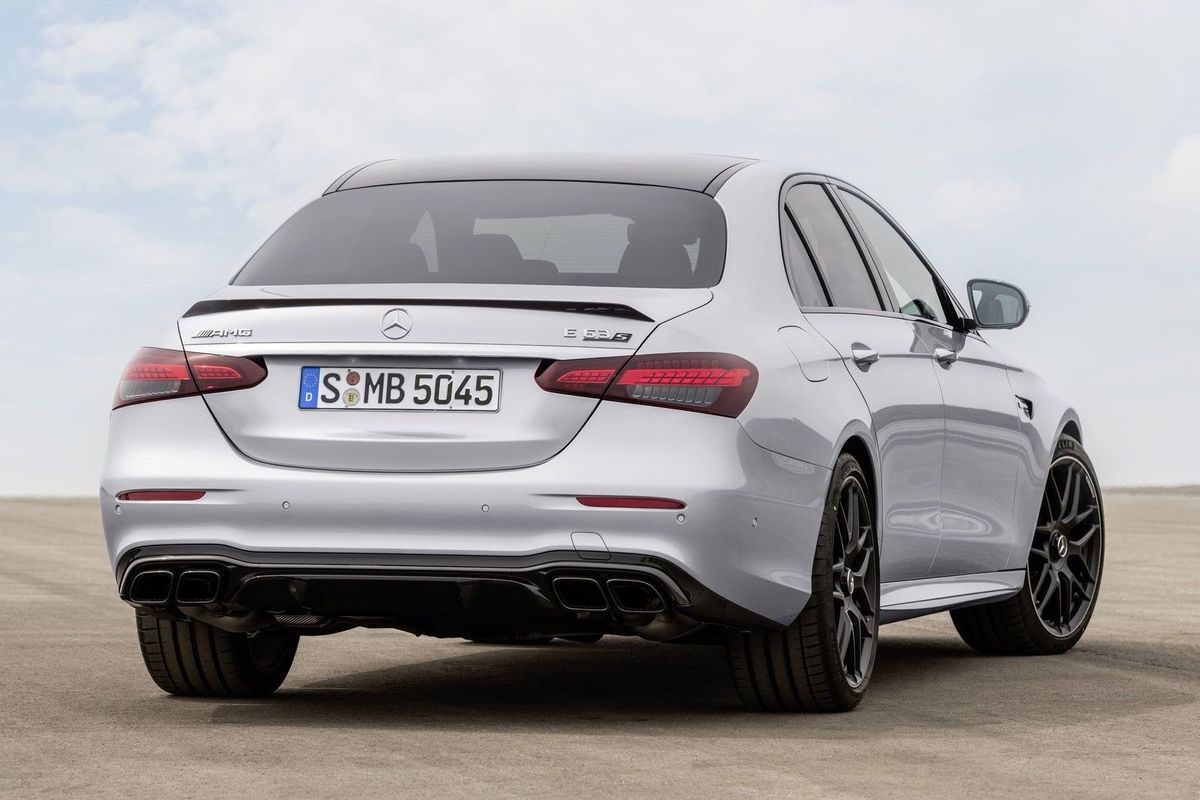
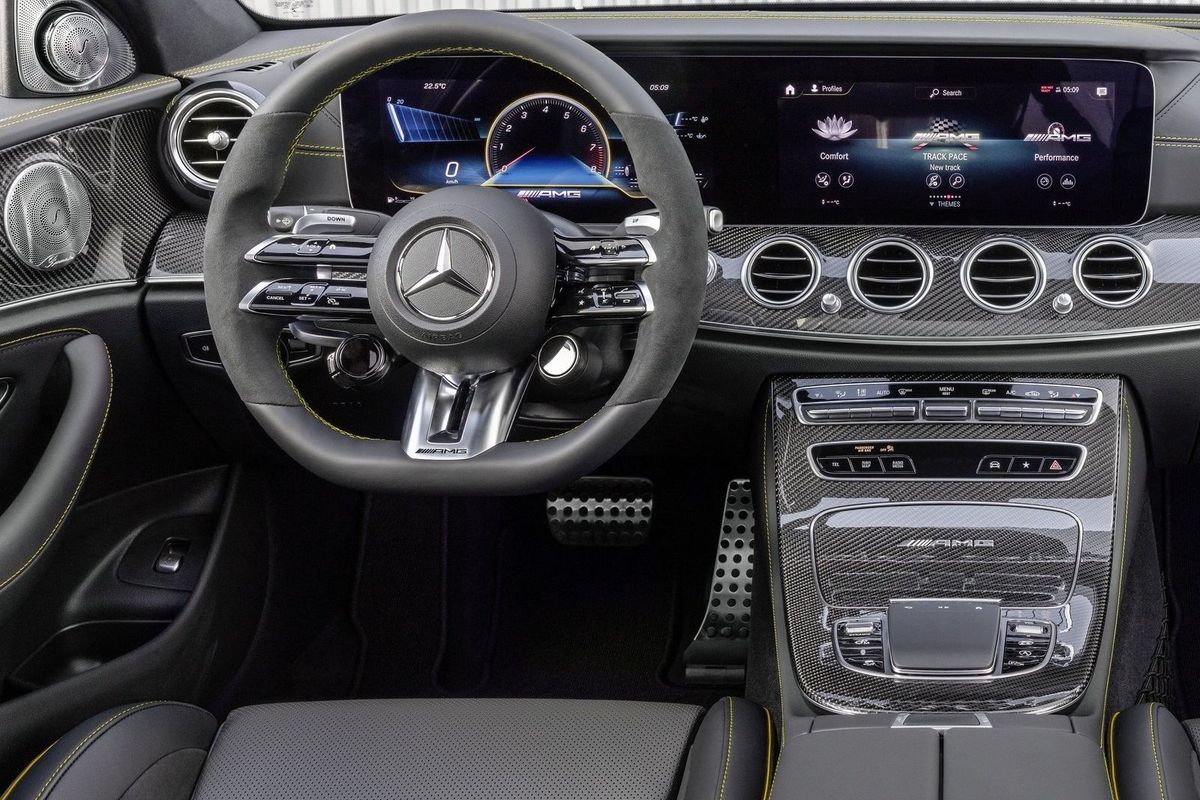
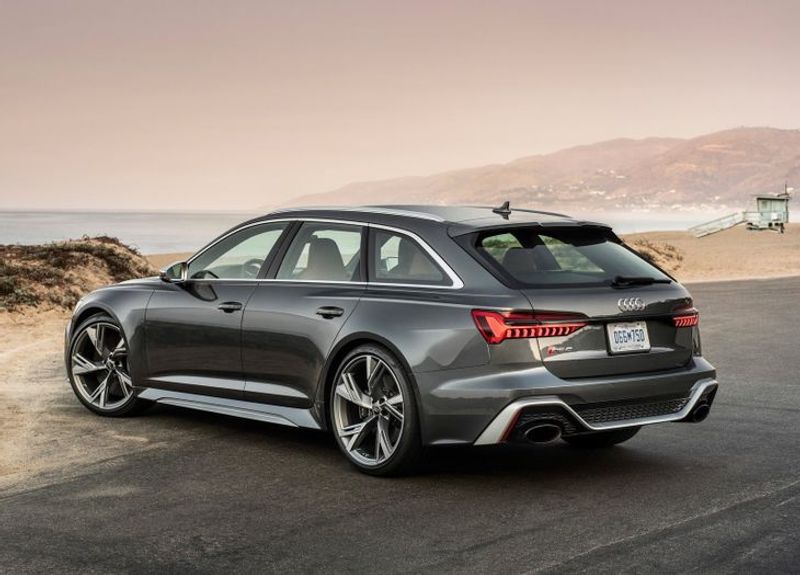
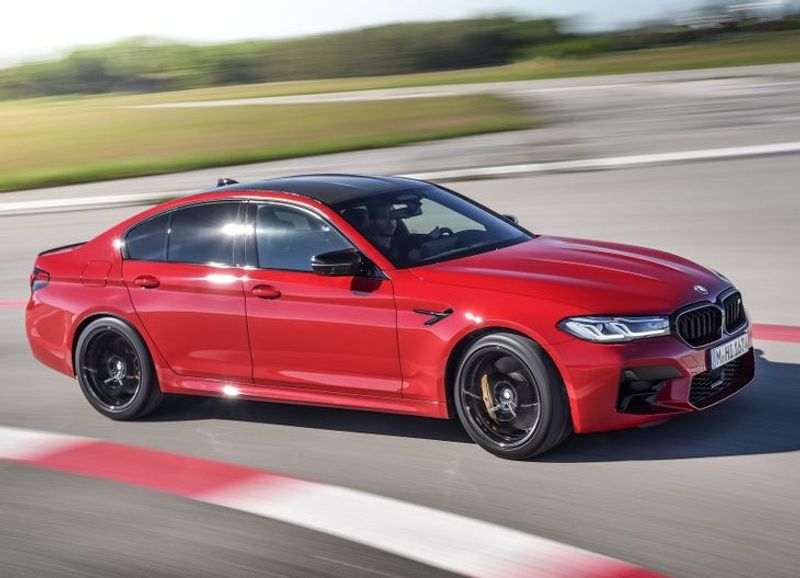
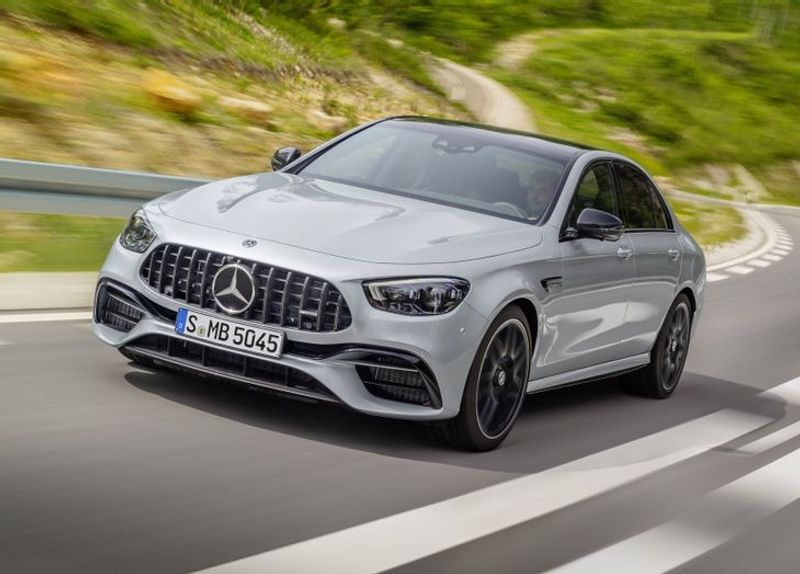
Audi RS6 vs BMW M5 Competition vs Mercedes-AMG E63 S: How Do They Stack Up?
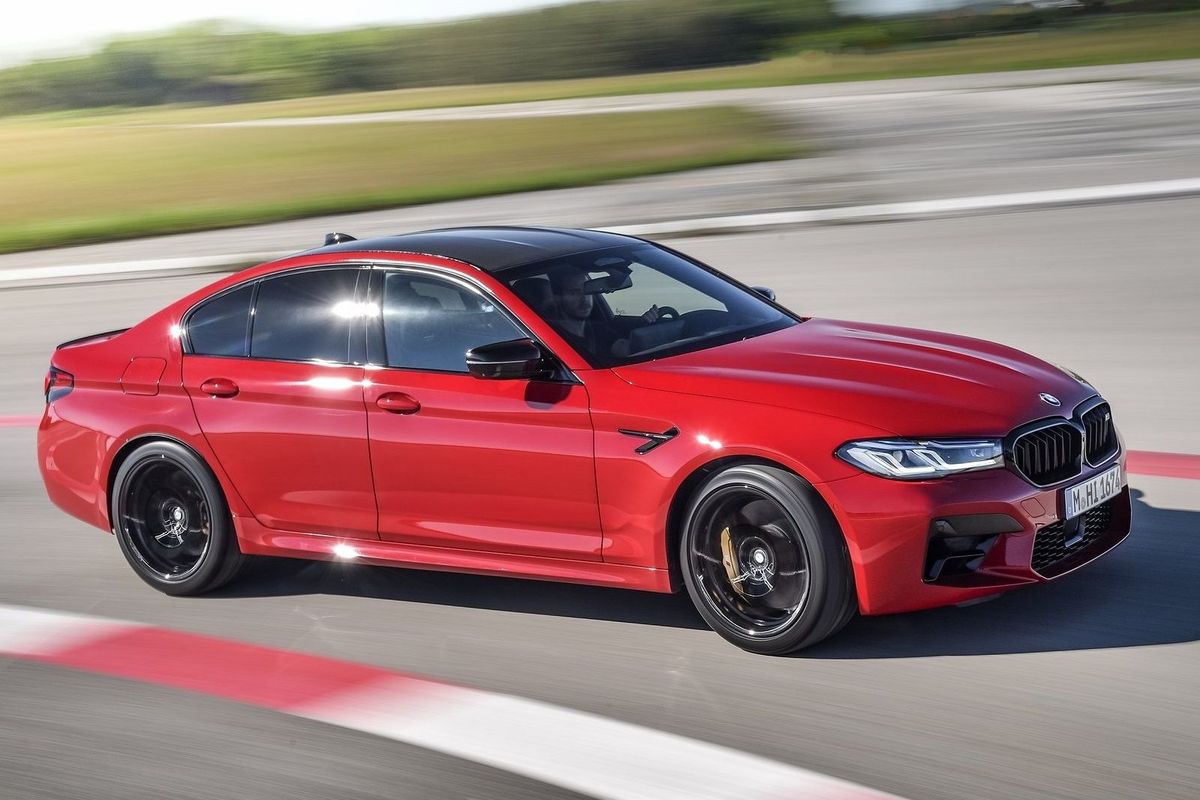
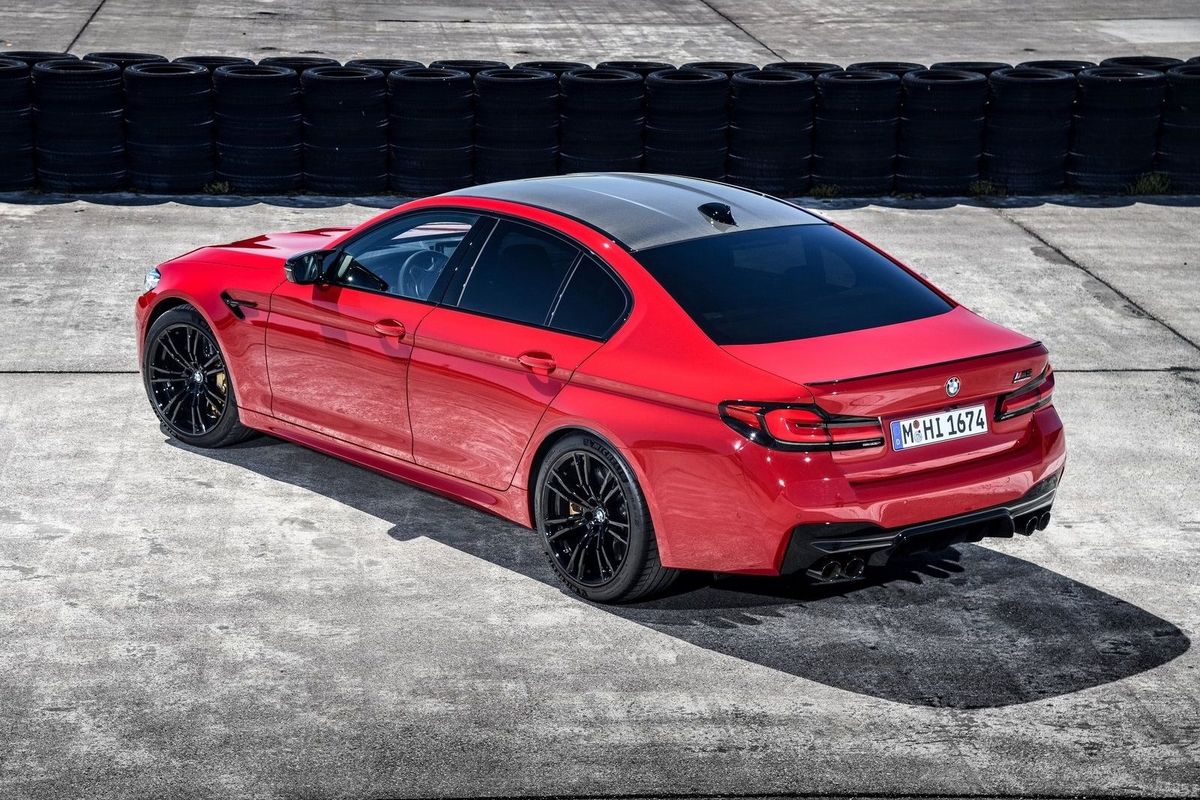
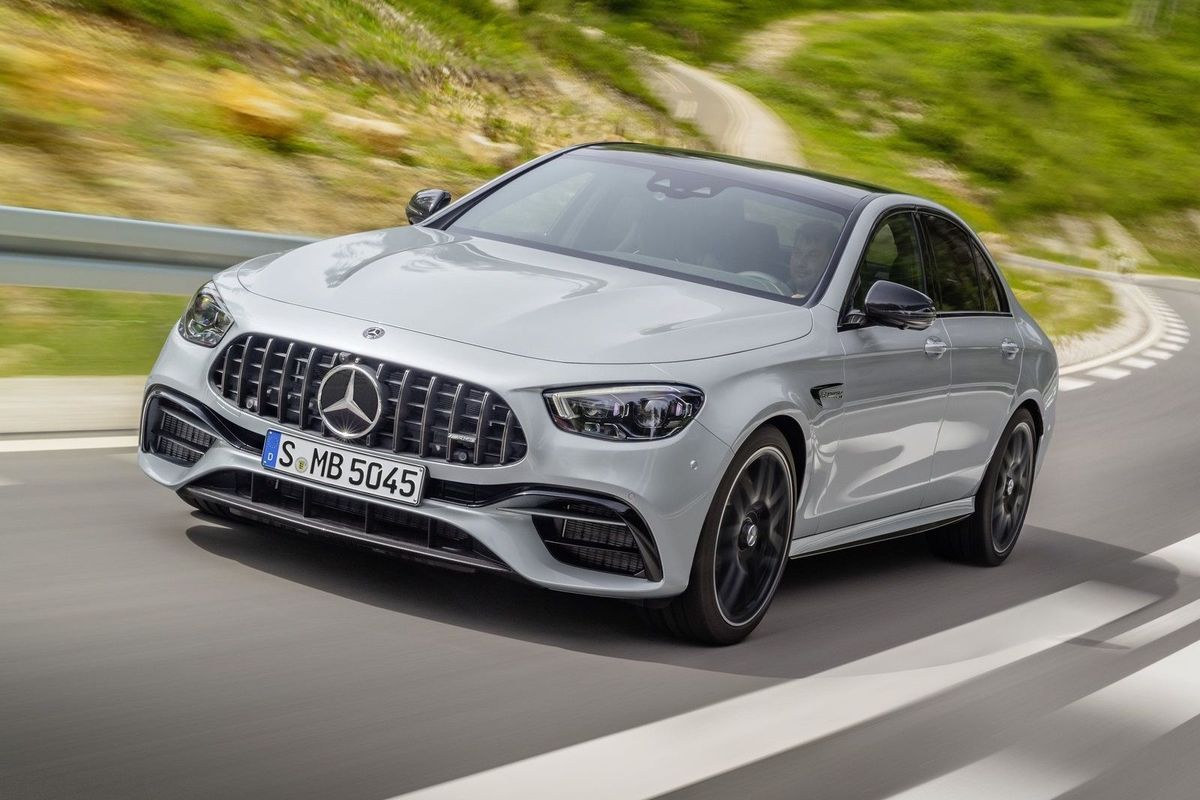
2021 will be a stellar year for petrolheads as age-old rivals square up once again for supremacy. In the battle for German sports sedan supremacy, the latest iterations of Audi RS6, BMW M5 Competition, and Mercedes-AMG E63 S have all touched down in South Africa. We take a look at what's on offer and how much you can expect to pay to get behind the wheel of one of these luxury Teutonic torpedos.
Despite the onslaught of the performance SUV, German carmakers are traditionalists and know their client base well. A performance SUV may be all the rage, but a sedan is dynamically superior. The South African car landscape in 2021 has been blessed with the facelifted BMW M5 Competition, the all-new Audi RS6, and the updated Mercedes-AMG E63 S all arriving within a few months of each other. While engine sizes and power delivery have varied over the years, the class of 2021 all feature all-wheel drive and turbocharged V8 petrol engines.
While we start working on the logistics of getting these three luxury monsters together for a shoot-out, feast your eyes on what's on offer. We'll be looking at performance and price (correct as of March 2021), and start the speculations.
Audi RS6 (R2 070 000)
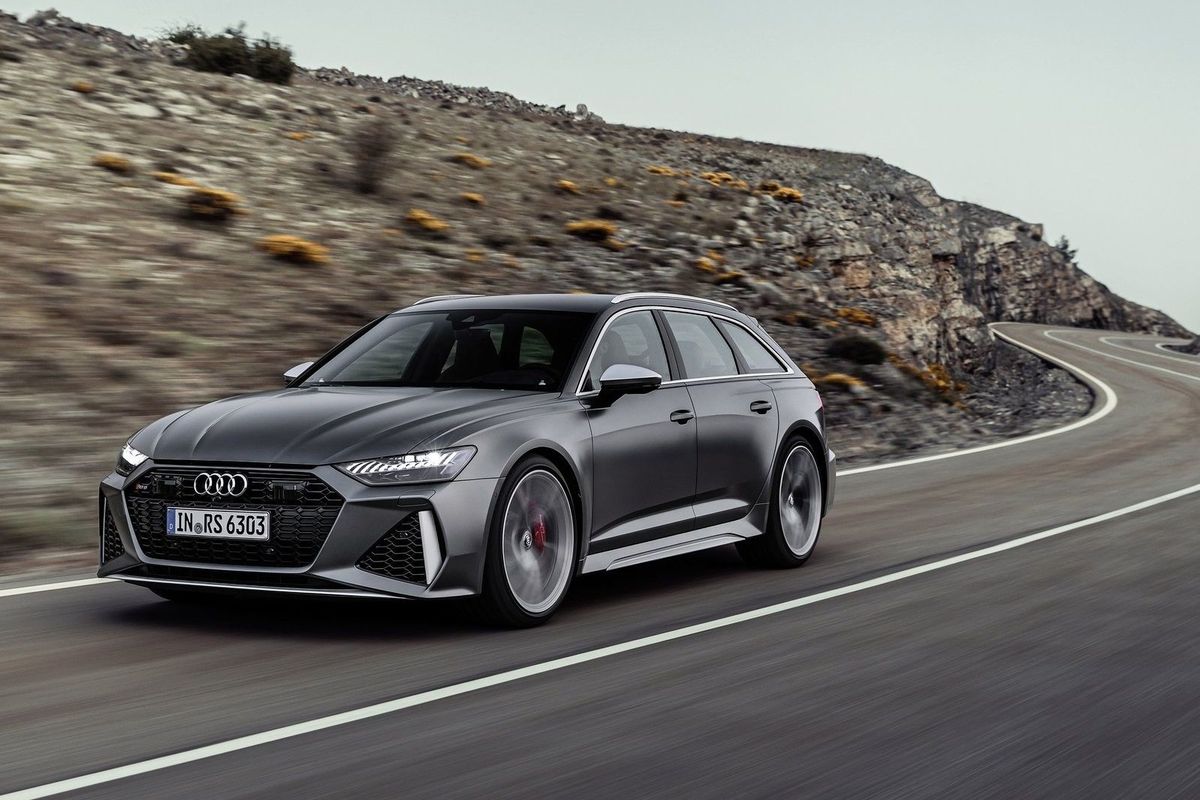
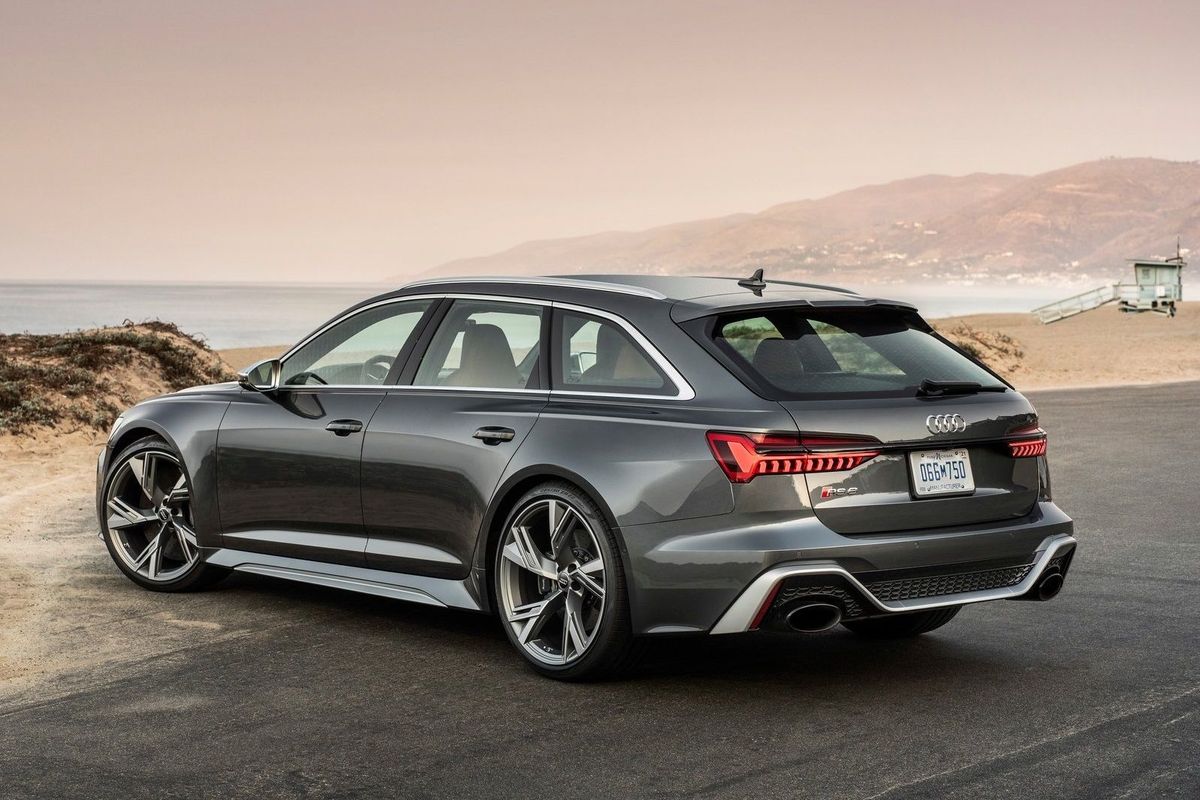
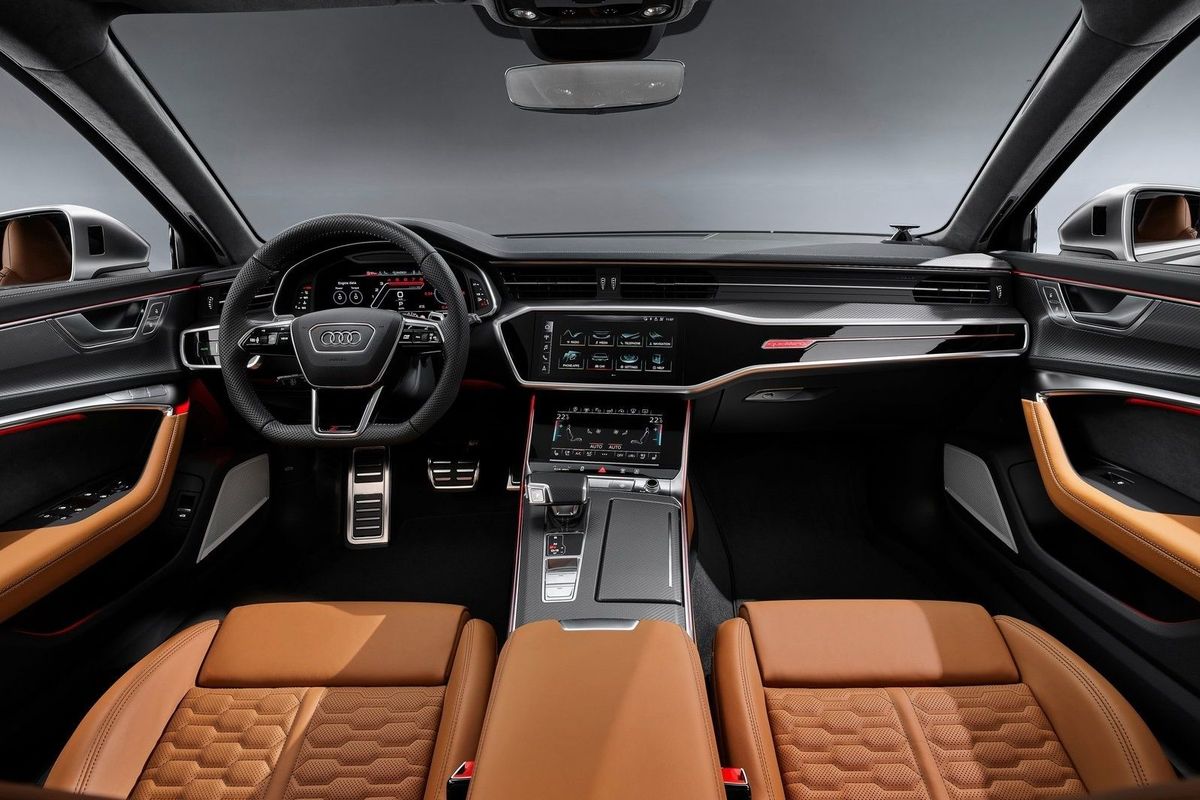
The Audi RS6 Avant, or station wagon to you and me offers something quite different to the rest of the sedans. There's no sedan option available, but if the idea of an estate doesn't work for you, then consider the Audi RS7. Essentially the same performance and powertrain in a sleek fastback 4-door coupe body. Speaking of powertrain, there's a 4.0-litre twin-turbocharged V8 engine pumping out 441 kW and 800 Nm. All this grunt is delivered to the 4-wheel-drive quattro setup via an 8-speed automatic.
Audi claims a 0-100 kph sprint time of 3.6 seconds and it'll sprint to a limited top speed of 250 kph. This top speed can be increased to 280 kph, with one of the option packs.
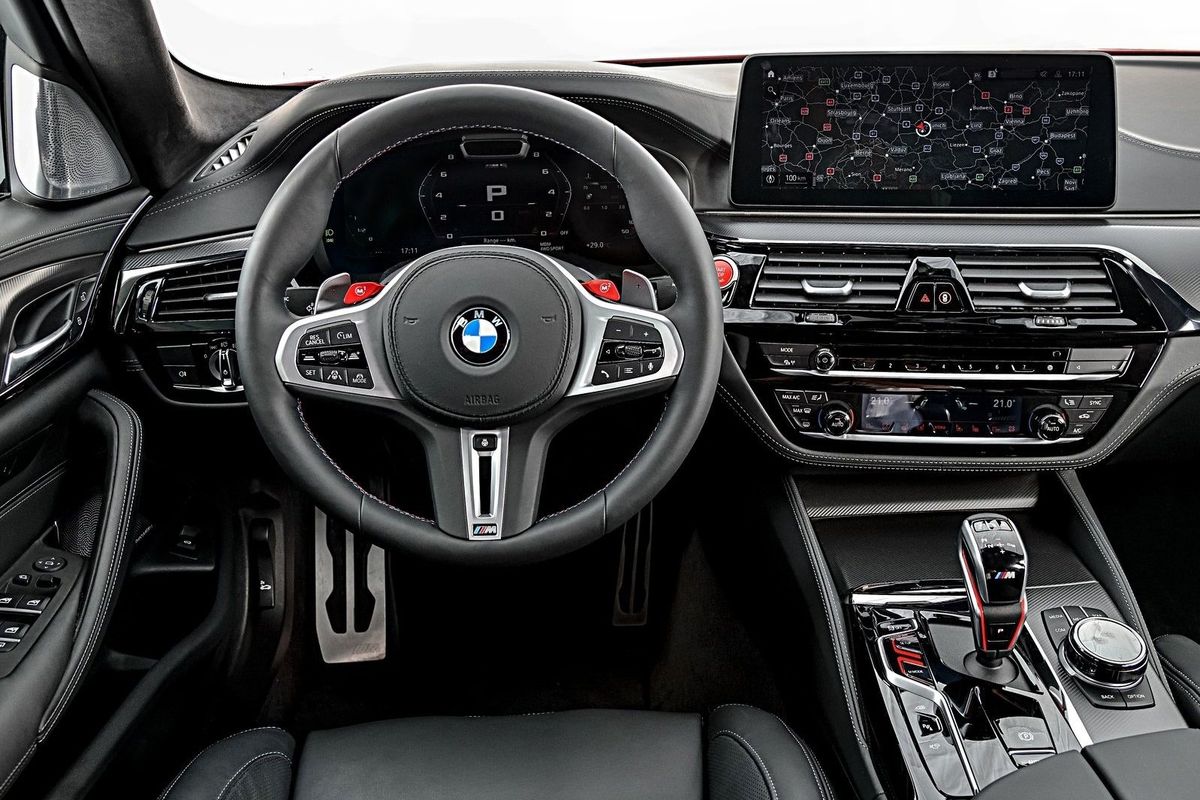
Powering the updated BMW M5 Competition is a 4.4-litre twin-turbocharged V8 petrol engine, and it delivers a whopping 460 kW and 750 Nm. BMW's all-wheel-drive xDrive system is on duty here, but you can disable the front axle for some spectacular powersliding drift action. With its launch control function dialled in, BMW claims its performance sedan will sprint to 100 kph in just 3.3 seconds and it has a claimed top speed of 305 kph. It features an 8-speed automatic gearbox.
The latest iteration of Affalterbach's finest landed in SA and brings 450 kW and 850 Nm to the party. Many would argue the 4.0-litre biturbo V8 petrol engine is one of the finest sounding powertrains in the world and having experienced such a broad spectrum of engines, we're not going to argue. Load the Race Start function and the updated Mercedes-AMG E63 S is claimed to sprint to 100 kph in just 3.4 seconds and will run to a top speed of 300 kph. Like the BMW M5 Competition, the Mercedes-AMG E63 S features 4Matic all-wheel drive, but the car can be switched to rear-wheel drive, but good luck trying to tame all 850 Nm…
The class of 2021 could not possibly be closer in terms of engine outputs and performance. If we were betting folk, we'd bet the BMW would be off the line the quickest, but the superior torque of the AMG would start reeling in its compatriot for a photo finish. The Audi RS6 is the dark horse here as a few international publications have seen it go quicker than claimed in 0-100 kph testing.
We'll be putting all three through their paces in 2021. Strap yourselves in everyone, we're in for a treat.
If you are looking to buy a new or used car, it’s important to consider the effects of depreciation before you buy the car. This article offers some insight into car depreciation and highlights key factors you should consider before buying your next car.
What is car depreciation?
Car depreciation can be defined as,
The rate at which a car loses its value over time.
Different car brands will have different rates of depreciation.
Why is depreciation important to consider?
Depreciation will cost you money over time,
Depreciation affects the re-sale value of a car.
*Tip: Reliable and well-established car brands will generally have a lower rate of depreciation (Think Toyota, VW, BMW, Merc).
If you buy a new car, the moment you drive it, it will be worth a lot less than what you just paid for it. Here are some facts,
Depreciation is the largest expense you will incur over a five year car ownership period,
Most cars depreciate at a rate of 15% – 20% per year,
The rate of depreciation is most severe in the first year of ownership and can be as high as 50% in some cases,
The rate of depreciation decreases as the car gets older,
Your car will generally be worth half of what you paid for it after owning it for 5 years.
*Tip: To avoid the brunt of depreciation consider buying a used car with low mileage.
Example of car depreciation:
BMW is considered to be a luxury brand and holds a strong position in the market. The depreciation on a BMW is therefore generally considerably less when compared to other brands.
BMW 3 Series (2022): (R731624)
Year 1
Year 2
Year 3
Year 4
Year 5
Value:
R731 624
R621 880
R541 035
R486 932
R443 108
Depreciation %:
15%
13%
10%
9%
8%
Total Loss:
R109 743
R80 844
R54 103
R43 823
R35 448
This table clearly demonstrates how a car loses value over time. Over 5 years, the total loss due to depreciation adds up to a staggering R288 516. Let’s look at the factors that affect the rate of deprecation.
Many factors influence the rate of depreciation for any given car. Here are some factors to take note of, especially if you plan on selling the car,
Make of the car – Reputable car brands with notable track records will hold value better over time.
Model of the car – Popular models will generally have a lower rate of depreciation.
Age of the car – New cars generally lose value faster than older cars.
Warranty period – If you sell a car that is still within its warranty period, the re-sale value will be higher.
Accident history – Cars that have been in accidents will have considerably lower re-sale values.
What can you do to minimize the effects of depreciation?
You can’t avoid car depreciation but you can minimize its effects. When buying a new car or used car consider the following,
Buy a car with neutral external colors such as black, white and silver. These colors will most likely still be popular in a couple of years and will therefore sell for more.
Buy a car with comfort and safety features such as central locking, alloy wheels, CD/MP3 player, navigation equipment, parking assistance, anti-lock braking system. Useful features improve re-sale value.
Buy a car that has good fuel economy.
Keep your car clean and well serviced. You will get better re-sale value if your car is well kept.
Try keeping your mileage as low as possible, this will increase the re-sale value of the car.
Park your car in a garage and consider buying a cover for protection. A well maintained car will sell for more.
Summary
Depreciation is inevitable. The most you can do is to buy a car that has a good reputation in the current market and maintain it to the best of your ability, that way you will get a better return when you decide to sell the car.
Yaris Cross Gets More Adventurous
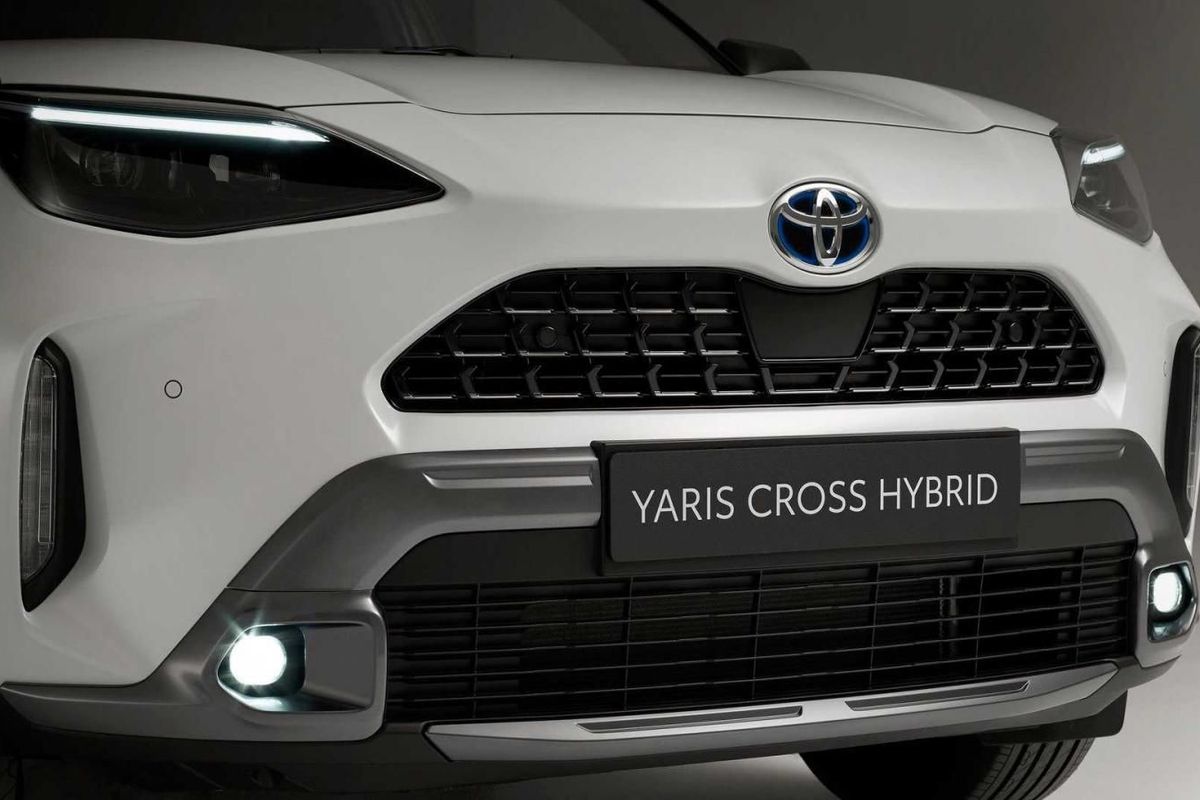
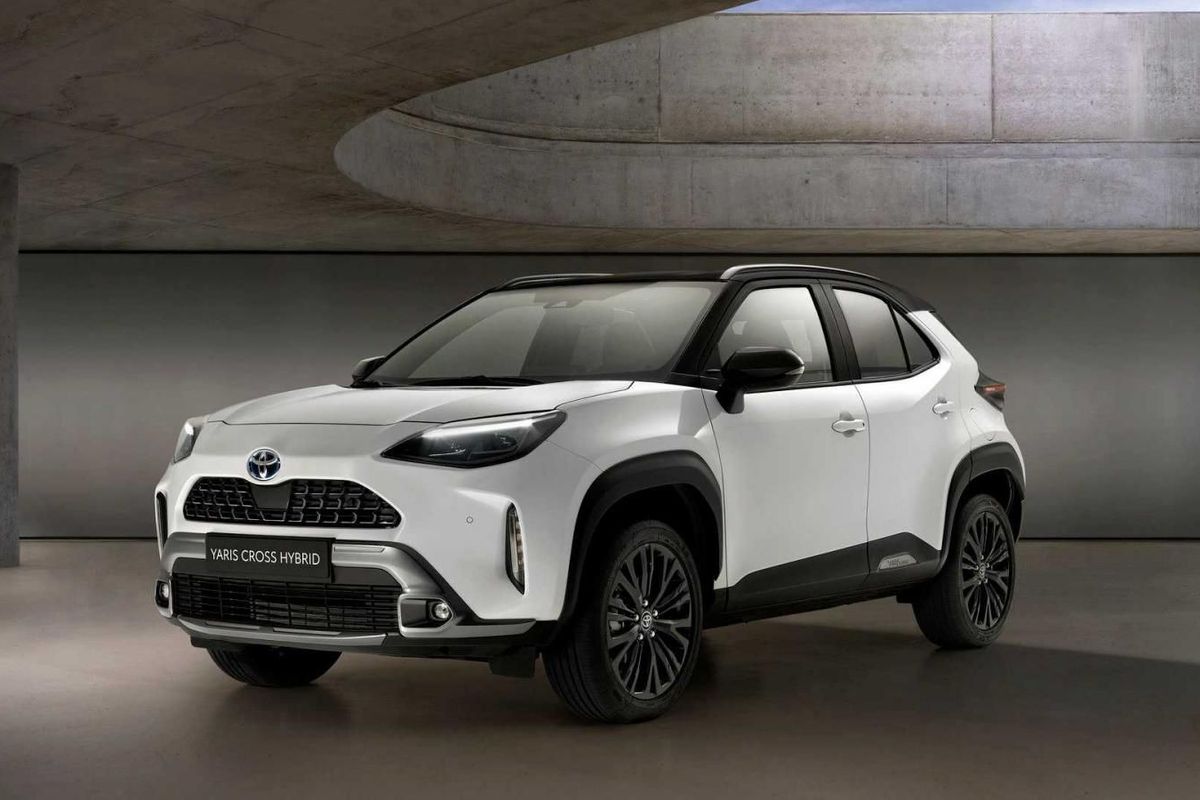
Toyota's Yaris Cross has gained a gravel-travel look in the name of adventure…
The Yaris Cross is another example of how well Toyota evaluates the market.
As the traditional hatchback business fades, being overtaken by demand for crossovers, Toyota has simply evolved the Yaris platform into a crossover.
Within Toyota’s product hierarchy, the Yaris Cross sits below CH-R, and has definite appeal for those customers with a desire for a small crossover with Toyota’s proven reliability.
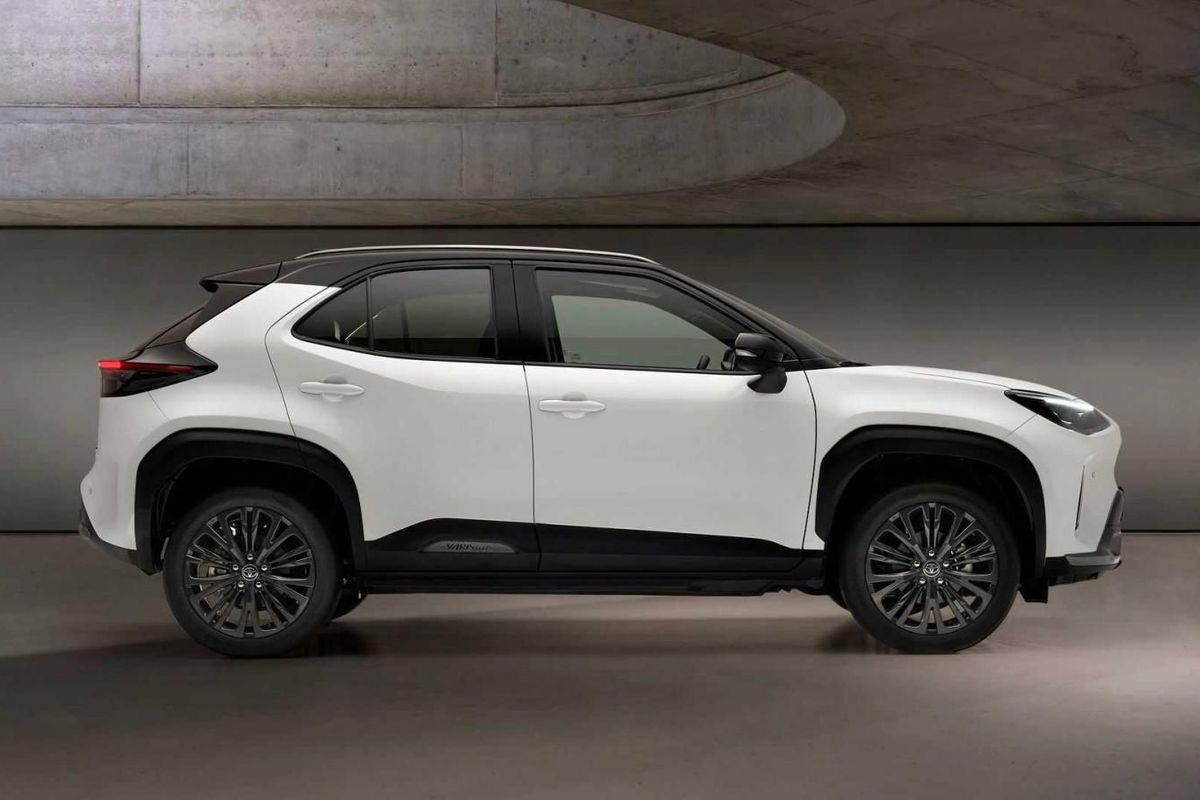
Like the CH-R, Yaris Cross has surprisingly daring styling and exterior design for a Toyota. Nearly a year after its original reveal, the Yaris Cross is now available with an Adventure treatment.
Although this new Yaris Cross trim level does not increase the vehicle’s 170mm of ground clearance or equip it with more off-road appropriate tyres, Toyota has added some small exterior detailing changes.
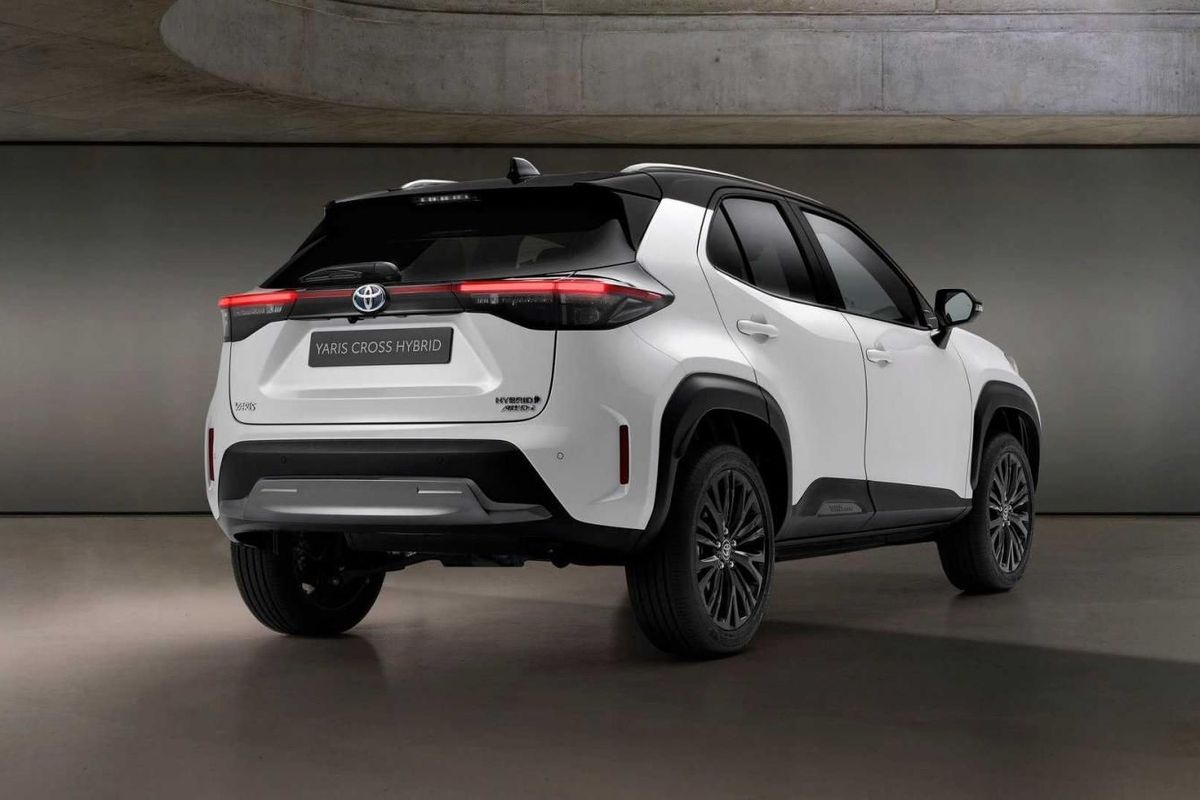
A rear bumper scuff plate is added and at the front silver trim surrounding the lower bumper section can be seen. Toyota has also included what appears to be a faux diffuser framing the lower front bumper, although it's sure to be purely cosmetic, instead of aerodynamically functional.
The Yaris Cross Adventure is powered by a 1.5-litre petrol-hybrid engine, producing 87kW. A clutch-pack sends that power to the rear wheels, as needed, making the Yaris Cross all-wheel drive when required. It might not be capable of exploring rugged terrain, but high-speed gravel driving and some mild sand tracks should be well within its capability.
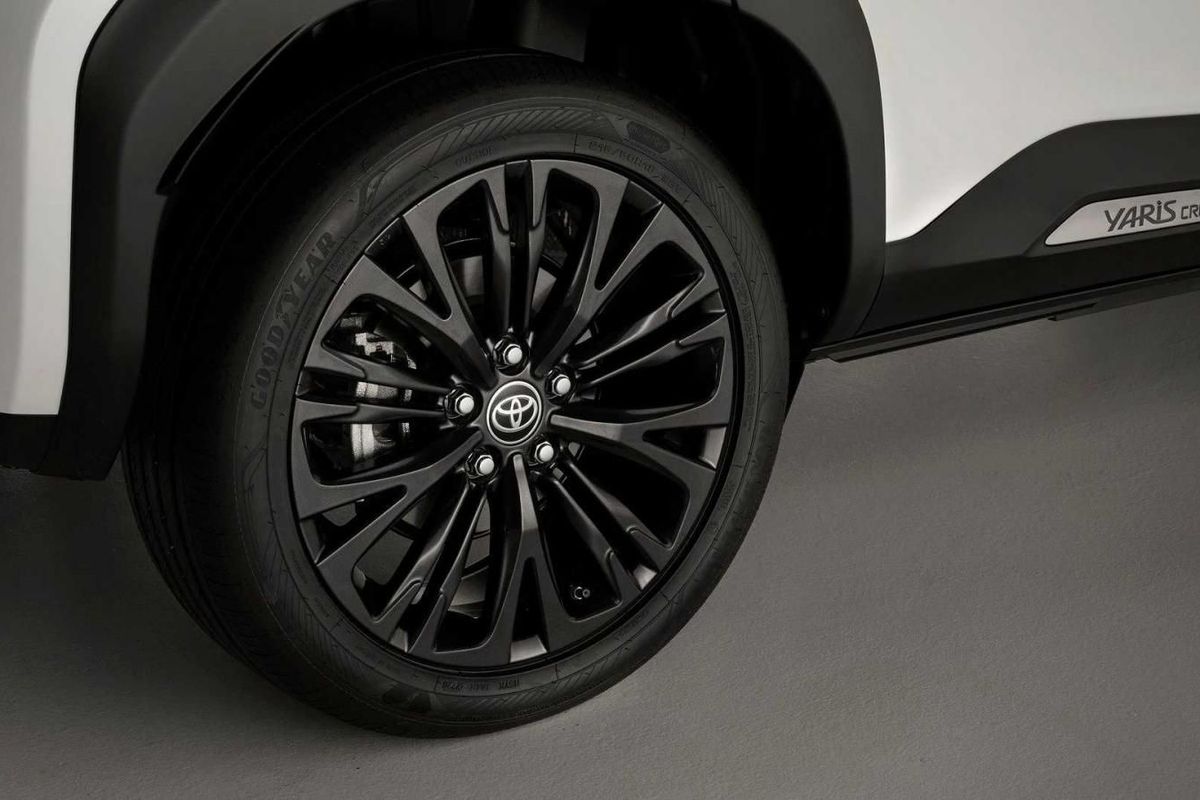
A black roof and wing mirrors are also part of the Adventure configuration, with both its roof rails and alloy wheels finished in a dark grey colour.
Inside the Yaris Cross Adventure, you will find a darkened headliner, black dashboard accents and even some gold coloured detailing in the door panels and fascia panel.
Available in right-hand drive markets such as Australia, the Yaris Cross, especially in Adventure trim, would make for a great junior RAV4, in South Africa. With the local market not being a destination for the current Yaris platform (unless you want the rare GR), that appears unlikely to happen.