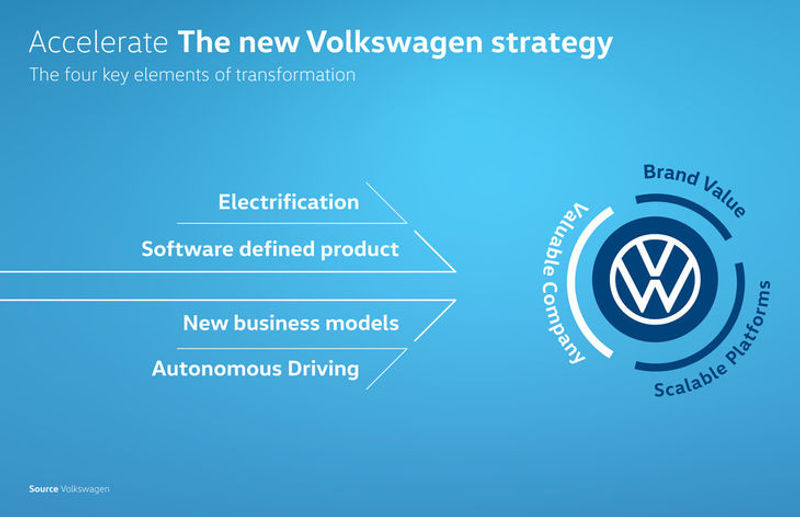
By turning vehicles into software-based products, Volkswagen envisions a networked fleet of electrified vehicles will that receive regular over-the-air updates and have built-in features and services that owners can either specify or subscribe to, whenever they want, throughout the lives of those cars.
However, apart from implementing a data-based business model and “making autonomous driving available to many people before the end of the decade” (as part of its new Accelerate plan), Volkswagen has also undertaken to continue developing internal-combustion-engined products such as the Golf, Tiguan and T-Roc, albeit with increasingly higher levels of electrification.
“E-mobility was just the beginning: the real disruption has yet to come. With our strategy we will Accelerate towards the digital future,” Ralf Brandstätter, the chief executive of Volkswagen (pictured above) said last week. “In the coming years, we will change Volkswagen as never before.”
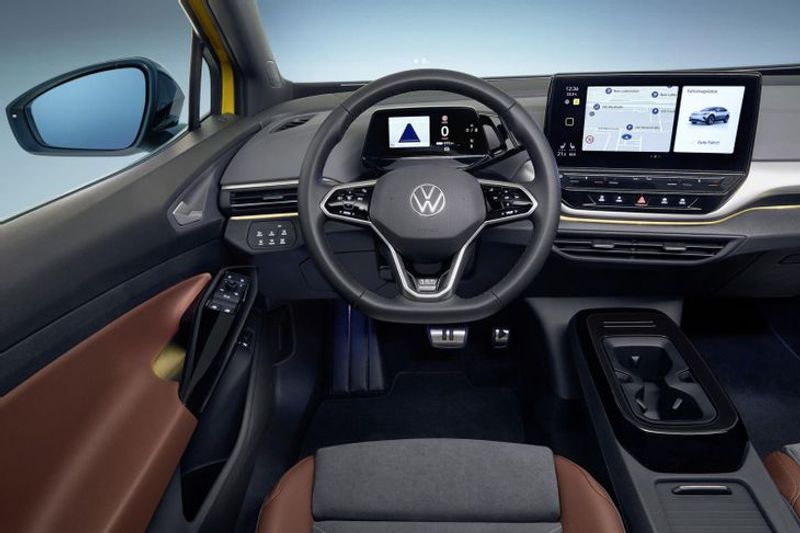
For that to happen, Volkswagen intends to grow the integration of software into vehicles (and the digital customer experience) into a core competency of the group, which will scale the software throughout its respective brands' line-ups. To this end, Volkswagen has spearheaded the development of a customer-centric digital ecosystem, with the ID models blazing the trail.
From the middle of 2021, VW’s ID. Digital agile project unit will provide “over-the-air” updates every 12 weeks to ID-family EVs so that they will remain up to date throughout their service lives and incorporate new functions/technologies as and when they become available. The group expects that a fully networked fleet of over 500k vehicles will be on the road in 2 years’ time, through which Volkswagen will be able to transmit direct customer feedback to new functions.
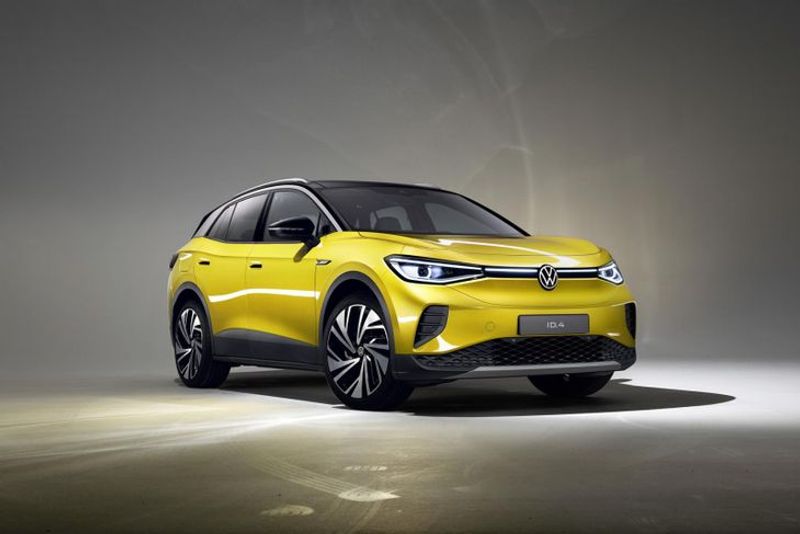
It's widely expected that the ID.4 compact family car will be the first Volkswagen EV to be offered for sale in South Africa.
You will spec cars as you drive them
In other words, future Volkswagen Group products will no longer be largely specified at the point of being ordered/purchased by customers and/or the factories where they are produced. Okay, so your choice of exterior finish, interior trims and motor/battery combo will have to be, but, as for the rest, you will pay only for functionalities and associated services that you need.
This data-based business model is aimed at lowering entry barriers to EV ownership and offering attractive service packages to customers. In doing so, Volkswagen will generate extra revenue over the service life of its vehicles through charging and energy services, through software-based functions that customers can reserve as needed, or through automated driving.
That also means that future models will have significantly fewer derivatives because vehicles will have virtually everything on board and customers can add desired functions any time by using the vehicle’s digital ecosystems. This will, of course, greatly reduce production complexity too.
Volkswagen will make a range of features and services available in models, you can spec/activate them when you want to.
Faster e-mobility expansion
By 2030, Volkswagen hopes to account for more than 70% of BEV deliveries in Europe and in excess of 50% the United States and China. It will continuously optimise the Modular Electric Drive Toolkit (MEB) with improvements in acceleration, charging capacity, range and intends to launch “at least one new BEV model every year”. In 2021, VW will introduce the all-wheel-drive ID.4, followed by the sporty ID.5 and the ID.6 7-seater electric SUV in China.
Fortunately for VW customers in countries with fledgeling EV markets, the combustion engine fleet will also be developed further in parallel to the “e-campaign”. All of the core models, including the Golf, Tiguan, Passat, Tayron and T-Roc will be succeeded by new versions.
“We will still need combustion engines for a while, but they should be as efficient as possible, which is why the next generation of our… world models will be fitted with the latest generation of plug-in hybrid technology, with an electric range of up to 100 km,” Brandstätter said.
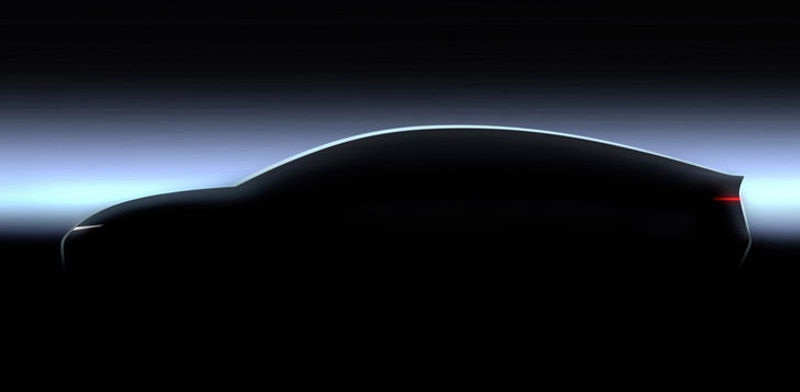
Volkswagen released this sketch of the Project Trinity sedan in profile.
Project Trinity
If Volkswagen’s Accelerate plan has a flag-bearer, it’s the brand’s flagship project, Trinity, which will debut as a production all-electric sedan (based on the next-generation high-performance all-electric drive toolkit for flat vehicles – the Scalable Systems Platform) in 2026.
Apart from reportedly delivering a full-charging time comparable to the duration of refuelling the tank of a conventional combustion-engined vehicle, the all-new EV architecture will deliver benchmark distances between recharging, thanks to extensive weight-reduction measures, plus it will be equipped with Level 2+ automated driving tech from the outset (and Level 4 in future).
“With Trinity, customers will be able to experience everything Volkswagen has planned for the future in a vehicle for the first time (in 2026). In Trinity, all of the elements will come together. The vehicle will set new standards in three respects: technologically, in terms of the business model 2.0, and with new production approaches at the Wolfsburg plant,” Brandstätter added.
Selling around 6 million units per year gives the company the critical mass it needs to scale autonomous driving, whose development is sophisticated, and to roll it out worldwide. Starting with Trinity in 2026, Volkswagen will therefore take the lead in the Volkswagen Group by establishing a neural network across its fully networked vehicle fleet over which vehicles will continuously exchange data, for example on the traffic situation, obstacles or accidents.
This will enable Volkswagen to create a self-learning system with millions of vehicles that will benefit customers of all of the Group’s brands, the company said.
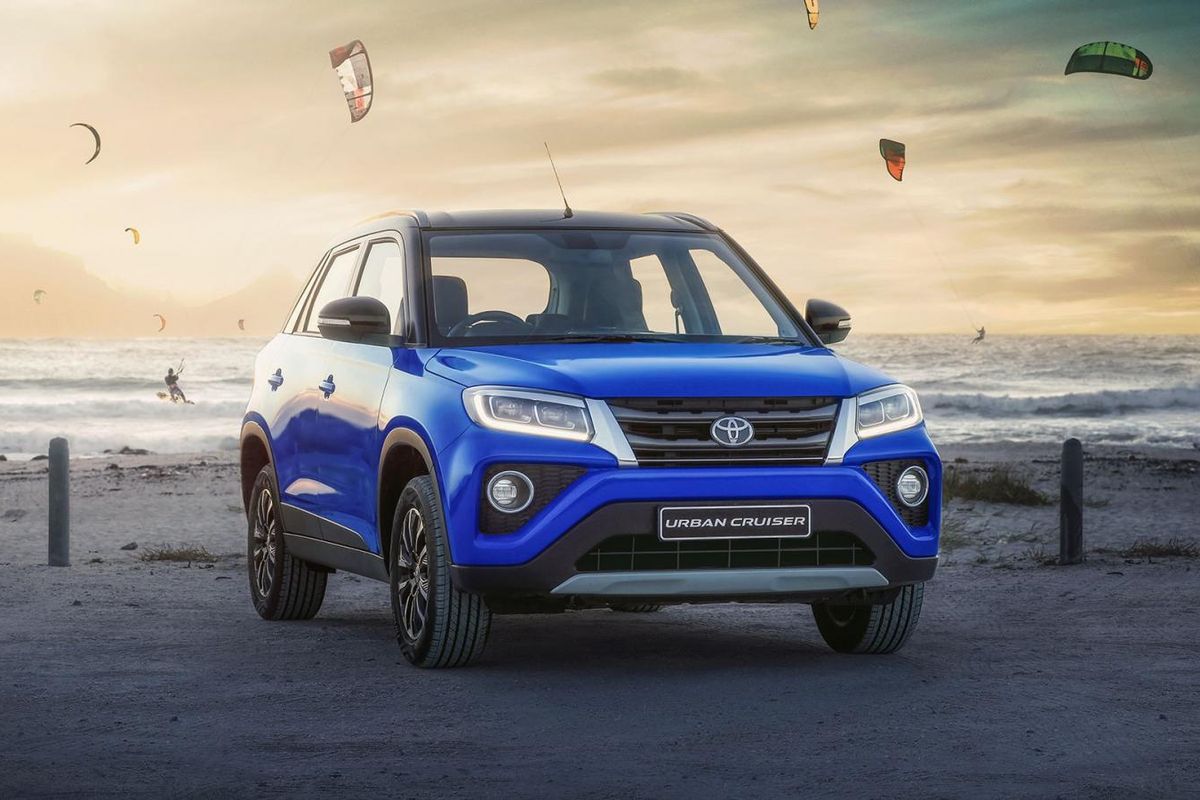
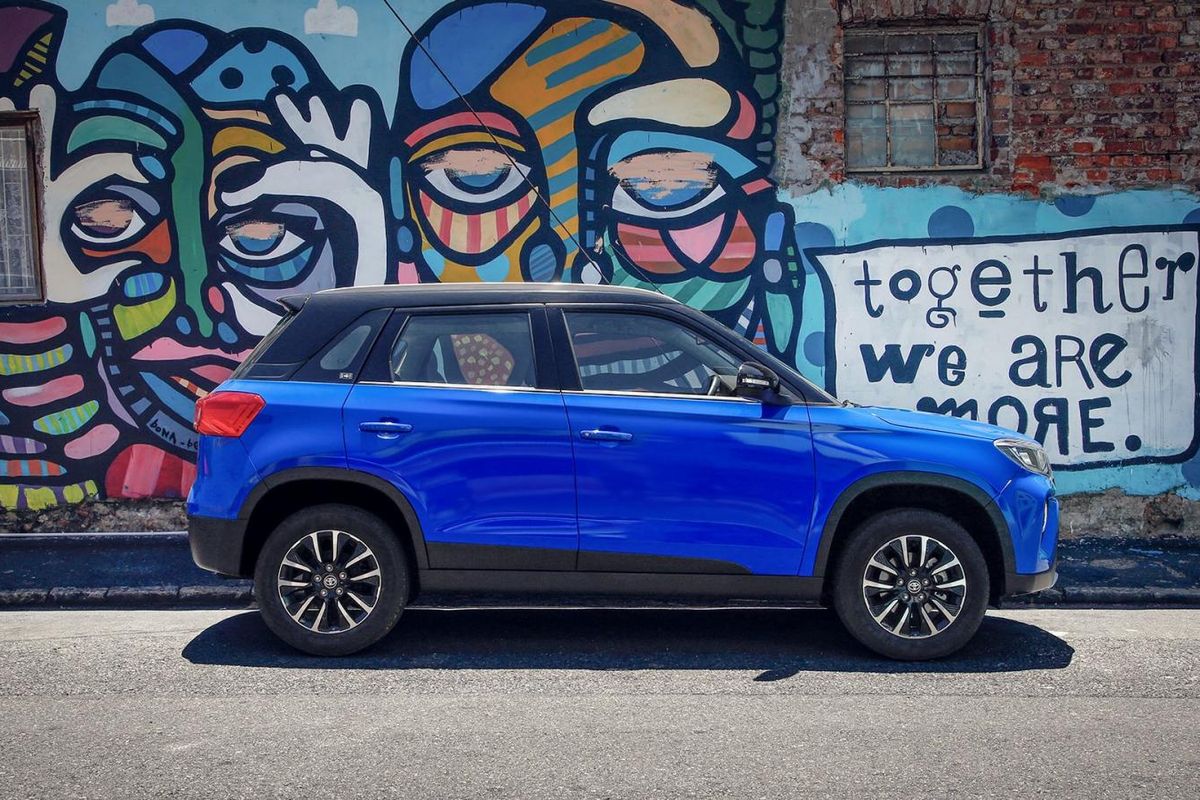
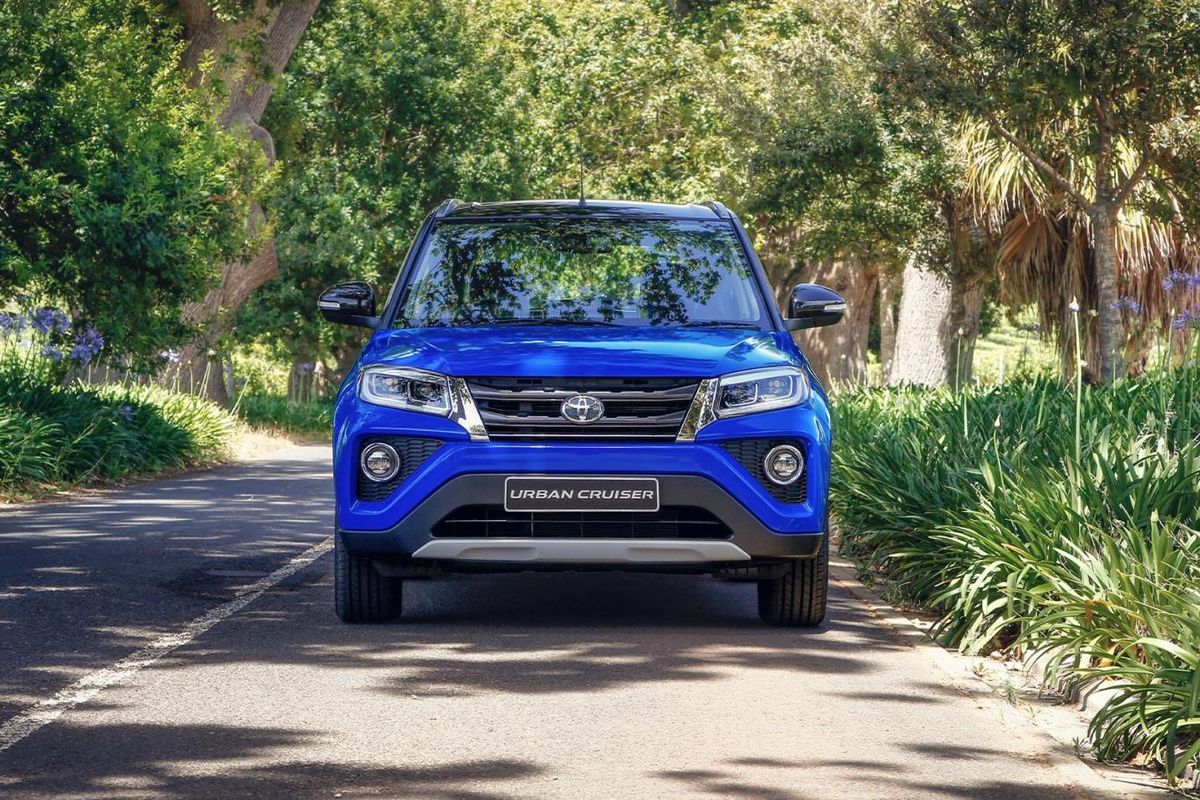
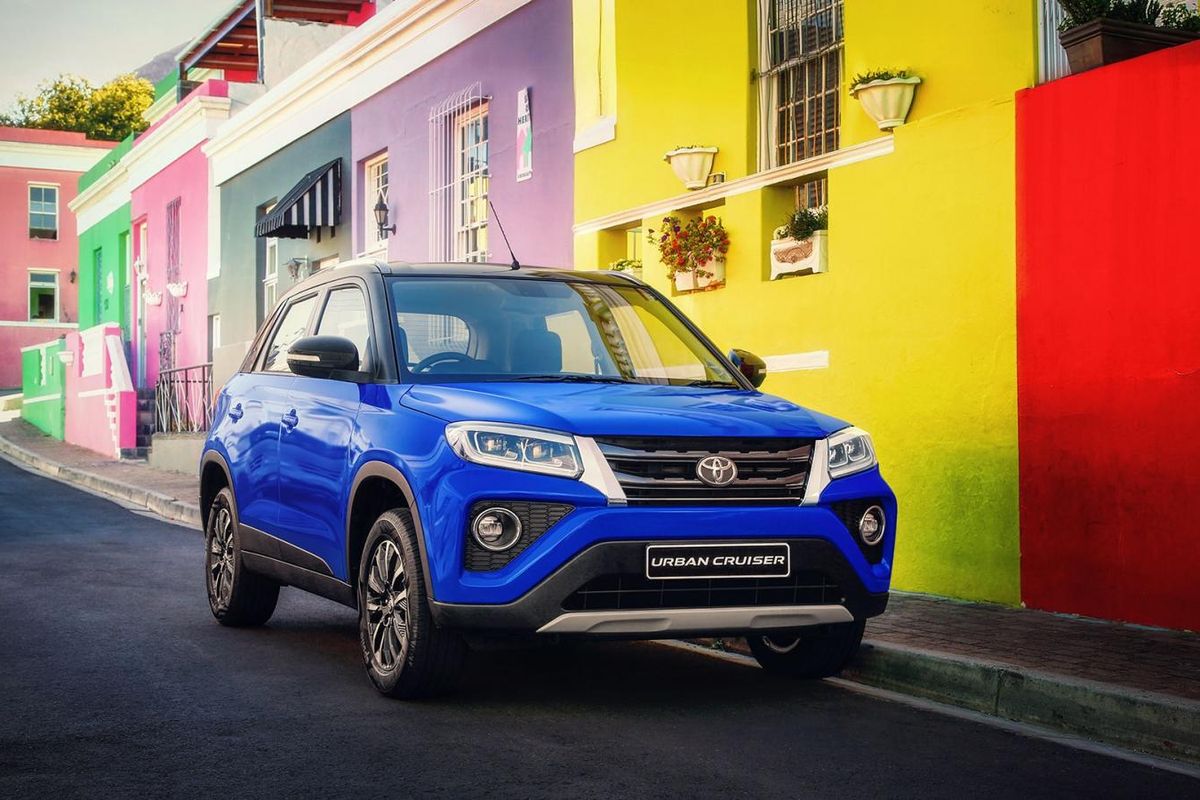
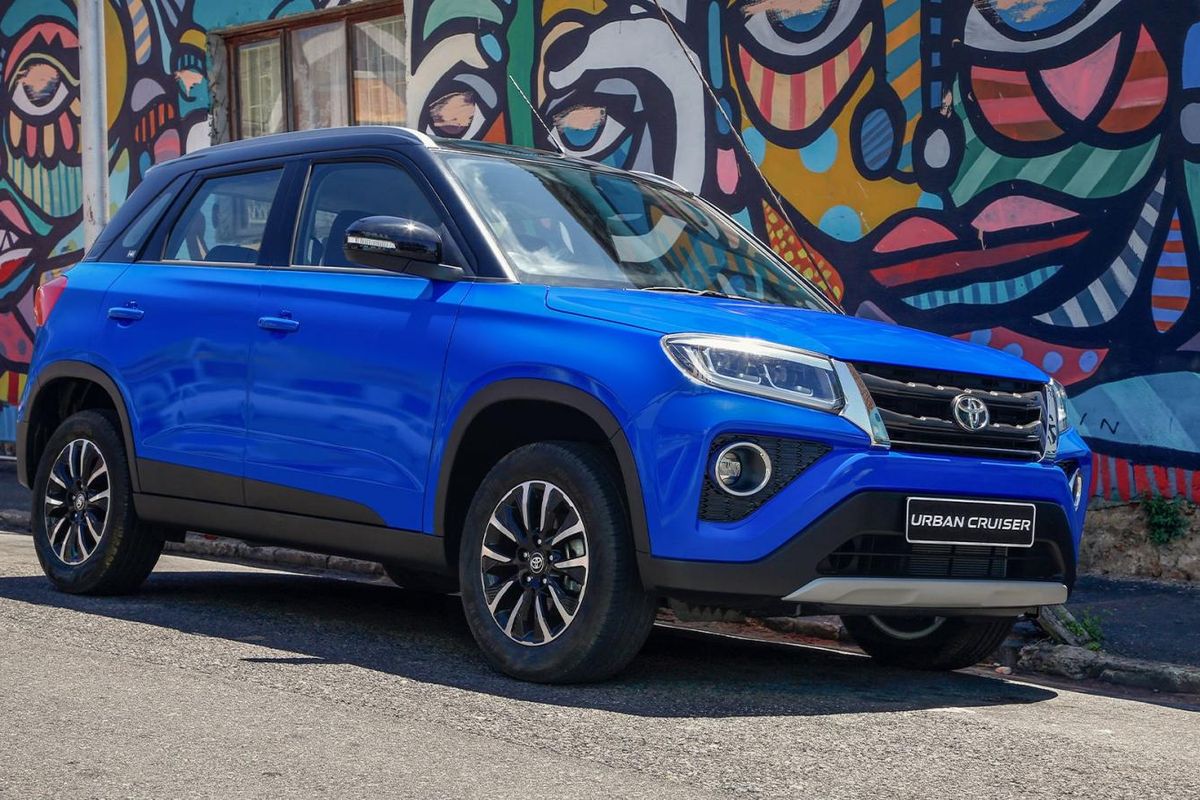
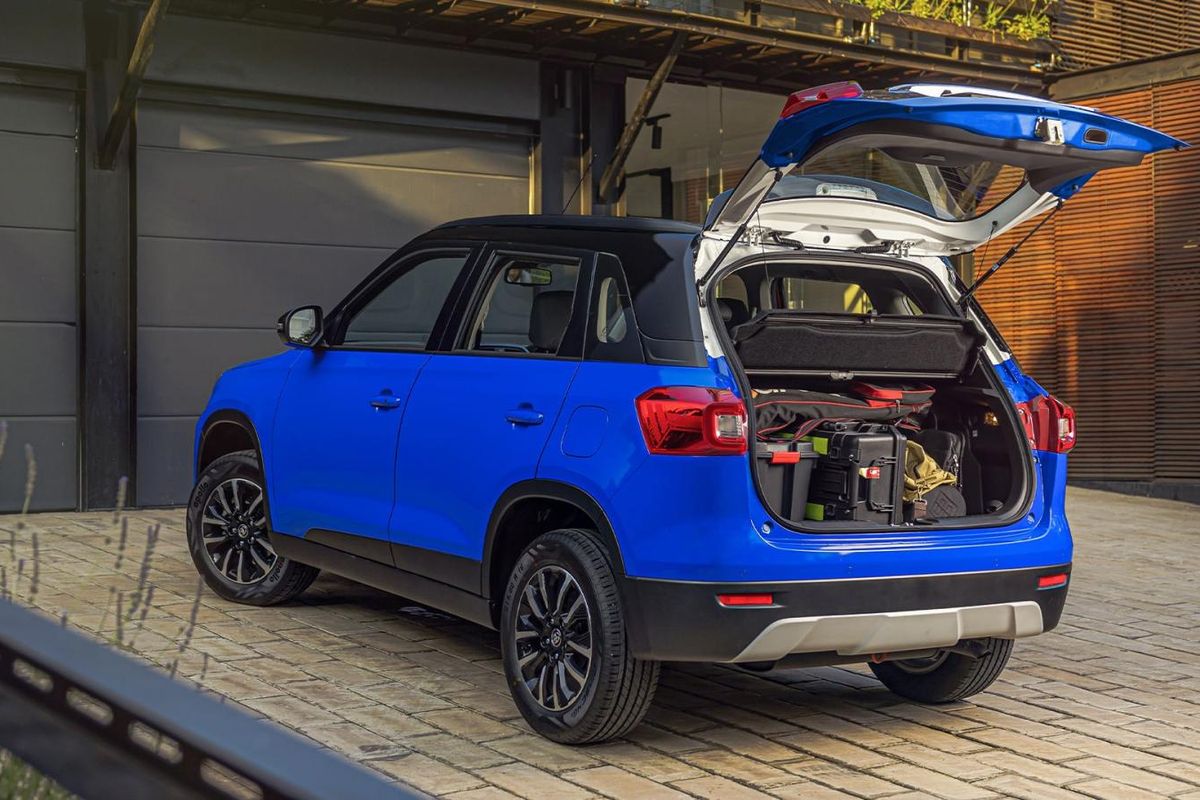
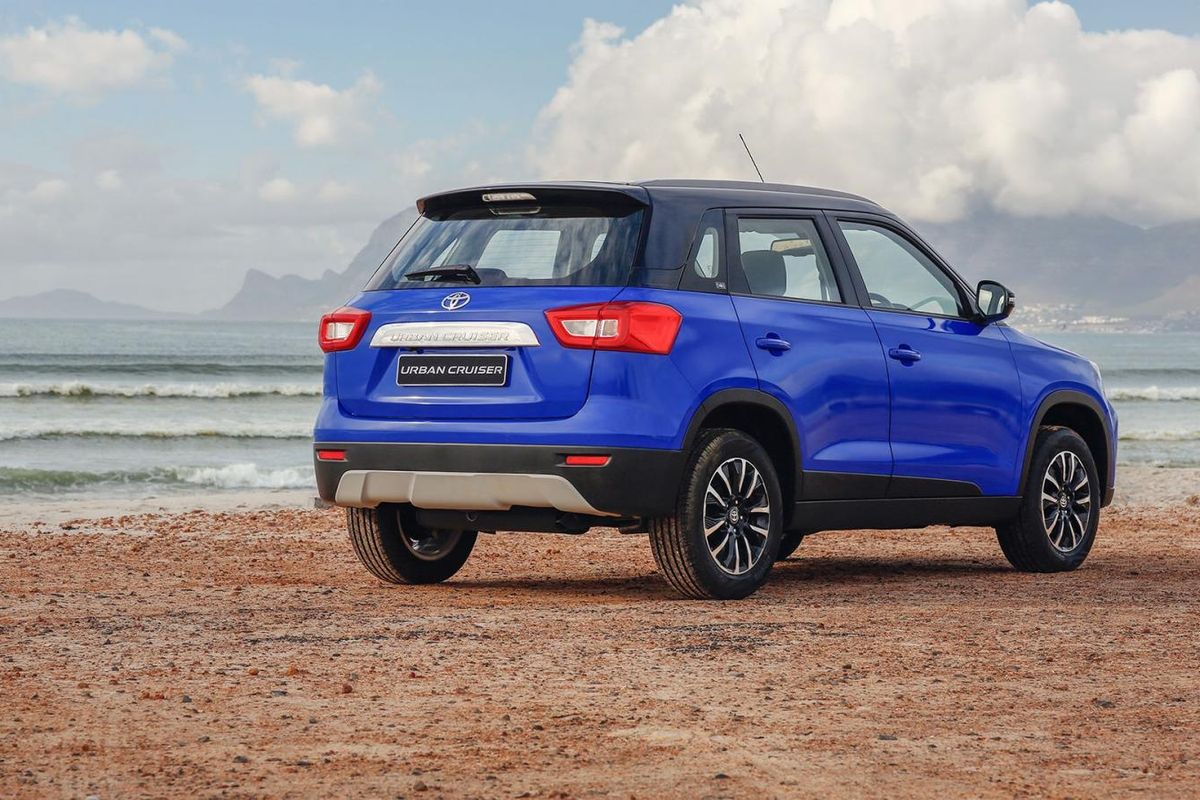
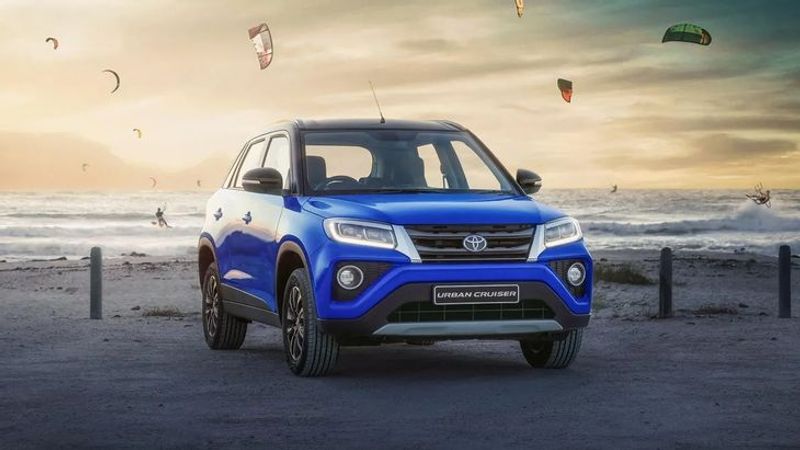
The Toyota Urban Cruiser lands in South African showrooms in March 2021. Here's how much you can expect to pay, plus trim levels and specifications for the new model.
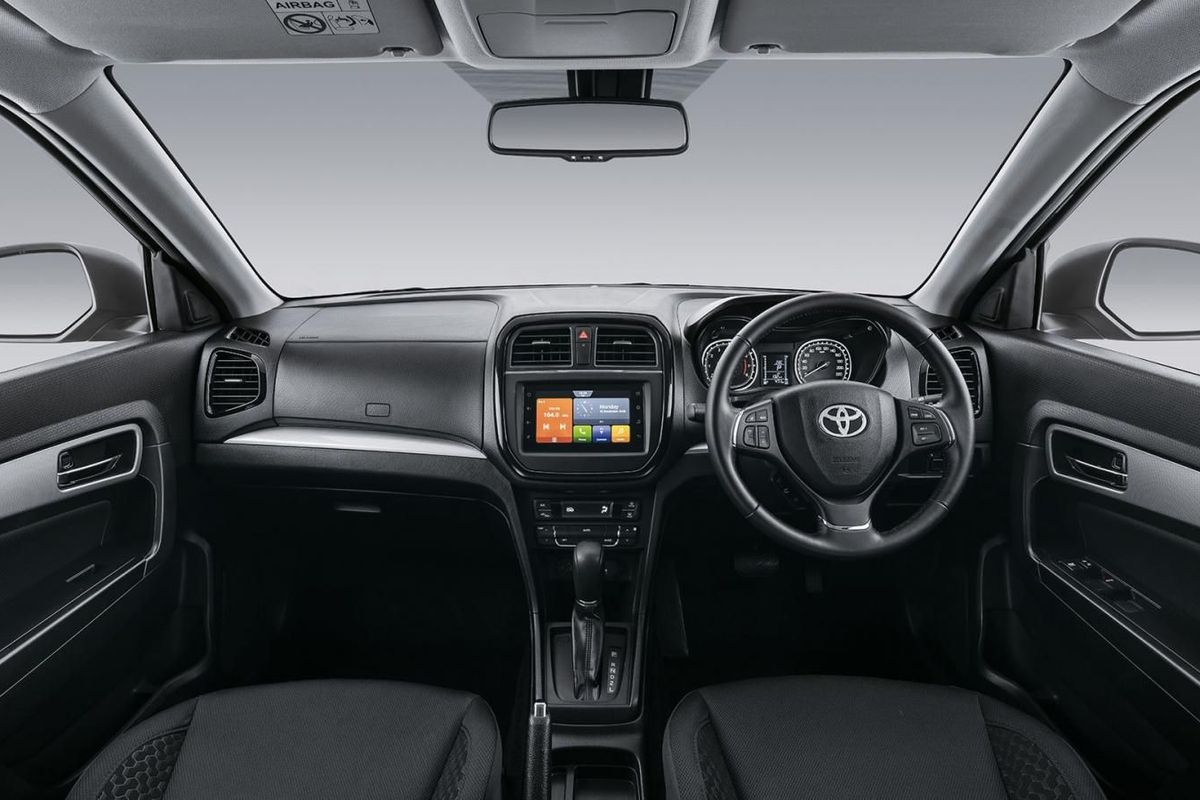
Hard on the heels of the recently-launched Suzuki Vitara Brezza comes the Toyota-badged equivalent. It's called the Toyota Urban Cruiser and yes, it looks like the same situation we had with the Suzuki Baleno and Toyota Starlet. While at first glance there are some visual similarities, the Toyota Urban Cruiser does have a slightly different front end.
Powering the Toyota Urban Cruiser is a 1.5-litre naturally-aspirated 4-cylinder petrol engine. A quick glance at the technical data shows this is the Suzuki-sourced K15B engine, and it produces 77 kW and 138 Nm. Toyota SA is offering the choice of a 5-speed manual gearbox and a 4-speed automatic transmission. Toyota claims a fuel consumption figure of 6.2 L/100 km. All Urban Cruisers are front-wheel driven.
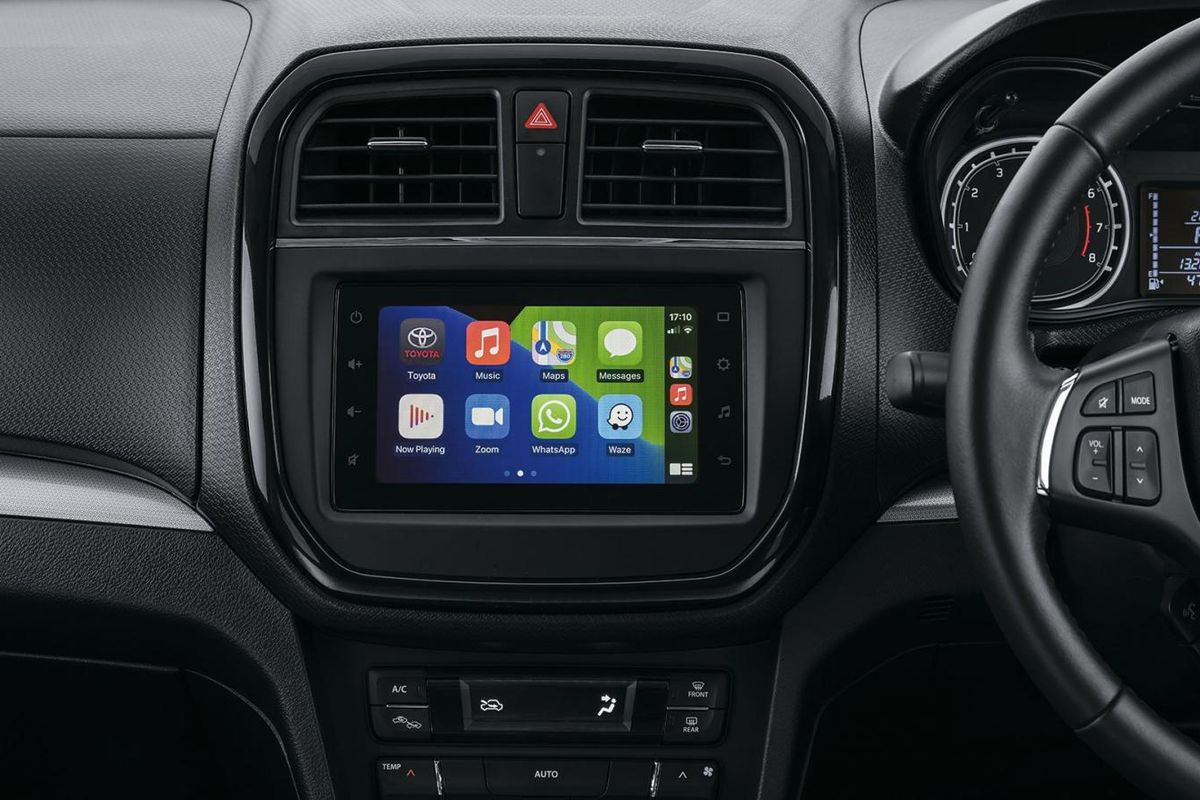
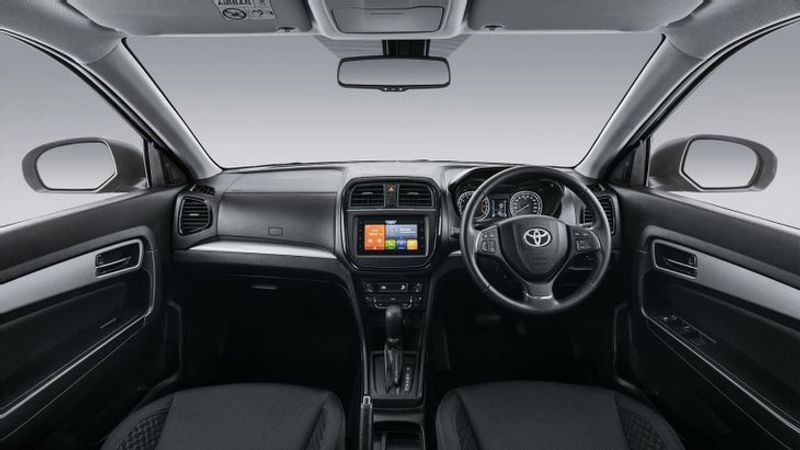
Toyota is offering the Urban Cruiser in 5 derivatives with 3 levels of trim. All Urban Cruiser models are also equipped with the Toyota Connect telematics system which includes an in-car Wi-Fi hotspot and complimentary 15Gb data. Once linked to their profile, customers can manage their vehicle via the MyToyota App. This intuitive app allows on-demand service bookings, vehicle information and history, tracking data as well as Toyota Connect data recharge services and much more.
Urban Cruiser XI Features
16-inch steel wheels
LED projector headlamps
LED daytime running lights
Overhead console
Display audio
Android Auto/Apple Carplay
Toyota Connect
Side door mouldings and skid plates
Push start
Rear parking sensors
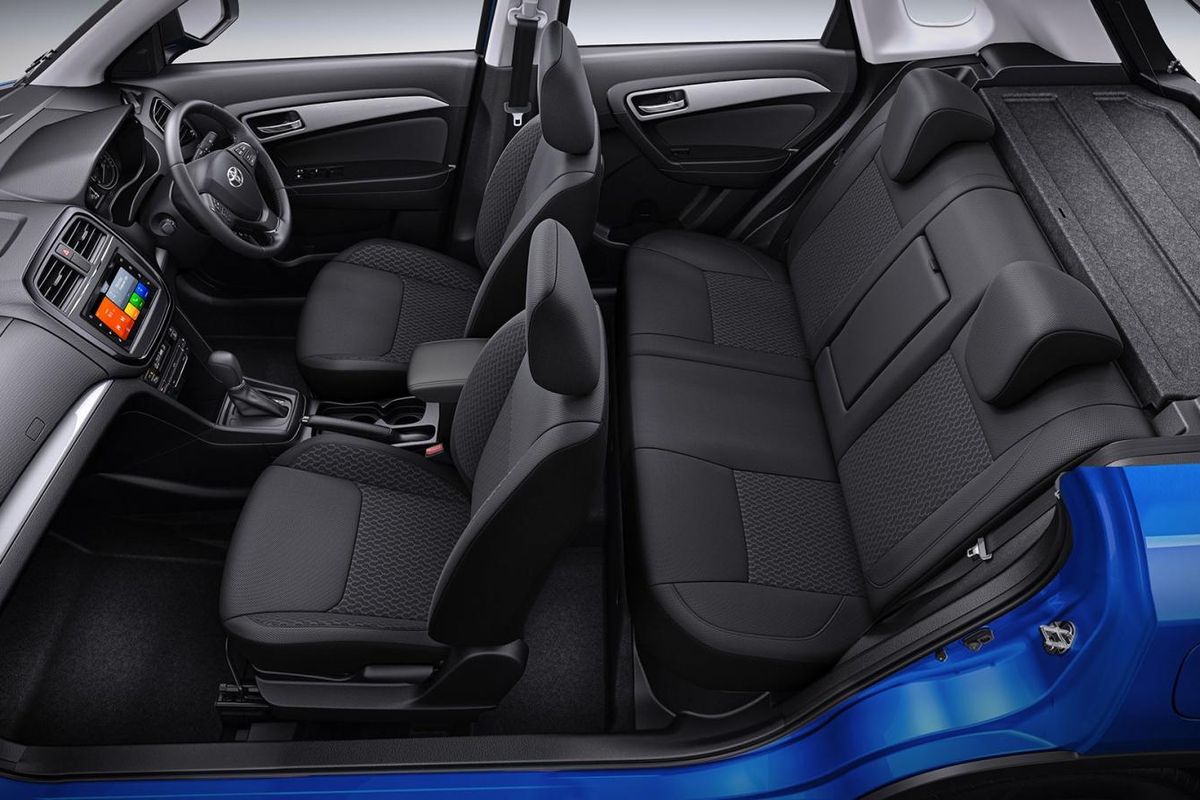
Flip and fold away rear seats
Urban Cruiser XS Features
16-inch alloy wheels
Roof rails
Body-coloured outside door handles
Coloured Power+Power fold mirrors
Electric Demister
Rear window wiper/washer
Reverse camera
Auto Aircon
Rear armrest
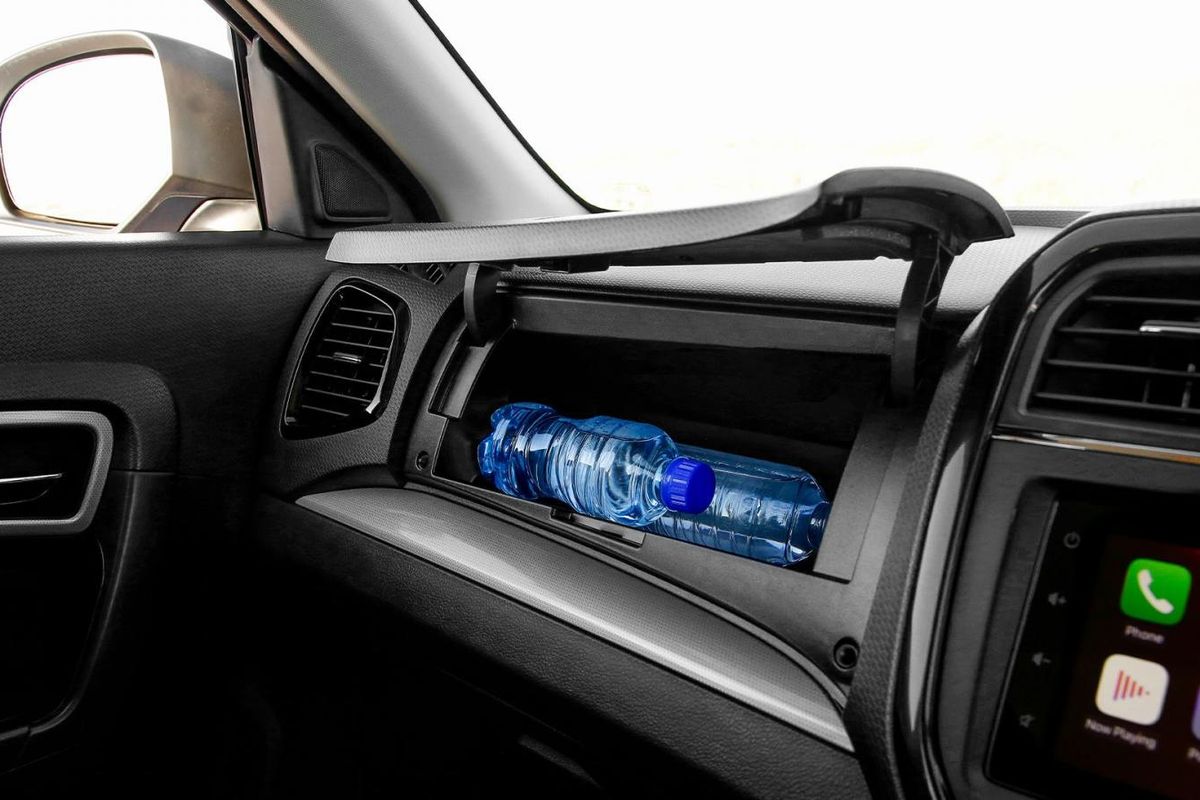
Upper glovebox
Driver seat adjust
Cup holders x2
60/40 folding rear seats
Urban Cruiser XR Features
LED fog lmaps
Auto headlamps
Cruise control
Auto rearview mirror
Rain sensing wipers
12V x2 power sockets
Front-rear armrests
Leather steering wheel
Glovebox light
Cooled glovebox
Front footwell light
Luggage room lamp
Additional tweeters
When it comes to safety, the Toyota Urban Cruiser features 2 front airbags and anti-lock brakes with EBD across the range.
We'll have more information when the Toyota Urban Cruiser launches locally during the month of March 2021.
Toyota Urban Cruiser Price in South Africa (March 2021)
The Toyota Urban Cruiser is sold with a 3 years / 100000km warranty and a 3 Services / 45 000km servicing plan. Intervals are every 12 months or 15 000km. Customers can purchase an additional service plan and warranty options via the 220-strong dealer network.
The 190-kW version of the 3.0-litre V6 turbodiesel-powered Volkswagen Amarok double cab quietly arrived in South Africa at the end of 2020 and we've had a chance to drive the eagerly awaited newcomer in and around Cape Town. What is SA's most powerful and fastest (standard) bakkie like to drive? Read on…
Volkswagen South Africa finally introduced its upgraded flagship Amarok in the first week of December 2020. For clarity, Volkswagen SA offers its Amarok V6 in Highline and Extreme trim and, for those whose budgets can't quite stretch to R922 (which is what the cheaper Highline costs), the 2.0-litre biturbo 4-cylinder derivatives still represent fair value. The 165-kW versions of the V6 have fallen away.
So what's special about this new flagship offering? After all, its predecessor was a multiple #CarsAwards – powered by WesBank category winner; many testers fondly nicknamed the bakkie TheKalahari Ferrari due to its thumping motor's immensely strong pulling power. Compared to the then equivalent offerings from Toyota and Ford, the Amarok felt leagues ahead in terms of sheer grunt.
Now the Amarok's 3.0 V6 TDI has been tuned to produce a peak output of 190 kW and, if that isn't eye-opening enough, if you flatten that accelerator pedal the turbo will deliver extra boost for 10 sec, which will push the maximum punch up to 200 kW, albeit momentarily. In a hot hatch, that number is exciting, but in a bakkie? Petrolheads will rejoice, but cynics will probably suggest it's all a bit vulgar.
Maximum torque is 580 Nm (up from 550 Nm), all of which is available from 1 400 rpm, which speaks volumes of the Amarok's overtaking ability. Performance is brisk, with the 0-100 kph sprint said to take 7.6 sec, while the average fuel consumption figure is 9.5 L/100 km (claimed). There's an 8-speed automatic 'box on duty, in combination with selectable 4Motion all-wheel-drive, including Off-road mode.
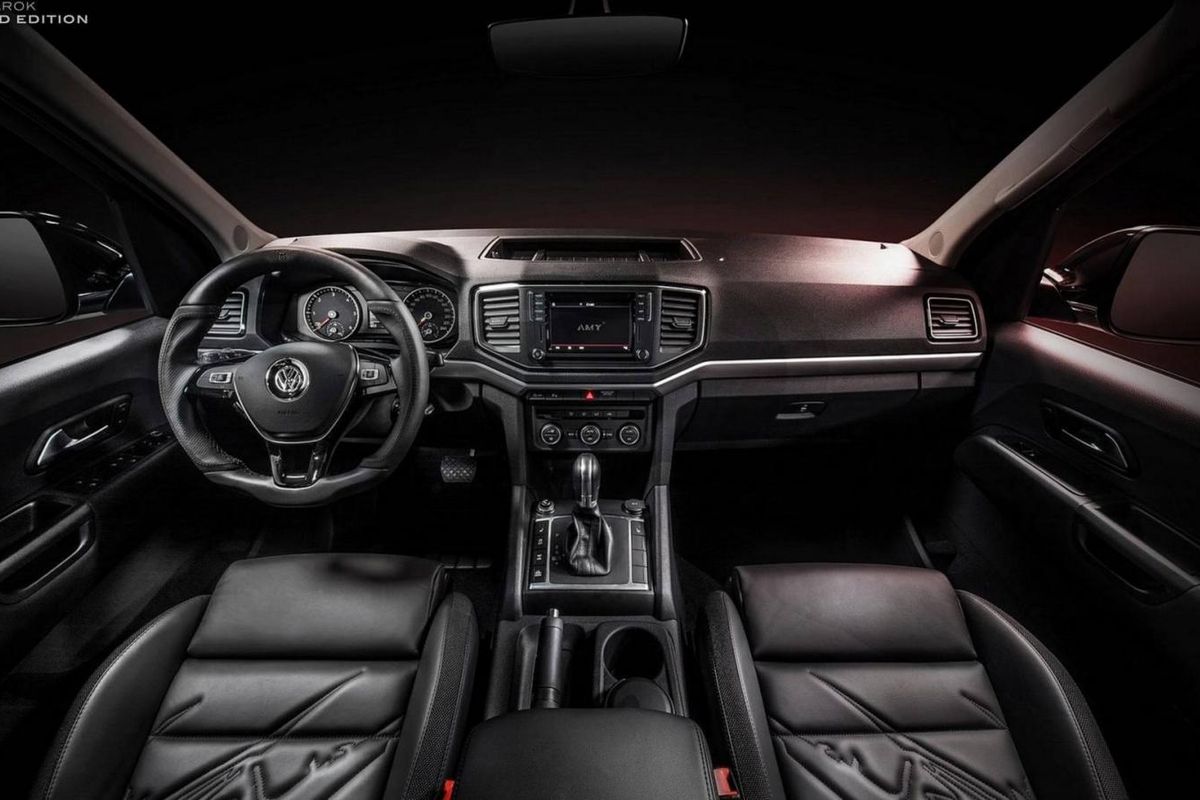
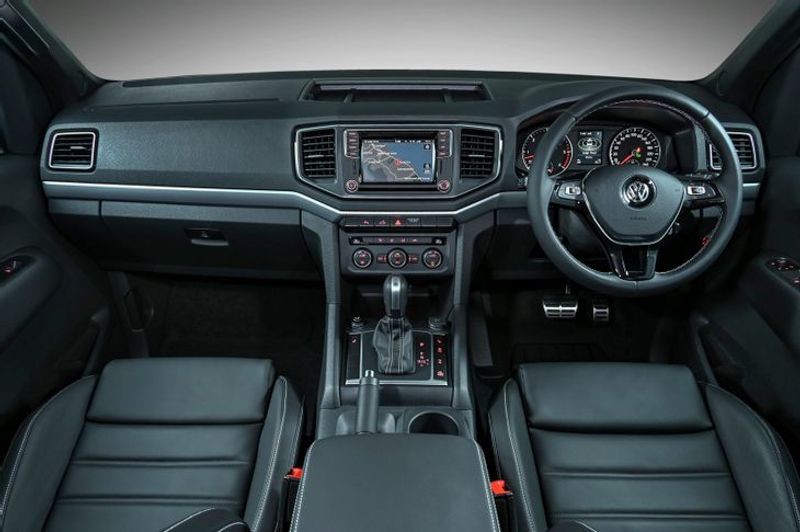
The standard level of equipment is good, but the Amarok's cabin is feeling its age.
What's it like to drive?
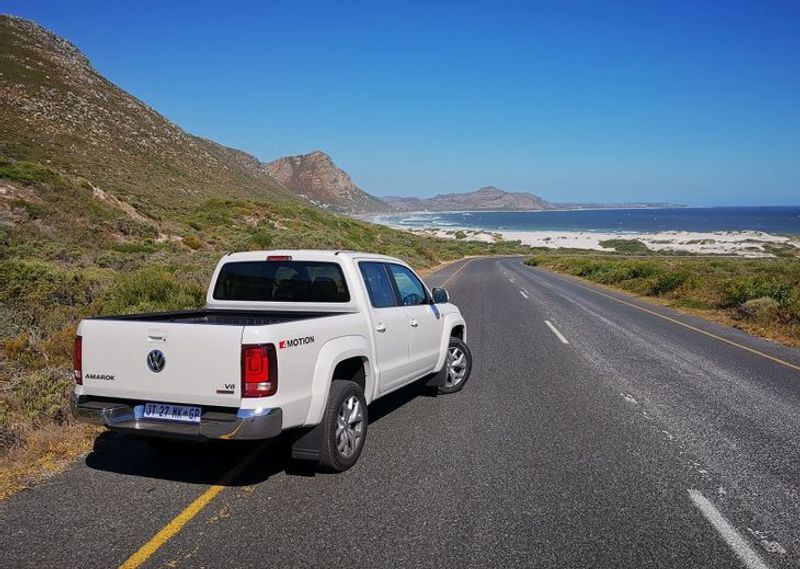
The launch of the Volkswagen Amarok 190 kW took quite a different format from the usual new-vehicle presentation. Even though it appears Covid-19's 2nd wave has all but receded, Volkswagen essentially dropped off its new offering at our office and gave us a destination to get to with the vehicle. Our destination wasn't too far in terms of direct distance, but the alternative route was almost double and promised a variety of road surfaces, spectacular scenery, and the best part, this route would be way quieter, avoiding Friday afternoon commuter traffic. It was time to test out that engine!
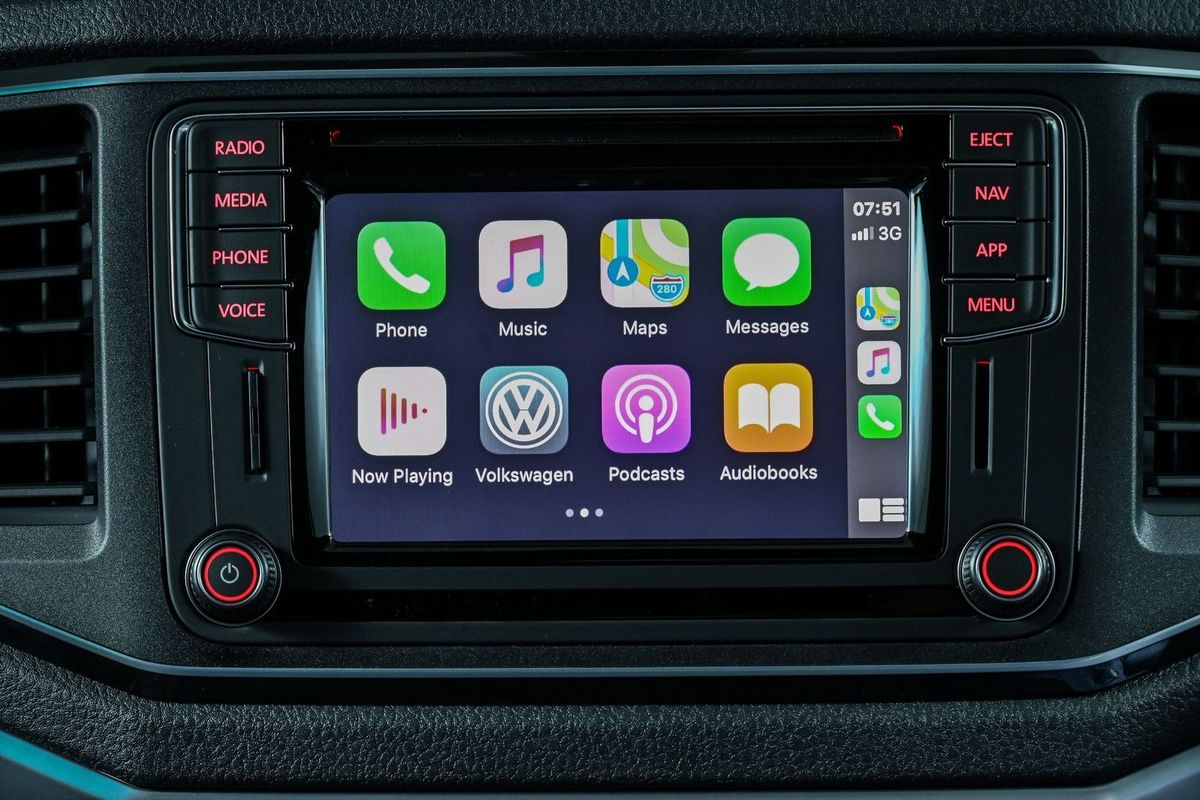
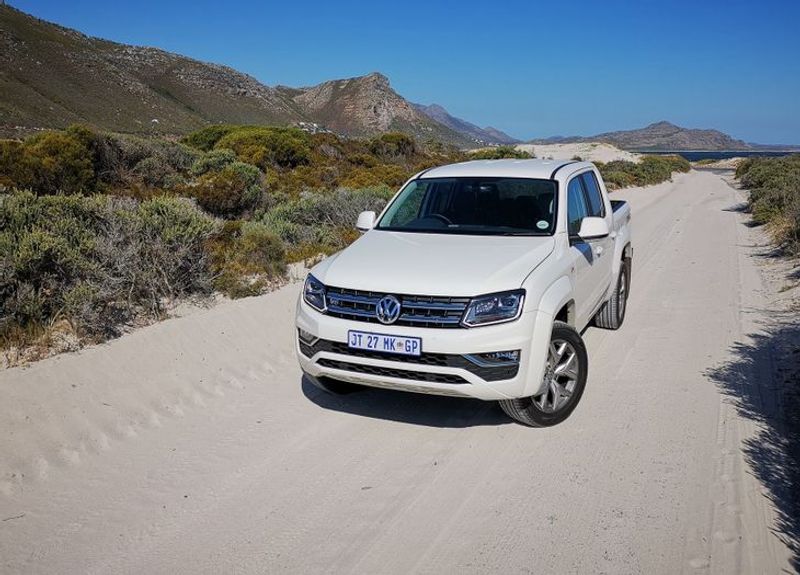
After our Candy White 3.0 V6 TDI double cab Highline 4Motion test unit had been dropped off, we had a quick glance at the spec sheet – just a solitary optional extra was fitted to bakkie: a set of 19-inch Milford alloy wheels. With road trip snacks at the ready and Android Auto playing our favourite tunes through the Amarok's infotainment system (don't fear, Apple CarPlay is also supported), we hit the road.
Now, what about that improved overtaking ability Volkswagen was crowing about? Well, the Wolfsburg-based brand's newcomer is blisteringly quick – bewilderingly so. With 580 Nm just a stab of the right foot away, the 190-kW Amarok's reserve of in-gear urge effortlessly surpasses everything else in the bakkie segment (that's if you disregard the 3.0-litre V6 turbodiesel-engined Mercedes-Benz X-Class X350d double cab 4Matic, which is on its way out). The VW's transmission, meanwhile, does a fine job of effortlessly slotting each of those 8 cogs with no noticeable lurching on up- or downshifts.
We're surprised Volkswagen didn't slap a GTI badge on the Amarok's rear tailgate – with this kind of performance, it certainly deserves one. We jest, don't send hate mail. The best part is you don't need to put your foot flat either, usually, a half-throttle application is enough to see the Amarok V6 surge ahead of slower vehicles. With all this muscle power, the 190-kW Amarok will make a fine towing vehicle.
4Motion all-wheel-drive provides plenty of grip when the tar turns into sand or gravel.
While the bakkie's in-gear acceleration/overtaking oomph is breathtaking, we found the fuel economy to be the real eye-opener. Granted, if you're going to make that V6 TDI flex its muscles all day and every day, you'll have to top up that 80-litre tank with diesel rather often. However, drive sedately and resist the temptation to storm off and you'll get very close to Volkswagen's claim of 9.5 L/100 km. Throughout the duration of our test weekend, we saw an indicated 8.9 L/100 km at one stage, but given how addictive it can be to surf on a wave of 580 Nm, that's unlikely to happen very regularly.
Our launch route didn't include any 4×4 trails, but there was a long straight sand road to traverse, so we channelled our inner Giniel De Villiers and "put foot" (to use the very apt and uniquely South African expression). Before you all shout at us about the local motorsport legend being a Toyota star, De Villiers' Dakar win was, in fact, achieved behind the 'wheel of a TDI-powered RedBull Touareg back in 2009 (for context, it was the first Dakar Rally to be held away from the African continent and the first time a turbodiesel-powered vehicle won the gruelling event).
Sails through the sand
TDI trivia aside, the 190-kW Amarok V6 felt remarkably stable on the notoriously low-grip surface. If you are a keen off-roading enthusiast, Volkwagen's bakkie offers 237 mm of ground clearance, plus there is off-road ABS to help you out in tricky situations. As before, there's no low-range ability, but we suspect the short 1st gear and the lockable rear diff will get you out of most trouble spots.
In reality, most bakkies are purchased for their cargo-carrying capacity and despite the Amarok's age, it still offers the largest bin with the widest loading width. While its rear leaf-sprung suspension still jiggles about on uneven road surfaces (especially when not transporting cargo), it's certainly not the worst of the current crop of bakkies…
However, given the recent advances made by the Ford Ranger and Toyota Hilux, the Amarok is starting to show its age in some departments. It's on-road refinement used to be up there, but the latest iteration of the Hilux has it licked in that department, while the Ranger's connectivity and active safety equipment is comparatively better. They don't have a thundering 3.0 V6 TDI motor, however…
It's the in-gear performance that raises the heartrate and eyebrows. Surely it's unnatural for a bakkie to be this fast!
Summary
Make no mistake, the 190-kW 3.0 V6's sheer performance is hands-down the biggest highlight here, but is it enough to compensate for the advanced age of the Amarok package? While the VW's cabin has virtually all the creature comforts you'd need, like the aforementioned Android Auto/Apple CarPlay connectivity and heated seats, the bakkie lacks some of its rivals' active safety features. Then, of course, there is the question of the price tag – it's oh-so-close to the R1-million mark, which is steep for a bakkie, plain and simple. Just ask Mercedes-Benz how its X-Class pricing strategy worked out.
The good news is that if you do want to be the cool guy at the braai and impress your mates with SA's Fastest Bakkie (straight out of the showroom, we reiterate), the first demo has already been loaded up on Cars.co.za and the chance to own one might just be closer than you think… provided you're prepared to settle for a unit that has already clocked up a few kilometres.
With Ford and Volkswagen joining forces to work on the all-new Ranger and Amarok, this is the last hurrah for this generation of Volkswagen's first double cab, and what a swansong it is! If only this engine had been available a little earlier in the model's lifecycle…
We secretly hope the new platform and collab project will result in a vehicle that has the suspension and off-road capability of the Ranger Raptor, but is powered by this V6 engine. Just imagine that…
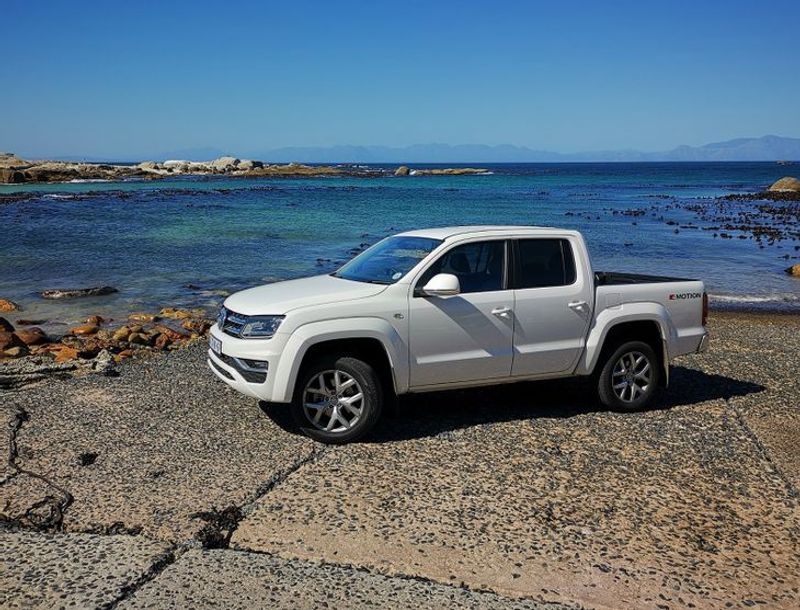
With such a powerful engine, the 190 kW Amarok would be right at home on this slipway towing a boat out of the water
Volkswagen Amarok 190 kW Price in South Africa (March 2021)
The V6-powered Amarok comes standard with a 3-year/100 000km manufacturer warranty, 5-year/90 000 km Genuine Easy Drive Service Plan and a 6-year anti-corrosion warranty. The service interval is 15 000km.
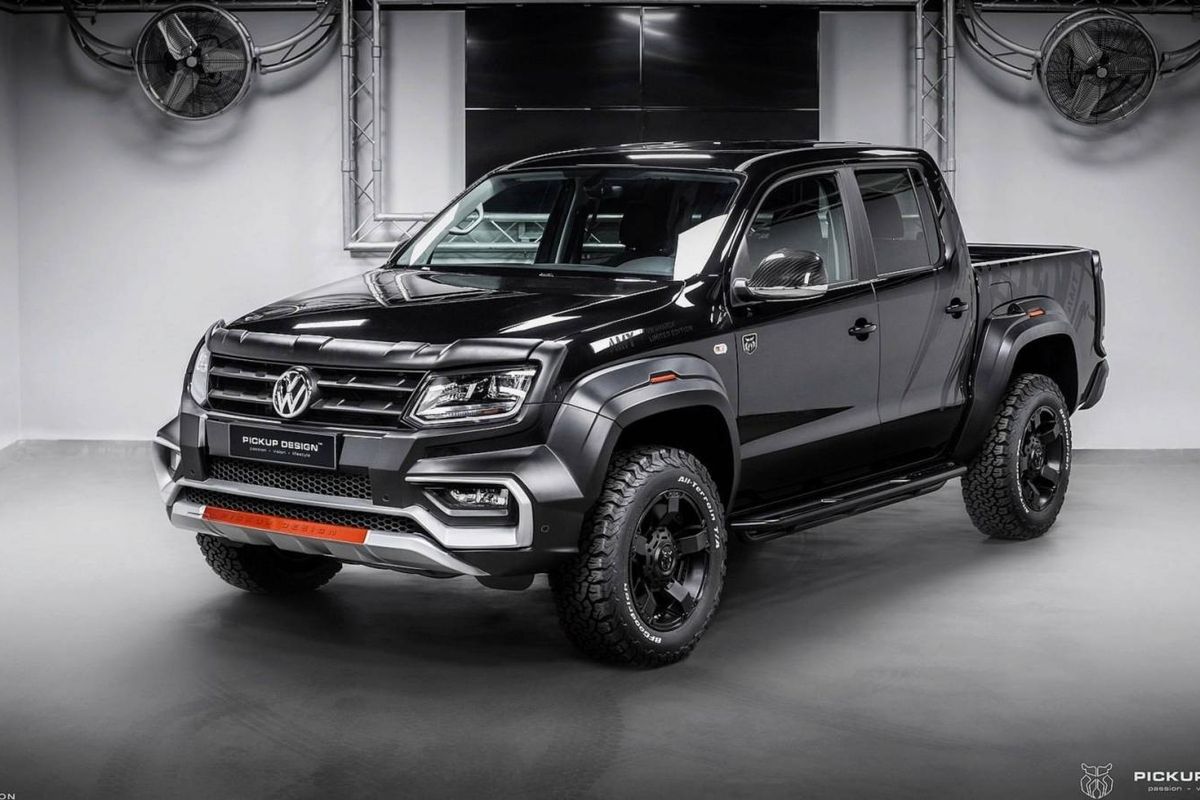
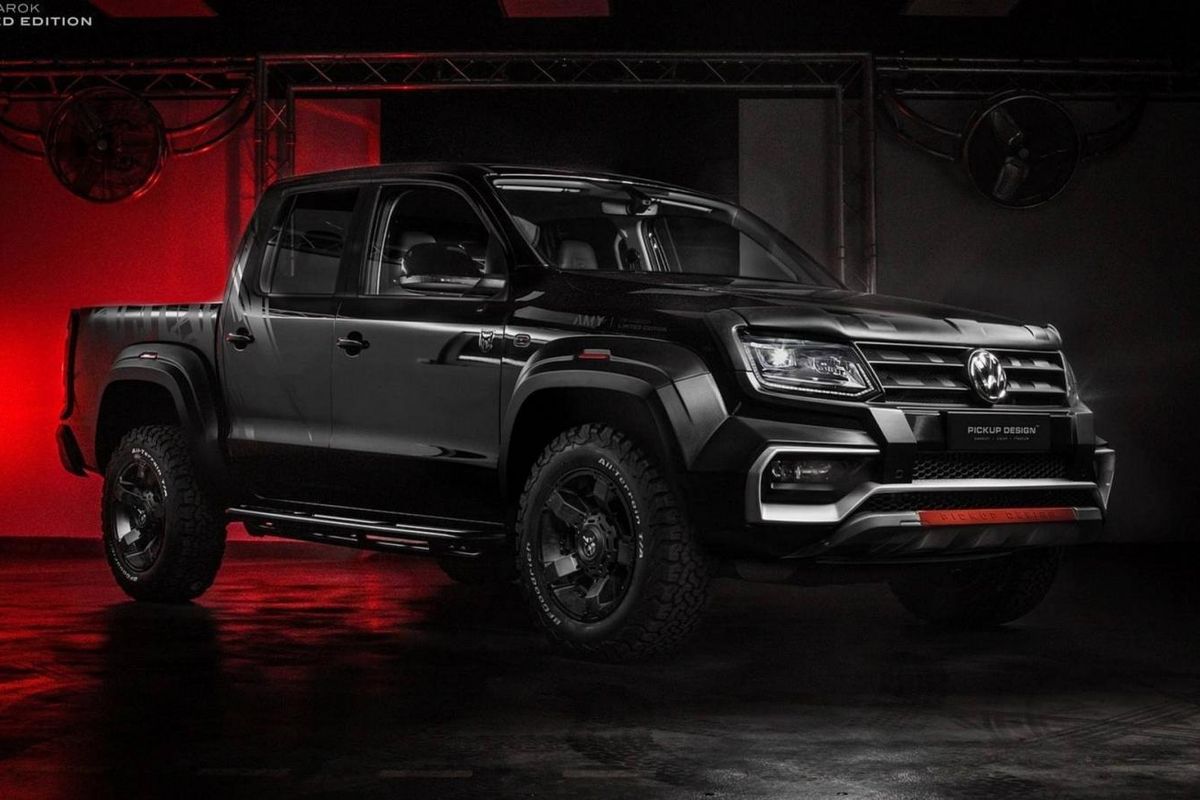
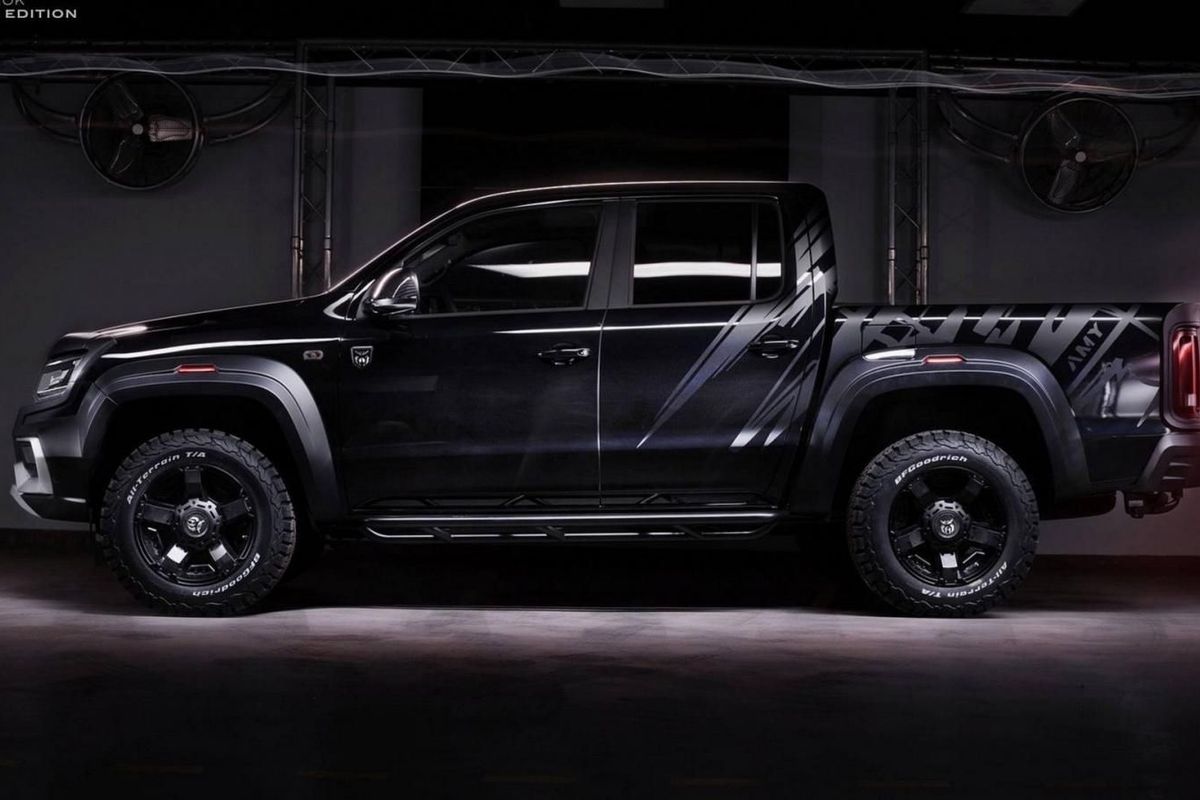
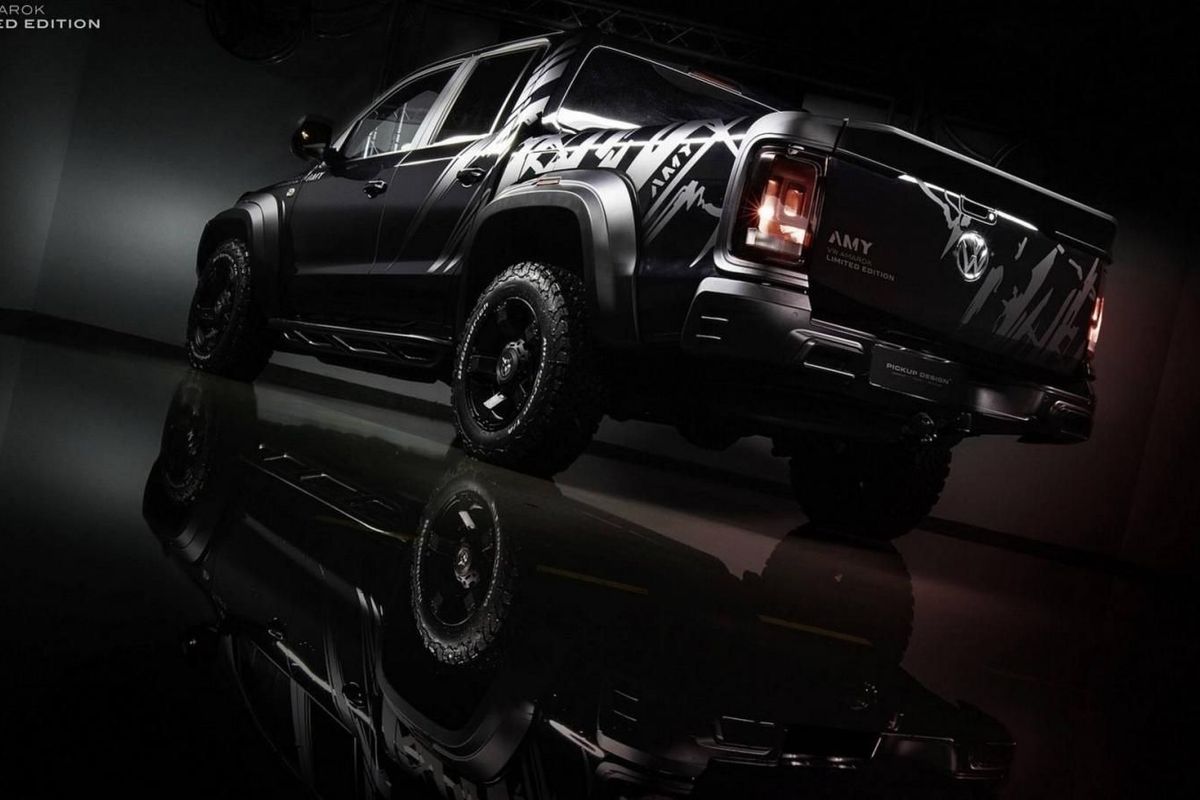
There is a general tinge of sadness about the VW Amarok. Everyone knows the bakkie’s retirement date is soon to be measured in mere months, instead of years.
As with any successful product, towards the end of the model lifecycle, the special edition variants start happening. It is part proven product strategy but also a way to include some newer technologies, with an older platform.
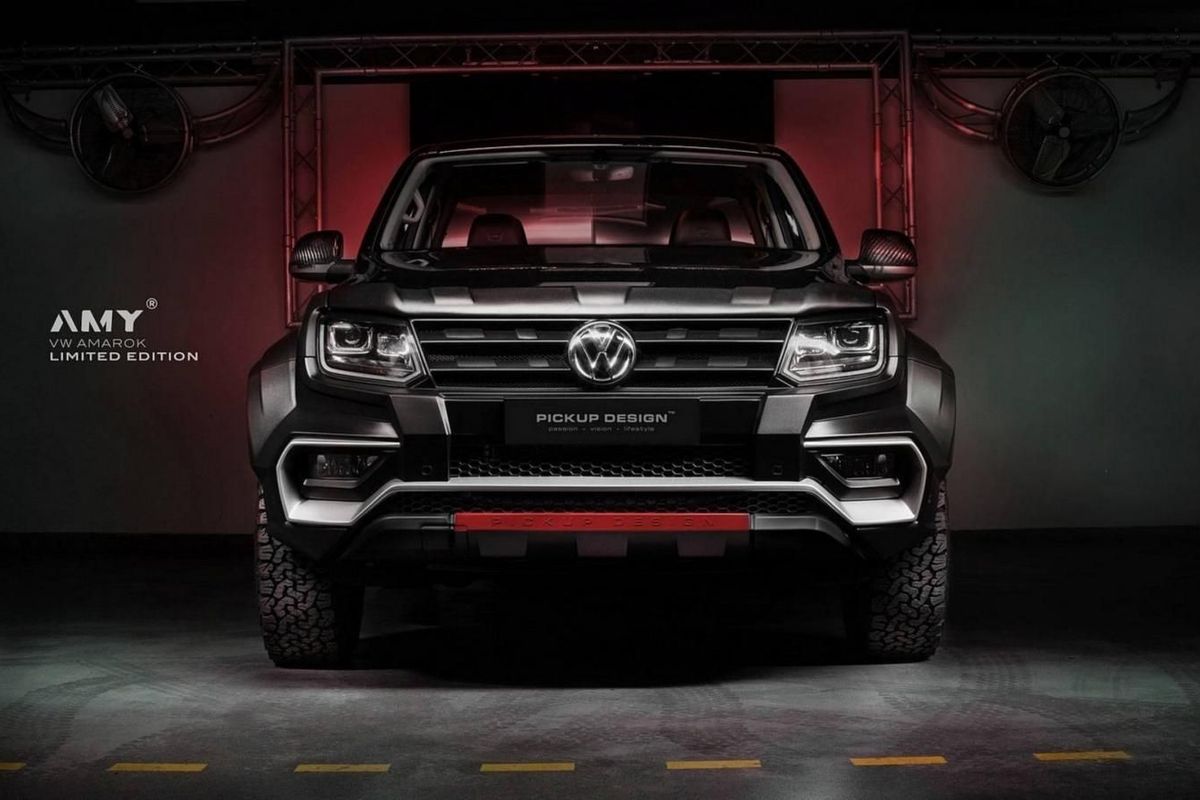
South Africa’s twin bakkie market, Australia, has shown no shyness in giving the Amarok a retirement party of value. With enormous demand for VW’s V6-powered Amarok and an appetite for enhanced OEM double-cabs, the Australians have triggered a joint-venture between Tom Walkinshaw developments and VW.
The result is VW’s Amarok W580, which has finishing design and suspension upgrades, from Tom Walkinshaw’s technicians and engineers. But is there potential for even more?
VW’s Australian marketing executives admit that the huge demand for Ranger Raptor type bakkies, cannot be ignored. But how best to service that demand?
The Amarok W580 rolls 20-inch wheels and has a tyre and suspension set-up that is biased towards road driving. That said, with its enormously strong ladder frame, there is no question that Amarok’s platform can handle a more extreme suspension configuration and tyres choice, for getting air over jumps and crushing the most challenging terrain.
Tom Walkinshaw’s staff would be the best people for VW’s development of a Range Raptor rivalling Amarok.
There might be a potential conflict in terms of product development trajectory between Ford and VW, with the former taking responsibility for the next-generation Amarok. But as part of the current German double-cab bakkie’s production runout, a hardcore off-road version would be a great send-off.
Land Rover’s purchase of Bowler in 2019 sets the stage for the development of a high-performance Defender.
The new Land Rover Defender has been selling up a storm since its introduction in South Africa in 2020, but there’s more to come!
In standard form, the Defender is a formidable offroad vehicle but all indications point to the development of a high-performance Defender SVX. In 2019, Land Rover purchased Bowler which is well-known for producing modified, rally-ready Land Rovers and will now be absorbed into Jaguar Land Rover’s performance arm, Special Vehicle Operations (SVO). It’s therefore entirely conceivable that a high-performance Defender is on the way.
Land Rover recently revealed its high-power Defender V8 boasting 368 kW and 625 Nm from its 5.0-litre V8 and capable of sprinting from zero to 100 kph in 5.2 seconds. The Defender V8 is expected to form the basis for the Defender SVX which will likely feature technical upgrades including a beefed-up suspension and body kit fit to tackle difficult terrain.
We will keep you informed as this development progresses.
This Week’s News You Need to Know (March 2021, Week 1)
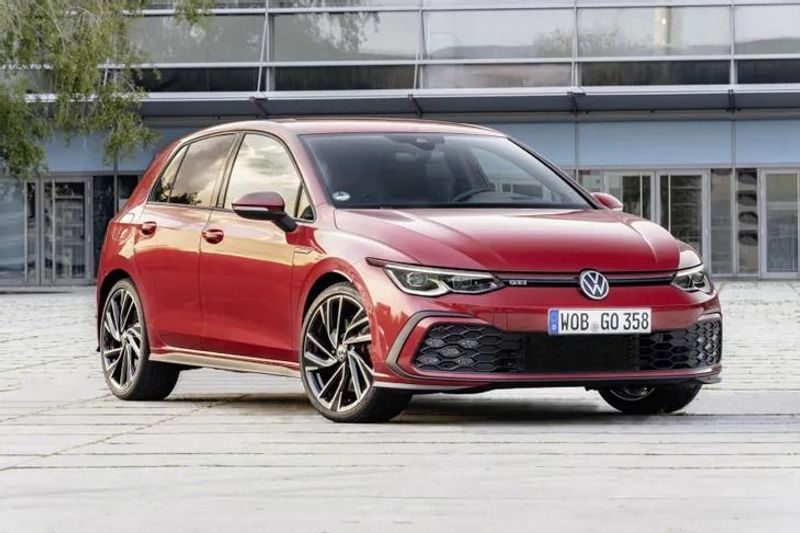
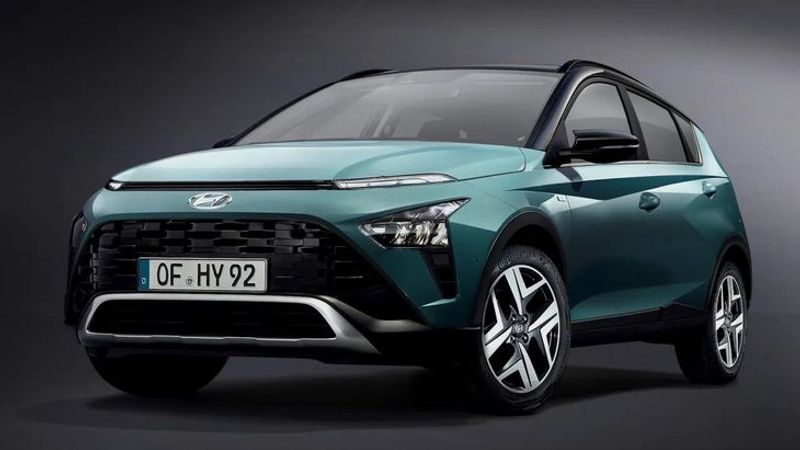
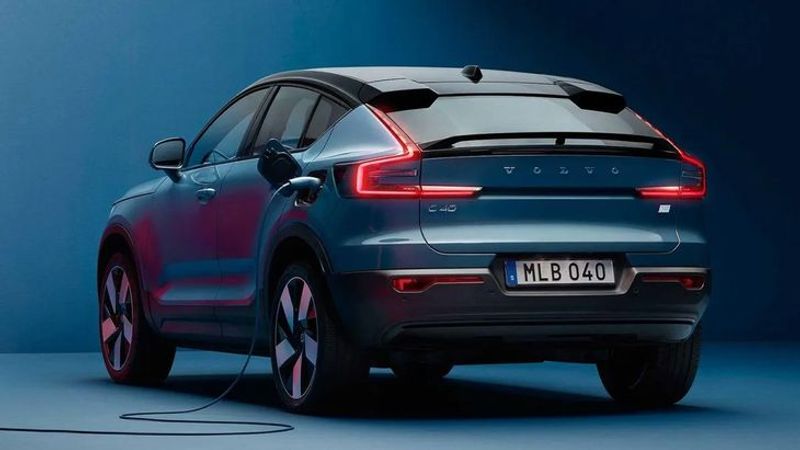
In this week's motoring news you need to know, Brent vd Schyff muses about Volkswagen adding complexity to the Golf 8 GTI, the Toyota Urban Cruiser stomping on Suzuki's parade, Hyundai showing a crossover that fits in a gap that really isn't there and Volvo's quest to go all-electric from 2030.
Golf GTI specs – Back to Basics
Even though the Honda Civic Type R and Renault Megane RS produce peak outputs in excess of 200 kW, that doesn’t bother me. The biggest gap in the Golf 8 GTI spec debate is that South Africa won’t be getting the manual version of the Wolfsburg-based brand's latest hot hatch – but Europe (and probably North America) will. I’m okay with the Volkwagen's peak power (180 kW) being lower than those of its aforementioned competitors. What I’m not okay with is the lack of a stick-shift GTI variant in South Africa, which I attribute to this vrr-pah mass hysteria so many of us have fallen prey to. The GTI has – and always will be – the benchmark hot hatch and VW needs to offer a manual option if it hopes to maintain that status. Heck, Hyundai built a manual 'box into the i30 N… and that is a seriously fun car.
But my biggest bugbear is that hot hatches have become too complicated. In these so-called champions of driver engagement and custodians of a pure, analogue driving experience, features like “30 colours of ambient lighting, lane-departure warning and adaptive cruise control” come standard. They're embellishments that you also find on premium sedans, but that is my issue with it. Start simplifying the offering: strip out these additional doodahs and the reduce weight (not to mention the price) of the hot hatch to make it more accessible to the wider community. Moreover, just return to the basics!
After I'd sampled the original Mk1 GTI, the car that launched the hot-hatch segment, I quickly understood why the formula works. It's has a punchy motor with a short shift action and lively throttle response and, oh, that induction noise from the K-Jet fuel injection system! The additional quirks of that duckbill spoiler and Kamei spoiler added that boy-racer attitude that started the cult following.
It was a car with which you could have the gumption to challenge a well-heeled stiff at the 'wheel of his premium sedan to a robot-to-robot dice. The hot hatch was unapologetically brash and did not have aspirations of becoming a luxury car (that's the direction it’s leaning towards today). If VW can capture that essence… that soul, instead of fronting this vrr-pah we’ll be heading in the right direction.
Toyota Urban Cruiser – Chickens and Eggs
These cross-manufacturer shared platforms seem, like communism, a good idea on paper, but as we’ve learnt in the past, they don’t often pan out as “let’s all be friends and make money for each other” scenarios. Let’s use the case of the Suzuki Baleno and the Toyota Starlet. The Baleno was introduced by Suzuki Auto SA in late 2016 and during its 4-year tenure in the new-vehicle market, it grossed subpar numbers only to be immediately eclipsed by its nearly-identical twin – the Toyota Starlet which, upon introduction late in 2020, started smashing numbers at over 1 000 units a month, causing more than a stir of emotion in the Suzuki camp (one can appreciate the diplomacy being applied here). How has the Starlet succeeded despite being about R10k more expensive than an identical product?
You see, the might of the Toyota brand is attributable to the legacy of hard work of men like Brand Pretorius (no name but one executive) who laboured tirelessly to build Toyota into a leading manufacturer in South Africa throughout the past 4 decades; plucky, spirited Suzuki Auto SA has only been around officially since 2008. And it's not getting easier… With the Toyota Urban Cruiser being unleashed a few months after the identical Vitara Brezza, there’s nothing in the pricing between the two (both around the R245k mark). I feel that brand trust may once again play a part in history repeating itself.
I get the business case of creating multiple upsell moments, but perhaps what the automotive world needs now is not "love, sweet love" but plain old-fashioned simplicity. In its expansive lineup of crossovers and SUVs, Hyundai has the Venue, Kona, Creta, Tucson, Santa Fe, Palisade… and now it's planning to add the Bayon. It’s derivative fatigue, man, and it’s becoming a problem.
I wish manufacturers would stop with the countless options for the same thing and just make good cars that last. I’m sure we could all get used to brands offering only one type of crossover or SUV per class. It’s a case of “monkey see, monkey do”, with Hyundai copying and pasting the Volkswagen business model; what's that of imitation being the highest form of flattery? Most of the German premium manufacturers do it too, mind you. But as your unofficial self-appointed spokesperson, I urge automotive manufacturers to slow down the wanton proliferation – because, in the end, it's just duplication.
Volvo – Safest goes current
The revered Swedish brand that brought you the legendary 850R 'wagon has shifted its sights dramatically since the days of dominating touring-car racing with slab-sided, blunt-nosed super estates. The folks at Volvo have declared 2030 as THE year that they will retire the ICE engine and live happily ever after. Despite the sad day that is going to be, I wish they’d make one last banger. But shhh…specialist subsidiary/testbed company Polestar has been secretly laying the foundation for an, um, advanced Volvo test mule, setting the scene for a future line-up Volvo performance EVs. Smart move.
Along with that comes a tactical shift to online sales only. That's a VERY brave move, a true test for the carmaker and an interesting one for the industry. For the consumer, it’s a departure from that old “kick the tyres/light the fires” approach that's been done to death, but seriously, think about the cost savings if there was no need to wrap dealership overhead costs into your vehicle's asking price? This could unlock a few things, including an opportunity to reduce the costs of the EV business model; which it needs. If we’ve learnt anything from Covid-19, it’s that consumers are willing to transact online.
Volvo’s entry subject is the XC40-based C40 Recharge and it’s quite the looker; it will effectively take on the likes of the Jaguar I-Pace and the Audi e-tron in the rapidly expanding EV marketplace. It may be the Gothenburg-based firm's second stab at a Volvo-badged BEV, but expect a lot of Polestar learnings to be wrapped up in that package despite whatever everyone else might be saying.
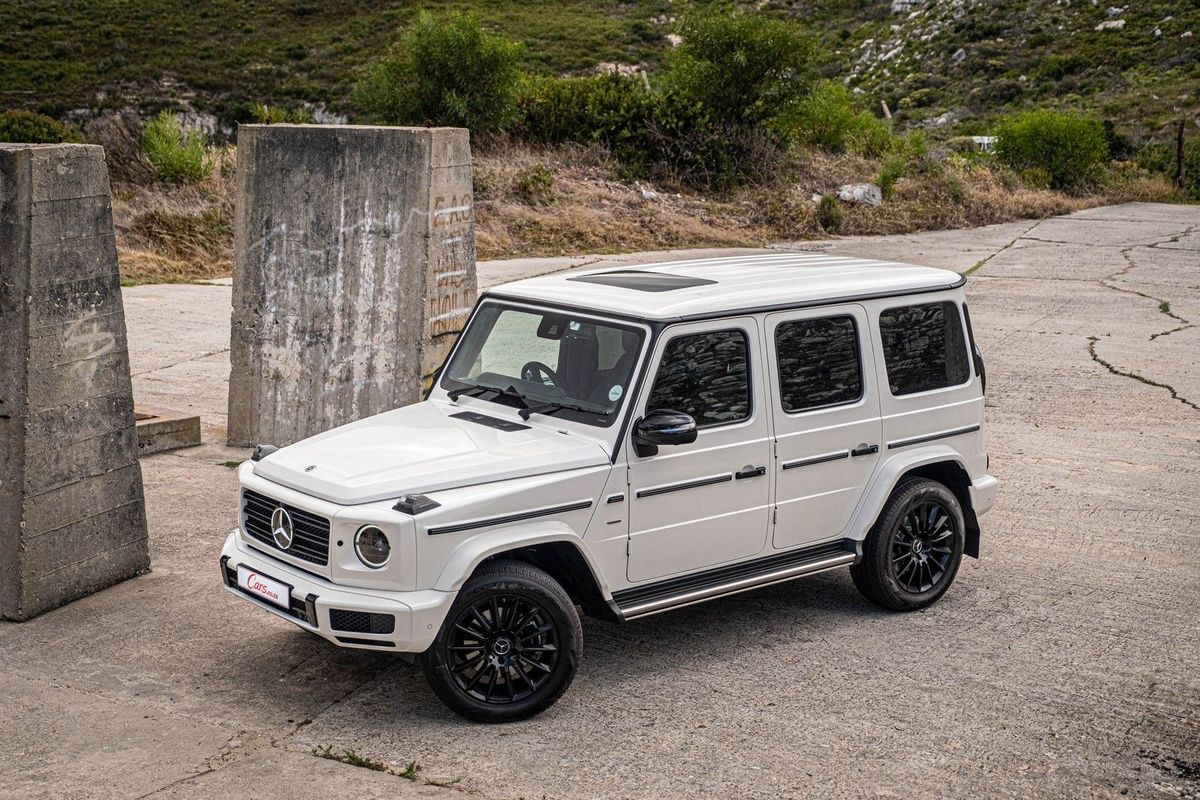
From Strip Club to Dakar: The Mercedes-Benz G-Wagon Can Do Anything You Want
Ciro De Siena experiences the Mercedes-Benz G400d Stronger Than Time on road and in the dirt. Watch the video!
The Mercedes G Wagon is, in car terms, a living legend. First produced in 1979, the model is often mistaken as a military vehicle turned road-car, but the truth is actually the other way round.
Either way, the G Wagon is loved by militaries and 4×4 enthusiasts around the world. But the latest iteration, which debuted in 2018, is a very expensive and very luxurious interpretation of the G-Wagon formula.
This might explain why the G Wagon has become such a pop culture icon. Sought after by Justin Bieber, the Kardashians and successful strip club owners, we try to answer how one of the best offroad vehicles ever made crossed over to become a status symbol for the rich and famous.
Oh, and our video guy Ciro De Siena also takes it to an offroad rally track to try and realise his dream of doing the Dakar.
Also, see our comprehensive written review for the Mercedes-Benz G400d Stronger Than Time here!
It’s been just over 2 years since the all-new G-Class reached South Africa. The potent AMG G63 used to be the sole offering on the local market, but Mercedes-Benz added a new turbodiesel-powered G400d Stronger Than Time edition last year. Does the G400d make more sense than the "63"? Let’s take a closer look…
We don’t like: What's not to like?Okay, its eye-watering price tag
Fast Facts
Model Tested: Mercedes-Benz G400d Stronger Than Time
Engine: 3.0-litre, 6-cylinder turbocharged diesel
Power/Torque: 243 kW/700 Nm
Transmission: 9-speed automatic
Fuel consumption: 9.6 L/100 km (claimed)
Load capacity: 667–1 941 litres
What is it?
The new G-Class boasts familiar design elements, but it's now thoroughly modern and more capable than ever.
The G-Wagon (an abbreviation for Geländewagen) is perhaps the most revered off-road vehicle on the market. It has an illustrious history and its capability in tough terrain has garnered respect the world over. Apart from its notable ability to conquer just about any terrain on earth, the G-Wagon (or G-Glass, as it is now known) is also a status symbol, a spoil of success that shouts “I’m rich, I’ve made it!”
With the introduction of the new G-Class back in 2018, Mercedes-Benz had to strike a fine balance between retaining and refining the key attributes of the G-Class while modernising and pushing the technological boundaries in the luxury off-road-SUV segment. The range-topping V8-powered Mercedes-AMG G63, which we reviewed in 2019 was mightily impressive. To say that the Stuttgart-based firm hit the nail on the head with the W463 is an understatement; it is said that the blocky Benz provided the benchmark against which Jaguar Land Rover developed the new-generation Defender…
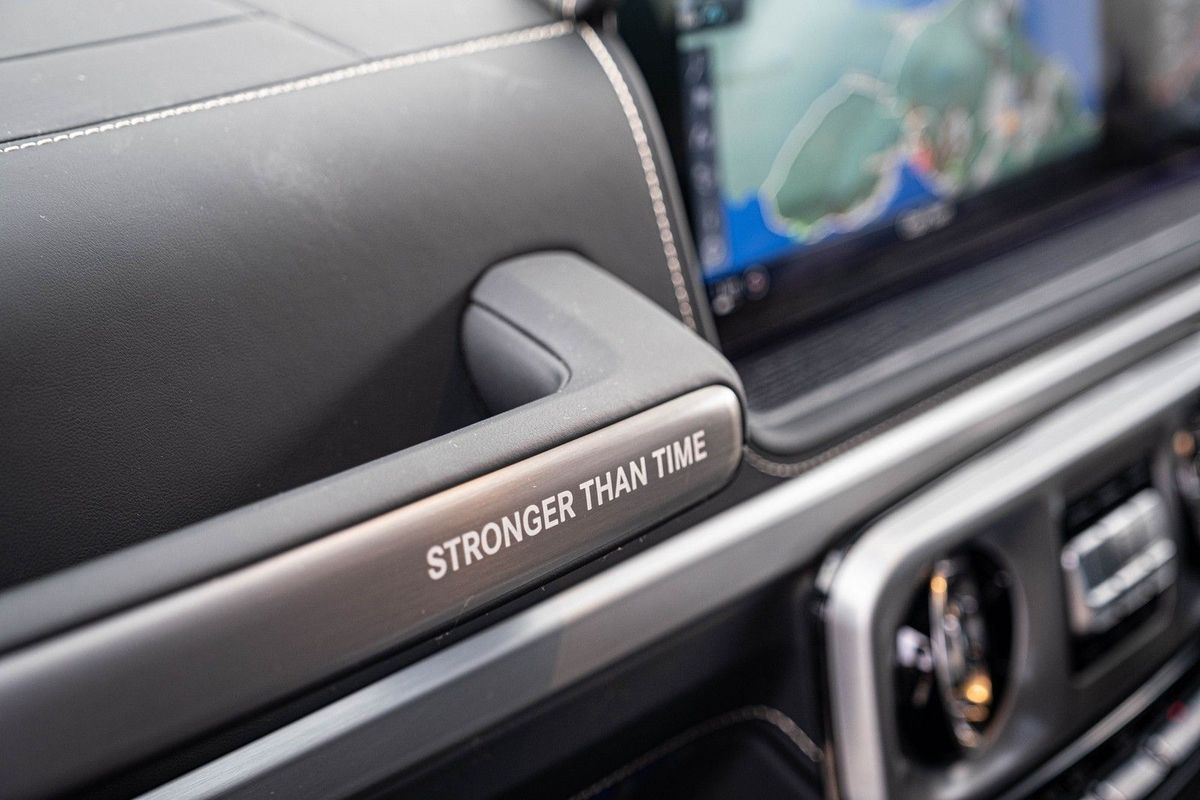
While the Mercedes-AMG G63 remains the pinnacle of the G-Class range, a non-AMG, turbodiesel-powered G400d Stronger Than Time edition, equipped with a potent in-line 6-cylinder, 3.0-litre turbodiesel engine and an array of special equipment features that pay tribute to the 40th anniversary of Benz’s longest-surviving passenger-vehicle range, arrived in South Africa in 2020. So, what’s so special about this G400d Stronger Than Time and does it represent a more "sensible" purchasing proposition than its more expensive and supremely powerful V8-engined G63 stablemate? Read on.
How it performs in terms of…
Kerb appeal
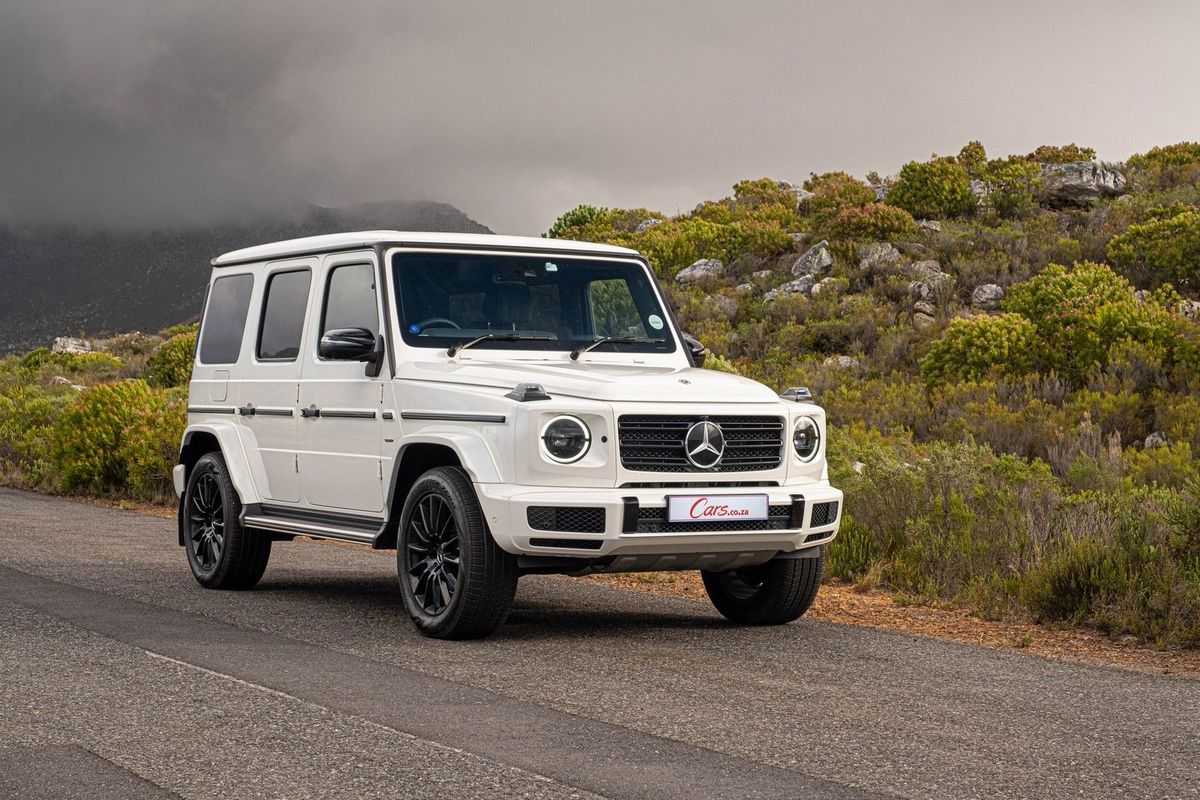
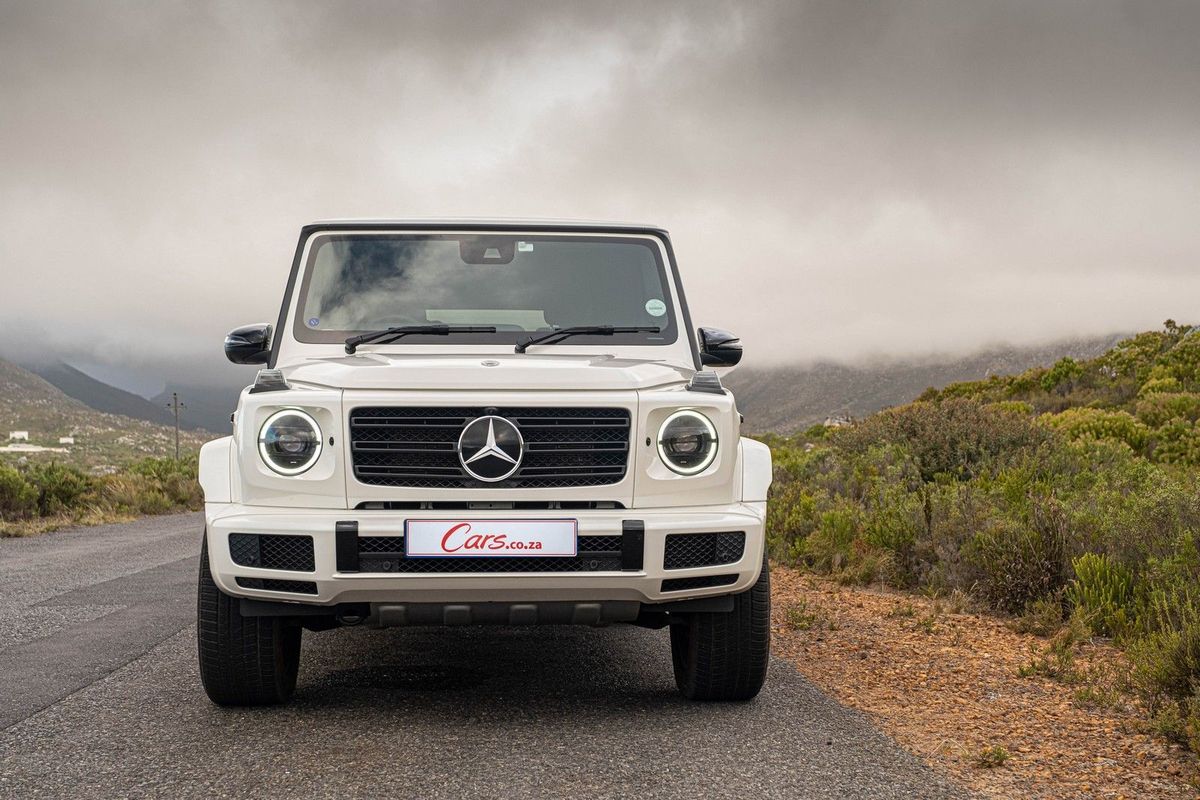
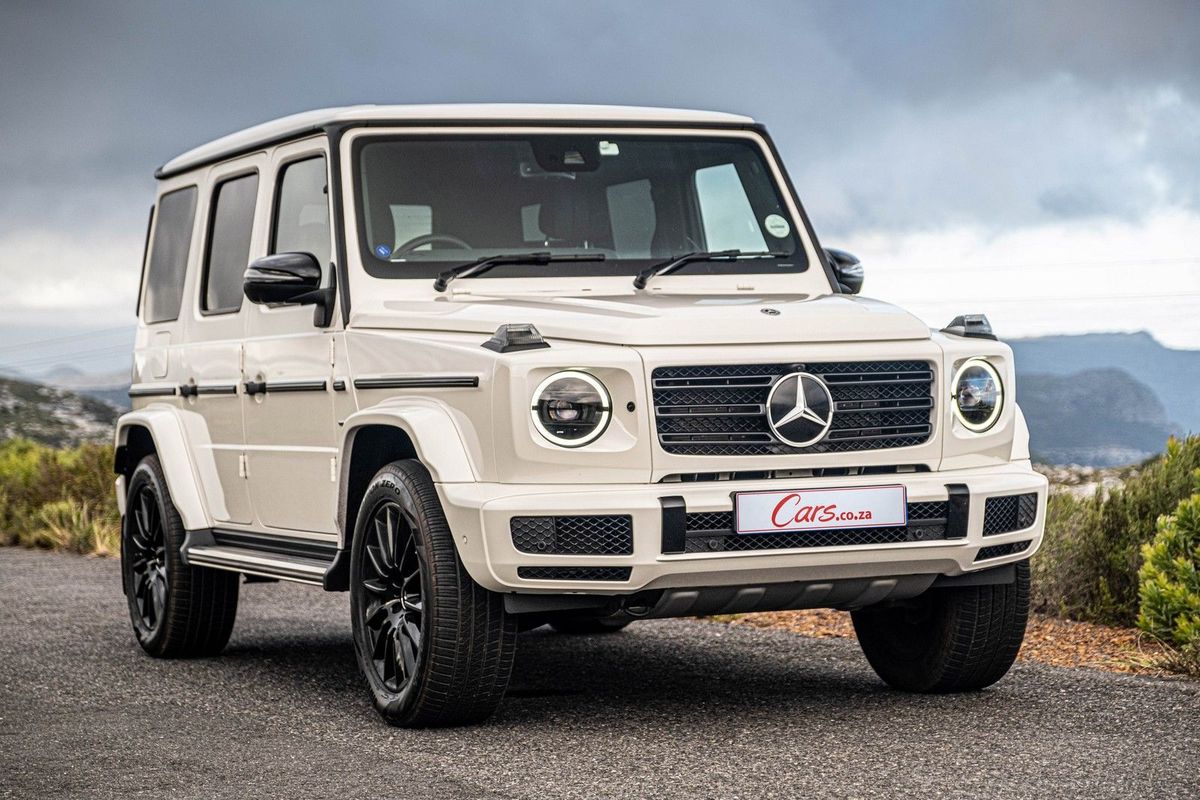
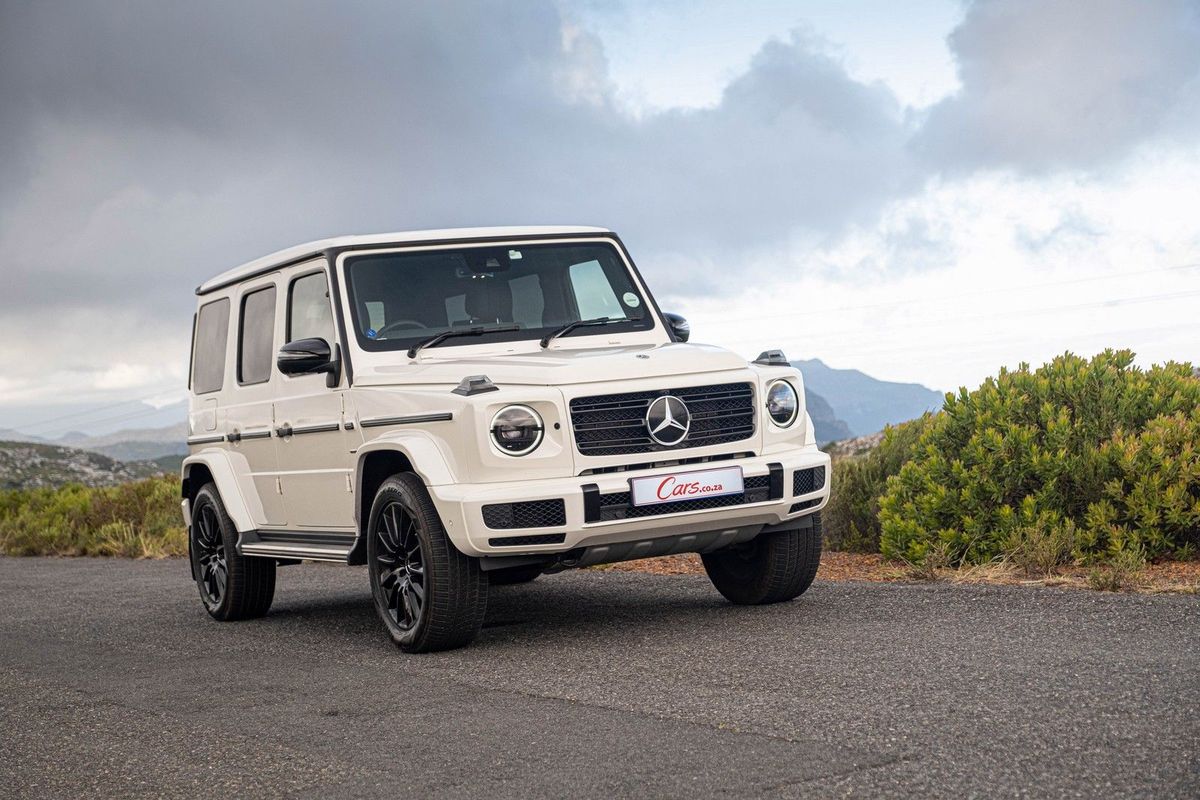
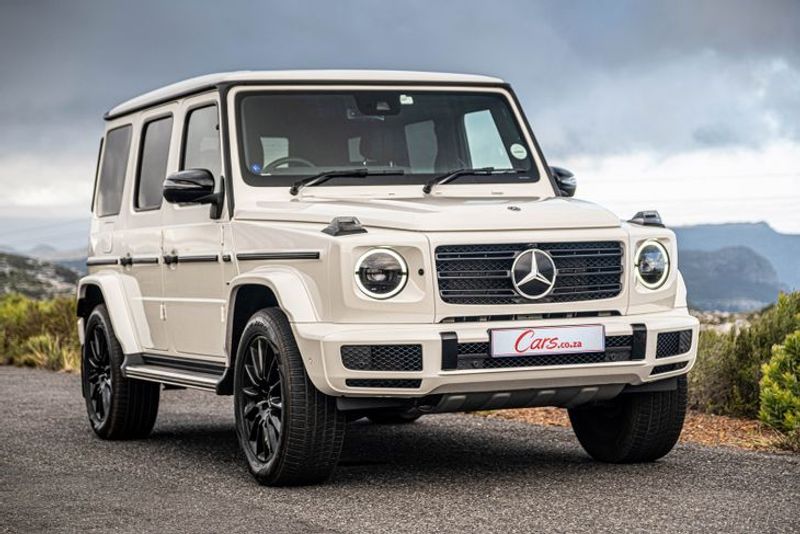
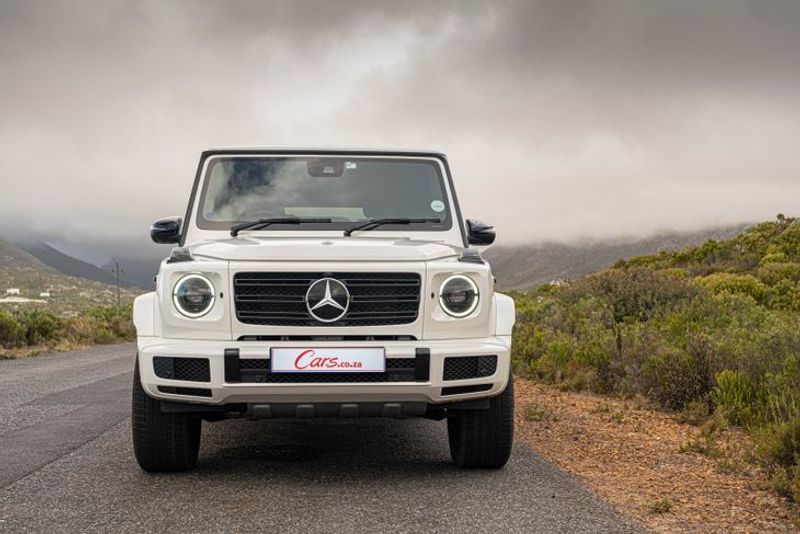
You will either love it or hate it, but there's no denying that the G-Wagon offers heaps of kerb appeal.
Not many cars on the road exude as much road presence and kerb appeal as a G-Wagon. Yes, sure, its sheer size has something to do with that, but courtesy of its head-turning appeal, the Austrian-made Benz permeates popular culture. Its stratospheric price tag taps into a fantastical realm of wealth and glamour. It's the mechanical embodiment of excess; it strokes your ego wherever you drive it.
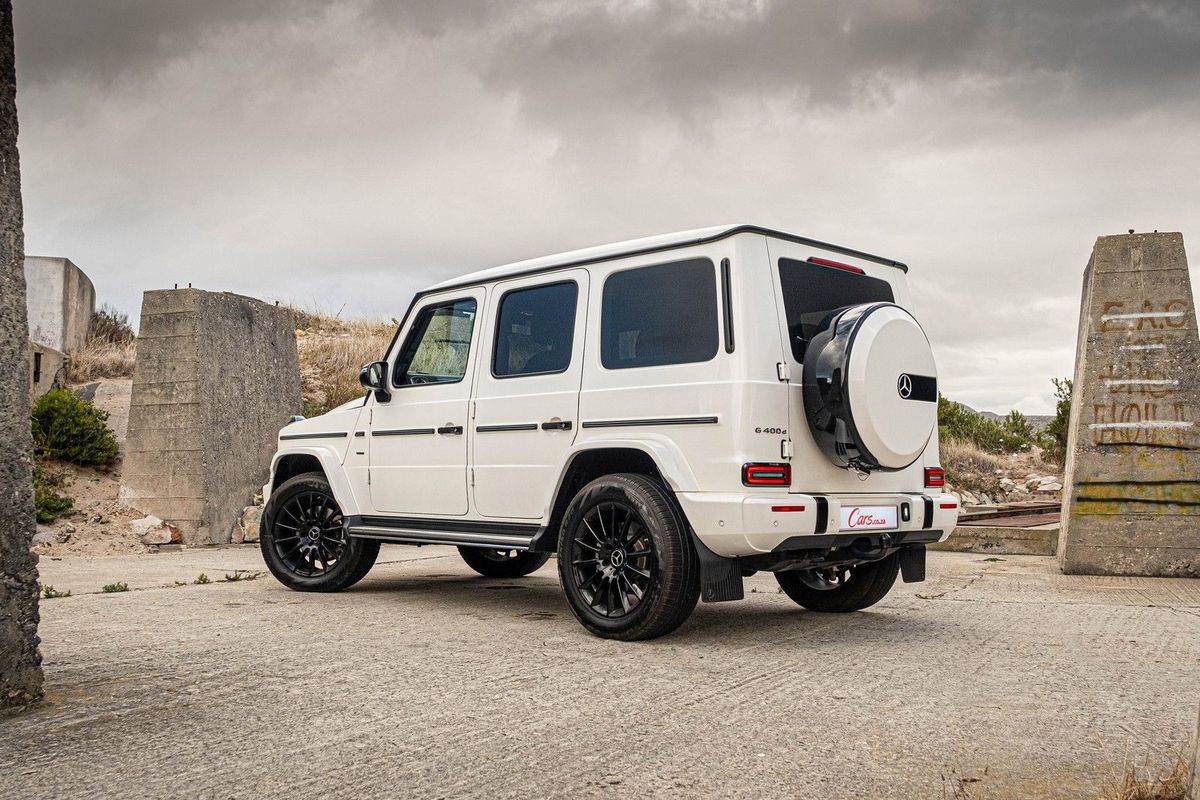
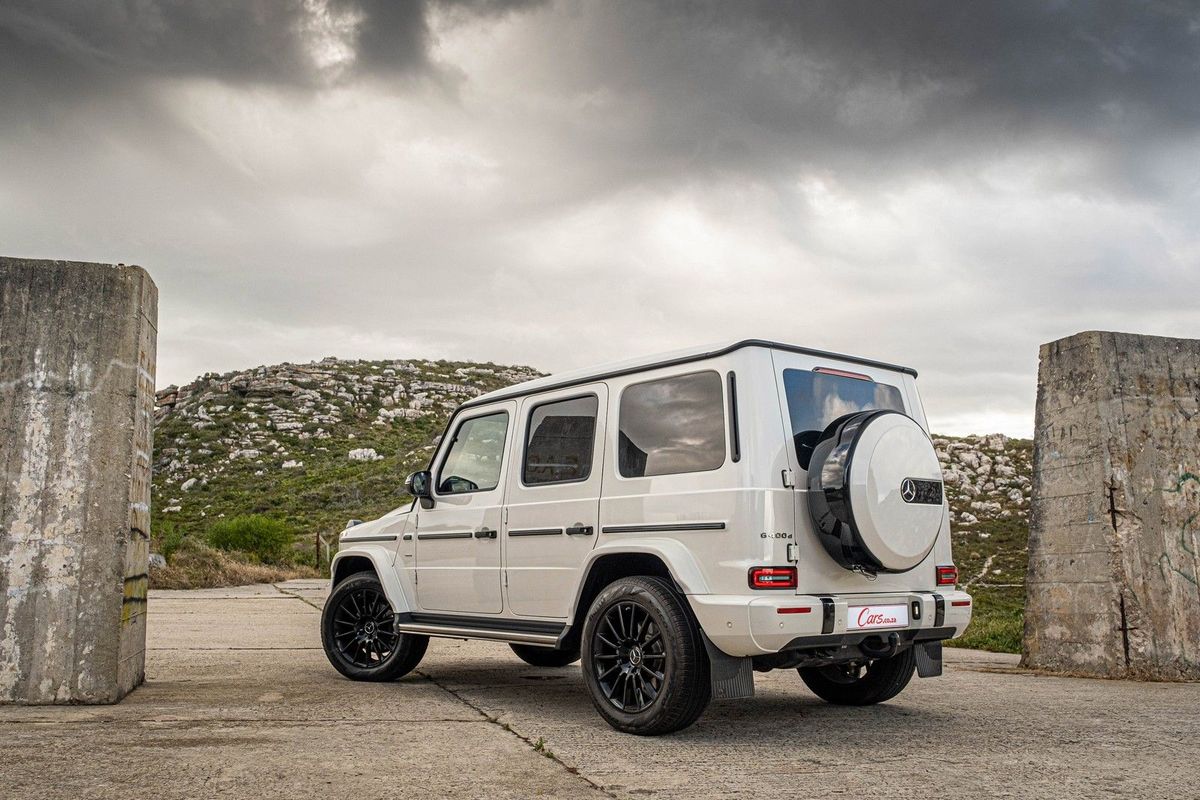
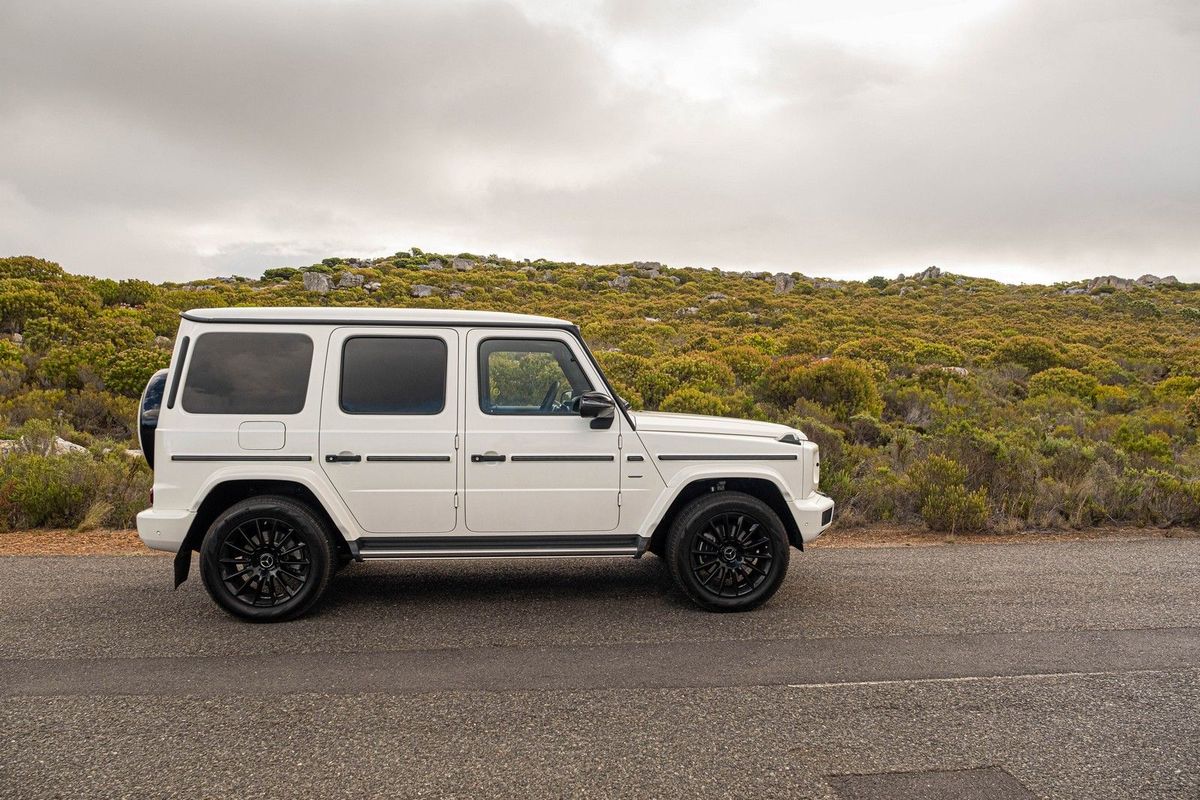
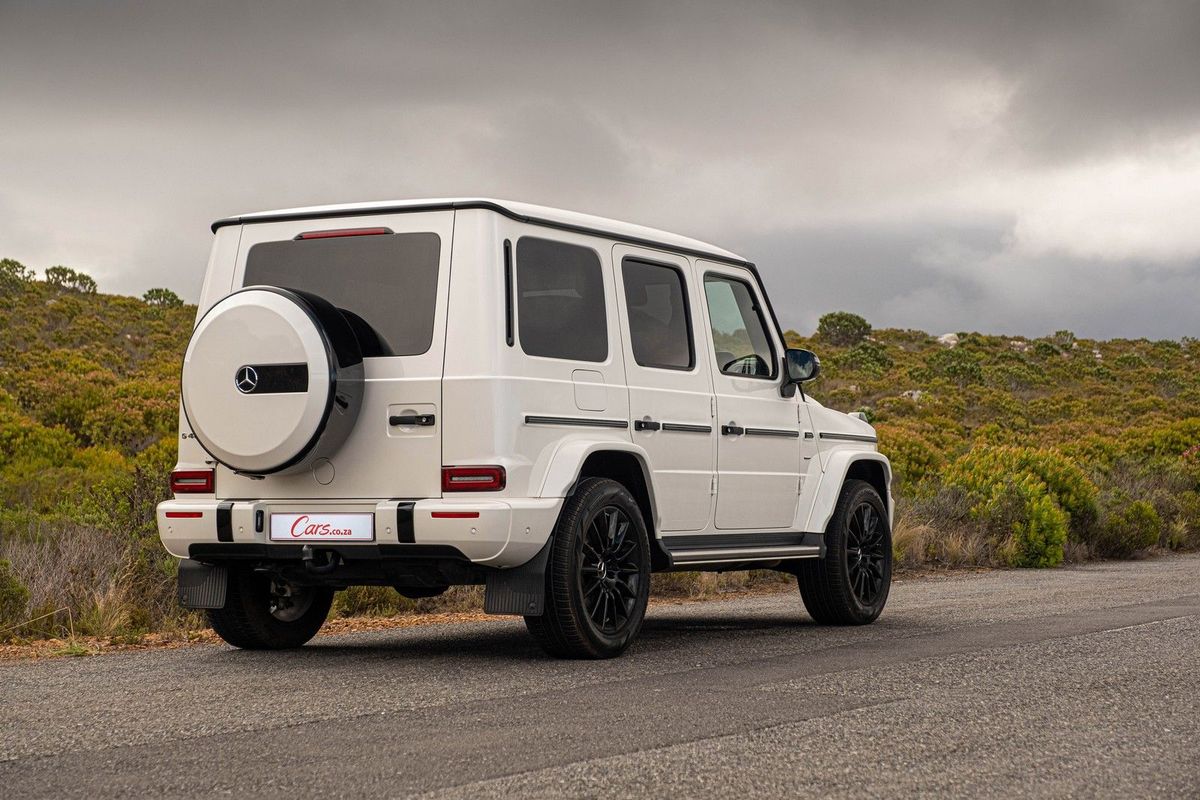
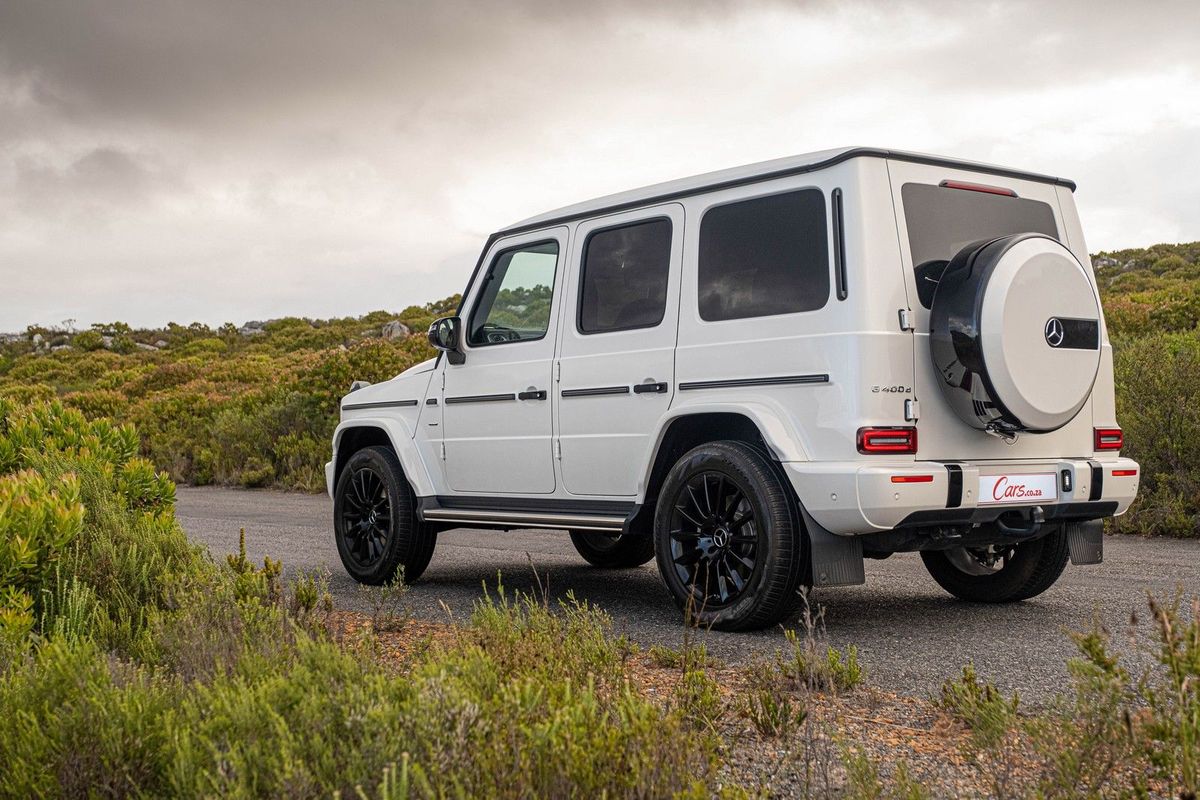
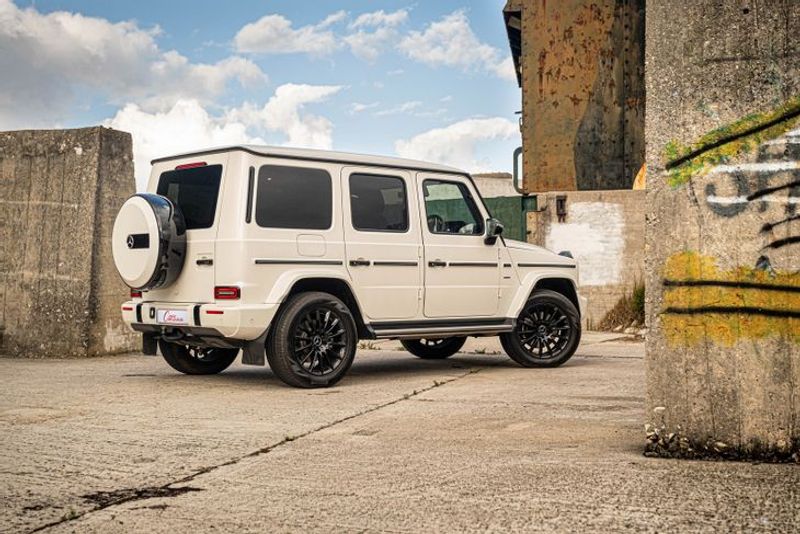
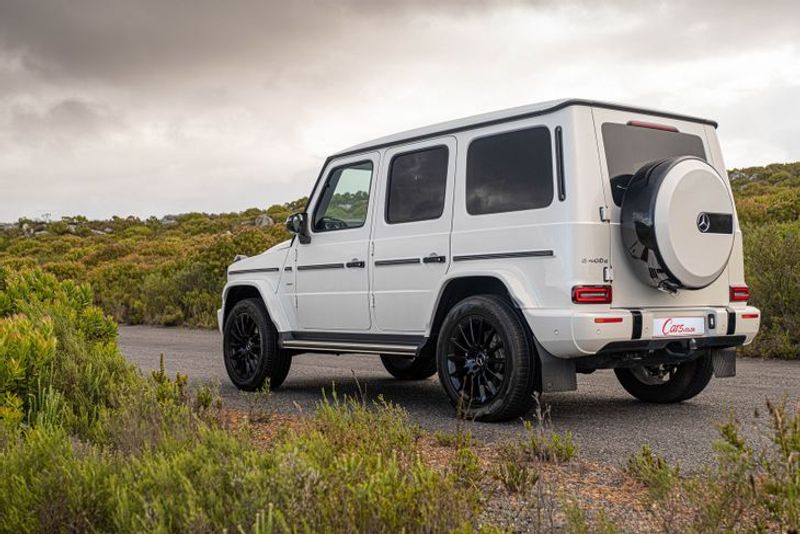
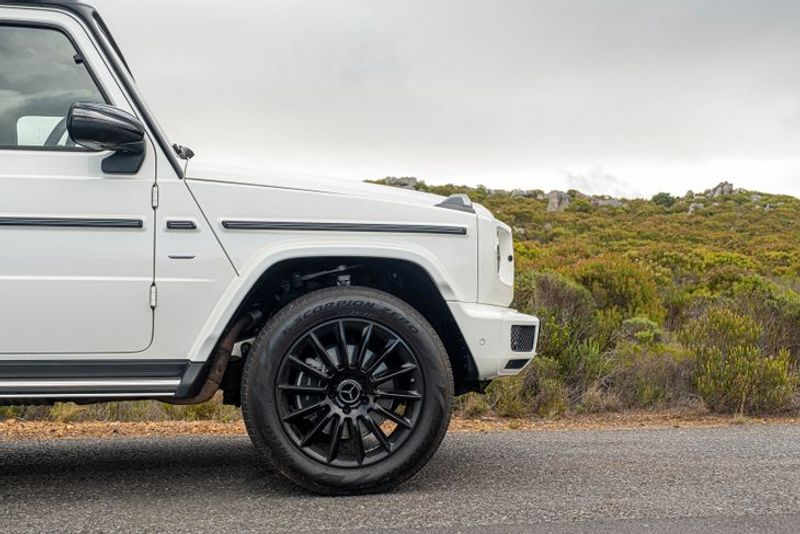
This particular G400d Stronger Than Time edition features a bespoke G-manufaktur diamond-white paint finish, which is a R94 500 option, and in the sunlight, the G400d really does sparkle. Twenty-inch multispoke alloy wheels shod with road tyres fill the arches, the optional rear mud flaps (R1 100) add a rugged touch, while the dark-tinted windows elevate the Benz's visual character appreciably.
Overall, we think this G400d Stronger Than Time looks the part and to be fair, at the price, it would be a trifle awkward if it didn’t…
Interior execution and features
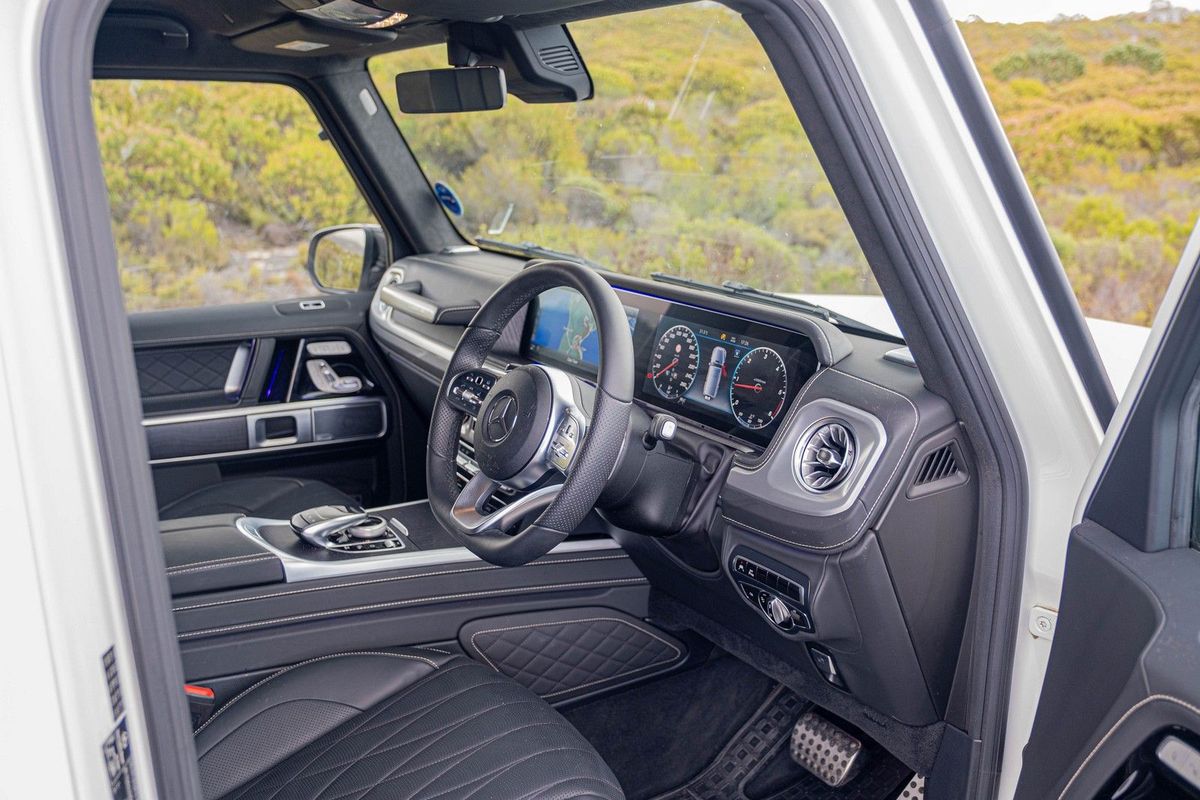
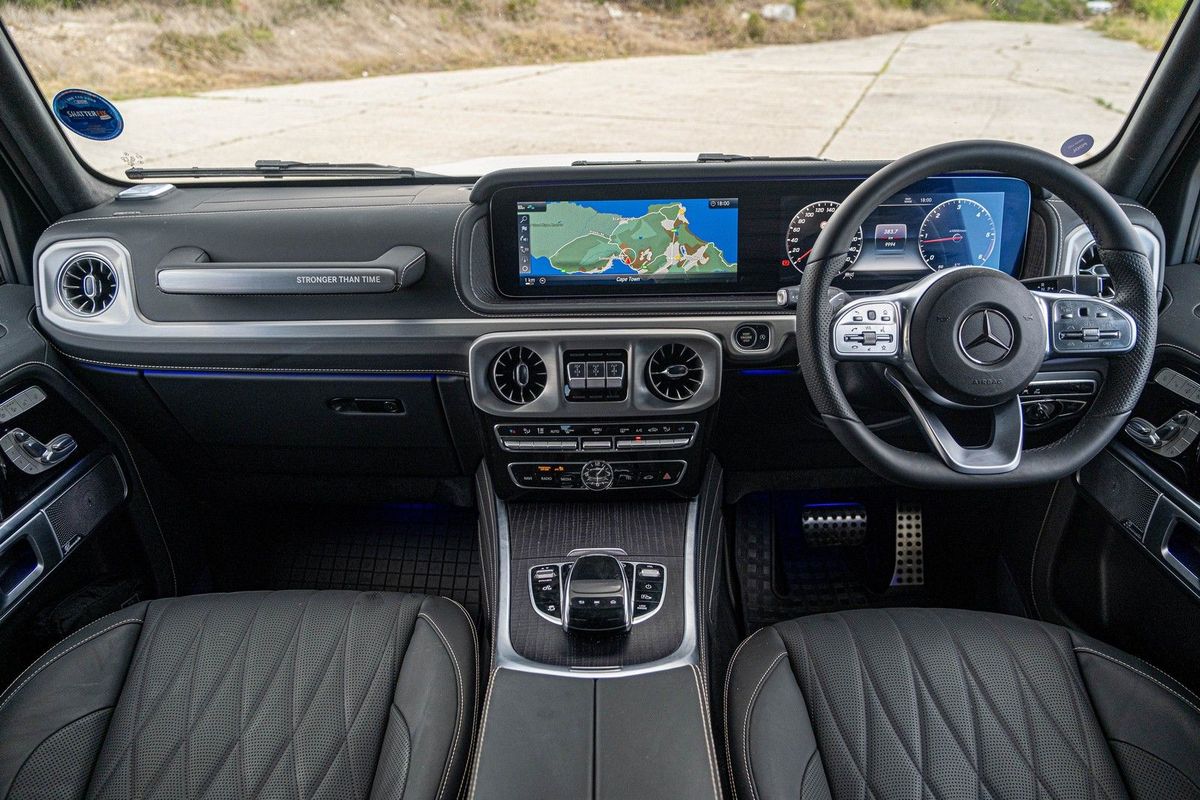
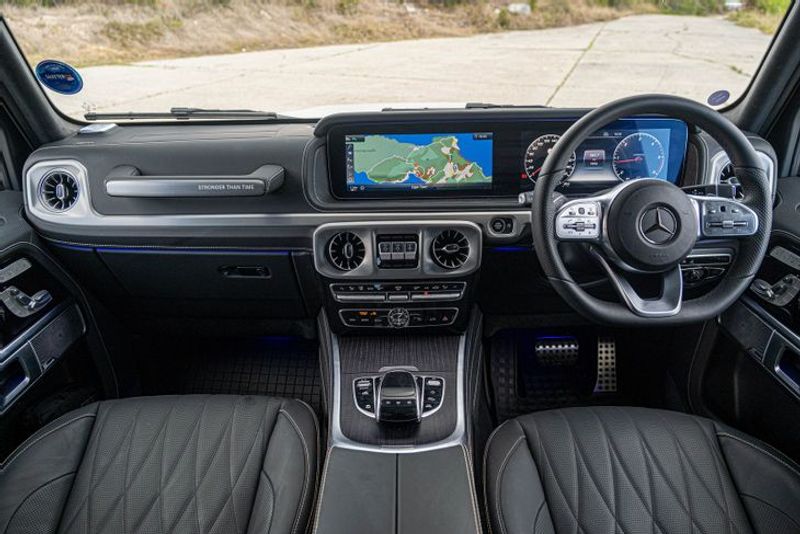
The G400d Stronger Than Time is packed with the very best technology and comfort features as standard.
The sound that a vehicle’s driver's door makes when you open or close it can tell you a lot about the car's sturdiness. The G-Class is a fortress… Push the button on the door handle and the G Wagon’s door opens with a solidity that immediately imparts an impression of impressive build quality. This perception is confirmed by a confident and satisfying "click" when you thud the heavy-set door closed.
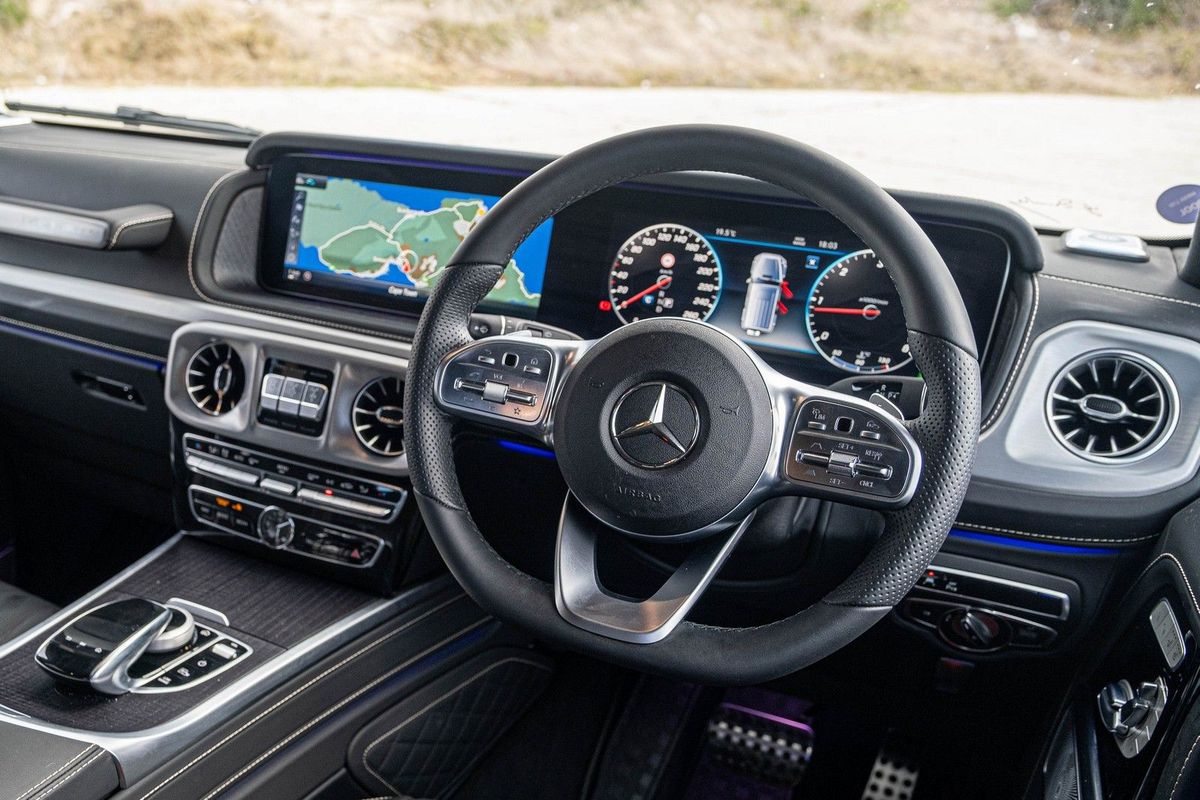
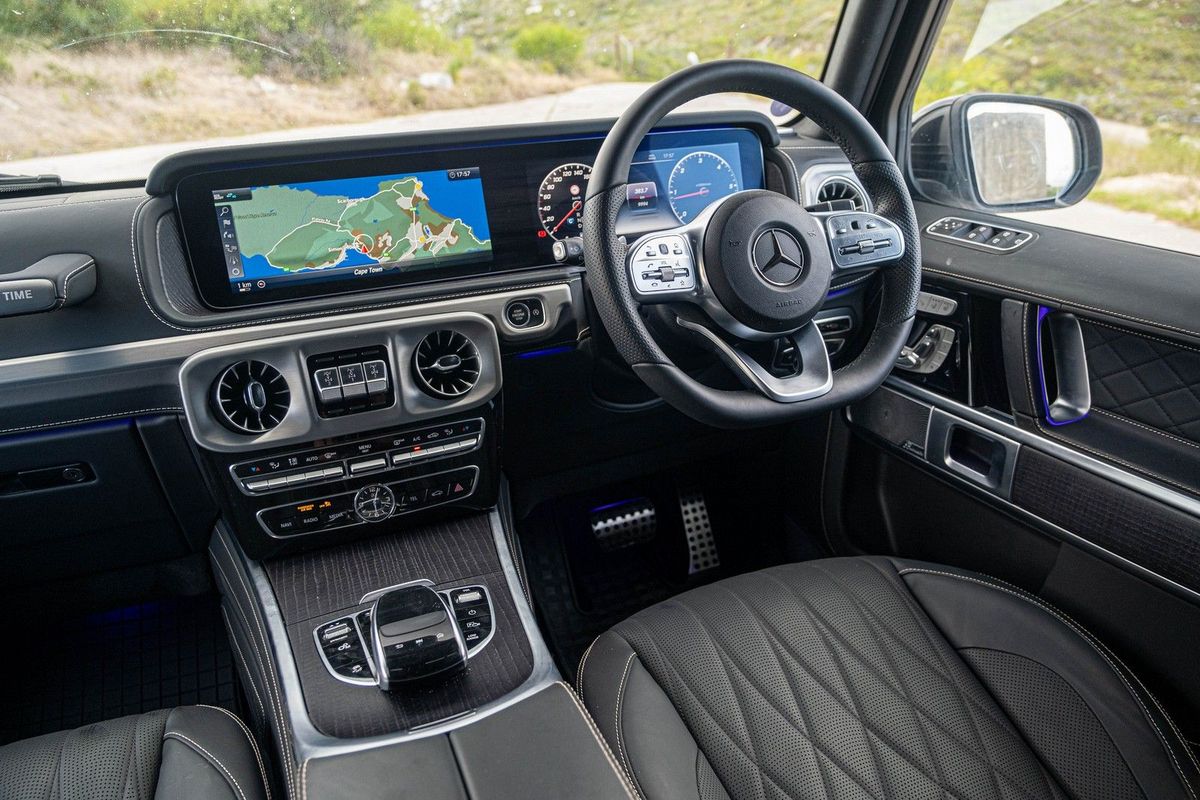
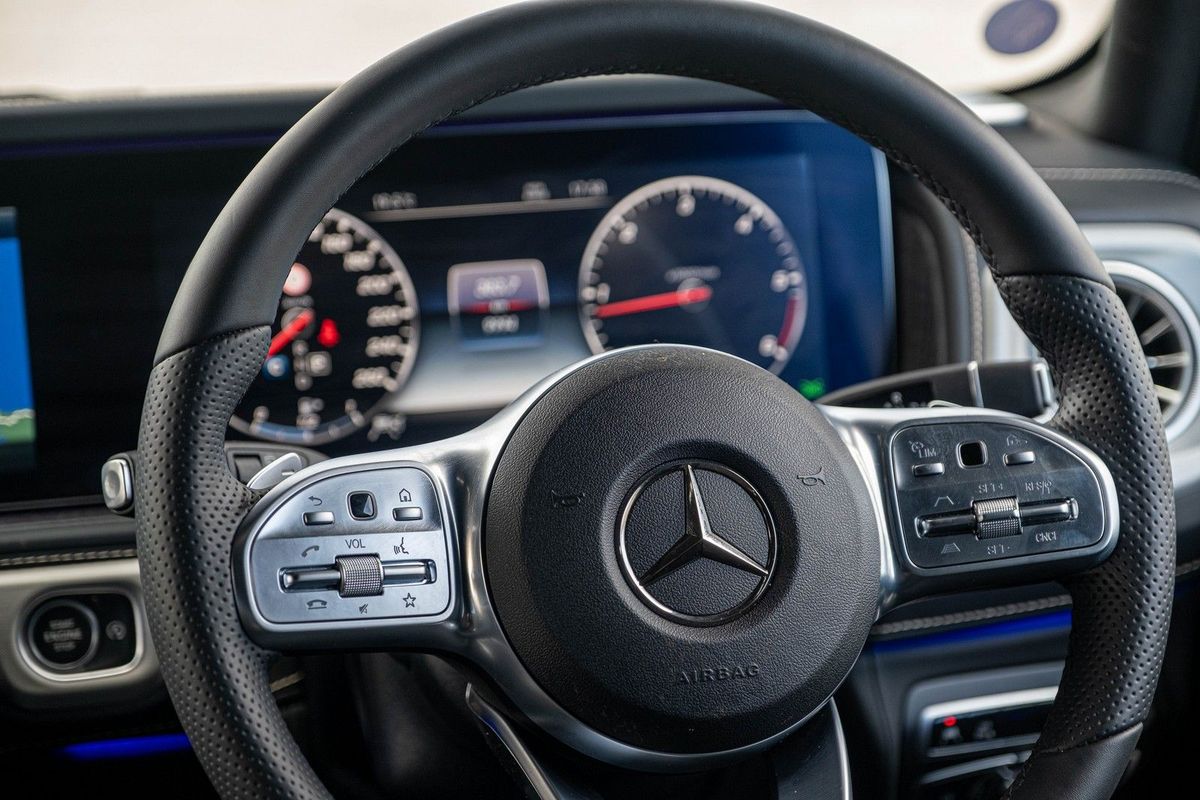
Step inside and the hey-shoo-wow continues with an interior that looks and feels like it was hewn from granite. You are met with swathes of fine Nappa leather and tech galore, especially the Widescreen Cockpit, which incorporates 2 large digital screens under a single pane of glass. The displays are wonderfully crisp and the one directly ahead of the driver can be configured to your liking by using the Nappa-wrapped multifunction steering wheel. As for the infotainment system, it’s comprehensive but the now-familiar MBUX "Hey Mercedes" operating system is missing. The infotainment functions can be accessed via the command control interface in the centre console. While it’s intuitive to use, you'll likely have to set apart some time to become fully familiarised with the system's menus and functions.
Other notable features on offer in this Stronger Than Time edition include a Burmester surround-sound audio system, ambient lighting (with a choice of 64 colours and 10 colour schemes), as well as a glass sliding sunroof. A parking package with a 360-degree camera is also standard, which is useful for manoeuvring the G400d in tighter spaces and the standard Driver’s Assistance package includes features such as blind-spot assist, adaptive cruise control and lane-keep assist with steering assist, the latter of which can be quite intrusive, so be ready to disengage it when it gets on your nerves…
Another feature that impressed us was the Active Multicontour Seat Package (a standard feature), which not only offers various massage programmes and ventilation on demand, but provides active bolstering support, which is activated every time the vehicle is made to corner above a certain speed.
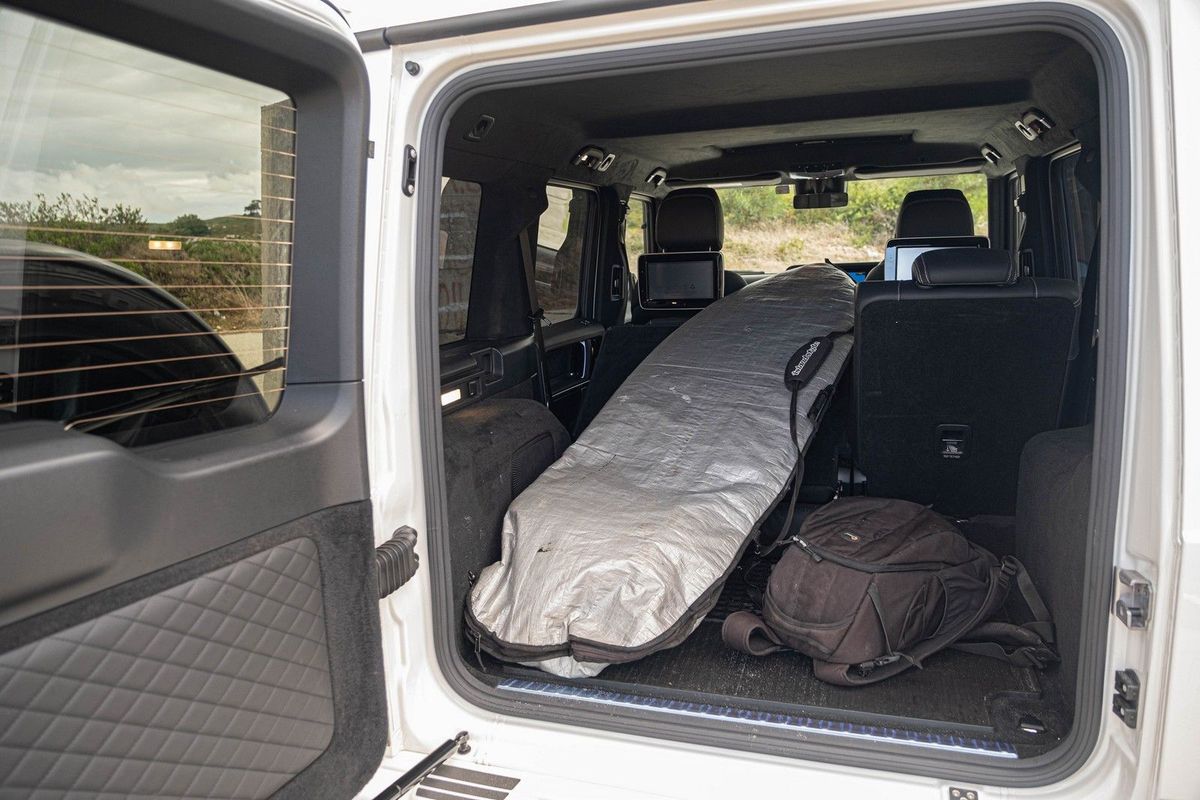
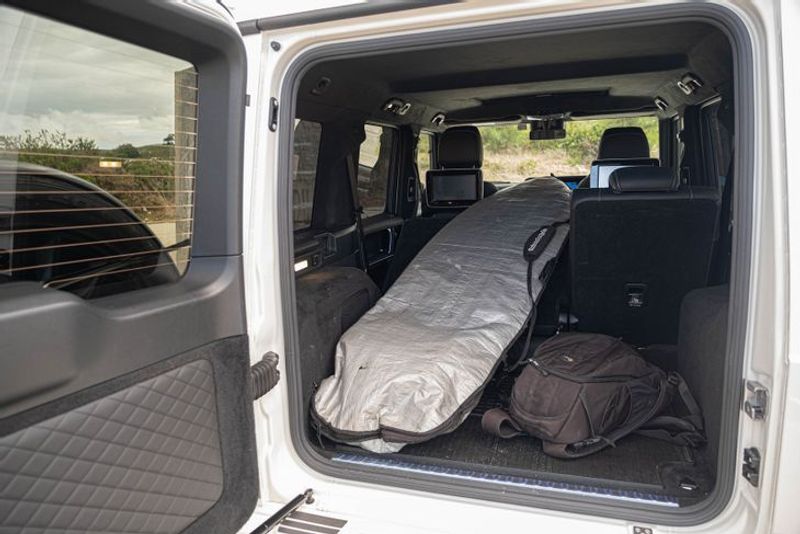
The rear seats don't fold completely flat, but the G400d still passed the obligatory Cars.co.za surfboard test.
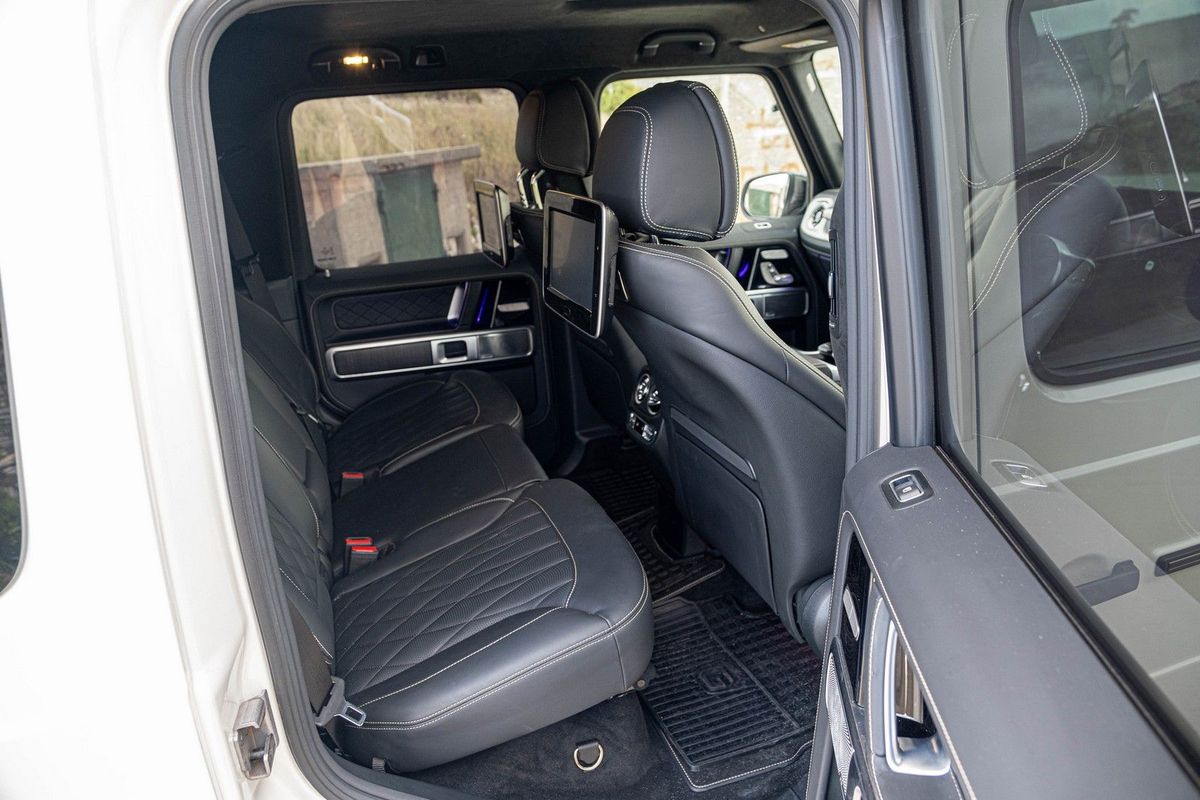
Passengers seated in the back should find the rear bench adequately comfortable in terms of leg-, head- and shoulder room. This particular test unit also came fitted with an optional rear-seat infotainment system, which can be specified for an additional R47 900 – it may be a useful option to tick if you have kids to entertain on those long, out-of-town journeys.
As far as the load bay is concerned, the G-Class offers generous space for loading items. Mercedes-Benz claims a 667-litre capacity with the rear seatback in the upright position and up to 1 941 litres of utility space is said to become available with the seats folded down. It must be noted, however, that the seats don’t fold completely flat, which could pose a problem if you are loading bulkier items.
Performance and efficiency
The G400d's performance is not as brutal as its V8 G63 sibling, but it's still a powerful performer.
While the V8-powered G63 offers raucous performance (not least for an SUV of its size and heft), this G400d is far more civilised in its performance delivery. That’s not to say that this G400d isn’t powerful or engaging to drive. In fact, the opposite is true – there’s plenty shove on offer! The engine bay is home to a 3.0-litre, 6-cylinder turbodiesel engine that develops beefy outputs of 243 kW and 700 Nm, which is transferred to the terra firma via a 9-speed automatic transmission that drives all four wheels.
Don’t think for one second that the G400d is a slouch… it certainly isn't. While it might not be as potent as its revered Affalterbach-fettled G63 sibling, the turbodiesel-engined G-Class is quite capable of delivering a fair turn of speed with little effort. Mercedes-Benz claims a 0-to-100 kph time of 6.4 seconds, which is significant if you consider that the G Wagon’s kerb weight is about 2 472 kg. That 700 Nm of torque comes on song low in the rev range (from 1 200 to 3 200 rpm), which is great for executing thrusting overtaking manoeuvres on the highway, but it’s also useful when driving off-road, of course.
The transmission shifts gears in a wonderfully smooth and refined manner. In most driving situations, it's best left to its own devices, but you can initiate manual shifts using the steering-wheel-mounted shift paddles. Whether you're looking for a more comfort-oriented or a sportier driving setup, you can hone the steering, suspension and engine mapping's settings by toggling the Drive Mode selector.
Fuel efficiency is not something a G-Class buyer will typically be concerned about, but it’s good to know that moderate consumption is one of the major advantages of this Mercedes-Benz powertrain. The Three-pointed Star claims an ambitious average figure of 9.6 L/100 km and our test consistently returned figures around the 12 L/100-km mark, but that's a return you’re very unlikely to see in a G63!
Overall, the high refinement offered by this turbodiesel engine is admirable and even better, it delivers strong and confident performance while being markedly more efficient than its turbopetrol sibling.
Ride and handling
The G-Wagon offers a composed demeanour on tar thanks to its new suspension and standard adaptive damping.
There’s no doubt that the new G-Class displays a marked improvement in terms of its overall ride quality and general on-road demeanour compared with its immediate predecessor. Much of this improvement can be attributed to the new, more pliant suspension setup (which, in this case, features adaptive damping as standard), as well as an electrically assisted rack-and-pinion steering system. The G400d was far more comfortable on-road than what we expected and because it’s shod with normal (as opposed to off-road) tyres, the road noise was kept to a minimum too.
The steering, although firmly-weighted at speed, presents a fair degree of vagueness when the G400d is tasked with cornering at higher speeds. Considering its inherent top-heaviness and undeniable heft (even though it’s nearly 200 kg lighter than its predecessor), the Benz is not, um, dynamically gifted. In truth, we did not expect it to be and at least the G400d's handling is NOT ponderous.
What's more, while it does deliver suitable levels of comfort and pliancy for average daily use in the city and in off-road situations, the G-Class' general ride quality isn’t as plush as you find in a Range Rover, for example. It still retains an element of ruggedness as it gets down the road and that is part of the G-Wagon’s go-anywhere character, which ultimately, is a good thing…
Off-road performance
The G Wagon remains one of the most capable 4x4s on the planet. Watch our video review above to see the G400d in action.
Graz, Austria is the home of the G-Class and it’s where all derivatives are produced on one production line. On the outskirts of the town is a mountain called Schöckl and it’s here where the G Wagon’s off-road prowess has been honed and perfected. It’s for this very reason that you will find a “Schöckl proved” plate on the inside of the door frame, which is an off-roading "stamp of approval" of sorts.
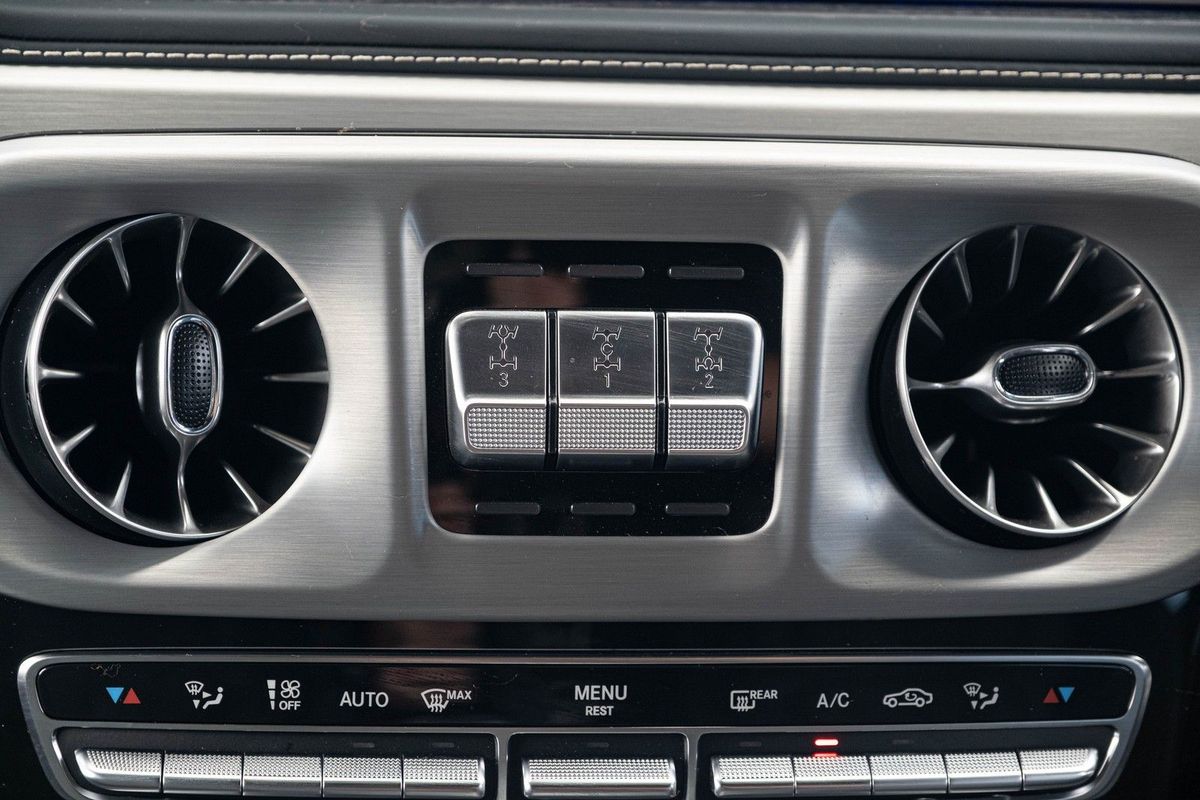
This review mostly focuses on the on-road abilities of the G400d. We didn’t have the opportunity to find out if the G-Wagon is able to scale Table Mountain via the famous Platteklip Gorge, but we are fairly confident that it would give it a fair go! The G-Wagon is, after all, equipped with not 1, not 2, but 3 electronically-controlled differential locks that can be activated via the centre console. With all of those activated – in combination with low range, there’s little that will stand in the G-Wagon’s way, whether it be steep inclines/declines or varied rugged terrain. After all, it’s what the G’s meant to do.
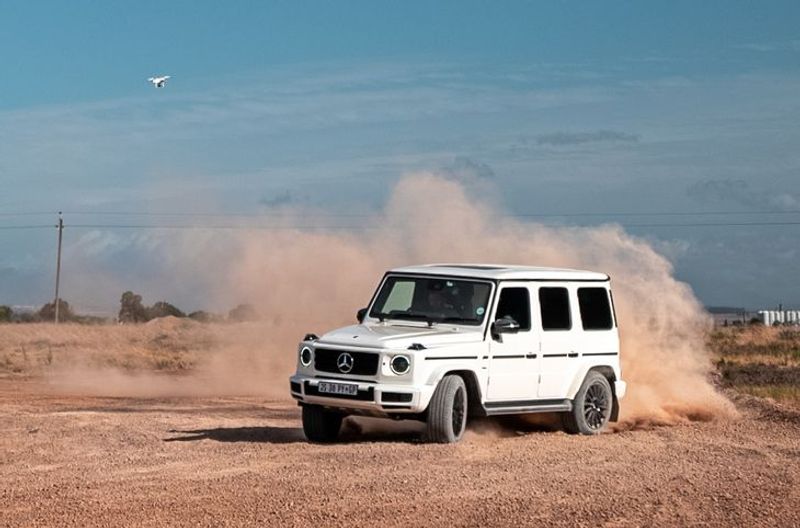
Our very own Ciro De Siena, however, did drive the G400d at speed on a gravel track. If you want to see the G-Wagon going sideways in the dirt then we suggest you watch the video review above.
Price and warranty
The Mercedes-Benz G400d Stronger Than Time is priced from R2 892 840 and is sold with a 2-year/unlimited km warranty and a 5-year/100 000km maintenance plan.
There's so much to love about the new G-Class and if you can afford it, we doubt that you will ever look back.
The G-Class is, in many ways, a ludicrous product. Its monolithic presence and the full breadth of its off-road capability is far beyond what most of its intended buyers will ever need and even fewer will ever engage but one of its diff locks. Here you have perhaps one of the world’s most capable vehicles and it’s mostly – if not all – just for show. It's a travesty, considering what the Benz is capable of.
The G-Wagon, however, is more than capable of putting on a show/almost justifying its prohibitively high asking price. It’s got the kerb appeal and it’s fantastically equipped with all the technology and comfort features that you would expect at this price point. As far as the turbodiesel engine’s performance is concerned, it has enough grunt (as well as sufficient economy) to do this application justice.
This engine will appeal to more conservatively-minded prospective G-Class buyers who couldn't care less about having the fastest and loudest "G" on the market. The G400d is more civilised and less “shouty” than its AMG-fettled G63 stablemate, but it’s also more fit for purpose when it comes to tackling off-road terrain and we think there’s notable value in that.
Your purchasing decision will ultimately depend on what type of person you are. If you’re about to launch a new rap album and have something to prove or need to show the world you've made it, then the G63 is probably the one to go for. However, if you have a finer appreciation for the G-Glass and intend on tapping into the Benz’s capability in a more efficient manner, then the G400d is a good bet.
No matter what you choose though, know that the affectionately nicknamed G-Wagon is in a class of its own. There’s simply nothing like it…
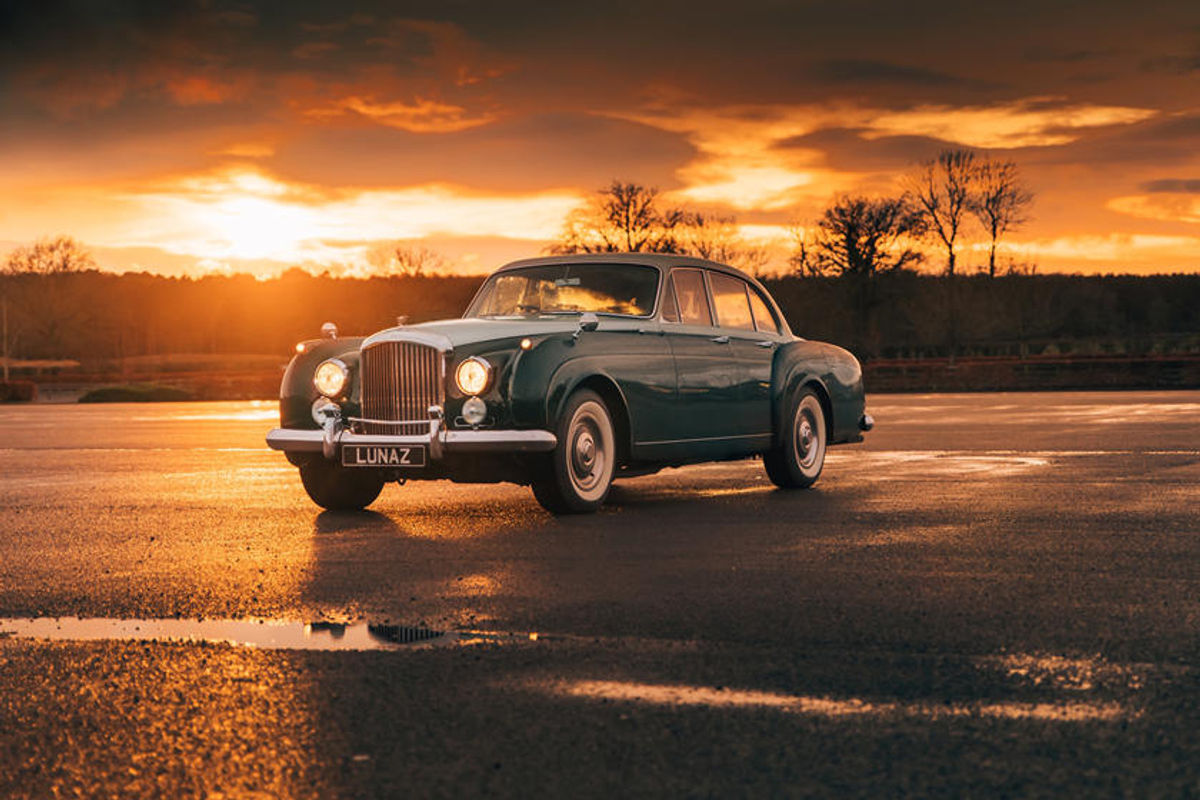
Nearly twice the V8 engine's power – now an option.
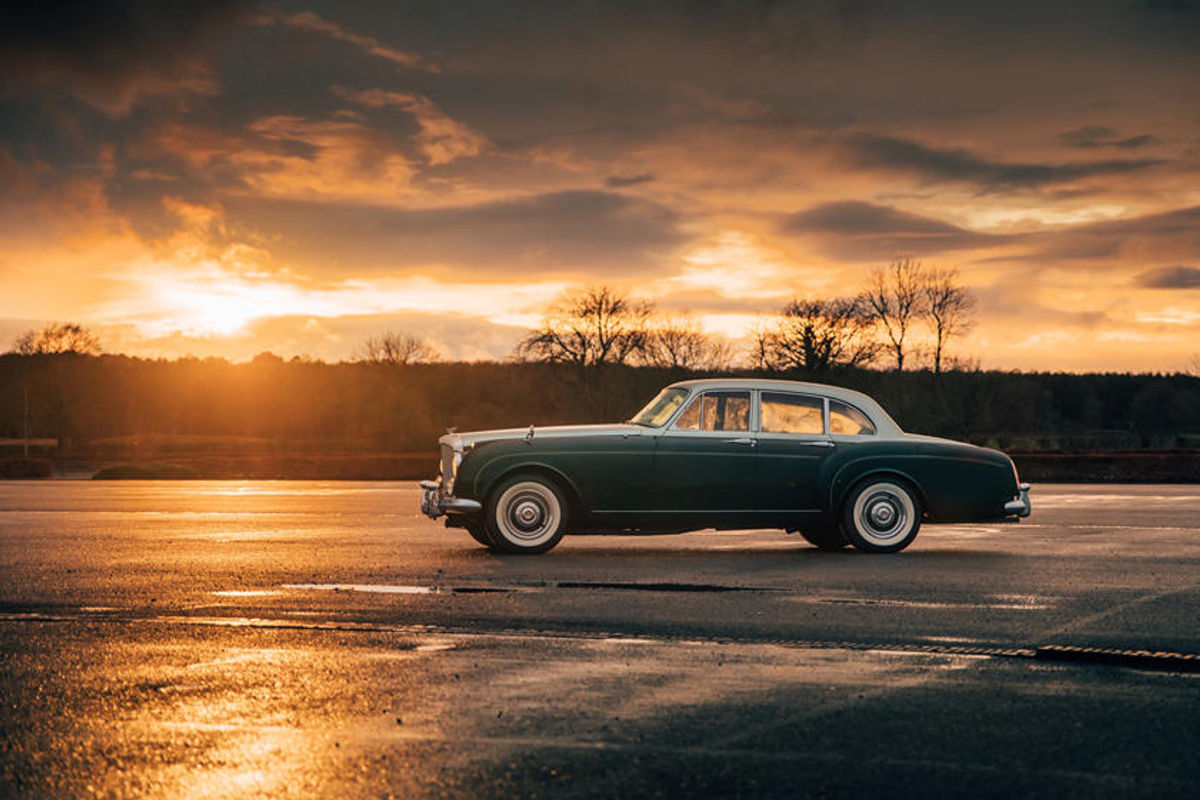
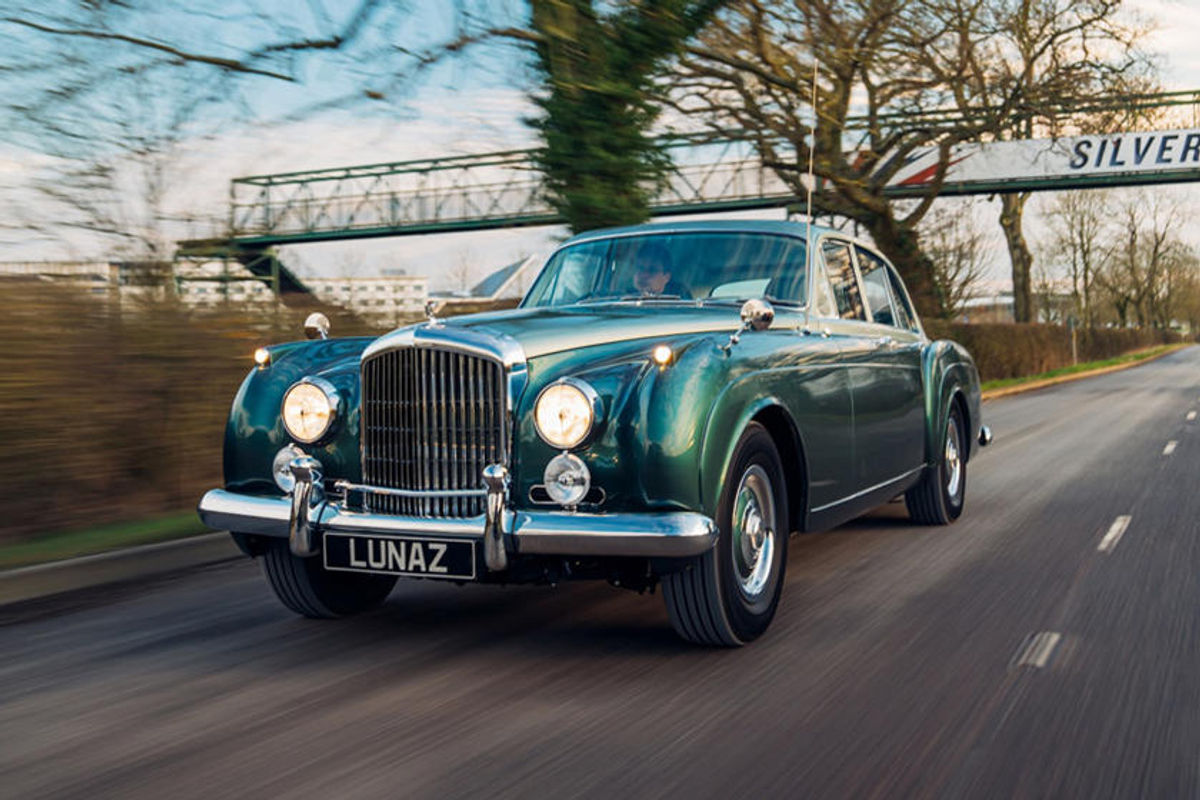
The classic Bentley S3 Continental. Glorious proportions. Immense presence. And of course: that huge 6.2-litre V8 engine.
But what if you wish to drive your classic Bentley Continental as a daily? With tightening emissions regulations and the issue with maintaining a very old engine and drivetrain, that is not really a possibility.
Some clever engineers at Lunaz have developed a successful electrification kit for classic Bentleys of the S1, S2 and S3 configuration.
Lunaz, which s quite fittingly based at the Silverstone technology park, adds a substantial 80 kWh battery pack to the S3 Continental’s platform. The source of its electric motor system is undisclosed, with Lunaz only alluding to the fact that this is of its own design, with input from some of the industry’s leading automotive engineers.
What you get with this battery-powered Bentley S3 Continental is 280 kW and 700 Nm, numbers which dwarf the outputs of that original 6.2-litre V8 engine. This battery-powered Bentley has nearly twice the power of its original petrol engine, which was rated at 147 kW.
Acceleration is dramatic for a vehicle of this Bentley’s vintage. It is capable of 0-100 kph in less than five seconds and Lunaz estimates a range of 400 km, which again, is more than what you would achieve in real-world conditions, with a classic V8 powered S3 Continental.
Lunaz has thoughtfully repurposed the classic chrome filler cap as a recharging port and there are enhancements inside the cabin, too. Infotainment is fully Smartphone convergent, with navigation and a potent air-conditioning system, replacing the woefully inadequate original ventilation system.
The question of a classic car with 700 Nm and more weight, thanks to that huge 80 kWh battery pack, does pose an issue of driving dynamics. Lunaz has added better dampers and larger brakes, to compensate.
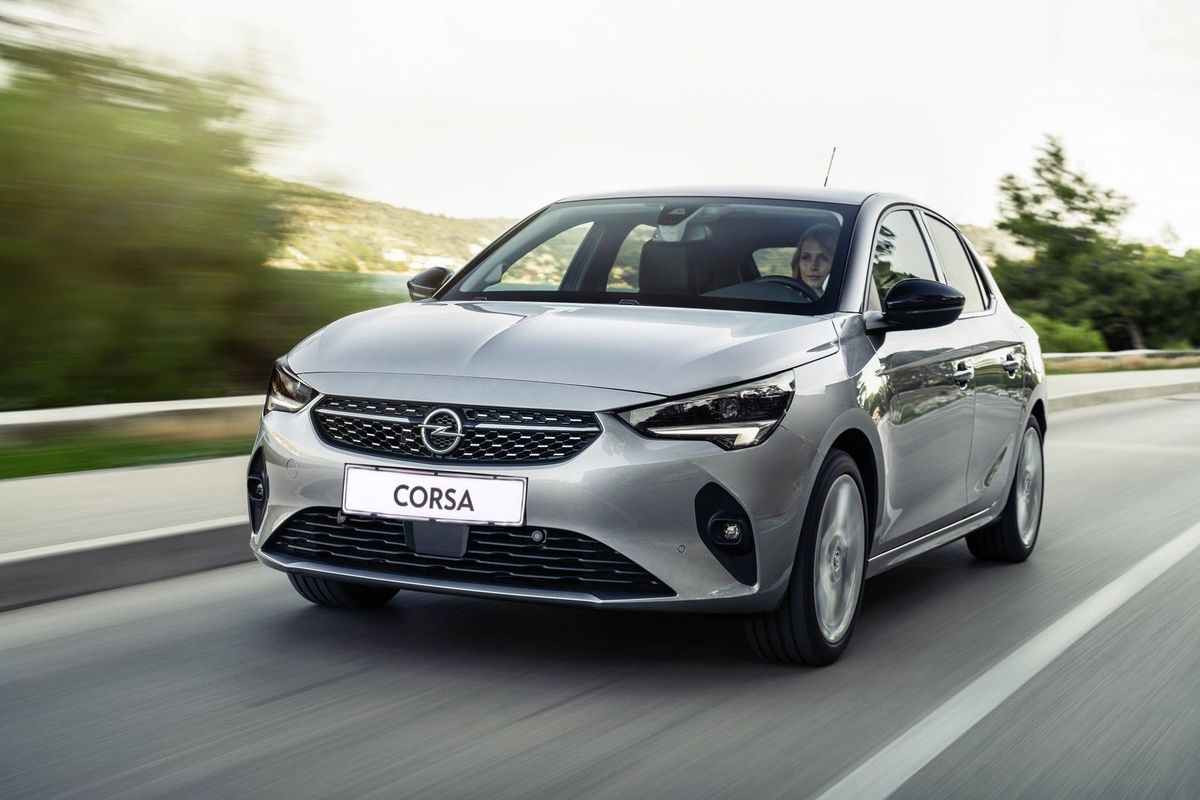
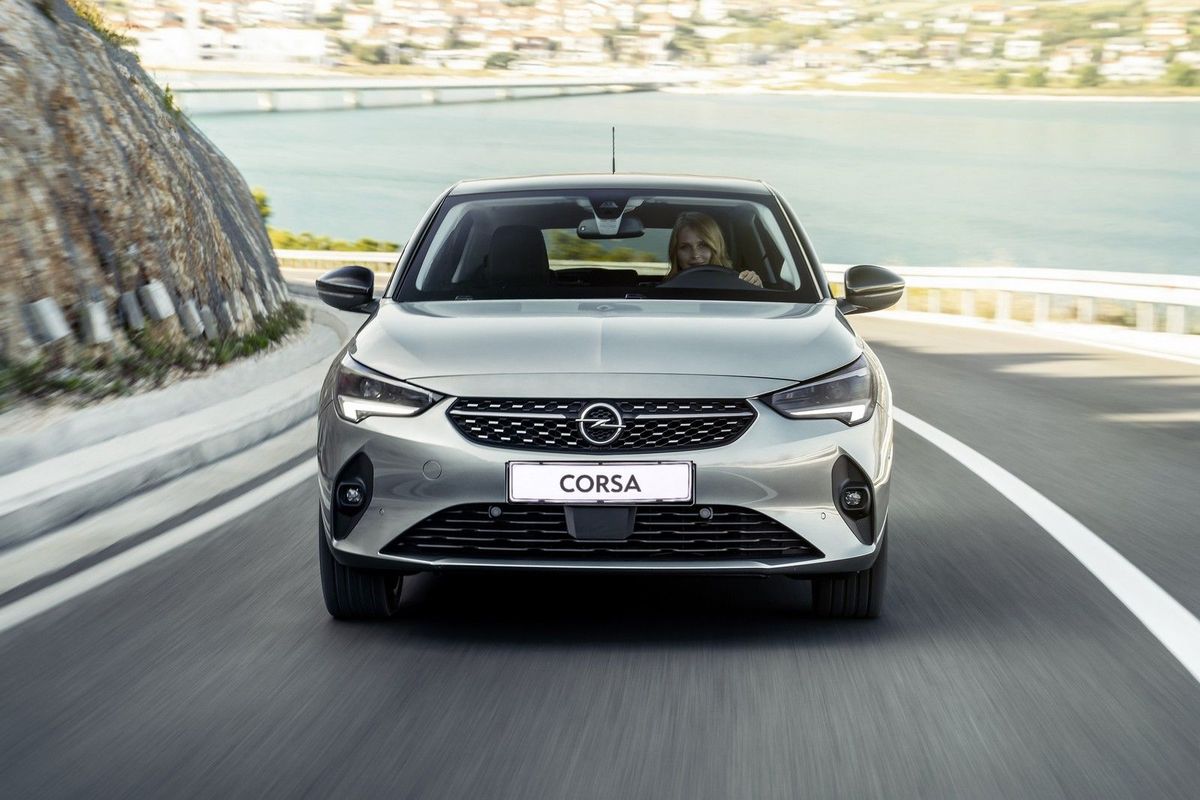
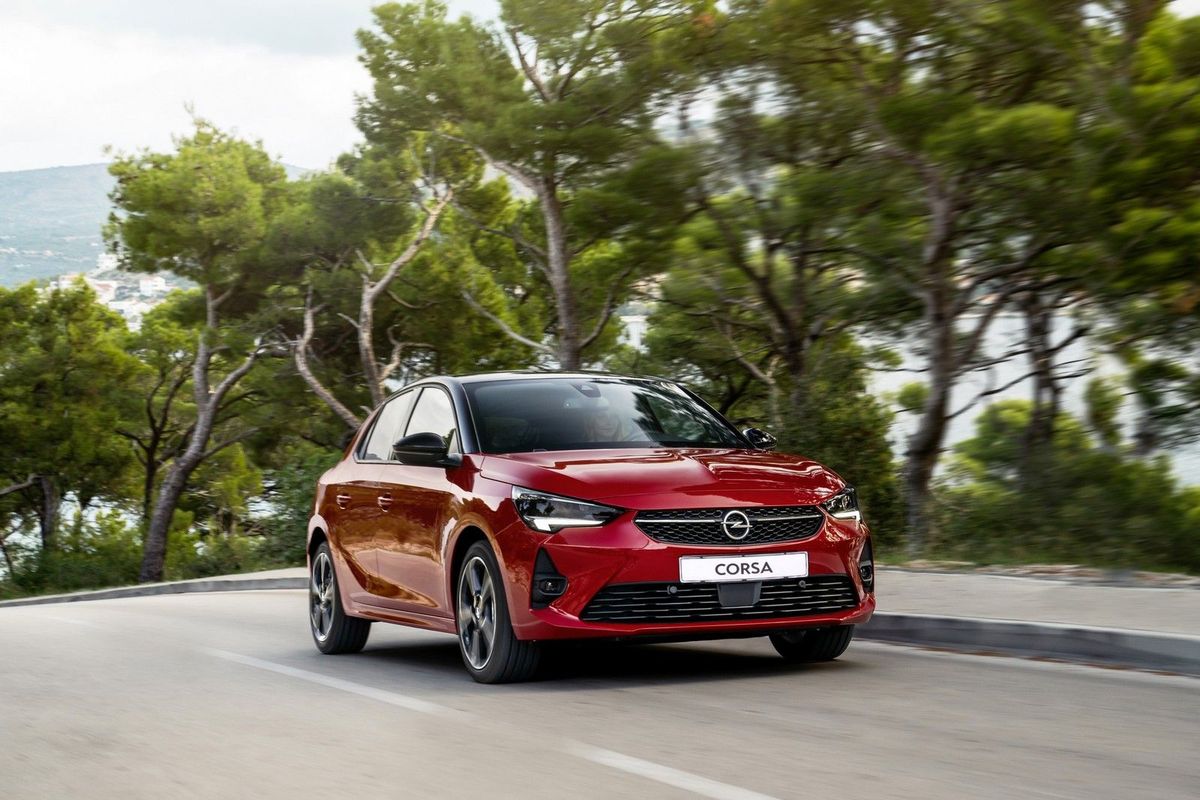
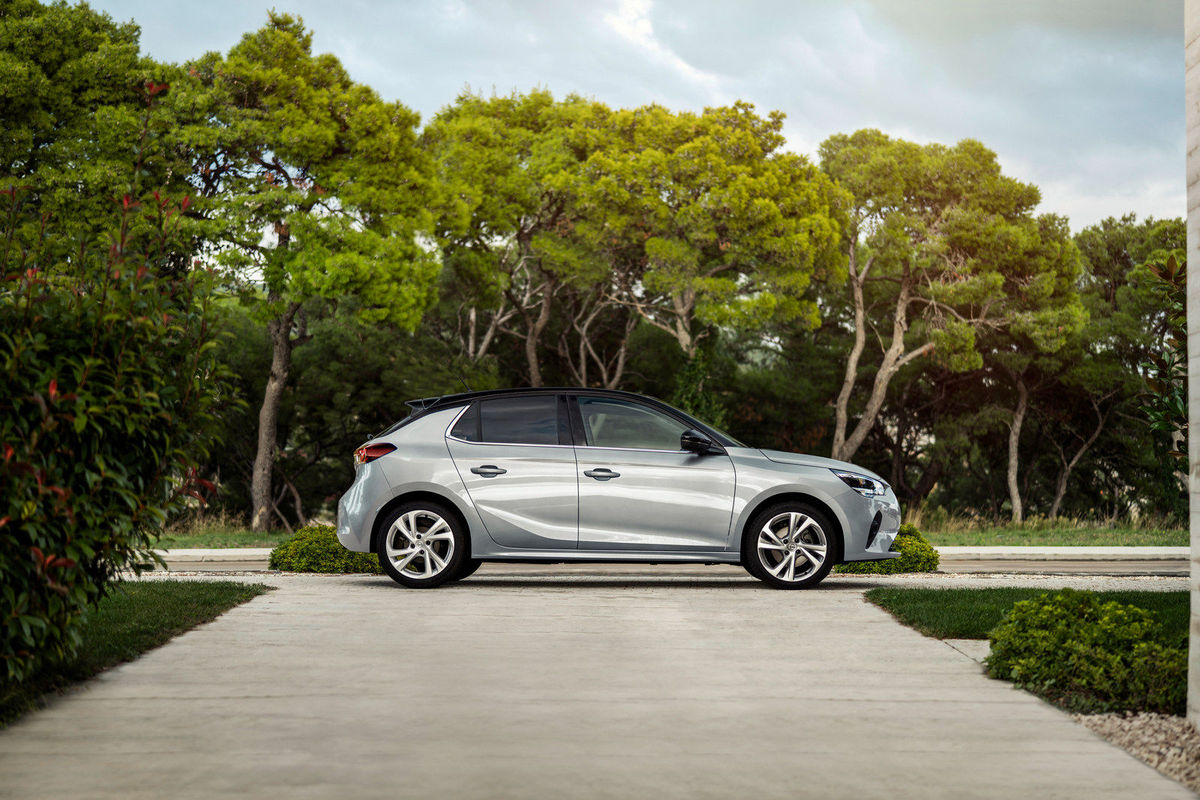
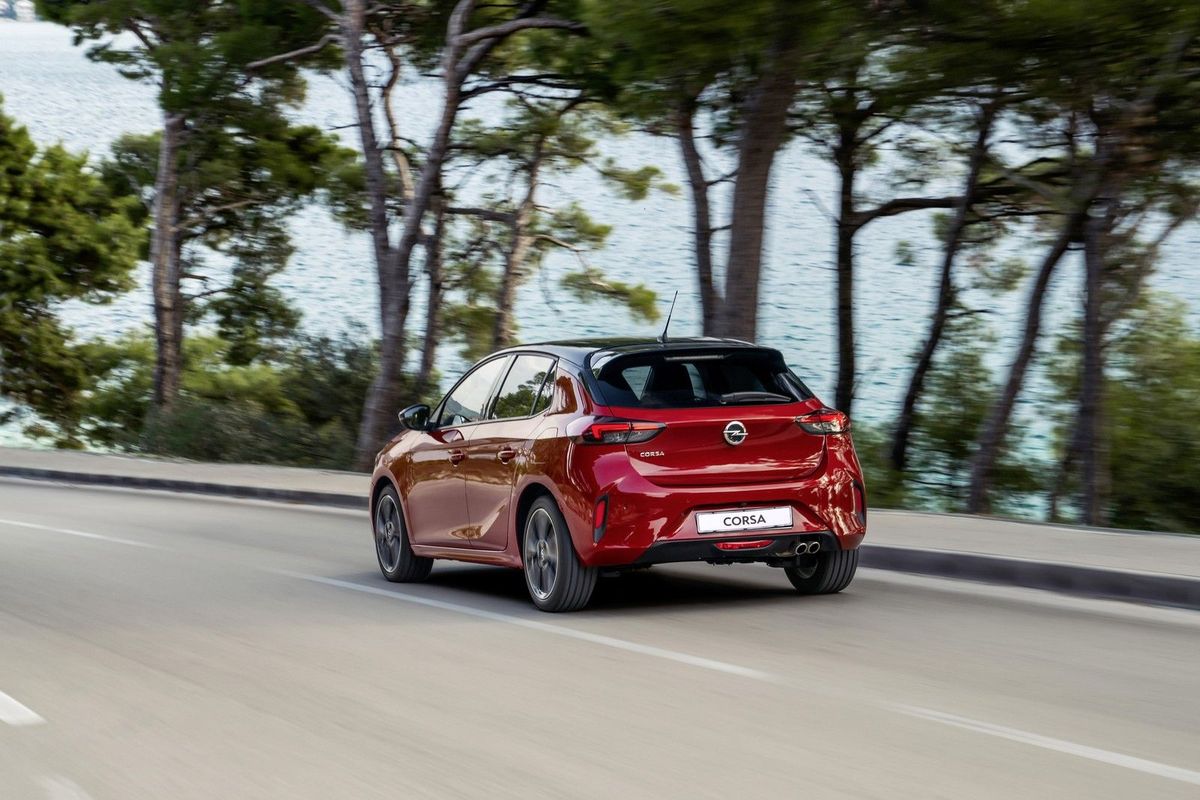
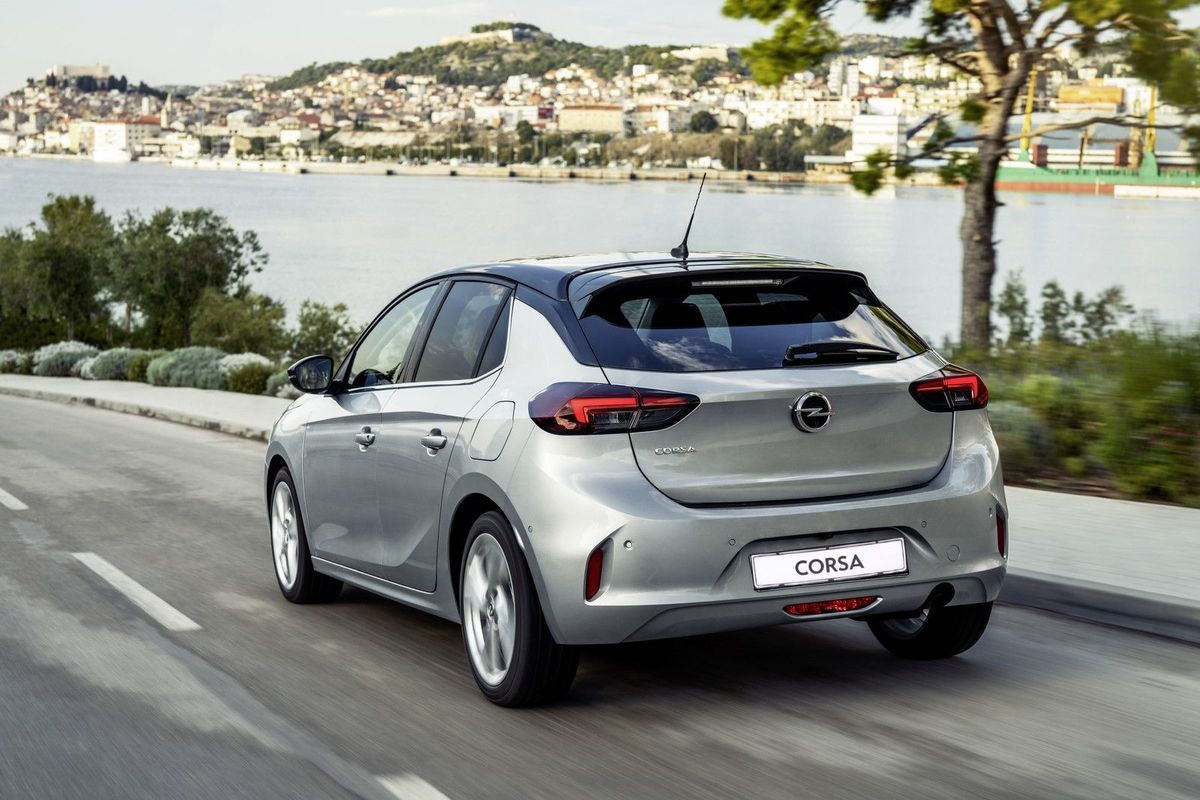
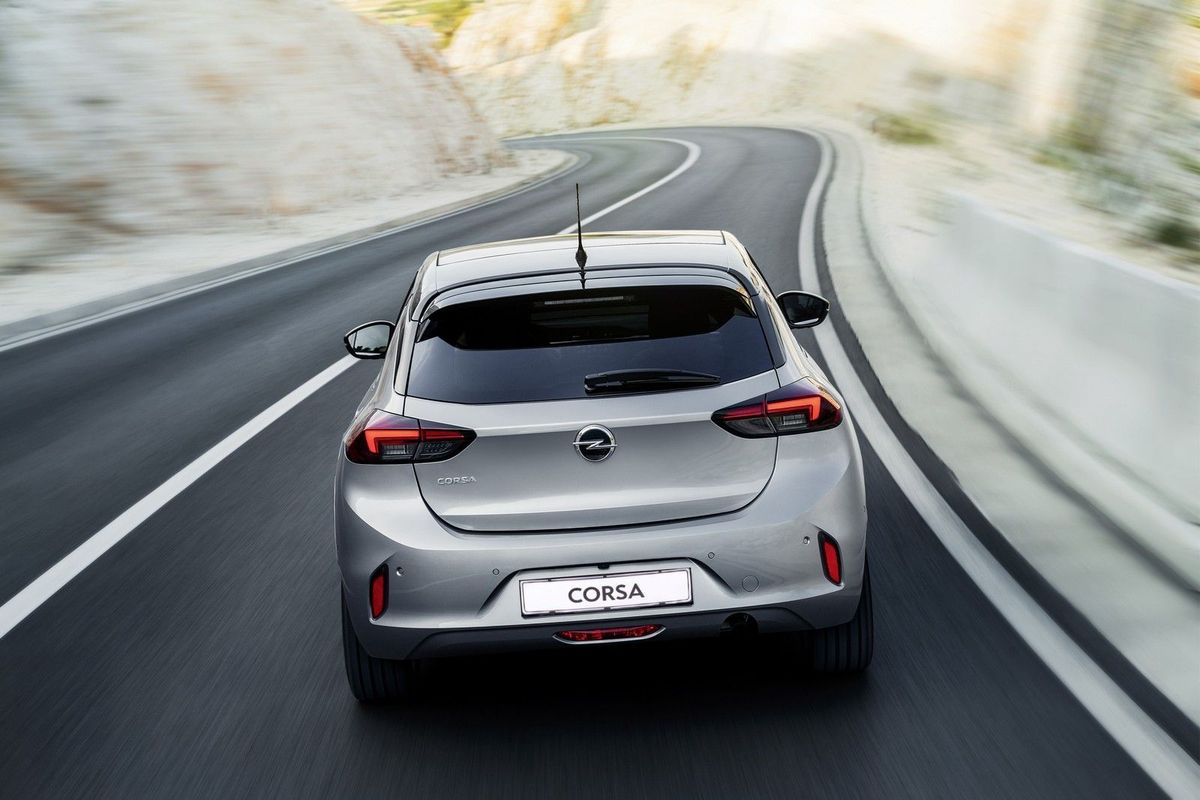
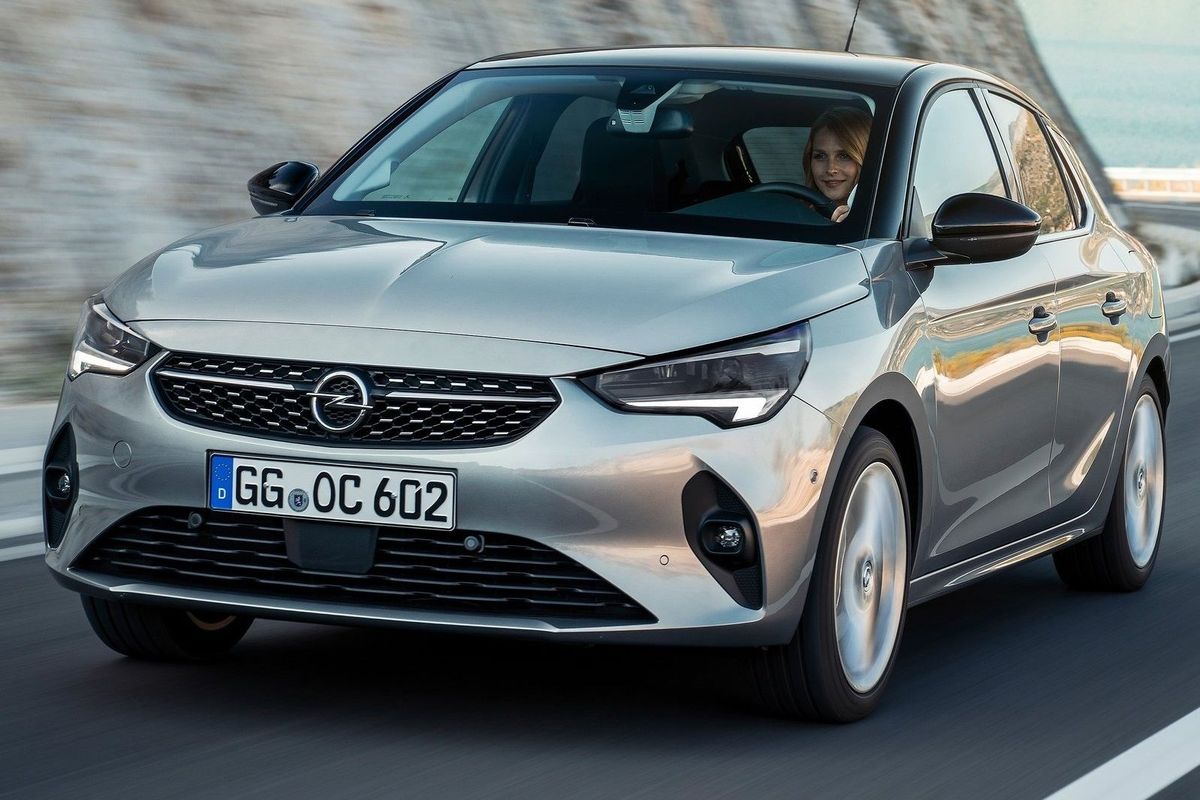
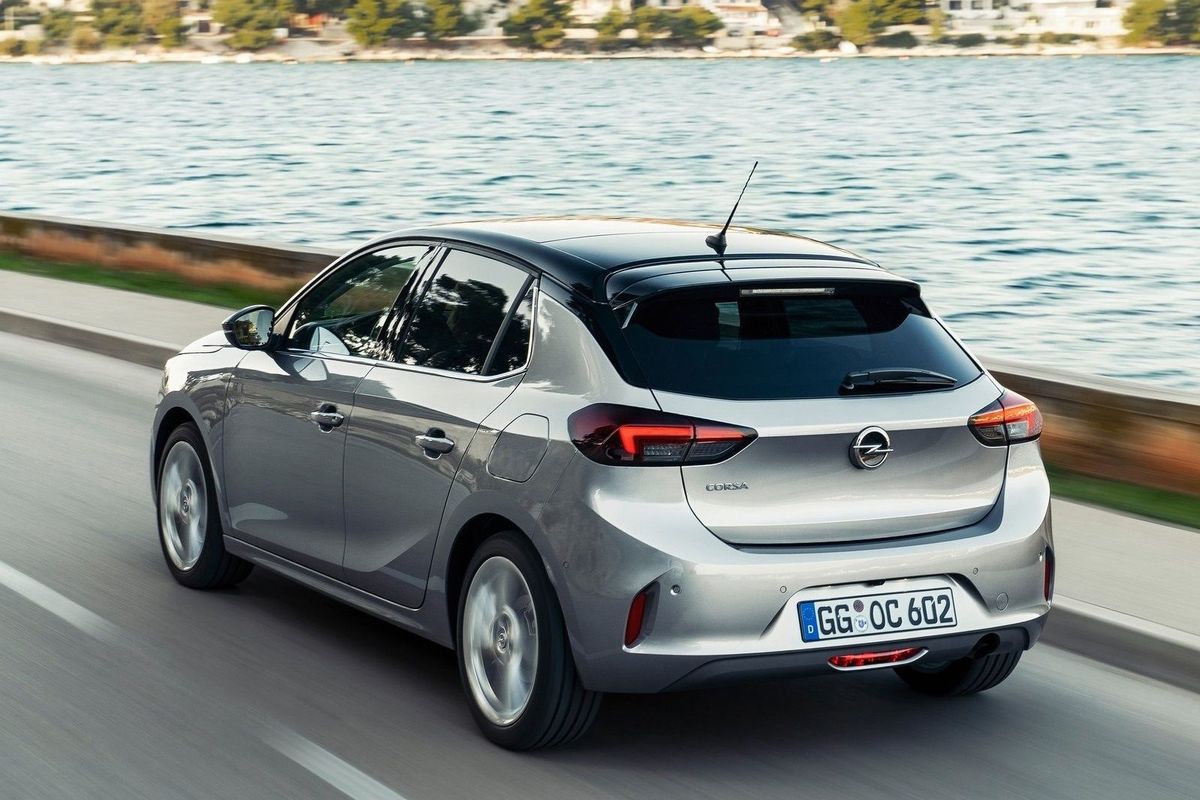
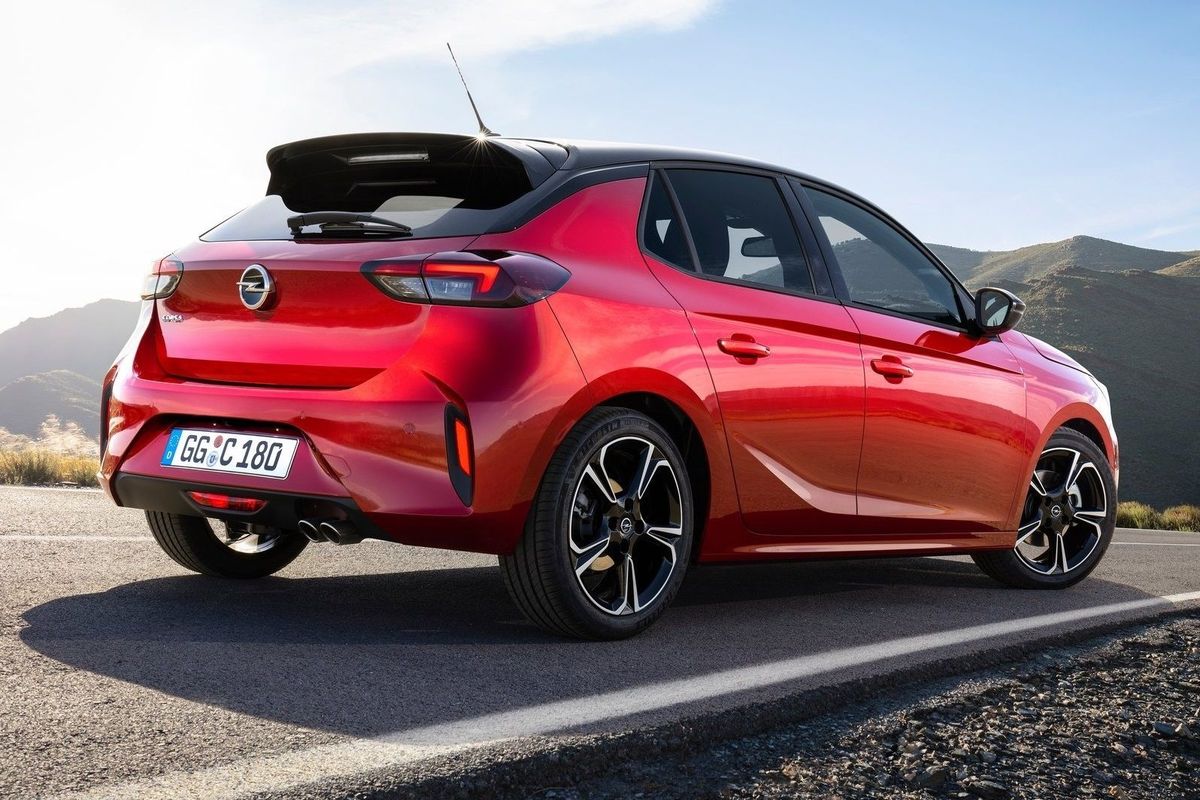
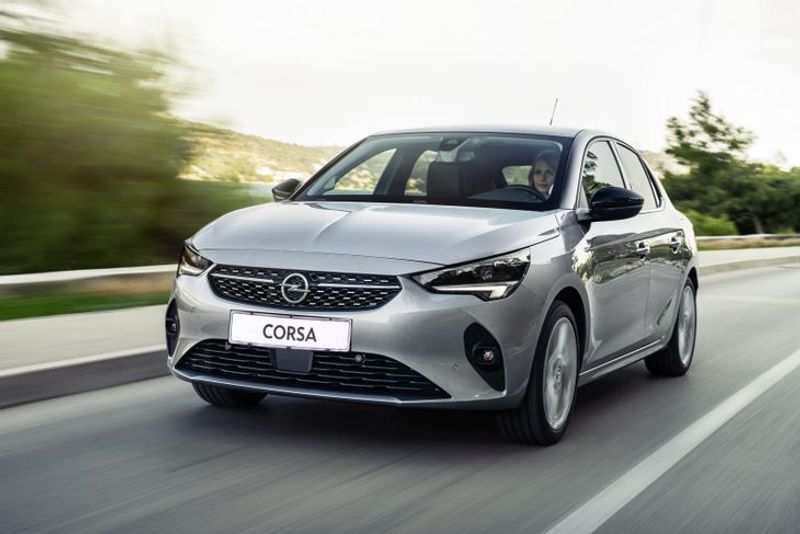
The new-generation Corsa has taken its sweet time to arrive in South Africa, but now that it’s here, how does it stack up against the country's best-selling compact hatches like the Volkswagen Polo, Ford Fiesta and Hyundai i20? We drove it around the Platinum Belt during the Opel's local launch to find out.
What’s new for the Opel Corsa?
This is the 6th generation Corsa and the 5th generation of the model to come to South Africa. It’s a nameplate with a lot of good history locally, whether in hatchback form or in the shape of a small pick-up, both of which were produced in Port Elizabeth. Sadly, the bakkie won’t be making a comeback any time soon, but we do have this neat-looking hatchback to fill some of the void left by the beloved bakkie.
Opel quietly snuck the entry-level 6th-gen Corsa derivative into the market during January 2021, but waited until the whole range was made available to pop the proverbial champagne and give it a proper introduction. The model we drove was the top-spec 1.2T Elegance, exclusively available in automatic guise and replete with all the bells and whistles of a high-end compact hatchback.
The Corsa is underpinned by a Peugeot/Citroen platform that will be widely used across the brands going forward.
Since Opel’s acquisition by Peugeot/Citroen and the groups subsequently joining with Fiat/Chrysler to form Stellantis, the decision has been made to use the Peugeot/Citroen platform across as many small hatchback and crossovers as possible. Our first taste of the EMP1 platform was with the Peugeot 2008 last month; EMP1 also underpins the Mokka, but that is only likely to arrive in SA in 2022.
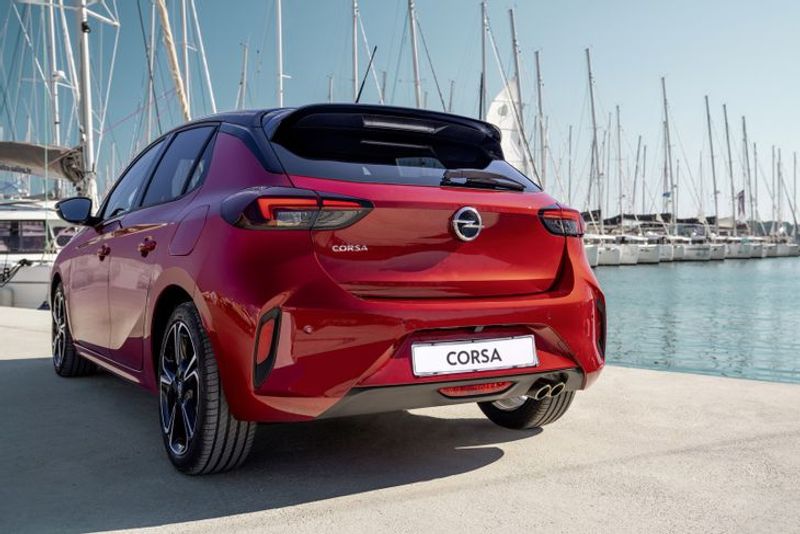
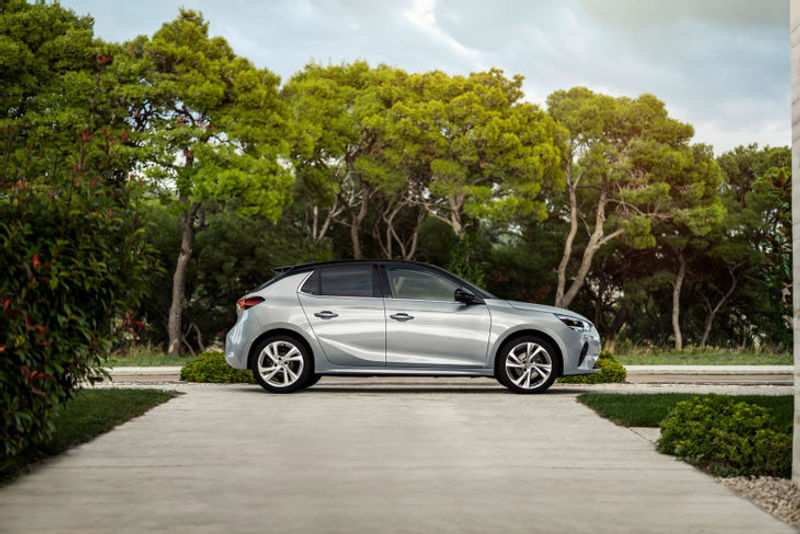
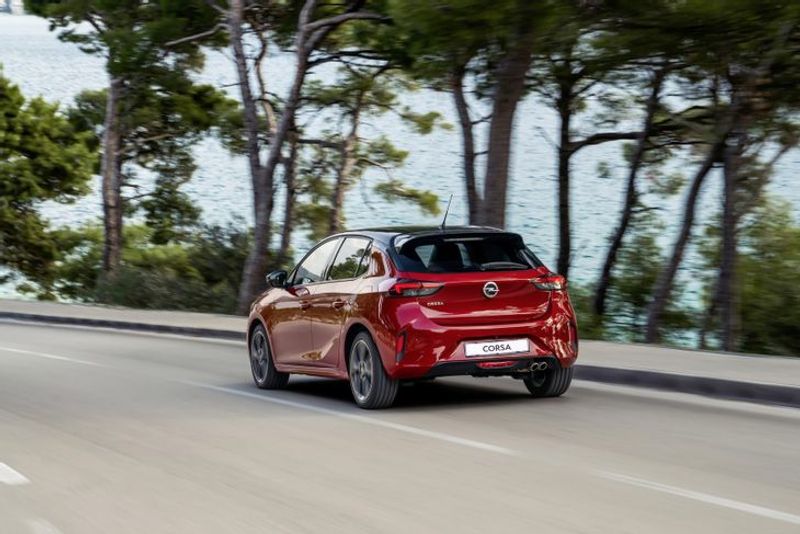
This generation of Corsa is slightly lower than the model it replaces (by 48 mm), but packs more legroom and a bigger load bay than before thanks to the platform’s clever packaging/longer wheelbase.
Is the Corsa engine any good?
There are 2 engines available for now, a naturally aspirated 1.2-litre petrol, which produces 55 kW and 118 Nm of torque and a 1.2-litre turbopetrol with 96 kW and 230 Nm. The latter is the unit we drove at the launch and is exclusively mated with a 6-speed automatic transmission. The engine is essentially the unit from the 2014 Peugeot 308 and is a multiple Engine of the Year winner in its category.
The 1.2T Elegance model provides good performance and excellent fuel efficiency.
The performance from the turbopetrol motor certainly gives the Corsa a sporty feel, which is confirmed by its claimed 0-100 kph sprint time of 8.7 sec. While the European model features an 8-speed automatic transmission, the South African version has a 6-speed unit. The latter is sufficiently refined and it doesn’t appear to hinder the fuel economy (for having 2 fewer ratios) in any noticeable way.
One of the most notable attributes of the Corsa is its lightness. In its lightest spec, it weighs just 980 kg which, of course, helps when it comes to fuel consumption, acceleration and in-gear overtaking.
After completing our launch route (which comprised a 300-km round trip), Opel's newcomer indicated an average fuel consumption figure of 6.2 L/100 km, which is not only particularly good, but that number could certainly be improved in the long run. Overtaking acceleration is another highlight: the Corsa gets a move on when it needs to and doesn’t struggle (at all) to get up at freeway speeds.
What's the Corsa like to drive?
The Corsa has a lightweight chassis that provides agility and driver confidence.
This is a brand new platform for the Stellantis group, so you would expect it to be most effective in its early years (when it’s newer than the competition’s offerings). Somewhat surprisingly (given its predecessor's forgiving road manners), the newcomer's ride and handling are on the firmer side for the segment, but not bone-crushingly hard.
Gauteng’s abundance of deep, virtually undodgeable potholes where the instigators for the harshness, but out on the road the firmness translated to predictable handling, minimal body roll and agile cornering, the latter of which was complemented by a suitable level of steering weight.
By comparison, it’s sportier than the Polo and probably even more so than the latest Fiesta. It will be interesting to see how it stacks up against the 208, which should be available locally soon.
What’s the Corsa like inside?
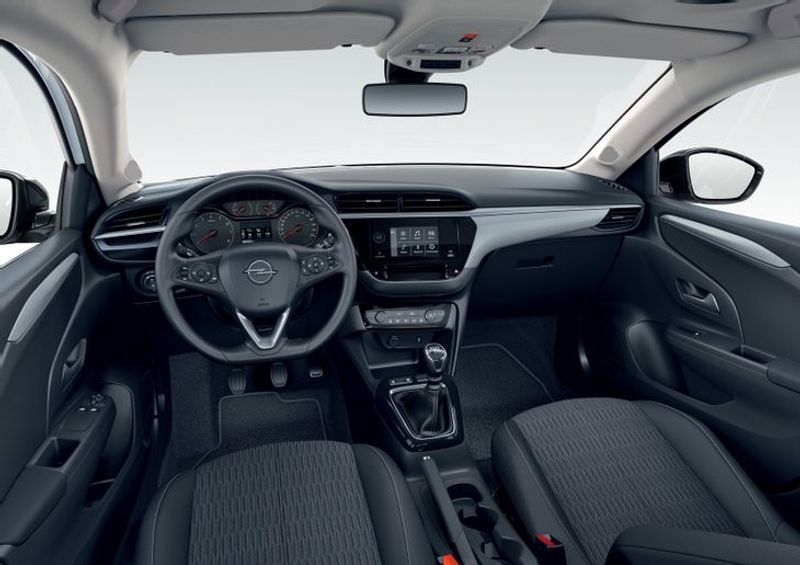
Pictured is the mid-spec Edition derivative with a manual gearbox.
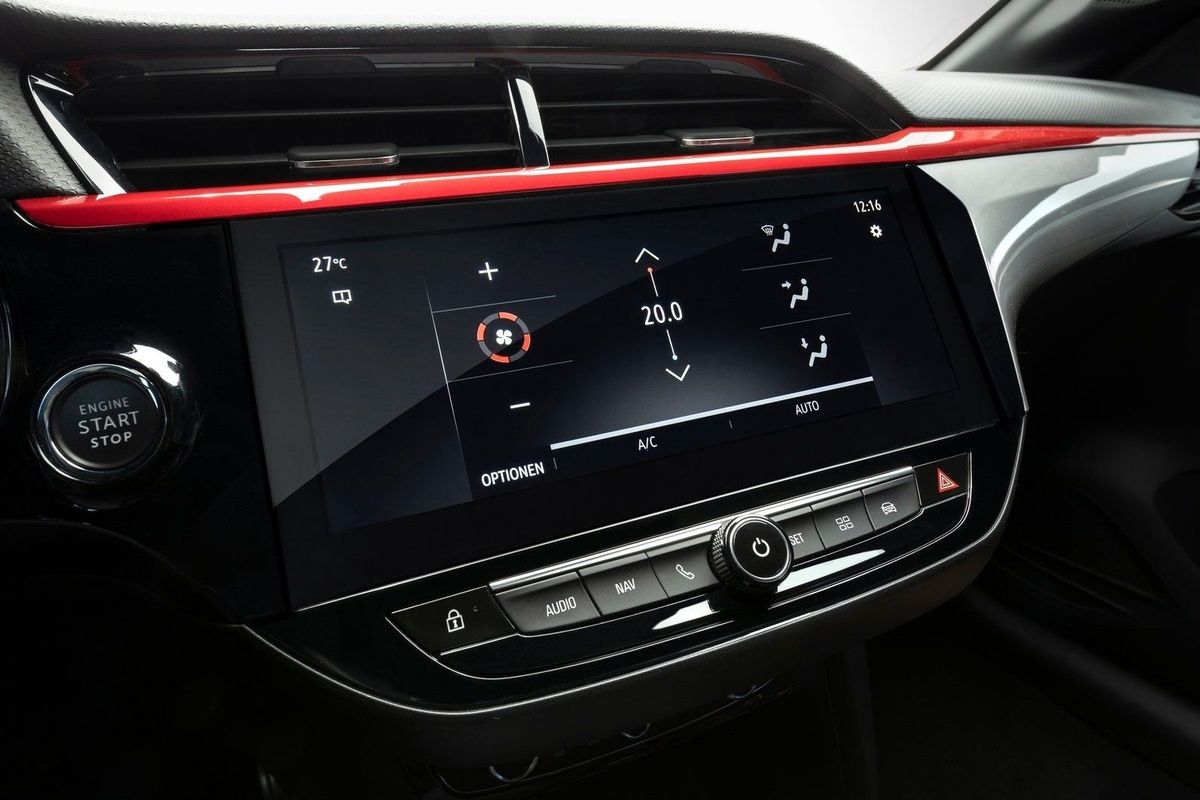
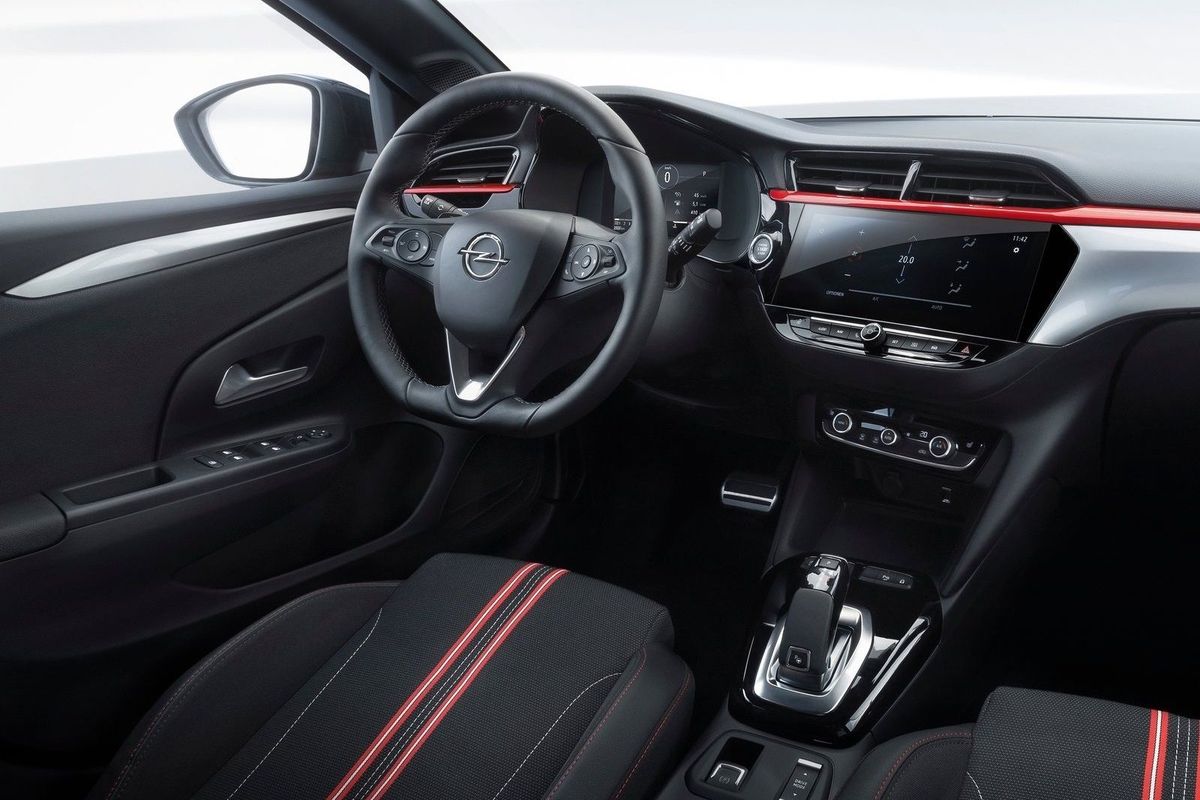
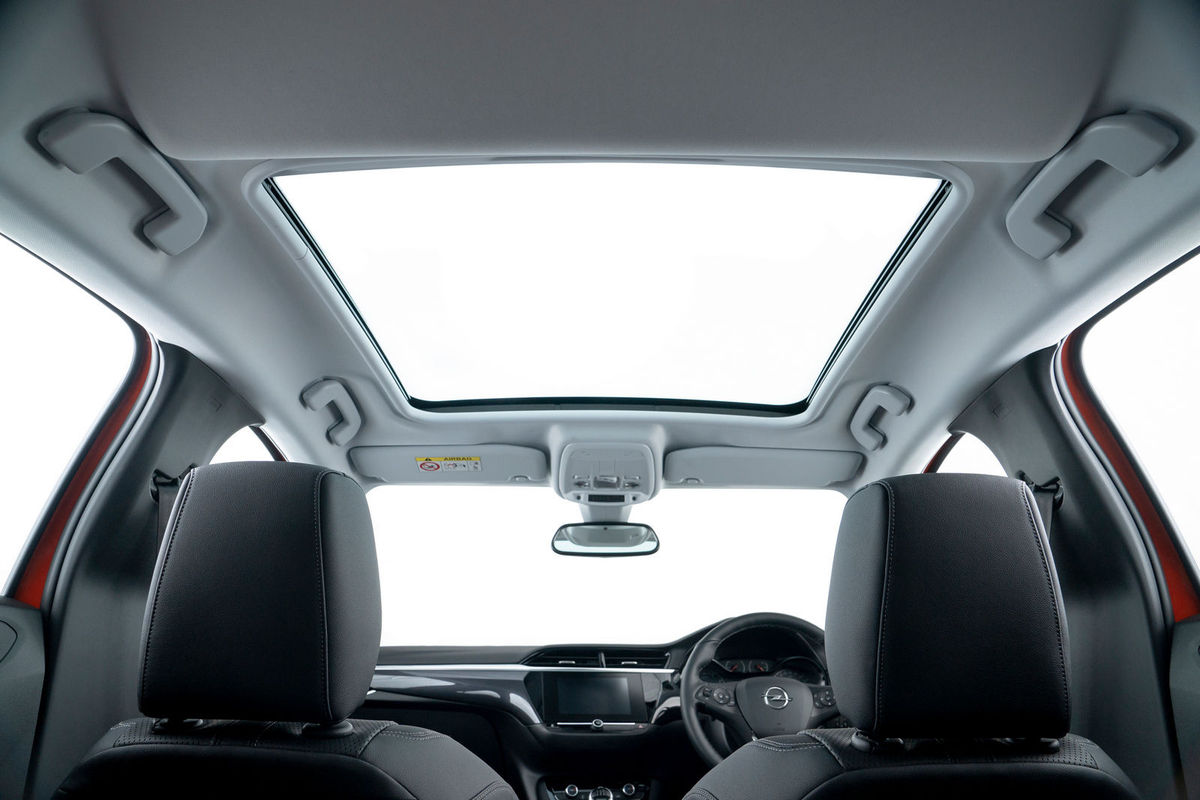
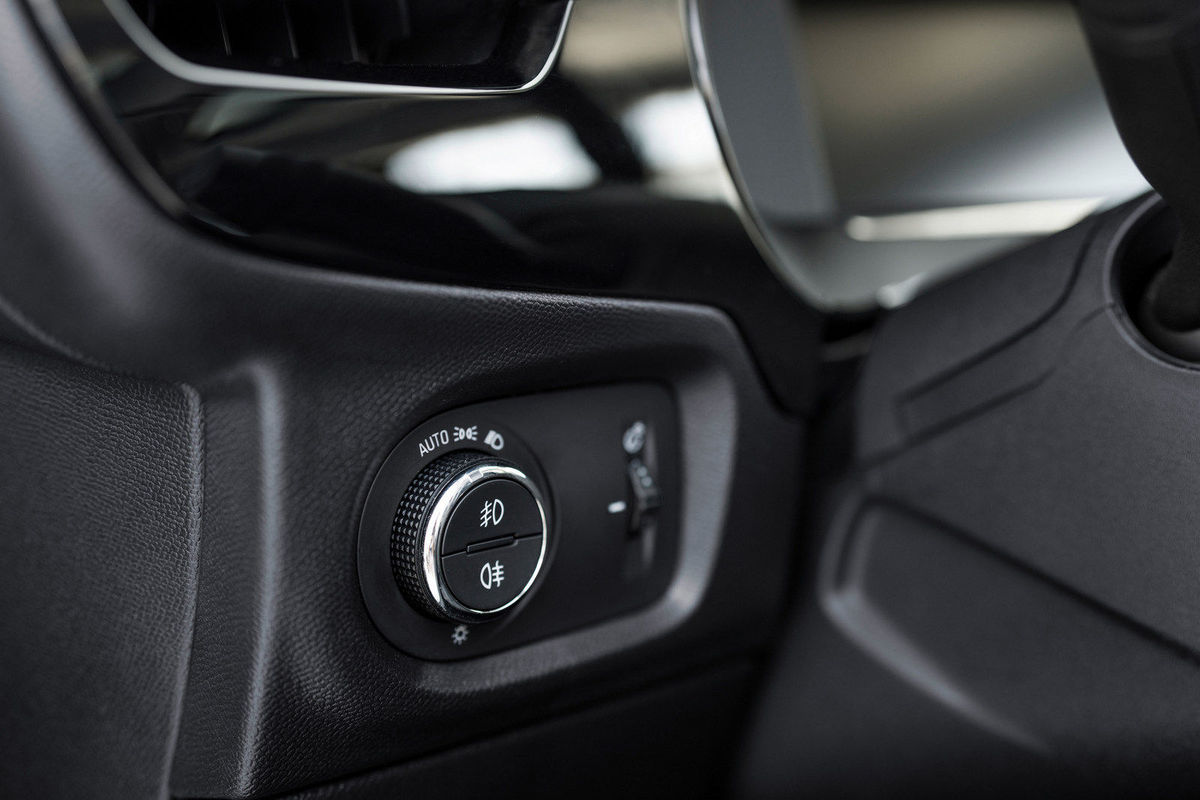
The 1.2T Elegance, as the turbopetrol-powered derivative is called, has a modern combination of mod cons and tech features. The seats are specced in a part-leather, part-cloth upholstery, while the steering wheel and transmission lever are both trimmed in leather.
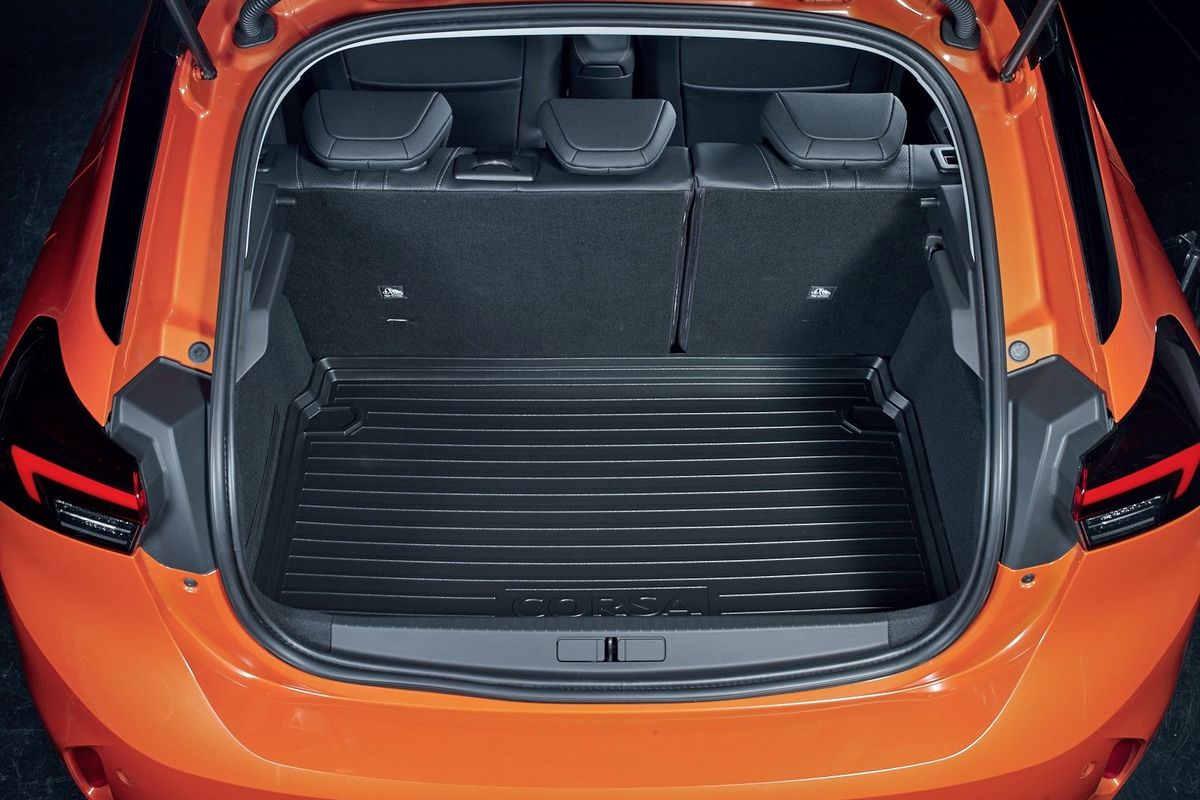
Rear-passenger space is reasonably good, while the seats fold down in a 60/40 split if you need additional loading space. The load bay capacity is claimed to be 309 litres, which is a touch bigger than the Fiesta's boot, but smaller than that of the class-leading Polo, which is claimed to hold 350 litres.
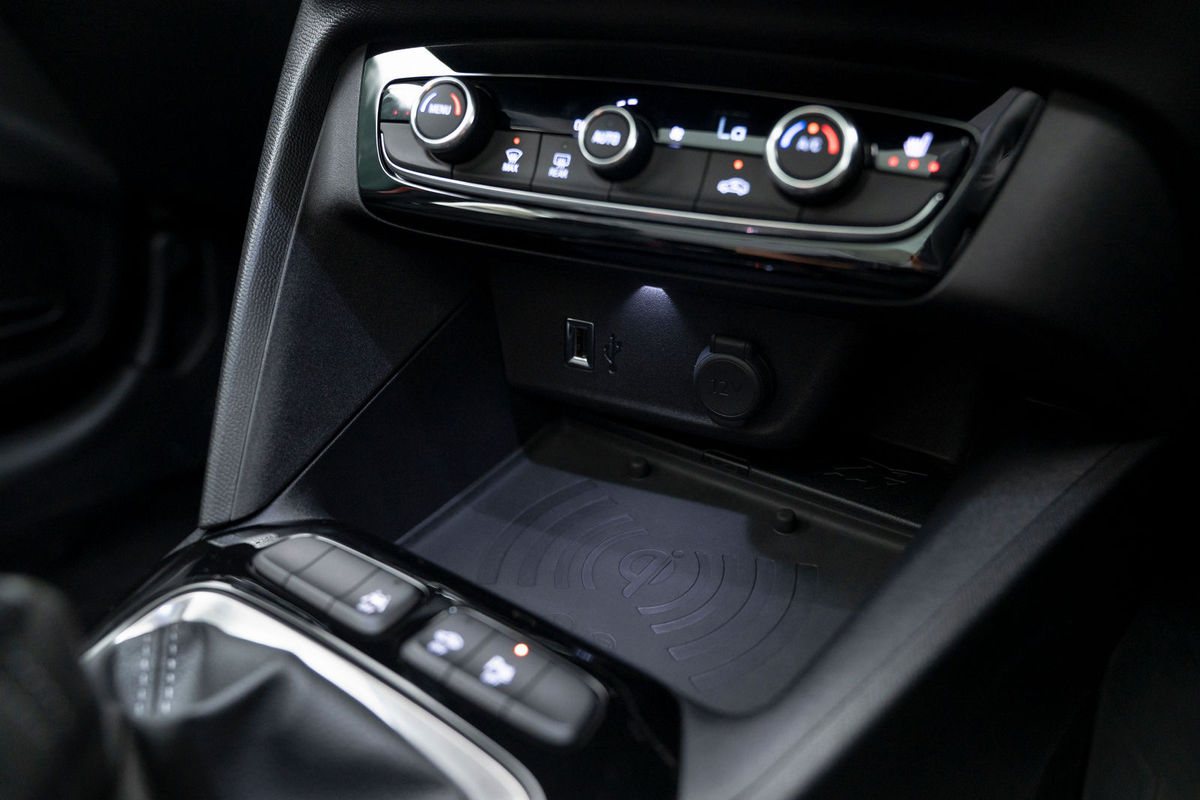
Connectivity options entail a USB port up front and a pair of ports in the rear. Apple Carplay and Android Auto compatibility is standard on the Edition- and Elegance-spec derivatives. The display of the 7-inch infotainment screen isn’t as crisp and information-rich as the Composition Media pack for the Polo, for example. The screen doubles as a 180-degree reverse-view camera.
There are numerous luxury features on the 1.2T Elegance, including a 7-inch digital instrument cluster, heated front seats, LED headlamps with high-beam assist, traffic sign detection and cruise control.
Is the Corsa safe?
The Corsa meets the safety criteria of most buyers in this segment; items such as electronic stability control, 6 airbags, ABS and EBD are standard. The 1.2T Elegance derivative adds a driver-drowsiness alert function, collision-mitigating braking at low speeds, lane-keep assist and front passenger detection system to the safety offering. There are also ISOfix anchorage points in the rear for child seats.
Pricing and after-sales support
The Opel Corsa 1.2T Elegance we drove on launch retails for R386 900. It is sold with a 3-year/120 000 km warranty and a 3-year/45 000 km service plan.
Summary
Opel has chosen to price the Corsa above the Polo Highline auto, it will be interesting to see how that strategy pans out.
The Opel Corsa may be a little late to the party, but it doesn’t fall short in very many departments. The 1.2T Elegance we drove is admittedly a bit on the expensive side compared with its rivals, but the newcomer is very well-specced inside and probably boasts the best engine and transmission combination in the segment.
The lightness of the chassis makes the Corsa fun to drive and imbues it with excellent performance and economy. The ride quality is a little on the firm side, but feels stable in corners and at speed.
The interior finishes and infotainment system aren't quite up to the standards of Opel's main rivals. The connectivity options are acceptable but the infotainment system doesn’t offer much in the way of customisation and can be difficult to get to grips with. Some of the interior plastics are somewhat questionable around the transmission tunnel and door panels, but it all appears to be well put together.
It will be interesting to see how the new Corsa performs on the sales charts; historically, anything priced above the Volkswagen Polo doesn’t seem to attract much interest from local consumers…