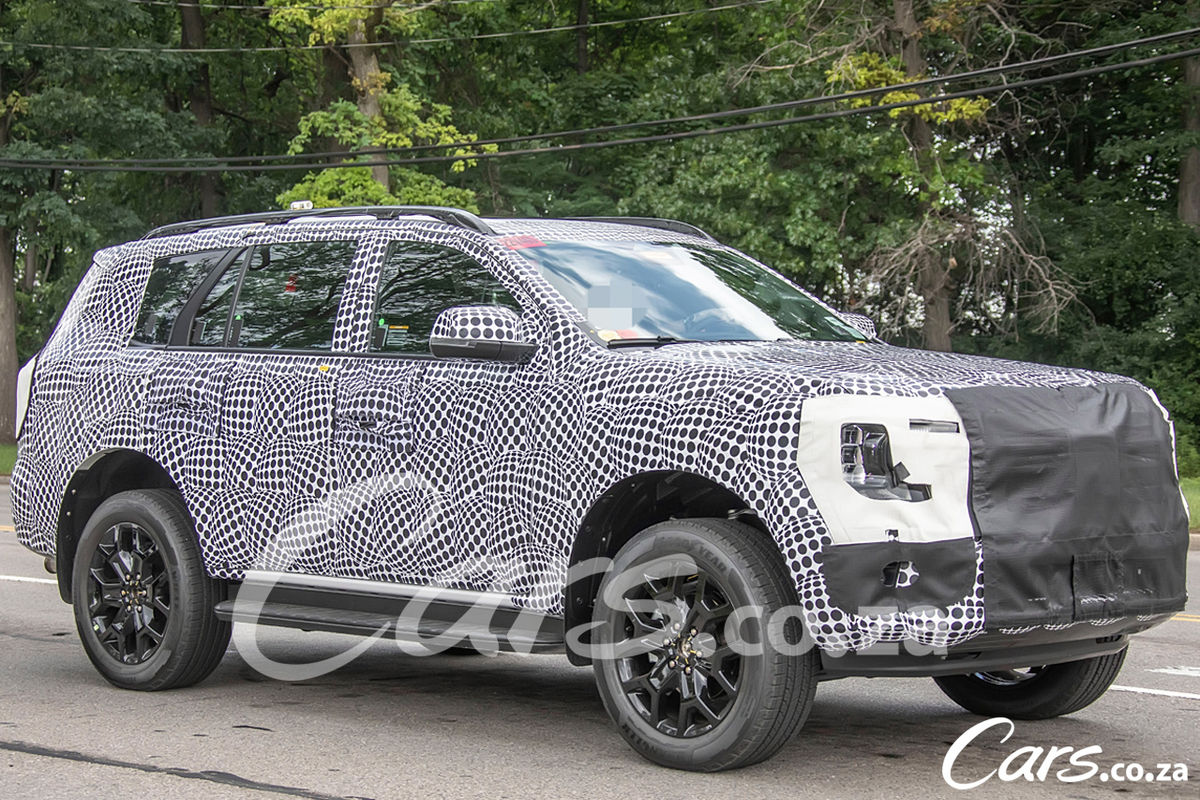
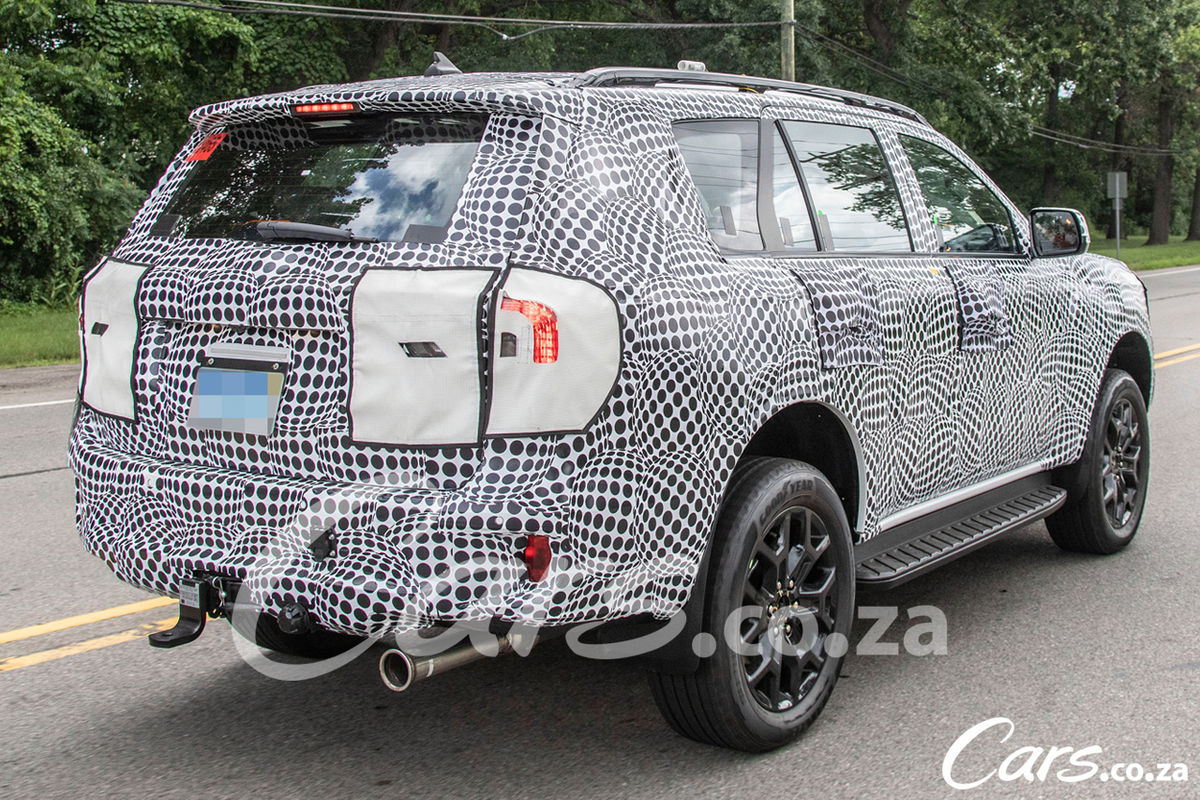
The 2023 Ford Everest was recently spotted on the roads around Ford’s facility in Dearborn, Michigan. Like the all-new Ford Ranger (which will also underpin the all-new Volkswagen Amarok) and be sold as a global model, the Ford Everest is expected to follow a similar strategy.
Despite the heavy camouflage, there are distinct Ford F-Series styling cues at the front and rear. We suspect it will still be underpinned by a body-on-frame setup and it will be powered by the new generation of big V6 turbodiesel engines. It should retain its 7-seat functionality and arguably class-leading digitally connected cabin. We’re hopeful the flagship model’s safety and assistance tech will be made available across the range.
2023 Ford Everest ETA
We’re expecting Ford to take the covers off of its all-new Ranger in early 2022, and it would be fair to assume that the Everest will follow not too long after its bakkie sibling.
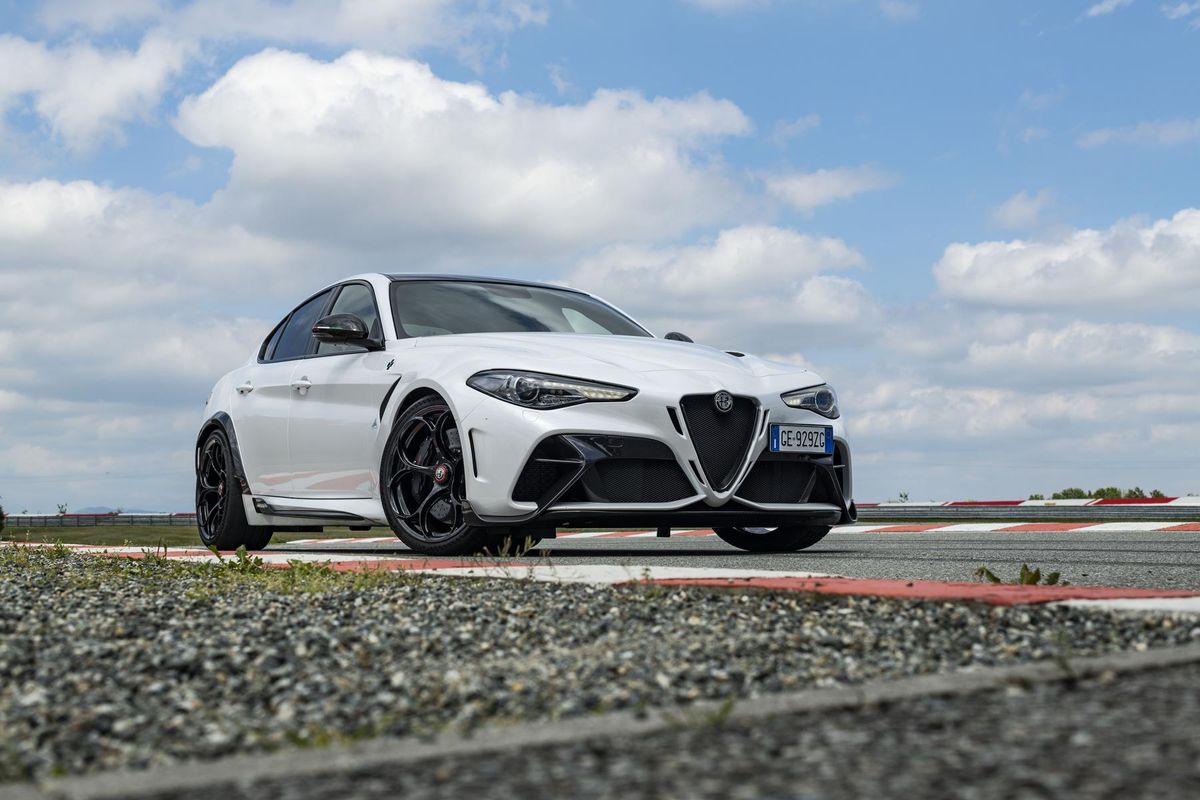
Hardcore Alfa Romeo Giulia GTA (2021) Specs & Price in SA
The order book is open for South African customers wanting to purchase the Giulia GTA and the hardcore Giulia GTAm as Alfa Romeo has announced that the performance 4-door sports sedan variants will be made available in South Africa in very limited numbers.
Total worldwide production is limited to just 500 units and Alfa Romeo SA is offering less than 10 units to local buyers on a first-come-first-serve basis.
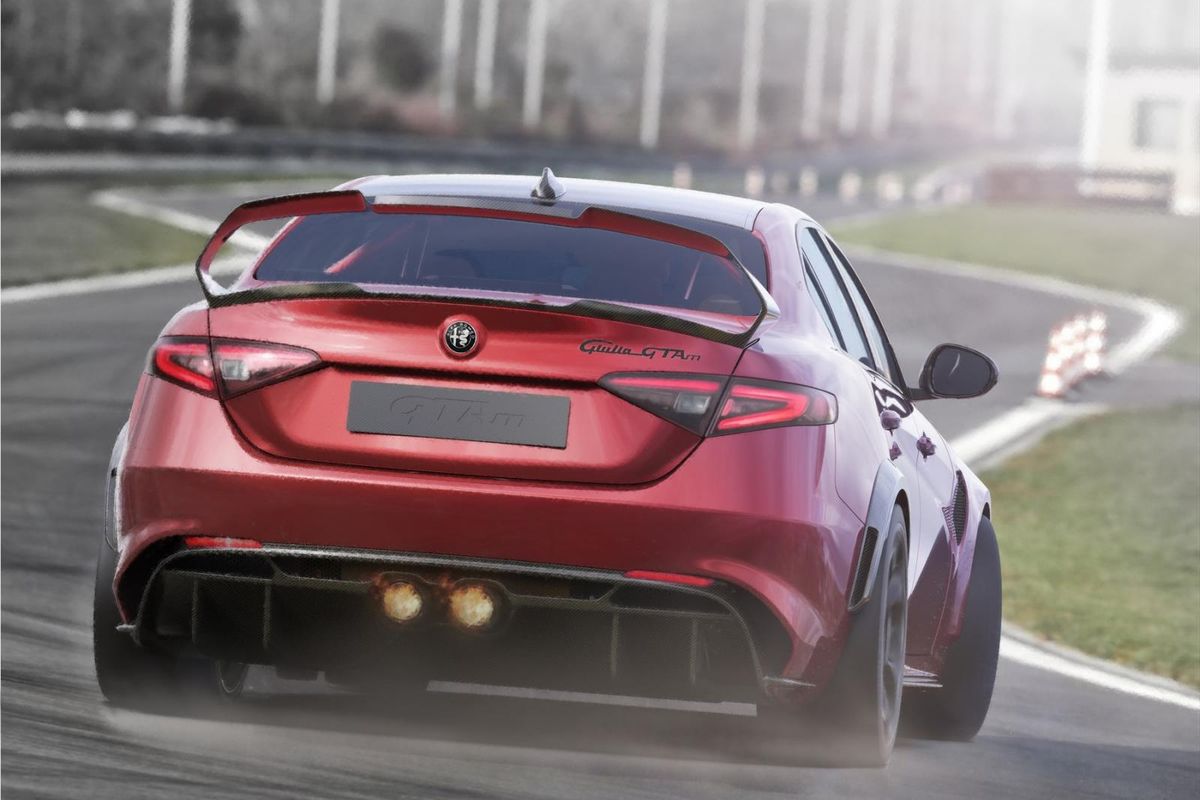
The Alfa Romeo Giulia GTA is a lighter and faster version of the already quick Giulia Quadrifoglio. Built to celebrate 110 years of Alfa Romeo, the new Giulia GTA boasts some upgrades to give it a hardcore track focus.
The 2.9-litre biturbo V6 sourced from Ferrari has been given some tweaks and can reach a maximum power output of 390 kW, from 375 kW and 600 Nm. There’s a new Akrapovic titanium exhaust system, identified by the large central exhausts. Performance figures are decent, with a 0-100 kph of 3.6 seconds – a marked improvement over the standard car’s 0-100 kph in a claimed 3.9 seconds.
The entire car has gone on a diet, losing around 100 kg thanks to the extensive use of even more carbon fibre, bringing the total weight to about 1 580kg. The car boasts carbon fibre in the bonnet, wings, boot, bumpers and bucket seats. For those wanting even more, there’s the crazier version called the Alfa Romeo Giulia GTAm, which removes the rear bench seats and replaces them with a roll cage. There’s a carbon rear wing as well as an extended front splitter for more aerodynamic effects and inside are full racing harnesses. It’s essentially a stripped-out but street-legal racecar.
The Alfa Romeo Giulia’s suspension has been uprated too, with engineers widening the track by 50 mm and there are new springs, shocks and bushes. The cabin gets a new-look steering wheel design made from, you guessed it, carbon fibre and there’s plenty of Alcantara splashed across the interior. Customers are in for a treat as the purchase process looks incredibly personalised. They’ll get a Bell helmet in special GTA livery, a tailor-made Goodwool car cover and you’ll also get a full Alpinestars race suit, gloves and shoes.
If you have been eyeing out the Alfa Romeo Giulia from afar, now is your opportunity to put your money on the table. See pricing below! Head to your nearest Alfa Romeo dealership to begin the pre-booking process.
How much does the Alfa Romeo Giulia GTA cost in South Africa?
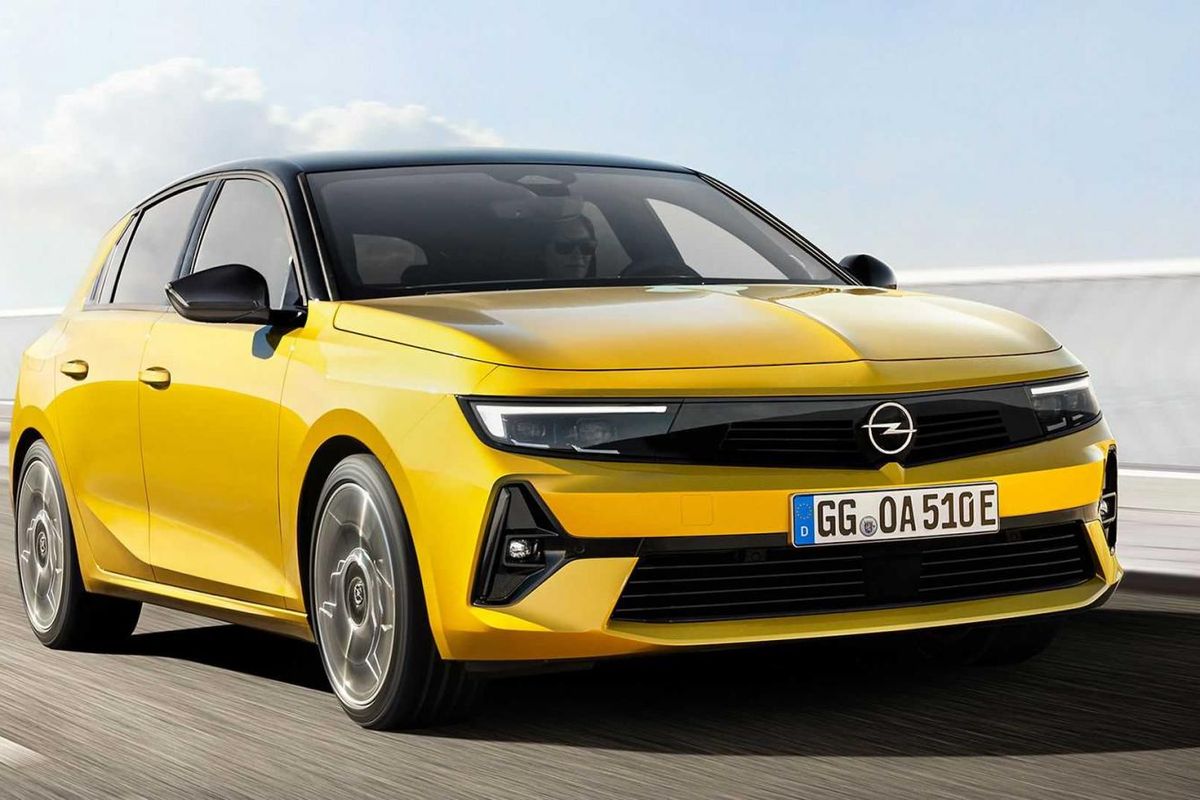
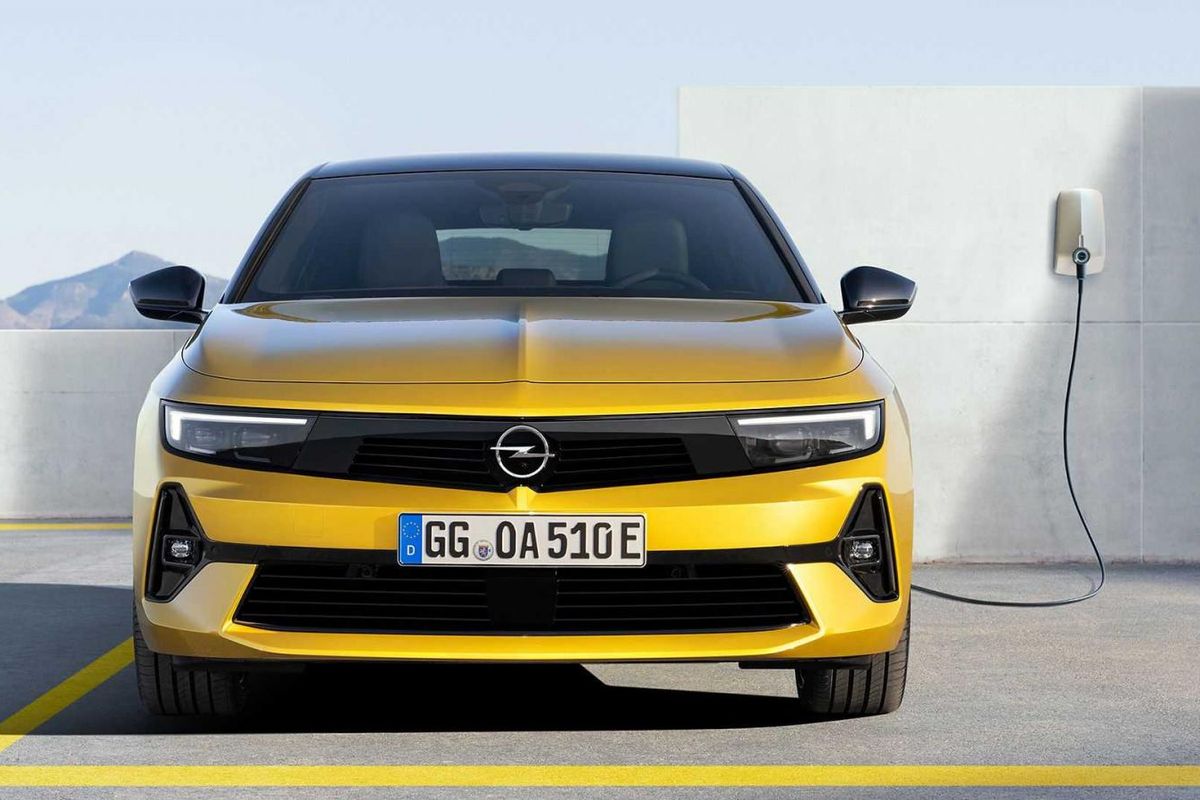
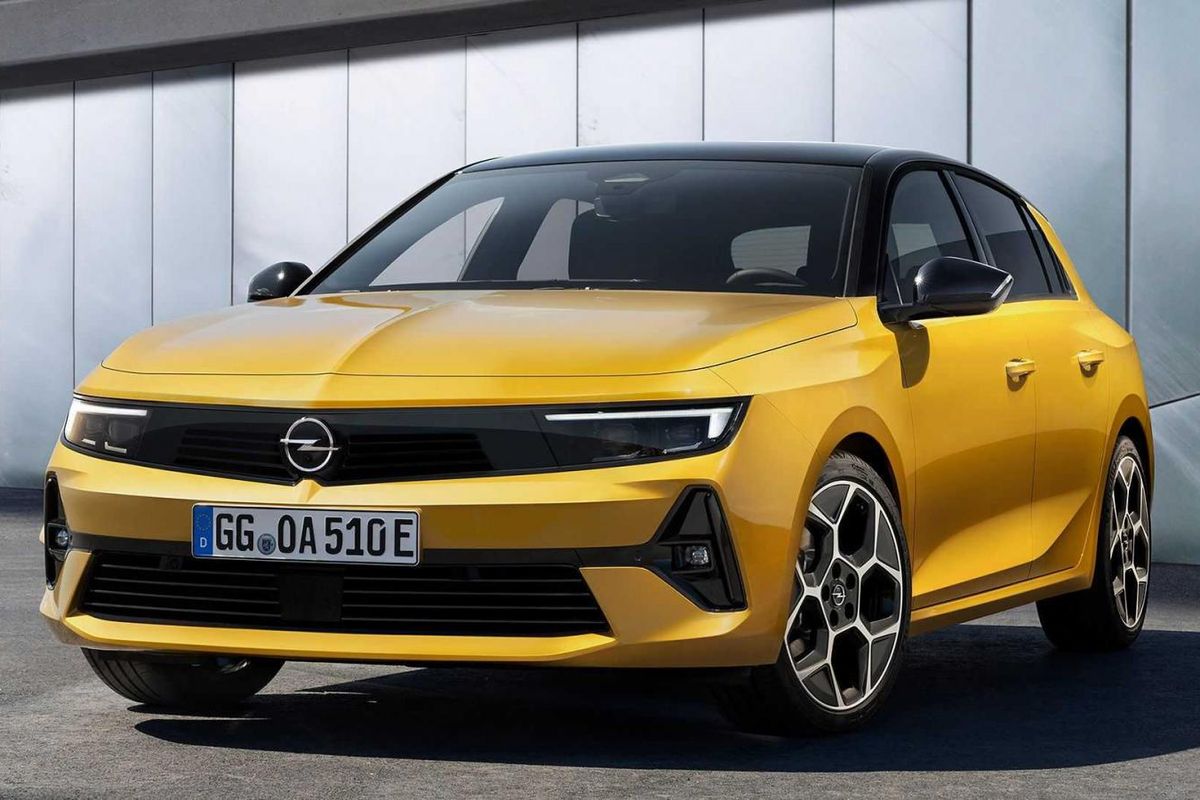
Although premium hatchbacks aren’t popular in South Africa anymore – unless they’re performance derivatives – the unveiling of the new, 6th-generation Opel Astra (the first new Astra launched under PSA custodianship and in the Stellantis era) is still noteworthy.
The 6th-generation Astra (also known as the Astra L) is based on the EMP2 platform that underpins the newcomer’s Stellantis cousin, the recently unveiled Peugeot 308, which means that it will also be offered in plug-in petrol-electric hybrid guise for the first time.
There will be a pair of plug-in hybrids (with combined outputs of 132 kW and 165 kW), which pair either a 110-kW or 132-kW 1.6-litre 4-cylider turbopetrol engine (mated with an 8-speed automatic transmission) with an 81-kW electric motor and 12.4-kWh lithium-ion battery. Their claimed electric-only range is about 50 km.
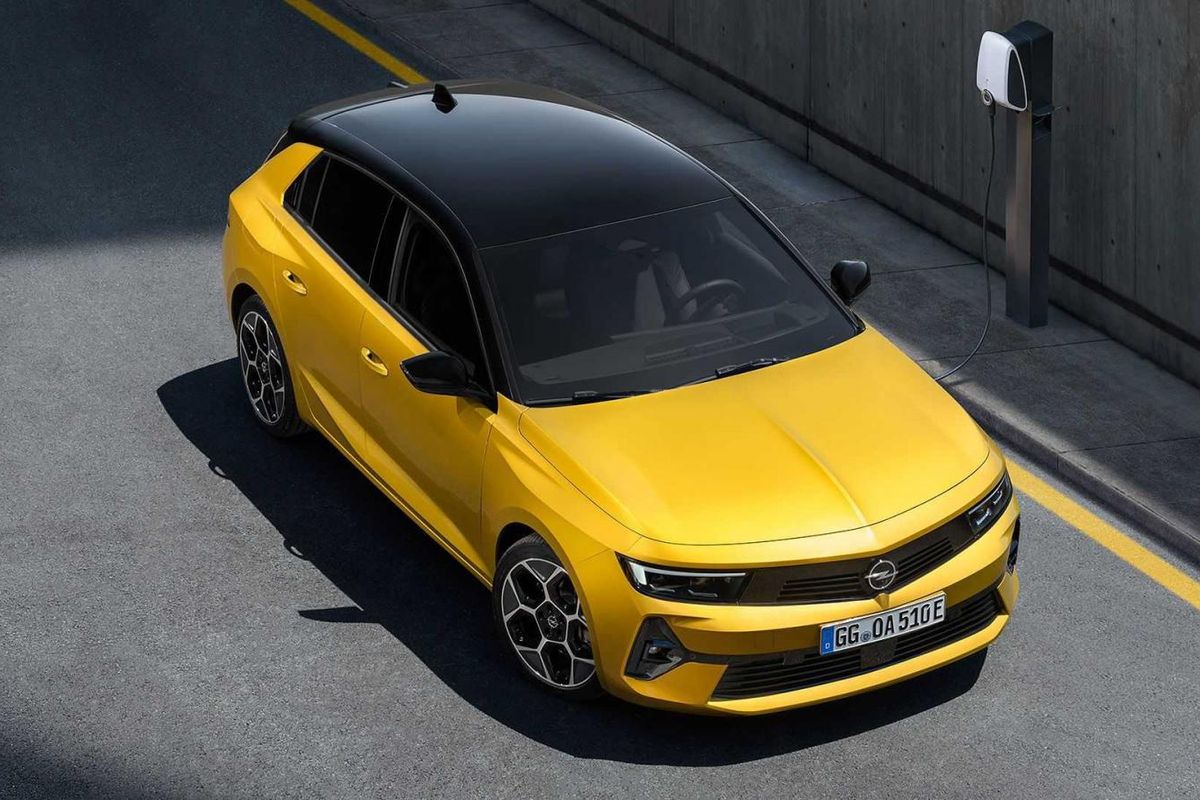
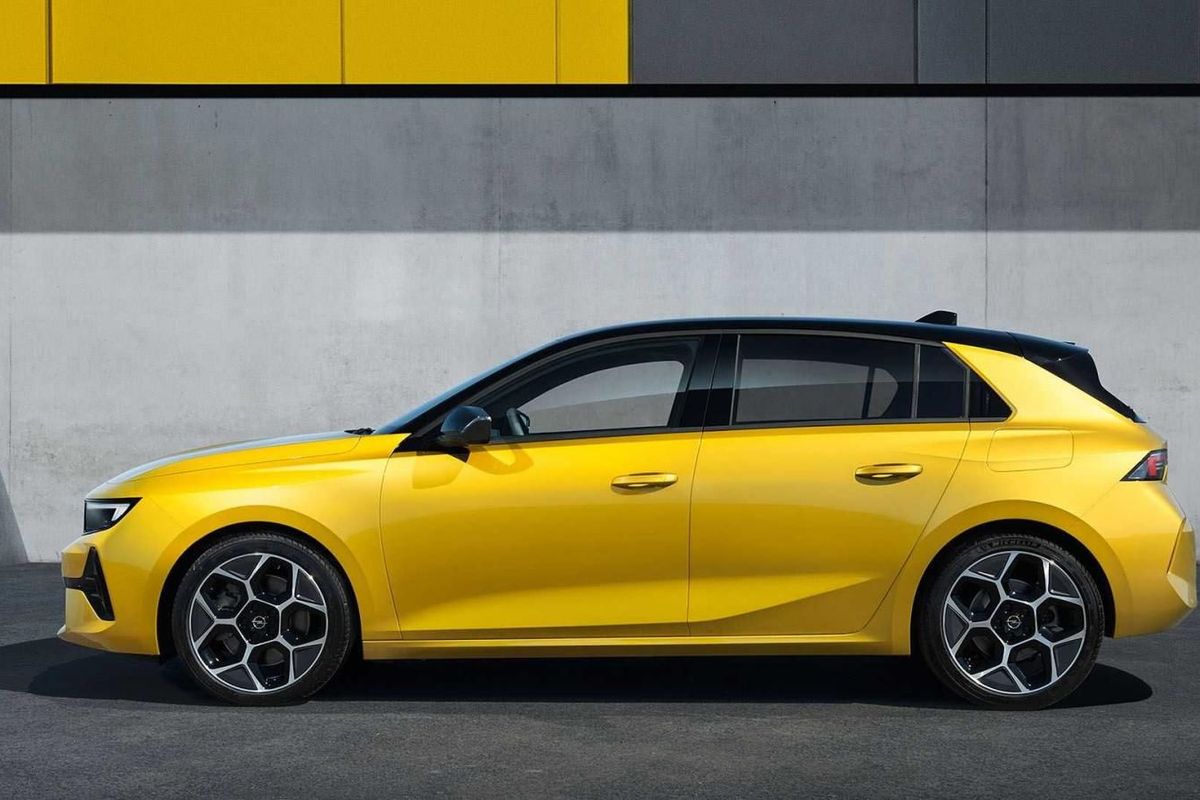
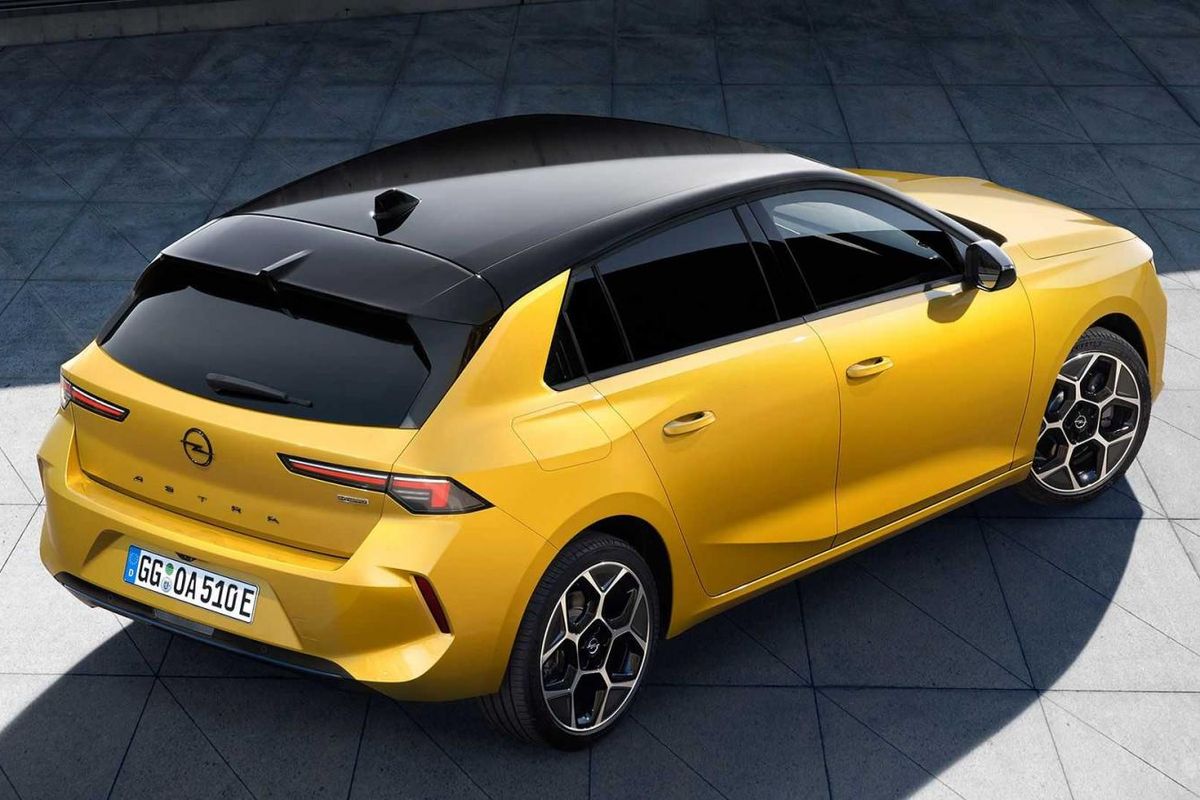
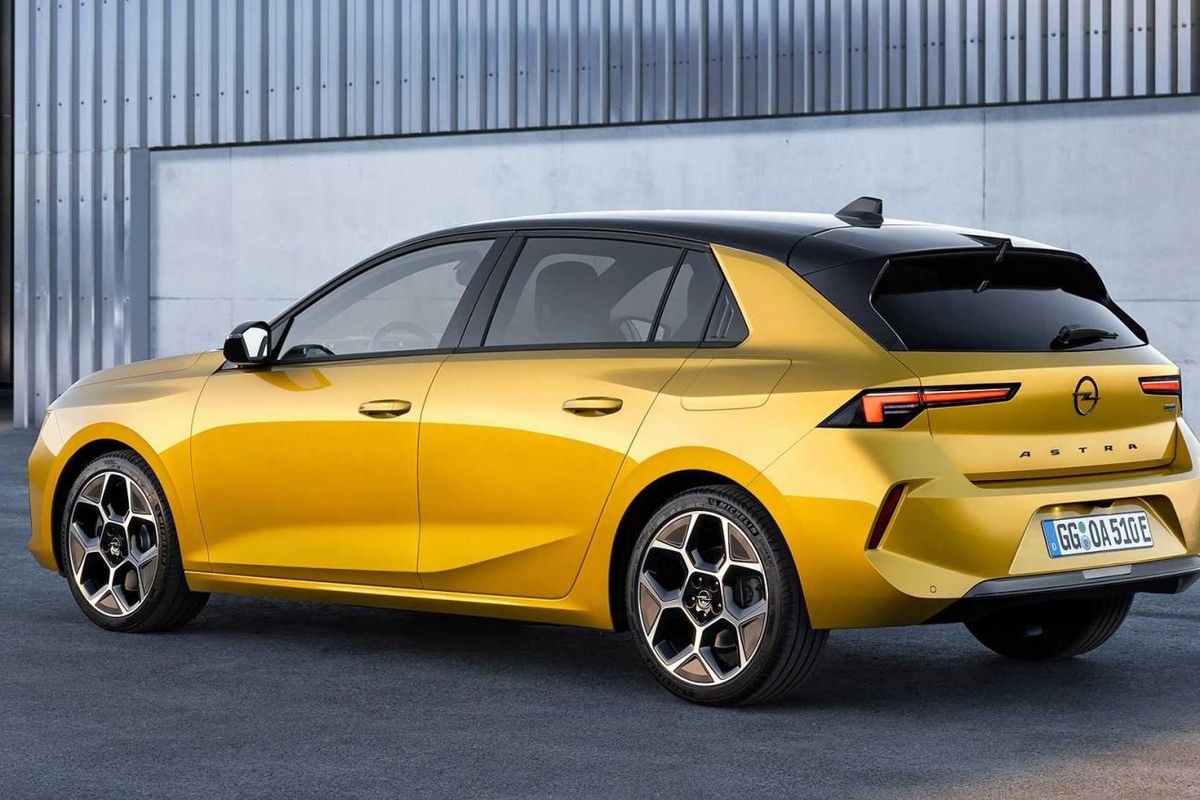
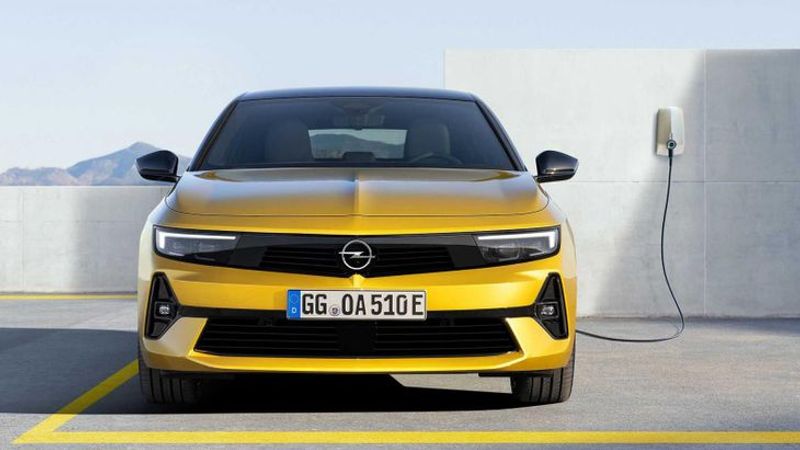
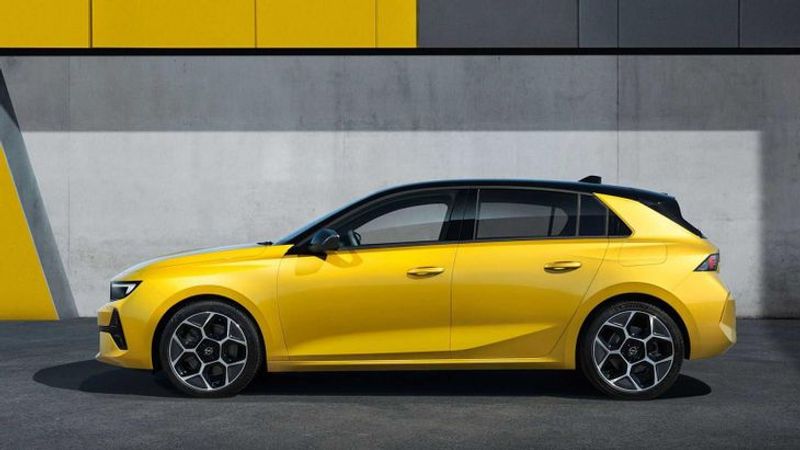
Although the new Astra is mechanically similar to the 308, it is, predictably, more conservatively styled than its French cousin. Having said that, the understated Opel does have a few standout features, such as the brand’s “Vizor” front fascia (a gloss black panel that stretches the width of the front end), Matrix LED headlamps (that contain 84 light-emitting diodes per headlight cluster), a contrasting (black) roof finish, alloy wheels up to 18 inches in size, plus the eagle-eyed will spot that the newcomer sports tiny ribbed black triangles on its C-pillars – it’s a subtle nod to the Opel Kadetts of the 80s!
The new model is 4 374-mm long, 1 860-mm wide, 1 470-mm tall and has a 2 675-mm wheelbase; compared with its predecessor, it is 4 mm longer, 51 mm wider, 15 mm lower and has gained 13 mm between the front and rear wheels. In terms of luggage capacity, the Astra has an adjustable boot floor and its load bay is said to have grown (by 52 litres) to 422 litres.
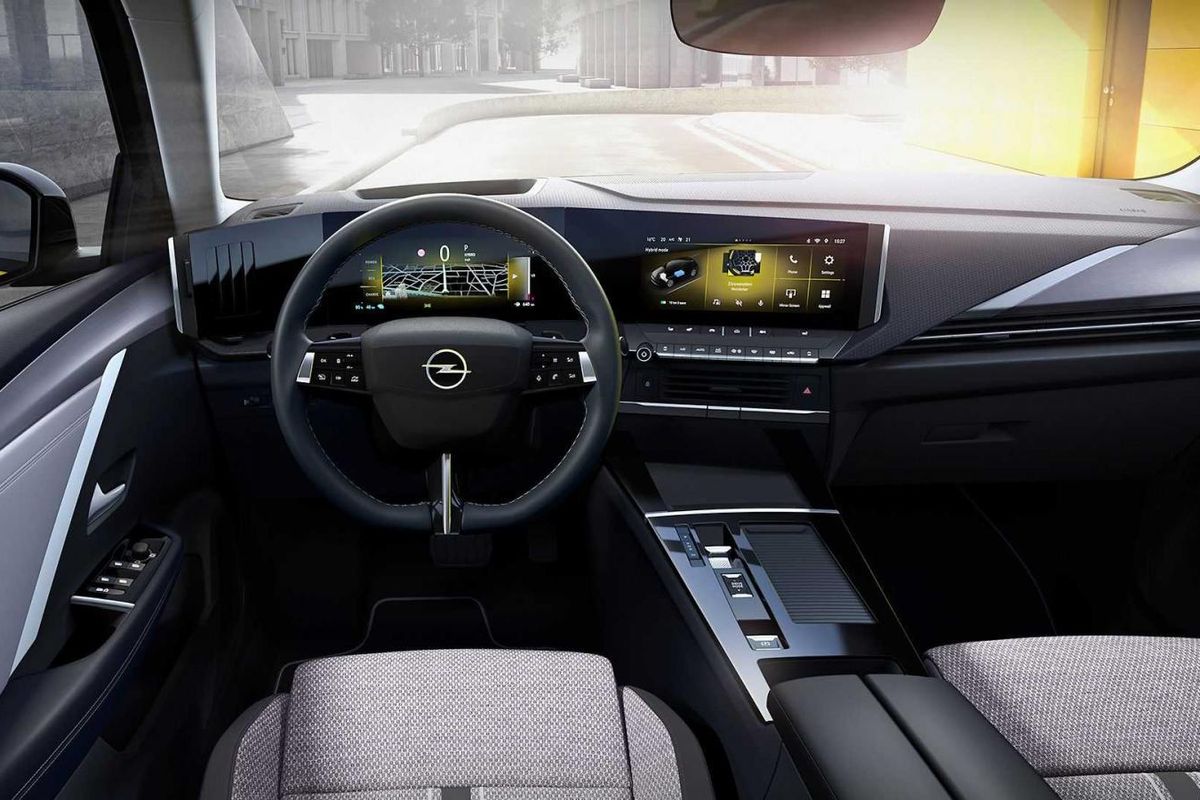
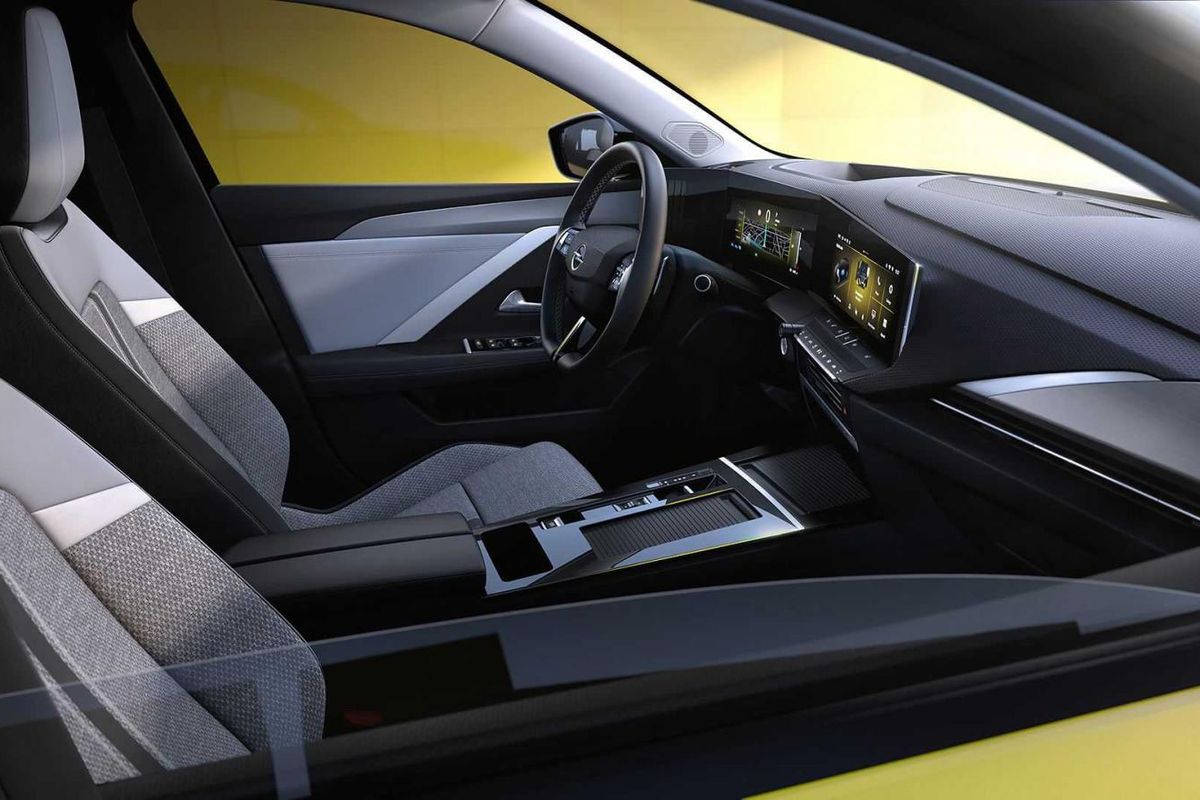
The 6th-generation Astra’s exterior design might not be particularly ground-breaking, but the newcomer’s minimalist and tech-laden interior is certainly a revelation…
Opel’s “Pure Panel” dashboard design combines a 10-inch digital instrument cluster with a similarly sized (Apple CarPlay- and Android Auto compatible) touchscreen infotainment system, which is complemented by a redesigned ‘wheel, a shift-by-wire transmission selector, an electric parking brake, (ostensibly) a wireless charging pad (under the central vent) and optional driver’s head-up display.
Rows of gloss black buttons, trimmed with tasteful metallic inserts, features below the expansive central touchscreen and while Opel didn’t specify all the features that will be offered on the new Astra, the line-up will include adaptive cruise control (with stop and go function), as well as a 360-degree camera system.
The range’s internal combustion engine-only line-up will include a 1.2-litre 4-cylinder turbopetrol producing 81 kW or 96 kW, and a 96-kW 1.5-litre 4-cylinder turbodiesel. These motors will be mated with either 6-speed manual- or 8-speed automatic transmission.
An OPC version coming?
Meanwhile, there are persistent rumblings that a high-performance derivative of the new Astra – powered by an all-wheel-drive 220-kW hybrid powertrain – is in the works. According to reports, it will also be produced at the brand’s Russelsheim plant and wear either an OPC or GSe badge.
The new Opel Astra won’t be offered in the European market until early 2022; however, feedback from the local Opel arm suggest that due to the decline in sales of the C segment hatch (buyers are choosing SUVs instead), the new Astra will not be coming to SA.
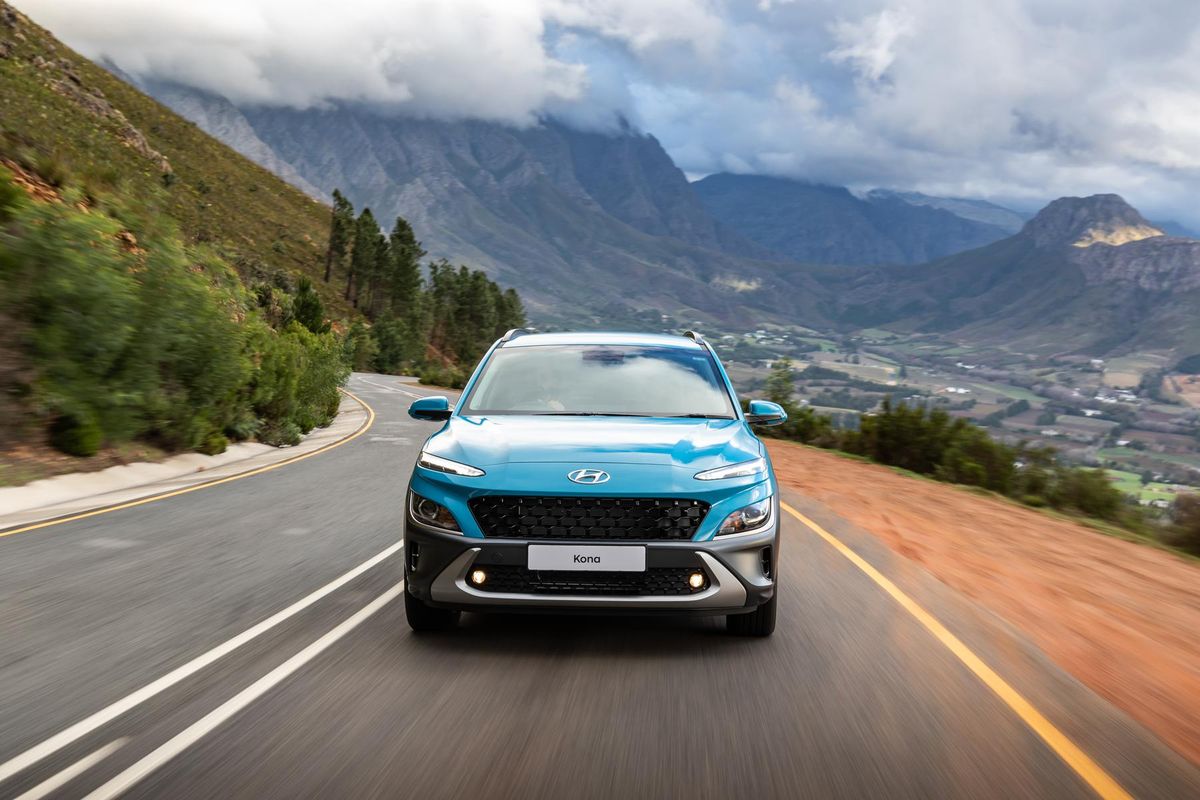
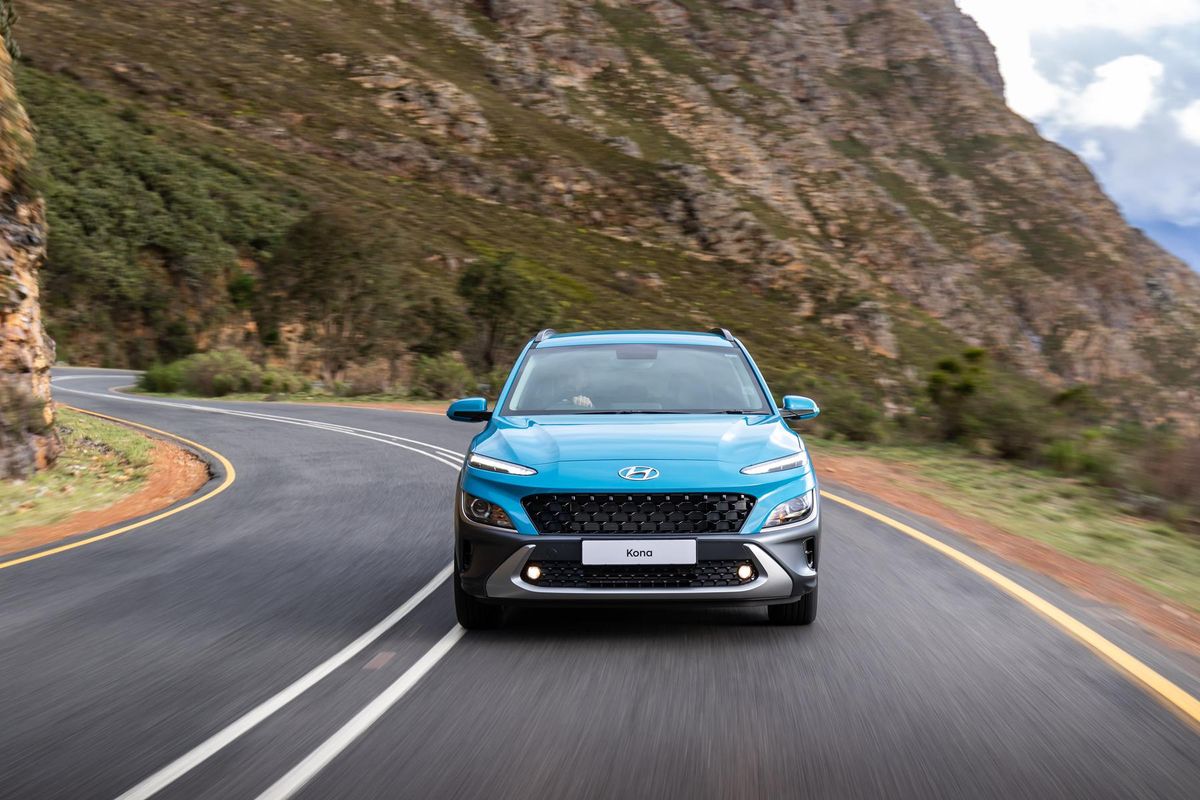
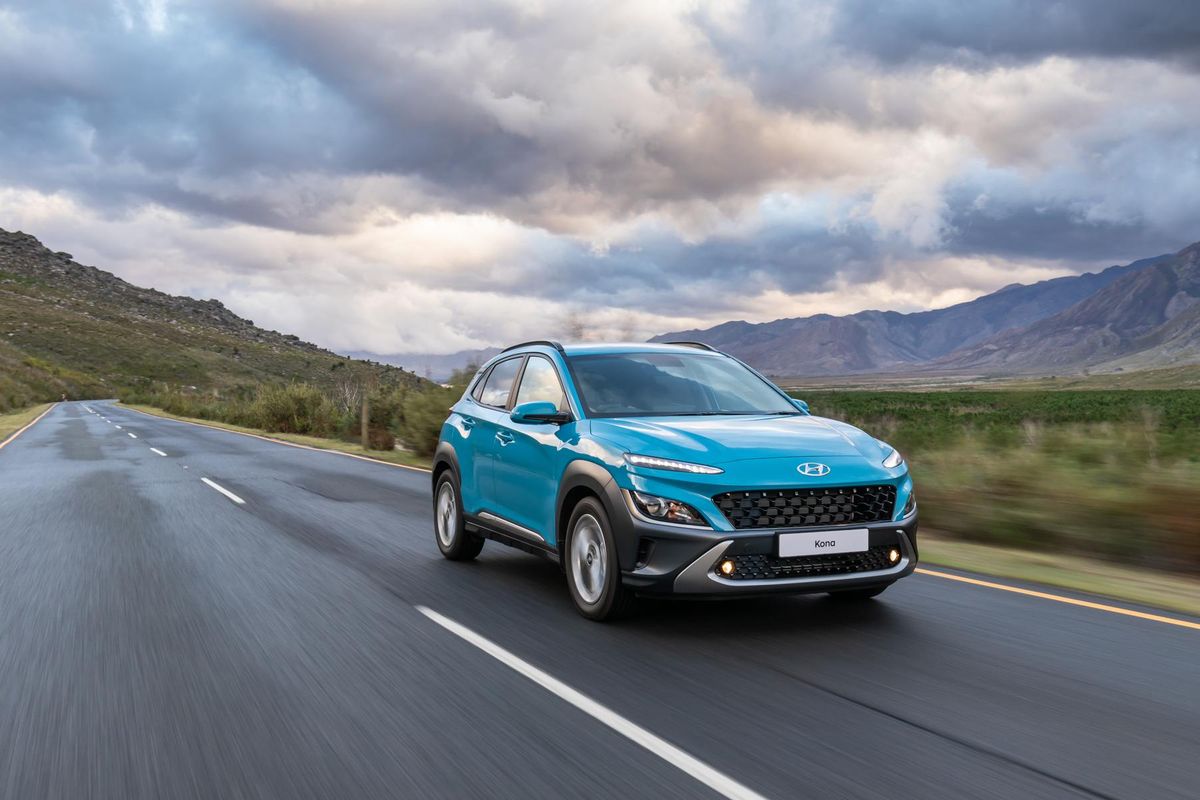
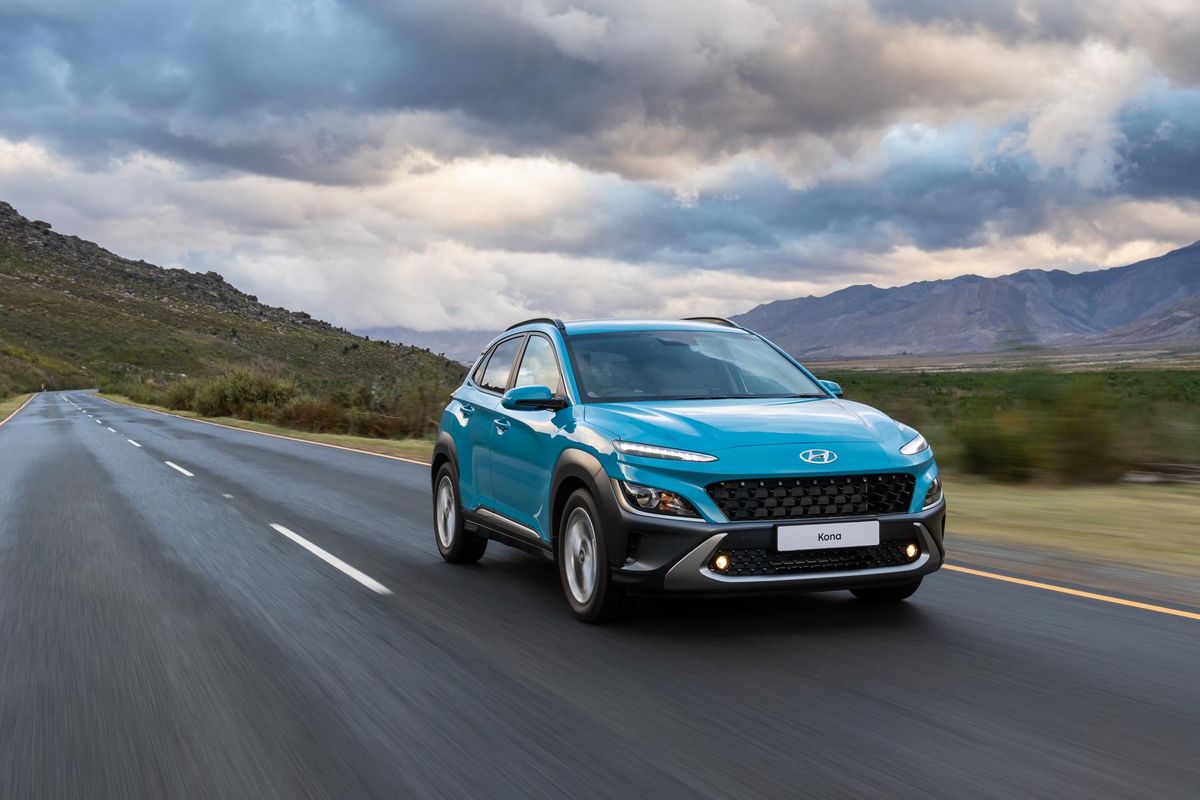
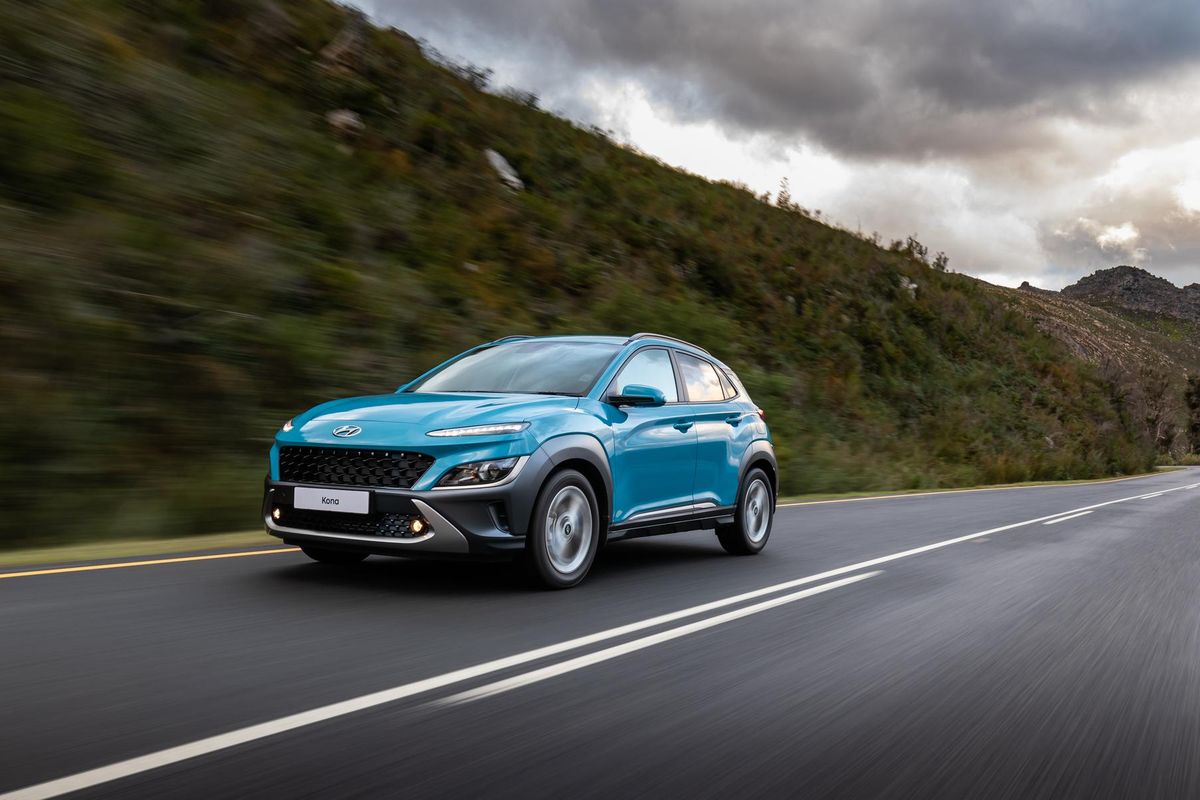
The facelifted Kona has arrived in South Africa, replete with enhanced styling and additional features. Will the facelift of this (often overlooked) model in Hyundai’s local line-up be enough to help the Kona garner more sales in the competitive crossover segment? We drove the newcomer in Cape Town to see how it stacks up.
What’s new?
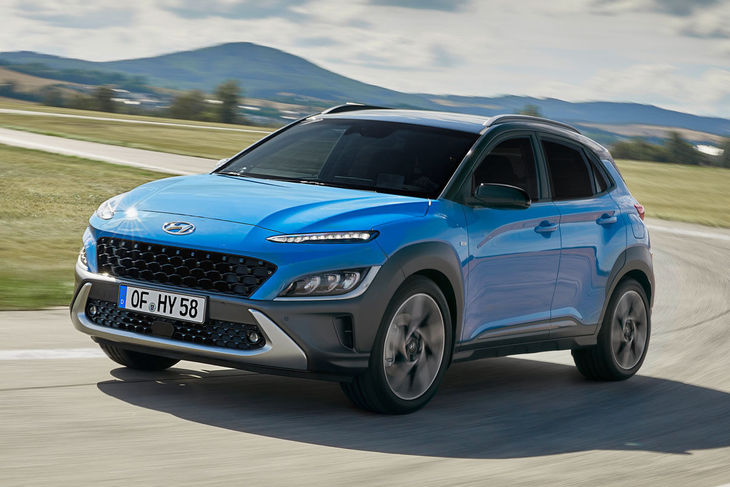
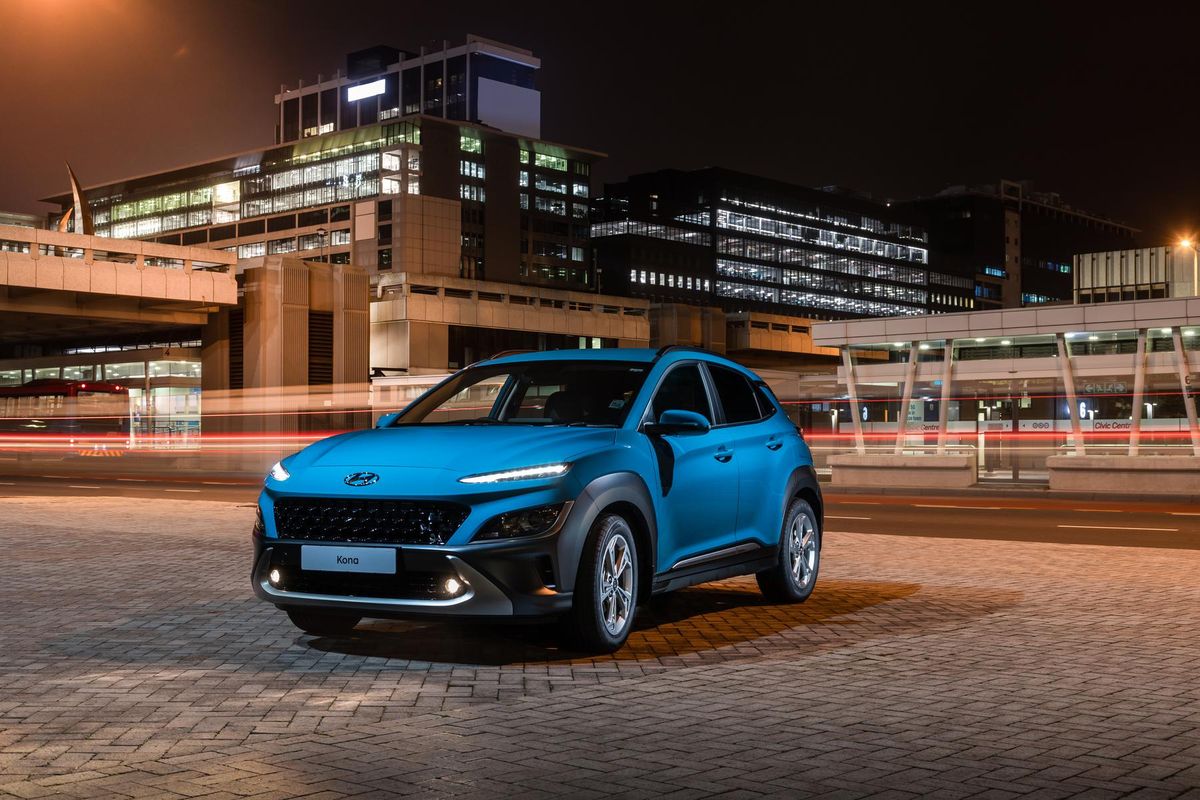
In terms of classification, the Hyundai Kona slots into the crossover segment, which is also occupied by offerings such as the Mazda CX-30, Volkswagen T-Roc, Audi Q2 and the Mini Countryman. It’s been 3 years since the Kona was launched in Mzansi and the model has performed reasonably well, considering that Hyundai ranks fourth in the domestic new-vehicle market – in terms of passenger car sales. For this facelift, the Kona has been adorned with a redesigned front end that features a 2-tier front bumper, of which the slit just above the grille has been removed (here’s the old car for reference).
The bumper is split into 2 separate sections on the facelifted Kona.
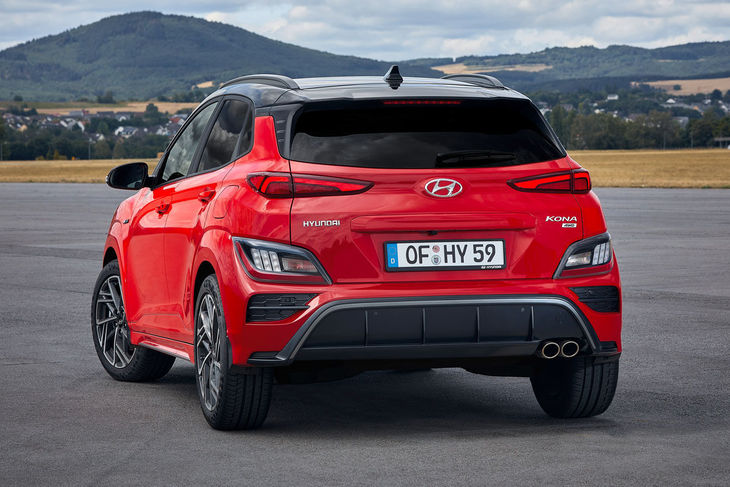
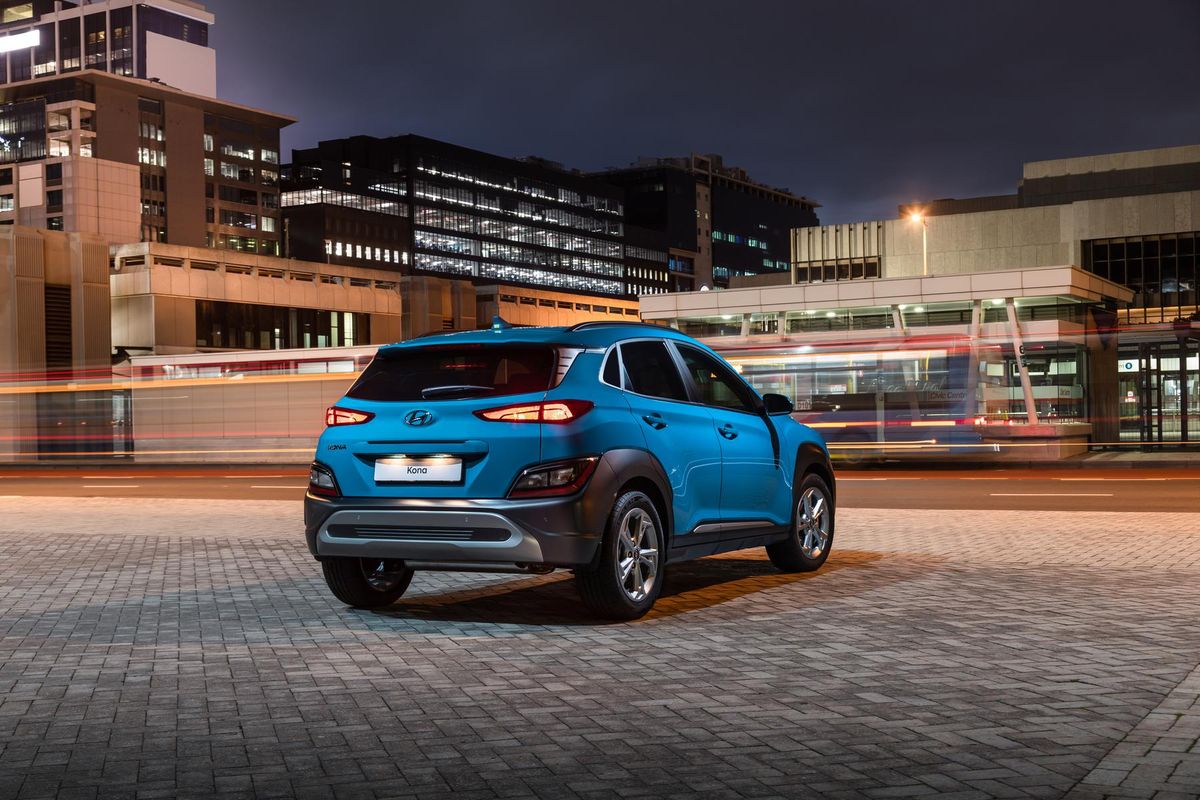
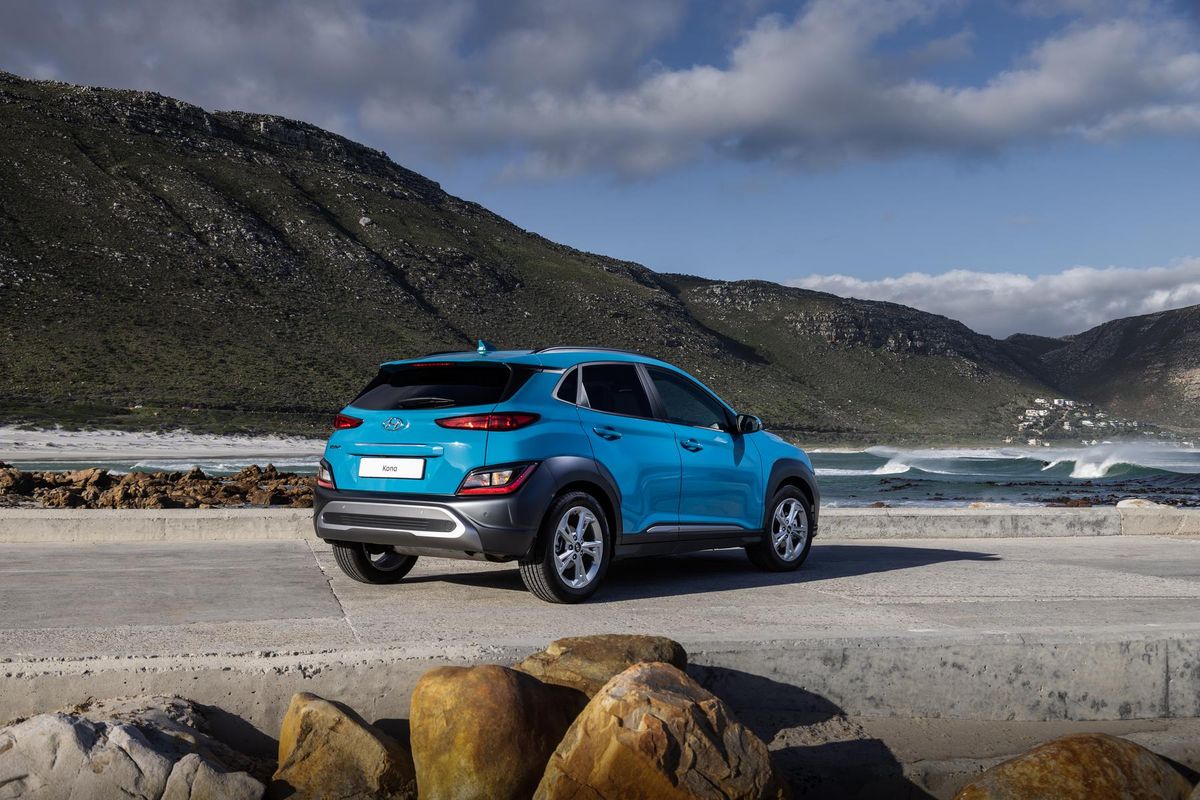
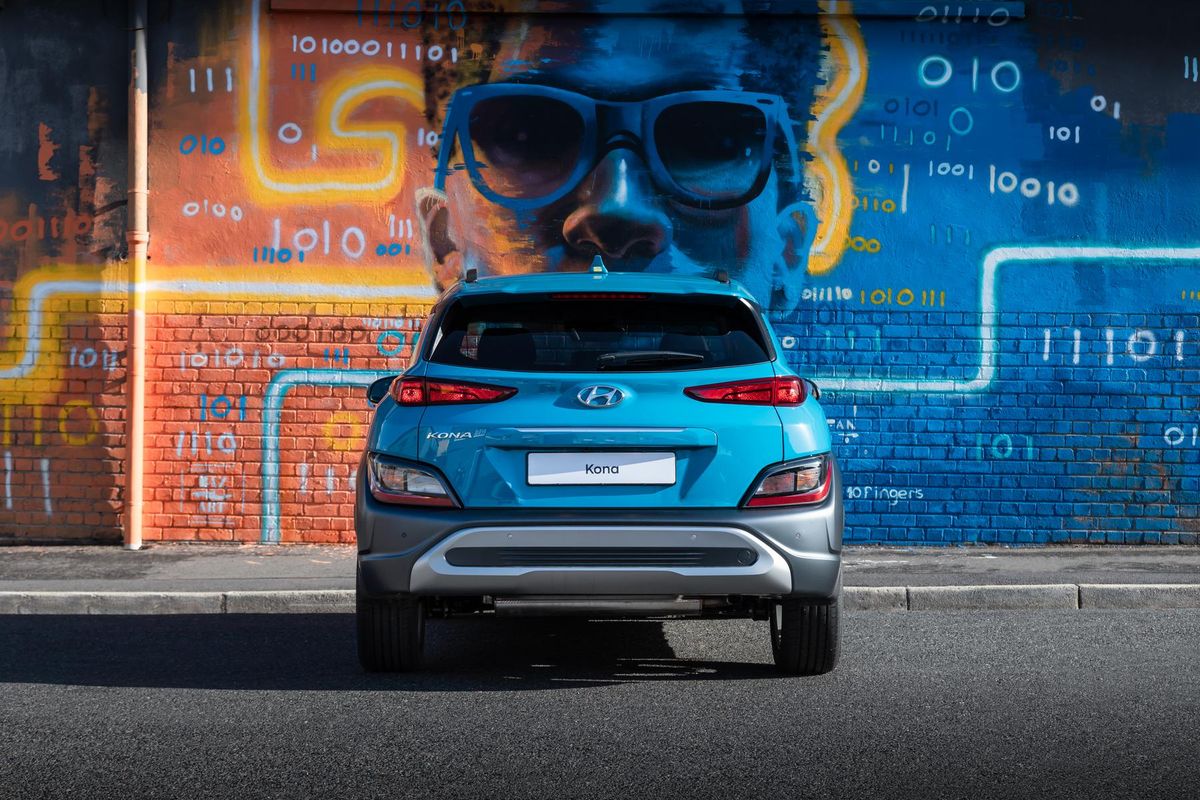
The rear bumper has also been revised to tie in with the front of the vehicle and update the Korean offering’s overall design. A new 1.6-litre 4-cylinder turbopetrol engine replaces the pre-facelift model’s 1.0-litre 3-cylinder turbopetrol motor and there’s an N-Line flagship derivative that gives the Kona a notably sportier appearance, as well as a suite of extra safety systems.
Those with a tape measure will notice the facelifted Kona is 40 mm longer than the previous model with the N-Line version being 50 mm longer than before. The model’s width and height remain the same, although the aforementioned N Line stands 8 mm higher off the ground than its siblings.
Much of the Kona’s update encompasses an improvement of the interior specification; Hyundai endeavoured to bring the Kona’s tech, safety systems and connectivity up to ever-moving standards.
What’s it like inside?
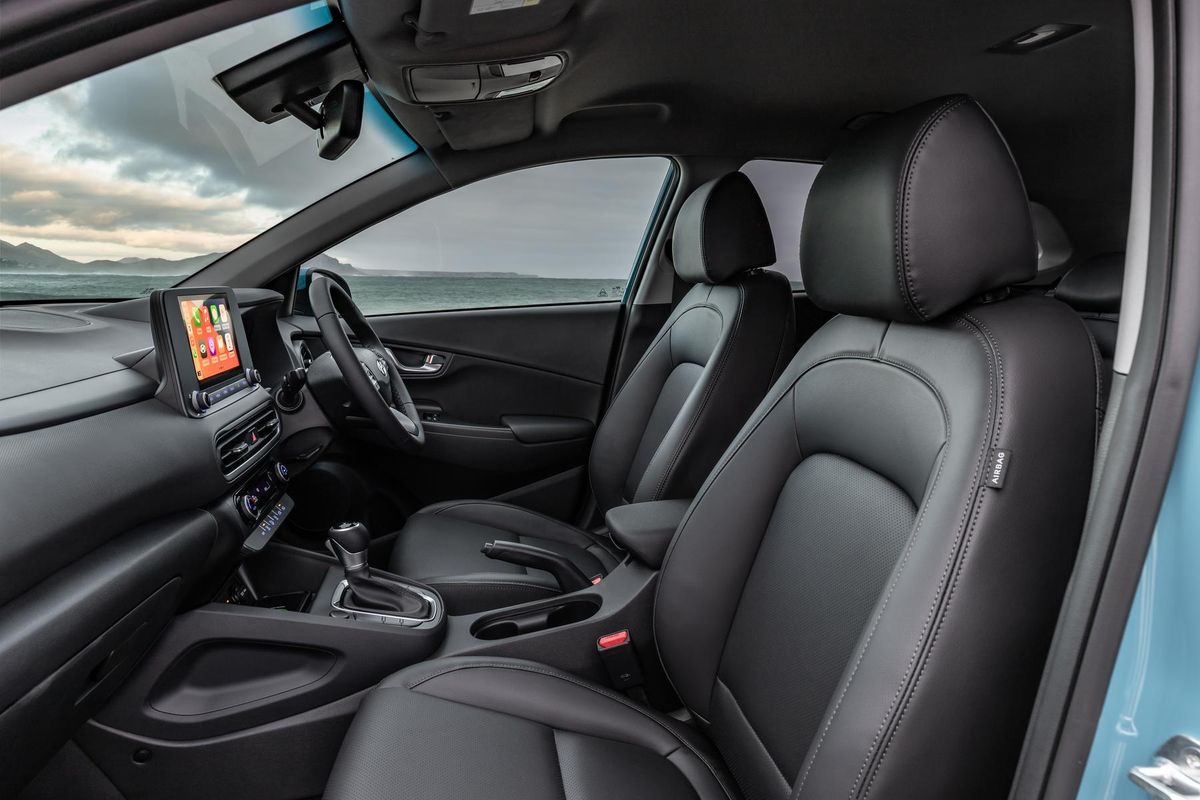
Modern Hyundais (or, at the very least, the ones built in Korea or Europe) are renowned for their admirable build quality. Problems are rare (according to multiple surveys) and the models are perceived to offer good spec levels for your money. The updated Kona gains climate control, a wireless charging pad, 2 USB ports up front and multiple drive modes to suit whichever type of “driving mood” you’re in.
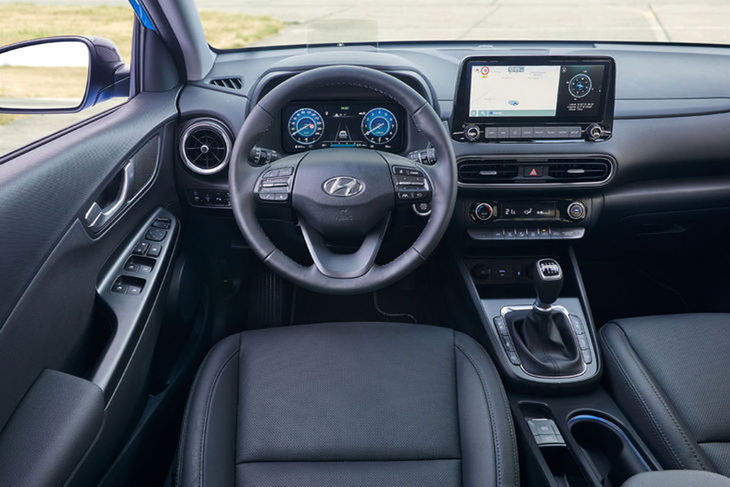
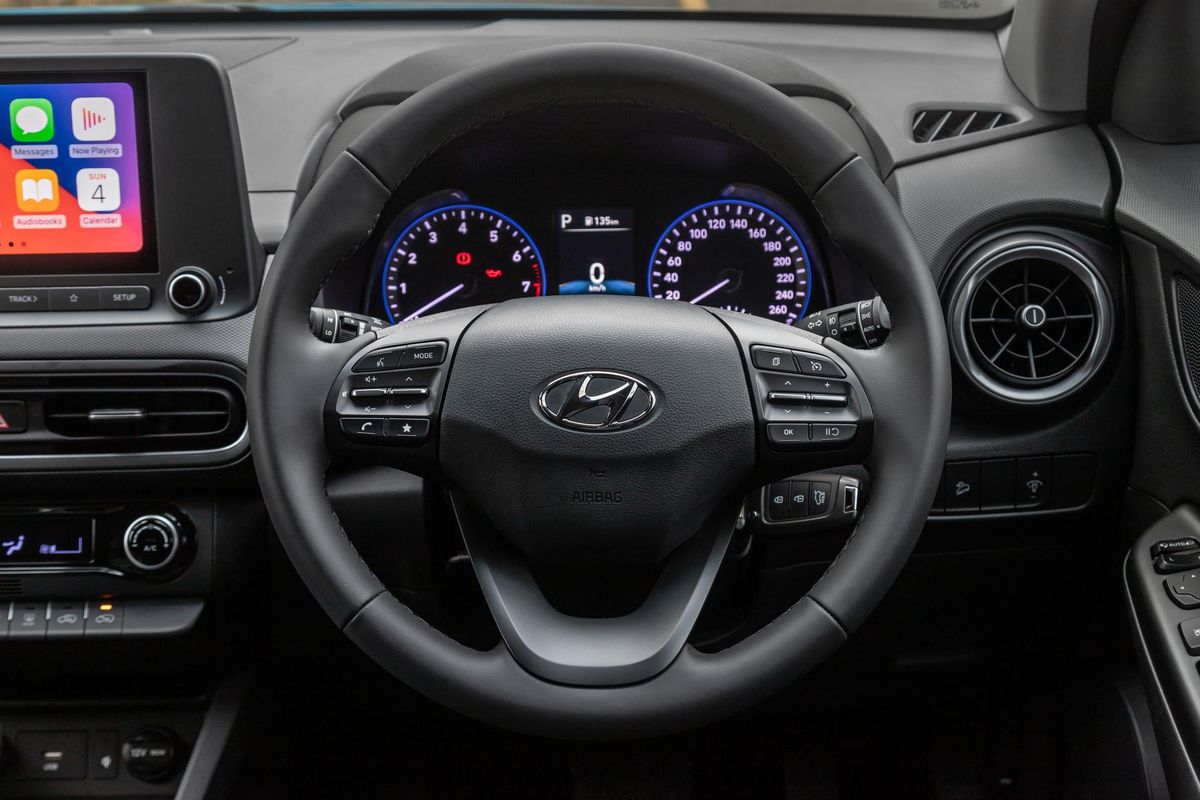
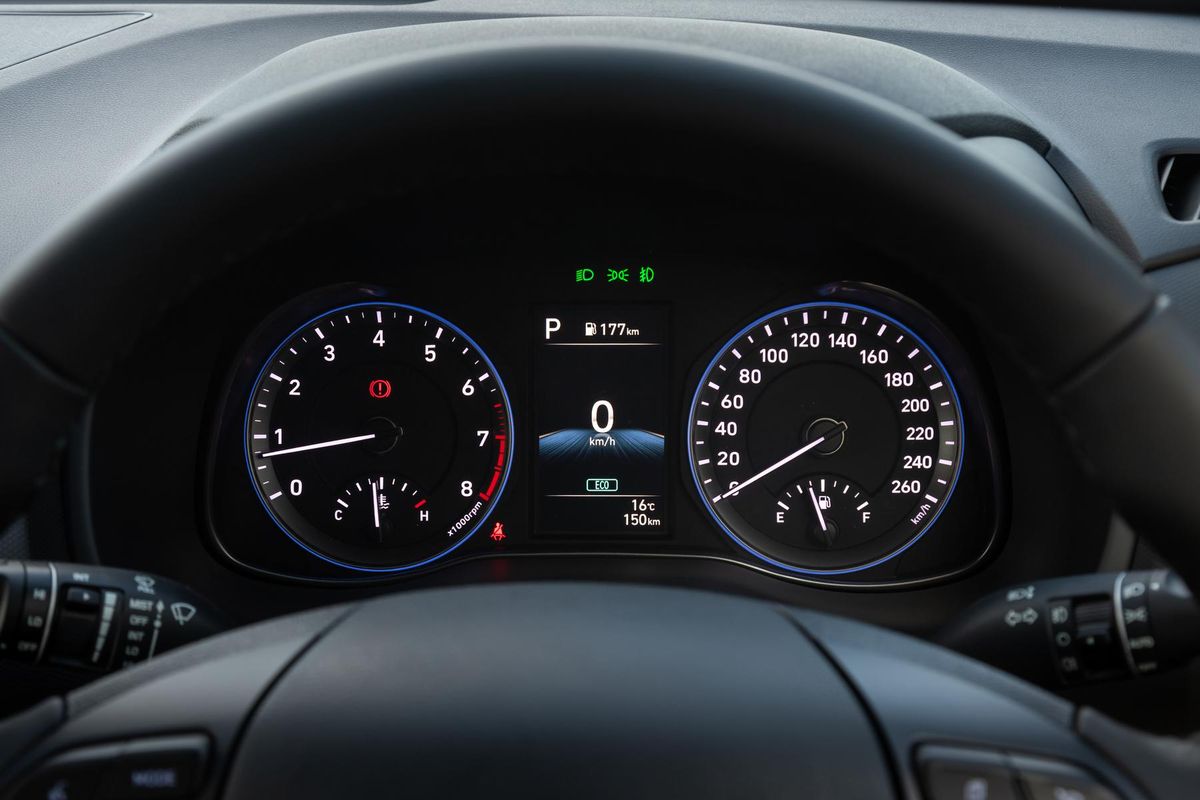
Those features are standard on both trim levels (Executive and N Line). The Executive’s 8-inch infotainment touchscreen is expanded to a 10.25-inch version in the N Line, but both are Android Auto and Apple Carplay compatible. The N Line also has a fully digital instrument cluster, whereas the Executive makes do with standard analogue dials and a trip computer neatly nestled between the 2 dials.
The Executive spec models get analogue dial where the N-Line gets digital dials.
Overall, the interior is a mix of soft- and hard-touch plastics with a few rubberised areas, but it lacks the pizzazz of the outlandish exterior design. Still, it’s well equipped and if you opt for the N Line you get access to an expanded safety suite that includes adaptive cruise control, forward collision avoidance, lane-keep assist and blind-spot monitoring. It also sports racy red stitching on the seats and ‘wheel.
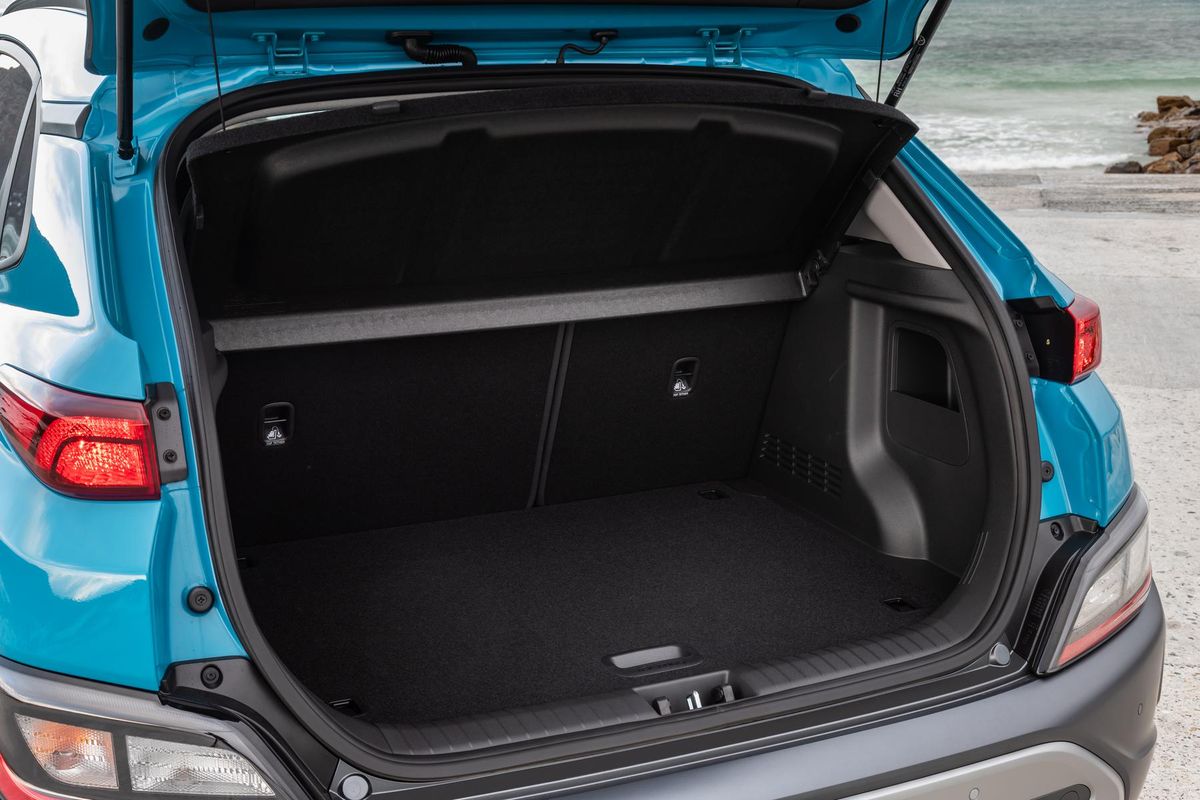
In terms of occupant space, the Kona’s cabin feels more like that of a large hatchback than a crossover, in that you sit a bit lower and the roofline is lower than in the majority of compact family cars. That doesn’t mean that headroom is tight, however – occupants of up to 1.85 metres in height can be comfortably seated at the front or in the back. The facelifted model’s increased length has benefitted its load-carrying ability too; Hyundai claims the Kona’s load bay capacity has grown from 361- to 544 litres. Having eyed it up myself I would say it’s similar in size to that of an Audi Q2 or Mini Countryman.
Engine lineup
In a bid to move the Kona upmarket from its Creta sibling (and do its utmost to avoid model cannibalisation), Hyundai has upsized the powerplant in its crossover to a 1.6-litre turbopetrol motor, which produces peak outputs of 146 kW and 265 Nm torque and is mated with a 7-speed dual-clutch automatic transmission. As a result, the Kona is notably peppier than its predecessor (Hyundai claims a 0-to-100 kph time of 7.7 sec and a top speed of 210 kph), although, after we drive the newcomer around the Cape for a day, the 1.6T TGDI’s performance never really excited us, even under hard acceleration.
The Kona has a choice of 1.6 turbopetrol power or 2.0-litre natural aspiration. All models are automatic.
The other engine option is the entry-level 2.0-litre naturally aspirated petrol motor with 110 kW and 180 Nm of torque. It gets a new gearbox for the facelift in the form of the IVT (intelligent variable transmission), which is basically a continuously variable transmission (CVT) in the same mould as the one we first saw in the brand’s new Creta compact family car in 2020.
Fuel consumption figures are comparatively better for the 2.0-litre variant, with a claimed average return of 6.5 L/100 km (the stated figure for the 1.6-litre turbopetrol derivatives is 7.5 L/100 km). Those with a lighter foot will likely beat that 7.5 L/100 km figure, however – after a day of driving the turbocharged Kona enthusiastically, we saw an indicated average consumption figure of 8.0 L/100 km.
What’s the Kona like to drive?
From behind the ‘wheel, the Kona’s on-road demeanour matches that of a hatchback; its driving experience is not typically crossover-like. The seating position is lower than in a typical crossover, which instils a sportier feel than a practically-minded perched position does. The ride quality is good across tar and gravel surfaces, something that Hyundai has really refined in its latest generation of vehicles.
Unfortunately, Hyundai’s newcomer’s steering feel is vague and overly assisted, at least considering that the revised model is supposed to lean towards the sportier end of the segment. It doesn’t really instil a sense of excitement when you get behind the ‘wheel or provide sufficient cornering confidence at higher speeds.
The Kona’s driving experience is perfectly fair, for the most part, but for a model that is meant to turn heads and exude sportiness, Hyundai may have missed a trick by not giving it a little more handling enthusiasm. There is a Kona N coming though and, by all accounts, that will be something special.
Pricing and after-sales support
For a full list of the specs and pricing of the facelifted Kona check out this article. Pricing starts from R449 900 and goes up to R579 900 for the N-Line flagship derivative. Hyundai’s long warranty is standard (it is valid for 7 years or 200 000 km in the case of mechanical components), as is a 5-year/75 000 km service plan.
Summary
The Kona facelift proceeds the upcoming performance-oriented Kona N.
Hyundai has successfully repositioned the facelifted Kona to sit above the Creta in its local lineup. The revised crossover comes with more a generous specification level and a bigger load bay than before, but while the new 1.6-litre turbopetrol powerplant gives the newcomer sporty pretensions, there is little in the way of driving thrill over and above the engine’s improved performance (compared with that of the outgoing model’s 1.0-litre turbopetrol motor). Eye-catching styling remains the Kona’s major drawcard and, to be fair, it sits in a segment in which that makes a big difference to prospective buyers.
This week’s news you need to know (July 2021, Week 2)
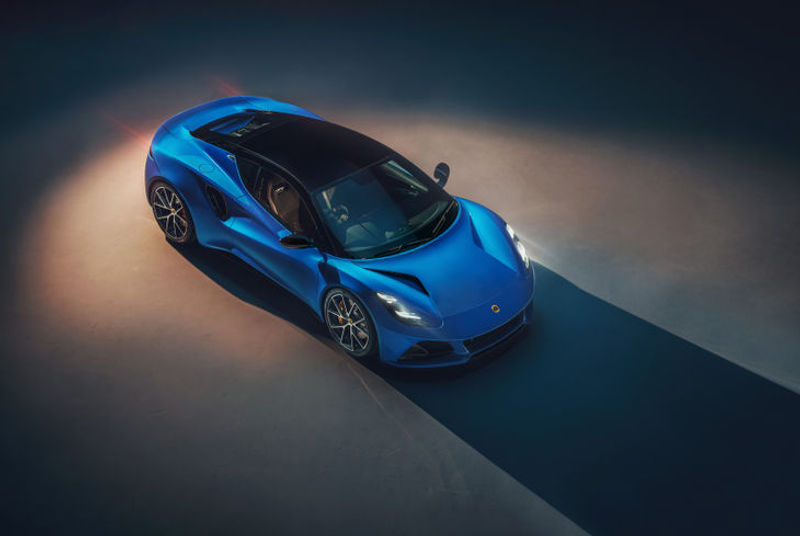
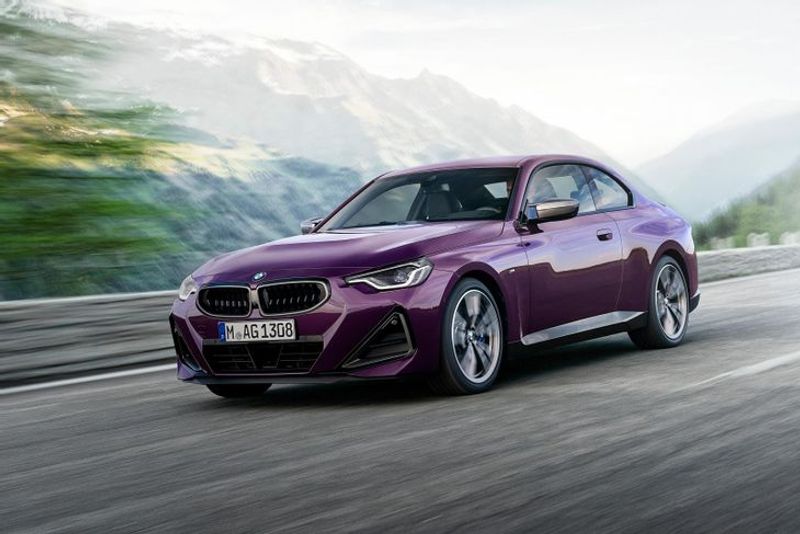
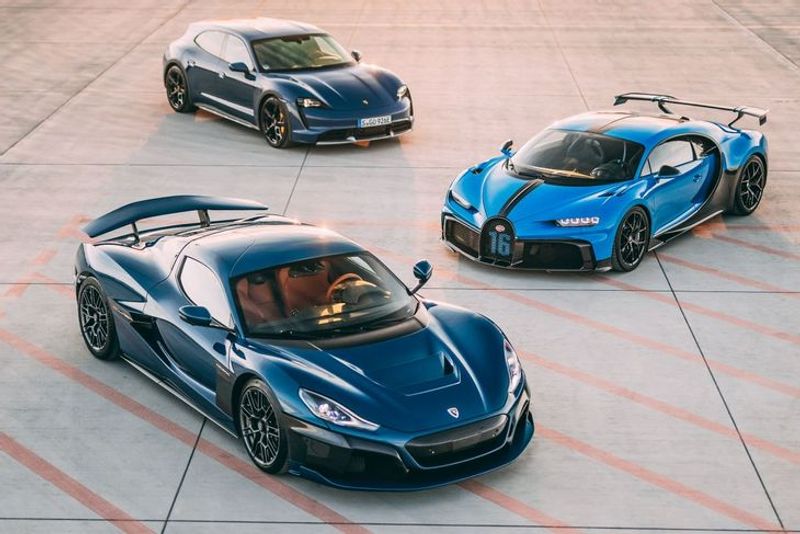
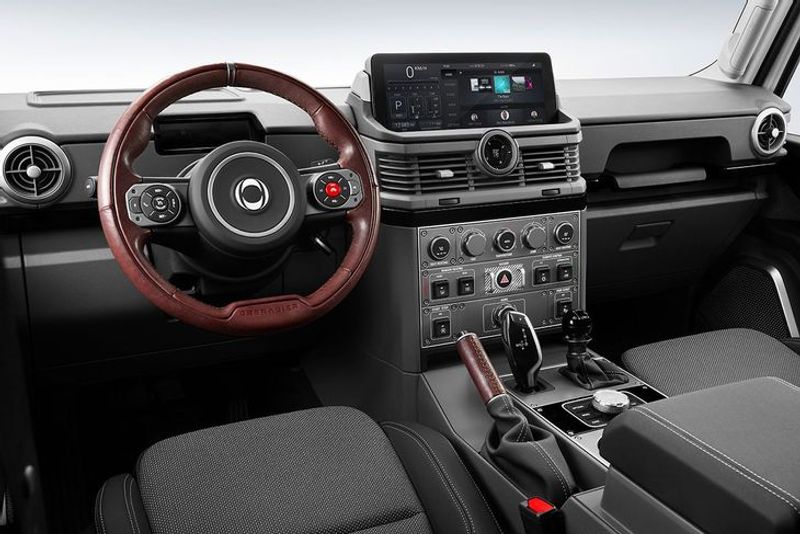
In this week’s automotive news you need to know: Lotus builds a new sportscar that looks great (but isn’t light), BMW reveals a car with an attractive grille, Rimac takes majority ownership of Bugatti and Ineos shows us that a modern interior can have myriad buttons – and still look cool.
Lotus Emira – Shed-builders go corporate
In the latest chapter of “The great British shed-builders go corporate”, Lotus Cars is adopting a more sustainable business model under Geely’s custodianship and has introduced the Emira – its first new car in 20 years. It’s big news that has car aficionados tripping over their feet. While I get the move to take on the Porsche 718 Cayman, they’ve forgotten what Lotus is all about… weight (or lack thereof).
A kerb weight of 1 400 kg is just too heavy for a Lotus (when a Ferrari 488 weighs 1 475 kg). Lotus founder, Colin Chapman, would omit every non-essential (and sometimes even essential) part and shave off every gram that he could in the pursuit of lightweight performance. Why? To simplify and (then) add lightness. It’s as simple as that; they’ve lost the essence of what Lotus is. Redemption should be made by offering “The Chapman option” with all extras removed. That’ll transform the Emira into what true purists want. Things are just not simple anymore; cupholders were optional on the Lotus Exige!
BMW 2 Series – Purple haze
The furore about BMW’s design direction rages on. The latest reason for a good old fashioned witch hunt (perpetrated by Chris Bangle fanatics), is the new 2 Series Coupe, the predecessor of which came into its own when the M2 (and its variants) eclipsed the once-untouchable M3/M4. It’s an important piece of the BMW story as the brand adjusts its tie amid the electric revolution in the automotive world.
Despite rumours that the upcoming M2 (due in 2022) will come with the option of a manual ‘box (the M240i xDrive has all-wheel-drive and a self-shifting transmission), I dearly hope BMW will produce a more affordable “stick-shift” variant for those who seek “sheer driving pleasure” as many of us came to know it. Surely those who want the thrill of a manual ‘box – but don’t have M2 money (just yet) could be catered for (it may also keep the Bangle-ites at bay, for now)? I get the commercial appeal of auto boxes, but there is a passionate corner of the market that still craves analogue driving experiences.
Rimac/Porsche take the reigns of Bugatti – ‘VW’s get out of jail free card’
The Volkswagen Group has been scratching its corporate head about what to do with the vanity brands in its stable. Suffice to say hypercar brand Bugatti must have been near or at the top of the list of “business cases that don’t fit our EV-underpinned counter-Dieselgate strategy”. Therefore, the off-loading of control of Bugatti to the Group’s Croatia-based technology partner Rimac and sportscar brand Porsche is the best option for both the VW Group and its French brand. The outcome is a bit like both parents coming away with favourable child visitation rights after a post-divorce custody battle…
Bugatti is all about achieving feats of engineering and the W16 engine has been the heart of the brand under VW, but anyone who believes that the W16 will survive for much longer is living in a fool’s paradise. All we can hope for is that Bugatti’s bravado (and sheer gumption) will evolve in the electric age and the brand will continue to excite us by pushing the envelope with full-electric tech. RIP, W16.
Ineos Grenadier – Licence to thrill
For those who don’t know, Ineos is the brainchild of serial entrepreneur Sir Jim Ratcliffe, who saw a gap in the market after the demise of the original Land Rover Defender. Sir Jim is a pukka petrolhead who’s not afraid to whip out his chequebook and the Grenadier is a “parts-bin project” off the top shelf with the B57/58 engine option from BMW, a ZF-sourced transmission and axles made by Carraro.
Until this week, we had no idea how Ineos would drag the olde-worlde Defender’s fascia into the 21st century (kicking and screaming, we assumed). However, the off-roader’s fascia sports an aeronautical-themed control panel fitted with switch guards and big red buttons – it’s something out of a Bond film (does it comes standard with a black polo neck?).
If Agent 007 needed to commandeer a Gulfstream G650 to flee an island infested with Bond villains, he’d flick switches like those! Ineos has read the room by offering something more rugged for adventure-seekers who find the new Defender “a little too refined.”
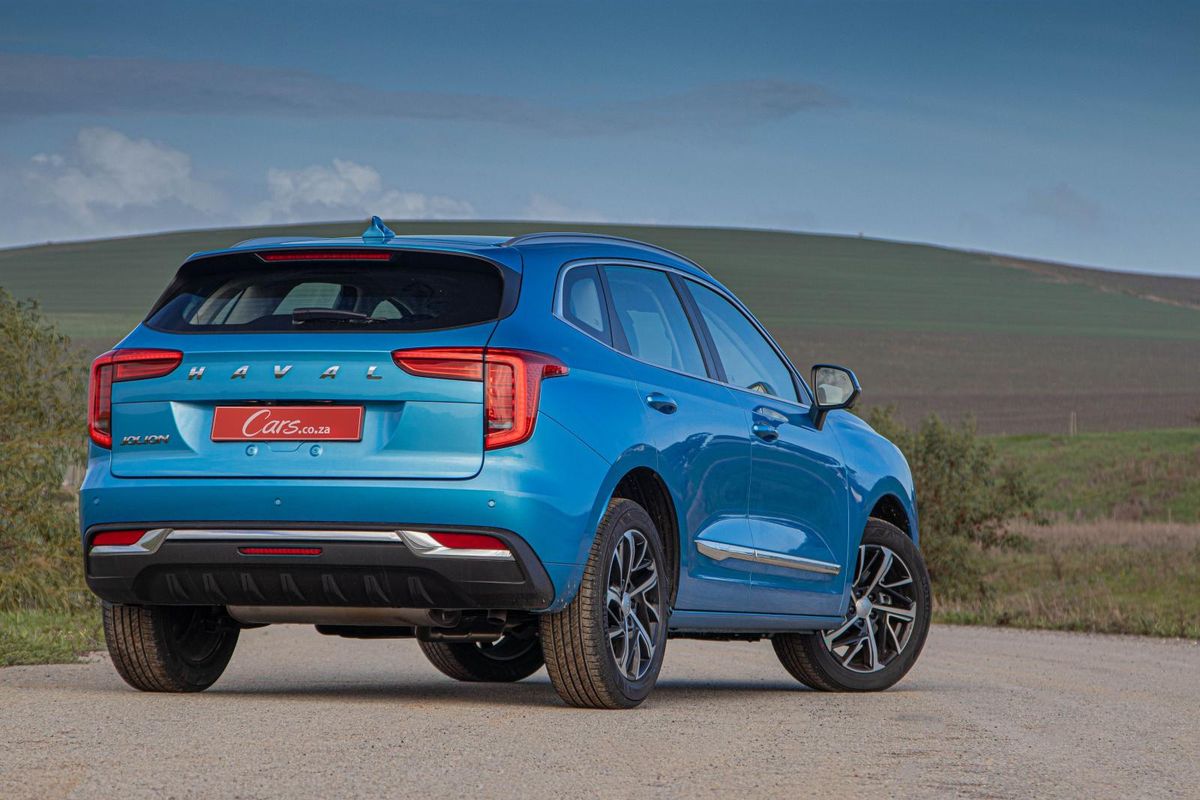
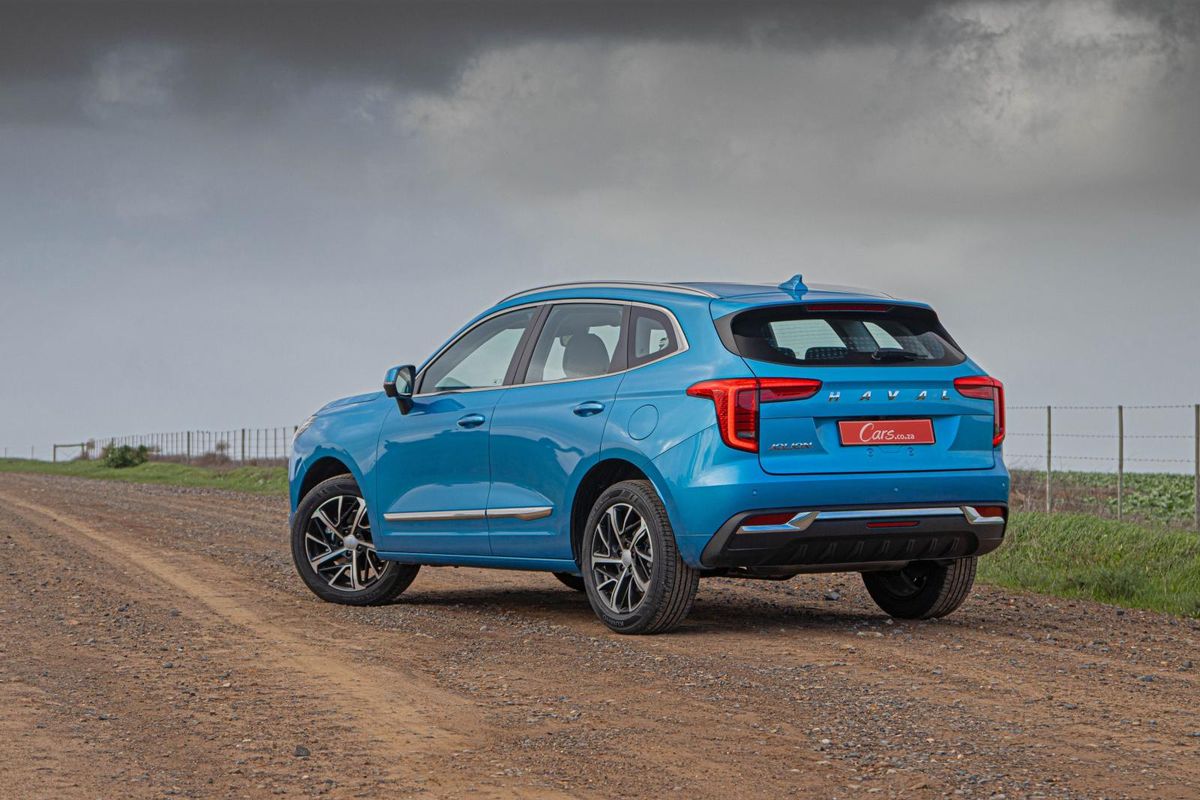
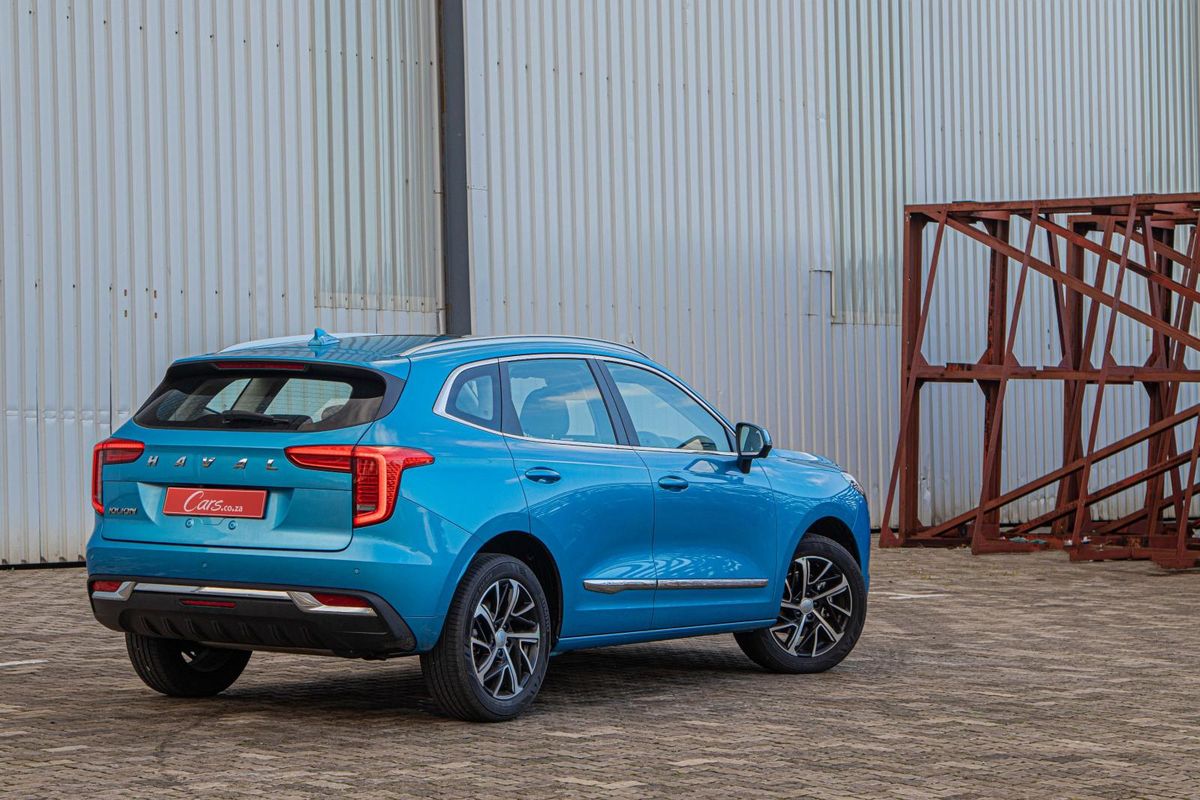
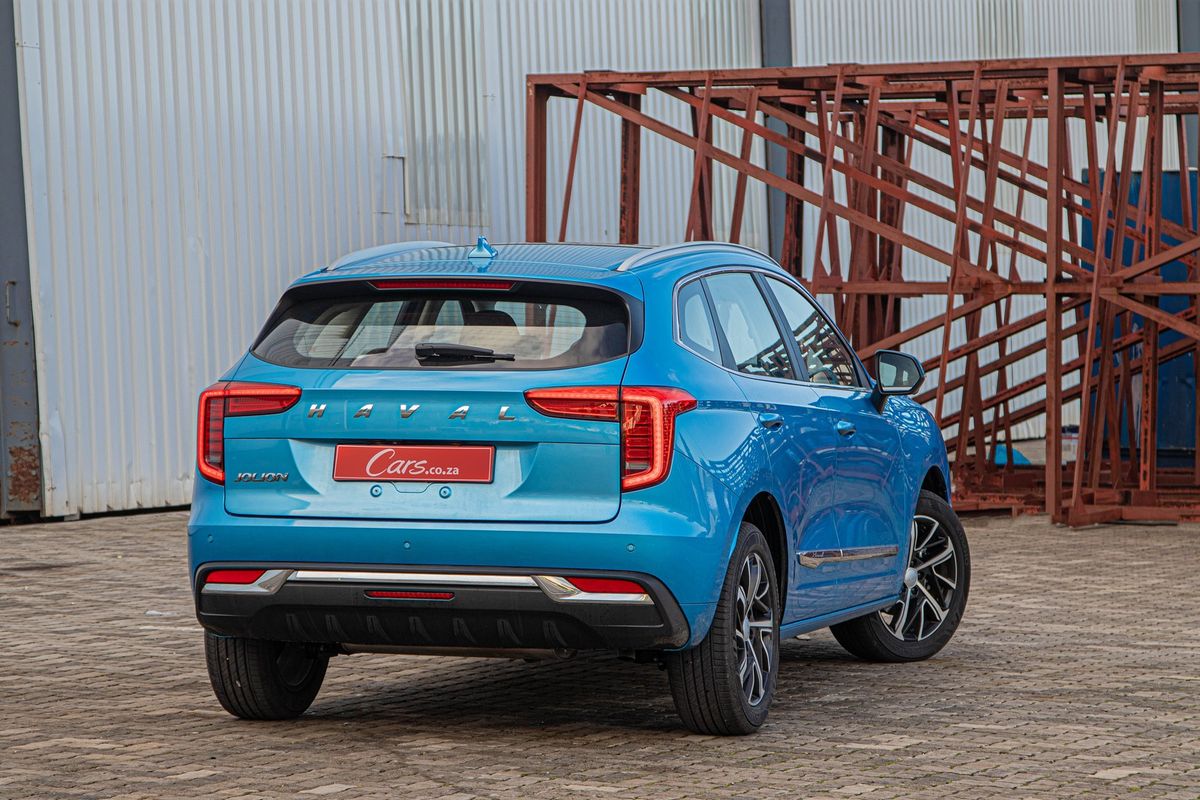
Haval Jolion Review – Is the new Haval as good as it looks?
The Haval Jolion has arrived on the South African car market with all the subtlety of The Rock putting on a Springbok shirt and tackling all our own players.
As of June 2021, the Jolion is now the 5th best-selling passenger car in South Africa! And Haval has overtaken Nissan in the month-to-month sales rankings. It’s an incredible success story, especially for a Chinese brand in our market.
Quite simply, this Chinese SUV is turning the market upside down, and destroying the notion of market segments. You can get into a Jolion for R299,000, far less than even a mid-spect Polo. And a top spect Jolion, at just under R400,000, blows absolutely everything in its price range out of the water, in terms of luxury and tech.
We’ve been excited to bring you this review, and we know you’ve been waiting for it. So here we go, please enjoy our Haval Jolion review, and let us know what you think of the car in the comments below.
From being an unexpected replacement for the H2 compact family car to becoming a top-seller within the space of about 3 months, the Haval Jolion has drawn so much public attention that we’ve been inundated with requests to do a full Haval Jolion review. So, here it is, by popular demand! The Jolion appears to offer such exceptional value for money (in a market where car prices have risen significantly), that one has to ask: “Is it all too good to be true?”
This 2021 Haval Jolion review aims to provide you with vital product information so that you can make the best buying decision possible.
We like: Value for money, safety features, design, space, fit and finish
We don’t like: Thirsty when pushed, drivetrain not as refined as some rivals
Fast Facts
Model Tested: Haval Jolion 1.5T Super Luxury
Price: R398 900 (July 2021)
Engine: 1.5-litre turbocharged 4-cylinder petrol
Power/Torque: 105 kW/210 Nm
Transmission: 7-speed dual-clutch
Fuel efficiency: 7.5 L/100 km (claimed)
Load capacity: 337 litres
What is the Haval Jolion?
Distinctive design, upmarket features and finishes and a bigger footprint than most rivals make the Jolion look more expensive than it is.
Given today’s globalised automotive- and media industries, a new model is unlikely to sneak onto a market with hardly any foreshadowing (such as “spy shots”, “leaked brochures” and cryptic teasers from manufacturers), but this is exactly what happened with Haval’s smash-hit Jolion compact family car. Local media only became aware of the Jolion’s imminent arrival in the few short weeks leading up to its market introduction. Since then, it has gone on to become one of the fastest-selling vehicles in the country, achieving a Top-5 position overall in June and catapulting Haval up the brand rankings.
In some ways, the newcomer’s immediate success should not come as a surprise. The Haval H2 (updated in early 2020) was still one of the best-selling small crossovers by the time the Jolion arrived on the market (its popularity was due to a neat design, generous standard spec and value-for-money price positioning). The Jolion, at first glance, appears to follow this same recipe, but on closer inspection, it might even have shifted the goalposts – not only in its segment (“compact family car” by price, “family car” by size) – but in the important R300 000 to R400 000 price segment – for any vehicle.
Offering striking design, an almost unbelievable list of standard features, a bigger body than most of its rivals, a decent manufacturer warranty and at prices that, frankly, appear to have been misprinted, it is very hard to ignore the Haval Jolion. But does it live up to the hype, however?
Haval Jolion Review
Design and Packaging
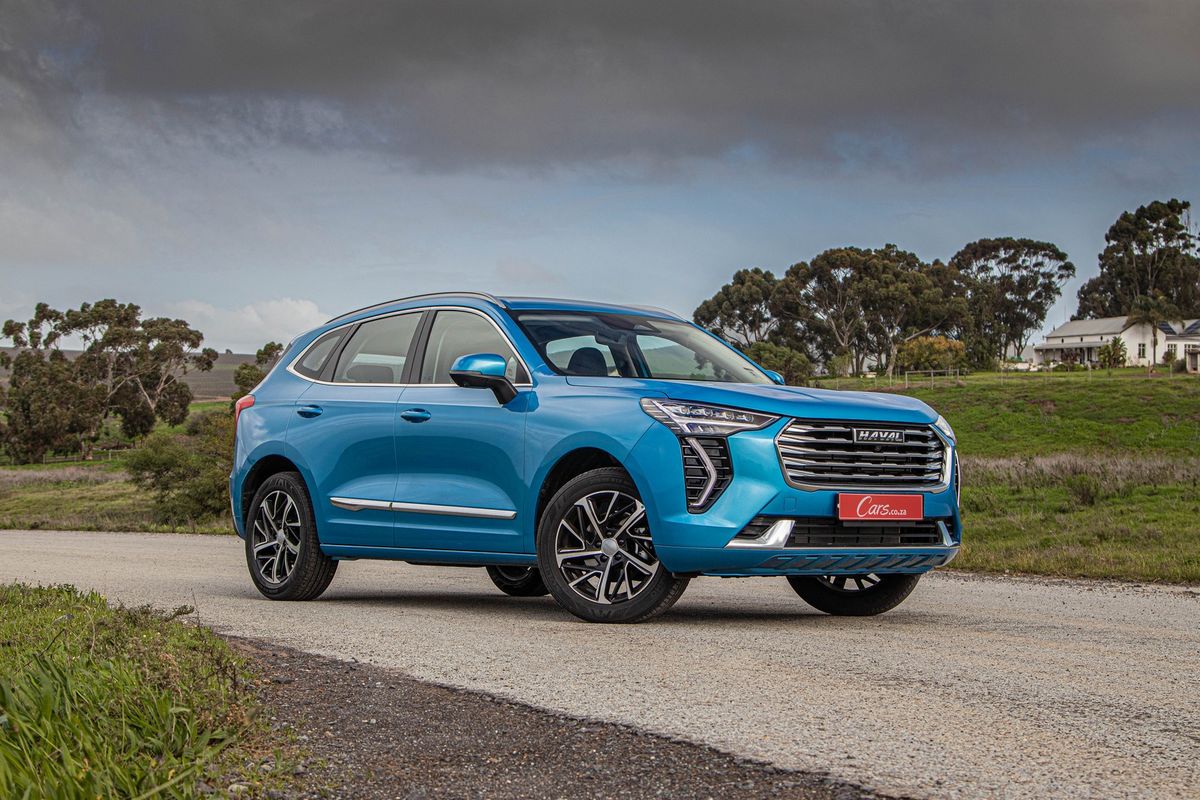
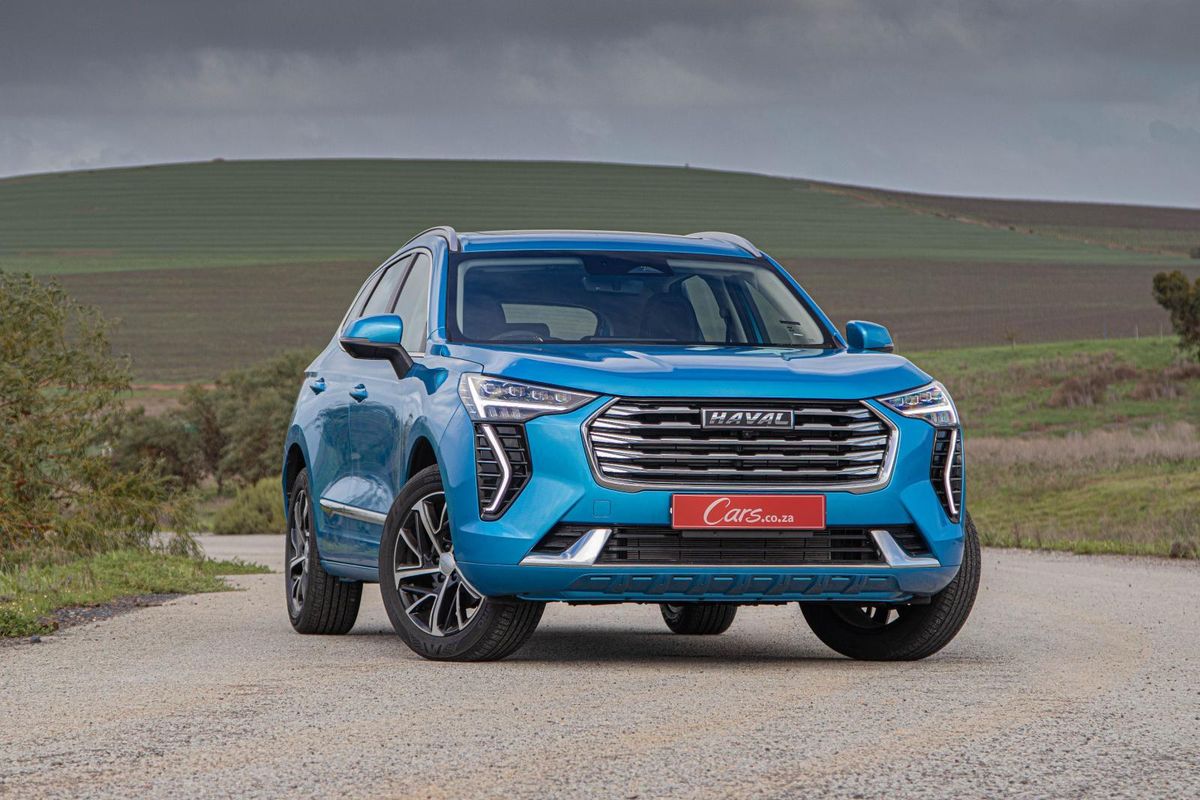
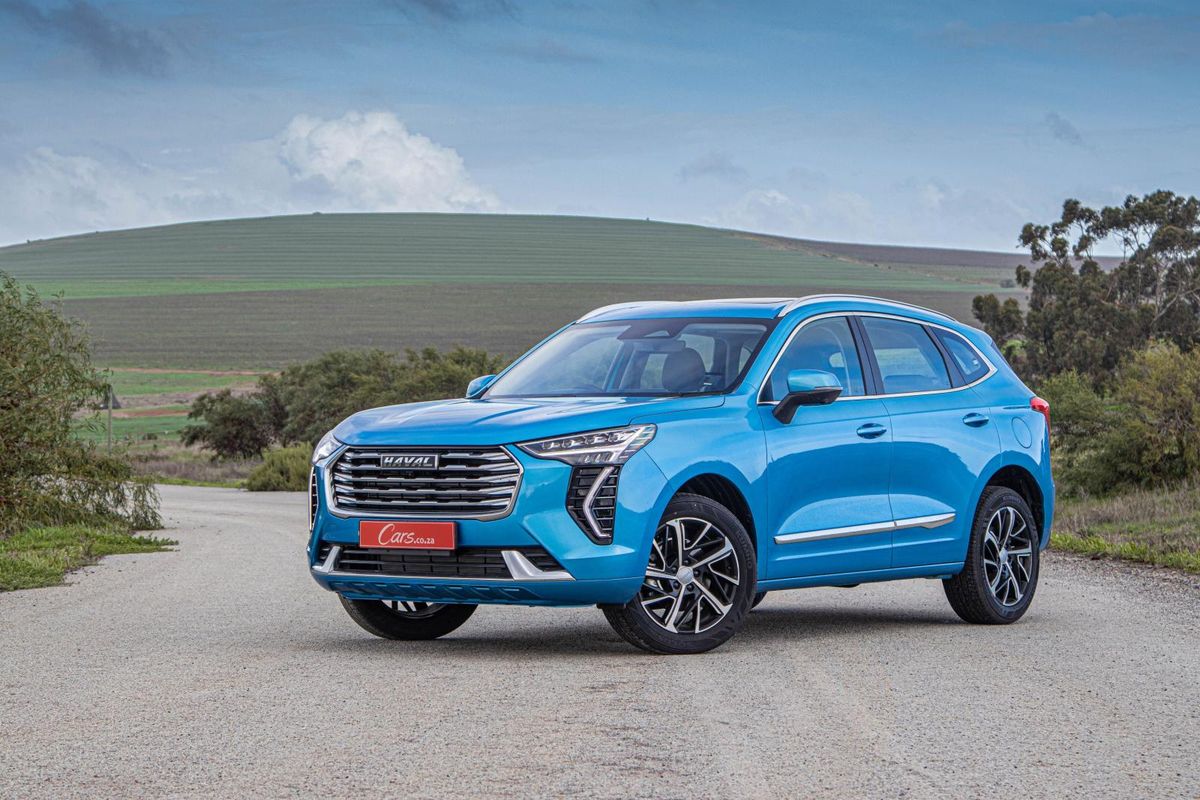
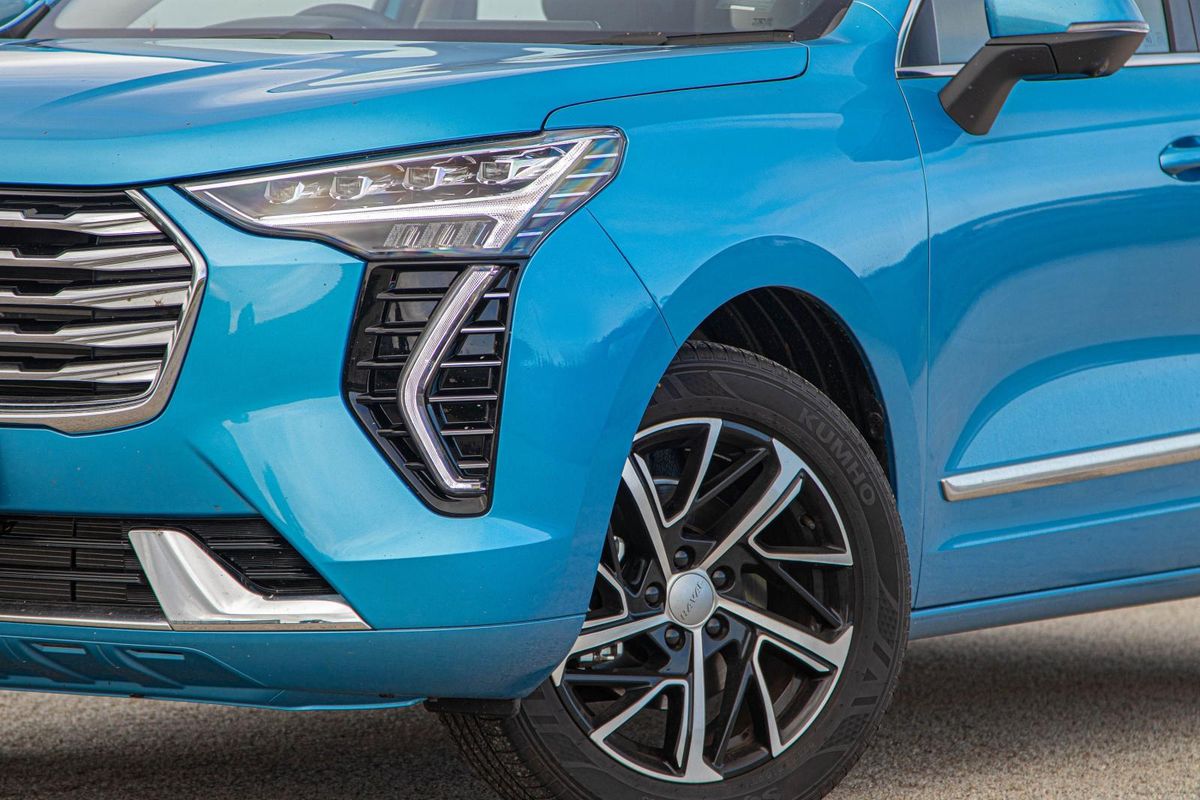
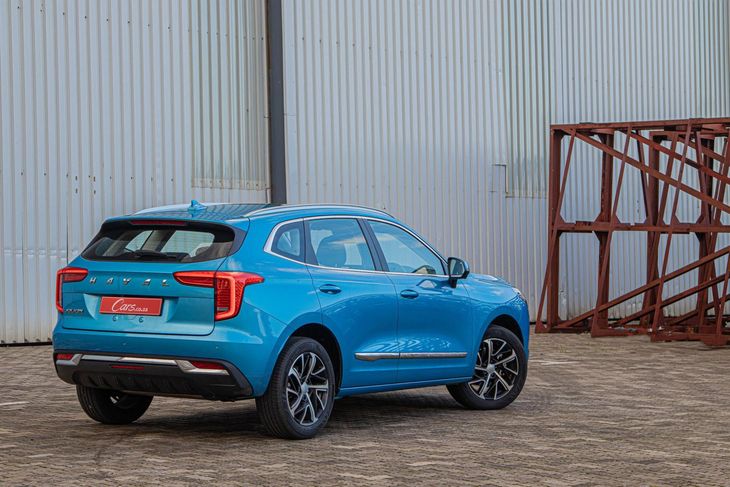
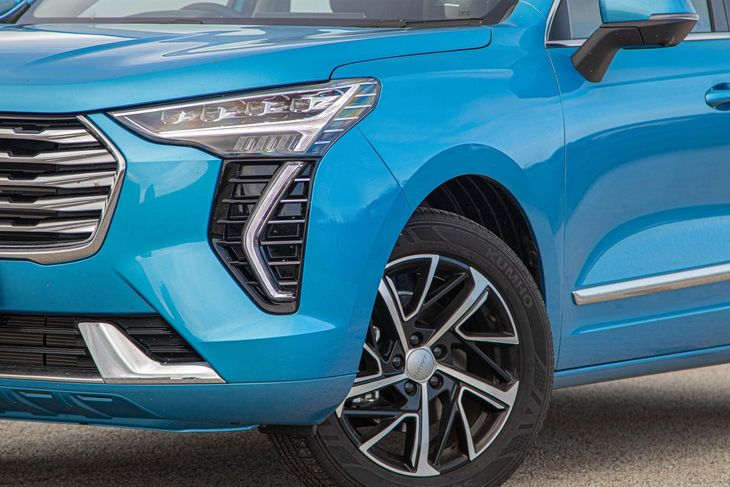
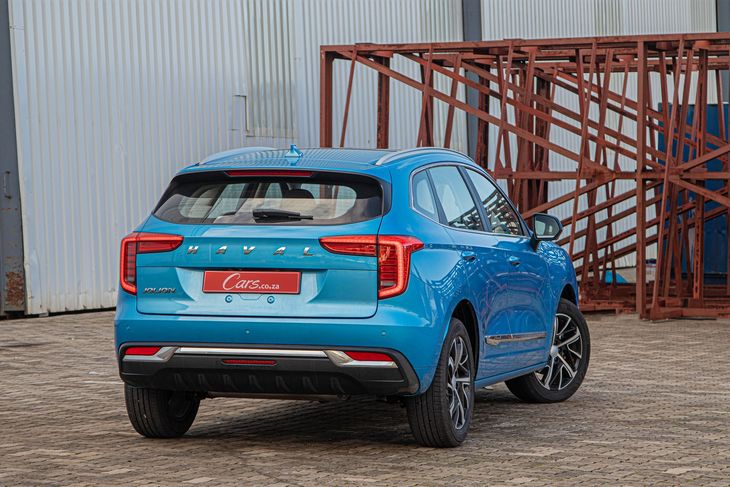
The Jolion is bold, featuring 18-inch wheels and a striking LED arrangement at the front on this Super Luxury derivative.
Based on Haval’s new, modular L.E.M.O.N platform, which also underpins the new, larger H6, the Jolion is a bigger car than the H2, and also larger than most of its rivals, including the Kia Seltos, Hyundai Creta and Volkswagen T-Cross. The lighter (but torsionally, more rigid) L.E.M.O.N. platform is claimed to significantly improve on the H2’s NVH (noise, vibration, harshness) control and, having spent a significant amount of time driving this important newcomer on a variety of road surfaces, we can certainly vouch for its cabin being very well-insulated from road and wind noise.
Besides enabling the aforementioned improvement in NVH control, the new structure benefits the Jolion’s ride and handling balance. The model corners assuredly and rides generally comfortably on most surfaces, but it remains, like most GWM/Haval products, somewhat firmly sprung. Build quality also appears to be excellent, with neither a rattle nor a squeak evident during our intensive test period.
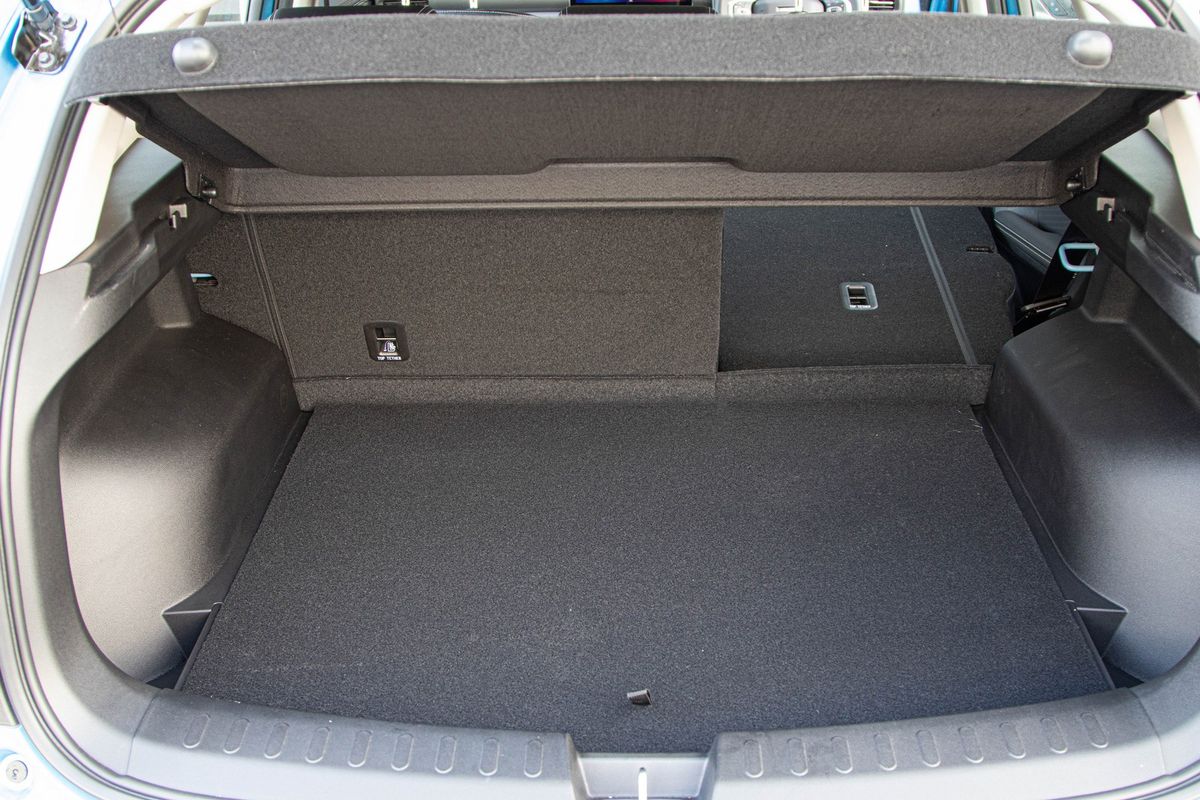
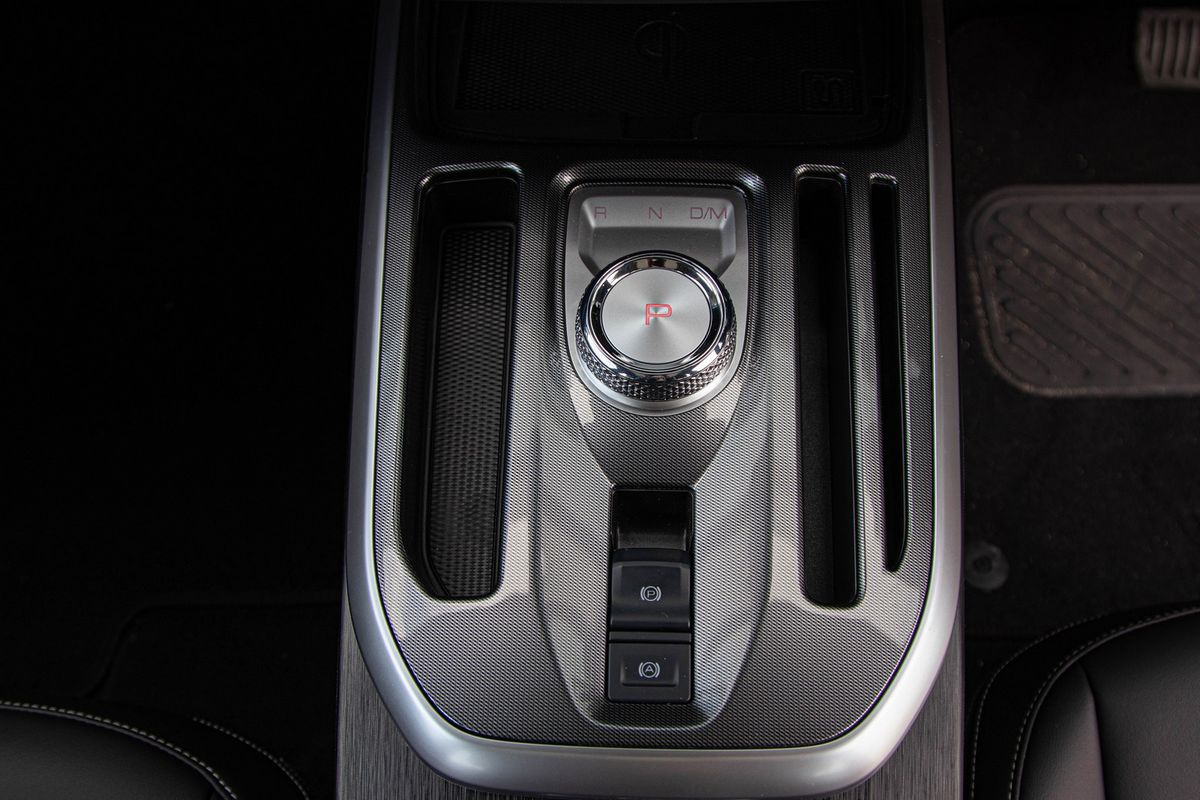
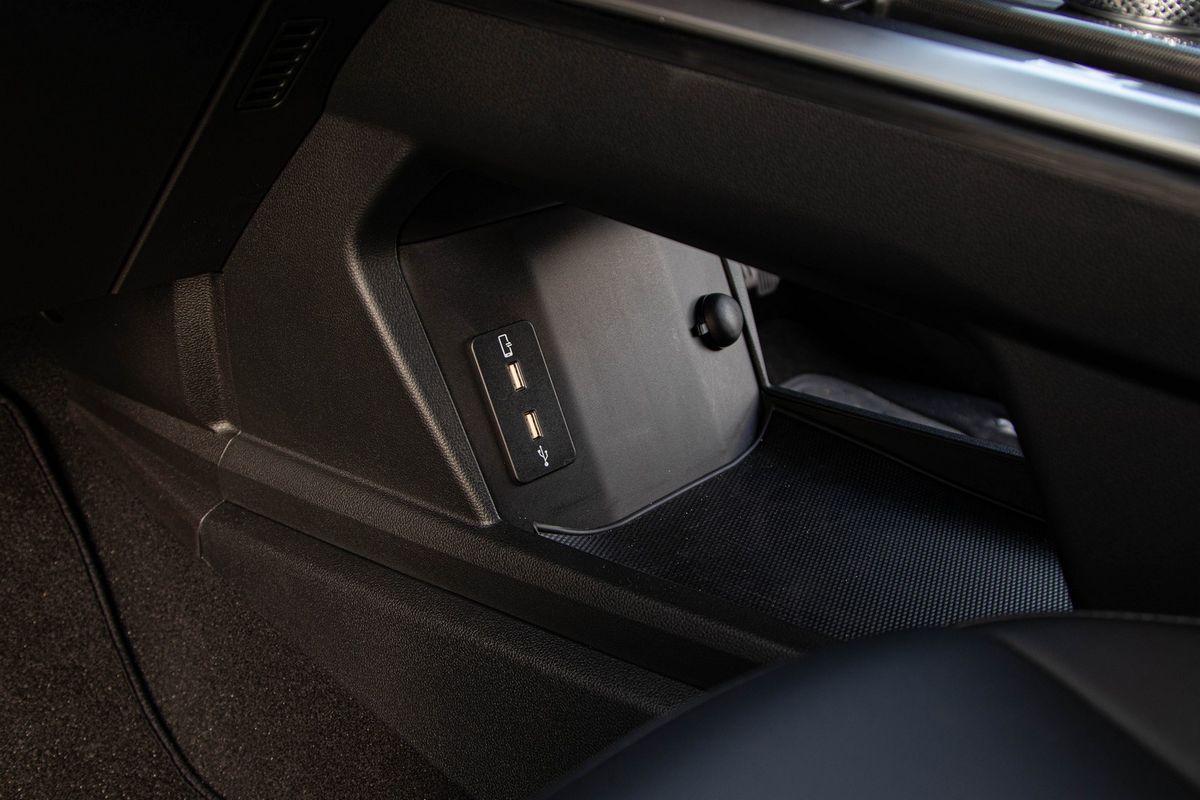
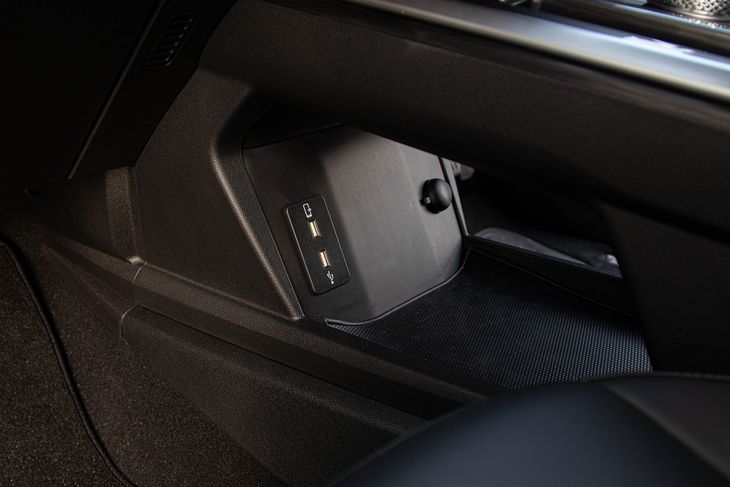
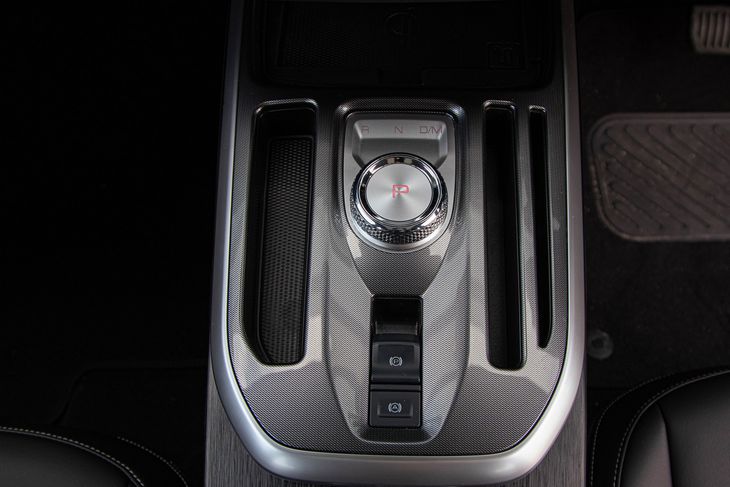
The Jolion’s bigger footprint results in obvious benefits in terms of interior packaging. The sense of space and “openness” in the cabin is further enhanced by the use of lighter materials in the upper areas of the cabin, as well as the fitment of a vast panoramic sunroof (as standard). Rear legroom is exceptional in this segment, but the load bay is, at best, about average in size. You won’t be short of storage spots for smaller items inside the vehicle, however… By implementing a shift-by-wire transmission controller, Haval created a large storage area underneath the Jolion’s “floating” transmission tunnel.
Lots of storage space underneath the transmission tunnel, along with the fitment of two USB ports as well as a 12V outlet.
Design is, of course, a subjective matter, but online chatter about Haval’s newcomer, as well as feedback we received from those who saw the Jolion in the metal, suggest that the Chinese compact family car’s styling has well and truly hit the sweet spot. Available in a number of vibrant colours, including this HB Blue hue, the Jolion Super Luxury rides on bold dual-tone 18-inch wheels, boasts eye-catching LEDs (at the front and rear), has lots of chrome on the grille and, by virtue of being longer and wider, but slightly lower, than most rivals, the Haval has the “stance” of a more upmarket, premium vehicle.
Features and in-car tech
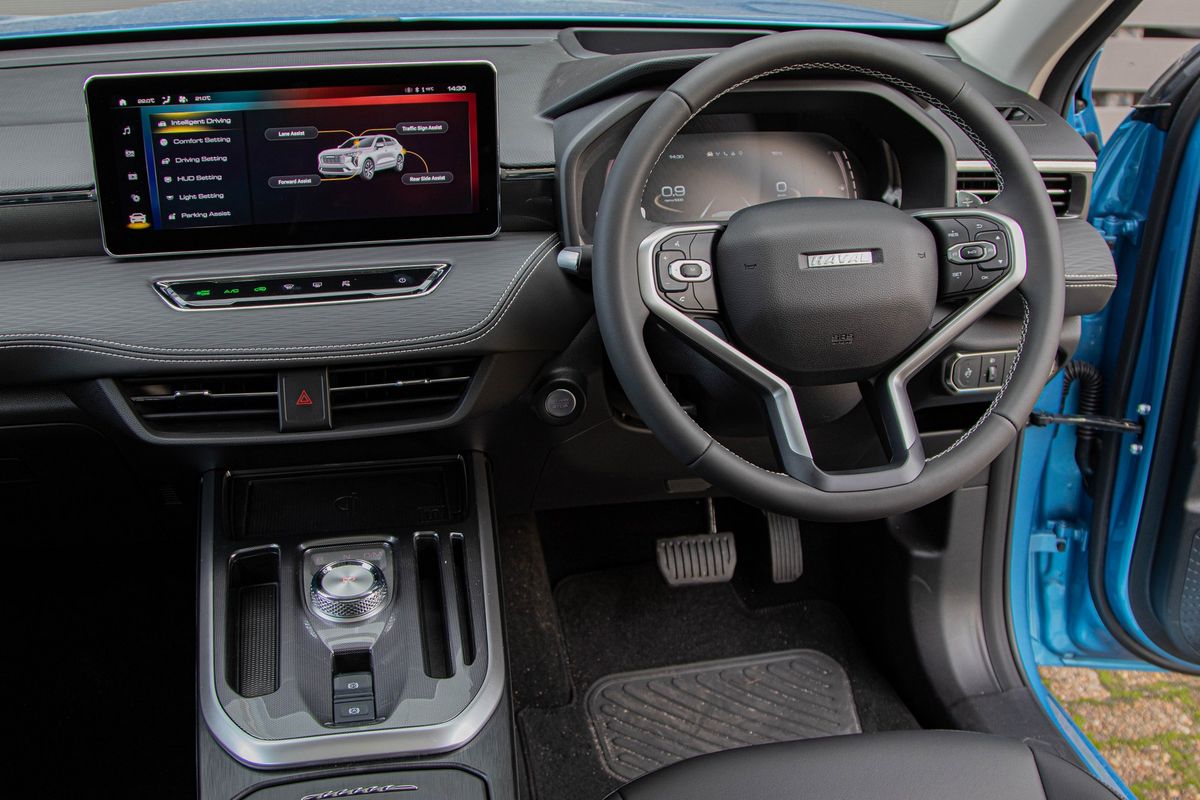
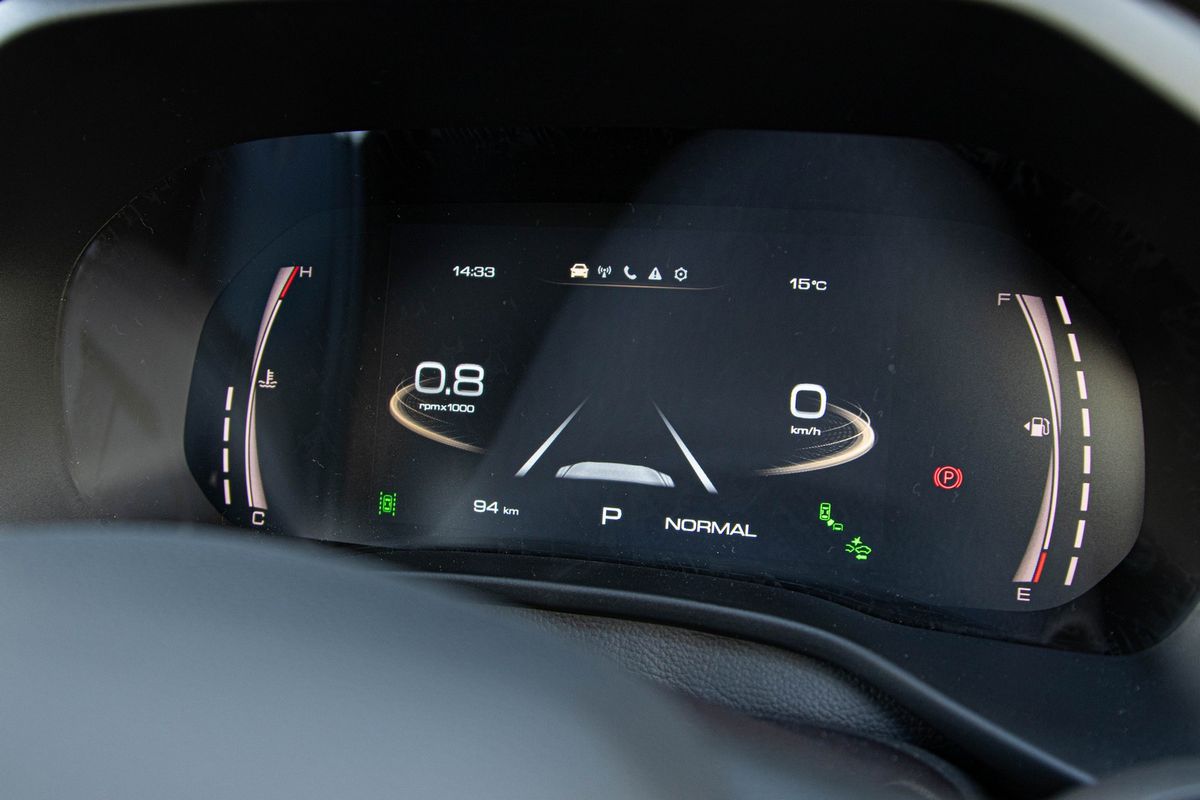
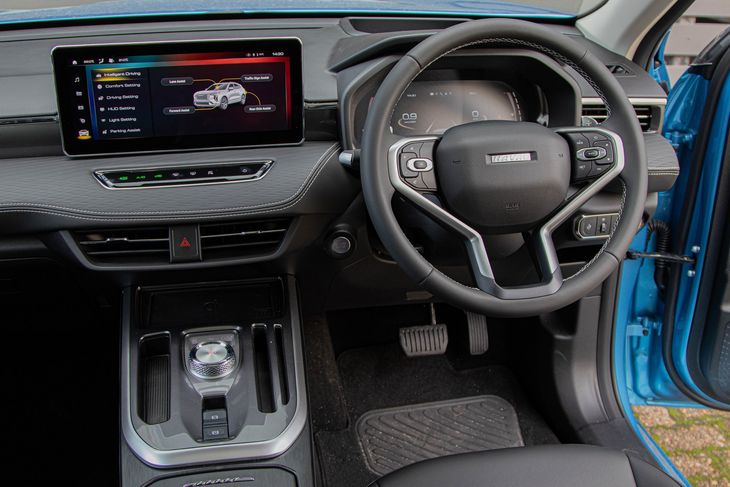
Modern, minimalistic cabin is finished in quality materials and boasts class-leading tech.
Now, this is where the Jolion really gets into its stride… For a vehicle of this type, priced at just below the R400 000 mark, the Jolion 1.5T Super Luxury has a simply unheard-of standard specification for its segment. In fact, some of the safety features are not even available as options on some premium crossovers, at twice the price…
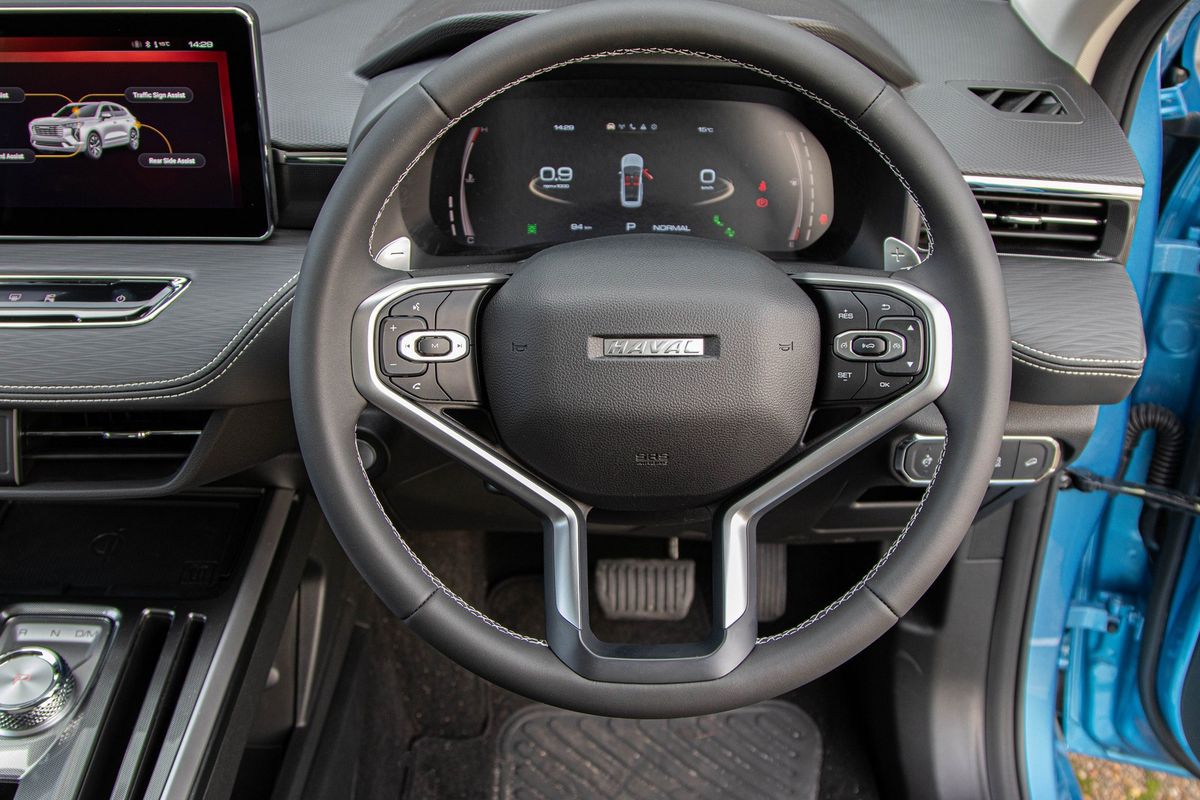
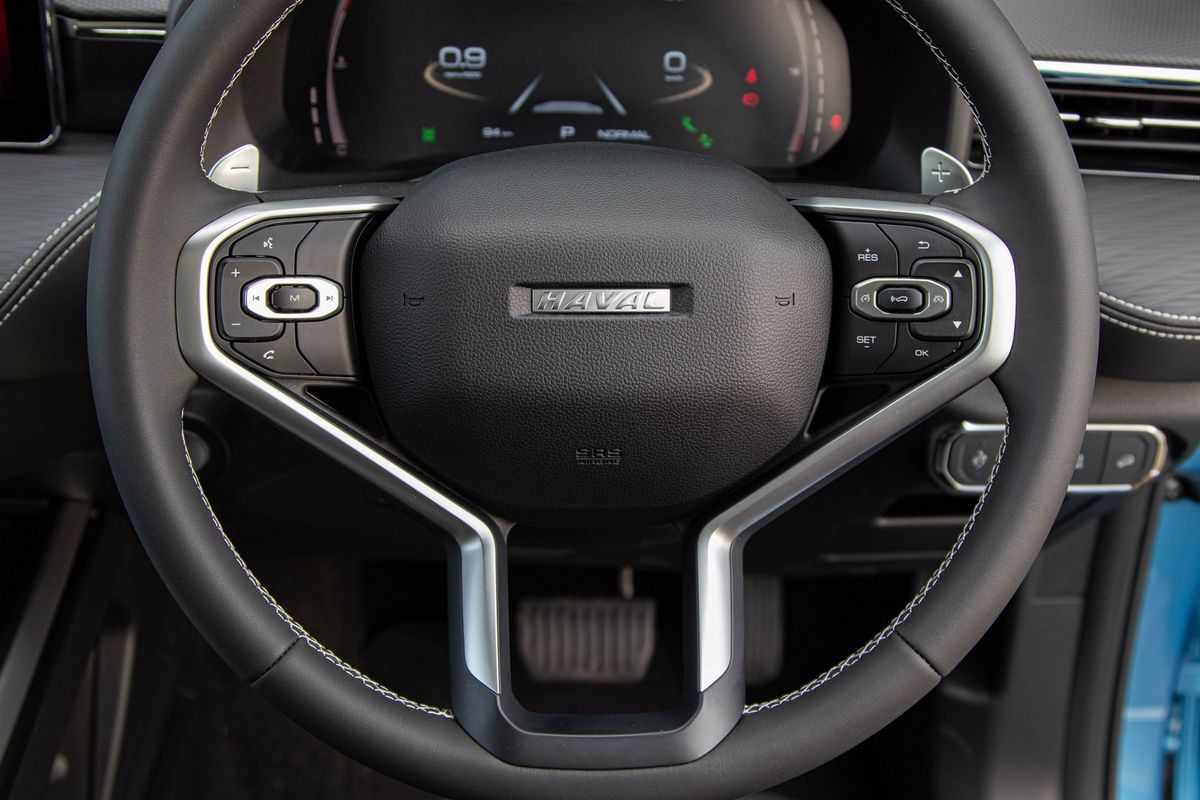
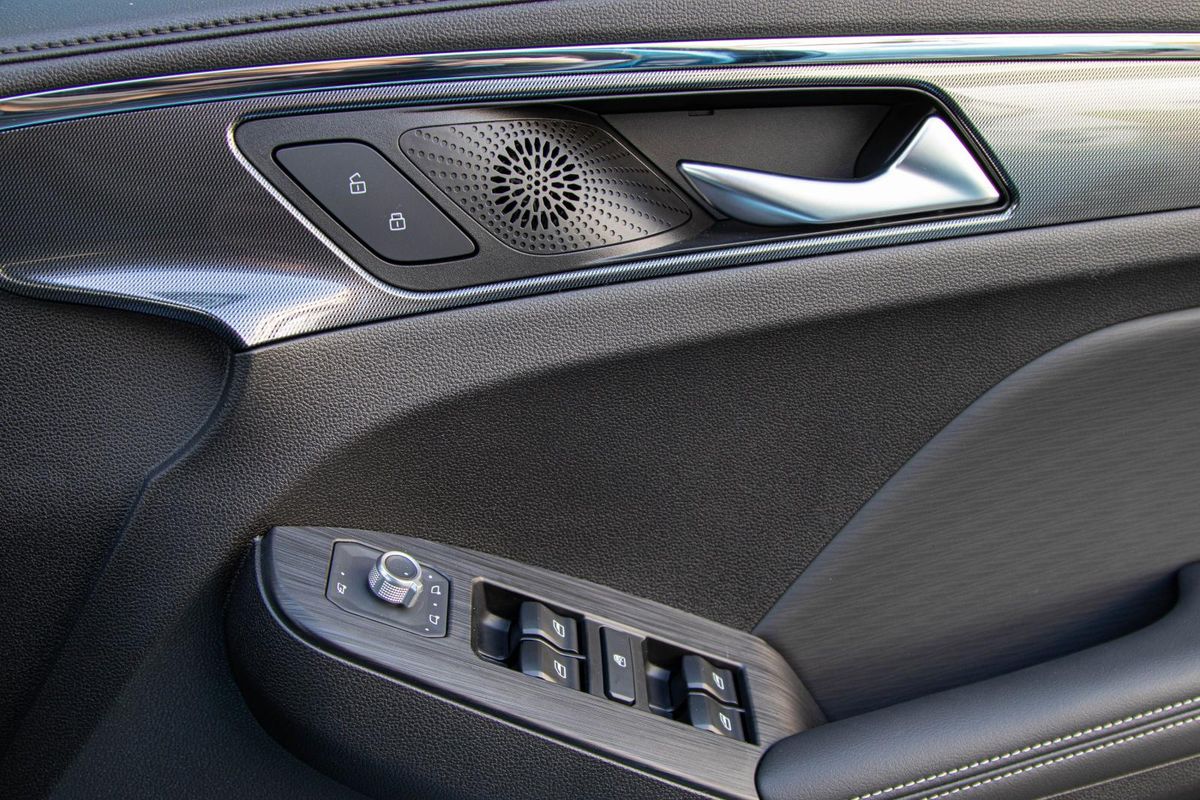
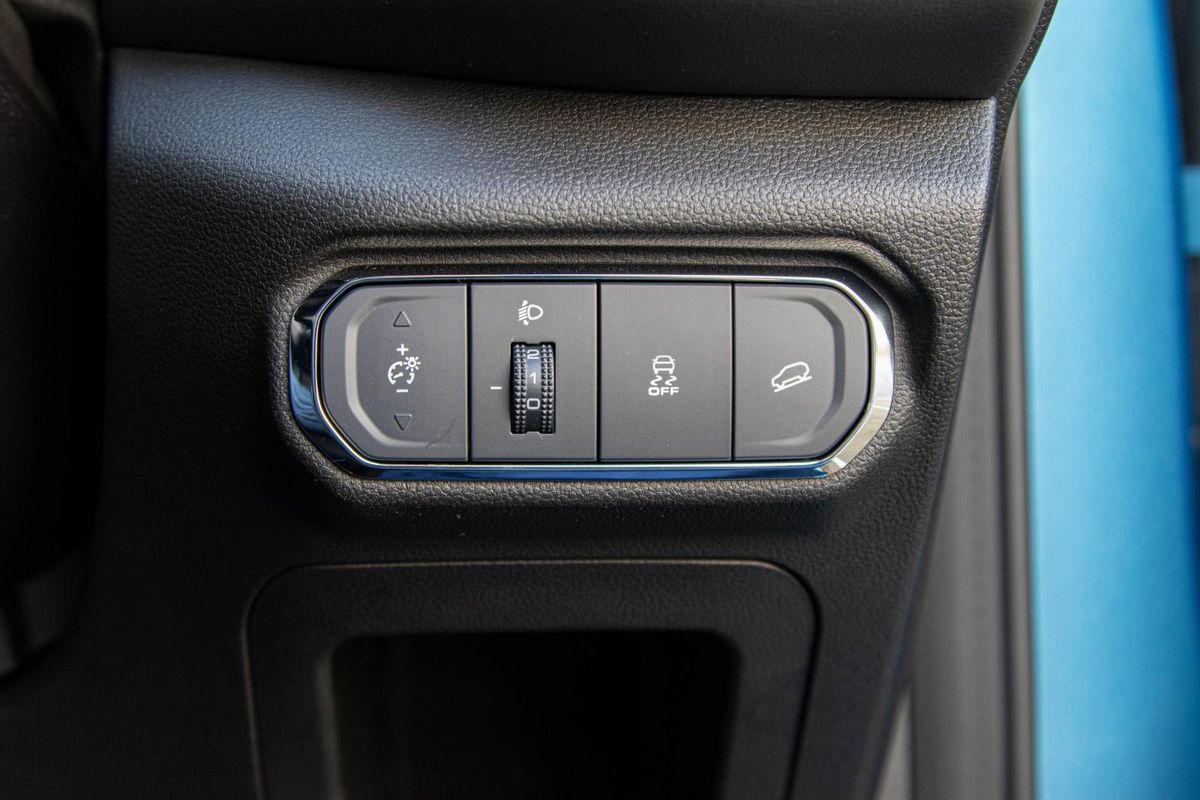
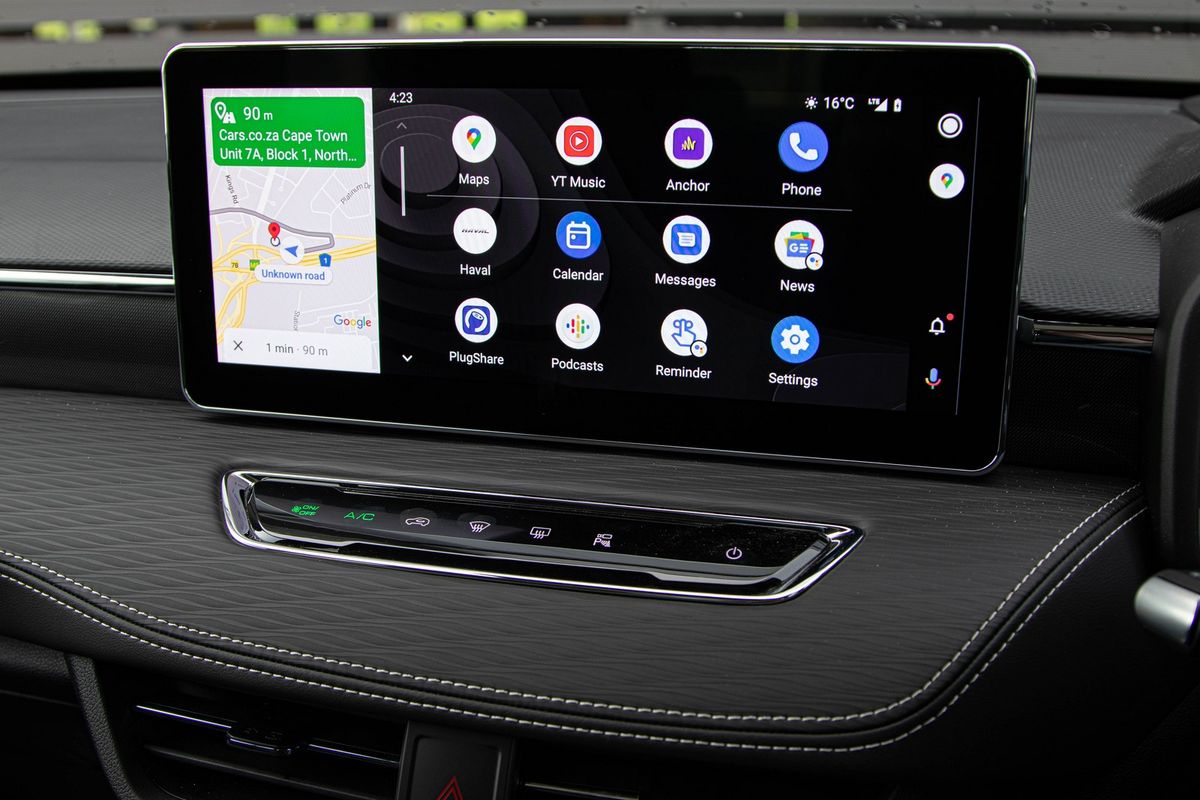
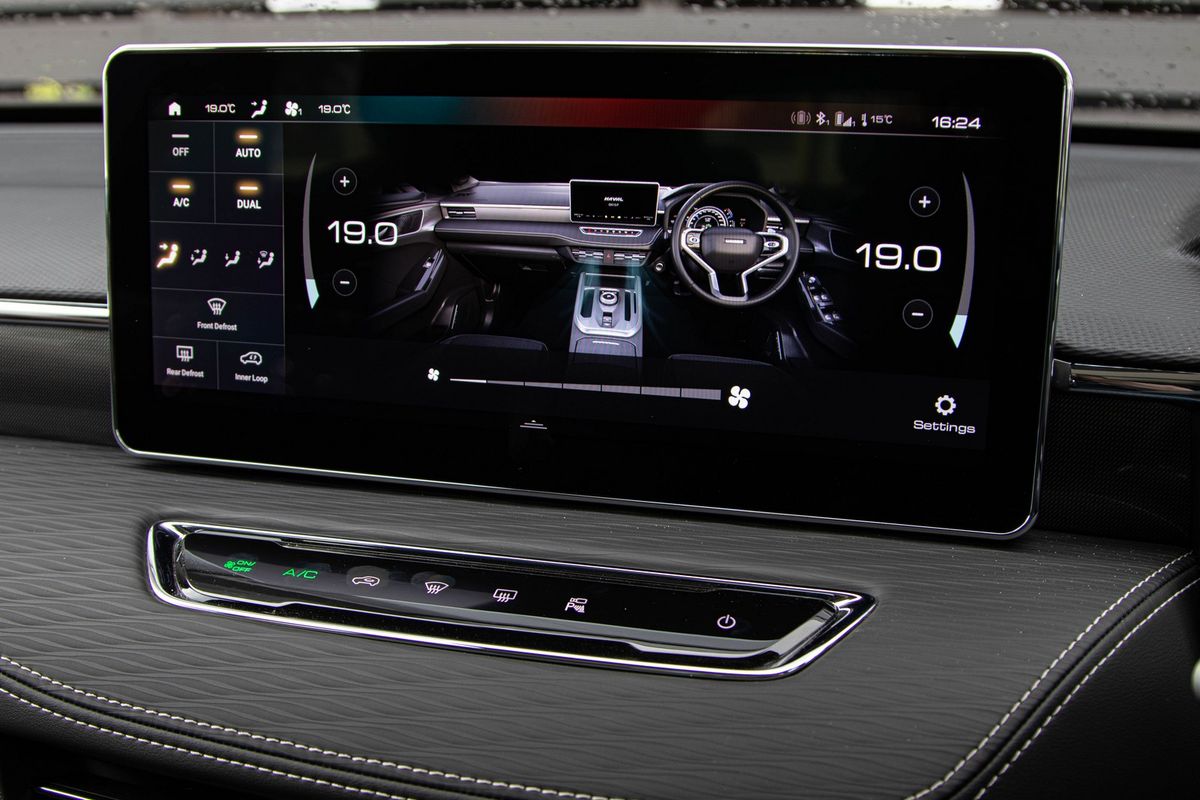
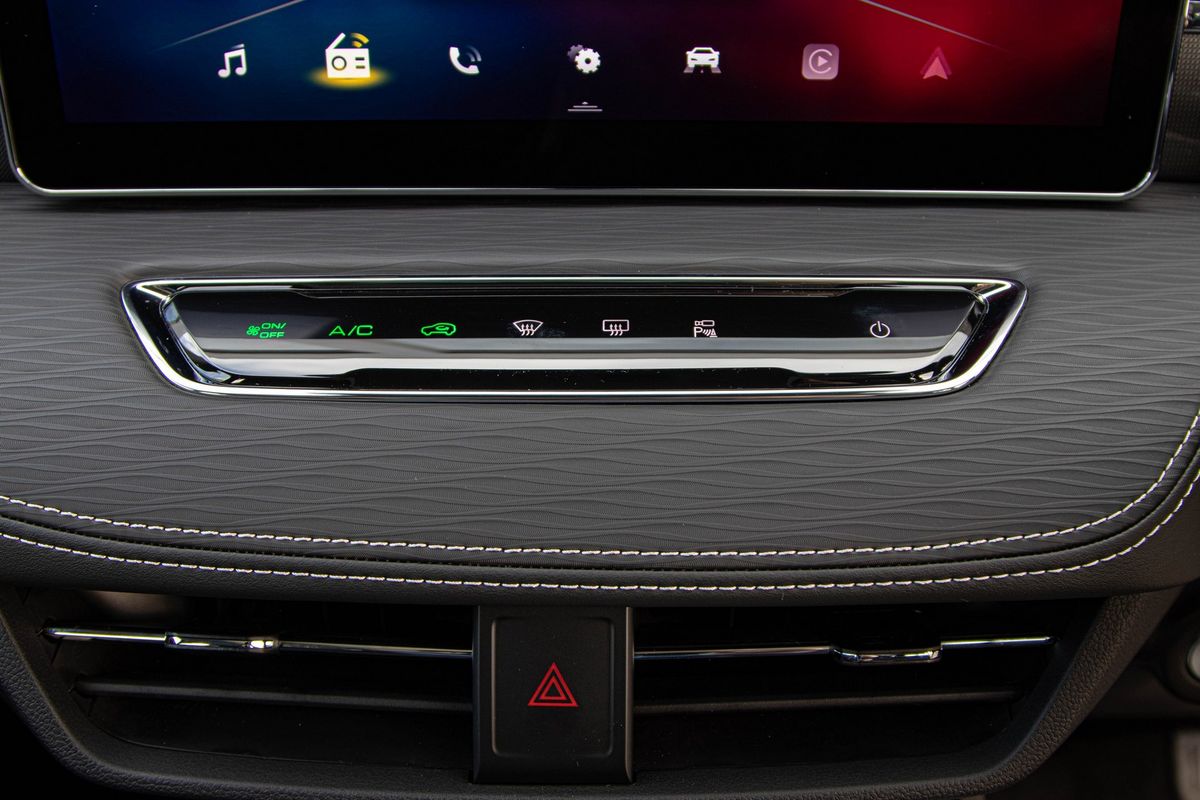
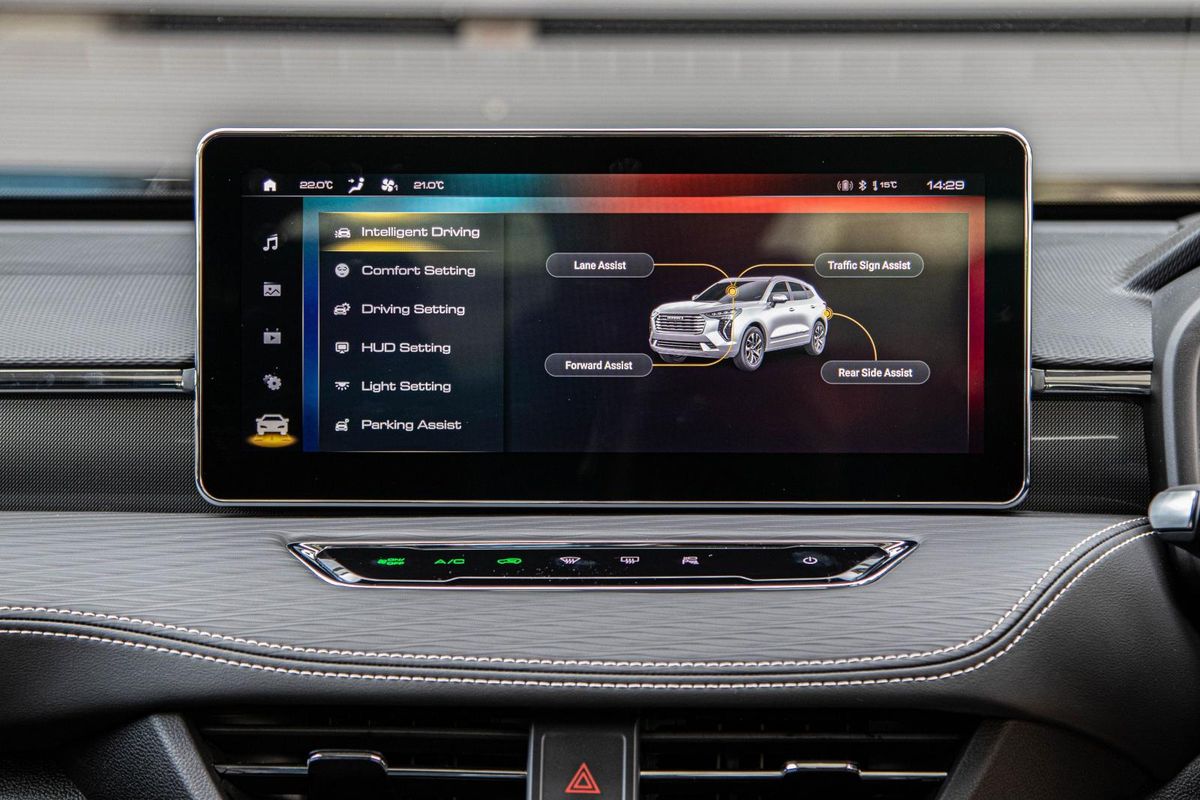
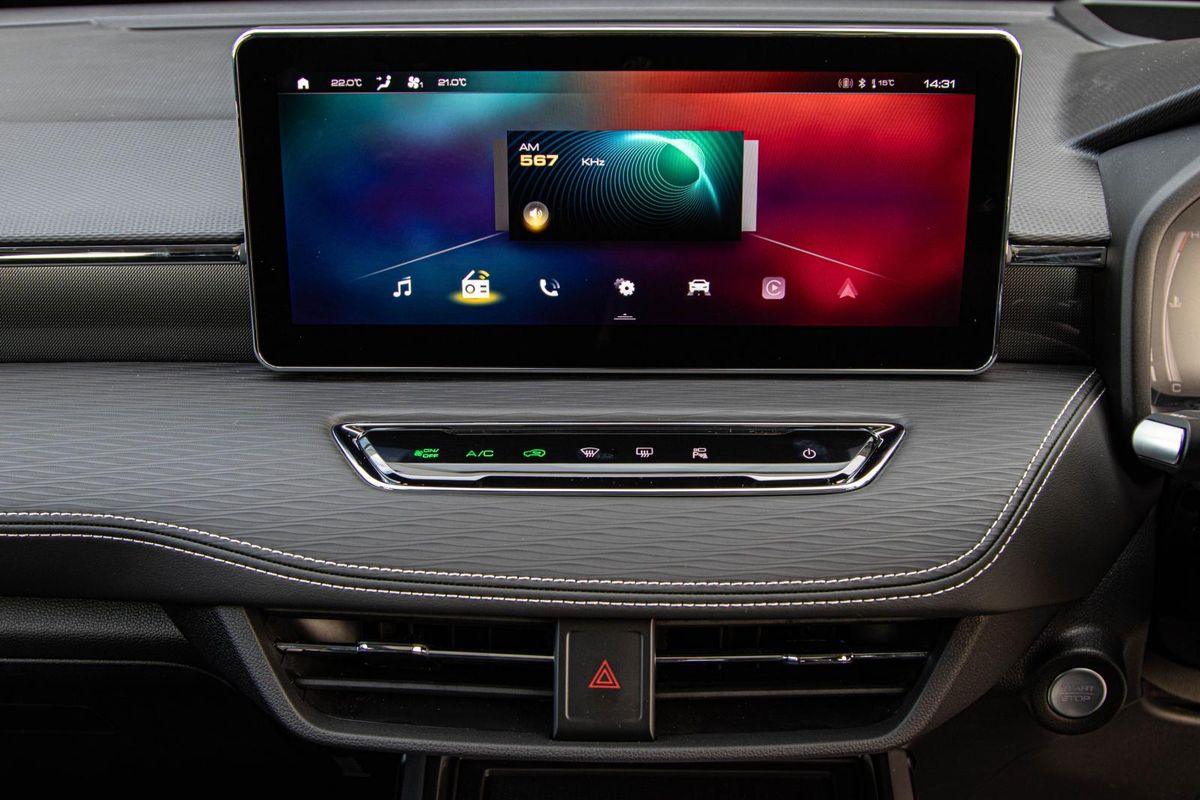
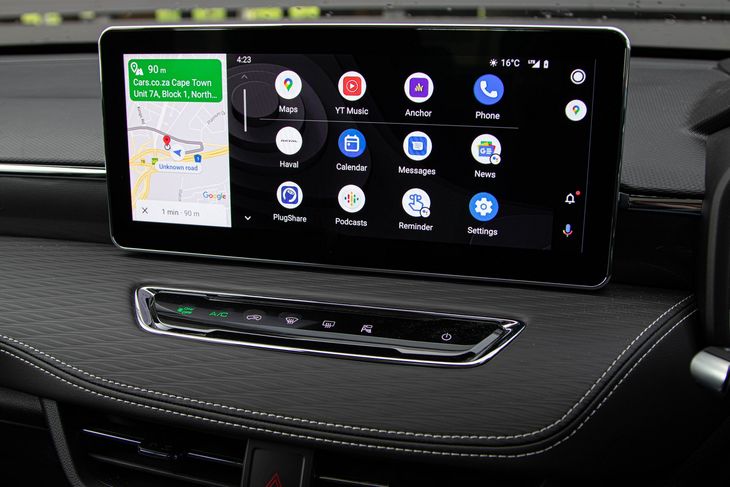
First, however, a note on the fascia design. Haval’s designers sought a very modern, minimalistic look, which is why the cabin is remarkably free of buttons. This gives the fascia a very clean, upmarket appearance, further boosted by the use of quality materials and excellent fit and finish. It does, however, also mean that it may take you some time to get used to controlling major features, such as the climate control system (dual-zone, as standard) through the big, very slick-looking 12.3-inch infotainment touchscreen. They’ve also done away with a volume knob (except for the buttons on the wheel).
The big 12.3-inch infotainment screen allows for Android Auto/Apple Carplay functionality.
The infotainment system features slick graphics, is customisable (in terms of choice of backgrounds, etc), and offers Android Auto and Apple Carplay functionality (again, as standard). It is worth noting, however, that the deeper one delves into the sub-menus of the system, the poorer the on-screen grammar becomes…
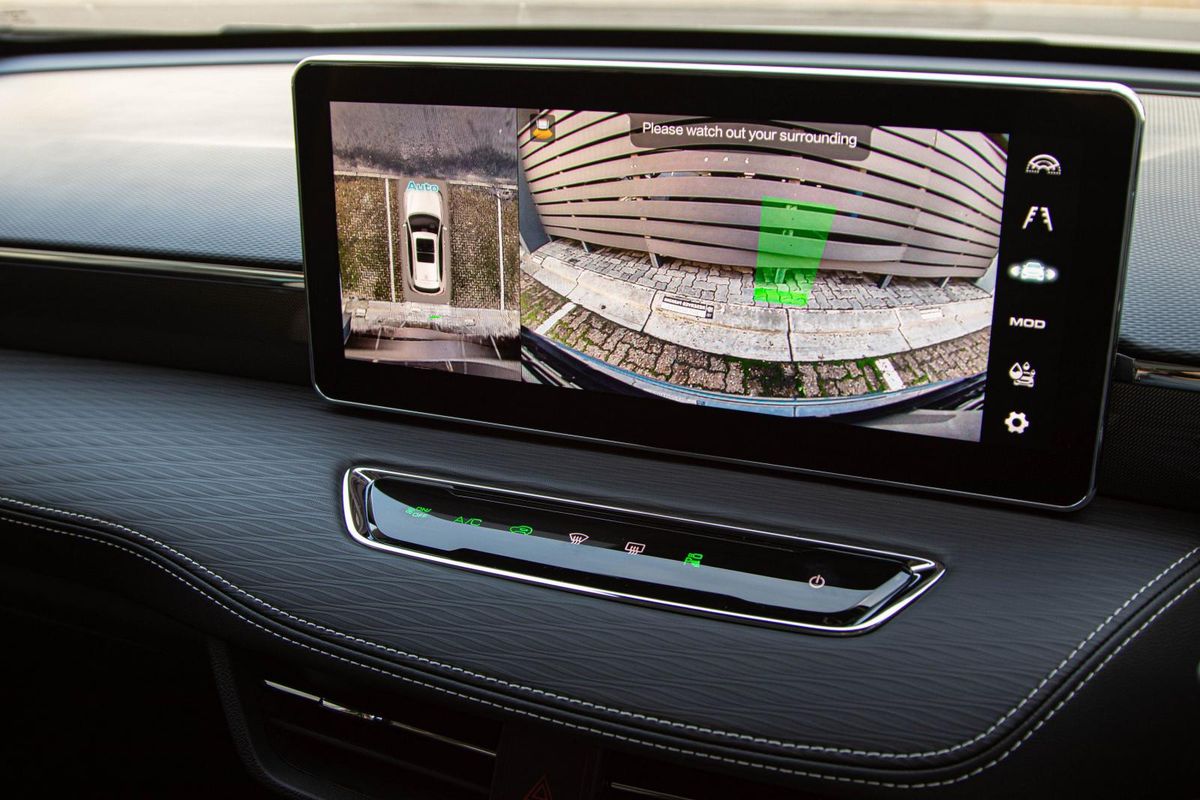
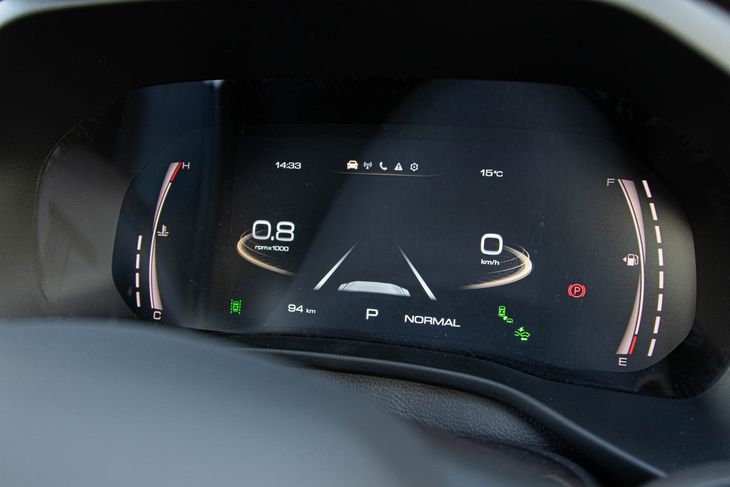
That said, this is easily the most comprehensive and most attractive infotainment/screen combination on any model in this segment. But that’s not all, folks, you also get a digital instrument cluster, as well as a head-up display. Another very attractive standard feature is a full 360-degree camera system, the likes of which are usually found on much more expensive vehicles.
Digital instrumentation is another feature not generally fitted as standard to vehicles in this segment.
The array of standard luxury and infotainment features is impressive, but what sets this 1.5T Super Luxury variant apart from its siblings (and from much of the competition, truth be told) is its eyebrow-raising active safety features package. Adaptive cruise control is standard, which includes Traffic Jam Assist (that means the vehicle will crawl and brake autonomously in low-speed traffic), as are the traffic-sign recognition and pedestrian/cyclist detection with automated emergency braking functions.
Impressively, you also get a lane-departure warning function in conjunction with lane-keep assist and active lane-centre keeping (LCK). All of this is very good, of course, and during our test period, all the active safety systems worked very efficiently in everyday traffic conditions. Having said that, they can be a trifle intrusive, because they prompt the Jolion to emit a plethora of beeps and alerts as the vehicle’s sensors detect “potential trouble”. If you delve into the infotainment system, however, there are menus where you can lessen the severity of the notifications and even deactivate some functions.
Performance and fuel economy
A smart-looking rotary knob controls the Jolion’s 7-speed dual-clutch transmission. Note neat storage slots for cards, smartphones etc.
The Haval Jolion is powered by the same 1.5-litre 4-cylinder turbopetrol engine that served in the H2. It’s not a particularly punchy unit, with 105 kW on offer between a relatively heady 5 600 and 6 000 rpm, and torque of 210 Nm between 2 000 and 4 400 rpm. In the H2, and in manual versions, in particular, the engine suffered noticeable turbo lag and had to be kept “on the boil” with frequent gear shifting. We’ve not yet driven a Jolion with a manual gearbox, but this new 7-speed dual-clutch transmission appears to have been cleverly matched with the engine’s performance characteristics.
In fact, we would go as far as to say that the transmission “masks” most of the engine’s deficiencies, because it actually comes across as being a pleasingly throttle-sensitive powerplant during normal driving – there are also driving modes on offer should you want to attempt to sharpen things up – or prioritise fuel economy. Ultimately, however, there are more refined powerplants on the market… When pushed hard, the Jolion’s engine sounds strained because the transmission tends to immediately reach for the upper end of the rev range, which, of course, is where the peak power resides.
Fuel economy, or the relative lack thereof, remains our main gripe with the overall package. Haval claims an average fuel economy figure of 7.5 L/100 km, but that’s simply not a realistic return; even when we engaged the Economy drive mode and adopted a measured driving style, we couldn’t achieve a comparable (indicated) consumption readout. It’s also a drivetrain that, in terms of fuel efficiency, appears to be very sensitive to driving style (more so than usual) and, for that reason, we suspect you’re more likely to see real-world consumption figures of between 9.0 and 12 L/100 km.
What does the Haval Jolion cost in South Africa?
The Haval Jolion 1.5T Super Luxury is the flagship of the Jolion line-up and is priced at R398 900 (July 2021). There are no optional extras to be added to this product. The price includes an impressive 5-year/100 000 km warranty and 5-year/60 000 km service plan.
Deservedly popular straight-off-the-bat, the Haval Jolion is the first Chinese-made vehicle to genuinely cause market disruption in SA.
Given the extremely high interest in this newcomer to the market, the Haval Jolion was put through extra-intensive scrutiny during its tenure in our test fleet. In the end, we’re not sure what is more impressive – the seemingly multi-generational leaps in overall design and features that Haval has achieved with this model… or the VERY keen price at which the brand offers this level of product.
Only time will tell how sustainable the fledgling Chinese SUV brand’s aggressive pricing will be, but the reality of the matter is that even if the Jolion cost the same as its established rivals it would be worthy of very serious consideration – the offering itself has simply dramatically improved, although we still have concerns about its fuel economy.
So, should you seriously consider the Haval Jolion when shopping for a small crossover/compact family car in the R300 000 to R400 000 price bracket? In short… you’d be silly not to. In fact, some buyers looking for a new vehicle in the R400 000 to R600 000 ballpark may do well to give this newcomer a closer look!
We trust that you found this Haval Jolion review to be useful and insightful!
Frequently Asked Questions
Is the Haval Jolion a good car to buy?
According to Cars.co.za, the Haval Jolion is considered a good car to buy as it is a popular choice in the compact SUV segment. It offers an appealing blend of style, standard features, practicality, and value-for-money.
Is the Jolion a fuel-efficient car?
While Haval claims a fuel consumption range of 5.1-8.1 L/100km, the article notes that the car has been criticised for higher-than-expected fuel consumption in real-world driving situations.
Is the Haval Jolion all-wheel-drive?
No, the article specifies that the Haval Jolion is offered exclusively as a front-wheel-drive car.
Is Haval preparing to introduce an affordable electric SUV? Recent patent submissions in Australia seem to suggest so…
South Africa’s adoption of Electric Vehicles (EVs) is far behind that of other regions in the world. There are multiple reasons for this fact but one of the main reasons is that EVs are just too expensive for the majority of South Africans.
If you consider the EVs that are currently available in South Africa, your options are limited to the BMW i3, Mini Cooper SE, Jaguar I-Pace and the Porsche Taycan (as well as the Taycan Cross Turismo). The Mini Cooper SE is currently the cheapest EV on sale in South Africa with a price tag of R686 400 while the top-of-the-range Porsche Taycan comes in eye-wateringly close to R4-million. More so, if you look at the electric cars destined to reach South Africa in 2021/22, they are not getting cheaper. No wonder you don’t see many EV’s on the road, no one can afford them!
One of the key hurdles to increasing EV adoption in South Africa is the introduction of affordable EVs that will appeal to a wider audience. Haval might be the brand to do it…
Is a Haval electric SUV on the horizon?
An affordable Haval electric SUV might be on the cards.
A report from Australia is suggesting that a new electric compact SUV model could be on the cards citing new patent filings showing a compact SUV with a blocked out grille which is typical of EVs as there’s no engine that requires cooling.
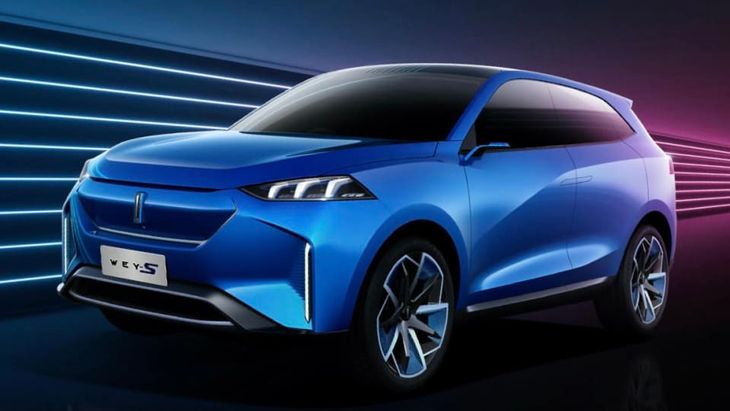
The speculation is that this supposed electric compact SUV from Haval could share styling with the 2019 WEY-S concept and be based on hybrid WEY Macchiato. WEY is a premium crossover/SUV brand under GWM.
Haval has a knack for offering value-for-money SUVs in South Africa and the latest Haval Jolion compact SUV and Haval H6 SUV are good examples of this. In less than 5 years, Haval has climbed the sales charts and is now a major player in our market. What other Chinese brand can claim such vigorous success in South Africa?
While there hasn’t been an official announcement for a new electric Haval SUV, we will keep our eye on this developing story.
The question we pose to you is: If Haval introduced an electric SUV priced under R500k and fully loaded with standard features, would you buy it?
Hyundai has given its Kona compact crossover a makeover and it’s now available at Hyundai dealers nationwide. More so, Hyundai also welcomes the sportier Kona N Line to South Africa! Herewith pricing and specification details for the latest Kona and Kona N Line.
Hyundai’s quirkily-styled Kona came to market in 2018 and while it certainly turned heads with its unique look, it also divided opinion. Nonetheless, Hyundai sold 1 700 new Konas in Mzansi since it came to market. In September 2020, Hyundai unveiled a thoroughly revised Kona boasting a fresh look and updated interior trim and features and it has now arrived on local showroom floors.
Hyundai Kona gets new look and sporty Kona N Line joins the range
The Kona’s interior now benefits from a larger infotainment system and additional standard features.
The facelifted Kona stands 40 mm longer than before and from a styling perspective, the latest Kona gains a longer bonnet, wider grille design and wider LED daytime running lights. A keen eye will also notice vertical aero inlets positioned on the outside edges of the bumper. The rear light clusters have also been revised with horizontal graphics and a large skid plate provides some added visual presence. The Kona rides on 16-inch alloy wheels and buyers can also opt for redesigned 17- and 18- inch alloy wheel options. Note that buyers can also opt for a stylish two-tone paint finish for both the Kona Executive and Kona N Line.
The Kona N Line offers more kerb appeal and sporty styling to the tar.
For buyers looking to make a stronger statement, perhaps the sporty Kona N Line will grab your attention? While the Kona N Line doesn’t feature any mechanical upgrades over the standard Kona, it does gain some sporty elements such as the obligatory N Line badges, more aggressively styled grille, uniquely styled rear bumper and body-coloured wheel arches.
Inside, the Kona N Line gains a push-button start and 10.25-inch Smart Vision digital instrument cluster. The Kona N Line is also exclusively offered with a safety package as standard which adds features such as smart cruise control (adaptive), forward collision assist, lane-keeping assist / lane-following assist, blind-spot collision assist and safe exit assist.
Other key interior features for the enhanced Kona includes a larger 8-inch infotainment system which offers wireless Android Auto and Apple CarPlay as standard, leather upholstery, rear park assist with rearview camera (with guidelines) and wireless charging. The Kona is now also fitted with climate control air conditioning as standard.
What engines are available for the Kona?
Buyers can choose from 2 petrol engines in South Africa.
Hyundai offers 2 engines for the Kona. First up is a naturally-aspirated 2.0-litre petrol engine with 110 kW and 179 Nm, mated with a 6-speed automatic transmission while buyers also can also opt for the more powerful turbocharged 1.6-litre petrol engine which offers 146 kW and 265 Nm of torque and is mated with a 7-speed dual-clutch transmission. Note that the previous turbocharged 1.0-litre Kona has now fallen away.
We will be driving the latest Kona this week, so lookout for a full launch report coming your way soon.
Also, note that the fully-fledged Hyundai Kona N will launch in South Africa in Q1 2022.
How much does the Hyundai Kona cost in South Africa?
Kona 2.0 Executive Auto – R449 900
Kona 1.6 TGDI Executive DCT – R499 900
Kona 1.6 TGDI N Line DCT – R579 900
The Hyundai Kona is sold with a 7-year/200 000 km warranty and a 5-year/75 000 km service plan.
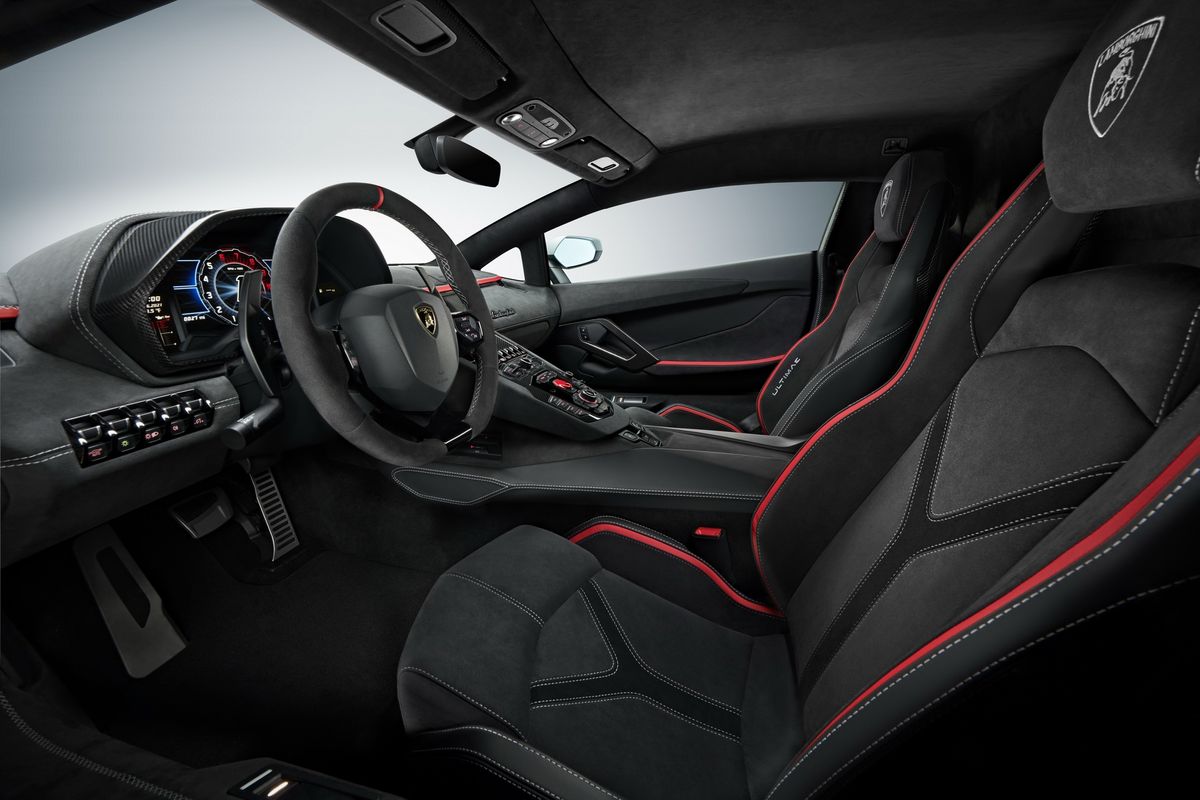
Bugatti going Croatian (and electric). And now, the final atmospheric V12 Lamborghini. It has been a tough week for supercar fans.
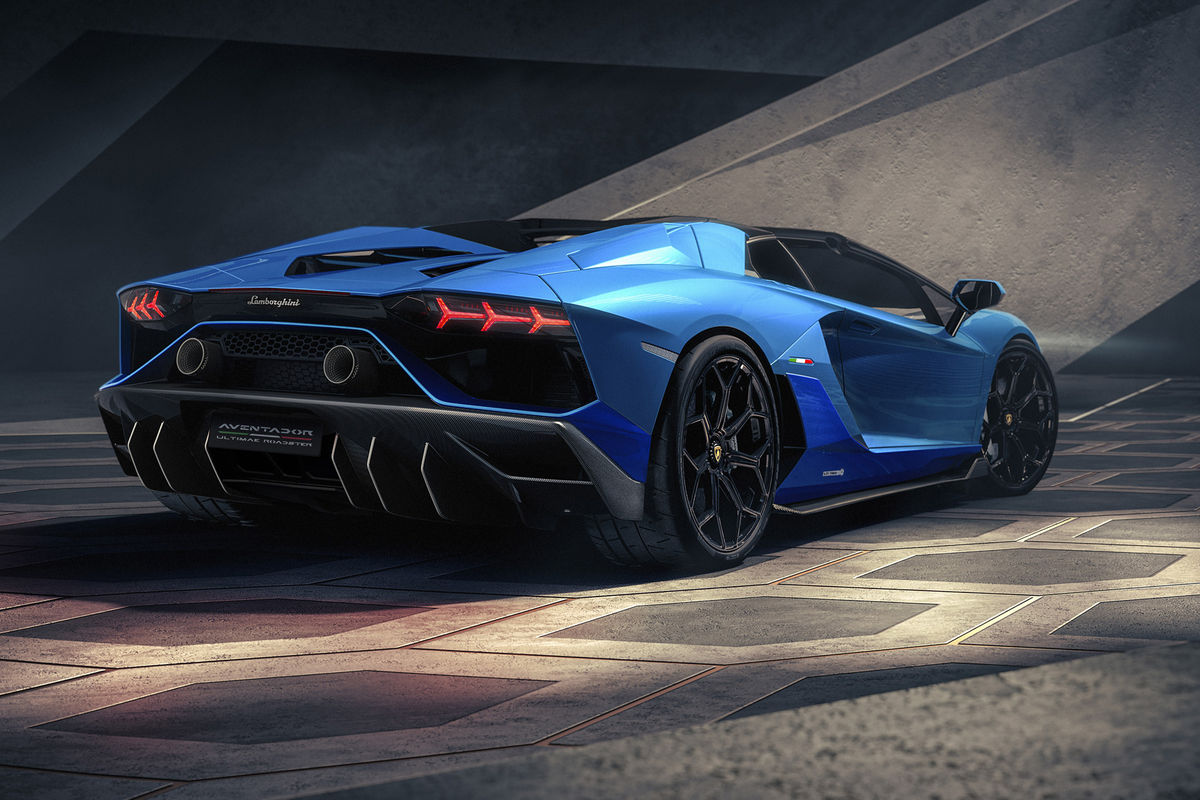
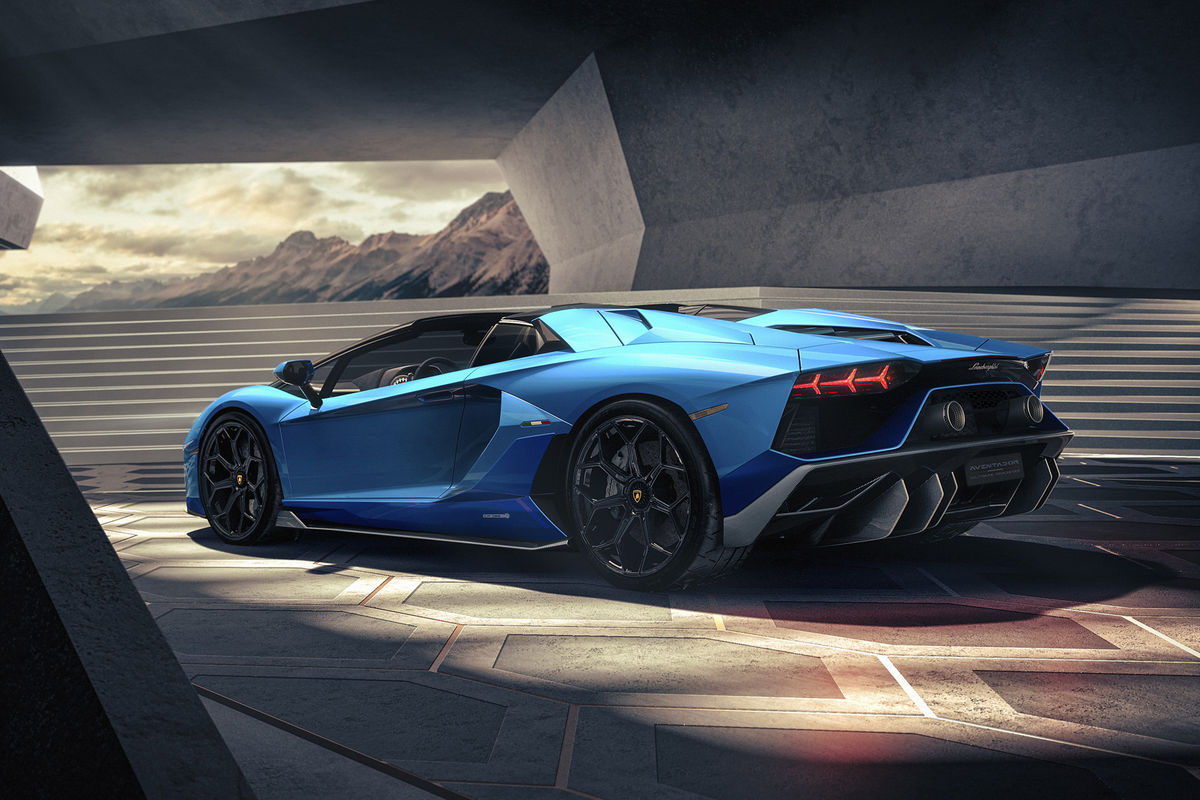
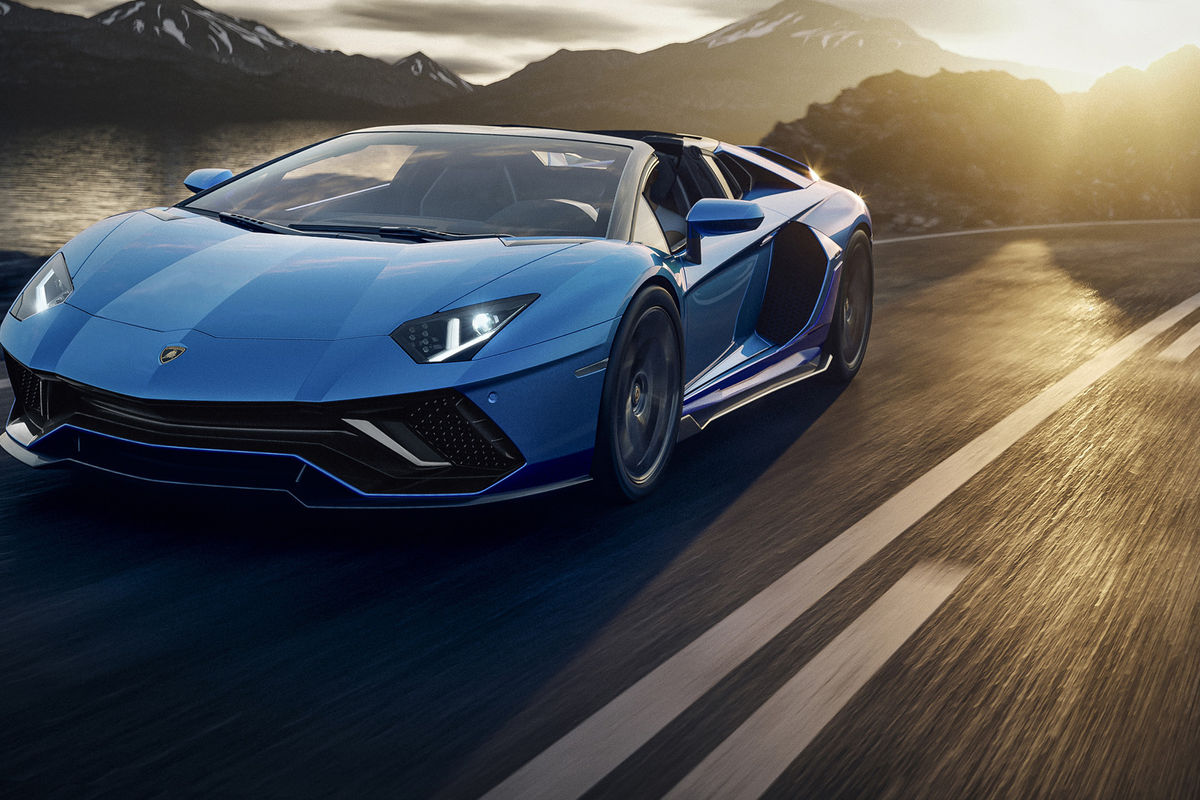
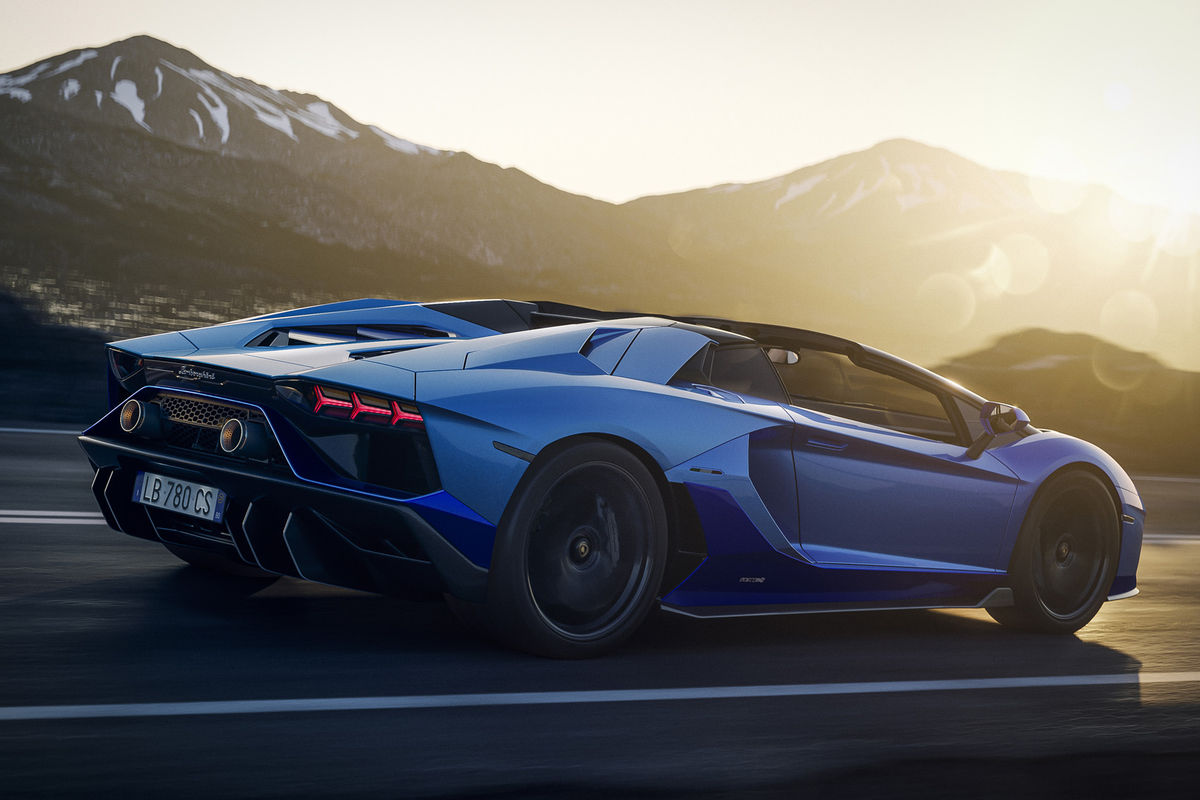
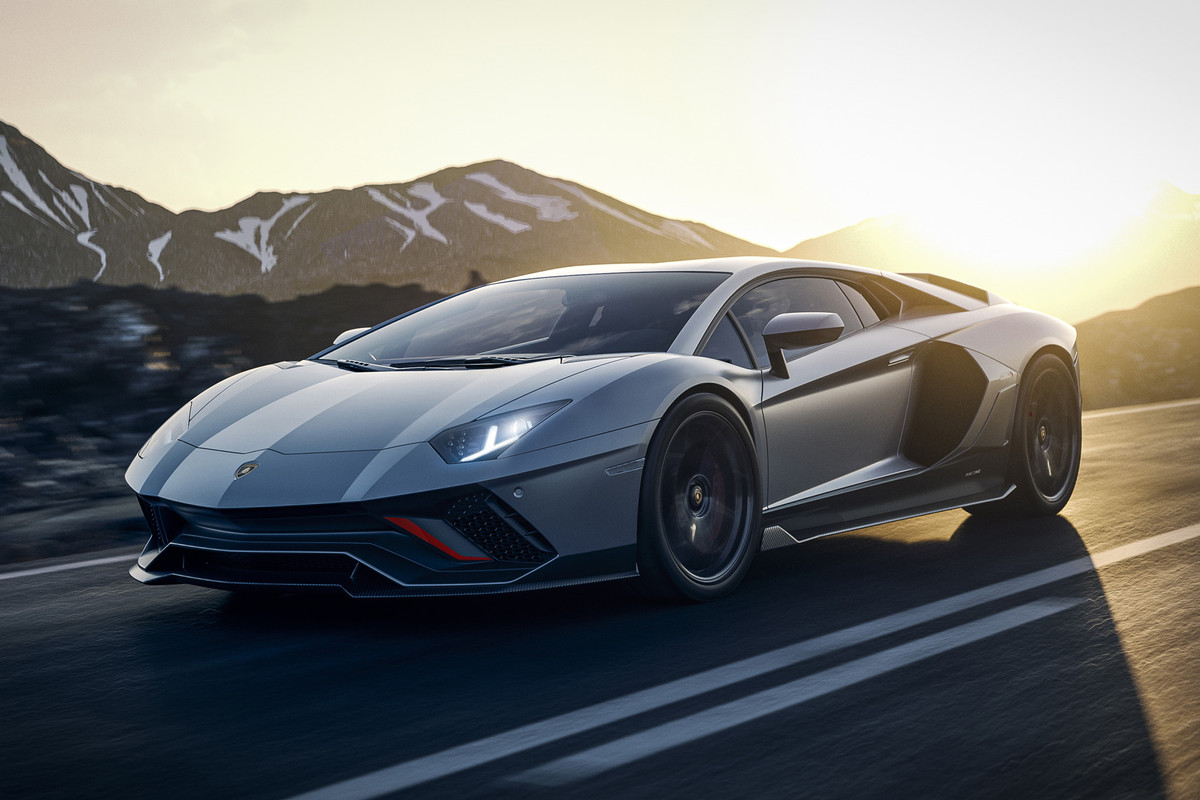
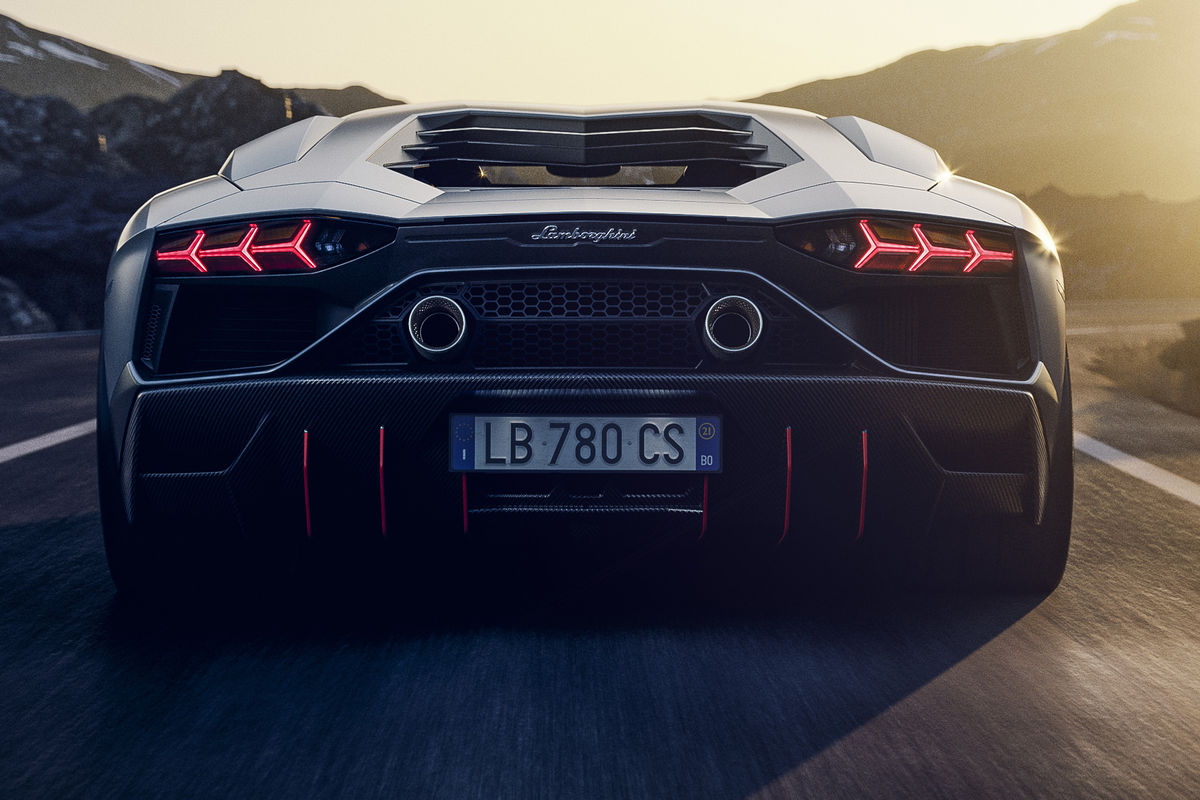
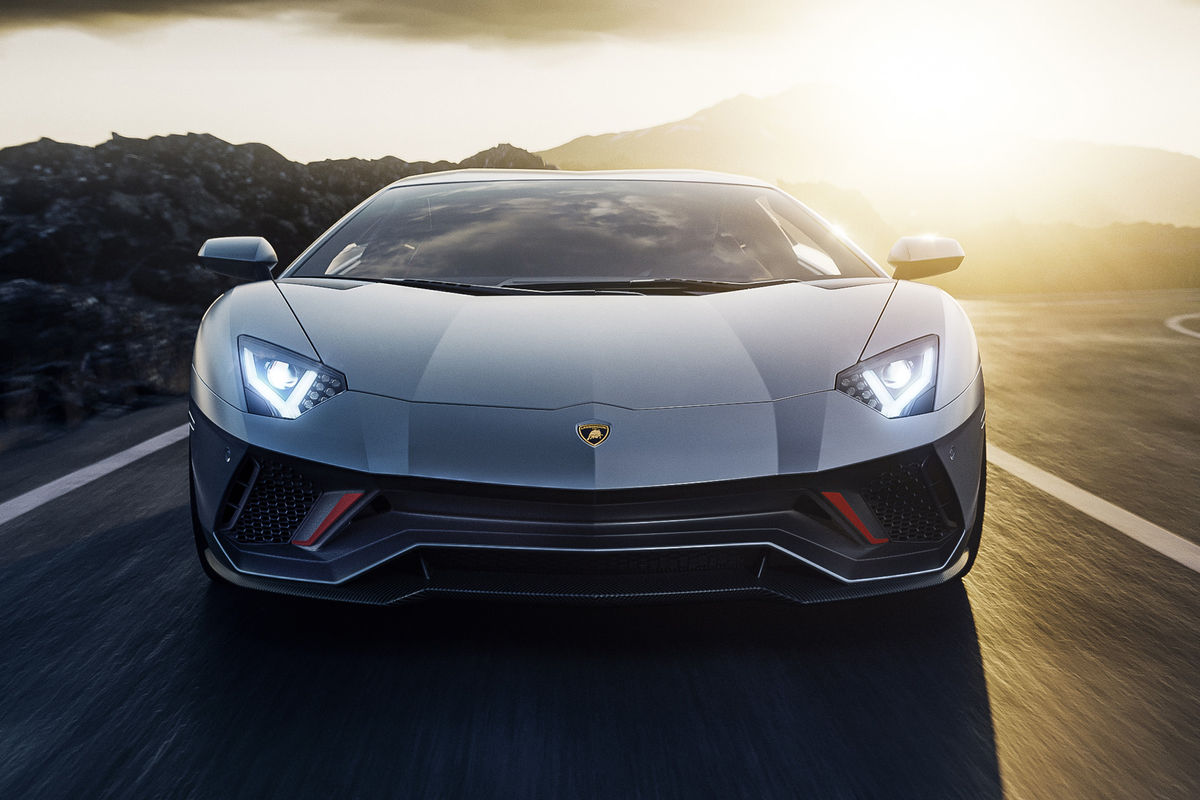
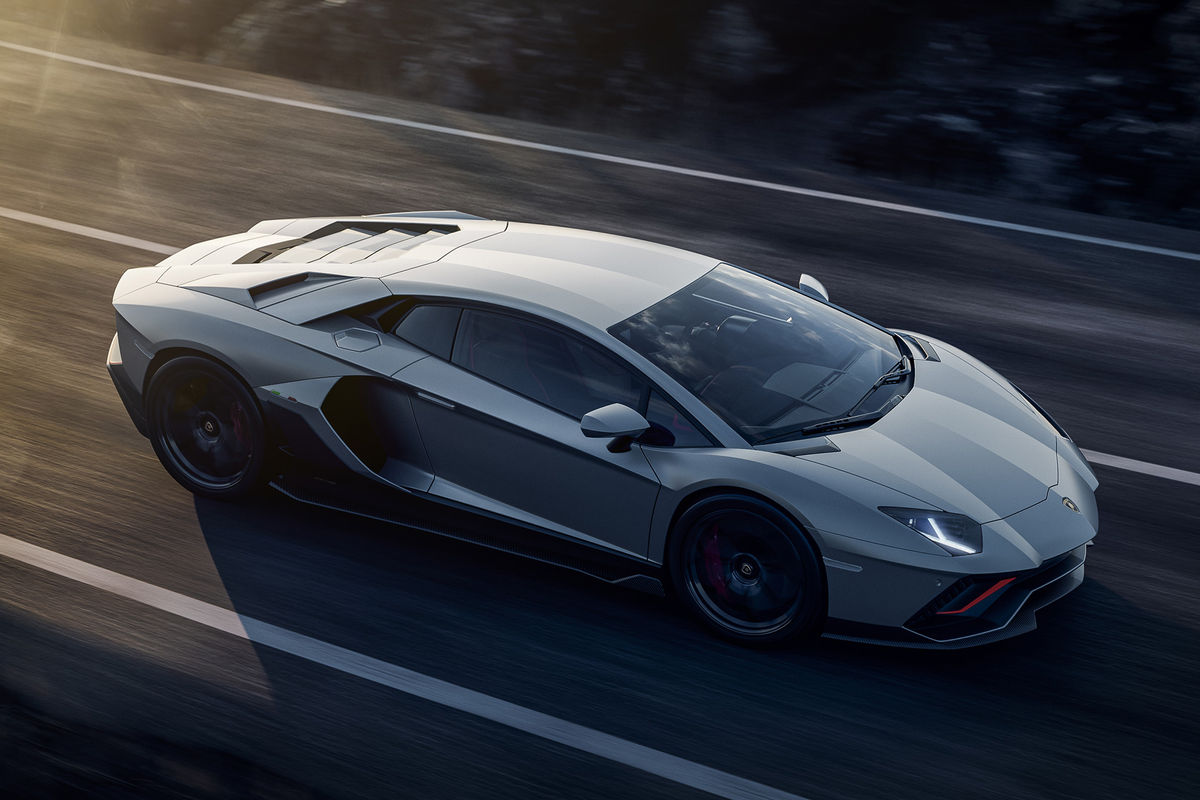
Lamborghini has announced that its fabled naturally-aspirated V12 engine, is being phased out. The final product to use this powerplant will be the brand’s Aventador LP 780-4 Ultimate.
Reality has finally caught up with Lamborghini’s ambitions and the company can no longer resist legislations around fleet vehicle emissions. This might not mean an end to V12 engines for Lamborghinis, but in future, they most certainly will be hybridized.
In typical Italian style, Lamborghini is making its very last naturally-aspirated V12 engines the most potent. Powering the Aventador LP 780-4 Ultimate will be a 574 kW version of the huge 6.5-litre V12. That makes this final Aventador V12, 29 kW more potent than an Aventador S and 7 kW stronger than the SVJ edition.
The engine doesn’t lack for torque, either, at 720 Nm. Harnessed by all-wheel drive, the Aventador LP 780-4 Ultimate has prodigious performance. Lamborghini claims 0-100 kph in only 2.8 seconds and a top speed of 355 kph.
For many prospective owners, the true appeal of this Aventador LP 780-4 Ultimate is not the statistics, but rather the linear power delivery of its engine, undiluted by turbocharging. The result? A usable engine speed ceiling of 8 500 rpm, which conclusively makes the case of why enthusiast drivers will miss naturally-aspirated engines, so much.
The overall design is slightly more to the theme of legacy instead of outrageous hypercar drama, although Lamborghini has not been shy with the presence of carbon fibre. That helps trim the Aventador LP 780-4 Ultimate’s weight to only 1 550 kg. Not bad, for a V12-powered supercar.
How many of these final naturally-aspirated V12 Lamborghinis will there be? Total production will peak at only 600 units, with 350 of those being coupes and the balance, being roadsters.

















%20-%20005_1800x1800.jpg?tr=w-800)
%20-%20035_1800x1800.jpg?tr=w-800)
%20-%20022_1800x1800.jpg?tr=w-800)
%20-%20051_1800x1800.jpg?tr=w-800)
%20-%20081_1800x1800.jpg?tr=w-800)