Brace yourselves, motorists as the Automobile Association of SA is forecasting steep increases in the price of petrol, diesel and paraffin. Here’s why.
A number of factors have contributed to the predicted fuel price hikes, but more seriously, the AA is calling on South Africans to limit all non-essential travel as potential fuel shortages could happen. One of SA’s biggest refineries is based in Durban and in light of the recent civil unrest, has been shut down. This South African Petroleum Refiners (SAPREF) facility supplies 35% of SA’s fuel.
“SAPREF’s declaration of force majeure means that events beyond its control – the recent lawlessness – has forced it to shut down the refinery,” the Association explains. The AA warns that if an operational refinery were to be overrun by criminals, surrounding areas would be at great risk. “Past disasters involving refineries have polluted wide areas and claimed hundreds of lives, so SAPREF’s caution is justified. If the shutdown were to be protracted though, it could impact considerably on fuel supply to many areas, including Gauteng and other northern provinces inland,” it adds.
Other factors that are influencing the prices include the exchange range where the Rand/US Dollar has spiked since the 12th of June. SA imports a fair amount of fuel, which will now obviously cost more. Compounding this is the international price of oil which has been steadily increasing.
So, what’s the bad news? The price of petrol is headed for an increase of 87 cents a litre, diesel 58 cents, and illuminating paraffin 56 cents. Note that while the supply of fuel will not push the prices of fuels higher, the weakening Rand as a result of the riots will play a major role as the exchange rate is a key indicator for the SA fuel price.
What can be done? The AA says motorists should avoid unnecessary trips and not stockpile. “We also advise citizens to work remotely where possible, and our plea to business is to accommodate the difficulties their staff may face if mass transit is affected by fuel shortages” said the AA.
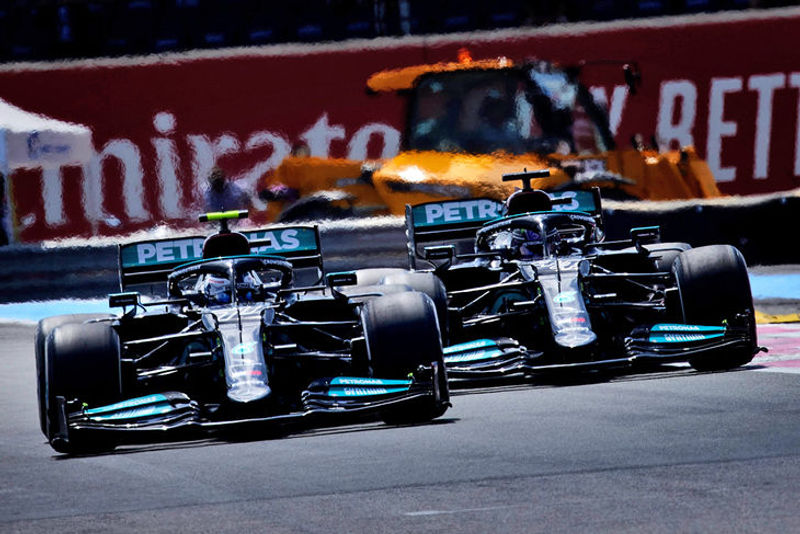
PETRONAS Syntium with CoolTech: From F1 to the road
By virtue of being an official technology partner to the 7-times FIA Formula One world championship-winning Mercedes-AMG team, PETRONAS has developed a range of PETRONAS Syntium with °CoolTech™ technology advanced oils to help you manage your car’s engine temperature, reduce stress on moving parts and prevent heat-related damage. These products are available from Engen and all official stockists nationwide.
PARTNERED CONTENT
Many modern cars’ internal combustion engines have been downsized (in other words, they have smaller capacities) and employ forced-induction technology (such as turbocharging), all of which has made them more fuel-efficient than their predecessors, but they also operate at higher temperatures than ever before. Internal lubrication (by means of engine oil) plays a critical part in transferring that heat away, and it’s under constant attack, causing loss of performance and damaging critical components through devastating metal-on-metal wear.
PETRONAS has taken all the learnings from its involvement in the world’s most demanding motorsport formula to develop PETRONAS Syntium with °CoolTech™ technology that goes to work deep in the heart of your car’s engine. Its strong oil chain performs under extreme pressure, allowing it to withstand and dissipate exceedingly high temperatures and maintain a strong, stable protective film over critical engine components, even at lower viscosities.
°CoolTech™ effectively absorbs and transfers the excessive heat that affects critical parts of your car’s engine and, by helping to regulate the motor’s internal temperature, PETRONAS Syntium defends those vital internal components from frictional damage to reduce wear – and optimise performance.
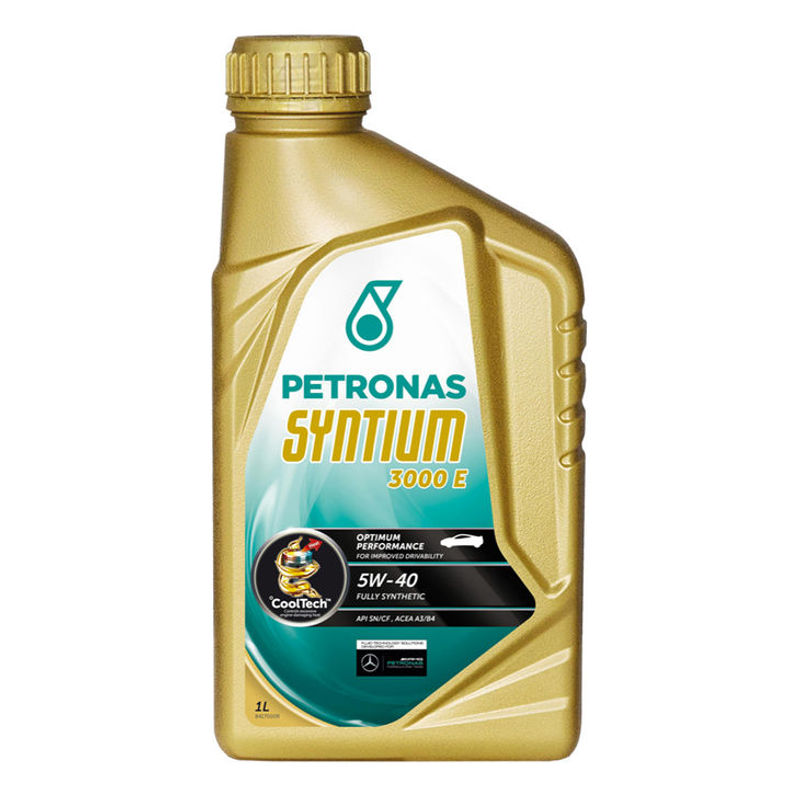
PETRONAS Syntium 3000 E 5W-40 is suitable for all types of passenger cars, including those with petrol and diesel engines (not equipped with a diesel particulate filter system) and the latest high-performance cars fitted with fuel injection, multi-valve setups, turbocharger/s or a supercharger that operate under the most severe conditions.
PETRONAS Syntium 3000 E 5W-40 is said to deliver outstanding high-temperature oxidation resistance and lubrication stability; it withstands lubricant evaporation loss to stop premature thermal degradation to help prevent engine failure from wear & tear; it facilitates superior fuel economy; has longer drain capability and provides instant lubrication at start-up.
PETRONAS Syntium 5000 AV 5W-30 is specially formulated for engines equipped with emission control devices such as diesel particulate filters and catalytic converters that run under the most extreme & demanding driving conditions. It was developed through PETRONAS’ extensive collaboration with major European car manufacturers and incorporates fully synthetic and environmentally-friendly mid-SAPS lubricant technology.
PETRONAS Syntium 5000 AV 5W-30 delivers excellent protection to after-treatment exhaust systems and has exceptional thermal stability to protect against high-temperature-induced sludge and deposits for ultimate engine power and -cleanliness; it facilitates superior fuel economy and has exceptional shear stability to ensure optimum film thickness at all temperatures and climate conditions. Lastly, it provides instant lubrication at start-up.
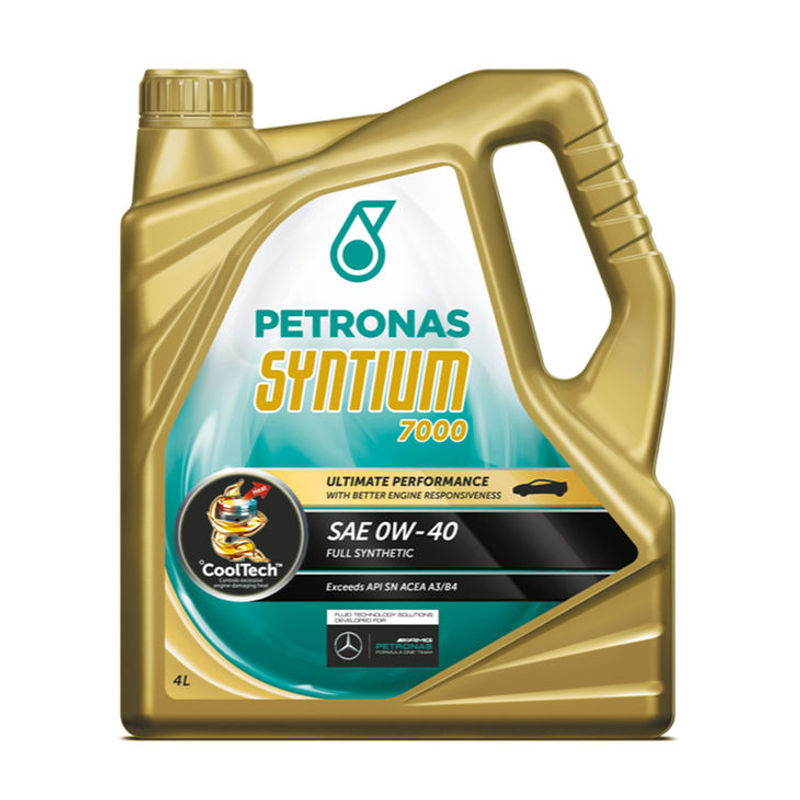
PETRONAS Syntium 7000 0W-40 is suitable for all applicable types of passenger cars including petrol and diesel engines (not equipped with a diesel particulate filter system), as well as the latest high-performance cars fitted with, inter alia, fuel injection, multi-valve setups, turbocharger/s or a supercharger that operate under the most severe conditions.
Apart from delivering outstanding high-temperature oxidation resistance and lubrication stability, PETRONAS Syntium 7000 0W-40 offers exceptional high-temperature control to improve drivability and enhance engine performance; it can also withstand high-temperature lubrication evaporation loss to stop premature thermal degradation to help prevent engine failure as a result of wear & tear. Lastly, it provides instant lubrication at engine start-up.
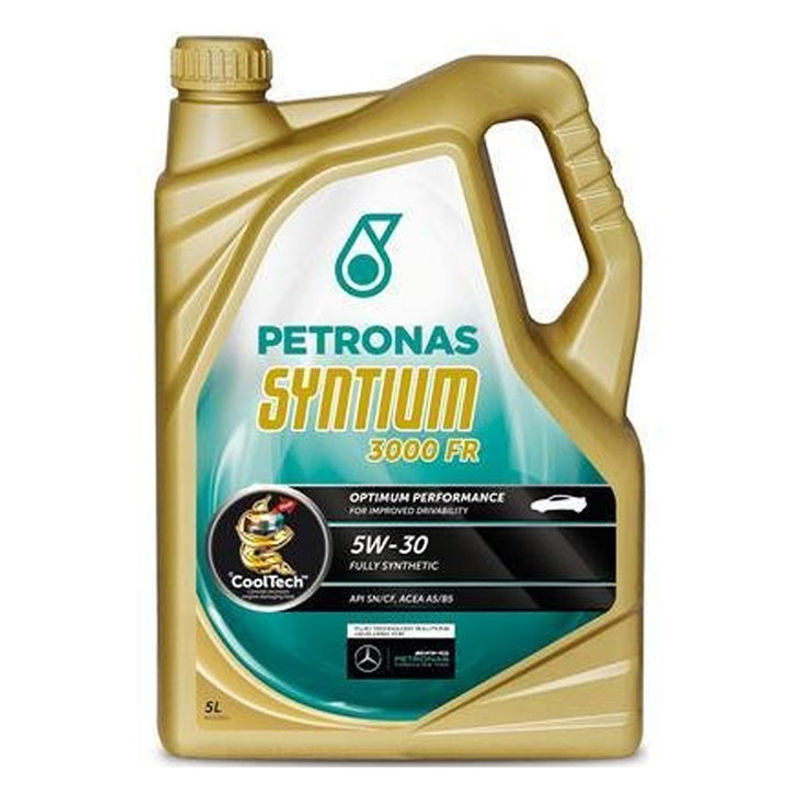
PETRONAS Syntium 3000 FR 5W-30 is suitable for all types of passenger vehicles that run on petrol, diesel, ethanol, compressed natural gas, as well as flex-fuel engines. This includes some of the latest high-performance cars that operate under the most severe conditions.
Apart from delivering outstanding high-temperature oxidation resistance and lubrication stability, PETRONAS Syntium 3000 FR 5W-30 withstands high-temperature lubrication evaporation loss to stop premature thermal oil degradation; it facilitates superior fuel economy; it offers superior reduction of engine deposits and component wear to deliver maximised responsiveness from the engine. Lastly, it provides instant lubrication at engine start-up.
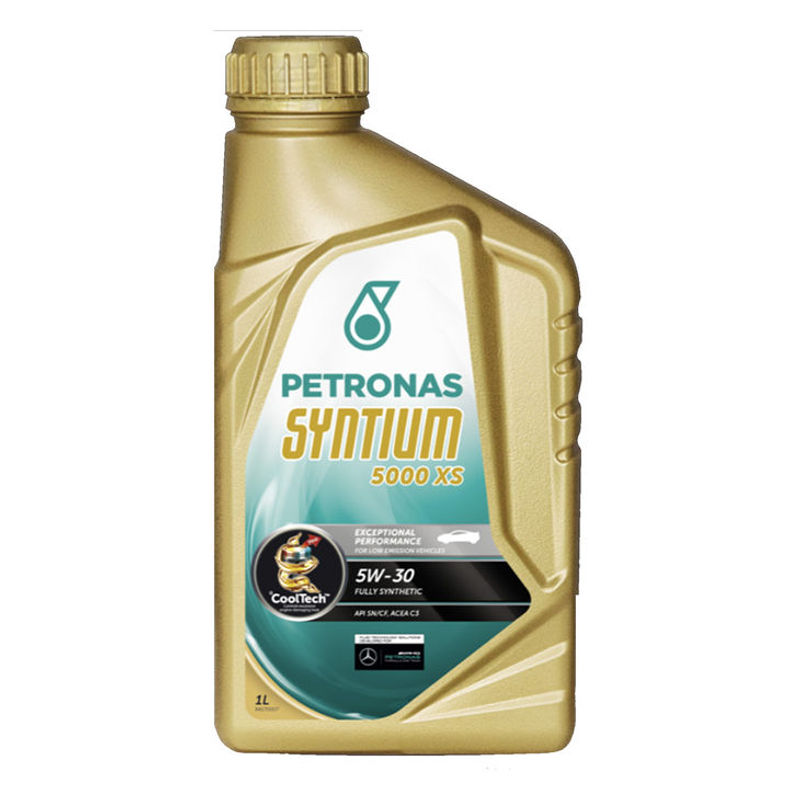
PETRONAS Syntium 5000 XS 5W-30 is suitable for all types of passenger cars including those with petrol and diesel engines (that are equipped with after-treatment exhaust systems), plus the latest high-performance cars fitted with, inter alia, fuel injection, multi-valve setups, turbocharger/s or a supercharger, that operate under the most severe conditions.
Apart from delivering outstanding high-temperature oxidation resistance and lubrication stability, PETRONAS Syntium 5000 XS 5W-30 provides outstanding high-temperature control to improve drivability and enhance engine performance; it withstands high-temperature lubrication evaporation; it offers excellent protection to after-treatment exhaust systems (up to 20% reduction for ash accumulation); it facilitates superior fuel economy; it has longer drain capability and, lastly, provides instant lubrication at engine start-up.
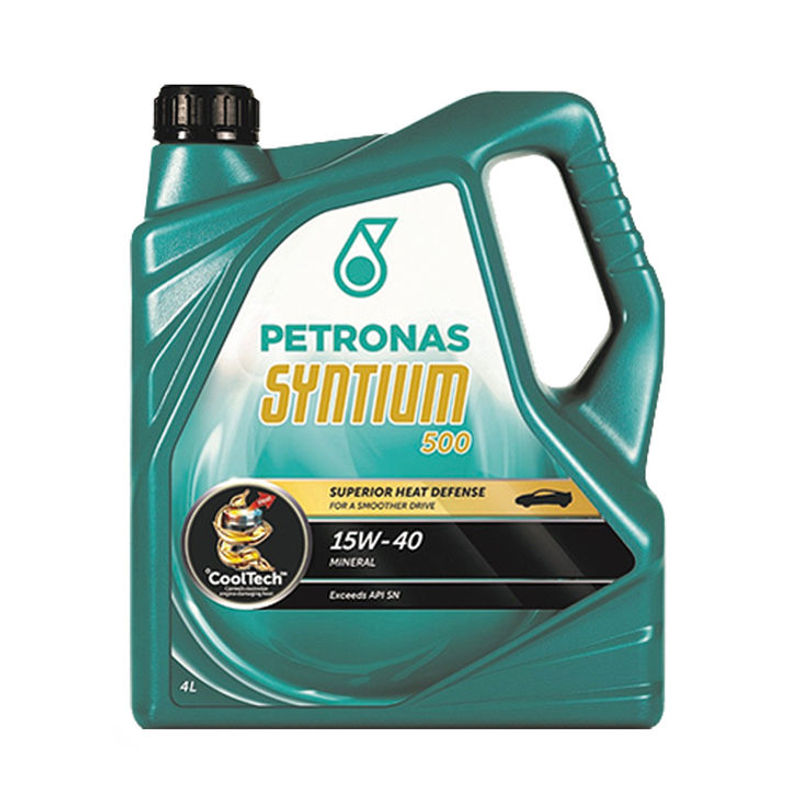
PETRONAS Syntium 500 15W-40 is recommended for use in most types of passenger cars including petrol-powered ones and the latest high-performance cars fitted with fuel injection, multi-valve setups, turbocharger/s or a supercharger that operate under the most extreme conditions.
PETRONAS Syntium 500 15W-40 delivers outstanding high-temperature oxidation control and delivers lubrication stability; it provides reliable protection against deposit and sludge formation and facilitates excellent performance under the most severe driving conditions.
PETRONAS Syntium with °CoolTech™ technology advanced oils is available from Engen and all official stockists nationwide.
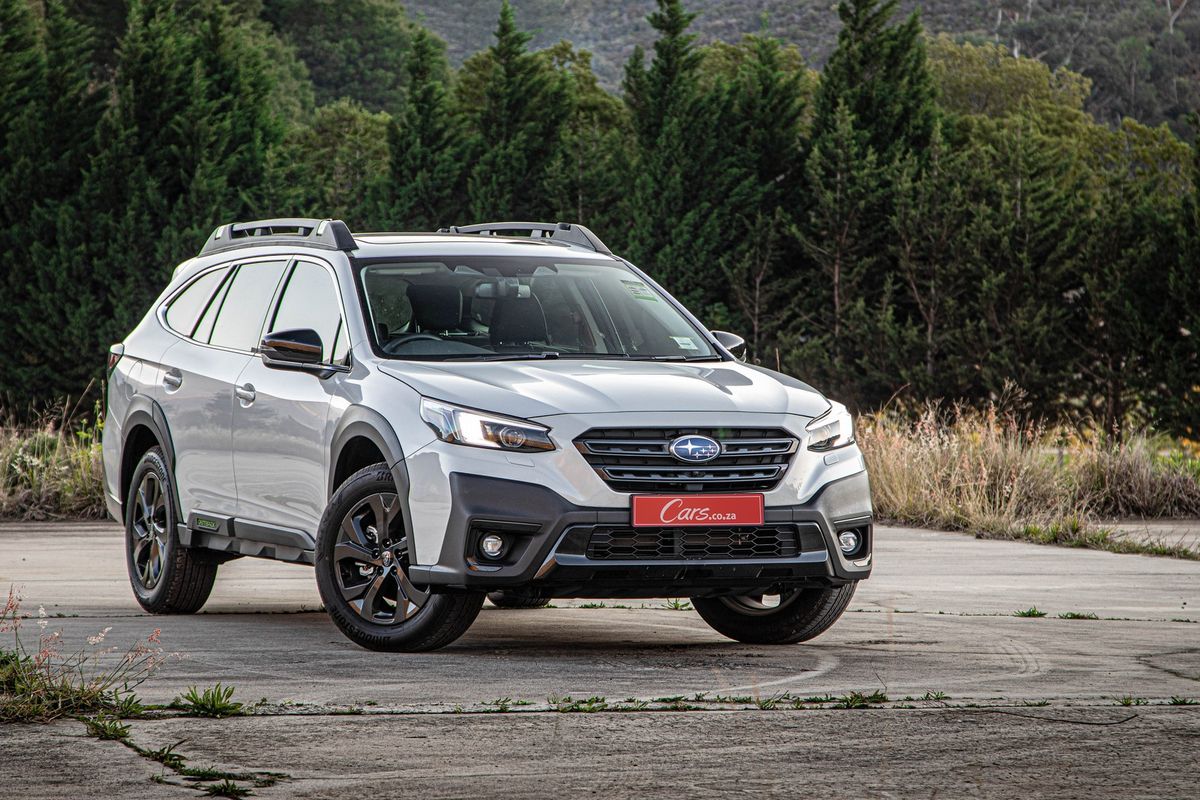
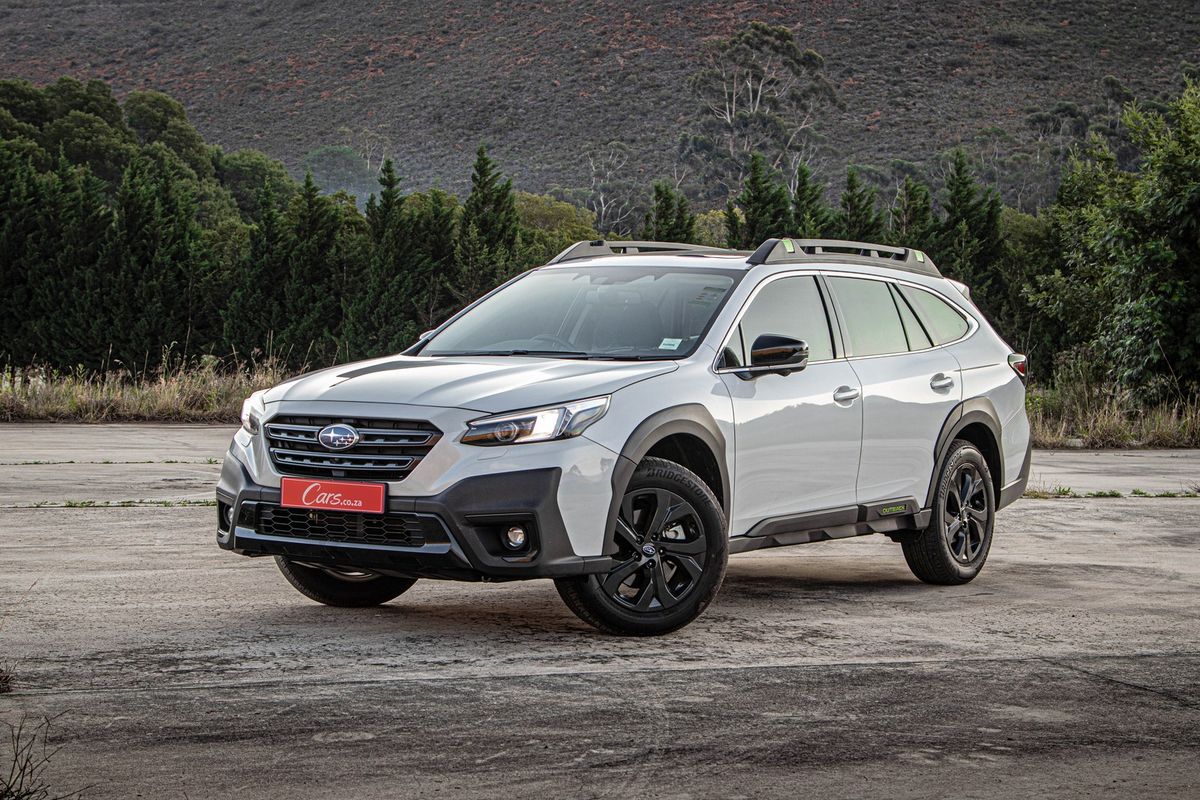
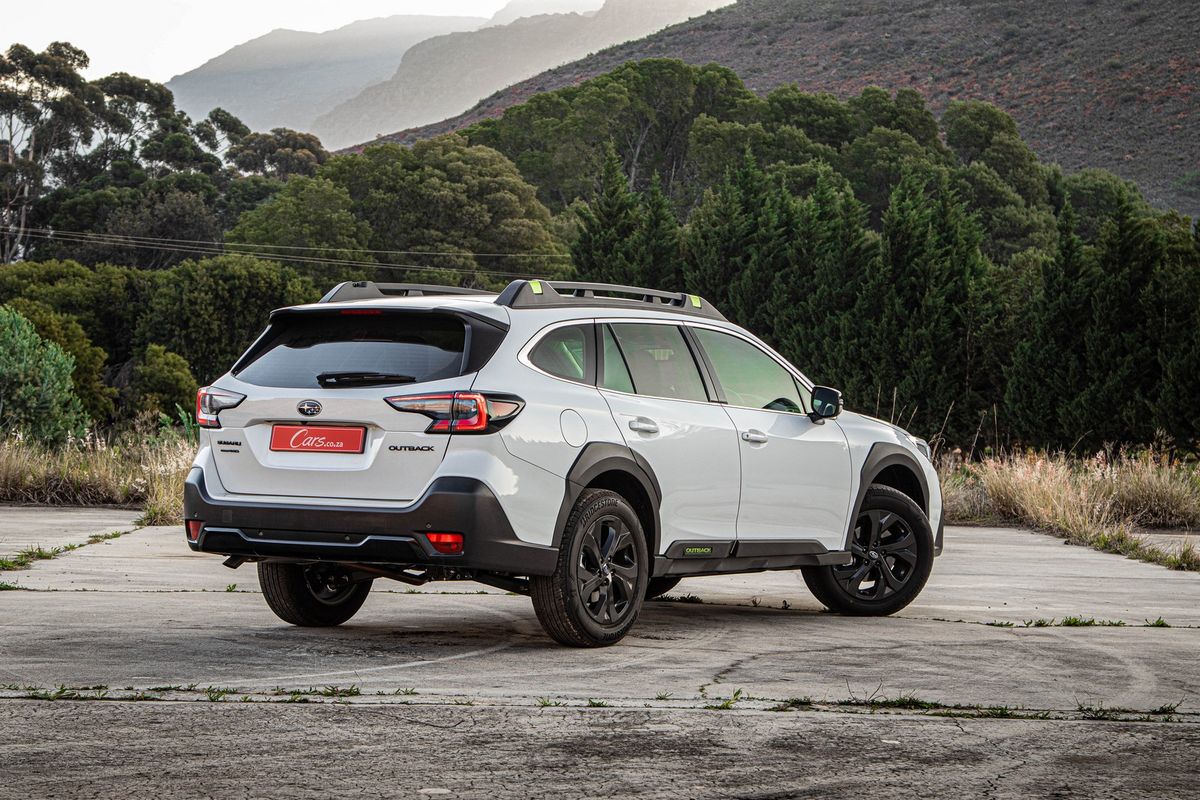
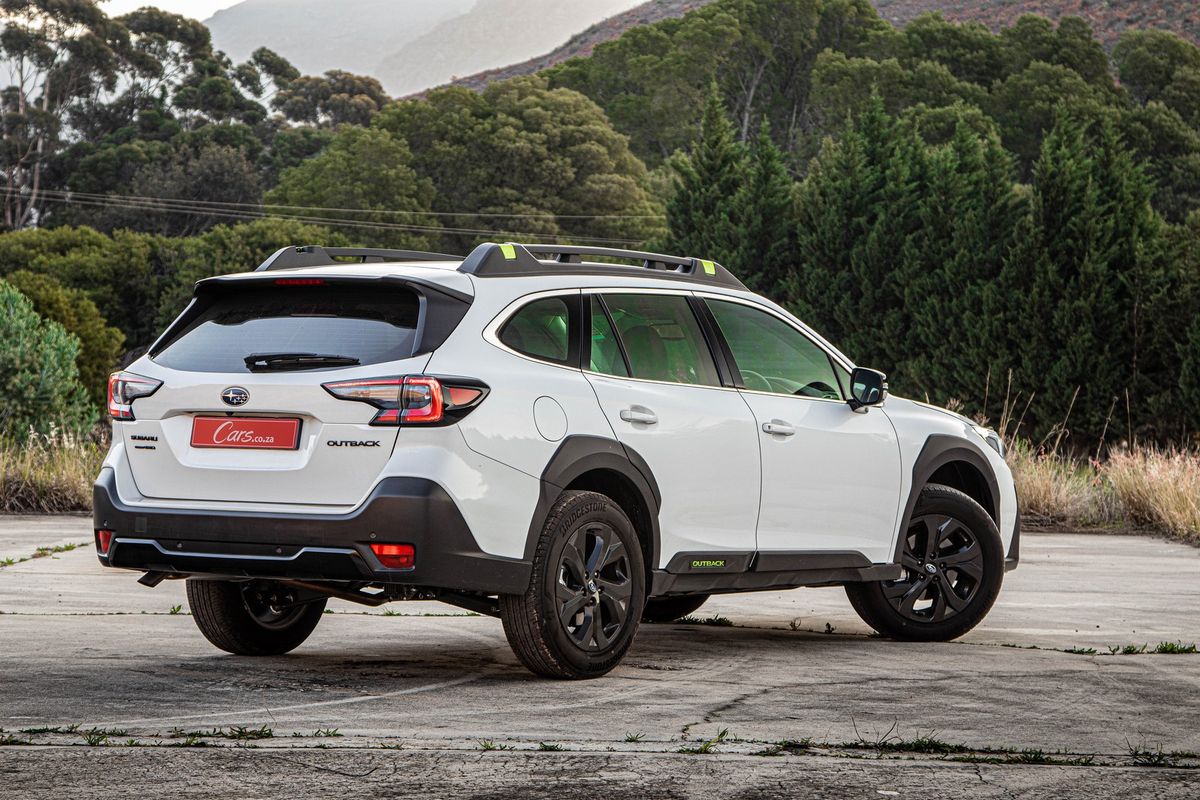
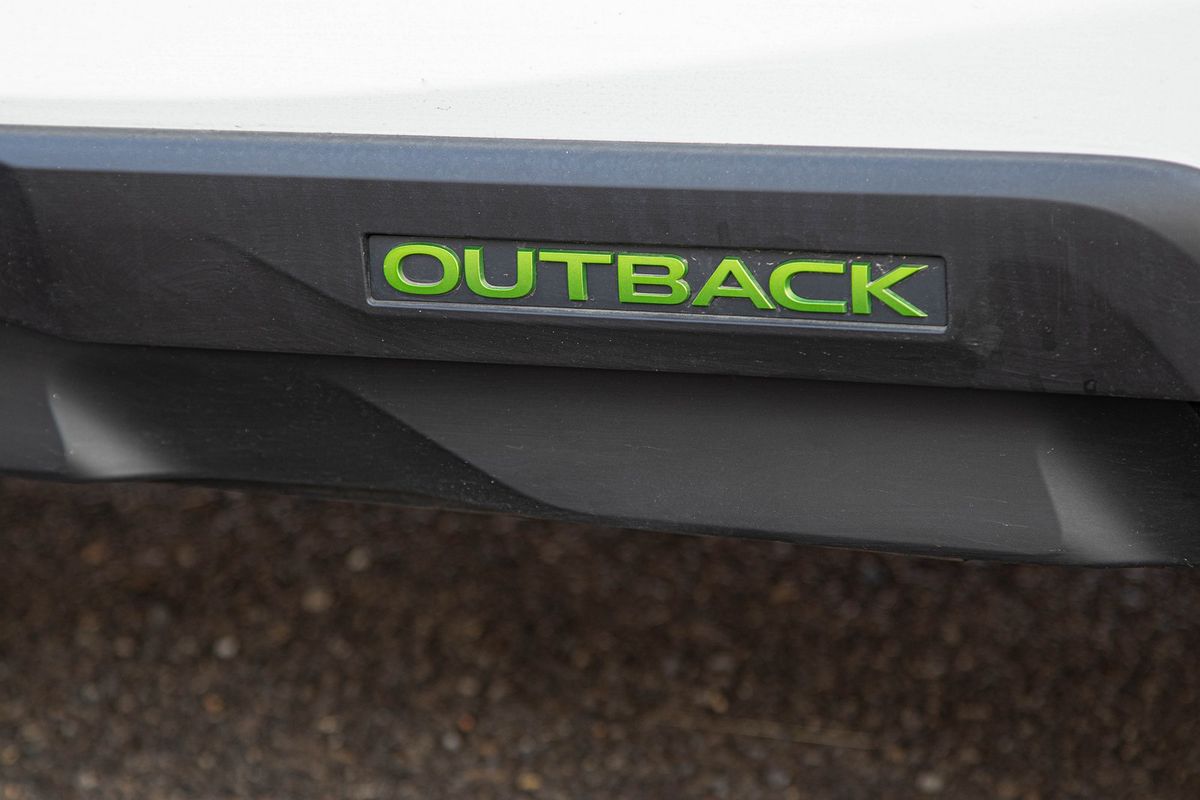
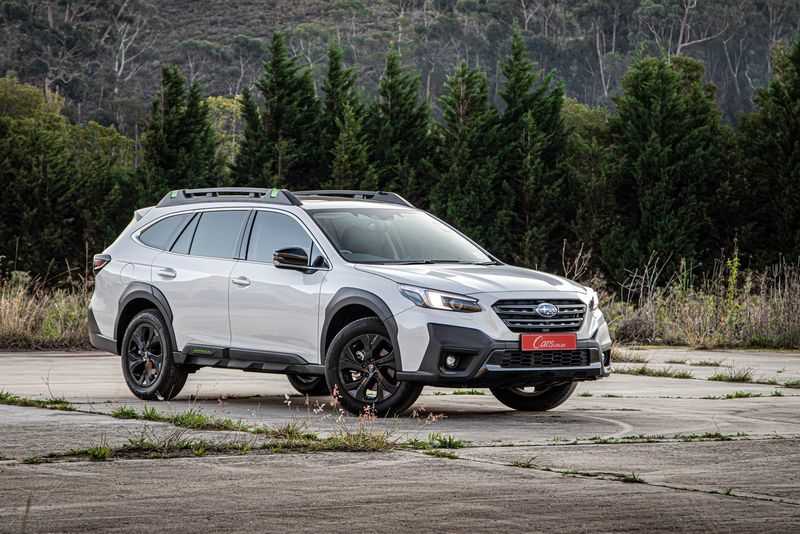
Subaru Outback (2021) Review
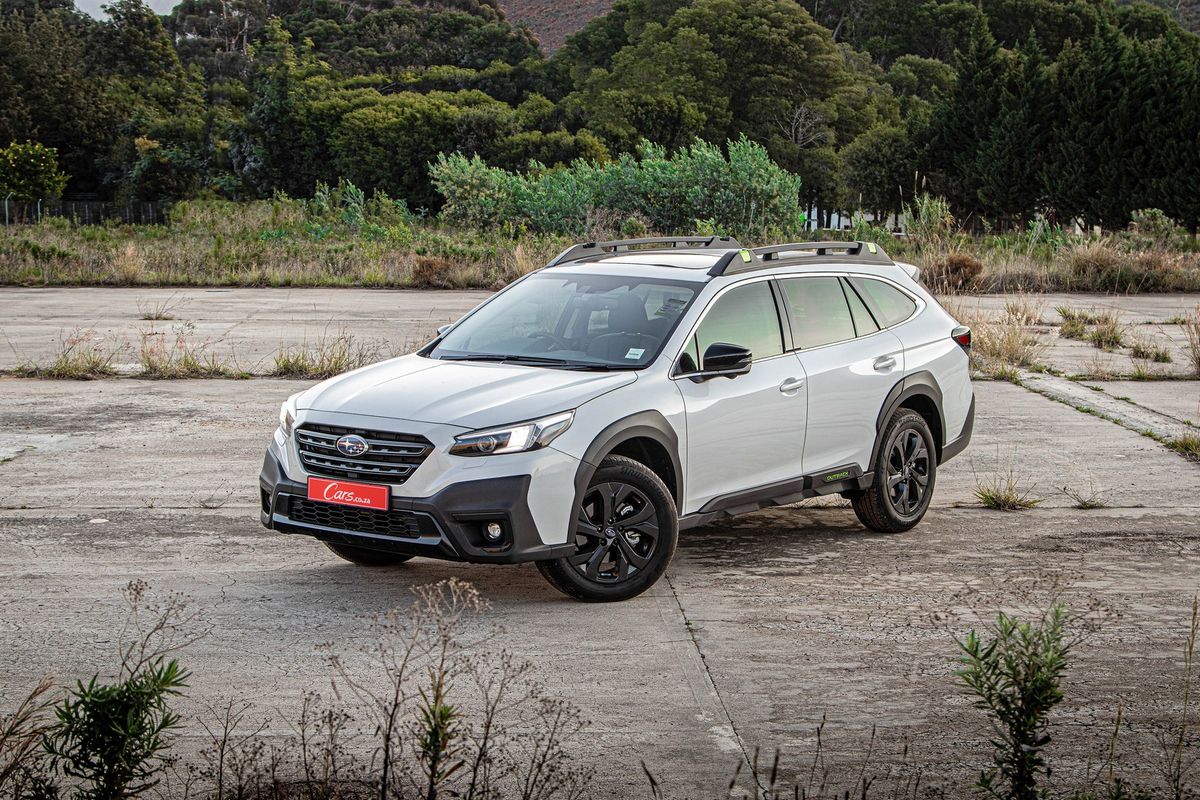
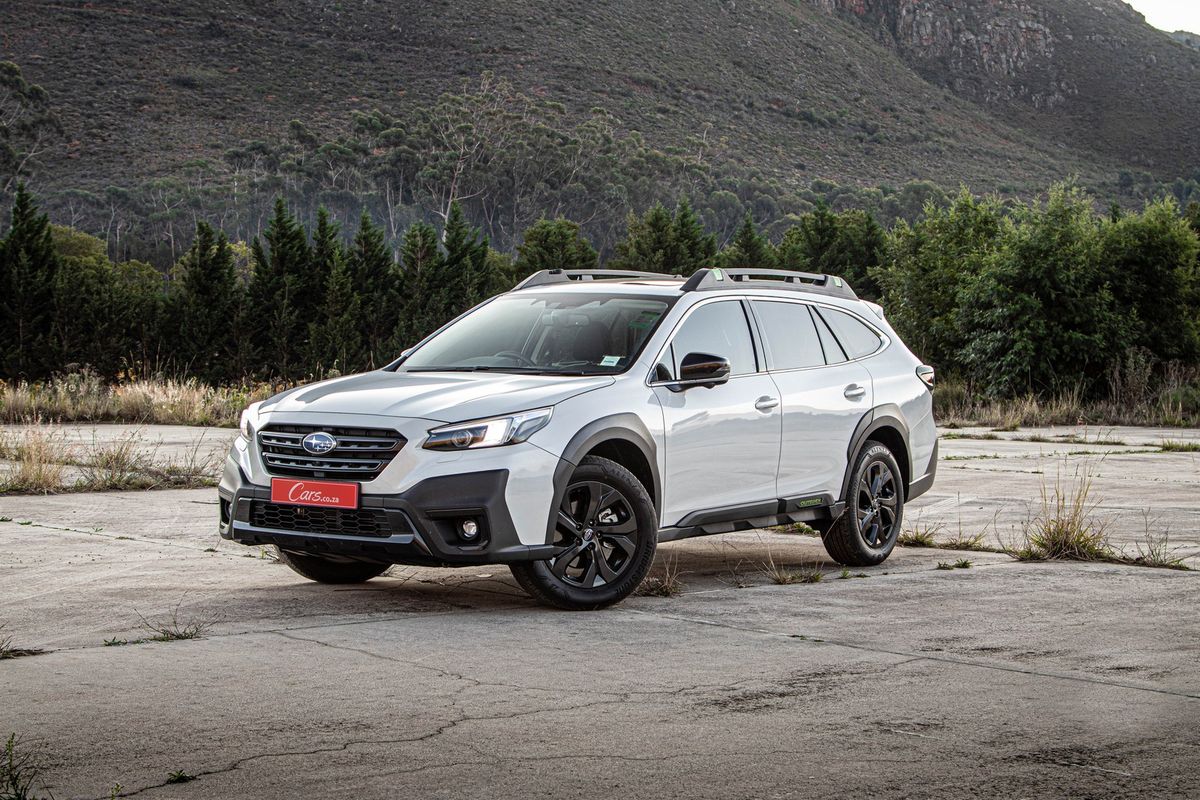
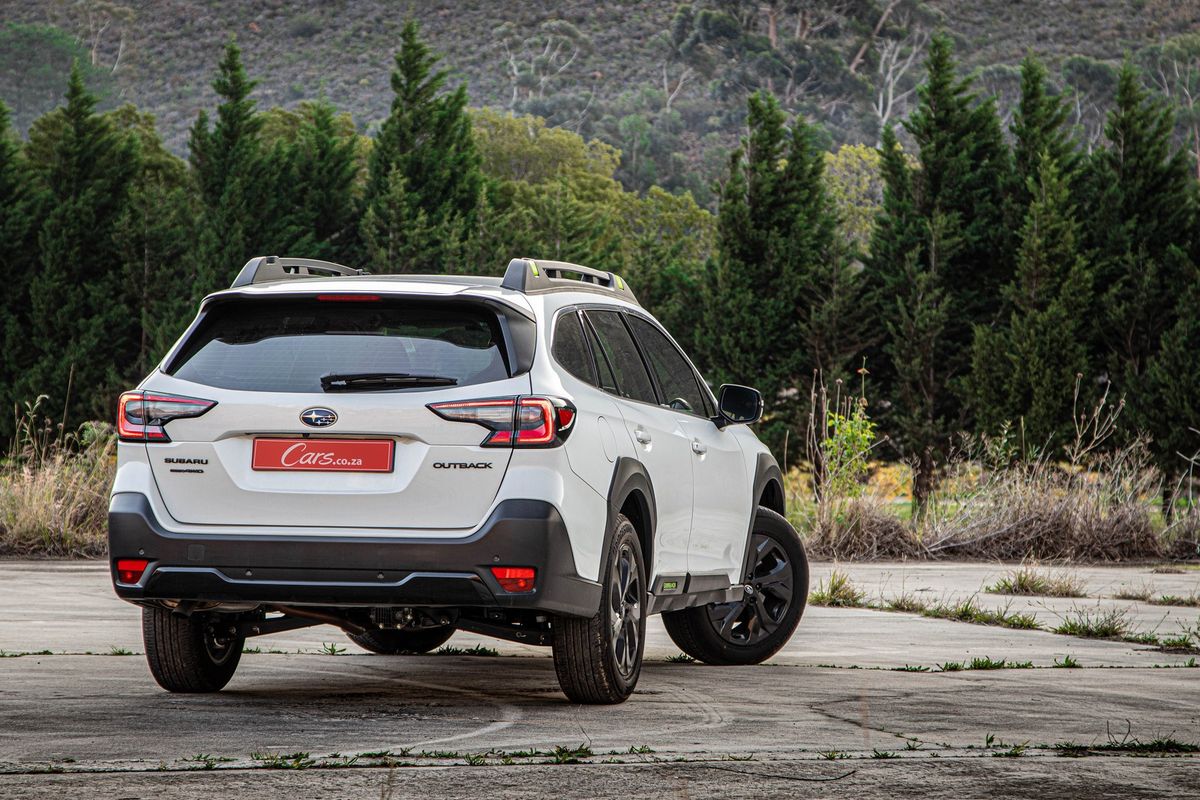
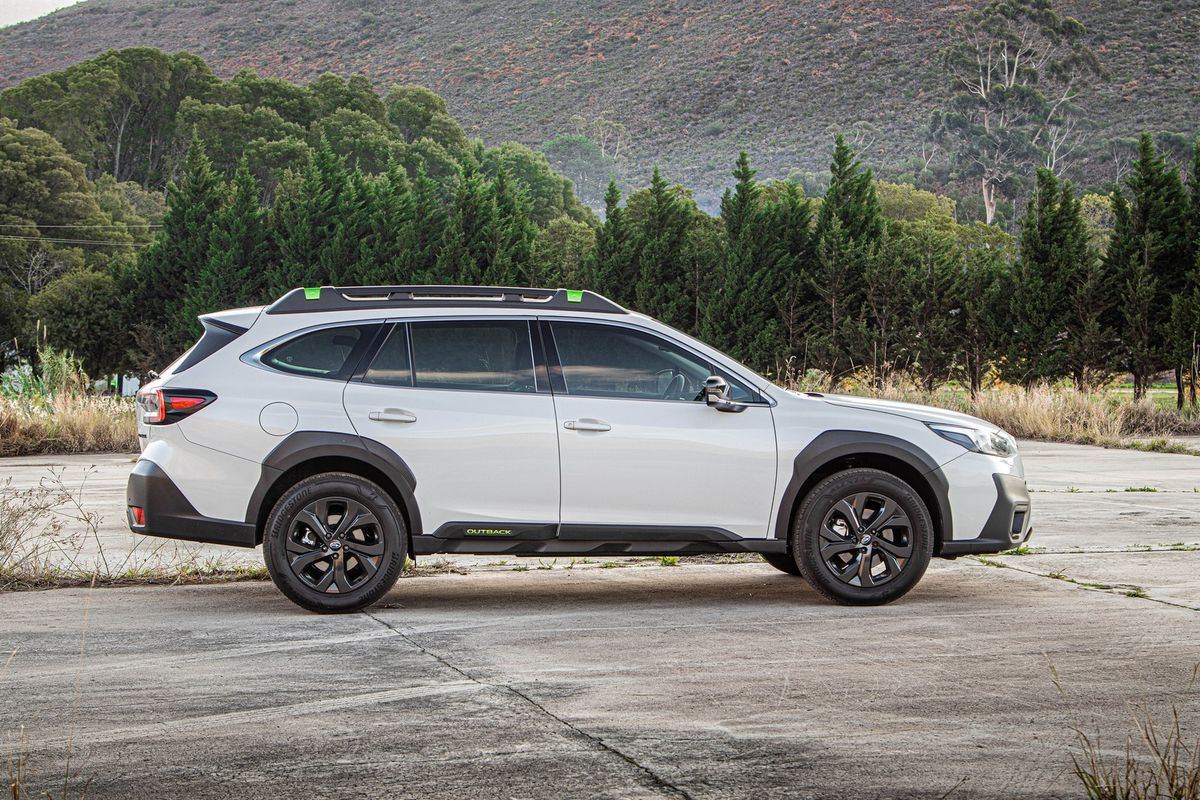
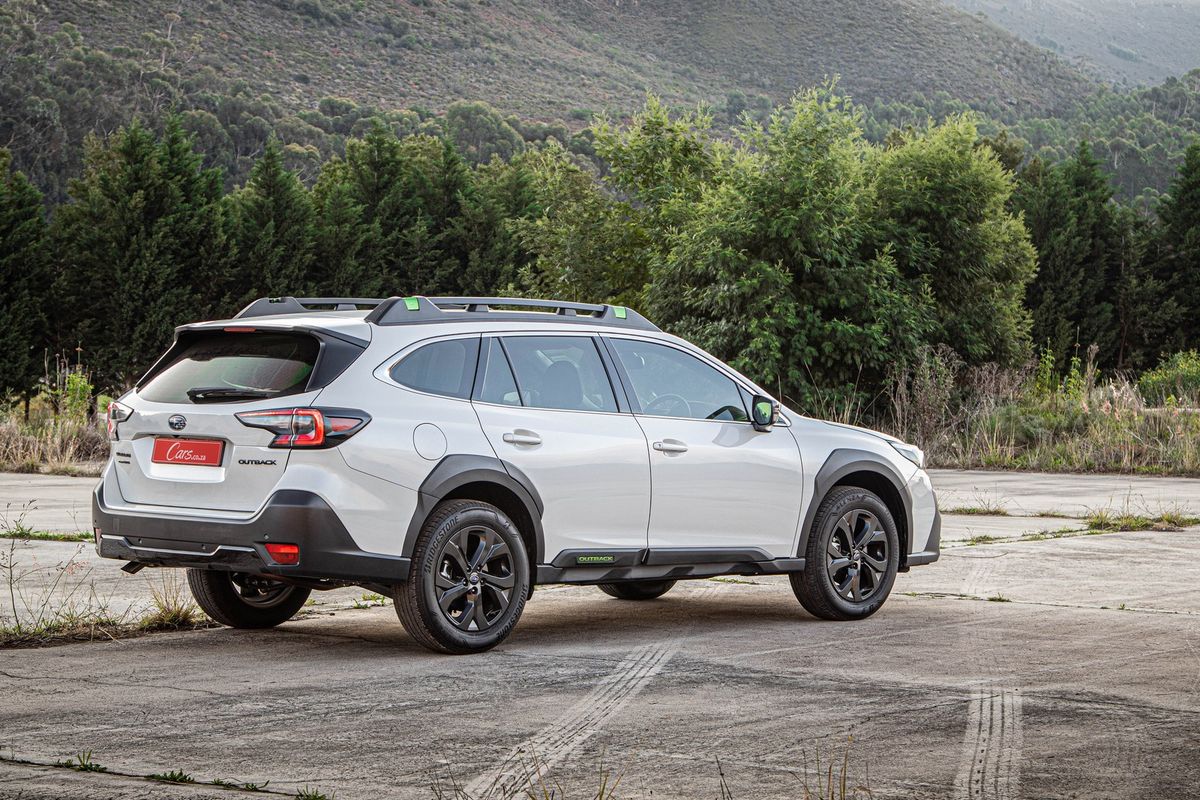
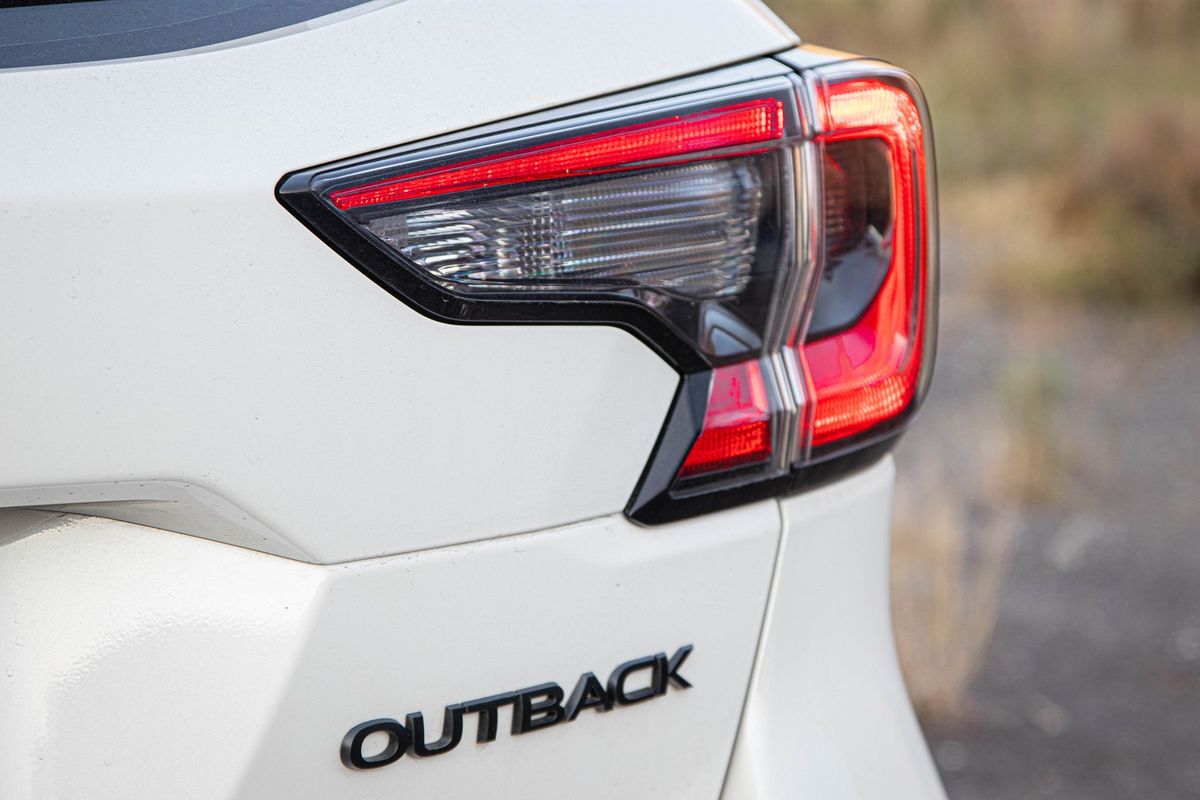
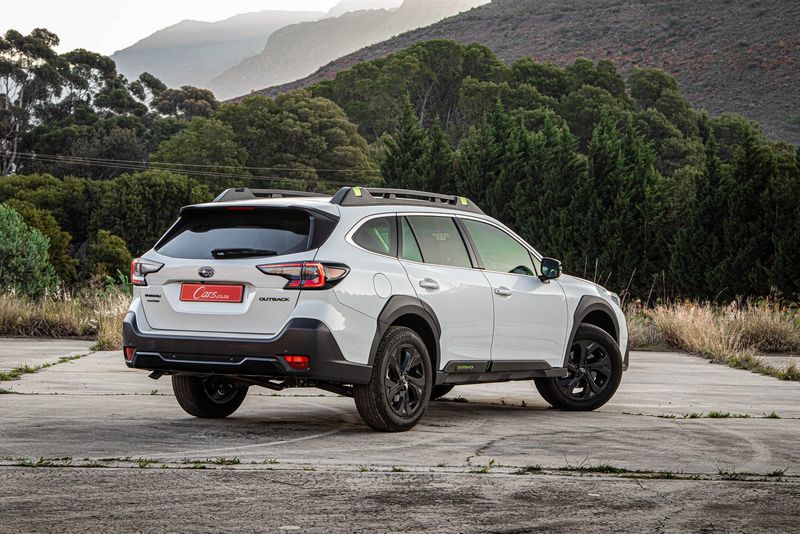
The all-new Subaru Outback has been introduced in South Africa and we took the opportunity to get acquainted with the all-wheel-drive newcomer’s (impressively broad) skillset. However, in a new vehicle market that’s obsessed with boxy SUVs, the Outback’s station-wagon packaging counts against it, unfortunately.
We like: Excellent ride quality, huge practicality, good offroad capability, a generous list of features.
We don’t like: Unengaging powertrain, intrusive safety systems, polarising design.
Fast Facts:
Model Tested:Subaru Outback 2.5i-Field ES
List Price: R699 000
Engine:2.5-litre naturally-aspirated 4-cylinder petrol
Power/Torque:138 kW/245 Nm
Transmission:CVT with steering wheel gearshift paddles
Fuel efficiency:7.3 L/100 km (claimed)
Load capacity:522-1 267 Litres
What is it?
The Subaru Outback is an off-road-capable station wagon and, throughout the years, the model has gained a small, but devoted local following. There may be only a few of them, but Outback owners have a near cult-like fanaticism and passion for their vehicles. Not only are Outbacks exceedingly practical – Subaru’s symmetrical all-wheel drive has proven itself time and again in tricky off-road conditions.
We previously tested an Outback (with a 3.6-litre flat-6 petrol motor back) in 2018, but for 2021, Subaru has given the Outback a number of enhancements. It’s bigger than the model that preceded it, but the real changes are under the sheet metal with, inter alia, enhanced safety features, a new infotainment system and an uprated powertrain.
As far as off-road-capable station wagons are concerned in the South African new-vehicle market, the Subaru Outback is largely peerless as many car companies just don’t sell “estate cars” anymore due to, they say, “a lack of sufficient customer demand”. Volvo SA will sell you a V90 Cross Country, but it’s an executive offering that’s priced way higher than the Subaru.
We then took a look at the SUV market with a price cap of R700k. The Toyota Fortuner in 2.4 GD-6 4×4, Mitsubishi Pajero Sport and Ford Everest 2.0 XLT 4×4 are all exceptionally capable and have the bonus of 7 seats, strong turbodiesel engines and diff-locks. However, those bakkie-based (Adventure) SUVs don’t offer the Subaru’s advanced safety systems and cannot match its refinement either.
A top-spec Toyota RAV4, Haval H9 and the ageing Nissan X-Trail are all rivals too, and there’s a family squabble afoot; the Subaru Forester makes a strong case for itself as an Outback alternative.
What is the Subaru Outback like to drive?
Virtually all the models in Subaru’s current product portfolio offer excellent on-road refinement and are palpably easy to drive – on a variety of surfaces, but the enhancements applied to the new Outback elevate the ‘wagon to a higher category. The model is built on Subaru’s Global Platform, which lends itself to quietness and comfort, and the cabin is well insulated from noise, vibration and harshness.
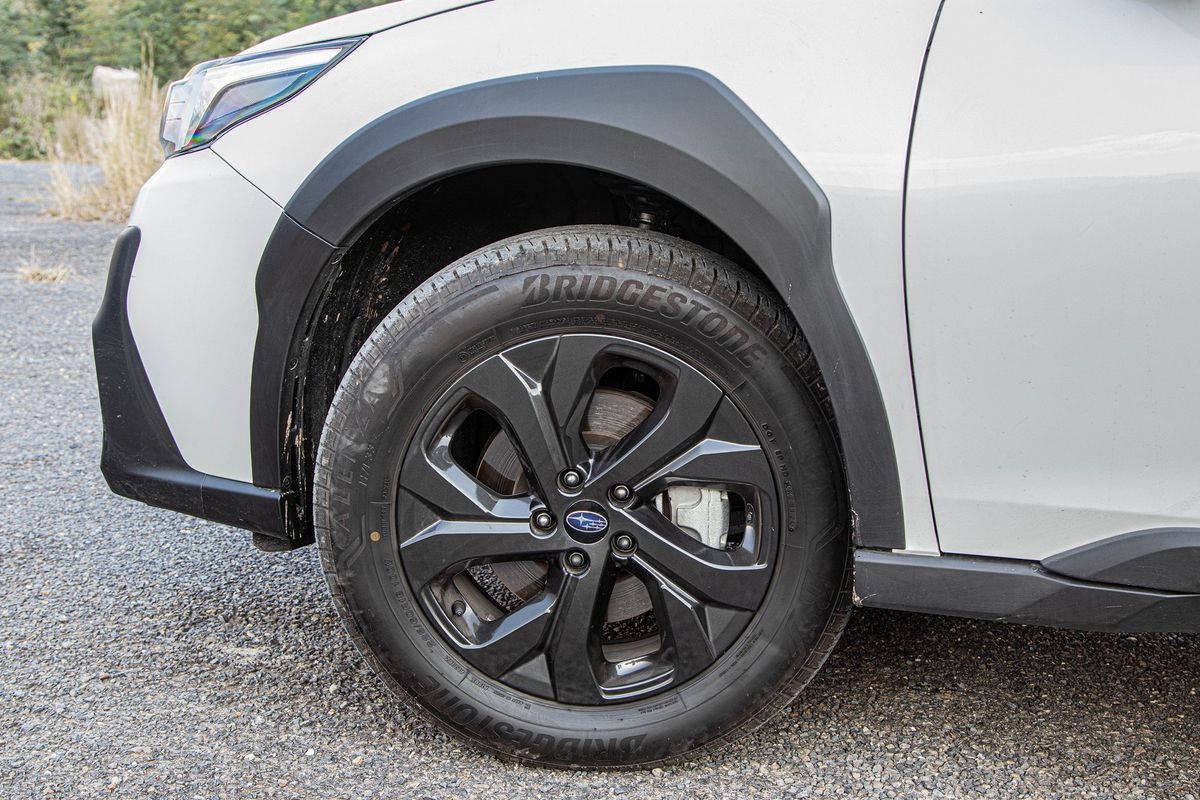
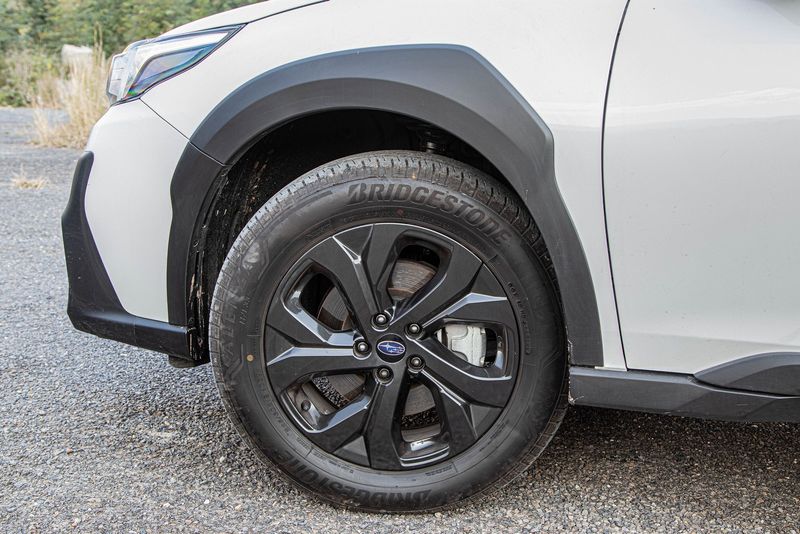
The Outback’s suspension setup prioritises pliancy – there’s not even a hint of sportiness, but the upshot of that is a truly absorbent ride quality – the Subaru’s underpinnings soak up all but the sharpest of road imperfections and the Bridgestone 225/60 R18 tyres generate very little rumble. The steering setup is light and direct, which helps a lot when you need to manoeuvre the lengthy Outback in town.
You may have noticed that we have yet to mention the Outback’s powertrain; that’s because while it does the basics right, it’s not as strong as those of past Subaru products… Gone are the days of turbocharged flat-4 and roaring flat-6 motors – this generation of Outback is powered by a 2.5-litre naturally-aspirated horizontally-opposed petrol engine that offers a bit more shove than before. Outputs are rated at 138 kW and 245 Nm, while all 4 wheels are driven via a continuously variable transmission (CVT). It’s telling that Subaru doesn’t claim a 0-100 kph time, but our estimates put it “in the 8s”.
Performance is merely adequate, but the Subaru’s engine-transmission combo makes up for it with admirable smoothness and low noise. The Outback does not like to be hurried – it’s best to drive the ‘wagon in a relaxed manner. If you flatten the accelerator pedal (for whatever reason), the Subaru’s powertrain will emit the typical “CVT drone”, although, to be fair, it’s certainly not the noisiest CVT setup that we’ve experienced. Throttle-response is rather leisurely, so overtaking manoeuvres need to be planned, but once the Outback’s reached the national speed limit, its engine settles down nicely.
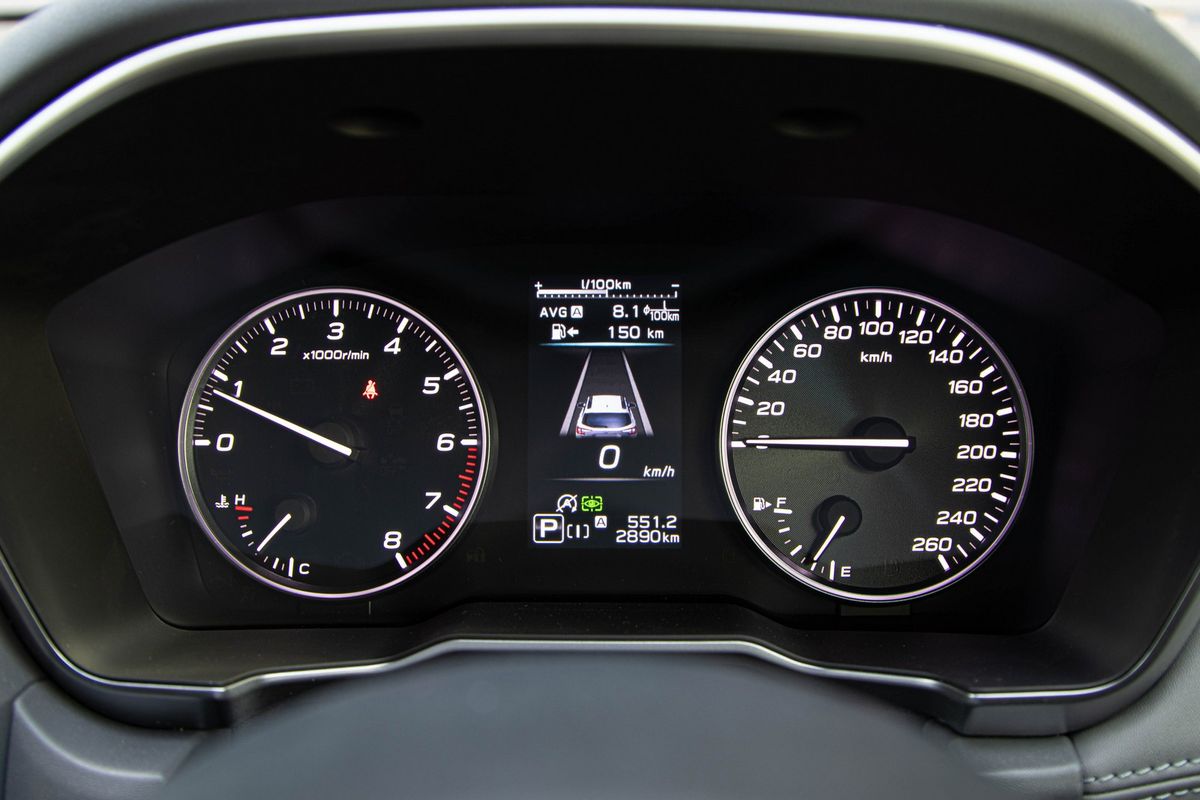
That being said, CVTs have come a long way and Subaru’s gearless transmissions are probably the best in the business right now. The chief benefit of the CVT is that it keeps the engine in its most fuel-efficient rev-range and while we were some way away from achieving the model’s claimed consumption figure of 7.3 L/100 km, we were satisfied with the Outback’s indicated return of 8.1 L/100 km.
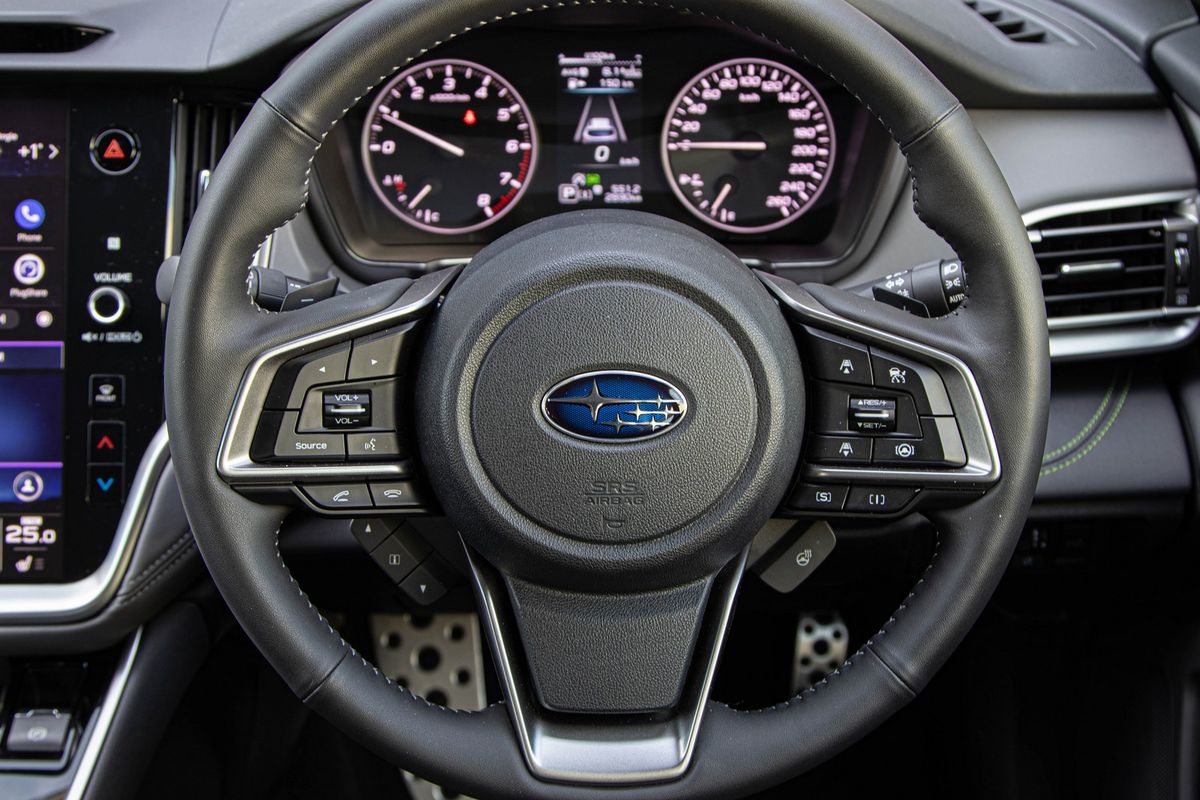
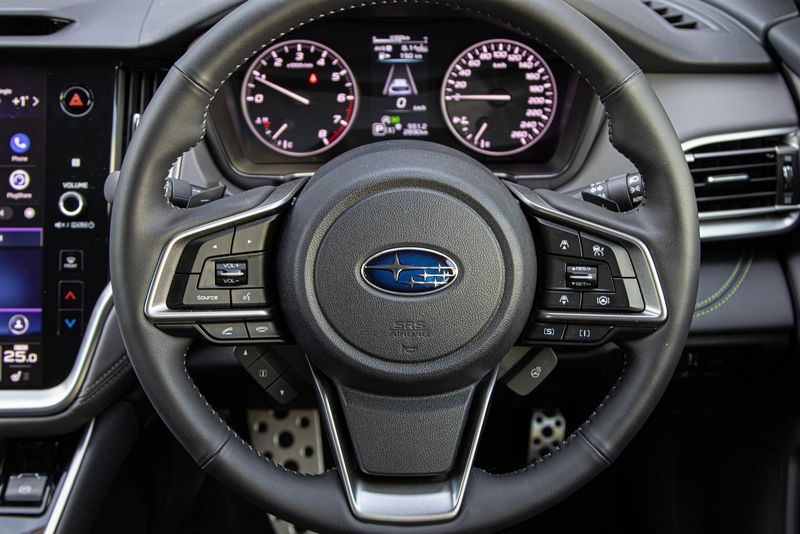
You can use the steering-wheel-mounted ‘shift paddles to actuate simulated “gear changes”. In tricky off-road conditions, it was handy to select that “1st gear” to double up as a makeshift low-range mode.
Is it adept at travelling off-road?
Of course, given that we’re reviewing a Subaru Outback, there needs to be some mention of the test unit’s off-road abilities. Starting with some basic gravel driving, we felt at ease pressing on at pace on gravel (and, sometimes, muddy) backroads. The level of stability the ‘wagon exhibited while traversing a flat gravel road at three-digit (kph) speeds was mightily impressive.
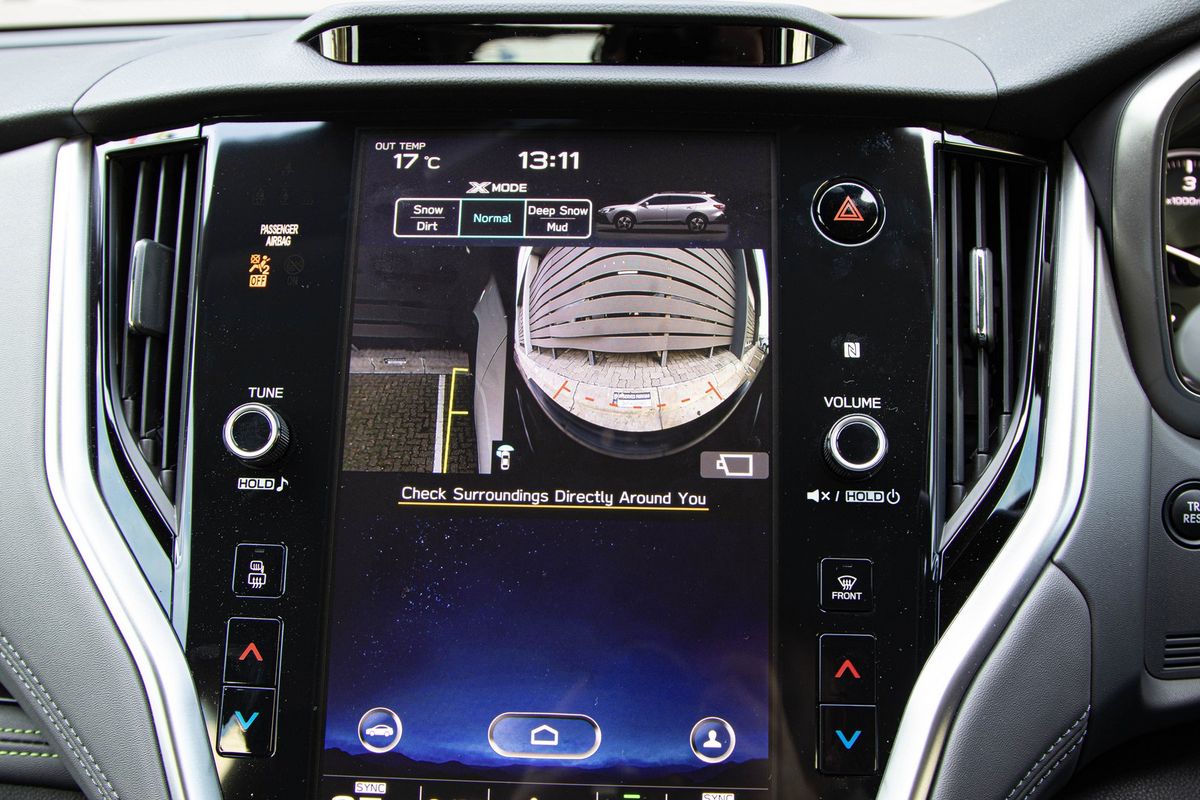
The symmetrical all-wheel-drive system is controlled by X-Mode, which cleverly directs power to the wheels with the most traction. There are modes for snow, mud, ruts and so on, but we didn’t feel the need to engage any of them until we had to traverse some rather challenging terrain in the Subaru.
The vehicle also has hill descent control, a ground clearance of 213 mm, as well as approach and departure angles of 19.7 degrees and 22.6 degrees, respectively. There’s no low-range transfer case, but we found the all-wheel-drive system to be easily capable of propelling the Outback out of deep ruts.
What’s the interior of the updated Outback like?
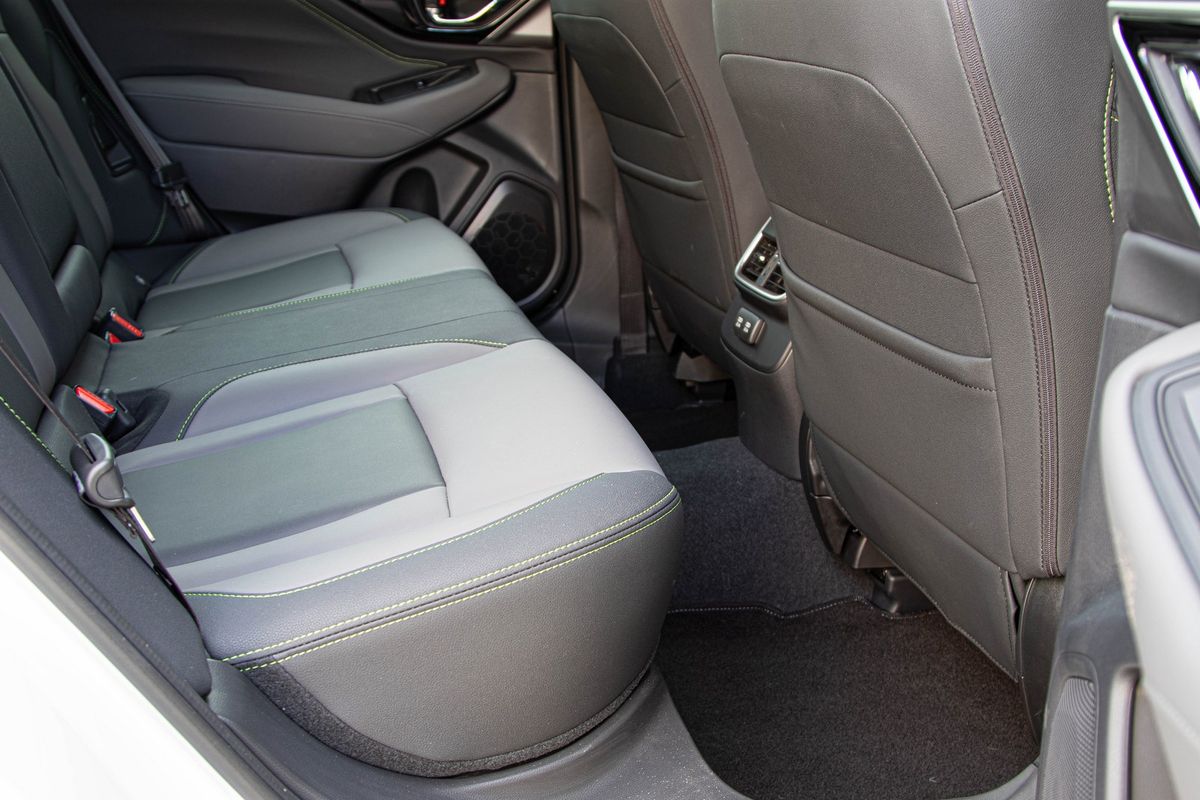
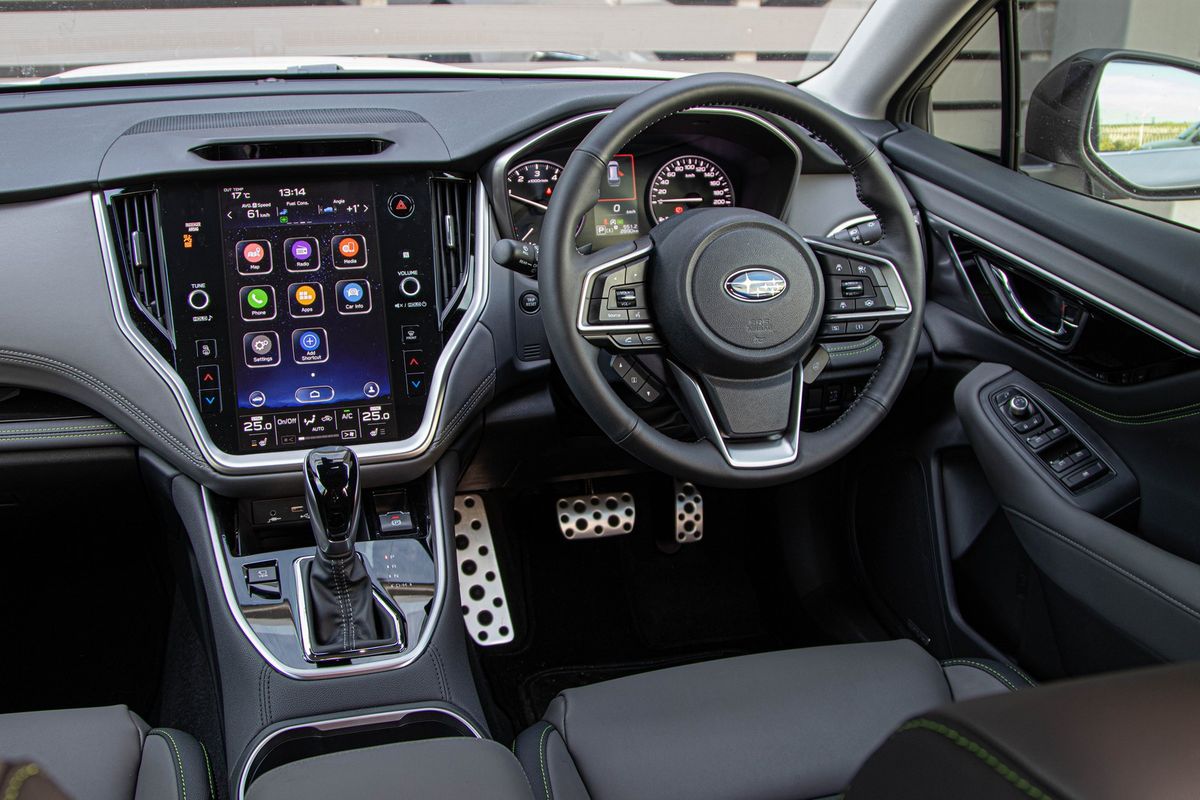
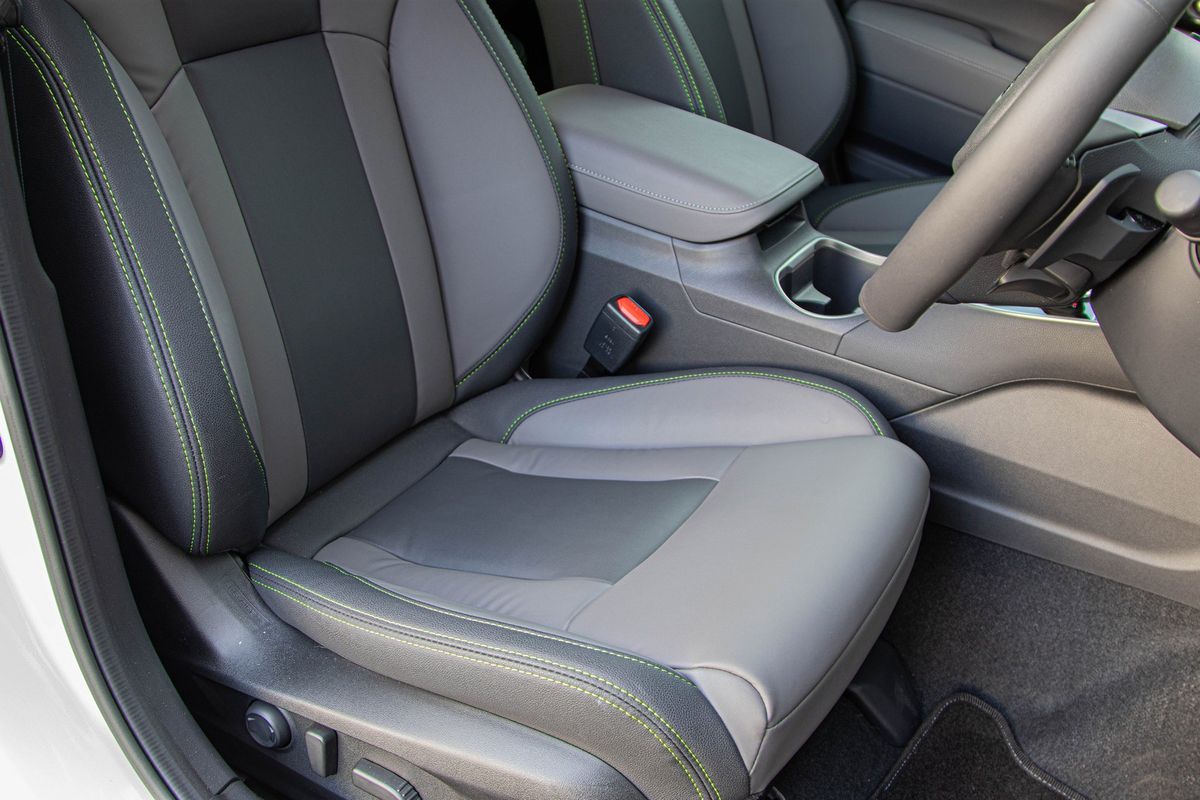
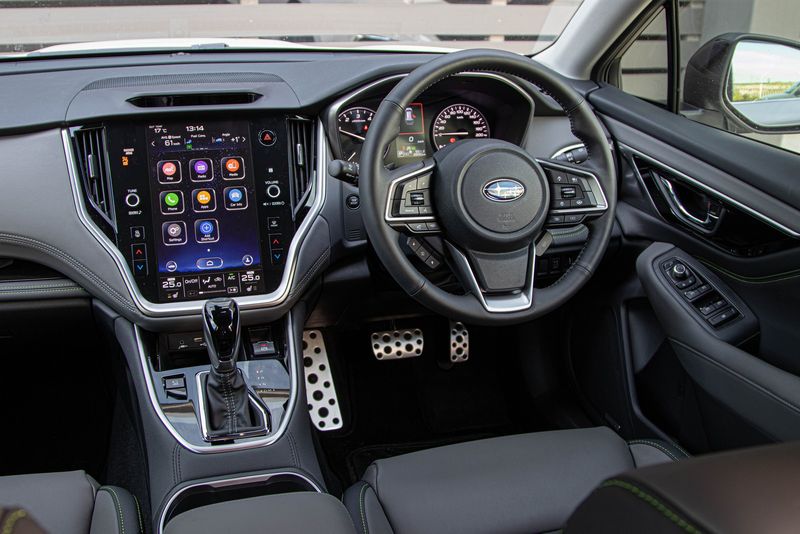
When you climb inside the new Outback for the first time, you’ll find a spacious and well-lit interior. The driving position is just about spot on (the driver’s seat is 10-way electrically adjustable) and you do get that “high-riding feeling” when ensconced in either of the front seats. Subaru appears to have paid special attention to occupant comfort, because those front seats are some of the best in the business.
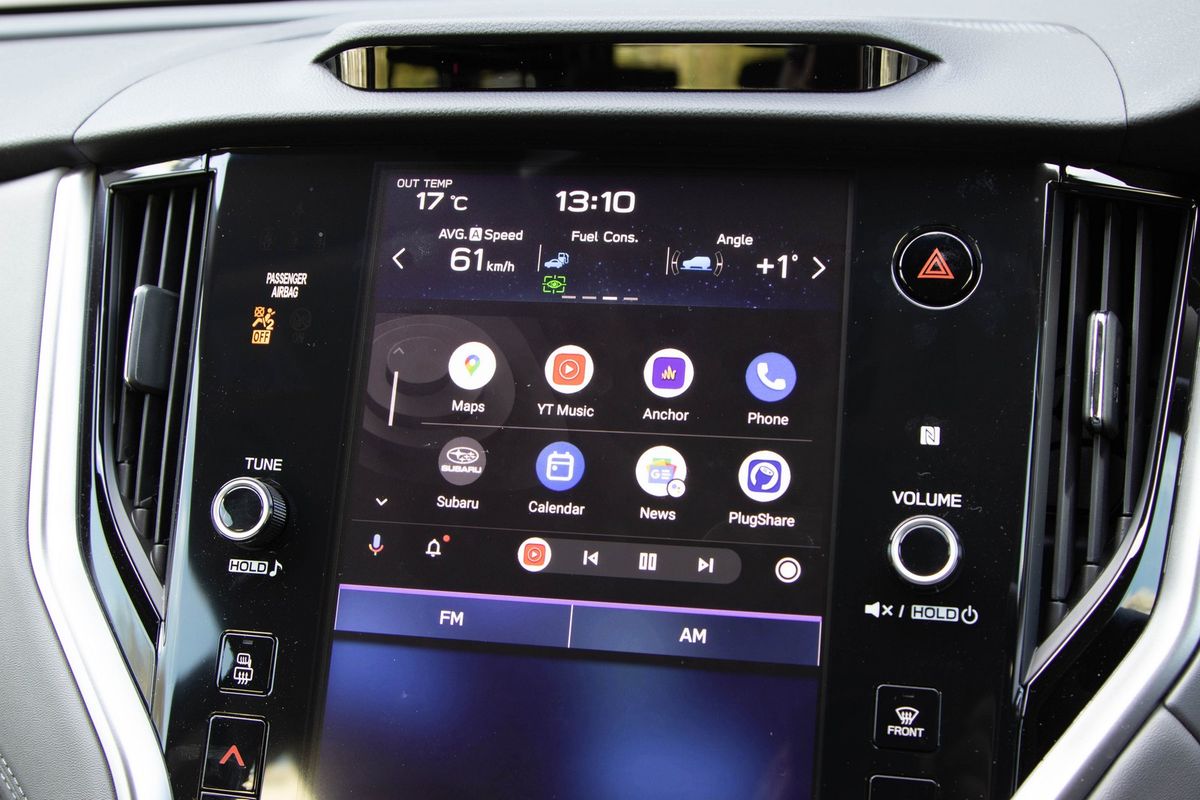
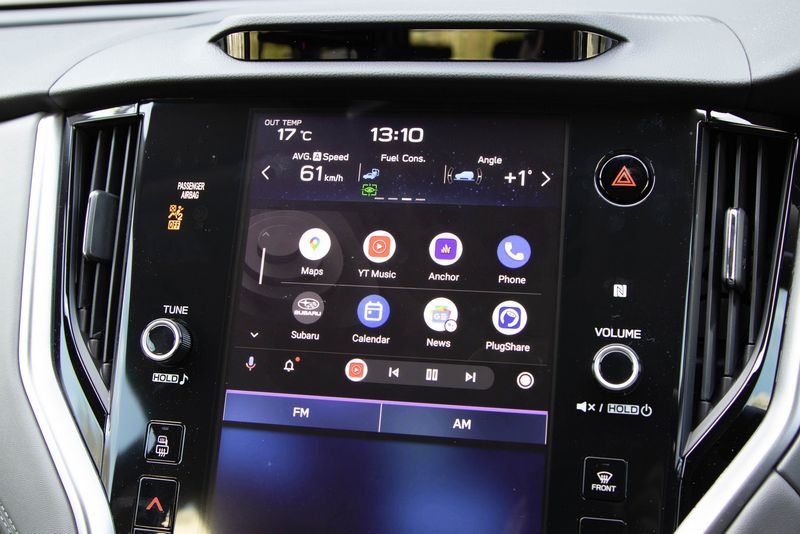
The fascia, meanwhile, is dominated by an 11.6-inch infotainment touchscreen (with portrait orientation). Subaru has done away with most of the switchgear on the hang-down section – most onboard functions can now be controlled via the tablet-style infotainment system. As far as features go, the Outback is very well appointed, it offers virtually every feature you’d expect to get at this price point.
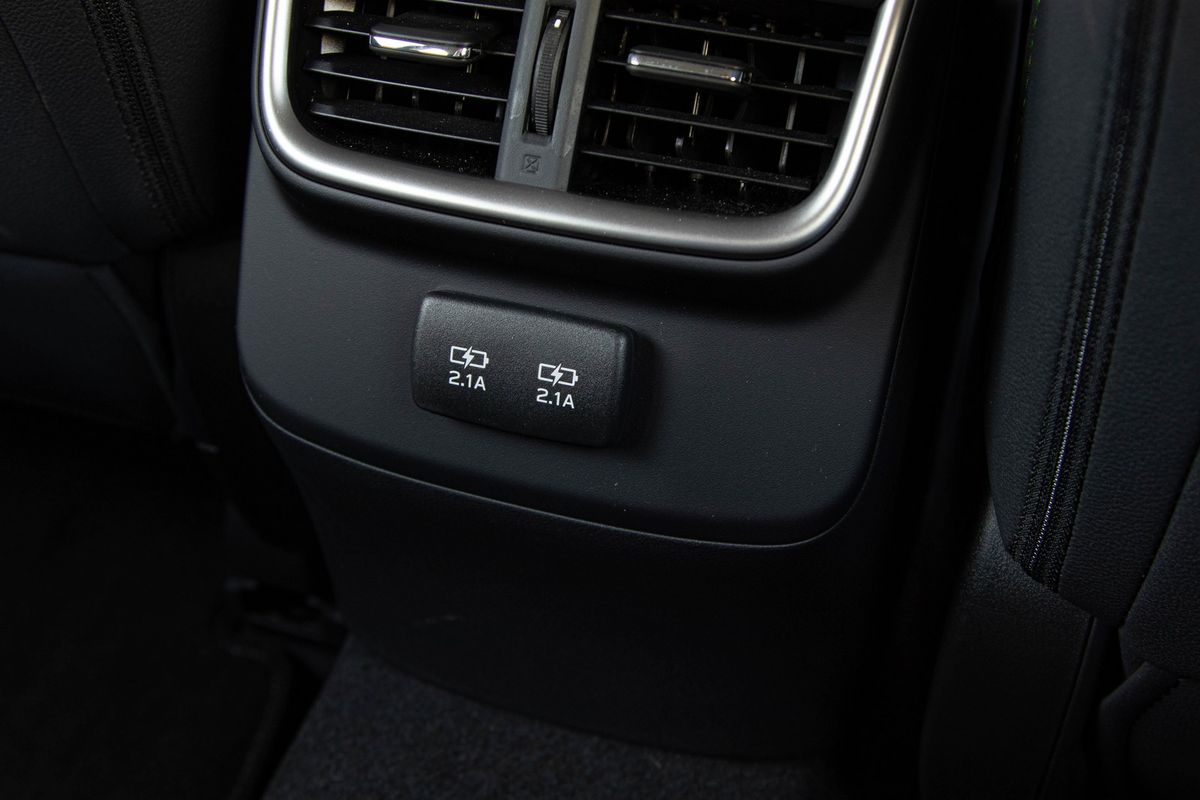
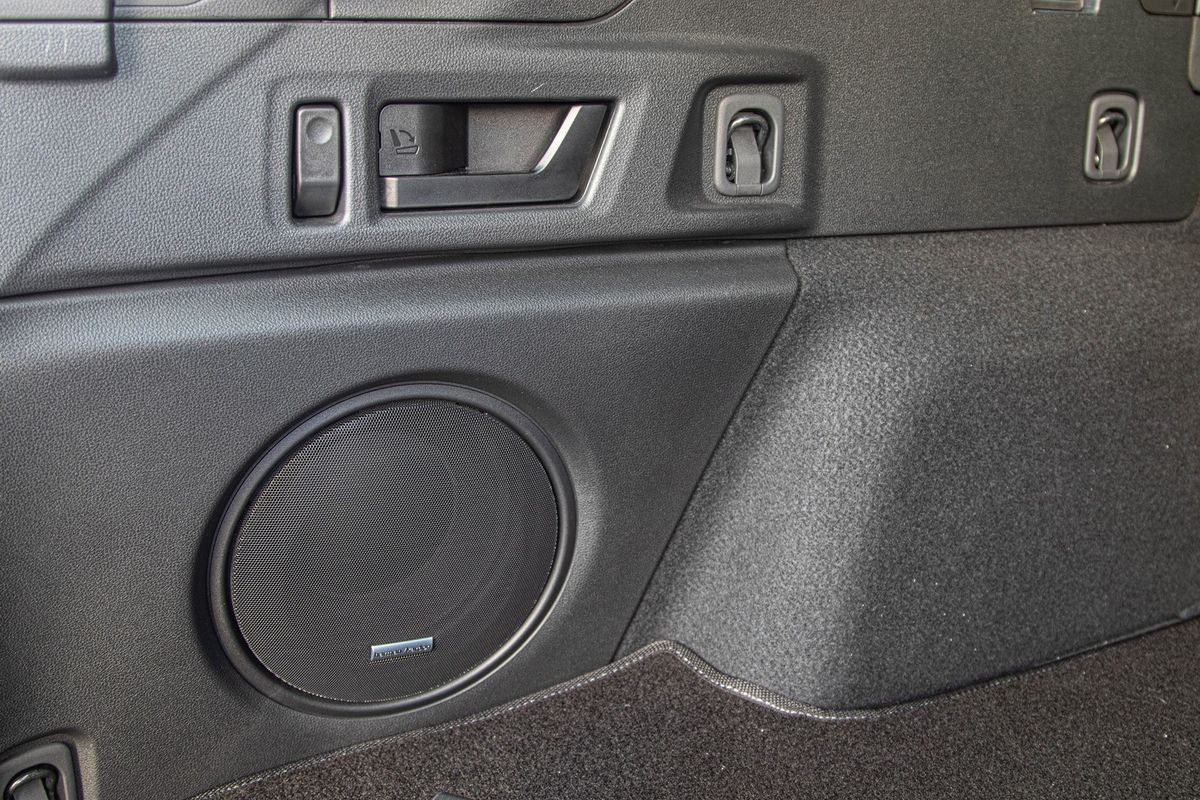
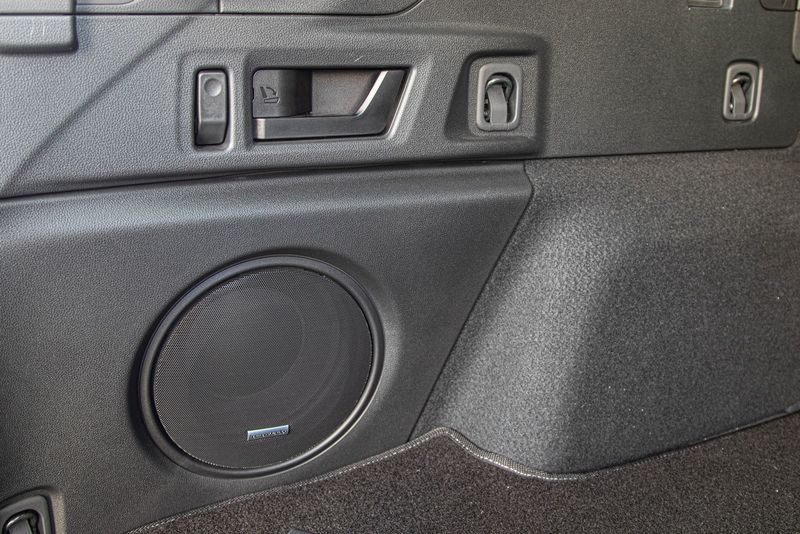
Here are but a few examples: the panoramic sunroof gives the cabin a spacious ambience, the infotainment system is Android Auto and Apple CarPlay compatible and a 12-speaker Harman Kardon audio system produces good sound quality. The Outback further features 2 USB ports for the front cabin and 2 for the rear passengers, as well as a pair of 12V DC power outlets. The seats are heated, as is the multifunction steering wheel. The roof rails are quite functional too – in other words, ready for you to bolt bike racks or luggage boxes onto them. The load-bay tailgate is now electrically operated.
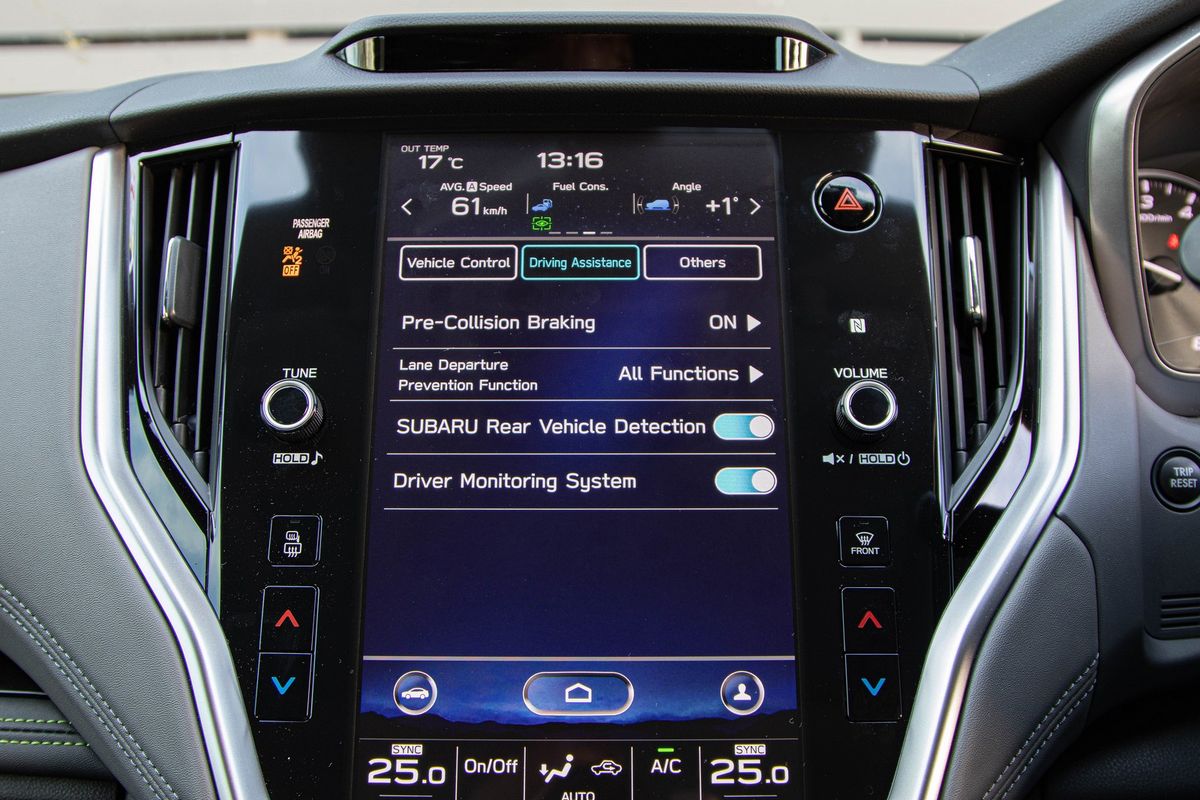
In terms of safety features, the Outback is one of the most advanced family cars we’ve tested. Apart from being fitted with 8 airbags, it comes with a more advanced version of Eyesight driver assistance.
Eyesight is Subaru’s name for its semi-autonomous tech and this includes adaptive cruise control, automatic pre-collision braking, lane-departure- & trailer sway warning, lane-keep assist, as well as Lead Vehicle Start Alert. This generation of Outback now gains blind-spot monitor (BSM), lane-change assist (LCA), rear cross-traffic alert (RCTA), reverse automatic braking (RAB) and EyeSight Assist Monitor.
Does it all actually work? Well, we’re big fans of RCTA, which is handy when you need to reverse out of bays in busy parking lots (it audibly warns you if vehicles that you cannot see are travelling in your direction) and we experienced the automatic pre-collision braking system in action when the Outback detected an imminent fender bender and slowed itself without any driver intervention.
We also discovered that if you take your eyes off the road for too long, the system will refocus your attention swiftly (through an audible alert). Finally, when you switch off the engine, you’ll get a message to check the rear passenger area. We’ve seen some fancy safety suites, but this was a lot to take in. The systems can be a bit intrusive/overbearing, but thankfully you can toggle their respective settings.
Is the new Outback practical?
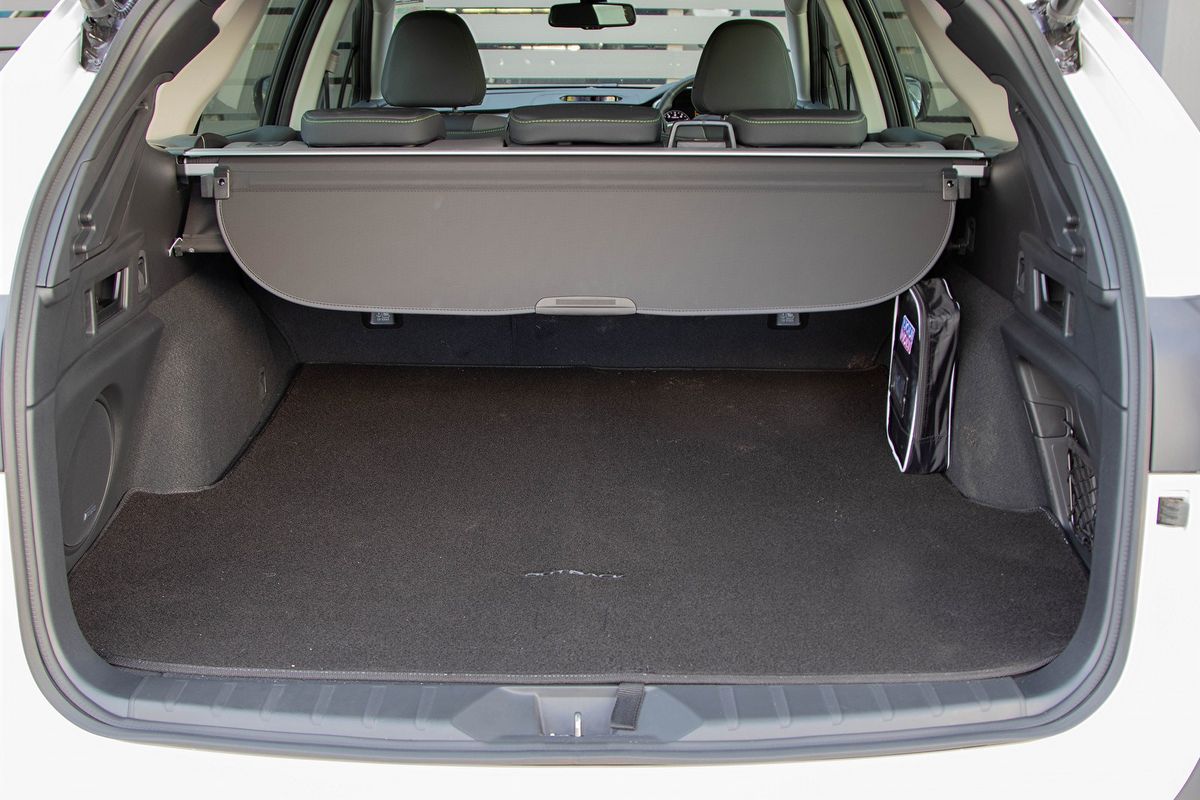
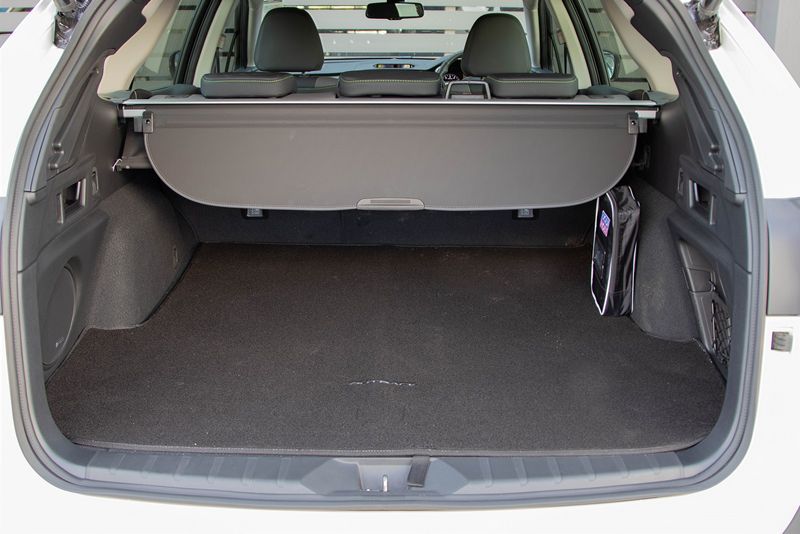
The new Outback has grown in size: it’s 50 mm longer and 35 mm wider than its predecessor. The load bay is 24 mm wider and longer, and its aperture is been increased to make loading/unloading easier.
Previous iterations of the Outback didn’t lack interior space, but the model offers generous space (especially legroom) for adults and one of the most capacious load bays in its segment. Simply put: there’s no shortage of head-, shoulder- and legroom, even for the tallest of occupants. Our tallest tester (1.91 metres) did the sit-behind-himself test and found that there was plenty of rear legroom still available.
The Outback’s claimed luggage capacity is 522 litres, with a considerable 1 267 litres on offer with the rear seats folded down. The load bay features hooks to secure cargo, quick-release handles (to fold the rear seatback down), as well as another 12V power outlet. There’s enough length in the load area to accommodate a full-sized 29-inch mountain bike… as well as a set of golf clubs. Impressive!
How much does the Subaru Outback cost in South Africa?
The new Subaru Outback 2.5i-Field ES retails for R699 000 (July 2021), which includes a 3-year/75 000 km maintenance plan as well as a 5-year/150 000 km warranty.
Let’s get the reality check out of the way first. Station wagons represent but a tiny pocket of the SUV-dominated new-vehicle market. So far, Subaru SA has sold fewer than 100 units of its off-road-capable Outback every year. In comparison, Toyota retailed 9 635 units of the Fortuner in 2020. Also, many local motorists associate station wagons with funeral hearses, which is, well, unfortunate.
However, many (if not most) car purchases in South Africa are motivated more by the heart (emotion), than the head (logic). The talented Subaru Outback is the Leatherman multitool of the car world. It has an exceptionally broad set of skills and at the price, you’ll be hard-pressed to find an off-road-capable family vehicle that is as comprehensively equipped, safe, refined and practical.
Don’t be put off by the Subaru’s less-than-vigorous powertrain, the model is overtly comfort-biased and economy-focused – as long as you don’t plan to tow large trailers, its performance should be fine. If you appreciate station-wagon looks and enjoy adventuring, you’d be hard-pressed to beat this criminally underrated offering. For R700k, it represents a very accomplished package that’s ready for action.
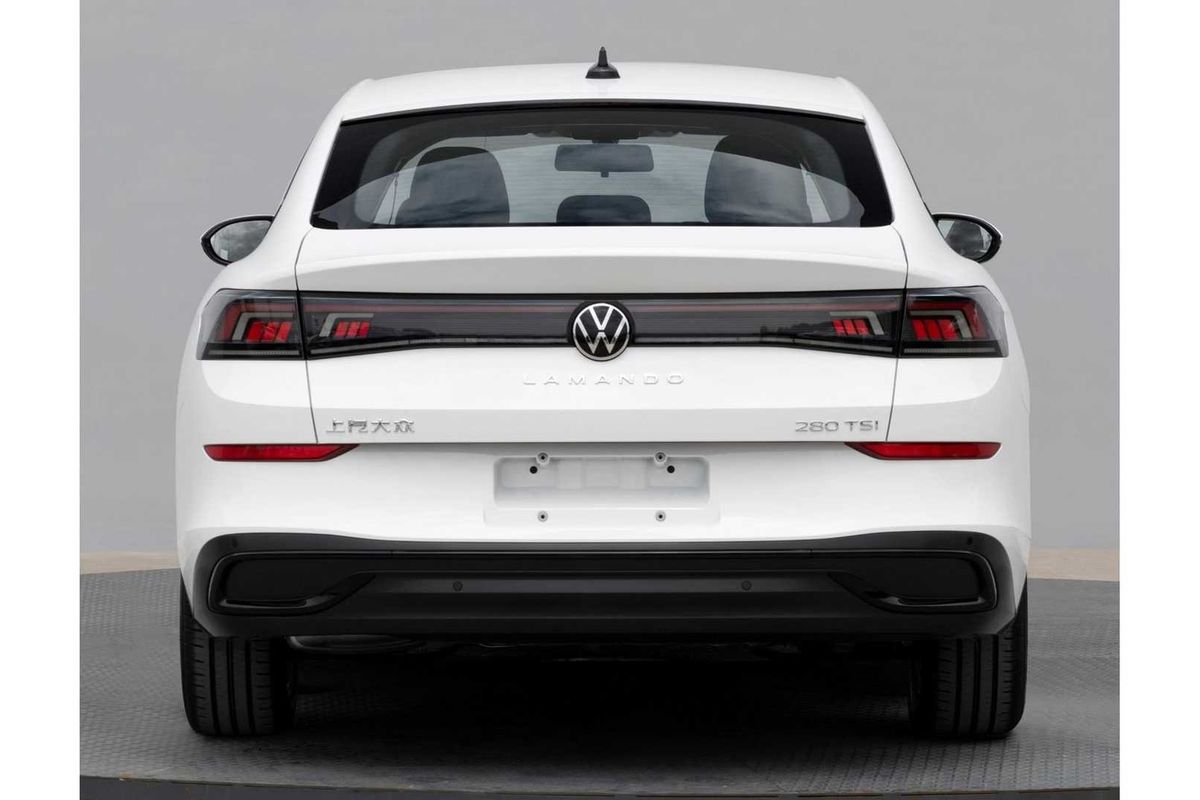
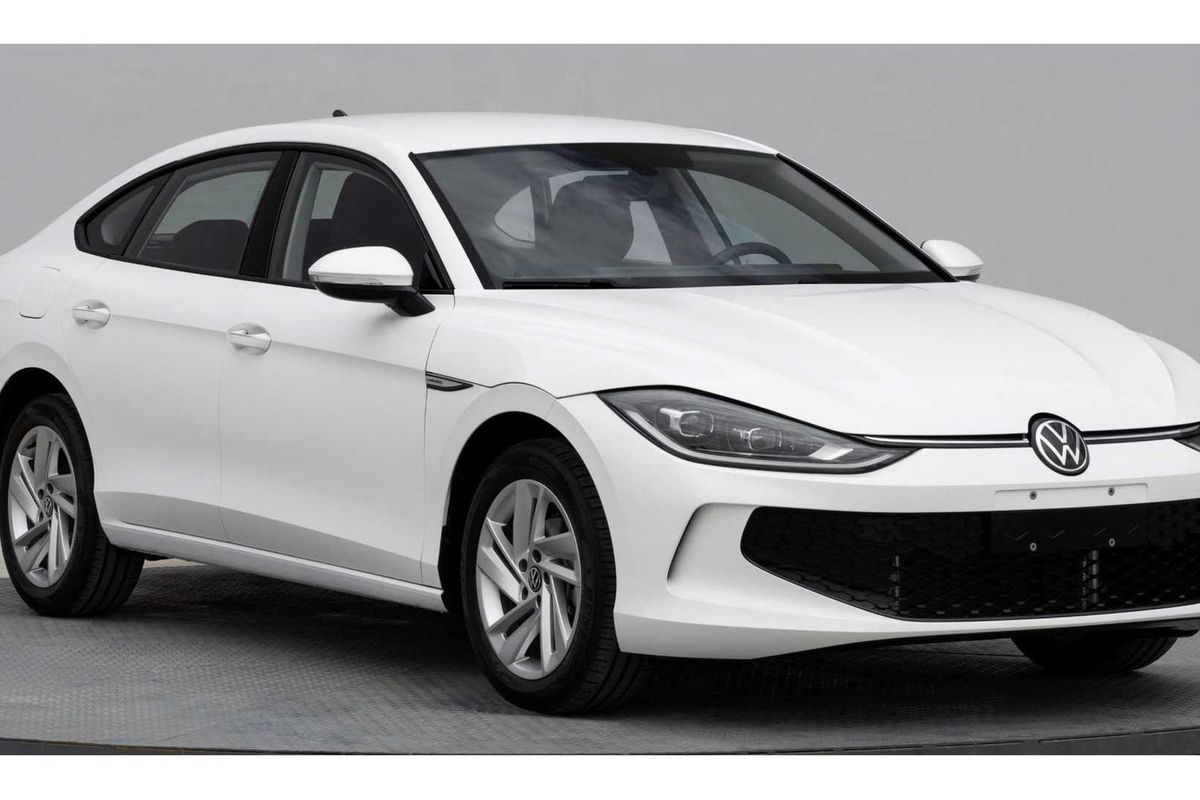
The Volkswagen Lamando AKA Jetta gets some curves – but it’s not quite an Arteon.
Volkswagen is huge in China. When most German car companies laughed at the idea of Chinese vehicle ownership in the 1980s, VW was investing.
That has paid huge dividends and the German company enjoys a strong market presence, in what is arguably the world’s most important market. And strangely, the Chinese remain very committed to sedans.
This means that although South Africans might pine for the Jetta, amidst a sea of crossover and SUV vehicle options, the Chinese get some rather unique variants.
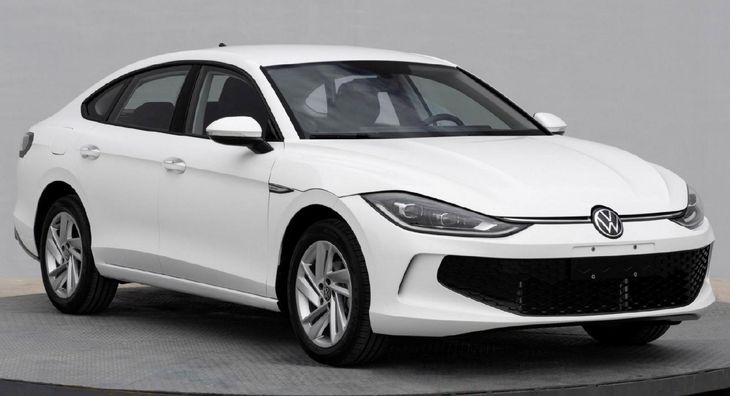
An updated Lamando is the latest of these. This is essentially a Jetta with some Chinese influence styling. The result could best be classed as ‘interesting’, with the gaping lower section grille, and sweeping headlamps.
VW is offering the 2021 Lamando with no less than five different alloy wheel options, for those discerning Chinese customers. Sizes are in the 16- to 18-inch range, with the smaller wheels obviously yielding superior ride quality, thanks to their larger casing tyres, with greater air volume.
As with most contemporary VW products, the Lamando has a full-length reflector, which runs across its rear.
How big is it? According to the Chinese ministry of industry and information technology, the Lamando is 4.78m long and only 1.46m tall. That makes it the same height as a current seventh-generation Jetta, but a touch longer.
Powering the Lamando is a humble version of VW’s 1.4 TSI engine, delivering 110kW. The Jetta has enormous brand equity in China. It was the model which effectively launched VW’s presence there, in the mid-1980s.
Therefore, it is no surprise that VW continues to leverage Jetta’s legacy in China, with unique variants, such as Lamando. And no, they aren’t going to do a Lamando R.
We’ve seen the all-new BMW 2 Series revealed, but what about the 2023 BMW M2 performance coupe? Here it is wearing heavy camouflage on the Nurburgring.
Many petrolheads would say the BMW M2 is one of the M division’s finest products, exceeding expectations and selling in huge numbers. The BMW M2 CS was the crowning glory, taking every element of the M2 experience and turning it up to 11.
Now that the all-new next-generation BMW 2 Series has been revealed with bold and fresh styling, attention has turned to the all-new 2023 BMW M2. These spy photographs show the new model undergoing dynamic testing where else but the Nurburgring. The new BMW 2 Series in M240i xDrive guise looks aggressive and purposeful, so the new M2 will be even bolder in terms of looks.
Expect the trademark big wheels and quad exhaust setup, as well as flared wheel arches that hide big wheels wrapped in performance rubber. What’s under the bonnet though? The BMW M2 CS featured the straight-6 turbocharged petrol engine lifted straight from the previous-generation BMW M3/M4. It was tuned to deliver 331 kW / 550 Nm, and in comparison, the all-new M240i xDrive packs 285 kW and 500 Nm. Given where the new BMW M3 and M4 are positioned with their 375 kW and 650 Nm powerplants, we reckon it’s not unreasonable to expect this new engine to power the M2. Now we can’t have the baby M standing on the toes of its siblings, so the S58 engine could be detuned to around 340 kW and 550 Nm.
As the BMW M2 is seen as a purist’s driving tool, rear-wheel drive and the option of a manual gearbox are highly likely.
We’re very early in the production stage and the standard BMW 2 Series range will be coming to SA in early 2022. Production of the all-new 2023 BMW M2 is likely to start in December 2022.
Porsche 718 Spyder Review – Is this the best bang-for-buck Porsche right now?
The Porsche 718 Spyder merges Cayman looks with a fabric roof and a naturally aspirated engine. Let’s not forget it also has the best bits of a GT3 underneath. Could this be the best bang-for-buck Porsche right now? We made a video on SA’s most beautiful road.
Looking for a used Porsche for sale in South Africa? We have nearly 300 to choose from!
Are you looking for a particularly difficult way to drop the roof on your convertible? Well, do we have a car for you! Porsche have created the special Boxster Spyder for those who want to really faff with their cars.
But, there is an upside to all this: less weight, and a purer driving experience. With no heavy motors or hydraulics to lift that roof over your head, the overall weight of the car is reduced, and the centre of gravity is lowered, which is exactly what you want in a sports car.
Throw in the roaring 4.0-litre naturally aspirated engine from the Cayman GT4, a lightning-quick PDK ‘box and bits and pieces from the GT3… do you have a recipe approaching perfection?
The driver you want in a sports car is Ashley Oldfield, our in-house race-ace, who we sent on a mission to find some of South Africa’s s best roads and give us his take on the 718.
Having plied his trade in the finance industry for 20 years (during which time he worked for Accenture, Discovery, FNB and Wesbank), Alan Quinn has an intimate understanding of vehicle finance. In this instalment, he walks us through the process of trading in your car for a new one and, specifically, how to avoid falling into the debt trap of borrowing extra money just to get out of (settle) the finance agreement through which you purchased your current vehicle!
So you have decided that you want a new car, well, that’s what Cars.co.za is here for… to help you find the perfect car – for you. We’re also here to help you with your car finance too.
It’s great to dream about getting behind the ‘wheel of a new car, but there are a few things to keep in mind as you progress along your car-buying journey. At Cars.co.za, we are all about connecting sellers with buyers, but we also want to help consumers make wiser financial decisions. This article may help you to consider your next car purchase carefully and, if things fall in place, secure a smart deal.
Most people who buy cars already have ones that they purchased by virtue of securing vehicle finance agreements (usually with banks) a few years ago. While they’re shopping for their “new wheels”, they are most probably still paying off the sums of money that they owe the banks (for those cars) by way of making monthly payments.
Since most vehicle finance agreements last for 6 years, I am guessing that you still have a few years left to go in terms of the payments you need to make. This makes things a little more complicated when you are car-shopping, because you need to think about how you will terminate the existing finance agreement (as well as trading in your car) to get that new or used car that you have your eye on.
Let me give you a shortlist of things to consider and check as you go through this process.
When trading in your car, check your trade-in value
There is a famous saying in the tech industry: “In God we trust; everyone else must bring data”. Right now, if you have not done your homework and looked up data on the value of the trade-in that you can reasonably expect a dealership or trader to offer for your current car, then you are placing WAY too much trust in your friendly vehicle vendor!
It does not matter what price the dealer offers you when trading in your car, you should ALWAYS check. Nowadays, this does not mean that you need to spend a day driving around 10 different dealers to ask them how much they would offer you for your car. Cars.co.za has a service called Match! – it is a free tool to sell your car into South Africa’s largest dealer network. Load your car onto Match! and within 48 hrs you are likely to receive offers from multiple dealers. The data you get will allow you to make sure you are getting the best possible trade-in value for your car in the used-car market.
Know your Settlement Value
Secondly, you need to find out how much you will need to pay to “settle” the existing finance agreement for your current car. Go to your existing finance provider’s website and look for a “settlement quote”. However, don’t just look for the “outstanding balance” on the account as there are often charges applicable to the settlement of the loan, which will be incorporated into said settlement quote.
The charge you need to be most mindful of is “penalty interest”. The National Credit Act allows finance providers to charge penalty interest on “large agreements” if the loan is settled early. What’s a large agreement? Well, it’s where the ORIGINAL finance amount is larger than R250k.
Think back to when you bought your current car. Was the loan larger than R250k? If it was, you WILL be charged “penalty interest”. The only way around this is if you give the bank (or applicable financial institution) 90 days notice that you intend to settle your account. The “penalty” is the interest you would have paid over the next 3 months and this can be as much as R10k for an average agreement.
All of this means that making a phone call to your existing finance provider and waiting for 90 days before you “settle up” could save you a lot of money.
Often the amount owed to the bank, as in the “settlement quote”, is larger than the trade-in valuation of the vehicle. This is VERY COMMON if you have:
You did not put down a deposit as part of your existing agreement
If this happens to you, this is often a major sticking point to being able to buy a replacement vehicle. When trading in your car, you will need to find extra cash to settle your existing vehicle loan.
The best thing to do here is to be patient and wait. If you keep making payments on your current car, eventually you will have paid up enough of the loan that the trade-in value is higher than the settlement quote. I know this is not great news, but raising a large sum of hard-earned cash just to SELL your car is not the best decision. It’s better to use whatever cash you have left as a deposit to BUY a new car.
This is the most obvious tip. Benchmark the asking price of the particular vehicle that you want to buy against similar examples on the market. Can you justifiably ask the dealership to reduce the vehicle’s price to sweeten the deal, or is the price they’re asking quite fair? More than 70 000 vehicles are listed for sale on Cars.co.za, which means you have a wide choice and the ability to compare like for like.
Happy with the trade-in and the final price of the new car? When finalising the deal, you will receive a written/printed quote from the sales staff, but be very mindful to check every line of the document.
Don’t be shocked – the dealer WILL charge “on-the-road” fees. To an extent, these are justified. When you buy the car, the dealer needs to transfer the vehicle licence to you via the traffic department and licence it for 12 months. They should also give you a tank of fuel in the car. As a car owner, you already know what these things cost. If he/she is charging for more than that, there is room for negotiation.
Watch out for anything else you are paying for over and above the car. There are many things that you may wish to purchase and add to your finance deal, for example, a warranty or service plan. There are many products such as dent-and-scratch cover, tyre insurance, tracking devices, shortfall protection… the list is endless. Think carefully and consider all of these before you buy.
Dealers sell these items because they get commissions from them. That does not mean that they are bad products, it just means that you should only buy them if you think they are worth YOUR while.
One final piece of advice: I know of no bank that will insist that you add a “credit life” policy, warranty or any other product to your car purchase. If you want to finance the vehicle’s purchase, the banks will only insist that your car is comprehensively insured. Banks don’t care which insurer you choose, which allows you the chance to shop around for the best policy beforehand, which is what you should do.
Buy with confidence
We want you to be happy with your new car and hope that the tips listed above will make sure you don’t have heart palpitations when the first debit order for the new-car purchase comes off your account. This is one of the biggest financial decisions you will make and those debit orders will make sure you feel it for a number of years! Do your homework at every step. It can save you thousands of rands.
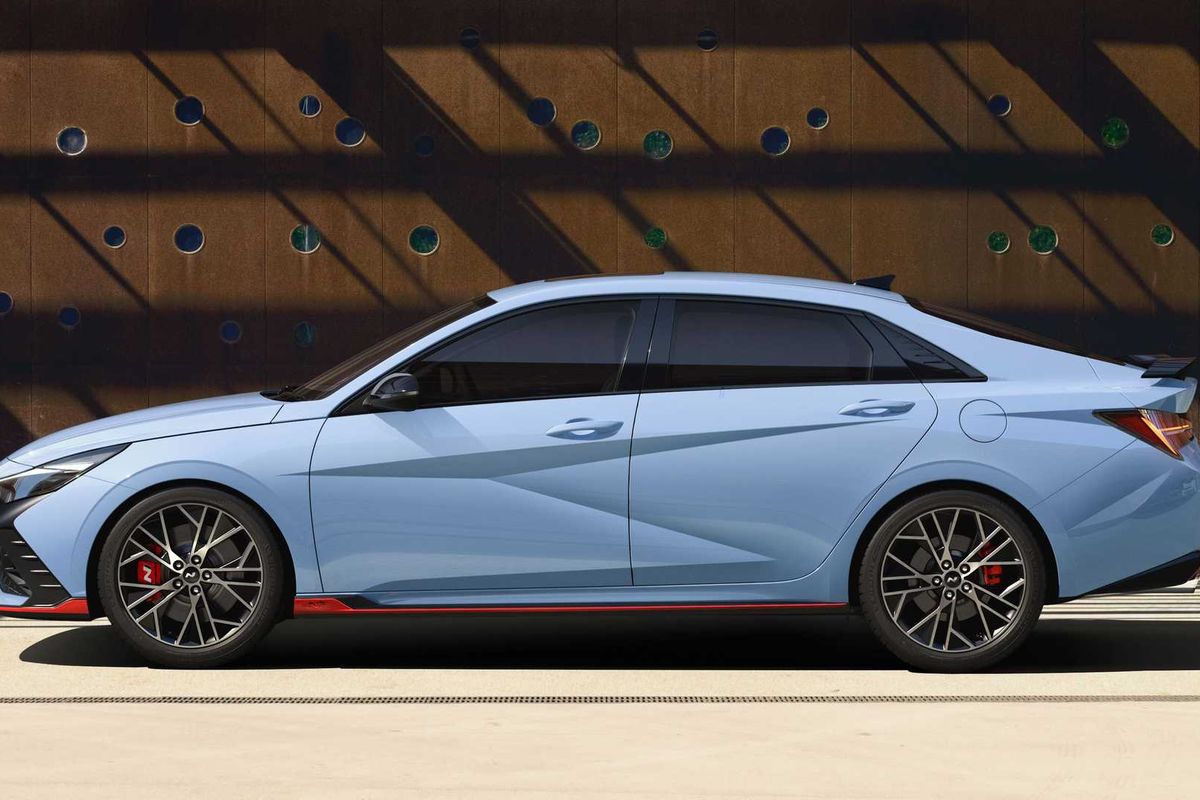
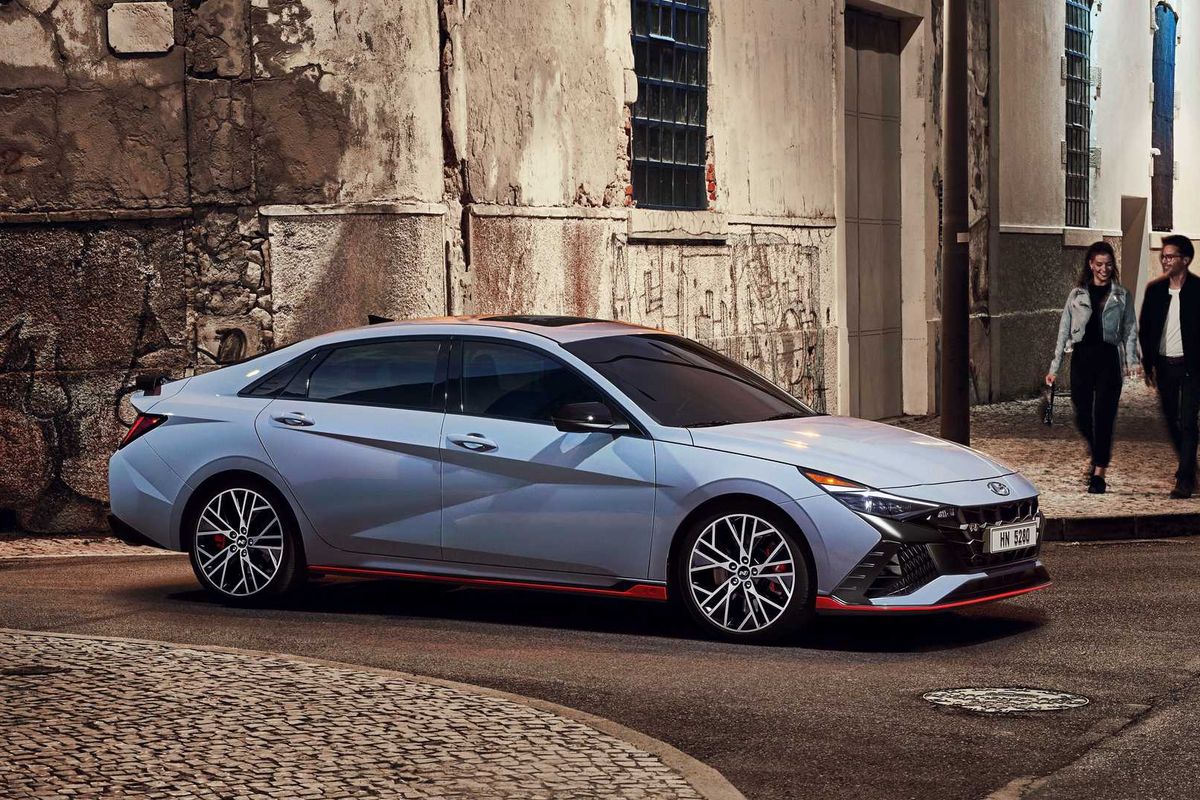
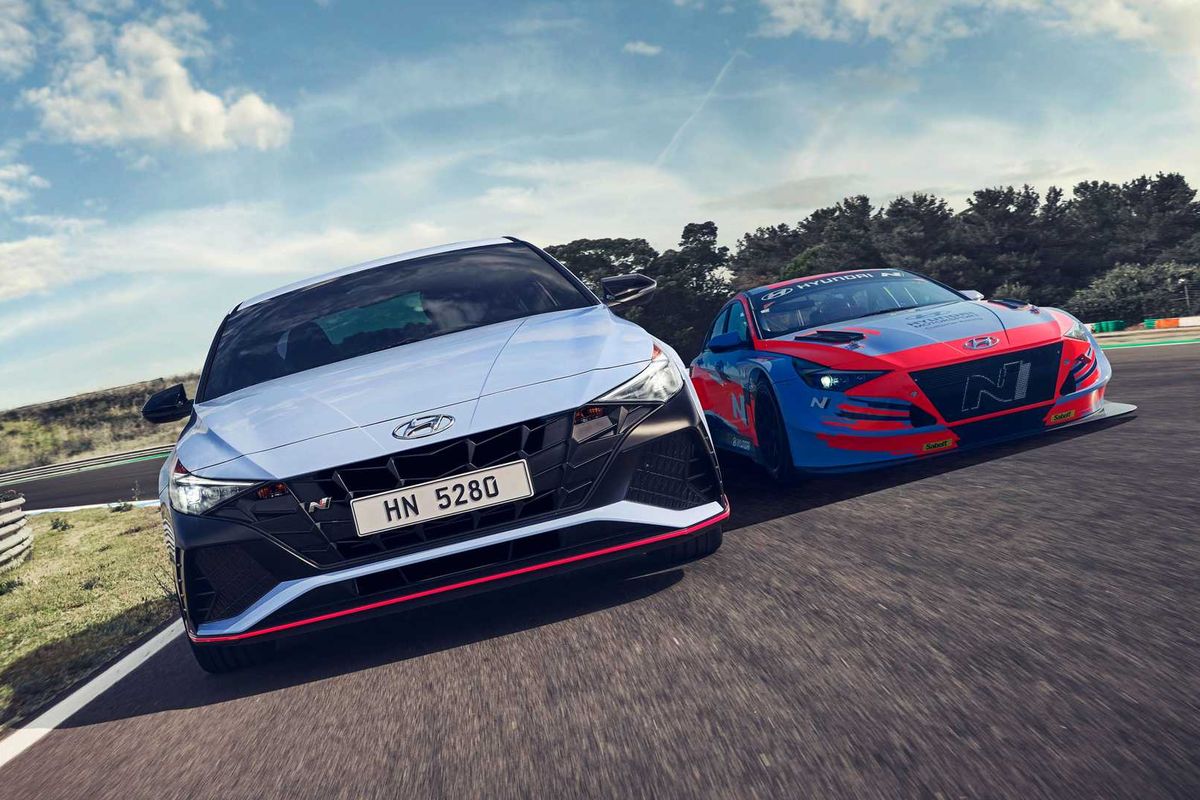
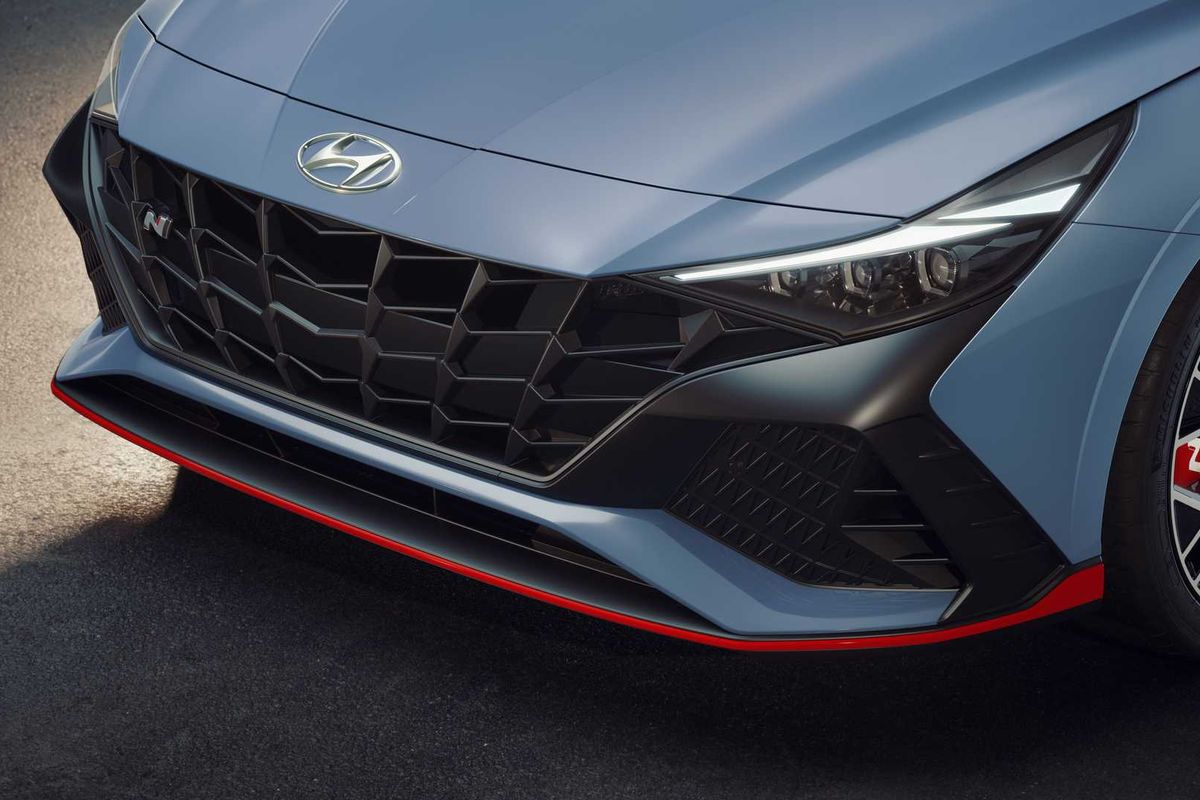
Hyundai has unwrapped its performance focussed Elantra N sedan. It looks sharp, but you don’t expect to see it in SA.
Last year Hyundai showed its sporty Elantra N Line to the world, exhibiting the firm’s new ‘Sensuous Sportiness’ design language. Now, Hyundai has revealed the fully-fledged performance Elantra N boasting 206 kW and 392 Nm of torque from its 4-cylinder 2.0-litre turbocharged engine.
The Elantra N, also known as the i30N sedan in some markets such as Australia, will be offered with either a 6-speed manual transmission or with an 8-speed wet dual-clutch transmission. Power is directed to the front wheels and Hyundai claims a zero to 100 kph sprint time of 5.3 seconds. An electronic limited-slip differential ensures optimal power delivery. Grip is also improved with an integrated drive axle which is common in rally cars.
But that’s not all, a feature that Hyundai calls N Grin Shift mode (NGS) boosts power to 212 kW for short periods, increasing performance. Other driving modes include N Power Shift and N Track Sense Shift. The Elantra N features electronically adjustable suspension to ensure sharp dynamic handling ability and the chassis has been strengthened with bracings and rear bars. A Variable Exhaust Valve System is also fitted and provides the obligatory aural pleasure that you would expect from a performance model.
As for the interior, it’s decisively sporty and key features include an updated infotainment system with new info displays as well as sports seats with additional bolstering.
Will the Hyundai Elantra N come to South Africa?
As for South African availability, don’t get your hopes up. The Elantra sedan is no longer available in South Africa due to lack of demand and the Elantra N is, therefore, unlikely to reach our shores.
Pricing for the BMW M3 and M4 M xDrive has turned up on BMW SA’s online pricelist. Here’s how much you can expect to pay, plus the performance benefits of going all-wheel drive.
If you thought the new BMW performance duo needed more, then this is your answer. The new BMW M3 and M4 M xDrive are due to land in SA before the end of the year. Essentially, this is the same vehicle as the one currently offered, but with the addition of all-wheel drive.
How does BMW’s xDrive change things? BMW claims its M-specific all-wheel-drive system divides the power and torque between the front and rear wheels as required to enhance agility, directional stability, traction and track-focused dynamics at all times. This means plenty of grip and even quicker acceleration times, as there’s no wheelspin from the tyres.
For the BMW M aficionados, the M xDrive system has a rear bias, so it should still feel like a classic performance BMW. For those who are brave enough to let the tail out, the vehicle also comes with drift mode, where the front axle is disabled.
The 3.0-litre turbocharged straight-6 engine delivers 375 kW and 650 Nm in Competition spec. The vehicle also features an 8-speed gearbox. The standard cars are good for a 0-100 kph time of just 3.9 seconds, but the BMW M3 and M4 M xDrive cuts this down to 3.5 seconds.
The downside of the M xDrive system is a fractionally thirstier powertrain. The standard cars are said to consume a claimed 9.6 L/100 km, with the BMW M3 and M4 xDrive returning 10.2 L/100 km.
Could this be the breakthrough Chinese electric crossover?
Xpeng is one of the few Chinese car companies to have ventured into Europe.
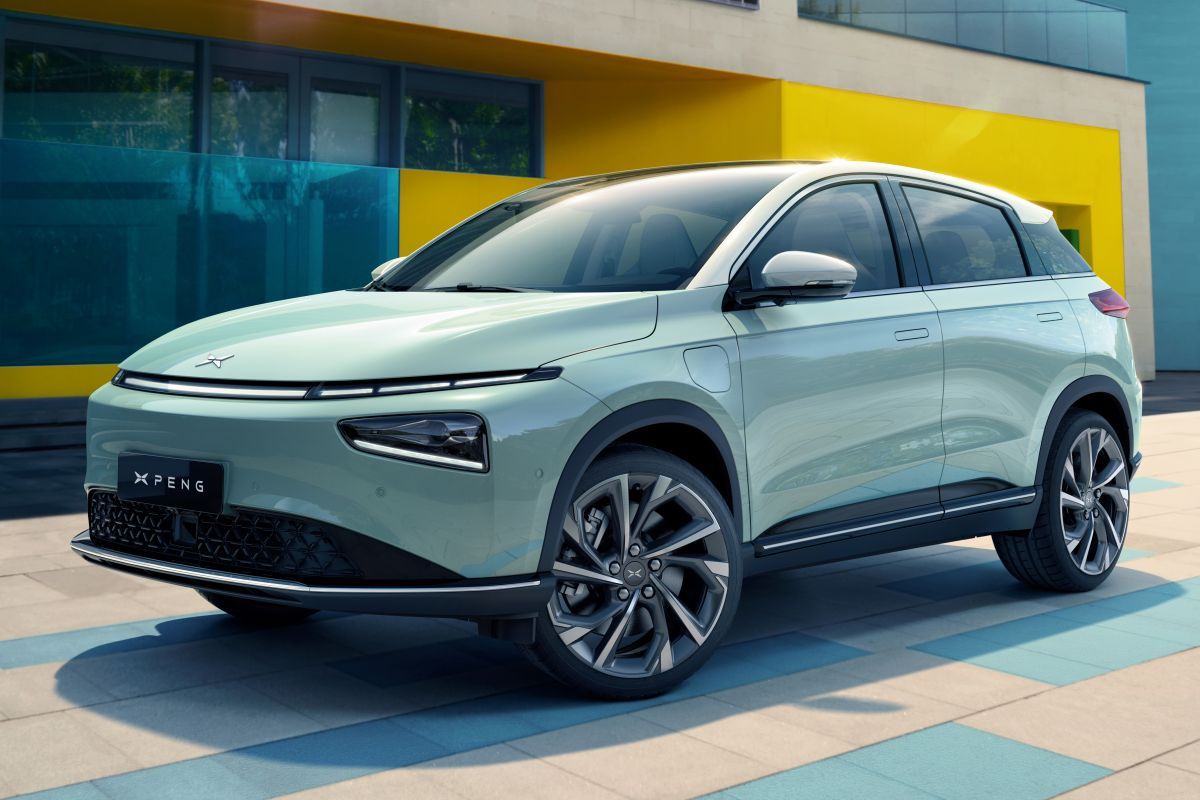
With a design office in California and publicly traded on the New York stock exchange, Xpeng is unusual amongst Chinese car companies. And its G3 is a very convincing battery-powered crossover.
Originally launched in 2018, the G3 has now been updated and it looks unlike anything else – which is refreshing, and symbolic of Chinese car design moving beyond imitation.
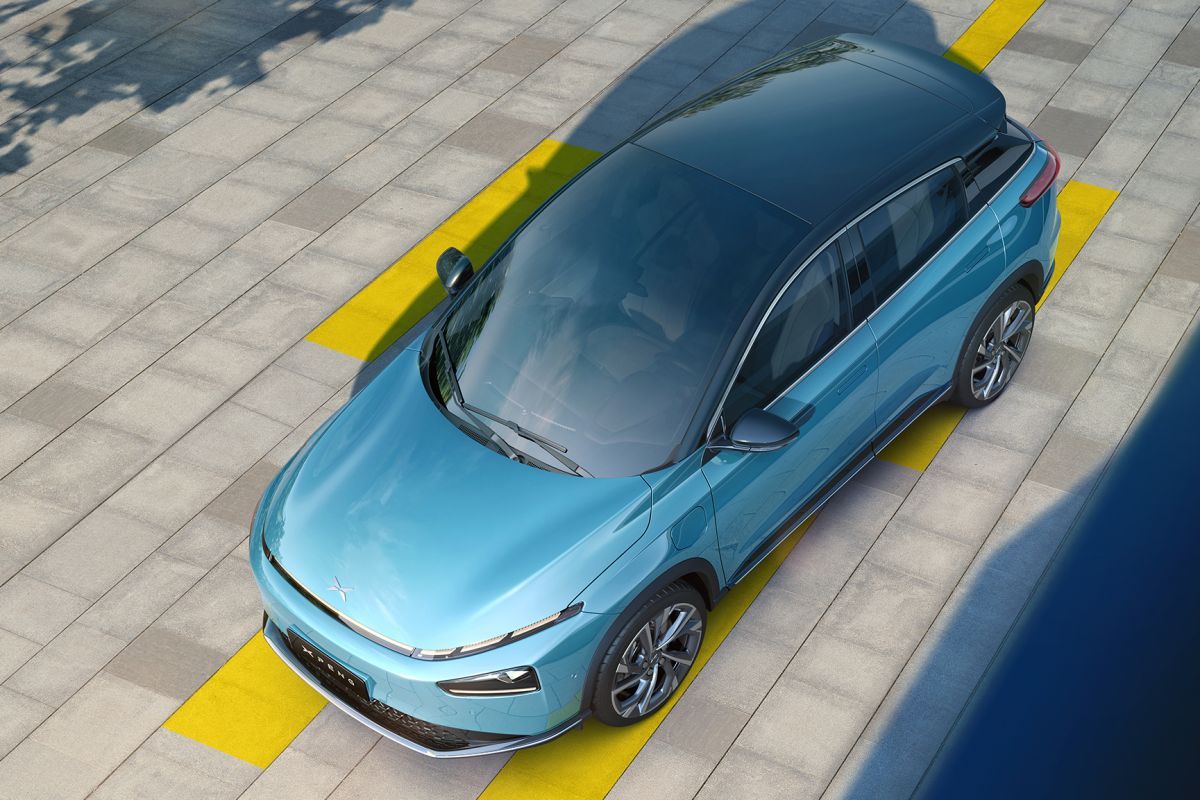
With its narrow leading-edge bonnet and bumper integration, and slim headlamps, the 2021 G3 has a sleek profile and radical front glass profile. Its windscreen extends all the way back to the B-pillar, delivering an abundance of ambient light into the cabin.
Inside there is a huge vertical infotainment touchscreen and you can have seats with blue and white trim.
The G3’s infotainment system also benefits from enhanced processors, enabling it to recognize and execute driver voice commands with greater speed and accuracy. Powering the G3’s digital assistance features is a Snapdragon 820A auto-grade chip.
Xpeng has also proved that software is the great enabler for electric vehicle ownership, with the company releasing 15 overt-the-air updates to G3 customers, since 2018. These have unlocked no less than 55 additional infotainment and digital car features.
Two battery packs are offered for the updated G3. There is a 55 kWh pack that delivers 460 km of range, whilst the more potent 66 kWh G3 is claimed to achieve 520 km on a single charge.
Performance should be entirely adequate too, with the G3’s electric motor rated at 145 kW and 300 Nm of torque.
How good is this Chinese electric car platform? Well, good enough for Xpeng to get Norwegian government approval, a not insignificant achievement, in one of the world’s most demanding electric vehicle markets.