Best Luxury Cars For Off-road Driving
We examine the best off-road and 4×4 vehicles for sale in South Africa, if you have the money. 

While cars are designed to be driven primarily on tar, there’s a segment of the car-buying public who will be looking to purchase a vehicle based on its off-road and 4×4 skillset. 

These vehicles are rated by their 4×4 capabilities, with ground clearance, approach/departure angle, low-range gearbox availability as well as off-road driving modes and differentials. While there's a massive focus on outright off-road ability, there still needs to be huge levels luxury and comfort. 

Best Off-road Vehicles Over R1 million

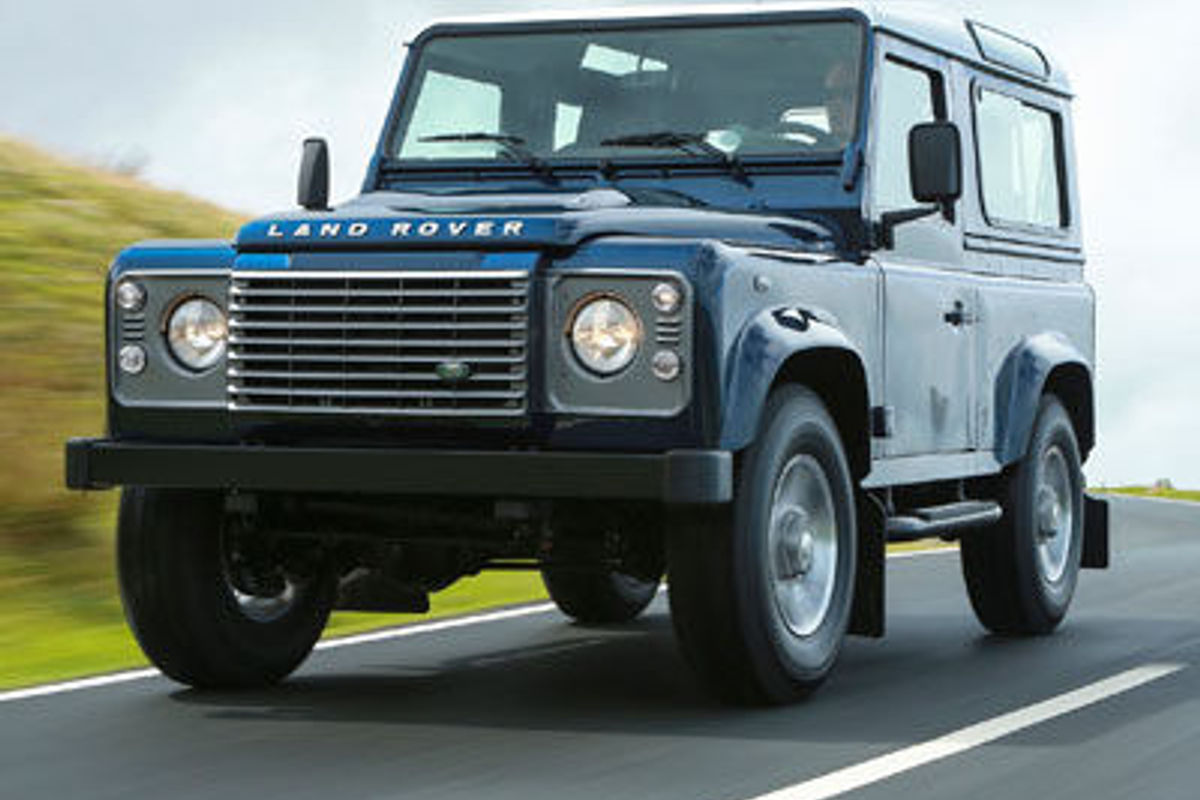
Land Rover Defender
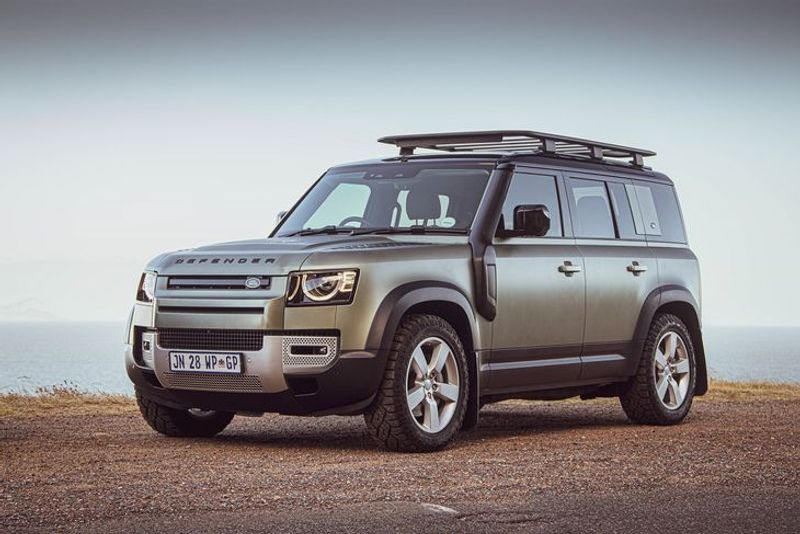
  • Ground clearance: 291 mm
  • Approach/Departure angles: 38/40 degrees
  • Low Range: Yes
  • Off-road modes: Yes
  • Differentials: auto-locking centre and rear-differential
  • Priced from: R1 110 366

Our current #CarsAwards-powered by Wesbank Premium SUV winner sits at the top of the pile in this comparison. Trying to replace the iconic Defender was never going to be an easy task for Land Rover, but despite the odds, it appears the British carmaker has nailed the brief. Not only is the new Defender exceptionally capable, but there's enough technology and luxury inside to please those who will never head for the stick either.

As far as off-roading goes, the Land Rover Defender features the usual go-anywhere hardware, but the additional Terrain Response modes, and Clearsight Ground View tech set it apart. You can increase the ride height even further with the optional air suspension and for those who take their 4×4 activities seriously, there are chunky off-road tyres as OEM-approved accessories. Wanna get wet? There's 900 mm of wading clearance here.

The Land Rover Defender is available in 2-door (90) and 4-door (110) body styles and there is a choice of petrol, diesel, and hybrid powertrains to choose from. 

The latest Land Rover Defender price and specs

Read a review of the Land Rover Defender here

Browse new and used Land Rover Defenders for sale here

Mercedes-Benz G-Class

  • Ground clearance: 270 mm
  • Approach/Departure angles: 30.9/29.9 degrees
  • Low Range: Yes
  • Off-road modes: Yes
  • Differentials: Front, centre and rear
  • Priced from: R2 892 840

A list of most capable off-roaders is not complete without the mighty Mercedes-Benz G Wagon. With an off-road heritage spanning over 40 years, the iconic handbuilt Gelandewagen is one of the most capable off-roaders on sale. While many of the current G-Class clientele see the vehicle as a status symbol, its military origins underline its exceptional all-terrain capabilities. 

In its current form, the G-Class has been made into an even better off-roader with improved approach, departure and break-over angles. There are 3 differentials you can lock (accessed via switches on the dashboard) and low range is selected by a button. It can also wade through 600 mm of water.

There are two versions of Gelandewagen available in SA; the diesel-powered G400d and the AMG-powered G63, complete with a twin-turbocharged V8 petrol engine.

The latest Mercedes-Benz G-Class price and specs

Read a review of the Mercedes-Benz G-Class here

Browse new and used Mercedes-Benz G-Class units for sale here

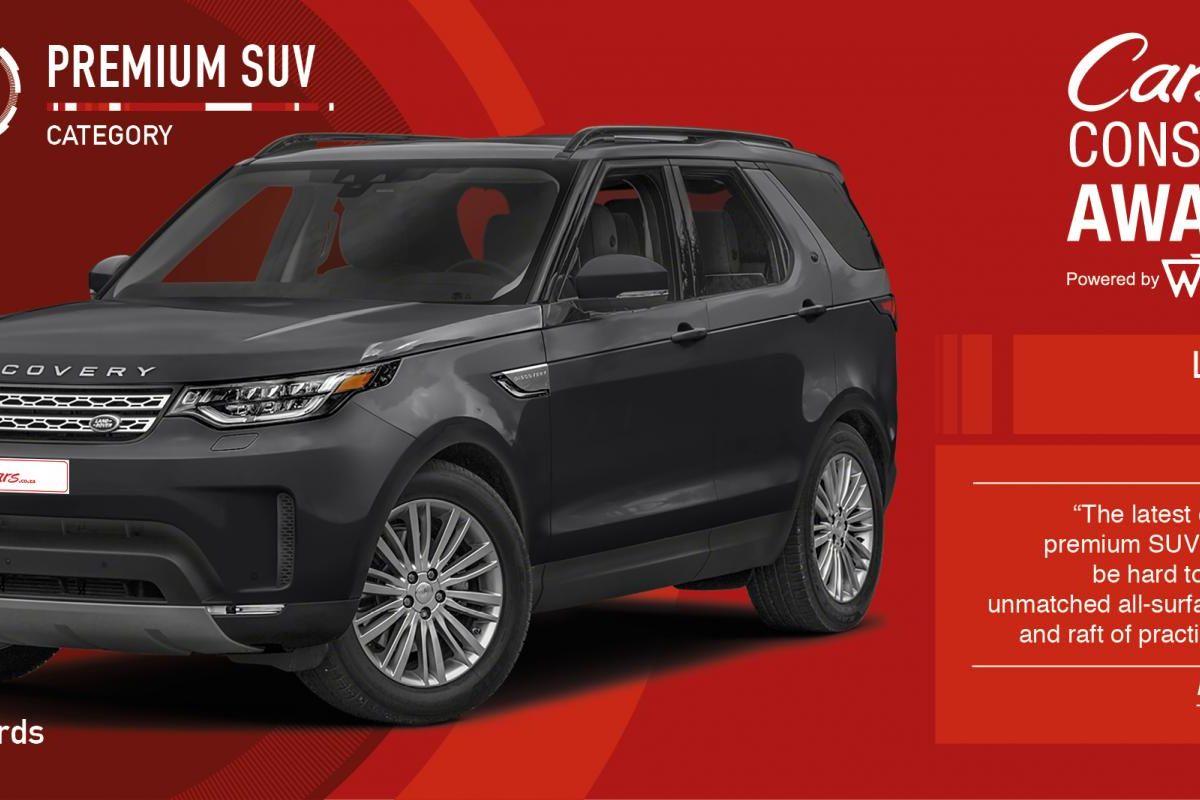
Land Rover Discovery
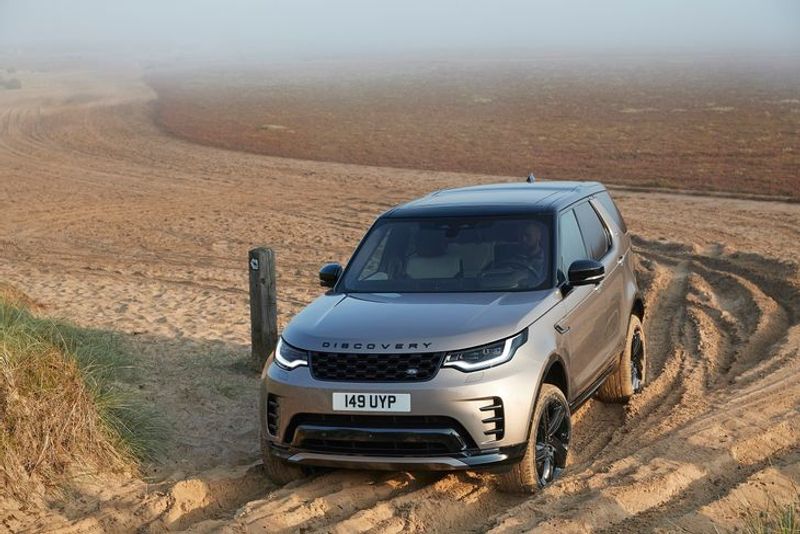
  • Ground clearance: 283 mm
  • Approach/Departure angles: 34/30 degrees
  • Low Range: Yes (option)
  • Off-road modes: Yes
  • Differentials: Two locking differentials (centre and rear)
  • Priced from: R1 466 362

In this latest update, Land Rover has added very subtle styling upgrades, superior infotainment and some new engines. The off-road ability remains core to the Discovery's appeal, even though it's unlikely that its full talents will ever be called upon by most owners. In standard spec, the vehicle is capable enough, but to really venture into the wild with confidence, you'll need to tick the Advanced Off-road Capability pack (R20 400) which adds a twin-speed transfer box (high-range/low-range), all-terrain progress control and the Terrain Response 2. An active rear locking differential is available for R13 300.

Land Rover is offering its Discovery in both petrol and diesel flavours, but if you're not a fan of the looks, then look to the Range Rover Sport range for similar levels of capability.

The latest Land Rover Discovery prices and specs here

Read a review of the Land Rover Discovery here

Browse new and used Land Rover Discovery units for sale here

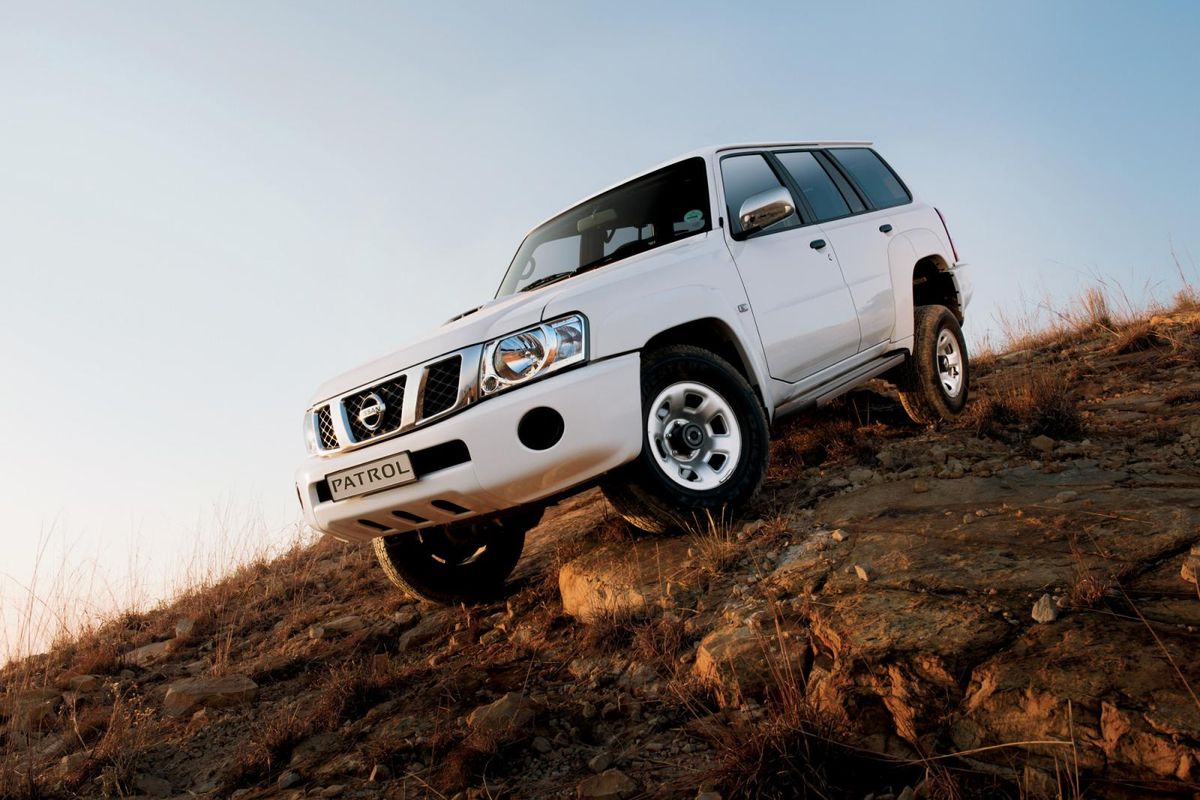
Nissan Patrol 
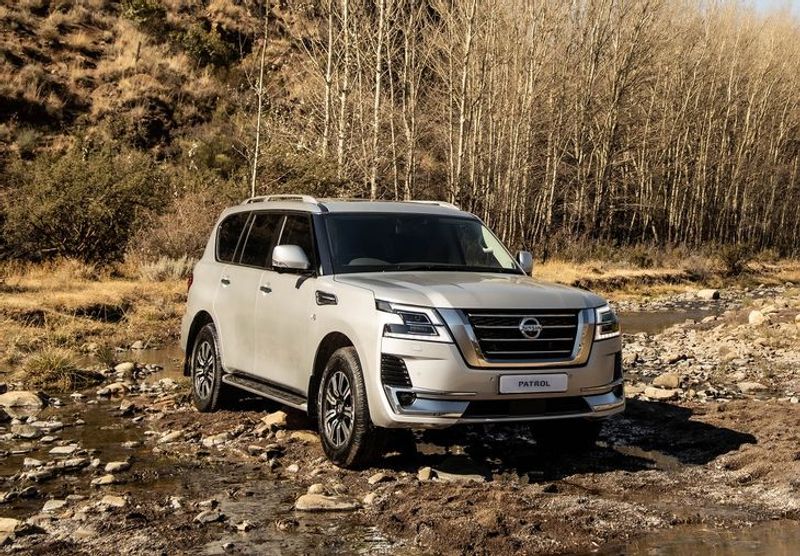
  • Ground clearance: 272 mm
  • Approach/Departure angles: 34.3/26.2 degrees
  • Low Range: Yes
  • Off-road modes: Yes
  • Differentials: Helical Limited Slip Differential (LSD) and locking rear differential
  • Priced from: R1 546 200

Equipped with Intelligent 4×4 and a 4-wheel limited-slip differential, the Patrol is near-unstoppable when it comes to tackling rough terrain with a total of 4 drive modes to choose from. Nissan says that the Patrol’s suspension has also been improved while also reducing vibration which should bode well for passenger comfort. The massive 5.6-litre V8 petrol engine is a favourite in the Middle-East dunes where its long gearing and high revs keep up momentum. 

The latest Nissan Patrol prices and specs here

Read a review of the Nissan Patrol here

Browse new and used Nissan Patrol units for sale here

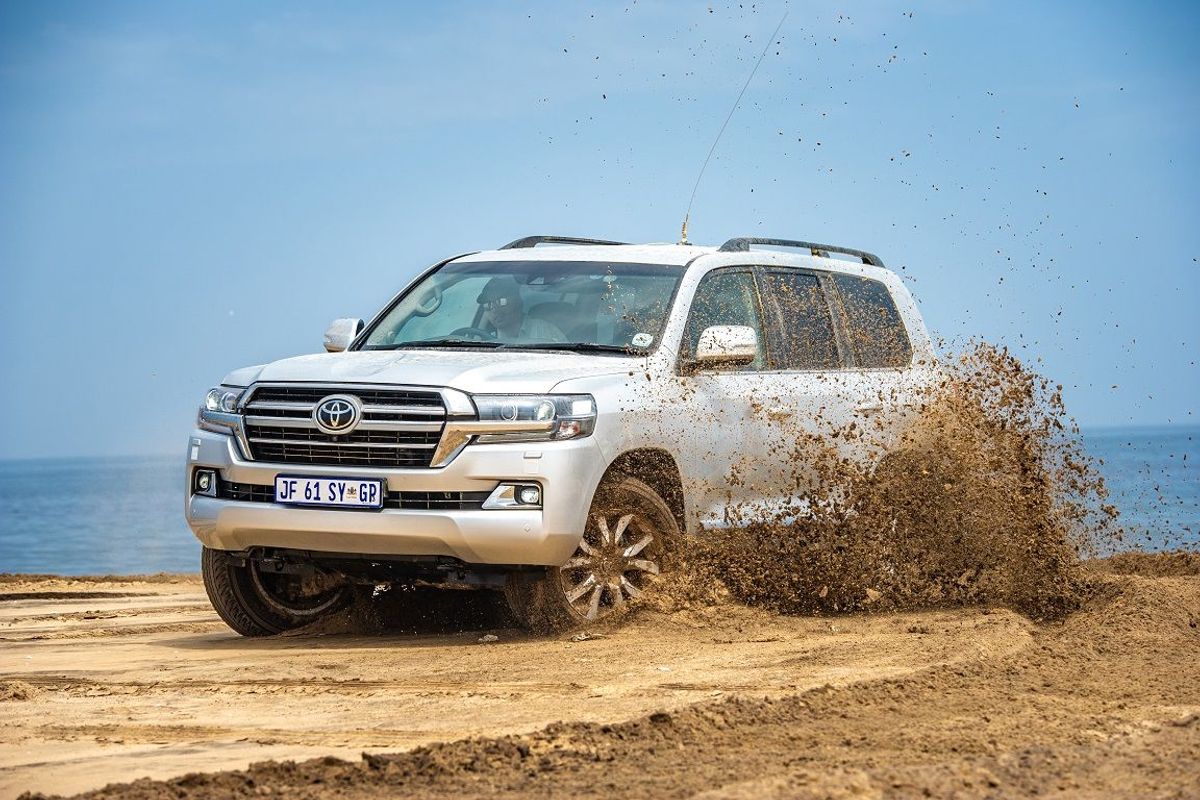
Toyota Land Cruiser 200
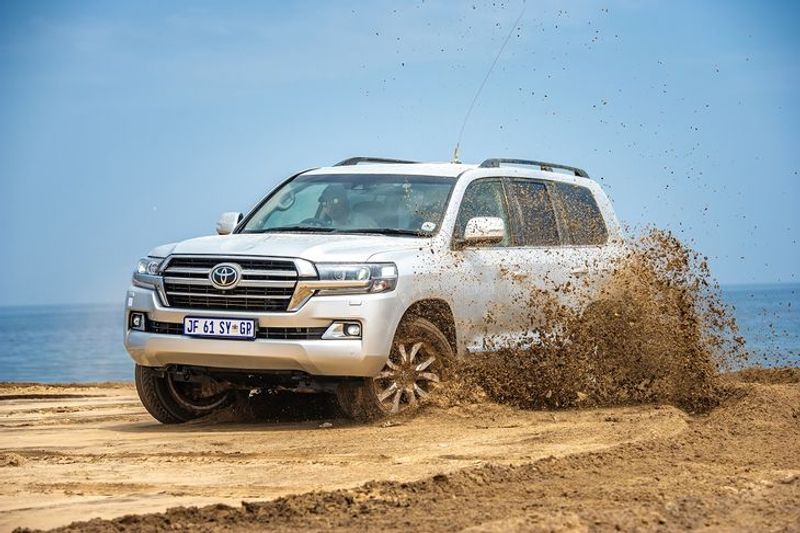
  • Ground clearance: 230 mm
  • Approach/Departure angles: 32/24 degrees
  • Low Range: Yes
  • Off-road modes: Yes
  • Differentials: Front (open), centre (torque sensing) and rear (specified in up to three varieties: open, locking and torque-sensing).
  • Priced from: R1 130 100

The figures and specifications don’t quite tell the full story. Yes, it has 230 mm of ground clearance and can wade through water 700 mm deep, but its ability to bulldoze obstacles while transporting its occupants in sheer comfort makes it one of the best. Let's not forget that legendary Toyota reliability either. The diesel V8 is distinctly old-school, but it has been tuned to run on poor quality diesel, meaning you can venture far from civilisation.

Despite its old powertrain, the off-road features are modern. There is Crawl Control, for example, which allows the driver to set a crawl speed for extremely rocky terrain. The Cruiser will stick to this speed as long as you don’t touch the accelerator or brake pedal. A Turn Assist function improves the vehicle’s ability to negotiate tight corners when Crawl Control is active. Then, there’s also ECT Pwr, which is great to boost momentum in mountainous driving conditions, and ECT 2nd, when pulling off in slippery conditions. There’s even a function called Idle Up, to boost the heating effect in very cold conditions when the vehicle is not moving. A centre differential lock switch is mounted to the right of the steering wheel as well.

The latest Toyota Land Cruiser prices and specs here

Read a review of the Toyota Land Cruiser here

Browse new and used Toyota Land Cruiser units for sale here

Further Reading

Winners: 2020/21 Cars.co.za Consumer Awards – powered by WesBank

Comparison: Land Rover Defender vs Toyota Prado
Toyota Land Cruiser 78 Returns

Better engines for Discovery

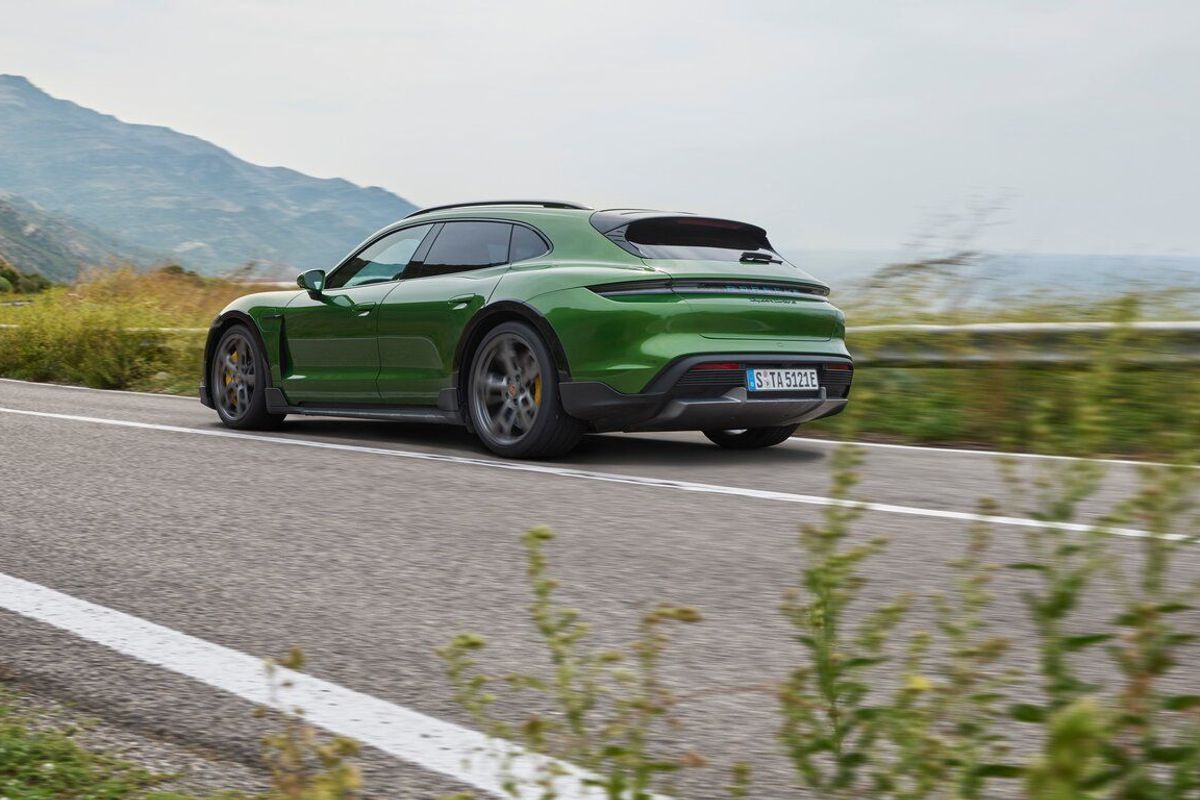
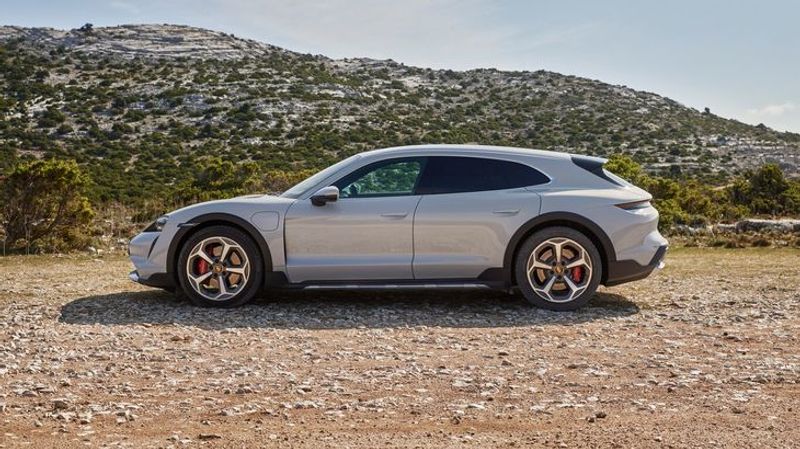
Porsche Taycan Cross Turismo Unveiled

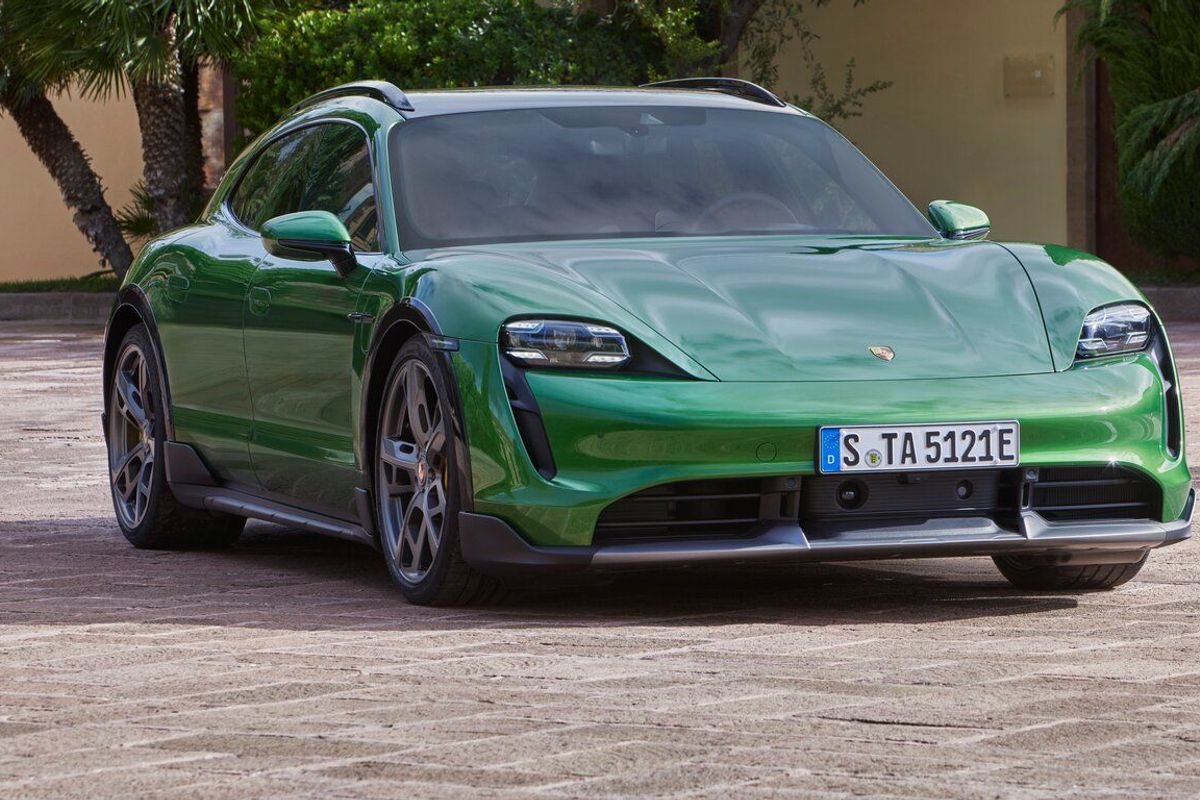
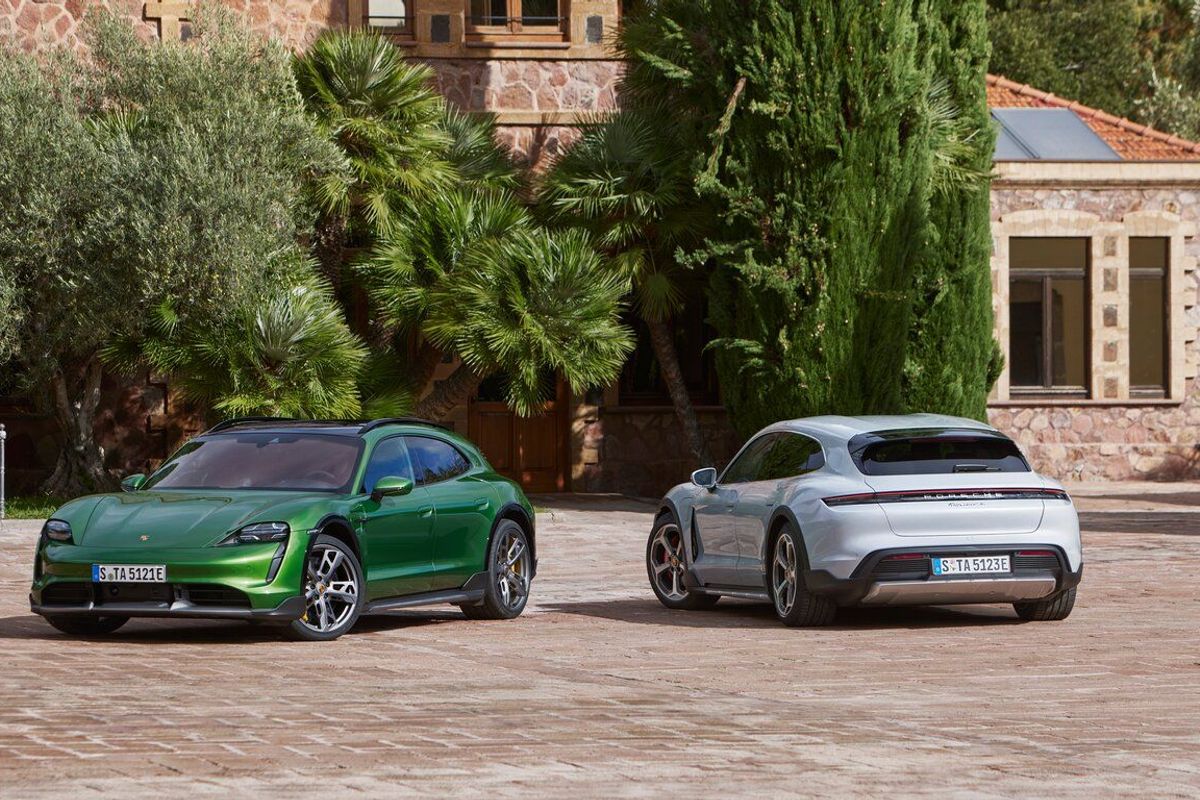
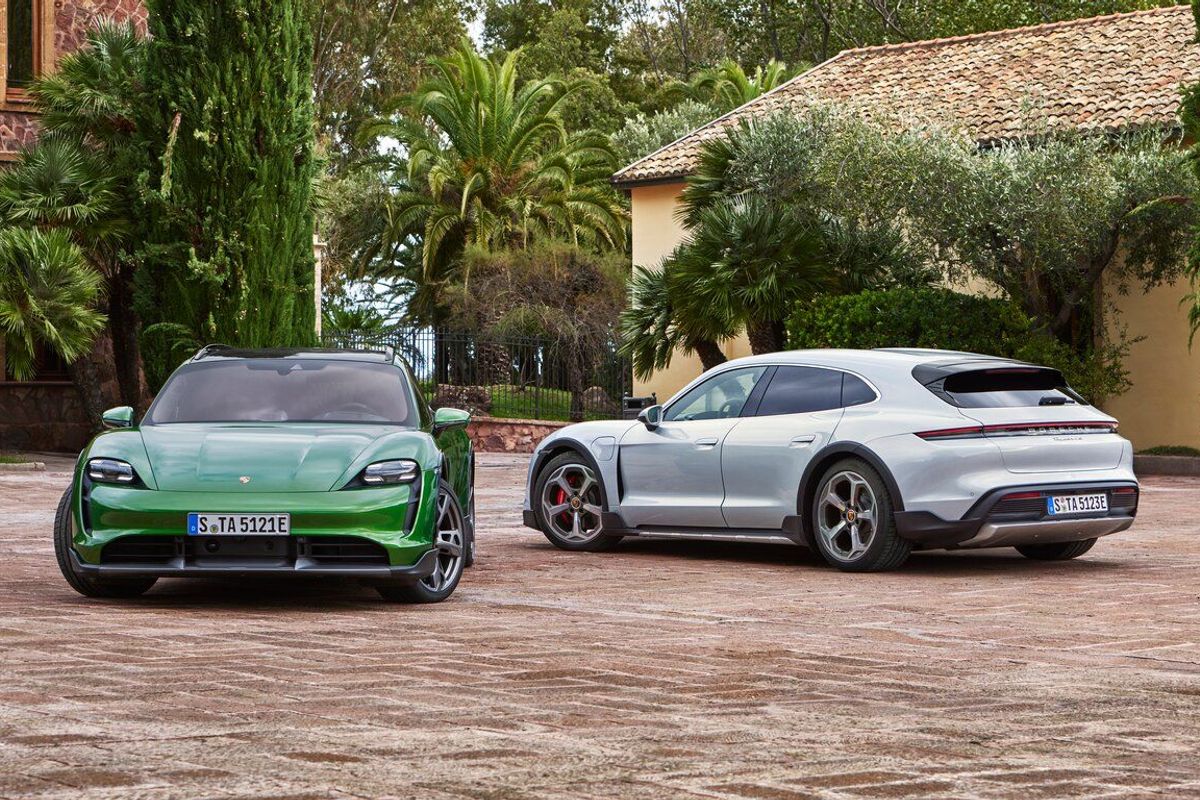
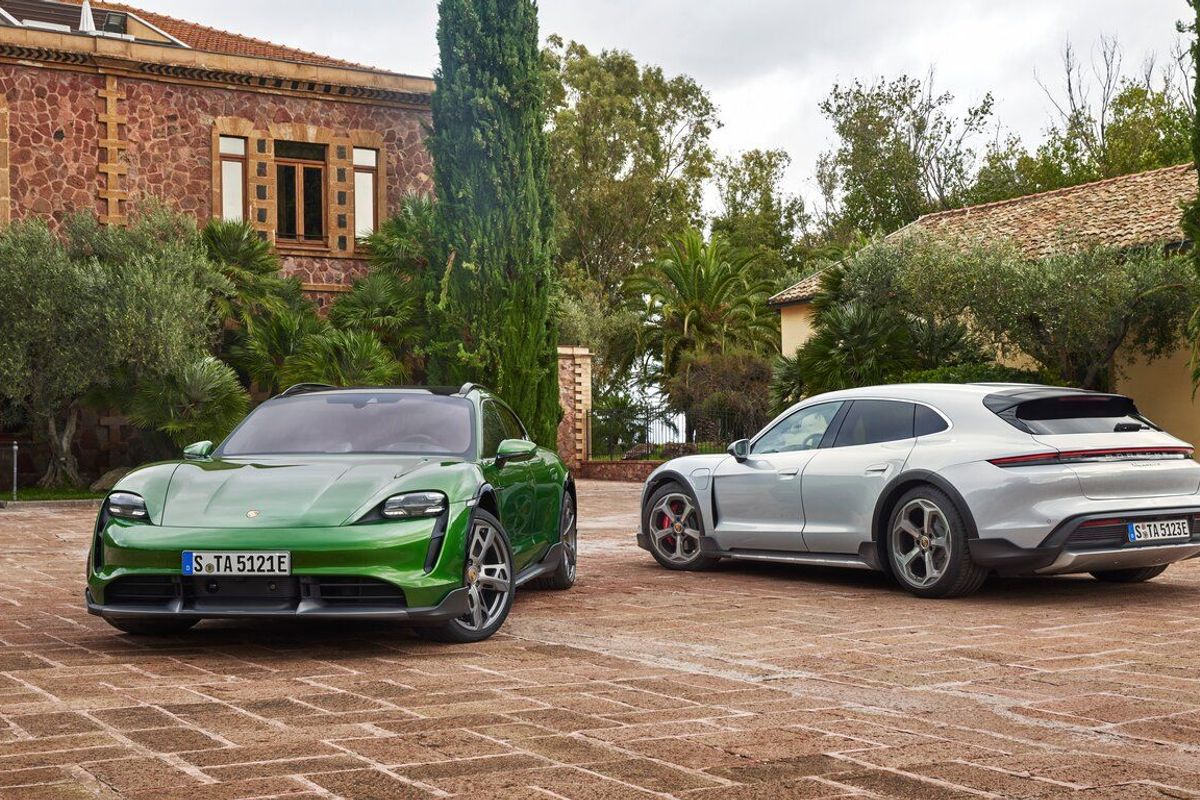
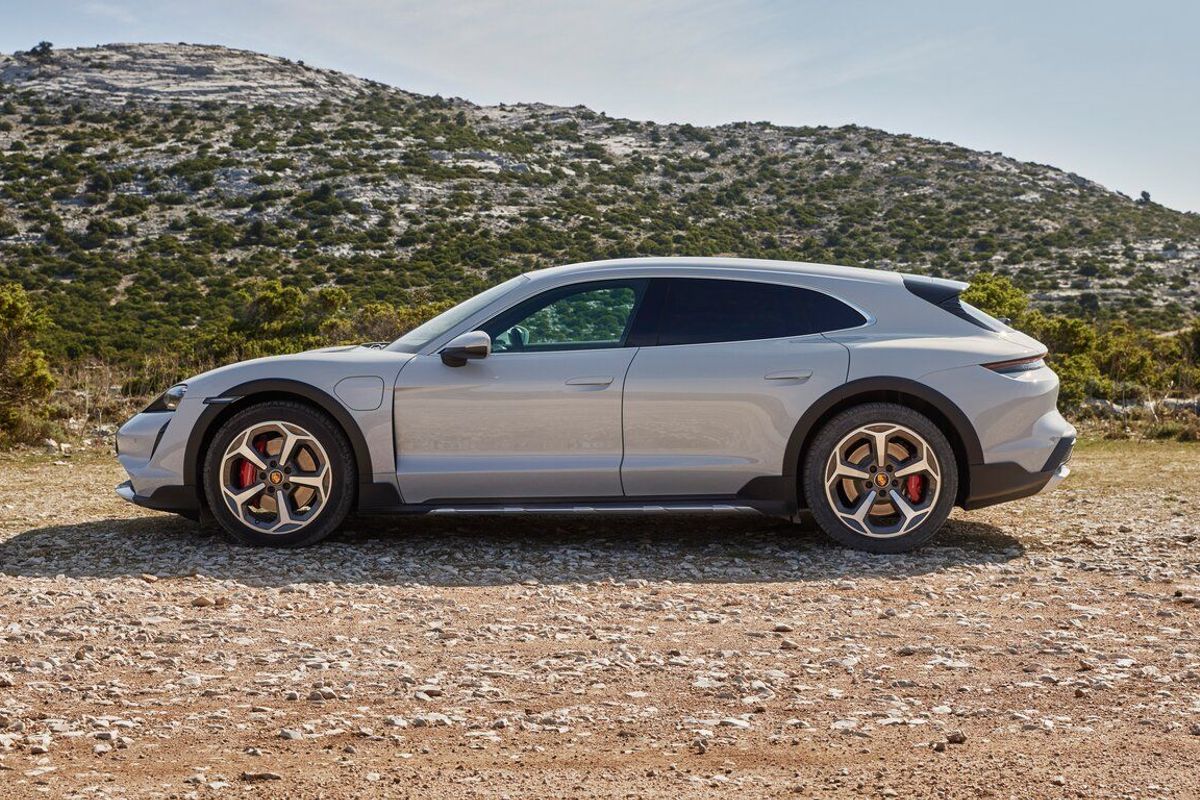
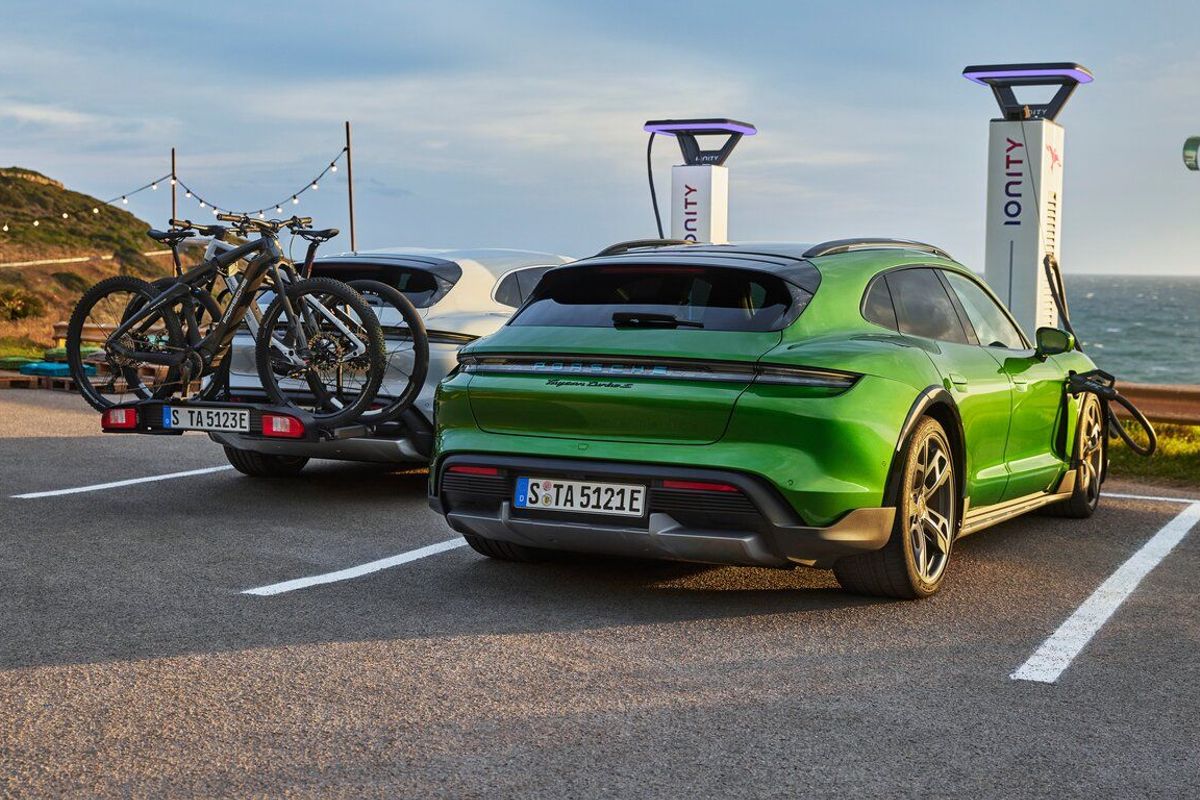
Porsche has unveiled its all-new Taycan Cross Turismo. It takes the current abilities of the all-electric Taycan and transforms them into a versatile off-road version.

“In 2019, we sent out a key signal with the debut of our first all-electric sports car,” said Oliver Blume Chairman of the Executive Board of Porsche AG, at the world premiere of the new, even more versatile derivative. “We see ourselves as pioneers of sustainable mobility: by 2025, half of all the new vehicles we will deliver will have an electrified drive – either fully electric or plug-in hybrid. In 2020, one in three of all vehicles we delivered in Europe had an electric powertrain. The future belongs to electric mobility. With the Taycan Cross Turismo, we’re taking another major step in this direction.”

The Porsche Taycan Cross Turismo features electric drive 800-volt architecture, a high-tech chassis with all-wheel drive, and adaptive air suspension. Porsche claims the Taycan Cross Turismo has a touch more headroom for rear passengers and more than 1 200 litres of boot capacity. There'll be 4 derivatives on offer. 

Starting off the range is the Taycan 4 Cross Turismo with a 280 kW electric motor. It can summon 350 kW of overboost power for launch control and Porsche reckons it'll hit 100 kph in 5.1 seconds and max out at 220 kph. It has a WLTP range of between 389 and 456 km. Next up is the Taycan 4S Cross Turismo which has 360 kW. It too has an overboost function that takes it up to 420 kW to enable it to launch to 100 kph in a claimed 4.1 seconds. A top speed of 240 kph is claimed and based on the WLTP cycle, has a range of between 388 and 452 km. 

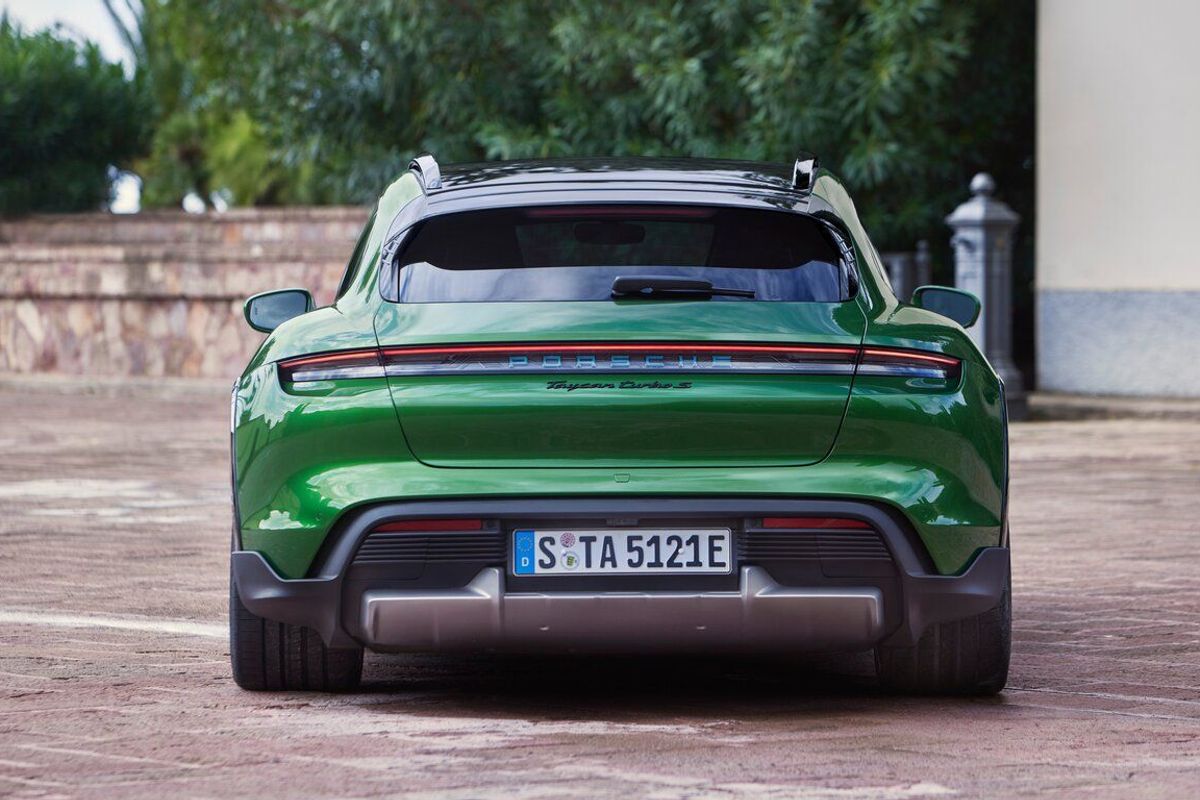
The turbo badge is available, despite the lack of said hardware and the Taycan Turbo Cross Turismo features 460 kW, but with its overboost, it'll produce 500 kW, giving it a claimed 0-100 kph time of just 3.3 seconds and it will onto a top speed of 250 kph. A WLTP range of between 395 and 452 km is claimed. At the top of the family sits the Taycan Turbo S Cross Turismo which produces 460 kW, but with launch control dialled up, this climbs to 560 kW. Porsche claims 0-100 kph in 2.9 seconds, a top speed of 250 kph and a WLTP range of between 388 and 419 km.

All Porsche Taycan Cross Turismo models feature all-wheel drive and adaptive air suspension, with the option of the Off-Road Design package which increases the ground clearance by up to 30 mm. It even has a gravel mode, for the rougher roads. 

Porsche Taycan Cross Turismo Price in South Africa (March 2021)

The below prices include the Porsche 3 year/100 000 kn Driveplan

Taycan 4 Cross Turismo            R2 511 000

Taycan 4S Cross Turismo          R2 619 000

Taycan Turbo Cross Turismo     R3 459 000

Further Reading

Porsche Taycan loses a motor to become RWD

Porsche Taycan Turbo S launch review

Porsche Taycan claims 4-door EV record at Nurburgring

Mercedes-Benz E-Class (2021) Launch Review

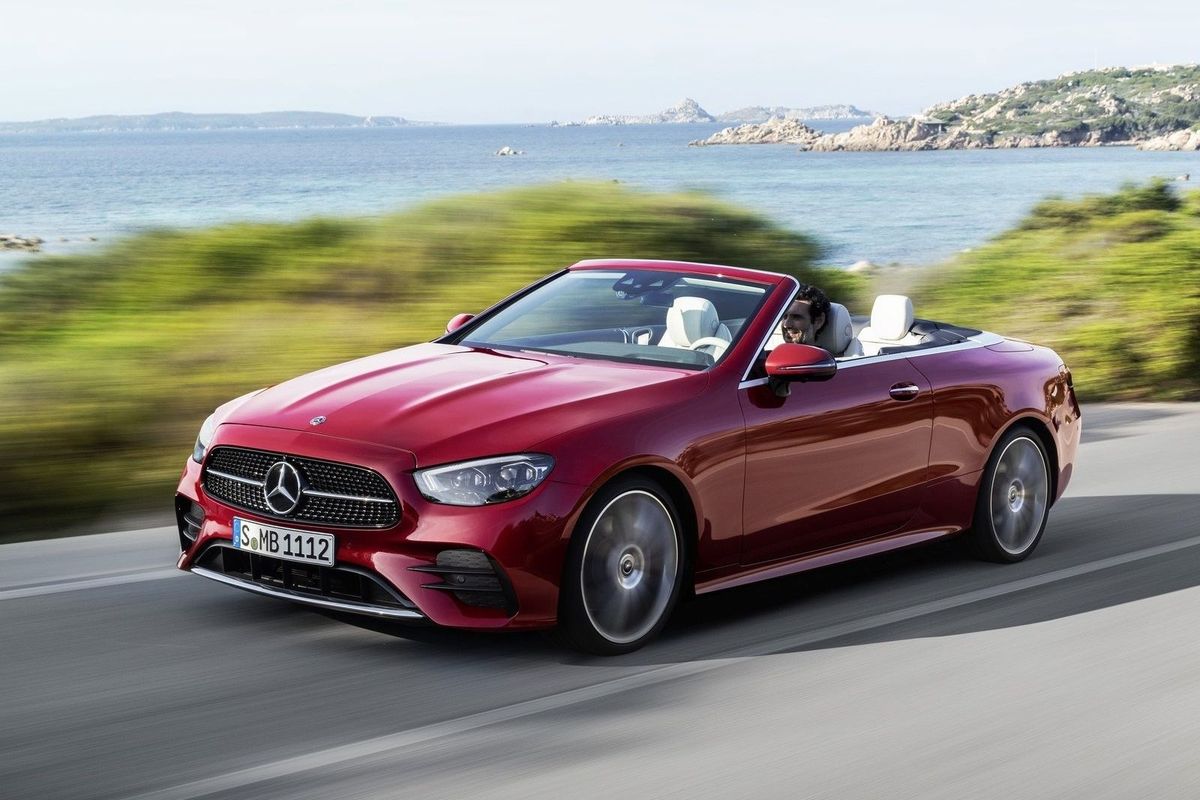
The facelifted E-Class arguably lives in the shadow of Mercedes-Benz's recently unveiled all-new S-Class and C-Class models, but that does not mean the local arrival of updated versions of the executive range (sedan, coupe and cabriolet) isn't newsworthy, writes our contributor – #CarsAwards judge Ernest Page.

When I first drove the current generation E-Class (W213) in 2016, the Sindelfingen-based brand's executive sedan boasted the then-new MBUX system (remember the sensational debut of the widescreen cockpit?) and numerous safety advancements, many of which have become mainstays in contemporary Mercedes-Benz models. Now, some 5 years later, the E-Class range has been revised and I had an opportunity to spend some time on the road (and a track) with the various variants. Does the E still have what it takes to compete with the revised BMW 5 Series and the perennially underrated Audi A6?


Apart from the E200- and E220d Avantgarde sedan derivatives, the AMG Line package is standard on all E-Class products. 

Cosmetic changes across the range

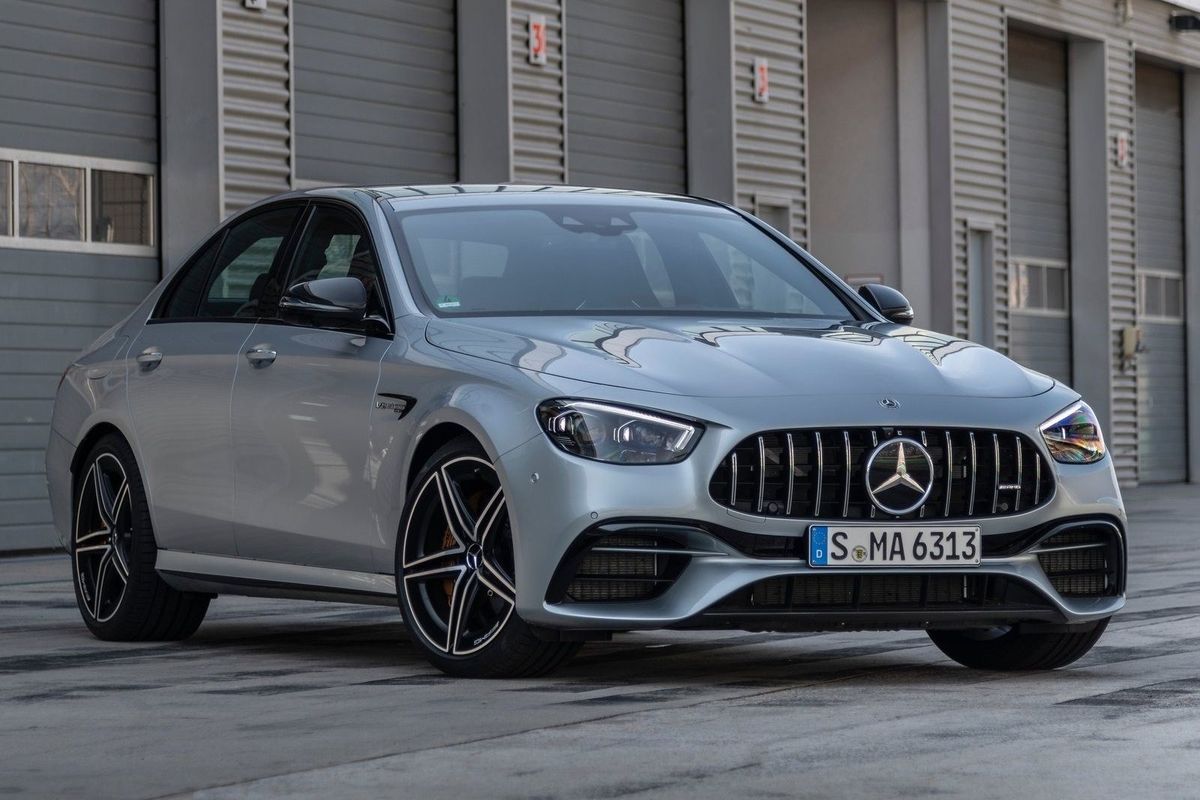
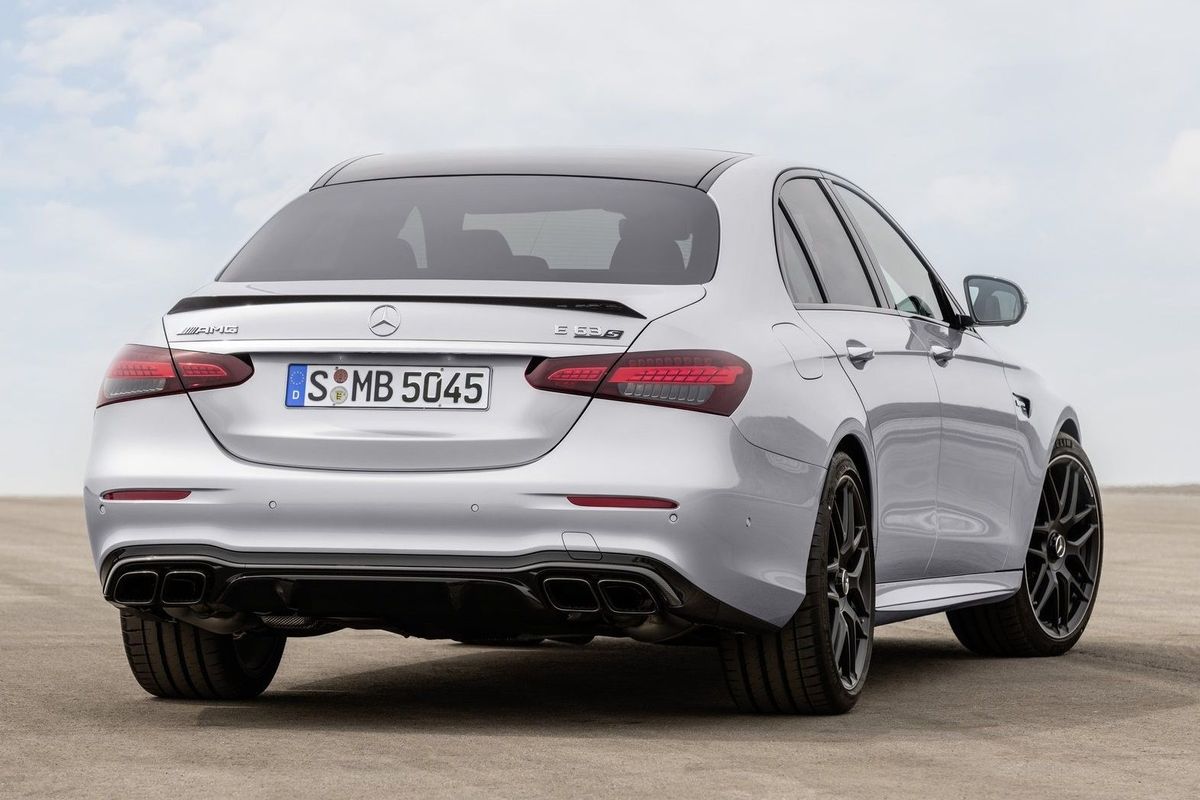
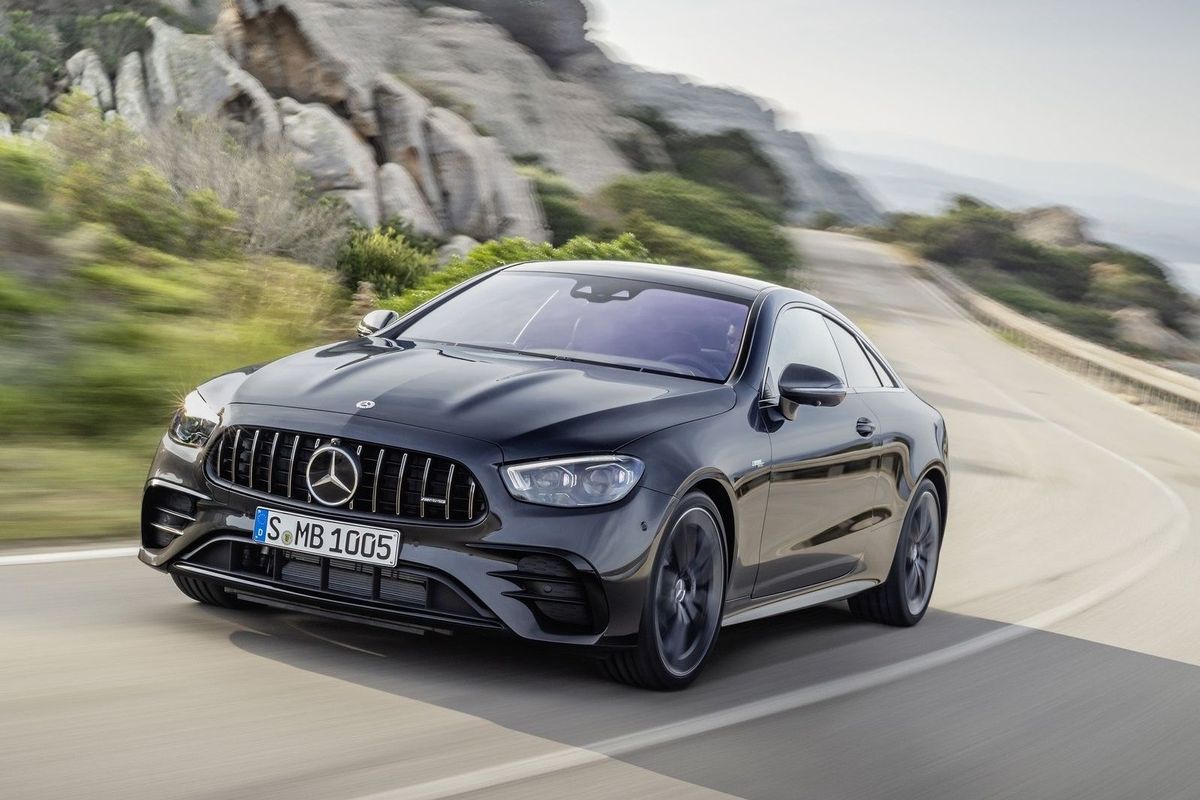
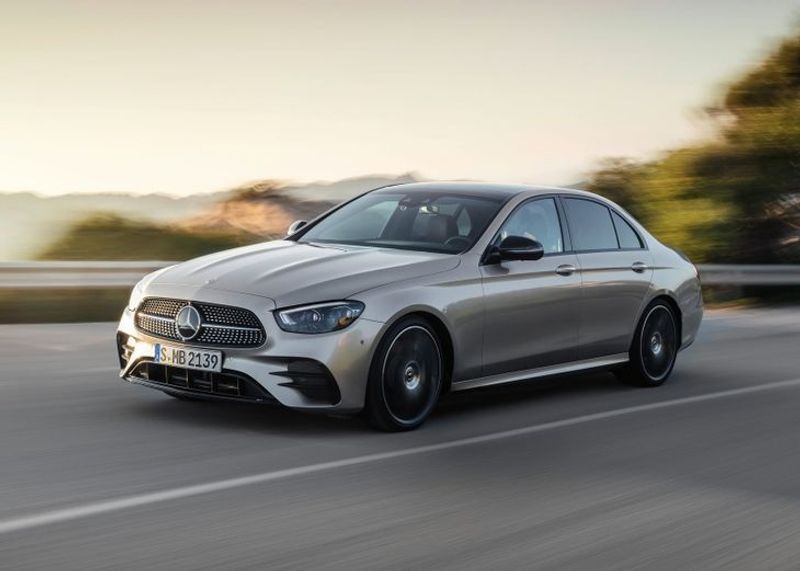
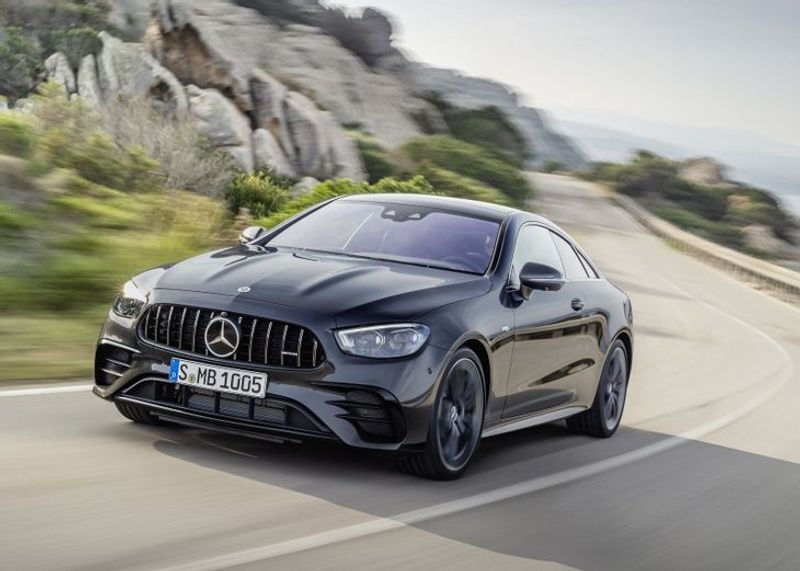
All the derivatives in the extended E-Class line-up now come with redesigned LED headlamps and slightly-revised front bumpers that bear a more-than-passing resemblance to that of the AMG GT sedan. Other than the 2 entry-level Avantgarde versions, the AMG-Line trim level is standard, so signature AMG bonnet bulges, which seem to inspire drivers to pursue imaginary corner apexes, are included. 

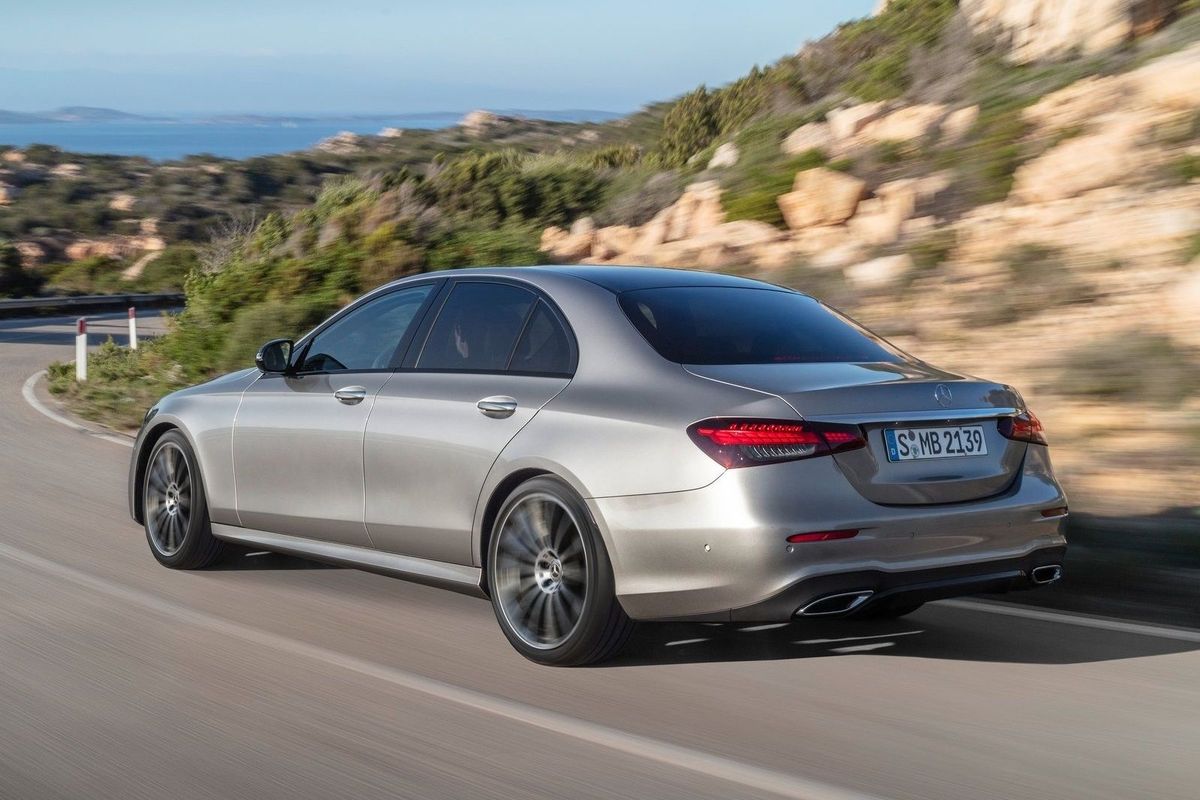
But to focus just on the sedan for a moment, its side profile looks much the same as before the facelift, although keen eyes will notice the provision of new wheel design options, replete with unusual metal faces, which, according to Mercedes Benz, aids aerodynamic efficiency. At the rear, the tail-light clusters are now 2-piece designs and, of course, features LED lighting elements throughout.

Visually, the E-Class doesn't seem as imposing as when I first encountered it, but then it's always been painfully understated (unless in AMG guise). It still has a sophisticated kerb presence, however.


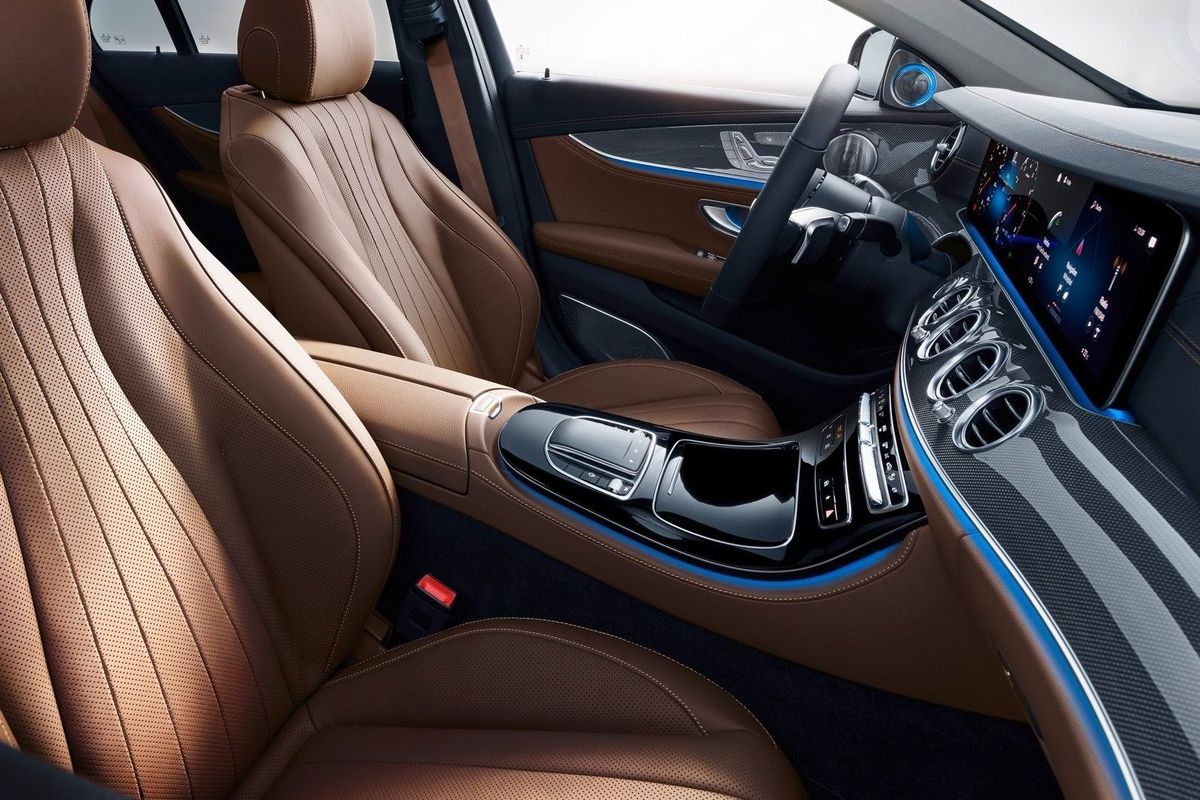
Our contributor strongly recommends trying out the E-Class' energising front-seat kinetics.

Detail interior upgrades

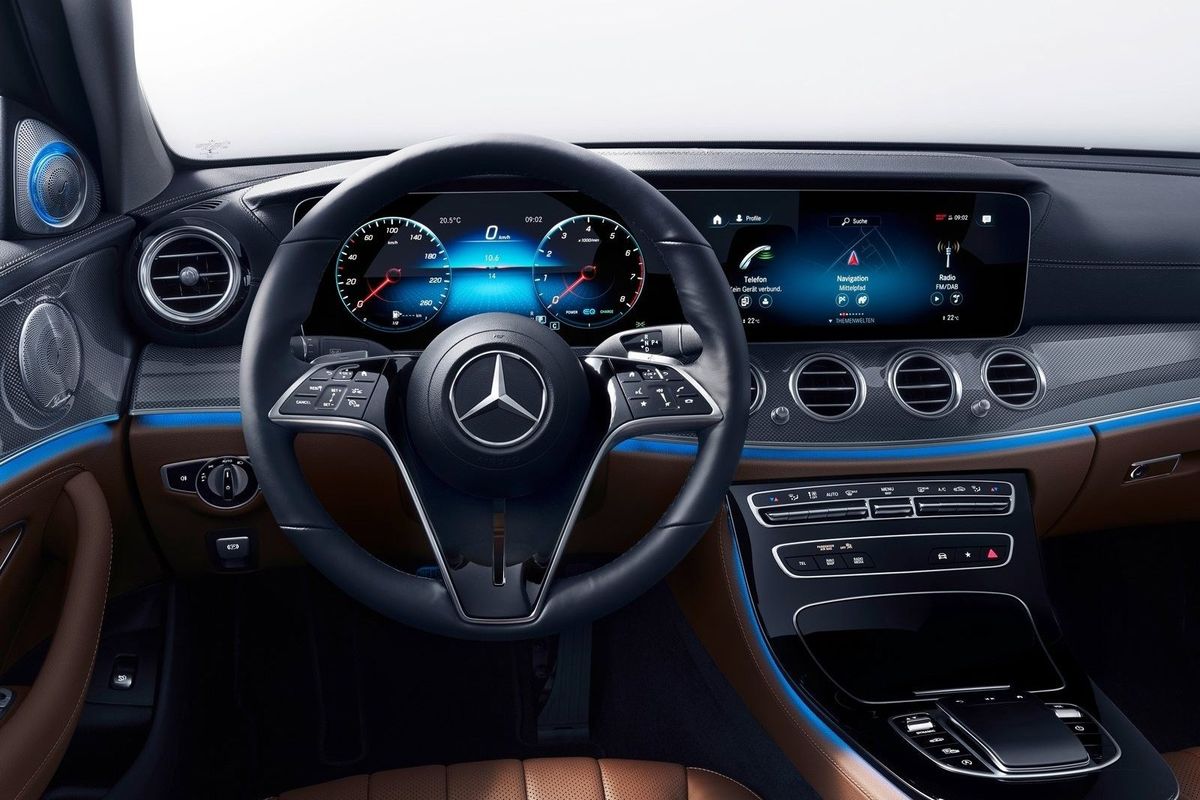
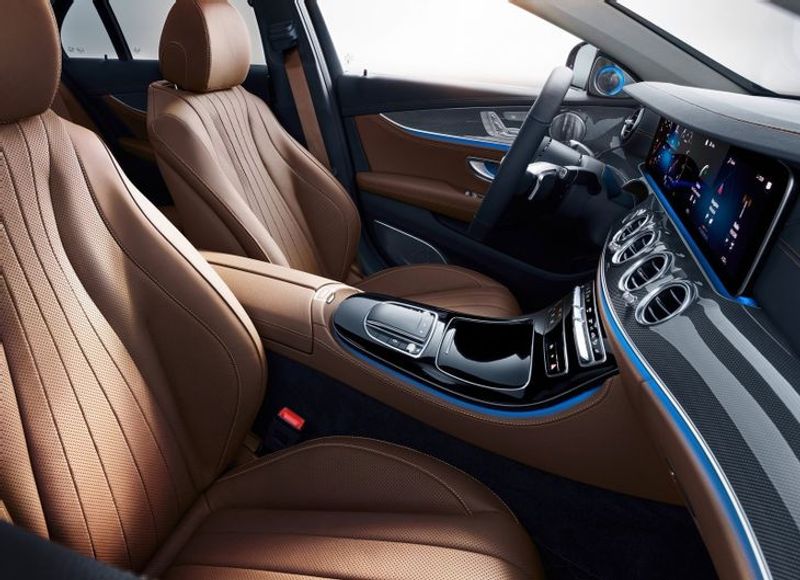
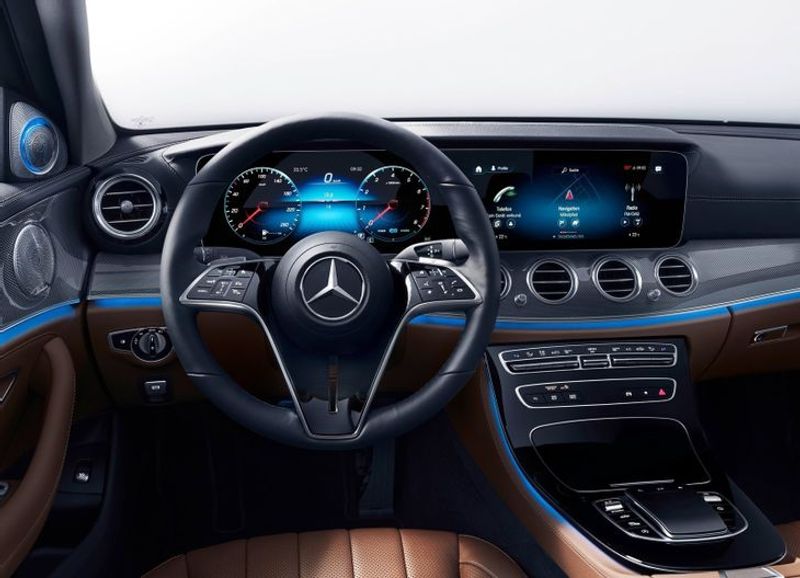
This E-Class facelift technically pre-dates the S-Class, which explains why its newer C-Class sibling's interior looks more like the inside of Benz's new grand saloon. Having said that, the W213's cabin still incorporates notable improvements despite its older architecture. The biggest change is the new steering wheel, which features a new design and a host of haptic buttons. At first, it seems quite a busy design, but once you've figured out all its functions, this new Benz tiller rewards the driver with more than just an improved steering feel. I do, however, wonder if prospective owners will notice the latter.

The new 'wheel also incorporates updated sensors for detecting a driver's presence, by the way. Other features that are newly available include Urban Guard, which offers all-round surveillance of the vehicle when it is parked, Active Tailback Assist, which is another lane-keeping assist system at the driver's disposal, Active Blind Spot Assist, Parking Package and a newer 360-degree camera system.


The new steering wheel has quite a sculptural design and it is littered with buttons that offer haptic feedback.

My pick of the new functions is what Benz calls “energising seat kinetics”. Ever notice how one can end up squirming around in a car seat on long-distance journeys? The E-Class now does the squirming for you… the seats make minute adjustments and activate the massage function in subtle ways to stimulate the muscles you use while seated. My posterior looks forward to trying it out more in future…

The MBUX infotainment system, meanwhile, now comes standard with 10.25-inch screens, but customers can also opt for the larger 12.3-inch units. The E-Class' now-ubiquitous “Hey Mercedes” voice-control interface has been upgraded to accept additional commands, while new trim options, such as open-pore grey ash wood and aluminium with light carbon-fibre-grain inserts, are available.

On-road performance

My updated E-Class driving experience kicked off with inner-city trundles in the E300 coupe, E300 cabriolet and 220D sedan respectively, all of which proved eminently comfortable to drive – potential owners will be glad to know that the revised offerings' on-road manners are just as "Mercedes-Benz refined" as can be expected of the brand's luxurious- (as opposed to sportier) derivatives.

Although the cars' steering, brakes and suspension setups can respond to enthusiastic driver inputs with reasonable levels of dynamism, they're most adept at insulating their occupants from road imperfections in an unflustered, refined manner. The E300's 190 kW/370 Nm 2.0-litre 4-cylinder turbopetrol motor delivers super-creamy performance and is ever-eager to deliver bursts of overtaking acceleration. The smaller-engined E220d, although sufficiently powered (143 kW/400 Nm), felt less inclined to respond to throttle inputs with much vigour, which points to its focus on efficiency.

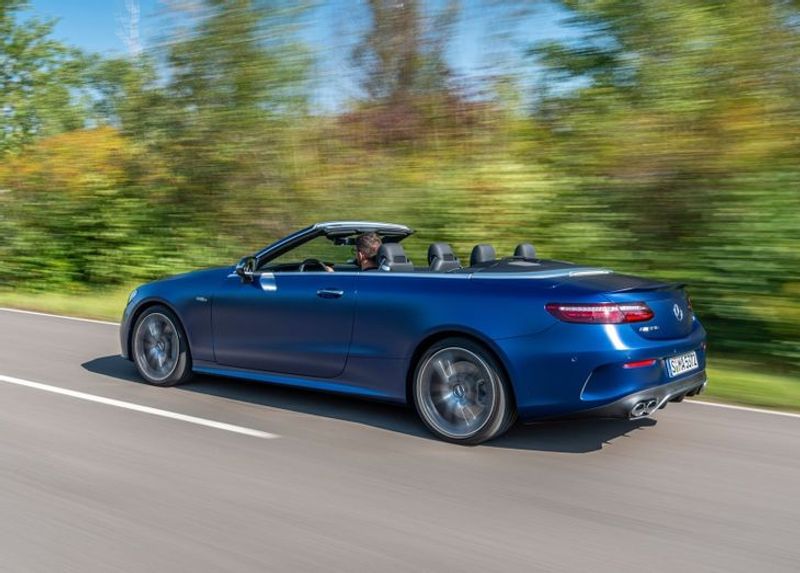
My pick of the bunch was the incredibly stylish E300 convertible, which demonstrated minimal scuttle shake, and remained quite comfortable to drive despite its stiffer AMG Line suspension setup.  

On track with the AMGs

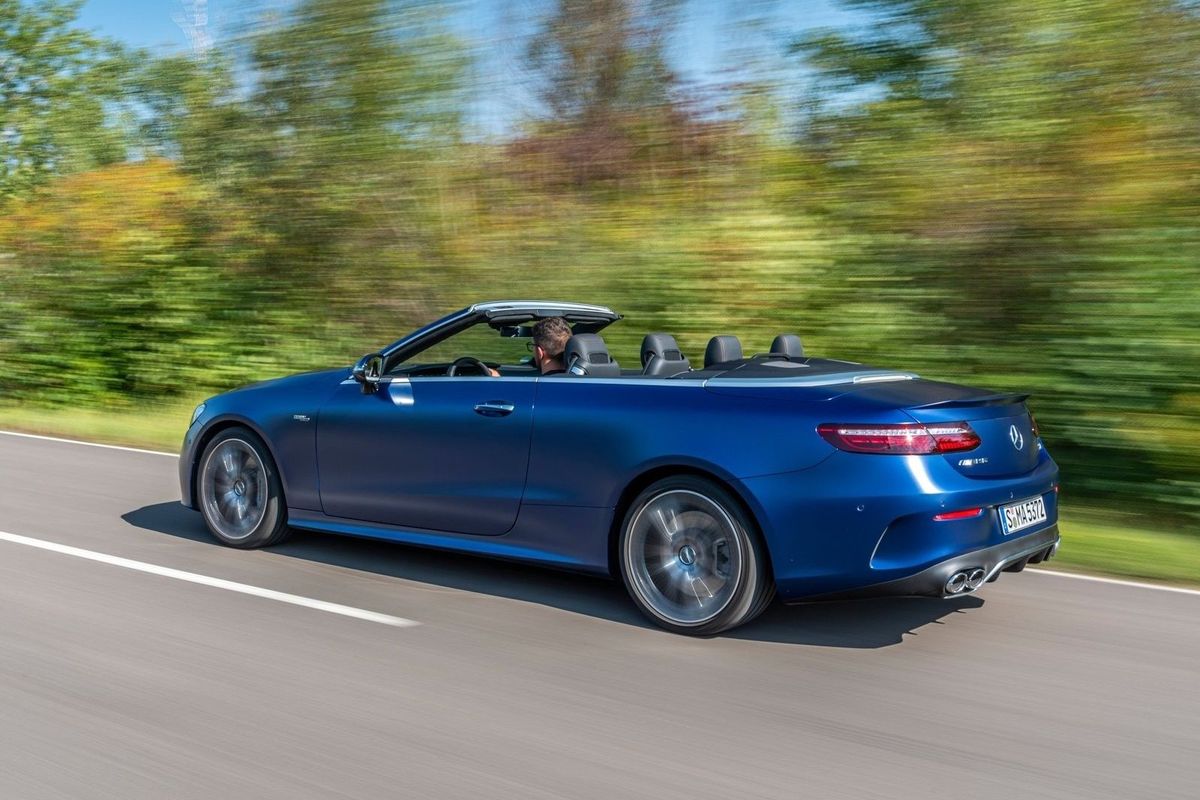
Our on-track antics were focused on the respective AMG models. The Mercedes-AMG E53 is offered exclusively in coupe and cabriolet guises; it retains the same thumping 320 kW/520 Nm 3.0-litre inline-6 turbopetrol engine as before and, after doing various activities in this car (ranging from drifting to drag racing, believe it or not), the "53" managed to change my opinion about it! Not only is it an attractive and balanced package, but the coupe, especially, has an ever-so-subtle edgy side to it. Even though its “53” badge might leave some hardcore enthusiasts cold, the E53's very entertaining to drive.

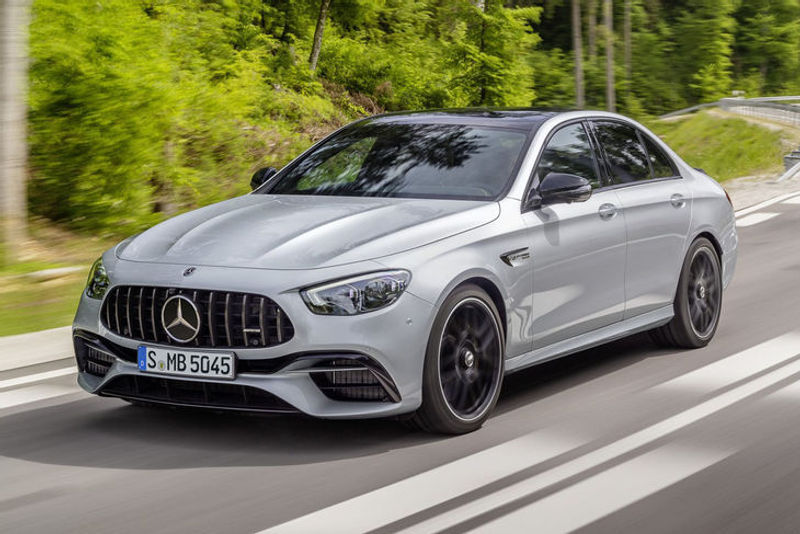
A car that does let its badging do the talking, however, is the E63 S 4Matic+. Make no mistake: Affalterbach's "other super sedan" (after the bonkers AMG GT 4-door) is still a tour de force of a high-performance limousine. It features the same updates as the rest of the range, however, the AMG grille and sculpted bumper are more elaborately styled to create a menacing frontal appearance!  
The E63 S 4Matic+ delivers mind-bending acceleration courtesy of its 450 kW/850 Nm 4.0-litre twin-turbo V8, which must be appreciated while it's still in production. The 0-100 sprint is said to take 3.4 sec and professional hooligans (such as myself) can rest assured that Drift Mode is still available, albeit after executing the kind of finger-twisting manoeuvres as you'd see in a Snoop Dogg music video.

Prices & after-sales support

Pricing for the E200 Sedan starts at R920 000, with the range-topping E63 S 4Matic+ retailing for R2 423 000. Prices include a 2-year/unlimited km warranty and 5-year/100 000 km maintenance plan.

Summary

The E-Class might not be Benz's most popular model in South Africa, but it remains a staple for Mercedes Benz in other (and major) markets. Although the SUV-fication of the South African luxury-vehicle segment (heck, most of the passenger-car market) is well advanced, loyal Mercedes owners will be glad to know the E-Class range has been updated, yet remains unchanged in the ways that matter.

Related content:

All-new Mercedes-Benz C-Class Debuts

Mercedes-Benz S-Class (2021) Specs & Price

Audi A6 40TDI S Line (2020) Review

BMW 5 Series (2021) Specs & Price

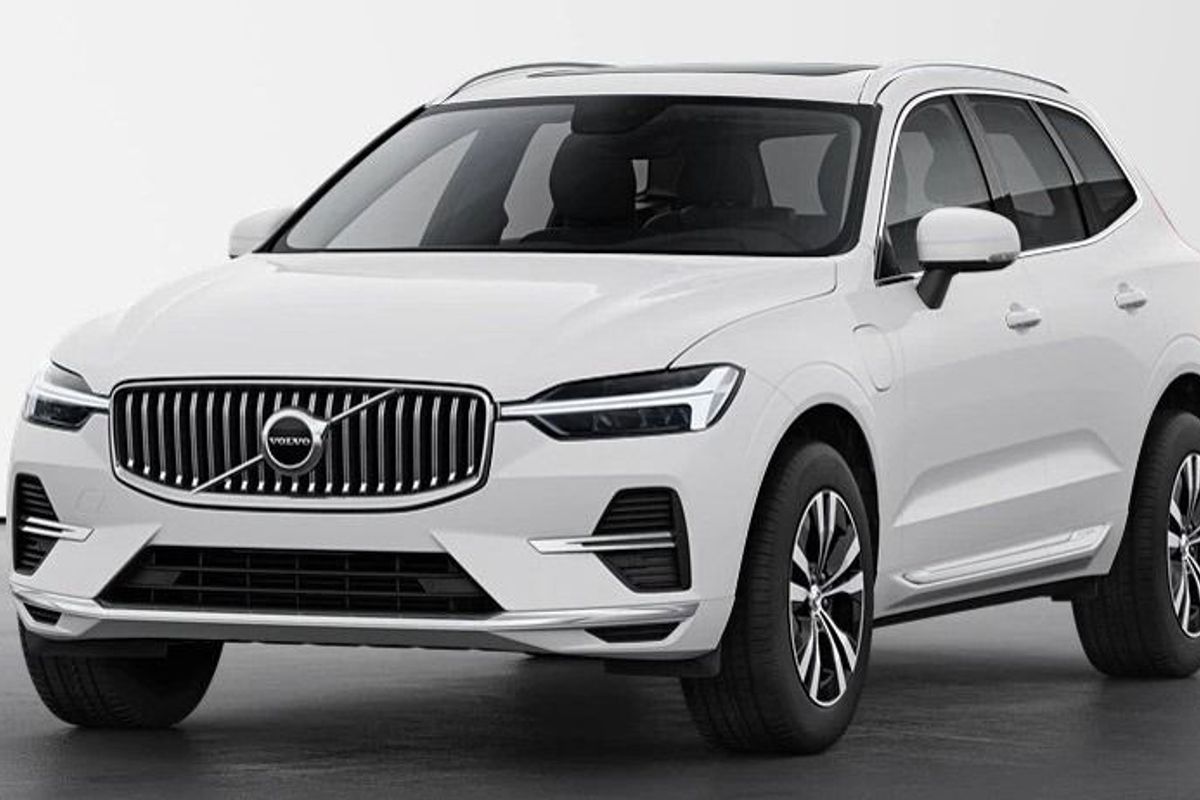
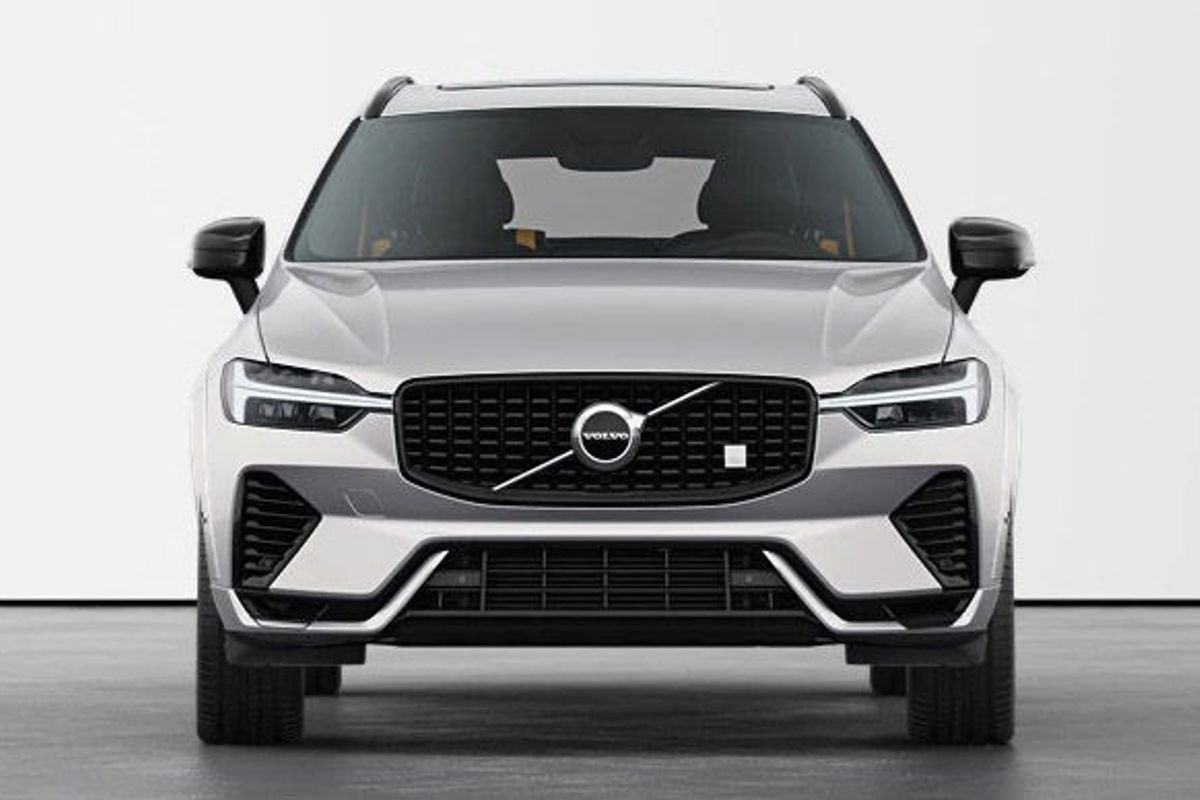
Cleaner look for XC60

Volvo has announced updates for its XC60 SUV, plus there are Polestar Engineered upgrades

Volvo has applied some slight styling and equipment changes to its popular XC60 mid-sized SUV.

With the second-generation XC60 now into its fifth year of production, a mid-lifecycle update was expected.

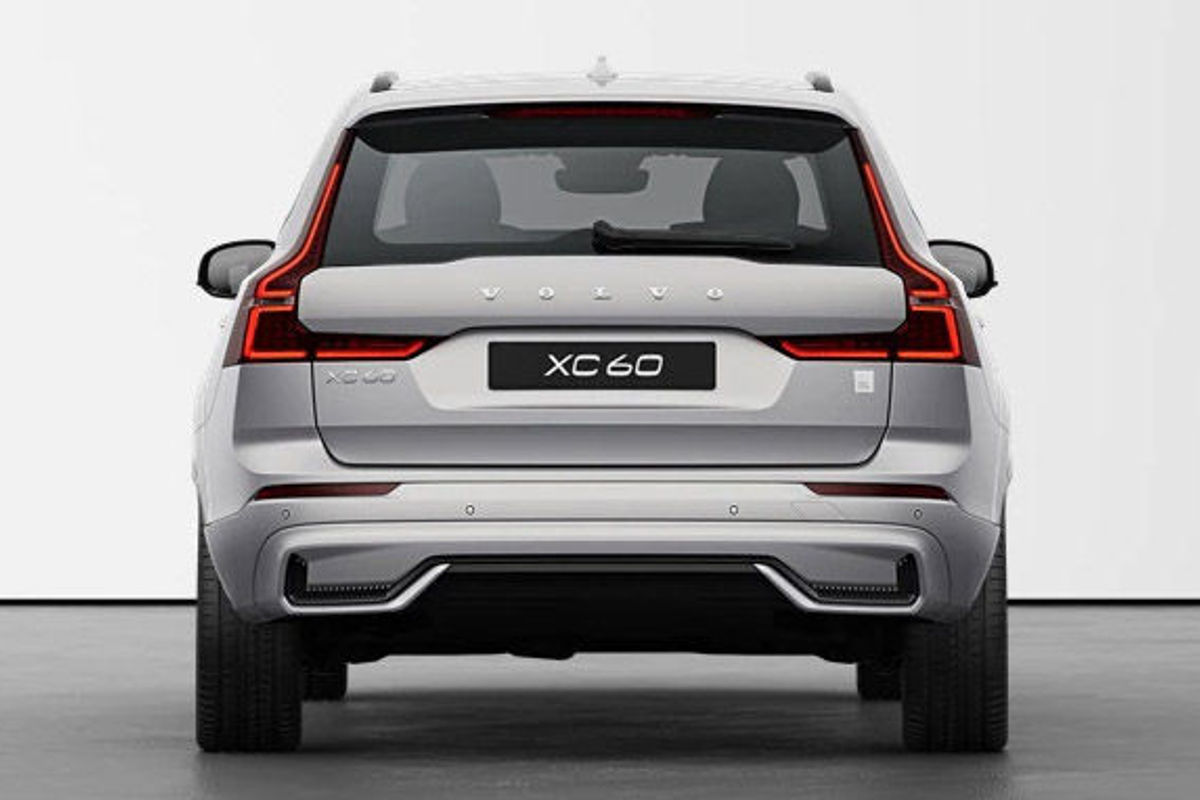
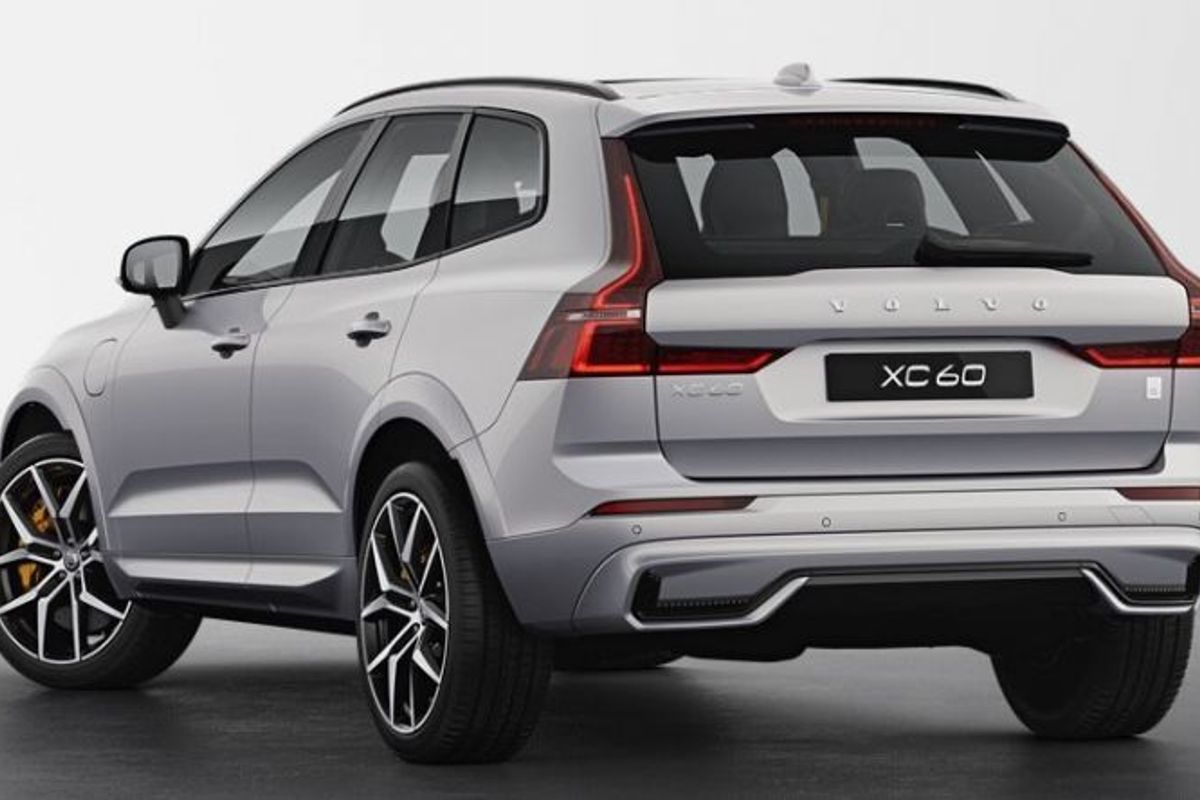
Volvo has retained the handsome overall proportions of XC60, applying very slight styling changes. The bumper’s lower corner cut-outs are now larger and around the back, Volvo has very sensibly rid XC60 of those silly fake exhaust ends.

The pseudo skid plates on both the XC60’s front and rear bumpers, have also been deleted, giving the SUV a much cleaner look.

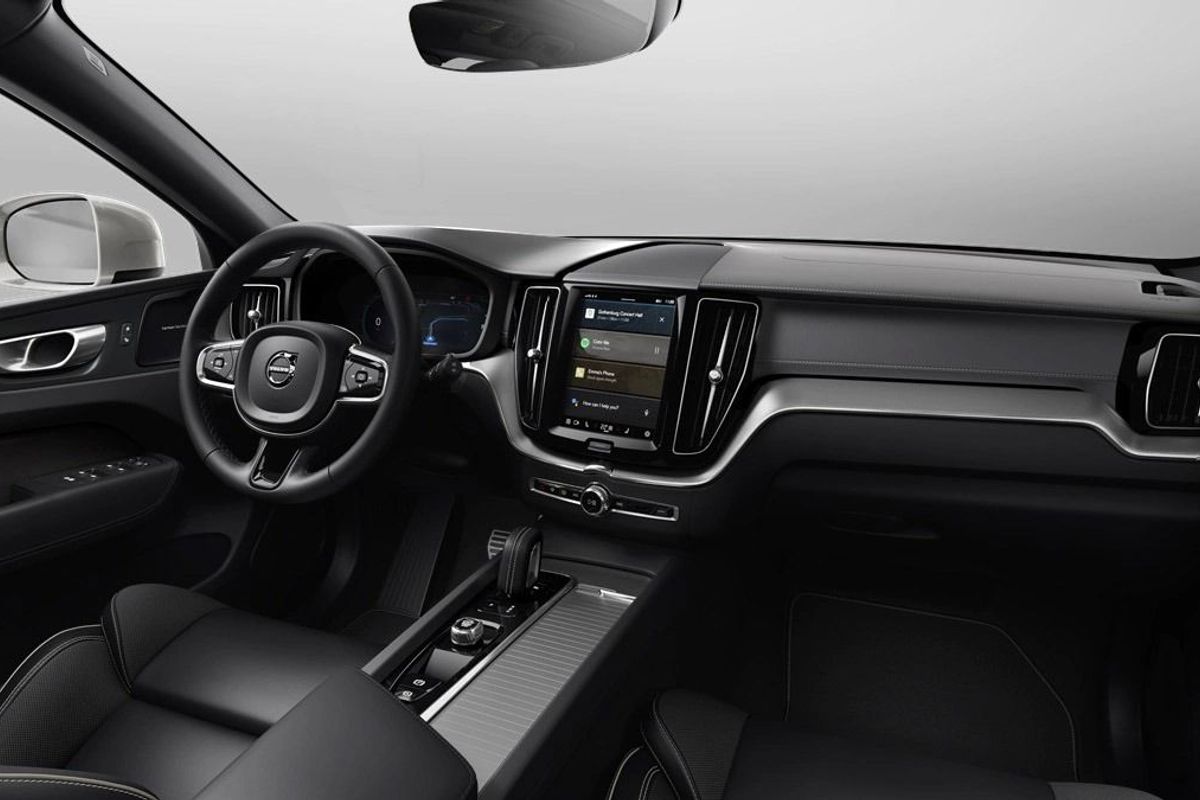
Volvo’s proven Sensus infotainment system remains in its vertical orientation, but now integrates the full Android Automotive OS system. This gives XC60 owners a vast realm of functionality within Google services, such as Google Maps, Google Assistant and Google Play Store. It also benefits from OTA updates, offering users a lot more than conventional Android Auto.

Cabin trim also reflects a more sustainable sourcing methodology from Volvo. It now offers tailored wool on its XC60, replacing leather.

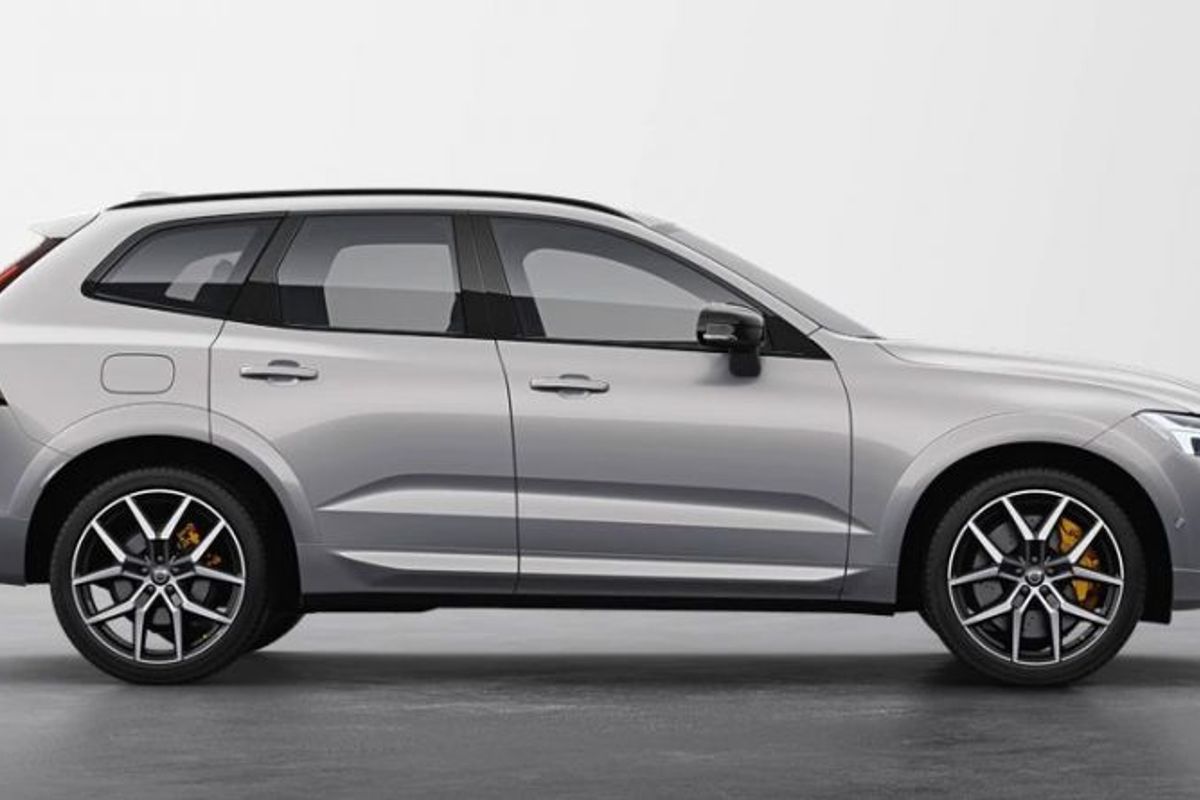
For those Volvo followers who would like their XC60 with slightly better driving dynamics, there is the Polestar Engineered package. This adds adjustable dampers from Swedish suspension specialist Öhlins and brakes from Akebono.

The Polestar Engineered package also rolls larger alloy wheels, with a bold design, and some R-Design exterior styling trim.

The Volvo XC60 is much-lauded, with multiple #CarsAwards – powered by WesBank category wins under its belt.

Further Reading

#CarsAwards – Best Executive SUVs in SA

Want to buy a Volvo XC60?

Volvo XC60 D4 R-Design (2019) Review

Volvo XC60 Facelift Video


VWSA Confirms Golf 8 GTI Specs

Volkswagen SA has confirmed specifications for the all-new Golf 8 GTI, which touches down in South Africa in the 2nd quarter of 2021. Here's what on offer.

The 8th generation of the iconic hatchback will be hitting showrooms in the 2nd quarter of 2021. We were meant to have a taste in Austria in 2020, but Covid-19 ended those plans, so you can say the Cars.co.za team is eager to see what the new model is all about.

With over 14 252 sales of the current generation in SA alone, it's easy to see why the GTI 7 and 7.5 have been popular. Blending performance, premium features and practicality into one stylish package, the GTI may not have been the fastest and most enthralling to drive, but it did more things right than its competitors. 

The all-new Volkswagen Golf 8 GTI has a 2.0-litre turbocharged petrol engine that produces more power. Outputs of 180 kW and 370 Nm are quoted, and this is paired to a 7-speed dual-clutch transmission. Performance is brisk, with a claimed 0-100 kph time of just 6.4 seconds. There'll be just one derivative on sale and standard features include; 18-inch Richmond alloy wheels, Lights and Vision Package including high-beam control light assist, Climatronic air conditioning, heated leather-wrapped multi-function sports steering wheel with touch control and shifting paddles, GTI Vienna leather seats, keyless locking and starting system, Composition Media Radio, multi-colour InnoVision Cockpit, App-Connect, Cruise Control with speed limiter, Park Distance Control, mobile phone interface with inductive charging function as well as 30-colour ambient lighting.

The options list is substantial and we have no doubt customers will be making those ticks. There are things like the panoramic sunroof, mechanically swivelling trailer hitch, IQ Light: LED Matrix Headlights, Black Styling Package with black 18-inch Bergamo alloy wheels, Head-up Display, Adaptive chassis control including driving profile selection, smokers package, 19-inch Adelaide alloy wheels, Harmon Kardon sound system, Discover Pro Radio (Satellite Navigation, USB, Wireless App-Connect and Voice Control), Park Assist (parallel parking assistant), Rear Assist with rear view camera, Blind spot monitor (Rear Traffic Alert and Lane Assist including Electronically Folding Mirrors), Travel Assist (Lane Assist with Adaptive Cruise Control) and Adaptive cruise control with Front Assist and Autonomous Emergency Braking.


As far as colours go, there are 3 solid exterior hues (Pure White, Urano Grey, and Moonstone Grey), 4 metallics (Dolphin Grey, Atlantic Blue, Kings Red and Reflex Silver) and 2 pearlescent options (Deep Black Pearl and Oryx White Pearl).

Pricing has not been announced, but you get some idea of where the newcomer will be positioned as the current Golf GTI retails for R632 700, while it's sportier TCR sibling goes for R689 200. With the vehicle earmarked for the 2nd quarter of 2021, there's time to get your finances in order, or are you saving for the Golf 8 R, which should be landing before the end of the year?


The gear selector of the Volkswagen Golf 8 GTI

Further Reading

Volkswagen Golf 8 GTI International launch review

245 kW Volkswagen Golf 8 R Plus Coming? 

Volkswagen Golf R (2021) International Launch Review

Mazda CX-30 e-Skyactiv X engine upgrade

More torque for Skyactiv.

Mazda might not be AMG, but the Japanese company’s search for superior internal combustion engine solutions is no less impressive.

With a tremendous history of engine development, from its adaptation of the German Wankel rotary idea to Mazda’s latest e-Skyactiv X, the company has remained strongly committed to petrol.

The idea of a compression ignition petrol engine is radical. For most legacy followers of engine design, diesel is ignited under pressure, not petrol. With the efficiency benefits on offer with compression ignition, Mazda’s engineers made a concerted effort to solve the issue with its Skyactiv technology.

Thanks to new pistons and a more advanced ignition system, Mazda has been able to lower the e-Skyactiv X engine range’s compression ratio, from 16.3:1 to 15.0:1.

For decades the intake camshaft was a key to improved throttle response and Mazda has not glossed over the traditional value of superior intake control. A modified intake camshaft enables improved valve timing and a reduction of pumping losses.

Applying the e-Skyactiv X technology to Mazda’s 2-litre four-cylinder petrol engine architecture delivers slight increases in power and torque. With 138 kW and 240 Nm of torque, it might not have the potency of a 2-litre turbocharged petrol engine, but the promise is superior day-to-day driving economy.

Although most new petrol engines are now turbocharged, Mazda has always believed that for everyday driving, an atmospheric engine manages to achieve superior efficiency.

The updated engine will see its debut in the 2021 CX-30. Our local market has only just received its allocation of CX-30s so the update will not be immediately available. We have reached out to Mazda SA and will update this story when we hear back.

Related content

Mazda CX-30 (2021) Launch Review

Mazda CX-5 (2021) Review

The Mazda Rotary Engine is Back

Hyundai Creta (2021) Review

The 1st-generation Hyundai Creta proved quite popular in the local compact family-car segment and its replacement hopes to build on that success, even though the competition is stiffer than ever. Are the changes incorporated in the 2nd-gen model substantial enough to offset those radical – and divisive – looks, though?

We like: Excellent standard spec, stability control finally added, refined driving experience.

We don’t like: Divisive styling, some iffy build quality, where’s the climate control?

Fast Facts 

  • Model tested: Creta 1.5 Executive
  • Price: R429 900 (as of March 2021) 
  • Engine: 1.5-litre 4-cylinder naturally-aspirated petrol
  • Power/Torque: 84 kW/143 Nm
  • Transmission: CVT
  • Fuel Consumption: 6.3 L/100 km 
  • Load capacity: 433-1401 litres
  • Acceleration: 0-100 kph in 12 sec (claimed)

What is it? 


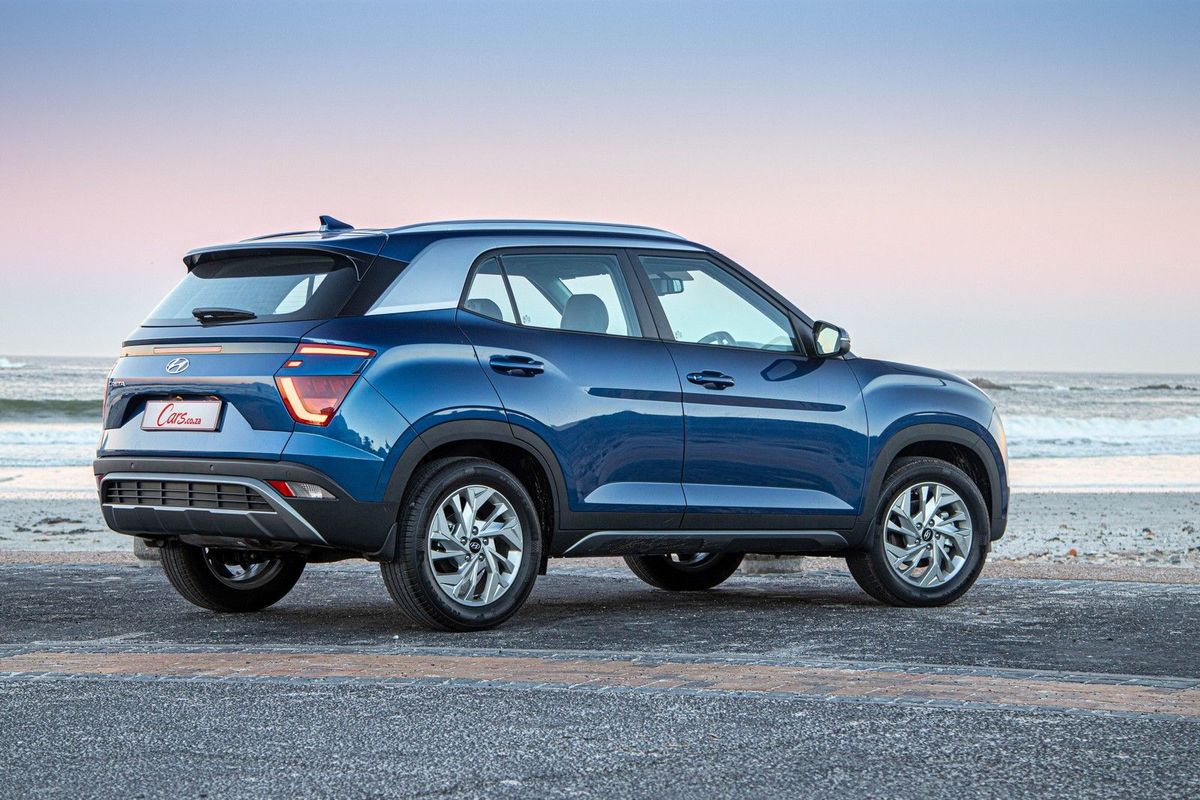
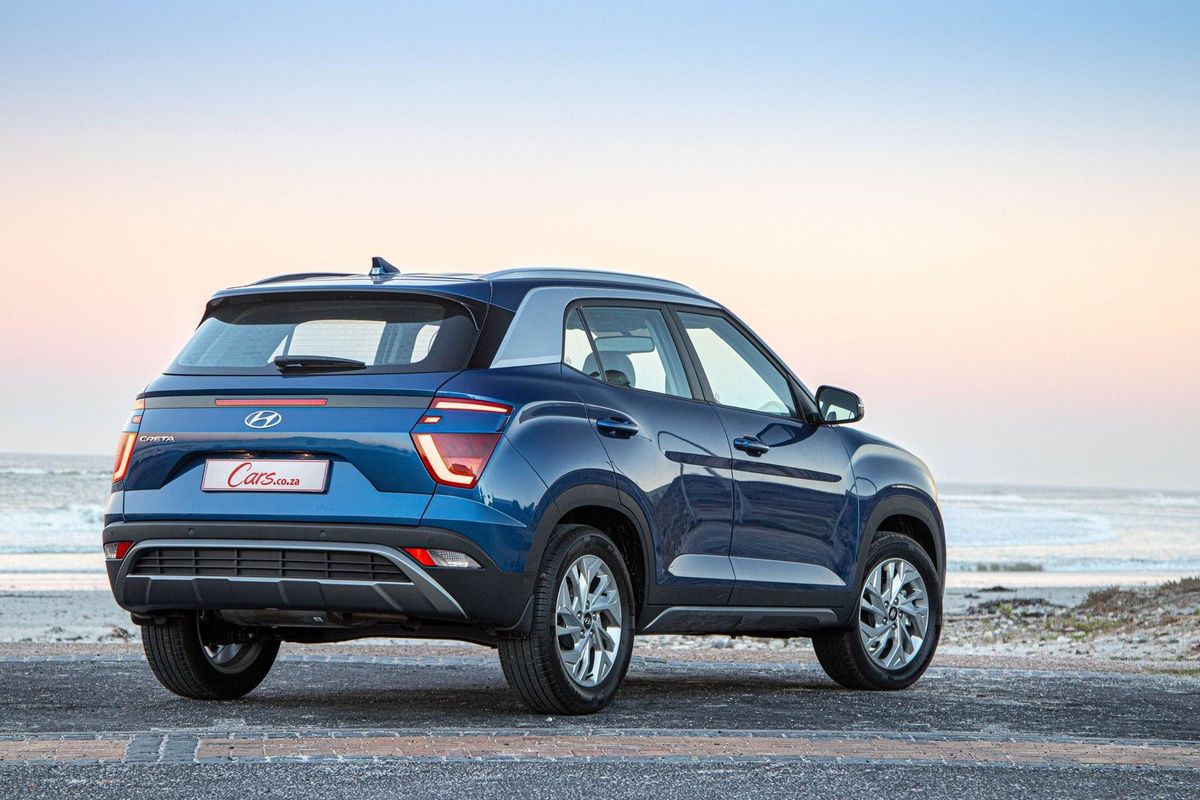
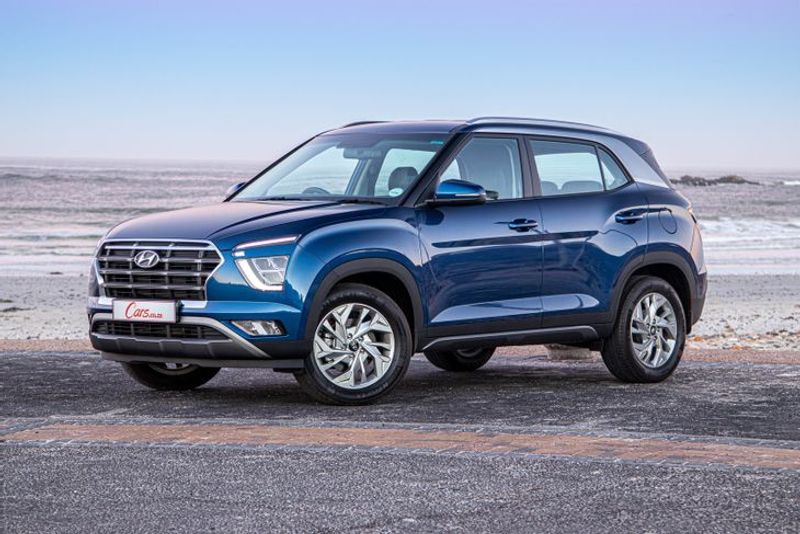
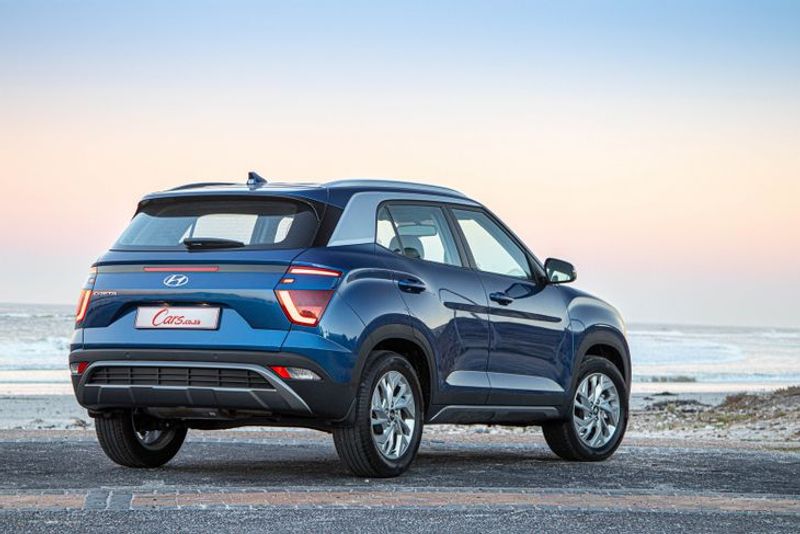
Such a bold look for the Creta, but we’re not sure it’s going to be as universally accepted as its predecessor’s safe looks.

The 2nd-generation Creta recently arrived in SA and, compared with its predecessor, the newcomer features numerous – and substantial – changes. For a start, this iteration is produced at a new factory in India; despite the similarities between the Hyundai and its eye-catching Kia Seltos cousin, the models are produced at separate plants. The newcomer is based on a new platform, features an array of fresh engines and its range is topped by a 1.4-litre turbopetrol-engined derivative equipped with a dual-clutch transmission. This, however, is a review of the “sensible” mid-spec 1.5 Executive derivative.

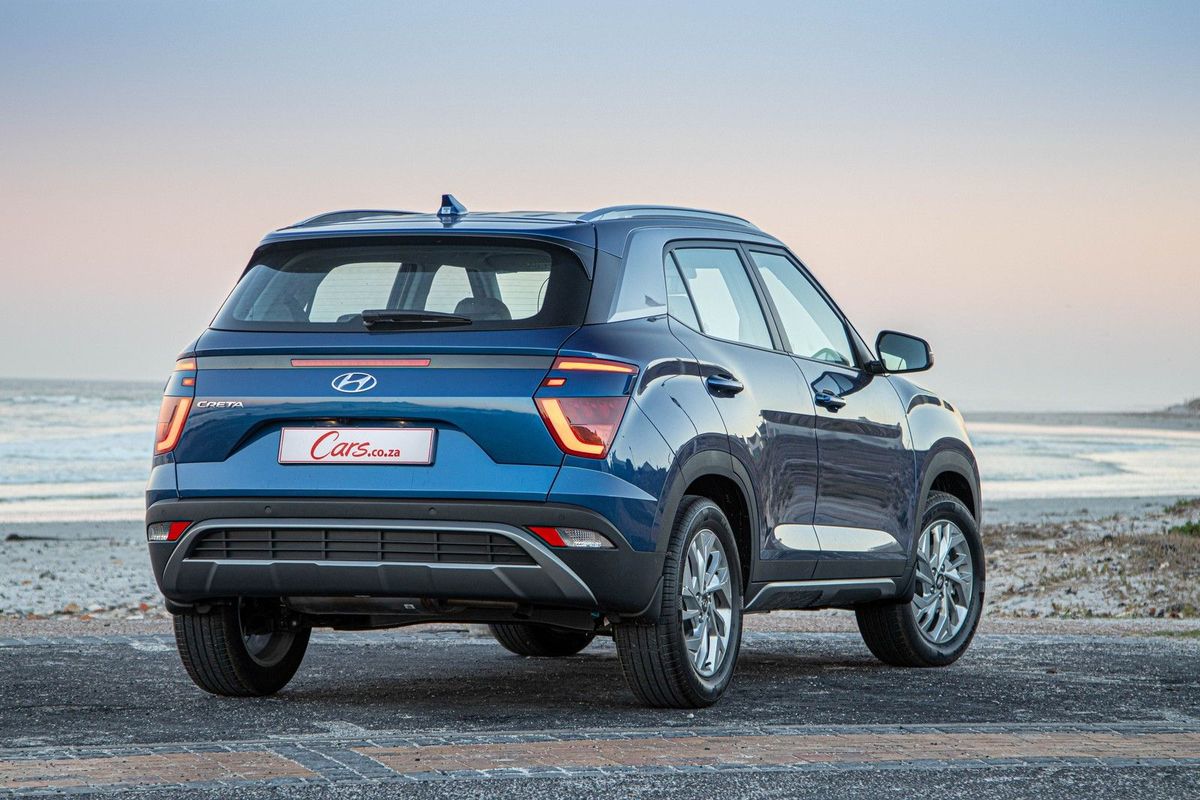
Let’s first address the proverbial elephant in the room: many prospective buyers might be unwilling to look beyond the newcomer’s bold appearance, which is distinctive, yet polarising. The previous Creta was much more conservatively styled and traded (to reiterate, quite successfully) on its practicality, features and value for money. This new look does tie in the Creta better with its Venue sibling, but it is in-yer-face, and much like the 1st Nissan Juke, which jolted the market when it arrived, we expect the new Creta to raise a number of eyebrows! Perhaps it will soften up the public for the next Tucson…

The new Creta adopts Hyundai’s new Sensuous Sportiness design language, which makes extensive use of angular, narrow daytime LEDs and bold grilles; it features on virtually all of the Korean marque’s new models, including the Tucson, Santa Fe and Palisade. Do we like it? Well, a design critique is entirely subjective – one man’s art is another’s man trash. Seeing that it’s impossible to pass a definitive verdict, we will say that in an era where car design has become bland and predictable, Hyundai should be applauded for such an assertive design. Love it or hate it, it’s certainly going to get people talking.

How it performs in terms of… 

Performance and efficiency


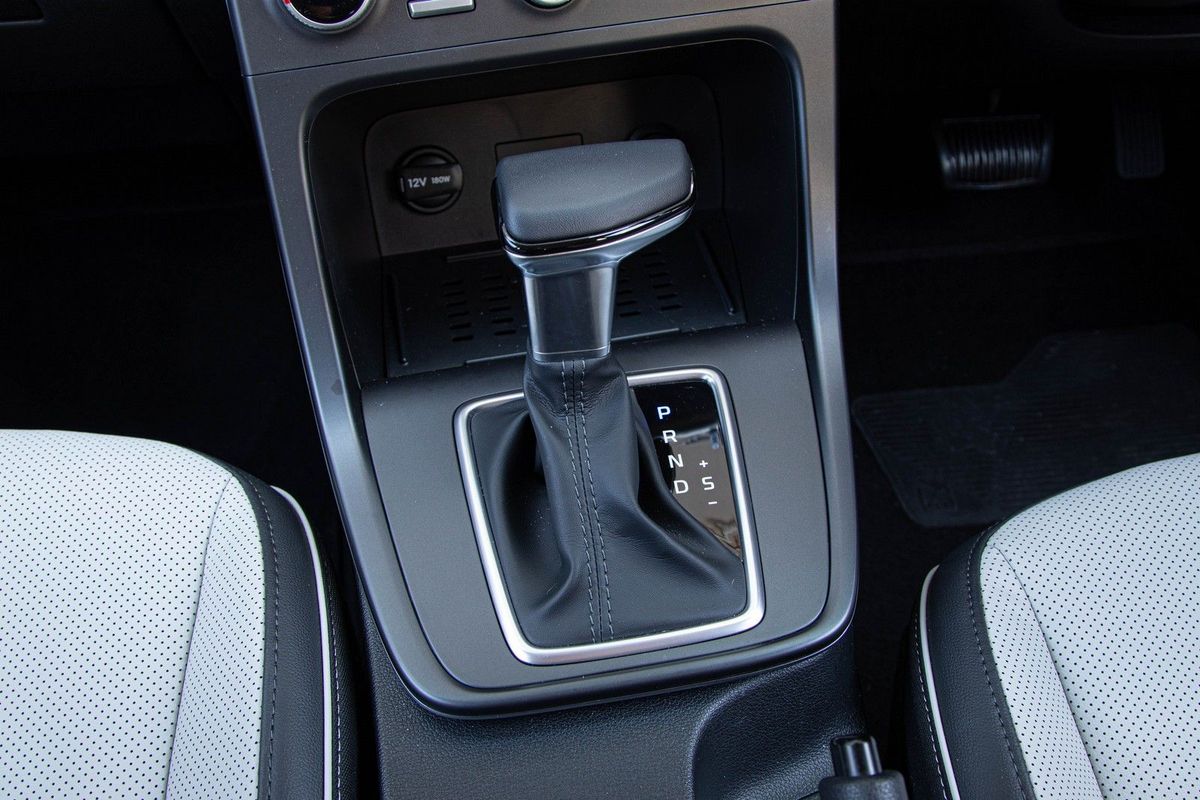
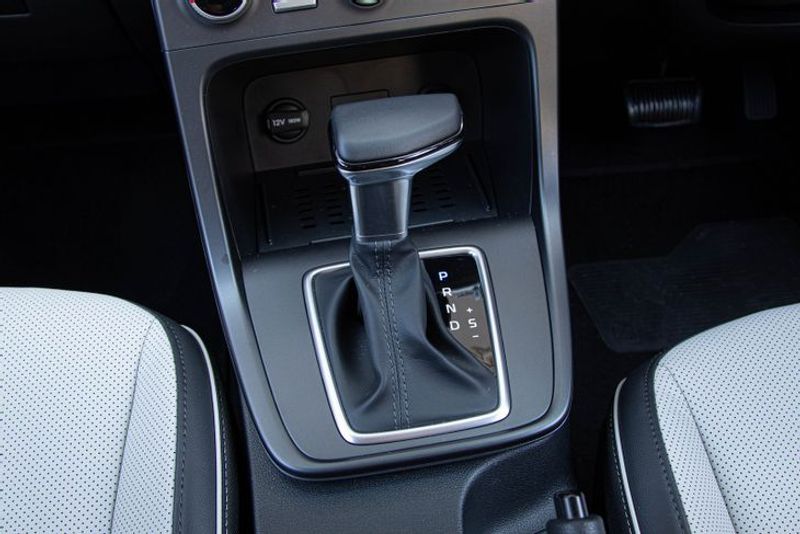
The Creta’s CVT drive selector, with the wireless charging pad located in front of it.

While many of its competitors are powered by turbocharged petrol engines, the Hyundai Creta 1.5 Executive features a new, naturally-aspirated 1.5-litre 4-cylinder petrol motor. It’s an example of the Smartstream series of powertrains and develops 85 kW and 144 Nm. In terms of transmission, the newcomer is equipped with what Hyundai calls IVT (intelligent variable transmission). That’s marketing speak for an automatic CVT (continuously variable transmission) and, before all the petrolheads among you flee in terror, let us tell you why this engine/gearbox combination is actually the one to have. 

A CVT is engineered to operate smoothly and efficiently, almost unobtrusively in the best of its kind. It will keep the engine’s revs as low as possible, but if you flatten the Creta’s accelerator pedal to summon every available bit of torque when overtaking a slower vehicle up a hill (which you’ll have to now and again, seeing as there is a middling 144 Nm available), the powertrain will emit that typical-of-CVT dull drone. However, in day-to-day operations, the engine barely ticks over and, thanks to the Creta’s lightness (it tips the scales at 1 190 kg), the motor didn’t need to be worked hard to keep pace with traffic.

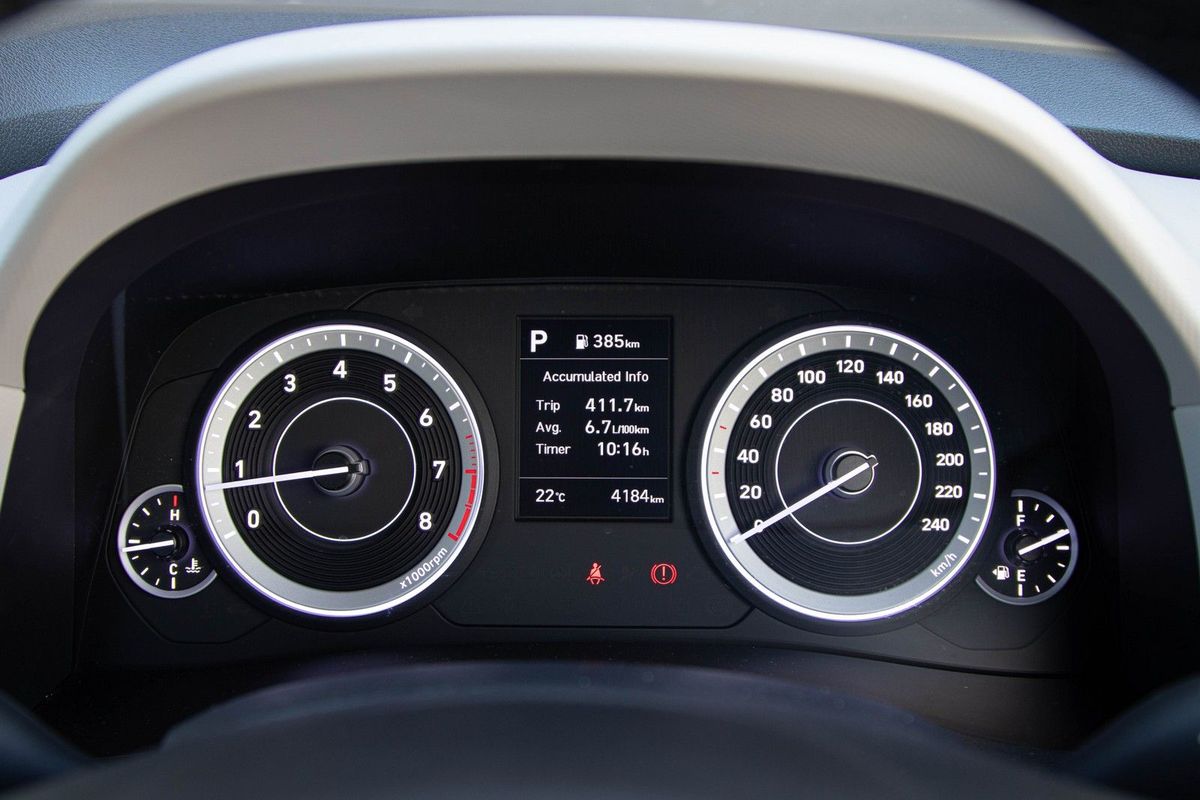
The net result was a quiet and efficient driving experience. At the end of its tenure in our test fleet, the 1.5 Executive displayed an impressive consumption figure of 6.7 L/100 km, which is close to Hyundai’s claim of 6.3 L/100 km. We’d bet the turbocharged brigade would battle to match that, so we can easily live with the quirks of a CVT. With its 50-litre fuel tank, the Creta has a theoretical range of 794 km.

Performance-wise, we were happy with the non-turbo Creta’s straight-line efforts. Hyundai claims a 0-100 kph time of 12 sec, which is about par for the segment.

Ride and handling


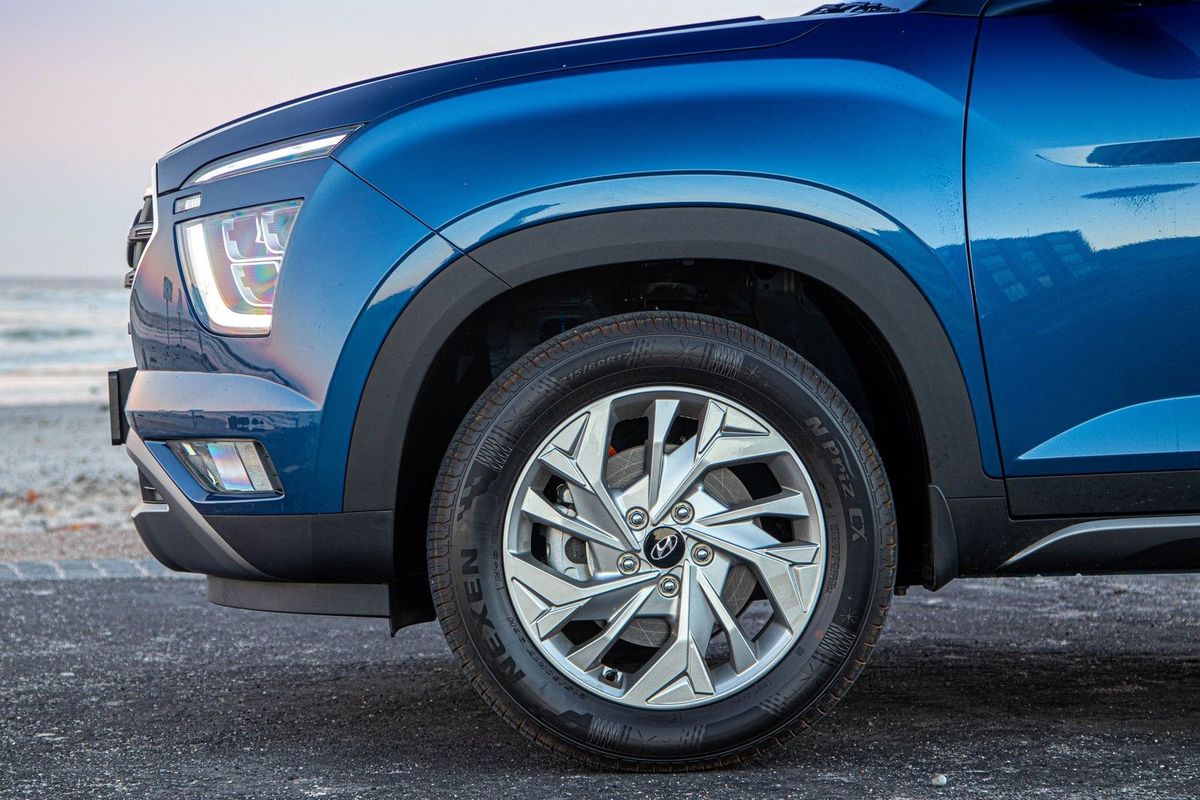
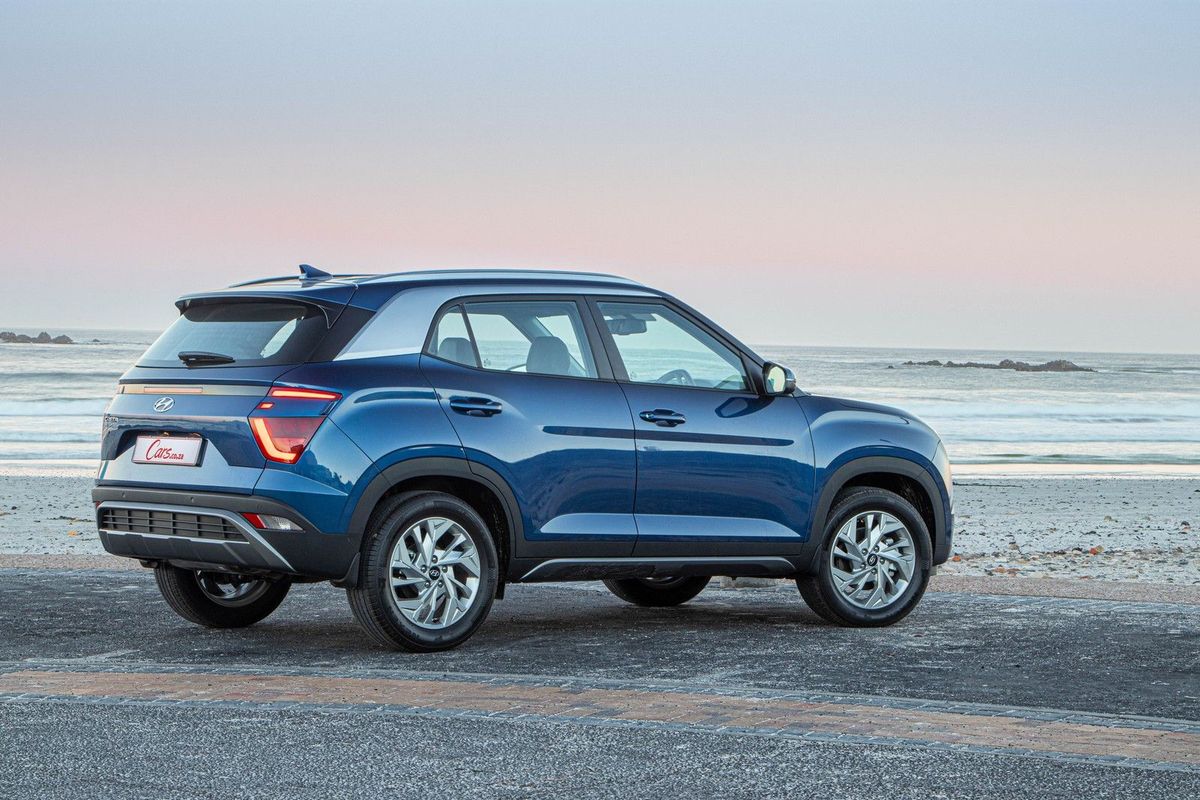
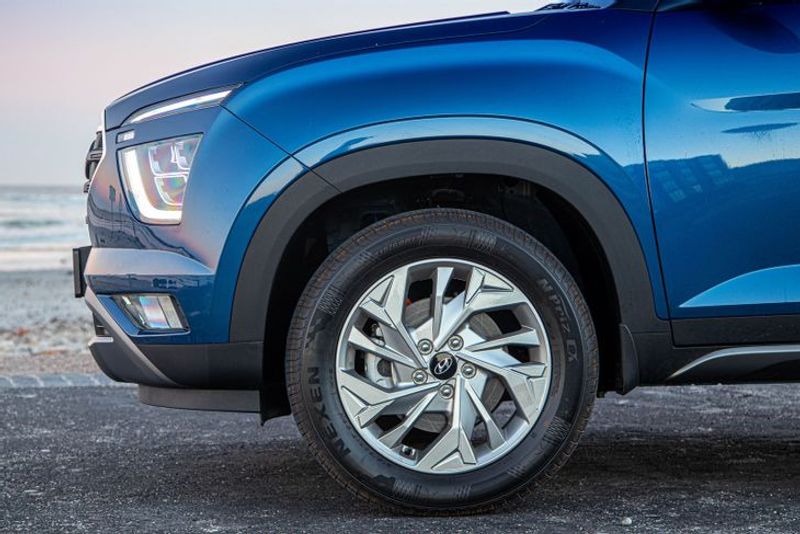
These stylish 17-inch alloys add some further kerb appeal to the Creta

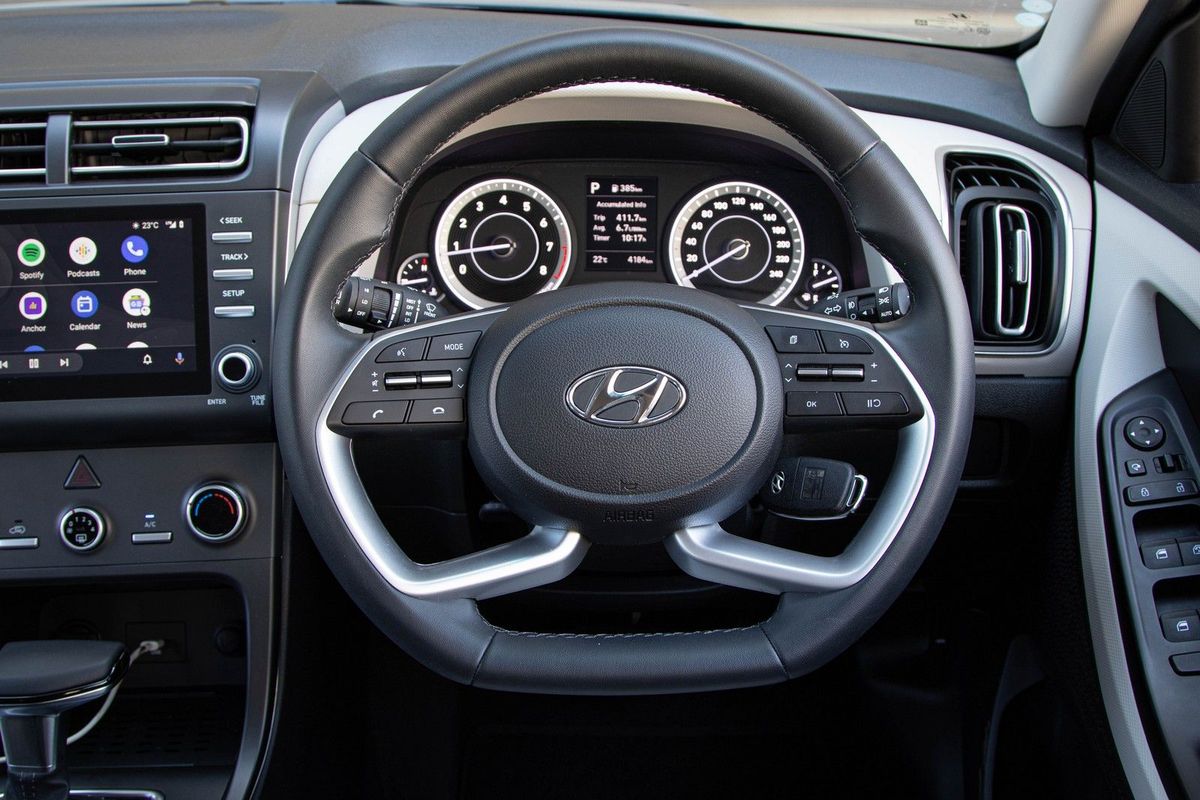
The powertrain (a 1.5-litre non-turbo petrol engine in combination with a CVT) does set the Creta up to be a competent cruiser and, in that regard, the package does not disappoint. On the smoothest of roads, the Hyundai’s cabin is whisper-quiet, a testament to impressive refinement measures. The steering wheel has a flat-bottomed shape, but not for a hint of sportiness, for maximum driver comfort. 

The weighting of the steering is good; it feels a bit more engaging and direct than in the previous Creta and Hyundai deserves praise for improving driver involvement in a non-performance compact model. 

In this (Executive) trim, the Creta comes equipped with 17-inch alloys that really look the part and, best of all, they’re shod with plump 215/60 R17 tyres, which don’t impede the ride quality very much – if at all. When the tar road surface deteriorates, the Hyundai’s suspension soaks up the worst undulations; although it thumps through when traversing the worst of potholes, the Creta coped admirably. 

As far as gravel-road performance is concerned, although the majority of Creta customers are unlikely to venture far from the tarmac, the 190 mm of ground clearance is handy on poor dirt-road surfaces.

Interior execution and features 


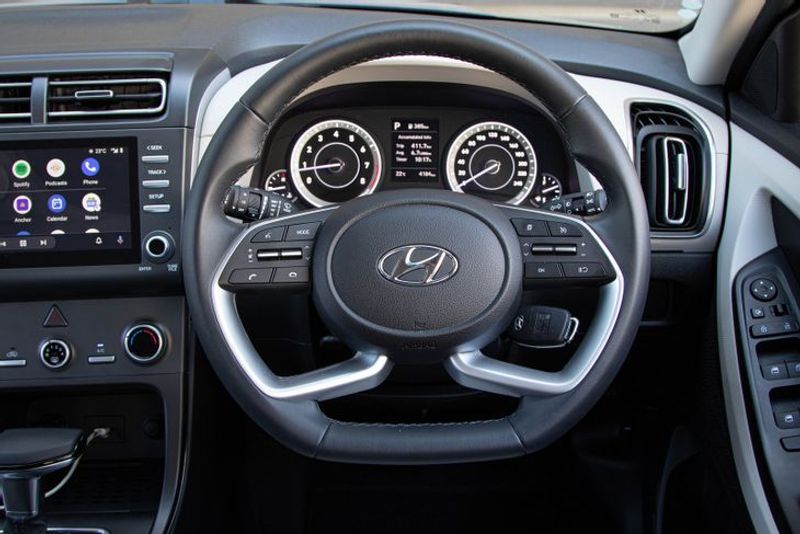
The clear dials and neatly-designed steering wheel make for a relaxing drive

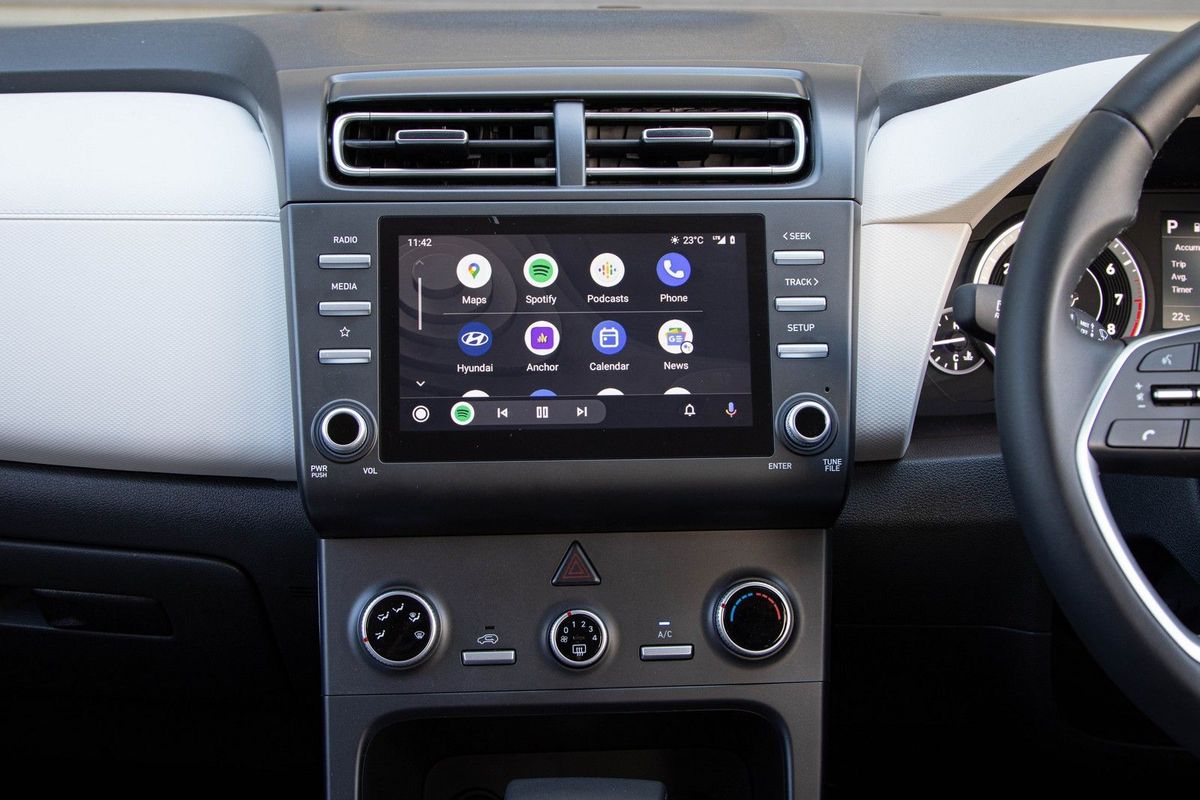
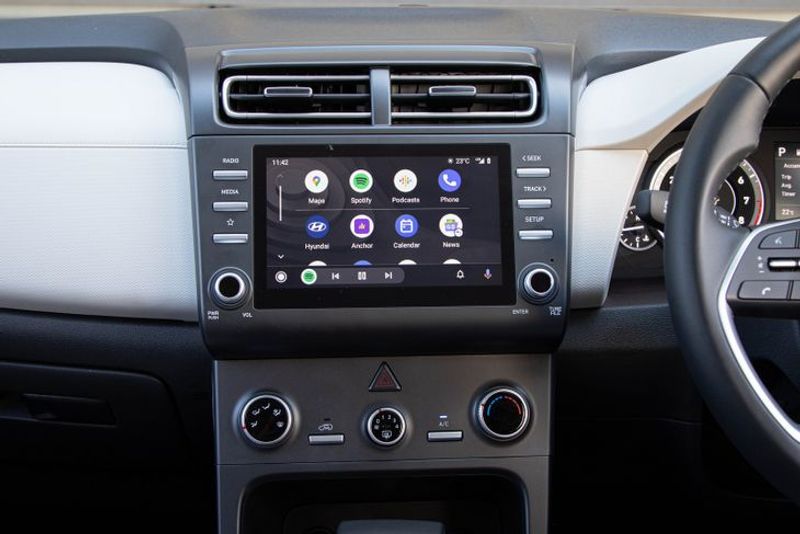
In terms of cabin layout, interior materials and features fitted, the 1st- and 2nd-gen Cretas are worlds apart. The new cabin is stylish and comes with all the bells and whistles associated with a R400k price tag. The connected generation will be pleased with the addition of Android Auto and Apple CarPlay compatibility, as well as the provision of a wireless charging pad (ahead of the transmission lever) and a charging-type USB port at the rear. The infotainment system in the previous-gen Creta looked aftermarket, but it’s been replaced by the current-gen Hyundai interface which looks and works much slicker.

While the 1.5 Executive seems liberally equipped, it doesn’t have climate control (automatic air-conditioning), which the previous model did. The manual aircon is perfectly functional and supplies plenty of cool air as required, it’s just an odd omission. Visibility out the vehicle is generally good, plus a reverse-view camera and rear parking sensors are fitted to make those tricky parking manoeuvres easier.


Android Auto on duty, but the lack of climate control in the range was a mystery. The standard AC is adequate.

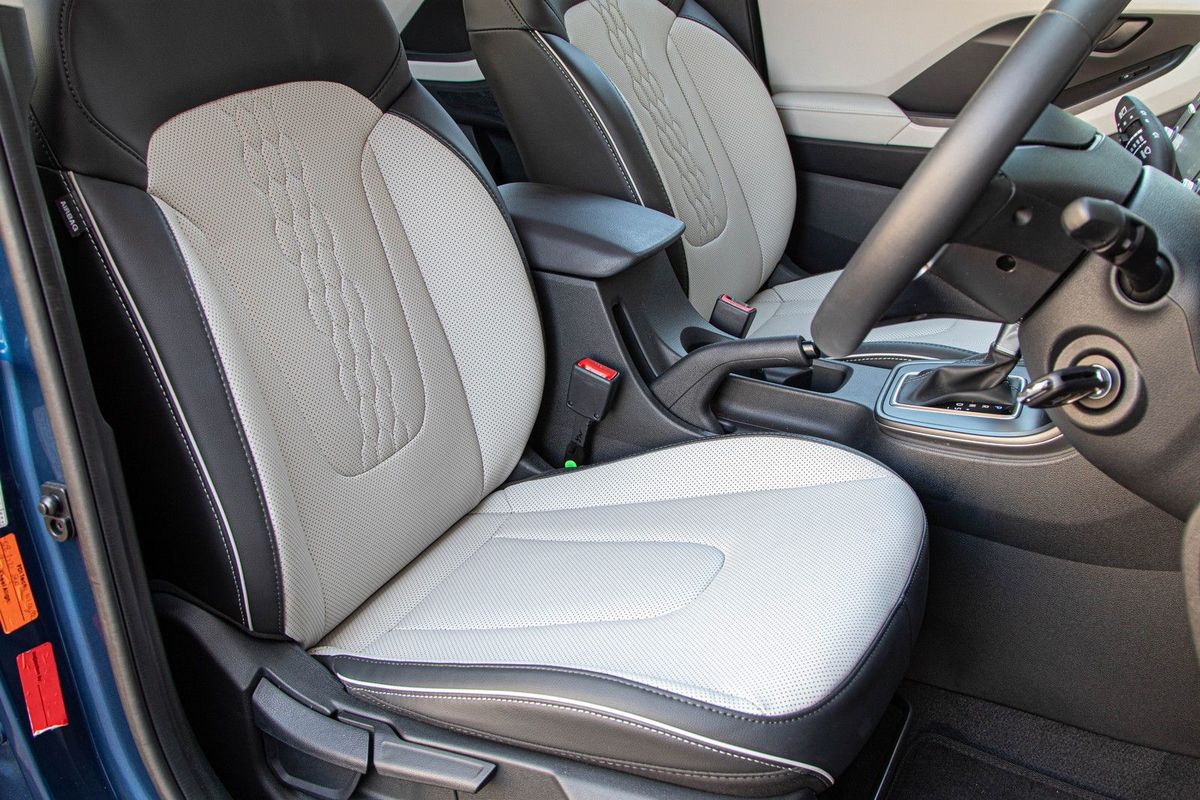
While the minimalistic cabin exudes simple elegance and is ergonomically sound, the Creta’s centre-console/transmission-tunnel cladding did emit a nasty-sounding creak under cornering during the test. Upon investigation, we managed to recreate the annoying creak by having the front passenger apply some pressure against the side of the centre console with their right knee, which suggests the plastic could be a bit sturdier. What’s more, while the faux-leather seats look fresh/youthful, we suspect the light-coloured inserts may not stand up so well against the spills, smears and dirt they’ll be subjected to.

Last, but certainly not least, the Creta’s safety suite now features electronic stability control. Being a consumer publication, we like to emphasise the importance of safety features and the lack of some form of traction/stability control was a drawback of the previous-gen model. “Creta II” now finally has a safety package that’s worth bragging about; apart from ABS with EBD, half a dozen airbags are fitted.  

Practicality 


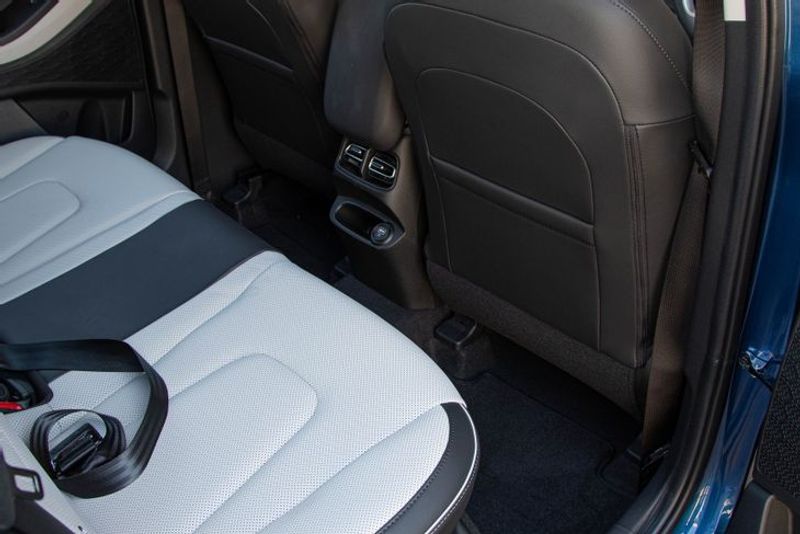
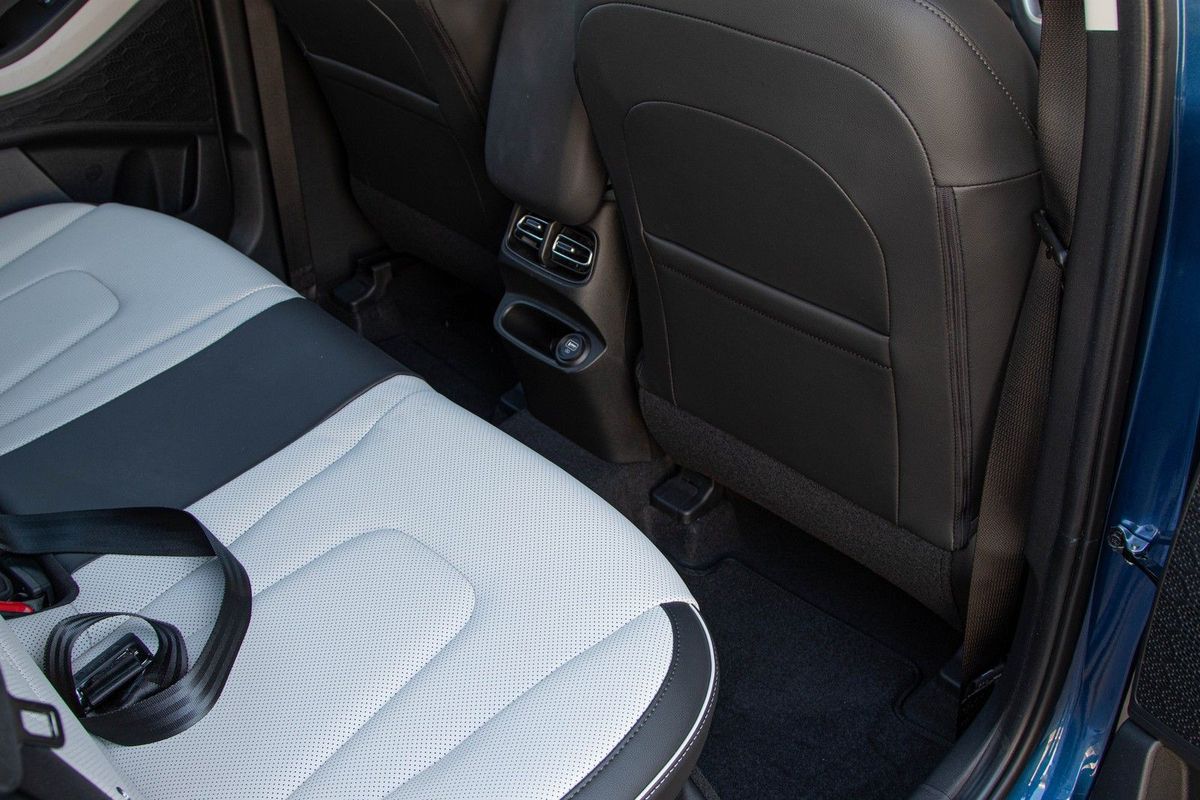
Rear legroom has grown in the new-gen Creta and rear passengers will find the USB charging port useful.

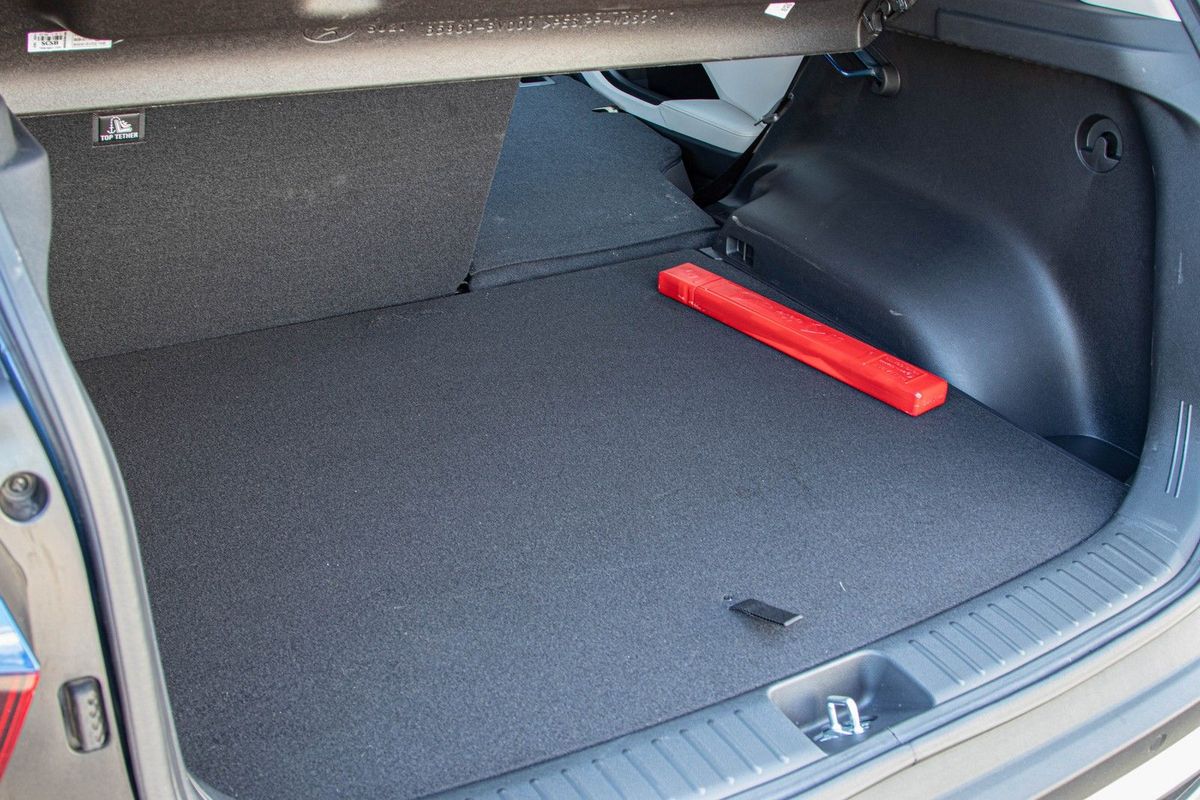
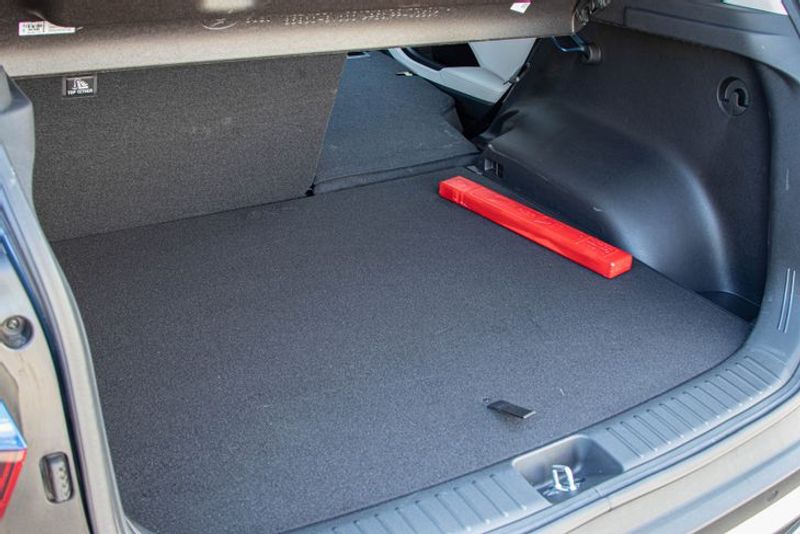
The Creta’s proportions have increased by virtue of the compact family car’s new platform, which, of course, benefits occupant space… and luggage capacity. The newcomer is claimed to hold a useful 433 litres, 31 litres more than before and the additional length in the wheelbase has resulted in more legroom for rear passengers. Testers who are of above-average height could conduct the “sit-behind-thyself” test without much effort. The rear seats fold in a 60/40 split, so even if you have to transport additional cargo, you can still use some of the rear bench, which cannot be said of most Venue derivatives. 


The load-bay capacity of the Creta has grown in the new model.

Price and after-sales support 

Pricing for the new Hyundai Creta range starts at R374 900 and tops out at R484 900; the 1.5 Executive (tested here) costs R429 900. All Hyundai Creta derivatives are sold with a 5-year/150 000 km warranty with an additional 2-year/50 000 km warranty on the powertrain. A 5-year/90 000 km service plan and a 7-year/150 000 km roadside assist package are included.

See full specification details for the Hyundai Creta here.

Buy a new or used Hyundai Creta on Cars.co.za 

Verdict


The exterior styling may not win legions of fans, but there’s much more to this 2nd-gen Hyundai Creta…

The Creta’s excellent family-car characteristics have, by and large, been successfully been carried over to the new model. There is generous occupant space and features aplenty, even though the 1.5 Executive is a middle-of-the-range offering. Despite the non-turbocharged petrol engine being mated with a CVT, it offers sufficient poke/overtaking ability, without emitting too much of that dreaded drone (which CVTs are known for) and its real-world fuel economy is admirable. We reckon only enthusiastic drivers will be disappointed by this transmission; it really is a near-ideal setup for the daily commute. 

The changes are substantial enough for us to suggest current Creta owners should strongly consider upgrading to the 2nd-gen model, which has a diverse line-up. There are manual-‘box derivatives and, for those who seek the ultimate in open-road economy, even a turbodiesel version. The added load-bay capacity and rear legroom have enhanced what was already an impressive compact family-car offering.

It’s undisputable – a vehicle’s exterior looks do constitute a substantial part of its overall’s purchasing proposition, but potential purchasers really ought to look past the new Creta’s controversial face (if they can – we ultimately could) and explore the highly practical and well-equipped newcomer. The Creta’s no longer a study in understatement, yes, but then very few future Hyundai models will be… 

Related content:

Hyundai Creta (2020) Specs & Price

Kia Seltos (2020) Review

#CarsAwards – Best Compact Family Cars in SA

Hyundai Creta (2020) Launch Review

Suzuki Vitara (2020) Review

China’s stealthy progress – what it bodes for SA


Although GWM/Haval is enjoying strong support in South Africa, the “first wave” of the Chinese car onslaught didn’t quite work out for the other brands. Indications are, however, that fortunes could be markedly different next time round…

It is now nearly a decade-and-a-half since the first Chinese brands arrived in the South African market. Back then it was frequently stated that the Chinese carmakers would achieve in 5 years what took the Koreans 10 years, and the Japanese 20. Looking at the past 15 years with a South African market lens, it’s clear that theory didn’t quite play out as expected… 

The only brand that has made an impact is GWM/Haval (its H2 compact SUV achieved an impressive Top 20 sales position last year). The other Chinese brands still in the market (but not so that you’d notice), are BAIC (with the D20 and X25), JAC (with a range of pick-ups), Changan (those small half-loaves) and JMC (primarily with the Vigus pick-up and Landwind SUV). Geely, Chery, Foton, Hafei and others have come and gone.


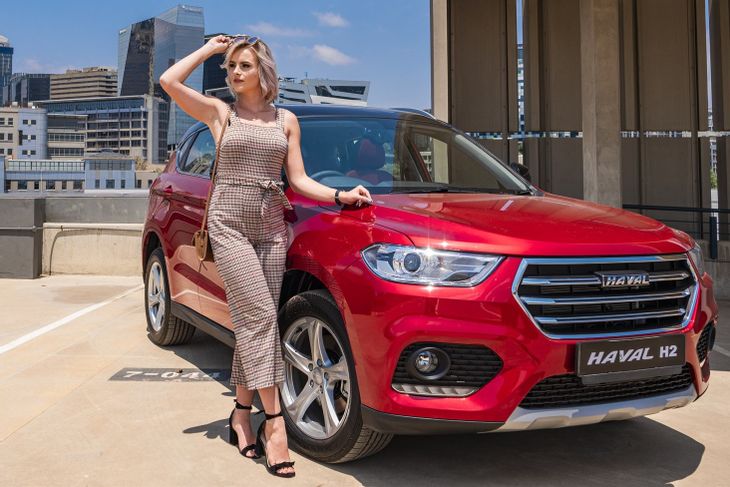
Leading the Chinese charge in South Africa is the Haval H2, a Top 20 seller last year.

Look beyond South Africa’s borders, however, and it’s clear that the Chinese brands’ performance in the South African market is not an accurate reflection of the progress that they’ve made internationally. Companies such as MG (Morris Garages), Chery and Geely, in particular, are making their presence felt in other markets. 

How are Chinese brands performing in export markets?

In an international market severely impacted by the Covid-19 pandemic last year, the top Chinese brands achieved some of their best export results on record. 

In Russia, a 1.5-million-plus new-vehicle market that contracted by “only” 9.1% in 2020, Chinese brands were up 41.3% collectively, with Chery (+80.1%), Geely (+61.2%) and Haval (+41.5%) leading the charge.


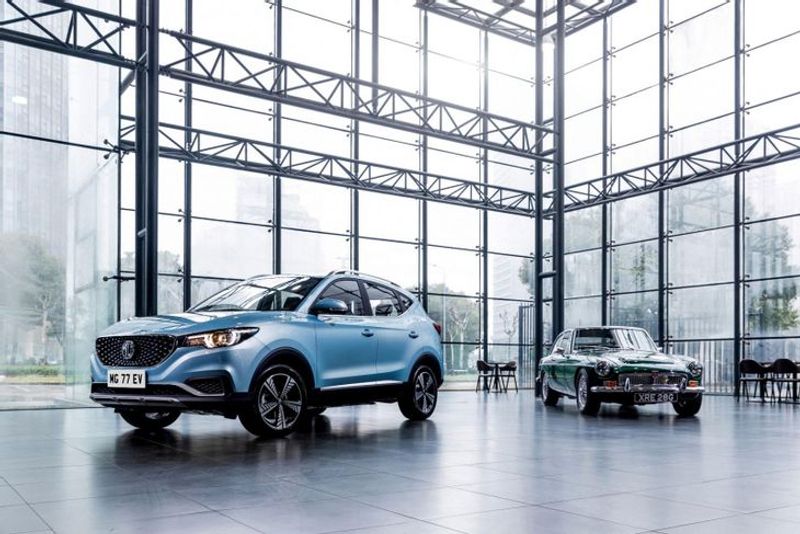
Now owned by China’s SAIC Motor, the MG brand has entered several export markets and is making rapid inroads.

Over in Brazil, in a market down nearly 27% to 1.95 million units sold, Chery achieved 11th place overall and in December alone achieved a market share of 1.4%, the highest on record for a Chinese brand. In the Ukraine, a market down 3.5% overall, Chery was up by 18.1%, while in Egypt its sales jumped 76.4%. Keep in mind that Chery built its first car in December 1999 and late last year recorded its 9-millionth unit. The brand has been China’s largest vehicle exporter for the past 17 years. In January this year, Chery exports jumped by 86.7% (year-on-year).

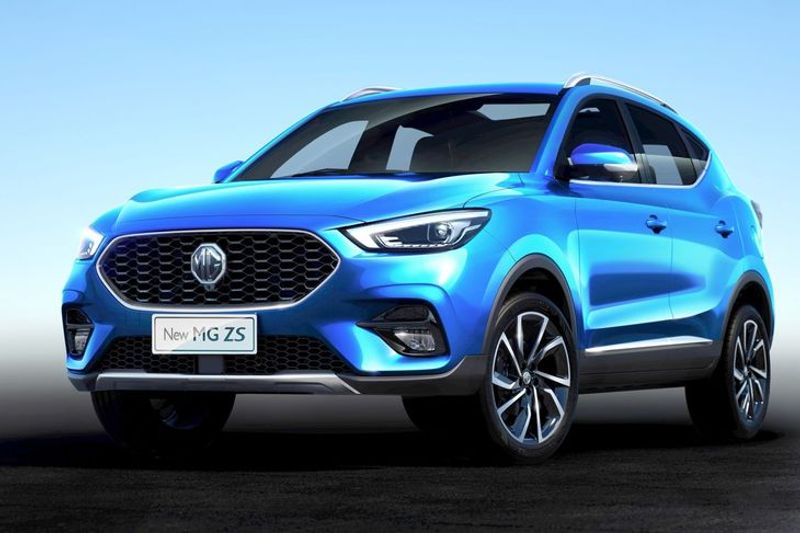
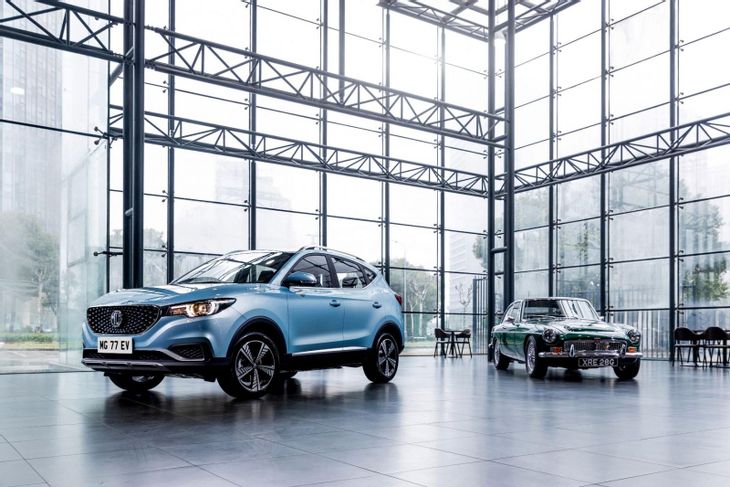
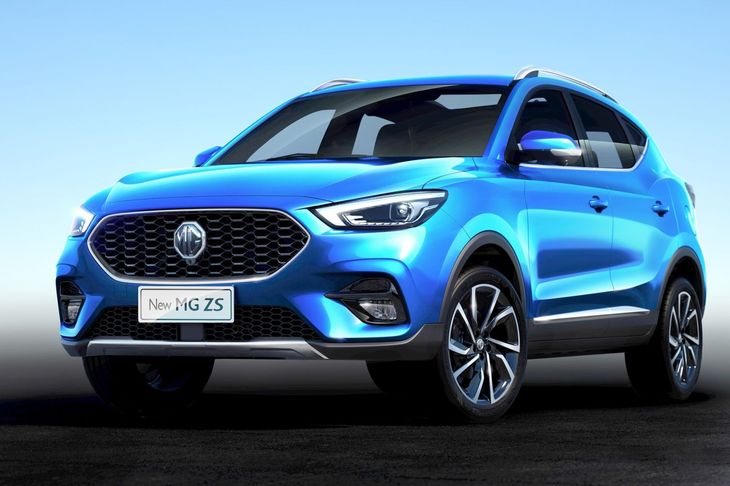
MG, the iconic British brand that is now Chinese-owned, is a strong performer in several markets, with overall 2nd place in Chile, and 3rd in Thailand (a significant 800k unit per year market). The marque’s MG ZS compact crossover was the 3rd-best-selling model in the Chilean market last year. MG also achieved top 10 market placements in Oman, Bahrain, Iraq, Jordan, India, Kuwait, Saudi Arabia, Philippines and Egypt, among others. In New Zealand, a market down 22.6%, MG posted growth of 105.3%. And in the UK? Well, on “home soil” MG is currently the fastest-growing car brand.


The neatly-styled MG ZS is a compact crossover that’s made an immediate market impact. It was the third-best selling vehicle in Chile last year.

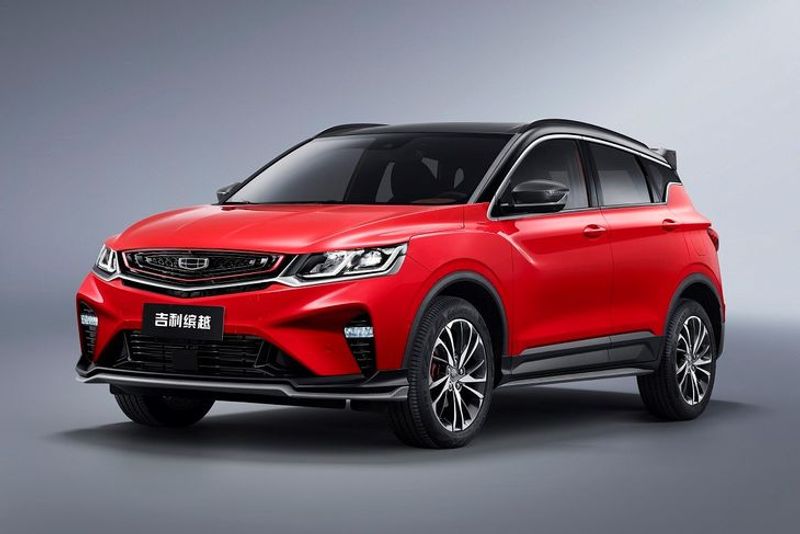
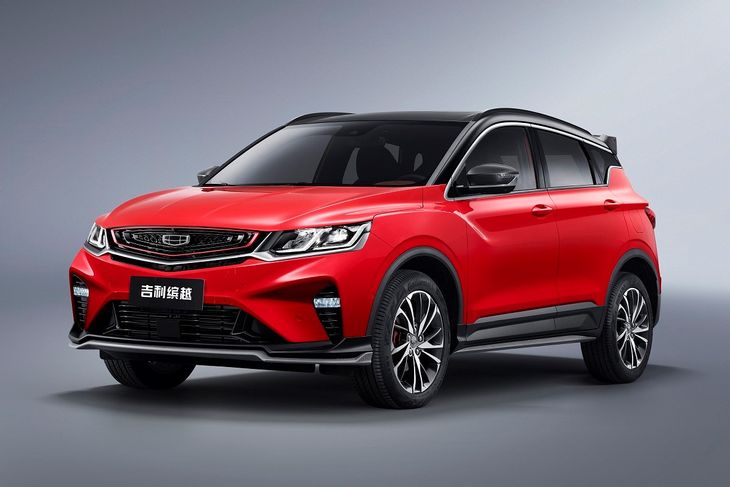
Geely, meanwhile, moved up to 2nd place overall in Belarus, fuelled by the success of its Coolray model. The brand only arrived in the Philippines late in 2019, but had already achieved 12th overall place in the market last year. In 2020, Geely became the first Chinese brand to manufacture its 10 millionth vehicle.


Geely’s stylish Coolray is already a strong seller in several export markets.

So, while a European breakthrough has not quite happened yet for the Chinese brands, it certainly appears to be on the cards. MG is already posting impressive sales in the UK, but the real opportunity comes with the rapid growth of Europe’s EV market. It is reported that nearly 50% of all EVs on the world’s roads in 2019 could be found in China. Most of the major Chinese brands already build EVs or have dedicated sub-brands that do. The resistance to these products, in a market that’s undergoing major change, is likely to be far less.

Quality, design and market knowledge add up

Chinese vehicles are far removed from the (at times) poorly made copies of mainstream brands that they were 15 years ago. But if you look at the smash-hit Haval H2 as an example of what’s current in China, you’re sorely mistaken… The current (but pre-facelift) H2 was already revealed in China as far back as 2013! I know, because I sat in it as a (then) employee of GWM. 


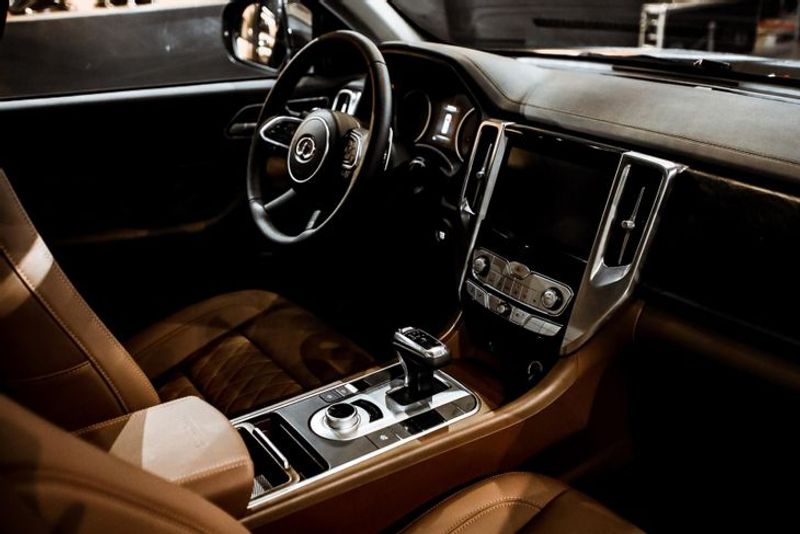
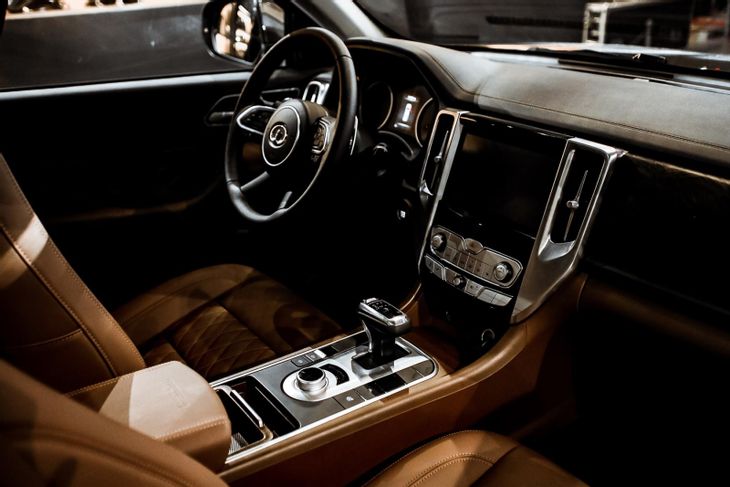
The new GWM P-Series pick-up’s premium cabin vividly illustrates this Chinese brand’s upmarket ambitions.

Things have progressed rapidly since. The most important factor in GWM/Haval’s current success in South Africa (besides more attractive products at the right price), is the fact that the brand now competes as an OEM, and not via a local distributor. This results in major efficiencies (such as a lower cost of operation), as well as improved timing and better coordination. Those factors would have played a part in GWM’s P-Series pick-up managing to get onto the local market relatively quickly, with the right engine (turbodiesel).

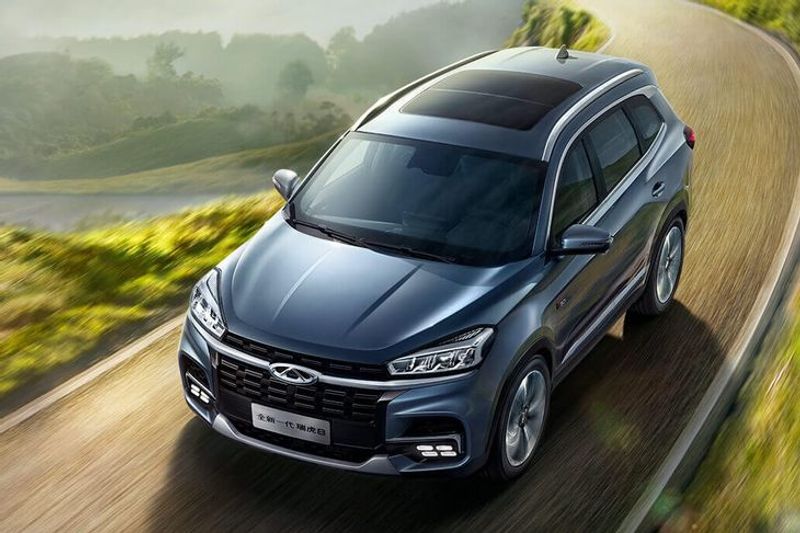
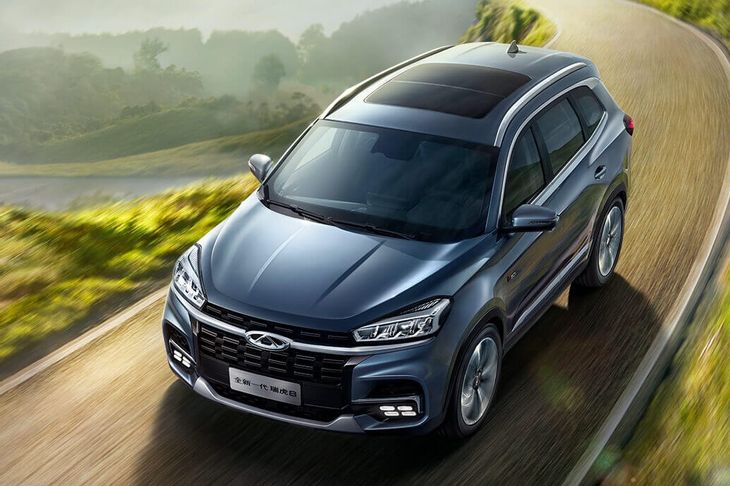
Chery, also one of the first Chinese brands to become available in South Africa, arguably paid the same school fees as GWM (being distributed here, rather than entering the market on its own steam). In the few years since it left South Africa, Chery’s product line-up has become unrecognisable from what South Africans will remember (the QQ, J3 and Tiggo). The brand’s Tiggo 8 model is a neatly styled, spacious 7-seat SUV that is selling up a storm in China, as well as export markets. Another popular product is the Tiggo 3x, which is more of a compact crossover. Like many of the Chinese brands, Chery identified the SUV/crossover trend early and is now reaping the rewards. 


The name might be familiar, but the latest Chery Tiggo 8 model is far removed from the compact SUV sold in South Africa in previous years.

Similarly, the vehicles fuelling MG’s rapid growth in export markets are no longer sporty roadsters or sedans (remember the MG6 sold in South Africa?), but SUVs. Ironically, MG is now the largest importer of Chinese cars in the UK, even though R&D (and to some extent, design), still happens out of Longbridge. Though the MG5 sedan does well in some markets, the brand’s ZS crossover is racing into the Top 20 rankings in the export markets in which MG competes.

Major investment in R&D, pinching top designers from Europe and a focus on quality all contribute to the rapid progress that has been made. According to the 2020 JD Power Initial Quality Study (on the Chinese domestic market) the percentage of vehicle owners who agree or strongly agree that the Chinese domestic brands are innovative, reliable, environment-friendly and reputable has increased annually since 2015 by 12%, 9%, 7% and 10% respectively. The percentage of vehicle owners who choose domestic brands because of good quality or performance has increased to 25% this year from 16% in 2015, while the percentage of those who choose domestic brands due to low price has dropped to 6% from 12% in 2015.


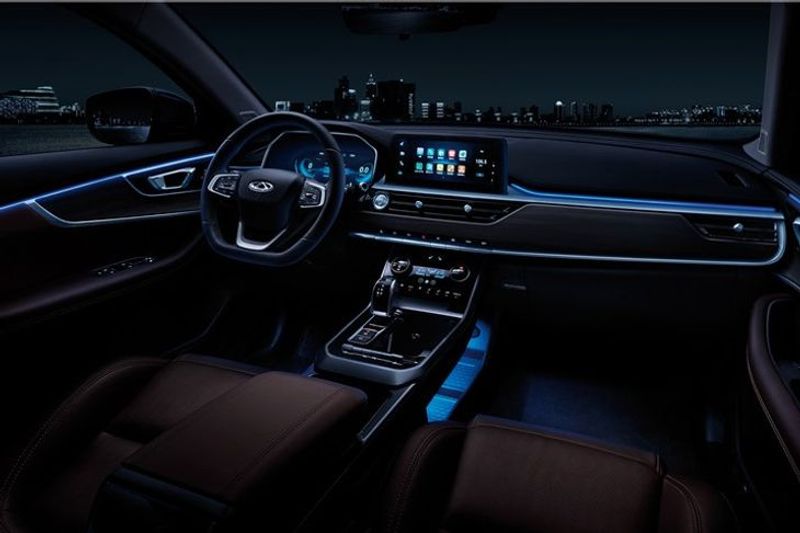
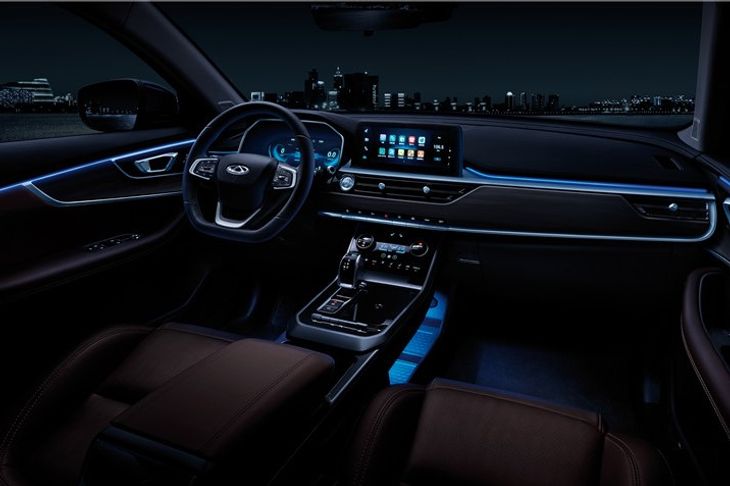
The Chery Tiggo 8’s luxurious and stylish interior is one of its numerous drawcards.

It is important to note, however, that there are close to 200 (!) Chinese car brands – and not all of them are improving at the same rate. “Consumers choosing a domestic brand for reasons of quality and performance, as well as improved brand image, demonstrates that the progress of improving quality in domestic brands has seen positive outcomes,” said Jeff Cai, general manager of auto product, J.D. Power China. “However, the quality among domestic brands varies considerably. Although a few leading brands have reached the same quality level as international brands, most of the domestic brands are still lagging.”

In the most recent (2020) IQS rankings, Chery, Changan, Geely and GAC Trumpchi compete well with the world’s mass-market brands. In the product-specific categories, the top 3 positions in the Small SUV category were occupied by Chinese products (Changan CS35, GAC Trumpchi GS3, Geely Vision X3). Geely also tied with Hyundai’s ix35 for first place in the Midsize SUV category and models from Baojun and Wuling were tops in the Compact- and Midsized MPV segments.


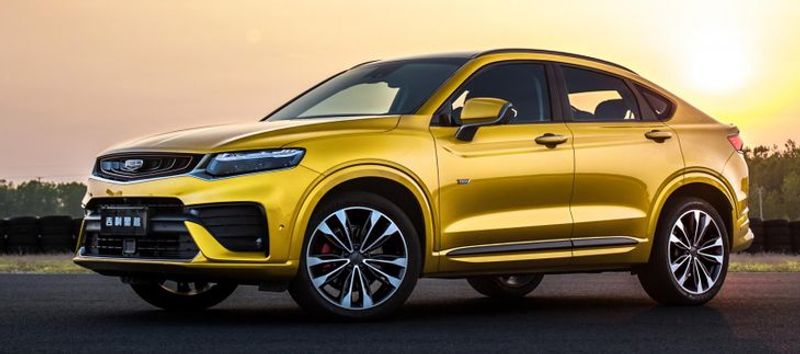
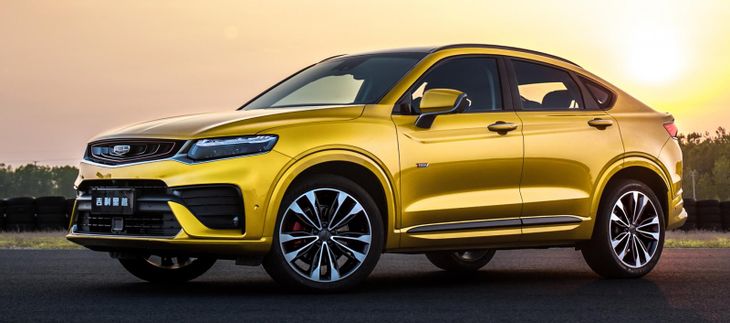
The stunning Geely Tugella is named after Tugela waterfall in South Africa. It rides on the Volvo XC40’s platform and is powered by a 177kW 2.0L turbocharged petrol engine.

Another important development is that the frustrating “lag” in sophistication between what is sold on the Chinese market, compared with what is offered for export, is being addressed. The major Chinese brands now do product development with a world view (including right-hand-drive markets), and this means that the products available to export markets are bang-up-to-date.

What does this mean for South Africa?

Several Chinese brands are known to be keenly following GWM/Haval’s success story in South Africa. Chery, Geely and MG (as examples) have all already been in the local market and understand that returning as an OEM, rather than through a local distributor, would be key. Expansion upward into South-Saharan Africa is also a factor, and most brands would agree that South Africa is best-placed in providing just that. So, brace yourselves for China’s second wave. It will hit much harder… and soon!

Related content:

GWM P Series could be the perfect Chinese bakkie

The end of empire for VW

Chinese Qoros7 has BMW Valvetronic

2020 Haval H2 Facelift – Video Review

South Africa’s top-selling cars of 2020

China’s stealthy progress what it bodes for SA


Although GWM/Haval is enjoying strong support in South Africa, the "first wave" of the Chinese car onslaught didn't quite work out for the other brands. Indications are, however, that fortunes could be markedly different next time round…

It is now nearly a decade-and-a-half since the first Chinese brands arrived in the South African market. Back then it was frequently stated that the Chinese carmakers would achieve in 5 years what took the Koreans 10 years, and the Japanese 20. Looking at the past 15 years with a South African market lens, it’s clear that theory didn’t quite play out as expected… 

The only brand that has made an impact is GWM/Haval (its H2 compact SUV achieved an impressive Top 20 sales position last year). The other Chinese brands still in the market (but not so that you’d notice), are BAIC (with the D20 and X25), JAC (with a range of pick-ups), Changan (those small half-loaves) and JMC (primarily with the Vigus pick-up and Landwind SUV). Geely, Chery, Foton, Hafei and others have come and gone.


Leading the Chinese charge in South Africa is the Haval H2, a Top 20 seller last year.

Look beyond South Africa’s borders, however, and it’s clear that the Chinese brands’ performance in the South African market is not an accurate reflection of the progress that they’ve made internationally. Companies such as MG (Morris Garages), Chery and Geely, in particular, are making their presence felt in other markets. 

How are Chinese brands performing in export markets?

In an international market severely impacted by the Covid-19 pandemic last year, the top Chinese brands achieved some of their best export results on record. 

In Russia, a 1.5-million-plus new-vehicle market that contracted by “only” 9.1% in 2020, Chinese brands were up 41.3% collectively, with Chery (+80.1%), Geely (+61.2%) and Haval (+41.5%) leading the charge.


Now owned by China's SAIC Motor, the MG brand has entered several export markets and is making rapid inroads.

Over in Brazil, in a market down nearly 27% to 1.95 million units sold, Chery achieved 11th place overall and in December alone achieved a market share of 1.4%, the highest on record for a Chinese brand. In the Ukraine, a market down 3.5% overall, Chery was up by 18.1%, while in Egypt its sales jumped 76.4%. Keep in mind that Chery built its first car in December 1999 and late last year recorded its 9-millionth unit. The brand has been China’s largest vehicle exporter for the past 17 years. In January this year, Chery exports jumped by 86.7% (year-on-year).

MG, the iconic British brand that is now Chinese-owned, is a strong performer in several markets, with overall 2nd place in Chile, and 3rd in Thailand (a significant 800k unit per year market). The marque's MG ZS compact crossover was the 3rd-best-selling model in the Chilean market last year. MG also achieved top 10 market placements in Oman, Bahrain, Iraq, Jordan, India, Kuwait, Saudi Arabia, Philippines and Egypt, among others. In New Zealand, a market down 22.6%, MG posted growth of 105.3%. And in the UK? Well, on "home soil" MG is currently the fastest-growing car brand.


The neatly-styled MG ZS is a compact crossover that's made an immediate market impact. It was the third-best selling vehicle in Chile last year.

Geely, meanwhile, moved up to 2nd place overall in Belarus, fuelled by the success of its Coolray model. The brand only arrived in the Philippines late in 2019, but had already achieved 12th overall place in the market last year. In 2020, Geely became the first Chinese brand to manufacture its 10 millionth vehicle.


Geely's stylish Coolray is already a strong seller in several export markets.

So, while a European breakthrough has not quite happened yet for the Chinese brands, it certainly appears to be on the cards. MG is already posting impressive sales in the UK, but the real opportunity comes with the rapid growth of Europe’s EV market. It is reported that nearly 50% of all EVs on the world’s roads in 2019 could be found in China. Most of the major Chinese brands already build EVs or have dedicated sub-brands that do. The resistance to these products, in a market that's undergoing major change, is likely to be far less.

Quality, design and market knowledge add up

Chinese vehicles are far removed from the (at times) poorly made copies of mainstream brands that they were 15 years ago. But if you look at the smash-hit Haval H2 as an example of what’s current in China, you’re sorely mistaken… The current (but pre-facelift) H2 was already revealed in China as far back as 2013! I know, because I sat in it as a (then) employee of GWM. 


The new GWM P-Series pick-up's premium cabin vividly illustrates this Chinese brand's upmarket ambitions.

Things have progressed rapidly since. The most important factor in GWM/Haval’s current success in South Africa (besides more attractive products at the right price), is the fact that the brand now competes as an OEM, and not via a local distributor. This results in major efficiencies (such as a lower cost of operation), as well as improved timing and better coordination. Those factors would have played a part in GWM’s P-Series pick-up managing to get onto the local market relatively quickly, with the right engine (turbodiesel).

Chery, also one of the first Chinese brands to become available in South Africa, arguably paid the same school fees as GWM (being distributed here, rather than entering the market on its own steam). In the few years since it left South Africa, Chery's product line-up has become unrecognisable from what South Africans will remember (the QQ, J3 and Tiggo). The brand's Tiggo 8 model is a neatly styled, spacious 7-seat SUV that is selling up a storm in China, as well as export markets. Another popular product is the Tiggo 3x, which is more of a compact crossover. Like many of the Chinese brands, Chery identified the SUV/crossover trend early and is now reaping the rewards. 


The name might be familiar, but the latest Chery Tiggo 8 model is far removed from the compact SUV sold in South Africa in previous years.

Similarly, the vehicles fuelling MG’s rapid growth in export markets are no longer sporty roadsters or sedans (remember the MG6 sold in South Africa?), but SUVs. Ironically, MG is now the largest importer of Chinese cars in the UK, even though R&D (and to some extent, design), still happens out of Longbridge. Though the MG5 sedan does well in some markets, the brand’s ZS crossover is racing into the Top 20 rankings in the export markets in which MG competes.

Major investment in R&D, pinching top designers from Europe and a focus on quality all contribute to the rapid progress that has been made. According to the 2020 JD Power Initial Quality Study (on the Chinese domestic market) the percentage of vehicle owners who agree or strongly agree that the Chinese domestic brands are innovative, reliable, environment-friendly and reputable has increased annually since 2015 by 12%, 9%, 7% and 10% respectively. The percentage of vehicle owners who choose domestic brands because of good quality or performance has increased to 25% this year from 16% in 2015, while the percentage of those who choose domestic brands due to low price has dropped to 6% from 12% in 2015.


The Chery Tiggo 8's luxurious and stylish interior is one of its numerous drawcards.

It is important to note, however, that there are close to 200 (!) Chinese car brands – and not all of them are improving at the same rate. “Consumers choosing a domestic brand for reasons of quality and performance, as well as improved brand image, demonstrates that the progress of improving quality in domestic brands has seen positive outcomes,” said Jeff Cai, general manager of auto product, J.D. Power China. “However, the quality among domestic brands varies considerably. Although a few leading brands have reached the same quality level as international brands, most of the domestic brands are still lagging.”

In the most recent (2020) IQS rankings, Chery, Changan, Geely and GAC Trumpchi compete well with the world’s mass-market brands. In the product-specific categories, the top 3 positions in the Small SUV category were occupied by Chinese products (Changan CS35, GAC Trumpchi GS3, Geely Vision X3). Geely also tied with Hyundai’s ix35 for first place in the Midsize SUV category and models from Baojun and Wuling were tops in the Compact- and Midsized MPV segments.


The stunning Geely Tugella is named after Tugela waterfall in South Africa. It rides on the Volvo XC40's platform and is powered by a 177kW 2.0L turbocharged petrol engine.

Another important development is that the frustrating “lag” in sophistication between what is sold on the Chinese market, compared with what is offered for export, is being addressed. The major Chinese brands now do product development with a world view (including right-hand-drive markets), and this means that the products available to export markets are bang-up-to-date.

What does this mean for South Africa?

Several Chinese brands are known to be keenly following GWM/Haval’s success story in South Africa. Chery, Geely and MG (as examples) have all already been in the local market and understand that returning as an OEM, rather than through a local distributor, would be key. Expansion upward into South-Saharan Africa is also a factor, and most brands would agree that South Africa is best-placed in providing just that. So, brace yourselves for China’s second wave. It will hit much harder… and soon!

Related content:

GWM P Series could be the perfect Chinese bakkie

The end of empire for VW

Chinese Qoros7 has BMW Valvetronic

2020 Haval H2 Facelift – Video Review

South Africa's top-selling cars of 2020

Volvo Announces All-Electric Strategy & New Model


The Swedish carmaker has announced it will be ditching the internal combustion engine and will be a fully electric car company by 2030. Its 2nd all-electric model was revealed too, the C40 Recharge.

Volvo Cars has announced its intentions of becoming a leader in the fast-growing premium electric car market and plans to become a fully electric car company by 2030. By 2030, the Geely-owned brand intends on phasing out any vehicle with an internal combustion engine in its portfolio. The only vehicles it will be selling will be purely electric. 

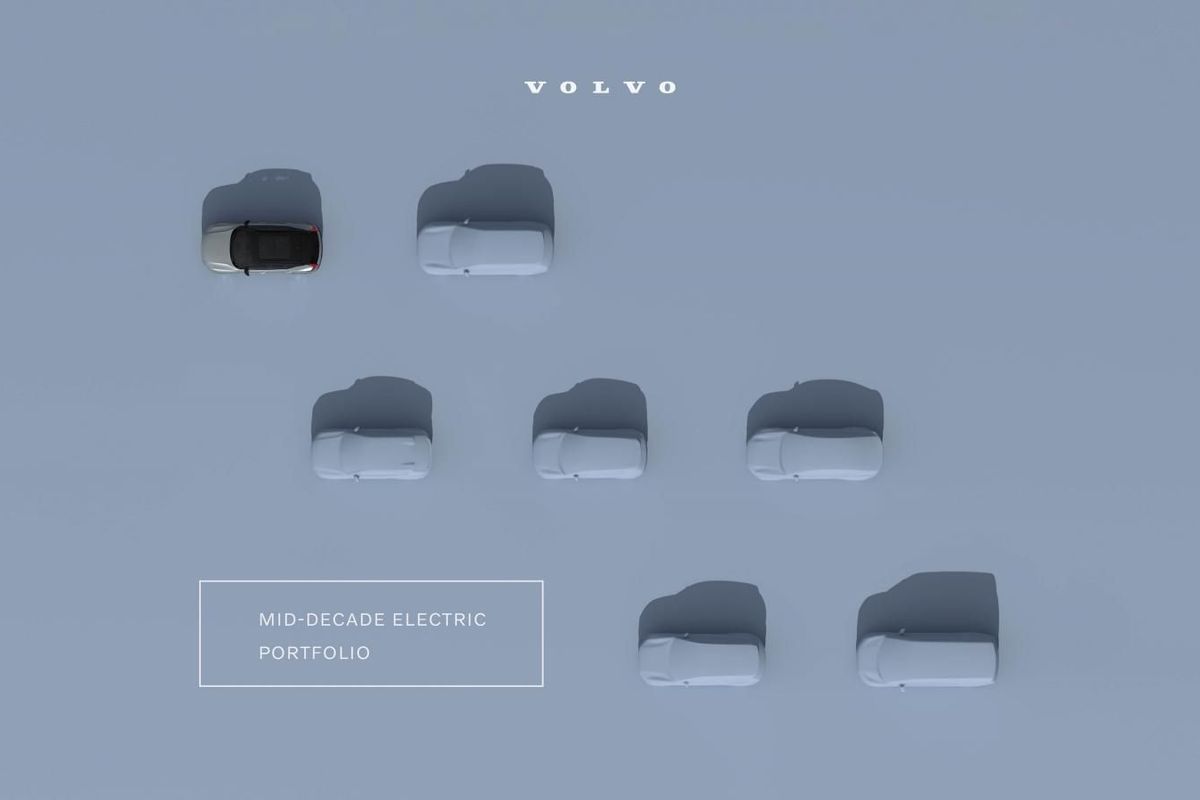
Its a bold and ambitious claim from Volvo to go purely electric. As we've seen with Jaguar Land Rover, it's only Jaguar who is going pure electric, with Land Rover still offering some form of internal combustion / hybrid powertrain to customers. The entire car sales process will be changing too and Volvo will be focusing intensely on online car sales. All fully electric Volvos will be available online only. There will be a few electric cars revealed and Volvo's 2025 goal is 50% of its global sales to be fully electric, with the remaining 50% being hybrids.

“To remain successful, we need profitable growth. So instead of investing in a shrinking business, we choose to invest in the future – electric and online,” said Håkan Samuelsson, chief executive. “We are fully focused on becoming a leader in the fast-growing premium electric segment.”

“There is no long-term future for cars with an internal combustion engine,” said Henrik Green, chief technology officer. “We are firmly committed to becoming an electric-only car maker and the transition should happen by 2030. It will allow us to meet the expectations of our customers and be a part of the solution when it comes to fighting climate change.”

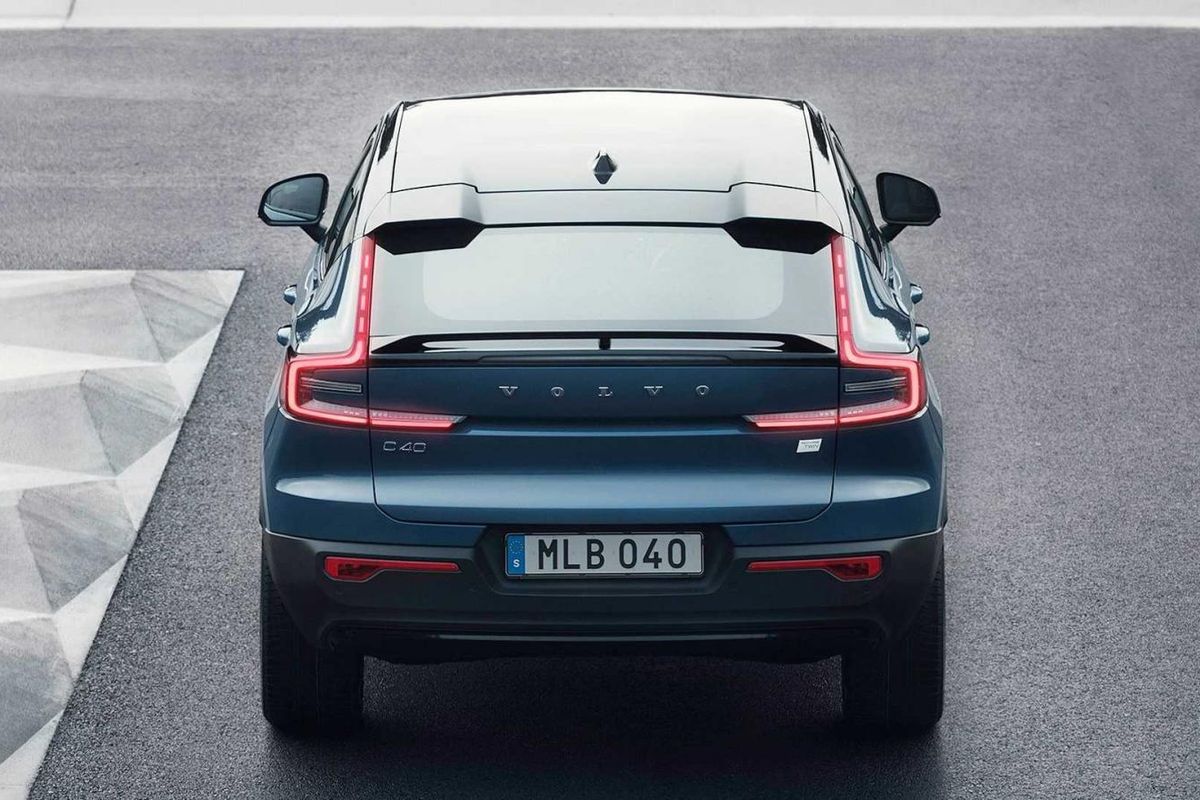
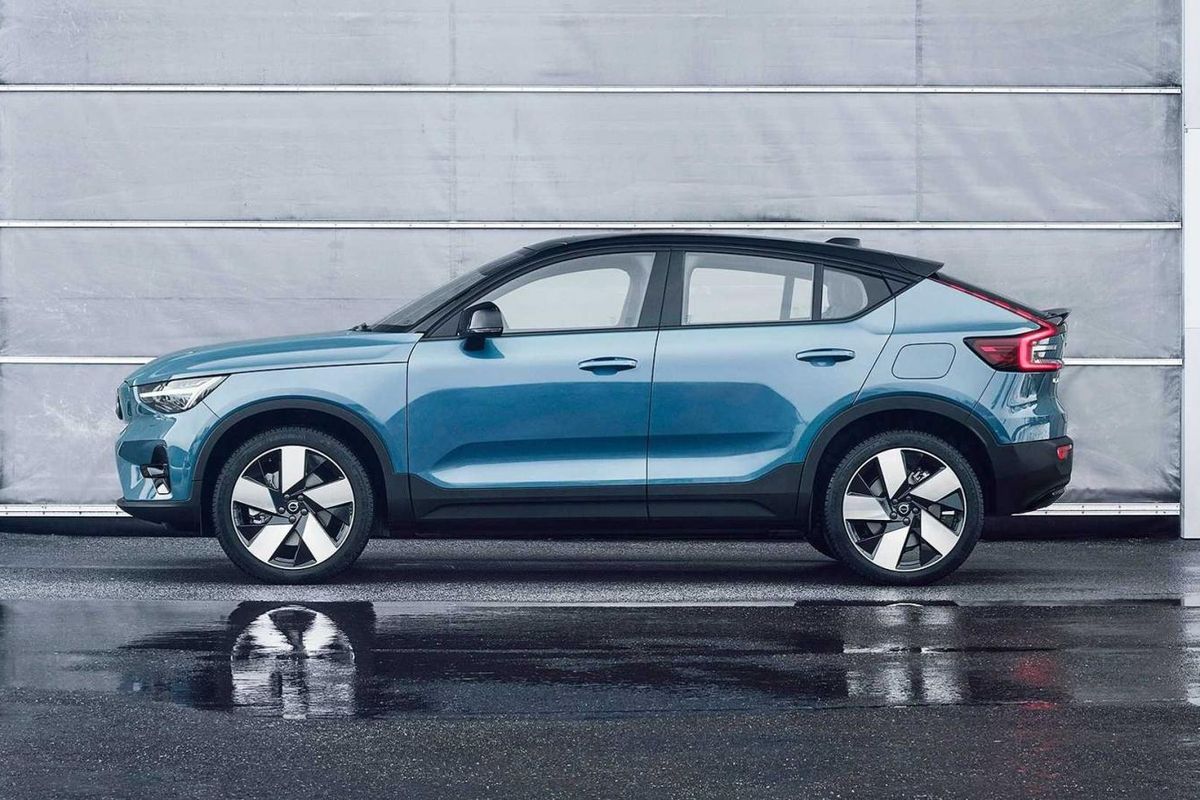
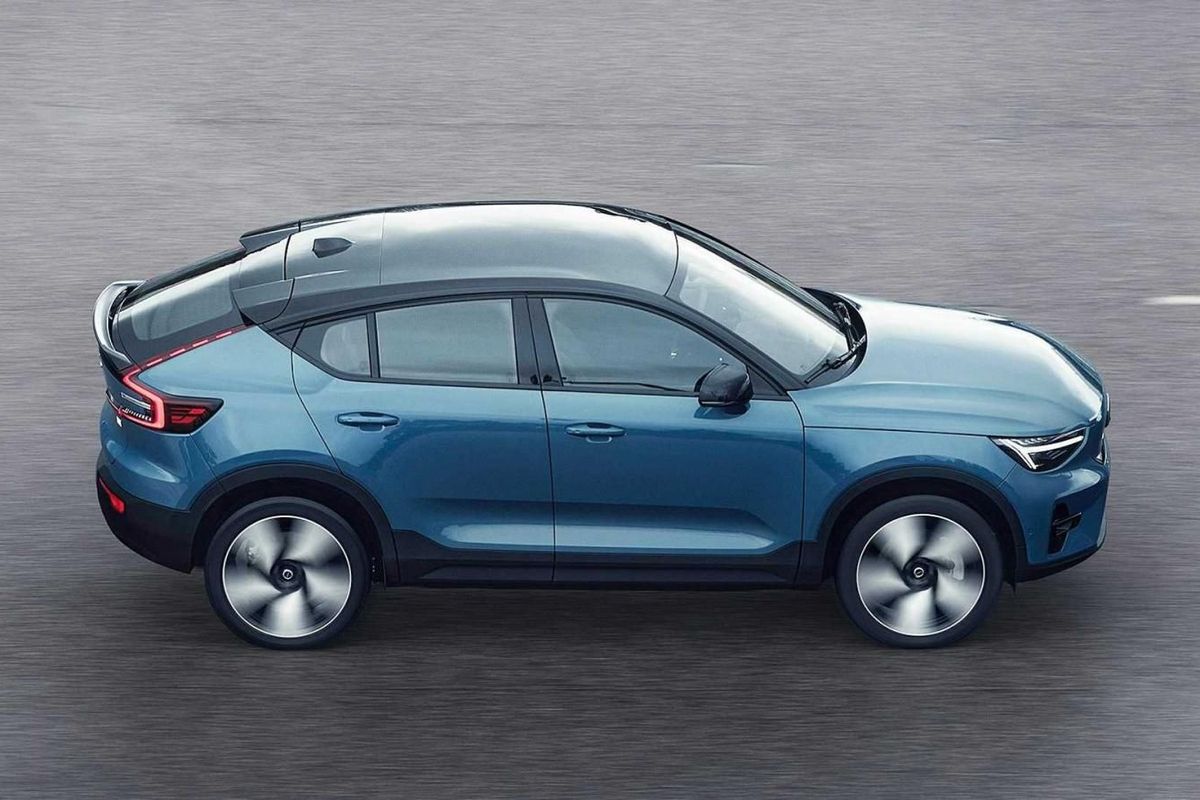
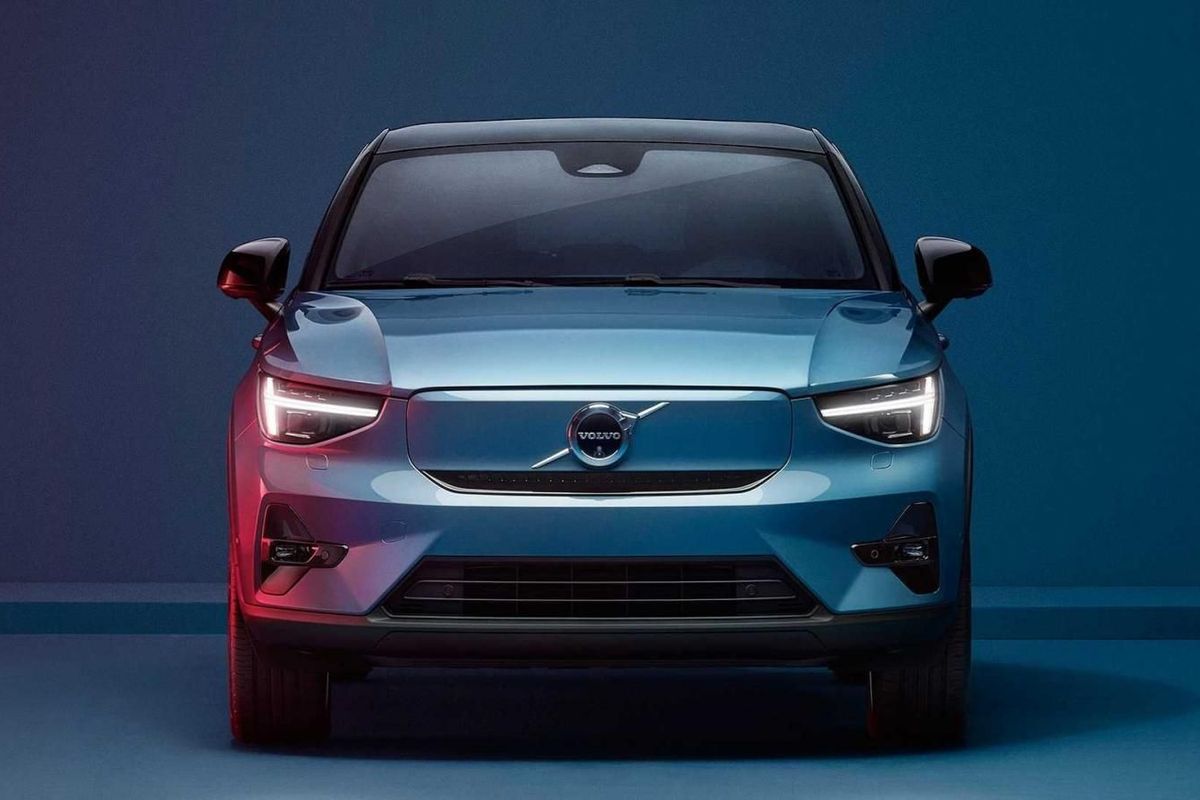
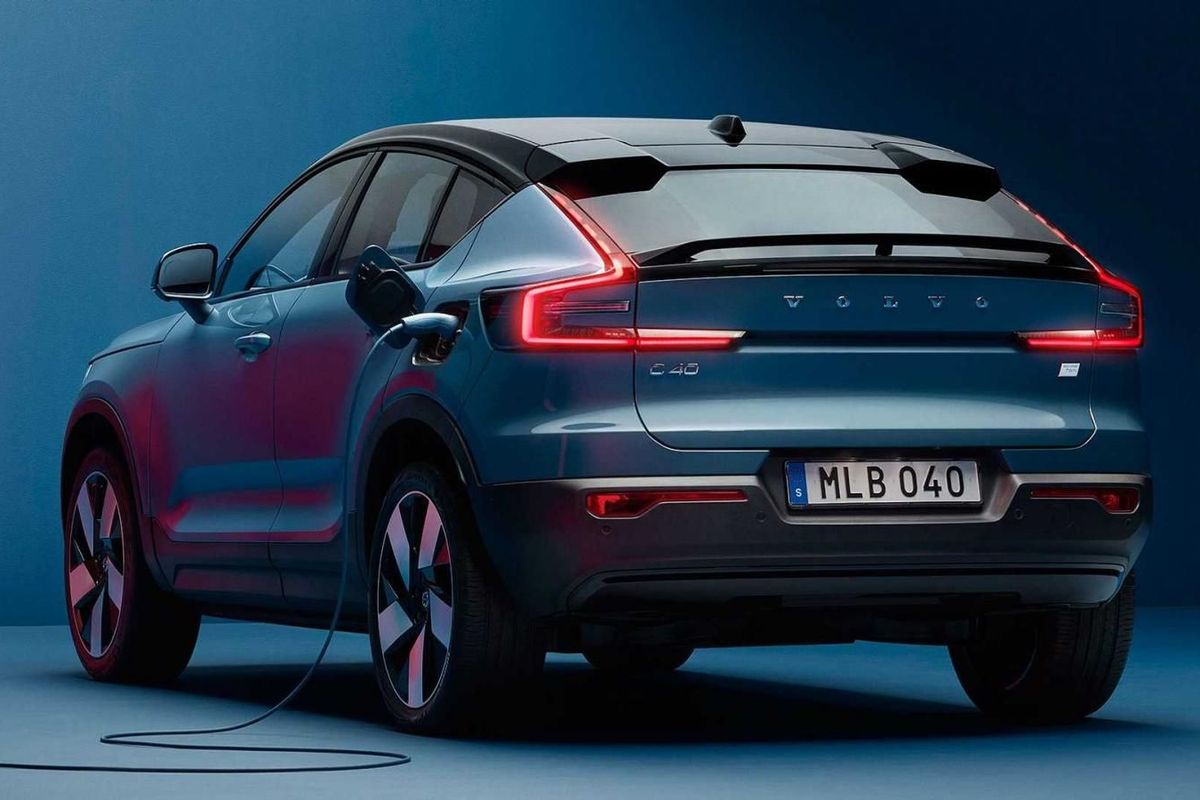
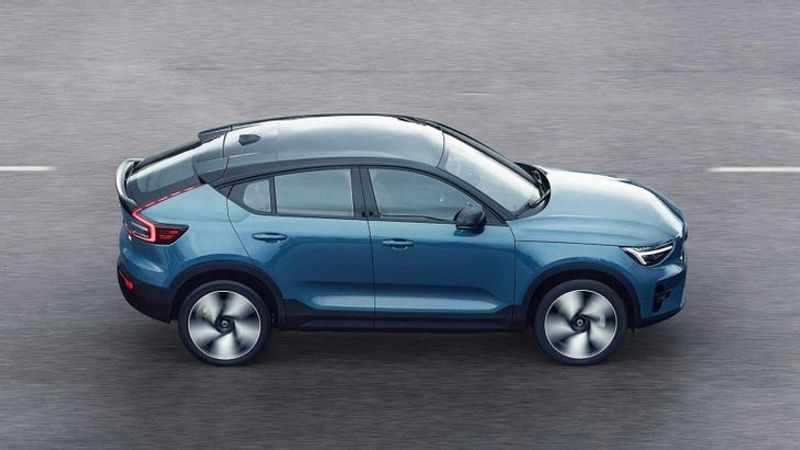
Volvo, not to be confused with its electric performance brand Polestar, launched its first fully electric car the XC40 last year and the 2nd model has just been revealed. It's called the Volvo C40 Recharge and it will be sold exclusively online. Essentially, its an XC40 in a flashier coupe SUV body style and it features the same powertrain as the XC40 Recharge.

Power outputs are rated at 300 kW and 660 Nm, with 0-100 kph dispatched in an impressive 4.7 seconds. Top speed is rated at 180 kph as per Volvo's safety strategy. According to the WLTP cycle, the Volvo C40 Recharge has a range of 420 km and it will take 8 hours to charge it on an 11 kW plug. If you can find a 150 kW charger, 80% capacity will take just 40 minutes. Volvo has already said there'll be future Over-The-Air (OTA) updates that will enhance the range. Production of the Volvo C40 Recharge begins in 2021 and there'll be another 5 electric Volvos revealed by 2025.


Further Reading

Volvo to Bring Small Electric Crossover to Market

Volvo XC40 Recharge Revealed

Volvo XC40 T3 R-Design (2019) Review

Volvo XC90 (2019) Launch Review

Volvo XC40 (2018) Launch Review

Volvo XC60 D4 R-Design (2019) Review