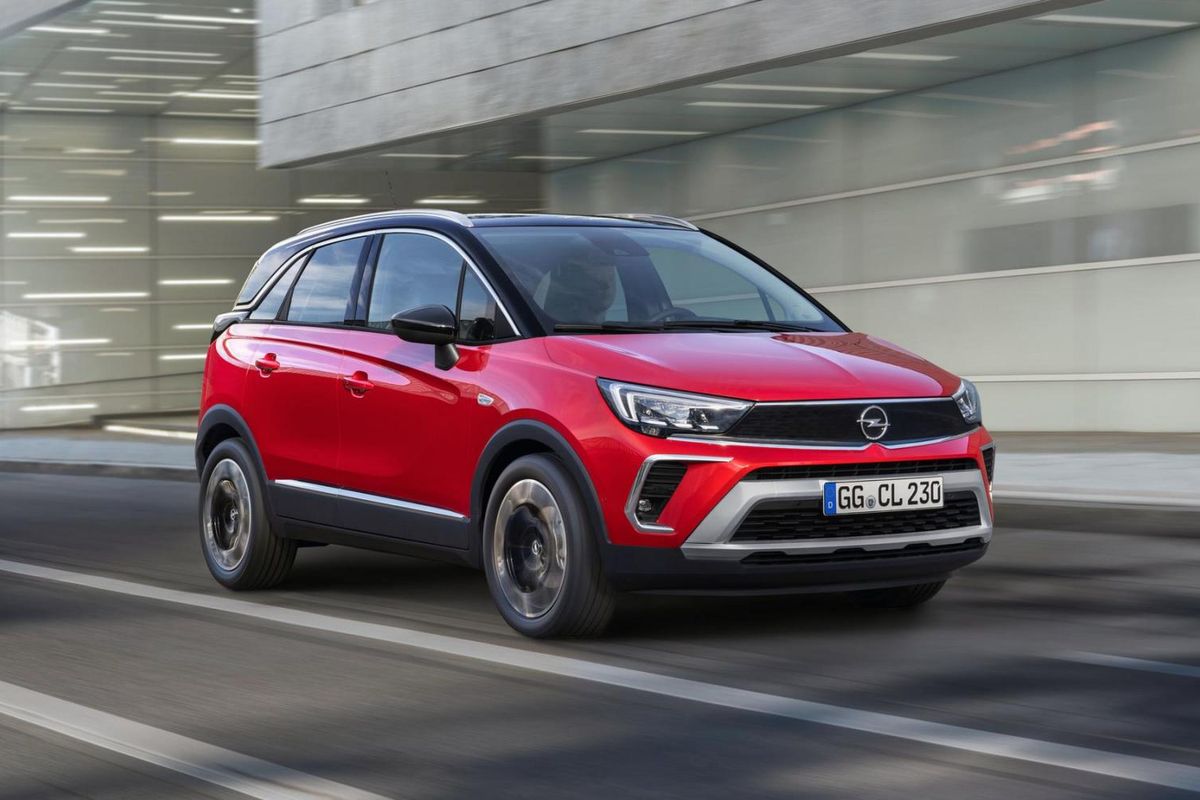
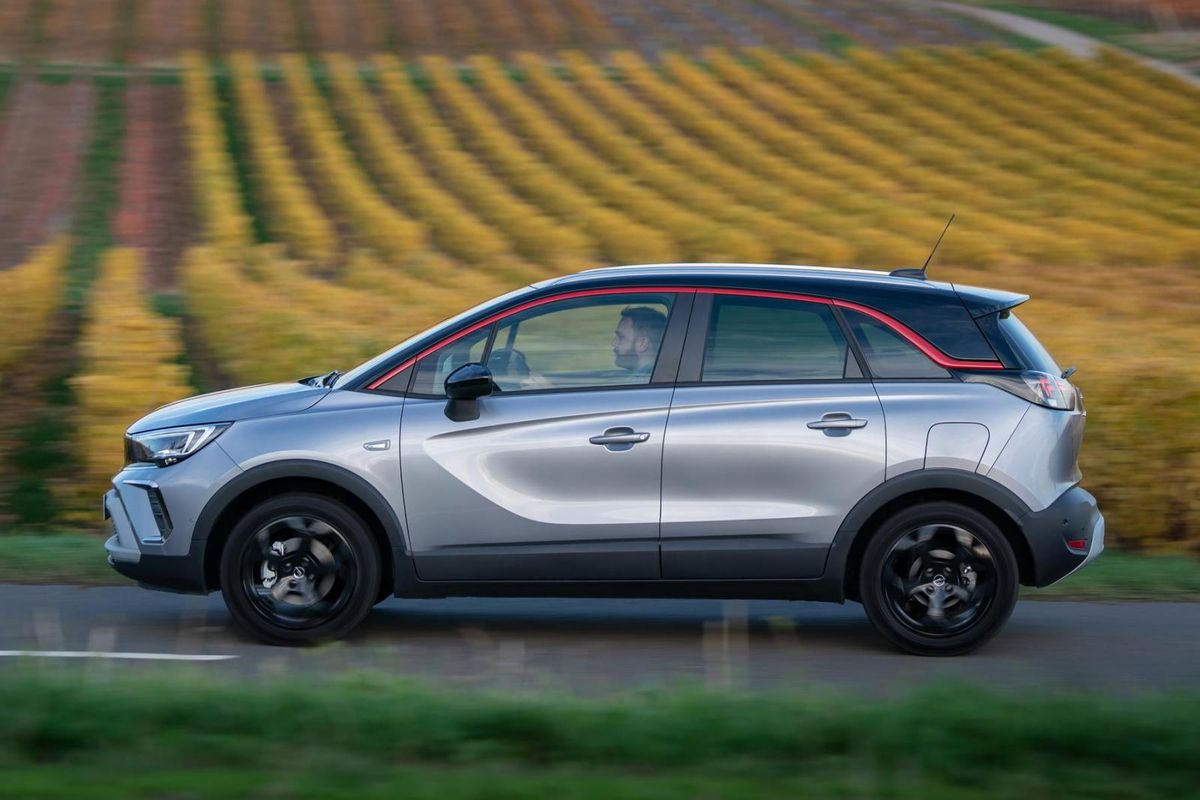
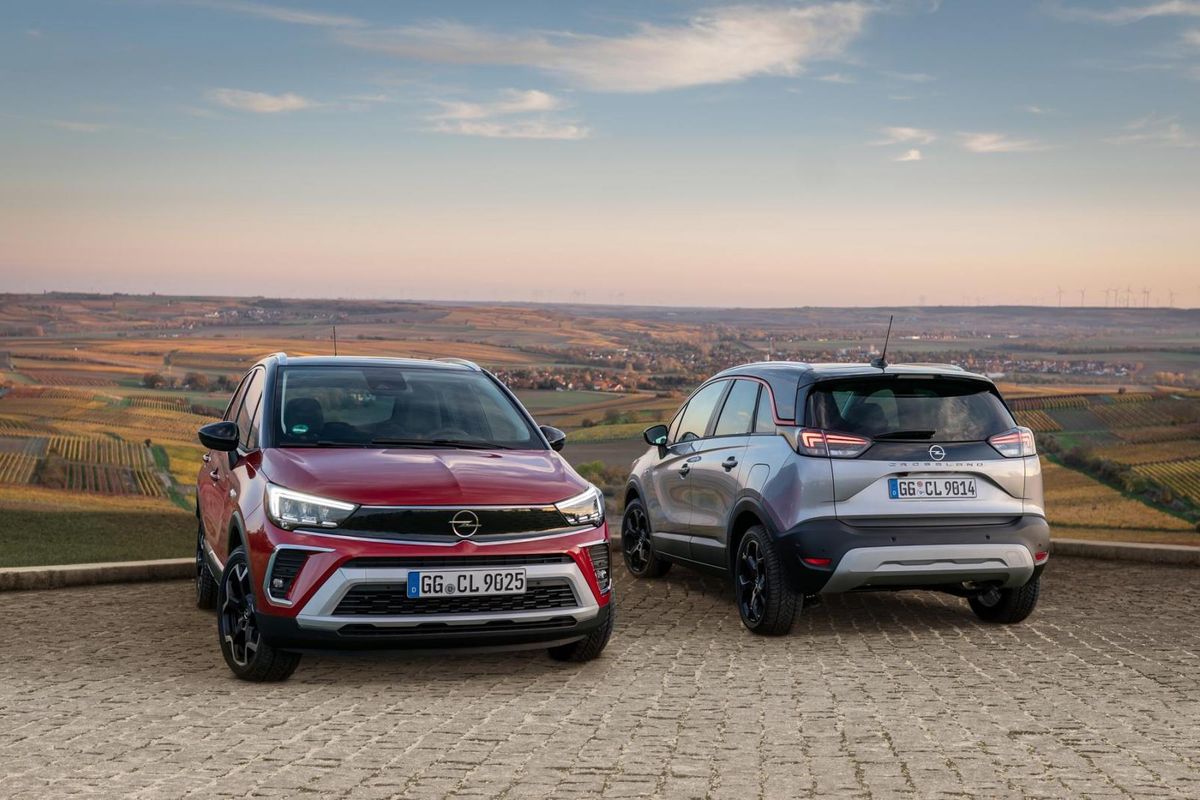
Opel has announced specs and pricing for its facelifted Crossland SUV. See what's on offer here.
Opel South Africa has teamed up with Peugeot Citroen South Africa, falling in line with the Stellantis Group global strategy. There are a few cars on the cards for South Africa, including the new Opel Corsa, as well as this, the facelifted Opel Crossland.
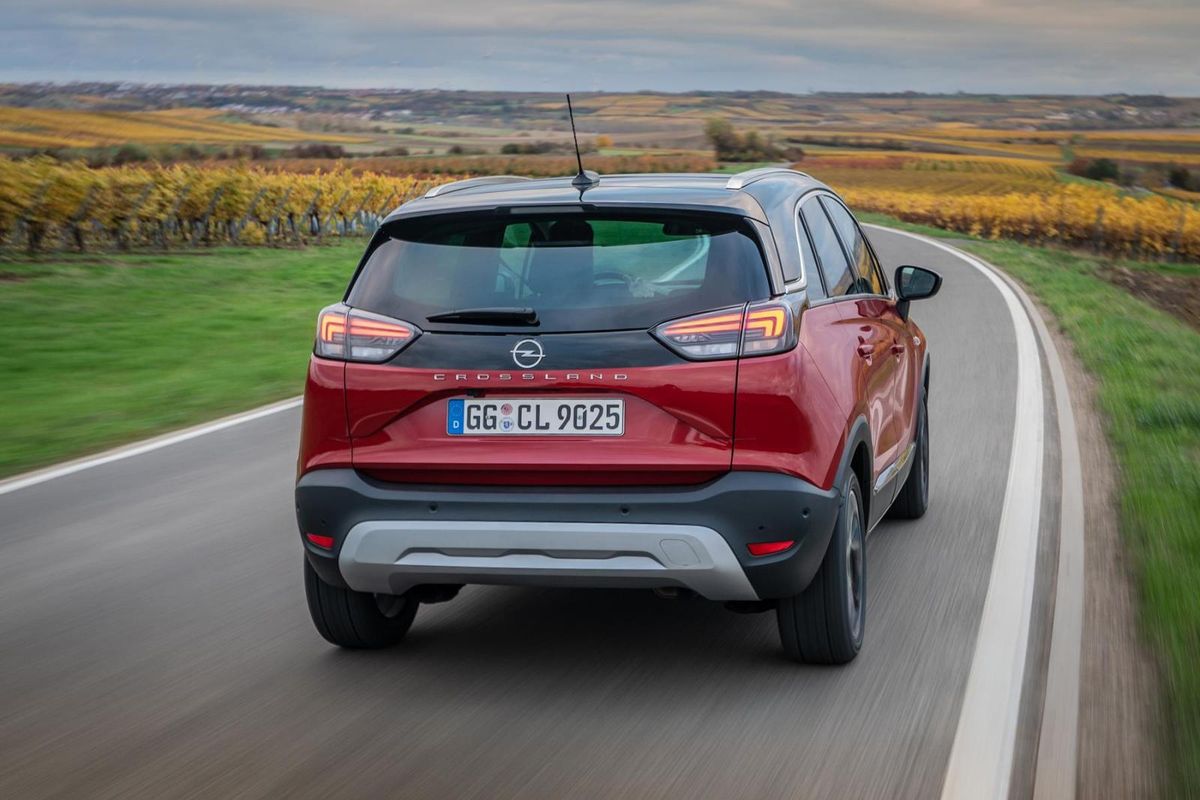
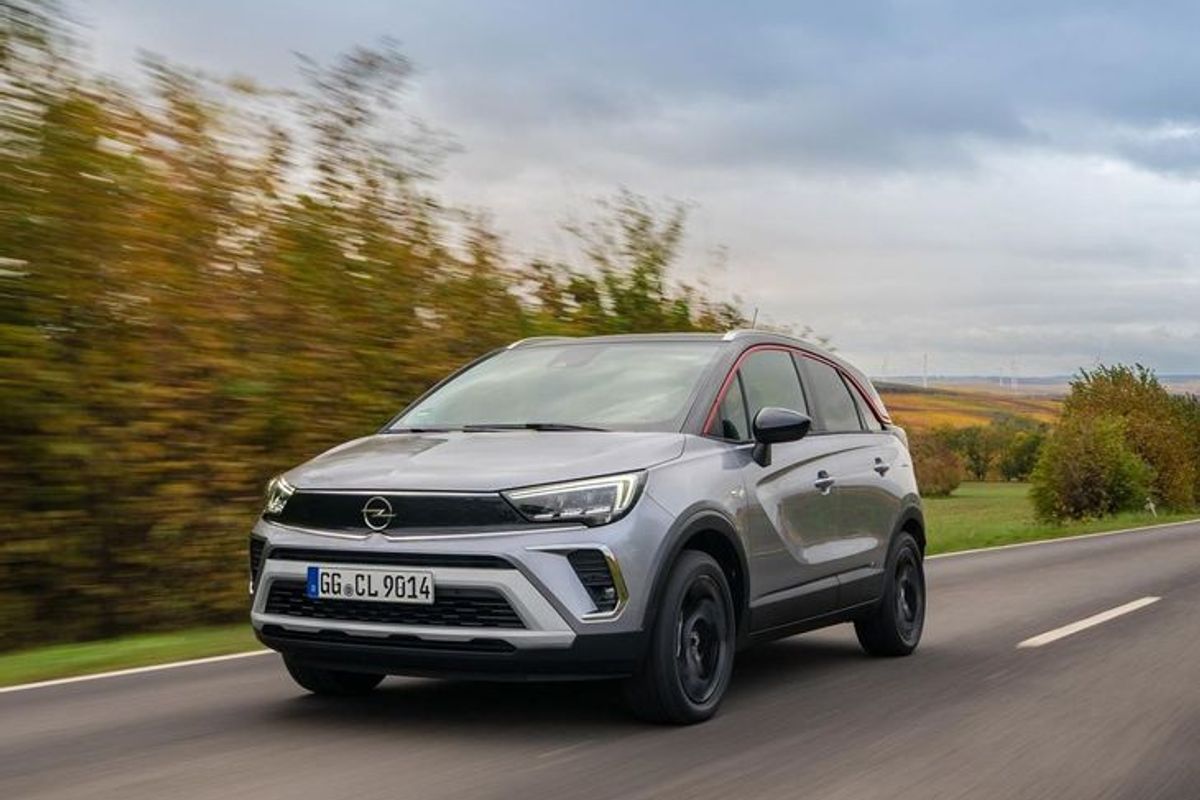
The Opel Crossland comes to market with the new Vizor face which is said to be future-proof as it provides space for all the eventual autonomous safety tech. It's the first Opel model in SA to debut this new look. The new face looks fresh and modern, and you can spot the newcomer with its front skidplates, LED fog lamps and alloy wheels. At the rear, there are new tinted tail lights, gloss-black tailgate and rear skid plate.
Opel claims the updated Crossland features ergonomically comfotable seats and there's a strong focus on practicality. The rear seats fold in a 60/40 fashion, increasing the boot space from 410 litres to 1 255 litres. The rear bench can also slide forward and backwards to increase legroom.
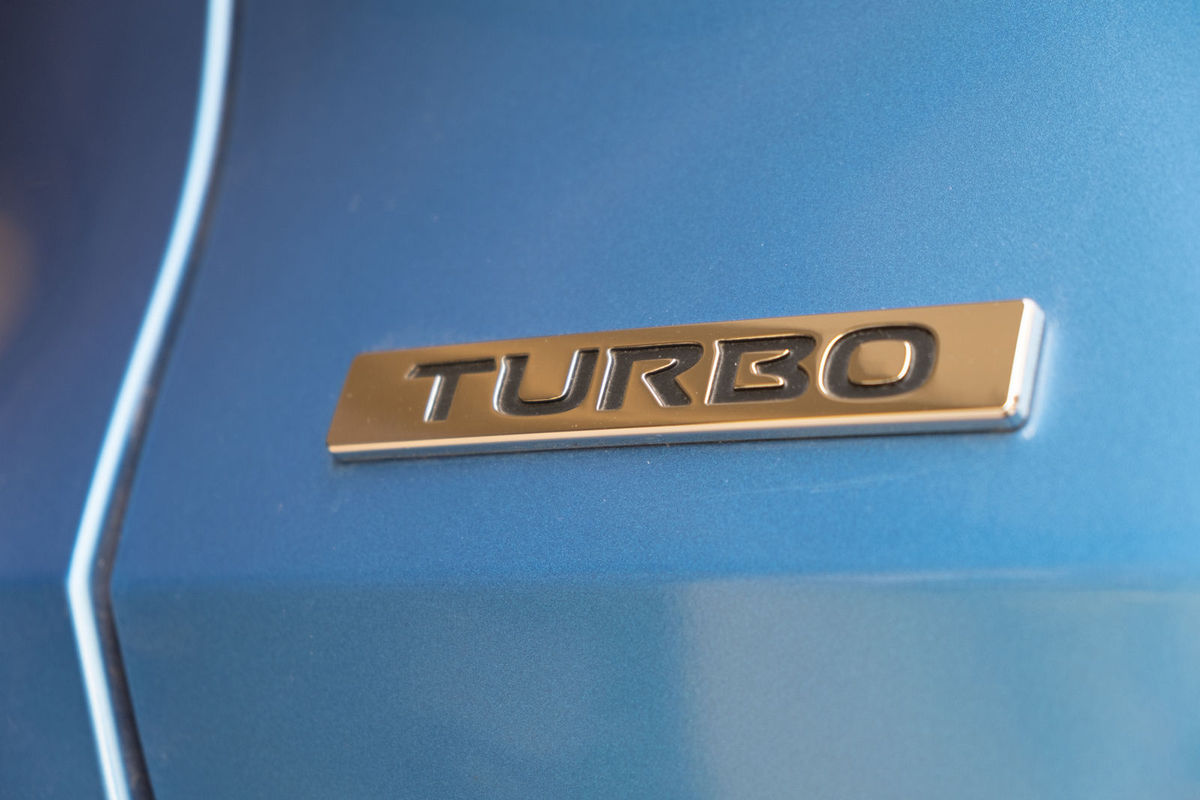
Under the skin, Opel has reworking the McPherson strut front suspension and torsion rear beam in an effort to improve ride quality. When it comes to engine and gearbox choices, Opel is offering its Crossland with a 1.2-litre naturally-aspirated petrol engine mated to a 5-speed manual gearbox. For those wanting a bit more shove, there's also a 1.2-litre turbocharged petrol engine linked to a 6-speed automatic. Engine outputs are rated at 60 kW and 118 Nm, while the turbo model offers up 81 kW and 205 Nm.
The South African market will get three models, with 2 trim levels and 2 engines:
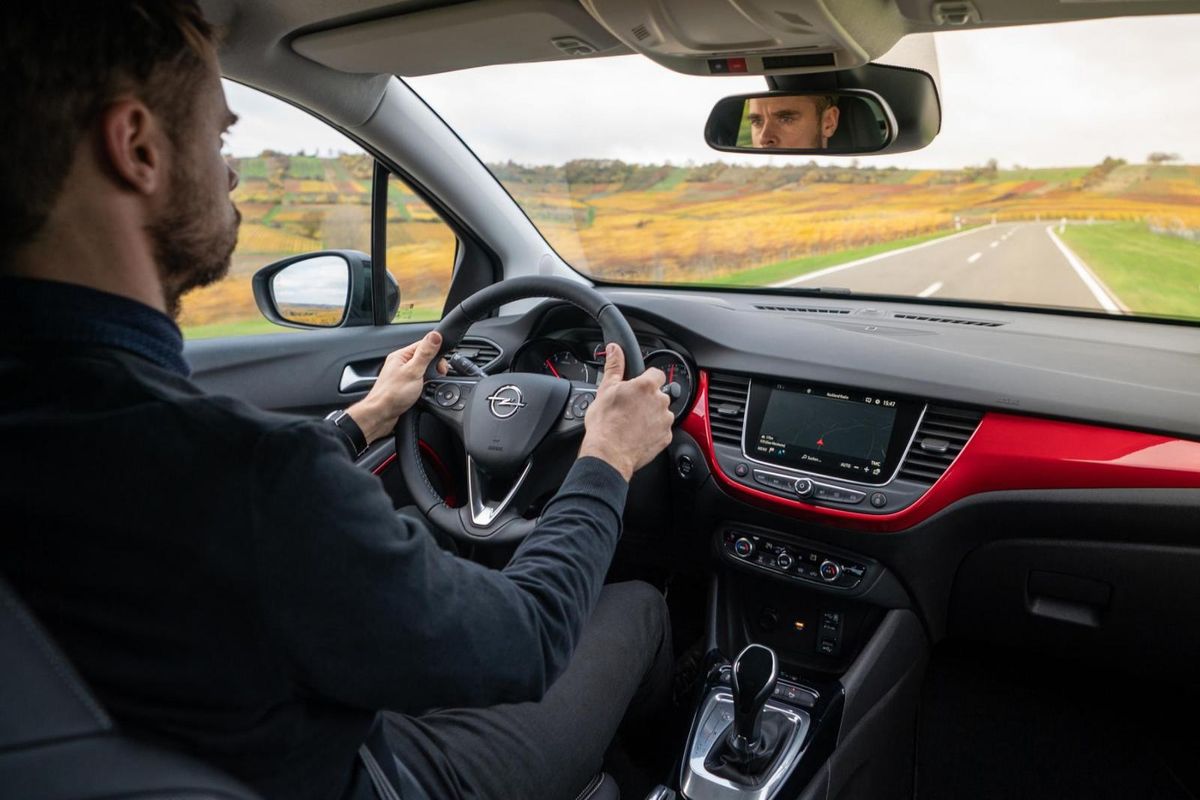
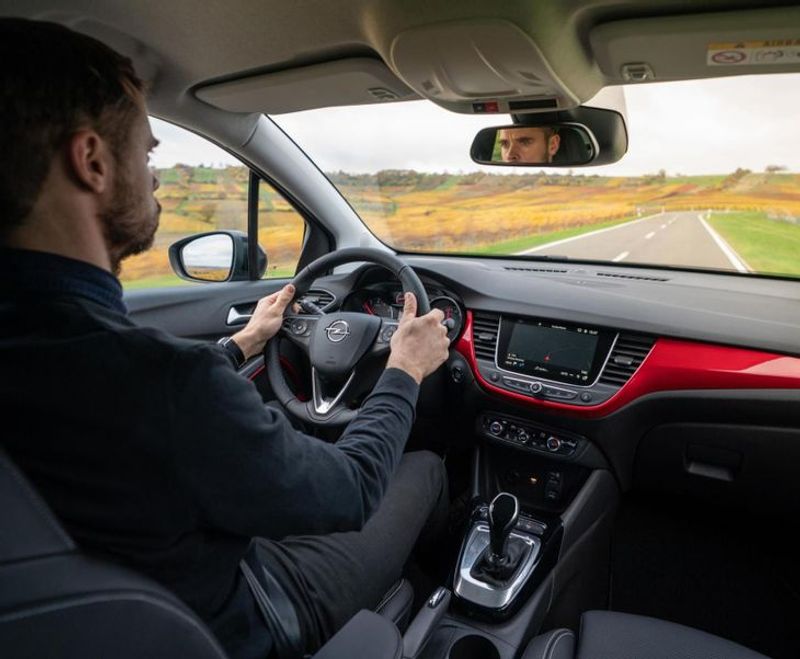
The Opel Crossland features an updated 7-inch colour touchscreen infotainment system that has Apple CarPlay/Android Auto connectivity. There's also Bluetooth and USB connectivity.
Safety features are comprehensive with forward collision alert with auto braking and pedestrian detection, lane departure, driver drowsiness, front/rear park assist, cruise control with speed limiter as well as the usual acronyms of AB, EBFD and Hill Start.
Opel Crossland Price in South Africa (February 2021)
Opel Crossland Edition 60kW 5-speed Manual R324 900
Opel Crossland Edition 81kW 6-speed Automatic R374 900
Opel Crossland Elegance 1.2 Turbo 81kW 6-speed Automatic R 399 900
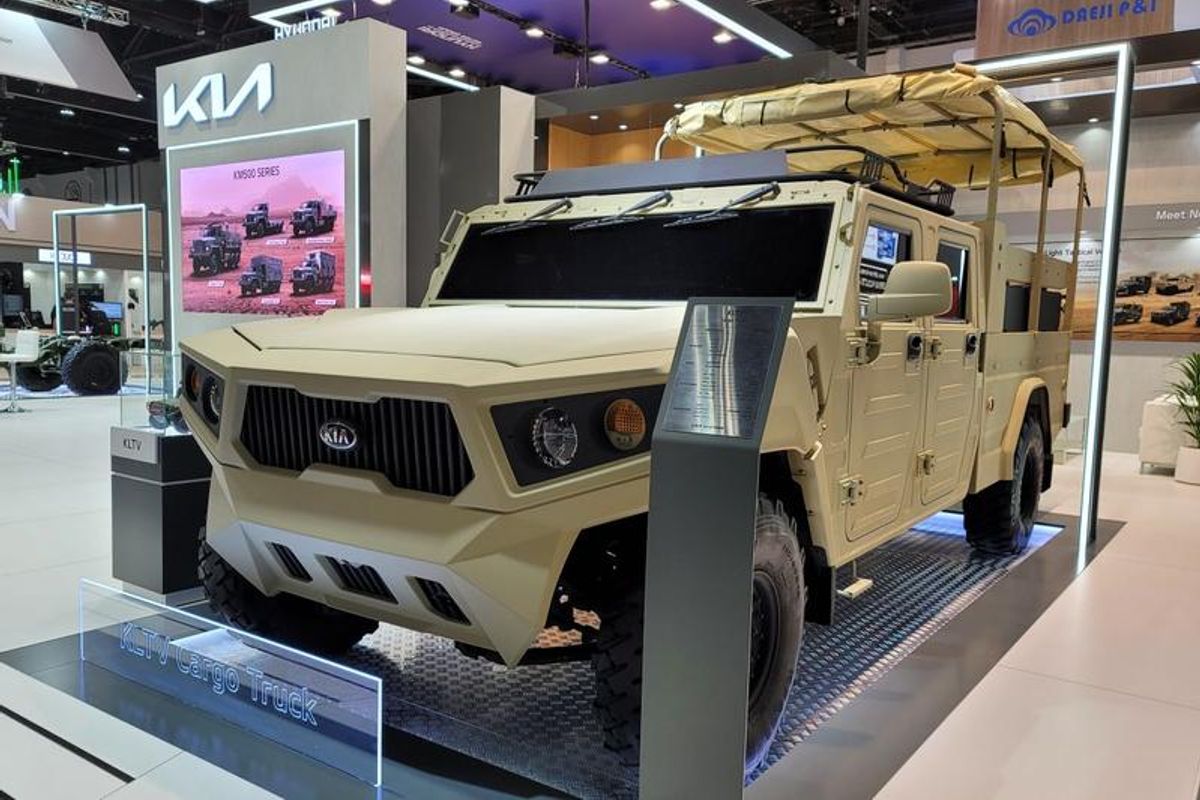
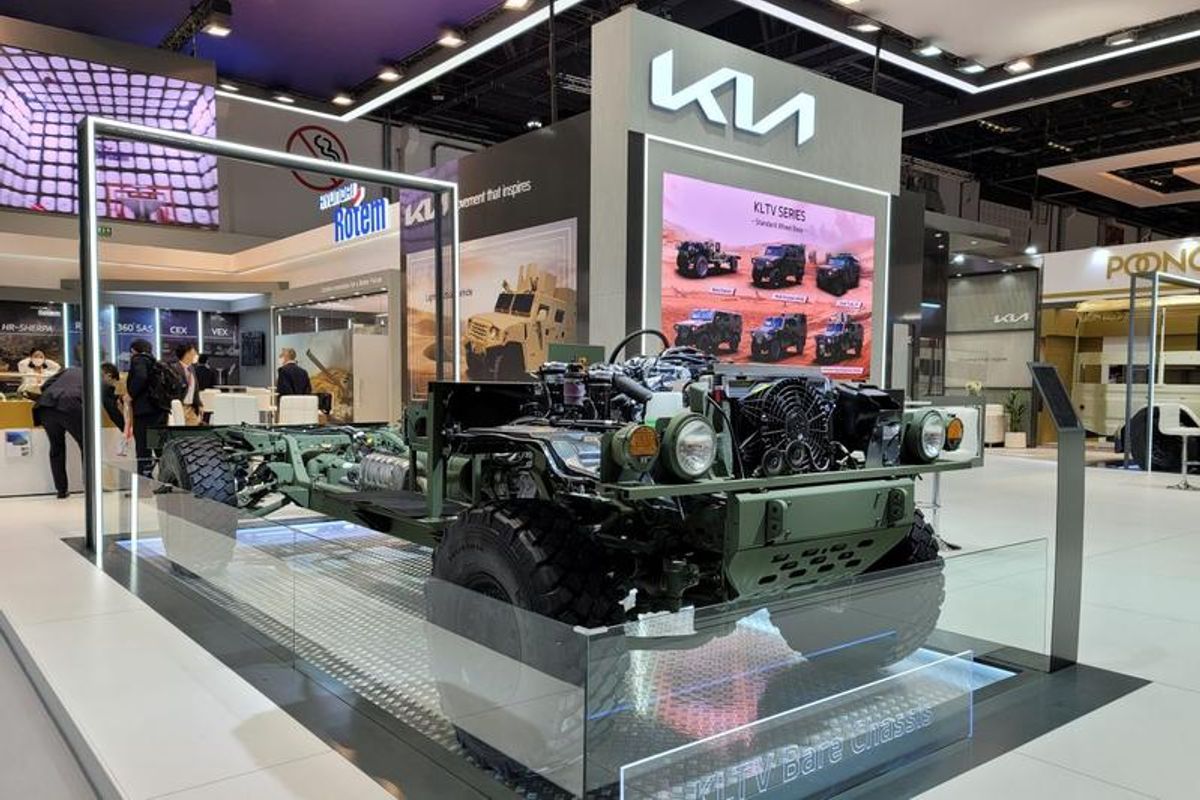
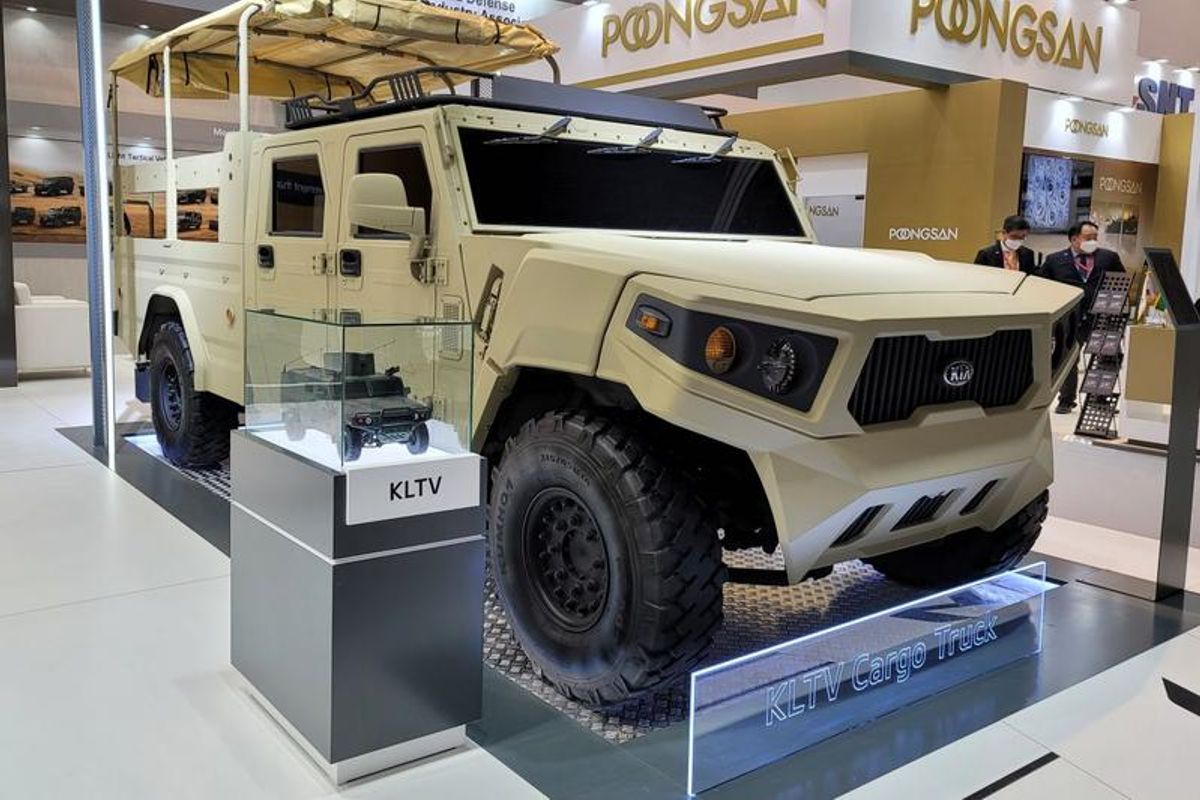
Although auto shows might never return to their former prominence or attendance, the world of defence has remained committed to doing business in person. At the recent IDEX conference, hosted in the UAE, Kia showed the latest iteration of its modular bakkie platform.
The Kia double-cab’s specification takes the best of rugged off-road vehicle design and combines it with some modern upgrades. This is essentially what every Land Cruiser bakkie owner dreams of: a steel ladder frame chassis, with independent suspension at all four wheels.
Powering the Kia ‘light tactical cargo truck’ is a diesel engine of unspecified configuration. Kia has disclosed its power output, at 167 kW, but not the peak torque value. Any diesel engine good for 167 kW should also make more than 500 Nm, by associated calculation.
Ensuring this rugged Kia double-cab has excellent all-terrain traction, is a limited-slip differential. Kia does not confirm whether this is rear axle mounted. We could assume this is a limited-slip centre differential. Driving convenience is provided by an eight-speed automatic transmission.
You obviously can’t buy one of these Kia bakkies (unless you are a government), but it does illustrate that the Koreans could build a very good African-spec double-cab adventure vehicle if they wished. Something more rugged, than a Hilux.
Kia has its roots in military vehicles having first produced them back in the 1970s and still producing vehicles today for the Korean military. The platform underpinning this new double-cab is said to be modular and adaptable, just like many modern vehicle platforms that are used to make passenger cars of varying sizes. With both Kia and Hyundai planning to enter the leisure double-cab market in the next few years, something like this modular architecture could be well-suited to the task.
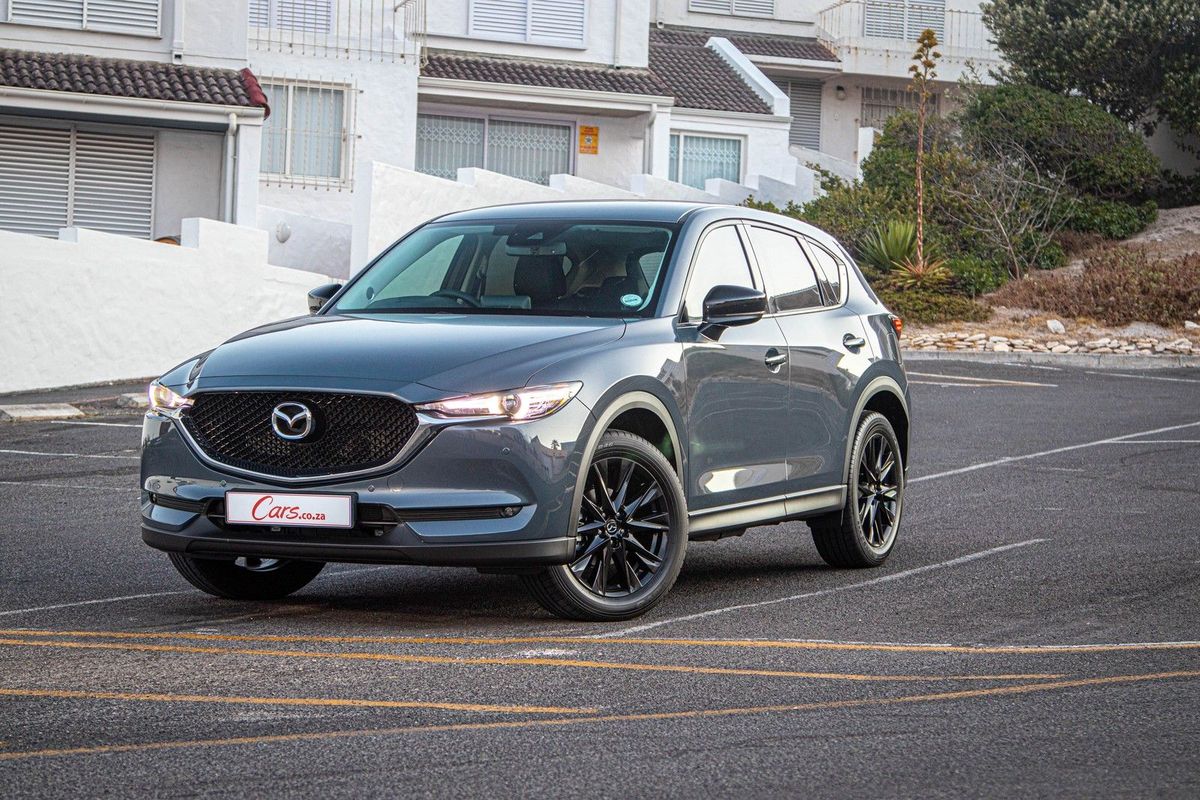
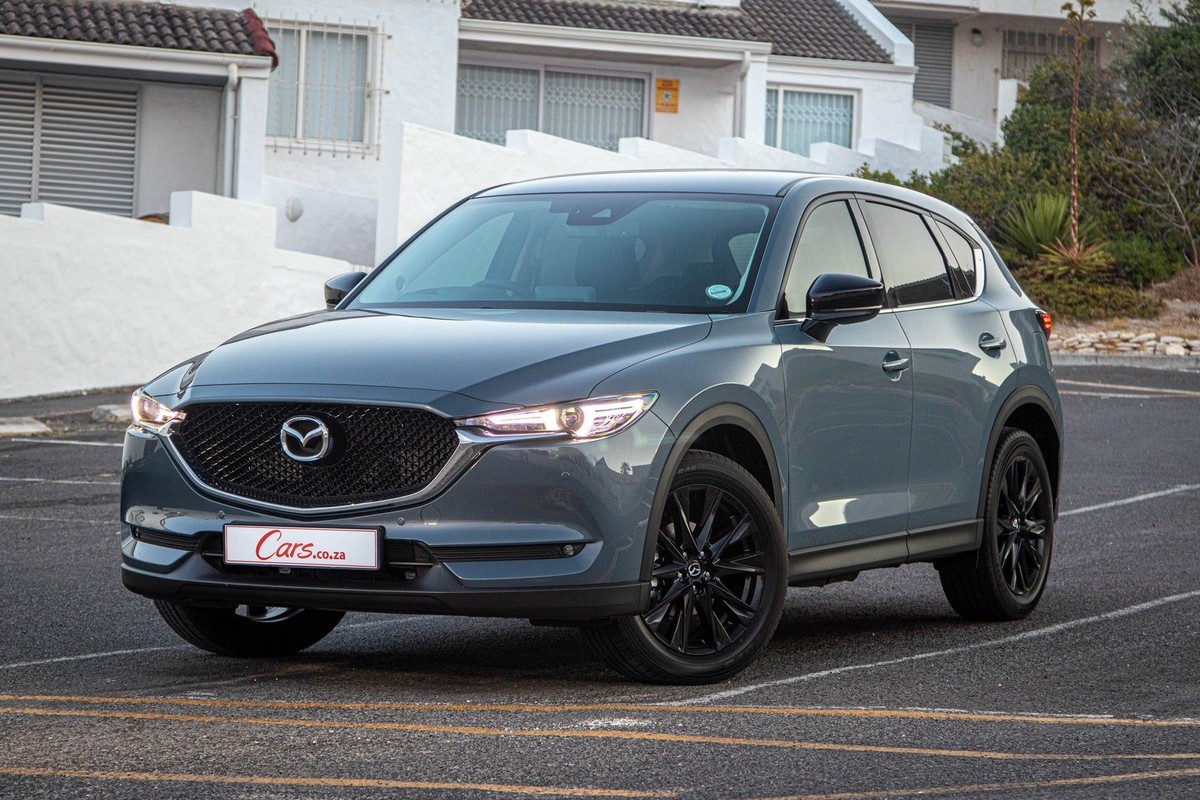
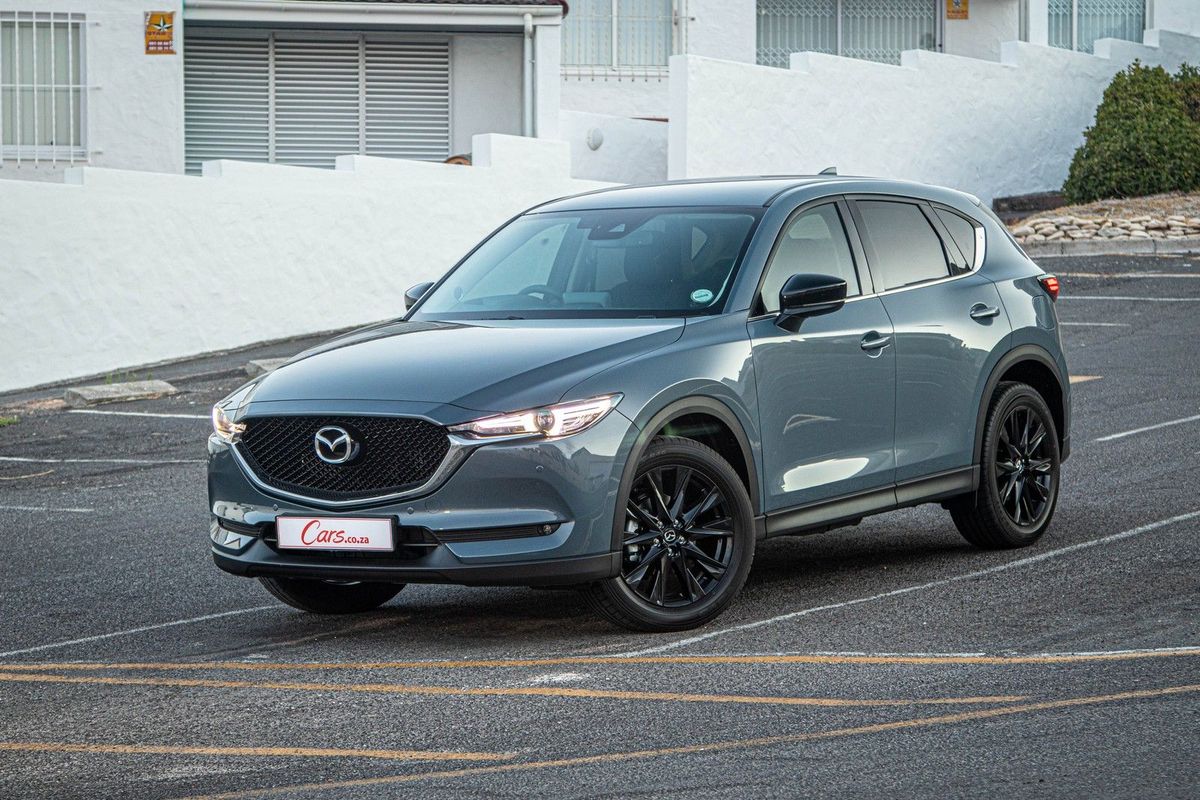
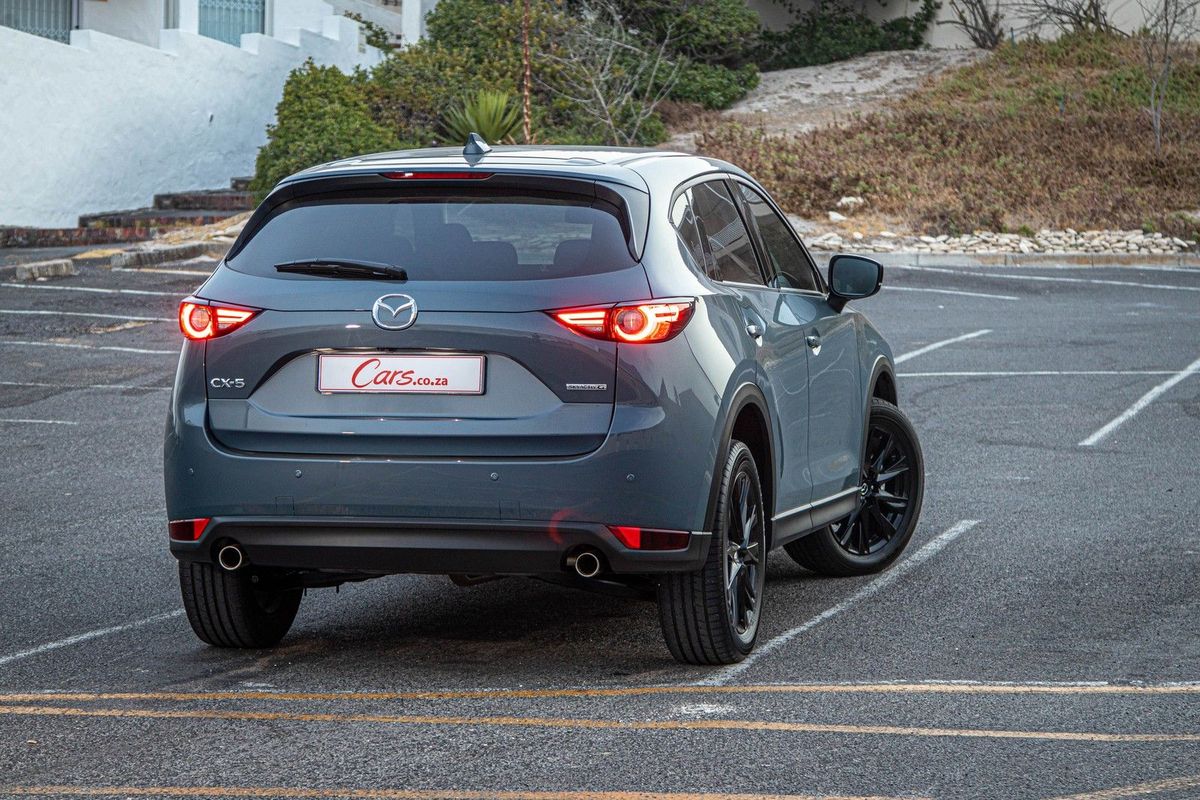
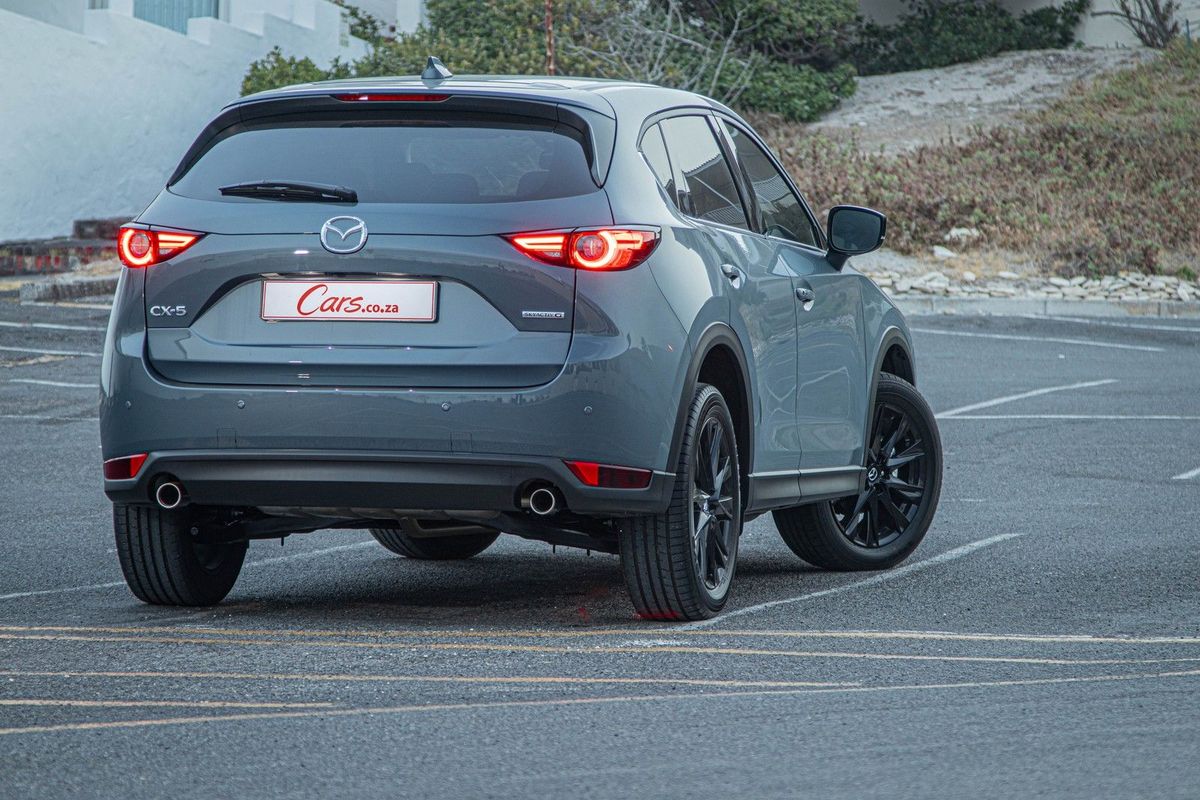
The Mazda CX-5 has garnered a number of awards – including #CarsAwards wins – and with good reason. With a slightly facelifted model expected to be unveiled soon, Mazda has launched a special derivative of its family car. We spend some time with the 2.0 Carbon Edition to see if it’s just as good as the rest of the range.
Considering the Mazda CX-5? This review will help you make an informed buying decision.
We like: Excellent on-road manners, excellent fit and finish, generous standard spec
We don’t like: Noisy engine when pushed, off-road ride quality too firm
Fast Facts
Model tested: Mazda CX 2.0 Carbon Edition
Price: R565 800 (as of February 2021)
Engine: 2.0-litre petrol, naturally-aspirated
Power/Torque: 121 kW/213 Nm
Transmission: 6-speed automatic
Fuel Consumption: 6.9 L/100 km
Load capacity: 442-1914 litres
Acceleration: 0-100 kph in 10.4 sec (claimed)
What is the Mazda CX-5 Carbon Edition?
The Mazda CX-5 is an accomplished family SUV. With a range that includes an array of engines and trim levels, the CX-5 has proven a popular purchase; more than 3 100 units have found their way into South African homes since this model was launched in 2017. Only its rivals from Volkswagen (Tiguan) and Toyota (RAV4) have sold more units, making the CX-5 the 3rd best seller in its segment. The CX-5 has also received a handful of category wins in the #CarsAwards – powered by WesBank by virtue of its good build quality, practicality, a balance of comfort and safety features, plus its brand reputation.
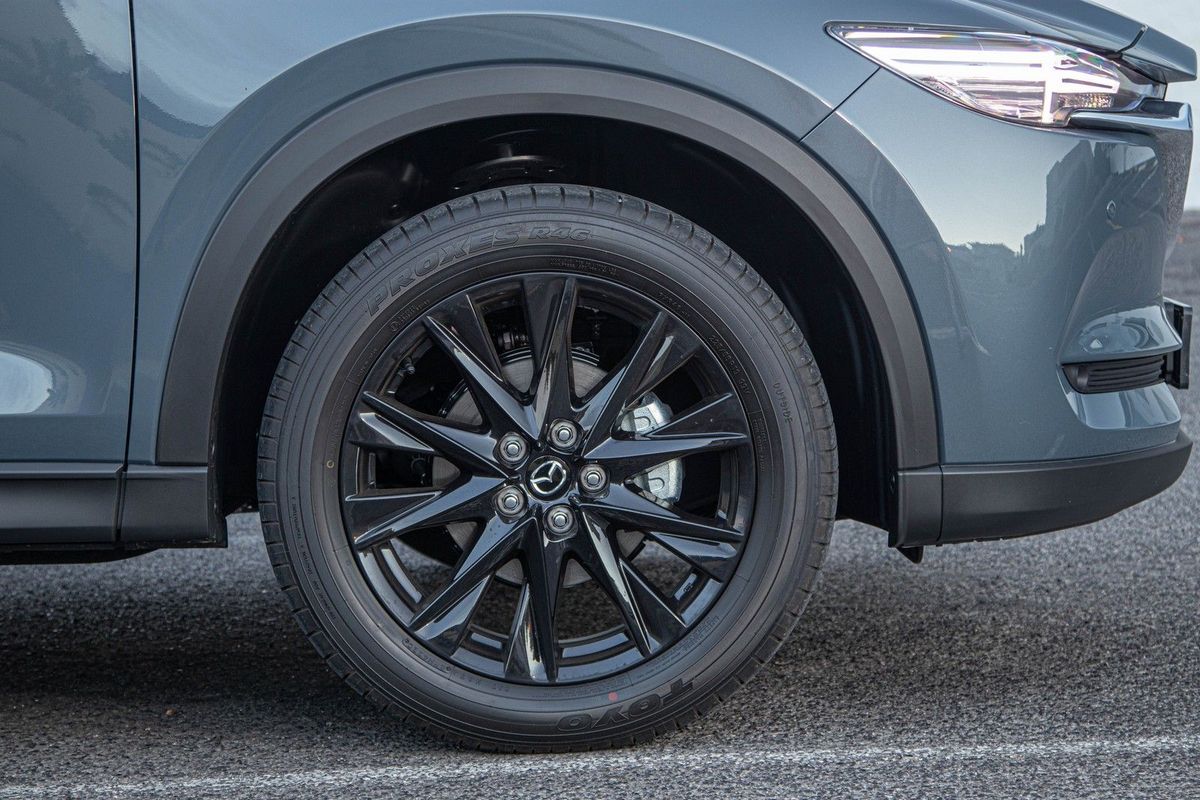
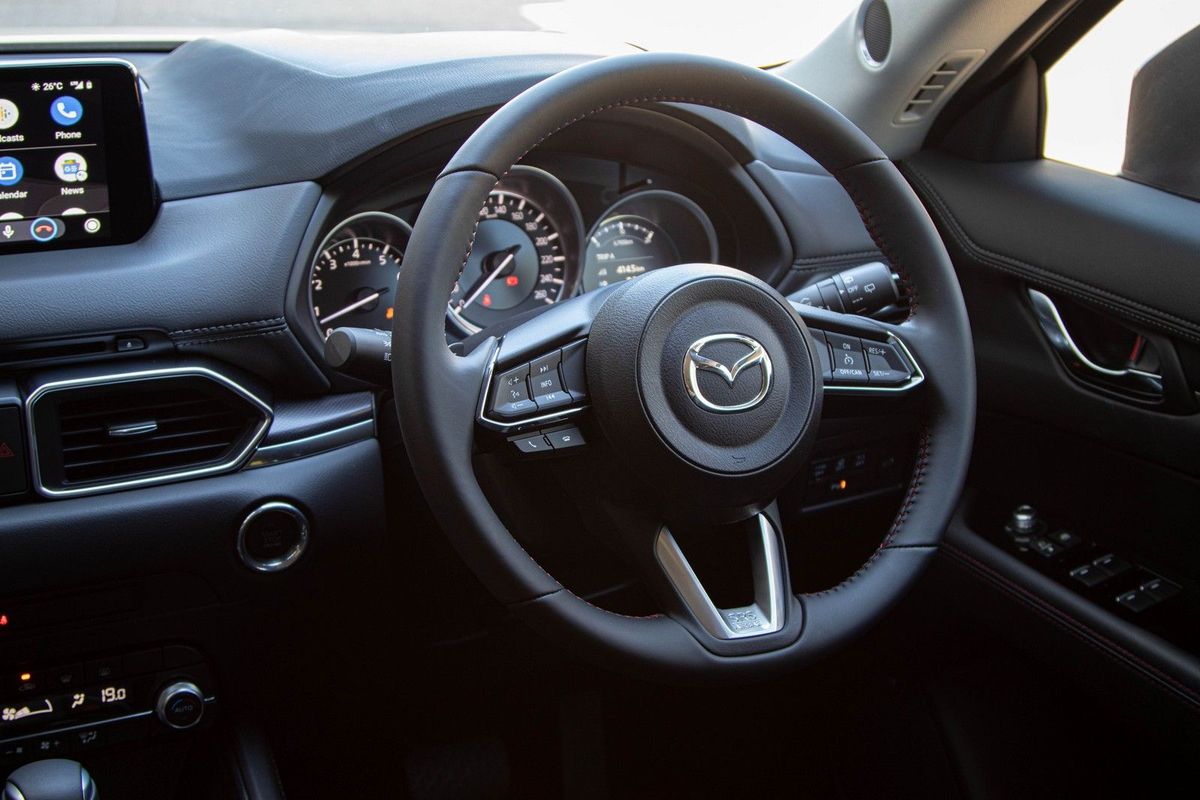
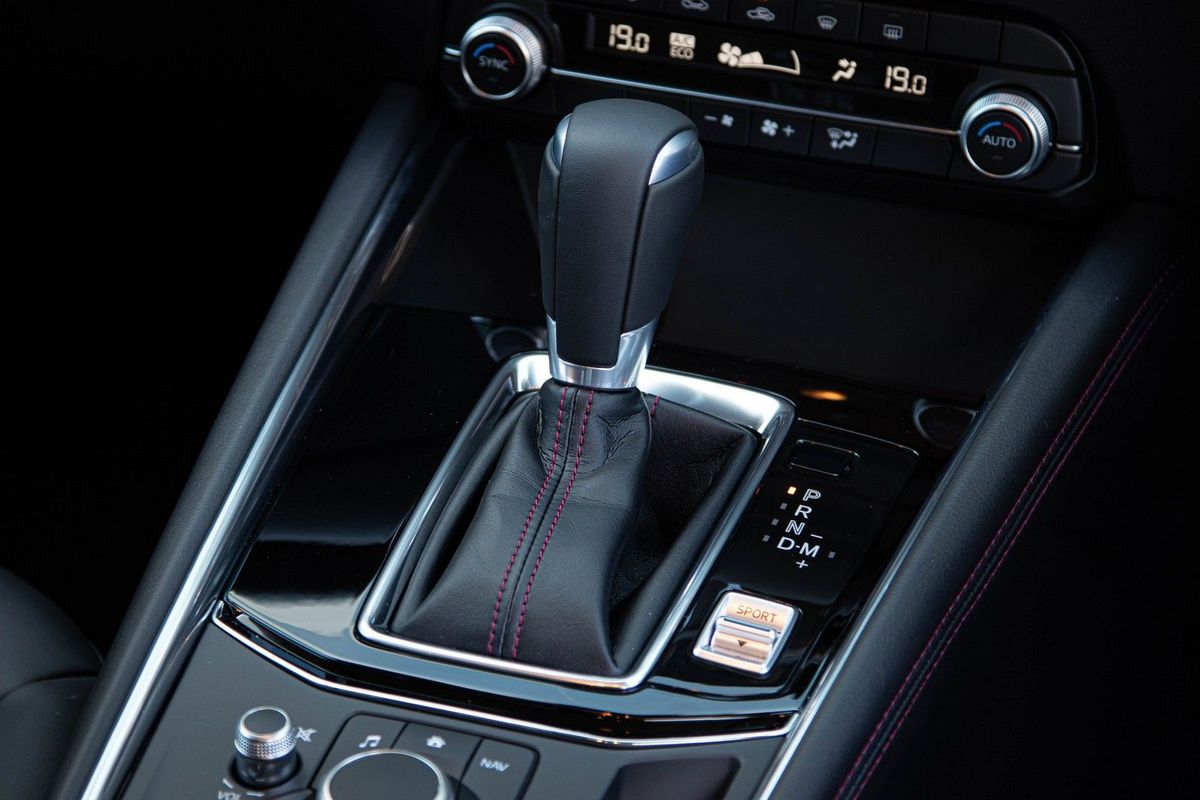
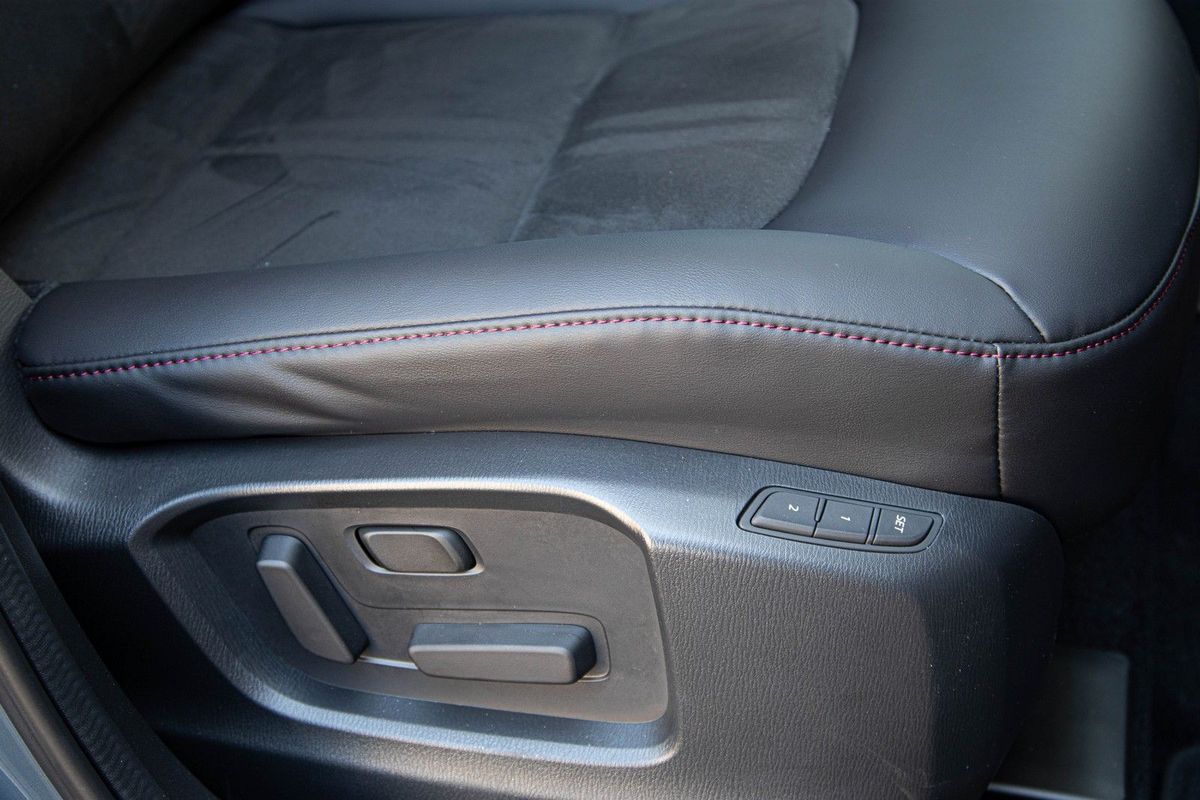
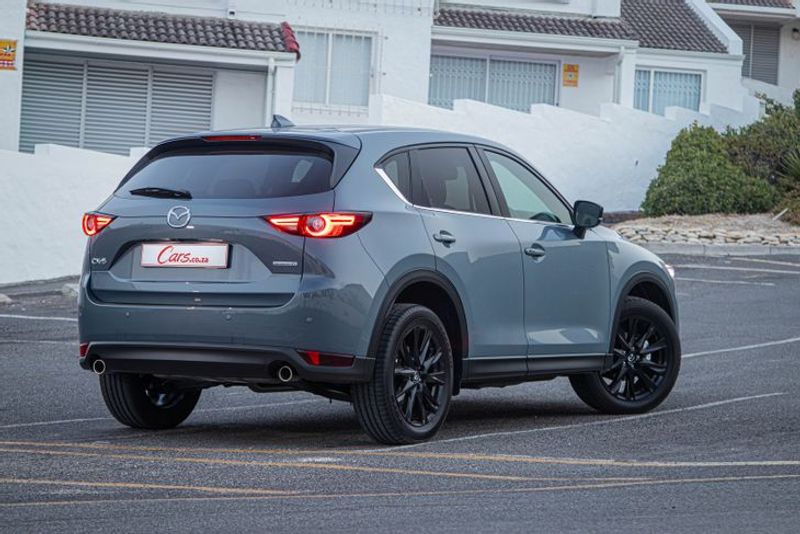
Now Mazda SA has launched the CX-5 2.0 Carbon Edition, which effectively replaces the 2.0 Individual derivative. Mechanically, the newcomer is identical to the 2.0 Dynamic Auto, however, the 2.0 Carbon Edition features visual enhancements, such as glossy black mirrors and 19-inch black alloy wheels, while the interior boasts black cladding on the dashboard and door panels, as well as red stitching on the steering wheel, transmission lever, knee pads and seats. Leather/suede combination upholstery is standard. There’s an increase in standard equipment too, which we’ll discuss later in this review.
How it performs in terms of…
Performance and efficiency
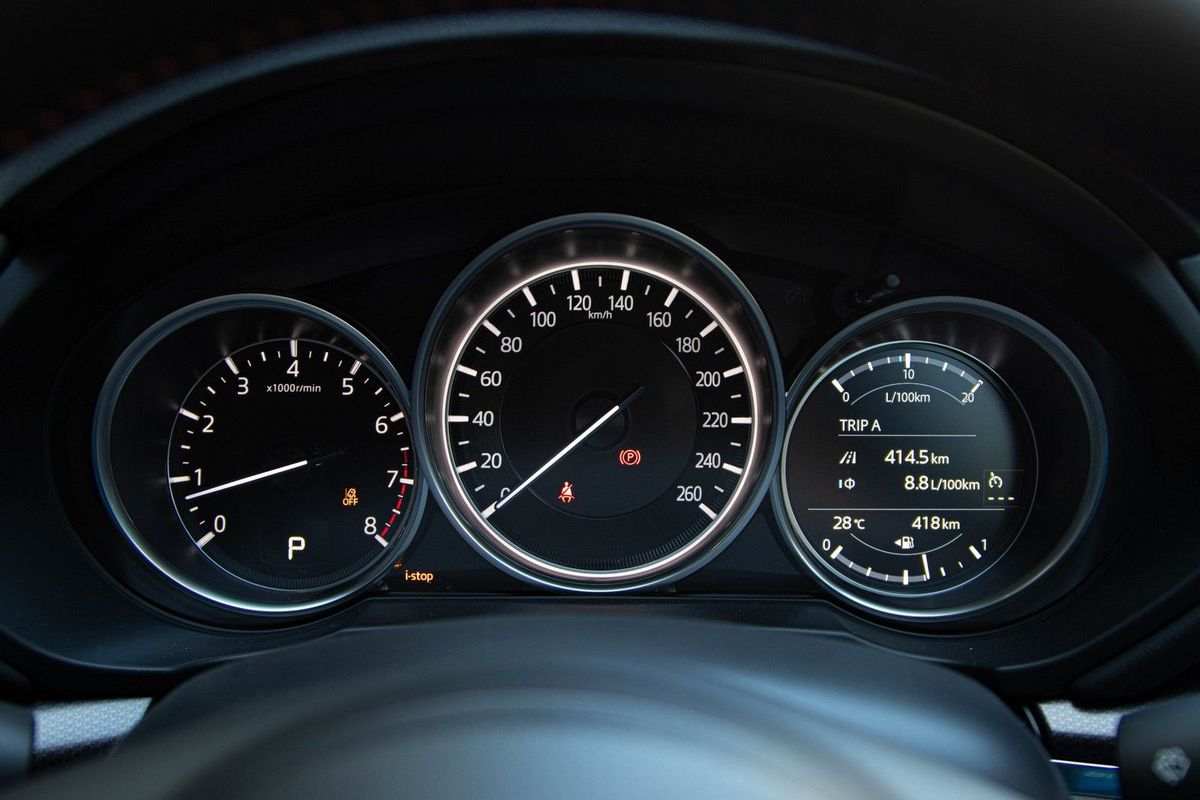
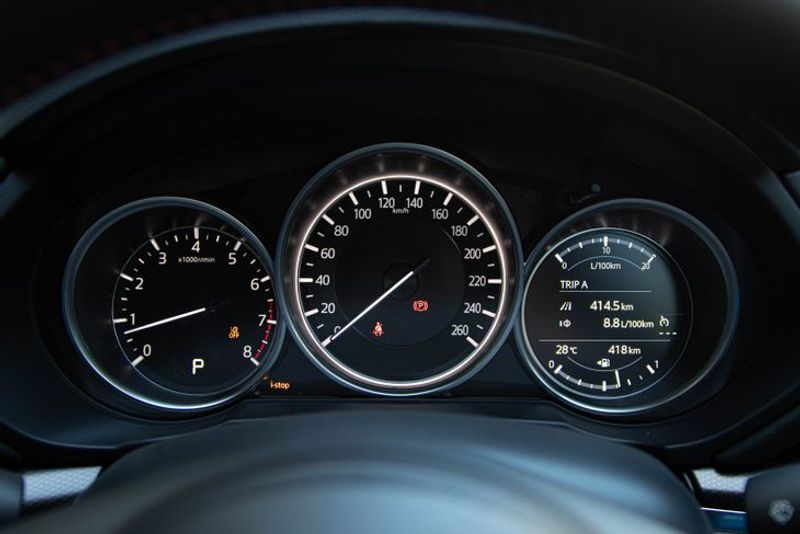
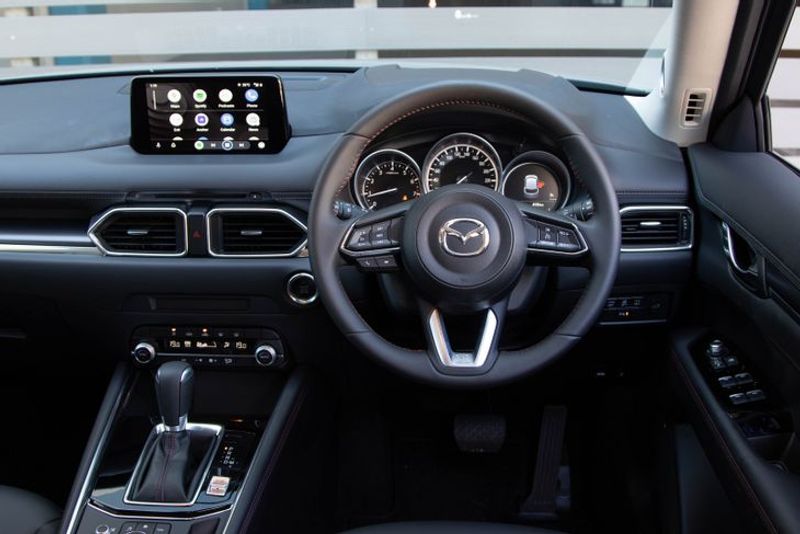
The Mazda CX-5 has crisp and clear dials
While most of the models in the family-car segment have gone the forced-induction route (their manufacturers have introduced smaller capacity-, but turbocharged, engines), Mazda has invested heavily in the development of its naturally-aspirated petrol engine range. Endowed with SkyActiv tech, Mazda’s engines are said to offer punchy performance in combination with good fuel economy. In the case of the Carbon Edition, its 2.0-litre 4-cylinder petrol motor produces 121 kW and 213 Nm, which are adequate outputs for a family car. Fuel efficiency is a claimed 6.9 L/100 km and the derivative is claimed to accelerate from 0 to 100 kph in 10.4 sec. Power reaches the front wheels via a 6-speed auto ‘box and there are paddle shifters on the steering wheel (should you feel like actuating gear shifts manually).
That all sounds well and good, but what’s the Carbon Edition like to drive? In truth, the 2.0-litre is a willing engine, as long as you don’t flex your right foot too hard on the accelerator pedal. If you do, the drivetrain’s software will instruct the transmission to change down a few gears to maximise acceleration, but the otherwise buttery smooth motor will suddenly sound far less refined than it is. Indeed, when “pressing on”, the engine sounds a mite strained and noisy, but then again, making the direct-injection engine spin that high in the rev range is counterproductive to the pursuit of good fuel economy.
This is where the ‘shift paddles come in handy; you can effortlessly change up a gear and avoid a burst of engine noise, but still make good use of the available torque! The engine doesn’t need to be revved hard to get the best out of it, which is odd, considering the transmission “believes otherwise”. Thankfully, the paddles are pleasant to use, so you won’t feel it’s a chore to override the ‘box now and again.
When it comes to fuel economy, our test period ended with the Mazda CX-5 2.0 Carbon Edition’s trip computer reading a reasonable 8.8 L/100 km (versus the 6.9 L/100 km claimed figure).
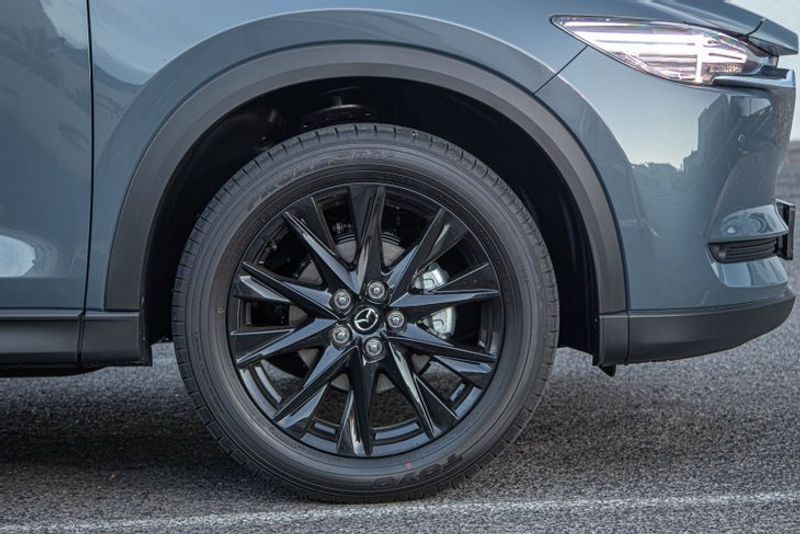
These 19-inch alloy wheels look great, but are not really suited to rougher terrain
Ride and handling
The Mazda CX-5 has always been pleasant to drive, which is understandable, given its brand heritage. Mazda has the wonderfully analogue MX-5 roadster in its stable, so it’s unsurprising that its other models are also pleasant to drive. Despite its top-heavy SUV body style, the CX-5 excels when the straights become turns. The steering is light and quick, making the car feel more agile than it actually is.
One of the Carbon Edition’s special accoutrements is its set of large, black 19-inch alloy wheels. Those dark rims look great, but they also diminish on-road comfort when the CX-5 traverses less than perfect asphalt. As a result, the Mazda’s general ride quality is a touch too firm for our liking on rough roads – the suspension does tend to thump a bit over uneven surfaces. Granted, the majority of CX-5 buyers will require a vehicle to navigate urban environments most of the time and travel on unsealed surfaces only occasionally, but isn’t the point of an SUV that it should be suited to dirt-road excursions too?
Thankfully, if 99% of your driving time is on smooth roads, you’ll be more than happy with the vehicle’s on-road manners. It’s refined, smooth and quiet (as long as you don’t ask too much of the engine).
Interior execution and features
The modern and easy-to-use cabin
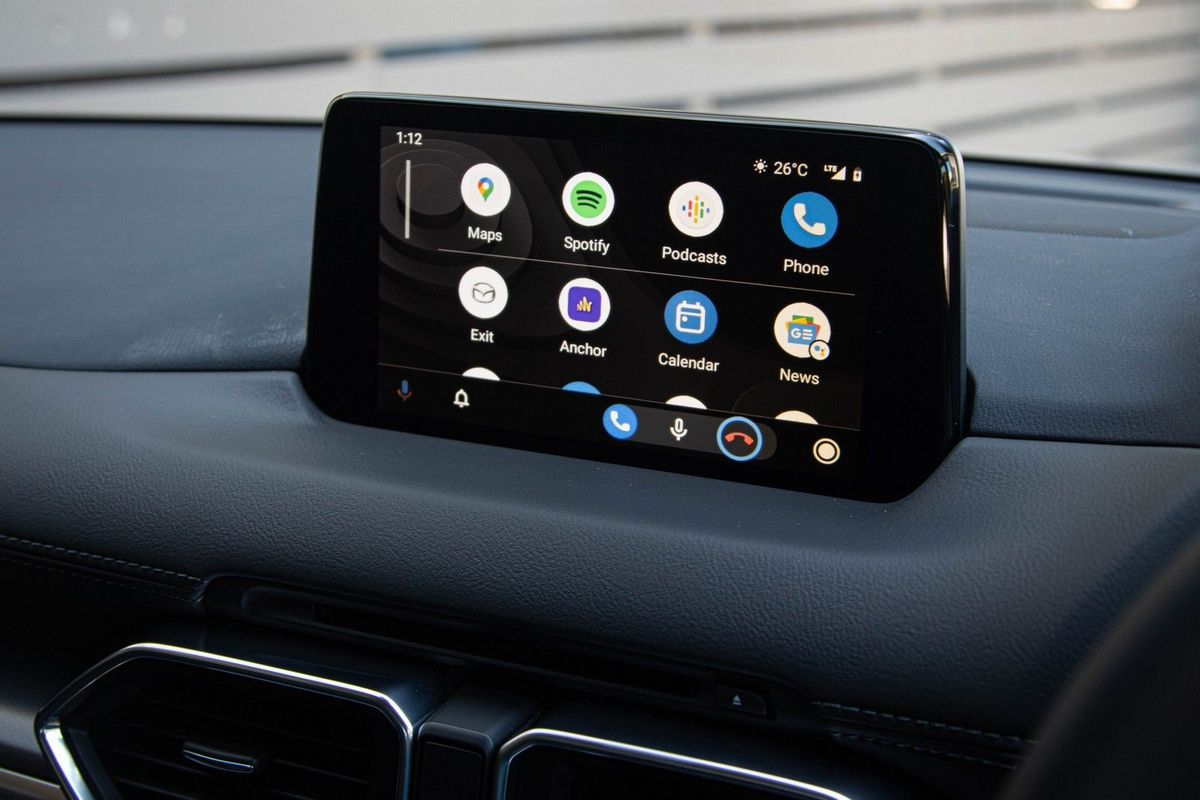
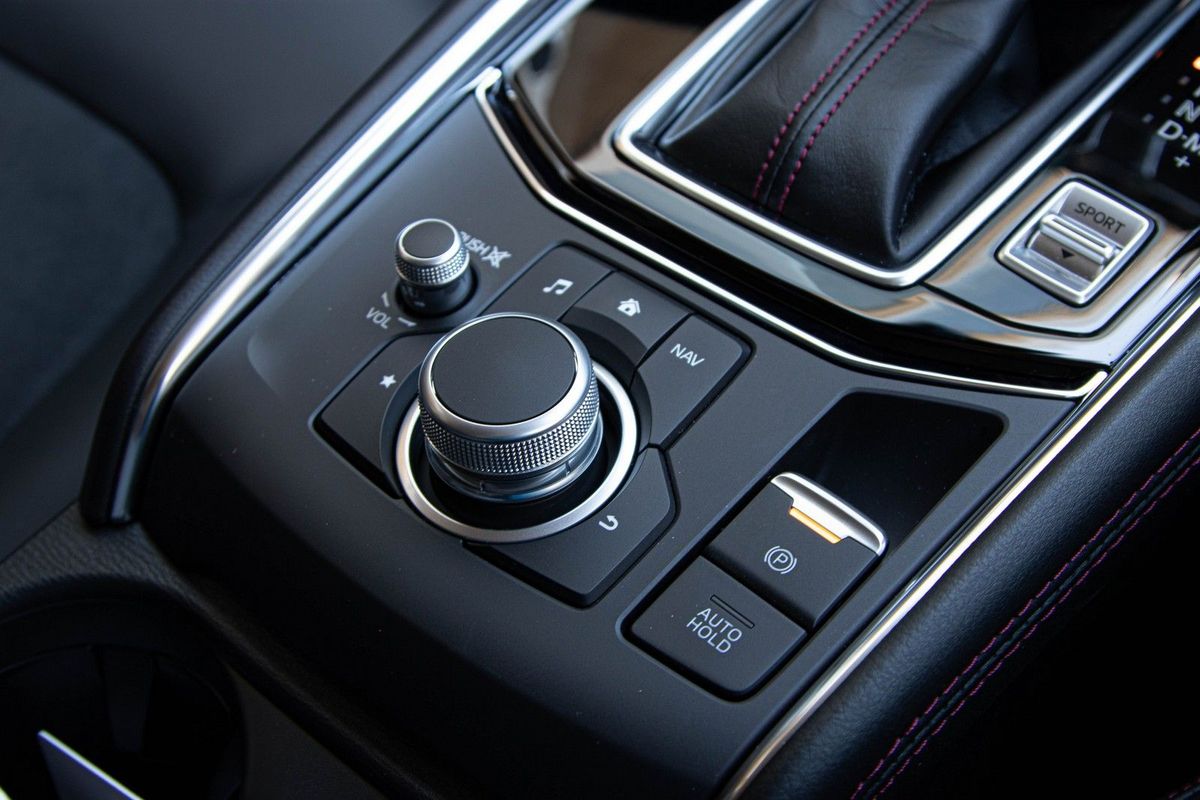
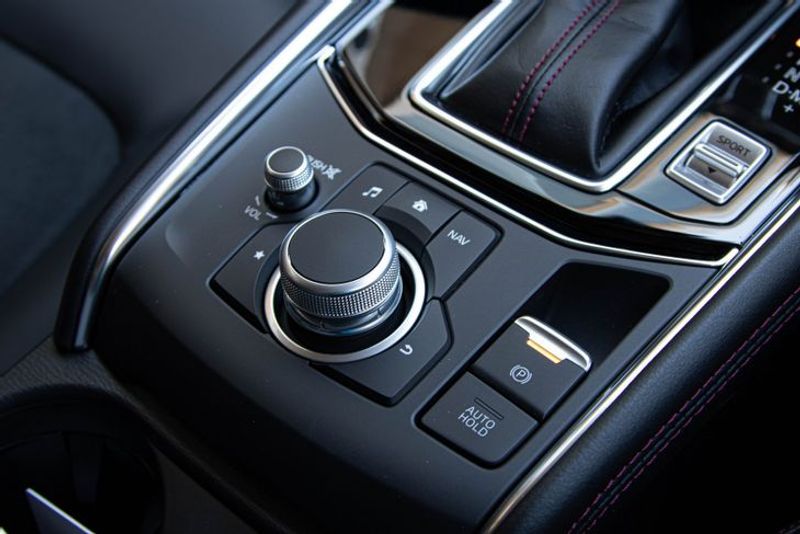
When you step inside the Mazda CX-5 2.0 Carbon Edition’s cabin for the first time, you’re most likely to notice its sporty-looking leather-and-suede seats right away. The Carbon Edition trim level adds tasteful red contrast stitching to the seats, the steering wheel and the transmission-lever boot. They’re subtle adornments, which is exactly how you’d want them to be in a demure family SUV. The general cabin layout is pleasant and easy to use, although the infotainment system does without a touchscreen. Mazda says this is for safety reasons, so you navigate the screen’s menus with a scrolling wheel.
The entire infotainment system is controlled from down here.
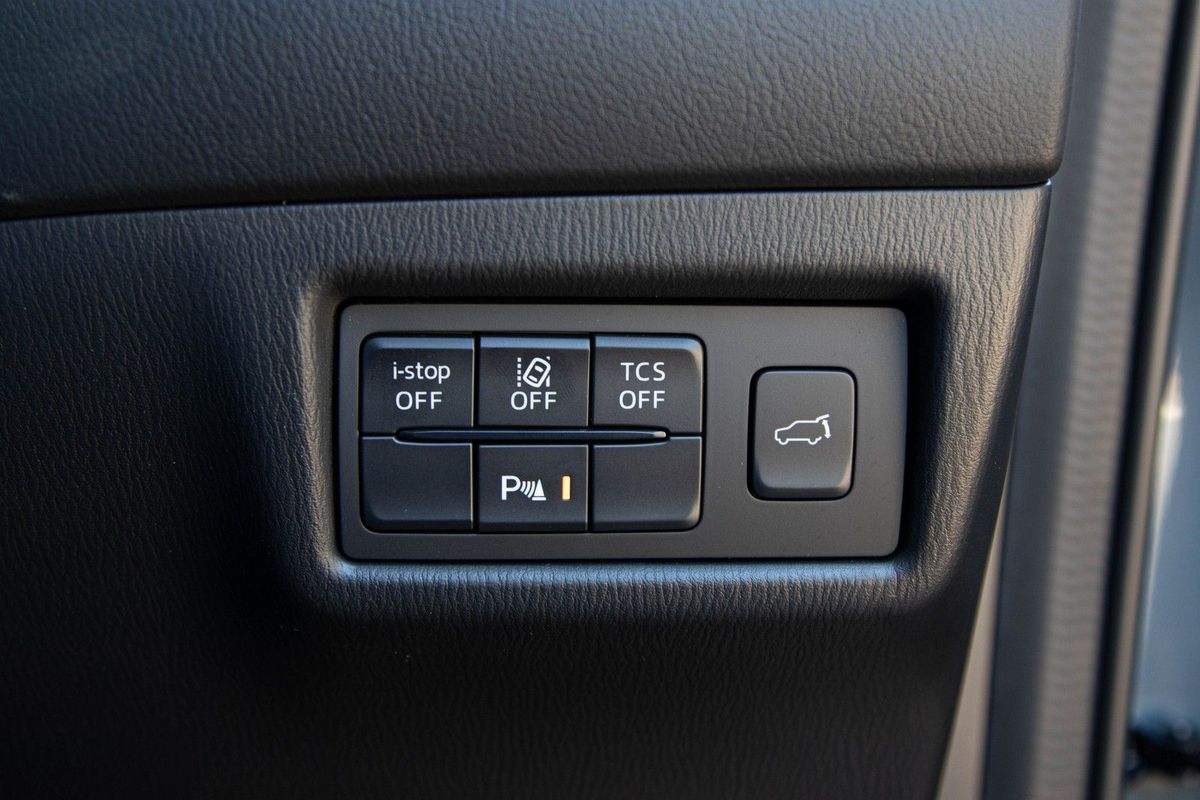
In terms of equipment, the Carbon Edition boasts a few additional features such as satellite navigation, adaptive LED headlights, LED daytime running lights, as well as front and rear park distance control. The standard CX-5 has never skimped in terms of standard equipment – you’ll find automatic wipers and -lights, USB ports, a head-up display, Android Auto, Apple CarPlay, automatic tailgate, climate control and a whole lot of safety kit too. The vehicle came with a lane-keeping assist function, which could get a bit intrusive on narrow roads, but it was easy to deactivate under those circumstances.
Practicality
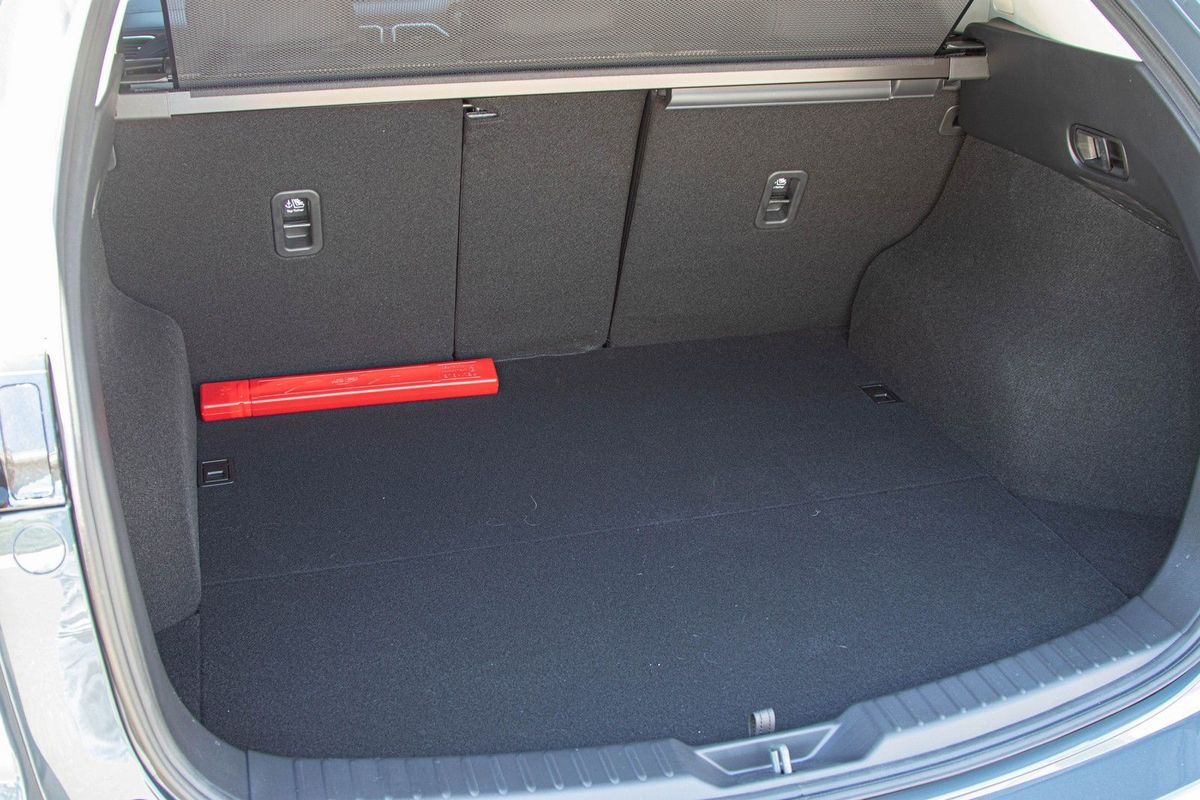
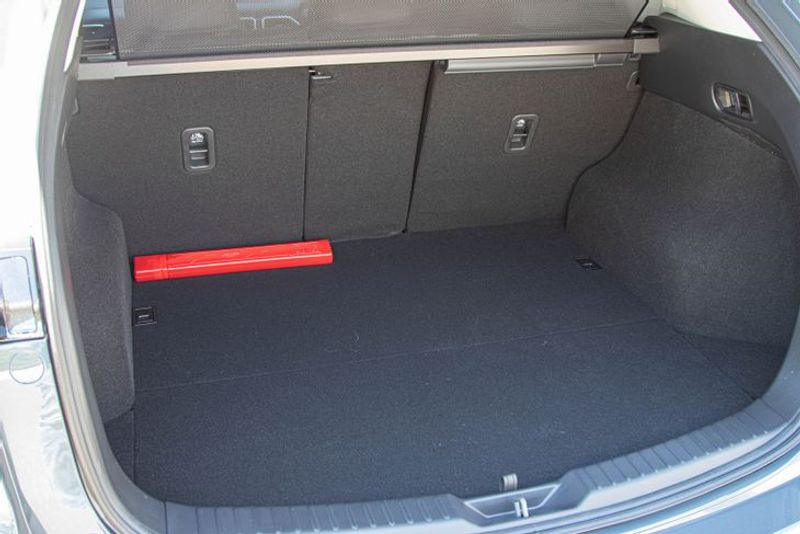
The decently sized luggage bay should cover most requirements.
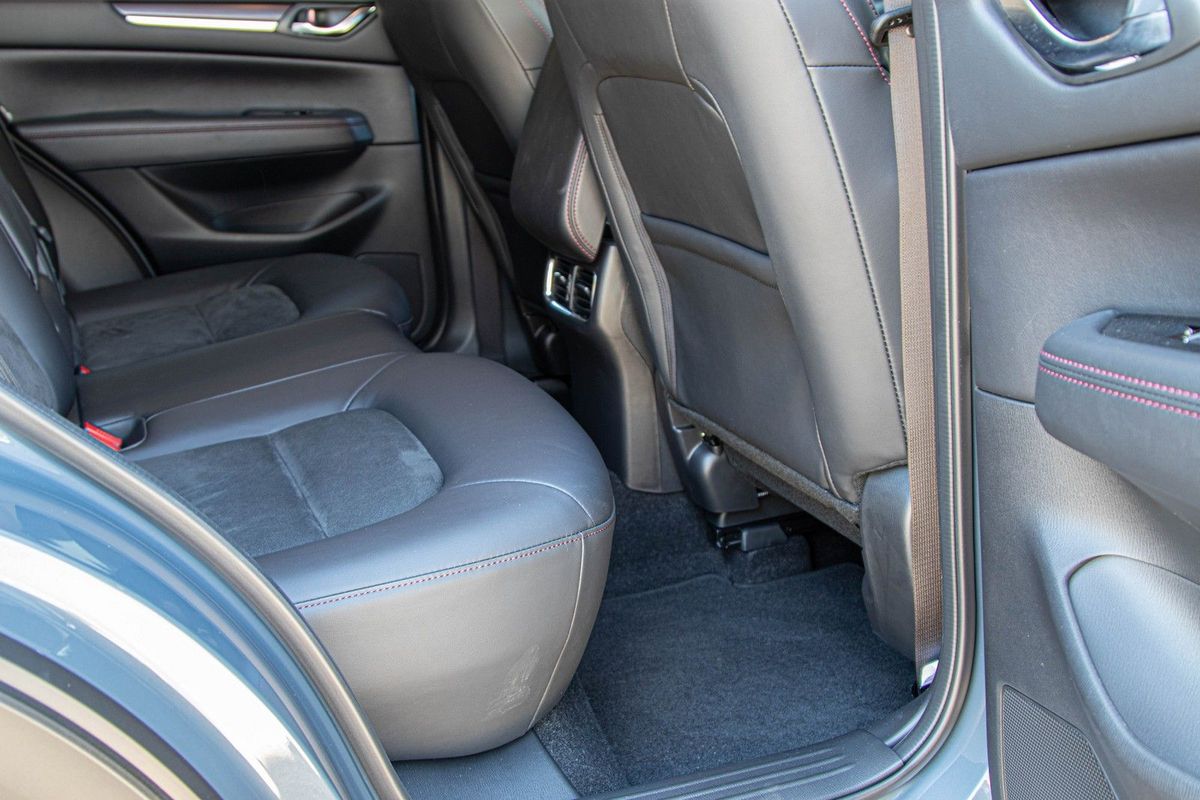
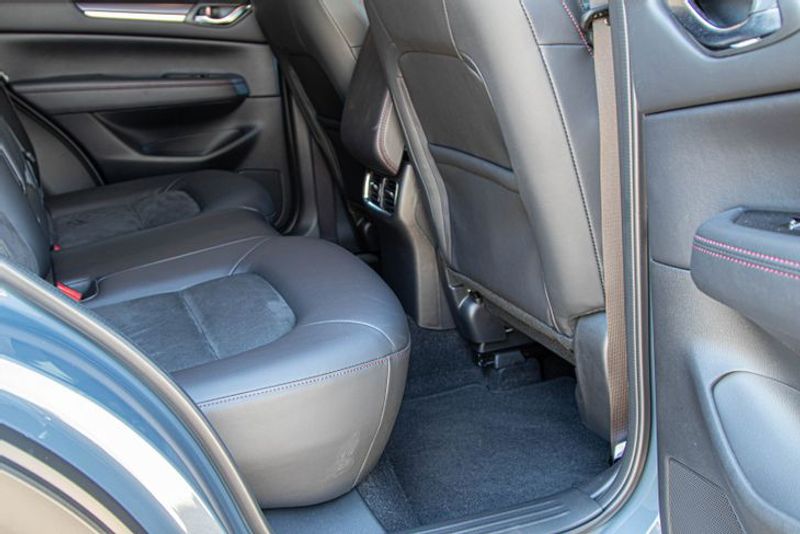
The Mazda CX-5 is the largest SUV offered by the Japanese brand (at least in the South African market) and the Hiroshima-based marque’s venerable family car offers reasonably good levels of cabin space and luggage capacity. There’s sufficient legroom for adults, while the load bay’s capacity (442 litres) is fair, if not class-leading. This honour belongs to the Toyota RAV4, which boasts a 698-litre capacity. If you require utility space to transport oddly-shaped or bulky items in the Mazda, you can fold its rear seats down in a 60/40 split to free up a total carrying capacity of 1 914 litres.
Rear legroom is fair for adult occupants.
Price and warranty
This mid-spec Mazda CX-5 2.0 Carbon Edition is priced at R629 000; the range kicks off at R455 500 and tops out at R676 100. A 3-year/unlimited-kilometre warranty and service plan are standard.
The Mazda CX-5 continues to deliver excellent quality, driving manners and value for money, irrespective of which engine-transmission combo or trim level you may prefer. The 2.0 Carbon Edition certainly looks the part and is a fitting way to wind down the current iteration of the CX-5 range (an all-new model is still a while away). However, the Mazda’s list of rivals is a long one: Volkswagen is about to launch its updated Tiguan, while the Toyota RAV4 (fresh from its 2020/21 #CarsAwards Family Car category win) continues to dominate the sales charts. We suspect a new threat to the CX-5 comes from within its own ranks, as the Japanese firm’s local subsidiary recently launched the CX-30, which offers a far more modern cabin and similar performance at the cost of a fractionally smaller cabin and load bay.
What of the CX-5’s future, then, if a new family member has evidently invaded the award-winning, but ageing, family car’s territory? If overseas reports are to be believed, it’s understood the Mazda CX-5 will morph into the CX-50, which, with a new platform and all-new inline 6-cylinder engines, will play in a higher segment. At the recent launch of the Mazda CX-30, Mazda SA was keen to point out that its evolving product range will keep striving for the premium end of the market, so if those words are anything to go by, keep a close eye on Mazda’s progress in the next few years…
Frequently Asked Questions
What engines are available in the Mazda CX-5 in South Africa?
In South Africa, the Mazda CX-5 is primarily offered with a 2.0-litre, naturally aspirated Skyactiv-G petrol engine, which produces 121 kW of power and 213 Nm of torque. This engine is paired with a 6-speed automatic transmission. There are also models with a 2.5-litre petrol engine that deliver 143 kW and 258 Nm of torque, as well as a 2.2-litre turbodiesel variant in some higher-spec models.
What is the safety rating of the Mazda CX-5?
The Mazda CX-5 has a 5-star safety rating from Euro NCAP. It is equipped with a comprehensive set of safety features, including multiple airbags, ABS with EBD, Dynamic Stability Control (DSC), and a range of advanced driver-assistance systems in higher-end models, such as Blind Spot Monitoring (BSM), Lane-keep Assist (LKA), and Smart City Brake Support (SCBS).
Does the Mazda CX-5 come with a warranty and service plan in South Africa?
Yes, all new Mazda CX-5 models in South Africa come standard with a 5-year/unlimited-kilometre warranty, a 5-year/unlimited-kilometre service plan, and 5-year/unlimited-kilometre roadside assistance.
Is the Mazda CX-5 a good family SUV?
The Mazda CX-5 is widely regarded as a good family SUV. It offers a spacious and high-quality interior, a comfortable ride, and a practical boot. Its strong safety ratings and advanced features make it a secure choice for families, while its stylish design and refined driving dynamics make it a popular and compelling option in its segment.
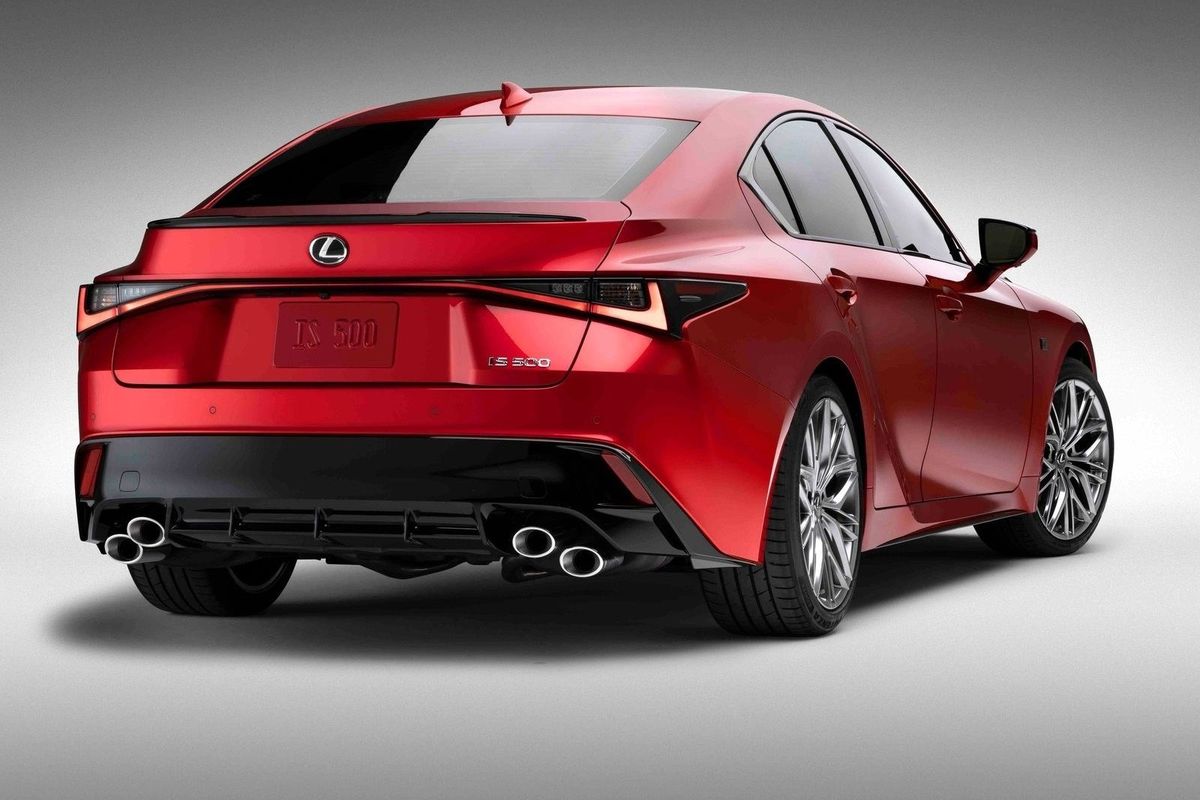
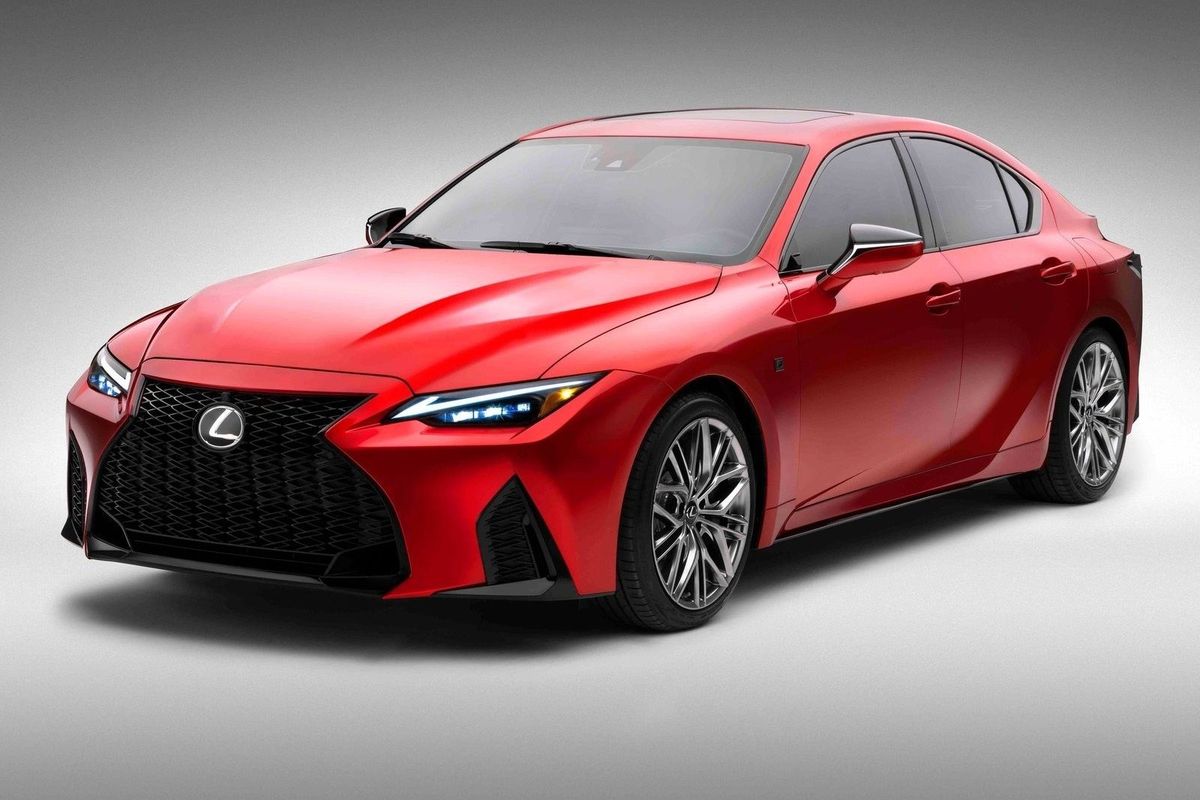
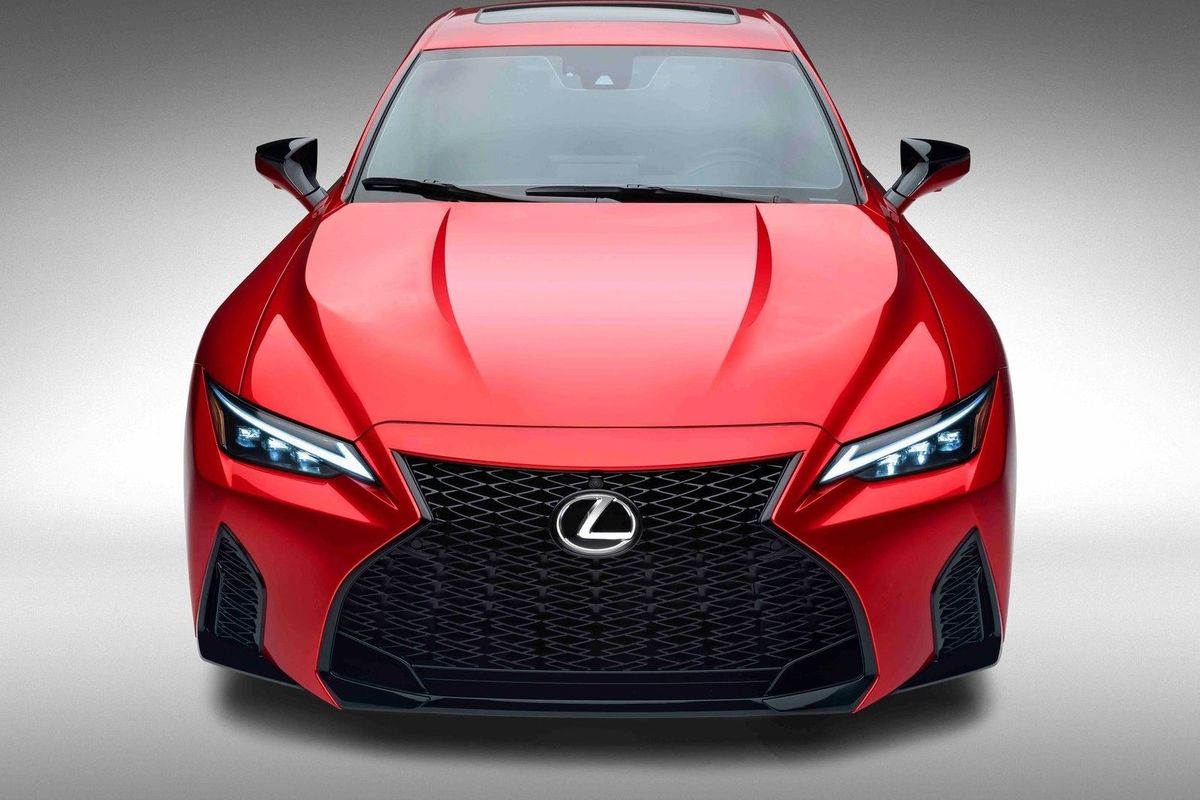
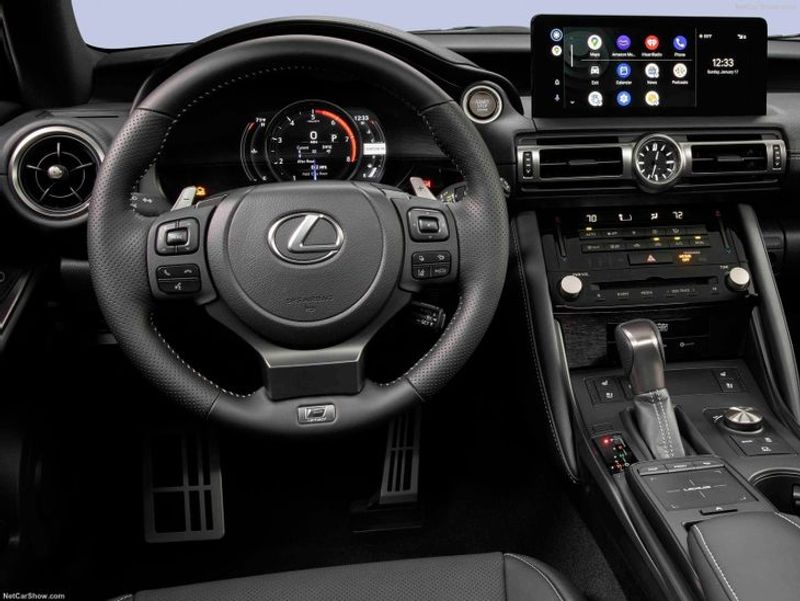
Lexus has revealed its potent IS 500, complete with a 352 kW petrol V8.
It's interesting to note that Lexus has called this new Lexus an F Sport. Does this hint at a future model capable of even more performance? We do know Lexus is working on a 3.5-litre twin-turbocharged petrol engine that should as much power as this V8…
Right now the rear-wheel drive Lexus IS 500 F Sport Performance is reserved for the North American market only, which is a pity. In the battle against the established German trio of the Audi RS5, BMW M3 and Mercedes-AMG C63 S, the Lexus would likely come to market as the only offering with an 8-cylinder engine. AMG plans to release its new C63 S with a hybrid 4-cylinder engine, much to the horror of its fanbase.
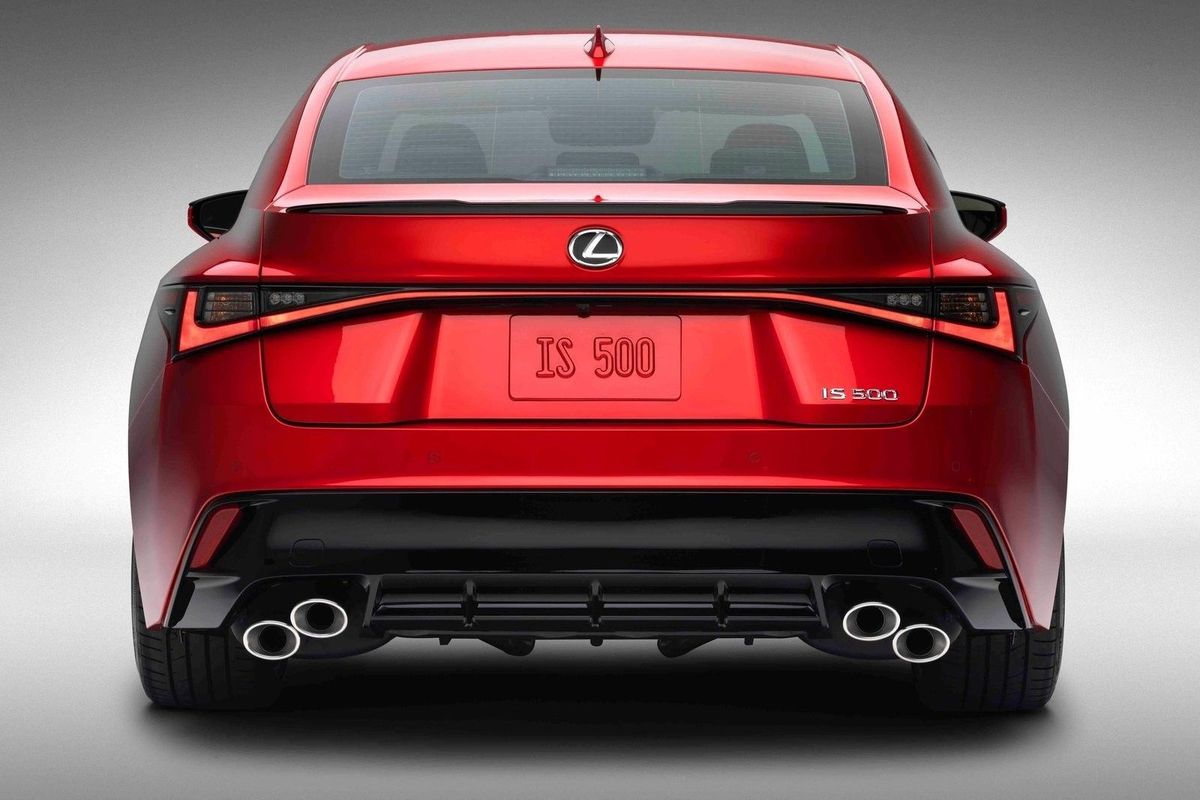
The 5.0-litre V8 we've come to know and love has been enhanced for this model. It produces a thundering 352 kW and 536 Nm, up from the IS-F's 311 kW and 505 Nm. Lexus claims a redline of 7 100rpm, which is impressive for a naturally-aspirated V8. In terms of performance, Lexus reckons it will hit 0-100 kph in 4.5 seconds and the best part, it will have a proper soundtrack thanks to the quad stacked exhausts.
The mechanical changes are substantial. There will driving modes, adaptive variable suspension and a Torsen limited slip differential. A Yamaha rear performance damper has been added to limit structural distortion and increase low-speed comfort. Brake cooling has also been enhanced with larger rotors. The vehicle rides on 19-inch 10-spoke alloy wheels, which are lighter than the standard units.
As the vehicle is left-hand drive only and earmarked solely for the US market, all we can do is dream. The all-new Lexus IS will be making its way to South Africa during the course of 2021.
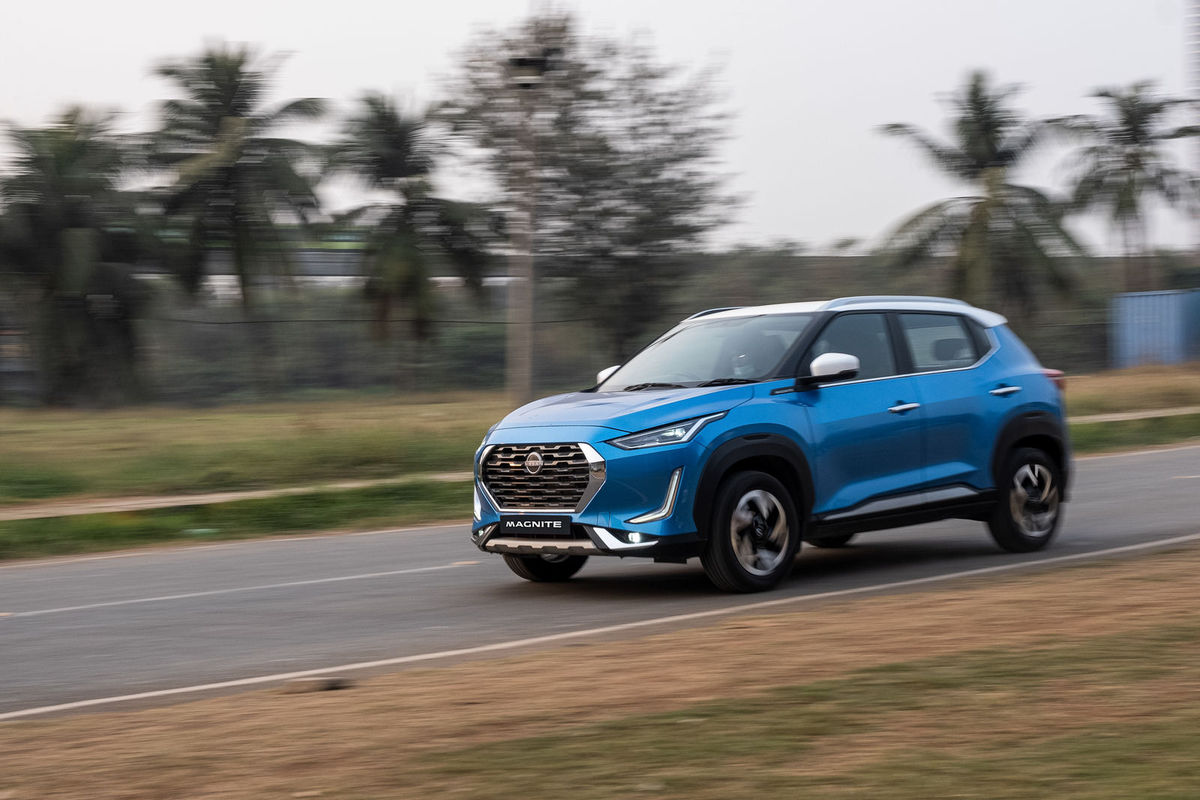
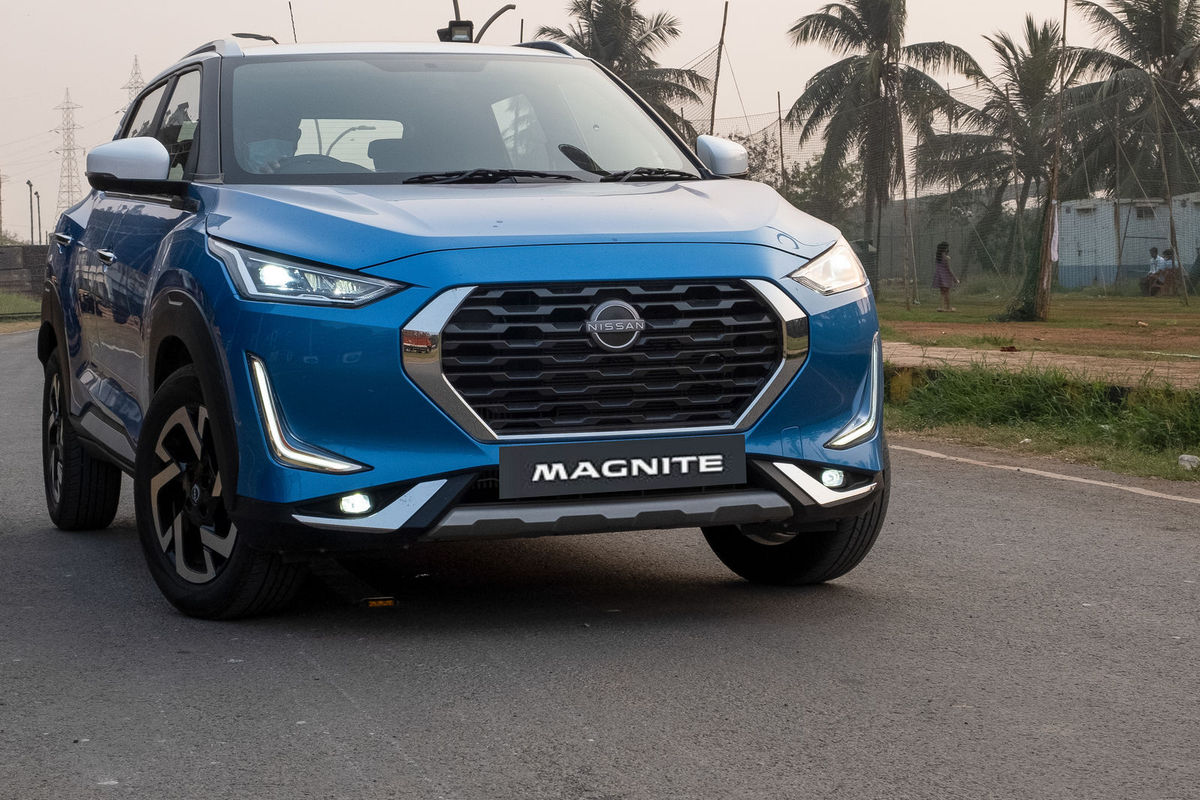
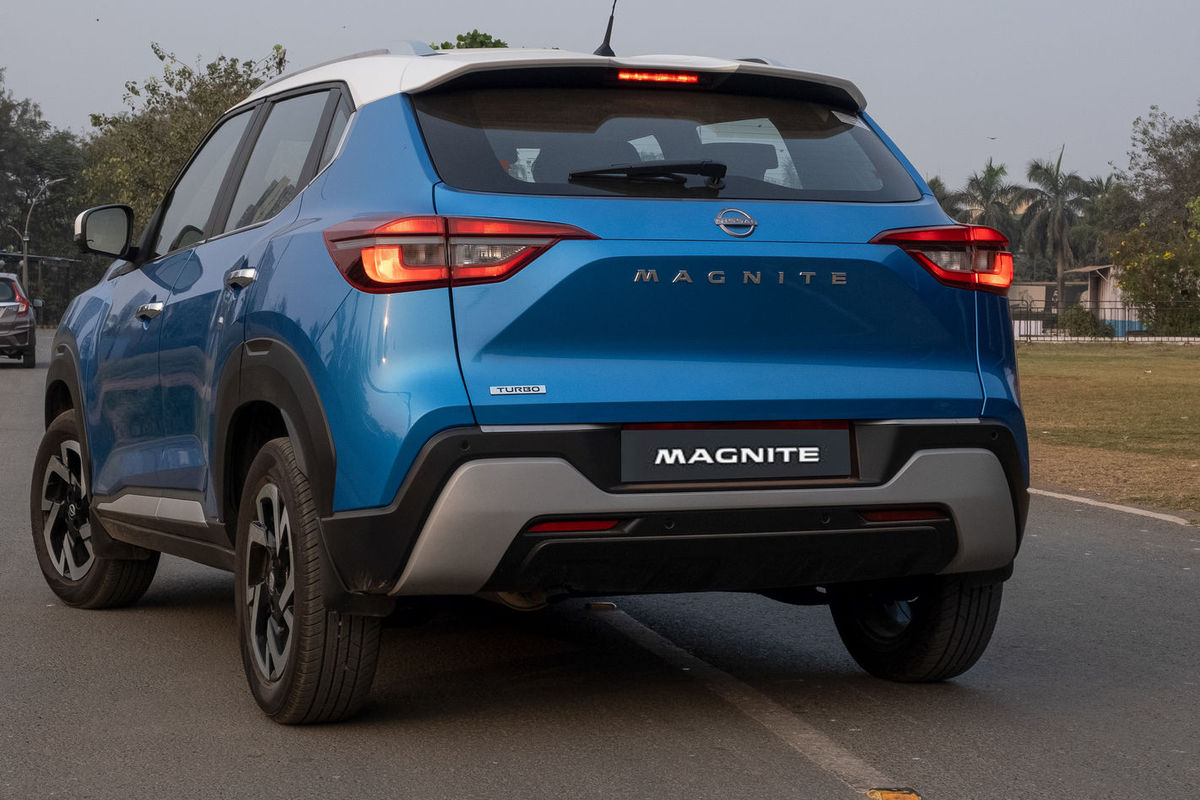
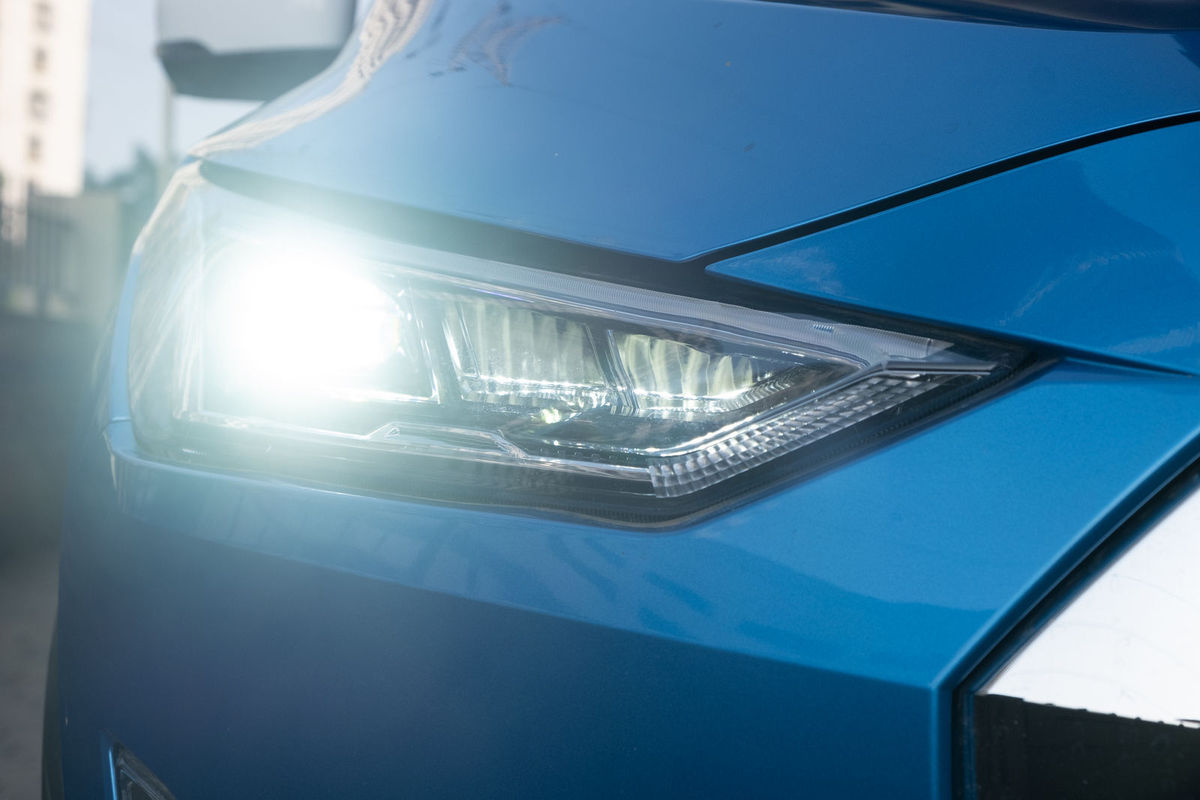
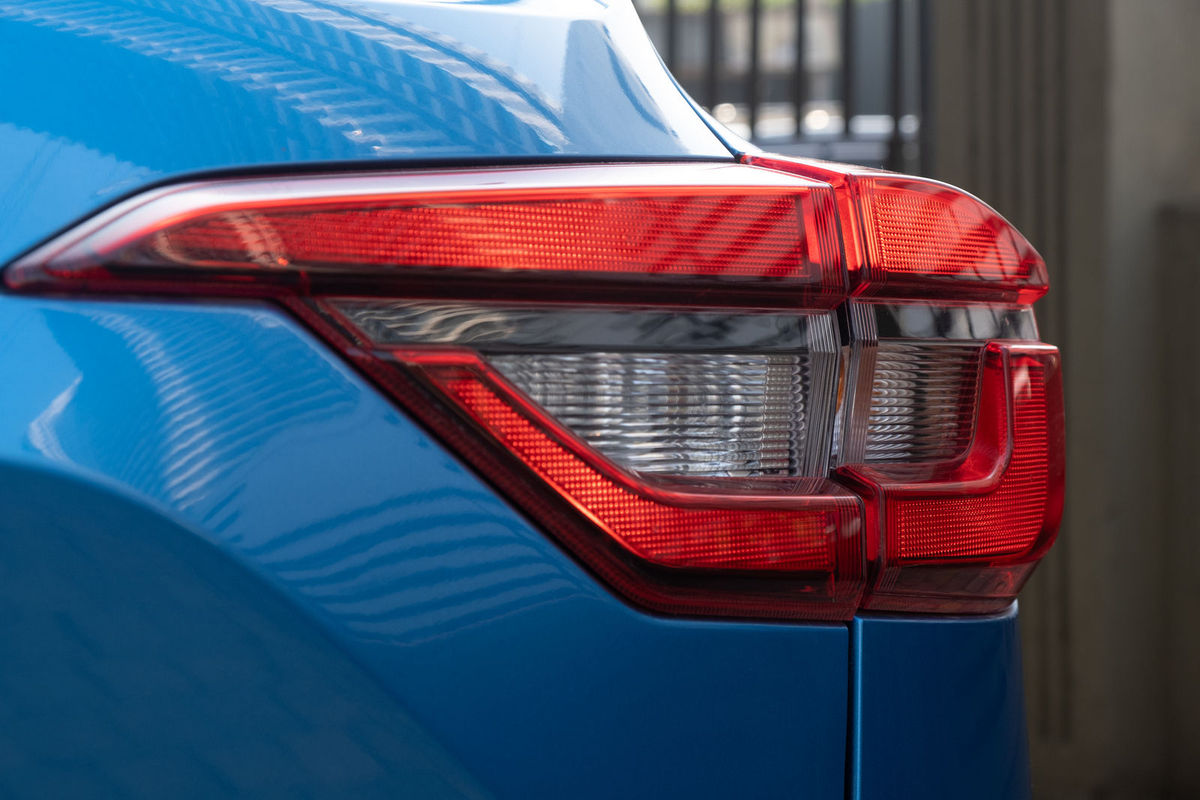
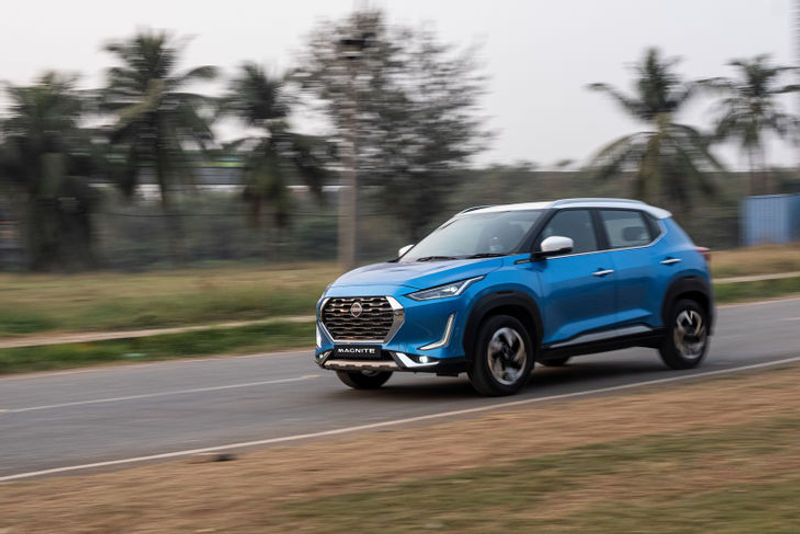
This is the all-new Nissan Magnite, which will arrive in Mzansi shortly. It sports a fresh design and a turbopetrol engine under its bonnet, but does the budget crossover offer enough substance to win over potential buyers? Our Indian correspondent got behind the 'wheel of Nissan's newcomer to investigate…
Newest Nissan?
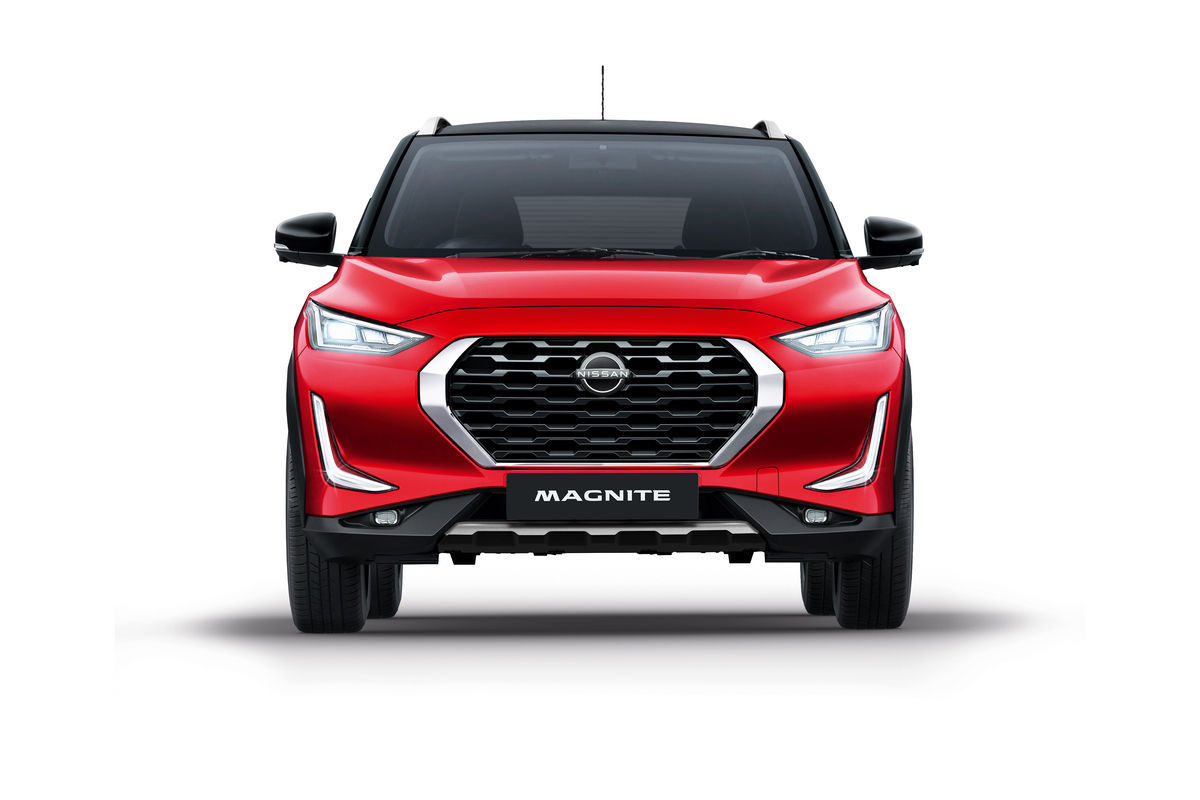
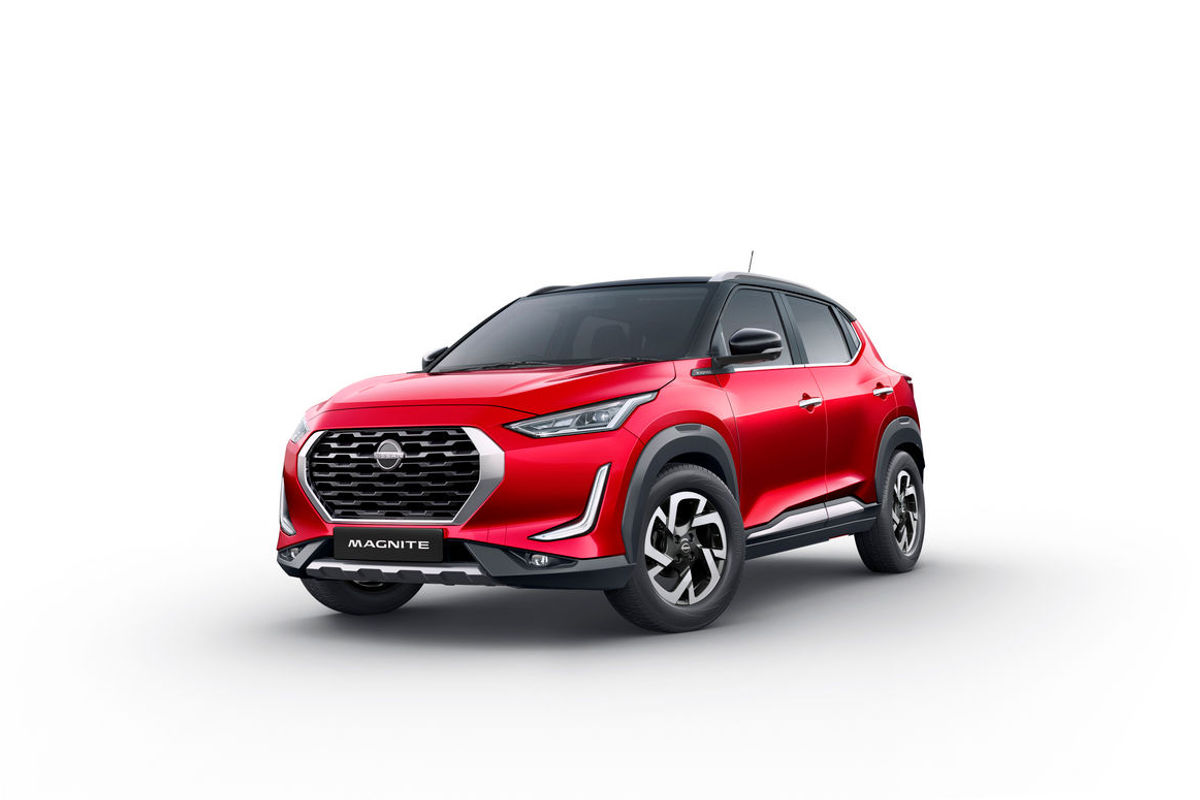
Well, that’s a rather tricky question to answer. The Magnite is based on an adapted version of the Renault Nissan's CMF-A platform, which also underpins theTriber and upcoming Kiger, but based just on how it looks, the newcomer could have worn a badge from another brand in the alliance; in fact, it was reportedly (and evidently) supposed to be a Datsun. If you look at the way it’s designed, it stands to reason that Nissan’s marketing team originally wanted to position the Magnite (or whatever it would have been called) as a budget offering. Does that take away from how good this small crossover is?
The answer to that is not particularly clear-cut either, but I’ll come back to that in a short while. It’s imperative that we consider the Magnite objectively because it’s going to be a very important car for the brand, especially in its home market in India, but in other developing countries too. If you’re shopping for something in the compact family-car segment, this is virtually impossible to ignore – and not just because of its competitive pricing (on the subcontinent it comfortably undercuts rivals such as the Hyundai Venue, Kia Sonet and Volkswagen W T-Cross, especially their mid- to high-spec derivatives.
Magnite engine options
The Magnite is offered with a naturally aspirated 1.0 or a turbocharged version.
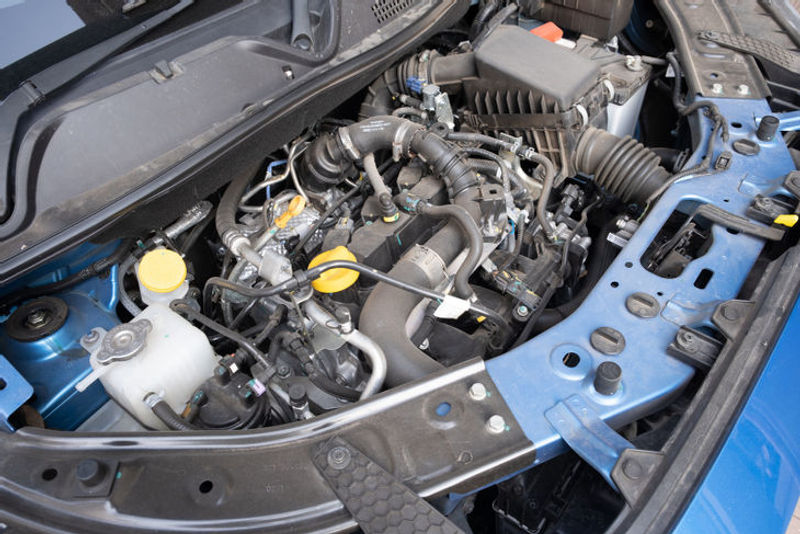
Oh, right, we haven’t discussed that yet. Magnite derivatives in the South African market will be powered by a 1.0-litre turbopetrol motor. It produces peak outputs of 73.5 kW @ 5 000 rpm and 160 Nm of peak torque between 2 800 and 3 600 rpm (manual transmission), whereas the CVT’s specs suggest a wider peak torque band available between 2 200 and 4 400 rpm although it’s down by 8 Nm.
The powertrain isn't that noisy at low revs, but it does become more vocal under load, which isn't only as a result of engine induction noise – it’s more likely due to a shortage of sound deadening material. Does the drone detract from an enjoyable driving experience… and might the "din" dissuade prospective buyers? Thankfully it does neither – as an everyday car, you might not mind the Magnite at all.
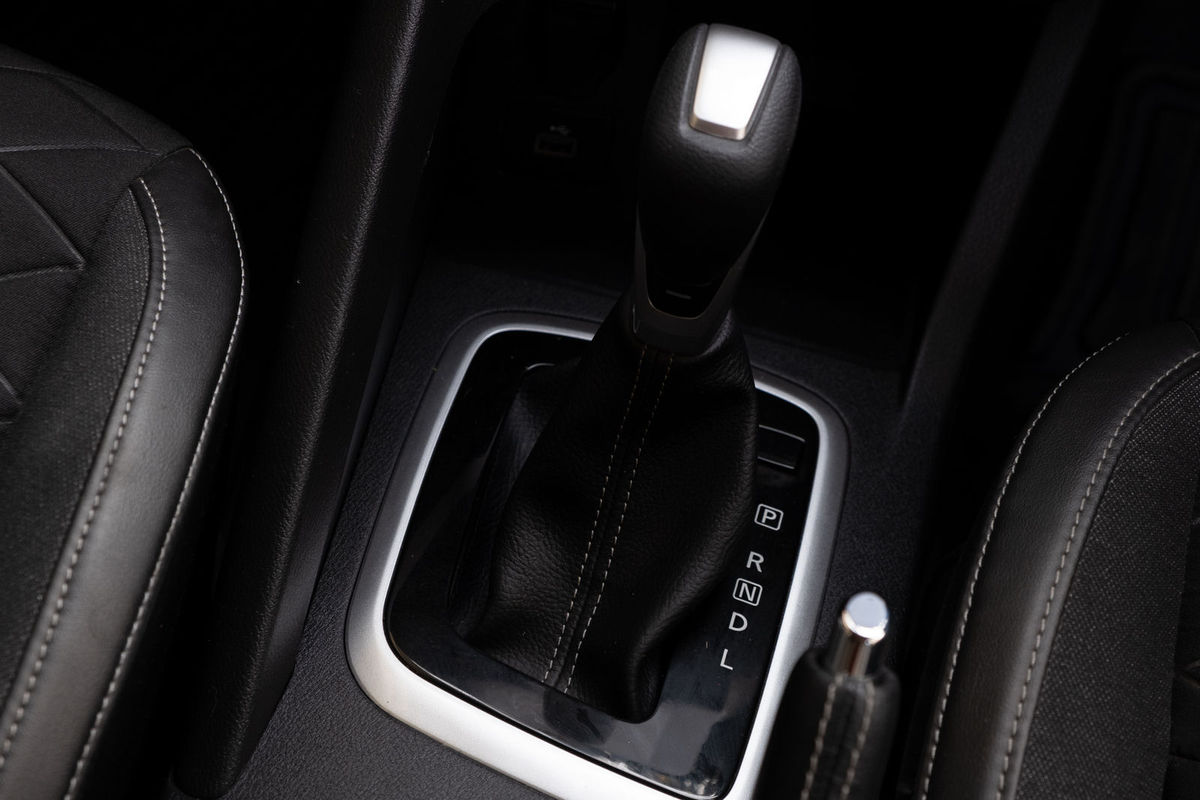
I tested a CVT-equipped derivative and the Magnite's smooth automatic transmission certainly strengthens its abilities as a daily runabout in the confines of the urban sprawl. The convenience of not having to bend and extend your left knee and shift up and down the box ad nauseam in congested traffic isn't the only thing that counts in its favour — the ease at which it picks up pace is bound to make it a favourite among commuters. Having said that, it’s a CVT, so you might miss the interaction that a manual-gearbox car offers or even the quick shifts a dual-clutch gearbox can deliver, but it's unlikely.
What’s the Magnite like to drive?
Engine and gearbox seem to pair well together, but the ride could be more forgiving over harsher bumps.
As mentioned above, the Magnite is also available with a manual gearbox, so if that’s something you’re keen on, it might be worth trying out when the car reaches South Africa (it would be more affordable than the self-shifting version, so there's that). Unfortunately, while the engine and transmission combo seems to be fit for the job, Nissan's budget crossover’s ride and handling could certainly be improved. Its handling is akin to most modern cars that appear to be made for anything but leisure. It does the job, that’s for sure, but will it encourage you to take a corner faster than you did the last time? Absolutely not! And if you think its ride is its redeeming feature, it most definitely isn't. The car does tend to soak up smaller bumps, but a little more suppleness to the suspension would’ve gone a long way.
At just over a tonne (the kerb weight of the CVT derivative), the Magnite feels spirited and finds its way through traffic with ease. The steering has some weight to it, certainly, but it’s not rich in feel. As soon as you've become accustomed to how easy the Magnite is to place even in the smallest of gaps, however, the Nissan's relevance as a compact family car becomes even more clear. Even when the driver's seat's set at its lowest position, for example, it offers them a generous view of their surroundings. And when it comes to parking, the presence of a 360-degree camera system is certainly a boon. On the Indian-spec car, the video feed’s admittedly not of the best resolution, but it does complement the mirrors and makes parking the petite Magnite (3.99 metres long and 1.75 metres wide) a cinch.
What’s it like inside?
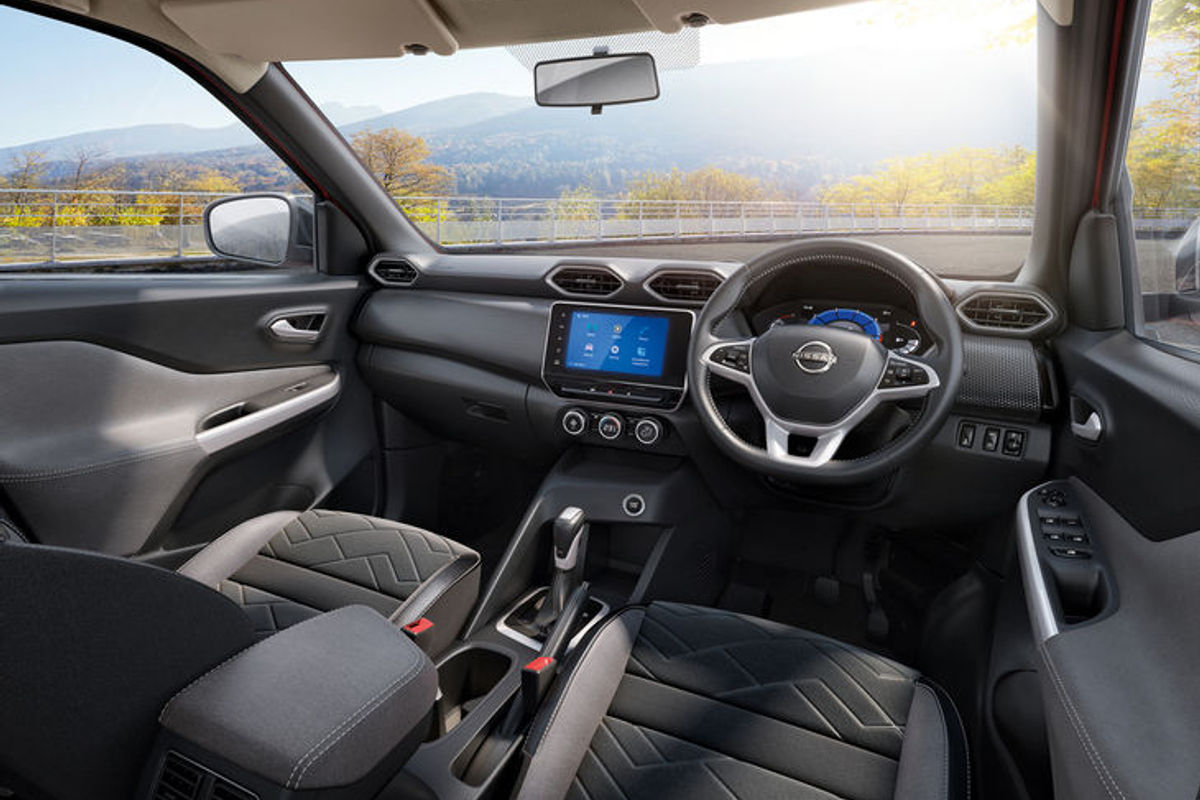
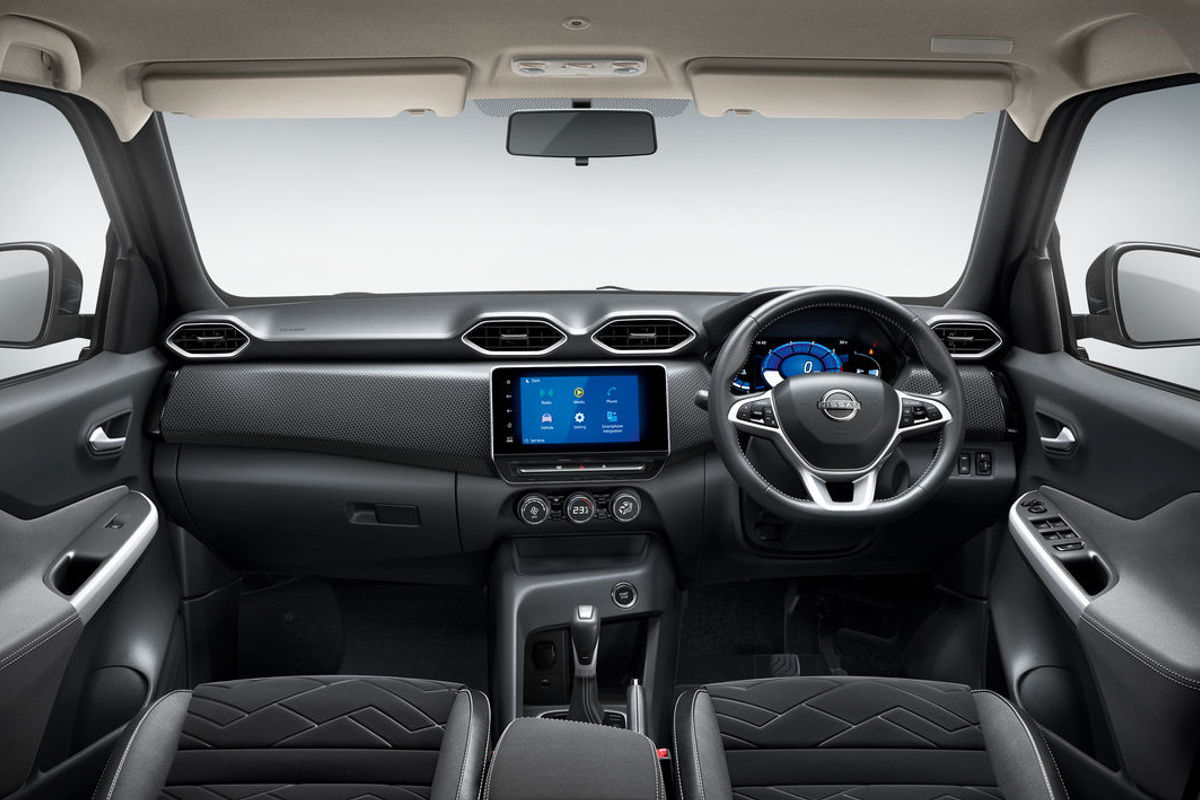
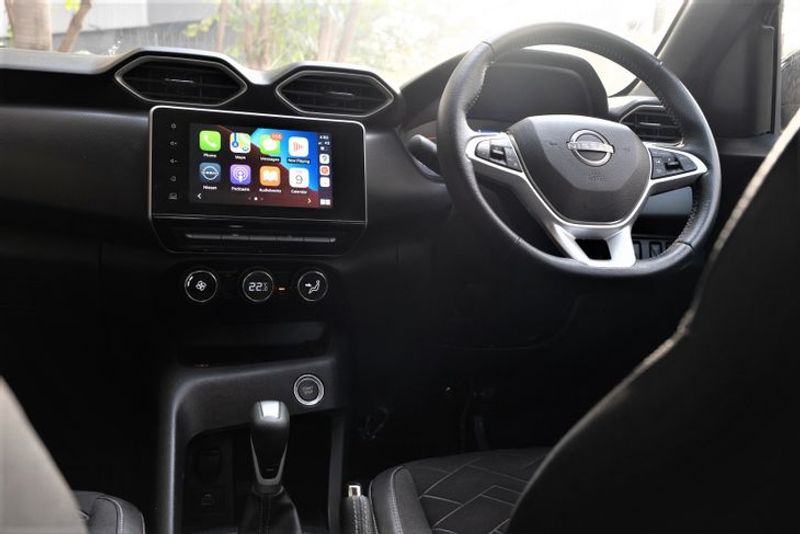
Minimalist interior feature wireless Apple Carplay and Android Auto.
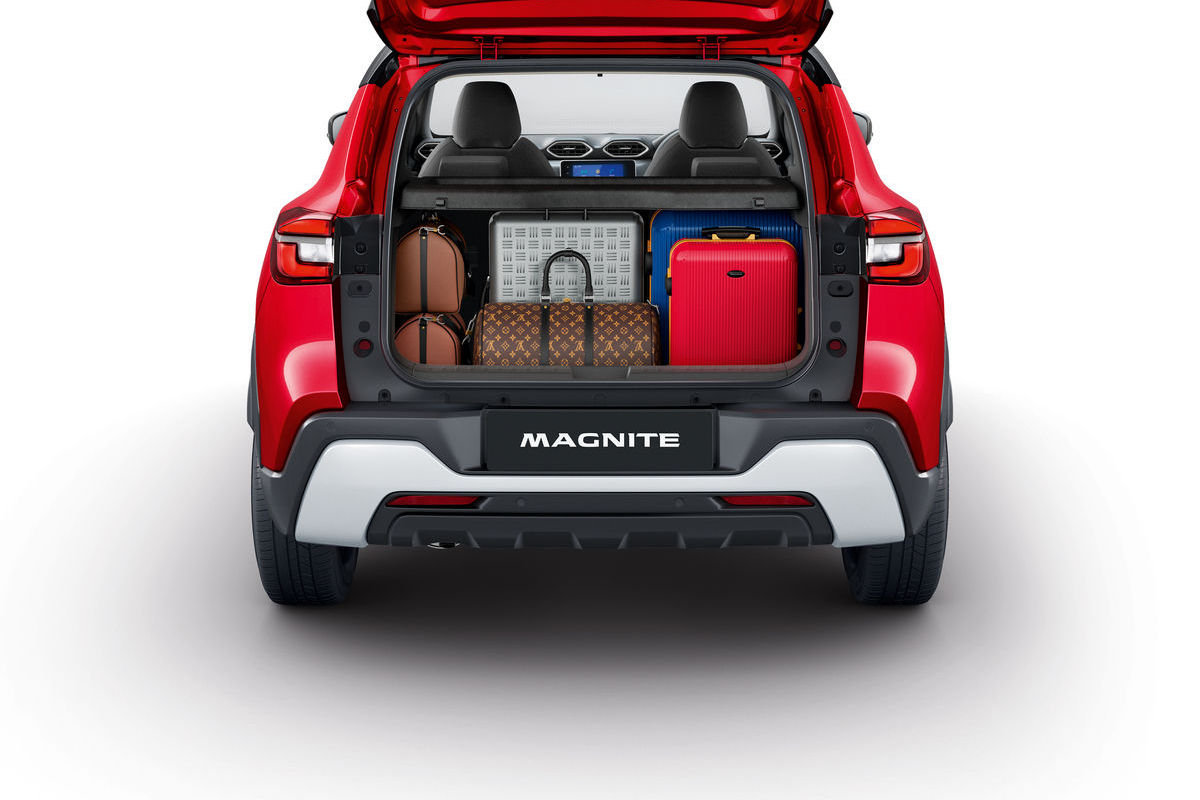
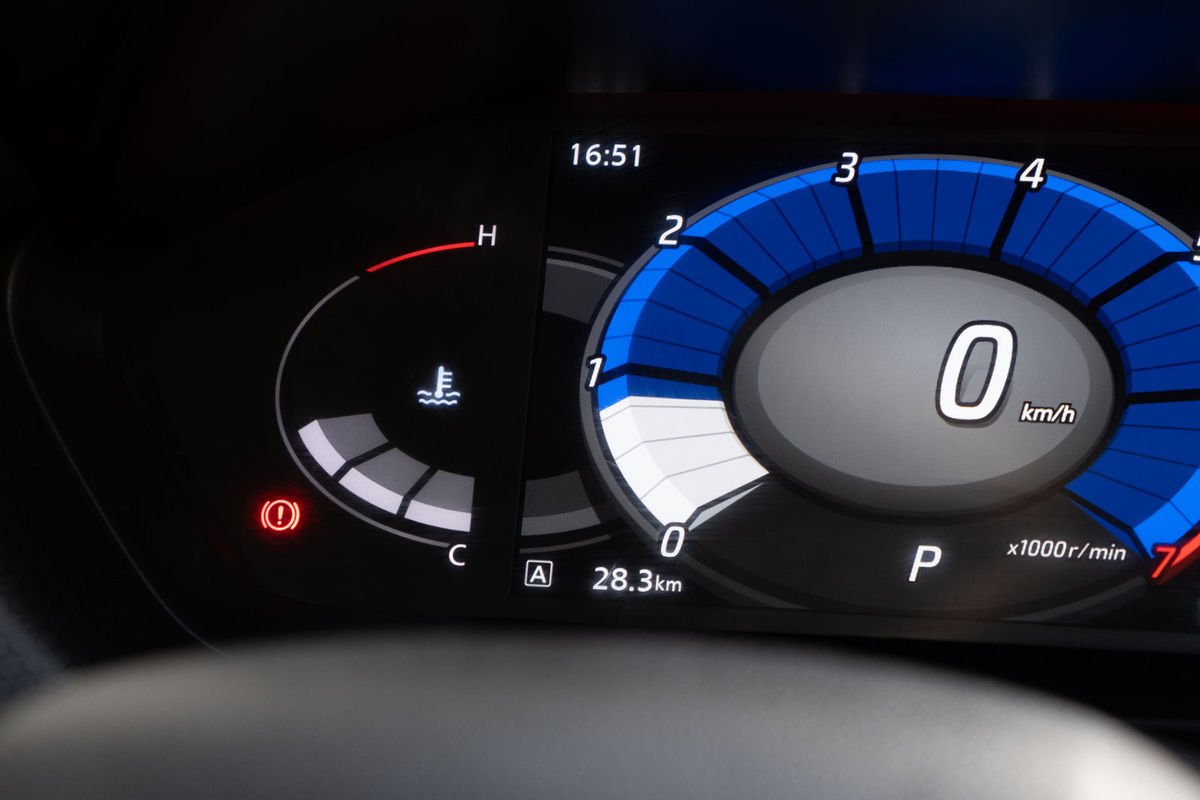
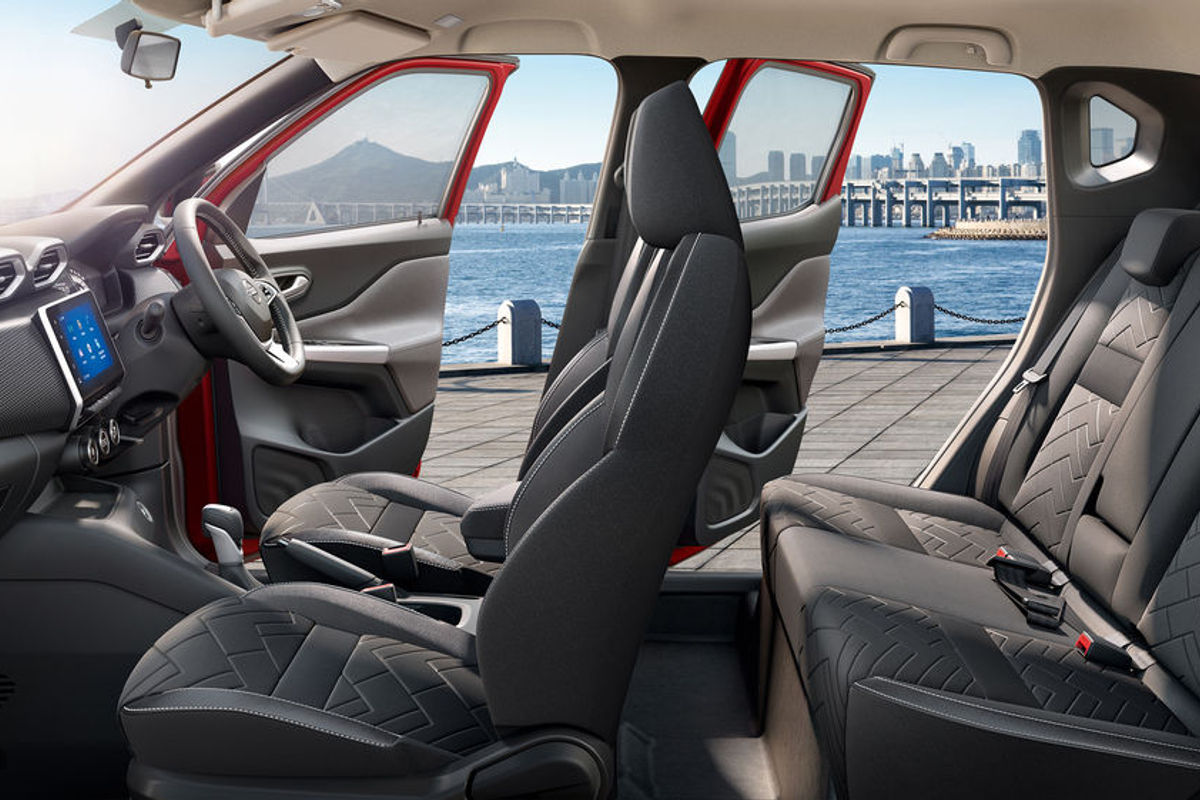
Those aforementioned dimensions do open up quite a bit of room on the inside. The Magnite's load bay, which has a claimed capacity of 336 litres with the rear seatback in place, is similar to that of a mid-sized hatchback, plus there’s enough legroom for both the front occupants, as well as the ones seated in the rear (well, relative to other compact family cars). A well-considered list of standard features further improves the newcomer's chances of success. Apart from the "Around View Monitor", an 8-inch infotainment touchscreen, wireless charging pad, 7-inch multifunctional display in the instrument cluster, cruise control, rear vents, an air purifier, JBL speakers, mood lighting and puddle lamps are available. Some of these features are included in the Tech Pack, which can be specified at extra cost.
There are small touches that sometimes go unnoticed on much more expensive cars too: a request sensor (to unlock the doors) is present on both front doors; wireless smartphone mirroring is compatible with Android Auto and Apple CarPlay; the Nissan Connect app is said to add 50 or so features including the ability to track your vehicle, automated calls for roadside assistance, etc. That is certainly not all –while the number of airbags available on the car we tested was just 2, it also had hill-start assist, traction and stability control, brake assist, tyre pressure monitoring and ISOfix child-seat mounts.
Verdict
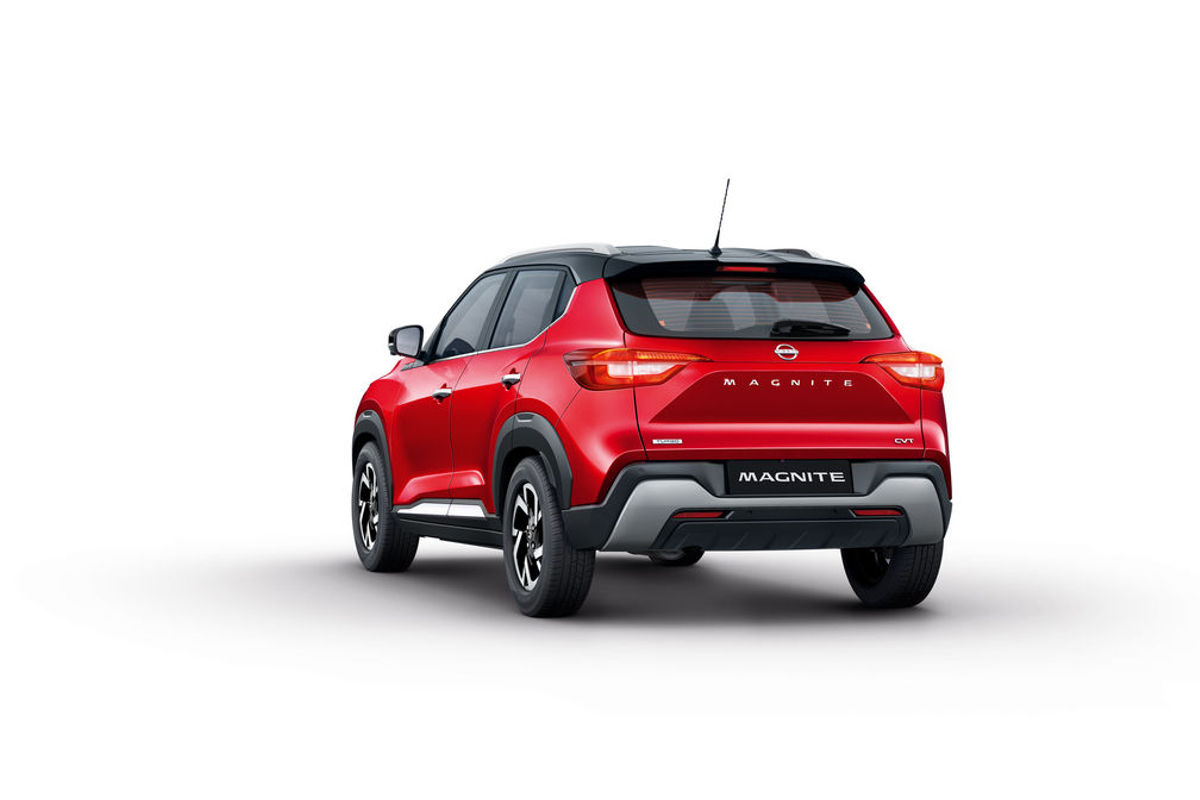
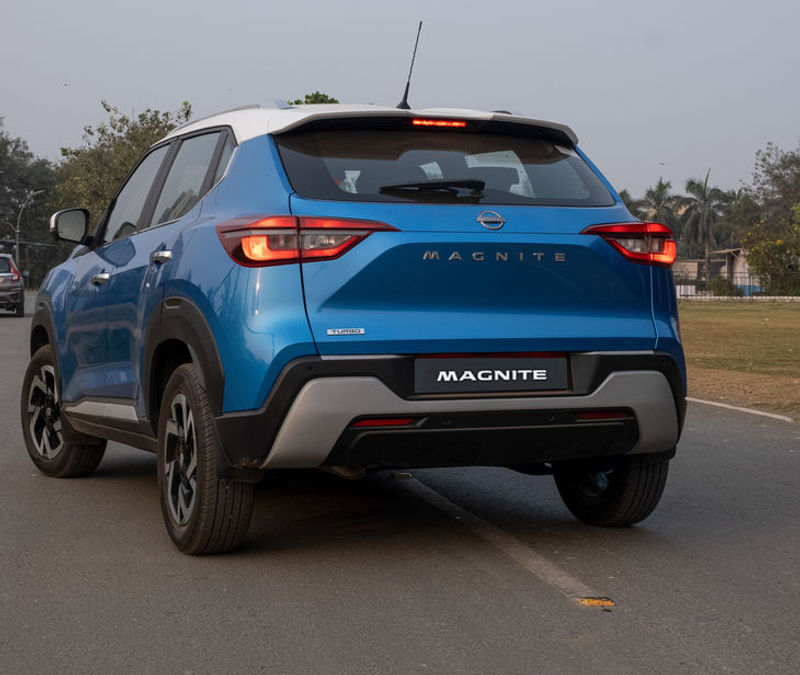
The Magnite's quite a smart-looking new entrant to the busy Compact Family Car segment.
If you compare the Magnite with its aforementioned rivals, their feature lists and engine choices aren’t too dissimilar (especially if you consider the former's higher-specced turbo version). That would be an astute observation, but there’s an equally unmissable aspect: the substantial price advantage Nissan's newcomer has over its peers (again, in India). In addition, its turbopetrol motor and CVT combo makes it one of the most convenient cars to drive in its segment. On the downside, it does feel a bit rough around the edges. It’s not the most fun-to-drive car in its segment, which is not a dealbreaker, but then it's not the most comfortable for commuting, either. The plastic quality left us wondering if Nissan truly intended to pitch the Magnite against the Sonet and Venue, which seem to belong in a higher segment.
That might be an important aspect, and it may also sway your decision away from this Nissan. But despite the aforementioned deficiencies, the Nissan Magnite holds its own when it comes to in-cabin space and sheer affordability/value-for-money appeal. It would perhaps have looked better with Datsun branding (it's certainly not short on young, non-conformist appeal), but considering Datsun's wavering brand image (by virtue of its current range of ageing, lacklustre products), it’s actually a good thing that Nissan claimed the Magnite as one of its own.
It’s a new dawn for the brand; with all due respect to the Micra Active legacy model and fleet-oriented Almera, the Magnite will effectively be Nissan SA's new entry-level car. Watch this space, folks.
The current Suzuki Swift has been on sale since 2017 and it is due to be replaced by next year. With the automotive industry undergoing its greatest transformation in history, Suzuki’s engineers and product planners are poised to make some crucial decisions, regarding the next Swift’s specification.
Hybridisation is now an accepted fact of any future product, no matter how large it is or the associated brand. Suzuki realises that its next Swift will have to accommodate battery power, in some configuration, and although this will create challenges for the Japanese company’s platform engineers, it should deliver huge benefits for loyal followers of the brand.
The desire to offer a better hybrid powertrain option for the Swift, combing Suzuki’s 1.2-litre petrol engine with a battery pack, will in all likelihood force the company to develop an all-new platform for the Swift replacement. Currently, Suzuki offers a very small mild-hybrid option in certain European markets but anything with more battery power will require a major change.
An interesting possibility is that Suzuki will merely upgrade the exiting Swift platform next year, extending the lifecycle for another five years, with a new exterior and interior design. By 2027, the available battery technology and customer acceptance of hybrids might be more feasible for Suzuki to invest heavily in a radically re-engineered Swift platform.
With strong global sales and a relatively healthy cash position to fund its R&D, most analysts expect the next Swift to ride on a new redesigned architecture, leveraging from the latest advances in automotive steel production. Whether these advances will transfer over to the Indian manufacturing plant (where SA sources its Swifts from) still has to be seen.
Beyond the presence of mild-hybridization, the new Swift should also gain a significantly larger touchscreen infotainment system and better rear-passenger ventilation. An air-conditioning system with rear vents will certainly find favour with Suzuki Swift customers who reside in warm climate markets, such as South Africa.
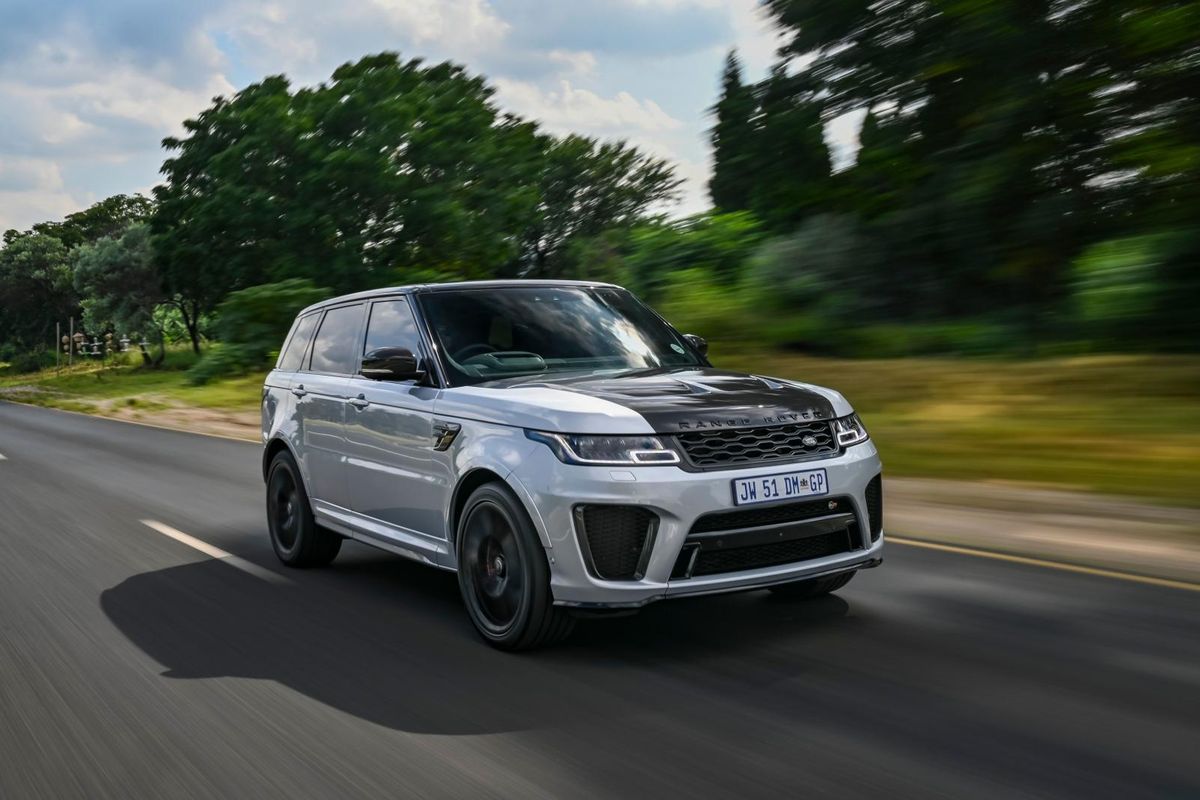
Range Rover Sport SVR Carbon Edition (2021) Price Announced
Jaguar Land Rover SA has announced pricing and details for the Range Rover Sport SVR Carbon Edition.
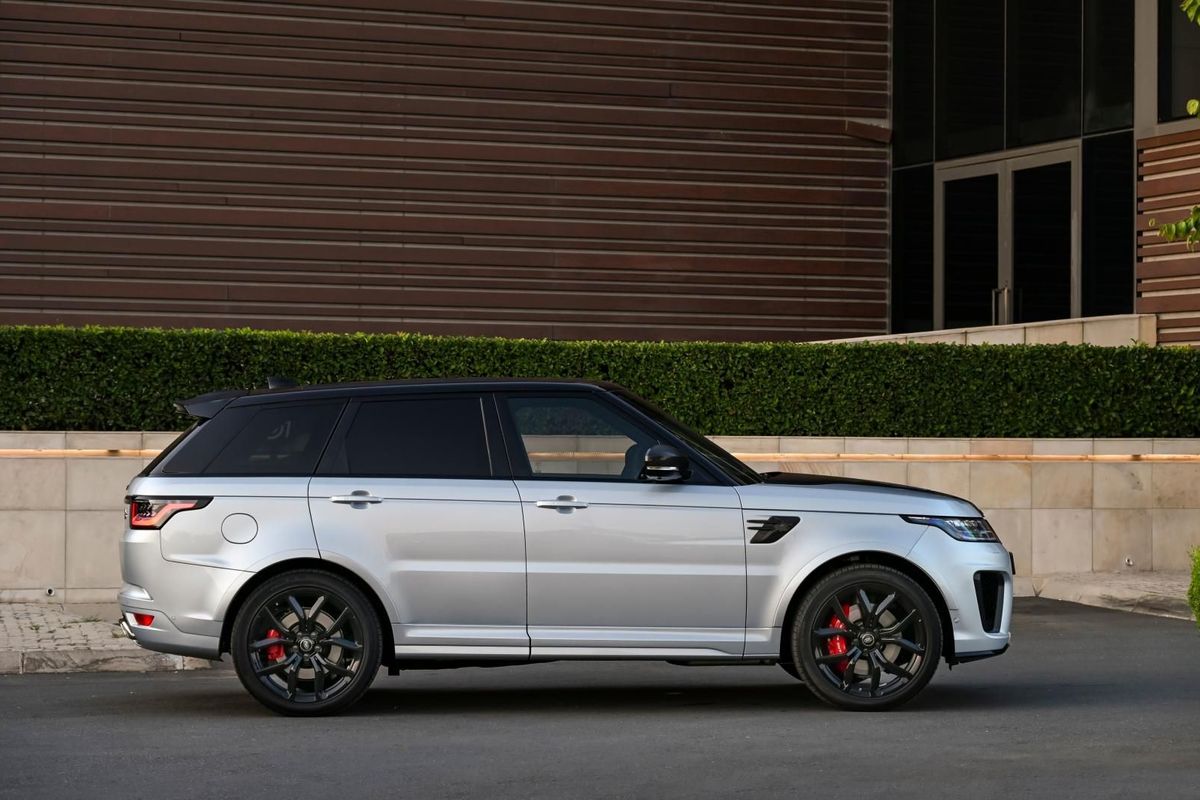
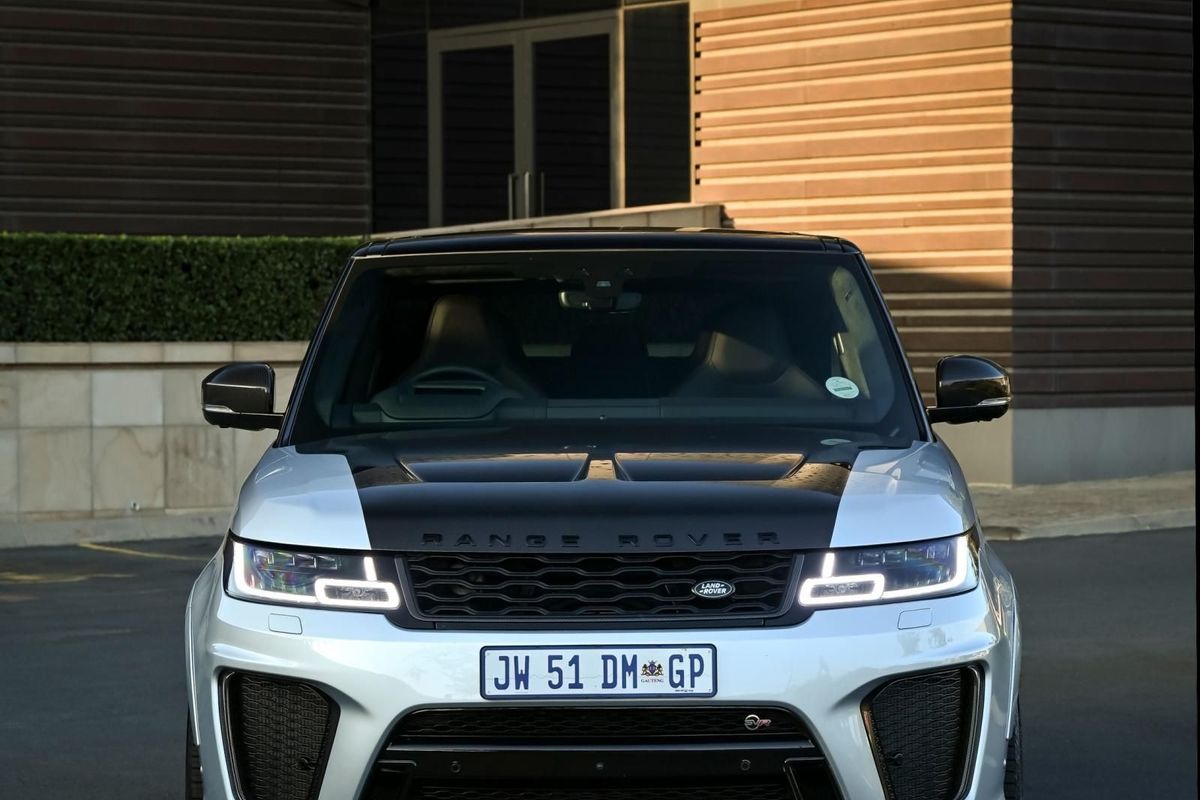
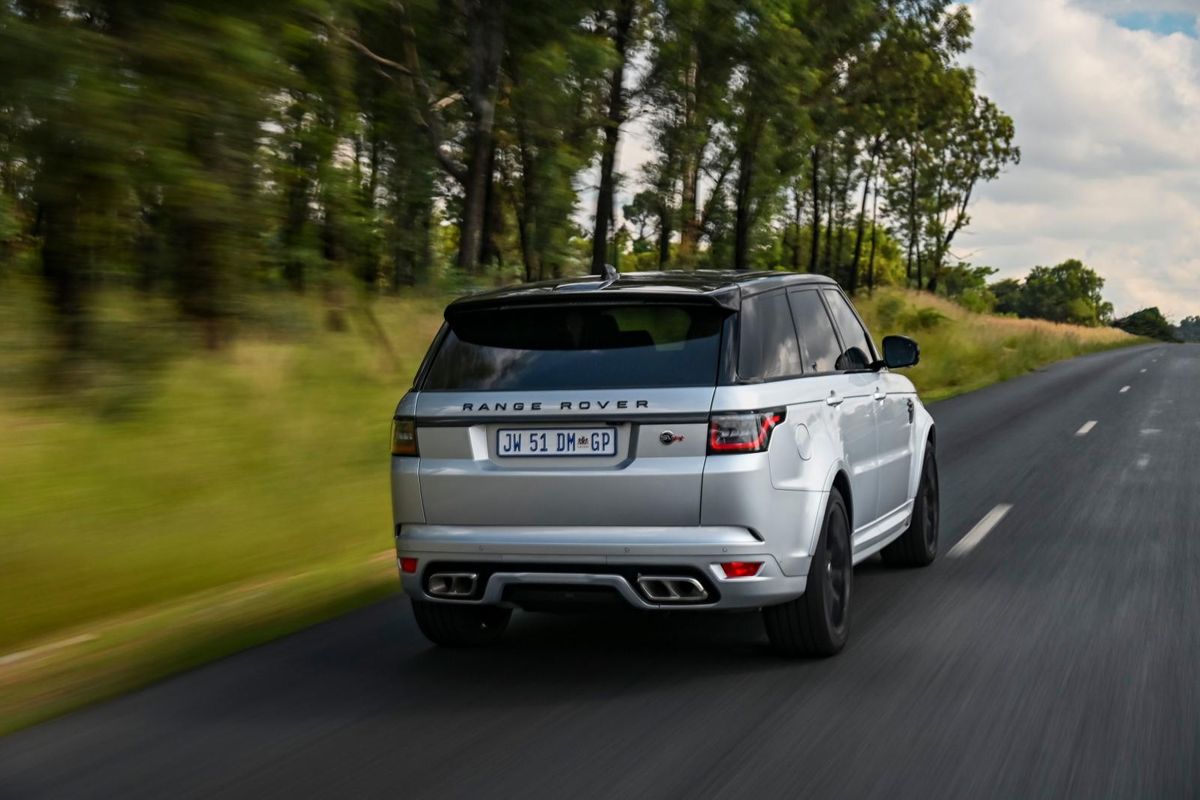
Land Rover is calling this monster its 'highest-performance Range Rover Sport' and it certainly looks the part. The newcomer can be spotted with its visible carbon fibre in an exposed centre section of the vented bonnet. There are tweaks to the front bumper to allow for additional cooling to the brakes. There's also liberal use of carbon fibre on the bumper vents, main grille, lower grille surrounds, side mirror covers, rear tailgate finisher and engine cover.
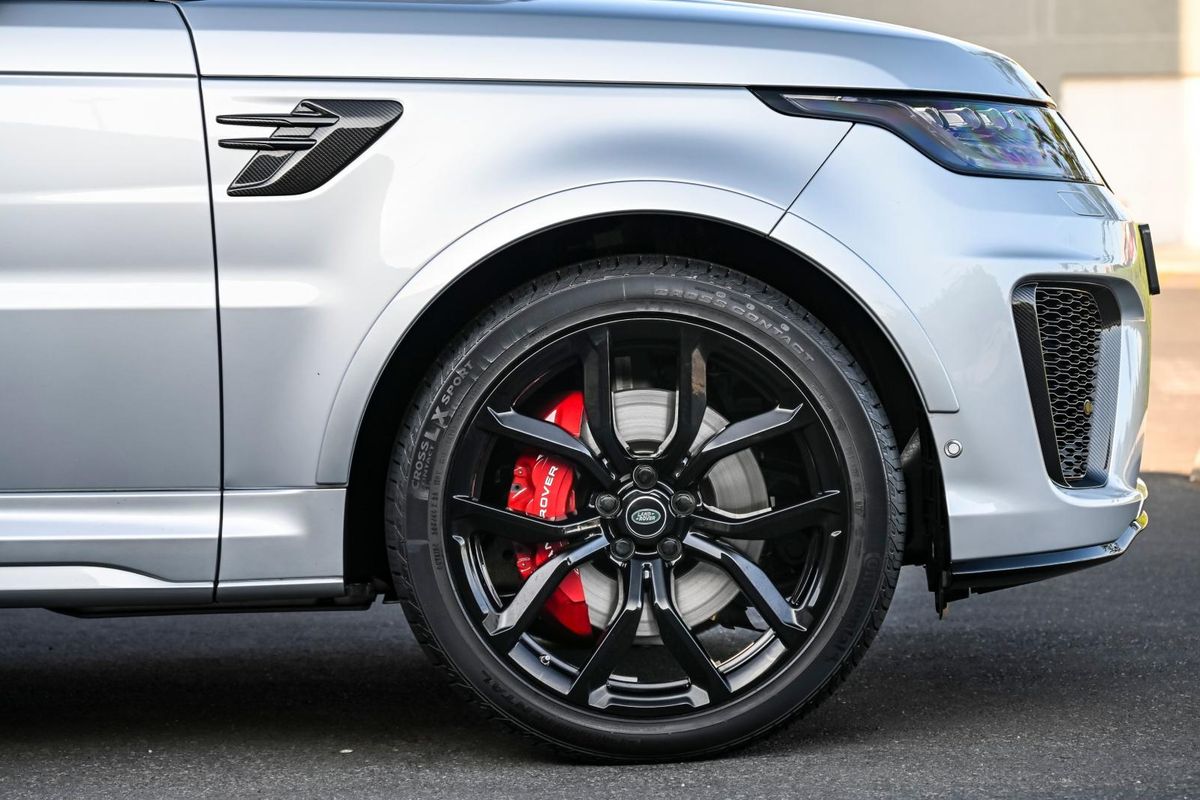
The vehicle rides on lightweight 22-inch alloy wheels which are finished in Gloss Black, plus you get an SVR badge at the rear. Under that striking bonnet is JLR's fearsome 5.0-litre supercharged V8. In this application it delivers 423 kW and 700 Nm, giving the Range Rover Sport SVR Carbon Edition a claimed sprint time of 4.5 seconds to 100 kph. A top speed of 283 kph is claimed.
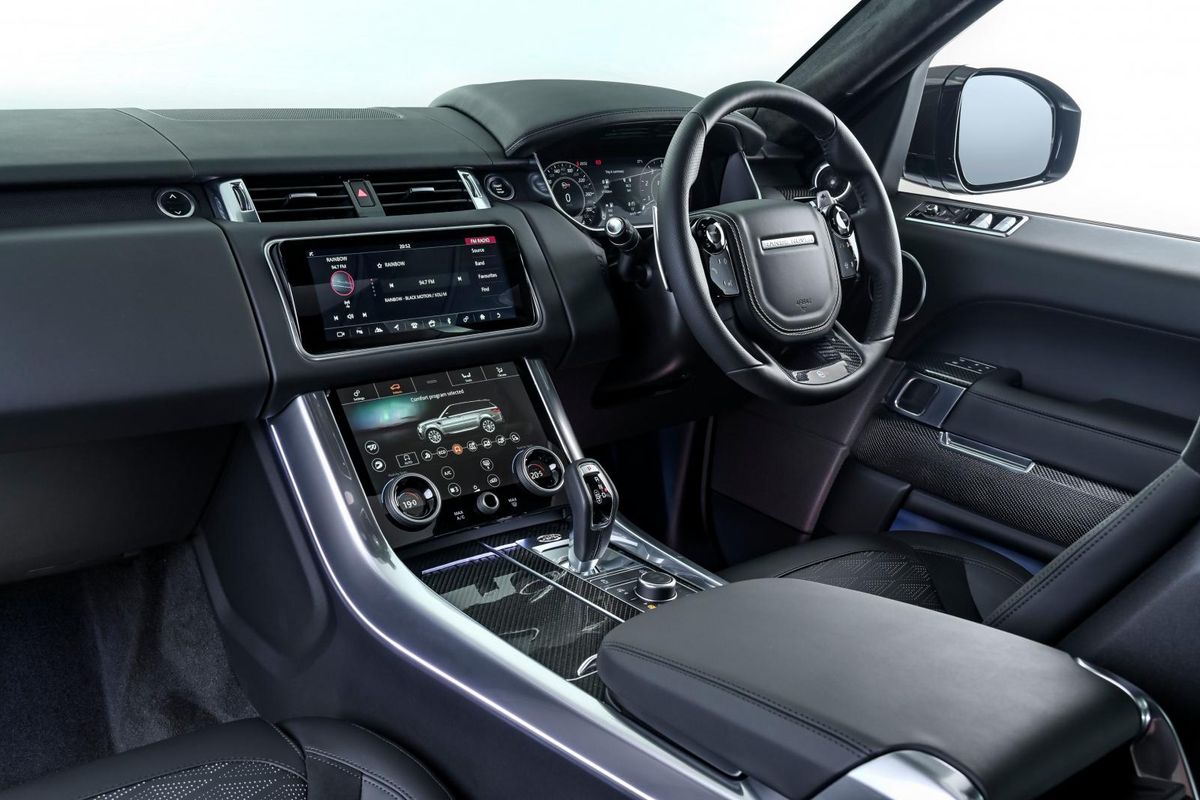
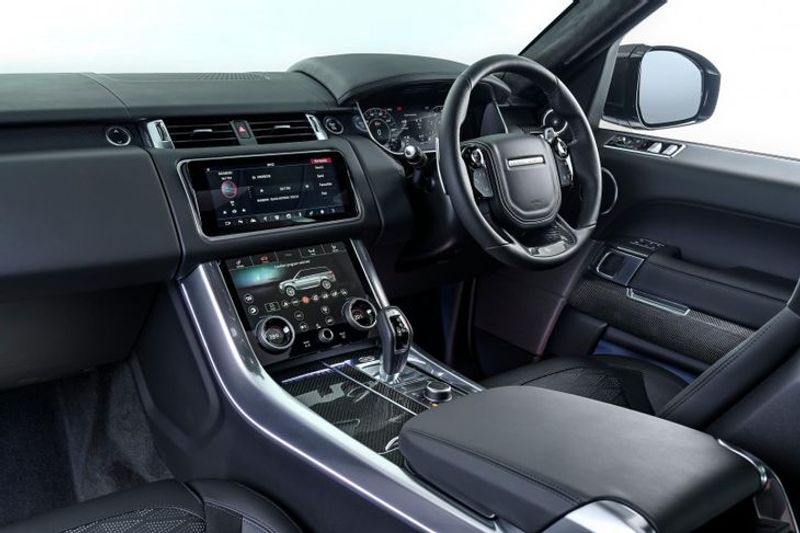
Climb inside and you'll find SVR Carbon Edition-branded treadplates that light up as the doors swing open. There are new lightweight SVR Performance seats which are said to be 30 kg lighter than the standard units. These are finished in perforated Windsor leather and featured the SVR logo in the headrest. All seats in the Range Rover Sport SVR Carbon Edition are heated.
If you tire of the delicious V8 sound, there's a 19-speaker Meridian Surround Sound System fitted.
At this price point, the standard specification is comprehensive, with almost everything standard. If you favour luxury over performance, consider the Velar SVAutobiography or go for broke and get the flagship Range Rover L SVAutobiography.
The cabin of the Range Rover Sport SVR Carbon Edition
Range Rover Sport SVR Carbon Edition Price in South Africa (February 2021)
The vehicle is sold with a standard Land Rover Care plan which offers a 100 000km warranty and servicing within in 5 year period, whichever comes first.
The all-new Mercedes-Benz C-Class has leaked early. Here's our first taste of the new 2022 W206 Mercedes-Benz C-Class.
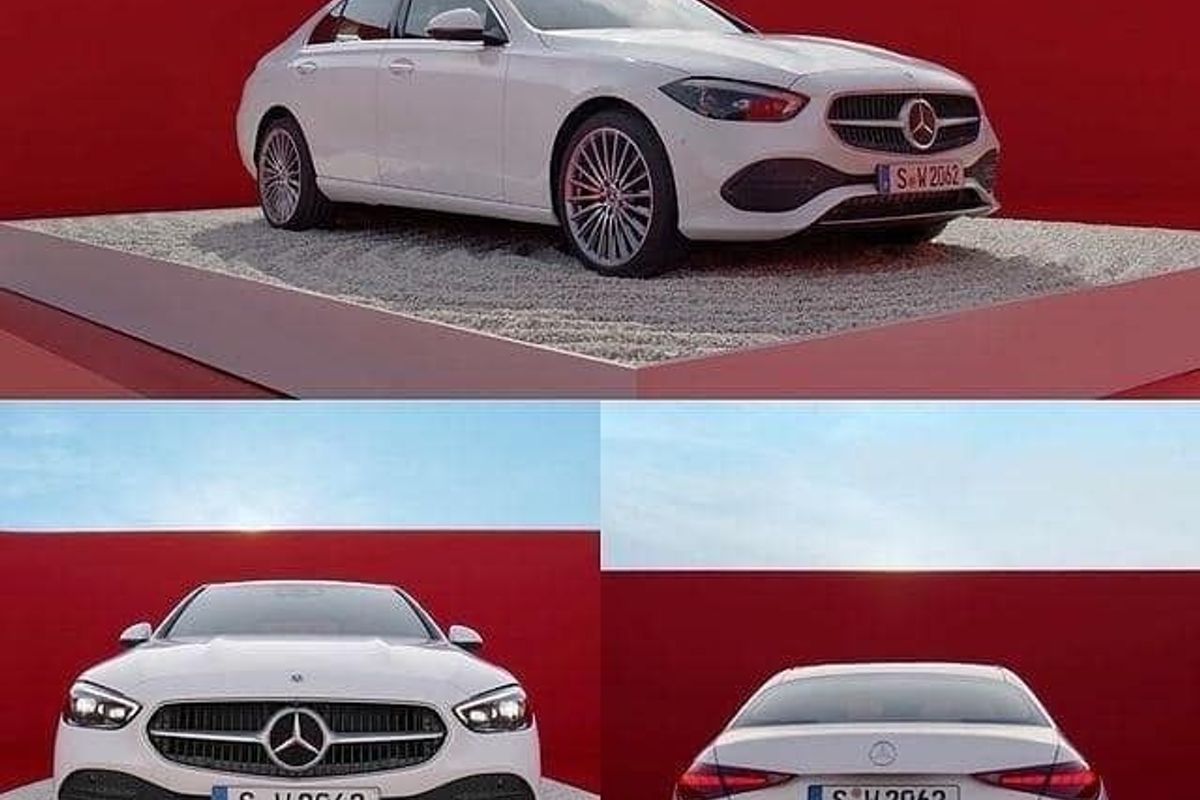
The leak came from The Automobilist Facebook page and gives us a good look of the new Mercedes-Benz C-Class ahead of its global reveal on the 23rd February 2021.
At first glance, the new model heavily borrows styling elements from the bigger E-Class and S-Class sedans. We suspect what we're looking at here is the Avantgarde trim which focuses more on style than overt sportiness, which is where the AMG Line comes in. Expect plenty of chrome and aggression in the latter.
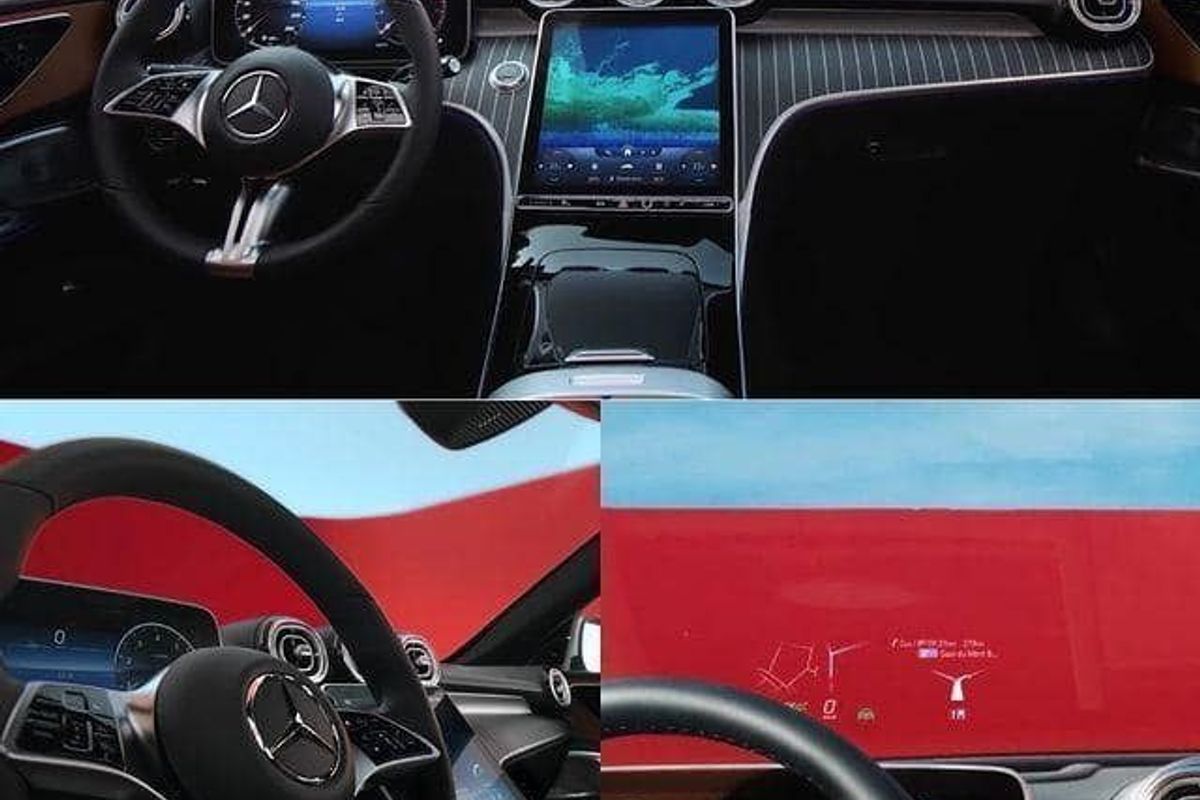
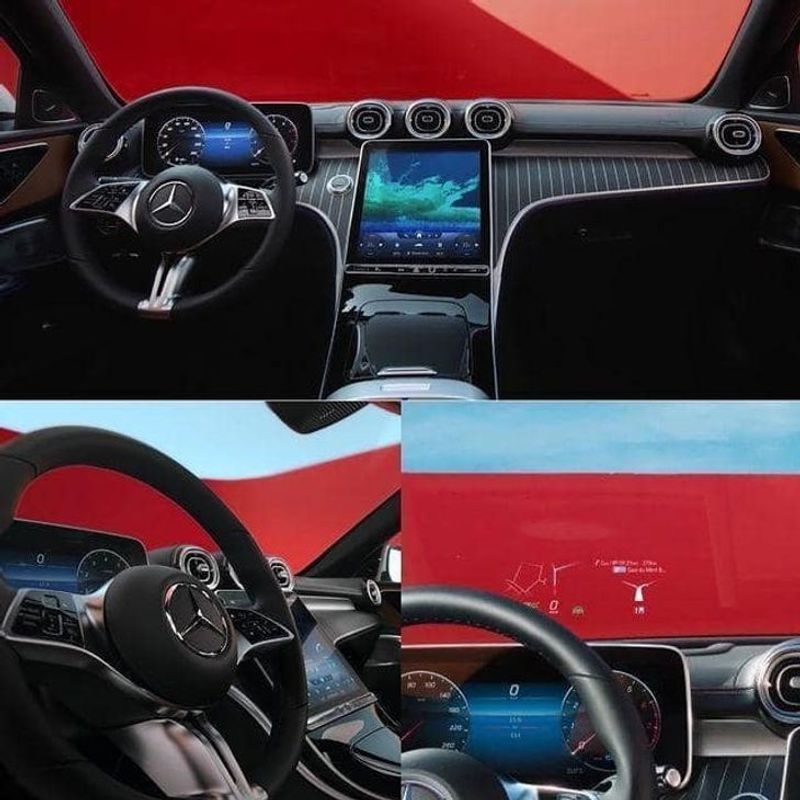
We also get a good look at the interior, where the all-new Mercedes-Benz C-Class gets a similar cabin layout to the S-Class. There's a large central tablet infotainment system that dominates the cabin. We can also see redesigned climate control vents, a new-look steering wheel as well as an advanced head-up display.
There's no mention of powertrain choices, but we know the flagship C63 S will feature a 4-cylinder engine delivering over 400 kW. Will we miss the wonderful roar of the V8? Definitely.
The all-new Mercedes-Benz C-Class will be assembled at the Merc facility in East London, South Africa. The vehicles rolling off that line are earmarked for our market as well as the global market. The C-Class will be going up against the BMW 3 Series and the Audi A4, and it will be fascinating to see how Mercedes-Benz has positioned its popular sedan model. Will the Stuttgart-based manufacturer try match the dynamics of the 3 Series or go the infotainment luxury route offered by the recently facelifted Audi A4?
We will have all the details regarding the Mercedes-Benz C-Class in a few days time as the new model will be revealed on the 23rd February 2021.
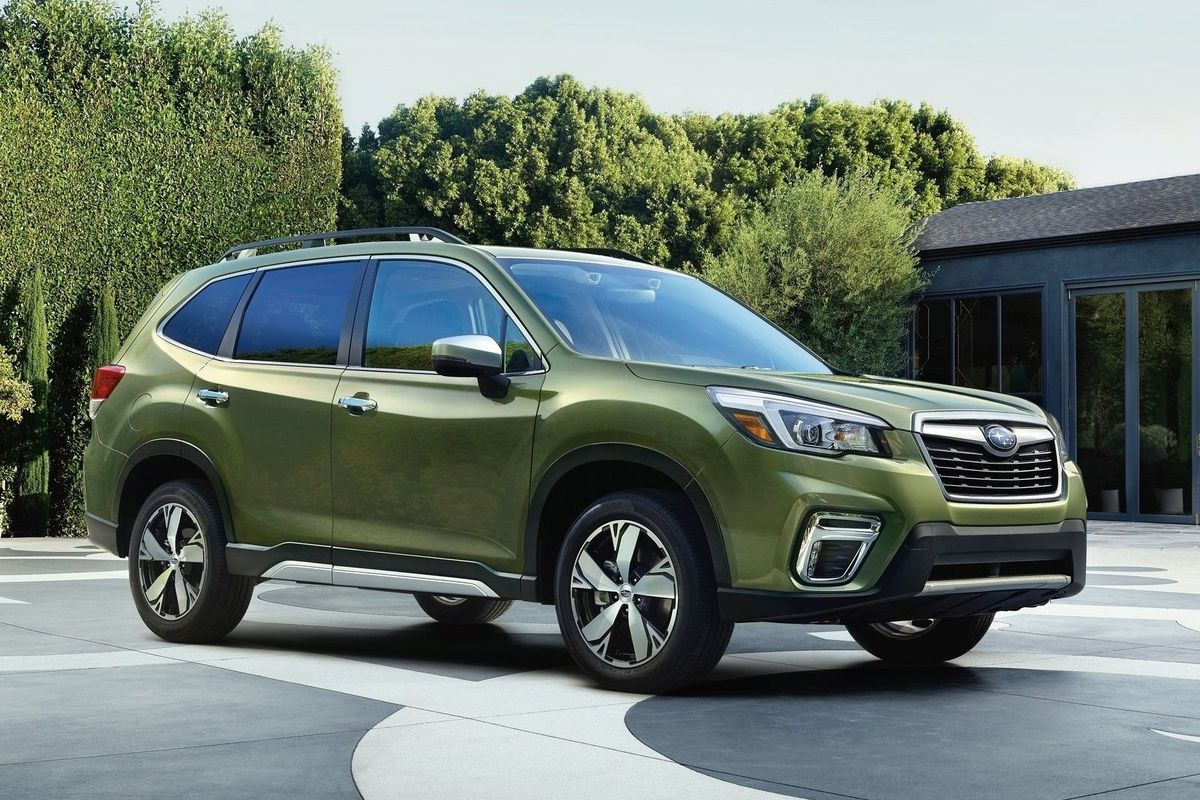
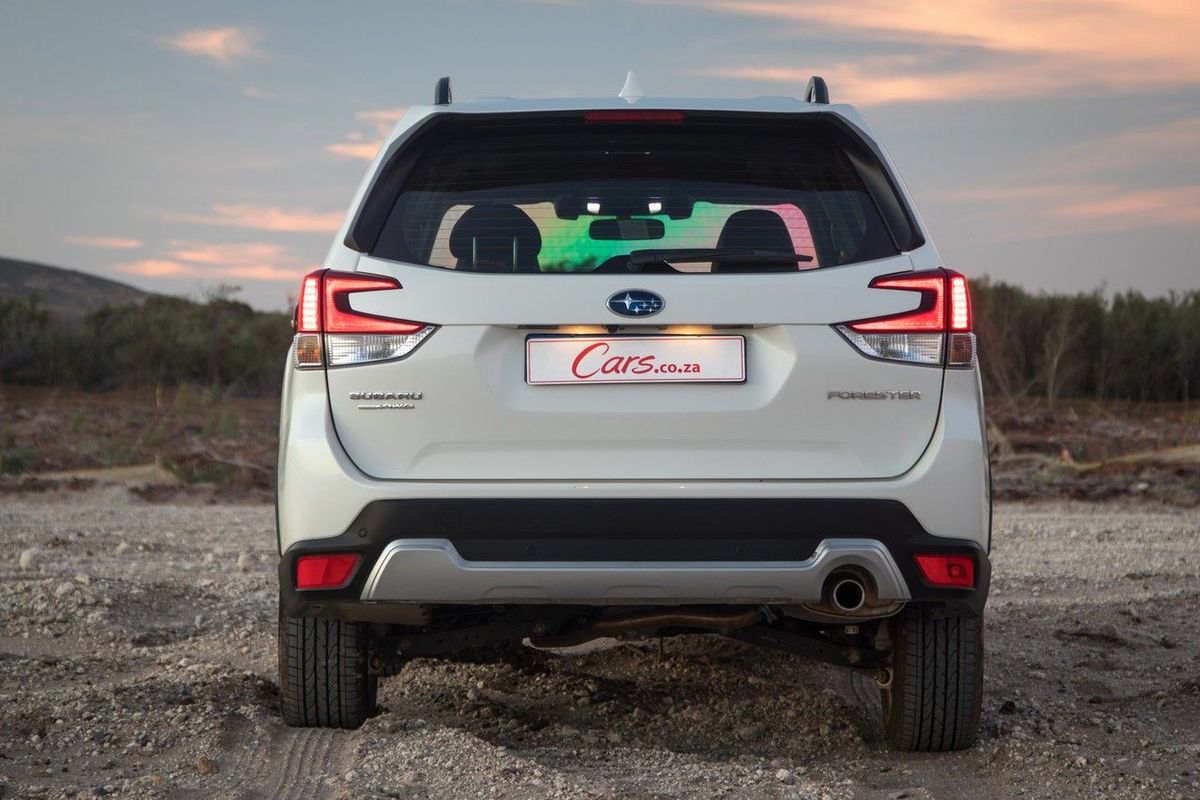
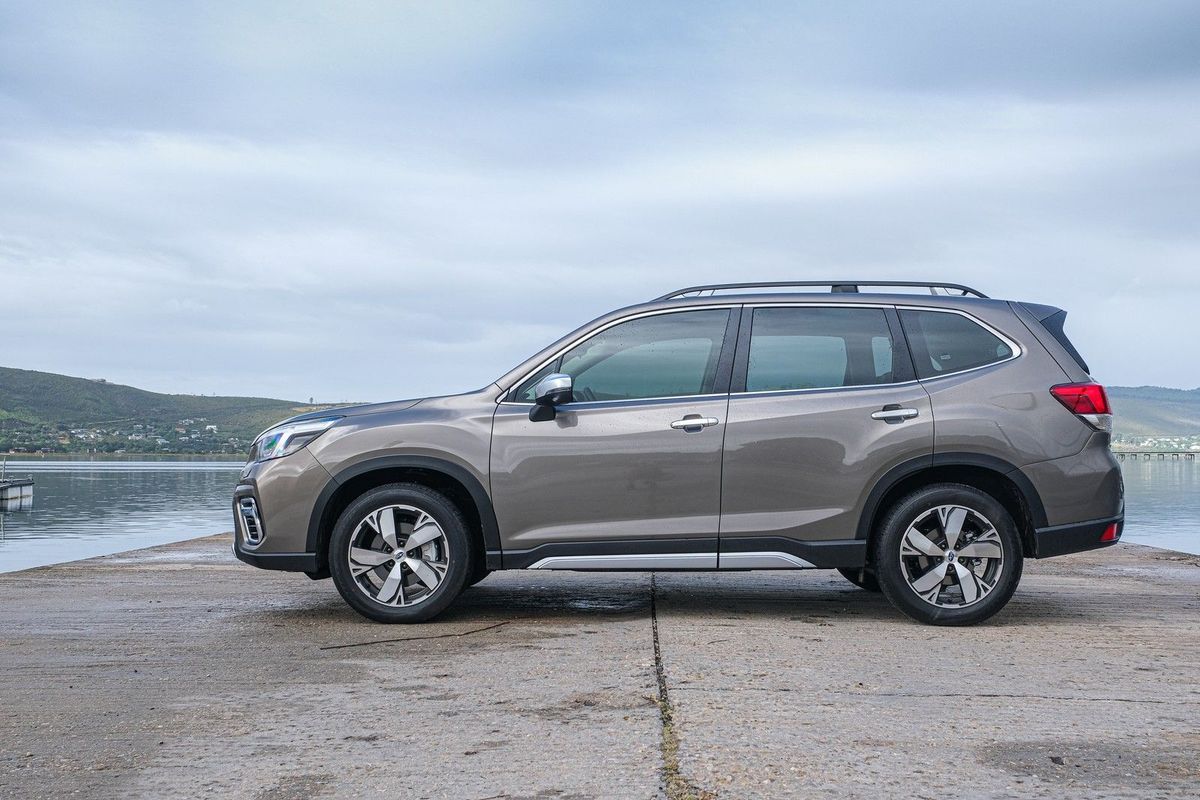
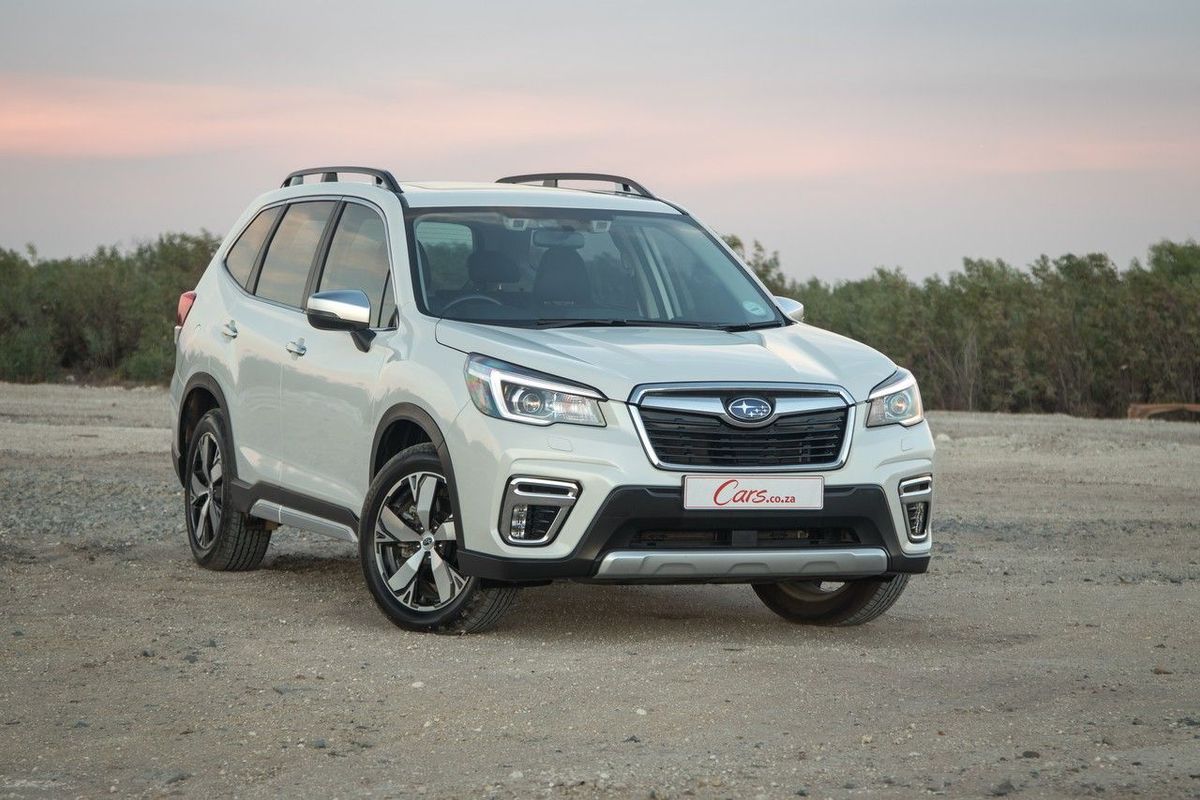
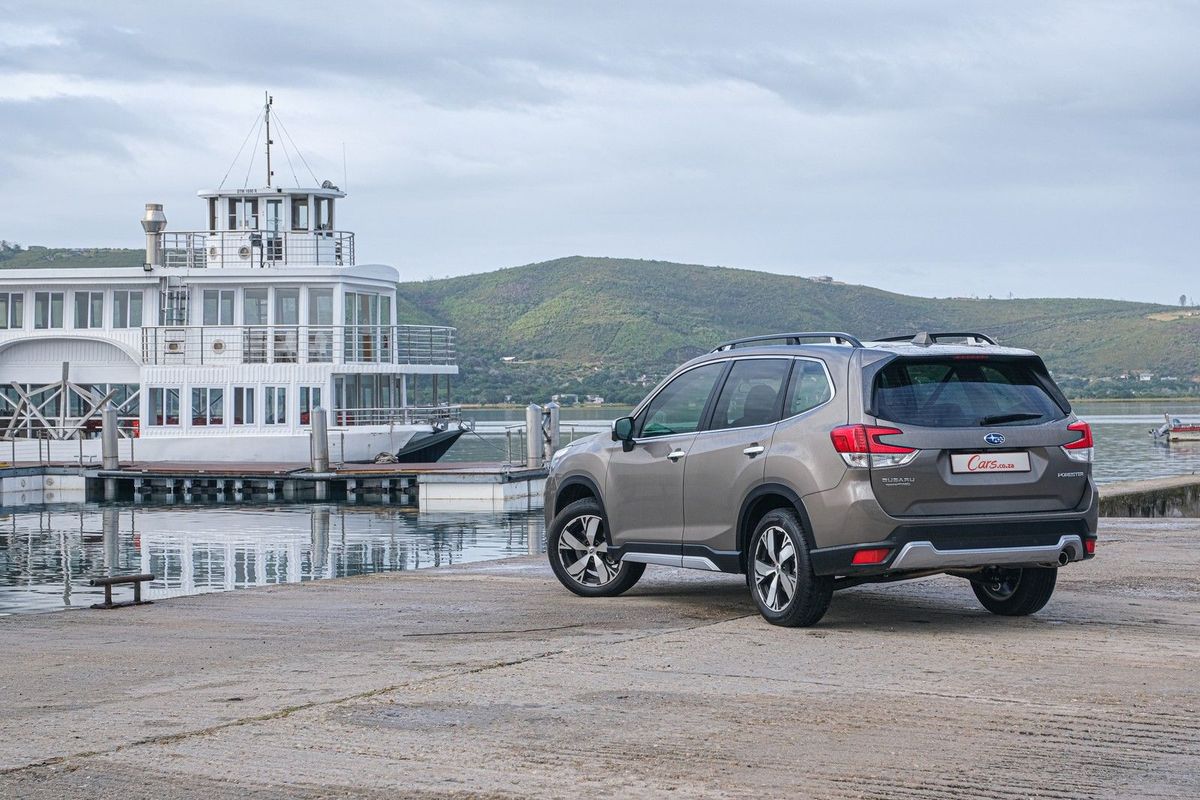
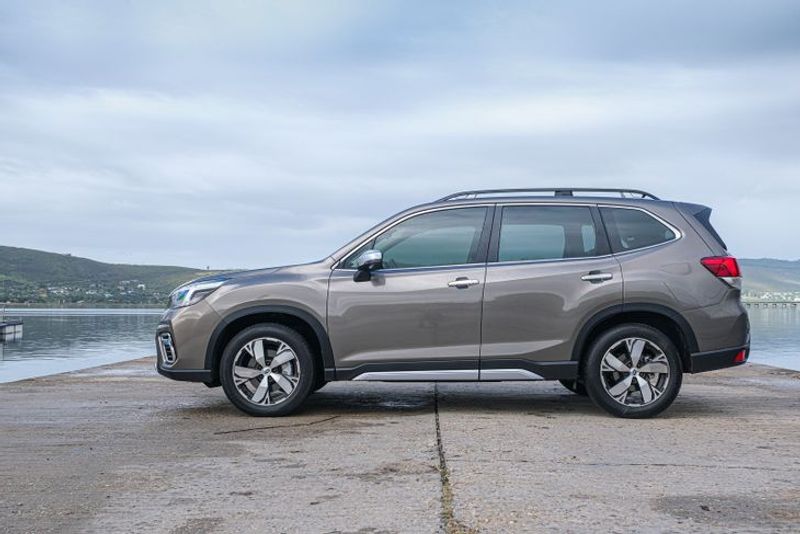
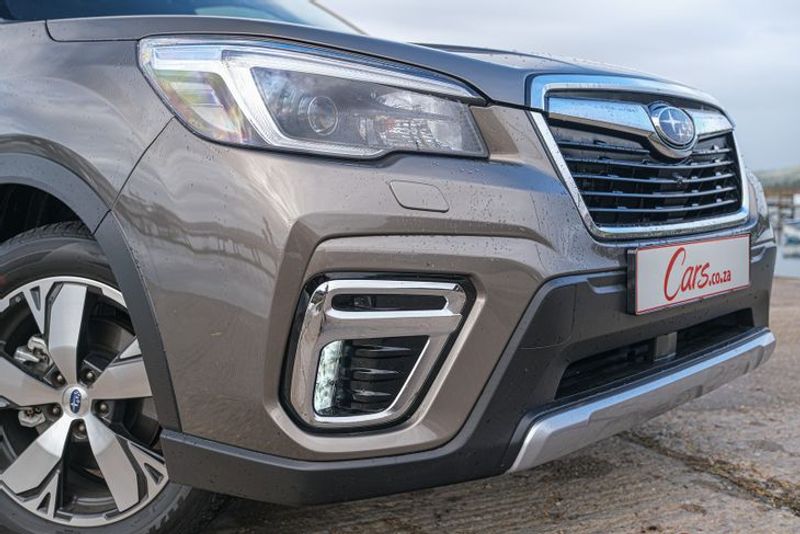
The Forester is an often-overlooked choice in the family-car segment, so will the introduction of a more powerful engine into the range draw more traffic to Subaru showrooms? We put the new 2.5-litre boxer engine to the test with a road trip to Knysna on South Africa’s stunning Garden Route to see how it performs…
We don’t like: Dated-looking fascia, poor tactile quality of some buttons and dials
Fast Facts
Model tested: Subaru Forester 2.5i-S ES
Price: R629 000 (as of February 2021)
Engine: 2.5-litre petrol, naturally-aspirated
Power/Torque: 136 kW/239 Nm
Transmission: CVT
Fuel Consumption: 8.3 L/100 km
Load capacity: 520–1 770 litres
What is it?
The Forester can now be had with a more powerful 2.5-litre naturally-aspirated petrol engine.
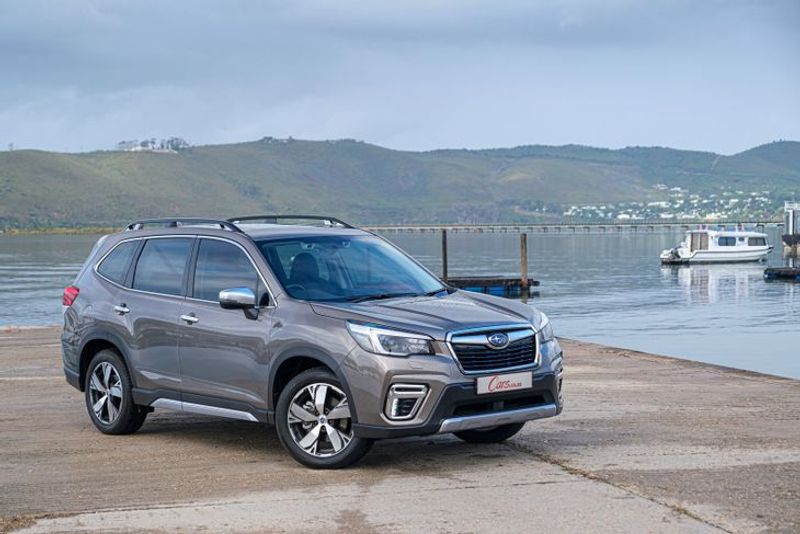
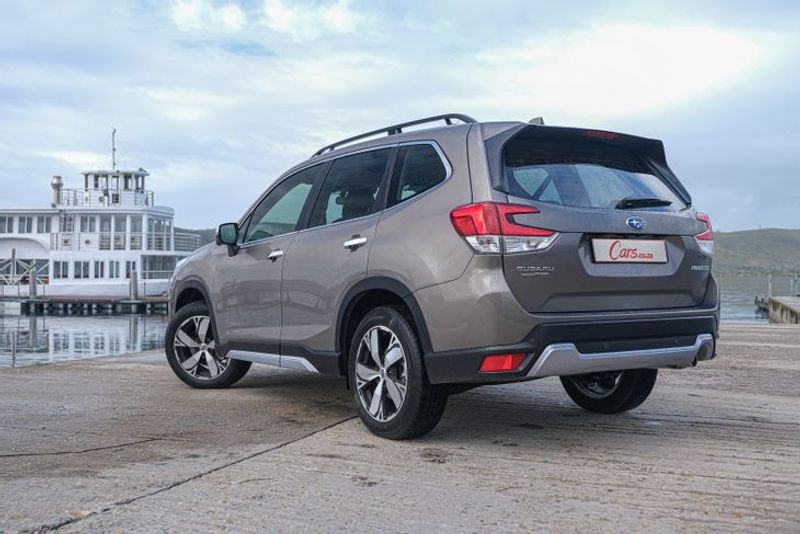
The 5th-generation Subaru Forester family SUV came to market at the end of 2018 replete with refined exterior looks, a more spacious interior, as well as an enhanced equipment list, which included Subaru’s impressive EyeSight safety technology.
At the time, the new Forester was exclusively available with a naturally-aspirated 2.0-litre boxer petrol engine with middling outputs of 115 kW and 196 Nm. Despite the Forester offering commendable all-wheel-drive ability as well as high levels of on-road comfort, its motor's perceived lack of performance punch unfortunately detracted from an otherwise excellent product offering from the Japanese firm.
Now, however, Subaru is looking to silence the naysayers by introducing a more powerful 2.5-litre non-turbocharged engine that offers an additional 21 kW and 43 Nm (for peak outputs of 136 kW and 239 Nm of torque). In addition to this, Subaru has also welcomed a new Forester Sport derivative to market, which Ciro De Siena reviewed in the video above, so definitely give that a watch for further insight.
For this test, Cars.co.za journalist Gero Lilleike took the top-of-the-range Forester 2.5i-S ES on a long-distance jaunt from Cape Town to Knysna via the Garden Route to find out if this more powerful Forester is more resolved than its 2.0-litre sibling.
How it performs in terms of…
Performance and efficiency
Increased power and torque has made a noticeable and much-need improvement to the Forester's overall performance.
A long-distance road test certainly has its benefits – unlike driving in built-up city environments, we can accurately assess the Forester’s mid-range ability, particularly for the purposes of overtaking slower traffic on the highway. Furthermore, and perhaps more importantly, we are also afforded opportunities to thoroughly test the 2.5-litre motor’s pulling power on long uphill sections of road.
This is important because those are 2 typical scenarios in which naturally-aspirated engines can seem lethargic and a tad gutless compared to their direct turbocharged counterparts. Nonetheless, we are happy to report that this Forester performed well beyond our expectations. Not only did the Forester easily execute "nippy overtakes", but it also exhibited strong performance on those pesky uphill sections. Yes, sure, it’s still not as punchy as a turbocharged engine, but the increased power and torque makes a noticeable difference to the Forester’s overall performance.
While some may lament the utilisation of a continuously-variable automatic transmission (CVT) in this package, the Forester’s CVT is among the best on the market. It doesn’t suffer from that typical CVT drone that plagues other products and, if you must, you can engage manual "shifts" by using the steering-mounted paddles, which gives the driver a higher degree of performance control when required.
Suffice to say Subaru’s boxer engines are not renowned for returning class-leading real-world fuel consumption figures and the Japanese firm claims 8.3 L/100 km for this derivative. While that may sound like a rather ambitious claim, we were pleasantly surprised to see returns of between 8.7 and 9.0 L/100 km on our road trip.
Ride and handling
With a generous ground clearance of 220 mm and X-Mode terrain modes, the Forester is more capable than most in this segment.
Following on from the Forester’s strong performance on the open road, we have to commend its comfortable pliant ride quality as well. Moreover, Subaru's newcomer is equally comfortable on gravel… The steering is well-weighted and returns positive feedback to the driver, while also being adequately responsive to driver inputs. Moderate body roll, however, is evident when cornering, um, eagerly.
Fitted with Subaru’s praised symmetrical all-wheel-drive system, the Forester obviously offers better traction on low-grip road surfaces than what its front-wheel-drive rivals can muster, but more importantly, it’s also far more capable in off-road situations.
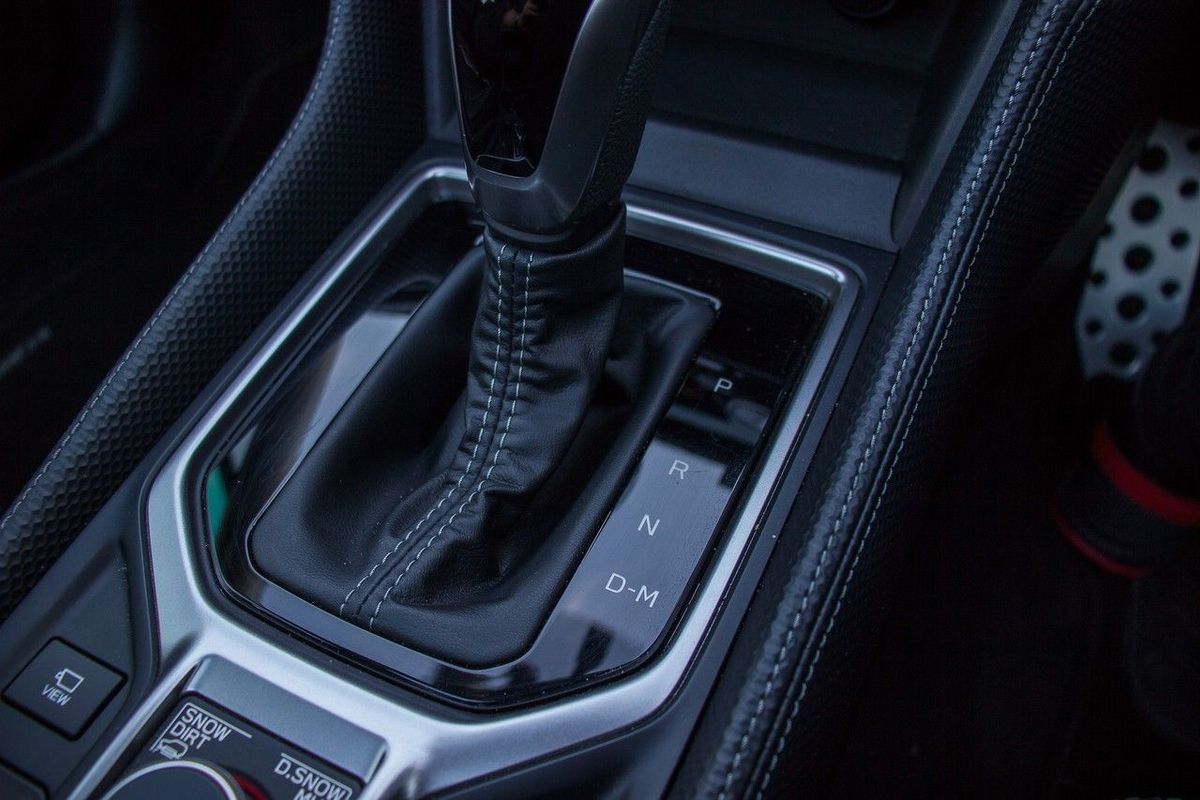
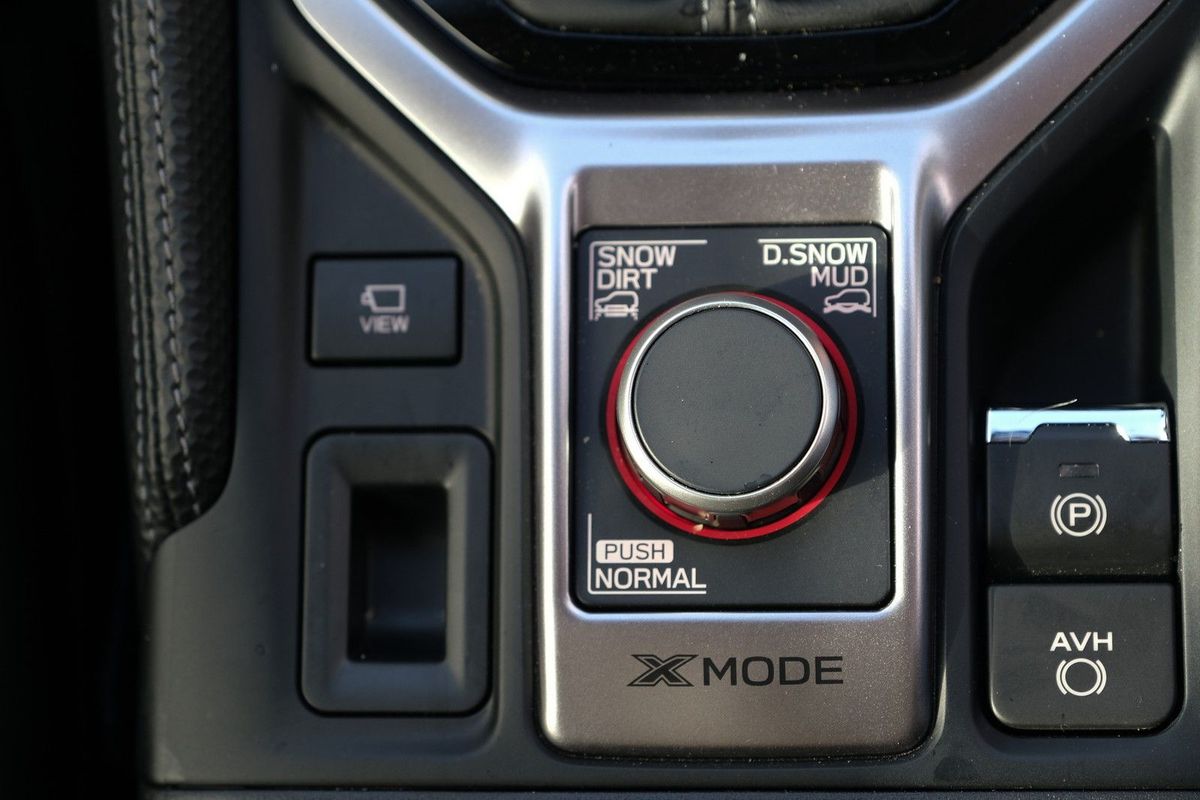
Unlike most of its rivals (even of the all-wheel-drive variety), the Forester is equipped with an X-Mode terrain dial in the centre console that primes the powertrain to tackle more challenging terrain, such as mud, gravel, rocks and even snow. The Forester’s 220 mm ground clearance is also very useful in this regard.
So, if you and your family intend to go on more adventurous excursions, the Forester has most of its city-biased rivals licked – it’s arguably the most capable vehicle in this segment in that regard.
Interior execution and features
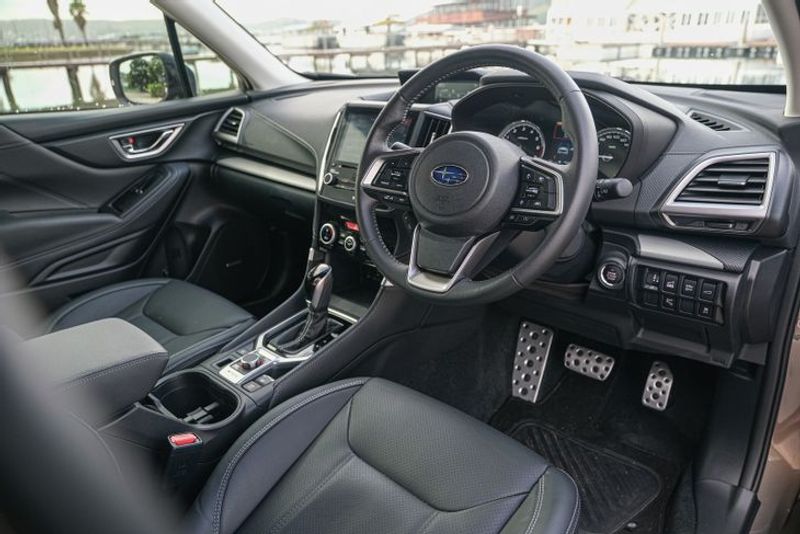
Solid build quality and a reasonably well-specified interior add to the Forester's value offering.
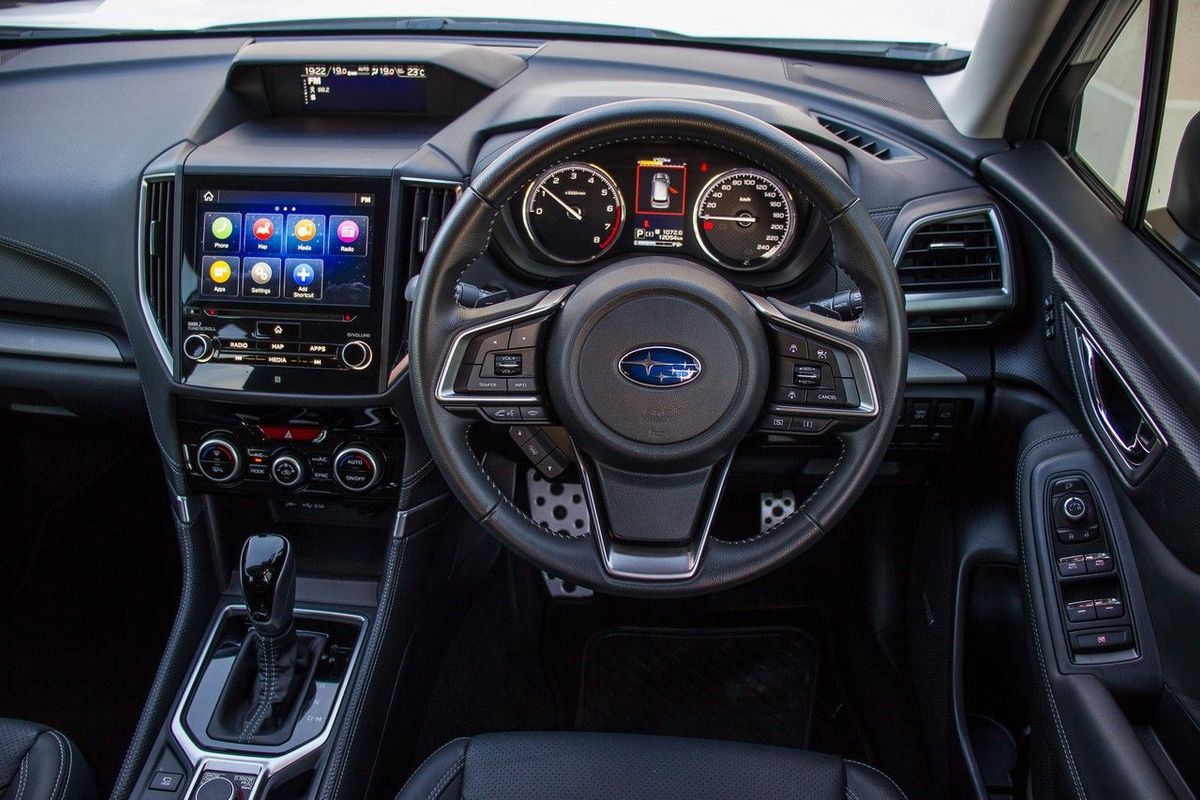
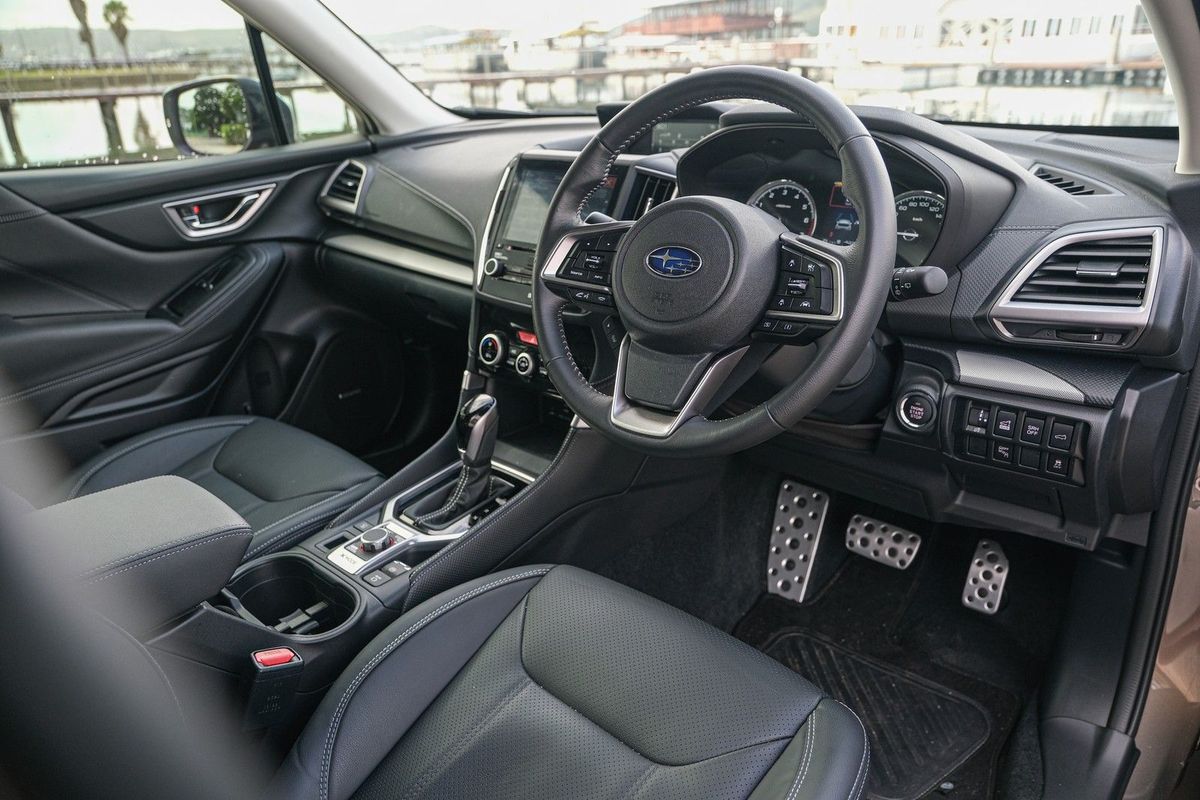
Not only does this top-spec Forester come fairly well-equipped with standard features, there’s also an "honesty" to the way its interior is packaged… Even though the Subaru’s fascia doesn’t look and feel as modern or as "premium" as some of its rivals in this segment, the perceived build quality of the cabin is well and truly excellent. The interior feels hardwearing and well screwed together, in other words.
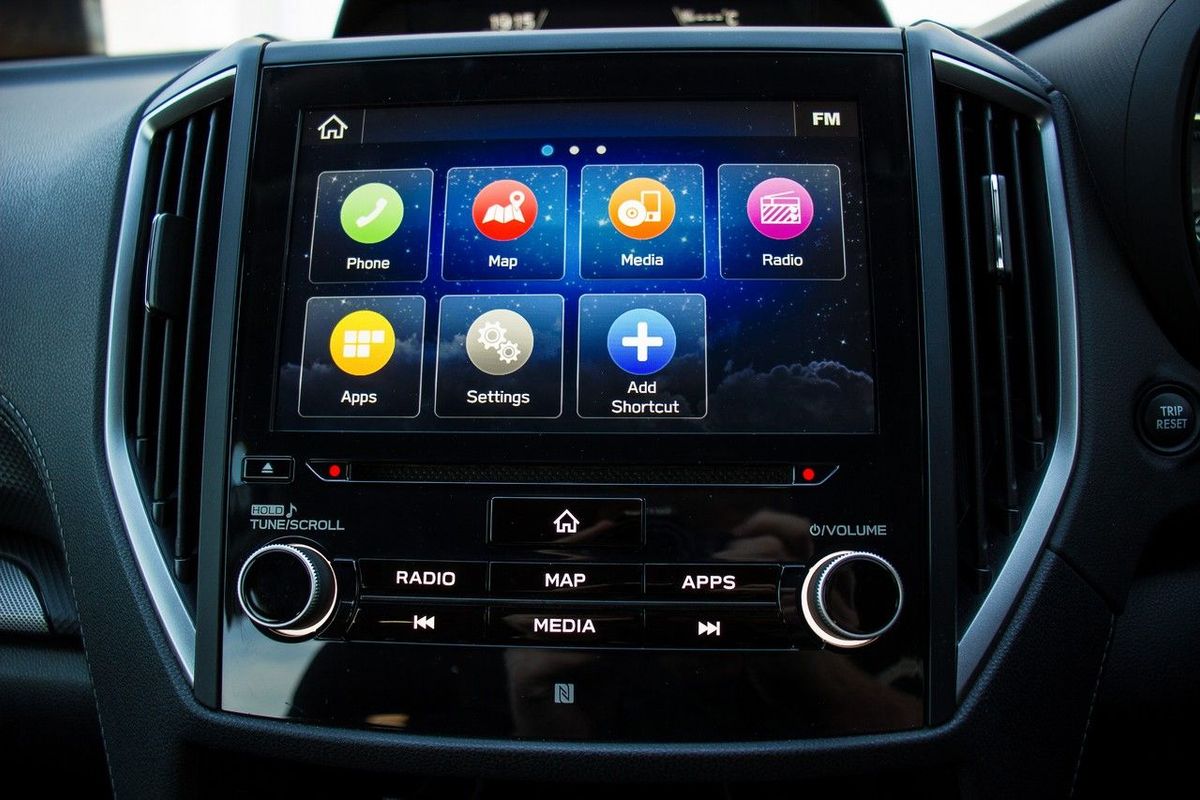
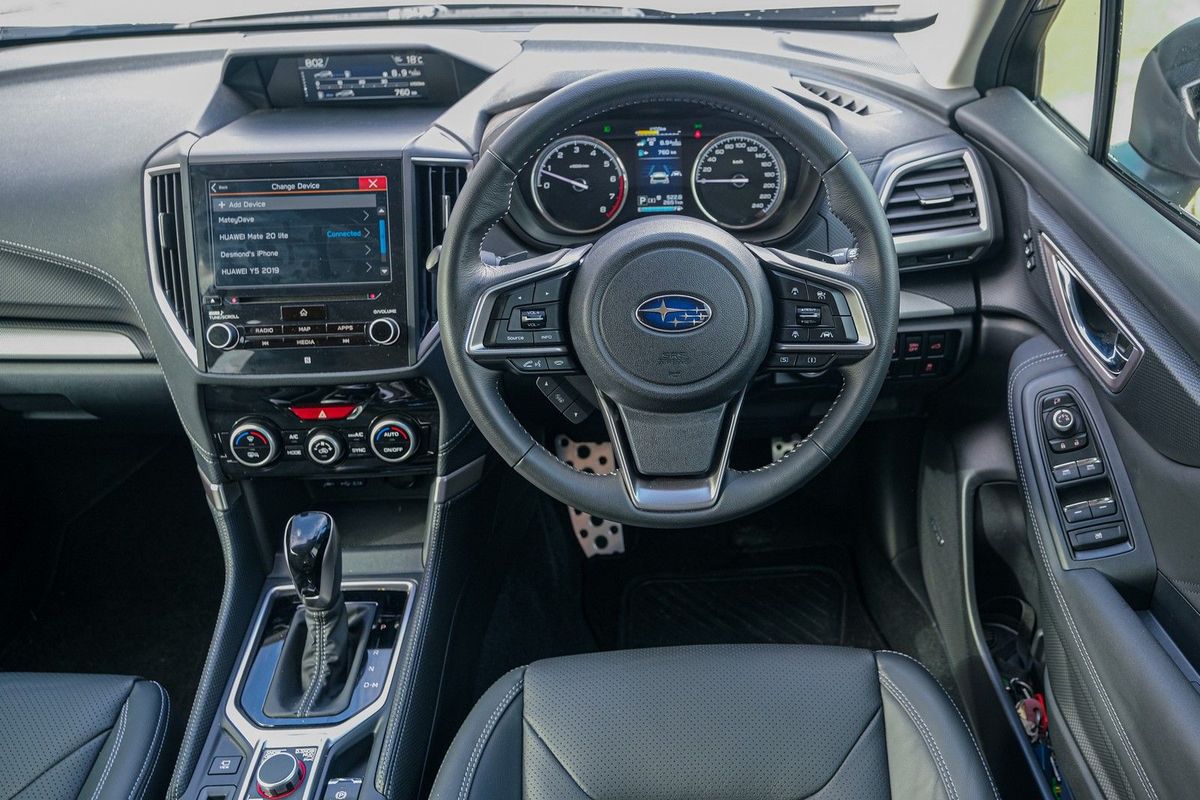
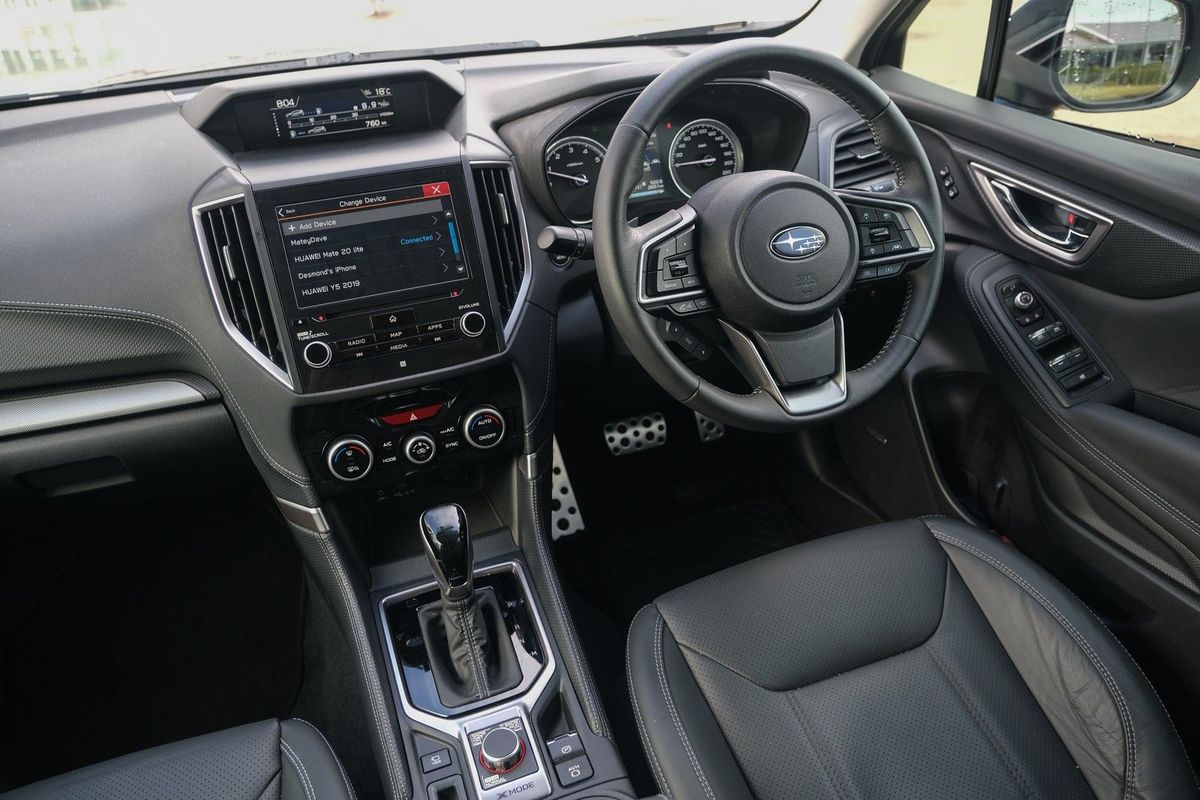
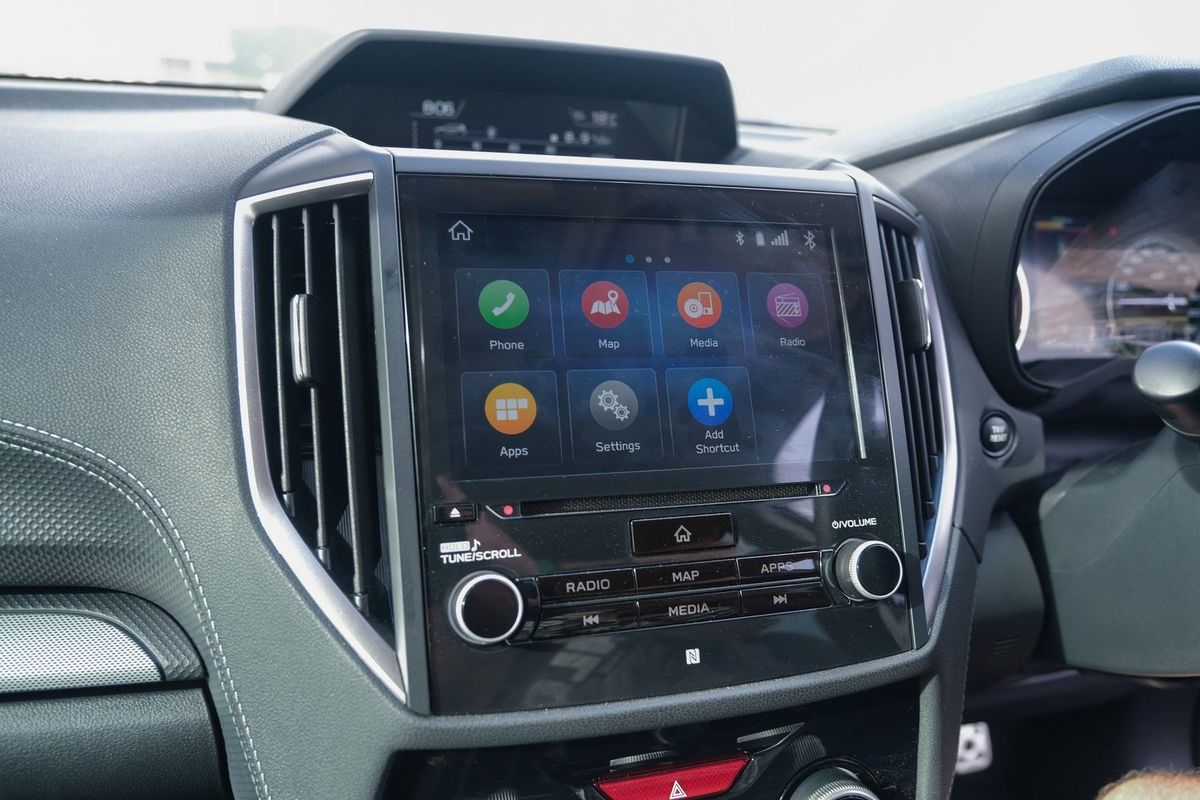
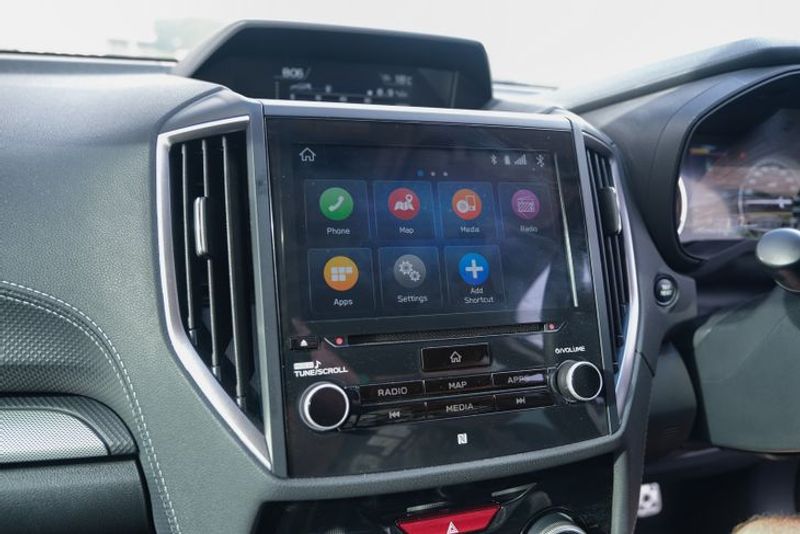
As for the infotainment system, it’s an 8-inch touchscreen unit that offers Android Auto and Apple CarPlay capability, but the system also combines physical buttons with the touch-input interface, which many buyers will appreciate because they make access to the system's functions appreciably more effective while driving. The layout of the menu is clearly legible and easy to navigate. We must, however, mention that the tactile quality of the buttons and dials on the fascia do feel a trifle cheap. In terms of connectivity, there are 2 USB ports at the front, as well as 2 in the rear, all of which is useful.
A smaller information screen is embedded in the upper dashboard; it's particularly useful for communicating key information to the driver without them having to take their eyes off the road and it also mitigates the need to look for information on the main screen or in the instrument binnacle. This screen further provides vehicle information when the Forester’s X-Mode driving modes are activated…
The steering column, meanwhile, is adjustable for rake and reach and the driver’s seat is height-adjustable too, which means it’s very easy to get comfortable behind the 'wheel of the Forester. The seats themselves are wrapped in leather and we found them very comfortable, but also sufficiently supportive, during our test.
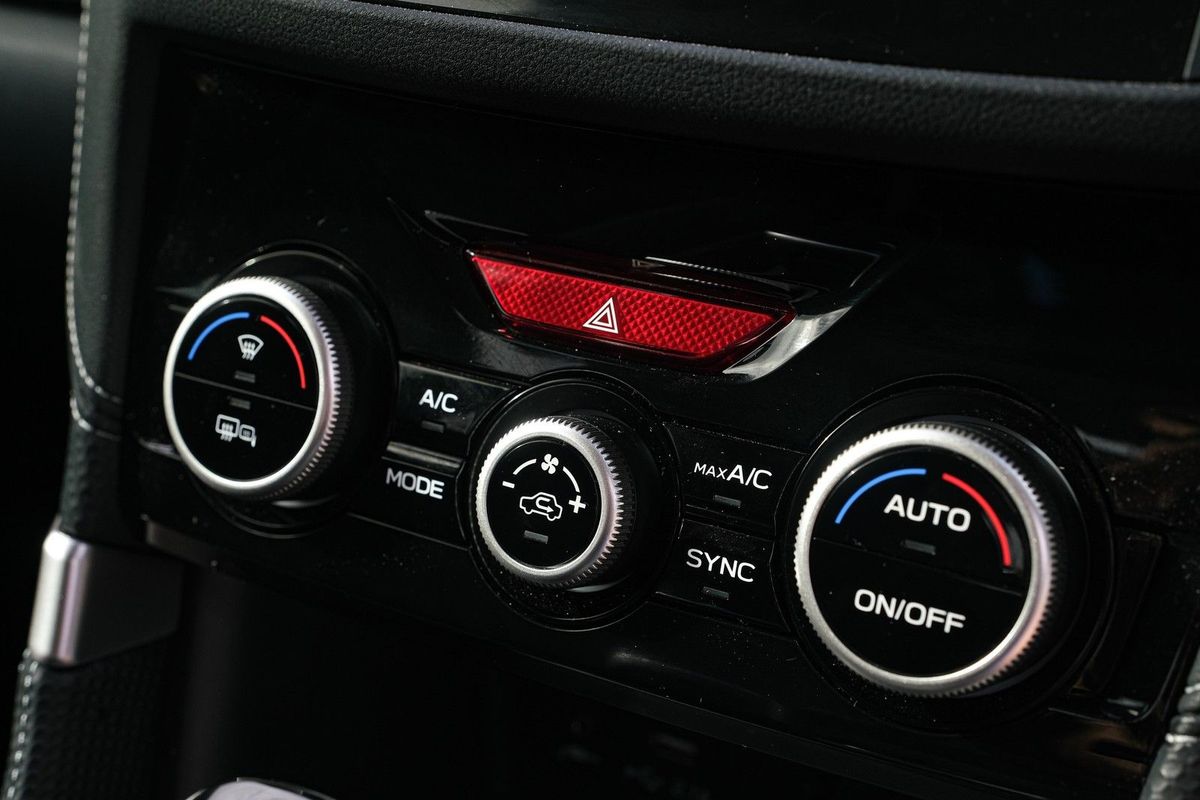
The tactile quality of some of the dials and buttons are questionable for a car in this price range.
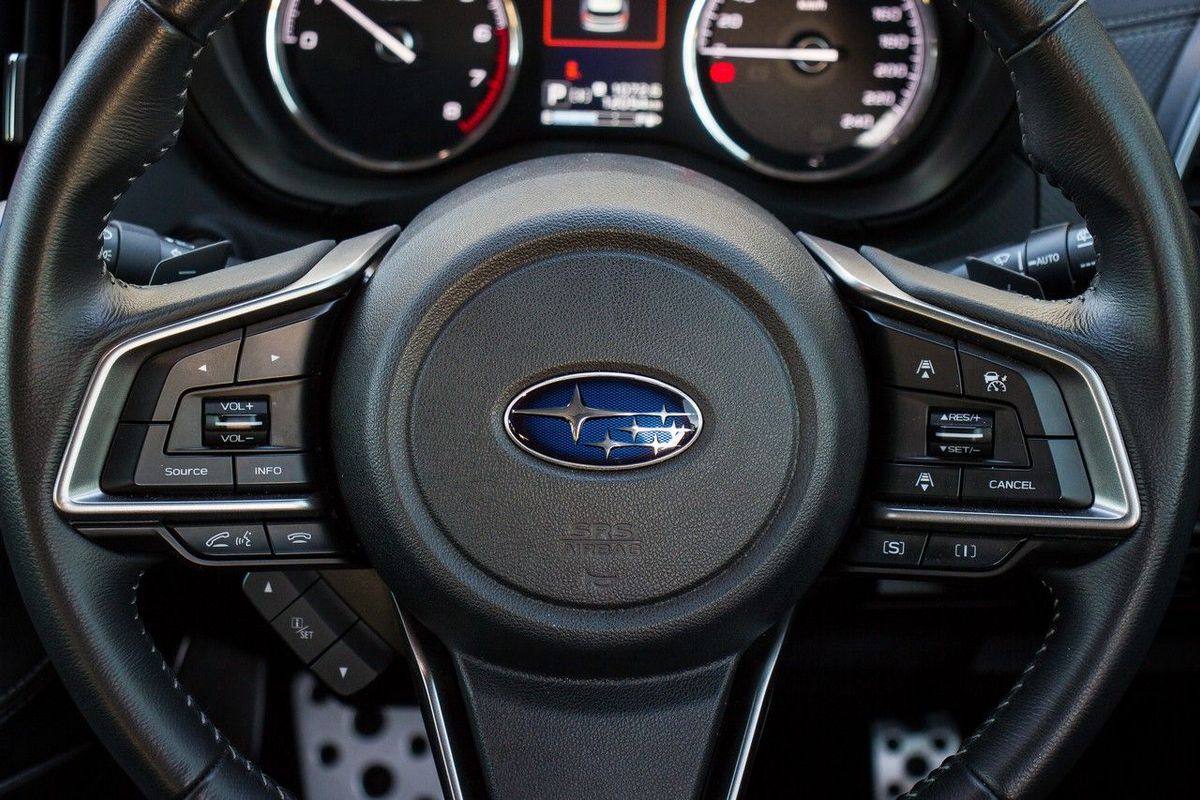
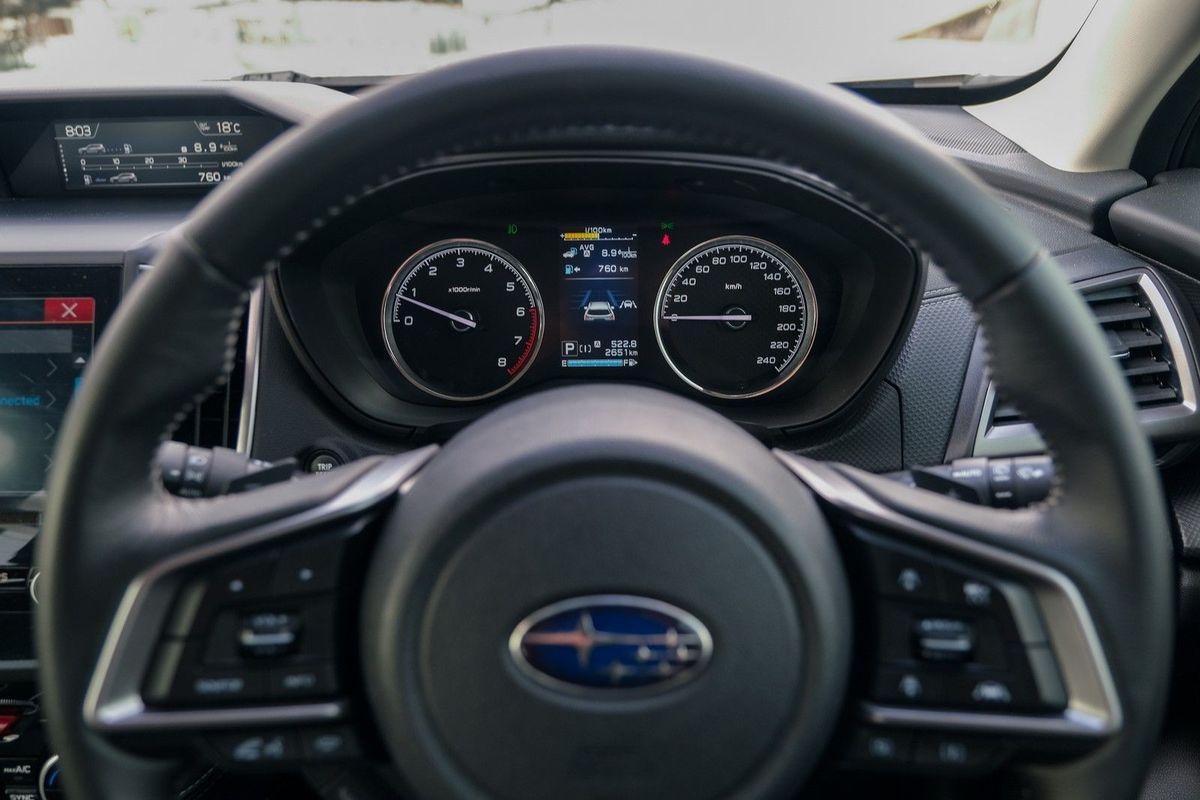
The steering wheel features a plethora of mounted controls for functions such as Bluetooth telephony, audio controls and the adaptive cruise control, which we used extensively during the long-distance journey, plus the driver can flip through the trip- and safety information displayed in the instrument cluster.
Safety is a major strength of this Forester and it comes equipped with Subaru’s comprehensive EyeSight Driver Assist system, which includes useful features such as Automatic Pre-Collision Braking, Lane Departure Warning, Lane Sway Warning and Lane Keep Assist. Reverse Automatic Braking is also part of the system, which helps to prevent those embarrassing close-quarter low-speed collisions.
Furthermore, the Forester is equipped with a total of 7 airbags, as well as rear parking sensors and a reverse-view camera.
Practicality
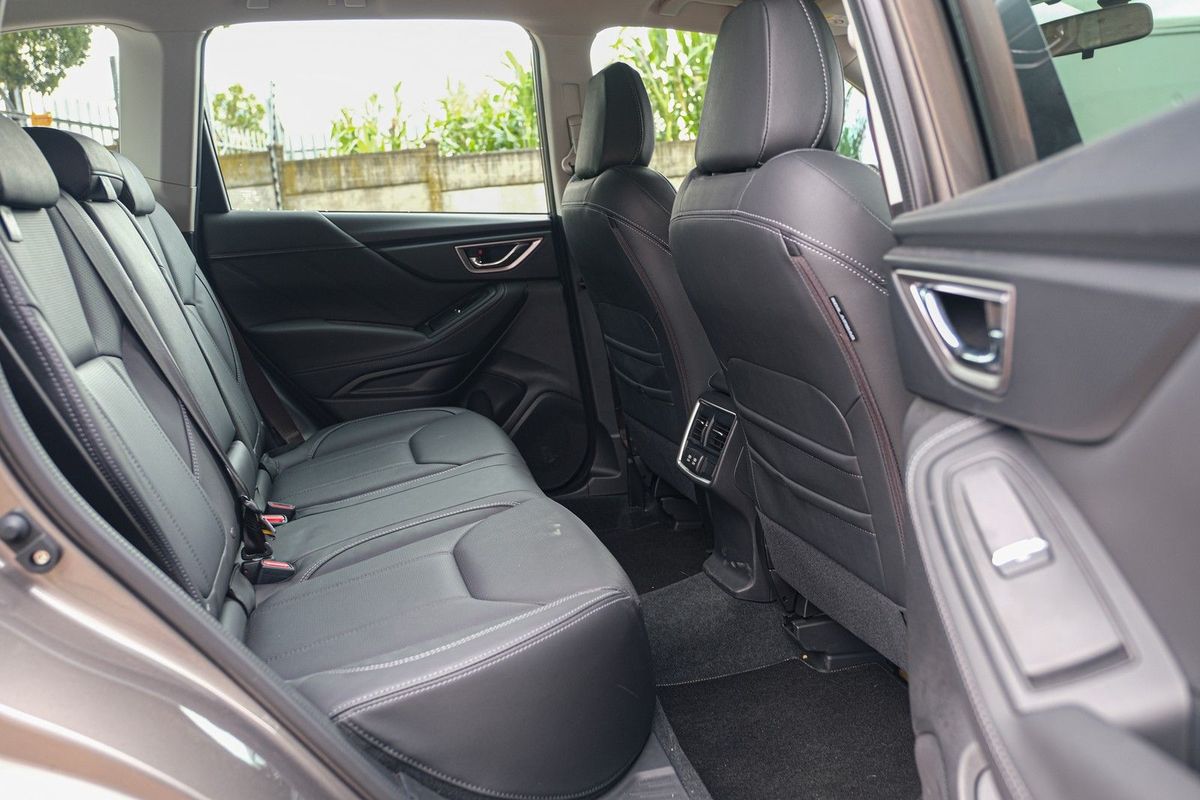
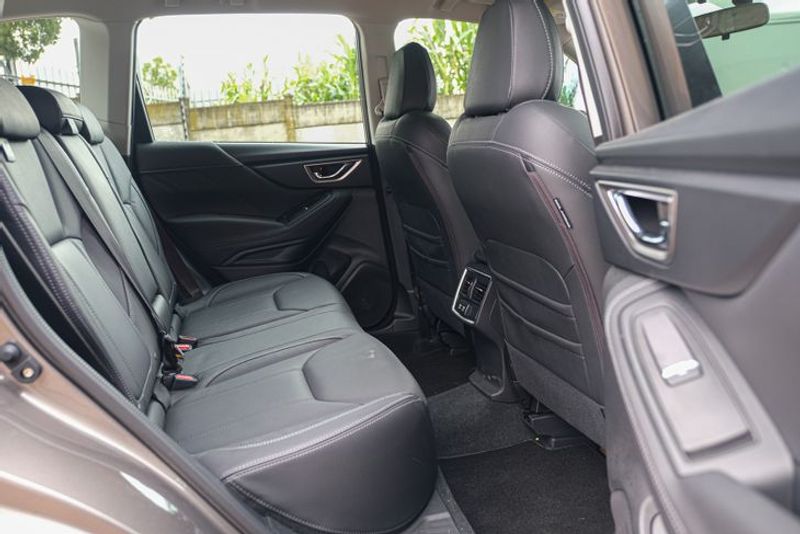
Rear passenger legroom is truly generous in the Forester.
Practicality is yet another strength of the Forester package – in fact, it’s one of the reasons why fiercely-loyal Forester owners are so happy with their vehicles. There’s plenty of legroom for rear passengers, who are afforded a pair of cupholders and a central armrest that boosts occupant comfort even further, especially on long journeys.
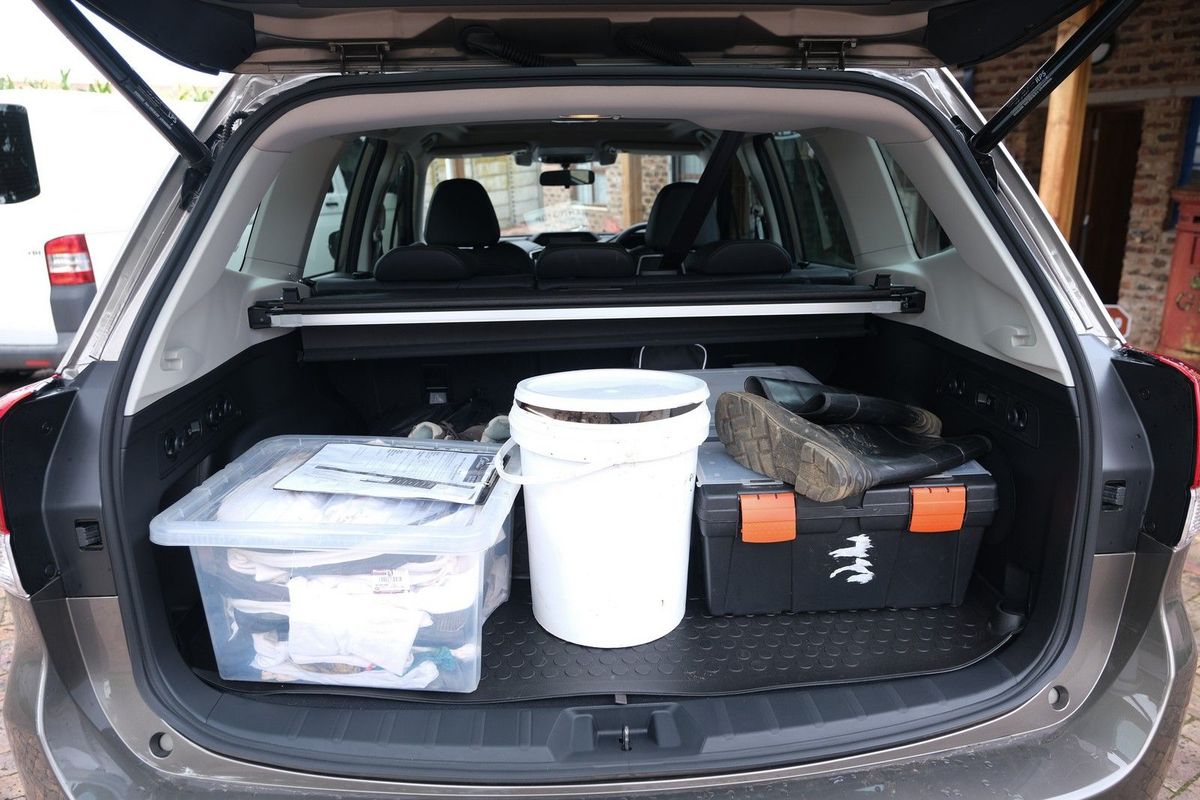
As for transporting an assortment of goods, the Forester is quite up to the task with its 60:40 split-folding rear seatback, which can be flipped down using a lever in the load bay, which frees up no less than 1 060 litres of utility space. For the surfers out there, you’ll be happy to know that the Forester can comfortably carry surfboards (as highlighted by my colleague, Ciro, in the video review).
With the seats upright, space in the load bay is a claimed 520 litres, you can also spec an optional rubber boot cover (for when you need to transport, pets, plants or anything else that might soil your beloved Forester's load-bay floor). During this test, we had to transport a fair load of beekeeping equipment and tools and needless to say, the Forester was never short on space.
It’s also worth mentioning the Forester’s cabin has sufficient storage spaces in the door mouldings, centre bin, glove box and additional space ahead of the transmission lever if you need oddment space.
Price and warranty
This top-spec Subaru Forester 2.5i-S ES is priced from R629 000 and is sold with a 5-year/150 000 km warranty and a 3-year/75 000 km maintenance plan.
The Forester is a strong product and it deserves more attention from buyers looking for a capable and practical family car.
There is much to like about this more powerful Forester! Its open-road performance surprised us; the increased power and torque made a noticeable difference in terms of performance, but the 2.5-litre motor also returned admirable fuel consumption figures. The Forester’s fuss-free and comfortable on-road demeanour adds to its strengths, as does its off-road ability, which is a USP in this segment.
It’s a travesty that the Forester is often overlooked in this segment. Yes, there may be more "stylish" or "fashion-forward" products on offer in the family-car market, but the Forester’s solid packaging and enviable track record for reliability should not be scoffed at.
If your budget can stretch to R630k, the Forester 2.5i-S ES is palpably easy to recommend. Experience has shown that you'll probably want another one after this model has served its purpose…
New Subaru Forester Sport ES Detailed Review – New engine, new trim levels, better package?
Subaru South Africa has just released the latest Forester variants onto the market. Not only have they added a new, larger, more powerful engine, but they've also added the word "Sport" to the model name.
Two new trim levels are available and in this video we test the more affordable Forester Sport ES variant. Although, our video journalist Ciro De Siena finds the offering so comprehensive that he's left wondering why you'd opt for the more expensive variant.
In this video we cover interior tech and features, boot space, the folding rear seats, back seat space, performance of the new engine and Ciro gives the much-maligned CVT transmission a proper run for its money. Watch the video!
Also, see our written review of the new Subaru Forester 2.5i-S ES here