Hyundai Creta (2020) Launch Review
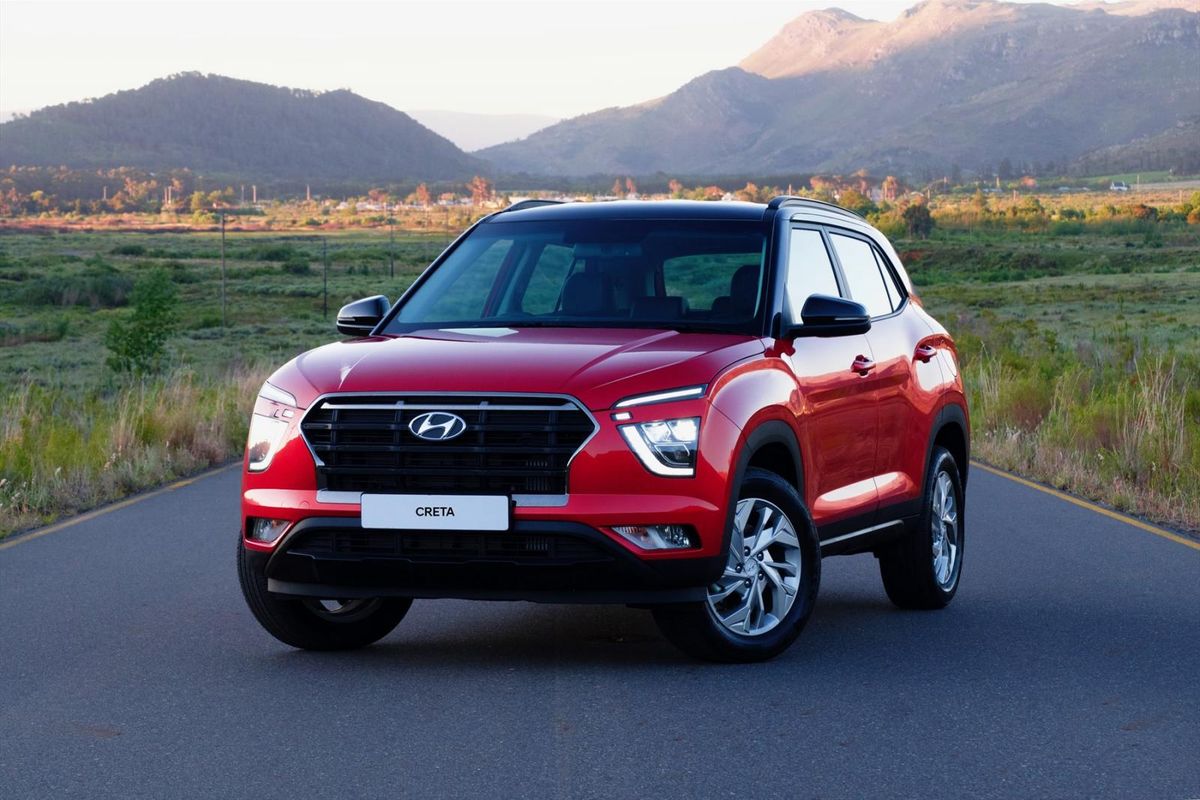
The 2nd-generation model of one of SA’s best-selling compact family cars has arrived on local shores. The first Hyundai Creta took its sweet time to be launched in Mzansi, but this one is all-new, fresh from the factory. We recently had a quick drive in the new top-spec 1.4 TGDI Executive DCT derivative?. 

What’s new

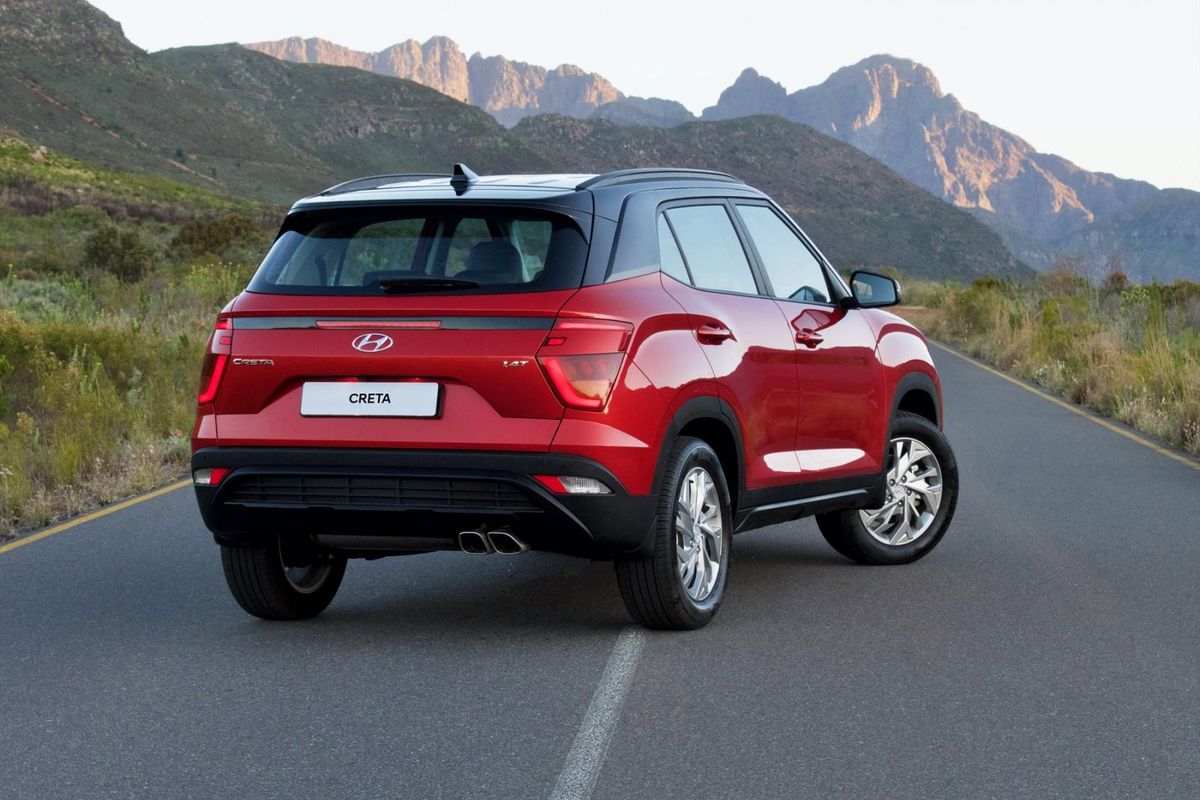
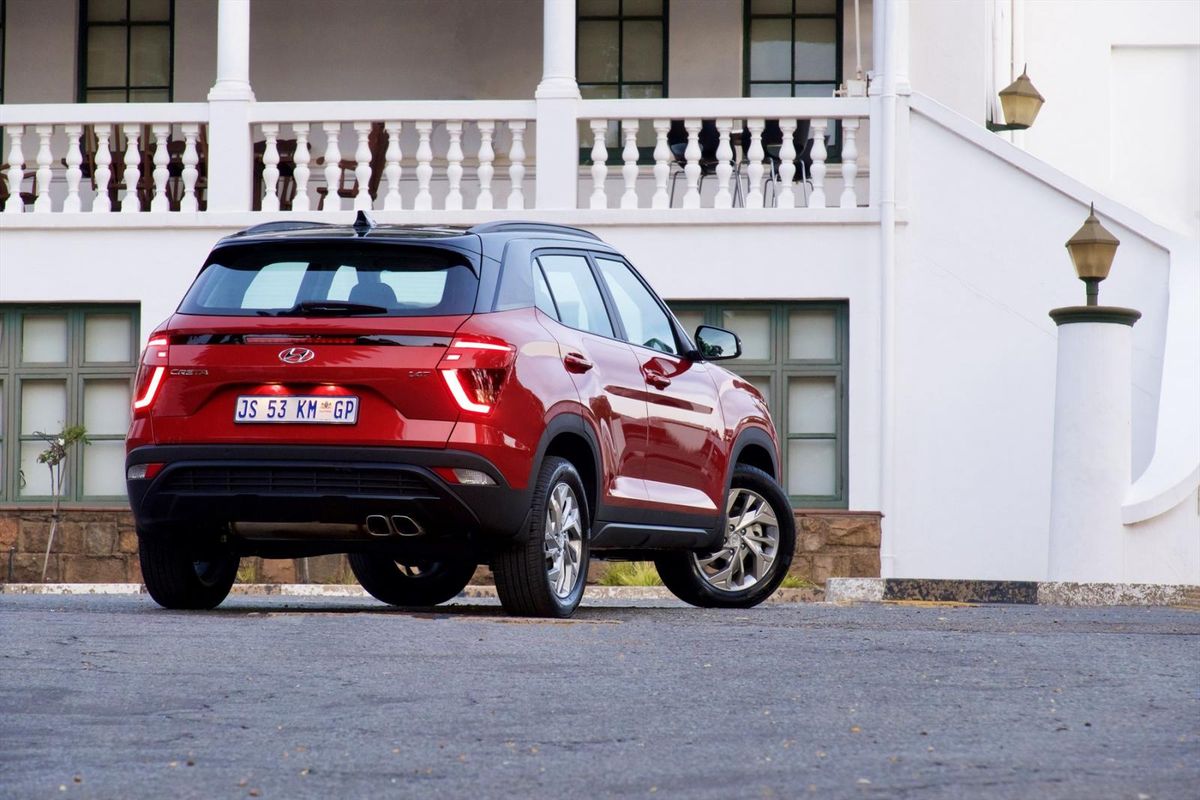
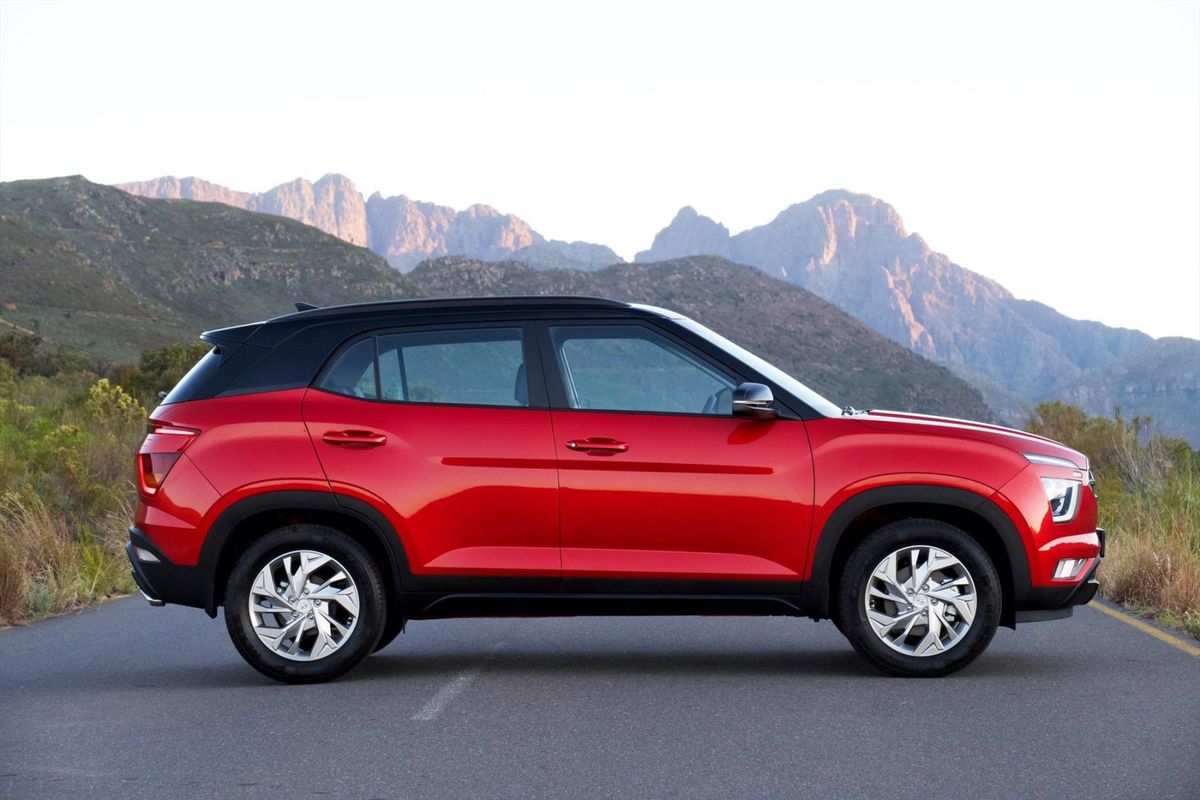
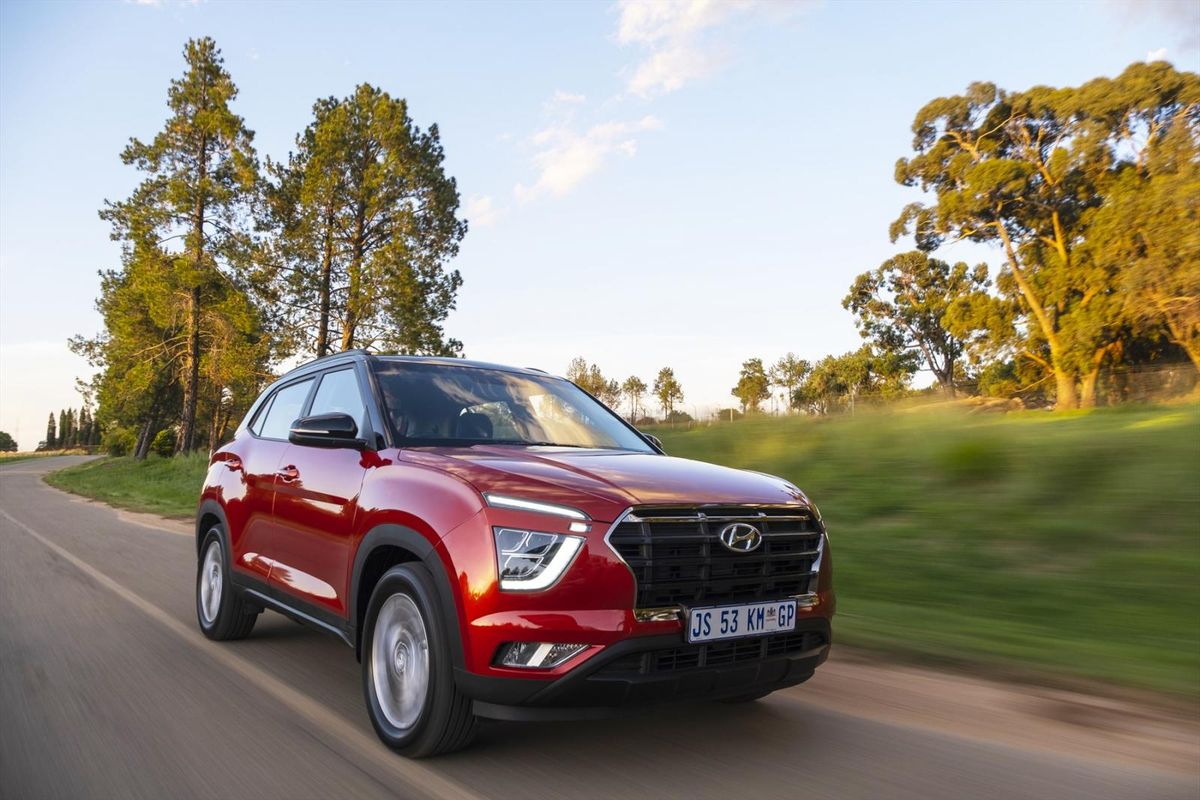
The transformation in exterior appearance from the GS- to this, the SU2-generation model is significant; the Creta's looks have evolved from plain and inoffensive to um, interesting and polarising, but quite a few other aspects of the Creta package have changed. The platform of the new model is larger than before – it's the same as the one that underpins the current Kia Seltos. Both models are produced in India, but in different factories (Creta comes from Chennai, Seltos from Bangalore), with the only differences being that the Kia is 15 mm longer and 10 mm wider than its cousin.

New engines have been included for this generation and they're paired with updated transmissions. The range features a new entry-level "Premium" derivative and more features have been added to the Executive specification, but the implementation of electronic stability control across the range is arguably the single biggest spec upgrade from the previous generation.

Engine line-up 

Hyundai's design team has used all of its styling elements on one vehicle, it seems.

Hyundai is covering all the bases with the new Creta by offering petrol, diesel, manual, auto and even something similar to a CVT, but with a different name.

The entry-level Premium is powered by a newly-developed 1.5-litre naturally aspirated engine that's said to produce 85 kW and 144 Nm of torque and is mated with a 6-speed manual gearbox. If you opt for this version in Executive spec, it comes with what Hyundai calls an IVT (intelligent variable transmission), which is a way of indicating that it has a CVT auto 'box, but without having to say so… 

The 85 kW/250 Nm 1.5-litre turbodiesel motor, meanwhile, is the same unit as was recently added to the Seltos range and is only available in conjunction with a 6-speed automatic transmission.

The final engine in the line-up is the 103 kW/242 Nm 1.4-litre turbopetrol, which is mated exclusively with a 7-speed dual-clutch transmission (DCT), again, it's the same powertrain as used in the range-topping Seltos. Compared with its previous DCT efforts, Hyundai's made a nice step forward with this 'box. It’s much smoother-shifting and less prone to making clunky kickdowns under acceleration. 

Full specs and pricing of the 2020 Creta range here

What’s it like inside? 
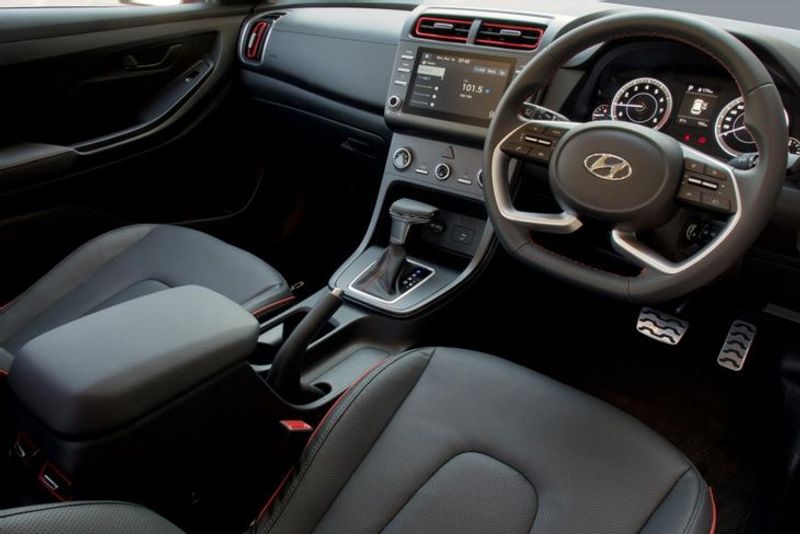

Black only interior exclusively for the 1.4 turbopetrol model.

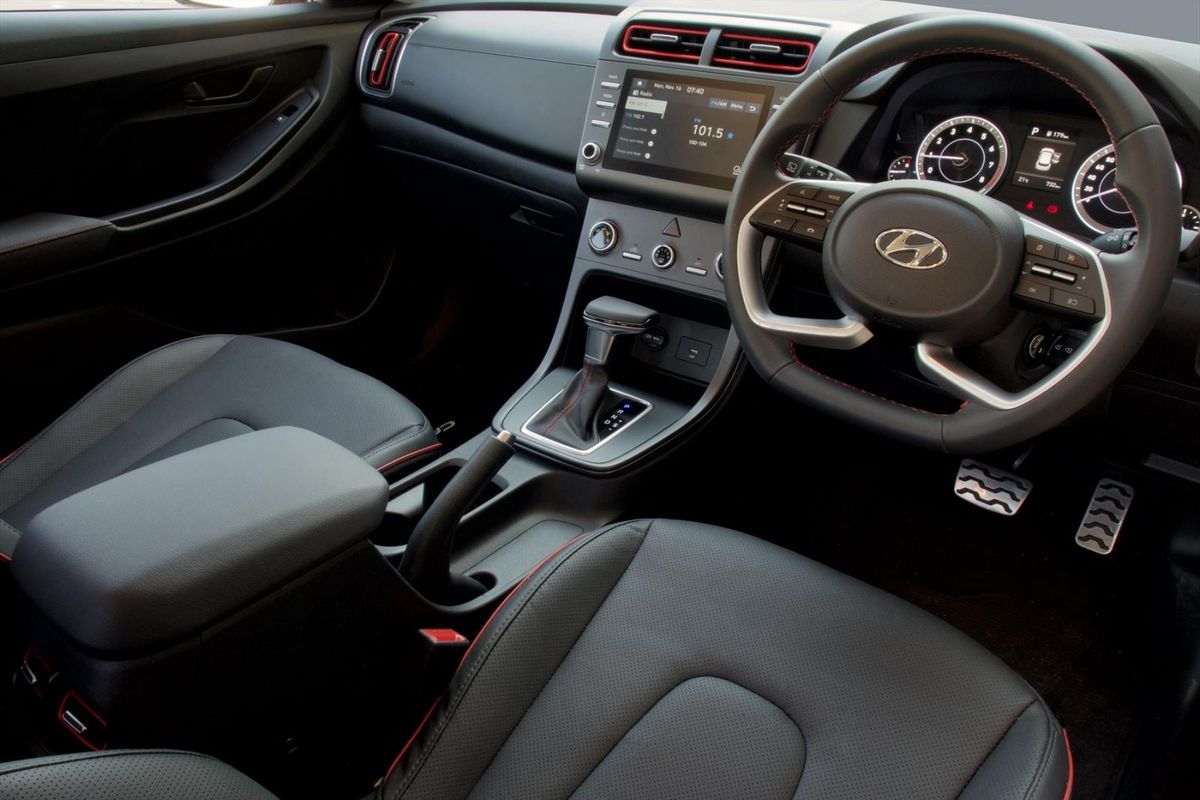
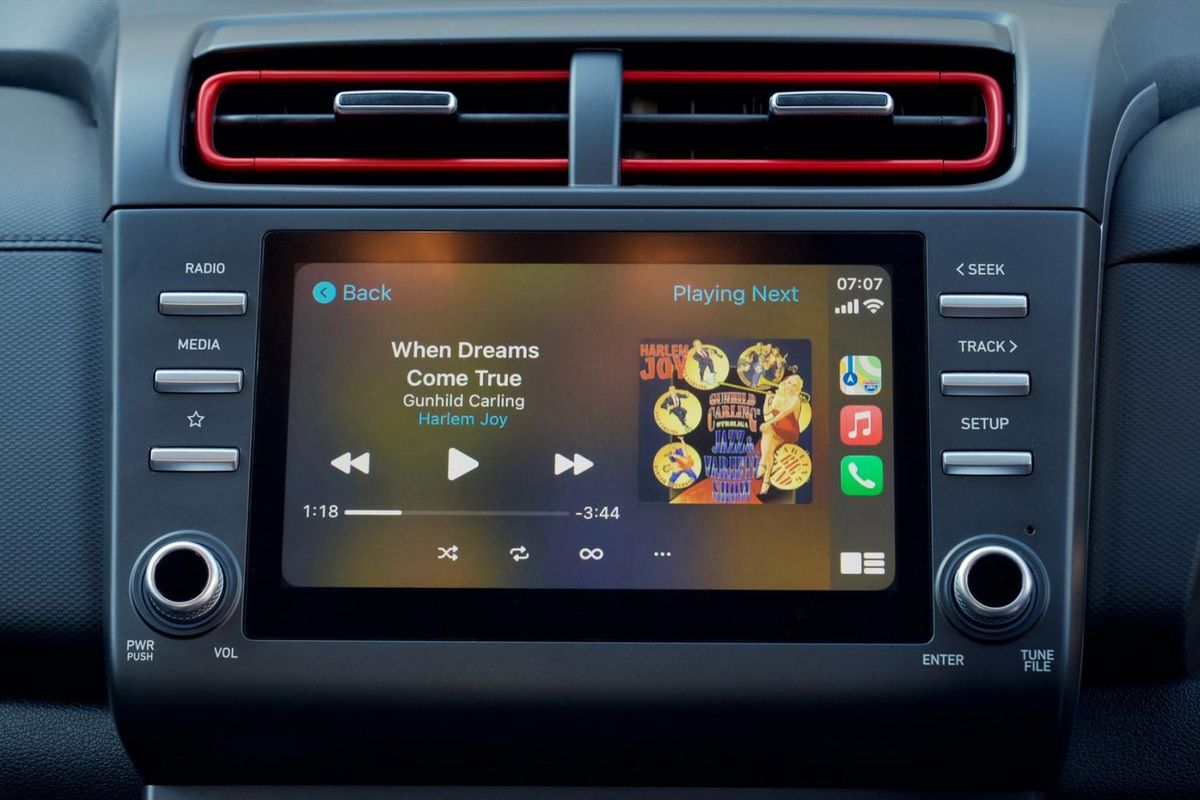
The range-topping 1.4 TGDI Executive DCT is the only derivative that features an all-black leather interior; the other versions get a grey-and0black combination of stitched hide, except for the entry-level Premium, which makes do with a grey/black cloth combo. The black leather certainly looks like it will attract fewer stains! The centre fascia marks a big departure from the previous version with an uncluttered matte black panel that houses the new infotainment system. The system handles all connectivity and audio requirements and is both Apple Carplay and Android Auto compatible. 

Interestingly, none of the Creta derivatives come with climate control (automatic aircon). They feature manual HVAC controls (temperature control-, fan speed- and ventilation direction knobs, plus a button each for recirculation and A/C). It’s a step back from the previous Creta, which is rather unusual with a generation change, but at least there is still airconditioning in some form.

The steering-wheel design features 4 spokes and I actually found the brushed satin bars below the upper spokes (with the mounted buttons) quite comfortable for the purpose of resting your hands.

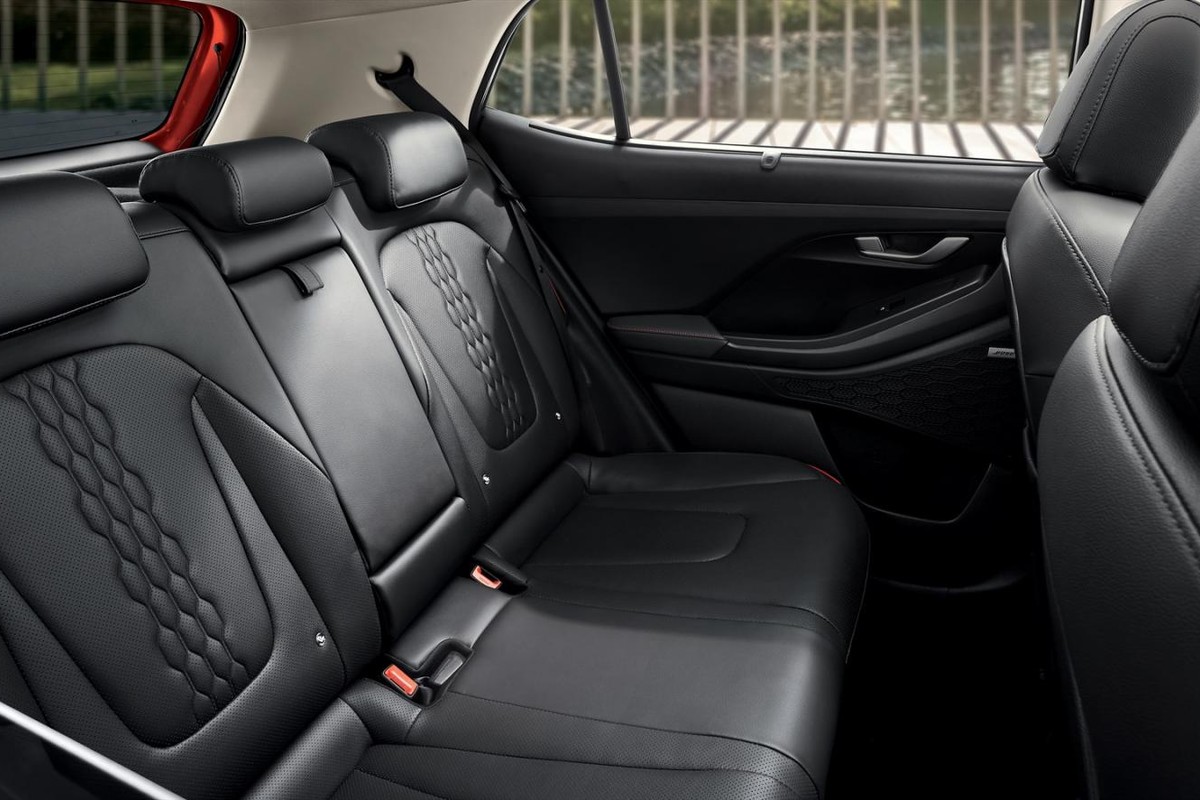
As for space, the load bay is slightly larger than before with a claimed capacity of 433 litres (old model: 402 litres). Rear passenger space is better too, largely thanks to the lengthened wheelbase.

Lastly, the rollout of electronic stability control across the range will certainly increase the Creta's appeal to safety-conscious buyers, because the previous model’s lack of that feature was a glaring omission in spec-for-spec comparisons between the Hyundai and its rivals. A couple of airbags is standard in the Premium, while Executive versions feature 6 airbags (dual front, side- and curtain).

What's it like to drive?
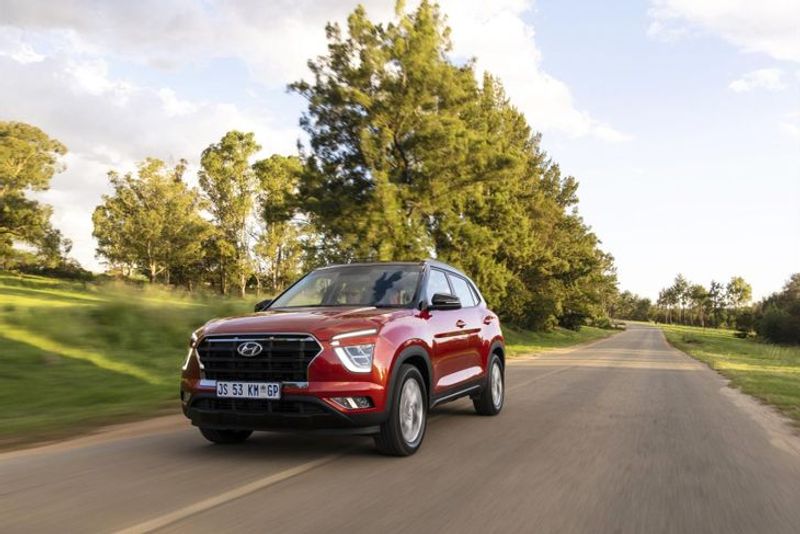

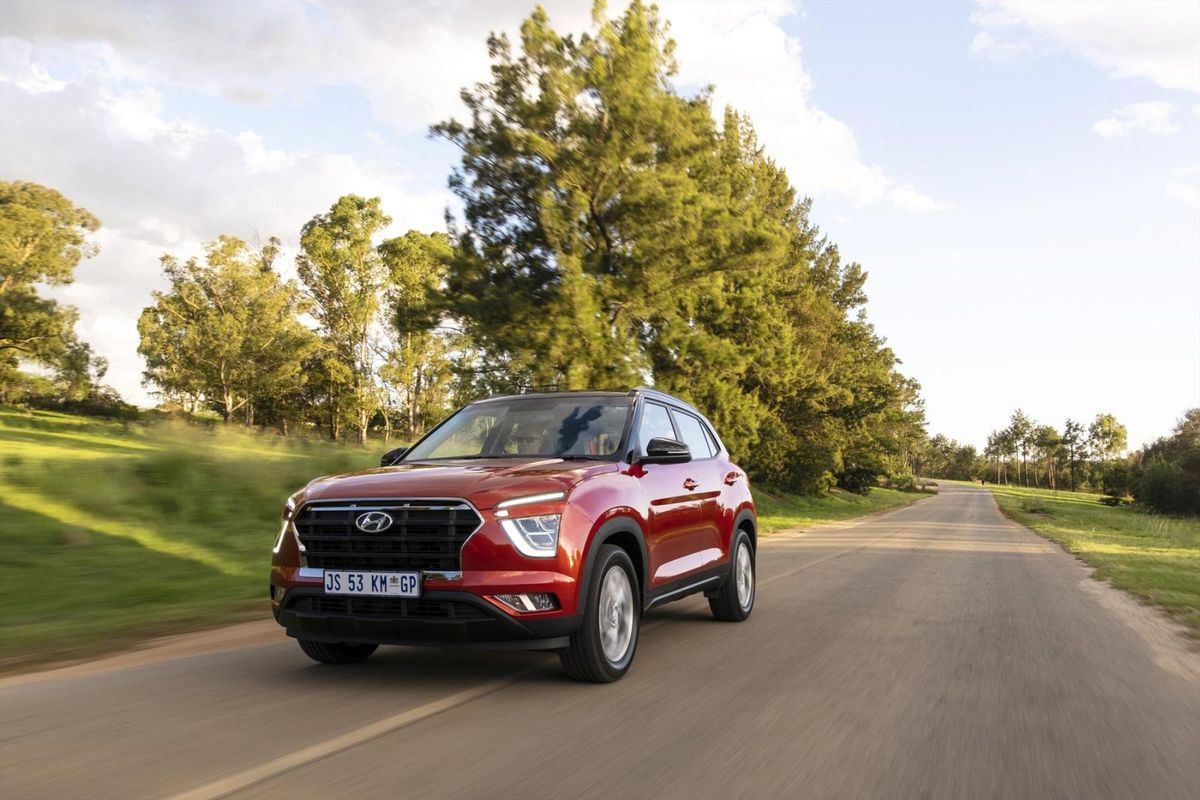
Nicely planted on- and off-road, which is a major improvement over the previous generation.

During an extended drive on a stretch of gravel on the Van der Stel Pass, the top-of-the-range Creta demonstrated that it offers good damping on mixed surfaces. Along the 17-km dirt road, the newcomer felt planted and offered a reasonably pliant ride quality, allied with an admirable level of sound insulation in the cabin.

On tar roads, it didn’t display erratic handling traits and remained poised, with little intrusion from wind or engine noise at freeway speeds. This is a much more resolved car than its predecessor, which didn’t like quick changes of direction (it leant excessively and even lost traction sometimes); the improved road holding and even feel through the weighty steering instantly instils driver confidence.

Summary
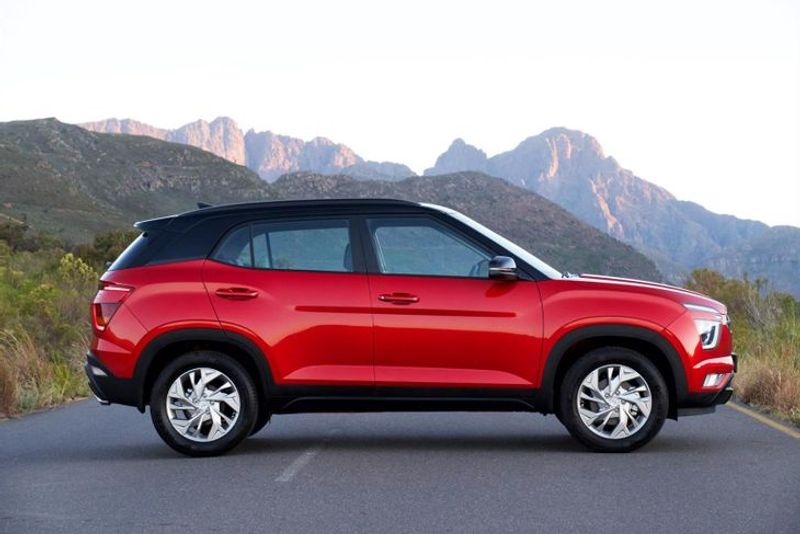

Perhaps the side profile will be considered its best side?

The Creta has been a big seller ever since it landed in South Africa in 2017, especially because it's a bit larger than most compact family cars. It’s less clear if this new model will do the same; it’s by far a better product with more space, more refinement, quieter engines and better road manners, but its design is less palatable than before. Pricing is in line with its competitors and Hyundai’s warranty is always a plus in the decision-making process, but considering how similar it is to the Kia Seltos, both in price and platform, some buyers may be drawn to the slightly less "interesting" design of the Kia. 

Related content:

Hyundai Creta (2020) Specs & Price
Hyundai Creta 7-Seater On The Way

Kia Seltos (2020) Review

Opel launch new lightning bolt

Less yellow with a slimmer ring, that's the gist of Opel's new badge. 

There has been an enormous rebranding of most car company logos over the last two years.

As brands attempt to become more relevant in the digital marketing space, the realisation has been that 3D logos don’t work. They might look great in the middle of a traditional grille, but on a flatter surface, the appearance can be odd.

With companies committing to electric vehicle fleets in future, the conventional black grille, with cooling grids or slats, will disappear. It will be replaced by a solid front panel, upon which a 2D grille looks much better.

The latest car company to adopt a new logo, heralding its transition from a 3D- to 2D corporate identity, is Opel. Now under the ownership of PSA, the German-engineered brand has flattened its ‘blitz’ logo and selected a new font.

According to Opel the company’s logo has been minimalised. The kink in Opel’s ‘blitz’ is not much thinner, but the ring that surrounds it is narrower in profile – but not diameter.

Graphic designers at the Russelsheim company have not only changed the logo that will sit at the front and rear of its vehicles, but also its backing colour and font.

For decades Opel has been synonymous with a deep yellow corporate colour. That now changes to a lighter neon yellow. This colour has been sourced from the same palette that supplied yellow detailing to the Opel GT X Experimental concept car, which eventually matured into the Mokka.

The last aspect of Opel’s new corporate identity is the font, which is more angular. The company name also no longer appears on the logo ring.

Opel has confirmed that its Mokka and updated Crossland will be the first models to feature this new logo, due for rollout by mid-2021.

Related content

Opel Crossland X Gets Makeover

Opel has two new 4x4s

Ciro finally drives the Cars.co.za Opel Superboss

BMW M2 CS (2020) Launch Review

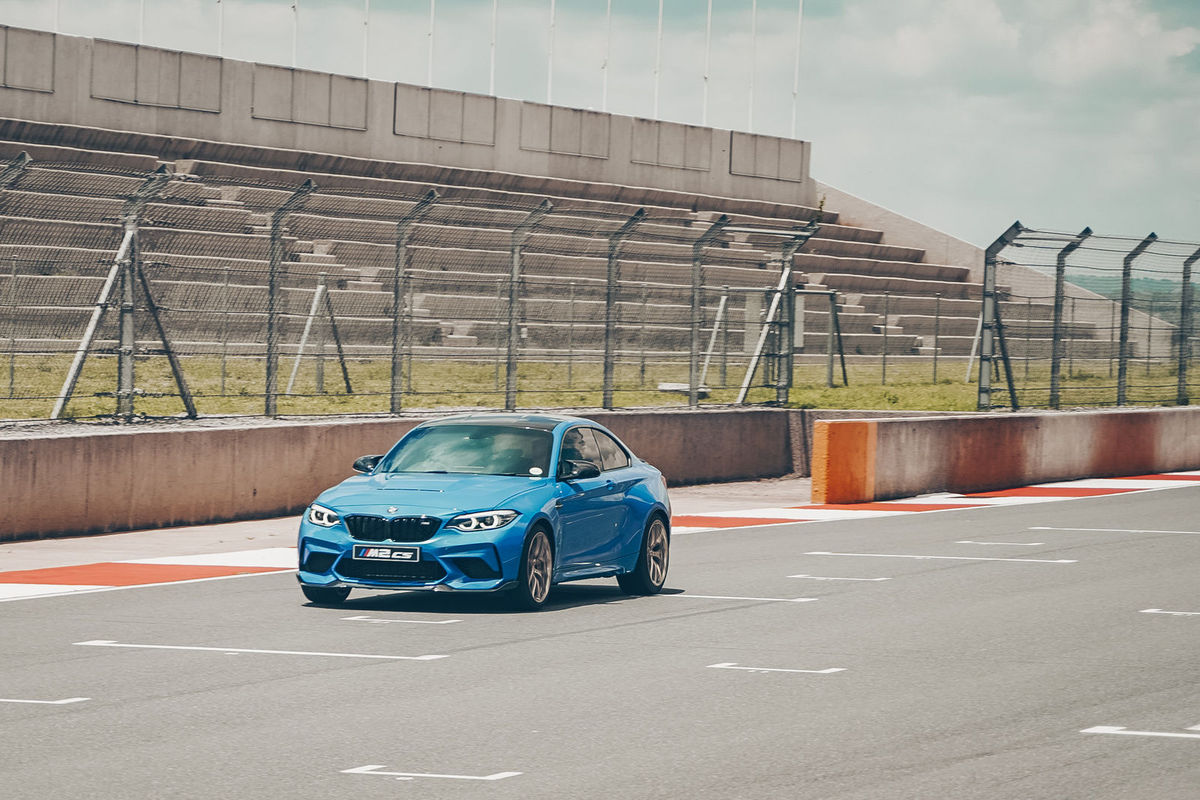
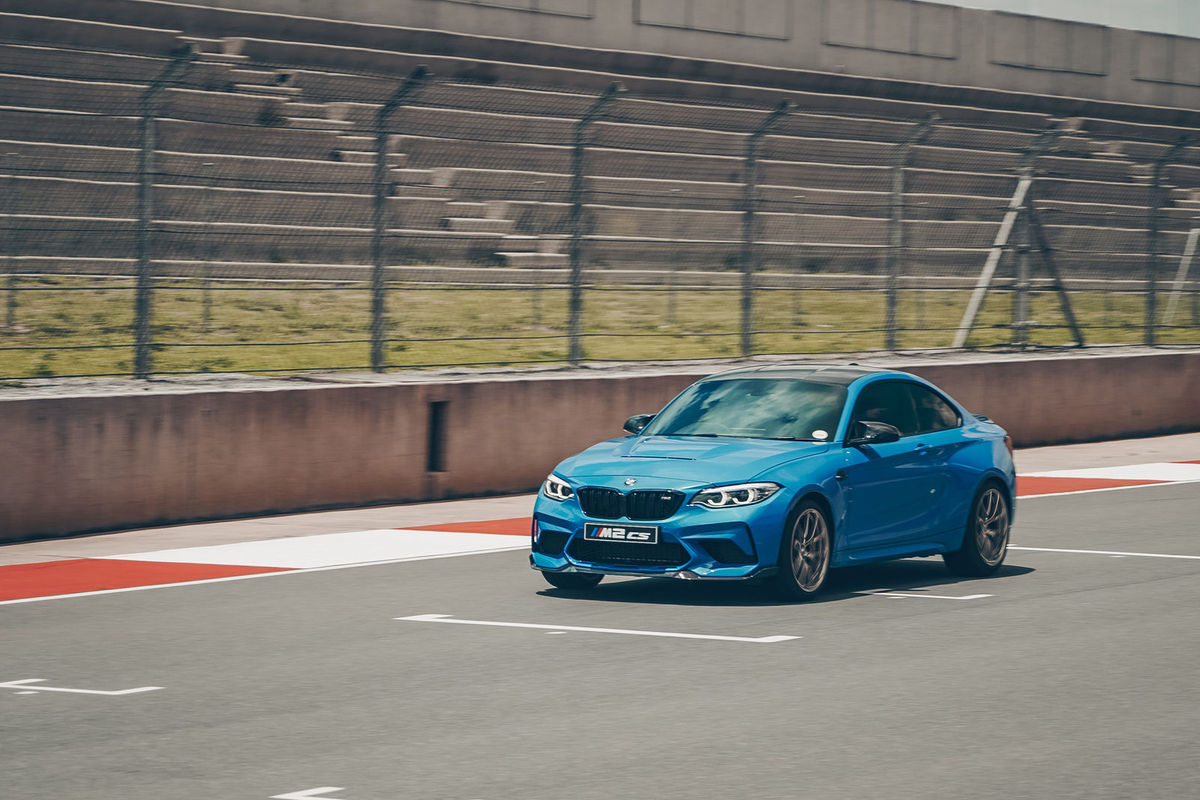
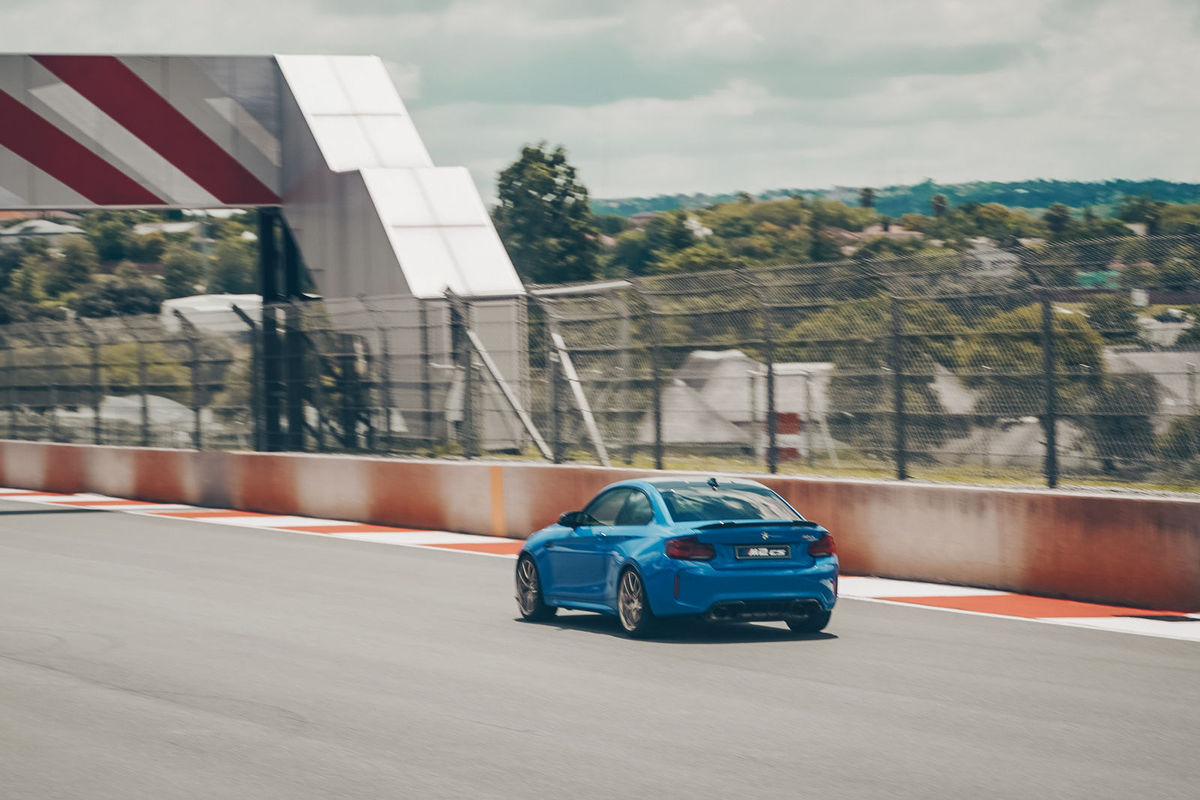
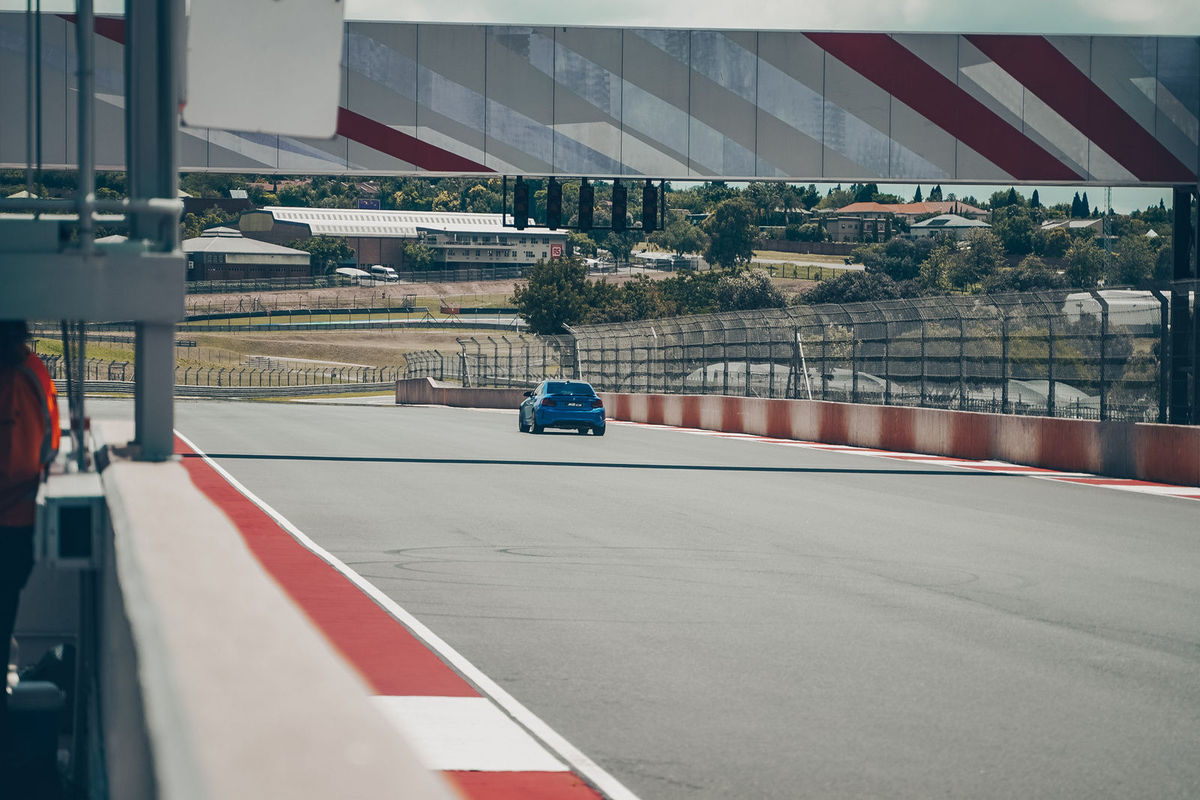
Calvin Fisher has a long history with hot 2 Series BMWs. This one is the hottest of the lot, the 331 kW/550 Nm BMW M2 CS (Clubsport), which was launched at Kyalami Race Circuit. We wished him good luck. 

Meet the BMW M2 CS, a track-oriented M car if there ever was one. Years ago, I was one of the fortunate few to try out the original M240i at the Las Vegas Speedway and then, about 12 months thereafter, I returned to the 'States to try out the (then) new BMW M2, which had its first outing at the legendary Laguna Seca Raceway.

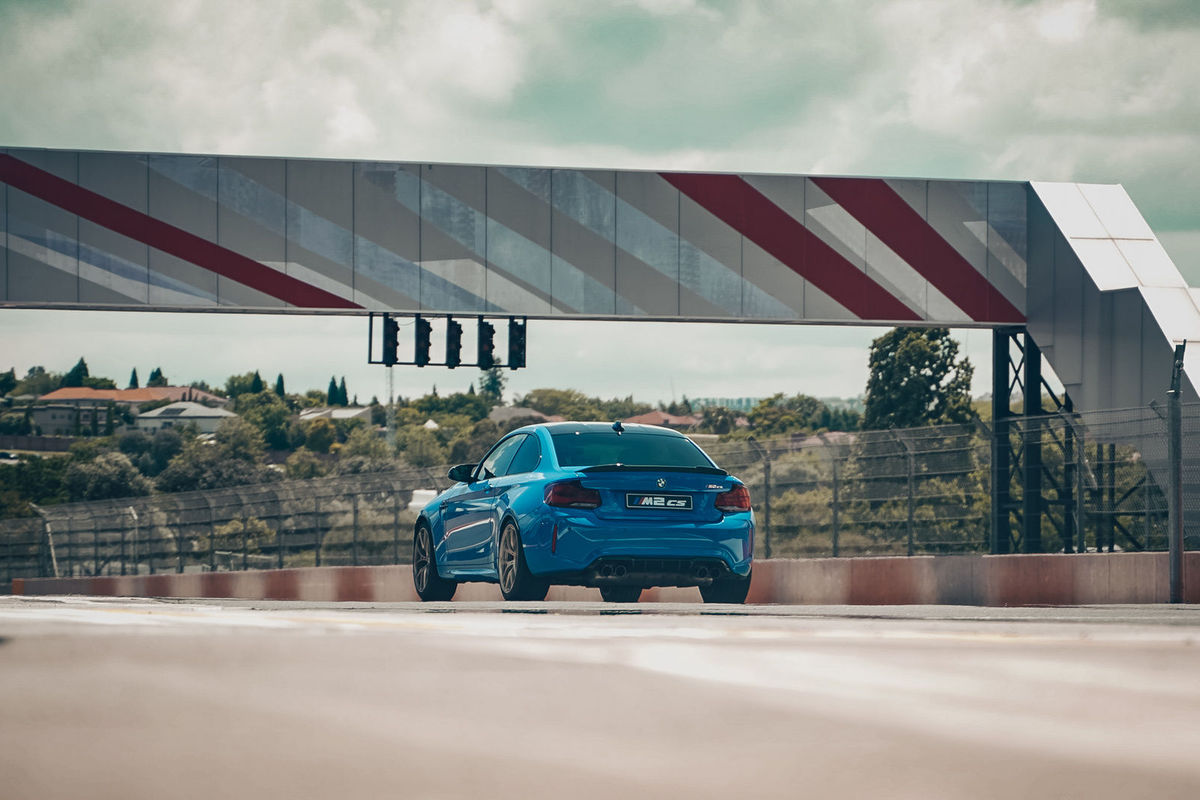
But today, Kyalami – an equally winding circuit with a comparable amount of elevation change to the famed Californian circuit – would host my eagerly anticipated meeting with the ultimate version of the F87-generation 2 Series: the BMW M2 CS, with its thumping 3.0-litre inline-6. Under its carbon fibre bonnet lurks 331 kW (peaking at a lofty 6 250 rpm) and 550 Nm of torque. That’s approximately 10% more powerful than the already sublime M2 Competition model. But, as I was about to discover, and you’ll encounter in the following paragraphs, power isn’t all that’s been improved.

Very limited


Just 30 units have been made available to SA with the first 20 being auctioned off to the highest bidders.

But first, let’s talk exclusivity. Yes, the M2 CS is a limited-edition model, BMW’s 1st low-volume compact model since the 1M Coupe. And while 2 200 units will be produced, Mzansi will get only 30 of those. By the time you read this, the first 20 had been auctioned off for around the sticker price. That’s right, twenty R1.65-million cars (depending on options) were snapped up instantly. If you want to get your hands on one of the last ones, you better call in a few favours or find a dealer who's got an allocated unit to sell you (alternatively, you may have to buy a speculator's car at an inflated price).

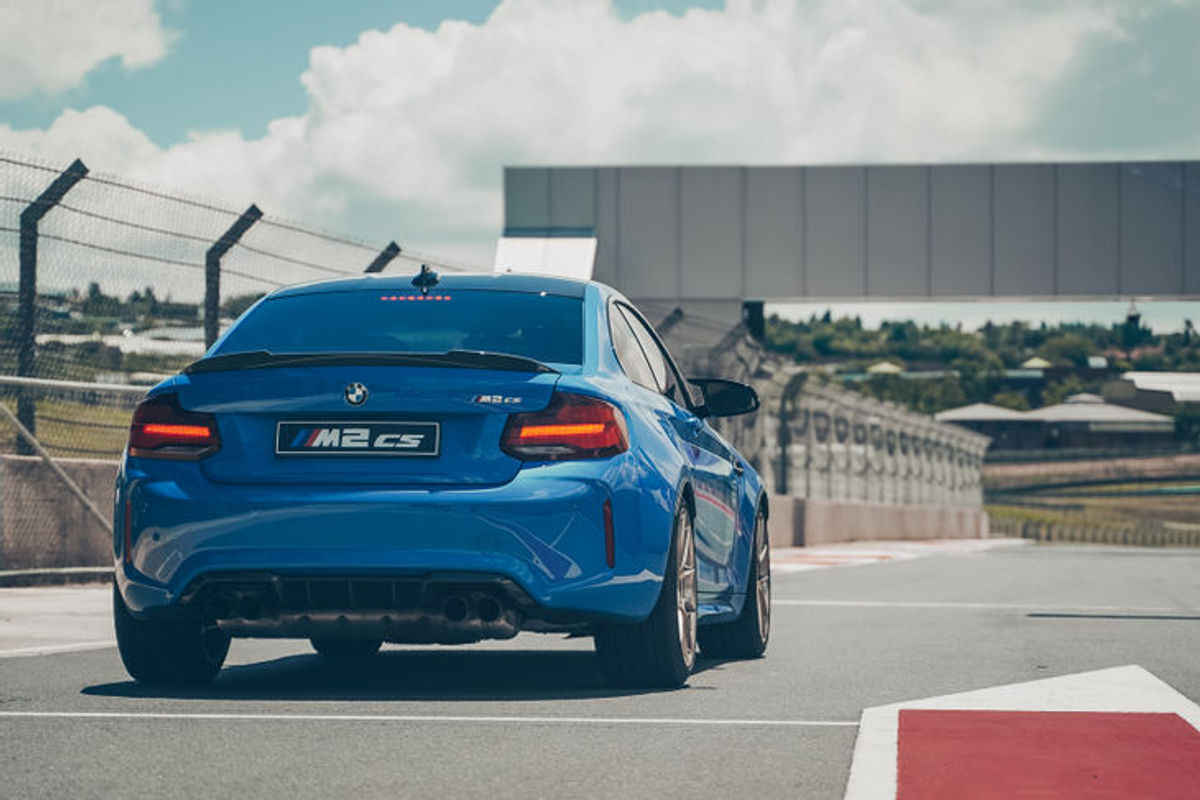
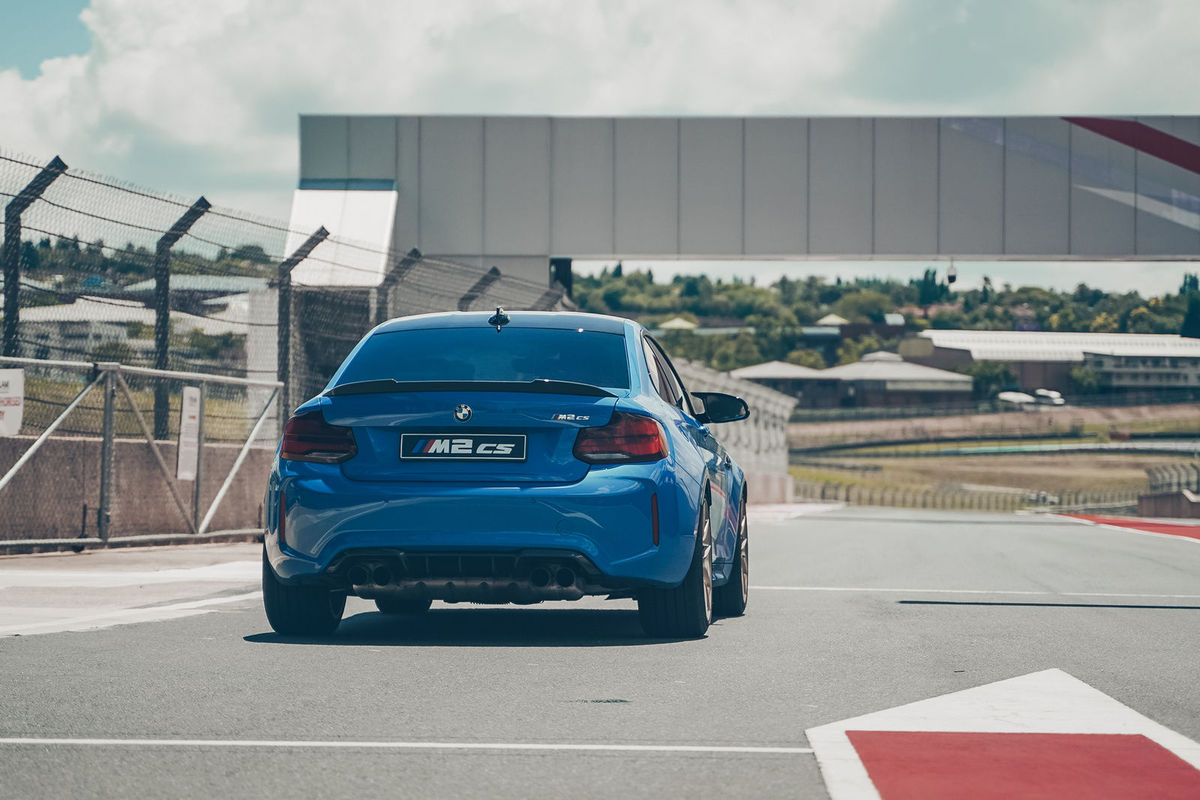
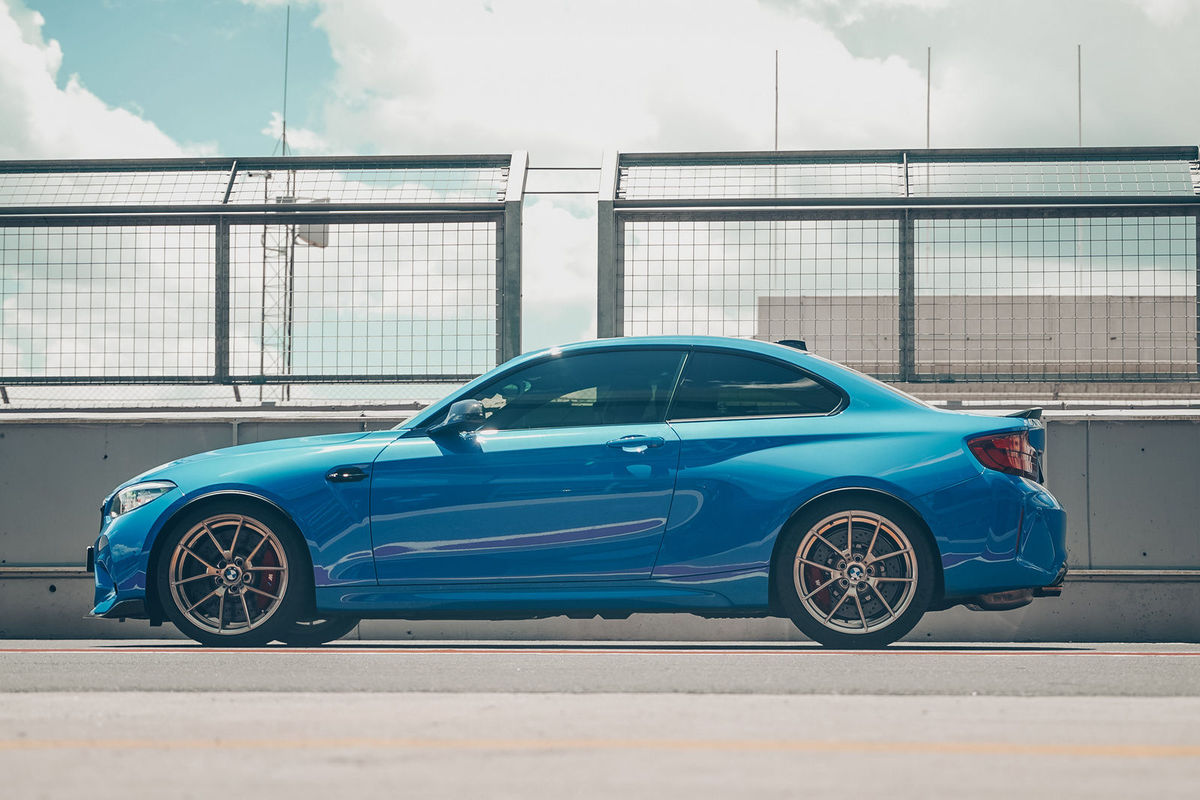
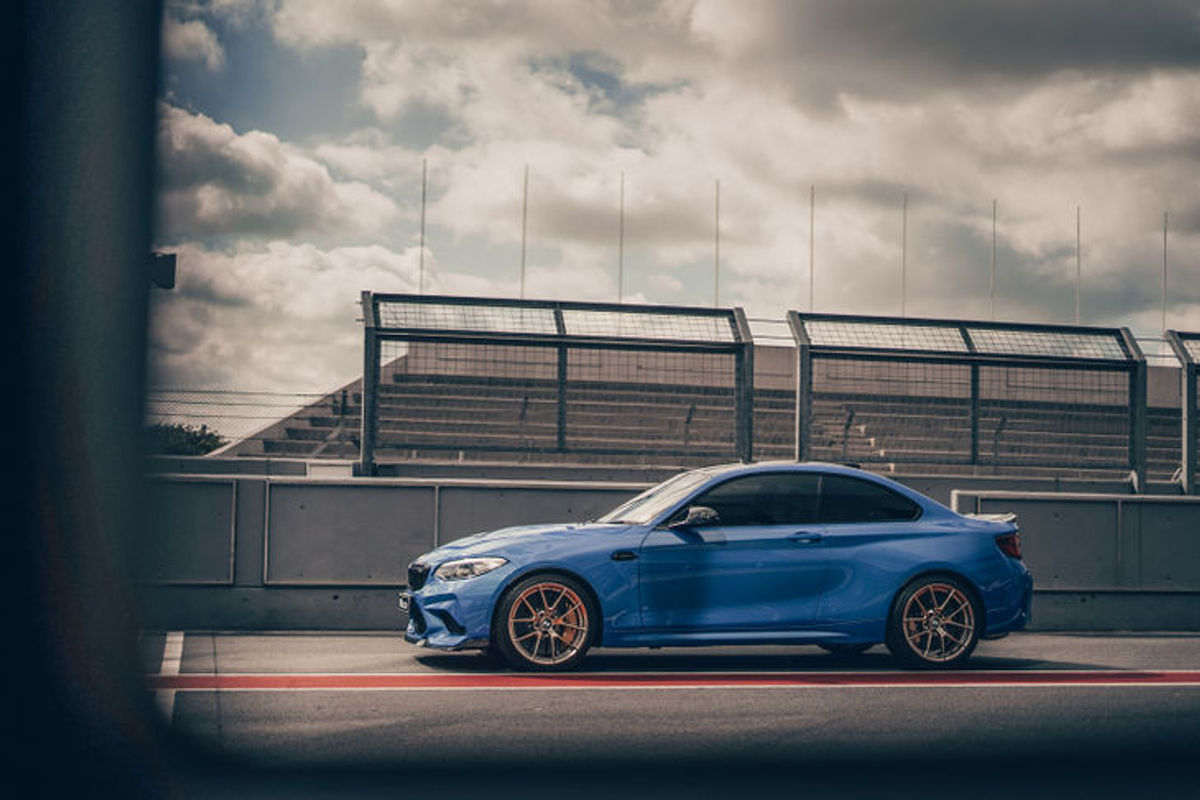
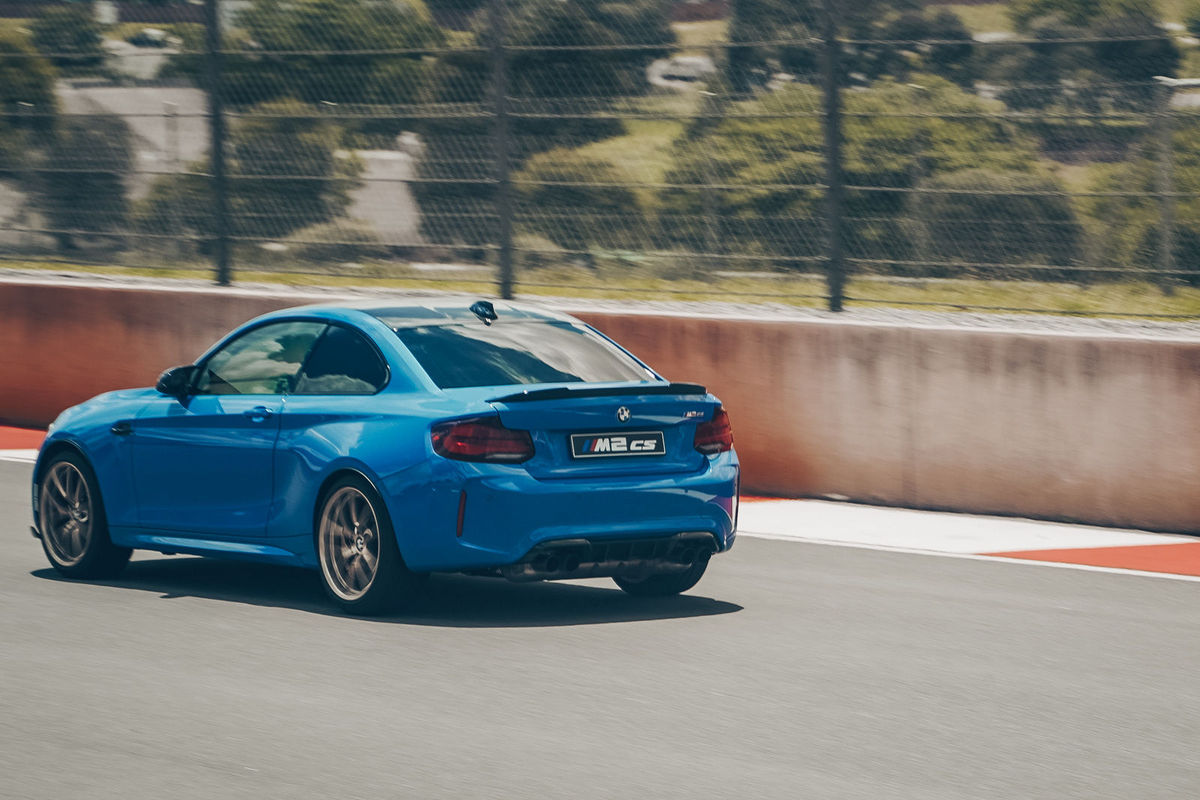
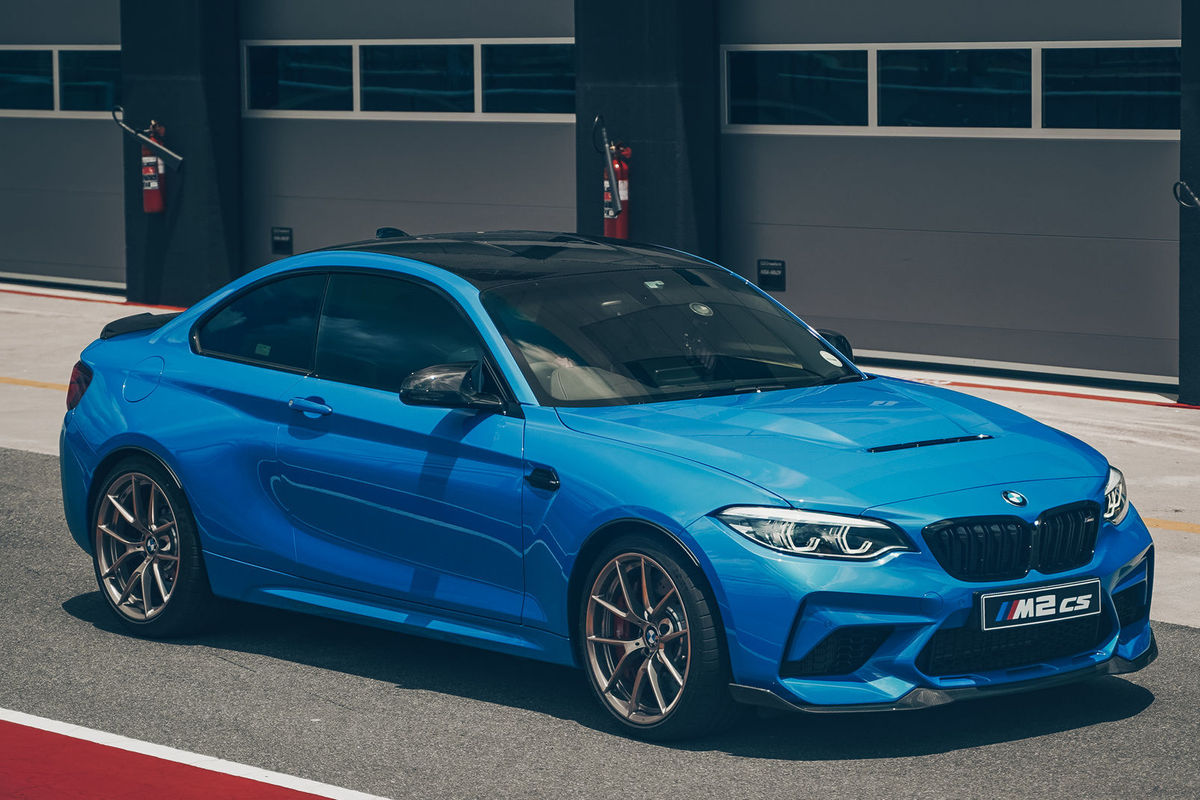
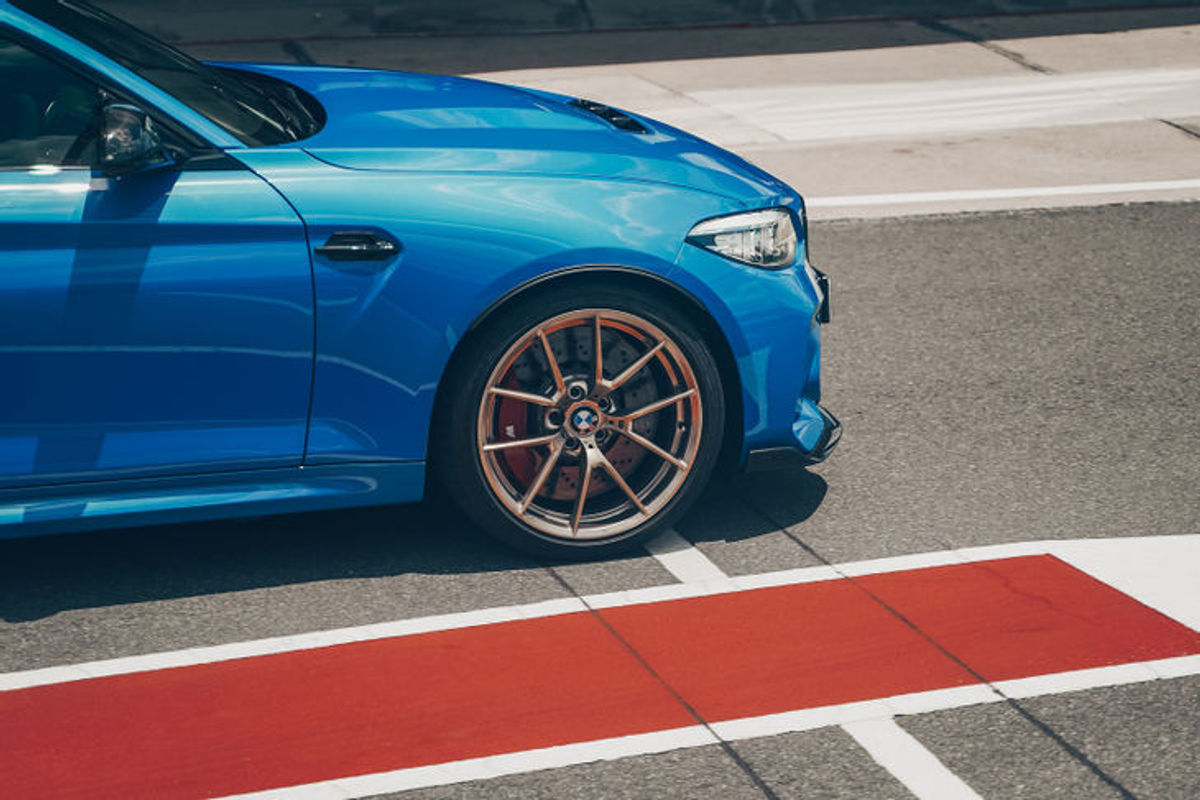
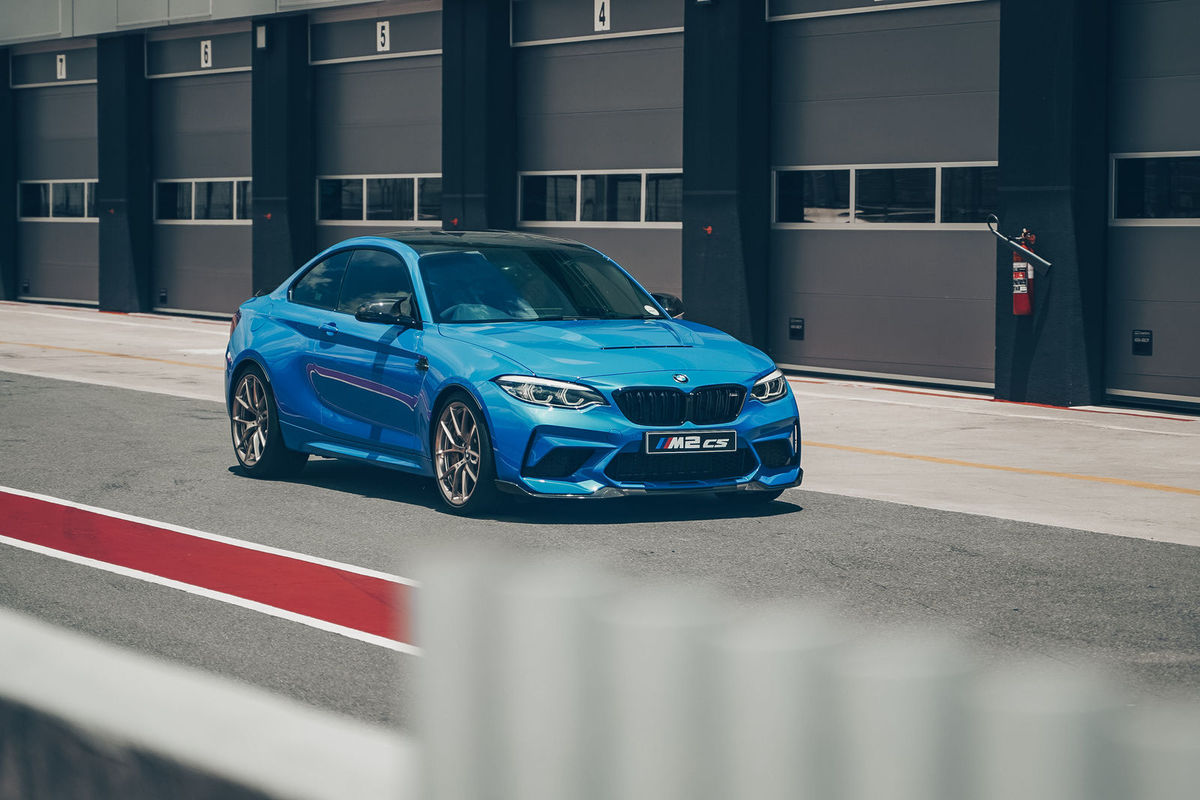
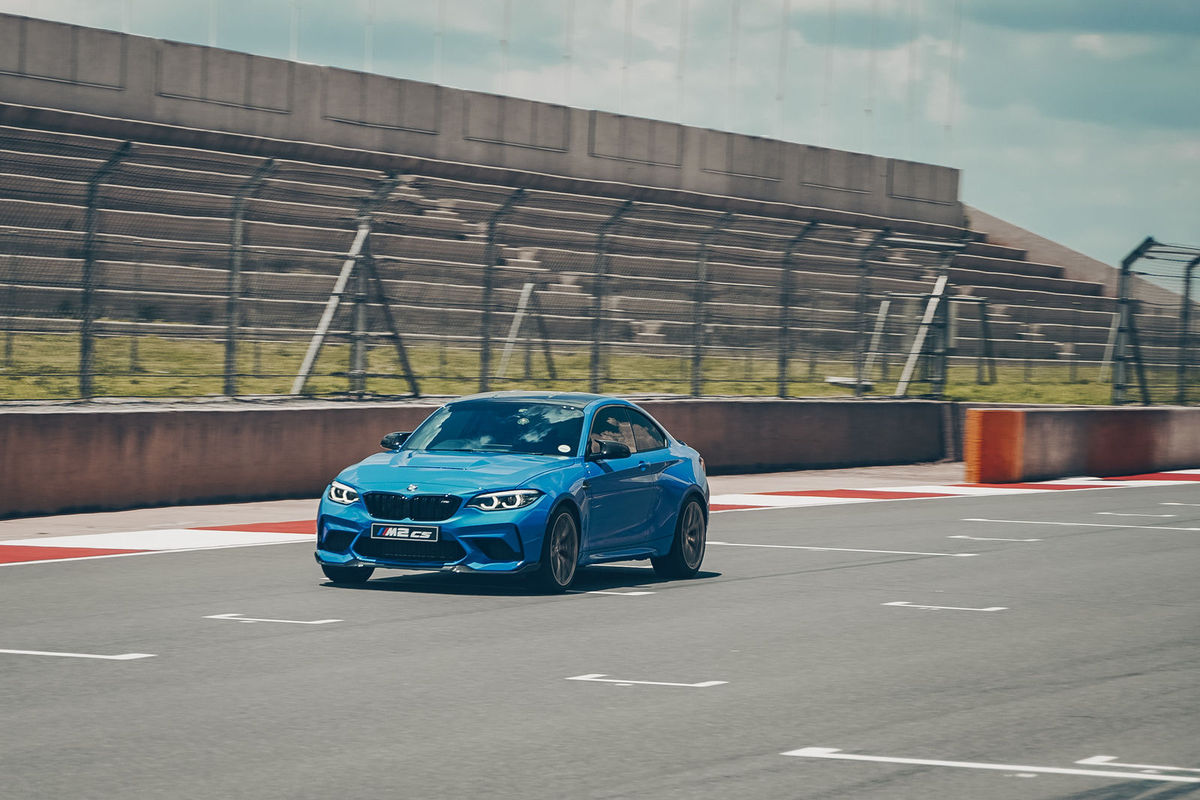
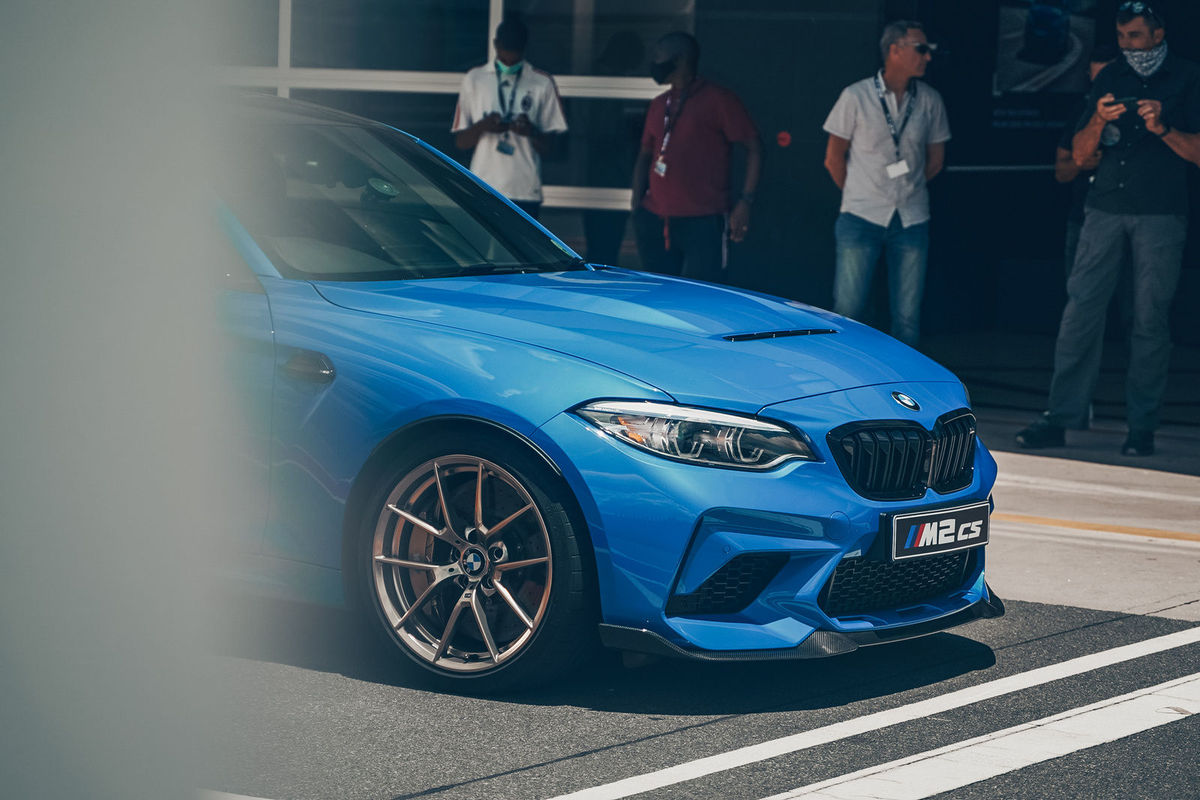
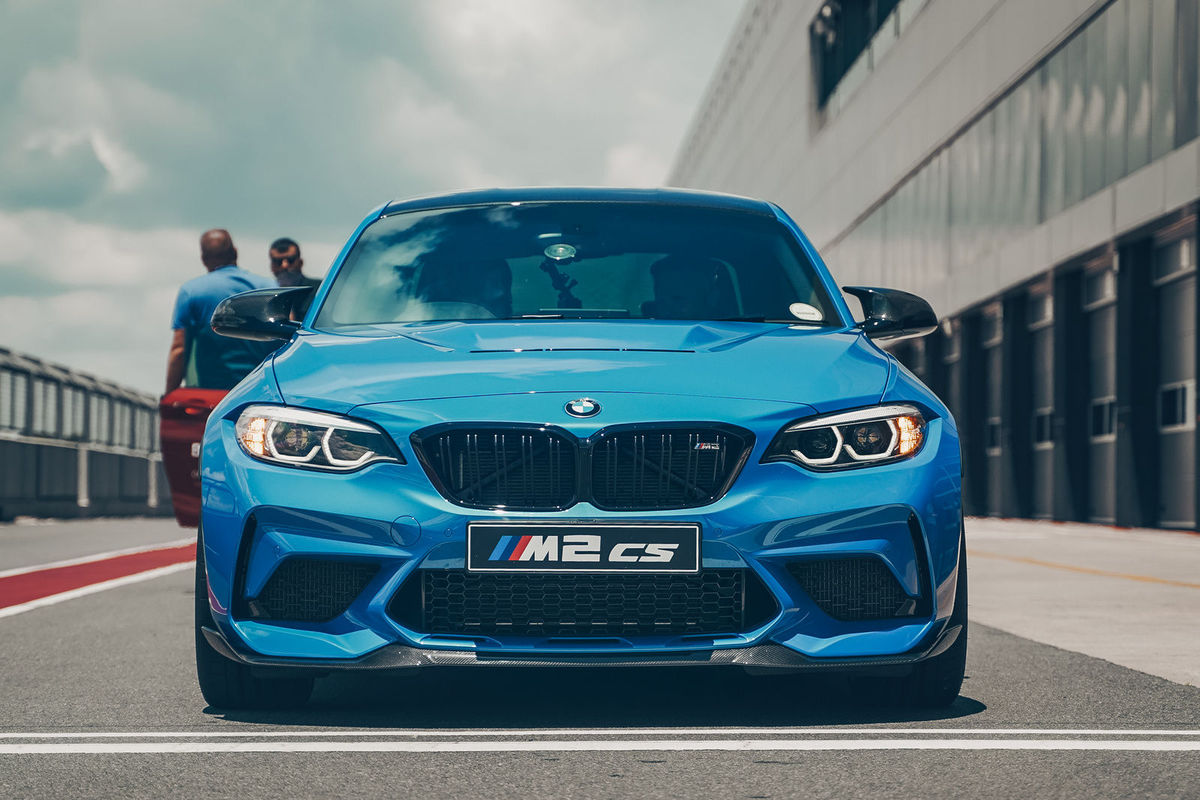
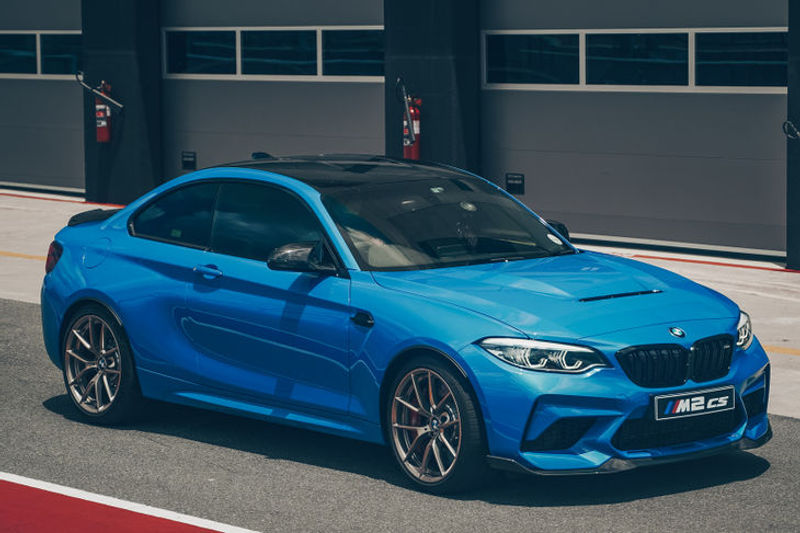
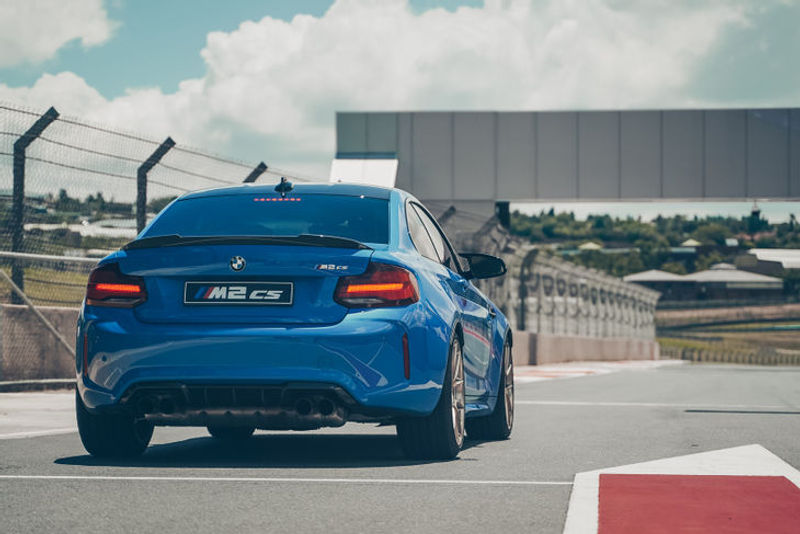
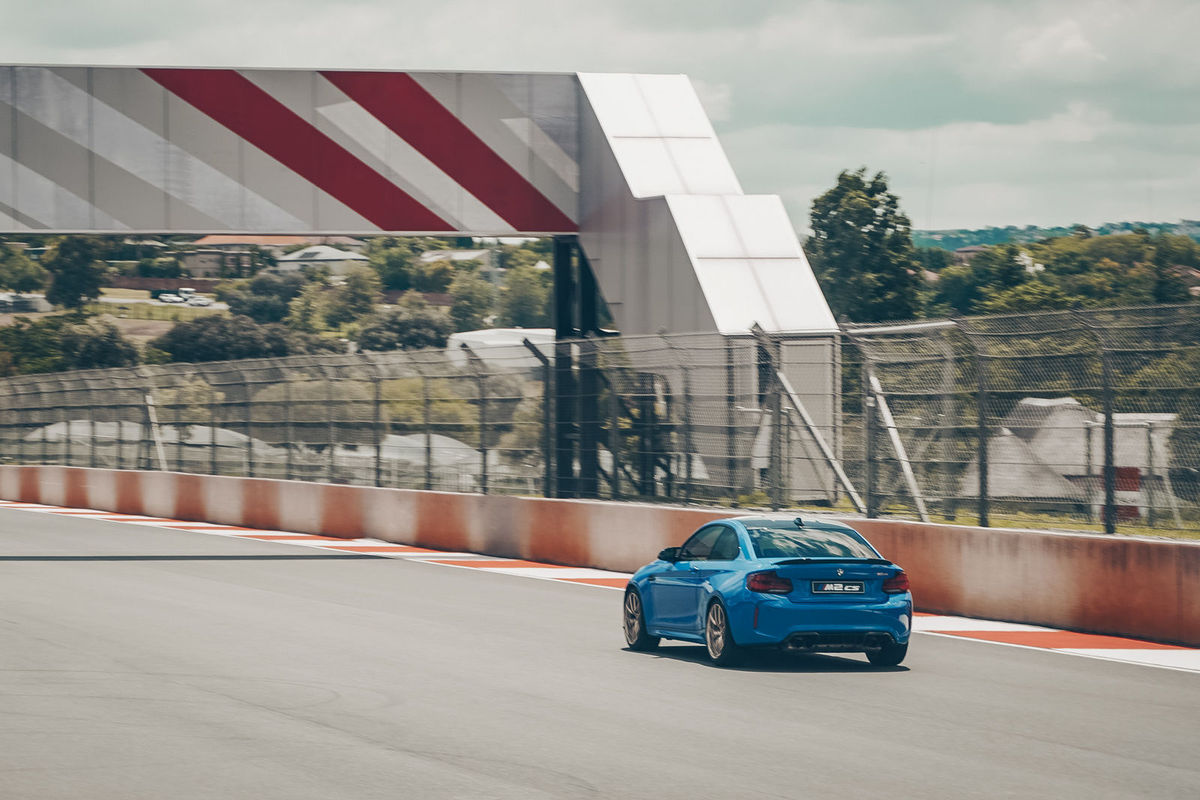
And did I say track-biased? Well, yes, but don’t think of actually taking this rare machine to one, because if you do, you'll incur the wrath of the gods of Motorplan. Instead, we must dust off that old cliche aka, it’s "a racecar for the road". It's quick as greased hell, yet comfortable enough to live with and then there’s the fact that unlike its Porsche Cayman GT4 rival, the M2 CS still has rear seats. It’s also rather handsome, if you enjoy aggressive aero, muscular body panels and blistered wheel arches. I certainly do. My steed, in particular, was a sight to behold, resplendent in Misano Blue with the optional matte gold alloy wheels at each corner, shod with Pilot Sport 2 rubber. Gripping stuff. The standard-issue wheel is an equally attractive 19-inch Y-Spoke rim. Either or, really.

About that carbon fibre, well it’s just bloody everywhere. That aforementioned vented carbon fibre bonnet is 50% lighter than the one on the M2 Competiton. The mirror caps and roof are also made of that magical dark-weave material, ditto the front splitter. As a result, overall weight has been shaved and that will affect the responsiveness of what was already an accomplished performance chassis – one that further benefits from the adaptive M suspension for supreme handling.

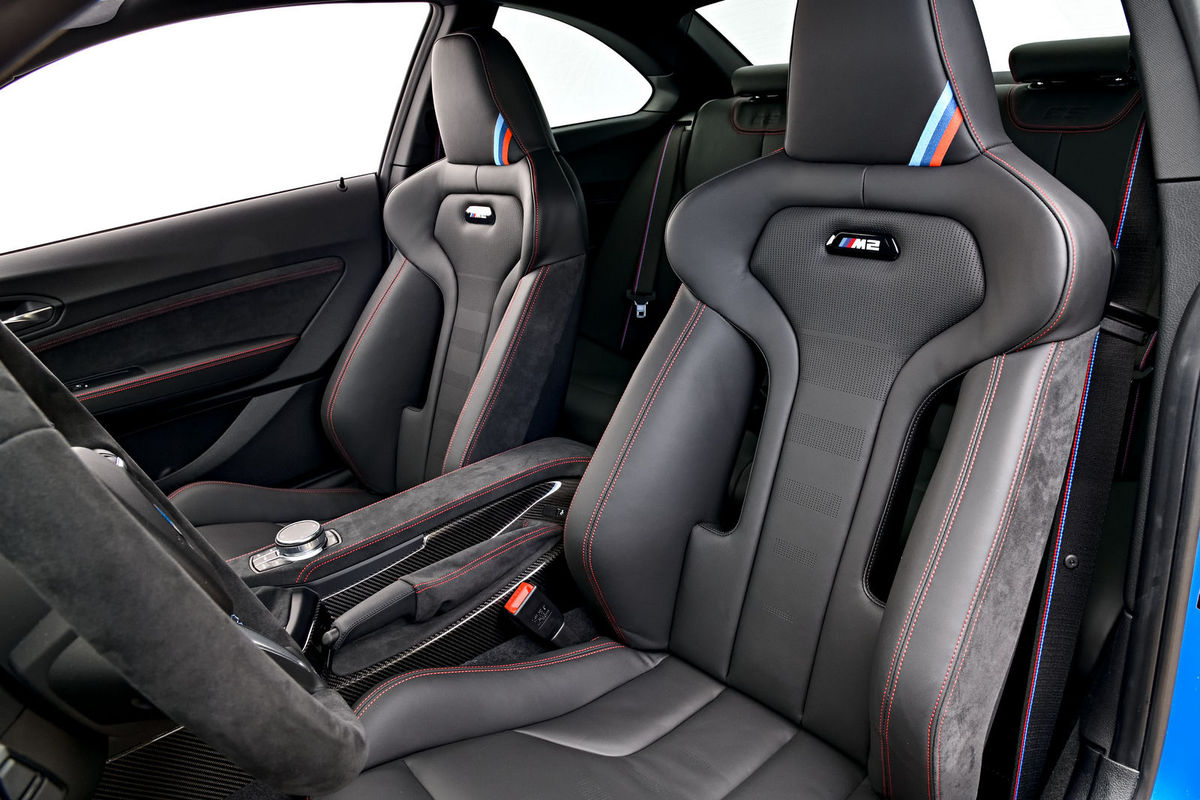
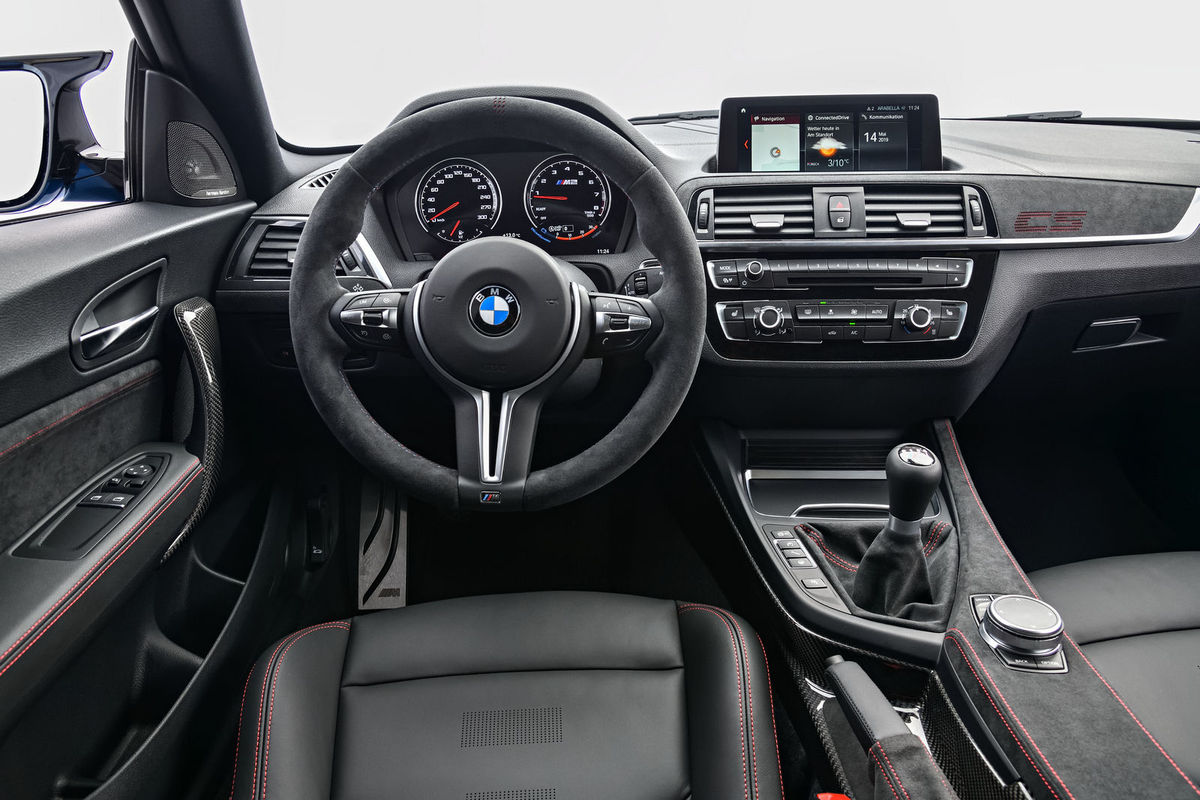
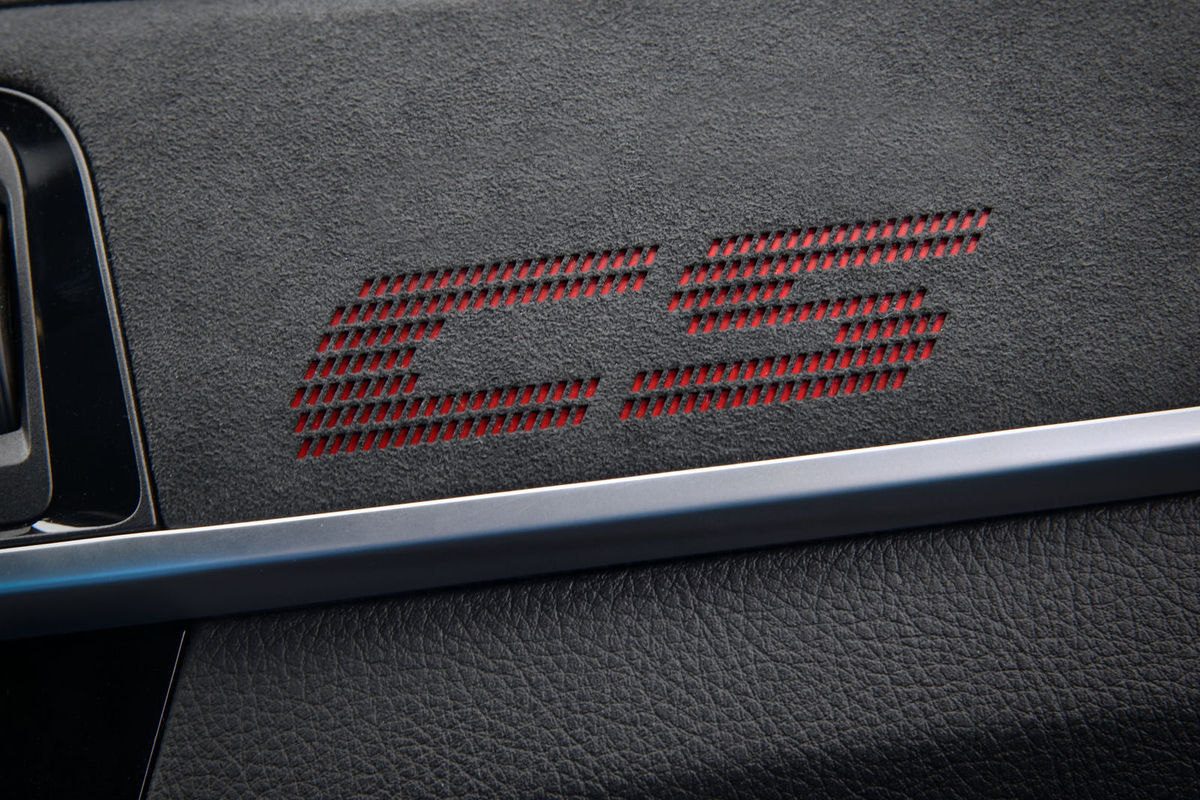
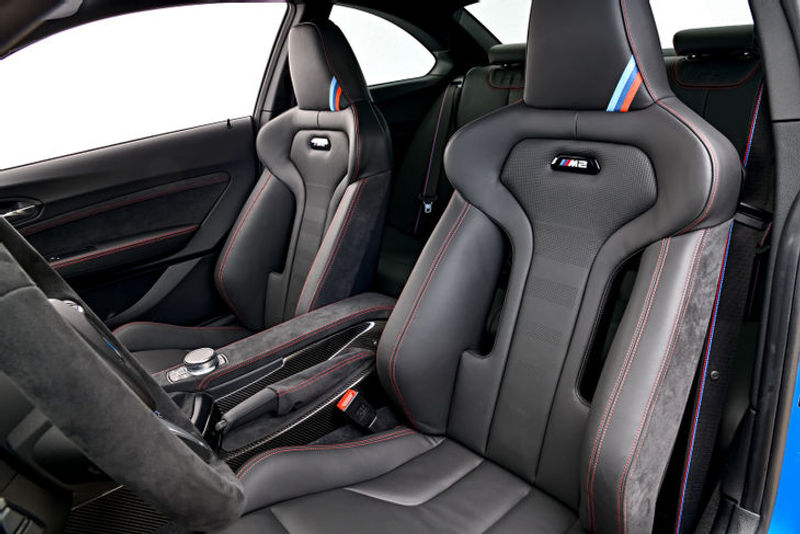
But to appreciate that, one must climb inside. Drop a cheek into the leather and Alcantara M Sports pew and you’ll encounter yet more carbon fibre. You’ll also get to grips with an M Sports 'wheel (of which the rim can be trimmed in Alcantara) available with or without paddle shifters depending on your choice between a 6-speed manual or 7-speed M double-clutch auto 'box. The centre console is lashed with carbon and the cabin's littered with fine details such as M2 CS door sills and badges, plus fire-red stitching – the tinsel of motorsport, or exactly what you want in your special-edition M car.

And since I’ve just mentioned littering, now’s a good time to decide where you’ll put your phone, wallet and keys since the M2 doesn’t come with a cubbyhole. Instead, it comes with a 0-to-100 kph sprint time of just 4.0 sec, which is, well, wonderful. It also means that you’ll find your previously mentioned items "somewhere in the back". Top speed is rated at 280 kph, which is enough in anyone’s books.


Lightweight leather and Alcantara sports seats are standard, as is carbon fibre in as many places as you can fit it.

To reign in all that shunt and grunt, BMW has fitted highly capable M Sport brakes matched with red calipers. Ours has the optional carbon-ceramic brakes for greater stopping power and another weight saving (in unsprung mass), this time a further 23 kg. The driver will have the usual M Dynamic modes and profiles to switch between ala Comfort, Sport and Sport Plus, the latter really leaning into the Active M differential’s abilities. This helps appreciably in what is ultimately a high powered, torquey rear-wheel-drive sportscar with a smallish footprint.

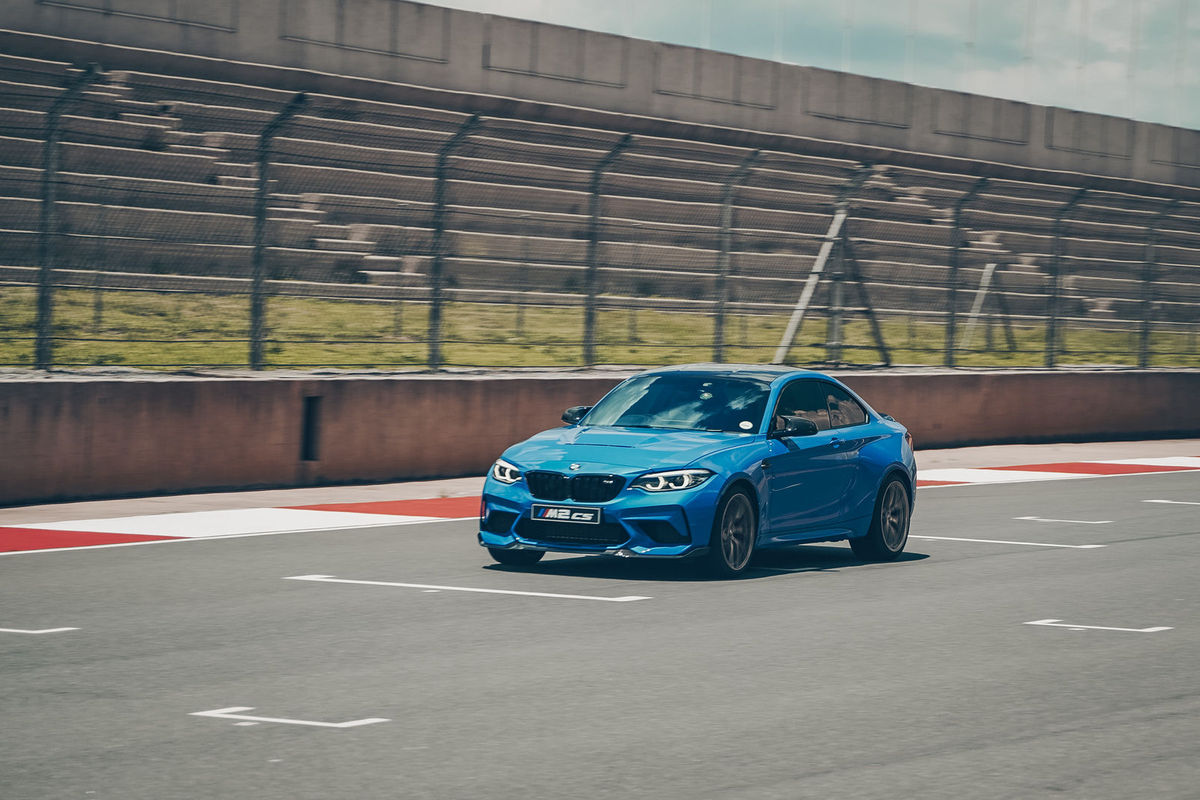
Dial all the settings up to the high heavens and you'll unlock a performance whip that improves on the Competition model in every aspect. Louder, livelier, more responsive and just gluttonous in its ability to eat up corners. Kyalami has 13 turns, and I had the time of my life transferring every single one of them from the windscreen to rear-view mirror (on at least 6 occasions) before BMW took the keys away from me. Add to this the fact that a glorious straight-6 soundtrack is integral to the driving experience, and you’ll understand why I was reluctant to extract myself from the CS' driver's seat. 

Verdict


One of BMW's greatest hits, but we hold thumbs that reports of the next-gen 2 Series Coupe will be a RWD car are true.

There is an obvious, inherent specialness to the BMW M2 CS; many people thought the aforementioned 1M Coupe was a once-off, but the M2 CS has brilliantly followed in its tracks. With the 1 Series hatchback and the 2 Series Gran Coupe going down the front- and all-wheel-drive route, arguably at the cost of ultimate driver involvement, there were fears the M2 CS would be BMW's final great small sportscar. Fortunately, a next-gen 2 Series Coupe (based on the Z4's RWD architecture) is said to be around the corner, so hopefully, this extraordinary coupe won't be the last of the breed.

Ultimately, the M2 CS doesn’t need to justify its price of R1.6 million. In excess of 300 potential buyers are in the queue for a shot at the chance to own one of just 30 units. With the CS, which is one of my most memorable drives of 2020, BMW has turned its scalpel into a laser. A powerful, noisy precision instrument that can hold its own against anything you throw at it. I’d say get one, but you probably couldn’t even if you tried…

Related content:

BMW M2 CS Takes On The Nurburgring

BMW M2 CS (2021) Specs & Price

Porsche Cayman GT4 (2020) Review

Merc planning new AMG 63s

The most-famous nomenclatures will not be retired – any time soon.

Mercedes-Benz has registered some interesting new model derivatives with the European patent office.

The German company is unreserved in its pursuit of electrifying its product portfolio, allowing the world’s oldest automotive brand to compete with the 21st-century upstart, Tesla.

Mercedes-Benz has confirmed that its forthcoming Tesla rival will be a large luxury sedan, called the EQE. In a global market where sedans are being rapidly displaced by SUV and crossovers, this might appear an odd strategy, but it is one which has served Tesla well with its S and Model 3.

Few car companies can match Mercedes-Benz’s experience in the design and engineering of large luxury sedans and with EQE, it wishes to secure a battery-powered future for its customers.

The EQE is expected to be similar in size to an E-Class yet equipped with superior technology and interior space. But what of the performance versions?

Mercedes-Benz has certainly shown its intent with EQE, having now filed registration papers for 43, 53 and 63 variants on the model range. As any follower of AMG will recognise, those three nomenclatures fit very much within the current offering of Mercedes-Benz’s six- and eight-cylinder high-performance vehicles.

It is clear that even without the presence of a turbocharged in-line six or V8 engine on-board, Mercedes-Benz is keen to retain an association with the AMG brand’s internal combustion lineage. These future EQE 43, 53 and 63 derivatives might only be powered by a combination of batteries and electric motors, but they will carry badges with a proud petrol heritage.

The implications of these new EQE 43, 53 and 63 names being registered, are potentially significant. It will be very challenging for Mercedes-Benz to market both turbocharged E53/63 cars and its EQE 43, 53 and 63 variants.

In terms of performance, the EQE cars will in all likelihood be faster. This means that Mercedes-Benz might be forced to make a difficult decision and discontinue (or rebadge) its E-Class AMG internal-combustion models, as we know them, in future.

The business case for a next-generation E53 or E63, with a turbocharged four-cylinder hybrid powertrain, will be interesting. Especially if there are EQE 53 and 63s to rival it, with better acceleration and more interior room.  

Related content

Mercedes-AMG GT 63 beats Panamera 'Ring record

Mercedes-AMG GT 63 S Review – Is this really a supercar?

6 Things You Need to Know: Updated Mercedes-Benz SUV range

Rolls-Royce Neon Nights: Triumph or Tragedy?

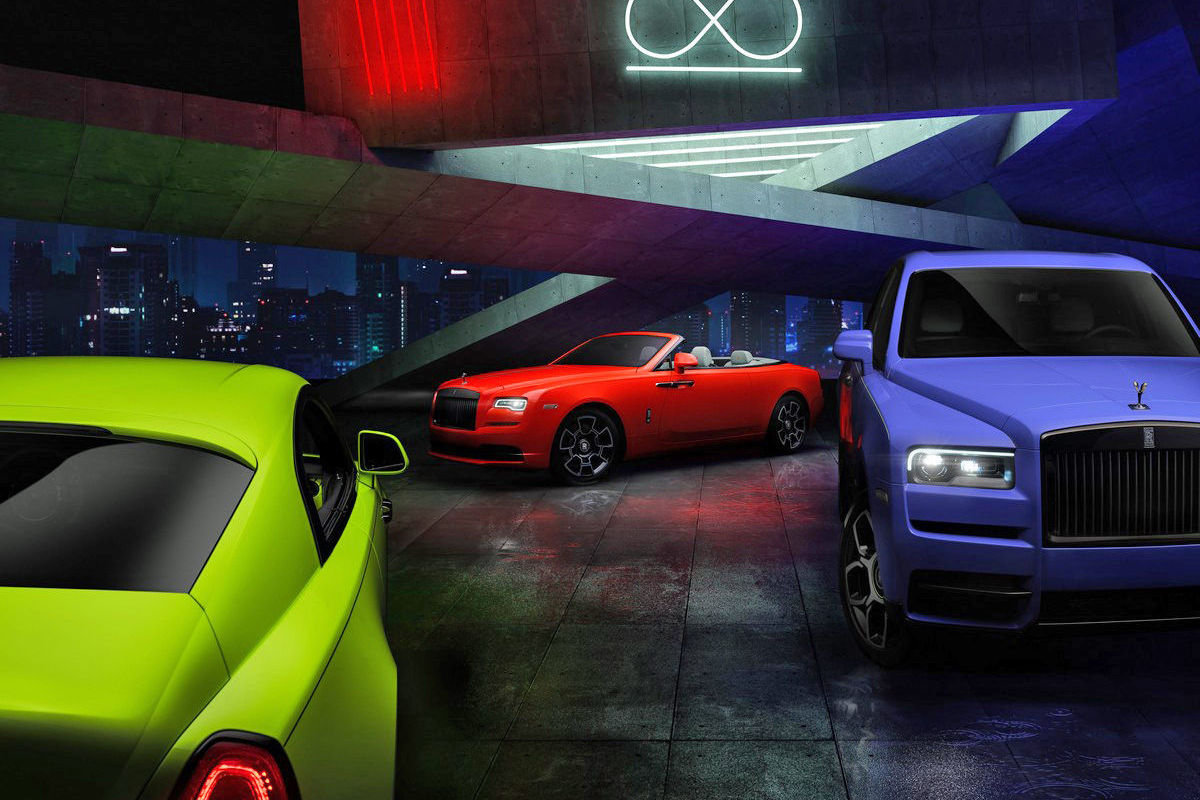
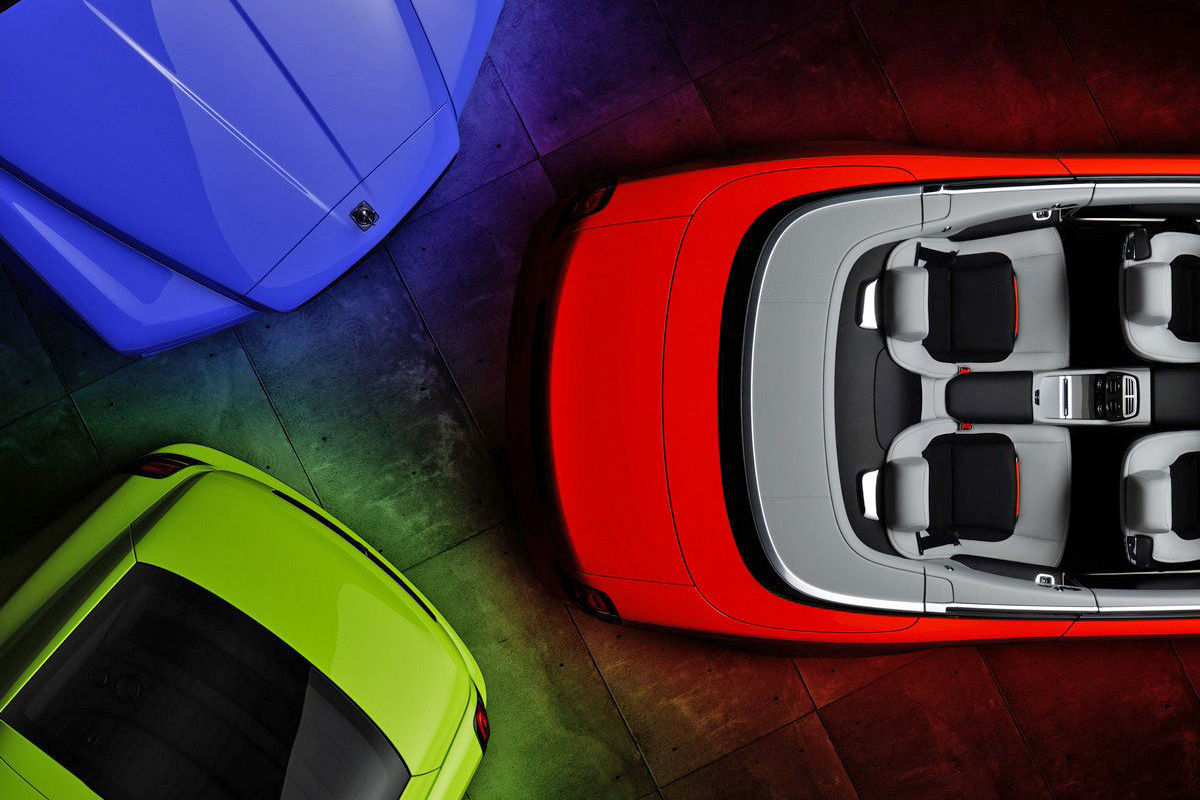
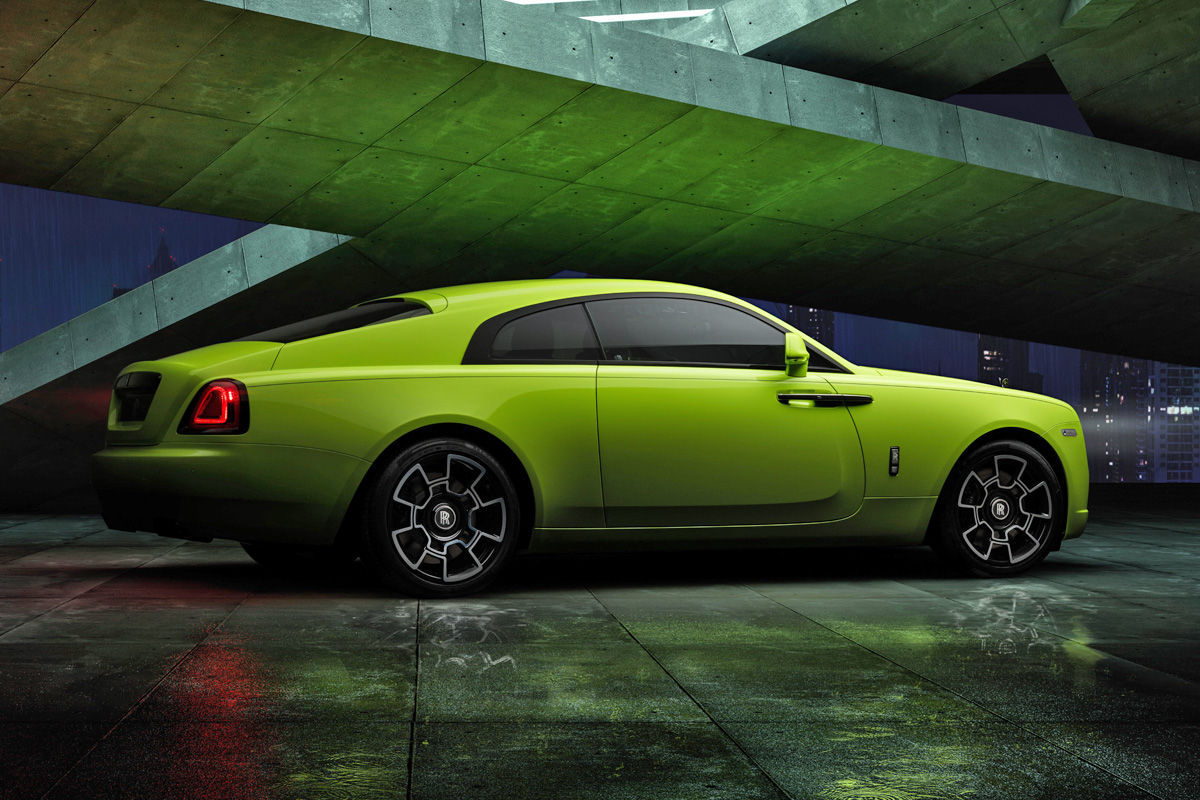
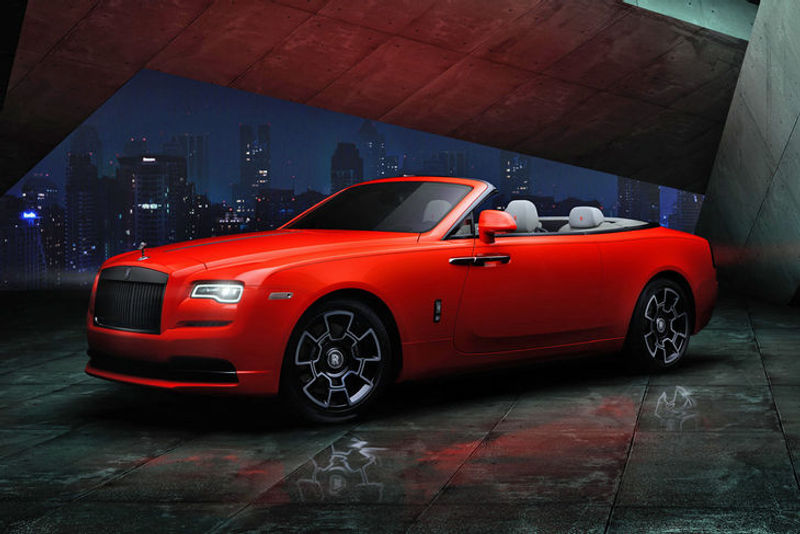
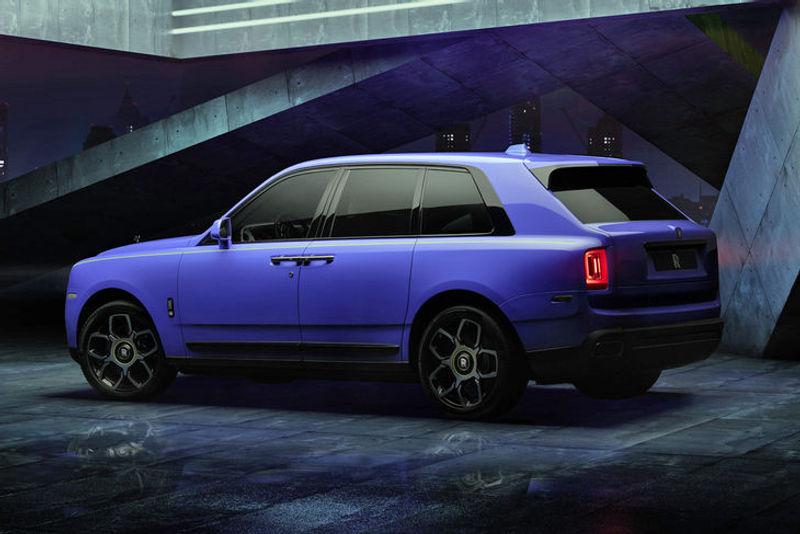
Rolls-Royce will produce a dozen Neon Nights-themed Wraith-, Dawn- and Cullinan Black Badge derivatives and the trio of audacious Day-Glo-like finishes are inspired by an Aussie tree frog, a Hawaiian tree flower and a South American butterfly. Although these solid-coloured cars are undeniably attention-grabbing and utterly bespoke status symbols, this bold collection arguably represents a case of Rolls pushing the boundaries of good taste to their absolute limits! 

Described by the Goodwood-based firm as the darker and edgier enfants terrible (precocious children) of the family, this Neon Nights trio is NOT part an elaborate publicity stunt and it isn't a product of a bored aspiring digital artist's mucking about with image-editing software in the wee hours of the morning either. The creations are based on Black Badge derivatives of the brand's coupe, cabriolet and first-class SUV and a genuine product line. Bathed in "super-solid Neon Nights colours", the cars were created initially for clients in the United States… and now the British marque plans to build more! 


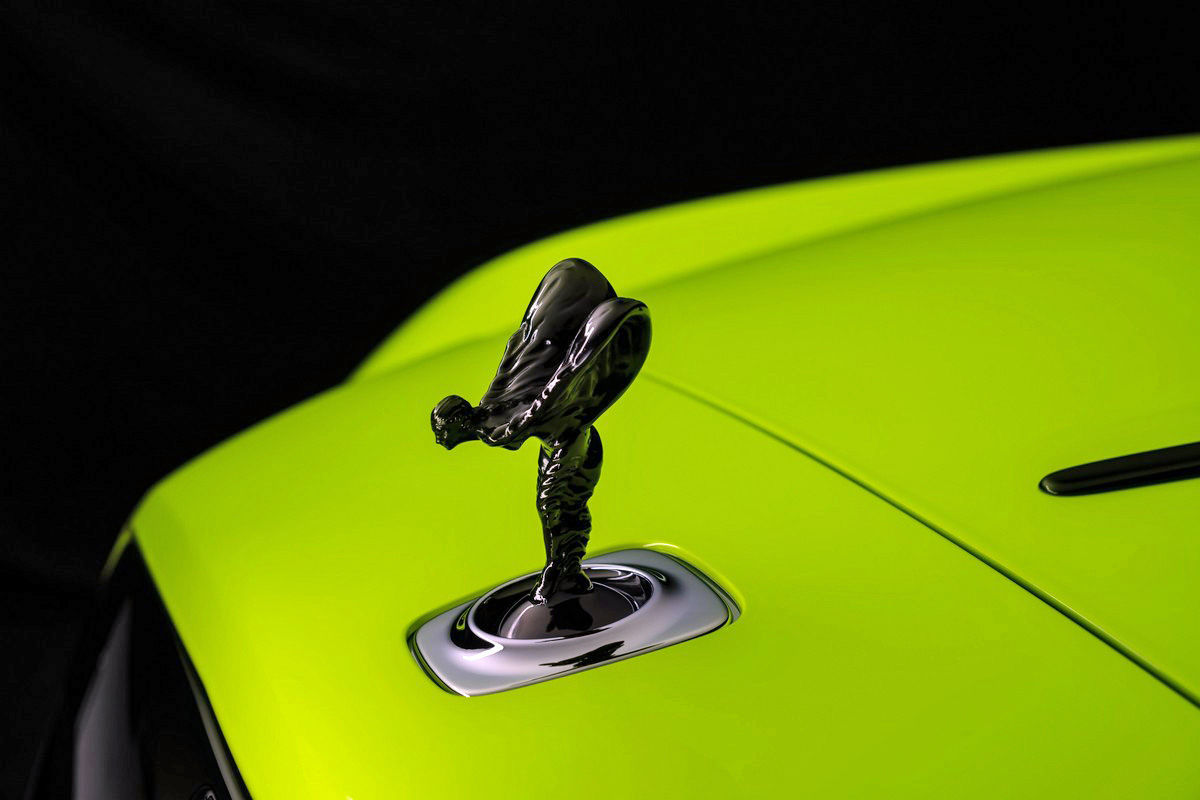
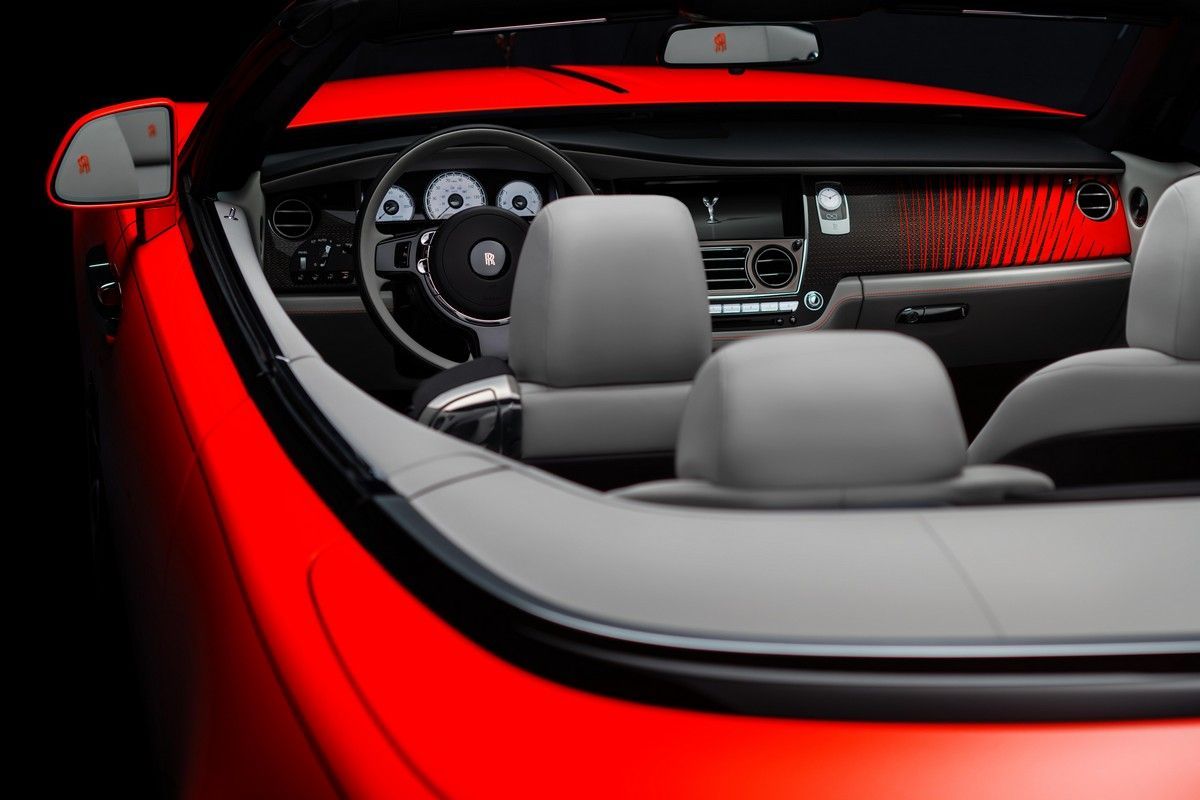
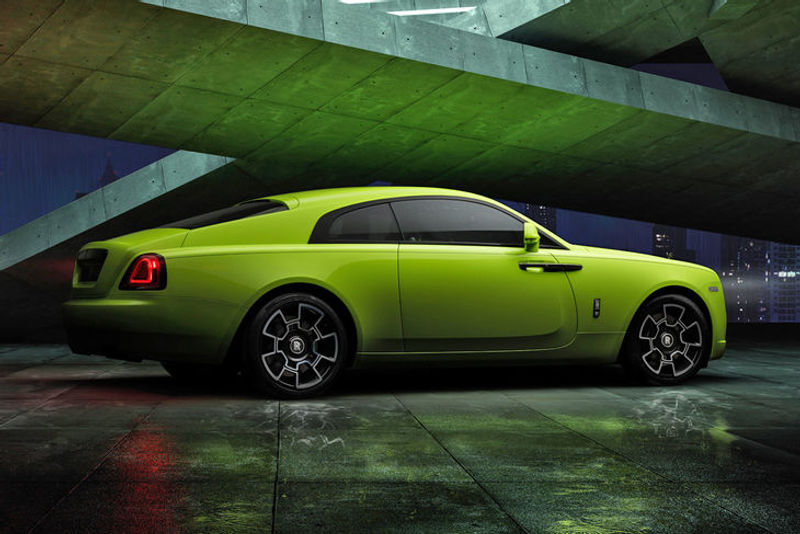
The Wraith Black Badge is finished in Lime Rock Green. Kermitmobile?

Rolls-Royce says it will now make 3 further iterations of each colour "available for commission" (that's Rolls-Royce speak for "the order books are open and if you have to ask the price, don't bother enquiring"), which will mean a limited run of just 4 cars of each retina-searing hue.

Like all manufacturers of super-luxury cars, Rolls' bespoke division will allow you to specify a car to your heart's content to ensure there will be no other example of the model you've bought in the world that will be identical to yours. Rolls-Royce famously claims to be able to finish a car in any colour that you'd like, all that you have to provide is a sample or an example of the hue of your dreams… But whereas there are supremely dear cars dotted around the globe festooned with the most peculiar exterior finishes, the Goodwood-based firm is happiest to celebrate buyers' decidedly eccentric tastes. 


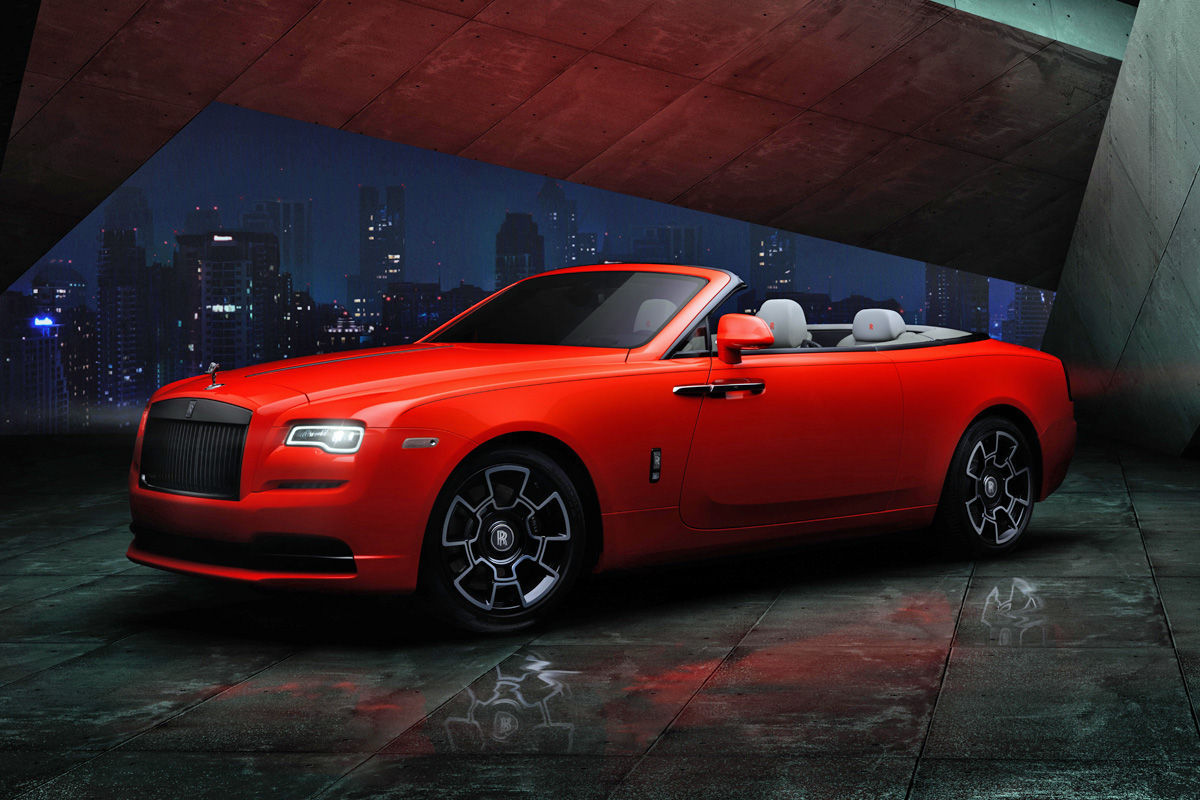
Dawn Black Badge is finished in the provocatively named Eagle Rock Red.

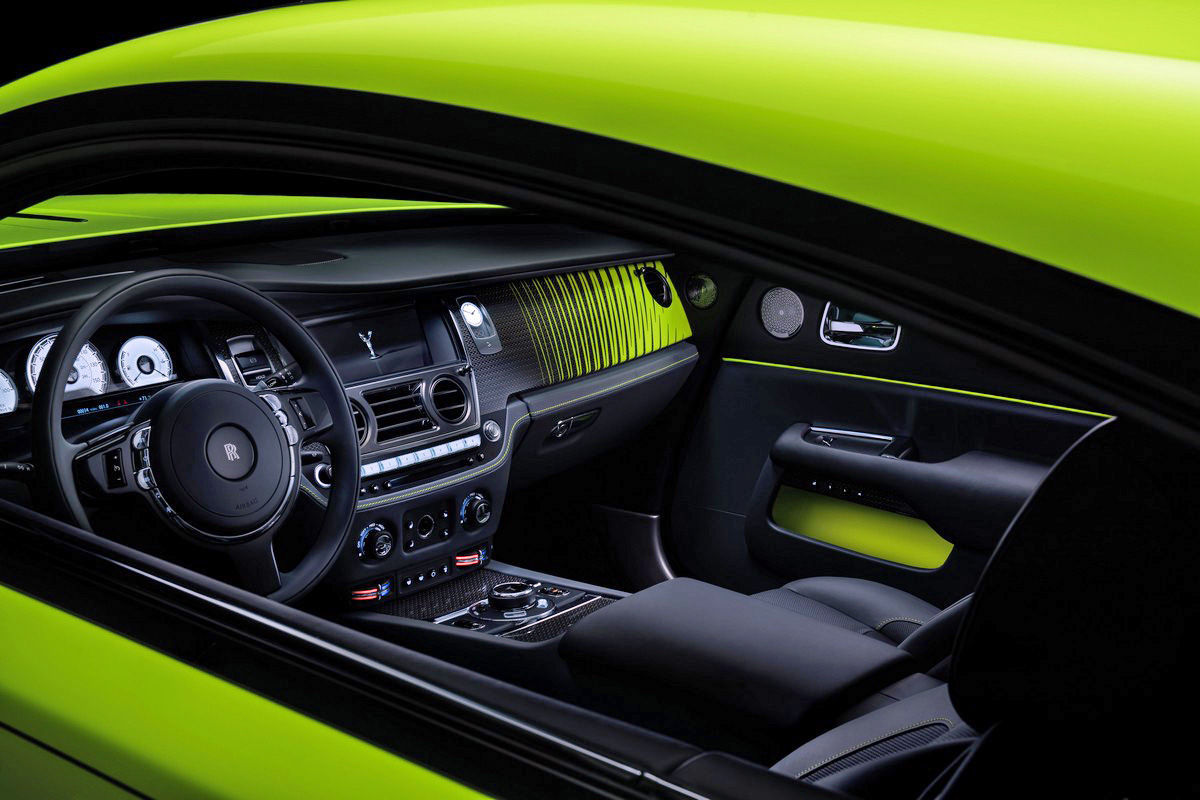
Wraith Black Badge (shown at the top of the article) is finished in Lime Rock Green, a near-luminous hue naturally bestowed on the Australian green tree frog, which Rolls-Royce Bespoke Paint Specialist Sami Coultas first encountered on a trip to Tamworth, north of Sydney. The interior is swathed in Scivaro Grey leather, with Lime Rock Green accents in the form of stitching and piping.

Meanwhile, the striking Eagle Rock Red created for the Dawn Black Badge mimics the flowers of ‘?hi‘a lehua, an evergreen tree native to Hawaii. The interior is finished in Selby Grey leather with Koi Red stitching and piping details.


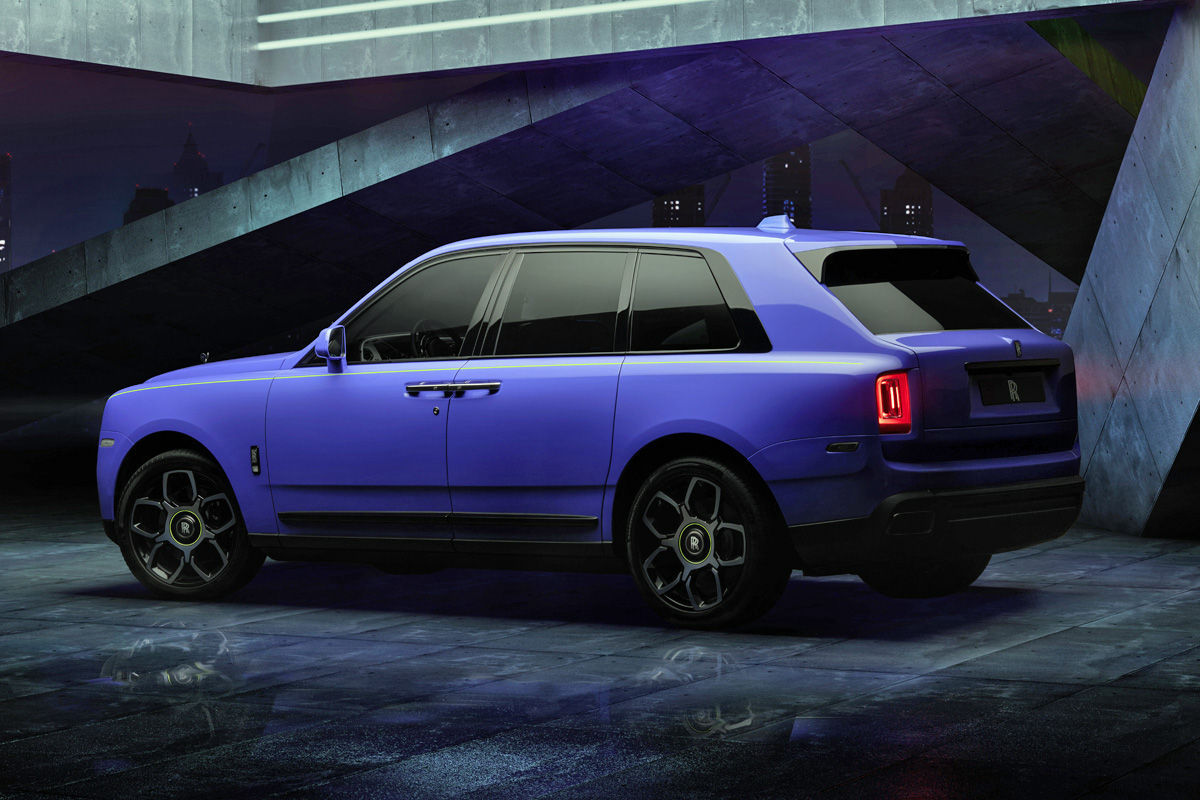
Mirabeau Blue has a more marketable name than Rhetus Periander Blue.

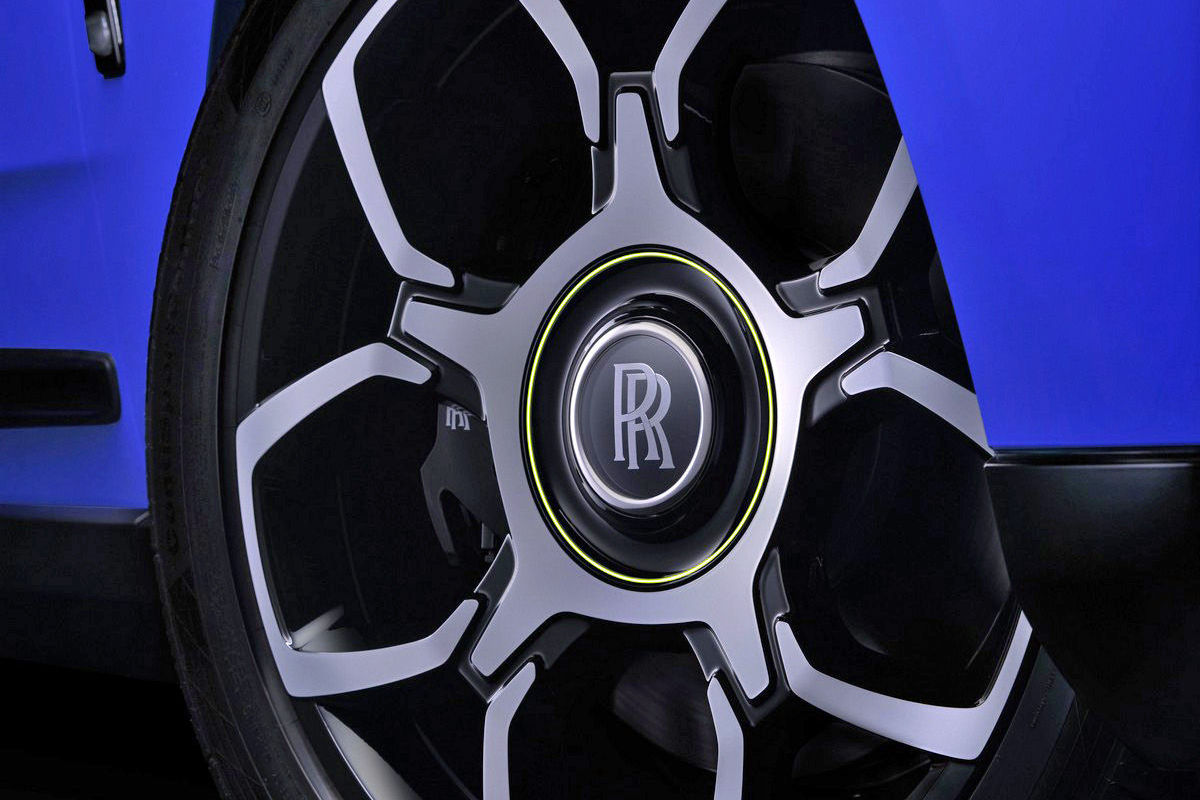
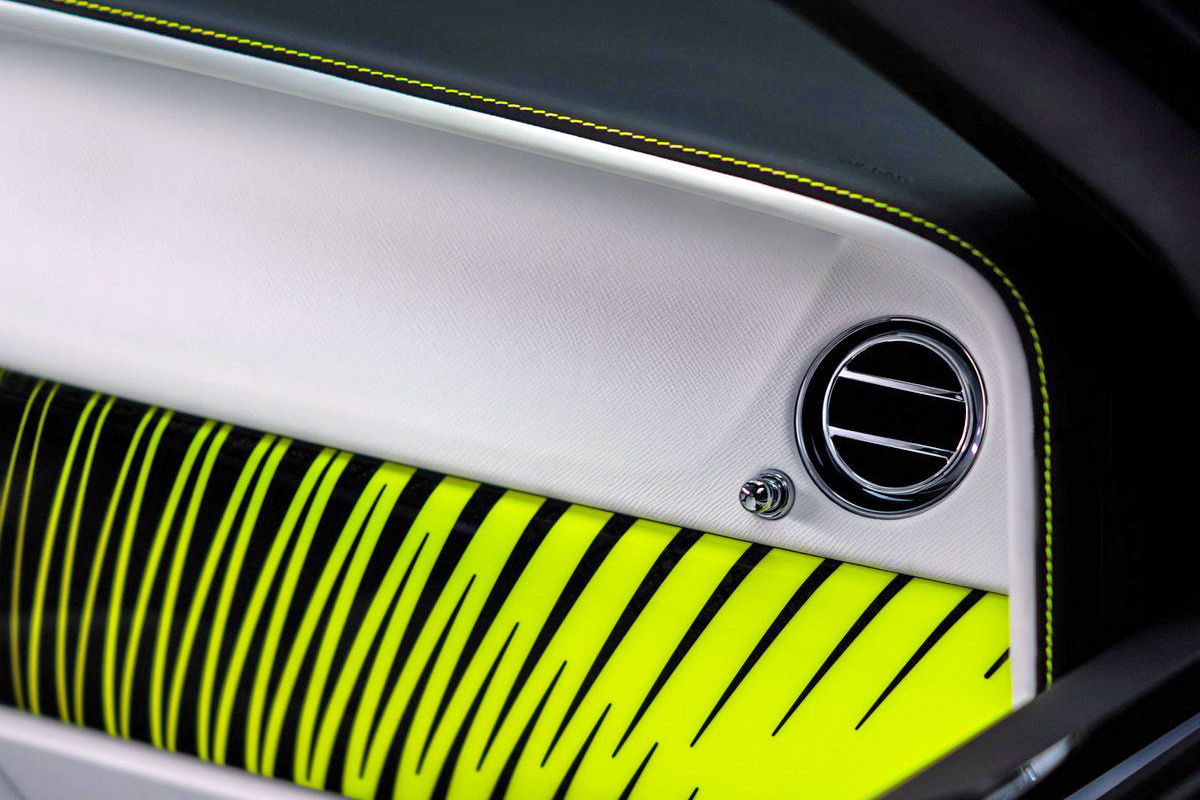
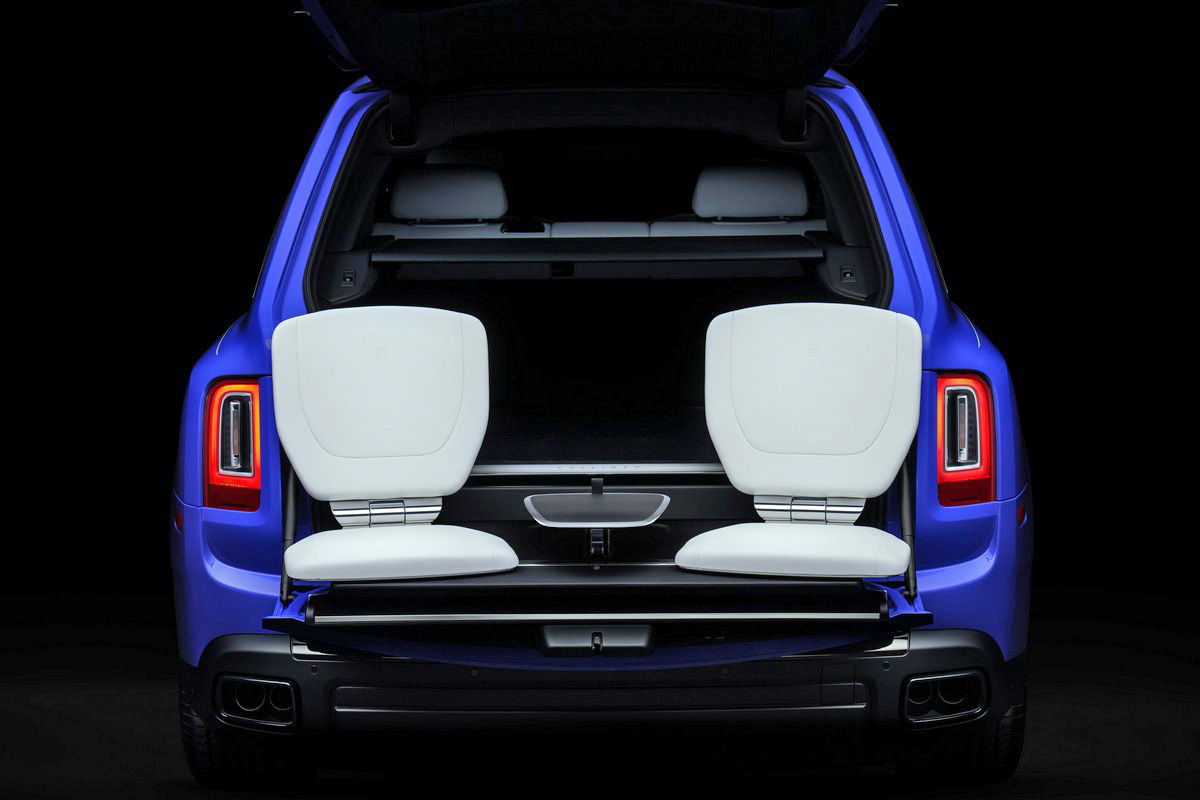
And lastly, for the Cullinan Black Badge, Rolls-Royce looked to an exotic butterfly, Rhetus Periander for inspiration. Known as the Periander metalmark, this species is found across Central and South America; the vibrancy of its wings is said to be "faithfully captured" in the blue finish. The SUV's Arctic White leather interior (detailed in Lime Rock Green) provides a dramatic contrast.

In all 3 cars, the Technical Fibre fascia is embellished with a spectacular graphic, the brand says. The paint effect provides an intense neon glow and depicts the distortion of artificial light with speed.

2020 has been a strange year for everyone, including Rolls-Royce; in August, the brand launched the Wraith Kryptos "puzzle car", which features a labyrinth of complex ciphers in its detailing, which buyers were challenged to try to solve. And, it's not the first time that the Goodwood-based firm has "pushed the boat out" with an outlandish palette of exterior colours…

At the 2019 Pebble Beach motor show, Rolls-Royce displayed Ghost, Wraith and Dawn Black Badge derivatives finished in – wait for it – pastel colours. What will they think of next?

Related Content:

Rolls-Royce Cullinan Goes Offroad

New Rolls-Royce Ghost Teased

Rolls-Royce reveals Dawn Silver Bullet

Rolls-Royce's puzzling Wraith Kryptos

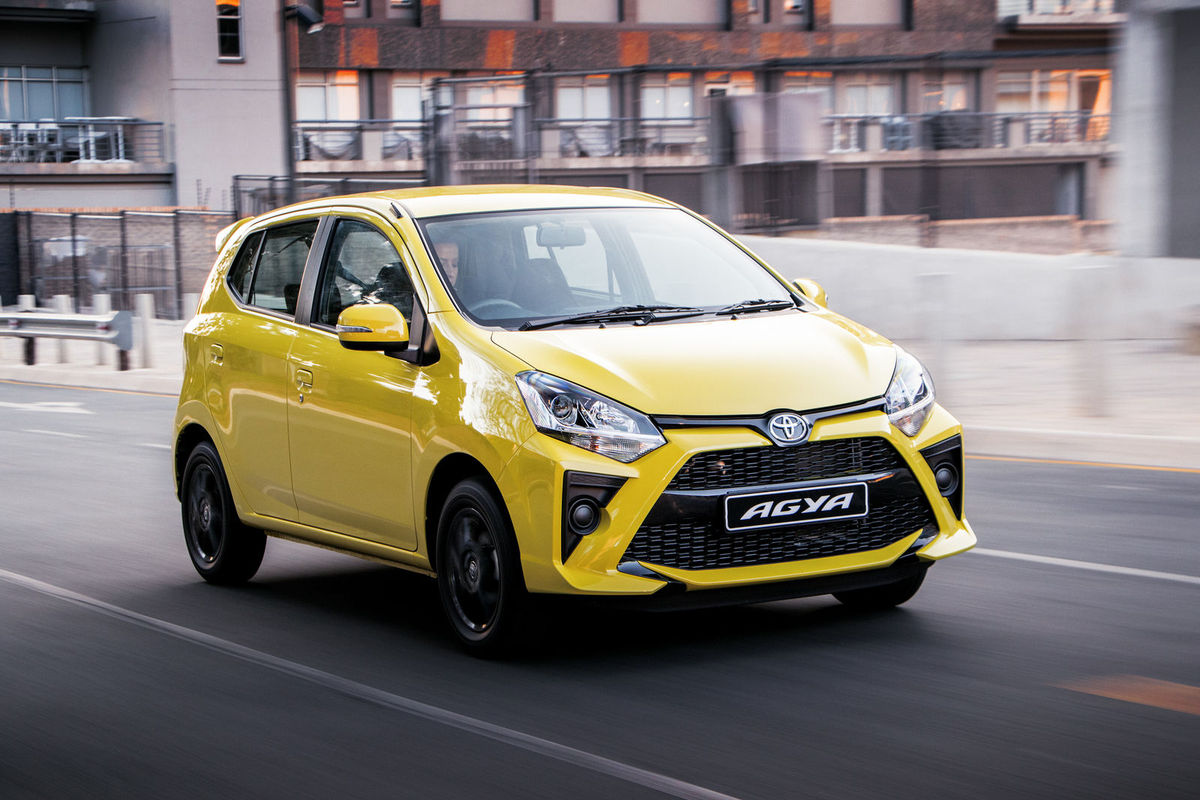
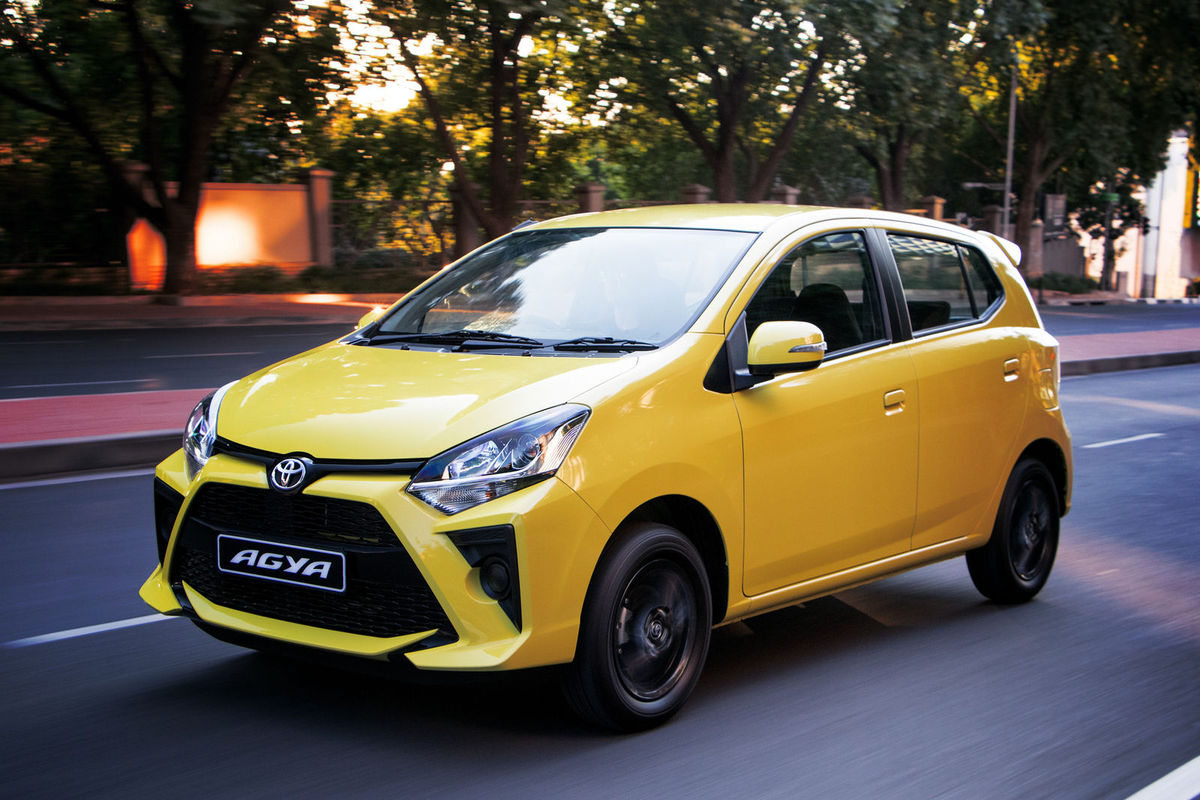
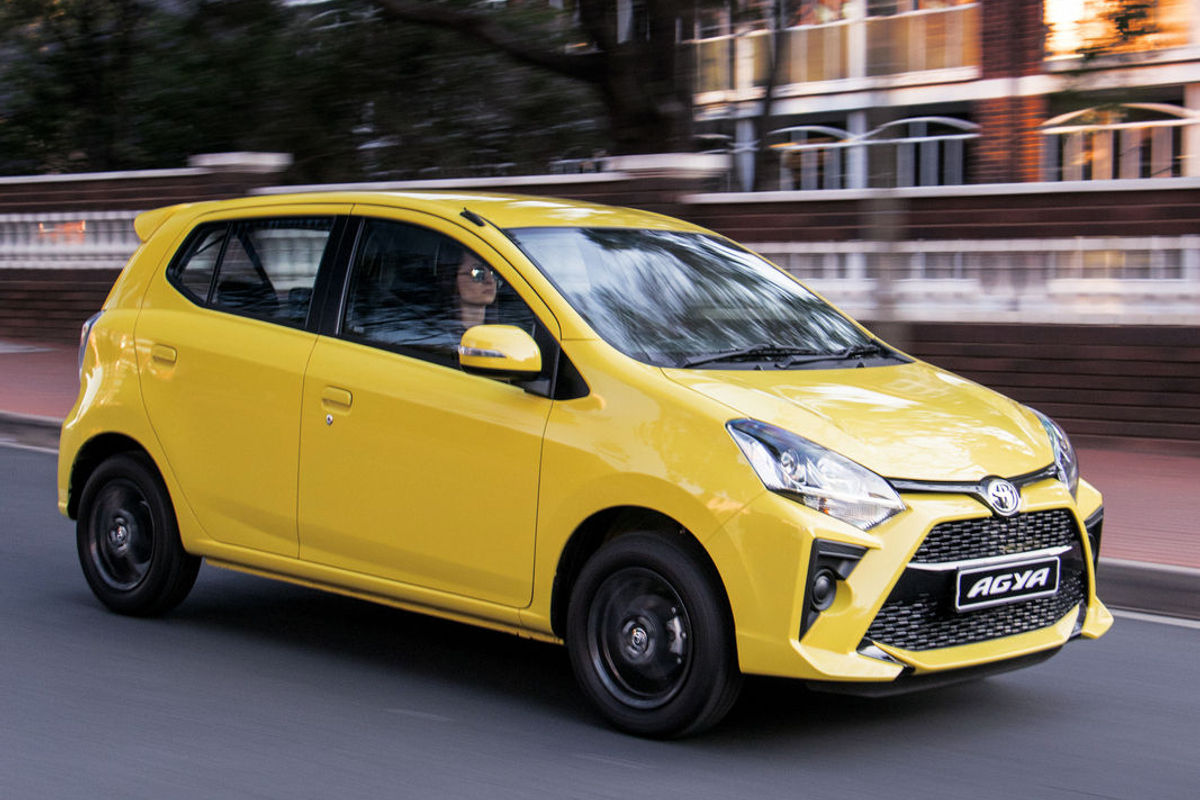
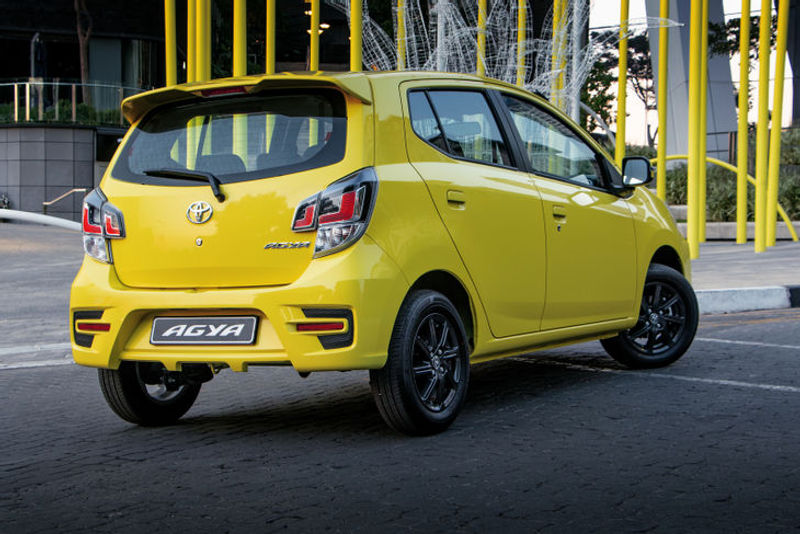
Toyota Agya (2020) Launch Review

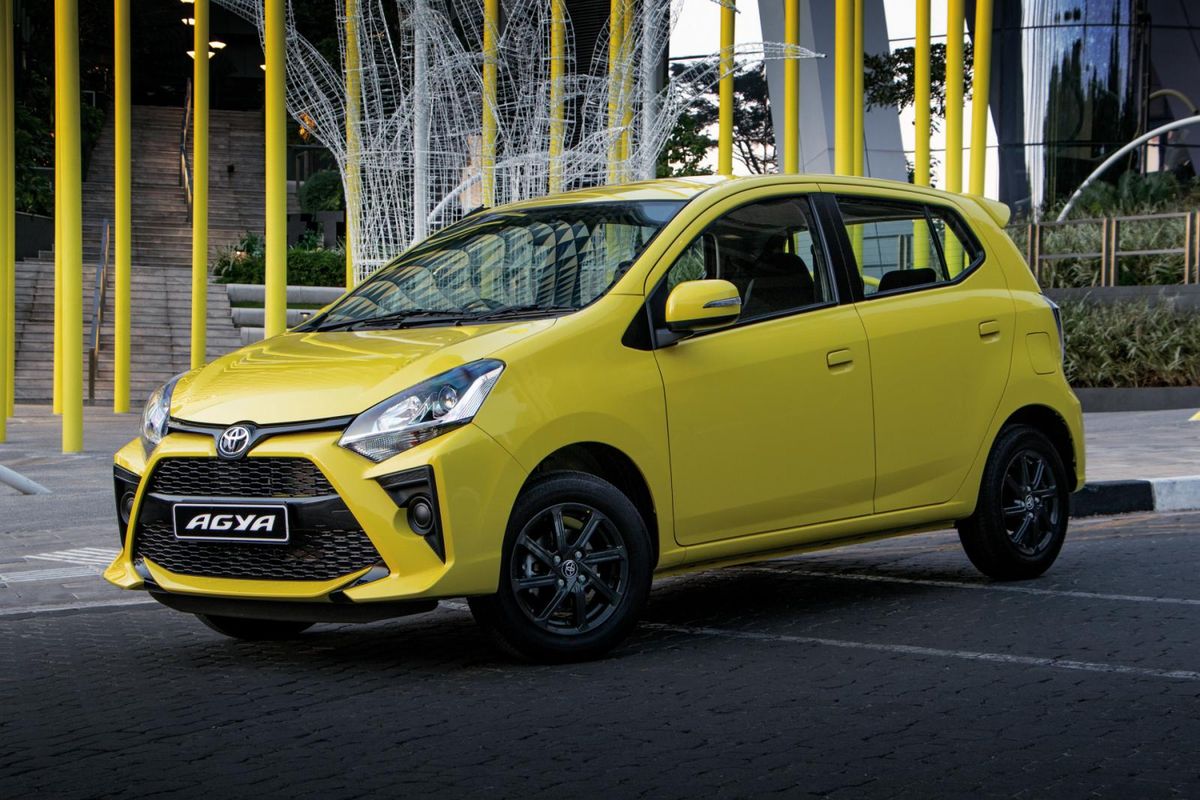
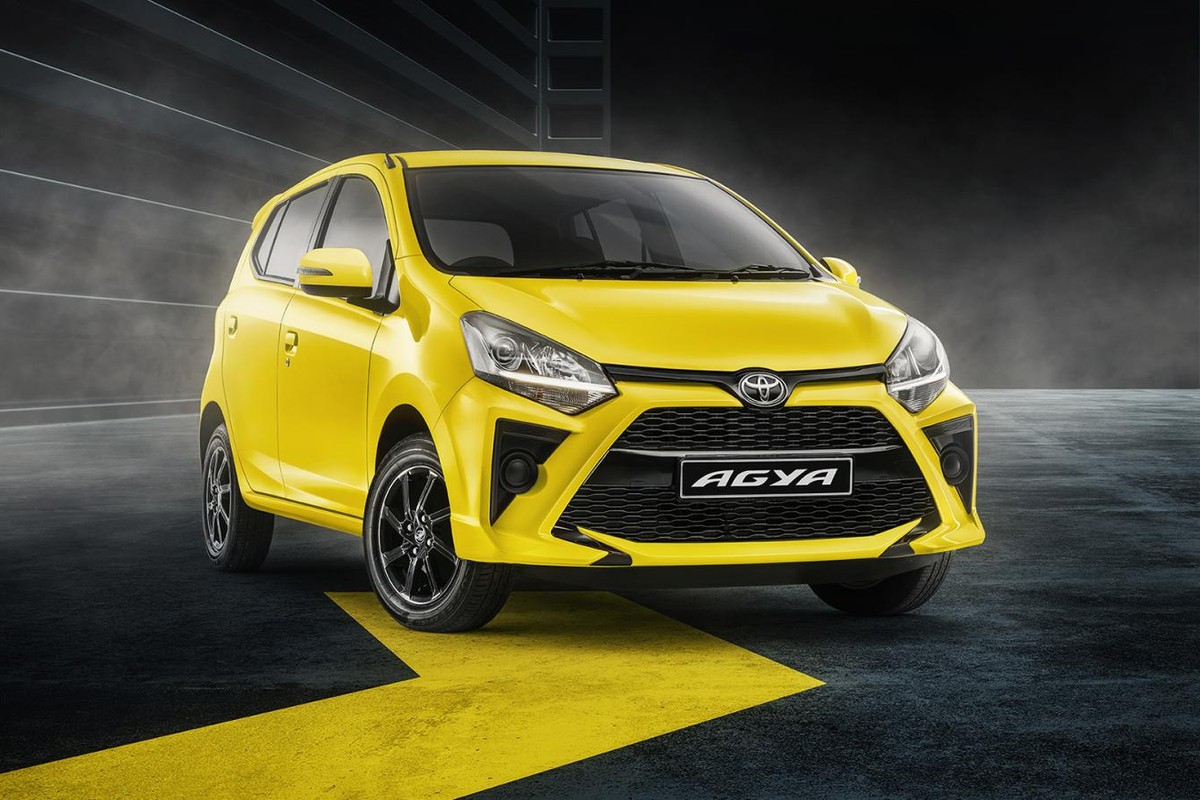
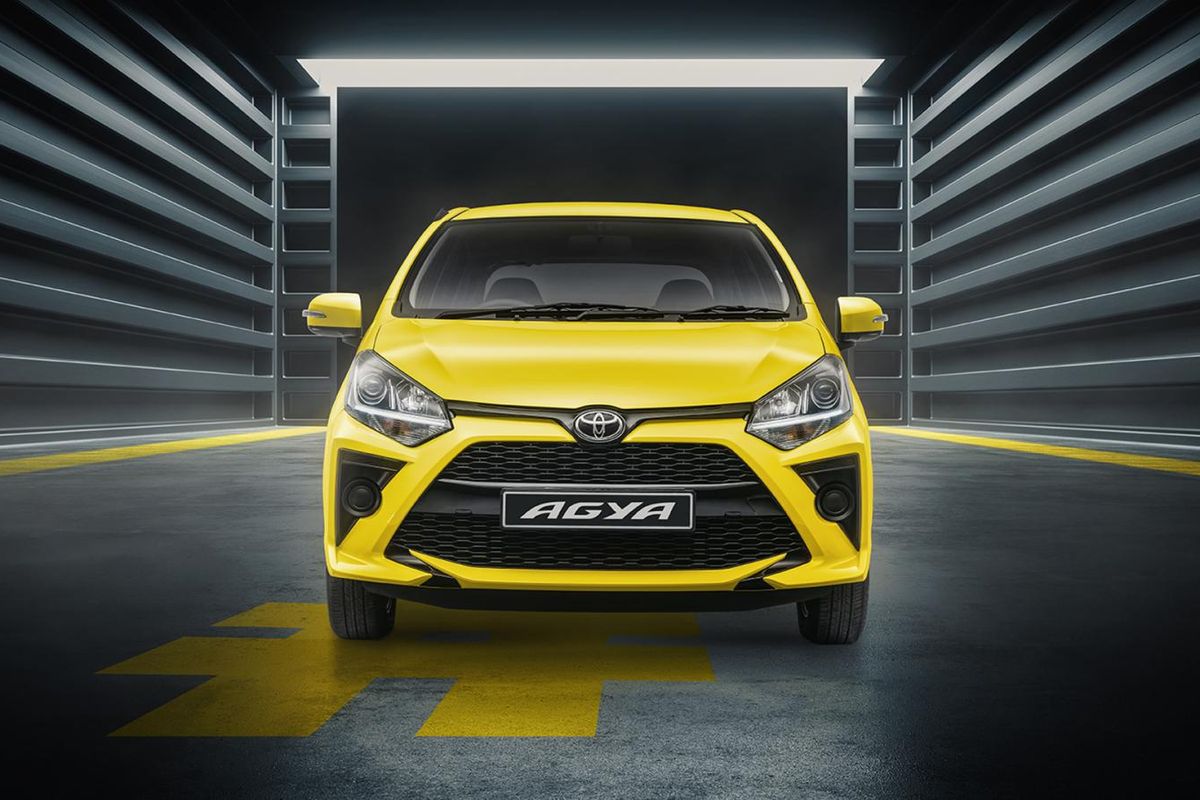
Toyota’s new small car is eager to jump into the entry-level segment and shoo away the competition. We took the newcomer for a quick spin around Cape Town to see if the Japanese brand is onto a winner.

What is it?

Toyota hasn’t offered anything capable of dominating the entry-level car market since the Tazz made its departure for the big parking lot in the sky. The Aygo city car seemed too small for our market and the Etios looked a bit strange and a felt of marginal quality, at least for a Toyota product. Admittedly, the Etios did get better with multiple updates through the 2010s, but it couldn’t touch Volkswagen’s Polo Vivo on the sales charts.

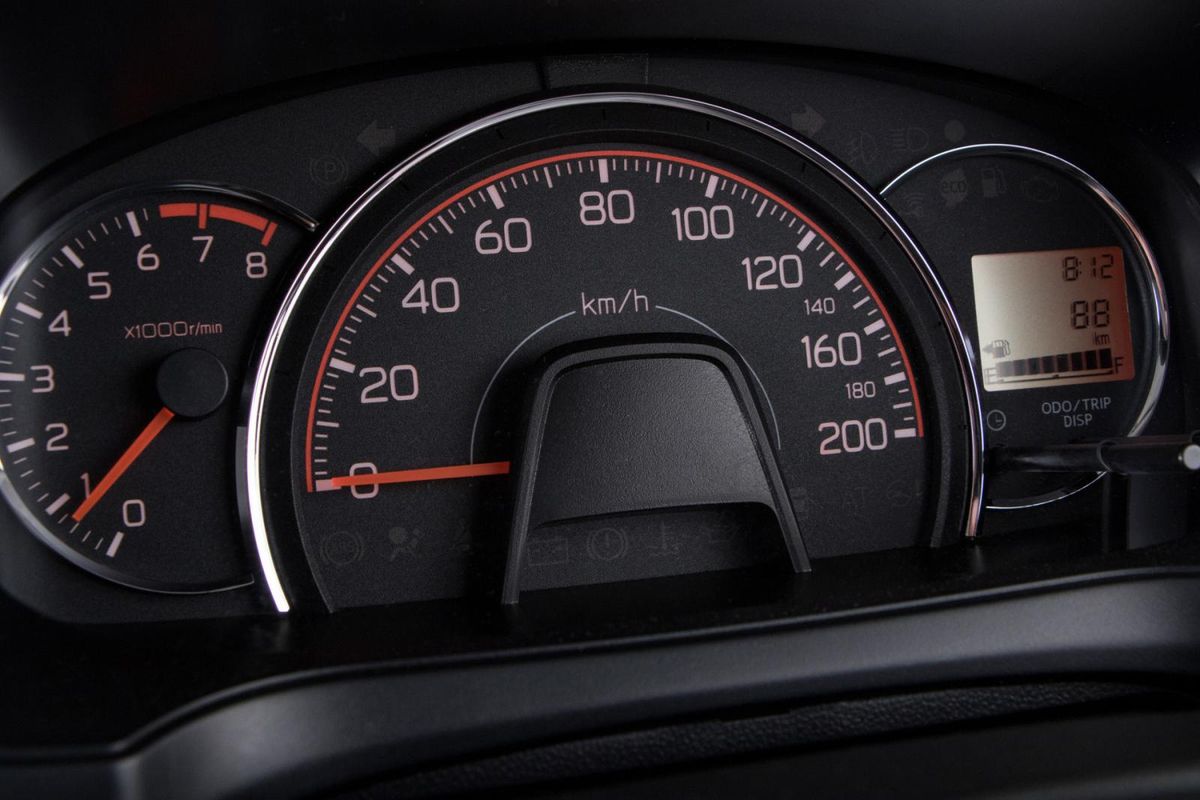
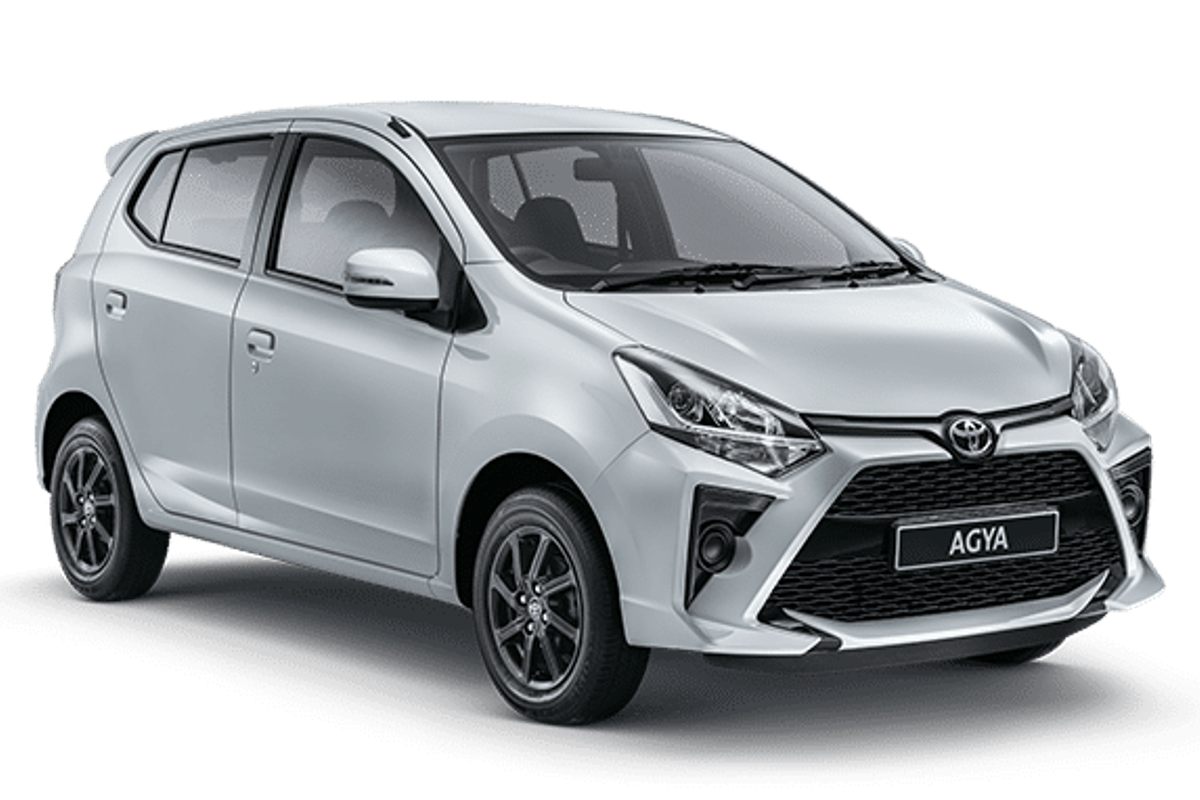
The Agya steps into that role vacated by the venerable Tazz with the entire range landing with asking prices under R200k. It has 4 doors, a steering wheel, air-conditioning, electric windows all-round and, importantly, 2 airbags and ABS with EBD. A glance through the spec sheet shows that its a match for its rivals, such as the Renault Kwid to the Hyundai Grand i10, Suzuki S-Presso and probably the pick of the bunch, the Suzuki Swift GL.

Is the engine any good?


The little 3-pot under the bonnet offers unexpectedly good results.

Toyota SA had 2 choices of engines to choose from (at the plant in Indonesia where the Agya is produced): a 1.0-litre 3-cylinder or a 1.2-litre 4-cylinder. It seems that trying to sneak under that all-important R200k mark forced Toyota’s hand… The 1.0 3-cylinder produces a smidge under 50 kW and 89 Nm of torque – not numbers wannabe boy racers are going to lust after, but at 835 kg, the Agya doesn’t have much mass to propel.

On our route up and over the likes of Chapman’s Peak Drive and Ou Kaapse Weg and the mighty Kloof Nek climb, the 3-pot felt more than capable. I was alone in the car so I can’t speak for what it’s like with 2 or 3 passengers on board, but it had more than enough power to accelerate up some of the steeper sections and even maintained momentum without me having to row through the gears to keep the li'l motor "on the boil".

I would go as far as to say the engine is perky; the Agya feels more alive than some of the rather lifeless and gutless competitors it’s up against. 

What’s it like to drive?


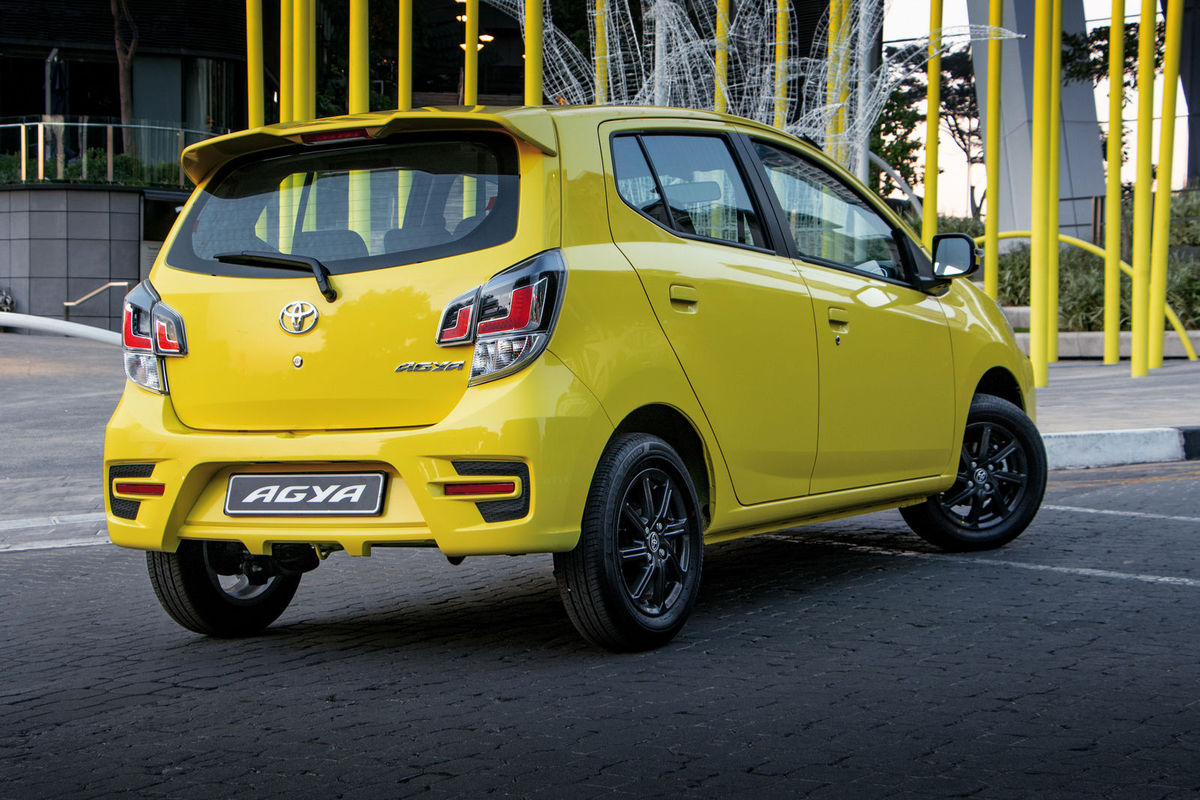
The 14-inch wheels are standard across the range.

To be frank, many of the Agya’s rivals feel tinny, tend to sway in crosswinds and don’t feel particularly stable under cornering. The little Toyota certainly doesn’t suffer from any of those afflictions; it’s actually quite fun to drive. For its size, the Agya feels quite planted at freeway speeds and when the mood takes you to corner with, shall we say, enthusiasm, the Japanese hatchback is quite playful. It’s sufficiently agile and doesn’t seem to mind being flung around, which is something you do at your own peril in most of the offerings at the cheaper end of the entry-level market.

The steering feels well connected to the wheels (that may sound odd, but there are entry-level cars that appear to have their steering connected to an app… on someone else's phone). The Agya has a reliable amount of heft to the turn, which augments the car's confidence-instilling stability.

What does it have inside?


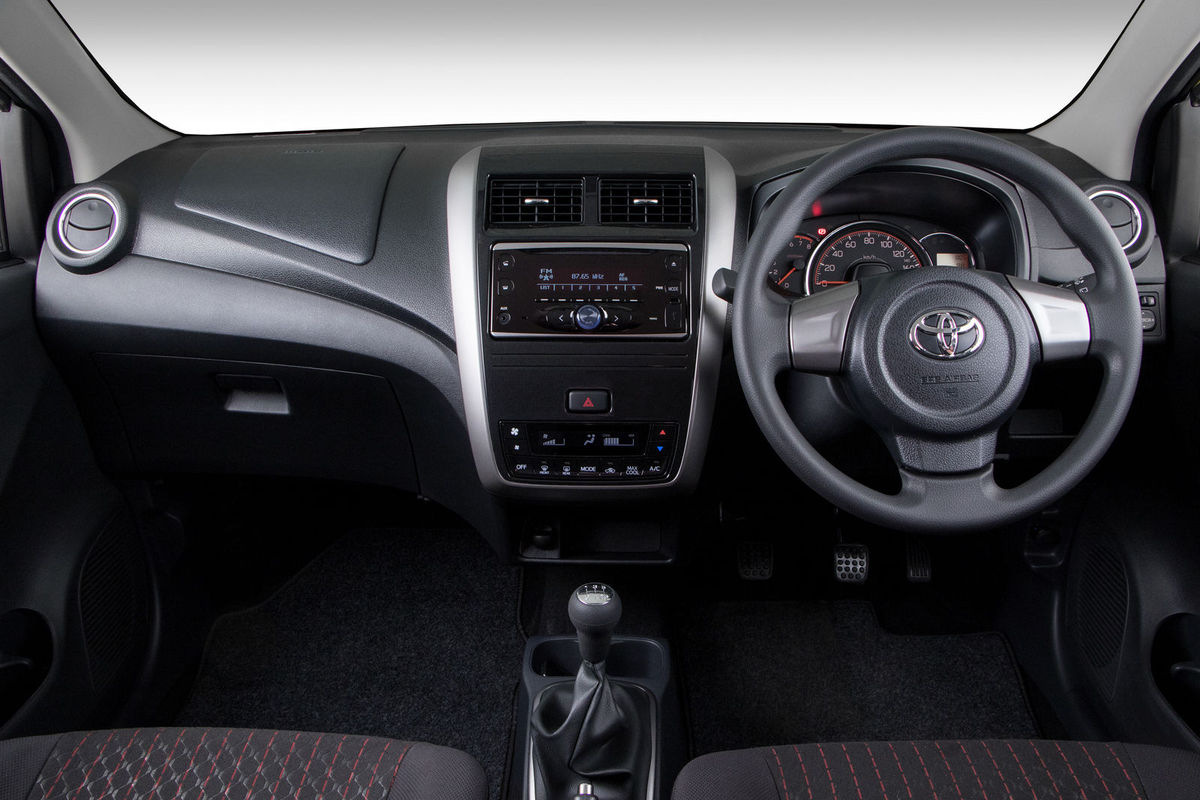
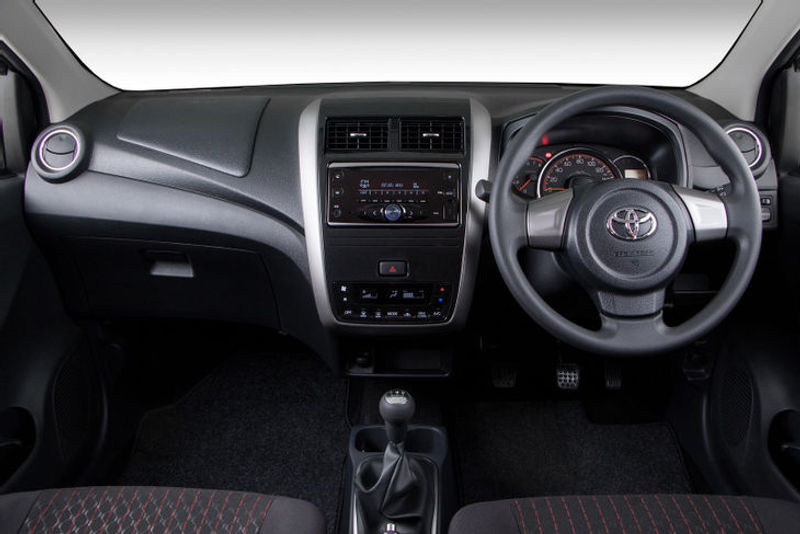
A basic setup inside, but most of the essentials are there. Opt for the upgraded infotainment if you want Carplay or Android Auto.

Personally, I would like some adjustability to the seating position, preferably to the seat height or steering column; the Agya has neither. You sit in the position Toyota declares suitable with only the option to move forwards or backwards on the rails. That means a very high seating position, but thankfully the roof is also higher up than in a standard hatchback, so there’s sufficient headroom for drivers over 6ft tall (1.83 metres).

The backrests of the front seats are a single unit, so there’s no headrest adjustability either, and they could do with a bit more lateral support as descending through the tight turns of Chapmans Peak resulted in an unexpected abdominal workout in my efforts to remain securely seated.

Rear occupant space is good; there is relatively ample legroom, even when seated behind the driver's seat set up for a person that's 6ft in height.

Overall, the interior build quality seems above segment-average with no particular pieces of trim that stand out as excellent and none that seem to emanate from a margarine-tub factory. The rear-view mirror is a bit flimsy and prone to vibrating so everything looks a little blurry behind you.

The infotainment system on the standard derivative looks like a standard radio, but Toyota will offer the option of a touchscreen infotainment system (replete with Android Auto and Apple CarPlay compatibility) very soon. The standard system will give you access to Toyota Connect, which works as an app on your phone that allows you to stream video and music, there’s even free data (10 GB) thrown in for use within the App.

Is it safe?


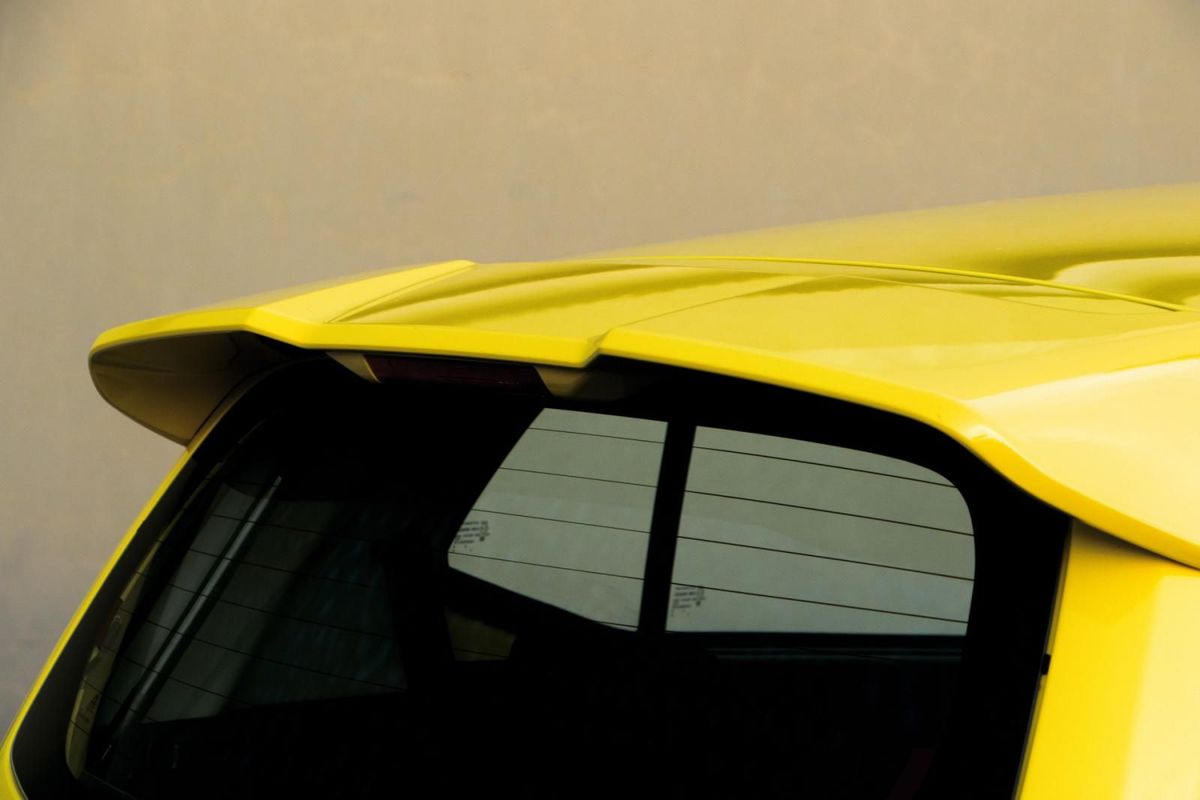
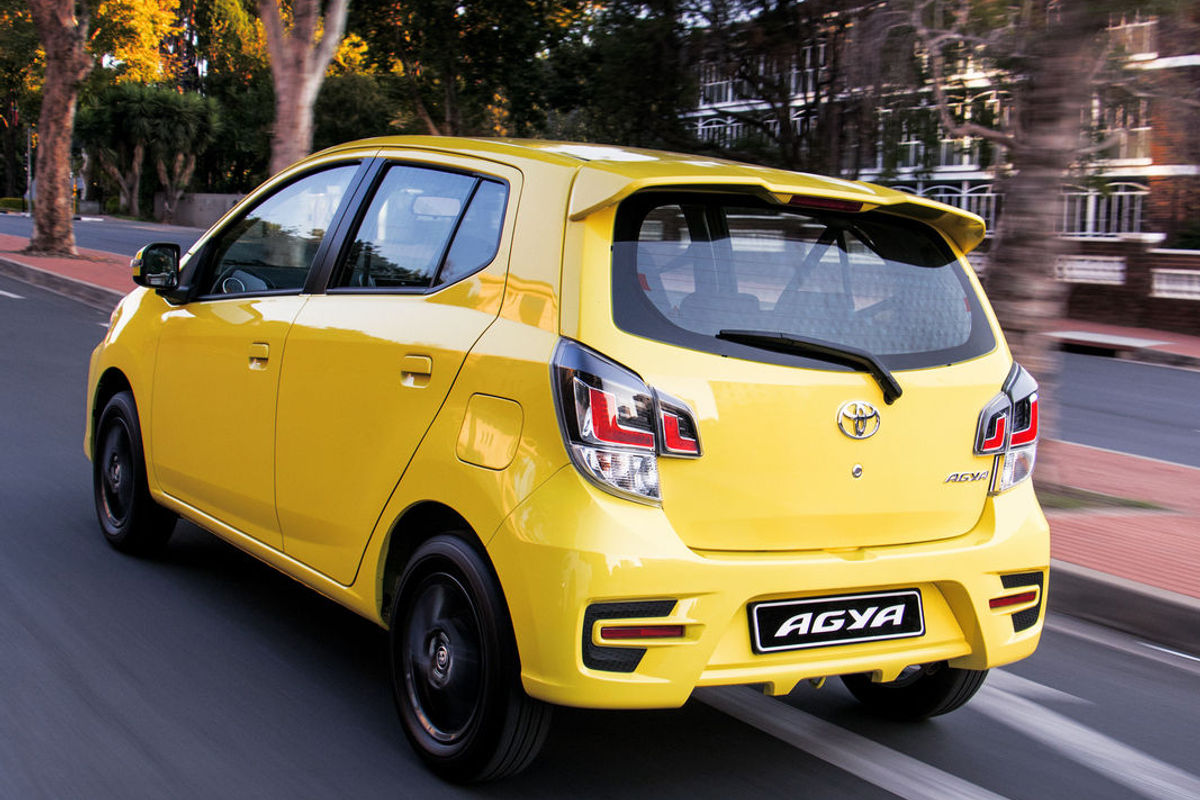
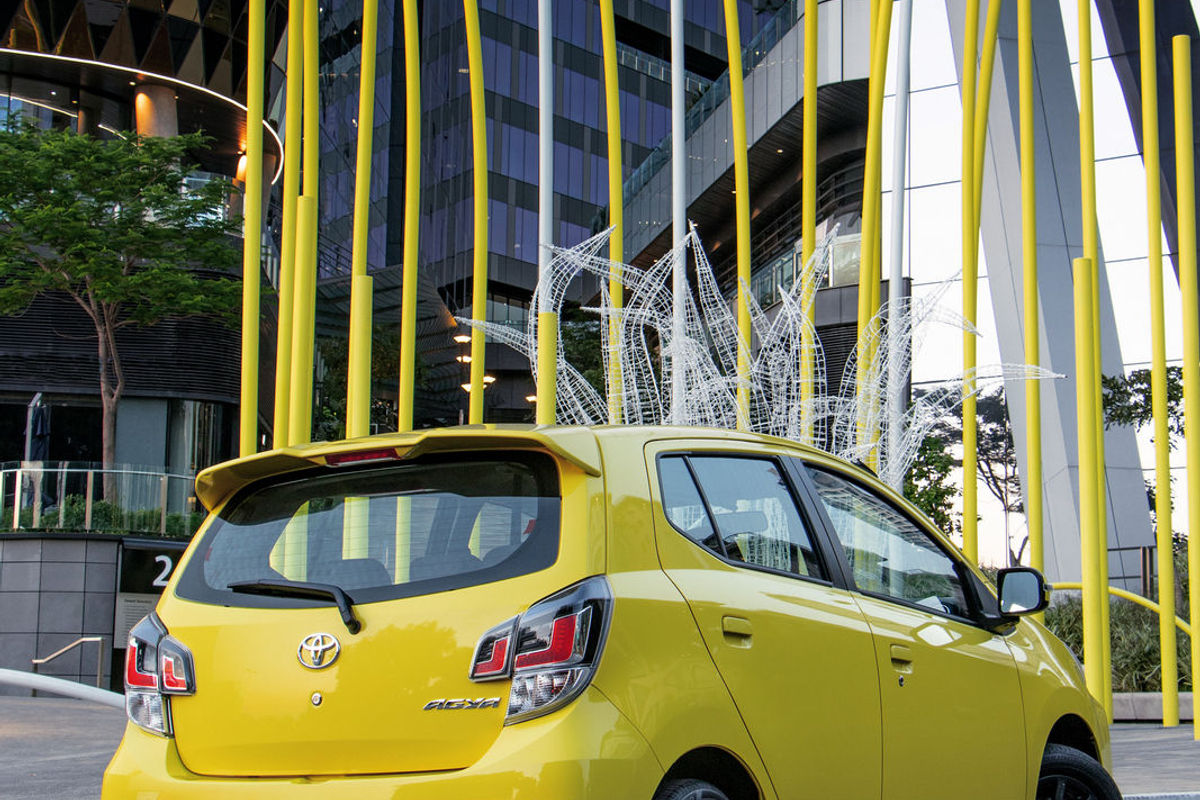
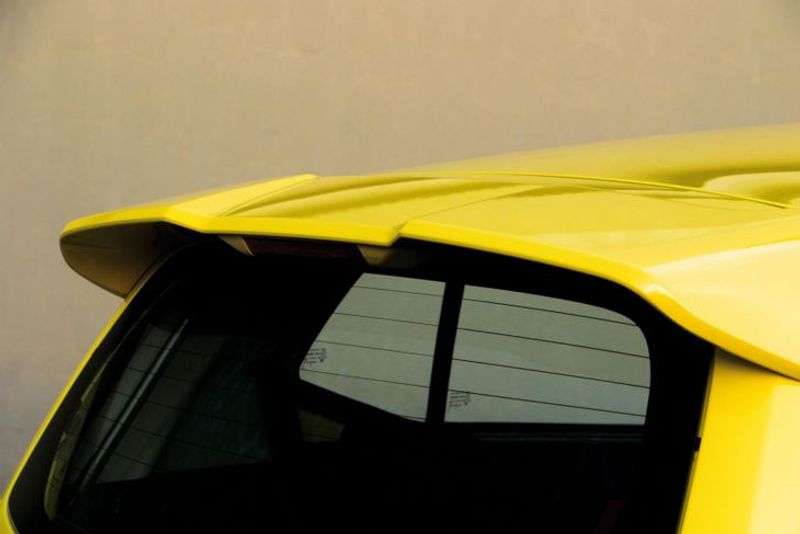
The roof spoiler unlikely to be particularly effective at Agya speeds, but gives it an athletic look.

The Agya is equipped with 2 airbags up front and ABS with EBD, making it par for the segment. No electronic stability control is specced. We don’t have any relatable crash test data to go on aside from the ASEAN NCAP results, which tests cars for South-East Asia, where the Agya scored 4 Stars. In the same test, the Renault Kwid scored zero and the Datsun Go scored 2 stars. The Suzuki Swift scored 5 stars.

There are also 2 ISOfix points in the rear for fastening child seats.

Pricing

Toyota offers a 3-year/100 000 km warranty and 2 services/20 000 km service plan as standard.

1.0 5MT R178 600
1.0 5MT with audio R182 400
1.0 4AT R192 500
1.0 4AT with audio R196 300

Read the full specs & pricing here

Summary 

The Toyota Agya, at first appearance, seems to be a decent offering from Toyota. Its engine performance and overall driving experience eclipse those than those of its competitors, possibly with the exception of the Suzuki Swift. It’s fun to drive and feels quite stable at freeway speeds. 

Inside, there’s plenty of passenger space for both passengers (in the front and the rear) and, with a 260-litre load bay, there’s adequate room for medium-sized suitcases too. The current infotainment system might not seem up to scratch at first glance, but coupled with Toyota’s Connect system it offers steaming services and data. You can always upgrade to the touchscreen system if you can spend a few more Rands anyway.

With the new Agya, Toyota may not have the volume seller of the Vivo’s calibre (at least that remains to be seen), but the newcomer probably has enough going for it to fight for the lead in the A-segment, where it's more than likely to steal sales from the Kwid, Go and Hyundai Atos.

Related content:

5 Small Crossovers for Under R200k

Why new car prices could soon fall

Toyota GR Yaris (2021) International Launch Review

Petrol Price Decrease for December 2020

There's some great news for motorists as we go into the final month of 2020. The price of petrol will be coming down.

As we wind down what can only be described as the strangest of years, we can take comfort that one of the biggest upsides was a near-constant reduction in the prices of petrol. This trend is likely to continue and according to the AA who comments on the unaudited month-end fuel price data released by the Central Energy Fund, petrol is likely to decrease by around 27 cents a litre. 

It's not all good news as paraffin is set to increase by 22 cents a litre and diesel’s price increase has been contained to around 13 cents a litre. "International product prices of refined fuels spiked just before mid-month, but then pulled back. Petrol clawed back its losses to end in positive territory, while diesel swung further into negative territory," the AA says.

"The fly in the ointment is that the international price of refined fuels has trended upward over the last ten days, so here's hoping it doesn't spoil the party. It has been a long time since a stronger Rand was able to come to the rescue of South African fuel users, and if the current trend continues, the country seems set for improved fuel price stability as we enter 2021," it concludes.

Related content

SA Petrol Price 2020 – Where Does Our Money Go?

5 Ways to Beat the Fuel Price Hike

Most Fuel Efficient Budget Cars in SA

Most Fuel-Efficient Double-Cab Bakkies in SA

5 Fuel-Saving Car Features & How They Work

Most Fuel Efficient Budget Cars in SA

Most Fuel Efficient Diesel Cars in SA

Most Fuel Efficient Petrol Cars in SA

Porsche 718 Cayman GT4 Review: The perfect driver’s car?

We spend some quality time behind the wheel of the 2020 Porsche Cayman GT4. Is this the perfect driver's car?

Ashley Oldfield is an extraordinary driver. He spent years racing fast things around racetracks around the world, and winning. We’re very fortunate to have him on the Cars.co.za team.

After a day in this new Porsche Cayman GT4, he came back to the office, dropped off the keys, and announced that he’s getting a tattoo of this new Porsche. And that’s pretty much everything you need to know about this new Cayman.

With a naturally aspirated 4-litre flat-6, mounted midships, with power running through a 6-speed manual (Porsche’s double-clutch PDK is also available) to the rear wheels, the recipe for a proper driver’s car, on paper at least, is pretty much perfect.

In reality, the recipe is sublime. One of the most difficult things about reporting on this particular Porsche is what do you compare it to? The BMW M2 CS costs similar money and offers similar performance and power, but it’s a very different car, with its engine upfront and much higher centre of gravity.

No, the Cayman GT4 is in a class of its own. In this video, our video guy Ciro De Siena takes our very yellow test unit out for a blast and returns feeling similar to Ashley, except he doesn’t like tattoos.


Cars.co.za's Youtube channel is powered by Budget Insurance. For an instant quote, click here.

Further Reading

All-New Porsche Cayman GT4 Revealed

Porsche 718 Cayman S (2016) First Drive

Porsche 718 Cayman GT4 (2019) Price in South Africa

Porsche 718 Cayman & Boxster GTS (2018) Launch Review

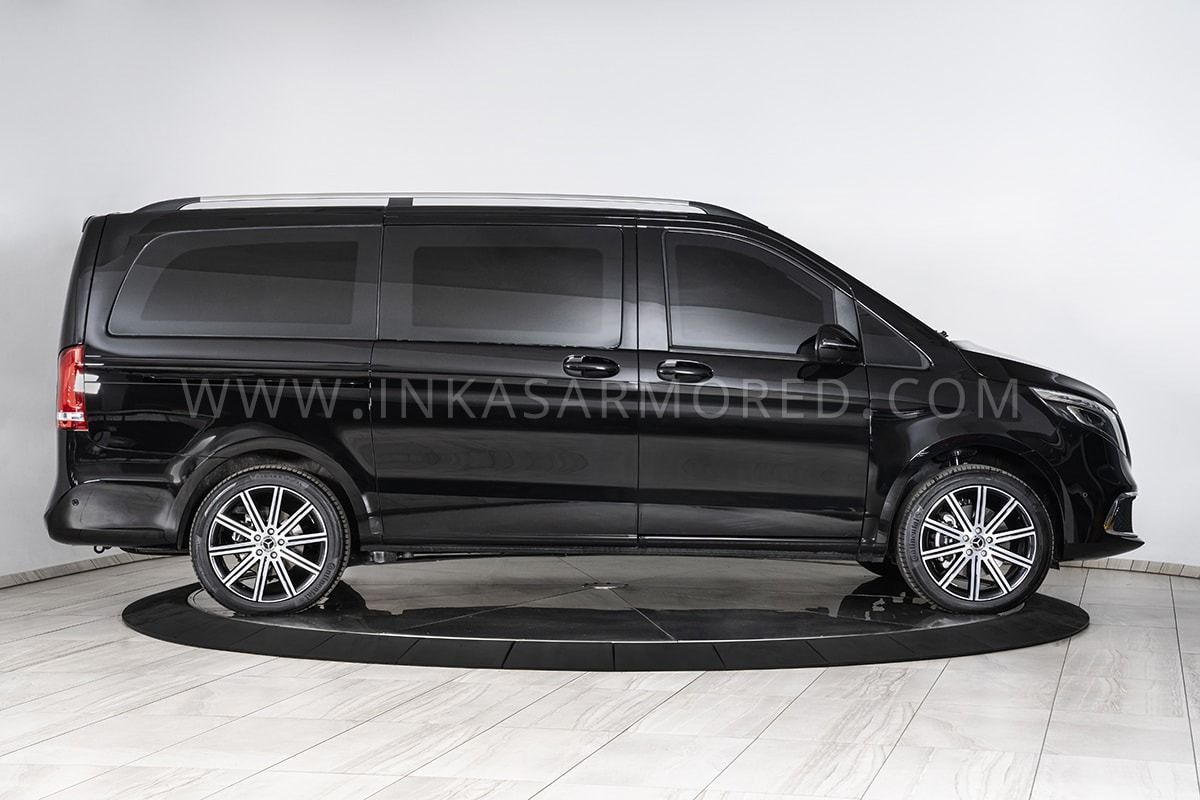
Mercedes-Benz V-Class is Bulletproof

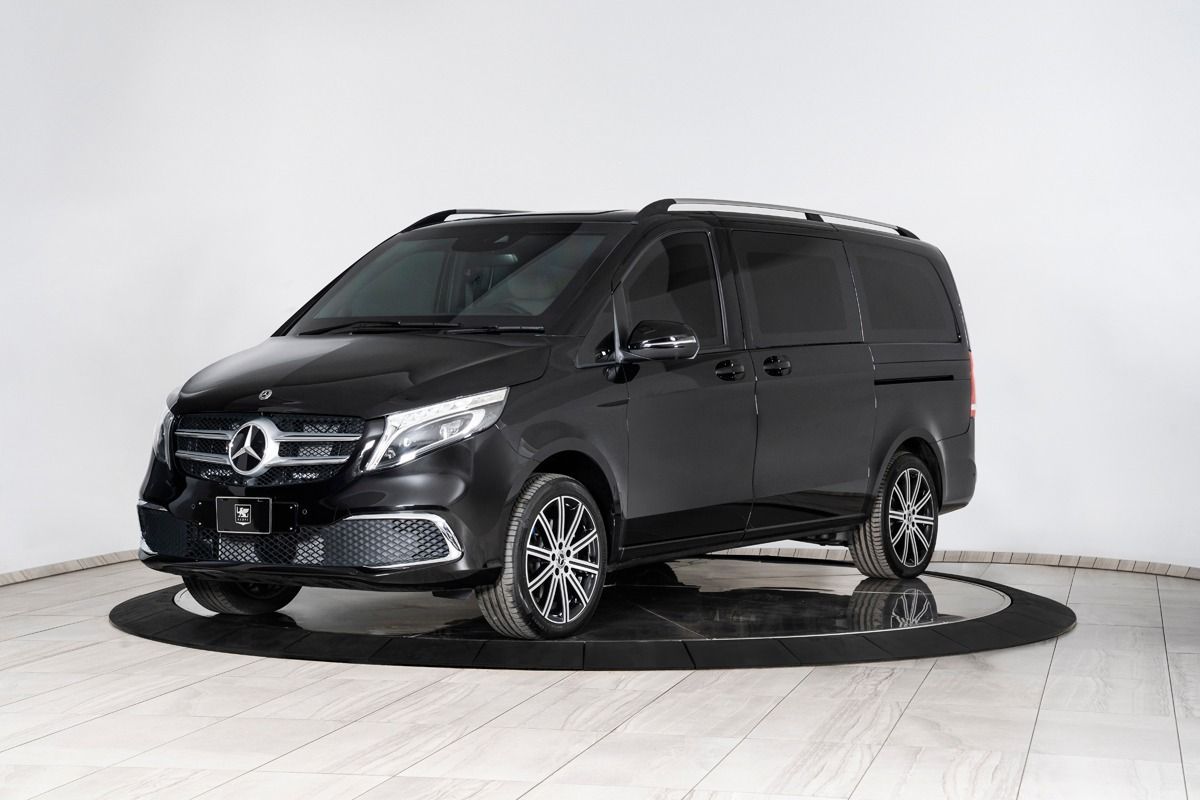
The Mercedes-Benz V-Class is a popular and versatile people-carrier. Now you can get it bulletproofed, perfect for those VIP shuttles. 

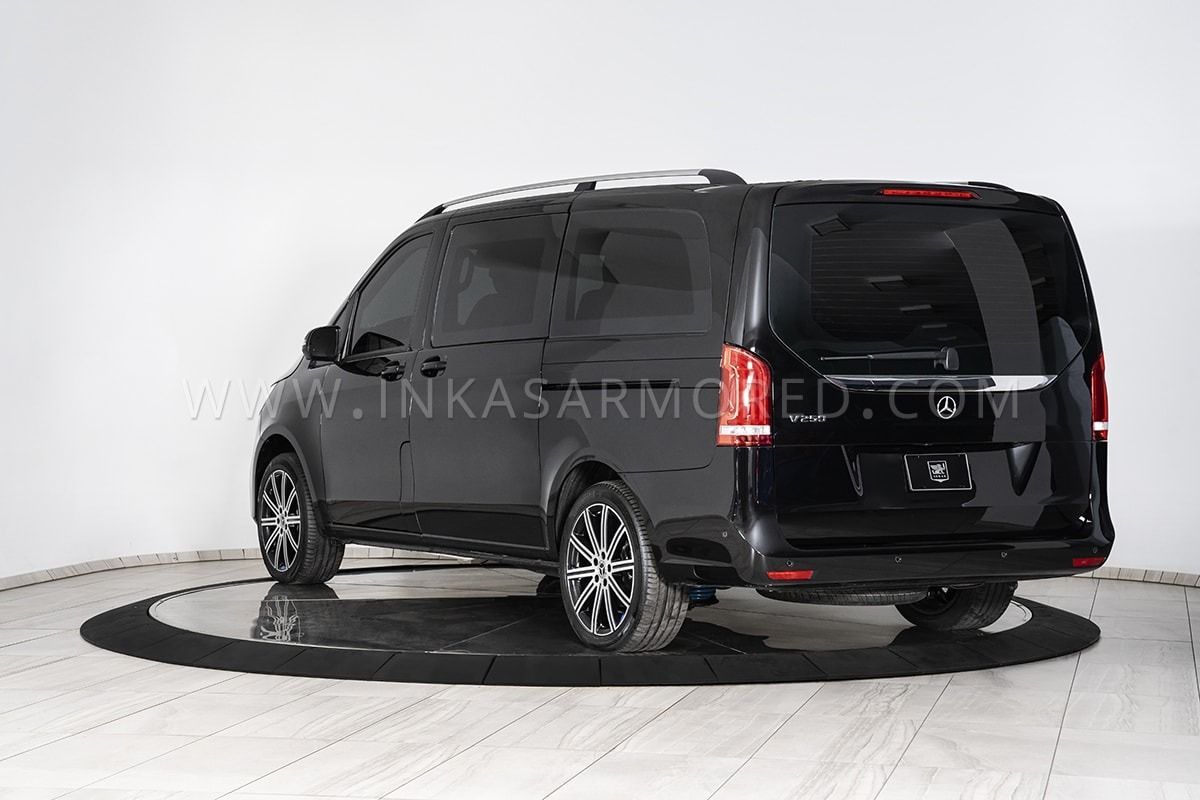
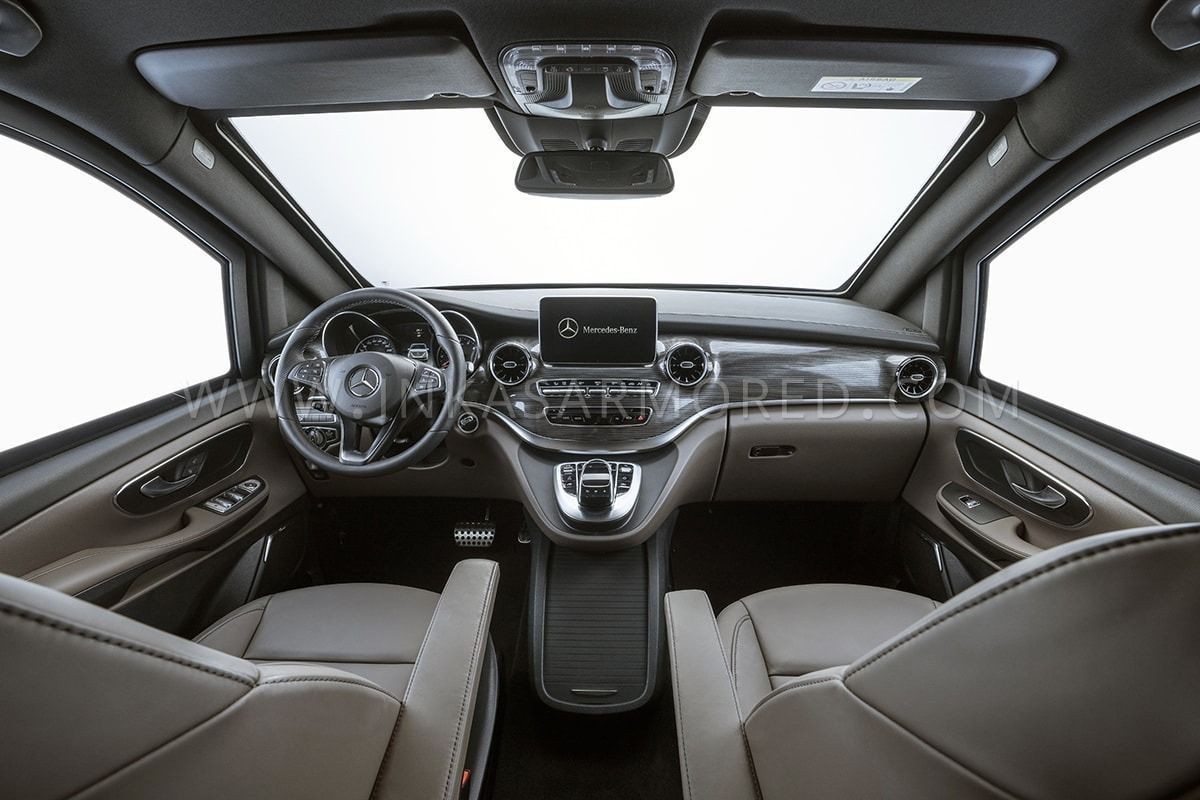
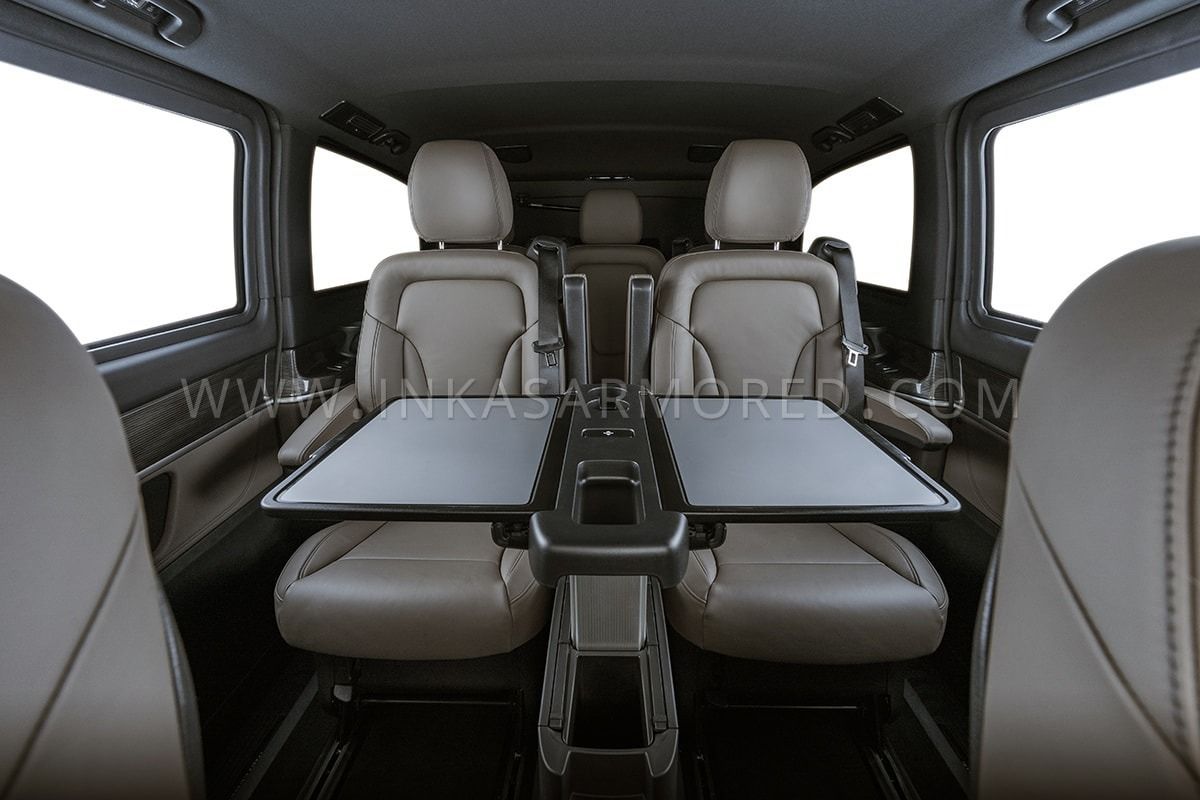
Armouring specialists Inkas has released what looks to be your run-of-the-mill Mercedes-Benz V-Class. But, what you see here is far from it. This Mercedes-Benz V-Class has been given CEN BR6 level ballistic protection, which means it can withstand more than just handgun fire. Inkas claims there's enough armouring here to see the V-Class survive grenade explosions. 

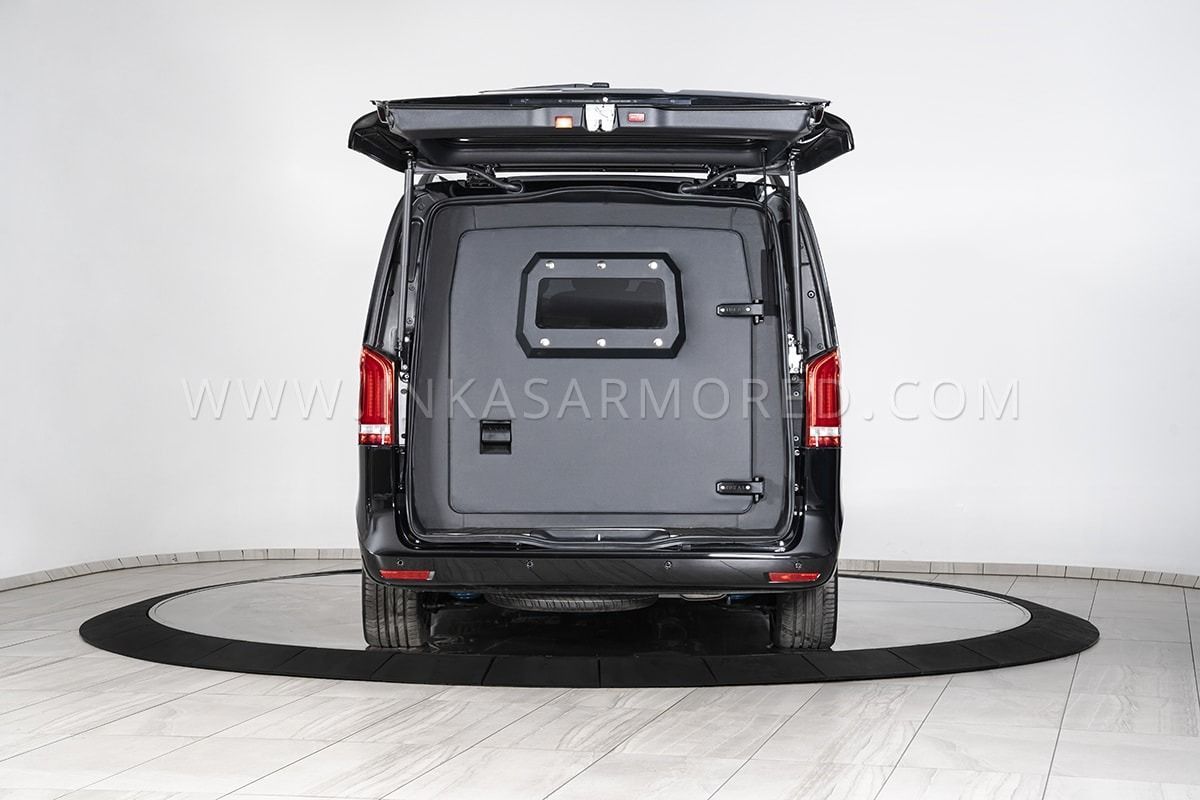
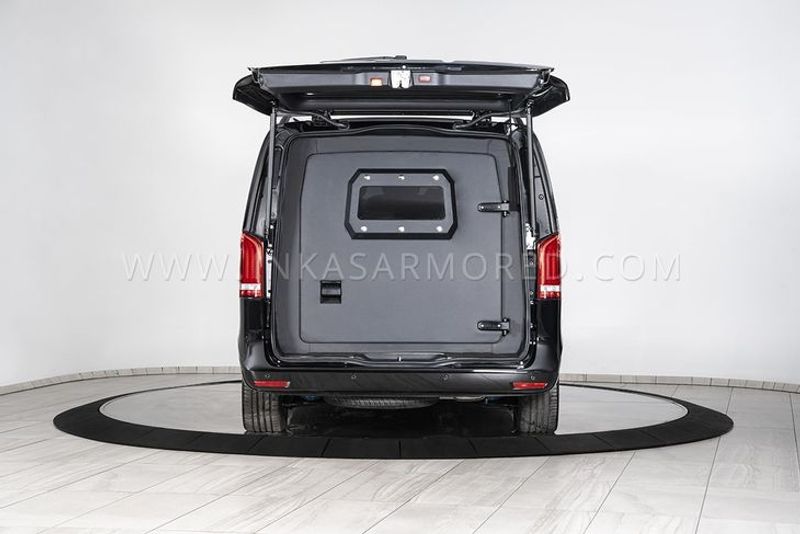
The roof, doors and floor have been reinforced, and bulletproof glass has been installed. Naturally, all of this armouring and glass adds quite a lot of extra weight and this has resulted in improved door mechanisms to cope. There are improvements to the brakes and suspension too. The vehicle also features run-flat tyres to ensure the vehicle can't be disabled. 

Interestingly, there's no mention of any engine enhancements. The South African market received the V300d in 2020, and that features the OM 654 2.0-litre turbodiesel tuned to deliver 176 kW and 500 Nm and is equipped with a 9-speed automatic transmission.


The armoured rear door in the Inkas-fettled Mercedes-Benz V-Class

Further Reading

Mercedes-Benz V-Class (2019) International Launch Review

Mercedes-Benz V300d (2020) Specs & Price
All-New Mercedes-Benz V250 Gets Brabus Treatment

V-Class by Schawe Car Design Interior is Next Level

Meet The Ultimate Mercedes-Benz V-Class

New Peugeot Landtrek Bakkie Coming to SA

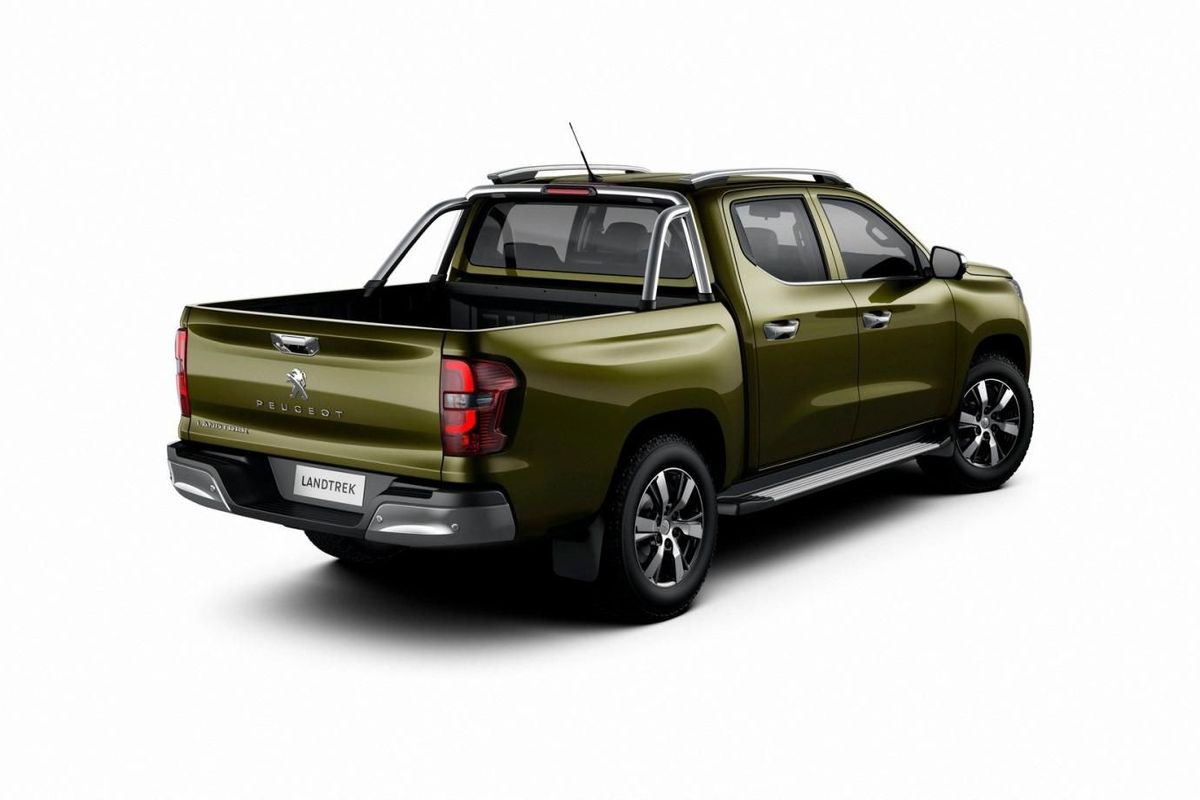
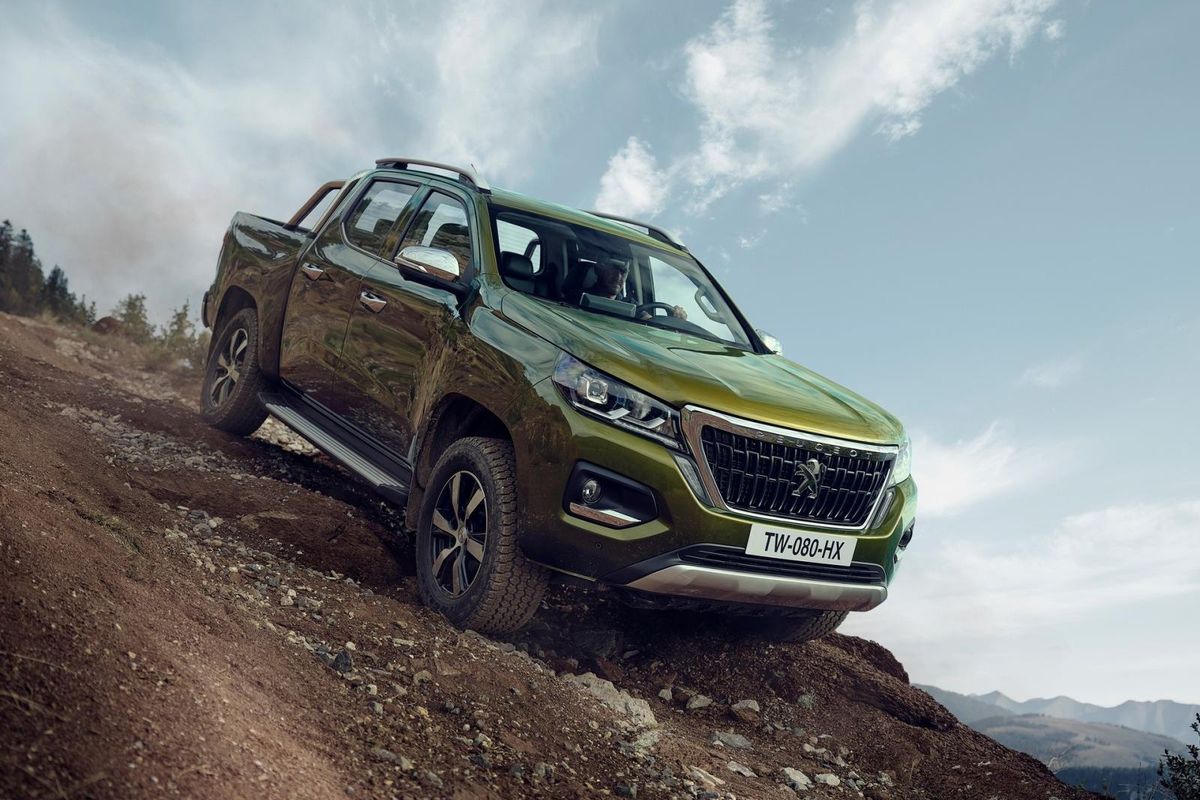
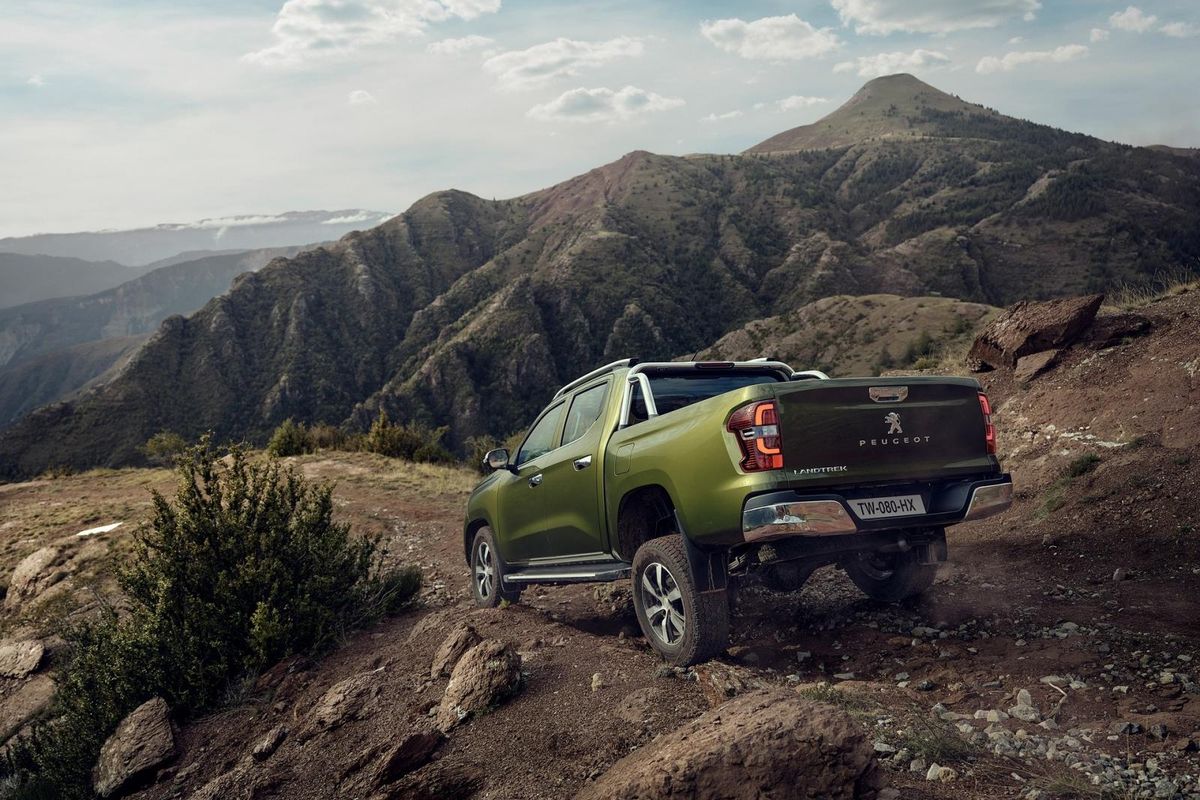
Peugeot has revealed a new 1-tonne Landtrek bakkie which is destined for the South American and sub-Saharan African markets. The good news is that it has been confirmed for introduction in South Africa in 2021!

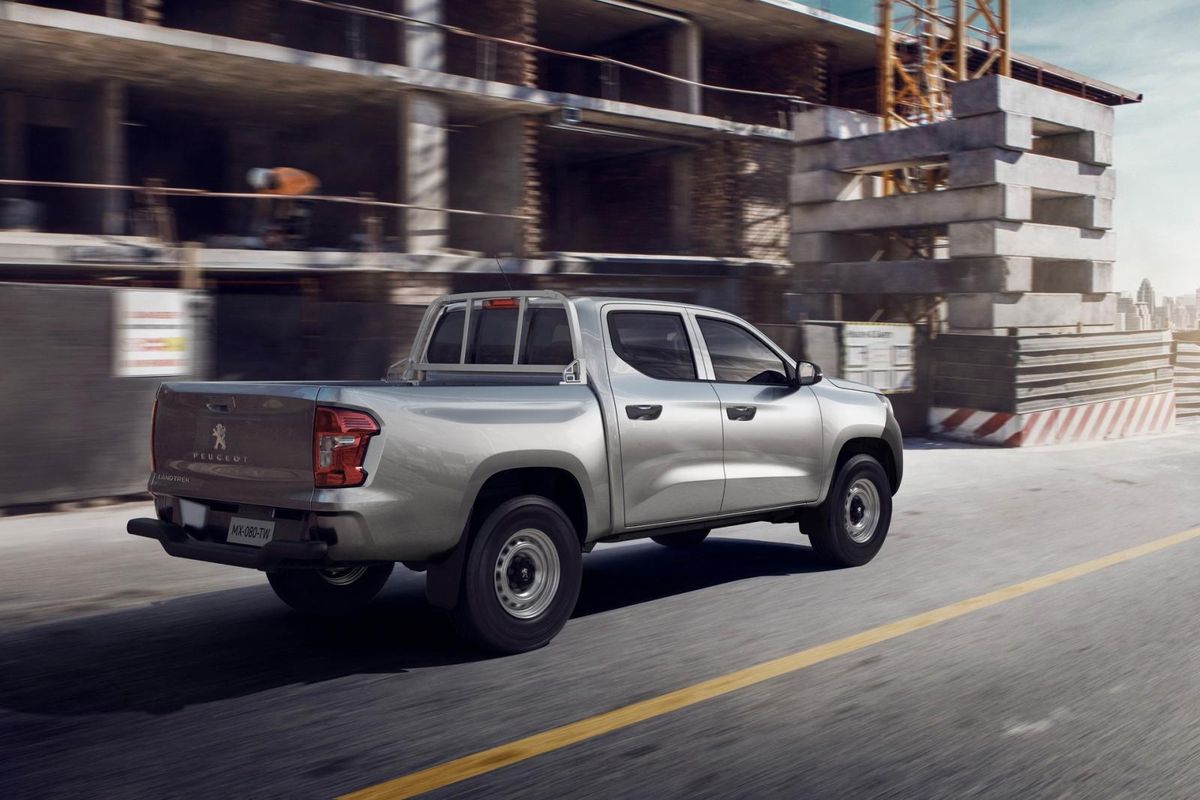
Peugeot has revealed a new bakkie and it’s called Landtrek, born of a collaboration between Peugeot and Chinese manufacturer, Changan. It's built on a new platform that also underpins the China-only Changan Kaicheng F70. 

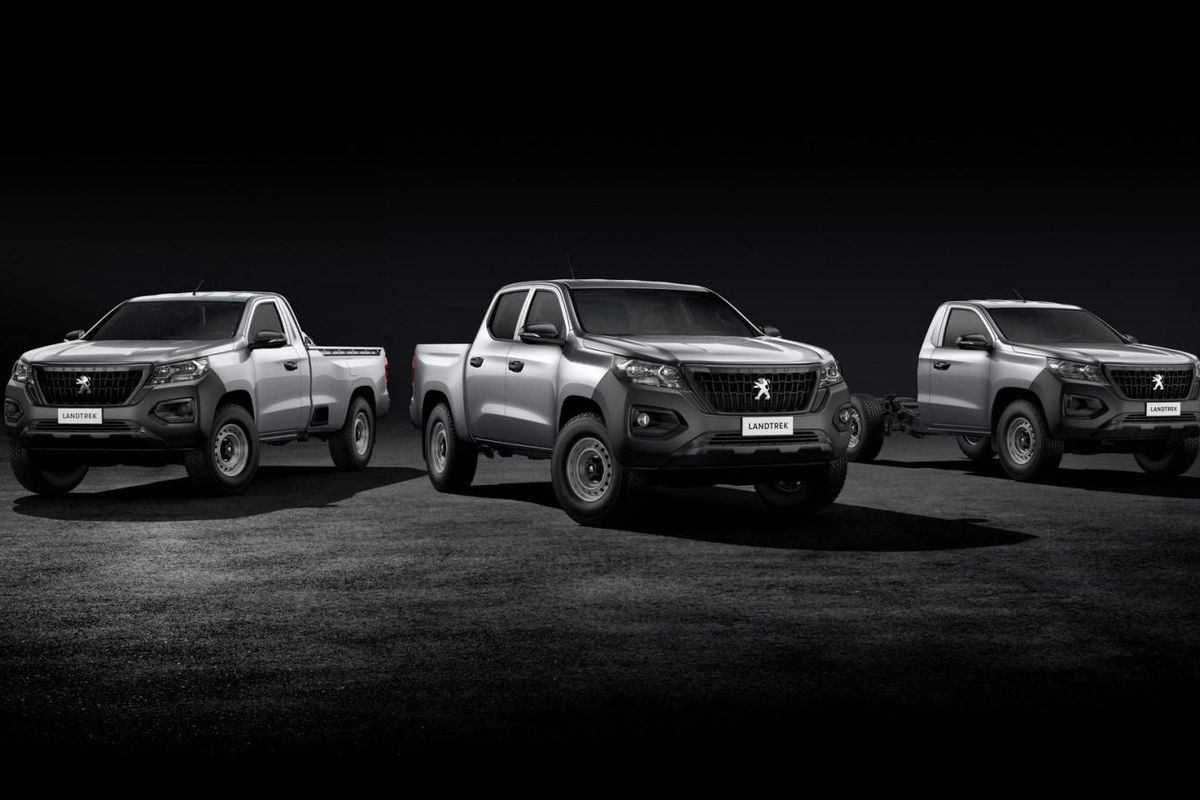
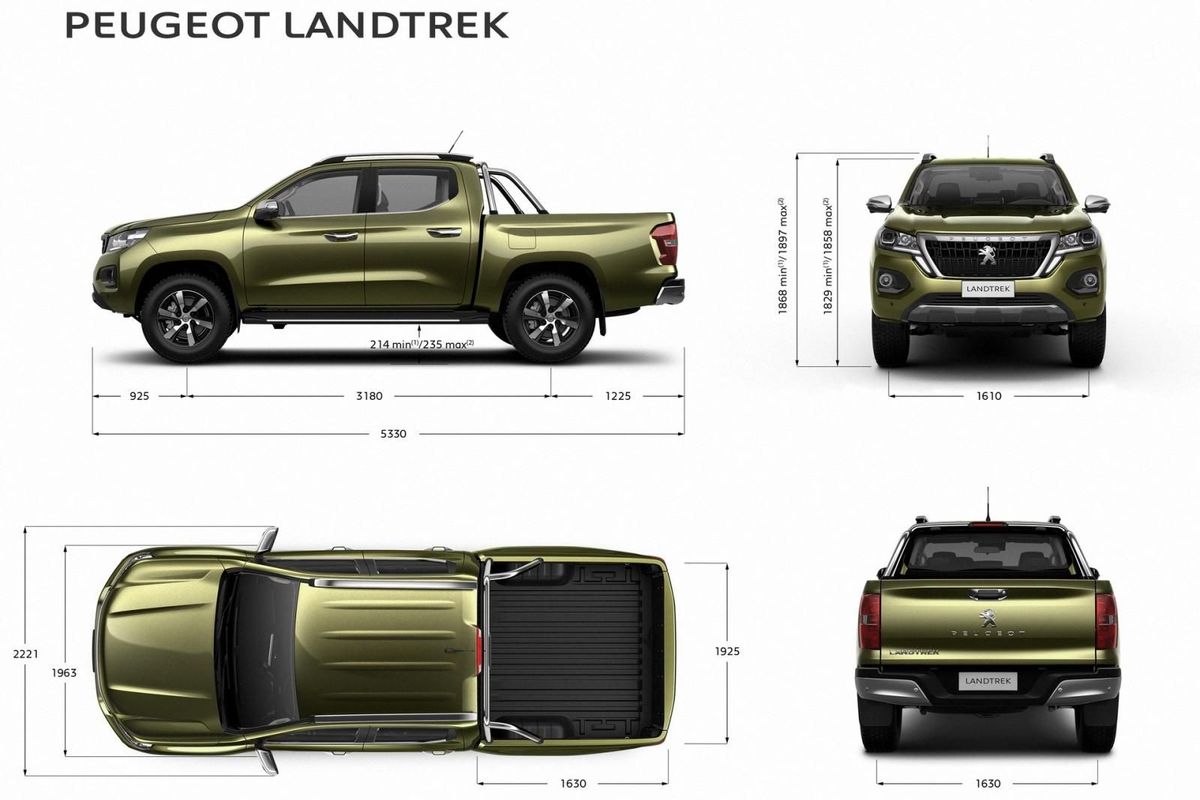
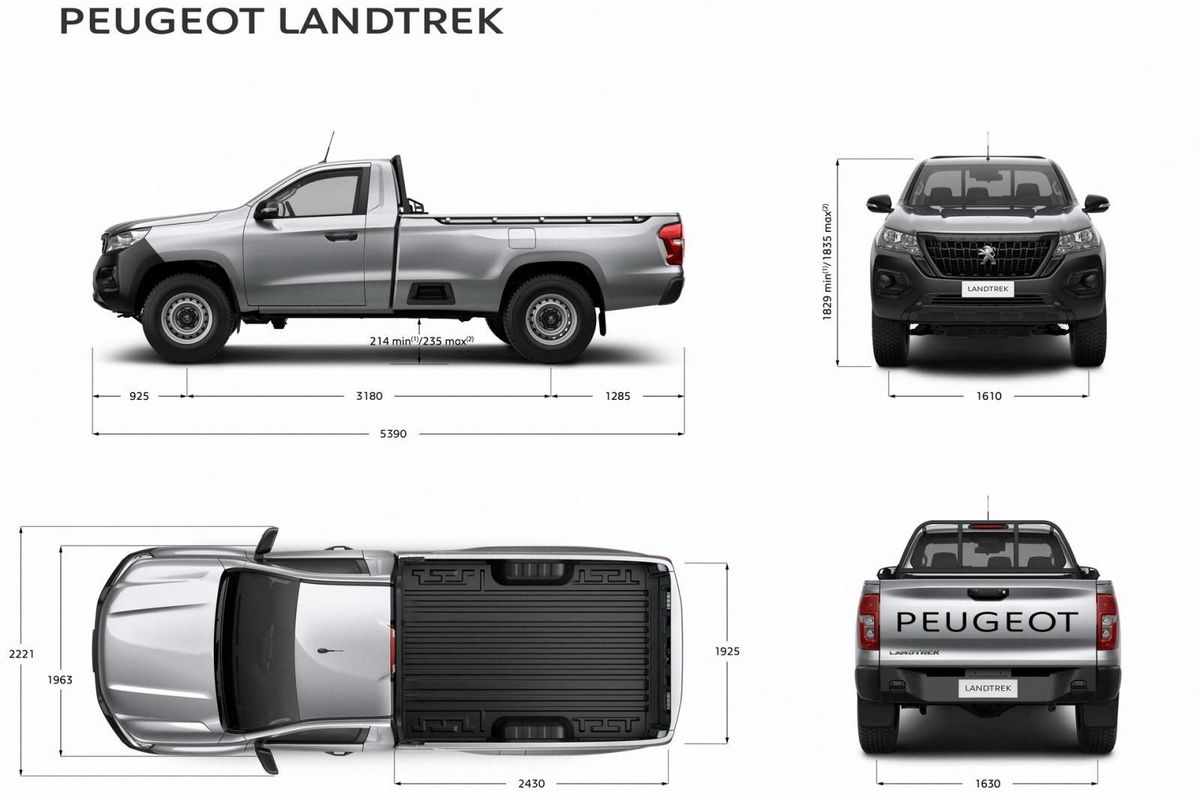
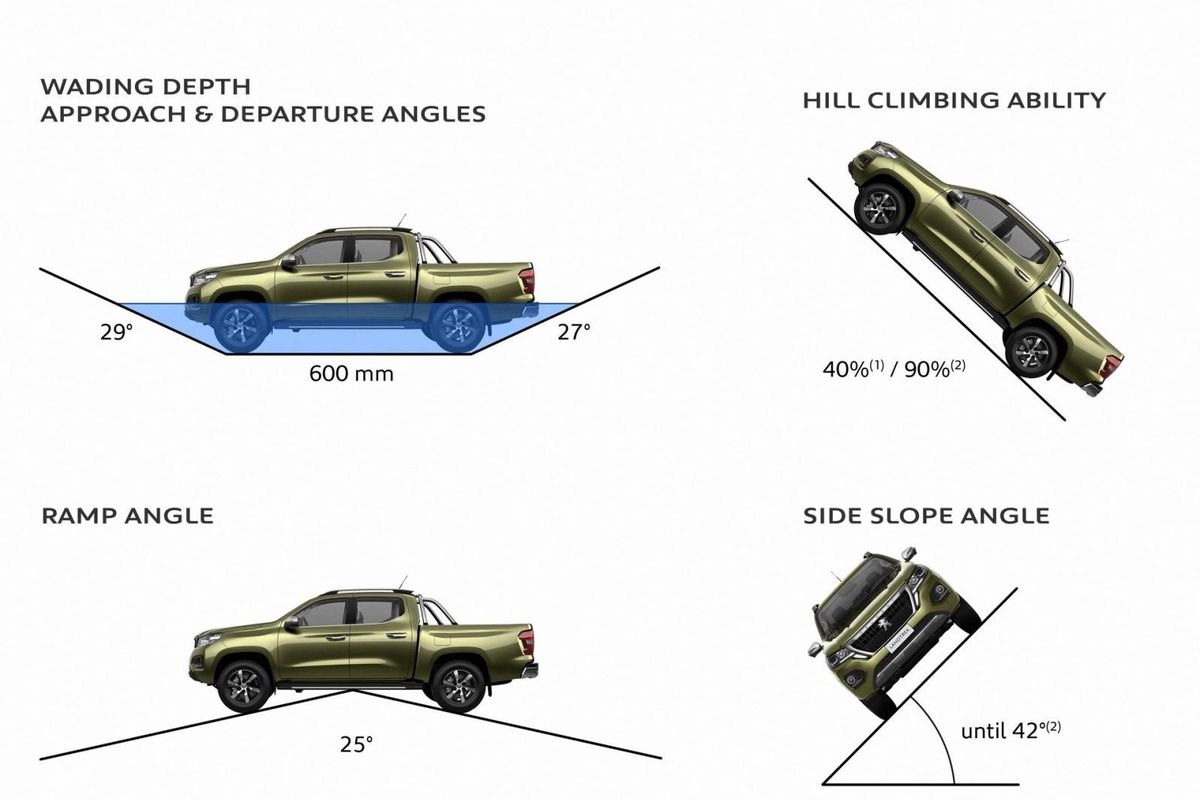
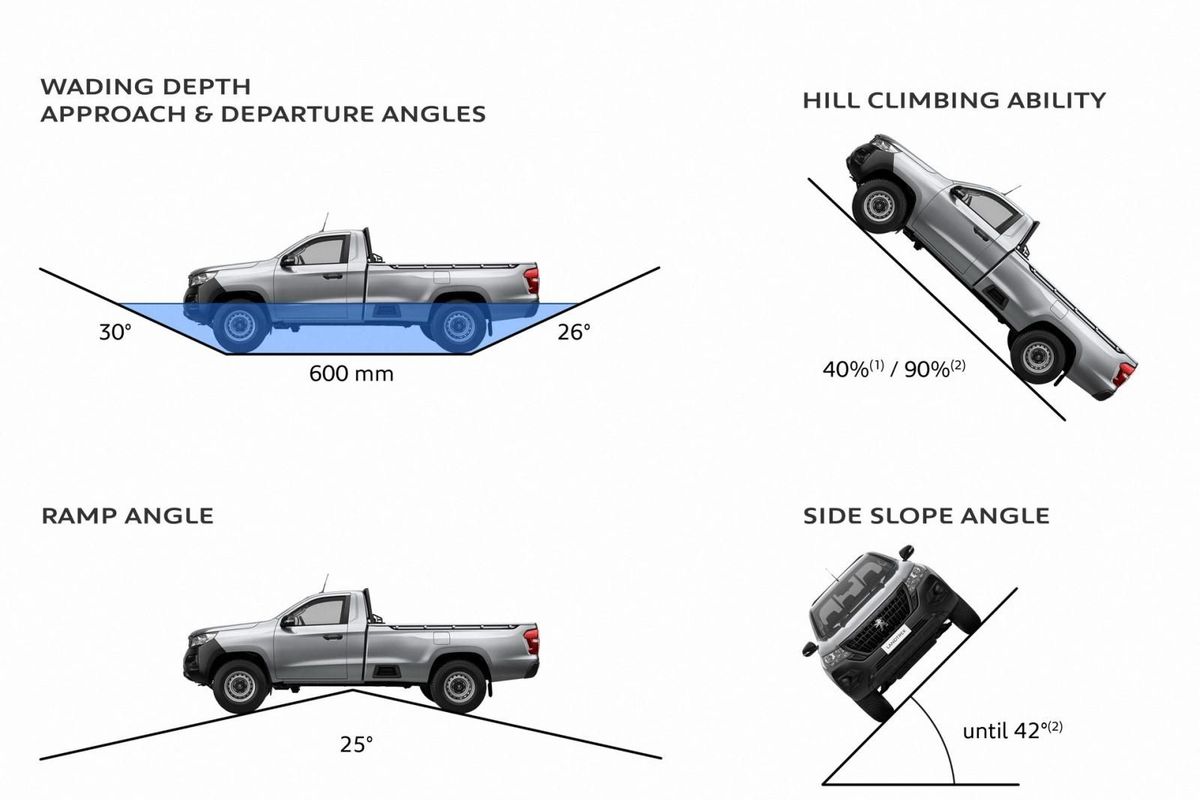
The Peugeot Landtrek is offered in 3 body shapes including single-cab, double-cab and chassis cab, catering for both the workhorse and lifestyle market. The Landtrek has a payload of 1.2 tons and a notable towing capacity of up to 3.5 tons. Ground clearance is pegged from 214 mm to 235 mm, depending on the derivative. 

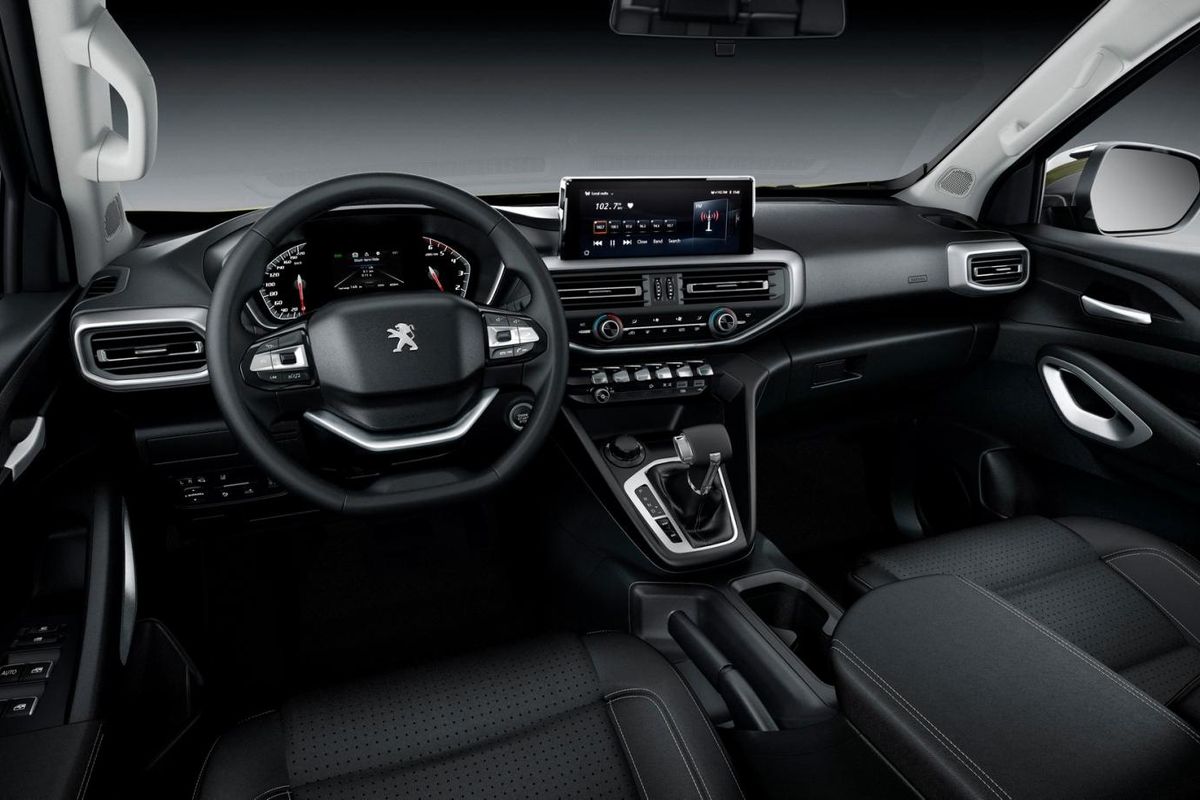
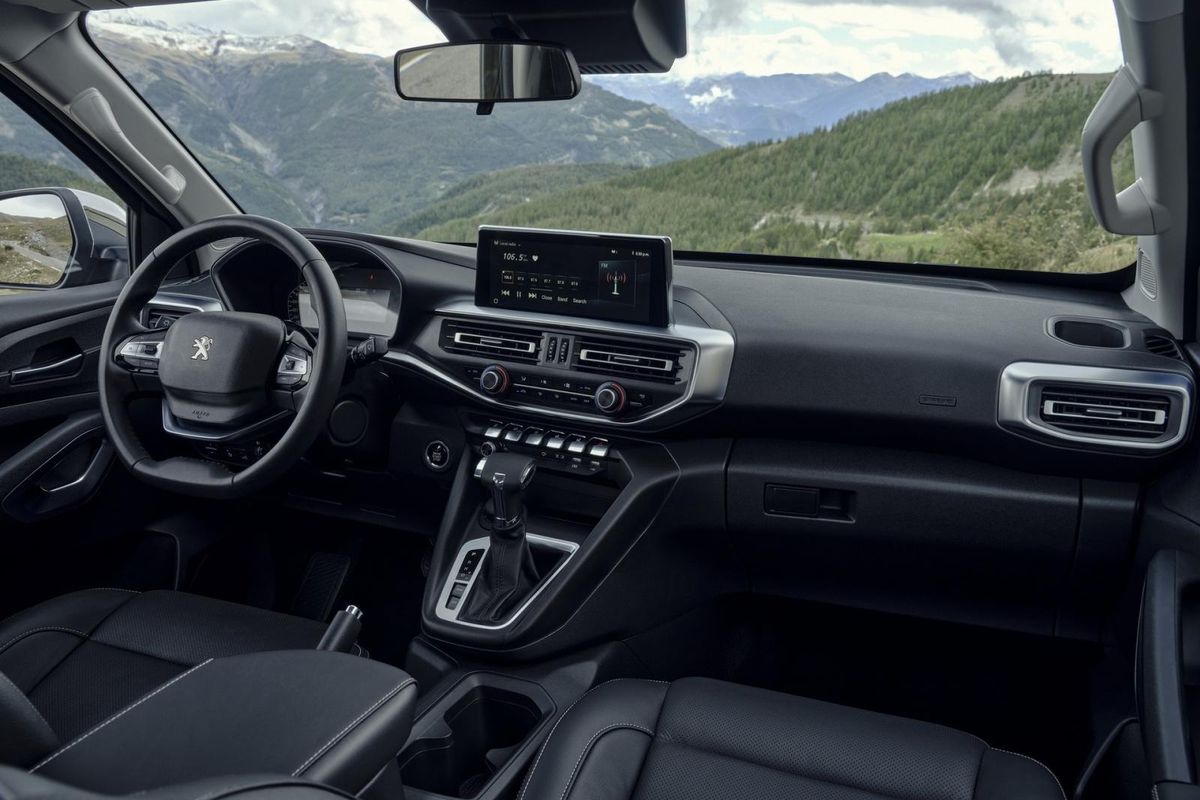
The Landtrek's interior appears to be quite nice, don't you think? 

Inside, the Landtrek actually looks quite impressive and many of the features are taken straight from Peugeot’s parts bin including a steering wheel from the 3008 and the 10-inch touchscreen from the 508 along with Apple CarPlay and Android Auto capability and a 10GB hard drive. Standard feature specification appears to be quite generous with a 360-degree camera system (up to 4 cameras can be fitted) and dual-zone climate control included in the mix. A total of 6 airbags, electronic stability control, lane departure warning, Trailer Swing Control and hill descent control are also part of the standard kit. 

Notably, the backrest can fold down in a 60:40 split and buyers will be able to choose between 2 individual front seats (with an armrest) or a 3-seater multiflex bench. As a result, the Landtrek can accommodate up to 6 passengers depending on the derivative. A total of 27-litres of storage space is offered in the cabin. 

The Landtrek can be had in either 4×2 or 4×4 guise and is powered by either a petrol or diesel engine. The 2.4-litre turbopetrol engine offers outputs of 157 kW and 320 Nm of torque while a 1.9-litre turbodiesel engine develops 112 kW and 350 Nm of torque. The petrol engine is mated with either a 6-speed Getrag manual or 6-speed automatic transmission while the diesel engine is mated exclusively with the manual ‘box. 4×4 derivatives are equipped with 4H and 4L modes to tackle various terrain as well as a rear differential with a eLocker system that can disengage automatically to gain more traction. Wading depth is rated at 600 mm. 

Peugeot South Africa has confirmed that the Landtrek will come to South Africa in 2021 and it will likely be offered in both single-cab and double-cab guise.  

Related Content 

Peugeot Unveils Bakkie for Africa

5 Cheapest Automatic Double-Cab Bakkies in SA