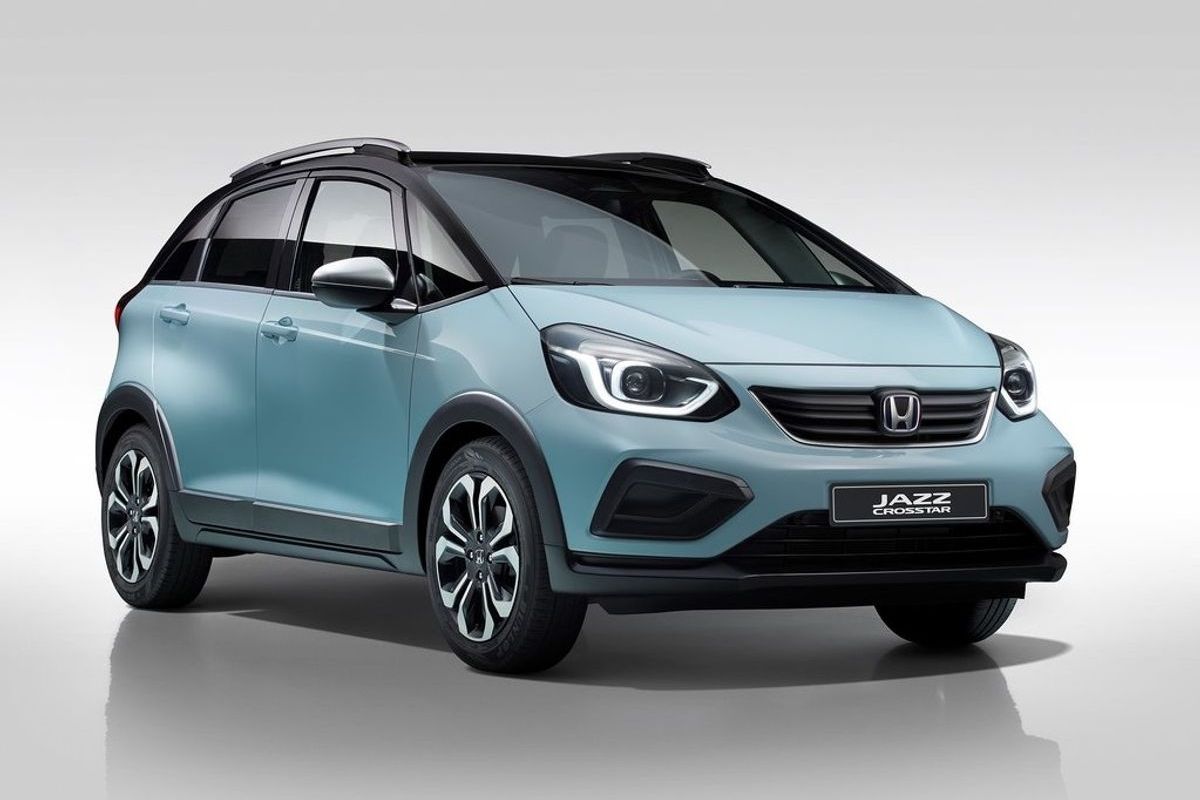
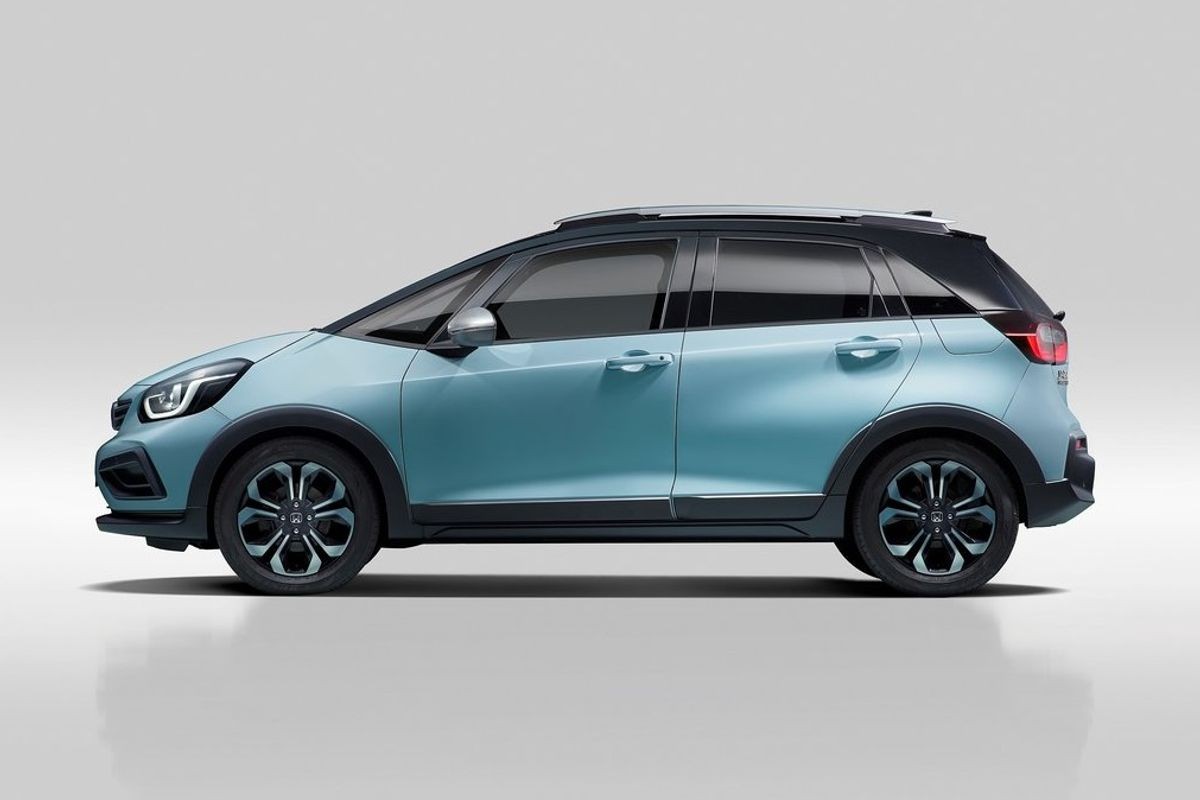
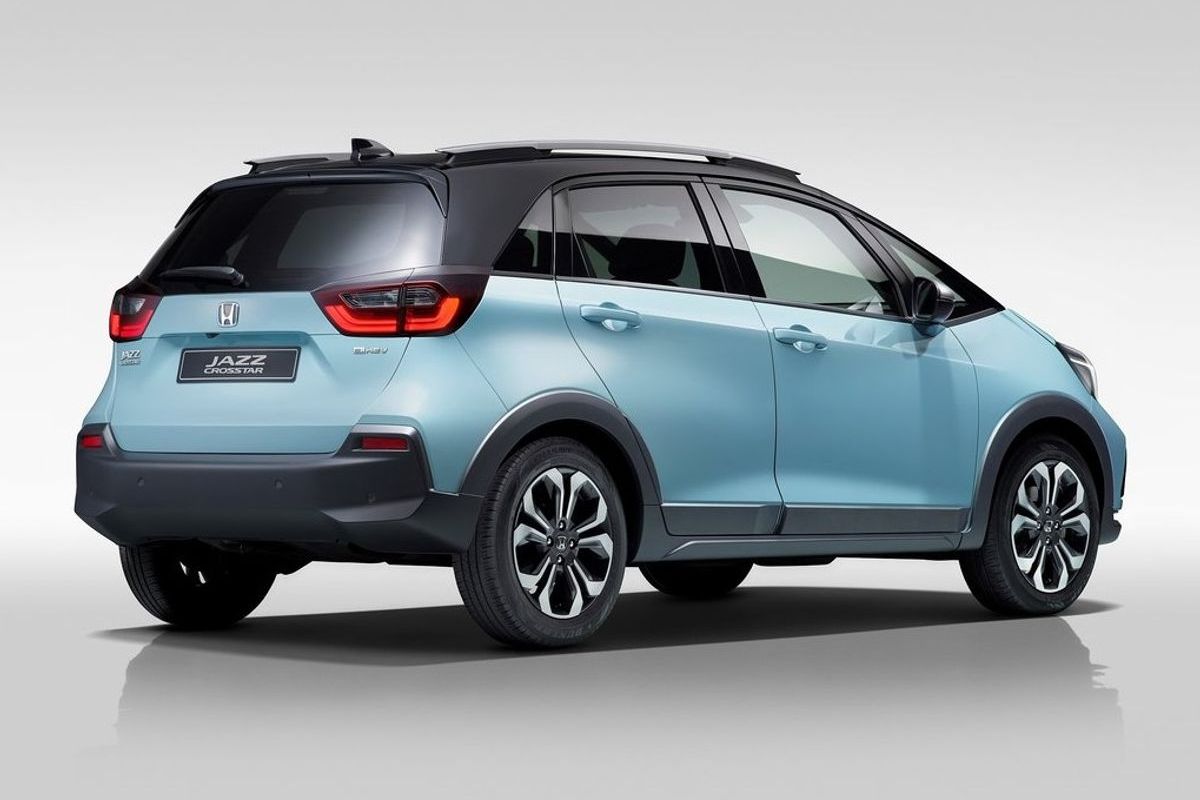
The Honda Jazz has a reputation for offering notable practicality and reliability and while the current Jazz is long-in-the-tooth, Honda is looking at introducing the new Jazz in South Africa in 2021.
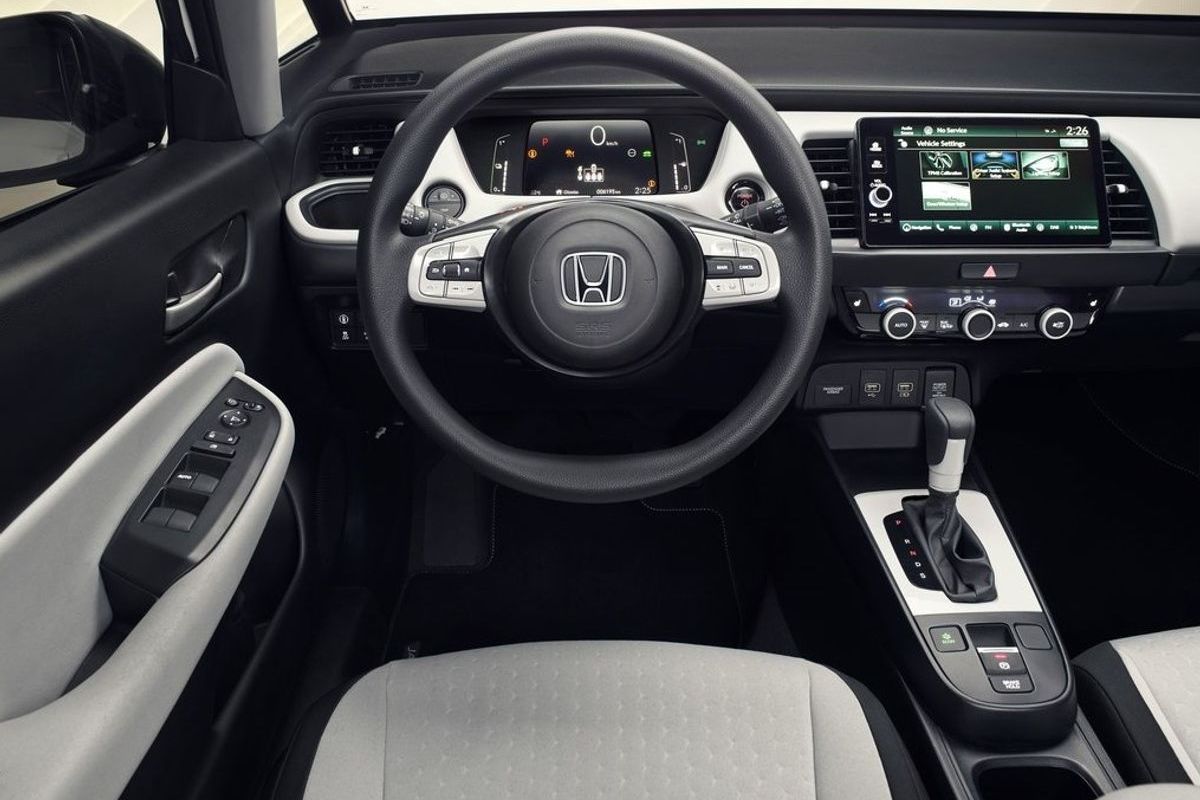
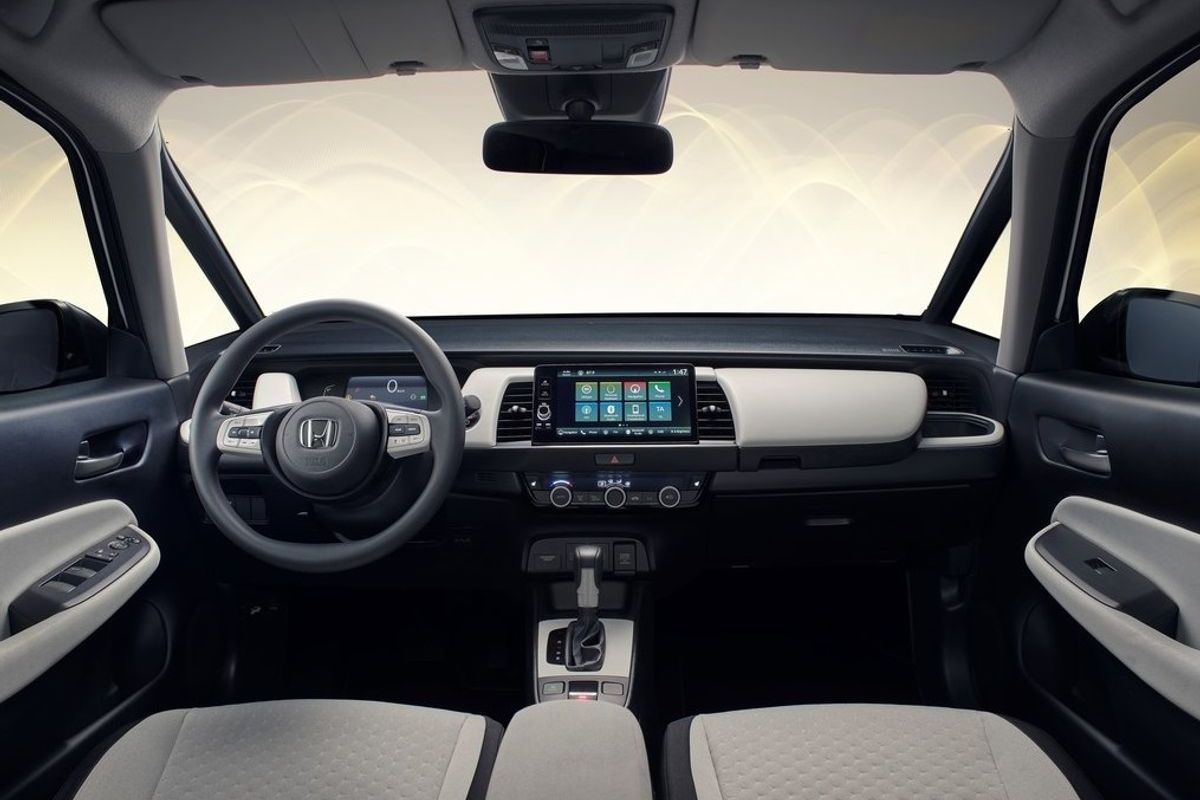
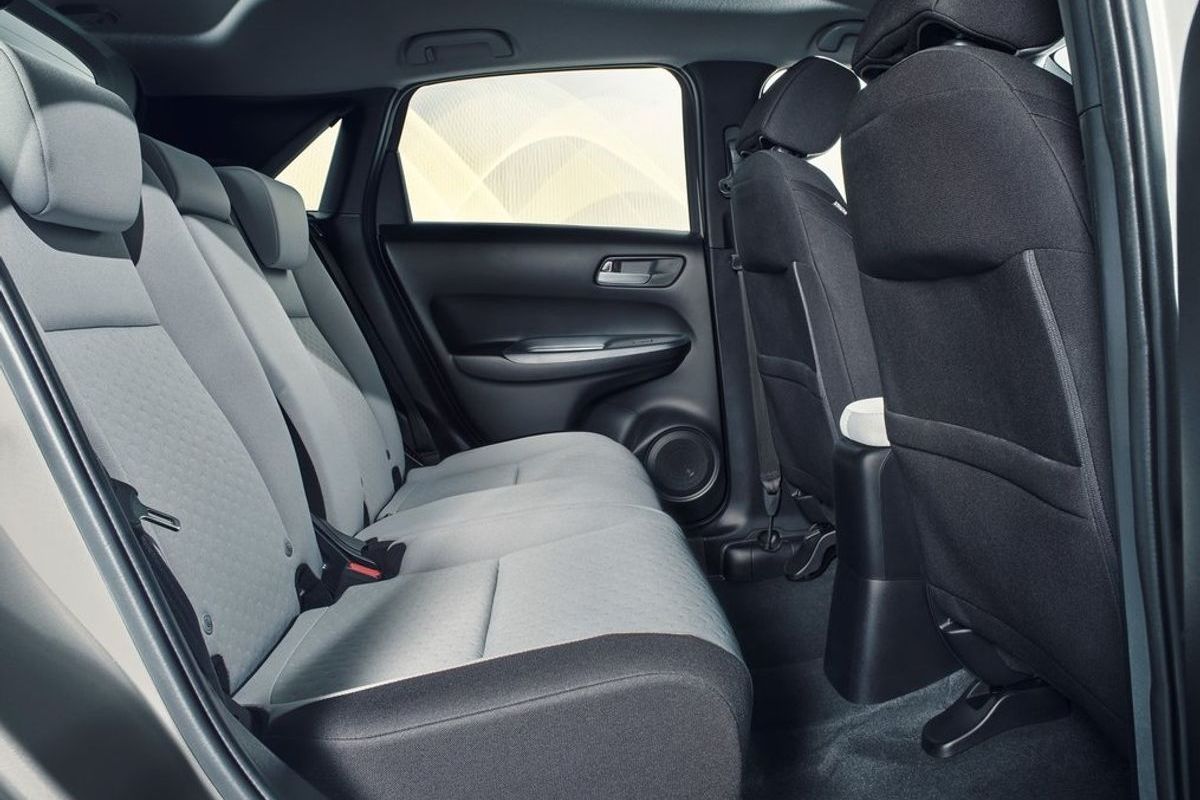
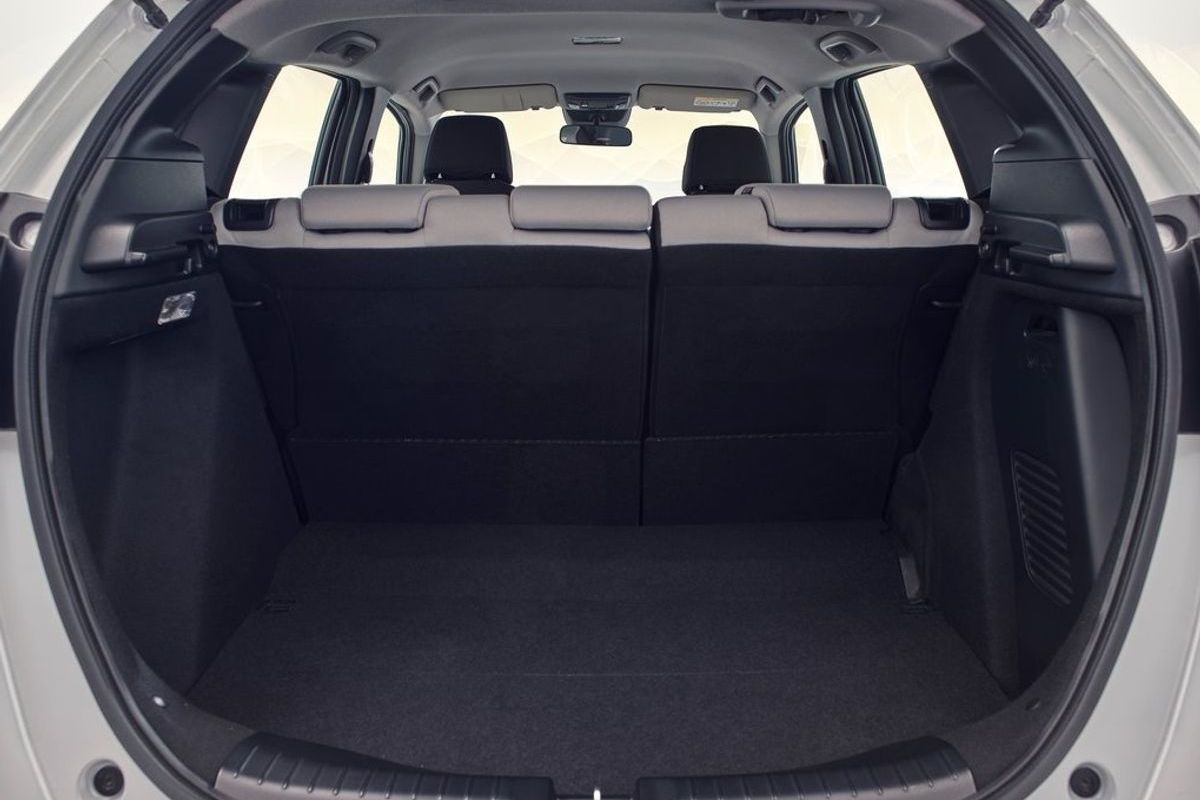
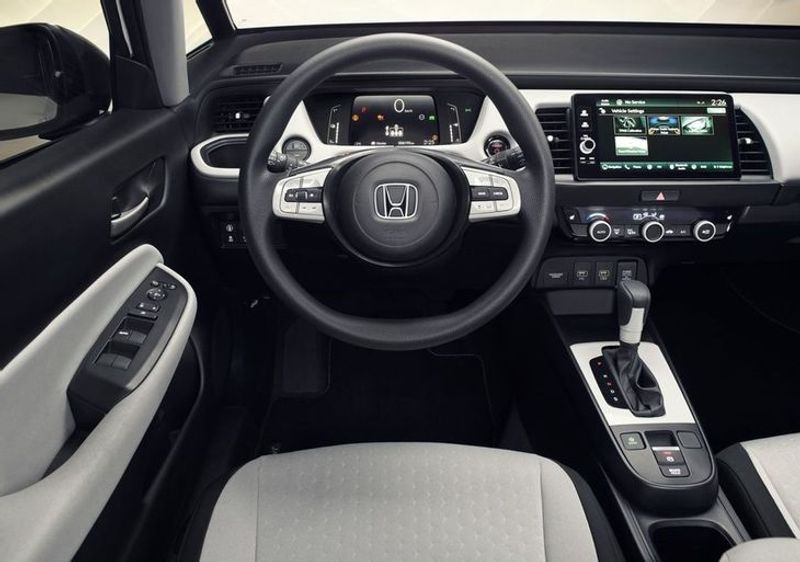
The fourth-generation Honda Jazz was revealed last year boasting improved styling and a more modern interior which now features a new touchscreen infotainment system with Apple CarPlay and Android Auto functionality. Passenger comfort has also been enhanced with new seat designs and Honda’s Magic Seat design has been carried over from the previous generation Jazz which boosts the practicality credentials of the Jazz appreciably.
The new Jazz is also equipped with Honda Sensing technology which includes a wider front camera which is able to detect pedestrians and cyclists in conjunction with improved Collision Mitigation Brake System (CMBS). Other useful features include adaptive cruise control and lane-keeping assist. However, it remains to be seen whether these features will be included in the SA-spec Jazz.
The new Honda Jazz features a modernised interior while retaining its practicality which has made it so popular.
In Japan, the Jazz is sold with a hybrid powertrain as well as a 1.3-litre i-VTEC petrol engine that produces 72 kW @ 6 000 rpm and 118 Nm of torque at 5 000 rpm. It’s likely that this 1.3-litre powerplant will be offered locally in conjunction with a Continuously Variable Transmission (CVT).
The new Jazz should be relatively well received on local soil and it will complement the recent introduction of the new WR-V compact SUV as well as the new Ballade sedan in South Africa. A new Ballade-based hatchback was also recently introduced in Thailand which is set to replace the Jazz in some markets but the City hatchback (as it’s named in Thailand) has reportedly not been earmarked for introduction in South Africa, even though it might actually be a worthy rival to the popular Volkswagen Polo Vivo.
The new Jazz is destined to reach South Africa in the second half of 2021. We will keep you updated as soon as more information becomes available.
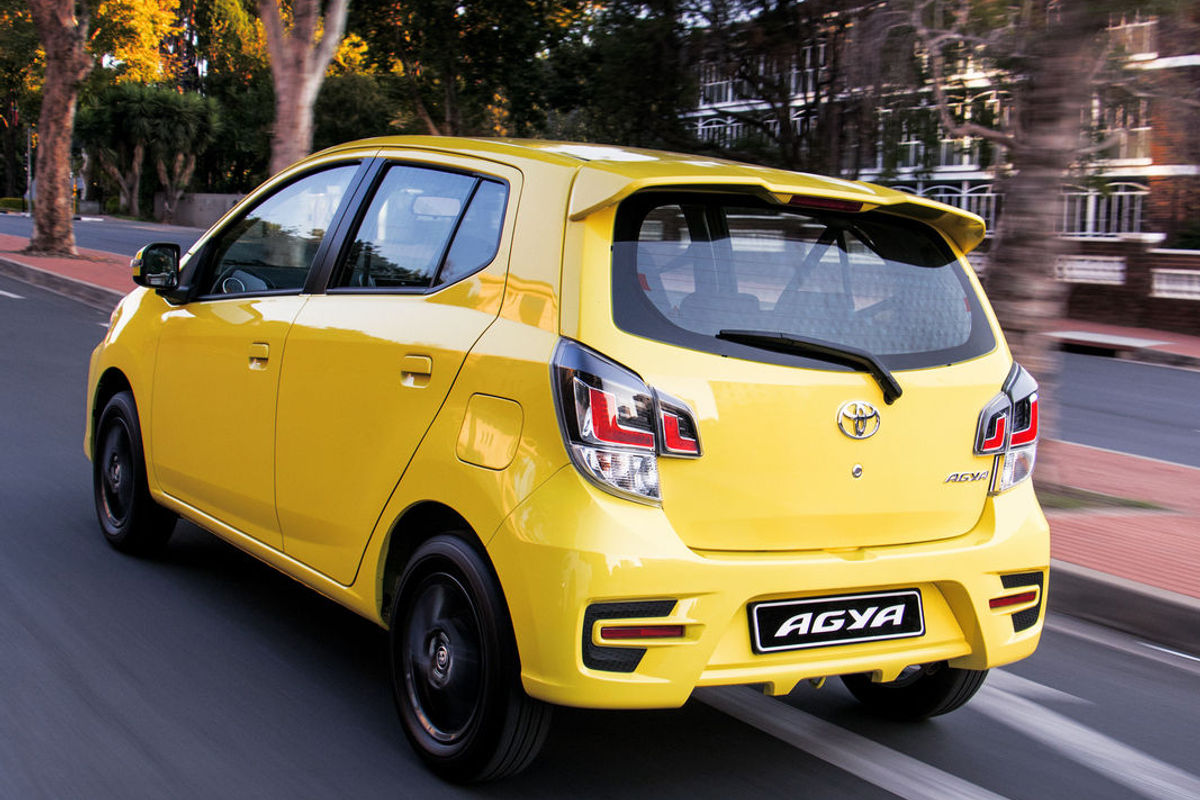
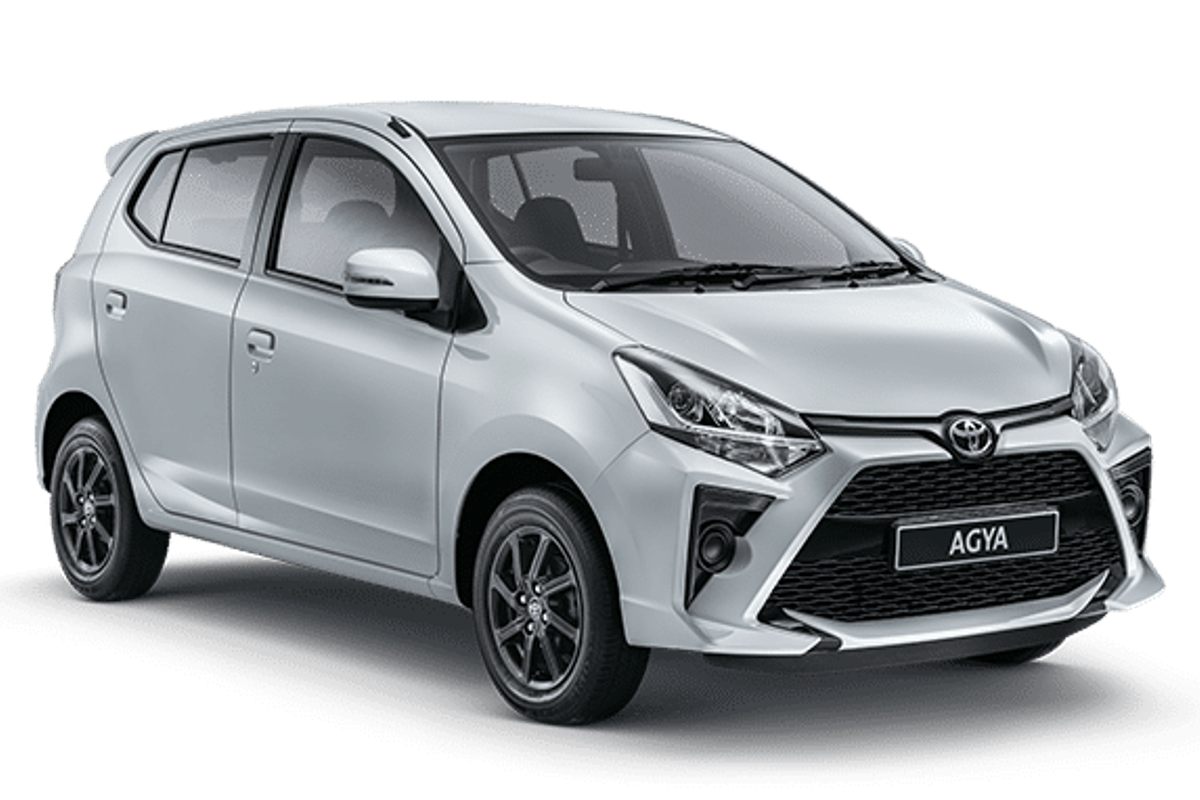
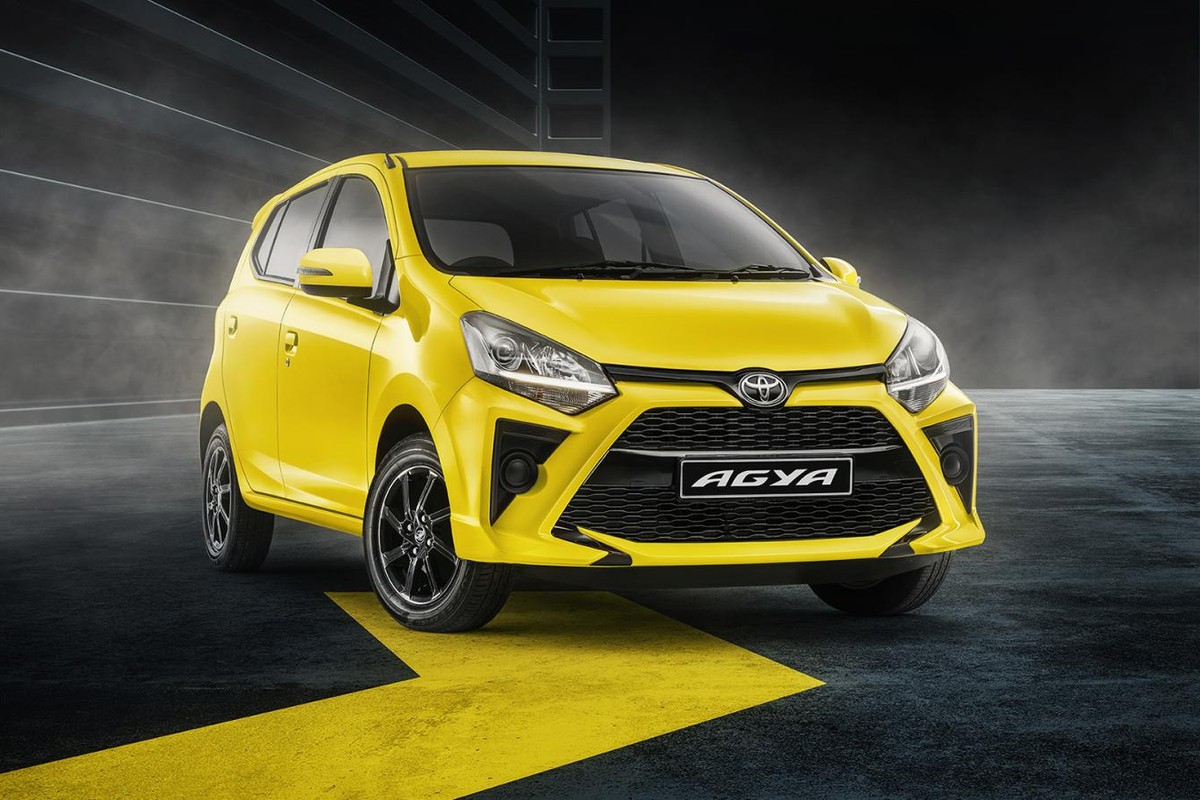
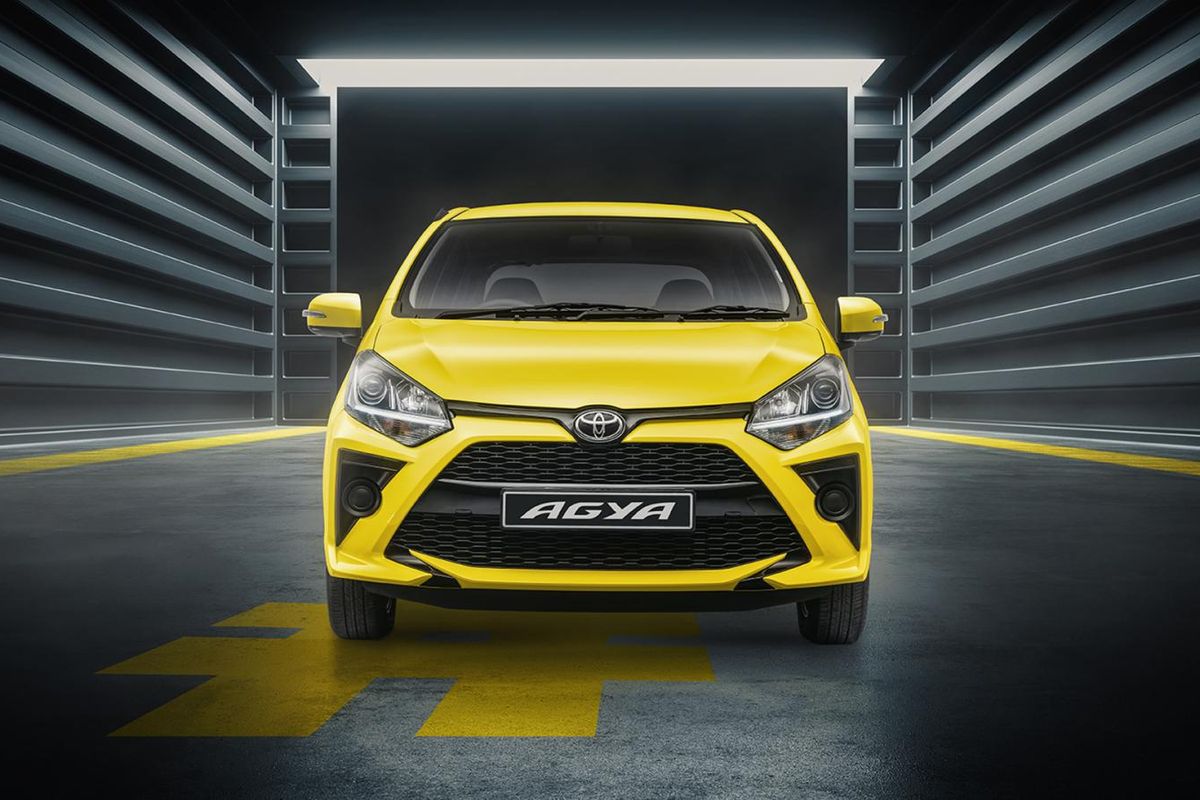
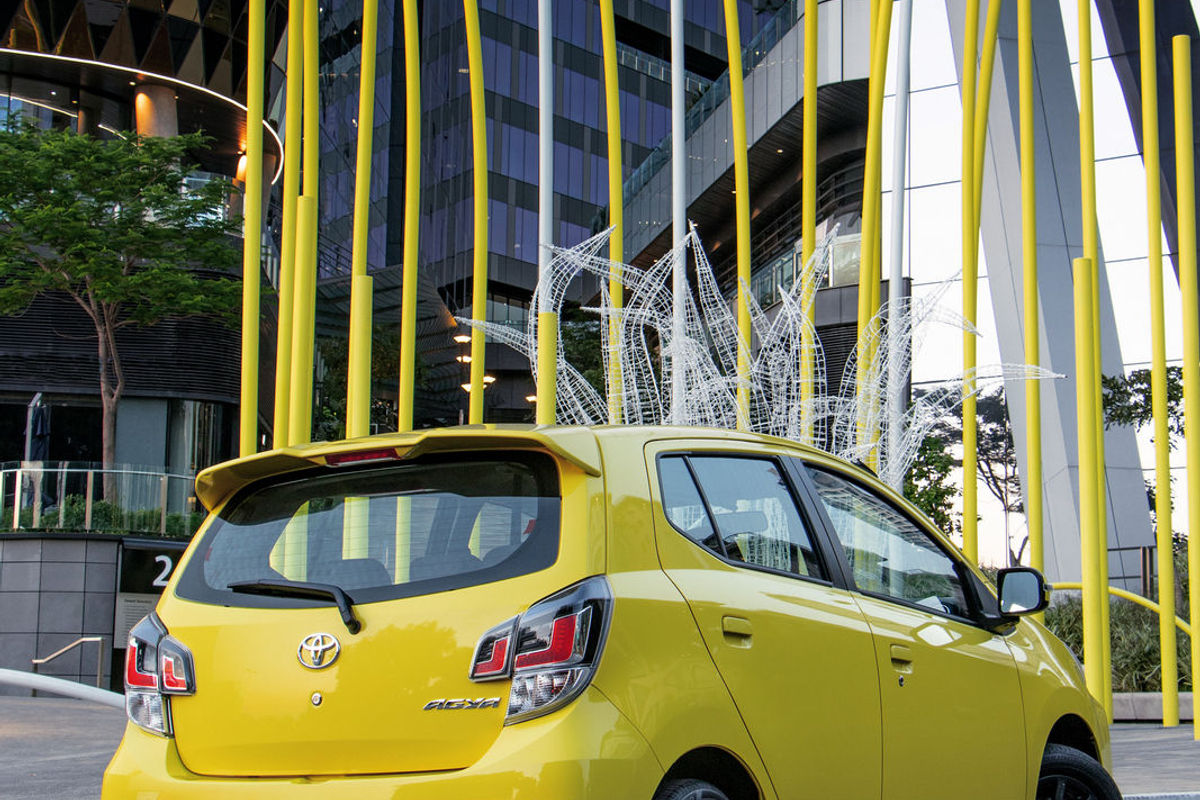
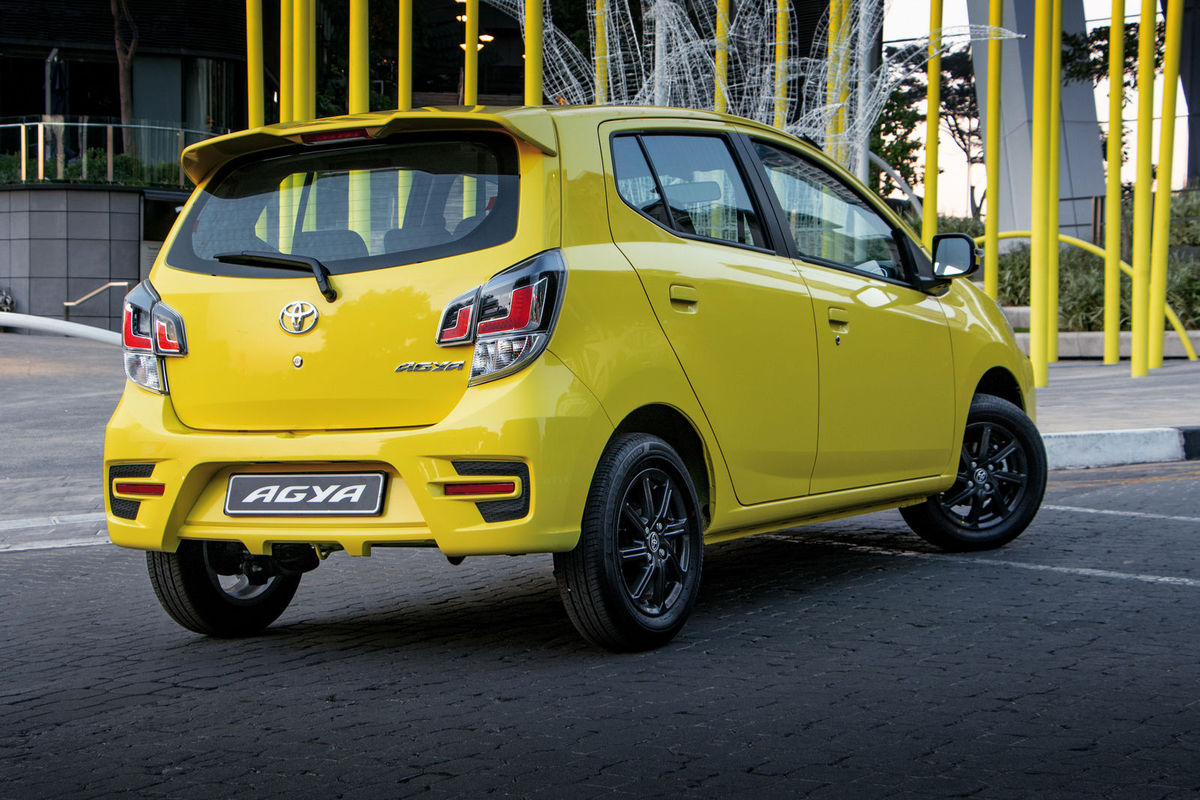
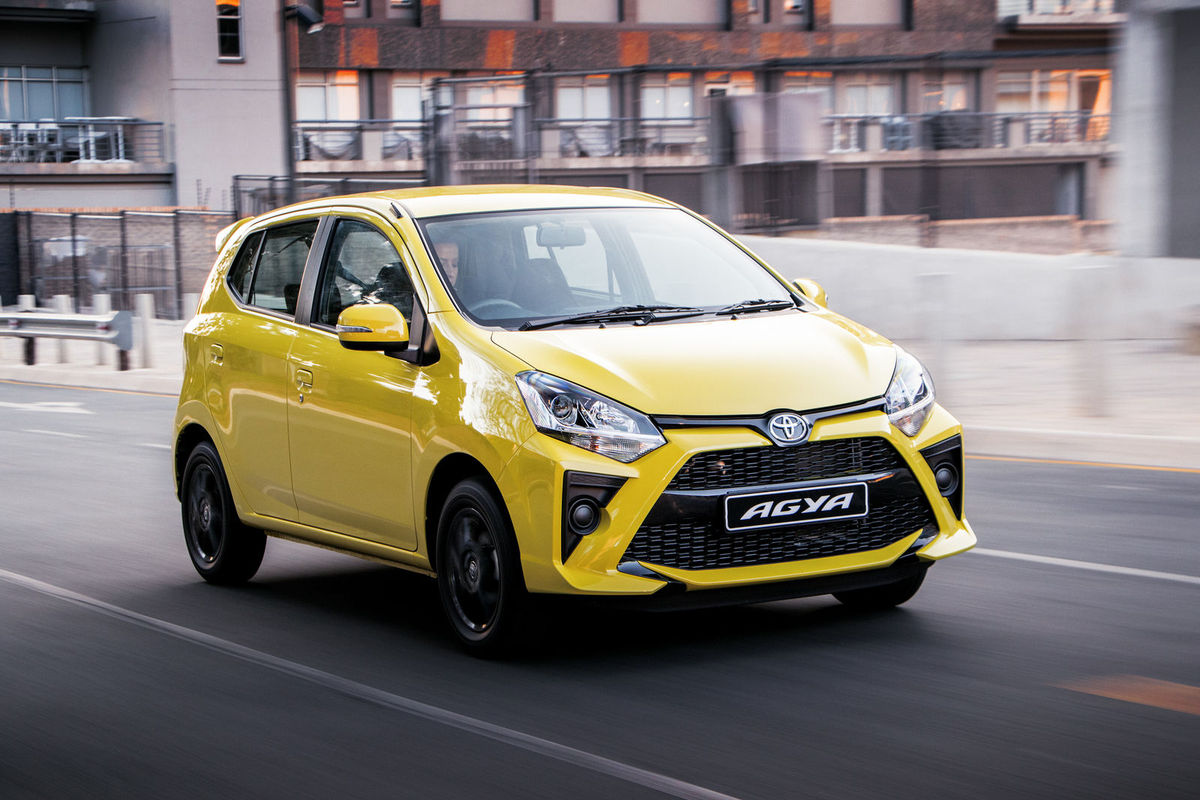
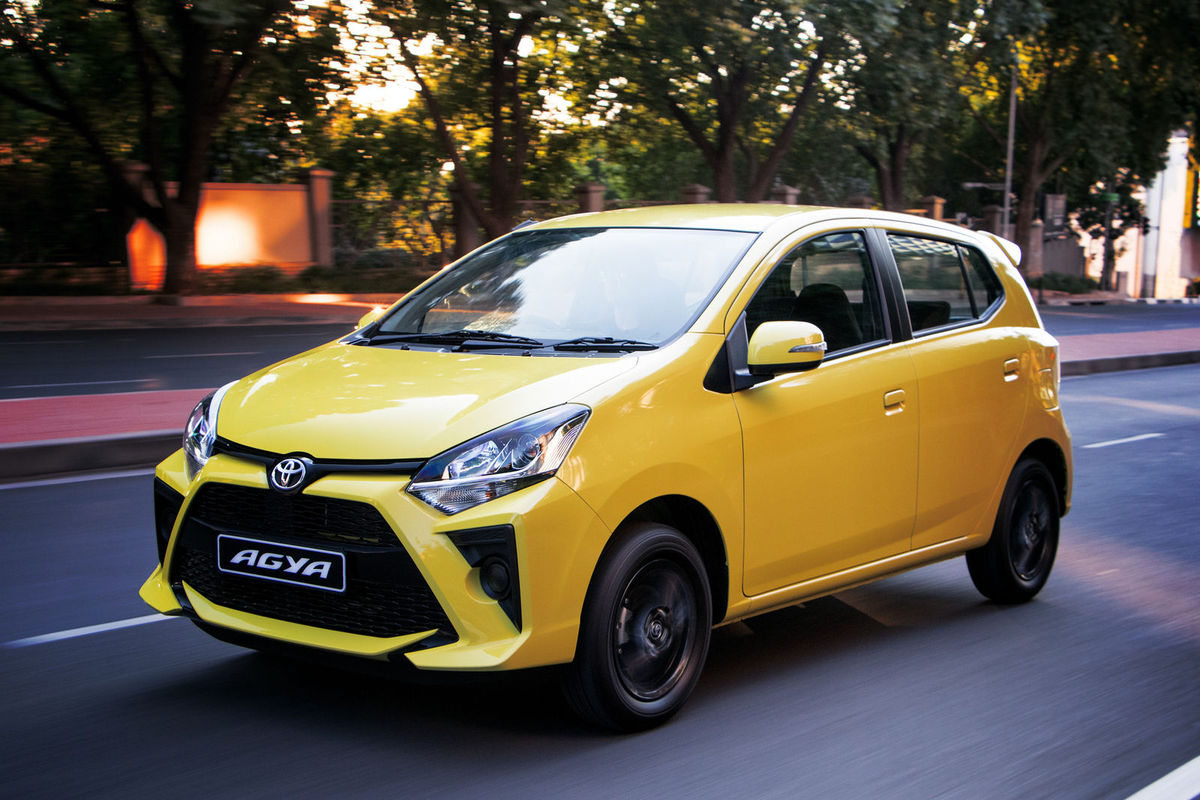
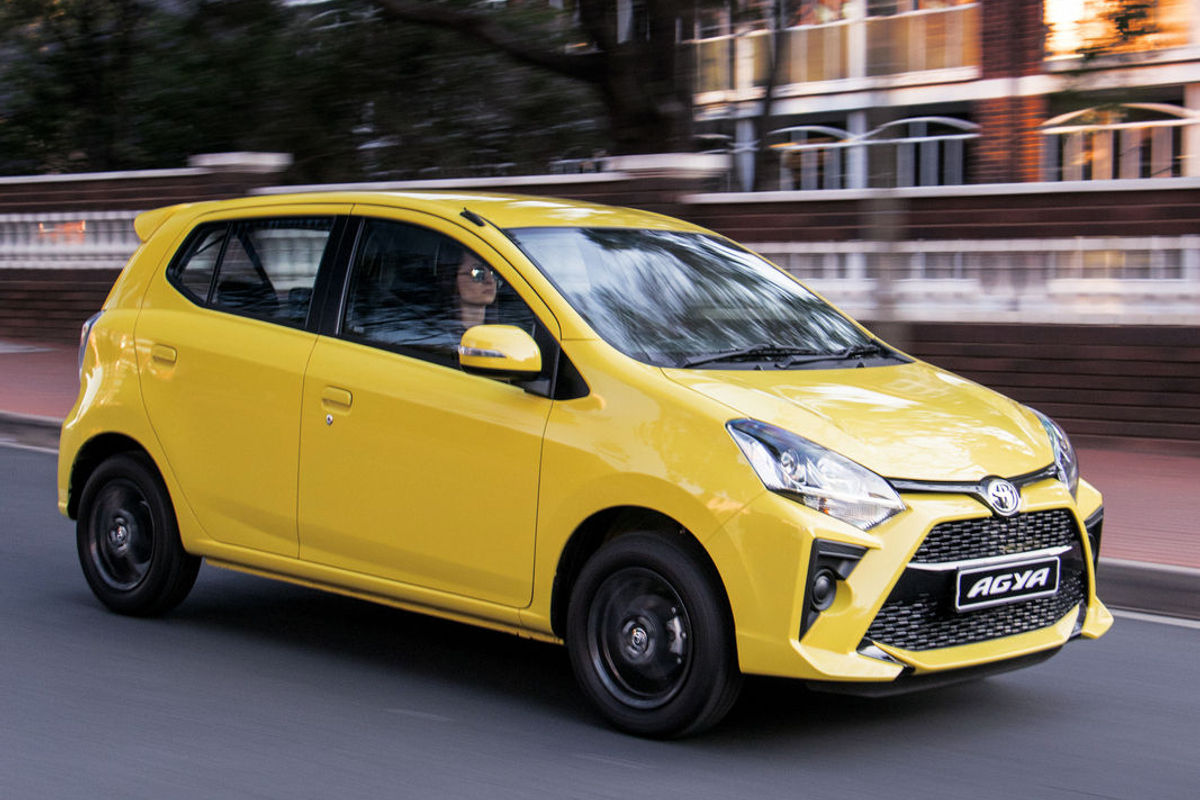
Toyota’s newest small car comes as a bit of surprise late in 2020. It will replace the Aygo eventually but here’s what you actually need to know about it.
Toyota has struggled to get a firm foothold of the entry-level market in the last decade while VW has taken the passenger car lead, its Polo and Polo Vivo generally the top 2 sellers in the car market. Since the phasing out of the beloved Tazz, Toyota has tried the likes of the Etios, which aside from the decent 1.5-litre engine, was not great to look at and not up to spec when it came to interior quality or features. The Aygo is a hit in Europe, but a bit small for our market where practicality and passenger space take somewhat of a priority in the budget sector.
In will step the new Agya, which will confuse many as the lettering seems too close to the outgoing Aygo, but it’s definitely not the same car. The Agya is actually built on a Daihatsu platform, in a similar badge swapping strategy to the Toyota Starlet and Suzuki Baleno.
How big is it?
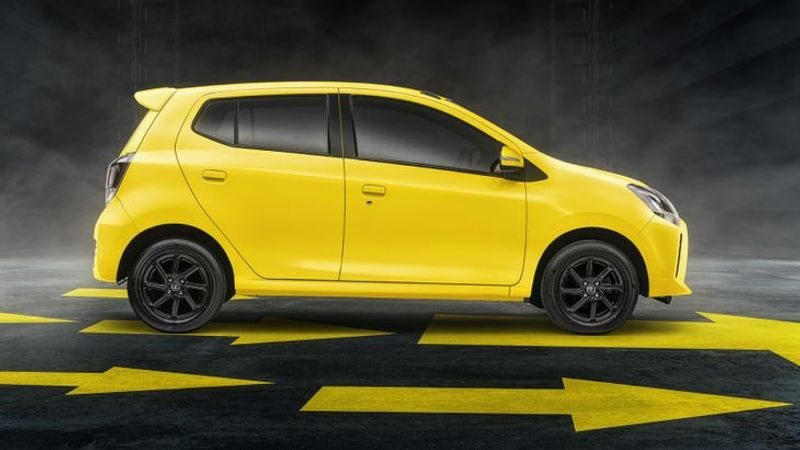
Measured bumper-to-bumper it is only 3 660 mm long, 1 600 mm across and stands 1 520 mm tall with a wheelbase of 2 455 mm. These dimensions make it 200 mm longer and 60 mm taller than Toyota's current smallest model the Aygo. It's still some way short of the Polo Vivo by 300 mm in length.
It is very lightweight, however as it tips the scales at just 835 kg meaning the 1.0-litre naturally aspirated 3-cylinder engine (50 kW and 89 Nm) should be adequate for city use. Acceleration isn’t particularly impressive as 100 kph will take 14 seconds from a standstill start. Fuel consumption is claimed at 4.8L/100 km.
Does Toyota have a real player that can take on the sales success of the VW Polo Vivo here?
In terms of transmissions, Toyota has made a 5-speed manual and 4-speed auto available with the auto commanding a R14 000 premium over the manual.
The suspension setup is pretty standard for a hatchback with McPherson struts up front and a torsion beam rear axle. All models are specced with 14-inch alloy wheels with a full-size steel wheel as a spare.
What does it have inside?
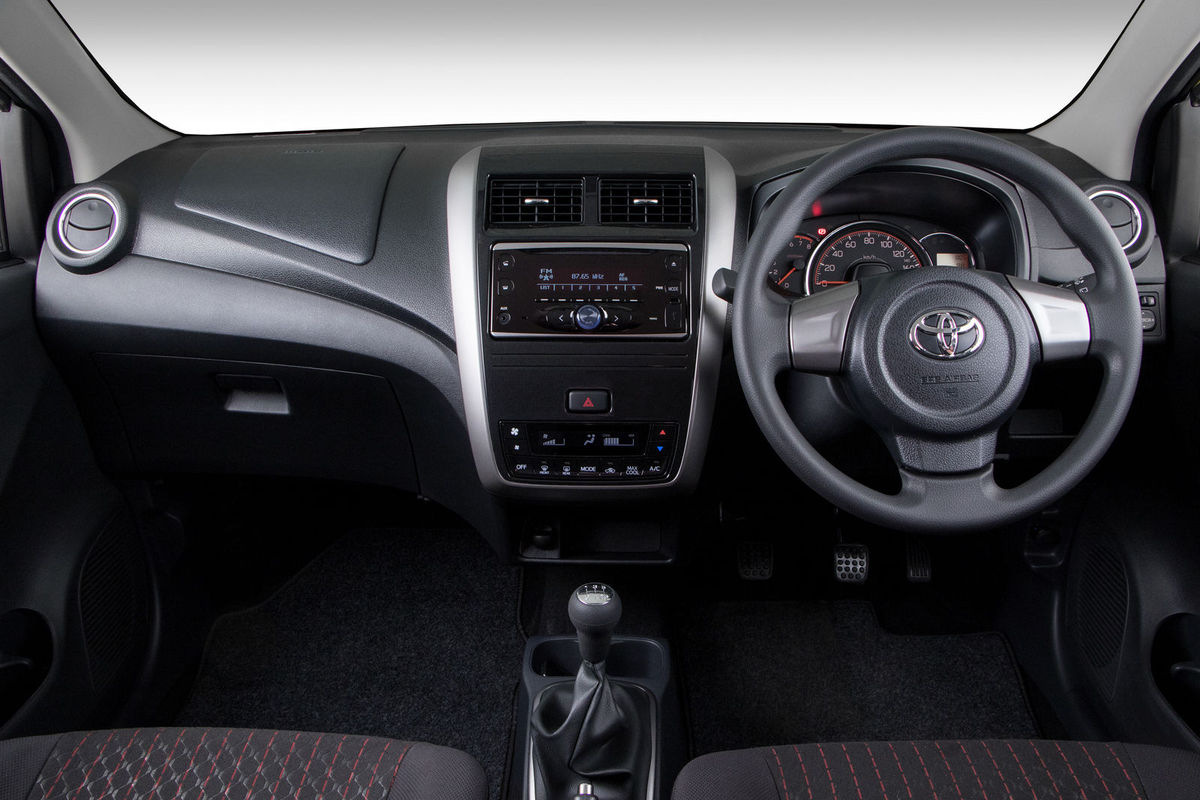
For a vehicle squeezing in under R200k, the Agya appears to have most of the essentials. Airconditioning is standard in all models as are power steering and electric windows all round. The higher-spec models (with audio) are equipped with a USB and Aux. port while all models are Toyota Connect enabled. The base-spec cars do not come with a radio but do have 2 speakers installed if you wish to fit your own audio system. The higher-spec models come with a Toyota double din system, also with 2 speakers. Bluetooth is also only available on the top-spec models. Toyota dealers are offering an audio upgrade option that includes a touchscreen system equipped with Apple Carplay and Android Auto.
Safety features equipped on the Agya include ABS brakes with EBD support while 2 airbags are standard for the whole range.
Pricing and warranty
Toyota is offering a 3-year/100 000 km warranty and 2 services/20 000 km service plan.
Three years after making its international debut, Volkswagen's eagerly-anticipated T-Roc has finally arrived in Mzansi. Has it been worth the wait? We got to grips with the newcomer at its media launch in the Western Cape
The Wolfsburg-based carmaker is making good on its promise to offer an SUV in virtually every segment of the passenger-car market and the arrival of the T-Roc duly completes VW's SUV line-up in South Africa. The newcomer sits between the T-Cross and Tiguan; it's a compact family car, but it prioritises style over practicality. Critics argue Volkswagen now has too many models in its SUV portfolio and perhaps they have a point…
However, Volkswagen SA is confident that the T-Roc has plugged the gap between T-Cross and Tiguan, and if you look at the pricing, it's easier to understand the justification. The T-Cross is a great entry point to the brand, with the T-Roc offering more style and features, plus a more powerful engine. If you need space and practicality, then a Tiguan is the next step up. Finally, for those who like their SUVs large and luxurious, the Touareg is certainly worth a look. We've provided a comparison between the 3 Volkswagen models so you can compare pricing, dimensions and engines.
Speaking of practicality, the T-Roc is said to offer a load capacity of 392 litres, while 1 237 litres become available if you fold the rear seats down. Interestingly, the T-Roc doesn't have the same rear sliding bench as the T-Cross and, at first glance, rear legroom isn't as generous as we hoped.
What's on offer in SA?
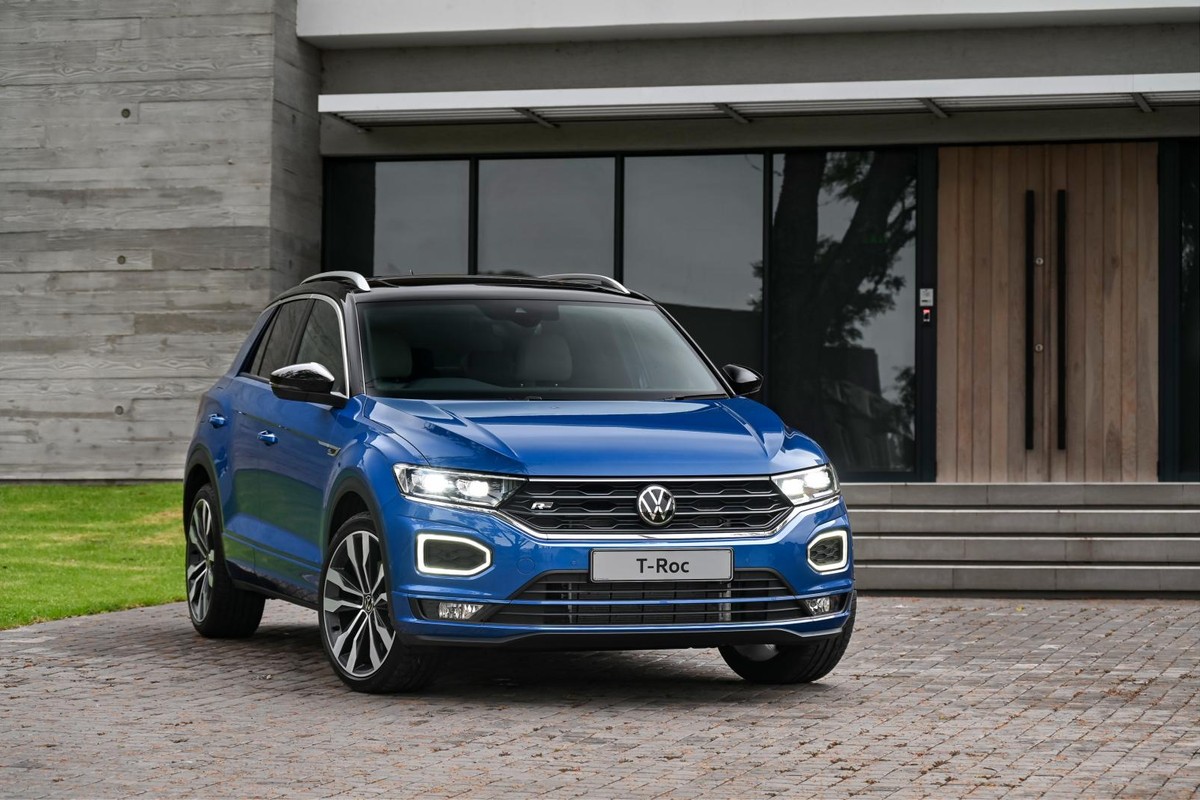
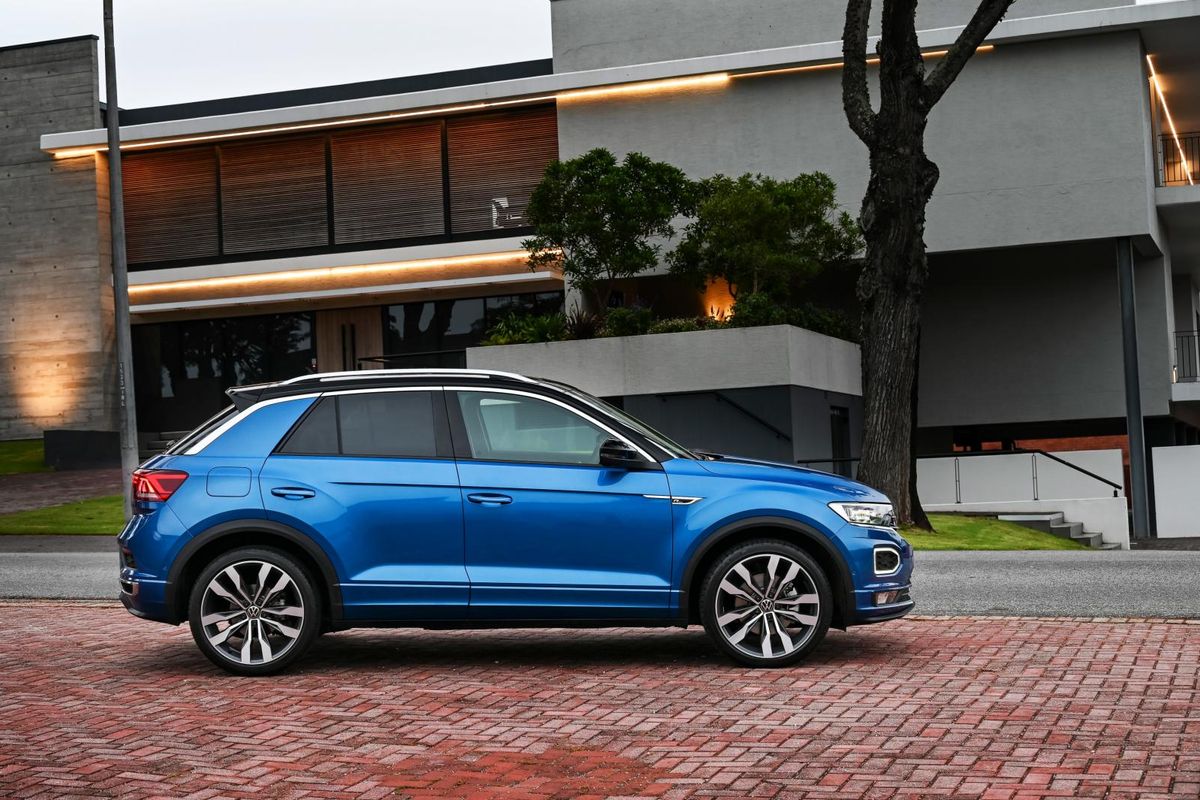
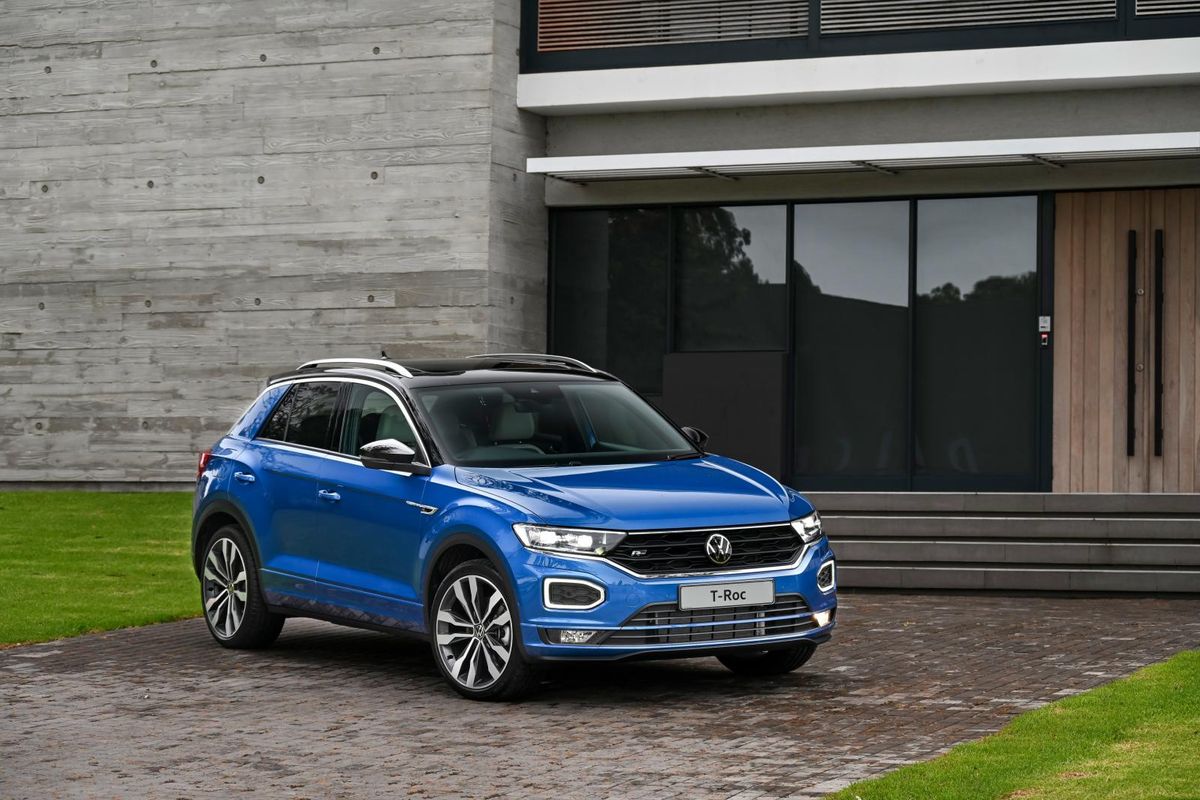
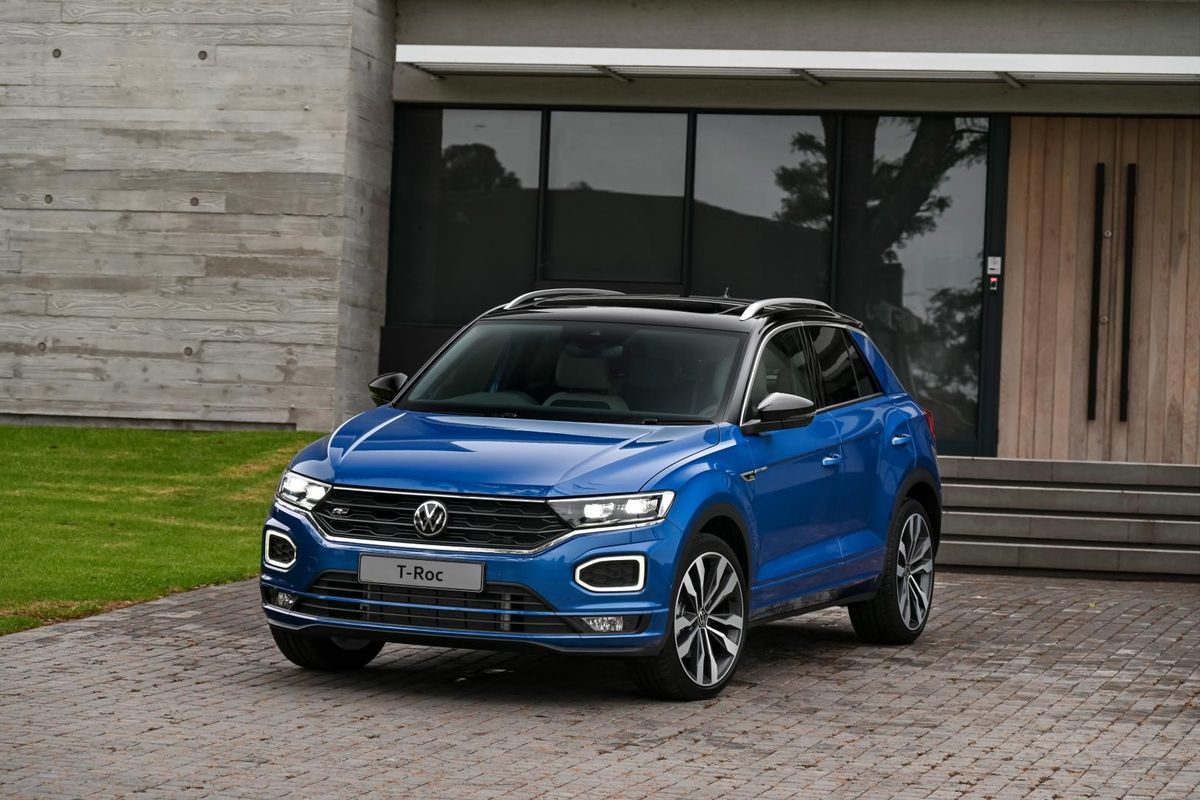
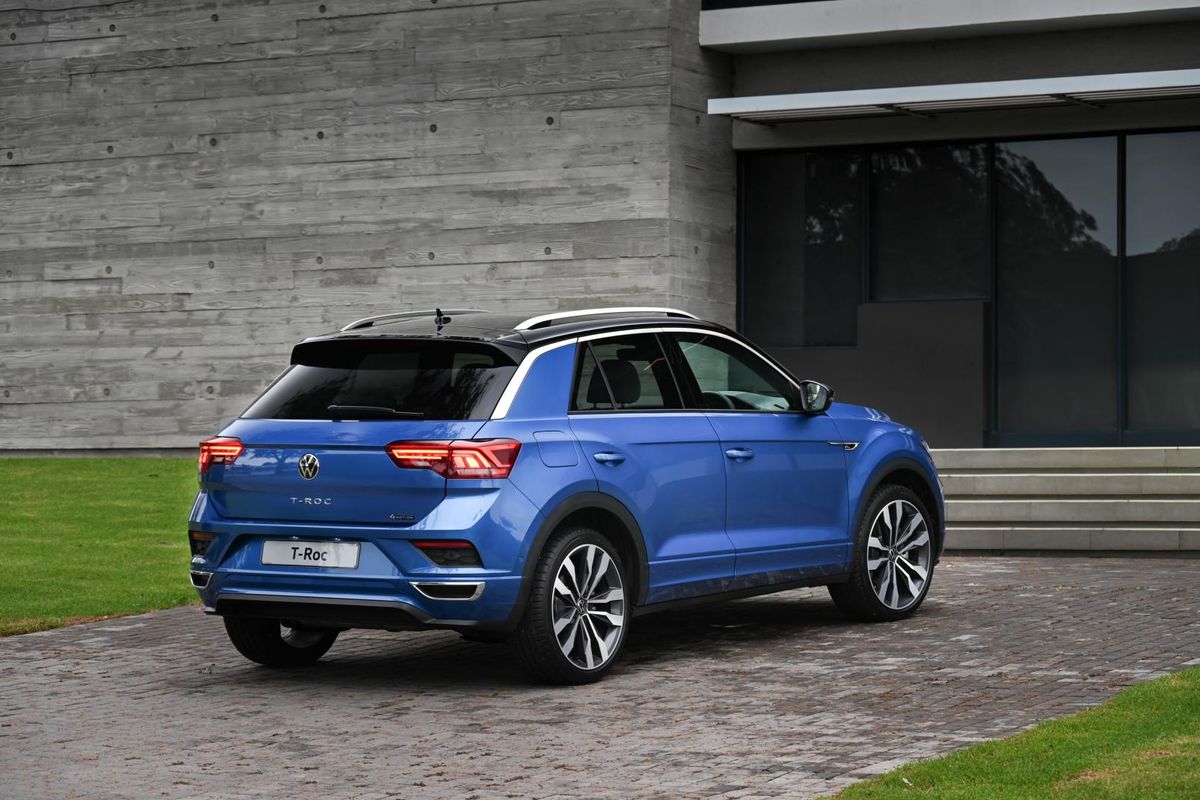
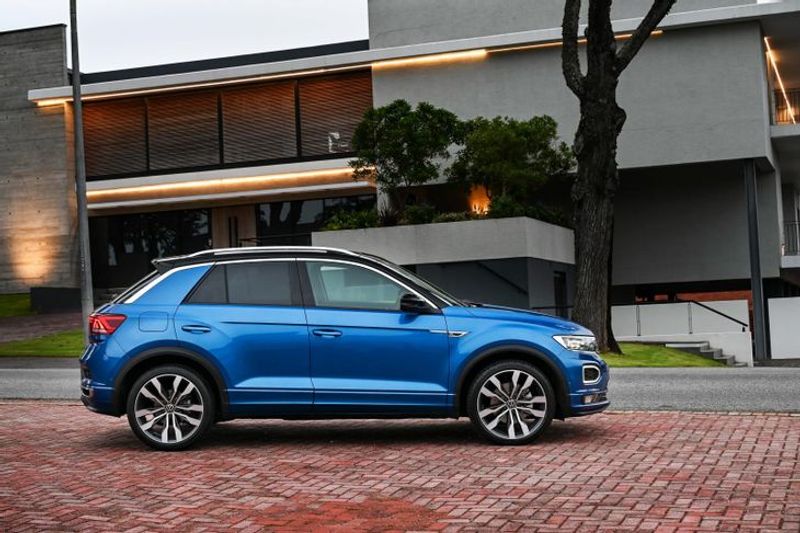
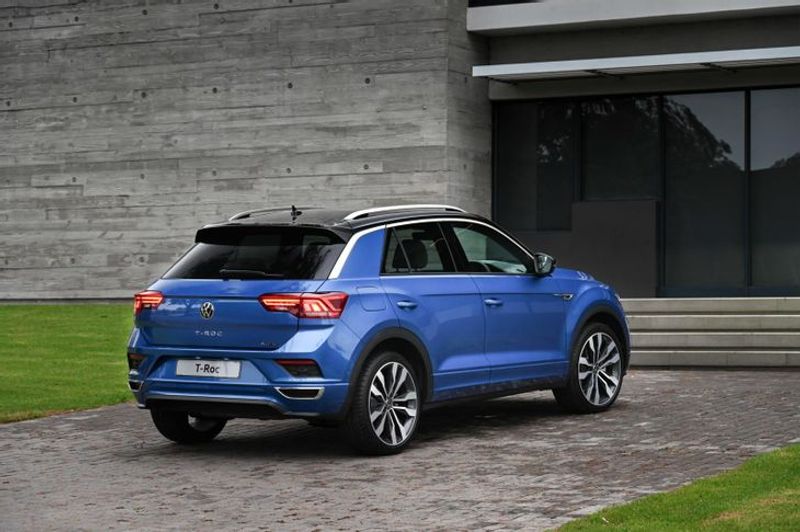
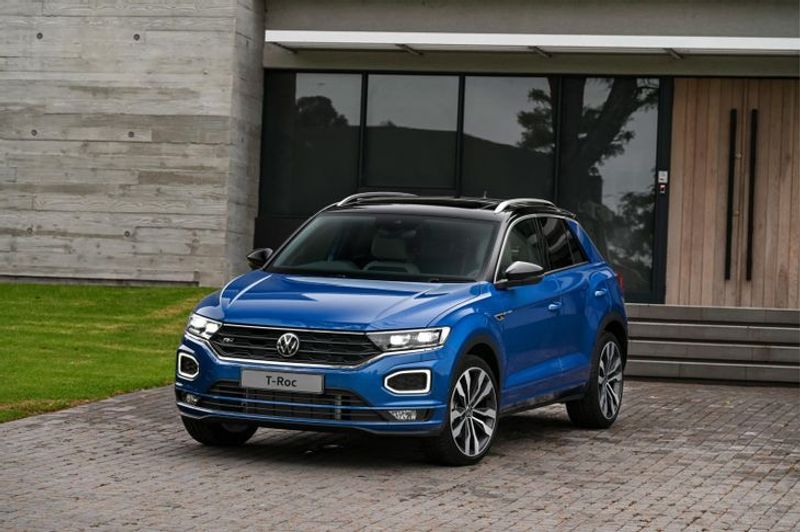
With an array of colour combinations, the Volkswagen T-Roc is one of the prettier vehicles in its segment
Volkswagen SA has introduced 3 derivatives of the T-Roc in our market. There are 2 engines on offer: a 1.4-litre 4-cylinder turbopetrol and a 2.0-litre 4-cylinder turbopetrol. The 1.4-litre version produces 110 kW and 250 Nm, and power reaches the front wheels via an 8-speed Tiptronic 'box. The 2.0-litre turbocharged petrol engine in the flagship derivative offers peak outputs of 140 kW and 320 Nm and is mated with a 7-speed DSG transmission, in conjunction with 4Motion all-wheel drive. For those of you who want some R flavour, we have bad news… Volkswagen SA has explicitly said the T-Roc R is NOT coming, but if you absolutely must have a performance Volkswagen SUV, then start saving for the Tiguan R.
When it comes to performance, Volkswagen claims the 1.4 TSI is good for a 0-100 kph time of 8.4 seconds, while its 2.0-litre (2.0 TSI) sibling is said to do the same in 7.2 sec. Their stated average fuel consumption figures are 6.1 L/100 km and 7.2 L/100 km respectively.
There are 2 levels of trim available: Design and R-Line. The Design trim is available for both the 1.4-litre and the 2.0-litre, while R-Line is exclusive to the flagship derivative. There's a huge focus on customisation, and the Design level of trim offers a choice of 8 paint finishes, as well as a quartet of roof colours! The R-Line offers a further 8 exterior hues with 4 roof colour options. There are also 4 allow wheel designs to choose from in Design trim, while the R-Line comes standard with 19-inch alloys. There's a good chance the proverbial Joneses won't have an identical T-Roc to you!
The Design package comes standard with 17-inch Mayfield rims, while the 18-inch Montego and 18-inch Grange Hill alloy wheels are optional. The R-Line spec, meanwhile, incorporates 19-inch Suzuka alloy wheels, which we've seen before – on the Tiguan.
Feature-packed
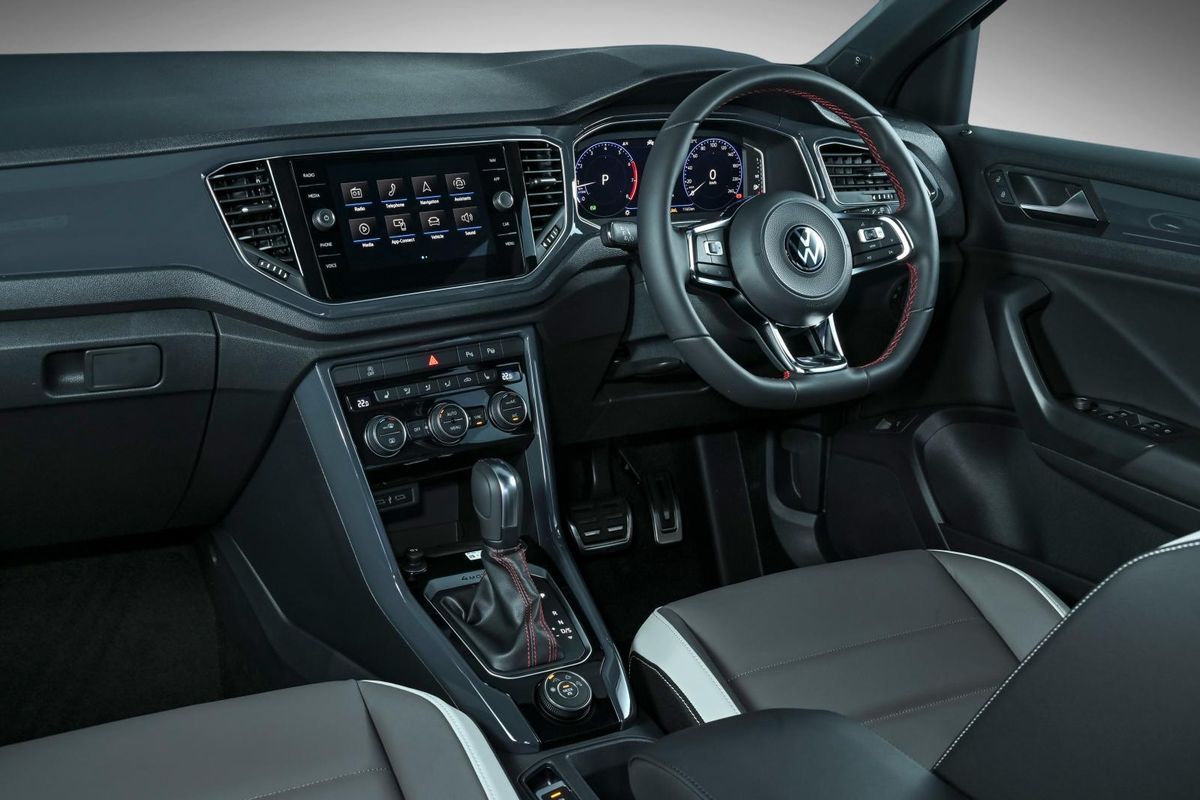
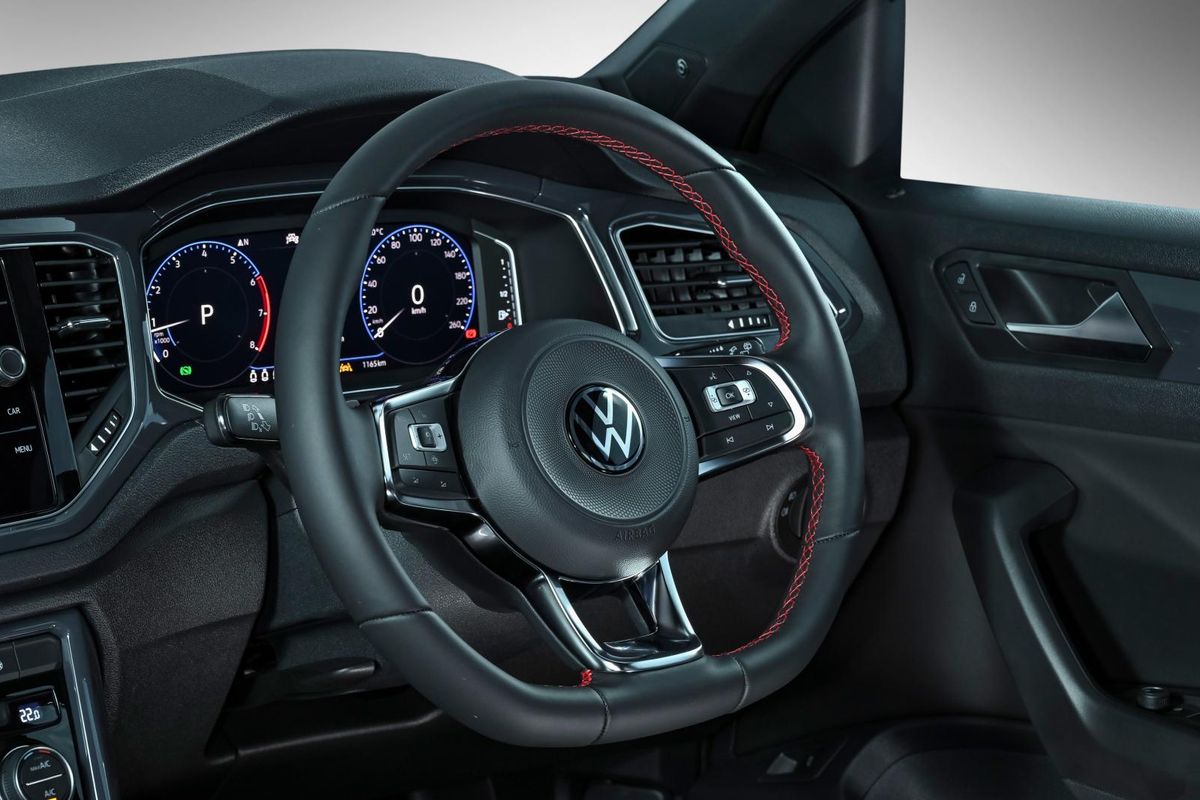
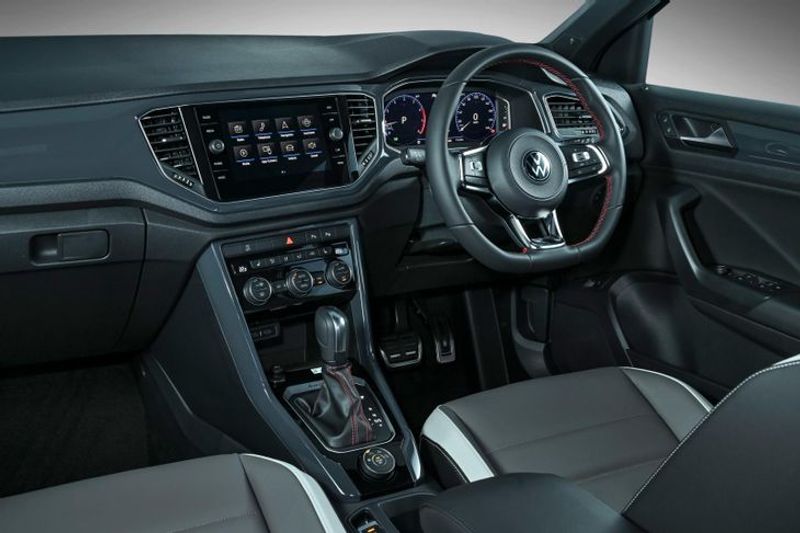
Pedals and steering from a GTI give you some indication of what it's like to drive…
The new Volkswagen T-Roc (Design) comes standard with the Composition Media radio and App-Connect, replete with an 8-inch touchscreen interface and a pair of USB ports. The Design trim level also features Climatronic (automatic aircon), connectivity via the WeConnect Go app, voice control, LED tail-light clusters, visual underbody guard (in other words, black cladding) and park distance control (front and rear).
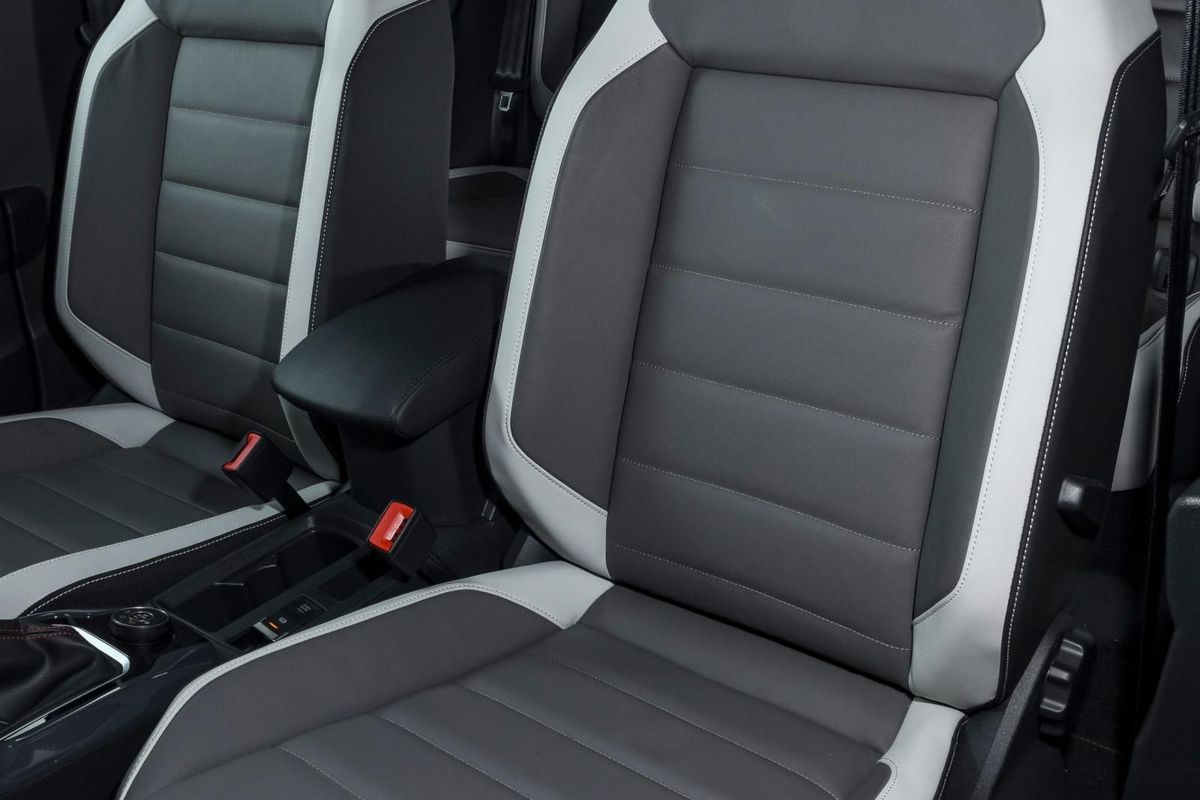
The2.0TSI 140kW 4Motion R-Line, on the other hand, comes standard with additional high-tech systems, such as front-assist area monitoring with city emergency braking and pedestrian monitoring, an automatic post-collision braking system, as well as lane assist. From a cosmetic point of view, the flagship features LED daytime running lights in the front bumper and dynamic cornering lights, 19-inch Suzuka alloy wheels, the latest generation Active info display, keyless entry, a smartphone charging pad, adaptive cruise control (with front assist) and Vienna leather seats.
Some options worth considering are the panoramic sunroof, an electronic trailer hitch, smoker's package, a Discover Pro navigation system (in conjunction with a 9.2-inch screen), the Beats audio system and the Park Package. Volkswagen has also introduced its safety tech, called IQ.Drive, which includes sophisticated features such as adaptive cruise control, front assist, lane assist, blind-spot detection, park assist, and rear-traffic alert.
What's it like to drive?
Volkswagen has offset the lack of SUV-like ground clearance by favouring good, old-fashioned driving manners.
We lined up the R-line range-topper (clad in a subtle, yet classy, White Silver metallic finish) for the on-road evaluation segment of the media presentation. There's no denying it: this is one very pretty, modern-looking vehicle. Those daytime running lights give the car such a distinctive presence, but it's interesting to note that the ground clearance is just 158 mm, which is low for a compact crossover, let alone an SUV.
While this may disappoint potential customers who were banking that substantial ground clearance and all-wheel drive would avail a modicum of off-road capability, the T-Roc's relative dynamism more than makes up for that. By virtue of sitting closer to the ground than some of its rivals, the Volkswagen has a lower centre of gravity and it's quite remarkable that when you pitch the T-Roc into tight corners at speed, there's minimal roll.
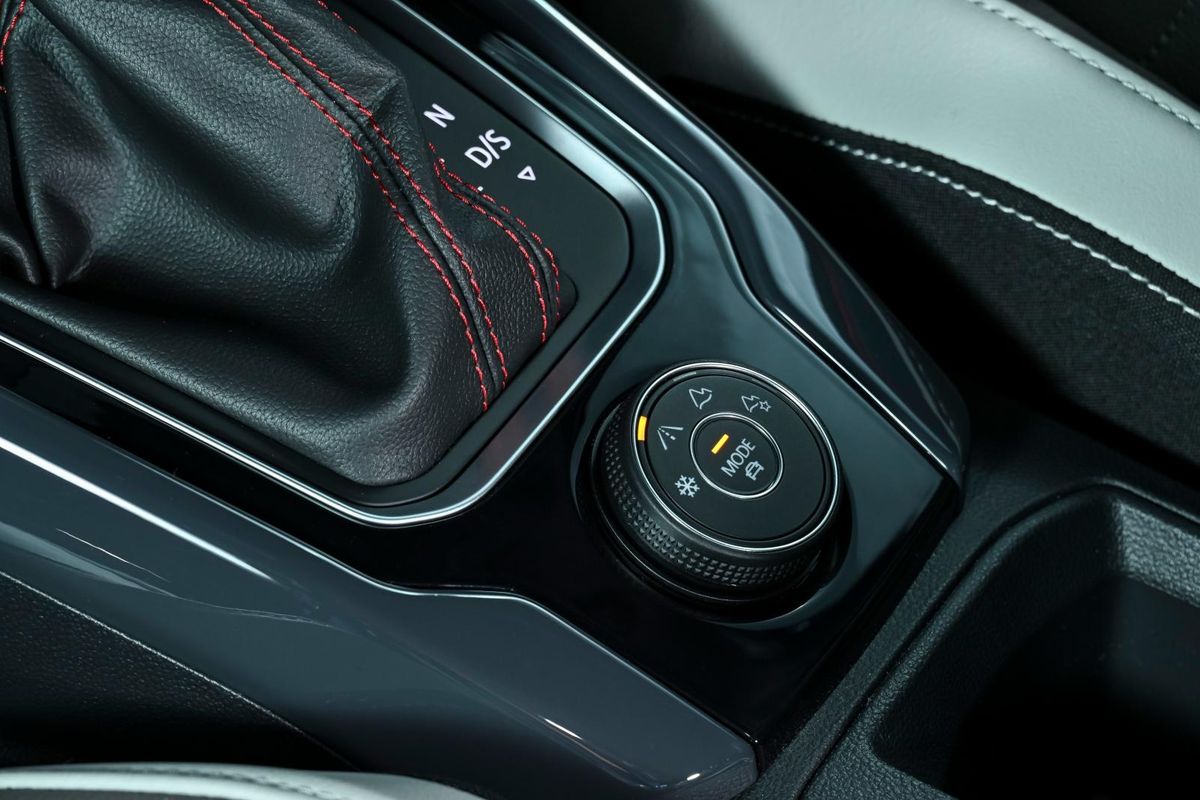
The engine has to be put into its sportiest/most responsive mode for maximum effect, of course, and you're encouraged to make extensive use of those shift paddles located on the steering wheel. Granted, 140 kW is barely comparable with the Polo GTI's peak output, but the maximum torque of 320 Nm provides a notable helping of shove-in-the-back driving thrills, particularly when it comes to overtaking. Keen-eyed enthusiasts may notice the 'wheel and pedals have been lifted from the Golf GTI; those accoutrements are a great indication of the T-Roc R-Line's driving manners.
The steering setup is surprisingly quick and the T-Roc will dart around with verve if you need it to. You can confidently pitch the T-Roc into corners, yet its suspension manages to find a sweet balance between comfort and agility. Push the limits too hard and the 4Motion all-wheel drive will keep things in check. In terms of ride quality, well, it's firm, but we suspect the 19-inch alloy wheels (shod with low-profile rubber) are partly to blame…
Now if you've read this far, you're probably wondering: Can the T-Roc be a capable compact family car? To a degree, yes. R-Line trim incorporates nearly all the latest features; for many, the optional panoramic roof and uprated Beats audio setup should be more than enough to clinch the deal.
The list of standard specifications is exhaustive. A modern infotainment system – appended with USB A and USB C ports and compatible with Android Auto and Apple CarPlay – will keep the "connected generation" happy. The leather seats are plush and the front ones are heated too.
There's also a fair amount of luggage space. My only major gripe with the T-Roc package is the cramped rear legroom. I'm taller than most adults, but it was difficult to conduct the sit-behind-yourself test. Perversely, there's adequate legroom in the smaller T-Cross, thanks to its nifty sliding rear bench.
Summary
Volkswagen SA says over 400 T-Rocs have been pre-ordered.
It's fascinating to see how Volkswagen's latest SUV offering has very un-SUV-like manners. By virtue of its low centre of gravity, the T-Roc feels more like a lukewarm hatchback than a crossover. It appears Volkswagen has sacrificed some practicality and dirt road capability in favour of a stylish cabin and engaging quality driving dynamics. We're more than okay with this arrangement… if you need more space in your Volkswagen SUV, there's the lovely Tiguan within the T-Roc's price range, or you could just splurge on a liberally-specced top-of-the-range T-Cross…
We're keen to see how the newcomer fares in a full review by Cars.co.za. Look out for the road test and YouTube video review coming soon.
Volkswagen T-Roc Price in South Africa (November 2020)
The all-new Volkswagen T-Roc will come to market with a 3 year/120 000km warranty, 5-year/90 000 km Volkswagen Service Plan and a 12-year anti-corrosion warranty.
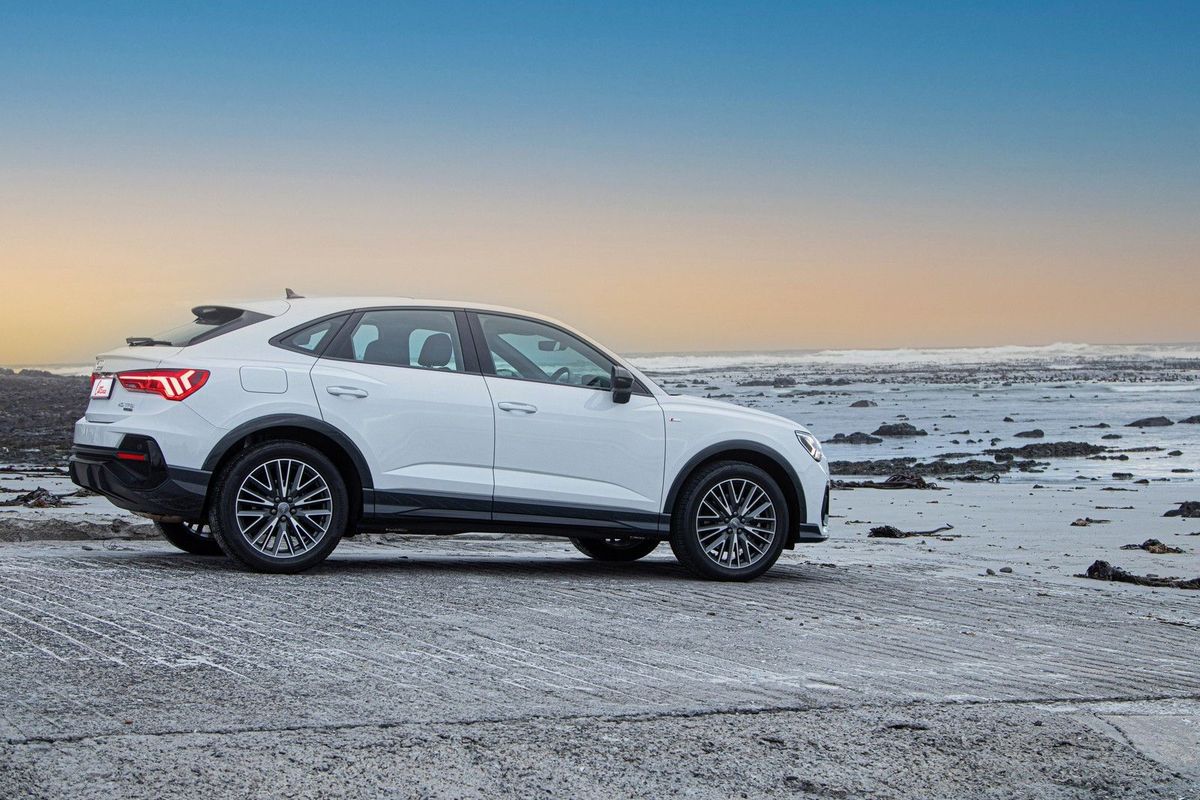
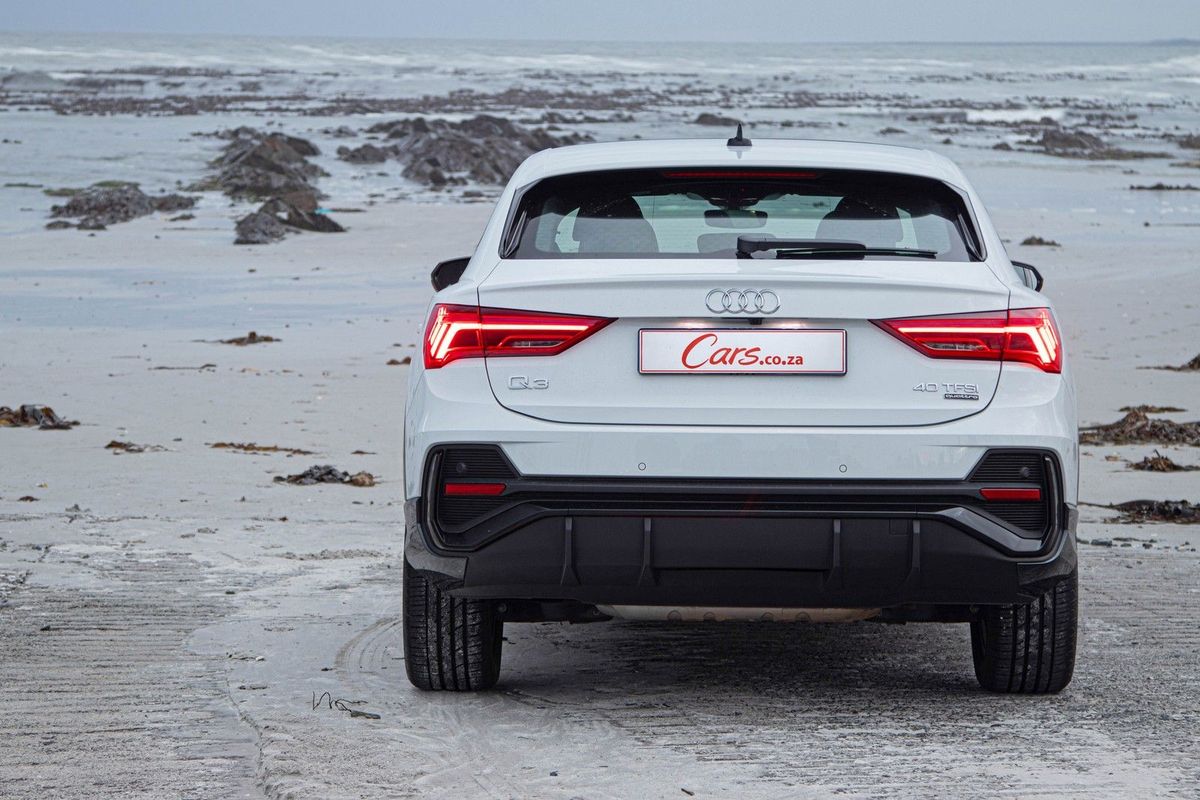
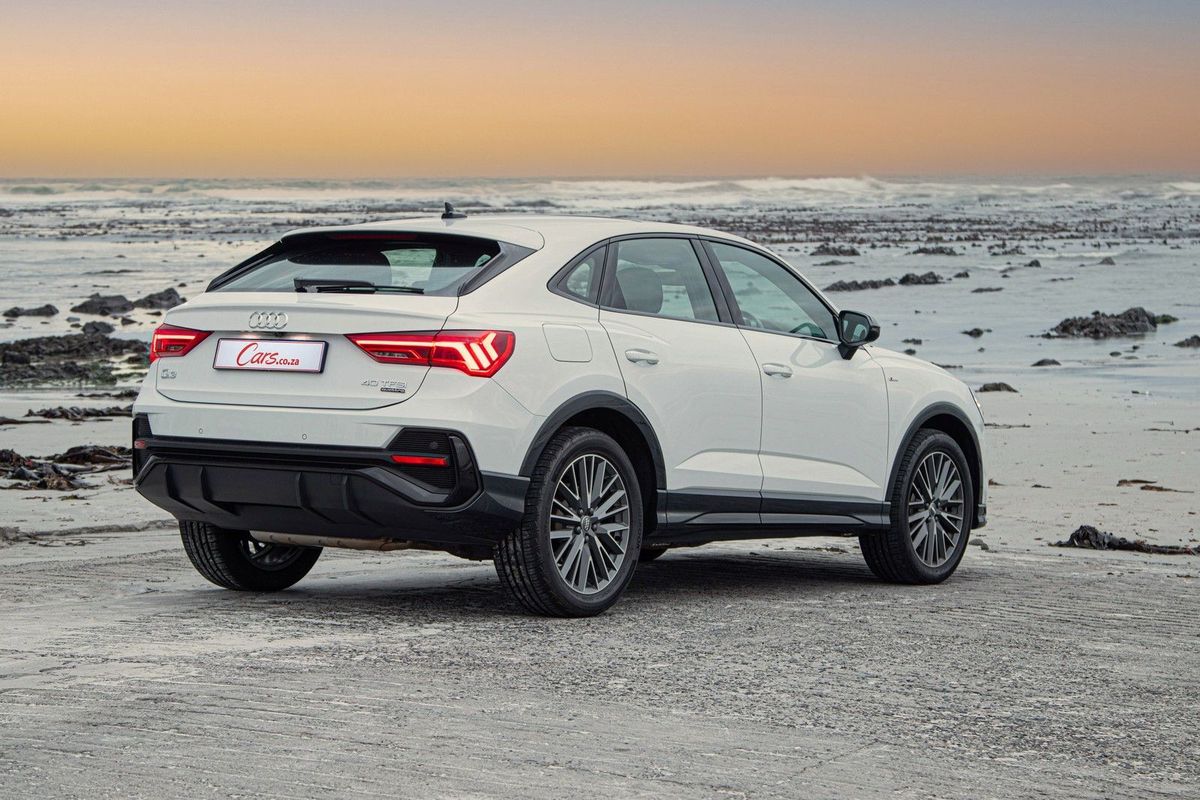
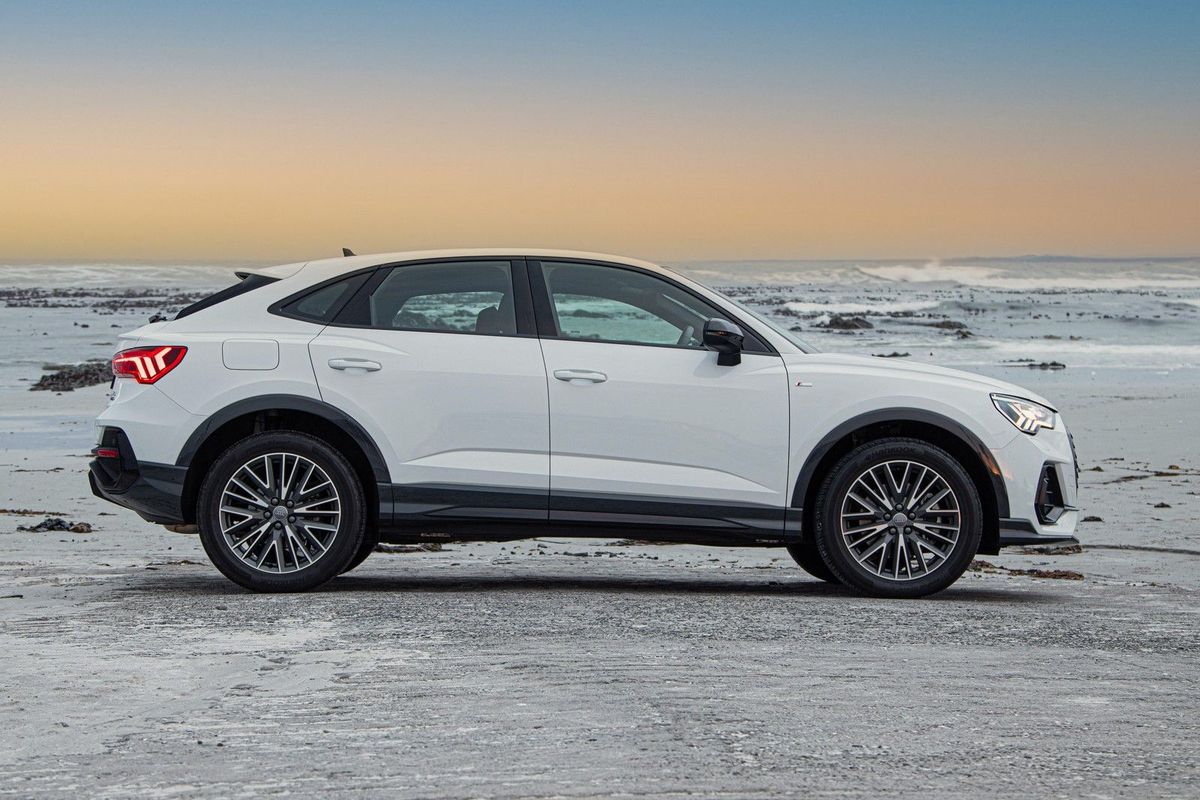
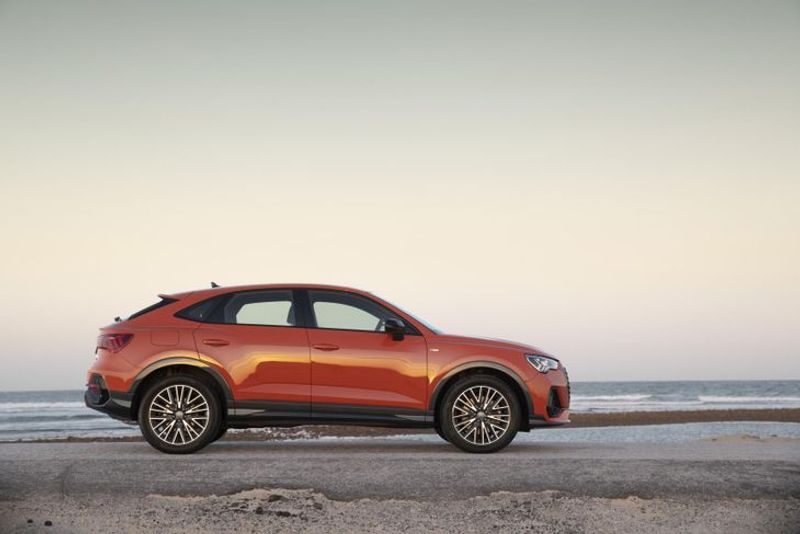
While large coupe-inspired SUVs tend to look a tad clumsy and over-styled, the more compact dimensions of the Audi Q3, for example, are arguably more conducive to a more cohesive design, replete with an elegantly sloping roofline and sportscar-like detailing. Cars.co.za contributor Ian McLaren recently sampled the new Q3 Sportback…
Launched in 2019 as the successor to a hugely popular model, the 2nd-generation Audi Q3 followed the trend by being both longer and wider than its predecessor. It also offered improved levels of versatility and, by making the most of its fresh VW Group MQB platform, the new model would also be both more wieldy and stiffer than before, introducing newfound levels of poise and useability – particularly within the urban environment.
The Sportback variant of the Ingolstadt-based firm's premium family car, which was planned at the outset for "Model MQB27A2", follows in the tracks of the Q8. Is it simply a cynical restyling exercise (to squeeze more out of the MQB platform), or does it have substance to back up its style?
Where it fits in
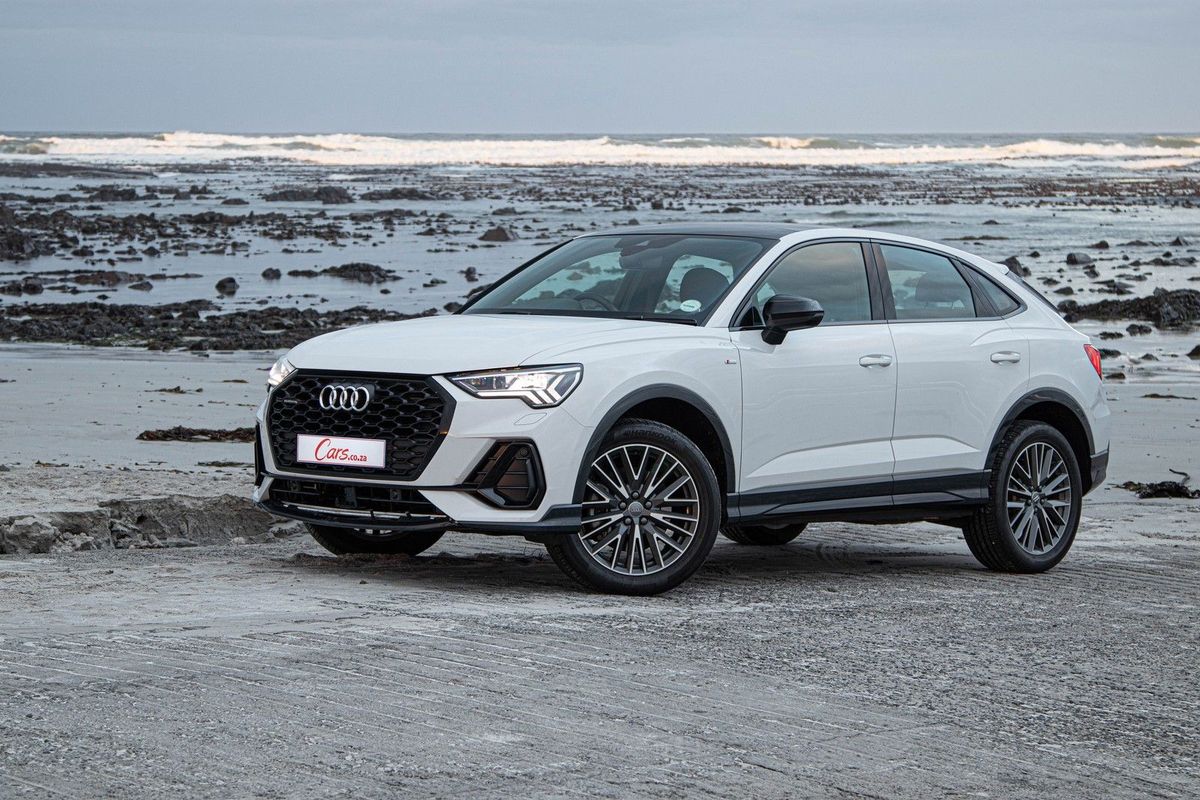
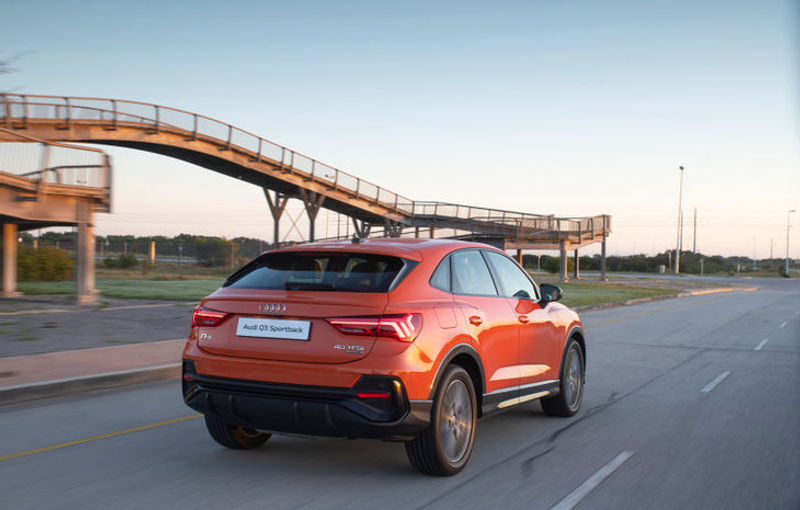
The sloping rear of the Q3 Sportback looks better proportioned on the smaller Q car.
With the Q4 badge reserved for a future EV, Audi's decision to use the familiar Sportback name on the Q3’s sloped-roof sibling was predictable. Less obvious would have been the Ingolstadt-based brand's move to develop bespoke body panels (throughout) for this style-focused derivative.
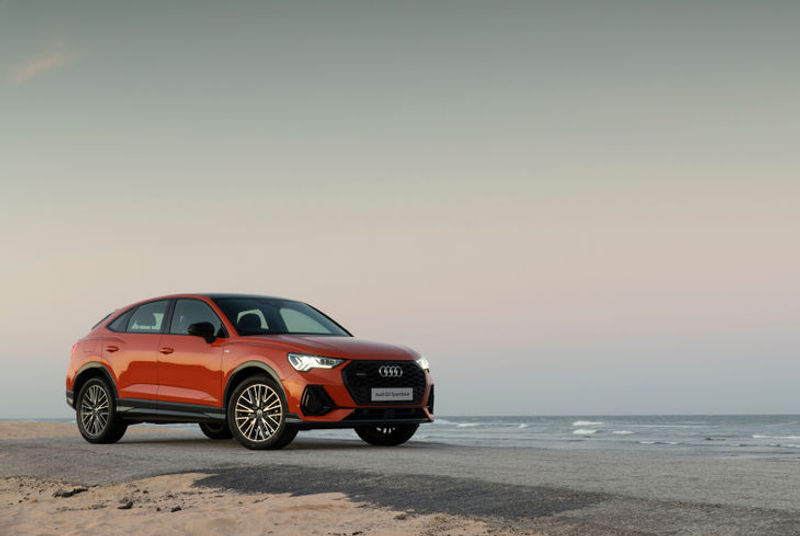
Longer (16 mm) and marginally narrower than the Q3, the most obvious design change for the Sportback is a 49-mm lower roofline that tapers more dramatically from the C-pillars to the tail-light clusters. A lowered beltline, meanwhile, bisects the door handles and bridges the wheel arches, which Audi re-sculpted to give the newcomer a more dramatic kerb presence. Roof rails, meanwhile, have been consigned to the options list.
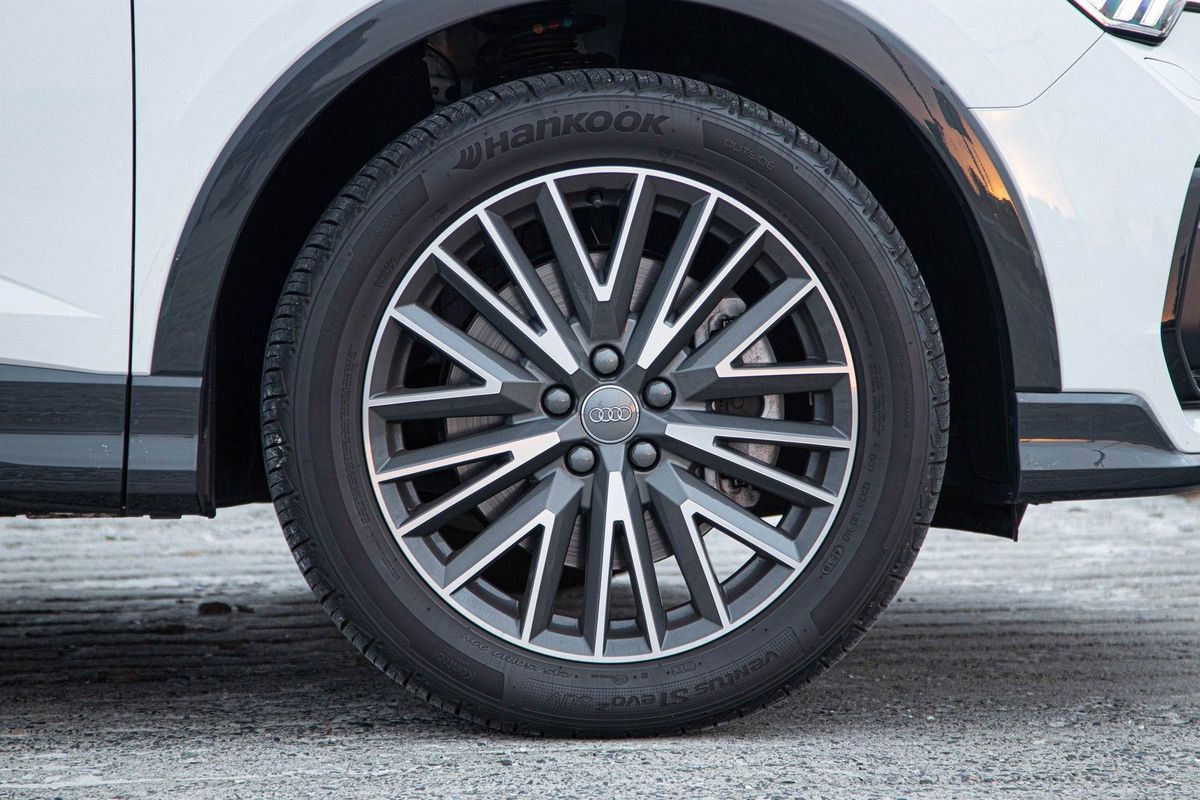
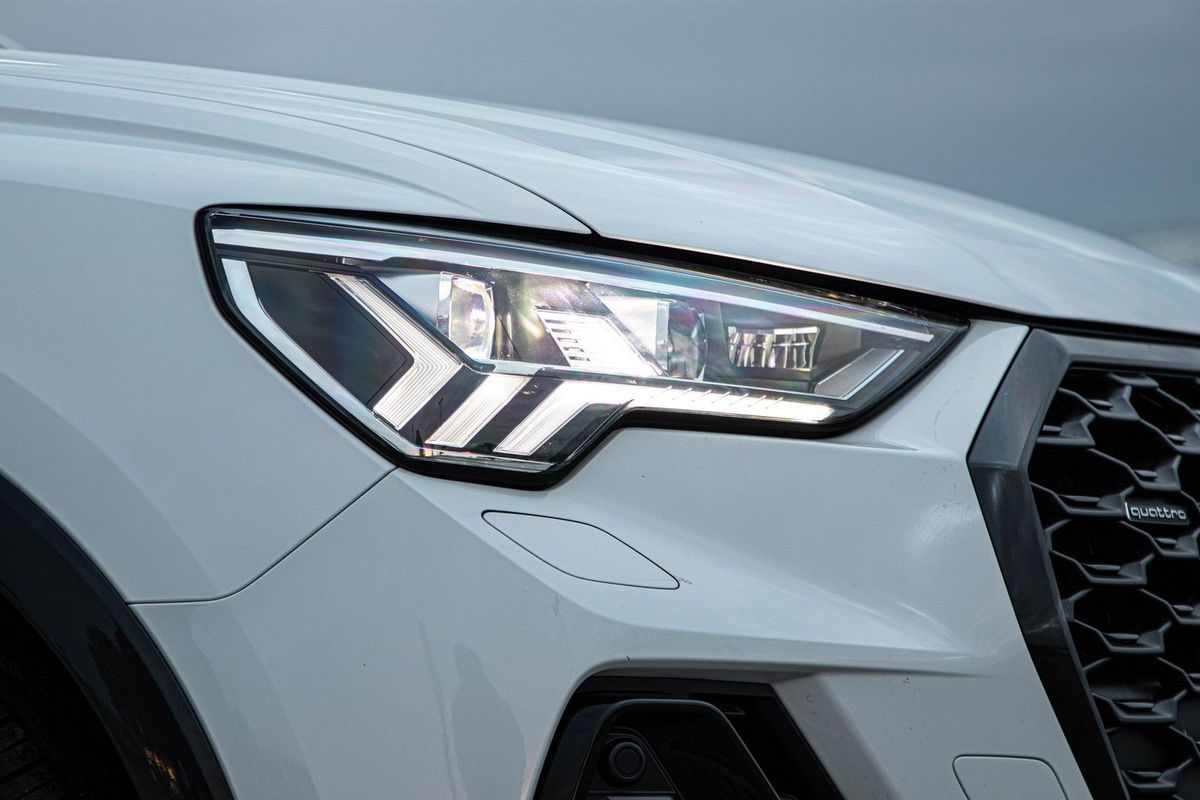
Offered exclusively with an S line exterior package, which includes a honeycomb-mesh grille and various chrome-look highlights, the Q3 Sportback derivatives ride on 18-inch alloy wheels. An optional Black Styling Package substitutes chrome for matte-black finishes, such as on the grille.
Incidentally, a new Dew Silver exterior colour is exclusive to the Sportback portfolio.
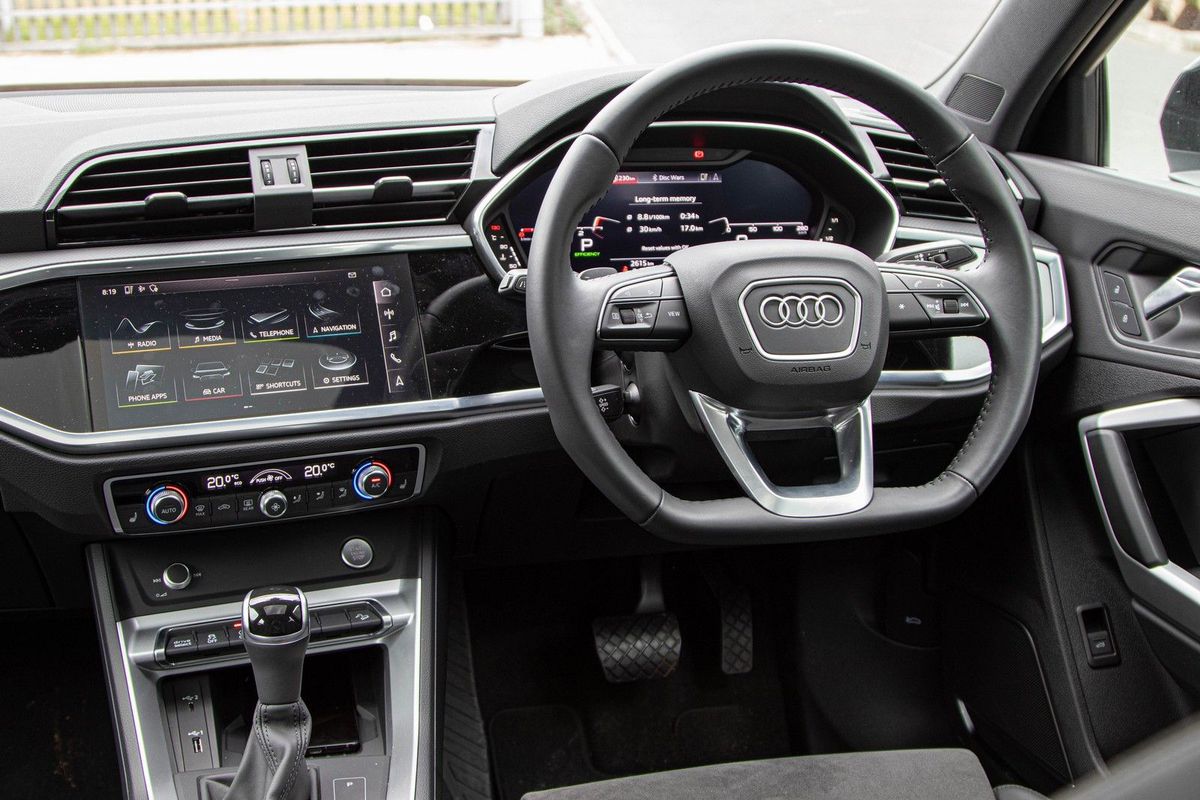
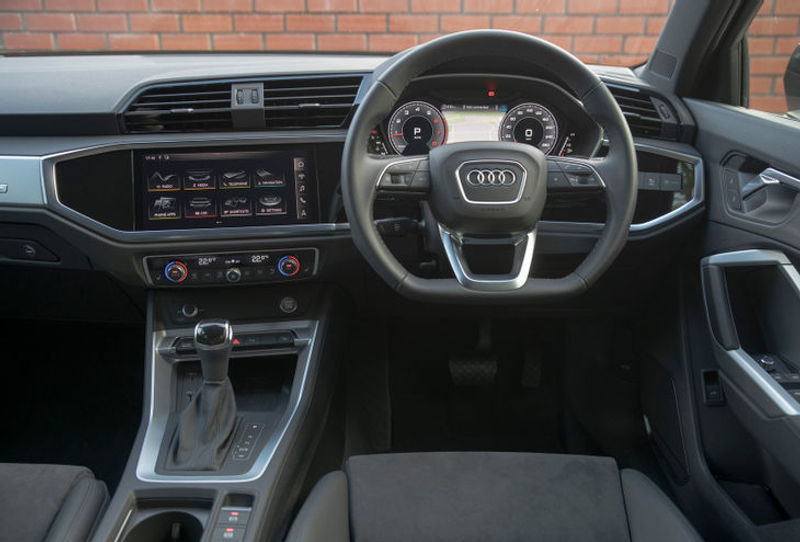
No dual screens in here like the Q7 and Q8 have, the Q3 SB has a simpler dual knob setup for climate control.
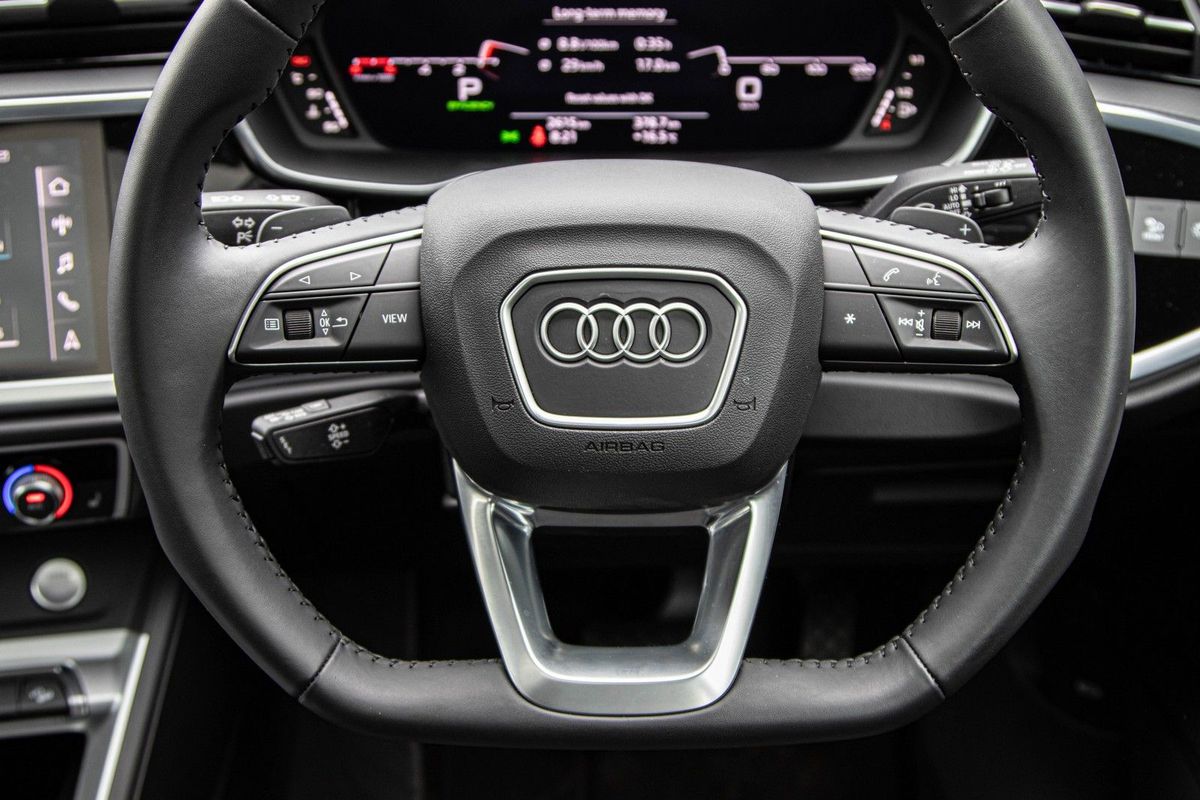
Carried over unchanged from the Q3, the Sportback’s interior offers a wealth of modern technologies packaged in a well-insulated, nice-to-touch cabin. Unlike the dual setup in its big brother Q8, the single 8.8-inch hi-res touchscreen display offers crisp and intuitive access to the vehicle’s infotainment and drivetrain systems. Climate control functions enjoy a more “old school” look and feel via traditional rotary knobs and switches.
The Technology Package upgrade increases the size of the central display (to 12.3-inches) and introduces a configurable digital instrument cluster.
While the search for plastics of the harder variety isn’t particularly challenging in the modern Q3’s interior, most touchpoints manage to deliver on this German brand’s premium promise.
Coupé suggests compromised packaging?
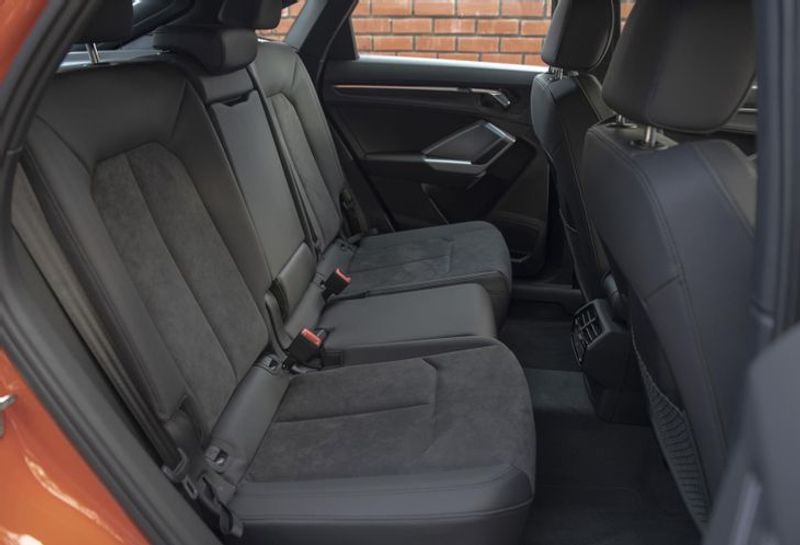
Rear legroom is acceptable but the roofline will cause issues for passenger above 180 cm.
The most obvious sacrifice to be considered before opting for a derivative with such a deliberately sloped roofline (compared with its SUV sibling) is the compromise in rear-passenger comfort. Having said that, with the Q3 and Q3 Sportback models having an identical wheelbase length, and the latter fitted as standard with a fore-aft adjustable (through 130 mm) rear bench, it’s only ceiling height (and, therefore, headroom) that’s diminished in the sleeker of the 2 packages. What's more, specifying an optional panoramic sunroof (in either of the variants) pinches even more headroom.
Granted, if you regularly need to transport tall adults in the rear it's a bit of a squeeze, but the aforementioned sliding 2nd row, in combination with the backrest’s 40:20:40 split and the load bay's adjustable floor height, means there’s little lost in terms of versatility in the Q3 Sportback…
Only 2 derivatives on offer?
Adding the 40 TFSI turbopetrol to the range gives the Q3 SB more performance to go with its sleeker design.
Audi South Africa offers the Q3 Sportback with a choice of either a 110 kW/250 Nm 1.4-litre (35 TFSI) or a 2.0-litre (40 TFSI) 4-cylinder turbopetrol engine. The former sends its torque to the front wheels via a 6-speed S tronic transmission and has a claimed fuel consumption of 7.3 L/100 km.
Mated with a 7-speed dual-clutch ‘box, the 40 TFSI's motor is augmented with quattro all-wheel drive (as standard). Boasting 132 kW and 320 Nm of torque, the 2.0-litre motor is claimed to propel the Q3 Sportback from 0 to 100 kph in 7.8 seconds and consume, on average, 8.3 L/100 km.
Look to the first quarter of 2021 for the flagship RS Q3 Sportback to arrive in South Africa.
What’s it like to drive?
A firmer default ride quality (on a standard sports suspension) and a narrower view out of the rear are the most obvious differences between the Sportback and its “standard” sibling. That’s a good thing, though, because few buyers are likely to opt for the more stylish of these 2 body shapes in the hopes of finding extra dynamism… That said, the Q3 package makes the most of its relatively compact dimensions and refined underpinnings to deliver an impressively pliant ride quality in most driving conditions, allied with above-average poise when tasked to corner at loftier speeds.
Not strictly required in our market, the 40 TFSI’s variable all-wheel-drive system nevertheless offers piece-of-mind in adverse driving conditions.
Summary
The Q3 has been a popular choice over the years, but we'll have to see if the Sportback follows suit.
Keen to maintain momentum in the premium family car segment – and dip into the growing boutique-SUV niche – Audi has again demonstrated its ability to apply premium interior packaging and craftsmanship to models based on proven VW Group products (in this case, the VW Tiguan).
While the standard Q3 faces stiff competition in the market from the likes of the Volvo XC40, BMW X1 and Mercedes-Benz GLA, the fashion-forward new Q3 Sportback variant plays to Audi’s strengths when it comes to offering a heightened sense of style and sophistication in this segment, with little in the way of compromise when it comes to packaging or versatility. While Audi South Africa foresees a sales split of 1:3 in favour of the standard Q3, perhaps, in this case, there’s an argument for a coupe-styled SUV to prove more popular than its conventional sibling.
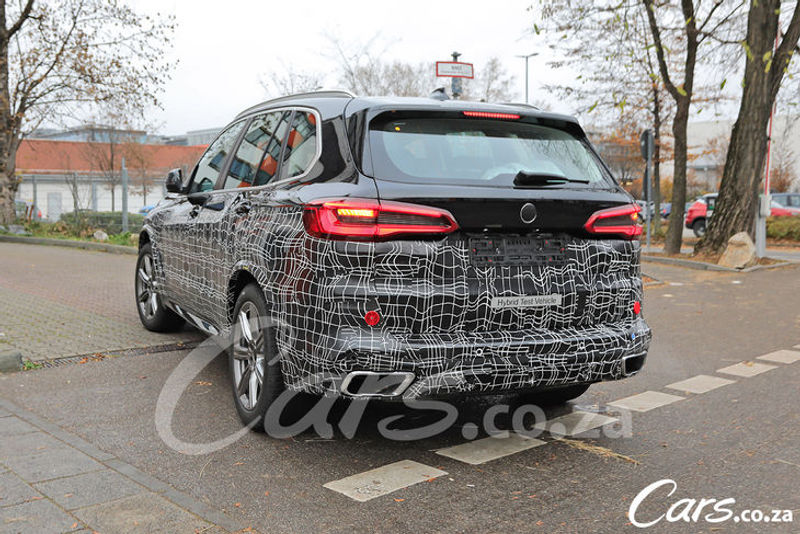
Our spy photographers have captured images of the forthcoming facelifted BMW X5 premium SUV.
Picture credit: S. Baldauf/SB-Medien. We have paid for these photos and at the photographer's request, have watermarked them.?
An all-new BMW X5 arrived in South Africa late in 2018 and now the popular premium SUV from the Munich-based firm is under the knife for a mid-life update.
The images you see here are the first spy shots of the facelifted BMW X5 captured in Munich, Germany and while the camouflage wrap might hide some details, it’s clear that BMW has revised both the front and rear bumpers and we expect stylistic enhancements for the headlight clusters and taillights too. This is a ‘Hybrid Test Vehicle’ as denoted on the rear tailgate.
The current range of petrol, diesel and hybrid powertrains are expected to be carried over for this facelift which means the X5 30d will forge on with 195 kW and 620 Nm while the big-daddy X5 M50d’s 6-cylinder, 3.0-litre quad-turbocharged diesel is expected to fall away as the production of this mighty diesel engine has sadly come to an end.
The petrol X5 M50i offers no less than 390 kW and 750 Nm while the X5 range will be headlined by the X5 M Competition with its bi-turbocharged 4.4-litre V8 engine producing 460 kW and 750 Nm. The X5 xDrive45e hybrid with 290 kW and 600 Nm is also expected to be offered locally.
Also, BMW recently showed its forthcoming all-electric iX5 which is expected to on sale in 2022.
You can expect to see the updated X5 revealed early in 2021 and can be expected to reach local showrooms before the end of that year. We will keep you updated as soon as more information becomes available.
McLaren has given its next-generation hybrid supercar a name. The Artura is coming in 2021!
McLaren’s forthcoming hybrid supercar will be called the Artura and will draw on McLaren’s electrification expertise showcased in the P1 and more recently, in the McLaren Speedtail which is currently the fastest car in the brand’s stable with a top speed of 403 kph.
The Artura is built on an all-new platform and will debut an all-new twin-turbocharged V6 petrol engine working in conjunction with an electric motor to deliver hybrid performance to match the brand’s famed V8 engines while also benefitting from improved torque response low down in the rev range, translating into blisteringly-fast acceleration.
While official outputs for this new hybrid powertrain remain unknown at this point, power figures of more than 447 kW are expected. Combined with an ultra-lightweight, chassis and body developed at the McLaren Composites Technology Centre in the UK, the Artura’s performance should be impressive.
“Every element of the Artura is all-new – from the platform architecture and every part of the High-Performance Hybrid powertrain, to the exterior body, interior and cutting-edge driver interface – but it draws on decades of McLaren experience in pioneering super-lightweight race and road car technologies to bring all of our expertise in electrification to the supercar class” said Mike Flewitt, Chief Executive Officer, McLaren Automotive.
The Artura will go on sale in the first half of 2021 and a full reveal is expected in coming months.
Compression ignition petrol squeezes more power from 2-litres.
Some exciting upgrades have been announced for the Mazda3.
One of Japan’s most regarded compact car platforms, the Mazda3 is set to benefit from better engine technology and smoother smart cruise control.
Mazda has always been an innovator with its engine development. Famed for the rotary engine, Mazda has also long resisted turbocharged engines, believing that the true volumetric efficiency did not produce sufficiently lower fuel consumption.
Its new SkyActiv-X engine features incredible compression ignition petrol technology. Whereas direct-injection has done much to lower charge temperatures and increase efficiency, Mazda’s ability to find a workable spark-controlled compression ignition set-up has made its SkyActiv-X 2-litre a terrific achievement.
Engineers have managed to optimize the Mazda3 petrol engine’s combustion and reprogrammed its software, to deliver more power. With outputs of 140 kW and 240 Nm, it compares very favourably to the 2.5-litre four-cylinder engine that does duty in the CX-5.
Aside from the 8 kW increase in engine power over the 2020 model year SkyActiv-X engine, Mazda’s mechanical engineers have also improved the awareness of its hatchback’s adaptive cruise control. This should make the Mazda3 easier to trust, when triggering its semi-autonomous driver-assist systems, such as the automated cruise control.
Beyond the sprightlier 2-litre four-cylinder engine and more intuitive cruise control, Mazda’s technical experts have also made its hatchback and sedan range better balanced on the move.
The technical department at Mazda has managed to source superior coil springs and dampers, which are claimed to lessen road surface vibration. This should give the Mazda3 a more settled ride and quieter cabin, especially when travelling over poorly surfaced roads. This in itself is impressive as the Mazda3 has some of the best road manners and quietest cabins in its segment.
Mazda is delivering its latest compact car product upgrades to the Japanese domestic market first, with a global rollout to be confirmed in time.
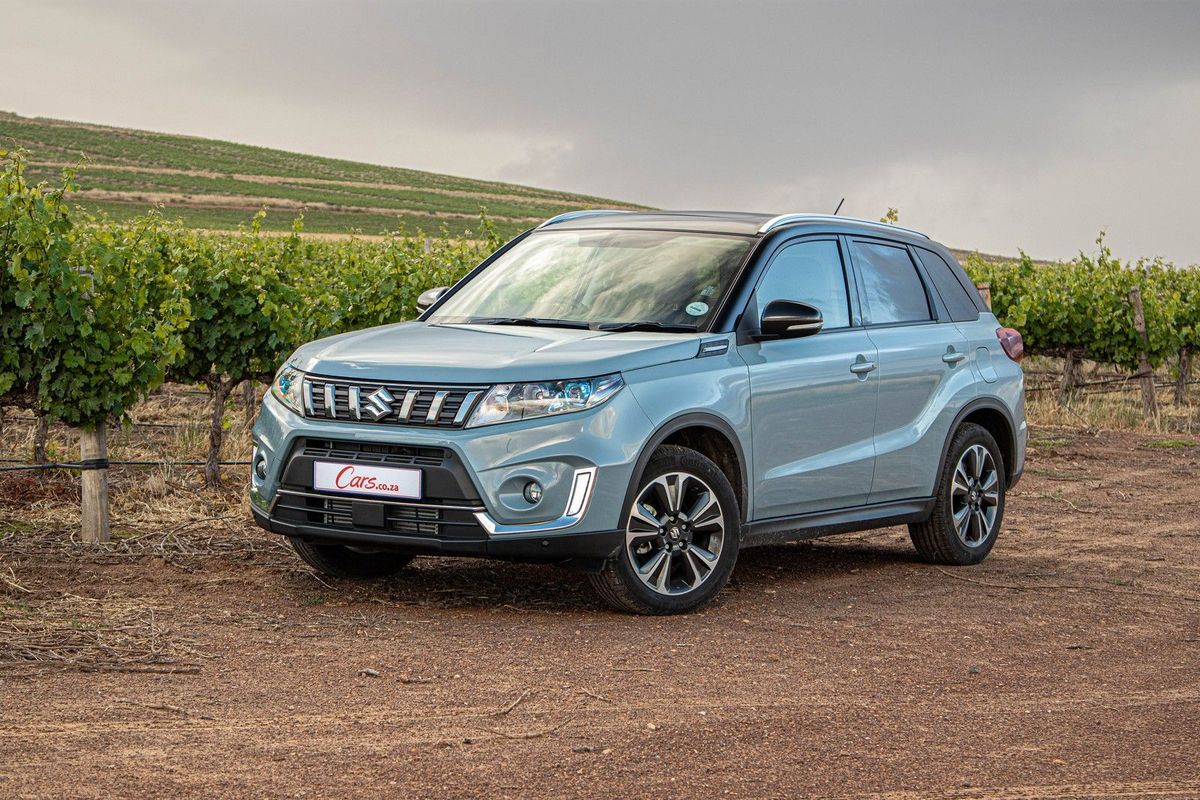
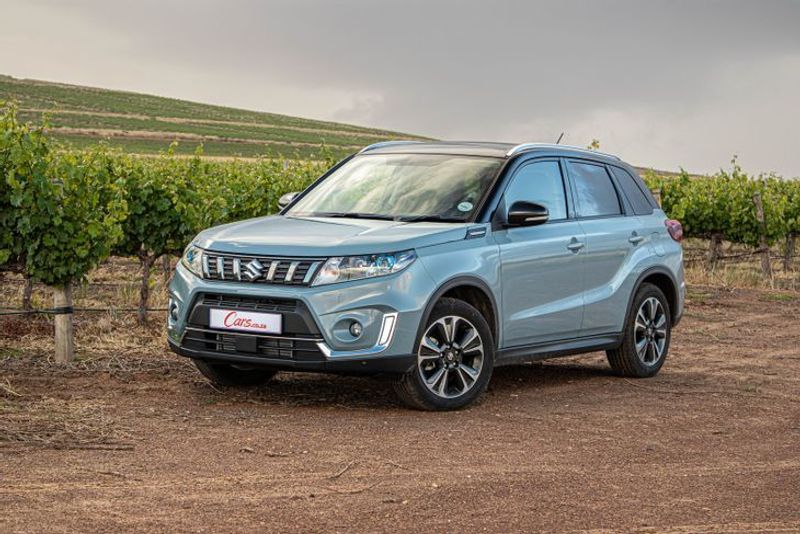
The compact family car segment is positively bursting with competitive offerings. For a model to succeed in this cutthroat market, its needs to be better than good; Suzuki is banking on a modern, efficient powertrain and a comprehensive features list in its flagship Vitara 1.4T GLX auto. Could it steal some sales away from its rivals?
We like: Value for money, performance & efficiency, good spec and spacious.
We don’t like: Some cheap plastic trim here and there, but we're really nitpicking.
Fast Facts:
Model: Suzuki Vitara 1.4T GLX auto
Price: R426 900
Engine: 1.4-litre turbopetrol 4-cylinder
Power/Torque: 103 kW/220 Nm
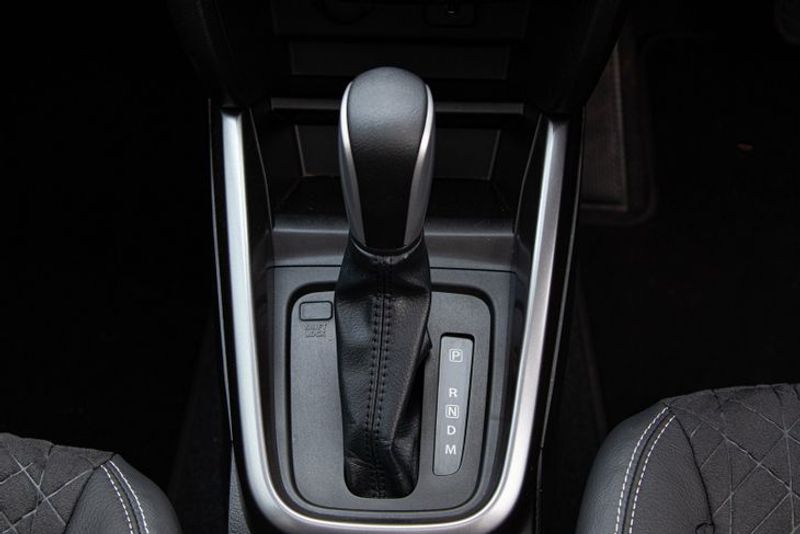
Transmission: 6-speed automatic
Fuel consumption: 5.9 L/100 km (claimed)
Top speed: 200 kph
Acceleration: 9.5 seconds to 100 kph
What is it? ?
The 1.4T GLX auto sits at the upper end of is segment, but it undercuts the VW T-Cross 1.5TFSi R-Line by R15k.
This is not our first experience of a turbocharged Vitara. Back in October 2019, we reviewed a 1.4T GLX and it duly won us over with its eager performance; it was a welcome cherry on top of the build quality, refinement and practicality that endeared the Suzuki to us before. However, that particular test was of a manual derivative. While there was a lot to like about the slick 6-speed transmission, buyers tend to favour self-shifting derivatives (especially at the higher end of the segment). With expectations high, we put the Vitara 1.4T GLX auto to the test. Here's how it fared.
How it performs in terms of…
Performance and ride/handling
The greater flexibility afforded by the 1.4-litre turbocharged motor makes the automatic transmission's job much easier.
To refresh your memory (in case this is the first time you're reading up on the turbocharged Vitara), the compact family car is powered by a forced-induction 1.4-litre 4-cylinder petrol engine. You may notice just how close the motor's peak outputs (103 kW and 220 Nm) are to those of the Swift Sport – that's right, this flagship derivative shares its engine with a compact hot (okay, warm) hatchback! In Vitara application, there's 10 Nm less, but we adore the K14C Boosterjet motor all the same. Compared with the naturally-aspirated 1.6-litre motor, which produces 86 kW and 151 Nm, the turbocharged mill is much more spirited. In fact, we'd go as far as to say the 1.6 litre only makes sense if you're shopping on a tight budget.
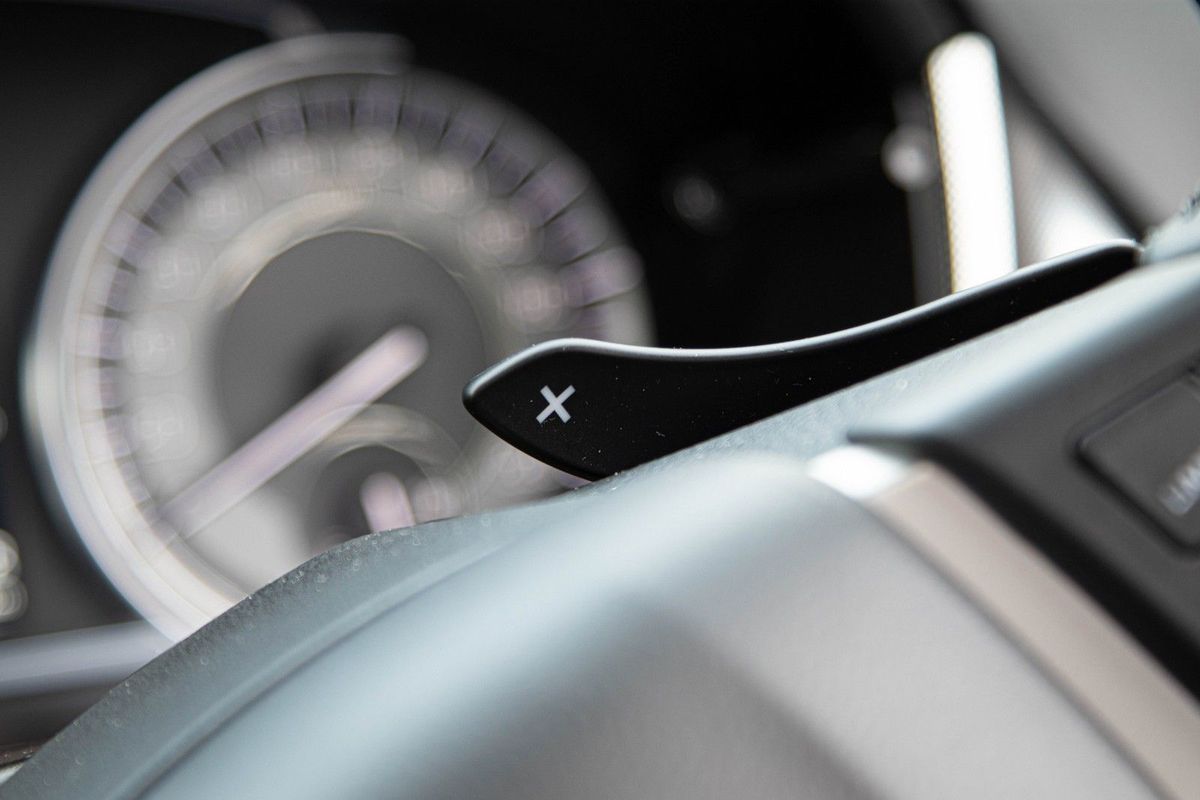
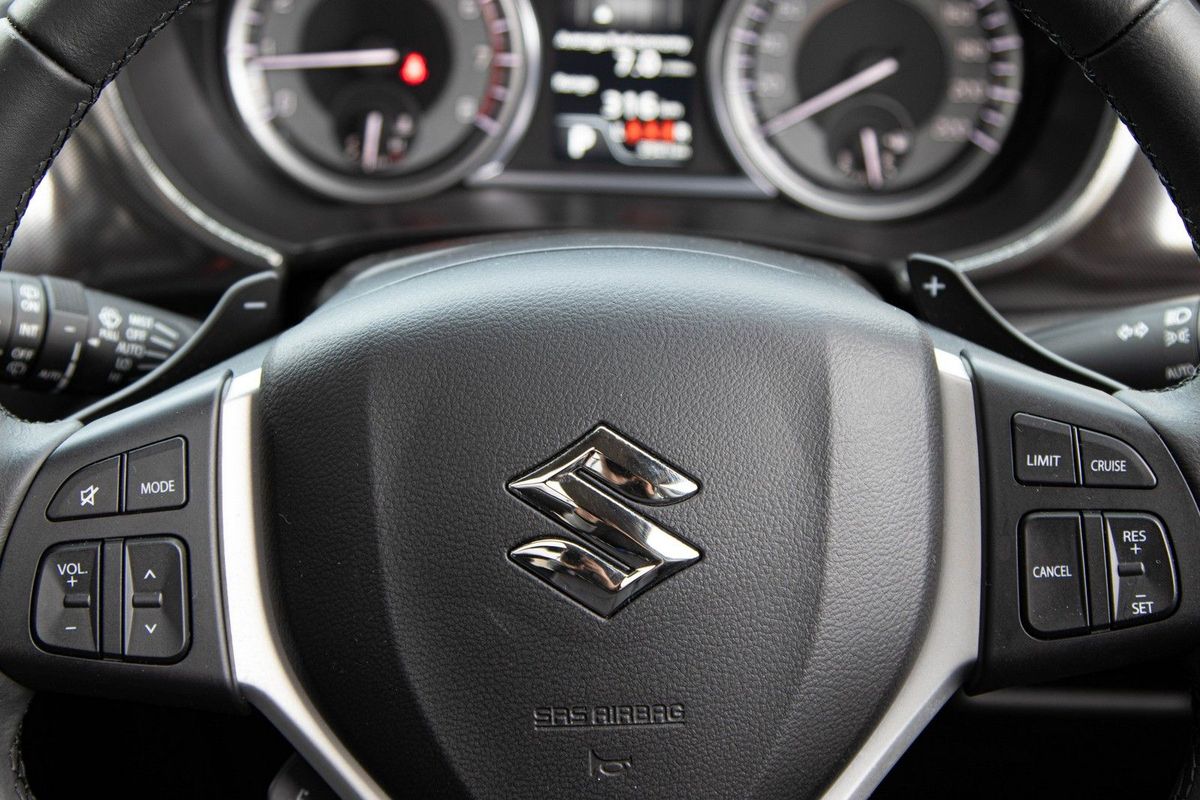
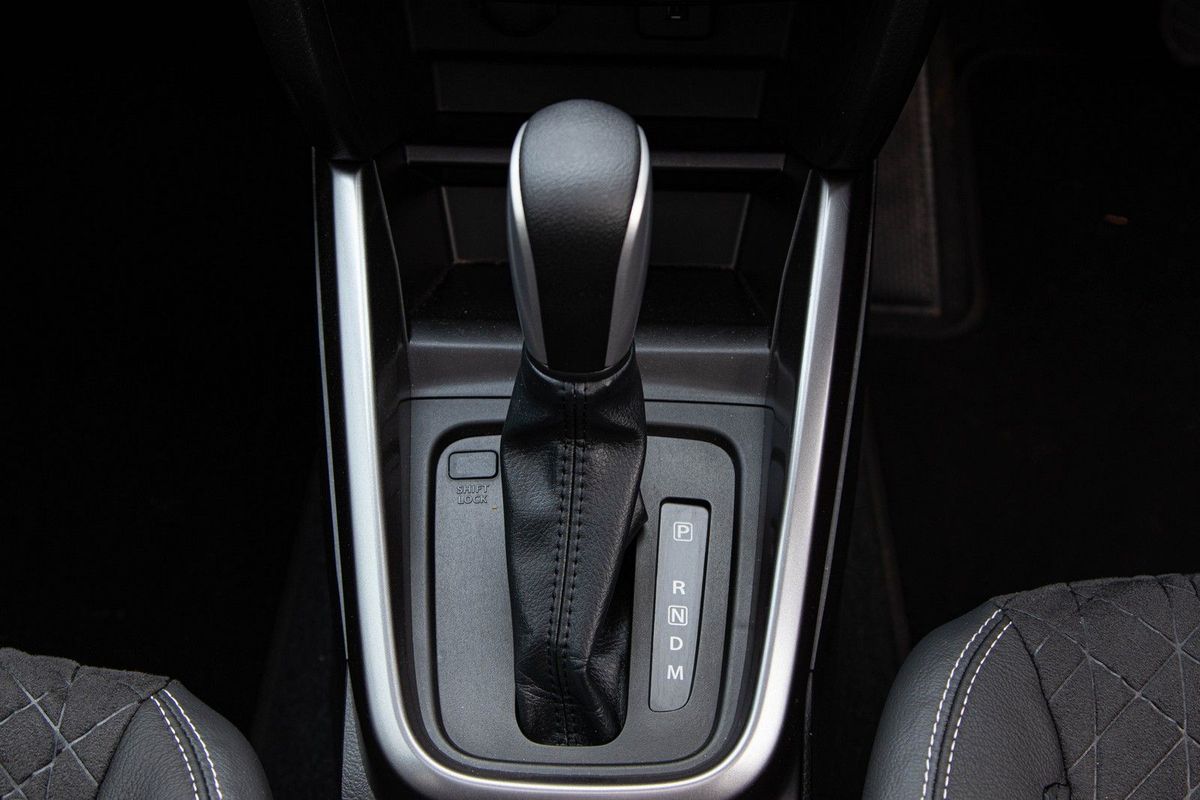
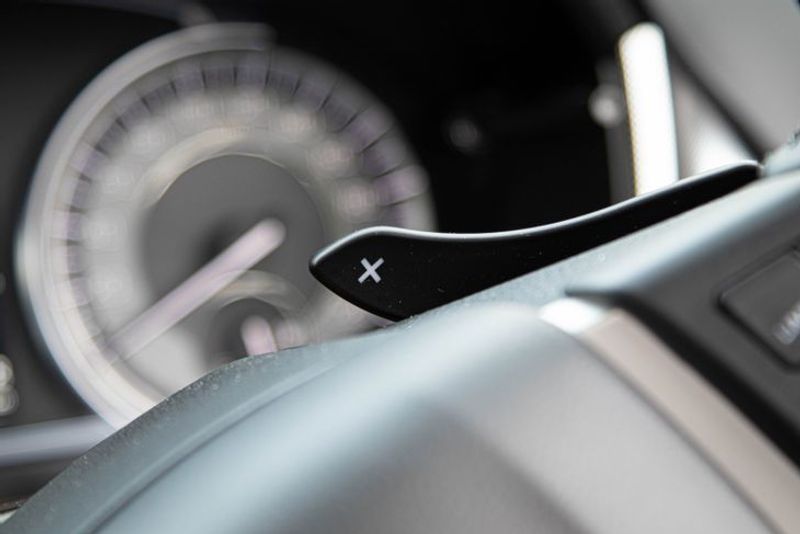
The ever-responsive turbopetrol motor is a peach and smartly calibrated with the (6-speed) automatic transmission. Shift paddles are located on the steering wheel (for those who like to actuate up- and downshifts for themselves), but they lack some tactile quality, even if they function well.
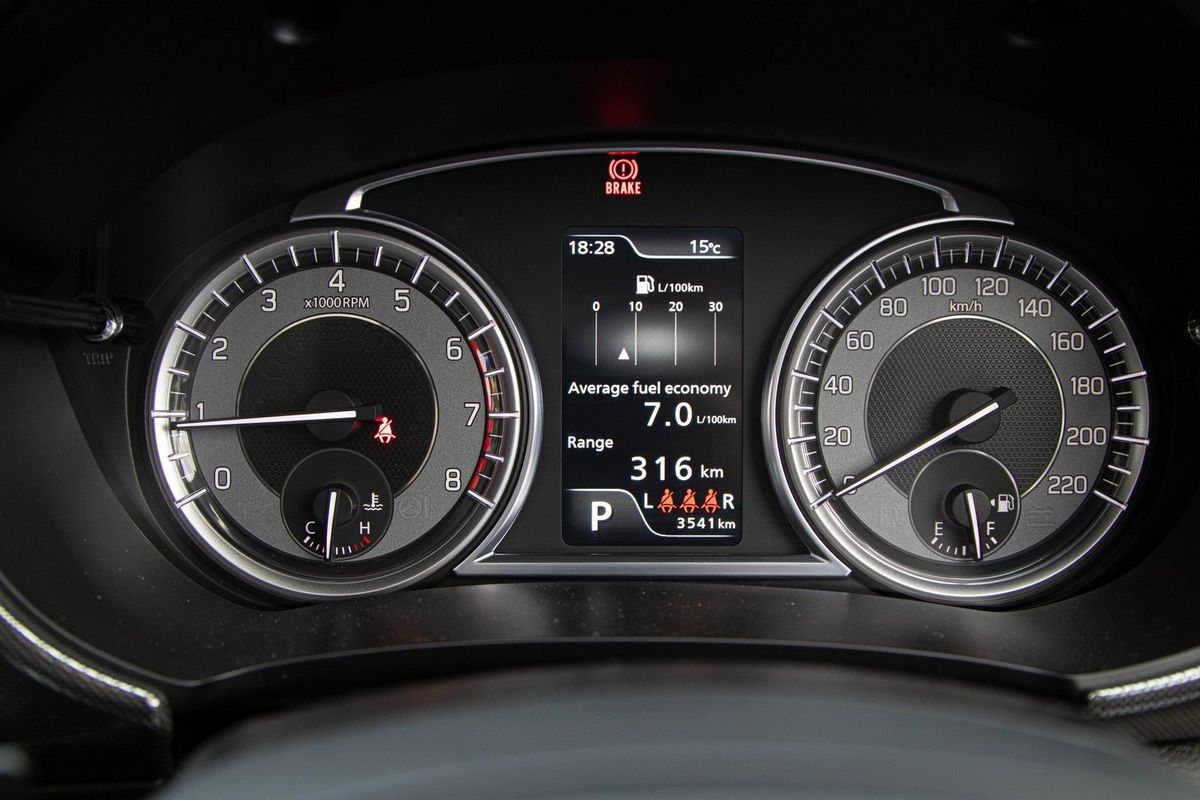
Despite the 'box being of the conventional torque-converter type – not a quick-shifting dual-clutch unit, it shifts reasonably quickly. The biggest benefit of the 1.4T's additional zip and responsiveness is impressive overtaking ability; in-gear performance is excellent for this segment. Despite a slight performance bent, the fuel economy was commendable, with our trip computer displayed a commendable 7 L/100 km (claim 5.9 L/100 km).
Steering-wheel-mounted shift paddles are nice to have, but the Suzuki's powertrain is so well-calibrated, you might never use 'em.
The Vitara may be marketed as a car for practically-minded buyers, but don't be surprised if you find yourself driving it with a fair degree of verve, at least more than would usually be reserved for a compact family car. Few cars in this segment are involving to drive and it's great to feel the spirit of the Swift Sport coursing through its bigger sibling. The ride quality is good too, with the 17-inch tyres soaking up most of the road's pockmarks.
Given its light crossover designation, the Suzuki will be expected to leave the tar now and again and while (part-time) all-wheel-drive capability is the preserve of the 1.6 GLX AllGrip derivative, the 1.4T GLX Auto acquits itself adequately on average unsealed road surfaces. Thanks to 185 mm of ground clearance, you should be able to clear most minor obstacles, plus you can override the gearbox to force it to stay in 1st gear, creating a pseudo-low-range effect, should the going get rough. The steering is nice and light too, making the Vitara feel smaller and nimbler than it is.
Exterior design
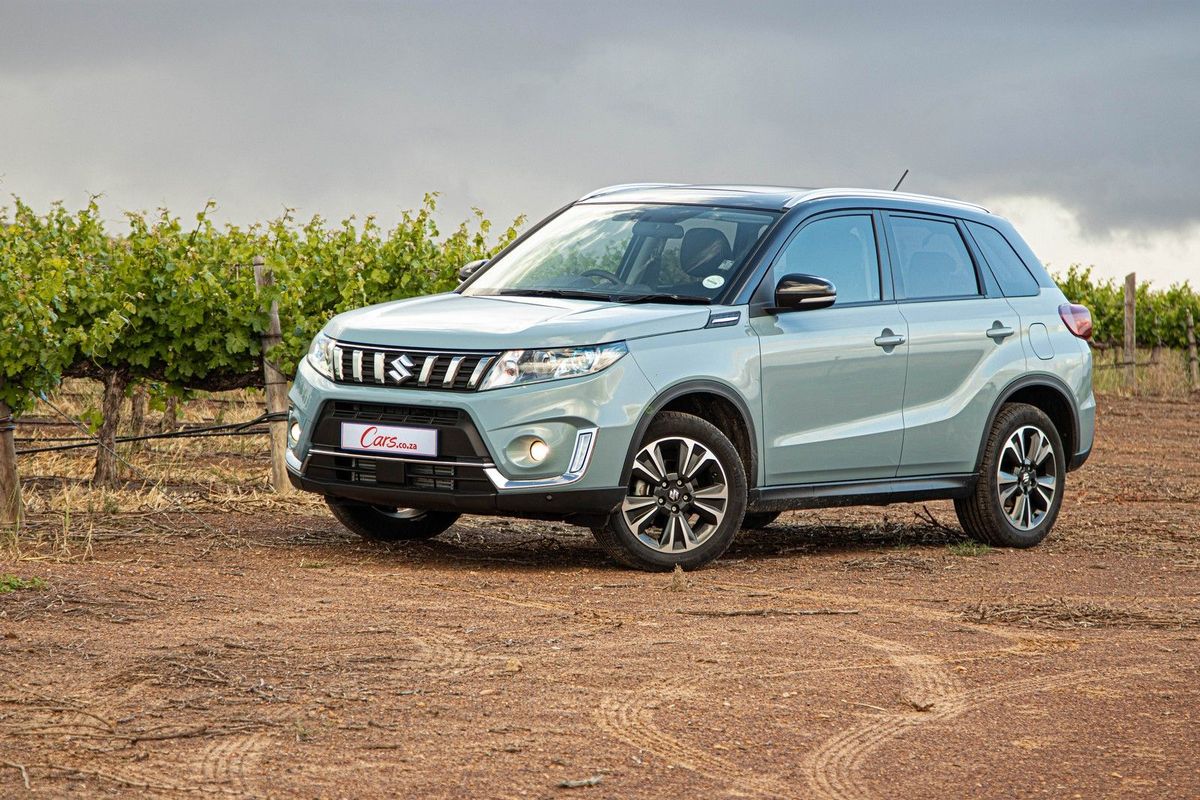
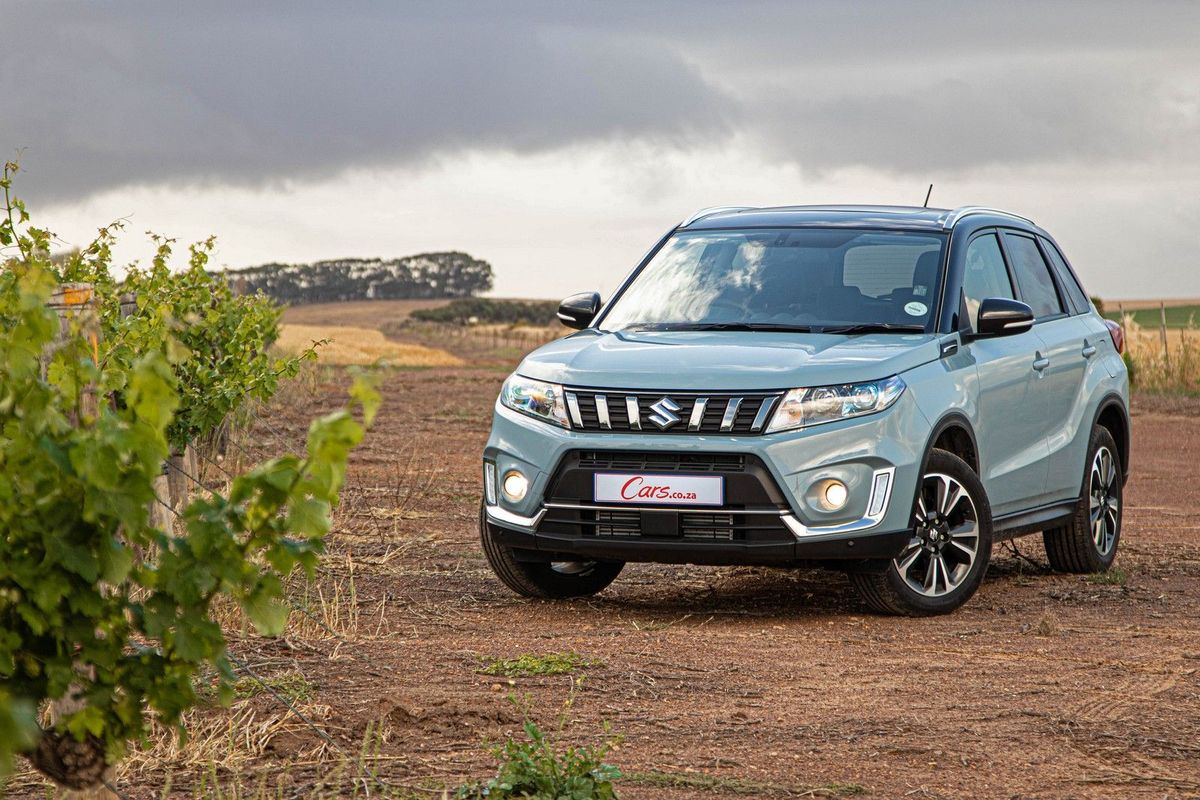
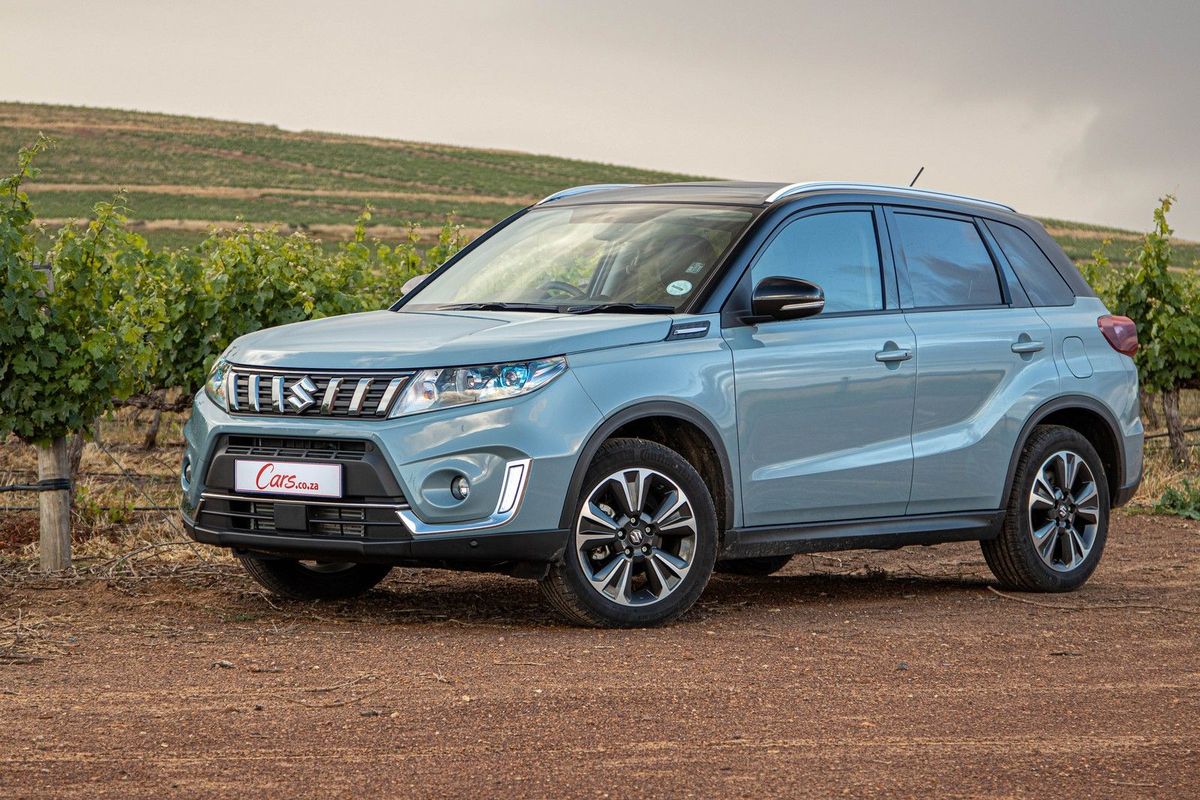
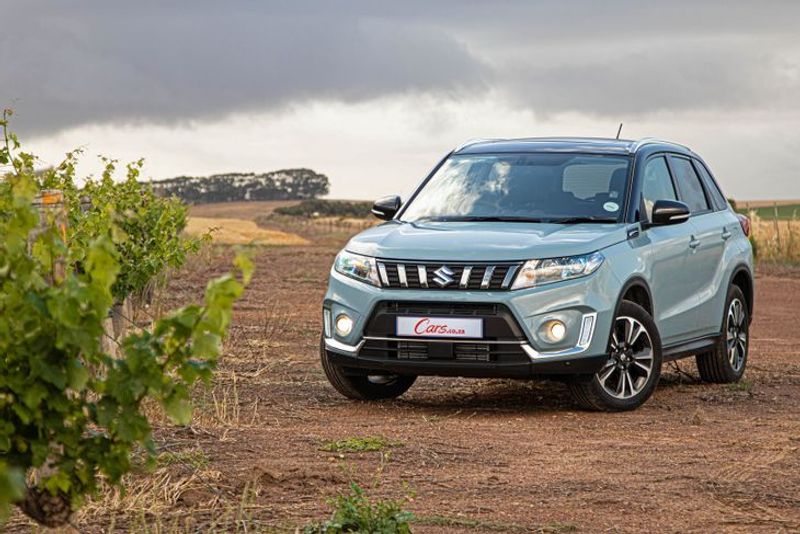
Whereas the pre-facelift Vitara looked neat, if a little anonymous, the revised version looks a bit sharper and more distinctive.
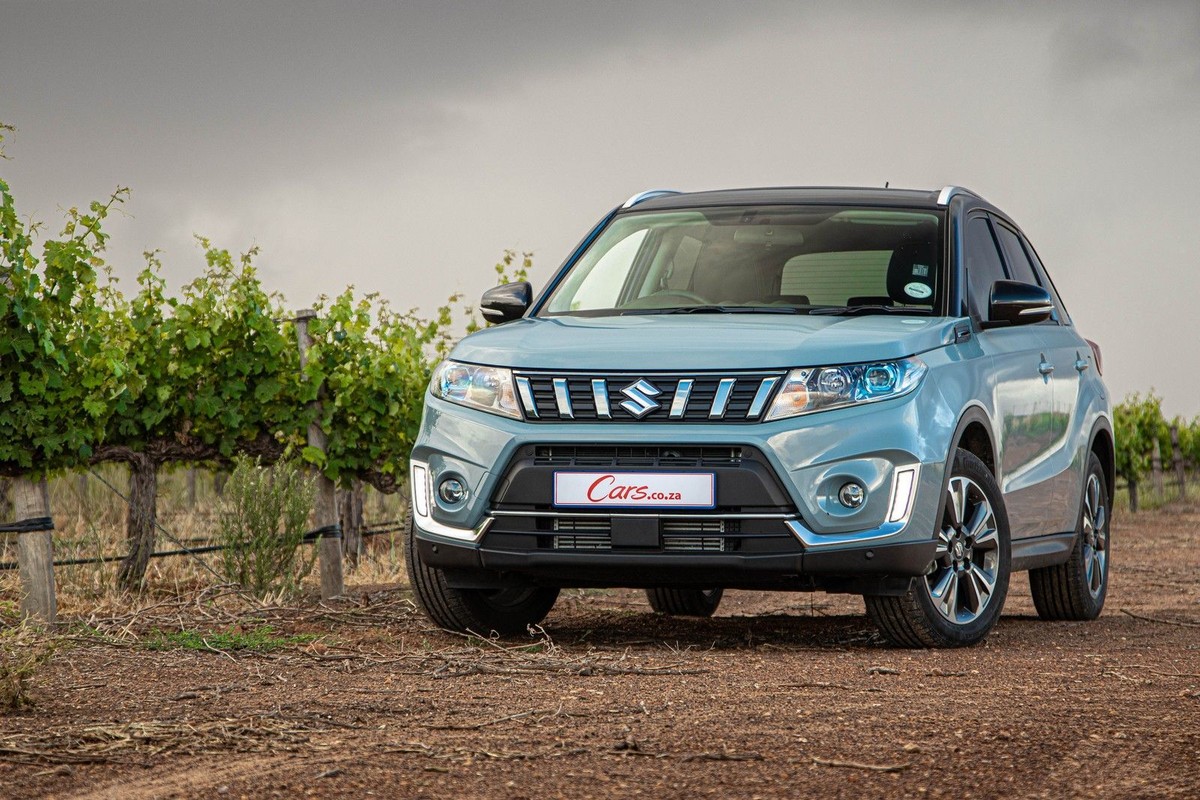
In 2019, Suzuki gave its Vitara a mild update. Apart from the introduction of 1.4-litre turbopetrol derivatives, LED headlights (in addition to LED daytime running lights) and chrome detailing in the grille contribute to a more upmarket look.
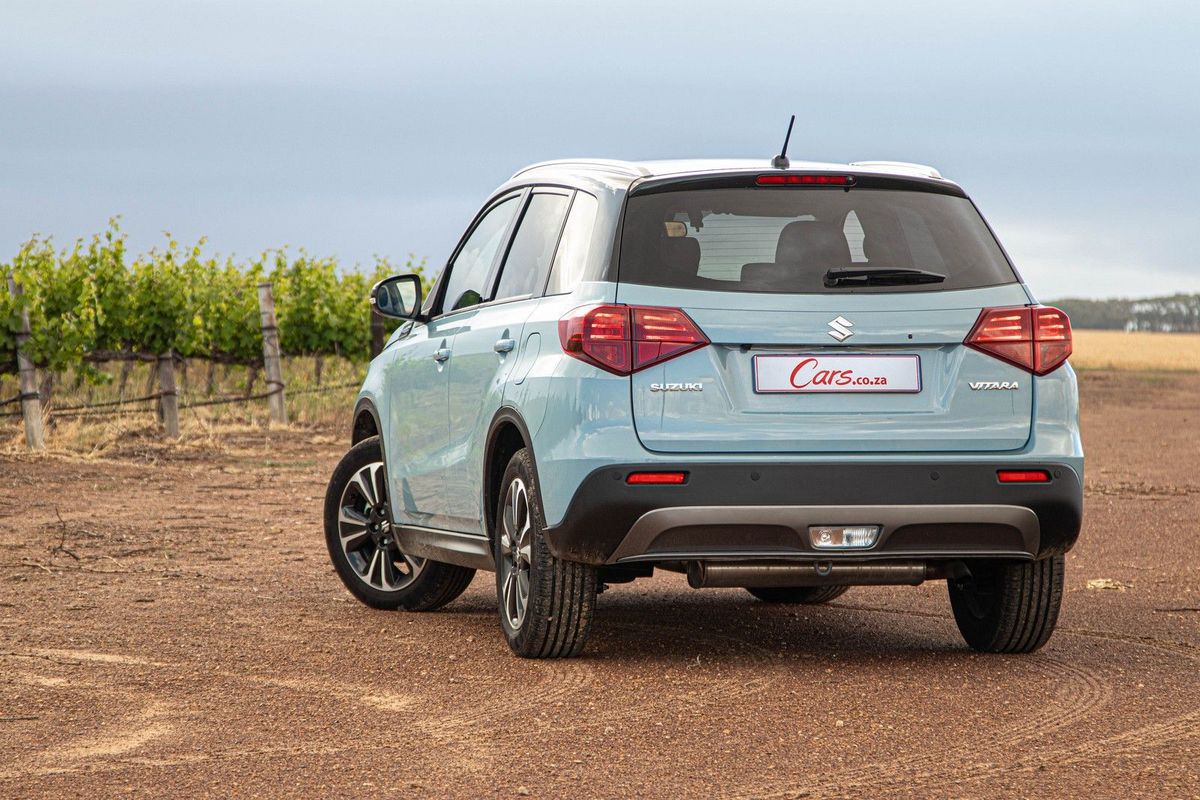
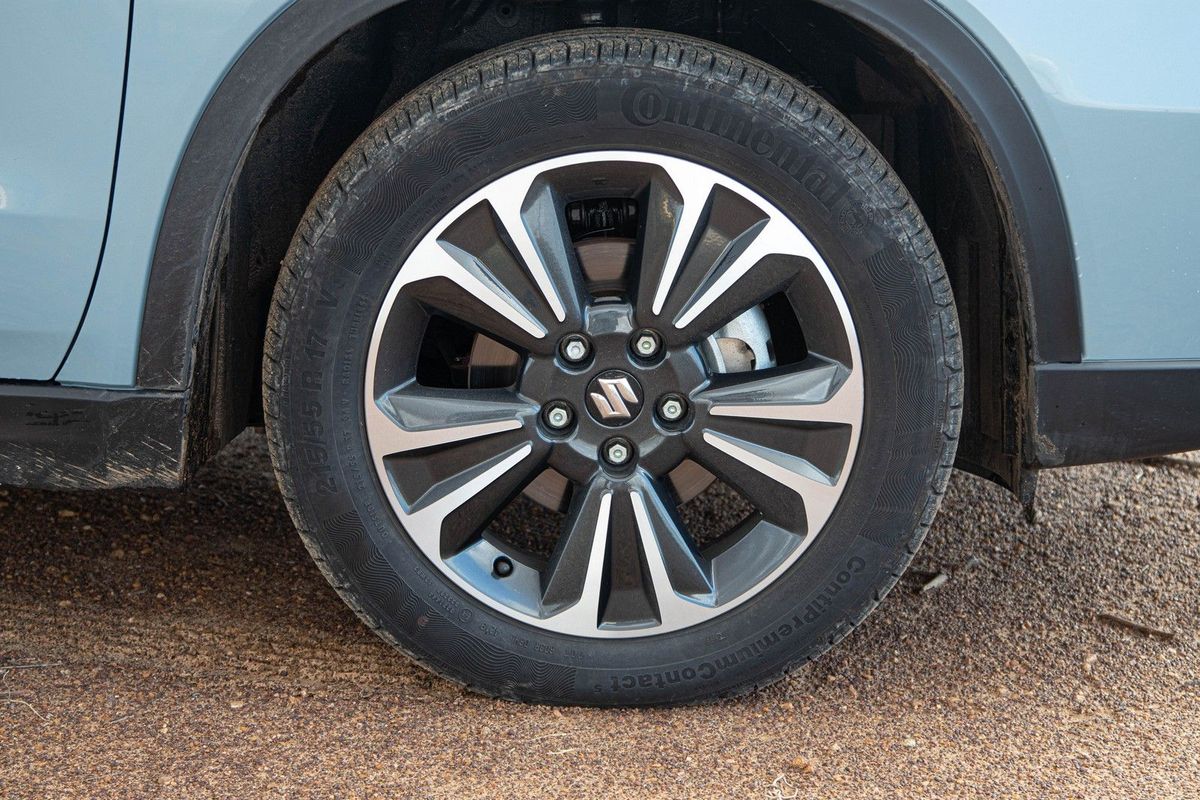
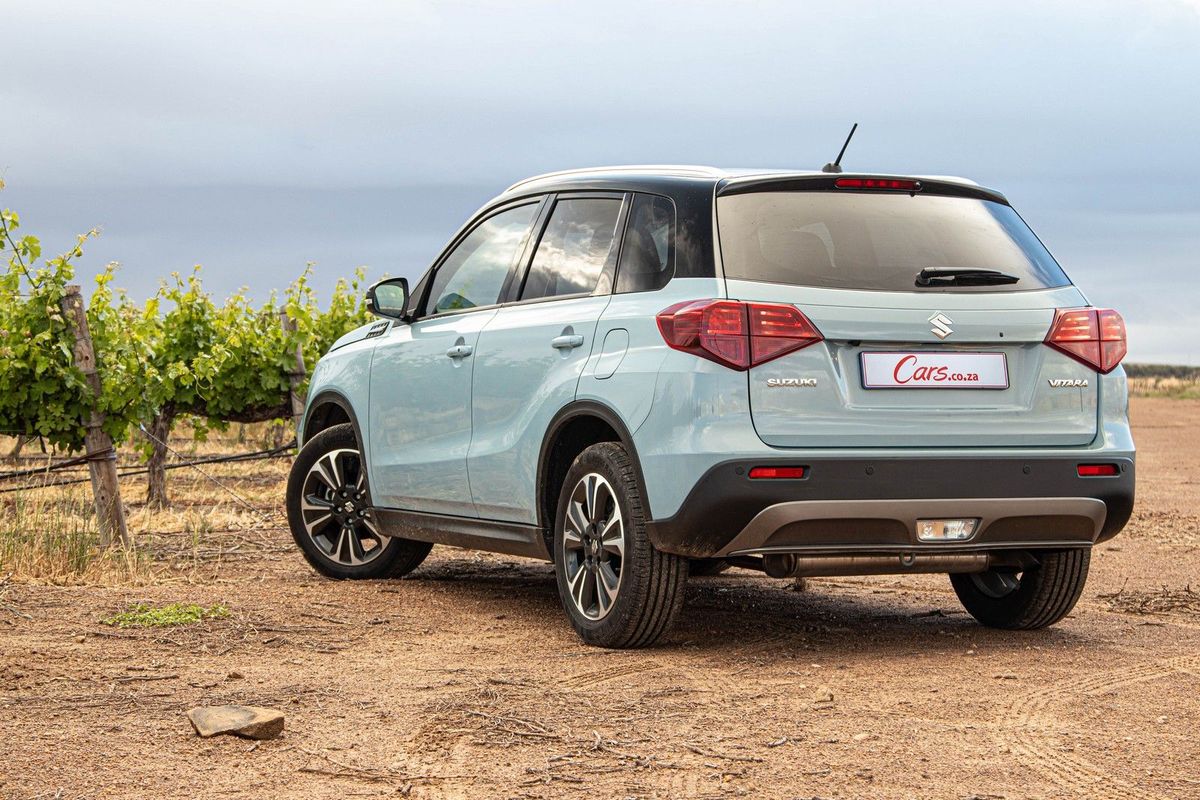
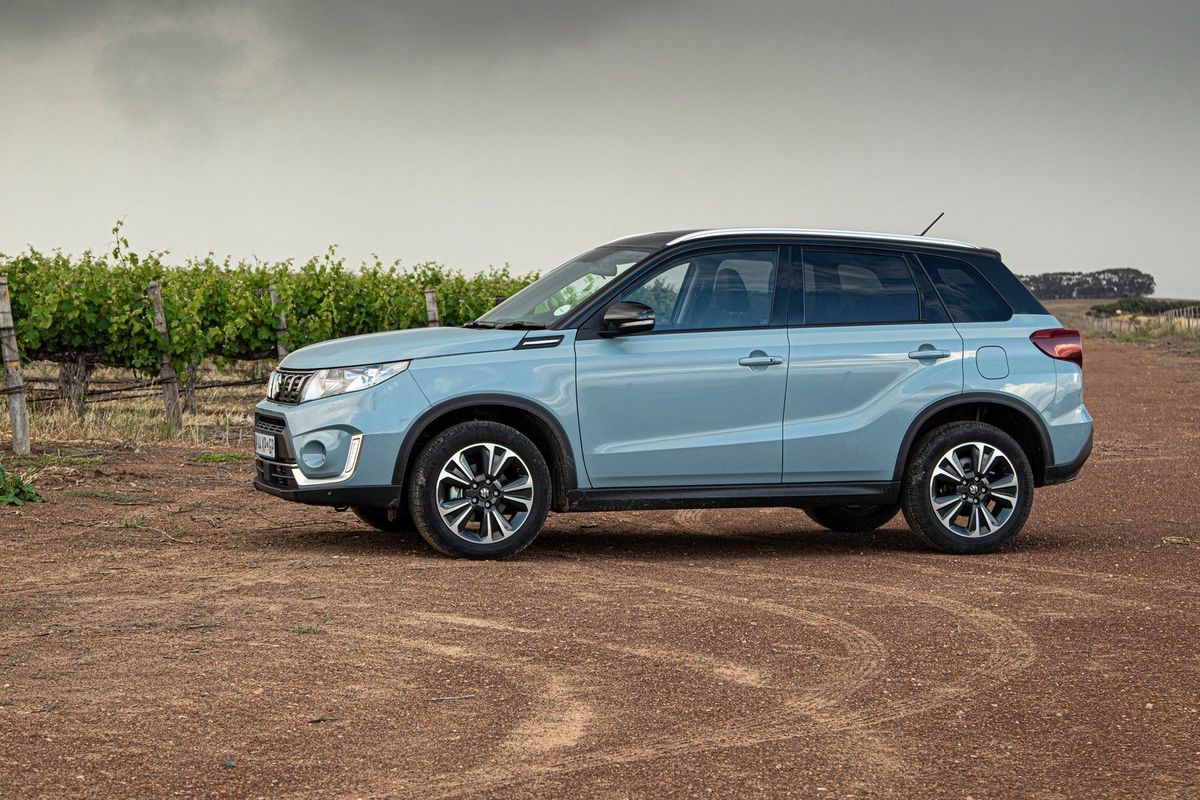
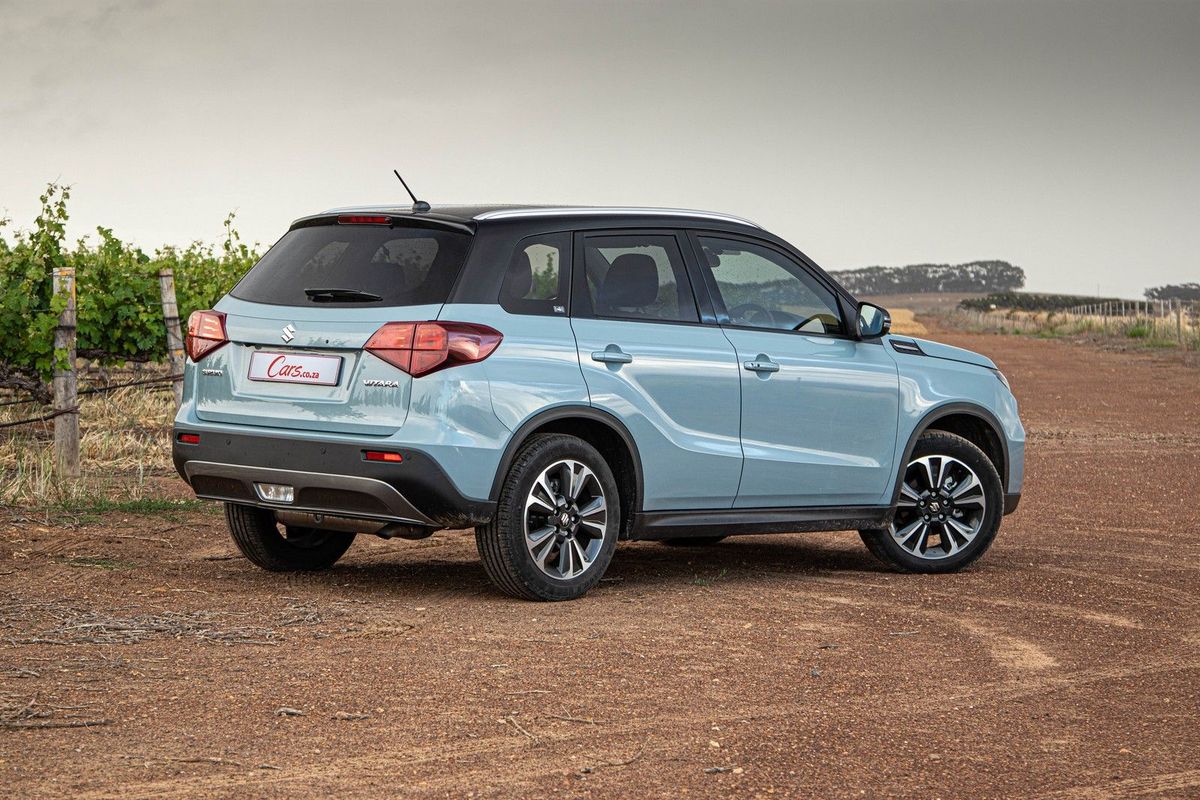
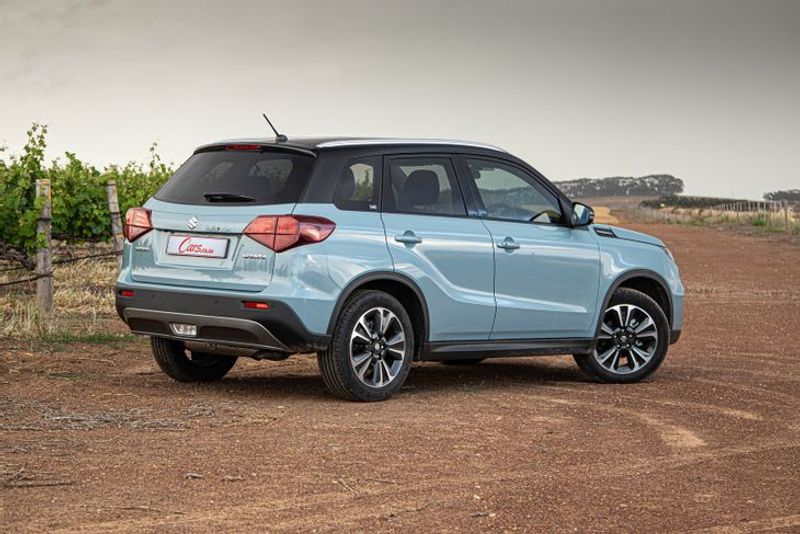
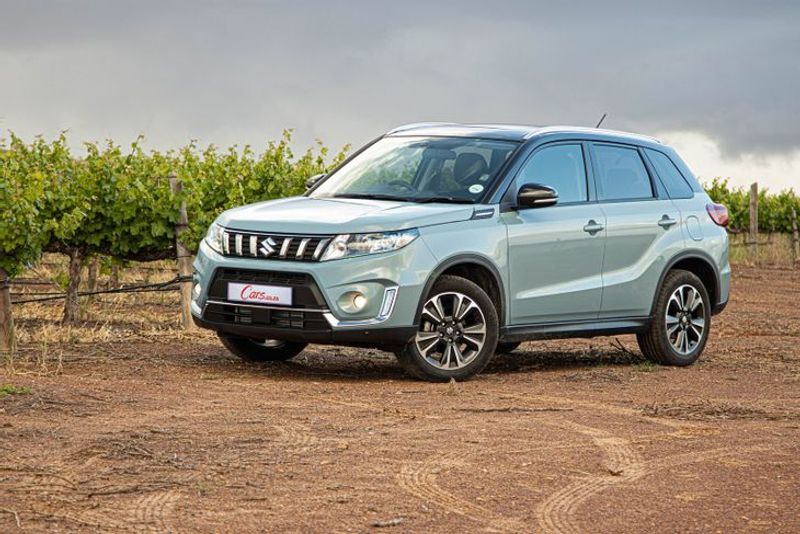
The Vitara's styling may be regarded as dull and conservative by some, but customers can opt for a range of vibrant exterior colours; we're big fans of this subtle grey-blue, called Ice Greyish Blue. There's also the option of a contrasting roof. The 17-inch alloy wheels really look the part too.
The black roof adds a sense of sophistication to the exterior execution, the roof rails neatly complement the handsome alloys.
Interior execution
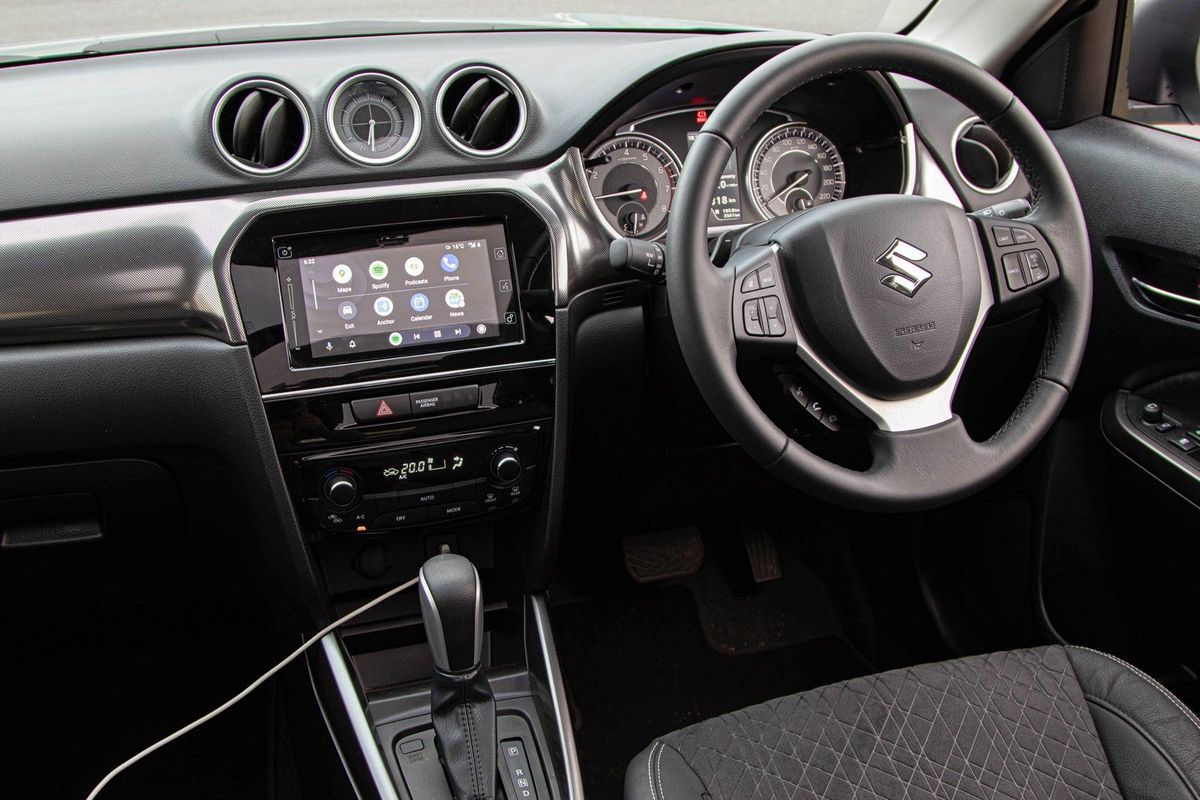
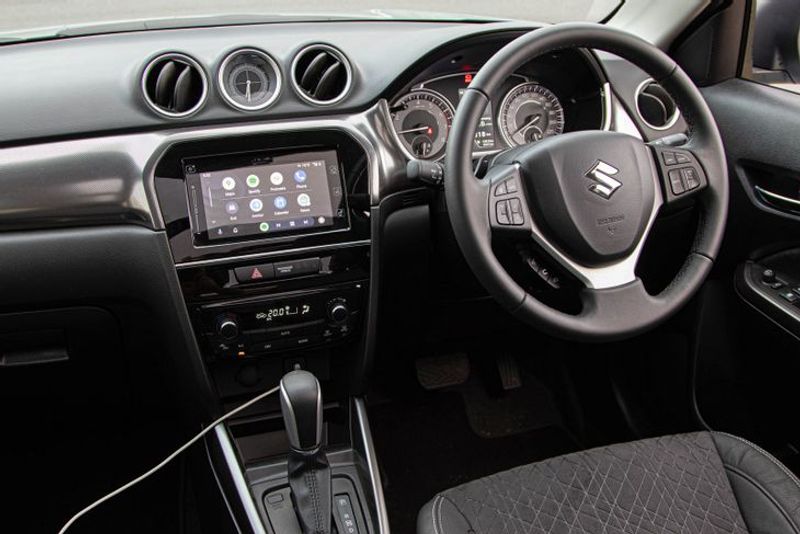
As ever, the Vitara's interior is smart and ergonomically sound. Given its price positioning (at over the R400k mark), you'd expect touches of luxury… and that's exactly what you get with leather seats, as well as suede on the door panels. Strangely, these are contrasted with hard plastics that are littered around the cabin. That being said, there's are just enough soft-touch finishes… and everything feels tough and long-lasting.
We enjoyed the infotainment system's ability to read out (and respond to) WhatsApp messages without distracting the driver.
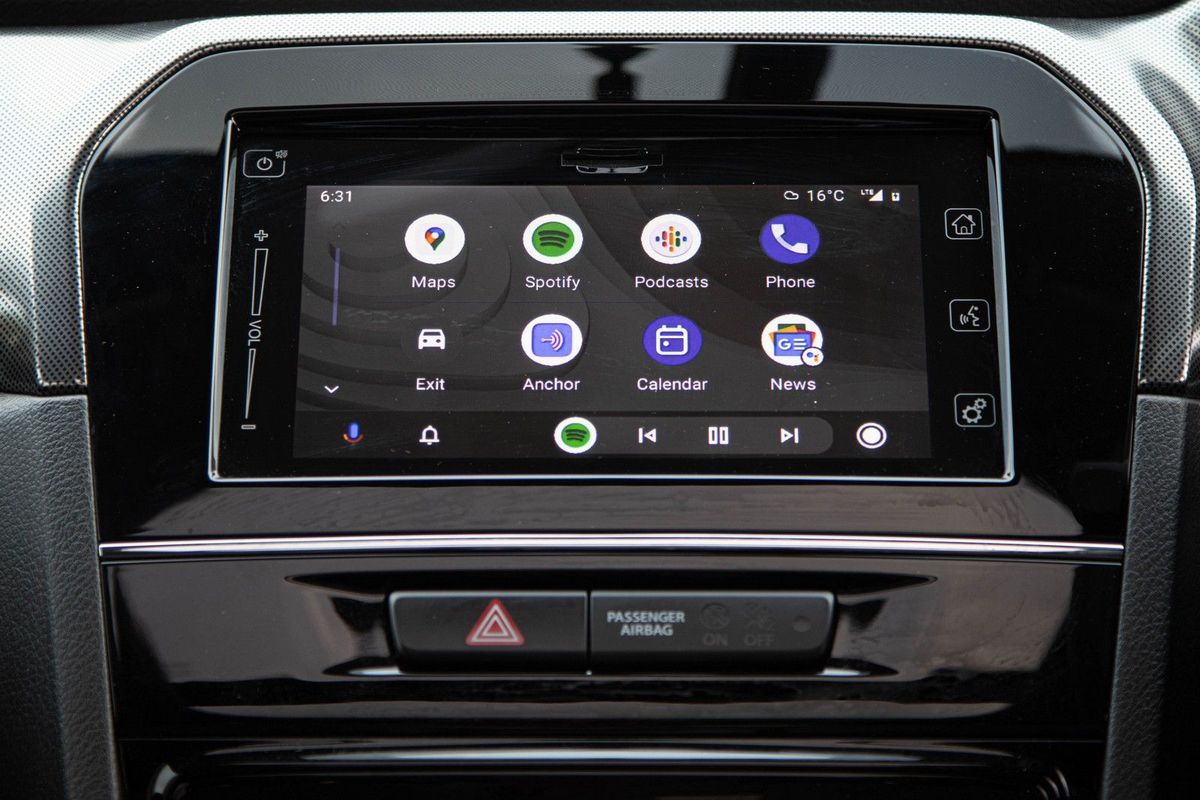
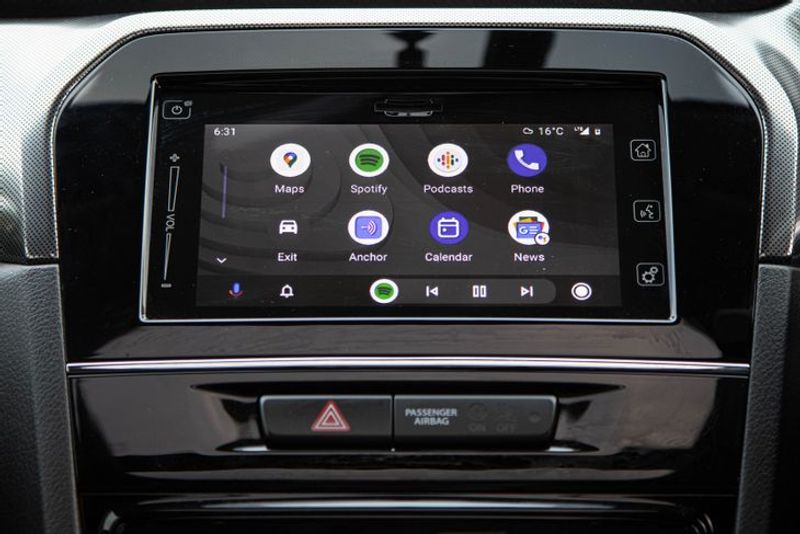
There's a 4.2-inch colour multi-info display in the instrument cluster and the 7-inch touchscreen infotainment is Apple CarPlay and Android Auto compatible. With your smartphone connected, you can access navigation services, as well as entertainment functions such as streaming music and podcasts. For us, the system's best feature was that it could read out your WhatsApp messages (and reply on your behalf) – your hands never need to leave the 'wheel. We would've liked a volume-adjustment knob on the infotainment unit, the touchscreen control wasn't the most accurate.
Features
An updated instrument cluster and touchscreen infotainment system has contemporised the Vitara's dashboard.
In terms of other noteworthy standard interior features, a reverse-view camera and front/rear parking sensors are availed, along with a panoramic sunroof, climate control (automatic aircon), as well as automatic wipers. In terms of safety features, the 1.4T GLX auto is comprehensively specified, with 7 airbags, ABS with brake assist and EBD, ESP (electronic stability control) and rear ISOfix child seat anchorage points.
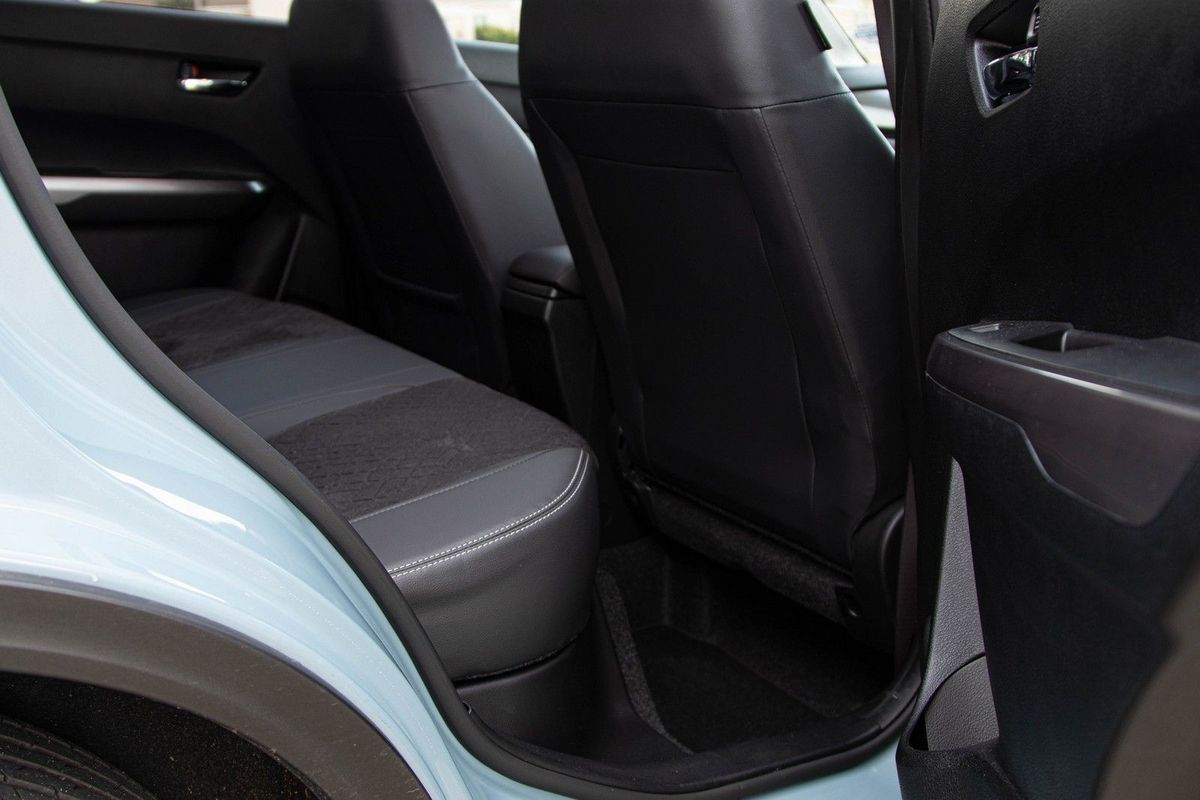
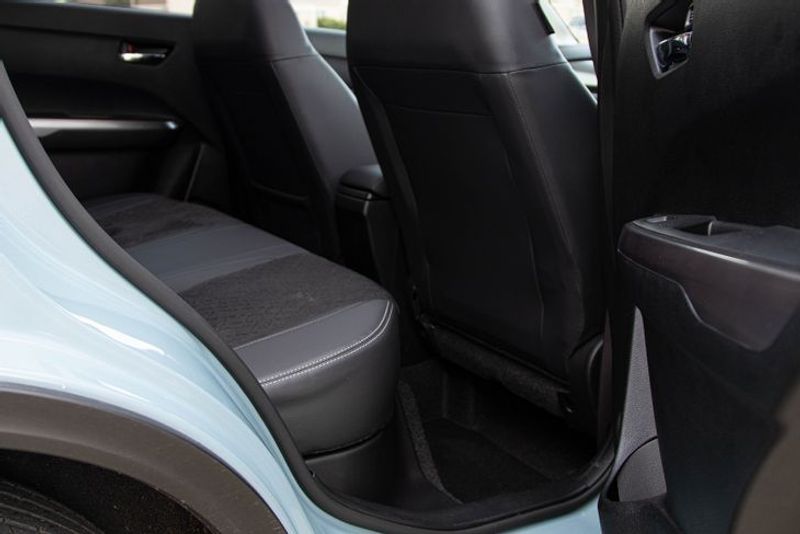
The Vitara's practicality is one of its trump cards. Not only does its cabin offer sufficient space to seat 4 adults in comfort, but its load bay is notably capacious; only the bays of the Volkswagen T-Cross and Kia Seltos offer more capacity. In fact, the generous luggage space makes the Mazda CX-3 and Toyota C-HR's luggage areas look ludicrously small. Need to transport a set of golf clubs or a mountain bike? Simply fold the rear seats down to gain access over 1 100 litres of utility space. Gripes? We would have liked to see a pair of separate ventilation outlets for the rear passengers.
Whereas rear legroom is often no more than fair in compact family cars, even adults sit comfortably on the Vitara's aft bench.
Price and after-sales service
The Suzuki Vitara range starts at R310 900, with this flagship 1.4T GLX auto derivative costing R426 900. The vehicle is sold with a 5-year/200 000 km warranty and a 4-year/60 000 km service plan.
Suzuki's aftersales offering is commendable with a substantial dealership footprint. Also, Suzuki has won the Brand of the Year title of the Cars.co.za Consumer Awards – powered by WesBank twice so far.
The segment in which the Vitara resides is densely populated, but sadly lacks vehicles that offer much in the way of personality and enthusiasm. Granted, it is a segment focused on practicality and value for money, but we're pleased Suzuki is determined to tick those boxes too. The 1.4T GLX auto reminds customers driving can still be enjoyable, both on tar and off it. Talk about an extra emphasis on the Sport in Sport Utility Vehicle! The new powertrain and interior space are the best selling points of this vehicle. Putting aside our enthusiasm for driver's cars, the Suzuki Vitara is one of the Cars.co.za content team's favourite models and, by virtue of bagging a pair of #CarsAwards category wins, clearly one of our readers' too.
However, there's a lot to choose from if you're prepared to fork out R400 000-plus for a do-it-all family vehicle. The Volkswagen T-Cross has gained many fans, while the Kia Seltos is a relative newcomer and a substantially reworked Hyundai Creta will soon be available. While some have suggested that the 1.4T GLX auto's price is now too steep, bear in mind that comparable top-of-the-rage Seltos, Honda HR-V, Toyota CH-R and T-Cross derivatives cost more than the flagship Vitara; what's more, the Suzuki's standard spec is comprehensive, its aforementioned rivals' less so.
Audi welcomes the potent S7 to its local A7 executive sedan offering. See specification and pricing details below…
Earlier in 2020, we spent time behind the ‘wheel of the Audi’s A7 Sportback 55 TFSI and we came away impressed with not only its packaging but also its powerful performance. Now, Audi welcomes an even more potent S7 Sportback to the fold, boasting 331 kW and 600 Nm from its 3.0-litre turbocharged V6 engine with a 48-volt Mild Hybrid System (MHEV) which includes a belt alternator starter and a 10 Ah lithium-ion battery stored in below the luggage compartment.
A 7-speed dual-clutch transmission catapults the S7 with quattro all-wheel-drive from zero to 100 kph in 4.6 seconds before reaching a top speed of 250 kph. All-wheel steering is optional as is adaptive air suspension but Audi’s S sport suspension with damping control is standard. More so, for even more agility and sportier handling ability, the S7 can also be optionally equipped with a sport differential on the rear axle.
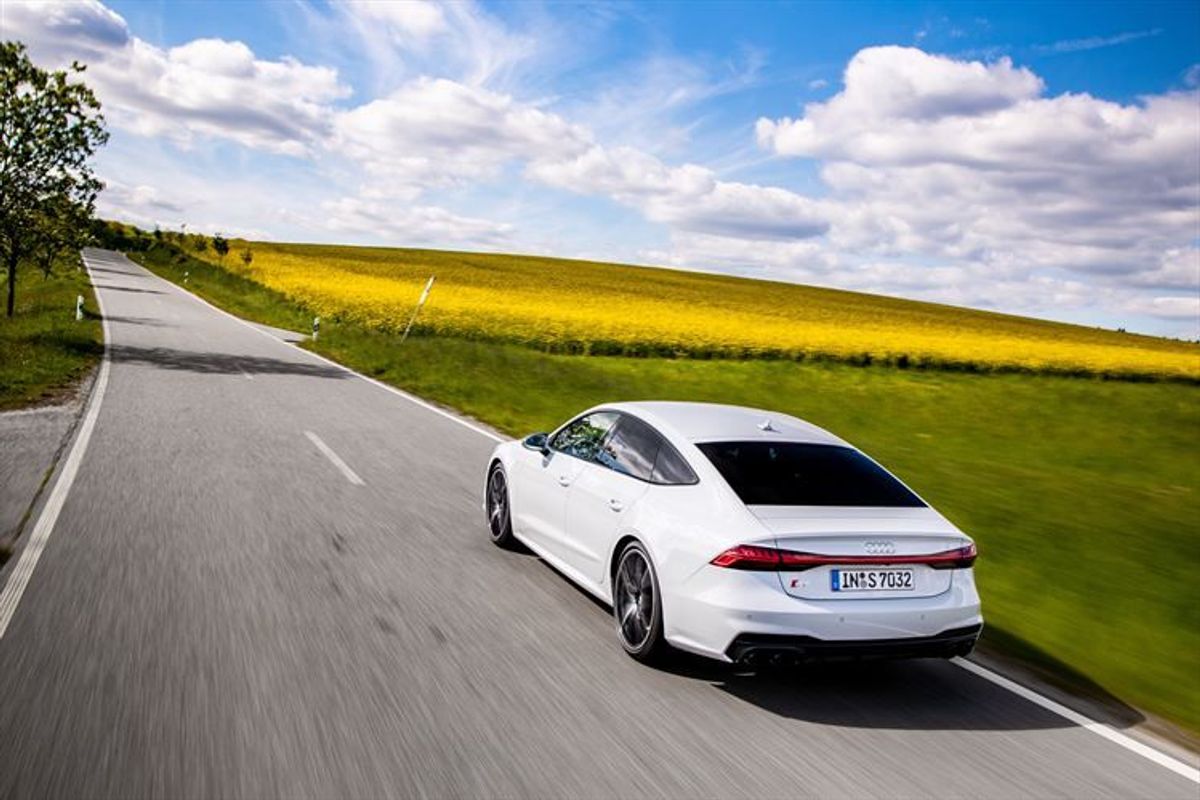
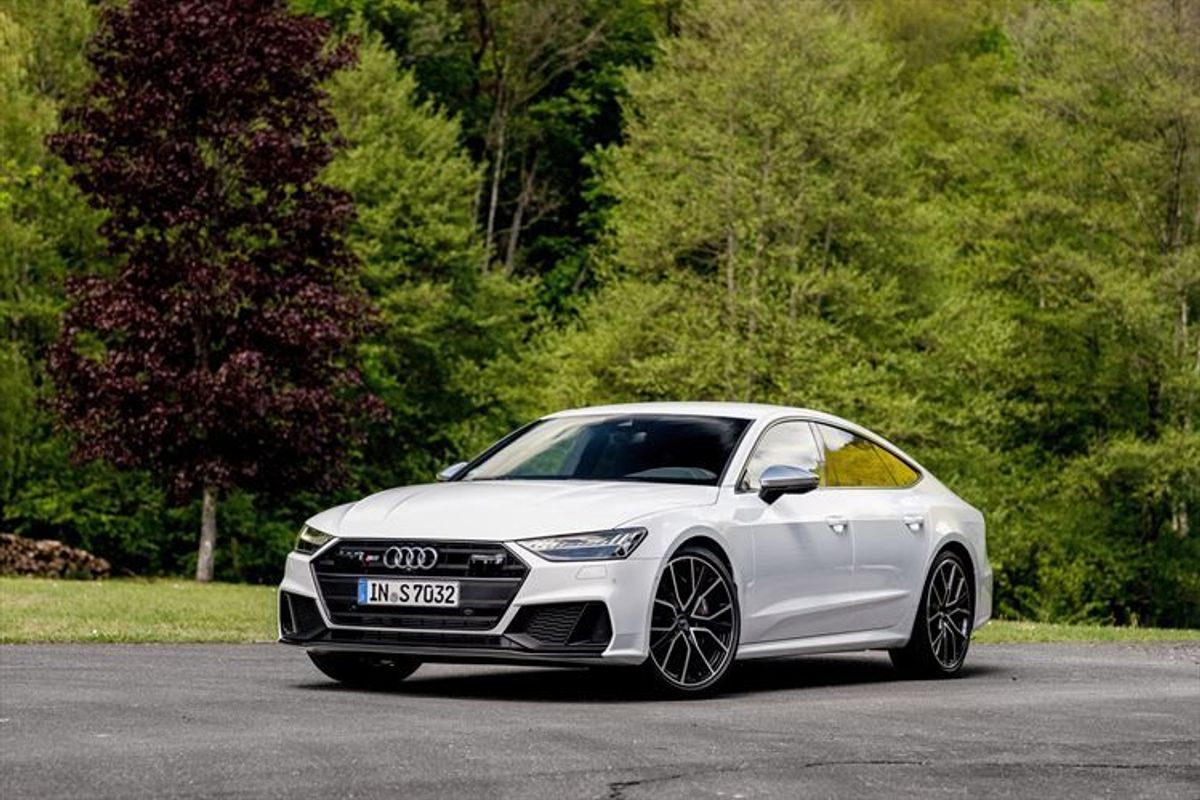
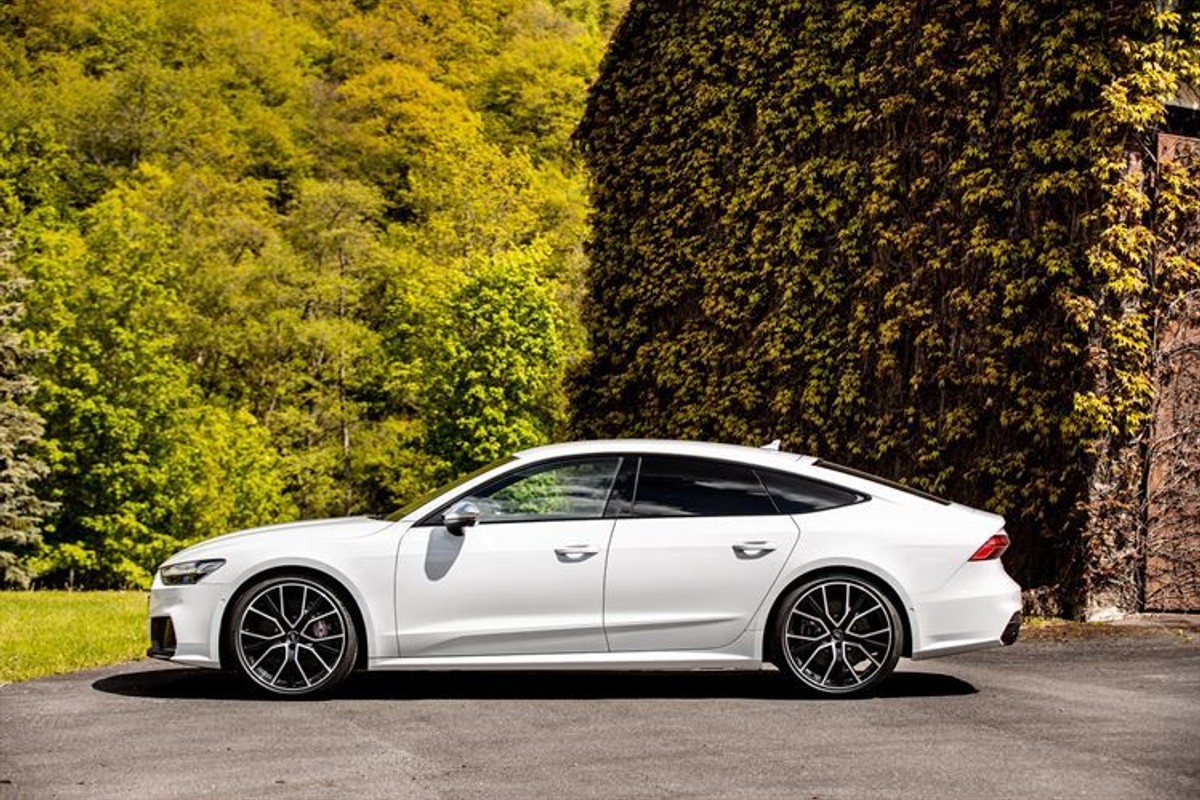
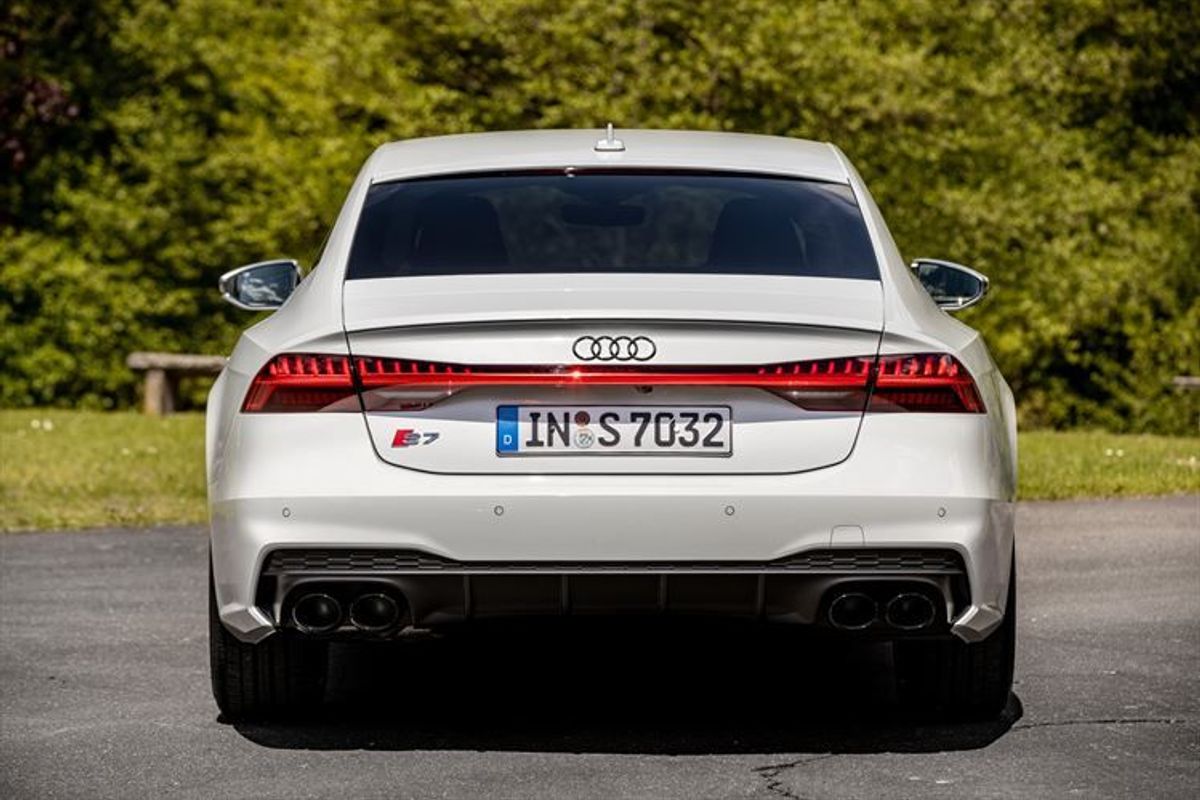
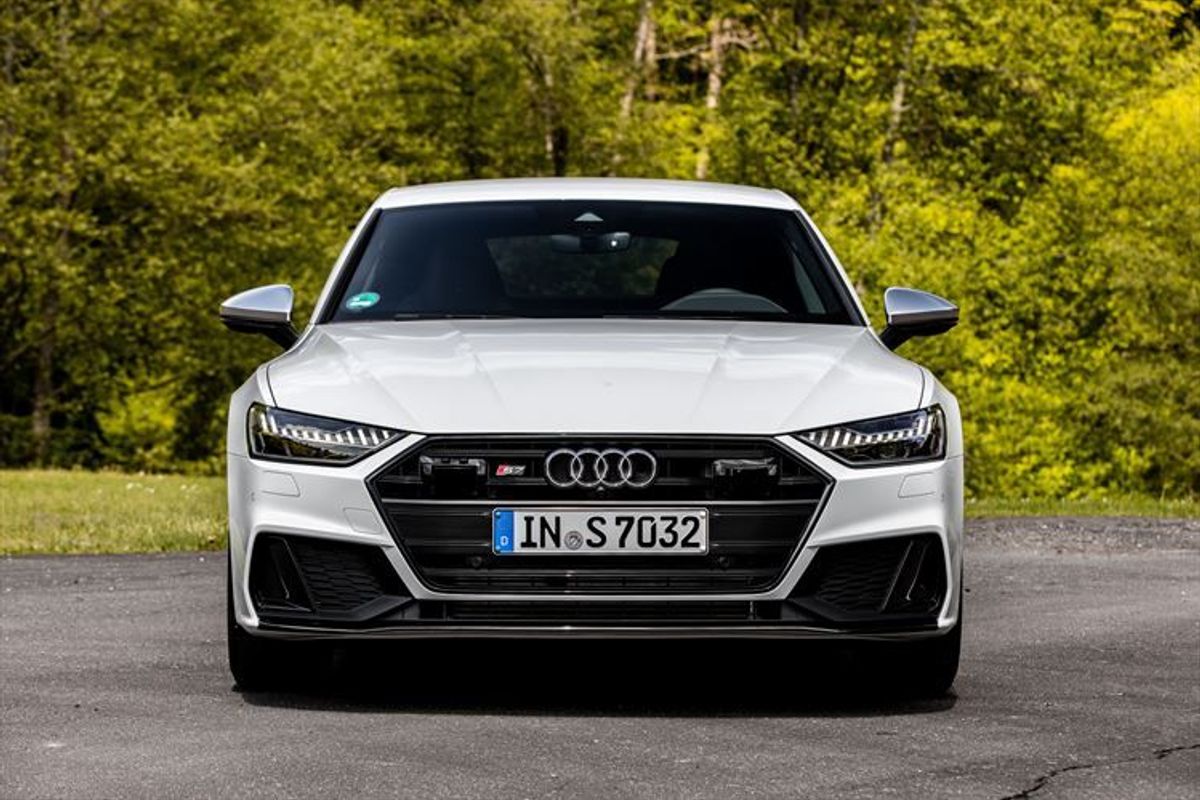
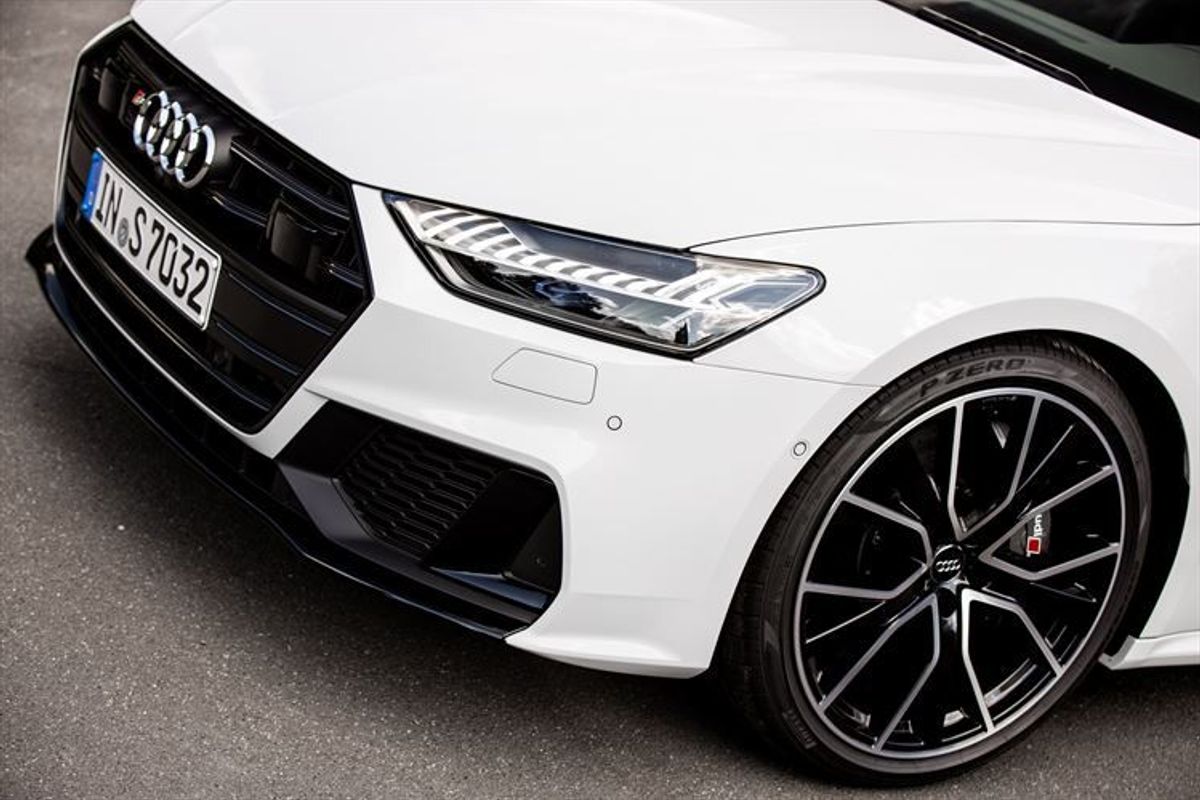
Visually, the S7 is distinguished by dark chrome and aluminium trim seen in the grille, side air inlets, front blade, exterior mirrors and rear diffuser, the former of which houses 4 exhaust outlets. High-Definition Matrix LEDs are also fitted while the animated rear LED lights are connected with a light strip for added visual presence. The S7 rides on unique 21-inch alloy wheels.
The S7 is equipped with all the 'bells and whistles' to ensure that your comfort is well taken care of.
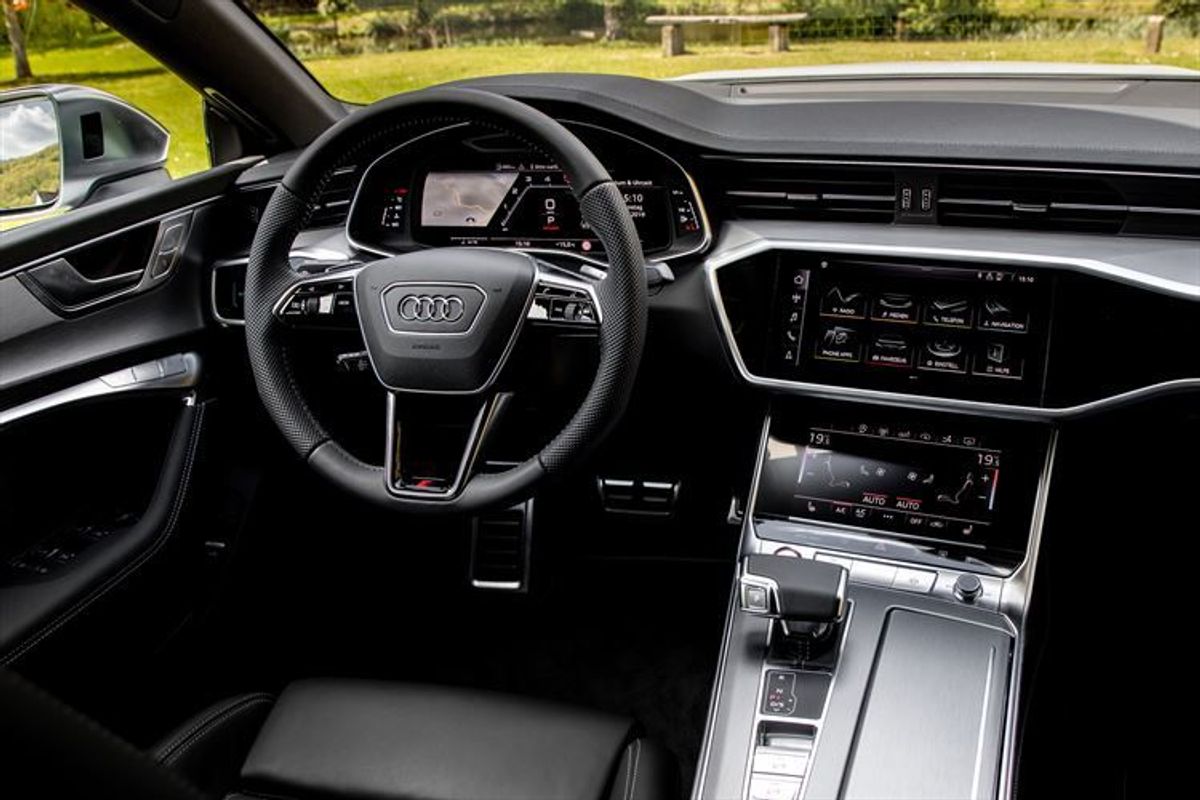
The S7’s interior is familiar from the current A7 range and features nice-to-haves such as Audi’s Virtual Cockpit with a 12.3-inch display, MMI Navigation Plus, 4-zone climate control air conditioning, high-definition touchscreen with haptic feedback, ambient lighting with 30 colour options, Bang and Olufsen premium 3D sound system and a panoramic sunroof.
The S7 also gains S sports seats in Valcona leather with integrated head restraints and an embossed ‘S’ logo as standard but you can also choose leather and Alcantara or Valcona and Milano leather combinations as a no-cost option and the upholstery can be had in either black, rotor grey or arras red. Buyers can also choose to have multi-adjustable contour seats with ventilation and massage functions.
Other features include an S-specific layout for the digital instrument cluster, a flat-bottom steering wheel, stainless steel footrest and pedal caps as well as illuminated ‘S’ sills.
In terms of driver assistance, a 360-degree camera is fitted and features such as adaptive cruise control, lane change warning and night vision assistant are particularly useful features.
Audi S7 – Price in South Africa (November 2020)
Audi S7 Sportback – R1 500 500
The S7 is sold with a 5year/100 000km Audi Freeway Plan.
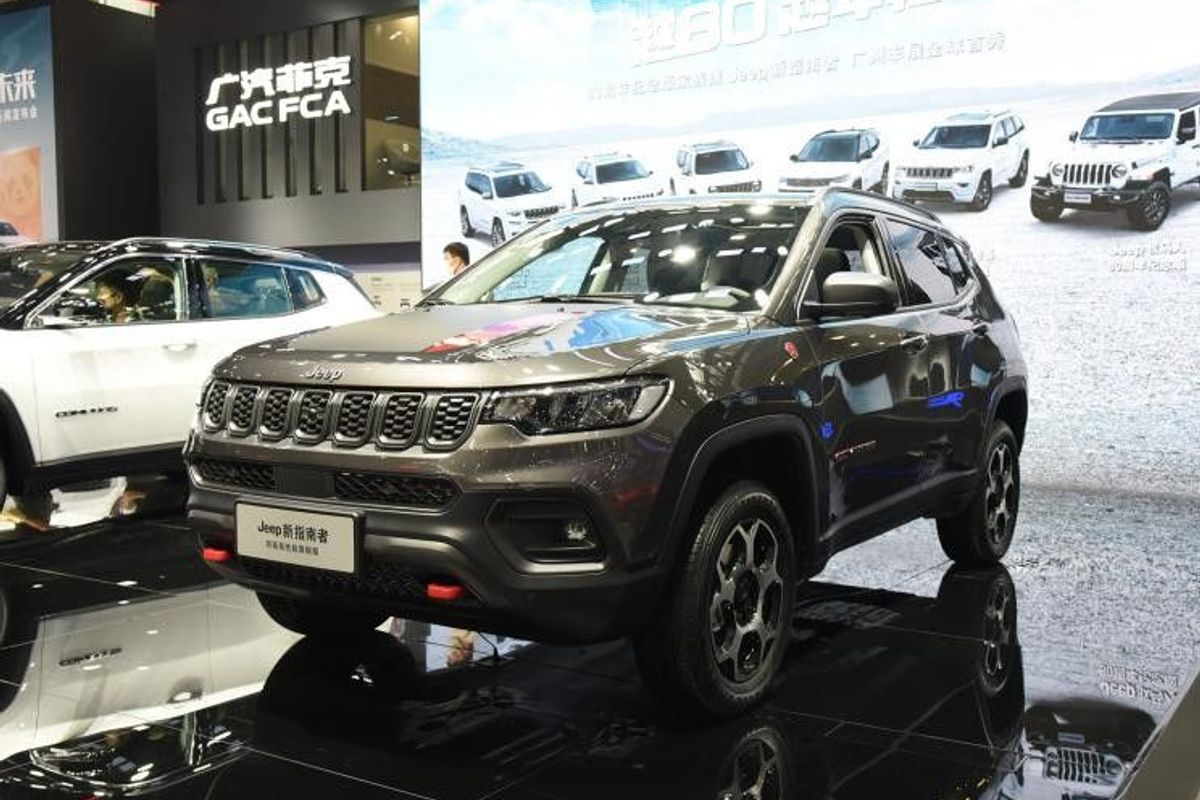
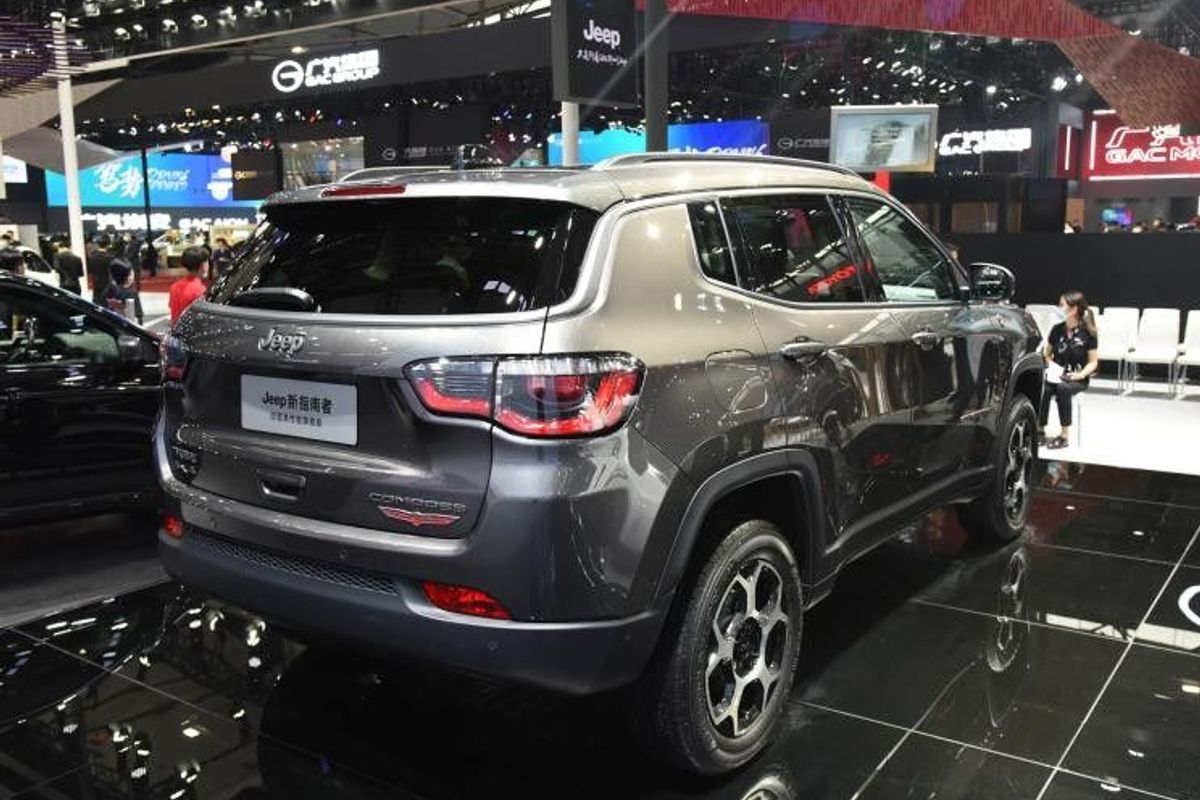
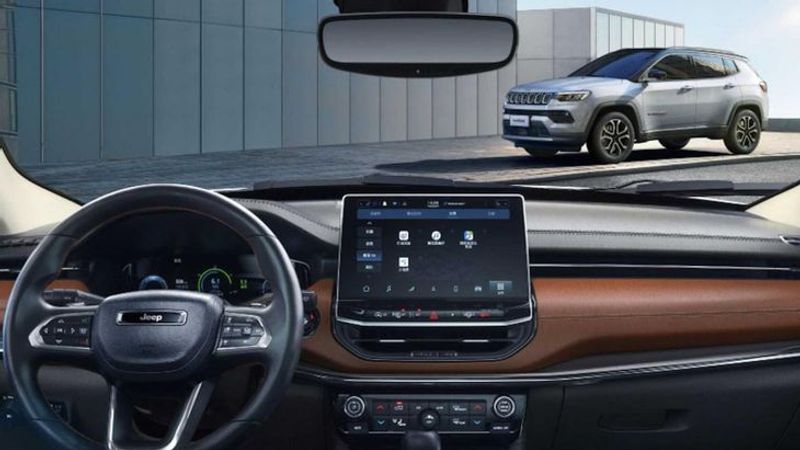
Jeep will be showcasing an updated Compass at the Guangzhou Auto Show in China this week. See what’s changed below…
The styling changes to the latest Jeep Compass are quite subtle and you might need to put your spectacles on spot the changes. The front bumper and grille have been revised and slimmer LED headlights have also been fitted, giving the compass’ design an added dash of sophistication. The taillights design has been revised too but perhaps the most notable changes are to be seen inside!
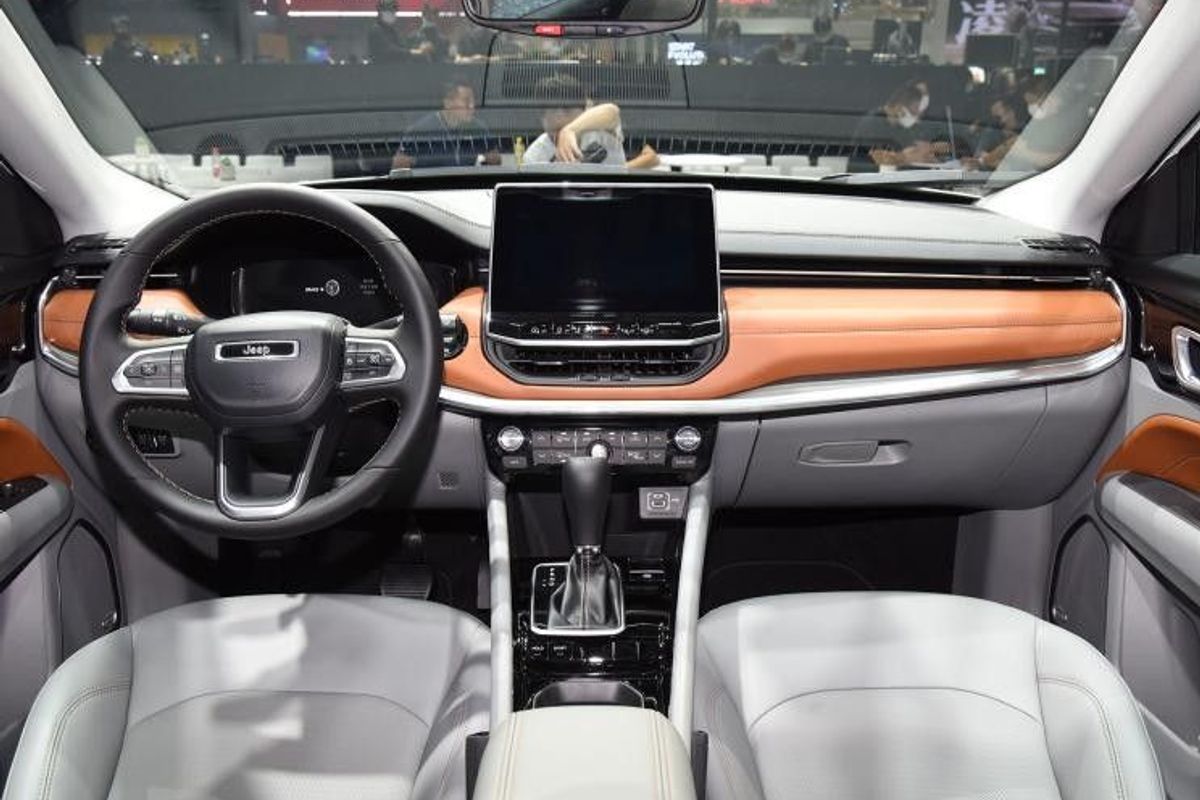
We reviewed the range-topping Compass 4×4 Trailhawk last year and its interior design does look and feel dated compared with many of its rivals. Jeep, however, has modernised the Compass’ cabin by installing a large, upright 10.1-inch infotainment system as well as a 10.25-inch digital instrument cluster. The dashboard and centre console itself also features a new design and Jeep has also thrown in a new steering wheel. All in all, it looks much better!
As for engines, the current 125 kW/250 Nm 1.4-litre turbopetrol and naturally-aspirated 129 kW/229 Nm 2.4 litre petrol engine will be carried over and come mated with a 9-speed automatic transmission or 6-speed manual transmission.
We have reached out to Jeep South Africa and the local arrival of the updated Compass can be expected in Q2 of 2021.