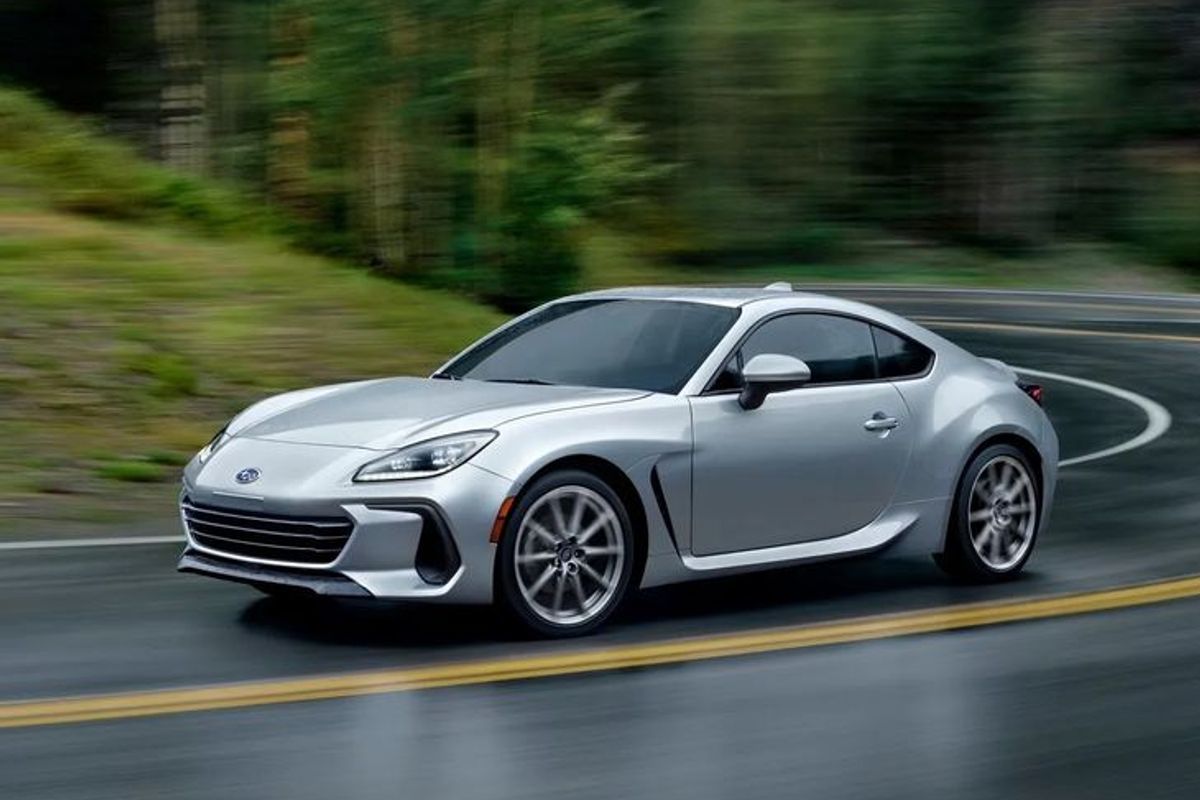
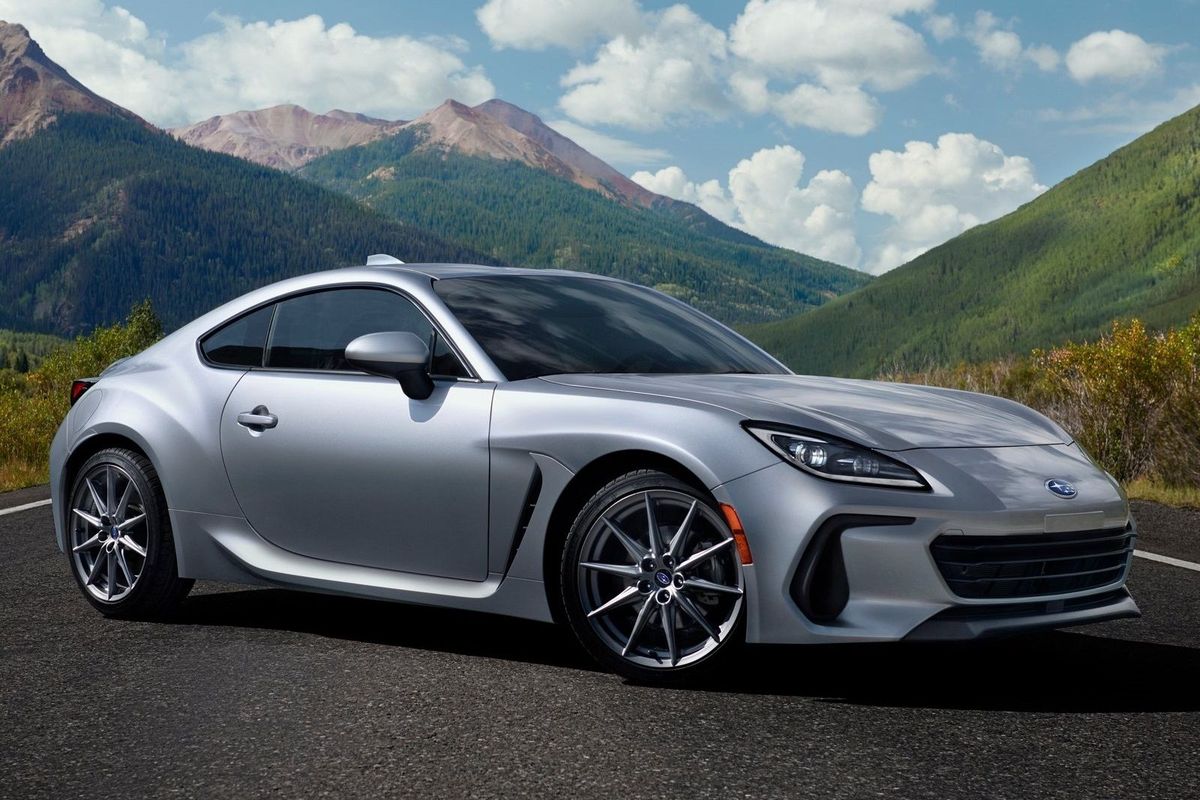
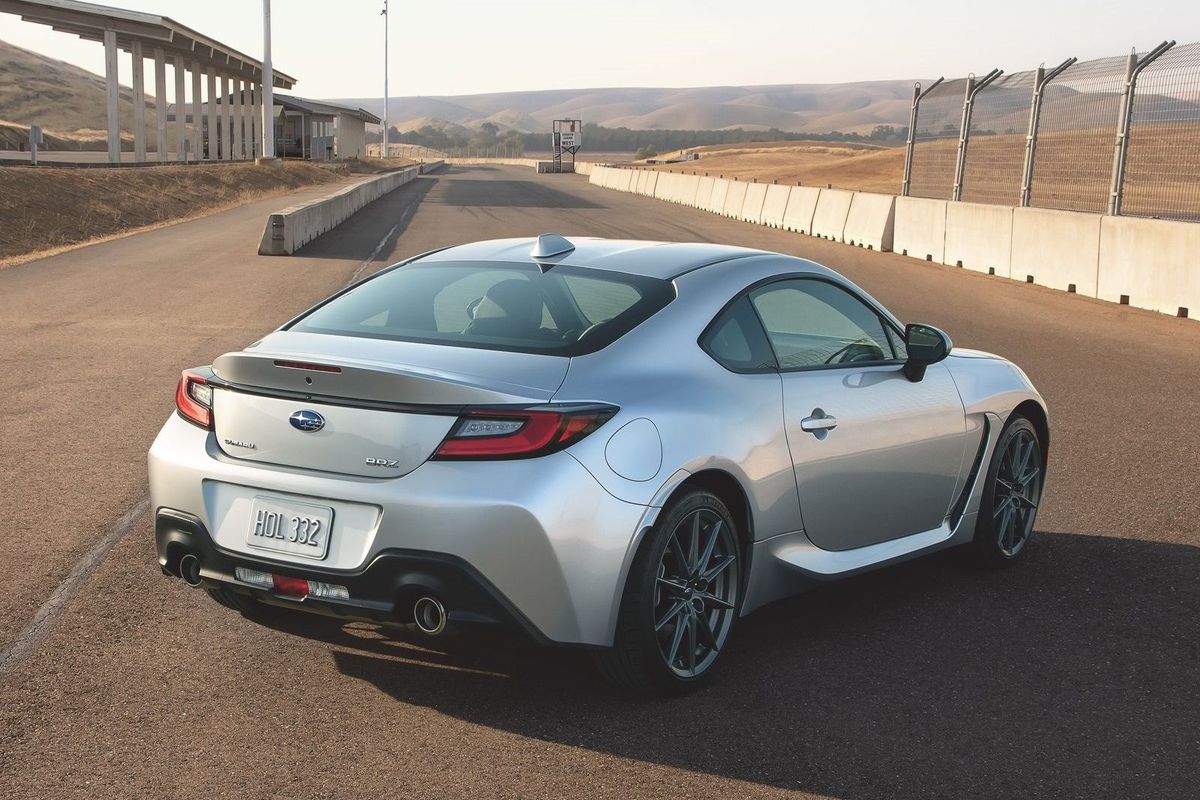
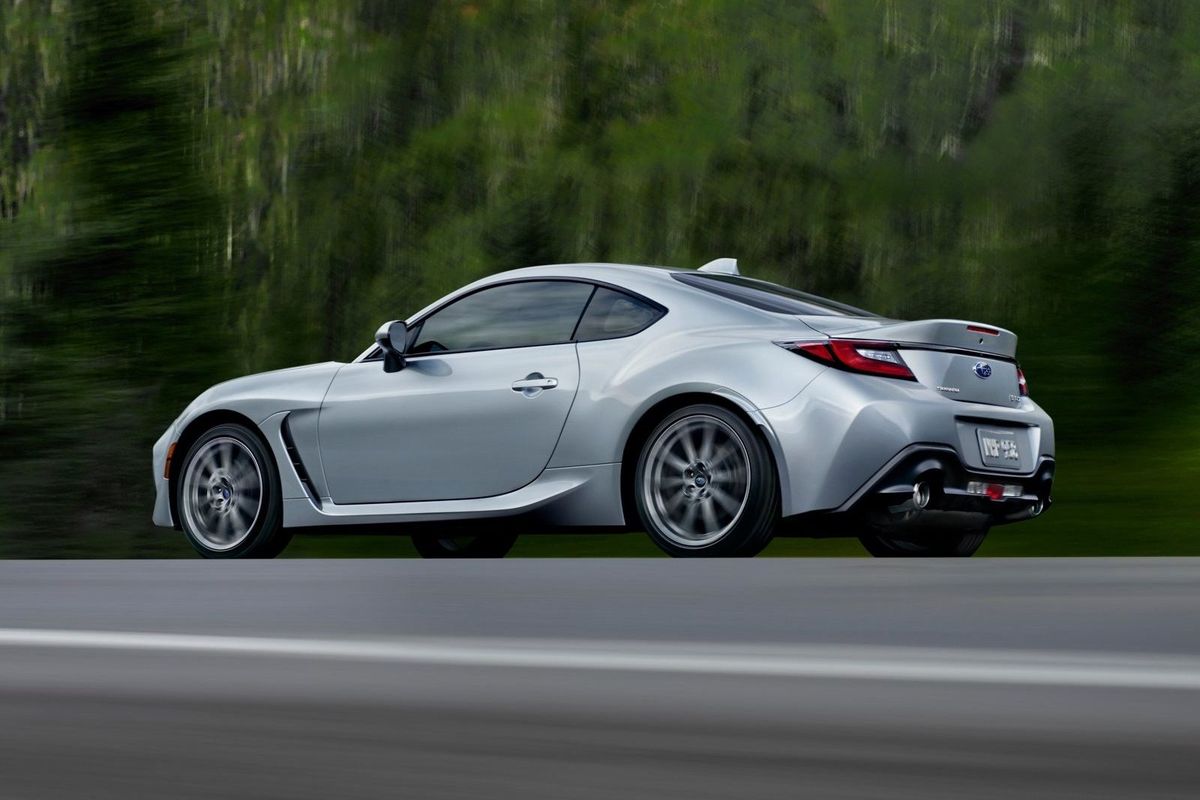
The all-new Subaru BRZ has been revealed. Check out all the changes.
Thankfully the recipe for the Subaru/Toyota sportscar hasn't changed dramatically. It still features low weight, low centre of gravity, direct steering and coupe good looks. For the new model, there's enhanced styling, more power and an updated interior. The previous generation's styling has made way for a fresh and modern coupe.
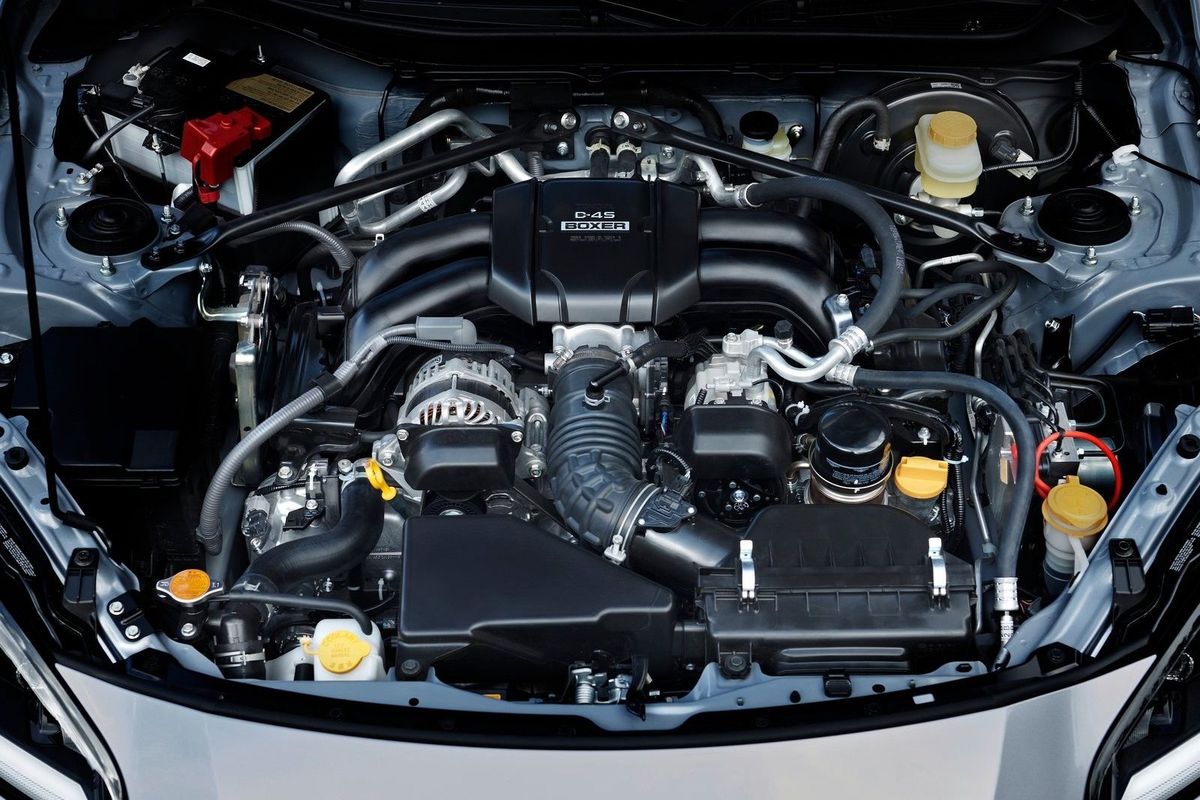
The main criticism of the 86/BRZ was a lack of power and this has been addressed by a new engine. The new 2.4-litre horizontally-opposed 4-cylinder motor now produces 170 kW and 250 Nm, and the engine is capable of revving to 7 000 rpm. Customers can opt for either a 6-speed manual or a 6-speed automatic. For those wanting the true enthusiast experience, Sport mode gives you throttle blipping. The suspension and chassis have been given a rejigged and the car boasts near-perfect weight distribution.
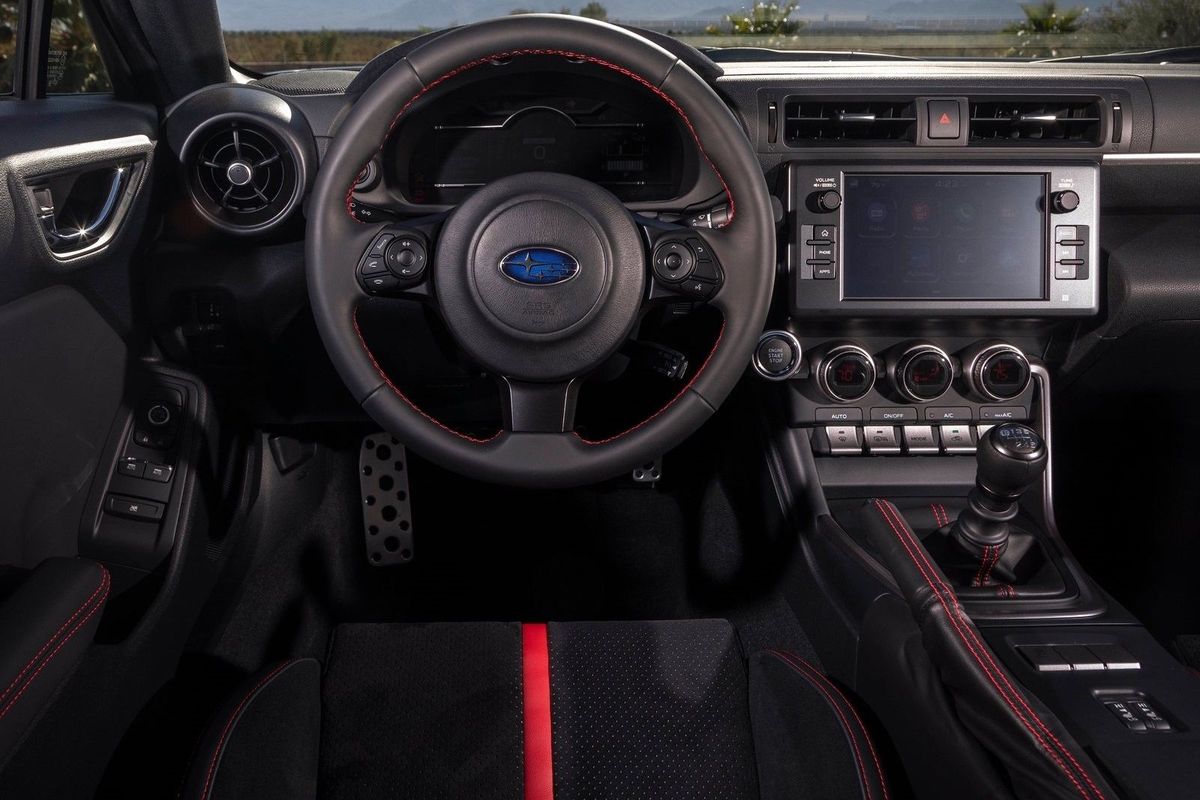
Inside, the 2022 Subaru BRZ features a new driver-focused cabin. There's a digital dashboard and an 8-inch infotainment touchscreen that features the latest Subaru Starlink system with Apple CarPlay and Android Auto. The cabin layout is a 2+2, meaning you can in theory take passengers, but as before, we suspect rear legroom will not be great. The rear seats can be folded down and Subaru claims there's enough boot space for a mountain bike or a set of golf clubs.
The new 2022 Subaru BRZ will be assembled in Japan and go on sale globally towards the 3rd quarter of 2021. According to Subaru South Africa, the BRZ is currently only available in the US market. "The introduction of the BRZ in SA will be determined by a number of factors such as pricing and the model's viability in the market. We also need to consider that Toyota will bring in the 86 at a much lower price point which would make selling the BRZ more difficult. We therefore will consider bringing this model closer to the time once it’s made available for our market. Unfortunately, there are no timelines on when the model will be available for SA but Subaru SA suspects it would either be late 2022 or 2023."
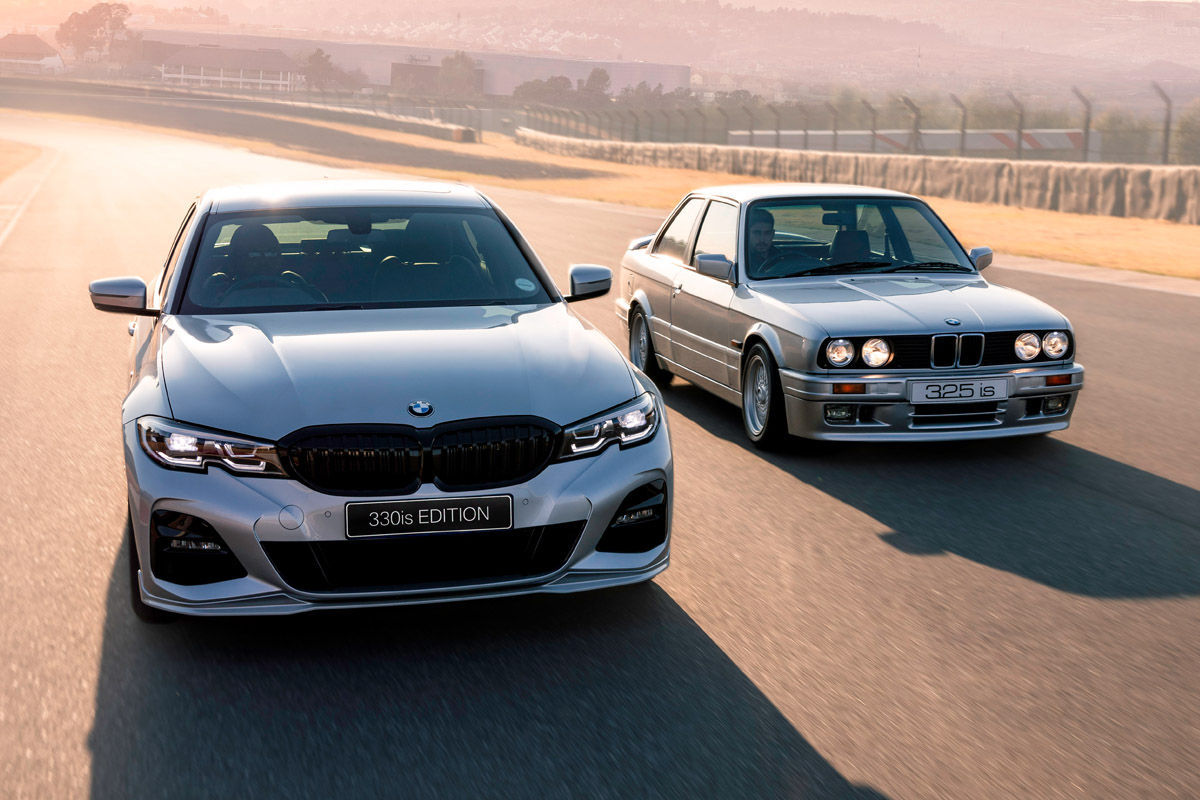
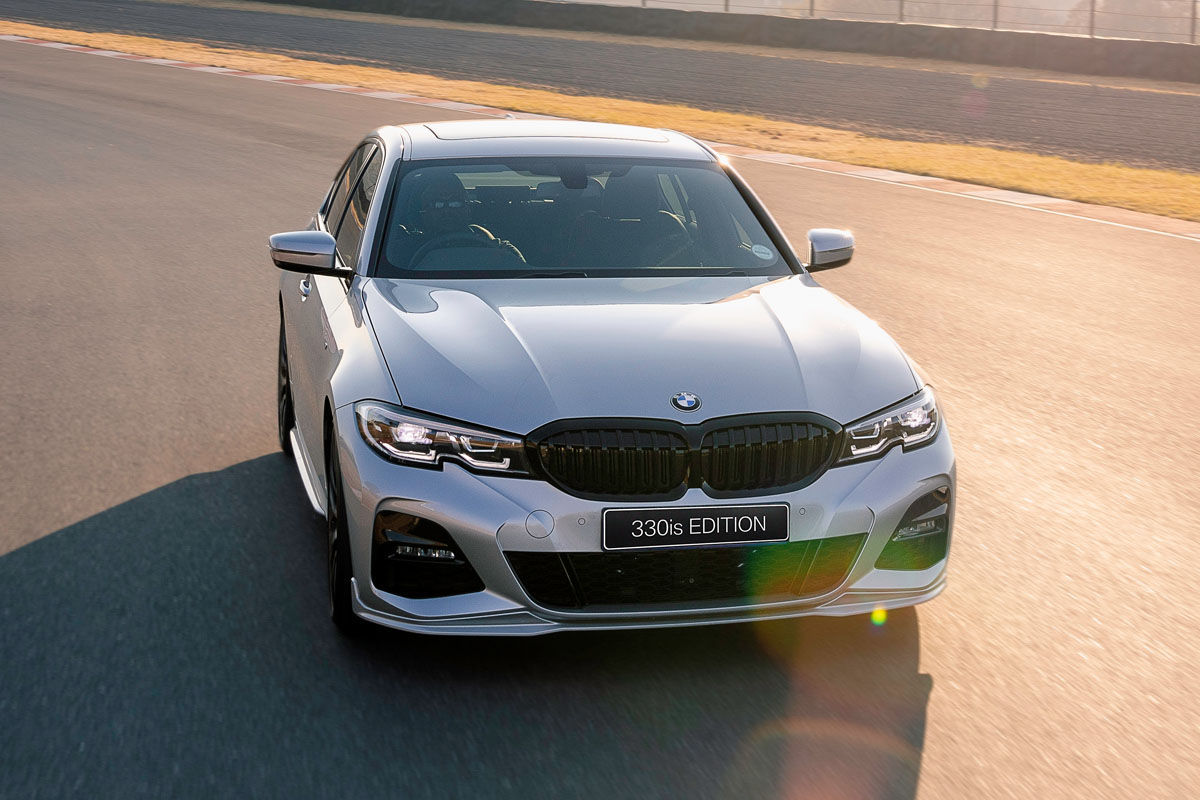
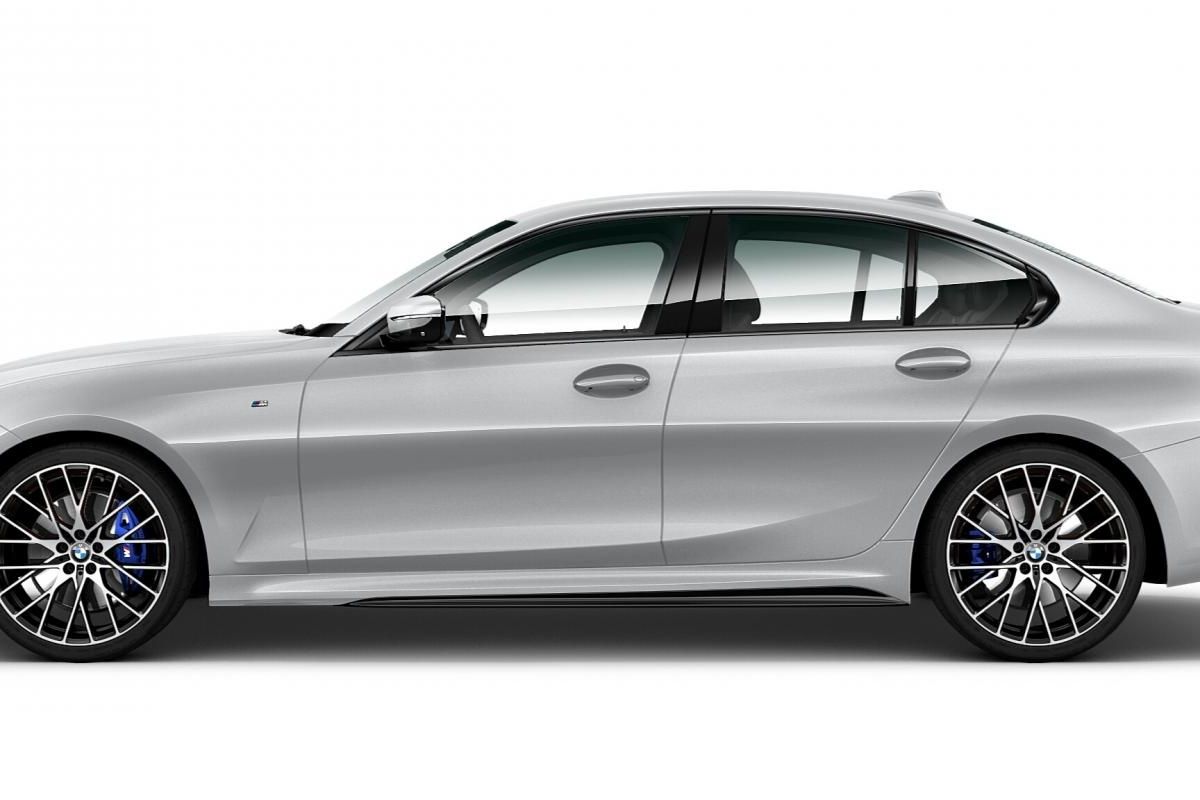
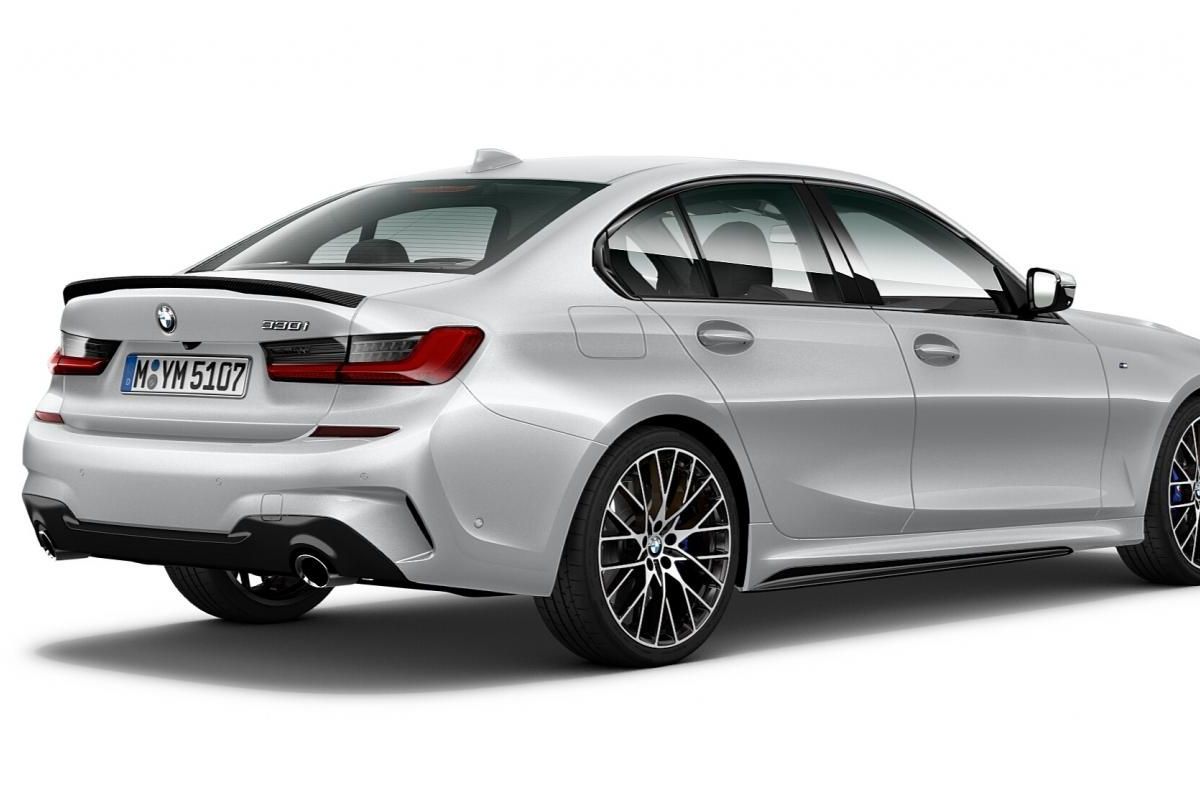
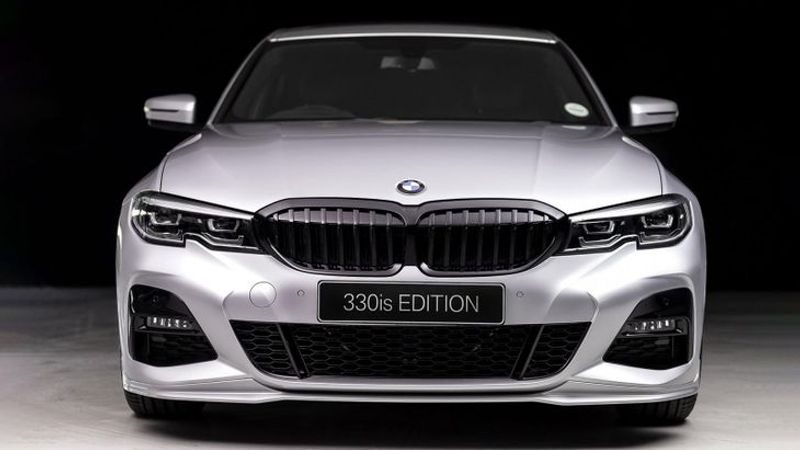
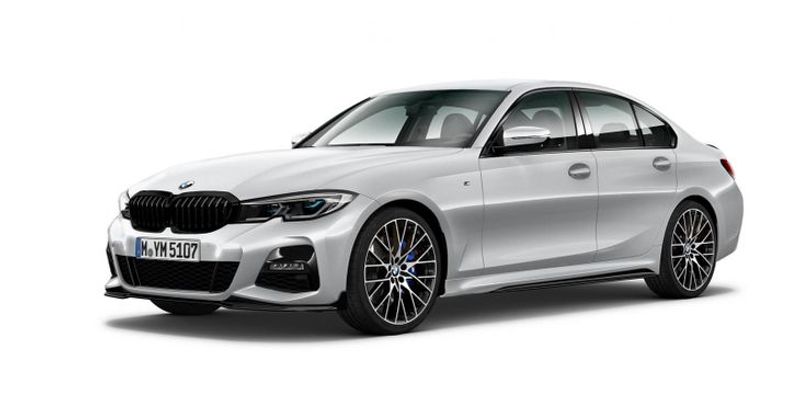
BMW is celebrating the heritage of the legendary 325is – affectionately known as the Gusheshe – by introducing 230 units of the limited-edition 330is Edition, which is also exclusive to the South African market!
PARTNERED CONTENT
Why does the 330is Edition exist? Well, BMW South Africa is not trying to replace the iconic 325is, of which it produced two versions in Rosslyn during the early '90s. For those who don't know, the 2.7-litre straight-6-engined BMW 325is was the ultimate iteration of the E30-generation 3 Series Coupé that was built in South Africa (although another locally-built special model – the 3.2-litre straight-6 333i – had been introduced due to the unavailability of the original, left-hand-drive M3, a few years before that). The limited-run 330is Edition serves to express BMW's respect for the legacy of the Gusheshe 325is and to offer buyers a truly exclusive 3 Series derivative that's not available anywhere else – in the world.
Whereas the 333i was effectively South Africa's right-hand-drive substitute for the E30-generation M3, the 325is was bred for the racetrack. The principal reason why it came to be was that BMW needed to build 500 units of the Gusheshe to enter it in Stannic Group N production car racing, where the German brand’s cars were locked in a heated battle with Opel’s Kadett 2.0 GSi 16V “Big Boss” and 2.0 GSi 16V S “Superboss”.
Now, nearly 30 years later, manufacturers rarely develop bespoke models for the sheer purpose of gaining the upper hand in motorsport and, if they do, the cars are well beyond the reach of ordinary consumers. The 325is, by contrast, was based on the aspirational E30-generation 3 Series – if you were lucky, you could either see (or, even better, hear) one of these alloy-wheeled and be-spoilered Bimmers in the street or at car meetings.
Cars.co.za’s lifestyle and enthusiasts' brand SentiMETAL has two examples of the BMW 325is (the first example of the original version, known as the “EVO 1”, plus an EVO 2) in its curated fleet of iconic cars that were built and sold exclusively in South Africa and we’ve produced plenty of content (including Track Memories: BMW 325iS & Opel Kadett Superboss) and merchandise that celebrate the rich history of the Gusheshe.
The direct descendant of the revered 325is is technically the new BMW 4 Series Coupé, which was recently launched in South Africa, but the G20-generation 3 Series preceded its 2-door sibling and besides, BMW SA produced 5 generations of the sports executive sedan at its Rosslyn plant.
BMW SA’s homage to the 325is is the exclusive 330is Edition, but, unlike the Gusheshe that appeared 30 years ago, the newcomer is not based on the top-of-the-range 3 Series derivative. Instead, it is related to the middle-of-the-range 330i, which is powered by a BMW TwinPower Turbo 2.0-litre 4-cylinder petrol engine that produces 190 kW and 400 Nm and drives the sedan’s rear wheels via an 8-speed automatic transmission.
The Munich-based manufacturer claims that the 330is Edition can accelerate from a 0 to 100 kph in 5.8 seconds and go on to an electronically limited top speed of 250 kph. In terms of economy, BMW claims an average fuel consumption figure of 6.4 L/100 km for the newcomer, which works out to a theoretical range of 922 km from a full (59-litre) tank of fuel.
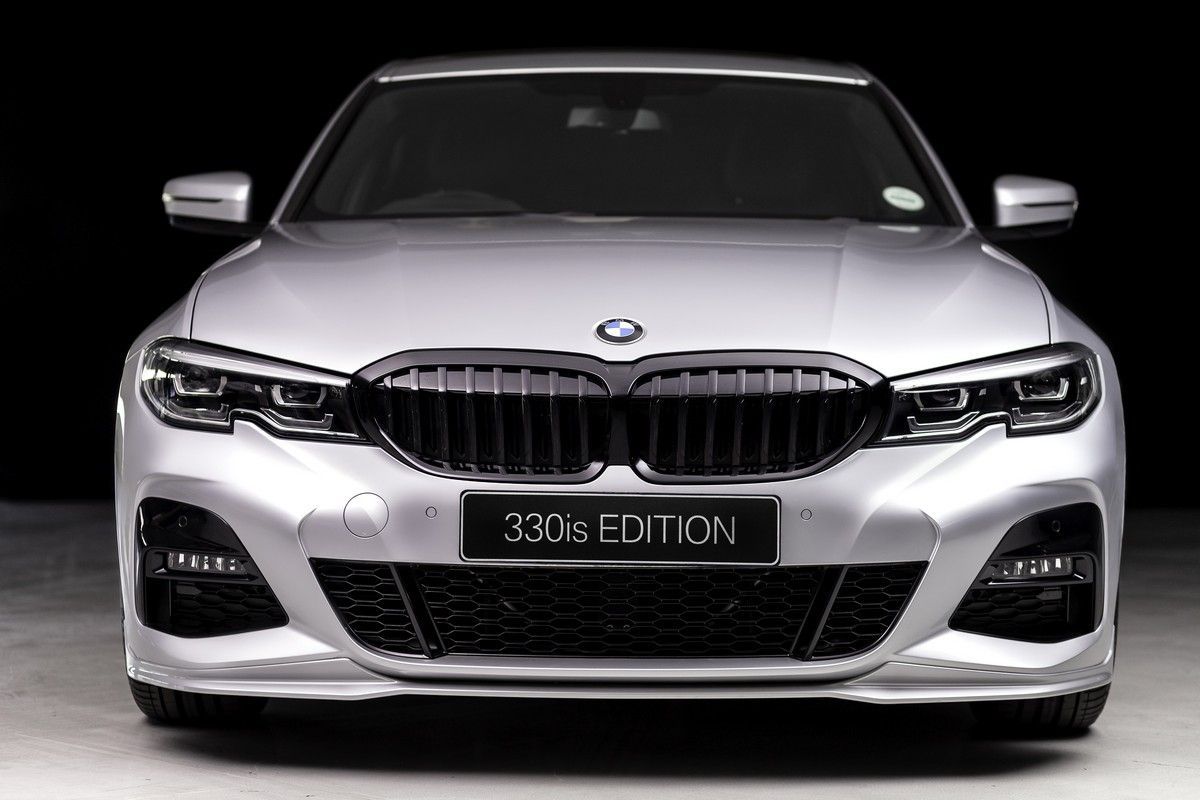
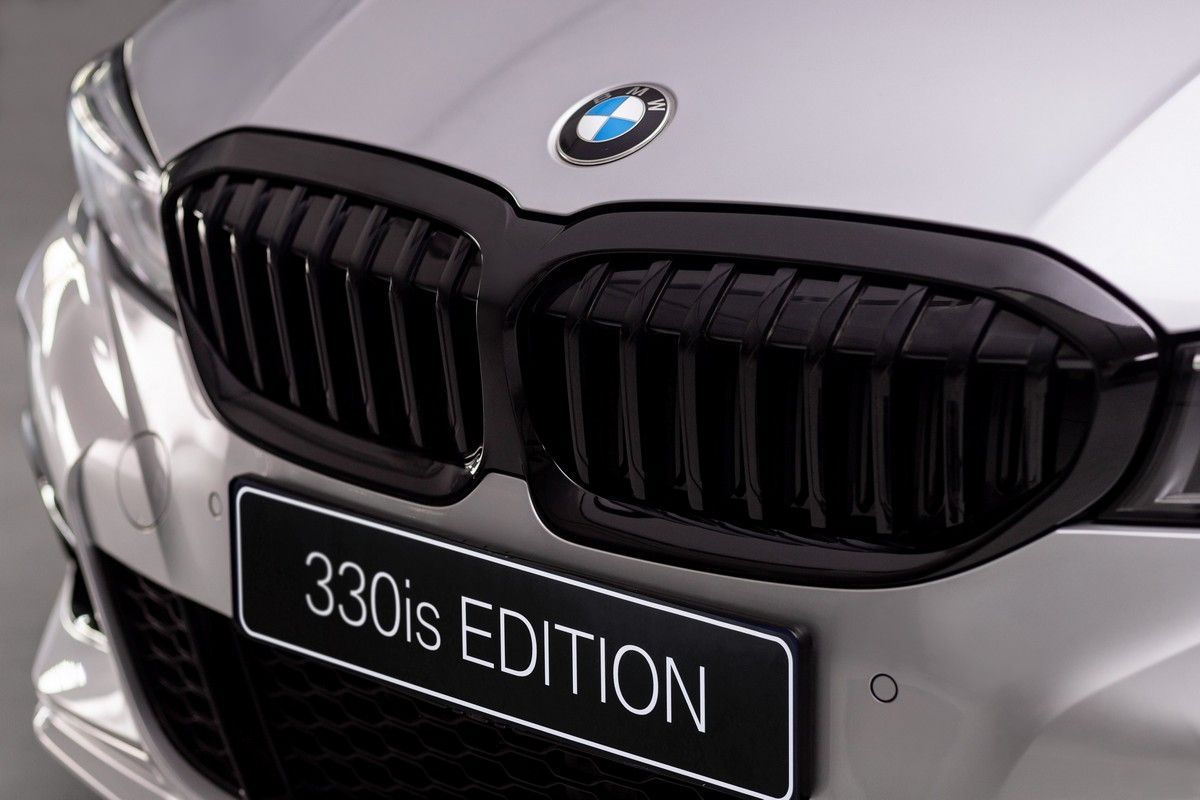
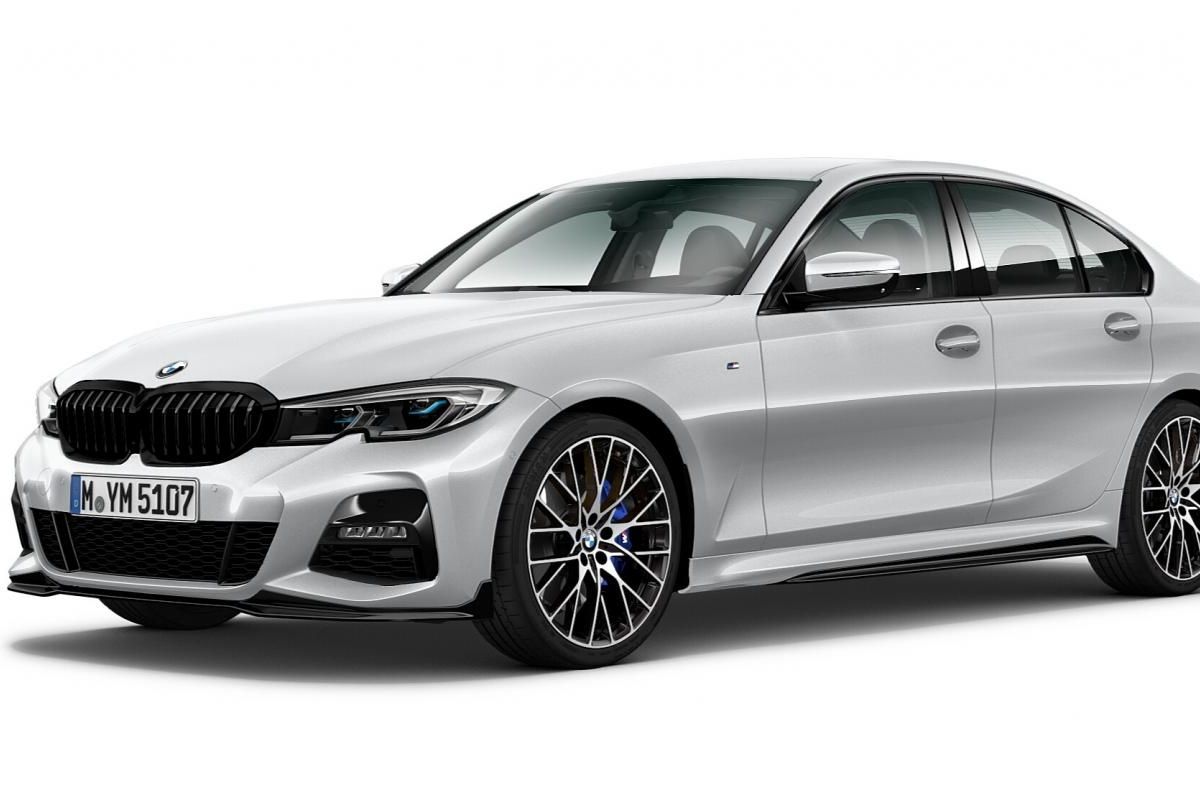
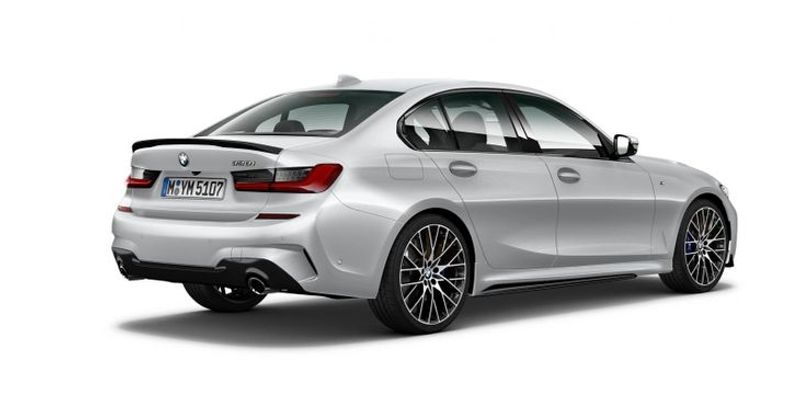
But the 330is Edition won’t easily be mistaken for a stock standard BMW G20-generation 3 Series… The newcomer’s exterior execution specifically emphasises the exclusive model’s sportiness and, as such, comes kitted out in an M Sport package (note the blacked-out double-kidney grille with matching trim surround, for example). The M Aerodynamic kit includes an M Performance -front splitter, -skirts in body colour and -boot spoiler.
To ensure that the 330is Edition has a purposeful stance, the M Sport Package lowers the sedan's ride height by 10 mm by virtue of the integral sport suspension. BMW has also fitted 20-inch M Performance wheels and M Performance exhaust tips that produce a more urgent exhaust note.
The M Sport brakes have 4-piston fixed callipers at the front and single-piston floating callipers at the rear, in blue with the M designation and features large brake discs to ensure outstanding stopping power.
The 330is Edition’s Adaptive M suspension, meanwhile, can be electronically adjusted by the driver to suit various driving and road conditions. The suspension characteristics can also be adjusted via the Driving Experience Control to suit an individual's driving style (from Comfort to Sport).
The newcomer's variable sport steering creates direct and agile steering responses in circumstances when dynamic handling is required. This is complemented by the Steptronic Sport transmission, which allows the driver to actuate manual gear shifts via the 330is Edition’s steering-wheel-mounted shift paddles or the transmission lever.
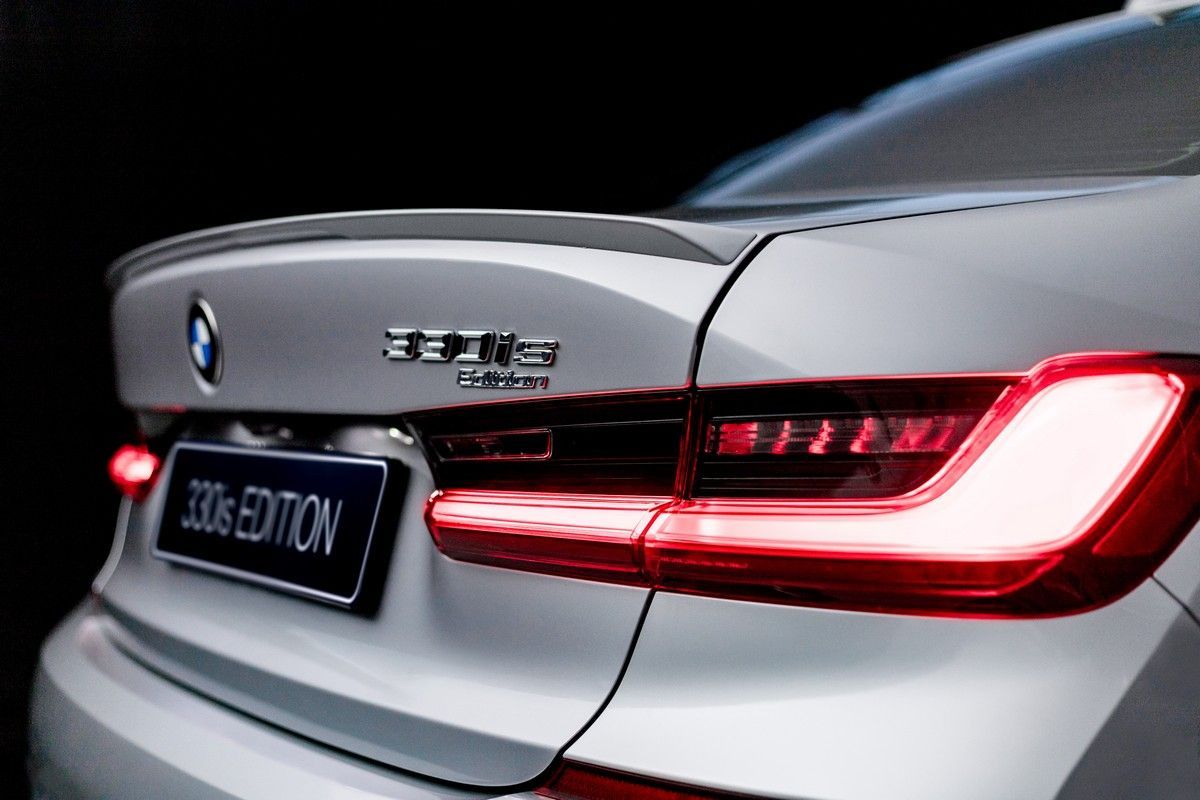
The BMW Individual high-gloss Shadow Line (inspired by the BMW 325i Shadow Line that was introduced in the late Eighties and paved the way for the arrival of the 325is in subsequent years) extends from the black grille and side-window trim to the sedan’s darkened headlights. Each BMW 330is Edition also carries an authentic boot-lid badge that’s unique to the vehicle.
To spark nostalgia, the 330is Edition is available in a choice of colours – from classic Glacier Silver, striking Melbourne Red and timeless Alpine White (which is shown here) to the sophisticated Black Sapphire.
One-of-a-kind interior
For such an expressive newcomer to BMW’s model line-up, the 330is Edition would not be complete without sporty interior accoutrements that add a distinct sense of occasion – and theatre – to the driving experience.
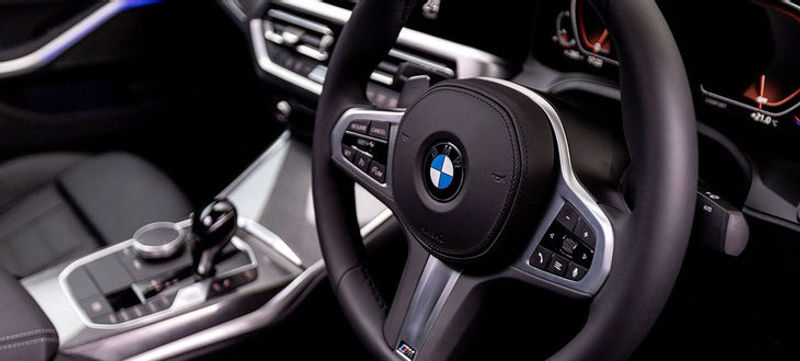
From the ornate door sills that bear the 330is insignia (on both the driver and front passenger’s side) to the similarly-branded interior trim finisher, the 330is Edition’s interior execution is indeed exclusive.
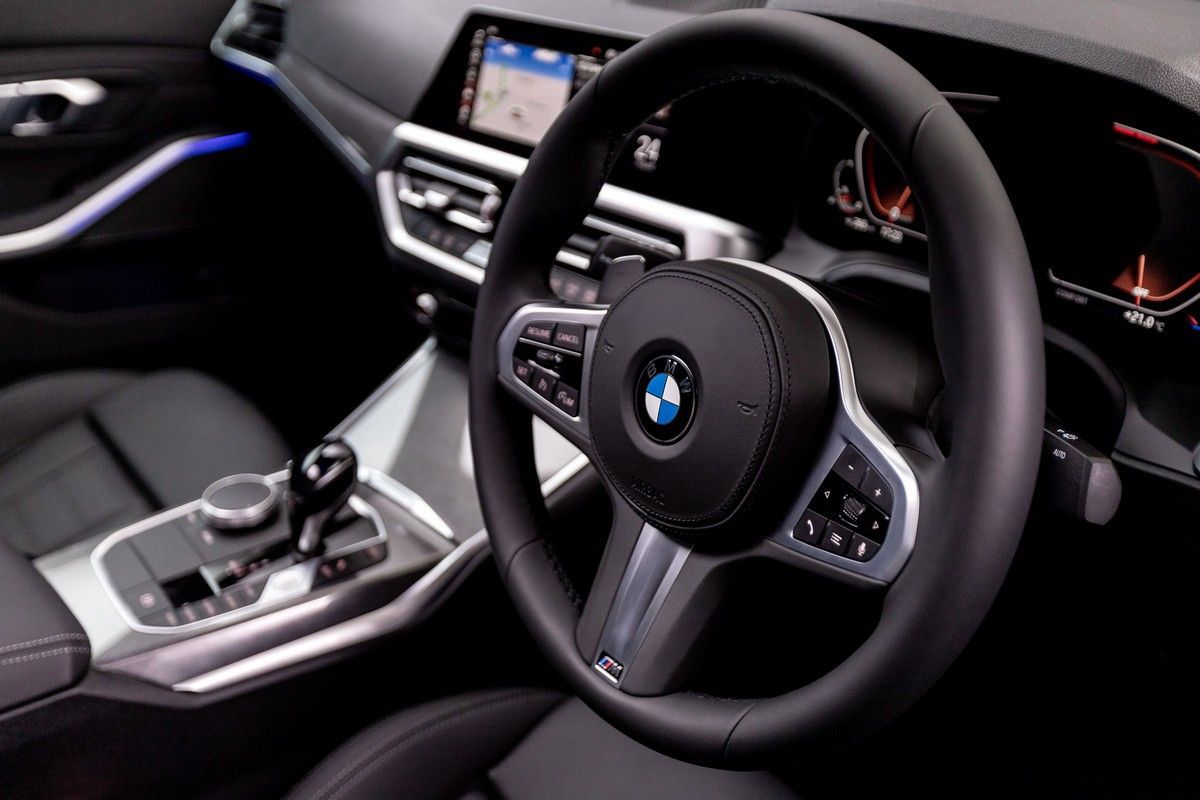
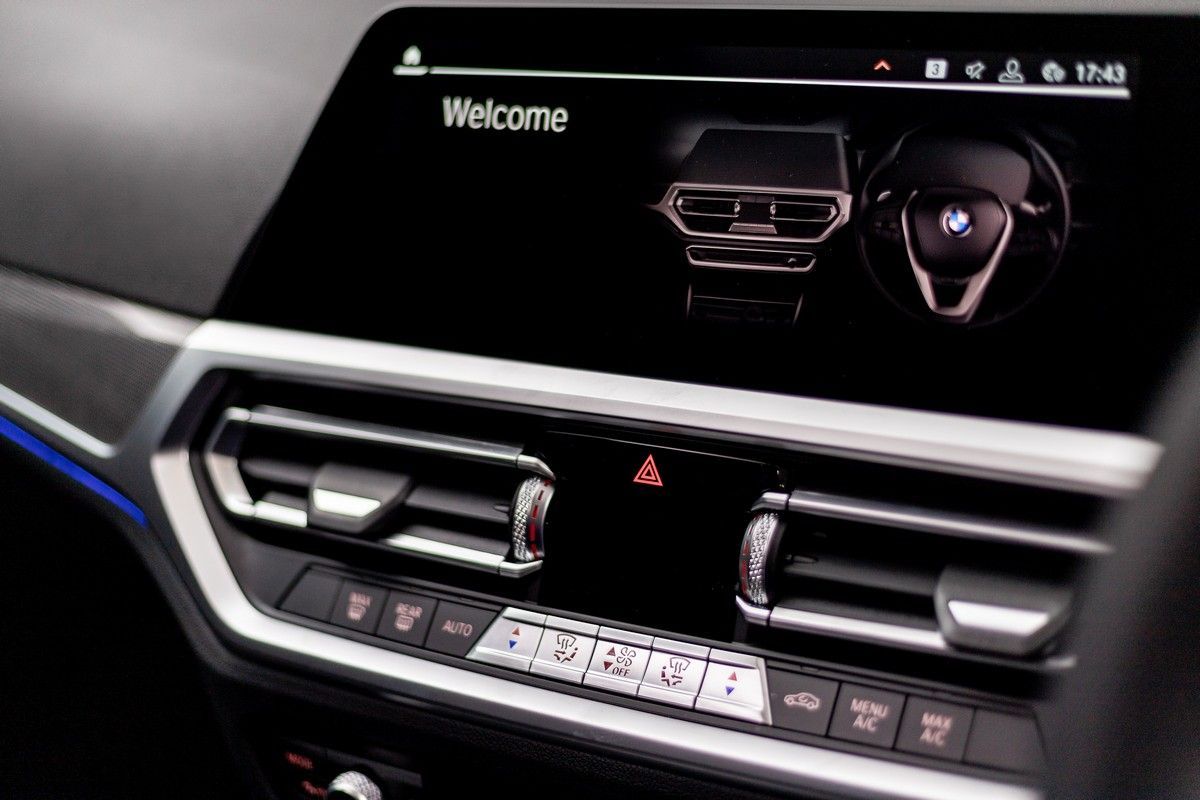
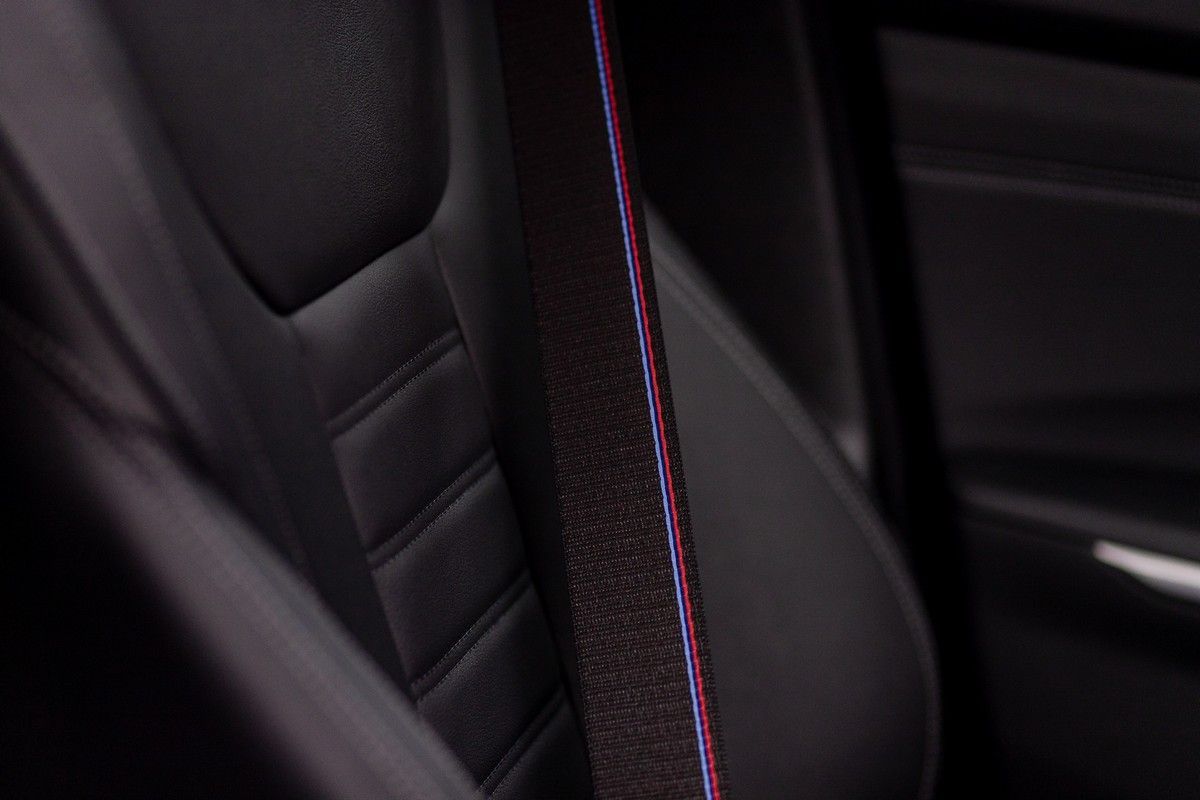
The cabin is trimmed in classic Black “Vernasca” leather with decorative stitching and is specified with M seat belts, an M leather-trimmed sports steering wheel, ambient interior lighting and an anthracite roof lining.
The sport seats for the driver and front passenger provide the additional lumbar support with their raised side bolsters and extra adjustability.
The 330is Edition comes standard with features such BMW Live Cockpit Professional, Connected Package Professional, Comfort telephony with wireless charging, Gesture Control, as well as Park Assist. However, to further enhance the purchasing proposition, BMW SA has added a glass sliding sunroof and a Harman Kardon Surround Sound system to the package.
BMW 330is Edition price in South Africa (November 2020)
The special edition BMW 330is Edition costs R899 999, which includes a 2-year/unlimited kilometres warranty and a 5-year/100 000 km maintenance plan. Services are determined by an onboard indicator.
How industry tax savings from the government could help you buy the same car, for less money, in the near future.
Many years ago, before Uber or Instagram existed, a prominent South African car company boss was badly misquoted. It's a quote that has taken on even greater meaning with the passage of time…
Months before the global financial crisis of 2008, when the South African economy was on a tear, analysts started talking of the mythical "million- car" market. The idea that local buyers would demand a million new vehicles a year. Of course, that never happened.
The best year on record was 2006, which ended at a total of 714 135. With all the disruption and economic malaise that 2020 has visited upon us, the local industry might only achieve half of that record number by the time this wretched year ends.
South African new-vehicle sales are expected to trend down between 25- to 30% year-on-year. We are not an isolated tragedy. The global pandemic has decimated all planning and demand projections for 2020, but it's telling that our local market has regressed dramatically since 2006.
Monthly sales data over the last 25 years shows SA's vehicle sales decline over the last 5 years.
As the demand for new vehicles has waned, the market offering has, paradoxically, grown in diversity. Hmm, more choices… but fewer customers. Although the last 5 years have seen some notable brands depart (Chevrolet and Daihatsu), South Africans are still offered a dazzling array of models and derivatives. But how are all the brands managing to survive in a market that has halved in the last 15 or so years?
The truth is, they aren’t. Losses are being absorbed with the hope of a turnaround and the situation has become so challenging, that the local industry’s representative body (Naamsa) is now lobbying government for support – and it's something that could soon trigger price reductions.
South Africa’s automotive industry is virtually the country’s only manufacturing success story. It has geographically dispersed assets (Gauteng, Kwa-Zulu Natal and the Eastern Cape) and supports a deep value supply chain. Local engineers and technicians build sophisticated vehicles for some of the world’s most fastidious markets, a sign of approval for local ingenuity, quality and technical discipline.
Limiting government influence – on what you pay for a new car
At R145 900 (Nov 2020), the Suzuki S-Presso is one of the cheapest cars on sale. It would be R137 146 with a 6% tax cut.
Vehicle exports remain healthy, but the domestic market is terribly weak. In an attempt to reduce prices, thereby stimulating demand, Naamsa is imploring the government to forego some of its vehicle tax revenue. The idea is simple: whatever government is willing to sacrifice in terms of its tax burden on the automotive industry, will result in discounted pricing for the consumer.
As part of a complicated trade and industrialisation strategy, our government levies a peculiar burden on new car sales, under the ad valorem policy. Ad valorem sounds like a special-edition paint colour, doesn't it? In fact, it is the technical jargon describing a luxury-goods tax applied to vehicles, and an issue Naamsa would like the government to address urgently.
The proposal is to reduce the new vehicle sales tax from 42% to a compromised figure of between 35- and 38%. For all vehicles, from the cheapest Suzuki S-Presso to AMG’s most outrageous Geländewagen, the savings will be marginal, but welcome nonetheless. Especially for those shopping in the sub-R200 000 segment, where any saving is often the difference between being able to purchase, or having to continue saving.
Sceptical consumers might rightfully ask: "Okay, so if the government could indeed be convinced to provide transactional taxation relief, will South Africa’s automotive industry be transparent in the way it recalculates new-vehicle prices?"
Some brands are in a much stronger financial position than others. Especially those who manufacture locally, earning valuable export credits. If the state relaxes its new vehicle tax regime, would a struggling low-volume imported brand not simply pocket the savings to bolster its cash position?
Toyota SA is by far the most influential local automotive brand and we asked the firm's Vice President of Marketing, Glenn Crompton, to clarify the company’s position: “In essence, the request was made with the intention of making vehicles more affordable and it would certainly be Toyota’s position to pass that reduction on to customers. You may find different strategies on how to pass on the benefit, for example adding more value.”
The result could be either a reduction in purchasing price or improved equipment levels for the same price. But wouldn’t that annoy customers who recently paid the full ad valorem new vehicle purchase price?
Crompton believes that the "broader South African car buyer" understands the issues at hand. “It is likely that a reduction in the price could potentially frustrate some customers, but it is not a guarantee it would have an impact on resale values. I would, however, expect that on balance customers would appreciate any effort to make vehicles more affordable,” he adds.
CO2 is a dirty tax without better fuel options
Poor quality fuel remains a problem in SA and often excludes certain modern engines from being sold locally.
If Naamsa does successfully trigger some sympathy for its position with national treasury, and a tax reduction is swiftly enacted, is that the only tool to influence pricing? No. The stealthy CO2 tax certainly warrants a revaluation as well.
In a country where all car brands are held to ransom by poor fuel quality due to the government’s frankly glacial pace of regulatory adherence, the CO2 tax is a bugbear. Without providing a fuel-quality incentive to allow the deployment of superior engine technology, government’s CO2 tax is environmentally pointless and simply a way of punishing customers who can’t choose a cleaner alternative anyway.
In smaller vehicles, CO2 tax can meaningfully affect price, as a few thousand Rand is often the difference between a deal or the deferment of a purchase. There is a substantive argument that government has no justification for the CO2 tax on private vehicle sales, as it has done nothing to enable customers to choose from the best possible global engines that emit the lowest CO2 emissions.
Beyond lower transactional and CO2 taxes, there is a 3rd factor that could reduce new vehicle prices in South Africa. And it is beyond the control of Naamsa, or even the national government.
The Rand has become your new car pricing hero
The currency is trading back at levels last seen pre lockdown.
At the peak of South Africa’s lockdown, our currency was trading beyond R19 per USD. With Democratic Party nominee Joseph Biden having prevailed in the US Presidential election, that position has strengthened appreciably, to below R16 per USD. And it is great news for car prices.
As the world’s reserve currency, a lot of international car purchasing is done in Dollars. South Africa’s imported vehicle carpark, especially below R300 000, is increasingly sourced from India, but the purchasing certainly isn’t done in Rupees.
Many of Hyundai, Honda, Kia and Suzuki’s most popular local models are now made in India and some of those cars are bought by local distributors, in Dollars.
Recent Rand strength could support the most logical and significant price reductions for popular value models, that are fully imported. Although a broader industry reaction, if government relaxes its luxury and CO2 tax regime, would leverage the rate of discount, in a very welcome manner.
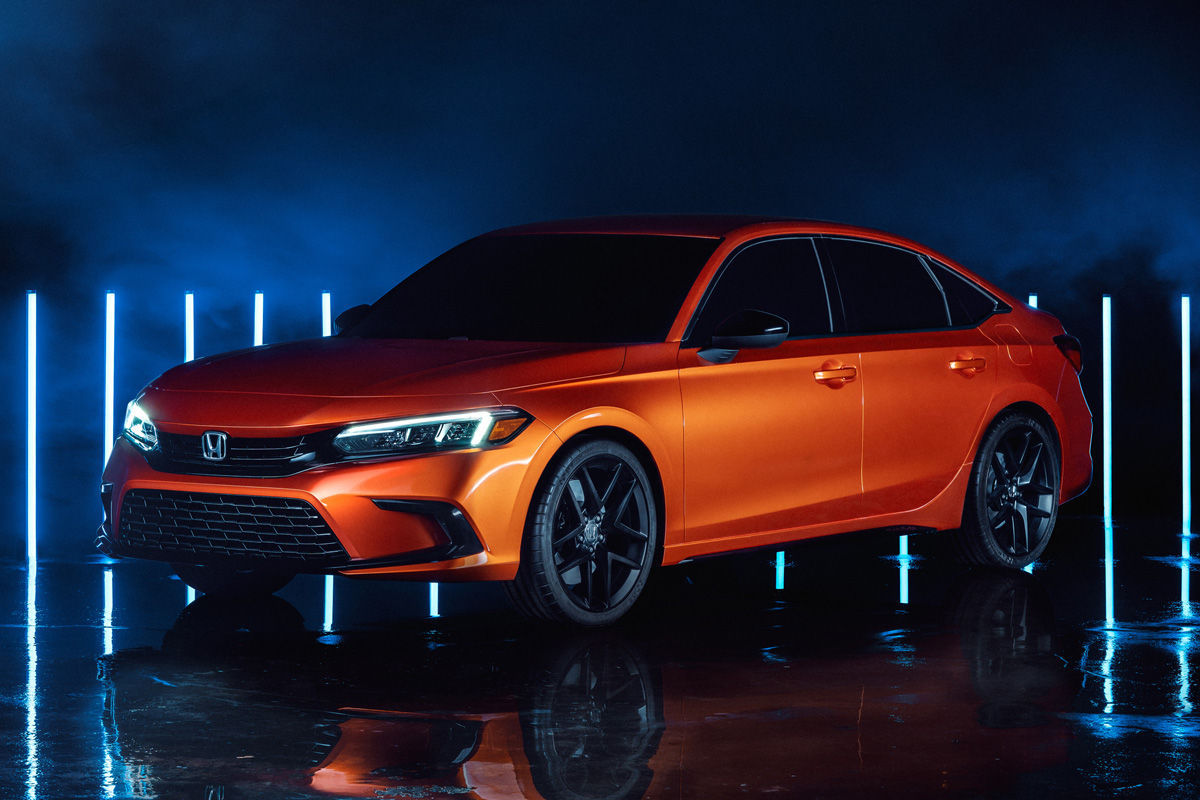
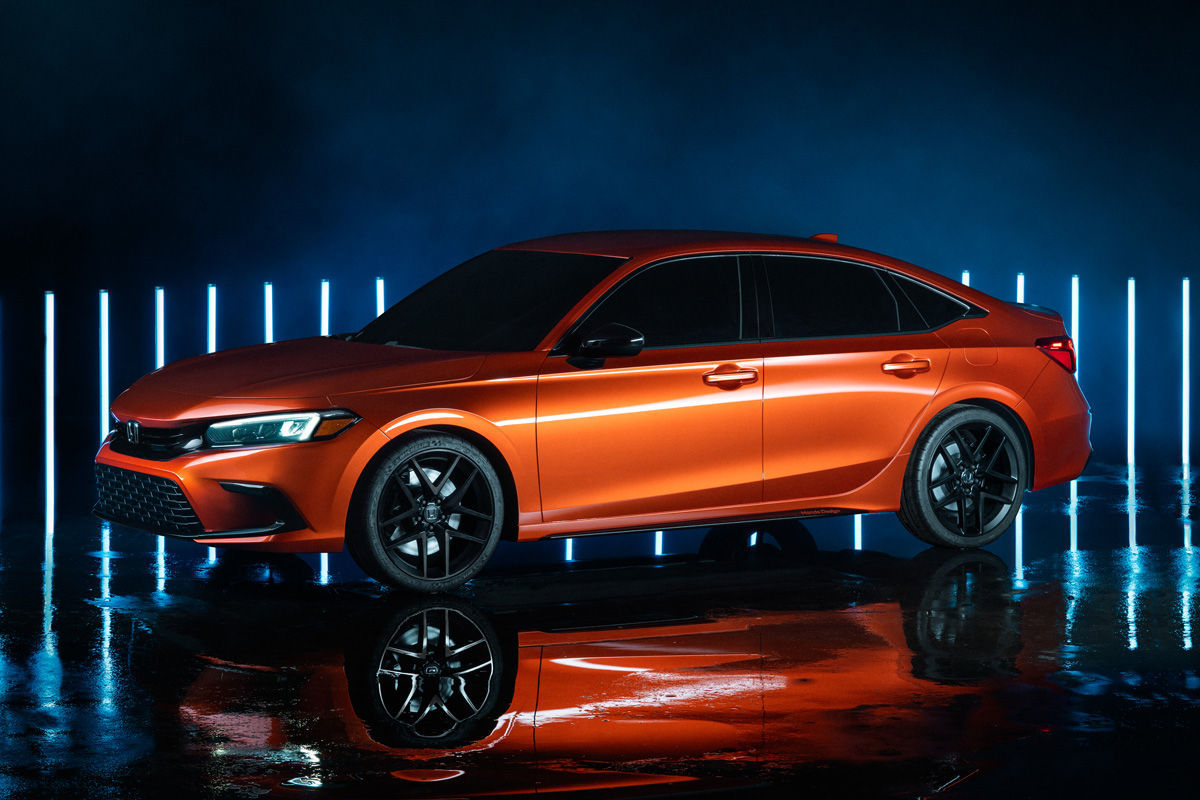
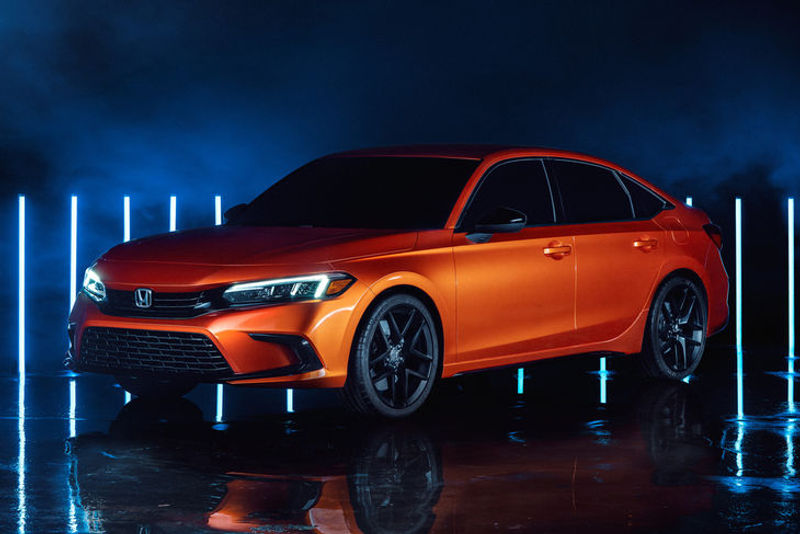
The prototype of the 11th-generation Civic may have been revealed on the world's leading live-streaming platform for gamers, which is novel, but whereas Hyundai and Toyota have incorporated edgier styling in their compact sedans, Honda has arguably made its newcomer appear less fussy (and more conservative) than the current model.
Make of the looks what you will – the sedan's design has split opinion in the Cars.co.za editorial team right down the middle – but Honda says the new model has (compared with the current sedan) an “even sportier, fun-to-drive” chassis, improved powertrains (although the firm didn’t divulge details), as well as multiple new Civic-first features and technologies, plus further advances in active and passive safety features.
In spite of its retina-searing paint finish, the Civic looks markedly reserved… perhaps that just leaves room for sportier versions.
The new Civic will make its North American debut in the 2nd quarter of 2021 (and in the rest of the world thereafter). The sedan version will come first, followed by the hatchback, including eventual performance-focused Si and Type R derivatives.
‘Most popular car in the US’
Honda has a significant presence in esports and its gaming platform includes a partnership with Twitch, which hosted the unveiling as well as Honda's Head2Head gaming channel. It’s a marketing strategy that has certainly paid dividends: the 10th-generation Civic might not be popular in the Republic (for a variety of reasons), but, for the past 4 years, the Japanese model has been the best-selling passenger car in America.
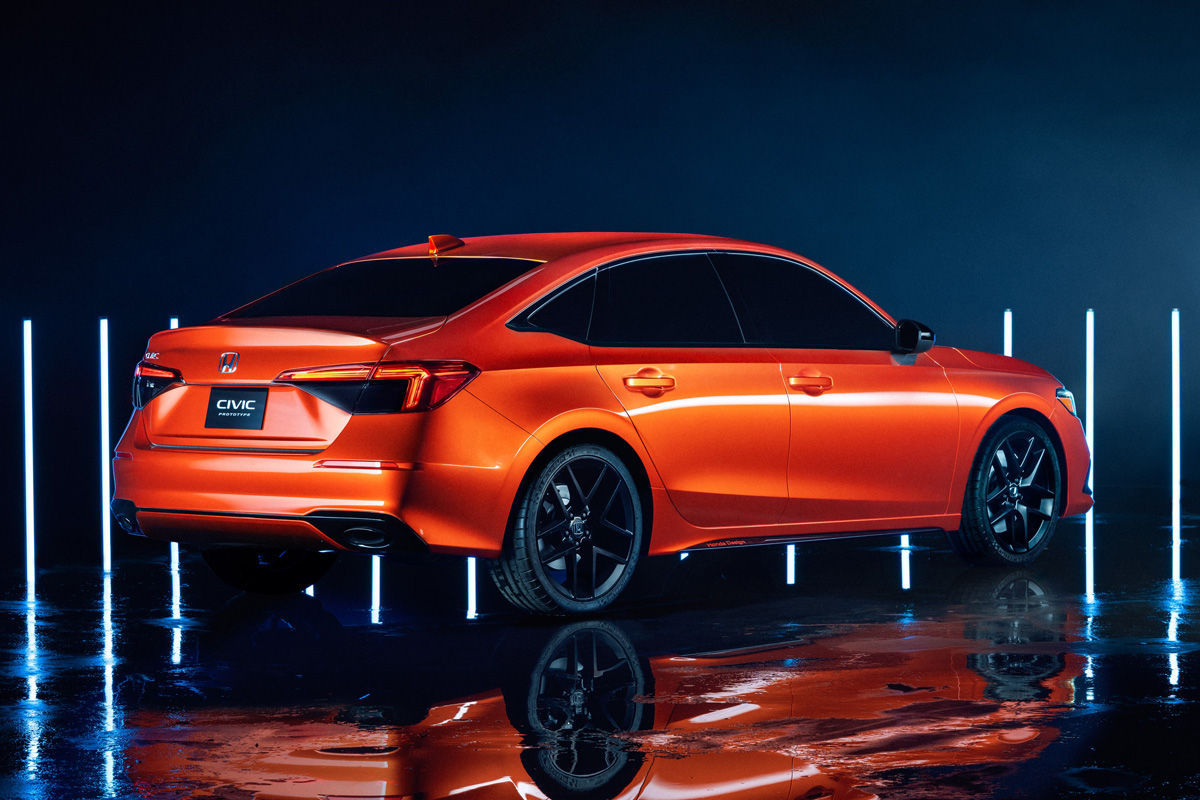
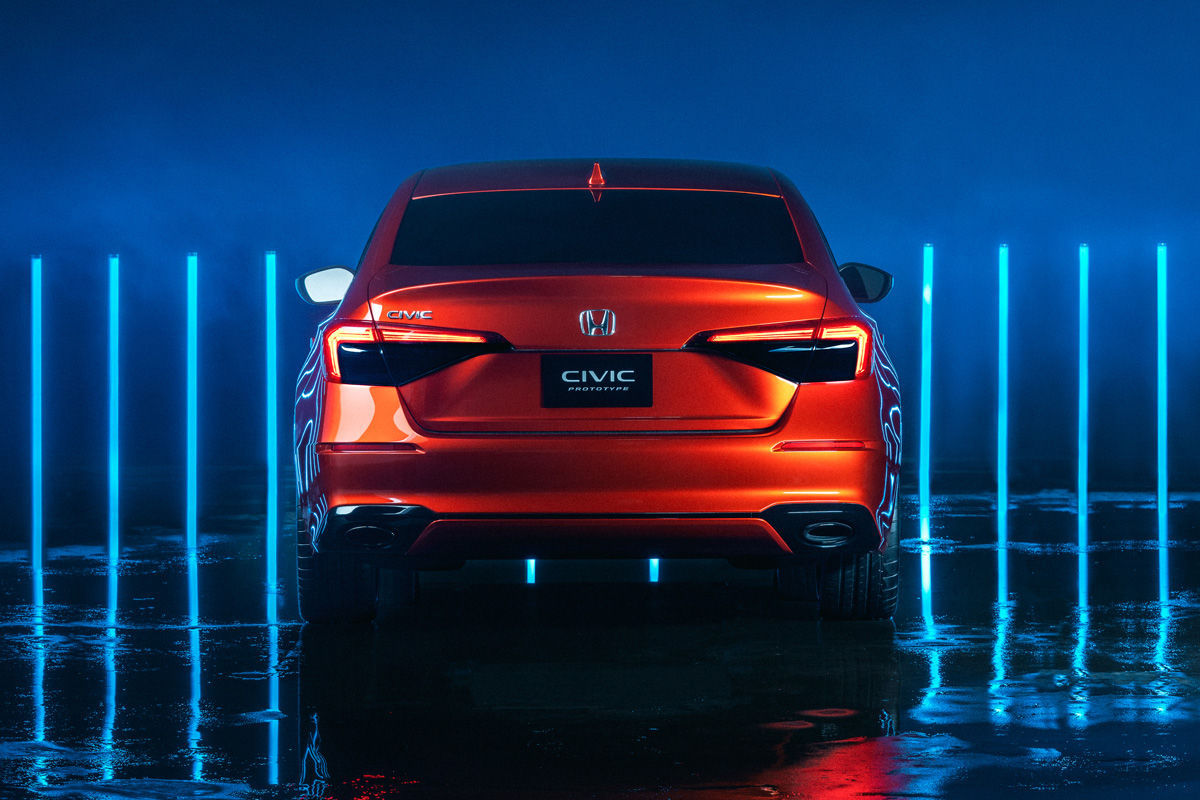
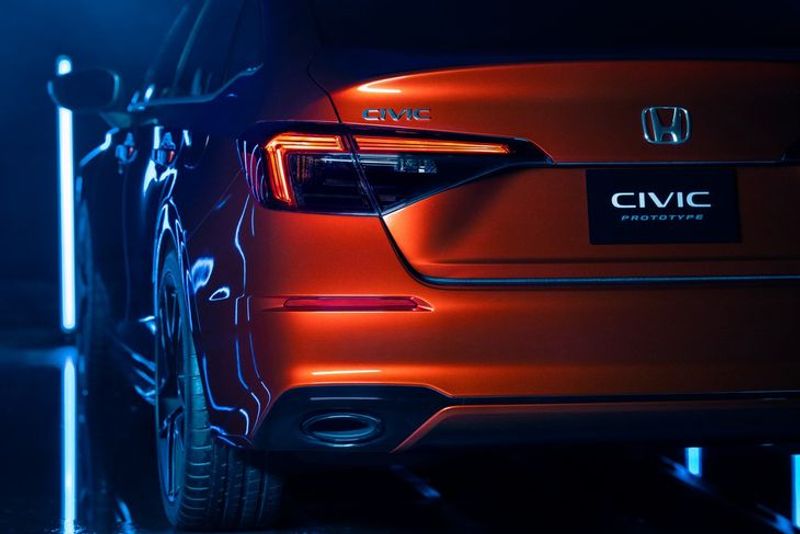
Even if you're not crazy about the overall design, the rear aspect represents the biggest improvement over the current model.
Did you know that the Japanese firm has sold 1.5 million units of the current model in the United States since it was introduced there in 2015 (it arrived in South Africa a year later). According to the firm, the Civic is “the most popular vehicle, car or light truck with Millennials, Gen Z, 1st-time new-vehicle buyers and a growing population of multicultural customers”, which shatters the myth that the brand appeals mostly to mature buyers.
Smoother styling
Whereas the look of the current-generation Civic features an array of sharp lines, creases and almost cartoonish detailing, its successor has a smoother overall shape. To Honda's credit, the Civic retains its swoopy profile and low bonnet, but the Japanese firm's designers focused on the sedan's glasshouse section, where the A-pillars have been moved forward (for better visibility), while the side mirrors now sprout from the doors.
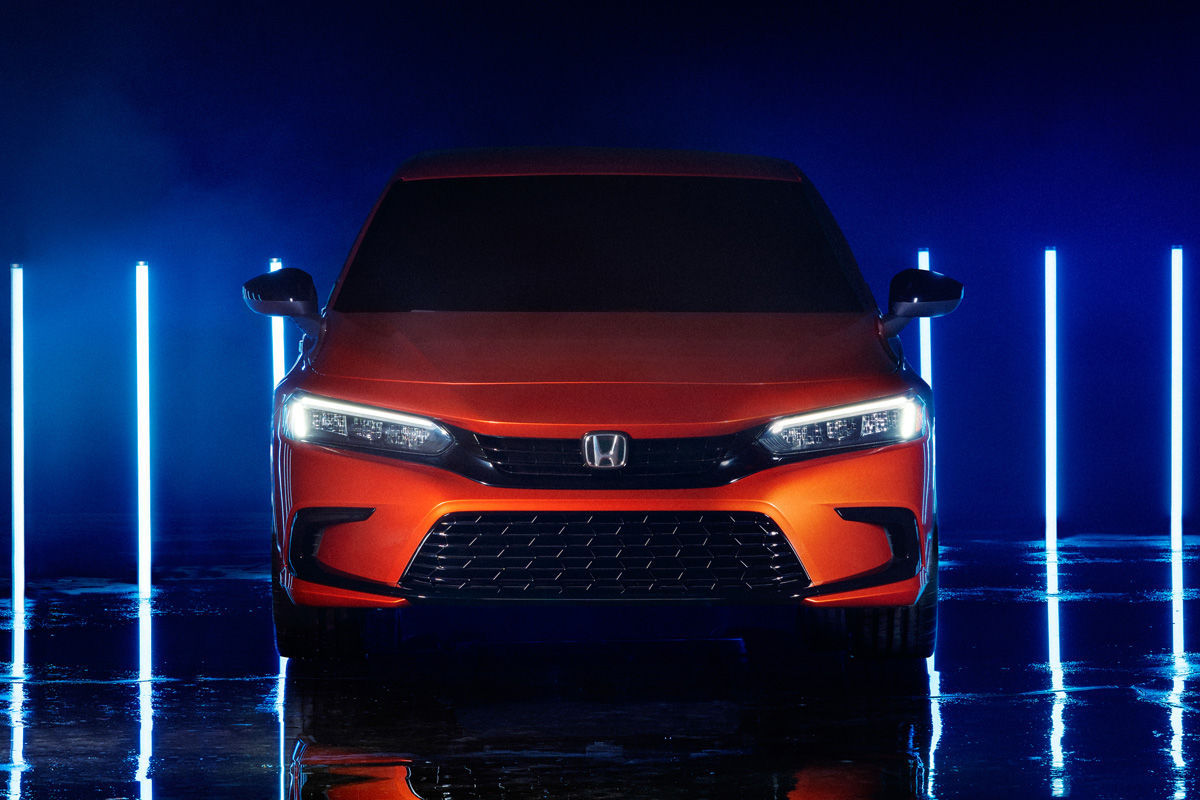
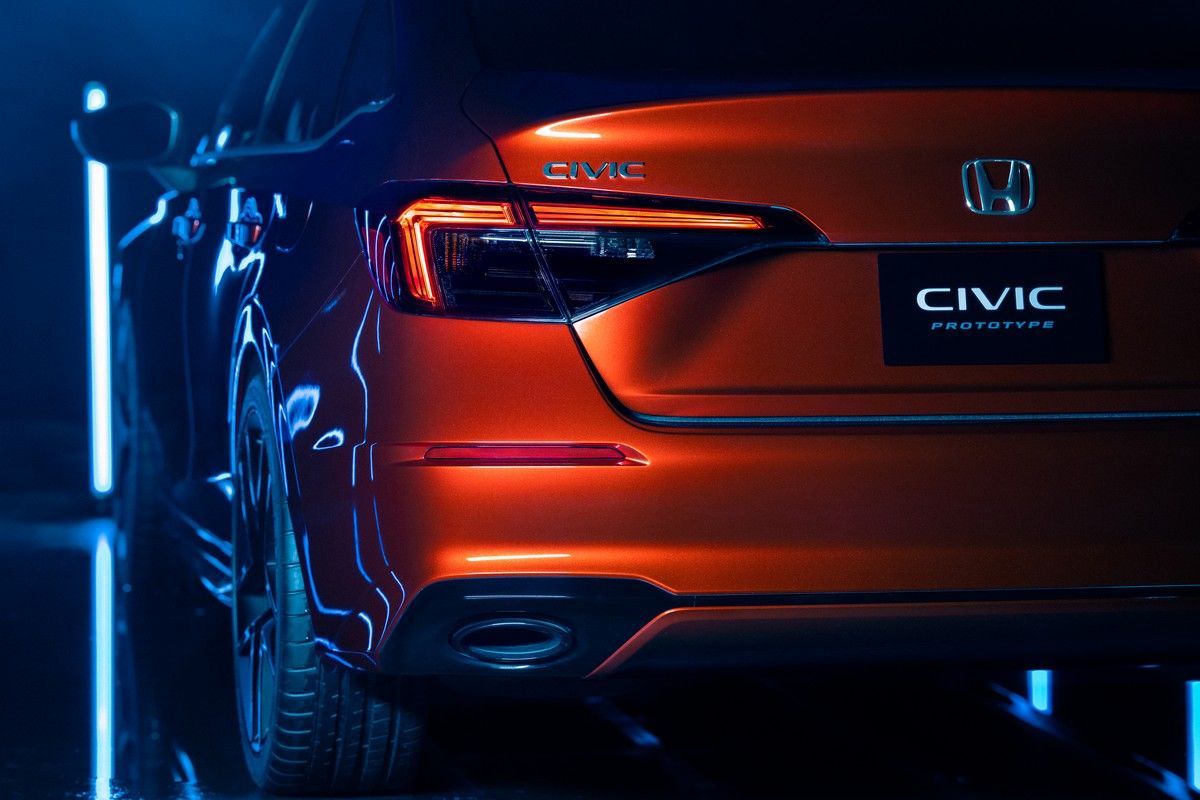
The front-end styling is characterised by sleek, elongated headlamps on either side of the smaller grille, while the rear aspect looks broader by virtue of a wider track and the boomerang-shaped lighting signature of the chunky taillights; a subtle aerodynamic boot-lip completes the look.
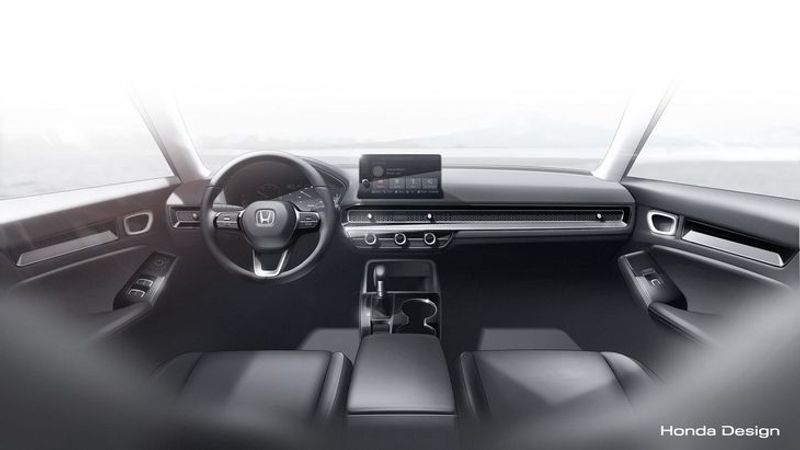
The strip of honeycomb-pattern mesh serves as a major interior styling cue and it obscures the centre and side air vents.
Honda has only released a sketch of the newcomer's interior, but it blends old and new. The fascia has been decluttered; designers minimised cut-lines and the tops of the doors blend harmoniously with the profile of the dashboard. And, in yet another example of the current "hidden air vents" trend, a retro-looking strip of honeycomb mesh stretches the width of the fascia (between the climate control console and touchscreen panel).
Don't be fooled by the sketch, the instrument cluster will be all-digital, while the 9-inch infotainment system will offer a host of connectivity options.
The rear bumper features integrated exhaust ends, but we don't know whether they're genuine tips or design accoutrements.
To conclude, the new Civic will feature an advanced new version of Honda's Advanced Compatibility Engineering (Ace) body structure, which is said to offer both improved occupant and pedestrian collision protection. Honda says that its upcoming compact sedan (and its siblings) will also feature an upgraded suite of Honda Sensing safety and driver-assist technologies, as well as "multiple new airbag designs".
As soon as we have more details about the date of availability of the new Civic outside North America, we'll be sure to let you know.
It's official, the Mercedes-AMG GT Black Series is indeed the fastest production car to lap the famous Nurburgring in Germany!
Back in 2018, Lamborghini’s Aventador SVJ arrived at the gates of the ‘Green Hell’ to take care of some business, to dethrone the Porsche 911 GT2 RS and lap the ‘ring quicker than the then-record of 6:47.30. The Aventador SVJ did just that, posting a record time of 6:44.97.
A few weeks ago the boffins at AMG arrived at the Nurburgring to ‘test’ the Mercedes-AMG GT Black Series, which apart from the Mercedes-AMG One, is the most powerful V8 AMG model ever produced, boasting 537 kW and 800 Nm developed by its twin-turbocharged 4.0-litre V8 mill. Now, Lamborghini’s record has been beaten by the AMG GT Black Series which officially lapped the ring in 6:43.61 to become the 'King of the Ring'.
Previously, the Mercedes-AMG GT Black Series had already proven its performance at Hockenheim where it proved to be faster than the McLaren 720S and Ferrari’s Pista.
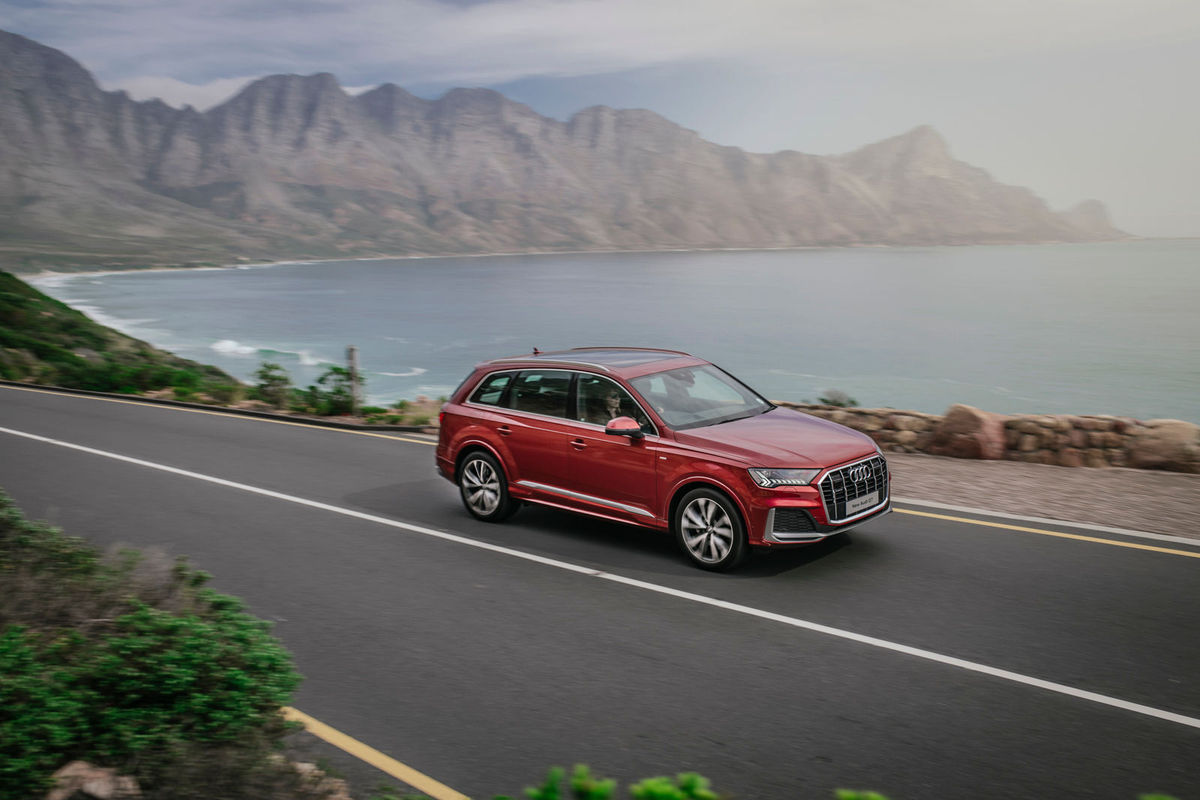
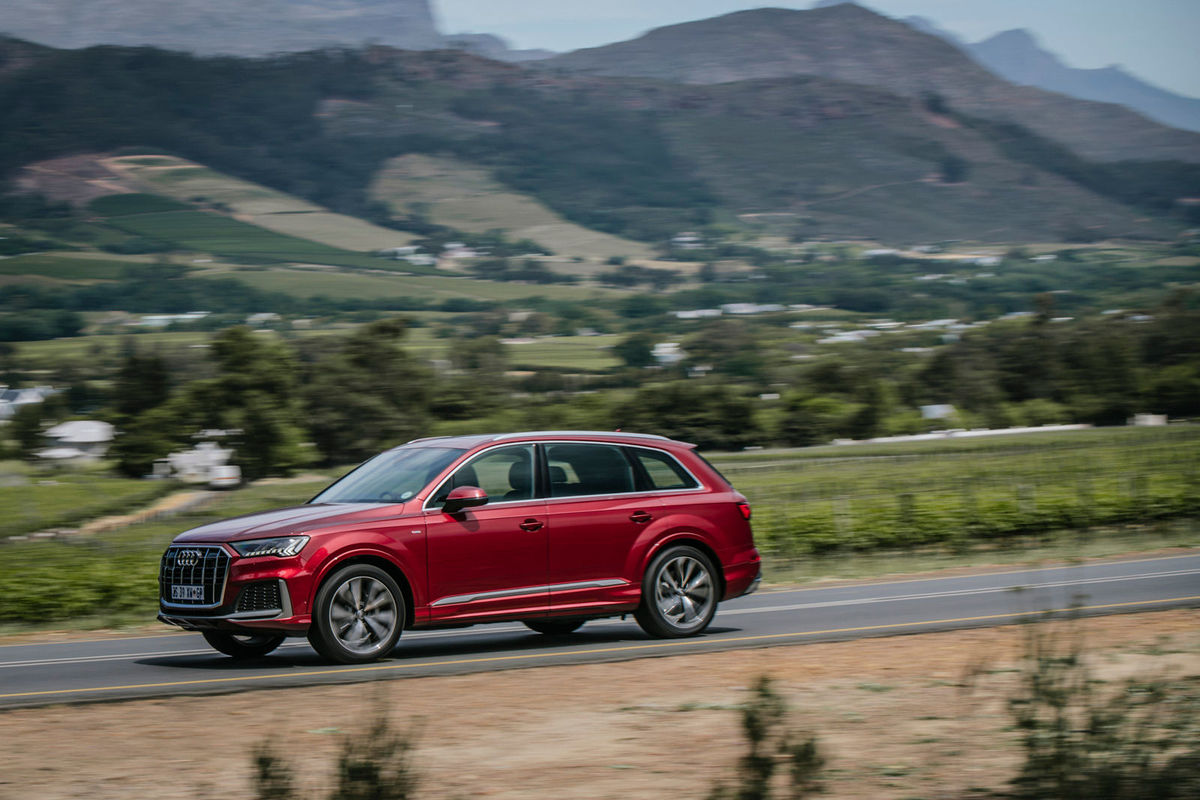
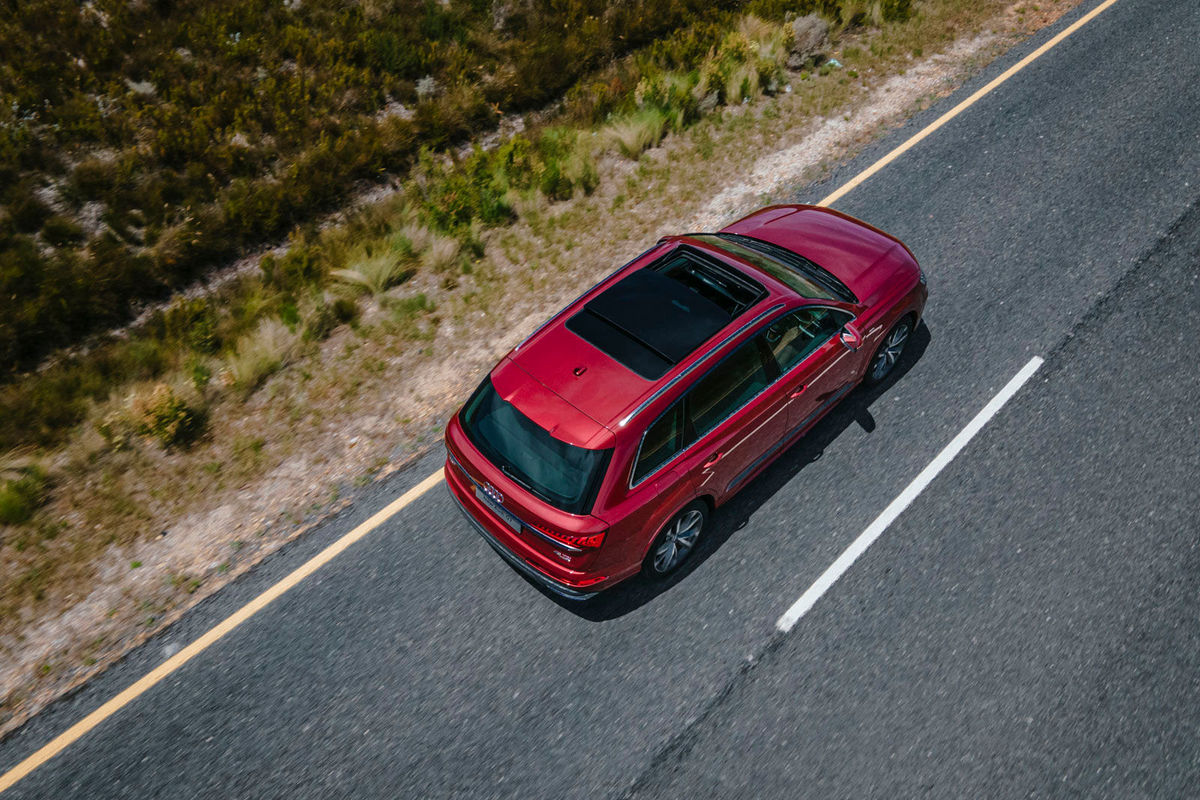
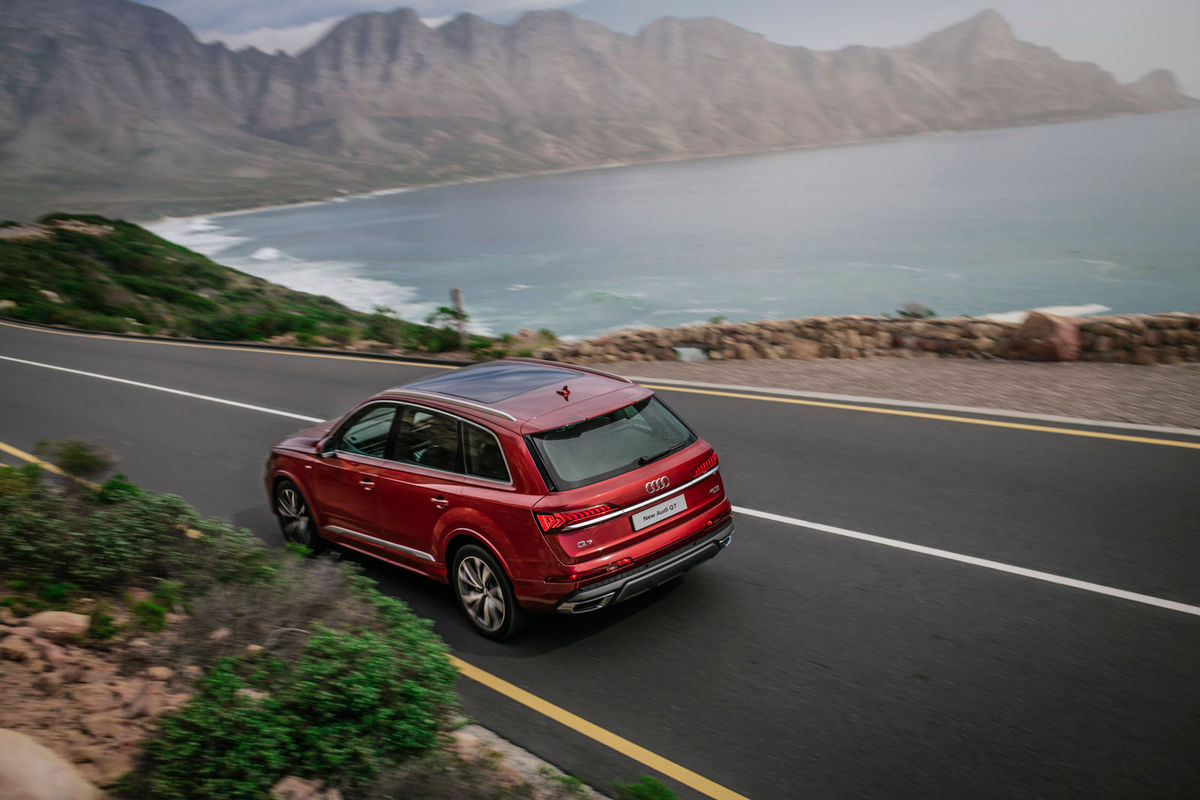
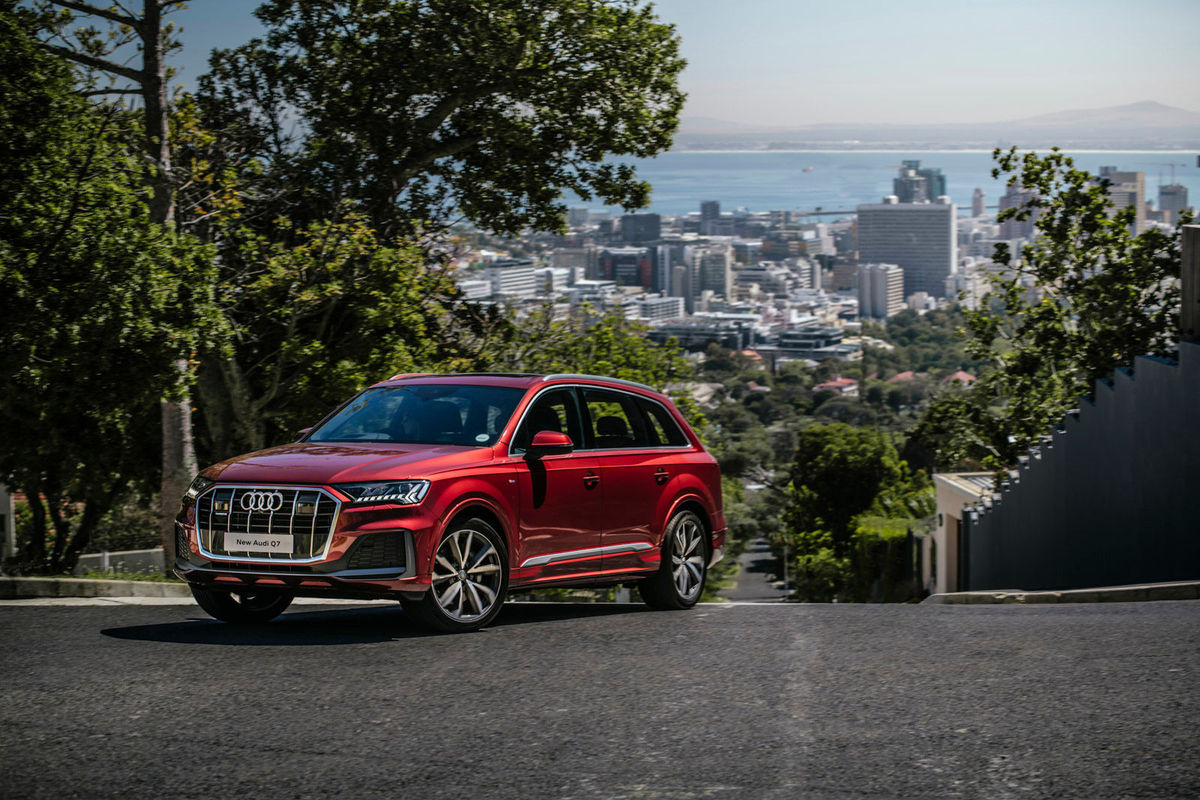
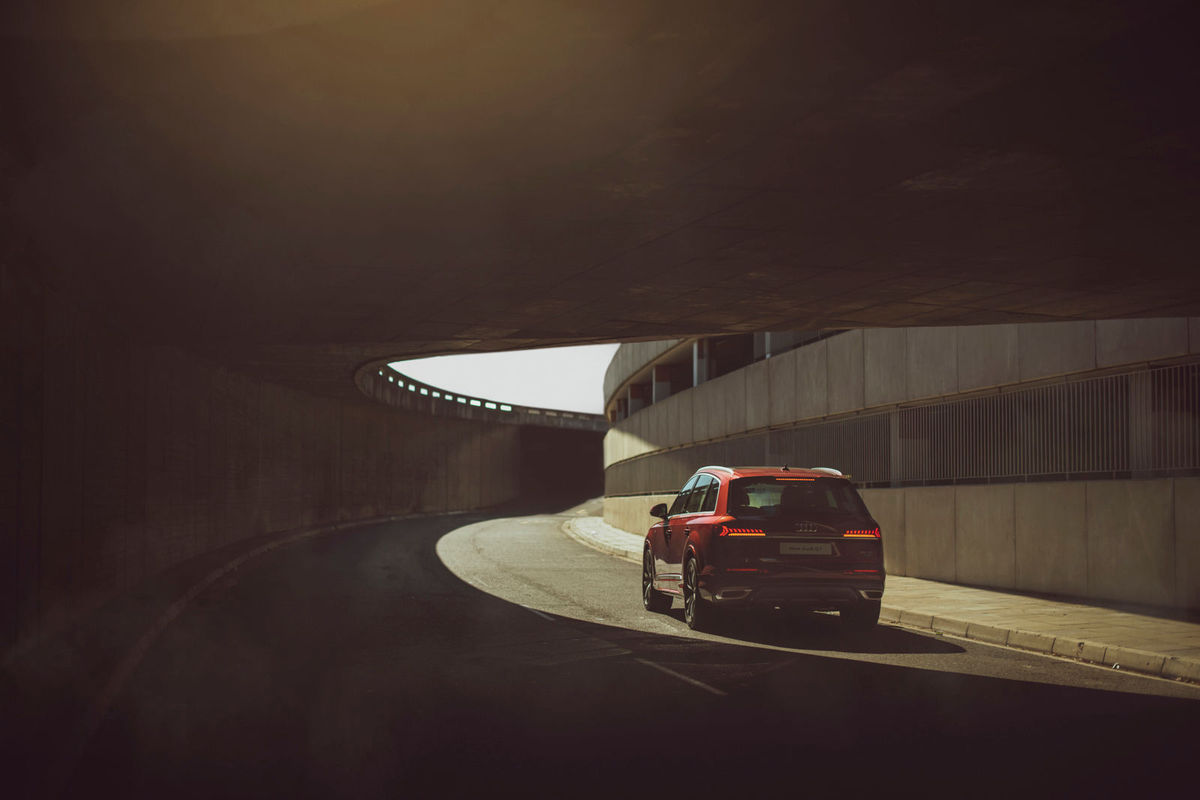
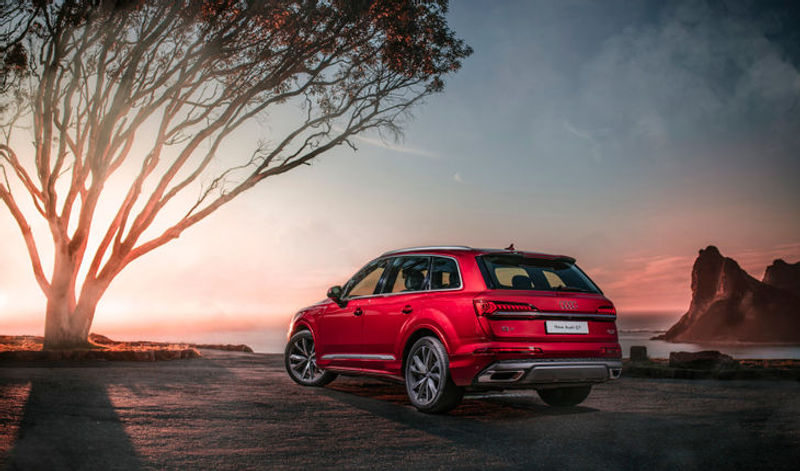
This generation of the Audi Q7 may not have garnered the same sort of attention as the previous (1st-generation) model, but with this new facelifted version, Audi has enhanced the design, improved connectivity and added 4-wheel-steer to the package. We drove the revised premium SUV at its local launch in the Western Cape…
What’s new?
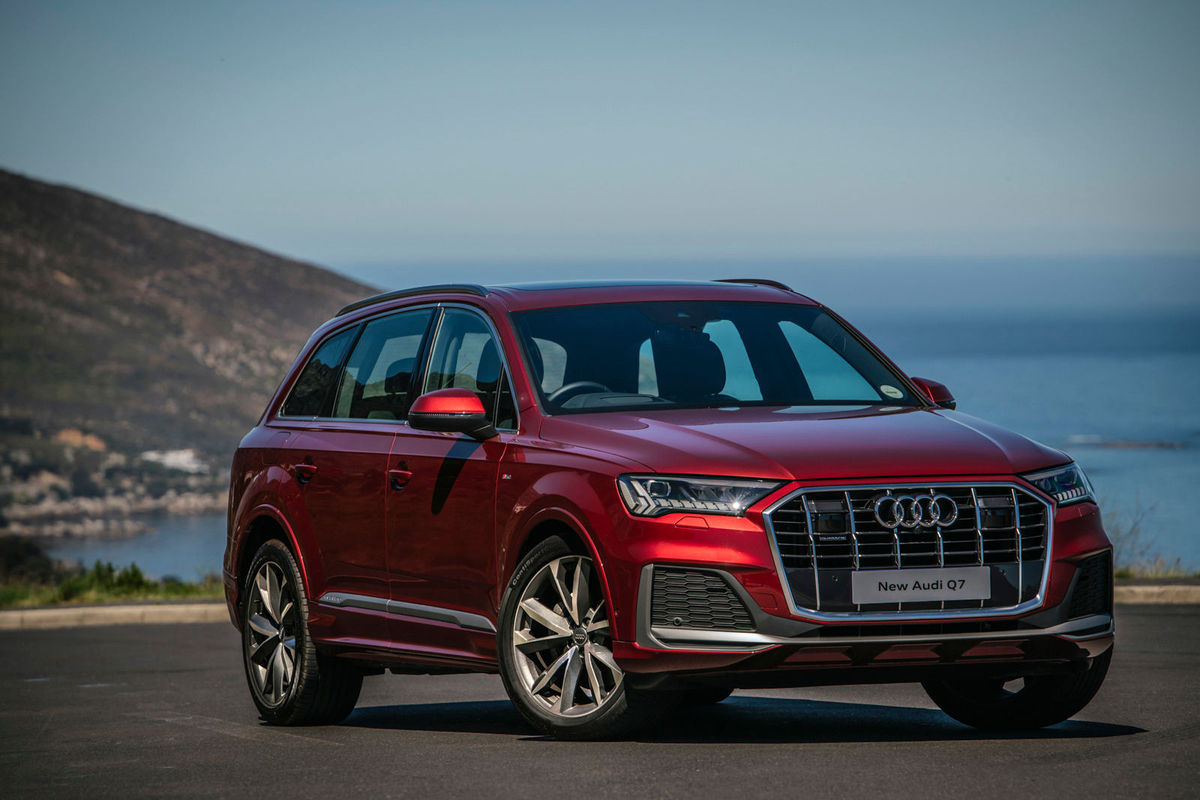
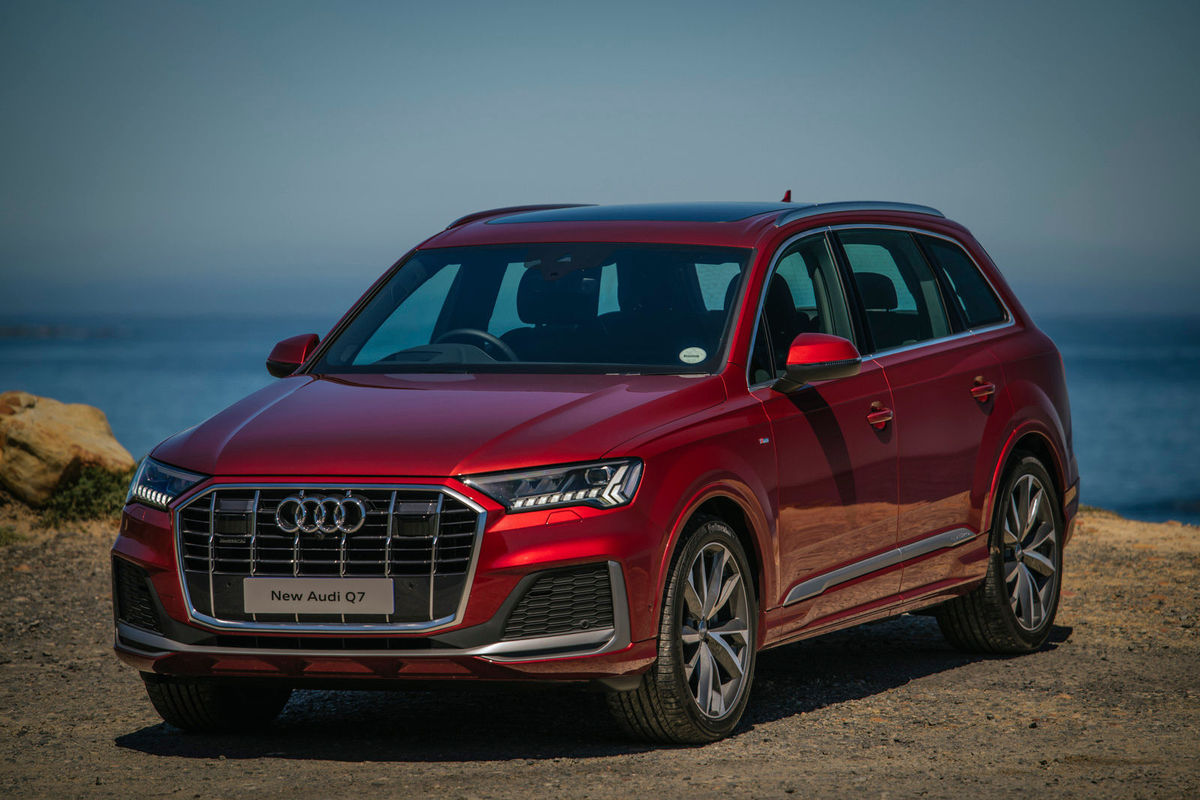
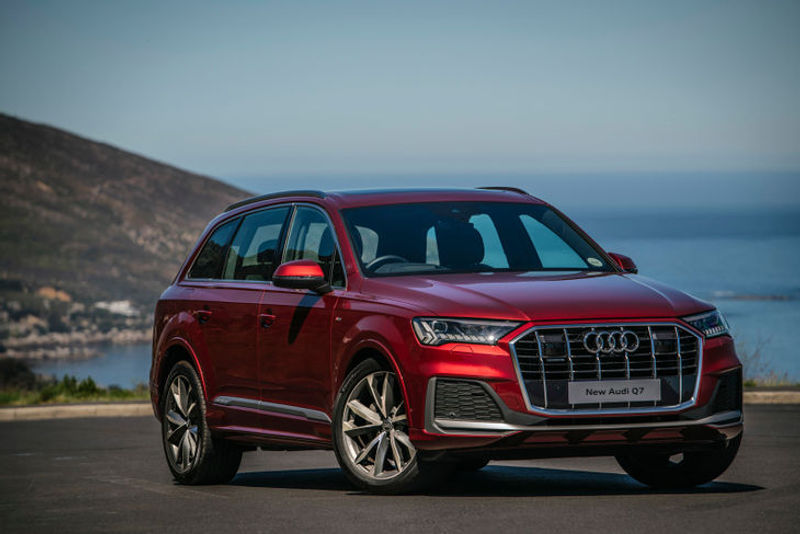
The vertical slats in the grille differentiate the facelifted Q7 from the earlier version.
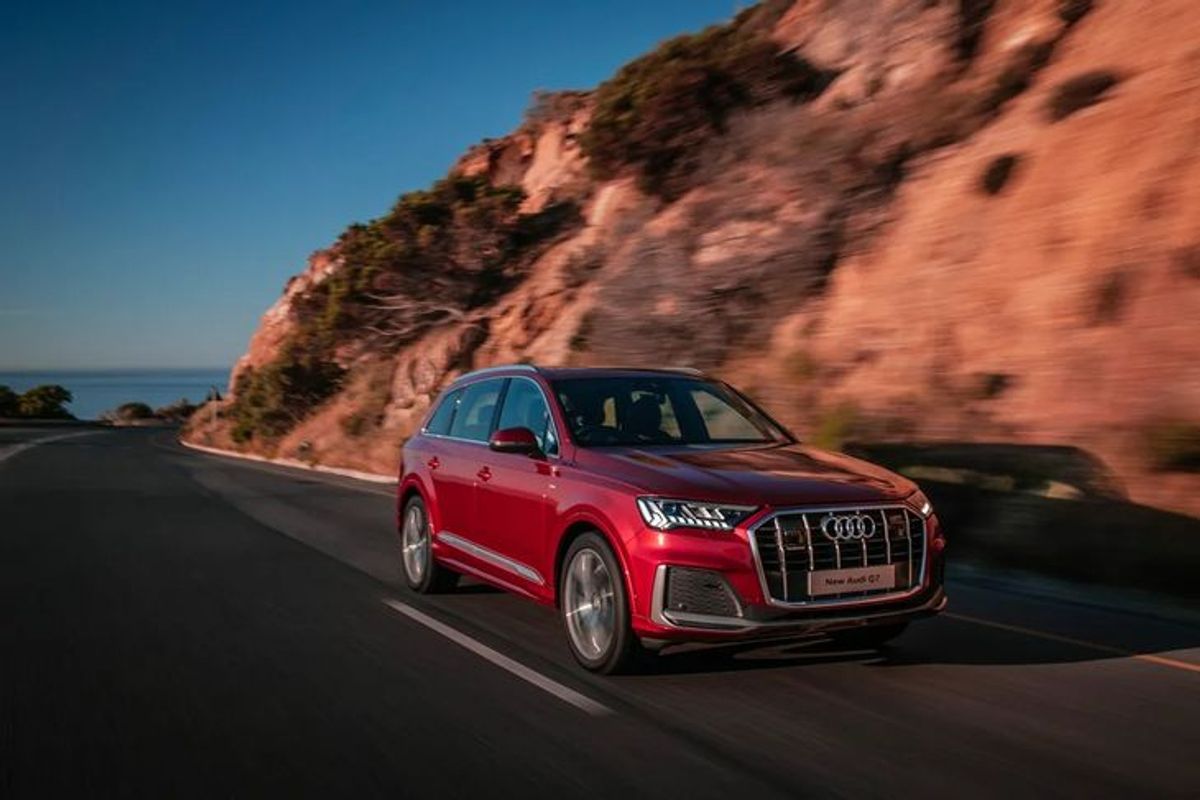
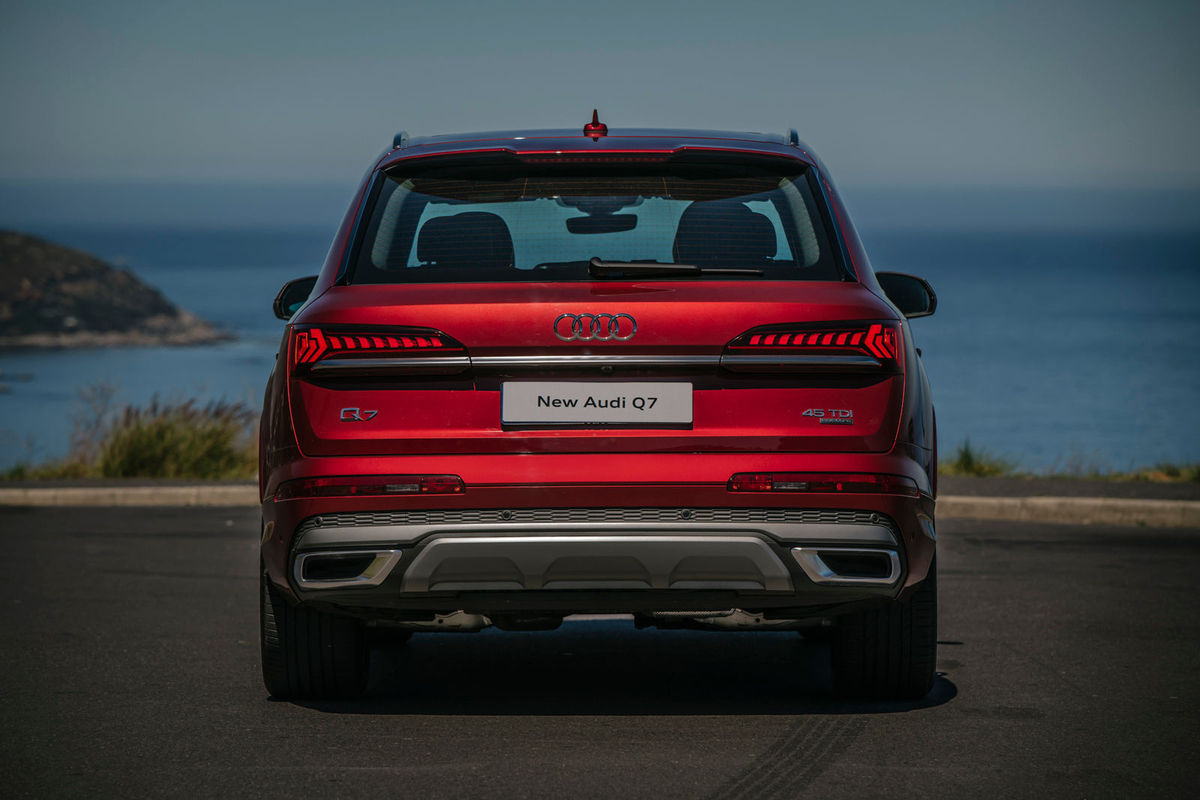
First of all, how do you tell the facelifted Q7 apart from the 2015 Q7? Whereas the original iteration of the 2nd-generation model had horizontal grille slats, the newcomer's slats are vertical. Obviously, that’s not the only visual clue to the Q7’s new design, but it's the easiest one to spot.
The whole front end is altogether more chiselled and shapely, especially with the optional S-Line trim, which incorporates a chrome blade across the Q7's front bumper and a blacked-out radiator grille. As with all the latest Audi models, the LED headlights now feature a signature light display that is instantly recognisable in a rear-view mirror.
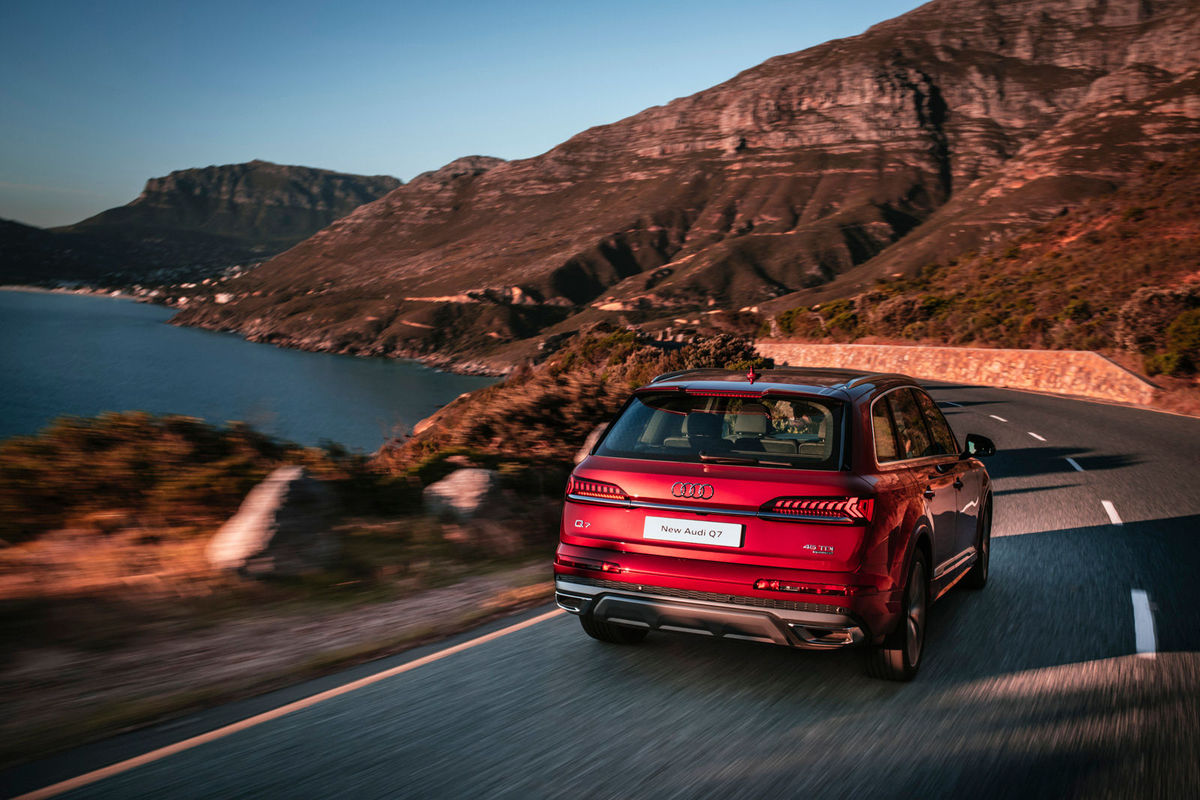
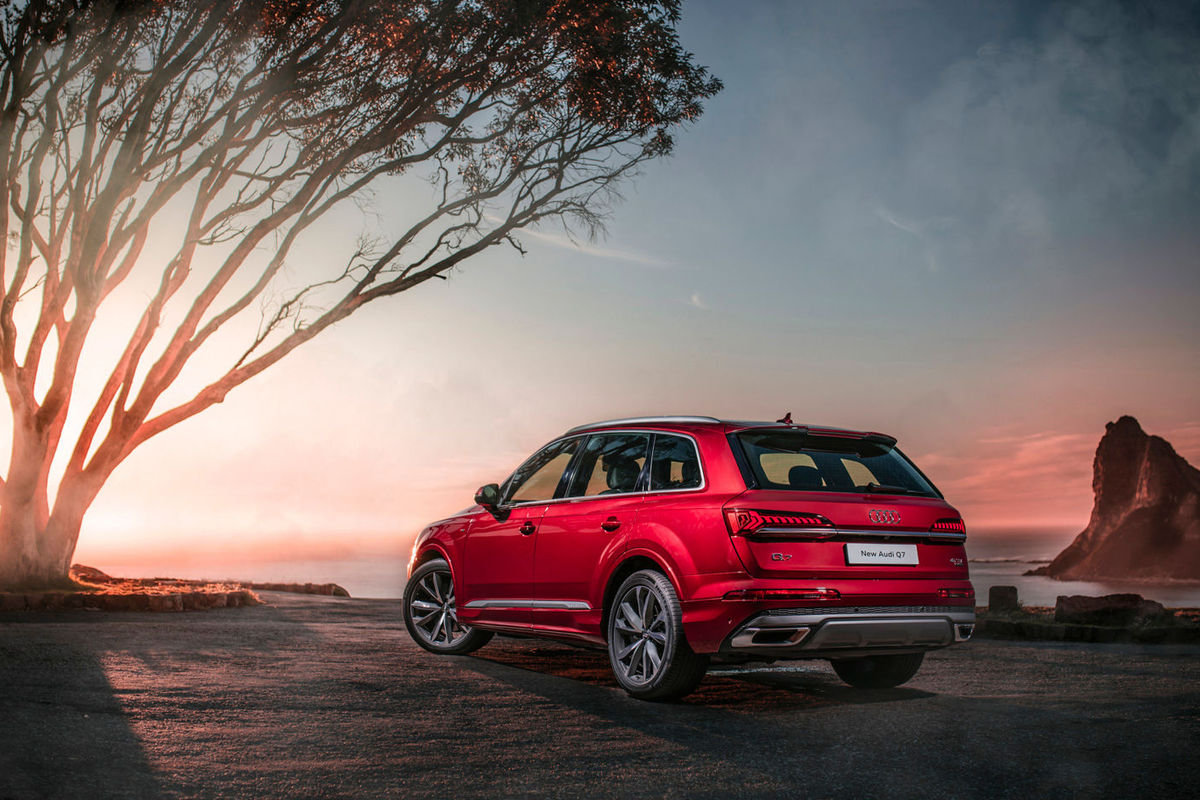
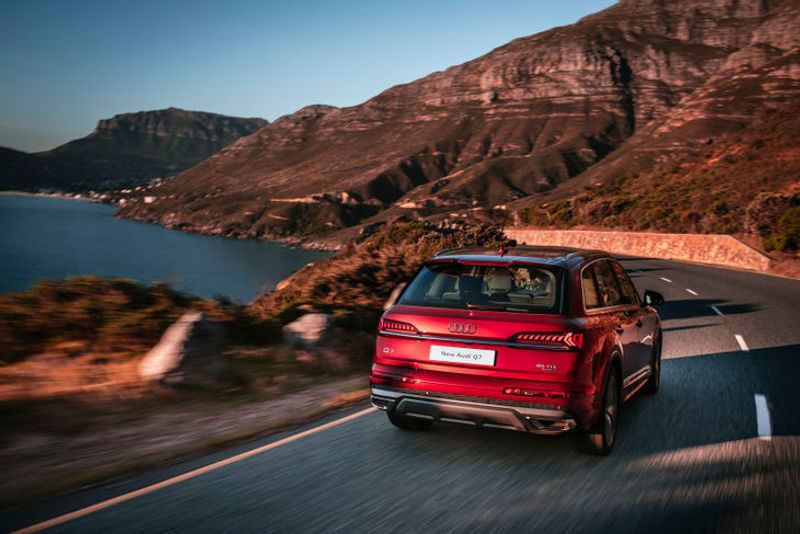
The rear end is also equipped with a chrome blade, but unlike the Q8, which has a dazzling light show between the rear lamps, the Q7 merely has a metal strip spanning the width of the tailgate.
What's more, four-wheel steering has been added in order to keep up with market trends; the feature endows the Ingolstadt-based firm's premium SUV with greater agility and a tighter turning circle, while also improving its high-speed stability.
The final inclusion for the facelift is an updated infotainment system that mimics those fitted to almost all other contemporary Audi products.
It strikes a perfect balance between performance and comfort.
None of the really oily bits have been changed for the facelifted model, so under the bonnet you get the same V6 turbodiesel badged as a 45 TDI. It’s capable of producing 183 kW and 600 Nm of torque and is claimed to propel the Q7 from 0 to 100 kph in 6.9 sec. Executing repeated acceleration runs isn't really the point of a large SUV like this, but it gives you a decent indication of how potent this turbodiesel unit is.
Once the minimal initial delay from the throttle at pull-away disappears, the power delivery is smooth and continuous as you ride a wave of torque through the 8 gears in the Tiptronic transmission (a conventional auto). The modern auto ‘box is so refined these days that you’re hard-pressed to notice any of the shifts unless you pin the accelerator and hold it there. While not as potent as some of its rivals, the Q7 turbodiesel balances performance, economy and driveability perfectly. If it's performance that you are after then the SQ7 will be arriving in 2021 with 900 Nm on tap.
All the demonstration units at the launch were equipped with the optional air suspension, which is, frankly, a must-have in this segment. The system allows for up to 90 mm of vertical travel depending on the drive mode you select (off-road raises it and dynamic lowers it, or you can tweak it yourself with the dashboard button), but, left to its own devices, the suspension delivers a refined, comfortable and stable ride quality. Even in Dynamic mode, where the Q7 is unlikely to spend much of its life, the ride is cushioned and confident, with less body roll than in the "softer" modes.
Wheel sizes can range from 19-inches to 22-inches but over sharper bumps, the knocks are predictably more intrusive on the bigger wheel sizes.
Interior update
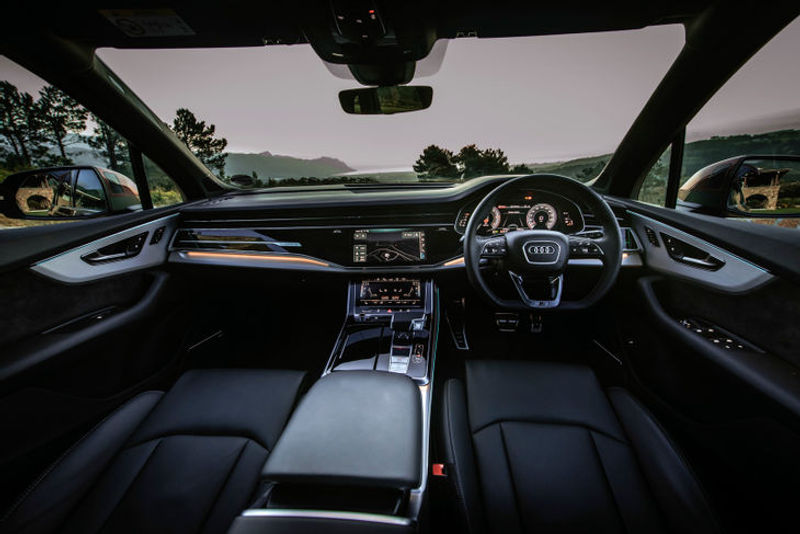
The new infotainment screen replaces the old pop-up screen that would raise out of the dash.
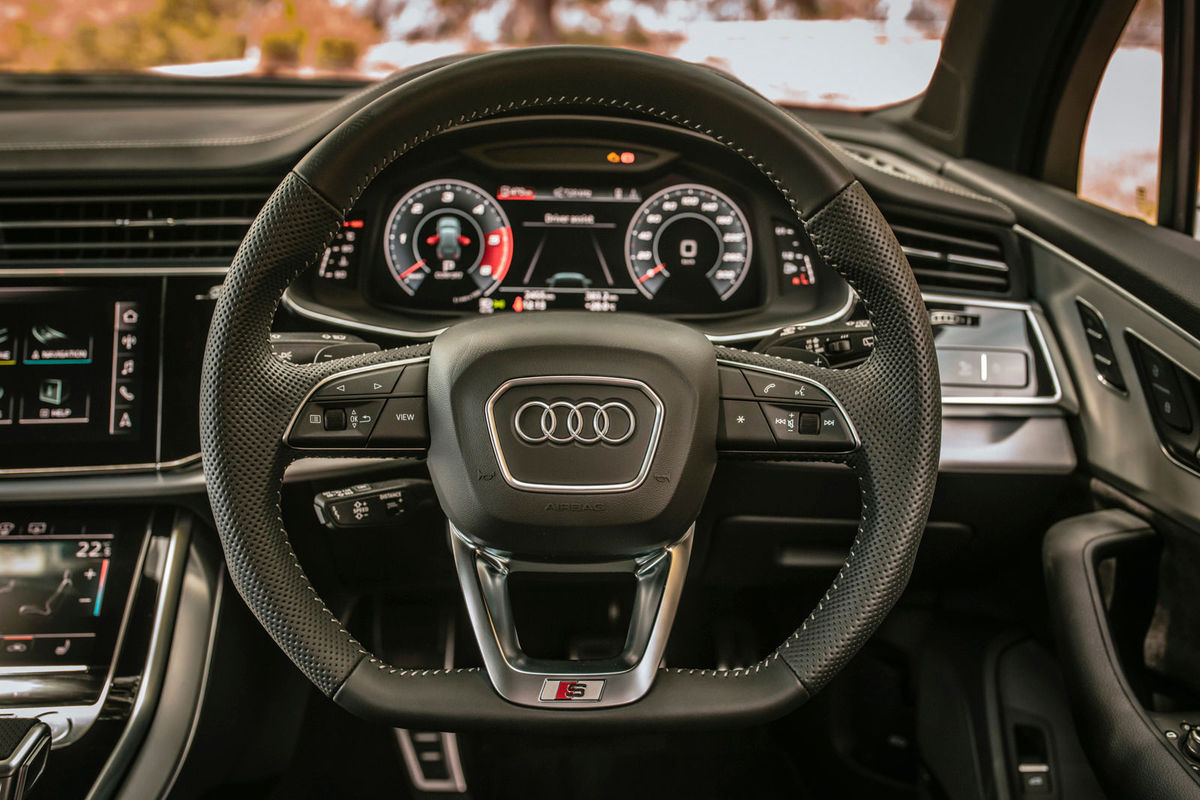
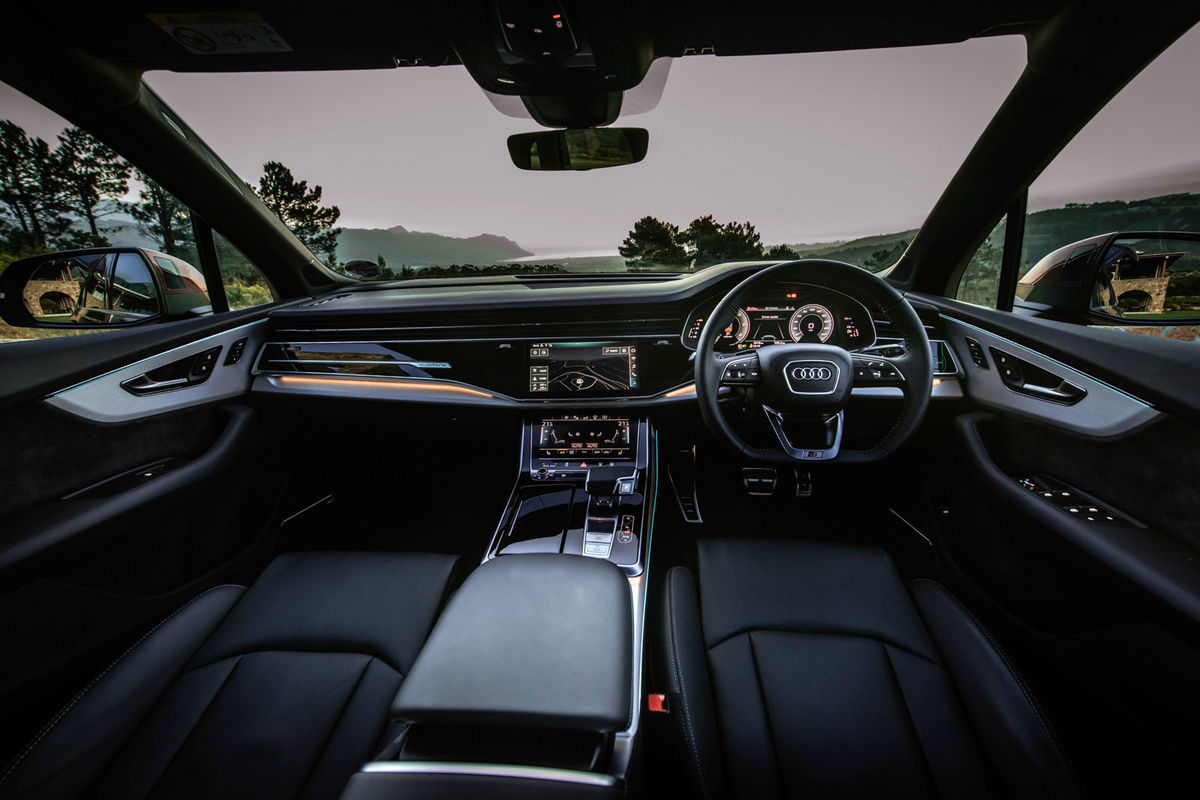
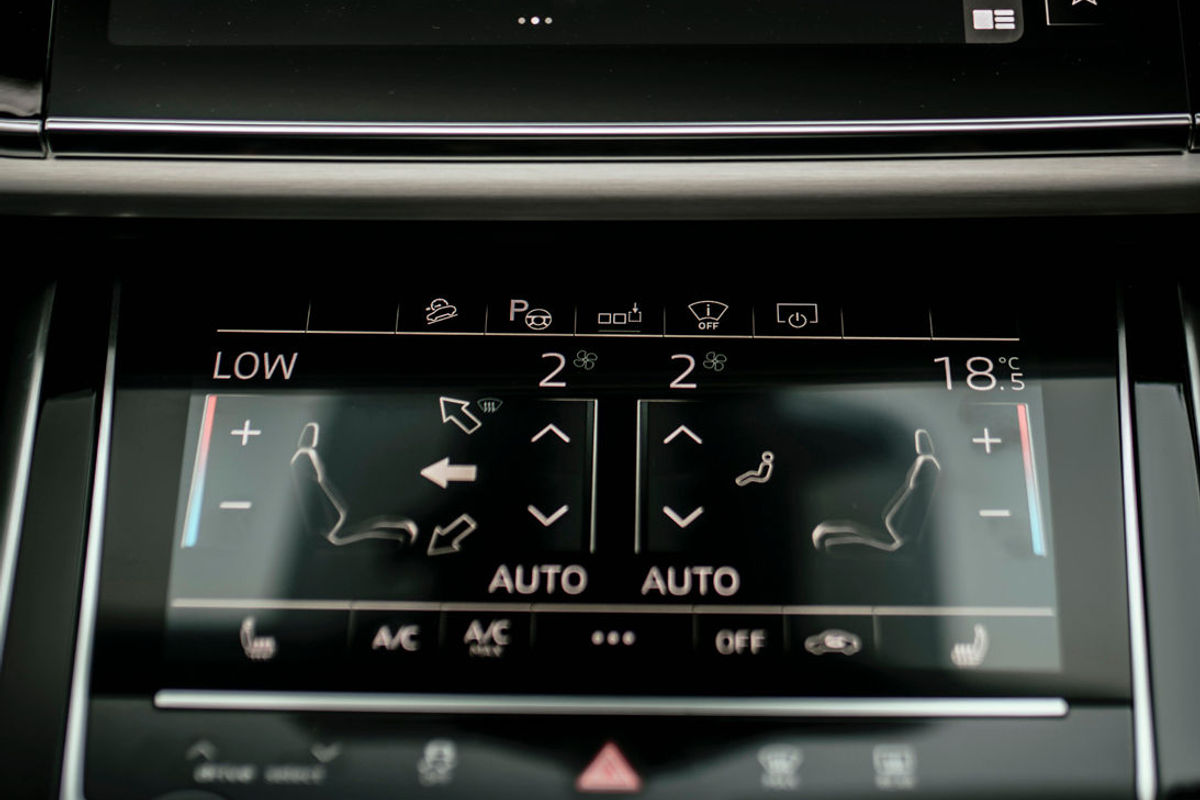
Audi’s new infotainment system was the focus of the interior update. It’s not entirely new (it’s been around for 3 or 4 years), but the 2015 Q7 had the older system with the screen that popped up out of the dashboard. The newer setup is very easy to get your head around and offers loads of customisation that will allow you to tailor the system to how you want it. You can now also utilise wireless Apple Carplay and Android Auto.
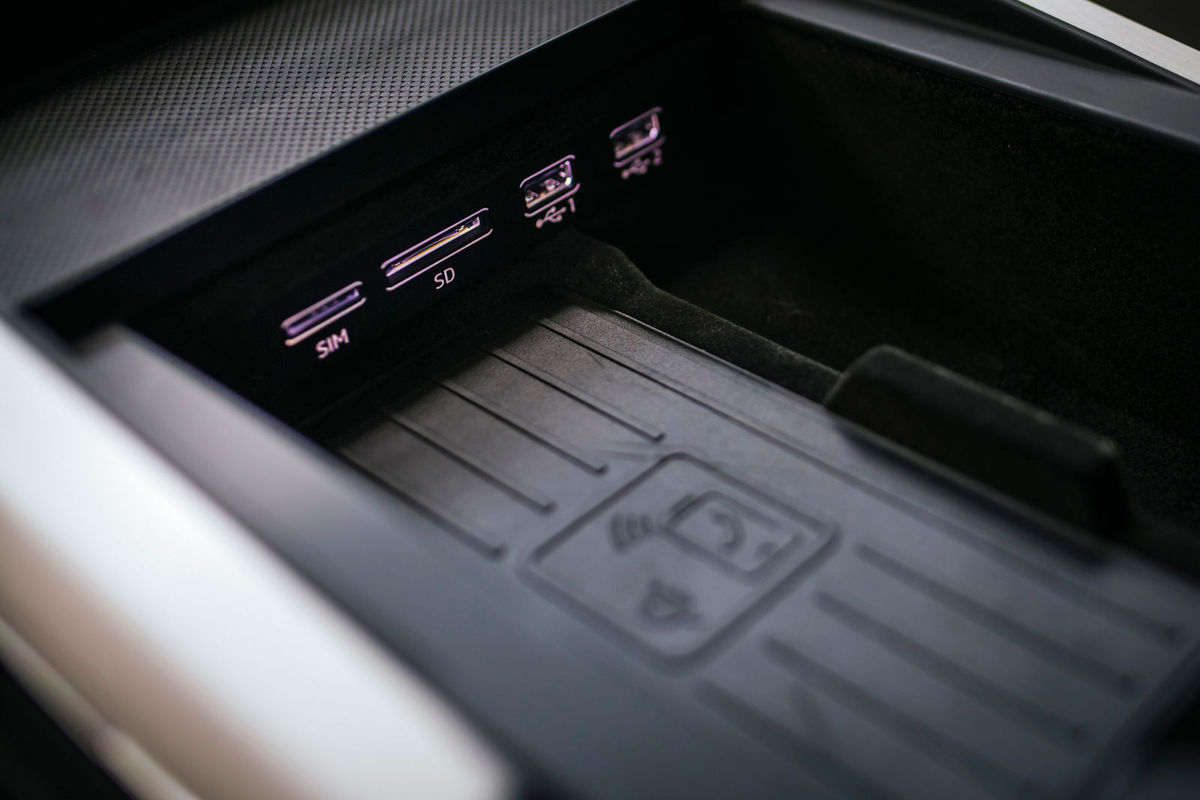
The infotainment system is equipped with an embedded sim card, which enables live apps such as real-time traffic updates and weather updates en-route. It further has the ability to call Audi services or emergency services if you’re in an accident or require assistance.
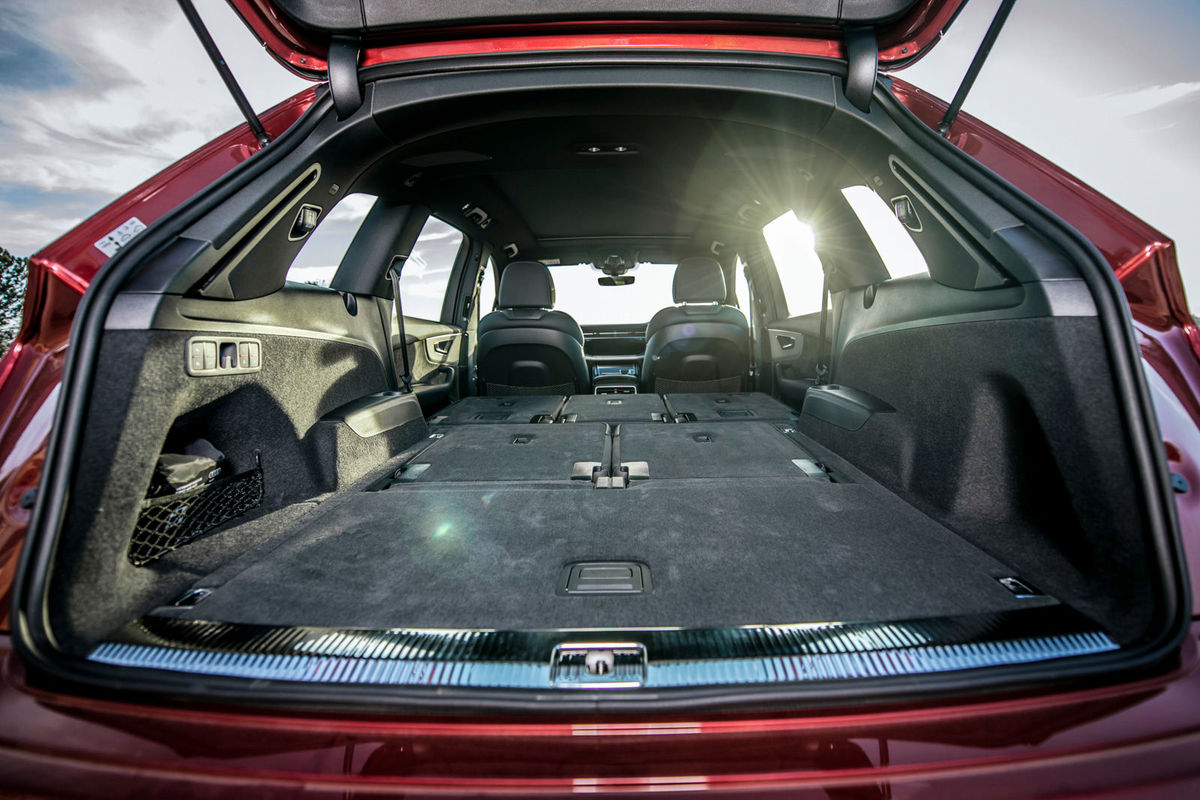
Interior space remains the same as the previous version's and is still right at the top of its class if you want to store as much as possible in your car. The load bay is quoted to hold 865 litres and, if you fold down the rear seats (7 seats are optional), 2 050 litres of utility space becomes available.
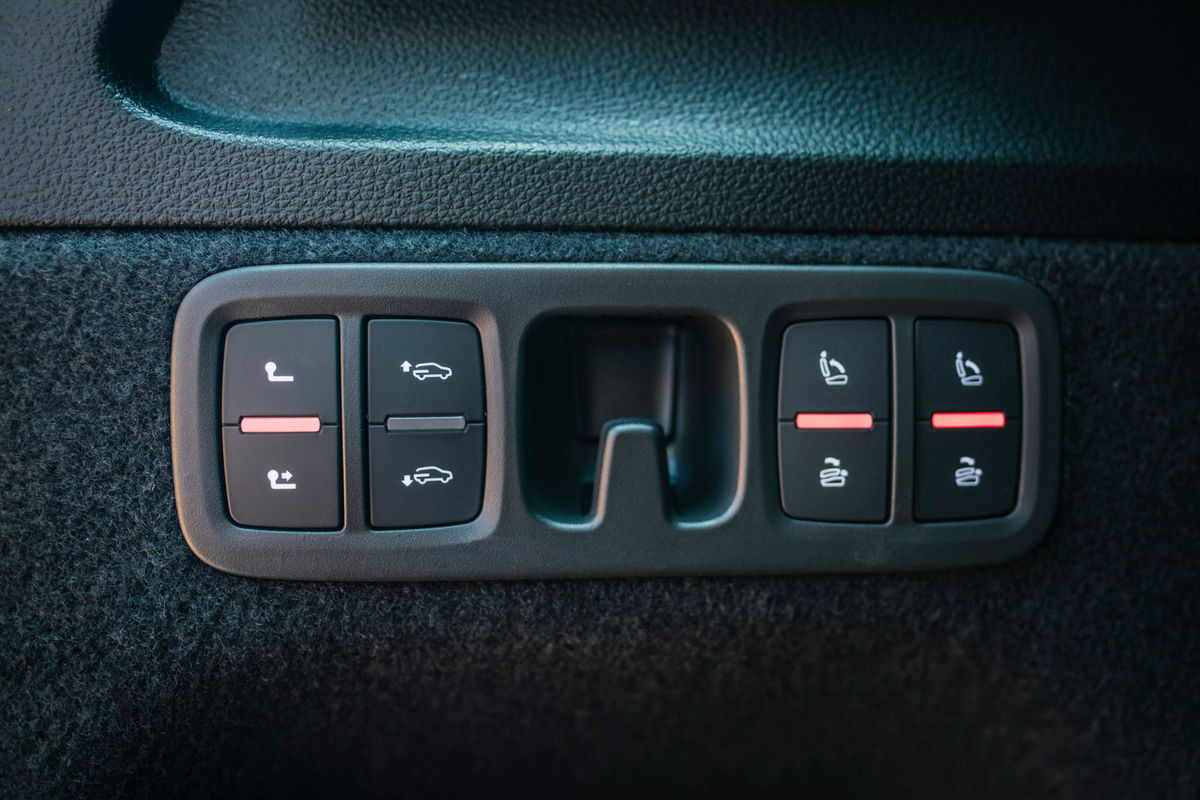
Audi optionally supplies the rear seat bench plus as part of the Comfort Package; all 3 seats can be moved individually fore/aft and the backrest angle adjusted; if you specify the 3rd row, a pair of seats can be electrically deployed at the push of a button in the load bay/inside of the C-Pillar.
Summary
A worthy contender in the pricey premium SUV segment.
Design is subjective, but Audi has successfully restyled its Q7 to make it stand out markedly from its immediate predecessor; it now looks interesting (or distinctive) enough to be seriously considered in a segment where the ability to make a statement is a major selling point.
Whereas many of its rivals have chased performance and handling gains – sometimes to the detriment of ride handling and plushness – Ingolstadt's premium SUV perfectly balances performance and comfort. It feels stable and comfortable on the road, allied with impeccable road manners that make you feel entirely in control of what the sizeable SUV is doing… even at speed, on a twisty piece of road.
The update to the interior infotainment system is very welcome and gives the cabin a modern feel, replete with all the smartphone connectedness you may need. While the asking prices of these premium SUVs seem unfathomable to most of us, the premium demanded for the Q7 is in line with those of its rivals; the newcomer certainly warrants its place in this ultra-competitive segment as the sensible, comfortable and practical choice.
Audi Q7 price in South Africa (November 2020)
45 TDI quattro tiptronic
R1 328 500
45 TDI quattro S line tiptronic
R1 388 500
The Audi Q7 is sold with a 5-year/100 000 km Audi Freeway (maintenance) plan.
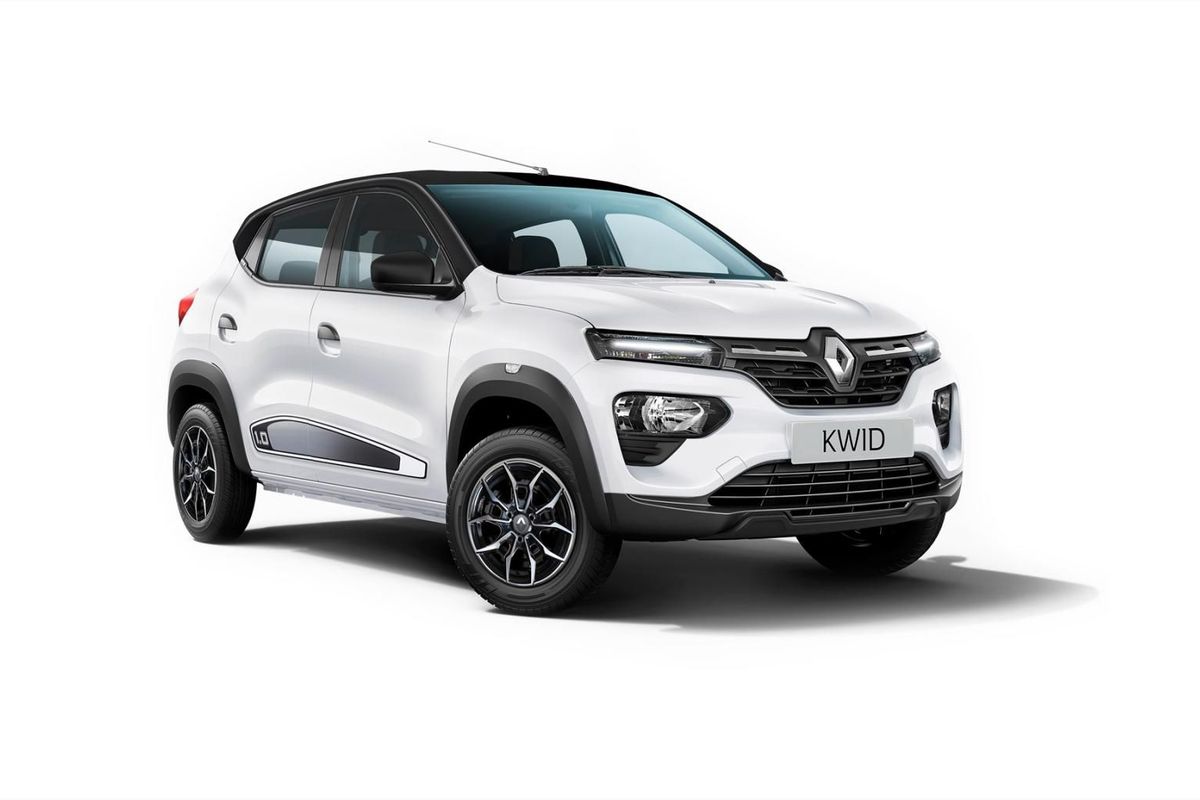
Renault has launched a limited edition Kwid in South Africa with unique styling details and added standard features. See specification and pricing details below!
The Kwid has been a huge success for Renault in South Africa and it’s now one of the brand’s best-selling models with over 30 000 units sold since its local introduction in 2016.
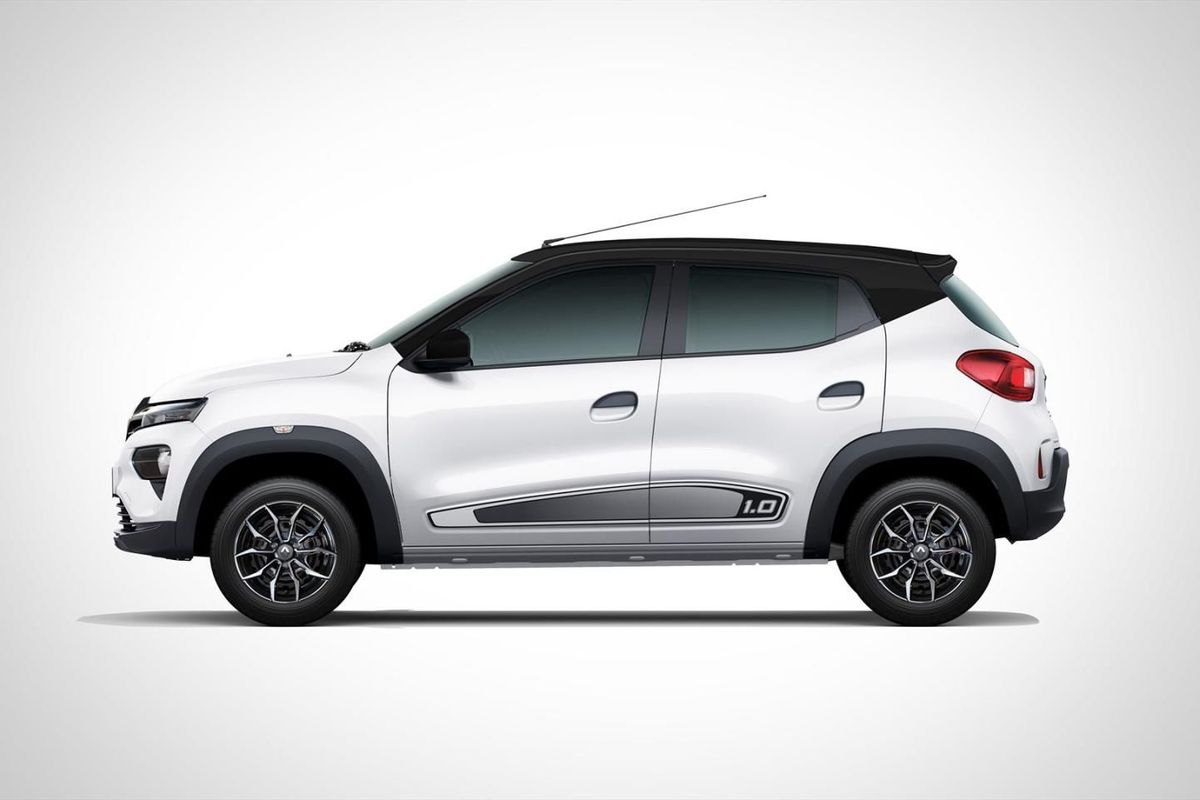
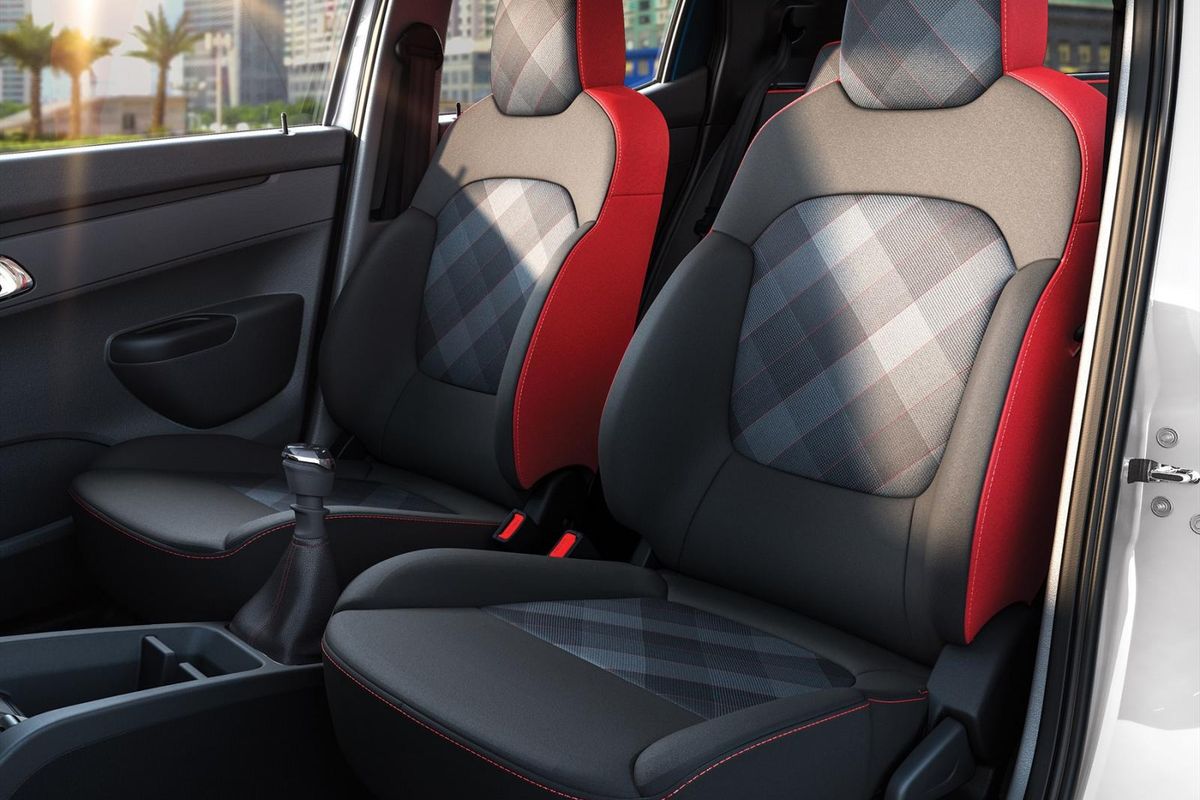
Buyers looking for a bit more from the Kwid can now consider the Kwid Ultra Ltd Edt which is distinguished by its black and white two-tone look and 14-inch diamond-cut black alloy wheels. Decals along the Kwid's skirts further add to the look.
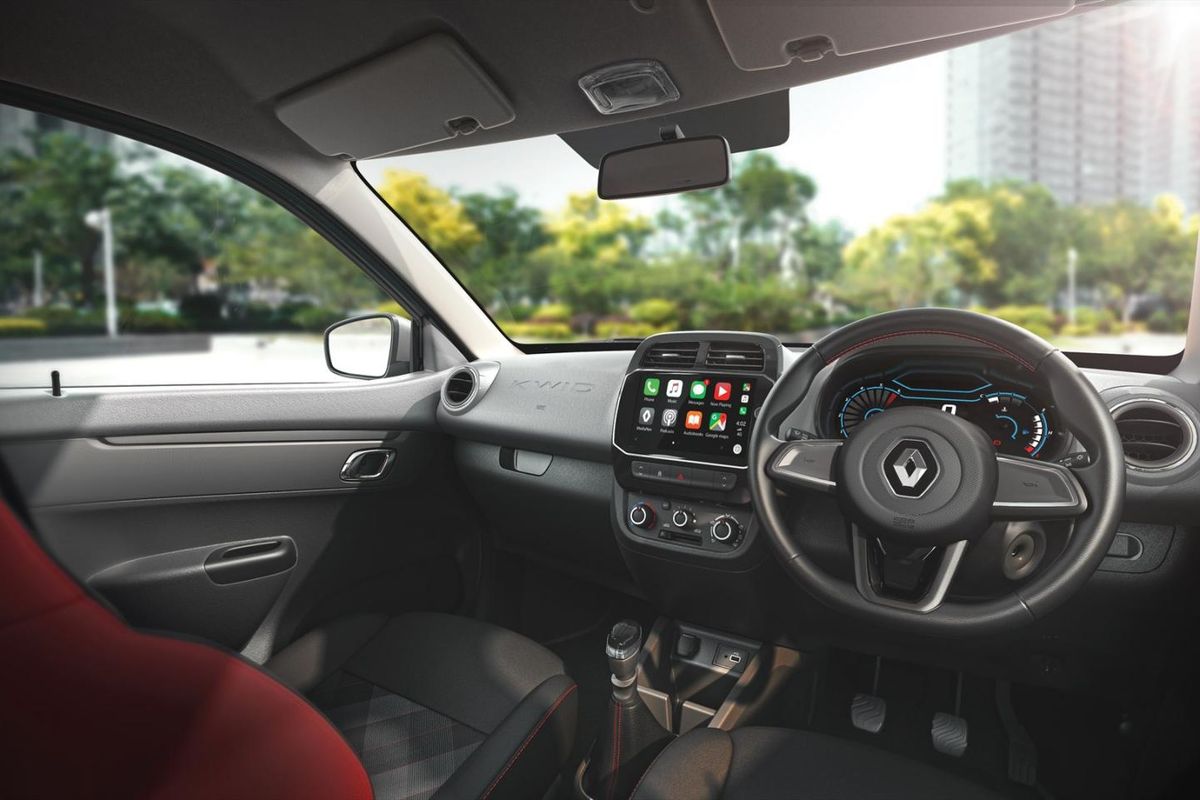
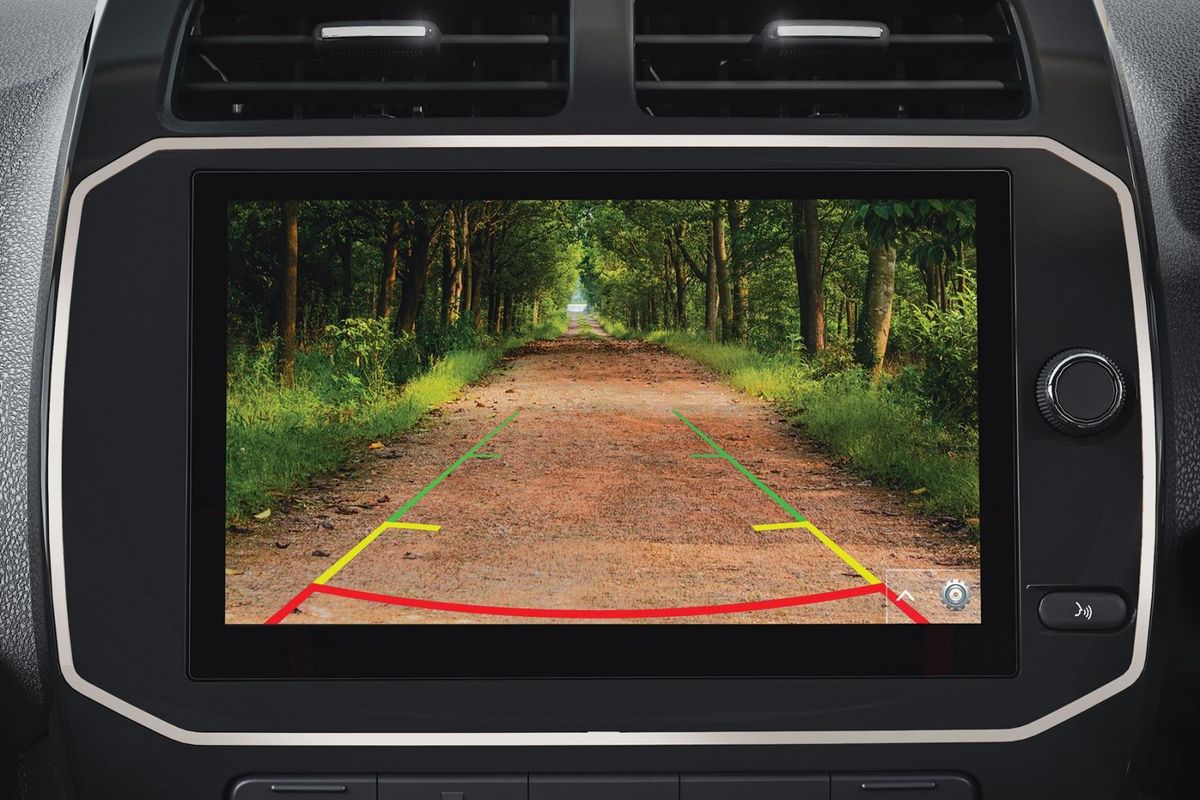
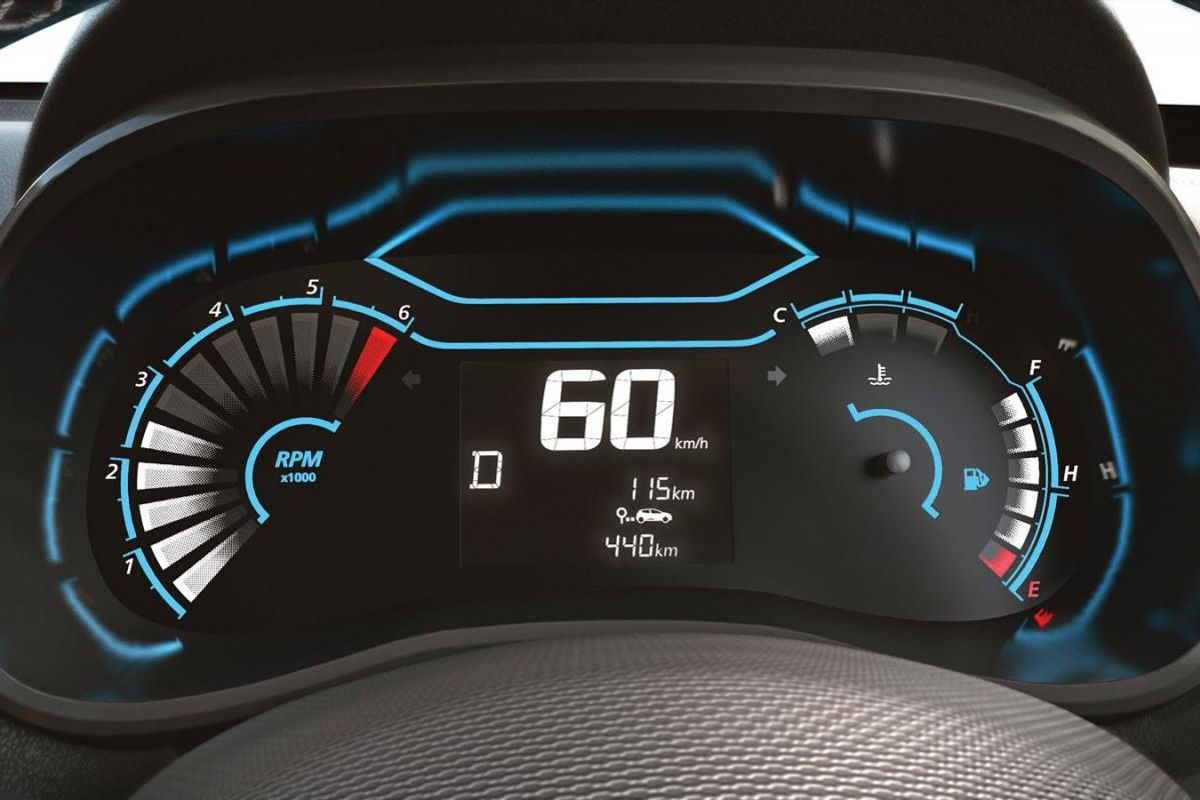
Moving inside, the Kwid Ultra Ltd Edt is equipped with a larger 8-inch touchscreen infotainment system which offers Apple CarPlay and Android Auto as well as Bluetooth connectivity. A reverse camera and rear parking sensors are also fitted as standard. The load bay offers 279 litres of space.
The Kwid Ultra Ltd Edt is powered by Renault’s familiar 1.0-litre, 3-cylinder petrol engine with 50 kW and 91 Nm of torque and mated with a 5-speed manual transmission.
In terms of safety, the Kwid is fitted with 2 airbags and ABS with EBD.
As a limited-edition offering, only 100 Kwid Ultra Ltd Edt units will be offered in South Africa.
Renault Kwid – Price in South Africa (November 2020)
Renault KWID Expression – R162 900
Renault KWID Expression AMT – R172 900
Renault KWID Dynamique – R172 900
Renault KWID ULTRA LTD EDT – R174 900
Renault KWID Dynamique AMT – R182 900
Renault KWID CLIMBER – R183 900
Renault KWID CLIMBER AMT – R193 900
The Renault Kwid is sold with a 5-year/150 000 km warranty, 2-year service plan, 1-year insurance and 6-year anti-corrosion warranty.
Isuzu’s new D-Max has been keenly anticipated but customers are in for more frustration.
The Japanese bakkie brand has announced that its production of new D-Max is being halted for 3 months. Although 2020 has been a year of unprecedented disruption in the global automotive industry, this announcement by Isuzu is unwelcome to followers of the brand.
Thailand is the production hub for both new D-Max and Mazda’s BT-50. These bakkies are mechanical twins, with only a few minor surface styling and cabin design differences. Despite their similarity, Mazda has not announced any disruption to its production pipeline, for new BT-50.
Why is the new D-Max production being ceased for the next three months? The official reason given by Isuzu is that one of its most important component suppliers for the new bakkie has been forced into a lockdown, by Covid regulations.
Although Isuzu is not at liberty to say exactly which supplier this is, or what bit of the new D-Max they can’t source from anywhere else, the location has been confirmed as Europe.
An educated guess would be that this European supplier that has been forced to cancel its shipments to Isuzu’s Thai facility for the next few months, is a technology leader. As bakkies have become more sophisticated, integrating autonomous safety technologies and road scanning sensors, they are a lot more at risk of supplier disruption.
The new D-Max has sophisticated road-scanning cameras and radar, to allow for its autonomous braking functions. These are features that have not been available on any D-Max bakkie before, and could be part of a new supplier network that Isuzu has tried to integrate. Covid’s European lockdown has clearly shown the risk of sourcing new technology components, from afar.
With an upgraded Hilux settling into the global market, this three-month production disruption could not have happened at a worse time, for Isuzu.
The local Isuzu D-Max is only set to go on sale in SA in the first half of 2022. The local division does not anticipate that this parts delay will affect local production.
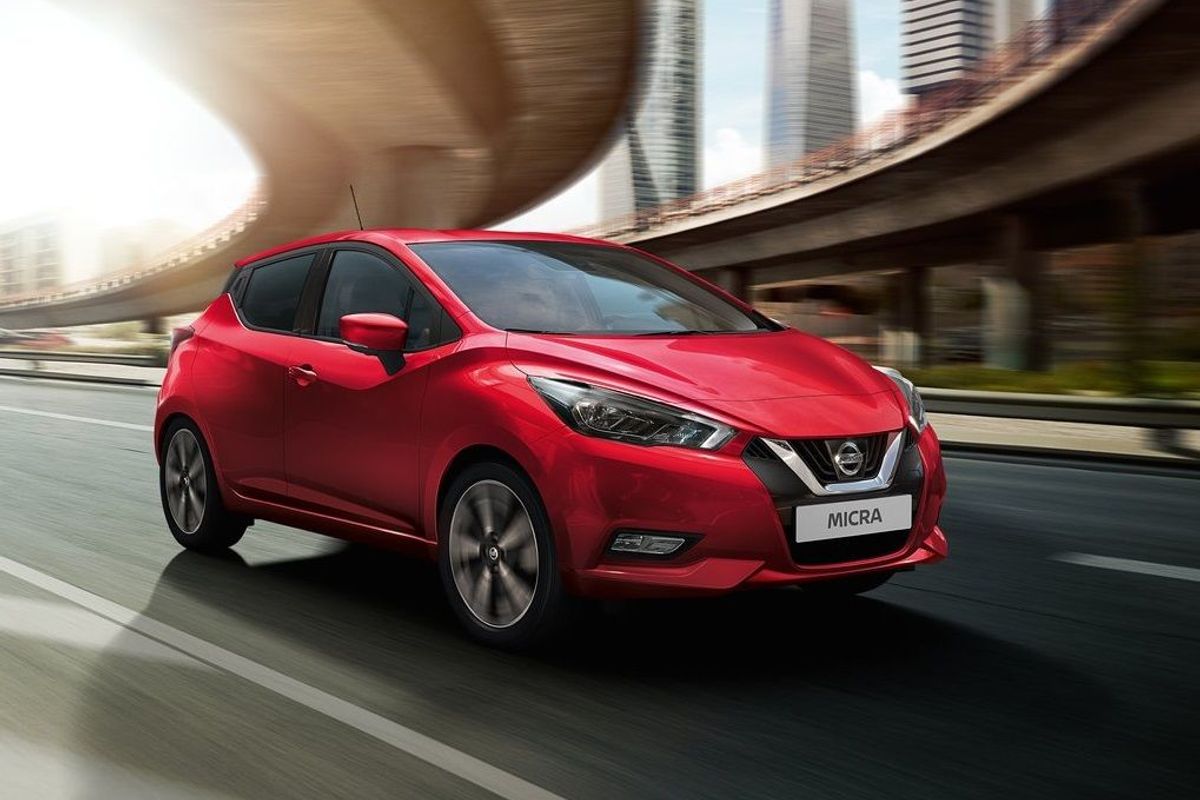
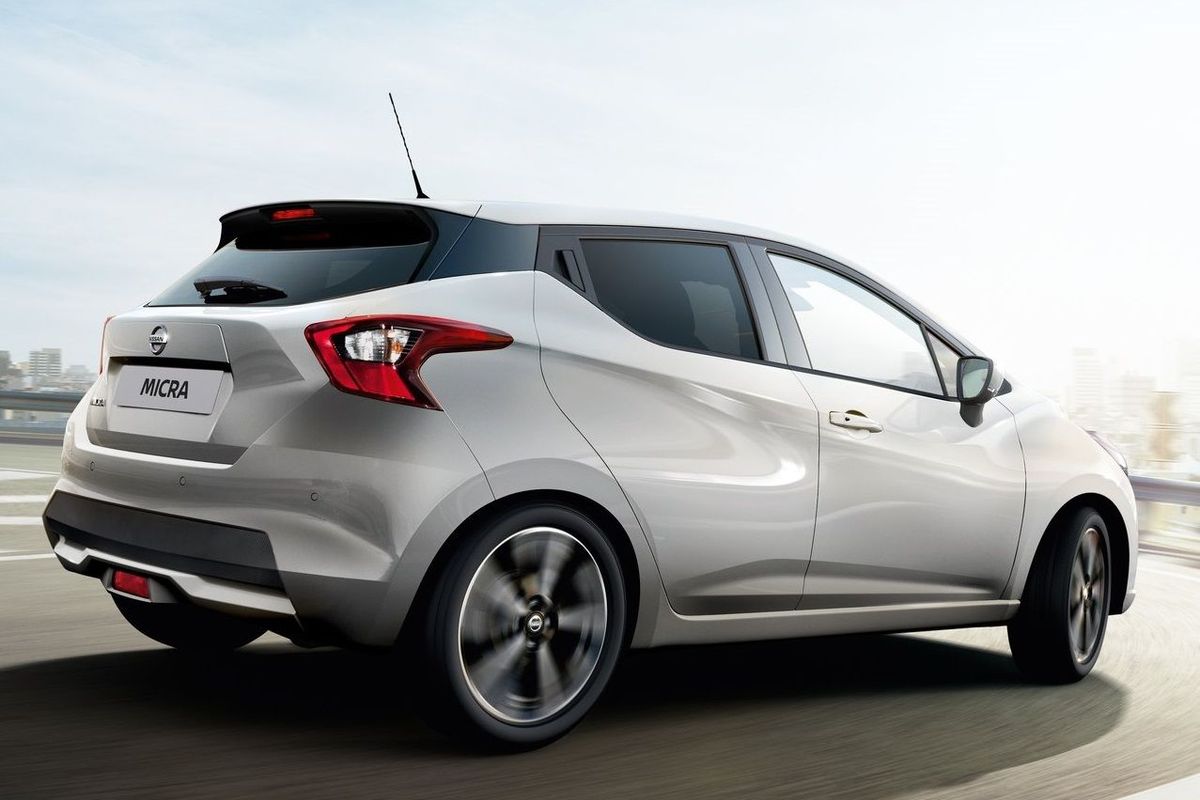
Nissan has given its Micra hatchback an update, see what’s changed below!
The new Nissan Micra was launched locally in 2018 and the Japanese firm has now updated its city car.
The current Micra trim grades include the Visia, Acenta and Tekna but now Nissan is adding 2 new grades called N-Design and N-Sport.
Customers can also customise their Micra with 2 colour finishers (front and rear) or opt for LED headlights. Tekna and N-Design derivatives gain new 16-inch, two-tone “Genki” alloy wheels.
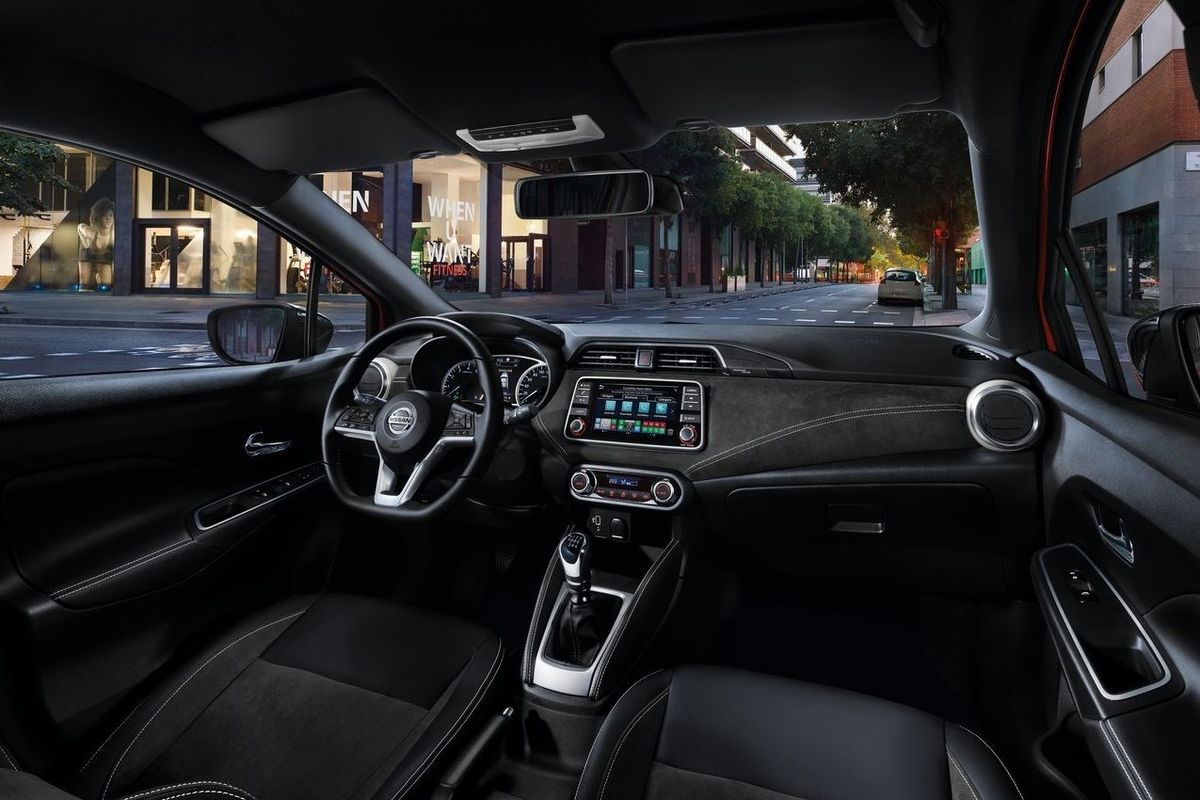
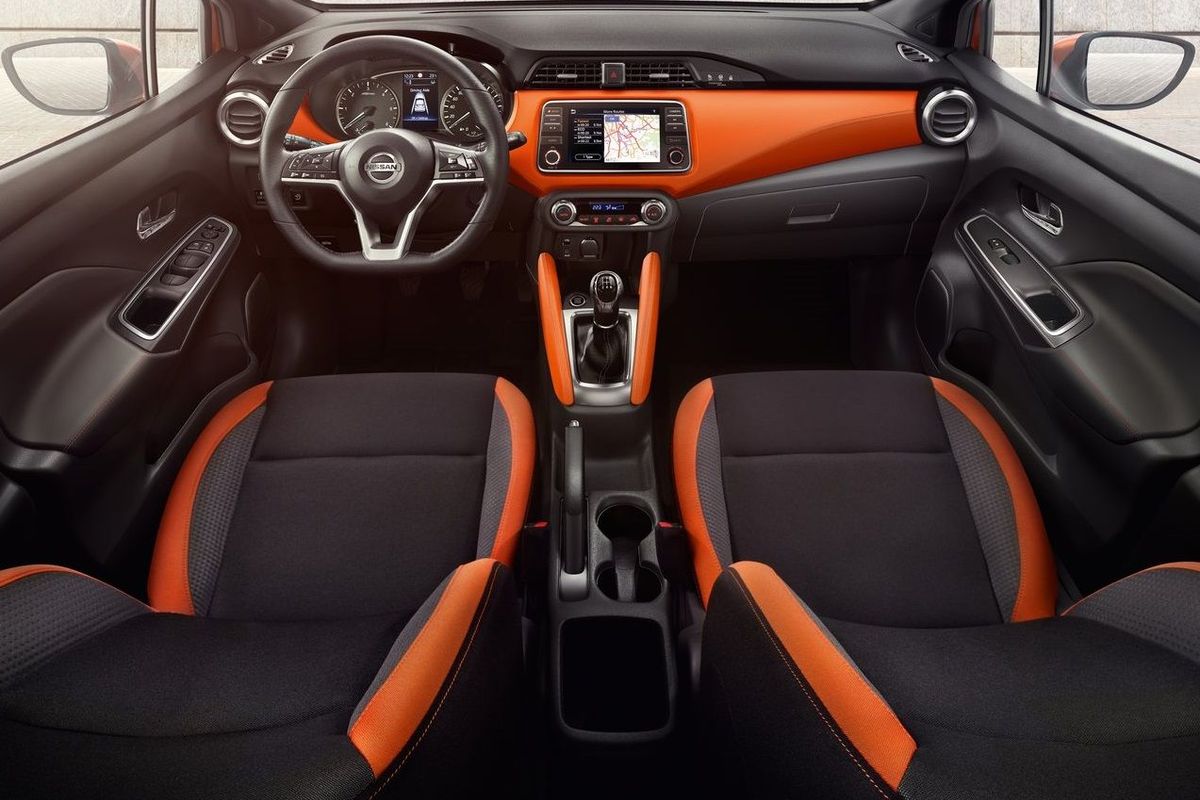
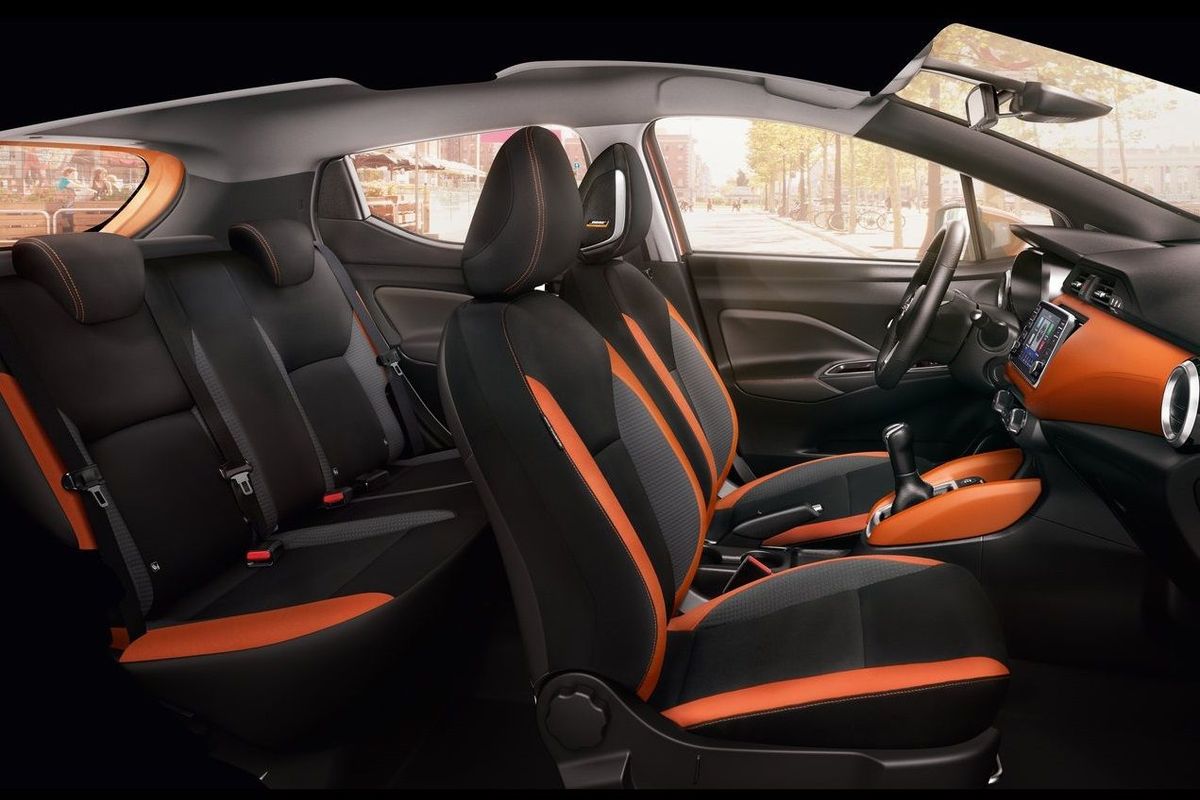
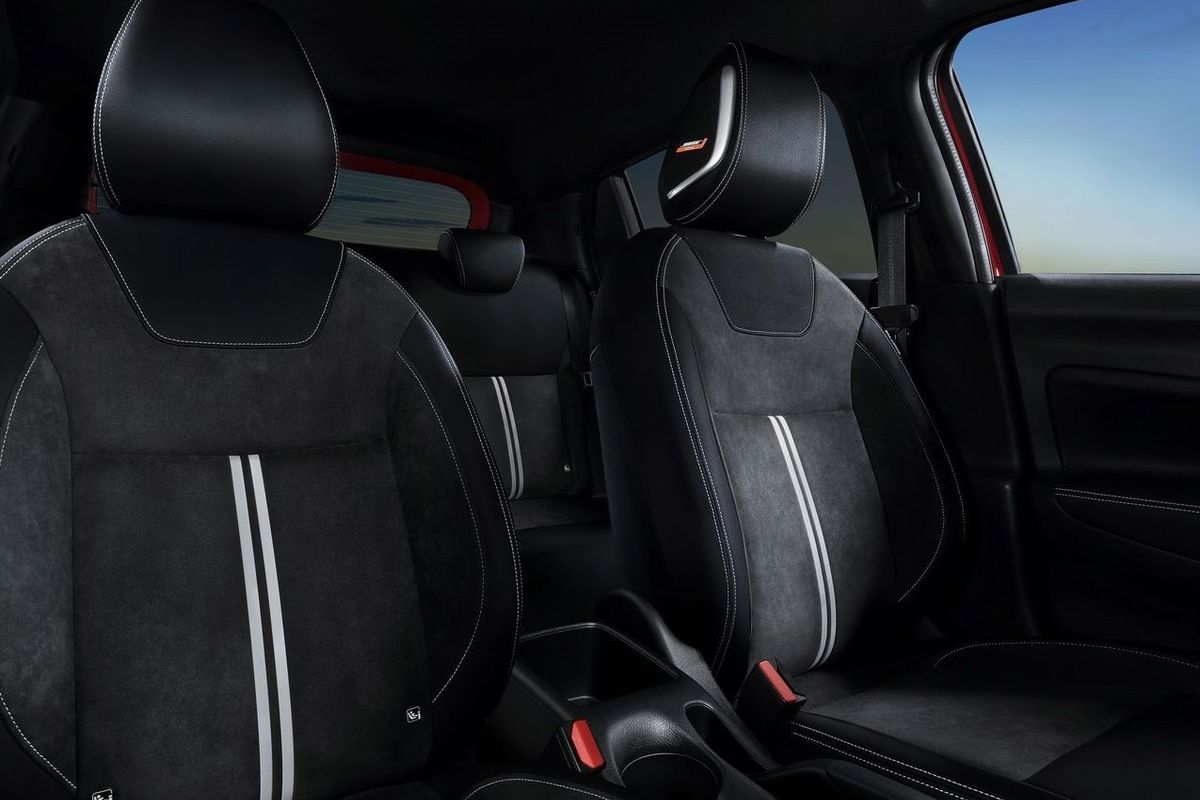
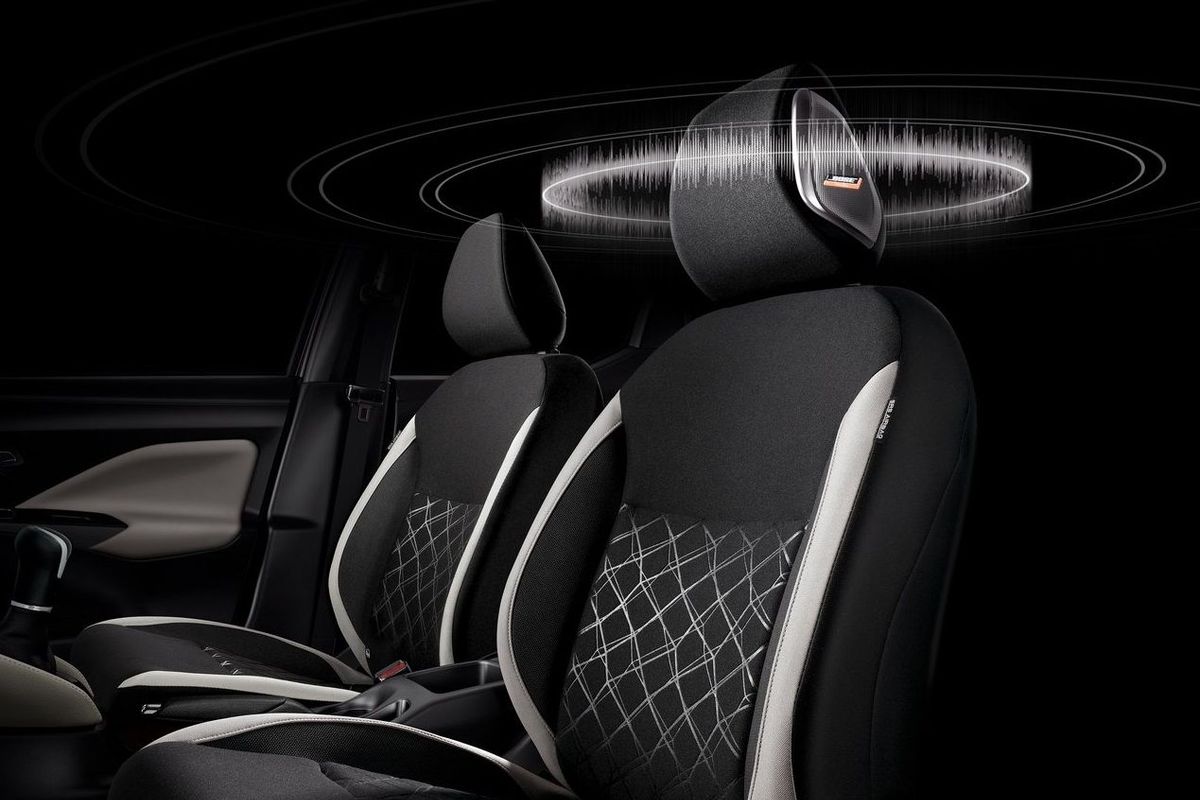
The Micra N-Design’s interior features black cloth seats with grey accents with leather-look finishers for the front panel, kneepads and inner doors. Buyers looking for a more vibrant interior can opt for an Energy Orange interior and a range of matching accessories to customise the look even further.
As for the Micra N-Sport, it rides on 17-inch Persa alloy wheels and features gloss black front, side and rear finishers with black mirror caps. LED headlights and LED foglights are also standard. Inside, the seats feature Alcantara inserts as does the dashboard.
"With the refreshed line-up for 2021, we have refined what we know people love about Micra. We've made it easier for customers to match themselves to the ideal grade and to then add their own unique flair through customisation options on top," said Ekaterina Apushkina, General Manager Marketing City Cars, Nissan Europe.
Engine Choice
The Micra’s engine lineup is expected to remain unchanged with a 66 kW / 140 Nm 0.9-litre turbopetrol engine as well as a more powerful 84 kW / 180 Nm 1.0-litre turbopetrol engine. A 5-speed manual transmission is standard across the range.
The arrival of the facelifted Micra in South Africa has yet to be confirmed by Nissan South Africa and also note that the above specification might differ depending on the market. We will keep you updated.
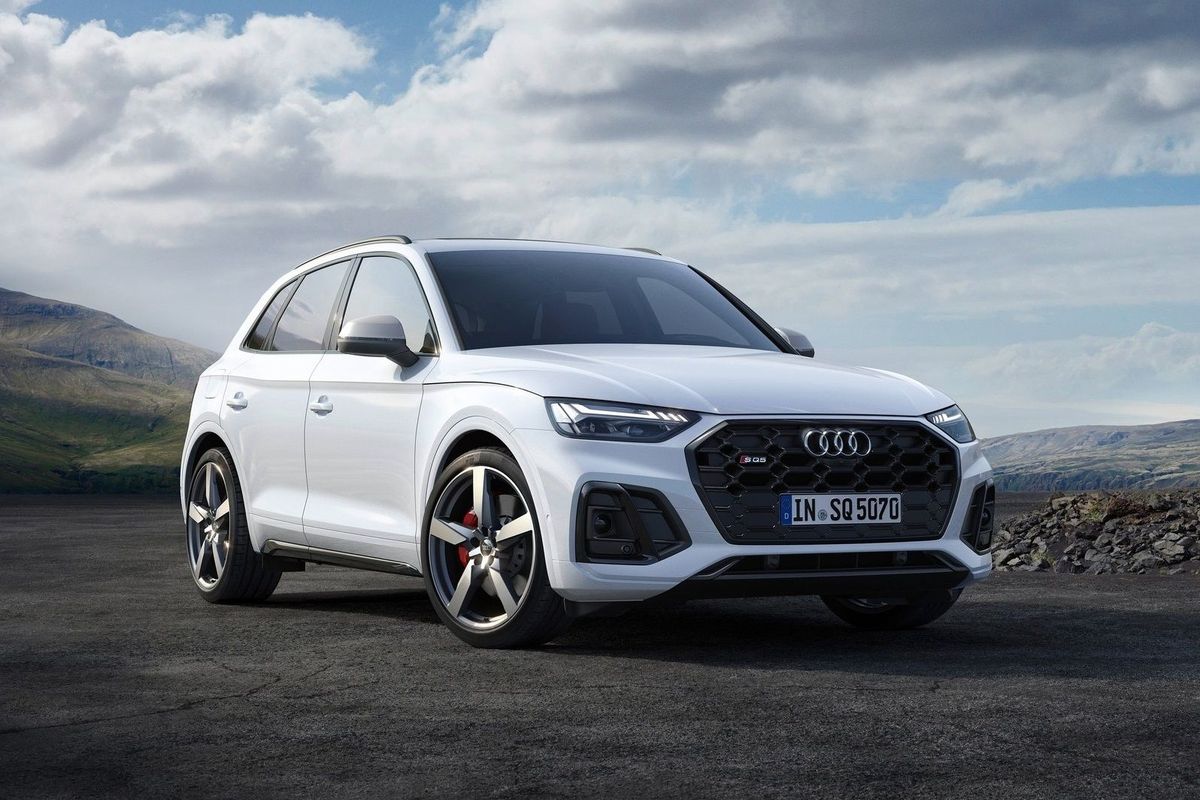
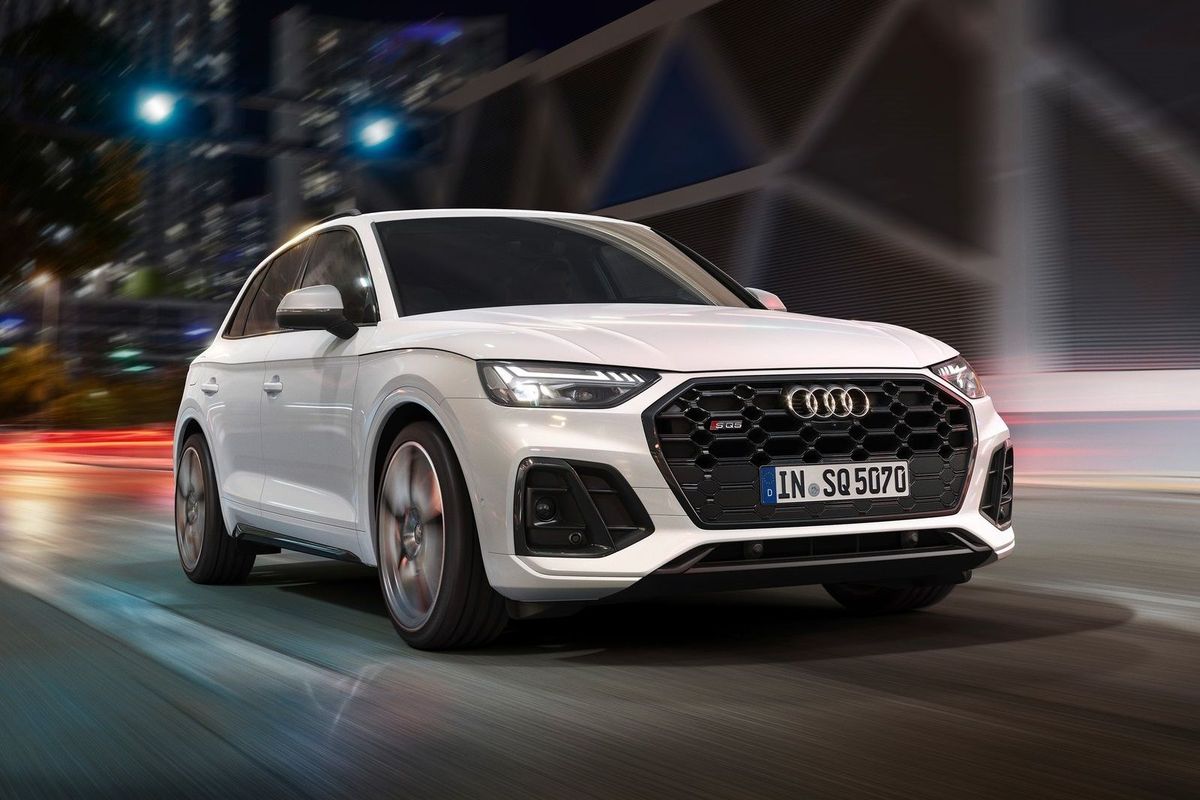
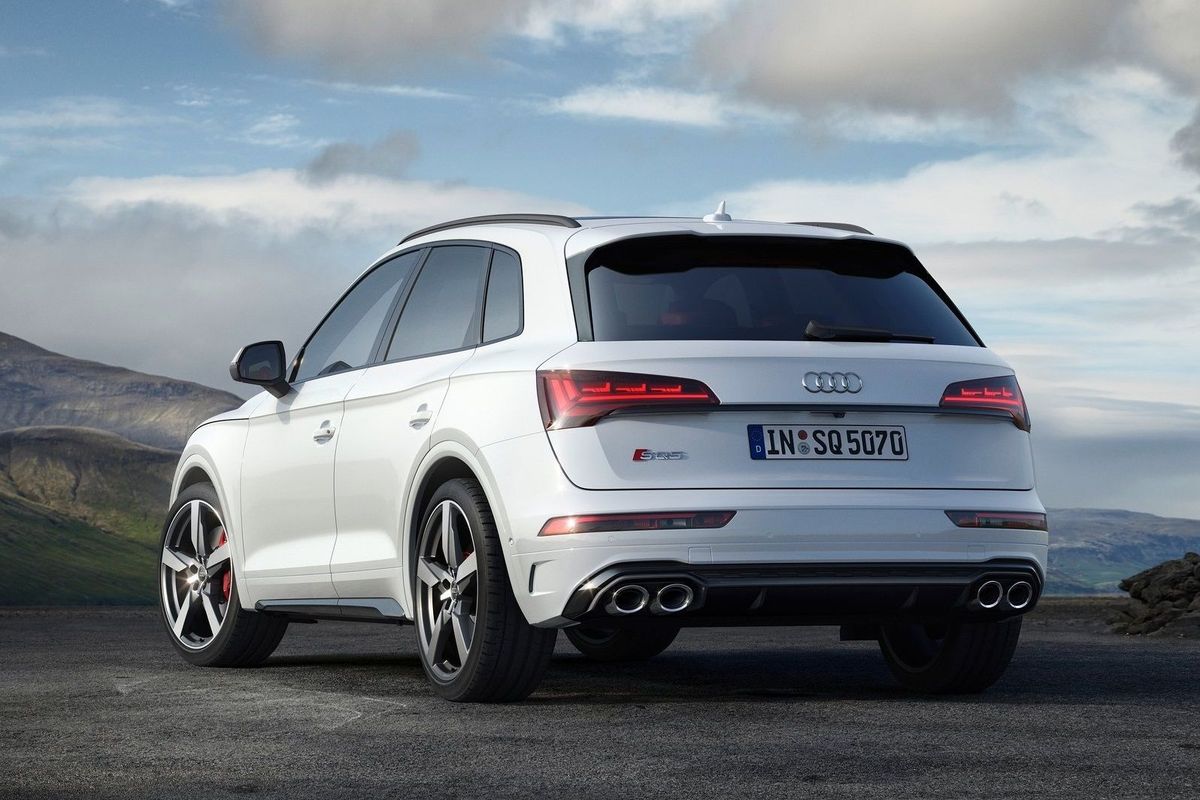
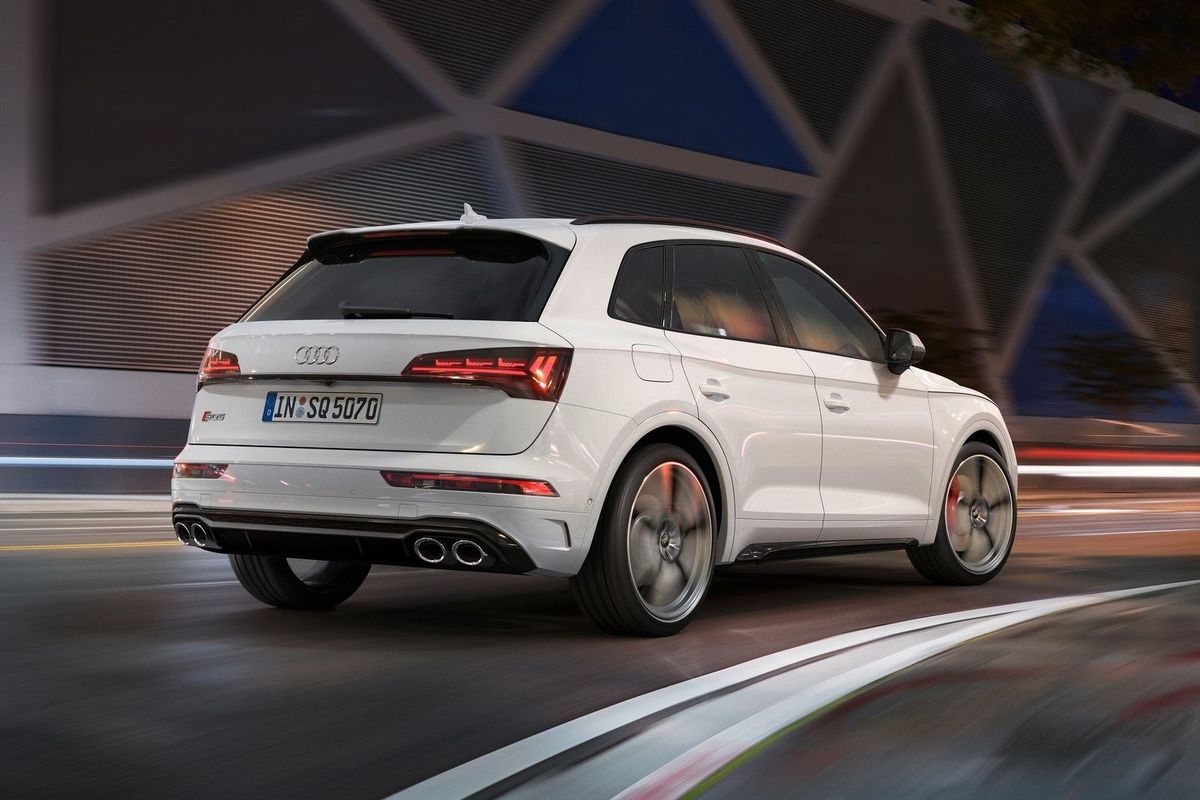
With the updated Audi Q5 confirmed for South Africa in 2021, attention turns to the performance derivatives. Audi recently revealed its SQ5 and here's all you need to know about it.
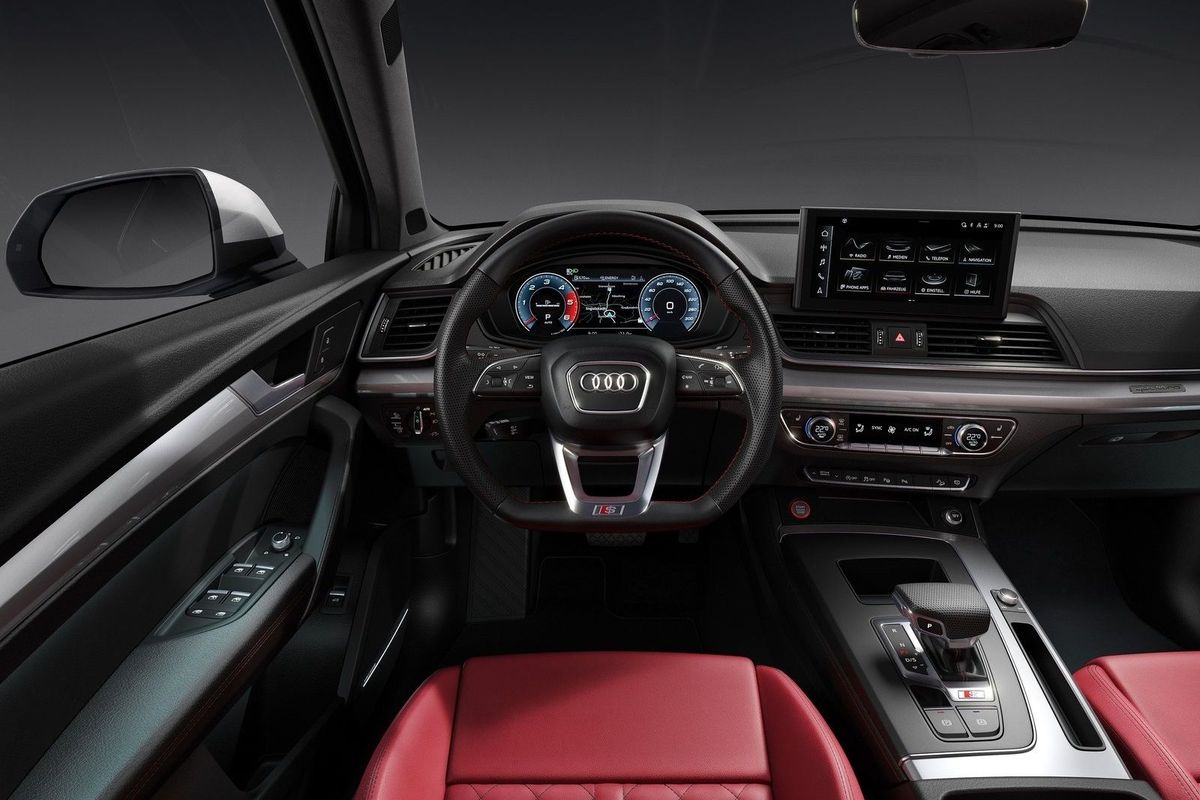
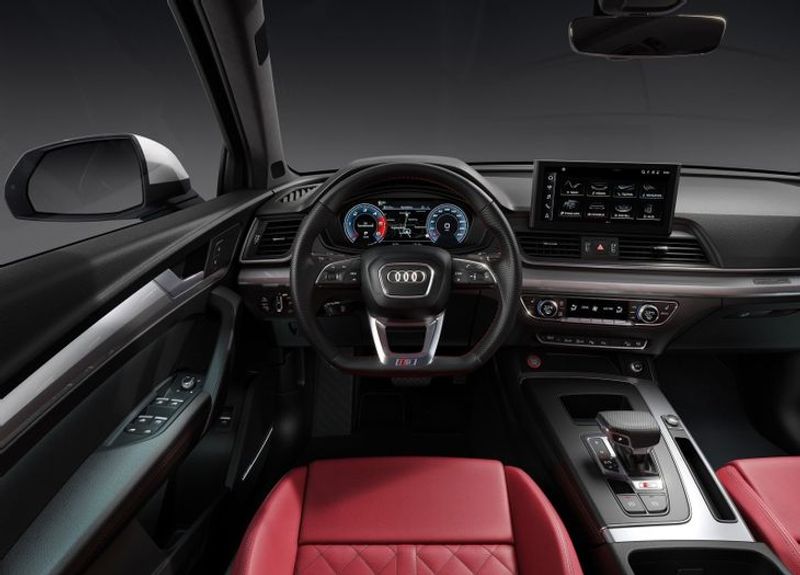
The facelifted Audi Q5 brings some fresher looks, clever lights and the cabin receives a more modern infotainment system. Revealed back in June 2020, the facelifted Audi Q5 range is due to land in SA in 2021. The current engine offerings for the Q5 will carry over which means the Q5 will be offered with a choice of a petrol and diesel engine and all Q5’s feature Audi’s quattro all-wheel-drive.
In terms of engines, a turbocharged 2.0-litre petrol engine in the Q5 45 TFSI offers 185 kW and 370 Nm of torque, while diesel fans can go for the 2.0-litre turbodiesel engine in the Q5 40TDI, with outputs of 140 kW and 400 Nm. What if you wanted more?
The recently-revealed Audi SQ5 TDI comes out swinging with a 3.0-litre V6 turbodiesel motor, packing a 251 kW and 700 Nm punch. Audi reckons it'll sprint to 100 kph in just 5.1 seconds and will carry on to a limited top speed of 250 kph. Power reaches all 4 wheels via an 8-speed tiptronic gearbox.
You may assume a TDI motor may not sound desirable, but Audi reckons its actuator in the exhaust system will give it a proper sound. The engine has been thoroughly revised, with forged steel pistons, upgraded injectors, uprated intercooler and a lighter compressor wheel in the turbo. A 48-volt mild-hybrid system has also been added. All of this means sharper performance, increased responsiveness and improved efficiency.
Interestingly, there's yet to be any mention of the petrol-powered derivative. Audi's RS and S division usually offers customers the choice of either a diesel-powered SQ5 or a petrol-powered SQ5. In South Africa, currently, the SQ5 is only offered in petrol flavour, with a meaty turbocharged 3.0-litre V6 delivering 260 kW and 500 Nm. 0-100 was dispatched in 5.4 seconds and it too had a top speed of 250 kph.
We'll update this post if we get confirmation from Audi South Africa regarding SQ5 availability. The Audi SQ5 is a rival to the BMW X3 M40i and Mercedes-AMG GLC 43.