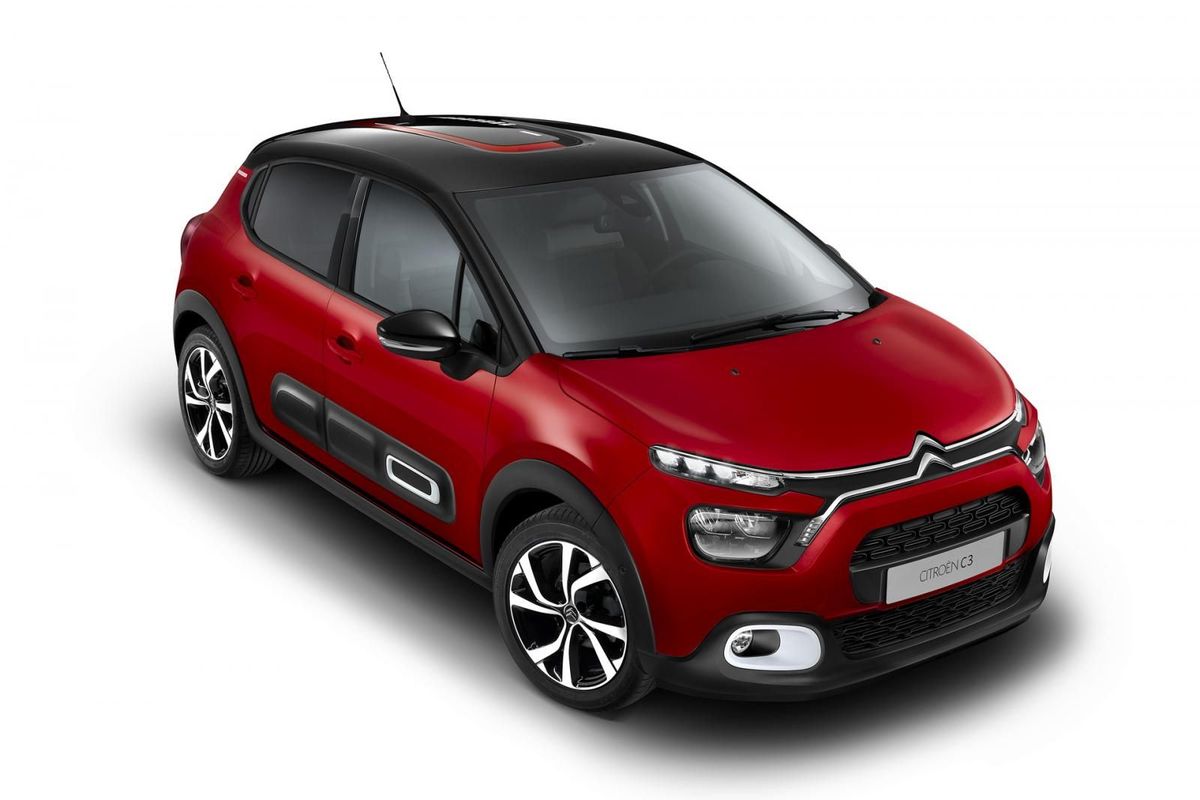
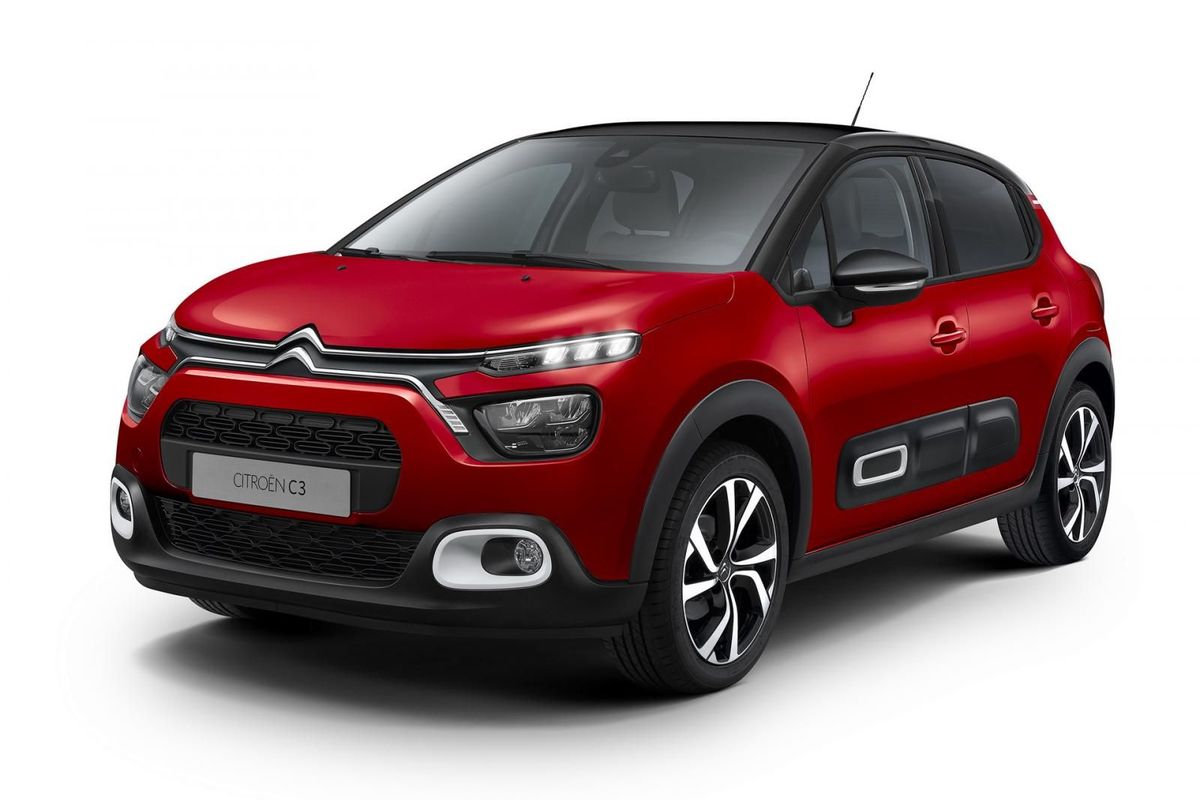
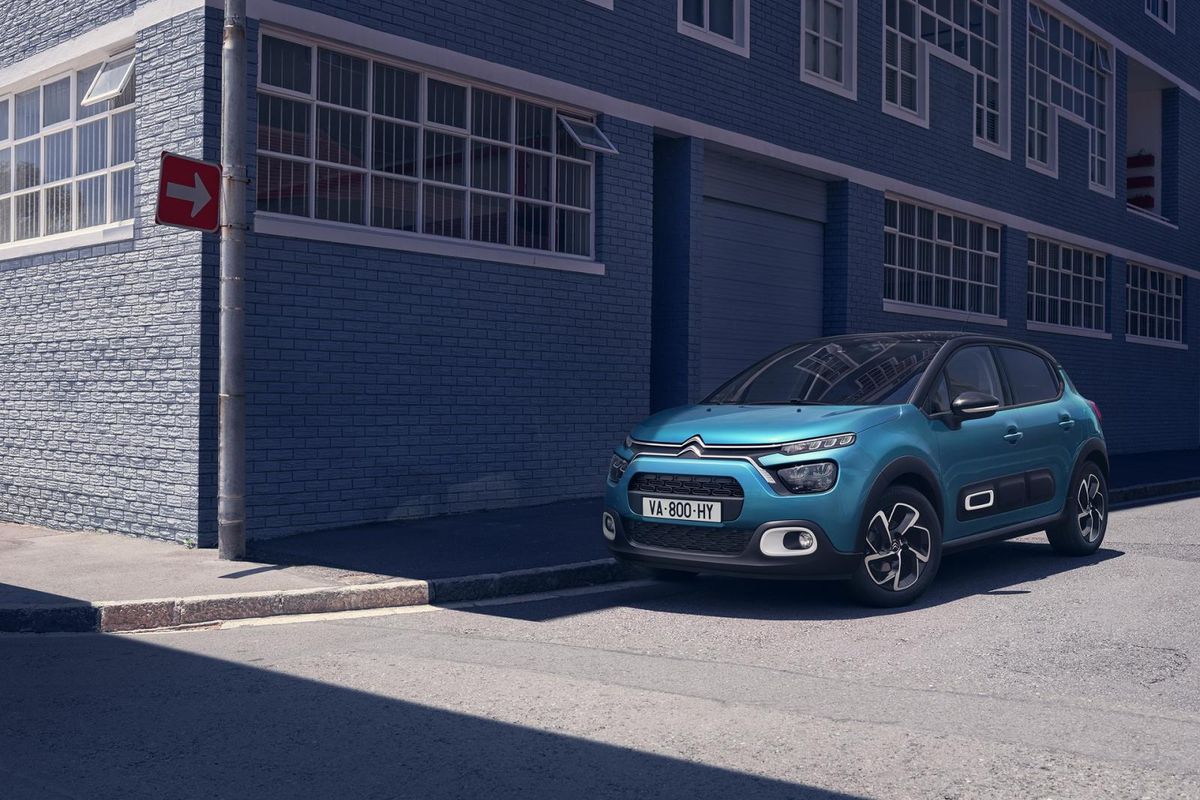
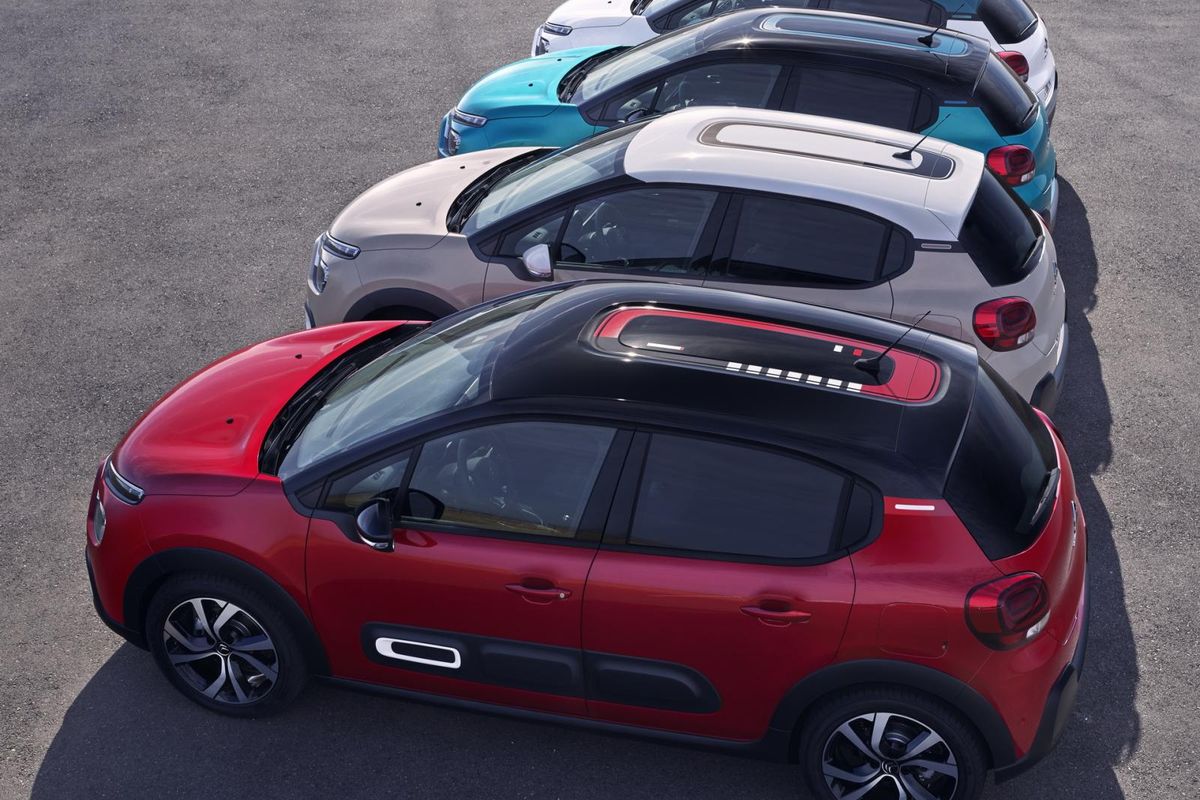
Citroen’s updated C3 hatchback has arrived in South Africa and it’s now quirkier than ever! Take a look at specification and pricing details below…
Citroen made a comeback in South Africa in 2019 with a focus on 2 core products, the C3 hatchback and the larger C5 family car, both of which are offered in Aircross guise. We had both models on test last year and we love how they set themselves apart stylistically from the rest of the brigade in their respective segments.
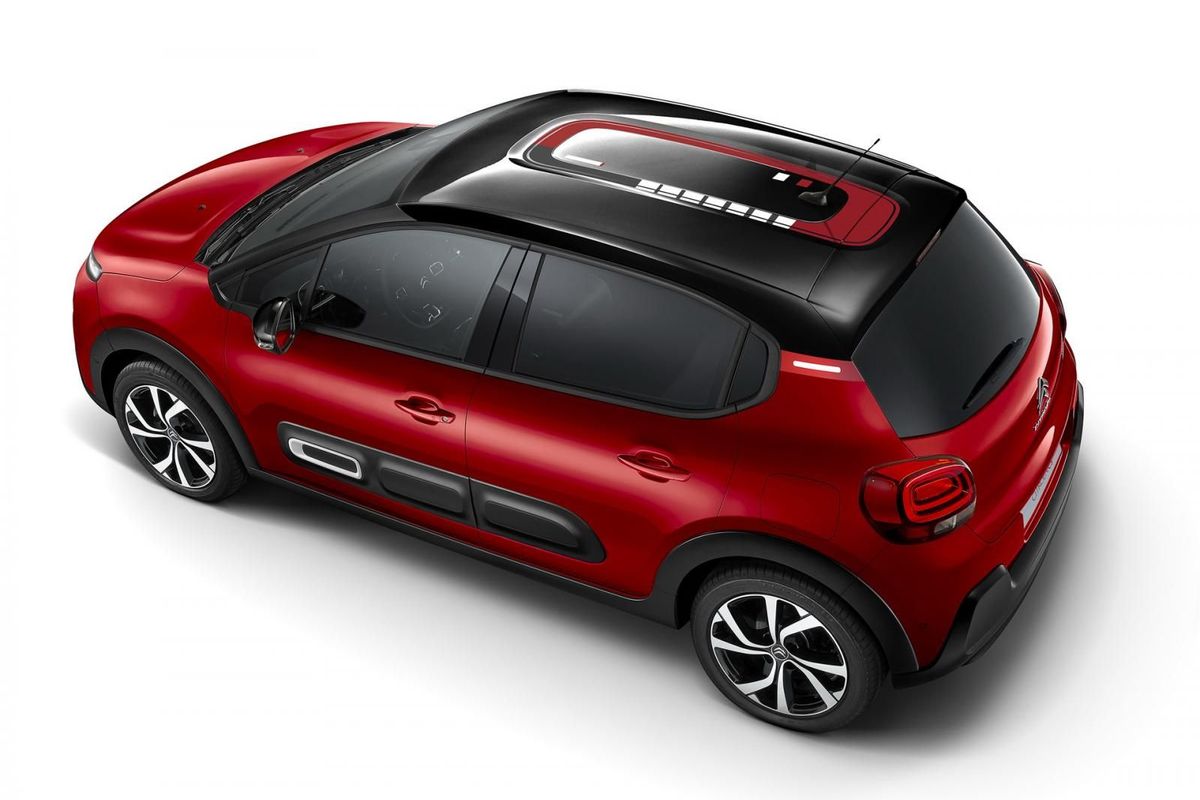
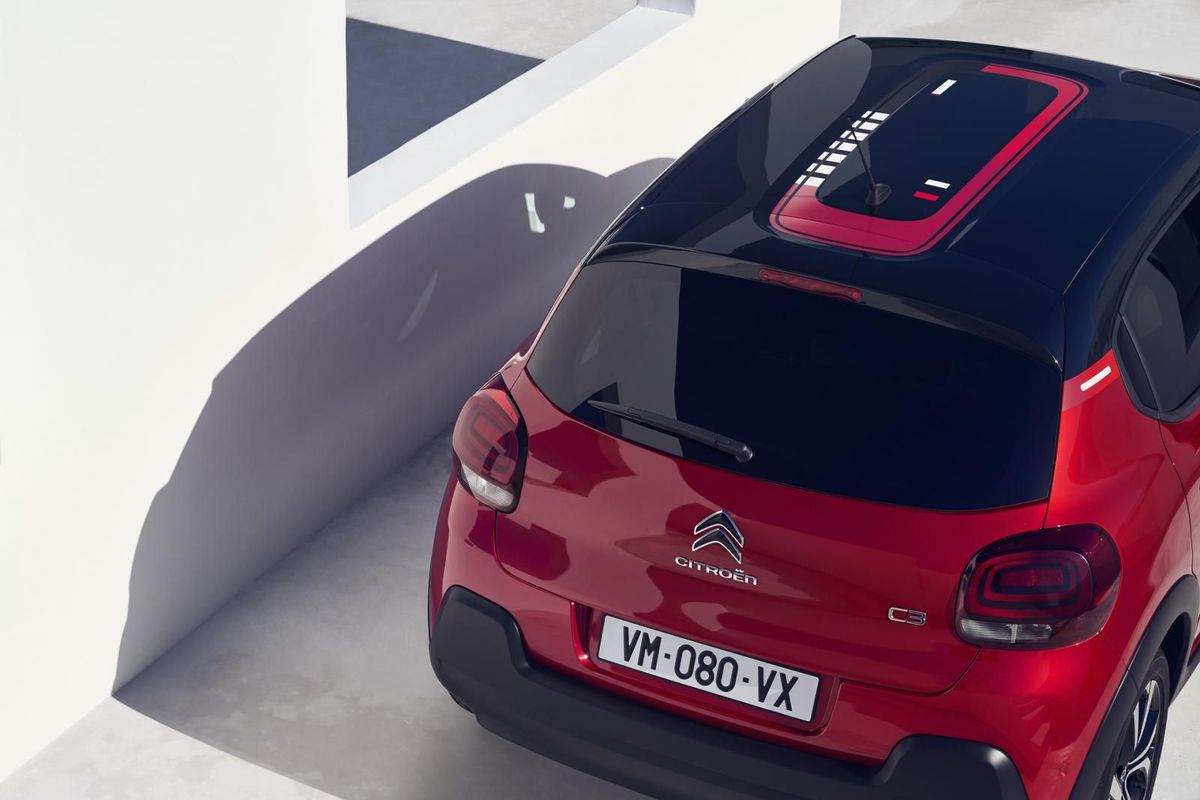
Now, Citroen has upped the ante and introduced a facelifted version of the C3 which features a revised front-end with new LED headlights and reworked chrome detailing which now extends to the LED Daytime Running Lights (DRLs). The fog light bezels, Airbumps and rear bumper have been reworked with a more youthful flair.
More than this, customers will be able to customise their C3 more than ever before too with a choice of new body colour options, 2-tone combos, varying colour inserts and graphic options. The updated Citroen C3 is offered in either Feel trim or in top-spec Shine guise.
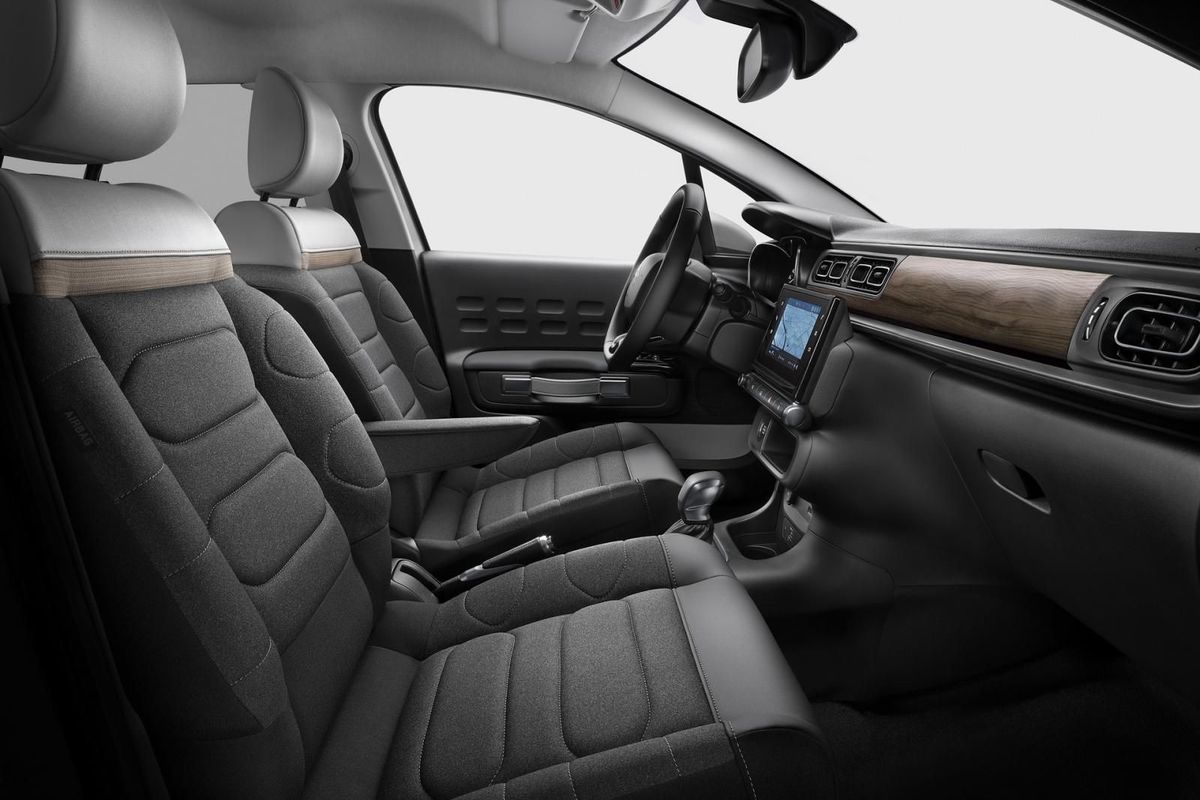
Citroen has improved the material quality and comfort levels of its C3 offering.
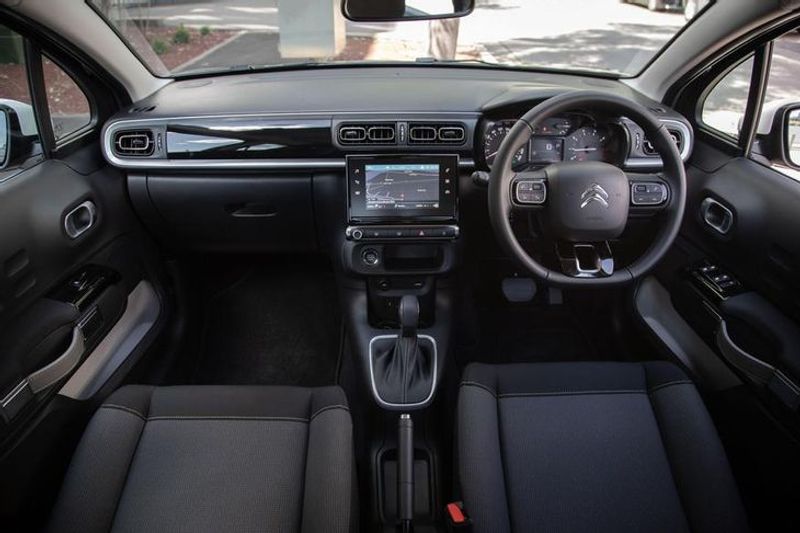
Moving inside, the C3 is now fitted with Advanced Comfort seats from the C5 Aircross, which bumps up comfort levels substantially as does an armrest for the driver. The fascia can be had in a very stylish ‘Techwood’ finish while soft-touch materials add to a pleasantly styled cabin. A 7-inch touchscreen infotainment system is fitted and comes equipped with Apple CarPlay and Android Auto as well as Mirror Screen and voice recognition are also fitted. Other nice-to-have features include a flat-bottom steering wheel, automatic windscreen wipers, rear parking sensors and automatic dimming rearview mirror.
As for engine power, The C3 will continue with the 60 kW/118 Nm 1.2-litre, 3-cylinder, naturally aspirated engine and a 5-speed manual transmission in the base C3 Feel derivative as well as the 81 kW/205 Nm 1.2-litre turbopetrol engine in the C3 Shine equipped with a 6-speed automatic transmission.
How much does the Citroen C3 Cost in South Africa?
C3 1.2 Pure Tech Feel 60kW 5MT – R269 900
C3 1.2 Pure Tech Shine 81kW S&S EAT6 – R324 900
The Citroen C3 is sold with a 5-year/100 000 km warranty and a 3-year/60 000 km service plan.
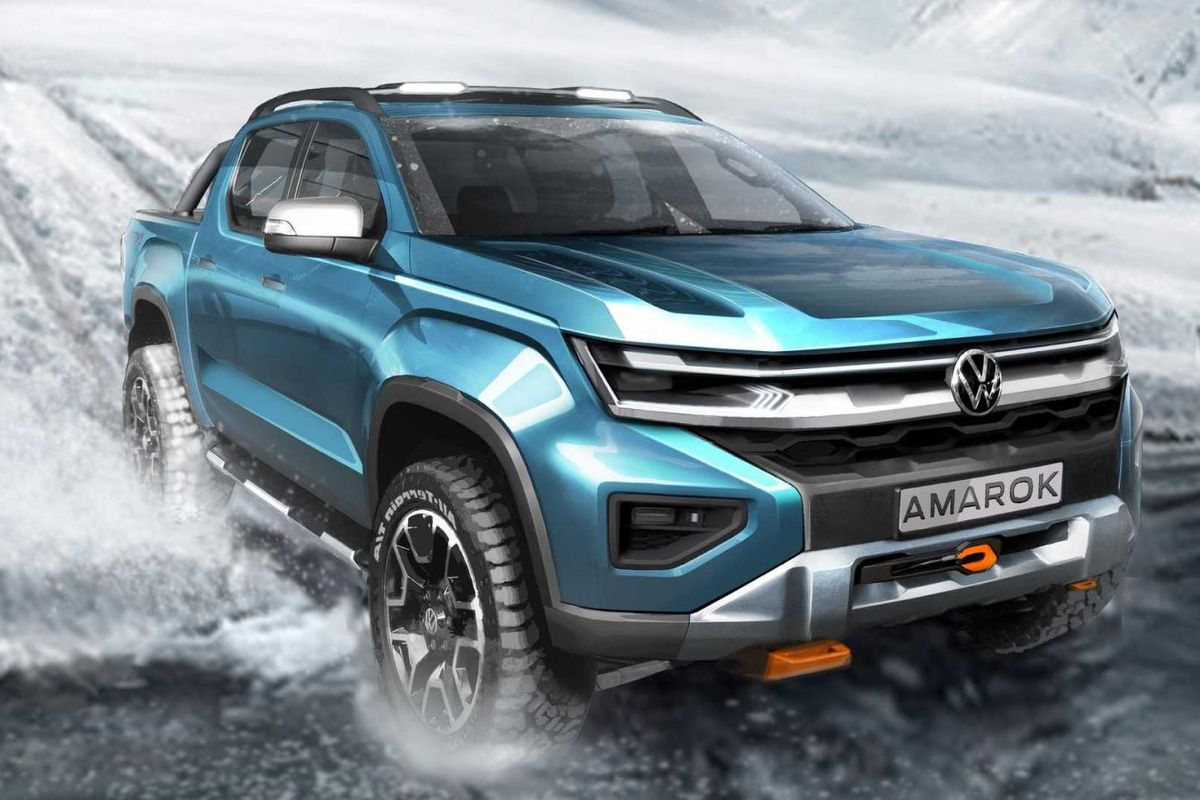
Volkswagen has used its Annual Media Conference to tease the next-generation Amarok double-cab bakkie.
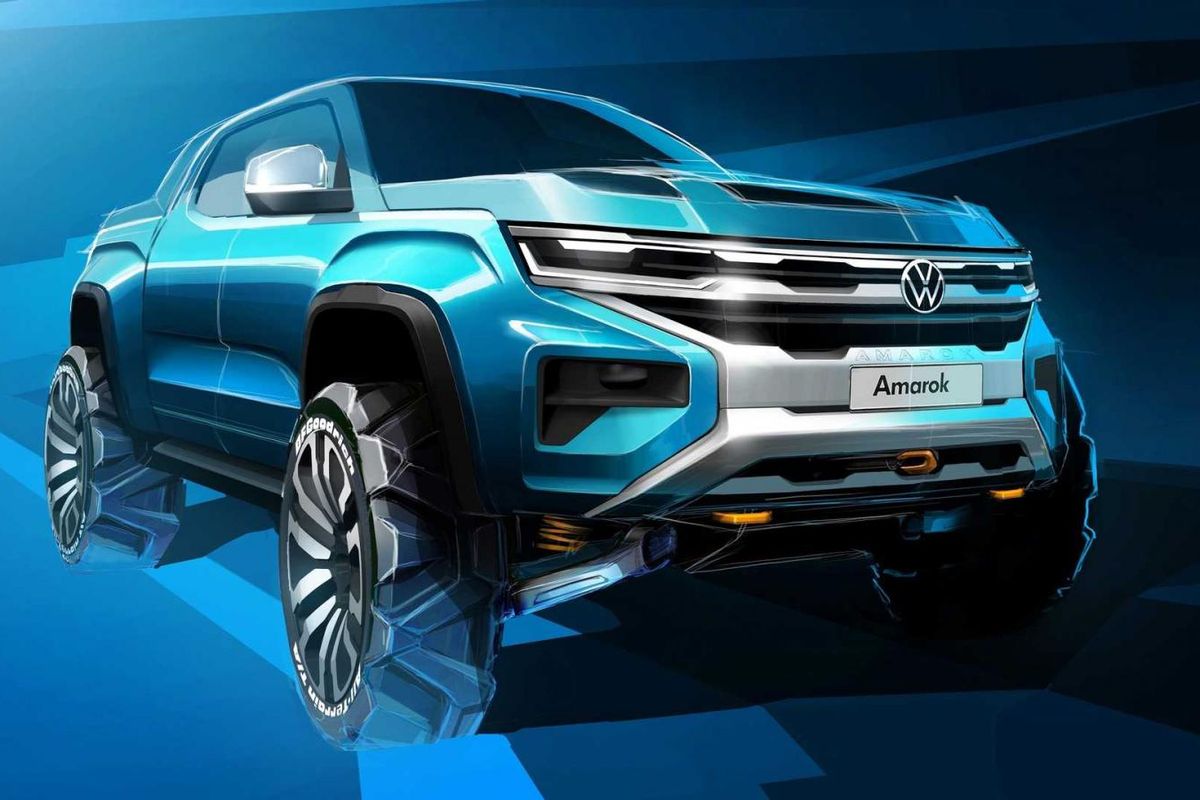
Many of you have commented on recent Volkswagen Amarok content that the bakkie needs a redesign and an update as its looking old. Well, Volkswagen is well aware the Amarok is no spring chicken any more and released a design sketch of the new model.
The big news is that if you remember correctly, back in early 2019 Volkswagen and Ford signed an agreement to develop and share costs on the new generation of commercial vehicles. So that's bakkies and vans (think Caddy and Transit). During the conference, Volkswagen chairman Herbert Diess said the new Amarok will be one of the first fruits of the collaboration between Volkswagen Commercial Vehicles and American carmaker Ford.
There will be a lot of shared technology and we expect this 2nd-generation Volkswagen Amarok to feature a lot of kit with the all-new Ford Ranger, and both models are expected to go on sale after 2022.
The German company has now released a second design impression of what its new Amarok might look like. This new graphic shows a bakkie that is moving much closer to production vehicle status in its configuration and details.
Volkswagen’s original second-generation Amarok image showed a radical bakkie without rear doors and oversized wheels. This updated design rendering is much less outrageous and features a double-cab body, with four doors.
Differentiation from Ranger will be crucial for Volkswagen’s ambition with the new Amarok and its target market will be double-cab lifestyle bakkie buyers. As such, it is no surprise to see rood rails and an LED light bar atop the latest Amarok design image. There is also a roll bar visible in the loadbox.
Compared to the first Amarok second-generation rendering, this newer design has a less pronounced bonnet, with a much lower profile and less prominent power dome. Characterising the front of Volkswagen’s updated Amarok design are more noticeable fog lights.
Although the wheel size is no longer cartoonish and tyre tread more real-world applicable, Volkswagen has retained the square wheel arch shaping, for its forthcoming Amarok.
Toyota Urban Cruiser Review – Should you buy this or the identical Suzuki Vitara Brezza?
The Toyota Urban Cruiser is the latest offspring from the global marriage of Toyota and Suzuki. The Toyota variant has arrived just a month after the Suzuki, but is it set to steal Suzuki's thunder, just like the Starlet did to Baleno?
Recently, we reviewed the newly launched Suzuki Vitara Brezza and for our video team, this was a serious case of deja vu. The reality is that the Toyota Urban Cruiser is identical, except for a revised grille and front bumper, and of course the badge on the nose.
In this detailed review, we take a thorough look at the new Urban Cruiser and try and answer the toughest question of all, should you buy this or the equivalent Suzuki Vitara Brezza?
How far is Toyota planning to take this Suzuki rebadging project? Read our analysis on how the Suzuki/Toyota arrangement works and what each brand gets out of the deal.
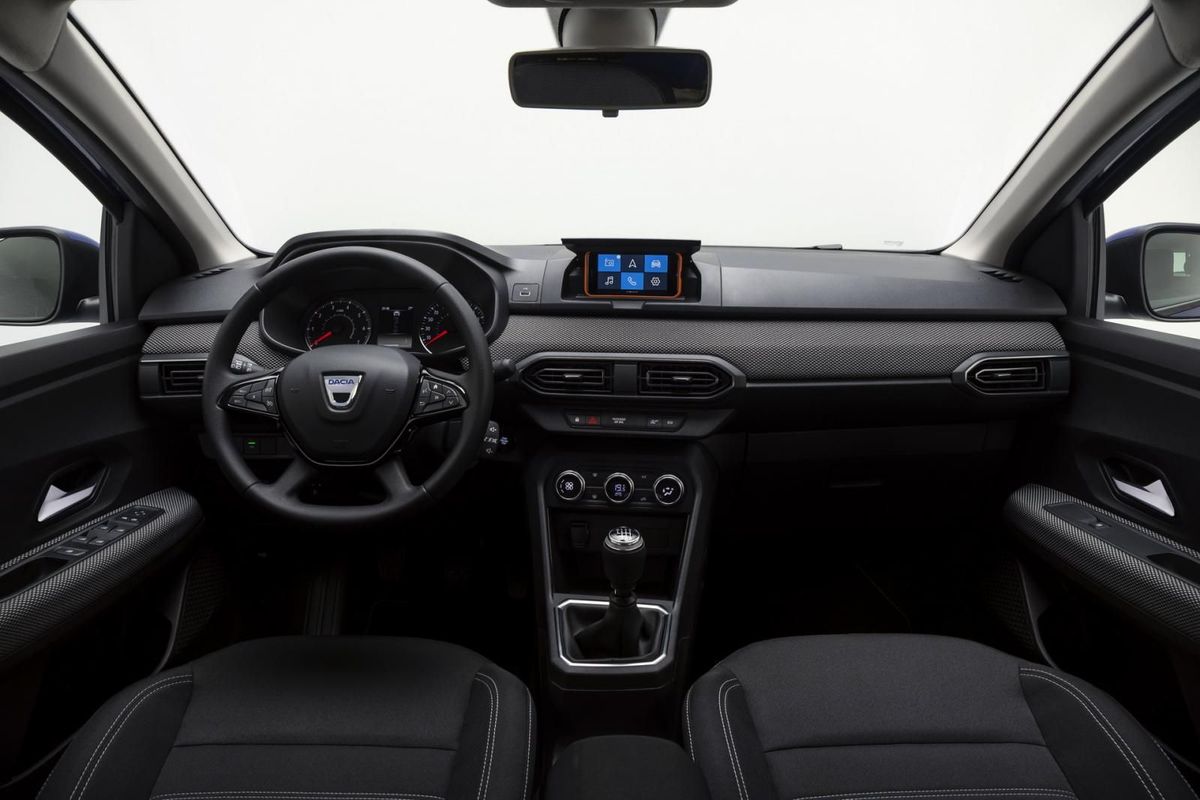
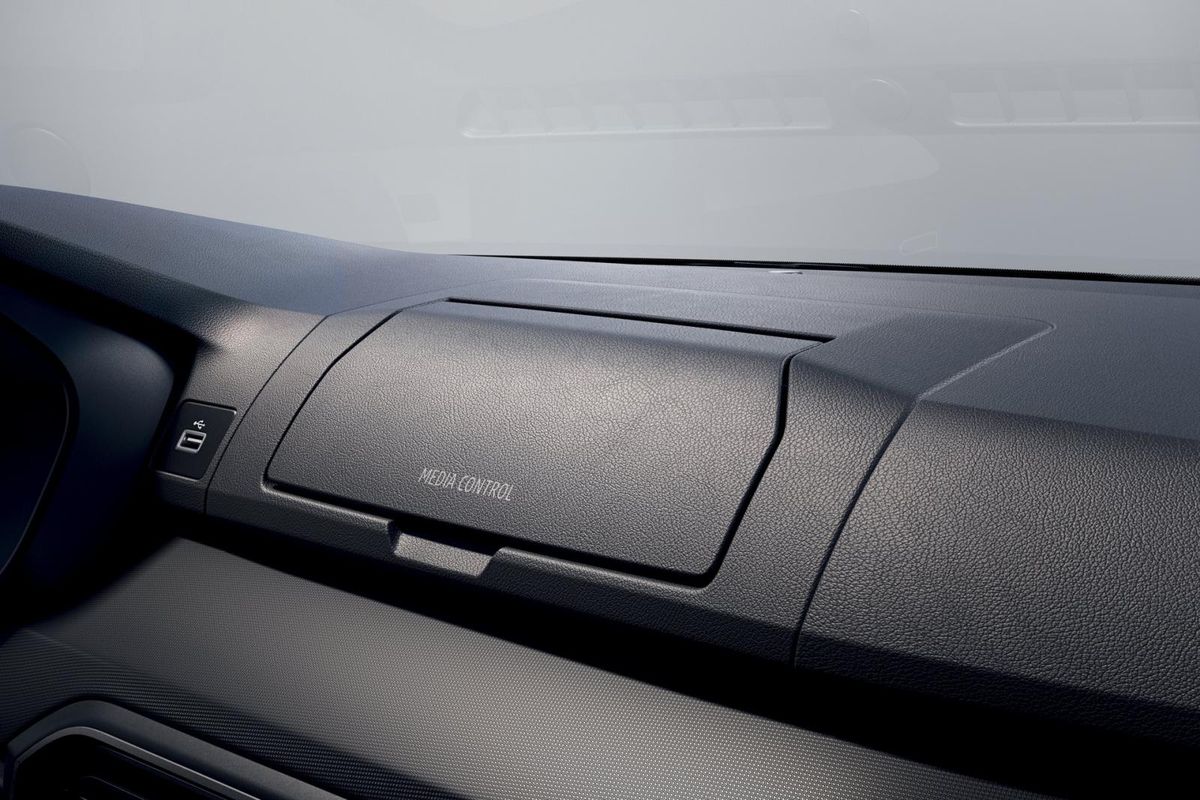
Renault’s Romanian Dacia brand has developed a smart and convenient smartphone-based infotainment solution that features on the new Sandero.
Most car manufacturers spend considerable time, effort and money to develop or source infotainment systems that typically feature a screen either integrated into the central dashboard, mounted atop the dashboard, or in fancier cars, under a single pane of glass.
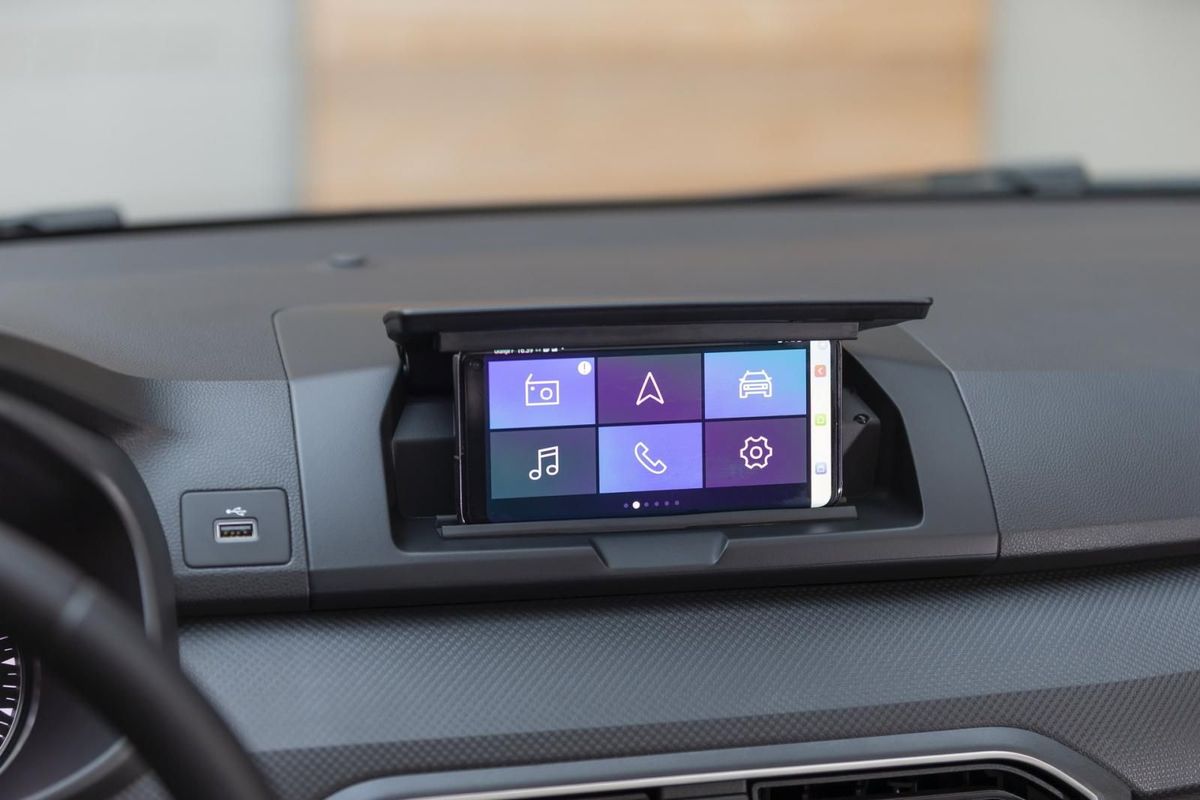
Romanian car manufacturer, Dacia, which is a Groupe Renault brand, has taken the time to develop a simple yet effective infotainment solution that uses a smartphone to perform typical infotainment functions such as media functions, navigation and telephony.
Dacia calls the system Media Control and it works using an app that is downloaded onto the smartphone. The app can be customised to sort and create shortcuts to your preference with a range of display options similar to what you would find on a conventional infotainment touchscreen.
The smartphone is then paired to the vehicle via Bluetooth and the phone is placed in a dedicated smartphone docking station on the dashboard. The driver can also control functions using the steering wheel mounted controls, as you normally would.
The Renault Sandero and Sandero Stepway are popular products in South Africa and while the new versions have not yet been confirmed for our market, it remains to be seen if Media Control will be offered locally.
Take a look at the video below to see how the Media Control system works.
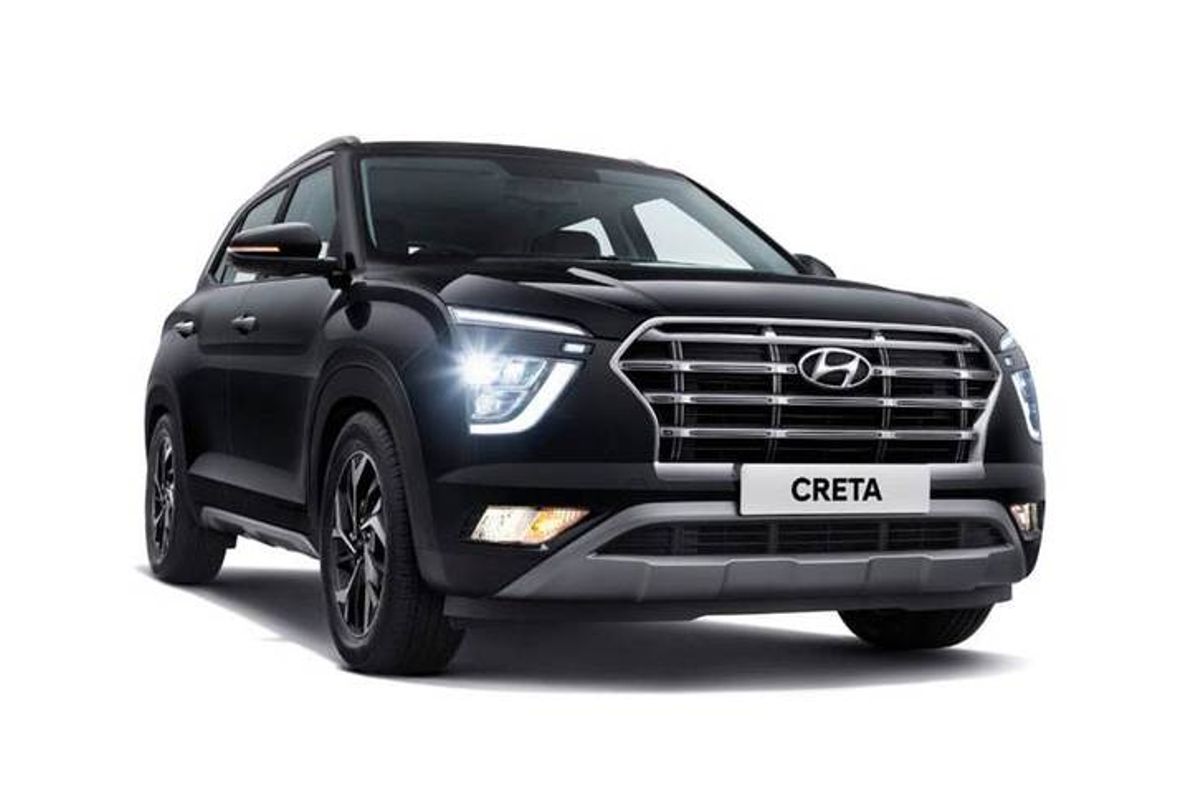
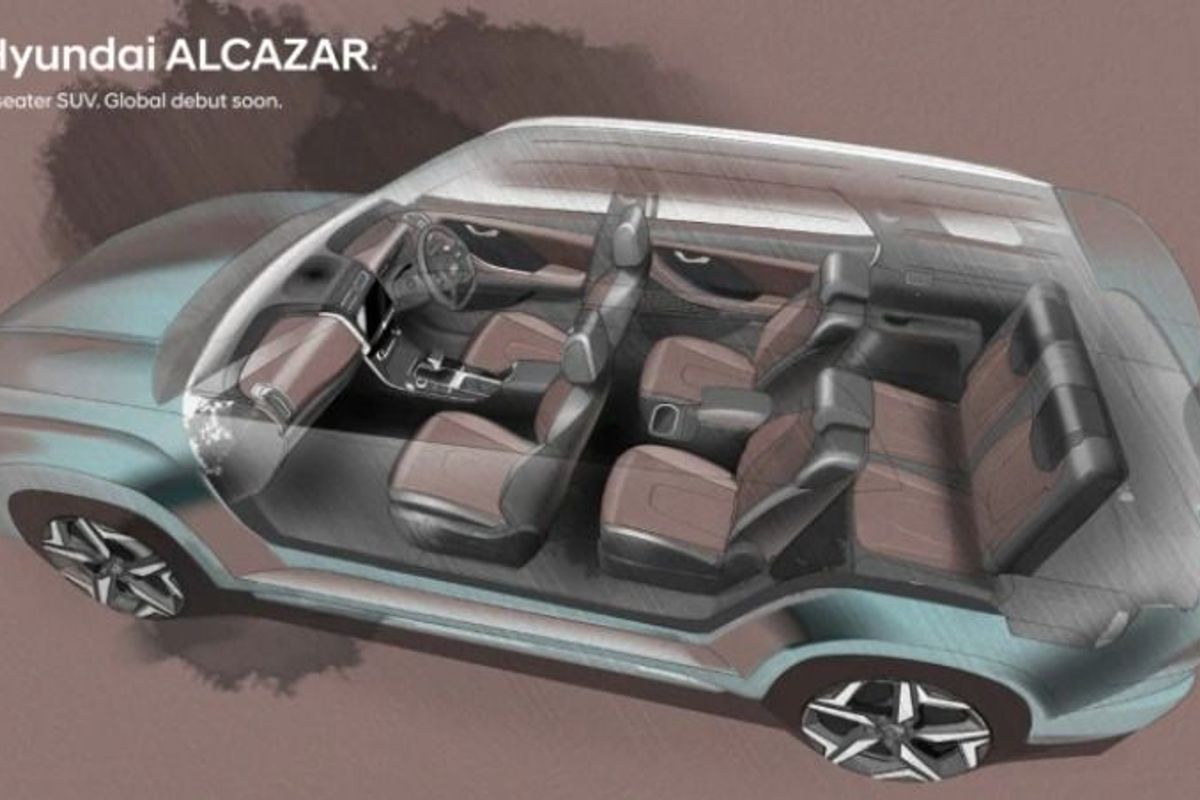
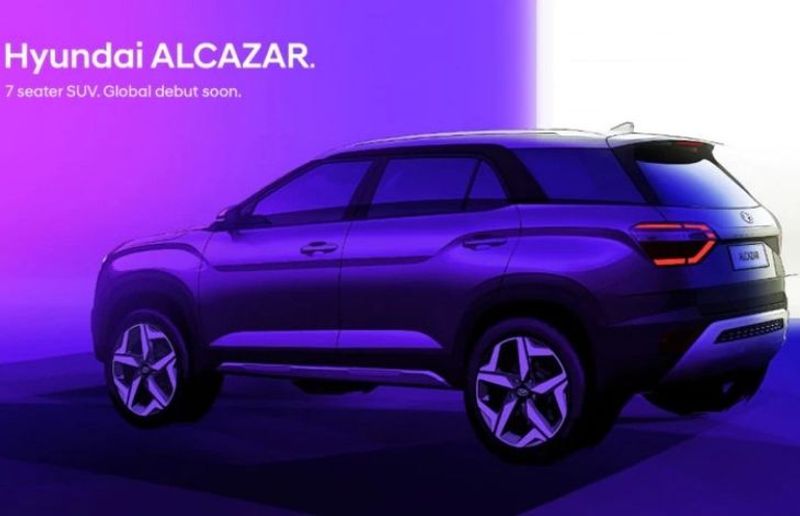
Hyundai is developing a 7-seat version of its Creta compact family car.
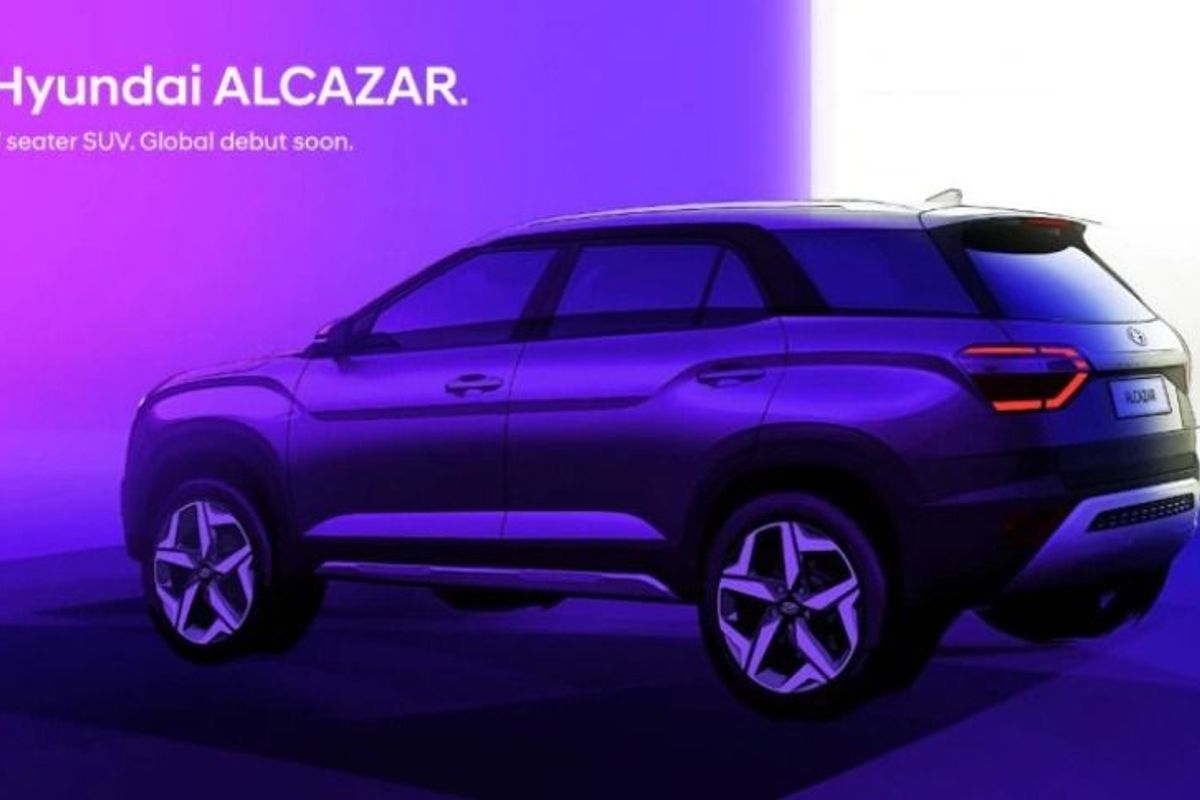
*Update: Hyundai has teased its new 7-seater ahead of the official reveal on April 6, 2021. The teaser images give us a good look of the new vehicle, which is built on the Creta platform. Hyundai has even given the new 7-seater a different name; Alcazar in an effort to differentiate it from the 5-seater Creta. We can see the taillights are different and the vehicle's rear has been completely reshaped to incorporate the extra seats.
The Hyundai Creta has proven to be a popular choice in the compact family SUV and recent spy photographs point to the development of a new 7-seat Creta that will feature an extended wheelbase of up to 30 mm to accommodate an extra row of seats.
The 7-seat Creta will share design cues with the new Creta which was revealed in India earlier this year. That means that it will wear the brand’s cascading grille, split LED headlights and unique LED daytime running lights. Split LED lights and a rear skid plate are also likely.
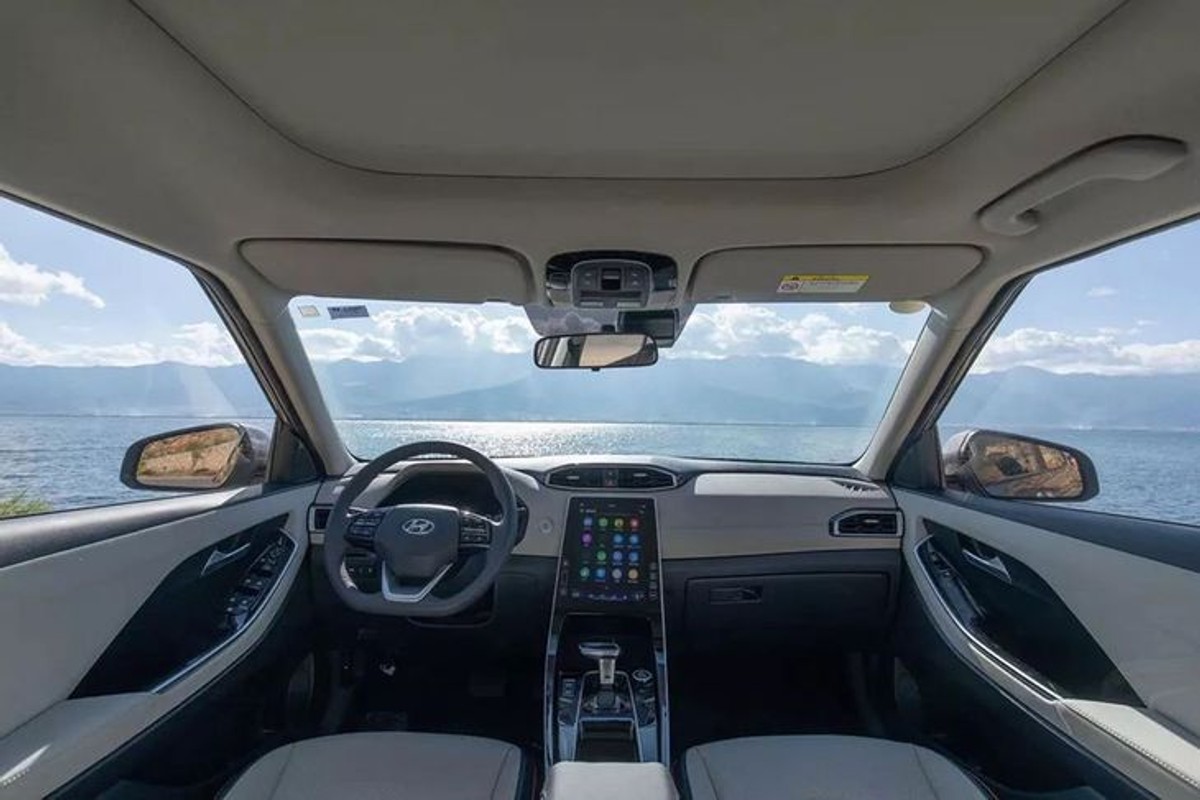
The interior design will be more upmarket than the current Creta with a new, slick 10.25-inch infotainment system expected with Android Auto and Apple Carplay capability. A newly-design steering wheel and instrument cluster is also likely as is wireless charging and ventilated front seats.
On the engine front, a choice of an 85 kW/144 Nm naturally-aspirated 1.5-litre petrol engine, 103 kW/243 Nm 1.0-litre turbopetrol engine and 85 kW/250 Nm turbodiesel engine are on the cards along with the choice of a 6-speed manual or a 6-speed automatic transmission.
We expect the new Creta to make landfall in SA in Q4 of 2020 but time will tell whether Hyundai will add the Creta 7-seater to the mix. As always, we will keep you updated as soon as more information becomes available.
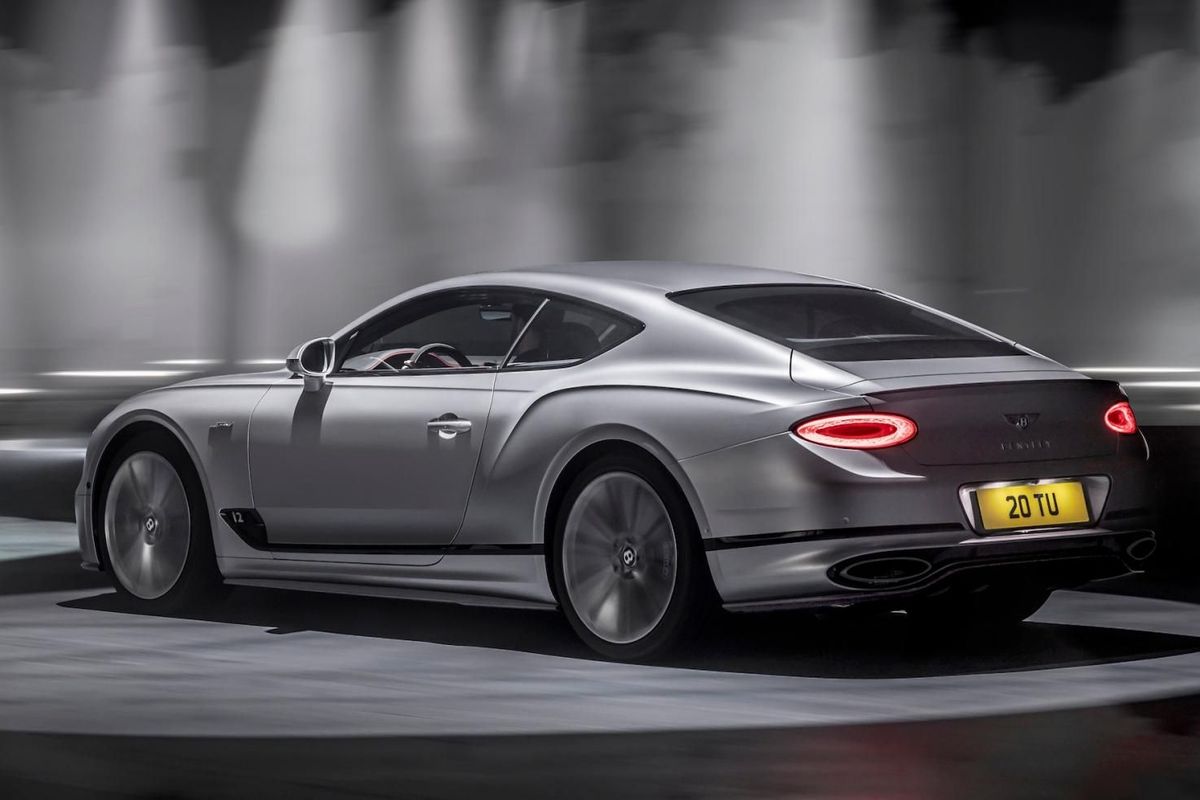
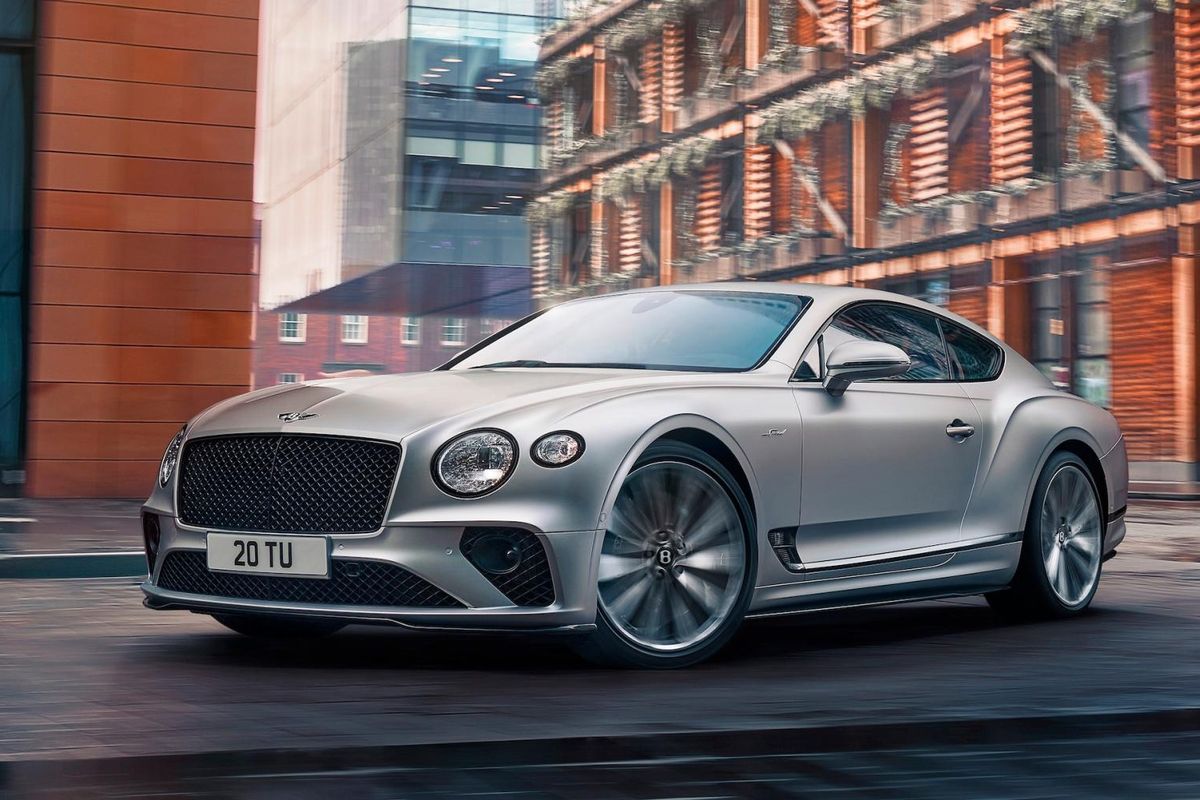
British carmaker Bentley has taken the covers off of its new Continental GT Speed. Here are all the details, plus its expected arrival time in South Africa.
The Bentley Continental GT is not a slow vehicle by any stretch of the imagination, but the Speed derivative adds a bit more power, but some extensive work has been done to increase its handling skillset. For the first time in a Bentley, the latest generation of the Continental GT Speed has an electronic rear differential (eLSD), and the 4-wheel steering has been enhanced for better cornering capability. The electronics have been recalibrated to make the stylish coupe more agile.
Under the bonnet, the twin-turbocharged 6.0-litre W12 gets a power boost, with outputs now sitting at 485 kW and 900 Nm. The standard car features 467 kW and 900 Nm. The new Continental GT Speed is said to sprint to 100 kph in a claimed 3.6 seconds, 0.1 seconds quicker than before and it will reach a top speed of 335 kph, which is again a bit faster than the standard car. Bentley claims its 8-speed gearbox has been retuned to deliver faster gearshifts, as well as more responsive downshifts.
If you're worried about coming to a stop from these lofty speeds, Bentley will offer you a carbon-ceramic braking package that's lighter than the standard setup. But given the clientele, we suspect owners will be more interested in the comfort and the new Continental GT features active air suspension. The vehicle rides on 22-inch Speed wheels.
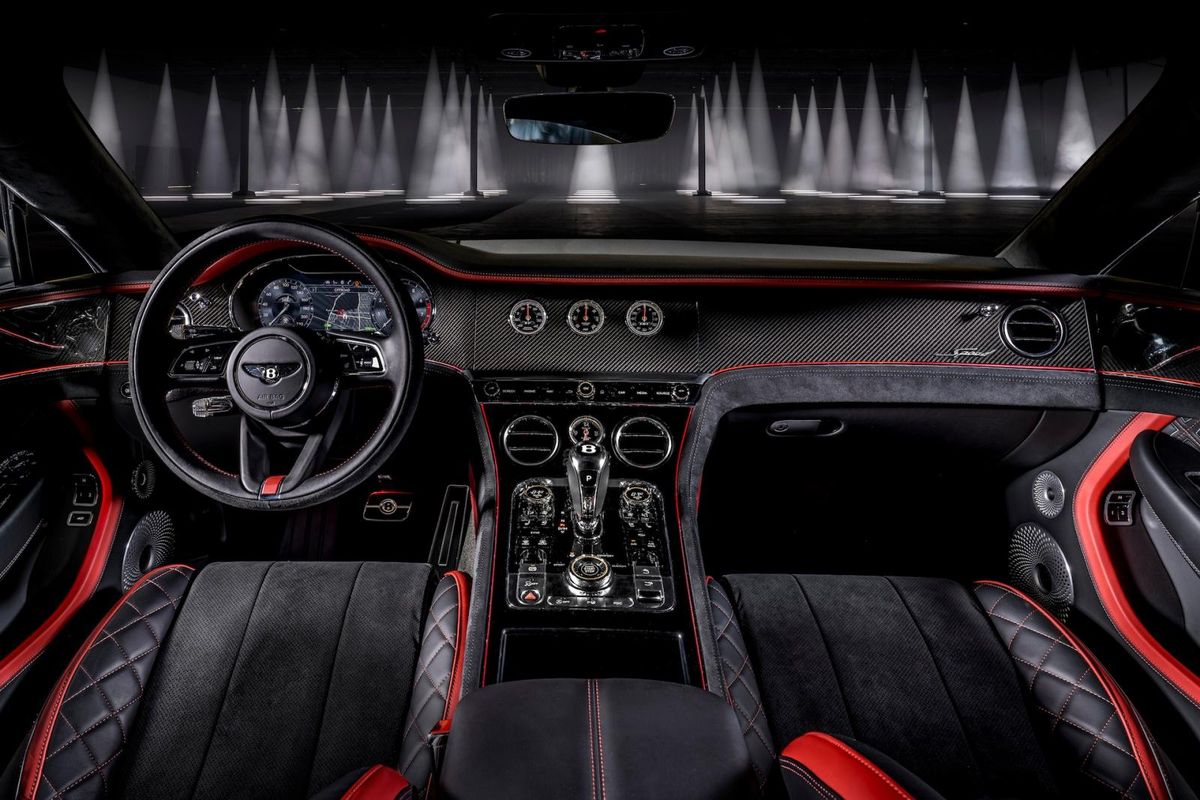
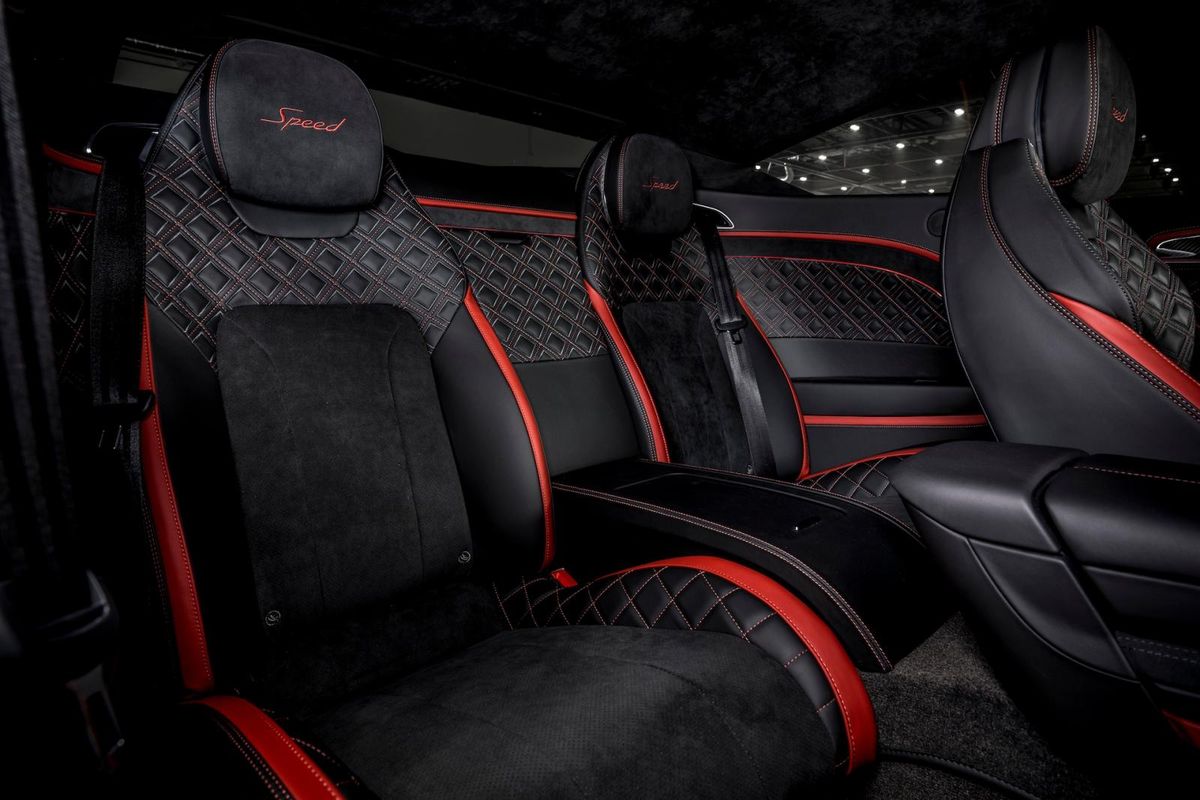
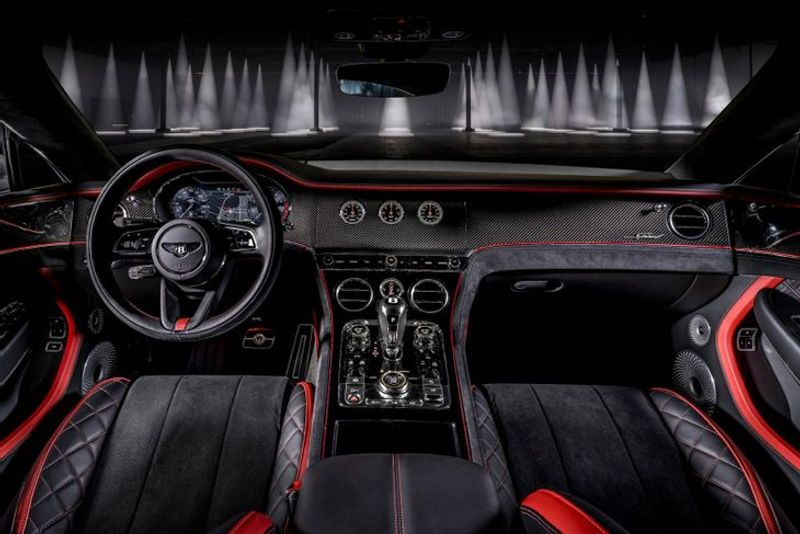
Inside the cabin, Bentley prides itself on its customisation packages and options, but as you can see here, there's a carbon-fibre intensive theme with excessive amounts of Alcantara and gorgeous quilted leather.
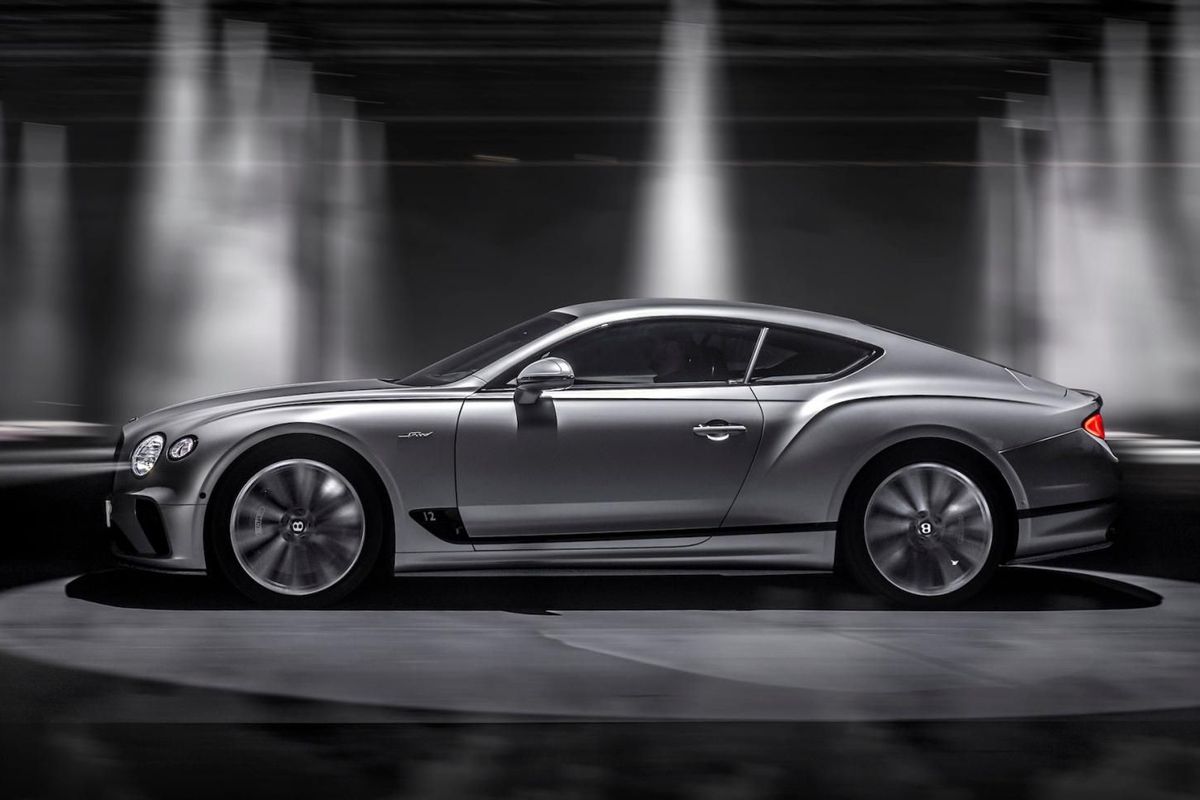
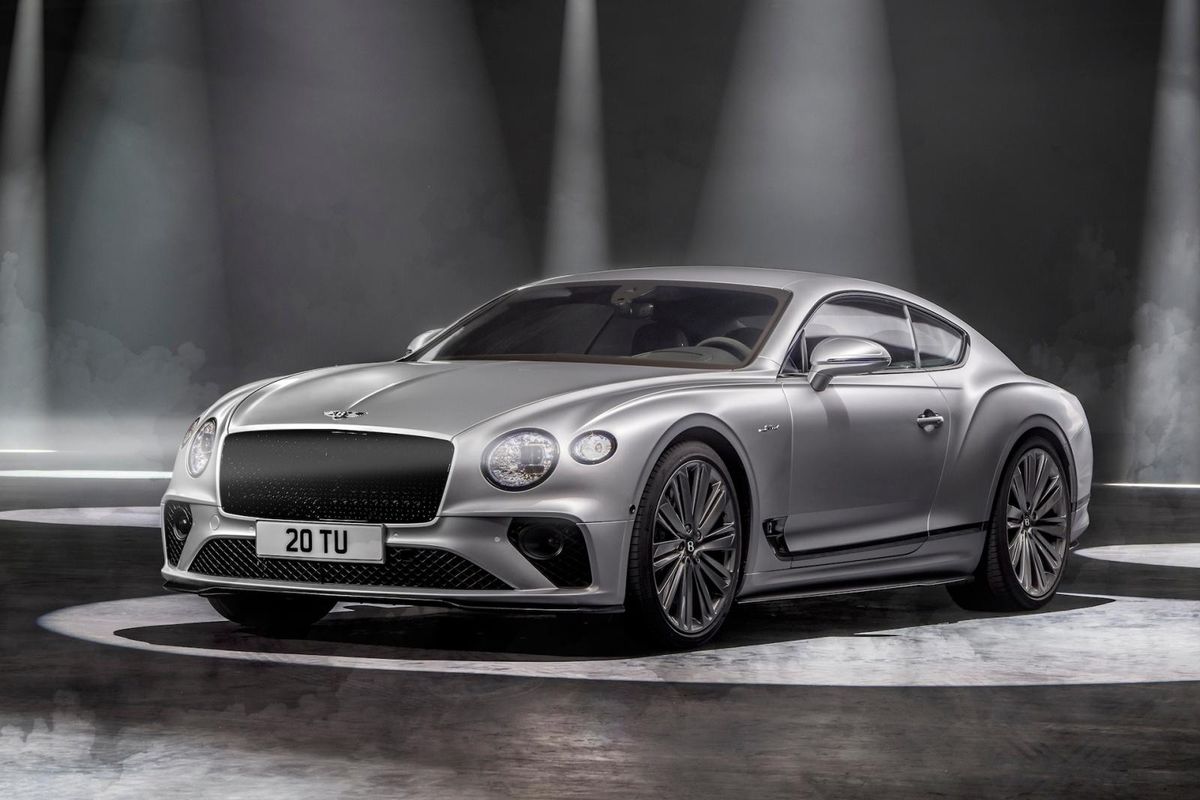
Visually, you'll be able to spot the new model with its darker radiator grille, bumper, subtle Speed badging, and model-specific wheels. The all-new Bentley Continental GT Speed will be hitting South African showrooms in the 4th quarter of 2021. Pricing will be announced closer to the time.
For Audi SA, new or updated models were few and far between last year, but the Ingolstadt-based brand will introduce a flurry of exciting products on the local market next month (April 2021). Our resident journalist, Gero Lilleike, headed to Johannesburg to experience the new and updated arrivals in the metal…
It's unheard of for a car manufacturer to launch 15 new or updated products in one fell swoop, but that's essentially what Audi did this week. The Covid-19 pandemic delayed the arrival of many models in the past 12 months, but for 2021, Audi is unleashing a full-frontal performance model onslaught that will bring the brand back into a brawl that has, until now, been dominated by BMW and Mercedes-Benz.
Throughout the past year, most local car buyers have tended to "buy down" (and still do) in a bid to limit their financial burdens in a tumultuous economic climate; paradoxically, there are still many well-heeled buyers in Mzansi who have the financial capacity to splurge on high-performance vehicles. In fact, despite what logic may dictate, this segment is growing in South Africa and Audi wants its share!
The firm has set an ambitious target to achieve more than 600 unit sales of RS- and R models during the rest of the year. If Audi has its way, every 1 in 3 Audis sold in SA will be a performance model. In order to achieve this, Audi is broadening its RS and R dealership footprint to 20 outlets countrywide (38 in total) and the vast range of new and updated S, RS and R models will provide the necessary diversity to give Audi the best shot possible of achieving that goal…
Powerful cars from Audi
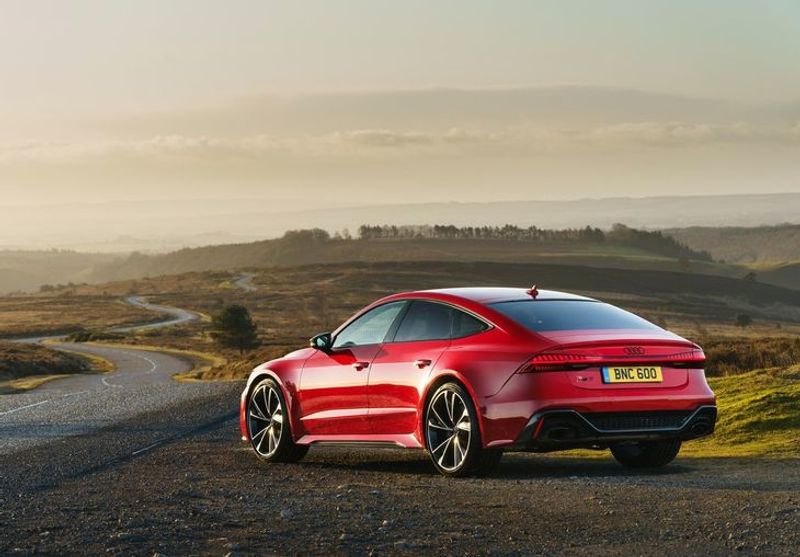
The Audi RS7 Sportback has arrived in SA with 441 kW and 800 Nm!
Audi fans have been waiting for what felt like an eternity for these new/updated products to arrive, but the wait is finally over!
On the sedan front, local buyers can feast on the revised RS5 Coupe and RS5 Sportback as well as the fire-breathing RS7 Sportback. Those looking for more civilized performance should consider the S8.
Despite station wagons being trumped by SUVs in our market, we are ecstatic that the thumping Audi RS6 Avant has finally made landfall in Mzansi; it stands alongside the updated RS4 Avant.
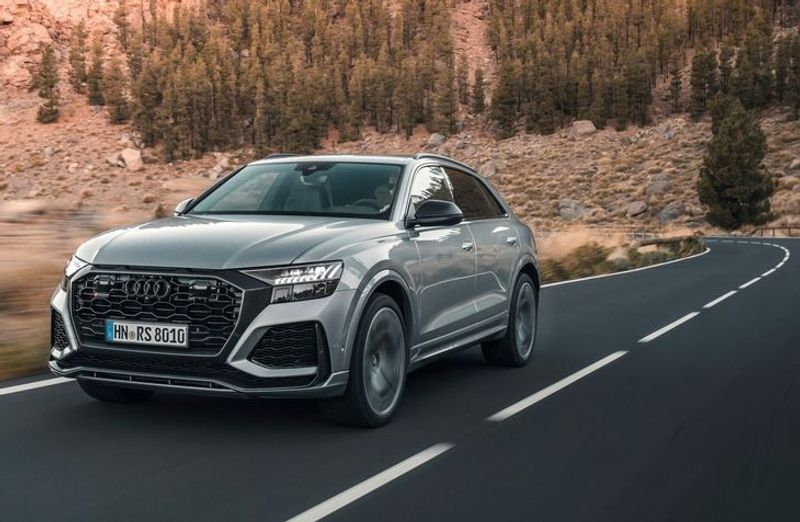
The RS Q8 boasts huge firepower, but it also delivers notable kerb appeal in equal measure.
Audi hosted a "Performance Experience event for local media on the rooftop parking of Sandton City in Johannesburg. A trio of activities, including a basic "off-road" course, suspension test and drag race gave us a brief opportunity to observe the capabilities of some of these new or updated products.
The "off-road" course gave us seat time in the SQ7, SQ8 and the RS Q8. The eagerly-awaited RS Q8, with its head-turning styling and oodles of kerb presence, was a major highlight of the day. Developing peak outputs of no less than 441 kW and 800 Nm from its 4.0-litre bi-turbocharged petrol engine, the RS Q8 is brutally fast for a sizeable Premium SUV and will accelerate from a standstill to 100 kph in 3.8 sec! The RS Q8 is not your typical off-roader and even though it's unlikely to ever go offroad, it can… if you really must. With off-road mode engaged, the air suspension can be raised by as much as 90 mm to negotiate obstacles. We also had a quick opportunity to do a launch start and all we can say is that we can't wait to give the RS Q8 a proper run. It's fast! The RS Q8 is priced from R2 354 500.
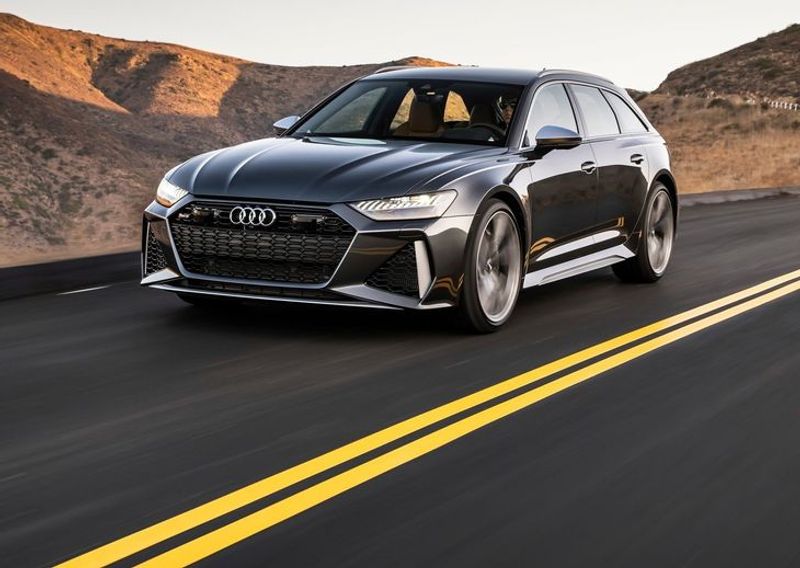
The new RS6 Avant combines a practical interior with supercar-like performance. What a stunner!
For the suspension test, Audi had the new S8 and the new RS6 Avant on hand to demonstrate their respective suspension systems. The S8 offers a sublime plush ride quality made possible by all-wheel steering and predictive active suspension that uses a camera to analyze the road ahead and adjusts the suspension at each individual wheel to ensure maximum ride comfort. But don't let the S8 deceive you, it's not just about comfort – it happens to pack some serious punch with its twin-turbocharged 4.0-litre V8 engine with 420 kW and 800 Nm of torque. The new S8 is priced from R2 484 000.
At Cars.co.za, we love station wagons and we have a particular soft spot for powerful station wagons. Audi is very good at producing "rapid estate cars" and it doesn't get much better than the new Audi RS6 Avant. Its outputs are hugely impressive with 441 kW and 800 Nm developed by its twin-turbocharged 4.0-litre V8 engine. The sprint from 0 to 100 kph takes just 3.6 sec. The RS6 Avant is also equipped with dynamic all-wheel steering and adaptive air suspension and its ride quality felt surprisingly supple and forgiving on our brief drive. The new Audi RS6 Avant is priced from R2 070 000.
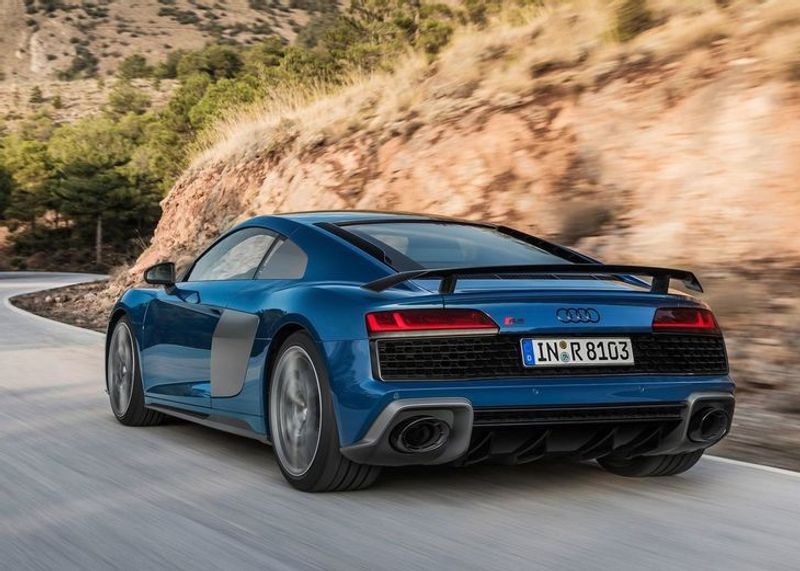
Those large exhaust outlets seen on the R8 mean serious business. The R8's V10 engine is just, incredible!
Finally, we had a brief opportunity to take part in a short drag race with the updated R8. Available in coupe or spyder body styles, the R8 is a supercar that continues to impress. Not only does it look the part, but it brings huge performance to the tar with its sonorous naturally-aspirated 5.2-litre V10 engine developing no less than 449 kW and 560 Nm! Zero to 100 kph happens in just 3.1 sec! Acceleration off the line is impressive, but the R8's braking power courtesy of ceramic brakes is stupendous. What a beast! The R8 Coupe is priced from R3 336 000, while the R8 Spyder is priced from R3 592 500.
The latest new or updated S, RS and R products from Audi will be available at select Audi dealerships countrywide as of April 2021. A 5-year/100 000 km maintenance plan comes standard with the cars.
We will hopefully have a few of these products on test in the near future, so look out for more content coming your way soon!
This MG looks like the business to watch out for in 2021.
Chinese bakkies have a chequered history in South Africa – and so does MG. But as the Chinese automotive industry advances, there is a new generation of bakkies that look a lot more capable. Including one, from MG.
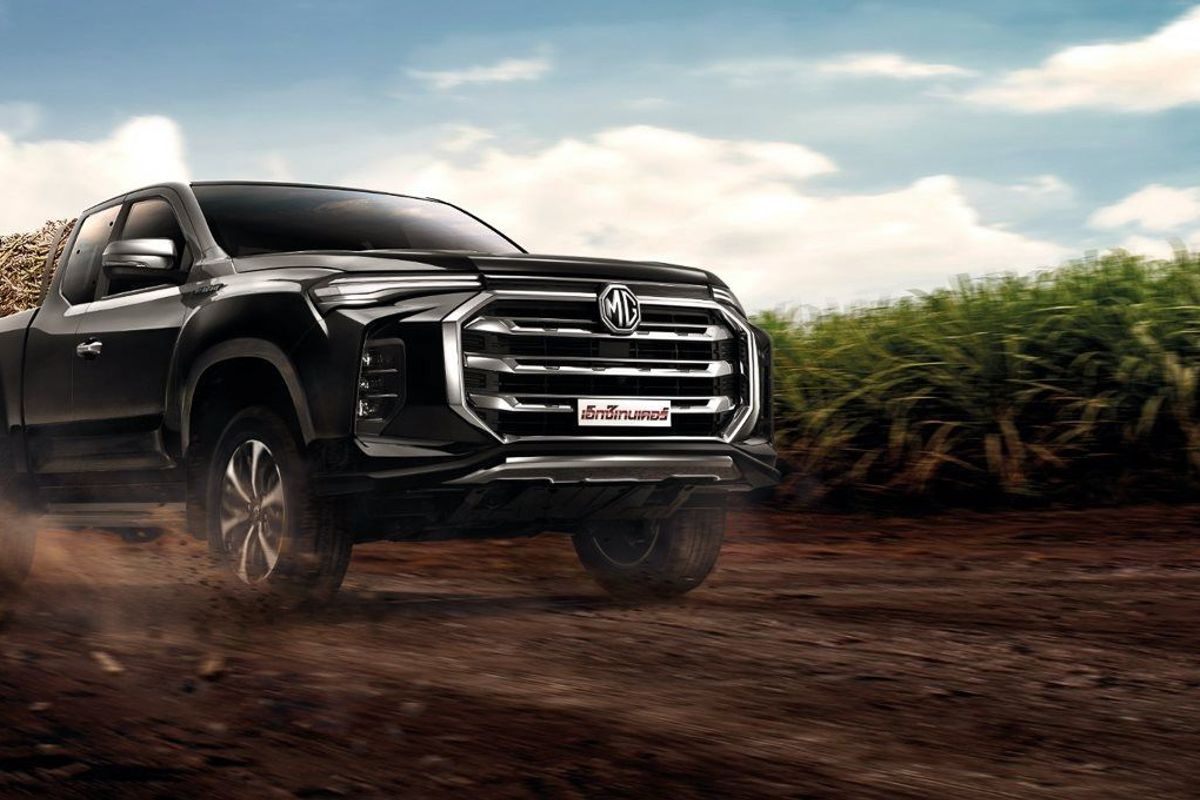
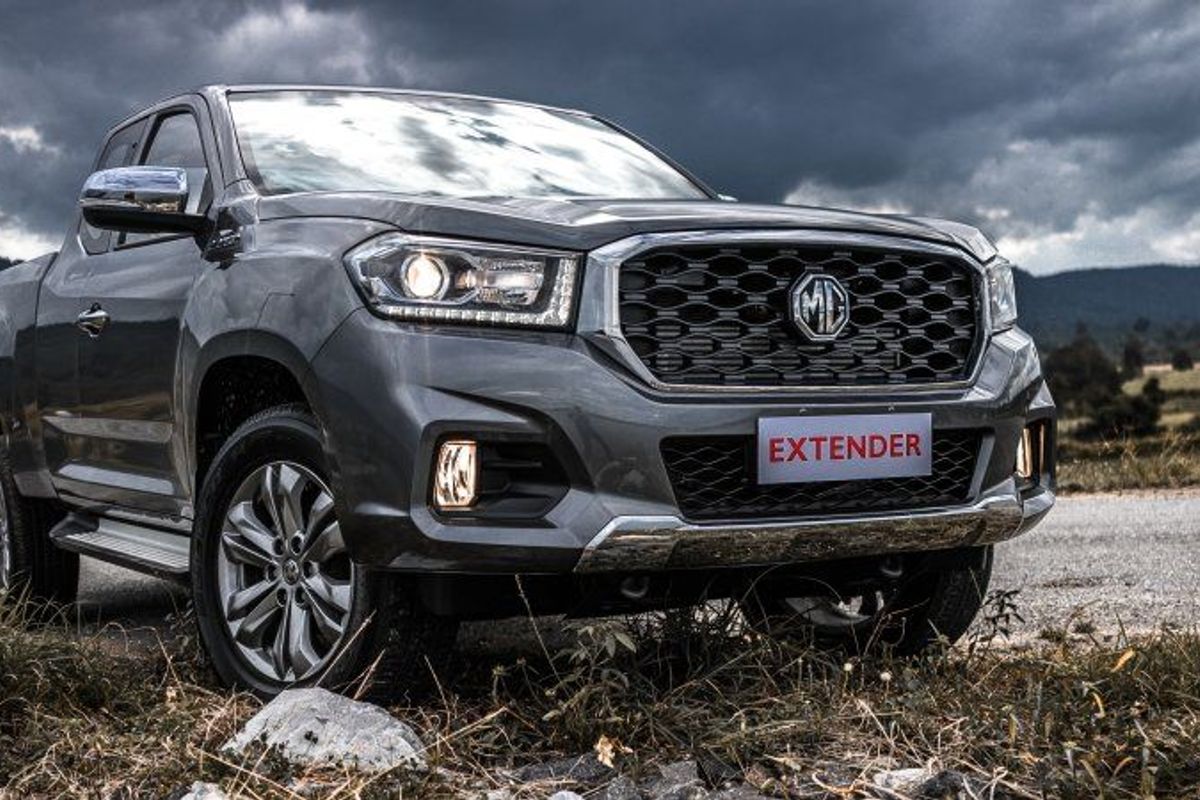
You might struggle to place the association between the storied British sportscar nameplate and a double-cab bakkie, but the rights to MG belong to SAIC. And the Chinese automotive giant has developed an impressive ladder-frame bakkie platform, marketed as the Maxus T90. Keen to leverage its ownership of such a recognisable automotive acronym, SAIC has now revealed the MG Extender bakkie. And best of all, it is being built in righthand drive.
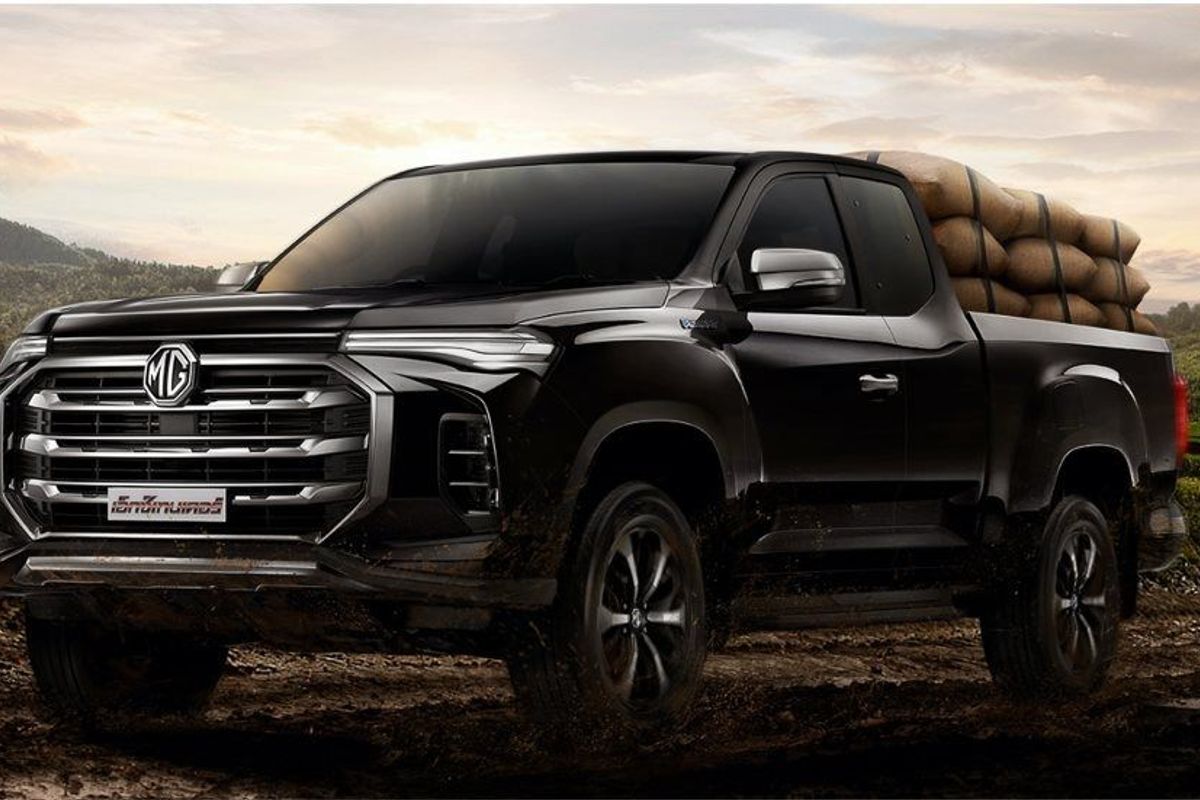
The Extender is a mid-sized bakkie, competing in the Hilux/Ranger segment and its design does not lack for presence. A huge grille, slim headlamps and giant wheel arches all combine to give it a touch of Mitsubishi Triton.
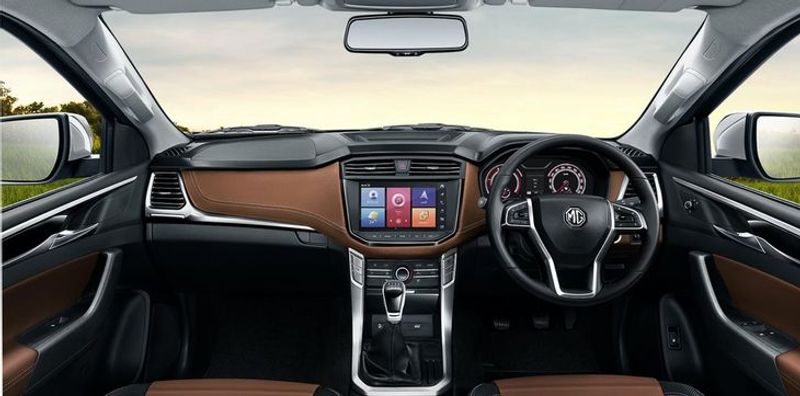
Inside MG Extender, cabin architecture is decidedly car-like and comprehensively digitized. A 10-inch infotainment screen is both Apple CarPlay and Android Auto integrated, whilst surround-view cameras relay their field of view, to help a driver park or crawl the MG Extender in challenging conditions – whether that be a crowded parking garage or rocky off-road terrain.
SAIC has also sourced a SatNav and basic voice controls for the MG Extender and with two-tone leather, the cabin environment is quite aesthetically pleasing.
Powering MG’s Extender is a 2-litre turbodiesel engine, boosting 119 kW and 375 Nm. Drive is via a choice of six-speed manual or automatic transmissions. There is also the possibility that the MG could leverage the Maxus T90 engine – a 2.0-litre twin-turbodiesel good for 160 kW and 500 Nm of torque. It also uses a familiar 8-speed ZF 'box. This bakkie should prove handy off-road, too, thanks to a low-range transfer case, when you need to get up (or down) those steep gradients.
Bakkies are becoming much smarter and integrated with owner devices. The MG Extender is no exception. It has an i-Smart app, which should allow you to lock or unlock it remotely, or find your bakkie via GPS if you forgot where it is parked.
An interesting feature is the vehicle alert system. It pings your Smartphone when the bakkie moves beyond a predesigned area, set by an owner, within a 500 m to 10 km radius.
There have been murmurings surrounding the re-entry of MG to the local market after much success in other right-hand-drive markets. MG is one of the fastest-growing brands in the UK, while its SUV, the ZS EV, is also currently the top-selling electric vehicle in Australia.
Following on from GWM/Haval's strong showing SA, MG would do well to enter the market with something like this double-cab MG Extender.
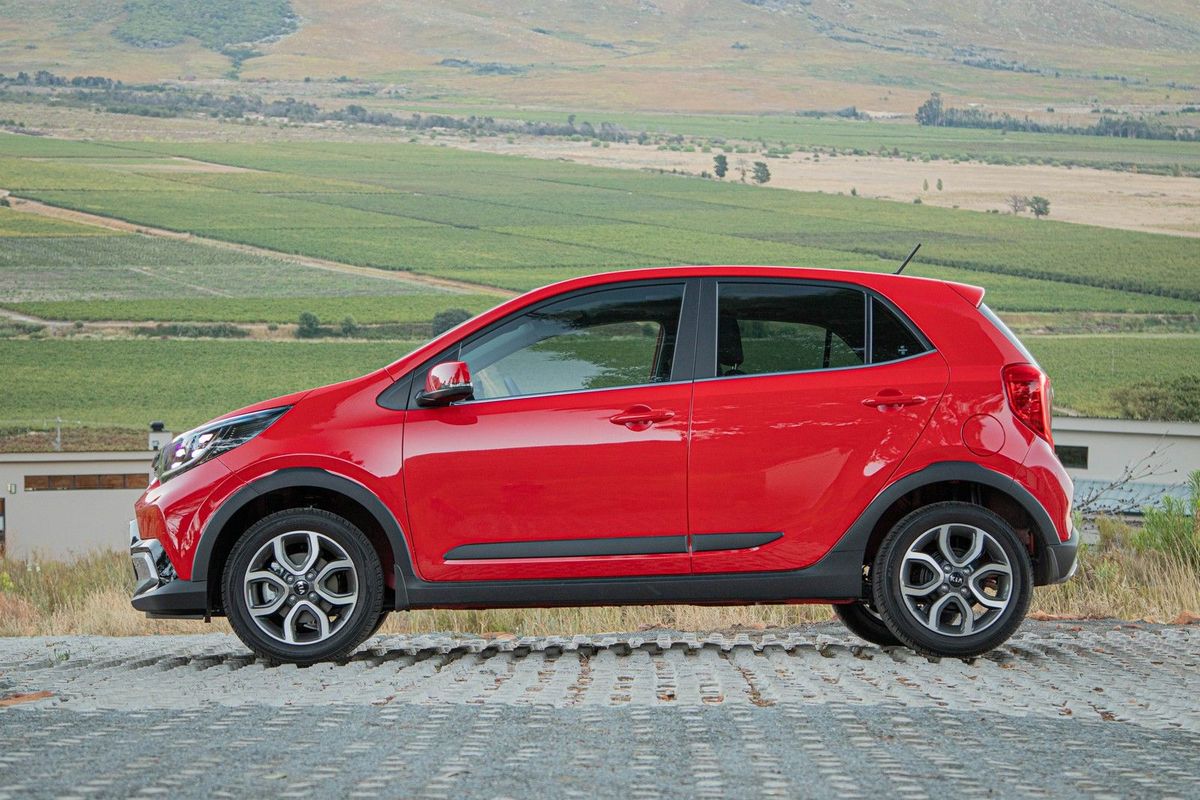
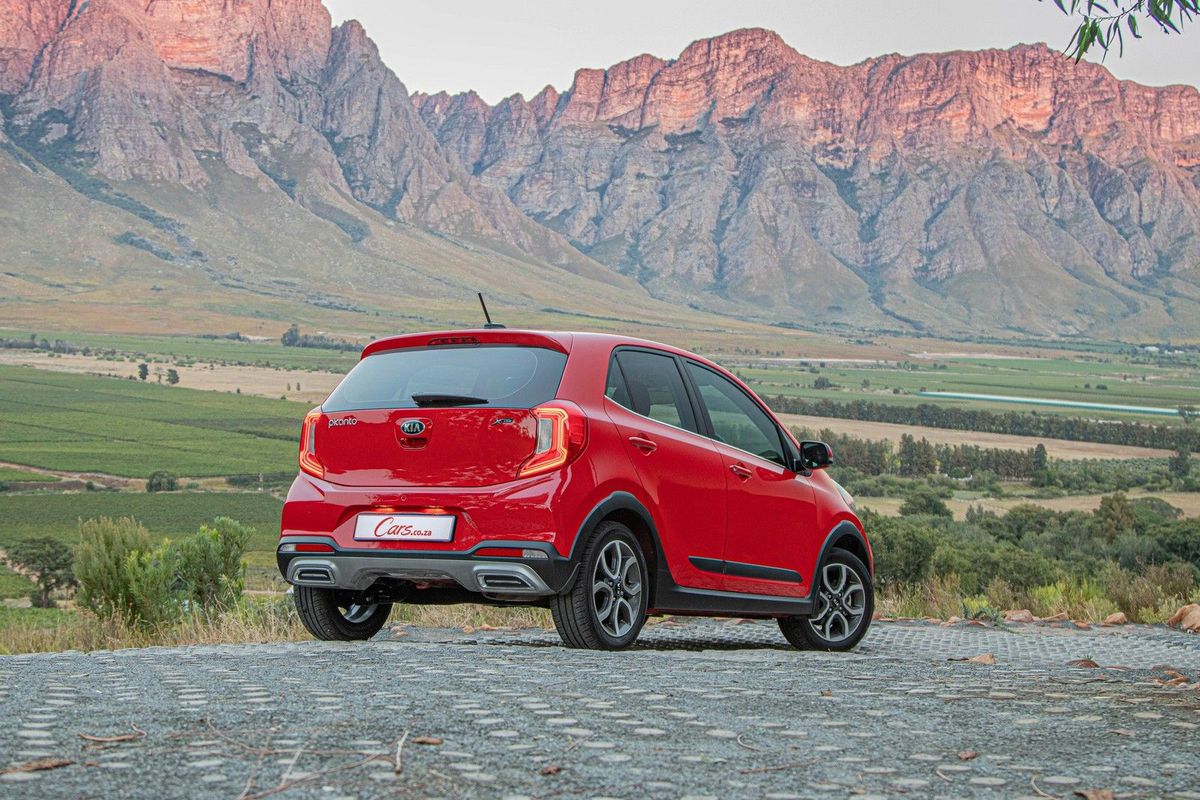
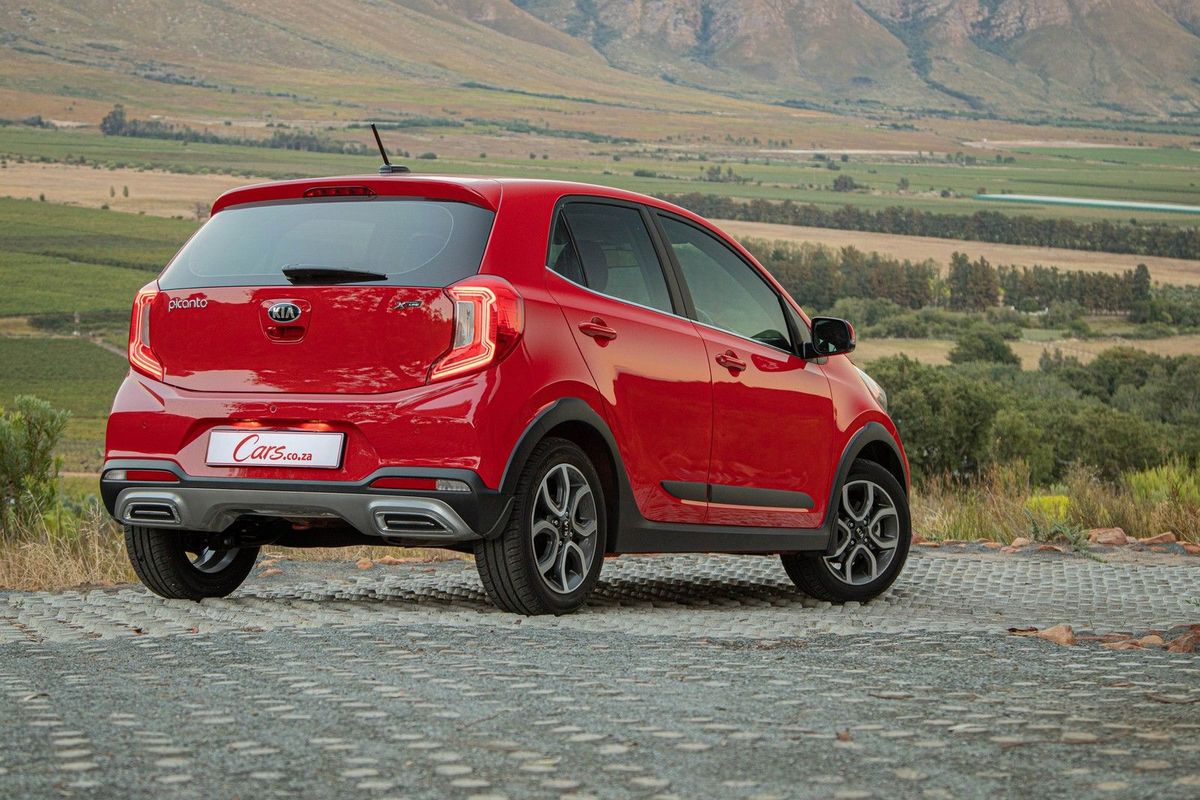
The Kia Picanto range was recently adjusted to offer more value, but the headline news was the addition of a cute X-Line derivative. We spent some quality time with the adorable range-topper.
We like: Comprehensive spec, an energetic engine, feels premium inside.
We don’t like: Rivals offer more space, no stability control.
Kia Picanto Fast Facts
Model tested: Kia Picanto 1.2 X-Line
Price: R237 995 (as of March 2021)
Engine: 1.25-litre 4-cylinder naturally-aspirated petrol
Power/Torque: 61 kW/122 Nm
Transmission: 5-speed manual gearbox
Fuel Consumption: 5.0 L/100 km
Load capacity: 255-1010 litres
?Top speed: 170 kph
What is it?
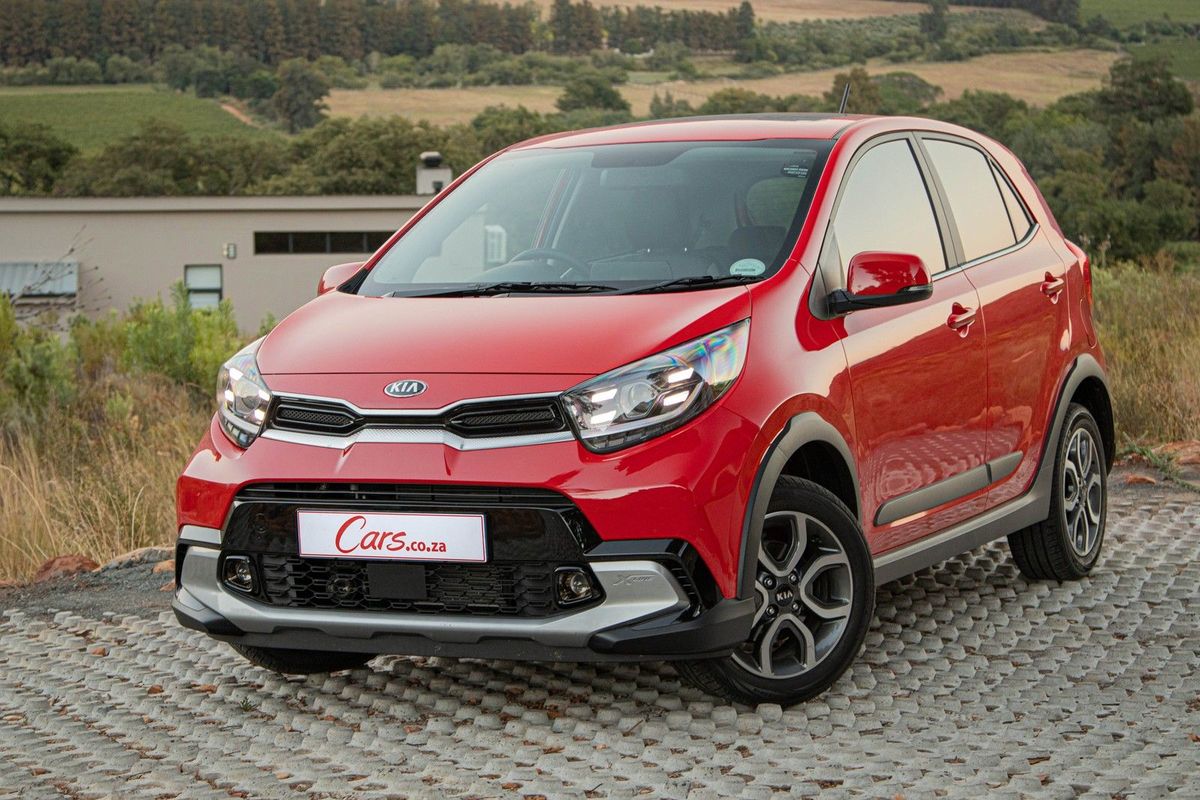
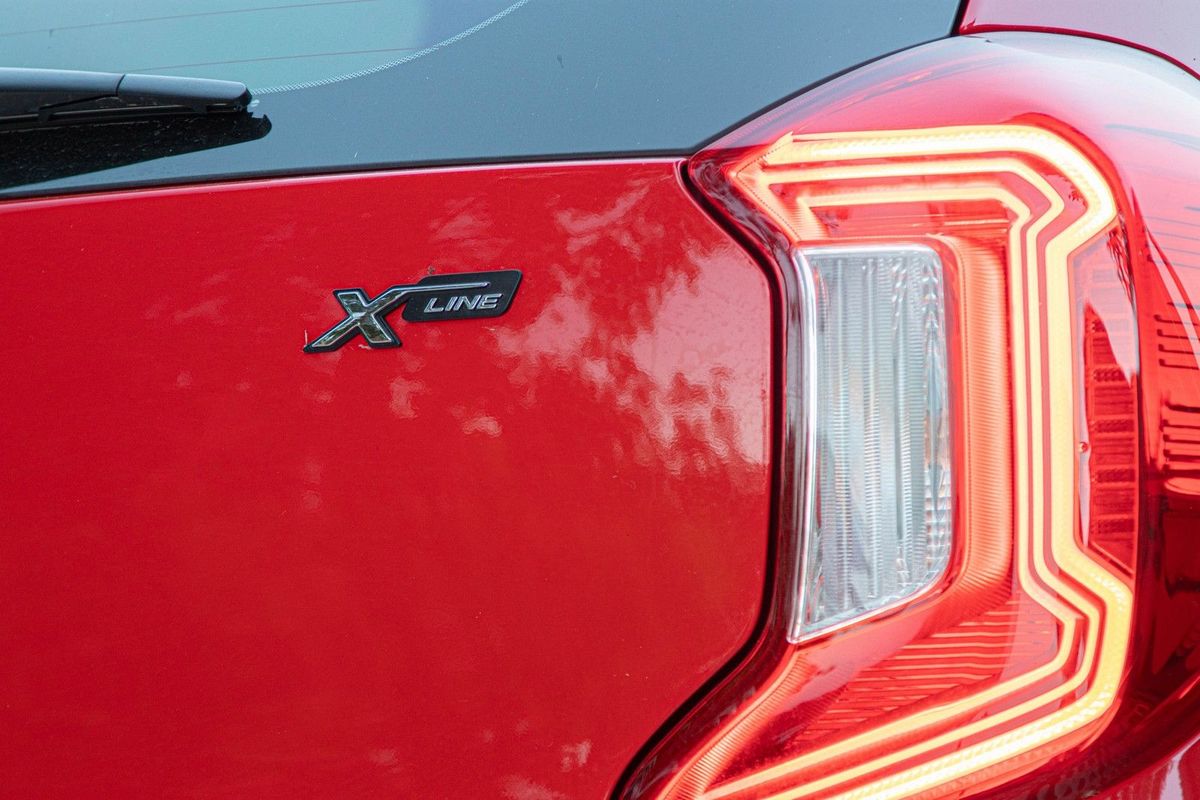
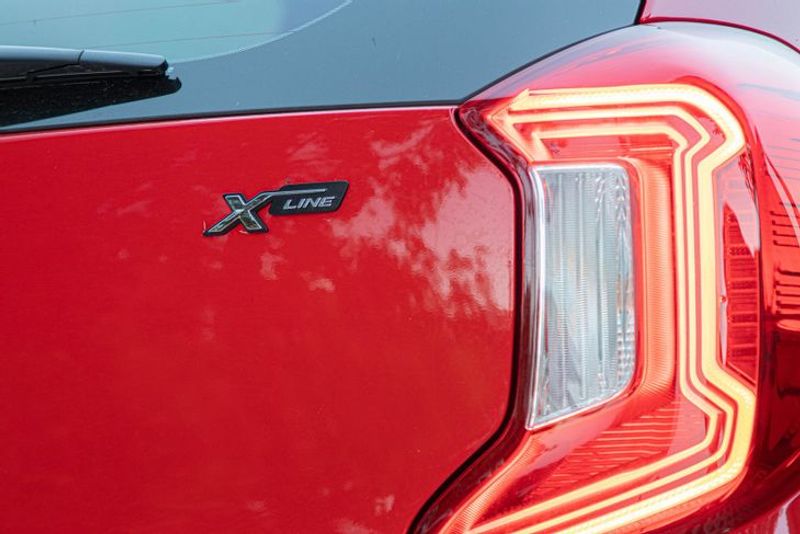
Unique badging and X-Line badging separate this Picanto from lesser models
Kia South Africa has rejigged its Picanto range to offer better value for money and introduced a range-topping 1.2 X-Line derivative. Given the popularity of crossovers – even in the budget segment – many brands have tried on the offroad-read look, with mixed results. Think of the Ford Figo Freestyle, Toyota Etios Cross, Volkswagen Cross Up! and Renault Sandero Stepway are cladded compact hatchbacks.
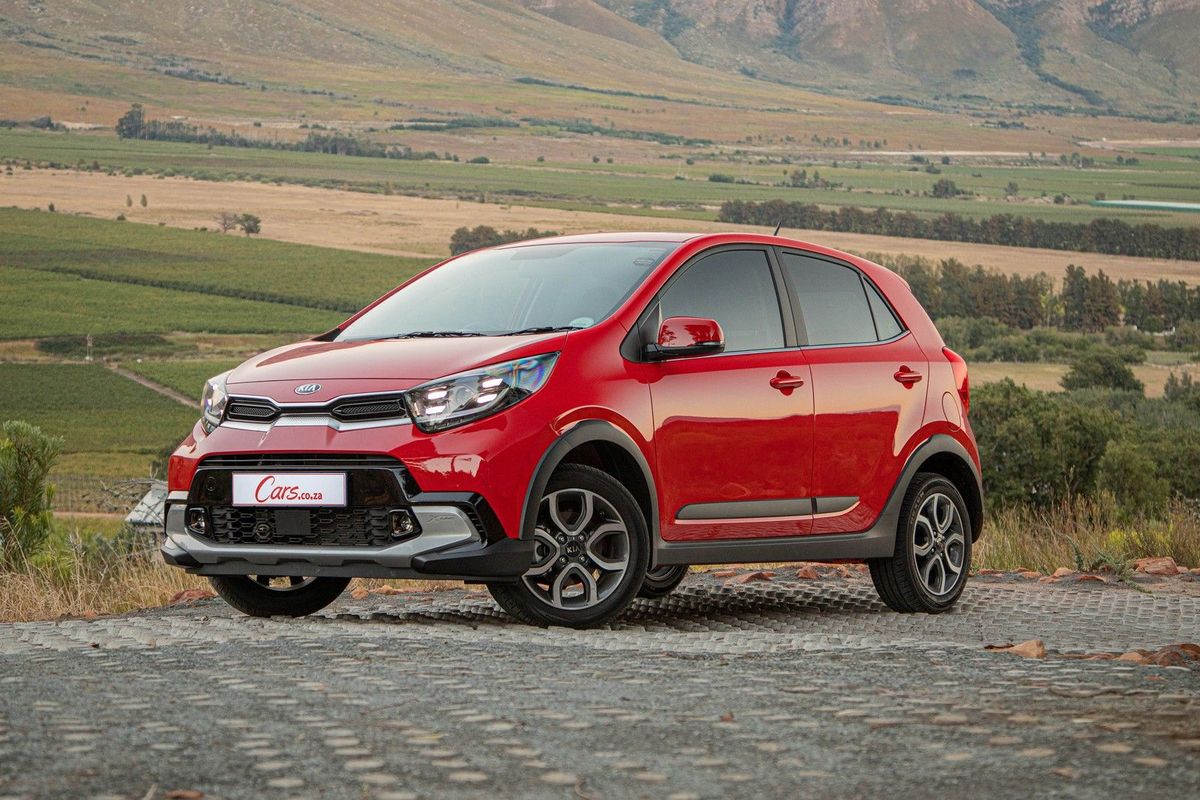
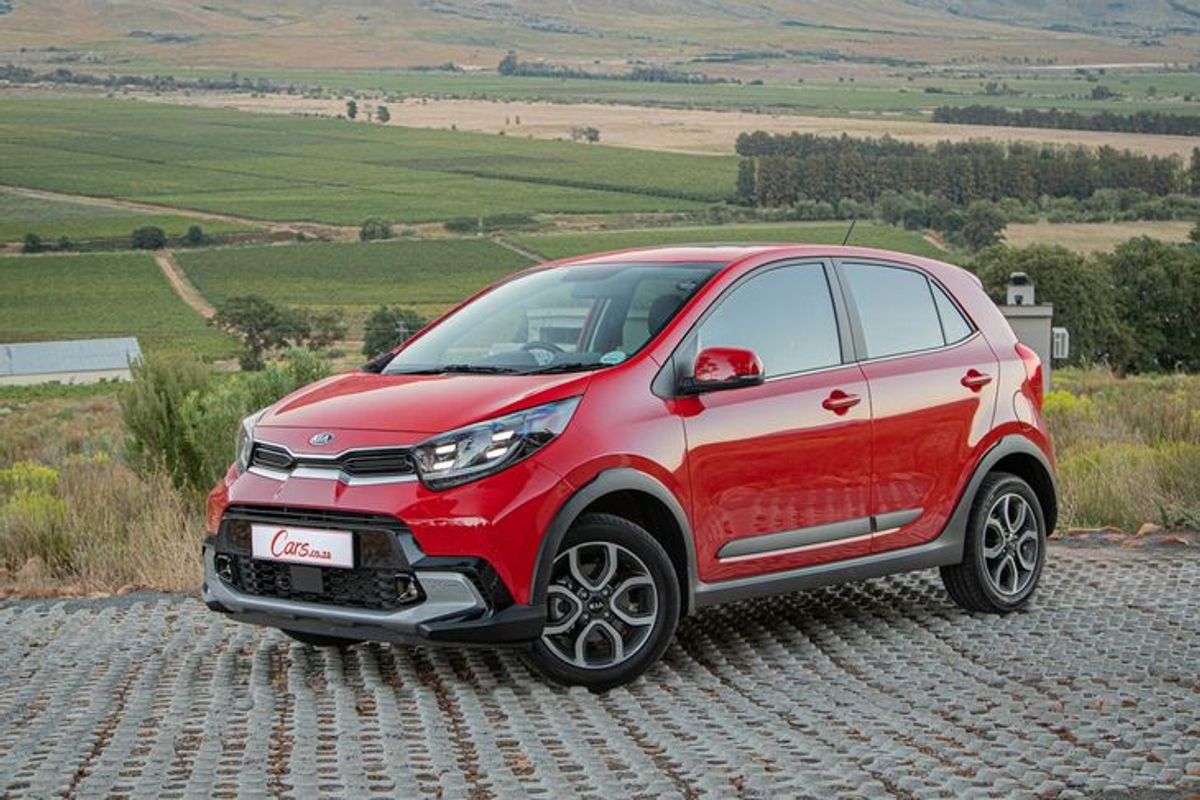
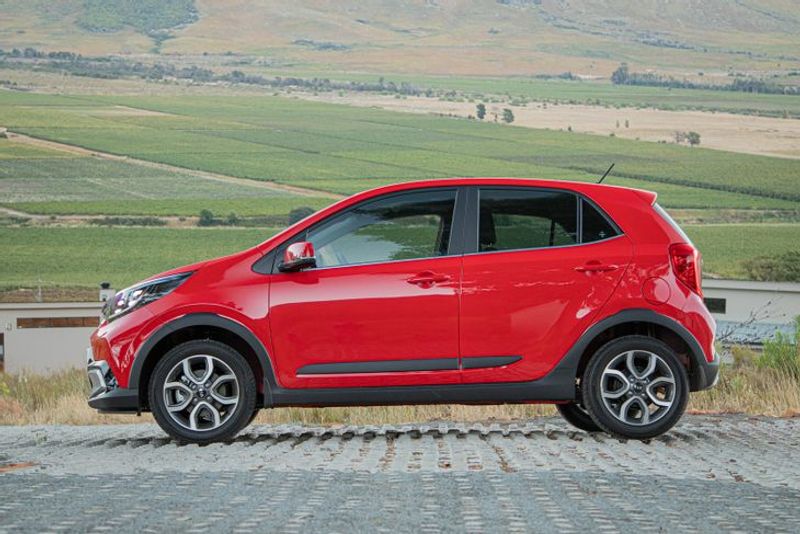
The Kia Picanto 1.2 X-Line looks quite different from its lesser siblings. It features its model-specific LED lights at the front and rear, unique bumpers, as well as the flared wheel arches to give it a mild kerb-hopper look. It's not just a cosmetic look however, as Kia has increased the ground clearance by 5mm, making it a bit more appropriate to tackle some rougher stuff.
How it performs in terms of…
Performance and efficiency
The Picanto X-Line looks the part with its offroad kit
The Kia Picanto is a quintessentially compact city car, but we are already well acquainted with its urban skillset; therefore, we loaded it up for a weekend road trip. The overwhelming majority of city cars offer sufficient performance and economy in and around urban areas, where average speeds are typically lower, due to traffic congestion and, regrettably, road conditions, but many of them tend to run out of puff on the open road. In fact, some budget-oriented compact cars struggle to maintain three-digit national highway speeds, but we're happy to report the 1.2 X-Line felt eager when overtaking slower traffic.
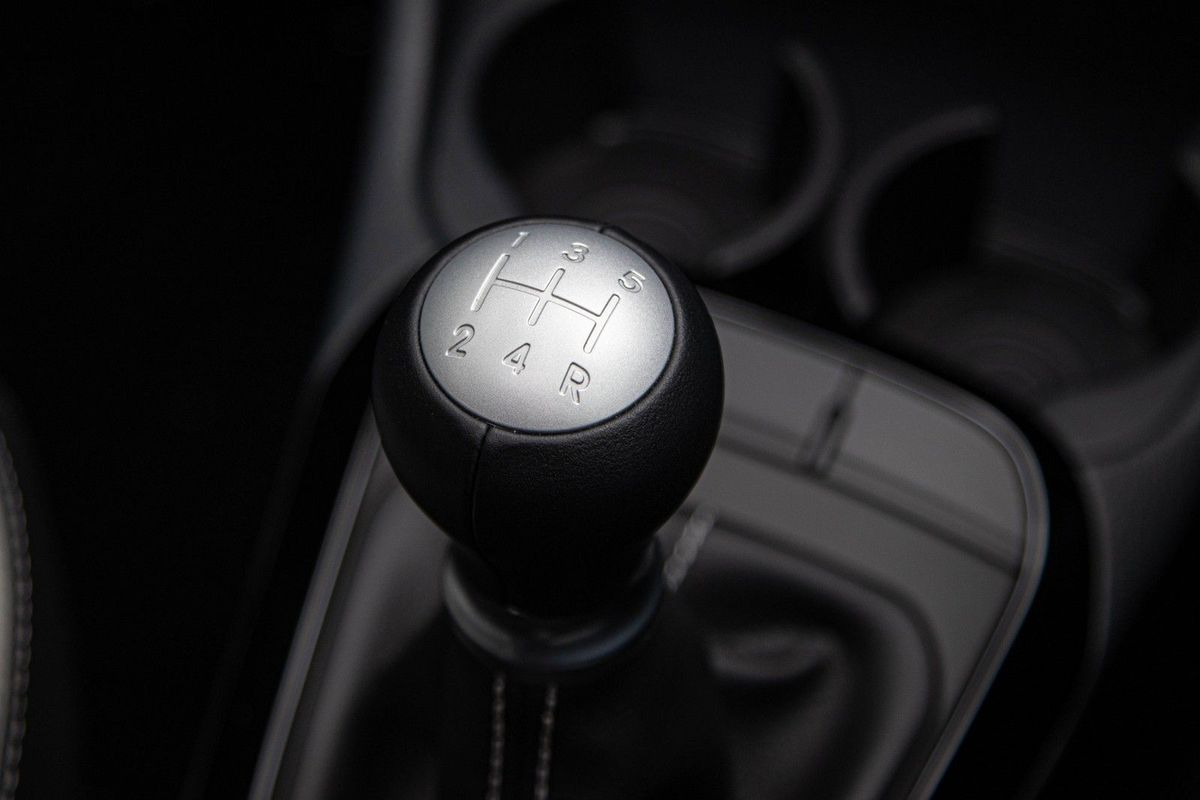
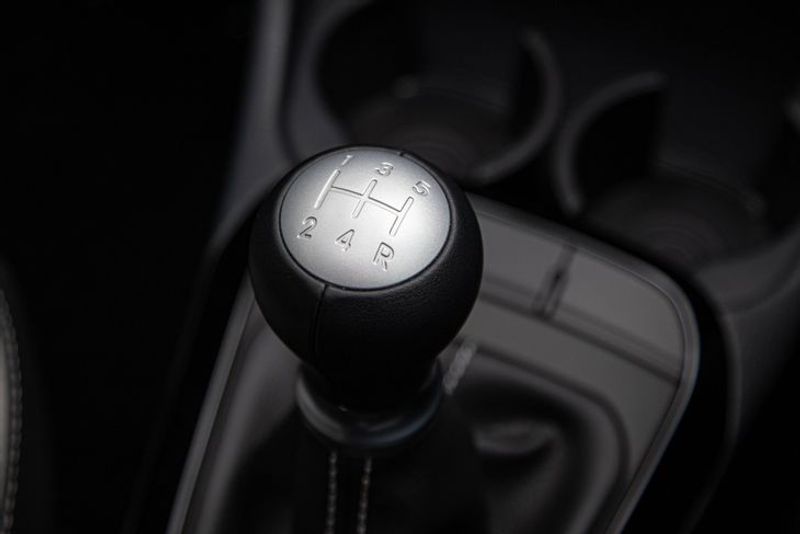
The Picanto flagship is powered by a 1.25-litre 4-cylinder petrol motor that develops 61 kW and 122 Nm. The derivative is equipped with a 5-speed manual gearbox, but an automatic is available for a bit more money. The gearbox has a pleasant action and minimal effort is required to execute 'shifts. And it's a good thing, because you're likely to work the 'box hard to get the most out of that willing engine.
The light and easy 5-speed manual gearbox is effortless in operation
We reckon the key to the Picanto's nippiness is its low kerb weight (962 kg). The 1.2-litre motor doesn't have much mass to move around, which results in eager performance and the other upside is that the powerplant doesn't have to work hard, which benefits fuel economy. Granted, fuel efficiency depends on your driving style, but if you drive with economy in mind, low fuel consumption returns are achievable.
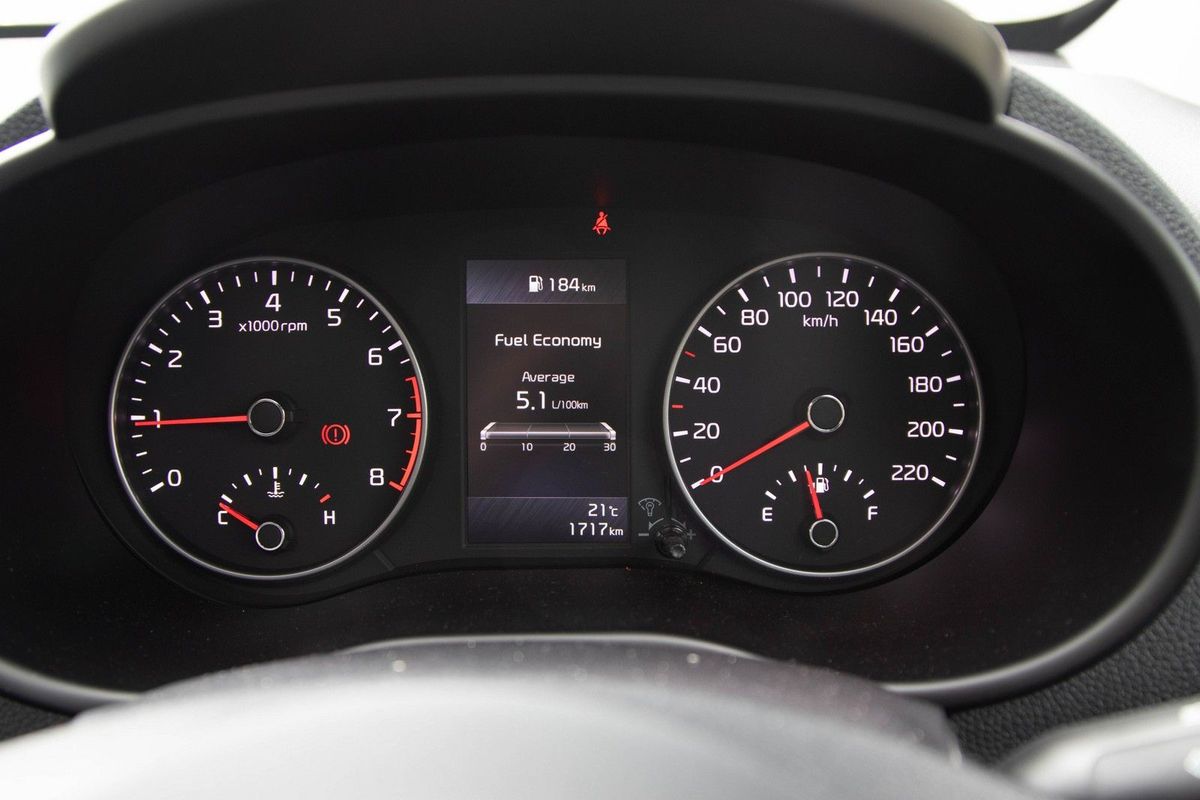
On the open road, Kia's impressive fuel economy started to come into play, we were delighted to see a return of 5.1 L/100 km, which was quite an improvement on the 6.4 L/100 km indicated figure we saw on the vehicle's launch in the middle of February 2021. Kia claims 5.0 L/100 km officially, so we were very satisfied with our consumption figure.
Ride and handling
The Kia Picanto displays good road manners – it feels securely planted on the tarmac despite its budget-car underpinnings. We encountered some strong crosswinds during our road trip, but were pleasantly surprised by just how sure-footed the 1.2 X-Line felt. Some of the Korean offering's rivals feel decidedly unstable in such conditions, but the plucky Picanto soldiered gamely.
The steering of the Kia Picanto is light and reasonably direct, with reassuring feedback. Inner city and low-speed manners are good, which makes parallel parking and alley docking a cinch, but even if you are a hopeless parker, rear PDC and a reverse-view camera make things practically effortless. The 15-inch wheels are wrapped in 185/55 rubber and they soak up most of the road's imperfections.
It may be a cheap-ish vehicle, but it doesn't feel cost-price to drive. The Picanto feels a bit more upmarket than some of its rivals and the refinement is evident in the well-suppressed engine or road noise.
Given the 1.2 X-Line's off-road-inspired looks, we figured it would be appropriate to sample the test unit's gravel-travel capabilities, but it performed much like any other compact city offering. It's safe to assume the crossover add-ons are just for looks, but then the same could be said of most compact hatchbacks that are dressed to impress.
Interior execution and features
At this price point, you're getting all the bells and whistles you'd ever need in a city car
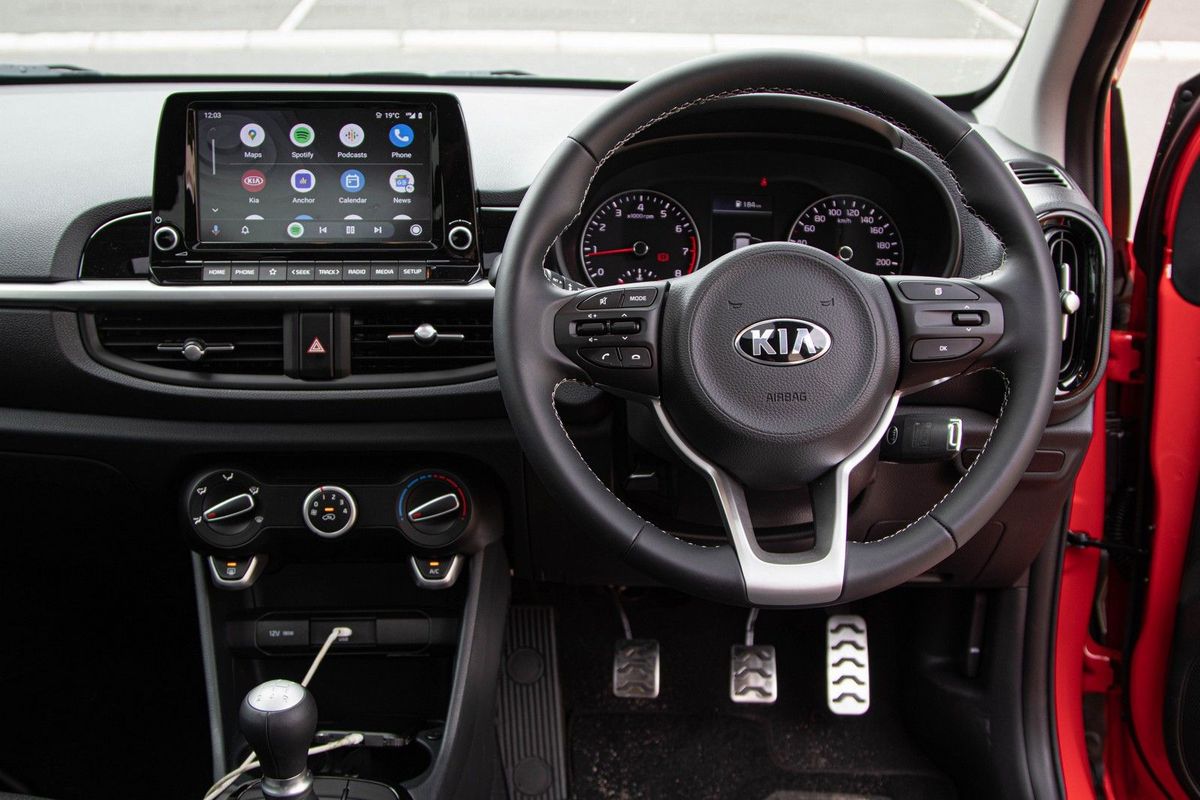
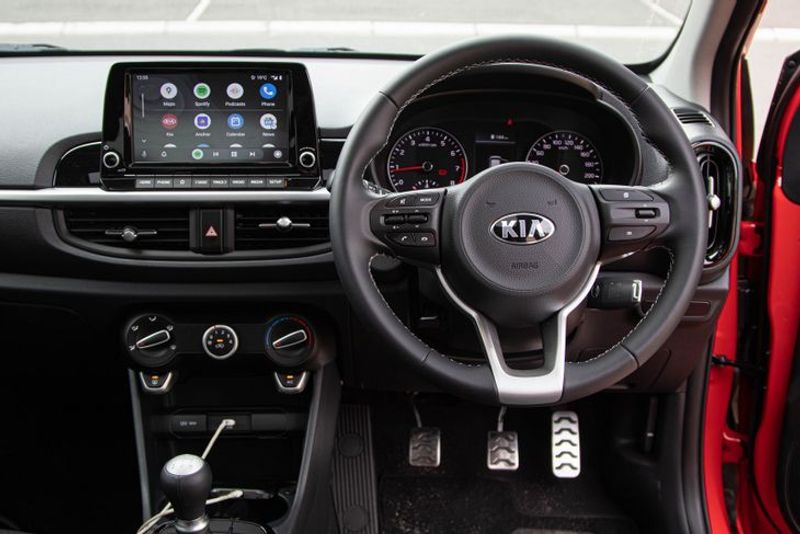
Kia's latest offerings offer high-quality cabins (across the range, not only the top-end models) and, compared with some of its direct rivals, the Picanto feels surprisingly upmarket inside. The level of fit and finish is good, and in the 1.2 X-Line's case, premium materials have been applied, which feel nice to touch. There are 2-tone artificial leather seats and a leather-trimmed steering wheel, both of which give the car's cabin a nice ambience. The fascia layout, meanwhile, is simple and uncluttered.
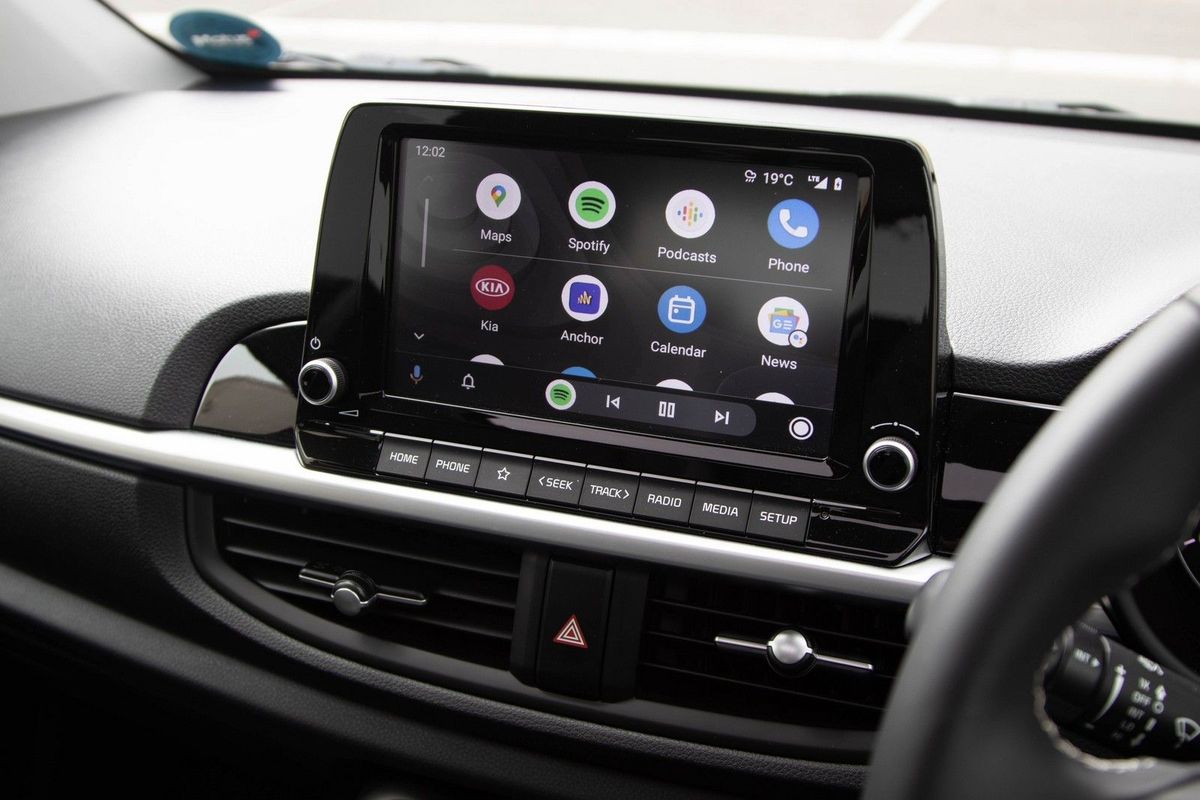
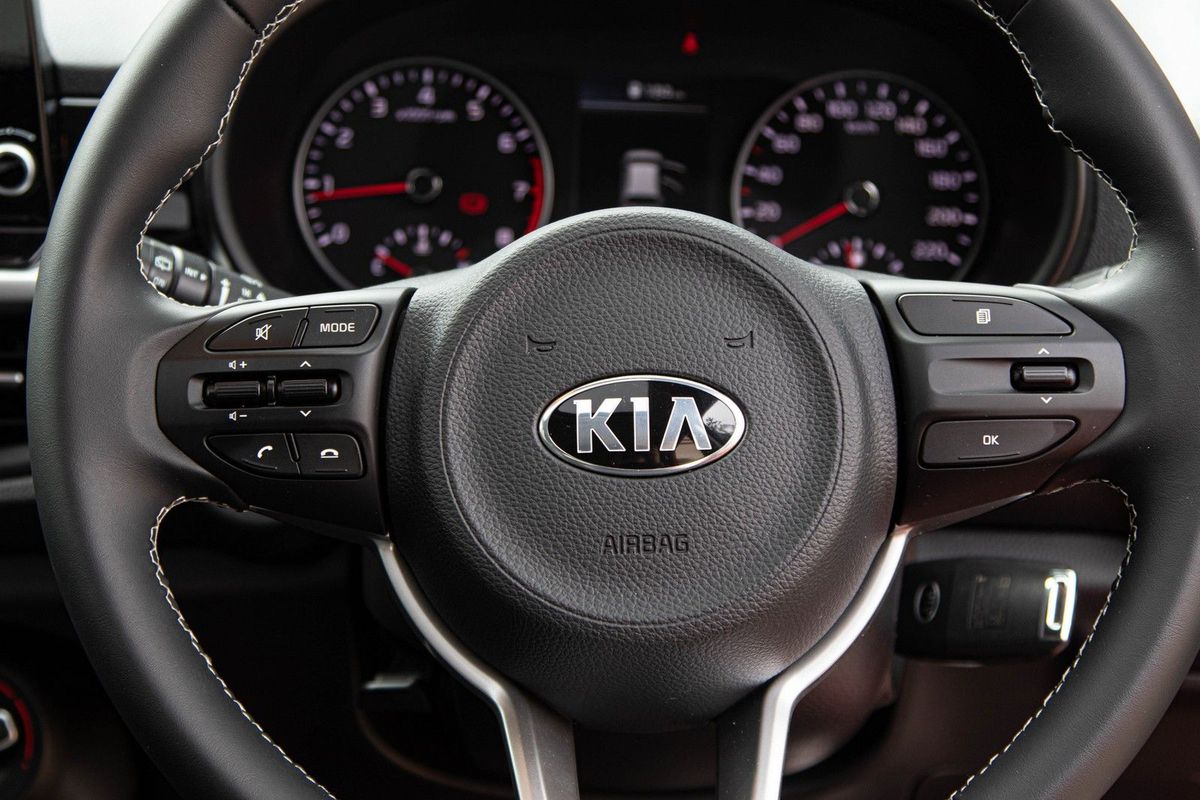
Given the 1.2 X-Line's range-topping status, it's liberally equipped with features. New for this derivative is an 8-inch infotainment touchscreen with Apple Carplay and Android Auto compatibility, accessible via a single centrally-located USB port. With regards to the Android Auto setup, we noticed there was a lack of a voice control button on the steering wheel. This missing button is key to the system as it allows to say commands like, 'Hey Google/Siri, navigate…' We found a workaround, but that involved pressing an icon on the touchscreen; we prefer to keep both hands on the 'wheel at all times.
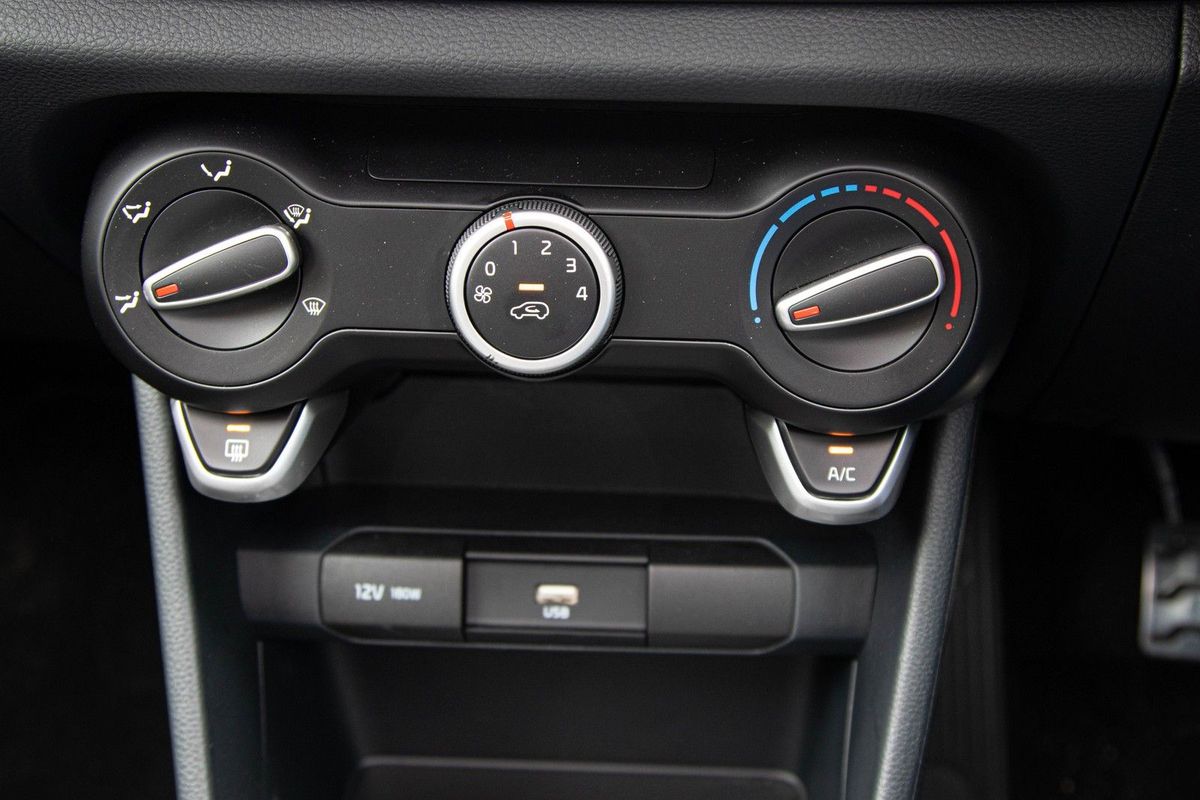
As far as other noteworthy features are concerned, (just to reiterate) there are electric windows all round, (manual) air conditioning, USB/Aux/Bluetooth connectivity, rear parking sensors, rear camera, fog lights, LED daytime running lights and 15-inch alloy wheels. Our test unit featured a sunroof, which is optional.
Practicality
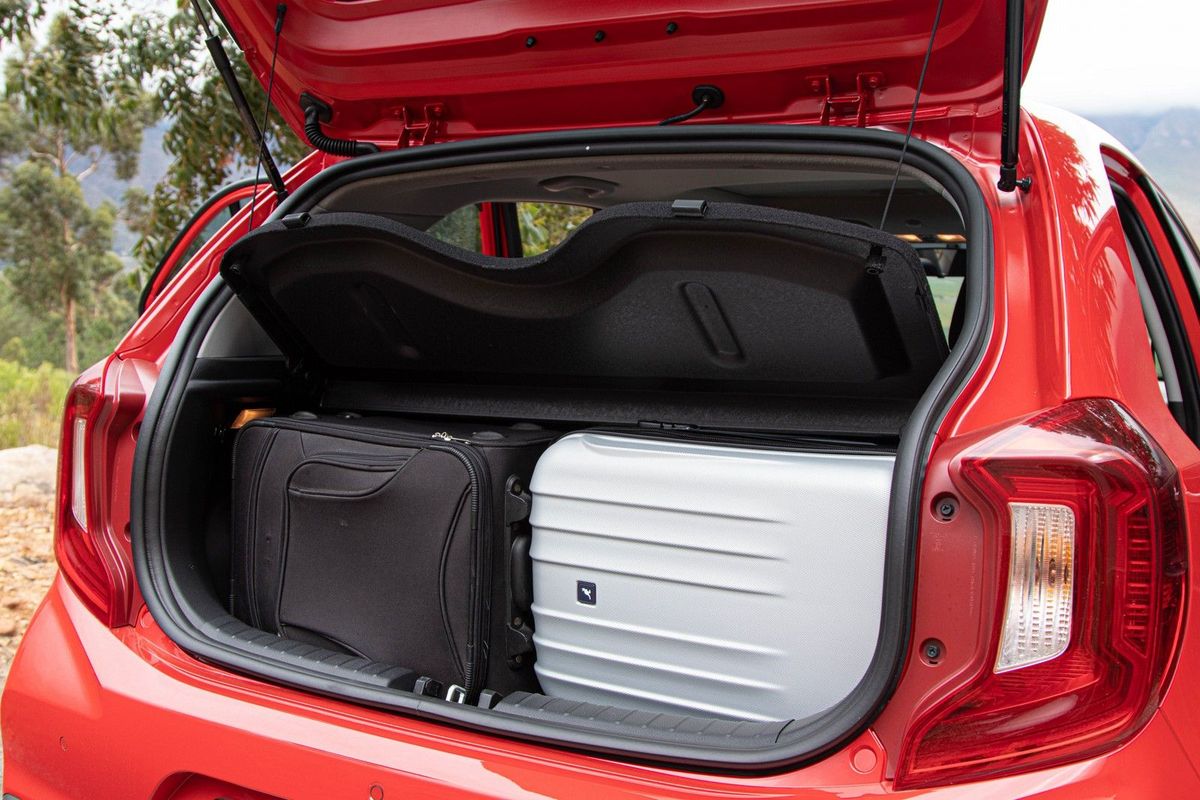
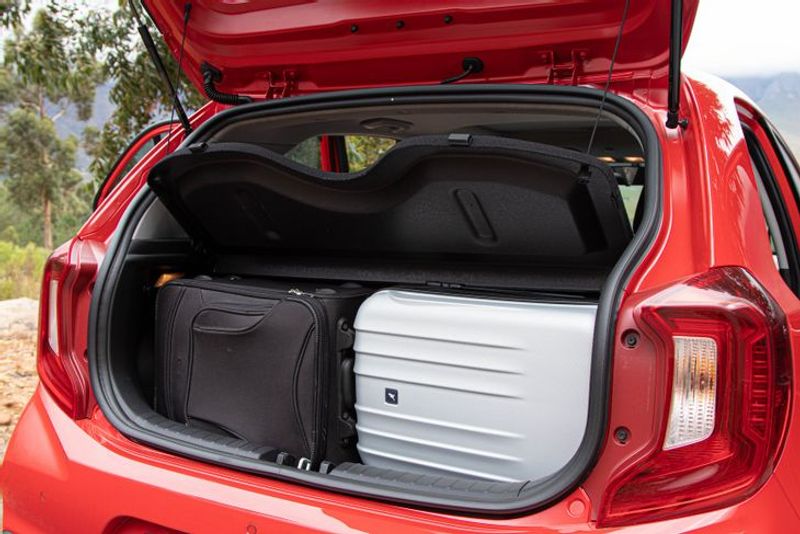
The Kia Picanto's boot is only big enough for two small suitcases of the hand-luggage size.
At 255 litres, the Kia Picanto's load bay is one of the smallest in the segment. As the above picture shows, the load bay can barely accommodate 3 small hand-luggage-sized bags. Thankfully you can fold the rear seats down for additional space, but we resorted to using the rear seats and rear legroom areas for additional storage. If you don't need to travel with more than 2 on board, this is your best solution.
Price and after-sales support
Pricing for the updated Kia Picanto range starts at R187 995 and tops out at R251 995; the 1.2 X-Line manual (tested here) costs R237 995. All Picanto models feature an unlimited kilometre, 5-year warranty (inclusive of Roadside Assistance), as well as an inclusive 2-year/30 000 km service plan. This service plan can be extended at a cost.
The sheer visual appeal and liberal specification levels make the Kia Picanto 1.2 X-Line an interesting offering. You get a LOT of car at this price point, plus the crossover look will win over many hearts. Combined with an eclectic colour palette, the Kia Picanto X-Line is just… adorable. Our only major gripe is the limited load capacity, but this is an inherent Picanto issue and not specific to the X-Line we tested. It really is a small city car, however: similarly-priced rivals offer a touch more legroom and bigger luggage capacities. If a car's load-carrying ability is not important to you (if you are considering a Picanto, it's unlikely to be), we have no hesitation in recommending the Kia Picanto as a great city car; it offers an excellent suite of features, impressive on-road manners… and a whole lot of charm.
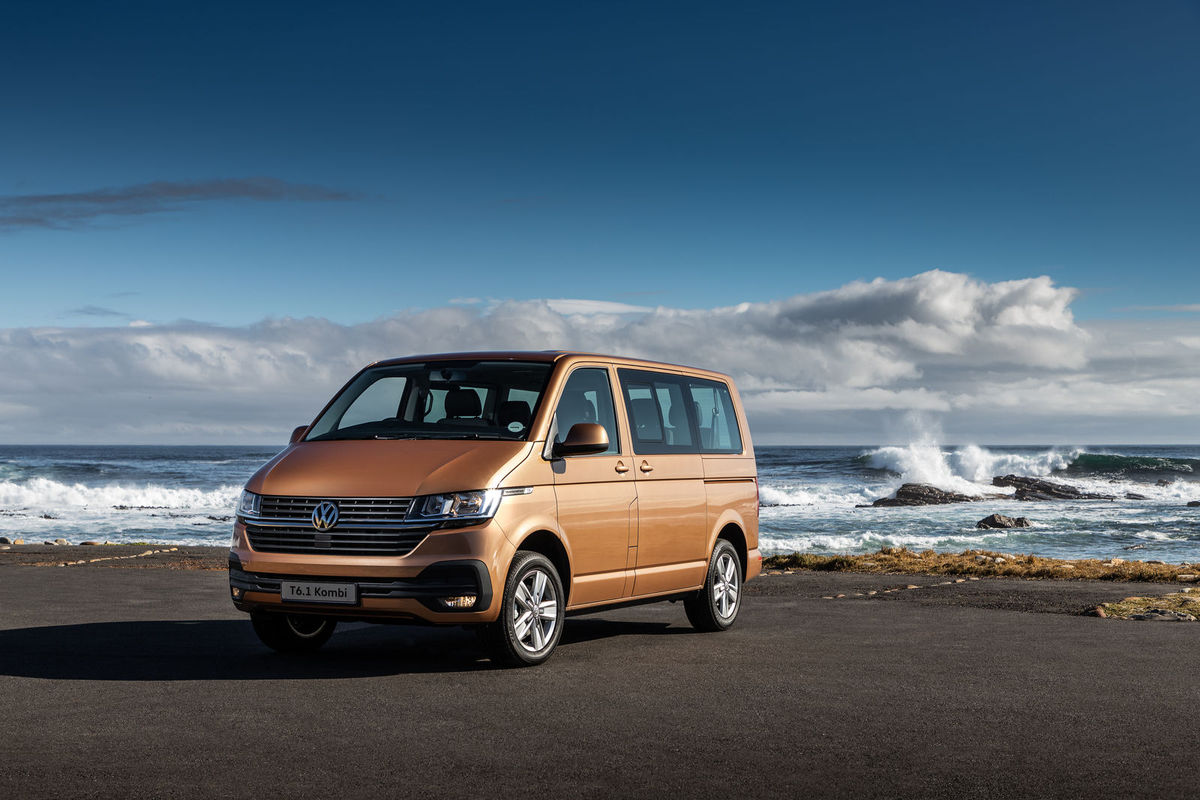
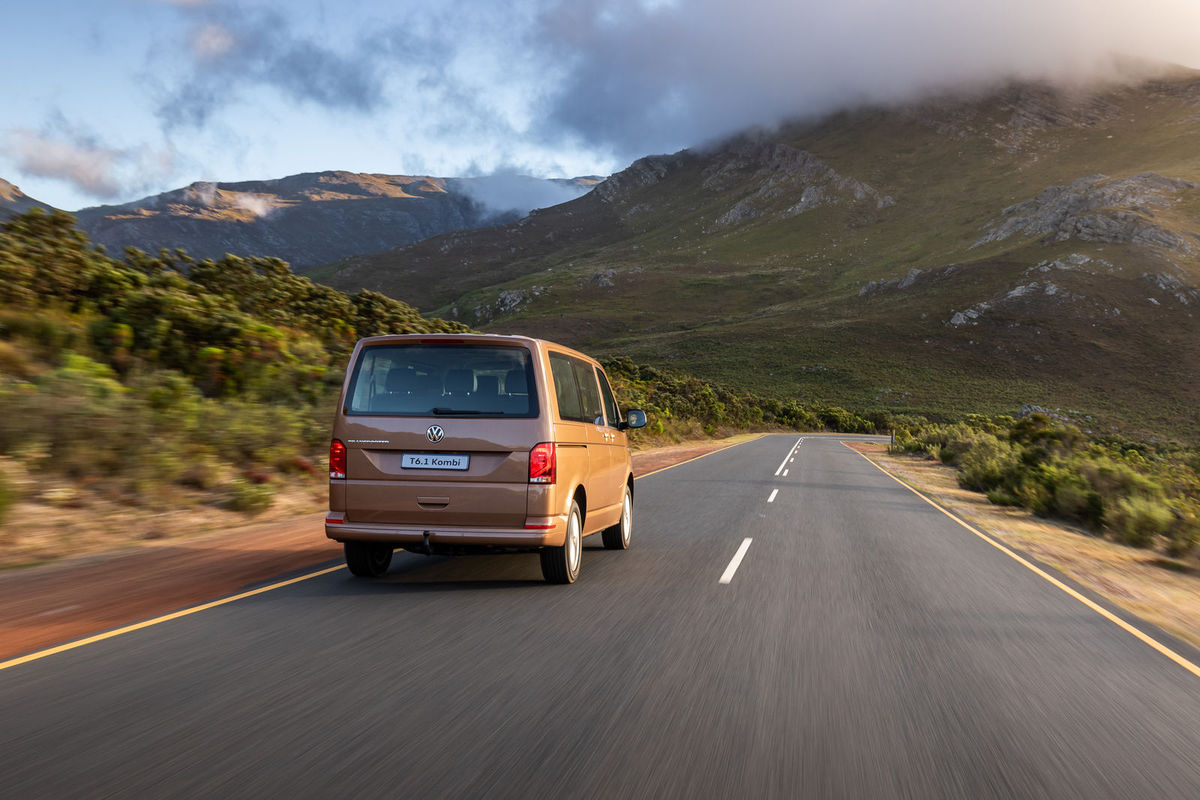
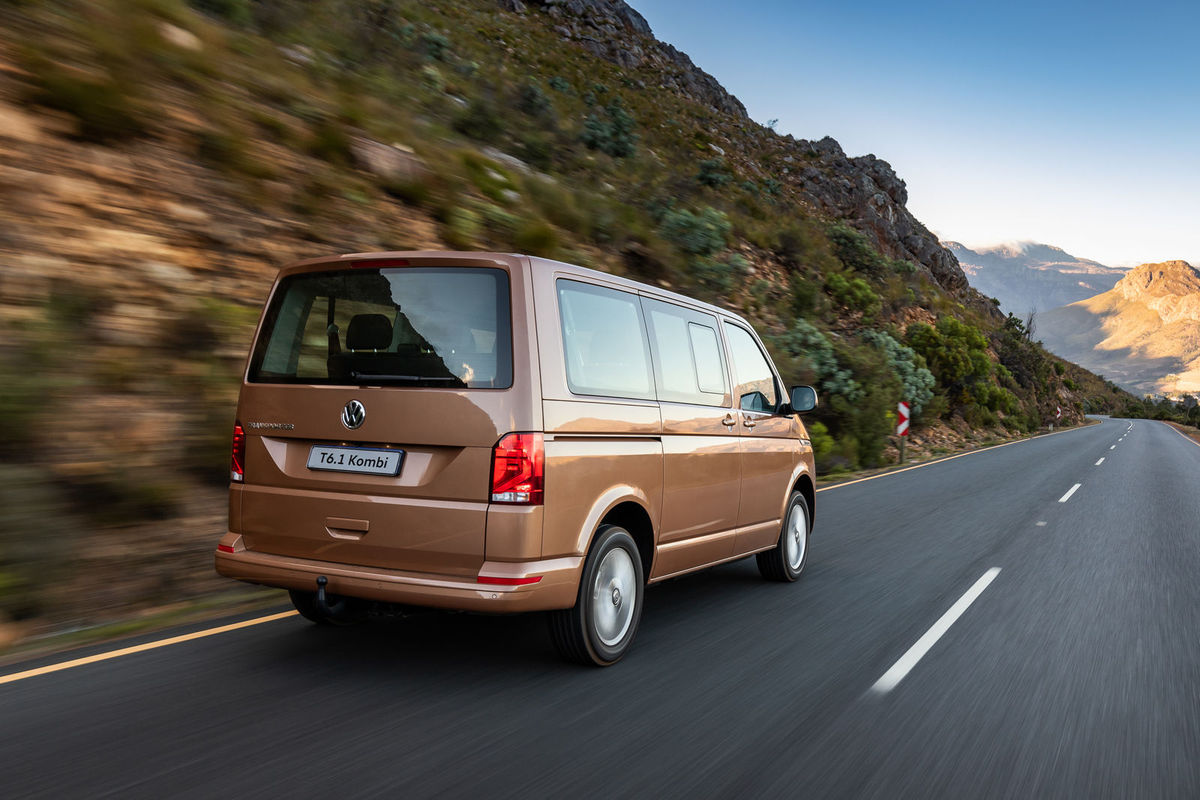
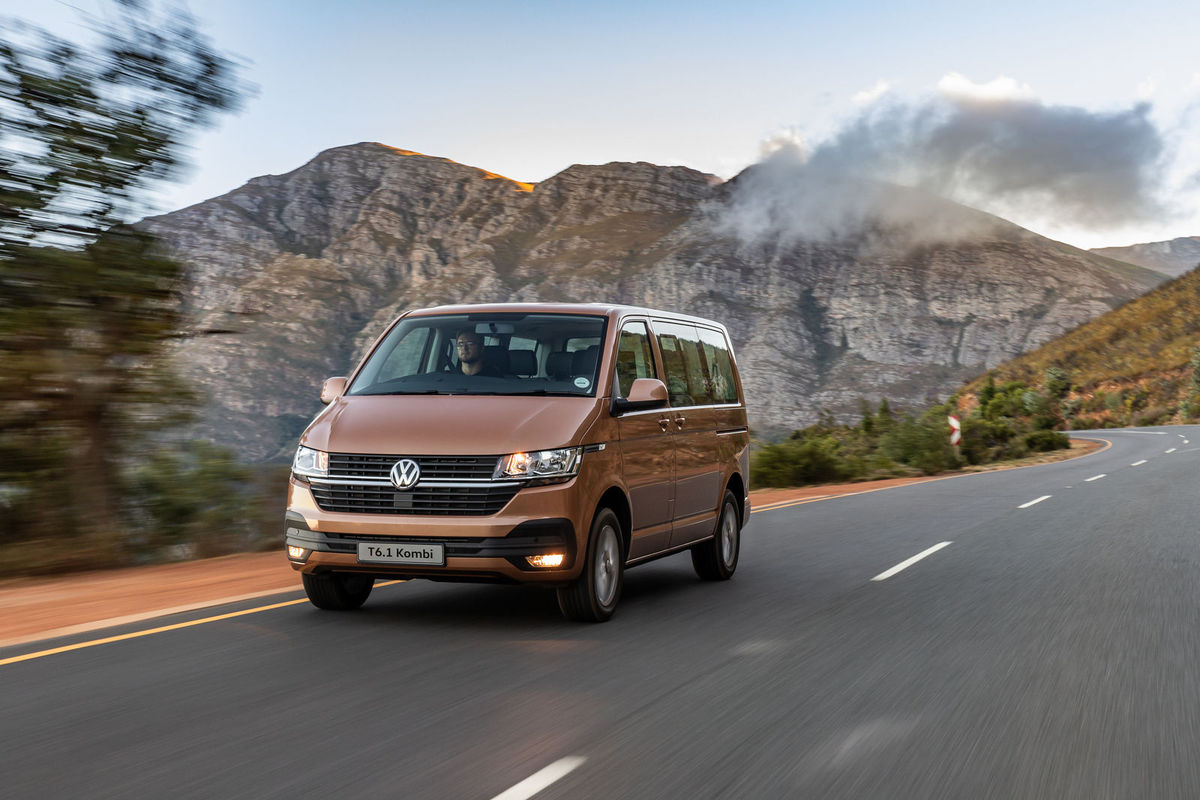
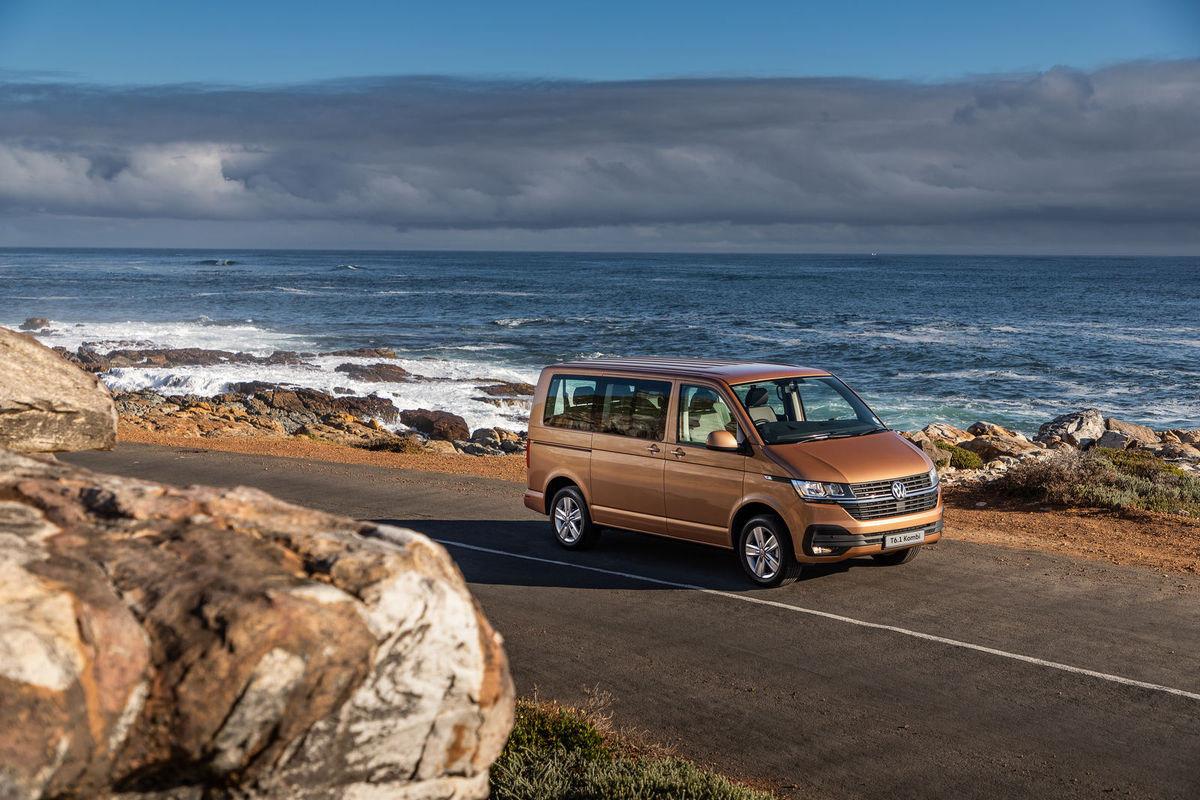
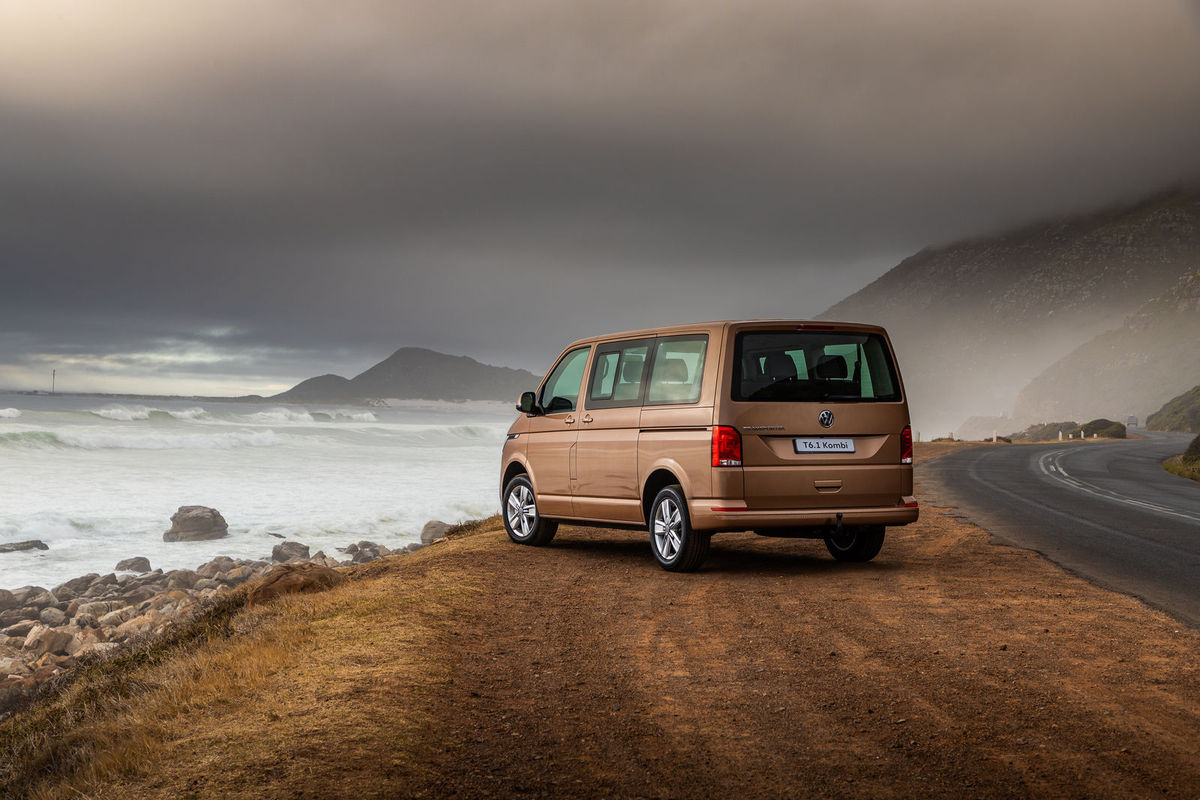
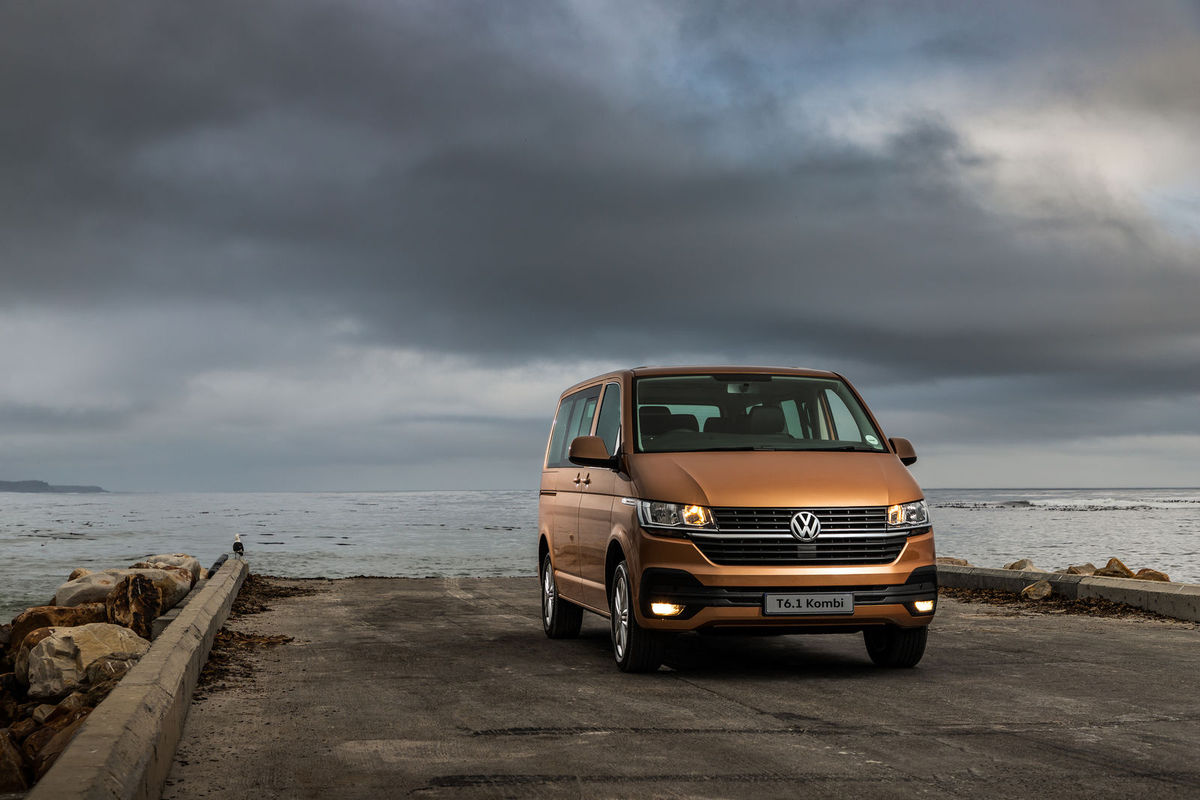
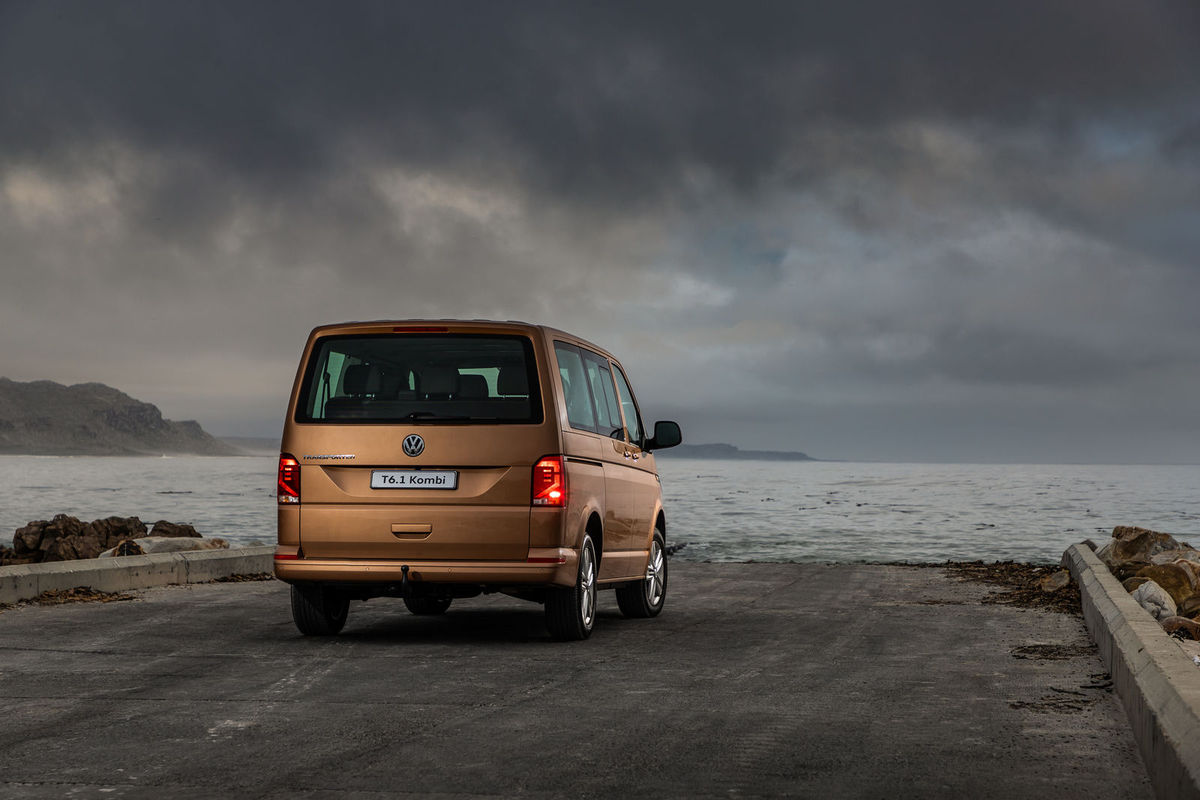
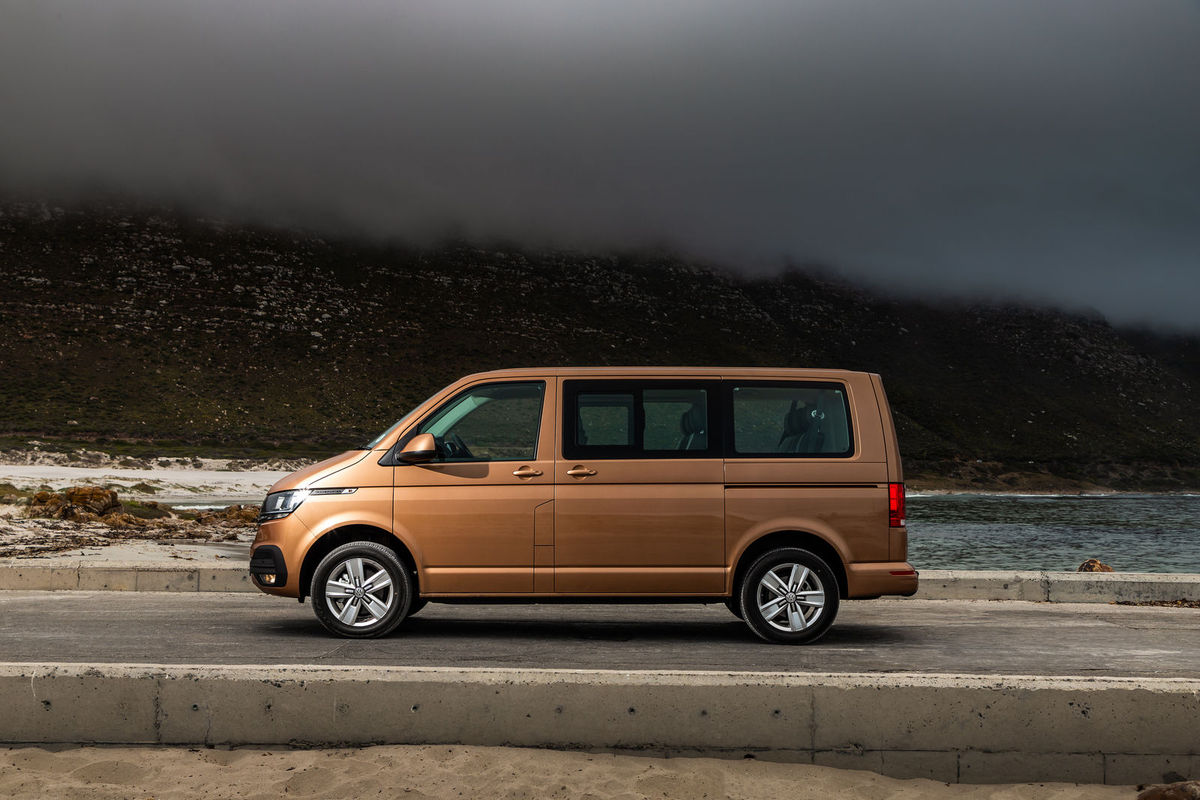
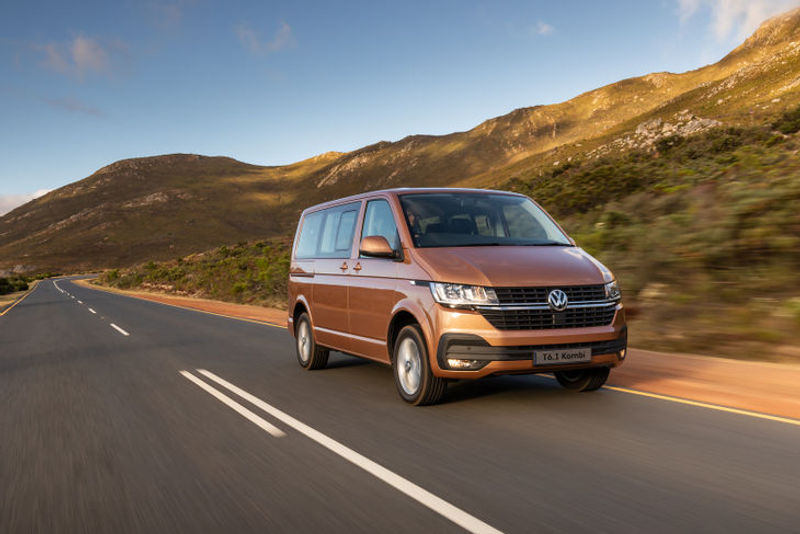
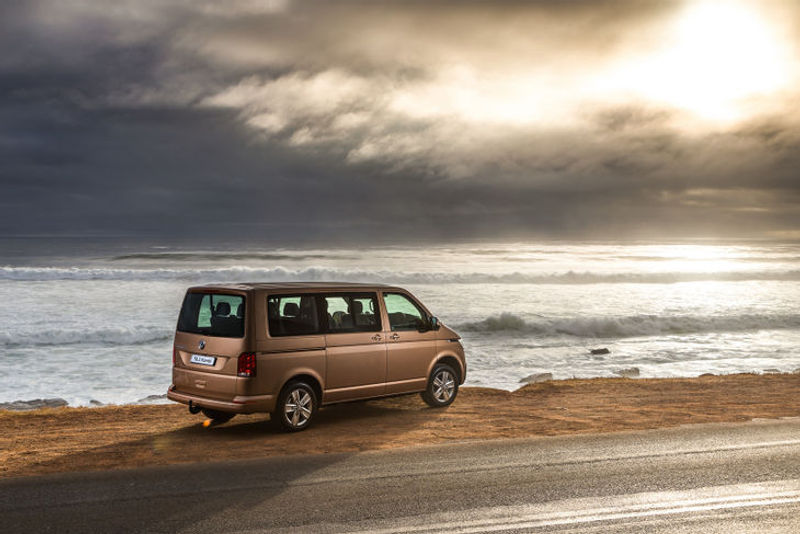
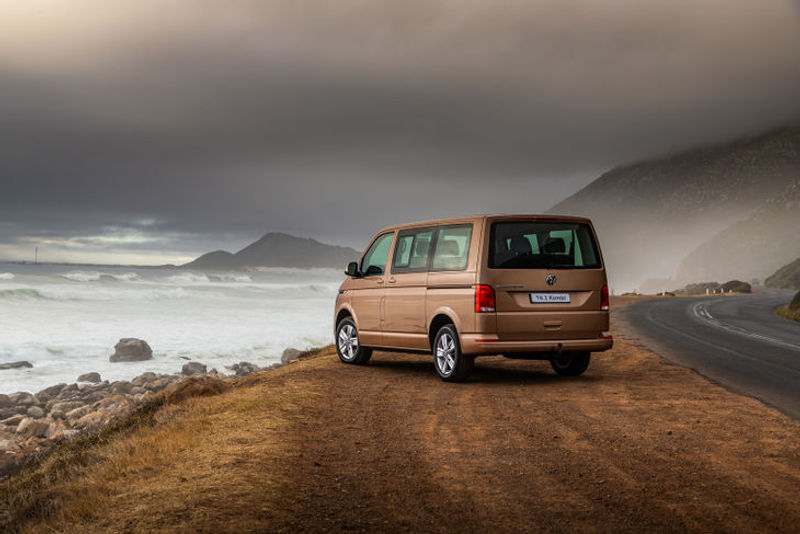
During the recent long weekend, we had an opportunity to take a road trip with the Volkswagen Kombi T6.1 along the Garden Route. The 2.0 TDI Trendline produces 110 kW and offers plenty of space for passengers and their things, but could the updated "bus for us" bust its way through the South African SUV culture?
What's new for Kombi T6.1?
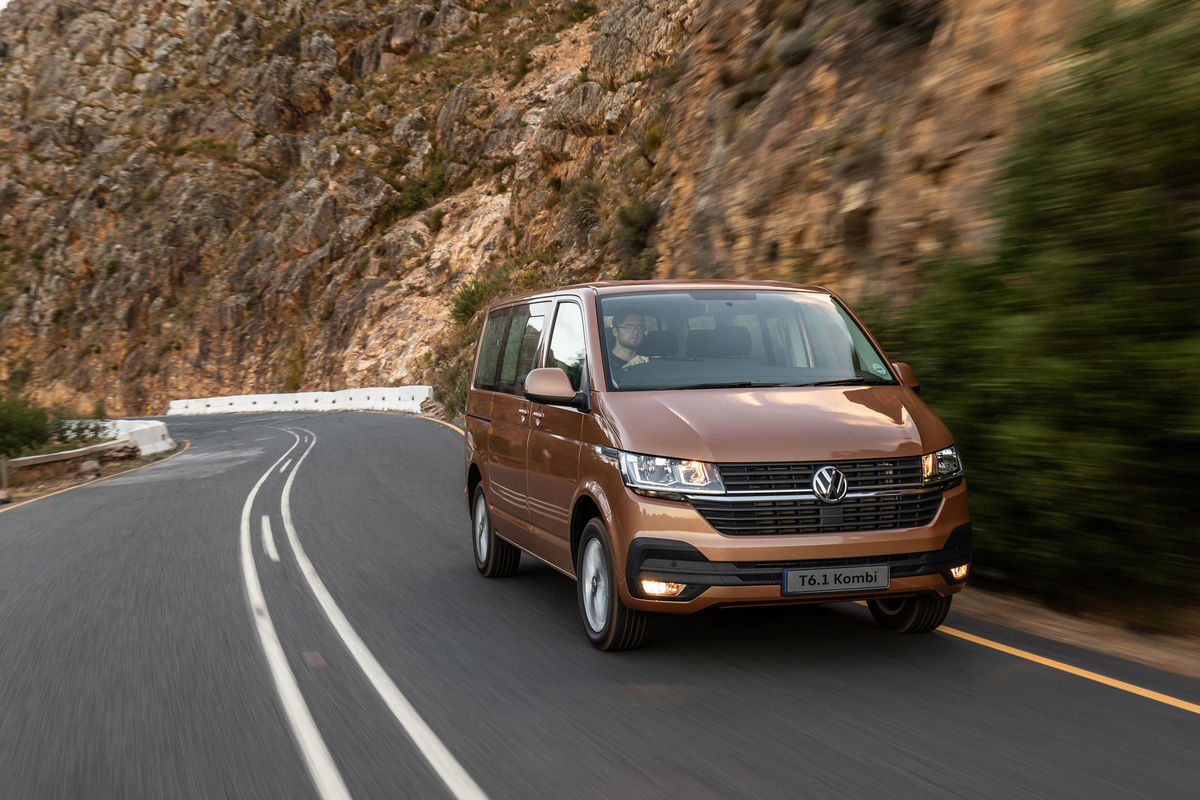
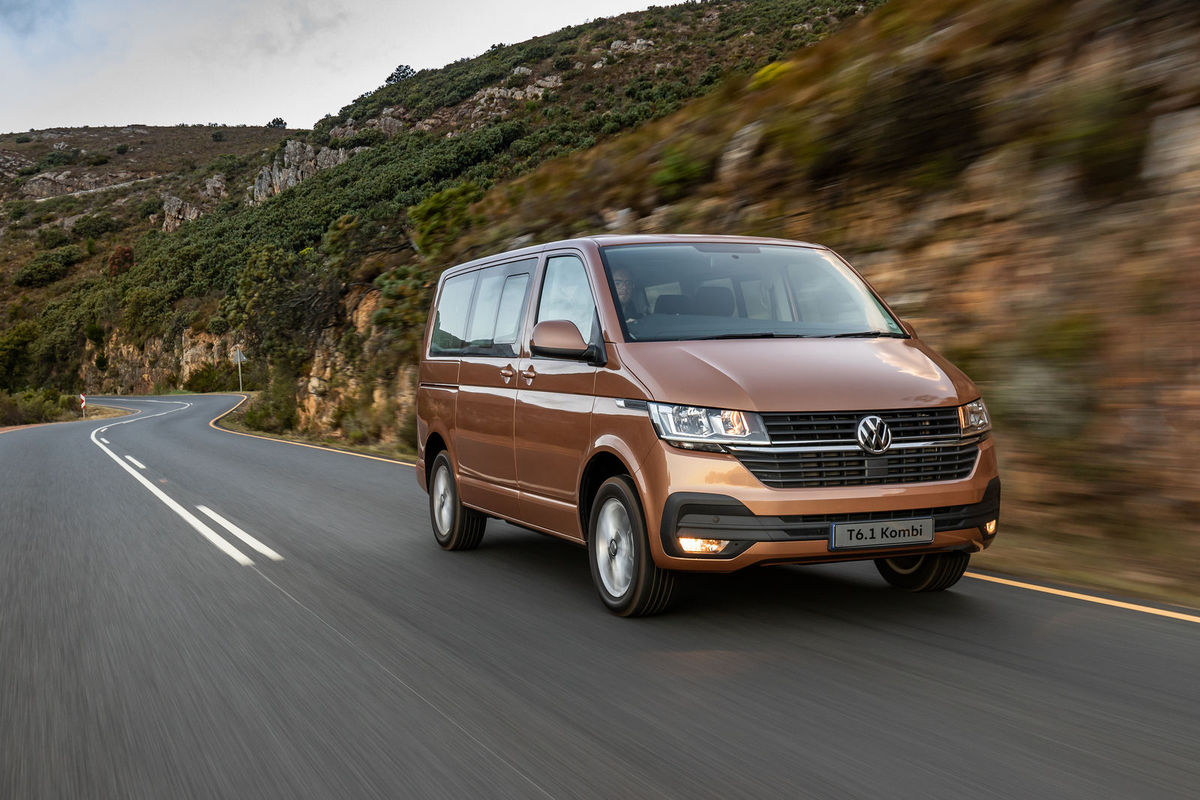
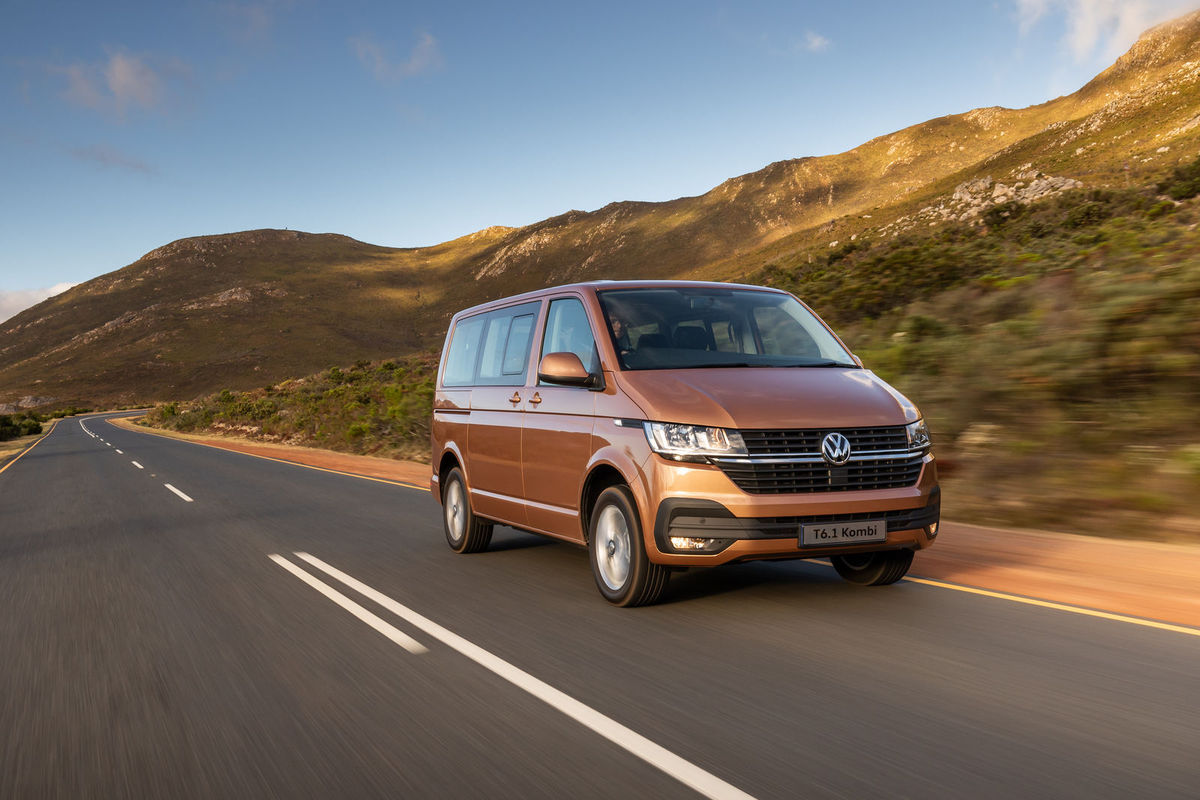
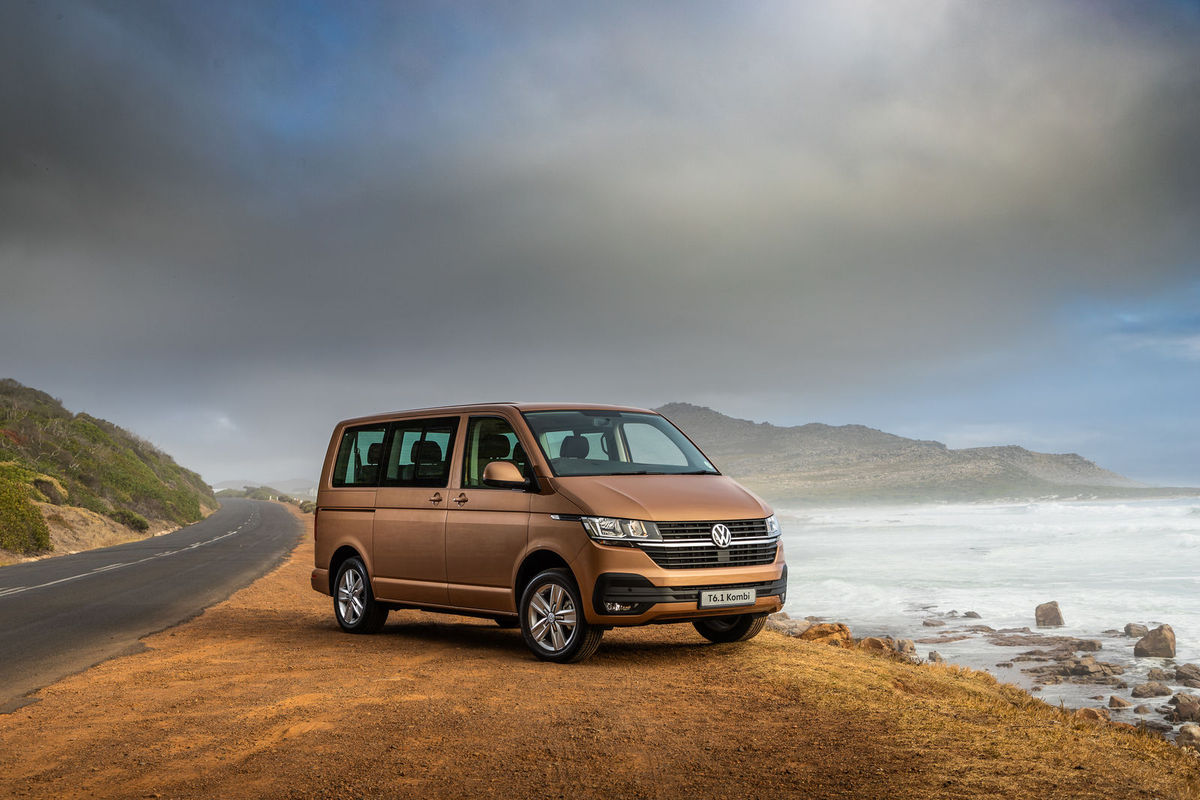
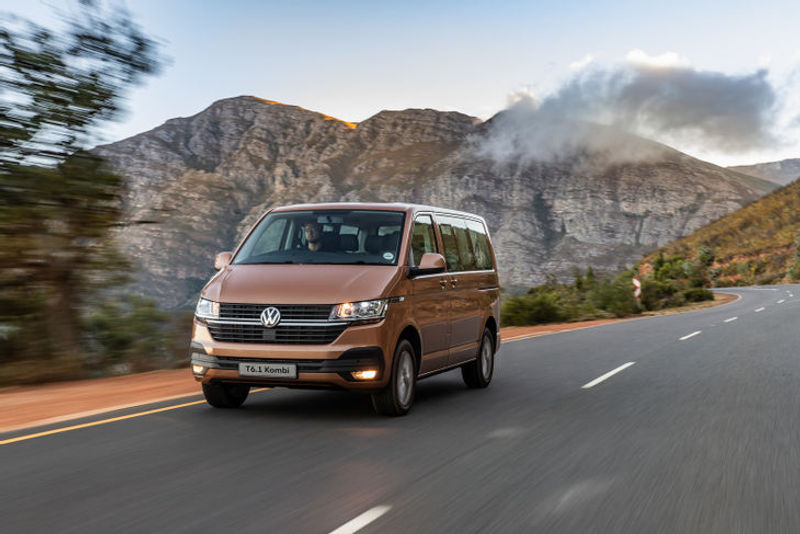
Updated headlight and chrome treatment on the front end denote the T6.1 apart from the previous model.
At first glance, you can immediately see the changes to the Kombi T6.1, which includes the new-look grille and bumper, as well as extensive chrome detailing and, as an added extra, redesigned LED daytime running lights. Volkswagen offers the Kombi with a choice of 6 new wheel designs, half a dozen new exterior colours and seven 2-tone paint finishes.
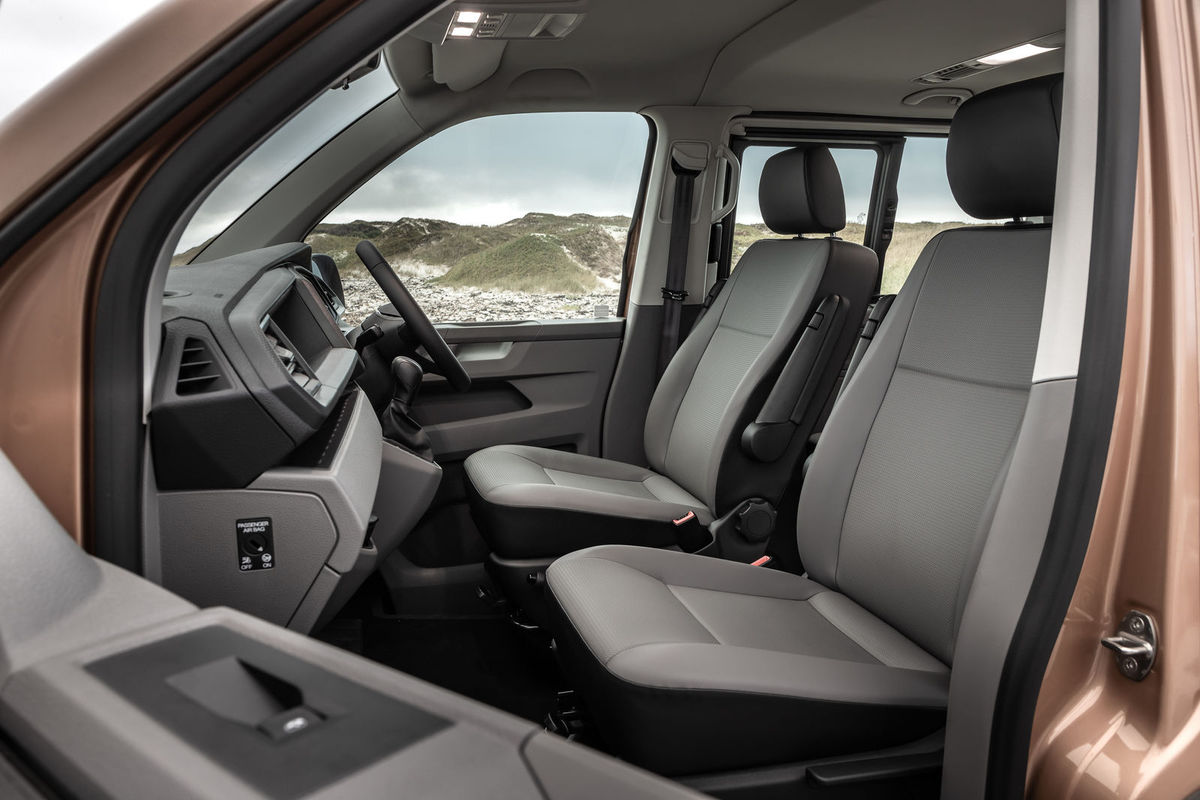
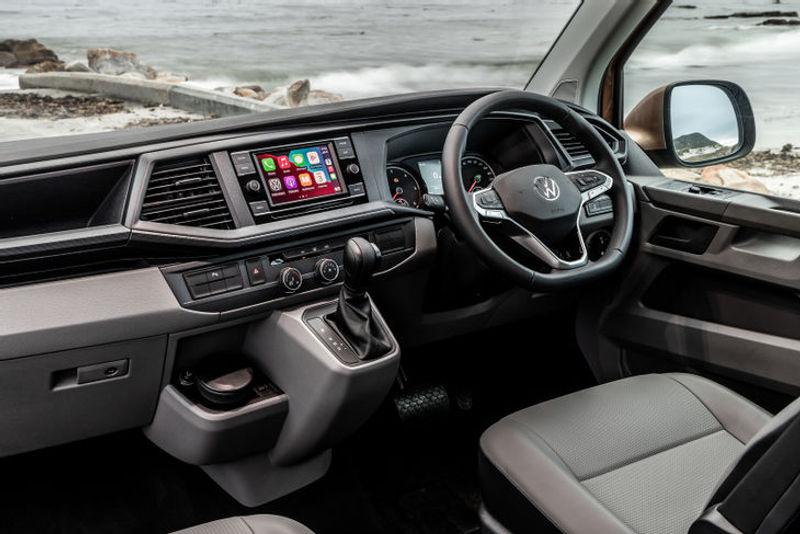
The cabin layout, meanwhile, has been rejigged to include an additional shelf in front of the driver, as well as a larger tray for a smartphone. A wireless charging pad is now available, albeit as an option. Volkswagen has also introduced a new multifunction steering wheel.
The 6.5-inch infotainment system offers Android Auto and Apple CarPlay compatibility and all derivatives come with a Composition Colour radio system.
In terms of safety, the T6.1 is equipped as standard with electronic stability control (ESC), automatic post-collision braking, tyre-pressure monitors, a cruise control system (with speed limiter) and Park Assist. Optional safety systems include trailer assist, lane-keeping assist and the advanced main-beam assist.
Under the skin, Volkswagen says it has introduced electro-mechanical power steering to the T6.1 range.
The Kombi sits below the Caravelle in the T6.1 lineup.
There are 3 engine options available to choose from. A good variety for different purposes. The 2.0 110kW TDI will be the volume seller for Volkswagen.
The engine variants include:
2.0 TDI 81 kW Trendline
2.0 TDI 110 kW DSG Trendline
2.0 BiTDI 146 kW 4MOTION DSG Trendline Plus
Volkswagen claims an average fuel consumption figure of 6.6 L/100 km. Encouragingly, we managed to average 7.4 L/100 km over the weekend in varied conditions and we're confident that if you adopt a measured driving style you should get that usage closer to the claimed figures. The Kombi comes with an 80-litre tank which, if driven with economy in mind, should get you just under 1 000 km per tank.
What's the Kombi like to drive?
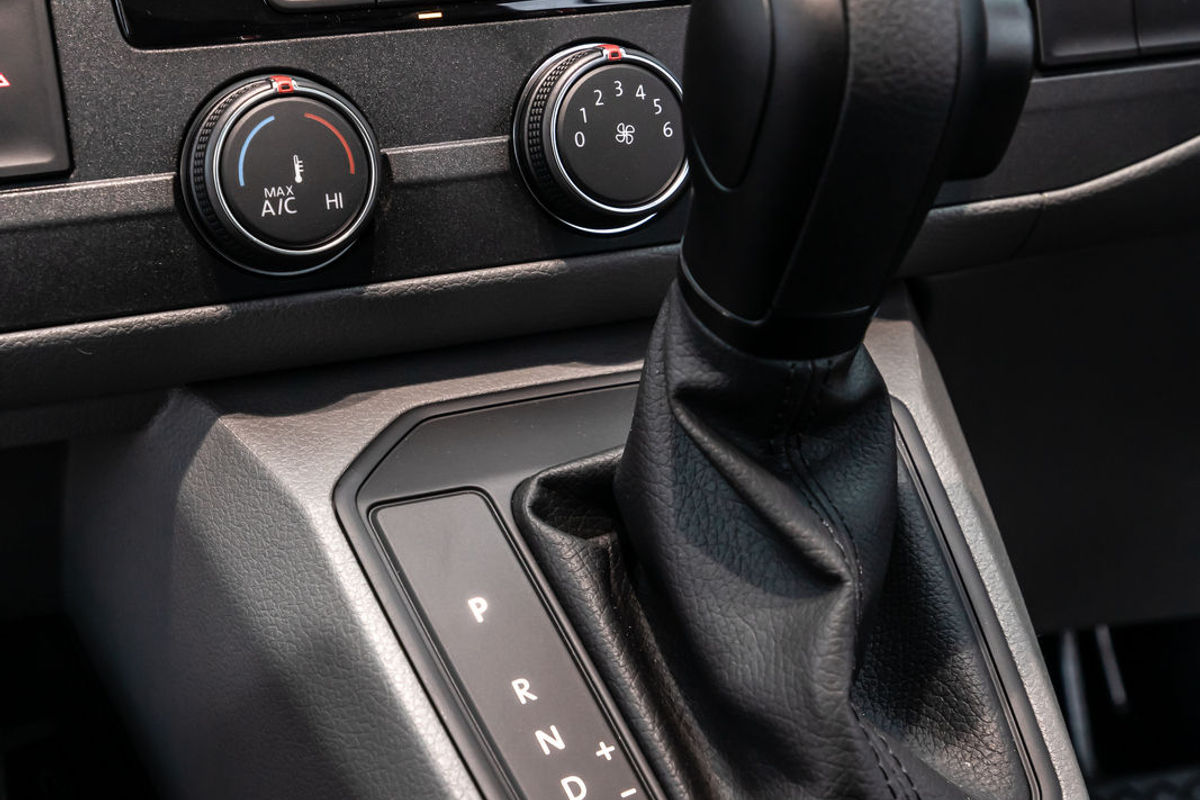
The engine and gearbox offer a smooth drive and adequate power, especially in the mid-range 110 kW model.
We got to drive the 2.0 TDI DSG Trendline, which produces 110 kW and 340 Nm of torque. The turbodiesel engine is paired with a 7-speed dual-clutch automatic transmission, which is very impressive. The gear changes are unobtrusive and when you need to execute a hurried overtaking manoeuvre, the gearbox's calibration is so well-sorted that it will shift down without drama to get you in the correct torque range to make seamless overtakes. That 340 Nm provides adequate overtaking urge, makes going up hills a doddle and enhances driving comfort while the Kombi's fully loaded or towing something.
The commanding, but not overly perched, driving position – in combination with the Kombi's short wheelbase – makes the T6.1's driving experience very comfortable and car-like (there really is no need to concentrate extra hard when turning or parking). The suspension works well, making the ride quality very comfortable as well as improving the handling, even on gravel surfaces. Engine noise and road noise are well-damped and the audio system can be clearly heard by the driver as well as by the back passengers, thanks to half a dozen speakers that are built-in around the cab.
What is the Kombi like inside?
The front of the Kombi is far more luxurious now than many of us will remember growing up.
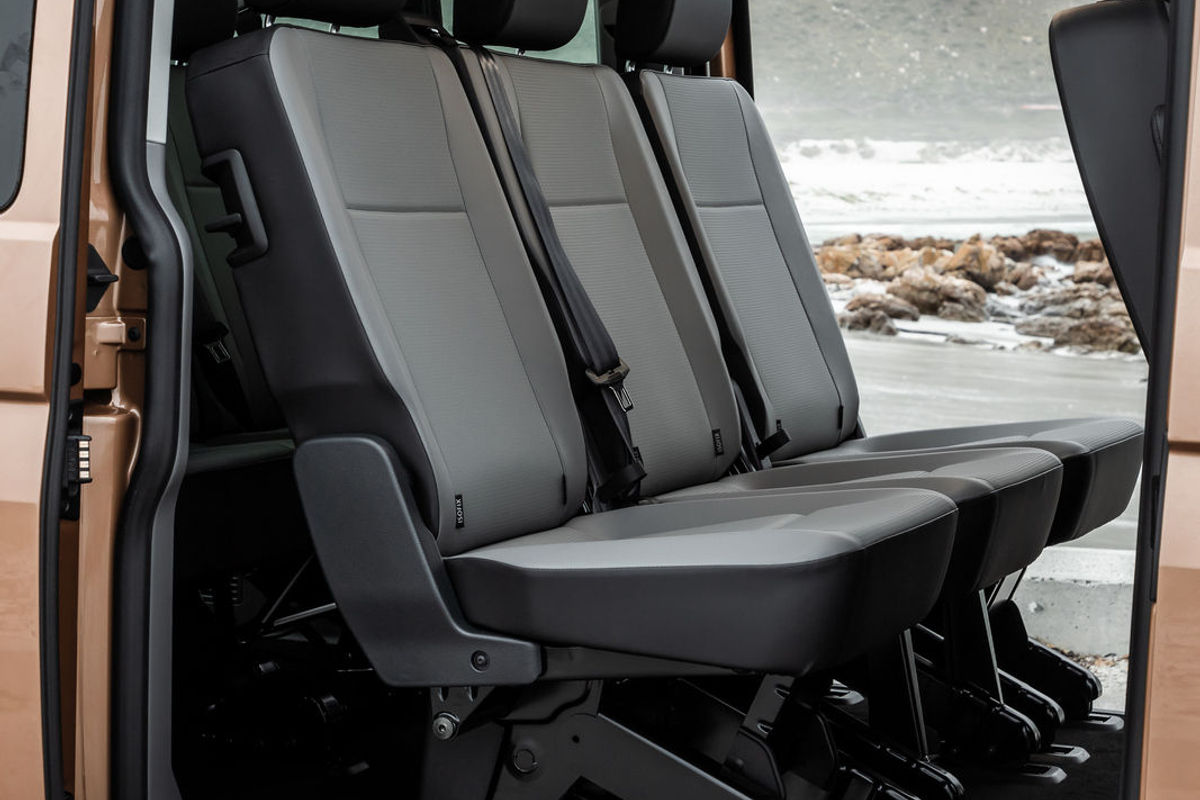
With seating for 8 occupants with lots of space for large families with luggage space to spare, the Kombi T6.1 really makes large SUVs seem silly, well, at least from a practicality point of view.
Features abound, including that 6.5-inch infotainment system, cruise control, park distance control, as well as a reverse-view camera. There are 2 type-C USB charging ports (adaptors are available for standard USB devices), plus a 12V socket. The driver and passenger are availed ample oddment space, although the same cannot be said for the rest of the passengers – there are no storage holders, cup holders or charging points for them, so that might make a long road trip a little uncomfortable when the kids start complaining about flat devices or drink receptacles that fallen over and spilt everywhere.
As for legroom, there is plenty of legroom and shoulder space for all 8 passengers. The seats can also be folded down for plenty of luggage space and with the seats in the upright position, the load bay capacity is still quite large enough for an extended family trip.
Summary
The Kombi may not be the first-choice it once was, but with 8 seats it makes a great holiday car.
The Volkswagen T6.1 Kombi is aimed to be a family-friendly vehicle. The 8-seater configuration, ample luggage space and comfortable ride certainly help it tick the right proverbial boxes…
The 2.0 TDI Trendline retails for R740 500 and this includes a 3-year/120 000 km warranty and a 5-year/60 000 km maintenance plan. The South African market likes big cars, especially SUVs, as they offer a comfortable ride alongside lots of space for the family. Yes, the Kombi provides more space than an SUV at a similar comfort level, however, it does not have the capability of an SUV.
The “van life” culture is on the rise in the European and American market, where most locations are accessible via a tar road. Will we see a rise of this culture in South Africa as well, or will the Kombi stay, as the badge says, a Transporter?