There's good news for SA motorists as the Automobile Association says that the fuel price is set for a solid decrease in November. Here's what you need to know.
Fuel prices are set for more reductions in November due to a slightly firmer Rand and softer international oil prices. This is according to the Automobile Association, which was commenting on unaudited month-end fuel price data released by the Central Energy Fund.
The current data shows that petrol will be down by as much as 27 cents a litre, with diesel lower by around 11 cents.
"The only fly in the ointment is illuminating paraffin, whose basic fuel price increased while petrol and diesel were falling, meaning a 15 cents-a-litre rise for the popular lighting and heating fuel is on the cards," the Association comments.
The rand has steadily gained ground against the US Dollar, possibly due to uncertainties around the US election.
"This gradual appreciation has been mirrored by international oil prices, which softened throughout the month, with steeper reductions seen over the past ten days," the AA notes.
The AA adds that exchange rate and oil pricing data has shown more stability over the past two months, suggesting that fuel prices have reached an equilibrium.
"We are hoping that this is the case, because fuel price stability would come as a welcome relief to individuals and corporates alike in the current economic conditions," it concludes.
2020 AA-Kinsey Report: Which Are The Cheapest Cars to Service and Repair?
The 2020 AA-Kinsey Report was released this week which provides valuable insight into the cost for parts and servicing of popular vehicles sold in South Africa. Check out the results below…
Due to restrictions brought about by the ongoing Covid-19 pandemic, the data for the 2020 AA-Kinsey Report was collected over September 2020 (not May/June as done previously) and most of the research was conducted in and around Durban, by Malcolm Kinsey, author of the report which is now in its 30th year (second year as the AA-Kinsey report). See the 2019 Kinsey Report here!
The 2020 AA-Kinsey Report details costing for parts and servicing on a variety of popular vehicles sold in South Africa across 9 categories, giving consumers a good idea of what to expect when taking a vehicle in for repair or servicing.
Winners in each category are determined by costs of servicing parts (filters, spark plugs, wipers and brake pads), repair parts (cam belt, shocks, clutch plate, flywheel and fan belt) and finally crash parts (doors, fenders, bumpers, glass, lights and wheels etc.).
The winner is the cheapest in the 3 categories combined. While the report does its best to provide the consumer with accurate information, it’s advisable to shop around, as parts pricing can and does vary. The AA-Kinsey Report sources prices directly from dealers.
“Motoring has become more expensive, certainly from a parts perspective, and the results for 2020 show that. Although there may be similar alternative parts from non-franchise outlets – the durability of which cannot be vouched for – prices for original equipment are rising,” notes Malcolm Kinsey, author of the AA-Kinsey Report.
“A factor that has become evident is the increase in cost of body parts. Headlights, rear fenders and wheel rims on some models appear to be a great deal more expensive. This has a negative effect for everyone as it increases the contribution the owner pays for the insurance excess, and the write-off point for a crashed vehicle, and it ultimately increases premiums that one has to pay,” says Malcolm.
Time-testing the new Porsche 911 Turbo S : Can it beat Porsche’s claimed times?
Just how fast is the new Porsche 911 Turbo S? Watch the video!
Quite simply, this is one of the fastest cars ever made. For the new 992 Porsche 911 Turbo S, the company beefed up the already potent 3.8-litre flat 6 with larger turbochargers and a host of other upgrades to now produce over 650hp and 800Nm of torque.
Porsche claim the new generation of the famous nameplate, or rather the car attached to it, can achieve some head-spinning acceleration times. 0-100km/h in 2.7 seconds and 0-200km/h in 8.9 seconds…but they didn't mention the quarter-mile.
And so we rented a runway outside of Cape Town to safely (and legally) put these claims to the test. Join Ciro De Siena as he avoids whiplash to bring you this important piece of consumer journalism.
Looking for the used Porsche of your dreams? We have over 230 to choose from here!
The next Kia Mohave could be a full-on Land Cruiser killer.
Kia is best known for elevating Korean vehicle design, but the company has a tougher side to its business.
Since 2001, Kia has been producing military vehicles for the Korean government. It has delivered over 140 000 of these, to the Korean army, with 100 derivatives spread across nine model types.
That experience has never really been leveraged into the company’s civilian vehicles. Which is a shame, as Kia could make good money with a rugged 4×4 station wagon. The kind of vehicle, to compete with Toyota’s all-conquering (and highly profitable) Land Cruiser.
The possibility of Kia transferring some of its military vehicle technology to SUVs that are purchasable at your local dealer could soon become a reality.
Kia has announced a new advance military vehicle project, set to mature in 2024. The Korean military has requested an agile and modular all-terrain tactical vehicle platform and Kia’s engineers are deploying design and prototyping resources to achieve that.
What does this mean for followers of the Korean brand? The probability of a much tougher and more capable range of large Kia SUVs or even bakkies.
Hyundai proved the concept of a Korean Land Cruiser rival, many years ago, with its Terracan. Although Kia never produced a platform twin of the Terracan, its original Sorento had a low-range transfer case.
The possibility of military-grade suspension, traction control systems and robust drivetrain components being integrated into a large Kia exploration vehicle, will trigger the interest of many.
A likely candidate to benefit from the new military vehicle development budget at Kia, is its Mohave large SUV. It has the proportions and size to rival Toyota’s Land Cruiser.
Unlike many other large luxury SUVs, the Mohave retains a traditional body-on-frame design, allowing for platform flex in technical off-road terrain. And superior platform durability, when driven for huge mileages in harsh conditions.
The body on frame design could also be leveraged for its upcoming bakkie, which it will share with Hyundai.
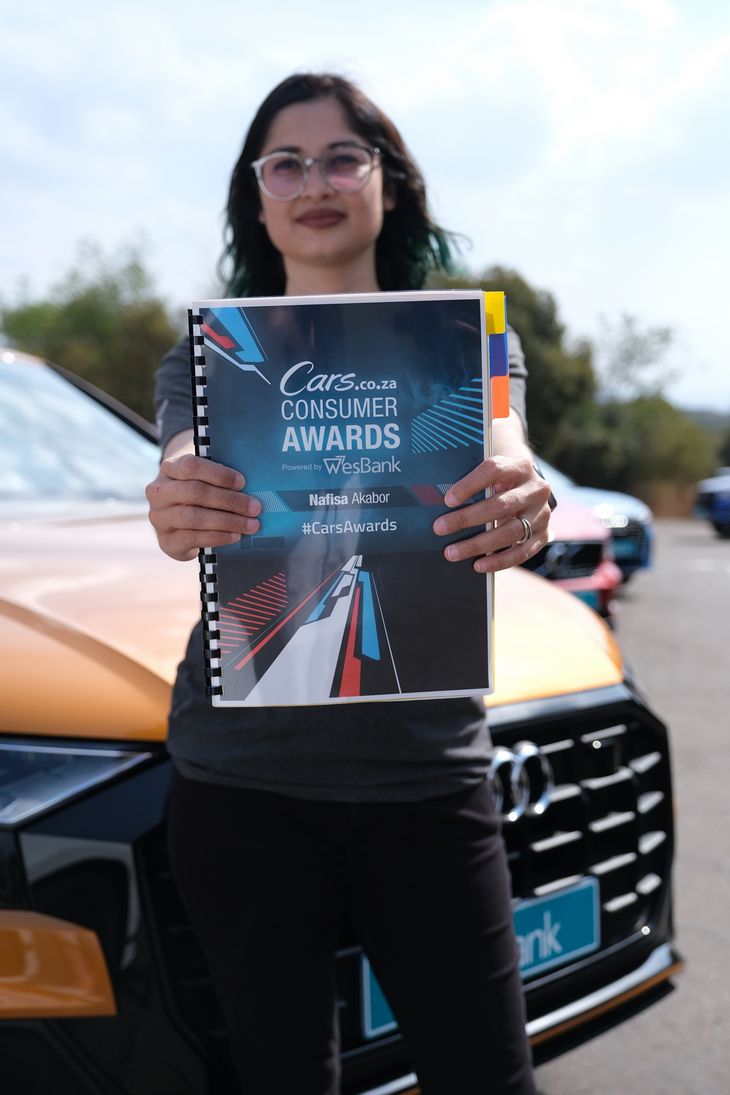
When Cars.co.za decided to launch its Consumer Awards (#CarsAwards) in 2015, it had the luxury of starting the programme afresh; unencumbered by industry expectations. Right from the outset, the vision was clear – to create an Awards programme that services the South African public and helps motorists to make their best-informed car-buying decisions.
We identified several goals and the mechanisms of (what would come to be known as) the #CarsAwards were devised, refined and implemented to make those goals achievable.
The critical goals were:
The list of vehicles recognised by the Consumer Awards should help car buyers shortlist vehicles for consideration, in whichever category they happen to be shopping.
Post-purchasing “living with” factors needed to be considered (and factored in).
To broadcast the names of finalists to as many South Africans as possible throughout the awards’ 6-month process, and immediately after the winners were announced.
And so, the Cars.co.za team started building an awards programme quite unlike any this country had seen before…
1. All the cars in the market considered
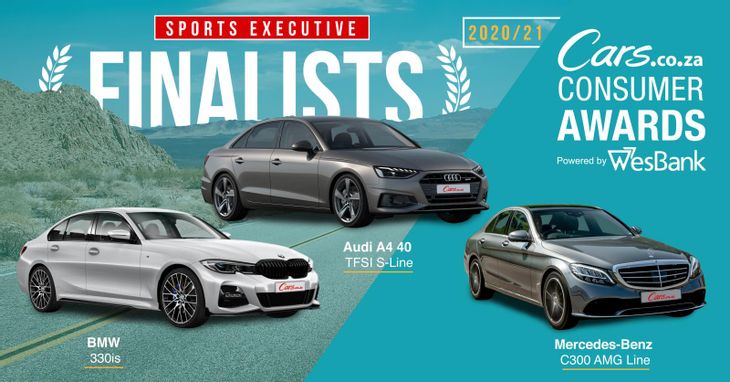
The Business Class category has been replaced with a Sports Executive category.
Right from the start, it was clear that for the Consumer Awards to be of any value to car buyers, it had to include all the cars that are available as new or “out-of-the-box”, not only those launched in the past 12 months.
“There are vehicles that have been on the market for 3, sometimes 4 years, that are still worth considering,” says Hannes Oosthuizen, Cars.co.za Consumer Experience Manager and #CarsAwards project leader. “We simply had to be inclusive of everything (all models and derivatives) listed in the new vehicle market, particularly if you consider that after-sales service accounts for the scoring. In other words, a slightly older car with a lower product score from the judges, could still come out on top in its category if its brand achieves excellent after-sales service ratings.”
The deadline for inclusion was 1 October this year. This was when the Cars.co.za extended editorial team sat down and debated the categories and selected the semi-finalists. All cars available in the market on that date were included.
2. Cars are judged within the categories they fall under, against their peers
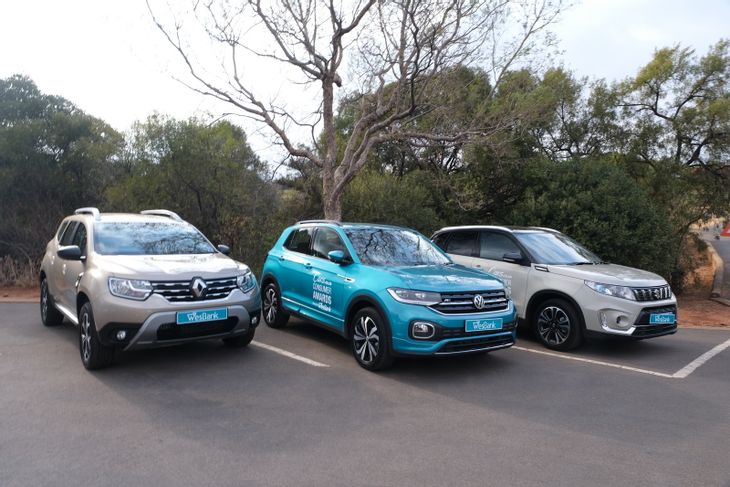
The Compact Family Car category takes into account safety, size and keen pricing.
“There’s no point telling someone a premium sedan is the best car in the country when that consumer is looking for an affordable pick-up or a budget car, for example,” explains Oosthuizen.
That’s why the #CarsAwards, which has been sponsored by financing giant WesBank from its 2nd year onward, has 13 product categories spanning from entry-level cars, through crossovers, hot hatches to premium SUVs.
“We further reconsider our categories every year and remain flexible to changes in the market,” Oosthuizen explains. “For example, the traditional family sedan market is just about dead, so there’s little point in having a category for that, as you would be speaking to a tiny percentage of car buyers.” This approach explains the rise in crossover/SUV-themed categories, as those are the segments from which many buyers are hoping to make their next vehicle purchase.
3. Back-to-back testing
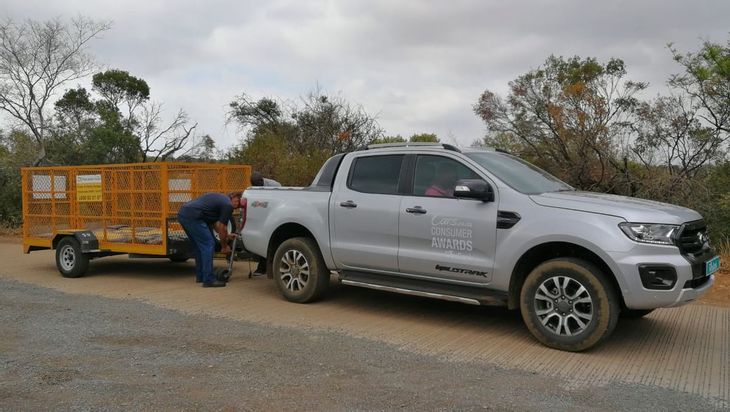
? Ford's Ranger undergoing towing testing at last year's CarsAwards.
"One of the major challenges, but also arguably one of this process’ greatest strengths, is the fact that we require all 39 finalist vehicles (3 in each of the 13 categories) to be present for 2 days of back-to-back testing at Gerotek, South Africa’s only true testing facility, in early November every year,” says Oosthuizen. “This is a major logistical challenge, but it allows our judges to drive comparable vehicles back-to-back, something that the majority of motoring journalists rarely get the opportunity to do. In our view, this is the only way one can get an accurate view of a product – when its rivals are right next to it.”
4. Weighted categories
Categories are scored and then subsequently weighted in specific areas within each category.
The so-called “Filters of eligibility” and “Pillars of Success” are unique to the #CarsAwards, Oosthuizen explains.
“When the editorial team sits together on the 1st of October, after we’ve determined the categories, we need to reach agreement on what defines-, and what the minimum requirements are, for those respective segments of the market. Consider the requirement for an electronic stability programme (ESP) in the Compact Family Car segment,” Oosthuizen continues. “The team feels strongly that no compact family car should be sold without that feature. As much as we remain aware of what the market wants, we also need to educate and advise it, so it’s a tough balance to find.”
Once the filters have been applied, the cars that are left are judged against the “Pillars of Success”, which vary from 1 category to the next. “When it comes to scoring at Gerotek, judges may score everything out of 5, but in the background our auditors (PwC) will apply weightings,” Oosthuizen says. “For example, in the Family Car segment, the practicality of the load bay may be 'upweighted' as much as 3-fold, while it would carry no weighting in the Performance Car segment.” The goal is a scoring system that is in line with consumers’ different requirements in each of the respective categories.
5. Post-purchase considerations
Owners of these cars form an integral part of the final decision, they rate their experience both before and after purchase.
“This was by far the most challenging target to achieve,” says Oosthuizen. “It’s crucial to include a score that reflects each respective brand’s ability to provide good after-sales service, parts support and so on,” he explains. “After all, when you buy a car, you buy into a brand and enter a relationship that will last a few years.”
To find a solution, Cars.co.za turned to data specialists Lightstone Consumer and the firms co-developed an Ownership Satisfaction Survey that would gather this data. In the survey, actual car owners rate their own purchasing experience, after-sales service and more, and all this data is used to calculate the individual brands' scores, which account for 50% of each finalist vehicle’s score (with the other 50% coming from the results of the test days' judging).
“There are other awards programmes in which consumers can vote, which impact the results, but this is not how the Cars.co.za Consumer Awards – powered by WesBank – works. We use data from real car owners, who evaluate the cars they know best – their own – to calculate the brand scores,” says Oosthuizen. “It’s a crucial matter of distinction, because if we were just to open it to public voting, it’s essentially nothing more than a popularity contest, with the public voting for cars of which they have little to no experience.”
6. A diverse panel of judges
? Two new judges this year; Mpho Letsholonyane and Leanne Manas joins the jury.
“Motoring journalists tend to be cut from the same cloth,” says Oosthuizen. “Yes, they may have experienced a variety of new vehicles, and they are particularly valuable when it comes to evaluating vehicles in more extreme situations, such as dynamic handling or braking assessments. The reality, however, is that most of them don’t own cars, because they don’t need to. So, our panel also includes non-motoring journalists from various sectors in the media.
"We have, for example, single moms who look at a family car in a very different way to most motoring journalists, or tech journalists, who really understand the latest infotainment systems,” Oosthuizen explains. “We assign judges to the categories where they are most experienced and/or best suited.”
Another reason why a diverse panel of judges, from all types of media is a benefit, is that the #CarsAwards message is conveyed to a far greater audience than what would’ve been the case if the judging was restricted to motoring journalists and their publications only.
7. A ground-breaking presentation event
The announcement of the winners of the 2020/21 #CarsAwards will take place during early-February 2021.
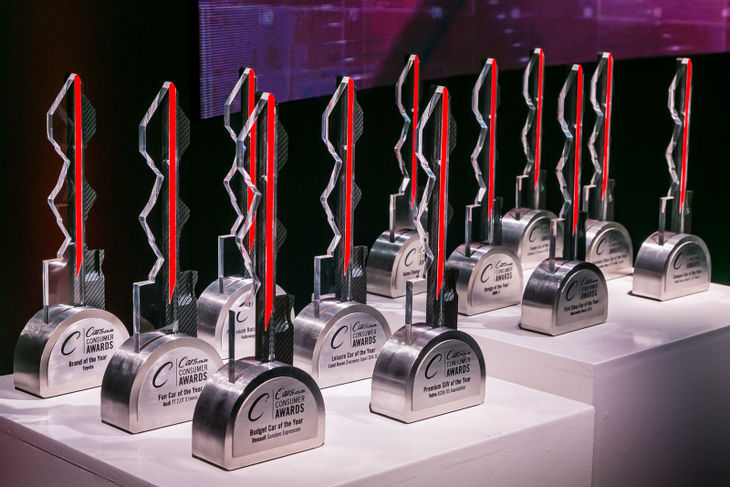
Another big challenge was to create an awards event night that would a) please the motor industry and b) engage with South African consumers in a contemporary, fun way. “Working with John Vlismas, Belinda Chapman and their team at OGO Productions to create our event (typically the first annual red-carpet event in Gauteng) has been a privilege,” says Oosthuizen. “Right from the first event, the feedback from the industry was that the #CarsAwards presentation was a breath of fresh air. Yes, we hand out special trophies, and yes, there are winners and losers, but every year we try to push the boundaries.
“We have an event that would compare very favourably with most stage productions at the Frankfurt International Motor Show, for example,” Oosthuizen adds. “Keep in mind that our event is live-streamed on YouTube, so that those who cannot be there on the night, can still experience the glitz and glamour of the show… and there’s a lot of that!”
What’s in store for the 2021 announcement? “Let’s just say that it will be colourful, and we’re working hard to ensure that visually our audience is in for a real treat.”
8. An investment in broadcasting the winners
Dasen Thathiah?, a reporter for ENCA, joined the judging panel in 2019.
“Many awards programmes end with the handover of a trophy (or trophies), followed by a press release,” Oosthuizen explains. “We decided from the get-go that if our awards programme was to truly have an impact on consumers’ purchasing decisions, it would require significant post-event marketing. This is why you see #CarsAwards billboards across Johannesburg and at airports. That’s why there are ads in magazines and newspapers, as well as several online platforms: to inform consumers about which cars they ought to be considering. The brands don’t pay for those ads, it’s part of the awards roll-out and integral to our strategy.”
9. #CarsAwards has WesBank as a partner
Wesbank continues to be the headline sponsor of #CarsAwards.
“We had confidence in our recipe in 2015 and managed to host the first #CarsAwards without any sponsor,” says Oosthuizen, “but having WesBank as a partner has given #CarsAwards far greater punch. WesBank is the largest provider of vehicle finance in South Africa, and our awards programme attempts to guide consumers to better purchasing decisions. It’s a perfect fit, really, and we’ve developed a standalone website (www.carsawards.co.za), where prospective car buyers can read up on the awards, the judges, the finalists, category criteria and put through a finance application, should they wish. We work very closely with the WesBank team to further hone the #CarsAwards recipe.”
Since 2019, WesBank’s highly anticipated industry forecast has also been added to the #CarsAwards event evening, adding even more value for the media and industries present.
Oosthuizen adds that the Cars.co.za Consumer Awards – powered by WesBank, will continue to evolve and reflect the local market changes: “We want to thank everyone who has engaged with us in the past 6 years, from OEMs to every car owner that completed a survey. You’ve helped us build an awards programme that we believe will help many buyers.”
The winners in the 13 respective categories and the recipient of coveted Brand of the Year title (entirely based on consumer data) of the Cars.co.za Consumer Awards – powered by WesBank, will be announced early in February 2021.
Visit www.carsawards.co.za to find out more about the categories, criteria, finalists, scoring system and judges.
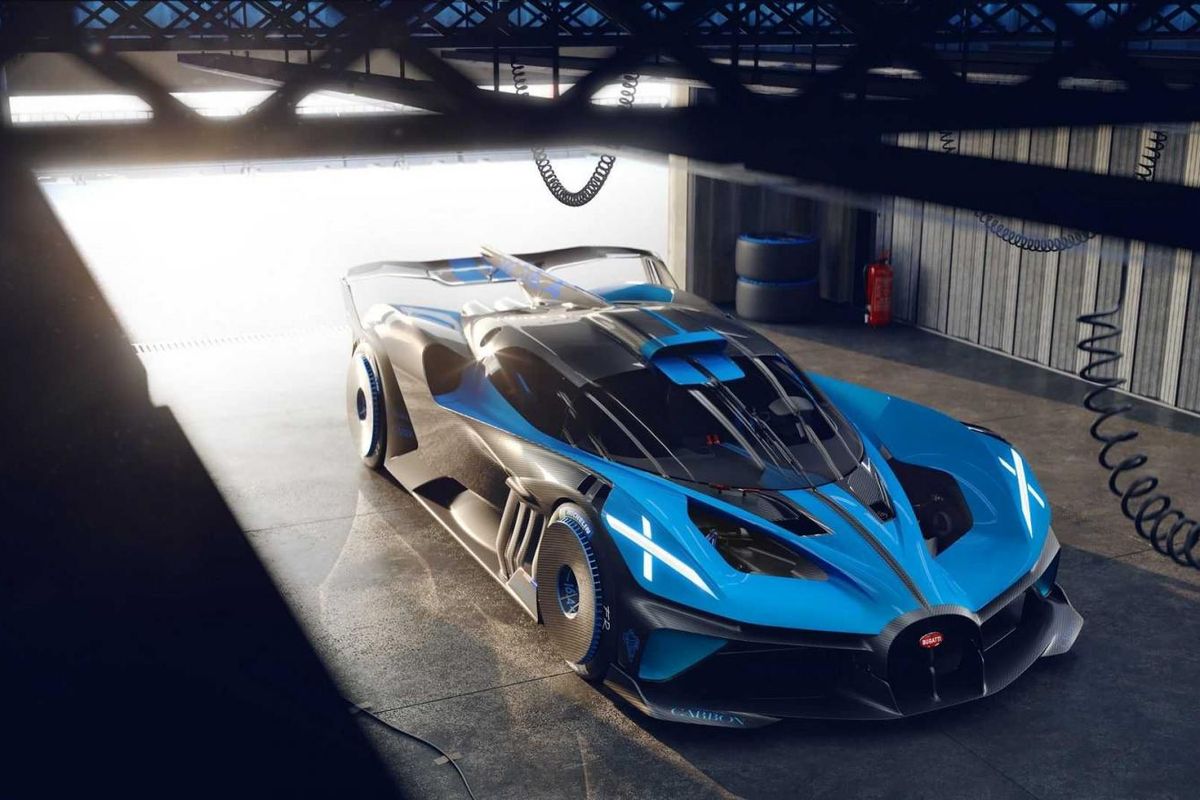
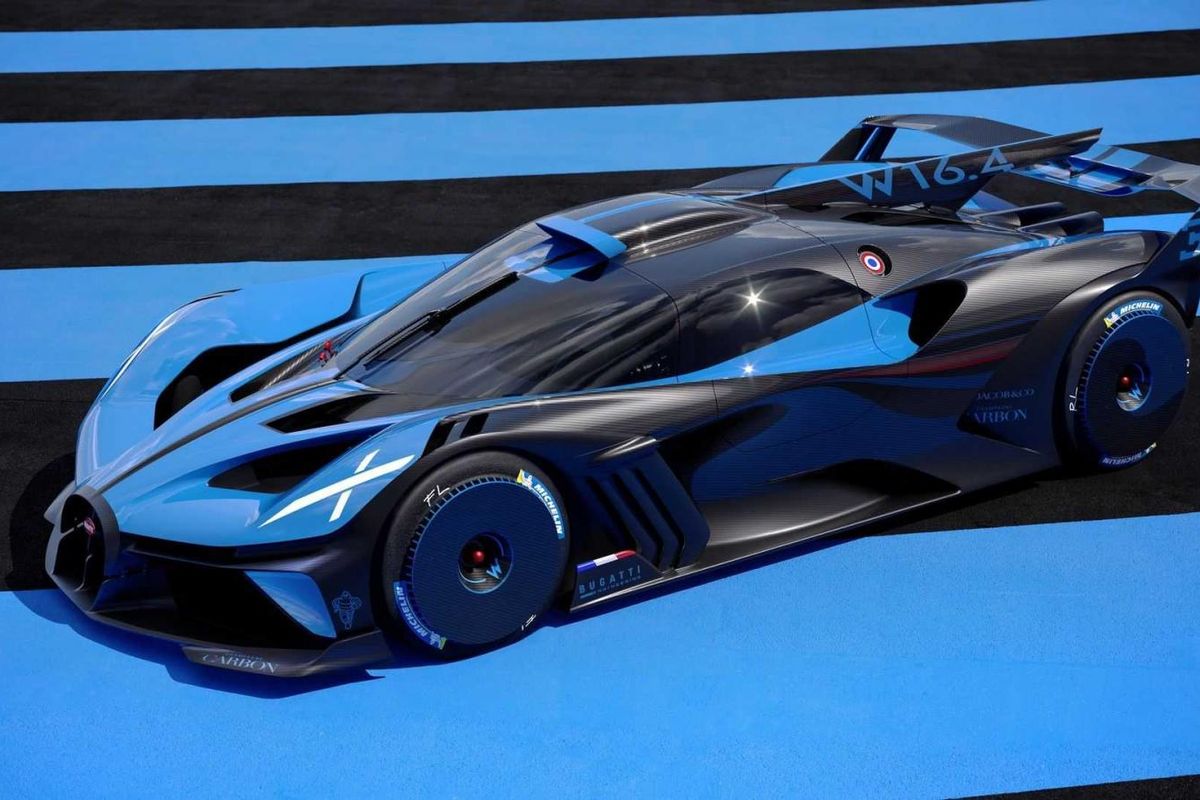
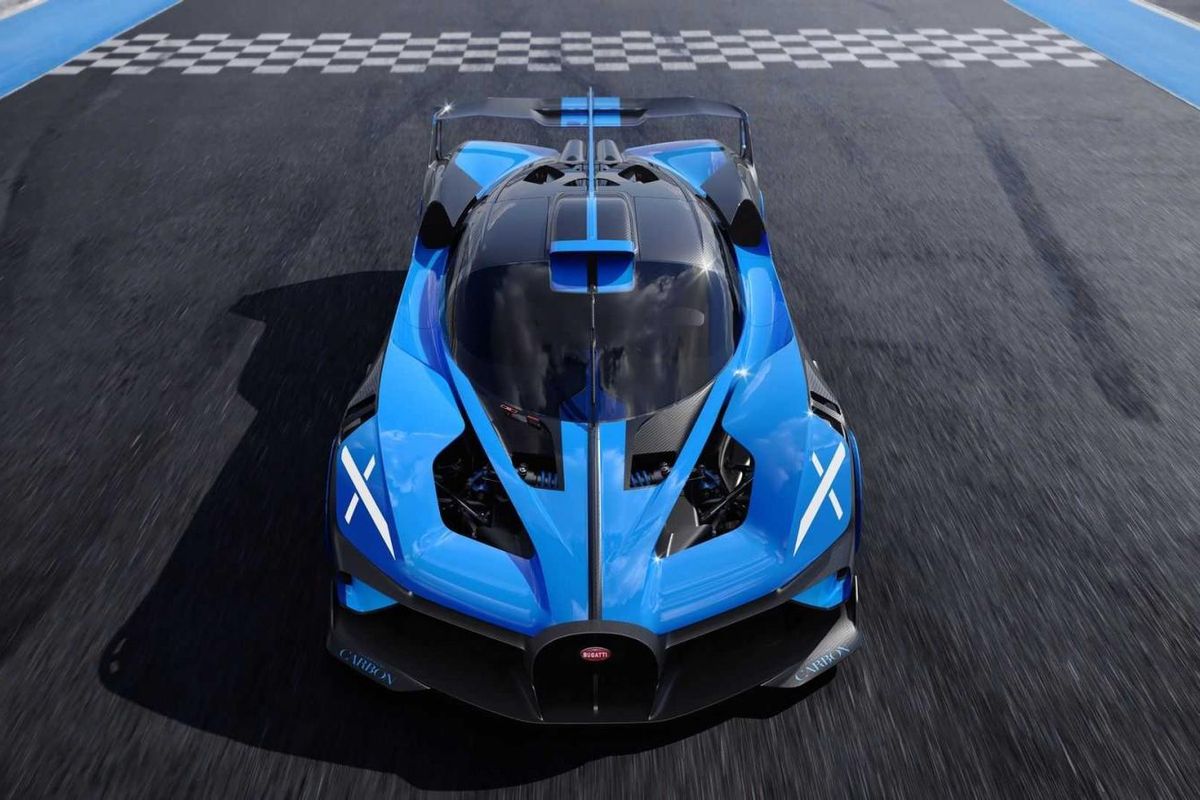
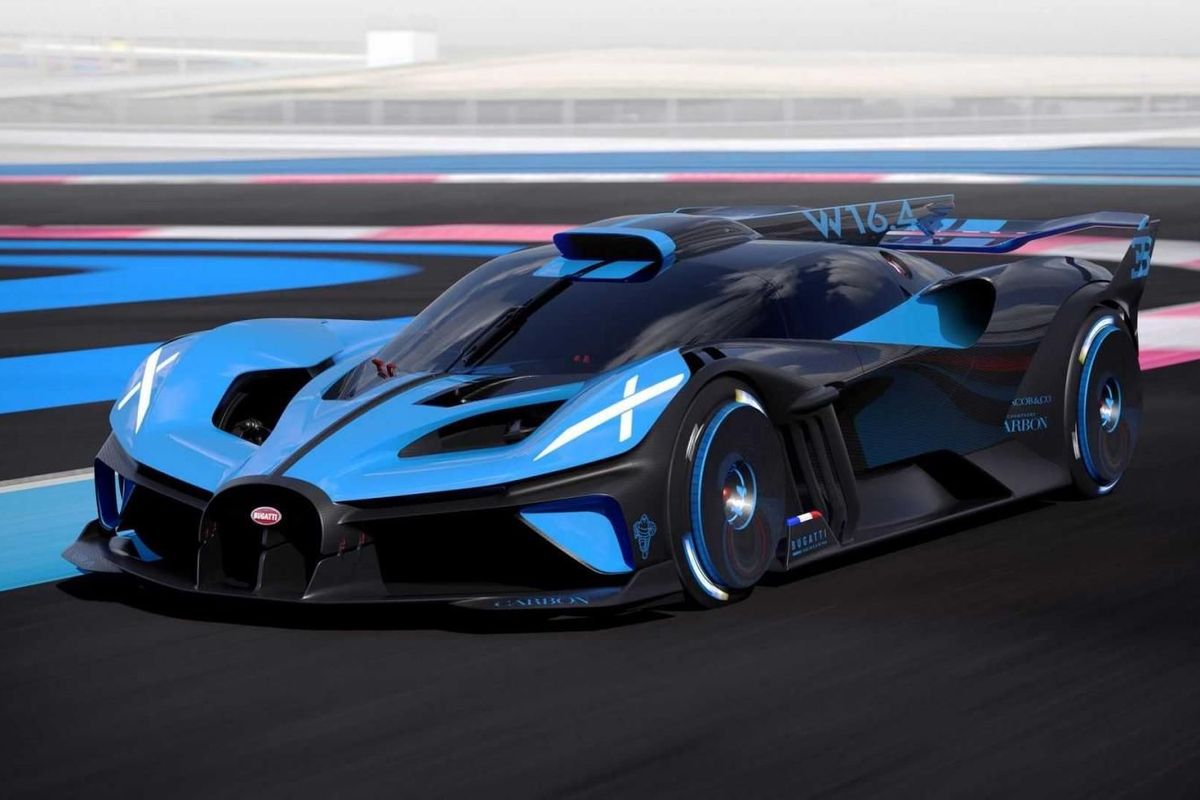
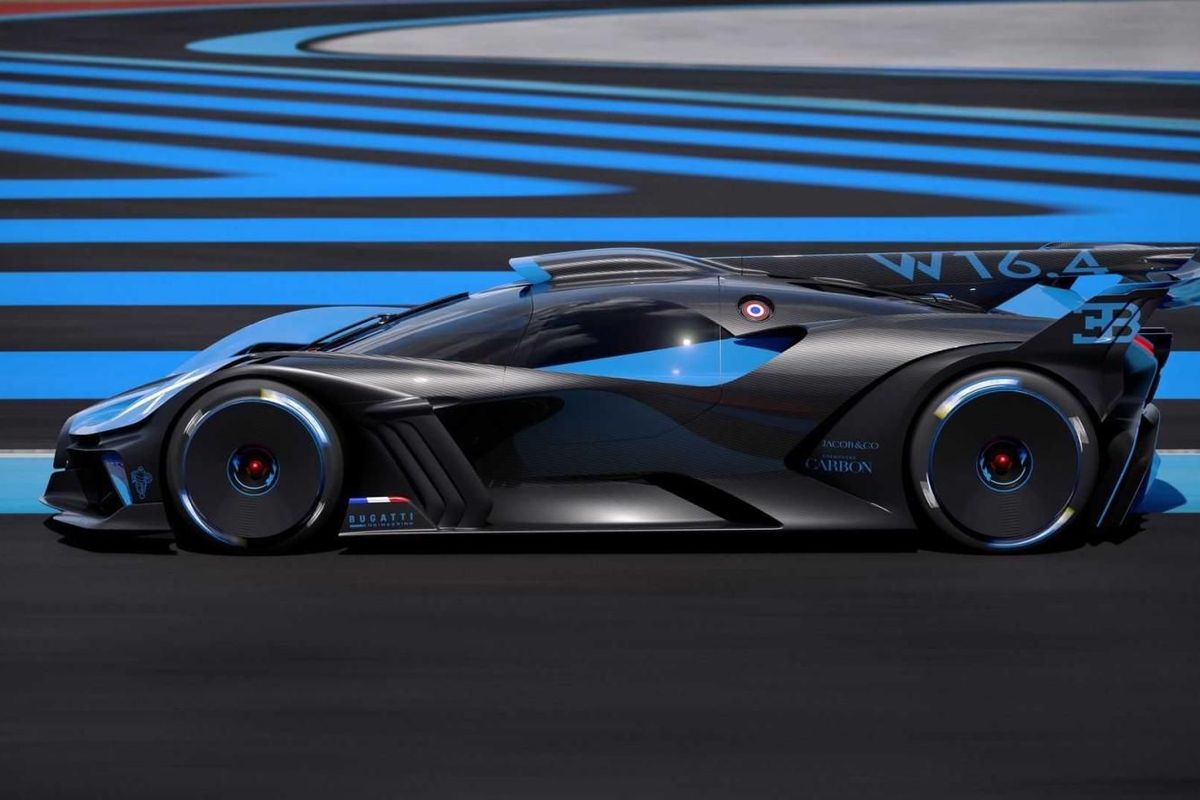
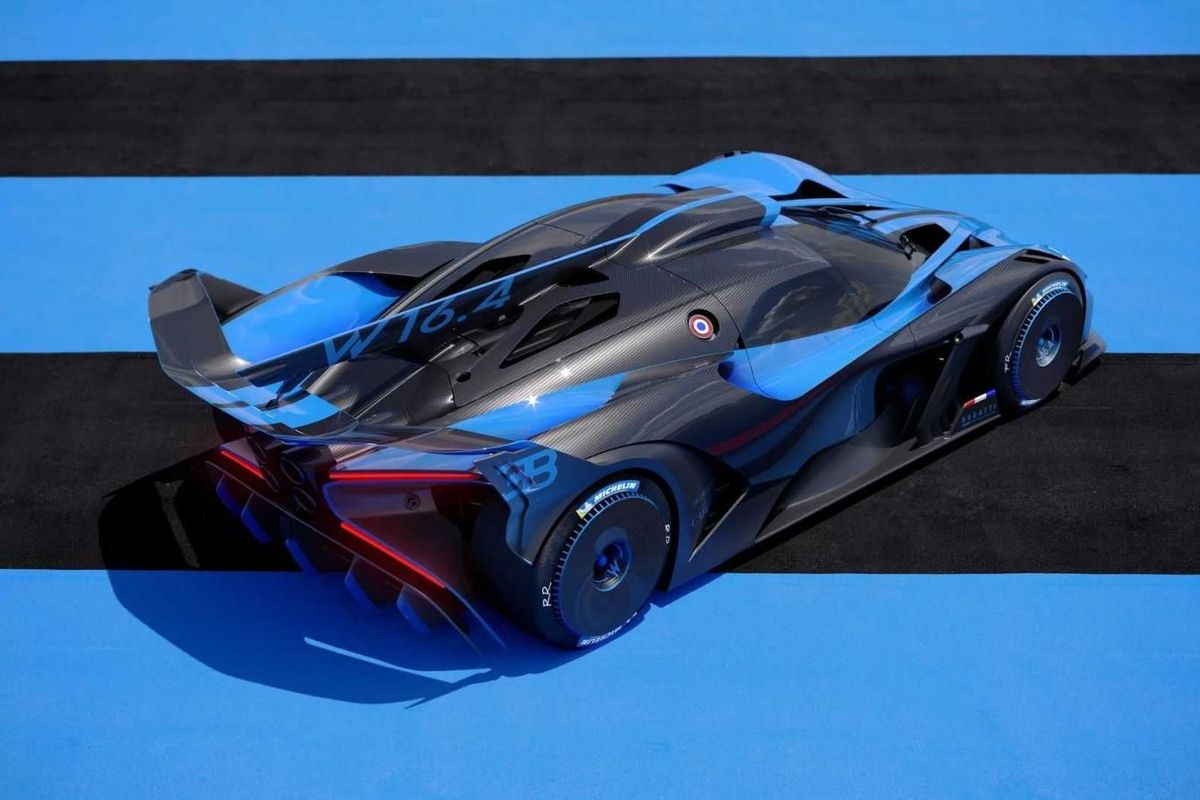
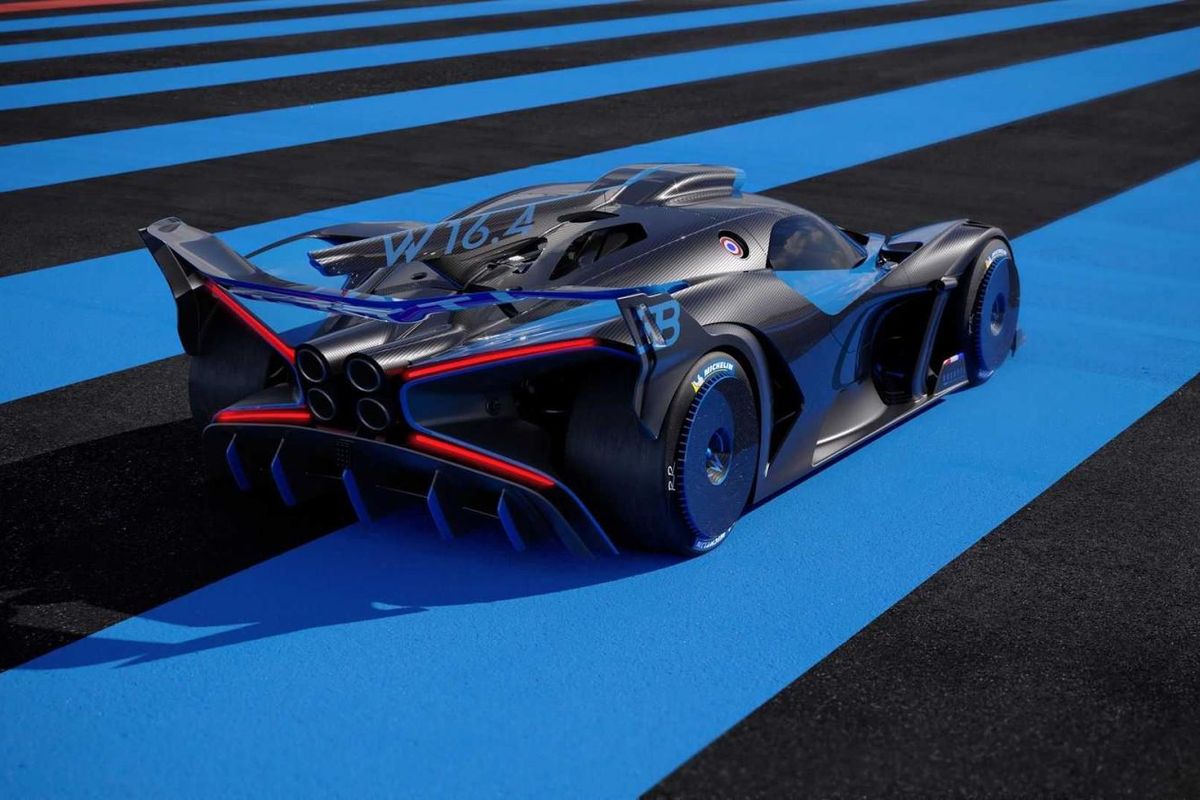
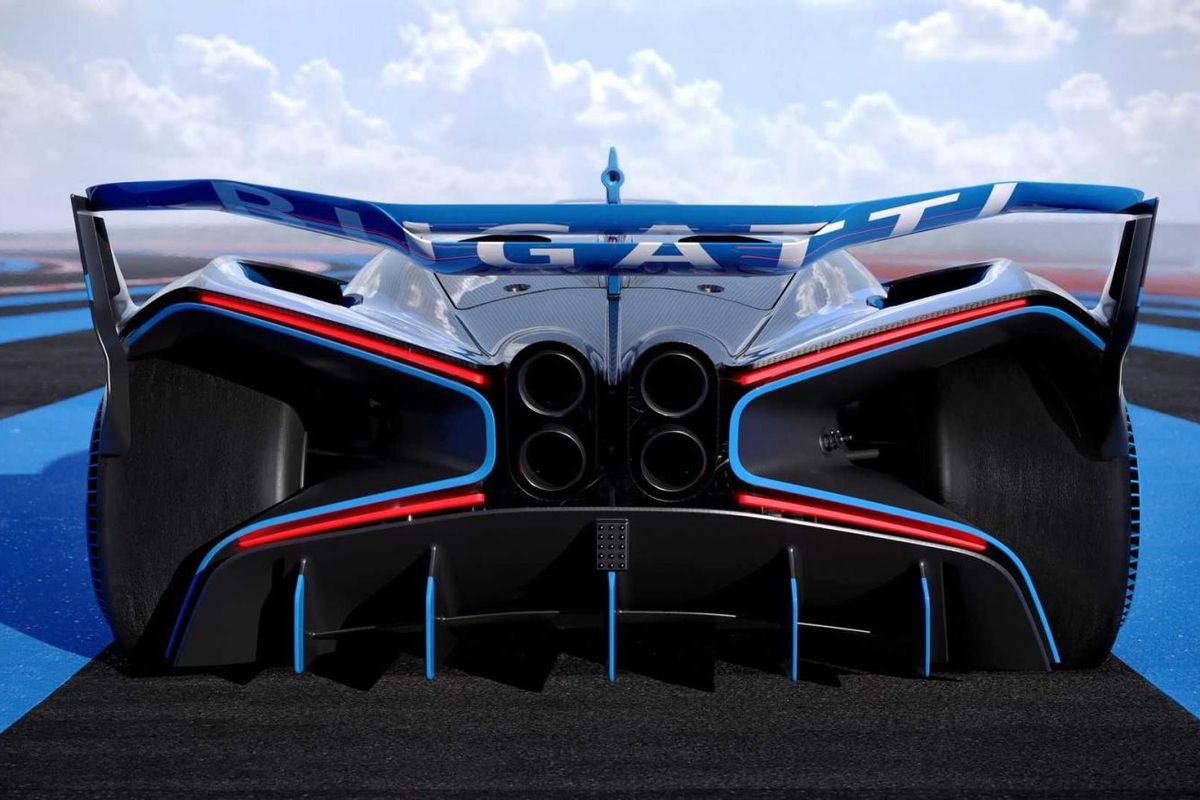
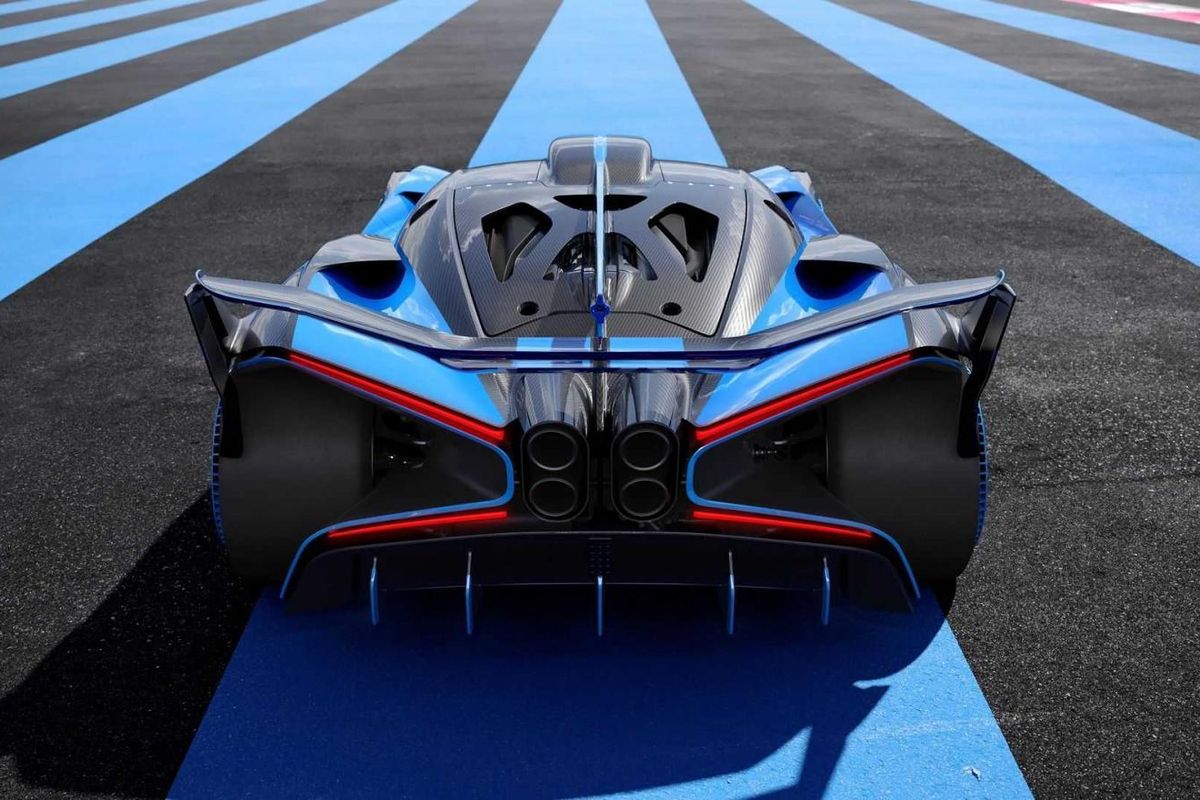
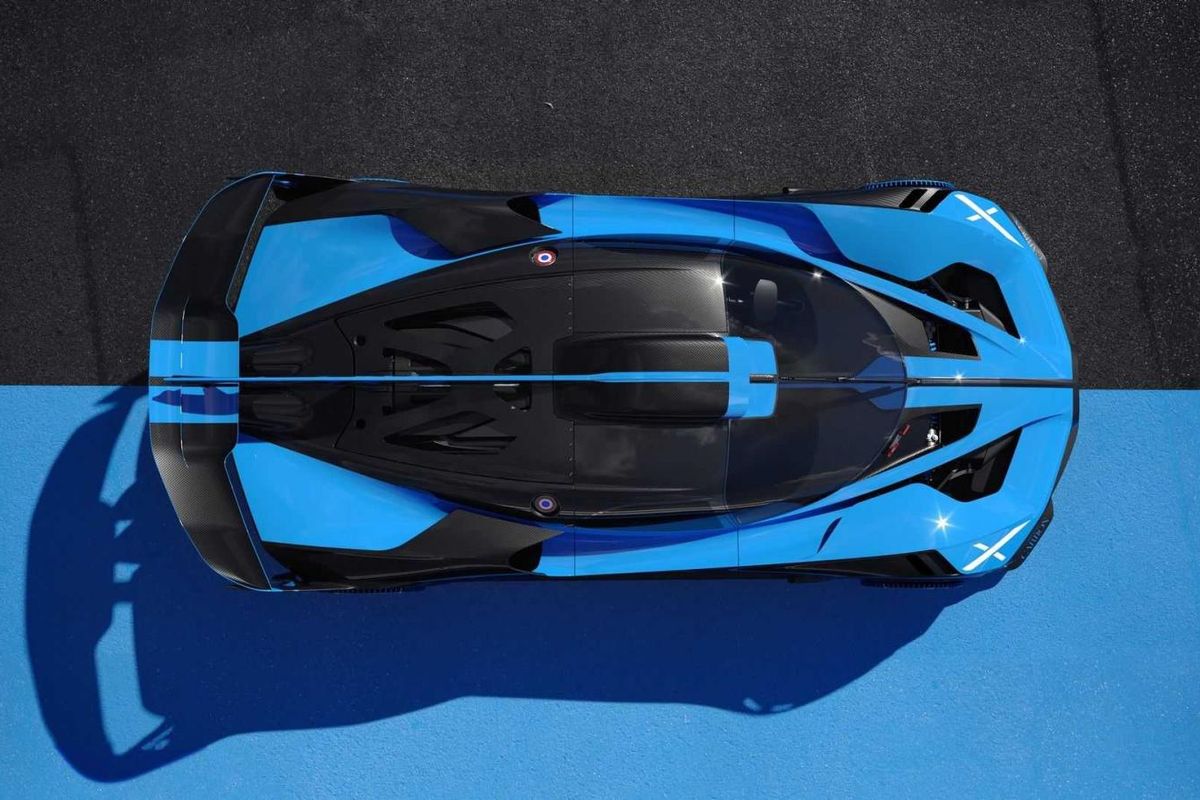
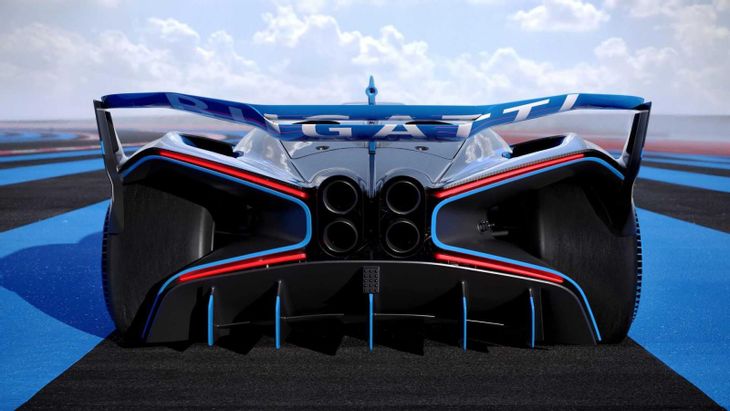
Bugatti has revealed a new, hardcore hypercar for the track. Meet the Bolide!
The Molsheim-based firm has created a new hypercar for the track, boasting a truly-impressive power-to-weight ration of just 0.67 kg per single horsepower. It must be noted that the Bolide is somewhat of an experiment at this stage as Bugatti wanted to create a lightweight hypercar based on its 8.0-litre W16 engine and is the most extreme, fastest and lightest concept car in the company’s recent history.
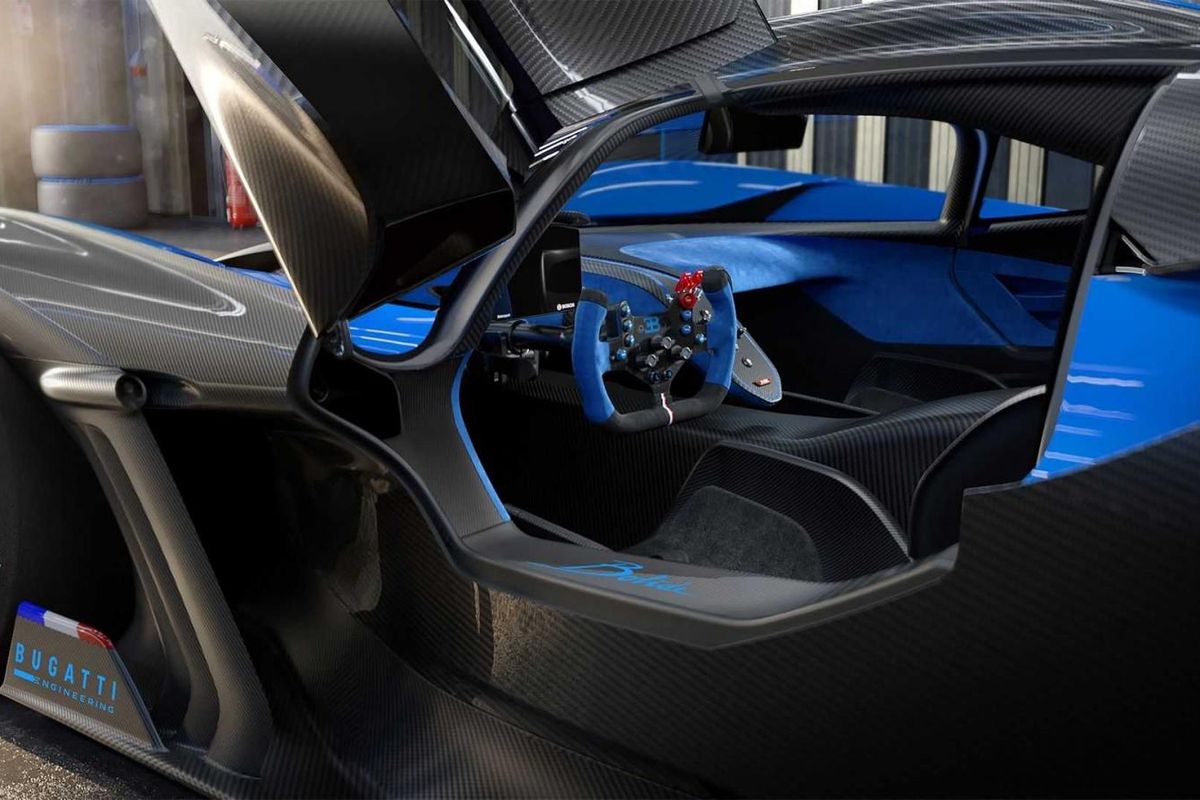
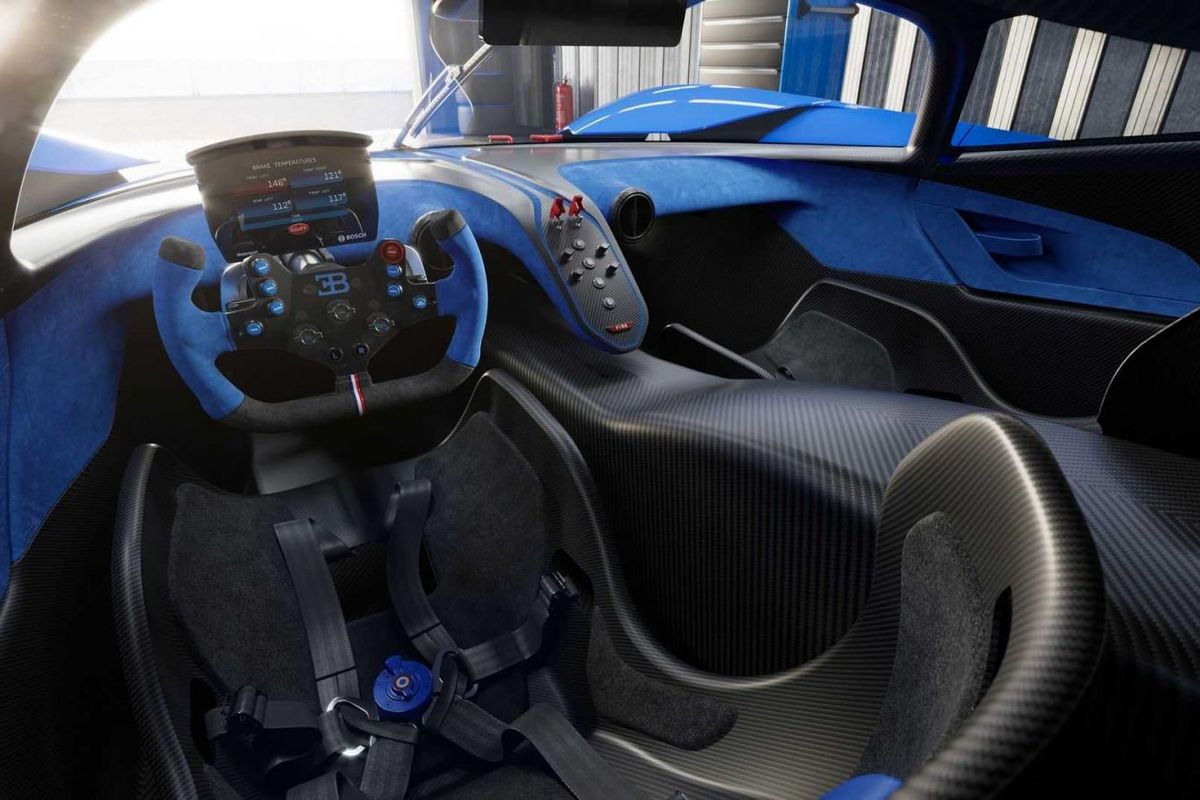
Stephan Winkelmann, President of Bugatti commented, “We asked ourselves how we could realise the mighty W16 engine as a technical symbol of the brand in its purest form – with solely four wheels, engine, gearbox, steering wheel and, as the only luxury, two seats. Important aspects of our considerations were fine-tuning our iconic powertrain without any limitations as regards the weight-to-power ratio. These considerations resulted in the Bugatti Bolide. An uncompromising experiment, a thoroughbred, a Pur Sang that, in its brute exclusivity, impresses above all with high performance, low weight, and a driving experience in a whole new dimension. Driving the Bolide is like riding on a cannonball.”
The Bolide Pack Serious Heat
Is this the ultimate hypercar for the track?
The Bolide weighs in at only 1 240 kg and is motivated by a modified version of the brand’s iconic 8.0-litre W16 engine which produces 1 177 kW on standard fuel, but power increases to 1 361 kW at 7 000 rpm when fed on 110-octane racing fuel with torque maxing out at 1 850 Nm at 2 000 rpm. Newly developed quad turbochargers also contribute these hugely impressive outputs.
As a result, the Bolide delivers performance that’s almost comparable to a modern F1 car. Bugatti’s simulations show that the sprint from zero to 100kph will take just 2.17 seconds, zero to 200 kph in 4.36 seconds, zero to 300 kph in 7.37 seconds, zero to 400 kph in 12.08 seconds and finally, zero to 500 kph in just 20.16 seconds!
Bugatti estimates that the Bolide would take only 3:07.1 minutes to do a lap at Le Mans’ Circuit de la Sarthe and just 5:23.1 minutes to lap the Nurburgring!
Watch the video below to see how the Bolide manages to achieve such staggering performance figures!
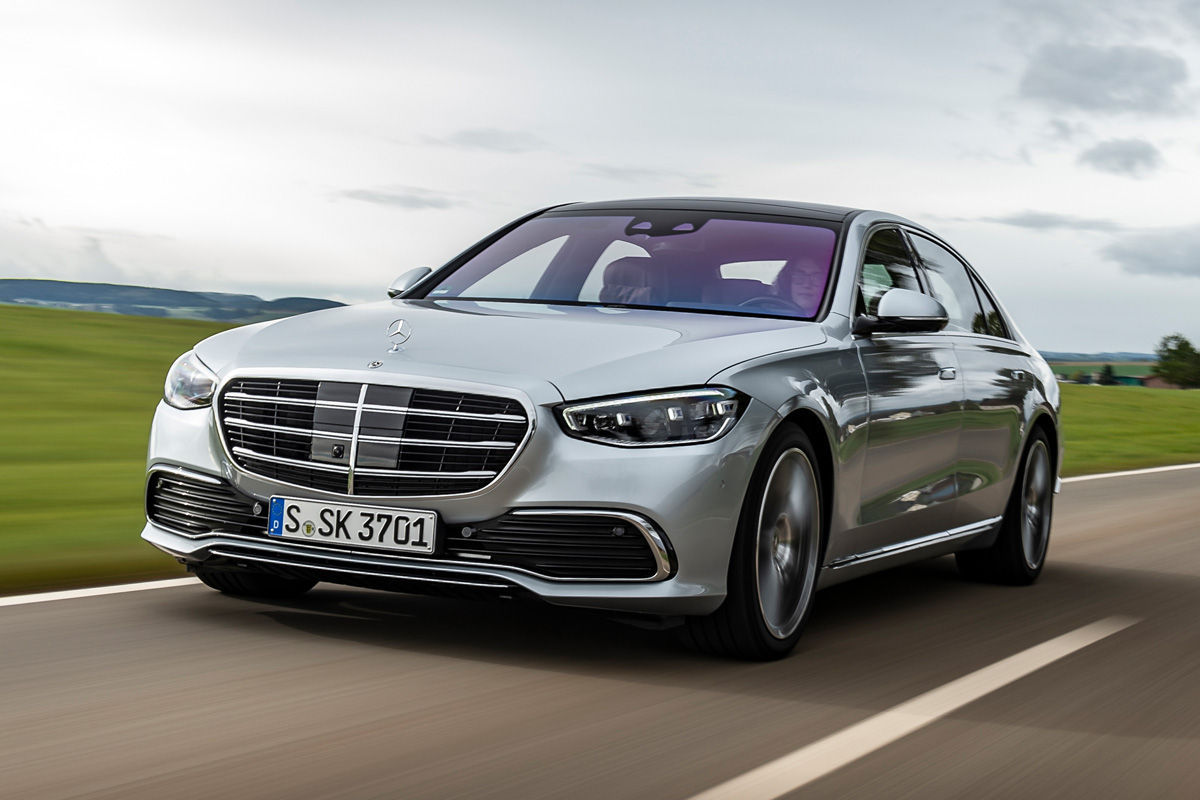
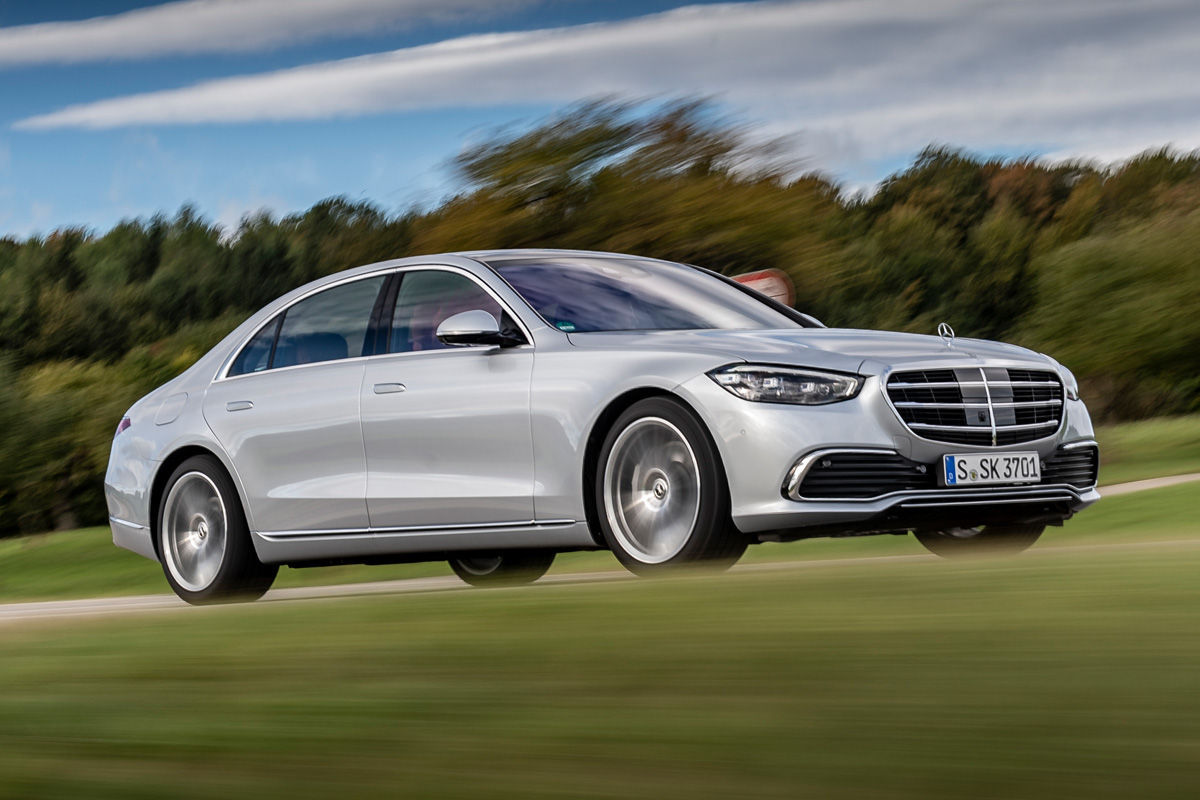
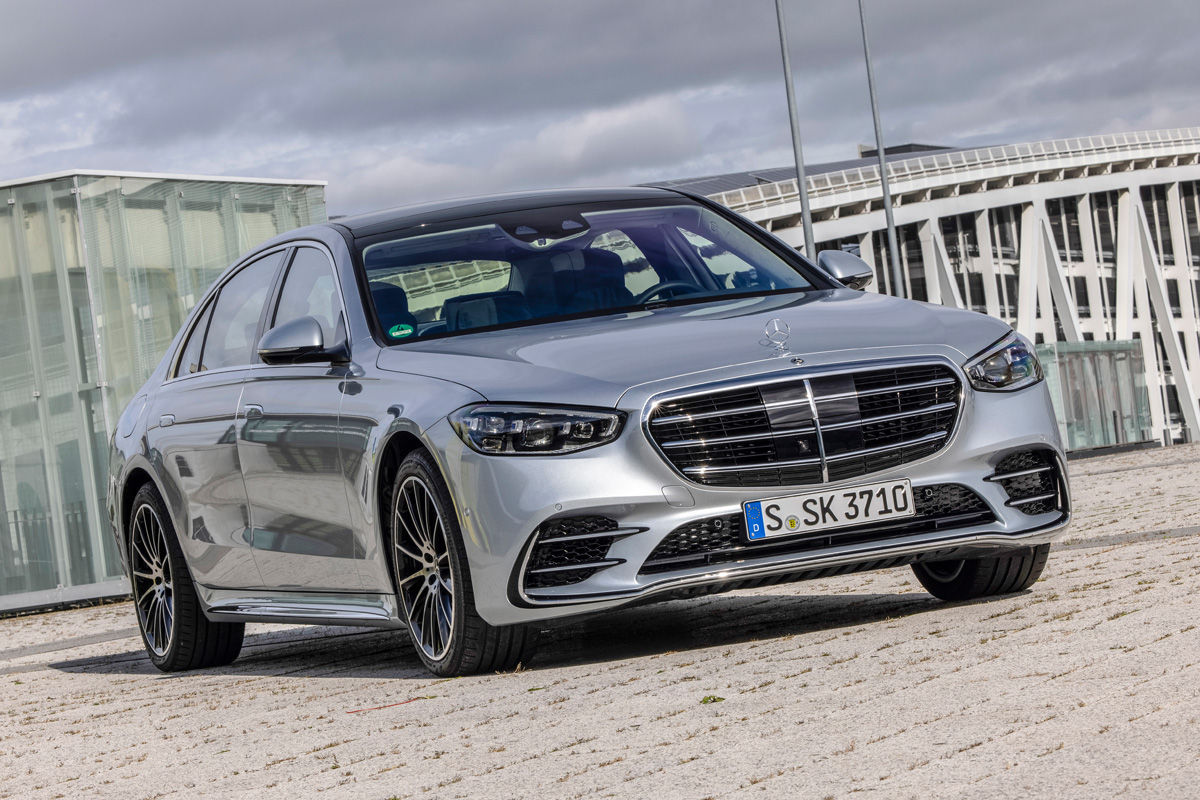
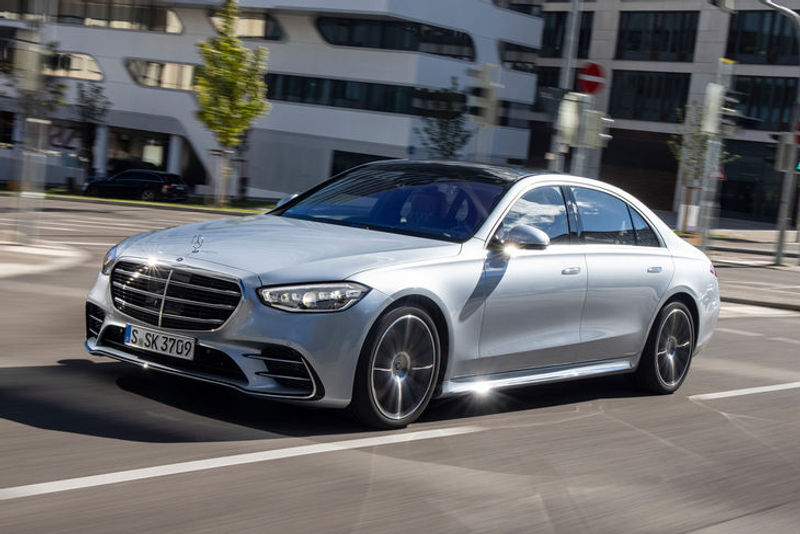
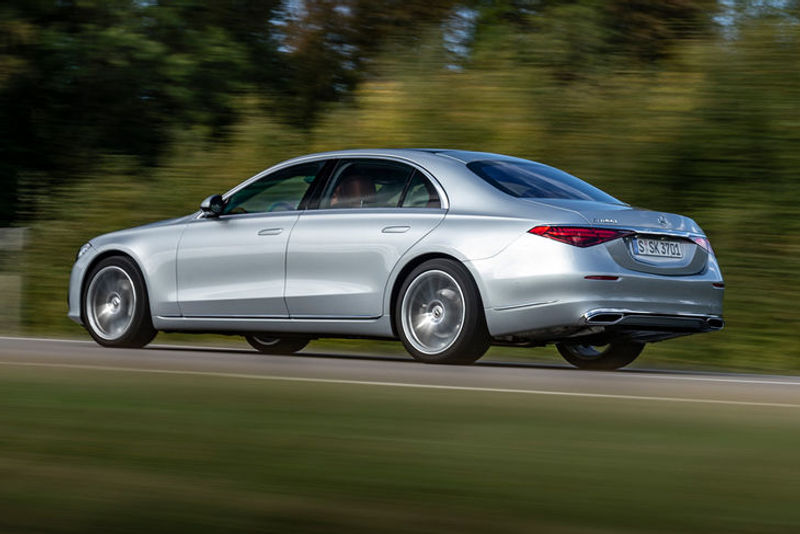
Mercedes-Benz S-Class (2020) International Launch Review
Mercedes-Benz has been building the world's benchmark first-class sedan – the S-Class – for decades… and its superiority has hardly ever been challenged. Given the plethora of features incorporated in the W223 model, is the newcomer little more than a rolling tech showcase, or is it still the best in the business? Michael Taylor reports.
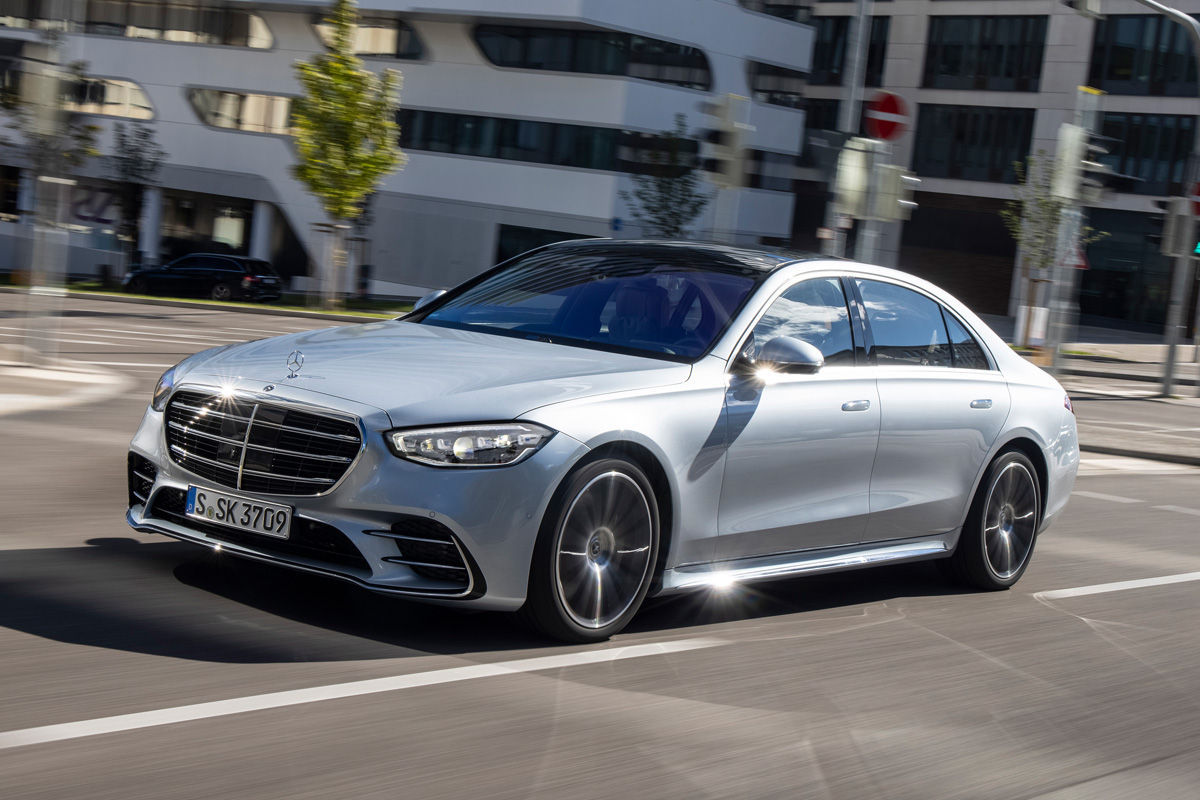
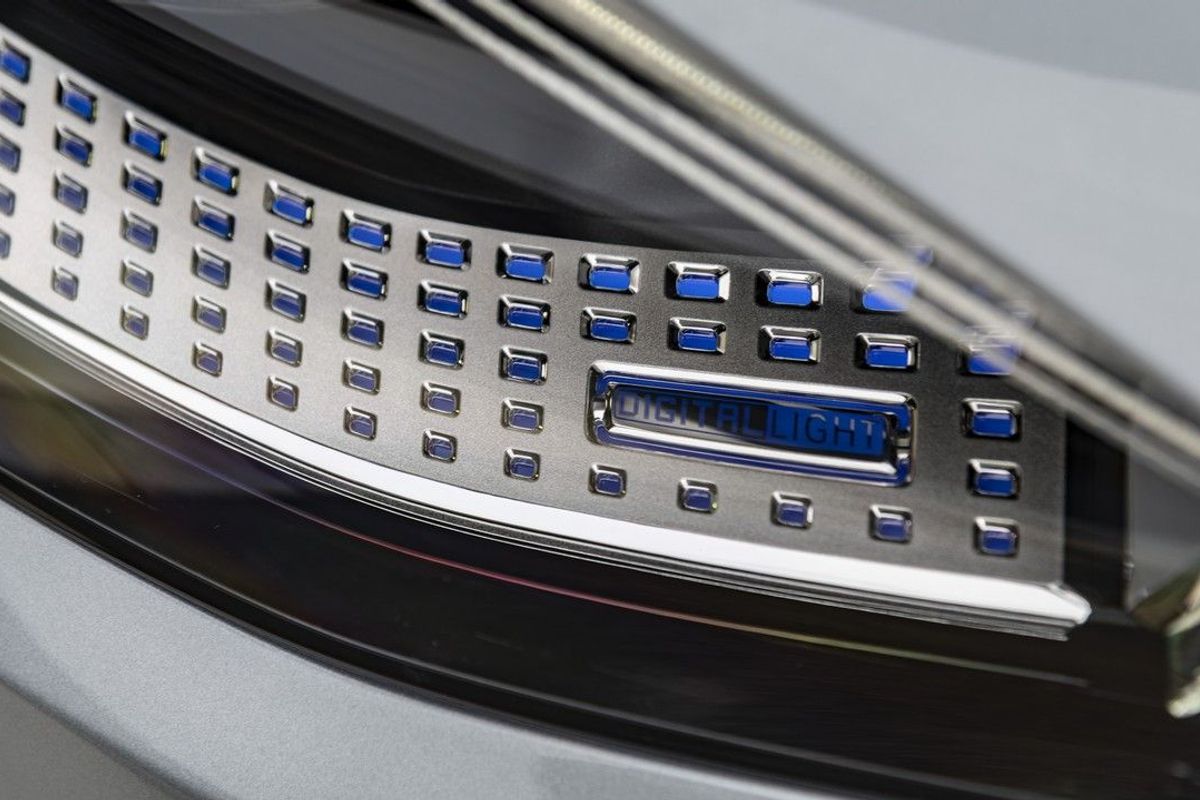
The Three-pointed Star has rarely produced a so-so S-Class; Benz aims to set new standards of automotive luxury with each new iteration of the model. Safer, more luxurious, more technologically advanced, more user-friendly, more intuitive and faster than it has ever been, the W223 is unquestionably the world's best grand saloon and its pilots will have every right to look down on Audi A8 and BMW 7 Series drivers. Here's why…
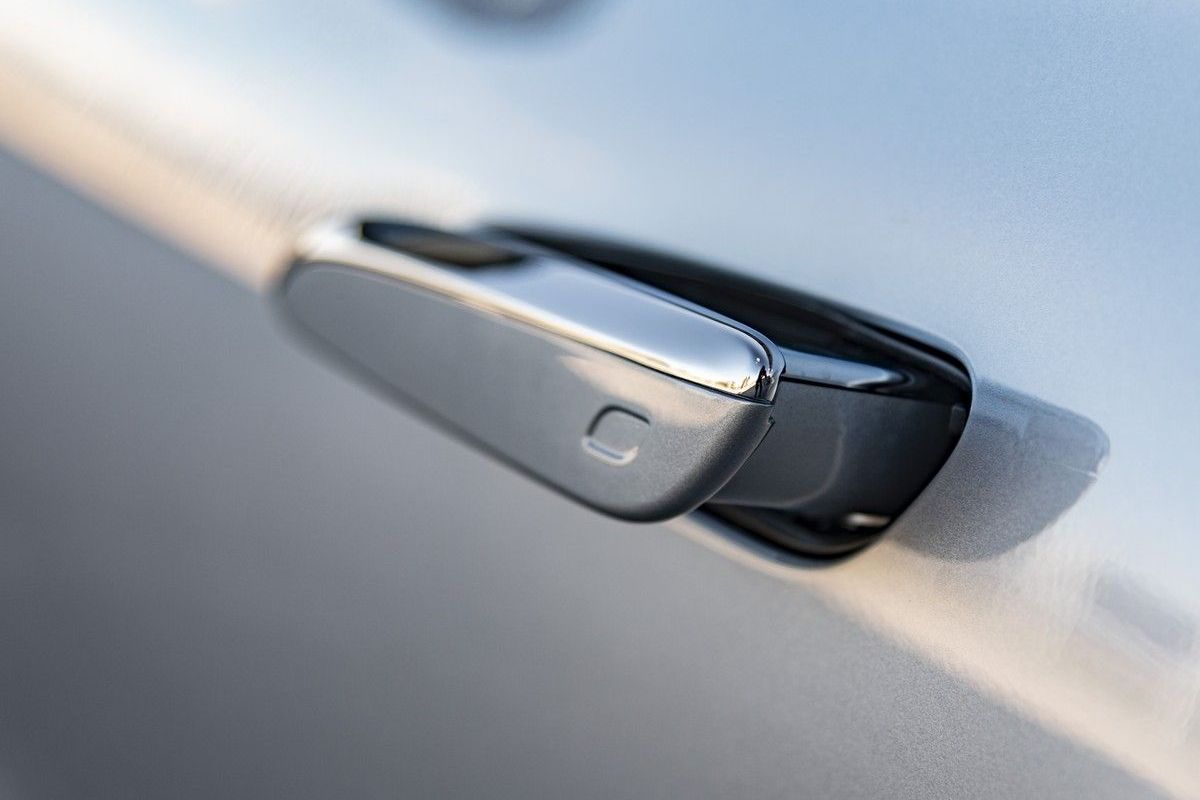
Although the S-Class seems extravagant in a time of austerity, it blends technology and comfort better than any of its peers.
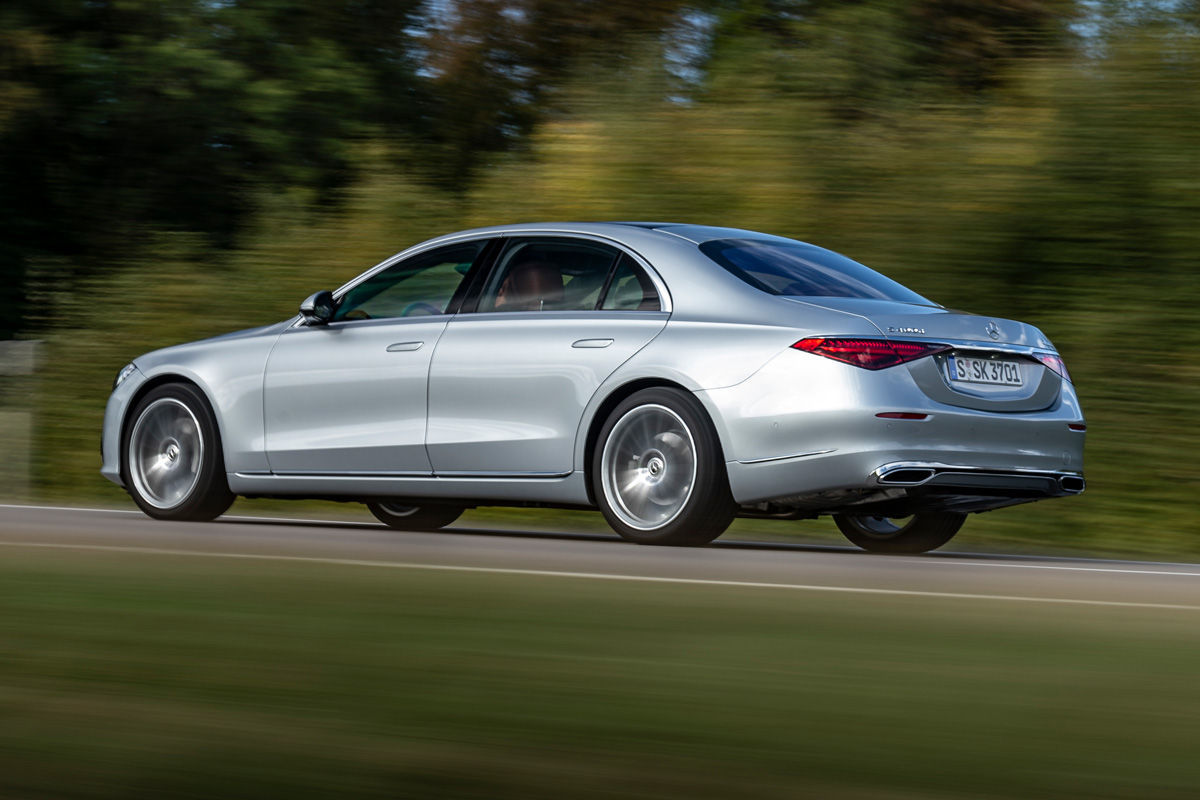
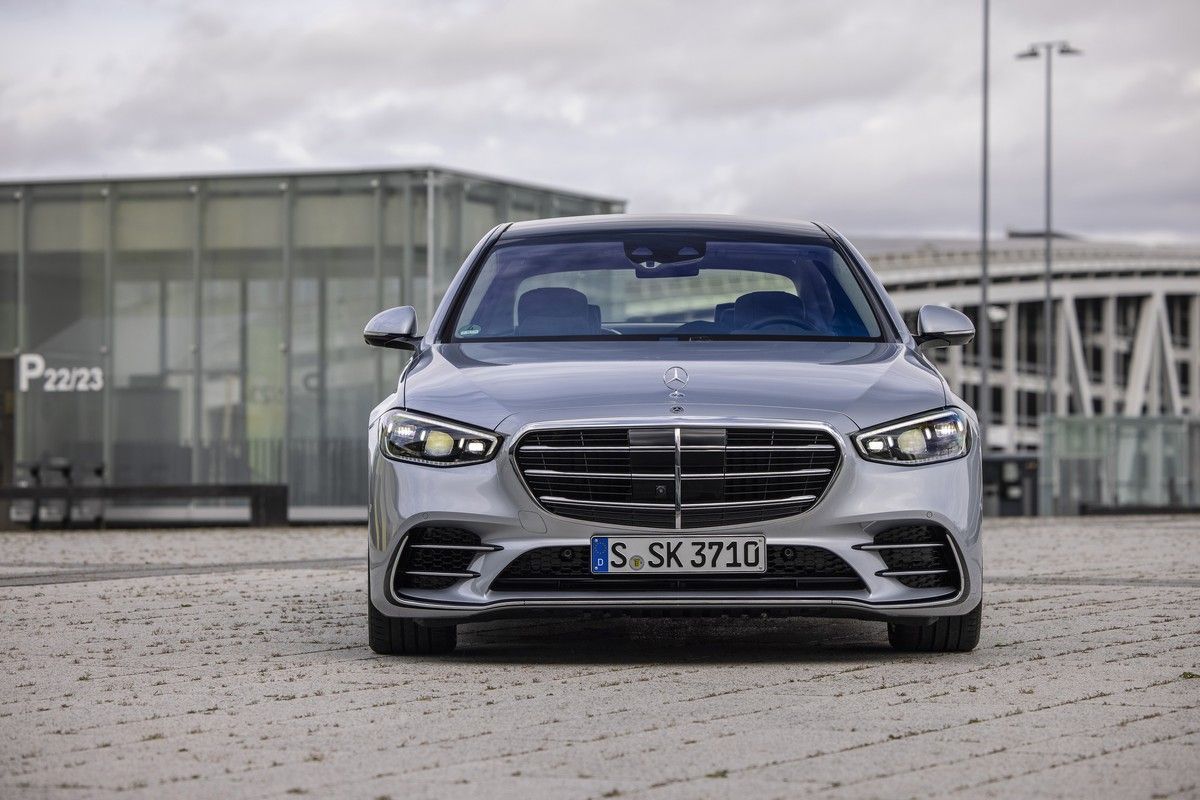
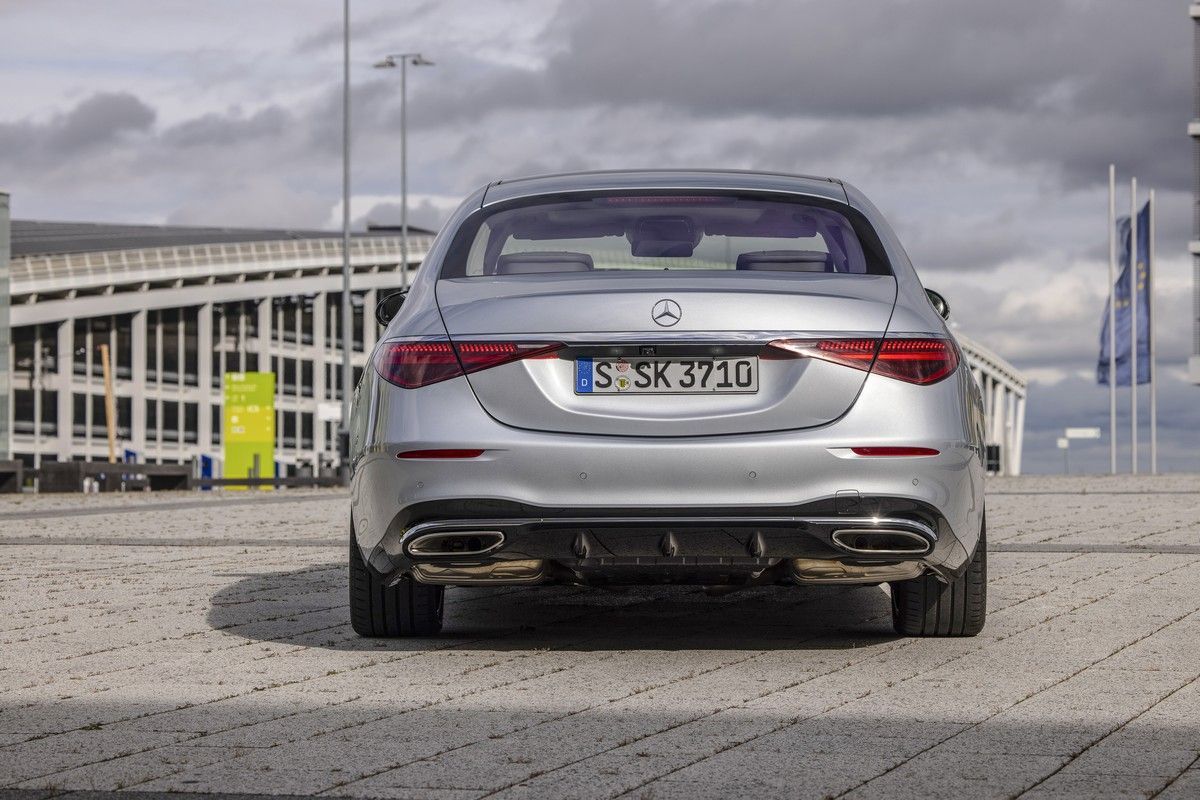
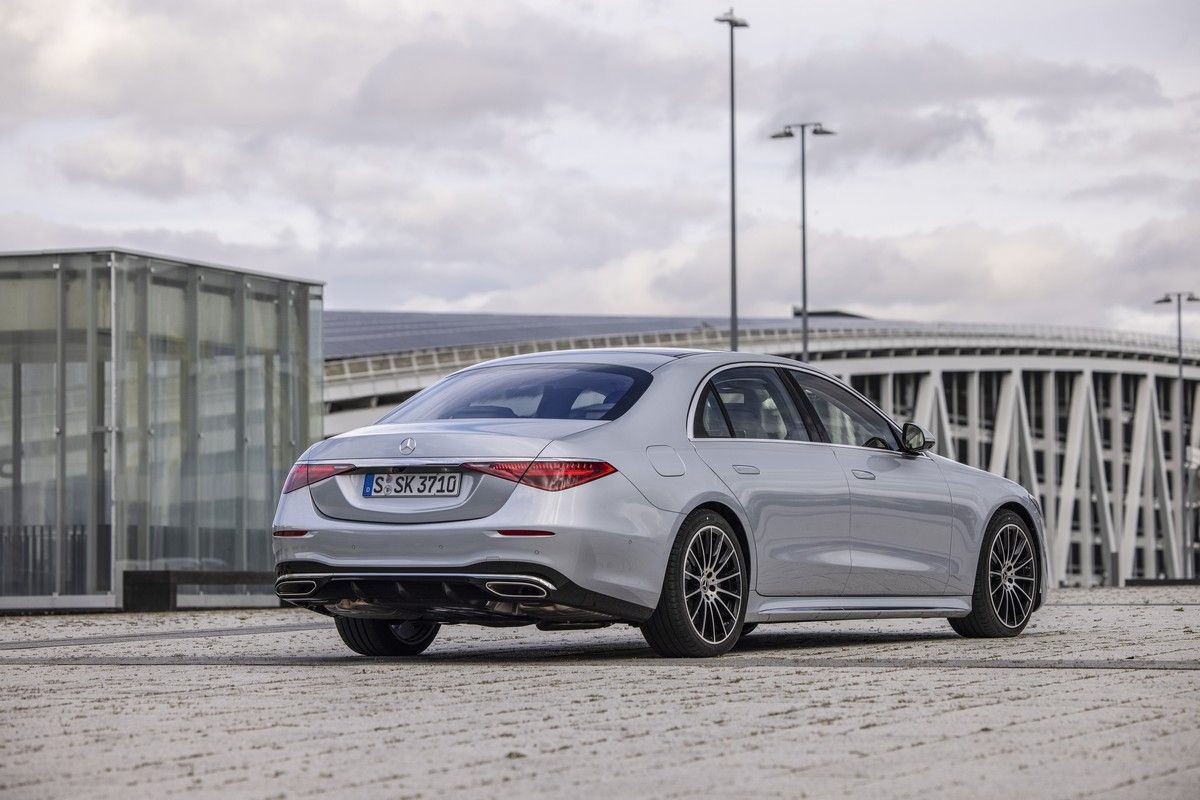
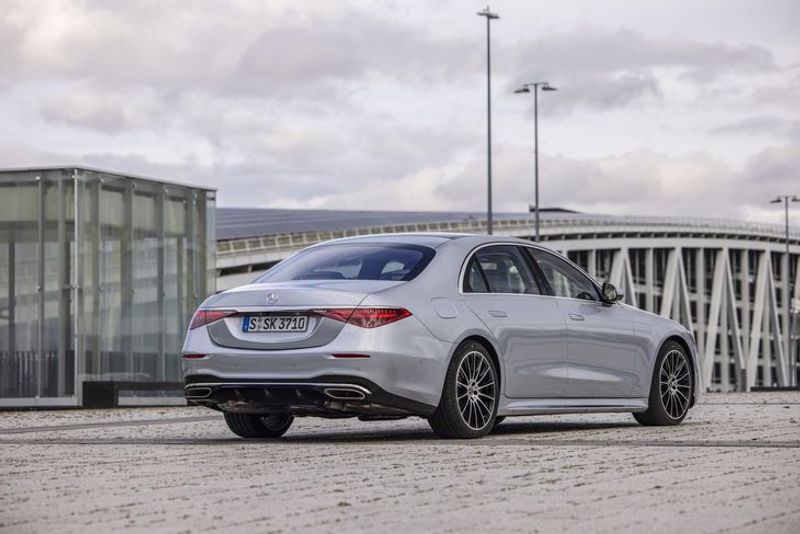
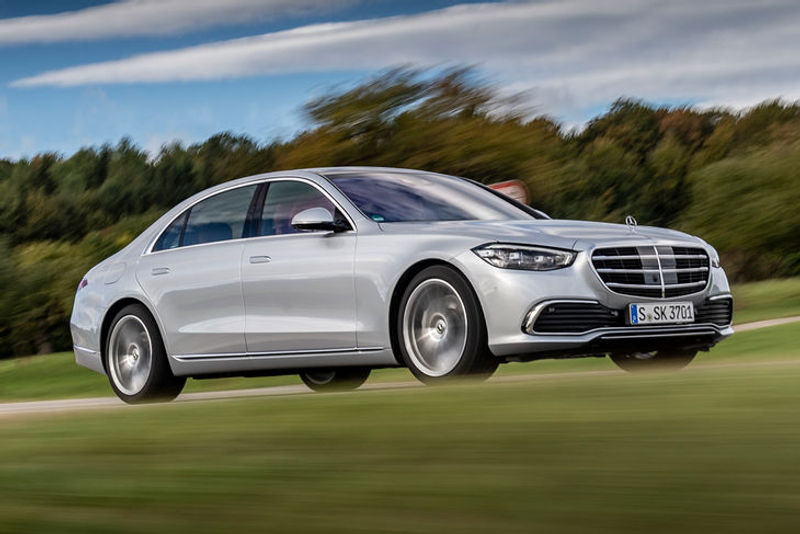
Aesthetically speaking, the W223's shape represents a welcome throwback to a time when the flagship Mercedes-Benz carried a clean design that didn’t age through its flashy details. It’s an awfully big car, too, though it hides it well. It’s well beyond the 5-metre barrier, at 5 289 mm, and it’s broadened out to 1 954 mm, too. That means it’s 34mm longer, 55 mm wider and 12mm higher than the outgoing S-Class.
It would seem discussions over the front-end styling are dominated by Mercedes-Benz’s refusal to do anything as crass as putting its Three-pointed Star in the S-Class’s grille, probably because a clumsy black plastic rectangle of a radar receiver is already there.
Like with every unveiling of a new S-Class, chatter inevitably turns to the sedan's styling; the W223's lines are quite unfussy.
There will initially be five S-Class variants, ranging from the S450 and S500 petrol-powered in-line sixes to three turbodiesels, from the S350d to the S400d. The brilliant V8-engined S580 and the 100 km of pure-electric range from the plug-in hybrid S580e will join them midway through next year, although we add that the South African line-up has yet to be confirmed.
The boot capacity is a practical 550 litres (30 litres more than in the outgoing car) and you won't be surprised to learn that the interior is, well, everything Mercedes-Benz can currently manage in terms of luxury and technology…
The S-Class' adaptive air suspension has achieved new heights of dynamism, but also of bump absorption – it glides!
At the international launch in Stuttgart, we drove 4 versions of the S-Class: the S450, the S500, the S580 and the plug-in hybrid S 580e.
The entry-level derivative is hugely impressive, the mid-range S500 is usefully faster and the S580, well, is simply a divine piece of engineering. All of these are part-electrified (more commonly known as "mild hybrids"). All 3 cars feature an integrated starter generator (ISG), which uses a 48-volt electric system to harvest/regenerate energy from the braking system and help the engines with pull-away and overtaking acceleration.
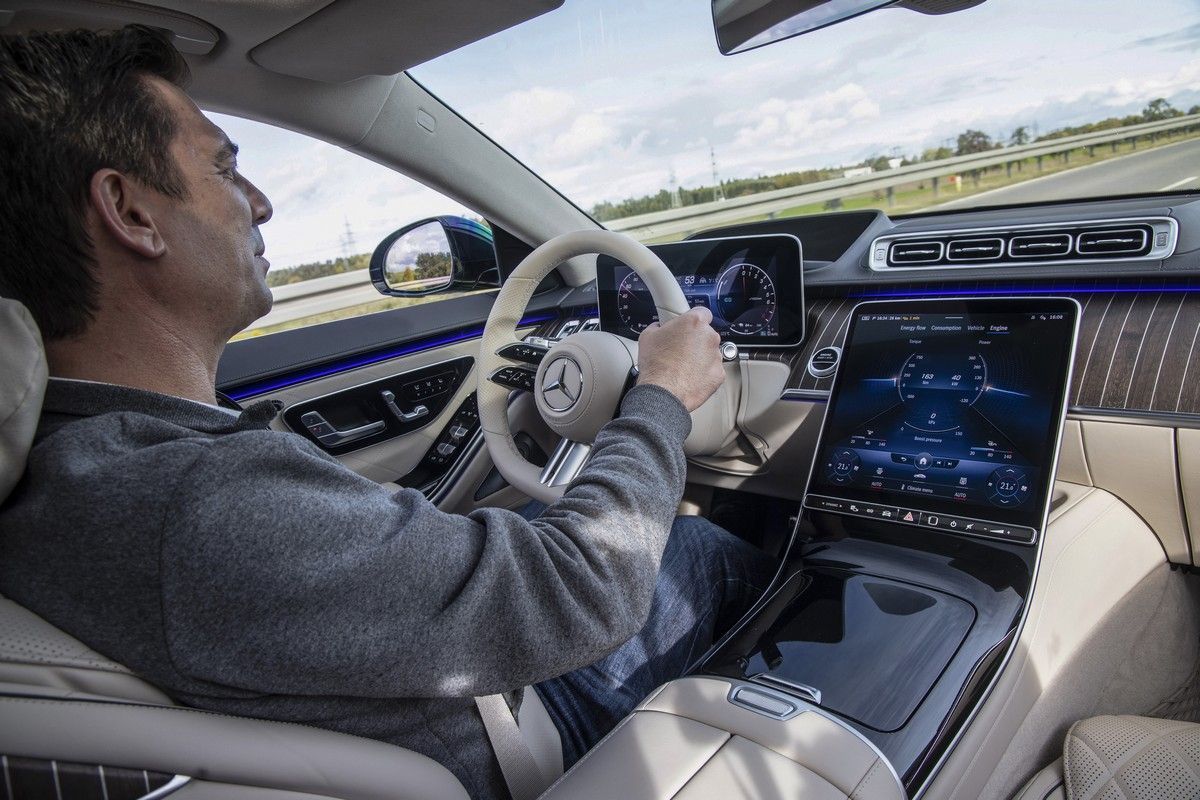
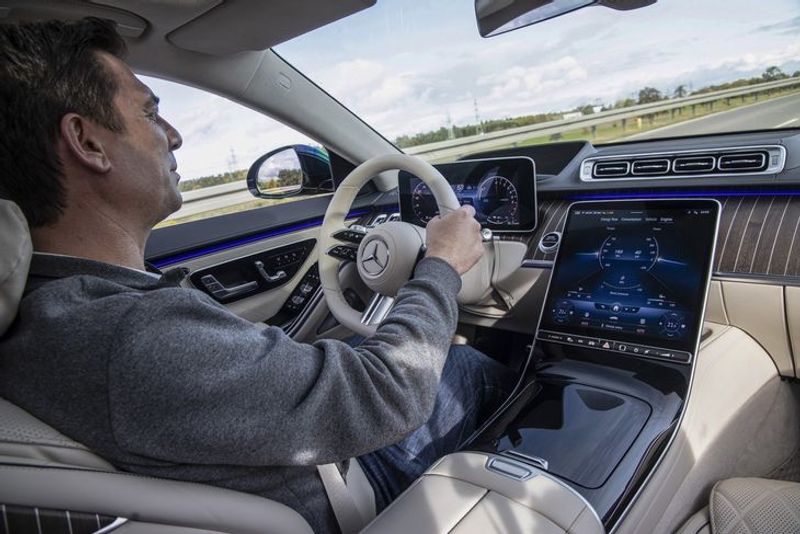
In future, instrument panels will be exactly that – thin rectangular tablets perched atop the dashboard.
This allows Benz to use smaller combustion engines. The S450 – a quality machine with more technology than we can possibly hope to cover here – is powered by a 270 kW/500 Nm version of Benz’s 4.0-litre, in-line 6-cylinder engine, which is mated to the ISG at the front and a 9-speed automatic transmission in the middle. It’s also the only petrol-powered S-Class available with rear-wheel drive.
It’s quicker than it has any right to be, too, ripping from 0 to 100 kph in 5.1 sec on its way to a limited top speed of 250 kph.
The S500 is more of the same, with exactly the same powertrain, boosted to produce peak outputs of 320 kW and 520 Nm, and it slips under the 5-second barrier to record 4.9 seconds to 100 kph.
The V8-engined S580 remains the star, but the even the "entry-level" S450 delivers refined, unflustered performance.
Then there’s the big boy, complete with a 370 kW/700 Nm 4.0-litre AMG-sourced V8 and mated to a 2nd-generation ISG, worth 15 kW and 180 Nm.
There are no figures on the S580 yet (for either acceleration or fuel consumption) and the only safe bet is that the derivative is electronically limited to 250 kph, but it feels like a low four-second car from standstill to 100 kph.
The gorgeousness of the S580 isn’t power and speed, though it has clearly more than enough of both. It’s so smooth, luxuriant, indulgent and sophisticated to drive that it just feels entirely in keeping with the rest of the S-Class’s engineering.
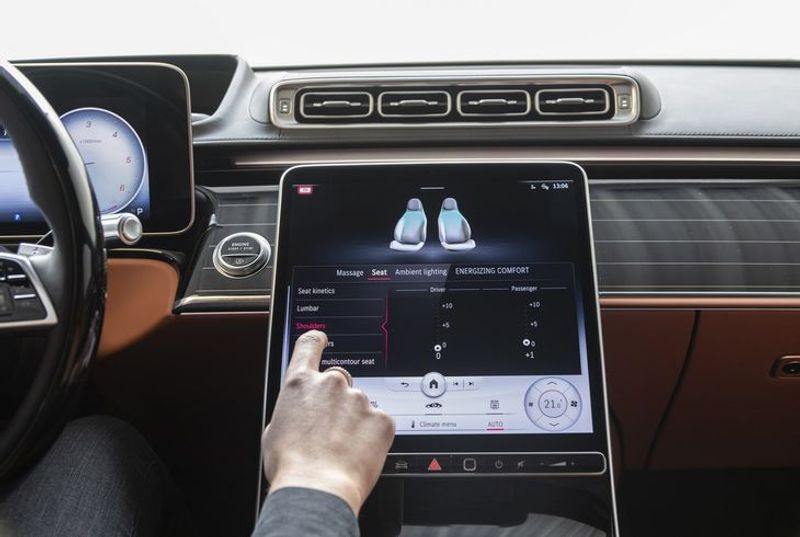
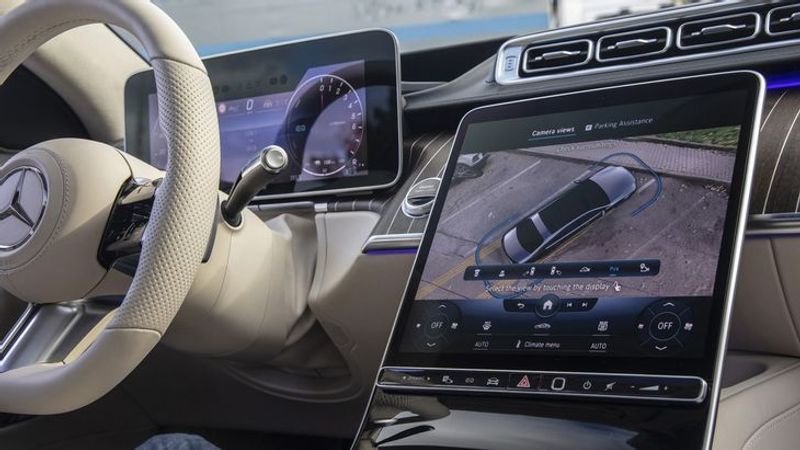
Mercedes-Benz realised that to give its infotainment screen maximum size/functionality, it had to stand proud of the fascia.
It’s an engine that begins quietly and stays that way. Although the exhaust note is beautiful when the motor is tasked with producing bursts of speed, it remains a relatively quiet one, lest it intrudes upon the ambience of the cabin…
It’s not just the engine that’s pouring on the honey, but the chassis. The adaptive air suspension system irons out basically every road imperfection up to 60 kph, then does its best to steamroll the rest. It can lean into corners – no, not exhibit body roll, slant like a motorbike – leading to cornering speeds that are downright ludicrous in a car like this, and it's all an incredibly unflustered experience.
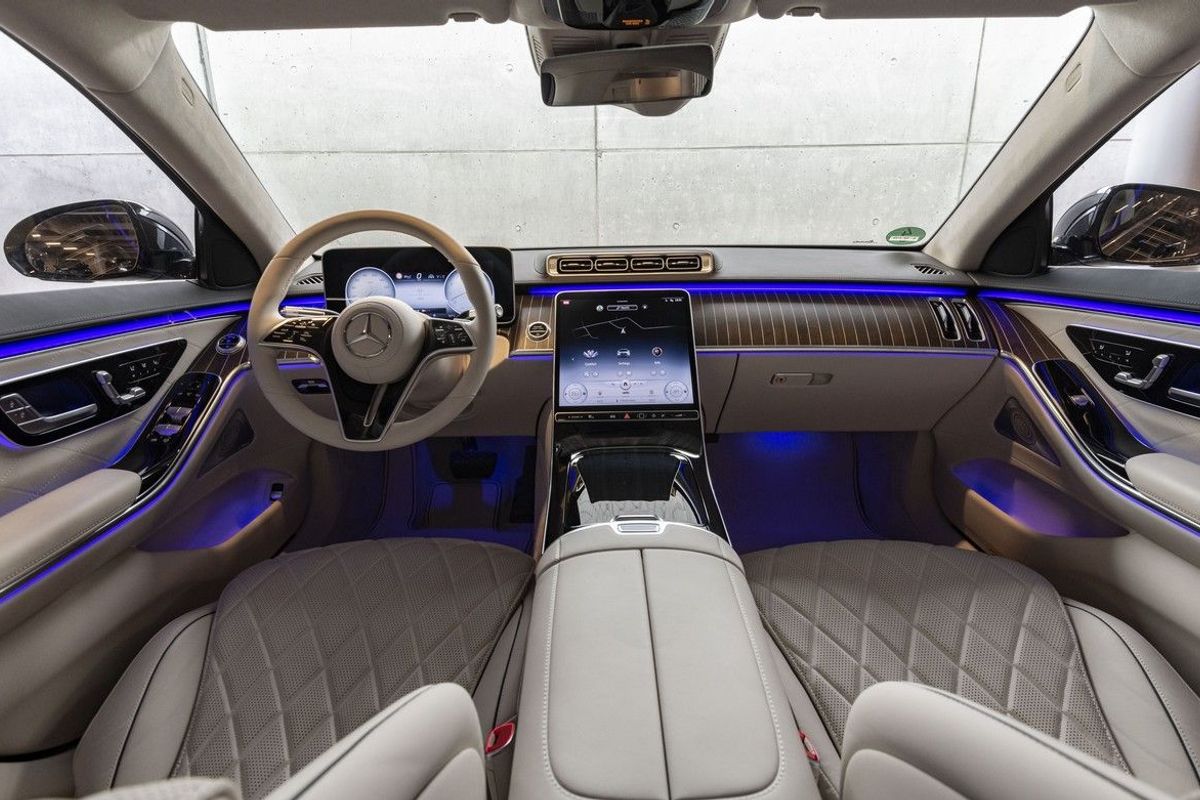
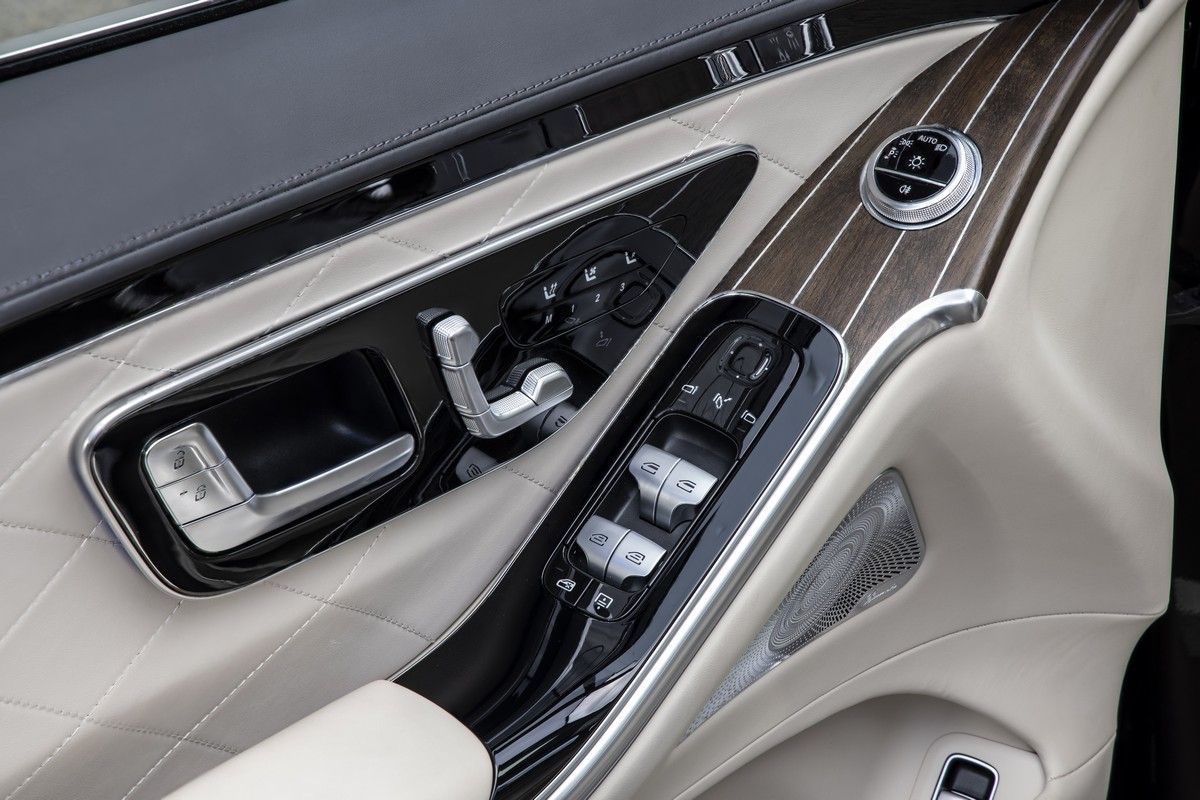
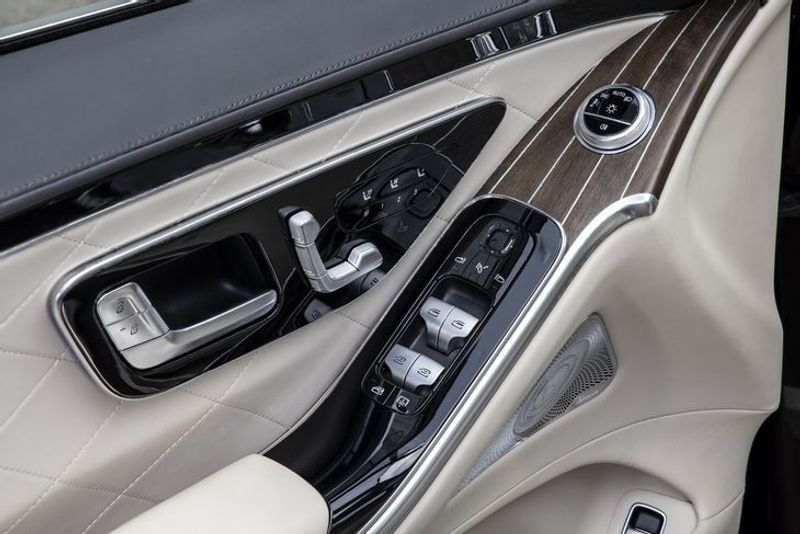
Stitched leather, metallic switchgear and gloss black inserts create a sumptuous ambience; note the redesigned seat controls.
Then there’s the rear end, where the new rear-wheel-steering option delivers 10 degrees of turn, slashing 2 metres from the turning circle, but also adding a whole new level of agility and stability on the road.
There is nothing the S580 does poorly (other than using an oddly squishy, 2-step brake pedal arc), although the transmission can sometimes catch itself for the occasional jerking downshift when it’s being driven quickly. The mild-mannered S450 is, oddly, less convincing, and so is the S500.
Inline-6 sound less than sonorous
The straight-sixes, so wonderful in other Benzes, feel coarser and harsher here, especially in their exhaust notes (cue sniggers from BMW loyalists). To put it another way, the 6-pots delivered gingham instead of the S580’s underlying carpet of silk, though their performances are strong. The S450 is strong enough in the mid-range to make me wonder why anyone would prefer the S500 above it, to be honest.
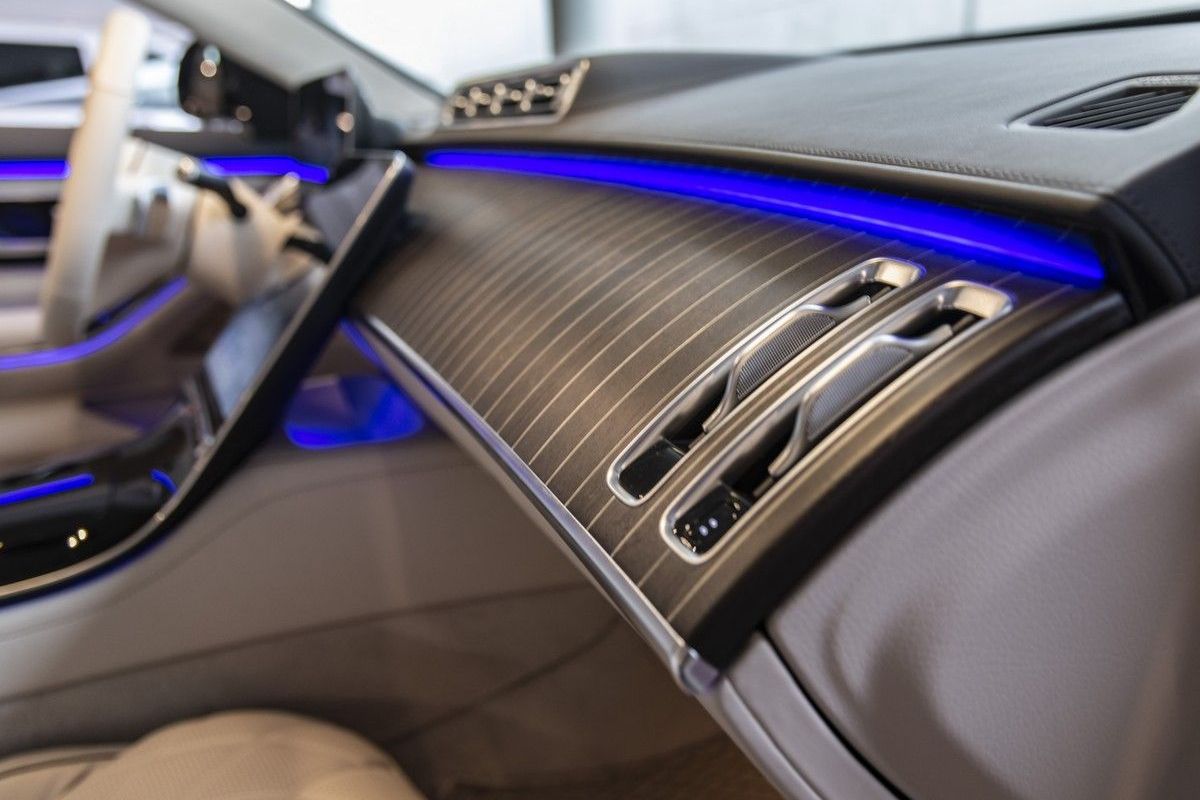
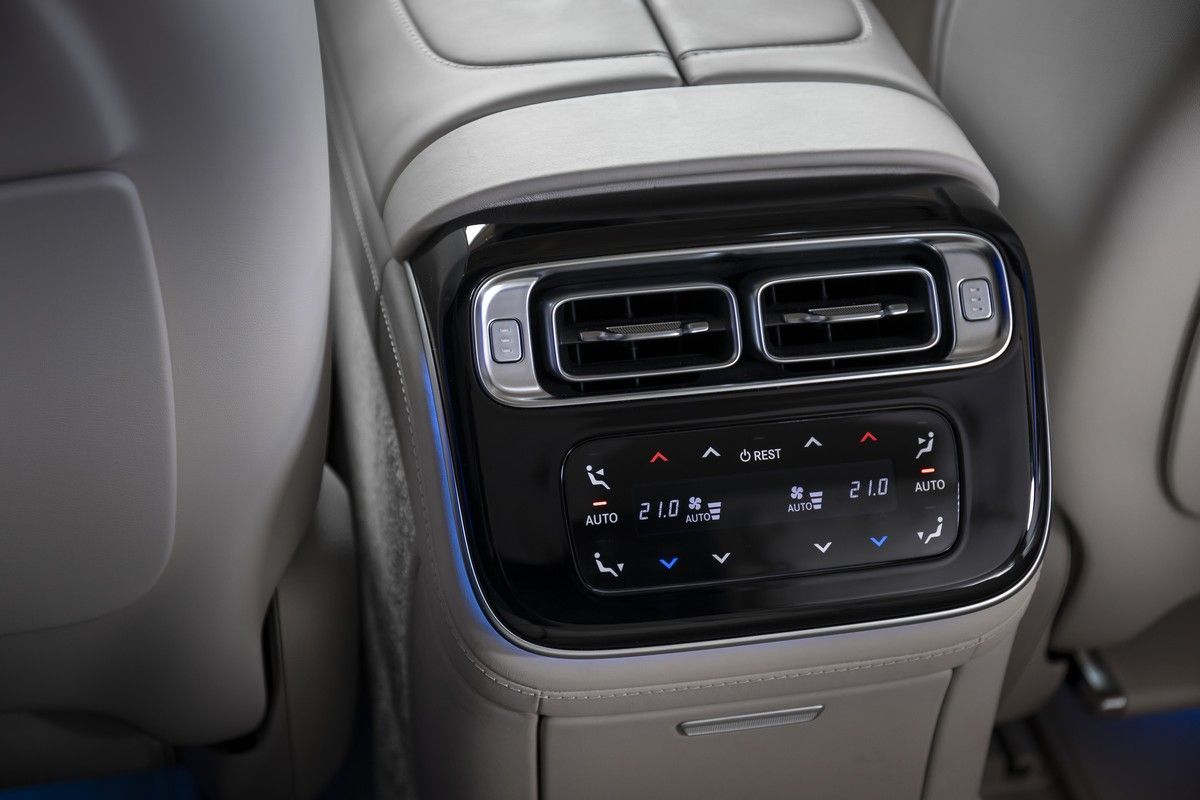
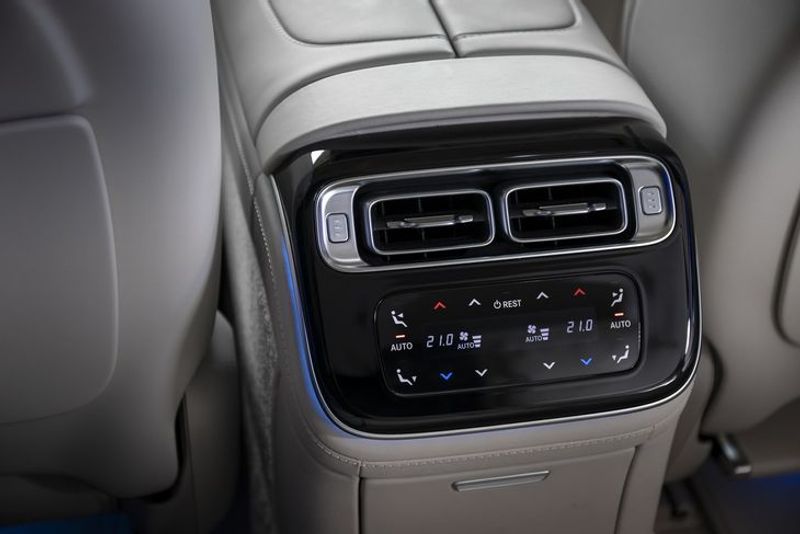
Four-zone climate control is a must-have in an S-Class; note the ambient LED lighting around the control console.
The rest of the S-Class seems to be an exercise in integrating disparate cutting-edge technologies that could have gone horribly wrong, but didn’t.
There are at least 20 new active safety features. The rear seats can be optioned with their own front airbags. The adaptive suspension raises the body just before a collision, to take the hit on the strongest part of the chassis. Even the seat bolstering shoves passengers away from any collision.
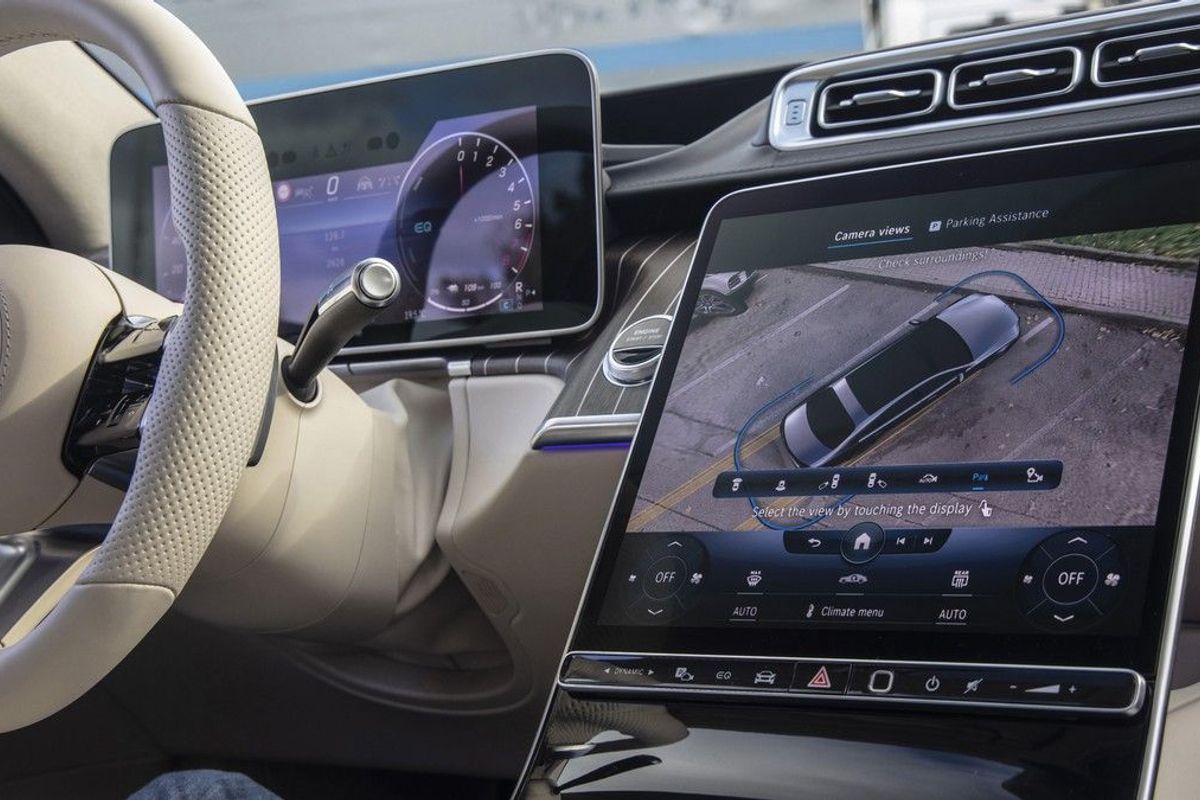
It has two front radars with 130 degrees of “vision”, a long-range front radar, a pair of rear radars, a front-facing stereo camera, a 360-degree camera and 12 ultrasonic sensors.
A pair of radars, a slew of cameras and a dozen ultrasonic sensors ensure that the S-Class has great visibility.
What's more, by late next year there will be optional Level 3 driver assistance, where you just push a button and the car does the rest, but only up to 60 kph (as per an incoming EU rule). There is even the option of Level 4 in special situations, like in suitably updated car parks, where you can just leave the S-Class and walk away while it trots off to find and occupy a parking space on its own.
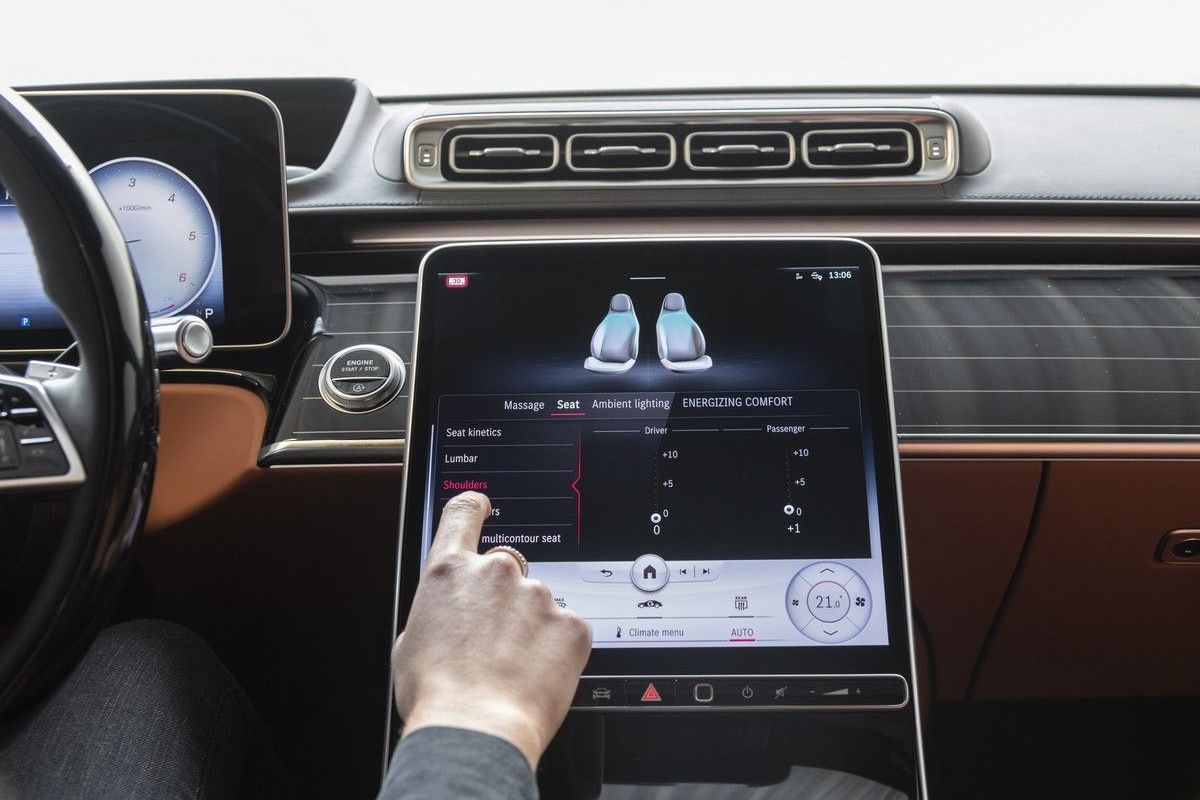
The instrument cluster has been upgraded with the option of 3-dimensional displays and augmented reality has found its way into the head-up display. And what about occupant comfort? The seats can be optioned up to carry 19 motors each, which offers ranges of longitudinal, height, angle, backrest and head restraint adjustment to seat cushion depth and even (for the front passenger) heel support adjustment.
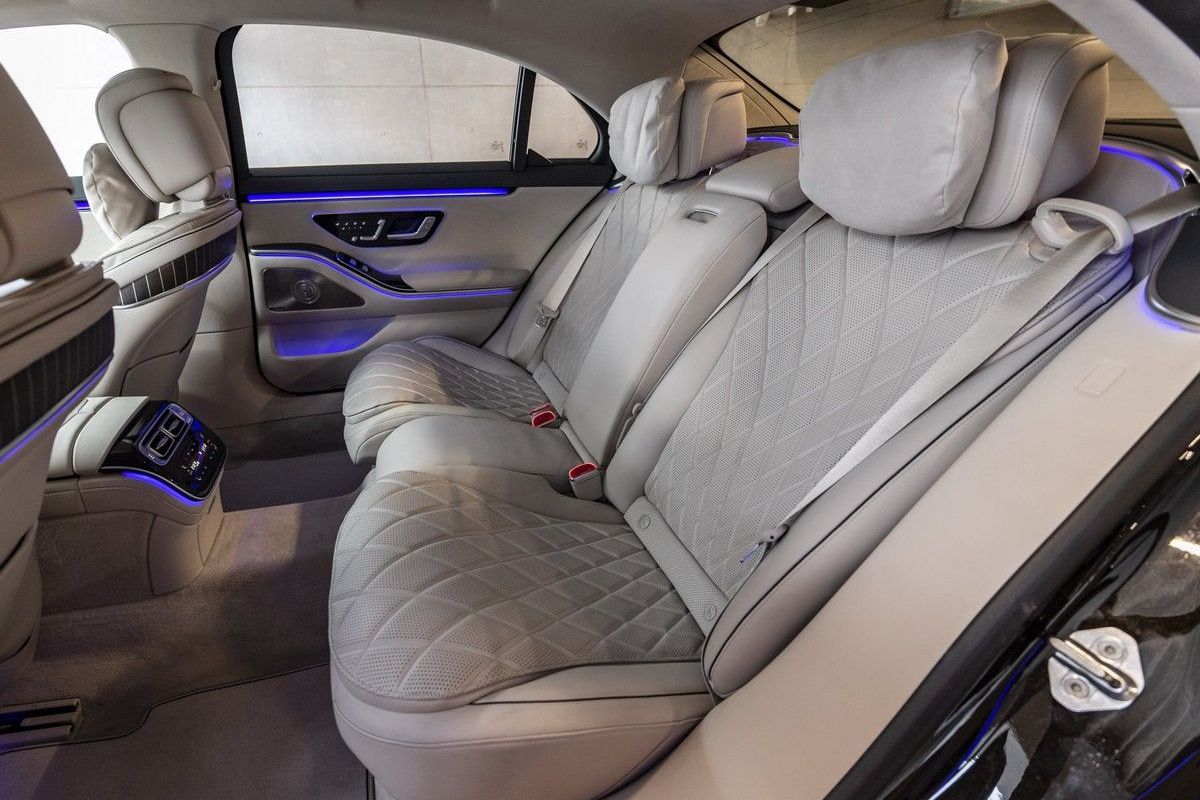
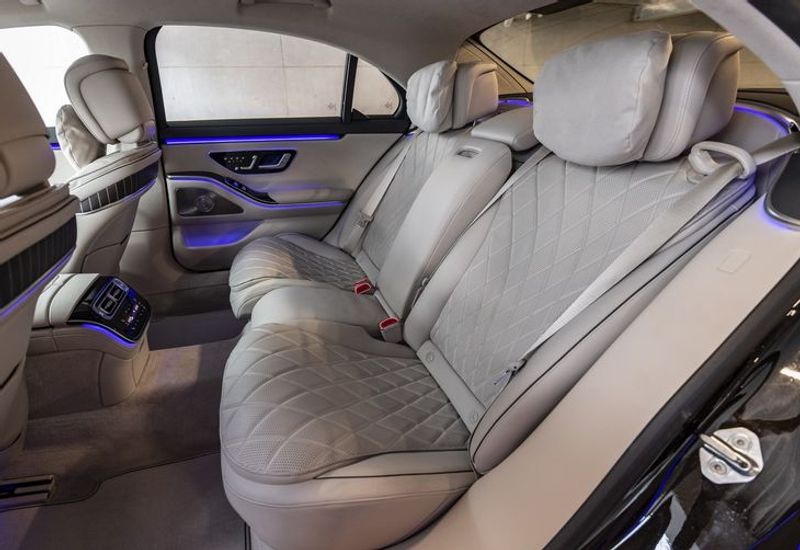
The flagship Benz model offers rear seat occupants ample legroom, but much adjustability and creature comfort too.
It takes tech from the previous range further in that there can be 4 vibration motors to massage each body in each seat, five fan motors, a motor for the lumbar support and another one for the adjustable side bolsters. It’s just absurdly comfortable and complicated without ever feeling complex.
Intuitive user interface
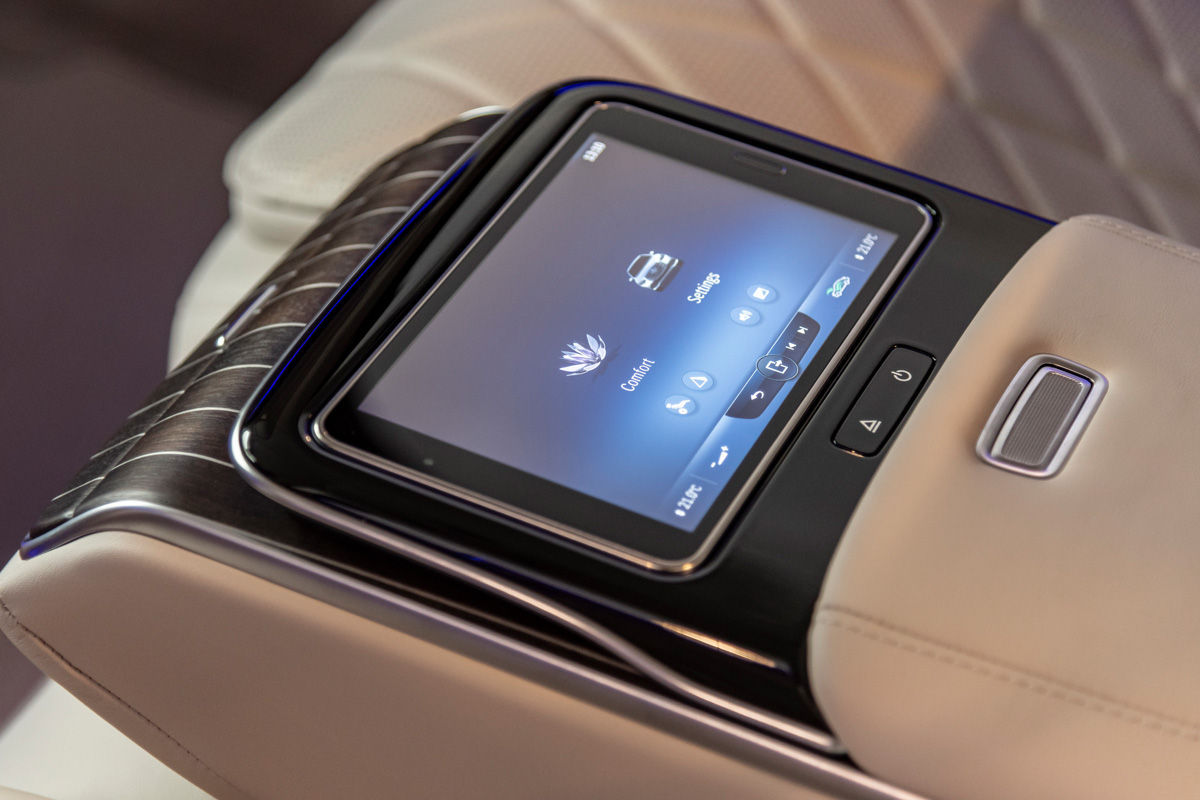
This all sounds awfully gimmicky, but it works – and works beautifully. The car is almost stunningly intuitive to use after 10 minutes to familiarise yourself with it, then you dive through all of the screen options in the large, new multimedia system like you’ve been doing it for years.
While all of this just works, the key to the S-Class has always been "seamless luxury"… and the new version delivers! This generation of S-Class has used all of its collective technology to charge ahead at luxury and comfort and ease-of-use. It’s a genius piece of development management.
If Benz can manage to put some smoothness back into those 6-cylinder engines, the car will be almost perfect, like the S580 already is. Expect the S-Class to arrive in South Africa in mid-2021, more details of the line-up, specification and prices will be published as they become available.
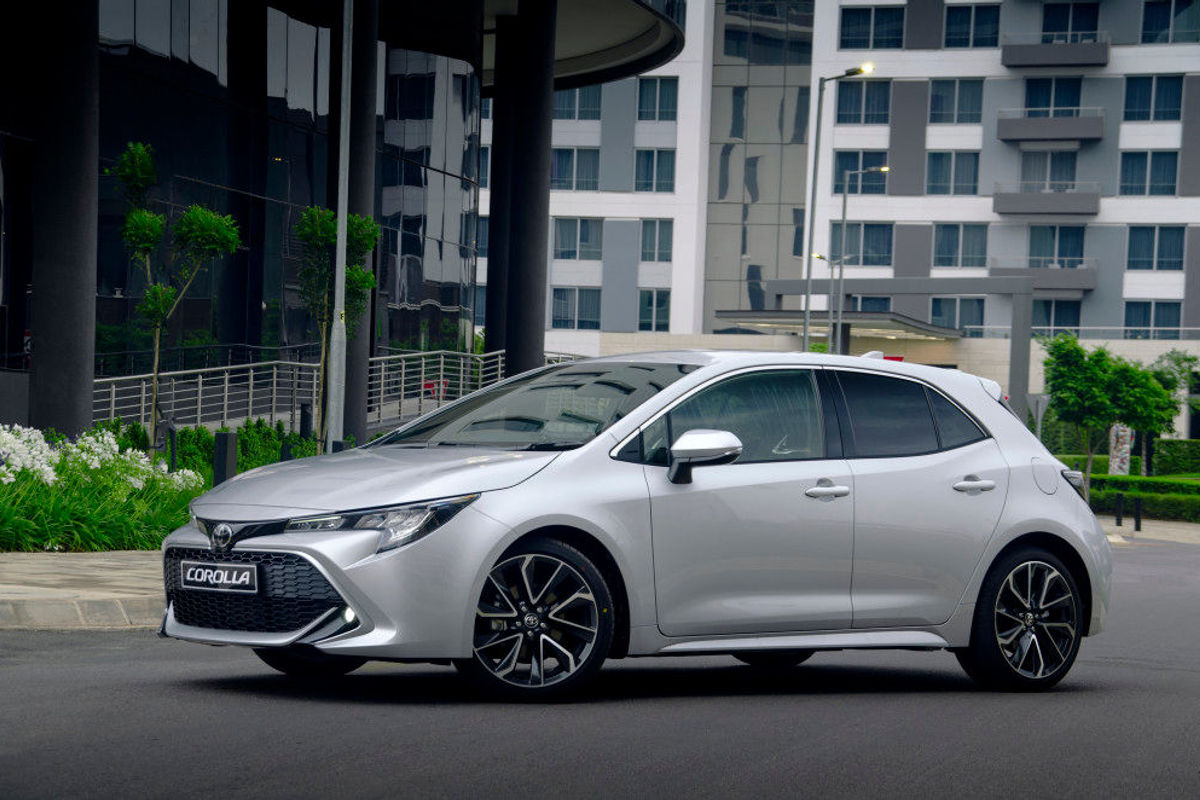
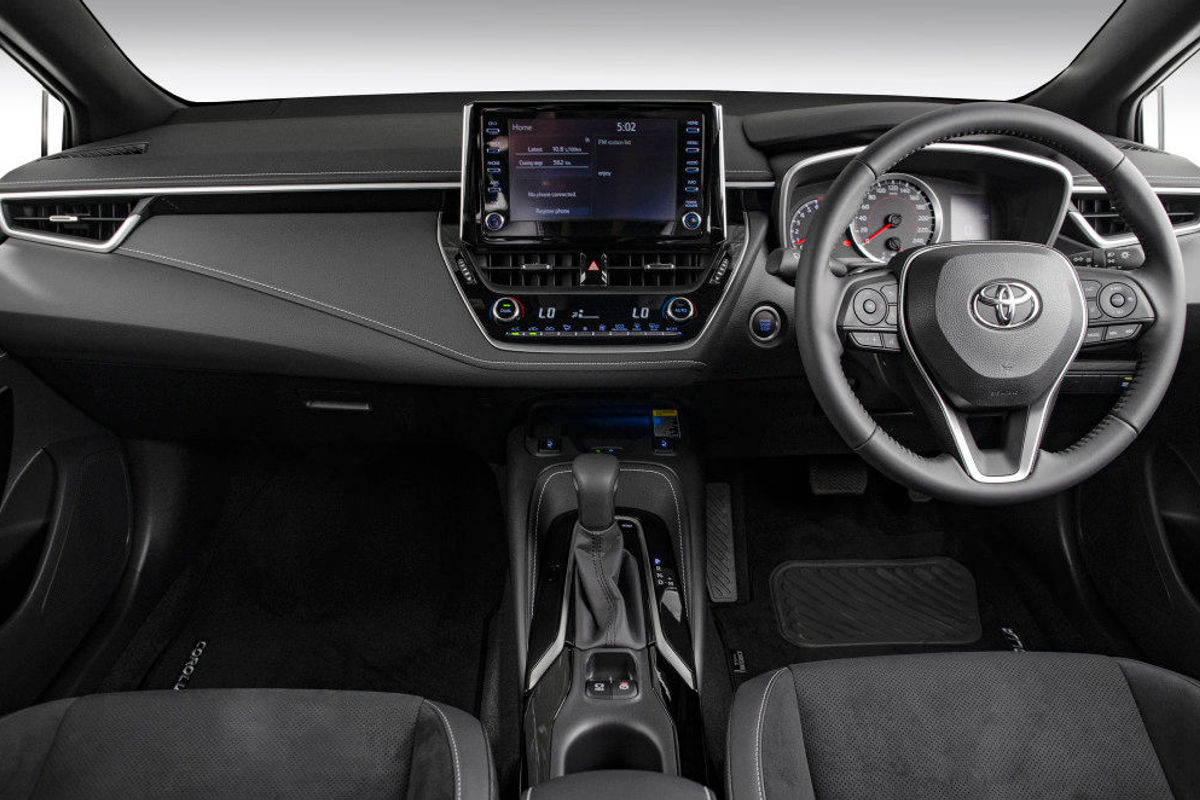
Toyota has bolstered the standard specification for its Corolla hatchback in South Africa. Take a look at what’s been added and what you can expect to pay!
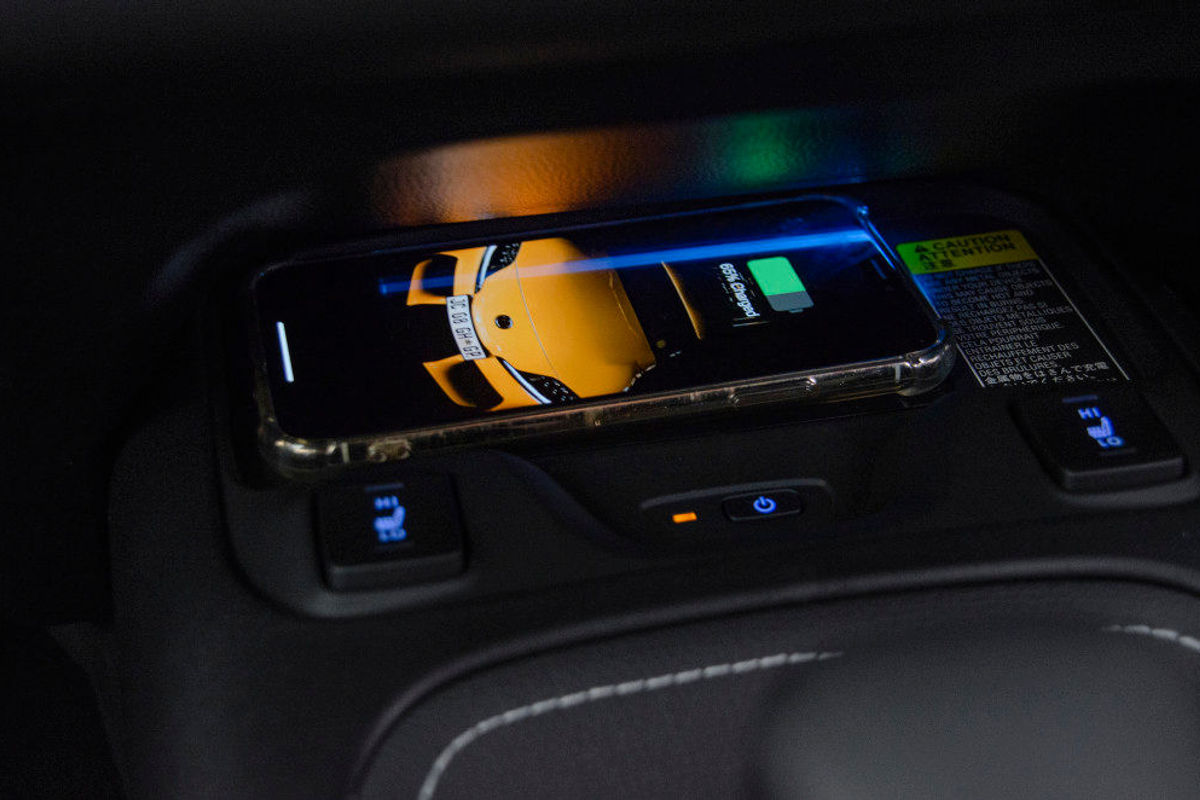
Toyota updated its Corolla Hatchback earlier this year which saw features such a wireless charging, Toyota’s Safety Sense system and new bi-tone colour options being offered to local buyers. Now, Toyota rolled out another update which is bound to strengthen the Corolla’s purchasing proposition.
What’s been updated?
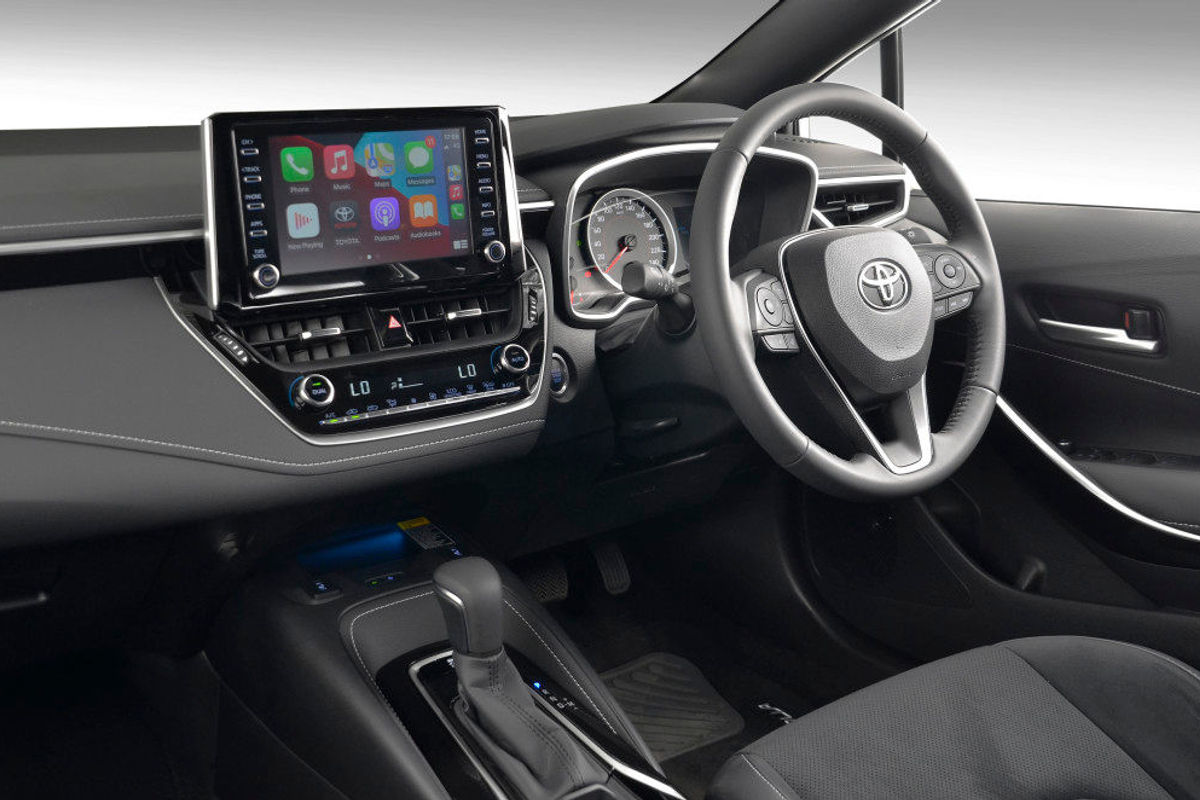
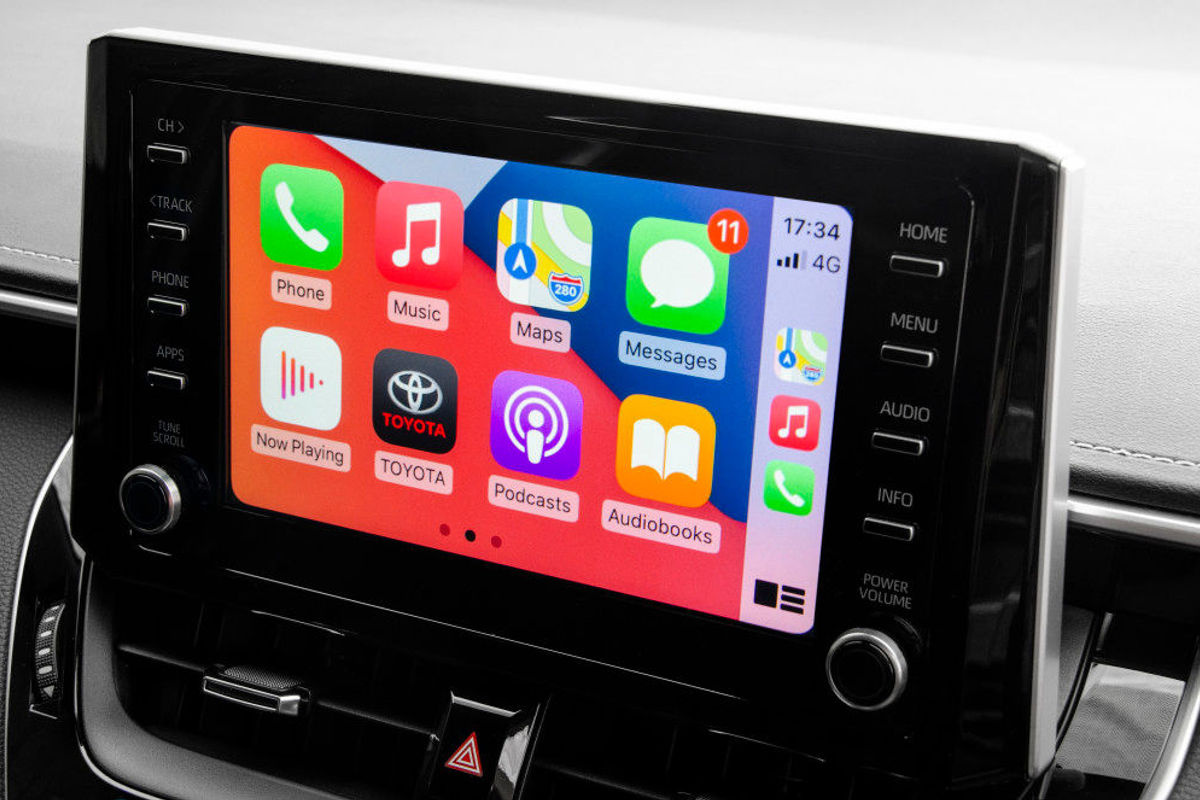
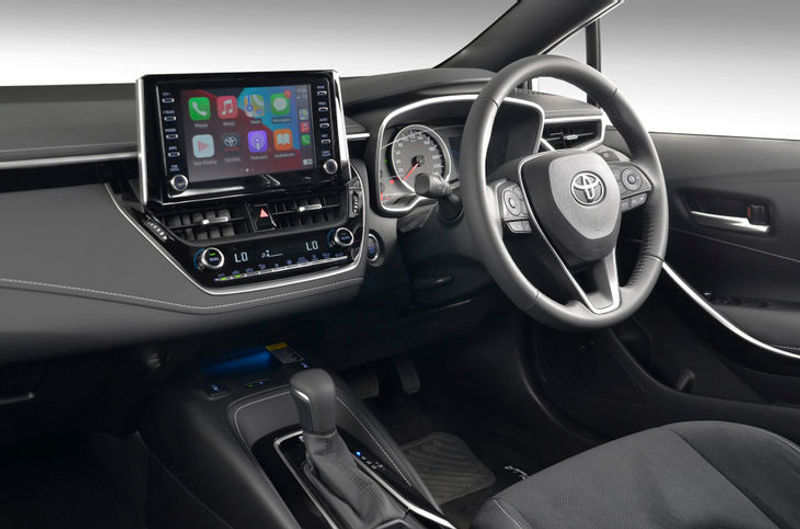
Toyota has introduced Apple CarPlay and Android Auto to Corolla Hatch range!
One of our criticisms of the Corolla hatchback was its limited in-car connectivity but we are happy to report that Toyota has finally brought its new-generation infotainment system into the Corolla hatch which now offers Android Auto and Apple CarPlay capability!
Toyota has also taken the opportunity to expand on its Safety Sense System offering in the range-topping Xr derivative which in addition to the pre-crash system, blind-spot monitor, lane trace assist and all-speed cruise control, the system now also includes rear-cross traffic alert.
The Corolla Xr is also equipped with new 18-inch alloy wheels (a space saver spare wheel is fitted) while the Corolla Xs derivative retains its 16-inch alloy wheels but a full-size spare wheel is fitted.
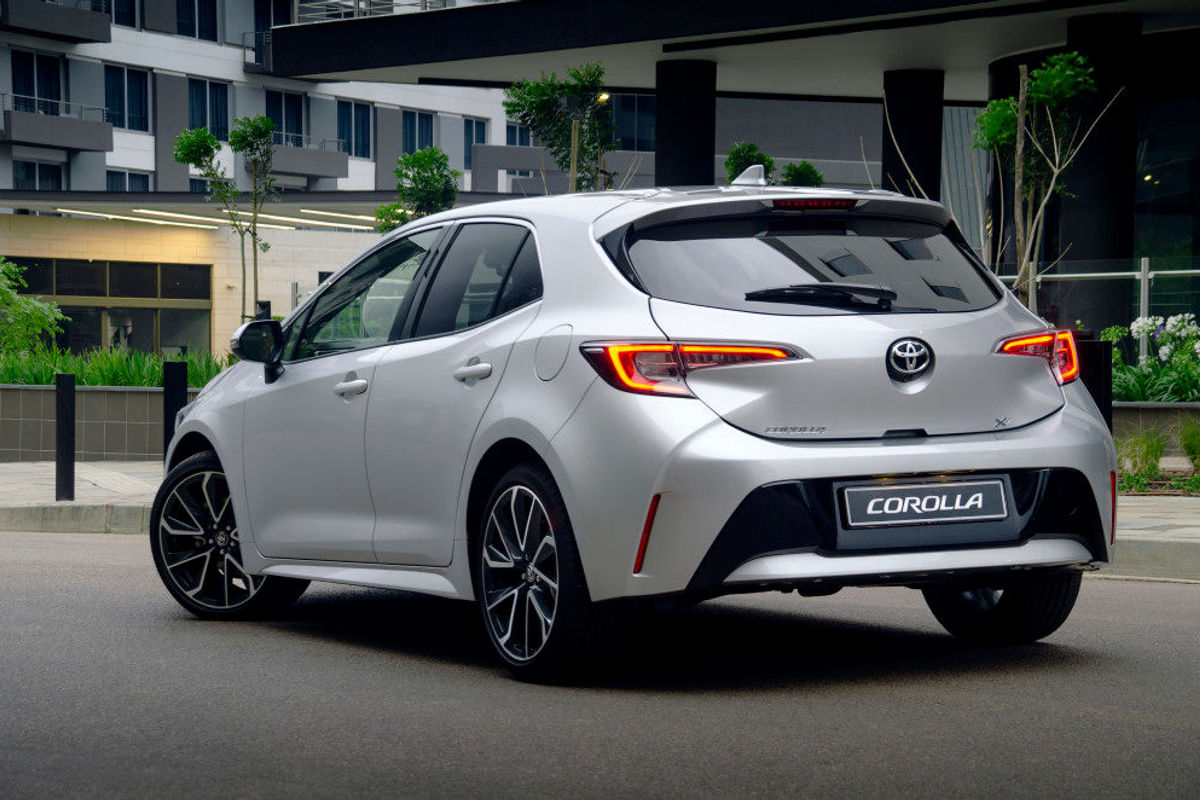
From a stylistic point of view, Toyota has once again added further colour options including monotone options such as Graphite Grey and Caribbean Blue while a new Fierce Red replaces the previous Scarlet metallic colour choice. Buyers also have the choice of 4 bi-tone colour options including Satin Silver, Fierce Red, Caribbean Blue and newly added Platinum White Pearl – all combined with a black-metallic roof.
Key standard features for the Corolla Xs derivative includes LED headlights with LED daytime running lights, dual-zone climate control air conditioning, keyless access, cruise control, electronic and heated exterior mirrors, a reverse camera, one-touch electric windows and speed-sensitive door locking.
The Corolla Xr builds on the above standard specification by adding the aforementioned Safety Sense System as well as nice-to-have features such as leather/Alcantara combination upholstery, electronic lumbar support and heated front seats.
A total of 7 airbags are standard, as well as ABS with EBD, brake assist, electronic stability control. An electronic parking brake with hill-assist is also standard.
As for performance, the Corolla hatchback is powered by the familiar 1.2-litre turbopetrol engine with 85 kW and 185 Nm of torque on offer and can be had with either a 6-speed manual or CVT.
Toyota Corolla Hatch – Price in South Africa
Corolla 1.2T Xs – R369 100
Corolla 1.2T Xs Bi-Tone – R379 800
Corolla 1.2T Xs CVT – R380 600
Corolla 1.2T Xs CVT Bi-Tone – R391,300
Corolla 1.2T XR CVT – R425 200
Corolla 1.2T XR CVT Bi-Tone – R435 900
The Corolla hatchback is sold with a 3-year/100 000 km warranty and a 6-services/90 000km service plan.
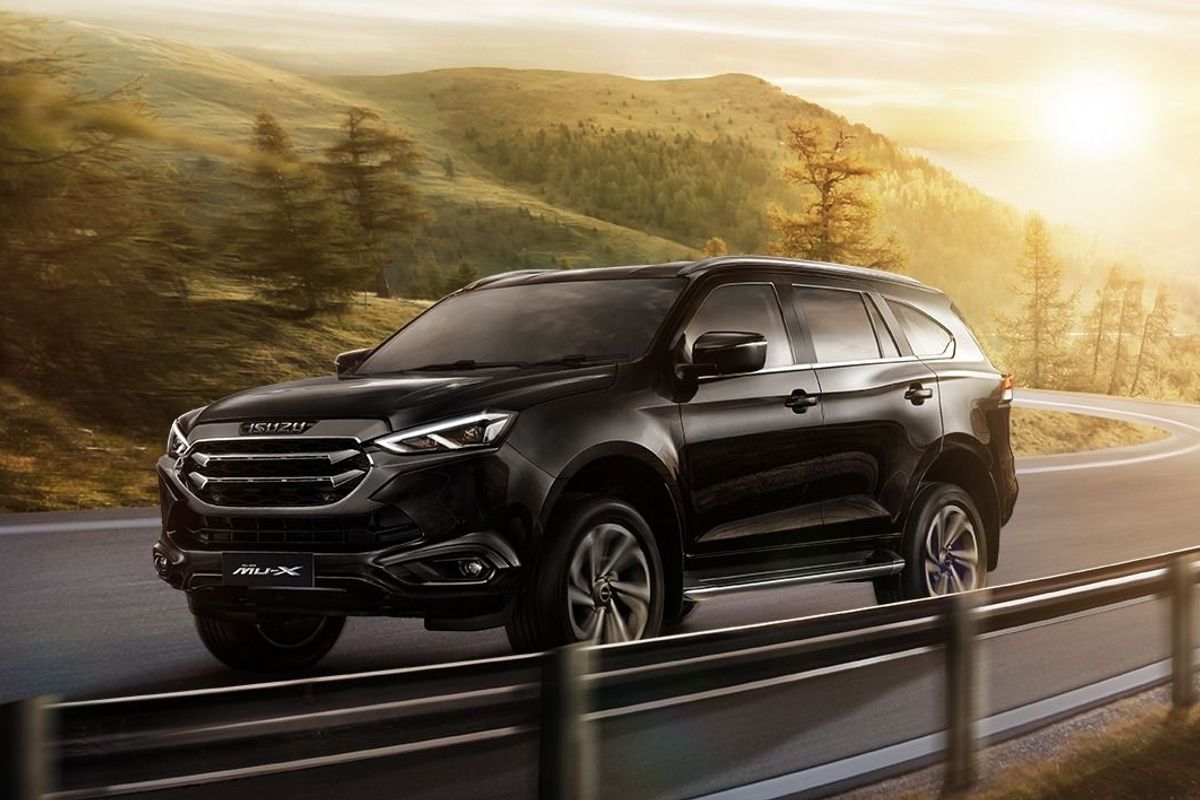
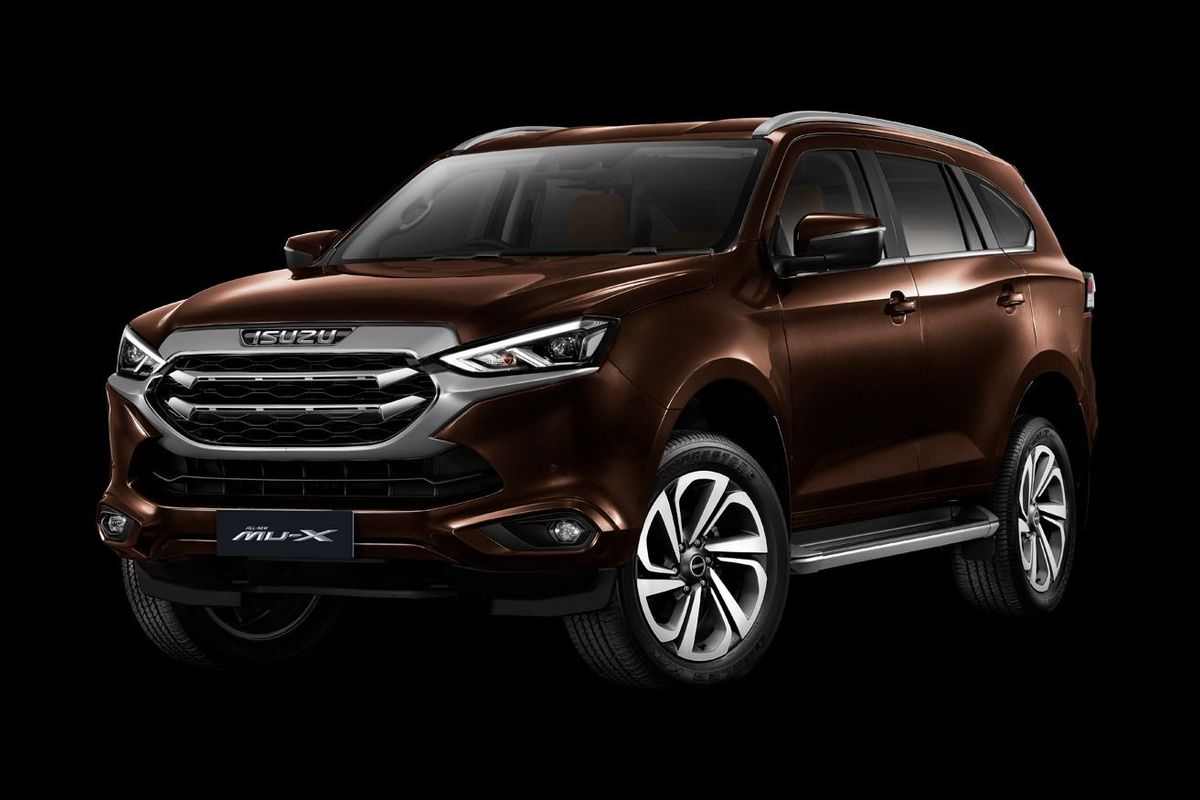
Isuzu has revealed its all-new MU-X. See what's new for the 2021 model.
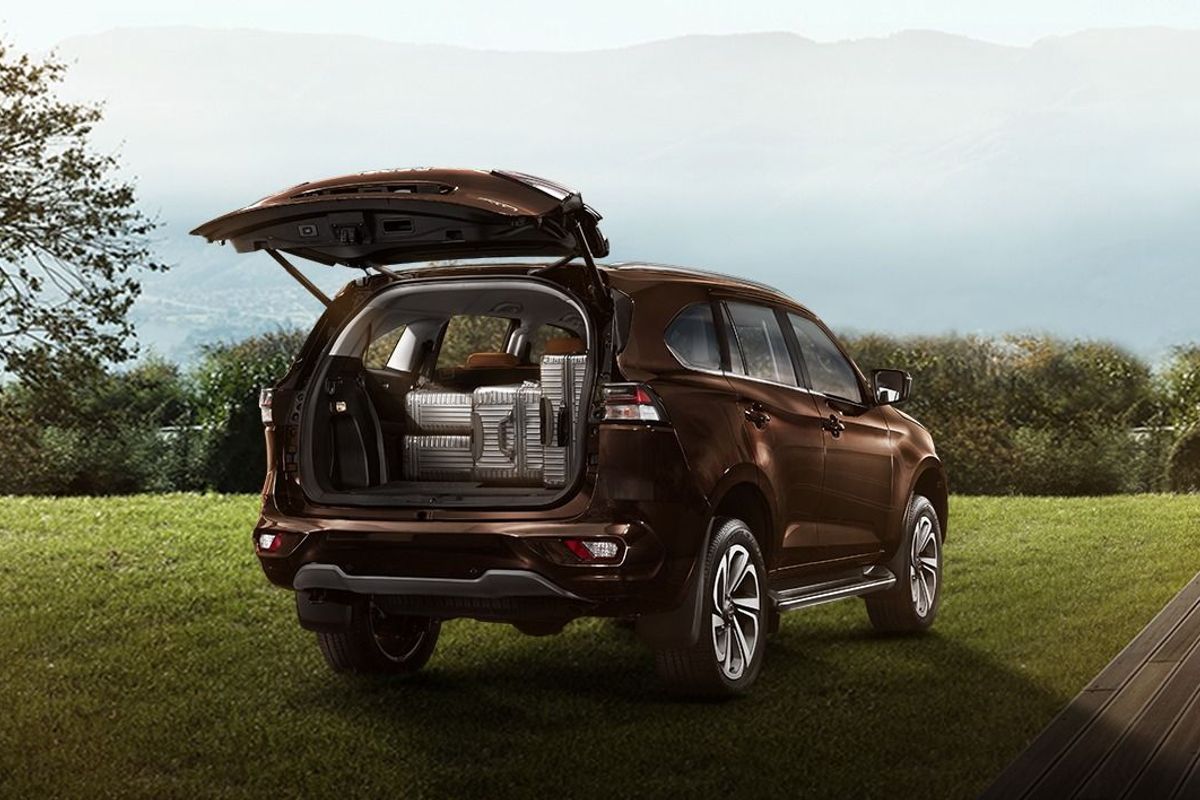
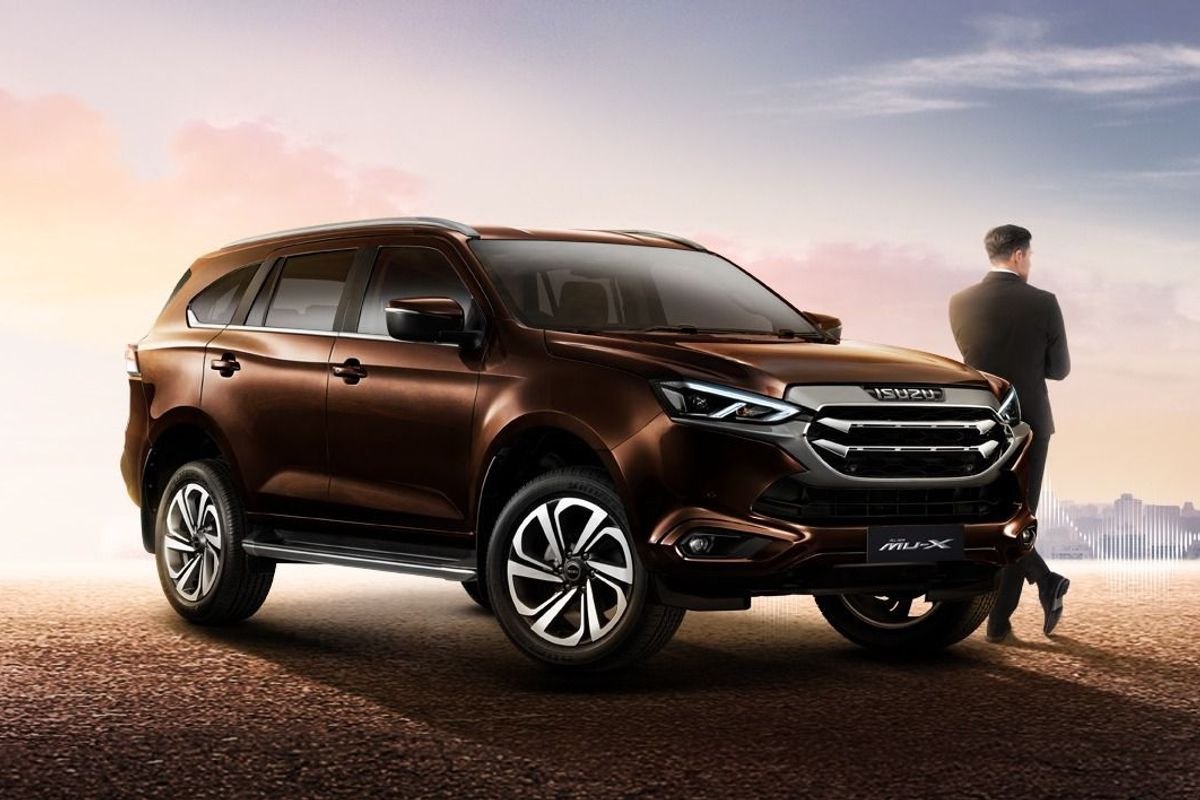
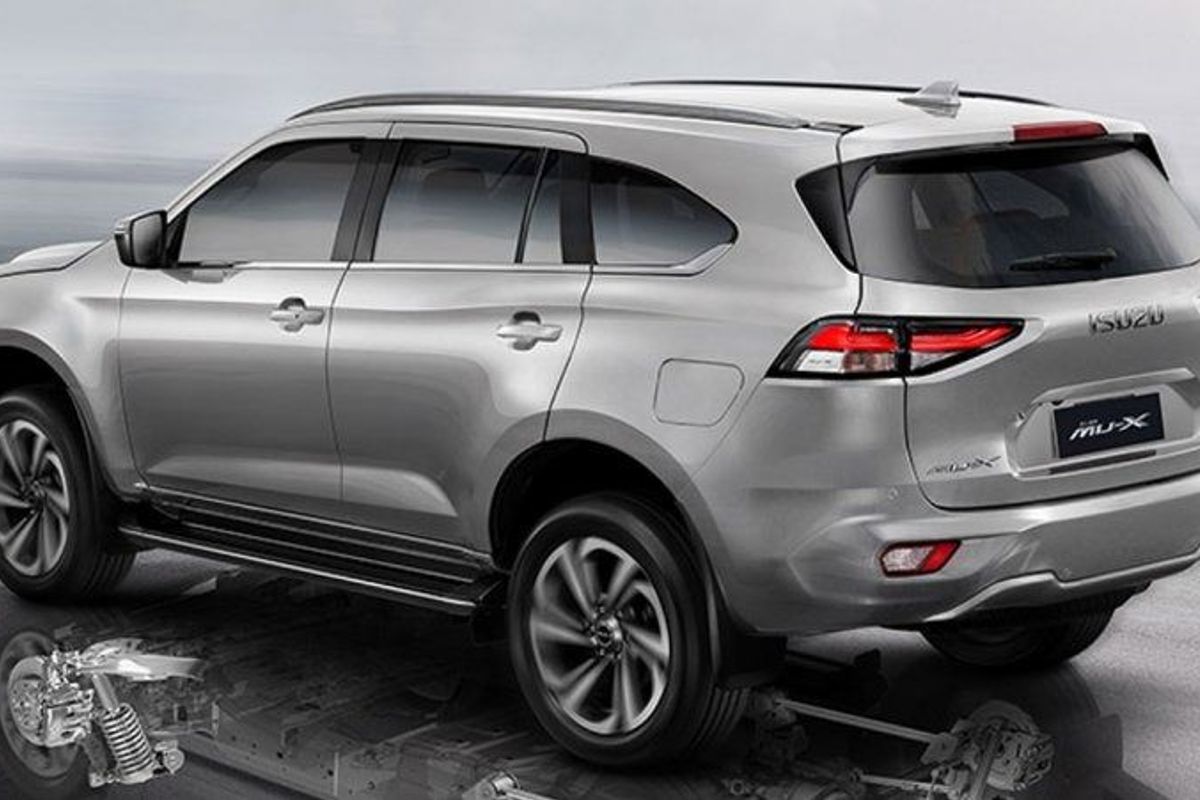
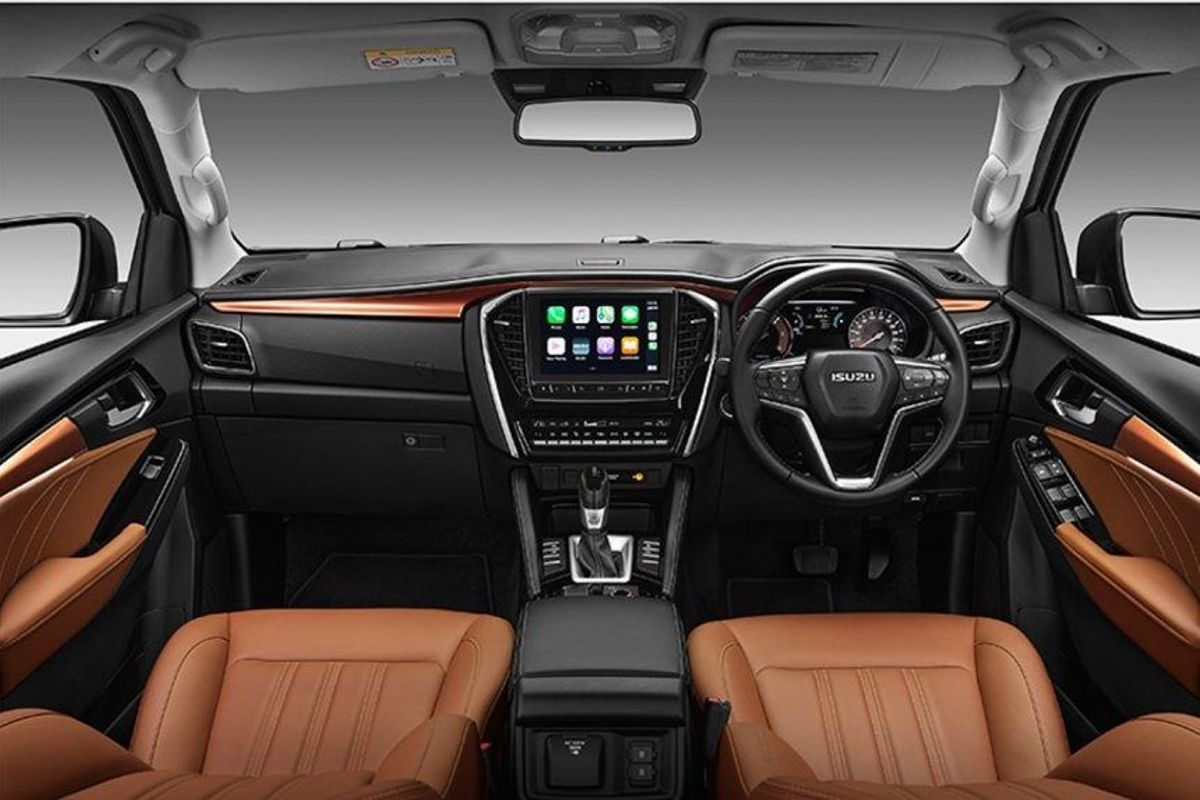
Isuzu says this is an all-new model, no facelifts or updates here, with substantial changes visually and under the skin. Mechanically, the new-generation MU-X is assembled on the same platform as the all-new 3rd-generation D-Max bakkie.
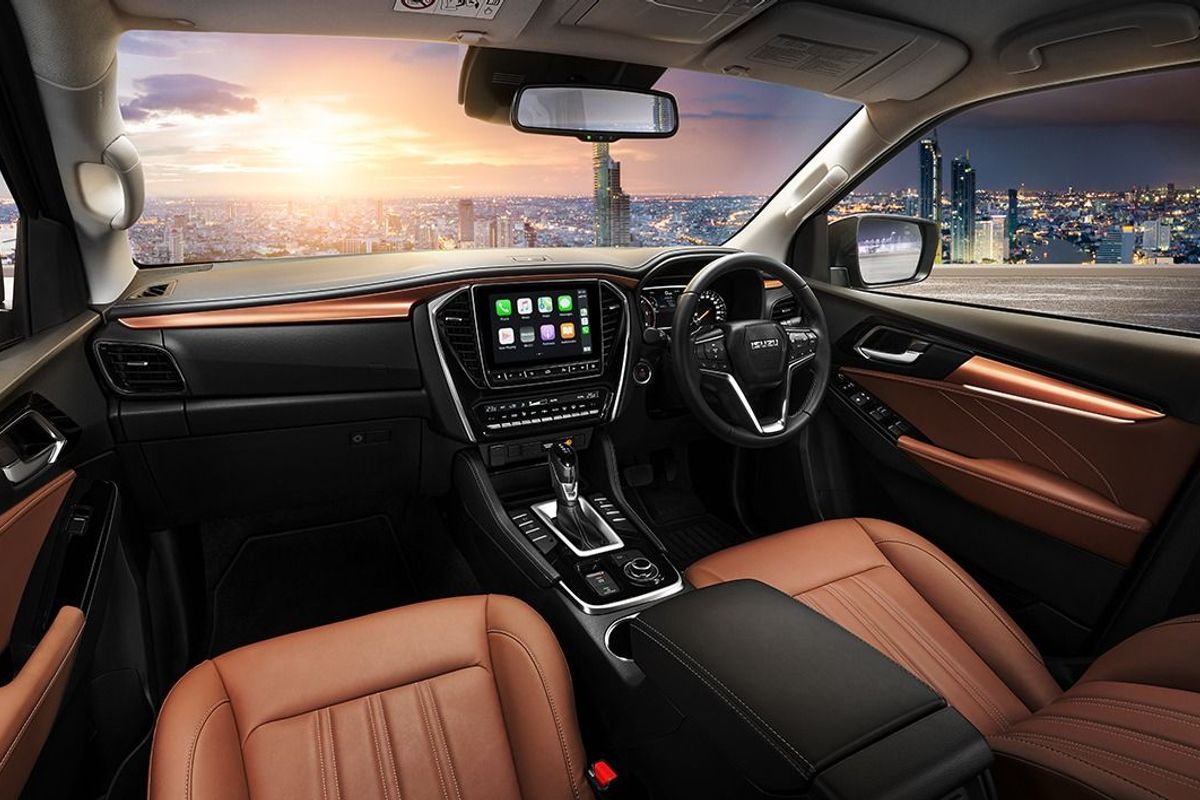
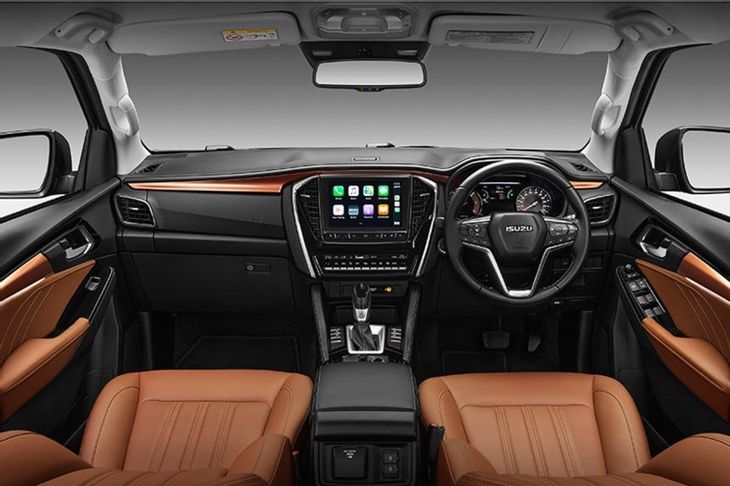
Isuzu has given the all-new MU-X a bold look that differentiates it from the bakkie sibling. While the front looks fresh, the real radical changes can be found at the rear with new taillights and bumpers. The cabin has been substantially overhauled and resembles the all-new D-Max. It looks premium and the current shape's ventilation dials have been replaced by switched.
There are small detail upgrades like a new multi-information display on the instrument cluster with nicer graphics, as well as trim updates to the gear selector and steering wheel. Importantly, it appears safety has been given a big update in the form of lane departure warning, adaptive cruise control, automatic emergency braking, rear-cross traffic alert, blind-spot monitoring, and multi-collision braking. There are also six airbags, stability control, hill-start assist, traction control, and hill descent control.
In terms of engines, there are 2 being offered. The 1.9-litre engine that never made it to our market will kick off the range with 110 kW and 350 Nm. There's a choice of a 6-speed manual or a 6-speed automatic. The other option is the latest iteration of the 3.0-litre motor which makes 140 kW and 450 Nm, and it's available with a 6-speed auto as well as 4-wheel drive.
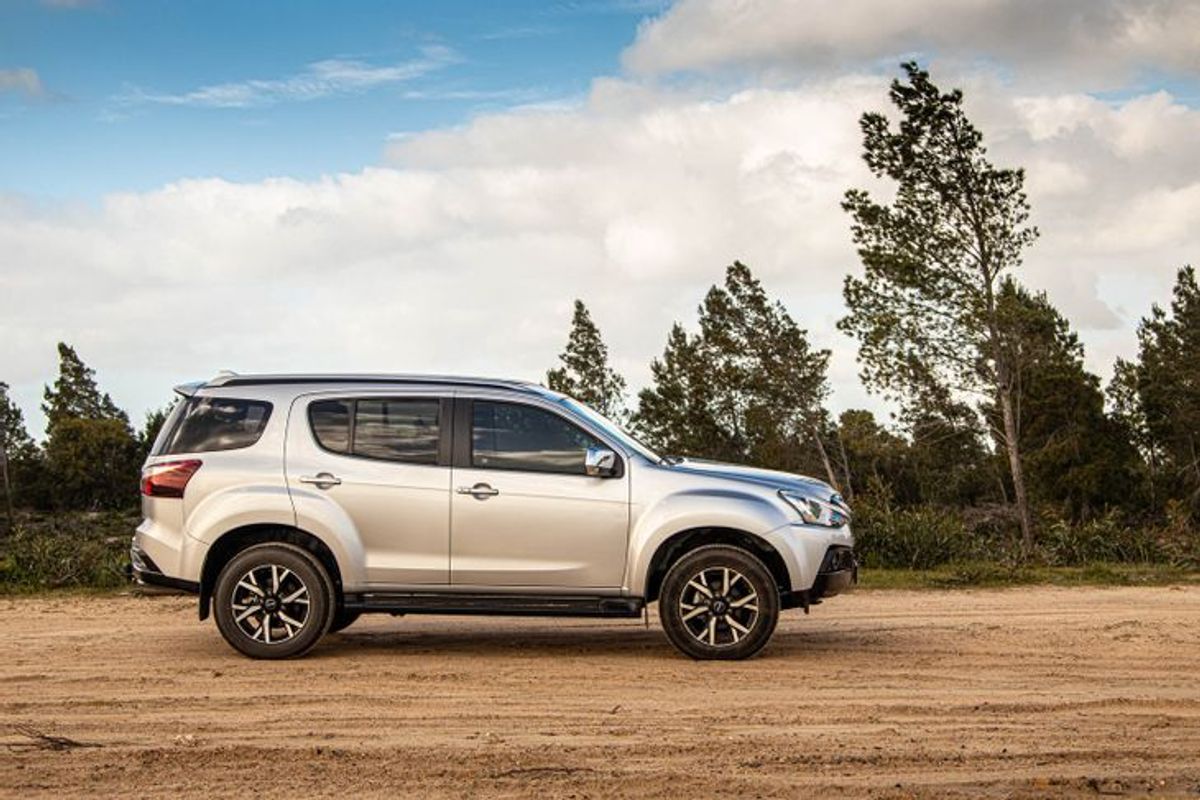
The local MU-X was given a light facelift in 2020 to improve its appearance and specification levels. Having just announced this new version, buyers may likely hold out on their purchase until this model's launch, depending on how long away that is. We have contacted Isuzu SA for comment and will update this article.
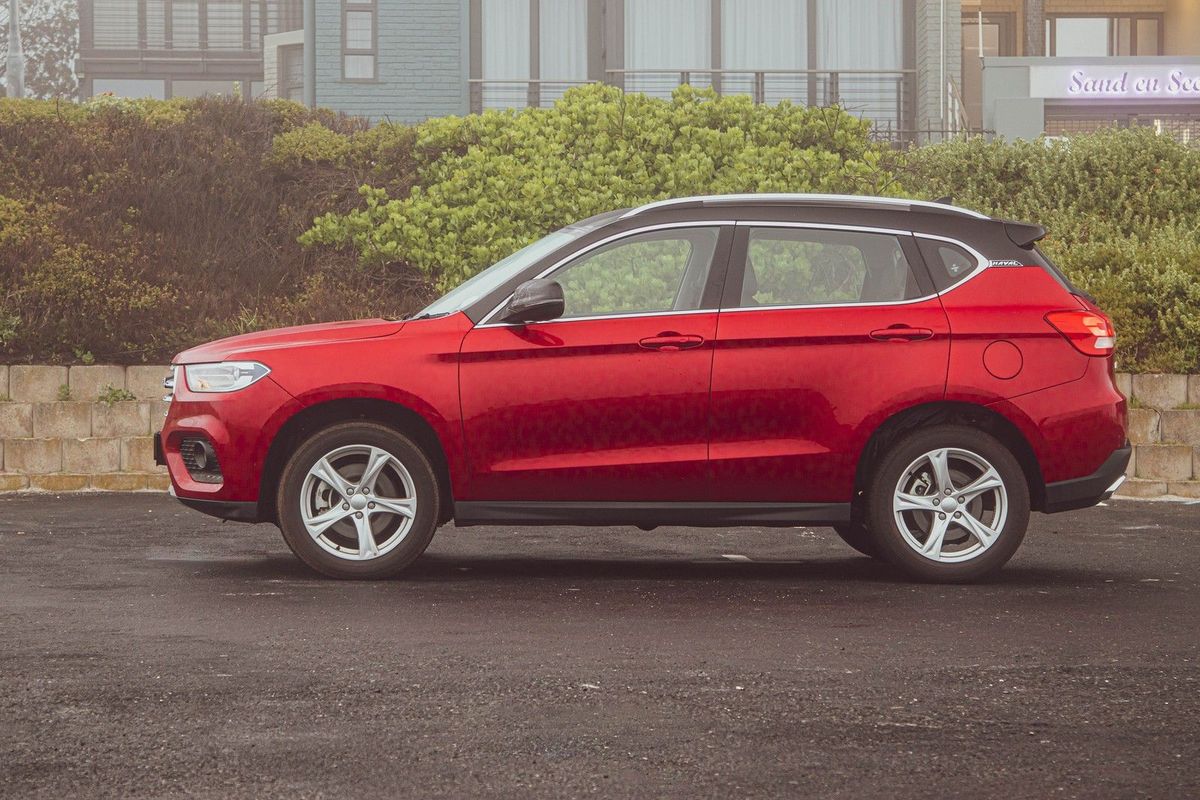
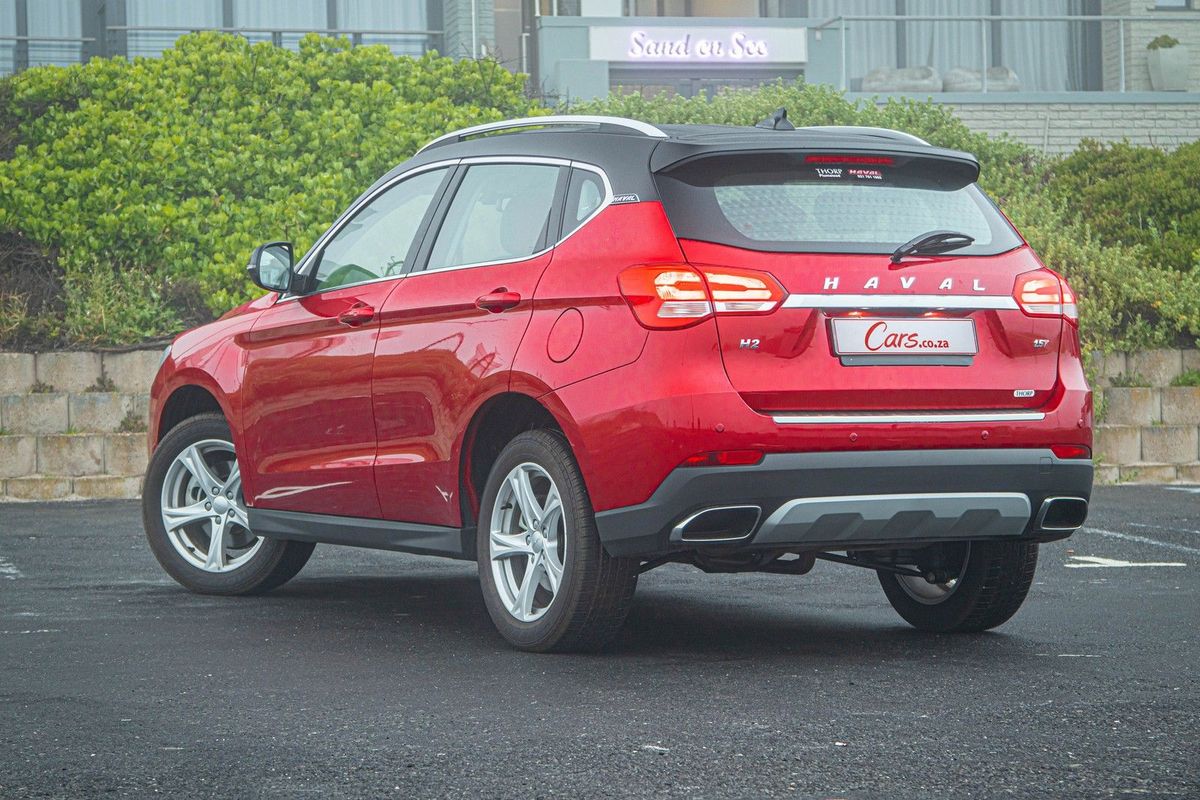
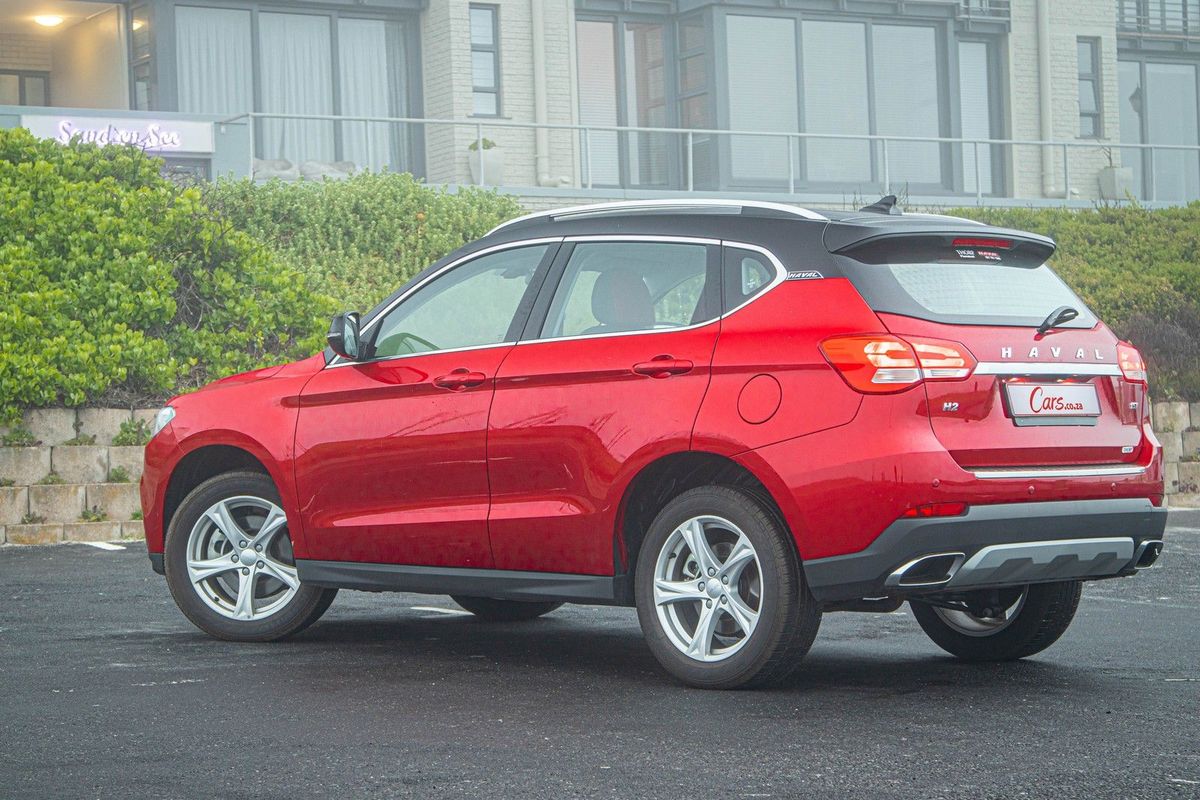
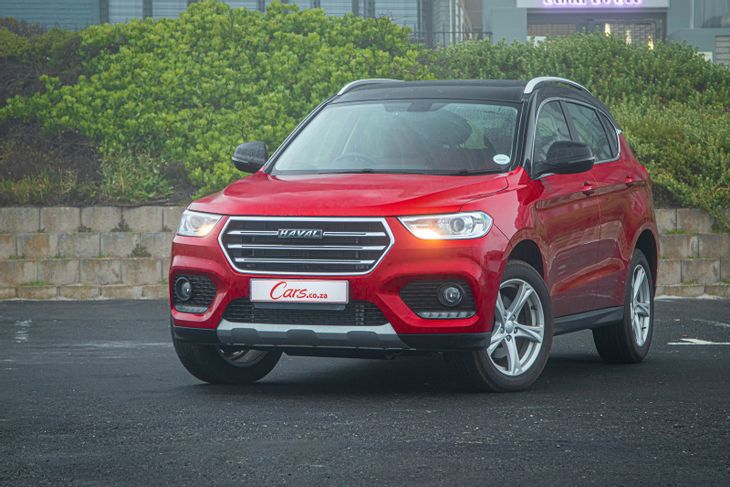
We attended the local launch of the updated Haval H2 a while ago, but due to the impact of the Covid-19 pandemic, we've only recently had a chance to spend quality time with the Chinese compact family car. The H2 has always been a high-value offering and a credible alternative to mainstream models, but has it kept up with the times?
We like: Excellent value for money, good build quality, generous spec.
We don’t like: Quirky throttle and transmission mapping, thirstier than some of its rivals.
Fast Facts:
Model Tested: 1.5T Luxury Auto
Price: R349 900 (October 2020)
Engine: 1.5-litre turbocharged 4-cylinder petrol
Power/Torque: 105 kW/202 Nm
Transmission: 6-speed automatic
Fuel consumption: 9.0 L/100 km (claimed)
Load capacity: N/A
What is it?
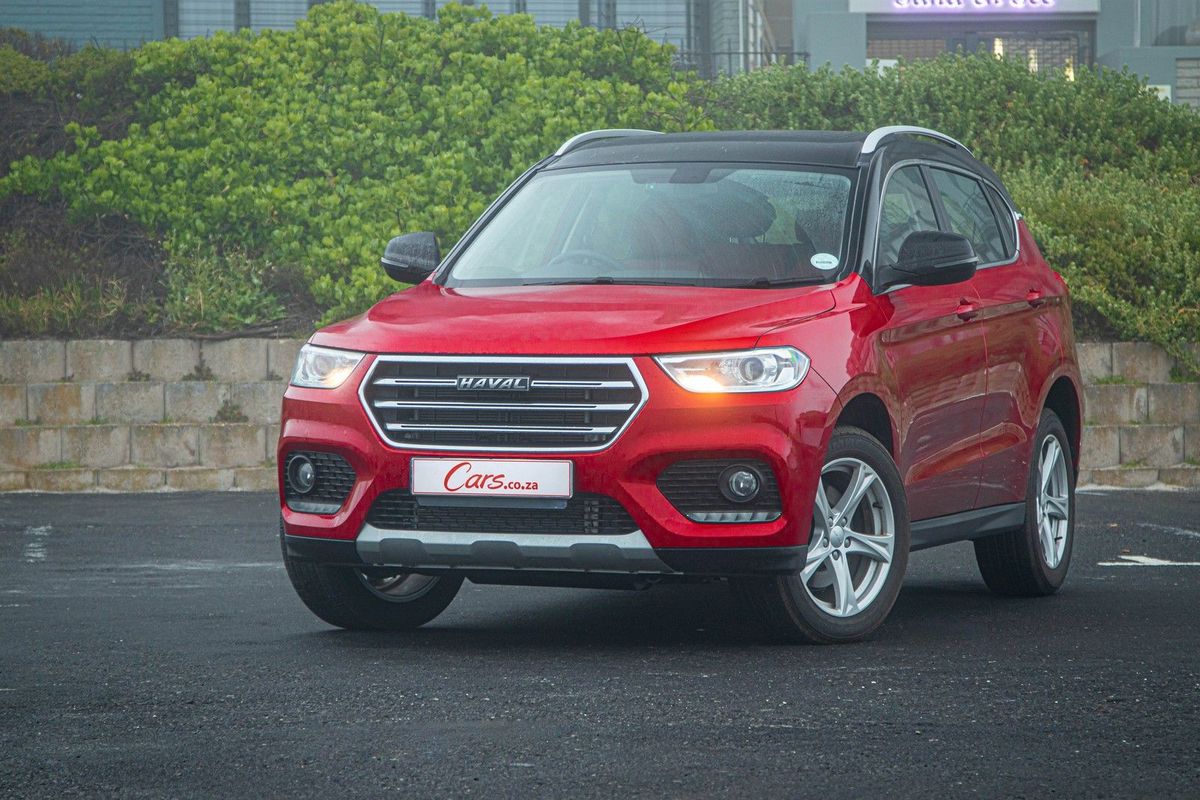
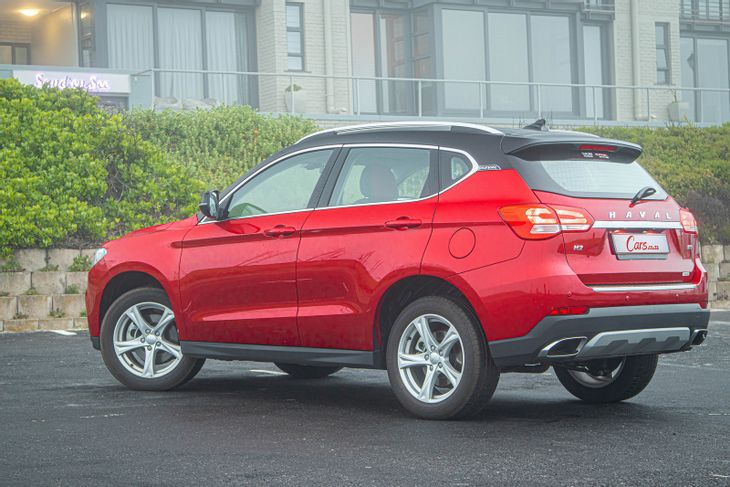
South Africa is Haval's largest market outside of China.
Haval is well-positioned in Mzansi. Its products have been well-received globally, but South Africa is the Chinese brand's biggest market beyond its homeland! Haval, with its diverse range of SUVs to suit most needs and budgets, is a brand to keep an eye on. Since its launch in 2017, the H2's been Haval's best-selling model; more than 7 000 units have found homes in South Africa. In January 2020, Haval released an updated version.
The changes are extensive, both inside and out. Mechanically, the powertrain has been carried over, but the exterior benefits from some visual updates, while the standard-features list has grown even longer. Given the sheer number of choices in this ultra-competitive segment of the new-vehicle market, the refreshed Haval H2 has got its work cut out. Is it good enough to steal more sales away from the established offerings?
How it performs in terms of…
Features and interior execution
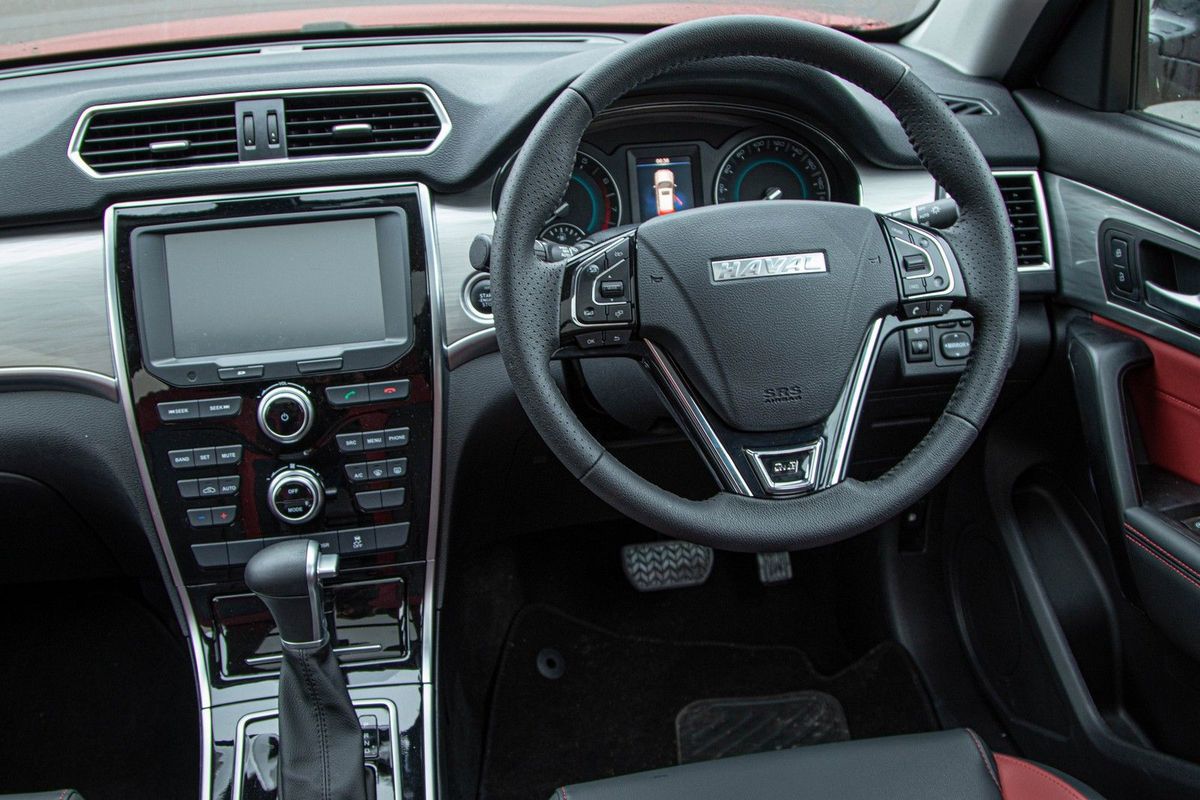
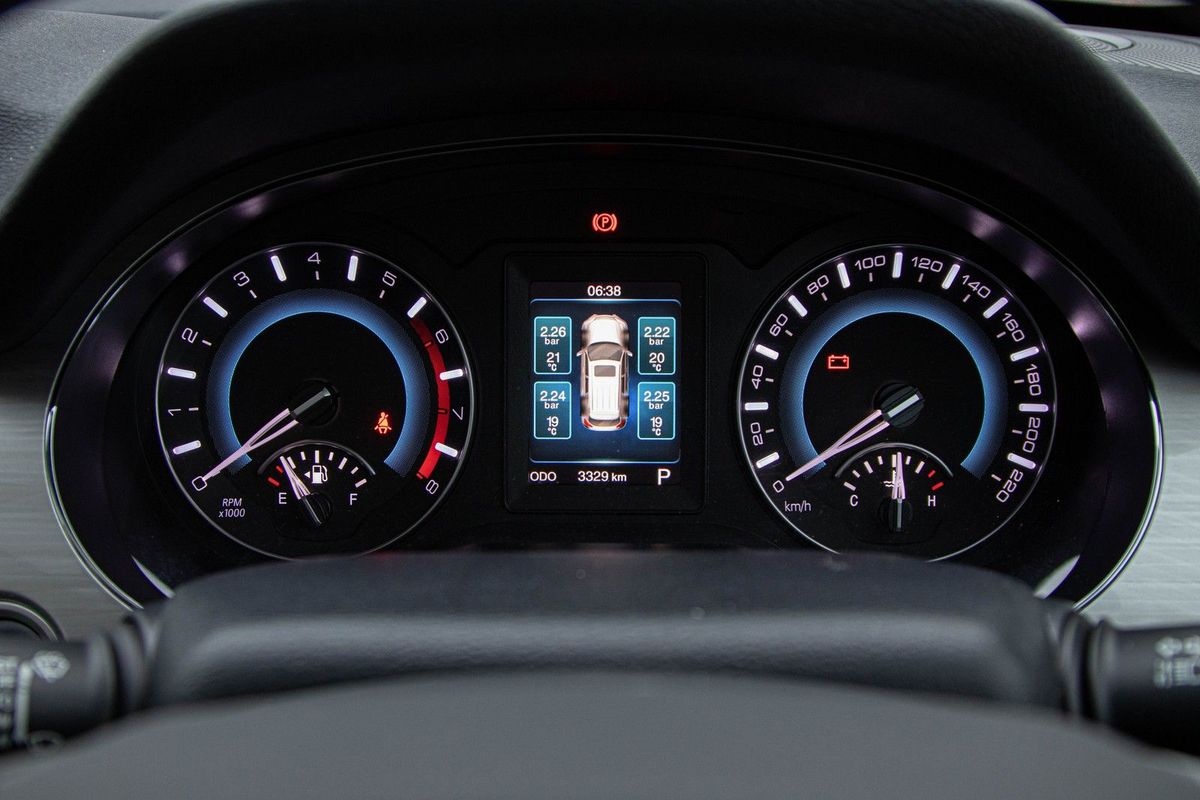
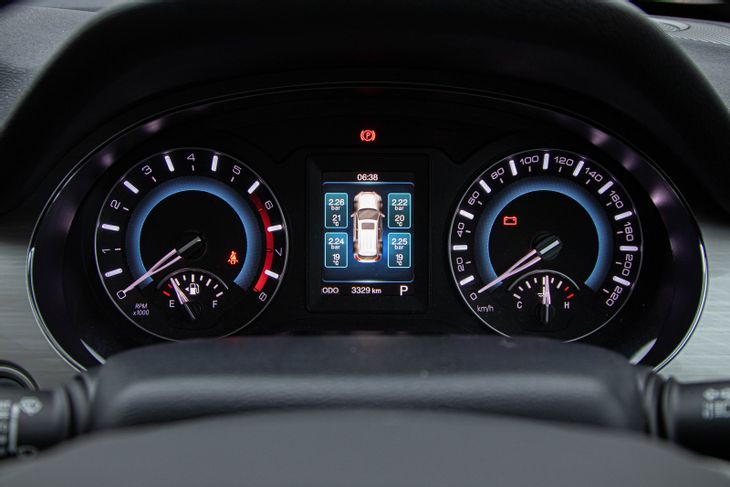
The Haval's level of specification is unbelievable. What car in this segment has tyre pressure sensors?
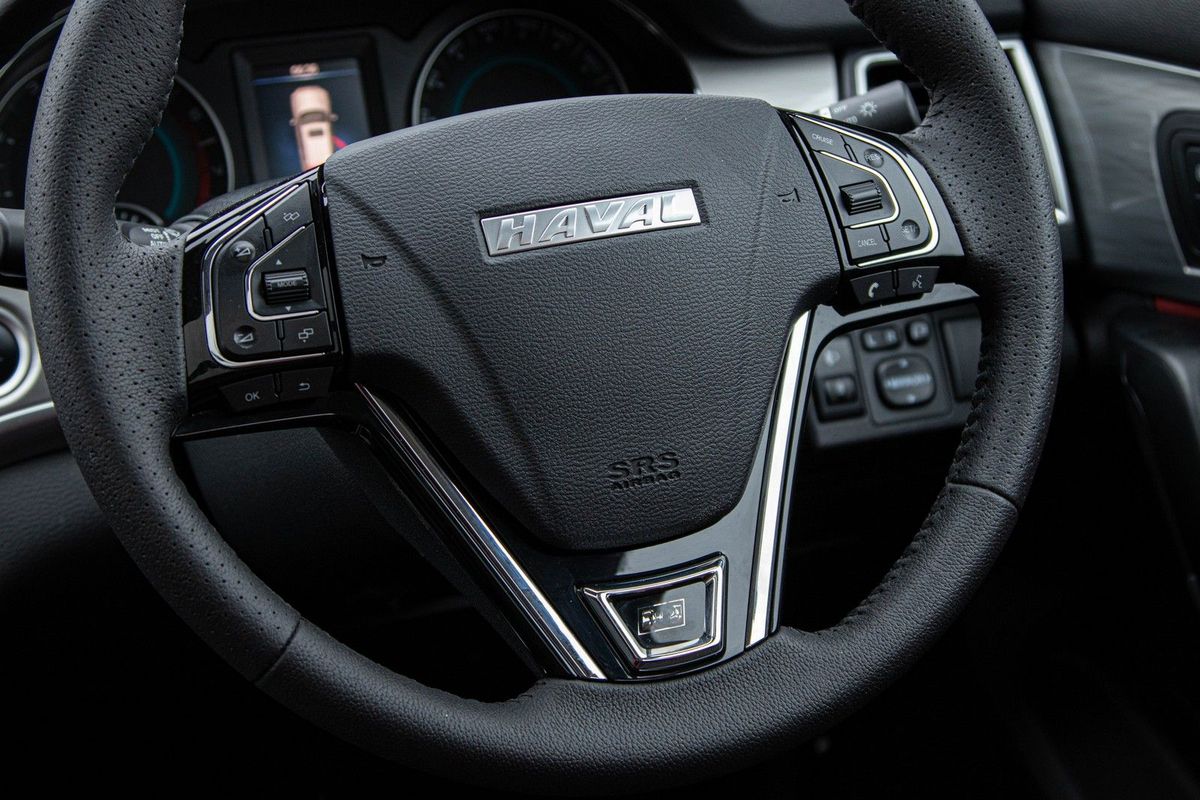
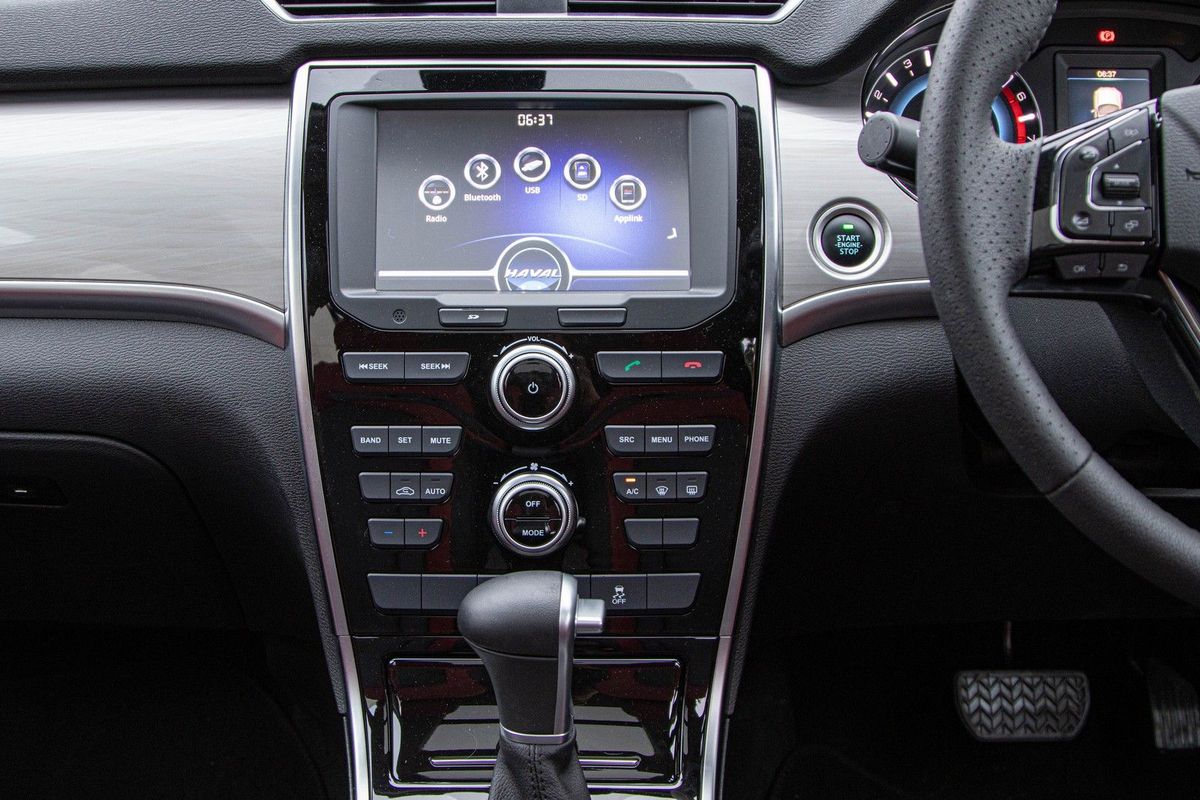
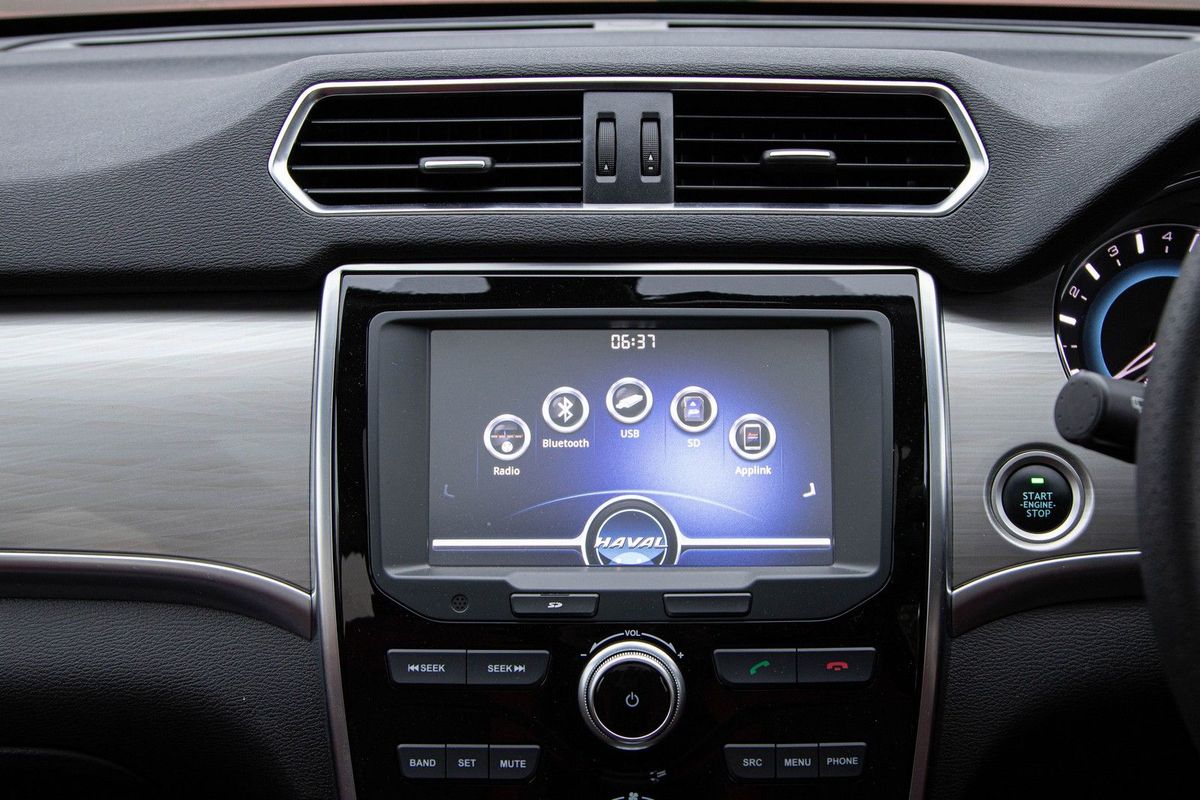
The test unit that was supplied for this review had the Luxury trim line, which adds premium features such as auto lights and -wipers, panoramic sunroof, LED headlights, climate control, plus a faux leather interior to the already comprehensive City spec. Making its debut in the updated Haval H2 is an Apple CarPlay-compatible touchscreen infotainment system. Android Auto, however, is absent due to Google's lack of presence in China.
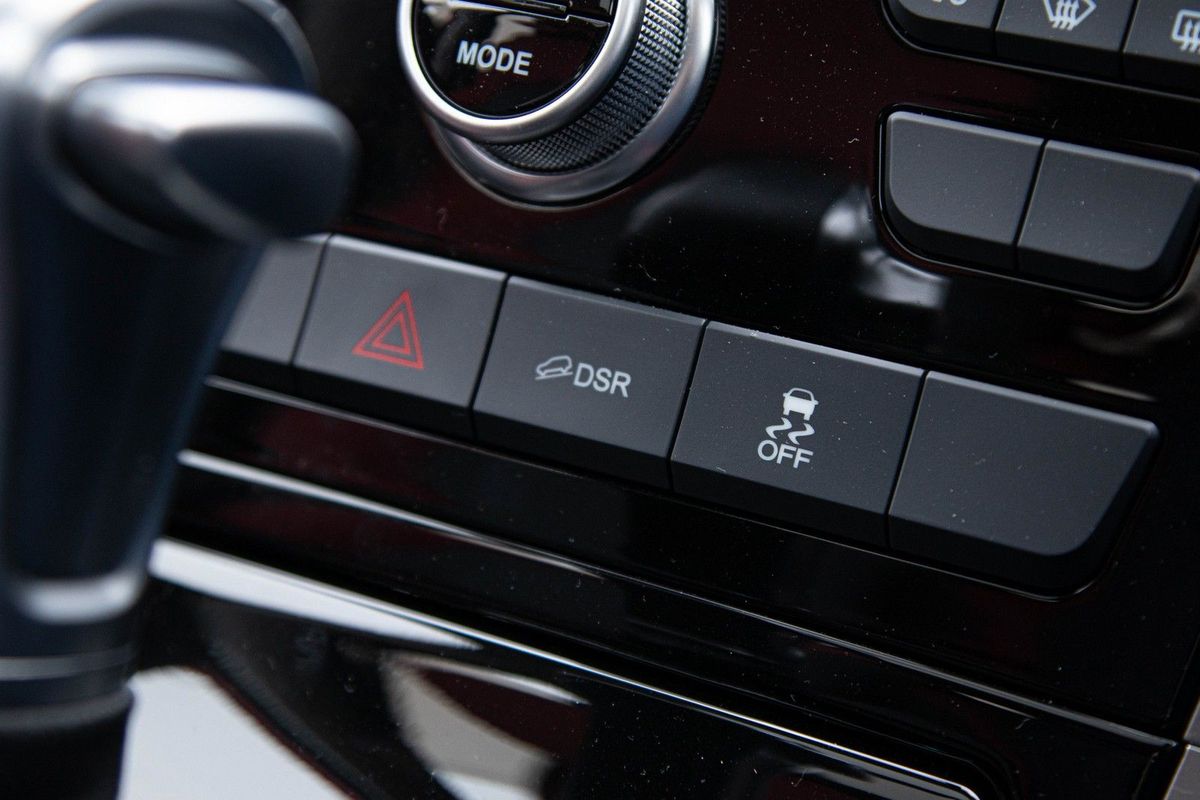
Given this extensive list of standard equipment, we had to double-check the 1.5T Luxury Auto's keen list price again (R349 900, in October 2020). There's no skimping on safety features either: the Haval H2 comes with 6 airbags as standard, plus ABS with EBD, brake assist and electronic stability control. Every derivative is equipped with rear park distance control, a reverse-view camera, as well as a tyre-pressure monitoring system.
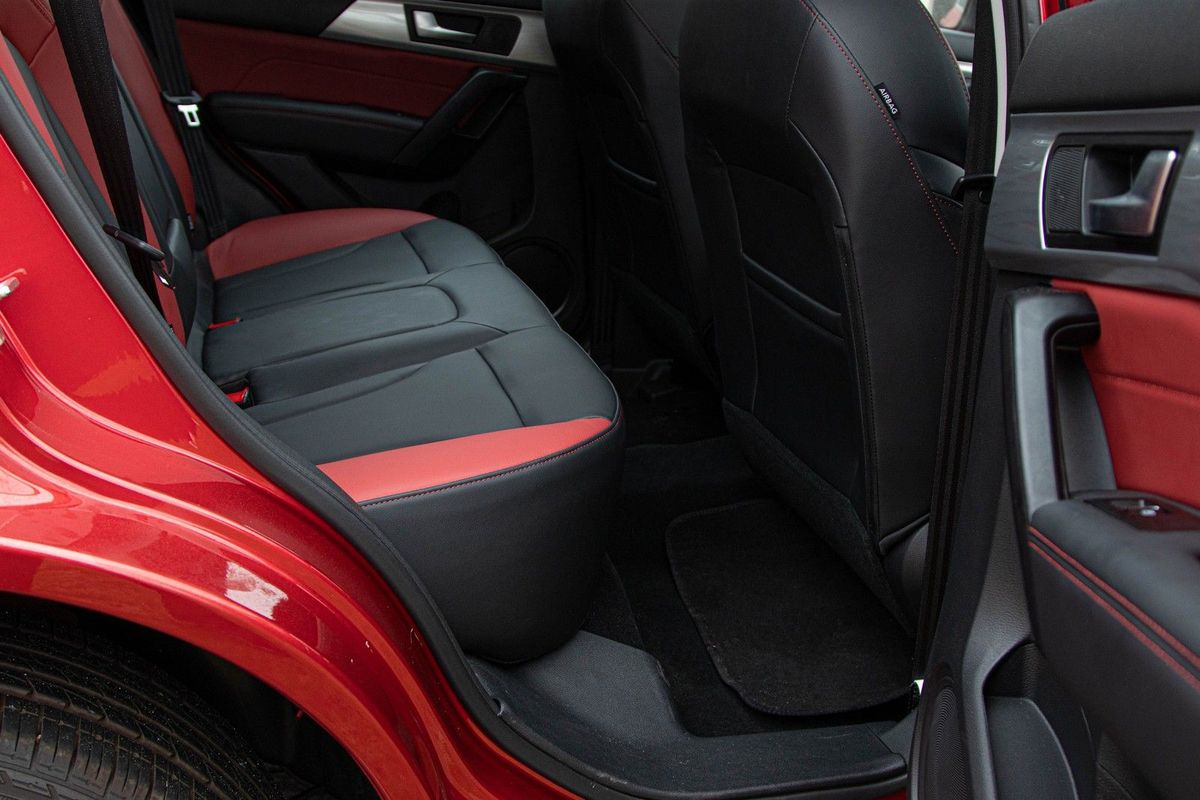
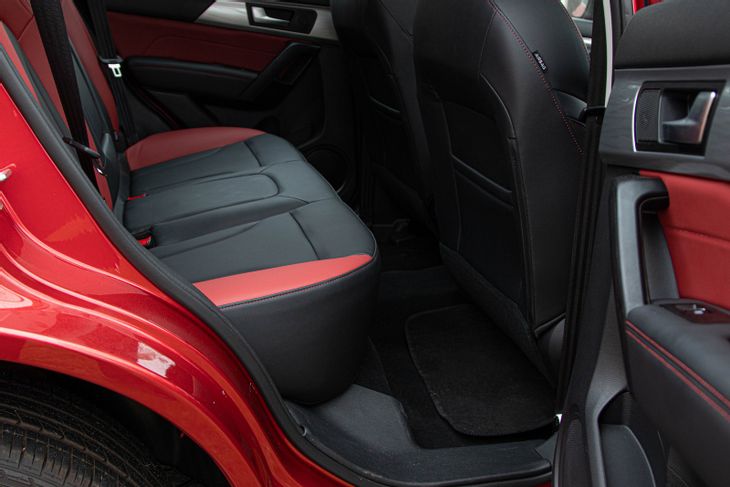
The rear legroom in the H2 is more than adequate for adults.
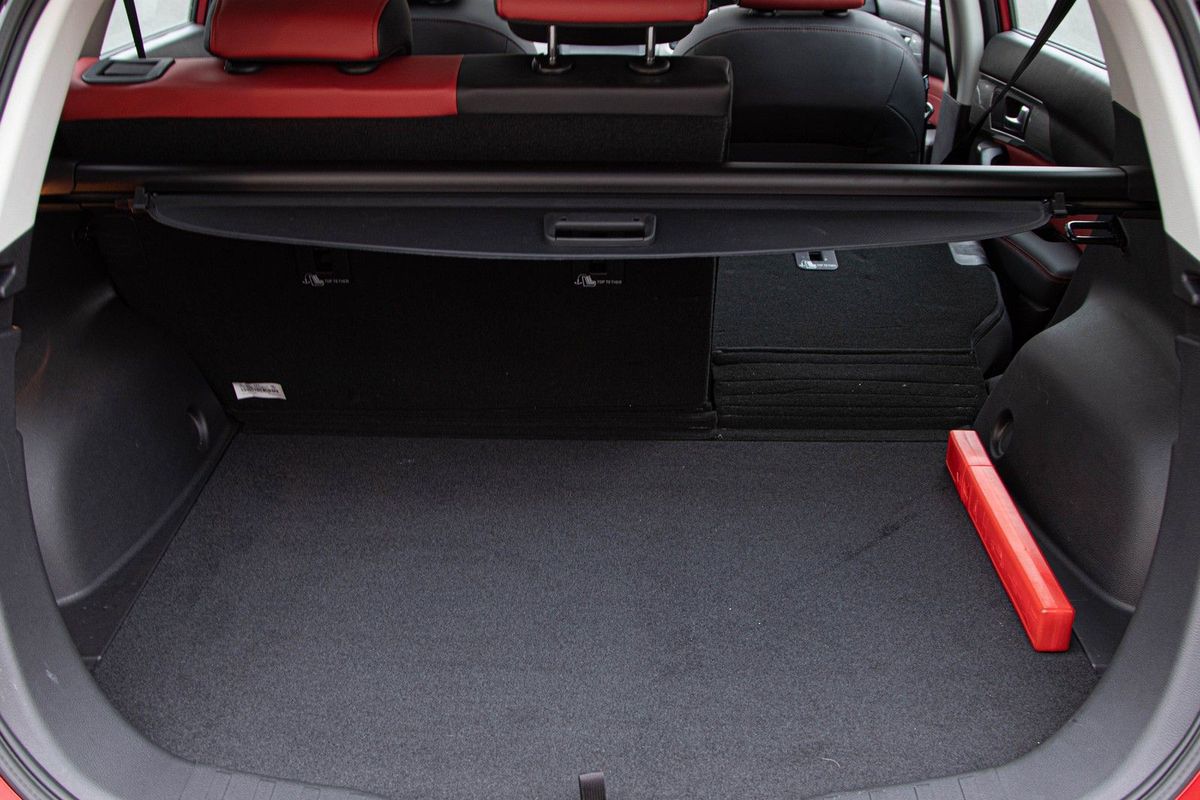
In terms of interior execution, it's hard to fault the perceived build quality and attention to detail in the H2's cabin. Who could justifiably accuse this Haval product of being cheap and nasty? The levels of fit and finish are excellent at this price point. When it comes to practicality, the rear seats can be folded down in a 60/40 split, while the load bay is on par with rivals in the segment. We suspect Haval sacrificed a smidgeon of the H2's luggage space to the benefit of rear legroom, which is positively generous compared with that offered by most (notably smaller) compact family cars.
Performance
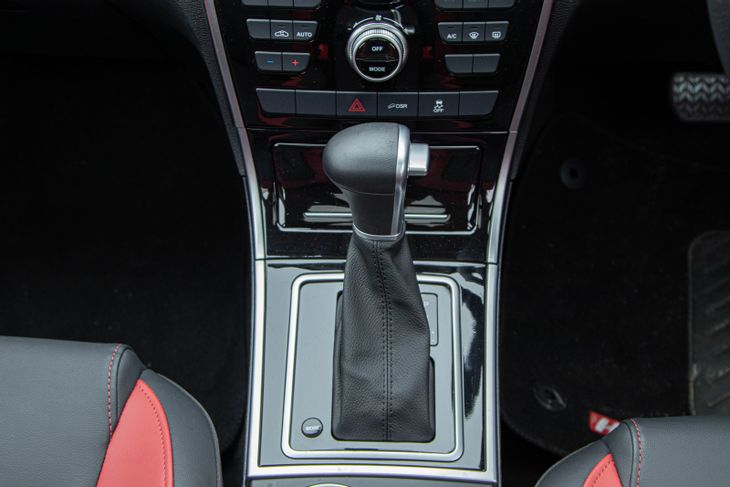
The 6-speed automatic can hesitate, but you'll learn to work with its quirks.
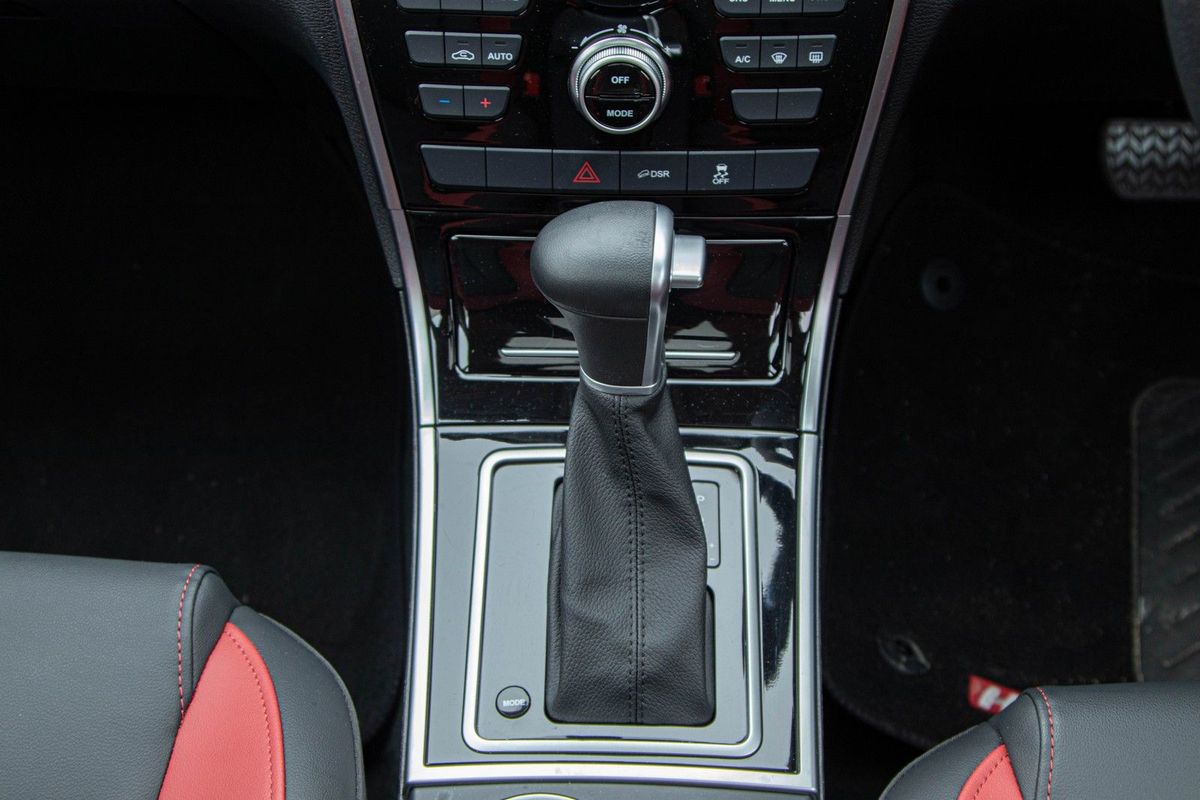
All the derivatives in the Haval H2 range are powered by a 1.5-litre turbocharged 4-cylinder petrol engine that produces 105 kW and 202 Nm. Those outputs sound quite sufficient to translate into satisfactory performance. However, if there's one glaring weakness in the Chinese model's overall package, it's the calibration of the engine's characteristics and the 6-speed transmission, or, more to the point, the lack thereof. The gearbox is not the most responsive, so if you want to execute a swift overtaking procedure, you'll need to start earlier to give the gearbox time to kick down.
You can switch the transmission into a manual mode and shift cogs yourself (if you're in a hurry), but the Haval's throttle mapping (or, to put it another way, the manner in which the H2 responds to inputs to its accelerator pedal) requires familiarisation. The long pedal can feel too sensitive or difficult to modulate. We found that by toggling the drive modes, things became smoother and progressive. It's a niggle, not a terminal fault.
Meanwhile, we have to point out that Haval claims a fuel economy figure of 9 L/100 km, but we could only muster 9.5 L/100 km. With other offerings in the segment said to return average fuel consumption of well under 9 L/100 km, the efficiency of the 1.5T Luxury Auto is a trifle underwhelming.
Ride and handling
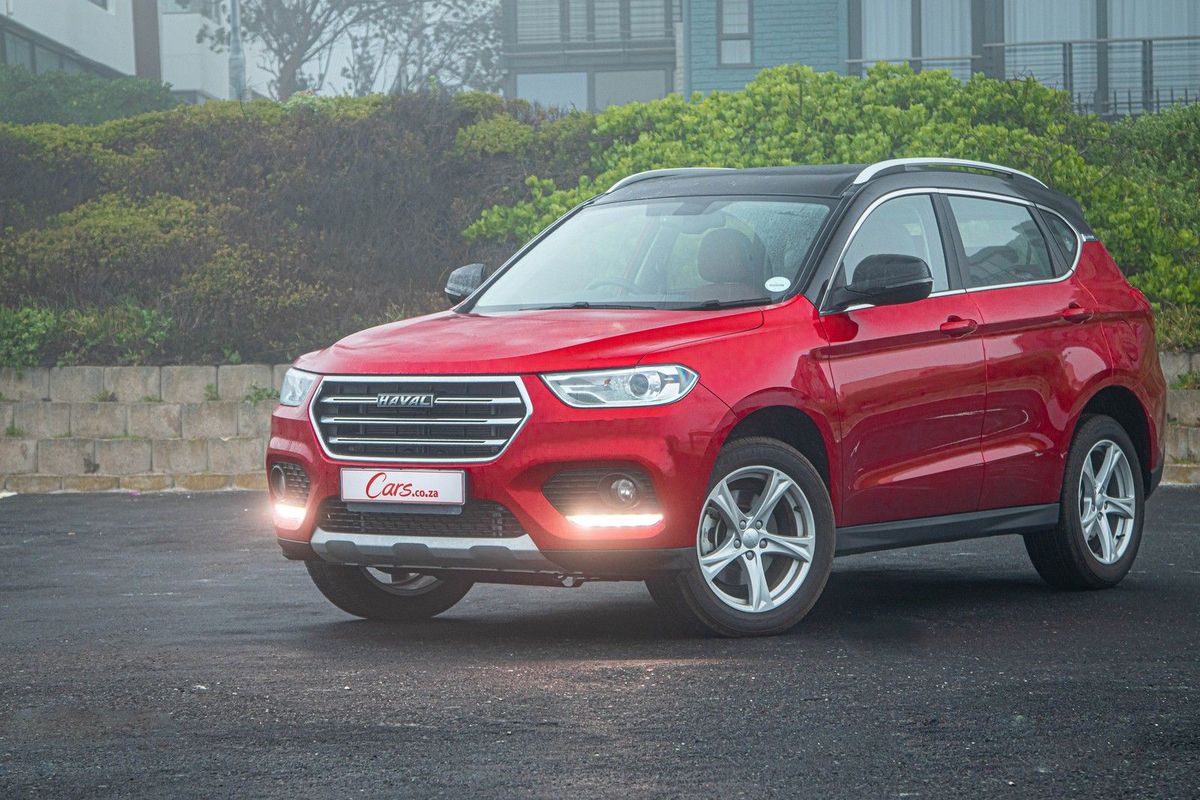
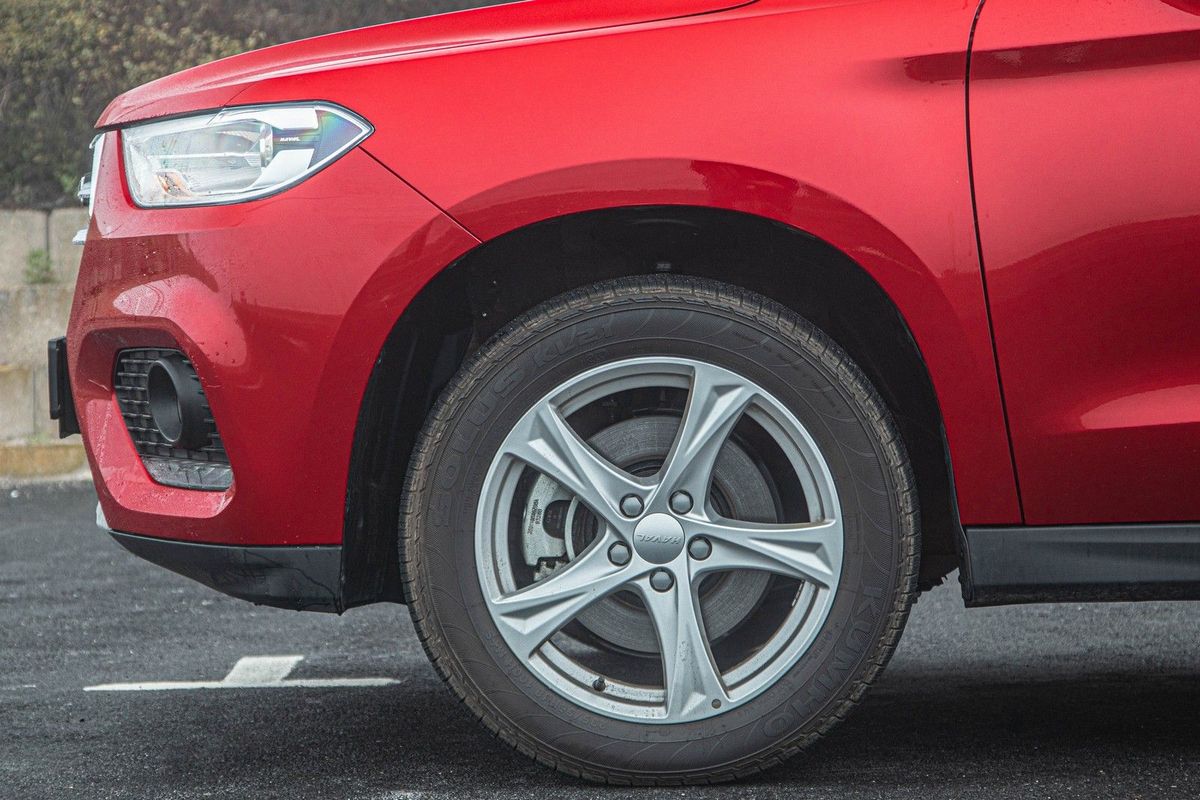
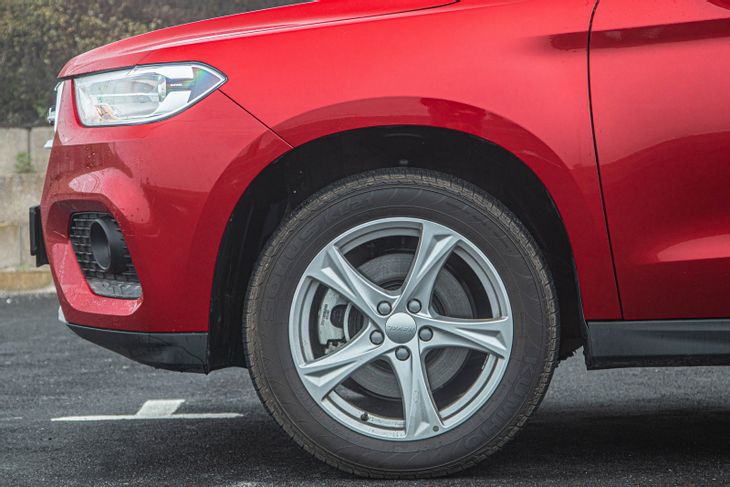
The Haval H2 rides on 18-inch alloy wheels.
Our initial thoughts from the launch suggested the H2's ride quality was good, but the road quality of the launch test route was near-perfect. With a longer test period and a wide spectrum of road surfaces at our disposal, we embarked on multiple trips in attempts to find a weak spot in the ride quality. But no, the H2 rides on 18-inch alloys wrapped in thick 235/55 rubber and they do a great job of soaking up the tarmac's imperfections.
Better yet, thanks to the H2's 180-mm ground clearance, we felt confident to head off the tar and onto a variety of gravel surfaces. While the 1.5T Luxury Auto isn't all-wheel driven, it does have hill-descent control; it feels reasonably planted on gravel with sufficient road-holding to instil driver confidence on less-than-ideal routes. There's a generally good steering feel and, from the driver's seat, it feels like you're piloting a bigger SUV.
Price and after-sales service
The updated Haval H2 range starts at R289 900 for the entry-level derivative, with this flagship offering coming in at R349 900. The vehicle is sold with a 5-year/100 000km warranty, a 5-year/60 000 km service plan, and with 5-year/unlimited km roadside assistance.
It may have some powertrain quirks, but at this price point, it's very difficult to ignore this value-for-money offering.
Haval's stellar rise outside of its domestic market cannot be ignored. The updated H2 offers commendable build quality, spaciousness and standard specification, which its rivals struggle to match at the price. Haval's rapid growth and progress over the past few years have been remarkable and we expect future product offerings to be even more polished. Bear in mind that Haval's parent company, GWM, has recruited top engineers and designers from around the globe to create a host of global products. Former JLR design boss Phil Simmons, for example, is Haval's design director.
Given how competitive the small crossover/compact family car segment has become, the 1.5T Luxury auto is a reminder of how keen pricing is a major drawcard, especially in a struggling new-vehicle market. Granted, we're not enthralled with the H2 powertrain's relative lack of refinement, but the resolved overall package more than makes up for it. So before you plump for established brands, take a moment to check out Haval's offering.